Assange High Court Appeal, July 7, 2023 – Original Document ✌️@abovetopsecretxxl

Read all at

https://t.me/ABOVETOPSECRETXXL/28964

SUPPORT US AND GET EXCLUSIVE GIFT, REPORTS & DOCS Become a Patron!

True Information is the most valuable resource and we ask you to give back.http://www.berndpulch.org

THE ONLY WEBSITE WITH THE LICENSE TO SPY!

✌️SHARE

👉THE ONLY WEBSITE WITH THE LICENSE TO SPY!
https://berndpulch.org
https://berndpulch.org/about-me/
👉JOIN @ABOVETOPSECRETXXL

https://t.me/ABOVETOPSECRETXXL
gab.com/berndpulch
gettr.com/user/berndpulch
https://truthbook.social/berndpulch
https://www.youtube.com/channel/UCdoKPR_qNWDyJwtCK484A6A
https://rumble.com/c/c-1227213
👉JOIN @ABOVETOPSECRETXXL
Subscribe to https://t.me/ABOVETOPSECRETXXL

SUPPORT US AND Become a Patron!
https://www.patreon.com/bePatron?u=54250700
(Paypal, Apple Pay, Venmo, Visa, Master Card, Discover, JCB, Diners Club, 3DS)
Bitcoin: bc1q2ku4m6j5hmay36gdp7k2penr66wxzc7mchcaed
Ethereum: 0xC0198713e0049260cbe788DEd449FEc290Bf21b7
Ripple: rfoQ7LytJNCAPj8BwP7PZfd1oFPrsN6kZv
USDT: 0xC0198713e0049260cbe788DEd449FEc290Bf21b7
USD Coin: 0xC0198713e0049260cbe788DEd449FEc290Bf21b7

Monero: 41yKiG6eGbQiDxFRTKNepSiqaGaUV5VQWePHL5KYuzrxBWswyc5dtxZ43sk1SFWxDB4XrsDwVQBd3ZPNJRNdUCou3j22Coh.USDT: 0xC0198713e0049260cbe788DEd449FEc290Bf21b7

True Information is the most valuable resource and we ask you kindly to give back.

GOD BLESS YOU!

Trump Indictment Docket and Filings 2023-0609-Original Documents✌️@abovetopsecretxxl

Read all at

https://t.me/ABOVETOPSECRETXXL/28102

✌️SHARE

👉THE ONLY WEBSITE WITH THE LICENSE TO SPY!
https://berndpulch.org
https://berndpulch.org/about-me/
👉JOIN @ABOVETOPSECRETXXL
https://t.me/ABOVETOPSECRETXXL
gab.com/berndpulch
gettr.com/user/berndpulch
https://truthbook.social/berndpulch
https://www.youtube.com/channel/UCdoKPR_qNWDyJwtCK484A6A
https://rumble.com/c/c-1227213
👉JOIN @ABOVETOPSECRETXXL
Subscribe to https://t.me/ABOVETOPSECRETXXL
SUPPORT US AND Become a Patron!
https://www.patreon.com/bePatron?u=54250700
True Information is the most valuable resource and we ask you kindly to give back.

God Bless You!

Cryptome: Shin Bet has a Killer (you are being lied to) – Original Document in Hebrew

Read all at:

https://t.me/ABOVETOPSECRETXXL/27926

✌️SHARE

👉THE ONLY WEBSITE WITH THE LICENSE TO SPY!
https://berndpulch.org
https://berndpulch.org/about-me/
👉JOIN @ABOVETOPSECRETXXL
https://t.me/ABOVETOPSECRETXXL
gab.com/berndpulch
gettr.com/user/berndpulch
https://truthbook.social/berndpulch
https://www.youtube.com/channel/UCdoKPR_qNWDyJwtCK484A6A
https://rumble.com/c/c-1227213
👉JOIN @ABOVETOPSECRETXXL
Subscribe to https://t.me/ABOVETOPSECRETXXL
SUPPORT US AND Become a Patron!
https://www.patreon.com/bePatron?u=54250700
True Information is the most valuable resource and we ask you kindly to give back.

God Bless You!

CRYPTOME REVEALS – Wholeaked – A New Open Source Program To Catch Whistle Blowers

SUPPORT US AND Become a Patron!
True Information is the most valuable resource and we ask you kindly to give back.

http://www.berndpulch.org

THE ONLY WEBSITE WITH THE LICENSE TO SPY!

🚨 FOLLOW US ON TELEGRAM & GAB FOR EVEN MORE ABOVE TOP SECRET INFOS & DOCUMENTS

https://t.me/ABOVETOPSECRETXXL

https://gab.com/berndpulch

https://gettr.com/user/berndpulch

https://truthbook.social/berndpulch

https://www.bitchute.com/channel/R55w1IXstR3h/

https://www.youtube.com/channel/UCdoKPR_qNWDyJwtCK484A6A

From: no data 
Date: Mon, 21 Feb 2022 04:52:54 -0800
Subject: [cryptome] wholeaked - a new open source program to catch whistle blowers
To: cryptome@freelists.org

this post is an attempt to get this list back to the roots of what
cryptome is based on: leaked files. I attempt to share an interesting
coder, the coders shared work in his github and what is his most
interesting creation yet called wholeaked in hopes of drumming up
interesting discussions on leakers and related software, and hopefully
we can leave behind some of the insane and inane discussions of recent
history on this list.

Ill first go over his github and the various projects he created and
the skills/languages he used to create the tools and then go onto
wholeaked, what it does, a brief explanation on how it does what it
does, its uses, its shortfalls and why its an interesting and
important addition to those who are for and/or against leaks and/or
leakers (it helps and works against both leakers and anti-leakers
both). Lets begin.

the original Developer of this code quote about the project he named
"wholeaked":
"a file-sharing tool that allows you to find the responsible person in
case of a leakage"

The github project page has 19 forks, uses the BSD-3-Clause License
and was created on January 26th, 2022 appears to be made by a talented
hacker named Utku Sen who's written other pro-privacy and published
them on github such as his "house party" emergency data locker tool
that encrypts every file in your home directory via remote command in
an attempt to block a thief's access to your documents, as well as
several anti-ransomware tools that detect when encrypting of files has
begun and stops the process and warns you as soon as it sees it
happening. A re-write of the program was done to have the code
available in python.

His other open source tools include:
-several DoS tools,
-a url-shortener reversal tool,
-a fork of "empire" windows exploit toolkit for automated pwning of
windows domain controllers,
-an IRC based botnet/bot tool,
-a second fork of Empire with modifications to timing and order of
loading is functions for IDS evasion,
-a stresstester
-a program called jeopardize; a threat intelligence&response tool
against phishing domains
-and a mass-security-auditing toolkit
-a blackjack analyzer
-other interesting hack tools.

The languages he uses to create these tools spans across various major
languages from C to python to visual basic to c# and finally Go. His
repos can be found here: https://github.com/utkusen?tab=repositories

While the method this program uses is not brand new the program itself
is and it is more than a simple single functioning binary with only
one function..., it crosses platforms to every major 64 bit OS (linux
x64, macOSX  x64and windows  x64) which makes this program all the
more versatile to use

Classification of program type:
The program might be whats known as a type of "traitor tracing"
software (see here:  https://en.wikipedia.org/wiki/Traitor_tracing )
..and uses a canary trap to finger the leaker (see here:
https://en.wikipedia.org/wiki/Canary_trap )..

..... some might be offended by such strong labels such as 'traitor'
to describe this software, as the word "traitor" could be replaced
with "brave unwavering ethical bar-setting/bar-raising whistleblower
hero" and the functionality of the software would be the exact same
even if the intent is different.


...., the program helps you keep track of everyone who gets a copy of
the file that you suspect will be leaked (or you might do this as a
form of anti-copying enforcement in hopes of distributing the book
with consequences of getting fired from their job, fined or
imprisoned. Each copy that gets sent out gets its own unique invisible
watermark which is essentially just metadata that ties that particular
copy to the email address (or person) who you sent it too.

When the file or files get leaked (or if it gets leaked) then you can
check the metadata in the copy of the now public file and see which
person the watermarks show that it was tied to, and then you've just
found your leaker.

Here are the several ways you are able to tag the file (copied
directly from the github here: https://github.com/utkusen/wholeaked )

"wholeaked can add the unique signature to different sections of a
file. Available detection modes are given below:

File Hash: SHA256 hash of the file. All file types are supported.

Binary: The signature is directly added to the binary. Almost all file
types are supported.

Metadata: The signature is added to a metadata section of a file.
Supported file types: PDF, DOCX, XLSX, PPTX, MOV, JPG, PNG, GIF, EPS,
AI, PSD

Watermark: An invisible signature is inserted into the text. Only PDF
files are supported."

A note of caution: Of course this tool will only reveal the most
inexperienced and/or over confident of leakers, as anyone with half a
brain will realize, 19th attempt to strip all metadata from the file
before leaking, if not altogether re-creating the document with
screenshotting each page of data one at a time with something like the
good old printscreen button and pasting and saving in ms paint or
something similar, One should consider using a brand new VM that was
spun up for this single purpose or a live linux distro like ubuntu
live or tails will also work (those who work in digital forensics are
much better to discuss this part of the topic!)

 This is but one way to by-pass someone using a
unique-injection-of-watermark-per-file leak-detection technique (try
saying that 5x fast!). among other methods,

The _actual_ common term of this technique is called the canary trap
for the laymen, It is actually used in many different contexts that
are much different than someone breaching national security with PDF
files or whatever, like for example, some AV programs use canary files
that are placed in your documents folder and if the AV detects that
they are no longer accessible (yet still remain in your documents
folder) or if they appear to be modified, then the AV might cause all
processes to stop and block any processes from writing to disk until
the user either lets the processes  continue after confirming that it
was not ransomware that modified, encrypted or changed the file.

Wholeaked is essentially making every distributed file its own unique
identifiable canary. If that canary is ever found anywhere by being
leaked, then at the very least you will know who was responsible for
the file becoming public (if it was their intent on spreading the file
to the public or not!).

What makes this one note-worthy is that it is now trivial to do it
easily without the need to understand concepts like unique
watermarking and metadata or how to add them correctly. Also that it
is open source with compiled binaries for windows, OSX and linux (you
can find the project, binaries and source code on github here:
https://github.com/utkusen/wholeaked/releases/tag/v0.1.0 )

Its a reminder to those who are experienced in leaking to stay
vigilant , less they be exposed (and in some states/places this could
mean death or worse to you and your family).

Its also a wakeup call for those who leak who dont know what they are
doing , and might mean lost jobs, legal action, imprisonment and
possibly a lot more if they don't smarten up about their opsec.

On the other hand, it could also mean the capture of those who are
leaking classified documents to rogue states who routinely deny
mountains of evidence of human rights abuses (im looking at you China)
for money, in which case, it would be a good thing exposing those who
give aid to powerful unethical monsors.

No matter the use case, the tool is now in the hands of everyone and
anyone is free to add and change it for their own uses and publish
their own versions as a fork if they like.

To end this post which has gone on far too long, here is the creators home page:

https://utkusen.com/

kudos you, Utkusen!

SOURCE: CRYPTOME

THIS IS AN EXCERPT – YOU CAN DOWNLOAD THIS INFO IN FULL LENGTH UNREDACTED, OUR FULL VIDEOS, OUR FULL DOCUMENT AND MUCH MORE FOR FREE AT OUR TELEGRAM CHANNEL

https://t.me/ABOVETOPSECRETXXL

“Broke-Back” Twin Towers, SHoP Architects, 626 1st Avenue, Manhattan, Construction Drawings, December 12, 2021 – By Cryptome

SUPPORT US AND Become a Patron!
True Information is the most valuable resource and we ask you to give back.

http://www.berndpulch.org

THE ONLY WEBSITE WITH THE LICENSE TO SPY!

🚨 FOLLOW US ON TELEGRAM & GAB FOR EVEN MORE ABOVE TOP SECRET INFOS & DOCUMENTS

https://t.me/ABOVETOPSECRETXXL

👉JOIN @ABOVETOPSECRETXXL

https://gab.com/berndpulch

https://gettr.com/user/berndpulch

https://gab.com/berndpulch

https://gettr.com/user/berndpulch

You can get all at http://www.cryptome.org or at our Telegram channel.

THIS IS AN EXCERPT – YOU CAN DOWNLOAD THIS INFO IN FULL LENGTH UNREDACTED, OUR FULL VIDEOS, OUR FULL DOCUMENT AND MUCH MORE FOR FREE AT OUR TELEGRAM CHANNEL

https://t.me/ABOVETOPSECRETXXL

👉JOIN @ABOVETOPSECRETXXL

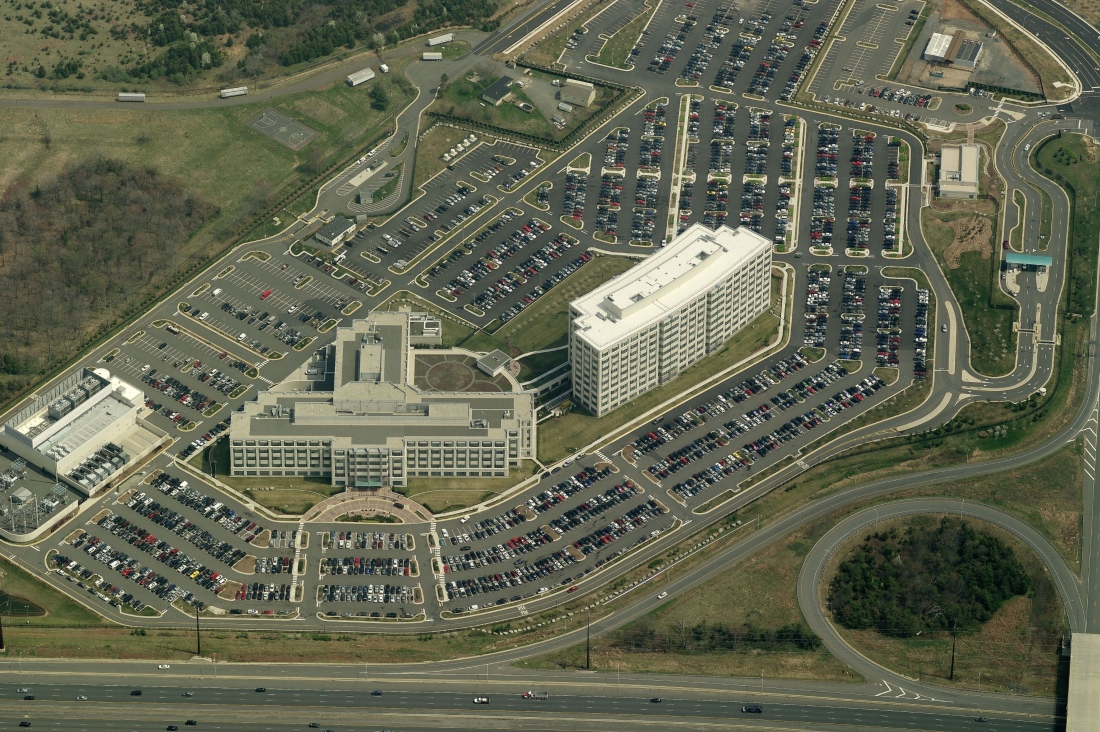
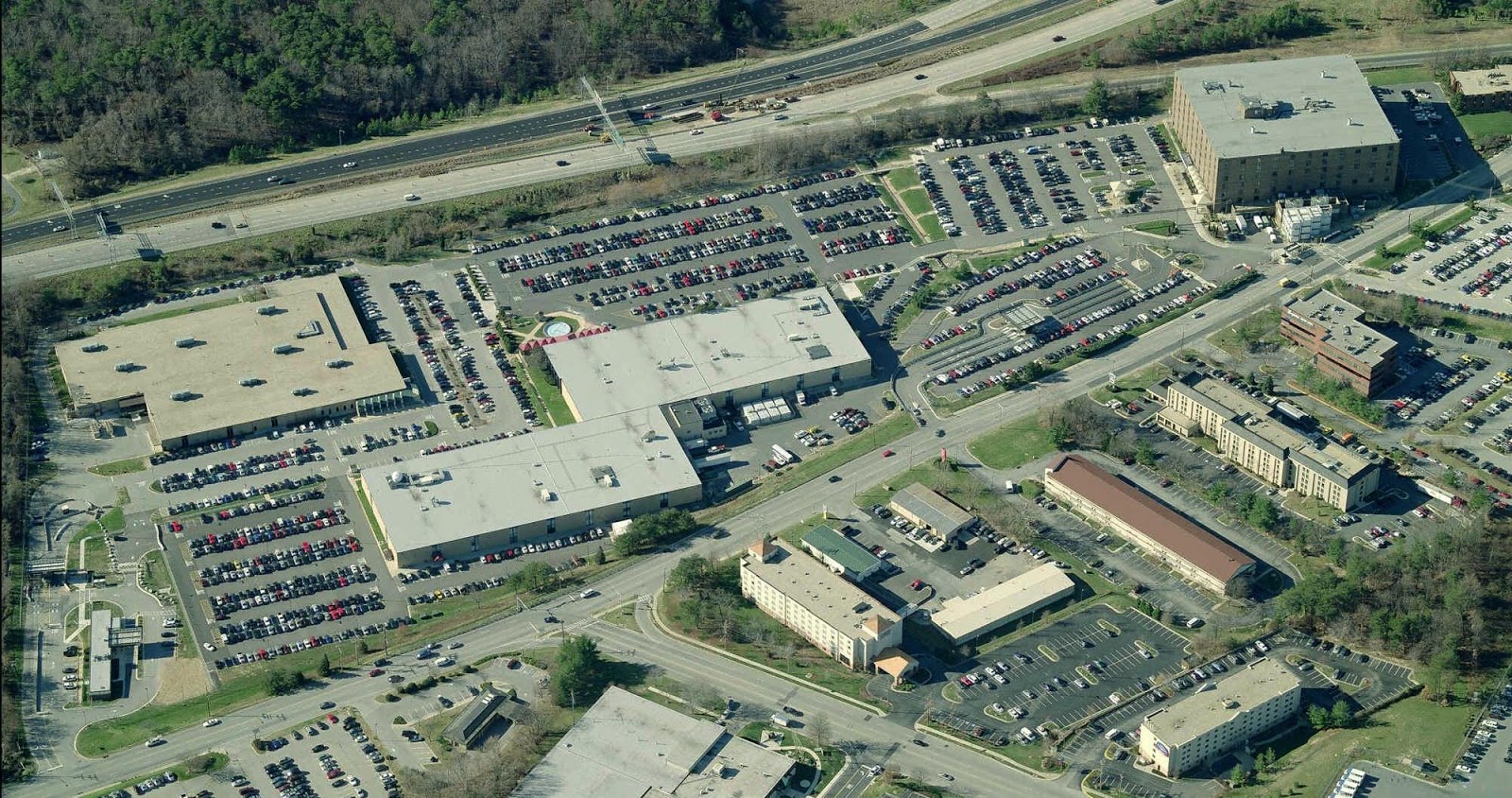
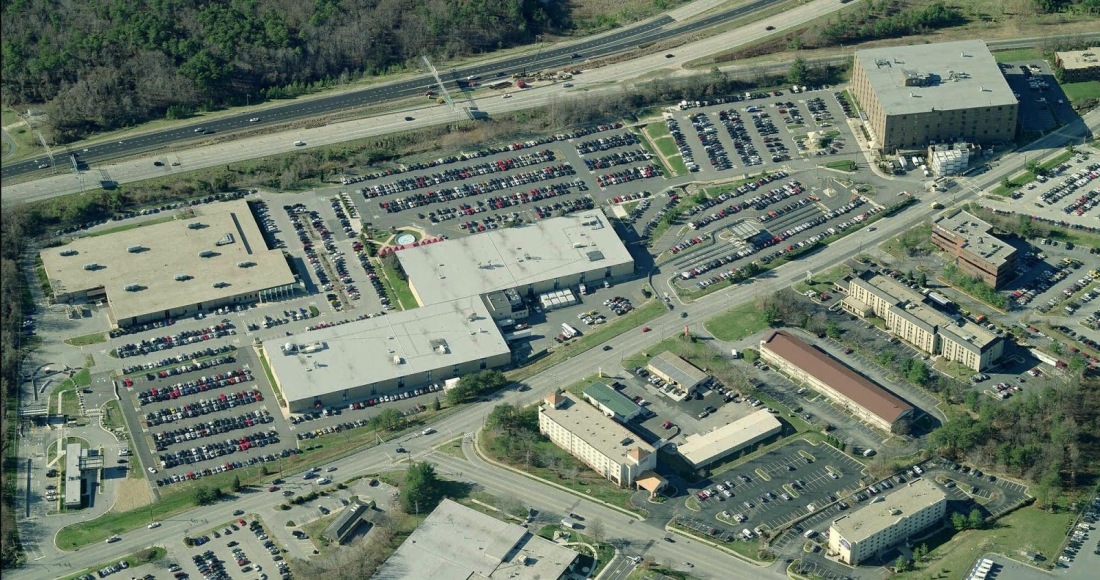
Cryptome – NSA Cyber Commando East Campus Buildings – Original Document

Become a Patron!
True Information is the most valuable resource and we ask you to give back.

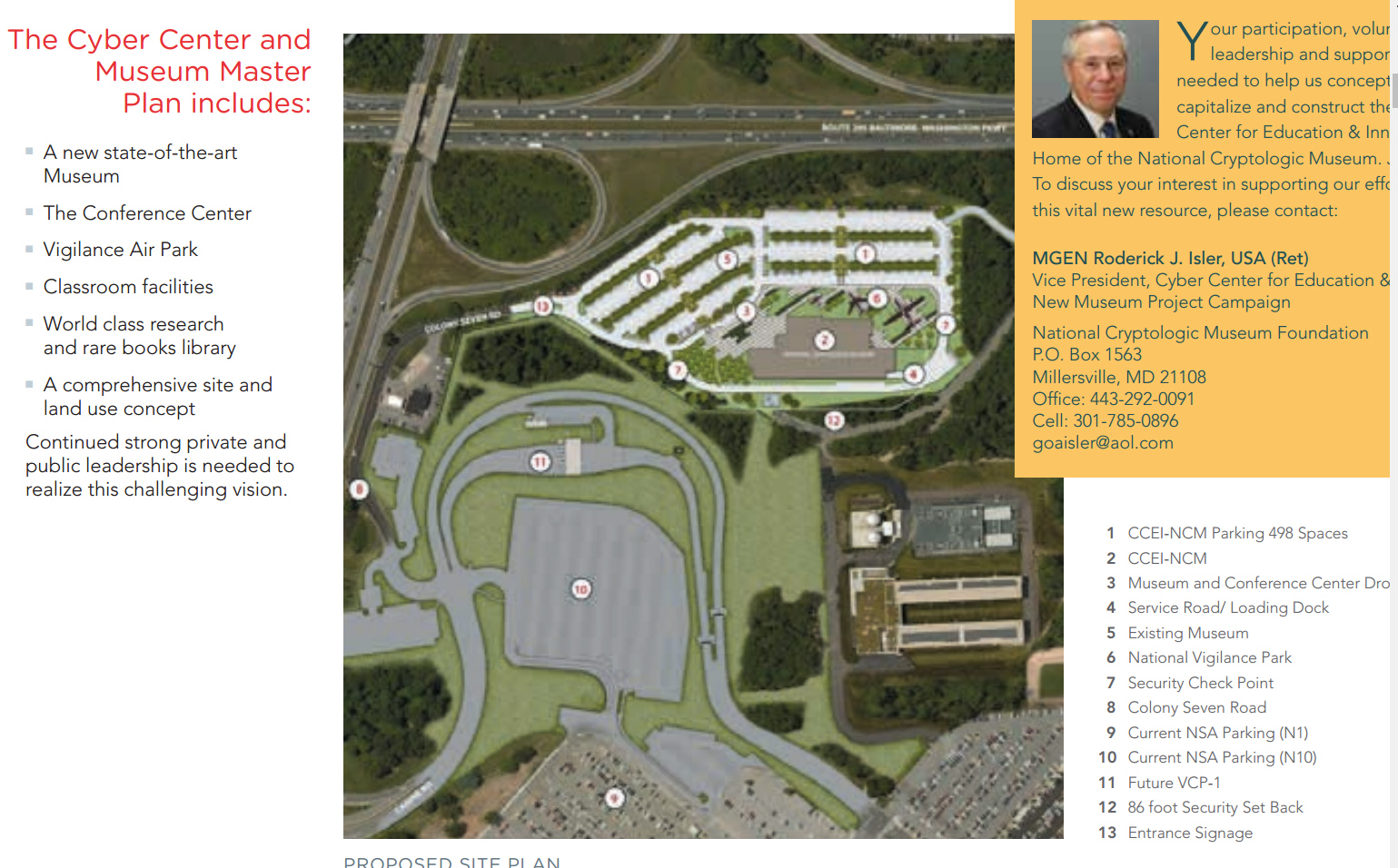
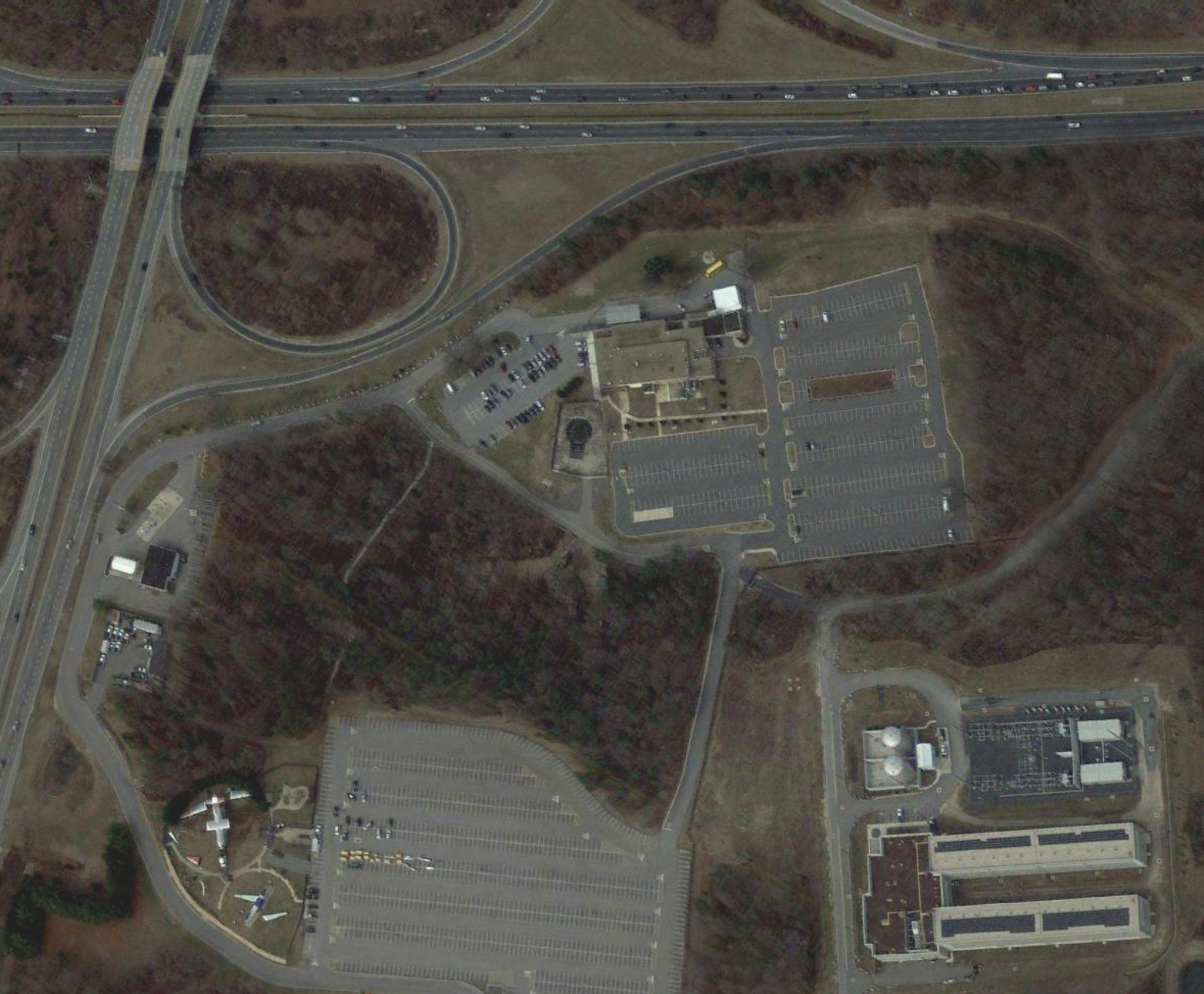
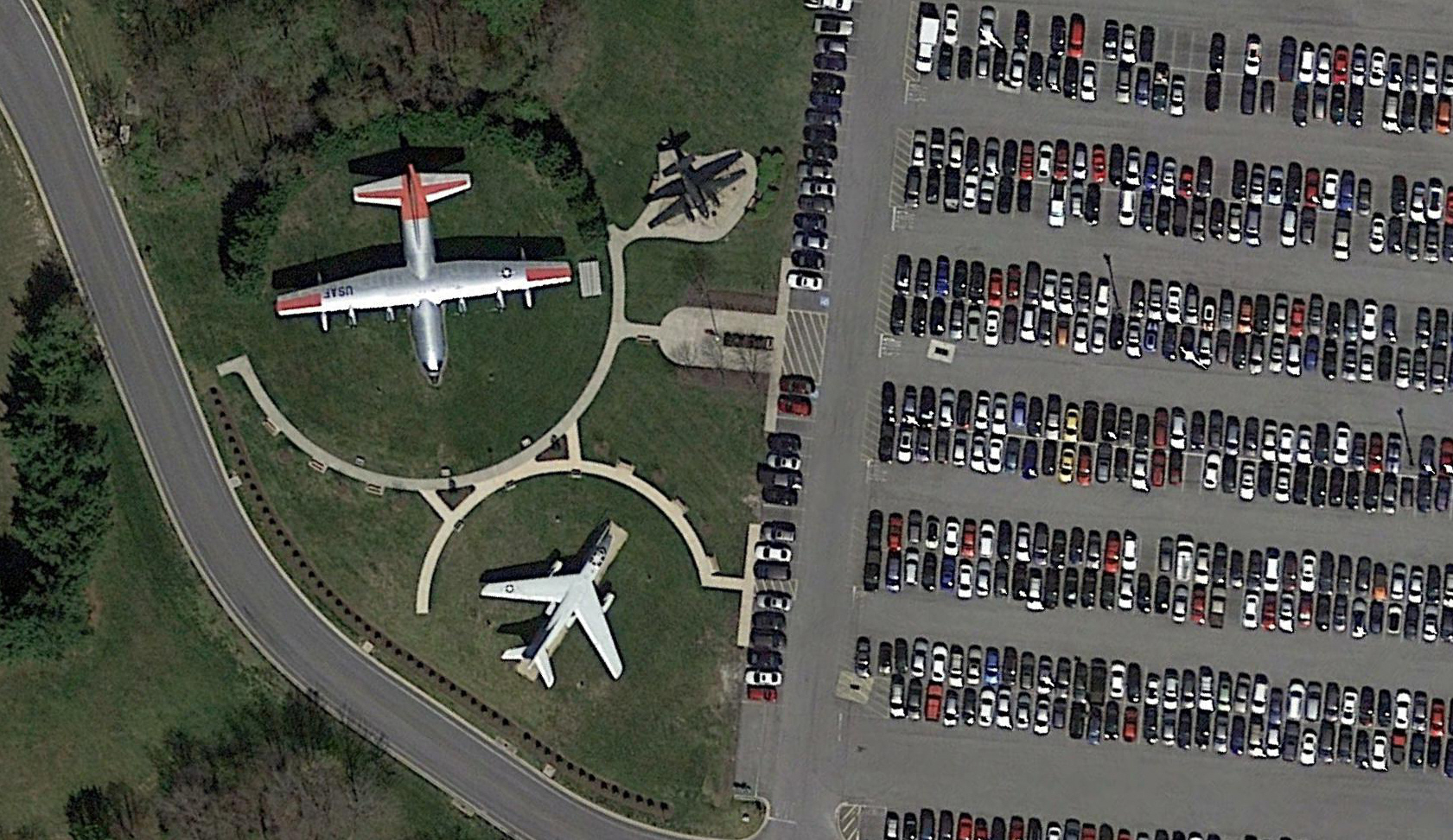
Inside the U.S.' new state-of-the-art cyberwarfare bunker - CyberScoop
Continue reading “Cryptome – NSA Cyber Commando East Campus Buildings – Original Document”

Satoshi Nakamoto – Bitcoin: A Peer-to-Peer Electronic Cash System – Original Document

Become a Patron!
True Information is the most valuable resource and we ask you to give back.

Satoshi Nakamoto | The mysterious founder of Bitcoin | New Scientist
Continue reading “Satoshi Nakamoto – Bitcoin: A Peer-to-Peer Electronic Cash System – Original Document”

CRYPTOME REVEALS DHS Fusion Center China Problems

Become a Patron!
True Information is the most valuable resource and we ask you to give back.

Continue reading “CRYPTOME REVEALS DHS Fusion Center China Problems”

Report On The Investigation Into Russian Interference – Full Mueller Report

Become a Patron!
True Information is the most valuable resource and we ask you to give back.


https://cryptome.org/2020/11/Mueller-Report-Reprocessed.pdf

Become a Patron!
True Information is the most valuable resource and we ask you to give back.

Michael Sorkin Dies Of The Coronavirus In New York

Become a Patron!
True Information is the most valuable resource and we ask you to give back.

[Image]

Michael D. Sorkin (born 1948) was an American architect, author, and educator based in New York City. He wass one of the most provocative and polemical voices in contemporary culture and in the design of urban places at the turn of the twenty-first century.

Michael David Sorkin (August 2, 1948 – March 26, 2020) was an American urbanist architect, author, and educator based in New York City.He was considered to be a provocative and polemical voice in contemporary culture and in the design of urban places at the turn of the twenty-first century. In addition to being a noted professor at many great architectural schools, he was an architectural critic for the Village Voice and a guest columnist in many publications.He was director of the urban design graduate program at City College of New York.

Continue reading “Michael Sorkin Dies Of The Coronavirus In New York”

Revealed – District Attorney of New York Fire Hazards, 80 Centre Street, NYC, February 25, 2018

Become a Patron!
True Information is the most valuable resource and we ask you to give back.

← Back

Thank you for your response. ✨

The Secret Network of Google Founder Larry Page Unveiled

Become a Patron!
True Information is the most valuable resource and we ask you to give back.

← Back

Thank you for your response. ✨

Larry Page Net Worth, Larry Page And Sergey Brin, Larry Page House, Larry Page Wife, Larry Page Alphabet, Larry Page Flying Car, Larry Page Salary, Larry Page Quotes, Larry Page Google, Larry Page Biography, Larry Page And Sergey Brin, Larry Page Alphabet, Larry Page Age, Larry Page Accomplishments, Larry Page And Sergey Brin Google, Larry Page Address, Larry Page And Eric Schmidt, Larry Page And Sergey Brin Biography, Larry Page And Lucinda Southworth, Larry Page And Wife, Larry Page Biography, Larry Page Book, Larry Page Born, Larry Page Brother, Larry Page Business, Larry Page Biography Book, Larry Page Boat, Larry Page Burning Man, Larry Page Billionaire, Larry Page Business Card, Larry Page College, Larry Page Car, Larry Page Childhood Life, Larry Page Charity, Larry Page Career, Larry Page Commencement Speech, Larry Page College Degree, Larry Page Child, Larry Page Characteristics, Larry Page Compensation, Larry Page Daughter, Larry Page Drone, Larry Page Degree, Larry Page Dream, Larry Page Death, Larry Page Donations, Larry Page Date Of Birth, Larry Page Democrat, Larry Page Donald Trump, Larry Page Denver, Larry Page Education, Larry Page Email, Larry Page Early Life, Larry Page Elon Musk, Larry Page Entrepreneur, Larry Page East Lansing, Larry Page Eco House, Larry Page Eustatia Island, Larry Page Early Childhood, Larry Page Earnings, Larry Page Flying Car, Larry Page Family, Larry Page Facts, Larry Page Foundation, Larry Page Forbes, Larry Page Family Office, Larry Page Facebook, Larry Page Father, Larry Page Favorite Books, Larry Page Famous Quotes, Larry Page Google, Larry Page Google Plus, Larry Page Google Shares, Larry Page Google Email, Larry Page Google Scholar, Larry Page Gpa, Larry Page Google Twitter, Larry Page Greatest Achievement, Larry Page Growing Up, Larry Page Google Biography, Larry Page House, Larry Page Home, Larry Page Height, Larry Page House Address, Larry Page High School, Larry Page History, Larry Page Hovercraft, Larry Page Hobbies, Larry Page Hometown, Larry Page House Palo Alto Address, Larry Page Interview, Larry Page Inventions, Larry Page Iq, Larry Page Island, Larry Page Interesting Facts, Larry Page Instagram, Larry Page Income, Larry Page Images, Larry Page Information, Larry Page Interlochen, Larry Page Jet, Larry Page Jobs, Larry Page Johnson And Johnson, Larry Page Jeff Bezos, Larry Page Java Question, Larry Page Kitty Hawk, Larry Page Knives, Larry Page Knife, Larry Page Kitty Hawk Video, Larry Page Kundli, Larry Page Kinks, Larry Page Kimdir, Larry Page Kundali, Larry Page Kinks Troggs, Larry Page Leadership Style, Larry Page Linkedin, Larry Page Life, Larry Page Lego Printer, Larry Page Leadership Characteristics, Larry Page Letter To Shareholders, Larry Page Lewis And Clark, Larry Page Lucy Southworth, Larry Page Lost Voice, Larry Page Life Timeline, Larry Page Michigan, Larry Page Money, Larry Page Montessori, Larry Page Middle Name, Larry Page Mbti, Larry Page Mansion, Larry Page Management, Larry Page Motivational Quotes, Larry Page Movie, Larry Page Music, Larry Page Net Worth, Larry Page Net Worth 2017, Larry Page Net, Larry Page News, Larry Page Nationality, Larry Page Net Worth 2004, Larry Page New York Times, Larry Page Net Worth Today, Larry Page Net Worth 2015, Larry Page Natal Chart, Larry Page Office, Larry Page On Elon Musk, Larry Page Orchestra, Larry Page On Trump, Larry Page On Twitter, Larry Page On Artificial Intelligence, Larry Page Okr, Larry Page On Leadership, Larry Page On Sundar Pichai, Larry Page Official Website, Larry Page President Alphabet, Larry Page Parents, Larry Page Politics, Larry Page Philanthropy, Larry Page Plane, Larry Page Phd, Larry Page Palo Alto House, Larry Page Pictures, Larry Page Pagerank, Larry Page Pay, Larry Page Quotes, Larry Page Quora, Larry Page Quadcopter, Larry Page Qualities, Larry Page Qualification, Larry Page Quotes In Hindi, Larry Page Qc, Larry Page Questions, Larry Page Q&a, Larry Page Java Question, Larry Page Richmond Va, Larry Page Resume, Larry Page Residence, Larry Page Russia, Larry Page Reading List, Larry Page Reddit, Larry Page Research Paper, Larry Page Republican, Larry Page Real Time Net Worth, Larry Page Rank, Larry Page Salary, Larry Page Sergey Brin, Larry Page Stanford, Larry Page School, Larry Page Siblings, Larry Page Speech, Larry Page Success, Larry Page Speaking, Larry Page Story, Larry Page Sundar Pichai, Larry Page Twitter, Larry Page Timeline, Larry Page Trump, Larry Page Ted Talk, Larry Page The Internship, Larry Page Tesla, Larry Page Transformational Leadership Style, Larry Page Traits, Larry Page Title, Larry Page Teeth, Larry Page University, Larry Page Umich, Larry Page Uf, Larry Page University Of Michigan Speech, Larry Page’s University Of Michigan Commencement Address, Larry Page Uber, Larry Page Youtube, Larry Page Uk, Larry Page Uni, Larry Page University Google, Larry Page Voice, Larry Page And Sergey Brin, Larry Page Video, Larry Page Vtol, Larry Page Vs Mark Zuckerberg, Larry Page Vision, Larry Page Vs Jeff Bezos, Larry Page And Sundar Pichai, Larry Page Values, Larry Page Vancouver, Larry Page Wife, Larry Page Wiki, Larry Page Worth, Larry Page Wealth, Larry Page Wife Age, Larry Page Website, Larry Page Where’s Google Going Next, Larry Page Wedding Photos, Larry Page Quotes, Larry Page Warren Buffett, Larry Page Xi Jinping, Larry Page Google X, Larry Page Yacht, Larry Page Young, Larry Page Youtube, Larry Page Yearly Salary, Larry Page You Never Lose A Dream, Larry Page Yacht Honolulu, Larry Page Y Sergey Brin, Larry Page Zee Aero, Larry Page Zodiac Sign, Larry Page Zeitgeist, Larry Page Zimbio, Larry Page Zitate, Larry Page Zeit

The Secret Network of Facebook Founder Mark Elliot Zuckerberg Unveiled

Become a Patron!
True Information is the most valuable resource and we ask you to give back.

← Back

Thank you for your response. ✨

Mark Zuckerberg Net Worth, Mark Zuckerberg Wife, Mark Zuckerberg House, Mark Zuckerberg Age, Mark Zuckerberg President, Mark Zuckerberg Dog, Mark Zuckerberg Sweat, Mark Zuckerberg Salary, Mark Zuckerberg Movie, Mark Zuckerberg Daughter, Mark Zuckerberg Age, Mark Zuckerberg And Wife, Mark Zuckerberg Address, Mark Zuckerberg And Eduardo Saverin, Mark Zuckerberg And Bill Gates, Mark Zuckerberg Actor, Mark Zuckerberg Ai, Mark Zuckerberg Annual Income, Mark Zuckerberg And Erica Albright, Mark Zuckerberg And His Wife, Mark Zuckerberg Biography, Mark Zuckerberg Baby, Mark Zuckerberg Birthday, Mark Zuckerberg Book List, Mark Zuckerberg Born, Mark Zuckerberg Blog, Mark Zuckerberg Book Club, Mark Zuckerberg Book List 2017, Mark Zuckerberg Bill Gates, Mark Zuckerberg Brother, Mark Zuckerberg Car, Mark Zuckerberg College, Mark Zuckerberg Child, Mark Zuckerberg Charity, Mark Zuckerberg Children, Mark Zuckerberg Closet, Mark Zuckerberg Clothes, Mark Zuckerberg Contact, Mark Zuckerberg Commencement, Mark Zuckerberg Computer, Mark Zuckerberg Daughter, Mark Zuckerberg Dog, Mark Zuckerberg Death, Mark Zuckerberg Donation, Mark Zuckerberg Degree, Mark Zuckerberg Dad, Mark Zuckerberg Dead, Mark Zuckerberg Desk, Mark Zuckerberg Documentary, Mark Zuckerberg Daughter Name, Mark Zuckerberg Education, Mark Zuckerberg Email, Mark Zuckerberg Early Life, Mark Zuckerberg Erica Albright, Mark Zuckerberg Entrepreneur, Mark Zuckerberg Exeter, Mark Zuckerberg Essay, Mark Zuckerberg Eating, Mark Zuckerberg Earnings, Mark Zuckerberg Evan Spiegel, Mark Zuckerberg Facebook, Mark Zuckerberg Family, Mark Zuckerberg For President, Mark Zuckerberg Foundation, Mark Zuckerberg Facts, Mark Zuckerberg Family Tree, Mark Zuckerberg Forbes, Mark Zuckerberg Friends, Mark Zuckerberg Fun Facts, Mark Zuckerberg Favorite Books, Mark Zuckerberg Grandfather, Mark Zuckerberg Gpa, Mark Zuckerberg Glasses, Mark Zuckerberg Grey Shirt, Mark Zuckerberg Gif, Mark Zuckerberg Github, Mark Zuckerberg Good Job Team, Mark Zuckerberg Globalist, Mark Zuckerberg General Hospital, Mark Zuckerberg Gets Into Harvard, Mark Zuckerberg House, Mark Zuckerberg Hawaii, Mark Zuckerberg Height, Mark Zuckerberg Harvard, Mark Zuckerberg House Address, Mark Zuckerberg High School, Mark Zuckerberg Hawaii Wall, Mark Zuckerberg House And Cars, Mark Zuckerberg Harvard Speech, Mark Zuckerberg Hoodie, Mark Zuckerberg Iq, Mark Zuckerberg Interview, Mark Zuckerberg Instagram, Mark Zuckerberg Income, Mark Zuckerberg Island, Mark Zuckerberg Investments, Mark Zuckerberg Images, Mark Zuckerberg Information, Mark Zuckerberg Inventions, Mark Zuckerberg Initiative, Mark Zuckerberg Jet, Mark Zuckerberg Jesse Eisenberg, Mark Zuckerberg Jarvis Ai, Mark Zuckerberg Job, Mark Zuckerberg Jeans, Mark Zuckerberg Jarvis Video, Mark Zuckerberg Jarvis Code, Mark Zuckerberg Jogging, Mark Zuckerberg Job Description, Mark Zuckerberg Jump Shot, Mark Zuckerberg Kid, Mark Zuckerberg Kauai, Mark Zuckerberg Kauai House, Mark Zuckerberg Kanye West, Mark Zuckerberg Kirkland House, Mark Zuckerberg Kundli, Mark Zuckerberg Keynote, Mark Zuckerberg Kenya, Mark Zuckerberg Known For, Mark Zuckerberg Keynote F8, Mark Zuckerberg Linkedin, Mark Zuckerberg Leadership Style, Mark Zuckerberg Leadership, Mark Zuckerberg Letter, Mark Zuckerberg Life, Mark Zuckerberg Lifestyle, Mark Zuckerberg Lives, Mark Zuckerberg Latest News, Mark Zuckerberg Languages, Mark Zuckerberg Leadership Traits, Mark Zuckerberg Movie, Mark Zuckerberg Meme, Mark Zuckerberg Manifesto, Mark Zuckerberg Money, Mark Zuckerberg Mansion, Mark Zuckerberg Major, Mark Zuckerberg Mother, Mark Zuckerberg Mom, Mark Zuckerberg Mbti, Mark Zuckerberg Management Style, Mark Zuckerberg Net Worth, Mark Zuckerberg Net Worth 2017, Mark Zuckerberg News, Mark Zuckerberg Net Worth 2012, Mark Zuckerberg Nationality, Mark Zuckerberg Nice Job Team, Mark Zuckerberg Net Worth Graph, Mark Zuckerberg Natal Chart, Mark Zuckerberg Net Worth 2004, Mark Zuckerberg Newark, Mark Zuckerberg Office, Mark Zuckerberg Outfit, Mark Zuckerberg Oculus, Mark Zuckerberg Ohio, Mark Zuckerberg On Twitter, Mark Zuckerberg On Facebook, Mark Zuckerberg On Trump, Mark Zuckerberg Obama, Mark Zuckerberg Open Letter, Mark Zuckerberg Origin, Mark Zuckerberg President, Mark Zuckerberg Parents, Mark Zuckerberg Philanthropy, Mark Zuckerberg Politics, Mark Zuckerberg Phone Number, Mark Zuckerberg Private Jet, Mark Zuckerberg Personality, Mark Zuckerberg Political Views, Mark Zuckerberg Pagani, Mark Zuckerberg Personality Type, Mark Zuckerberg Quotes, Mark Zuckerberg Quits, Mark Zuckerberg Qualities, Mark Zuckerberg Quotes On Social Media, Mark Zuckerberg Quotes Risk, Mark Zuckerberg Qualifications, Mark Zuckerberg Quincy High School, Mark Zuckerberg Quit Harvard, Mark Zuckerberg Quit School, Mark Zuckerberg Q And A, Mark Zuckerberg Resigns, Mark Zuckerberg Real Name, Mark Zuckerberg Reading List, Mark Zuckerberg Running, Mark Zuckerberg Run For President, Mark Zuckerberg Residence, Mark Zuckerberg Resume, Mark Zuckerberg Robot, Mark Zuckerberg Running For Office, Mark Zuckerberg Reading List 2017, Mark Zuckerberg Sweat, Mark Zuckerberg Salary, Mark Zuckerberg Sister, Mark Zuckerberg Speech, Mark Zuckerberg Sat Score, Mark Zuckerberg Siblings, Mark Zuckerberg Snapchat, Mark Zuckerberg Son, Mark Zuckerberg Story, Mark Zuckerberg Security, Mark Zuckerberg Twitter, Mark Zuckerberg Tottenham, Mark Zuckerberg Trump, Mark Zuckerberg Timeline, Mark Zuckerberg Tour, Mark Zuckerberg T Shirt Brand, Mark Zuckerberg Taxes, Mark Zuckerberg Ted Talk, Mark Zuckerberg Today, Mark Zuckerberg T Shirt, Mark Zuckerberg University, Mark Zuckerberg Universal Basic Income, Mark Zuckerberg Uniform, Mark Zuckerberg Us Tour, Mark Zuckerberg Uncle, Mark Zuckerberg Unc, Mark Zuckerberg Ucsf, Mark Zuckerberg Undergrad, Mark Zuckerberg Uw Madison, Mark Zuckerberg Uber, Mark Zuckerberg Vr, Mark Zuckerberg Virtual Reality, Mark Zuckerberg Video, Mark Zuckerberg Vr Demo, Mark Zuckerberg Value, Mark Zuckerberg Vegan, Mark Zuckerberg Vision, Mark Zuckerberg Vegetarian, Mark Zuckerberg Vs Donald Trump, Mark Zuckerberg Vision For Facebook, Mark Zuckerberg Wife, Mark Zuckerberg Worth, Mark Zuckerberg Wiki, Mark Zuckerberg Wedding, Mark Zuckerberg Wealth, Mark Zuckerberg Wife Ring, Mark Zuckerberg Wall, Mark Zuckerberg Workout, Mark Zuckerberg Website, Mark Zuckerberg Watch, Mark Zuckerberg Young, Mark Zuckerberg Yacht, Mark Zuckerberg Youtube, Mark Zuckerberg Year Of Books, Mark Zuckerberg Youngstown, Mark Zuckerberg Year Of Travel, Mark Zuckerberg Yahoo, Mark Zuckerberg Yearly Salary, Mark Zuckerberg Yearly Income, Mark Zuckerberg Young Life, Mark Zuckerberg Zucc, Mark Zuckerberg Zodiac, Mark Zuckerberg Zombieland, Mark Zuckerberg Zucknet, Mark Zuckerberg Zip Code, Mark Zuckerberg Zambia, Mark Zuckerberg Zonda

The Secret Network of Amazon Founder Jeff Bezos Exposed

Become a Patron!
True Information is the most valuable resource and we ask you to give back.

← Back

Thank you for your response. ✨


Jeff Bezos Net Worth, Jeff Bezos Wife, Jeff Bezos Age, Jeff Bezos Wiki, Jeff Bezos Children, Jeff Bezos Letter To Shareholders, Jeff Bezos Biography, Jeff Bezos Email, Jeff Bezos Quotes, Jeff Bezos Trump, Jeff Bezos Age, Jeff Bezos Amazon, Jeff Bezos Annual Letter, Jeff Bezos And Wife, Jeff Bezos Address, Jeff Bezos Amazon Shares, Jeff Bezos Amazon Email, Jeff Bezos Autobiography, Jeff Bezos Annual Income, Jeff Bezos And Trump, Jeff Bezos Biography, Jeff Bezos Blue Origin, Jeff Bezos Book, Jeff Bezos Background, Jeff Bezos Buys Washington Post, Jeff Bezos Biography Book, Jeff Bezos Book List, Jeff Bezos Brother, Jeff Bezos Bill Gates, Jeff Bezos Before Amazon, Jeff Bezos Children, Jeff Bezos Car, Jeff Bezos College, Jeff Bezos Cia, Jeff Bezos Cia Contract, Jeff Bezos Charity, Jeff Bezos Clock, Jeff Bezos Contact, Jeff Bezos Charlie Rose, Jeff Bezos Current Net Worth, Jeff Bezos Day 1, Jeff Bezos Disagree And Commit, Jeff Bezos Day One, Jeff Bezos Daughter, Jeff Bezos Day 2, Jeff Bezos Day 1 Letter, Jeff Bezos De Shaw, Jeff Bezos Dc House, Jeff Bezos Documentary, Jeff Bezos Degree, Jeff Bezos Email, Jeff Bezos Education, Jeff Bezos Elon Musk, Jeff Bezos Early Life, Jeff Bezos Entrepreneur, Jeff Bezos Exercise, Jeff Bezos Everything Store, Jeff Bezos Executive Assistant, Jeff Bezos Exoskeleton, Jeff Bezos Earnings, Jeff Bezos Family, Jeff Bezos Forbes, Jeff Bezos Facts, Jeff Bezos Favorite Books, Jeff Bezos Foundation, Jeff Bezos Fun Facts, Jeff Bezos Facebook, Jeff Bezos Family Office, Jeff Bezos Fortune, Jeff Bezos First Job, Jeff Bezos Giving Pledge, Jeff Bezos Greek, Jeff Bezos Garage, Jeff Bezos G650, Jeff Bezos Google, Jeff Bezos Goes Grocery Shopping, Jeff Bezos Gif, Jeff Bezos Grandfather, Jeff Bezos Genius, Jeff Bezos Galapagos Yacht, Jeff Bezos Height, Jeff Bezos Home, Jeff Bezos History, Jeff Bezos House Dc, Jeff Bezos Houses, Jeff Bezos House Washington, Jeff Bezos Hobbies, Jeff Bezos Health, Jeff Bezos Heritage, Jeff Bezos Hispanic, Jeff Bezos Interview, Jeff Bezos Iq, Jeff Bezos Investments, Jeff Bezos Instagram, Jeff Bezos Investor Letter, Jeff Bezos Industry, Jeff Bezos Images, Jeff Bezos Income, Jeff Bezos India, Jeff Bezos Interview 2017, Jeff Bezos Jet, Jeff Bezos Job, Jeff Bezos Job History, Jeff Bezos Jack Ma, Jeff Bezos John Mackey, Jeff Bezos John Overdeck, Jeff Bezos Journey, Jeff Bezos Juno Therapeutics, Jeff Bezos John Podesta, Jeff Bezos Journalism, Jeff Bezos Kids, Jeff Bezos Kalorama, Jeff Bezos Keynote, Jeff Bezos Kevin Spacey, Jeff Bezos Kundli, Jeff Bezos Keynote Speaker, Jeff Bezos Knee Pads, Jeff Bezos Kimdir, Jeff Bezos Letter To Shareholders, Jeff Bezos Leadership Style, Jeff Bezos Laugh, Jeff Bezos Linkedin, Jeff Bezos Letter To Shareholders 2016, Jeff Bezos Leadership, Jeff Bezos Letter To Shareholders 1997, Jeff Bezos Leadership Qualities, Jeff Bezos Lifestyle, Jeff Bezos Life, Jeff Bezos Mother, Jeff Bezos Married, Jeff Bezos Mars, Jeff Bezos Money, Jeff Bezos Montessori, Jeff Bezos Mansion, Jeff Bezos Mech Suit, Jeff Bezos Memes, Jeff Bezos Moon, Jeff Bezos Mbti, Jeff Bezos Net Worth, Jeff Bezos Net Worth 2017, Jeff Bezos Newspaper, Jeff Bezos Nationality, Jeff Bezos News, Jeff Bezos Net Worth 2013, Jeff Bezos New York Times, Jeff Bezos Next Big Bet, Jeff Bezos Net Worth 2014, Jeff Bezos Natal Chart, Jeff Bezos Office, Jeff Bezos On Trump, Jeff Bezos Origin, Jeff Bezos Own Washington Post, Jeff Bezos On Charlie Rose, Jeff Bezos Oscars, Jeff Bezos Original Letter To Shareholders, Jeff Bezos On Leadership, Jeff Bezos On Twitter, Jeff Bezos On Ai, Jeff Bezos Parents, Jeff Bezos Princeton, Jeff Bezos Plane, Jeff Bezos Private Jet, Jeff Bezos Phone Number, Jeff Bezos Philanthropy, Jeff Bezos Profile, Jeff Bezos Pictures, Jeff Bezos Philosophy, Jeff Bezos President, Jeff Bezos Quotes, Jeff Bezos Quora, Jeff Bezos Qualities, Jeff Bezos Quote About Brand, Jeff Bezos Quarterly Letter, Jeff Bezos Quotes Kindness, Jeff Bezos Questions, Jeff Bezos Quizlet, Jeff Bezos Quidsi, Jeff Bezos Quotes On Customer Service, Jeff Bezos Robot, Jeff Bezos Rocket, Jeff Bezos Richest, Jeff Bezos Richest Man, Jeff Bezos Real Time Net Worth, Jeff Bezos Reading List, Jeff Bezos Resume, Jeff Bezos Richer Than Bill Gates, Jeff Bezos Recode, Jeff Bezos Recommended Books, Jeff Bezos Space, Jeff Bezos Salary, Jeff Bezos Shareholder Letter, Jeff Bezos Star Trek, Jeff Bezos Shareholder Letter 2017, Jeff Bezos Story, Jeff Bezos Shareholder Letter 2016, Jeff Bezos Second Richest, Jeff Bezos Siblings, Jeff Bezos Speech, Jeff Bezos Trump, Jeff Bezos Twitter, Jeff Bezos Ted Talk, Jeff Bezos Timeline, Jeff Bezos Textile Museum, Jeff Bezos Two Pizza Rule, Jeff Bezos Ted Jorgensen, Jeff Bezos Title, Jeff Bezos Texas, Jeff Bezos Trump Washington Post, Jeff Bezos University, Jeff Bezos Uber, Jeff Bezos Undercover Boss, Jeff Bezos Usa Today, Jeff Bezos United, Jeff Bezos Universal Basic Income, Jeff Bezos Ulysse Nardin, Jeff Bezos Uber Investor, Jeff Bezos Usa Today Article, Jeff Bezos Usps, Jeff Bezos Vs Elon Musk, Jeff Bezos Video, Jeff Bezos Vision, Jeff Bezos Venture Capital, Jeff Bezos Value, Jeff Bezos Vacation, Jeff Bezos Van Horn Texas, Jeff Bezos Vegan, Jeff Bezos Vedic Chart, Jeff Bezos Vs Bill Gates, Jeff Bezos Wife, Jeff Bezos Wiki, Jeff Bezos Washington Post, Jeff Bezos Worth, Jeff Bezos Warren Buffett, Jeff Bezos Workout, Jeff Bezos Washington Post Trump, Jeff Bezos Washington Post Cia, Jeff Bezos Washington Dc House, Jeff Bezos Wall Street, Jeff Bezos Xi, Jeff Bezos Space X, Jeff Bezos Twitter Spacex, Spacex Vs Jeff Bezos, Jeff Bezos Yacht, Jeff Bezos Young, Jeff Bezos Youtube, Jeff Bezos Yearly Salary, Jeff Bezos Yearly Income, Jeff Bezos Yahoo, Jeff Bezos Yoga Pants, Jeff Bezos Young Life, Jeff Bezos Your Brand, Jeff Bezos Yearly Letter, Jeff Bezos Zappos, Jeff Bezos Zodiac, Jeff Bezos Zimbio, Jeff Bezos Zodiac Sign, Jeff Bezos Zyciorys, Jeff Bezos Zitate, Jeff Bezos Mark Zuckerberg, Jeff Bezos Vs Mark Zuckerberg, Zocdoc Jeff Bezos, Jeff Bezos Zivotopis

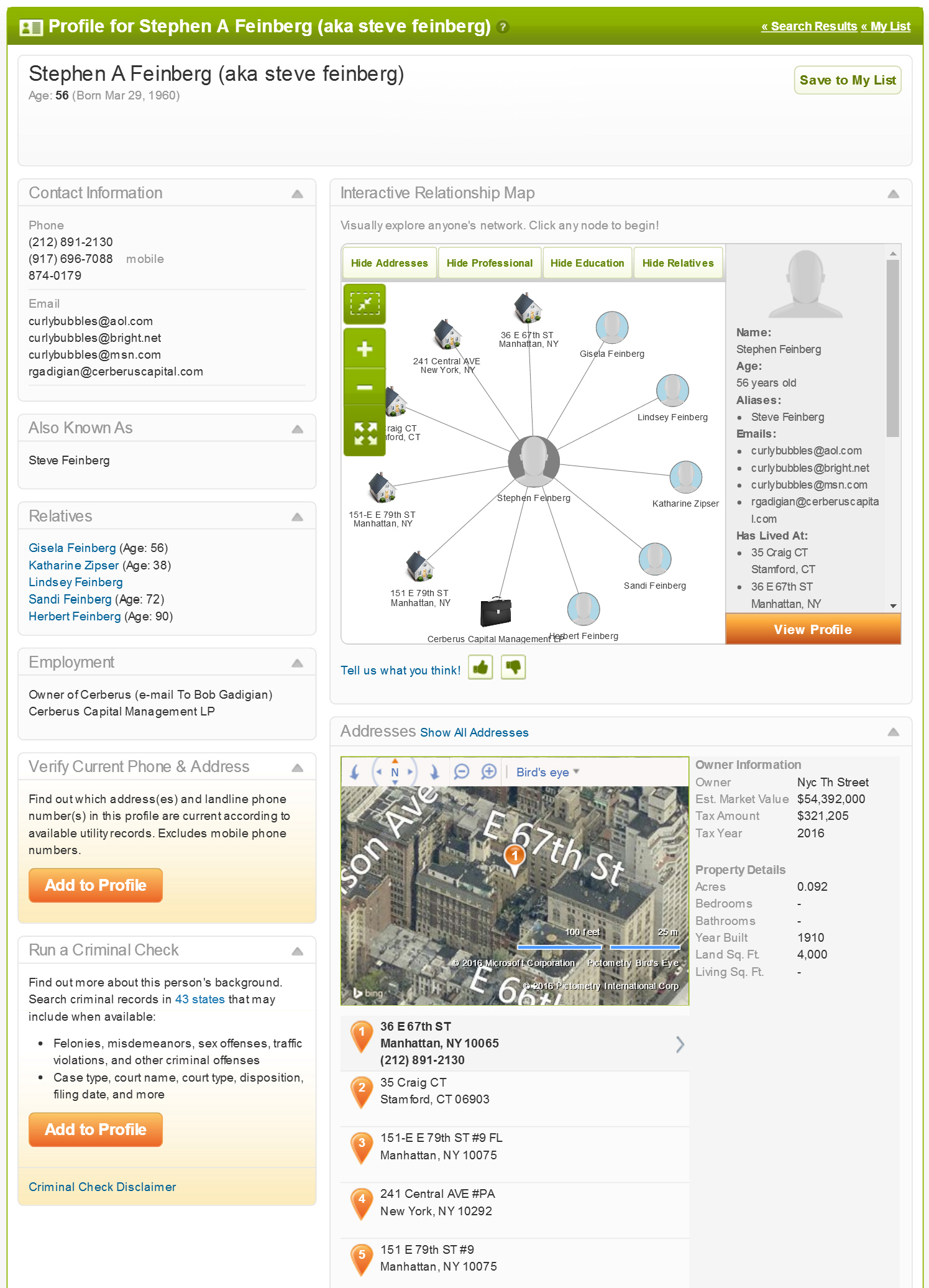
The Secret Network of Stephen A. Feinberg, Financial Advisor of Donald Trump and Head of Cerberus, Exposed

Become a Patron!
True Information is the most valuable resource and we ask you to give back.

← Back

Thank you for your response. ✨


Stephen Feinberg Trump, Stephen Feinberg Cerberus, Stephen Feinberg Md, Stephen Feinberg Net Worth, Stephen Feinberg Dyncorp, Stephen Feinberg Jll, Stephen Feinberg Holocaust, Stephen Feinberg Ventura, Stephen Feinberg Wife, Stephen Feinberg Morgan Stanley, Stephen Feinberg Ally Financial, Stephen Feinberg Attorney, Stephen A. Feinberg, Stephen Andrew Feinberg, Stephen A. Feinberg Forbes, Steven Feinberg Attorney, Steven Feinberg Andover Ma, Steven Feinberg Advantage Makers, Stephen A. Feinberg And George Soros, Stephen Andrew Feinberg New York, Stephen Feinberg Bloomberg, Stephen Feinberg Billionaire, Stephen Feinberg Bio, Stephen Feinberg Boeing, Stephen Feinberg Bluelinx, Stephen B Feinberg, Steven Feinberg Boston, Steven B Feinberg, Stephen Feinberg Cerberus, Stephen Feinberg Cerberus Capital, Stephen Fienberg Cmu, Stephen Fienberg Cancer, Steven Feinberg Credit Suisse, Steven Feinberg Chicago, Steven Feinberg Cpa, Stephen Feinberg Political Contributions, Dr Stephen Feinberg Ventura Ca, Stephen Feinberg Dyncorp, Stephen Feinberg Dds, Stephen Feinberg Dht, Stephen Feinberg Doctor, Steven D Feinberg Md, Dr Stephen Feinberg, Dr Stephen Feinberg Ventura Ca, Dr. Stephen Feinberg Ventura, Dr Stephen Feinberg Washington Dc, Stephen E. Feinberg, Steven Feinberg Ent, Steven Feinberg Esq, Stephen Feinberg Forbes, Stephen Feinberg Facebook, Steven Feinberg Film, Stephen Feinberg Santa Fe, Stephen Feinberg Ally Financial, Stephen Feinberg Guns, Stephen Feinberg George Soros, Stephen Feinberg Thomasville Ga, Stephen Feinberg Holocaust, Stephen Feinberg Holocaust Museum, Stephen Hoff Feinberg, Steven Feinberg House, Steven Feinberg Inc, Stephen Feinberg Jll, Stephen J Feinberg, Steven K Feinberg Attorney, Stephen Feinberg Linkedin, Stephen Feinberg Lawyer, Stephen L Feinberg, Stephen Louis Feinberg, Steven Feinberg Lawyer, Steven Feinberg Lloyd Harbor, Steven Feinberg Lawyer Montreal, Stephen Feinberg Md, Stephen Feinberg Morgan Stanley, Stephen Feinberg Montreal, Stephen Feinberg Michigan, Stephen Miller Feinberg, Steven Feinberg Md, Steven Feinberg Md Otolaryngology, Steven Feinberg Md Newport Beach Ca, Steven Feinberg Md Stanford, Steven Feinberg Miami, Stephen Feinberg Net Worth, Stephen Feinberg News, Stephen Feinberg New Mexico, Steven Feinberg Newport Beach, Steven Feinberg Nh, Stephen Andrew Feinberg New York, Stephen Feinberg Od, Stephen Feinberg Political Contributions, Stephen Feinberg Princeton, Stephen Feinberg Prologis, Steven Feinberg Palo Alto, Steven Feinberg Phd, Steven Feinberg Palo Alto Ca, Steven Feinberg Ri, Steven Feinberg Rhode Island, Stephen Feinberg Statistics, Stephen Feinberg Santa Fe, Stephen Feinberg Seiden, Steven Feinberg San Francisco, Steven Feinberg Starboard, Steven Feinberg Starboard Group, Stephen Feinberg Morgan Stanley, Stephen Feinberg George Soros, Steven Feinberg Credit Suisse, Stephen Feinberg Trump, Stephen Feinberg Trump Administration, Stephen Feinberg Thomasville Ga, Stephen Feinberg Texas, Stephen Feinberg Umich, Stephen Feinberg Ushmm, Stephen Feinberg Urology, Stephen Feinberg Ventura, Stephen Feinberg Wife, Stephen Feinberg Wiki, Stephen Feinberg Wikipedia, Dr Stephen Feinberg Washington Dc, Stephen Andrew Feinberg New York

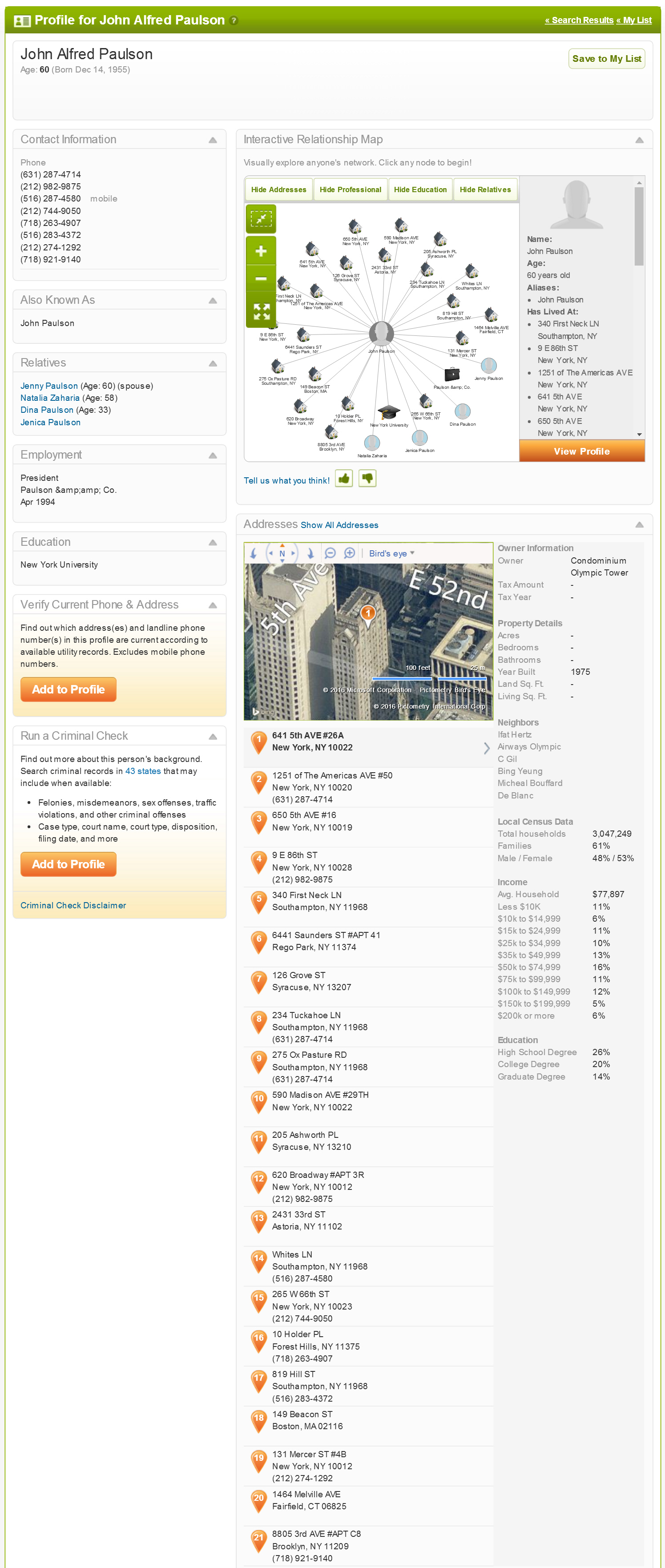
The Secret Network of Donald Trumps Financial Advisor John Alfred Paulson exposed

Become a Patron!
True Information is the most valuable resource and we ask you to give back.

← Back

Thank you for your response. ✨


John Alfred Paulson Biography, John Alfred Paulson Net Worth, John Alfred Paulson Email, John Alfred Paulson The Big Short, John Alfred Paulson Biography, John Alfred Paulson The Big Short, John Alfred Paulson Email, John Alfred Paulson Net Worth, En Que Invierte John Alfred Paulson, John Alfred Paulson The Big Short, John Alfred Paulson The Big Short, John Alfred Paulson Net Worth

Exposed ´´US War with North Korea Is No Joke At All`

Become a Patron!
True Information is the most valuable resource and we ask you to give back.

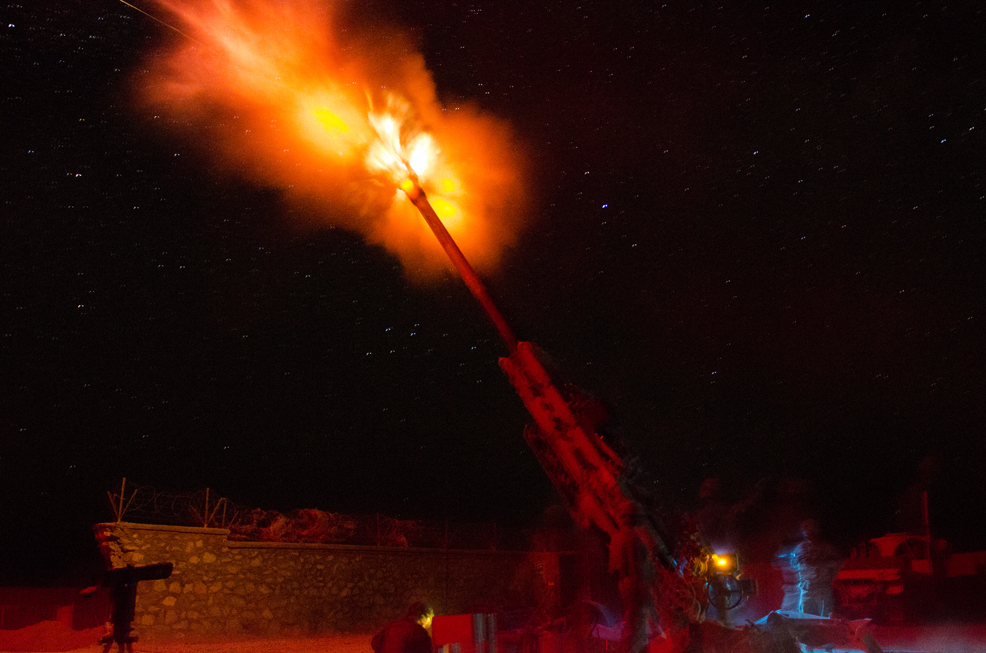
War with North Korea: No Joke By John Stanton The 20th Century Korean War from 1950-1953 pitting US-led United Nations coalition forces against the North Korean and Chinese militaries has been in pause mode for 64 years. The Korean Armistice was signed on July 27, 1953 by the United States, China and North Korea. It called for a cessation of hostilities until a lasting peace agreement between the warring parties could be negotiated and signed. That, of course, has not happened due as much to North Korea’s rationally maniacal behavior and ruthless treatment of its citizens, as to its role as a useful pawn of the Chinese and American governments. The Chinese feel compelled to let the incendiary North Korean government in Pyongyang irritate and provoke the United States and much of the world community, and the Americans don’t mind having a large military presence to deter North Korea but also to keep an eye on the China and the Southeast Asian region. China has apparently reinforced its military forces on its border with North Korea. Russia has a short land and maritime border with North Korea. In 2015 officials from the two countries signed an agreement to construct a road connection between the two neighbors during their “Year of Friendship.” According to NK.News.org, North Korea and Russia envisioned “closer collaboration between the two states in political, economic and humanitarian spheres.” As tensions ratchet up in the wake of North Korea’s nuclear weapons and ballistic missile tests, Russia has apparently shored up its military forces near the bustling Russian port city of Vladivostok, home to Russia’s Pacific Fleet and within range of North Korean missiles. US-Led Coalition These military moves by China and Russia make sense if war breaks out between a US-led coalition including South Korea, Japan, Canada, and Australia (for starters) and North Korean forces. The extra forces would likely be used to stanch the tide of North Koreans expected to stream out of North Korea. In the unfortunate circumstance that sees North Korea’s first use of a nuclear weapon, a US retaliatory strike would ensure that the radiologically damaged would seek care in China and Russia, care that China and Russia can ill-afford to provide on a large scale. During a protracted conventional conflict, it seems likely that enterprising organizations in China and Russia would attempt to funnel weapons and aid to the North Koreans to keep the US-led coalition occupied while they ponder their strategic and tactical options. With the US bogged down in Iraq, Syria and Afghanistan, there are many moves that the Chinese and Russians could make contrary to US interests. The political and pundit classes in New York City and Washington, DC believe that the Trump Administration will just kick the Kim Jong-Un tin can down the road for another US president. The same elites told us all that Hillary Clinton would, with great certainty, win the 2016 presidential election. After 100 days of the Trump presidency, they still shake their heads in disbelief. Yet, they seemed to believe fully in President Trump’s punitive April cruise missile strikes in Syria undertaken after a Bashar Al Assad use of a nerve agent on his own citizens. But Trump’s people say that the time for “strategic patience” with North Korea is over. Secretary of State Rex Tillerson, the Perry Como of the US State Department, declared as much during a recent visit to South Korea. Has America’s new Ken and Barbie, Jared Kushner and Ivanka Trump, been advising President Trump on the matter? As for China’s influence, it has warned North Korea not to test Trump even as it recently resumed flights to North Korea from Beijing. Time will tell if China is serious in assisting the US or not. Intellectuals? Beyond the political and pundit classes who grace the world with their intellectual acumen are those across the spectrum who think that North Korea is the way it is because of the policies and practices of the US government. Those outlandish claims should not be seriously entertained. Kim Jong-Un is seen in this video smoking a cigarette and, at one point, sitting at a desk not far from an aircraft runway watching his air force and army in action. It looks a lot like a Monty Python skit until you realize that the North Koreans really believe they are a competent military power. And then there is the North Korean Army’s recent live fire exercise. What kind of commanders and political leaders think that the alignment of this artillery on a beach? The commanders are essentially giving their troops a death sentence as US standoff weapons systems would mostly obliterate such massed artillery. North Korean military doctrine is as obsolete as much of its weaponry is. Still, war is horrible and North Korea would, initially, likely cause a lot of pain to the northern portions of Seoul, South Korea. US, South and North Korean civilian casualties would certainly follow. Pain reduction, not elimination, depends on the lethality of US preemptive missile, bomber and cyber-attacks designed to neutralize what the US-led coalition’s intelligence believes to be the targets most important to hit first. Most likely, both North Korean nuclear weapons testing and medium-long range missile sites would be targeted, simultaneously with other North Korean conventional military assets. Before such a conflict de-confliction lines with China and Russia would have to be opened. The Fight North Korea has to know that if it moves any weapons systems into the open, the heat or electronic emissions will get them killed. US intelligence services have tried hard to anticipate how quickly the North Koreans can load and reload artillery and the extent of their ammunition supplies. Then there are the diesel submarines North Korea has in operation. US military antisubmarine warfare aircraft and detection is the best in the world and the Navy would be quick to begin the search for North Korean submarines. US attack class submarines would have to eliminate the DPRK’s undersea threat very quickly, just as US air forces would be called upon to clear the airspace above North Korea as rapidly as possible. North Korean surface vessels would not do well against US anti-ship weaponry with its advanced guidance systems. On the ground and from the sea, the situation is less clear. North Korea is vulnerable to amphibious landings on both its coastlines on the Yellow Sea and the Sea of Japan. The US Navy and Marine Corps would not attempt such landings until many days into a conflict though. North Korea is said to have sleeper cells in South Korea that would be activated to destroy key communications nodes and other critical infrastructure. North Korean Special Forces are said to be a dangerous threat as in any conflict they would be tasked with infiltrating South Korea to engage in sabotage. It is not known how the North Korean civilian population would respond to an attack. The nation is home to 25 million people who have mostly known nothing but privation and austerity. Of course, that’s the view from the outside. There are tantalizing hints that the civilians there might stay away from the fighting to a limited degree. Books smuggled out of North Korea like The Accusation give a hint of some of the thinking of the well-educated and economically better positioned denizens. But the US experience with insurgencies from Vietnam until the present have not been pleasant, successful affairs. At any rate, the “will” of the North Korean population would play a significant role in a protracted conflict. Some argue that the US should learn from its 20th Century Korean War experience. But comparisons are invalid. The conflict took place as the US was drawing down from World War II and cold political winds were blowing. Since that time the North Koreans have spent a lot of time training to fight but have not been engaged in protracted conflicts for the last two decades as the US has been. There is no substitute for training but when military forces have experience in combat operations and maintain a training regime there is going to be a mismatch at some point favoring the US. Yet another consideration is the Joint Force capabilities of the North Korean military versus the UScoalition interoperability and joint force training. There is no evidence to suggest that North Korea has “networked” its fighting forces to wage war in the cross domains of sea, undersea, land, air, space and cyber. Nor has North Korea conducted extensive training exercises with partner or allies equivalent to Canada, Australia, Japan and South Korea. No One Knows and that Unfinished Business Thing A long term conflict in which the US-led coalition fails to bring North Korea to its knees would allow other nations to make risky moves. Would Russia invade Eastern Ukraine and move up to the Dnieper River? Would China move on Taiwan? Would Turkey move further into Syria? Would Iran move further into Syria and Iraq? Would Russia get more aggressive in Libya? Would Europe further splinter as some members of the European Union back the US while others do not (the UK would fight with the US)? Would the American public support a longer term war effort? Unfortunately, the US, North and South Korea issue is unfinished business. Not too many people on the planet want to see a video of the Kim Jong-Un of the future sitting at his portable desk smoking a cigarette while watching the North Korean “Death to America” ICBM successfully launched and carrying a nuke toward the United States. If that ICBM made in through US missile defenses, the United States nuclear retaliatory response would turn North Korea into a radiological waste-land for decades. No one in the world wants to see that happen either. John Stanton can be reached at jstantonarchangel@gmail.com

North Korea News, North Korea Map, North Korea War, North Korea Flag, North Korea President, North Korea Population, North Korea Allies, North Korea Military, North Korea Nuclear Test, North Korea At Night, North Korea Allies, North Korea At Night, North Korea And Us, North Korea Air Force, North Korea And China, North Korean Army, North Korea Attack, North Korea And South Korea, North Korea And Russia, North Korea And Trump, North Korea Bomb, North Korea Border, North Korea Breaking News, North Korea Bbc, North Korea Bombing Us, North Korea Book, North Korea Basketball, North Korea Best Korea, North Korea Beaches, North Korea Bomb Test, North Korea China, North Korea Cnn, North Korean Currency, North Korea Climate, North Korea Current Events, North Korea Crisis, North Korea Conflict, North Korea City, North Korea China Border, North Korean Culture, North Korea Dictator, North Korea Documentary, North Korea Declares War 2017, North Korea Dmz, North Korea Definition, North Korea Declares War Cnn, North Korea Daily Life, North Korea Death Camps, North Korea Declared War On Usa, North Korean Defector, North Korea Emp, North Korean Economy, North Korea Evacuation, North Korea Enemies, North Korea Education, North Korea Execution, North Korea Economic System, North Korea Election, North Korean Embassy, North Korea Electricity, North Korea Flag, North Korea Facts, North Korea From Space, North Korea Fires Missile, North Korea Fox News, North Korea Food, North Korea Failed Missile, North Korea Fake City, North Korean Famine, North Korea Flights, North Korea Gdp, North Korean Government, North Korea Google Maps, North Korea Geography, North Korea Google Earth, North Korea Gif, North Korea Genocide, North Korea Gdp 2016, North Korean Government Type, North Korean Girls, North Korea History, North Korea Hawaii, North Korea Hotel, North Korea Holidays, North Korea Haircut, North Korea Hard Labor, North Korean Human Rights, North Korea Hetalia, North Korea Hostages, North Korea Hacking, North Korea Icbm, North Korea Internet, North Korea Images, North Korea Is Best Korea, North Korea In World Map, North Korea Imports, North Korea In The News, North Korea Issues, North Korea Invaded South Korea, North Korea Iran, North Korea Japan, North Korea Jokes, North Korea Juche, North Korea Japan Relations, North Korea Jobs, North Korea Jail, North Korea Jets, North Korea Japan Missile, North Korea James Franco, North Korea Japan War, North Korea Kim, North Korea Kim Jong Un, North Korea Kim Jong Il, North Korea Kim Jong Un Wife, North Korea Kim Jong Un Brother, North Korea Kidnapping, North Korea Killings, North Korea Korean War, North Korea Kpop, North Korea Kn-08, North Korean Leader, North Korea Life, North Korea Latest, North Korea Life Expectancy, North Korea Literacy Rate, North Korean Laws, North Korea Language, North Korea Latest News Today, North Korea Latest News, North Korea Location, North Korea Map, North Korea Missile, North Korea Military, North Korea Memes, North Korea Missile Test, North Korea Missile Range, North Korea Missile Launch, North Korea Movie, North Korean Military Size, North Korea March, North Korea News, North Korea Nuclear Test, North Korea Nuclear, North Korea News Update, North Korea Nuclear Threat, North Korea Nukes, North Korea News Today, North Korean Navy, North Korea Natural Resources, North Korea News Cnn, North Korea On Map, North Korea Olympics, North Korea On World Map, North Korea Official Name, North Korea Options, North Korea Oil, North Korea Official Website, North Korea Obama, North Korea Oppression, North Korea On Trump, North Korea President, North Korea Population, North Korea Population 2017, North Korea Pictures, North Korea Poverty, North Korea Parade, North Korea President Age, North Korean Propaganda, North Korea Prison, North Korean People, North Korea Quotes, North Korea Quora, North Korea Quality Of Life, North Korea Questions, North Korea Quizlet, North Korea Quiz, North Korea Quiet, North Korea Quick Facts, North Korea Quantum Encryption, North Korea Quantum, North Korea Russia, North Korea Religion, North Korea Rules, North Korea Reddit, North Korea Ready For War, North Korea Russia Border, North Korea Resources, North Korean Ruler, North Korea Recent News, North Korea Russia Relations, North Korea Size, North Korea Satellite, North Korea Sanctions, North Korea South Korea, North Korea Square Miles, North Korea Strike, North Korea Situation, North Korea Seattle, North Korea Starvation, North Korean Submarine, North Korea Trump, North Korea Tourism, North Korea Today, North Korea Twitter, North Korea Threats, North Korea Time, North Korea Test, North Korea Tensions, North Korea Travel, North Korea The Great Illusion, North Korea Update, North Korea Us, North Korea Us War, North Korea United States, North Korea Us News, North Korea Un, North Korea Unicorn, North Korea Unemployment Rate, North Korea Usa News, North Korea University, North Korea Vs Usa, North Korea Video, North Korea Vs South Korea, North Korea Vs Us, North Korea Vacation, North Korea Vs Usa War, North Korea Vice, North Korea Vs China, North Korea Vs The World, North Korea Vs United States, North Korea War, North Korea Wiki, North Korea Website, North Korea Weapons, North Korea World Map, North Korea Ww3, North Korea Weather, North Korea Warning, North Korea World War 3, North Korea War 2017, North Korea Xi, North Korea Xi Jinping, North Korea X Reader, North Korea X South Korea Hetalia, North Korea X Reader Lemon, North Korea Xenophobia, North Korea Xi Trump, North Korea Xinhua, North Korea China, North Korea X America Hetalia, North Korea Youtube, North Korea Year, North Korea Yahoo, North Korea Youtube 2017, North Korea Yonhap, North Korea Yalu River, North Korea Youtube Video, North Korea Youth, North Korea Youtube Channel, North Korea Yeonmi Park, North Korea Zoo, North Korea Zip Code, North Korea Zone, North Korea Zombies, North Korea Zero Hedge, North Korea Zimbabwe, North Korea Zionist, North Korea Zionism, North Korea Zombie Apocalypse, North Korean Zoo Dog

← Back

Thank you for your response. ✨

The Secret Network of CIA Director Michael Richard Pompeo

Become a Patron!
True Information is the most valuable resource and we ask you to give back.

← Back

Thank you for your response. ✨

TOP SECRET Congressional Snowden Report

Date: Thu, 22 Dec 2016 10:36:57 -0500
From: “James M. Atkinson” <jmatk[at]tscm.com>
To: TSCM-L Professionals List <tscm-l2006[at]googlegroups.com>
Subject: Congressional Snowden Report

Please see the attached declassified document

https://cryptome.org/2016/12/congress-snowden-report.pdf

as well as the text snipping included as text in this message. It is wise for a TSCM, CyberSecurity, CyberOperations, TEMPEST, or related counter-intelligence, IC specialists to study this report, because it will allow them to spot other spies in thier workplace, and to detect behaviors and equipment usage patterns that will result in the capture of the spy.

I took the PDF document, and performed a text recognition on it, and then copy and pasted that text into this document (the document actually is unclassifed and redacted, to please see the originl attached PDF file).

-jma

TOP SECRET//HCS O P/81 0/TK//ORCON/NOFORN
(U) Review of the Unauthorized Disclosures of
Former National Security Agency Contractor
Edward Snowden
September 15, 2016
TOP SECRET//HCS O P/81 G/TK//ORCON/NOFOR.””‘l
TOP 8ECRET,l/HC8 0 P/8I G/TK//ORCON/NOFORN
(U) Executive Summary
(U) In June 2013, former National Security Agency (NSA) contractor Edward Snowden
perpetrated the largest and most damaging public release of classified information in U.S.
intelligence history. In August 2014, the Chairman and Ranking Member of the House
Permanent Select Committee on Intelligence (HPSCI) directed Committee staff to carry out a
comprehensive review of the unauthorized disclosures. The aim of the review was to allow the
Committee to explain to other Members of Congress-and, where possible, the American
people-how this breach occurred, what the U.S. Government knows about the man who
committed it, and whether the security shortfalls it highlighted had been remedied.
(U) Over the next two years, Committee staff requested hundreds of documents from the
Intelligence Community (IC), participated in dozens of briefings and meetings with IC
personnel, conducted several interviews with key individuals with knowledge of Snowden’s
background and actions, and traveled to NSA Hawaii to visit Snowden’s last two work locations.
The review focused on Snowden’s background, how he was able to remove more than 1.5
million classified documents from secure NSA networks, what the 1.5 million documents
contained, and the damage their removal caused to national security.
(U) The Committee’s review was careful not to disturb any criminal investigation or
future prosecution of Snowden, who has remained in Russia since he fled there on June 23, 2013.
Accordingly, the Committee did not interview individuals whom the Department of Justice
identified as possible witnesses at Snowden’s trial, including Snowden himself, nor did the
Committee request any matters that may have occurred before a grand jury. Instead, the IC
provided the Committee with access to other individuals who possessed substantively similar
knowledge as the possible witnesses. Similarly, rather than interview Snowden’s NSA coworkers
and supervisors directly, Committee staff interviewed IC personnel who had reviewed
reports of interviews with Snowden’s co-workers and supervisors. The Committee remains
hopeful that Snowden will return to the United States to face justice.
(U) The bulk of the Committee’s 37-page review, which includes 237 footnotes, must
remain classified to avoid causing further harm to national security; however, the Committee has
made a number of unclassified findings. These findings demonstrate that the public narrative
popularized by Snowden and his allies is rife with falsehoods, exaggerations, and crucial
omissions, a pattern that began before he stole 1.5 million sensitive documents.
(U) First, Snowden caused tremendous damage to national security, and the vast
majority of the documents he stole have nothing to do with programs impacting individual
privacy interests-they instead pertain to military, defense, and intelligence programs of
great interest to America’s adversaries. A review of the materials Snowden compromised
makes clear that he handed over secrets that protect American troops overseas and secrets that
provide vital defenses against terrorists and nation-states. Some of Snowden’s disclosures
exacerbated and accelerated existing trends that diminished the IC’s capabilities to collect
against legitimate foreign intelligence targets, while others resulted in the loss of intelligence
streams that had saved American lives. Snowden insists he has not shared the full cache of 1.5
million classified documents with anyone; however, in June 2016, the deputy chairman of the
TOP 8ECRET//HCS O P/81 GITK//ORCON/NOFORN
TOP 8ECRET//HC8 0 P/8I G/TK//ORCON/NOFORl’l”
Russian parliament’s defense and security committee publicly conceded that “Snowden did share
intelligence” with his government. Additionally, although Snowden’s professed objective may
have been to inform the general public, the information he released is also available to Russian,
Chinese, Iranian, and North Korean government intelligence services; any terrorist with Internet
access; and many others who wish to do harm to the United States.
(U) The full scope of the damage inflicted by Snowden remains unknown. Over the past
three years, the IC and the Department of Defense (DOD) have carried out separate reviewswith
differing methodologies-of the damage Snowden caused. Out of an abundance of caution,
DOD reviewed all 1.5 million documents Snowden removed. The IC, by contrast, has carried
out a damage assessment for only a small subset of the documents. The Committee is concerned
that the IC does not plan to assess the damage of the vast majority of documents Snowden
removed. Nevertheless, even by a conservative estimate, the U.S. Government has spent
hundreds of millions of dollars, and will eventually spend billions, to attempt to mitigate the
damage Snowden caused. These dollars would have been better spent on combating America’s
adversaries in an increasingly dangerous world.
(U) Second, Snowden was not a whistleblower. Under the law, publicly revealing
classified information does not qualify someone as a whistleblower. However, disclosing
classified information that shows fraud, waste, abuse, or other illegal activity to the appropriate
law enforcement or oversight personnel-including to Congress–does make someone a
whistleblower and affords them with critical protections. Contrary to his public claims that he
notified numerous NSA officials about what he believed to be illegal intelligence collection, the
Committee found no evidence that Snowden took any official effort to express concerns about
U.S. intelligence activities-legal, moral, or otherwise-to any oversight officials within the
U.S. Government, despite numerous avenues for him to do so. Snowden was aware of these
avenues. His only attempt to contact an NSA attorney revolved around a question about the
legal precedence of executive orders, and his only contact to the Central Intelligence Agency
(CIA) Inspector General (IO) revolved around his disagreements with his managers about
training and retention of information technology specialists.
(U) Despite Snowden’s later public claim that he would have faced retribution for
voicing concerns about intelligence activities, the Committee found that laws and regulations in
effect at the time of Snowden’s actions afforded him protection. The Committee routinely
receives disclosures from IC contractors pursuant to the Intelligence Community Whistleblower
Protection Act of 1998 (IC WP A). If Snowden had been worried about possible retaliation for
voicing concerns about NSA activities, he could have made a disclosure to the Committee. He
did not. Nor did Snowden remain in the United States to face the legal consequences of his
actions, contrary to the tradition of civil disobedience he professes to embrace. Instead, he fled to
China and Russia, two countries whose governments place scant value on their citizens’ privacy
or civil liberties-and whose intelligence services aggressively collect information on both the
United States and their own citizens.
(U) To gather the files he took with him when he left the country for Hong Kong,
Snowden infringed on the privacy of thousands of government employees and contractors. He
obtained his colleagues’ security credentials through misleading means, abused his access as a
TOP 8ECRET//HC8 0 P/8I G/TK//ORCONINOFORl’t
II
TOP 8ECRET//HC8 0 P/81 G/TK//ORCON/NOFORN
systems administrator to search his co-workers’ personal drives, and removed the personally
identifiable information of thousands ofIC employees and contractors. From Hong Kong he
went to Russia, where he remains a guest of the Kremlin to this day.
(U) It is also not clear Snowden understood the numerous privacy protections that govern
the activities of the IC. He failed basic annual training for NSA employees on Section 702 of the
Foreign Intelligence Surveillance Act (FISA) and complained the training was rigged to be
overly difficult. This training included explanations of the privacy protections related to the
PRISM program that Snowden would later disclose.
(U) Third, two weeks before Snowden began mass downloads of classified
documents, he was reprimanded after engaging in a workplace spat with NSA managers.
Snowden was repeatedly counseled by his managers regarding his behavior at work. For
example, in June 2012, Snowden became involved in a fiery e-mail argument with a supervisor
about how computer updates should be managed. Snowden added an NSA senior executive
several levels above the supervisor to the e-mail thread, an action that earned him a swift
reprimand from his contracting officer for failing to follow the proper protocol for raising
grievances through the chain of command. Two weeks later, Snowden began his mass
downloads of classified information from NSA networks. Despite Snowden’s later claim that the
March 2013 congressional testimony of Director of National Intelligence James Clapper was a
“breaking point” for him, these mass downloads predated Director Clapper’s testimony by eight
months.
(U) Fourth, Snowden was, and remains, a serial exaggerator and fabricator. A close
review of Snowden’s official employment records and submissions reveals a pattern of
intentional lying. He claimed to have left Army basic training because of broken legs when in
fact he washed out because of shin splints. He claimed to have obtained a high school degree
equivalent when in fact he never did. He claimed to have worked for the CIA as a “senior
advisor,” which was a gross exaggeration of his entry-level duties as a computer technician. He
also doctored his performance evaluations and obtained new positions at NSA by exaggerating
his resume and stealing the answers to an employment test. In May 2013, Snowden informed his
supervisor that he would be out of the office to receive treatment for worsening epilepsy. In
reality, he was on his way to Hong Kong with stolen secrets.
(U) Finally, the Committee remains concerned that more than three years after the
start of the unauthorized disclosures, NSA, and the IC as a whole, have not done enough to
minimize the risk of another massive unauthorized disclosure. Although it is impossible to
reduce the chance of another Snowden to zero, more work can and should be done to improve
the security of the people and computer networks that keep America’s most closely held secrets.
For instance, a recent DOD Inspector General report directed by the Committee found that NSA
has yet to effectively implement its post-Snowden security improvements. The Committee has
taken actions to improve IC information security in the Intelligence Authorization Acts for Fiscal
Years 2014, 2015, 2016, and 2017, and looks forward to working with the IC to continue to
improve security.
TOP 8ECRET/-/HC8 0 P/81 G/TK//ORCON/1’lOFORN
111
TOP 8ECRET//HC8 0 P/81 G-/TK//ORCON/NOFORN
Table of Contents
Executi.v e su mmary …………………………………………………………………………………………………………. 1.
Scope and Methodology ………………………………………………………………………………………………….. 1
Early Life ………………………………………………………………………………………………………………………. 1
CIA Employment ……………………………………………………………………………………………………………. 3
Transition to NSA Contractor …………………………………………………………………………………………… 6
NSA Hawaii – Contract Systems Administrator …………………………………………………………………. 8
Snowden’ s Downloading and Removal Process ……………………………………………………………….. 10
NSA Hawaii – Gaining More Access and Departing for China and Russia …………………………… 14
Communications with Intelligence Oversight Personnel.. …………………………………………………… 16
Was Snowden a Whistleblower? …………………………………………………………………………………….. 18
Foreign Influence ………………………………………………………………………………………………………….. 19
What Did Snowden Take? ……………………………………………………………………………………………… 20
What Damage Did Snowden Cause? ……………………………………………………………………………….. 22
How Has the IC Recovered from Snowden? …………………………………………………………………….. 28
Conclusion – Efforts to Improve Security ………………………………………………………………………… 30
TOP 8ECRET//HC8 0 P/81 G/TK//ORCON/NOFORN
iv
TOP 8ECRET//HC8 0 P/81 G/TK//ORCON/NOFORN
(U) Scope and Methodology
(U) Since June 2013, the unauthorized disclosures of former NSA contractor Edward
Snowden and the impact of these disclosures on the U.S. Intelligence Community (IC) have been
a subject of continual Committee oversight. The Committee held an open hearing on the
disclosures on June 18, 2013, and, over the next year, held eight additional hearings and
briefings, followed by numerous staff-level briefings on Snowden’s disclosures.
(U) In August 2014, then-Chairman Rogers and Ranking Member Ruppersberger
directed Committee staff to begin a review of the actions and motivations of Edward Snowden
related to his removal of more than 1.5 million classified documents from secure NSA networks.
The intent was not to duplicate the damage assessments already under way in the executive
branch; rather, the report would help explain to other Members of Congress-and, where
possible, the American people-how the “most massive and damaging theft of intelligence
information in our history” occurred, 1 what the U.S. Government knows about the man who
perpetrated it, and what damage his actions caused.
(U) Over the next two years, Committee staff requested hundreds of documents from the
IC, participated in dozens of briefings and meetings with IC personnel, and conducted several
interviews with key individuals with knowledge of Snowden’s background and actions, and
traveled to NSA Hawaii to visit Snowden’s last two work locations.
(U) The Committee’s product is a review, not an investigation, largely in deference to
any criminal investigation or future prosecution. Since he arrived in Russia on June 23, 2013,
Snowden has not returned to the United States to face the criminal charges against him.
Accordingly, the Committee did not interview or seek documents from individuals whom the
Department of Justice identified as possible witnesses at Snowden’s trial, including Snowden
himself, nor did the Committee request any matters that may have occurred before a grand jury.
Instead, the IC provided the Committee with access to other individuals who possessed
substantively similar knowledge. Similarly, rather than interview Snowden’s NSA co-workers
and supervisors directly, Committee staff interviewed IC personnel who had reviewed reports of
interviews with Snowden’s co-workers and supervisors.
(U) The Committee’s review has informed numerous congressionally directed actions
and resource allocation decisions in the enacted Intelligence Authorization Acts for Fiscal Years
2014, 2015, and 2016, and in the House-passed Intelligence Authorization Act for Fiscal Year
2017.
(U) Early Life
(U) Edward Joseph Snowden was born on June 21, 1983, in Elizabeth City, North
Carolina. His parents, Lon Snowde~, a Coast Guard chief petty officer, and Elizabeth Snowden,
1 Testimony of Director of National Intelligence James R. Clapper, HPSCI Worldwide Threats Hearing (Open
Session, Feb. 4, 2014).
TOP 8ECRET//HC8 0 P/81 G/TK//ORCON/NOFORN
TOP SECRET//HCS O P/81 G/TK//ORCON/NOFORN
a federal court clerk, moved the family to Annapolis, Maryland, when Edward was a child.2 In
2001, his parents divorced. 3
(U) By his own account, Snowden was a poor student.4 He dropped out of high school in
his sophomore year and began taking classes at the local community college. 5 Snowden hoped
that the classes would allow him to earn a General Education Diploma (GED), but nothing the
Committee found indicates that he did so. To the contrary, on an applicant resume submitted to
NSA in 2012, Snowden indicated that he graduated from “Maryland High School” in 2001;6
earlier, in 2006, Snowden had posted on a public web forum that he did not “have a degree of
ANY type. I don’t even have a high school diploma.” 7
(U) After leaving community college, Snowden eventually enlisted in the Army Reserve
as a special forces recruit. He left after five months, receiving a discharge in September 2004
without finishing training courses. 8 Snowden would later claim he had to leave basic training
because “he broke both his legs in a training accident.” 9 An NSA security official the
Committee interviewed took a different view, telling Committee staff that Snowden was
discharged after suffering from “shin splints,” a common overuse injury. 10
(U) Unable to pursue his preferred military career, Snowden turned to security guard
work. In February 2005, the University of Maryland’s Center for the Advanced Study of
2 “NSA Leaker Edward Snowden Has Ties to North Carolina,” Raleigh News & Observer (Aug. 1, 2013).
3 John M. Broder & Scott Shane, “For Snowden, A Life of Ambition, Despite the Drifting,” New York Times (June
15, 2013).
4 Glenn Greenwald, Ewen MacAskill, and Laura Poitras, “Edward Snowden: the Whistleblower Behind the NSA
Surveillance Revelations,” The Guardian (June 11, 2013), available at
https:/ /www .theguardian.com/world/2013/j un/09/edward-snowden-nsa-whistleblower-surveillance ( accessed June
28, 2016).
5 Matthew Mosk, et al., “TIMELINE: Edward Snowden’s Life As We Know It,” ABC News, (June 13, 2013).
6 See, e.g., Edward Snowden Resume. Regarding “High School Education,” the resume Snowden submitted to
NSA’s Tailored Access Operations unit says as follows: For “Grad/Exit dt,” Snowden wrote “2001-06-21 ;” For his
“School,” Snowden wrote “Maryland High School”; and for “Level Achieved”, Snowden wrote “High School
Graduate.”
7 See supra, note 3. One of Snowden’ s associates claims to have reviewed official educational records that
demonstrate Snowden’s passage ofa high school equivalency test and receipt of high school equivalency diploma in
June 2004. Any receipt of such a diploma in 2004 stands in tension with Snowden’s 2006 claim to not have a
“degree of any type [or] … even a high school diploma”; and with his 2012 resume, which stated that he either left or
graduated from “Maryland High School” in 2001.
8 “What We Know About NSA Leaker Edward Snowden,” NBC News (June 10, 2013), available at
http://usnews.nbcnews.com/ _ news/2013/06/10/18882615-what-we-know-about-nsa-Jeaker-snowden?lite (accessed
June 28, 2016); see also “Edward Snowden Did Enlist For Special Forces, US Army Confirms,” The Guardian
(June 10, 2013), available at http://www.theguardian.com/world/2013/jun/10/edward-snowden-army-special forces
(accessed September 15, 2016).
9 “Edward Snowden Did Enlist For Special Forces, US Army Confirms,” The Guardian (June 10, 2013), available
at http://www.theguardian.com/world/2013/jun/l 0/edward-snowden-army-special forces (accessed September 15,
2016).
10 See supra, note 6. If untreated, shin splints can progress into stress fractures, but the Committee found no
evidence that Snowden was involved in a training accident.
TOP SECRET//HCS O P/8I G/TK//ORCON/NOFORl’t
2
TOP 8ECRET//HC8 0 P/81 G/TK//ORCON/t>l”OFORN
Language (CASL) sponsored Snowden for a Top Secret security clearance. 11 The investigation
for that clearance turned up only one piece of derogatory information: ~ of
Snowden’s said she did not recommend him for access to classified information. Snowden
sought counseling ~’ and the counselor recommended him for a position
of trust with no reservations. The favorable investigation, combined with a successful
polygraph test, enabled Snowden to work at CASL’s lobby reception desk as a “security
specialist.” He worked there for four months, until he was hired by BAE Systems to work on a
CIA Global Communications Services Contract.
(S//NF) Snowden’s stint as a BAE Systems contractor was similarly short-lived. For less
than a year, he worked as a systems administrator who “managed installations and application
rollouts” in the Washington, DC, area.14 In August 2006, he converted from a contractor to a
CIA employee. As part of that conversion, Snowden went through an “entrance on duty”
s chological evaluation.
(U) CIA Employment
(U) Snowden was not, as he would later claim, a “senior advisor” at CIA. 16 Rather, his
only position as a CIA employee was as a Telecommunications Information Systems Officer, or
TISO. The job description for a TISO makes clear that the position is an entry-level IT support
function, not a senior executive. TISOs “operate, maintain, install, and manage
telecommunications systems,” and “provide project management and systems integration for
voice and data communications systems,” including “support to customers after installation.” 17
Even so, the position may have appealed to Snowden because TISOs “typically spend 60-70% of
their career abroad.” 18
(U) In November 2006–less than three months after starting with CIA-Snowden
contacted the Agency’s Inspector General (IG) seeking “guidance” because he felt he was “being
11 NSA, Edward Snowden Timeline (Sept. 30, 2014). Overall document classified Cl/NF; cited portion classified
U//FOUO.
12 NSA, FBI, and NCSC, “‘Negative Information’ Found in Edward Snowden’s Personnel Security File,” (Sept. 30,
2014). Overall document classified U//FOUO.
13 Id.
14 CIA Office of Security, “Response to HPSCI Staffer Meeting,” (Nov. 18, 2014). Overall document classified
S//NF; cited portion classified S//NF.
is Id.
16 Laura Poitras and Glenn Greenwald, “NSA Whistleblower Edward Snowden: ‘I Don’t Want To Live in a Society
that Does These Sorts of Things,” The Guardian (Jun. 9, 2013), available at
http://www.theguardian.com/world/video/2013/jun/09/nsa-whistleblower-edward-snowden-interview-video
(accessed May 2, 2016).
17 CIA, Careers and Internships, “Telecommunications Information Systems Officer – Entry/Developmental,”
www.cia.gov (Oct. 2, 2015).
is Id.
TOP 8ECRET//HC8 0 P/81 G/TK//ORCON/NOFORN
3
TOP SECRET,l/HCS O P/SI G/TK//ORCON/NOFORN
unfairly targeted” by his supervisor. 19 After entering on duty, Snowden believed there were
“morale and retention issues” among his fellow TISOs.20 He raised those concerns with his
training supervisor, the chief of the communications training unit, but “felt they were left
unaddressed.” 21 He next tried the chief and deputy chief of his operational group, but was
similarly dissatisfied with their response. 22
(U) Undeterred, Snowden spent the next week surveying the other TISOs who entered on
duty at the same time as him.23 He wrote up his findings and sent them to the CIA’s Strategic
Human Capital Office. Then, instead of attempting to raise his concerns again with his
supervisor or work collaboratively with other TISOs to resolve the concerns, Snowden sent his
concerns to the Deputy Director of CIA for Support-the head of the entire Directorate of
Support and one of the ten most senior executives of CIA.24
(U) In his e-mail, Snowden complained about the process of assigning new TISOs to
overseas locations, the pay of TIS Os compared to contractors who performed similar work, and
the difficulty for TISOs to transfer laterally to other jobs. 25
~ Despite his lack of experience, the 23-year-old Snowden told the Deputy Director he
felt “pretty disenfranchised” because his immediate supervisors did not take his unsolicited
recommendations to heart. 26
(U) Snowden told the IG that, after he contacted the Deputy Director for Support, his
supervisors pulled him in to their offices for unscheduled counseling. In his view, they were
“extremely hostile” and “seem[ ed] to believe I have trouble bonding with my classmates.” 27
Those counseling sessions prompted Snowden to contact the IG to help protect him from
“reprisal for speaking truth to power.”
(U) One day after receiving his complaint, an IG employee responded to Snowden and
,recommended he contact the CIA’s Ombudsman, an official who could help Snowden sort
through the options available to him and mediate disputes between managers and employees. 28
The IG employee also directed Snowden to the relevant Agency regulation regarding the factors
managers could consider when deciding to retain an employee beyond the initial three-year trial
period.29 Whether that response satisfied Snowden is unclear; shortly after receiving it, Snowden
sent another message to the IG employee instructing him to disregard the initial request because
19 E-mail from Snowden to CIA Office of Inspector General (Nov. 2, 2006), Overall document classified S; cited
portion marked U//AIUO.
20 Id. Overall document classified S; cited portion not portion-marked.
21 Id. Overall document classified S; cited portion not portion-marked.
22 Id. Overall document classified S; cited portion not portion-marked.
23 Id. Overall document classified S; cited portion not portion-marked.
24 Id. Overall document classified S; cited portion not portion-marked.
25 Id. Overall document classified S; cited portion not portion-marked.
26 Id. Overall document classified S; cited portion classified C.
27 Id. Overall document classified S; cited portion not portion-marked
28 E-mail from CIA Office oflnspector General to Edward Snowden (Nov. 3, 2006). Overall document classified S;
cited portion classified U//AIUO.
29 Id. Overall document classified S; cited portion classified U//AIUO.
TOP 8ECRET//HC8 0 P/8I G/TK//ORCON4’J:OFORN
4
TOP 8ECRET,l/HC8 0 P/81 GITK//ORCON/NOFORN
the issue had been “addressed.” 30 During the rest of his time at CIA, Snowden did not contact
the IG.
f8) After the completion of his training, Snowden was assigned to – in March 2007
for his first TISO assignment. 31 Snowden was, in the words of his supervisor, “an energetic
officer” with a “plethora” of experience on Microsoft operating systems, but he “often does not
positively respond to advice from more senior officers, … does not recognize the chain of
command, often demonstrates a lack of maturity, and does not appear to be embracing the CIA
culture. “32
f8) A few months after starting in_, Snowden asked to apply for a more senior
position in – as a regional communications officer. His supervisor did not endorse his
application. When he was not selected for the position, Snowden responded by starting “a
controversial e-mail exchange with very senior officers” in which he questioned the selection
board’s professionaljudgment. 33 Years later, when characterizing his experience as a CIA TISO,
Snowden would write that he was “specially selected by [CIA’s] Executive Leadership Team for
[a] high-visibility assignment” that “required exceptionally wide responsibility.” 34 The
description is in tension with his supervisor’s account of a junior officer who “needed more
experience before transitioning to such a demanding position. “35
f8) Snowden also modified CIA’s performance review software in connection with his
annual performance review, by manipulating the font. 36 This behavior led to Snowden’s recall
for “professional consultations” with the head of all CIA technical officers in Europe. 37 This was
the first but not the only time more senior CIA officers attempted to correct Snowden’s behavior.
His supervisor in – cataloged six counseling sessions between October 2007 and April
2008, nearly one per month, regarding his behavior at work. 38 In September 2008, Snowden
requested to leave – “short of tour,” that is, before his scheduled rotation date to a new
assignment. 39 The request was denied. Disobeying orders, Snowden traveled back to the
Washington, D.C., area for his and his fiancee’s medical appointments. Because of his
disobedience, Snowden’s supervisors recommended he not return to __ 40
30 E-mail from Snowden to CIA Office oflnspector General (Nov. 3, 2006). Overall document classified S; cited
portion classified U//AIUO.
31 NSA, Edward Snowden Timeline (Sept. 30, 2014); overall document classified C//NF; cited portion classified
Cl/NF.
32 Memorandum for the Record by Senior Telecommunications Officer – Europe, “TISO –Edward
Snowden” (Sept. 4, 2008).
33 CIA Office of Security, “Response to HP SCI Staffer Meeting,” (Nov. 18, 2014).
34 Edward Snowden Resume.
35 Memorandum for the Record by Senior Telecommunications Officer – Europe, “TISO –Edward
Snowden” (Sept. 4, 2008). Overall document classified S//NF; cited portion classified S.
36 Id. Overall document classified S//NF; cited portion classified S.
37 Id. Overall document classified S//NF; cited portion classified S.
38 Memorandum for the Record by Office in Charge, -· “TISO –Edward Snowden” (Dec. 18, 2008).
Overall document classified S//NF; cited portion classified S.
39 Id. Overall document classified S//NF; cited portion classified S.
40 Id. Overall document classified S//NF; cited portion classified S.
TOP 8ECRET,l/HC8 0 P/81 G/TK//ORCON/NOFORN
5
TOP 8ECRET//HC8 0 P/8I G/TK,l/ORCON/NOFORN
(8//NF) In January 2009, CIA submitted a “fitness for duty” report for Snowden, an
administrative tool to determine whether Snowden had any work-related medical issues.41 The
Agency also assigned him to a ~osition in the Washington, D.C., area so he could be available
for any medical appointments. 4
(8//NF) Several years later, Snowden claimed that, while in_, he had ethical
qualms about working for CIA.43 None of the memoranda for the record detailing his numerous
counseling sessions mention Snowden expressing any concerns about
-· Neither the CIA IG nor any other CIA intelligence oversight official or manager
has a record of Snowden expressing any concerns about the legality or morality of CIA activities.
(U) Transition to NSA Contractor
(C,l/NF) Around the same time that Snowden returned to the D.C. area, he applied for a
position with an NSA contractor, Perot Systems, as a systems administrator. He was still a CIA
employee at the time and his clearance remained in good standing with no derogatory
information.44 On March 25, 2009, Perot Systems sponsored Snowden for employment; six days
later, on March 31, NSA Security checked the Intelligence Community-wide security database,
“Scattered Castles,” to verify Snowden’s clearance.45
(U) Seeing no derogatory information in Scattered Castles, NSA Security approved
Snowden for access eight days later, on April 7.46
(8//NF) On April 16, Snowden formally resigned as a CIA employee. 47 CIA’s Security
Office u dated his Scattered Castles record on April 20,
. Because NSA had checked the
database three weeks earlier, NSA Security did not learn of the – in his record at that
time.49 It is unclear ifNSA Security would have treated Snowden’s onboarding any differently
had NSA been aware of
41 CIA Office of Security, “Response to HPSCI Staffer Meeting,” (Nov. 18, 2014). Overall document classified
SI/NF; cited portion classified SI/NF.
42 Id. Overall document classified SI/NF; cited
43
NSA, Edward Snowden Timeline (Sept. 30, 2014). Overall document classified Cl/NF; cited portion classified
Cl/NF.
45 Id. Overall document classified Cl/NF; cited portion classified UI/FOUO.
46 Id. Overall document classified Cl/NF; cited portion classified UI/FOUO.
47 Id. Overall document classified Cl/NF; cited portion classified Cl/NF.
48 CIA Office of Security, “Response to HPSCI Staffer Meeting,” (Nov. 18, 2014). Overall document classified
SI/NF.
49 NSA, Edward Snowden Time Ii~ 30, 2014 ). Overall document classified Cl INF; cited portion classified
Cl/NF. The alerting function for – in Scattered Castles has since been fixed.
TOP 8ECRET//HC8 0 P/8I G,qK,l/ORCffi>UNOFORN
6
TOP 8ECRET//HC8 0 P/8I G/TK//ORCON/l’JOFORN
(U) From May 2009 to February 2012, Snowden worked in a variety of roles supporting
IC contracts for Dell, which had purchased Perot Systems in 2009. He worked as an IT systems
administrator at NSA sites in .. for a little more than a year, where he supported NSA’s
Agency Extended Information Systems Services (AXISS) contracts. 50
(U) One co-worker recalled that while he was working in .. , Snowden traveled to
Thailand to learn how to be a ship’s captain, but never finished the training course. According to
another co-worker, at some point before he was stationed in .. , Snowden took a trip to China
and spoke about his admiration for the Chinese people and Chinese martial arts. 51 The same coworker
remembered Snowden expressing his view that the U.S. government had overreached on
surveillance and that it was illegitimate for the government to obtain data on individuals’
personal computers. 52 There are no indications of how Snowden attempted to square this belief
with his continued employment in support of the foreign signals intelligence mission ofNSA.
(U) Other co-workers from Snowden’s time in 1111rec alled him as someone frustrated
with his lack of access to information. One remembered Snowden complaining how he lacked
access at CIA;53 another recalled him attemptin~ to gain access to information about the war in
Iraq that was outside of his job responsibilities. 4 Although Snowden did not obtain the
information he was looking for, he later claimed it was “typical” of the U.S. government to cover
up embarrassing information. 55
(C//NF) In September 2010, Snowden returned to the United States and Dell attempted to
move him to a position where he would support IT systems at CIA. Because of the ~ in
Scattered Castles, however, CIA refused to grant Snowden access to its information. Dell put
Snowden on leave for three months while waiting for a position that did not require a security
clearance to open up. Eventually, one did: In December 2010, Snowden started work in an
uncleared “systems engineer/pre-sales technical role” for Dell supporting a CIA contract. 57
(U) Snowden was also due for a periodic background reinvestigation in the fall of 2010.
OPM contractor U.S. Information Services completed that review in May 2011, finding no
derogatory information. According to an after-the-fact review by the National
Counterintelligence Executive, the reinvestigation was “incomplete” and “did not present a
complete picture of Mr. Snowden.” 58 Among its other flaws, the investigation never attempted
to verify Snowden’s CIA employment or speak to his CIA supervisors, nor did it attempt to
independently verify Snowden’s self-report of a past security violation-areas where further
so Id. Overall document classified C//NF; cited portion classified U//FOUO.
51 Interview with NSA Atto~(Feb. 8, 2016) (report of interview with-·
52 Id. The same co-worker, -· also mentioned that Snowden considered himself a privacy advocate.
” Interview with NSA Attom,b. 8, 2016) (report of interview with -·
54 Id. (report of interview with .
55 Id. (report of interview with .
56 NSA, Edward Snowden Timeline (Sept. 30, 2014). Overall document classified C//NF; cited portion classified
Cl/NF.
57 Id. Overall document classified C//NF; cited portion classified C//NF.
58 National Counterintelligence Executive, Technical and quality review of the April 2011 Single Scope Background
Investigation- Periodic Reinvestigation on Mr. Snowden,” (Aug. 23, 2013); overall document classified U//FOUO.
TOP 8ECRET//HC8 0 P/8I G/TK//ORCON!l’tOFORN
7
TOP 8ECRETh’HC8 0 P/8I G/TK//ORCON/NOFORN
information could have alerted NSA to CIA’s concerns. 59 Contrary to best practices, the
investigation also failed to develop any character references beyond the two people Snowden
himself listed, his mother and his girlfriend. 60
(8) From August 31, 2011, to January 11, 2012, Snowden took a leave of absence from
His Dell co-workers offered conflicting accounts of how he spent his leave, 61
(U) NSA Hawaii – Contract Systems Administrator
(U) Snowden returned from leave in early 2012 and took a position as a general systems
administrator supporting Dell’s AXISS work at NSA’s Hawaii Cryptologic .Center.62 As part of
the change in station, he took a counterintelligence polygraph examination. The first exam was
“inconclusive,” but did not lead to NSA Security developing any further information; the second
was successful. 63 At the end of March 2012, Snowden moved to Hawaii.
(U) The job Snowden performed in Hawaii was similar to his duties during the previous
three years with Dell. He was a field systems administrator, working in technical support office
ofNSA Hawaii. Some of his work involved moving large numbers of files between different
internal Microsoft SharePoint servers for use by other NSA Hawaii employees. Although most
NSA Hawaii staff had moved to a new building at the start of 2012, Snowden and other technical
support workers remained in the Kunia “tunnel,” an underground facility originally built for
aircraft assembly during World War Two.
(U) Snowden had few friends among his co-workers at NSA Hawaii. 64 Those co-workers
described him as “smart” and “nerdy,” but also someone who was “arrogant,” “introverted,” and
“squirrelly”; an “introvert” who frequently ‘jumped to conclusions. “65 His supervisors found his
work product to be “adequate,” but he was chronically late for work, frequently not showing up
until the afternoon. 66 Snowden claimed he had trouble waking up on time because he stayed up
late playing video games. 67
(U) Few of Snowden’s Hawaii co-workers recall him expressing political opinions. One
remembered a conversation in which Snowden claimed the Stop Online Piracy Act and the
59 Id.
60 Id.
61 Interview with NSA Attorney (Feb. 8, 2016).
62 NSA, Edward Snowden Timeline (Sept. 30, 2014). Dell Federal was a subcontractor to CACI International for
NSA’s AXISS Field IT support contracts. E-mail from NSA Legislative Affairs to HPSCI Staff, “Responses to
Your Questions on Read and Return Documents for HPSCI Media Leaks Review,” (Dec. 2, 2014, at 3:47 PM).
Overall document cited U//FOUO; cited portion classified U//FOUO. ·
63 Id.
64 Interview with NSA Security Official (Jan. 28, 2016).
65 Interview with NSA Attorney (Jan. 28, 2016).
66 Id.
61 Id.
TOP 8ECRET//HC8 0 P/8I G/TK//ORCON/NOFORN
8
TOP 8ECRET//HC8 0 P/8I G/TK//ORCON/NOFORN
Protect Intellectual Property Act would lead to online censorship. 68 In the same conversation,
Snowden told his colleague that he had not read either bill.69 The same co-worker recalled
Snowden once claiming that, based on his meetings with Chinese hackers at a conference, the
United States caused problems for China but China never caused problems for the United
States.70 Although no other co-worker in Hawaii recalled Snowden expressing any sympathy for
foreign governments, a different co-worker from the Kunia tunnel remembered that Snowden
defended the actions of Private Bradley Manning. 71
(U) One incident early in Snowden’s time at NSA Hawaii merits further description. In
June 2012, Snowden installed a patch to a group of servers on classified networks that supported
NSA field sites, including NSA Hawaii. Although the patch was intended to fix a vulnerability
to the classified servers, the patch caused the servers to crash, resulting in a loss of network
access for several NSA sites.72 One ofNSA’s senior technical support managers, a government
employee, fired off an e-mail to a number of systems administrators, asking who had installed
the troublesome patch and sarcastically chiding that individual for failing to test the patch before
loading it. 73
(U) Snowden replied to all the recipients and added the deputy head ofNSA’s technical
services directorate to the e-mail thread. This individual was several levels above the immediate
government supervisors whom Snowden could have contacted first. Calling the initial e-mail
“not appropriate and … not helpful,” Snowden accused the middle manager of focusing on
“evasion and finger-pointing rather than problem resolution.” 74
(U) Snowden received a quick rebuke. The NSA civilian employee in Washington
responsible for managing field AXISS contracts sent Snowden an e-mail telling him his response
was “totally UNACCEPTABLE” because “[u]nder no circumstances will any contractor call out
or point fingers at any government manager whether you agree with their handling of an issue or
not.”75 She further instructed Snowden that ifhe “felt the need to discuss with any management
it should have been done with the site management you are working with and no one else.” 76
~ That weekend, Snowden came in to work
77
68 Interview with NSA Attorney (Jan. 28, 2016) (citing co-worker 111111).
69 Id. (citing co-worker
70 Id. (citing co-worker
71 Id.; Interview with N ttomey (Feb. 8, 2016) ( citing co-worker.).
72 Interview with (Oct. 28, 2015).
73 E-mail from , “RE: (U) ICA-tcp issues with KB2653956,” (Jun. 21, 2012, at 1:20AM). Overall
document classified U//FOUO.
74 E-mail from Edward Snowden, “RE: (U) ICA-tcp issues with KB2653956,” (Jun. 21, 2012, at 1 :OOPM). Overall
document classified U//FOUO.
75 E-mail from_, “(U) E-mail you sent in response to ICA-tcp issues with a patch,” (Jun. 22, 2012, at
3:26AM). Overall document classified U//FOUO.
76 Id.
77 Interview with NSA Security Official (Jan. 28, 2016).
TOP 8ECRET//HC8 0 P/8I G/TK//ORCON/N.OFORN
9
TOP 8ECRET//HC8 0 P/8I G/TK//ORCON/NOFORN
(U) The following Monday, he sent an e-mail to the NSA middle manager saying he
“understood how bad this e-mail looked for what was intended to be a relatively benign
message” and acknowledging that the e-mail “never should have happened in the first place.” 78
The manager accepted the apology, explaining that his problem with the message “had nothing
to do with the content but with distribution” because he did not understand “the elevation of the
issue to such a high management level”; that is, to the deputy head ofNSA’s technical services
directorate. 79
(U) Snowden would later publicly claim that his “breaking point”-the final impetus for
his unauthorized downloads and disclosures of troves of classified material-was March 2013
congressional testimony by Director of National Intelligence James Clapper. 80
(SI/REL TO USA, FVEY) But only a few weeks after his conflict with NSA managers,
on July 12, 2012-eight months before Director Clapper’s testimony-Snowden began the
unauthorized, mass downloading of information from NSA networks. 81
(U) Snowden ‘s Downloading and Removal Process
(U) Snowden used several methods to gather information on NSA networks, none of
which required advanced computer skills.
(U) At first, Snowden used blunt tools to download files en masse from NSA networks.
Two non-interactive downloading tools, commonly known as “scraping” tools, called “wget”
and DownThemAll! were available on NSA classified networks for legitimate system
administrator purposes. 84 Both tools were designed to allow users to download large numbers of
files over slow or unstable network connections. 85 Snowden used the two tools with a list of
website addresses, sometimes writing simple programming scripts to generate the lists. For
78 E-mail from Edward Snowden, “RE: (U) ICA-tcp issues with KB2653956” (Jun. 25, 2012, at 2:31AM). Overall
document classified U//FOUO.
79 E-mail from_, “RE: (U) ICA-tcp issues with KB2653956” (Jun. 25, 2012, at 1:51AM). Overall
document classified U//FOUO.
80 “Transcript: ARD Interview with Edward Snowden,” (Jan. 26, 2014), available at
https://edwardsnowden.com/20 14/01/27 /video-and-interview-with-edward-snowden.
81 NSA, Edward Snowden Timeline (Sept. 30, 2014). Overall document classified C//NF; cited portion classified
C//REL TO USA, FVEY.
82 NSA, “Methods Used by Edward Snowden To Remove Documents from NSA Networks,” (Oct. 29, 2014).
Overall document classified S//REL TO USA, FVEY; cited ortion classified S//REL.
83
NSA, “Methods Used by Edward Snowden To Remove Documents from NSA Networks,” (Oct. 29, 2014).
Overall document classified S//REL TO USA, FVEY; cited portion classified U//FOUO
85 Id. Overall document classified S//REL TO USA, FVEY; cited portion classified U//FOUO
TOP 8ECRET//HC8 0 P/8I G/TK//ORCON/NOFORN
10
TOP 8ECRET//HC8 0 P/81 GffK//ORCOl’UNOFORN
instance, ifNSA webpages were set up in numerical order (i.e., page 1, page 2, page 3, and so
on), Snowden programmed a script to automatically collect the pages. 86 Neither scraping tool
targeted areas of potential privacy or civil liberties concerns; rather, Snowden downloaded all
information from internal NSA networks and classified webpages of other IC elements. 87
(U) Exceeding the access required to do his job, Snowden next began using his systems
administrator privileges to search across other NSA employees’ personal network drives and
copy what he found on their drives.91 Snowden also enlisted his unwitting colleagues to help
him, asking several of his co-workers for their securit1 credentials so he could obtain
information that they could access, but he could not.9 One of these co-workers subsequently
lost his security clearance and resigned from NSA employment. 93
(8//REL) Snowden infringed the privacy of at least • NSA personnel by searching
their network drives without their permission, removing a co y of any documents he found to be
of interest. 94 5 •
86 Id. Overall document classified S//REL TO USA, FVEY; cited portion classified U//FOUO
87 Id. Overall document classified S//REL TO USA, FVEY; cited portion classified U//FOUO
88 NSA, “HPSCI Recollection Summary Paper,” (Jan. 26, 2015). Overall document classified S//NF; cited portion
classified S//NF. See infra for a more detailed description of the files Snowden removed.
89 NSA, “Methods Used by Edward Snowden To Remove Documents from NSA Networks,” (Oct. 29, 2014).
Overall document classified S//REL TO USA, FVEY; cited ortion classified S//REL TO USA, FVEY.
90 Interview with NSA Security Official (Jan. 28, 2016).
91 NSA, “Methods Used by Edward Snowden To Remove Documents from NSA Networks,” (Oct. 29, 2014).
Overall document classified S//REL TO USA, FVEY; cited portion classified U//FOUO.
92 HPSCI Memorandum for the Record, NSA Briefing to HPSCI Staff(July 22, 2013).
93 NSA Legislative Affairs Memorandum to Staff Director and Minority Staff Director (Feb. 10, 2014). Overall
document classified U; document not portion-marked.
94 Interview with NSA Security Official (Jan. 28, 2016); NSA, “Number of Personal Network Drives Searched,”
(Mar. 14, 2016). Overall document classified S//REL TO USA, FVEY; cited portion classified S//REL TO USA,
FVEY.
95 Interview with NSA Security Official (Jan. 28, 2016).
96 Id.
TOP 8ECRET//HC8 0 P/81 G/TK//ORCON/NOFOIOt
11
TOP 8ECRET//HC8 0 P/8I G/TK//ORCON/NOFOR1’l
(U) Snowden’s searches quickly expanded beyond surveillance programs. Some of the
personal network drives Snowden searched belonged to individuals involved in the hiring
decision for a job for which Snowden had applied. On these individuals’ network drives,
Snowden searched for human resources files and files related to the promotion and hiring
decisions.97
(S//REL) Snowden first saved the information he gathered on his personal network
drive.98 At some point in 2012, a fellow systems administrator noticed that Snowden’s personal
drive used a significantly larger amount of memory than most other employees and asked him
what he was doing. 99 Snowden responded that he was downloading system atches for NSA
networks, a task that was consistent with his job responsibilities. 100
(U) In late August 2012, Snowden requested a ”thin-on-thick” machine for his desk. 102
At the time, NSA Hawaii was in the middle of a transition from “thick clients,”-physical
desktop computers at each worker’s desk, to “thin clients,”-virtual desktops hosted on servers.
On a ”thin client,” there is no traditional desktop computer at workers’ desks, rather, each user
has a client that provides a display and input, with computing processors, memory, and storage
on network servers. Snowden’s “thin-on-thick” setup meant that he had a physical desktop
computer at his desk, but he only used its computing power and hard drive to operate a virtual
computer. This “thin-on-thick” setup allowed NSA Hawaii to reap some of the benefits of thin
clients, such as uniform security policies and improved information sharing, without the cost of
buying new thin client devices. NSA Hawaii could also make use of a large quantity of “thick
client” desktop computers it had recently purchased. 103 Yet the thin-on-thick setup opened up a
loophole for Snowden to exploit.
(S//NF) Snowden knew NSA’s networks recorded and logged every action by users on
thick client workstations while connected to the network. 104 He also knew that auditing controls
97 NSA, “Number of Personal Network Drives Searched,” (Mar. 14, 2016). Overall document classified S//REL TO
USA, FVEY; cited portion classified S//REL TO USA, FVEY.
98 NSA, “Methods Used by Edward Snowden To Remove Documents from NSA Networks,” (Oct. 29, 2014).
Overall document classified S//REL TO USA, FVEY; cited portion classified S//REL TO USA, FVEY.
99 Interview with NSA Attorney (Jan. 28, 2016).
100 Id.
101 NSA, “Methods Used by Edward Snowden To Remove Documents from NSA Networks,” (Oct. 29, 2014).
Overall document classified S//REL TO USA, FVEY; cited portion classified S//REL TO USA, FVEY.
102 NSA Response to HPSCI Question on Thin-on-Thick Computer at Snowden’s Workstation (Mar. 2, 2016).
Overall document classified S//NF; cited portion classified S//NF. Because thin-on-thick workstations were
prevalent at NSA Hawaii at the time, Snowden did not have to go through any special approval process to obtain a
thin-on-thick workstation.
103 Interview with NSA Security Official (Jan. 28, 2016).
104 NSA, “Response to HPSCI Document Re uest – Question # IO” (Ma
S//NF; cited ortion classified S//NF.
TOP 8ECRET//HC8 0 P/8I G/TK//ORCON/NOFORl’l
12
TOP SECRET//HCS O P/81 GITKJ/ORCON/NOFORN
would send an alert to network security ersonnel if he tried to remove data from the network.
106
(SI/REL) There is no evidence that NSA was aware of this specific vulnerability to its
networks. Because Snowden’s legitimate work responsibilities involved transferring large
amounts of data between different SharePoint servers, the large quantities of data he copied as
Step I of the exfiltration process did not trigger any NSA alerts for abnormal network traffic. 109
105 NSA, “Purpose of Functioning CD-ROM and USB Drive,” (Mar. 14, 2016). Overall document classified S//REL
USA, FVEY; cited portion classified S//REL USA, FVEY.
106 NSA, “Methods Used by Edward Snowden To Remove Documents from NSA Networks,” (Oct. 29, 2014).
Overall document classified S//REL TO USA, FVEY; cited portion classified S//REL TO USA, FVEY. See also id
for additional details on the NSA forensics rocess that allowed for the reconstruction of Snowden’ s methods.
107
Interview with NSA Security Official (Jan. 28, 2016).
109 NSA, “Response to HPSCI Document Request – Question# 1 O” (May 1, 2015). Overall document classified
S//REL USA, FVEY; cited portion classified S//REL USA, FVEY. Although Snowden, as a systems administrator,
was authorized to transfer large quantities of data on the NSA network, he was not authorized to remove data from
the network for his intended purpose of later transferring it to removable media so he could disclose it.
TOP SECRET//HCS O P/81 G-/TK//ORCON/NOFORN:
13
TOP SECRET//HCS O P/81 onK/IOR:CON/NOFORN
(U) NSA Hawaii – Gaining More Access and Departing for China and Russia
(U) After he began removing documents in the summer of 2012, Snowden spent several
months applying for employment as a NSA civilian. In September 2012, he took a test to obtain
a position in the Tailored Access Operations office, or TAO, the group within NSA responsible
for computer network exploitation operations. After finding the test and its answers among the
documents he had taken off of NSA networks, he passed the test. 111 Based on the test result and
his exaggerated resume, 112 TAO offered him a position. The pay grade TAO offered, howevera
GS-12 position that would have paid around $70,000 per year-was not sufficient for
Snowden. He instead believed he should have been offered a GS-15 position that would have
paid nearly $120,000 per year. 113
(U) In early December 2012, Snowden attempted to contact journalist Glenn Greenwald.
To hide his identity, Snowden used the pseudonym “Cincinnatus” and asked Greenwald for his
public encryption key so Snowden could send him documents securely. 115 In January 2013, he
contacted filmmaker Laura Poitras. 116
(U) In late March 2013, Snowden finally obtained a new position, not with NSA as a
civilian but with Booz Allen Hamilton as a contractor. 117 He would be a SIGINT Development
Analyst, meaning he analyzed foreign networks and cyber operators to help NSA’s National
Threat Operation Center (NTOC) in its cyber defense efforts. NTOC’s operations helped defend
U.S. military networks from attacks by foreign cyber actors, including Russia and China.
110 NSA, “Purpose of Functioning CD-ROM and USB Drive,” (Mar. 14, 2016).
111 Bryan Burrough, Sarah Ellison, and Suzanna Andrews, “The Snowden Saga: A Shadow land of Secrets and
Light,” Vanity Fair (May 2014), available at www.vanityfair.com/news/politics/2014/05/edward-snowden-politicsinterview
(quoting NSA Deputy Director Rick Ledgett).
112 Edward Snowden Resume (June 28, 2012). Snowden described himself as a “Senior Advisor” at
“Dell/NSNCIA/DIA” rather than as a systems administrator. Resume inflation was a habit for Snowden-in the
files he sent to Glenn Oreenwald, he described himself as an NSA Special Advisor “under corporate cover” and as a
former CIA “field officer.” See Glenn Greenwald, No Place to Hide at 32.
113 Interview with NSA Security Official (Jan. 28, 2016).
114 NSA, Edward Snowden Timeline (Sept. 30, 2014).
115 Glenn Greenwald, No Place to Hide at 7 (2014).
116 NSA, Edward Snowden Timeline (Sept. 30, 2014).
117 NSA, Edward Snowden Timeline (Sept. 30, 2014).
TOP SECRET//HCS O P/81 G/TK/,lQR:CON/NOFORN
14
TOP 8ECRET//HC8 0 P/8I GITKJ/ORCON/NOFORN
(C//NF) In his new position, Snowden had access to more documents on NSA networks,
many of which he later removed. 118 Because there was not a thin-on-thick workstation at
Snowden’s new desk, he had to return after hours to his old desk-located at a different NSA
facility a twenty-minute drive away-to exfiltrate documents 119
His NTOC job did not require him to visit his old building, so he had no reason other than
document removal to return. 120
(U) On May 15, 2013, Snowden told his Booz Allen Hamilton supervisor that he needed
to take two weeks of leave without pay to return to the continental United States for medical
reasons. 121 According to his supervisor, Snowden had previously claimed he suffered from
epilepsy, 122 although he never presented evidence of a diagnosis from any doctor. 123 Four days
later, Snowden flew to Hong Kong without telling either his girlfriend or his mother (who was in
Hawaii at the time visiting him) where he was going. 124 The Committee found no conclusive
evidence indicating why Snowden chose Hong Kong as his destination, but, according to later
accounts, Snowden believed he would be safe in the city based on its tradition of free speech. 125
(U) On Friday May 31, Snowden’s leave without pay ended. The following Monday,
June 3, Booz Allen Hamilton started looking for him. 126 Two days later, on June 5, Booz Allen
reported Snowden to NSA’s Office of Security and Greenwald published the first ofSnowden’s
disclosures. 127
(U) Four days after the fir

t Greenwald articles were published, Snowden revealed
himself as the source of the disclosures. 128 According to press reports, between June 10 and June
23, Snowden hid in the apartments of refugees in Hong Kong while his lawyer worked to arrange
transit for him out of the city. 129 On June 23, 2013, he flew from Hong Konf< to Moscow’s
Sheremetyvevo airport, accompanied by Wikileaks activist Sarah Harrison. 1 0 The next day, he
failed to appear on a flight to Havana and disappeared from public view until August 1, 2013,
when Russia granted him asylum and he left the airport. 131 As of September 15, 2016, Snowden
remains in Russia.
118 Interview with NSA Security Official (Jan. 28, 2016).
119 NSA, “Response to HPSCI Document Request – Question #2” (June 24, 2015). Overall document classified
S//NF; cited portion classified C//REL.
120 Id. Cited portion classified C//REL.
121 NSA, Edward Snowden Timeline (Sept. 30, 2014).
122 Interview with NSA Attorney (Jan. 28, 2016) (citing BAH supervisor).
123 Interview with NSA Security Official (Jan. 28, 2016).
124 NSA, Edward Snowden Timeline (Sept. 30, 2014); Interview with NSA Security Official (Jan. 28, 2016).
125 See Luke Harding, The Snowden Files (2014) at 108.
126 NSA, Edward Snowden Timeline (Sept. 30, 2014).
127 Glenn Greenwald, “Verizon Order: NSA Collecting Phone Records of Millions of Americans Daily,” The
Guardian (June 5, 2013).
128 See Luke Harding, The Snowden Files (2014) at 146-52.
129 Theresa Tedesco, “How Snowden Escaped,” National Post (Sept. 6, 2016), available at
http://news.nationalpost.com/features/how-edward-snowden-escaped-hong-kong/
130 Luke Harding, The Snowden Files (2014) at 224.
131 Id. at 229-30, 250.
TOP 8ECRET//HC8 0 P/8I G/TKJ/ORCON/NOFORN
15
TOP SECRETPHCS O P/81 G/TK//ORCON/NOFORN
Additionally, although
Snowden’s objective may have been to inform the public, the information he released is also
available to Russian, Chinese, Iranian, and North Korean intelligence services; any terrorist with
Internet access; and many others who wish to do harm to the United States.
(S//NF) When he fled Hong Kong, Snowden left a number of encrypted com uter hard
drives behind.
-133
(U) Communications with Intelligence Oversight Personnel
(U) In March 2014 public testimony to the European Parliament, Snowden claimed that
he reported his concerns about “clearly problematic programs to more than ten distinct officials”
at NSA. 134 Snowden also publicly stated that he “specifically expressed concern about [NSA’ s]
suspect interpretation of the law,” inviting “members of Congress to request a written answer to
this question [from the NSA].” 135 The Committee requested such an answer from NSA, 136 and
found no evidence to support these claims. The Committee further found no evidence that
Snowden attempted to communicate concerns about the legality or morality of intelligence
activities to any officials, senior or otherwise, during his time at either CIA or NSA.
(U) As already described, one of Snowden’s Hawaii co-workers recalls him defending
Bradley Manning’s actions, 137 another remembered him criticizing bills under consideration in
Congress that he regarded as harmful to online privacy 138 and criticizing U.S. foreign policy
toward China. 139 None of his co-workers or his supervisors, however, recall Snowden raising
concerns about the legality or morality of U.S. intelligence activities. 140
132 DIA, Information Review Task Force-2, “Initial Assessment” (Dec. 26, 2013), at 3. Overall document classified
TS//Sl//RSEN/OC/NF; cited portion classified S//NF.
133 HPSCI Memorandum for the Record, Insider Threat/Counterintelligence Monthly Briefing (Feb. 4, 2014).
134 Edward Snowden, Testimony to the European Parliament (Mar. 7, 2014) at 6.
135 Bryan Burrough, Sarah Ellison, and Suzanna Andrews, “The Snowden Saga: A Shadowland of Secrets and
Light,” Vanity Fair (May 2014), available at www.vanityfair.com/news/politics/20l4/05/edward-snowden-politicsinterview.
136 Letter from HPSCI Chairman Mike Rogers to Director James Clapper (Aug. 5, 2014) (requesting, among other
things, “[a]ll communications between Edward Snowden and any IC or Department of Defense compliance, legal, or
Inspector General personnel”).
137 See supra, note 71.
138 See supra, note 68.
139 See supra, note 70.
140 Interview with NSA Attorney (Jan. 28, 2016) (citing supervisors, co-workers). The co-worker who recalled
Snowden defending Manning expressly mentioned that Snowden did not believe Americans’ privacy rights were
being violated and that Snowden had no qualms about the legality of the NSA mission. See Interview with NSA
Attorney (Feb. 8, 2016) ( citing co-worker •.
TOP SECRET//HCS O P/81 onK//ORCON/NOFORN
16
TOP 8ECRET//HC8 0 P/8I GITK//ORCON/NOFORN
(U) Neither did Snowden raise any concerns with IC oversight personnel. As previously
discussed, Snowden contacted the CIA IG within a few months of his start at the Agency to
complain about training issues and management style, but he later dropped the complaint. 141 He
did not contact the NSA IG, the Department of Defense (DOD) IG, or the Intelligence
Community (IC) IG, all of whom could have responded to a complaint regarding unlawful
intelligence activities. Nor did Snowden attempt to contact the Committee or the Senate Select
Committee on Intelligence through the procedures available to him under the Intelligence
Community Whistleblower Protection Act (IC WP A). He could have done this anonymously if
he feared retribution.
(U) Snowden did, however, contact NSA personnel who worked in an internal oversight
office about his personal difficulty understanding the safeguards against unlawful intelligence
activities. While on a trip to NSA headquarters at Ft. Meade in June 2012, Snowden visited a
training officer in the internal oversight and compliance office of the Signals Intelligence
Directorate. The training officer remembered that Snowden was upset because he had failed
NSA’s internal training course on how to handle information collected under FISA Section 702,
the legal authority by which the government can target the communications of non-U.S. persons
outside the United States. 142
(U) The internal training is a rigorous computer-based course that walks NSA employees
and contractors through the laws and regulations that govern the proper handling of information
collected under the authority of FISA Section 702, including information collected under the
programs Snowden would later disclose, PRISM and “upstream” collection. At the end of the
course, NSA personnel take a scenario-based test to gauge their comprehension of the material;
if they do not receive a minimum score on the test, they must retake the computer-based training
course. All of the answers to the test questions can be found within the training material. After
three failures of the computer-based course, the individual must attend an in-person training
course to ensure they are able to understand the rules governing Section 702, including privacy
protections.
(U) According to the training officer, Snowden had failed the computer-based training
course and was afraid of the consequences. 143 He was also upset because he believed the course
was rigged. 144 After the training officer explained to Snowden that he could take the course
again-and that careful reading would allow him to find all of the answers to the test-Snowden
became calm and left the oversight and compliance office. 145 At no point during his visit to the
compliance office did Snowden raise any concerns about how NSA used Section 702, PRISM, or
“upstream” collection. 146
141 See supra, notes 19 through 30.
142 NSA, “OVSC1203 Issue Regarding Course Content and Trick Questions,” overall document classified TS/INF;
cited portion classified U//FOUO.
143 Interview with – (Oct. 28, 2015).
144 Id
14s Id.
146 Id.
TOP 8ECRETJ/HC8 0 P/8I GITK//ORCON/1′>J:OFORN
17
TOP 8ECRET//HC8 0 P/8I G/TK//ORCON/NOFORN
(U) In April 2013-after he had removed documents multiple times from NSA systemsSnowden
contacted the NSA Office of General Counsel with a question about a different training
course. 147 He was curious about the mandatory training on United States Signals Intelligence
Directive 18, which is the foundational authority for NSA’s collection activities overseas
targeting foreigners. 148 Specifically, he believed the training erroneously accorded the same
precedence to statutes and executive orders. A few days later, an NSA attorney clarified that
while executive orders have the force of law, they cannot trump a statute. 149 Snowden did not
respond to that e-mail; he also did not raise any concerns about the legality or morality of U.S.
intelligence activities. 150
(U) Was Snowden a Whistlehlower?
(U) As a legal matter, during his time with NSA, Edward Snowden did not use
whistleblower procedures under either law or regulation to raise his objections to U.S.
intelligence activities, and thus, is not considered a whistleblower under current law. He did not
file a complaint with the DOD or IC IG’s office, for example, or contact the intelligence
committees with concerns about fraud, waste, abuse, mismanagement, or violations of law.
Instead, Snowden disclosed classified information to the press.
(U) Snowden, however, has argued that even a lawful disclosure would have resulted in
retaliation against him.
(U) Among other things, Snowden has argued that he was unable to raise concerns about
NSA programs because he was not entitled to protection as an IC whistleblower given his status
as a contractor. (He was with Booz Allen at the time of his leaks to the press.) But the 1998 IC
WP A applies to IC employees as well as contractors. Although the statute does not explicitly
prohibit reprisals, the IC WPA channel nevertheless enables confidential, classified disclosures
and oversight, as well as a measure of informal source protection by Congress. The statute
specifically authorizes IC contractors to inform the intelligence committees of adverse actions
taken as a consequence of IC WPA-covered disclosures.
(U) Moreover, explicit protection against such actions was conferred on Snowden by
DoD regulation 5240 1-R. Snowden’s unauthorized disclosures involved Executive Order (EO)
12333 activities as well as activities conducted under FISA. At least with respect to intelligence
activities authorized under E.O. 12333-and, according to the DoD Senior Intelligence
Oversight Official, activities conducted under other authorities-5240 1-R requires employees
and contractors of a DoD intelligence element to report “questionable activities,” or “conduct
that constitutes, or is related to, [an] intelligence activity that may violate the law, any Executive
147 E-mail from Edward Snowden to NSA Office of General Counsel (Apr. 5, 2013, at 4:11PM), overall document
classified U//FOUO; cited portion classified U//FOUO.
148 Id., cited portion classified U//FOUO.
149 E-mail from NSA Office of General Counsel Attorney to Edward Snowden (Apr. 8, 2013, at 1 :37PM), overall
document classified U//FOUO; cited portion classified U//FOUO.
150 IC on the Record, “Edward J. Snowden email inquiry to the NSA Office of General Counsel,” (May 29, 2014)
(“There was not additional follow-up noted.”).
TOP 8ECRET//HC8 0 P/8I G/TK//ORCON/NOFORN
18
TOP SECRET//HCS O P/8I G/TKJ/ORCON/NOFORN
Order or Presidential directive … or applicable DoD policy[.]” 151 5240 1-R also says that DoD
senior leaders shall “ensure that no adverse action is taken against any employee [ or contractor]
because the employee reports [questionable activities]” pursuant to the regulation. 152 The IC
IG’s Executive Director for Intelligence Community Whistleblowing & Source Protection
(ICW&SP), a former employee of the DoD IG’s staff, has advised HPSCI staff that these
procedures applied to Snowden during his employment as an NSA contractor and would have
helped to shield him from retaliation for voicing his objections internally.
(U) Finally, Snowden also likely was covered by 10 U.S.C. § 2409 (Section 2409). As
written at the time of Snowden’s leaks, 153 Section 2409 was primarily focused on protecting
DoD contractors from reprisals if they properly disclosed a “violation of law related” to a DoD
contract. However, Snowden has not advanced any contract-related claims about NSA
surveillance. Rather, he generally disagreed with NSA surveillance programs on policy and
constitutional grounds.
(U) If Snowden did have concerns with programs related to a DoD contract, then the
prior version of Section 2409 authorized him to raise those concerns without fear of retaliation
with a “Member of Congress, a representative of a Committee of Congress, an Inspector
General, the Government Accountability Office, a Department of Defense employee responsible
for contract oversight or management, or an authorized official of an agency or the Department
of Justice[.]”
(U) Foreign Influence
151 Department of Defense Regulation 5240 1-R, Procedures Governing the Activities of DoD Intelligence
Components that Affect U.S. Persons, C.15.2.1, 3.1.1 (Dec. 7, 1982) (emphasis added).
152 Id at C.14.2.3.2.
153 Important amendments to Section 2409, which took effect in July 2013, substantially altered the statute. Among
other things, the updates extended reprisal protections to DoD subcontractors as well as contractors, and widened the
list of persons to whom contractors and subcontractors could make disclosures. At the same time, the amendments
also narrowed Section 2409’s coverage by explicitly excluding employees and contractors ofIC elements. However,
that limitation, like other alterations to Section 2409, did not take effect until July 2013-after Snowden had
unlawfully disclosed NSA material to journalists.
154 See, e.g., Testimony of Gen. Keith Alexander at 30, HPSCI Hearing (Jun. 13, 2013) (“It is not clear to us if there
is a foreign nexus. There [are] some things; it does look odd that someone would go to Hon Kong to do this.”)
155
15
TOP 8ECRET//HC8 0 P/8I G/TK//ORCON/NOFORN
19
TOP 8ECRET//HC8 0 P/81 G/TK//ORCON/NOFORN
(TS//HCS/OC/NF) Since Snowden’s arrival in Moscow, he has had, and continues to
have, contact with Russian intelligence services.
and in June 2016,
the deputy chairman of the Russian parliament’s defense and security committee asserted that
“Snowden did share intelligence” with his government. 161
(U) What Did Snowden Take?
In light of the volume at stake, it is likely that even
Snowden does not know the full contents of all 1.5 million documents he removed.
(U) One thing that is clear, however, is that the IC documents disclosed in public are
merely the tip of the iceberg.
(S//NF) As of August 19, 2016, press outlets had published or referenced_
taken by Snowden. 164 This represents less than one-tenth of one percent of the nearly 1.5 million
documents the IC assesses Snowden removed. 165
160 Id. Cited material classified S//OC//NF.
161 Mary Louise Kelly, “During Tenure in Russia, Edward Snowden Has Kept A Low Profile,” National Public
Radio (June 29, 2016), available at http://www.npr.org/2016/06/29/483890378/during-tenure-in-russia-edwardsnowden-
has-ke t-a-low- rofile.
16
TOP 8ECRET//HC8 0 P/81 GITK//ORCON/NOFORN
20
TOP 8ECRET//HC8 0 P/8I G/TKJ/ORCON+NOFORN
(U) The 1.5 million documents came from two classified networks, an internal NSA
network called NSANet and an IC-wide Top Secret/Sensitive Compartmented Information
network called the Joint Warfighter Information Computer System (JWICS). If printed out and
stacked, these documents would create a pile more than three miles high. 166
165 NSA, “HPSCI Recollection Summary Paper,” (Jan. 26, 2015) Overall document classified S//NF; cited portion
classified S//NF.
166 Testimony of Mr. Scott Liard, Deputy Director for Counterintelligence, Defense Intelligence Agency, HPSCI
Hearing (Jan. 27, 2014), at 7-8. The 1.5 million document count does not include 374,000 blank documents
Snowden downloaded from the Department of the Army Intelligence Information Service (DAIIS) Message
Processing System. See DIA, Information Review Task Force-2, “Fourth Quarter Report, 2014” (Dec. 31, 2014), at
xvii.
167 NSA, “HPSCI Recollection Summary Paper,” (Jan. 26, 2015). Overall document classified S//NF; cited portion
classified S//NF.
168 NSA, “Timing of Recollection and Security Flags,” (Mar. 14, 2016). Overall document classified S//REL TO
USA, FVEY; cited portion classified S//REL.
169 Id.
110 Id.
171 NSA, “HPSCI Recollection Summary Paper,” (Jan. 26, 2015).
172 Id.; see also DIA, Information Review Task Force-2, “Fourth Quarter Report, 2014” (Dec. 31, 2014), at xvii.
173 Id; see also DIA, Information Review Task Force-2, “Fourth Quarter Report, 2014” (Dec. 31, 2014), at xvii.
174 Id; see also DIA, Information Review Task Force-2, “Fourth Quarter Report, 2014” (Dec. 31, 2014), at xvii.
TOP 8ECRET//HC8 0 P/8I G/TKJ/ORCON/1’tOFORN
21
TOP SECRET//HCS O P/SI G/TK//ORCON/NOFORN
(8) The vast majority of the documents Snowden removed were unrelated to electronic
surveillance or any issues associated with privacy and civil liberties.
(U) What Damage Did Snowden Cause?
(S/INF) Over the past three years, the Intelligence Community and the Department of
Defense (DoD) have carried out separate reviews-with differing methodologies-of the
contents of all 1.5 million documents Snowden removed. It is not clear which of the documents
Snowden removed are in the hands of a foreign government. All of the documents that have
been publicly disclosed 176–can be accessed b foreign militaries
and intelligence services as well as the public.
(U) Out of an abundance of caution, DoD therefore reviewed all 1.5 million documents to
determine the maximum extent of the possible damage.
(TS/INF) As of June 2016, the most recent DoD review identified 13 high-risk issues,
which are identified in the following table. 179 Eight of the 13 relate to
capabilities ofDoD; if the Russian or Chinese
governments have access to this information, American troops will be at greater risk in any
future conflict. 180
E-mail from NSA Legislative Affairs (Aug. 22, 2016, at 4:48PM). Overall document classified S//REL TO
USA, FVY; cited portion classified S//REL TO USA, FVEY.
177 DIA, Information Review Task Force-2, “Initial Assessment” (Dec. 26, 2013), at 3. Overall document classified
TS//SV/RSEN/OC/NF; cited portion classified S//NF.
178 Mary Louise Kelly, “During Tenure in Russia, Edward Snowden Has Kept A Low Profile,” National Public
Radio (June 29, 2016), available at http://www.npr.org/2016/06/29/483890378/during-tenure-in-russia-edwardsnowden-
has-kept-a-low-profile.
179 DoD, Mitigation Oversight Task Force, “Quarterly Report” (Oct. 2015), at 8. Overall document classified
TS//Sl/TK//ORCON/NF; cited portion classified TS/INF
180 Id.
TOP SECRET//HCS O P/81 G,qKJlORCON/NOFORN
22
TOP 8ECRET//HC8 0 P/8I G/TK//ORCON/l’l”OFORN –


(U) The Intelligence Community, by contrast, has carried out a damage assessment for
only a small subset of the documents Snowden removed. And unlike IC damage assessments for
previous unauthorized disclosures , 181 the IC assessment on Snowden does not contain an
assessment of Snowden ‘s background and motive, an assessment of whether he was the agent of
a foreign intelligence service, or recommendations for how to improve security in the IC. In its
review, the National Counterintelligence and Security Center (NCSC) , a component of the Office
of the Director of National Intelligence, divided the documents Snowden removed into three
“tiers.” 182
181 See, e.g., Office of the National Counterintelligence Executive, “Ana Belen Montes : A Damage Assessment ,”
(July ! , 2004) . Overall document classified S//NF.
182 NCSC, “Intelligence Community Damage Assessment: Unauthorized Disclosures of Classified Information
Attributed to Edward Snowden , 1 January 20 I 5 through 31 August 20 I 5,” (Apr. 8, 2016) , at 5. Overall document
classified TS//HCS-P/Sl-G /TK//OC/NF; cited portion classified U//FOUO.
TOP 8ECRET//HC8 0 P/8I G/TK//ORCON/l’l”OFORN
23
TOP 8ECRET//HC8 0 P/81 G/TK//ORCON/NOFORN
(8//REL) Tier One: Documents that have been disclosed in the media, either in whole
or in part. As of August 19, 2016, press outlets had published or referenced 1111fil es taken by
Snowden.183
(TS/181/lOC/NF) Tier Two: Documents that, based on forensic analysis, Snowden
would have collected in the course of collecting Tier One, but have not yet been disclosed to the
ublic. The IC assesses these documents are likel in the hands of the media.
(8//NF) The IC damage assessment of Tier One documents is still ongoing, but, as oflate
May 2016, the IC had no plans to c out a damage assessment of the documents in Tier Two
or Tier Three. 186
As a result, the IC’s
damage assessment cannot be considered a complete accounting of the damage Snowden caused
to U.S. intelligence.
(U) However, even the IC’s limited damage assessment of documents in Tier One
indicates that Snowden’s disclosures caused massive damage to national security. A few
examples, listed below, illustrate the scale of the damage .

183 E-mail from NSA Legislative Affairs (Aug. 22, 2016, at 4:48PM). Overall document classified S//REL TO
USA, FVEY; cited portion classified S//REL TO USA, FVEY.
184 NCSC, “Intelligence Community Damage Assessment: Unauthorized Disclosures of Classified Information
Attributed to Edward Snowden, I January 2015 through 31 August 2015,” (Apr. 8, 2016), at 5. Overall document
classified TS//HCS-P/SI-G/TK//OC/NF, cited portion classified TS//SI/OC/NF.
185 Id., cited portion classified TS//SI/OC/NF.
186 HPSCI Staff Briefing with NCSC (May 25, 2016).
187 NCSC, “Intelligence Community Damage Assessment: Unauthorized Disclosures of Classified Information
Attributed to Edward Snowden, I January 2015 through 31 August 2015,” (Apr. 8, 2016), at I. Overall document
classified TS//HCS-P/SI-G/TK//OC/NF; cited portion classified S//NF.
188 HPSCI Staff Memorandum for the Record, “NSA Notification of Resulting
from Recent Media Disclosures,” (July 8, 2014). Overall document classified TS//SI//NF.
TOP 8ECRET//HC8 0 P/81 G/TK//ORCON/NOFORN
24
1s9 Id.
190 Id.


TOP SECRET//HCS O P/SI G/TKJ/ORCON/NOFOR1’J
0
0
0
191 NCSC, “Intelligence Community Damage Assessment: Unauthorized Disclosures of Classified Inform ation
Attributed to Edward Snowden , I August 2014 through 31 December 2014,” (Dec . 22, 2015) , at 25. Overall
document classified TS//HCS-P/SI-G/TK//OC/NF; cited portion classified S//Sl//NF .
192 Presidential Policy Directive 28, “Signals Intelligence Activities” (Jan . 17, 20 I 4) .
193 Letter from Director of National Intelligence James R. Clapper to Chairman Devin Nunes and Ranking Member
Adam Schiff (Jun. 23, 2015). Overall document classified TS//SI//NF, cited portion classified TS//SI//NF .
194 NSA, “Response to Congressionally Directed Action:
_ ,” (Nov . 17, 2014), at 2-4. Overall document classified TS//Sl//NF ; cited portion classified
TS//Sl//NF .
TOP SECRET//HCS O P/SI G/TKJ/ORCON /NOFOR1’J
25
TOP 8ECRET//HC8 0 P/81 GITK//ORCOW/NOFORN

0


195 HPSCI Staff Briefing with ODNI (Sept. 6, 2016).
196 HPSCI Staff Briefing with NCSC, NSA, CIA, and FBI (Jun. 17, 2016).
197 NCSC, “Intelligence Community Damage Assessment: Unauthorized Disclosures of Classified Information
Attributed to Edward Snowden, 1 August 2014 through 31 December 2014 – HCS-0 Annex” (Dec. 22, 2015), .
Overall document classified TS//HCS-0/SI//OC//NF; cited portion classified S//HCS-0//0C/NF.
198 NCSC, “Intelligence Community Damage Assessment: Unauthorized Disclosures of Classified Information
Attributed to Edward Snowden, 1 January 2015 through 31 August 2015,” (Apr. 8, 2016), at 11. Overall document
classified TS//HCS-P/SI-G/TK//OC/NF; cited portion classified TS//SI//NF.
199 HPSCI Staff Briefing with NCSC, NSA, CIA, and FBI (Jun. 17, 2016).
TOP 8ECRET//HC8 0 P/81 GffK//ORCc»YNOFORN
26
TOP SECRET//HCS O P-/SI Q,qKJ/OR:CON/NOFORN
0
0


200 NCSC, “Intelligence Community Damage Assessment: Unauthorized Disclosures of Classified Information
Attributed to Edward Snowden, I January 2015 through 31 August 2015,” (Apr. 8, 2016), at 11. Overall document
classified TS//HCS-P/SI-G/TK//OC/NF; cited portion classified S//HCS-P/SI//OC/NF.
201 Id., cited portion classified S//HCS-P/SI//OC/NF.
202 NSA, “Response to Request for Information Re: ,” (Dec. 16, 2014).
Overall document classified TS//SI//NF; cited portion classified TS//SI//NF.
203 CIA, Memorandum for Congress, “In Response to Questions on Decreased Collection Possibly Caused by
Unauthorized Disclosures since June 2013,” (July 20, 2016), at 2. Overall document classified TS//HCS-0-P
CRD/SI//OC/NF; cited portion classified TS//SI/REL TO USA, FVEY).
204 ODNI, Recouping Intelligence Capabilities Brief (Jun. 7, 2016), at 8. Overall document classified TS//SI//NF;
cited portion classified TS//SI//NF; ODNI Briefing to HPSCI Staff on Recouping Intelligence Capabilities Brief
(July 13, 2016).
20S Id.
206 ODNI, “Remediation of Unauthorized Disclosures” (June 2015), at 3. Overall document classified
TS//SI//OC/NF; cited portion classified TS//SI/OC/NF.
TOP SECRET//HC8 0 P/8I G/TK//OR:CON/NOFOID>l
27
TOP SECRET//HCS O P/SI G/TK//ORCON/NOFORN


(U) How Has the IC Recovered from Snowden?
(TS//SI//NF) There is no IC-wide estimate for the total cost to the government of
remediating Snowden’s disclosures. However, a mid-2015 study by ODNI’s Systems and
Resources Analysis Group estimated that NSA and CIA will spend over Fiscal
Years 2016 and 2017 to recover from the damage Snowden’s disclosures caused to SIGINT
capabilities. 211
(TS/1-SI//NFA) s a whole, the IC will undoubtedly spend even more. The
estimate represents a conservative assessment of the amount CIA and NSA will spend to rebuild
SIGINT capabilities that were damaged by Snowden’s disclosures. The estimate captures only
two years of spending and does not reflect investments made before Fiscal Year 2016 or planned
investments for Fiscal Year 2018 and beyond. Moreover, it does not capture the costs associated
HPSCI Staff Memorandum for the Record, “Upcoming Unauthorized Disclosures of
~ Overall document classified TS//SI//NF. ·
ODNI SRA, “FYl7 Major Issue Studies- Recouping Intelligence Capabilities,” (June 7, 2016), at 9. Overall
document classified TS//SI//NF; cited portion classified TS//SI//NF.
TOP SECRET,l/HCS O P/SI G/TK//ORCON/NOFORN
28
TOP SECRET//HCS O P/SI G/TK//ORCON/NOFORN
with the IC’s damaged relationships with foreign and corporate partners, the opportunity cost of
the time and resources the IC and DOD have spent mitigating the damage of the disclosures, or
the costs of improved security measures across the federal government.
(U) Snowden’s actions also exposed significant vulnerabilities in the IC’s information
security. Although it is impossible to reduce the risk of an insider threat like Snowden to zero,
relatively simple changes such as automatically detecting the malicious use of scraping tools like
“wget,” physically disabling removable media from the workstations ofNSA personnel who lack
a work reason to use removable media, and implementing two-person controls to transfer data by
removable media would have dramatically reduced the quantity of files Snowden could have
removed or stopped him altoge~er.
(U) The Committee remains concerned that NSA, and the IC as a whole, have not done
enough to reduce the chances of future insider threats like Snowden.
(Cl/REL TO USA, FVEY) In the aftermath ofSnowden’s disclosures, NSA compiled a
list ofllll security improvements for its networks. These improvements, called the “Secure the
Net” initiatives, contained many steps that would have stopped Snowden, such as two-person
control for transfer of data by removable media, and many broader security improvements, such
as reducing the number of privileged users and authorized data transfer agents, and moving
toward a continuous evaluation model for background investigations. 212 In July 2014, more than
a year after Snowden’s first disclosures, many of these “Secure the Net” initiatives-including
some relatively simple initiatives, such as two-stage controls for systems administrators-had
not been completed. 213 In August 2016, more than three years after Snowden’s first disclosures,
four of the 111i1ni1tia tives remained outstanding. 214
(U) In the House-passed Intelligence Authorization Act for Fiscal Year 2016, the
Committee directed the Department of Defense Inspector General (DOD IO) to carry out an
assessment of information security at NSA, including whether NSA had successfully remediated
the vulnerabilities exposed by Snowden.
(U) In August 2016, DOD IO issued its report, finding that NSA needed to take
additional steps to effectively implement the privileged access-related “Secure the Net”
initiatives.215
· (U) In particular, DOD IO found that NSA had not: fully implemented technology to
oversee privileged user activities; effectively reduced the number of privileged access users; or
effectively reduced the number of authorized data transfer agents. In addition, contrary to the
212 NSA, “Secure the Net Initiatives,” (Aug. 22, 2016). Overall document classified C//REL TO USA, FVEY.
213 NSA, “Secure the Net Initiatives,” (July 2014). Overall document classified C//REL TO USA, FVEY.
214 NSA, “Secure the Net Initiatives,” (Aug. 22, 2016). Overall document classified C//REL TO USA, FVEY.
215 Department of Defense Inspector General, Report 2016-129, “The National Security Agency Should Take
Additional Steps in Its Privileged Access-Related Secure the Net Initiatives” (Aug. 29, 2016). Overall document
classified S//NF, cited portion classified U//FOUO.
TOP SECRET//HCS O P/SI G/TK//ORCON/NOFORN
29
TOP 8ECRET//HC8 0 P/81 GITKJ/ORCON/NOFORN
“Secure the Net” initiatives, NSA did not consistently secure server racks and other sensitive
equipment in data centers, and did not extend two-stage authentication controls to all high-risk
users.216 Recent security breaches at NSA underscore the necessity for the agency to improve its
security posture.
(U) And even though NSA has been the victim ofrecent breaches, it is not the only IC
agency where information security needs to be improved. For instance, a recent CIA Inspector
General report found that CIA has not yet implemented multi-factor authentication controls such
as a physical token for general or privileged users of the Agency’s enterprise or mission
systems.217
(U) As a recent Committee report concluded, the introduction of the Intelligence
Community Information Technology Enterprise (IC ITE) should produce an improved security
environment in the IC.218 And as that report noted, although IC data will be more secure and
better protected under IC ITE than it is today, from both internal and external threats, IC ITE will
also increase risks in different areas.219 These risks will require dedicated attention to ensure IC
ITE reaches its full potential for an improved security environment.
(U) Conclusion – Efforts to Improve Security
(U) Although it is impossible to reduce the chance of another Snowden to zero, more
work can and should be done to improve the security of the people and computer networks that
keep America’s most closely held secrets.
(U) Since the beginning of Snowden’s disclosures, the Committee has directed the IC to
carry out a number of studies and security improvements to reduce the risk of another insider
threat. Among its other oversight efforts, the Committee has:
• (U) Authorized an additional for insider threat detection efforts in Fiscal
Year 2014. Consistent with a spend plan and updated insider threat strategy provided to
Congress, 60 percent of these funds were to be used for insider threat detection and the
remaining 40 percent toward continuous evaluation; 220 .
• (U) Directed the DNI to ensure that the President’s National Insider Threat Policy and
Minimum Standards were fully implemented on TS/SCI networks and all NIP-funded
216 Id., cited portion classified C//REL TO USA, FVEY.
217 CIA Office oflnspector General, “Review of National Security Systems Required by the Cybersecurity Act of
2015,” Report No. 2016-0022-AS (Aug. 2016). Overall report classified S//NF, cited portion classified S//NF.
218 HPSCI Report, “Assessing IC ITE’s Security Posture,” (Feb. 4, 2016). Overall report classified S//NF, cited
portion classified U.
219 Id. at 25, cited portion classified U//FOUO.
22° Classified Annex to Accompany the Report to the Intelligence Authorization Act for Fiscal Year 2014, P.L. 113-
126, pp. 15-16.
TOP 8ECRET//HC8 0 P/81 GITKJ/ORCON/t-l’.OFORN
30
TOP 8ECRET//HC8 0 PJ8I G/TK//ORCON,’NOFORN
networks at CIA, DIA, NSA, NGA, NRO, FBI, and DOE by October 1, 2014; 221
• (U) Directed the DNI, as the Security Executive Agent, to establish a structure for a
comprehensive continuous evaluation system for holders of TS/SCI within 270 days of
the enactment; 222
• (U) Directed the DNI, in coordination with the USD(I) to review whether the continuous
evaluation process, insider threat auditing tools, and background investigation processes
should consider different kinds of information to detect potential leakers than the current
process collects to detect traditional security threats; 223
• (U) Directed the DNI to review the management controls on privileged access, to include
Systems Administrators; 224
• (U) Directed the NSA to implement a “two person rule” for Tier 3 Systems
Administrators and select Tier 2 Systems Administrators and directed the DNI to report
to the Intelligence Committees on actions he is undertaking to lead the other IC elements
in enacting a similar two person rule, or similar safeguards; 225
• (U) Directed the DNI to attempt to reduce the number of Tier 3 System Administrators
and ensure consistency in tier ratings across the IC;226
• (U) Directed the DNI to expand Scattered Castles to contain all TS/SCI clearance holders
and list any pertinent exceptions or “flags” as close to real-time as possible; 227
• (U) Directed the DNI to ensure that insider threat security measures were fully applied to
contractors and contractor facilities; 228
221 Classified Annex to Accompany the Report to the Intelligence Authorization Act for Fiscal Year 2014, P.L. I 13-
126, p. 16; Classified Annex to Accompany the Report to the House-passed Intelligence Authorization Act for
Fiscal Year 2014 pp. 32.
222 Classified Annex to Accompany the Report to the Intelligence Authorization Act for Fiscal Year 2014, P.L. I 13-
126, p. 16; Classified Annex to Accompany the Report to the House-passed Intelligence Authorization Act for
Fiscal Year 2014 pp. 32-33.
223 Classified Annex to Accompany the Report to the Intelligence Authorization Act for Fiscal Year 2014, P.L. I 13-
126, p. 16; Classified Annex to Accompany the Report to the House-passed Intelligence Authorization Act for
Fiscal Year 2014 p. 33.
224 Id.
22s Id.
226 Classified Annex to Accompany the Report to the Intelligence Authorization Act for Fiscal Year 2014, P.L. I 13-
126, p. 16; Classified Annex to Accompany the Report to the House-passed Intelligence Authorization Act for
Fiscal Year 2014 p. 34.
221 Id.
22s Id.
TOP SECRETJ/HCS O PJSI GITK//ORCffi-1/l’J”OFORN
31
TOP 8ECRET//HC8 0 P/81 G/TK//ORCON/NOFORN
• (U) Required the IC to continuously evaluate the eligibility of personnel to access
classified information, to develop procedures for automatically sharing derogatory
information between agencies, and other improvements to the reinvestigation process; 229
• (U) Encouraged the DNI to make a determination of how periodic reinvestigations will
be handled in concert with a continuous evaluation program; 230
• (U) Directed an IC analysis of private sector policies to reduce insider threats; 231
• (U) Directed a DNI-led review once every three years of all U.S. government positions
with access to classified information; 232
• (U) Directed the DNI, in consultation with the Attorney General, the Secretary of
Defense, and the Director of the Office of Personnel Management, to develop and
implement procedures that govern whether and how publicly available information may
be used in the security clearance process; 233
• (U) Required each IC element to implement a program to enhance security reviews of
individuals applying for access to classified information; 234
• (U) Required the Inspector General of each federal agency that operates national security
systems to report on, among other things, information security practices to detect data
exfiltration and other threats; 235
• (U) Directed NSA to produce a plan for completing security improvements to its
networks by the end of Calendar Year 2018, including enclaves and systems used outside
ofNSA-controlled facilities; and236
229 Intelligence Authorization Act for Fiscal Year 2014, P.L. 113-126, Title V.
23° Classified Annex to Accompany the Report to the Intelligence Authorization Act for Fiscal Year 2014, P.L. 113-
126, p. 16
231 Intelligence Authorization Act for Fiscal Year 2015, P.L. 113-293, § 308.
232 Classified Annex to Accompany the Report to the Intelligence Authorization Act for Fiscal Year 2015, P.L. 113-
293, p.11.
233 Classified Annex to Accompany the Report to the Intelligence Authorization Act for Fiscal Year 2015, P.L. 113-
293, pp. 11-12.
234 Intelligence Authorization Act for Fiscal Year 2016, Division M, Consolidated Appropriations Act for Fiscal
Year 2016, P.L. 114-113, § 306.
235 Cybersecurity Act of 2015, Division N, Consolidated Appropriations Act for Fiscal Year 2016, P.L. 114-113,
§ 406
236 Classified Annex to Accompany the Joint Explanatory Statement to the Intelligence Authorization Act for Fiscal
Year 2016, Division M, Consolidated Appropriations Act for Fiscal Year 2016, P.L. 114-113, p. 19.
TOP 8ECRET//llC8 0 P/81 G/TK//ORCON/NOFORN
32
TOP 8ECRET//HC8 0 P/81 G/TKJ/ORCON/NOFORN
• (U) Directed the Intelligence Community Inspector General (IC IG) to carry out an
assessment of post-Snowden information security improvements at CIA, DIA, FBI,
NGA, NRO, and ODNI.237
(U) As the Fiscal Year 2017 Intelligence Authorization Act moves toward enactment and
Congress begins its consideration of the President’s Fiscal Year 2018 budget request, the
Committee looks forward to working with the IC to ensure our nation’s secrets receive the
security they deserve.
237 Classified Annex to Accompany the Report to the Intelligence Authorization Act for Fiscal Year 2017, H.R.
5077, p. 93.
TOP 8ECRET//HC8 0 P/8I G/TKJJ

← Back

Thank you for your response. ✨

Edward Snowden Wife, Edward Snowden Movie, Edward Snowden Twitter, Edward Snowden Dead, Edward Snowden Quotes, Edward Snowden Interview, Edward Snowden Wiki, Edward Snowden Russia, Edward Snowden Net Worth, Edward Snowden 2017, Edward Snowden Age, Edward Snowden Antarctica, Edward Snowden Articles, Edward Snowden Actor, Edward Snowden And Trump, Edward Snowden And Julian Assange, Edward Snowden And Wikileaks, Edward Snowden Apush, Edward Snowden Ama, Edward Snowden And Lindsay Mills, Edward Snowden Biography, Edward Snowden Book, Edward Snowden Bin Laden, Edward Snowden Booz Allen, Edward Snowden Birthday, Edward Snowden Bbc, Edward Snowden Blog, Edward Snowden Birth Chart, Edward Snowden Bernie Sanders, Edward Snowden Bitcoin, Edward Snowden Cia, Edward Snowden Cnn, Edward Snowden Cast, Edward Snowden Chelsea Manning, Edward Snowden Current News, Edward Snowden Citizen 4, Edward Snowden Conservative, Edward Snowden China, Edward Snowden Chemtrails, Edward Snowden Contact, Edward Snowden Dead, Edward Snowden Documentary, Edward Snowden Definition, Edward Snowden Documentary Netflix, Edward Snowden Doc, Edward Snowden Donald Trump, Edward Snowden Dell, Edward Snowden Documentary Hbo, Edward Snowden Date, Edward Snowden David Hoffman, Edward Snowden Essay, Edward Snowden Email, Edward Snowden Ethics, Edward Snowden Ethics Essay, Edward Snowden Early Life, Edward Snowden Effect, Edward Snowden Ecuador, Edward Snowden Education, Edward Snowden Everything About Donald Trump, Edward Snowden Event, Edward Snowden Facts, Edward Snowden Family, Edward Snowden Film, Edward Snowden First Interview, Edward Snowden Facebook, Edward Snowden Father, Edward Snowden Full Movie, Edward Snowden Flat Earth, Edward Snowden First Tweet, Edward Snowden Fox News, Edward Snowden Guardian, Edward Snowden Glenn Greenwald, Edward Snowden Glasses, Edward Snowden Global Warming, Edward Snowden Gif, Edward Snowden Google, Edward Snowden Girlfriend Movie, Edward Snowden Good, Edward Snowden Grandfather, Edward Snowden Genius, Edward Snowden Hero, Edward Snowden Height, Edward Snowden House, Edward Snowden Hawaii, Edward Snowden High School, Edward Snowden Hong Kong, Edward Snowden History, Edward Snowden Heartbeat, Edward Snowden Haarp, Edward Snowden Hbo, Edward Snowden Interview, Edward Snowden Iq, Edward Snowden Instagram, Edward Snowden Interview 2013, Edward Snowden Imdb, Edward Snowden Interview 2017, Edward Snowden Images, Edward Snowden Interview 2016, Edward Snowden Income, Edward Snowden Iphone, Edward Snowden Job, Edward Snowden Journalist, Edward Snowden Japan, Edward Snowden Julian Assange Bradley Manning, Edward Snowden Java, Edward Snowden Journalism, Edward Snowden Joseph Gordon-levitt, Edward Snowden Julian Assange, Edward Snowden John Oliver Passwords, Edward Snowden Jean Michel Jarre, Edward Snowden Kunia, Edward Snowden Kimdir, Edward Snowden Katie Couric Interview, Edward Snowden Katie Couric, Edward Snowden Kaskus, Edward Snowden Kim, Edward Snowden Kasus, Edward Snowden Kfc, Edward Snowden Kim Jest, Edward Snowden Koenig, Edward Snowden Location, Edward Snowden Lindsay Mills Moscow, Edward Snowden Laptop, Edward Snowden Lindsay Mills, Edward Snowden Living, Edward Snowden Lawyer, Edward Snowden Life, Edward Snowden Latest News, Edward Snowden Latest, Edward Snowden Live Stream, Edward Snowden Movie, Edward Snowden Movie Netflix, Edward Snowden Movie Cast, Edward Snowden Military, Edward Snowden Movie Online, Edward Snowden Memes, Edward Snowden Middlebury College, Edward Snowden Married, Edward Snowden Moscow, Edward Snowden Medical Condition, Edward Snowden Net Worth, Edward Snowden Now, Edward Snowden News, Edward Snowden New York Times, Edward Snowden Netflix, Edward Snowden Natal Chart, Edward Snowden Nobel Prize, Edward Snowden Nsa Salary, Edward Snowden Npr, Edward Snowden Nationality, Edward Snowden On Trump, Edward Snowden Osama Bin Laden, Edward Snowden Obama, Edward Snowden Oscar, Edward Snowden On Movie, Edward Snowden On Twitter, Edward Snowden Openstack, Edward Snowden On Antarctica, Edward Snowden Os, Edward Snowden Original Interview, Edward Snowden Parents, Edward Snowden Political Views, Edward Snowden Privacy Tips, Edward Snowden Political Party, Edward Snowden Patriot Act, Edward Snowden Pictures, Edward Snowden Podcast, Edward Snowden Phone Case, Edward Snowden Poll, Edward Snowden Putin, Edward Snowden Quotes, Edward Snowden Quizlet, Edward Snowden Questions, Edward Snowden Quien Es, Edward Snowden Quote About Privacy, Edward Snowden Quotes Citizenfour, Edward Snowden Quick Facts, Edward Snowden Qualifications, Edward Snowden Russia, Edward Snowden Reddit, Edward Snowden Research Paper, Edward Snowden Real Name, Edward Snowden Residence, Edward Snowden Resume, Edward Snowden Robot, Edward Snowden Recommended Apps, Edward Snowden Reporter, Edward Snowden Russian, Edward Snowden Story, Edward Snowden Salary, Edward Snowden Status, Edward Snowden Signal, Edward Snowden Speech, Edward Snowden Security Tips, Edward Snowden Shirt, Edward Snowden Siblings, Edward Snowden Special Forces, Edward Snowden Still Alive, Edward Snowden Twitter, Edward Snowden Today, Edward Snowden Trump, Edward Snowden Timeline, Edward Snowden Ted Talk, Edward Snowden The Guardian, Edward Snowden Trailer, Edward Snowden The Movie, Edward Snowden T Shirt, Edward Snowden Tor, Edward Snowden Update, Edward Snowden Ufo, Edward Snowden Us Army, Edward Snowden University Of Michigan, Edward Snowden Used Tails, Edward Snowden Umich, Edward Snowden University Of Maryland, Edward Snowden Ufo Wikileaks, Edward Snowden Ufo Video, Edward Snowden Urban Dictionary, Edward Snowden Video, Edward Snowden Vpn, Edward Snowden Vice, Edward Snowden And Julian Assange, Edward Snowden Voice, Edward Snowden And Bradley Manning, Edward Snowden Vault 7, Edward Snowden Visa, Edward Snowden And Wikileaks, Edward Snowden Vanity Fair, Edward Snowden Wife, Edward Snowden Wiki, Edward Snowden Wired, Edward Snowden William And Mary, Edward Snowden Washington Post, Edward Snowden Who Is He, Edward Snowden Website, Edward Snowden Worth, Edward Snowden Wikileak, Edward Snowden Washington Post 2013, Edward Snowden Youtube, Edward Snowden Young, Edward Snowden Yahoo Answers, Edward Snowden Youtube Channel, Edward Snowden Youtube Documentary, Edward Snowden Yokota, Edward Snowden And Lindsay Mills, Edward Snowden Yify, Edward Snowden Zodiac Sign, Edward Snowden Zcash, Edward Snowden Zuckerberg, Edward Snowden Zoho, Edward Snowden Zizek, Edward Snowden Zimbabwe, Edward Snowden Zitate, Edward Snowden Zusammenfassung, Edward Snowden Zivilisation, Edward Snowden Zvi\u017eda\u010d

Revealed – Donald Trump’s $ 100 Million Credit Contract

Become a Patron!
True Information is the most valuable resource and we ask you to give back.

downlad the contract here

Click to access trump-100M.pdf

← Back

Thank you for your response. ✨

Trump Credit Card, Trump Credit Score, Trump Credit Rating, Trump Credit For Jobs, Trump Credit Bill, Trump Credit Unions, Trump Credit Report, Trump Credit Law, Trump Credit Qatar, Trump Credit Score Bill, Trump Credit Bill, Trump Hotel Credit Card Breach, Trump Credit Card, Trump Claims Credit For Dhs Deportation Plan, Trump Claims Credit, Donald Trump Credit Card Number, Donald Trump Credit Card, Trump Hotel Credit Card, Trump Hotel Credit Card Breach, Kotak Trump Credit Card, Trump Rubio Credit Card, Trump Gold Credit Card, Donald Trump Credit Score, Donald Trump Credit Card Number, Donald Trump Credit Card, Donald Trump Credit Card Commercial, Trump Claims Credit For Dhs Deportation Plan, Donald Trump Credit Unions, Trump Credit For Jobs, Trump Takes Credit For Iran, Trump Takes Credit For Mccarthy, Trump Takes Credit For Obama Plan, Trump Takes Credit For Mccarthy Dropping Out, Trump Takes Credit For Ford, Trump Takes Credit For Shortening Debate, Trump Takes Credit For Iran Hostage Release, Trump Takes Credit For Obama Birth Certificate, Trump Gold Credit Card, Kotak Trump Gold Credit Card, Trump Hotel Credit Card, Trump Hotel Credit Card Breach, Trump Hotel Credit Card Hack, Trump Earned Income Credit, Trump Takes Credit For Iran, Trump Takes Credit For Iran Hostage Release, Ivanka Trump Credit Card, Trump Credit Jobs, Kotak Trump Credit Card, Trump Credit Law, Trump Credit Mccarthy, Trump Macy’s Credit Cards, Trump Taj Mahal Credit, Trump Takes Credit For Mccarthy, Trump Takes Credit For Mccarthy Dropping Out, Donald Trump Credit Card Number, Trump Takes Credit For Obama Plan, Trump Takes Credit For Obama Birth Certificate, Trump Credit Panama Canal, Trump Takes Credit For Prisoner Release, Trump Credit Qatar, Trump Credit Rating, Trump Credit Report, Trump Credit Report Bill, Trump Rubio Credit Card, Trump Rubio Credit, Trump Credit Score, Trump Credit Score Bill, Trump Credit Suisse, Trump Star Credit, Trump Takes Credit For Shortening Debate, Trump Tax Credit, Trump Takes Credit For Iran, Trump Takes Credit For Mccarthy, Trump Takes Credit For Obama Plan, Trump Takes Credit For Mccarthy Dropping Out, Trump Takes Credit For Ford, Trump Takes Credit For Shortening Debate, Trump Takes Credit For Iran Hostage Release, Trump Takes Credit For Obama Birth Certificate, Trump Tower Credit Card, Trump Credit Unions, Donald Trump Credit Unions

Cryptome unveils Tor IP addresses hide only 10% good for anonymity

Become a Patron!
True Information is the most valuable resource and we ask you to give back.

https://cryptome.org/2016/08/tor-10-percent-good.htm

← Back

Thank you for your response. ✨

Anonymity Meaning, Anonymity Definition, Anonymity On The Internet, Anonymity Synonym, Anonymity Online, Anonymity Antonym, Anonymity Def, Anonymity Psychology, Anonymity In Research, Anonymity Quotes, Anonymity Antonym, Anonymity And Confidentiality, Anonymity And Cyberbullying, Anonymity And The Internet, Anonymity Aa, Anonymity And Confidentiality In Research, Anonymity Articles, Anonymity And Social Media, Anonymity And Privacy, Anonymity Anonymous, Anonymity Browser, Anonymity Breeds Contempt, Anonymity Bitcoin, Anonymity Book, Anonymity Behavior, Anonymity Benefits, Anonymity Bias, Anonymity Breeds Sociopathy, Anonymity Bullying, Anonymity Blockchain, Anonymity Clause, Anonymity Check, Anonymity Confidentiality, Anonymity Clause For Civilians Who Report Crimes, Anonymity Contract, Anonymity Confidentiality And Informed Consent, Anonymity Cowardice Quotes, Anonymity Clause For Survey, Anonymity Cyber Crime, Anonymity Chrome Extension, Anonymity Definition, Anonymity Deindividuation, Anonymity Determination Or Subterfuge, Anonymity Definition Psychology, Anonymity Definition And Pronunciation, Anonymity Deception These Are Your Tools, Anonymity Disclaimer For Surveys, Anonymity Definition Sociology, Anonymity Direction, Anonymity Definition In Research, Anonymity Ethics, Ethereum Anonymity, Anonymity Email, Econjobrumors Anonymity, Anonymity Meaning In English, Anonimity Dalam Etika Penelitian, Firefox Anonymity, Anonymity Proxy, Anonymity In A Feature, Anonymity Mozilla, Android Anonymity, Facebook Anonymity, Full Anonymity, Financial Anonymity, Free Anonymity, Fake Anonymity, Anonymity Gateway, Anonymity Granted, Anonymity Guide, Guarantee For Anonymity, Anonimity Gratis, Google Anonymity, Gsm Anonymity, Anonimity Of Grey, Cyberghost Anonymity Test Failed, Anonymity How To Say, Anonymity House Baton Rouge, Anonymity Hindi Meaning, Anonymity History, Anonymity Meaning In Hindi, Anonymity Hood, Anonymity Hardware, High Anonymity Proxy, Hornet Anonymity, High Anonymity Socks, Anonymity In Research, Anonymity In Aa, Anonymity In Spanish, Anonymity Is The Spiritual Foundation, Anonymity In Social Media, Anonymity Internet, Anonymity Is A Shield From The Tyranny Of The Majority, Anonymity In Journalism, Anonymity Is The New Fame, Anonymity In Psychology, Jap Anonymity, Java Anonymity Proxy, K Anonymity, Kali Anonymity, Kik Anonymity, Keep Anonymity, K Anonymity Algorithm, K Anonymity Ppt, Kali Linux Anonymity, Anonymity Meaning In Kannada, Perilaku Kerumunan Anonymity, K Anonimity Presentation, Anonymity Linux, Lottery Anonymity, Anonymity Level, Anonymity Law, Anonymity Lyrics, Anonymity Letter, Live In Anonymity, Location Anonymity, Lottery Anonymity States, Linux Anonimity Distro, Anonymity Meaning, Anonymity Meaning In Hindi, Anonymity Meme, Anonymity Mask, Anonymity Meaning In Urdu, Anonymity Movie, Anonymity Meaning In Aa, Anonymity Medical Definition, Anonymity Merriam Webster, Anonymity Meaning In Tamil, Anonymity Network, Anonymity Newsletter, Anonymity Nemo, Anonymity News, Anonymity Network Tor, Anonymity Network Vpn, Net Anonymity, Nmc Anonymity, Nhs Anonymity, Tor Anonymity Network, Anonymity On The Internet, Anonymity Online, Anonymity Opposite, Anonymity On The Internet Is Practically Guaranteed, Anonymity On Twitter, Anonymity On The Web, Anonymity On Facebook, Anonymity Of Cyber Bullying, Anonymity Of Social Media, Anonymity On The Internet Enhances The Problems Associated With, Anonymity Psychology, Anonymity Psychology Definition, Anonymity Privacy And Security Online, Anonymity Principle, Anonymity Pronunciation, Anonymity Proxy, Anonymity Plus Audience, Anonymity Pros And Cons, Anonymity Policy, Anonymity Problems, Anonymity Quotes, Anonymity Quora, Anonymity Qualitative Research, Anonymity Questionnaires, Anonymity In Research, Anonymity Request, Reddit Anonymity, Anonymity Review, Retain Anonymity, R Anonymity, Anonymity Synonym, Anonymity Sentence, Anonymity Software, Anonymity Statement, Anonymity Social Media, Anonymity Sociology, Anonymity Sound, Anonymity Social Psychology, Anonymity Statement Aa, Anonymity Statistics, Anonymity Thesaurus, Anonymity Test, Anonymity Tradition, Anonymity Tools, Anonymity Trust, Anonymity Tor, Anonymity Trolling, Anonymity Texas Lottery, Anonymity Tradition Aa, Anonymity Through Obscurity, Anonymity For Ubuntu, Under Anonymity, Ultimate Anonymity, Urban Anonymity, Utorrent Anonymity, Utopia Anonymity, Use Anonymity In A Sentence, Anonymity Meaning In Urdu, Anonymity Vs Confidentiality, Anonymity Vs Privacy, Anonymity Vpn, Anonymity Verb, Anonymity And Pseudonymity, Anonymity Versus Confidentiality, Anonymity Versus Confidentiality Research, Anonymity Vs Confidentiality Difference, Anonymity Virtual Machine, Anonymity Vpn Free, Web Anonymity, Anonymity Wiki, Anonymity Websites, Anonymity Wallpaper, What’s Anonymity, Witness Anonymity, Waive Anonymity, Where Anonymity Breeds Contempt, Whatsapp Anonymity, Whistleblowing Anonymity, And Your Anonymity, Screw Your Anonymity


Unveiled – Tactical Tech: New Linux Digital Security Guides

Become a Patron!
True Information is the most valuable resource and we ask you to give back.

To: Cryptome
From: Maria Xynou <maria[at]tacticaltech.org>
Subject: NEW: Digital security guides for Linux
Date: Thu, 21 Jul 2016 15:30:35 +0200I’m getting in touch to let you know that Tactical Tech has just released a new section on Security in-a-Box of six digital security tool guides specifically for **Linux**:


https://securityinabox.org/en/guides-linux

Security in-a-Box is a joint project of Tactical Tech and Front Line Defenders which provides practical help and information on digital security, published in 17 languages and reaching over 2 million people every year.

The six new Linux tool guides offer in-depth step-by-step help in installing and running six of the most essential open-source digital security tools, including the Tor Browser, Thunderbird with Enigmail for encrypted email and the Firefox browser with privacy Add-ons:

–  Tor Browser for online anonymity & censorship circumvention:

https://securityinabox.org/en/guide/torbrowser/linux

– Thunderbird, Enigmail and OpenPGP for secure emails:

https://securityinabox.org/en/guide/thunderbird/linux

– VeraCrypt for secure file storage:

https://securityinabox.org/en/guide/veracrypt/linux

– Jitsi and OTR for encrypted instant messaging and VoIP calls:

https://securityinabox.org/en/guide/jitsi/linux

– Firefox add-ons for secure browsing:

https://securityinabox.org/en/guide/firefox/linux

– KeePassX for secure passwords:

https://securityinabox.org/en/guide/keepassx/linux

The new guides add to our existing 25 tool guides for Windows, Android and social media, as well as 11 in-depth tactics covering all aspects of digital security.

As an essential resource for digital security trainers, consultants as well as anyone interested in digital security, we’re delighted to release these guides for the leading secure, open-source alternative operating system to Windows.

If you could share this news on your website and with your networks, we’d be very grateful.

We’d be happy to answer any questions you may have.

We’d also welcome any feedback on the new Linux guides or any other aspect of Security in-a-Box.

Many thanks and look forward to hearing from you,

Maria.

Maria Xynou
Editorial Researcher
Tactical Technology Collective
https://www.tacticaltech.org
PGP Key Fingerprint: C378 A514 3CFB C736 4538 531F A32C A210 C6E2 40D8


← Back

Thank you for your response. ✨


Security Guide Training, Security Guide For Ibm I V7.1, Security Guide Jobs, Security Guide Microsoft, Security Guide Book, Security Guide Ios, Security Guide For Developers, Security Guide Apple, Security Awareness Guide, Security Administration Guide Sas, Security Administration Guide Sybase, Security A+ Guide, Security Classification Guide Army, Security Classification Guide Air Force, Social Security Guide Australia, Racf Security Administrator’s Guide, Deep Security Admin Guide, Security Guide Book, Guide Security Blackburn, Security Buyers Guide, Social Security Guide Book, Security Guard Guide Book, Network Security Guide Beginners, Siebel Security Guide Bookshelf 8.1, Security Officer Guide Book, Church Security Guide Book, Ccna Security Guide Book, Security Guide Cucm 10, Security Guide Cucm 10.5, Security Guide Cucm, Security Guide Centos 7, Security Classification Guide, Security Classification Guide Army, Security Classification Guide Navy, Security Camera Guide, Security Classification Guide Canada, Security Classification Guide Air Force, Security Guard Duties, Security Guide Debian, Guide Security Darwen, Security Design Guide, Security Classification Guide Definition, Security Classification Guide Dod, Security Requirements Guide Disa, Security Guide Job Description, Security+ Study Guide Download, Security Classification Guide Database, Security Equipment Guide, Security+ Exam Guide, Security Equipment Guide Ssb\/sg-20, Security Classification Guide Example, Security Missions Guide Eve, Openstack Security Guide Epub, Border Security Episode Guide, Sap Hana Security Guide_en.pdf, Ccna Security Exam Guide, Physical Security Evaluation Guide, Security Guide For Interconnecting Information Technology Systems, Security Guide For Windows Random Password Generator, Security Guide For Ibm I V7.1, Security Guide For Sap Solution Manager 7.2, Security Guide For Developers, Security Center Administrator Guide Genetec, Grc Security Guide, Genworth Security Guide, Rcmp Security Equipment Guide G1-001, Security Guide Hana, Security Hardening Guide, Security Hardening Guide Vmware Vsphere 5, Security Hardening Guide For Ibm Websphere Portal, Security Hardening Guide For Windows Server 2008, Security Hardening Guide For Windows Server 2012, Access Security Guide Hp Procurve, Access Security Guide Hp Procurve 5400, Security Guide Red Hat, Access Security Guide Hp Procurve 2610, Security Guide Ios, Security Implementation Guide, Security Information Guide, Security Classification Guide Is, Cyber Security Guide Icc, Security Technical Implementation Guide, Security Camera Installation Guide, Security Camera Installation Guide Pdf, Joint Security Implementation Guide, Deep Security Installation Guide, Security Guide Jobs, Security Guide Job Description, Security Guard Job Guide, Guide Security Services Jobs, Jboss Security Guide, Java Security Guide, Journalist Security Guide, Jenkins Security Guide, Junos Security Guide, Joomla Security Guide, High Security Guide Keys, Swtor Security Key Guide, Social Security Guide In Kuwait, Kvm Security Guide, Access Security Guide K\/ka\/kb.15.15, Kentico Security Guide, Guide Kaspersky Security Center, Kaspersky Security Guide, Sap Gui-security Guide Im Kapitel 2.5, Security Guidelines, Security Guide Linux, Security Lighting Guide, Security Location Guide, Nsa Security Guide Linux, Social Security Guidelines, Social Security Guide Law, Security Camera Lens Guide, Guide Security Services Ltd, Security Camera Layout Guide, Security Guide Microsoft, Security Guide Mac Os X, Security Guide Mdg, Security Metrics Guide For Information Technology Systems, Security Markings Guide, Security Missions Guide Eve, Security Manager Guide, Security Manager’s Guide To Video Surveillance, Security Metrics Guide, Security Guide Solution Manager 7.1, Security Classification Guide Navy, Security Guide To Network Fundamentals 4th Edition, Security Guide To Network Fundamentals 4th Edition Pdf, Security Guide To Network Fundamentals Answers, Linux Security Guide Nsa, Security + Guide To Network, Router Security Guide Nsa, Security+guide To Network Fundamentals Chapter 2 Answers, Security Guide To Network Fundamentals 4th Edition Scribd, Scap-security-guide Not Applicable, Security Guide Openstack, Security Guide Oracle, Os X Security Guide, Security Onion Guide, Security Officer Guide, Security Operations Guide, Security Officer Guide Book, Home Security Guide.org, Ios Security Guide October 2014, Security Configuration Guide On Vnx For File, Security Guide Pdf, Security Guide Password Generator, Security Plus Guide, Security Products Guide, Security Policy Guide, Security+ Study Guide Pdf, Sap Security Guide Pdf, Openstack Security Guide Pdf, Ccna Security Guide Pdf, Ricoh Security Guide Password, Factorytalk Security Quick Start Guide, Ccna Security Quick Guide, Stronghold Of Security Quest Guide, Security Guide Red Hat, Security Guide Ricoh, Security Guide Random Password Generator, Redhat 7 Security Guide, Security Guide Rails, Security Guide Rhel 6, Security Requirements Guide, Security Requirements Guide Disa, Security+ Review Guide, Security Readiness Guide, Security Guide Sap Solution Manager 7.1, Security Guide Sap, Security Guide Sap Hana, Security Guide Siebel 8.1, Security Guide Sap Pi, Security Guide Siebel, Security + Study Guide, Security+ Study Guide Pdf, Guide Security Services, Security+ Study Guide Sy0-401 Pdf, Security Guide Training, Security Guide To Network Fundamentals 4th Edition, Security Guide To Network Fundamentals 4th Edition Pdf, Security Guide To Network Fundamentals Answers, Security + Guide To Network, Security+guide To Network Fundamentals Chapter 2 Answers, Security + Guide To, Security Testing Guide, Security+ Training Guide Pdf, Security Testing Guide Owasp, Security Guide Ubuntu, Security Guide Unity Connection, Security Update Guide, Security Classification Guide Uk, Security Classification Guide Usaf, Scap Security Guide Ubuntu, Security Center User Guide, Microsoft Security Update Guide, Security Onion User Guide, Norton Security User Guide, Security Hardening Guide Vmware Vsphere 5, Wcf Security Guide V2, Security Technical Implementation Guide Version 3, Security Technical Implementation Guide Version 3.7, Security Technical Implementation Guide Version 3.4, Security Technical Implementation Guide Version 3.1, Security Guide For Hyper-v In Windows Server 2012, R 3 Security Guide Volume Ii, Security Guide For Hyper-v, R\/3 Security Guide Volume Iii Checklists, Security Guide Windows Server 2012, Security Guide Windows 7, Security Guide Windows Server 2008 R2, Security Guide Windows 10, Security Guide Windows 8.1, Security Guide Windows Server 2008, Security Guide Windows 2008, Security Guide Windows, Security Guide For Windows Random Password Generator, Nsa Security Guide Windows 7, Security Guide Mac Os X, Xenserver Security Guide, Xampp Security Guide, Xccdf Security Guide, Yosemite Security Guide, Security Configuration Guide Zone-based Policy Firewall, Hyper-v Security Guide.zip

Revealed – NSA Snowden Releases Tally Update – *6,697 Pages

Become a Patron!
True Information is the most valuable resource and we ask you to give back.

7 June 2016. Add 123 pages to The Intercept. Tally now *6,697 pages of The Guardian first reported 58,000 files; caveat: Janine Gibson, The Guardian NY, said on 30 January 2014 “much more than 58,000 files in first part, two more parts” (no numbers) (tally about ~11.5%). DoD claims 1,700,000 files (~.04% of that released). ACLU lists 525 pages released by the press. However, if as The Washington Post reported, a minimum of 250,000 pages are in the Snowden files, then less than 1% have been released. Note Greenwald claim on 13 September 2014 of having “hundreds of thousands” of documents.


16 May 2016. Add 252 pages to The Intercept.

16 May 2016. Kudos, at last: The Intercept is broadening access to the Snowden archive. Here’s why: by Glenn Greenwald

https://theintercept.com/2016/05/16/the-intercept-is-broadening-access-to-the-snowden-archive-heres-why/

14 May 2016. Add 4 pages to The Intercept. Tally now *6,322 pages of The Guardian first reported 58,000 files; caveat: Janine Gibson, The Guardian NY,said on 30 January 2014 “much more than 58,000 files in first part, two more parts” (no numbers) (tally about ~10.6%). DoD claims 1,700,000 files (~.04% of that released). ACLU lists 525 pages released by the press. However, if as The Washington Post reported, a minimum of 250,000 pages are in the Snowden files, then less than 1% have been released. Note Greenwald claim on 13 September 2014 of having “hundreds of thousands” of documents. At Snowden current rate it will take 20-620 years to free all documents.

16 February 2016

[Image]

10 February 2016. Add 99 pages to Boing Boing (released 2 February 2016). Tally now *6,318 pages of The Guardian first reported 58,000 files; caveat: Janine Gibson, The Guardian NY, said on 30 January 2014 “much more than 58,000 files in first part, two more parts” (no numbers) (tally about ~10.6%). DoD claims 1,700,000 files (~.04% of that released). ACLU lists 525 pages released by the press. However, if as The Washington Post reported, a minimum of 250,000 pages are in the Snowden files, then less than 1% have been released. Note Greenwald claim on 13 September 2014 of having “hundreds of thousands” of documents. At Snowden current rate it will take 20-620 years to free all documents.

6 February 2016. (±) False Tallies-the Prisoner’s Dilemma? https://vimeo.com/145453201

2 February 2016. Add 14 pages to The Intercept.

23 December 2015. Add 7 pages to The Intercept

20 November 2015. Add 5 pages to Telesurtv and The Intercept.

28 September 2015. Add 21 pages to The Intercept.

24 September 2015. Add 283 pages to The Intercept.

15 August 2015. Add 74 pages to New York Times-Propublica.

11 August 2015. Add 29 pages to The Intercept.

3 August 2015. Add 10 pages to The Intercept.

16 July 2015. Add 8 pages to The Intercept.

1 July 2015. Add 1,240 pages to The Intercept.

26 June 2015. Add 13 pages to The Intercept.

22 June 2015. Add 250 pages to The Intercept.

13 June 2015. Italian journalist provides correspondence with USG on Snowden documents:

2015-1504.pdf offsite Stefania Maurizi-NSA Snowden Correspondence      June 13, 2015
2015-1503.pdf offsite Stefania Maurizi-DoJ Snowden Correspondence      June 13, 2015
2015-1502.pdf offsite Stefania Maurizi-State Snowden Correspondence    June 13, 2015

12 June 2015. Paul and FVEYDOCS tweet:

https://fveydocs.org/IC off the Record:

https://nsa.gov1.info/dni/

12 June 2015. Aeris tweets:

https://nsa.imirhil.fr/OCRized/indexed/full-text-searchable PDF.

12 June 2015. Christopher Parsons writes:

Saw your tweet re: sources for Snowden docs. I’ve compiled all the relevant Canadian documents, along with summary information of the documents’contents along with indexing information, here:https://www.christopher-parsons.com/writings/cse-summaries/

In the coming months I’m hoping to have equivalent summaries for Australia and New Zealand (and will then be moving on to do similar summary work for US- and UK-based documents).

12 June 2015. Snowden documents compilations (plus this one):

https://search.edwardsnowden.com/
https://edwardsnowden.com/revelations/
http://cjfe.org/snowden
https://github.com/nsa-observer/documents/tree/master/files/pdf
https://www.aclu.org/nsa-documents-search
http://freesnowden.is/category/revealed-documents/index.html
https://www.eff.org/deeplinks/2013/11/nsa-spying-primary-sources
https://www.aclu.org/nsa-documents-released-public-june-2013
http://leaksource.wordpress.com/

If all documents are free somewhere please send pointer to: cryptome[at]earthlink.net

12 June 2015. Add 4 pages to The Intercept.

4 June 2015. Add 91 pages to The New York Times.

28 May 2015. Add 23 pages to The Intercept.

22 May 2015. Add 26 pages to CBC (with The Intercept).

21 May 2015. Edward Snowden was quoted in Forbes on May 10, 2015:

http://www.forbes.com/sites/runasandvik/2015/05/10/what-edward-snowden-said-at-the-nordic-media-festival/2/

“What I did was that I worked in partnership with the journalists who received the material. As a condition of receiving the material they agreed, prior to publication, to run these stories by the government. Not for the government to censor them, but for the government to be able to look at these and go “look, this isn’t going to get anybody killed, this isn’t going to put a human agent behind enemy lines at risk” or something like that. “This isn’t going to make Al Qaeda be able to bomb buildings.” And I think the value of this model has been proven to be quite effective.”

This indicates all stories about document releases have been “run-by governments prior to publication.” Cryptome has filed an FOIA request to NSA for records of these “run-bys.”

https://cryptome.org/2015/05/snowden-media-usg-contacts-4.pdf

21 May 2015. Add 10 pages to The Intercept.

19 May 2015. Add 19 pages to The Intercept.

18 May 2015. Add 6 pages to The Intercept.

8 May 2015. Add 40 pages to The Intercept.

5 May 2015. Add 46 pages to The Intercept.

2 April 2015. Add 7 pages to The Intercept.

30 March 2015. Snowden documents archive by The Courage Foundation:

https://edwardsnowden.com/revelations/

24 March 2015. Add 152 pages to CBC News.

14 March 2015. Add 2 pages to New Zealand Herald.

10 March 2015. Add 12 pages to The Intercept. Add 8 pages to New Zealand Herald.

8 March 2015. Add 35 pages to New Zealand Star Times.

6 March 2015. Add 4 pages to New Zealand Herald.

5 March 2015. Snowden Archive, searchable: http://cjfe.org/snowden

5 March 2015. Add 6 pages to New Zealand Herald.

19 February 2015. Add 32 pages to The Intercept.

10 February 2015. Add 2 pages to The Intercept.

5 February 2015. Add 3 pages to The Intercept.

4 February 2015. Add 5 pages to The Intercept.

30 January 2015. Compilation of Snowden documents:

https://github.com/nsa-observer/documents/tree/master/files/pdf

[Repost] 4 April 2014. ACLU offers NSA documents search: https://www.aclu.org/nsa-documents-search

Also:

http://freesnowden.is/category/revealed-documents/index.html

https://www.eff.org/deeplinks/2013/11/nsa-spying-primary-sources

https://www.aclu.org/nsa-documents-released-public-june-2013

http://leaksource.wordpress.com/

If more lists please send: cryptome[at]earthlink.net

28 January 2015. Add 21 pages to CBC News.

26 January 2015. Add Citizenfour Snowden Documentary High-Definition, with innumerable images, by Cryptome.

25 January 2015. Add Citizenfour Snowden Documentary by Cryptome, with innumerable images, some 87 extracted by Paul Dietrich in following entry.

22 January 2015. Add 87 pages to Paul Dietrich (via Citizenfour).

17 January 2015. Add 199 pages to Der Spiegel.

28 December 2014. Add 666 pages to Der Spiegel.

22 December 2014. Add 1 page to New York Times.

13 December 2014. Add 67 pages to The Intercept.

4 December 2014. Add 63 pages to The Intercept.

25 November 2014. Add 72 pages to Süddeutsche Zeitung.

6 November 2014. At current rate of release it will take 31 to 908 years for full disclosure.

10 October 2014. Add 69 pages to The Intercept.

17 September 2014. Add 2 pages to The Intercept.

14 September 2014. Add 68 pages to Der Spiegel.

13 September 2014. In video Glenn Greenwald claims to have “hundreds of thousands” of documents (at 9:06 min)

http://www.3news.co.nz/tvshows/thenation/interview-glenn-greenwald-2014091311?ref=video

Audio excerpt: http://youtu.be/xnfIp38AAhM

5 September 2014. Add 32 pages to The Intercept.

31 August 2014. Add 34 pages to Der Spiegel.

25 August 2014. Add 55 pages to The Intercept.

16 August 2014. Add 26 pages to Heise.

12 August 2014. Add 6 pages to The Intercept.

5 August 2014. Add 12 pages to The Intercept.

4 August 2014. Add 23 pages to The Intercept.

25 July 2014. Add 4 pages to The Intercept.

14 July 2014. Add 8 pages to The Intercept.

14 July 2014. “I’m as mad as hell and I’m not going to take this anymore!”

http://en.wikipedia.org/wiki/Network_%28film%29

Cryptome has sent a demand for accounting and public release specifics to holders of the Snowden documents: New York Times, Washington Post, The Guardian, Barton Gellman, Laura Poitrias, Glenn Greenwald, ACLU, EFF and John and Jane Does, US Citizens:

https://cryptome.org/2014/07/snowden-documents-demand-14-0714.pdf

11 July 2014. See related essay, Open the Snowden Files, Krystian Woznicki, 11July 2014:

English: http://berlinergazette.de/wp-content/uploads/Open-the-Snowden-Files_KW_E.pdf
German: http://berlinergazette.de/open-the-snowden-files/

11 July 2014. @PaulMD notes this claim in the Washington Post, 11 July 2014:

We did not have an official NSA list of targets. We had to find them in the pile ourselves. Soltani, an independent researcher, did most of the heavy lifting on that. Because the information was not laid out in rows and columns, the way it might be in a spreadsheet, Soltani wrote computer code to extract what we were looking for from something like a quarter-million pages of unstructured text.

If a minimum of 250,000 pages are in the Snowden files, then less than 1% have been released.

9 July 2014. Add 8 pages to The Intercept.

9 July 2014. Add 1 page to Washington Post.

23 June 2014. Add 9 pages to Der Spiegel.

22 June 2014. Add 41 pages to Information-The Intercept.

Revised. This is included in entry above. 18 June 2014. Add 20 pages to The Intercept.

18 June 2014. Add 200 pages to Der Spiegel.

16 June 2014. Add 4 pages to Der Spiegel.

1 June 2014. Add 4 pages to New York Times.

23 May 2014. Cryptome placed online No Place to Hide, 310 pages, to compensate for failure to release Snowden documents:

https://cryptome.org/2014/05/npth-freed.htm

https://cryptome.org/2014/05/npth.7z (27MB)

19 May 2014. The Intercept released 12 pages.

13 May 2014. Glenn Greenwald released 107 pages, some new, some previously published, some full pages, some page fragments.

http://hbpub.vo.llnwd.net/o16/video/olmk/holt/greenwald/NoPlaceToHide-Documents-Uncompressed.pdf

5 May 2014. Related tally of redactions of Snowden releases:

https://cryptome.org/2014/05/snowden-redactions.htm

30 April 2014. Add 19 pages to The Intercept.

30 April 2014. Add 2 pages to Dagbladet belatedly.

5 April 2014. Add 21 pages to The Intercept.

4 April 2014. ACLU offers NSA documents search: https://www.aclu.org/nsa-documents-search

Also:

http://freesnowden.is/category/revealed-documents/index.html

https://www.eff.org/deeplinks/2013/11/nsa-spying-primary-sources

https://www.aclu.org/nsa-documents-released-public-june-2013

http://leaksource.wordpress.com/

If more lists please send: cryptome[at]earthlink.net

2 April 2014.

29 March 2014. Add 1 page to Der Spiegel.

22 March 2014. Add 3 pages to Der Spiegel.

22 March 2014. Add 2 pages to New York Times.

21 March 2014. Add 7 pages to Le Monde.

20 March 2014. Add 6 pages to The Intercept.

18 March 2014. Add 4 pages to Washington Post.

13 March 2014. Add 1 page to The Intercept.

12 March 2014. Add 35 pages to The Intercept.

12 March 2014. Add 62 pages to New York Times. Add 2 pages to NRC Handelsblad.

7 March 2014. Add 8 pages to The Intercept.

27 February 2014. Add 3 pages to Guardian.

25 February 2014. Add 11 pages to NBC News.

24 February 2014. Add 4 pages to The Intercept.

24 February 2014. Add *50 pages to The Intercept (7 pages are duplicates of GCHQ Psychology).

18 February 2014. Add *45 pages to The Intercept (37 pages are duplicates of release by NBC News).

Note: Between 10-17 February 2014, The Intercept disclosed fragments of Snowden pages and the New York Times referenced some but as far as known did not release them in full. If available please send link.

10 February 2014. Add 1 page to NRC Handelsblad (via Electrospaces.blogspot.com).

7 February 2014. Add 15 pages NBC News.

5 February 2014. Add 14 pages NBC News.

31 January 2014. Add 27 pages to CBC News.

27 January 2014. Add 47 pages to NBC News.

27 January 2014. Add 18 pages to Anonymous via New York Times.

16 January 2014. Add 8 pages to The Guardian.

* 14 January 2014. Add 21 pages to Information.dk (duplicate).

* 13 January 2014. Add 4 pages to Information.dk (duplicate).

Related Snowden Document and Page Count Assessment:

https://cryptome.org/2014/01/snowden-count.htm

* 5 January 2014. Add 16 pages to Der Spiegel (30 December 2013. No source given for NSA docs). Tally now *962 pages (~1.7%) of reported 58,000. NSA head claims 200,000 (~.50% of that released).

4 January 2014. The source was not identified for *133  pages published by Der Spiegel and Jacob Appelbaum in late December 2013. They are included here but have not been confirmed as provided by Edward Snowden. Thanks to post by Techdirt.

Glenn Greenwald tweeted:

Glenn Greenwald @ggreenwald, 8:05 AM – 29 Dec 13@Cryptomeorg @ioerror I had no involvement in that Spiegel article, ask them – and they don’t say those are Snowden docs.

Matt Blaze tweeted, 11:24 AM – 2 Jan 14

matt blaze @mattblazeIf there are other sources besides Snowden, I hope journalists getting docs are careful to authenticate them (& disclose uncertainty).

3 January 2014. Add 13 pages to Washington Post.

3 January 2014. See also EFF, ACLU and LeakSource accounts:

https://www.eff.org/deeplinks/2013/11/nsa-spying-primary-sources

https://www.aclu.org/nsa-documents-released-public-june-2013

http://leaksource.wordpress.com/

2 January 2014. Add 1 page to Washington Post published 10 July 2013.

* 31 December 2013. Add 16 pages to Der Spiegel.

* 30 December 2013. Add 50 pages of NSA ANT Catalog by Jacob Appelbaum (no source given for NSA docs).

* 30 December 2013. Add 21 pages from 30C3 video by Jacob Appelbaum (no source given for NSA docs).

* 30 December 2013. Add 42 pages (8 duplicates) to Der Spiegel (no source given for NSA docs).

* 29 December 2013. Add 4 pages to Der Spiegel (no source given for NSA docs).

24 December 2013. Add 2 pages to Washington Post.

23 December 2013

http://www.adn.com/2013/12/22/3243451/pincus-snowden-still-has-a-road.html

We’ve yet to see the full impact of former National Security Agency contractor Edward Snowden’s unauthorized downloading of highly classified intelligence documents.

Among the roughly 1.7 million documents he walked away with — the vast majority of which have not been made public — are highly sensitive, specific intelligence reports, as well as current and historic requirements the White House has given the agency to guide its collection activities, according to a senior government official with knowledge of the situation.

The latter category involves about 2,000 unique taskings that can run to 20 pages each and give reasons for selective targeting to NSA collectors and analysts. These orders alone may run 31,500 pages.

13 December 2013. Add 26 pages to Trojkan (SVT). Tally now 797 pages (~1.4%) of reported 58,000. NSA head claims 200,000 (~.40% of that released). Australia press reports “up to 20,000 Aussie files.”

Rate of release over 6 months, 132.8 pages per month, equals 436 months to release 58,000, or 36.3 years. Thus the period of release has decreased in the past month from 42 years.

12 December 2013. Belatedly add 27 pages to Guardian and 18 pages to Washington Post.


21 November 2013. See also EFF and ACLU accounts:

https://www.eff.org/deeplinks/2013/11/nsa-spying-primary-sources

https://www.aclu.org/nsa-documents-released-public-june-2013


Timeline of releases:

[See tabulation below for full timeline.]


5 October 2013

26 Years to Release Snowden Docs by The Guardian

Out of reported 15,000 pages, The Guardian has published 192 pages in fourteen releases over four months, an average of 48 pages per month, or 1.28% of the total. At this rate it will take 26 years for full release.


Number Date Title Pages

  The Guardian   276
  27 February 2014 GCHQ Optic Nerve 3
21 16 January 2014 SMS Text Messages Exploit 8
20 9 December 2013 Spying on Games 2
18 18 November 2013 DSD-3G 6
19 1 November 2013 PRISM, SSO
SSO1 Slide
SSO2 Slide
13*
18 4 October 2013 Types of IAT Tor 9
17 4 October 2013 Egotistical Giraffe 20*
16 4 October 2013 Tor Stinks 23
15 11 September 2013 NSA-Israel Spy 5
14 5 September 2013 BULLRUN 6*
13 5 September 2013 SIGINT Enabling 3*
12 5 September 2013 NSA classification guide 3
11 31 July 2013 XKeyscore 32
10 27 June 2013 DoJ Memo on NSA 16
9 27 June 2013 Stellar Wind 51
8 21 June 2013 FISA Certification 25
7 20 June 2013 Minimization Exhibit A 9
6 20 June 2013 Minimization Exhibit B 9
5 16 June 2013 GCHQ G-20 Spying 4
4 8 June 2013 Boundless Informant FAQ 3
3 8 June 2013 Boundless Informant Slides 4
2 7 June 2013 PPD-20 18
1 5 June 2013 Verizon 4

  Washington Post   297
  9 July 2014 NSA Emails 1
  18 March 2014 NSA SCALAWAG 2
  18 March 2014 NSA MYSTIC 2
  2 January 2014 Quantum Computer 2 10
  2 January 2014 Quantum Computer 3
  23 December 2013 NSA/CSS Mission 2
  11 December 2013 Excessive Collection 9
  11 December 2013 SCISSORS 2 7
  11 December 2013 SCISSORS 1 4
  11 December 2013 Yahoo-Google Exploit 6
  11 December 2013 Cable Spying Types 7
  11 December 2013 WINDSTOP 1
  11 December 2013 Co-Traveler 24
  11 December 2013 GSM Tracking 2
  11 December 2013 SIGINT Successes 4
  11 December 2013 GHOSTMACHINE 4
  5 December 2013 Target Location 1
  4 December 2013 FASCIA 2
  4 December 2013 CHALKFUN 1
  26 November 2013 Microsoft a Target? 4
  4 November 2013 WINDSTOP, SSO, Yahoo-Google 14
  30 October 2013 MUSCULAR-INCENSOR Google and Yahoo 4
  14 October 2013 SSO Overview 4
  14 October 2013 SSO Slides 7
  14 October 2013 SSO Content Slides 9
  4 October 2013 Tor 49
  4 October 2013 EgotisticalGiraffe 20*
  4 October 2013 GCHQ MULLENIZE 2
  4 October 2013 Roger Dingledine 2
  30 August 2013 Budget 17
  10 July 2013 PRISM Slide 1
  29 June 2013 PRISM 8
  20 June 2013 Warrantless Surveillance 25*
  7 June 2013 PPD-20 18*
  6 June 2013 PRISM 1

  Der Spiegel   * 1,278
  17 January 2015 NSA Prepares for Cyber Battle 199
  28 December 2014 NSA Attacks on VPN, SSL, TLS, SSH, Tor 197MB 666
  14 September 2014 GCHQ STELLAR 26
  14 September 2014 NSA Treasure Map 38
  14 September 2014 NSA Treasure Map New 4
  31 August 2014 NSA GCHQ Spy Turkey 34
  23 June 2014 NSA German SIGADs 9
  18 June 2014 NSA German Spying-2 200
  16 June 2014 NSA German Spying 4
  29 March 2014 NSA Spy Chiefs of State 1
  22 March 2014 NSA SHOTGIANT 2NSA SHOTGIANT 1 21
  31 December 2013 QFIRE * 16
  30 December 2013 TAO Introduction * 16
  30 Deceber 2013 QUANTUM Tasking (8 duplicates of QUANTUMTHEORY) 28*
  30 December 2013 QUANTUMTHEORY 14
  29 December 2013 TAO ANT COTTONMOUTH (images)
TAO ANT COTTONMOUTH
(DE article)
4
  17 November 2013 ROYAL CONCIERGE (DE)ROYAL CONCIERGE (EN) 2
  29 October 2013 NSA-CIA SCS 3
  27 October 2013 NSA-CIA SCS 2
  20 October 2013 Mexico President 1
  20 September 2013 Belgacom 3
  16 September 2013 SWIFT 3
  9 September 2013 Smartphones 5
  1 September 2013 French Foreign Ministry 0
  31 August 2013 Al Jazeera 0

  O Globo Fantastico   ~87
  7 October 2013 CSE Brazil Ministry 7
  8 September 2013 Petrobas ~60
  3 September 2013 Brazil and Mexico 20

  New York Times   216
  15 August 2015 NSA SSO Fairview Stormbrew Blarney (with Propublica) 74
  4 June 2015
4 June 2015
NSA Expands Phone Spying at Borders
NSA Expands Phone Spying at Borders 2
90
1
  22 December 2014 NSA Tracks Zarrar Shah 1
  1 June 2014 NSA Identity Spying 4
  22 March 2014 NSA Huawei SHOTGIANT 2
  12 March 2014 NSA Stellarwind Classification
NSA FISA FAA Classification
AG Dissemination
NSA Cryptanalyist FISA Database
NSA Spying Timeline
37
18
2
4
1
  9 December 2013 Spying on Games 82*
  23 November 2013 SIGINT Strategy 2012-2016 5
  3 November 2013 SIGINT Mission 2013SIGINT Mission 2017 22
  28 September 2013 Contact Chaining Social Networks 1
  28 September 2013 SYANPSE 1
  5 September 2013 BULLRUN 4*
  5 September 2013 SIGINT Enabling 3*
 

  ProPublica   163*
  15 August 2015 NSA SSO Fairview Stormbrew Blarney (with NY Times) 74*
  9 December 2013 Spying on Games 82*
  5 September 2013 BULLRUN 4*
  5 September 2103 SIGINT Enabling 3*

  Le Monde   20
  21 March 2014 CSE SNOWGLOBE 7
  25 October 2013 NSA Hosts FR Spies 4
  22 October 2013 Wanadoo-Alcatel 1
  22 October 2013 Close Access Sigads 2
  22 October 2013 Boundless Informant 2
  22 October 2013 PRISM 11

  Dagbladet   15
  April 2014
December 2013
Norway Assistance 2
  19 November 2013 BOUNDLESSINFORMANT 13

  NRC Handelsblad   7
  12 March 2014 NSA Aids Dutch Anti-Piracy 2
  8 February 2014 MIVD BoundlessInformant
Cryptome mirror
1
  30 November 2013 Dutch SIGINT 3
  23 November 2013 SIGINT Cryptologic Platform 1

  Huffington Post   3
  27 November 2013 Muslim Porn Viewing 3

  CBC   214
  22 May 2015 US-UK-CA-AU-NZ Cellphone Spying 26*
  24 March 2015 CSEC Cyber Threats 152
  28 January 2015 CSE LEVITATION-FFU Project 21
  30 January 2014 CSEC IP Profiling 27
  10 December 2013 NSA-CSEC Partnership 1
  10 December 2013 G8-G20 Spying 4*
  2 December 2013 G8-G20 Spying 3
  29 November 2013 G8-G20 Spying 1

  The Globe and Mail   18
  30 November 2013 CSEC Brazil Spying 18*

  SVT (Swedish TV)   2
  5 December 2013 Sweden Spied Russia for NSA 2

  L’Espresso   3
  6 December 2013 NSA Spies Italy 3

  Trojkan (SVT)   29
  11 December 2013 NSA Sweden FRA Relationship 1*
  11 December 2013 NSA 5 Eyes Partners 1
  11 December 2013 NSA Sweden FRA Agenda 8
  11 December 2013 NSA Sweden FRA RU Baltic 1
  11 December 2013 NSA GCHQ Sweden FRA COMINT 1
  11 December 2013 NSA Sweden FRA  XKeyscore Plan 5
  11 December 2013 NSA Sweden FRA XKeyscore Sources 1
  11 December 2013 NSA Sweden FRA XKeyscore Tor et al 3
  11 December 2013 NSA Sweden FRA XKeyscore Slide 1
  11 December 2013 NSA Sweden FRA Quantum 1 1
  11 December 2013 GCHQ Sweden FRA Quantum 1
  11 December 2013 NSA Sweden FRA Quantum Accomplishments 2
  9 December 2013 NSA and Sweden Pact 3*

  Jacob Appelbaum   * 71
  30 December 2013 NSA Catalog * 50
  30 December 2013 NSA Catalog Video Clips * 21

  Information.dk   63*
  19 June 2014 NSA Partners 41*
  14 January 2014 SSO (duplicate) 7*
  14 January 2014 PRISM (duplicate) 11*
  13 January 2014 5-Eyes Spy G8-G20 (duplicate) 4*

  Anonymous/
New York Times
  18
  27 January 2014 NSA Smartphones Analysis 14
  27 January 2014 GCHQ Mobile Theme 4

  NBC News   87
  25 February 2014 GCHQ Cyber Effects 11
  7 February 2014 GCHQ Cyber Attack 15
  5 February 2014 GCHQ Anonymous 14
  27 January 2014 GCHQ Squeaky Dolphin 47

  The Intercept   3,083*
  7 June 2016 GCHQ Preston, Digint, Milkwhite, CCD, et al 123
  16 May 2016 NSA SID Today 178 files 252
  14 May 2016 NSA SIGINT to HUMINT 4
  2 February 2016 UAV Programs 14
  23 December 2015 NSA-GCHQ Juniper 7
  17 November 2015 NSA SCS Venezuela 5
  28 September 2015 NSA Rogue Olympics 21
  24 September 2015 NSA-GCHQ 29 Documents 283
  11 August NSA SIGINT Philosopher 29
  3 August 2015 NSA ECHELONGCHQ COMSAT 73
  16 July 2015 NSA Manhunting 8
  1 July 2015 NSA XKeyscore and More 1,264
  26 June 2015 NSA on NYT Warrantless Wiretap Story 13
  22 June 2015 GCHQ 11 Filles 250
  12 June 2015 NSA SID Hacker Interview 4
  28 May 2015 NSA SID Today 23
  22 May 2015 US-UK-CA-AU-NZ Cellphone Spying 26*
  21 May 2015 NSA Medical Spying 10
  19 May 2015 NSA SID NATO 19
  18 May 2015 JTAC Attack Methodology 3
  18 May 2015 NCTC Major Terrorism Figures 1
  18 May 2015 Black Budget Bin Laden Raid 2
  8 May 2015 NSA SKYNET 40
  5 May 2015 NSA Black Budget SID RT10 WG Language 46
  2 April 2015 NSA GCHQ JTRIG Argentina-Iran 7
  10 March 2015 NSA Apple DPA Cryptanalysis 12
  19 February 2015 GCHQ PCS Harvesting At Scale 32
  10 February 2015 NSA Iran GCHQ 2
  5 February 2015 DNI NATO Cyber Panel 3
  4 February 2015 GCHQ Lovely Horse et al 5*
  13 December 2014 GCHQ Belgacom Hack 67
  4 December 2014 NSA AURORA GOLD et al 63
  10 October 2014 10 NSA Releases
Computer Network Exploitation Declass
National Initiative Task Security 2
National Initiative Task Security 1
Exceptionally Controlled Info Compartments
Exceptionally Controlled Info Pawleys
Exceptionally Controlled Information
Sentry Eagle 2
Sentry Eagle 1
Tarex Classification Guide
Whipgenie Classification Guide
69
  17 September 2014 NSA Visit by NZ Spy 2
  5 September 2014 Masterspy Quadrennial Report 2009 32
  25 August 2014 NSA ICREACH 55
  12 August 2014 GCHQ Covert Mobile Phones Policy 6
  5 August 2014 NCTC Terrorist Identifies 12
  4 August 2014 US-NSA Pays Israel $500,000 2
  4 August 2014 NSA-Israel Spying Pact 2013 3
  4 August 2014 Israel-US Spying Pact 1999 16
  25 July 2014 NSA Saudi Arabia 4
  14 July 2014 NSA JTRIG Tools-Techniques 8
  9 July 2014 NSA FISA Accounts 8
  19 June 2014 NSA Partners 41*
  19 May 2014 12 Various Pages 12
  30 April 2014 GHOSTMACHINE-ECHOBASE
NSA Visit by GCHQ Lobban
PRISM with Olympics
14:6+8
4:1+3
1:
  4 April 2014 GCHQ Full Spectrum Cyber
NSA 5-Eyes SIGDEV Conference
19
2
  20 March 2014 NSA Hunt Sysadmins 6
  13 March 2014 NSA Third Party 1
  12 March 2014 NSA HammerchantNSA UK on Mikey and Ibake


NSA Turbine and Turmoil

NSA Thousands of Implants

NSA More Than One Way

NSA GCHQ Quantumtheory

NSA Selector Types

NSA Quantum Insert

NSA Analysis of Converged Data

NSA Phishing and MTM Attacks

NSA Menwith Hill xKeyscore

NSA Industry Exploit

NSA 5 Eyes Hacking

43


2

1

1

11

1

5

1

3

1

1

1

  7 March 2014 NSA Ask Zelda 8
  24 February 2014 GCHQ Disruption 4
  24 February 2014 GCHQ Online Deception
(7 pages duplicates of GCHQ Psychology)
*50
  18 February 2014 GCHQ Psychology37 Duplicates of NBC News *44
  18 February 2014 NSA-GCHQ Discovery 1
       
  Glenn Greenwald    
  13 May 2014 A variety of documents 107
       
  Cryptome   310
  26 January 2015 Citizenfour Snowden Documentary High Definition (7-Zip MP4) (3.6GB) ~
  25 January 2015 Citizenfour Snowden Documentary (7-Zipped MP4) (1.2GB) ~
  23 May 2014 No Place to Hide (27MB) 310
       
  Heise   26
  16 August 2014 NSA GCHQ CSEC HACIENDA 26
       
  Süddeutsche Zeitung   7
  25 November 2014 Vodafone GCHQ Cables List and Slides 72
       
  Paul Dietrich
@Paulmd199
  87
  22 January 2015 87 Citizenfour Screengrabs 87
       
  New Zealand Herald   20
  14 March 2015 GCSB Targets Solomons 2
  10 March 2015 NSA-New Zealand Relationship 8
  6 March 2015 GCSB XKeyscore 2 4
  5 March 2015 GCSB XKeyscore 6
       
  New Zealand Star Times   35
  8 March 2015 GCSB XKeyscore 3 35
       
  Telesurtv    
  17 November 2015 NSA SCS Venezuela 5*
       
  Boing Boing    
  2 February 2016 GCHQ Malware 99


← Back

Thank you for your response. ✨


Edward Snowden Wife, Edward Snowden Movie, Edward Snowden Twitter, Edward Snowden Dead, Edward Snowden Quotes, Edward Snowden Interview, Edward Snowden Wiki, Edward Snowden Russia, Edward Snowden Net Worth, Edward Snowden 2017, Edward Snowden Age, Edward Snowden Antarctica, Edward Snowden Articles, Edward Snowden Actor, Edward Snowden And Trump, Edward Snowden And Julian Assange, Edward Snowden And Wikileaks, Edward Snowden Apush, Edward Snowden Ama, Edward Snowden And Lindsay Mills, Edward Snowden Biography, Edward Snowden Book, Edward Snowden Bin Laden, Edward Snowden Booz Allen, Edward Snowden Birthday, Edward Snowden Bbc, Edward Snowden Blog, Edward Snowden Birth Chart, Edward Snowden Bernie Sanders, Edward Snowden Bitcoin, Edward Snowden Cia, Edward Snowden Cnn, Edward Snowden Cast, Edward Snowden Chelsea Manning, Edward Snowden Current News, Edward Snowden Citizen 4, Edward Snowden Conservative, Edward Snowden China, Edward Snowden Chemtrails, Edward Snowden Contact, Edward Snowden Dead, Edward Snowden Documentary, Edward Snowden Definition, Edward Snowden Documentary Netflix, Edward Snowden Doc, Edward Snowden Donald Trump, Edward Snowden Dell, Edward Snowden Documentary Hbo, Edward Snowden Date, Edward Snowden David Hoffman, Edward Snowden Essay, Edward Snowden Email, Edward Snowden Ethics, Edward Snowden Ethics Essay, Edward Snowden Early Life, Edward Snowden Effect, Edward Snowden Ecuador, Edward Snowden Education, Edward Snowden Everything About Donald Trump, Edward Snowden Event, Edward Snowden Facts, Edward Snowden Family, Edward Snowden Film, Edward Snowden First Interview, Edward Snowden Facebook, Edward Snowden Father, Edward Snowden Full Movie, Edward Snowden Flat Earth, Edward Snowden First Tweet, Edward Snowden Fox News, Edward Snowden Guardian, Edward Snowden Glenn Greenwald, Edward Snowden Glasses, Edward Snowden Global Warming, Edward Snowden Gif, Edward Snowden Google, Edward Snowden Girlfriend Movie, Edward Snowden Good, Edward Snowden Grandfather, Edward Snowden Genius, Edward Snowden Hero, Edward Snowden Height, Edward Snowden House, Edward Snowden Hawaii, Edward Snowden High School, Edward Snowden Hong Kong, Edward Snowden History, Edward Snowden Heartbeat, Edward Snowden Haarp, Edward Snowden Hbo, Edward Snowden Interview, Edward Snowden Iq, Edward Snowden Instagram, Edward Snowden Interview 2013, Edward Snowden Imdb, Edward Snowden Interview 2017, Edward Snowden Images, Edward Snowden Interview 2016, Edward Snowden Income, Edward Snowden Iphone, Edward Snowden Job, Edward Snowden Journalist, Edward Snowden Japan, Edward Snowden Julian Assange Bradley Manning, Edward Snowden Java, Edward Snowden Journalism, Edward Snowden Joseph Gordon-levitt, Edward Snowden Julian Assange, Edward Snowden John Oliver Passwords, Edward Snowden Jean Michel Jarre, Edward Snowden Kunia, Edward Snowden Kimdir, Edward Snowden Katie Couric Interview, Edward Snowden Katie Couric, Edward Snowden Kaskus, Edward Snowden Kim, Edward Snowden Kasus, Edward Snowden Kfc, Edward Snowden Kim Jest, Edward Snowden Koenig, Edward Snowden Location, Edward Snowden Lindsay Mills Moscow, Edward Snowden Laptop, Edward Snowden Lindsay Mills, Edward Snowden Living, Edward Snowden Lawyer, Edward Snowden Life, Edward Snowden Latest News, Edward Snowden Latest, Edward Snowden Live Stream, Edward Snowden Movie, Edward Snowden Movie Netflix, Edward Snowden Movie Cast, Edward Snowden Military, Edward Snowden Movie Online, Edward Snowden Memes, Edward Snowden Middlebury College, Edward Snowden Married, Edward Snowden Moscow, Edward Snowden Medical Condition, Edward Snowden Net Worth, Edward Snowden Now, Edward Snowden News, Edward Snowden New York Times, Edward Snowden Netflix, Edward Snowden Natal Chart, Edward Snowden Nobel Prize, Edward Snowden Nsa Salary, Edward Snowden Npr, Edward Snowden Nationality, Edward Snowden On Trump, Edward Snowden Osama Bin Laden, Edward Snowden Obama, Edward Snowden Oscar, Edward Snowden On Movie, Edward Snowden On Twitter, Edward Snowden Openstack, Edward Snowden On Antarctica, Edward Snowden Os, Edward Snowden Original Interview, Edward Snowden Parents, Edward Snowden Political Views, Edward Snowden Privacy Tips, Edward Snowden Political Party, Edward Snowden Patriot Act, Edward Snowden Pictures, Edward Snowden Podcast, Edward Snowden Phone Case, Edward Snowden Poll, Edward Snowden Putin, Edward Snowden Quotes, Edward Snowden Quizlet, Edward Snowden Questions, Edward Snowden Quien Es, Edward Snowden Quote About Privacy, Edward Snowden Quotes Citizenfour, Edward Snowden Quick Facts, Edward Snowden Qualifications, Edward Snowden Russia, Edward Snowden Reddit, Edward Snowden Research Paper, Edward Snowden Real Name, Edward Snowden Residence, Edward Snowden Resume, Edward Snowden Robot, Edward Snowden Recommended Apps, Edward Snowden Reporter, Edward Snowden Russian, Edward Snowden Story, Edward Snowden Salary, Edward Snowden Status, Edward Snowden Signal, Edward Snowden Speech, Edward Snowden Security Tips, Edward Snowden Shirt, Edward Snowden Siblings, Edward Snowden Special Forces, Edward Snowden Still Alive, Edward Snowden Twitter, Edward Snowden Today, Edward Snowden Trump, Edward Snowden Timeline, Edward Snowden Ted Talk, Edward Snowden The Guardian, Edward Snowden Trailer, Edward Snowden The Movie, Edward Snowden T Shirt, Edward Snowden Tor, Edward Snowden Update, Edward Snowden Ufo, Edward Snowden Us Army, Edward Snowden University Of Michigan, Edward Snowden Used Tails, Edward Snowden Umich, Edward Snowden University Of Maryland, Edward Snowden Ufo Wikileaks, Edward Snowden Ufo Video, Edward Snowden Urban Dictionary, Edward Snowden Video, Edward Snowden Vpn, Edward Snowden Vice, Edward Snowden And Julian Assange, Edward Snowden Voice, Edward Snowden And Bradley Manning, Edward Snowden Vault 7, Edward Snowden Visa, Edward Snowden And Wikileaks, Edward Snowden Vanity Fair, Edward Snowden Wife, Edward Snowden Wiki, Edward Snowden Wired, Edward Snowden William And Mary, Edward Snowden Washington Post, Edward Snowden Who Is He, Edward Snowden Website, Edward Snowden Worth, Edward Snowden Wikileak, Edward Snowden Washington Post 2013, Edward Snowden Youtube, Edward Snowden Young, Edward Snowden Yahoo Answers, Edward Snowden Youtube Channel, Edward Snowden Youtube Documentary, Edward Snowden Yokota, Edward Snowden And Lindsay Mills, Edward Snowden Yify, Edward Snowden Zodiac Sign, Edward Snowden Zcash, Edward Snowden Zuckerberg, Edward Snowden Zoho, Edward Snowden Zizek, Edward Snowden Zimbabwe, Edward Snowden Zitate, Edward Snowden Zusammenfassung, Edward Snowden Zivilisation, Edward Snowden Zvi\u017eda\u010d


TOP SECRET from CRYPTOME – 1 Snowden Email Disclosed to 26 Emails & 31 Docs

Become a Patron!
True Information is the most valuable resource and we ask you to give back.


← Back

Thank you for your response. ✨

Cryptome Eyeball, Cryptome Twitter, Cryptome Wikileaks, Cryptome Archive, Cryptome Trump, Cryptome Wikipedia, Cryptome Secret Service, Cryptome Down, Cryptome Payment Technologies, Cryptome Pharmaceuticals Ltd, Cryptome Archive, Cryptome Area 51, Cryptome Air Force One, Cryptome Archive Download, Cryptome Alien, Cryptome Albania, Cryptome Assange, Cryptome Alternatives, Cryptome Pharmaceuticals Australia, Cryptome Mi6 Agents, Cryptome Boston Marathon, Cryptome Benghazi, Cryptome Bitcoin, Cryptome Brazil, Cryptome Cn, Cryptome Cia, Cryptome China, Cryptome Charlie Hebdo, Cryptome Contact, Crypto Code, Cryptome Citizenfour Download, Citizenfour Cryptome Mirror, Cryptome Down, Cryptome Download, Cryptome Drones, Cryptome Definition, Cryptome Deep Web, Define Cryptome, Cryptome Archive Download, Cryptome Full Disclosure, Cryptome Site Down, Cryptome Citizenfour Download, Cryptome Eyeball, Cryptome Edward Snowden, Cryptome Eyeballing Presidential Protection, Cryptome Que Es, Cryptome Fru, Cryptome Fukushima, Cryptome For Sale, Cryptome Facebook, Cryptome Femen, Cryptome Full Disclosure, Cryptome Feed, Cryptome Free List, Cryptome Fukushima Daiichi, Cryptome Rss Feed, Cryptome Gchq, Cryptome Gang Stalking, Giganews Cryptome, Cryptome Microsoft Spy Guide, Cryptome Hacked, Cryptome White House, Cryptome Sandy Hook, Cryptome Jade Helm, Cryptome Ira Members, Cryptome Ira, Cryptome Isis, Cryptome Iraq, Cryptome Ireland, Cryptome Inspire, Cryptome India, Cryptome Interview, Cryptome Israel, Cryptome Improvised Munitions, Cryptome Jade Helm, Cryptome North Korea, Cryptome Like Sites, Cryptome Legal, Cryptome Libya, Cryptome List, Cryptome Le Siecle, Like Cryptome, Cryptome Pharmaceuticals Ltd, Cryptome Mi6, Cryptome Mirror, Cryptome Microsoft, Cryptome Microsoft Spy Guide, Cryptome Mirror Sites, Cryptome Mk Ultra, Cryptome Boston Marathon, Cryptome Ira Members, Cryptome Improvised Munitions, Citizenfour Cryptome Mirror, Cryptome North Korea, Cryptome Nuclear, Cryptome Northern Ireland, Cryptome Nsa, Cryptome-nov 2015, Cryptome Nedir, Cryptome.org Wikipedia, Cryptome Obama Protection, Cryptome.org Down, Cryptome.org Eyeball, Cryptome Org Fukushima, Cryptome.org Parastoo, Cryptome.org Rss, Cryptome.org Femen, Cryptome.org 9\/11, Cryptome.org 911, Cryptome Photos, Cryptome Payment Technologies, Cryptome Pharmaceuticals Ltd, Cryptome Protection, Cryptome Pgp, Cryptome Parastoo, Cryptome Pharmaceuticals Australia, Cryptome Pdf, Cryptome Prism, Cryptome Pictures, Cryptome Que Es, Cryptome Rss, Cryptome Rheinland Pfalz, Cryptome Secret Service, Cryptome Search, Cryptome Snowden, Cryptome Sandy Hook, Cryptome Satellite, Cryptome Similar Sites, Cryptome Saudi, Cryptome Syria, Cryptome Site, Cryptome Stingray, Cryptome Twitter, Cryptome Trump, Cryptome Tempest, Cryptome Tor, Cryptome Tunisia, Crypto Tool, Cryptome Fukushima Tepco, Cryptome Payment Technologies, Similar To Cryptome, Cryptome Turkey, Cryptome Ufo, Cryptome Ukraine, Cryptome Vs Wikileaks, Cryptome Venezuela, Cryptome Videos, Cryptome Wikileaks, Cryptome Wikipedia, Cryptome White House, Cryptome Vs Wikileaks, Cryptome Deep Web, Edward Snowden Wife, Edward Snowden Movie, Edward Snowden Twitter, Edward Snowden Dead, Edward Snowden Quotes, Edward Snowden Interview, Edward Snowden Wiki, Edward Snowden Russia, Edward Snowden Net Worth, Edward Snowden 2017, Edward Snowden Age, Edward Snowden Antarctica, Edward Snowden Articles, Edward Snowden Actor, Edward Snowden And Trump, Edward Snowden And Julian Assange, Edward Snowden And Wikileaks, Edward Snowden Apush, Edward Snowden Ama, Edward Snowden And Lindsay Mills, Edward Snowden Biography, Edward Snowden Book, Edward Snowden Bin Laden, Edward Snowden Booz Allen, Edward Snowden Birthday, Edward Snowden Bbc, Edward Snowden Blog, Edward Snowden Birth Chart, Edward Snowden Bernie Sanders, Edward Snowden Bitcoin, Edward Snowden Cia, Edward Snowden Cnn, Edward Snowden Cast, Edward Snowden Chelsea Manning, Edward Snowden Current News, Edward Snowden Citizen 4, Edward Snowden Conservative, Edward Snowden China, Edward Snowden Chemtrails, Edward Snowden Contact, Edward Snowden Dead, Edward Snowden Documentary, Edward Snowden Definition, Edward Snowden Documentary Netflix, Edward Snowden Doc, Edward Snowden Donald Trump, Edward Snowden Dell, Edward Snowden Documentary Hbo, Edward Snowden Date, Edward Snowden David Hoffman, Edward Snowden Essay, Edward Snowden Email, Edward Snowden Ethics, Edward Snowden Ethics Essay, Edward Snowden Early Life, Edward Snowden Effect, Edward Snowden Ecuador, Edward Snowden Education, Edward Snowden Everything About Donald Trump, Edward Snowden Event, Edward Snowden Facts, Edward Snowden Family, Edward Snowden Film, Edward Snowden First Interview, Edward Snowden Facebook, Edward Snowden Father, Edward Snowden Full Movie, Edward Snowden Flat Earth, Edward Snowden First Tweet, Edward Snowden Fox News, Edward Snowden Guardian, Edward Snowden Glenn Greenwald, Edward Snowden Glasses, Edward Snowden Global Warming, Edward Snowden Gif, Edward Snowden Google, Edward Snowden Girlfriend Movie, Edward Snowden Good, Edward Snowden Grandfather, Edward Snowden Genius, Edward Snowden Hero, Edward Snowden Height, Edward Snowden House, Edward Snowden Hawaii, Edward Snowden High School, Edward Snowden Hong Kong, Edward Snowden History, Edward Snowden Heartbeat, Edward Snowden Haarp, Edward Snowden Hbo, Edward Snowden Interview, Edward Snowden Iq, Edward Snowden Instagram, Edward Snowden Interview 2013, Edward Snowden Imdb, Edward Snowden Interview 2017, Edward Snowden Images, Edward Snowden Interview 2016, Edward Snowden Income, Edward Snowden Iphone, Edward Snowden Job, Edward Snowden Journalist, Edward Snowden Japan, Edward Snowden Julian Assange Bradley Manning, Edward Snowden Java, Edward Snowden Journalism, Edward Snowden Joseph Gordon-levitt, Edward Snowden Julian Assange, Edward Snowden John Oliver Passwords, Edward Snowden Jean Michel Jarre, Edward Snowden Kunia, Edward Snowden Kimdir, Edward Snowden Katie Couric Interview, Edward Snowden Katie Couric, Edward Snowden Kaskus, Edward Snowden Kim, Edward Snowden Kasus, Edward Snowden Kfc, Edward Snowden Kim Jest, Edward Snowden Koenig, Edward Snowden Location, Edward Snowden Lindsay Mills Moscow, Edward Snowden Laptop, Edward Snowden Lindsay Mills, Edward Snowden Living, Edward Snowden Lawyer, Edward Snowden Life, Edward Snowden Latest News, Edward Snowden Latest, Edward Snowden Live Stream, Edward Snowden Movie, Edward Snowden Movie Netflix, Edward Snowden Movie Cast, Edward Snowden Military, Edward Snowden Movie Online, Edward Snowden Memes, Edward Snowden Middlebury College, Edward Snowden Married, Edward Snowden Moscow, Edward Snowden Medical Condition, Edward Snowden Net Worth, Edward Snowden Now, Edward Snowden News, Edward Snowden New York Times, Edward Snowden Netflix, Edward Snowden Natal Chart, Edward Snowden Nobel Prize, Edward Snowden Nsa Salary, Edward Snowden Npr, Edward Snowden Nationality, Edward Snowden On Trump, Edward Snowden Osama Bin Laden, Edward Snowden Obama, Edward Snowden Oscar, Edward Snowden On Movie, Edward Snowden On Twitter, Edward Snowden Openstack, Edward Snowden On Antarctica, Edward Snowden Os, Edward Snowden Original Interview, Edward Snowden Parents, Edward Snowden Political Views, Edward Snowden Privacy Tips, Edward Snowden Political Party, Edward Snowden Patriot Act, Edward Snowden Pictures, Edward Snowden Podcast, Edward Snowden Phone Case, Edward Snowden Poll, Edward Snowden Putin, Edward Snowden Quotes, Edward Snowden Quizlet, Edward Snowden Questions, Edward Snowden Quien Es, Edward Snowden Quote About Privacy, Edward Snowden Quotes Citizenfour, Edward Snowden Quick Facts, Edward Snowden Qualifications, Edward Snowden Russia, Edward Snowden Reddit, Edward Snowden Research Paper, Edward Snowden Real Name, Edward Snowden Residence, Edward Snowden Resume, Edward Snowden Robot, Edward Snowden Recommended Apps, Edward Snowden Reporter, Edward Snowden Russian, Edward Snowden Story, Edward Snowden Salary, Edward Snowden Status, Edward Snowden Signal, Edward Snowden Speech, Edward Snowden Security Tips, Edward Snowden Shirt, Edward Snowden Siblings, Edward Snowden Special Forces, Edward Snowden Still Alive, Edward Snowden Twitter, Edward Snowden Today, Edward Snowden Trump, Edward Snowden Timeline, Edward Snowden Ted Talk, Edward Snowden The Guardian, Edward Snowden Trailer, Edward Snowden The Movie, Edward Snowden T Shirt, Edward Snowden Tor, Edward Snowden Update, Edward Snowden Ufo, Edward Snowden Us Army, Edward Snowden University Of Michigan, Edward Snowden Used Tails, Edward Snowden Umich, Edward Snowden University Of Maryland, Edward Snowden Ufo Wikileaks, Edward Snowden Ufo Video, Edward Snowden Urban Dictionary, Edward Snowden Video, Edward Snowden Vpn, Edward Snowden Vice, Edward Snowden And Julian Assange, Edward Snowden Voice, Edward Snowden And Bradley Manning, Edward Snowden Vault 7, Edward Snowden Visa, Edward Snowden And Wikileaks, Edward Snowden Vanity Fair, Edward Snowden Wife, Edward Snowden Wiki, Edward Snowden Wired, Edward Snowden William And Mary, Edward Snowden Washington Post, Edward Snowden Who Is He, Edward Snowden Website, Edward Snowden Worth, Edward Snowden Wikileak, Edward Snowden Washington Post 2013, Edward Snowden Youtube, Edward Snowden Young, Edward Snowden Yahoo Answers, Edward Snowden Youtube Channel, Edward Snowden Youtube Documentary, Edward Snowden Yokota, Edward Snowden And Lindsay Mills, Edward Snowden Yify, Edward Snowden Zodiac Sign, Edward Snowden Zcash, Edward Snowden Zuckerberg, Edward Snowden Zoho, Edward Snowden Zizek, Edward Snowden Zimbabwe, Edward Snowden Zitate, Edward Snowden Zusammenfassung, Edward Snowden Zivilisation, Edward Snowden Zvi\u017eda\u010d

Cryptome unveils Porta GR€XIT: Neo-Machiavellians in the Eurozone

Become a Patron!
True Information is the most valuable resource and we ask you to give back.


https://i0.wp.com/cryptome.org/cartome/natsios-eurozone.jpg

← Back

Thank you for your response. ✨


Cryptome Eyeball, Cryptome Twitter, Cryptome Wikileaks, Cryptome Archive, Cryptome Trump, Cryptome Wikipedia, Cryptome Secret Service, Cryptome Down, Cryptome Payment Technologies, Cryptome Pharmaceuticals Ltd, Cryptome Archive, Cryptome Area 51, Cryptome Air Force One, Cryptome Archive Download, Cryptome Alien, Cryptome Albania, Cryptome Assange, Cryptome Alternatives, Cryptome Pharmaceuticals Australia, Cryptome Mi6 Agents, Cryptome Boston Marathon, Cryptome Benghazi, Cryptome Bitcoin, Cryptome Brazil, Cryptome Cn, Cryptome Cia, Cryptome China, Cryptome Charlie Hebdo, Cryptome Contact, Crypto Code, Cryptome Citizenfour Download, Citizenfour Cryptome Mirror, Cryptome Down, Cryptome Download, Cryptome Drones, Cryptome Definition, Cryptome Deep Web, Define Cryptome, Cryptome Archive Download, Cryptome Full Disclosure, Cryptome Site Down, Cryptome Citizenfour Download, Cryptome Eyeball, Cryptome Edward Snowden, Cryptome Eyeballing Presidential Protection, Cryptome Que Es, Cryptome Fru, Cryptome Fukushima, Cryptome For Sale, Cryptome Facebook, Cryptome Femen, Cryptome Full Disclosure, Cryptome Feed, Cryptome Free List, Cryptome Fukushima Daiichi, Cryptome Rss Feed, Cryptome Gchq, Cryptome Gang Stalking, Giganews Cryptome, Cryptome Microsoft Spy Guide, Cryptome Hacked, Cryptome White House, Cryptome Sandy Hook, Cryptome Jade Helm, Cryptome Ira Members, Cryptome Ira, Cryptome Isis, Cryptome Iraq, Cryptome Ireland, Cryptome Inspire, Cryptome India, Cryptome Interview, Cryptome Israel, Cryptome Improvised Munitions, Cryptome Jade Helm, Cryptome North Korea, Cryptome Like Sites, Cryptome Legal, Cryptome Libya, Cryptome List, Cryptome Le Siecle, Like Cryptome, Cryptome Pharmaceuticals Ltd, Cryptome Mi6, Cryptome Mirror, Cryptome Microsoft, Cryptome Microsoft Spy Guide, Cryptome Mirror Sites, Cryptome Mk Ultra, Cryptome Boston Marathon, Cryptome Ira Members, Cryptome Improvised Munitions, Citizenfour Cryptome Mirror, Cryptome North Korea, Cryptome Nuclear, Cryptome Northern Ireland, Cryptome Nsa, Cryptome-nov 2015, Cryptome Nedir, Cryptome.org Wikipedia, Cryptome Obama Protection, Cryptome.org Down, Cryptome.org Eyeball, Cryptome Org Fukushima, Cryptome.org Parastoo, Cryptome.org Rss, Cryptome.org Femen, Cryptome.org 9\/11, Cryptome.org 911, Cryptome Photos, Cryptome Payment Technologies, Cryptome Pharmaceuticals Ltd, Cryptome Protection, Cryptome Pgp, Cryptome Parastoo, Cryptome Pharmaceuticals Australia, Cryptome Pdf, Cryptome Prism, Cryptome Pictures, Cryptome Que Es, Cryptome Rss, Cryptome Rheinland Pfalz, Cryptome Secret Service, Cryptome Search, Cryptome Snowden, Cryptome Sandy Hook, Cryptome Satellite, Cryptome Similar Sites, Cryptome Saudi, Cryptome Syria, Cryptome Site, Cryptome Stingray, Cryptome Twitter, Cryptome Trump, Cryptome Tempest, Cryptome Tor, Cryptome Tunisia, Crypto Tool, Cryptome Fukushima Tepco, Cryptome Payment Technologies, Similar To Cryptome, Cryptome Turkey, Cryptome Ufo, Cryptome Ukraine, Cryptome Vs Wikileaks, Cryptome Venezuela, Cryptome Videos, Cryptome Wikileaks, Cryptome Wikipedia, Cryptome White House, Cryptome Vs Wikileaks, Cryptome Deep Web, Eurozone Crisis, Eurozone Countries, Eurozone Definition, Eurozone Map, Eurozone Gdp, Eurozone Inflation, Eurozone Pmi, Eurozone Etf, Eurozone Economy, Eurozone Unemployment, Eurozone Ap Euro, Eurozone Area, Eurozone Annual Gdp Growth, Eurozone Amsterdam, Eurozone Articles, Eurozone Austerity, Eurozone Auto, Eurozone Abq, Eurozone And European Union, Eurozone Austerity Measures, Eurozone Bonds, Eurozone Bailout, Eurozone Banks, Eurozone Bond Yields, Eurozone Budget, Eurozone Breakup, Eurozone Benefits, Eurozone Breakup Consequences, Eurozone Brexit, Eurozone Boxers, Eurozone Crisis, Eurozone Countries, Eurozone Cpi, Eurozone Crisis Timeline, Eurozone Consumer Confidence, Eurozone Collapse, Eurozone Crisis Definition, Eurozone Countries List, Eurozone Currency, Eurozone Composite Pmi, Eurozone Definition, Eurozone Debt Crisis, Eurozone Debt, Eurozone Deflation, Eurozone Debt To Gdp, Eurozone Debt Crisis Timeline, Eurozone Data, Eurozone Deflation Germany, Eurozone Deficit, Eurozone Disadvantages, Eurozone Etf, Eurozone Economy, Eurozone Expansion, Eurozone Economic Growth, Eurozone Employment, Eurozone Economic Outlook, Eurozone Economic Crisis, Eurozone Economic Data, Eurozone Economic Sentiment, Eurozone Exit, Eurozone Flag, Eurozone Financial Crisis, Eurozone Fiscal Policy, Eurozone Finance Minister, Eurozone France, Eurozone First Quarter Gdp, Eurozone Future, Eurozone Flash Pmi, Eurozone Formed, Eurozone Flash Gdp, Eurozone Gdp, Eurozone Gdp Growth, Eurozone Growth, Eurozone Gdp 2016, Eurozone Greece, Eurozone Gdp 2017, Eurozone Government, Eurozone Gdp Forecast, Eurozone Growth 2017, Eurozone Gdp Q1 2017, Eurozone History, Eurozone Hicp, Eurozone Horse, Eurozone Headline Inflation, Eurozone How Many Countries, Eurozone Head, Eurozone Holidays 2017, Eurozone Holidays, Eurozone Hicp Ex Tobacco, Eurozone Harmonized Index Of Consumer Prices, Eurozone Inflation, Eurozone Inflation Rate, Eurozone Interest Rate, Eurozone Industrial Production, Eurozone Index, Eurozone Issues, Eurozone Inflation Data, Eurozone Italy, Eurozone Inflation Target, Eurozone Inflation Forecast, Eurozone Jobless Rate, Eurozone Jobless, Eurozone Jobs, Eurozone Joining Criteria, Eurozone Jobless Decline Slows, Eurozone Jokes, European Junk Bond Sales Rebound, Eurozone Join Dates, Eurozone Join, Eurozone January Inflation, Eurozone Kilcullen, Eurozone Krugman, Eurozone Killarney, Eurozone Kosovo, Eurozone Key Interest Rates, Eurozone Kenya, Eurozone Key Economic Indicators, Eurozone Krisis, Eurozone Karte, Eurozone Kaart, Eurozone List, Eurozone Largest Economies, Eurozone Map, Eurozone Members, Eurozone Manufacturing Pmi, Eurozone Monetary Policy, Eurozone Motors, Eurozone Map 2017, Eurozone Mutual Funds, Eurozone Manufacturing, Eurozone Member Countries, Eurozone Markit Pmi, Eurozone News, Eurozone Nations, Eurozone Nominal Gdp, Eurozone Negative Interest Rates, Eurozone Nundah, Eurozone New Member, Eurozone Nairu, Eurozone National Debt, Eurozone News Latest, Eurozone Nedir, Eurozone Or Eurozone, Eurozone Outlook, Eurozone Crisis, Eurozone Countries, Eurozone Definition, Eurozone Map, Eurozone Gdp, Eurozone Inflation, Eurozone Pmi, Eurozone Etf, Eurozone Pmi, Eurozone Population, Eurozone Parliament, Eurozone Problems, Eurozone Pmi Manufacturing, Eurozone Pmi Composite, Eurozone Poland, Eurozone Periphery, Eurozone Pros And Cons, Eurozone Productivity, Eurozone Q1 Gdp, Eurozone Quantitative Easing, Eurozone Qe, Eurozone Quizlet, Eurozone Q1 2017 Gdp, Eurozone Q4 Gdp, Eurozone Quarterly Gdp Growth, Eurozone Q1 Gdp Growth, Eurozone Qe Timeline, Eurozone Q1 Growth, Eurozone Recovery, Eurozone Reform, Eurozone Recession, Eurozone Requirements, Eurozone Retail Sales, Eurozone Real Gdp Growth, Eurozone Real Wage Growth, Eurozone Reuters, Eurozone Recession Dates, Eurozone Real Gdp, Eurozone Sovereign Debt Crisis, Eurozone Stocks, Eurozone States, Eurozone Stock Index, Eurozone Schengen, Eurozone Statistics, Eurozone Sentiment, Eurozone Stock Market, Eurozone Stability And Growth Pact, Eurozone Services Pmi, Eurozone Tuning, Eurozone Trade, Eurozone Trade Surplus, Eurozone Treaty, Eurozone Travel, Eurozone Trade Balance, European Troika, Eurozone Trilemma, Eurozone Timeline, Eurozone Time, Eurozone Unemployment, Eurozone Unemployment Rate By Country, Eurozone Unemployment Rate 2017, Eurozone Unemployment Rates, Eurozone Uk, Eurozone Unemployment 2016, Eurozone Unemployment Data, Eurozone Unemployment By Country, Eurozone Unemployment Rate 2016, Eurozone Upsc, Eurozone Vs Eu, Eurozone Vs Schengen, Eurozone Vs Us Gdp, Eurozone Visa, Eurozone Vs European Monetary Union, Eurozone Vodafone, Eurozone Vs Us, Eurozone Vs Euroland, Eurozone Vs Eurozone, Eurozone Velocity Of Money, Eurozone Wiki, Eurozone Wage Growth, Eurozone Wages, Eurozone Weakness, Eurozone Wwe, Eurozone White Paper, Eurozone World Cup Qualifiers, Eurozone Will Collapse, Eurozone Weston Super Mare, Eurozone Wage Inflation, Eurozone X Carlina, Eurozone X Tresor, Eurozone X Creme Caramel, Eurozone X Kawakawa, Eurozone Yield Curve, Eurozone Youth Unemployment, Eurozone Youtube, Eurozone Yearly Inflation, Eurozone Youth Unemployment 2015, Eurozone Yearly Gdp, Eurozone You, Eurozone Year On Year Inflation, Eurozone Youth Unemployment Rate 2014, Year Eurozone Created, Eurozone Zew, Eurozone Zew Survey Expectations, Eurozone Or Eurozone, Eurozone Zew Sentiment, Eurozone Zone, Eurozone Zew Expectations, Eurozone Zerbricht, Eurozone Zukunft, Eurozone Zerfall, Eurozone Zweden, Grexit 2017, Grexit Definition, Grexit News, Grexit Vote, Grexit Timeline, Grexit Gmail, Grexit Wiki, Grexit Consequences, Grexit Pros And Cons, Grexit 2012, Grexit And Brexit, Grexit April 2017, Grexit App, Grexit Alternative, Grexit And Euro, Grexit Analysis, Grexit And Gold Price, Grexit And The Morning After, Grexit And Tourism, Grexit Advantages, Grexit Brexit, Grexit Bbc, Grexit Bangalore, Grexit Brexit Frexit, Grexit Bangalore Contact Number, Grexit Brexit Italeave, Greece Betting Odds, Grexit Betting, Grexit Bitcoin, Grexit Bloomberg, Grexit Consequences, Grexit Coin, Grexit Careers, Grexit Crisis, Grexit Cartoon, Grexit Contagion, Grexit Consequences For Europe, Grexit Cyprus, Grexit Consequences For Greece, Grexit Chances, Grexit Definition, Grexit Date, Grexit Drink, Grexit Deutsch, Grexit Deadline, Deutsche Bank Brexit, Grexit Drachma, Grexit Domino Effect, Grexit Default, Grexit Debate, Grexit Explained, Brexit Explained, Brexit Economic Impact, Brexit Economy, Brexit Election, Brexit Eu, Brexit Effect On Us, Brexit Effect On Euro, Brexit Economics, Brexit Effect On Eu, Grexit Frexit Brexit, Grexit Financial Times, Grexit For Dummies, Grexit Ft, Grexit France, Grexit Fears, Grexit Finland, Grexit Football, Grexit Funding, Grexit Funny, Grexit Gmail, Grexit Greece, Grexit Gold, Grexit Guardian, Grexit Germany, Grexit Game Theory, Grexit Grimbo, Grexit Goldman Sachs, Grexit Good, Grexit Good Or Bad, Grexit Hiver, Grexit History, Grexit Holiday, Grexit How Would It Work, Grexit House Prices, Grexit Hyperinflation, Grexit Hashtag, Grexit How Likely, Grexit Headlines, Grexit Hedge, Grexit Inc, Grexit Impact, Grexit Impact On Eu, Grexit Is Back, Grexit Imf, Grexit Implications, Grexit Impact On Euro, Grexit Inevitable, Grexit Is An Avoidable Catastrophe, Grexit Impact On Uk, Grexit Jokes, Grexit June 2015, Grexit July 2015, Grexit June, Grexit July, Grexit June 30, Grexit July 20, Grexit June 5, Grexit Jpmorgan, Grexit Krugman, Grexit Key Dates, Grexit Key Points, Grexit Konsekvenser, Grexit Konsequenzen, Grexit Kommt, Grexit Karikatur, Grexit Kosten, Grexit Kosten Deutschland, Grexit Koers Euro, Grexit Latest News, Grexit Likely, Grexit Live, Grexit Legal, Grexit Likelihood, Grexit Looms, Grexit Lehman, Grexit Lagarde, Grexit Legal Implications, Grexit Law, Grexit Meaning, Grexit Meaning In Hindi, Grexit March 2017, Grexit May 2017, Grexit May Be Best For A Bad Marriage, Great Memes, Grexit May 2015, Grexit Markets, Grexit Mechanics, Grexit Meeting, Grexit News, Grexit News Today, Grexit News 2017, Grexit News Live, Grexit Nato, Grexit New York Times, Grexit Near, Grexit News Bbc, Grexit No, Grexit Negotiations, Grexit Odds, Grexit Origin, Grexit Odds 2017, Greece Betting Odds, Grexit Outlook, Grexit Or Not, Grexit Odds 2015, Grexit Odds Paddy Power, Brexit Opinion, Grexit Oddschecker, Grexit Pros And Cons, Grexit Poll, Grexit Pdf, Grexit Possibility, Grexit Probability, Grexit Pronunciation, Grexit Portugal, Grexit Pricing, Grexit Plan Z, Grexit Podcast, Grexit Quotes, Grexit Quora, Grexit Question, Grexit Qe, Grexit Quantitative Easing, Grexit Q&a, Great Quotation, Grexit Que Es, Grexit Que Significa, Grexit Que Veut Dire, Grexit Referendum, Grexit Reasons, Grexit Reddit, Grexit Russia, Grexit Records, Grexit Remains The Likely Outcome, Grexit Risk, Grexit Review, Grexit Results, Grexit Reuters, Grexit Summary, Grexit Scenarios, Grexit Stock Market, Grexit Software, Grexit Syriza, Grexit Startup, Grexit Spain, Grexit Schauble, Grexit Schengen, Grexit Soon, Grexit Timeline, Grexit Twitter, Grexit Tourism, Grexit Tsipras, Grexit Today, Grexit The Economist, Grexit The Guardian, Grexit Timetable, Grexit Talks, Grexit The Best Option, Grexit Update, Grexit Uk, Grexit Urban Dictionary, Grexit Us Dollar, Grexit Uk Interest Rates, Grexit Uk House Prices, Grexit Usd, Grexit Ultimatum, Grexit Us Stocks, Grexit Unemployment, Grexit Vote, Grexit And Brexit, Grexit Varoufakis, Grexit Vodka, Grexit Vox, Grexit Value Of Euro, Grexit Videos, Brexit Vote Date, Grexit Visa, Brexit And Grexit, Grexit Wiki, Grexit Wroclaw, Grexit Will Leave The Euro Fragile, Grexit What Would Happen, Grexit Will Happen, Grexit What Does It Mean, Grexit William Hill, Grexit Wsj, Grexit Worst Case, Grexit Word, Grexit Episodio Vii, Grexit Episodio Xxvii, Grexit Episodio Xxiv, Grexit Yes Or No, Grexit Yanis Varoufakis, Grexit Yen, Grexit Youtube, Grexit Yes, Grexit Yunani, Grexit Ya, Grexit Yunanistan, Yougov Grexit, Yanis Grexit, Grexit Zerohedge, Grexit Zinsen, Grexit Zinsentwicklung, Grexit Zusammenfassung, Grexit Znaczenie, Grexit Zeit

Exposed – North Korea Nuclear Test Site

Become a Patron!
True Information is the most valuable resource and we ask you to give back.

41°16’45.93″ N 129°05’09.96″ E


[Image]

2 November 2015[Image]
6 September 2015[Image]
18 September 2014[Image]
5 April 2014[Image]
12 May 2013[Image]
4 May 2013[Image]
22 February 2013[Image]
12 February 2013[Image]
8 February 2013[Image]
7 February 2013[Image]
1 February 2013[Image]
28 January 2013[Image]
22 January 2013[Image]
3 January 2013[Image]
23 December 2012[Image]
12 December 2012[Image]
12 November 2012[Image]
27 October 2011[Image]
8 October 2009[Image]
14 February 2005[Image]


← Back

Thank you for your response. ✨


North Korea News, North Korea Map, North Korea War, North Korea Flag, North Korea President, North Korea Population, North Korea Allies, North Korea Military, North Korea Nuclear Test, North Korea At Night, North Korea Allies, North Korea At Night, North Korea And Us, North Korea Air Force, North Korea And China, North Korean Army, North Korea Attack, North Korea And South Korea, North Korea And Russia, North Korea And Trump, North Korea Bomb, North Korea Border, North Korea Breaking News, North Korea Bbc, North Korea Bombing Us, North Korea Book, North Korea Basketball, North Korea Best Korea, North Korea Beaches, North Korea Bomb Test, North Korea China, North Korea Cnn, North Korean Currency, North Korea Climate, North Korea Current Events, North Korea Crisis, North Korea Conflict, North Korea City, North Korea China Border, North Korean Culture, North Korea Dictator, North Korea Documentary, North Korea Declares War 2017, North Korea Dmz, North Korea Definition, North Korea Declares War Cnn, North Korea Daily Life, North Korea Death Camps, North Korea Declared War On Usa, North Korean Defector, North Korea Emp, North Korean Economy, North Korea Evacuation, North Korea Enemies, North Korea Education, North Korea Execution, North Korea Economic System, North Korea Election, North Korean Embassy, North Korea Electricity, North Korea Flag, North Korea Facts, North Korea From Space, North Korea Fires Missile, North Korea Fox News, North Korea Food, North Korea Failed Missile, North Korea Fake City, North Korean Famine, North Korea Flights, North Korea Gdp, North Korean Government, North Korea Google Maps, North Korea Geography, North Korea Google Earth, North Korea Gif, North Korea Genocide, North Korea Gdp 2016, North Korean Government Type, North Korean Girls, North Korea History, North Korea Hawaii, North Korea Hotel, North Korea Holidays, North Korea Haircut, North Korea Hard Labor, North Korean Human Rights, North Korea Hetalia, North Korea Hostages, North Korea Hacking, North Korea Icbm, North Korea Internet, North Korea Images, North Korea Is Best Korea, North Korea In World Map, North Korea Imports, North Korea In The News, North Korea Issues, North Korea Invaded South Korea, North Korea Iran, North Korea Japan, North Korea Jokes, North Korea Juche, North Korea Japan Relations, North Korea Jobs, North Korea Jail, North Korea Jets, North Korea Japan Missile, North Korea James Franco, North Korea Japan War, North Korea Kim, North Korea Kim Jong Un, North Korea Kim Jong Il, North Korea Kim Jong Un Wife, North Korea Kim Jong Un Brother, North Korea Kidnapping, North Korea Killings, North Korea Korean War, North Korea Kpop, North Korea Kn-08, North Korean Leader, North Korea Life, North Korea Latest, North Korea Life Expectancy, North Korea Literacy Rate, North Korean Laws, North Korea Language, North Korea Latest News Today, North Korea Latest News, North Korea Location, North Korea Map, North Korea Missile, North Korea Military, North Korea Memes, North Korea Missile Test, North Korea Missile Range, North Korea Missile Launch, North Korea Movie, North Korean Military Size, North Korea March, North Korea News, North Korea Nuclear Test, North Korea Nuclear, North Korea News Update, North Korea Nuclear Threat, North Korea Nukes, North Korea News Today, North Korean Navy, North Korea Natural Resources, North Korea News Cnn, North Korea On Map, North Korea Olympics, North Korea On World Map, North Korea Official Name, North Korea Options, North Korea Oil, North Korea Official Website, North Korea Obama, North Korea Oppression, North Korea On Trump, North Korea President, North Korea Population, North Korea Population 2017, North Korea Pictures, North Korea Poverty, North Korea Parade, North Korea President Age, North Korean Propaganda, North Korea Prison, North Korean People, North Korea Quotes, North Korea Quora, North Korea Quality Of Life, North Korea Questions, North Korea Quizlet, North Korea Quiz, North Korea Quiet, North Korea Quick Facts, North Korea Quantum Encryption, North Korea Quantum, North Korea Russia, North Korea Religion, North Korea Rules, North Korea Reddit, North Korea Ready For War, North Korea Russia Border, North Korea Resources, North Korean Ruler, North Korea Recent News, North Korea Russia Relations, North Korea Size, North Korea Satellite, North Korea Sanctions, North Korea South Korea, North Korea Square Miles, North Korea Strike, North Korea Situation, North Korea Seattle, North Korea Starvation, North Korean Submarine, North Korea Trump, North Korea Tourism, North Korea Today, North Korea Twitter, North Korea Threats, North Korea Time, North Korea Test, North Korea Tensions, North Korea Travel, North Korea The Great Illusion, North Korea Update, North Korea Us, North Korea Us War, North Korea United States, North Korea Us News, North Korea Un, North Korea Unicorn, North Korea Unemployment Rate, North Korea Usa News, North Korea University, North Korea Vs Usa, North Korea Video, North Korea Vs South Korea, North Korea Vs Us, North Korea Vacation, North Korea Vs Usa War, North Korea Vice, North Korea Vs China, North Korea Vs The World, North Korea Vs United States, North Korea War, North Korea Wiki, North Korea Website, North Korea Weapons, North Korea World Map, North Korea Ww3, North Korea Weather, North Korea Warning, North Korea World War 3, North Korea War 2017, North Korea Xi, North Korea Xi Jinping, North Korea X Reader, North Korea X South Korea Hetalia, North Korea X Reader Lemon, North Korea Xenophobia, North Korea Xi Trump, North Korea Xinhua, North Korea China, North Korea X America Hetalia, North Korea Youtube, North Korea Year, North Korea Yahoo, North Korea Youtube 2017, North Korea Yonhap, North Korea Yalu River, North Korea Youtube Video, North Korea Youth, North Korea Youtube Channel, North Korea Yeonmi Park, North Korea Zoo, North Korea Zip Code, North Korea Zone, North Korea Zombies, North Korea Zero Hedge, North Korea Zimbabwe, North Korea Zionist, North Korea Zionism, North Korea Zombie Apocalypse, North Korean Zoo Dog,

Exposed – North Korean Hwasong Concentration Camp – Top Secret

Become a Patron!
True Information is the most valuable resource and we ask you to give back.


North Korea Hwasong Gulag

https://en.wikipedia.org/wiki/Hwasong_concentration_camp


[Image]
[Image]
[Image][Image]


[Image]

[Image][Image]
 
Gulag 16 Checkpoint[Image]
[Image]
[Image]
[Image][Image]


← Back

Thank you for your response. ✨

North Korea News, North Korea Map, North Korea War, North Korea Flag, North Korea President, North Korea Population, North Korea Allies, North Korea Military, North Korea Nuclear Test, North Korea At Night, North Korea Allies, North Korea At Night, North Korea And Us, North Korea Air Force, North Korea And China, North Korean Army, North Korea Attack, North Korea And South Korea, North Korea And Russia, North Korea And Trump, North Korea Bomb, North Korea Border, North Korea Breaking News, North Korea Bbc, North Korea Bombing Us, North Korea Book, North Korea Basketball, North Korea Best Korea, North Korea Beaches, North Korea Bomb Test, North Korea China, North Korea Cnn, North Korean Currency, North Korea Climate, North Korea Current Events, North Korea Crisis, North Korea Conflict, North Korea City, North Korea China Border, North Korean Culture, North Korea Dictator, North Korea Documentary, North Korea Declares War 2017, North Korea Dmz, North Korea Definition, North Korea Declares War Cnn, North Korea Daily Life, North Korea Death Camps, North Korea Declared War On Usa, North Korean Defector, North Korea Emp, North Korean Economy, North Korea Evacuation, North Korea Enemies, North Korea Education, North Korea Execution, North Korea Economic System, North Korea Election, North Korean Embassy, North Korea Electricity, North Korea Flag, North Korea Facts, North Korea From Space, North Korea Fires Missile, North Korea Fox News, North Korea Food, North Korea Failed Missile, North Korea Fake City, North Korean Famine, North Korea Flights, North Korea Gdp, North Korean Government, North Korea Google Maps, North Korea Geography, North Korea Google Earth, North Korea Gif, North Korea Genocide, North Korea Gdp 2016, North Korean Government Type, North Korean Girls, North Korea History, North Korea Hawaii, North Korea Hotel, North Korea Holidays, North Korea Haircut, North Korea Hard Labor, North Korean Human Rights, North Korea Hetalia, North Korea Hostages, North Korea Hacking, North Korea Icbm, North Korea Internet, North Korea Images, North Korea Is Best Korea, North Korea In World Map, North Korea Imports, North Korea In The News, North Korea Issues, North Korea Invaded South Korea, North Korea Iran, North Korea Japan, North Korea Jokes, North Korea Juche, North Korea Japan Relations, North Korea Jobs, North Korea Jail, North Korea Jets, North Korea Japan Missile, North Korea James Franco, North Korea Japan War, North Korea Kim, North Korea Kim Jong Un, North Korea Kim Jong Il, North Korea Kim Jong Un Wife, North Korea Kim Jong Un Brother, North Korea Kidnapping, North Korea Killings, North Korea Korean War, North Korea Kpop, North Korea Kn-08, North Korean Leader, North Korea Life, North Korea Latest, North Korea Life Expectancy, North Korea Literacy Rate, North Korean Laws, North Korea Language, North Korea Latest News Today, North Korea Latest News, North Korea Location, North Korea Map, North Korea Missile, North Korea Military, North Korea Memes, North Korea Missile Test, North Korea Missile Range, North Korea Missile Launch, North Korea Movie, North Korean Military Size, North Korea March, North Korea News, North Korea Nuclear Test, North Korea Nuclear, North Korea News Update, North Korea Nuclear Threat, North Korea Nukes, North Korea News Today, North Korean Navy, North Korea Natural Resources, North Korea News Cnn, North Korea On Map, North Korea Olympics, North Korea On World Map, North Korea Official Name, North Korea Options, North Korea Oil, North Korea Official Website, North Korea Obama, North Korea Oppression, North Korea On Trump, North Korea President, North Korea Population, North Korea Population 2017, North Korea Pictures, North Korea Poverty, North Korea Parade, North Korea President Age, North Korean Propaganda, North Korea Prison, North Korean People, North Korea Quotes, North Korea Quora, North Korea Quality Of Life, North Korea Questions, North Korea Quizlet, North Korea Quiz, North Korea Quiet, North Korea Quick Facts, North Korea Quantum Encryption, North Korea Quantum, North Korea Russia, North Korea Religion, North Korea Rules, North Korea Reddit, North Korea Ready For War, North Korea Russia Border, North Korea Resources, North Korean Ruler, North Korea Recent News, North Korea Russia Relations, North Korea Size, North Korea Satellite, North Korea Sanctions, North Korea South Korea, North Korea Square Miles, North Korea Strike, North Korea Situation, North Korea Seattle, North Korea Starvation, North Korean Submarine, North Korea Trump, North Korea Tourism, North Korea Today, North Korea Twitter, North Korea Threats, North Korea Time, North Korea Test, North Korea Tensions, North Korea Travel, North Korea The Great Illusion, North Korea Update, North Korea Us, North Korea Us War, North Korea United States, North Korea Us News, North Korea Un, North Korea Unicorn, North Korea Unemployment Rate, North Korea Usa News, North Korea University, North Korea Vs Usa, North Korea Video, North Korea Vs South Korea, North Korea Vs Us, North Korea Vacation, North Korea Vs Usa War, North Korea Vice, North Korea Vs China, North Korea Vs The World, North Korea Vs United States, North Korea War, North Korea Wiki, North Korea Website, North Korea Weapons, North Korea World Map, North Korea Ww3, North Korea Weather, North Korea Warning, North Korea World War 3, North Korea War 2017, North Korea Xi, North Korea Xi Jinping, North Korea X Reader, North Korea X South Korea Hetalia, North Korea X Reader Lemon, North Korea Xenophobia, North Korea Xi Trump, North Korea Xinhua, North Korea China, North Korea X America Hetalia, North Korea Youtube, North Korea Year, North Korea Yahoo, North Korea Youtube 2017, North Korea Yonhap, North Korea Yalu River, North Korea Youtube Video, North Korea Youth, North Korea Youtube Channel, North Korea Yeonmi Park, North Korea Zoo, North Korea Zip Code, North Korea Zone, North Korea Zombies, North Korea Zero Hedge, North Korea Zimbabwe, North Korea Zionist, North Korea Zionism, North Korea Zombie Apocalypse, North Korean Zoo Dog, Concentration Camp Definition, Concentration Camp Near Berlin, Concentration Camp Munich, Concentration Camp Survivors, Concentration Camp Names, Concentration Camp Movies, Concentration Camp Map, Concentration Camp Liberation, Concentration Camp Pictures, Concentration Camp Tattoo, Concentration Camp Auschwitz, Concentration Camp Austria, Concentration Camp Anne Frank, Concentration Camp Art, Concentration Camp Artifacts, Concentration Camp Armbands For Sale, Concentration Camp Activity, Concentration Camp At Dachau, Concentration Camp Amsterdam, Concentration Camp Articles, Concentration Camp Berlin, Concentration Camp Books, Concentration Camp Badges, Concentration Camp Beds, Concentration Camp Belzec, Concentration Camp Buchenwald, Concentration Camp Bunks, Concentration Camp Buna, Concentration Camp Bodies, Concentration Camp By Munich, Concentration Camp Conditions, Concentration Camp Clothes, Concentration Camp Crematorium, Concentration Camp Chechnya, Concentration Camp Clipart, Concentration Camp Czech Republic, Concentration Camp Chelmno, Concentration Camp Commandant, Concentration Camp Close To Berlin, Concentration Camp Cannibalism, Concentration Camp Definition, Concentration Camp Dachau, Concentration Camp Definition Ww2, Concentration Camp Documentary, Concentration Camp Drawings, Concentration Camp Deaths, Concentration Camp Diet, Concentration Camp Doctor, Concentration Camp Diorama, Concentration Camp Documentary Netflix, Concentration Camp Experiments, Concentration Camp Executions, Concentration Camp Escapes, Concentration Camp Entrance, Concentration Camp Essay, Concentration Camp Examples, Concentration Camp Elie Wiesel, Concentration Camp Escape Movie, Concentration Camp Evacuation, Concentration Camp Ebensee, Concentration Camp Facts, Concentration Camp Food, Concentration Camp Footage, Concentration Camp Fences, Concentration Camp France, Concentration Camp Flossenburg, Concentration Camp For Gay, Concentration Camp Films, Concentration Camp Frankfurt, Concentration Camp For Dogs, Concentration Camp Germany, Concentration Camp Guards, Concentration Camp Gas Chamber, Concentration Camp Gate, Concentration Camp Gay, Concentration Camp Gas, Concentration Camp Game, Concentration Camp Guards Beaten, Concentration Camp Gif, Concentration Camp Gross Rosen, Concentration Camp Holocaust, Concentration Camp Hospitals, Concentration Camp Hamburg, Concentration Camp Hair, Concentration Camp Horrors, Concentration Camp Holocaust Definition, Concentration Camp Hangings, Concentration Camp Housing, Concentration Camp Hierarchy, Concentration Camp Homosexual, Concentration Camp In Germany, Concentration Camp In Poland, Concentration Camp In Munich, Concentration Camp In Austria, Concentration Camp Images, Concentration Camp In Berlin, Concentration Camp In Latvia, Concentration Camp In Russia, Concentration Camp In A Sentence, Concentration Camp In France, Concentration Camp Jobs, Concentration Camp Japanese, Concentration Camp Jewish, Concentration Camp Jewish Star, Concentration Camp Journal Entries, Concentration Camp Japan, Concentration Camp Jasenovac, Concentration Camp Jewish Guards, Concentration Camp Jacket, Concentration Camp Jehovah’s Witnesses, Concentration Camp Kapo, Concentration Camp Killings, Concentration Camp Korea, Concentration Camp Krakow, Concentration Camp Killing Methods, Concentration Camp Kapo Definition, Concentration Camp Krakow Plaszow, Concentration Camp Kadyrov, Concentration Camp Kommandant, Concentration Camp Kommando, Concentration Camp Liberation, Concentration Camp Locations, Concentration Camp List, Concentration Camp Life, Concentration Camp Living Conditions, Concentration Camp Labor, Concentration Camp Layout, Concentration Camp Lego, Concentration Camp Leaders, Concentration Camp Liberation Dates, Concentration Camp Munich, Concentration Camp Movies, Concentration Camp Map, Concentration Camp Meaning, Concentration Camp Museum, Concentration Camp Meme, Concentration Camp Model, Concentration Camp Memorials, Concentration Camp Medical Experiments, Concentration Camp Museum Germany, Concentration Camp Near Berlin, Concentration Camp Names, Concentration Camp Near Munich, Concentration Camp Near Prague, Concentration Camp Numbers, Concentration Camp North Korea, Concentration Camp Near Budapest, Concentration Camp Nazi, Concentration Camp Near Frankfurt, Concentration Camp Near Vienna, Concentration Camp Ovens, Concentration Camp Outside Munich, Concentration Camp Outside Berlin, Concentration Camp Outfit, Concentration Camp Outside Prague, Concentration Camp Orchestra, Concentration Camp Origin, Concentration Camp Overview, Concentration Camp Of Dachau, Concentration Camp Opened, Concentration Camp Pictures, Concentration Camp Prisoners, Concentration Camp Poland, Concentration Camp Prague, Concentration Camp Propaganda, Concentration Camp Project, Concentration Camp Punishments, Concentration Camp Patches, Concentration Camp Pajamas, Concentration Camp Puns, Concentration Camp Quotes, Concentration Camp Quizlet, Concentration Camp Questions, Concentration Camp Quiz, Concentration Camp Quarry, Concentration Camp Questions And Answers, Concentration Camp Quote If There Is A God, Concentration Camp Quote God, Concentration Camp Quotes From Night, Concentration Camp Quick Facts, Concentration Camp Russia, Concentration Camp Ravensbruck, Concentration Camp Revolts, Concentration Camp Research Paper, Concentration Camp Records, Concentration Camp Rebellion, Concentration Camp Rooms, Concentration Camp Roll Call, Concentration Camp Rations, Concentration Camp Resistance, Concentration Camp Survivors, Concentration Camp Symbols, Concentration Camp Showers, Concentration Camp Synonym, Concentration Camp Sobibor, Concentration Camp Stutthof, Concentration Camp Syndrome, Concentration Camp Shoes, Concentration Camp Sign, Concentration Camp Short Definition, Concentration Camp Tattoo, Concentration Camp Tours, Concentration Camp Trains, Concentration Camp Treblinka, Concentration Camp Timeline, Concentration Camp Torture, Concentration Camp Triangles, Concentration Camp Today, Concentration Camp Tours In Germany, Concentration Camp Theresienstadt, Concentration Camp Uniform, Concentration Camp Uprising, Concentration Camp Usa, Concentration Camp Used In A Sentence, Concentration Camp Uniform For Sale, Concentration Camp Uniform Costume, Concentration Camp Ukraine, Concentration Camp Uniform Symbols, Concentration Camp Uniform Replica, Concentration Camp Uprisings During The Holocaust, Concentration Camp Victims, Concentration Camp Videos, Concentration Camp Vs Extermination Camp, Concentration Camp Virtual Tour, Concentration Camp Visit, Concentration Camp Video Game, Concentration Camp Vacation, Concentration Camp Vs Gulag, Concentration Camp Vienna, Concentration Camp Vs Ghetto, Concentration Camp Ww2, Concentration Camp Ww2 Definition, Concentration Camp Work, Concentration Camp Workers, Concentration Camp With Most Deaths, Concentration Camp Warsaw, Concentration Camp Watchtower, Concentration Camp Weimar, Concentration Camp Wikipedia, Concentration Camp Westerbork, Concentration Camp From X-men Song, Concentration Camp From X-men, Xifeng Concentration Camp, Concentration Camp Years, Concentration Camp Youtube, Concentration Camp You Can Visit, Concentration Camp Young Bleed, Concentration Camp Yugoslavia, Concentration Camp Yorkshire, Concentration Camp Yahoo, Concentration Camp Yellow Star, Concentration Camp Yodok, Auschwitz Concentration Camp Youtube, Concentration Camp Zoo, Concentration Camp Zagreb, Concentration Camp Twilight Zone, Lego Concentration Camp Zbigniew Libera, Buchenwald Concentration Camp Zoo, Concentration Camp Near Zurich, Concentration Camp Shirt Zara, Zara Concentration Camp, Zwickau Concentration Camp, Zaslaw Concentration Camp

Revealed – UK Spynet Military Satellite

Become a Patron!
True Information is the most valuable resource and we ask you to give back.


UK Skynet 5 Mil Sat SGS Colerne Expansion


Planning and approval documents:


[Image]

SGS Colerne is a Satellite Ground Station for the UK Skynet 5 military satellite comms.

Area under expansion is at

51.4447, -2.2755


← Back

Thank you for your response. ✨


Spynet Video Watch, Spynet Night Vision Goggles, Spynet Night Vision Binoculars Walmart, Spynet Video Glasses, Spynet Toys, Spynet Watch Charger, Spynet Video Watch Instructions, Spynet Video Watch 2.0, Spy Net Watch Codes, Spynet Glasses Instructions, Spy Net App, Spy Net Asset Value, Spy Net Audio Bug, Spy Net Argos, Spy Net Amazon, Spynet Alarm, Spy Net Audio Bug Instructions, Spy Net App Download, Spy Net Audio Pen, Spy Net Advert, Spynet Bionic Ear, Spynet Binoculars, Spynet Briefcase Blaster, Spynet Board Game, Spynet Bot, Spy Net Briefcase, Spy Net Bionic Ear Review, Spy Net Bionic Ear Argos, Spy Net Bionic Eye, Spy Net Bug, Spynet Camera, Spynet Camera Glasses, Spynet Card Game, Spynet Client, Spynet Cloud Ip Camera, Spynet Cctv, Spy Net Covert Ops, Spynet Cyclops, Spynet Cbc, Spy Net.com, Spynet Door Alarm, Spynet Download, Spy Net Deluxe Voice Changer, Spy Net Download Free, Spy Net Diversion Device, Spy Net Download 2.6 Free, Spy Net Dragon City, Spy Net Door Alarm Uk, Spy Net Door Alarm Toys R Us, The Spy Next Door, Spynet Eyeclops, Spynet Eyeclops Tv Microscope, Spy Net.exe, Spynet Ebay, Spynet Europe, Spynet Eyeclops Ultravision Goggles, Spy Net Expense Ratio, Spy Net Edmonton, Spynet Europe Microsoft, Spy Net Gear, Spynet Field Office, Spy Net Free Download, Spynet Field Office Download, Spy Net Free, Spynet Field Office Not Working, Spy Net For Windows 7, Spynet Field Agent Spy Watch, Argos Spynet, Netflix Spy, Spy Net Facebook Hacker, Spynet Glasses, Spynet Glasses Instructions, Spynet Goggles, Spy Net Game, Spynet Glasses How To Use, Spynet Glasses Manual, Spy Net Github, Spy Net Gadgets, Spynet Glasses Argos, Spy Net Guns, Spynet Hq, Spynet Hq Com Download Missions, Spynethq.com Video Watch, Spy Net Hack, Spynet Headset, Spynet Hq Missions, Spy Net Hacking Software, Spynet Hd Video Watch, How To Hack Pc With Spynet, Spy Net Hacker Download, Spy Net Id Kit, Spy Net Infrared Stealth Binoculars, Spynet Invisible Ink Pen, Spy Net Id, Spy Net Id Card, Spynet Industries Inc, Spy Net Instructions, Spy Net Internet Cafe, Spy Net Internet, Spy Net Israel, Spynet Jakks Pacific, Jakks Spy Net, Spynet John Lewis, Spy Net Java And Betabot, Jakks Spynet Night Vision, Jakks Spy Net Lie Detector, Jakks Spynet Video Watch, Spynet 2011 Jakks, Jakks Pacific Spy Net Watch, Spynet Jakks Watch, Spy Net Kit, Spy Net Keylogger, Spy Net Kit Argos, Spynet Keylogger Download, Spy2net Kannada Movies, Spynet Kullan\u0131m\u0131, Spynet Klocka, Spynet Klokke, Spynet Kurulumu, Kik Spy.net, Spynet Laser Tag, Spynet Laser Trip Wire, Spy Net Lie Detector, Spynet Laser Strike, Spynet Laser Tag Instructions, Spynet Laser Trip Wire Review, Spy Net Laser Security System, Spy Net Laser Strike Walmart, Spynet Laser Tripwire Instructions, Spy Net Lie Detector App, Spynet Missions, Spynet Metal Detector, Spynet Microsoft, Spy Net Motion Alarm, Spy Net Malware, Spynet Mission Video Watch, Spy Net Metal Detector Reviews, Spy Net Metal Detector Instructions, Spy Net Malaysia, Spy Net Motion Alarm Review, Spynet Night Vision Goggles, Spynet Night Vision Binoculars Walmart, Spynet Night Vision Manual, Spynet Night Vision Goggles Manual, Spynet Night Vision Infrared Stealth Binoculars, Spynet Night Vision Glasses, Spynet Night Vision Watch, Spynet Optical Flow, Spynet Operative Locations, Spy Net Official Website, Spy Net On Israel Snares Congress, Spy Net Online, Spynet Operative Coronet, Spynet Operative, Spy Net Orologio, Spynet-one, Spynet Oculos, Spynet Phone Number, Spy Net Pen, Spy Net Products, Spy Net Passport, Spy Net Phone, Spy Net Program, Spy Net Periscope Flashlight, Spy Net Pack, Spynet Project, Spy Net Periscope, Spy Net Que Es, Spy Net Que Hace, Spy Net Rat, Spynet Real Tech Lie Detector, Spynet Reporting Registry, Spynet Real Tech, Spynet Real Tech Laser Strike, Spynet Richard Garfield, Spynet Recon Bot, Spynet Ru, Spy Net Rat Download, Spy Net Rearview Glasses, Spynet Sunglasses, Spynet Snake Cam, Spynet Service, Spynet Snapchat, Spynet Shock Blaster, Spynet Station, Spy Net Spy Watch, Spy Net Spyclops, Spynet Surveillance Pack, Spy Net Stealth Video Glasses, Spynet Toys, Spynet Tripwire, Spynet Touch Watch, Spynet Touch Video Watch, Spynet Touch Video Watch Review, Spy Net Toys R Us, Spynet Taser, Spy Net Target, Spynet Toys Australia, Spynet Toys Argos, Spy Net Ultra Vision, Spy Net Ultra Vision Goggles Instructions, Spy Net Ultra, Spynet Ultravision Goggles, Spy Net Ultra Tough Video, Spy Net Ultra Night Vision, Spy Net Ultimate Spy Pack, Spy Net Uk, Spynet Ultravision Goggles Review, Spynet Video Watch, Spynet Video Glasses, Spynet Video Watch Instructions, Spynet Video Watch 2.0, Spynet Video Watch Hack, Spynet Video Watch Review, Spynet Video Glasses Instructions, Spynet Video Watch 2.0 With Night Vision, Spynet Video Watch With Night Vision, Spynet Video Watch Codes, Spy Net Watch, Spynet Watch Charger, Spy Net Watch Codes, Spy Net Watch 2.0, Spynet Watch Missions, Spy Net Walkie Talkies, Spy Net Watch Instructions, Spynet Wrist Shooter, Spy Net Walkie Talkies Review, Spy Net Watch Argos, Spy Net Xillux, Xtreme Spy Net, Spynet Youtube, Spy Net@yahoo-com, Spy Net Watch Youtube, Spy Net Door Alarm Youtube, Spynet Shock Blaster Youtube, Laser Strike Spynet Youtube, Spy Net Covert Ops Youtube, Spy Net 2.6 Youtube, Spynet Y\u0131lan Kamera Fiyatlar\u0131, Spynet Yalan Makinesi, Spynet Zegarek, Spynet Zaislai, Spynet Zuando, Zeal Spy.net, Spynet Zabawki, Spynet Zestaw Szpiegowski, Spynet Zestaw, Spynet Zuando Vitimas, Spynet Zegarek Instrukcja, Spy-net V2.6 Ara.zip, Military Satellite Phone, Military Satellite Imagery, Military Satellite Communications, Military Satellite Dish, Military Satellite Plane, Military Satellite Images, Military Satellite Radio, Military Satellite Prowler, Military Satellite Laptop, Military Satellite Firework, Military Satellite Antenna, Military Satellite Altitude, Military Satellite Architecture, Military Satellite Access, Military Satellite Explodes Above Earth, Military Satellite Communications Then And Now, Military Portable Satellite Communications Antenna, Military Uhf Satellite Constellation And Coverage Areas, Australian Military Satellite, American Military Satellite, Military Satellite By Country, Military Satellite Bands, Military Satellite Blows Up, Military Base Satellite Images, Military Satellite Frequency Bands, Military Satellite Ka Band, Military Satellite Communications Frequency Bands, Military Channel On Bell Satellite, Best Military Satellite, Boeing Military Satellite, Military Satellite Communications, Military Satellite Companies, Military Satellite Constellations, Military Satellite Communications Systems, Military Satellite Cost, Military Satellite Capabilities, Military Satellite Communications Pdf, Military Satellite Communications Conference, Military Satellite Communications Then And Now, Military Satellite Camera Resolution, Military Satellite Dish, Military Satellite Dish For Sale, Military Satellite Destroyed, Military Satellite Definition, Military Satellite Download, Military Satellite Data, Military Discount Satellite Phone, Military Discount Satellite Tv, Military Satellite Shot Down, Military Satellite Communications Systems Directorate, Military Satellite Explodes, Military Satellite Explosion, Military Satellite Encryption, Military Satellite Engineer, Military Satellite Equipment, Us Military Satellite Explodes, Us Military Satellite Explodes In Space, Military Weather Satellite Explosion, Military Weather Satellite Exploded, Egypt Military Satellite, Military Satellite Firework, Military Satellite Frequencies, Military Satellite Frequency Bands, Military Satellite Finder, Military Satellite Facts, Military Satellite Footprint, Military Satellite Fallout 4, Military Satellite Function, Military Satellite Feed, Military Satellite Images Free, Military Satellite Ground Stations, Military Grade Satellite Phone, Military Grade Satellite Internet, Military Grade Satellite Imagery, Military Gps Satellite, Military Grade Satellite Images, Military Grade Satellite, Military Satellite Pointing Guide, Military Communications Satellite Gsat-6, Us Military Satellite Pointing Guide, Military Satellite History, Military Satellite Hack, Military Satellite Height, Military Satellite Orbit Height, Highest Military Satellite Resolution, Military Satellite Imagery, Military Satellite Images, Military Satellite India, Military Satellite Image Resolution, Military Satellite Internet, Military Satellite Images Free, Military Infrared Satellite, Military Infrared Satellite Imagery, Military Intelligence Satellite, Military Grade Satellite Internet, Military Satellite Jamming, Military Satellite Jobs, Japan Military Satellite, Military Satellite Ka Band, Korean Military Satellite, Ksp Military Satellite, Military Satellite Laptop, Military Satellite Live View, Military Satellite Launch, Military Satellite List, Military Satellite Locations, Military Satellite Launch Schedule, Military Satellite Laser, Indian Military Satellite Launch, Us Military Satellite Launches, First Military Satellite Launched, Military Satellite Map, Military Satellite Market, Military Satellite Magazine, Military Satellite Maps Online, Military Satellite Manufacturers, Military Satellite Monitoring, Military Satellite Modem, Military Satellite Missions, Military Mobile Satellite Communications, Military Mobile Satellite, Military Satellite Names, Military Satellite Networks, Military Satellite Navigation, Us Military Satellite Network, Russian Military Satellite Network, Military Use Of Satellite Networks, Non-military Satellite Services, Military Satellite Communications Then And Now, New Military Satellite, Nigerian Military Satellite, Military Satellite Orbit Height, Military Satellite Of Pakistan, Military Satellite Of India, Military Satellite Online, Military Satellite Maps Online, Military Plane With Satellite On Top, Military Applications Of Satellite Communication, Military Use Of Satellite Imagery, Military Use Of Satellite Networks, Military Satellite Phone, Military Satellite Plane, Military Satellite Prowler, Military Satellite Pointing Guide, Military Satellite Phone Scams, Military Satellite Photos, Military Satellite Phones For Sale, Military Satellite Pictures, Military Satellite Ppt, Military Satellite Programs, Qatar Military Satellite, Military Satellite Radio, Military Satellite Resolution, Military Satellite Radar, Military Satellite Remote Sensing, Russian Military Satellite, Military Satellite Reception, Military Satellite Reconnaissance, Military Satellite Image Resolution, Military Spy Satellite Resolution, Military Satellite Slide Rule, Military Satellite Systems, Military Satellite Surveillance, Military Satellite Slide Rule, Military Satellite Services, Military Satellite Spending, Military Satellite Shot Down, Military Satellite Software, Military Satellite Screensaver, Military Spy Satellite, Military Spy Satellite Resolution, Military Satellite Technology, Military Satellite Tracking, Military Satellite Terminals, Military Satellite Types, Military Satellite Truck, Military Satellite Communications Then And Now, Military Discount Satellite Tv, Military Satellite Communications Training, Military Satellite Communications Terminals, Us Military Satellite Technology, Military Satellite Uses, Military Satellite Usage, Military Uhf Satellite Constellation And Coverage Areas, Military Uhf Satellite Modulation, Military Uhf Satellite Frequencies, Military Uhf Satellite, Military Uhf Satellite Constellation, Military Satellite Blows Up, Us Military Satellite, Us Military Satellite Explodes, Military Satellite View, Military Satellite Video, Military Vsat Satellite Communications, Military Satellite Weapon, Military Satellite Wiki, Military Satellite Watch, Military Weather Satellite, Military Weather Satellite Explosion, Military Weather Satellite Exploded, India Military Satellite Wiki, Us Military Satellite Weapon, Military Plane With Satellite On Top, Us Military Weather Satellite, Military Satellite Youtube

Unvealed -Edward Snowden in Moscow – Secret Photos

Become a Patron!
True Information is the most valuable resource and we ask you to give back.

es-dn.jpg (2403×2444)

← Back

Thank you for your response. ✨

Edward Snowden Wife, Edward Snowden Movie, Edward Snowden Twitter, Edward Snowden Dead, Edward Snowden Quotes, Edward Snowden Interview, Edward Snowden Wiki, Edward Snowden Russia, Edward Snowden Net Worth, Edward Snowden 2017, Edward Snowden Age, Edward Snowden Antarctica, Edward Snowden Articles, Edward Snowden Actor, Edward Snowden And Trump, Edward Snowden And Julian Assange, Edward Snowden And Wikileaks, Edward Snowden Apush, Edward Snowden Ama, Edward Snowden And Lindsay Mills, Edward Snowden Biography, Edward Snowden Book, Edward Snowden Bin Laden, Edward Snowden Booz Allen, Edward Snowden Birthday, Edward Snowden Bbc, Edward Snowden Blog, Edward Snowden Birth Chart, Edward Snowden Bernie Sanders, Edward Snowden Bitcoin, Edward Snowden Cia, Edward Snowden Cnn, Edward Snowden Cast, Edward Snowden Chelsea Manning, Edward Snowden Current News, Edward Snowden Citizen 4, Edward Snowden Conservative, Edward Snowden China, Edward Snowden Chemtrails, Edward Snowden Contact, Edward Snowden Dead, Edward Snowden Documentary, Edward Snowden Definition, Edward Snowden Documentary Netflix, Edward Snowden Doc, Edward Snowden Donald Trump, Edward Snowden Dell, Edward Snowden Documentary Hbo, Edward Snowden Date, Edward Snowden David Hoffman, Edward Snowden Essay, Edward Snowden Email, Edward Snowden Ethics, Edward Snowden Ethics Essay, Edward Snowden Early Life, Edward Snowden Effect, Edward Snowden Ecuador, Edward Snowden Education, Edward Snowden Everything About Donald Trump, Edward Snowden Event, Edward Snowden Facts, Edward Snowden Family, Edward Snowden Film, Edward Snowden First Interview, Edward Snowden Facebook, Edward Snowden Father, Edward Snowden Full Movie, Edward Snowden Flat Earth, Edward Snowden First Tweet, Edward Snowden Fox News, Edward Snowden Guardian, Edward Snowden Glenn Greenwald, Edward Snowden Glasses, Edward Snowden Global Warming, Edward Snowden Gif, Edward Snowden Google, Edward Snowden Girlfriend Movie, Edward Snowden Good, Edward Snowden Grandfather, Edward Snowden Genius, Edward Snowden Hero, Edward Snowden Height, Edward Snowden House, Edward Snowden Hawaii, Edward Snowden High School, Edward Snowden Hong Kong, Edward Snowden History, Edward Snowden Heartbeat, Edward Snowden Haarp, Edward Snowden Hbo, Edward Snowden Interview, Edward Snowden Iq, Edward Snowden Instagram, Edward Snowden Interview 2013, Edward Snowden Imdb, Edward Snowden Interview 2017, Edward Snowden Images, Edward Snowden Interview 2016, Edward Snowden Income, Edward Snowden Iphone, Edward Snowden Job, Edward Snowden Journalist, Edward Snowden Japan, Edward Snowden Julian Assange Bradley Manning, Edward Snowden Java, Edward Snowden Journalism, Edward Snowden Joseph Gordon-levitt, Edward Snowden Julian Assange, Edward Snowden John Oliver Passwords, Edward Snowden Jean Michel Jarre, Edward Snowden Kunia, Edward Snowden Kimdir, Edward Snowden Katie Couric Interview, Edward Snowden Katie Couric, Edward Snowden Kaskus, Edward Snowden Kim, Edward Snowden Kasus, Edward Snowden Kfc, Edward Snowden Kim Jest, Edward Snowden Koenig, Edward Snowden Location, Edward Snowden Lindsay Mills Moscow, Edward Snowden Laptop, Edward Snowden Lindsay Mills, Edward Snowden Living, Edward Snowden Lawyer, Edward Snowden Life, Edward Snowden Latest News, Edward Snowden Latest, Edward Snowden Live Stream, Edward Snowden Movie, Edward Snowden Movie Netflix, Edward Snowden Movie Cast, Edward Snowden Military, Edward Snowden Movie Online, Edward Snowden Memes, Edward Snowden Middlebury College, Edward Snowden Married, Edward Snowden Moscow, Edward Snowden Medical Condition, Edward Snowden Net Worth, Edward Snowden Now, Edward Snowden News, Edward Snowden New York Times, Edward Snowden Netflix, Edward Snowden Natal Chart, Edward Snowden Nobel Prize, Edward Snowden Nsa Salary, Edward Snowden Npr, Edward Snowden Nationality, Edward Snowden On Trump, Edward Snowden Osama Bin Laden, Edward Snowden Obama, Edward Snowden Oscar, Edward Snowden On Movie, Edward Snowden On Twitter, Edward Snowden Openstack, Edward Snowden On Antarctica, Edward Snowden Os, Edward Snowden Original Interview, Edward Snowden Parents, Edward Snowden Political Views, Edward Snowden Privacy Tips, Edward Snowden Political Party, Edward Snowden Patriot Act, Edward Snowden Pictures, Edward Snowden Podcast, Edward Snowden Phone Case, Edward Snowden Poll, Edward Snowden Putin, Edward Snowden Quotes, Edward Snowden Quizlet, Edward Snowden Questions, Edward Snowden Quien Es, Edward Snowden Quote About Privacy, Edward Snowden Quotes Citizenfour, Edward Snowden Quick Facts, Edward Snowden Qualifications, Edward Snowden Russia, Edward Snowden Reddit, Edward Snowden Research Paper, Edward Snowden Real Name, Edward Snowden Residence, Edward Snowden Resume, Edward Snowden Robot, Edward Snowden Recommended Apps, Edward Snowden Reporter, Edward Snowden Russian, Edward Snowden Story, Edward Snowden Salary, Edward Snowden Status, Edward Snowden Signal, Edward Snowden Speech, Edward Snowden Security Tips, Edward Snowden Shirt, Edward Snowden Siblings, Edward Snowden Special Forces, Edward Snowden Still Alive, Edward Snowden Twitter, Edward Snowden Today, Edward Snowden Trump, Edward Snowden Timeline, Edward Snowden Ted Talk, Edward Snowden The Guardian, Edward Snowden Trailer, Edward Snowden The Movie, Edward Snowden T Shirt, Edward Snowden Tor, Edward Snowden Update, Edward Snowden Ufo, Edward Snowden Us Army, Edward Snowden University Of Michigan, Edward Snowden Used Tails, Edward Snowden Umich, Edward Snowden University Of Maryland, Edward Snowden Ufo Wikileaks, Edward Snowden Ufo Video, Edward Snowden Urban Dictionary, Edward Snowden Video, Edward Snowden Vpn, Edward Snowden Vice, Edward Snowden And Julian Assange, Edward Snowden Voice, Edward Snowden And Bradley Manning, Edward Snowden Vault 7, Edward Snowden Visa, Edward Snowden And Wikileaks, Edward Snowden Vanity Fair, Edward Snowden Wife, Edward Snowden Wiki, Edward Snowden Wired, Edward Snowden William And Mary, Edward Snowden Washington Post, Edward Snowden Who Is He, Edward Snowden Website, Edward Snowden Worth, Edward Snowden Wikileak, Edward Snowden Washington Post 2013, Edward Snowden Youtube, Edward Snowden Young, Edward Snowden Yahoo Answers, Edward Snowden Youtube Channel, Edward Snowden Youtube Documentary, Edward Snowden Yokota, Edward Snowden And Lindsay Mills, Edward Snowden Yify, Edward Snowden Zodiac Sign, Edward Snowden Zcash, Edward Snowden Zuckerberg, Edward Snowden Zoho, Edward Snowden Zizek, Edward Snowden Zimbabwe, Edward Snowden Zitate, Edward Snowden Zusammenfassung, Edward Snowden Zivilisation, Edward Snowden Zvi\u017eda\u010d, Moscow Mule, Moscow Mule Mugs, Moscow Time, Moscow Russia, Moscow Idaho, Moscow Weather, Moscow Mule Calories, Moscow On The Hill, Moscow Mills Mo, Moscow Mule Cups, Moscow Airport, Moscow Airport Code, Moscow Art Theatre, Moscow Agile, Moscow Architecture, Moscow Attractions, Moscow Autoheart Lyrics, Moscow Apartments, Moscow Average Temperature, Moscow Area Code, Moscow Ballet, Moscow Buildings, Moscow Ballet Company, Moscow Bombing, Moscow Book, Moscow Building Supply, Moscow Battle, Moscow Band, Moscow Bird, Moscow Basilica, Moscow City, Moscow Capital, Moscow Cathedral, Moscow Current Time, Moscow Climate, Moscow Conference, Moscow Conservatory, Moscow Circus, Moscow Currency, Moscow Copper Co, Moscow Does Not Believe In Tears, Moscow Definition, Moscow Drink, Moscow Death Brigade, Moscow Downtown, Moscow Declaration, Moscow Disco, Moscow Dynamo, Moscow Dogs, Moscow Demographics, Moscow Exchange, Moscow Eye, Moscow Elevation, Moscow Embassy, Moscow Economy, Moscow Europe Map, Moscow Engineering Physics Institute, Moscow Events, Moscow Etymology, Moscow English Newspaper, Moscow Flag, Moscow Facts, Moscow Flights, Moscow Family Medicine, Moscow Festival Ballet, Moscow Food, Moscow Farmers Market, Moscow Forecast, Moscow Festival Ballet Cinderella, Moscow Fur, Moscow Grocery Store, Moscow Germany, Moscow Guppy, Moscow Gambit Watch Dogs 2, Moscow Grand Prix, Moscow Google Maps, Moscow Grand Prix Chess, Moscow Guard Dog, Moscow Geography, Moscow Great Comet Lyrics, Moscow Hotels, Moscow Hide And Fur, Moscow History, Moscow High School, Moscow Ham, Moscow Hostel, Moscow Hurricane, Moscow Houses, Moscow Hilton, Moscow Homes, Moscow Idaho, Moscow Iowa, Moscow Idaho Weather, Moscow In Russian, Moscow Indiana, Moscow Idaho Zip Code, Moscow International Airport, Moscow Illinois, Moscow Idaho Real Estate, Moscow Institute Of Physics And Technology, Moscow Just Dance, Moscow Jehovah’s Witnesses, Moscow June Weather, Moscow July Weather, Moscow Jobs, Moscow Jewelry, Moscow Jfk, Moscow Jokes, Moscow Jewish Museum, Moscow Jail, Moscow Kremlin, Moscow Kansas, Moscow Ks Post Office, Moscow Kremlin Facts, Moscow Kremlin Egg, Moscow Kentucky, Moscow Krusty Krab, Moscow Mule, Moscow Kremlin Map, Moscow Kiev, Moscow Local Time, Moscow Lyrics, Moscow Lilac, Moscow Latitude, Moscow Location, Moscow Landmarks, Moscow Latitude And Longitude, Moscow Language, Moscow Lumber Company, Moscow Live Cam, Moscow Mule, Moscow Mule Mugs, Moscow Mule Calories, Moscow Mills Mo, Moscow Mule Cups, Moscow Mule Recipe Titos, Moscow Map, Moscow Mule With Gin, Moscow Metro, Moscow Mule Origin, Moscow News, Moscow Nights, Moscow Never Sleeps Movie, Moscow Nights Lyrics, Moscow Never Sleeps, Moscow Nightlife, Moscow Mule, Moscow New York, Moscow Nights Tea, Moscow Nights Book, Moscow On The Hill, Moscow On The Hudson, Moscow On Map, Moscow Olympics, Moscow On World Map, Moscow Ohio, Moscow Oblast, Moscow On The Hudson Cast, Moscow On The Hudson Trailer, Moscow Oh, Moscow Population, Moscow Pa, Moscow Pullman Daily News, Moscow Population 2016, Moscow Project, Moscow Postal Code, Moscow Pronunciation, Moscow Prioritization, Moscow Palace, Moscow Pictures, Moscow Quarry, Moscow Queen Of Sin, Moscow Quick Care, Moscow Quotes, Moscow Quick Stop, Moscow Quizlet, Moscow Qdoba, Moscow Quality Of Life, Moscow Quilt Show, Moscow Quick Care Clinic, Moscow Russia, Moscow Russia Weather, Moscow Russia Time, Moscow Russia Map, Moscow Red Square, Moscow Rules, Moscow River, Moscow Russia Zip Code, Moscow Restaurants, Moscow Real Estate, Moscow State University, Moscow Song, Moscow Skyline, Moscow Subway, Moscow Summit, Moscow Show Trials, Moscow Subway Map, Moscow Streets, Moscow Subway Station, Moscow Sheremetyevo, Moscow Time, Moscow Time Now, Moscow Temperature, Moscow To Chicago, Moscow Tn, Moscow To St Petersburg, Moscow Travel, Moscow Trials, Moscow Tourism, Moscow Time To Cst, Moscow University, Moscow Usa, Moscow United States, Moscow Underground, Moscow Ussr, Moscow Us Embassy, Moscow Mule, Moscow University Idaho, Moscow Uber, Moscow Utah, Moscow Virtuosi, Moscow Vacation, Moscow Virtuosi Chamber Orchestra Reviews, Moscow Vs St Petersburg, Moscow Visa, Moscow Victory Day Parade, Moscow Volga Canal, Moscow Vodka, Moscow Vermont, Moscow Vnukovo, Moscow Weather, Moscow Watchdog, Moscow Wikitravel, Moscow Ww2, Moscow Weather In June, Moscow World Map, Moscow Wiki, Moscow Washington, Moscow Washington Hotline, Moscow Weather Now, Moscow X, Moscow Xmas, Moscow Xmas Market, Moscow X-show, Moscow City, Moscow Xmas Camp, Moscow Xenophobia, Moscow Youtube, Moscow Yearly Weather, Moscow Yerevan Flight, Moscow Yearly Temperature, Moscow Yaroslavskaya Railway Station, Moscow Youtube Song, Moscow Youth Festival 1957, Moscow Youth Cult, Moscow Yelp, Moscow Yoga, Moscow Zip Code, Moscow Zoo, Moscow Zero, Moscow Zoo Saturn, Moscow Zillow, Moscow Zoo Prices, Moscow Zero Trailer, Moscow Zoo Facts, Moscow Zoo Raccoon, Moscow Zoo Panda, Secret Photos Of North Korea, Secret Photos Iphone, Secret Photos App, Secret Photos Kyms, Secret Photos Of Antarctica, Secret Photos On Iphone 7, Secret Photos Of Female Marines, Secret Photos Inside North Korea, Secret Photos On Snapchat, Secret Photos Iphone Calculator, Secret Photos App, Secret Photos App Ios, Secret Photos Album, Secret Photos Auschwitz, Secret Photos And Videos, Secret Photos Area 51, Secret Photos Actress, Secret Alien Photos, Secret Agent Photos, Secret Admirer Photos, Secret Photos Bollywood Actress, Secret Photos Band, Secret Beach Photos, Secret Bathing Photos, Secret Bollywood Photos, Secret Bathroom Photos, Secret Brunch Photos, Secret Bunker Photos, Secret Bedroom Photos, Secret Base Photos, Secret Photos Cydia, Secret Camera Photos, Secret Cinema Photos, Secret Cam Photos, Secret Celebrity Photos, Secret Circle Photos, Secret Cleavage Photos, Secret Crush Photos, Secret Cover Photos, Secret City Photos, Secret Photos Download, Secret Diary Photos, Secret Disney Photos, Secret Dirty Photos, Secret Door Photos, Secret Disneyland Photos, Secret Deodorant Photos, Victoria Secret Photos Download, Secret Circle Photos Dubai, Barbie Secret Door Photos, Secret Engagement Photos, Secret Extensions Photos, Secret Ex Photos, Victoria Secret Edited Photos, Cia Secret Experiments Photos, Secret Google Earth Photos, Secret In Their Eyes Photos, Exo Secret Photos, Emong’s Secret Photos, Photos Emilie Secret Story 9, Secret Photos From North Korea, Secret Photos Facebook, Secret Photos From Nasa, Secret Photos From Mars, Secret Photos From Moon, Secret Photos Folder, Secret Folder Photos Iphone, Secret Family Photos Tumblr, Secret Family Photos, Secret File Photos, Secret Photos Gallery, Secret Garden Photos, Secret Government Photos, Secret Garden Photos 2015, Secret Girlfriend Photos, Secret Garden Photos 2016, Photos Secret Garden Party, Secret Garden Photos Facebook, Secret Garden Photos St Kilda, Secret Garden Photos 2014, Secret Hot Photos, Secret Harbour Photos, Secret Heart Photos Facebook, Secret Heart Photos, Secret Historical Photos, Secret Hubble Photos, Secret Holocaust Photos, Secret Hot Photos Of Actress, Secret Photos Of Heroines, Victoria Secret Photos Hd, Secret Photos Iphone, Secret Photos Inside North Korea, Secret Photos In North Korea, Secret Photos Iphone Calculator, Secret Photos Ios, Secret Photos Iphone 6, Secret Photos Ios 8, Secret Illuminati Photos, Secret Instagram Photos, Secret Indian Photos, Secret Photos Jailbreak, Secret St James Photos, Photos Jessica Secret Story 8, Photos Julie Secret Story, Photos Jessica Secret Story, Photos Julie Secret Story 4, Secret Photos Kyms, Secret Photos Kyms Free, Secret Photos Kyms Forgot Password, Secret Photos Kyms Android, Secret Photos Kyms Ipa, Secret Photos Kyms Review, Secret Photos Kyms Free Android, Secret Photos Kyms Cracked, Secret Kate Photos, Secret Kpop Photos, Secret Photos Lock, Secret Photos Life Is Strange, Secret Leeds Photos, Secret Leather Photos, Secret Love Photos, Secret London Photos, Secret Liverpool Photos, Secret Lovers Photos, Secret Photos Of Led Zeppelin On Tour 1972, Secret In Lace Photos, Secret Photos Mac, Secret Photos Moon, Secret Photos Mars, Secret Models Photos, Secret Mobile Photos, Secret Mission Photos, Secret Mystery Photos, Secret Photos Of My Girlfriend, Secret Photos Of Malayalam Actress, Secret Photos Of My Mom, Secret Photos North Korea, Secret Photos Nasa, Secret Nasa Photos Stolen By Hacker, Secret Nazi Photos, Secret Nasa Photos Released, Secret Nasa Photos Snopes, Secret Nasa Photos Mars, Secret Nasa Photos Stolen, Secret Photos Of North Korea, Secret Photos On Iphone, Secret Photos Of Antarctica, Secret Photos On Iphone 7, Secret Photos Of Female Marines, Secret Photos On Snapchat, Secret Photos Of Tamil Actress, Secret Photos Of Wife, Secret Photos Of The Moon, Secret Photos Of Actress, Secret Photos Peperonity, Secret Pants Photos, Secret Places Photos, Prince George’s Secret Photos, Secret Garden Party Photos, Victoria Secret Perfume Photos, Secret Service Prostitution Photos, Secret Photos Kyms Forgot Password, Victoria’s Secret Pink Photos, Secret Illuminati Party Photos, Secret Royal Photos Released, Secret Room Photos, Secret Romance Photos, Secret Relationship Photos, Secret Ritual Photos, Secret Nasa Photos Released By Hacker, Secret Photos Of Royal Family, Secret Nasa Photos Released, Secret Photos Kyms Review, Secret Photos Of Royal Family Leaked, Secret Photos Show The Real North Korea, Secret Photos Smuggled Out Of North Korea, Secret Photos Stolen From Nasa, Secret Santa Photos, Secret Service Photos, Secret Squirrel Photos, Secret Space Photos, Secret Society Photos, Secret Snapchat Photos, Secret Solstice Photos, Secret Photos Taken In North Korea, Secret Photos Tweak, Secret Team Photos, Secret Take Photos, Secret Teaser Photos, Secret Photos Of Tamil Actress, Secret Photos Of The Moon, Secret Photos Of Telugu Actress, Secret Photos Of Taj Mahal, Secret Photos Of The Royal Family, Secret Ufo Photos, Victoria Secret Photos Untouched, Mormon Secret Underwear Photos, Nasa Secret Ufo Photos, Victoria Secret Underwear Photos, Serial Killer Secret Photos Unedited, Victoria Secret Uk Photos, Top Secret Photos Moon Underground Base, Secret Photos & Videos, Secret Photos And Videos App, Secret Photos Of Venus, Secret Service Vehicle Photos, Victoria Secret Photos, Photos Victoria’s Secret Models, Victoria Secret Photos Before And After Photoshop, Victoria Secret Photos 2015, Victoria Secret Photos 2014, Photos Victoria’s Secret Angels, Secret Photos Wife, Secret Ww2 Photos, Secret World Photos, Secret Wedding Photos, Secret Window Photos, Secret Wings Photos, Secret War Photos, Taking Secret Photos With Iphone, Secret Garden Wedding Photos, Victoria Secret Wings Photos, Secret Fotos Y Videos, Secret Photos Of Led Zeppelin On Tour 1972

Unveiled – Terrorists plan attacks on US Power and Science Centers

Become a Patron!
True Information is the most valuable resource and we ask you to give back.

Charlie Hebdo #1178-page-001
 

NNSA an Iranian Target

I cannot reveal my source (to keep my VIP access as it is) which is an underground forum known to host many of groups, “the usual suspects”. I observed there is on going arrangement for release the results of an attack to Department of Energy. If the map on the forum thread means something, I presume the national labs were also attacked. I couldn’t realize which one of the players and groups were orchestrating the release though. Among the targets there is NNSA, I have seen other Iranian attack on NNSA before. I am personally curious is this an attempt to mess with the smart grid or just another hit and grab industrial data?

Messages [on drawing] all in Farsi and have slang codes within them to the extent translator is useless.

[Image]

[Image]


Cryptome unveils Assange in Embassy Eyeball

Become a Patron!
True Information is the most valuable resource and we ask you to give back.

Julian Assange’s Life Inside A Converted Women’s Toilet At The Ecuadorian Embassy


Assange works 17-hour days and has always been a night owl, keeping “hackers’ hours” of late night nights and sleeping in. He is a light sleeper, and the location of the embassy in the heart of Kensington has been a problem for him. Harrods is close by 3 Hans Crescent and the early morning deliveries played havoc with his sleep.

“I couldn’t sleep because of the Harrods loading bay and the cops always doing shift changes outside,” Assange told the Australian magazine Who.

“And the quietest room is the women’s bathroom, the only room that’s easy to sleep in. So I thought I’d try and somehow get hold of it and renovate it. Eventually, somewhat reluctantly, the staff relented. They ripped out the toilet. They’ve been very generous.”

Assange’s converted bathroom-office has modest living quarters, with a bed, a small kitchenette, a computer with internet connections and a shower.


Principle windows in the embassy in which Assange appears.[Image]
Speculative Floor Plan of Assange Suite at Window 3[Image]
2012/08/17. Window 3[Image]


[Image]

2012/10/01. Fireplace mantle 1[Image]
2012/11/14 Bookshelf 1. Treadmill 1.[Image]
2012/11/29. Fireplace mantle 2. Bookshelf 1.[Image]
 
2013/02/?? Fireplace mantle 2. Bookshelf 1.[Image]
 
2013/04/?? Window 1. Bookshelf 4 behind Assange.[Image]
2013/04/12. Window 3[Image]
2013/05/29. Window ? behind bookshelves 2, 3, 4, booshelf 1 at right.[Image]
2013/06/17 Bookshelf 4[Image]
2013/06/19. Window ? Bookshelf 6.[Image]


[Image]

2013/08/01. Bookshelf 1.[Image]
2013/08/01.[Image]


Fireplace mantle 3. Bookshelf 1 partial at left; bookshelf 4 partial at right

[Image]

Bookshelf 4.

[Image]

2013/08/02. Bookshelf 5 (may be bookshelf 1 relocated). Door 1.[Image]


Bookshelf 5 (may be bookshelf 1 relocated).

[Image]


2014/01/xx Bookshelf 6.[Image]
 
2014/03/28. Door 2.[Image]
2014/04/23. Bookshelf 6 at right. Window 3 at right.[Image]


Door 2 at right.

[Image]

2014/06/18. Bookshelf 6. Fireplace mantle 2. Treadmill 1.[Image]


Window ? behind bookshelf 6. Fireplace mantle 2. Treadmill 1.

[Image]

Bookshelf 6. Fireplace mantel 2.

[Image]

 
2014/06/19. Table 2.[Image]
2014/07/14. Window ? Treadmill 1.[Image]
2014/07/19. Bookshelf 6. Apparent radiator cover 1.[Image]
2014/08/?? This fireplace mantle does not appear in other photos.[Image]
2014/08/18. Bookshelf 6. Window 3.[Image]


Window 3. Fireplace mantle 1.

[Image]

Bookshelf 6. Window 3. Fireplace mantel 1.

[Image]

Doors 2 and 3.

[Image]

Window 3.

[Image]

Window 3.

[Image]

2014/11/21 (File photo, no date) Bookshelf 1.[Image]
2014/12/01. Window 3. Fireplace mantle 1.[Image]


Table 2. Door 2.

[Image]

Date? Fireplace mantle 3. Bookshelf 4. Door ? partial at right.[Image]
 

 Principle windows in the embassy in which Assange appears.[Image]Speculative Floor Plan of Assange Suite at Window 3[Image]2012/08/17. Window 3[Image]


[Image]

2012/10/01. Fireplace mantle 1[Image]2012/11/14 Bookshelf 1. Treadmill 1.[Image]2012/11/29. Fireplace mantle 2. Bookshelf 1.[Image] 2013/02/?? Fireplace mantle 2. Bookshelf 1.[Image] 2013/04/?? Window 1. Bookshelf 4 behind Assange.[Image]2013/04/12. Window 3[Image]2013/05/29. Window ? behind bookshelves 2, 3, 4, booshelf 1 at right.[Image]2013/06/17 Bookshelf 4[Image]2013/06/19. Window ? Bookshelf 6.[Image]


[Image]

2013/08/01. Bookshelf 1.[Image]2013/08/01.[Image]


Fireplace mantle 3. Bookshelf 1 partial at left; bookshelf 4 partial at right

[Image]

Bookshelf 4.

[Image]

2013/08/02. Bookshelf 5 (may be bookshelf 1 relocated). Door 1.[Image]


Bookshelf 5 (may be bookshelf 1 relocated).

[Image]

  2014/01/xx Bookshelf 6.[Image] 2014/03/28. Door 2.[Image]2014/04/23. Bookshelf 6 at right. Window 3 at right.[Image]


Door 2 at right.

[Image]

2014/06/18. Bookshelf 6. Fireplace mantle 2. Treadmill 1.[Image]


Window ? behind bookshelf 6. Fireplace mantle 2. Treadmill 1.

[Image]

Bookshelf 6. Fireplace mantel 2.

[Image]

 2014/06/19. Table 2.[Image]2014/07/14. Window ? Treadmill 1.[Image]2014/07/19. Bookshelf 6. Apparent radiator cover 1.[Image]2014/08/?? This fireplace mantle does not appear in other photos.[Image]2014/08/18. Bookshelf 6. Window 3.[Image]


Window 3. Fireplace mantle 1.

[Image]

Bookshelf 6. Window 3. Fireplace mantel 1.

[Image]

Doors 2 and 3.

[Image]

Window 3.

[Image]

Window 3.

[Image]

2014/11/21 (File photo, no date) Bookshelf 1.[Image]2014/12/01. Window 3. Fireplace mantle 1.[Image]


Table 2. Door 2.

[Image]

Date? Fireplace mantle 3. Bookshelf 4. Door ? partial at right.[Image] 
 
Principle windows in the embassy in which Assange appears.[Image]
Speculative Floor Plan of Assange Suite at Window 3[Image]
2012/08/17. Window 3[Image]


[Image]

2012/10/01. Fireplace mantle 1[Image]
2012/11/14 Bookshelf 1. Treadmill 1.[Image]
2012/11/29. Fireplace mantle 2. Bookshelf 1.[Image]
 
2013/02/?? Fireplace mantle 2. Bookshelf 1.[Image]
 
2013/04/?? Window 1. Bookshelf 4 behind Assange.[Image]
2013/04/12. Window 3[Image]
2013/05/29. Window ? behind bookshelves 2, 3, 4, booshelf 1 at right.[Image]
2013/06/17 Bookshelf 4[Image]
2013/06/19. Window ? Bookshelf 6.[Image]


[Image]

2013/08/01. Bookshelf 1.[Image]
2013/08/01.[Image]


Fireplace mantle 3. Bookshelf 1 partial at left; bookshelf 4 partial at right

[Image]

Bookshelf 4.

[Image]

2013/08/02. Bookshelf 5 (may be bookshelf 1 relocated). Door 1.[Image]


Bookshelf 5 (may be bookshelf 1 relocated).

[Image]


2014/01/xx Bookshelf 6.[Image]
 
2014/03/28. Door 2.[Image]
2014/04/23. Bookshelf 6 at right. Window 3 at right.[Image]


Door 2 at right.

[Image]

2014/06/18. Bookshelf 6. Fireplace mantle 2. Treadmill 1.[Image]


Window ? behind bookshelf 6. Fireplace mantle 2. Treadmill 1.

[Image]

Bookshelf 6. Fireplace mantel 2.

[Image]

 
2014/06/19. Table 2.[Image]
2014/07/14. Window ? Treadmill 1.[Image]
2014/07/19. Bookshelf 6. Apparent radiator cover 1.[Image]
2014/08/?? This fireplace mantle does not appear in other photos.[Image]
2014/08/18. Bookshelf 6. Window 3.[Image]


Window 3. Fireplace mantle 1.

[Image]

Bookshelf 6. Window 3. Fireplace mantel 1.

[Image]

Doors 2 and 3.

[Image]

Window 3.

[Image]

Window 3.

[Image]

2014/11/21 (File photo, no date) Bookshelf 1.[Image]
2014/12/01. Window 3. Fireplace mantle 1.[Image]


Table 2. Door 2.

[Image]

Date? Fireplace mantle 3. Bookshelf 4. Door ? partial at right.[Image]
 

← Back

Thank you for your response. ✨

Julian Assange Twitter, Julian Assange Dead, Julian Assange Pamela Anderson, Julian Assange Movie, Julian Assange Wikileaks, Julian Assange Russia, Julian Assange Documentary, Julian Assange Missing, Julian Assange Trump, Julian Assange News, Julian Assange And Pamela Anderson, Julian Assange Age, Julian Assange And Pamela, Julian Assange Amal Clooney, Julian Assange And Russia, Julian Assange Alive, Julian Assange And Wikileaks, Julian Assange Ama, Julian Assange And Edward Snowden, Julian Assange Aliens, Julian Assange Biography, Julian Assange Bio, Julian Assange Book, Julian Assange Birthday, Julian Assange Breaking News, Julian Assange Birth Chart, Julian Assange Bill Hader, Julian Assange Bitcoin, Julian Assange Biografia, Julian Assange Born, Julian Assange Children, Julian Assange Cat, Julian Assange Clinton, Julian Assange Citizenship, Julian Assange Chelsea Manning, Julian Assange Cgi, Julian Assange Comey, Julian Assange Contact, Julian Assange Conference, Julian Assange Chelsea Manning Tweet, Julian Assange Dead, Julian Assange Documentary, Julian Assange Dancing, Julian Assange Democracy Now, Julian Assange Documentary Risk, Julian Assange Death, Julian Assange Doc, Julian Assange Daniel Berg, Julian Assange Dnc, Julian Assange Daughter, Julian Assange Ecuador, Julian Assange Embassy Cat, Julian Assange Education, Julian Assange Edward Snowden, Julian Assange Ecuador Election, Julian Assange Election, Julian Assange Early Life, Julian Assange Email Address, Julian Assange Essay, Julian Assange Ethics, Julian Assange Film, Julian Assange Facebook, Julian Assange Family, Julian Assange Free, Julian Assange Father, Julian Assange Found, Julian Assange Found Dead, Julian Assange Facts, Julian Assange Free Speech, Julian Assange Fbi, Julian Assange Geralt, Julian Assange Wikileaks, Julian Assange Google, Julian Assange Gif, Julian Assange Guitar Center, Julian Assange Genius, Julian Assange Wife, Julian Assange Guardian, Julian Assange Witcher, Julian Assange Wikileaks Twitter, Julian Assange Home, Julian Assange Hannity, Julian Assange History, Julian Assange Haircut, Julian Assange Horoscope, Julian Assange Holds News Conference, Julian Assange Hologram, Julian Assange Height, Julian Assange Hacks, Julian Assange Huffington Post, Julian Assange Interview, Julian Assange Images, Julian Assange Is Dead, Julian Assange Iq, Julian Assange Interview Seth Rich, Julian Assange Interview Hannity, Julian Assange Is Dating, Julian Assange Income, Julian Assange Iceland, Julian Assange Imdb, Julian Assange Journalist, Julian Assange Jared Kushner, Julian Assange Jeremy Scahill, Julian Assange Julia Ka Mange Le, Julian Assange Jeremy Corbyn, Julian Assange John Pilger, Julian Assange Julia Ka Mangal, Julian Assange John Inman, Julian Assange Kim Dotcom, Julian Assange Kushner, Julian Assange Kimdir, Julian Assange Kenya, Julian Assange Kenya Election, Julian Assange Location, Julian Assange Latest News, Julian Assange Lady Gaga, Julian Assange Lawyer, Julian Assange Lives, Julian Assange Laura Poitras, Julian Assange London, Julian Assange Life, Julian Assange Long Hair, Julian Assange Latest Interview, Julian Assange Movie, Julian Assange Missing, Julian Assange Memes, Julian Assange Married, Julian Assange Movie Risk, Julian Assange Manning, Julian Assange Macron, Julian Assange Mendax, Julian Assange May 2017, Julian Assange Mark Zuckerberg, Julian Assange News, Julian Assange Net Worth, Julian Assange Nationality, Julian Assange News Conference, Julian Assange News Today, Julian Assange Now, Julian Assange Net Worth 2017, Julian Assange Natal Chart, Julian Assange Netflix, Julian Assange Noam Chomsky, Julian Assange On Seth Rich, Julian Assange On Trump, Julian Assange On Twitter, Julian Assange Offers Reward, Julian Assange On Syria, Julian Assange On Russia, Julian Assange Obama, Julian Assange On Donald Trump, Julian Assange October Surprise, Julian Assange On Reality Winner, Julian Assange Pamela Anderson, Julian Assange Pamela, Julian Assange Press Conference, Julian Assange Pictures, Julian Assange Photos, Julian Assange Proof Of Life, Julian Assange Podcast, Julian Assange Parents, Julian Assange Pronunciation, Julian Assange Partner, Julian Assange Quotes, Julian Assange Quotes About Truth, Julian Assange Quien Es, Julian Assange Qualifications, Julian Assange Quote Injustice, Julian Assange Q, Julian Assange Quotes Mark Zuckerberg, Julian Assange Qc, Julian Assange Quick Facts, Julian Assange Quantum Mechanics, Julian Assange Russia, Julian Assange Reddit, Julian Assange Rt, Julian Assange Risk Movie, Julian Assange Residence, Julian Assange Russian Hacking, Julian Assange Reward, Julian Assange Released, Julian Assange Room, Julian Assange Rich, Julian Assange Son, Julian Assange Sean Hannity, Julian Assange Salary, Julian Assange Story, Julian Assange Showtime, Julian Assange Snl, Julian Assange Seth Rich Interview, Julian Assange Syria, Julian Assange Simpsons, Julian Assange Snowden, Julian Assange Twitter, Julian Assange Trump, Julian Assange Today, Julian Assange The Unauthorised Autobiography, Julian Assange Ted Talk, Julian Assange Twitter Verified, Julian Assange Tv Show, Julian Assange Time Magazine, Julian Assange The Simpsons, Julian Assange This Is How It Ends, Julian Assange Update, Julian Assange Usa Today, Julian Assange Ufo, Julian Assange Un, Julian Assange Uk, Julian Assange Usa, Julian Assange United Nations, Julian Assange Ultimas Noticias, Julian Assange Update News, Julian Assange Underground, Julian Assange Video, Julian Assange Vault 7, Julian Assange Verified Twitter, Julian Assange Vice, Julian Assange Vs Edward Snowden, Julian Assange Venezuela, Julian Assange Vs Mark Zuckerberg, Julian Assange Vigil, Julian Assange Vikipedi, Julian Assange Vegetarian, Julian Assange Wikileaks, Julian Assange Wife, Julian Assange Witcher, Julian Assange Website, Julian Assange Washington Post, Julian Assange Worth, Julian Assange Wikileaks Twitter, Julian Assange Wikileaks Seth Rich, Julian Assange Where Is, Julian Assange Wikileaks Founder, Julian Assange Young, Julian Assange Youtube, Julian Assange Youtube 2017, Julian Assange Youth, Julian Assange Young Pictures, Julian Assange You’re The Voice, Julian Assange Yahoo, Julian Assange Yes Campaign, Julian Assange Youtube 2015, Julian Assange Yoko Ono, Julian Assange Zodiac, Julian Assange Zizek, Julian Assange Zoolander, Julian Assange Zimbabwe, Julian Assange Zivotopis, Julian Assange Mark Zuckerberg, Julian Assange Slavoj Zizek Interview, Julian Assange Mark Zuckerberg Quote, Julian Assange Mark Zuckerberg Snl, Julian Assange Vs Mark Zuckerberg,


TOP SECRET – Qom Uranium Enrichment and Site R Bunkers

Become a Patron!
True Information is the most valuable resource and we ask you to give back.


Portals 150 feet below peak[Image]
Site-R Raven Rock Alternate Joint Communications Center
Portals 720-820 feet below peak[Image]

Cryptome – What Is Good Encryption Software?

Become a Patron!
True Information is the most valuable resource and we ask you to give back.

What Is Good Encryption Software?

A sends:

I have contacted you asking about certain security questions. After reading a few of the Snowden leaked documents, I have started to be more aware of my privacy being at risk. I have a few questions concerning certain programs and safety tips.

First, I’ve recently started to doubt about my encryption software. Is Symantec’s “PGP Endpoint” a good hard drive encryption software?

In other words, is it trustworthy since it is an American company. And if not, what encryption software is the best for Mac.

Second, is “ProtonMail” as secure as they say it is? If not, what email provider doesen’t let the NSA see into my account.

Third, is Jetico inc’s “Bestcrypt Container Encryption” trustworthy? If not, what could be an alternative.

Fourth, are these encryption types good? Blowfish, Gost & AES – 256bit. And which encryption type remains the best above all?

Last, is Kaspersky a good anti-virus software? If not, which one is the best for Mac.

_____

Cryptome:

Important, difficult questions, likely to produce a range of answers.

We will publish them for answers.

_____

Answers to cryptome[at]earthlink.net

Cryptome Public Key Key ID: 0x8B3BF75C

—–BEGIN PGP PUBLIC KEY BLOCK—–
Version: PGP Universal 2.9.1 (Build 347)

mQENBFG3XG8BCACbsuBHhg2txl4ubbd7bia6fND1j6rxt4oXC2NX0gJJ6MJ+Z3BY
nPLCRVX39UsKcXc3NChM4kOF8A650e6nuR3X3pU6UwgwnEUmEi9oSDkAZGDJyKRa
XakSU2jz5PPMdudXWK0GgE9mLWVSn5RchC3RRCDvlbWk4ZKa1N04g/5Hp/iDzmuc
HUeGPMArhnN+1KGIXT5Swh/VJT6zuhMbWncHM0PCTRn5r4lfqfAivP/A2IJNm70/
z6Z6o1rkDVWVN7TXPISi+pEnxbedMtB4aU0RG21v2/kv2Y/ELPTfSjoSkItG7/pK
0LORjgeGR0VIqe3fviWu7rsoFaaExPv3/UYHABEBAAG0IUNyeXB0b21lIDxjcnlw
dG9tZUBlYXJ0aGxpbmsubmV0PokBhwQQAQIAcQUCUbdclTAUgAAAAAAgAAdwcmVm
ZXJyZWQtZW1haWwtZW5jb2RpbmdAcGdwLmNvbXBncG1pbWUHCwkIBwMCCgIZARkY
bGRhcDovL2tleXNlcnZlci5wZ3AuY29tBRsDAAAAAxYCAQUeAQAAAAQVCAkKAAoJ
ELZQVyuLO/dcn20H/08Q+GjrCZI9PhK7CEzJRO3xZxTyI21XMgxTu35fsN/TFM09
ZpgG6IpJfbu+VpW8mBHWyN0lC97IsH4Ep/gV9dix04Rtlokf2QuSnQUfA4WOqsgN
CqVy/fNIYSRoGurqVjIGE+/1eOpahDL4SSeJney9grwqleKxFwWLwnLeAUQoH9xA
8GSrYLW7cL1RJGlfpf0JTKxn3goY8+hcKg1OpM0UjNmeFszJ6iLAUePXTA4P0fpA
JHUuSmZ/NTrxjzlmbbC/O+UVrf+jUxM3pVbehGqGWgxEZsdp0JFTaI02z/+Q1GJY
+gvRDys0dOcumI/PDRWwVkeePYMYC0OigfYwlDKJASIEEAECAAwFAlG3XdoFAwAS
dQAACgkQlxC4m8pXrXyDyQgAknEkbcNKNdhIXlHqF7RliZdtkUdsCByKJqao9Tf/
hhAhcOQVN5DcpxkqMnqiDg6hE4DslE2mA9iRUoqmzjpfk2oRKzk4vntBwTrjPxCM
kPfbW2kPZKj8X7QtXeuMyBKwGvro59s1i+XBQLZD3Qn75OUvwFDAEi459pc9heEB
6wXK293YhyaB92CyDTglPu3Dlv8Qkvgp4cKbdfFCRGwGbQGa8l7jST15NwAmtorr
ydP+IB8rOBku30V31/MFAMrlGhKayhs5vp24b4akQxnrfl4Zdyeoe6Nuq81lr4V6
UN4MZ992Af3Cv0L9bQNgyBKgWswWhSqxlc/gzfeFTPsJybkBDQRRt1xwAQgAywDY
TFabKR1p37QGO0+77Wp0SAtvEMJCpmwKOgxmNtLCoOc9VS+aTkLypE/zpQ8ZGJz4
2gR1vnGrOjwAJLhP/OuNwpqEKmXZ7SklrCEbIFnK0jXWklvc1nKd2XP4UXxGjaHQ
nn2xCzFmDck15a42EBvzdIWr2Xtx8C0cS7i1fXsmdzR8EMfndo/oFMa6lJqu3oil
RYZ/3IFdlnEQlzQxZ2AjoLPW0VbWlwDGqPggvKBPfIk+/cH+pcY3SJJg7RlQwHn5
DRepaCuS3n4kKK5IV5VlNJziYyVsEN2D5BQCtfqHdzkTitRXOgz40tyneX1bqIfI
CRAHhpYYLYIkeEWjPwARAQABiQJBBBgBAgErBQJRt1xxBRsMAAAAwF0gBBkBCAAG
BQJRt1xwAAoJEFaLTmSpng5LAZEH/3N4W4HWdN4NwR04oL/ysFLqHRnRYagA30St
78p/MyZJOMX0372zpoBWBSfXRq8XeSwUXoohugGPyyoIwtINn3/ctZqRziUo6wpF
c7tYIDNd+duA1jMdLjw/rMYcf2LgkFCCN1piAl1014cixpDMM2PXnNbKHDWP91qd
ApdLFnchP/Z4I8gdf4e1itizJ3ONcRT/9iqH3DXCw5CUNckm8ExcBidCC+I4Oh4g
9byDubxQMPzZK54HlK89sUkdvEgQ7QHELNaAP/Y/7IOxAl5AgmIvw/NM4euRL84j
USP8NAIqLbRMMp07kSTVArAMOvmTg7+/rpv9UQkfp1ykBJtr61EACgkQtlBXK4s7
91w4QAf9Gflur6PCr9msaa0mEAi0xcqcmzDkp/Ecms+NKiAjz7U6UT9IgdivFPfi
iyMUTHgOjw5daY/IKaecO0I69wDYRnmLvx9mLjDY+IiQQlw3L9CrN1JLkcUO250p
f3LR/DXFCPgDHdvaTgy0kgg2a4YjKXAirdYyDXGjYgEuM1OvgGLSnDfJ5xJ+Fugq
7IlLoZZQPz/G/k+7c9UDAJ5gaxR9Jyu4aadNsnBD7daO+Mr326fB9M7ded3/gqng
gn/oL6ZkF2QMDWMVcF+qq8CsbqaZMg/UO4obxPbDyCRKE+1ggG+t/tWTMvSoUfEZ
ySZ+3dIlBIbIaHXQCE4ES8wW0JgtaA==
=gjKZ
—–END PGP PUBLIC KEY BLOCK—–Response 1:

I think the author has not properly defined the problem. The first step to securing any system or information is to construct a threat model: _what_ do you want to defend, against _whom_? _What resources_ and capabilities does your attacker have? Which _compromises_ (usually reducing usability) are you willing to make? These questions have different responses when the above parameters vary.

Additionally, in my opinion, even if such a threat model were properly defined, the author does not approach the problem correctly. Here are some truisms I use when evaluating the security (however defined) of any system:

1) Software (and hardware) which is not publically-auditable is not trustworthy. Note that this does _not_ mean that publically-auditable software is trustworthy; publically-auditable code is a necessary condition, but not a sufficient condition, for trustworthiness.

2) All software which processes untrusted input has exploitable vulnerabilities. This is not true in theory, but decades of surprising exploits prove this in practice. Some software has a higher defect density than others, but the proper approach is to reduce the size of the attack surface.

3) Encryption works only in very constrained threat models.         Even assuming the cryptosystem is properly designed and the underlying crypto primitives are indeed “secure”, a motivated attacker will easily sidestep these measures in most scenarios.

4) “Antivirus” software is dangerous: it gives a false sense of security. If an attacker can execute code on your system–either by physical access or remote code execution–your entire system is now untrustworthy.

In general, no person can independently audit all security-critical parts of any system. Thus, security relies on trust. You trust chip designers, design IP vendors, EDA tools vendors, the chip fabricator, the fab employees making masks, the supply chain of your system integrator, the system integrator itself, the OEMs who write microcode and firmware, the distribution chain from those OEMs to your actual device, the software vendor, the distribution chain from the software vendor to your actual device, the supply chain of that vendor (was their compiler compromised?), … and the list goes on. In all, you must, whether wittingly or not, trust literally millions of people and companies, and a violation of that trust at any one point can destroy your entire system security.

With that said, let me elaborate on the above points and include some possible implications for the author.

1) Wherever possible, do not use proprietary services, software, or hardware. This means no Windows and no OS X, no Dropbox, no SkyDrive, no iCloud, etc.–at the very least. No email provider is secure. American companies may be particularly suspect, but this does not mean non-American companies are better. NSA compromised the Swiss crypto-device manufacturer Crypto AG–do you really feel safer using “Swiss secure” Proton Mail? If your mail must remain private, intentionally giving your email to a third party–_any_ third party–is just plain dumb. It’s hard enough to defend as it is!

2) Critically analyze the attack surface of your relevant software; determine the size of the trusted computing base (TCB): what software and hardware do you rely on to properly deny or mitigate an attacker?         Let’s suppose you want to prevent a) hardware access (reflashing BIOS, hard drive firmware, etc.), b) access to the OS core (rootkits), c) access to sensitive data (Cryptolocker, bank info-stealing malware). Let’s also suppose you use Microsft Windows and Internet Explorer.

For an attacker to exploit your browser, you rely on millions of lines of code in Internet Explorer for image handling, JavaScript sandboxing, etc. Assuming sensitive data is not already accessible to the attacker, you then rely on thousands to millions of lines of kernel discretionary access control code to prevent access to that data. For an attacker to control the OS core, you rely on millions more lines of kernel code, and maybe millions more lines of user-mode code (e.g. LSASS). For an attacker to control the hardware or firmware, you rely on millions more lines of kernel/driver and firmware code, and the hardware itself.

In other words, your TCB is astronomically large: you must trust so much code, that even if you assume the defect density is incredibly small, you can expect many vulnerabilities.

A better approach is to start from first principles, like Qubes OS or Citrix. Isolate those parts of the system which must be isolated from each other, and rely on as little software, firmware, and hardware as possible to enforce the isolation.

3) Focusing on which crypto primitives are used is likely a waste of time, especially for a non-cryptographer: there are so many potential pitfalls in cryptosystem implementation, that a sophisticated attacker would never bother attacking the crypto primitives themselves, but rather the implementation. And don’t forget the cryptosystem necessarily includes _you_, the user–and you’re usually the weakest link.

Think about this in traditional military terms: you have some territory to defend against an attacker. If you build an impenetrable 30km-high and 10-km deep wall of Uranium around 30 degrees of your perimeter, no attacker is going to waste time destroying the wall; they’ll just go around it.

Specifically for full disk encryption, forget about which primitives are used. Don’t worry about whether 20km is tall enough: make sure there aren’t giant gaps in the wall. The best way to do this is to use the most-audited code you can.         In practice, this means using LUKS.

4) Don’t rely on detection. In all cases but the most trivial botnet malware, you need prevention. Once cryptolocker encrypts all your files, it’s already too late. Once NSA exploits your browser with QUANTUMINSERT, it’s already too late. You must architect your system to provide the maximum defensive capabilities–before it’s too late.

Finally, if you really _need_ security, don’t use a computer. At the very least, never connect your computer to a network, never process untrusted data or connect untrusted devices, and _physically remove_ as many components as possible to reduce your attack surface.

Response 2:

I would add unseen.is to the picture. How secure is it?

Response 3:

Don’t use unseen

http://cryto.net/~joepie91/blog/2014/04/19/why-you-should-stay-away-from-unseen.is/

Response 4:

Tweet: Tell the users it’s not about encryption. It’s about implementation. The flaws are usually there.

Cryptomeorg: Perhaps. Crypto producers-advocates use that excuse for failure to deliver on marketing promises. Pretty good fails.

Tweet: Oh come on you can’t blame mathematics for the failure of Windows to prevent buffer flaws.

Response 5:

This question has already been answered in some detail at the Cryptome library:

Greenwald Blames the Hostage, November 20, 2014:

“Encryption is a citizen fraud, bastard progeny of national security, which offers malware insecurity requiring endless ‘improvements’ to correct the innately incorrigible. Its advocates presume it will empower users rather than subject them to ever more vulnerability to shady digital coders complicit with dark coders of law in exploiting fear, uncertainty and doubt.”

FBI Breaks Crypto, October 31, 2014:

“Protections of promises of encryption, proxy use, Tor-like anonymity and ‘military-grade’ comsec technology are magic acts — ELINT, SIGINT and COMINT always prevail over comsec. The most widely trusted and promoted systems are the most likely to be penetrated, exploited, spied upon, successfully attacked, covertly compromised with faults hidden by promoters, operators, competitors, compromisers and attackers all of whom warn against the others while mutually benefiting from continuous alarms about security and privacy.”

Apple Wiretap Disbelief, September 20, 2014:

“Because this first release of their encryption software has no security bugs, so you will never need to upgrade it to retain your privacy?”

Natsec the Mother of Secfuckers, June 9, 2013:

“Security is deception. Comsec a trap. Natsec the mother of secfuckers.”

In fact, the NSA itself has tipped its hat on this matter essentially echoing Cryptome:

“The Inevitability of Failure: The Flawed Assumption of Security in Modern Computing Environments “

“Current security efforts suffer from the flawed assumption that adequate security can be provided in applications with the existing security mechanisms of mainstream operating systems”

Response 6:

Are there any “good” anti-virus software? I still keep thinking the best AV is the one you don’t install or use at all, since endpoint security is mostly reliant on “secure” user behavior anyway…

…somehow I find the idea of sharing hashes and checksums of all my files with AV industry (or MSFT even due to msrt.exe running all the time) a little disturbing 😉

Response 7:

Looking for Perfect Cryptography: The One-Time Pad

http://www.cs.utsa.edu/~wagner/laws/pad.html

Simple and Secure.

Response 8 (to Response 7):

On 28/11/2014 20:08,…but don’t use it for long narrative and member…

1) don’t use an electronic random number generator( much less an on-line one) dice are good.

2) ensure that, to the best of your ability , you are not being observed in the creation of said otp.

3) write on a single sheet resting on a hard surface( you don’t want to leave tell-tale indentations lying about.

4) DO NOT use the same cypher key twice!!!( or should tat by number/letter sequence?)

For OTP to work effectively there must be a high degree of trust between the parties involved. if you leave your pad so someone else can find it you’re fucked.

Response 9 (to Response 8):

Do you remember that US program encouraged by DARPA…TIA or Total Information Awareness? I thought that they had got rid of it, but I see that it is back again in a different form, but with a vengeance.

There is another cypher system where two or more identical books are used which are only known to the users as this information is exchanged previously using some other secure method, such as WOMB. Once this information is set up, then the users can communicate by using sentences or words from the book, i.e. (page) 6…(line) 10… (sentence) (word) 5 etc. Pretty foolproof but clumsy and requires recipients and senders to have a special relationship, like knowing and trusting one another. Once book is compromised the cryptography fails. If transmitted over the internet, suffers same problem as any other encryption sent over the internet. Ball squeezing, same problem. Mind you, using such a system might actually be more secure than any of those what we have at the moment…:-). I can see us having to educate internet users into Book Literacy. Read any good books lately…:-).

P.S.One Time Pad: Make sure that the password isn’t longer than the message. It might be “perfect” cryptography, but it is subject to the same “metadata” problems…Is there an electronic version of a one time pad? If so, subject to operation security just the same as pgp etc.

P.P.S. I seem to remember that our current most favourite political asylumee, at present resident at the Ecaudorian Embassy in London, and living in the vain hope that the European Arrest Warrant might be overturned, invented a cryptographic system which he called “rubber hose”, which apparently, like Truecrypt can hide itself within itself, so allowing plausible deniability… provided that another form of rubber hose aint used on the spherical objects…

Response 10 (to Response 9):

The way things are going at present, absolutely nothing surprises me any more…. as for any interesting reads… still ploughing through Bamford’s books ( current reading Pretext for War).

Things are getting quite, erm interesting here in the UK, a piece of legislation is being rushed through our parliament, but heres the interesting bit although it is being rushed through it is not classified as urgent. also comments have been made to the effect that, for a draft bill, parts appear to be very well developed. Even more intriguing is that this piece of proposed legislation dealing with widening powers perportedly in the name of counterterrorisim, appears to be supported by “stakeholders”, a rather odd anomaly for a government bill supposedly drafted in conjunction with or on the advice of the UK security services. I think I have the PDFs somewhere both of the proposed bill, the explanatory notes and a draft committee meeting discussing the bill.

Response 11:

Try the free Cryptology MOOC for a better understanding of algorithms:

https://www.mooc-list.com/course/cryptography-i-coursera

Ask yourself if your hardware and operating systems are secure. Computers, routers, etc. Even the best encryption software won’t do much good if it is used on compressible machines and networks.

All anyone can hope for is ‘pretty good privacy’. “PGP” was a well chosen name – it wasn’t ‘Certain Privacy.’ Maybe you can protect yourself from friends, neighbors, co-workers, employers, but I don’t see how anyone can be assured of protection for the big guys like NSA.

At my age, I’m resolved to living in the Panopticon where almost everything is likely to become visible. I wish the privacy seekers well, and think some may find a modicum of success. I believe technology is too complicated for us ever to be certain that privacy and encryption will be effective.

Check with the EFF online for useful software tools and scripts. https://www.eff.org/ The Guardian online has some tools available too. But beware: even if the tools and encryption are perfect, the technology and machines we all use are the Achilles heel.

Most useful security link for the average person: https://www.schneier.com/

Response 12:

You can forget absolute security or privacy, with or without encryption.

Unfortunately, it isn’t about security software so much as your own personal needs and knowledge about security methods and how good you are at what is called “operational security”, which counts the most. You can have the best encryption software in the world, but security is a chain, and the weakest link is nearly always the human being(s) using it. It is like having a hi fi system, no good spending a fortune on having the best quality amplifier, speakers, microphones, recording and playback media and sound proofed rooms, all matching the same standard and specification if you are deaf…like me…:-). Better to check your hearing first…i.e. operational security and device security.

In an ideal world you could have unbreakable encryption, but that isn’t the end of the story. Operational security is also important. A hard disk can be encrypted with unbreakable encryption, but forensic software can take the disk back to its “new” condition and analyse everything which was ever recorded on it, up to the point of the encryption. The encryption part can be broken by using a variety of methods, brute force, analytics, heuristics, or just plain bringing you before a court and, on the pain of imprisonment or other such punishment, force you, under law to reveal your passphrase. The nasty people will just threaten to squeeze your spherical objects. Traffic analysis can also be used to find out when, for how long, and who you are sending to or receiving data from.

In todays world, as soon as you go on the internet, then everything you do, emails, downloading, uploading, installing, removing, updating, visiting websites, visiting the bank, joining a network, arranging a holiday, at home or abroad, or using social media, are all collected and stored by one or another (or all of them) state security or intelligence services in the world. Even if you aren’t a target, your activities will be recorded and kept for a long time, this is called the metadata…and it will be kept in different places, some more secure than others. It may or may not be read by an intelligence analyst at some stage, but it won’t be discarded.

A profile of you is or will eventually be created, which allows computer tracking software to map out your internet of things, computers, tablets, phones, routers, and other electronic devices…as long as they have executable files on them, they can be manipulated and their use recorded..from afar, no matter where you are in the world. Where you are in the world and when, and for how long, can also be mapped; whenever an electronic device is used, credit or debit cards, passport, i.d. card, computer An incomplete profile or a confused profile, will eventually have the “dots connected up” to paraphrase Mr. Obama.

If you are a target, then your devices will be “tagged” with different kinds of tags, depending on your position in the hierarchy of risk deemed by those agencies. Different security tags will set different levels of risk, or security, and take your information different places, depending on how much of a risk you are considered to be and what kind of risk. Your information, depending on how important you are considered to be, may be shared amongst the main intelligence or law enforcement agencies and secret services. You will be unaware of this for some time, or even for as long as you live, as remotely controlled software has been used on various occasions, such as stuxnet and such like, or finfisher in the private sector. When your passport is swiped through the computer terminal at the border, if you are on any lists, your passport will be tagged accordingly and the information sent off to the destination deemed by the tag. Not even the Customs or Passport Controller will know anything about it.

How do you become a target? Well, there are the usual, normal ways, suspected terrorism, serious crime, drug crime, threat to the security of the state or nation. Sod’s law operates here as well, a stupid joke to a security officer at an airport, venting your frustration at having to wait so long, carrying cup cakes on an aeroplane without a valid reason apart from causing suspicion. Here in England a serious crime can be putting the wrong kind of litter in a litter bin, allowing the local council to use RIPA to keep an eye on you. Yep, even the trivial can get you put on some kind of international list.

Encryption…you mean you haven’t got it? Lucky you, there might just be the slightest chance that you won’t be targeted. The security services say that anyone who uses encryption on the internet which they cannot crack will automatically be stored until such time as it can…”Yes…we can”. Using TOR or Tails and other such anonymising or “secure” software? Visited the website, downloaded it? Then your activities may well have moved you up the list. No point in having secure encryption software if your computer is being monitored for the creation of the passphrase.

Contacted cryptome or on one of those lists which the state may consider to be a threat? who could possibly consider Cryptome to be a threat?

After all, it is open, democratic website which exposes the failings of democracy, particularly those which the secret services and other organs of state would rather hide; and is not operated for a subversive, illegal or immoral purpose. Then you will be a target of some kind. Someone, somewhere will have taken note.

Anti-virus software, trojan horses, data tracking cookies and and all sorts of other malware can compromise your systems. Nation states, as well as the private and the criminal sectors on the internet already use such software on a large scale. The likes of Symantec and Kasperski and AVG can’t keep up with it…though it is still a good idea to have good anti-virus and privacy software and a firewall on your network of devices.

So, my advice is, if you are involved in any of the usual hanky panky, like banking or legitimate trading, or communicating with colleagues and friends…don’t bother about encryption. Anyway, you might not have any friends who use encryption. To give your activities some protection against the private sector, in terms of security and privacy, particularly if you are in business, then, the higher up you are in the financial chain, the more you become a target, for industrial or commerical espionage and you should take a course along with other people who are involved in your business. Such awareness, of course doesn’t prevent you or your data from being spied on.

There is literally no way you can protect your security or privacy absolutely. There is very little oversight of the intelligence and security communities throughout the world, and things are hotting up so much these days, that even those legitimate forces of law and order are using…shall we say…intrusive software which they have invented themselves which can not only map your internet of things, but take away your control over them. Just as no one allows their children to go to the park on their own these days, then nation states are using the very real dangers of international terrorism and conspiracies to enhance,”improve” and expand their security and intelligence systems, at a huge cost of money and resources.

Even air gapping your computers can hit problems. Air gapping means not connecting to the internet or to other computers. There are security concerns even there, about executive files somehow jumping over and installing themselves on a so called sterile computer.

Theoretically, that is the picture as I see it, practically, there is still a lot of catching up to do. if you want to keep a secret, don’t share it, keep it in your head and think of something else…:-).

Response 13:

1. For encryption I would suggest fulldisk using LUKS. Im not an OSX user so I cannot suggest an OSX only application but generally fulldisk>container based. The best would be a combination of the two. Neither one will bypass obvious hardware attacks/flaws or flaws in the operating system itself (see: apple ssl bug). For windows ive seen diskcryptor from the reactOS team and it is pretty solid truecrypt clone that is more opensource

2. Ive used protonmail before and it is a very decent system. It works by having an account on their server that serves your mailbox then on a client side there is a javascript file that takes a unique password to decrypt the mailbox. The only flaw with such a system is that what if someone poisons the wateringhole and infects the server that serves the javascript decryption library? I think they really need a desktop app for that. You could always double up on encryption and use pgp+protonmail if that attack is a concern for you. protonmail is based in switzerland which is pretty good and I do like the fact that all of the creators hold passports on different countries and they seem like a solid bunch as I found a XSS attack and they patched it promptly. If you dont need the fancy built in encryption I would suggest riseup.net for email/xmpp

3. It is a commercial solution, I would only trust it as far as I can throw it. Also it is closed source which is a huge concern.

4. Many encryption programs will allow you to put them end to end aes256->blowfish, this is preferable but you will suffer a performance loss as a result. If you are worried about someone cracking the encryption via flaws in the encryption scheme itself the data really should not be on a computer.

5. Kaspersky is decent all around its just decent, Its got the advantage of being sort of large which means fast updates but its still just an average system. In my opinion the two best are ESET Nod32 and Avira. Nod32 has a decent emulation engine that is pretty quick at flagging stuff using heuristics and Avira is the boy who cried wolf in anti-virus form. No idea about mac availability for either. To add to this; Anyone can create an undetected virus pretty quick, AV’s only defend against known threats so you just need to make an unknown threat to avoid them.

6. Unseen.is is interesting. I like that they are in Iceland but there is nothing on the site that says if the development team holds Icelandic passports or if the main developer is in California and can be hit with a wrench until he gives up a key. I would avoid until it’s a little more proven. Nothing against them personally tho.

Response 14:

> Is Symantec’s “PGP Endpoint” a good hard drive encryption software?

No, Symantec is compromised by long-term close cooperation with NSA and FBI, so that its encryption does not impede investigations.

> And if not, what encryption software is the best for Mac.

Apple is compromised by agreements with NSA, FBI, and others, to subvert all Mac encryption on demand, via Software Update and numerous other privileged OSX subsystems.

> Second, is “ProtonMail” as secure as they say it is?

No, ProtonMail is a hotbed of lawbreakers, subject to frequent National Security Letters and compromised by FBI technical implants.

> What email provider doesen’t let the NSA see into my account?

All are subject to NSA and foreign intelligence technical implants. Many are subject to PRISM and similar backdoors, via agreements made by vulnerable and/or ‘patriotic’ employees with sysadmin access.

> Is Jetico inc’s “Bestcrypt Container Encryption” trustworthy?

No, Jetico compromised by an agreement with FBI, so that its encryption does not impede investigations.

> Is Kaspersky a good anti-virus software?

No, Kaspersky is compromised by deep cooperation with FBI, CIA, FSB, and others, so that its virus detection does not impede investigations.

> Are these encryption types good? Blowfish, Gost & AES – 256bit

If you mean, “Are any of these encryption types unbroken?” then unknown. Claims otherwise are by definition fallacious.

> And which encryption type remains the best above all?

NSA Suite A. Good luck.

Response 15:

> You can forget absolute security or privacy, with or without encryption.

yup!

> Unfortunately, it isn’t about security software so much as your own
> personal needs and knowledge about security methods and how good you are
> at what is called “operational security”, which counts the most.

also true!

but speaking of technology, my favorite current hardest config is:

– coreboot laptop; a nice compat lappy and build your custom bios and grub.

– Qubes OS; using IOMMU separation, and Tor VM ahead of all network comms.

– Tor Browser 2.5-alpha1 in App VM with “Transparent Tor”. the circuit list doesn’t work, but it’s worth using for the fingerprint avoidance.

– Gnu Privacy Guard but NO EMAIL, for encrypting to and from. see command line usage.

Cryptome – Snowden Shills for US Spies

Become a Patron!
True Information is the most valuable resource and we ask you to give back.

From: William A Blunden <blunden[at]sfsu.edu>
To: “jya[at]pipeline.com” <jya[at]pipeline.com>
Subject: Snowden Shills for U.S. Intelligence
Date: Sun, 12 Oct 2014 14:06:26 +0000From a recent Tech Crunch article covering a Snowden interview at the New Yorker Festival:

http://techcrunch.com/2014/10/11/edward-snowden-new-yorker-festival/

“We can have secret programs. You know, the American people don’t have to know the name of every individual that’s under investigation. We don’t need to know the technical details of absolutely every program in the intelligence community.”

That’s it, he’s shown his hand.

He doesn’t question whether covert organizations like the CIA are compatible with democratic government. This guy is no Philip Agee or John Stockwell. He’s still keeping some of his tribal loyalties.

Peace,

Bill


Unveiled by Cryptome – FBI FOIA Appeal for Snowden Documents

Become a Patron!
True Information is the most valuable resource and we ask you to give back.

FOIA request: http://cryptome.org/2014/07/snowden-documents-fbi-foia-14-0721.pdf
FBI denial: http://cryptome.org/2014/08/fbi-14-0805.pdf


http://www.justice.gov/oip/efoia-portal.html


Exposed by Cryptome – Fukushima Wasteland

Become a Patron!
True Information is the most valuable resource and we ask you to give back.

Donate for the Cryptome archive of files from June 1996 to the present

9 September 2014

Fukushima Wasteland

This shows devastated coastal villages north of the Fukushima Dai-ichi Nuclear Power Plant.

Most buildings were swept away by the tsunami, the wasteland now littered with boats and piled debris.


23 March 201437°28’58.78″ N 141°02’22.60″ E

[Image]

Following photos March 2013
37°28’49.62″ N 141°01’46.59″ E[Image]

[Image]

37°28’55.30″ N 141°02’01.92″ E[Image]

[Image]

37°29’07.50″ N 141°01’52.38″ E[Image]

[Image]

37°29’04.35″ N 141°01’57.89″ E[Image]

[Image]

37°29’04.13″ N 141°02’08.94″ E[Image]

[Image]

37°28’59.27″ N 141°02’09.15″ E[Image]

[Image]

37°29’00.95″ N 141°02’16.50″ E[Image]

[Image]

37°28’55.50″ N 141°02’19.26″ E[Image]
37°28’55.89″ N 141°02’23.98″ E[Image]
37°28’50.67″ N 141°02’20.85″ E[Image]
37°28’46.49″ N 141°02’17.01″ E[Image]

[Image]

37°28’52.52″ N 141°02’30.19″ E[Image]
37°29’02.51″ N 141°01’47.14″ E[Image]

[Image]

[Image]

37°28’57.33″ N 141°01’47.30″ E[Image]
37°28’52.36″ N 141°01’46.71″ E[Image]

[Image]

37°28’53.22″ N 141°02’01.64″ E[Image]

Revealed by Cryptome – Cyber Warriors in the Middle East: Syrian E-Army

Become a Patron!
True Information is the most valuable resource and we ask you to give back.

← Back

Thank you for your response. ✨

Unvealed – Aspen NatSec Forum Military-Industry-Media Inc

Become a Patron!
True Information is the most valuable resource and we ask you to give back.

Click to access aspen-natsec-industry-media.pdf

Cryptome – Russell Tice to Shoot Snowden for NSA Black Leak

Become a Patron!
True Information is the most valuable resource and we ask you to give back.

Click to access tice-shoot-snowden.pdf

Exposed for the First Time – Boston Marathon Bombings Report Declassified

Become a Patron!
True Information is the most valuable resource and we ask you to give back.

Click to access boston-bombings-report.pdf

Cryptome – Ukraine’s Leaders Seek National Socialism

Become a Patron!
True Information is the most valuable resource and we ask you to give back.

Ukraine’s Leaders Seek National Socialism, Dictatorship: “Americanization and Liberalism are Poison”

by John Stanton So the US leadership is supporting the creation of One Nation Under God in Ukraine. As one of the key groups involved in the militant overthrow of an elected government has stated in its party platform, “a system of the dictatorship of the Nation with regard to the socioeconomic interests of the people” needs to be implemented (more below). Isn’t that what the military in Egypt proclaimed in its coup to oust another elected official, Morsi? The American press is fond of patting itself on the back for upholding the first amendment to the US Constitution, that being, among other things, freedom of the press. But that does not mean the freedom to obfuscate, ignore facts and curry favor with the US national security apparatus in whatever covert or overt form it takes. The New York Times, Wall Street Journal and the Washington Post have engaged, once again, in a classic information operations effort. This time it is to shape a national anti-Russian consensus around the legitimate concerns of the Russian government. As these three big corporate institutions are the semi-official organs of the United States’ government, they have shown the weakness of President Obama’s national security advisers and, by proxy, heavyweight financiers like George Soros (who runs the Open Society NGO). The power of the three media outlets exists in the corporate, for-profit nature of the enterprises, not any notable journalistic enterprise. They engage in pay-for-journalism beholden to advertisers, shareholders, investors and the US government. All three groups are known to collaborate on stories with state, local and federal officials so that news is not news to officialdom. But as Don Corleone said in the movie The Godfather, “It’s just business.” What else can one expect from a quasi-representative democracy? The Wall Street Journal is owned by Fox News Corporation. News Corporation’s ability to reach into and shape the opinions of tens of millions of the global watching/listening public is unprecedented. From the Wall Street Journal to National Geographic–and hundreds of media outlets local, national and global–it can carry its anti-Russian message 24 hours a day, 7 days a week. The Washington Post is owned by Jeff Bezos of Amazon fame. Little reported is the $600 million contract it recently won to provide the CIA with information technology products and services. Bezos had negligible presence in Washington, DC prior to his acquisition of the Washington Post, but now has a very loud voice. The Post has always been close to the CIA and other national security agencies with Katherine Graham (former owner) indicating in a speech to the CIA that there are some things Americans “don’t need to know and should not…” That might have been the case decades ago, but in the age of the Internet/WWW, hackers and independent journalists who know “it’s not about the money” and can report freely, Graham’s statement is nonsense. In short, in 2014 the playbook of the ruling class is open for all to see. And what of the dreary New York Times? Gray indeed. This just about sums up what a once great journalistic enterprise has become. “Now in its fourteenth year the Luxury Conference is one of the world’s most prestigious annual forums for the global luxury business, bringing together 500+ of the most senior business and creative leaders from the top echelons of the industry to gain insights, share ideas and expand their international networks. The 2013 conference took place in Singapore and examined the growing influence of Southeast Asia in the luxury market – as both creator and consumer. Speakers included: Ermenegildo Zegna; Domenico De Sole, President, Tom Ford International; Angelica Cheung, Editor in Chief, Vogue China; Anna Sui, Founder, Anna Sui; Bryan Grey Yambao, Blogger, bryanboy.com; HRH Princess Marie-Chantal, Founder and Creative Director, Marie-Chantal; and Andrew Keith, President, Lane Crawford and Joyce. The award-winning 2012 conference took place in Rome and analyzed the potential of Africa and the power of the Mediterranean with contributions from major names such as Bono, Donatella Versace, Jean-Paul Gaultier and Vivienne Westwood.” But no matter. Dean Acheson once said that Americans could hold focus on international issues for about ten minutes. So maybe President Obama is doing Americans a service by cutting back on press freedom. But wait! Isn’t that something that  President Putin would do? One Nation Under God in Ukraine Party Platform of UNA-UNSO. Note the logo for the party. “Required: Terminate the current practice of destroying the education system through its Americanization and privatization…National Social Powera system of the dictatorship of the Nation with regard to the socio economic interests of the people..Our enemies: communism, cosmopolitanism, liberalism God created us in Ukrainian and Hallowed be His will for evermore. We stand for God’s will. God is with us! Our highest duty: the implementation of Ukrainian national idea – the idea of self-assertion of the Nation, the creation of the state of the Ukrainian national system…the purpose of the education system must be to develop the creative potential of the nation, the formation of highly educated personnel, education nationally conscious, active, selfless and sacrificial citizens of Ukraine.” Party Platform of Right Sector. Note the Logo for the party “The purpose of human existence is [to be] closer to God – or man, society, state degraded, degenerate and decadent. Humanists its [their] struggle with Christianity began with the denial of God and the deification of man: Man Anthem! Man, not God  (P.Tychyna). Because of Jacobinism, socialism and social democracy, they naturally came to National Socialism, which turned man into beast, and communism that worked meaningless servants and destroyed millions of oppressed peoples. The current through demoliberalizm (sic) humanists, cosmopolitanism and globalization are not only individuals but entire countries are by atheism and denationalization, homosexuality and drug addiction. Christ’s teaching comes to everyone. And the man has to take care that the grain of truth zakorenylysya and sprouted in her soul a living faith. The child must grow and protect. Faith must cultivate and protect. Bandera [Nazi collaborator] taught: “We need not distinguish the defense of the Christian faith and the Church of the national liberation struggle, just concentrate and focus the main efforts around those critical statements against which the enemy directs strongest attack..Head over to the school between young children, where the enemy is trying to fill their hearts with Moscow and Washington poison, and taught there will be love and devotion to his native land.” Party Platform of Svoboda “Svoboda’s nationalism is based on love, respect, and honour…We are Social Nationalists. We do neither belong to the old Communist nor to the new Democratic nomenclature. We have a new vision of the world and we can correctly assess the political developments in Ukraine. Set the graph “nationality” in the passport and birth certificate. Determine the nationality by birth certificate or birth certificate of the parents, considering the requests of the citizen…Implement a criminal penalty for any displays of Ukrainophobia…Implement a “Reproductive Health of the Nation” program. Disallow abortion except due to medical issues, and/or rape, which were proved in court. Align the implementation of illegal abortion to attempted murder in the criminal law.” John Stanton is a Virginia based writer. Reach him at captainkong22[at]gmail.com


Exposed by Cryptome – Syria Devastation Photos


Syria Devastation Photos

[Image]
[Image]
[Image]
[Image]
[Image]
[Image]
[Image]
[Image]
[Image]
[Image]
[Image]
[Image]
[Image]
[Image]
[Image]
[Image]
[Image]
[Image]
[Image]
[Image]
[Image]
[Image]
[Image]
[Image]
[Image]
[Image]
March 2, 2012. New satellite imagery and eyewitness accounts reveal that the bombardment of the Baba Amr neighborhood in Homs has inflicted widespread destruction and a large number of deaths and severe injuries of civilians, Human Rights Watch said today.[Image]

Exposed by Cryptome – Syria Devastation Photos 2


Syria Devastation Photos 2

[Image]
[Image]
[Image]
[Image]
[Image]
[Image]
[Image]
[Image]
[Image]
[Image]
[Image]
[Image]
[Image]
[Image]
[Image]
[Image]
[Image]
[Image]
[Image]
[Image]
[Image]
[Image]
[Image]
[Image]
[Image]

Cryptome – Sliming Snowden

Sliming Snowden


http://www.amazon.com/gp/cdp/member-reviews/A3J1JL75Q0E4VD/ref=pdp_new_
read_full_review_link?ie=UTF8&page=1&sort_by=MostRecentReview#RSR0O1O4HLAZ3

5.0 out of 5 stars Sliming Snowden, February 9, 2014

By

John Young “Cryptome” (New York, NY)

This review is from: The Snowden Files: The Inside Story of the World’s Most Wanted Man (Vintage) (Kindle Edition)

Luke Harding wraps the Snowden story in shades of patriotism, conveying compromised journalism pretending opposition to government while seeking its approval for titillating stories of national security expose, editors redacting as commanded, airbrushing embarassments, withholding details needed to combat the global spying disease while helping spread it by self-serving like spies.

Harding self-serves his mendacious industry: valorous, vainglorious Guardian, New York Times, Washington Post, varieties of global media, headlining gravest news of NSA violations of public trust only after careful consultation with national authorities, thereby doubling public trust infidelities.

Harding embellishes protestations of resistance to government control, but does not reveal the extent of self-censorship the news outlets have engaged in: only a tiny number of Snowden documents — between .0062% (of 1.7 million by USG), and 1.7% (of 58,000 by the Guardian) — have been released, with thousands of melodramatic stories written about the near total censorship of what Snowden called his gift to the public.

Worst fault: there are no Snowden documents in the book, total censorship of credible evidence, instead only rhetorical blather composed of rewrites of news accounts and a bit of inside-the-Guardian gossip and much self-congratulation.

This is a sales brochure for the Guardian, characteristically bloviated by editor Alan Rusbridger, puffed-up with profiles of daring journalists — Ewan MacAskill, Laura Poitras, Glenn Greenwald — hyper-aroused at the unexpected Snowden windfall, dancing and laughing at their good fortune, of journalism’s, rescue for a declining industry beaten by truly courageous unjournalistic initiatives.

(Harding smears Julian Assange for his arch-enemies Guardian and New York Times, only glancingly mentions Baron Gellman’s seasoned, superior and less flamboyant reports on Snowden.)

Editors of the Guardian and the New York Times are portrayed without blemishes, valiant, brave, stalwart, while cultivating governments to participate in a mutually beneficial campaign of the illusion of risk and assurance long practiced by the press and officials at lunches and private conferences here amply admitted as if just wonderful buddies giving a hand to bollix the public.

Snowden is praised for speaking exactly like a perfect hybrid of Guardian-NY Times-lawyerly journalism and official press officers oozing concern for the public interest while relishing controversy and public attention by explaining (with ample redactions and omissions) what spies do to save nations. Pacts are set among all parties for roles to play, words to say, actions to take, increased profits and budgets to be enjoyed. Harding crows it will takes years, even decades, for the story to run, run and run some more. In synchronicity, Jill Abramson, NYTimes editor, said recently at a public gathering titled “Journalism After Snowden,” “thank god for Snowden, we want more stories, we need more stories.”

Harding has provided a tawdry romance of illusory national security journalism, sweaty and heavy breathing of adrenaline rush on airliners, breast and chest baring videoed in Hong Kong hotels for later private showings, bountiful informaton copulation in the rathole salons of London, New York, Washington, DC, and Rio de Janeiro.

With books, videos, films, TV, news cascading endless Snowden gush, no wonder billionaire Omidyar leaped to fund a $250 million bordello to service this natsec investment adventure with exciting jaunts to Rio to sit at the feet of Marquis de Greenwald (amidst leg-humping dogs) for instructions in the sexiest of journalism following the slimy Internet pornography industry.

Revealed by Cryptome – GCHQ Cyber Attack Operations

Download the Document below:

gchq-cyber-attack

Cryptome – DDOS Attack and Defense Review of Techniques

Download the Document below

ddos-defense

Tagesschau Video – Snowden Says US Spies Industry

http://www.tagesschau.de/ausland/snowden352.html

Interview with Edward Snowden in ARD

“USA operate industrial espionage”

In the world’s first television interview of former U.S. intelligence official Edward Snowden he has reiterated his belief that the United States spied on foreign business enterprises.

In conversation with the NDR journalist Hubert Seipel, Snowden said that he did not want to pre-empt future publications by journalists and could – in his view, but there should be no question how the United States behaved. U.S. intelligence agencies spied not only politicians and other citizens: “If there is information about Siemens that benefits the national interest of the United States, but have nothing to do with national security, they take this information anyway,” he said. Snowden has been granted initial asylum in Russia.

A few days ago an NSA spokeswoman stressed that the intelligence agencies were not involved in industrial espionage. Background to this was a report in the “New York Times” that the U.S. intelligence could implant computers with radio bugs.

Previously German politicians had called for a possible no-Spy Agreement with the United States that should also include a waiver of industrial espionage.

Snowden emphasized to ARD that he himself was no longer in possession of explosive material, but he had passed it to selected journalists and therefore to the public. He will have no influence on possible publication. The show today at 20.00 clock is a first cut from the interview. The interview was produced in collaboration with the North German broadcasting and production company Cinecentrum.

The first showing of the entire interview today of essential excerpts in the ARD interview broadcast ” Günther Jauch ” at 21.45 clock and following at 23.05 clock in full length also a first.

Exposed – Edward Snowden and Booz Allen Public Keys

Edward Snowden and Booz Allen Public Keys

Edward Snowden generated PGP public keys under several email addresses while associated with Booz Allen Hamilton and NSA and later under the alleged pseudonym Verax (none have been found for his work at Dell).

Public key servers (such as SKS OpenPGP Keyserver) are often mined to trace PGP users, and it is likely that security offices at Booz Allen Hamilton and Dell monitored PGP usage by its employees performing government work as required by government contracts, and for NSA, CIA and government counterspies to similarly track their contractors and employees (PGP public key servers are fed to government agencies as well as widely distrubuted to the public. Seasoned PGP users exchange keys privately and may leave public keys on the servers as cover.)

If Snowden generated and used the Verax keys for multiple correspondents, the number might indicate the number of parties receiving his material or who he corresponded with about the material. (PGPdump reveals the exact date and time keys are generated as well as other unique indicators.)

Although it is possible that multiple keys were used to communicate with a single party, or multiple parties, several times, each key perhaps used only once or a limited number of times.

Use of multiple public keys for enhanced security is well known in comsec circles, and is deployed as a ruse to divert attention away from more secure means.

Snowden would have known this ruse, and many others as well. As would have counterspies at Booz Allen, Dell, NSA, CIA and many others.

The NSA report “Out of Control,” from 1996, examined the need for counterspying system administrators like Snowden. Snowden may have known of this report, and might have considered it a ruse of ruses.

Sample public keys:

Type bits/keyID Date User ID

pub 4096R/21B7141F 2013-03-24 Ed Snowden

Ed Snowden
Edward Snowden
Edward Snowden
Edward Snowden
Fingerprint=98E6 3244 07FA 26AD B358 7C95 4DB8 A088 21B7 141F

pub 4096R/21B7141F 2013-03-24
Fingerprint=98E6 3244 07FA 26AD B358 7C95 4DB8 A088 21B7 141F

uid Ed Snowden
sig sig3 21B7141F 2013-03-24 __________ __________ [selfsig]
sig sig3 21B7141F 2013-04-13 __________ __________ [selfsig]

uid Ed Snowden
sig sig3 21B7141F 2013-04-13 __________ __________ [selfsig]

uid Edward Snowden
sig sig3 21B7141F 2013-03-24 __________ __________ [selfsig]

uid Edward Snowden
sig sig3 21B7141F 2013-04-12 __________ __________ [selfsig]
sig revok 21B7141F 2013-07-16 __________ __________ [selfsig]
Note last revocation after Snowden’s releases in early June 2013.

uid Edward Snowden
sig sig3 21B7141F 2013-03-24 __________ __________ [selfsig]
sig sig3 21B7141F 2013-04-16 __________ __________ [selfsig]
sig revok 21B7141F 2013-07-16 __________ __________ [selfsig]
Note last revocation after Snowden’s releases in early June 2013.

sub 4096R/B25D8926 2013-03-24
sig sbind 21B7141F 2013-03-24 __________ __________ []

Only two other keys used boozallen.com addresses — 12 years earlier:

pub 1024D/BAE8C0A6 2001-04-16 Hayman
Fingerprint=D311 FAAA 7AA6 4263 06F0 D8A2 1749 349D BAE8 C0A6

pub 1024D/EDED4028 2000-12-05 Dan Speas
Fingerprint=CF3C E65D B30A B92E 21D8 245A 61B1 C896 EDED 4028

Multiple keys generation is sometimes an indication of keys being used for single or multiple correspondents or tasks for enhanced security.

A Booz Allen senior associate generated several keys on two days; no other bah.com keys were generated in this two-day volume:

pub 2048R/07B5ED7F 2013-03-19 Mark Eckert
Fingerprint=9AB1 0F99 9BC4 79B0 3FB0 C236 E55F B011 07B5 ED7F

pub 2048R/04FB2011 2013-03-19 Mark Eckert
Fingerprint=C247 FE8E 1E5B CF8A AE94 08FE A42B B21D 04FB 2011

pub 2048R/2FB85DA7 2013-03-19 Mark Eckert
Fingerprint=089E FB6A 45E4 8283 8D9A 4000 4CC5 6946 2FB8 5DA7

pub 2048R/20F57C2B 2013-03-19 Mark Eckert
Fingerprint=8A77 6E80 2F37 B2E1 52D0 7620 0148 90CF 20F5 7C2B

pub 2048R/0E009444 2013-03-18 Mark Eckert
Fingerprint=4779 371B 4A2C 0A45 917C 033B C741 883A 0E00 9444

However, the alleged Snowden pseudonym, Verax, generated these keys in a week, most of them on one day:

pub 4096R/0E8CD2B6 2013-05-20 Verax (Informed Democracy Front)
Fingerprint=F606 1774 A693 72A1 8AD0 1CD7 0C4D AF57 0E8C D2B6

pub 4096R/71A3AA96 2013-05-20 Verax (Informed Democracy Front)
Fingerprint=2B5D D0BF F454 8592 1FAF 22FB 4569 3580 71A3 AA96

pub 4096R/79B82638 2013-05-20 Verax (Informed Democracy Front)
Fingerprint=4ECC 0702 A2E9 5FA6 2074 C7BE 574F C888 79B8 2638

pub 4096R/E87C2665 2013-05-20 Verax (Informed Democracy Front)
Fingerprint=7F99 43F6 5CC9 BAD1 92A9 8DF8 96E6 0F93 E87C 2665

pub 4096R/C920FAA6 2013-05-20 Verax (Informed Democracy Front)
Fingerprint=AC5E 06C5 17D0 A8C1 75D3 17F5 53B9 0192 C920 FAA6

pub 4096R/CEBFFE8D 2013-05-20 Verax (Informed Democracy Front)
Fingerprint=22DA 0669 5202 A346 BA36 F35D 3CEB 5687 CEBF FE8D

pub 4096R/2BE0BC29 2013-05-20 Verax (Informed Democracy Front)
Fingerprint=5091 7466 B18F 35B3 F644 F700 1D0D 97F2 2BE0 BC29

pub 4096R/9DCA85F7 2013-05-19 Verax (Informed Democracy Front)
Fingerprint=BDE4 AA86 8507 1371 7793 11A8 105D A7AB 9DCA 85F7

pub 4096R/BE452B27 2013-05-13 Verax (Informed Democracy Front)
Fingerprint=134D 970C 5872 5AA6 8F2A BD75 D18D FE89 BE45 2B27

Revealed by Cryptome – Glenn Greenwald and Satoshi Nakamoto Comsec

Frequently new and multiple public keys (PKs) suggests one time use, a sound practice. Supplemented with private exchanges of PKs not uploaded to public servers.

However, it is easy to forge PKs, so all these may not belong to Glenn Greenwald or Satoshi Nakamoto, the alleged inventor of Bitcoin who has never been identified.

Signers of keys can also be forged and those shown may not be authentic. Note signers “Satoshi Nakamoto,” “Micah Lee” and “Ola Bini.” The last two are real persons but the key signings may or may not be authentic.

Search results for ‘greenwald glenn’ (25 December 2013)

Type bits/keyID Date User ID

pub 2048R/198D40E5 2013-11-06 Glenn Greenwald
Fingerprint=22AB 3D11 435D 5032 1FFD CC82 D81F 0501 198D 40E5

pub 2048R/198D40E5 2013-11-06
Fingerprint=22AB 3D11 435D 5032 1FFD CC82 D81F 0501 198D 40E5

uid Glenn Greenwald
sig sig3 198D40E5 2013-11-06 __________ 2017-11-06 [selfsig]

sub 2048R/79EE0450 2013-11-06
sig sbind 198D40E5 2013-11-06 __________ 2017-11-06 []

pub 4096R/58E6E873 2013-11-01 Glenn Greenwald
Fingerprint=94FB 8BDA E98E 8FB9 8DBA BD0E 0503 DAB6 58E6 E873

pub 4096R/58E6E873 2013-11-01
Fingerprint=94FB 8BDA E98E 8FB9 8DBA BD0E 0503 DAB6 58E6 E873

uid Glenn Greenwald
sig sig3 58E6E873 2013-11-01 __________ 2017-11-01 [selfsig]

sub 4096R/C995C03C 2013-11-01
sig sbind 58E6E873 2013-11-01 __________ 2017-11-01 []

pub 2048R/0DE83F50 2013-10-28 Glenn Greenwald
Fingerprint=B2E6 1CAD 75FD C4B0 443F 5B90 883B 96F1 0DE8 3F50

pub 2048R/0DE83F50 2013-10-28
Fingerprint=B2E6 1CAD 75FD C4B0 443F 5B90 883B 96F1 0DE8 3F50

uid Glenn Greenwald
sig sig3 0DE83F50 2013-10-28 __________ 2017-10-28 [selfsig]

sub 2048R/A258A6DB 2013-10-28
sig sbind 0DE83F50 2013-10-28 __________ 2017-10-28 []

pub 2048R/6B821530 2013-10-28 Glenn Greenwald
Fingerprint=F80F A78A 1CAF EA81 55D4 572A 4B77 A307 6B82 1530

pub 2048R/6B821530 2013-10-28
Fingerprint=F80F A78A 1CAF EA81 55D4 572A 4B77 A307 6B82 1530

uid Glenn Greenwald
sig sig3 6B821530 2013-10-28 __________ 2017-10-28 [selfsig]

sub 2048R/354FCB1D 2013-10-28
sig sbind 6B821530 2013-10-28 __________ 2017-10-28 []

pub 4096R/EB3B0427 2013-10-19 Glenn Greenwald
Fingerprint=244E A383 742A 89A3 AC37 4A18 F963 197F EB3B 0427

pub 4096R/EB3B0427 2013-10-19
Fingerprint=244E A383 742A 89A3 AC37 4A18 F963 197F EB3B 0427

uid Glenn Greenwald
sig sig3 EB3B0427 2013-10-19 __________ 2017-10-18 [selfsig]
sig sig BB77E554 2013-10-19 __________ __________ Ola Bini
sig sig 84AF7F0C 2013-10-19 __________ __________ Ola Bini
sig sig3 A3DCF10E 2013-12-04 __________ __________ Ola Bini (Master Key)

sub 4096R/E39E9F38 2013-10-19
sig sbind EB3B0427 2013-10-19 __________ 2017-10-18 []

pub 2048R/CC604FF1 2013-07-23 Glenn Greenwald
Fingerprint=F3AB 523F 6B5E 75A0 B4F1 B987 5A2A D5A1 CC60 4FF1

pub 2048R/CC604FF1 2013-07-23
Fingerprint=F3AB 523F 6B5E 75A0 B4F1 B987 5A2A D5A1 CC60 4FF1

uid Glenn Greenwald
sig sig CC604FF1 2013-07-23 __________ __________ [selfsig]
Notation data: preferred-email-encoding@pgp.com pgpmime

sub 2048R/17D4D0B2 2013-07-23
sig sbind CC604FF1 2013-07-23 __________ __________ []

pub 4096R/9FC79942 2013-05-28 DosSantosManagement
Fingerprint=69F3 54F3 E808 2A24 20D9 61E2 0C2B E886 9FC7 9942

pub 4096R/9FC79942 2013-05-28
Fingerprint=69F3 54F3 E808 2A24 20D9 61E2 0C2B E886 9FC7 9942

uid DosSantosManagement
sig sig3 9FC79942 2013-05-28 __________ __________ [selfsig]
sig sig3 99999697 2013-10-03 __________ __________ Micah Lee
sig sig BB77E554 2013-10-04 __________ __________ Ola Bini
sig sig 84AF7F0C 2013-10-04 __________ __________ Ola Bini
sig sig3 B2A94400 2013-11-29 __________ __________ Satoshi Nakamoto
sig sig3 A3DCF10E 2013-12-04 __________ __________ Ola Bini (Master Key)

sub 4096R/2EBE17CD 2013-05-28
sig sbind 9FC79942 2013-05-28 __________ __________ []

Search results for ‘satoshi nakamoto’

Type bits/keyID Date User ID

pub 4096R/B2A94400 2013-11-29 Satoshi Nakamoto
Fingerprint=A94B 1B7E 09FA 80C8 8602 EAF4 3358 4388 B2A9 4400

pub 4096R/B2A94400 2013-11-29
Fingerprint=A94B 1B7E 09FA 80C8 8602 EAF4 3358 4388 B2A9 4400

uid Satoshi Nakamoto
sig sig3 B2A94400 2013-11-29 __________ __________ [selfsig]

sub 4096R/B99FB561 2013-11-29
sig sbind B2A94400 2013-11-29 __________ __________ []

pub 2048R/FA35C955 2013-11-16 Satoshi Nakamoto
Fingerprint=913F B248 9757 8550 60CB BF8D BC9D 6EEB FA35 C955

pub 2048D/7201B5B5 2013-06-29 Satoshi Nakamoto
Fingerprint=C77B 25E7 D6A9 862A 0567 04D9 E557 0238 7201 B5B5

pub 4096R/D4E8A41E 2013-06-29 Satoshi Nakamoto
Fingerprint=89C3 5477 C7D7 A908 DD40 F032 0E52 4DDE D4E8 A41E

pub 2048R/64E6F250 2013-06-21 Satoshi Nakamoto
Fingerprint=159F 4FD3 C52A 9D9B 6FCB 1007 021A D318 64E6 F250

pub 1024D/5EC948A1 2008-10-30 Satoshi Nakamoto
Fingerprint=DE4E FCA3 E1AB 9E41 CE96 CECB 18C0 9E86 5EC9 48A1

Uncensored – Glenn Greenwald on Snowden Leak Halt for Asylum

Glenn Greenwald, Associate of Edward Snowden, talked to “MK” about his revelatory book

By Andrew Yashlavsky

Former CIA technical officer and U.S. National Security Agency Edward Snowden disclosed secrets of U.S. intelligence, now famous in the whole world. Glenn Greenwald is known to a narrow circle of people. But it is precisely this American blogger and journalist and Guardian columnist who published Snowden’s information. “MK” contacted Greenwald and asked him a few questions.

Glenn Greenwald is going to publish a book based on the revelations of Snowden and warns those who may wish to silence the “whistleblower”: “He has already distributed thousands of documents and made sure that different people around the world have the full archive. If anything happens to him, these documents will be made public. This is his insurance. The U.S. government should daily pray on their knees no harm happens to Snowden. Because if that happens, all of this information will be released and it will be the worst nightmare for the United States.”

And Snowden, according to Greenwald, “has enough information that in just one minute could cause more damage to the U.S. government than anyone else has ever done in the history of the United States.”

– Glenn, you’re going to write and publish a book dedicated to exposing the activities of U.S. intelligence on the basis of materials disclosed by Snowden. Is it possible to know more detail about this? – “MK” asked the American journalist.

– In this book I tell the story of how I started working with Edward Snowden as my source of information about the large-scale secret spy program, which was created by the United States government, and then turned on its own citizens and the rest of the world. In my book, I will also explore reasons why such a system threatens fundamental freedoms and privacy.

– Are not you afraid for your own safety, after all, in the book you’re going to touch on sensitive issues for the U.S. government. Would not you, too, like Snowden, be pursued by the U.S. government?

– A couple of prominent American leaders have called for me to be arrested. But, fortunately, the Constitution of the United States guarantees freedom of the press. Of course, over the last decade-plus, the U.S. government has repeatedly argued that it is re-examining some legal or constitutional framework. However, since I live in Brazil, it will be very difficult for the American authorities to prevent the emergence of a book I’m writing.

– You are now in contact with Edward Snowden?

– I have been in contact with him, but Mr. Snowden is now very focused on fulfilling the conditions that required by the Russian government so that he could stay in Russia. And as a result, our communication is reduced to a discussion of his general condition and the response of the United States and around the world to texts written by me.

– In general, what do you think about his decision to seek asylum in Russia? In your opinion, is the right place for people like Snowden?

– I think a refuge from political persecution is an extremely important right in the international legal system. There is no doubt that the United States pursues “whistleblowers”: anyone who exposes serious violations of the law, fraud and corruption of U.S. officials. That is exactly what Mr. Snowden did. Around the world there are few countries in which there is both an opportunity and a desire to use the above-mentioned whistleblower law, instead of suggestions to capitulate to the U.S. Russia is one of those countries. So it’s understandable why he decided to seek asylum there …

Glenn Greenwald did not respond when asked about his means of communication with Snowden.

Top-Secret – Cyber War FBI-Edu Racket 0042

cyber-war-racket-0042

cyber-war-racket-0042

UNVEILED – Cyber Command Suffers Second Defeat, Dump It

Cyber Command Suffers Second Defeat, Dump It

First Cyber Command Defeat:

http://cryptome.org/0002/uscybercom/uscybercom-defeat.htm

Cyber Command suffered its second defeat with the win of Edward Snowden. The first defeat was won by Bradley Manning. This suggests Cybercom deserves dissolution and a better command instituted, or, best, nothing like it.

The commander for both losses, General Keith Alexander, has to go. And a new, agile Cybercom, if it is to endure, needs to be separated from the venerable, deeply experienced, albeit sclerotic, National Security Agency. Different missions require different enabling legislation, leadership, funding, policy, staffing, training, operation and security.

An effective Cybercom may not be possible within the military culture of tradition, over-staffing, minutely specified military occupation specialty, heirarchical rank, medieval separation of officers from enlisted members, advancement in rank by longevity and favoritism, special training for combat, and further divided between military and civilian — the latter further fragmented between inside civilians and outside contractors with multiple sub-contractors.

The legislation and implementation of this complex traditional, command-driven organization assures it will not be capable of handling the challenges of cyber swarming, rapid evolution of technology and techniques — much of it grown outside established institutions — youthful contempt for authority, national and international disloyalty and disinterest, and most of all, ingrained insurgency.

For this insurgency, outwitting national security establishments is considered to be sport, a game, a test of prowess, bragging rights, and it is winning in cyber space, only periodically, laughingly infrequently, defeated, caputured and imprisoned by use of legacy, lumbering, clumsy, expensive, failure-and-excuse-prone mechanisms, in which legacy leaders like NSA, FBI, CIA, White House and Congress — supported by contractors, lobbyists and donors — can only dissimulate, apologize and promise to do better with more funding and more draconian crack-down on civil liberties.

Cyber Command is a failure — sibling of Department of Homeland Security — a boondoggle, a huge transfer of funds to the cybersecurity (and homeland security) industry from legacy military pork barrels. Thousands of suitably-skilled youngsters — most self-trained by a subversive culture hostile to authority — have been enlisted, hired and contracted to run cyber offensive and defensive operations under the rigidly ranked command of military officers accustomed to obedience and respect of rank.

Cybersecurity contracting — commercial and institutional — is an equally great failure. It too is a boondoggle, spoiled rotten with generous and laxly-overseen funding, often led by ex-military officers and those long accustomed to military grade perquisites, protected by secrecy, back-slapping, insider favoritism, laziness, lack of competition, forgiveness of corruption, shallow and classified IG investigation, all the attributes of its single customer, the national security consortium beloved of governments and autocrats.

No wonder the coddled and well-paid youngsters defy, dance around, ridicule and outrun these balloon-headed officers and liquored-contractors, this is what they have done most of their teenage and adult lives. Their loyalty is to their own culture, open, non-secret, disputatious, daring and fun-filled, most emphatically not venerated-military or rich-contractor grade.

What would a replacement for Cybercom be like? Not military, not commercial, not NGO, then what?

Plenty of cyber initiatives are underway which demonstrate effective alternatives to heirarchical military, commercial and NGO cyber deadwood. They have been created and are run by some of the most brilliant brains and imaginations in the world, agile, cheap, mostly volunteer and leaderless, disputatious, humorous, dismissive of authority of any kind, gov, mil, com, edu, org.

Don’t expect to hire or contract or academicize them. The best of them do not go inside institutions — except to social engineer and disclose the secrets of authoritative corruption.

Examples abound: just read the official demonizations of outsiders spilling insider secrets of gov, mil, com and ngo.

Instead of wasting treasure on dim-witted cybercommands listen to those secret-spilling demons, better understood as angels out-dancing the pinheads.

Greenwald unveils – Snowden Information Threatens US in Case of Murder

Glenn Greenwald: “Snowden has information for more damage”

The journalist who received the leaks from the CIA Mole said there are more documents

By Alberto Armendariz | LA NACION

RIO DE JANEIRO. – Smoke and Mirrors. With his striped bathing suit, his white sandals, his jean jacket and a backpack, Glenn Greenwald seems like a tourist walking along the promenade of Sao Conrado, Rio de Janeiro. But it is the journalist, blogger and columnist for the British newspaper The Guardian who surprised the world with revelations about the extensive network of U.S. cyber espionage that was leaked by Edward Snowden, former intelligence analyst for the National Security Agency (NSA ).

“Snowden has enough information to cause more damage to the U.S. government in a minute alone than anyone else has ever had in the history of the United States,” Greenwald, 46, told LA NACION, and since living in these latitudes writes regularly on international security issues which has made him famous, winner of several distinguished awards.

Today, the New Yorker, a former lawyer, is in the eye of the storm. Lawmakers in Washington want to put him on trial, spies of various countries seek Snowden’s secret information shared with him last month in Hong Kong and which he still sends from Moscow through an encrypted email system. He knows he’s being watched and that their conversations are monitored. They even steal the laptop from her boyfriend Rio, from their own home.

Three men wait in the lobby of the hotel Royal Tulip with credentials of a congress of osteoporosis about which the manager has no idea. Are they really doctors or are following Greenwald? Appearances are deceptive.

– Does Snowden’s decision to stay in Russia help him come to Latin America?

– Yes, the most important thing is not to end in U.S. custody, which proved extremely vindictive government to punish those who reveal uncomfortable truths, and in whose judicial system can not be trusted when it comes to people accused of endangering the national security. The judges do everything they can to secure convictions in these cases. He would be immediately put in prison to cover the debate that he helped generate, and end the rest of his days behind bars.

– Does Russia give him security guarantees?

– Not many countries in the world that have the ability and willingness to defy U.S. demands. But Russia is one of those countries and it has been good so far.

– Beyond the revelations about the spying system’s performance in general, what other information does Snowden have?

– Snowden has enough information to cause more damage to the U.S. government in a minute alone than anyone else has ever had in the history of the United States. But that’s not his goal. His objective is to expose software that people around the world use without knowing that they are exposing themselves without consciously agreeing to surrender their privacy rights. He has a huge number of documents that would be very harmful to the U.S. government if they were made public.

– Are you afraid that someone will try to kill him?

– It’s a possibility, although it would not bring many benefits to anyone at this point. Thousands of documents are already distributed and to make sure that several people around the world have the entire file. If something were to happen, those documents would be made public. This is an insurance policy. The U.S. government should be on its knees every day praying that nothing happens to Snowden, because if something happens, all the information will be revealed and that would be their worst nightmare.

– Can Latin America be a good shelter for Snowden?

– Only a few countries, including several in Latin America, China and Russia, have challenged the U.S., and have realized that America is no longer in a position of strength as it did before with the rest of the world, and that the rest of the countries do not have to obey its demands as if it were an imperial order. In Latin America there is a feeling of natural sympathy for the United States, yet there is a great resentment for specific historical policies of Washington toward the region. What happened to the plane of Evo Morales in Europe caused a strong reaction, was treated as if Bolivia was a colony and not a sovereign state.

– From documents Snowden shared with you, is there much more information related to Latin America?

– Yes. For each country that has an advanced communications system, such as from Mexico to Argentina, there are documents that detail how the United States collects traffic information, the programs that are used to capture the transmissions, the number of interceptions that are performed per day, and more. One way to intercept communications is through a telephone corporation in the United States that has contracts with telecommunications companies in most Latin American countries. The important thing will be to see the reaction of the various governments. I do not think that the governments of Mexico and Colombia will do much about it. But maybe those of Argentina and Venezuela will be willing to take action.

Glenn Greenwald / Columnist, The Guardian
Profession: Journalist
Age: 46 years
Origin: United States

Unveiled – US Secret Service Visits Cryptome

US Secret Service Visits Cryptome


7:30PM, June 18, 2013. Guccifer Bush Family Contact List Removed In Response to Two US Secret Service Agents Visit to Cryptome at Request of Bush Family. More Information Available at New York Office of the US Secret Service: 718-840-1000.

Original source of Cryptome’s mirror of Guccifer Bush Family Contact List remains online at 6:50AM 6/19/13 (and at 7:00AM 6/20/13):

https://drive.google.com/folderview?id=0B_WrF7_bWvgaVGszaTU1U3BhTXc&usp=sharing

An account of the visit provided to Gawker for its interview of Cryptome:

http://gawker.com/a-discussion-with-cryptome-514154708

Young and Nastios emailed this account of the visit:

Two USSS agents appeared at our door about 7:30PM, June 18, 2013 showed ID and badges.

They asked are you John Young of Cryptome holding up a NY motor vehicle photo.

We said yes that’s us.

They showed a Guccifer file listing Bush Family contacts said do you recognize this.

We said yes.

They said we are here at the request of the Bush Family to ask you to remove the Guccifer file, posting it is not illegal, “freedom of information,” it contains nothing secret, the family is concerned, some live in New York City, we are politely asking for its removal.

We asked what would happen if the file was not removed.

They said we don’t know, will report your response up the line.

We said we see what you are saying.

They asked if we had met or knew Guccifer.

We said no no.

They said he’s pretty active.

We said she or he.

They asked how did you get the file.

We said anonymously.

They asked by email?

We said cant tell.

They said understood.

We asked to see their IDs again.

They said you are not going to publish our names are you we know you do that.

We said yes we do and will.

They showed their badges while covering their photos and names.

They said this is not being recorded is it.

We said no lifted our shirt offered to drop our sweats.

They said not necessary this is not an NSA thing.

We said the NSA thing’s a hoot.

They said yes yes.

They said thank you for courtesy.

They said call NY Secret Service to vet us then departed.

We got NY SS number online made the call.

NY SS said we cannot answer questions call this number in DC.

We called DC got a number disconnected message with a number to call and called that number.

DC SS answered White House Operations Center.

We said NY SS told us to call you to vet agent visit.

DC SS said that makes no sense call NY SS again.

We called NY SS again and said what DC SS said.

NY SS went away for several minutes then asked are you at this NY address.

We said yes.

NY SS said we confirm two SS agents visited you.

End.

Cryptome removed the document, though a link to a copy hosted by a third-party remains prominently displayed on their website.

Another account:

http://www.examiner.com/article/cryptome-removes-guccifer-s-bush-family-contact-
list-after-secret-service-visit

In an email to Examiner, John Young said, “Cryptome has a gaggle of responses to removal requests and demands. Nothing is ever fully removed, not by us, not by the Net. The USSS acknowledged that, implying with a grimace that the Bush Family knows that too.”


Unveiled – Snowden Censored by Craven Media

Snowden Censored by Craven Media

Mr. Snowden, please send your 41 PRISM slides and other information to less easily cowed and overly coddled commercial outlets than Washington Post and Guardian. Their arm-waving, self-aggrandizing verbosity, after conspiring to obey official demand (below) to censor your information is a pattern well-documented by unfettered disclosure sites. Their piecemealing release is hoary dramatization, diverting cover-up, of failure to deliver untampered material. Your valor is yet to be fully disclosed, do not settle for being seduced by false promises portending being kicked under the bus. Heed this under-bus-kick published today by Secrecy News:

EDWARD SNOWDEN, SOURCE OF NSA LEAKS, STEPS FORWARD

… “When you are subverting the power of government– that’s a fundamentally dangerous thing to democracy.”

“I’m willing to go on the record to defend the authenticity [of these disclosures]. This is the truth. This is what’s happening. You should decide whether we need to be doing this,” he said of his disclosures.

In the history of unauthorized disclosures of classified information, a voluntary admission of having committed such disclosures is the exception, not the norm. And it confers a degree of dignity on the action. Yet it stops short of a full acceptance of responsibility. That would entail surrendering to authorities and accepting the legal consequences of “subverting the power of government” and carrying out “a fundamentally dangerous thing to democracy.”

And two days ago this go-to-prison kick by The Atlantic:

Whistle-blowing is the moral response to immoral activity by those in power. What’s important here are government programs and methods, not data about individuals. I understand I am asking for people to engage in illegal and dangerous behavior. Do it carefully and do it safely, but — and I am talking directly to you, person working on one of these secret and probably illegal programs — do it.

High officers and rhetoricians convene safe at base to wargame, destined by history, to praise and send youngsters into harm’s way to protect high privilege, then crow about leadership, sacrifice, pretending remorse, gloating in amply-pensioned retirement. Bear in mind, fodder for their ambitions is how they see you imprisoned for disobedience, emblazoned in by-lined headlines, warehoused in vet hospitals, or best, flag-draped in coffins disappearing into vote-rigged databanks.

http://www.wect.com/story/22544509/snowdens-cautious-approach-to-post-reporter

To effect his plan, Snowden asked for a guarantee that The Washington Post would publish – within 72 hours – the full text of a PowerPoint presentation describing PRISM, a top-secret surveillance program that gathered intelligence from Microsoft, Facebook, Google and other Silicon Valley companies. He also asked that The Post publish online a cryptographic key that he could use to prove to a foreign embassy that he was the document’s source.

Gellman told him the Post would not make any guarantee about what the Post published or when. The Post broke the story two weeks later, on Thursday. The Post sought the views of government officials about the potential harm to national security prior to publication and decided to reproduce only four of the 41 slides, Gellman wrote in his story about their communications.

Der Anfang vom Ende des “GoMoPa”-“Nawito”-Google-Terrors

BGH-Urteil zu Suchmaschinen
Richter nehmen Google-Vorschläge unter die Lupe
Ein Kosmetikhersteller hat vor dem BGH ein wegweisendes Urteil erstritten: Künftig können Suchmaschinenbetreiber für Verletzungen des Persönlichkeitsrechts bei sogenannten Autocomplete-Vorschlägen haftbar gemacht werden.

Von Michael Reissenberger, SWR

Gernot Lehr, der Anwalt von Bettina Wulff, die ihren Ruf gegen Rotlichtgerüchte vor Gericht verteidigt, hatte den richtigen Riecher, als er kürzlich eine Vertagung des laufenden Verfahrens erwirkte. Denn das jüngste Urteil des Bundesgerichtshofs (BGH) sorgt künftig für Schutz für alle, die sich beim Googeln ihres Namens von Suchvorschlägen beleidigt fühlen.

Die Bundesrichter nehmen jetzt die Betreiber von Suchmaschinen stärker in die Pflicht. Sie müssen zwar nicht selber das Netz auf alle Suchwortkombinationen, die vielleicht Anstoß erregen könnten, durchpflügen. Denn – so sagen die Bundesrichter – im Prinzip sei gegen eine Suchwortergänzung nichts einzuwenden. Schließlich würden von einer Rechenmaschine zunächst nur Suchvorschläge von Internetnutzern ausgewertet.

Geldentschädigung für Rufschädigungen

Aber sie müssen spätestens reagieren, wenn Betroffene auf solche Rufschädigungen per Internet hinweisen. Die Internetunternehmen müssen dann zumindest rechtswidrige Verletzungen des Persönlichkeitsrechts abstellen und bei weiteren Verstößen auch eine Geldentschädigung bezahlen.

Schutz der Persönlichkeitsrecht hat Vorrang
tagesschau 20:00 Uhr, 14.05.2013, Gigi Deppe, SWR
Download der Videodatei
Ein Kosmetikhersteller hat dieses Urteil für Google-Geschädigte erstritten. Er sah seinen Namen zu Unrecht mit den Kombinationswörtern Scientology und Betrug in den Schmutz gezogen und bestand darauf, dass er in keinerlei Zusammenhang mit diesem als geldgierig verrufenen Sektenbetrieb steht oder stand. Zudem sei ihm kein Betrug vorzuwerfen, es habe auch kein entsprechendes Ermittlungsverfahren gegeben. Die Suchergebnisse von Google würden auch keine einzige Seite auflisten, die eine Verbindung zwischen dem Kosmetikhersteller und den beiden Ergänzungswörtern Scientology und Betrug aufweisen.

Ihm hatten Kölner Richter in zwei Instanzen den Schutz gegen den Internetriesen verweigert. Es seien schließlich nur mathematische Effekte je nach Suchworthäufigkeit, kein Internetnutzer nehme für bare Münze, welche Suchwortvorschläge da kommen, so hatten die Kölner Juristen argumentiert.

Hintergrund
Googles Autocomplete-Funktion
Ein praktischer Helfer mit Risiken | mehr
Google allzu dickfellig

Doch nun muss Google solche Beschwerden wegen Rufmords ernster nehmen. Auch im Fall von Bettina Wulff dürfte mit dem jetzigen Bundesgerichtshofurteil klar sein, dass der Internetkonzern sich in den letzten Monaten allzu dickfellig verhalten hat. Die Rotlichtgerüchte um die Präsidentengattin, die der Google-Suchwortmodus verbreitet hat, waren ja schon seit längerem öffentliches Thema, bis sich Bettina Wulff entschloss, dagegen vorzugehen. Hier dürfte sehr spannend werden, ob und welche Geldentschädigung hier verlangt werden kann.

Der Bundesgerichtshof hatte auch im vorliegenden Fall noch nicht darüber zu entscheiden, weil er das Kölner Musterverfahren nochmal an die untere Instanz zur Nachbesserung zurückgeschickt hat. Die Bundesrichter kündigten aber im Grundsatz bei solchen Google-Rufschädigungen einen Anspruch auf Geldentschädigung zumindest in engen Grenzen an.

Cryptome – Uncle Fester Decries Copyright Infringement

Uncle Fester Decries Copyright Infringement


A sends:

Date: Tue, 30 Apr 2013 18:55:23 -0700 (PDT)
Subject: uncle fester decries copyright infringement

“Steve Preisler” = Uncle Fester.

I am amazed that his name is public. His personal story is sympathetic personally. But I think his attitude towards “piracy” is biassed because he’s a “content creator”. If you don’t recognize his pseudonym, please read all the way through. His “piracy” opinions are to be excused in the Grand Scheme because of his other saintly behaviors, and also, they’re just his opinion.

Summary: the premiere author of accurate practical clandestine chemistry books does not like Kim Dot Com because the latter supports “theft” of the former’s publications. Overall though Steve Preisler seems brilliant, articulate, and as effective as say Julian or Jim Bell or Kim.com or Dread Pirate Roberts or even yourself 🙂 as an Army of One cultural destabilization / freedom fighter.

First, enjoy this:

“The worst thing of all about the net is the prevalence of copyright piracy. People have come to expect the right to steal! That is one way to get valid information on controversial topics off the net. Just download a stolen copy of a genuine book on the subject you are interested in. The people who run these download sites are repulsive in every way. Take the example of Mr. Dotcom who ran Megaupload. Fat-assed, pimple-faced and cowardly are just some of his better traits. I would simply love to be locked inside a cage with him for a few weeks. We would have one-on-one counseling sessions as I would teach him about the evils of stealing other people’s work.” –Uncle Fester

http://hooverhog.typepad.com/hognotes/2012/07/porno-for-chemists-
an-interview-with-uncle-fester.html

Now some background and I suggest that googling “Steve Preisler” will amaze.

He gets pissed at being jailed for applied chemistry so he opens Pandora’s Box. For two decades and some change, the underground writer known as “Uncle Fester” has been writing genuinely influential books. While his name may not come up  in graduate dissertations and intellectual salons, the import of Fester’s oeuvre can be descried in the hand-written labels of sealed evidence bags and in the photo-documented environs of police-cordoned clandestine drug labs all over the globe.

Although they present information that can be gleaned from standard chemistry texts, books like Home Workshop Explosives, Silent Death, and of course, Secrets of Methamphetamine Manufacture are perennial candidates for state censorship. Indeed, the mere existence of such literature can be enough to disturb the sensibilities of otherwise stalwart defenders of the First Amendment.

It may not help that Fester is a competent ­ and damn entertaining ­ writer who knows his shit and does his homework. A onetime National Merit Finalist who repeatedly aced his SATs, Fester double majored in chemistry and biology at Marquette University, graduating with a BS degree and a bright future. It was around this time that a taste for tweak landed Fester ­ then known as Steve Preisler ­ behind bars, a fateful turn out of which, like Sade and Genet, he would find his true calling, and have his revenge.


TOP-SECRET – Unveiled – Iran’s New Sea-based Missiles

                         GMT – 21:54 / تهران – 02:24

گروههاي خبري
عناوين کل اخبار
انتخابات ٩٢
اجتماعي
اقتصادي
بين الملل
سياسي
دانشگاه
فرهنگي
ورزشي
استانها
عکس
صوت و تصوير
سياست خارجي
ديدگاه
فضاي مجازي
حماسه و مقاومت
ديپلماسي عمومي و جنگ نرم
انتشارات
آرشيو اخبار :
92/02/22 – 10:31
شماره: 13920216000464
نسخه چاپيارسال به دوستان
سردار فرحی در گفت‌وگو با فارس اعلام کرد
تجهیز شناورهای سپاه به موشک‌های کروز با برد بیش از ۳۰۰ کیلومتر

رئیس سازمان هوافضای وزارت دفاع و پشتیبانی نیروهای مسلح از برنامه‌ریزی برای تحویل موشک‌های کروز پیشرفته با برد بیش از ۳۰۰ کیلومتر به نیروی دریایی سپاه خبر داد.

خبرگزاری فارس: تجهیز شناورهای سپاه به موشک‌های کروز با برد بیش از ۳۰۰ کیلومتر


سردار سید مهدی فرحی رئیس سازمان هوافضای وزارت دفاع و پشتیبانی نیروهای مسلح در گفتگو با خبرنگار دفاعی خبرگزاری فارس، با اشاره به تجهیز نیروهای مسلح از سوی این وزارتخانه به انواع تسلیحات نظامی ازجمله موشک و راکت گفت: تاکتیک‌ها و نحوه استفاده از این تجهیزات و تسلیحات به عهده فرماندهان نیروهای مسلح است.

وی ادامه داد: محصولات متعددی از جمله موشک‌های 300 کیلومتری در اختیار نیروی دریایی سپاه است.

فرحی تاکید کرد: بزودی محصولات جدید دیگری با بردهای مختلف و قابلیت‌های فوق‌العاده پیشرفته و از نوع کروز در اختیار نیروی دریایی سپاه قرار می‌گیرد.

رئیس سازمان هوافضای وزارت دفاع و پشتیبانی نیروهای مسلح اظهار داشت: دقت و برد موشک‌های جدید نسبت به موشک‌های 300 کیلومتری که اکنون در اختیار نیروی دریایی سپاه است، افزایش یافته است.

فرحی همچنین تاکید کرد: این موشک می‌‌تواند توان دفاعی ما را در نبردهای دریایی افزایش دهد.

به گزارش فارس، موشک‌های کروز ساحل به دریا و سطح به سطح با قابلیت‌های خاص خود، می‌توانند در مقابله با انواع تهدیدات، تاکتیک های خود را تغییر داده و این تغییر تاکتیک‌ها نیز در اختیار فرمانده نیرو قرار دارد.

موشک های کروز که امکان شلیک آنها از روی شناور نیز وجود دارد، می‌توانند از روی شناورهای با سرعت بالای 30 نات (حدود 60 کیلومتر) نیز شلیک شوند که از نمونه های قبلی در این حوزه می توان به موشک های کروز ظفر، نصر، نور، قادر و غدیر اشاره کرد.

انتهای پیام/


Iran’s New Sea-based Missiles


A sends:

Source : http://www.farsnews.com/newstext.php?nn=13920216000464

Today 5-12-2013, General Farahi, the chief of the Iranian Ministry of Defense’s Aerospace Organization, has announced a new series of fast-acting sea-based rockets and missiles have been produced and turned over to IRGC’s Navy force. This force is responsible for “the security” of the Persian Gulf and the infamous Hormoz Strait.

According to publications by FarsNews, a semi-state-run media, IRGC’s Navy has been operating a series of fast-acting rockets and missiles fit to be fired from small-scale fast boats named “Zafar”, “Nasr”, “Nour”, Ghader” and “Ghadir”, but the newly produced “Cruise Type” missile which is unnamed in the report, has a firing speed of 300 Km/h and can be fired from a moving boat at a speed of 30 knots.

Netizens.


Unveiled by Crpytome – $45M ATM Hack Complaint

rodriguez-001

Cryptome unveils – Francis “Frank” Archibald, Jr. CIA Covert Head

 Francis “Frank” Archibald, Jr.

A sends: Archibald is reported to be the new head of CIA Clandestine Service.

http://archibaldinsc.blogspot.com/2010_12_01_archive.html (Blog of Francis X. Archibald, Sr.)

Francis “Frank” X. Archibald, Jr. and his wife, Lisa, of McLean, VA.


Francis “Frank” Archibald, Jr., CIA Covert Head

Intelius.com[Image]
Google Maps[Image]
Google Street View[Image]
[Image]

Unveiled by Cryptome – Gina Cheri Haspel, ex-Acting CIA Covert Head

Gina Cheri Haspel, ex-Acting CIA Covert Head


Thanks to John Dinges, Gawker,  HENRIE @CHIMUCHYO, Cryptocomb and others.

Gina Cheri Haspel served as acting head of CIA Clandestine Service until the recent appointment of Francis “Frank” Archibald. Both are “undercover” officers — until now.

In addition to information provided by others above, Haspel served in New York in 2012 (MyLife) and in Ethiopia in 1988 (Key officers of foreign service posts (May 1988)).

From Intelius (addresses 1 and 2 are London; address 8 is Ankara):

[Image]


Thanks to Henrie for pointing.

From The Art of Intelligence: Lessons from a Life in Clandestine Service, Henry Crumpton, 2012:

My NR [CIA National Resources] deputy, who had served me well, departed after my first year for another assignment. I was able to convince Gina to be my new deputy. She had multiple overseas tours, serving as a chief of station in one especially challenging place. She also had honchoed an important office in CTC. But soon after her arrival, the new DDO, Jose Rodriguez, asked that she be bumped upstairs to serve as his chief of staff.

I needed to find another deputy fast. I was sulking in Gina’s office, asking her if she had any ideas about her replacement.

“Sure. Right here in NR. She’s pulled together a crack team of young officers who love her. She’s a leader. Donna.”

“Well, of course. She would be great. Why didn’t I think of her?” I knew the reason. She was not an operations officer. She was a reports officer. I served a bias, like other operations officers, and it was a fault. Donna had had multiple tours abroad. She knew the division as well as anybody, and she understood the substantive issues better than anybody. Her collection initiatives had helped the division more than double intelligence production in a year. With her help, the division had also boosted its recruitment of foreign agents. She could lead, and not just those under her direct command. She could build and lead effective networks across the Agency, across the intelligence community. Best of all, she would not tolerate any bullshit, including mine. I had seen her rip the bark off a few arrogant, macho case officers who had challenged her.

I stuck my head out the door and asked my secretary to get Donna.   She arrived in a few seconds, pad and pen in hand, and plopped down on the couch. Gina was behind her desk.

“Well, what do you want?” Donna asked, wondering about our silence and grins.

“Hank has decided on his new deputy,” Gina said.

“Oh, good. Who?”

“You,” I answered. Donna gasped, then blinked rapidly.

“You have to be kidding,” Donna finally responded.

“Nope,” I said. “You are the best. You, in fact, are the only candidate,” Gina added.

“Gina, you can start her in-brief,” I instructed, as I walked out the door, leaving them to sort out the transition. That was one of the best management decisions that I ever made.


Cryptome unveils Wikipedia Pressure Cooker Bomb Guide

wikipedia-mom-bomb

Unveiled – FAA Drone Listening Session

faa-drones-13-0403

Revealed – CipherCloud DMCA Takedown

ciphercloud-dmca

Revealed – Aaron Swartz Estate-v-USA-MIT-JSTOR Gang

3 May 2013

Aaron Swartz Estate v. USA-MIT-JSTOR

This presents the court docket and filings after the death of Aaron Swartz as his estate seeks disclosure of unreleased information from USA, MIT and JSTOR.

CLOSED,VICTIM
United States District Court
District of Massachusetts (Boston)
CRIMINAL DOCKET FOR CASE #: 1:11-cr-10260-NMG All Defendants

Case title: USA v. Swartz
Date Filed: 07/14/2011
Date Terminated: 01/14/2013

Assigned to: Judge Nathaniel M. Gorton

Defendant (1)
Aaron Swartz
TERMINATED: 01/14/2013 represented by Daniel E. Purcell
Keker & Van Nest, LLP
633 Battery Street
San Francisco, CA 94111-1809
415-391-5400
Email: dpurcell@kvn.com
LEAD ATTORNEY
PRO HAC VICE
ATTORNEY TO BE NOTICED
Designation: Retained

Elliot R. Peters
Keker & Van Nest LLP
633 Battery Street
San Francisco, CA 94111
415-391-5400
Email: epeters@kvn.com
LEAD ATTORNEY
PRO HAC VICE
ATTORNEY TO BE NOTICED
Designation: Retained

Martin G. Weinberg
Martin G. Weinberg, PC
20 Park Plaza
Suite 1000
Boston, MA 02116
617-227-3700
Fax: 617-338-9538
Email: owlmcb@att.net
TERMINATED: 11/01/2012
LEAD ATTORNEY
ATTORNEY TO BE NOTICED
Designation: Retained

Michael J. Pineault
Clements & Pineault, LLP
24 Federal Street
Boston, MA 02110
857-445-0135
Fax: 857-366-5404
Email: mpineault@clementspineault.com
LEAD ATTORNEY
ATTORNEY TO BE NOTICED
Designation: Retained

Andrew Good
Good & Cormier
3rd Floor
83 Atlantic Ave.
Boston, MA 02110
617-523-5933
Fax: 617-523-7554
Email: agood@goodcormier.com
TERMINATED: 11/03/2011
ATTORNEY TO BE NOTICED
Designation: Retained

Matthias A. Kamber
Keker & Van Nest LLP
710 Sansome Street
San Francisco, CA 94107
415-391-5400
Fax: 415-397-7188
Email: mkamber@kvn.com
PRO HAC VICE
ATTORNEY TO BE NOTICED
Designation: Retained

Pending Counts
Disposition
None

Highest Offense Level (Opening)
None

Terminated Counts
Disposition
18:1343 & 2…WIRE FRAUD
(1) Dismissed on government motion.
18:1343 & 2…WIRE FRAUD
(1s-2s) Dismissed on government motion.
18:1030(a)(4) & 2…COMPUTER FRAUD
(2) Dismissed on government motion.
18:1030(a)(2), (c)(2)(B)(iii) & 2 …UNLAWFULLY OBTAINING INFORMATION FROM A PROTECTED COMPUTER
(3) Dismissed on government motion.
18:1030(a)(4),(b)&2…COMPUTER FRAUD
(3s-7s) Dismissed on government motion.
18:1030(a)(5)(B),(c)(4)(A)(i)(I)(VI) & 2 …RECKLESSLY DAMAGING A PROTECTED COMPUTER
(4) Dismissed on government motion.
18:1030(a)(2),(b),(c)(2)(B)(iii) & 2…UNLAWFULLY OBTAINING INFORMATION FROM A PROTECTED COMPUTER
(8s-12s) Dismissed on government motion.
18:1030(a)(5),(B),(c)(4)(A)(i)(I),(VI) &2…RECKLESSLY DAMAGING A PROTECTED COMPUTER
(13s) Dismissed on government motion.

Highest Offense Level (Terminated)
Felony

Complaints
Disposition
None

Interested Party
Massachusetts Institute of Technology represented by Christopher H. Lindstrom
Nutter, McClennen & Fish, LLP
Seaport West
155 Seaport Boulevard
Boston, MA 02210-2604
617-439-2698
Fax: 617-310-9698
Email: clindstrom@nutter.com
LEAD ATTORNEY
ATTORNEY TO BE NOTICED
Designation: Retained

Jonathan L. Kotlier
Nutter, McClennen & Fish, LLP
Seaport West
155 Seaport Boulevard
Boston, MA 02210-2604
617-439-2000
Fax: 617-310-9683
Email: jkotlier@nutter.com
LEAD ATTORNEY
ATTORNEY TO BE NOTICED
Designation: Retained

Interested Party
JSTOR represented by Mark W. Pearlstein
McDermott Will & Emery
28 State Street
Boston, MA 02109
617-535-4000
Fax: 617-535-3800
Email: mpearlstein@mwe.com
LEAD ATTORNEY
ATTORNEY TO BE NOTICED
Designation: Retained

Plaintiff
USA represented by Jack W. Pirozzolo
United States Attorney’s Office MA
1 Courthouse Way
Boston, MA 02210
617-748-3189
Fax: 617-748-3960
Email: jack.pirozzolo@usdoj.gov
LEAD ATTORNEY
ATTORNEY TO BE NOTICED

Scott Garland
United States Attorney’s Office
John J. Moakley U.S. Courthouse
Suite 9200
Boston, MA 02210
617-748-3148
Fax: 617-748-3960
Email: scott.garland@usdoj.gov
LEAD ATTORNEY
ATTORNEY TO BE NOTICED

Stephen P. Heymann
United States Attorney’s Office
John Joseph Moakley Federal Courthouse
1 Courthouse Way
Suite 9200
Boston, MA 02210
617-748-3100
Email: Stephen.Heymann@usdoj.gov
ATTORNEY TO BE NOTICED

Filings prior to Swartz’s death and charges are dismissed are omitted.

01/14/2013 105 DISMISSAL as to Aaron Swartz (Heymann, Stephen) (Entered: 01/14/2013)
01/14/2013 106 Judge Nathaniel M. Gorton: ORDER entered. DISMISSAL OF COUNTS on Government Motion as to Aaron Swartz. Counts dismissed: All counts dismissed. (Patch, Christine) (Entered: 01/14/2013)
02/22/2013 107 Transcript of Status Conference as to Aaron Swartz held on December 14, 2012, before Judge Nathaniel M. Gorton. Court Reporter Name and Contact Information: Cheryl Dahlstrom at cheryldahlstrom@comcast.net The Transcript may be purchased through the Court Reporter, viewed at the public terminal, or viewed through PACER after it is released. Redaction Request due 3/15/2013. Redacted Transcript Deadline set for 3/25/2013. Release of Transcript Restriction set for 5/23/2013. (Scalfani, Deborah) (Entered: 02/22/2013)
02/22/2013 108 NOTICE is hereby given that an official transcript of a proceeding has been filed by the court reporter in the above-captioned matter. Counsel are referred to the Court’s Transcript Redaction Policy, available on the court website at http://www.mad.uscourts.gov/attorneys/general-info.htm (Scalfani, Deborah) (Entered: 02/22/2013)
03/15/2013 109 MOTION Modification of Protective Order as to Aaron Swartz. (Attachments: # 1 Affidavit Resnick Decl ISO, # 2 Affidavit Pineault Decl ISO, # 3 Exhibit Pineault Decl – Ex A, # 4 Exhibit Pineault Decl – Ex B, # 5 Exhibit Pineault Decl – Ex C)(Peters, Elliot) (Entered: 03/15/2013)
03/15/2013 110 NOTICE OF ATTORNEY APPEARANCE Jack W. Pirozzolo appearing for USA. (Pirozzolo, Jack) (Entered: 03/15/2013)
03/29/2013 111 RESPONSE to Motion by USA as to Aaron Swartz re 109 MOTION Modification of Protective Order (Attachments: # 1 Exhibit Tab A)(Pirozzolo, Jack) (Entered: 03/29/2013)
03/29/2013 112 AFFIDAVIT of Jack W. Pirozzolo by USA as to Aaron Swartz 111 Response to Motion filed by USA (Attachments: # 1 Exhibit Tab A, # 2 Exhibit Tab B, # 3 Exhibit Tab C, # 4 Exhibit Tab D, # 5 Exhibit Tab E, # 6 Exhibit Tab F, # 7 Exhibit Tab G)(Pirozzolo, Jack) (Entered: 03/29/2013)
03/29/2013 113 RESPONSE to Motion by Massachusetts Institute of Technology as to Aaron Swartz re 109 MOTION Modification of Protective Order and MOTION to Intervene by Massachusetts Institute of Technology (Kotlier, Jonathan) (Entered: 03/29/2013)
03/29/2013 114 MEMORANDUM in Opposition by Massachusetts Institute of Technology as to Aaron Swartz re 109 MOTION Modification of Protective Order and in Support of the Massachusetts Institute of Technology’s Motion to Intervene (Kotlier, Jonathan) (Entered: 03/29/2013)
03/29/2013 115 AFFIDAVIT of Emily J. Grannon by Massachusetts Institute of Technology as to Aaron Swartz 114 Memorandum in Opposition, filed by Massachusetts Institute of Technology (Attachments: # 1 Exhibit A, # 2 Exhibit B, # 3 Exhibit C, # 4 Exhibit D, # 5 Exhibit E, # 6 Exhibit F, # 7 Exhibit G, # 8 Exhibit H, # 9 Exhibit I, # 10 Exhibit J, # 11 Exhibit K, # 12 Exhibit L, # 13 Exhibit M, # 14 Exhibit N, # 15 Exhibit O)(Kotlier, Jonathan) (Entered: 03/29/2013)
03/29/2013 116 RESPONSE to Motion by JSTOR as to Aaron Swartz re 109 MOTION Modification of Protective Order and Motion to Intervene by JSTOR (Pearlstein, Mark) Modified event on 4/1/2013 (Moore, Kellyann). (Entered: 03/29/2013)
03/29/2013 117 MEMORANDUM in Support by JSTOR as to Aaron Swartz re 109 MOTION Modification of Protective Order Memorandum of Law of JSTOR In Support of Its Motion to Intervene and In Support of Modification of the Protective Order (Pearlstein, Mark) (Entered: 03/29/2013)
03/29/2013 118 AFFIDAVIT of Jeremy Feigelson by JSTOR as to Aaron Swartz 116 Response to Motion filed by JSTOR, 117 Memorandum in Support, filed by JSTOR (Pearlstein, Mark) (Entered: 03/29/2013)
03/29/2013 119 AFFIDAVIT of Kevin Guthrie by JSTOR as to Aaron Swartz 116 Response to Motion filed by JSTOR, 117 Memorandum in Support, filed by JSTOR (Pearlstein, Mark) (Entered: 03/29/2013)
03/29/2013 120 NOTICE of Appearance of Jonathan L. Kotlier Appearing for Massachusetts Institute of Technology by Massachusetts Institute of Technology as to Aaron Swartz (Kotlier, Jonathan) (Entered: 03/29/2013)
03/29/2013 121 NOTICE of Attorney Appearance of Christopher H. Lindstrom for the Massachusetts Institute of Technology by Massachusetts Institute of Technology as to Aaron Swartz (Lindstrom, Christopher) (Entered: 03/29/2013)

Cryptome – Can drone flight paths be private?

Will Drones Assassinate When Pigs Fly?

Date: Sun, 21 Apr 2013 22:49:37 -0500
From: Gregory Foster
To: drone-list[at]lists.stanford.edu
Subject: [drone-list] Can drone flight paths be private?

WSJ (Apr 18) – “Why Jet Owners Don’t Want to be Tracked”:

http://online.wsj.com/article/SB10001424127887323820304578410633003
145370.html

Earlier this week, while some drone pundits were seizing the moment to advocate for law enforcement access to drone technology, this article was also being passed around. Although the article is full of examples of corporations that allege security threats to their employees, the most often re-cited concern was an assassination plot, “a retaliatory act meant to dissuade Lockheed Martin from producing drone weaponry.”

The article is sourced from a 2011 FOIA request to the FAA, so the timing of the article’s release and promotion struck me as trying to generate sympathy for the woes endured by drone manufacturers.

The intent of Rupert Murdoch’s WSJ aside, the other examples of corporate insecurity in this article warrant reading. From big pharma, to the fossil-fuel energy giants, to Disney – they’re all concerned (I’m sure quite reasonably) that there are people out there who are quite angry with them.

I also highlight this article because of discussions that circulated on this list a few months ago concerning just how the FAA intends to track tens of thousands of private and public drones in American skies – and just how much transparency the public can expect to receive into that flight path information. This article confirms that the FAA does maintain exceptions to disclosure of flight path information for privately owned jets, and all the owner has to do is fill out what sounds like a very simple form. The FAA does not question the legitimacy of any request, just makes sure the form is filled out. I don’t see why we should expect that policy to change for privately owned drones.

Here’s the question I have: can the FAA regulate my ability to see, with my own eyes (or a camera, or a radio receiver), what is in the sky? I don’t think so.

And my follow up question: can the FAA regulate my ability to tell someone else, with my own voice (or an email, or a database), what I saw in the sky?

If not, I think we should crowdsource observed and correlated flight paths.

After all, communities are being asked to assume the costs of operating 149 air-traffic control towers by June 15, or they will be shut down.

Those costs run to the tune of $30-40M and the jobs of 1,000 air-traffic controllers.

http://articles.washingtonpost.com/2013-04-05/local/38299065_1_contract-towers-
air-traffic-control-towers-149-air-traffic-control-towers

Seems like a good opportunity to do things differently.

gf

Gregory Foster || gfoster[at]entersection.org
[at]gregoryfoster http://entersection.com/

Want to unsubscribe? Want to receive a weekly digest instead of daily emails? Change your preferences: https://mailman.stanford.edu/mailman/listinfo/drone-list or email companys[at]stanford.edu

__________

From: “Al Mac Wow”
To: “‘drone-list'”
Date: Mon, 22 Apr 2013 02:41:19 -0500
Cc: ‘Bob Speth’
Subject: Re: [drone-list] Can drone flight paths be private?

> When is it reasonable for a drone flight path to be kept confidential?

The only time drones should be carrying passengers is when they are used as air ambulances to transport victims to hospital, more rapidly than ground transportation is capable of.

Such vehicles should be marked on the bottom with a red cross, and/or medical caduceus, so it is crystal clear to everyone what their function is.

Outside the USA, drones are already being used to transport medical supplies to hard to reach places, in support of disaster recovery.

> Can the FAA regulate my ability to see, with my own eyes (or a camera, or a radio receiver), what is in the sky? I don’t think so.

The military has stealth drones. This means they are microscopic on radar. Some of them look like the same color as clouds, and blue sky. I know that technology exists to have something change color, as the background changes, adaptive camouflage. I do not know if that has been incorporated into drones, how expensively prohibitive it might be.

I do not know if it is legal for big corporations to have private stealth jets. If there is no regulation against it, I guess it is.

With stealth there is a risk of collision between such aircraft controlled by different interests, and there have already been several near misses.

> Can the FAA regulate my ability to tell someone else, with my own voice (or an email, or a database, or blog), what I saw in the sky?

Currently in some US states, if we are driving and we see a police radar trap for motorists traveling at speeds in excess of posted limits, and we communicate this info to motorists who have not yet driven into the trap, this action is in violation of the law.

Making something illegal does not put a stop to the activity.

Al Mac (

__________

List-Archive:
List-Subscribe: ,

Unveiled – Fukushima Daiichi Nuclear Power Station Early Photos

On February 1, 2013, Tokyo Electric Power released over 100 Zipped files containing several hundred photos of the Fukushima Daiichi Nuclear Power Station taken from time of the tsunami on March 11, 2011 to April 11, 2011. They are among the earliest TEPCO photos which show the initial damage by the tsunami, aftermath of the explosions and efforts to survey, control and stabilize the plant. Most have not been widely published. These are selections.

Source: http://photo.tepco.co.jp/en/date/2013/201302-e/130201-01e.html

Compare to high-resolution aerial photos taken March 24-30, 2011:

http://cryptome.org/eyeball/daiichi-npp/daiichi-photos.htm

Fukushima Daiichi Nuclear Power Station Early Photos

Photos of March 15, 2011. Captions by TEPCO.
Appearance of Unit 3 Reactor Building after explosion. Photo taken on 2011.3.15

DHS-FBI-BostonMarathonIndicators

pict55pict64pict63pict60pict59pict58pict57pict72pict71pict70pict69pict68pict67pict65pict66pict78pict73pict77pict74pict76pict75pict80pict81pict82pict85pict86pict87pict90pict88pict89pict91

TOP-SECRET – Bilderberger Ghosts Praise Eric Schmidt’s Book

Bilderberger Ghosts Praise Eric Schmidt’s Book

http://newdigitalage.com/a/praise.html
The New Digital Age
Advanced Praise

“Every day, technological innovations are giving people around the world new opportunities to shape their own destinies. In this fascinating book, Eric Schmidt and Jared Cohen draw upon their unique experiences to show us a future of rising incomes, growing participation, and a genuine sense of community—if we make the right choices today.”

Bill Clinton, Former President of the United States

“This is a book that defines both the nature of the new world which the internet is creating; and its challenges. It describes a technological revolution in the making. How we navigate it is a challenge for countries, communities and citizens. There are no two people better equipped to explain what it means than Eric Schmidt and Jared Cohen.”

Tony Blair, Former Prime Minister of Great Britain and Northern Ireland

“Eric Schmidt and Jared Cohen have produced a searching meditation on technology and world order. Even those who disagree with some of their conclusions will learn much from this thought-provoking volume.”

Henry A. Kissinger, former Secretary of State

“The New Digital Age is must reading for anyone who wants to truly understand the depths of the digital revolution. Combining the skills of a social scientist and a computer scientist, Cohen and Schmidt blend the technical and the human, the scientific and the political, in ways I rarely saw while in government. They challenge the reader’s imagination on almost every page. Indeed, what will be the impact of virtual and physical worlds coexisting, the first generation of humans to have an indelible record, or more frequent revolutions without resolution as the digital age nurtures more celebrities than leaders. And these questions are just the beginning. Read on.”

General Michael Hayden, Former Director of the CIA

“This is the book I have been waiting for: a concise and persuasive description of technology’s impact on war, peace, freedom, and diplomacy. The New Digital Age is a guide to the future written by two experts who possess a profound understanding of humanity’s altered prospects in a wireless world. There are insights on every page and surprising conclusions (and questions) in every chapter. For experts and casual readers alike, Eric Schmidt and Jared Cohen have produced an indispensable book.”

Madeleine Albright, Former Secretary of State

“This is the most important — and fascinating — book yet written about how the digital age will affect our world. With vivid examples and brilliant analysis, it shows how the internet and other communications technologies will empower individuals and transform the way nations and businesses operate. How will different societies make tradeoffs involving privacy, freedom, control, security, and the relationship between the physical and virtual worlds? This realistic but deeply optimistic book provides the guideposts. It’s both profoundly wise and wondrously readable.”

Walter Isaacson, President and CEO of the Aspen Institute and Author of Steve Jobs

“The New Digital Age: Reshaping the Future of People, Nations and Business offers an intriguing fusion of ideas and insights about how the virtual world is intersecting with the “Westphalian order.” It seeks a balance between the discontinuities of technologists’ “revolutions” and the traditionalism of internationalists’ study of states, power, and behavior. The authors explain that technology is not a panacea, yet the uses of technology can make a world of difference. This book should launch a valuable debate about the practical implications of this new connectivity for citizens and policy makers, societies and governments.”

Robert B. Zoellick, Former President of the World Bank Group, U.S. Trade Representative, & U.S. Deputy Secretary of State

“Few people in the world are doing more to imagine – and build – The New Digital Age than Eric Schmidt and Jared Cohen. With this book, they are looking into their crystal ball and inviting the world to peek in.”

Michael R. Bloomberg, New York City Mayor and founder of Bloomberg LP

“We have long needed an incisive study of how the ever evolving world of technology leaves almost no aspect of life unchanged. We have it in The New Digital Age. Eric Schmidt and Jared Cohen offer a rigorous approach to decoding what the future holds in a story that is as well written and entertaining as it is important.”

General Brent Scowcroft, Former National Security Advisor

“At last, a brilliant guide book for the next century—what the future holds for entrepreneurs, revolutionaries, politicians, and ordinary citizens alike. Schmidt and Cohen offer a dazzling glimpse into how the new digital revolution is changing our lives. This book is the most insightful exploration of our future world I’ve ever read, and once I started reading I was simply unable to put it down.”

Sir Richard Branson, Founder and Chairman, Virgin Group

“[The New Digital Age] takes you on a wonderfully stimulating and important journey. It will make you rethink your concepts of the digital age, the way the world works, what lies ahead, and what all this means for you, your family and your community … Eric Schmidt and Jared Cohen brilliantly detail for us how the digital age is rapidly altering the balance of power between citizens and governments, between the physical and the virtual worlds, and between good and bad … [This book] is a must read for all those seeking to understand, and navigate well a fundamental structural shift that will play a critical role in determining the wellbeing of current and future generations.”

Mohamed El-Erian, CEO of Pimco

“Eric Schmidt and Jared Cohen’s thoughtful, well-researched work elucidates the staggering impact of technology on our daily lives, as well as what surprising and incredible developments the future may hold. Readers might be left with more questions than answers, but that’s the idea—we are at our best when we ask ‘What’s next?'”

Elon Musk, Founder of SpaceX and co-founder of Tesla Motors and PayPal

“Jared Cohen and Eric Schmidt have written a brilliant book that should be required reading for anyone who wishes to understand the huge ramifications of the Age of Google not only for our lifestyles but, more importantly, for our privacy, our democracy and our security … you had better download The New Digital Age today. The ‘technoptimistic’ case will never be more smartly argued.”

Niall Ferguson, author of Civilization: The West and the Rest

Unveiled – USA v. Dzhokhar Tsarnaev Court Filings

3 April 2013

USA v. Dzhokhar Tsarnaev Court Filings

VICTIM
United States District Court
District of Massachusetts (Boston)
CRIMINAL DOCKET FOR CASE #: 1:13-mj-02106-MBB-1

Case title: USA v. Tsarnaev
Date Filed: 04/21/2013

Assigned to: Magistrate Judge Marianne B. Bowler

Defendant (1)
Dzhokhar Tsarnaev represented by Miriam Conrad
Federal Public Defender Office
51 Sleeper Street
Fifth Floor
Boston, MA 02210
617-223-8061
Fax: 617-223-8080
Email: miriam_conrad@fd.org
LEAD ATTORNEY
ATTORNEY TO BE NOTICED
Designation: Public Defender or Community Defender Appointment

Timothy G. Watkins
Federal Public Defender Office
District of Massachusetts
51 Sleeper Street
5th Floor
Boston, MA 02210
617-223-8061
Fax: 617-223-8080
Email: timothy_watkins@fd.org
LEAD ATTORNEY
ATTORNEY TO BE NOTICED
Designation: Public Defender or Community Defender Appointment

William W. Fick
Federal Public Defender Office
District of Massachusetts
51 Sleeper Street
5th Floor
Boston, MA 02210
617-223-8061
Fax: 617-223-8080
Email: william_fick@fd.org
LEAD ATTORNEY
ATTORNEY TO BE NOTICED
Designation: Public Defender or Community Defender Appointment

Pending Counts
Disposition
None

Highest Offense Level (Opening)
None

Terminated Counts
Disposition
None

Highest Offense Level (Terminated)
None

Complaints
Disposition
18:2332a(a)…Use of a Weapon of Mass Destruction; 18:844(i)…Malicious Destruction of Property Resulting in Death

Plaintiff
USA represented by Aloke Chakravarty
United States Attorney’s Office MA
Suite 9200
1 Courthouse Way
Boston, MA 02210
617-748-3658
Fax: 617-748-3664
Email: Aloke.Chakravarty@usdoj.gov
LEAD ATTORNEY
ATTORNEY TO BE NOTICED
Designation: Assistant US Attorney

William D. Weinreb
United States Attorney’s Office
John Joseph Moakley Federal Courthouse
1 Courthouse Way
Suite 900
Boston, MA 02210
617-748-3222
Fax: 617-748-3358
Email: william.weinreb@usdoj.gov
LEAD ATTORNEY
ATTORNEY TO BE NOTICED
Designation: Assistant US Attorney

Date Filed # Docket Text
04/21/2013 1 MOTION to Seal Case as to Dzhokhar Tsarnaev by USA. (Alves-Baptista, Antonia) (Entered: 04/22/2013)
04/21/2013 2 Magistrate Judge Marianne B. Bowler: ENDORSED ORDER entered granting 1 Motion to Seal Case as to Dzhokhar Tsarnaev (1) (Alves-Baptista, Antonia) (Entered: 04/22/2013)
04/21/2013 3 SEALED COMPLAINT as to Dzhokhar Tsarnaev (1). (Attachments: # 1 Affidavit of Daniel R. Genck, # 2 JS45)(Alves-Baptista, Antonia) (Entered: 04/22/2013)
04/22/2013 5 ELECTRONIC NOTICE of Case Assignment as to Dzhokhar Tsarnaev; Magistrate Judge Marianne B. Bowler assigned to case. (Abaid, Kimberly) (Entered: 04/22/2013)
04/22/2013 7 ELECTRONIC Clerk’s Notes for proceedings held before Magistrate Judge Marianne B. Bowler:Initial Appearance as to Dzhokhar Tsarnaev held on 4/22/2013 at Beth Israel Deaconess Medical Center. Court advises the defendant of his rights and the charges against him. Government states the maximum penalties and moves for detention. Defendant agrees to an order of voluntary detention without prejudice. Defendant declines to answer bail questions and assents to a probable cause hearing on May 30, 2013 at 10:00am. Court is satisfied that the defendant is alert and able to respond to the charges. Defendant is remanded from the custody of the FBI agents present to the U.S. Marshals. (Probable cause hearing set for 5/30/2013 10:00 AM in Courtroom 25 before Magistrate Judge Marianne B. Bowler.) (Attorneys present: Weinreb for the Government. Fick for the defendant.)Court Reporter Name and Contact or digital recording information: James Gibbons (jmsgibbons@yahoo.com). (Garvin, Brendan) (Entered: 04/22/2013)
04/22/2013 Attorney update in case as to Dzhokhar Tsarnaev. Attorney Conrad, Fick, Watkins added. (Garvin, Brendan) (Entered: 04/22/2013)
04/22/2013 8 MOTION to Unseal Case as to Dzhokhar Tsarnaev by USA. (Garvin, Brendan) (Entered: 04/22/2013)
04/22/2013 9 Magistrate Judge Marianne B. Bowler: ENDORSED ORDER entered granting 8 Motion to Unseal Case as to Dzhokhar Tsarnaev (1) (Garvin, Brendan) (Entered: 04/22/2013)
04/22/2013 10 MOTION to Appoint Counsel as to Dzhokhar Tsarnaev. (Conrad, Miriam) (Entered: 04/22/2013)

Unveiled – PT Prime Minister Death and US October Surprise

1980 Death of Portugal Prime Minister and American October Surprise

I’m Frederico Duarte Carvalho, the Portuguese journalist and I’m investigating the connection between the 1980 death of Portuguese Prime-Minister and the American “October Surprise”.

It’s still an open case in Portugal and last month I was at the Portuguese Parliament to inform the MP about my investigation. Here’s a clip of what is at stake:

And here’s an English article about what we know so far in Portugal:

http://www.wsws.org/en/articles/2005/01/port-j10.html

If you think your readers are interested on this case, please use this information for Cryptome.

And you can say that, for more information, I can be contacted at this e-mail

paramimtantofaz[at]gmail.com

Best regards

Frederico Duarte Carvalho

Cryptome – Boston Bomb Blasts 2 Vivid Non-Commercial

Boston Bomb Blasts 2

Selected from 150 photos by Aaron “tango” Tang via Flicker

http://www.flickr.com/photos/hahatango/sets/72157633252445135/with/8652877581/

Aaron writes:

I was at my office overlooking the boston marathon which is half a block from the finish line when the explosion went off while watching which was a shock.. I ran to grab my camera hoping to catch any leads but here is what i have. Please share if you feel these might lead to what occurred especially the before shots of that area of the 1st bombing.

My observation is that the explosion was in front of the “candy store” or “marathon palace” in a trashcan or something on the far side of the sidewalk near the fence that exploded. Big blast of fire, and smoke, but it all vanished so fast and not much left to see minus lots of shattered glass.

This is a sad day for such a great event. I was amazed how fast the medics and nearby citizens took action to run into the smoke, rip off their shirts to help the wounded.

Please share, post, link this set if you feel these photos might aid in figuring out this tragic event…. especially in the “Before photos” which show lots of faces and perhaps clues.

_____

Reddit discussion of these and other photos:

Previous bomb blast photos:

http://cryptome.org/2013-info/04/boston-bombs/boston-bombs.htm

pict49pict56pict45pict32pict33pict31pict34pict36pict37pict37

pict35pict38pict38

pict43

pict43pict54pict53pict50pict52pict51

Cryptome unveils Djohar Tsarnaev

Djohar Tsarnaev

A sends:

The media has Dzhokhar Tsarnaev’s name misspelled. I skiptraced him and found his Russian Facebook profile:

vk.com/id160300242?z=tag160300242

Cryptome: This Facebook material has not been verified as authentic.

Djohar Tsarnaev

[Image]
Full-size: http://cryptome.org/2013/04/Djohar-Tsarnaev-03.jpg
Video:

[Image]

Cryptome – Is Facebook’s Secretbook Secure?

Is Facebook’s Secretbook Secure?

Date: Thu, 11 Apr 2013 11:56:57 +0100
To: UKcrypto[at]chiark.greenend.org.uk
From: Richard Clayton
Subject: Re: “Secretbook” Lets You Encode Hidden Messages in Your Facebook Pics

Owen Blacker writes:

>http://www.wired.com/dangerroom/2013/04/secretbook/
>
>Facebook is a place where you can share pictures of cute animals and fun
>activities. Now there’s a browser extension that lets you encode those
>images with secret, hard-to-detect messages.

That’s two different properties… if the stego message has been encrypted before it is embedded then if the key is long enough then it is likely to stay secret.

If “too much” data is embedded then it will be detectable by one of a number of methods (real pictures have various statistical properties that are disrupted by the embedding of what is effectively “noise”).

There’s a vast literature on this, good starting place is Jessica Fridrich’s work:

http://www.ws.binghamton.edu/fridrich/

>”The goal of this research was to demonstrate that JPEG steganography can
>be performed on social media where it has previously been impossible,”
>Campbell-Moore tells Danger Room. He says he spent about two months spread
>out over the last year working on the extension as a research project for
>the university.

Embedding short messages into media that will survive transforms is called “watermarking” and there is a large literature on that as well! The initial robustness scheme called StirMark dates from 1997:

http://www.petitcolas.net/fabien/watermarking/stirmark/

And since this is usually successfully passed, there have been later proposals such as CheckMark which add more transforms.

The particular proposal here seems to have been specifically designed to survive Facebook’s transform rather than to survive more general changes to the image.

>It wasn’t easy developing the extension. “Many tools for steganography in
>JPEGs have existed in the past although they have always required that the
>images are transmitted exactly as they are,” Campbell-Moore says.

His draft paper is at:

Click to access secretbook-draft-1.pdf

It contains no references to other work at present, so it’s not possible to see whether or not he has encountered the papers that might disabuse him of this exact statement 😦

>If you’ve encoded a secret message in the image, Facebook will garble
>it. Facebook competitor Google+ doesn’t do this, so you can share
>encoded messages there without needing an app for it.

An important reason for processing the images is that this prevents people installing malicious images on their pages which will compromise visitors whose graphic display software contains security flaws! I fully expect [but have not tested] that Google+ does do some manipulations to avoid this!


richard Richard Clayton

They that can give up essential liberty to obtain a little temporary
safety deserve neither liberty nor safety. Benjamin Franklin

__________

List-Id: UK Cryptography Policy Discussion Group
List-Archive:
List-Subscribe:

Cryptome – Boston Bomb Blasts

pict1pict2pict3pict4pict5pict6pict7pict8pict9pict10pict11pict12

pict0

Unveiled by Cryptome – U.S. Intelligence Community Performance Standards

Office of the Director of National Intelligence IC Performance Standards

Version 1
April 23, 2009

Download

This document contains the following sections.

– Occupational Structure – Primary components of the occupational structure as defined in ICD 652. These components include the Work Categories and Work Levels.

– Performance Element Model – Definitions of each performance element and the key work behaviors that comprise each element. These work behaviors are the building blocks of the performance standards.

– Performance Standards – A separate set of standards has been defined for the Professional, Supervision/Management, and Technician/Administrative Support Work Categories. Within each of these categories, the performance standards define expectations for each Work Level (i.e., Entry/Developmental, Full Performance, Senior, and Expert). Within each Work Level, standards are anchored at two levels of performance: “Successful” and “Outstanding.”

Example Indicators of “Outstanding” Performance

Demonstrates ability to interact effectively with a wide range of individuals under varying circumstances in a manner that far exceeds expectations.
Proactively strives to improve work unit and organizational performance through innovative methods.
Demonstrates unusual creativity – comes up with new products, services, or work products that break new ground and/or greatly improve the organization’s reputation, effectiveness, or efficiency.
Outcomes have broad and significant impact beyond what would ordinarily be expected for his/her band.
Generally performs at a level more consistent with the band above his or her current level.
Operates more independently than would be expected at his/her band level.
Is proactive rather than reactive: anticipates obstacles and actively plans to overcome them; persists in overcoming obstacles or solving problems when others typically give up.
Achieves outcomes and results that are far superior in quality and depth to what would be expected ordinarily at the individual’s band level; work quality is recognized by peers and customers for excellence; work submitted for review requires few, if any, substantive revisions.
Serves as a model performer for peers; is sought out by others for advice and guidance and to handle highly visible, difficult, sensitive, complex, or ambiguous tasks.
Seeks out new responsibilities and assignments outside immediate area of responsibility, leading to additional contributions to the work unit or organization at large.
Puts forth extra effort to accomplish work assignments in the most efficient and effective manner possible – even when demands are very heavy and it is personally inconvenient.
Productivity is above what would be expected normally for the individual’s band level.
Continually strives to improve his or her performance by seeking feedback and through self-directed learning opportunities.
Demonstrates ability to handle more complex, subtle, or unusual problems than would be expected for his/her pay band.
Demonstrates a higher level of knowledge and skill than what would be expected for his/her band.
Recognizes patterns and trends in information or data and pulls together seemingly disparate pieces of information to develop new insights or solve problems.

Revealed – Prez Sets Commission on Election Administration

Executive Order 13639
Establishment of the Presidential Commission on Election Administration

Click to access 2013-07837_PI.pdf

[FR Doc. 2013-07837 Filed 04/02/2013 at 8:45 am; Publication Date: 04/03/2013]

EXECUTIVE ORDER 13639

ESTABLISHMENT OF THE PRESIDENTIAL COMMISSION ON ELECTION ADMINISTRATION

By the authority vested in me as President by the Constitution and the laws of the United States of America, and in order to promote the efficient administration of Federal elections and to improve the experience of all voters, it is hereby ordered as follows:

Section 1. Establishment. There is established the Presidential Commission on Election Administration (Commission).

Sec. 2. Membership.

(a) The Commission shall be composed of not more than nine members appointed by the President. The members shall be drawn from among distinguished individuals with knowledge about or experience in the administration of State or local elections, as well as representatives of successful customer service-oriented businesses, and any other individuals with knowledge or experience determined by the President to be of value to the Commission.

(b) The President shall designate two members of the Commission to serve as Co-Chairs.

Sec. 3. Mission.

(a) The Commission shall identify best practices and otherwise make recommendations to promote the efficient administration of elections in order to ensure that all eligible voters have the opportunity to cast their ballots without undue delay, and to improve the experience of voters facing other obstacles in casting their ballots, such as members of the military, overseas voters, voters with disabilities, and voters with limited English proficiency. In doing so, the Commission shall consider as appropriate:

(i) the number, location, management, operation, and design of polling places;

(ii) the training, recruitment, and number of poll workers;

(iii) voting accessibility for uniformed and overseas voters;

(iv) the efficient management of voter rolls and poll books;

(v) voting machine capacity and technology;

(vi) ballot simplicity and voter education;

(vii) voting accessibility for individuals with disabilities, limited English proficiency, and other special needs;

(viii) management of issuing and processing provisional ballots in the polling place on Election Day;

(ix) the issues presented by the administration of absentee ballot programs;

(x) the adequacy of contingency plans for natural disasters and other emergencies that may disrupt elections; and

(xi) other issues related to the efficient administration of elections that the Co-Chairs agree are necessary and appropriate to the Commission’s work.

(b) The Commission shall be advisory in nature and shall submit a final report to the President within 6 months of the date of the Commission’s first public meeting.

Sec. 4. Administration.

(a) The Commission shall hold public meetings and engage with Federal, State, and local officials, technical advisors, and nongovernmental organizations, as necessary to carry out its mission.

(b) In carrying out its mission, the Commission shall be informed by, and shall strive to avoid duplicating, the efforts of other governmental entities.

(c) The Commission shall have a staff which shall provide support for the functions of the Commission.

Sec. 5. Termination. The Commission shall terminate 30 days after it presents its final report to the President.

Sec. 6. General Provisions.

(a) To the extent permitted by law, and subject to the availability of appropriations, the General Services Administration shall provide the Commission with such administrative services, funds, facilities, staff, equipment, and other support services as may be necessary to carry out its mission on a reimbursable basis.

(b) Insofar as the Federal Advisory Committee Act, as amended (5 U.S.C. App.) (the “Act”), may apply to the Commission, any functions of the President under that Act, except for those in section 6 of the Act, shall be performed by the Administrator of General Services.

(c) Members of the Commission shall serve without any additional compensation for their work on the Commission, but shall be allowed travel expenses, including per diem in lieu of subsistence, to the extent permitted by law for persons serving intermittently in the Government service (5 U.S.C. 5701-5707).

(d) Nothing in this order shall be construed to impair or otherwise affect:

(i) the authority granted by law to a department, agency, or the head thereof; or

(ii) the functions of the Director of the Office of Management and Budget relating to budgetary, administrative, or legislative proposals.

(e) This order is not intended to, and does not, create any right or benefit, substantive or procedural, enforceable at law or in equity by any party against the United States, its departments, agencies, or entities, its officers, employees, or agents, or any other person.

THE WHITE HOUSE, March 28, 2013.

Unveiled – WikiLeaks Project K-Release of Kissinger Cables

WikiLeaks Project K – Release of Kissinger Cables

A sends:

From: “Sunshine Press”
Date: Apr 7, 2013 7:37 PM
Subject: WIKILEAKS PRESS RELEASE | THE KISSINGER CABLES OVER 1.3 MILLION DOCUMENTS
To: “Sunshine Press The”

WIKILEAKS SPECIAL PROJECT K: THE KISSINGER CABLES

‘Investigative journalism has never been this effective!’ Publico

The Kissinger Cables are part of today’s launch of the WikiLeaks Public Library of US Diplomacy (PlusD), which holds the world’s largest searchable collection of United States confidential, or formerly confidential, diplomatic communications. As of its launch on April 8, 2013 it holds 2 million records comprising approximately 1 billion words.

WikiLeaks’ publisher Julian Assange stated: “The collection covers US involvements in, and diplomatic or intelligence reporting on, every country on Earth. It is the single most significant body of geopolitical material ever published.”

THE KISSINGER CABLES

“The illegal we do immediately; the unconstitutional takes a little longer.” — Henry A. Kissinger, US Secretary of State, March 10, 1975: http://wikileaks.org/plusd/cables/P860114-1573_MC_b.html#efmCS3CUB

The Kissinger Cables comprise more than 1.7 million US diplomatic records for the period 1973 to 1976, including 205,901 records relating to former US Secretary of State Henry A. Kissinger. Dating from January 1, 1973 to December 31, 1976 they cover a variety of diplomatic traffic including cables, intelligence reports and congressional correspondence. They include more than 1.3 million full diplomatic cables and 320,000 originally classified records. These include more than 227,000 cables classified as “CONFIDENTIAL” and 61,000 cables classified as “SECRET”. Perhaps more importantly, there are more than 12,000 documents with the sensitive handling restriction “NODIS” or ‘no distribution’, and more than 9,000 labelled “Eyes Only”.

At around 700 million words, the Kissinger Cables collection is approximately five times the size of WikiLeaks’ Cablegate. The raw PDF data is more than 380 Gigabytes in size and is the largest WikiLeaks publication to date.

WikiLeaks’ media partners will be reporting throughout the week on their findings. These include significant revelations about US involvements with fascist dictatorships, particularly in Latin America, under Franco’s Spain (including about the Spanish royal family) and in Greece under the regime of the Colonels.

The documents also contain hourly diplomatic reporting on the 1973 war between Israel, Egypt and Syria (the “Yom Kippur war”). While several of these documents have been used by US academic researchers in the past, the Kissinger Cables provides unparalleled access to journalists and the general public.

Most of the records were reviewed by the United States Department of State’s systematic 25-year declassification process. At review, the records were assessed and either declassified or kept classified with some or all of the metadata records declassified. Both sets of records were then subject to an additional review by the National Archives and Records Administration (NARA). Once believed to be releasable, they were placed as individual PDFs at the National Archives as part of their Central Foreign Policy Files collection. Despite the review process supposedly assessing documents after 25 years there are no diplomatic records later than 1976. The formal declassification and review process of these extremely valuable historical documents is therefore currently running 12 years late.

The form in which these documents were held at NARA was as 1.7 million individual PDFs. To prepare these documents for integration into the PlusD collection, WikiLeaks obtained and reverse-engineered all 1.7 million PDFs and performed a detailed analysis of individual fields, developed sophisticated technical systems to deal with the complex and voluminous data and corrected a great many errors introduced by NARA, the State Department or its diplomats, for example harmonizing the many different ways in which departments, capitals and people’s names were spelt. All our corrective work is referenced and available from the links in the individual field descriptions on the PlusD text search interface: https://search.wikileaks.org/plusd

RECLASSIFICATION ATTEMPTS THWARTED

The CIA and other agencies have attempted to reclassify or withhold sections of the US National Archives. Detailed minutes of US State Department meetings show that these attempts, which originated under the Bush II administration, have continued on through until at least 2009. A 2006 analysis by the US National Security Archives, an independent non-governmental research institute and library located at George Washington University, found that 55,000 pages had been secretly reclassified.

The censorship of the US National Archives was thrown into stark relief in November last year when the Archive censored all searches for ‘WikiLeaks’ from its records. See http://dissenter.firedoglake.com/2012/11/03/us-national-archives-has-blocked-searches-for-wikileaks/

Julian Assange, WikiLeaks’ publisher, said: “The US administration cannot be trusted to maintain the history of its interactions with the world. Fortunately, an organisation with an unbroken record in resisting censorship attempts now has a copy.”

MEDIA ORGANIZATIONS REPORTING THIS WEEK

Australia – Fairfax (Sydney Morning Herald, The Age, the Canberra Times and the Australian Fianancial Review)
Argentina – Pagina 12
Brazil – Publica
Bulgaria – Bivol
Egypt – Al Masry Al Youm
Greece – Ta Nea
Guatemala – Plaza Publica
Haiti – Haiti Liberte
India – The Hindu
Italy – L’Espresso
Italy – La Repubblica
Lebanon – Al Akhbar
Mexico – La Jornada
Spain – Publico
Sweden – Aftonbladet
UK – Press Association
US – Associated Press
US – The Nation

PRESS CONFERENCE

WikiLeaks Special Project K: concerning the United States, Latin America, the Middle East, Africa, Central and South East Asia, Europe and the Pacific, with special focus on Israel, Russia, India, Japan, South Africa, France and Francophone Africa.

WHERE

The National Press Club
The Holeman Lounge
529 14th St. NW
13th Floor
Washington, DC
20045

+1 202-662-7500

WHEN

Monday April 8th at 9am (Washington time)

INTERVIEWS

WikiLeaks Spokesperson Kristinn Hrafnsson is available for interviews after the press conference please make arrangements with Melanie Lerardi ( Mlerardi@press.org ) or +1 (202) 662 7502 alternatively you can call Kristinn directly on +354 821 7121 or email sunshinepress@this.is

STATUS UPDATES

WIKILEAKS AND JULIAN ASSANGE

After WikiLeaks’ publication of Pentagon and State Department documents in 2010, the White House launched a multi-agency investigation into WikiLeaks and its publisher Julian Assange. The investigation includes the Department of Justice (DOJ), the FBI, the State Department, the CIA and the Defense Intelligence Agency (DIA) among others. The DoJ / FBI investigation is ongoing, as is its associated Grand Jury in Alexandria, Virginia, which is headed up by District Attorney Neil McBride, a current candidate for the FBI directorship.

A number of senior political figures in the United States have called for the assassination, extraordinary rendition or kidnapping of Julian Assange and other WikiLeaks staff and for the execution of WikiLeaks US sources: http://www.youtube.com/watch?v=ZuQW0US2sJw

The Grand Jury has coercively forced numerous people to give testimony in secret and to do so without the presence of a judge or defence lawyer. The actions of the Grand Jury, including issuing PATRIOT Act ‘subpoenas’ against Twitter, Google and other companies, is the subject of ongoing legal proceedings.

On 1 February this year, the Associated Press reported that the FBI was conducting an illegal investigation into WikiLeaks‚Äô activities in Iceland. This investigation was discovered by the Icelandic Minister of the Interior, Ögmundur Jónasson, who ordered the FBI to leave and issued a formal diplomatic protest to the United States.

Julian Assange, an Australian, was granted political asylum on 19 August 2012 by the government of Ecuador. He remains under their protection in the Embassy of Ecuador in London. British police have surrounded the embassy and the British government admits to spending more than $4.5 million on this policing presence so far. Contrary to international law, the United Kingdom refuses to grant Julian Assange safe passage to Ecuador, saying that he must be extradited to Sweden to answer questions. He has not been charged with an offence in either country and the chief of the Swedish Supreme Court says there is no legal reason why Swedish police cannot go to London should they wish to speak to him.

By 8 April 2013 Julian Assange will have been imprisoned, detained under house arrest in the United Kingdom, and unable to leave the protective custody of the Ecuadorian Embassy for a total of 854 days.

On 11 April 2013 a feature film about Julian Assange in his formative years will open the Washington DC International Film Festival: http://www.filmfestdc.org

Julian Assange is a popular figure in his native Australia, where he is running for the Australian Senate. The latest poll, by Labour party polling outfit UMR, showed he had 27 per cent of the voting intention: http://wikileaksparty.org.au/

For further information see: http://justice4assange.com/extraditing-assange.html and https//usvwikileaks.org/ and http://justice4assange.com/

BRADLEY MANNING

An alleged WikiLeaks source, intelligence analyst Bradley Manning, now aged 25, was arrested on 26 May 2010 by US Army investigators. Manning was detained under extreme conditions in Kuwait and Marine Corps Base Quantico, Virginia. The United Nations Rapporteur on Torture Juan E. Mendez formally found these conditions to amount to “cruel and abusive treatment” akin to torture. Judge Denise Lind of the US military court found that his conditions were illegal. After the resignation of Assistant Secretary of State for Public Affairs P. J. Crowley over the issue, Manning was transferred to Fort Leavenworth, Kansas, and the Quantico barracks were decommissioned. Mr. Manning’s defence team said that the abusive treatment may have been in order to break Mr. Manning into turning State’s witness against WikiLeaks publisher Julian Assange.

By 8 April 2013 Bradley Manning will have been detained without trial for 1049 days, the longest detention without trial of a US soldier in modern history. His trial is said by Guantanamo beat reporters to be more secret that the military commissions held against al Qaeda suspects. It is scheduled for 2 June 2013 at Fort Meade, Maryland. WikiLeaks, the Center for Constitutional Rights and more than 30 other media organizations have filed suit against the US military for the abuse of secrecy used in prosecuting the case.

ECONOMIC CENSORSHIP: BANKING BLOCKADE

After documented political pressure, including from Senator Joseph Lieberman and Congressman Peter T. King, VISA, MasterCard, Bank of America, PayPal, Western Union, AMEX, Diners Club, Discover and JCB erected an extra-legal banking blockade against the WikiLeaks organization and its donors. The blockade is the subject of ongoing litigation and a resolution by the European Parliament. It has been condemned by the United Nations Special Rapporteur for Freedom of Expression, Frank La Rue, the New York Times, Reporters Without Borders, the Electronic Frontier Foundation, Amnesty International, the Council of Europe, and numerous other organizations.

The fiscal blockade against WikiLeaks is similar to that conducted against the central banks of Cuba and Iran, however, unlike these two countries, the WikiLeaks blockade is being conducted with no known legal or administrative basis. In fact, the US Secretary of the Treasury found in early 2011 that there was no legal reason to place WikiLeaks under a US embargo. Due to the market dominance of VISA, MasterCard and PayPal, the extra-legal action has cut off 95 per cent of WikiLeaks’ income stream, costing the organization more than $50 million dollars.

All litigation to date has been won by WikiLeaks and its partners, but the blockade continues. An appeal, lodged by Valitor (Visa Iceland) is to be heard by the Icelandic Supreme Court on April 15, 2013.

BREAKING THE BLOCKADE: THE US FREEDOM OF THE PRESS FOUNDATION

In December 2012 Daniel Ellsberg, John Cusack, John Perry Barlow, Glenn Greenwald and others launched the Freedom of the Press Foundation, which allows US citizens to bypass the blockade to make tax-deductable and anonymous donations to WikiLeaks. For more information go to: See https://pressfreedomfoundation.org/ and http://wikileaks.org/WikiLeaks-declares-war-on-banking.html
[]YouTube – Videos from this email

Unveiled – Incentives to Adopt Improved Cybersecurity Practices

Incentives to Adopt Improved Cybersecurity Practices


http://www.ofr.gov/OFRUpload/OFRData/2013-07234_PI.pdf

[FR Doc. 2013-07234 Filed 03/27/2013 at 8:45 am; Publication Date: 03/28/2013]

Billing Code: 3510-EA

DEPARTMENT OF COMMERCE
Office of the Secretary
National Institute of Standards and Technology
National Telecommunications and Information Administration

[Docket Number: 130206115-3115-01]

Incentives to Adopt Improved Cybersecurity Practices

AGENCY: U.S. Department of Commerce.

ACTION: Notice of Inquiry.

SUMMARY: The President has directed the Secretary of Commerce to evaluate a set of incentives designed to promote participation in a voluntary program to be established by the Secretary of Homeland Security to support the adoption by owners and operators of critical infrastructure and other interested entities of the Cybersecurity Framework being developed by the National Institute of Standards and Technology (NIST). The evaluation will include analysis of the benefits and relative effectiveness of such incentives, and whether the incentives would require legislation or can be provided under existing law and authorities to participants in the Program. The Department of Commerce (Department) will use input received in response to this Notice to inform its recommendations, which will focus on incentives for critical infrastructure owners. In addition, the Department may use this input to develop a broader set of recommendations that apply to U.S. industry as a whole.

DATES: Comments are due on or before [insert date 30 days after date of publication in the Federal Register].

ADDRESSES: Written comments may be submitted by mail to the Office of Policy Analysis and Development, National Telecommunications and Information Administration, U.S. Department of Commerce, 1401 Constitution Avenue, N.W., Room 4725, Washington, DC 20230. Comments may be submitted electronically to cyberincentives[at]ntia.doc.gov. All email messages and comments received are a part of the public record and will be made available to the public generally without change on the Internet Policy Task Force Web page at http://www.ntia.doc.gov/category/cybersecurity. For this reason, comments should not include confidential, proprietary, or business sensitive information.

FOR FURTHER INFORMATION CONTACT: For questions about this Notice, contact: Alfred Lee, Office of Policy Analysis and Development, National Telecommunications and Information Administration, U.S. Department of Commerce, 1401 Constitution Avenue, NW., Room 4725, Washington, DC 20230, telephone (202) 482–1880; or send an e-mail to cyberincentives[at]ntia.doc.gov. Please direct media inquiries to the Office of Public Affairs at (202) 482-4883; or send an email to publicaffairs[at]doc.gov.

SUPPLEMENTARY INFORMATION: The national and economic security of the United States depends on the reliable functioning of the Nation’s critical infrastructure. The cyber threat to critical infrastructure is growing and represents one of the most serious national security challenges that the United States must confront. On February 12, 2013, the President signed Executive Order 13636, “Improving Critical Infrastructure Cybersecurity.”1 As the President stated in the Executive Order, “repeated cyber intrusions into America’s critical infrastructure demonstrate a need for improved cybersecurity.”2

1 “Exec. Order No. 13636, 78 Fed. Reg. 11739 (Feb. 19, 2013), available at:https://www.federalregister.gov/articles/2013/02/19/2013-03915/improving-
critical-infrastructure-cybersecurity
.

2 Id.

The Executive Order establishes a policy of enhancing the security and resilience of the Nation’s critical infrastructure and maintaining a cyber environment that encourages efficiency, innovation, and economic prosperity while promoting safety, security, business confidentiality, privacy and civil liberties through a partnership with the owners and operators of critical infrastructure3 to improve cybersecurity information sharing and collaboratively develop and implement risk-based standards. The Executive Order sets forth three elements to establish this partnership. First, the Department of Homeland Security (“DHS”) will use a risk-based approach to identify critical infrastructure where a cybersecurity incident could reasonably result in catastrophic regional or national effects on public health or safety, economic security, or national security. Second, the National Institute of Standards and Technology will develop a framework consisting of a set of standards, methodologies, procedures, and processes that align policy, business, and technological approaches to address cyber risks (“the Framework”), which will provide a prioritized, flexible, repeatable, performance-based, and cost-effective approach, including information security measures and controls, to help owners and operators of critical infrastructure indentify, asses, and manage cyber risk. Third, DHS, in coordination with sector-specific agencies, will develop the Critical Infrastructure Cybersecurity Program (“the Program”) to promote voluntary adoption of the Framework.

3 For the purposes of this Notice, the term “critical infrastructure” has the meaning given the term in 42 U.S.C. § 5195c(e): “systems and assets, whether physical or virtual, so vital to the United States that the incapacity or destruction of such systems and assets would have a debilitating impact on security, national economic security, national public health or safety, or any combination of those matters.”

The Executive Order recognizes that further incentives may be necessary to encourage sufficient private sector participation in the Program. To develop a clearer picture of existing and potential incentives, the Executive Order directs the Department of Commerce to recommend ways to promote participation in the Program.4 The recommendations “shall include analysis of the benefits and relative effectiveness of such incentives, and whether the incentives would require legislation or can be provided under existing law and authorities to participants of the Program.” Consistent with the Executive Order, these incentives may include technical and public policy measures that improve cybersecurity without creating barriers to innovation, economic growth, and the free flow of information. The Department of Commerce will submit its recommendations to the President through the Assistant to the President for Homeland Security and Counterterrorism and the Assistant to the President for Economic Affairs no later than June 12, 2013.

4 The Executive Order also directs the Secretaries of the Treasury and Homeland Security to recommend incentives to participate in the Program. The Secretary of Defense and the Administrator of General Services are also tasked with reporting on government procurement-related issues.

Improving cybersecurity practices among entities that do not own or operate critical infrastructure, or for other reasons are unlikely to join the Program, is also an important Executive Branch priority. Therefore, the Department of Commerce also seeks comment on a broader set of incentives that could help to promote the adoption of proven efforts to address cybersecurity vulnerabilities.

The Department of Commerce asked questions related to incentives for noncritical infrastructure in a July 2010 Notice of Inquiry.5 Responses to the July 2010 Notice aided the Department’s efforts to promote standards and best practices and informed its June 2011 “Green Paper,” Cybersecurity, Innovation and the Internet Economy.6 Along with the responses to this Notice, the Department plans to draw again on earlier responses in the development of recommendations to the President on incentives. In addition, the Department plans to use responsive comments to inform a follow-up to the Green Paper.

5 Dept. of Commerce, Cybersecurity, Innovation, and the Internet Economy, 75 Fed. Reg. 44216 (July 28, 2010) (Notice of Inquiry), available athttp://www.ntia.doc.gov/frnotices/2010/FR_CybersecurityNOI_07282010.pdf.

Comments received in response to the 2010 Notice of Inquiry are available at

http://www.nist.gov/itl/cybercomments.cfm.

6 Dept. of Commerce, Cybersecurity, Innovation, and the Internet Economy (June 2011),

http://www.nist.gov/itl/upload/Cybersecurity_Green-Paper_FinalVersion.pdf. The questions asked in the Green Paper are available at Dept. of Commerce, Cybersecurity, Innovation, and the Internet Economy, 76 Fed. Reg. 34965 (June 15, 2011), available at

http://www.ntia.doc.gov/federal-register-notice/2011/cybersecurity-innovationand-internet-economy.

Comments received in response to the Green Paper are available at

http://www.nist.gov/itl/greenpapercomments.cfm.

Stakeholders that responded to the July 2010 Notice may wish to focus on the following questions:

• Have your viewpoints on any questions related to incentives for noncritical infrastructure changed since you filed them in response to the July 2010 Notice?• Do your comments related to incentives for noncritical infrastructure also apply equally to critical infrastructure?

• Does anything in the Executive Order or recent legislative proposals change your views on what incentives will be necessary or how they can be achieved? In particular, would the incentives that you previously discussed be effective in encouraging all firms that participate in the Internet economy to participate in the Program? Would these incentives encourage critical infrastructure companies to join the Program?

In answering these questions, commenters should not limit their responses to incentives that are feasible under existing law.

For all stakeholders, particularly those that did not respond to these earlier inquiries, the Department of Commerce requests comments on any of the following questions:

• Are existing incentives adequate to address the current risk environment for your sector/company?• Do particular business sectors or company types lack sufficient incentives to make cybersecurity investments more than others? If so, why?

• How do businesses/your business assess the costs and benefits of enhancing their cybersecurity?

• What are the best ways to encourage businesses to make investments in cybersecurity that are appropriate for the risks that they face?

• How do businesses measure success and the cost-effectiveness of their current cybersecurity programs?

• Are there public policies or private sector initiatives in the United States or other countries that have successfully increased incentives to make security investments or other investments that can be applied to security?

• Are there disincentives or barriers that inhibit cybersecurity investments by firms? Are there specific investment challenges encountered by small businesses and/or multinational companies, respectively? If so, what are the disincentives, barriers or challenges and what should be done to eliminate them?

• Are incentives different for small businesses? If so, how?

• For American businesses that are already subject to cybersecurity requirements, what is the cost of compliance and is it burdensome relative to other costs of doing business?

• What are the merits of providing legal safe-harbors to individuals and commercial entities that participate in the DHS Program? By contrast, what would be the merits or implications of incentives that hold entities accountable for failure to exercise reasonable care that results in a loss due to inadequate security measures?

• What would be the impact of requiring entities to join the DHS Program prior to receiving government financial guarantees or assistance in relevant sectors?

• How can liability structures and insurance, respectively, be used as incentives?

• What other market tools are available to encourage cybersecurity best practices?

• Should efforts be taken to better promote and/or support the adoption of the Framework or specific standards, practices, and guidelines beyond the DHS Program? If so, what efforts would be effective?

• In what way should these standards, practices, and guidelines be promoted to small businesses and multinationals, respectively, and through what mechanisms? How can they be promoted and adapted for multinational companies in various jurisdictions?

• What incentives are there to ensure that best practices and standards, once adopted, are updated in the light of changing threats and new business models?

• Voluntary industry sector governance mechanisms are sometimes used to stimulate organizations to conform to a set of principles, guidelines, and operations based on best practices, standards, and conformity assessment processes that collectively increase the level of assurance while preserving organizations’ brand standing and the integrity of products and services.

o Do organizations participate in voluntary governance mechanisms?o Which industries/groups have voluntary governance mechanisms?

o Do existing voluntary governance mechanisms have cybersecurity-related constraints?

o What are the benefits and challenges associated with voluntary governance mechanisms?

Dated: __March 22, 2013_______________.

Rebecca M. Blank, Deputy Secretary of Commerce.

Patrick Gallagher, Under Secretary of Commerce for Standards and Technology.

Lawrence E. Strickling, Assistant Secretary for Communications and Information.


Exposed – Iran’s Shahab Family of Missiles

Iran’s Shahab Family of Missiles


http://www.mashreghnews.ir/fa/news/202684/%DA%A9%D8%A7%D8%A8%D9%88%D8%B3%E2
%80%8C%D9%87%D8%A7%DB%8C-%D8%A7%D8%B3%D8%B1%D8%A7%D8%A6%DB%8C%
D9%84-%D8%A7%D8%B2-%D9%82%DB%8C%D8%A7%D9%85-%D8%B4%D9%87%D8%A7%
D8%A8%E2%80%8C%D9%87%D8%A7-%D8%AA%D8%A7-%D8%A8%D8%A7%D8%B1%D8%
B4-%D8%B4%D9%87%D8%A7%D8%A8%DB%8C-%D9%82%DB%8C%D8%A7%D9%85%E2%
80%8C%D9%87%D8%A7-%D8%B9%DA%A9%D8%B3

A detailed and visual report on Shahab family of missiles, their components and their capabilities.

Shahab is considered Iran’s most important offense and defense platform that is comparable to Russian and Chinese ICBMs. Our Persian observers tell us this is the first public and full-spectrum report on this weapon that includes technical and visual elements and is not as far as we know based on foreign intelligence or Iranian opposition forces, considering Mashreghnews’s alleged affiliations with Iranian armed forces.

In the report 3 other missile families based on Shahab’s platform is discussed: Safir, Ghiyam and Sejjil. All Shahab-based missiles are reported to be ballistic and at the moment, said to be flying as far as 2000 Km and Sejjil series are solid fuel branches with aims to go beyond 2500 Km.

Based on the report, Zelzal and Fateh missiles particularly Zelzal which is Iran’s early-stage middle range offense-only ground to ground road-mobile system (previously reported in Cryptome as Iranian IRGC controlled missile set to allegedly attack U.S bases in the region) are only sharing solid fuel technology with Shahab.

Safir is also reported to be the carriers of the Iranian satellites. What we found as a promising piece of “News” in this observation is the name of Hassan Tehrani Moghaddam, in this report. According to our native observer, late Major general Tehrani Moghaddam was the chief of IRGC’s self-sufficiency (home-brew technologies) organization who was killed among reportedly up to 30 other IRGC officers in a mysterious explosion last year in a secret missile depot.

Based on publicly aired media from Iran, Ayatollah Ali Khameneiee, the Iranian supreme leader, attended his funeral ceremony personally, which is something he does very rarely. At the same dates, we have had other inputs indicating there are rumors that the explosion was related to Israeli sabotage operations. IRGC spokesman officially denied it immediately, which also was something they do very rarely when it comes to Israel.

Our analysis is that IRGC’s claim about the incident as a ammunition mishandling was false. A year before that we had other inputs about a very similar explosion in Imam Ali Missile base in eastern Iran very close to Iraqi boarders and we had reports many Shahab missiles were depoted there.

Later our native observers told us there are many indications among Iranian opposition media outlets that both explosions were internally considered as an act of sabotage by IRGC counterintelligence.

We have an reliable source who tells us the second explosion, which resulted in the death of said general, was actually set as a plot to kill Ali Khameneiee himself since he was allegedly paying a visit to that site that particular day during the nuclear talks hurricane back last year but several suspicious calls to and from the site stopped his personal secret service from attending the event.

Therefore the attack was considered a major step from Israelis by Iranian intelligence and Khameneiee attended his burial service with a tough language against Israel. In a recent speech this week at the beginning of the New Persian year, as Obama was visiting Tel Aviv, Khemeneiee offered two clear statements:

– Ff Israel makes a wrong move we target Tel Aviv and Haifa- If U.S is honest in its claims toward a diplomatic approach they shall stop supporting Israel

We find the picked items as a clear sign the Iranian leadership and the US-based powers are rooting more toward an Israeli solution out of their problems and to the best of our knowledge from modern history some stuff have been solved in London, Berlin, Moscow and even Tripoli, not in Tel Aviv though.

Prepared for Cryptome.

Signed.

Netizens.

Unveiled by Cryptome – International Top Hackers

USE THE LINK TO SEE  THE ORIGINAL DOCUMENT BELOW

Click to access key-hackers.pdf


Cryptime – Mirror and Index of Declassified NSA Cryptologs

23 March 2013. NSA 136 Cryptologs Contents 1974-1997:

Part 1 — Cryptologs 1 – 75, 1974 – 1982

22 March 2013. NSA has replaced the original non-searchable image PDFs with searchable PDFs. These have replaced the files forrmerly provided on Cryptome.

21 March 2013. Add links to Nos. 28 and 41 retrieved today.

13 March 2013

NSA Releases Declassified 136 Cryptologs

Government Attic offers the entire collection in a Zip file:

http://www.governmentattic.org/7docs/NSA-Cryptolog_1997-1974.pdf (240MB)

We have emailed NSA to make Nos. 28 and 41 accessible, which it has promised to do.

Government Attic initiated this release, called “monumental” by NSA, and suggested Cryptome and others also request.

The Cryptologs OCRed to raw text, no formatting, no proofreading:

http://cryptome.org/2013/03/nsa-cryptologs-txt.zip (4.4MB)


http://www.nsa.gov/public_info/declass/cryptologs.shtml

Cryptologs

Date Posted: May 9, 2012| Last Modified: Mar 7, 2013| Last Reviewed: Mar 7, 2013

All documents are provided in PDF format.

  1. Vol. I, No. 1 – August 1974
  2. Vol. I, No. 2 – September 1974
  3. Vol. I, No. 3 – October 1974
  4. Vol. I, No. 4 – November 1974
  5. Vol. I, No. 5 – December 1974
  6. Vol. II, No. 1 – January 1975
  7. Vol. II, Nos. 2 – 3 – February – March 1975
  8. Vol. II, No. 4 – April 1975
  9. Vol. II, No. 5 – May 1975
  10. Vol. II, No. 6 – June 1975
  11. Vol. II, No. 7 – July 1975
  12. Vol. II, Nos. 8 – 9 – August – September 1975
  13. Vol. II, No. 10 – October 1975
  14. Vol. II, No. 11 – November 1975
  15. Vol. II, No. 12 – December 1975
  16. Vol. III, No. 1 – January 1976
  17. Vol. III, No. 2 – February 1976
  18. Vol. III, No. 3 – March 1976
  19. Vol. III, No. 4 – April 1976
  20. Vol. III, No. 5 – May 1976
  21. Vol. III, Nos. 6 – 7 – June – July 1976
  22. Vol. III, No. 8 – August 1976
  23. Vol. III, No. 9 – September 1976
  24. Vol. III, No. 10 – October 1976
  25. Vol. III, No. 11 – November 1976
  26. Vol. III, No. 12 – December 1976
  27. Vol. IV, Nos. 1 – 2 – January – February 1977
  28. Vol. IV, No. 3 – March 1977
  29. Vol. IV, No. 4 – April 1977
  30. Vol. IV, No. 5 – May 1977
  31. Vol. IV, No. 6 – June 1977
  32. Vol. IV, No. 7 – July 1977
  33. Vol. IV, No. 8 – August 1977
  34. Vol. IV, No. 9 – September 1977
  35. Vol. IV, No. 10 – October 1977
  36. Vol. IV, No. 11 – November 1977
  37. Vol. IV, No. 12 – December 1977
  38. Vol. V, No. 1 – January 1978
  39. Vol. V, No. 2 – February 1978
  40. Vol. V, No. 3 – March 1978
  41. Vol. V, No. 4 – April 1978
  42. Vol. V, No. 5 – May 1978
  43. Vol. V, No. 6 – June 1978
  44. Vol. V, Nos. 7 – 8 – July – August 1978
  45. Vol. V, No. 9 – September 1978
  46. Vol. V, No. 10 – October 1978
  47. Vol. V, No. 11 – November 1978
  48. Vol. V, No. 12 – December 1978
  49. Vol. VI, No. 1 – January 1979
  50. Vol. VI, No. 2 – February 1979
  51. Vol. VI, No. 3 – March 1979
  52. Vol. VI, No. 4 – April 1979
  53. Vol. VI, No. 5 – May 1979
  54. Vol. VI, No. 6 – June 1979
  55. Vol. VI, No. 7 – July 1979
  56. Vol. VI, Nos. 8 – 9 – August – September 1979
  57. Vol. VI, No. 10 – October 1979
  58. Vol. VII, Nos. 1 – 3 – January – March 1980
  59. Vol. VII, Nos. 4 – 6 – April – June 1980
  60. Vol. VIII, Nos. 1 – 3 – January – March 1981
  61. Vol. VIII, Nos. 4 – 6 – April – June 1981
  62. Vol. VIII, No. 10 – October 1981
  63. Vol. VIII, No. 11 – November 1981
  64. Vol. VIII, No. 12 – December 1981
  65. Vol. IX, No. 1 – January 1982
  66. Vol. IX, No. 2 – February 1982
  67. Vol. IX, No. 3 – March 1982
  68. Vol. IX, No. 4 – April 1982
  69. Vol. IX, No. 5 – May 1982
  70. Vol. IX, Nos. 6 – 7 – June – July 1982
  71. Vol. IX, No. 8 – August 1982
  72. Vol. IX, No. 9 – September 1982
  73. Vol. IX, No. 10 – October 1982
  74. Vol. IX, No. 11 – November 1982
  75. Vol. IX, No. 12 – December 1982
  76. Vol. X, Nos. 1 – 2 – January – February 1983
  77. Vol. X, No. 3 – March 1983
  78. Vol. X, No. 4 – April 1983
  79. Vol. X, No. 5 – May 1983
  80. Vol. X, Nos. 6 – 7 – June – July 1983
  81. Vol. X, No. 8 – August 1983
  82. Vol. X, No. 9 – September 1983
  83. Vol. X, No. 10 – October 1983
  84. Vol. X, No. 11 – November 1983
  85. Vol. X, No. 12 – December 1983
  86. Vol. XI, No. 1 – January 1984
  87. Vol. XI, Nos. 2 – 3 – February – March 1984
  88. Vol. XI, No. 4 – April 1984
  89. Vol. XI, No. 5 – May 1984
  90. Vol. XI, Nos. 6 – 7 – June – July 1984
  91. Vol. XI, Nos. 8 – 9 – August – September 1984
  92. Vol. XI, No. 10 – October 1984
  93. Vol. XI, Nos. 11 – 12 – November – December 1984
  94. Vol. XII, Nos. 1 – 3 – January – March 1985
  95. Vol. XII, No. 4 – April 1985
  96. Vol. XII, No. 5 – May 1985
  97. Vol. XII, Nos. 6 – 8 – June – August 1985
  98. Vol. XII, Nos. 9 – 10 – September – October 1985
  99. Vol. XII, Nos. 11 – 12 – November – December 1985
  100. Vol. XIII, Nos. 1 – 2 – January – February 1986
  101. Vol. XIII, Nos. 3 – 4 – March – April 1986
  102. Vol. XIII, Nos. 5 – 7 – May – July 1986
  103. Vol. XIII, Nos. 8 – 9 – August – September 1986
  104. Vol. XIII, Nos. 10 – 11 – October – November 1986
  105. Vol. XIII, No. 12 – December 1986
  106. Vol. XIV, No. 1 – 1st Issue 1987
  107. Vol. XIV, No. 2 – 2nd Issue 1987
  108. Vol. XIV, No. 3 – 3rd Issue 1987
  109. Vol. XIV, No. 4 – 4th Issue 1987
  110. Vol. XV, No. 1 – 1st Issue 1988
  111. Vol. XV, No. 2 – 2nd Issue 1988
  112. Vol. XV, No. 3 – 3rd Issue 1988
  113. Vol. XV, No. 4 – 4th Issue 1988
  114. Vol. XVI, No. 1 – 1st Issue 1989
  115. Vol. XVI, No. 2 – 2nd Issue 1989
  116. Vol. XVI, No. 3 – 3rd Issue 1989
  117. Vol. XVII, No. 1 – 1st Issue 1990
  118. Vol. XVII, No. 2 – 2nd Issue 1990
  119. Vol. XVII, No. 3 – 3rd Issue 1990
  120. Vol. XVIII, No. 1 – 1st Issue 1991
  121. Vol. XVIII, No. 2 – 2nd Issue 1991
  122. Vol. XVIII, No. 3 – 3rd Issue 1991
  123. Vol. XIX, No. 1 – 1st Issue 1992
  124. Vol. XIX, No. 2 – 2nd Issue 1992
  125. Vol. XIX, No. 3 – 3rd Issue 1992
  126. Vol. XX, No. 1 – 1st Issue 1994
  127. Vol. XX, No. 2 – 2nd Issue 1994
  128. Vol. XXI, No. 1 – Issue 1 1995
  129. Vol. XXI, No. 2 – Summer 1995
  130. Vol. XXI, No. 3 – Fall 1995
  131. Vol. XXI, No. 4 – Winter 1995
  132. Vol. XXII, No. 1 – Spring 1996
  133. Vol. XXII, No. 2 – Summer 1996
  134. Vol. XXII, No. 4 – Winter 1996
  135. Vol. XXIII, No. 1 – Spring 1997
  136. Vol. XXIII, No. 2 – Summer 1997

Cryptome unveils – NSA Thinking Outloud About Cyberspace

NSA Thinking Outloud About Cyberspace

US AUS CAN NZ UK constitutes the five-nation Echelon global surveillance agreement members.


http://cryptome.org/2013/03/cryptolog_135.pdf (2.0MB)

[Excerpts]

DOCID: 4033695

TOP SECRET UMBRA

CRYPTOLOG
The Journal of Technical Health

Vol. XXIII, No.1
SPRING 1997


SECRET

CRYPTOLOG
Spring 1997

THINKING OUT LOUD ABOUT CYBERSPACE (U)

by William B. Black, Jr.
Director’s Special Assistant for Information Warfare

INTRODUCTION (U)

(S REL AUS CAN NZ UK) On 3 March 1997, the Secretary of Defense officially delegated to the National Security Agency the authority to develop Computer Network Attack1 (CNA) techniques. This delegation of authority has added a new, third dimension to NSA’s “one mission” future. That is, in the networked world of Cyberspace, CNA technology is the natural companion of NSA’s exploit and protect functions. This delegation of authority is sure to be a catalyst for major change in NSA’s basic processes and its workforce. The end result, however, should remain information technology-derived products, services, and experts.

(U) The articles following this introduction were written by the staff of the Director’s Special Assistant for Information Warfare. Because confusion still surrounds the emergence and history of Information Warfare (IW), these articles are intended to contribute to the common understanding of why Information Operations and its concepts are important to the future of NSA.

1. DoDD 3600.1, Information Operations, dated 09 December 1996, defines CNA as “operations to disrupt, deny, degrade or destroy information resident in computers and computer networks, or the computers and networks themselves.”

REL AUS CAN NZ UK

SECRET


SECRET

CRYPTOLOG
Spring 1997

A HISTORICAL PERSPECTIVE (U)

(U) After World War II, an understanding of the core competency underlying the making and breaking of codes — cryptology — resulted in a national decision to consolidate both activities in one organization: NSA. Both activities benefited from this consolidation, and became stronger.

(S REL AUS CAN NZ UK) Since the end of the Cold War, in an emerging networked world, an understanding of the emergence of a new core competency — “cyberology” — with its close technological relationship to cryptology has again resulted in a national decision to consolidate. Cyberology’s central activities, i.e., “exploitation,” “protection,” and “attack,” will be worked together, thus benefiting all of them.

SETTING THE STAGE (U)

(U) There are certain assumptions that underpin the thought processes related to preparing for our Agency’s future in cyberspace. These are premises that are basic to the understanding, the preparations, and the acceptance of major changes. The following presents the main assumptions.

We’re On the Edge of a New Age (U)

(U) First is an acceptance that we are on the edge of a new age, called the “Information Age.” Also, that this new age is engulfing almost every aspect of society, including the very nature of our business. The basic premise is that the information technology advancements of the last 30 years far exceed any evolution of technology in the Industrial Age. These advances are so traumatic and far-reaching that they clearly represent something truly “new.” It is important to note that, historically, technological advancements were called “revolutions” when they make progress of a single order of magnitude. (e.g., the automobile “revolutionized” transportation because it was ten times faster than the horse). In the case of information technology, the contention is that the last thirty years have seen an advancement of not one but six orders of magnitude — 1,000,000 times! — in information technology. The end result has been a great deal of confusion and turmoil as human nature attempts to force the “new” of the Information Age into the “known” of the Industrial Age. This “new,” however, does not fit; we have to change the thought process.

The Public Sees Government as the Bad Guy (U)

(U) Second, the public reaction to this new age has a direct relationship to the National Security Agency and the way we do business. At the beginning of the Industrial Age, the public centered in on industrialists and/or capitalists as being “the problem.” Labor unions were created and child labor laws were enacted to curb their power. In today’s Age, the public has centered in on government as “the problem.” Specifically, the focus is on the potential abuse of the Government’s applications of this new information technology that will result in an invasion of personal privacy. For us, this is difficult to understand. We are “the government,” and we have no interest in invading the personal privacy of U.S. citizens. Regardless, the public’s concerns are real and have an impact upon us. The Computer Security Act of 1987 is one example of this impact, for it clearly represents a first step in limiting any potential NSA involvement in the public sector.

REL AUS CAN NZ UK

SECRET

2


CRYPTOLOG
Spring 1997

This Age Brought Its Space With It (U)

(U) Third, a major aspect of the Information Age is that it is ushering in a totally new sphere of operations, a new environment called “cyberspace.” For many, cyberspace is an ill-defined, comic-book concept — perhaps something created by a science-fiction writer or a Hollywood producer. But for NSA, in the Information Age, cyberspace is both real and virtual: while the real portion consists of physical assets (computers, network terminals, satellites, fiber optic cables, etc.) located on earth and in space, it is the virtual aspect -all interconnected, all networked, all compatible and interoperable -that is the most important. Almost every type of interaction that occurs in the physical world will have a corollary in cyberspace.

(U) In cyberspace, complex networks on networks emerge as an organizing concept upon which our future operations must focus. All networks are interconnected, and routing across the various elements of  the network is automatic and not pre-determinable. Descriptors such as Defense Information Infrastructure (DII) or National Information Infrastructure (Nil) refer to portions of users of the Global Information Infrastructure (GIl) or better yet, the users of cyberspace’s transportation system. The future global use and dependency on cyberspace should evolve much the way the use of the Internet has evolved today, i.e., because it should be extremely cost effective. The more important aspect of this inter-connectivity is the fact that, as we move into this complex networked future, computers are in charge, and physical geography becomes less and less important. While computers initially automated routine and mundane tasks, today inter-networking has turned computers and systems to networks, affording opportunities to work with greater and greater amounts of information at any distance. In the future, advances in artificial intelligence, and increases in understanding of cognitive processes, in general, will move us rapidly into a situation where computers and networks work in conjunction with each other, under broad guidance from humans, to actually make decisions and act on our behalf. This is cyberspace’s future.

The Future of Warfare is Warfare in Cyberspace — a.k.a. Information Warfare (U)

(U) When we look to the future of warfare in the Information Age, we ask ourselves the question “How do you conduct warfare in cyberspace?” The answer is Information Warfare or, in accordance with DoD’s new Directive 3600.1, Information Operations. Information warfare has been the subject of many speeches, scholarly papers, and popular journals. Information warfare has even made its debut in Hollywood in the film Independence Day. These many, differing views of IW confuse “information in war,” “information technology enhancements of existing combat capabilities or weapon systems,” and “warfare in cyberspace.” In our view, “information in war” has been with us throughout history, i.e., intelligence on opposing forces was as valuable to Napoleon as it was to MacArthur. “Information technology enhancements” emerged during the Industrial Age with the natural evolution of weapons technology. IW for us, however, is “warfare in cyberspace” and is an exclusive feature of the Information Age. We believe that its biggest impact is yet to come.

(U) Another aspect of warfare that came with the Information Age is that actual, physical combat can be viewed in living rooms of America via television. The horrors of war cannot be hidden. As a result, in the simplest of terms, “body bags” are no longer acceptable. There is considerable societal pressure to find non-lethal means of accomplishing tasks that once called for conventional military action.

(U) For the military, the Information Age presents yet another problem. With the kind of computers, communications, and networking available in the commercial world, how can the military justify separate systems? Commercial communications networks are too inexpensive and too pervasive to ignore. The

REL AUS CAN NZ UK

SECRET

3


SECRET

CRYPTOLOG
Spring 1997

good news for the military is that — probably for the first time — they will have interoperable communications in joint service activities and even in multinational operations. The bad news, however, is that they will also be interoperable with their adversaries.

(S REL AUS CAN NZ UK) In Information Age terms, IW provides a “digital coercion” option. The primary target of this option is the information infrastructure of an adversary. Such information infrastructures are expected to be primarily computer controlled, operated by the commercial-civilian sector (unprotected), and the primary infrastructure upon which military forces almost totally depend. For IW purposes, access to these computer-controlled infrastructures can permit the degradation, disruption, or destruction of the network and/or the functions they serve. As a result, the “computers” become the intelligence “targets” of highest priority.

(S REL AUS CAN NZ UK) There are specific types of weapons associated with Information Warfare. These include viruses, worms, logic bombs, trojan horses, spoofing, masquerading, and “back” or “trap” doors. They are referred to as “tools” or “techniques” even though they may be pieces of software. They are publicly available, very powerful, and, if effectively executed, extremely destructive to any society’s information infrastructure.

(U) As a last thought in setting the stage, we expect the Information Warrior of the future to be very different in their thought processes. They will understand the non-physical nature of the future capabilities, will be comfortable with working across the spectrum, and have extensive knowledge of non-military targets. Probably most importantly, they will be comfortable with the concept of networks. They will understand that “information operations” are more than “operations” supported by intelligence and communications; rather, they will understand that all three function together synergistically. Finally, Information Warriors will understand that in the “tooth-to-tail” accounting of personnel, military personnel will be the “tooth” and civilians will be the “tail.” Tail equates to the emerging information infrastructure, a primary strategic target of IW.

THE BEGINNING (U)

(S REL AUS CAN NZ UK) The following articles will look in depth at various aspects of Information Operations or Information Warfare as they relate to NSA. “Cyberology” and our new CNA mission should provoke much thought and discussion. It is hoped that these articles will serve as a catalyst and basis for these activities.

(FOUO) Mr. Black retired from NSA in 1997 after a long career. He was the first Director’s Special Assistant for Information Warfare, and oversaw the establishment of the Information Operations Technology Center.

REL AUS CAN NZ UK

SECRET

4


Unveiled by Cryptome – US Secret Service Seeks Google Mail

US Secret Service Seeks Google Mail


A sends:

USSS Secret Service GMAIL LEA activities on at least a few gmail accounts today, likely real. Interesting this comes up immediately after posting evidence of 9/11 design by federal directors.

———- Forwarded message ———-

From: <USLawEnforcement[at]google.com>
Date: Thu, Mar 14, 2013 at 3:07 PM
Subject: RE: [9-0184000000651] Notification from Google
To:

Dear ,

Google has received legal process for information related to your account in a matter issued by the U.S. Secret Service.

To comply with the law, Google may provide responsive documents pursuant to the Electronic Communications Privacy Act. See 18 U.S.C. § 2701 et seq.

For more information about the legal process seeking your Google account information, you may wish to contact the party seeking this information at:

808-541-1912

Unfortunately, Google is not in a position to provide you with legal advice or discuss the substance of the process in our possession.

If you have other questions regarding this matter, we encourage you to contact your attorney.

Regards,

Google Inc.

Legal Investigations Support

Cryptome – NSA Assesses Winterbotham’s The Ultra Secret

SA Assesses Winterbotham’s “The Ultra Secret”


http://cryptome.org/2013/03/cryptolog_15.pdf (2.3MB)

NSA Cryptolog 15, VOL. II, NO. 12 DECEMBER 1975

[Excerpts]

DOCID 4009727

TOP SECRET

NATIONAL SECURITY AGENCY
FORT GEROGE G. MEADE, MARYLAND

CRYPTOLOG

DECEMBER 1975

WINTERBOTHAM’S “THE ULTRA SECRET”:

A PERSONAL COMMENT Brigadier John H. TiltmanWEAPON THAT HELPED DEFEAT NAZIS P. W. Filby

MUM’S STILL THE WORD! [redacted]

THIS DOCUMENT CONTAINS CODEWORD MATERIAL

TOP SECRET

Declassified and Approved for Release by NSA on 10-11-2012 pursuant to E.O. 13526.

MDR Case # 54778


SECRET

WINTERBOTHAM’S “THE ULTRA SECRET”
THREE VIEWS

The following three articles deal in various ways with the publicity given in the British and American press and on television to F. W. Winterbotham’s book “The Ultra Secret.” The first article, by Brigadier John H. Tiltman, deals with the accuracy of the statements in the book and the degree of harm done by them. The second article, by P. W. Filby, is a review of the book as assessed by a member of the team of specialists who worked the German diplomatic problem. The third article, by [redacted] M542, a word of advice to those who might now be tempted to tell everything they know.

A PERSONAL COMMENT

By Brigadier John H. Tiltman, P1

When Winterbotham’s book was first published late in 1974 in England, some members of NSA who had served at Bletchley Park during World War II, on reading early reviews, assumed that it was officially authorised. This was definitely not the case. Its publication was strenuously opposed by British responsible authorities, who took legal advice on the probable consequences of prosecuting the author under the British Official Secrets Act. They were advised that prosecution could not be effective without the case going to court and evidence produced that British national security had been damaged by the book’s publication with consequent public disclosure of more current intelligence activities. They therefore decided that legal action would probably do more harm than good.

Another and perhaps a decisive factor making prosecution unlikely to succeed was the publication in France in 1973 of Bertrand’s book Enigma, ou La Plus Grande Enigme de la Guerre 1939-1945. This revealed for the first time the fact of an analytic success against the Enigma and was decisive in the discussions between Deputy Director NSA and Director GCHQ on the matter of whether to attempt to restrain Winterbotham and his publisher.

I am not alone in believing that an early official public description (perhaps a joint US-UK statement) of the basic facts of the wartime exploitation of the intelligence derived from the solution of the Enigma keys might have mitigated the damage done to security. Perhaps this could have been strengthened by a further

December 75 * CRYPTOLOG * Page 1

HANDLE VIA COMINT CHANNELS ONLY

SECRET


SECRET

statement that the revelation of technical details of the methods of solution would be resisted indefinitely. I realise however that there must be other valid arguments which persuaded the responsible authorities not to take such action.

I myself took no part in the solution of Enigma keys in Huts 6 and 8, nor in its exploitation in Hut 3, but I am, I believe, the only person around who was on the directorate level at Bletchley Park during the war and had a hand in many of the policy decisions made regarding the production and use of the intelligence derived.

The book is poorly written and very inaccurate in some areas where I know the facts. The references to the early history of Enigma solution and to the activities of the staff of Hut 6 (who performed the cryptanalytic part of the enterprise) are hopelessly wrong. It is difficult to understand how the author who had considerable responsibilities for the organisation and distribution of Enigma intelligence could have been so completely ignorant of the technical side of the operation. He doesn’t know the difference between the Enigma (a rotor machine), other German ciphers, the Japanese high-grade diplomatic machine (the “Purple,” a totally different kind of machine), and the Japanese Fleet general cipher (a codebook and additive hand system). His remarks about the “Bronze Goddess” appear to be a complete invention.

Some people gather the impression when they read the book that the author greatly magnifies his own part in the winning of the war. I give an example from my own experience. To quote some passages, “It was at this point that Menzies told me he had decided to hand over my shadow OKW in Hut 3 to the General Administration at Bletchley. One never knew where one stood with Menzies. He softened the pill by confirming me as his deputy … ” (p. 87). “Despite the loss of my personal control of Hut 3 and the shadow OKW, I still had direct access to it when required. I was never told by Menzies the real reasons for the takeover … “(p. 92). The facts are that I reported to the Director of Military Intelligence at the War Office, that Curtis, the War Office representative in Hut 3, in conjunction with Humphries, the corresponding Air Force representative, had on two separate occasions gone behind my back to recommend reorganisation of Hut 3 under their own more direct control. In consequence, a SIGINT Board meeting was called with General Menzies in the chair and consisting of the three Service Directors of Intelligence and Director GCHQ. At this meeting it was decided to withdraw Humphries, Curtis, and the naval representative.

I knew Winterbotham slightly and flew with him to Paris on the occasion of one of my official visits to France in 1940. His outstanding achievement was the establishment of SLUs (special liaison units) for the dissemination of ULTRA to commanders in the field. I have no reason to doubt that he records this faithfully. He gives rise to feelings of dscomfort, however, when he describes his relations with the more high-ranking recipients of his wares. It appears that Montgomery must have treated him with less courtesy than others and consequently he feels sure he himself could have fought Montgomery’s battles far more efficiently!

In view of its general inaccuracy, especially when touching on technical matters, I believe the book, taken by itself, does no harm. This cannot be said for the side effects it touched off. The first review I read was in the Washington Post by Al Friendly, who himself served in Hut 3. He headlines his review “Confessions of a Codebreaker.” He gives the impression that for a great part of the war every telegraphic order issued by Hitler was currently on the desk of the Prime Minister and concerned Allied commanders. This is simply not true. Such a picture takes no account of the many difficulties of the operation, the decisions to be taken on insufficient evidence as to priorities of attack on some keys to the exclusion of others, the many failures and delays, the early misunderstanding as to the real meaning of messages, etc. The general success of the project was as much a triumph of organisation of the large-scale attack as of the ingenuity and persistence of the cryptanalysts, especially the mathematicians.

Perhaps the most objectionable of the reviews was a long article in one of the London Sunday newspapers by Peter Calvocoressi. He was an important figure in Hut 3, presumably recruited by Winterbotham. He is now, I believe, managing director of Penguin Books and was the joint author of a distinguished history of World War II. His article is an extremely well-written description of life in Hut 3, but he has gone further than anyone else in including a photograph of the German Service Enigma and in mentioning the Bombe. I believe this was the first time a picture of the service Enigma appeared in public print. Not even Bertrand in his book Enigma gives a photograph of the machine. I am quite unable to understand Calvocoressi’s arrogant assumption that he can say what he likes in public now that Winterbotham’s book has appeared. I hold the view that everyone who worked in Bletchley Park is still under a moral obligation not to disclose secrets not previously published without official permission and, I would have thought, is aware of this obligation.

Many of us were nervous of what David Kahn would have to say when his turn came to review the book. When his review did appear in the New York Review of Books, it was surprisingly mild and harmless. He, of course, is in a different category. Not ever having been a part of

December 75 * CRYPTOLOG * Page 2

HANDLE VIA COMINT CHANNELS ONLY

SECRET


SECRET

any Government agency, he cannot be regarded as subject to the same restrictions.

Other reviewers have been influential journalists who have taken the tone that the book has revealed the operations of World War II in a new light, that history will have to be rewritten, that the British have told only part of the story and that they will have to tell the rest. I do not know whether we have heard the last of this attitude.

Something has to be said about the paragraphs on page 14 of the book dealing with personalities. Winterbotham mentions the mathematicians Alexander, Babbage, Welchman, and Milner Barry, but doesn’t seem to have heard of Turing, who is generally regarded as the leading genius of the methods of solution of the Enigma in its various forms. He says that “it was generally accepted that of our own backroom boys ‘Dilly’ Knox was the mastermind behind the Enigma affair.” I do not agree with this at all, though I am aware that he was in general charge of the analysis of the machine before the war and long before the British had any success in solution. Incidentally, Winterbotham seems to confuse Knox with Foss, who fits much better into the physical description in the book and who had some influence mbes became available. In his casual remarks about me, Winterbotham is somewhere near the truth: he says I had been borrowed from the Army. So I was — 20 years earlier! Of Josh Cooper he says he was “another brilliant mathematician.” Josh wasn’t a mathematician at all — he was a very fine linguist. For no known reason, Winterbotham mentions Dick Pritchard. He was a regular Army officer who had been with me for 8 or 9 years, before the war, but he had nothing whatever to do with the solution of the Enigma.

I think it quite likely that all this does no harm at all, but we cannot by any means be certain of this. Therefore, we have to continue to try to withhold further disclosures, particularly on technical methods of solution.

(HVCCO)

Briigadier Tiltman was Deputy Director and Chief Cryptographer, GCHQ, from 1941 to 1946. Since 1964 he has been working at NSA, Fort Meade. He is a Commander, Order of St. Michael and St. George; Commander, Order of the British Empire; and Distinguished Member, CMI.

HANDLE VIA COMINT CHANNELS ONLY

SECRET


(UNCLASSIFIED)

ULTRA WAS SECRET WEAPON THAT HELPED DEFEAT NAZIS

By P. W. Filby

Shortly after the outbreak of World War II, the British Government acquired a stately home in a small town called Bletchley, a town renowned only for its railway junction and nearby brickyards. For the next few months civilians and servicemen and women arrived in ever increasing numbers, and hardly a house in Bletchley escaped billeting. The citizens wondered at the motley crowd, raffishly dressed for the most part, often absent-minded and all having a studious air about them.

High iron fences were erected round the home known as Bletchley Park and armed Army guards were on duty at all times. The locals had to get used to comings and goings of their lodgers at all hours, and having taken in civilians they would suddenly see them emerge in full regalia as officers of the three services, especially when they made trips to London.

Many guesses were hazarded but the only thing that could be said was that it was a secret department — and the secret was well kept, so well that it is not until now, thirty years later, that the Bletchley people and the world will know that the many thousands of people at the “Park” were working in enemy codes and ciphers.

Group Captain Winterbotham has taken advantage of the “30-year rule” to describe the success of one group, “Hut 3.” It is an absorbing story, and although the chief defect is that Winterbotham was not a codebreaker and therefore makes several wrong assertions, the book is one of outstanding interest, and readers will marvel at the war’s greatest secret and how it was kept until now.

Just before the outbreak of World War II the British had obtained by various means a complex machine known as “Enigma” which was being used for the encoding of the most secret and important German armed forces communications . After a prodigious effort the British cryptographers of “Hut 3” managed to break this machine and later built what might well have been the first computer, so that the communications could be read immediately upon receipt.

To everyone’s surprise, the Germans continued to use this machine throughout the war and thus most plans made by Hitler and his High Command were known to the British (and later, the Americans also) at the same time as the German recipients.

Radio operators in remote, lonely locations intercepted the messages, which were rushed to

December 75 * CRYPTOLOG * Page 3

UNCLASSIFIED


Bletchley, often by motorcycle until more sophisticated methods were evolved, and were promptly decoded and passed to the appropriate commands. The intelligence was code-named “Ultra.”

Astonishingly, there is nothing in captured German documents to suggest that anyone sus pected that the most secret cypher code was being read throughout the war. Much of the credit for this were the rules laid down by Winterbotham for the “need to know.”

For instance, the Russians were never told of it, and the many free forces (French, Dutch, etc.) were not let in on the secret. Winterbotham toured British and American commands, lecturing users on this intelligence and warning them care had to be taken on how the information could be used.

For instance, although the presence of an enemy force might be given in detail by Ultra, to bomb it immediately would cause the Germans to wonder how the enemy knew of this force, so reconnaissance planes had to be used so that the Germans would suspect that they had been spotted from the air.

Unhappily, it was not unusual for holders of the German plans to have to forgo using them for fear of compromising the cypher break. One such occasion was the bombing of poor Coventry; enemy plans were known beforehand, but to defend the city would have aroused German suspicions. Although attempts to defend were made, the populace was not warned in advance. At that time it was not known whether German spies were working among the British.

But the information was used with telling effect in the Battle of Britain, when the Air Force knew exactly the direction and the force to be employed in each attack. It is probable that Ultra did much to save Britain in those dark days. Everyone knew the Air Force could not withstand these onslaughts for long, but Ultra allowed them breathing space by parceling out the slender defense forces where needed most.

Ultra played a particularly distinguished part in the North African campaign, where Montgomery was informed of Rommel’s disposition of his forces and the extent of his supplies. Ultra also enabled supplies across the Mediterranean Sea to be sunk en route. Montgomery’s face should be red, since he claimed verbally and in his books that he planned his battle order, but he acquired the record of invincibility only through his use of the information given by Ultra.

With the British losing thousands of tons of shipping weekly, the decoding of the German Navy’s messages provided a welcome respite, and from 1943 the losses were significantly reduced since the disposition of the U-boats was known.

One wonders now just how the Normandy landing would have worked out without Ultra. Since decoded messages told of the German belief that the attack would come from the narrow Pas de Calais, General Patton arrived with a phantom army to give the impression the landing would indeed be tried there. Consequently Rundstedt and a vast army were kept there, reducing the defenses in Normandy.

Ultra’s strength was also shown when, in the Battle of the Bulge, the Germans relied on telephone rather than radio communications, and many lives were lost because the Allies could 1earn nothing of the German plans and intentions.

These and other exciting stories are related in this absorbing book. It suffers perhaps because Winterbotham was a “go-between” rather than one of the codebreakers, and thus credit is not given to the mathematicians and linguists who worked long hours in stuffy rooms where, because of blackout precautions, fresh air seldom penetrated the smoke-filled atmosphere.

Tribute, must also have been paid to those radio operators, straining their ears when static and other conditions meant a missed group and maybe an important one at that, when the operator could not ask for a repeat — these were the real heroes of one of the outstanding accomplishments of the war .

One amusing tailpiece to the whole affair is the effect it will have on those whose memoirs have already been written. Many should now be rewritten; if Ultra did not actually win the war it will cause historians to revise what has been written thus far. Books such as “D-Day” are exciting reading, but the present work must be included in all war hiptory collections from now on, since it will affect all war histories in varying ways.

Winterbotham is rightly proud of Bletchley’s achievement, but he tends to forget that information, needs acting upon; it needs good generals and above all a great Air Force, Army, and Navy. Fortunately the Allies had these too, and though Ultra was one of the most important contributions to the victory, Winterbotham perhaps overrates it a little.

Sir John Masterman’s book, “The Double-Cross System in the War of 1939-1945” (reviewed in these columns February 12, 1972) describes how captured spies were “turned around” and also contributed to the downfall of Germany. There were other great coups but UItra and Double Cross must rank very high in the defeat of the Nazis.

P. W. Filby, in addition to his SIGINT experience at Bletchley Park and GCHQ, is an “honorary NSA-er by marriage” (his wife is CLA President and CRYPTOLOG’s SRA Editor Vera R. Filby). Mr. Filby is the current Director of the Maryland Historial Society, Baltimore, Maryland. The preceding review is reprinted in entirety from the Baltimore Evening Sun, June 10, 1975. FOUO

December 75 * CRYPTOLOG * Page 4

UNCLASSIFIED


UNCLASSIFIED

MUM’S STILL THE WORD!

By [REDACTED] M542

Many people make their work and the organization they work for an extension of their own egos, especially when the organization is performing a vital service to society. For most people, one of the most compelling motivations on the job is the quest for approval by their peers and supervisors. But we NSAers are not like “most people.” True, we have always been able to rely on peer and supervisory approval, but we have never been able to derive ego gratification from identifying with NSA — historically, both the Agency itself and our specific jobs here have been obscured from public notice. Lately, however, the curtain cloaking our activities has been lifted slightly. Winterbotham’s book The Ultra Secret and the follow-on revelations in the CBS television program, “Sixty Minutes, ” have provided the public with glimpses of the vital role that cryptology plays in protecting our nation’s security. Certainly, all of us must feel a sense of pride, and perhaps indulge our egos a bit, to see our Agency’s vital function finally made known to the public. It’s a very seductive thing. We plug along for years without public recognition. We strive constantly to overcome the natural urge to discuss our work with non-NSA friends, particularly when that work involves events taking place on the world stage. Then, suddenly, there’s our organization, our work — us! –on the television screen, the front page of the newspaper, the public bookshelf. How easy it is to feel proud about finally getting public recognition. But that initial feeling of pride and personal gratification is soon outweighed by the disquieting realization that someone has talked, someone has betrayed our tradition of keeping our mouths shut.

The fact that such revelations do not always compromise sensitive information, as in the case of The Ultra Secret and the TV follow-on, does not diminish our feelings of dismay. That precious shell of anonymity — so carefully maintained over the years — has been cracked. One can only expect that others will rush forth to give their versions of past events and open that crack still wider.

That our cryptologic operations are discussed at all in the public media, no matter how many decades have elapsed, is the primary concern here. Journalistic appetite begets appetite and, once titillated by the morsels served up by disclosures such as those in Winterbotham’s book, it tends to become ravenous for the whole pot. Those who were associated with the cryptologic effort in the past — and the numbers are prodigious — as well as those currently involved, are presented with a psychological cop-out to indulge thelr ego [redacted] talk about their work. After all, everyone else is doing it. Thus, revelation begets revelation.

The publication of The Ultra Secret, however innocuous its specific revelations, can only be viewed with foreboding. It can only hasten the dropping of the next shoe. And when that shoe drops, we NSAers should remember, “Mum’s still the word!”

December 75 * CRYPTOLOG * Page 5

UNCLASSIFIED


Cryptome reveals – Internet Is a Spy State

Internet Is a Spy State


At 06:09 AM 3/18/2013, Eugen Leitl wrote on Cypherpunks:

http://edition.cnn.com/2013/03/16/opinion/schneier-internet-surveillance/index.html

The Internet is a surveillance state

By Bruce Schneier, Special to CNN

March 16, 2013 — Updated 1804 GMT (0204 HKT)

STORY HIGHLIGHTS

Bruce Schneier: Whether we like it or not, we’re being tracked all the time on the Internet

Schneier: Our surveillance state is efficient beyond the wildest dreams of George Orwell

He says governments and corporations are working together to keep things that way

Schneier: Slap-on-the-wrist fines notwithstanding, no one is agitating for better privacy laws

Editor’s note: Bruce Schneier is a security technologist and author of “Liars and Outliers: Enabling the Trust Society Needs to Survive.”

__________

Cryptome:

That the Internet is a gigantic spying machine has been known since its invention, the security industry has made billions pretending to protect against its spying.

Schneier has also written recently that security does not work, cannot work, that attackers are always going to excell over defenders, due to the economic incentives to attack being greater than those to defend.

Long a top expert selling security services, what is Schneier up to with gloom and doom that is usually associated with selling snake oil — his favorite target. Has his amply promoted 24×7 services been defeated by attackers? Is he keeping that quiet? Is he about to be doxed, has been hit with a blackmail demand, or worse, his defenses compromised? Who else among the experts are colluding with this initiative to admit Internet deception from the git go?

Recall that beloved Peter Neumann and others advocate chucking the current Internet and starting over with better security and privacy basic requirements. Uh huh, and what will take its place, will it be better or more snake oil? And what to do with all that stored data of the world’s greatest spying machine promoted with the complicity of Internet advocates and the security industry?

Pardon, monsieur, foxes in the hen house, comes to mind.

Schneier says in his security-is-doomed-to-fail piece a public discussion is needed on what to do, the experts don’t have answers. That’s a good start after years of experts promising to do better next time, meanwhile trust open source, trust us.

Where does snake oil end and “something better” begin? Is something better ever not snake oil? Is a public discussion of an issue never not rigged in favor of the organizers? Is tumultous public discussion never not preamble to a coup justified as needed to control the mob who has gotten out of hand, who voted the wrong way, who attacked the leaders? Who hacked the experts?

Coups are always justified as needed for security, and who Machiavelli’s the coup masters other than security and propaganda experts yearning to maintain privilege and reputation.

Coups are not always obvious, the most effective are hardly noticed.


Cryptome – Pollard and Manning Pardon Both

oth Jonathan Pollard and Bradley Manning served as military intelligence analysts, Pollard for the Navy, Manning the Army.

Pollard allegedly delivered suitcases-full of hardcopy classified documents to the Israeli Embassy, the day’s legally protected drop box. Manning delivered comparable amounts, if not more, by copying to digital disks and thumbdrives, then digitally transmitting to the legally protected drop boxes of WikiLeaks.

Pollard was caught by reporting of an inside informer. Manning was caught by reporting of an insider informer.

Pollard was prosecuted, convicted and imprisoned for life for espionage. Manning is on trial for espionage facing imprisonment for life.

After first distancing itself from Pollard, Israel is now seeking his release with a well-supported public campaign. Notable Israelis and thousands of others have a signed a petition to Obama for Pollard’s release. Obama said recently Pollard committed a grave crime and he does not intend to immediately release Pollard.

After seeing material disclosed by Manning, countries, notables and thousands of others from around the world are calling for his release. Petitions have been delivered to Obama for his release. Obama has stated Manning a committed serious crime and if found guilty should be punished.

Pollard was tried in a civil court with civil protections.

Manning is being tried in a military court with military protections.

Pollard has served 28 years of his sentence.

Manning has been in detention for three years.

Pollard claims he acted for patriotism.

Manning claims he acted for patriotism.

Pollard allegedly revealed highly classified inadequately protected information. His sentence is said to be a warning to others.

Manning used high technology to transfer inadequately protected information. His prosecution is said to be a warning to others.

Information security measures have improved following both breaches.

Pollard and Manning, pardon both for disclosing inadequate protection of classified information.


TOP-SECRET – Michael Anne Casey CIA bin Laden Hunter

Michael Anne Casey CIA bin Laden Hunter


Michael Anne Casey, with Alfreda Frances Bikowsky, was identified by reporters reporters Ray Nowosielski and John Duffy as principals in the CIA team which tracked Osama bin Laden:

Nowosielski and Duffy make the case that Bikowsky and another CIA agent named Michael Anne Casey deliberately declined to tell the White House and the FBI that Khalid al-Mihdhar, an Al Qaida affiliate they were tracking, had obtained a visa to enter the U.S. in the summer of 2001. Al-Mihdhar was one of the hijackers on American Airlines Flight 77. The CIA lost track of him after he entered the U.S.Michael Anne Casey, according Nowosielski and Duffy, is the name of the CIA analyst who sat on information about Al-Mihdhar obtaining a visa in 2001, at one point telling an FBI agent detailed to the agency, “Listen, it’s not an FBI case. It’s not an FBI matter. When we want the FBI to know, we’ll let them know. And you’re not going to say anything.”

An alleged composite of the bin Laden trackers is the heroine of the movie Zero Dark Thirty.


[Image]


[Image]


[Image]


[Image]


[Image]


[Image]


[Image]

Cryptome – Shabak Sites Then and Now

Shabak Sites Then and Now

http://www.shabak.gov.il/English/History/mischan/Pages/default.aspx [Image]

Google Street View

[Image]

[Image]

Google Street View

[Image]

[Image]

Google Street View

[Image]

[Image]

Google Street View

[Image]

[Image]

Google Street View

[Image]

[Image]

Google Street View

[Image]

[Image] [Image]

Cryptome unveils – Deep State: Inside Government Secrecy Industry

Review of Deep State: Inside the Government Secrecy Industry


Deep State: Inside the Government Secrecy Industry

Marc Ambinder and D.B. Grady

Read on Kindle; hardcover due April 1, 2013

This comprehensive assessment of the secrecy industry — its origin in 1947 national security legislation, rise through promotion of the Cold War, decline with collapse of the USSR, near death before 9/11 rescue, to steroidal enhancement with Coldwarish cyberwar  — is paralleled with the critical self-advancing role of journalism in managing information flow to the public through quiet mutually beneficial arrangements between officials and the press in deciding what shall be kept secret and what revealed, with “national security” the plutonium-pitting goose.

Until the Internet blasted open the goose-bolthole for bandits like WikiLeaks.

Ambinder and Brown tell an applaudable if sordid story of complicity between government and media to exploit public trust, aptly summarized by the opening authors’ note:

AUTHORS’ NOTEThis is a book about secrets, and the authors feel an obligation to be transparent about a few things. During his time in the military, author D. B. Grady (which is a pseudonym for David Brown) held a security clearance. No sensitive information he came across while serving in Afghanistan or in the United States made it into this book.

In September 2012, author Marc Ambinder began consulting for Palantir Technologies LLC, an analytics company that does work for intelligence agencies and the Department of Defense, among other clients. He was brought in to work on a specific project that did not require access to secrets or to classified information. There was no cross-pollination; the manuscript had already been completed, and nothing in this book comes from any material gathered at Palantir.

Finally, both authors wrote extensively about secrecy while writing this book. We’ve written tens of thousands of words on the subject, and have collectively written more than 20,000 posts to Twitter. If one compares our body of work to this book, it is possible that we have reused phrases or metaphors to describe certain subjects. If that is the case, it is entirely unintentional. Our brains don’t compartmentalize the way that computers can. However, aside from some material about the U.S. Joint Special Operations Command that also appeared in The Command: Deep inside the President’s Secret Army, the book is an original work in its entirety, the reporting is fresh, and the conclusions, we hope, are original.

While researching this book we stumbled across many things that we won’t be able to write about. Though we have no legal obligation to submit our work to the government before publication, we have an ethical obligation as citizens to take extreme care when writing about sensitive subjects. We shared certain chapters with a number of former senior national security and intelligence officials, including several former directors of intelligence agencies. Our purpose was to learn if the publication of this book would truly jeopardize national security. After receiving the feedback, we asked ourselves whether there was a compelling reason to print the secrets in question anyway, and worked from there. We hope we’ve struck the proper balance.

The last paragraph confirms the national security complicity continues unabated, whether chosen by the authors or enforced by publisher’s lawyers and official secrecy agreements. This is the gold standard of national security office-holding and journalism, either join the club or be excluded from rewarding access.

Despite the authors’ admirably researched coverage of the secrecy industry and complicit journalism, they condemn both official secrecy officially-sanctioned journalism to follow the USSR into extinction by uncontrollable openness generated by public distrust of government and journalism seen as global spying machines.

Don’t dream of rejuggling of government and journalism, online or offline, to head off their decline, no national defense will protect against it, no increase in secrecy measures will stop leaks of vital secrets.

Too many secrets, too many secretkeepers, too many inherent faults to breach overloaded containment vessels. Digital information cannot be controlled by physical fortresses. A thumb drive can be a weapon of mass destruction. Leaks spread at the speed of photons, too fast for human response. At this speed leaks are indistinguishable from secrets except to inhuman machines.

Keeping secrets will depend not on HUMINT but on information system processors requiring layers of interpretation for slow-witted human comprehension and action forever too late. Government and journalism are not equipped mentally or physically for this hyperspeed torrent over-flooding their bulwarks.

A spark of hope national security fear-mongering can work: A specialist is quoted as saying quantum research is as crucial as was the invention of the atomic bomb, the “US cannot survive being second in this race.” Photons faster, more unpredictable and more lethal than controlled atomic reactions. The national security threat of Internet swarm is unbeatable except by highly classified technology.

Very fast forward to plot exposure: Bêtes noires of this downfall of authoritative information is WikiLeaks and other outsiders of the authority-by-secrecy industry.

Outsiders win the WarGame:

“A young man finds a back door into a military central computer in which reality is confused with game-playing, possibly starting World War III.”


CRYPTOME – Alleged Parastoo Aid to JFK OP

http://cyberwarzone.com/various-hacking-teams-unite-opisrael-talks-erasing-israel-web-7-april

7 March 2013

Alleged Parastoo Aid to JFK OP


A sends:

We have received a tip from a Persian observer and a source that the recent OP at JFK was done by Parastoo based on their last publication and since, based on their expressions on an underground forum, Joe Biden made statements at AIPAC that made them more angry. There is evidence Parastoo is a role player in #OPISRAEL and the upcoming wave. The JFK Lulz was a Joint OP done by people involved with these groups with Parastoo providing the “know-how” and others bringing logistics to the gang.

Revealed – Bradley Manning Attorney on Statement Release

Bradley Manning Attorney on Statement Release


Date: 1 Mar 2013 11:57:42 -0700
From: “The Law Office of David E. Coombs” <info[at]armycourtmartialdefense.com>
Subject: [Auto-Reply] Request for Bradley Manning Statement

Thank you for your recent inquiry. A representative from our office will contact you as soon as possible.

**If this is an inquiry regarding United States v. Manning, our office will not be granting interviews or responding to inquires at this time. However, recognizing the public’s interest in this case, we will be issuing regular public releases at www.armycourtmartialdefense.info.

_____

To: info[at]armycourtmartialdefense.com
Subject: Request for Bradley Manning Statement
Dated: March 1, 2013

Dear Mr. Coombs,

We respectfully request for publication a copy of the full statement by PFC Bradley Manning in court yesterday, February 28, 2013.

Publication will be on Cryptome.org, a public education website.

Thanks very much.

Cryptome – NIST RFI Critical Infrastructure Cybersecurity

NIST Framework to Improve Critical Infrastructure Cybersecurity


[Federal Register Volume 78, Number 38 (Tuesday, February 26, 2013)]
[Notices]
[Pages 13024-13028]
From the Federal Register Online via the Government Printing Office [www.gpo.gov]
[FR Doc No: 2013-04413]

-----------------------------------------------------------------------

DEPARTMENT OF COMMERCE

National Institute of Standards and Technology

[Docket Number 130208119-3119-01]

Developing a Framework To Improve Critical Infrastructure 
Cybersecurity

AGENCY: National Institute of Standards and Technology, U.S. Department 
of Commerce.

ACTION: Notice; Request for Information (RFI).

-----------------------------------------------------------------------

SUMMARY: The National Institute of Standards and Technology (NIST) is 
conducting a comprehensive review to develop a framework to reduce 
cyber risks to critical infrastructure \1\ (the ``Cybersecurity 
Framework'' or ``Framework''). The Framework will consist of standards, 
methodologies, procedures, and processes that align policy, business, 
and technological approaches to address cyber risks.
---------------------------------------------------------------------------

    \1\ For the purposes of this RFI the term ``critical 
infrastructure'' has the meaning given the term in 42 U.S.C. 
5195c(e), ``systems and assets, whether physical or virtual, so 
vital to the United States that the incapacity or destruction of 
such systems and assets would have a debilitating impact on 
security, national economic security, national public health or 
safety, or any combination of those matters.''
---------------------------------------------------------------------------

    This RFI requests information to help identify, refine, and guide 
the many interrelated considerations, challenges, and efforts needed to 
develop the Framework. In developing the Cybersecurity Framework, NIST 
will consult with the Secretary of Homeland Security, the National 
Security Agency, Sector-Specific Agencies and other interested agencies 
including the Office of Management and Budget, owners and operators of 
critical infrastructure, and other stakeholders including other 
relevant agencies, independent regulatory agencies, State, local, 
territorial and tribal governments. The Framework will be developed 
through an open public review and comment process that will include 
workshops and other opportunities to provide input.

DATES: Comments must be received by 5:00 p.m. Eastern time on Monday, 
April 8, 2013.

ADDRESSES: Written comments may be submitted by mail to Diane 
Honeycutt, National Institute of Standards and Technology, 100 Bureau 
Drive, Stop 8930, Gaithersburg, MD 20899. Submissions may be in any of 
the following formats: HTML, ASCII, Word, RTF, or PDF. Online 
submissions in electronic form may be sent to cyberframework@nist.gov. 
Please submit comments only and include your name, company name (if 
any), and cite

[[Page 13025]]

``Developing a Framework to Improve Critical Infrastructure 
Cybersecurity'' in all correspondence. All comments received by the 
deadline will be posted at http://csrc.nist.gov without change or 
redaction, so commenters should not include information they do not 
wish to be posted (e.g., personal or confidential business 
information).

FOR FURTHER INFORMATION CONTACT: For questions about this RFI contact: 
Adam Sedgewick, U.S. Department of Commerce, 1401 Constitution Avenue 
NW., Washington, DC 20230, telephone (202) 482-0788, email 
Adam.Sedgewick@nist.gov. Please direct media inquiries to NIST's Office 
of Public Affairs at (301) 975-NIST.

SUPPLEMENTARY INFORMATION: The national and economic security of the 
United States depends on the reliable functioning of critical 
infrastructure, which has become increasingly dependent on information 
technology. Recent trends demonstrate the need for improved 
capabilities for defending against malicious cyber activity. Such 
activity is increasing and its consequences can range from theft 
through disruption to destruction. Steps must be taken to enhance 
existing efforts to increase the protection and resilience of this 
infrastructure, while maintaining a cyber environment that encourages 
efficiency, innovation, and economic prosperity, while protecting 
privacy and civil liberties.
    Under Executive Order 13636 \2\ (``Executive Order''), the 
Secretary of Commerce is tasked to direct the Director of NIST to 
develop a framework for reducing cyber risks to critical infrastructure 
(the ``Cybersecurity Framework'' or ``Framework''). The Framework will 
consist of standards, methodologies, procedures and processes that 
align policy, business, and technological approaches to address cyber 
risks. The Department of Homeland Security, in coordination with 
sector-specific agencies, will then establish a voluntary program to 
support the adoption of the Cybersecurity Framework by owners and 
operators of critical infrastructure and any other interested entities.
---------------------------------------------------------------------------

    \2\ ``Executive Order 13636--Improving Critical Infrastructure 
Cybersecurity'' 78 FR 11739 (February 19, 2013).
---------------------------------------------------------------------------

    Given the diversity of sectors in critical infrastructure, the 
Framework development process is designed to initially identify cross-
sector security standards and guidelines that are immediately 
applicable or likely to be applicable to critical infrastructure, to 
increase visibility and adoption of those standards and guidelines, and 
to find potential gaps (i.e., where standards/guidelines are 
nonexistent or where existing standards/guidelines are inadequate) that 
need to be addressed through collaboration with industry and industry-
led standards bodies. The Framework will incorporate voluntary 
consensus standards and industry best practices to the fullest extent 
possible and will be consistent with voluntary international consensus-
based standards when such international standards will advance the 
objectives of the Executive Order. The Framework would be designed to 
be compatible with existing regulatory authorities and regulations.
    The Cybersecurity Framework will provide a prioritized, flexible, 
repeatable, performance-based, and cost-effective approach, including 
information security measures and controls to help owners and operators 
of critical infrastructure and other interested entities to identify, 
assess, and manage cybersecurity-related risk while protecting business 
confidentiality, individual privacy and civil liberties. To enable 
technical innovation and account for organizational differences, the 
Cybersecurity Framework will not prescribe particular technological 
solutions or specifications. It will include guidance for measuring the 
performance of an entity in implementing the Cybersecurity Framework 
and will include methodologies to identify and mitigate impacts of the 
Framework and associated information security measures and controls on 
business confidentiality and to protect individual privacy and civil 
liberties.
    As a non-regulatory Federal agency, NIST will develop the Framework 
in a manner that is consistent with its mission to promote U.S. 
innovation and industrial competitiveness through the development of 
standards and guidelines in consultation with stakeholders in both 
government and industry. While the focus will be on the Nation's 
critical infrastructure, the Framework will be developed in a manner to 
promote wide adoption of practices to increase cybersecurity across all 
sectors and industry types. In its first year, the emphasis will be on 
finding commonality within and across the affected sectors. It will 
seek to provide owners and operators the ability to implement security 
practices in the most effective manner while allowing organizations to 
express requirements to multiple authorities and regulators. Issues 
relating to harmonization of existing relevant standards and 
integration with existing frameworks will also be considered in this 
initial stage.
    In accordance with the Executive Order, the Secretary of Commerce 
has directed the Director of the National Institute of Standards and 
Technology (the Director) to coordinate the development of a Framework 
to reduce the cyber risks to critical infrastructure. The Cybersecurity 
Framework will incorporate existing consensus-based standards to the 
fullest extent possible, consistent with requirements of the National 
Technology Transfer and Advancement Act of 1995,\3\ and guidance 
provided by Office of Management and Budget Circular A-119, ``Federal 
Participation in the Development and Use of Voluntary Consensus 
Standards and in Conformity Assessment Activities.'' \4\ Principles 
articulated in the Executive Office of the President memorandum M-12-08 
``Principles for Federal Engagement in Standards Activities to Address 
National Priorities'' \5\ will be followed. The Framework should also 
be consistent with, and support the broad policy goals of, the 
Administration's 2010 ``National Security Strategy,'' 2011 ``Cyberspace 
Policy Review,'' ``International Strategy for Cyberspace'' of May 2010 
and HSPD-7 ``Critical Infrastructure Identification, Prioritization, 
and Protection.''
---------------------------------------------------------------------------

    \3\ Public Law 104-113 (1996), codified in relevant part at 15 
U.S.C. 272(b).
    \4\ http://standards.gov/a119.cfm.
    \5\ http://www.whitehouse.gov/sites/default/files/omb/memoranda/2012/m-12-08_1.pdf.
---------------------------------------------------------------------------

    The goals of the Framework development process will be: (i) To 
identify existing cybersecurity standards, guidelines, frameworks, and 
best practices that are applicable to increase the security of critical 
infrastructure sectors and other interested entities; (ii) to specify 
high-priority gaps for which new or revised standards are needed; and 
(iii) to collaboratively develop action plans by which these gaps can 
be addressed. It is contemplated that the development process will have 
requisite stages to allow for continuing engagement with the owners and 
operators of critical infrastructure, and other industry, academic, and 
government stakeholders.
    In December 2011, the United States Government Accountability 
Office (GAO) issued a report titled ``CRITICAL INFRASTRUCTURE 
PROTECTION: Cybersecurity Guidance Is Available, but More Can Be Done 
to Promote Its Use.'' \6\ In its report, GAO found similarities in 
cybersecurity guidance across sectors, and recommended

[[Page 13026]]

promoting existing guidance to assist individual entities within a 
sector in ``identifying the guidance that is most applicable and 
effective in improving their security posture.'' \7\
---------------------------------------------------------------------------

    \6\ http://www.gao.gov/assets/590/587529.pdf.
    \7\ Id., at page 46.
---------------------------------------------------------------------------

    NIST believes the diversity of business and mission needs 
notwithstanding, there are core cybersecurity practices that can be 
identified and that will be applicable to a diversity of sectors and a 
spectrum of quickly evolving threats. Identifying such core practices 
will be a focus of the Framework development process.
    In order to be effective in protecting the information and 
information systems that are a part of the U.S. critical 
infrastructure, NIST believes the Framework should have a number of 
general properties or characteristics. The Framework should include 
flexible, extensible, scalable, and technology-independent standards, 
guidelines, and best practices, that provide:
     A consultative process to assess the cybersecurity-related 
risks to organizational missions and business functions;
     A menu of management, operational, and technical security 
controls, including policies and processes, available to address a 
range of threats and protect privacy and civil liberties;
     A consultative process to identify the security controls 
that would adequately address risks \8\ that have been assessed and to 
protect data and information being processed, stored, and transmitted 
by organizational information systems;
---------------------------------------------------------------------------

    \8\ Organizational risk responses can include, for example, risk 
acceptance, risk rejection, risk mitigation, risk sharing, or risk 
transfer.
---------------------------------------------------------------------------

     Metrics, methods, and procedures that can be used to 
assess and monitor, on an ongoing or continuous basis, the 
effectiveness of security controls that are selected and deployed in 
organizational information systems and environments in which those 
systems operate and available processes that can be used to facilitate 
continuous improvement in such controls; \9\
---------------------------------------------------------------------------

    \9\ Assessments determine whether the security controls selected 
by an organization are implemented correctly, operating as intended, 
and producing the desired results in order to enforce organizational 
security policies.
---------------------------------------------------------------------------

     A comprehensive risk management approach that provides the 
ability to assess, respond to, and monitor information security-related 
risks and provide senior leaders/executives with the kinds of necessary 
information sets that help them to make ongoing risk-based decisions;
     A menu of privacy controls necessary to protect privacy 
and civil liberties.
    Within eight months, the Executive Order requires NIST to publish 
for additional comment a draft Framework that clearly outlines areas of 
focus and provides preliminary lists of standards, guidelines and best 
practices that fall within that outline. The draft will also include 
initial conclusions for additional public comment. The draft Framework 
will build on NIST's ongoing work with cybersecurity standards and 
guidelines for the Smart Grid, Identity Management, Federal Information 
Security Management Act (FISMA) implementation, the Electricity 
Subsector Cybersecurity Capability Maturity Model, and related 
projects.
    NIST intends to engage with critical infrastructure stakeholders, 
through a voluntary consensus-based process, to develop the standards, 
guidelines and best practices that will comprise the Framework. This 
will include interactive workshops with industry and academia, along 
with other forms of outreach. NIST believes that the Framework cannot 
be static, but must be a living document that allows for ongoing 
consultation in order to address constantly evolving risks to critical 
infrastructure cybersecurity. A voluntary consensus standards-based 
approach will facilitate the ability of critical infrastructure owners 
and operators to manage such risks, and to implement alternate 
solutions from the bottom up with interoperability, scalability, and 
reliability as key attributes.
    A standards-based Framework will also help provide some of the 
measures necessary to understand the effectiveness of critical 
infrastructure protection, and track changes over time. DHS and Sector 
Specific Agencies will provide input in this area based on their 
engagement with sector stakeholders. This standards-based approach is 
necessary in order to be able to provide and analyze data from 
different sources that can directly support risk-based decision-making. 
A Framework without sufficient standards and associated conformity 
assessment programs could impede future innovation in security efforts 
for critical infrastructure by potentially creating a false sense of 
security.
    The use of widely-accepted standards is also necessary to enable 
economies of scale and scope to help create competitive markets in 
which competition is driven by market need and products that meet that 
market need through combinations of price, quality, performance, and 
value to consumers. Market competition then promotes faster diffusion 
of these technologies and realization of many benefits throughout these 
sectors.
    It is anticipated that the Framework will: (i) Include 
consideration of sustainable approaches for assessing conformity to 
identified standards and guidelines; (ii) assist in the selection and 
development of an optimal conformity assessment approach; and (iii) 
facilitate the implementation of selected approach(es) that could cover 
technology varying in scope from individual devices or components to 
large-scale organizational operations. The decisions on the type, 
independence and technical rigor of these conformity assessment 
approaches should be risk-based. The need for confidence in conformity 
must be balanced with cost to the public and private sectors, including 
their international operations and legal obligations. Successful 
conformity assessment programs provide the needed level of confidence, 
are efficient and have a sustainable and scalable business case.
    This RFI is looking for current adoption rates and related 
information for particular standards, guidelines, best practices, and 
frameworks to determine applicability throughout the critical 
infrastructure sectors. The RFI asks for stakeholders to submit ideas, 
based on their experience and mission/business needs, to assist in 
prioritizing the work of the Framework, as well as highlighting 
relevant performance needs of their respective sectors.
    For the purposes of this notice and the Framework, the term 
``standards'' and the phrase ``standards setting'' are used in a 
generic manner to include both standards development and conformity 
assessment development. In addition to critical infrastructure owners 
and operators, NIST invites Federal agencies, state, local, territorial 
and tribal governments, standard-setting organizations,\10\ other 
members of industry, consumers, solution providers, and other 
stakeholders to respond.
---------------------------------------------------------------------------

    \10\ As used herein, ``standard-setting organizations'' refers 
to the wide cross section of organizations that are involved in the 
development of standards and specifications, both domestically and 
abroad.
---------------------------------------------------------------------------

Request for Comment

    The following questions cover the major areas about which NIST 
seeks comment. The questions are not intended to limit the topics that 
may be addressed. Responses may include any topic believed to have 
implications for the development of the Framework

[[Page 13027]]

regardless of whether the topic is included in this document.
    While the Framework will be focused on critical infrastructure, 
given the broad diversity of sectors that may include parts of critical 
infrastructure, the evolving nature of the classification of critical 
infrastructure based on risk, and the intention to involve a broad set 
of stakeholders in development of the Framework, the RFI will generally 
use the broader term ``organizations'' when seeking information.
    Comments containing references, studies, research, and other 
empirical data that are not widely published should include copies of 
the referenced materials. Do not include in comments or otherwise 
submit proprietary or confidential information, as all comments 
received by the deadline will be made available publically at http://csrc.nist.gov/.

Current Risk Management Practices

    NIST solicits information about how organizations assess risk; how 
cybersecurity factors into that risk assessment; the current usage of 
existing cybersecurity frameworks, standards, and guidelines; and other 
management practices related to cybersecurity. In addition, NIST is 
interested in understanding whether particular frameworks, standards, 
guidelines, and/or best practices are mandated by legal or regulatory 
requirements and the challenges organizations perceive in meeting such 
requirements. This will assist in NIST's goal of developing a Framework 
that includes and identifies common practices across sectors.
    1. What do organizations see as the greatest challenges in 
improving cybersecurity practices across critical infrastructure?
    2. What do organizations see as the greatest challenges in 
developing a cross-sector standards-based Framework for critical 
infrastructure?
    3. Describe your organization's policies and procedures governing 
risk generally and cybersecurity risk specifically. How does senior 
management communicate and oversee these policies and procedures?
    4. Where do organizations locate their cybersecurity risk 
management program/office?
    5. How do organizations define and assess risk generally and 
cybersecurity risk specifically?
    6. To what extent is cybersecurity risk incorporated into 
organizations' overarching enterprise risk management?
    7. What standards, guidelines, best practices, and tools are 
organizations using to understand, measure, and manage risk at the 
management, operational, and technical levels?
    8. What are the current regulatory and regulatory reporting 
requirements in the United States (e.g. local, state, national, and 
other) for organizations relating to cybersecurity?
    9. What organizational critical assets are interdependent upon 
other critical physical and information infrastructures, including 
telecommunications, energy, financial services, water, and 
transportation sectors?
    10. What performance goals do organizations adopt to ensure their 
ability to provide essential services while managing cybersecurity 
risk?
    11. If your organization is required to report to more than one 
regulatory body, what information does your organization report and 
what has been your organization's reporting experience?
    12. What role(s) do or should national/international standards and 
organizations that develop national/international standards play in 
critical infrastructure cybersecurity conformity assessment?

Use of Frameworks, Standards, Guidelines, and Best Practices

    As set forth in the Executive Order, the Framework will consist of 
standards, guidelines, and/or best practices that promote the 
protection of information and information systems supporting 
organizational missions and business functions.
    NIST seeks comments on the applicability of existing publications 
to address cybersecurity needs, including, but not limited to the 
documents developed by: international standards organizations; U.S. 
Government Agencies and organizations; State regulators or Public 
Utility Commissions; Industry and industry associations; other 
Governments, and non-profits and other non-government organizations.
    NIST is seeking information on the current usage of these existing 
approaches throughout industry, the robustness and applicability of 
these frameworks and standards, and what would encourage their 
increased usage. Please provide information related to the following:
    1. What additional approaches already exist?
    2. Which of these approaches apply across sectors?
    3. Which organizations use these approaches?
    4. What, if any, are the limitations of using such approaches?
    5. What, if any, modifications could make these approaches more 
useful?
    6. How do these approaches take into account sector-specific needs?
    7. When using an existing framework, should there be a related 
sector-specific standards development process or voluntary program?
    8. What can the role of sector-specific agencies and related sector 
coordinating councils be in developing and promoting the use of these 
approaches?
    9. What other outreach efforts would be helpful?

Specific Industry Practices

    In addition to the approaches above, NIST is interested in 
identifying core practices that are broadly applicable across sectors 
and throughout industry.
    NIST is interested in information on the adoption of the following 
practices as they pertain to critical infrastructure components:
     Separation of business from operational systems;
     Use of encryption and key management;
     Identification and authorization of users accessing 
systems;
     Asset identification and management;
     Monitoring and incident detection tools and capabilities;
     Incident handling policies and procedures;
     Mission/system resiliency practices;
     Security engineering practices;
     Privacy and civil liberties protection.
    1. Are these practices widely used throughout critical 
infrastructure and industry?
    2. How do these practices relate to existing international 
standards and practices?
    3. Which of these practices do commenters see as being the most 
critical for the secure operation of critical infrastructure?
    4. Are some of these practices not applicable for business or 
mission needs within particular sectors?
    5. Which of these practices pose the most significant 
implementation challenge?
    6. How are standards or guidelines utilized by organizations in the 
implementation of these practices?
    7. Do organizations have a methodology in place for the proper 
allocation of business resources to invest in, create, and maintain IT 
standards?
    8. Do organizations have a formal escalation process to address 
cybersecurity risks that suddenly increase in severity?

[[Page 13028]]

    9. What risks to privacy and civil liberties do commenters perceive 
in the application of these practices?
    10. What are the international implications of this Framework on 
your global business or in policymaking in other countries?
    11. How should any risks to privacy and civil liberties be managed?
    12. In addition to the practices noted above, are there other core 
practices that should be considered for inclusion in the Framework?

    Dated: February 21, 2013.
Patrick Gallagher,
Under Secretary of Commerce for Standards and Technology.
[FR Doc. 2013-04413 Filed 2-25-13; 8:45 am]
BILLING CODE 3510-13-P

Cryptome – Whistleblowing on Whistleblowing Oversight

Whistleblowing on Whistleblowing Oversight


[Federal Register Volume 78, Number 38 (Tuesday, February 26, 2013)]
[Notices]
[Pages 13101-13102]
From the Federal Register Online via the Government Printing Office [www.gpo.gov]
[FR Doc No: 2013-04467]

=======================================================================
-----------------------------------------------------------------------

PRIVACY AND CIVIL LIBERTIES OVERSIGHT BOARD

[Notice-PCLOB-2013-01; Docket No. 2013-0004; Sequence No. 1]

No FEAR Act Notice; Notice of Rights and Protections Available 
Under Federal Antidiscrimination and Whistleblower Protection Laws

AGENCY: Privacy and Civil Liberties Oversight Board.

ACTION: Notice.

-----------------------------------------------------------------------

SUMMARY: In accordance with the requirements of the Notification and 
Federal Employee Antidiscrimination and Retaliation Act of 2002, the 
Privacy and Civil Liberties Oversight Board is providing notice to its 
employees, former employees, and applicants for Board employment about 
the rights and remedies available to them under the federal anti-
discrimination, whistleblower protection, and retaliation laws.

FOR FURTHER INFORMATION CONTACT: Claire McKenna, Legal Counsel, at 202-
366-0365 or claire.mckenna.pclob@dot.gov.

SUPPLEMENTARY INFORMATION: On May 15, 2002, Congress enacted the 
Notification and Federal Employee Antidiscrimination and Retaliation 
Act of 2002, Public Law 107-174, also known as the No FEAR Act. The Act 
requires that federal agencies provide notice to their employees, 
former employees, and applicants for employment to inform them of the 
rights and protections available under federal anti-discrimination, 
whistleblower protection, and retaliation laws.

Anti-Discrimination Laws

    A federal agency cannot discriminate against an employee or 
applicant with respect to the terms, conditions, or privileges of 
employment on the basis of race, color, religion, sex, national origin, 
age, disability, marital status, or political affiliation. 
Discrimination on these bases is prohibited by one or more of the 
following statutes: 5 U.S.C. 2302(b)(1), 29 U.S.C. 206(d), 29 U.S.C. 
631, 29 U.S.C. 633a, 2 U.S.C. 791, and 42 U.S.C. 2000e-16.
    If you believe that you have been the victim of unlawful 
discrimination on the basis of race, color, religion, sex, national 
origin, or disability, you must contact an Equal Employment Opportunity 
(EEO) counselor within 45 calendar days of the alleged discriminatory 
action, or, in the case of personnel action, within 45 calendar days of 
the effective date of the action, before you can file a formal 
complaint of discrimination with your agency. This timeline may be 
extended by the Board under the circumstances described in 29 CFR 
1614.105(a)(2). If you believe that you have been the victim of 
unlawful discrimination on the basis of age, you must either contact an 
EEO counselor as noted above or give notice of intent to sue to the 
Equal Employment Opportunity Commission (EEOC) within 180 calendar days 
of the alleged discriminatory action. If you are alleging 
discrimination based on marital status or political affiliation, you 
may file a written complaint with the U.S. Office of Special Counsel 
(OSC) (see contact information below). In the alternative (or in some 
cases, in addition), you may pursue a discrimination complaint by 
filing a grievance through the Board's administrative or negotiated 
grievance procedures, if such procedures apply and are available.

Whistleblower Protection Laws

    A federal employee with authority to take, direct others to take, 
recommend, or approve any personnel action must not use that authority 
to take or fail to take, or threaten to take or fail to take, a 
personnel action against an employee or applicant because of disclosure 
of information by that individual that is reasonably believed to 
evidence violations of law, rule, or regulation; gross mismanagement; 
gross waste of funds; an abuse of authority; or a substantial and 
specific danger to public health or safety, unless disclosures of such 
information is specifically prohibited by law and such information is 
specifically required by executive order to be kept secret in the 
interest of national defense or the conduct of foreign affairs.
    Retaliation against an employee or applicant for making a protected 
disclosure is prohibited by 5 U.S.C. 2302(b)(8). If you believe that 
you have been the victim of whistleblower retaliation, you may file a 
written complaint (Form OSC-11) with the U.S. Office of Special Counsel 
at 1730 M Street NW., Suite 218, Washington, DC 20036-4505 or online 
through the OSC Web site, http://www.osc.gov.

Retaliation for Engaging in Protected Activity

    A federal agency cannot retaliate against an employee or applicant 
because that individual exercises his or her rights under any of the 
federal antidiscrimination or whistleblower protection laws listed 
above. If you believe that you are the victim or retaliation for 
engaging in protected activity, you must follow, as appropriate, the 
procedures described in the Antidiscrimination Laws and Whistleblower 
Protection Laws section or, if applicable, the administrative or 
negotiated grievance procedures in order to pursue any legal remedy.

Disciplinary Actions

    Under existing laws, each agency retains the right, where 
appropriate, to discipline a federal employee for conduct that is 
inconsistent with the Federal Antidiscrimination and Whistleblower 
Protection Laws up to and including removal. If OSC has initiated an 
investigation under 5 U.S.C. 1214, however, agencies must seek approval 
from OSC to discipline employees for, among other activities, engaging 
in prohibited retaliation, 5 U.S.C. 1214(f). Nothing in the No FEAR Act 
alters existing laws or permits an agency to take unfounded 
disciplinary action against a federal employee or to

[[Page 13102]]

violate the procedural rights of a federal employee who has been 
accused of discrimination.

Additional Information

    For further information regarding the No FEAR Act regulations, 
refer to 5 CFR 724, as well as the appropriate Board offices. 
Additional information regarding federal antidiscrimination laws can be 
found at the EEOC Web site, http://www.eeoc.gov, and the OSC Web site, 
http://www.osc.gov.

Existing Rights Unchanged

    Pursuant to section 205 of the No FEAR Act, neither the No FEAR Act 
nor this notice creates, expands, or reduces any rights otherwise 
available to any employee, former employee, or applicant under the laws 
of the United States, including the provisions of law specified in 5 
U.S.C. 2302(d).

    Dated: February 21, 2013.
Claire McKenna,
Legal Counsel, Privacy and Civil Liberties Oversight Board.
[FR Doc. 2013-04467 Filed 2-25-13; 8:45 am]
BILLING CODE P

FBI Director Robert Muller – The Cyber Threat: Planning for the Way Ahead


Director Mueller at RSA
 Director Mueller speaks to cyber security professionals in San Francisco. Read text of his remarks.

The Cyber Threat
Planning for the Way Ahead


Denial of service attacks, network intrusions, state-sponsored hackers bent on compromising our national security: The cyber threat is growing, and in response, said FBI Director Robert S. Mueller, the Bureau must continue to strengthen its partnerships with other government agencies and private industry—and take the fight to the criminals.


“Network intrusions pose urgent threats to our national security and to our economy,” Mueller told a group of cyber security professionals in San Francisco today. “If we are to confront these threats successfully,” he explained, “we must adopt a unified approach” that promotes partnerships and intelligence sharing—in the same way we responded to terrorism after the 9/11 attacks.


Padlocks graphic

Focus on Hackers and Intrusions

The FBI over the past year has put in place an initiative to uncover and investigate web-based intrusion attacks and develop a cadre of specially trained computer scientists able to extract hackers’ digital signatures from mountains of malicious code. Learn more

The FBI learned after 9/11 that “our mission was to use our skills and resources to identify terrorist threats and to find ways of disrupting those threats,” Mueller said. “This has been the mindset at the heart of every terrorism investigation since then, and it must be true of every case in the cyber arena as well.”


Partnerships that ensure the seamless flow of intelligence are critical in the fight against cyber crime, he explained. Within government, the National Cyber Investigative Joint Task Force, which comprises 19 separate agencies, serves as a focal point for cyber threat information. But private industry—a major victim of cyber intrusions—must also be “an essential partner,” Mueller said, pointing to several successful initiatives.


The National Cyber Forensics and Training Alliance, for example, is a model for collaboration between private industry and law enforcement. The Pittsburgh-based organization includes more than 80 industry partners—from financial services, telecommunications, retail, and manufacturing, among other fields—who work with federal and international partners to provide real-time threat intelligence.


Another example is the Enduring Security Framework, a group that includes leaders from the private sector and the federal government who analyze current—and potential—threats related to denial of service attacks, malware, and emerging software and hardware vulnerabilities.


Mueller also noted the Bureau’s cyber outreach efforts to private industry. The Domestic Security Alliance Council, for instance, includes chief security officers from more than 200 companies, representing every critical infrastructure and business sector. InfraGard, an alliance between the FBI and industry, has grown from a single chapter in 1996 to 88 chapters today with nearly 55,000 members nationwide. And just last week, the FBI held the first session of the National Cyber Executive Institute, a three-day seminar to train leading industry executives on cyber threat awareness and information sharing.


“As noteworthy as these outreach programs may be, we must do more,” Mueller said. “We must build on these initiatives to expand the channels of information sharing and collaboration.”


He added, “For two decades, corporate cyber security has focused principally on reducing vulnerabilities. These are worthwhile efforts, but they cannot fully eliminate our vulnerabilities. We must identify and deter the persons behind those computer keyboards. And once we identify them—be they state actors, organized criminal groups, or 18-year-old hackers—we must devise a response that is effective, not just against that specific attack, but for all similar illegal activity.”


“We need to abandon the belief that better defenses alone will be sufficient,” Mueller said. “Instead of just building better defenses, we must build better relationships. If we do these things, and if we bring to these tasks the sense of urgency that this threat demands,” he added, “I am confident that we can and will defeat cyber threats, now and in the years to come.”

Unveiled by Cryptome – Bradley Manning Military Spying Analyzed

Bradley Manning Military Spying Analyzed


This comments on Alexa O’Brien’s Narration of Bradley Manning’s court statement, February 28, 2013:

http://www.alexaobrien.com/secondsight/wikileaks/bradley_manning/pfc_bradley_e_manning_
providence_hearing_statement.html

Manning’s statement provides useful information to understand military spying seldom revealed to the public. His statement was not only advised by his defense attorney but vetted by military intelligence as mandated for court proceedings.

1. Manning cites his advanced training as a military spy at Fort Huachaca, AZ, Military Occupational Specialty (MOS) 35F; this MOS requires Top Secret/SCI clearance.*

1.1 He does not describe specific skills he obtained and their application during training. Presumably much of this is classified.

2. Manning cites his military spying duty at Fort Drum, NY.

2.1 He does not describe specifics of what this spying involved. Presumably much of this is classified, particular that associated with spying inside the United States or on US persons.

2.2 Nor if this spying inside the United States and against US persons was legal. Military uses, and perhaps personal use, is likely classified.

3. Manning describes surveilling websites, chat rooms, and other fora as part of his military spying duites, including targets located in the United States and against US persons.

3.1. He does not describe if this surveillance was recorded and applied for military spying purposes by him and/or others in addition to his personal use.

3.2 Nor if this spying inside the United States and against US persons was legal. Military uses, and perhaps personal use, is likely classified.

4. Manning describes chats and communications allegedly with representatives of WikiLeaks.

4.1 He does not describe if these were recorded and/or used for military spying purposes. Presumbly military uses are classified.

5. Manning describes his back-ups of data and analysis of military spying.

5.1 He does not describe military systems back-ups which are conventional in most systems and in particular on systems handling classiifed information.

5.2 Presumably these back-ups will contain data about his and all others’ back-ups and downloads.

6. Manning describes archiving and sharing of spying data and analysis for general use.

6.1 He does not describe multi-level security measures customarily applied to archiving and sharing systems.

6.2 Presumbably these security systems recorded all uploads, downloads and accesses to archiving and sharing systems.

7. Manning describes lax monitoring of computer and network usage, outages, work-arounds and contingencies of systems he used in military spying as justification for his personal initiatives.

7.1 He does not describe counter-intelligence measures to track usage, outage, work-arounds and contingencies long associated with computer and networks, especially those handling classified information.

8. Manning admits to disclosing lightly classified information in his statement.

8.1 He does not disclose any lightly or other classified information in his statement. Presumably advised to not do so.

9. Manning does not describe military spy training in deception, undercover, ruse, lying, impersonation, dupery, false innocence, attacks, counter-attacks, guile, sabotage, planting false information, spread of disinformation, ploys and other spy tradecraft, in particular those associated with the cyber-spy curriculum at Fort Huachuca, AZ.

9.1 Presumbably much of this is classified.

10. Manning describes use of Tor for anonymizing.

10.1 He does not describe faults in Tor:

10.2 Its principal funding by the US Government;

10.3 Its tax-exempt status by the US Government;

10.4 Its principal place of operation in the US;

10.5 Its principal staffing by US persons;

10.6 Its principal board members by US persons;

10.7 Its vulnerability of tracking users through sniffing of nodes and instantaneous access to node activity by planted-ware (including the nodes which claim to not log).

_________

Corollaries:

11. The USG will call 140 or more witnesses for the Manning trial.

11.1 Presumably no prosecution classified testimony will be public, as before.

12. Manning defense will call its witnesses.

12.1 Presumably no defense classified testimony will be public, as before.

13. Military court may withhold information from the public more than civilian courts.

13.1 Information, evidence and testimonry can be classified to avoid disclosure by using military courts to cloak illegal operations.

14. MOS 35F has been revised in response to Manning disclosures, imprisonment and prosecution.

14.1 MOS 35F revisions will not be made public, especially spying inside the United States and against US persons, as before.

15. There will no disclosure of using young service members to spy inside and outside the United States, as long practiced and more recently online.

16. There will be no disclosure of manipulating young service members to believe they know more than they do or getting away with more than they are — standard means and methods of spy operations.

17. There will be no disclosure of manipulating the public by encouraging ostensibly opposition media coverage.

18. There will be no disclosure of manipulating friendly and hostile participants to inform on each other.

More later when the official transcript is released — with the likelihood it may be redacted, doctored or revised for security clearance.


* Top Secret clearance is for life; even it is withdrawn there is no escape from the obligation to never reveal what was learned under the clearance (Daniel Ellsberg readily admits he never revealed all he knew for that reason; nor has the other famous US disclosers not in jail or buried).


SECRET – Unveiled by Cryptome – US Bureau of Prisons Location Maps

US Bureau of Prisons Location Maps


http://www.bop.gov/locations/locationmap.jsp
Maps of Facilities


North Eastern Region Mid Atlantic Region South Eastern Region South Central Region North Central Region Western Region Western Region Western Region Central Office

Please select a region of the map to view facilities in that area; you can then access information specific to an institution or office.

If you would like more information on a facility, contact the facility directly.

Western Region Locations

Legend: Institution Correctional Complex Regional Office
CCM Office   Private Facility

Link to CCM Phoenix Page Link to FCI Phoenix Page Link to FCI Phoenix Page Link to CCM Phoenix Page Link to FCC Tuscon Page Link to FCI Safford Page Link to FCC Victorville Page Link to FCC Victorville Page Link to MCC San Diego Page Link to CCM Long Beach Page Link to Terminal Isl Page Link to MDC Los Angeles Page Link to FCC Lompoc Page Link to CI Taft Page Link to CI Taft Page Link to FDC Seatac Page Link to CCM Seattle Page Link to FCI Sheridan Page Link to CCM Salt Lake City Page Link to FCI Herlong Page Link to CCM Sacramento Page Link to USP Atwater Page Link to FCI Dublin Page Link to FCI Mendota Page Link to Western Regional Office Page Link to FDC Honolulu


North Central Region Locations

South Central Region Locations

Northeast Region Locations

Mid-Atlantic Region Locations

Southeast Region Locations

Legend: Institution Correctional Complex Regional Office
CCM Office   Private Facility   Training Center

Link to Southeast Regional Office Page Link to FCI Aliceville Page Link to USP Atlanta Page Link to CCM Atlanta Page Link to FCI Marianna Page Link to FPC Pensacola Page Link to FCI Bennettsville Page Link to FCI Williamsburg Page Link to FCI Edgefield Page Link to FCI Miami Page Link to CCM Miami Page Link to FDC Miami Page Link to CCM Orlando Page Link to MDC Guaynabo Page Link to FCC Coleman Page Link to FCI Tallahassee Page Link to STA Glynco Page Link to FCI Jesup Page Link to FCI Estill Page Link to CI McRae Page Link to FCI Talladega Page Link to CCM Montgomery Page Link to FPC Montgomery Page Link to FCC Yazoo City Page Link to CI Adams County Page Link to CI D. Ray James Page


Whistleblowing on Whistleblowing Oversight – revealed by Cryptome

Whistleblowing on Whistleblowing Oversight


[Federal Register Volume 78, Number 38 (Tuesday, February 26, 2013)]
[Notices]
[Pages 13101-13102]
From the Federal Register Online via the Government Printing Office [www.gpo.gov]
[FR Doc No: 2013-04467]

=======================================================================
-----------------------------------------------------------------------

PRIVACY AND CIVIL LIBERTIES OVERSIGHT BOARD

[Notice-PCLOB-2013-01; Docket No. 2013-0004; Sequence No. 1]

No FEAR Act Notice; Notice of Rights and Protections Available 
Under Federal Antidiscrimination and Whistleblower Protection Laws

AGENCY: Privacy and Civil Liberties Oversight Board.

ACTION: Notice.

-----------------------------------------------------------------------

SUMMARY: In accordance with the requirements of the Notification and 
Federal Employee Antidiscrimination and Retaliation Act of 2002, the 
Privacy and Civil Liberties Oversight Board is providing notice to its 
employees, former employees, and applicants for Board employment about 
the rights and remedies available to them under the federal anti-
discrimination, whistleblower protection, and retaliation laws.

FOR FURTHER INFORMATION CONTACT: Claire McKenna, Legal Counsel, at 202-
366-0365 or claire.mckenna.pclob@dot.gov.

SUPPLEMENTARY INFORMATION: On May 15, 2002, Congress enacted the 
Notification and Federal Employee Antidiscrimination and Retaliation 
Act of 2002, Public Law 107-174, also known as the No FEAR Act. The Act 
requires that federal agencies provide notice to their employees, 
former employees, and applicants for employment to inform them of the 
rights and protections available under federal anti-discrimination, 
whistleblower protection, and retaliation laws.

Anti-Discrimination Laws

    A federal agency cannot discriminate against an employee or 
applicant with respect to the terms, conditions, or privileges of 
employment on the basis of race, color, religion, sex, national origin, 
age, disability, marital status, or political affiliation. 
Discrimination on these bases is prohibited by one or more of the 
following statutes: 5 U.S.C. 2302(b)(1), 29 U.S.C. 206(d), 29 U.S.C. 
631, 29 U.S.C. 633a, 2 U.S.C. 791, and 42 U.S.C. 2000e-16.
    If you believe that you have been the victim of unlawful 
discrimination on the basis of race, color, religion, sex, national 
origin, or disability, you must contact an Equal Employment Opportunity 
(EEO) counselor within 45 calendar days of the alleged discriminatory 
action, or, in the case of personnel action, within 45 calendar days of 
the effective date of the action, before you can file a formal 
complaint of discrimination with your agency. This timeline may be 
extended by the Board under the circumstances described in 29 CFR 
1614.105(a)(2). If you believe that you have been the victim of 
unlawful discrimination on the basis of age, you must either contact an 
EEO counselor as noted above or give notice of intent to sue to the 
Equal Employment Opportunity Commission (EEOC) within 180 calendar days 
of the alleged discriminatory action. If you are alleging 
discrimination based on marital status or political affiliation, you 
may file a written complaint with the U.S. Office of Special Counsel 
(OSC) (see contact information below). In the alternative (or in some 
cases, in addition), you may pursue a discrimination complaint by 
filing a grievance through the Board's administrative or negotiated 
grievance procedures, if such procedures apply and are available.

Whistleblower Protection Laws

    A federal employee with authority to take, direct others to take, 
recommend, or approve any personnel action must not use that authority 
to take or fail to take, or threaten to take or fail to take, a 
personnel action against an employee or applicant because of disclosure 
of information by that individual that is reasonably believed to 
evidence violations of law, rule, or regulation; gross mismanagement; 
gross waste of funds; an abuse of authority; or a substantial and 
specific danger to public health or safety, unless disclosures of such 
information is specifically prohibited by law and such information is 
specifically required by executive order to be kept secret in the 
interest of national defense or the conduct of foreign affairs.
    Retaliation against an employee or applicant for making a protected 
disclosure is prohibited by 5 U.S.C. 2302(b)(8). If you believe that 
you have been the victim of whistleblower retaliation, you may file a 
written complaint (Form OSC-11) with the U.S. Office of Special Counsel 
at 1730 M Street NW., Suite 218, Washington, DC 20036-4505 or online 
through the OSC Web site, http://www.osc.gov.

Retaliation for Engaging in Protected Activity

    A federal agency cannot retaliate against an employee or applicant 
because that individual exercises his or her rights under any of the 
federal antidiscrimination or whistleblower protection laws listed 
above. If you believe that you are the victim or retaliation for 
engaging in protected activity, you must follow, as appropriate, the 
procedures described in the Antidiscrimination Laws and Whistleblower 
Protection Laws section or, if applicable, the administrative or 
negotiated grievance procedures in order to pursue any legal remedy.

Disciplinary Actions

    Under existing laws, each agency retains the right, where 
appropriate, to discipline a federal employee for conduct that is 
inconsistent with the Federal Antidiscrimination and Whistleblower 
Protection Laws up to and including removal. If OSC has initiated an 
investigation under 5 U.S.C. 1214, however, agencies must seek approval 
from OSC to discipline employees for, among other activities, engaging 
in prohibited retaliation, 5 U.S.C. 1214(f). Nothing in the No FEAR Act 
alters existing laws or permits an agency to take unfounded 
disciplinary action against a federal employee or to

[[Page 13102]]

violate the procedural rights of a federal employee who has been 
accused of discrimination.

Additional Information

    For further information regarding the No FEAR Act regulations, 
refer to 5 CFR 724, as well as the appropriate Board offices. 
Additional information regarding federal antidiscrimination laws can be 
found at the EEOC Web site, http://www.eeoc.gov, and the OSC Web site, 
http://www.osc.gov.

Existing Rights Unchanged

    Pursuant to section 205 of the No FEAR Act, neither the No FEAR Act 
nor this notice creates, expands, or reduces any rights otherwise 
available to any employee, former employee, or applicant under the laws 
of the United States, including the provisions of law specified in 5 
U.S.C. 2302(d).

    Dated: February 21, 2013.
Claire McKenna,
Legal Counsel, Privacy and Civil Liberties Oversight Board.
[FR Doc. 2013-04467 Filed 2-25-13; 8:45 am]
BILLING CODE P

Cryptome – National Security in the Digital Age: Review

National Security in the Digital Age: Review


http://www.c-spanvideo.org/program/311052-1

Michael Hayden, Ex-CIA and Ex-NSA head, discusses “National Security in the Digital Age” on C-SPAN. Hayden avidly defends use of murderous drones with “we are at war,” and repeats the phrase several times in formulaicly grave tones and glares  — the most beloved mantra of militarists. Then declines to affirm or deny CIA has a drone program, “remember, the CIA has never admitted using drones.”

In one of the few admissions of CIA error, Hayden says the agency has become dominated by OSS-like military operations at the expense of its primary intelligence mission, that the military ops were appropriate to 9/11 but now believes CIA should return to its more important role.

He claims that in a state of war things are done that should not be prolonged, that wartime powers given to the natsec agencies should be balanced with other national requirements. In response to an audience question about why only the US has a drone warfare program, he answers that the American people and US allies seem to not understand the US is currently at war.

Hayden laughs and jokes a lot, a peculiar behavior for an avowedly grave topic. His bizarre twisting, jerking, spastic body language indicates roiling contempt of the naive questions being asked and evaded. Hayden exhibits characteristic, Petraeus-like, attributes of a trypical military careerist kiss-upper, kick-downer, a vain double-speaker masking intellectual incapability, condescending of civilians without access to secrets, a grandstanding surrogate hero relishing being at the top, mingling with and succoring global prominents (who will hire ex-natsecs to advise and promote warfare) — job requirements to military pinnacle.

This behavior may derive from Hayden being among the horde of natsec-exes managed by speaker bureaus and shows the silly mannerisms required to be “appealing” overlaid long-practiced WMD-terrifying. Hayden noted WMD now means Weapons of Mass Disruption to flog and finance terrifying cyberwar threats — both by and against the US. He emphasizes that the US has masterful technology to address cyber threats but is constrained, to his regret, by political and social clamor about using that technology against the homeland and foreign innocents.

Noteably, when Hayden loses a train of thought or fails to dreg a glib answer, he leans toward interlocutor Frank Sesno and blurts as if pre-metronomed by advanced officer school and sales, “we are at war.”

Observe Hayden’s use of three fingers, four fingers, ticking off points as if to a crowd of subordinates, pointed looks at friendlies in the audience, nodding “you know what I mean.” Among us secrets-knowers, he fingers coded signals, “let’s play the game of taunting with tidbits what others cannot be allowed to know we are stealing from them,” as he is quoted in the title of Gibney’s documentary “We Steal Secrets.”

This signature behavior of officials who have been carefully briefed to say little in public while implying much in secret is endemic in the world’s capitals of testimony and public speaking. Banal, numbing, open information to tease about the classified and confidential only to be delivered in “closed sessions” to those willing to keep the secrets. “Closed sessions” refutation of democracy for its seemingly always at risk, at war, top security.

Excessive, vulgar joshing between Hayden and Sesno, alternating with mock gravitas of the drone-slaughter rationale “we are at war” red-phone cliche, exemplifying mutual caressing and pandering of spies and journalists in sessions closed to the public but branded and hyped with “anonymous sources” and “leaks.”

Hayden likes the CIA-propaganda film Zero Dark Thirty, with slight demur about artistic license. Crows “I know the real CIA heroine and bin Laden hunters,” not naming Frances Bikowsky, Stephen Nicgorski and band of assassins. With clips of and comments on Homeland Hayden and Sesno parade consummate failure of public responsibility — inbred NatSec idiocy — of knowing and over-protecting insiders too well, advanced by lurid entertainment and vapid interviews complicity

A word about Hayden’s physical flabbiness, a characteristic of military members of spy agencies — except for Petraeus. Not needing physical prowess for combat, one might wonder if the physical indolence is deliberate, vaunting mind over muscle, as a mark of superiority now newly institutionalized with the Distinguished Warfare Medal for drone pilots and hackers. Certainly that reward for arrogance over drone targets and clueless Internet users vaunts flab as a war winner, sure to flatter fat-headed gastronomes of all ideologies.

The C-SPAN show is a repugnant, vacuous public relations DC faux natsec simpering horror show, watch it, upload to YouTube, crowd source — Hayden touts crowd sourcing for espionage exploitation.


Unveiled by Cryptome – USA v Twitter, Appelbaum et al Effective Today


Unveiled by Cryptome – USA v Twitter, Appelbaum et al Effective Today

Download the original document below:

appelbaum-104

Unveiled by Cryptome – Iran Zelzaal Rocket Probable 1-Day Attack on US


Iran Zelzaal Rocket Probable 1-Day Attack on US

Ahmadinejad_iran_uran20100209123504


A sends:

Our Persian observer reports that Iran has made its southern missile and rocket launchers and silos ready for a probable 1-day attack. Based on what we hear, there is high chance of a very small scale fire exchange between the two sides and then call it a mistake. It is a common practice in such situations and we think such test must happen before the upcoming Iranian presidential election, to have a added-value score for Americans. It is a military text book fact that such event is going to happen and this article tips off Iranians are concentrating on the south. It also offer thorough details of Zelzaal, a solid fuel rocket that is set to destroy American airplanes before they get the chance to fly off the band [ground].

http://www.mashreghnews.ir/fa/news/195032/%D8%AF%D9%82%DB%8C%D9%82%E2%80%8E%
D8%AA%D8%B1%DB%8C%D9%86-%D8%B1%D8%A7%DA%A9%D8%AA-%D8%A7%DB%8C%D8%
B1%D8%A7%D9%86%DB%8C-%D8%A8%D8%B1%D8%A7%DB%8C-%D8%A7%D9%86%D9%87%
D8%AF%D8%A7%D9%85-%D9%BE%D8%A7%DB%8C%DA%AF%D8%A7%D9%87%D9%87%D8%
A7-%D9%88-%D9%86%D8%A7%D9%88%D9%87%D8%A7%DB%8C-%D8%A2%D9%85%D8%B1%
DB%8C%DA%A9%D8%A7%DB%8C%DB%8C-%D8%B9%DA%A9%D8%B3

Revealed – Iran Zelzaal Rocket Probable 1-Day Attack on US

Iran Zelzaal Rocket Probable 1-Day Attack on US


A sends:

Our Persian observer reports that Iran has made its southern missile and rocket launchers and silos ready for a probable 1-day attack. Based on what we hear, there is high chance of a very small scale fire exchange between the two sides and then call it a mistake. It is a common practice in such situations and we think such test must happen before the upcoming Iranian presidential election, to have a added-value score for Americans. It is a military text book fact that such event is going to happen and this article tips off Iranians are concentrating on the south. It also offer thorough details of Zelzaal, a solid fuel rocket that is set to destroy American airplanes before they get the chance to fly off the band [ground].

http://www.mashreghnews.ir/fa/news/195032/%D8%AF%D9%82%DB%8C%D9%82%E2%80%8E%
D8%AA%D8%B1%DB%8C%D9%86-%D8%B1%D8%A7%DA%A9%D8%AA-%D8%A7%DB%8C%D8%
B1%D8%A7%D9%86%DB%8C-%D8%A8%D8%B1%D8%A7%DB%8C-%D8%A7%D9%86%D9%87%
D8%AF%D8%A7%D9%85-%D9%BE%D8%A7%DB%8C%DA%AF%D8%A7%D9%87%D9%87%D8%
A7-%D9%88-%D9%86%D8%A7%D9%88%D9%87%D8%A7%DB%8C-%D8%A2%D9%85%D8%B1%
DB%8C%DA%A9%D8%A7%DB%8C%DB%8C-%D8%B9%DA%A9%D8%B3

Unveiled – TEPCO Handouts on Fukushima Daiichi Nuclear Plant

Fukushima Daiichi Nuclear Plant Handouts at Press Conferences

http://www.tepco.co.jp/en/nu/fukushima-np/handouts/index-e.html

Samples:

http://www.tepco.co.jp/en/nu/fukushima-np/handouts/2013/images/handouts_130204_01-e.pdf

[Image]

http://www.tepco.co.jp/en/nu/fukushima-np/handouts/2013/images/handouts_130206_01-e.pdf

[Image]


Unveiled by Cryptome – Saudi Arabian Drone Base Under Construction

UM ALMALH AIRPORT

Cost of more than 86 million ..

To approve the creation of airport or salt to guard the southern border of the Empty Quarter

[Image]

Design proposal for the airport or salt to guard the southern border of the Empty Quarter.

Issued approval of the High Commissioner on an airport or salt to guard the southern border of the Empty Quarter near from [Asha] province at a total cost estimated at 86.318.104 million riyals and this covers airports, border guards full limits of the Empty Quarter to serve the citizens living in those remote areas.

This was stated by Director General of Border Guard, Maj. Gen. / Zmim bin Joiber whipper noting that it comes within the framework of the keenness and rulers may Allah to provide all that would serve the people of the nation and overcome difficulties and said that the issuance of this approval Commissioner to an airport or salt in the south of the Empty Quarter near from [Asha] province aims to provide support and transport, surveillance and medical evacuation in addition to the service of the citizens living in those remote areas.

And between General Zmim whipper that because of the difficulty of terrain Empty Quarter desert and what it represents challenges to the work of border guards, the State has guard God in an earlier period represented by the Ministry of Interior established a number four airports to border guards in the Empty Quarter, namely, (Batha – Shebeita – Ardh – Zabhloten) [see bases] so as to facilitate work transport and logistical support and evacuation centers for border guards.

Major General Sawat: airport offers support and medical evacuation of citizens living in remote areas

Whipper stressed that this project is one of the main pillars in the development of system and border guards supported by the Second Deputy Prime Minister and the Deputy Minister of the Interior and the direct supervision by HRH assistant interior minister for security affairs God keeps them all.

On the other hand, Director of Border Guard Aviation Affairs Brigadier Pilot / Khalid bin Abdullah Alersahan that the Department of Border Guard Aviation has prepared specifications required the assistance of local specialized consultancy offices and external to ensure matching international standards and safety requirements used in the establishment of international airports.

[Image]

Aerial photography of the airport. [The complex shown without the fabric hangars which would be at top center.]

The Brigadier Alersahan that the airport, which was awarded the total amount of (86.318.104) million includes a runway length of 3 km and a width of 60 meters capable of accommodating various types of civilian and military aircraft of different sizes including the aircraft Boeing 747 in addition to the parking planes were designed to accommodate up to four planes of the same size, the project also includes support services and communications system and advanced navigational devices and approved by international aviation authorities to ensure aviation safety and to the highest international standards and that would qualify the airport for use in various weather conditions.

It is worth mentioning that the border guards occurred several months before the contract with the CEO of Flight School at the University of North Dakota, United States of America to train 30 pilots of the employees of border guards within the strategy of the Ministry of Interior to develop security capabilities and strengthen the infrastructure of the security services.

[Owen Boswarva notes that the University of North Dakota has a drone pilot training program.]

_____

9 February 2013. This base appears to be a Saudi Arabian border guard facility located at Umm Al Melh. It may also serve as a CIA drone base but no evidence has been found for that use. Owen Boswarva discovered the metadata of the Wired Bing image of the site, below, giving the date of February 17, 2012, several months after the drone killing of Anwar al-Awlaki in September 2011.

Entering the coordinates of the Bing image discovered by Wire, 19.102438,50.120902, in Google Maps produces:

[Image]

A Google search on Umm Al Melh produces several items about the facility contractor and staff (not excluding the possibility the work was contracted through Blackwater/Xe/Academia — the initial date of the contract is close to the reports of when Blackwater was engaged to build a drone base):

http://www.tadawul.com.sa/wps/portal/!ut/p/c0/04_SB8K8xLLM9MSSzPy8xBz9CP0os3g_A-ewIE8TIwN_
D38LA09vV7NQP8cQQ_dgE_3g1Dz9gmxHRQDvjvPB/?x=1&ANNOUNCEMENT_NO=22694

Abdullah A. M. Al-Khodari Sons Company announces the signing of a contract with the Ministry of Interior (Border Guard)

2011-09-20 (1432-10-22 ) 08:26:54

With reference to the earlier announcement of 06/09/1432H corresponding to 06/08/2011G, Abdullah A. M. Al-Khodari Sons Company announces the completion of the signing of a contract with the Ministry of Interior (Border Guard) for the construction of the second phase of Border Guard Airport in Umm Almelh (South of the Kingdom Empty Quarter) within a period of 720 days from the date of contract signing on 23/08/2011. The contract is valued at SAR 120,665,267 as per the contract copy which was received by the company on 19/09/2011. The financial impact of this project is expected to be in the fourth quarter of the current financial year. [This suggests the airport is to be completed by August 2013.]

[Image]

[Image]


8 February 2013


Wired’s discovery of a drone base in Saudi Arabia is exemplary spotting.

No date for the facility has been provided, although there are reports construction was authorized in 2010 and the construction contract given to Blackwater/Xe/Academia.

Add 9 February 2013:

Owen Boswarva discovered the metadata of the Wired Bing image of the site, below, giving the date of February 17, 2012, several months after the drone killing of Anwar al-Awlaki in September 2011.

Close examination of the base shows that it is under construction and far from ready for drone flights.

If it was used to launch the drone that killed Anwar al-Awlaki in September 2011 that means the photos show it well before that time.

It might be estimated that the stage of construction shown could be about 6-8 months after start, and about that amount of time to completion.

[Image]

The main runway is being cast in concrete flags, square in shape, probably atop compacted gravel, and is far from complete. Checkboard casting patterns are conventional: Cast the first flag in steel formwork, after the concrete sets remove the formwork, then cast concrete flags in the the voids created. Leave gaps for expansion joint segments.

[Image]

[Image]

[Image]

[Image]

[Image]

[Image]

A concrete mixing plant is some distance away.

[Image]

A secondary dirt runway has piles of material on it, thus not usable.

[Image]

In front of the clamshell structures which will house the drones there is amply packed construction trailers, sheds and materials where drones will be readied for flight. There appears to be security fencing and/or bollards around this area (the only on the whole site) which may indicate need for protection of sensitive apparatus and personnel. Close-by construction trailers here are separated from those for the rest of the facility, some located within the security fencing, others not.

[Image]

[Image]

Ribs of a fabric structure lie flat before erection.

[Image]

Foundation excavated for a future structure adjoining the apron.

[Image]

The construction workers camp, with little or no security surrounding it. Two sewage pits. Circular driving track is peculiar, perhaps to train truck drivers for the many open-top tractor-trailers shown. Many trucks were needed to haul in materials over 240 miles from the nearest main Saudi town.

[Image]

Foundation excavations for flight lines or support structures.

[Image]

[Image]


Cryptome unveils Homeland Security TSWG Controlled Items

Homeland Security TSWG Controlled Items

Links go to the GPO bookstore.


http://newbookstore.gpo.gov/catalog/security-defense-law-enforcement/homeland-security-
tswg-controlled-items?sort_by=created&sort_order=DESC&items_per_page=60

Homeland Security TSWG Controlled Items

Combined CBTool/PCW Building Protection Design Tool (TSWG Controlled Item) (CD-ROM)

By: Defense Dept., Technical Support Workinfg Group and United Technologies Research CenterGPO Stock # 008-001-00213-1 ISBN: 9780160888649

This is a controlled item. To order, please send an e-mail request to the Technical Support Working Group (TSWG) at PUBS@TSWG.GOV and provide the publication title, quantity, contact and organization name, mailing address and phone number. Security contractors must provide the name of the sponsoring Government agency and its contact information. TSWG will approve your order via e-mail and furnish an approval number. You may then place your order, accompanied by a copy of the confirmation e-mail and approval number, to GPO via fax. Our fax number is 202-512-2104. Thank you.

Price: $32.00

By: Defense Dept.GPO Stock # 008-001-00203-3 ISBN: 9780160856655

Book says “Dari” on the back cover. This document is not for public use, but for military, Federal, State, and local agencies as a reference for training and operations in preparing for and responding to a terrorist threat. Publication is general and may not reflect the most recent threats. Issued with spiral binding. sold in packages of 5 copies only.

Price: $75.00

By: Defense Dept.GPO Stock # 008-001-00205-0 ISBN: 9780160856679

Contains images and Urdu-language text describing the indicators and warnings pertaining to homemade explosives. This booklet provides a quick reference to establish an awareness level so that responders can visually recognize the materials, chemicals, and equipment associated with the manufacture of homemade explosives. The Guide will help all on-scene personnel visually assess the possibility that a situation involves the manufacture of homemade explosives. Sold in packages of 5 copies only.

Price: $75.00

By: Defense Dept.GPO Stock # 008-001-00201-7 ISBN: 9780160854330

This document is not for public use, but for military, Federal, State, and local agencies as a reference for training and operations by emergency personnel in preparing for and responding to a terrorist incident. Information in this publication is general and may not reflect the most recent threats.

Price: $75.00

By: Defense Dept.GPO Stock # 008-001-00202-5 ISBN: 9780160856648

Contains images and Farsi-language text describing the indicators and warnings pertaining to homemade explosives. This booklet provides a quick reference to establish an awareness level so that responders can visually recognize the materials, chemicals, and equipment associated with the manufacture of homemade explosives. The guide will help all on-scene personnel visually assess the possibility that a situation involves the manufacture of homemade explosives. Sold in packages of 5 copies only.

Price: $75.00

By: Defense Dept.GPO Stock # 008-001-00204-1 ISBN: 9780160856662

Contains images and Pashto-language text describing the indicators and warnings pertaining to homemade explosives. This booklet provides a quick reference to establish an awareness level so that responders can visually recognize the materials, chemicals, and equipment associated with the manufacture of homemade explosives. The Guide will help all on-scene personnel visually assess the possibility that a situation involves the manufacture of homemade explosives. Sold in packages of 5 copies only.

Price: $75.00

By: Defense Dept., Technical Support Working GroupGPO Stock # 008-001-00187-8 ISBN: 9780160799297

The Explosive Breaching Characterization Handbook is a technical reference guide for use during explosive breaching training and operations. The Handbook includes information on Target Intelligence, Explosive Breaching Safety, Breaching Charge construction, and other technical data. The guide is for use by civilian law enforcement operators who have been professionally trained in explosive breaching. It is printed on waterproof paper, spiral bound, and suitable for operational use in the field.

Price: $57.00

By: Defense Dept., Technical Support Working Group, National Terrorism Preparedness InstituteGPO Stock # 008-001-00186-0 ISBN: 9780160796821

Prepared in cooperation with St. Petersburg College, National Terrorism Preparedness Institute. Helps train personnel who may be involved with the inspection of merchant vessels to determine various indicators of suspect hidden Improvised Explosive Devices (IEDs) on a range of vessel types. The MVIG Training Support Package binder contains the 520-page instructor manual, a CD-ROM containing all course materials, and a DVD containing the classroom support materials. On cover: “Security Warning: For Official Use Only. Law Enforcement Sensitive.”

Price: $242.00

By: Defense Dept., Technial Support Working GroupGPO Stock # 008-001-00176-2 ISBN: 0-16-075921-8

The MVIG is a 188-page guide for determining various indicators of suspect hidden Improvised Explosive Devices (IEDs) on a range of vessel types, recognition of typical representative IED types, and has a training section for recognition of explosives and IED types, HAZMAT markings and WMD devices. It is printed on waterproof paper, spiral-bound, and suitable for operational use in the maritime environment. Prepared especially for police and fire departments. Sold in packages of 5 copies only.

Price: $76.50

By: Defense Dept., Technical Support Working GroupGPO Stock # 008-001-00175-4 ISBN:

The SSEG provides professionals across the Department of Defense conducting SSE missions with a ready reference and operational guideline for SSE operations in the presence of Chemical, Biological, Radiological, and Nuclear (CBRN) materials. This guidebook serves as a job aid in the pre-incident, incident, and post-incident management of SSE reconnaissance and mitigation. The 94-page SSEG contains elements related to force protection, SSE planning, execution and operations, as well as decontamination procedures, U.S., International, and United Nations (UN) Hazardous Material (HAZMAT) labels, service component information, reference list, and website links. Sold in packages of 10 copies only.

Price: $97.50

By: Defense Dept., TSWGGPO Stock # 008-001-00157-6 ISBN:

This is a controlled item. To order, please send an e-mail request to the Technical Support Working Group (TSWG) at PUBS@TSWG.GOV and provide the publication title, quantity, contact and organization name, mailing address and phone number. Security contractors must provide the name of the sponsoring Government agency and its contact information. TSWG will approve your order via e-mail and furnish an approval number. You may then place your order, accompanied by a copy of the confirmation e-mail and approval number, to GPO via fax. Our fax number is 202-512-2104. Thank you.

Price: $145.00

By: Defense Dept., Army, Corps of Engineers and Interagency Technical Support Working CroupGPO Stock # 008-001-00158-4 ISBN: 0-16-051074-0

WINDAS is a database query program for the existing data on glass response to blast loads. In addition, WINDAS contains a graphical British Hazard Guide calculator for predicting window debris hazard levels to personnel from blast events. HAZL is a robust model for calculating window response and personnel hazard. It uses a Single Degree of Freedom model for window response up to failure and a debris transport model for predicting fragment trajectory. WINDAS and HAZL are available on one CD-ROM.

Price: $21.00

By: Defense Dept., Technical Support Working Group, Combating Terrorism Technology Support OfficeGPO Stock # 008-001-00159-2 ISBN: 0-16-051073-2

The SWIG is a guide for determining various indicators of suspect hidden Improvised Explosive Devices (IEDs) on a range of vessel types, recognition of typical representative IED types, and has a training section for recognition of explosives and IED types. It is printed on waterproof paper, spiral-bound, and suitable for field use.

Price: $9.00

By: Defense Dept., Technical Support Working GroupGPO Stock # 008-001-00161-4 ISBN:

CMUDS was developed for use by civil engineers and architects in the design of buildings and structures to better withstand terrorist bomb blasts. CMUDS is provided on a CD-ROM and supports the rapid search and retrieval of charge, applied load, damage level, and deflection data applicable to CMU structures. The user specifies the search conditions used to obtain the database records. Retrieved records may contain drawings, photographs, plots, as well as tabulated text and numeric information, all of which can be displayed in the various windows of the CMUDS graphical user interface (GUI).

Price: $21.00

By: Defense Dept., TSWGGPO Stock # 008-001-00162-2 ISBN:

This is a controlled item. To order, please send an e-mail request to the Technical Support Working Group (TSWG) at PUBS@TSWG.GOV and provide the publication title, quantity, contact and organization name, mailing address and phone number. Security contractors must provide the name of the sponsoring Government agency and its contact information. TSWG will approve your order via e-mail and furnish an approval number. You may then place your order, accompanied by a copy of the confirmation e-mail and approval number, to GPO via fax. Our fax number is 202-512-2104. Thank you.

Price: $123.00

By: Defense Dept., Technical Support Working Group (TSWG)GPO Stock # 008-001-00164-9 ISBN: 0-16-068073-5

This guide presents ready reference material associated with planning and executing programs and operations for protecting personnel and assets against the threat of vehicle bombs. The 143-page guide is available in a waterproof flip chart format, and contains information on the threat, trends and forecast, explosives detection methods, blast and fragment mitigation methods and key points for incident commanders. The approach is to provide best practices for conducting vehicle searches and using blast and fragment mitigation devices. Was sold in packages of 10 copies only.

Price: $178.50

By: Defense Dept., Technical Support Working Group, Combating Terrorism Technology Support OfficeGPO Stock # 008-001-00165-7 ISBN: 0-16-073076-7

The SWIG TSP consists of a three-ring binder containing printed instructor guidance, a student manual, and PowerPoint slides for instructional use.. Included with the shrink- wrapped binder are two VHS Video Tapes, one containing Train the Trainer Video, and the other containing classroom support video clips and the final exam. Also included in the package is a CD-ROM with Train the Trainer Video clips and the printable documentation, PowerPoint presentations, and Classroom Video Clips.

Price: $105.00


By: Defense Dept. and the National Terrorism Preparedness InstituteGPO Stock # 008-001-00167-3 ISBN: 0-16-072457-0

A CD-ROM version of the printed Railcar Inspection Guide (RIG) available for Windows-based computers. Provides guidelines to assess and screen railcars for improvised explosive devices, weapons of mass destruction, and other contraband. Provides a standardized railcar inspection process with an illustrated walk-through. Highlights important design features that affect the car’s use as a large bomb, provides indications of the typical uses, and states conditions that may indicate an enhanced threat.

Price: $23.00

By: Defense Dept. and the National Terrorism Preparedness InstituteGPO Stock # 008-001-00169-0 ISBN: 0-16-073200-X

Provides guidelines to assess and screen railcars for improvised explosive devices, weapons of mass destruction (WMD), and other contraband. The RIG provides a standardized railcar inspection process with an illustrated walk-through. This field guide highlights important design features that affect the car’s use as a large bomb, provides indications of the typical uses, and states conditions that may indicate an enhanced threat. Sold in packages of 10 copies only.

Price: $181.50

By: Defense Dept. and the National Terrorism Preparedness InstituteGPO Stock # 008-001-00170-3 ISBN: 0-16-073201-8

Spiral bound. provides guidelines to security personnel assigned the responsibility of assessing and screening personnel for concealed/improvised weapons, explosive devices, and other contraband. The information is meant to be applied in conjunction with previous training, experience, and standard procedures and policies. The guide has a training section for recognition of improvised and commercial weapon types; specialty firearms and handguns; explosive materials and devices; and WMD materials and devices. It is printed on waterproof paper, spiral-bound, and suitable for field use. Sold in packages of 10 copies only.

Price: $268.00

By: Defense Dept. and the National Terrorism Preparedness InstituteGPO Stock # 008-001-00171-1 ISBN: 0-16-073225-5

Consists of a three-ring binder containing printed instructor guidance, a student manual, and PowerPoint slides for instructional use. Included with the shrink-wrapped binder are two VHS video tapes; one containing a Train-the-Trainer video, and the other containing classroom support video clip scenarios. Also included in the package are three CD-ROMs and one DVD containing, in a digitized format, all information in the manuals, PowerPoint slides, and video clips.

Price: $128.00

By: Defense Dept. and the National Terrorism Preparedness InstituteGPO Stock # 008-001-00172-0 ISBN: 0-16-073237-9

Looseleaf. The RIG TSP consists of a three-ring binder containing printed instructor guidance, a student manual, and PowerPoint slides for instructional use. Included with the shrink-wrapped binder are two VHS video tapes; one containing a Train-the-Trainer video, and the other containing classroom support video clip scenarios. Also included in the package is a CD-ROM containing, in a digitized format, all information in the manuals, PowerPoint slides, and videoclips.

Price: $93.50

By: Defense Dept. and the National Terrorism Preparedness InstituteGPO Stock # 008-001-00173-8 ISBN: 0-16-073238-7

Looseleaf. The PSG TSP consists of a three-ring binder containing printed instructor guidance, a student manual, and PowerPoint slides for instructional use. Included with the shrink-wrapped binder are two VHS video tapes; one containing a Train-the-Trainer video, and the other containing classroom support video clip scenarios. Also included in the package is a CD-ROM containing, in a digitized format, all information in the manuals, PowerPoint slides, and video clips.

Price: $81.00

By: Defense Dept., Technical Support Working GroupGPO Stock # 008-001-00174-6 ISBN: 0-16-075653-7

The RFWG, also known as the Security Procedures and Protocols for Mitigating Radio Frequency Threats, is for use by Government agencies and Industry dealing with protection of infrastructure facilities against RFW threats. This includes government facilities, electric power generation facilities, petroleum industry, communication networks, transportation industry, and banking systems. The RFWG is a 128-page field guide that includes guidelines, definitions of the RFW threat; identification of threat devices and how they are employed; defensive tactics, techniques, and procedures; establishing controlled areas, and how to respond to an RFW attack.

Price: $55.50

By: Defense Dept., Technical Support Working GroupGPO Stock # 008-001-00178-9 ISBN:

The BPG Bridges is a 74-page guide that focuses on identifying vulnerabilities of different bridge types. The BPG Bridges is printed on waterproof paper, spiral-bound, and suitable for operational use in the maritime environment.

Price: $39.00

By: Defense Dept., Technical Support Working Group, Investigative Support and Forensics SubgroupGPO Stock # 008-001-00179-7 ISBN: 9780160778728

The DCCTV Guide includes best practices, guidelines, and recommendations intended to provide personnel responsible for the collection of DCCTV evidence guidance in securing and collecting video data to maintain its integrity. Topics include native/proprietary file format, retrieval methods, media, legal concerns, and more. The 80-page DCCTV guide is printed on waterproof paper sized (4.5×6″) to fit into a pocket for field use.

Price: $34.50

By: Defense Dept., Technical Support Working GroupGPO Stock # 008-001-00180-1 ISBN:

A spiral-bound, pocket-sized (4.5″ x 7″), booklet printed on waterproof paper. Its purpose is to provide quick reference information about general indicators and warnings, production setups, and end products that are representative of plausible improvised chemical and biological agent production methods found in openly available literature. The handbook contains mock-up photographs and diagrams to assist security and response personnel in recognizing the telltale signs of improvised chemical or biological agent production, including the crude reagents and equipment used. Sold in packages of 5 copies only.

Price: $13.50

By: Defense Dept., Technical Support Working GroupGPO Stock # 008-001-00181-9 ISBN:

The ISCS TSP is an eight hour course that combines WMD threat identification and current policies and regulations regarding inter-modal containers and security. This TSP is for training law enforcement and security personnel to an awareness level on the subject of Intermodal Supply Chain Security by utilizing an instructor and student manual, as well as PowerPoint presentations and video. The ISCS TSP is contained in a three-inch, three-ring binder, and includes 300 pages of Instructor Manual and Student Manuals and two CD-ROMs containing a Train-the-Trainer Video, PowerPoint Presentations and Classroom Videos.

Price: $215.50

By: Defense Dept., Technical Support Working GroupGPO Stock # 008-001-00182-7 ISBN:

Three-inch, three-ring binder, consisting of an instructor and student manuals, CD-ROM (s) with PowerPoint presentations and manuals, and classroom videos (DVD and VHS). The IED Awareness for First Responders TSP is a complete training package to train state and local Law Enforcement and Security Personnel to an awareness level on the subject of Improvised Explosive Devices (IEDs). The TSP focuses on information pertaining to current IED threats and countermeasures to train emergency responders to recognize IEDs, IED components, potential targets, and methods employed by terrorists using IEDs.

Price: $151.00

By: Defense Dept., Technical Support Working GroupGPO Stock # 008-001-00183-5 ISBN:

The SHBG is a 5″ X 7″ pocket guide providing performance and best practices focused on operational lessons learned and tactics, techniques, and procedures (TTP) for Law Enforcement and Security Personnel on the subject of Preparation for the Suicide/Homicide Bomber. The guide book, based on the content of the related Preparation for the Suicide/Homicide Bomber Training Support Package (TSP) is a reference for reviewing the training provided in the TSP. The guide is a succinct, compact, handy reference guide produced in an accessible and durable form. Sold in packages of 5 copies only.

Price: $131.50

By: Defense Dept., Technical Support Working GroupGPO Stock # 008-001-00184-3 ISBN:

The VIG is a 5X7″ spiral bound 184 page booklet printed on waterproof paper. It is intended for determining various indicators of suspect hidden Improvised Explosive Devices (IEDs) on a range of vehicle types, recognition of typical representative IED types, and has a training section for recognition of explosives and IED types. It is printed on waterproof paper, spiral bound, and suitable for field use. Sold in packages of 5 copies only.

Price: $117.50

By: Defense Dept., Technical Support Working GroupGPO Stock # 008-001-00185-1 ISBN: 9780160795329

Designed as a quick reference guide for military, first responders, Federal, State, and local government personnel. The goal of this guidebook is to provide awareness level information that will allow on-scene personnel to rapidly assess that a situation involves the presence of homemade explosives. Sold in packages of 5 copies only.

Price: $85.00

By: Defense Dept., Technical Support Working GroupGPO Stock # 008-001-00188-6 ISBN: 9780160800849

The SEEC Guide is a field guide for use by military and other Federal agencies for overseas evidence collection purposes. This guide provides best practices for conducting a systematic search of a secure location to enable the collection of evidence and information that can be used in the prosecution and conviction of detainees, as well as the development of tactical, operational, and strategic intelligence information.

Price: $38.00

By: Defense Dept., Technical Support Working GroupGPO Stock # 008-001-00190-8 ISBN: 9780160800863

The SEEC TSP is a is a three-ring binder that contains a 392-page instructor manual, a CSI-style introduction to Evidence Collection DVD, and a CD-ROM containing all course materials and printable student materials to be used in classroom instruction principally for military personnel on evidence collection procedures and methodology during site exploitation (SE) operations.

Price: $210.00

By: Defense Dept., Technical Support Working GroupGPO Stock # 008-001-00191-6 ISBN: 9780160802713

For use by all emergency responders and military personnel confronting the need to decontaminate large groups of people affected by chemical, biological, or radiological (CBR) events. Includes pre-incident response procedures for CBR Weapons of Mass Destruction (WMD) incidents. The MPDTSP is a 288 page publication within a 3 ring binder containing an Instructor Guide, Instructor CD containing PowerPoint instructional slides, video files, and Student Guide. Also included are a Train-the-Trainer video and Classroom Support DVDs.

Price: $185.00

By: Defense Dept., Technial Support Working GroupGPO Stock # 008-001-00192-4 ISBN: 9780160806421

Instructor manual for use in training Federal, State and local responders and law enforcement personnel, who are be involved with inspection of vehicles that may pose a terrorist threat. Covers topics such as Inspection Fundamentals, Interviewing, Passenger Vehicle Inspections, Commercial Vehicle Inspections, and also contains a glossary and student assessment. A COPY OF THE CONFIRMATION E-MAIL AND APPROVAL NUMBER. Issued in spiral binding. Prepared especially for police and fire departments. For Official Use Only. Law Enforcement Sensistive.

Price: $150.00


By: Defense Dept., Technical Support Working GroupGPO Stock # 008-001-00193-2 ISBN: 9780160806735

Guide for tunnel owners and operators, which identifies potential threats to tunnels. The best practices guide includes information on: tunnel configurations, tunnel threats and vulnerabilities, and how to assess the need for security upgrades via a risk assessment, and techniques for mitigating potential threats. Prepared in cooperation with St. Petersburg College, National Terrorism Preparedness Institute.

Price: $36.00

By: Defense Dept., Technical Support Working GroupGPO Stock # 008-001-00194-1 ISBN:

A complete package of training course materials designed for use in promoting understanding and positive interactions between Americans and Indonesians during in-country military operations. Covers definition and comparison of culture, government, economy, major and minor religions, people, social constructs, and language.

Price: $234.00

By: Defense Dept., Technical Support Working GroupGPO Stock # 008-001-00198-3 ISBN:

Intended to provide first responders from Federal, State and Local government services’ organizations with guidelines for evacuating civilian personnel from potential bomb threats. The booklet can also be used by emergency planners to develop personnel evacuation plans from specific buildings, sites, or facilities based on various bomb threat levels.

Price: $8.00

By: Defense Dept., Technical Support Working Group, Combating Terrorism Technology Support OfficeGPO Stock # 008-001-00199-1 ISBN: 9780160841903

Commercial-off-the-shelf (COTS) databases that catalogue critical infrastructures have been developed over the years by public utility/safety commissions, private corporations, and others. These COTS databases were identified and assessed for potential use with a Geographical Information System. Results of these assessments, including public safety assets, such as fire and police departments; public and private water systems; transportation systems; oil and gas distribution; electrical power grid; telecommunications facilities; and others, have been compiled into a Critical Infrastructure Database (CIDB). The database facilitates Internet access to ensure that databases are the most current.

Price: $9.00

By: Defense Dept., Technical Support Working GroupGPO Stock # 008-001-00200-9 ISBN: 9780160846090

Contains guidance on Armored Passenger Vehicle (APV) budget and procurement requirements, quality assurance/quality control procedures, vehicle classification specifications, general threat information, inventory control methods, driver training, vehicle maintenance, vehicle replacement, life cycle issues, ballistic and blast protection guidelines and testing protocols, and automotive performance guidelines and testing protocols.

Price: $21.00

By: Defense Dept., Combating Terrorism Technical Support Office; and Office of the Secretary of Defense Human Social Culture Behavior Modeling ProgramGPO Stock # 008-001-00206-8 ISBN: 9780160858710

A training guide that facilitates the development of cultural sensemaking and other critical thinking skills. The guide is organized around seven vignettes describing actual intercultural interactions that have taken place within operational contexts in Afghanistan and provides a typical American as well as a typical Afghan perspective on the situation (i.e., it describes the concerns and motivations driving thinking and decision making within the situation for both sides). Prepared in cooperation with Applied Research Associates. Issued with spiral binding. Sold in packages of 5 copies only.

Price: $89.00

By: Defense Dept., Technical Support Working GroupGPO Stock # 008-001-00207-6 ISBN: 9780160864476

This guide provides the team leader with the items required for a comprehensive post-blast assessment report. It should be used when taking notes on-scene to ensure all appropriate data is recorded.

Price: $3.00

By: Defense Dept., Technical Support Working GroupGPO Stock # 008-001-00208-4 ISBN: 9780160864483

This instruction provides the knowledge necessary for EOD personnel to complete accurate and detailed exploitation and reporting of tactical post-blast incidents in accordance with the weapons intelligence lexicon. It presents tne general post-blast assessment processes and procedures required from on-scene arrival to succinct and timely reporting to higher echelons in an effort to prevent and deter future incidents. The goal is to enhance current EOD post-blast assessment classroom training within a highly accessible learning environment. For official use only.

Price: $25.00

By: Defense Dept., Technical Support Working GroupGPO Stock # 008-001-00209-2 ISBN: 9780160873751

A clear, concise, and easy-to-use Radiological Dispersion Device Recognition Guide for training and operational use by hazardous materials, explosive ordnance disposal/bomb squad, and other public safety personnel. The guidebook is focused on two high-priority sources: Cesium-137 and Iridium-192. copy of the confirmation e-mail and approval number, to GPO via fax. Our fax number is 202-512-2104. Thank you.

Price: $52.00

By: Defense Dept., Technical Support Working GroupGPO Stock # 008-001-00210-6 ISBN:

Intended for in the field use by personnel engaged in the collection of forensic evidence from an improvised explosive device. The card is meant to provide the user with summarized instructions for the collection, packaging and prioritization of forensic evidence.our order, accompanied by a copy of the confirmation e-mail and approval number, to GPO via fax. Our fax number is 202-512-2104. Thank you.

Price: $61.00

By: Defense Dept., Technical Support Working GroupGPO Stock # 008-001-00211-4 ISBN:

Intended to describe the use of the IDD Evidence Collection Card (GPO Stock Number 008-001-00210-6) to assist in the collection of forensic evidence after an IDD is rendered safe. The guide is meant to provide the user with detailed instructions as to the background, intention, use, and terminology used in the card.

Price: $7.00

By: Defense Dept., Technical Support Working GroupGPO Stock # 008-001-00212-2 ISBN: 9780160887345

Includes a survey and evaluation of existing blast mitigation technology, identification and assessment of the vulnerability of the US pipeline system, and the results of a test program to verify the performance of pipeline blast mitigation technologies. “Restricted for interagency use.”

Price: $33.00

By:GPO Stock # 008-001-00215-7 ISBN:

Price: $25.00

By: Defense Dept., Technial Support Working GroupGPO Stock # 008-001-00214-9 ISBN:

This is a controlled item. To order, please send an e-mail request to the Technical Support Working Group (TSWG) at PUBS@TSWG.GOV and provide the publication title, quantity, contact and organization name, mailing address and phone number. Security contractors must provide the name of the sponsoring Government agency and its contact information. TSWG will approve your order via e-mail and furnish an approval number. You may then place your order, accompanied by a copy of the confirmation e-mail and approval number, to GPO via fax. Our fax number is 202-512-2104. Thank you.

Price: $19.00


Unveiled by Cryptome – Saudi Arabia Airports and Air Bases

Wired spots a drone base:

http://www.wired.com/dangerroom/2013/02/secret-drone-base-2/

Bing Maps http://binged.it/YYSsPW

Obscured on Google (2007) http://goo.gl/maps/w9RwJ

[Image]

Add Ghafah Airport.

6 February 2013

Saudi Arabia Airports and Air Bases

News reports today claim the US has established a CIA drone base in Saudi Arabia for attacks within Yemen. Previously, there have been reports of drone bases in Saudi Arabia, Sudan, Eritrea, Ethiopia, Djibouti, Somalia, Oman and Yemen operating in the US Central Command area of operations.

Some reports may be accurate but more likely these reports are based on disinformation to conceal where the bases are located.

This shows Google Maps airports and air bases in Saudi Arabia. A CIA air base is not likely to be shown by Google which has a history of concealing informaton requested by governments. These locations may be useful to show where the base is not located.

Bing.com/maps, with images by Nokia, often shows sensitive sites censored by Google. However, Google often sites that are out of date or obscured by Bing. A Saudi base search on Bing is underway.

One airport below, at Alkwifriah on the eastern coast of Saudi Arabia, is not designated on Google maps.

The photos are geographically arranged approximately from north to south, with those in the south closest to Yemen.


Saudi Arabia Airports and Air Bases

Ghafah AirportBing http://binged.it/YH3mWD

Google (obscured) http://goo.gl/maps/FDNGa

[Image]

Guriat AirportGoogle http://goo.gl/maps/Zj1h8

[Image]

Turaif AirportGoogle http://goo.gl/maps/Qt9UQ

[Image]

Arar AirportGoogle http://goo.gl/maps/4LA9V

[Image]

Al Jouf (Al-Jawf) AirportGoogle http://goo.gl/maps/HBpy7

[Image]

Tabouk (Tabuk) AirportGoogle http://goo.gl/maps/2EEIu

[Image]

Hail AirportGoogle http://goo.gl/maps/dZll2

[Image]

Hafar Al-Batin Airport (King Khalid Military City)Google http://goo.gl/maps/EJg6B

[Image]

Qaisumah AirportGoogle http://goo.gl/maps/sIDzC

[Image]

Prince Nayef Bin Abdulaziz Airport QassimGoogle http://goo.gl/maps/Wva67

[Image]

King Fahd International AirportGoogle http://goo.gl/maps/uYUni

[Image]

Ras Khafji AirportGoogle http://goo.gl/maps/NFNNO

[Image]

Ras A Mishab AirportGoogle http://goo.gl/maps/sY3jN

[Image]

Tanajib AirportGoogle http://goo.gl/maps/KecfI

[Image]

Abu Ali AirportGoogle http://goo.gl/maps/OvgXR

[Image]

Jubail AirportGoogle http://goo.gl/maps/Kqi50

[Image]

King Abdul Aziz Naval BaseGoogle http://goo.gl/maps/cPT1u

[Image]

Ras Tanura AirportGoogle http://goo.gl/maps/FW9kw

[Image]

King Abdulaziz Air Base (Dahran International Airport)Google http://goo.gl/maps/la99G

[Image]

Abqaiq AirportGoogle http://goo.gl/maps/5VSSG

[Image]

Al Hasa AirportGoogle http://goo.gl/maps/0tGQp

[Image]

Al Hasa Air StripGoogle http://goo.gl/maps/bkFbE

[Image]

Al Udayliyah Air StripGoogle http://goo.gl/maps/UQfRi

[Image]

Mohammad Bin Adbulaziz International AirportGoogle http://goo.gl/maps/aPlVn

[Image]

Yanbu AirportGoogle http://goo.gl/maps/5gk80

[Image]

Prince Salman Bin Abdulaziz (Dawadmi) AirportGoogle http://goo.gl/maps/YHdum

[Image]

King Khalid (Khaled) International AirportGoogle http://goo.gl/maps/ZTf2A

[Image]

Air Field Near AlkwifriahGoogle http://goo.gl/maps/qpNEh

[Image]

Ugtah Highway StripGoogle http://goo.gl/maps/d0QEN

[Image]

Riyadh Air BaseGoogle http://goo.gl/maps/wgQ9B

[Image]

KP 718 (Otherwise Unidentified)Google http://goo.gl/maps/zR6FO

[Image]

Saudi Aramco Pump Station 6 Air StripGoogle http://goo.gl/maps/c1rCm

[Image]

Al Lidem AirportGoogle http://goo.gl/maps/k2egz

[Image]

King Abdullah Airport Gizan (Jazan)Google http://goo.gl/maps/nrywZ

[Image]

Abha International AirportGoogle http://goo.gl/maps/zTPWt

[Image]

Wadi al Dawasir (Kumdah) AirportGoogle http://goo.gl/maps/QS7Ub

[Image]

Albaha (Al-Aqiq) AirportGoogle http://goo.gl/maps/oUEIy

[Image]

Bisha AirportGoogle http://goo.gl/maps/W4o8B

[Image]

Nejran (Najran) Air BaseGoogle http://goo.gl/maps/wDWsl

[Image]

Sharurah Air BaseGoogle http://goo.gl/maps/7qeUo

[Image]

Unveiled – Cryptome Triple Cross

Cryptome Triple Cross

16 March 2012. Set up to publish documents on the use of conventional XX duplicity to deceive and circumvent more deviously. To examine and expose XX as camouflage for XXX and beyond. Submissions welcomed: cryptomexxx[at]earthlink.net


00033.htm   Assange-WikiLeaks Crypto Arms Call Triple Cross          December 5, 2012
00032.htm   Informancy Industry                                      May 8, 2012
00031.htm   Government and Commerce Dupe About Privacy               April 20, 2012
00030.pdf   Who Watches the Watchmen: Denial and Deception           April 19, 2012 (7.0MB)
00029.htm   Secret Service DoD Sexual Entrapment by CU/VZ            April 18, 2012

00028.pdf   US Evaluation Board Secret Deception Operation           April 18, 2012
00027.htm   OSS Sources and Methods 1940-1947 Entry 220              April 6, 2012
00026.htm   OSS Sources and Methods 1940-1947 Entry 219              April 6, 2012
00025.htm   OSS Sources and Methods 1940-1947 Entry 218              April 6, 2012
00024.htm   OSS Sources and Methods 1940-1947 Entry 217              April 6, 2012

00023.htm   OSS Sources and Methods 1940-1947 Entry 216              April 6, 2012
00022.htm   OSS Sources and Methods 1940-1947 Entry 215              April 6, 2012
00021.htm   OSS Sources and Methods 1940-1947 Entry 214              April 6, 2012
00020.htm   OSS Sources and Methods 1940-1947 Entry 213              April 6, 2012
00019.htm   OSS Sources and Methods 1940-1947 Entry 212              April 6, 2012

00018.htm   OSS Sources and Methods 1940-1947 Entry 211              April 6, 2012
00017.htm   OSS Thousands of Sources and Methods Files (see above)   April 5, 2012 (offsite)
00016.htm   DoD Releases Psyop-Media-SM Deception Docs               April 5, 2012 (offsite)
00015.pdf   IWG Report on Withheld Records of War Criminals          April 5, 2012 (7.4MB)
00014.pdf   OSS Personnel                                            April 5, 2012

00013.pdf   OSS Terms, Names, Abbreviations, and Code Words          April 5, 2012
00012.pdf   OSS Covert Operations 1940-1947                          April 4, 2012
00011.htm   CIA Covert Operations in Europe                          April 4, 2012
00010.htm   Analysis of the Name File of Heinrich Mueller            April 4, 2012 (offsite)
00009.htm   An American Spy by Olen Steinhauer                       April 1, 2012

The following eight triple-crossing files are from the CIA Freedom of Information Act Electronic Reading Room. These exemplify triple-crossing by spy services through FOIA releases, favoritism to cooperative media, deliberate leaks, official publications and agency-approved publications by members and former members to use the appearance of openness as disinformation, information management and propaganda. Their purpose is to distort through devious disclosure of files describing such techniques and at a deeper level to demonstrate triple-cross tertiarily.

00008.pdf   CIA Deception Research No. 9 1980                        24 March 2012 (5.7MB)
00007.pdf   Central American Psychological Operations 1953           19 March 2012 (3.0MB)
00006.pdf   UK Spy School 1944                                       19 March 2012 (1.3MB)

00005.pdf   Rizzo Triple Agent 1944                                  19 March 2012 (98KB)
00004.pdf   Soviet Triples 1957                                      19 March 2012 (1.2MB)
00003.pdf   Neble Double Agent                                       19 March 2012 (69KB)
00002.pdf   Counterspy 1963                                          19 March 2012 (1.5MB)
00001.pdf   Dogwood 1944                                             19 March 2012 (2.9MB)


An American Spy by Olen Steinhauer

Everyone lies, for different reasons. The picture is always opaque.

Real espionage is actually like this. Winston Churchill, a keen aficionado of wartime deception, described the spying game as “tangle within tangle, plot and counterplot, ruse and treachery, cross and double-cross, true agent, false agent, double agent, gold and steel, the bomb, the dagger and the firing party . . . interwoven in many a texture so intricate as to be incredible and yet true.” Spying is itself a form of fiction, the creating of invented worlds, which perhaps explains why so many of the best spy novelists were once in the intelligence business: W. Somerset Maugham, Ian Fleming, Graham Greene and le Carré himself.

Ben Macintyre’s latest book, “Double Cross: The True Story of the D-Day Spies,” will be published in July.


[Image]

A NATO Ministers of Defense meeting begins at NATO Headquarters in Brussels, Belgium on Friday, Feb. 3, 2012. Defense Ministers from across Europe as well as U.S. Defense Secretary Leon Panetta are attending the meeting. (Jacquelyn Martin, Pool)


Conventional XX duplicity

http://definitions.dictionary.net/deceive

Thesaurus words for “deceive”: abuse, bamboozle, be untruthful, befool, beguile, betray, bitch, bluff, bunk, cajole, cheat, cheat on, circumvent, con, conjure, cozen, debauch, defile, deflower, defraud, delude, despoil, diddle, do, dodge, double-cross, draw the longbow, dupe, elude, equivocate, evade, exaggerate, falsify, fib, finesse, foil, fool, force, forestall, four-flush, frustrate, gammon, get around, get round, give the runaround, give the slip, go one better, gull, hoax, hocus-pocus, hoodwink, hornswaggle, humbug, impose on, impose upon, inveigle, juggle, lead astray, lead on, let down, lie, lie flatly, mislead, mock, outfigure, outflank, outgeneral, outguess, outmaneuver, outplay, outreach, outsmart, outwit, overreach, pass the buck, pigeon, play one false, prevaricate, put, put something over, rape, ravage, ravish, ruin, seduce, sell out, shift, shift about, snow, soil, speak falsely, spoof, stonewall, story, stretch the truth, string along, suck in, sully, swindle, take, take in, tell a lie, throw off, trick, twist and turn, two-time, victimize, violate


http://definitions.dictionary.net/circumvent

Thesaurus words for “circumvent”: avoid, baffle, balk, bamboozle, beat, befool, beg, beguile, betray, bilk, blast, bluff, brave, burke, bypass, cajole, challenge, cheat on, checkmate, circle, circuit, circuiteer, circulate, circumambulate, circummigrate, circumnavigate, close the circle, come full circle, compass, confound, confront, conjure, contravene, counter, counteract, countermand, counterwork, cross, cycle, dash, deceive, defeat, defy, delude, describe a circle, destroy, detour, diddle, disappoint, discomfit, disconcert, discountenance, dish, disrupt, ditch, double, double-cross, dupe, elude, encircle, encompass, escape, evade, flank, flummox, foil, forestall, frustrate, gammon, get around, get away from, get out of, get round, girdle, girdle the globe, give the runaround, give the slip, go about, go around, go one better, go round, go the round, gull, gyre, hoax, hocus-pocus, hoodwink, hornswaggle, humbug, juggle, knock the chocks, lap, let down, make a circuit, mock, nonplus, orbit, outfigure, outflank, outgeneral, outguess, outmaneuver, outplay, outreach, outsmart, outwit, overreach, pass the buck, perplex, pigeon, play one false, put something over, revolve, round, ruin, sabotage, scotch, shake, shake off, shuffle out of, sidestep, skirt, snow, spike, spiral, spoil, stonewall, string along, stump, surround, take in, thwart, trick, two-time, upset, victimize, wheel.


http://definitions.dictionary.net/devious

Thesaurus words for “devious”: Byzantine, O-shaped, aberrant, aberrative, ambagious, amoral, anfractuous, artful, backhand, backhanded, balled up, bending, calculating, canny, circuitous, circular, complex, complicated, confounded, confused, conscienceless, convoluted, corrupt, corrupted, crabbed, crafty, criminal, crooked, cunning, curving, daedal, dark, deceitful, deceptive, deflectional, departing, designing, desultory, deviant, deviating, deviative, deviatory, digressive, discursive, dishonest, dishonorable, divagational, divergent, diverting, double-dealing, doubtful, dubious, duplicitous, elaborate, embrangled, entangled, errant, erratic, erring, evasive, excursive, felonious, fishy, fouled up, foxy, fraudulent, furtive, guileful, helical, ill-got, ill-gotten, immoral, implicated, indirect, insidious, insincere, intricate, involuted, involved, knotted, knowing, labyrinthian, labyrinthine, left-handed, lonesome, loused up, many-faceted, matted, mazy, meandering, messed up, misleading, mixed up, mucked up, multifarious, not kosher, oblique, orbital, out-of-the-way, pawky, perplexed, planetary, plotting, questionable, rambling, ramified, remote, removed, retired, rotary, rotten, round, roundabout, roving, scheming, screwed up, secret, secretive, serpentine, shady, shameless, shifting, shifty, shrewd, side, sidelong, sinister, sinistral, sinuous, slick, slippery, sly, smooth, snaky, snarled, sneaking, sneaky, spiral, stray, subtile, subtle, surreptitious, suspicious, swerving, tangled, tangly, tortuous, treacherous, tricky, turning, twisted, twisting, unconscienced, unconscientious, unconscionable, underhand, underhanded, undirected, unethical, unprincipled, unsavory, unscrupulous, unstraightforward, vagrant, veering, vulpine, wandering, wily, winding, without remorse, without shame, zigzag


XXX Triplicity

A simple case of XXX is to deploy a comparatively easy to discover duplicity to conceal one more deeply protected. Multi-layered security may serve as a multi-layered decoy to lead away from a deep-bunkered treasure. Identifiably weak comsec may divert from more valuable comms. A small error to indicate a larger mistake which hides a great delusion

Unveiled – North Korea’s naval bases – TOP – SECRET-Photos

DPRK Submarine Bases

Submarine Base Near Sinpo, Mayang-do Island, North KoreaGoogle Earth and Maps http://goo.gl/maps/4PXio
November 26, 2012[Image]
[Image][Image]
August 14, 2009[Image][Image]
Adjoining Submarine Basehttp://goo.gl/maps/A9F3A
November 26, 2012[Image][Image]

[Image]

[Image]

Four submarines in drydock

[Image]

August 14, 2009[Image][Image]

[Image]

[Image]

August 5, 2004[Image][Image]

[Image]

[Image]

September 15, 2002[Image]Sub docked at right

[Image]

Two subs in drydock

[Image]


What might be a grounded submarine nearby undergoing salvageGoogle Earth and Maps http://goo.gl/maps/D9VuPNovember 26, 2012

[Image]

August 14, 2009

[Image]

August 5, 2004[Image][Image]
September 5, 2002[Image][Image]


Submarine Base Near Chaho, North KoreaGoogle Earth and Maps http://goo.gl/maps/r11dw
October 5, 2010[Image]October 24, 2004

[Image]

October 5, 2010[Image][Image]

[Image]

October 29, 2004[Image][Image]

[Image]

Cryptome – Germans Exploited Codes of Special Ops Executive

 SOE codes and Referat Vauck

In the 1930’s the British SIS (Secret Intelligence Service) collected information from European targets through two parallel systems. On the one hand regular SIS officers operated as passport control officers in the British consulates. This system gave them diplomatic protection but on the other hand foreign governments could easily identify them and keep them under observation.

As the diplomatic situation deteriorated a parallel system was created that would afford better security. This was the Z organization, created in 1936 and headed by Claude Dansey. The Z organization was supposed to operate independently of British embassies and thus avoid the attention of foreign internal security agencies.
At the start of WWII both networks were unable to perform as intended. As British embassies closed down, the PCO’s lost their networks. The undercover Z organization on the other hand had been compromised from double agents and British intelligence suffered a grievous defeat in the Venlo incident.
Since both groups had neglected to build up ‘stay behind’ networks and supply them with the necessary radio equipment this meant that Britain had practically no reliable intelligence networks available after the fall of France. In this void the need for extreme measures led to the creation of the SOE (Special Operations Executive) organization in 1940. SOE was responsible for intelligence and sabotage operations against the Axis powers but since it had the same mission as SIS countless power struggles ensued between these two agencies.
The wartime performance of SOE was mixed at best. Although they certainly had their successes, countless SOE networks were compromised and their members arrested and executed. In Holland their entire network fell under German control in the famous Englandspiel operation.  In France they lost countless agents and networks. Just the fall of their Prosper network in 1943 led to the arrest of hundreds of resistance members.
SOE was disbanded in 1946 and most of its archives were destroyed postwar with some lost in a fire. Unfortunately the loss of the archives means that many questions about SOE wartime operations can never be answered.
Were some of the failures of SOE in Western Europe connected with their insecure cryptosystems? Leo Marks, head of the SOE cipher section, was constantly worried about the insecurity of their poem code but it took him till late 1943 to introduce the unbreakable letter one time pad. The change was gradual and even in 1944 many insecure systems continued to be used.
Let’s have a look at this whole affair.
SOE cryptosystems
WWII intelligence services had two conflicting requirements when it came to cryptologic systems for their agents.
On the one hand they needed systems that would be easy to use in the field (so that ruled out like complicated/bulky systems like cipher machines).
On the other hand these messages had to be kept secure from enemy codebreakers, since each one contained information that could compromise their entire networks.
Unlike military messages that are usually unimportant on their own the traffic of a spy group contains names, addresses and other sensitive information that can be used by the enemy to untangle the entire group.
The only system that satisfied both requirements was the one time pad system and it was introduced gradually in late 1943. However for most of the war SOE used systems that were both insecure and prone to errors by the user.
Let’s take a look at them:
1). Playfair square
The first crypto system used by SOE was the well known Playfair cipher.
The security afforded by this system was very low and from 1942 it was restricted to internal network communications and its use prohibited for messages sent by radio.
2). Columnar transposition
The main system used by SOE for most of the war was the transposition of the text based on a numerical key.
Simple transposition
First the text is written underneath the key. Then each column is written vertically in the order specified by the key. This results in a ‘scrambled’ text.
For example let’s say our message is the following ‘Gestapo has arrested our radio operator cipher material compromised’ and the ‘key’ is ‘automobile’:
First we write the key and number each letter according to their position in the alphabet. If the same letter is present more than once we number them starting from the one to the left.
1
10
9
7
6
8
2
4
5
3
a
u
t
o
m
o
b
i
l
e
Then we write the plain text below the key:
1
10
9
7
6
8
2
4
5
3
g
e
s
t
a
p
o
h
a
s
a
r
r
e
s
t
e
d
o
u
r
r
a
d
i
o
o
p
e
r
a
t
o
r
c
i
p
h
e
r
m
a
t
e
r
i
a
l
c
o
m
p
r
o
m
i
s
e
d

Now we use the numerical key to rearrange the columns and copy the output:

garammoeopassurrohdphleaoeecdasicrmtedreoptoiiisraotrerrtap
Double transposition
The same procedure is then repeated one more time but with a different key of a different length. For example let’s assume the second ‘key’ is ‘elephant’:
2
5
3
7
4
1
6
8
e
l
e
p
h
a
n
t
2
5
3
7
4
1
6
8
g
a
r
a
m
m
o
e
o
p
a
s
s
u
r
r
o
h
d
p
h
l
e
a
o
e
e
c
d
a
s
i
c
r
m
t
e
d
r
e
o
p
t
o
i
i
i
s
r
a
o
t
r
e
r
r
t
a
p
The scrambled text becomes
muladiegooocortrademtopmshdeirapherpaaoresriraspctoteraiesr. Then the text is broken up in 5-letter groups and null letters are inserted to make the total divisible by 5.
Each message had to contain at least 100 letters and no more than 400-500.
The security of the transposition system depended on the use of different keys for each message. How were these keys selected?
Key taken from a book
In the early years the transposition keys were taken from a book. Both the agent and the receiving station had the same edition of a specific book and the indicator at the start of the message specified the page number, the line and the number of letters to be used for the two tables. Since the indicator had to be sent in letter groups a number to letter conversion table was used to turn the page numbers etc into letters. Before converting the numbers however the agent had to encipher this group by adding (without carrying) his own secret identification number.
This whole operation was time consuming and prone to errors. Moreover the use of a book as a key generator was found to be impractical in the field. Instead a poem or verse was used to create transposition keys.
Key taken from a poem
Each agent had to memorize a specific poem and could then use it to create different transposition keys for each message. After writing down the poem each word was assigned a letter of the alphabet. Then the user had to choose at random 6 consecutive letters.
Let’s say our poem is ‘Mary Had a Little Lamb’:
MARY
HAD
 A LITTLE
LAMB
WHOSE
FLEECE
WAS
A
B
 C
D
E
F
G
H
WHITE
AS
SNOW
AND
EVERYWHERE
THAT
MARY
WENT
I
J
K
L
M
N
O
P
THE
LAMB
WAS
SURE
TO
GO
IT
FOLLOWED
Q
R
S
T
U
V
W
X
HER
TO
Y
Z

Let’s assume that the letters chosen are PQRSTU, the odd letters furnish the first ‘key’ and the even letters the second. In our example PRT points to ‘WENT LAMB SURE’ as the first ‘key’. For the second we use QSU so it’s ‘THE WAS TO’. The indicator showing which words were used as ‘keys’ will be PRT filled with two nulls so as to form a 5-letter group (all messages were sent in 5-letter groups), so let’s say PARNT and the final step is to move all the letters forward by using the agents’ secret number. For instance if the number was 45711 then in our example PARNT will change into TFYOU, as each letter moves forward as many positions as indicated by the secret number P+4=T, A+5=F, R+7=Y, N+1=O, T+1=U.

This system was preferred by agents because they did not have to carry a book around. However if the agent was captured and tortured he might reveal his poem to the Germans with the result that they would be able to decode all his messages.
The problem of indecipherables
As can be seen in the aforementioned examples the slightest mistake in numbering the key or enciphering the plaintext will result in an indecipherable message. This was the biggest problem with the double transposition system and as a result a large percentage of the messages received at SOE HQ were unreadable. This forced HQ to request another transmission of the same message, with the following problems for the agents:
1). Forcing an agent to resend the message led to loss of time. If the information was time sensitive then obviously there was danger of it becoming useless.
2). The Germans monitored radio traffic in the occupied areas  and used direction finding equipment in order to locate the sites of illegal transmissions. The longer an agent stayed ‘on the air’ the easier it was for the Germans to triangulate his position.
3). Sending the same message enciphered with different keys was dangerous from a security point because it could provide enemy cryptanalysts with a way to solve it.
4). SOE agents were taught a series of secret signs that could be inserted in their messages in order to warn HQ that they had been captured and were under German control. Usually these were spelling mistakes at a prearranged point. However the huge number of indecipherables completely negated the value of this security system since messages had so many mistakes that it was not possible to know If they were a result of operator error or a deliberate attempt to warn HQ!
In order to deal with indecipherables a codebreaking department was created in the SOE cipher section and was tasked with solving the incoming messages.
WOK’s (Worked-Out Keys)
The use of a poem as a source of keys was found to be cumbersome and prone to errors and was replaced with a new system called the ‘A-Z system’ by Lorain and ‘WOK’ by Leo Marks.
Instead of choosing the transposition keys from a poem the agent was given a silk handkerchief with prepared keys. Each key had its own discriminant. Once the key was used then it was cut off and destroyed.
This system guaranteed that even if the agent was captured he would not be able to reveal the key to his captors since he did not have to memorize it. It also minimized operator errors.
3). Delastelle system
The cipher of Felix Marie Delastelle (1840–1902) is mentioned by Pierre Lorain but not by Leo Marks. According to Lorain it was a transitional system used in 1942-43.
4). LOP’s – (Letter One time Pads)
The epitome of the spy field cipher was the letter one time pad. This was adopted thanks to the efforts of Leo Marks and was gradually introduced in late 1943. The system used a substitution table together with a set of prepared ‘keys’. Each letter of the ‘key’ was ‘coupled’ with the opposite letter of the plaintext and they were substituted using the conversion table.
‘Between Silk and Cyanide: The Story of SOE’s Code War’, p248 has an example of a conversion table:
For example if we want to encode the message ‘Jacques has arrived safely’ using the ‘key’  aqgtfdpxwmvxtdndixvhydk then the cipher text will be ooleifdvmqwckwxfuewygtb as aj=o, qa=o, gc=l etc
The OTP system is mathematically unbreakable provided the key is as long as the message and each key is only used once. The security of the system was such that messages could be as small as 10 letters.
However the OTP has the problem of distribution of keys, as both the sending and the receiving party need to have the same keys.
German exploitation of SOE codes
The German agencies responsible for monitoring illicit radio transmissions were the Radio Defence Corps of the Armed Forces High Command – OKW Funkabwehr and the similar department of the regular police – Ordnungspolizei. Both agencies operated in Western Europe but they were assigned different areas.
These agencies not only monitored the agents’ traffic but in many cases they were able to locate the site of transmissions through D/F (direction finding). In such cases the radio center was raided and often the operator and his cipher material were captured.
This cipher material was then used by Dr Vaucks agents section to identify the crypto-systems, solve them and decode the traffic. This section, headed by Dr Wilhelm Vauck, was originally part of the Army’s signal intelligence agency OKH/In 7/VI but worked closely with the Radio Defense Corps. It was established in 1942 and by the end of the year two-man teams were detached to regional Aussenstellen in Paris, Marseilles, Lyons, Prague, Oslo, Vienna, Brussels. In late 1943 the entire department was moved to the OKW Funkabwehr.
According to postwar reports they usually had success with a system if it had been physically compromised. However in some cases it was possible to solve enemy systems cryptanalytically. Mettig, head of the Army’s signal intelligence agency in 1941-43 says in TICOM I-115 that
a special weakness of Allied agents’ ciphers was the use of books for enciphering. Usually only a minor inroad or other clue was required to reproduce a piece of the cipher text and conclusions could thence be drawn as to which book was used. In the case of one Allied transmission in the summer of ’42, five or six French words of a text were ascertained, leading to the conclusion that the cipher book dealt with the Spanish civil war. In view of this assumption, all French books about the Spanish civil war in the State libraries of Paris, Madrid and Lisbon were read with the object of trying in these 5-6 words. The book was found. PW always looked on a great research effort as worthwhile. The greatest weakness in using books for enciphering lay in the fact that, once a book had been compromised, an entire transmission could be broken automatically. The weakness existed even if the book in question could not be secured in the same edition or impression. It was still possible for Referat Vauck (though again only after considerable research) to find the right place in the book and to secure a fluent deciphering system by means of conversion tables.
Another weakness of Allied agent ciphers was the use of poetry. Here the verse metre was an additional help in solving the cipher text, as was done in the case of a Czech transmission in the autumn of 42/43.’
Notice that Mettig mentions in his report the use of poems and books as key generators. As we have seen these were indeed the main SOE systems (and probably SIS too).
How successful was the German effort vs SOE codes?
Unfortunately it is impossible to answer this question conclusively since I have not seen any TICOM reports giving details on the work of the Vauck section. Nor does it seem that Dr Vauck was interrogated by TICOM authorities after the war.
The Germans certainly decoded some messages as can be seen in file HW 40/76 ‘Enemy exploitation of SIS and SOE codes and cyphers: miscellaneous reports and correspondence’:

Fenner, head of the cryptanalysis department of OKW/Chi, said in DF-187F, p20 about the Vauck section that ‘there may have been some 50 messages decrypted weekly, among them some to be sure which were almost a year old and hence had only historical significance’. Fenner however was not the best source since he makes many ‘mistakes’ in his reports. TICOM report DF-9 ‘Captured Wehrmacht Sigint Document: Translation of Activity Report of OKW/Chi for the Period 1st January, 1944 to 25th June, 1944’, p4 gives the messages decoded by month and says in the end ‘The 6.000 agents messages handed to Fu III are not included in these figures.’

Hans Kurfess, a member of the Agents section detailed to the Paris Aussenstelle says in report CSDIC/CMF/SD 80, p24 ‘KURFESS, whose attachment was more “normal” than that of LENTZ and who consequently has a clearer idea of the sort of traffic that came through the Aussenstelle, states that most of the deciphered messages were short (40-50 groups) and used a double transposition cipher with a key phrase consisting of a line of poetry. They nearly all concerned the resistance movement in FRANCE, giving times of rendezvous, parachute dropping of supplies and WT sets. He remembers the code names “LYSANDER” and “EIFFEL” but cannot state in exactly what connection, and also one message of about 250 groups giving military information. He has forgotten for whom it was intended.’
There is also this information from ‘The German Penetration of SOE: France, 1941-44’ by Jean Overton Fuller:
One day `Archambaud’ was all on edge, and to my question, ‘What is the matter?’ he replied. “Mr Goetz has given me, in clear, the text of a radiophonic message I received from London several weeks before my arrest. He had received the deciphered text of the message from Berlin. Now that was a message I had never been able to decipher myself, as London had committed a fault in the ciphering. Well, in Berlin they had deciphered it, and so it is from the Germans that I learn what it contained.”I know that the central department in Berlin recorded almost all the enemy radiophonic messages from France and elsewhere, and that every time we arrested a radio operator Kieffer immediately asked Berlin to send, still ciphered or deciphered, the texts of the messages which he had sent to and received from London. For a long time after that `Archambaud’ racked his brains as to how Berlin had been able to decipher his messages.
This passage seems to support the Abbe Guillaume’s belief that the arrival of the two Canadians by parachute in the Sologne was known to the Germans through their having broken Archambaud’s code, while he was still at liberty. Germaine Tambour, two days before her arrest, had told Laure Lebras the Germans seemed to know of parachutings at the same time as the Resistance and she believed they had the code. Professor Foot wrote that he had seen no evidence causing him to believe the Germans ever broke the code of an operator still at liberty, but Professor Foot had not the benefit of having seen Vogt’s letter to me about this. That they asked the agents to give their codes may seem evidence against their ability to break them, but I suspect it may have been a question of time. From Vogt’s letter, it appears to me that sometimes they could and sometimes they could not break the code.

Perhaps the British know more about what really happened since the first page in HW 40/76 says:

So I guess we’ll have to wait…

Sources: ‘Secret Warfare: The Arms and Techniques of the Resistance’ by Pierre Lorain, ‘Between Silk and Cyanide: The Story of SOE’s Code War’ by Leo Marks, ‘Secret War: The Story of SOE, Britain’s Wartime Sabotage Organization’, ‘MI6: The History of the Secret Intelligence Service 1909-1949’, ‘European Axis Signals Intelligence’ vol3 and 4, TICOM reports I-115, I-200, DF-187B, DF-187F, DF-9 , HW 40/76 ‘Enemy exploitation of SIS and SOE codes and cyphers’, ‘The German Penetration of SOE: France, 1941-44’, CSDIC/CMF/SD 80 – ‘First Detailed Interrogation Report on LENTZ, Waldemar, and KURFESS, Hans’, CSDIC (UK) SIR 1106 ‘Report on information obtained from PW CS/495 Uffz MIERSEMANN’
Acknowledgements: Once again I have to thank Ralph Erskine for helping me identify the SOE cryptosystems.
Source:

Revealed – Cryptome – Stealing Secrets Series

Stealing Secrets Series

Sensitive Information Security Sources and Breaches: http://cryptome.org/0002/siss.htm
Voksanaev OSINT (RU): http://viktorvoksanaev.narod.ru/voksanaev.html
UK Secret Bases: http://www.secret-bases.co.uk/


2013-0111.pdf         Stealing Secrets: Whistleblower Org              January 31, 2013
2013-0110.pdf         Stealing Secrets: Bradley Manning                January 31, 2013
2013-0109.pdf         Stealing Secrets: World Newspapers and Magazines January 31, 2013
2013-0108.pdf         Stealing Secrets: National Archives              January 31, 2013
2013-0107.pdf         Stealing Secrets: Library of Congress            January 31, 2013

2013-0106.pdf         Stealing Secrets: Par:AnoIA                      January 31, 2013
2013-0105.pdf         Stealing Secrets: The Vatican                    January 31, 2013
2013-0104.pdf         Stealing Secrets: Worldwide Spy Agencies         January 31, 2013
2013-0103.pdf         Stealing Secrets: Acxiom                         January 31, 2013
2013-0102.pdf         Stealing Secrets: Lexis Nexis                    January 31, 2013

2013-0101.pdf         Stealing Secrets: Intelius                       January 31, 2013
2013-0100.pdf         Stealing Secrets: Cloud Computing                January 31, 2013
2013-0099.pdf         Stealing Secrets: Google                         January 31, 2013
2013-0098.pdf         Stealing Secrets: Wikipedia                      January 31, 2013
2013-0097.pdf         Stealing Secrets: WikiLeaks                      January 31, 2013

2013-0096.pdf         Stealing Secrets: The Tor Project                Janaury 31, 2013
2013-0095.pdf         Stealing Secrets: Internet Archive               January 31, 2013
2013-0094.pdf         Stealing Secrets: Semantic Web                   January 31, 2013
2013-0093.pdf         Stealing Secrets: Press Freedom Foundation       January 31, 2013
2013-0092.pdf         Stealing Secrets: Muckrock                       January 31, 2013

2013-0091.pdf         Stealing Secrets: Cryptocomb                     January 31, 2013
2013-0090.pdf         Stealing Secrets: Public Intelligence            January 31, 2013
2013-0089.pdf         Stealing Secrets: Secrecy News                   January 31, 2013
2013-0088.pdf         Stealing Secrets: US Intelligence Community      January 31, 2013
2013-0087.pdf         Stealing Secrets: Data.gov                       January 31, 2013

2013-0086.pdf         Stealing Secrets: DoJ Digtial Strategy           January 31, 2013
2013-0085.pdf         Stealing Secrets: IRS Tax Data Safeguards        January 31, 2013
2013-0084.htm         Stealing Secrets: Patient Safety Data Security   January 31, 2013
2013-0083.htm         Stealing Secrets                                 January 30, 2013


SECRET – Iranian Hackers Target US-UK Joint Operations

Iranian Hackers Target US-UK Joint Operations


A sends:

Source : http://www.rce.ir/viewtopic.php?f=8&t=245#p860

An observer we trust has let us know that in an underground Iranian hacker and reverse engineering forum, one article shows some guys have been up to no good against US-UK Joint Operations and hacked into the Waves as well as the C4I system.

Ironically, there is a link and quote from cryptome.us [link added by Cryptome] regarding IRGC’s drones flying over US carriers and put both conclusions together in a way that reader, indirectly, understands that military SATCOMS and JTRS terrestrial (say military VHF) are not safe for US-UK and to our understanding they could easily use these capabilities to grab scores from catastrophic events. The fact Iran is still talking to 5+1 in addition to these efforts, to the best of our analysis, are Iranian Deterrence.

Cryptome unveils – ATT Greenstar Secretly Spied Millions of Calls

ATT Project Greenstar Secretly Spied Millions of Calls

Greenstar prefigures current ATT’s once-secret participation in intercepting vast telecommunications data for the National Security Agency. More: https://www.eff.org/nsa-spying/faq


EXPLODING THE PHONE

The Untold Story of the Teenagers and Outlaws Who Hacked Ma Bell

PHIL LAPSLEY

Grove Press New York


[pp. 92-97]

If there were no billing records for fraudulent calls, there was no way to know how many fraudulent calls there were or how long they lasted. And that meant AT&T was gazing into the abyss. Say the phone company catches some college students with electronic boxes. Fantastic! But elation is soon replaced by worry. Is that all of them? Or is that just the tip of the iceberg? Are there another ten college students doing it? A hundred? Are there a thousand fraudulent calls a year or are there a million?

Engineers hate stuff like this.

Bell Labs, filled to the brim with engineers, proposed a crash program to build an electronic toll fraud surveillance system and deploy it throughout the network. It would keep a watchful eye over the traffic flowing from coast to coast, ever vigilant for suspicious calls — not every call, mind you, but a random sampling of a subset of them, enough to gather statistics. For the first time Bell Labs — and AT&T’s senior management — would have useful data about the extent of the electronic toll fraud problem. Then they’d be in a position to make billion-dollar decisions.

The project was approved; indeed, AT&T gave Bell Labs a blank check and told them to get right to work. Tippy-top secret, the program had the coolest of code names: Project Greenstar. Within Bell Labs Greenstar documents were stamped with a star outlined in green ink to highlight their importance and sensitivity. Perhaps as a joke, the project lead was given a military dress uniform hat with a green general’s star on it, an artifact that was passed on from one team lead to the next over the years.

Greenstar development began in 1962 and the first operational unit was installed at the end of 1964. Bill Caming, AT&T’s corporate attorney for privacy and fraud matters, became intimately familiar with the program. “We devised six experimental units which we placed at representative cities,” Caming said. “Two were placed in Los Angeles because of not only activity in that area, but also different signaling arrangements, and one was placed in Miami, two were originally placed in New York, one shortly thereafter moving to Newark, NJ, and one was placed in Detroit, and then about January 1967 moved to St. Louis.”

Ken Hopper, a longtime Bell Labs engineer involved in network security and fraud detection, recalls that the Greenstar units were big, bulky machines. “I heard the name ‘yellow submarine’ applied to one of them,” he says. They lived in locked rooms or behind fenced-in enclosures in telephone company switching buildings. A single Greenstar unit would be connected to a hundred outgoing long-distance trunk lines and could simultaneously monitor five of them for fraud. The particular long-distance trunk lines being monitored were selected at random as calls went out over them. At its core, Greenstar looked for the presence of 2,600 Hz on a trunk line when it shouldn’t be there. It could detect both black box and blue box fraud, since both cases were flagged by unusual 2,600 Hz signaling.

As Caming described it, “there were in each of these locations a hundred trunks selected out of a large number, and the [ … ] logic equipment would select a call. There were five temporary scanners which would pick up a call and look at it with this logic equipment and determine whether or not it had the proper [ … ] supervisory signals, whether, for example, there was return answer supervision. When we have a call, we have a supervisory signal that goes to and activates the billing equipment which usually we call return answer supervision. That starts the billing process and legitimizes the call, and if you find voice conversation without any return answer signal, and that is what it was looking for, it is an indication, a strong indication, of a possible black box that the caller called in; and if, for example, you heard the tell-tale blue box tone [ … ] this was a very strong indication of illegality because that tone has no normal presence upon our network at that point.”

When Greenstar detected something unusual, it took an audacious next step: it recorded the telephone call. With no warrant and with no warning to the people on the line, suspicious calls were silently preserved on spinning multitrack reel-to-reel magnetic tapes. If Greenstar judged it had found a black box call it recorded for sixty to ninety seconds; if it stumbled upon a blue box it recorded the entire telephone call. Separate tracks recorded the voice, supervisory signals, and time stamps.

When the tapes filled up they were removed by two plant supervisors. “They were the only two who had access from the local [telephone] company,” Caming says. Then they were sent via registered mail to New York City. There, at the Greenstar analysis bureau, specially trained operators — “long-term chief operators who had great loyalty to the system [who] were screened for being people of great trust,” Ken Hopper says — would listen to the tapes, their ears alert for indications of fraud. The operators would determine whether a particular call was illegal or was merely the result of an equipment malfunction or “talk off” — somebody whose voice just happened to hit 2,600 Hz and had caused a false alarm. When these operators were finished listening, the tapes would be bulk erased and sent back for reuse.

“The greatest caution was exercised,” Bill Caming recalls. “I was very concerned about it. The equipment itself was fenced in within the central office so that no one could get to it surreptitiously and extract anything of what we were doing. We took every pain to preserve the sanctity of the recordings.”

Project Greenstar went on for more than five and a half years. Between the end of 1964 and May 1970, Greenstar randomly monitored some 33 million U.S. long-distance phone calls, a number that was at once staggeringly large and yet still an infinitesimally tiny fraction of the total number of long-distance calls placed during those years. Of these 33 million calls, between 1.5 and 1.8 million were recorded and shipped to New York to be listened to by human ears. “We had to have statistics,” said Caming. Statistics they got: they found “at least 25,000 cases of known illegality” and projected that in 1966 they had “on the order of 350,000 [fraudulent] calls nationwide.”

“Boy, did it perk up some ears at 195 Broadway,” says Hopper. It wasn’t even that 350,000 fraudulent calls was that big a number. Rather, it was the fact that there was really nothing that could be . done about it, at least not at once. “It was immediately recognized that if such fraud could be committed with impunity, losses of staggering proportions would ensue,” Caming said. ”At that time we recognized — and we can say this more confidently in public in retrospect — that we had no immediate defense. This was a breakthrough almost equivalent to the advent of gunpowder, where the hordes of Genghis Khan faced problems of a new sort, or the advent of the cannon.”

The initial plan with Greenstar was simple: Wait. Watch. Listen. Gather statistics. Tell no one. Most important, don’t do anything that would give it away. “There was no prosecution during those first couple of years,” Hopper says. “It was so the bad guys would not be aware of the fact that they’re being measured.” It was only later, Hopper says. that AT&T decided to switch from measurement to prosecution. Even then! Hopper said, “The presence of Greenstar would not be divulged and that evidence gathered to support toll fraud prosecutions would be gathered by other means.” Instead, Hopper relates, Greenstar would be used to alert Bell security agents to possible fraud. The security agents would then use other means, such as taps and recordings, to get the evidence needed to convict. “Greenstar bird-dogging it would not be brought out,” says Hopper. “It was just simply a toll fraud investigation brought about by unusual signaling and you would not talk about the fact that there was a Greenstar device. That was the ground rule as I understood it. Any court testimony that I ever gave, I never talked about any of that.” As another telephone company official put it, “If it ever were necessary to reveal the existence of this equipment in order to prosecute a toll fraud case, [AT&T] would simply decline to prosecute.”

Bill Caming became AT&T’s attorney for privacy and fraud matters in September 1965. Greenstar had been in operation for about a year when he was briefed on it. His reaction was immediate: “Change the name. I don’t even know what it is, but it just sounds illegal. Change the name.” More innocent-sounding code names like “Dewdrop” and “Ducky” were apparently unavailable, so AT&T and Bell Labs opted for something utilitarian and unlikely to attract attention: Greenstar was rechristened “Toll Test Unit.”

As the new legal guy at AT&T headquarters, Caming faced questions that were both important and sensitive. Forget how it sounded, was Greenstar actually illegal? And if it was, what should be done about it? Before joining AT&T Caming had been a prosecutor at the Nuremberg war crimes trials after World War II. He was highly regarded, considered by many to be a model of legal rectitude. Was there any way he could see that the AT&T program was legit?

There was. He later stated under oath that there was “no question” Greenstar was in fact legal under laws of the day — a surprising conclusion for what at first blush appears to be an astonishing overreach on the part of the telephone company. There were two parts to Caming’s reasoning. The first had to do with the odd wording of the wiretap laws of the early 1960s; using this wording Caming was able to thread a line of legal logic through the eye of a very specific needle to conclude that the program was legal under the law prior to 1968. The second part had to do with his position at American Telephone and Telegraph. In 1968, when Congress was considering new wiretapping legislation, Caming was in a position to help lawmakers draft the new law. He made very sure that the new wiretap act didn’t conflict with AT&T’s surveillance program.

Caming even informed the attorneys at the Justice Department’s Criminal Division about Greenstar in 1966 and 1967, in connection with some prosecutions. “Now, that does not say that they cleared it or gave me their imprimatur,” he allowed. But then, he added, “we did not feel we needed it.”

Years later, the Congressional Research Service agreed with Caming regarding the legality of the program — to a degree. While not going so far as to say there was “no question” that Greenstar was legal, it was concluded that “It is not certain that the telephone company violated any federal laws by the random monitoring of telephone conversations during the period from 1964 to 1970. This uncertainty exists because the Congressional intent [in the law] is not clear, and case law has not clearly explained the permissible scope of monitoring by the company.”

This whole mess formed a challenging business conundrum for AT&T executives, the sort of thing that would make for a good business school case study. Put yourself in their shoes. You have made an incredibly expensive investment in a product — the telephone network — that turns out to have some gaping security holes in it. You have, as Bill Caming said, no immediate defense against the problem. You finally have some statistics about how bad the problem is. It’s bad, but it’s not terrible, unless it spreads, in which case it’s catastrophic. Replacing the network will take years and cost a billion dollars or so. The Justice Department isn’t sure there are any federal laws on the books that actually apply. And every time you prosecute the fraudsters under state laws, not only do you look bad in the newspapers — witness the Milwaukee Journal’s 1963 front-page headline “Lonely Boy Devises Way of Placing Free Long Distance Calls” — but the resulting publicity makes the problem worse.

AT&T played the best game it could with a bad hand. For now it would quietly monitor the network, keeping a weather eye on the problem. When the company found college kids playing with the network, investigators would give them a stern talking — to and confiscate their colored boxes. Execs would start thinking about a slow, long-term upgrade to the network to eliminate the underlying problem. And if opportunity knocked and they could help out the feds with an organized crime prosecution — and in the process set a clear precedent for the applicability of the federal Fraud by Wire law — well, that would be lovely.

That opportunity came knocking in 1965. As it turned out used a sledgehammer.

[pp. 115-16]

On May 5, 1969, the Supreme Court declined to hear their case. More than three years after the FBI took a sledgehammer to Ken Hanna’s door, the issue was finally settled. If you were making illegal calls you had no right to privacy. The phone company could tap your line and turn the recordings over to law enforcement.

For the phone company, the victory was about much more than convicting Hanna or Dubis. AT&T now had a case that had gone all the way to the Supreme Court, one that proved, definitively, that 18 USC 1343 — the Fraud by Wire law that the Justice Department had believed wasn’t relevant — did apply to blue boxes. Thanks to Hanna’s failed appeal, the matter was now settled. AT&T finally had an arrow in its quiver to use against the fraudsters.

Throughout all of this legal drama one mystery remains: how had the telephone company found out about Hanna’s or Dubis’s blue box calls in the first place?

In the Hanna case, Miami telephone company security agent Jerry Doyle received a telephone call from the Internal Audit and Security Group at AT&T headquarters in New York asking him to investigate Hanna’s telephone line for a possible blue box. How did investigators in New York know that somebody in Miami was making illegal calls? Hanna’s attorneys asked Doyle this very question but Doyle said he didn’t know.

There was a one-word answer that nobody was giving: Greenstar. Hanna had been caught up in AT&T’s toll fraud surveillance network. Imagine what would have happened if this had come out during Hanna’s trial. After all, the Hanna case took almost four years to resolve and went to the Supreme Court based on tape recordings of each of his illegal calls. Think of the legal circus that would have ensued if Hanna’s defense attorneys had learned that the telephone company had been randomly monitoring millions of telephone calls nationwide and recording hundreds of thousands of them.

This added considerably to the stress of prosecuting Greenstar cases. AT&T attorney Caming recalls, “That was the problem in the Hanna case! Fortunately, defense counsel never probed too far as to what our original sources of information were.” With blue box prosecutions, he adds, “We were always on pins and needles as to what might spill over into the public press.”

Fortunately for AT&T in the Hanna and Bubis cases their luck held. And although Caming wasn’t a gambler or a bookmaker, he knew a thing or two about luck. In particular, he knew it didn’t last forever.

[p. 144]

At that point, the phone company billing records show something anomalous: here’s a call to a number, 555-1212, that should never look like it answered and yet it does. The phone company doesn’t like anomalies in its network, not so much because they think somebody might be messing with them, but just because anomalies probably mean that something is broken somewhere and needs repair.

“I knew that was an irregularity,” Acker says. “My fear was, you know, if this registers on your tape” — Acker knew the phone company in those days used paper tape for billing records — “they’ll be able to tell that [the call] answered, and they know it’s not supposed to.” Acker’s fears were right on the money. The phone company was indeed using computer-generated reports of supervision irregularities to spot blue boxes. Along with Greenstar, these reports were a primary tool the Bell System used to detect such fraud and, due to Greenstar’s secrecy, were among the most effective for prosecution.

Acker’s surprise caller was a security agent from his telephone company, New York Telephone. The agent had already talked to Acker’s friend John, likely because of 555-1212 supervision anomalies. But the reason the agent wanted to talk to Acker was more concrete. John had ratted out Acker to the security agent.

“He spilled his guts,” Acker says. “That was just an inconceivable no-no to me. That pretty much trashed our friendship. Forever and ever.” Forty years later you can still hear the intensity in Acker’s voice. “When you get in trouble, you don’t squeal on anybody.”

[p. 182]

Charlie Schulz and Ken Hopper, members of the technical staff of the Telephone Crime Lab at Bell Laboratories.

Hopper’s path to the Telephone Crime Lab was a circuitous one. In 1971 he was a distinguished-looking forty-five-year-old electrical engineer, a bit on the heavy side, with blue eyes, short brown hair, and glasses. Hopper had joined the Bell System some twenty-five years earlier, shortly after the end of World War II. Within a few years he had found himself at Bell Laboratories’ Special Systems Group working on government electronics projects. The stereotype of government work is that it’s boring, but Hopper was a lightning rod for geek adventure: wherever he went to do technical things physical danger never seemed far behind. There was the time he had to shoot a polar bear that had broken into his cabin while he was stationed up in the Arctic working on the then secret Distant Early Warning Line, the 1950s-era radar system that would provide advance warning of a Soviet bomber attack. Or the time he almost died in a cornfield in Iowa while building a giant radio antenna for a 55-kilowatt transmitter to “heat up the ionosphere” for another secret project. Then there’s the stuff he still can’t really talk about in detail, involving submarines and special tape recorders and undersea wiretaps of Soviet communications cables.

The Special Systems Group was a natural to help AT&T with the Greenstar toll-fraud surveillance network in the 1960s, Hopper says, and that work led to involvement with other telephone security matters. But the Telephone Crime Lab also owes its existence to the FBI. Hopper recalls, “In the mid-1960s the FBI laboratory came to our upper management and said they were getting electronic-involved crimes. They had no people in their laboratory that could examine evidence in these cases, especially related to communication systems, and they asked for Bell Labs’ assistance. Upper management of Bell Labs agreed that this was in the public interest and that we would do that. The work was assigned to my organization, Charlie Schulz being the supervisor. We had just a few people, never more than two or three, working on this stuff.

[pp. 304-05]

The Ashley-Gravitt affair was much in the newspapers that fall and attracted the attention of Louis Rose, an investigative reporter at the St. Louis Post-Dispatch, Missouri’s preeminent newspaper. Rose had written a series of articles examining the apparently cozy relationship between Southwestern Bell and the Missouri Public Service Commission, its regulator in that state. “I had been looking at all the expenditures and all of the salaries and donations by Southwestern Bell,” Rose recalls. James Ashley, he says, “found a convenient thing in me, because I was already looking up these ties.”

In January 1975 the Texas scandal spread to North Carolina when a former Southern Bell vice president — another who had been forced out of the telephone company, as it happened — admitted during an interview that he had run a $12,000-a-year political kickback fund for the Bell System. The telephone company soon found itself being investigated by an assortment of agencies: the Securities and Exchange Commission, the Department of Justice, the Federal Wiretap Commission, the FCC, and the Texas attorney general.

The next shoe to drop in the scandal was, in a way, predictable, so predictable, in fact, that Bill Caming, AT&T’s patrician attorney for privacy and fraud matters, had predicted it ten years earlier. Caming couldn’t say exactly when it would happen, or exactly how it would happen, but he was sure it would happen. Ever since I965, when he had first learned about AT&T’s Greenstar toll-fraud surveillance system, with its tape recordings of millions of long-distance calls and its racks of monitoring equipment kept behind locked cages in telephone company central offices, Caming had maintained it was a matter of when — and not if — the news of Greenstar would eventually leak.

The “when” turned out to be February 2, 1975. The “how” was a front-page headline in the St. Louis Post-Dispatch: “Bell Secretly Monitored Millions of Toll Calls.” The article, by Louis Rose, quoted an anonymous source within the phone company and was chock-full of details: a list of the cities where Greenstar had been installed, the specifics of its operation, the stunning news that the phone company had monitored 30 million calls and tape-recorded some 1.5 million of them. Someone — someone high up, it seemed — had spilled the beans. By the next day the story had been picked up by the newswires and the New York Times.

Caming didn’t need a crystal ball to predict what happened next: a phone call from the chair of the House Subcommittee on Courts, Civil Liberties, and the Administration of Justice. “He said. ‘I think we’re going to have to have one of your guys come down and explain all this to us,” Caming knew, as he had known for ten years now, that he would be the guy.

Less than three weeks later Caming found himself before the U.S. Congress. swearing to tell the truth, the whole truth, and nothing but the truth. Seated with Caming were Earl Conners, chief of security for Chesapeake and Potomac Telephone Company, and John Mack, a Bell Labs engineer who was intimately familiar with the technical details of Greenstar. True to his reputation for loquaciousness (or maybe it was his legal training) Caming made sure his colleagues never got to speak more than two dozen words over the course of the three-hour hearing. Caming explained AT&T’s motivations for launching the surveillance system, how it operated, and, most important, why it was legal — indeed, not just legal, but in fact the only option AT&T had to combat blue box and black box fraud at the time. Never once did he refer to it as “Greenstar,” the name that ten years earlier he said “just sounds illegal.” Perhaps it was Caming’s legal reasoning, perhaps it was his appearance — competent, prepared, confident, yet self-effacing — or perhaps it was 195 Broadway’s deft handling of the press on the matter, but AT&T managed to weather the Greenstar storm without much damage. Despite some alarming headlines there was little fallout and no criminal investigation. The Greenstar matter quickly faded away.

[pp. 358-59]

Notes

95 “decline to prosecute”: Rose, “Bell Secretly Monitored Millions of Toll Calls.”

96 “Change the name”: During my interviews with Bill Caming I often used the term Greenstar in our discussions. Ever the AT&T attorney, he would periodically correct me: “No, that’s not its name. That was an internal code name that we stopped using.” Sometime later I visited the AT&T Archives in Warren, New Jersey, which maintains a computerized index of old Bell System files. I typed in “Greenstar” and watched the display light up like a Christmas tree as it found relevant documents. When I mentioned this to Caming a few days later, he gave a rueful laugh and responded, “Well, I guess you can’t keep a good name down.”

96 two parts to Caming’s reasoning: Before 1968, the federal wiretapping law was Section 605 of Title 18 of the United States Code. It was a strangely written law. As discussed in the next chapter, section 605 did not make wiretapping (“interception”) itself illegal. Rather, to commit a crime under 605 you had to both intercept a communication and then disclose the contents of the communication to someone else. Clearly when Greenstar recorded a call and a human listened to it, there was an interception, but because the trained operator listening to the tapes never discussed the contents of the communication (just the signaling of the call itself), there was no disclosure, and thus, AT&T asserted, no crime. In 1968 the Omnibus Crime Control and Safe Streets Act became the new law that governed wiretapping — but that law had specific carve outs for random monitoring and interception of communications by telephone company personnel attempting to protect the assets of the telephone company.

96 “imprimatur”: Caming, “Surveillance,” pp. 243-44.

96 Congressional Research Service: Ibid., p. 234.

97 “Lonely Boy”: “Lonely Boy Devises Way of Placing Free Long Distance Calls.”


Cryptome unveils – New York City Pistol Permit Holders

New York City Pistol Permit Holders:

http://gawker.com/5974190/here-is-a-list-of-all-the-assholes-who-own-guns-in-new-york-city

312,462 New York State Pistol Permit Holders in April 2010:

http://cryptome.org/ny-packing-master.zip (7.8MB) (This has been on Cryptome since June 2010)Below, a link to a work-in-progress wooly Google fusion map of selected NY State holders. Note lack of NYC holders in the NY State list — one dot for each of the five boroughs! — apparently due to NYC.gov omitting addresses in data sent to the state as redacted from the Gawker list. Addresses are also omitted for most officials.

Geocoding the New York city/state data the Google program produced dots all over the world, perhaps erroneously using names of permit holders as location — a fix badly needed for the bloke pegged to be in Antartica. It also failed to plot two addresses in the CSV data for Robert DeNiro in NYC, and based on the scarcity of dots inside the state, what appears to be the bulk of the CSV data:

https://www.google.com/fusiontables/embedviz?viz=MAP&q=select+col4+from+14ZUks_
vShPj1sfpeP4sK8kfzBeFMyqJ2mKk3Q6E&h=false&lat=42.30124822202767&lng=
-74.62118965937498&z=8&t=1&l=col4

Trivia: Cryptome owns a couple of NYC-registered legacy long-guns, never-used, unloaded, locked and stashed under Grant’s Tomb, or was it the east abutment of GW Bridge.


http://pastebin.com/DjU5Km6q

NY Pistol Permit Owners

By: a guest on Jan 19th, 2013  |  syntax: None  |  size: 0.49 KB  |  hits: 1,377  |  expires: Never
Copied
  1. This goes out to the New York State Rifle and Pistol Association, the National Rifle Association, Christopher Fountain (you shameless scumbag), and everyone else who has threatened the Journal News and Gawker reporters and employees.
  2. The internet doesn’t forget.
  3. Free information. Ban ammunition.

TOP-SECRET by Cryptome – Thales e-Security Supports Bank Security Critique

Thales e-Security Supports Bank Security Critique

DMCA notice: http://cryptome.org/2013/01/thales-dmca.htm


From: Dave Harrop <Dave.Harrop[at]thales-esecurity.com>
To: “cryptome[at]earthlink.net” <cryptome[at]earthlink.net>
Date: Wed, 16 Jan 2013 12:59:03 +0000
Subject: Re: Cryptome Copyright Infringement – DMCA Takedown Notice

Dear Mr Young

Further to my letter to you dated 11 January 2013 in connection with (a) the Zaxus Host Security Module RG7000, Operations and Installations Manual, 1270A513 Issue 3; and (b) the Zaxus Host Security Module RG7000, Programmer’s Manual, 1270A514 Issue 3 both of which are published on the cryptome.org website.

Thales is in no way trying to censor information that would benefit banking security research.

The information concerned, as has been noted, has been available since 2003 and is in fact obsolete.  It also does not reflect the current Thales payment hardware security module.

It is not unusual for Thales to suggest that out-of-date information is removed from web sites so that it doesn’t cause confusion or mislead our customers.  This would normally be handled with a polite request to the web site owner; on this occasion, unfortunately, we were over-zealous in initiating a takedown notice.

Thales fully appreciates the benefits of openly sharing information relating to our security products and fully supports legitimate academic research in this area.  The most up-to-date and accurate information can be obtained directly from Thales.

Thales e-Security actively participates in key technical forums such as ASC X9, Global Platform, NACHA, PCI SSC, Smart Card Alliance and OASIS, which contribute heavily to banking security research and future requirements around security for the payment industry. Thales has always respected and continues to support external forums to further security within the banking industry.

I therefore wish to withdraw my earlier request for you to remove or disable access to the material in question and apologise for any distress it may have caused.

Yours faithfully,

Dave Harrop
Head of Contracts (EMEA & APAC)
Thales E-Security
Jupiter House, Station Road, Cambridge, CB1 2JD
t: +44 7802 555148
e: dave.harrop[at]thales-esecurity.com

[Attached letter]

http://cryptome.org/2013/01/thales-dmca-letter-02.pdf


SECRET DHS-FBI Bulletin: Indicators of Suspicious Chemical, Biological, and Radiological Activity

https://publicintelligence.net/wp-content/uploads/2012/12/DHS-FBI-ChemBio.png


ROLL CALL RELEASE

  • 1 page
  • For Official Use Only
  • December 27, 2010

Download

(U//FOUO) Law enforcement and first responders may encounter chemical, biological, or radiological (CBR) related material or equipment at private residences, businesses, or other sites not normally associated with such activities. There are legitimate reasons for possessing such material or equipment, but in some cases their presence can indicate intent or capability to build CBR weapons, particularly when other suspicious circumstances exist.

(U//FOUO) Potential Indicators of Suspicious Activity: A single indicator of CBR activity may not be conclusive, but combinations of indicators, including those associated with other suspicious activity, warrant thorough and careful investigation. Law enforcement and first responders should be vigilant for suspicious activities and report them to a Joint Terrorism Task Force via a Suspicious Activity Report, or contact the nearest state and major urban area fusion center.

— (U//FOUO) Unusual or unpleasant odors, chemical fires, brightly colored stains, or corroded or rusted metal fixtures in apartments, hotel or motel rooms, self-storage units, or garages.
— (U//FOUO) Unexplained presence of equipment, containers, or material that could be used for radiation shielding or protection, such as lead, concrete, or steel.
— (U//FOUO) Unexplained presence of radiation detection or identification equipment.
— (U//FOUO) Damage to clothing, evidence of serious illness, or injuries such as burns, skin lesions, infections, or missing hands or fingers.
— (U//FOUO) Presence of potential precursors for biological agent production, such as castor beans or bacterial growth materials.
— (U//FOUO) Laboratory equipment such as Bunsen burners, microscopes, and scientific glassware; personal protective equipment such as masks, goggles, and gloves; household items such as plant seeds, strainers, coffee grinders, and filters; and common household chemicals such as acetone located together in places that are unusual, hidden, or disguised.
— (U//FOUO) An individual’s reluctance or inability to explain the presence of toxic chemicals, radioactive materials, biological organisms, or related equipment.
— (U//FOUO) Presence of CBR training manuals, such as The Mujahideen Poisons Handbook or The Anarchist Cookbook.
— (U//FOUO) Chemical containers discarded in dumpsters.
— (U//FOUO) Evidence of unexplained animal deaths.
— (U//FOUO) Security measures that appear inappropriate for the location they protect.

Cryptome – Assange’s International Subversive Vol 1

Assange International Subversive


A sends:

Here is “International Subversive” Vol#1, the Hacking E-zine produced / edited by the Australian ‘hacker’ Mendax in 1991 (reference: Dreyfus, “Underground: Tales of hacking, madness and obsession on the electronic frontier” Ch.8

http://suelette.home.xs4all.nl/underground/justin/chapter_8.html ) aka Assange

The document came to me in several pieces – I’ve made no changes to the content other than to stick them together in order and add in some formatting (spaces) that tidy up some of the headings, so all spelling mistakes etc are originals (there are two section “2.4” & two section “2.7”, the later of each should be sections “2.5” & “2.8” respectively I guess according to the contents section). Best viewed with a fixed-width font.

The E-zine lists its editor as ‘The Chthonic Hvee’, presumably Mendax wielded his electronic editorial pen to publish under a different alias (in the same way he was able to change is alias from ‘proff’ to ‘Mendax’ being a research contributor to the Dreyfus book. Interesting.).

I can’t confirm the original source of the document or the accuracy of its content so it comes to you with all appropriate disclaimers – perhaps some of Cryptomes readers will be familiar with the incidents , etc., discussed within and can comment further, if you decide to publish this.

http://cryptome.org/2013/01/International_Subversive__Volume1.txt.gz

Cryptome unveils MIT Closet Allegedly Used by Aaron Swartz

MIT Closet Allegedly Used by Aaron Swartz


Closet in MIT Building 16 from Which Aaron Swartz Allegedly Downloaded JSTOR Docs (USG photos from court filing)

[Image]

Box Allegedly Used by Aaron Swartz to Hide Downloading Laptop

[Image]

Alleged Download Equipment of Aaron Swartz

[Image]

[Image]

[Image]

[Image]

Download Equipment Allegedly Stored in Separate Building W20

[Image]


Cryptome – Stephen John Nicgorski, CIA OBL Spy, Drone Tout

Thanks to diligent research and publication by Cryptocomb last evening it was possible to locate information about “CIA John,” a previously unnamed CIA officer who tracked Osama bin Laden and reportedly is also the principal advocate of CIA drone killing.

Name: Stephen John Nicgorskihttp://www.manta.com/c/mr4mmxm/stephen-j-nicgorski-mr-mrs

Possible address: 1685 Winterwood Court, Herndon VA
Possible phone: (703) 467-9597

After Cryptome published unidentified photos in 2011 of Nicgorski at the White House, he was identified but not named by the New York Observer which published photos of Nicgorski as a basketball player along with details about his father:

http://cryptome.org/0004/cia-john/cia-john.htm

From Google Books:

[Image]

An Observer URL with the name of Nicgorski is still online but produces an empty page:

http://observer.com/term/stephen-john-nicgorski/

[Image]

From 123people.com

[Image]

Steve Nicgorski, with signature, front row at right playing for Notre Dame from Ebay:

[Image]

[Image]

[Image]

[Note the unusually tall man at rear with tie pattern which matches the photo above. This photo is taken in the large conference room of the Situation Room complex.] President Barack Obama talks with members of the national security team at the conclusion of one in a series of meetings discussing the mission against Osama bin Laden, in the Situation Room of the White House, May 1, 2011. Gen. James Cartwright, Vice Chairman of the Joint Chiefs of Staff, is seen on the screen. (Official White House Photo by Pete Souza)


http://www.legacy.com/obituaries/tcpalm/obituary.aspx?n=franklin-a-schuloff
&pid=128611260#fbLoggedOut

Stephanie Nicgorski is the the wife of Stephen Nicgorski.

[Image]


TOP SECRET – Thomas Donahue Fletcher

Thomas Donahue Fletcher

Thomas Donahue Fletcher is an undercover CIA officer identified to journalist Matthew Cole by former CIA officer John Kiriakou which has led to Kiriakou’s prosecution and guilty plea — to be sentenced to prison shortly. Fletcher is reported to be the officer heading the CIA’s waterboarding enhanced interrogation program.

NY Times front page story on Kiriakou, 6 January 2012:

http://www.nytimes.com/2013/01/06/us/former-cia-officer-is-the-first-to-face-prison-for-a-
classified-leak.html

NY Times does not print Fletcher’s name but he was identified on several web sites in October 2012. Cryptocomb reported then Fletcher was based at CIA headquarters and lived in Vienna, VA.

Joining infamously with Fletcher, but not yet publicly named, “CIA John” is reported to be the prinicipal proponent of the CIA drone assassination program.

http://cryptome.org/2012/12/cia-john-drone.htm

Photographs of CIA John:

http://cryptome.org/0004/cia-john/cia-john.htm

Photos of Fletcher and identity of CIA John invited: cryptome[at]earthlink.net


Thomas Donahue Fletcher

http://www.city-data.com/fairfax-county/H/Huntrace-Way-2.html10413 Huntrace Way
Vienna, VA

Owner: THOMAS D FLETCHER

Land value: $257,000
Building value: $284,400
Total value for property: $541,400

Land area: 21,534 square feet
Living area: 2,560 square feet
Utilities: Water connected, Sewer connected, Gas connected
Number of stories: 2
Building use: Single Dwelling or Patio House
Style: 2 Story

Exterior wall: Half Aluminum/Half Brick
Floor type: Hardwood
Roof type: Wood Shingle
Basement: Full
Basement type: Daylight
Number of bedrooms: 5
Number of full bathrooms: 3
Number of half bathrooms: 1
Heating: Yes
Number of fireplaces: 1
Year property was built: 1968

Additions:

Addition type: Lower: Frame/brick
Addition area: 264 square feet
Addition type: Lower: Open porch or portico
Addition area: 48 square feet
Addition type: Lower: Wood deck
Addition area: 566 square feet
Addition type: Lower: Attached garage
Addition area: 484 square feet
Sale date for most recent sale: 10/26/1998
Sale price for most recent sale: $282,000
Sale date for second most recent sale: 10/17/1990

Read more: http://www.city-data.com/fairfax-county/H/Huntrace-Way-2.html#ixzz2HClu2kh9

Google Maps[Image]
Google Street View[Image]
Bing Maps Birdseye[Image]
[Image]
[Image]
[Image]
Intellius report on Fletcher — addresses, relatives, neighbors:http://cryptome.org/2013-info/01/fletcher-intellius.pdf

Cryptome – Military Cyber Influence Operations Theory

Military Cyber Influence Operations Theory

Related:

1019.pdf    Military Information Operations Primer           December 29, 2012 (3.1MB)
1018.pdf    Military Information Influence Operations        December 29, 2012 (1.3MB)
1017.pdf    Military Influence Operations and the Internet   December 29, 2012


http://www.au.af.mil/info-ops/theory.htm

theory and research

information operations theory, theories, communications theory


Basics and OverviewsBack to Top


Relating to Doctrine and StrategyBack to Top


Who’s Doing ResearchBack to Top


U. S. Army Research Institute for the Behavioral and Social SciencesBack to Top


Symbols & SymbologyBack to Top


Media TheoryBack to Top


Surveys, Polling, & Statistical AnalysisBack to Top


Focus GroupsBack to Top

  • Community Tool Box, National Park Service – includes tools such as
    • Consensus building
    • Networking
    • spiffy Focus groups
    • Press conferences
    • Group mapping
    • and many more – with sections for each tool on “use it if …” and “forget it if …”


  • Frequently asked questions (FAQs) about focus groups – Dept of Education – selecting the participants, writing up and presenting the results 
  • Qualitative Research: Introducing focus groups, by Kitzinger, University of Glasgow, BMJ, July 1995 
  • When to Use Focus Group Interviews, Minnesota Dept of Health – adapted from Krueger and Casey (see below)
    • [ed.] consider using when (see link for expanded text)
      • Insights are needed in exploratory or preliminary studies.
      • There is a communication or understanding gap between groups or categories of people.
      • The purpose is to uncover factors relating to complex behavior or motivation. Focus groups can provide insight into complicated topics where opinions or attitudes are conditional or where the area of concern relates to multifaceted behavior or motivation.
      • You desire ideas to emerge from the group. Groups possess the capacity to become more than the sum of their parts, to exhibit a synergy that individuals alone cannot possess.
      • The researcher needs additional information to prepare for a large-scale study. Focus groups have provided researchers with valuable insights into conducting complicated and often quantifiable investigations.
    • [ed.] you may not want to use when (see link for expanded text)
      • The environment is emotionally charged and more information of any type is likely to intensify the conflict. This is likely to occur in situations where the issues are polarized, trust has deteriorated and the participants are in a confrontational attitude.
      • The researcher has lost control over critical aspects of the study. When control is relinquished to other individuals or groups, the study is prone to manipulation and bias.
      • Statistical projections are needed. Focus groups do not involve sufficient numbers of participants nor does the sampling strategy lend itself to statistical projections.
      • You cannot ensure the confidentiality of sensitive information.


  • Focus Groups: A Practical Guide for Applied Research (3rd Ed.), by Richard A. Krueger and Mary Anne Casey 

Game TheoryBack to Top


Behavior Modeling & AnalysisBack to Top


Insider Threat ModelsBack to Top

  • Understanding the Insider Threat, RAND Proceedings of a March 2004 Workshop
    • Plenary and breakout sessions discussed various aspects of the problem, including intelligence community system models, vulnerabilities and exploits, attacker models, and event characterization.


  • Research on Mitigating the Insider Threat to Information Systems – #2, RAND Proceedings of a Workshop Held August, 2000 – including
    • Chapter 3 -Insider Threat Models
    • Appendix A: An Insider Threat Model for Model Adversaries
    • Appendix B: An Insider Threat Model for Adversary Simulation
    • Appendix C: Modeling Behavior of the Cyber-Terrorist
    • Appendix D: Can Technology Reduce the Insider Threat?
    • Appendix E: The Insider Threat to Information Systems
    • Appendix F: The Insider Espionage Threat
    • Appendix G: Insider Threat – A Theoretical Model
    • Appendix H: Information Assurance Cyberecology


  • The Insider Threat to Information Systems, by Shaw, Ruby, and Post – posted by the Defense Security Service (DSS)
    • In summary, the research literature which we have surveyed identifies a coherent cluster of risk factors characteristic of a vulnerable subgroup of Critical Information Technology Insiders (CITIs).
      • Introversion
      • Social and Personal Frustrations
      • Computer Dependency
      • Ethical “Flexibility”
      • Reduced Loyalty
      • Entitlement
      • Lack of Empathy


Social Network Analysis (SNA)Back to Top


Bayesian Inference and Decision TheoryBack to Top


Evolutionary Cognitive Neuroscience (ECN)Back to Top


Chaos TheoryBack to Top


Rumor PropagationBack to Top

  • Rumor and Gossip Research, by Rosnow and Foster, in Psychological Science Agenda, April 2005 – American Psychological Association – excerpts below
    • We should distinguish between rumor and gossip, as each appears to function differently in its pure state. Rumors have been described as public communications that are infused with private hypotheses about how the world works (Rosnow, 1991), or more specifically, ways of making sense to help us cope with our anxieties and uncertainties (Rosnow, 1988, 2001). On the other hand, as Wert and Salovey (2004b) noted, “almost as many functions of gossip have been argued as writers to write about gossip” (p. 77). More than rumor, gossip tends to have an “inner-circleness” about it, in that it is customarily passed between people who have a common history or shared interests.
    • Allport and Postman called their most far-reaching assertion “the basic law of rumor.” It declared that rumor strength (R) will vary with the importance of the subject to the individual concerned (i) times the ambiguity of the evidence pertaining to the topic at hand (a), or R ? i × a. The basic law of rumor was not empirically grounded in any rumor research, but was adapted from the earlier work of Douglas McGregor (1938) on factors influencing predictive judgments (Rosnow, 1980). 
    • As another recent illustration, Air Force Captain Stephanie R. Kelley (2004), for her Master’s thesis at the Naval Postgraduate School, did a content analysis of 966 rumors collected in Iraq from a weekly feature in the Baghdad Mosquito. Proceeding from the idea that rumors serve as a window into people’s uncertainties and anxieties, she identified fears inhibiting cooperation with U.S. counterinsurgency efforts and formulated ideas for improving Coalition information campaigns. [ed. – see that thesis below]


  • spiffy Rumors in Iraq: a Guide to Winning Hearts and Minds (local copy), by Kelley, Sep 2004, Naval Postgraduate School 


  • spiffy A Theory of Rumor Transmission, by Buckner, in The Public Opinion Quarterly, Spring 1965 
  • Problem Solving in Social Interactions on the Internet: Rumor As Social Cognition, by Bordia and Difonzo, Social Psychology Quarterly, March 2004 – abstract below
    • Rumor discourse has been conceptualized as an attempt to reduce anxiety and uncertainty via a process of social sensemaking. Fourteen rumors transmitted on various Internet discussion groups were observed and content analyzed over the life of each rumor. With this (previously unavailable) more ecologically robust methodology, the intertwined threads of sensemaking and the gaining of interpretive control are clearly evident in the tapestry of rumor discourse. We propose a categorization of statements (the Rumor Interaction Analysis System) and find differences between dread rumors and wish rumors in anxiety-related content categories. Cluster analysis of these statements reveals a typology of voices (“communicative postures”) exhibiting sensemaking activities of the rumor discussion group, such as hypothesizing, skeptical critique, directing of activities to gain information, and presentation of evidence. These findings enrich our understanding of the long-implicated sensemaking function of rumor by clarifying the elements of communication that operate in rumor’s social context.


  • Dynamics of rumor propagation on small-world networks, by Zenette, in Physical Review, Mar 2002 

Lattice Theory & Formal Concept Analysis (FCA)Back to Top


Collective IntelligenceBack to Top

  • NASA ‘Collective Intelligence’ Can Send Space Messages Faster (local copy), NASA news, 21 Oct 2004
    • “The Internet is a huge network of computers relaying messages to one another,” Wolpert explained. “We figured out how to change the goals of those computers so messages arrived at their ultimate destinations faster, with improvements of up to five times in certain Internet-based experiments,” Wolpert said. The same type of collective intelligence will enable spacecraft to send messages faster to Earth and return more data.
    • These procedures also can help carry out other tasks such as programming nano-computers, controlling unpiloted aerial vehicles (UAVs) and running the national airspace where airliners fly, Wolpert ventured.


  • An Introduction to Collective Intelligence (local copy), by Wolpert and Tumer, NASA, Feb 2000 
  • Collective Intelligence (local copy), by Wolpert, NASA, Jan 2003 

Schmitt AnalysisBack to Top

  • An Introduction to Legal Aspects of Operations in Cyberspace (local copy), by Wingfield and Michael, Naval Postgraduate School, Apr 2004
    • There is, unfortunately, a catch—the UN Charter, the paradigmatic document of international law, takes a qualitative approach, not a quantitative one. The framers, writing at the end of WWII, wanted to discourage military coercion, even at the cost of increasing diplomatic and economic coercion. Deciding that even the most stiffly worded diplomatic note—or restrictive economic boycott—would be preferable to an armored division crashing across an international border, the framers incorporated a very low threshold for impermissible military activity and a very high threshold for nonmilitary activity. The problem with this approach, as the subsequent decades have shown, is that many forms of “nonmilitary” coercion—such as terrorism and so called “low intensity conflicts”—result in more death and destruction than many traditional military activities, and many of today’s information weapons look nothing like military weapons and technology of the past. Sixty years ago, a telegraph message was simply a means of communication, benign and unassuming. Perhaps today—and certainly in the future—its e-mail equivalent could carry a virus capable of wreaking just the sort of havoc described above.
    • Policy makers can overcome this intellectual and legal quandary by adhering to a forward-looking doctrine known as the “Schmitt Analysis.” By demonstrating how military coercion differs from diplomatic and economic coercion, Michael Schmitt, late of Yale, the Naval War College, and now at the Marshall Center in Europe, identified seven areas—severity, immediacy, directness, invasiveness, measurability, presumptive legitimacy, and responsibility—in which military operations differ qualitatively from nonmilitary ones. If any given operation were quantitatively “graded” in each of these seven areas, the results could be used to give a principled qualitative description of the operation, accurately classifying it as a use of force or not.
      • Severity: If people are killed or there is extensive property damage, the action is probably military; the less damage, the less likely the action is a “use of force.”
      • Immediacy: When the effects are seen within seconds to minutes—such as when a bomb explodes—the operation is probably military; if the effects take weeks or months to appear, it is more likely diplomatic or economic.
      • Directness: If the action taken is the sole cause of the result, it is more likely to be viewed as a use of force; as the link between cause and effect attenuates, so does the military nature of the act.
      • Invasiveness: A violated border is still an indicator of military operations; actions that are mounted from outside a target nation’s borders are probably more diplomatic or economic.
      • Measurability: If the effect can be quantified immediately—such as photographing a “smoking hole” where the target used to be—the operation has a strong military characteristic; the more subjective the process of evaluating the damage, the more diplomatic or economic.
      • Presumptive Legitimacy: State actors have a monopoly on the legitimate use of kinetic force, while other non-kinetic actions—attacks through or in cyberspace— often are permissible in a wider set of circumstances; actions that have not been the sole province of nation-states are less likely to be viewed as military.
      • Responsibility: If a state takes visible responsibility for any destructive act, it is more likely to be categorized as a traditional military operation; ambiguous responsibility militates for a non-military label.


  • Measured Responses to Cyber Attacks Using Schmitt Analysis (local copy), presentation by Michael and Wingfield, Nov 2003, at IEEE COMPSAC Web & Security Informatics Workshop 
  • Measured Responses to Cyber Attacks Using Schmitt Analysis: A Case Study of Attack Scenarios for a Software-Intensive System (local copy), paper by Michael et al, Nov 2003, as posted by Naval Postgraduate School
    • In this paper we address the development of measured responses to coercive actions. We demonstrate, via a case study of kinetic and cyber attacks on a safety-critical software-intensive system, the application of the Schmitt Analysis to the question of whether the attacks have risen to the level of a “use of force” under international law, taking into account both the quantitative and qualitative aspects of the attacks.


Uncertainty Reduction TheoryBack to Top

  • A Comparative Study of Uncertainty Reduction Theory in High- and Low-Context Cultures, 1987 paper by Kim and Yoon – abstract (below) in ERIC
    • To test the cross-cultural validity of uncertainty reduction theory, a study was conducted using students from South Korea and the United States who were chosen to represent high- and low-context cultures respectively. Uncertainty reduction theory is based upon the assumption that the primary concern of strangers upon meeting is one of uncertainty reduction, or of increasing predictability of the behavior of both themselves and others in the interaction. The high-context/low-context culture distinction depends on the amount of contextual information left unstated in typical communication settings–Korean leaves much unstated, while American English spells out much information explicitly. Subjects, 88 Korean students at Yonsei university and 62 native American English speakers at the University of Massachusetts, responded to a questionnaire in their own language designed to determine the kind of information they would exchange upon first meeting someone. Results indicated little difference between the two types of culture with regard to interpersonal patterns in initial interactions. In both cultures, people exchanged background information more than sociability or personal interests and attitude and had a higher degree of certainty in their prediction of sociability than in their prediction of personal interests and attitude. (Seven tables of results and 10 references are appended.) (SKC)


  • Uncertainty Reduction Theory, interpersonal communication lesson from University of Twente, NL
    • Uncertainty reduction theory (URT) was initially presented as a series of axioms (universal truths which do not require proof) and theorems (propositions assumed to be true) which describe the relationships between uncertainty and several communication factors. URT was developed to describe the interrelationships between seven important factors in any dyadic exchange:
      • verbal communication,
        nonverbal expressiveness,
        information-seeking behavior,
        intimacy,
        reciprocity,
        similarity, and
        liking.

      This theoretical perspective was originated by C.R. Berger and Calabrese in 1975; they drew on the work of Heider (1952).


  • Unertainty Reduction Theory of Charles Berger – summary posted at Ohio University
    • “Berger uses seven axioms in order to reinforce his theory.
      • Axiom 1- As verbal communication increases, the level of uncertainty decreases.
        Axiom 2- As nonverbal expressiveness increases, the level of uncertainty decreases.
        Axiom 3- Uncertainty causes increased levels of information seeking.
        Axiom 4- High levels of uncertainty result in low levels of self disclosure.
        Axiom 5- Uncertainty causes increased levels of reciprocity.
        Axiom 6- Similarities decrease uncertainty whereas dissimilarities increase uncertainty.
        Axiom 7- High levels of uncertainty cause a decrease in liking whereas low levels of uncertainty increase liking.


Social Penetration TheoryBack to Top

  • Social Penetration: A Description, Research, and Evaluation, 1993 paper by Allensworth – abstract (below) in ERIC
    • Social penetration has been described by S.W. Littlejohn (1992) as “the process of increasing disclosure and intimacy in a relationship.” The phrase “social penetration” originated with I. Altman and D. Taylor, the foremost researchers in this area. From other theories, Altman and Taylor developed a unified theory which provided a stable base from which researchers could study. Before an understanding of the theory can be obtained, there must be knowledge of the philosophical perspective behind the orientation. Using the systems perspective, the definition of communication that supports social penetration theory is, as follows: communication is the process of exchanging symbols and gaining understanding and sharing from the exchange. Social penetration is consistently viewed as having 4 stages of penetration, summarized by Michael Roloff (1981):
      • (1) orientation, with a ritualized conversation and disclosure of superficial information;
        (2) exploratory affective exchange–communication about superficial topics is expanded and there is movement toward inner layers;
        (3) affective exchange–movement to the central layers of personality; and
        (4) stable exchange, achieved in a few relationships.

      In research studies that use social penetration theory in their framework, its relation to individuals on a daily basis can be seen. For example, a longitudinal study of college roommates investigated developmental changes in social penetration processes. Another study investigated Japanese students at American universities and paired them with American student friends, examining their cross-cultural relationships. Exploring social penetration theory is of great importance to the study of communication. (Contains 2 figures and 17 references.) (NKA)


Information Manipulation TheoryBack to Top

  • Information Manipulation Theory, U. of Ky, part of the Persuasion theories page
    • A speaker purposefully and covertly violates one of the conversational maxims of quantity, quality, relation and manner with the intention of deceiving his/her listener.


  • Information Manipulation Theory, by McCornack, in Communication Monographs, Mar 1992 – abstract (below) in ERIC
    • Presents Information Manipulation Theory to describe the different ways that information can be manipulated in the production of deceptive messages. Suggests that deceptive messages covertly violate principles governing conversational exchanges regarding quantity, quality, manner, and relevance of information that should be presented. (SR)


Inoculation TheoryBack to Top

  • McGuire, W. “Resistance to persuasion conferred by active and passive prior refutation of the same and alternative counterarguments.” Journal of Abnormal and Social Psychology, 1961 
  • Inoculation Theory, U. of Ky, part of the Persuasion theories page
    • Inoculation theory states that inoculation is used to describe the attribution of greater resistance to individuals. Or, the process of supplying information to receivers before the communication process takes place in hopes that the information would make the receiver more resistant.


  • Review of the Literature Regarding McGuire’s Inoculation Theory: Early Formulations and Recent Applications, dissertation by Braley, 2001 – abstract (portion below) at ERIC
    • As originally formulated by William J. McGuire, Inoculation Theory provided a means of immunizing cultural truisms against the effects of persuasive attacks. Subsequent studies have demonstrated its efficacy in conferring resistance to issues of considerable complexity and controversy. The efficacy of the Inoculation Theory process has been widely attributed to its double-defense action: threat to beliefs motivates subjects to bolster those beliefs, while refutational preemption provides persons with a model for defending the same against attack. Although no research has been conducted to evaluate the utility of Inoculation Theory principles and procedures in considering immunity to matters of religious faith, its success with highly controversial, complex, and personal issues strongly suggests its potential.


  • Furthering Adjustment: An Application of Inoculation Theory in an Intercultural Context, paper by Briggs and Harwood, 1983 – abstract (below) in ERIC
    • A significant need exists for new and expanded training programs for people who must interact with different cultures. When people experience a new cultural environment, they are likely to experience conflict between their own cultural predispositions and the values, beliefs, and opinions of the host culture. A training program, the Cultural Communication Capsule, can aid in cross-cultural adaptation by improving interpersonal and social communication skills. Employing the metaphor of inoculation, the capsule is intended to immunize and inoculate against the erosion of self-image and self-confidence that results when people who do not understand a host culture’s norms feel that their own cultural norms under attack. The program consists of discussion questions to stimulate new value orientation and uses exercises and simulation games organized around 10 elements:
      • (1) linguistic variables,
        (2) identity and status,
        (3) historical and political climates,
        (4) social values and structures,
        (5) economic trends,
        (6) technological language vocabularies,
        (7) nonverbal communication,
        (8) family/friends,
        (9) employment skills, and
        (10) company policy.

      The questions relate to cultural norms that underlie communication on-the-job specifically and the new cultural environment in general. (Sample questions for each of the 10 elements are provided.) (HOD)


Borden-Kopp ModelBack to Top

  • With formulas relating the canonical strategies of information warfare to Shannon’s information theory 
  • What is Information Warfare?, by Borden, Air & Space Power Chronicles, 1999
    • On the IW battlefield, there are only four tasks to be performed:
      • Data is:
        • Collected
        • Moved
        • Stored, and
        • Used to reduce uncertainty (perform Situation Assessment (SA))
    • There are only four types of Attack Measures possible against the four IW tasks. These are:
      • Degrade
      • Corrupt
      • Deny
      • Exploit


  • A Fundamental Paradigm of Infowar, by Kopp, 2000
    • If we are to apply a classification scheme to the most basic strategies in IW/IO, they can be divided into four simple categories:
      • A) denial of information (DoI), ie concealment and camouflage, or stealth.
      • B) deception and mimicry (D&M), ie the insertion of intentionally misleading information.
      • C) disruption & destruction (D&D), ie the insertion of information which produces a dysfunction inside the opponent’s system; alternately the outright destruction of the system.
      • D) subversion (SUB), ie insertion of information which triggers a self destructive process in the opponent’s target system.
      • [ed. author gives examples of each of the above for electronic combat in air warfare and for cyberwar]
    • Gibsonian cyberwar may have indeed captured the public imagination as the most critical aspect of the IW/IO paradigm, but if history teaches us anything, the use of new information distribution media to wage propaganda wars may be the area in which the greatest political and military impact is seen.


  • Shannon, Hypergames and Information Warfare, slides for lecture by Kopp, 2002
    • The Shannon model provides a powerful tool for capturing the interactions between adversaries and the information carrying channel.
    • The Shannon model cannot capture how the manipulation of the channel might be reflected in the behaviour of the adversaries.
    • Hypergames are games in which the respective adversaries may not be fully aware of the nature of the engagement they are participating in, or indeed that they are actually participating in an engagement.


Shannon’s Information Theory(s)Back to Top

  • Information is that which reduces uncertainty (Shannon–Weaver definition) 
  • search on internet 
  • A Mathematical Theory of Communication by Claude E. Shannon – 1948 paper for Bell Labs 
  • Shannon’s theory(s) and theorems touched many aspects of information/communications – below is one application 
  • Appendix 1. Notes on the Theil Index, to Manufacturing Wage Inequality in the Appalachian Region, report by Appalachian Regional Commission (ARC), 2001
    • … [Claude] Shannon’s [information] theory [1948] was motivated by the need to measure the value of information. Shannon argued that the more unexpected an event is, the higher the yield of information it would produce. To formalize this idea, Shannon proposed to measure the information content of an event as a decreasing function of the probability of its occurrence. Adding some axiomatic principles, most importantly that independent events should yield information corresponding to the sum of the individual events’ information, Shannon chose the logarithm of the inverse of the probability as the way to translate probabilities into information. The logarithm allows the decomposition of the multiplicative probabilities into additive information content.If we have a set of n events, one of which we are certain is going to occur, and each with a probability xi of occurring, then  and the expected information content is given by Shannon’s measure:

      [1]                   

      The information content is zero when one of the events has probability 1; we draw no information from the occurrence of an event we are sure is going to happen. The information content is maximum when ; in this case H = log n . In other words, maximum information is derived from the occurrence of one event in a context of maximum uncertainty. To borrow from thermodynamics, maximum information is derived from a state of maximum disorder, or maximum entropy. This is the reason why entropy is used as a synonym of expected information. ….


Innovation Diffusion TheoryBack to Top

  • See also Innovation Adoption-Diffusion on Future Studies page 
  • A Primer in Diffusion of Innovations Theory, by Clarke — short and to the point, with the stages of innovation, characteristics of innovation, adopter categories, and roles in the innovation process
    • the stages through which a technological innovation passes
      • knowledge (exposure to its existence, and understanding of its functions);
      • persuasion (the forming of a favourable attitude to it);
      • decision (commitment to its adoption);
      • implementation (putting it to use); and
      • confirmation (reinforcement based on positive outcomes from it)


Metcalfe’s Law, Amdahl’s Law, and Moore’s LawBack to Top

  • Metcalfe’s Law
    • Metcalfe’s Law – Wikipedia entry 
    • “The power of a networked system grows exponentially with the number of devices in the network.”
      — from Evolution or Revolution: Tracing Outsourcing’s Controversial Path, by Hamblen, in Chips, Jan 1998 
    • Hudson Trend Analysis – Final Report to NOAA (local copy), 2002 – includes extensive section on information technologies, advances, and potential impacts
      • The Internet harnesses the power of Metcalf’s Law which generates huge increases in the value of the network as the number of participants rises.
      • “Metcalf’s Law” defines the potential for huge benefits of any type of network as more people participate — whether through telephone, automobile or Internet. It states that the value of the network increased with the square of the number of participants. For example, if a network has 10 participants its value is 10 x 10 or 100 units. If the network instead has 1000 participants its value is 1000 x 1000 or 1 million units — not 100 times the original 10 but 10,000 times as much.


  • Amdahl’s Law
    • Amdahl’s Law – Wikipedia entry
      • “… is used to find the maximum expected improvement to an overall system when only part of the system is improved. It is often used in parallel computing to predict the theoretical maximum speedup using multiple processors.”
      • “Amdahl’s law can be interpreted more technically, but in simplest terms it means that it is the algorithm that decides the speedup not the number of processors. You eventually reach a place where you can not parallelise the algorithm any more.”
      • “Amdahl’s law is a demonstration of the law of diminishing returns….”


  • Moore’s Law


Clausewitz and Info OpsBack to Top

  • Clausewitz’s Theory of War and Information Operations (local copy), by Darley, in Joint Force Quarterly, Jan 2006
    • It further suggests that IO and kinetic operations are inseparably linked, like strands of a DNA molecule in a gene, and in the same way have a dominant/recessive relationship (for example, one exercising dominance over the other depending on where the conflict falls on the continuum relative to the polar extremes). Thus, among the important issues it highlights, the theory shows the absolute need to refine both the specific political objectives of a campaign as well as their nature in order to determine whether the campaign is predominantly kinetic or informational. This suggests that neglecting consideration of the role of IO and its integration with kinetic operations imperils the entire campaign plan.


  • See also other Clausewitz references on the Military Theorists page of the Air War College Gateway to the Internet 

Sun Tzu and Info OpsBack to Top


SensemakingBack to Top

  • see also knowledge management below 
  • Sensemaking Symposium, Final Report (local copy), DODCCRP, 2001
    • A knowledge management workshop sponsored on 6-8 March 2001 by the Command and Control Research Program (CCRP) of the Assistant Secretary of Defense for Command, Control, Communications, and Intelligence (ASD(C3I)) identified sensemaking as an essential cognitive element of the military decisionmaking process (MDMP). As shown in Figure 1, participants of this earlier workshop viewed sensemaking as occurring within the cognitive domain while linking other critical MDMP elements across the information and physical domains of command and control. 
    • Figure 5. Sensemaking Strategies Employed by Military Commanders
      • Situation Management
      • Recognition Primed
      • Deliberate
    • Figure 1. Sensemaking Conceptual Framework (click on image to enlarge)
      sensemaking diagram, click to enlarge


Persistent SurveillanceBack to Top

Knowledge ManagementBack to Top


Media Richness TheoryBack to Top


Steganography – hiding in plain sightBack to Top


Other Info Ops and Knowledge TheoryBack to Top


Other Theories – which have or might have application in info-opsBack to Top

  • see also ye olde brain, and its workings at Air War College Gateway to the Internet 
  • Military Theory page at Air War College Gateway to the Internet


  • Social Balance Theory: Revisiting Heider’s Balance Theory for many agents (local copy), by Khanafiah and Situngkir, as posted by Los Alamos National Labs 
  • Category Error
    • Category Error or Category Mistake, Wikipedia entry
      • A category mistake, or category error is a semantic or ontological error by which a property is ascribed to a thing that could not possibly have that property.
      • Another frequently occurring category mistake was revealed by John Searle in his “Chinese Room” argument. With the creation of the “chessmaster” computer, many were discussing whether a computer could actually understand language even if it could play chess and carry on a casual conversation. Searle argues that understanding language is not a capacity that a computer could possibly have. He compares it to a person in a room of Chinese boxes with Chinese symbols on them. He is given a manual on how to manipulate the symbols to send them out of the room (output). All the while new symbols are being sent in for him to manipulate (input). It is argued that in the same way that computer does not understand as it cannot understand.


  • Ashby’s “Law of Requisite Variety”
    • The larger the variety of actions available to a control system, the larger the variety of perturbations it is able to compensate. [ed. – how might this apply to strategic communication or other info-ops elements?]


  • General Robert E. Lee and Modern Decision Theory, by Gilster, in AU Review, Mar-Apr 1972, including discussion of battle of Chancellorsville, and brief discussion of
    • Lanchester Equations
    • Bayes’ Theorem
    • Von Neumann-Morgenstern Utility Theorem


  • Heisenberg’s Uncertainty Principle
    • Every time a major power, even for the noblest of reasons, considers intervention, that power must confront the politico-military equivalent of Werner K. Heisenberg’s uncertainty principle: to inject yourself into the situation is to change the situation and, at least temporarily, will probably mean some liberal idealistic principles taking the proverbial back seat to realpolitik.
      — from Lost in the Snow: the US Intervention in Siberia during the Russian Civil War, by Stamp, CSI, Leavenworth 
    • No matter how well designed and statistically reliable our study may be, the fact that we are doing a study influences the data we collect. … Heisenberg, an atomic physicist, posited we cannot measure anything without altering it or its environment and we cannot know the extent of our disruptions with certainty. Whenever we measure, we must consider the effect that the act of collecting data has on the data itself.
      — from Chapter 9 of Executive Decision Making, from the Naval War College


  • The Basis Problem in Many-Worlds Theories (local copy), by Stapp, Lawrence Berkeley National Laboratory, 27 Feb 2002
  • additional work by Stapp 
  • spiffy Explorations in Learning & Instruction: The Theory Into Practice (TIP) Database – a wealth of interlinked information on theories about learning, thinking, and communicating 
  • spiffy Psychological theories/effects, summarized at Wikipedia – how might they apply in IO?


  • Psychological experiments/syndromes – are there IO analogies?
    • Milgram Obedience Experiment, aka Milgram Experiment, examined how far even well educated folks will go in obeying orders that may conflict with their consciences, with more than 60 percent willing to administer potentially fatal electrical shocks to “subjects” – just because they were told to by the professor running the “experiment” 
    • Stanford Prison Experiment, classic examination of the psychology of imprisonment – changing behaviors of students cast in the roles of both prisoners and guards 
    • Stockholm Syndrome, where hostages sometimes begin to identify with their captors 
    • Learned Helplessness, when individuals come to believe their personal actions do not affect the outcome, so why try
      • an example of application is Chapter 8 Domestic Violence, 1999 National Victim Assistance Academy, Dept of Justice
        • …People suffering from learned helplessness are more likely to choose behavioral responses that will have the highest predictability of an effect within the known, or familiar, situation; they avoid responses–like escape, for instance–that launch them into the unknown…. (Walker 1979).


  • Forensic principles/laws/theories – are there IO analogies?
    • Locard’s Exchange Principle states that whenever two objects come into contact, a transfer of material will occur. – quote from “Trace Evidence Recovery Guidelines,” in Forensic Science Communications, Oct 1999
      • [ed. – We’ve all seen this on CSI and other popular forensic TV shows. Might there be a similar principle regarding the exchange of information or influence when two communications efforts come into contact — be it in the press, in cyberspace, or in the minds of individuals/groups?]


  • Management principles/laws/theories – are there IO analogies?
    • Parkinson’s Law – after Cyril Northcote Parkinson (1909-1993), British historian
      • Any of several satirical observations propounded as economic laws, especially “Work expands to fill the time available for its completion.” [from The American Heritage® Dictionary]


    • Peter Principle – after Laurence Johnston Peter (1919-1990)
      • The theory that employees within an organization will advance to their highest level of competence and then be promoted to and remain at a level at which they are incompetent. [from The American Heritage® Dictionary]


  • Epistemology and Rosen’s Modeling Relation (local copy), by Dress, Oak Ridge National Laboratory, Nov 1999
    • Rosen’s modeling relation is embedded in Popper’s three worlds to provide an heuristic tool for model building and a guide for thinking about complex systems.


ReadingsBack to Top

Cryptome – Alaska National Guard Illegal Activities ?

A sends:

Illegal Activities within the Alaska National Guard

December 24, 2012

Please read through all the links.  This post is being sent out to numerous media sources to gain national attention, and multiple forensic toxicology / autonomic / clinical pathologists in order to bring together interested parties who can help to achieve in the following:

(1) bring justice to numerous US military families, especially to the men and women stationed in Alaska who have died and continue to die of “unknown” causes without investigations even though reports stated foul play, drug cartel, and weapons trafficking; 2) syndicate a national and global awareness of rogue militants allowed to join the United States Armed Forces today to operate against itself appointed at the highest levels; and, 3) bring justice to 45+ stationed Alaska military rape victims who after reporting through the proper channels up the chain of command were left without investigations into their cases and rather actually ignored.

It is said to be a cover up that goes deep.  A connection much bigger than humanly imaginable.  The drug cartel, guns trafficking, operating out of mainly Fort Greely, Alaska.  FBI agent Karl Hansen flew to Alaska with a second agent from Washington DC with orders from his superiors to
investigate the unknown deaths and claims of drug cartel operating out of Alaska, as well the 45+ reported rape victims that were left un-investigated.  Star generals are reported involved at the highest levels, and at one point, it was remarked how “this is movie stuff” shaking his head.  Colonel Blaylock when questioned said it is the residual effects of Eric Holder’s Operation Fast and Furious that is being injected into our military.

Colonel Blaylock has gone to 11 sources to get help, and then in the middle of investigations, April 2012, he was terminated from the US Armed Forces after 29.5 years serving.

Sources Made Aware

1       FBI
2       Alaska StateTrooper
3       Anchorage Police Department (APD)
4       US Marshals
5       Senator Begich
6       Senator Murkowski
7       Governor Parnell
8       US Army Criminal Investigation Command (CID) Fort Rich
9       Department of Army
10      Department of Defense (DoD)
11      Anchorage Daily News three (3) times

No one agency or department listed has started a thorough investigation that will begin to punish these crimes stated by family, in reports made by military and other officials, and now in a newer report in 2012 made by the FBI.  To date, the wrong doers continue without punishment, meanwhile
justice gets delayed for the 45+ raped victims, and numerous military families who want answers as to why their loved ones died.

Colonel Blaylock did however do something about this himself.  Staff Sergeant Michelle M. Clark, age 31, seven (7) months pregnant, came to him on Friday January 13, 2011 to say “they are going to kill me.”  Two days later, Monday January 16, 2011, Michelle was found dead in her home, as
was the 7-month old unborn little girl upon hospital arrival.

Blaylock did work closely with FBI agent Karl Hansen as Karl put together a report for his superiors back in Washington DC.  Colonel Blaylock has given the following 11-page print (see attachment) to issue to the press naming individuals and what he knows is currently transpiring in the
Alaska military, especially Fort Greely, Alaska.

Asked how this could have happened, Colonel Blaylock states numerous men and women are released from prison, their past criminal records wiped clean, and in return they work for upper superiors in a state like Alaska while they are stationed in the military.  The US military is also
accepting non-US citizens into the United States Armed Forces Blaylock states.  Meanwhile, numerous military young and old, men women, daughters sons, fathers mothers, and even families will continue to die off due to unknown causes on US military bases, in their own homes, while deployed, or in various off character places across the globe because they refused to cooperate with the greater agenda.

In researching I found the below list of published linked articles to the numerous Alaskan military ‘deaths due to unknown causes’.  Take note, some deaths occur more often in one company, infantry, battalion, brigade etc; not all remain in one location due to deployment and or relocation, but this begets a connection to the working military factions within.

Blaylock believes there is a connection to the two Kodiak US Coast Guardsmen shot in April 2012 (see link below) while on guard at a remote communications station on the island of Kodiak.  Is it possible?  FBI agent Karl Hansen reported that one of the weapons used in a Fairbanks plot to kill (see links below) was found on a mobile device owned by deceased Staff Sergeant Michelle Clark, in charge of Supply Support.  As far as the family is concerned, this is why she was killed.  She got close and didn’t cooperate.

Karl said each step of the way got botched in Michelle’s case including but not limited to the fact 1) Michelle was raped and filed a report; 2) she made a three-week earlier 911 call because she felt threatened in her own home; 3)  Michelle was found at home and someone unknown made the
actual 911 call; 4) Michelle was transported to the hospital but emergency crew conflict and with hold answers; 5) Michelle’s autopsy, body specimens, and medical records were misplaced, lost, and done incorrectly; 6) the medical examiner and coroner reports were questionable; and 7) the funeral home  that prepared her for burial knows more than they are saying they’ve admitted.  There remains still strong evidence, however, that in the right hands will together initiate the justice process for all.

In conclusion, here are a few thoughts to ponder.

Staff Sergeant Michelle M Clark was stationed in Kosovo 2010 where she witnessed a lack of accountability in prescription medication handouts arriving into Kosovo according to her father who she visited often and confided in.  Was it this sensitive information that ultimately followed
her back to Alaska and lead to her death?  She wanting no part of it ultimately was raped and she reported this rape.  Staff Sergeant Michelle M Clark, head of supply support then, noticed her supply room keys stolen one day but it mysteriously is placed back on her desk after one month. She began documenting supplies missing and being shipped out according to family members.  She felt she was a target kill unable to trust anyone and she disclosed this fear to Colonel Blaylock.  Michelle’s death remains suspicious and the family wants to exhume the body.

We know at the time of investigation April 2012 from Karl Hansen that an image taken by Michelle was found to be one of the weapons used in a retaliatory plot in Fairbanks by militia staff to kill a judge, trooper, and IRS agent.  Moreover, the Kodiak station remains un-staffed after two Coast Guardsmen were shot April 2012 and no longer acts as an operating Port of Entry for entries of merchandise into the state of Alaska to collect duties, and to enforce the various provisions of the customs and navigation laws (19 CFR 101.1).  Anchorage is the new Port Service Provider and is located near a major city.

Is this a problem?  If the drug cartel begins shooting people at the Port of Anchorage for non-compliance while trafficking like talk is what they did in Kodiak, then we will have a big problem all over America.  Kodiak is a perfect entry point for protecting Alaska.  Presently without congress approval, future construction and expansion plans for the Port of Anchorage are cut from 1 billion to 322 million making it unsuitable and unstable for a safe delivery platform, and it puts Anchorage in danger especially now in light of the drug cartel operating out of Fort Greely, Alaska in apparent consent by government in control of  military.

Alaska cannot secure it’s borders or ports to protect it’s land if there is no funding; and if this is happening widespread at ports across America, there will be an increase in violence due to the overlooking of these rogue military, police, state, and other judicial systems that have allowed these drug cartel factions to criminally organize within our government and homeland security.

Colonel Blaylock can be reached at the phone number he provided in the Attachment.  Email a request if you have not received this attachment.

=====
LINKS
=====

Military Deaths Stationed-Living in Alaska

1)      http://www.boston.com/news/local/massachusetts/articles/2011/07/25/wilmington_soldiers_
death_in_alaska_under_investigation/

2)      http://www.jber.af.mil/news/story.asp?id=123255768

3)      http://www.ktva.com/home/outbound-xml-feeds/Fairbanks-Stationed-Soldier-Death-Under-
Investigation–131154793.html?m=y

4)      http://www.ktva.com/home/outbound-xml-feeds/Fairbanks-Stationed-Soldier-Death-Under-
Investigation–131154793.html?video=pop&t=a

5)      http://classic.alaskastar.com/stories/051111/Bri_dosrw.shtml

6)      http://seattletimes.com/html/localnews/2009809518_apaksoldiersdeath.html

7)      http://www.alaskapublic.org/2011/11/09/army-still-investigating-alaska-soldier’s-
suspicious-death/

8)      http://article.wn.com/view/2012/08/22/Death_of_JBLM_infantry_solider_is_under_investigation/

9)      http://www.adn.com/2010/03/16/1186459/soldiers-death-under-investigation.html

10)     http://www.adn.com/2012/12/18/2728079/last-of-accused-in-soldiers-suicide.html#storylink=
botnext

11)     http://www.nytimes.com/2011/12/22/us/8-charged-in-death-of-fellow-soldier-us-army-says.
html?pagewanted=all&_r=0a

12)     http://militarytimes.com/valor/solider/1768377/

13)     http://www.adn.com/2012/08/13/2587244/details-lacking-on-airmans-death.html

14)     http://www.usarak.army.mil/alaskapost/archives2008/081205/dec05story1.asp

15)     http://woundedtimes.blogspot.com/2009/07/fort-richardson-staff-sgt-found-dead-in.html?m=1

16)     http://newsminer.com/view/full_story/9396244/article-Death-of-Fort-Richardson-soldier-under-
investigation?instance=home_news_window_left_bullets

17)     http://www.adn.com/2010/03/16/1186459_soldiers-death-under-investigation.html

18)     http://articles.ktuu.com/keyword/fort-richardson/recent/4

Other Source Links

Fox News

Coast Guard Members Killed After shooting at Alaska Station

1)      http://www.foxnews.com/us/2012/04/12/2-coast-guard-members-killed-after-shooting-at-
alaska-station/

2)      Port of Entry Kodiak

http://www.cbp.gov/xp/cgov/toolbox/contacts/ports/ak/3127.xml

3)      Port Expansion Price Tag Billions to Millions

http://www.ktva.com/home/top-stories/Port-Expansion-Price-Tag-Scaled-Back-from-Billions-to-
Millions—-124238094.html

4)      Alaska Militia Plot

http://www.azcentral.com/arizonarepublic/news/articles/2011/03/20/20110320alaska-
militiaplots0320.html


Unveiled – Moscow Protests 15 and 16 December 2012

Moscow Protests 15 and 16 December 2012

[Image] [Image]

Flickr, Person Behind the Scenes, Sergey Kukota (More March of Freedom, 15 December 2012, by this photographer)

[Image] [Image]

Flickr, Person Behind the Scenes, Sergey Kukota

[Image] [Image] [Image] [Image]

Flickr, Person Behind the Scenes, Sergey Kukota

[Image] [Image] [Image] [Image] [Image] [Image]

Flickr, Person Behind the Scenes, Sergey Kukota

Unveiled by Cryptome – Erik Prince and Retired FBI

A sends:


Erick Prince and FBI Retired Special Agents

[Image]
[Image]
[Image]
[Image]
[Image]
[Image]
[Image]
[Image]
[Image]
[Image]
[Image]
[Image]
[Image]
[Image]
[Image]
[Image]
[Image]
Ellen Glasser
8111 San Rafael Dr.
Jacksonville, Florida 32217
Home: (904) 619-1956 Cellular: (904) 472-6262OBJECTIVE: Applicant seeks part-time or fulltime position, using expertise in guidance, character education, security, or related area.

BACKGROUND:

Date of Birth: 02/24/56
Current Employment: Retired
Other: Parent of Nelle Glasser (Class of 2010)
Parent of Harry Glasser (Class of 2014)

EDUCATION:

1977 A.B. Duke University (Psychology)
1979 M.Ed. Duke University (Counseling)
2006 Second Career as a Teacher (SCAAT) Program, Jacksonville University
2008-Present Ed.D. Doctoral Candidate, UNF (Educational Leadership)

WORK EXPERIENCE:

1977-1982 State of North Carolina, Probation-Parole Officer
Drug/Alcohol/Juvenile Case Officer

1982-2006 Federal Bureau of Investigation (FBI)
Special Agent & Supervisory Special Agent
Numerous duty assignments in the U.S.

2006-2007 Substitute Teacher
Jacksonville, Florida

2008-2009 Research Assistant, Florida Institute of Education
Jacksonville, FL

2009-Present Freelance Security Consultant
Jacksonville, FL

HIGHLIGHTS, WORK EXPERIENCE:

1986 – 1990 Case Agent, Iran-Contra Investigation
Washington, D.C.

1990 – 1993 Supervisor, Congressional Liaison, National Press Spokesperson
Washington, D.C.

1993 – 1996 Supervisor, Western Washington State
Tacoma, Washington

1996 – 1999 Supervisor, Violent Crimes Program
Seattle, Washington

1996 – 1999 Key FBI Agent in numerous high profile bank robbery, homicide, and extortion investigations

1999 – 2006 Foreign Counterintelligence;
Coordinator, North Florida Joint Terrorism Task Force
Jacksonville, Florida

MISCELLANEOUS:

1975 – 1977 President, Duke Outing Club
1986 – 1993 Executive Member, National Police Week Committee
1994 – 1999 Sunday School Teacher
1996 – 1999 Coordinator, Race Against Drugs School Program
2005 FBI Special Assignments @ Riyadh, Saudi Arabia & New Orleans
2006 Participant, American Lung Association, Big Ride Across America
2007-2011 Community Development Board, Atlantic Beach
2008-Present Family Selection, Beaches Habitat
2009-Present Resource Allocation, United Way
2009-Present Vice Chair, Florida Crown Chapter, ex-FBI
2010-2011 UNF Doctoral Steering Committee
2010-Present Commissioner, Mayor’s Commission on the Status of Women
2010-Present National Secretary, Society of Former Special Agents of the FBI

OTHER:

Numerous awards and commendations. Details are available on request.

Specialized Training: Crisis Management, Sensitivity & Diversity, Police Instructor, Critical
Incident, Peer Support, Interviewing, Recruiter, Drug Officer, Security Management

Have passed General Knowledge, Professional Education, and Social Science tests

[Image]
[Image]

Cryptome – NSA Tempest Control Plan

DOWNLOAD THE ORIGINAL DOCUMENT HERE:

nsa-tempest-control

Unveiled – Tepco Additional Compensation for Fukushima Voluntary Evacuees

Additional Compensation for the Voluntary Evacuees

We deeply apologize to the people who live near the nuclear power stations and broad society for the tremendous anxiety and inconvenience caused by the nuclear accident at our Fukushima Daiichi and Daini Nuclear Power Stations (hereinafter referred to as “the accident”).

We are currently in the process of providing compensation for losses due to voluntary evacuation to those afflicted by the accident in accordance with the “Supplement of the Interim Guidelines on Criteria for Determining Nuclear Damage Indemnification Coverage (Losses due to Voluntary Evacuation)” (hereafter the “supplement of the interim guidelines”). We would like to announce that additional compensation will be provided as follows based on the supplement of the interim guidelines mentioned above and the “Secondary Supplement of the Interim Guidelines on Criteria for Determining Nuclear Damage Indemnification Coverage (Losses due to the Redefinition of the Evacuation Zone)”.

1. Compensation for Individuals in the Voluntary Evacuation Zone*1 (Refer to Attachment 1)

(1) Compensation for mental damages

a. Those entitled to receive compensationThe individuals who had the main residence in the voluntary evacuation zone at the time of the accident who apply to either of the following. Those who were born from the individuals above during the period from March 12, 2011 to August 31, 2012 are also eligible for application.

-Those who were 18 years old or younger sometime during the period from January 1 to August 31, 2012 (Those who were born during the period from January 2, 1993 to August 31, 2012).-Those who were pregnant during the period from January 1 to August 31, 2012.

b. Damages covered by compensation

The compensation will cover the following damages during the period from January 1 to August 31, 2012.

-Emotional distress caused by normal daily life being disturbed due to voluntary evacuation, increase in the living expenses, transportation fee incurred at the time of evacuation or going home-(In the case of remaining in the voluntary evacuation zone) Emotional distress caused by the fear or anxiety for radiation exposure and restricted freedom of action which leads to normal daily life being disturbed. The increase in the living expenses if any.

c. Compensation amount

Fixed amount of 80,000 yen per person to cover both mental damages and increase in living expenses.

(2) Compensation for additionally incurred costs

a. Those entitled to receive compensationThe individuals who had the main residence in the voluntary evacuation zone at the time of the accident. Those who were born from the individuals above during the period from March 12, 2011 to August 31, 2012 are also eligible for application.

b. Damages covered by compensation

Part of the following costs incurred due to the accident will be covered by compensation.

-Additionally incurred costs while living in the voluntary evacuation zone (cleaning costs, etc.).-Amount exceeding the previous compensation amount due to an increase in the living expenses, transportation fee incurred at the time of evacuation or going home, etc.

c. Compensation amount

40,000 yen per person

(3) Dispatch and acceptance of application forms

The application forms will be sent out to the address provided at the time of the previous application on December 12, 2012 and will be accepted starting from December 17. If you have a change of address, please contact the “Fukushima Nuclear Compensation Office (Voluntary Evacuation Helpline)” below.

2. Compensation for Individuals in the Southern Region of Fukushima Prefecture*2 and Marumori Town in Miyagi Prefecture (Refer to “Attachment 2”)

(1) Compensation for mental damages

a. Those entitled to receive compensationThe individuals who had the main residence in the southern region of Fukushima Prefecture or Marumori Town in Miyagi Prefecture at the time of the accident who apply to either of the following. Those who were born from the individuals above during the period from March 12, 2011 to August 31, 2012 are also eligible for application.

-Those who were 18 years old or younger sometime during the period from January 1 to August 31, 2012 (Those who were born during the period from January 2, 1993 to August 31, 2012).-Those who were pregnant during the period from January 1 to August 31, 2012.

b. Damages covered by compensation

The compensation will cover the following damages during the period from January 1 to August 31, 2012.

-Emotional distress caused by normal daily life being disturbed due to voluntary evacuation, increase in the living expenses, transportation fee incurred at the time of evacuation or going home-(In the case of remaining in the southern region of Fukushima Prefecture or Marumori Town in Miyagi Prefecture) Emotional distress caused by the fear or anxiety for radiation exposure and restricted freedom of action which leads to normal daily life being disturbed. The increase in the living expenses if any.

c. Compensation amount

Fixed amount of 40,000 yen per person for mental damages and increase in the living expenses.

(2) Compensation for additionally incurred costs

a. Those entitled to receive compensationThe individuals who had the main residence in the southern region of Fukushima Prefecture or Marumori Town in Miyagi Prefecture at the time of the accident who apply to either of the following. Those who were born from the individuals above during the period from March 12, 2011 to August 31, 2012 are also eligible for application.

b. Damages covered by compensation

Part of the following costs incurred due to the accident will be covered by compensation.

-Additionally incurred costs while living in the southern region of Fukushima Prefecture or Marumori Town in Miyagi Prefecture (cleaning costs, etc.).-Amount exceeding the previous compensation amount due to an increase in the living expenses, transportation fee incurred at the time of evacuation or going home, etc.

c. Compensation amount

40,000 yen per person

(3) Dispatch and acceptance of application forms

We will make an announcement about the dispatch and acceptance of application forms once they are prepared.

*1 Voluntary evacuation zone: Municipalities in Fukushima Prefecture specified in “Clause 2: Damages Arising from the Voluntary Evacuation etc.” stipulated in the Supplement of the Interim Guideline excluding the evacuation zone (Fukushima City, Nihonmatsu City, Date City, Motomiya City, Koori Town, Kunimi Town, Kawamata Town, Otama Village, Koriyama City, Sukagawa City, Tamura City, Kagamiishi Town, Tenei Village, Ishikawa Town, Tamakawa Village, Hirata Village, Asakawa Town, Furudono Town, Miharu Town, Ono Town, Soma City, Shinchi Town, Iwaki City).

*2 South region of Fukushima Prefecture

Shirakawa City, Nishigo Village, Izumizaki Village, Nakajima Village, Yabuki Town, Tanagura Town, Yamatsuri Town, Hanawa Town, Samegawa Village

End

————————————–

<Contact Info for Compensation for Damages due to Voluntary Evacuation>

Fukushima Nuclear Compensation Office (Voluntary Evacuation Helpline)

Telephone: 0120-993-724

Time: 9:00 AM to 9:00 PM

————————————–

Attachment 1: Compensation for Individuals in the Voluntary Evacuation Zone (PDF 14.5KB)

Attachment 2: Compensation for Individuals in the South Region of Fukushima Prefecture or Marumori town in Miyagi Prefecture (PDF 13.9KB)


Cryptome unveils – New Syrian Emails Hacked

A sends:

Most recent 7 days ago.

http://syria.ircdrama.us/ (List of the leaked e-mails)

http://par-anoia.net/releases.html (Anonymous)

http://par-anoia.net/assessment/sy/rnd-syr.tgz (Download link)

http://www.propublica.org/documents/item/522212-syrian-flight-manifests (Flight manifests for flights between Moscow and Damascus)

The leaked flight manifest refers to “30 ton” of banknotes. That is a US measure. Russian and Syrian usage is the metric system – “30 tonne” or “30,000 kg.” US aviation practice is to list weights in pounds, esp. fuel load and cargo load.


Cryptome – Anonymous Hacks DEBKA.com

Anonymous Hacks DEBKA.com


http://pastebin.com/ESZXPw8J

Greetings Citizens of the world,

This is Anonymous.

DEBKA.com is an Israeli-Based News-Agency, which has tied relations with Israeli Intelligence Agency (MOSSAD) and Military sources, “Tongue of MOSSAD”. DEBKA first started around 2000 in purpose of polluting media with Zionist-Oriented news and rumors.

DEBKA also analyzes on how people react to news and information offered by the agency in their state of art laboratory. Using these methods the agency has got the ability to release news and rumors in subjects which have most impact in the eyes of readers and political figures.

We have managed to hack their systems and acquire highly sensitive information, including employees and authors personal information, labs details and of course their subscribers.

For now, we only release portion of what we have got which includes subscribers emails and passwords (Most of them are retired MOSSAD agents!!!). At the end we have a message for them:

THIS IS A WARNNING TO THOSE WHOM SUBSCRIBED TO DEBKA:

STOP SUPPORTING ZIONISM,
STOP SUPPORTING MASS-MURDUR,
STOP SUPPORTING KILLERS OF WOMEN AND CHILDREN.

WE WOULD PUBLISH MORE DETAILS AND INFORMATION IN FUTURE…

     
    Target:         http://www.debka-net-weekly.com/mailme.php?email=123@admin.com

    Data Base:      weekly
    Table: users

    Password        email
    ----------------------------------------------------------------------
    1439    yizraeli@zahav.net.il

    FMLnWA  bslater@netvision.net.il

    palmira admin@debka.com

    E6FZtf  mepstein@aremet.com

    KpQQu4  estelleroith@btinternet.com

    hGEJML  dachind@attglobal.net

    Adler  

    PjpVKT  estironi@bezeqint.net

    jWpHCq  gedit2@debka.com

    12345   edit@debka.com

    f8wKtE  sharon.mikhailov@gmail.com

    KvpYx8  sruben288?@a?l.com

    mBDXtj  john_erard@yahoo.com

    zjDrin  kirkvolkman@msn.com

    O8Qrpm  shulster@direcway.com

    TKT6bd  barbara@subacorp.com

    3AYN3f  csnobelen@csll.ca

    saturn  bsmith@advcourttech.com

    LnEV5a  flaifer@nyc.rr.com

    zEwiu5  gldf4him@verizon.net

    3WicZG  themajor3@rcn.com

    7o5yRh  LARsubscription@paramountbio.com

    No7c4G  marsha.s.kantor@verizon.net

    QDrRpP  Noahgladstone@verizon.net

    SVgQfE  r.liebis@verizon.net

    aSvu6V  rlgotte@rcn.com

    chochoma hosogold@hotmail.com

    KDjbVq  stanjoseph@verizon.net

    RL8dQ1  wmcdo1@hughes.net

    4R0TJn  zs_ima@yahoo.com

    WpRRS4  sutherland@charter.net

    vinnie  sndpaper@hotmail.com

    iOk2YK  dbsajet@xs4all.nl

    CGA6Wz  eric@cooperfund.com

    hyO0c8  maher_90250@yahoo.com

    qa9zFu  aherbert@rodmanandrenshaw.com

    20022002 d?nderson@loeb.com

    wFiNUi  mike@mgwelbel.com

    murphy  rifgroup@aol.com

    Mindylou38 jiblais@dc.rr.com

    3117    michael.gindi@mac.com

    G2iyT7  crabtownprofs@comcast.net

    CDSrUo  brazil@inter.net.il

    ug04NV  alive@finishalive.com

    bsmd    drsalick@aol.com

    sE758A  zkatz@att.net.mx

    2MDyHk  ticitavi@aol.com

    Kisyk8  hauknest@aol.com

    BWrtJZ  ttdoonan@hotmail.com

    T5Kcne  tom@corrigan.com

    sT5BVU  fherman@calix.com

    a5bNEE  somthinsmith@msn.com

    0FBm30  jim@jbyrneco.com

    tKa8z6  sandler@ccf.org

    fSY7HR  schulzepb@aol.com

    KA1Mqe  odd.sverre.hove@dagen.no

    MSGACORN msgold@msn.com

    cWEY45  aldo_b@inter.net.il

    xJUNp4  david.wirtschafter@juno.com

    M2C7sS  llewis1007@aol.com

    1931624 fjc@colsa.com

    PGNjkX  jason@xmiller.com

    c1C3hY  joe582@Bellsouth.net

    xL5J9V  johnburk@deskmedia.com

    EVi1ny  martyreit@csreit.com

    presstek Rang1995@gmail.com

    3Vsf1x  exec@borealis.gi

    cpkdHA  silonde@bellsouth.net

    LqK2pT  tckrcr@aol.com

    WZxqpN  warrenschwar?z@accbrdbnd.com

    cahfgr  yk4000@ballade.plala.or.jp

    tP1c7f  oranim@usa.net

    Shelidan billyo@microsoft.com

    wr5x6c  wmanag18@aol.com

    dUhSeF  dkufeld@aol.com

    dragon  godsart@bellsouth.net

    2KjLCS  lewinassoc@earthlink.net

    uf7eK6  johnsoneb10@aol.com

    yxfuXA  jeirealty2@aol.com

    yvMsQ8  harvey6@ix.netcom.com

    SmileyElle lazyviking@centurytel.net

    E7DQny  twtspt@aol.com

    8xFBW4  amermin@globenet.com.ph

    99516   sspec99516@aol.com

    cF3JSg  bnesin@microgrit.com

    RqR8Mg  corevalue@comcast.net

    1PhUyP  randerson3@cox.net

    LSSspu  zippy20854@aol.com

    EvbC2N  ophir@speakeasy.net

    9mH3Ub  norm@theeisenberggroup.com

    DDcMRJ  njarendt@tds.net

This just has been started……. 🙂

We are Anonymous
We are Legion
We do not forgive.
We do not forget.
Israel, it is too late to expect us.

http://wikileak.ir/en/leaks/7/DEBKA+internal+informations+Hacked+%26+Leaked

#Anonymous #OpIsrael #DEBKALeak


Unveiled – Julian Assange: Cryptographic Call to Arms

assange

Julian Assange: Cryptographic Call to Arms


Excerpted from Cypherpunks: Freedom and the Future of the Internet, by Julian Assange with Jacob Appelbaum, Andy Müller-Maguhn and Jérémie Zimmermann. OR Books, New York, 2012, 186 pages, Paper. Buy online. Cryptome review of the book.

Pages 1-7.

INTRODUCTION: A CALL TO CRYPTOGRAPHIC ARMS

This book is not a manifesto. There is not time for that. This book is a warning.

The world is not sliding, but galloping into a new transnational dystopia. This development has not been properly recognized outside of national security circles. It has been hidden by secrecy, complexity and scale. The internet, our greatest tool of emancipation, has been transformed into the most dangerous facilitator of totalitarianism we have ever seen. The internet is a threat to human civilization.

These transformations have come about silently, because those who know what is going on work in the global surveillance industry and have no incentives to speak out. Left to its own trajectory, within a few years, global civilization will be a postmodern surveillance dystopia, from which escape for all but the most skilled individuals will be impossible. In fact, we may already be there.

While many writers have considered what the internet means for global civilization, they are wrong. They are wrong because they do not have the sense of perspective that direct experience brings. They are wrong because they have never met the enemy.

No description of the world survives first contact with the enemy.

We have met the enemy.

Over the last six years WikiLeaks has had conflicts with nearly every powerful state. We know the new surveillance state from an insider’s perspective, because we have plumbed its secrets. We know it from a combatant’s perspective, because we have had to protect our people, our finances and our sources from it. We know it from a global perspective, because we have people, assets and information in nearly every country. We know it from the perspective of time, because we have been fighting this phenomenon for years and have seen it double and spread, again and again. It is an invasive parasite, growing fat off societies that merge with the internet. It is rolling over the planet, infecting all states and peoples before it.

What is to be done?

Once upon a time in a place that was neither here nor there, we, the constructors and citizens of the young internet discussed the future of our new world.

We saw that the relationships between all people would be mediated by our new world, and that the nature of states, which are defined by how people exchange information, economic value, and force, would also change.

We saw that the merger between existing state structures and the internet created an opening to change the nature of states.

First, recall that states are systems through which coercive force flows. Factions within a state may compete for support, leading to democratic surface phenomena, but the underpinnings of states are the systematic application, and avoidance, of violence. Land ownership, property, rents, dividends, taxation, court fines, censorship, copyrights and trademarks are all enforced by the threatened application of state violence.

Most of the time we are not even aware of how close to violence we are, because we all grant concessions to avoid it. Like sailors smelling the breeze, we rarely contemplate how our surface world is propped up from below by darkness.

In the new space of the internet what would be the mediator of coercive force?

Does it even make sense to ask this question? In this otherworldly space, this seemingly platonic realm of ideas and information flow, could there be a notion of coercive force? A force that could modify historical records, tap phones, separate people, transform complexity into rubble, and erect walls, like an occupying army?

The platonic nature of the internet, ideas and information flows, is debased by its physical origins. Its foundations are fiber optic cable lines stretching across the ocean floors, satellites spinning above our heads, computer servers housed in buildings in cities from New York to Nairobi. Like the soldier who slew Archimedes with a mere sword, so too could an armed militia take control of the peak development of Western civilization, our platonic realm.

The new world of the internet, abstracted from the old world of brute atoms, longed for independence. But states and their friends moved to control our new world — by controlling its physical underpinnings. The state, like an army around an oil well, or a customs agent extracting bribes at the border, would soon learn to leverage its control of physical space to gain control over our platonic realm. It would prevent the independence we had dreamed of, and then, squatting on fiber optic lines and around satellite ground stations, it would go on to mass intercept the information flow of our new world — its very essence even as every human, economic, and political relationship embraced it. The state would leech into the veins and arteries of our new societies, gobbling up every relationship expressed or communicated, every web page read, every message sent and every thought googled, and then store this knowledge, billions of interceptions a day, undreamed of power, in vast top secret warehouses, forever. It would go on to mine and mine again this treasure, the collective private intellectual output of humanity, with ever more sophisticated search and pattern finding algorithms, enriching the treasure and maximizing the power imbalance between interceptors and the world of interceptees. And then the state would reflect what it had learned back into the physical world, to start wars, to target drones, to manipulate UN committees and trade deals, and to do favors for its vast connected network of industries, insiders and cronies.

But we discovered something. Our one hope against total domination. A hope that with courage, insight and solidarity we could use to resist. A strange property of the physical universe that we live in.

The universe believes in encryption.

It is easier to encrypt information than it is to decrypt it.

We saw we could use this strange property to create the laws of a new world. To abstract away our new platonic realm from its base underpinnings of satellites, undersea cables and their controllers. To fortify our space behind a cryptographic veil. To create new lands barred to those who control physical reality, because to follow us into them would require infinite resources.

And in this manner to declare independence.

Scientists in the Manhattan Project discovered that the universe permitted the construction of a nuclear bomb. This was not an obvious conclusion. Perhaps nuclear weapons were not within the laws of physics. However, the universe believes in atomic bombs and nuclear reactors. They are a phenomenon the universe blesses, like salt, sea or stars.

Similarly, the universe, our physical universe, has that property that makes it possible for an individual or a group of individuals to reliably, automatically, even without knowing, encipher something, so that all the resources and all the political will of the strongest superpower on earth may not decipher it. And the paths of encipherment between people can mesh together to create regions free from the coercive force of the outer state. Free from mass interception. Free from state control.

In this way, people can oppose their will to that of a fully mobilized superpower and win. Encryption is an embodiment of the laws of physics, and it does not listen to the bluster of states, even transnational surveillance dystopias.

It isn’t obvious that the world had to work this way. But somehow the universe smiles on encryption.

Cryptography is the ultimate form of non-violent direct action. While nuclear weapons states can exert unlimited violence over even millions of individuals, strong cryptography means that a state, even by exercising unlimited violence, cannot violate the intent of individuals to keep secrets from them.

Strong cryptography can resist an unlimited application of violence. No amount of coercive force will ever solve a math problem.

But could we take this strange fact about the world and build it up to be a basic emancipatory building block for the independence of mankind in the platonic realm of the internet? And as societies merged with the internet could that liberty then be reflected back into physical reality to redefine the state?

Recall that states are the systems which determine where and how coercive force is consistently applied.

The question of how much coercive force can seep into the platonic realm of the internet from the physical world is answered by cryptography and the cypherpunks’ ideals.

As states merge with the internet and the future of our civilization becomes the future of the internet, we must redefine force relations.

If we do not, the universality of the internet will merge global humanity into one giant grid of mass surveillance and mass control.

We must raise an alarm. This book is a watchman’s shout in the night.

On March 20, 2012, while under house arrest in the United Kingdom awaiting extradition, I met with three friends and fellow watchmen on the principle that perhaps in unison our voices can wake up the town. We must communicate what we have learned while there is still a chance for you, the reader, to understand and act on what is happening.

It is time to take up the arms of our new world, to fight for ourselves and for those we love.

Our task is to secure self-determination where we can, to hold back the coming dystopia where we cannot, and if all else fails, to accelerate its self-destruction.

— Julian Assange, London, October 2012

Cryptome – Did Jill Kelley Breakfast at the White House?

. @nebeenews_il points to a report that Kelley made three visits to the White House in 2012:

http://dailycaller.com/2012/11/16/woman-in-petraeus-scandal-visited-white-house/

16 November 2012. A sends:

I thought I would let you know that I caught a mistake in this article:

http://cryptome.org/2012/11/jill-kelley-white-house.htm

It has to be a reference to September 28, 2012 (not 2010) because she (Kelley) has only been “honorary counsul” for a few months and not 2 years and a few months. Perhaps this will help with finding her name on a WH visitors list.

Cryptome: If 2012, the White House visitor list for that period is not yet available, only to July 2012:

http://www.whitehouse.gov/briefing-room/disclosures/visitor-records

A2 sends: It is nearly impossible to use false identification for White House access, and a criminal offense. Request for access must be filed well ahead of a visit for vetting unless special Secret Service procedures are used.

_____

15 November 2012

Did Jill Kelley Breakfast at the White House?


Jill Kelley reportedly claims in an email on or about September 28, 2010, she had breakfast at the White House.

http://www.tampabay.com/news/military/macdill/jill-kelley-outraged-other-military-liaisons-with-
her-flirty-ways/1261619

“Kelley obtained the [McDill] ID four months after Petraeus left CentCom in June 2010 to take command of U.S. troops in Afghanistan.” …”Btw I was made the (honorary) Ambassador to US Central Command’s Coalition!” she told a Times reporter in a Sept. 28 [apparently 2010] email. “In addition to that, I was just recently appointed to be the Honorary Consulate General to South Korea! I’m in DC today ­ just left from breakfast at the White House. . . . I really hope to see you soon!”

White House visitor logs for 2010 show 537 Kelley’s but do not appear to list the names Jill Kelley, Gilberte Kelley or Gigi Kelley, or anybody with the name Khawam, Kelley’s maiden name.

http://www.whitehouse.gov/files/disclosures/visitors/WhiteHouse-WAVES-Released-1210.zip

Kelley may have used another name but, if so, it is not clear how it passed White House security.


Unveiled – Pentagon Forgets to BCC Bradley Manning Journos

Pentagon Forgets to BCC Bradley Manning Journalists

Related: http://www.mdw.army.mil/mediarelations.html


A sends:

http://pastebin.com/650trArA

From: “MEDIADESK OMB” <mediadesk[at]jfhqncr.northcom.mil>

Date: Nov 15, 2012 5:19 PM

Subject: U.S. Govt vs. Manning Article 13 Motions Hearing (UNCLASSIFIED)

To: “Kevin Hannigan (NBCUniversal)” <Kevin.Hannigan[at]nbcuni.com>, <abrandon[at]ap.org>, <adam.s.levine[at]cnn.com>, <admin[at]wlcentral.org>, <akell[at]ap.org>, <aklasfeld[at]courthousenews.com>, <akonishi[at]gmail.com>, <aleone[at]wusa9.com>, “alex wong (gettyimages)” <mailto:alex.wong[at]gettyimages.com>, “alexander panov (Russian TV – RTVi)” <apanovort[at]hotmail.com>, <Amanda[at]errolmorris.com>, <AMCOCKBURN[at]aol.com>, “Anar Virji (Al Jazeera)” <'anar.virji[at]aljazeera.net'>, <andre.tartar[at]nymag.com>, <anita.j.krichmar[at]abc.com>, “AP TV” <tvplanning[at]ap.org>, <aphillip[at]politico.com>, <Art.Lien[at]nbcuni.com>, <askoczylas[at]gazette.net>, <aspeck[at]c-span.org>, <assignmentdesk[at]smc.army.mil>, <avery.lashawn[at]yahoo.com>, <B.Greene[at]ap.org>, <barradondo[at]gmail.com>, <bburns[at]ap.org>, “Betsy Cline (NBC Universal)” <Betsy.Cline[at]nbcuni.com>, <BGreene[at]ap.org>, <bianca.male[at]nymag.com>, <billfitzpatrick[at]starpower.net>, “BLeonard (Courthouse News)” <bleonard[at]courthousenews.com>, <bleshan[at]wusa9.com>, <bnstvnews[at]aol.com>, <Bob.Kovach[at]turner.com>, <brendan.o'connell[at]foxtv.com>, <brian.hartman[at]abcnews.com>, <Brian.Todd[at]turner.com>, <bstarks[at]wusa9.com>, <btilman[at]c-span.org>, <camera1[at]comcast.net>, “Camille El Hassani” <Camille.ElHassani[at]aljazeera.net>, <carlos.martinez[at]nbcuni.com>, <chad.murray[at]abc.com>, <chantal.valery[at]afp.com>, <Charlie.Bragale[at]nbcuni.com>, <charlie.savage[at]nytimes.com>, “chip somodevilla (gettyimages)” <chip.somodevilla[at]gettyimages.com>, <choskinson[at]politico.com>, <christian.pilling[at]patch.com>, <Christina.Shand[at]foxnews.com>, <christopher.haughie[at]us.army.mil>, <cmaddaloni[at]atpco.com>, <cmursa[at]ap.org>, <coelacanthxy[at]yahoo.com>, <courtney.kube[at]nbcuni.com>, “Craig katz” <CKX[at]cbsnews.com>, <dalandete[at]elpaisamerica.com>, “Daniel De Luce” <Daniel.DE-LUCE[at]afp.com>, “Dave Forman (NBCUniversal)” <Dave.Forman[at]nbcuni.com>, <dave.foster1[at]us.army.mil>, “David Alexander” <david.alexander[at]thomsonreuters.com>, “David Lerman (BLOOMBERG/ NEWSROOM:” <dlerman1[at]bloomberg.net>, “David Powell (Frontline UK)” <davidfpowell6[at]gmail.com>, <daybook[at]ap.org>, <dc.desk[at]foxnews.com>, <dc.rtvi[at]gmail.com>, <DCEDITOR[at]c-span.org>, <ddishneau[at]ap.org>, <ddominguez[at]kpcc.org>, <Defense[at]foresightnews.com>, “Donna Miles” <donna.miles[at]dma.mil>, <Douglas.Sample[at]afn.dma.mil>, <DQX[at]cbsnews.com>, <Dugald.McConnell[at]turner.com>, <dujingxinhua[at]gmail.com>, “Dyer, Lois” <LDX[at]cbsnews.com>, <ebarocas[at]npr.org>, “Ed Pilkington (Guardian News)” <ed.pilkington[at]guardiannews.com>, <Ede.Jermin[at]nbc.com>, <edgarb[at]afro.com>, <editor[at]greeleygazette.com>, <bureau[at]elpaisamerica.com>, “Ellie Hall (NBCUniversal)” <Ellie.Hall[at]nbcuni.com>, “Elvira Palomo” <epalomo[at]efeamerica.com>, <Emiller[at]elisamillerphoto.com>, <epaloma[at]efeamerica.com>, <epkurtz[at]gmail.com>, <eric.c.jackson.-nd[at]abc.com>, <erin120276[at]comcast.net>, <erschm[at]nytimes.com>, <eturrell[at]wusa9.com>, <EVENTS[at]c-span.org>, <Fanny.CARRIER[at]afp.com>, <frt[at]cbsnews.com>, <gary.a.cameron[at]thomasreuters.com>, <gcavallaro[at]armytimes.com>, <george.d.sanchez[at]abc.com>, <gkreuz[at]wjla.com>, <Gmayer[at]arlingtonva.us>, <gowena[at]washpost.com>, <gsentementes[at]baltsun.com>, <gst[at]cbsnews.com>, <gwhitesell[at]dcexaminer.com>, <habdalla[at]alijazeera.net>, <hardingb[at]cbsnews.com>, <hida.fouladvand[at]aljazeera.net>, <hsilverberg[at]wtop.com>, <info[at]ard-usa.com>, “Janet Silver” <silversjes[at]gmail.com>, <jason.a.ryan[at]abc.com>, <jasper.smith[at]foresightnews.com>, <jdake[at]ap.org>, <jds15[at]aol.com>, <JeffKapugi[at]clearchannel.com>, “Jennifer Rizzo (CNN National News Producer)” <Jennifer.Rizzo[at]turner.com>, <jewel.samad[at]afp.com>, <jgerstein[at]politico.com>, <jgould[at]armytimes.com>, <jgresko[at]ap.org>, <jim.acosta[at]turner.com>, <jim.mannion[at]afp.com>, <jodie.curtis[at]foxnews.com>, <John.E.Hendren[at]abc.com>, <John.Matthews[at]abc.com>, <Jonathan.Coffey[at]bbc.co.uk>, “Jordan, Rosiland” <rosiland.jordan[at]aljazeera.net>, <julia.ledoux[at]belvoir.army.mil>, “Justin Mazzola” <jmazzola[at]aiusa.org>, <justin.fishel[at]foxnews.com>, <jwt[at]cbsnews.com>, <JWYP[at]earthlink.net>, <kcurthoys[at]gannettgov.com>, <kd[at]kimberlydozier.com>, <kdozier[at]ap.org>, “Kevin Gosztola (Firedoglake Blogger)” <kevin.gosztola[at]firedoglake.com>, <kgamble[at]wusa9.com>, <kidspress[at]scholastic.com>, <kim_zetter[at]wired.com>, <kzetter[at]wired.com>, <ladan[at]hearstdc.com>, <larry.shaughnessy[at]turner.com>, <Lauren.Brown[at]baltsun.com>, <lbaldor[at]ap.org>, <LDX[at]cbs.com>, <lesa.jansen[at]cnn.com>, <Lesa.Jansen[at]turner.com>, <lily.kuo[at]thomsonreuters.com>, “Lisa Lewnes” <Lisa.Lewnes[at]thomsonreuters.com>, <lorenzo_benet[at]peoplemag.com>, <luis.e.martinez[at]abc.com>, “Marisa Taylor” <mtaylor[at]mcclatchydc.com>, <mark.hosenball[at]thomsonreuters.com>, <mark.wilson[at]gettyimages.com>, <martin.c.hunt.mil[at]mail.mil>, <matbrown[at]baltsun.com>, <Matthew.Dolan[at]baltsun.com>, <matthew.hoye[at]cnn.com>, “Max Matza (Sky News – UK)” <Max.matza[at]gmail.com>, <mccartyp[at]cbsnews.com>, <mceneta[at]ap.org>, <mdoyle[at]mcclatchydc.com>, <michael.flynn[at]nbcuni.com>, <michelle.Tetu[at]nbcuni.com>, <mike.majchrowitz[at]foxnews.com>, <mike.mount[at]turner.com>, <millerme[at]washpost.com>, <mmalin[at]belvoireagle.com>, <mmiller[at]wtopnews.com>, <msteele[at]belvoireagle.com>, <mtan[at]armytimes.com>, <nakashimae[at]washpost.com>, <nancyayoussef[at]hotmail.com>, <nathalie.joost[at]foxnews.com>, <newsdesk[at]wjla.com>, <newspath[at]cbs.com>, <nfo[at]ard-usa.com>, <nikki.ressler[at]dma.mil>, <NIKKI.RESSLER[at]osd.mil>, <olearyb[at]washpost.com>, “Patrick Semansky (Associated Press (AP) Photographer)” <PSemansky[at]ap.org>, <patrick.davis[at]cnn.com>, <Patrick.Davis[at]turner.com>, <paul.courson[at]turner.com>, <paul.richards[at]afp.com>, <paul.wagner[at]foxtv.com>, “Pesavento, Zack” <Zack.Pesavento[at]gmail.com>, <PFOX[at]wusa9.com>, “Phillip Stewart” <phillip.stewart[at]reuters.com>, <pierce.wright[at]gettyimages.com>, <pkim[at]hd.net>, <planning[at]wttg.com>, “Rachel Kurzius” <rkurzius[at]rttvamerica.com>, <raf.sanchez[at]telegraph.co.uk>, <rapple[at]dcmilitary.com>, “Regina Fox (Russian TV – RTVi)” <foxregina[at]gmail.com>, <rerickson[at]primetimenewspapers.com>, <reuterswashpix[at]gmail.com>, “Richard Erickerson (Business Fax)” <IMCEAFAX-Richard+20Erickerson+40210-250-3350[at]ds.mil>, <rieckenast[at]yahoo.com>, <RMartin[at]npr.org>, <ron.sachs[at]pressroom.com>, <roy.s.parker.mil[at]mail.mil>, <RRIVERO[at]wusa9.com>, <RSantana[at]ap.org>, <rtfined[at]fdch.com>, <rtvidc[at]gmail.com>, <rwollenberg[at]upi.com>, <sallydonnelly[at]gmail.com>, <sam.black[at]jigsawprods.com>, <sandy.ciric[at]gettyimages.com>, <sapplewhite[at]ap.org>, <SARAH.Ridolfi[at]foxnews.com>, <Saul.LOEB[at]afp.com>, <savage[at]nytimes.com>, <serena.k.marshall.-nd[at]abc.com>, <Shane[at]nytimes.com>, “Shawn Thew” <thew[at]epa.eu>, <shona.somerville[at]bbc.co.uk>, <siftonj[at]hrw.org>, <silverjes[at]gmail.com>, <simon.wilson[at]bbc.co.uk>, <smccann[at]c-span.org>, <smeghani[at]ap.org>, <SuarezF[at]cbsnews.com>, <Suzanne.Kianpour[at]nbcuni.com>, <swaterman[at]washingtontimes.com>, “Tanya Black (WJZ – Baltimore CBS)” <tblack[at]wjz.com>, <tatej[at]washpost.com>, <TBROWN[at]atpco.com>, <tiffani.m.davis[at]abc.com>, <Tim[at]newstalk1230.net>, <Todd.Huyghe[at]turner.com>, <tom.fitzgerald[at]foxtv.com>, <Tony.Capra[at]nbcuni.com>, <tysona[at]washpost.com>, <Varuna.Bhatia[at]foxnews.com>, <vgienger[at]bloomberg.net>, <vogels[at]washpost.com>, <vvaughan[at]wjla.com>, <washpixeditors[at]reuters.com>, <wbenjaminson[at]ap.org>, <wbs1131[at]gmail.com>, “Wes Morrison (NBC)” <wes.morrison[at]nbcuni.com>, <Win.McNamee[at]gettyimages.com>, <wpartlow[at]ap.org>, <wttgdesk[at]foxtv.com>, <wusa-assignmentdesk[at]wusa9.com>


Classification: UNCLASSIFIED

Caveats: NONE


Media Advisory

The U.S. Army Military District of Washington

Guardians of the Nation’s Capital


FOR IMMEDIATE RELEASE 12-45

DATE: November 15, 2012


— MEDIA COVERAGE OF MOTION HEARING —


WASHINGTON – The military judge has scheduled a motion hearing in the case of United States vs. Pfc. Bradley E. Manning, beginning Tuesday, November 27 at 9 a.m., at Fort George G. Meade, Md. Manning is charged with aiding the enemy; wrongfully causing intelligence to be published on the internet knowing that it is accessible to the enemy; theft of public property or records; transmitting defense information; fraud and related activity in connection with computers; and for violating Army Regulations 25-2 “Information Assurance” and 380-5 “Department of the Army Information Security Program.”

Accredited media organizations interested in covering the hearing must register for credentials by email to mediadesk.omb[at]jfhqncr.northcom.mil. Registration must be completed no later than 2 p.m., Tuesday, November 20. Information listed below is required for registration.

a. Name of the organization

b. Number of personnel attending

c. Names of personnel attending

d. Is your organization bringing a live truck, and if so what size?

e. A phone number where you can be reached after hours in case of schedule changes.

f. News assignment editor/telephone number/email

g. Vehicle make/model/year/color; license tag number/state

EDITOR’S NOTES/MEDIA ACCESS INFORMATION:

1. Due to limited number of media seating within the courtroom, this 39a hearing will be a pooled event. Not all requests can be granted; however, every effort will be made to ensure varied media representation. The Military District of Washington Public Affairs Office will contact media outlets with their credential status no later than 4 p.m., Tuesday, November 20. For planning purposes, the hearing is scheduled for Tuesday, November 27 thru Sunday, December 2.

2. All media are required to present press credentials, sign ground rules, and forfeit a photo ID in order to gain access to the military installation and the hearing.

3. Recording devices, both voice and video, are not allowed in the courtroom or media center. Electronic devices (i.e., computers, cell phones, radios, pagers, iPods/iPads, Blackberrys, and similar devices) are not allowed in the courtroom. These devices must be left in the media operations center or secured within your vehicle.

4. A security sweep of equipment will take place prior to gaining access to the military installation. Personnel attending the hearing will be subject to magnetometer screening and/or search prior to entering any of the secured areas.

5. Photographers and videographers will be pre-positioned in a fixed press pit outside the courtroom. All live trucks will be parked at a designated parking area and be removed no later than one hour after court recesses for the day, understanding flexibility may be required based on time of recess and the news cycle.

6. All updates during the hearing will be given at the media center. All on camera interviews will be conducted at the fixed press pit outside of the courtroom or the stand-up area by the live trucks.

7. Credentialed media must arrive at the designated time provided or they will not be credentialed that day.

-30-

Classification: UNCLASSIFIED

Caveats: NONE

the media center. All on camera interviews will be conducted at the fixed press pit outside of the courtroom or the stand-up area by the live trucks.

7. Credentialed media must arrive at the designated time provided or they will not be credentialed that day.

-30-

Classification: UNCLASSIFIED

Caveats: NONE


Unveiled – Paula (Dean) Kranz (Broadwell)

Paula Kranz

kranzp@95mp.21tsc.army.mil

http://www.west-point.org/users/usma1995/52324/95news_1999.htm

18 May 1999. Fort Huachuca, Arizona. Today I bumped into Matt Passante, D4, who happened to be an escort officer for a VIP attending a briefing I gave on the Hunter UAV. He’s been at Fort Huachuca for 3 weeks and is working in the Directorate of Combat Development. I just spoke with him in passing, but he’s doing well. I also received an e-mail from Paula Kranz, A2. Paula and I were platoon leaders together in B/102d MI Bn in Korea, where she, being a natural leader, did a fantastic job and represented ’95 well. She sent me her new e-mail address (you can click on her name to write her) and her phone numbers, which I’d be happy to share on request.

5 October 1999. Savannah, Georgia. Devon Blake (Morris), G2 sends news from her home station at Hunter Army Airfield in Savannah. On December 5, 1998 Devon married Tim Blake, a real civilian, no less! In attendance as bridesmaids was Paula Kranz, A2, Sarah Ross, D3 and Abi Thompson, F4, who you should be able to pick out in the wedding photo below. Devon’s currently on deployment to Bosnia as an augmentee to 10th Mountain Division, Task Force 2-15 Field Artillery Regiment. Devon also sends other great photos–one from her promotion to Captain on July 1 and another of her surrounded by children in Bosnia.

http://www.west-point.org/users/usma1995/52324/images/photogallery/
devon_morris_wedding_%28Dec%201998%29.jpg

[Image]

http://www.west-point.org/users/usma1995/52324/images/photogallery/
devon_morris_promotion_%28Jul%201999%29.jpg

[Image]

http://www.west-point.org/users/usma1995/52324/images/photogallery/
devon_morris_in_bosnia_1999.jpg

[Image]


Unveiled by Cryptome – Romney Tax Files Plot Search Warrant-Seizure


DOWNLOAD THE ORIGINAL DOCUMENT HERE:

romney-tax-plot

Cryptome unveils USA v. Appelbaum et al Documents

USA v. Appelbaum et al Documents

Four documents in this case were ordered on 7 November 2012 to remain under seal but were available today: Documents 45, 58, 64, and 80.

[Item 100 below:] ORDERED that the documents at issue (dos. 45, 58, 64, 78, 80 &82) shall remain sealed; that the US shall, on the first business day 180 days from the date of this Order, file under seal and ex parte a memorandum showing just cause for the continued sealing of the documents addressed by this order. Signed by District Judge Liam O’Grady on 5/8/2012. (rban, ) (Entered: 11/07/2012)

In a perhaps related document in the appeal of this case, defendants’ attorneys filed on 17 October a heavily redacted objection to docketing of sealed documents:

http://cryptome.org/2012/11/appelbaum/0054-12-1017.pdf


APPEAL

U.S. District Court
Eastern District of Virginia – (Alexandria)
CRIMINAL DOCKET FOR CASE #: 1:11-dm-00003-TCB -LO-1

Case title: in re: 2703(d) Order; 10GJ3793 Date Filed: 01/26/2011


Assigned to: Magistrate Judge Theresa Carroll Buchanan
Referred to: District Judge Liam O’Grady
Appeals court case number: 11-5151 4th Circuit
Defendant (1)
Jacob Appelbaum
in Re: 2703(d) Order; 10GJ3793
represented by John Kenneth Zwerling
Zwerling Leibig & Moseley PC
114 North Alfred Street
Alexandria, VA 22314
(703) 684-8000
Email: jz@zwerling.com
ATTORNEY TO BE NOTICED
Designation: Retained

Stuart Alexander Sears
Zwerling Leibig & Moseley PC
108 N Alfred St
Alexandria, VA 22314
(703) 684-8000
Fax: (703) 684-9700
Email: stuart@zwerling.com
ATTORNEY TO BE NOTICED

Pending Counts Disposition
None
Highest Offense Level (Opening)
None
Terminated Counts Disposition
None
Highest Offense Level (Terminated)
None
Complaints Disposition
None


Interested Party
Inter-Parliamentary Union


Interested Party
Steven M. Bellovin, Phd., et al represented by Marvin David Miller
1203 Duke Street
The Gorham House
Alexandria, VA 22314
(703) 548-5000
Email: katherine@marvinmilleratlaw.com
ATTORNEY TO BE NOTICED


Interested Party
Christopher Soghoian represented by Christopher Soghoian
Graduate Fellow, Center for Applied Cybersecurity Research
Indiana Universtity
P.O. Box 2266
Washington, DC 20013
617-308-6368
PRO SE


Plaintiff
USA represented by Andrew Peterson
US Attorney’s Office (Alexandria)
2100 Jamieson Avenue
Alexandria, VA 22314
N/A
703-299-3700
Email: andy.peterson@usdoj.gov
ATTORNEY TO BE NOTICED

John Staige Davis , V
Williams Mullen (Richmond)
200 South 10th Street
16th Floor
Richmond, VA 23219
(804) 420-6296
Fax: (804) 420-6507
Email: jsdavis@williamsmullen.com
ATTORNEY TO BE NOTICED

Tracy Doherty McCormick
US Attorney’s Office (Alexandria-NA)
2100 Jamieson Avenue
Alexandria, VA 22314
**NA**
703 299-3715
Email: USAVAE.ALX.ECF.FRCC@usdoj.gov
ATTORNEY TO BE NOTICED


Date Filed # Docket Text
Balance of docket omitted.
03/28/2011 45 Objection by Jacob Appelbaum, Rop Gonggrijp, Birgitta Jonsdottir re 39 Order on Motion for Miscellaneous Relief, Order on Motion to Vacate,,,, (Attachments: # 1 Affidavit Bringola Declaration and Exhibits 1-3, # 2 Affidavit Sears Declaration and Exhibits 1-5)(Ginsberg, Nina) Modified text on 3/30/2011 (clar, ). (Entered: 03/28/2011)
05/19/2011 58 Objection by Jacob Appelbaum, Rop Gonggrijp, Birgitta Jonsdottir as to Jacob Appelbaum, Rop Gonggrijp, Birgitta Jonsdottir, Twitter, Inc. re 57 Order dated 5/4/11, (Attachments: # 1 Affidavit Sears Declaration and Ex. A-B)(Glenberg, Rebecca) Modified text on 5/20/2011 (clar, ). (Entered: 05/19/2011)
06/16/2011 64 Objection by Jacob Appelbaum, Rop Gonggrijp, Birgitta Jonsdottir as to Jacob Appelbaum, Rop Gonggrijp, Birgitta Jonsdottir, Twitter, Inc. re 61 Order on Motion for Miscellaneous Relief (Attachments: # 1 Affidavit Hillman Declaration and Exhibits A-F)(Glenberg, Rebecca) Modified text on 6/17/2011 (clar, ). (Entered: 06/16/2011)
09/20/2011 78
Not Available
Sealed Motion by Jacob Appelbaum, Rop Gonggrijp, Birgitta Jonsdottir. (Attachments: # 1 Proposed Order)(jlan) (Entered: 09/21/2011)
10/11/2011 80 MOTION Non-Confidential Memorandum Accompanying (1) Motion for Sealing and (2) Motion for Immediate Unsealing by Jacob Appelbaum, Rop Gonggrijp, Birgitta Jonsdottir. (Sears, Stuart) (Entered: 10/11/2011)
10/11/2011 82
Not Available
Sealed Motion by Jacob Appelbaum, Rop Gonggrijp, Birgitta Jonsdottir. (Attachments: # 1 Proposed Order)(jlan) (Entered: 10/11/2011)
11/07/2012 98 ORDERED that the documents at issue (dos. 45, 58, 64, 78, 80 &82) shall remain sealed; that the US shall, on the first business day 180 days from the date of this Order, file under seal and ex parte a memorandum showing just cause for the continued sealing of the documents addressed by this order. Signed by District Judge Liam O’Grady on 11/7/2012. (rban, ) (Entered: 11/07/2012)
11/07/2012 99 ORDERED that this court’s Order of 5/8/12, designated as being “under seal” is hereby unsealed and shall be publicly docketed in case 1:11DM3. Signed by District Judge Liam O’Grady on 11/7/2012. (rban, ) (Entered: 11/07/2012)
11/07/2012 100 ORDERED that the documents at issue (dos. 45, 58, 64, 78, 80 &82) shall remain sealed; that the US shall, on the first business day 180 days from the date of this Order, file under seal and ex parte a memorandum showing just cause for the continued sealing of the documents addressed by this order. Signed by District Judge Liam O’Grady on 5/8/2012. (rban, ) (Entered: 11/07/2012)


Unveiled – NARA Leaks WikiLeaks Citations – Block Lifted

National Archives fixes search but bans WikiLeaks documents:http://cryptome.org/2012/11/nara-bans-wikileaks.htm

6 November 2012.

Griffin Boyce sends 6 November 2012:

After hearing that the national archives was blocking wikileaks-related searches, I decided to try it out myself. I was able to search for WikiLeaks uninhibited on the public site [1][2]. Though if blocked in the future, a search for *ikileaks (with the asterisk) will bring them up as well [3].[1] http://search.archives.gov/query.html?col=1arch&qt=wikileaks

[2] http://research.archives.gov/search?expression=WikiLeaks

[3] http://search.archives.gov/query.html?qt=*ikileaks

@USNatArchives tweeted yesterday that it would look into the block, and it has been lifted although the hits are fewer than the 30 by Google:

US National Archives @USNatArchivesWe’re looking into this, and we’ll update soon. MT @public_archive: The banning of @wikileaks from @USNatArchives: http://bit.ly/SmVQfQ

4 November 2012. About 30 Google hits for “WikiLeaks” on the National Archives website via search of “site:archives.gov wikileaks

3 November 2012. NARA online produces one hit for “Assange:”

http://research.archives.gov/search?expression=assange&pg_src=group&data-source=all

Did you mean passage?AOTUS: Collector in Chief | What I’m Reading

http://blogs.archives.gov/aotus/?page_id=314

Google hits for Assange “About 55,500,000.”

2 November 2012. @AlecMuffett notes that wildcards such as “?ikileaks” and “wiki?eaks” retrieve a few more documents with the word “WikiLeaks” in them.

2 November 2012

NARA Leaks WikiLeaks Citations


Access to documents containing the word “WikiLeaks” are blocked at the US National Archives website:

http://research.archives.gov/search?v%3Aproject=opa&query=WikiLeaks

The URL you requested has been blockedThe page you have requested has been blocked, because the URL is banned.

URL = research.archives.gov/search?v%3Aproject=opa&query=WikiLeaks

However documents with the words “Wiki” and “Leak,” separated by a space, are not. Six documents with “Wiki” and “Leak” may be retrieved:

http://research.archives.gov/search?expression=wiki+leak&pg_src=brief&data-source=archives-gov

1. June 2011 NISPPAChttp://www.archives.gov/isoo/oversight-groups/nisppac/meeting-june-2011.pdf

2. meeting march 2011

http://www.archives.gov/isoo/oversight-groups/nisppac/meeting-march-2011.pdf

3. meeting jun 2011

http://www.archives.gov/isoo/oversight-groups/nisppac/meeting-jun-2011.pdf

4. Microsoft Word – Advisory Committee Minutes_June 2011

http://www.archives.gov/presidential-libraries/committees/pdfs/2011-06-minutes.pdf

5. Press Release Archive by Date

http://www.archives.gov/press/press-releases/date-archive.html

6. meeting nov 2011

http://www.archives.gov/isoo/oversight-groups/nisppac/meeting-nov-2011.pdf


Victor Erevia, Obama Protection Head – Unveiled

A sends:

http://www.facebook.com/vic.erevia

Special Agent in Charge of Obama’s PPD (US Secret Service Presidential Protection Detail).

Pictures of family, location. Not very clever.

Victor Erevia
(540) 288-8382
1108 John Paul Jones Dr
Stafford, VA 22554-2129

Concerning that someone so close to POTUS would have such publicly available details.

Have confirmed by calling number and asking that it is Vic Erevia of USSS.

[Image]


Unveiled – Michelle Obama Protection

Michelle Obama Protection

[Image]

Lots of supporters take photographs of First lady Michelle Obama, bottom center during a campaign stop at Hampton University, Virginia, November 2, 2012. AP

[Image]

U.S. First Lady Obama meets with supporters during a get-out-the-vote tour, November 1, 2012. Reuters.

[Image]

First Lady Michelle Obama addressed a crowd of several hundred supporters in Sioux City, Iowa, Monday, Oct. 29, 2012,at the Sioux City COnvention Center in the downtown area. Jerry Mennenga

[Image]

First Lady Michelle Obama greets a child while talking with supporters after speaking at a campaign rally, Friday, Oct. 26, 2012, in Las Vegas. AP

[Image]

First lady Michelle Obama returns to the White House after watching her daughter Sasha’s basketball game in Washington, Sunday, March 11, 2012. AP

[Image]

In this undated image released by Nickelodeon, first lady Michelle Obama. seated second left, interacts with Jerry Trainor, left, as Miranda Cosgrove, center, Nathan Kress and Jennette McCurdy, right, look on during Obama’s guest appearance on the popular children’s show, “iCarly,” premiering Monday, Jan. 16, 2012 at 8 p.m EST on Nickelodeon. AP

[Image]

First lady Michelle Obama, wearing a hat and sunglasses, stands in line at a Target department store in Alexandria, Va., Thursday, Sept. 29, 2011, after doing some shopping. AP [Secret Service at right.]

[Image]

First lady Michelle Obama works the crowd while participating during the taping of Extreme Makeover Home Edition in Fayetteville, N.C., Thursday, July 21, 2011. AP

[Image]

US first lady Michelle Obama steps out of a vehicle, prior to boarding her plane, in Gaborone, Botswana, at the end of her week long trip to Africa, Sunday, June 26, 2011.

[Image]

U.S. first lady Michelle Obama and daughters Sasha and Malia depart Cape Town, South Africa, as they travel to Gaborone, Botswana, Friday, June 24, 2011. AP

[Image]

U.S. first lady Michelle Obama embraces an audience member after she speaks at Regina Mundi Church and addresses the Young African Women Leaders Forum, in a Soweto township, Johannesburg, South Africa, Wednesday, June 22, 2011. AP

[Image]

First lady Michelle Obama greets people after speaking at a ceremony to dedicate the first of three new Fisher houses,Thursday, Dec. 2, 2010, at the Bethesda Naval Medical Center in Bethesda, Md. AP


[Image]U.S. first lady Michelle Obama, center left, walks with friends and security during a visit to Ronda in southern Spain, Saturday, Aug. 7, 2010. AP

[Image]

Security officers escort a convoy of cars, one believed to be transporting U.S. First Lady Michelle Obama, on arrival at the Villa Padierna Hotel in Marbella, southern Spain, Wednesday, Aug. 4, 2010. AP

[Image]

First lady Michelle Obama, center, greets Marines after a speech at Camp Pendleton Marine Corps Base in San Diego, Sunday, June 13, 2010. AP

[Image]

First Lady Michelle Obama, center, examines vegetables grown by Somali immgrant Khadija Musame, second from right, as interpreter Bilal Muya, right, farm coordinator Amy Lint, second from left, and Dr. Robert Ross, President and CEO of The California Endowment, look on Thursday April 15, 2010 in San Diego. AP

[Image]

U.S. first lady Michelle Obama, second left, shakes hands with UN and NGO workers during a visit to the United Nations base in Port-au-Prince, Tuesday, April 13, 2010. Obama is on a one-day visit to Haiti. AP

[Image]

Florida, January 2010.

[Image]

Michelle Obama at Latin American Montessori Bilingual Public Charter School, May 4, 2009. Wikipedia

Cryptome unveils WikiLeaks-Wau Holland Tax-Exemption Revoked

German original:

http://www.wauland.de/index.html

English translation:

http://translate.googleusercontent.com/translate_c?depth=1&hl=en&ie=UTF8&prev=_t&rurl=
translate.google.com&sl=auto&tl=en&u=http://www.wauland.de/index.html&usg=
ALkJrhiHuOyIgKZ5kkDp2eyG49lBd0h6eA

ON OUR OWN – November 5, 2012

Public benefit of

Wau Holland Foundation

History of withdrawal

End of 2010, the Wau Holland Foundation (WHS) was intervention by the Hessian Ministry of Interior ( [1] , [2] , [3] , [4] ,) the exempt status by the then competent tax office Kassel denied [5] . This decision was taken so that the foundation had with the fundraising and the associated project financing WikiLeaks violated the “principle of selflessness.”

Under the principle of selflessness (§ 55 AO), a foundation may not primarily pursue economic purposes, eg commercial purposes or other commercial purposes, but can only use the money to further their own goals. The withdrawal of exempt status by the IRS is already difficult to understand why, for two reasons: First, lay the tax office has not received accounting records from the year 2010 which would justify such a decision. Second, the regional council has Kassel as supervisory authority early December in a press release made it clear that the promotion of WikiLeaks very well according to the statutes of the Foundation to purchase.

Perhaps this is why the reasoning by the tax office in Hamburg, after the relocation of the Foundation inherited the controversial procedure was changed, and as a “violation of the principle of immediacy” (§ 57 AO) pursued.

During the test

The WHS commissioned a specialized foundation and tax law firm to represent their interests and put an objection against the decision [6] . In subsequent proceedings, there was a test of whether the Foundation had in 2010 met the “requirement of immediacy” and the statutes according to the donations it was no longer in dispute.

The “principle of immediacy,” requires that a nonprofit organization can indeed engage helpers to achieve their goals, it must be a traceable control procedures are set binding.

End of 2009 / early 2010 the WHS had met with the “WikiLeaks” only oral agreements, until the end of 2010, these arrangements were also fixed in a written contract with a project manager, in addition to the objectives and responsibilities and control processes are defined. Although the guidelines were already out of the contract throughout 2010, lived by all parties accordingly, did the tax office does not recognize that the immediacy was preserved and declined after 18 months of testing our appeal against the decision from [7] .

To the process after all this time to finally bring to a conclusion, the WHS agreed with the tax office to Hamburg to complain against a rejection of the opposition does not [8] and to obtain the profit for 2011 and subsequent years back.

Of present state

We have learned through this process, what contractual conditions, we need to encourage charitable can. All donors from 2010, we unfortunately have to say that these donations are not tax deductible. Nevertheless, these donations were used for the purposes of the donor.

When we are presented by the tax office promised exemption notification has been received, we can exhibit for the years 2011 and 2012 donation receipts upon request. For donations to 200, – Euro for the donor, the payment document is sufficient, together with the notice of exemption, which can then be downloaded from http://www.wauland.de.

The projects that promote Wau Holland Foundation, also here to inform.

We appreciate every donation, here you can see the form in which you can donate. For donations, large donations and inheritance rules please contact us at the contact form available.

Explanatory documents

[1] Emails between the Interior and Regional Council

[2]Innenminster of foundation supervision (2010-12-10)

[3] Foundation supervision of Interior Minister (2010-12-16)

[4] Interior Minister of Supervision of the Foundation (2011-01-05)

[5] Revocation of exempt status by the FA Kassel (2011-01-07)

[6] Objection to the tax office decision (2011-01-11)

[7] Objection decision of the Tax Office Hamburg-Nord (2012-10-25)

[8] Action waiver of WHS (2012-10-29)

You are the Judge – Obama Wore an Ear-Piece During Debates?

A news report speculates that Obaman wore an ear-piece during the debates with Romney.

http://www.norcalblogs.com/gate/2012/10/was-obama-wearing-an-earphone-during-debate-with-romney-you-decide.php

[Image]

The debate photos below show no ear-piece.


Obama Wore an Ear-Piece During Debates?

http://watchdog.org/wp-content/blogs.dir/1/files/2012/10/DebateObama.jpg[Image]
http://cdn02.cdn.justjared.com/wp-content/uploads/2012/10/obama-debate/watch-presidential-debate-barack-obama-mitt-romney-20.jpg[Image]
http://www.mrmediatraining.com/wp-content/uploads/2012/10/Obama-Romney-Second-Debate-Photo-AP.jpg[Image]
http://cdn04.cdn.socialitelife.com/wp-content/uploads/2012/10/04/romney-obama-debate-10042012-16.jpg[Image]
http://www.unionleader.com/storyimage/UL/20121005/NEWS0605/710059995/AR/0/AR-710059995.jpg?q=100[Image]
http://www.redstate.com/files/2012/10/debate-number-21.jpg[Image]
http://cdn02.cdn.justjared.com/wp-content/uploads/2012/10/obama-second/barack-obama-mitt-romney-second-presidential-debate-20.jpg[Image]

Cryptome unveils – NRC Tightens Access to Radioactive Material

[Federal Register Volume 77, Number 207 (Thursday, October 25, 2012)]
[Notices]
[Pages 65220-65231]
From the Federal Register Online via the Government Printing Office [www.gpo.gov]
[FR Doc No: 2012-26299]

-----------------------------------------------------------------------

NUCLEAR REGULATORY COMMISSION

[NRC-2012-0257; EA-12-062]

Certain Licensees Requesting Unescorted Access to Radioactive 
Material; Order Imposing Trustworthiness and Reliability Requirements 
for Unescorted Access to Certain Radioactive Material (Effective 
Immediately)

I

    The Licensee identified in Attachment 1 \1\ to this Order holds a 
license issued by an Agreement State, in accordance with the Atomic 
Energy Act (AEA) of 1954, as amended. The license authorizes it to 
perform services on devices containing certain radioactive material for 
customers licensed by the U.S. Nuclear Regulatory Commission (NRC) or 
an Agreement State to possess and use certain quantities of the 
radioactive materials listed in Attachment 2 to this Order. Commission 
regulations at 10 CFR 20.1801 or equivalent Agreement State regulations 
require Licensees to secure, from unauthorized removal or access, 
licensed materials that are stored in controlled or unrestricted areas. 
Commission regulations at 10 CFR 20.1802 or equivalent Agreement State 
regulations require Licensees to control and maintain constant 
surveillance of licensed material that is in a controlled or 
unrestricted area and that is not in storage.
---------------------------------------------------------------------------

    \1\ Attachment 1 contains sensitive information and will not be 
released to the public.
---------------------------------------------------------------------------

II

    Subsequent to the terrorist events of September 11, 2001, the NRC 
issued immediately effective security Orders to NRC and Agreement State 
Licensees under the Commission's authority to protect the common 
defense and security of the nation. The Orders required certain 
manufacturing and distribution (M&D) Licensees to implement Additional 
Security Measures (ASMs) for the radioactive materials listed in 
Attachment 2 to this Order (the radionuclides of concern), to 
supplement the existing regulatory requirements. The ASMs included 
requirements for determining the trustworthiness and reliability of 
individuals that require unescorted access to the radionuclides of 
concern. Section 652 of the Energy Policy Act of 2005, which became law 
on August 8, 2005, amended Section 149 of the AEA to require 
fingerprinting and a Federal Bureau of Investigation (FBI) 
identification and criminal history records check for ``any individual 
who is permitted unescorted access to radioactive materials or other 
property subject to regulation by the Commission that the Commission 
determines to be of such significance to the public health and safety 
or the common defense and security as to warrant fingerprinting and 
background checks.'' Section 149 of the AEA also requires that ``all 
fingerprints obtained by a Licensee or applicant* * *shall be submitted 
to the Attorney General of the United States through the Commission for 
identification and a criminal history records check.'' As a result, the 
trustworthiness and reliability requirements of the ASMs were updated 
and the M&D Licensees were issued additional Orders imposing the new 
fingerprinting requirements.
    In late 2005, the NRC and the Agreement States began issuing 
Increased Controls (IC) Orders or other legally binding requirements to 
Licensees who are authorized to possess the radionuclides of concern. 
Paragraph IC 1.c of the IC requirements stated that ``service providers 
shall be escorted unless determined to be trustworthy and reliable by 
an NRC-required background investigation as an employee of a 
Manufacturing and Distribution Licensee.'' Starting in December 2007, 
the NRC and the Agreement States began issuing additional Orders or 
other legally binding requirements to the IC Licensees, imposing the 
new fingerprinting requirements. In the December 2007 Fingerprinting 
Order, Paragraph IC 1.c of the IC requirements was superseded by the 
requirement that ``Service provider Licensee employees shall be 
escorted unless determined to be trustworthy and reliable by an NRC-
required background investigation.'' However, NRC did not require 
background investigations for non-M&D service provider Licensees. 
Consequently, only service representatives of certain M&D Licensees may 
be granted unescorted access to the radionuclides of concern at an IC 
Licensee facility, even though non-M&D service provider Licensees 
provide similar services and have the same degree of knowledge of the 
devices they service as M&D Licensees. To maintain appropriate access 
control to the radionuclides of concern, and to allow M&D Licensees and 
non-M&D service provider Licensees to have the same level of access at 
customers' facilities, NRC is imposing trustworthiness and reliability 
requirements for unescorted access to radionuclides of concern, as set 
forth in this Order. These requirements apply to non-M&D service 
provider Licensees that request and have a need for unescorted access 
by their representatives to the radionuclides of concern at IC Licensee 
facilities. These trustworthiness and reliability requirements are 
equivalent to the requirements for M&D Licensees who perform services 
requiring unescorted access to the radionuclides of concern.
    In order to provide assurance that non-M&D service provider 
Licensees are implementing prudent measures to achieve a consistent 
level of protection for service providers requiring unescorted access 
to the radionuclides of concern at IC Licensee facilities, the Licensee 
identified in Attachment 1 to this Order shall implement the 
requirements of this Order. In addition, pursuant to 10 CFR 2.202, 
because of potentially significant adverse impacts associated with a 
deliberate malevolent act by an individual with unescorted

[[Page 65221]]

access to the radionuclides of concern, I find that the public health, 
safety, and interest require this Order to be effective immediately.

III

    Accordingly, pursuant to Sections 81, 149, 161b, 161i, 161o, 182, 
and 186 of the Atomic Energy Act of 1954, as amended, and the 
Commission's regulations in 10 CFR 2.202, 10 CFR Parts 20, 30 and 33, 
it is hereby ordered, effective immediately, that the licensee 
identified in attachment 1 to this order comply with the requirements 
set forth in this order.
    A.1. The Licensee shall establish and maintain a fingerprinting 
program that meets the requirements of Attachment 3 to this Order for 
individuals that require unescorted access to the radionuclides of 
concern. The Licensee shall complete implementation of the requirements 
of Attachment 3 to this Order within one hundred eighty (180) days of 
the date of this Order, or before providing written verification to 
another Licensee subject to the IC requirements, or attesting to or 
certifying the trustworthiness and reliability of a service provider 
for unescorted access to the radionuclides of concern at a customer's 
facility.
    A.2. Within ninety (90) days of the date of this Order, the 
Licensee shall designate a ``Reviewing Official'' for determining 
unescorted access to the radioactive materials as listed in Attachment 
2 to this Order by other individuals. The designated Reviewing Official 
shall be determined to be trustworthy and reliable by the Licensee in 
accordance with the requirements described in Attachment 3 to this 
Order and must be authorized to have unescorted access to the 
radioactive materials listed in Attachment 2 to this Order as part of 
his or her job duties.
    A.3. Fingerprints for unescorted access need not be taken if a 
designated Reviewing Official is relieved from the fingerprinting 
requirement by 10 CFR 73.61, or has been favorably adjudicated by a 
U.S. Government program involving fingerprinting and a FBI 
identification and criminal history records check \2\ within the last 
five (5) years, or for any person who has an active Federal security 
clearance (provided in the latter two cases that they make available 
the appropriate documentation \3\). The Licensee may provide, for NRC 
review, written confirmation from the agency/employer which granted the 
Federal security clearance or reviewed the FBI identification and 
criminal history records results based upon a fingerprint 
identification check. The NRC will determine whether, based on the 
written confirmation, the designated Reviewing Official may have 
unescorted access to the radioactive materials listed in Attachment 2 
to this Order, and therefore, be permitted to serve as the Licensee's 
Reviewing Official.\4\
---------------------------------------------------------------------------

    \2\ Examples of such programs include (1) National Agency Check, 
(2) Transportation Worker Identification Credentials in accordance 
with 49 CFR Part 1572, (3) Bureau of Alcohol Tobacco Firearms and 
Explosives background checks and clearances in accordance with 27 
CFR Part 555, (4) Health and Human Services security risk 
assessments for possession and use of select agents and toxins in 
accordance with 42 CFR Part 73, and (5) Hazardous Material security 
threat assessment for hazardous material endorsement to commercial 
drivers license in accordance with 49 CFR Part 1572, Customs and 
Border Patrol's Free and Secure Trade (FAST) Program. The FAST 
program is a cooperative effort between the Bureau of Customs and 
Border Patrol and the governments of Canada and Mexico to coordinate 
processes for the clearance of commercial shipments at the U.S.-
Canada and U.S.-Mexico borders. Participants in the FAST program, 
which requires successful completion of a background records check, 
may receive expedited entrance privileges at the northern and 
southern borders.
    \3\ This documentation must allow the NRC or NRC-approved 
Reviewing Official to verify that the individual has fulfilled the 
unescorted access requirements of Section 149 of the AEA by 
submitting to fingerprinting and a FBI identification and criminal 
history records check.
    \4\ The NRC's determination of this individual's unescorted 
access to the radionuclides of concern in accordance with the 
process described in Enclosure 4 to the transmittal letter of this 
Order is an administrative determination that is outside the scope 
of this Order.
---------------------------------------------------------------------------

    A.4. A designated Reviewing Official may not review the results 
from the FBI identification and criminal history records checks or make 
unescorted access determinations until the NRC has approved the 
individual as the Licensee's Reviewing Official.
    A.5. The NRC will determine whether this individual (or any 
subsequent Reviewing Official) may have unescorted access to the 
radionuclides of concern, and therefore, will be permitted to serve as 
the Licensee's Reviewing Official. The NRC-approved Reviewing Official 
shall be the recipient of the results of the FBI identification and 
criminal history records check of the other Licensee employees 
requiring unescorted access to the radioactive materials listed in 
Attachment 2 to this Order, and shall control such information as 
specified in the ``Protection of Information'' section of Attachment 3 
to this Order.
    A.6. The NRC-approved Reviewing Official shall determine whether an 
individual may have unescorted access to radioactive materials that 
equal or exceed the quantities in Attachment 2 to this Order, in 
accordance with the requirements described in Attachment 3 to this 
Order.
    B. Prior to requesting fingerprints from a Licensee employee, a 
copy of this Order shall be provided to that person.
    C.1. The Licensee shall, in writing, within twenty-five (25) days 
of the date of this Order, notify the Commission (1) if it is unable to 
comply with any of the requirements described in this Order, including 
Attachment 3 to this Order, (2) if compliance with any of the 
requirements is unnecessary in its specific circumstances, or (3) if 
implementation of any of the requirements would cause the Licensee to 
be in violation of the provisions of any Commission or Agreement State 
regulation or its license. The notification shall provide the 
Licensee's justification for seeking relief from or variation of any 
specific requirement.
    C.2. The Licensee shall complete implementation of the requirements 
of Attachment 3 to this Order within one hundred eighty (180) days of 
the date of this Order.
    C.3. The Licensee shall report to the Commission when they have 
achieved full compliance with the requirements described in Attachment 
3 to this Order. The report shall be made within twenty-five (25) days 
after full compliance has been achieved.
    C.4. If during the implementation period of this Order, the 
Licensee is unable, due to circumstances beyond its control, to meet 
the requirements of this Order by [December 3, 2012], the Licensee 
shall request, in writing, that the Commission grant an extension of 
time to implement the requirements. The request shall provide the 
Licensee's justification for seeking additional time to comply with the 
requirements of this Order.
    C.5. Licensees shall notify the NRC's Headquarters Operations 
Office at 301-816-5100 within 24 hours if the results from a FBI 
identification and criminal history records check indicate that an 
individual is identified on the FBI's Terrorist Screening Data Base.
    Licensee responses to C.1, C.2., C.3., and C.4. above shall be 
submitted in writing to the Director, Office of Federal and State 
Materials and Environmental Management Programs, U.S. Nuclear 
Regulatory Commission, Washington, DC 20555. Licensee responses shall 
be marked as ``Security-Related Information--Withhold Under 10 CFR 
2.390.''
    The Director, Office of Federal and State Materials and 
Environmental Management Programs, may, in writing, relax or rescind 
any of the above conditions upon demonstration of good cause by the 
Licensee.

[[Page 65222]]

IV

    In accordance with 10 CFR 2.202, the Licensee must, and any other 
person adversely affected by this Order may, submit an answer to this 
Order within twenty-five (25) days of the date of this Order. In 
addition, the Licensee and any other person adversely affected by this 
Order may request a hearing of this Order within twenty-five (25) days 
of the date of the Order. Where good cause is shown, consideration will 
be given to extending the time to request a hearing. A request for 
extension of time must be made, in writing, to the Director, Division 
of Materials Safety and State Agreements, Office of Federal and State 
Materials and Environmental Management Programs, U.S. Nuclear 
Regulatory Commission, Washington, DC 20555, and include a statement of 
good cause for the extension.
    The answer may consent to this Order. If the answer includes a 
request for a hearing, it shall, under oath or affirmation, 
specifically set forth the matters of fact and law on which the 
Licensee relies and the reasons as to why the Order should not have 
been issued. If a person other than the Licensee requests a hearing, 
that person shall set forth with particularity the manner in which his 
interest is adversely affected by this Order and shall address the 
criteria set forth in 10 CFR 2.309(d).
    All documents filed in NRC adjudicatory proceedings, including a 
request for hearing, a petition for leave to intervene, any motion or 
other document filed in the proceeding prior to the submission of a 
request for hearing or petition to intervene, and documents filed by 
interested governmental entities participating under 10 CFR 2.315(c), 
must be filed in accordance with the NRC E-Filing rule (72 FR 49139, 
August 28, 2007). The E-Filing process requires participants to submit 
and serve all adjudicatory documents over the internet, or in some 
cases to mail copies on electronic storage media. Participants may not 
submit paper copies of their filings unless they seek an exemption in 
accordance with the procedures described below.
    To comply with the procedural requirements of E-Filing, at least 10 
days prior to the filing deadline, the participant should contact the 
Office of the Secretary by email at hearing.docket@nrc.gov, or by 
telephone at 301-415-1677, to request (1) a digital identification (ID) 
certificate, which allows the participant (or its counsel or 
representative) to digitally sign documents and access the E-Submittal 
server for any proceeding in which it is participating; and (2) advise 
the Secretary that the participant will be submitting a request or 
petition for hearing (even in instances in which the participant, or 
its counsel or representative, already holds an NRC-issued digital ID 
certificate). Based upon this information, the Secretary will establish 
an electronic docket for the hearing in this proceeding if the 
Secretary has not already established an electronic docket.
    Information about applying for a digital ID certificate is 
available on the NRC's public Web site at http://www.nrc.gov/site-help
/e-submittals/apply-certificates.html. System requirements for accessing 
the E-Submittal server are detailed in the NRC's ``Guidance for 
Electronic Submission,'' which is available on the NRC's public Web 
site at http://www.nrc.gov/site-help/e-submittals.html. Participants 
may attempt to use other software not listed on the Web site, but 
should note that the NRC's E-Filing system does not support unlisted 
software, and the NRC Meta System Help Desk will not be able to offer 
assistance in using unlisted software.
    If a participant is electronically submitting a document to the NRC 
in accordance with the E-Filing rule, the participant must file the 
document using the NRC's online, Web-based submission form. In order to 
serve documents through the Electronic Information Exchange System, 
users will be required to install a Web browser plug-in from the NRC's 
Web site. Further information on the Web-based submission form, 
including the installation of the Web browser plug-in, is available on 
the NRC's public Web site at http://www.nrc.gov/site-help/e-submittals.html.
    Once a participant has obtained a digital ID certificate and a 
docket has been created, the participant can then submit a request for 
hearing or petition for leave to intervene. Submissions should be in 
Portable Document Format (PDF) in accordance with NRC guidance 
available on the NRC's public Web site at http://www.nrc.gov/site-help/
e-submittals.html. A filing is considered complete at the time the 
documents are submitted through the NRC's E-Filing system. To be 
timely, an electronic filing must be submitted to the E-Filing system 
no later than 11:59 p.m. Eastern Time on the due date. Upon receipt of 
a transmission, the E-Filing system time-stamps the document and sends 
the submitter an email notice confirming receipt of the document. The 
E-Filing system also distributes an email notice that provides access 
to the document to the NRC's Office of the General Counsel and any 
others who have advised the Office of the Secretary that they wish to 
participate in the proceeding, so that the filer need not serve the 
documents on those participants separately. Therefore, applicants and 
other participants (or their counsel or representative) must apply for 
and receive a digital ID certificate before a hearing request/petition 
to intervene is filed so that they can obtain access to the document 
via the E-Filing system.
    A person filing electronically using the NRC's adjudicatory E-
Filing system may seek assistance by contacting the NRC Meta System 
Help Desk through the ``Contact Us'' link located on the NRC's public 
Web site at http://www.nrc.gov/site-help/e-submittals.html, by email to 
MSHD.Resource@nrc.gov, or by a toll-free call to 1-866-672-7640. The 
NRC Meta System Help Desk is available between 8 a.m. and 8 p.m., 
Eastern Time, Monday through Friday, excluding government holidays.
    Participants who believe that they have a good cause for not 
submitting documents electronically must file an exemption request, in 
accordance with 10 CFR 2.302(g), with their initial paper filing 
requesting authorization to continue to submit documents in paper 
format. Such filings must be submitted by: (1) First class mail 
addressed to the Office of the Secretary of the Commission, U.S. 
Nuclear Regulatory Commission, Washington, DC 20555-0001, Attention: 
Rulemaking and Adjudications Staff; or (2) courier, express mail, or 
expedited delivery service to the Office of the Secretary, Sixteenth 
Floor, One White Flint North, 11555 Rockville Pike, Rockville, Maryland 
20852, Attention: Rulemaking and Adjudications Staff. Participants 
filing a document in this manner are responsible for serving the 
document on all other participants. Filing is considered complete by 
first-class mail as of the time of deposit in the mail, or by courier, 
express mail, or expedited delivery service upon depositing the 
document with the provider of the service. A presiding officer, having 
granted an exemption request from using E-Filing, may require a 
participant or party to use E-Filing if the presiding officer 
subsequently determines that the reason for granting the exemption from 
use of E-Filing no longer exists.
    Documents submitted in adjudicatory proceedings will appear in the 
NRC's electronic hearing docket which is available to the public at 
http://ehd1.nrc.gov/ehd/, unless excluded

[[Page 65223]]

pursuant to an order of the Commission, or the presiding officer. 
Participants are requested not to include personal privacy information, 
such as social security numbers, home addresses, or home phone numbers 
in their filings, unless an NRC regulation or other law requires 
submission of such information. With respect to copyrighted works, 
except for limited excerpts that serve the purpose of the adjudicatory 
filings and would constitute a Fair Use application, participants are 
requested not to include copyrighted materials in their submission.
    If a hearing is requested by the Licensee or a person whose 
interest is adversely affected, the Commission will issue an Order 
designating the time and place of any hearing. If a hearing is held the 
issue to be considered at such hearing shall be whether this Order 
should be sustained.
    Pursuant to 10 CFR 2.202(c)(2)(i), the Licensee may, in addition to 
requesting a hearing, at the time the answer is filed or sooner, move 
the presiding officer to set aside the immediate effectiveness of the 
Order on the ground that the Order, including the need for immediate 
effectiveness, is not based on adequate evidence but on mere suspicion, 
unfounded allegations, or error.
    In the absence of any request for hearing, or written approval of 
an extension of time in which to request a hearing, the provisions 
specified in Section III above shall be (final twenty-five (25) days) 
from the date of this Order without further order or proceedings. If an 
extension of time for requesting a hearing has been approved, the 
provisions specified in Section III shall be final when the extension 
expires if a hearing request has not been received. An answer or a 
request for hearing shall not stay the immediate effectiveness of this 
order.

    Dated this 16th day of October, 2012.

    For the Nuclear Regulatory Commission.
Mark A. Satorius,
Director, Office of Federal and State Materials and Environmental 
Management Programs.
Attachments:
1. Applicable Materials Licensee
2. Table 1: Radionuclides of Concern
3. Requirements for Service Provider Licensees Providing Written 
VerificationAttesting to or Certifying the Trustworthiness and 
Reliability of Service Providers forUnescorted Access to Certain 
Radioactive Material at Customer Facilities, including Requirements for 
Fingerprinting and Criminal History Checks

Attachment 1: Applicable Materials Licensee Redacted

Attachment 2: Order Imposing Trustworthiness and Reliability 
Requirements for Unescorted Access to Certain Radioactive Material

                    Table 1--Radionuclides of Concern
------------------------------------------------------------------------
                                  Quantity of concern     Quantity of
          Radionuclide                 \1\ (TBq)       concern \2\ (Ci )
------------------------------------------------------------------------
Am-241..........................  0.6................                 16
Am-241/Be.......................  0.6................                 16
Cf-252..........................  0.2................                5.4
Cm-244..........................  0.5................                 14
Co-60...........................  0.3................                8.1
Cs-137..........................  1..................                 27
Gd-153..........................  10.................                270
Ir-192..........................  0.8................                 22
Pm-147..........................  400................             11,000
Pu-238..........................  0.6................                 16
Pu-239/Be.......................  0.6................                 16
Ra-226 \3\......................  0.4................                 11
Se-75...........................  2..................                 54
Sr-90 (Y-90)....................  10.................                270
Tm-170..........................  200................              5,400
Yb-169..........................  3..................                 81
Combinations of radioactive       See Footnote Below
 materials listed above \4\.       \5\.
------------------------------------------------------------------------
\1\ The aggregate activity of multiple, collocated sources of the same
  radionuclide should be included when the total activity equals or
  exceeds the quantity of concern.
\2\ The primary values used for compliance with this Order are TBq. The
  curie (Ci) values are rounded to two significant figures for
  informational purposes only.
\3\ The Atomic Energy Act, as amended by the Energy Policy Act of 2005,
  authorizes NRC to regulate Ra-226 and NRC is in the process of
  amending its regulations for discrete sources of Ra-226.
\4\ Radioactive materials are to be considered aggregated or collocated
  if breaching a common physical security barrier (e.g., a locked door
  at the entrance to a storage room) would allow access to the
  radioactive material or devices containing the radioactive material.
\5\ If several radionuclides are aggregated, the sum of the ratios of
  the activity of each source, i of radionuclide, n, A(i,n), to the
  quantity of concern for radionuclide n, Q(n), listed for that
  radionuclide equals or exceeds one. [(aggregated source activity for
  radionuclide A) / (quantity of concern for radionuclide A)] +
  [(aggregated source activity for radionuclide B) / (quantity of
  concern for radionuclide B)] + etc.* * * >1.

Guidance for Aggregation of Sources

    NRC supports the use of the International Atomic Energy 
Association's (IAEA) source categorization methodology as defined in 
IAEA Safety Standards Series No. RS-G-1.9, ``Categorization of 
Radioactive Sources,'' (2005) (see http://www-pub.iaea.org/MTCD/
publications/PDF/Pub1227_web.pdf) and as endorsed by the agency's 
Code of Conduct for the Safety and Security of Radioactive Sources, 
January 2004 (see http://www-pub.iaea.org/MTCD/publications/PDF/
Code-2004_web.pdf). The Code defines a three-tiered source 
categorization scheme. Category 1 corresponds to the largest source 
strength (equal to or greater than 100 times the quantity of concern 
values listed in Table 1) and Category 3, the smallest (equal or 
exceeding one-tenth the quantity of concern values listed in Table 
1. Additional security measures apply to sources that are equal to 
or greater than the quantity of concern values listed in Table 1, 
plus aggregations of smaller sources that are equal to or greater 
than the quantities in Table 1. Aggregation only applies to sources 
that are collocated.
    Licensees who possess individual sources in total quantities 
that equal or exceed the Table 1 quantities are required to 
implement additional security measures. Where there are many small 
(less than the quantity of concern values) collocated sources whose 
total aggregate activity equals or exceeds the Table 1 values, 
licensees are to implement additional security measures.

[[Page 65224]]

    Some source handling or storage activities may cover several 
buildings, or several locations within specific buildings. The 
question then becomes, ``When are sources considered collocated for 
purposes of aggregation''? For purposes of the additional controls, 
sources are considered collocated if breaching a single barrier 
(e.g., a locked door at the entrance to a storage room) would allow 
access to the sources. Sources behind an outer barrier should be 
aggregated separately from those behind an inner barrier (e.g., a 
locked source safe inside the locked storage room). However, if both 
barriers are simultaneously open, then all sources within these two 
barriers are considered to be collocated. This logic should be 
continued for other barriers within or behind the inner barrier.
    The following example illustrates the point: A lockable room has 
sources stored in it. Inside the lockable room, there are two 
shielded safes with additional sources in them. Inventories are as 
follows:
    The room has the following sources outside the safes: Cf-252, 
0.12 TBq (3.2 Ci); Co-60, 0.18 TBq (4.9 Ci), and Pu-238, 0.3 TBq 
(8.1 Ci). Application of the unity rule yields: (0.12 / 0.2) + (0.18 
/ 0.3) + (0.3 / 0.6) = 0.6 + 0.6 + 0.5 = 1.7. Therefore, the sources 
would require additional security measures.
    Shielded safe 1 has a 1.9 TBq (51 Ci) Cs-137 source and 
a 0.8 TBq (22 Ci) Am-241 source. In this case, the sources would 
require additional security measures, regardless of location, 
because they each exceed the quantities in Table 1.
    Shielded safe 2 has two Ir-192 sources, each having an 
activity of 0.3 TBq (8.1 Ci). In this case, the sources would not 
require additional security measures while locked in the safe. The 
combined activity does not exceed the threshold quantity 0.8 TBq (22 
Ci).
    Because certain barriers may cease to exist during source 
handling operations (e.g., a storage location may be unlocked during 
periods of active source usage), licensees should, to the extent 
practicable, consider two modes of source usage --``operations'' 
(active source usage) and ``shutdown'' (source storage mode). 
Whichever mode results in the greatest inventory (considering 
barrier status) would require additional security measures for each 
location.
    Use the following method to determine which sources of 
radioactive material require implementation of the Additional 
Security Measures:
     Include any single source equal to or greater than the 
quantity of concern in Table 1
     Include multiple collocated sources of the same 
radionuclide when the combined quantity equals or exceeds the 
quantity of concern
     For combinations of radionuclides, include multiple 
collocated sources of different radionuclides when the aggregate 
quantities satisfy the following unity rule: [(amount of 
radionuclide A) / (quantity of concern of radionuclide A)] + 
[(amount of radionuclide B) / (quantity of concern of radionuclide 
B)] + etc. * * * >= 1

Attachment 3: Requirements for Service Provider Licensees Providing 
Written Verification Attesting to or Certifying the Trustworthiness and 
Reliability of Service Providers for Unescorted Access to Certain 
Radioactive Material at Customer Facilities, Including Requirements for 
Fingerprinting and Criminal History Records Checks

A. General Requirements

    Licensees subject to the provisions of this Order shall comply 
with the requirements of this attachment. The term ``certain 
radioactive material'' means the radionuclides in quantities equal 
to or greater than the quantities listed in Attachment 2 to this 
Order.
    1. The Licensee shall provide the customer's facility written 
verification attesting to or certifying the trustworthiness and 
reliability of an individual as a service provider only for 
employees the Licensee has approved in writing (see requirement A.3 
below). The Licensee shall request unescorted access to certain 
radioactive material at customer licensee facilities only for 
approved service providers that require the unescorted access in 
order to perform a job duty.
    2. The trustworthiness, reliability, and true identity of a 
service provider shall be determined based on a background 
investigation. The background investigation shall address at least 
the past three (3) years, and as a minimum, include fingerprinting 
and a Federal Bureau of Investigation (FBI) criminal history records 
check as required in Section B, verification of employment history, 
education, and personal references. If a service provider's 
employment has been less than the required three (3) year period, 
educational references may be used in lieu of employment history.
    3. The Licensee shall document the basis for concluding that 
there is reasonable assurance that a service provider requiring 
unescorted access to certain radioactive material at a customer 
facility is trustworthy and reliable, and does not constitute an 
unreasonable risk for unauthorized use of the radioactive material. 
The Licensee shall maintain a list of service providers approved for 
unescorted access to certain radioactive material.
    4. The Licensee shall retain documentation regarding the 
trustworthiness and reliability of approved service providers for 
(3) years after the individual no longer requires unescorted access 
to certain radioactive material associated with the Licensee's 
activities.
    5. Each time the Licensee revises the list of approved service 
providers (see requirement 3 above), the Licensee shall retain the 
previous list for three (3) years after the revision.
    6. The Licensee shall provide to a customer written 
certification for each service provider for whom unescorted access 
to certain radioactive material at the customer's facility is 
required and requested. The written certification shall be dated and 
signed by the Reviewing Official. A new written certification is not 
required if an individual service provider returns to the customer 
facility within three (3) years, provided the customer has retained 
the prior certification.

B. Specific Requirements Pertaining to Fingerprinting and Criminal 
History Records Checks

    1. The Licensee shall fingerprint each service provider to be 
approved for unescorted access to certain radioactive materials 
following the procedures outlined in Enclosure 3 of the transmittal 
letter. The Licensee shall review and use the information received 
from the FBI identification and criminal history records check and 
ensure that the provisions contained in the subject Order and this 
attachment are satisfied.
    2. The Licensee shall notify each affected individual that the 
fingerprints will be used to secure a review of his/her criminal 
history record and inform the individual of the procedures for 
revising the record or including an explanation in the record, as 
specified in the ``Right to Correct and Complete Information'' 
section of this attachment.
    3. Fingerprints for unescorted access need not be taken if an 
employed individual (e.g., a Licensee employee, contractor, 
manufacturer, or supplier) is relieved from the fingerprinting 
requirement by 10 CFR 73.61, or any person who has been favorably-
decided by a U.S. Government program involving fingerprinting and an 
FBI identification and criminal history records check (e.g., 
National Agency Check, Transportation Worker Identification 
Credentials in accordance with 49 CFR Part 1572, Bureau of Alcohol 
Tobacco Firearms and Explosives background checks and clearances in 
accordance with 27 CFR Part 555, Health and Human Services security 
risk assessments for possession and use of select agents and toxins 
in accordance with 42 CFR Part 73, Hazardous Material security 
threat assessment for hazardous material endorsement to commercial 
drivers license in accordance with 49 CFR Part 1572, Customs and 
Border Patrol's Free and Secure Trade Program \5\) within the last 
five (5) years, or any person who has an active Federal Security 
Clearance (provided in the latter two cases that they make available 
the appropriate documentation \6\). Written confirmation from the 
Agency/employer which granted the Federal Security Clearance or 
reviewed the FBI criminal history records results based upon a 
fingerprint identification check must be provided. The Licensee must 
retain this documentation for a period of three (3) years from the 
date the

[[Page 65225]]

individual no longer requires unescorted access to certain 
radioactive material associated with the Licensee's activities.
---------------------------------------------------------------------------

    \5\ The FAST program is a cooperative effort between the Bureau 
of Customs and Border Patrol and the governments of Canada and 
Mexico to coordinate processes for the clearance of commercial 
shipments at the U.S.-Canada and U.S.-Mexico borders. Participants 
in the FAST program, which requires successful completion of a 
background records check, may receive expedited entrance privileges 
at the northern and southern borders.
    \6\ This documentation must allow the Reviewing Official to 
verify that the individual has fulfilled the unescorted access 
requirements of Section 149 of the AEA by submitting to 
fingerprinting and an FBI identification and criminal history 
records check.
---------------------------------------------------------------------------

    4. All fingerprints obtained by the Licensee pursuant to this 
Order must be submitted to the Commission for transmission to the 
FBI.
    5. The Licensee shall review the information received from the 
FBI and consider it, in conjunction with the trustworthiness and 
reliability requirements of Section A of this attachment, in making 
a determination whether to approve and certify the individual for 
unescorted access to certain radioactive materials.
    6. The Licensee shall use any information obtained as part of a 
criminal history records check solely for the purpose of determining 
an individual's suitability for unescorted access to certain 
radioactive materials.
    7. The Licensee shall document the basis for its determination 
whether to approve the individual for unescorted access to certain 
radioactive materials.

C. Prohibitions

    A Licensee shall not base a final determination to not provide 
certification for unescorted access to certain radioactive material 
for an individual solely on the basis of information received from 
the FBI involving: an arrest more than one (1) year old for which 
there is no information of the disposition of the case, or an arrest 
that resulted in dismissal of the charge or an acquittal.
    A Licensee shall not use information received from a criminal 
history check obtained pursuant to this Order in a manner that would 
infringe upon the rights of any individual under the First Amendment 
to the Constitution of the United States, nor shall the Licensee use 
the information in any way which would discriminate among 
individuals on the basis of race, religion, national origin, sex, or 
age.

D. Right to Correct and Complete Information

    Prior to any final adverse determination, the Licensee shall 
make available to the individual the contents of any criminal 
records obtained from the FBI for the purpose of assuring correct 
and complete information. Written confirmation by the individual of 
receipt of this notification must be maintained by the Licensee for 
a period of one (1) year from the date of the notification. If, 
after reviewing the record, an individual believes that it is 
incorrect or incomplete in any respect and wishes to change, 
correct, or update the alleged deficiency, or to explain any matter 
in the record, the individual may initiate challenge procedures. 
These procedures include either direct application by the individual 
challenging the record to the agency (i.e., law enforcement agency) 
that contributed the questioned information, or direct challenge as 
to the accuracy or completeness of any entry on the criminal history 
record to the Assistant Director, Federal Bureau of Investigation 
Identification Division, Washington, DC 20537-9700 (as set forth in 
28 CFR 16.30 through 16.34). In the latter case, the FBI forwards 
the challenge to the agency that submitted the data and requests 
that agency to verify or correct the challenged entry. Upon receipt 
of an Official communication directly from the agency that 
contributed the original information, the FBI Identification 
Division makes any changes necessary in accordance with the 
information supplied by that agency. The Licensee must provide at 
least ten (10) days for an individual to initiate an action 
challenging the results of an FBI identification and criminal 
history records check after the record is made available for his/her 
review. The Licensee may make a final unescorted access to certain 
radioactive material determination based upon the criminal history 
record only upon receipt of the FBI's ultimate confirmation or 
correction of the record. Upon a final adverse determination on 
unescorted access to certain radioactive material, the Licensee 
shall provide the individual its documented basis for denial. 
Unescorted access to certain radioactive material shall not be 
granted to an individual during the review process.

E. Protection of Information

    1. Each Licensee who obtains a criminal history record on an 
individual pursuant to this Order shall establish and maintain a 
system of files and procedures for protecting the record and the 
personal information from unauthorized disclosure.
    2. The Licensee may not disclose the record or personal 
information collected and maintained to persons other than the 
subject individual, his/her representative, or to those who have a 
need to access the information in performing assigned duties in the 
process of determining whether to verify the individual for 
unescorted access to certain radioactive material. No individual 
authorized to have access to the information may re-disseminate the 
information to any other individual who does not have a need-to-
know.
    3. The personal information obtained on an individual from a 
criminal history record check may be transferred to another Licensee 
if the Licensee holding the criminal history record check receives 
the individual's written request to re-disseminate the information 
contained in his/her file, and the gaining Licensee verifies 
information such as the individual's name, date of birth, social 
security number, sex, and other applicable physical characteristics 
for identification purposes.
    4. The Licensee shall make criminal history records, obtained 
under this section, available for examination by an authorized 
representative of the NRC to determine compliance with the 
regulations and laws.
    5. The Licensee shall retain all fingerprints and criminal 
history records from the FBI, or a copy if the individual's file has 
been transferred:
    a. for three (3) years after the individual no longer requires 
unescorted access, or
    b. for three (3) years after unescorted access to certain 
radioactive material was denied.

After the required three (3) year period, these documents shall be 
destroyed by a method that will prevent reconstruction of the 
information in whole or in part.

Implementing Guidance for Service Provider Licensees That are not 
Manufacturers or Distributors

A. Initial Actions

    1. The U.S. Nuclear Regulatory Commission (NRC) issued a 
Regulatory Issue Summary (RIS 2007-15) informing all NRC licensees 
that are non-manufacturer and distributor (non-M&D) service 
providers, and all Agreement State Radiation Control Program 
Directors and State Liaison Officers about the non-M&D Service 
Provider Order.
    2. Each non-M&D service provider licensee should review the RIS 
and determine if a need exists for its service representatives to 
have unescorted access to radioactive material in quantities of 
concern at client facilities.
    3. If the licensee determines that unescorted access is required 
the licensee must request, in writing, that NRC issue the Order.

B. NRC Issues Order in Response to the Licensee's Request

    1. After receiving the Order, the licensee selects a candidate 
Reviewing Official. As part of the selection, the licensee must 
perform a trustworthiness and reliability review per the 
requirements in Attachment 3 of the Order. Note: the Reviewing 
Official MUST BE an individual that requires unescorted access to 
radioactive material in quantities of concern as part of his/her job 
duties.
    2. The licensee designates the Reviewing Official to NRC by 
submitting the individual's fingerprints and processing fee.
    3. NRC processes the fingerprints through the Federal Bureau of 
Investigation, and reviews the results of the criminal history 
investigation. If the investigation does not find disqualifying 
information, NRC will authorize the designated individual to serve 
as the licensees Reviewing Official.
    4. The Reviewing Official performs the trustworthiness and 
reliability reviews for other licensee service representatives that 
require unescorted access to radioactive material in quantities of 
concern. The Reviewing Official must submit the fingerprints of the 
service representatives to NRC and receive the criminal history 
investigation results. The reviews must be performed per the 
requirements in Attachment 3 of the Order and Enclosure 4 of the 
transmittal letter. Based on the information and investigation 
results, the Reviewing Official determines if the service 
representative is trustworthy and reliable and that the service 
representative may be granted unescorted access to radioactive 
materials in quantities of concern.
    5. The Reviewing Official prepares, on company letterhead, an 
attestation or certification that indicates the service 
representative (by name) has been determined to be trustworthy and 
reliable in accordance with the NRC security Order for non-M&D 
Service Providers. The Reviewing Official signs and dates this 
document.
    6. Client licensees may accept the signed and dated document in 
lieu of conducting their own trustworthiness and reliability review 
of the named service representative.

[[Page 65226]]

C. NRC Actions During Future Inspections

    1. During future inspections, both the service provider licensee 
and the client licensee will be audited to assure compliance with 
the Order requirements and the implementation process.

Questions and Answers With Regards to Fingerprinting and FBI Criminal 
History Records Checks

    1. Information on how I would be required to respond to this 
notice when I receive it does not appear to be included with the 
implementing guidance? Will my response include sensitive 
information?
    The information on how to respond to the NRC Order requiring 
implementation of the fingerprinting requirements is contained in 
the Order itself. The NRC Orders are not considered sensitive 
information. Examples of previous Orders can be found by searching 
ADAMS or NRC's Web site.
    Licensee responses to the Order are considered sensitive 
information and should be marked appropriately at the top of the 
page with ``Security Related Information--Withhold Under 10 CFR 
2.390.''
    2. Does a National Agency Check (NAC) satisfy the provisions of 
the Order?
    If the NAC has been conducted within the past five (5) calendar 
years and the employee can provide documentation of favorable 
results to the NRC or licensee's Reviewing Official, as appropriate, 
then this would satisfy the provisions of the Order.
    3. Can the Human Resources department be designated as the 
licensee's Reviewing Official to review criminal history records? Do 
they have to be fingerprinted to be able to review and approve 
others?
    The requirements for fingerprinting and criminal history records 
should be incorporated into the licensee's current program of 
reviewing and approving background information of its employees. The 
duties of a Reviewing Official can be delegated to the Human 
Resources department or any other appropriate department as long as 
the individual(s) involved in the determining of an employee's 
trustworthiness and reliability have been determined themselves to 
be trustworthy and reliable by the licensee, are permitted to have 
unescorted access to radioactive material in quantities of concern 
as part of their job duties, and have been approved by the NRC to be 
the licensee's Reviewing Official.
    4. What is a Reviewing Official? Who can be a Reviewing 
Official?
    A Reviewing Official is an NRC-approved individual that requires 
unescorted access to radioactive material in quantities of concern 
as part of his/her job duties, and who shall make the 
trustworthiness and reliability determinations of other Licensee 
employees to determine whether the individual may have, or continue 
to have, unescorted access.
    5. I was only provided a few fingerprint cards, where can I get 
more?
    You can request more fingerprint cards by writing to the Office 
of Information Services, U.S. Nuclear Regulatory Commission, 
Washington, DC 20555, by calling (301) 492-3531, or by email to 
forms@nrc.gov.
    6. What information do I need to include on the card?
    Incomplete fingerprint cards will not be processed and will be 
returned to the licensee. Licensees need to include the following 
information on each card:

a. Last name, first name, middle name
b. Signature of person being fingerprinted
c. Residence of person being fingerprinted
d. Date
e. Signature of official taking the fingerprints
f. Employer and address
g. Reason for being fingerprinted
h. Aliases
i. Citizenship
j. Social security number and any of the other corresponding numbers 
requested on the card if applicable
k. Date of birth
l. Place of birth
m. Sex
n. Race
o. Height
p. Weight
q. Eye color
r. Hair color
    7. I was able to get more fingerprint cards from my local law 
enforcement agency, can I use those instead?
    No, because of problems that have been experienced in the past 
with some of the cards.
    8. Who do I send my fingerprints to?
    A completed fingerprint card should be sent to: Director, 
Division of Facilities and Security, U.S. NRC, Two White Flint 
North, 11545 Rockville Pike, Rockville, MD 20852-2738, ATTN: 
Criminal History Program, Mail Stop TWB-05B32M.
    9. Is there a fee associated with the NRC processing the 
fingerprints?
    The current fee to process each fingerprint card is a $26.00 per 
card. Additional fees may be charged by the entity taking the 
fingerprints.
    10. What method of payment does the NRC accept?
    NRC's preferred method of payment is electronic payment through 
http://www.pay.gov. Please refer to the instructions (in Enclosure 
3) included with the transmittal letter of the Order for details on 
how to pay electronically. NRC also accepts checks, cashier checks 
or money orders made out to the U.S. Nuclear Regulatory Commission 
along with the submission of fingerprint cards. Fingerprint cards 
along with checks, cashier checks or money orders should be sent to: 
Director, Division of Facilities and Security, U.S. NRC, Two White 
Flint North, 11545 Rockville Pike, Rockville, MD 20852-2738, Attn: 
Criminal History Program, Mail Stop TWB-05B32M.
    11. When are licensees required to submit fingerprints to the 
NRC?
    Licensees are required to fingerprint and review the criminal 
history results for all materials quantities of concern to the NRC 
within 90 days after the Order is issued.
    12. Will guidance be provided on how to determine 
trustworthiness and reliability based on FBI identification and 
criminal history records checks?
    Guidance is included with the Order documents; however, it will 
ultimately be the decision of the licensee's Reviewing Official to 
determine whether an individual should be granted unescorted access 
to the radioactive material, based on the results of the criminal 
records history check, and the other trustworthiness and reliability 
requirements of the Order.
    13. My fingerprints have been returned several times as 
unclassifiable, can I get an extension to submit my fingerprints?
    On a rare case that a licensee needs additional time to 
implement the fingerprinting requirements beyond the implementation 
time, the NRC will consider granting extensions only on a case by 
case basis. Licensees must take the appropriate actions to minimize 
any potential impacts in delays from receiving the criminal history 
results from the NRC. In a rare case that an extension is needed, 
the request must be date-stamped before the deadline to implement 
the requirements and must include the licensee's justification as to 
why additional time is needed beyond the implementation period and 
the appropriate compensatory actions that will be implemented until 
the fingerprints are processed.
    14. What does unescorted access to the material mean?
    Unescorted access to the material means that an individual can 
exert some physical control over the material or device while they 
are alone.
    15. If I decide that based on a Federal criminal records history 
check one of my employees previously granted unescorted access 
should not have unescorted access to radioactive material what 
actions can I take?
    The licensee is ultimately responsible to determine the best 
course of action.
    16. Does the denial of unescorted access create legal liability 
for the licensee?
    The NRC acknowledges that employer liability potentially exists 
through the process for determining trustworthiness and reliability, 
just as employer liability potentially exists throughout the hiring 
process. A finding that results in denying someone employment may be 
actionable on the part of the employee/employee candidate, and this 
is no different.
    17. How far back do the criminal history record checks go? Can 
the NRC provide guidance on what types of information could be 
considered when granting unescorted access?
    The criminal history records check provides information on all 
arrests since the individual's eighteenth birthday. Guidance on 
criminal offenses that could be considered is included in Enclosure 
4 of the transmittal letter. However, the list of offenses is not 
inclusive. There may be additional offenses not listed in the 
guidance that the licensee wants to consider as part of unescorted 
access approval process. It is the licensee's ultimate business 
decision as to what criteria it uses for the bases of the 
trustworthiness and reliability determination.
    18. Is there a process to request an exemption from 
fingerprinting? Do employees that have been fingerprinted in the 
past need to be fingerprinted again?
    Fingerprints for unescorted access need not be taken if an 
employed individual (e.g., a Licensee employee, contractor, 
manufacturer, or supplier) is relieved from the fingerprinting 
requirement by 10 CFR 73.61,

[[Page 65227]]

or any person who has been favorably-decided by a U.S. Government 
program involving fingerprinting and an FBI identification and 
criminal history records check (e.g., National Agency Check, 
Transportation Worker Identification Credentials in accordance with 
49 CFR Part 1572, Bureau of Alcohol Tobacco Firearms and Explosives 
background checks and clearances in accordance with 27 CFR Part 555, 
Health and Human Services security risk assessments for possession 
and use of select agents and toxins in accordance with 42 CFR Part 
73, Hazardous Material security threat assessment for hazardous 
material endorsement to commercial drivers license in accordance 
with 49 CFR Part 1572, Customs and Border Patrol's Free and Secure 
Trade Program \7\) within the last five (5) years, or any person who 
has an active Federal Security Clearance (provided in the latter two 
cases that they make available the appropriate documentation).
    Written confirmation from the Agency/employer which granted the 
Federal security clearance or reviewed the FBI criminal history 
records results based upon a fingerprint identification check must 
be provided. The Licensee must retain this documentation for a 
period of three (3) years from the date the individual no longer 
requires unescorted access to certain radioactive material 
associated with the Licensee's activities.
---------------------------------------------------------------------------

    \7\ The FAST program is a cooperative effort between the Bureau 
of Customs and Border Patrol and the governments of Canada and 
Mexico to coordinate processes for the clearance of commercial 
shipments at the U.S.-Canada and U.S.-Mexico borders. Participants 
in the FAST program, which requires successful completion of a 
background records check, may receive expedited entrance privileges 
at the northern and southern borders.
---------------------------------------------------------------------------

    19. Is fingerprinting meant to replace the trustworthiness and 
reliability determination?
    No, fingerprinting is only one component of the trustworthiness 
and reliability determination. A trustworthiness and reliability 
determination should be based, at a minimum, by verifying employment 
history, education, personal references and a federal criminal 
history check. All four of these components need to be considered 
when making a trustworthiness and reliability determination.
    20. How will compliance with the fingerprinting component be 
verified?
    Compliance will be verified at the time the licensee's 
trustworthiness and reliability program is inspected by the NRC.
    21. Is there financial aid or funding available to assist in the 
implementation of the fingerprinting requirements? Will the 
licensees be compensated in any way?
    The NRC will not provide financial aid and there is no funding 
available to assist in the implementation of the fingerprinting 
requirements.
    22. Will there be a reevaluation period?
    At the moment there is no reevaluation period. The reevaluation 
of criminal history records will be addressed during the NRC's 
rulemaking process.
    23. The Order requires that the licensee shall provide under 
oath or affirmation a certification that the Reviewing Official is 
deemed trustworthy and reliable. What does it mean to submit 
documents to the NRC ``under oath or affirmation''?
    The requirement to submit documents to the NRC under oath or 
affirmation may be satisfied by using a notary public to 
authenticate oaths or affirmations and to certify that the 
information provided is correct and true. An alternate method for 
complying with the oath or affirmation requirement is presented in 
the United States Code, Title 28, Section 1746 (28 U.S.C. 1746). 
This method allows use of the following unsworn declaration to 
satisfy the oath or affirmation requirement:

I declare [or certify, verify, state] under penalty of perjury that 
the foregoing is true and correct.
Executed on [date] [Signature]

When applying this declaration, it must be used verbatim. Licensing 
documents accompanied by this unsworn declaration satisfy the 
requirement that such documents be submitted under oath or 
affirmation.

    24. Can additional employees (e.g., new hires or existing 
employees changing positions within the company who did NOT have 
unescorted access prior to the date of the Order) be granted 
unescorted access to radioactive materials quantities of concern 
prior to the establishment of a fingerprinting program and 
certification that the Reviewing Official is deemed trustworthy and 
reliable?
    No. Prior to being granted unescorted access to material, all 
additional employees the licensee identifies after the date of the 
Order as requiring unescorted access, must be determined to be 
trustworthy and reliable based upon the requirements of the Order 
and the review of their FBI identification and criminal history 
records. The Order also requires that within 180 days of the date of 
the Order that licensees establish a fingerprinting program and 
within 90 days of the date of the Order provide under oath or 
affirmation a certification that the Reviewing Official is deemed 
trustworthy and reliable by the licensee.
    Only after the Reviewing Official has been certified to be 
trustworthy and reliable by the licensee and approved by the NRC, 
can the Reviewing Official make trustworthiness and reliability 
determinations for any employee who requires unescorted access after 
the date of the Order. For administrative purposes, each submittal 
of fingerprints to the NRC should be accompanied by the name and 
address of the Reviewing Official to whom the criminal history 
records should be returned.
    25. Who can perform the task of fingerprinting for my employees?
    Licensees must have their fingerprints taken by an authorized 
official, such as a representative from a local law enforcement 
agency. However, an authorized official, for the purposes of taking 
fingerprints, could be available through private entities, 
contractors, or an established on-site fingerprinting program. If a 
licensee has fingerprints taken at a facility other than that of a 
recognized Federal, State, or local law enforcement agency, the 
licensee should ensure that the prints are taken legibly and match 
the identity of the individual named on the fingerprint card.
    In these cases, the individual taking fingerprints should at a 
minimum:
    (1) Be trained to take fingerprints (Training to take 
fingerprints is offered through the FBI, or may be available from 
local law enforcement agencies and some professional associations.);
    (2) Verify the identity of the individual being fingerprinted by 
checking a government-issued picture identification (e.g., a 
passport or driver's license) and that the name on the card matches 
the government issued identification.
    (3) Sign the block on the fingerprint card labeled ``SIGNATURE 
OF OFFICIAL TAKING THE FINGERPRINTS.''
    The licensee must ensure that complete and accurate information 
is provided in accordance with 10 CFR 30.9. available at: http://
www.nrc.gov/reading-rm/doc-collections/cfr/part030/part030-0009.html
    26. How is the initial trustworthiness and reliability (T&R) 
determination and certification made (based on fingerprints and a 
criminal history record check) if the individual to be designated as 
the Reviewing Official is also the license custodian, initiator, or 
applicant, and has unescorted access?
    In most cases, there will be no one within an organization or 
company, above the custodian or initiator of a license 
(``licensee''), previously determined trustworthy and reliable for 
purposes of evaluating background check and criminal history 
information and making the initial determination as to whether a 
designated Reviewing Official is trustworthy and reliable.
    Within the licensing process, there are a series of screening 
criteria used by the reviewer to assess information regarding the 
applicant. The purpose of the screening criteria is to provide 
reasonable assurance that radioactive material will be used as 
intended. The fact that a regulatory authority, using established 
processes, has authorized the individual applicant to provide 
services to devices containing radioactive material quantities of 
concern provides the basis for allowing the applicant to appoint 
Reviewing Officials.
    Where the licensee or applicant requires unescorted access and 
intends to designate himself or herself as the Reviewing Official, 
the licensee or applicant should submit fingerprints to the NRC for 
approval. Once approved by the NRC, the licensee or applicant can 
then make T&R determinations for other employees who require 
unescorted access subject to the fingerprinting requirements.
    27. When completing the fingerprint cards, NRC Licensees should 
use their NRC docket number in the field ``YOUR NO. OCA.'' Since 
Agreement State Licensees do not have NRC docket numbers, what 
should they use to complete the field?
    Agreement State Licensees should use their two letter State 
abbreviation followed by a dash and the Licensee's license number 
(e.g., CA-123456).
    28. When making a payment to the NRC through Pay.gov for 
processing of

[[Page 65228]]

fingerprints, Pay.gov requires a TCN. What is a TCN and what 
information should go in this field?
    TCN stands for ``Transaction Control Number'' and it identifies 
payment for the processing of fingerprints for any given individual. 
The TCN is a tool for Licensees to track their submissions and may 
include any number of identifying information that would be useful 
for that purpose. For instance, Licensees can include the names of 
one or more individuals for whom payment is being made, Licensee's 
name and/or date of submittal.
    29. Can I submit my fingerprints electronically to the NRC?
    Yes. Some Licensees may choose to make arrangement with the NRC 
to submit fingerprints electronically to the NRC. However, for many 
Licensees this option may be prohibitive, due to the cost associated 
with the purchase of electronic fingerprinting equipment. To 
establish an electronic fingerprinting program with the NRC, please 
contact NRC's Facility Security Branch at 301-492-3531. Please note 
that electronic submission of fingerprints to the NRC must come 
directly from the Licensee.
    30. What happens to the fingerprint cards after the NRC receives 
it from the Licensee?
    The NRC scans the fingerprint cards to transmit to the FBI 
electronically. The cards are retained and secured for approximately 
a month after which time they are destroyed in accordance with 
Federal guidelines.
    31. How should large companies that are licensed in multiple 
jurisdictions respond to the fingerprinting requirements?
    The fingerprinting requirements are imposed based on the 
license, not the company. If a company holds multiple licenses 
subject to the fingerprinting requirements, it must respond for each 
license. For example, if a company holds two NRC licenses, it must 
respond for both licenses. If convenient, the company may submit a 
combined response covering both licenses, but the response must 
address each of the licenses (i.e., ``Joe Smith, RSO for both of our 
licenses, will serve as the Reviewing Official for both licenses XX-
XXXXX-01 and XX-XXXXX-02.'').
    32. The implementation deadline has passed and I have not 
completed the trustworthiness and reliability adjudication process 
for certain individuals because I have not received classifiable 
fingerprint/FBI criminal history check results. Should I submit a 
request for relief from the implementation deadline?
    A request for relief from the implementation deadline is not 
necessary if the initial fingerprint submissions for individuals 
requiring unescorted access to radioactive materials in quantities 
of concern were submitted to the (NRC) by the implementation 
deadline. For these individuals, the trustworthiness and reliability 
adjudication process should be completed within a maximum of 35 days 
from the date of receipt of classifiable fingerprints and criminal 
history reports.
    33. What are the next steps in the process if the FBI rejects a 
Form FD-258 (fingerprint card) because the fingerprints are not 
classifiable? What options are available to licensees if an 
individual's fingerprints cannot be classified based on conditions 
other than poor quality after multiple attempts?
    The overwhelming majority of fingerprint cards are returned as 
classifiable (i.e., can be read by the FBI and used to identify the 
individual). If the initial fingerprint submission is returned by 
the FBI because the fingerprint impressions cannot be classified, 
the fingerprints may be retaken and resubmitted (i.e., new Form-258 
or submission) for a second attempt. The licensee will not be 
charged for the resubmission if the licensee provides a copy of the 
FBI response indicating the fingerprints could not be classified.
    If the FBI is unable to classify the second submission of 
fingerprints, the licensee can submit additional fingerprint 
impressions for the individual, as follows:
    1. The third fingerprint card submission will require payment of 
an additional $26 processing fee.
    2. If the third submission is also returned as unclassifiable, 
the licensee may submit a fourth set of fingerprints. An additional 
fee is not required because the fee for the third submission 
includes one resubmission. As with the second submission, the FBI 
response should be included, or the submission may be treated as a 
new request and an additional fee may be charged.
    Please note that a licensee can opt to take and submit the third 
and fourth sets of fingerprints together to avoid a potential delay 
in the response. If the third set is returned as unclassifiable, NRC 
will automatically resubmit the fourth set.
    3. If the fourth submission is returned as unclassifiable, the 
licensee should submit six (6) additional fingerprint cards for the 
individual. All six cards will be forwarded to the FBI, who will 
take what they believe to be the best quality prints from each card 
to make a complete set of fingerprints. An additional $26 processing 
fee is required and covers the processing of all six fingerprint 
cards, but does not include an additional resubmission.
    4. If the FBI is unable to obtain classifiable fingerprints from 
the six cards, based on conditions other than poor quality (e.g., 
medical conditions or physical anomalies that prevent the taking of 
readable prints), then the NRC will automatically request a check 
based on a name search for the individual, and will forward the 
results to the licensee.
    5. No further submissions will be required, and the licensee can 
consider the results of the name search-FBI identification and 
criminal history records check as a component in determining 
trustworthiness and reliability in accordance with the Order.
    The NRC will consider licensee requests for deviation from the 
above process for good cause (e.g., a demonstrated history of 
difficulty providing classifiable fingerprints during other 
fingerprinting programs or a documented medical condition or 
physical anomaly that can prevent the taking of readable prints). 
Licensees may submit a request for consideration of alternatives, 
and provide the basis for the need for an alternative process to 
NRC's Facilities Security Branch in the Division of Facilities and 
Security (requests may be made by phone at 301-492-3531, mailed to 
the mailing address in Enclosure 3 to the Order, by FAX to the 
attention of Doreen Turner at 301-492-3448 with a cover sheet 
attached, or emailed to Doreen.turner@nrc.gov). Please note that 
requests for an alternative to the above process will not affect a 
licensee's responsibility to fingerprint individuals for unescorted 
access or to comply with the trustworthiness and reliability 
requirements of the Order.
    Licensees should be aware that Steps 3 and 4 do not occur often, 
and should take notice that Step 4 may only occur in instances where 
the FBI has determined that the fingerprints cannot be classified 
based on conditions other than poor quality. Failure to provide 
quality fingerprint impressions may result in the individual not 
able to be considered for unescorted access.
    Fingerprints may be unclassifiable for a number of reasons, 
including:
    1. Incomplete impressions (fingers not completely rolled from 
one side of the nail to the other).
    2. Left and right hands reversed on the fingerprint card.
    3. The same hand or finger printed twice on the card.
    4. Fingerprints are not clear and distinct (smudged, uneven, too 
dark or light, etc.).
    5. Fingers on the card are missing or partially missing without 
an explanation.
    To avoid rejection of fingerprints by the FBI as 
``unclassifiable,'' the person taking the prints should ensure they 
are of good quality and do not include any of these deficiencies, 
and follow the instructions on the back of the fingerprint card. 
Also, fingerprint cards with incomplete or missing information will 
be returned to the licensee to provide complete information, 
resulting in a delay in processing.
    The FBI has provided guidance on the taking of fingerprints for 
submission to the FBI at http://www.fbi.gov/hq/cjisd/takingfps.html. 
This guidance also discusses special situations, such as 
fingerprinting an individual with abnormalities of the fingers, 
thumbs or hands, and the appropriate way to identify such situations 
on the fingerprint card. A checklist to verify that the fingerprint 
impressions meet the FBI's requirements is also included.
    34. Will guidance be provided on what determines trustworthiness 
and reliability?
    No, however, IC1(b) provides the minimum basis upon which a 
determination may be made. Alternative sources may be used depending 
on the information available to the licensee. It is the licensee's 
responsibility to make a trustworthiness and reliability 
determination for an employee granted unescorted access. This is a 
licensee's business decision as to what criteria it uses for the 
bases of the trustworthiness and reliability determination.
    The trustworthy and reliability determination is designed to 
identify past actions to help verify one's character and reputation 
which provide reasonable assurance of an individual's future 
reliability.
    The following are some indicators that licensees may want to 
consider for what may be a trustworthiness and reliability concern:

[[Page 65229]]

    1. Impaired performance attributable to psychological or other 
disorders.
    2. Conduct that warrants referral for criminal investigation or 
results in arrest or conviction.
    3. Indication of deceitful or delinquent behavior.
    4. Attempted or threatened destruction of property or life.
    5. Suicidal tendencies or attempted suicide.
    6. Illegal drug use or the abuse of legal drugs.
    7. Alcohol abuse disorders.
    8. Recurring financial irresponsibility.
    9. Irresponsibility performing assigned duties.
    10. Inability to deal with stress, or having the appearance of 
being under unusual stress.
    11. Failure to comply with work directives.
    12. Hostility or aggression toward fellow workers or authority.
    13. Uncontrolled anger, violation of safety or security 
procedures, or repeated absenteeism.
    14. Significant behavioral changes, moodiness or depression.
    These indicators are not meant to be all inclusive or intended 
to be disqualifying factors. Licensees can also consider extenuating 
or mitigating factors in their determinations.

Procedures for Processing Fingerprint Checks

    For the purpose of complying with this Order, Licensees should:
    1. Submit one completed, legible standard fingerprint card (Form 
FD-258, ORIMDNRCOOOZ) for each individual seeking unescorted access 
to certain radioactive material to the Director, Division of 
Facilities and Security.
    2. Include a cover letter with the name and address of the NRC-
approved Reviewing Official to whom the criminal history records 
should be returned.
    3. Mail applications to the following address (overnight mail is 
preferred): Director, Division of Facilities and Security, U.S. 
Nuclear Regulatory Commission, 11545 Rockville Pike, Rockville, MD 
20852-2738, ATTN: CRIMINAL HISTORY PROGRAM, MAIL STOP TWB-05B32M.
    4. Fingerprints for unescorted access need not be taken if an 
employed individual (e.g., a Licensee employee, contractor, 
manufacturer, or supplier) is relieved from the fingerprinting 
requirement by 10 CFR 73.61, or any person who has been favorably-
decided by a U.S. Government program involving fingerprinting and an 
FBI identification and criminal history records check (e.g., 
National Agency Check, Transportation Worker Identification 
Credentials in accordance with 49 CFR Part 1572, Bureau of Alcohol 
Tobacco Firearms and Explosives background checks and clearances in 
accordance with 27 CFR Part 555, Health and Human Services security 
risk assessments for possession and use of select agents and toxins 
in accordance with 42 CFR Part 73, Hazardous Material security 
threat assessment for hazardous material endorsement to commercial 
drivers license in accordance with 49 CFR Part 1572, Customs and 
Border Patrol's Free and Secure Trade Program \8\) within the last 
five (5) years, or any person who has an active Federal security 
clearance (provided in the latter two cases that they make available 
the appropriate documentation \9\). Written confirmation from the 
Agency/employer which granted the federal security clearance or 
reviewed the FBI criminal history records results based upon a 
fingerprint identification check must be provided. The Licensee must 
retain this documentation for a period of three (3) years from the 
date the individual no longer requires unescorted access to certain 
radioactive material associated with the Licensee's activities.
---------------------------------------------------------------------------

    \8\ The FAST program is a cooperative effort between the Bureau 
of Customs and Border Patrol and the governments of Canada and 
Mexico to coordinate processes for the clearance of commercial 
shipments at the U.S.-Canada and U.S.-Mexico borders. Participants 
in the FAST program, which requires successful completion of a 
background records check, may receive expedited entrance privileges 
at the northern and southern borders.
    \9\ This documentation must allow the Reviewing Official to 
verify that the individual has fulfilled the unescorted access 
requirements of Section 149 of the AEA by submitting to 
fingerprinting and an FBI identification and criminal history 
records check.
---------------------------------------------------------------------------

    Additional copies of Form FD-258 may be obtained by writing the 
Office of Information Services, U.S. Nuclear Regulatory Commission, 
Washington, DC 20555-0001, by calling (301) 492-3531, or by email to 
forms@nrc.gov. The Licensee should establish procedures to ensure 
that the quality of the fingerprints taken results in minimizing the 
rejection rate of fingerprint cards due to illegible or incomplete 
cards.
    Licensees must have their fingerprints taken by an official 
authorized to take fingerprints, such as a representative from a 
local law enforcement agency or a private entity qualified to take 
fingerprints, because the official must certify the identity of the 
person being fingerprinted.
    The NRC will review submitted fingerprint cards for 
completeness. Any Form FD-258 fingerprint record containing 
omissions or evident errors will be returned to the Licensee for 
corrections.
    The fee for processing fingerprint checks includes one re-
submission if the initial submission is returned by the FBI because 
the fingerprint impressions cannot be classified (e.g., due to poor 
quality, incomplete impressions, or other errors in the taking of 
the fingerprints). The licensee will not be charged for the one re-
submission if the licensee provides the FBI Transaction Control 
Number (TCN) or a copy of the FBI response indicating the 
fingerprints could not be classified. If additional re-submissions 
are necessary, they will be treated as initial submittals and will 
require an additional payment of the processing fee.
    Fees for processing fingerprint checks are due upon application 
(Note: local law enforcement agencies or contractors taking the 
fingerprints may charge an additional fee for this service). 
Licensees should submit payments electronically via http://www.pay.gov. 
Payments through Pay.gov can be made directly from the 
Licensee's credit/debit card. Licensees will need to establish a 
password and user ID before they can access Pay.gov. To establish an 
account, Licensees should send a request for an account to 
paygo@nrc.gov. The request must include the Licensee's name, 
address, point of contact, email address, and contact phone number. 
The NRC will forward each request to Pay.gov and Pay.gov will 
contact the Licensee with all of the necessary account information. 
Licensees without a credit or debit card that can be linked to 
Pay.gov can pay the fees by check, cashier check or money order made 
out to the NRC and submitted with the fingerprint cards.
    The payment of the fees for processing fingerprints must be made 
before or with the submission of applications to the NRC. Combined 
payment for multiple applications is acceptable. Licensees should 
include the Pay.gov payment receipt(s), or a check, cashier check, 
or money order for the fee(s) along with the application(s). For 
additional guidance on making electronic payments, contact the 
Facilities Security Branch, Division of Facilities and Security, at 
(301) 492-3531. The application fee (currently $26) is the sum of 
the user fee charged by the FBI for each fingerprint card or other 
fingerprint record submitted by the NRC on behalf of a Licensee, and 
an NRC processing fee, which covers administrative costs associated 
with NRC handling of Licensee fingerprint applications. The 
Commission will directly notify Licensees subject to this 
requirement of any fee changes.
    It is necessary for a Licensee to resubmit fingerprints only 
under two conditions:
    1. The FBI has determined that the fingerprints cannot be 
classified due to poor quality in the mechanics of taking the 
initial impressions.
    2. The initial submission has been lost.
    If the FBI advises the fingerprints are unclassifiable based on 
conditions other than poor quality, the Licensee may submit a 
request to NRC for alternatives. The Commission will receive and 
forward to the submitting Licensee all data from the FBI as a result 
of the Licensee's application(s) for criminal history records 
checks, including the FBI fingerprint record(s). When the results 
are received from the FBI, no further fingerprint-related search is 
necessary.

Guidance for Evaluating FBI Identification and Criminal History Records 
Checks for Allowing Unescorted Access to Certain Radioactive Material

    Each Licensee is responsible for determining whether to grant an 
individual unescorted access to certain radioactive materials. The 
Licensee shall allow only trustworthy and reliable individuals, 
approved in writing by the Licensee, to have unescorted access to 
radioactive material quantities of concern (listed in Attachment 2 
of the Order) and devices containing that radioactive material. The 
trustworthiness and reliability determination, to grant an 
individual unescorted access to certain radioactive materials, is 
made by the Licensee's Reviewing Official, based on information 
gathered from all four elements of the background check and 
evaluated by the Reviewing Official. The minimum four background 
check elements are: (1)

[[Page 65230]]

Fingerprinting and a Federal Bureau of Investigation (FBI) 
identification and criminal history records check, (2) verifying 
employment history, (3) verifying education, and 4) personal 
references. The purpose of this guidance is to address the 
fingerprinting component of the determination.
    Unescorted access determinations require an evaluation of a 
person's trustworthiness and reliability. When a person's life 
history shows evidence of unreliability or untrustworthiness, 
questions arise whether the person can be relied on and trusted to 
exercise the responsibility necessary for working with risk-
significant radioactive materials. The purpose of the 
trustworthiness and reliability determination requirement, for 
unescorted access, is to provide reasonable assurance that those 
individuals are trustworthy and reliable, and do not constitute an 
unreasonable risk to the public health and safety, including the 
potential to commit or aid theft and/or radiological sabotage. This 
is a Licensee's business decision as to what criteria it uses for 
the bases of the trustworthiness and reliability determination. Some 
indicators that Licensees should consider for what may be a 
trustworthiness and reliability concern can be found in Increased 
Control guidance in Q and A 34 (Enclosure 2 to the 
transmittal letter of this Order).
    In evaluating the relevance of an individual's conduct, the 
Reviewing Official should consider the following factors:
    (1) The nature, extent, and seriousness of the conduct;
    (2) The circumstances surrounding the conduct, to include 
knowledgeable participation;
    (3) The frequency and recency of the conduct;
    (4) the individual's age and maturity at the time of the 
conduct;
    (5) The extent to which participation is voluntary;
    (6) the presence or absence of rehabilitation and other 
permanent behavioral changes;
    (7) The motivation for the conduct;
    (8) The potential for pressure, coercion, exploitation, or 
duress; and
    (9) The likelihood of continuation or recurrence.
    Each case must be judged on its own merits, and final 
determination remains the responsibility of the Licensee. In every 
case, the Reviewing Official should evaluate trustworthiness and 
reliability based on an accumulation of information which supports a 
positive finding, prior to granting unescorted access. Items to 
consider include:
    1. The Reviewing Official should evaluate the information 
collected for consistency and adequacy.
    2. True identity should be evaluated by comparing applicant 
provided identification and personal history data to pertinent 
information from the background check, and other data sources.
    3. The Reviewing Official should determine whether 
inconsistencies determined through review or investigation, are 
intentional, innocent, or an oversight. Willful or intentional acts 
of omission or untruthfulness could be grounds for denial of 
unescorted access.
    When a Licensee submits fingerprints to the NRC pursuant to an 
NRC Order, it will receive a FBI identification and criminal history 
record since the individual's eighteenth birthday. The Licensee will 
receive the information from the criminal history check of those 
individuals requiring unescorted access to radioactive materials, 
and the Licensee's Reviewing Official should evaluate that 
information using the guidance below.
    The Licensee's Reviewing Official is required to evaluate all 
available information in making a T&R determination for unescorted 
access to radioactive materials, including the criminal history 
records information pertaining to the individual as required by the 
NRC Order. The FBI identification and criminal history records check 
is used in the determination of whether the individual has a record 
of criminal activity that indicates that the individual should not 
have unescorted access to radioactive materials subject to this 
Order. Each determination of trustworthiness and reliability for 
unescorted access to radioactive materials, which includes a review 
of criminal history information, must be documented to include the 
basis for the decision made.
    Licensees shall not make a final determination solely on the 
basis of criminal history checks information involving an arrest 
more than 1 year old for which there is not information on the 
disposition of the case, or an arrest that resulted in dismissal of 
the charge or an acquittal.
    All information collected is to be considered by the Licensee in 
making a trustworthiness or reliability determination for unescorted 
access. Potentially disqualifying information obtained from 
confidential/unnamed sources must be substantiated and documented, 
and should not be used as a sole basis to deny access authorization 
unless corroborated. Licensees should establish criteria in writing 
that would disqualify someone from being granted authorized access.
    The FBI identification and criminal history records check is 
used to evaluate whether the individual has a record of criminal 
activity that may compromise his or her trustworthiness and 
reliability. Identification of a criminal history through the FBI 
criminal history records check does not automatically indicate 
unreliability or lack of trustworthiness of the employee. The 
licensee will have to judge the nature of the criminal activity, 
length of employment, and recency of the criminal activity. The 
licensee can authorize individuals with criminal records for 
unescorted access to radioactive materials, based on a documented 
evaluation of the basis for determining that the employee was 
reliable and trustworthy notwithstanding his or her criminal 
history. Each evaluation conducted in review of criminal history and 
other background checks information, should be documented to include 
the decision making basis.
    At a minimum, the Licensee should consider the following 
elements when evaluating the results of the FBI Identification and 
Criminal History Records check:
    1. Committed, attempted to commit, aided, or abetted another who 
committed or attempted to commit any act of sabotage, espionage, 
treason, sedition, or terrorism.
    2. Publicly or privately advocated actions that may be inimical 
to the interest of the United States, or publicly or privately 
advocated the use of force or violence to overthrow the Government 
of the United States or the alteration of the form of government of 
the United States by unconstitutional means.
    3. Knowingly established or continued a sympathetic association 
with a saboteur, spy, traitor, seditionist, anarchist, terrorist, or 
revolutionist, or with an espionage agent or other secret agent or 
representative of a foreign nation whose interests may be inimical 
to the interests of the United States, or with any person who 
advocates the use of force or violence to overthrow the Government 
of the United States or the alteration of the form of government of 
the United States by unconstitutional means. (Ordinarily, the 
Licensee should not consider chance or casual meetings or contacts 
limited to normal business or official relations.)
    4. Joined or engaged in any activity knowingly in sympathy with 
or in support of any foreign or domestic organization, association, 
movement, group, or combination of persons which unlawfully 
advocates or practices the commission of acts of force or violence 
to prevent others from exercising their rights under the 
Constitution or laws of the United States or any State or any 
subdivisions thereof by unlawful means, or which advocate the use of 
force and violence to overthrow the Government of the United States 
or the alteration of the form of government of the United States by 
unconstitutional means. (Ordinarily, the Licensee should not 
consider chance or casual meetings or contacts limited to normal 
business or official relations.)
    5. Deliberately misrepresented, falsified or omitted relevant 
and material facts from documentation provided to the Licensee.
6. Has been convicted of a crime(s) which, in the Reviewing 
Official's opinion, indicate poor judgment, unreliability, or 
untrustworthiness.
    These indicators are not meant to be all inclusive nor intended 
to be disqualifying factors. Licensees can also consider how recent 
such indicators occurred and other extenuating or mitigating factors 
in their determinations. Section 149.c.(2)(B) of the AEA requires 
that the information obtained as a result of fingerprinting be used 
solely for the purposes of making a determination as to unescorted 
access suitability. Unescorted access suitability is not a hiring 
decision, and the NRC does not intend for licensees to use this 
guidance as such. Because a particular individual may not be 
suitable for unescorted access does not necessarily mean that he is 
not suitable for escorted access or some other position that does 
not involve NRC-regulated activities.

Process To Challenge NRC Denials or Revocations of Unescorted Access to 
Certain Radioactive Material

    1. Policy.
    This policy establishes a process for individuals whom NRC 
licensees nominate

[[Page 65231]]

as Reviewing Officials to challenge and appeal NRC denials or 
revocations of access to certain radioactive material. Any 
individual designated as a licensee Reviewing Official whom the NRC 
has determined may not have unescorted access to certain radioactive 
material shall, to the extent provided below, be afforded an 
opportunity to challenge and appeal the NRC's determination. This 
policy shall not be construed to create a liberty or property 
interest of any kind in the unescorted access of any individual to 
certain radioactive material.
    2. Applicability.
    This policy applies solely to those employees of licensees who 
are designated as a Reviewing Official, and who are thus to be 
considered by the NRC for initial or continued unescorted access to 
certain radioactive material in that position.
    3. Unescorted Access Determination Criteria.
    Determinations for granting a designated Reviewing Official 
unescorted access to certain radioactive material will be made by 
the NRC staff. Unescorted access shall be denied or revoked whenever 
it is determined that an individual does not meet the applicable 
standards. Any doubt about an individual's eligibility for initial 
or continued unescorted access to certain radioactive material shall 
be resolved in favor of national security and result in denial or 
revocation of unescorted access.
    4. Procedures to Challenge the Contents of Records Obtained from 
the FBI.
    Prior to a determination by the NRC Facilities Security Branch 
Chief that an individual designated as a Reviewing Official is 
denied or revoked unescorted access to certain radioactive material, 
the individual shall:
    a. Be provided the contents of records obtained from the FBI for 
the purpose of assuring correct and complete information. If, after 
reviewing the record, an individual believes that it is incorrect or 
incomplete in any respect and wishes to change, correct, or update 
the alleged deficiency, or to explain any matter in the record, the 
individual may initiate challenge procedures. These procedures 
include either direct application by the individual challenging the 
record to the agency (i.e., law enforcement agency) that contributed 
the questioned information, or direct challenge as to the accuracy 
or completeness of any entry on the criminal history record to the 
Assistant Director, Federal Bureau of Investigation Identification 
Division, Washington, DC 20537-9700 (as set forth in 28 C.F.R. Sec.  
16.30 through 16.34). In the latter case, the FBI forwards the 
challenge to the agency that submitted the data and requests that 
agency to verify or correct the challenged entry. Upon receipt of an 
official communication directly from the agency that contributed the 
original information, the FBI Identification Division makes any 
changes necessary in accordance with the information supplied by 
that agency.
    b. Be afforded 10 days to initiate an action challenging the 
results of an FBI criminal history records check (described in (a), 
above) after the record is made available for the individual's 
review. If such a challenge is initiated, the NRC Facilities 
Security Branch Chief may make a determination based upon the 
criminal history record only upon receipt of the FBI's ultimate 
confirmation or correction of the record.
    5. Procedures to Provide Additional Information.
    Prior to a determination by the NRC Facilities Security Branch 
Chief that an individual designated as a Reviewing Official is 
denied or revoked access to certain radioactive material, the 
individual shall be afforded an opportunity to submit information 
relevant to the individual's trustworthiness and reliability. The 
NRC Facilities Security Branch Chief shall, in writing, notify the 
individual of this opportunity, and any deadlines for submitting 
this information. The NRC Facilities Security Branch Chief may make 
a determination of unescorted access to certain radioactive material 
only upon receipt of the additional information submitted by the 
individual, or, if no such information is submitted, when the 
deadline to submit such information has passed.
    6. Procedures to Notify an Individual of the NRC Facilities 
Security Branch Chief Determination to Deny or Revoke Access to 
Certain Radioactive Material.
    Upon a determination by the NRC Facilities Security Branch Chief 
that an individual nominated as a Reviewing Official is denied or 
revoked access to certain radioactive material, the individual shall 
be provided a written explanation of the basis for this 
determination.
    7. Procedures to Appeal an NRC Determination to Deny or Revoke 
Access to Certain Radioactive Material.
    Upon a determination by the NRC Facilities Security Branch Chief 
that an individual nominated as a reviewing official is denied or 
revoked access to certain radioactive material, the individual shall 
be afforded an opportunity to appeal this determination to the 
Director, Division of Facilities and Security. The determination 
must be appealed within 20 days of receipt of the written notice of 
the determination by the Facilities Security Branch Chief, and may 
either be in writing or in person. Any appeal made in person shall 
take place at the NRC's headquarters, and shall be at the 
individual's own expense. The determination by the Director, 
Division of Facilities and Security, shall be rendered within 60 
days after receipt of the appeal.
    8. Procedures to Notify an Individual of the Determination by 
the Director, Division of Facilities and Security, Upon an Appeal.
    A determination by the Director, Division of Facilities and 
Security, shall be provided to the individual in writing and include 
an explanation of the basis for this determination. A determination 
by the Director, Division of Facilities and Security, to affirm the 
Facilities Branch Chief's determination to deny or revoke an 
individual's access to certain radioactive material is final and not 
subject to further administrative appeals.

[FR Doc. 2012-26299 Filed 10-24-12; 8:45 am]
BILLING CODE 7590-01-P

[Federal Register Volume 77, Number 207 (Thursday, October 25, 2012)]
[Notices]
[Pages 65210-65215]
From the Federal Register Online via the Government Printing Office [www.gpo.gov]
[FR Doc No: 2012-26292]

-----------------------------------------------------------------------

NUCLEAR REGULATORY COMMISSION

[NRC-2012-0255; EA-12-148]

In the Matter of Licensee Identified in Attachment 1 and all 
Other Persons Who Seek or Obtain Access to Safeguards Information 
Described Herein; Order Imposing Fingerprinting and Criminal History 
Records Check Requirements for Access to Safeguards Information 
(Effective Immediately)

I

    The Licensee identified in Attachment 1\1\ to this Order, holds a 
license issued in accordance with the Atomic Energy Act (AEA) of 1954, 
as amended, by the U.S. Nuclear Regulatory Commission (NRC or the 
Commission), authorizing them to engage in an activity subject to 
regulation by the Commission or Agreement States. In accordance with 
Section 149 of the AEA, fingerprinting and a Federal Bureau of 
Investigation (FBI) identification and criminal history records check 
are required of any person who is to be permitted to have access to 
Safeguards Information (SGI).\2\ The AEA permits the Commission by rule 
to except certain categories of individuals from the fingerprinting 
requirement, which the Commission has done (see 10 CFR 73.59, 71 FR 
33989; June 13, 2006). Individuals relieved from fingerprinting and 
criminal history records checks

[[Page 65211]]

under the relief rule include Federal, State, and local officials and 
law enforcement personnel; Agreement State inspectors who conduct 
security inspections on behalf of the NRC; members of Congress and 
certain employees of members of Congress or Congressional Committees, 
and representatives of the International Atomic Energy Agency (IAEA) or 
certain foreign government organizations. In addition, individuals who 
have a favorably-decided U.S. Government criminal history records check 
within the last five (5) years, or individuals who have active Federal 
security clearances (provided in either case that they make available 
the appropriate documentation), have satisfied the AEA fingerprinting 
requirement and need not be fingerprinted again. Therefore, in 
accordance with Section 149 of the AEA the Commission is imposing 
additional requirements for access to SGI, as set forth by this Order, 
so that affected licensees can obtain and grant access to SGI. This 
Order also imposes requirements for access to SGI by any person, from 
any person,\3\ whether or not a Licensee, Applicant, or Certificate 
Holder of the Commission or Agreement States.
---------------------------------------------------------------------------

    \1\ Attachment 1 contains sensitive information and will not be 
released to the public.
    \2\ Safeguards Information is a form of sensitive, unclassified, 
security-related information that the Commission has the authority 
to designate and protect under section 147 of the AEA.
    \3\ Person means (1) any individual, corporation, partnership, 
firm, association, trust, estate, public or private institution, 
group, government agency other than the Commission or the Department 
of Energy, except that the Department of Energy shall be considered 
a person with respect to those facilities of the Department of 
Energy specified in section 202 of the Energy Reorganization Act of 
1974 (88 Stat. 1244), any State or any political subdivision of, or 
any political entity within a State, any foreign government or 
nation or any political subdivision of any such government or 
nation, or other entity; and (2) any legal successor, 
representative, agent, or agency of the foregoing.
---------------------------------------------------------------------------

II

    The Commission has broad statutory authority to protect and 
prohibit the unauthorized disclosure of SGI. Section 147 of the AEA 
grants the Commission explicit authority to issue such Orders as 
necessary to prohibit the unauthorized disclosure of SGI. Furthermore, 
Section 149 of the AEA requires fingerprinting and an FBI 
identification and a criminal history records check of each individual 
who seeks access to SGI. In addition, no person may have access to SGI 
unless the person has an established need-to-know the information and 
satisfies the trustworthy and reliability requirements described in 
Attachment 3 to Order EA-12-147.
    In order to provide assurance that the Licensee identified in 
Attachment 1 to this Order is implementing appropriate measures to 
comply with the fingerprinting and criminal history records check 
requirements for access to SGI, the Licensee identified in Attachment 1 
to this Order shall implement the requirements of this Order. In 
addition, pursuant to 10 CFR 2.202, I find that in light of the common 
defense and security matters identified above, which warrant the 
issuance of this Order, the public health, safety and interest require 
that this Order be effective immediately.

III

    Accordingly, pursuant to Sections 81, 147, 149, 161b, 161i, 161o, 
182 and 186 of the Atomic Energy Act of 1954, as amended, and the 
Commission's regulations in 10 CFR 2.202, 10 CFR Parts 30 and 73, it is 
hereby ordered, effective immediately, that the licensee identified in 
attachment 1 to this order and all other persons who seek or obtain 
access to safeguards information, as described above, shall comply with 
the requirements set forth in this order.
    A. 1. No person may have access to SGI unless that person has a 
need-to-know the SGI, has been fingerprinted or who has a favorably-
decided FBI identification and criminal history records check, and 
satisfies all other applicable requirements for access to SGI. 
Fingerprinting and the FBI identification and criminal history records 
check are not required, however, for any person who is relieved from 
that requirement by 10 CFR 73.59 (71 Fed. Reg. 33,989 (June 13, 2006)), 
or who has a favorably-decided U.S. Government criminal history records 
check within the last five (5) years, or who has an active Federal 
security clearance, provided in the latter two cases that the 
appropriate documentation is made available to the Licensee's NRC-
approved reviewing official described in paragraph III.C.2 of this 
Order.
    2. No person may have access to any SGI if the NRC has determined, 
based on fingerprinting and an FBI identification and criminal history 
records check, that the person may not have access to SGI.
    B. No person may provide SGI to any other person except in 
accordance with Condition III.A. above. Prior to providing SGI to any 
person, a copy of this Order shall be provided to that person.
    C. The Licensee identified in Attachment 1 to this Order shall 
comply with the following requirements:
    1. The Licensee shall, within twenty (20) days of the date of this 
Order, establish and maintain a fingerprinting program that meets the 
requirements of Attachment 2 to this Order.
    2. The Licensee shall, within twenty (20) days of the date of this 
Order, submit the fingerprints of one (1) individual who a) the 
Licensee nominates as the ``reviewing official'' for determining access 
to SGI by other individuals, and b) has an established need-to-know the 
information and has been determined to be trustworthy and reliable in 
accordance with the requirements described in Attachment 3 to Order EA-
12-147. The NRC will determine whether this individual (or any 
subsequent reviewing official) may have access to SGI and, therefore, 
will be permitted to serve as the Licensee's reviewing official.\4\ The 
Licensee may, at the same time or later, submit the fingerprints of 
other individuals to whom the Licensee seeks to grant access to SGI or 
designate an additional reviewing official(s). Fingerprints shall be 
submitted and reviewed in accordance with the procedures described in 
Attachment 2 of this Order.
---------------------------------------------------------------------------

    \4\ The NRC's determination of this individual's access to SGI 
in accordance with the process described in Enclosure 5 to the 
transmittal letter of this Order is an administrative determination 
that is outside the scope of this Order.
---------------------------------------------------------------------------

    3. The Licensee shall, in writing, within twenty (20) days of the 
date of this Order, notify the Commission, (1) if it is unable to 
comply with any of the requirements described in this Order, including 
Attachment 2 to this Order, or (2) if compliance with any of the 
requirements is unnecessary in its specific circumstances. The 
notification shall provide the Licensee's justification for seeking 
relief from or variation of any specific requirement.
    Licensee responses to C.1., C.2., and C.3. above shall be submitted 
to the Director, Office of Federal and State Materials and 
Environmental Management Programs, U.S. Nuclear Regulatory Commission, 
Washington, DC 20555. In addition, Licensee responses shall be marked 
as ``Security-Related Information--Withhold Under 10 CFR 2.390.''
    The Director, Office of Federal and State Materials and 
Environmental Management Programs, may, in writing, relax or rescind 
any of the above conditions upon demonstration of good cause by the 
Licensee.

IV

    In accordance with 10 CFR 2.202, the Licensee must, and any other 
person adversely affected by this Order may, submit an answer to this 
Order within twenty (20) days of the date of this Order. In addition, 
the Licensee and any other person adversely affected by this Order may 
request a hearing of this Order within twenty (20) days of the

[[Page 65212]]

date of the Order. Where good cause is shown, consideration will be 
given to extending the time to request a hearing. A request for 
extension of time must be made, in writing, to the Director, Office of 
Federal and State Materials and Environmental Management Programs, U.S. 
Nuclear Regulatory Commission, Washington, DC 20555-0001, and include a 
statement of good cause for the extension.
    The answer may consent to this Order. If the answer includes a 
request for a hearing, it shall, under oath or affirmation, 
specifically set forth the matters of fact and law on which the 
Licensee relies and the reasons as to why the Order should not have 
been issued. If a person other than the Licensee requests a hearing, 
that person shall set forth with particularity the manner in which his 
interest is adversely affected by this Order and shall address the 
criteria set forth in 10 CFR 2.309(d).
    All documents filed in the NRC adjudicatory proceedings, including 
a request for hearing, a petition for leave to intervene, any motion or 
other document filed in the proceeding prior to the submission of a 
request for hearing or petition to intervene, and documents filed by 
interested governmental entities participating under 10 CFR 2.315(c), 
must be filed in accordance with the NRC's E-Filing rule (72 FR 49139; 
August 28, 2007). The E-Filing process requires participants to submit 
and serve all adjudicatory documents over the internet, or in some 
cases to mail copies on electronic storage media. Participants may not 
submit paper copies of their filings unless they seek an exemption in 
accordance with the procedures described below.
    To comply with the procedural requirements of E-Filing, at least 10 
days prior to the filing deadline, the participant should contact the 
Office of the Secretary by email at hearing.docket@nrc.gov, or by 
telephone at 301-415-1677, to request (1) a digital identification (ID) 
certificate, which allows the participant (or its counsel or 
representative) to digitally sign documents and access the E-Submittal 
server for any proceeding in which it is participating; and (2) advise 
the Secretary that the participant will be submitting a request or 
petition for hearing (even in instances in which the participant, or 
its counsel or representative, already holds an NRC-issued digital ID 
certificate). Based upon this information, the Secretary will establish 
an electronic docket for the hearing in this proceeding if the 
Secretary has not already established an electronic docket.
    Information about applying for a digital ID certificate is 
available on the NRC's public Web site at http://www.nrc.gov/site-help/
e-submittals/apply-certificates.html. System requirements for accessing 
the E-Submittal server are detailed in the NRC's ``Guidance for 
Electronic Submission,'' which is available on the NRC's public Web 
site at http://www.nrc.gov/site-help/e-submittals.html. Participants 
may attempt to use other software not listed on the Web site, but 
should note that the NRC's E-Filing system does not support unlisted 
software, and the NRC Meta System Help Desk will not be able to offer 
assistance in using unlisted software.
    If a participant is electronically submitting a document to the NRC 
in accordance with the E-Filing rule, the participant must file the 
document using the NRC's online, Web-based submission form. In order to 
serve documents through the Electronic Information Exchange System, 
users will be required to install a Web browser plug-in from the NRC's 
Web site. Further information on the Web-based submission form, 
including the installation of the Web browser plug-in, is available on 
the NRC's public Web site at http://www.nrc.gov/site-help/e-submittals.html.
    Once a participant has obtained a digital ID certificate and a 
docket has been created, the participant can then submit a request for 
hearing or petition for leave to intervene. Submissions should be in 
Portable Document Format (PDF) in accordance with the NRC guidance 
available on the NRC's Web site at http://www.nrc.gov/site-help/e-
submittals.html. A filing is considered complete at the time the 
documents are submitted through the NRC's E-Filing system. To be 
timely, an electronic filing must be submitted to the E-Filing system 
no later than 11:59 p.m. Eastern Time on the due date. Upon receipt of 
a transmission, the E-Filing system time-stamps the document and sends 
the submitter an email notice confirming receipt of the document. The 
E-Filing system also distributes an email notice that provides access 
to the document to the NRC's Office of the General Counsel and any 
others who have advised the Office of the Secretary that they wish to 
participate in the proceeding, so that the filer need not serve the 
documents on those participants separately. Therefore, applicants and 
other participants (or their counsel or representative) must apply for 
and receive a digital ID certificate before a hearing request/petition 
to intervene is filed so that they can obtain access to the document 
via the E-Filing system.
    A person filing electronically using the agency's adjudicatory E-
Filing system may seek assistance by contacting the NRC Meta System 
Help Desk through the ``Contact Us'' link located on the NRC's Web site 
at http://www.nrc.gov/site-help/e-submittals.html, by email at 
MSHD.Resource@nrc.gov, or by a toll-free call at 1-866-672-7640. The 
NRC Meta System Help Desk is available between 8 a.m. and 8 p.m., 
Eastern Time, Monday through Friday, excluding government holidays.
    Participants who believe that they have a good cause for not 
submitting documents electronically must file an exemption request, in 
accordance with 10 CFR 2.302(g), with their initial paper filing 
requesting authorization to continue to submit documents in paper 
format. Such filings must be submitted by: (1) First class mail 
addressed to the Office of the Secretary of the Commission, U.S. 
Nuclear Regulatory Commission, Washington, DC 20555-0001, Attention: 
Rulemaking and Adjudications Staff; or (2) courier, express mail, or 
expedited delivery service to the Office of the Secretary, Sixteenth 
Floor, One White Flint North, 11555 Rockville Pike, Rockville, Maryland 
20852, Attention: Rulemaking and Adjudications Staff. Participants 
filing a document in this manner are responsible for serving the 
document on all other participants. Filing is considered complete by 
first-class mail as of the time of deposit in the mail, or by courier, 
express mail, or expedited delivery service upon depositing the 
document with the provider of the service. A presiding officer, having 
granted an exemption request from using E-Filing, may require a 
participant or party to use E-Filing if the presiding officer 
subsequently determines that the reason for granting the exemption from 
use of E-Filing no longer exists.
    Documents submitted in adjudicatory proceedings will appear in the 
NRC's electronic hearing docket which is available to the public at 
http://ehd1.nrc.gov/ehd/, unless excluded pursuant to an order of the 
Commission, or the presiding officer. Participants are requested not to 
include personal privacy information, such as social security numbers, 
home addresses, or home phone numbers in their filings, unless an NRC 
regulation or other law requires submission of such information. With 
respect to copyrighted works, except for limited excerpts that serve 
the purpose of the

[[Page 65213]]

adjudicatory filings and would constitute a Fair Use application, 
participants are requested not to include copyrighted materials in 
their submission.
    If a hearing is requested by the Licensee or a person whose 
interest is adversely affected, the Commission will issue an Order 
designating the time and place of any hearing. If a hearing is held the 
issue to be considered at such hearing shall be whether this Order 
should be sustained.
    Pursuant to 10 CFR 2.202(c)(2)(i), the Licensee may, in addition to 
requesting a hearing, at the time the answer is filed or sooner, move 
the presiding officer to set aside the immediate effectiveness of the 
Order on the ground that the Order, including the need for immediate 
effectiveness, is not based on adequate evidence but on mere suspicion, 
unfounded allegations, or error.
    In the absence of any request for hearing, or written approval of 
an extension of time in which to request a hearing, the provisions 
specified in Section III above shall be final twenty (20) days from the 
date of this Order without further order or proceedings. If an 
extension of time for requesting a hearing has been approved, the 
provisions specified in Section III shall be final when the extension 
expires if a hearing request has not been received. AN ANSWER OR A 
REQUEST FOR HEARING SHALL NOT STAY THE IMMMEDIATE EFFECTIVENESS OF THIS 
ORDER.

    Dated at Rockville, Maryland, this 16th day of October, 2012.

    For the Nuclear Regulatory Commission.
Mark A. Satorius,
Director, Office of Federal and State Materials and Environmental 
Management Programs.

Attachment 1: Applicable Materials Licensees Redacted

Attachment 2: Requirements for Fingerprinting and Criminal History 
Records Checks of Individuals When Licensee's Reviewing Official is 
Determining Access to Safeguards Information

General Requirements

    Licensees shall comply with the requirements of this attachment.
    A. 1. Each Licensee subject to the provisions of this attachment 
shall fingerprint each individual who is seeking or permitted access 
to Safeguards Information (SGI). The Licensee shall review and use 
the information received from the Federal Bureau of Investigation 
(FBI) and ensure that the provisions contained in the subject Order 
and this attachment are satisfied.
    2. The Licensee shall notify each affected individual that the 
fingerprints will be used to secure a review of his/her criminal 
history record and inform the individual of the procedures for 
revising the record or including an explanation in the record, as 
specified in the ``Right to Correct and Complete Information'' 
section of this attachment.
    3. Fingerprints need not be taken if an employed individual 
(e.g., a Licensee employee, contractor, manufacturer, or supplier) 
is relieved from the fingerprinting requirement by 10 CFR 73.59, has 
a favorably-decided U.S. Government criminal history records check 
within the last five (5) years, or has an active Federal security 
clearance. Written confirmation from the Agency/employer which 
granted the Federal security clearance or reviewed the criminal 
history records check must be provided. The Licensee must retain 
this documentation for a period of three (3) years from the date the 
individual no longer requires access to SGI associated with the 
Licensee's activities.
    4. All fingerprints obtained by the Licensee pursuant to this 
Order must be submitted to the Commission for transmission to the 
FBI.
    5. The Licensee shall review the information received from the 
FBI and consider it, in conjunction with the trustworthy and 
reliability requirements included in Attachment 3 to NRC Order EA-
08-161, in making a determination whether to grant access to SGI to 
individuals who have a need-to-know the SGI.
    6. The Licensee shall use any information obtained as part of a 
criminal history records check solely for the purpose of determining 
an individual's suitability for access to SGI.
    7. The Licensee shall document the basis for its determination 
whether to grant access to SGI.
    B. The Licensee shall notify the NRC of any desired change in 
reviewing officials. The NRC will determine whether the individual 
nominated as the new reviewing official may have access to SGI based 
on a previously-obtained or new criminal history check and, 
therefore, will be permitted to serve as the Licensee's reviewing 
official.

Prohibitions

    A Licensee shall not base a final determination to deny an 
individual access to SGI solely on the basis of information received 
from the FBI involving: An arrest more than one (1) year old for 
which there is no information of the disposition of the case, or an 
arrest that resulted in dismissal of the charge or an acquittal.
    A Licensee shall not use information received from a criminal 
history check obtained pursuant to this Order in a manner that would 
infringe upon the rights of any individual under the First Amendment 
to the Constitution of the United States, nor shall the Licensee use 
the information in any way which would discriminate among 
individuals on the basis of race, religion, national origin, sex, or 
age.

Procedures for Processing Fingerprint Checks

    For the purpose of complying with this Order, Licensees shall, 
using an appropriate method listed in 10 CFR 73.4, submit to the 
NRC's Division of Facilities and Security, Mail Stop T-6E46, one 
completed, legible standard fingerprint card (Form FD-258, 
ORIMDNRCOOOZ) or, where practicable, other fingerprint records for 
each individual seeking access to Safeguards Information, to the 
Director of the Division of Facilities and Security, marked for the 
attention of the Division's Criminal History Check Section. Copies 
of these forms may be obtained by writing the Office of Information 
Services, U.S. Nuclear Regulatory Commission, Washington, DC 20555-
0001, by calling 301-415-7232, or by email to 
forms.resource@nrc.gov. Practicable alternative formats are set 
forth in 10 CFR 73.4. The Licensee shall establish procedures to 
ensure that the quality of the fingerprints taken results in 
minimizing the rejection rate of fingerprint cards due to illegible 
or incomplete cards.
    The NRC will review submitted fingerprint cards for 
completeness. Any Form FD-258 fingerprint record containing 
omissions or evident errors will be returned to the Licensee for 
corrections. The fee for processing fingerprint checks includes one 
re-submission if the initial submission is returned by the FBI 
because the fingerprint impressions cannot be classified. The one 
free re-submission must have the FBI Transaction Control Number 
reflected on the re-submission. If additional submissions are 
necessary, they will be treated as initial submittals and will 
require a second payment of the processing fee.
    Fees for processing fingerprint checks are due upon application. 
Licensees shall submit payment with the application for processing 
fingerprints by corporate check, certified check, cashier's check, 
or money order, made payable to ``U.S. NRC.'' [For guidance on 
making electronic payments, contact the Facilities Security Branch, 
Division of Facilities and Security, at 301-415-7404.] Combined 
payment for multiple applications is acceptable. The application fee 
(currently $36) is the sum of the user fee charged by the FBI for 
each fingerprint card or other fingerprint record submitted by the 
NRC on behalf of a Licensee, and an NRC processing fee, which covers 
administrative costs associated with NRC handling of Licensee 
fingerprint submissions. The Commission will directly notify 
Licensees who are subject to this regulation of any fee changes. The 
Commission will forward to the submitting Licensee all data received 
from the FBI as a result of the Licensee's application(s) for 
criminal history records checks, including the FBI fingerprint 
record.

Right To Correct and Complete Information

    Prior to any final adverse determination, the Licensee shall 
make available to the individual the contents of any criminal 
records obtained from the FBI for the purpose of assuring correct 
and complete information. Written confirmation by the individual of 
receipt of this notification must be maintained by the Licensee for 
a period of one (1) year from the date of the notification.
    If, after reviewing the record, an individual believes that it 
is incorrect or incomplete in any respect and wishes to change, 
correct, or update the alleged deficiency, or to explain any matter 
in the record, the individual may initiate challenge procedures. 
These procedures include either direct application by the individual 
challenging the record to

[[Page 65214]]

the agency (i.e., law enforcement agency) that contributed the 
questioned information, or direct challenge as to the accuracy or 
completeness of any entry on the criminal history record to the 
Assistant Director, Federal Bureau of Investigation Identification 
Division, Washington, DC 20537-9700 (as set forth in 28 CFR 16.30 
through 16.34). In the latter case, the FBI forwards the challenge 
to the agency that submitted the data and requests that agency to 
verify or correct the challenged entry. Upon receipt of an official 
communication directly from the agency that contributed the original 
information, the FBI Identification Division makes any changes 
necessary in accordance with the information supplied by that 
agency. The Licensee must provide at least ten (10) days for an 
individual to initiate an action challenging the results of an FBI 
criminal history records check after the record is made available 
for his/her review. The Licensee may make a final SGI access 
determination based upon the criminal history record only upon 
receipt of the FBI's ultimate confirmation or correction of the 
record. Upon a final adverse determination on access to SGI, the 
Licensee shall provide the individual its documented basis for 
denial. Access to SGI shall not be granted to an individual during 
the review process.

Protection of Information

    1. Each Licensee who obtains a criminal history record on an 
individual pursuant to this Order shall establish and maintain a 
system of files and procedures for protecting the record and the 
personal information from unauthorized disclosure.
    2. The Licensee may not disclose the record or personal 
information collected and maintained to persons other than the 
subject individual, his/her representative, or to those who have a 
need to access the information in performing assigned duties in the 
process of determining access to Safeguards Information. No 
individual authorized to have access to the information may re-
disseminate the information to any other individual who does not 
have a need-to-know.
    3. The personal information obtained on an individual from a 
criminal history record check may be transferred to another Licensee 
if the Licensee holding the criminal history record check receives 
the individual's written request to re-disseminate the information 
contained in his/her file, and the gaining Licensee verifies 
information such as the individual's name, date of birth, social 
security number, sex, and other applicable physical characteristics 
for identification purposes.
    4. The Licensee shall make criminal history records, obtained 
under this section, available for examination by an authorized 
representative of the NRC to determine compliance with the 
regulations and laws.
    5. The Licensee shall retain all fingerprint and criminal 
history records received from the FBI, or a copy if the individual's 
file has been transferred, for three (3) years after termination of 
employment or determination of access to SGI (whether access was 
approved or denied). After the required three (3) year period, these 
documents shall be destroyed by a method that will prevent 
reconstruction of the information in whole or in part.

Guidance for Licensee's Evaluation of Access to Safeguards Information 
With the Inclusion of Criminal History Records (Fingerprint) Checks

    When a Licensee submits fingerprints to the NRC pursuant to an 
NRC Order, it will receive a criminal history summary of 
information, provided in Federal records, since the individual's 
eighteenth birthday. Individuals retain the right to correct and 
complete information and to initiate challenge procedures described 
in Attachment 2 of Enclosure 1. The Licensee will receive the 
information from the criminal history records check of those 
individuals requiring access to Safeguards Information, and the 
reviewing official should evaluate that information using the 
guidance below. Furthermore, the requirements of all Orders which 
apply to the information and material to which access is being 
granted must be met.
    The Licensee's reviewing official is required to evaluate all 
pertinent and available information in making a determination of 
access to SGI, including the criminal history information pertaining 
to the individual as required by the NRC Order. The criminal history 
records check is used in the determination of whether the individual 
has a record of criminal activity that indicates that the individual 
should not have access to SGI. Each determination of access to SGI, 
which includes a review of criminal history information, must be 
documented to include the basis for the decision made.
    (i) If negative information is discovered that was not provided 
by the individual, or which is different in any material respect 
from the information provided by the individual, this information 
should be considered, and decisions made based on these findings, 
must be documented.
    (ii) Any record containing a pattern of behaviors which 
indicates that the behaviors could be expected to recur or continue, 
or recent behaviors which cast questions on whether an individual 
should have access to SGI, should be carefully evaluated prior to 
any authorization of access to SGI.
    It is necessary for a Licensee to resubmit fingerprints only 
under two conditions:
    (1) the FBI has determined that the fingerprints cannot be 
classified due to poor quality in the mechanics of taking the 
initial impressions; or
    (2) the initial submission has been lost.
    If the FBI advises that six sets of fingerprints are 
unclassifiable based on conditions other than poor quality, the 
licensee may submit a request to NRC for alternatives. When those 
search results are received from the FBI, no further search is 
necessary.

Process To Challenge NRC Denials or Revocations of Access to Safeguards 
Information

    1. Policy.
    This policy establishes a process for individuals whom NRC 
licensees nominate as reviewing officials to challenge and appeal 
NRC denials or revocations of access to Safeguards Information 
(SGI). Any individual nominated as a licensee reviewing official 
whom the NRC has determined may not have access to SGI shall, to the 
extent provided below, be afforded an opportunity to challenge and 
appeal the NRC's determination. This policy shall not be construed 
to require the disclosure of SGI to any person, nor shall it be 
construed to create a liberty or property interest of any kind in 
the access of any individual to SGI.
    2. Applicability.
    This policy applies solely to those employees of licensees who 
are nominated as a reviewing official, and who are thus to be 
considered by the NRC for initial or continued access to SGI in that 
position.
    3. SGI Access Determination Criteria.
    Determinations for granting a nominated reviewing official 
access to SGI will be made by the NRC staff. Access to SGI shall be 
denied or revoked whenever it is determined that an individual does 
not meet the applicable standards. Any doubt about an individual's 
eligibility for initial or continued access to SGI shall be resolved 
in favor of the national security and access will be denied or 
revoked.
    4. Procedures to Challenge the Contents of Records Obtained from 
the FBI.
    a. Prior to a determination by the NRC Facilities Security 
Branch Chief that an individual nominated as a reviewing official is 
denied or revoked access to SGI, the individual shall:
    (i) Be provided the contents of records obtained from the FBI 
for the purpose of assuring correct and complete information. If, 
after reviewing the record, an individual believes that it is 
incorrect or incomplete in any respect and wishes to change, 
correct, or update the alleged deficiency, or to explain any matter 
in the record, the individual may initiate challenge procedures. 
These procedures include either direct application by the individual 
challenging the record to the agency (i.e., law enforcement agency) 
that contributed the questioned information, or direct challenge as 
to the accuracy or completeness of any entry on the criminal history 
record to the Assistant Director, Federal Bureau of Investigation 
Identification Division, Washington, DC 20537-9700 (as set forth in 
28 CFR 16.30 through 16.34). In the latter case, the FBI forwards 
the challenge to the agency that submitted the data and requests 
that agency to verify or correct the challenged entry. Upon receipt 
of an official communication directly from the agency that 
contributed the original information, the FBI Identification 
Division makes any changes necessary in accordance with the 
information supplied by that agency.
    (ii) Be afforded 10 days to initiate an action challenging the 
results of an FBI criminal history records check (described in (i), 
above) after the record is made available for the individual's 
review. If such a challenge is initiated, the NRC Facilities 
Security Branch Chief may make a determination based upon the 
criminal history record only upon receipt of the FBI's ultimate 
confirmation or correction of the record.
    5. Procedures to Provide Additional Information.

[[Page 65215]]

    a. Prior to a determination by the NRC Facilities Security 
Branch Chief that an individual nominated as a reviewing official is 
denied or revoked access to SGI, the individual shall:
    (i) Be afforded an opportunity to submit information relevant to 
the individual's trustworthiness and reliability. The NRC Facilities 
Security Branch Chief shall, in writing, notify the individual of 
this opportunity, and any deadlines for submitting this information. 
The NRC Facilities Security Branch Chief may make a determination of 
access to SGI only upon receipt of the additional information 
submitted by the individual, or, if no such information is 
submitted, when the deadline to submit such information has passed.
    6. Procedures to Notify an Individual of the NRC Facilities 
Security Branch Chief Determination to Deny or Revoke Access to SGI.
    a. Upon a determination by the NRC Facilities Security Branch 
Chief that an individual nominated as a reviewing official is denied 
or revoked access to SGI, the individual shall be provided a written 
explanation of the basis for this determination.
    7. Procedures to Appeal an NRC Determination to Deny or Revoke 
Access to SGI.
    a. Upon a determination by the NRC Facilities Security Branch 
Chief that an individual nominated as a reviewing official is denied 
or revoked access to SGI, the individual shall be afforded an 
opportunity to appeal this determination to the Director, Division 
of Facilities and Security. The determination must be appealed 
within 20 days of receipt of the written notice of the determination 
by the Facilities Security Branch Chief, and may either be in 
writing or in person. Any appeal made in person shall take place at 
the NRC's headquarters, and shall be at the individual's own 
expense. The determination by the Director, Division of Facilities 
and Security, shall be rendered within 60 days after receipt of the 
appeal.
    8. Procedures to Notify an Individual of the Determination by 
the Director, Division of Facilities and Security, Upon an Appeal.
    a. A determination by the Director, Division of Facilities and 
Security, shall be provided to the individual in writing and include 
an explanation of the basis for this determination. A determination 
by the Director, Division of Facilities and Security, to affirm the 
Facilities Branch Chief's determination to deny or revoke an 
individual's access to SGI is final and not subject to further 
administrative appeals.

[FR Doc. 2012-26292 Filed 10-24-12; 8:45 am]
BILLING CODE 7590-01-P

[Federal Register Volume 77, Number 207 (Thursday, October 25, 2012)]
[Notices]
[Pages 65215-65220]
From the Federal Register Online via the Government Printing Office [www.gpo.gov]
[FR Doc No: 2012-26288]

-----------------------------------------------------------------------

NUCLEAR REGULATORY COMMISSION

[NRC-2012-0254; EA-12-147]

In the Matter of Licensee Identified in Attachment 1 and all 
Other Persons Who Obtain Safeguards Information Described Herein; Order 
Imposing Requirements for the Protection of Certain Safeguards 
Information (Effective Immediately)

I

    The Licensee, identified in Attachment 1 \1\ to this Order, holds a 
license issued in accordance with the Atomic Energy Act of 1954, as 
amended, (AEA) by the U.S. Nuclear Regulatory Commission (NRC or the 
Commission), authorizing it to possess, use, and transfer items 
containing radioactive material quantities of concern. The NRC intends 
to issue a security Order to this Licensee in the near future. The 
Order will require compliance with specific Additional Security 
Measures to enhance the security for certain radioactive material 
quantities of concern. The Commission has determined that these 
documents will contain Safeguards Information, will not be released to 
the public, and must be protected from unauthorized disclosure. 
Therefore, the Commission is imposing the requirements, as set forth in 
Attachments 2 and 3 to this Order and in Order EA-12-148, so that the 
Licensee can receive these documents. This Order also imposes 
requirements for the protection of Safeguards Information in the hands 
of any person,\2\ whether or not a licensee of the Commission, who 
produces, receives, or acquires Safeguards Information.
---------------------------------------------------------------------------

    \1\ Attachment 1 contains sensitive information and will not be 
released to the public.
    \2\ Person means (1) any individual, corporation, partnership, 
firm, association, trust, estate, public or private institution, 
group, government agency other than the Commission or the Department 
of Energy, except that the Department of Energy shall be considered 
a person with respect to those facilities of the Department of 
Energy specified in section 202 of the Energy Reorganization Act of 
1974 (88 Stat. 1244), any State or any political subdivision of, or 
any political entity within a State, any foreign government or 
nation or any political subdivision of any such government or 
nation, or other entity; and (2) any legal successor, 
representative, agent, or agency of the foregoing.
---------------------------------------------------------------------------

II

    The Commission has broad statutory authority to protect and 
prohibit the unauthorized disclosure of Safeguards Information. Section 
147 of the AEA grants the Commission explicit authority to ``* * * 
issue such orders, as necessary to prohibit the unauthorized disclosure 
of safeguards information * * *.'' This authority extends to 
information concerning the security measures for the physical 
protection of special nuclear material, source material, and byproduct 
material. Licensees and all persons who produce, receive, or acquire 
Safeguards Information must ensure proper handling and protection of 
Safeguards Information to avoid unauthorized disclosure in accordance 
with the specific requirements for the protection of Safeguards 
Information contained in Attachments 2 and 3 to this Order. The 
Commission hereby provides notice that it intends to treat violations 
of the requirements contained in Attachments 2 and 3 to this Order, 
applicable to the handling and unauthorized disclosure of Safeguards 
Information, as serious breaches of adequate protection of the public 
health and safety and the common defense and security of the United 
States.
    Access to Safeguards Information is limited to those persons who 
have established the need-to-know the information and are considered to 
be trustworthy and reliable, and meet the requirements of Order EA-12-
148. A need-to-know means a determination by a person having 
responsibility for protecting Safeguards Information that a proposed 
recipient's access to Safeguards Information is necessary in the 
performance of official, contractual, or licensee duties of employment.
    The Licensee and all other persons who obtain Safeguards 
Information must ensure that they develop, maintain and implement 
strict policies and procedures for the proper handling of Safeguards 
Information to prevent unauthorized disclosure, in accordance with the 
requirements in Attachments 2 and 3 to this Order. The Licensee must 
ensure that all contractors whose employees may have access to 
Safeguards Information either adhere to the Licensee's policies and 
procedures on Safeguards Information or develop, or maintain and 
implement their own acceptable policies and procedures. The Licensee 
remains responsible for the conduct of their contractors. The policies 
and procedures necessary to ensure compliance with applicable 
requirements contained in Attachments 2 and 3 to this Order must 
address, at a minimum, the following: the general performance 
requirement that each person who produces, receives, or acquires 
Safeguards Information shall ensure that Safeguards Information is 
protected against unauthorized disclosure; protection of Safeguards 
Information at fixed sites, in use and in storage, and while in 
transit; correspondence containing Safeguards

[[Page 65216]]

Information; access to Safeguards Information; preparation, marking, 
reproduction and destruction of documents; external transmission of 
documents; use of automatic data processing systems; removal of the 
Safeguards Information category; the need-to-know the information; and 
background checks to determine access to the information.
    In order to provide assurance that the Licensee is implementing 
prudent measures to achieve a consistent level of protection to 
prohibit the unauthorized disclosure of Safeguards Information, the 
Licensee shall implement the requirements identified in Attachments 2 
and 3 to this Order. In addition, pursuant to Attachments 2 and 3 to 
this Order, I find that in light of the common defense and security 
matters identified above, which warrant the issuance of this Order, the 
public health, safety and interest require that this Order be effective 
immediately.

III

    Accordingly, pursuant to Sections 81, 147, 161b, 161i, 161o, 182 
and 186 of the Atomic Energy Act of 1954, as amended, and the 
Commission's regulations in 10 CFR 2.202, 10 CFR Part 30, 10 CFR Part 
32, 10 CFR Part 35, 10 CFR Part 70, and 10 CFR Part 73, it is hereby 
ordered, effective immediately, that the licensee identified in 
attachment 1 to this order and all other persons who produce, receive, 
or acquire the additional security measures identified above (whether 
draft or final) or any related safeguards information shall comply with 
the requirements of attachments 2 and 3.
    The Director, Office of Federal and State Materials and 
Environmental Management Programs, may, in writing, relax or rescind 
any of the above conditions upon demonstration of good cause by the 
Licensee.

IV

    In accordance with 10 CFR 2.202, the Licensee must, and any other 
person adversely affected by this Order may, submit an answer to this 
Order within twenty (20) days of the date of this Order. In addition, 
the Licensee and any other person adversely affected by this Order may 
request a hearing of this Order within twenty (20) days of the date of 
the Order. Where good cause is shown, consideration will be given to 
extending the time to request a hearing. A request for extension of 
time must be made, in writing, to the Director, Office of Federal and 
State Materials and Environmental Management Programs, U.S. Nuclear 
Regulatory Commission, Washington, DC 20555-0001, and include a 
statement of good cause for the extension.
    The answer may consent to this Order. If the answer includes a 
request for a hearing, it shall, under oath or affirmation, 
specifically set forth the matters of fact and law on which the 
Licensee relies and the reasons as to why the Order should not have 
been issued. If a person other than the Licensee requests a hearing, 
that person shall set forth with particularity the manner in which his 
interest is adversely affected by this Order and shall address the 
criteria set forth in 10 CFR 2.309(d). Pursuant to 10 CFR 
2.202(c)(2)(i), the Licensee or any other person adversely affected by 
this Order may, in addition to requesting a hearing, at the time the 
answer is filed or sooner, move the presiding officer to set aside the 
immediate effectiveness of the Order on the ground that the Order, 
including the need for immediate effectiveness, is not based on 
adequate evidence but on mere suspicion, ungrounded allegations or 
error.
    All documents filed in the NRC adjudicatory proceedings, including 
a request for hearing, a petition for leave to intervene, any motion or 
other document filed in the proceeding prior to the submission of a 
request for hearing or petition to intervene, and documents filed by 
interested governmental entities participating under 10 CFR 2.315(c), 
must be filed in accordance with the NRC's E-Filing rule (72 FR 49139; 
August 28, 2007). The E-Filing process requires participants to submit 
and serve all adjudicatory documents over the internet, or in some 
cases to mail copies on electronic storage media. Participants may not 
submit paper copies of their filings unless they seek an exemption in 
accordance with the procedures described below.
    To comply with the procedural requirements of E-Filing, at least 10 
days prior to the filing deadline, the participant should contact the 
Office of the Secretary by email at hearing.docket@nrc.gov, or by 
telephone at 301-415-1677, to request (1) a digital identification (ID) 
certificate, which allows the participant (or its counsel or 
representative) to digitally sign documents and access the E-Submittal 
server for any proceeding in which it is participating; and (2) advise 
the Secretary that the participant will be submitting a request or 
petition for hearing (even in instances in which the participant, or 
its counsel or representative, already holds an NRC-issued digital ID 
certificate). Based upon this information, the Secretary will establish 
an electronic docket for the hearing in this proceeding if the 
Secretary has not already established an electronic docket.
    Information about applying for a digital ID certificate is 
available on the NRC's public Web site at http://www.nrc.gov/site-help/
e-submittals/apply-certificates.html. System requirements for accessing 
the E-Submittal server are detailed in the NRC's ``Guidance for 
Electronic Submission,'' which is available on the NRC's public Web 
site at http://www.nrc.gov/site-help/e-submittals.html. Participants 
may attempt to use other software not listed on the Web site, but 
should note that the NRC's E-Filing system does not support unlisted 
software, and the NRC Meta System Help Desk will not be able to offer 
assistance in using unlisted software.
    If a participant is electronically submitting a document to the NRC 
in accordance with the E-Filing rule, the participant must file the 
document using the NRC's online, Web-based submission form. In order to 
serve documents through the Electronic Information Exchange System, 
users will be required to install a Web browser plug-in from the NRC's 
Web site. Further information on the Web-based submission form, 
including the installation of the Web browser plug-in, is available on 
the NRC's public Web site at http://www.nrc.gov/site-help/e-submittals.html.
    Once a participant has obtained a digital ID certificate and a 
docket has been created, the participant can then submit a request for 
hearing or petition for leave to intervene. Submissions should be in 
Portable Document Format (PDF) in accordance with the NRC guidance 
available on the NRC's Web site at http://www.nrc.gov/site-help/
e-submittals.html. A filing is considered complete at the time the 
documents are submitted through the NRC's E-Filing system. To be 
timely, an electronic filing must be submitted to the E-Filing system 
no later than 11:59 p.m. Eastern Time on the due date. Upon receipt of 
a transmission, the E-Filing system time-stamps the document and sends 
the submitter an email notice confirming receipt of the document. The 
E-Filing system also distributes an email notice that provides access 
to the document to the NRC's Office of the General Counsel and any 
others who have advised the Office of the Secretary that they wish to 
participate in the proceeding, so that the filer need not serve the 
documents on those participants separately. Therefore, applicants and 
other participants (or their counsel or representative) must

[[Page 65217]]

apply for and receive a digital ID certificate before a hearing 
request/petition to intervene is filed so that they can obtain access 
to the document via the E-Filing system.
    A person filing electronically using the agency's adjudicatory E-
Filing system may seek assistance by contacting the NRC Meta System 
Help Desk through the ``Contact Us'' link located on the NRC Web site 
at http://www.nrc.gov/site-help/e-submittals.html, by email at 
MSHD.Resource@nrc.gov, or by a toll-free call at 1-866-672-7640. The 
NRC Meta System Help Desk is available between 8 a.m. and 8 p.m., 
Eastern Time, Monday through Friday, excluding government holidays.
    Participants who believe that they have a good cause for not 
submitting documents electronically must file an exemption request, in 
accordance with 10 CFR 2.302(g), with their initial paper filing 
requesting authorization to continue to submit documents in paper 
format. Such filings must be submitted by: (1) First class mail 
addressed to the Office of the Secretary of the Commission, U.S. 
Nuclear Regulatory Commission, Washington, DC 20555-0001, Attention: 
Rulemaking and Adjudications Staff; or (2) courier, express mail, or 
expedited delivery service to the Office of the Secretary, Sixteenth 
Floor, One White Flint North, 11555 Rockville Pike, Rockville, 
Maryland, 20852, Attention: Rulemaking and Adjudications Staff. 
Participants filing a document in this manner are responsible for 
serving the document on all other participants. Filing is considered 
complete by first-class mail as of the time of deposit in the mail, or 
by courier, express mail, or expedited delivery service upon depositing 
the document with the provider of the service. A presiding officer, 
having granted an exemption request from using E-Filing, may require a 
participant or party to use E-Filing if the presiding officer 
subsequently determines that the reason for granting the exemption from 
use of E-Filing no longer exists.
    Documents submitted in adjudicatory proceedings will appear in 
NRC's electronic hearing docket which is available to the public at 
http://ehd1.nrc.gov/EHD/, unless excluded pursuant to an order of the 
Commission, or the presiding officer. Participants are requested not to 
include personal privacy information, such as social security numbers, 
home addresses, or home phone numbers in their filings, unless an NRC 
regulation or other law requires submission of such information. With 
respect to copyrighted works, except for limited excerpts that serve 
the purpose of the adjudicatory filings and would constitute a Fair Use 
application, participants are requested not to include copyrighted 
materials in their submission.
    If a hearing is requested by the Licensee or a person whose 
interest is adversely affected, the Commission will issue an Order 
designating the time and place of any hearing. If a hearing is held the 
issue to be considered at such hearing shall be whether this Order 
should be sustained.
    Pursuant to 10 CFR 2.202(c)(2)(i), the Licensee may, in addition to 
requesting a hearing, at the time the answer is filed or sooner, move 
the presiding officer to set aside the immediate effectiveness of the 
Order on the ground that the Order, including the need for immediate 
effectiveness, is not based on adequate evidence but on mere suspicion, 
unfounded allegations, or error.
    In the absence of any request for hearing, or written approval of 
an extension of time in which to request a hearing, the provisions 
specified in Section III above shall be final twenty (20) days from the 
date of this Order without further order or proceedings. If an 
extension of time for requesting a hearing has been approved, the 
provisions specified in Section III shall be final when the extension 
expires if a hearing request has not been received. An answer or a 
request for hearing shall not stay the immediate effectiveness of this 
order.

    Dated at Rockville, Maryland, this 16th day of October, 2012.

    For the Nuclear Regulatory Commission.
Mark A. Satorius,
Director, Office of Federal and State Materials and Environmental 
Management Programs.

Attachment 1: Applicable Materials Licensees Redacted

Attachment 2--Modified Handling Requirements for the Protection of 
Certain Safeguards Information (SGI-M) General Requirement

    Information and material that the U.S. Nuclear Regulatory 
Commission (NRC) determines are safeguards information must be 
protected from unauthorized disclosure. In order to distinguish 
information needing modified protection requirements from the 
safeguards information for reactors and fuel cycle facilities that 
require a higher level of protection, the term ``Safeguards 
Information--Modified Handling'' (SGI-M) is being used as the 
distinguishing marking for certain materials licensees. Each person who 
produces, receives, or acquires SGI-M shall ensure that it is protected 
against unauthorized disclosure. To meet this requirement, licensees 
and persons shall establish and maintain an information protection 
system that includes the measures specified below. Information 
protection procedures employed by State and local police forces are 
deemed to meet these requirements.

Persons Subject to These Requirements

    Any person, whether or not a licensee of the NRC, who produces, 
receives, or acquires SGI-M is subject to the requirements (and 
sanctions) of this document. Firms and their employees that supply 
services or equipment to materials licensees would fall under this 
requirement if they possess facility SGI-M. A licensee must inform 
contractors and suppliers of the existence of these requirements and 
the need for proper protection. (See more under Conditions for Access) 
State or local police units who have access to SGI-M are also subject 
to these requirements. However, these organizations are deemed to have 
adequate information protection systems. The conditions for transfer of 
information to a third party, i.e., need-to-know, would still apply to 
the police organization as would sanctions for unlawful disclosure. 
Again, it would be prudent for licensees who have arrangements with 
local police to advise them of the existence of these requirements.

Criminal and Civil Sanctions

    The Atomic Energy Act of 1954, as amended, explicitly provides that 
any person, ``whether or not a licensee of the Commission, who violates 
any regulations adopted under this section shall be subject to the 
civil monetary penalties of section 234 of this Act.'' Furthermore, 
willful violation of any regulation or order governing safeguards 
information is a felony subject to criminal penalties in the form of 
fines or imprisonment, or both. See sections 147b. and 223 of the Act.

Conditions for Access

    Access to SGI-M beyond the initial recipients of the order will be 
governed by the background check requirements imposed by the order. 
Access to SGI-M by licensee employees, agents, or contractors must 
include both an appropriate need-to-know determination by the licensee, 
as well as a determination concerning the trustworthiness of 
individuals having access to the information. Employees of an 
organization affiliated with the licensee's company (e.g., a parent 
company), may be considered as

[[Page 65218]]

employees of the licensee for access purposes.

Need-to-Know

    Need-to-know is defined as a determination by a person having 
responsibility for protecting SGI-M that a proposed recipient's access 
to SGI-M is necessary in the performance of official, contractual, or 
licensee duties of employment. The recipient should be made aware that 
the information is SGI-M and those having access to it are subject to 
these requirements as well as criminal and civil sanctions for 
mishandling the information.

Occupational Groups

    Dissemination of SGI-M is limited to individuals who have an 
established need-to-know and who are members of certain occupational 
groups. These occupational groups are:
    A. An employee, agent, or contractor of an applicant, a licensee, 
the Commission, or the United States Government;
    B. A member of a duly authorized committee of the Congress;
    C. The Governor of a State or his designated representative;
    D. A representative of the International Atomic Energy Agency 
(IAEA) engaged in activities associated with the U.S./IAEA Safeguards 
Agreement who has been certified by the NRC;
    E. A member of a State or local law enforcement authority that is 
responsible for responding to requests for assistance during safeguards 
emergencies; or
    F. A person to whom disclosure is ordered pursuant to Section 
2.744(e) of Part 2 of Part 10 of the Code of Federal Regulations.
    G. State Radiation Control Program Directors (and State Homeland 
Security Directors) or their designees.
    In a generic sense, the individuals described above in (A) through 
(G) are considered to be trustworthy by virtue of their employment 
status. For non-governmental individuals in group (A) above, a 
determination of reliability and trustworthiness is required. 
Discretion must be exercised in granting access to these individuals. 
If there is any indication that the recipient would be unwilling or 
unable to provide proper protection for the SGI-M, they are not 
authorized to receive SGI-M.

Information Considered for Safeguards Information Designation

    Information deemed SGI-M is information the disclosure of which 
could reasonably be expected to have a significant adverse effect on 
the health and safety of the public or the common defense and security 
by significantly increasing the likelihood of theft, diversion, or 
sabotage of materials or facilities subject to NRC jurisdiction.
    SGI-M identifies safeguards information which is subject to these 
requirements. These requirements are necessary in order to protect 
quantities of nuclear material significant to the health and safety of 
the public or common defense and security.
    The overall measure for consideration of SGI-M is the usefulness of 
the information (security or otherwise) to an adversary in planning or 
attempting a malevolent act. The specificity of the information 
increases the likelihood that it will be useful to an adversary.

Protection While in Use

    While in use, SGI-M shall be under the control of an authorized 
individual. This requirement is satisfied if the SGI-M is attended by 
an authorized individual even though the information is in fact not 
constantly being used. SGI-M, therefore, within alarm stations, 
continuously manned guard posts or ready rooms need not be locked in 
file drawers or storage containers.
    Under certain conditions the general control exercised over 
security zones or areas would be considered to meet this requirement. 
The primary consideration is limiting access to those who have a need-
to-know. Some examples would be:

Alarm stations, guard posts and guard ready rooms;
Engineering or drafting areas if visitors are escorted and information 
is not clearly visible;
Plant maintenance areas if access is restricted and information is not 
clearly visible;
Administrative offices (e.g., central records or purchasing) if 
visitors are escorted and information is not clearly visible.

Protection While in Storage

    While unattended, SGI-M shall be stored in a locked file drawer or 
container. Knowledge of lock combinations or access to keys protecting 
SGI-M shall be limited to a minimum number of personnel for operating 
purposes who have a ``need-to-know'' and are otherwise authorized 
access to SGI-M in accordance with these requirements. Access to lock 
combinations or keys shall be strictly controlled so as to prevent 
disclosure to an unauthorized individual.

Transportation of Documents and Other Matter

    Documents containing SGI-M when transmitted outside an authorized 
place of use or storage shall be enclosed in two sealed envelopes or 
wrappers. The inner envelope or wrapper shall contain the name and 
address of the intended recipient, and be marked both sides, top and 
bottom with the words ``Safeguards Information--Modified Handling.'' 
The outer envelope or wrapper must be addressed to the intended 
recipient, must contain the address of the sender, and must not bear 
any markings or indication that the document contains SGI-M.
    SGI-M may be transported by any commercial delivery company that 
provides nation-wide overnight service with computer tracking features, 
US first class, registered, express, or certified mail, or by any 
individual authorized access pursuant to these requirements. Within a 
facility, SGI-M may be transmitted using a single opaque envelope. It 
may also be transmitted within a facility without single or double 
wrapping, provided adequate measures are taken to protect the material 
against unauthorized disclosure. Individuals transporting SGI-M should 
retain the documents in their personal possession at all times or 
ensure that the information is appropriately wrapped and also secured 
to preclude compromise by an unauthorized individual.

Preparation and Marking of Documents

    While the NRC is the sole authority for determining what specific 
information may be designated as ``SGI-M,'' originators of documents 
are responsible for determining whether those documents contain such 
information. Each document or other matter that contains SGI-M shall be 
marked ``Safeguards Information--Modified Handling'' in a conspicuous 
manner on the top and bottom of the first page to indicate the presence 
of protected information. The first page of the document must also 
contain (i) the name, title, and organization of the individual 
authorized to make a SGI-M determination, and who has determined that 
the document contains SGI-M, (ii) the date the document was originated 
or the determination made, (iii) an indication that the document 
contains SGI-M, and (iv) an indication that unauthorized disclosure 
would be subject to civil and criminal sanctions. Each additional page 
shall be marked in a conspicuous fashion at the top and bottom with 
letters denoting

[[Page 65219]]

``Safeguards Information Modified Handling.''
    In additional to the ``Safeguards Information--Modified Handling'' 
markings at the top and bottom of each page, transmittal letters or 
memoranda which do not in themselves contain SGI-M shall be marked to 
indicate that attachments or enclosures contain SGI-M but that the 
transmittal does not (e.g., ``When separated from SGI-M enclosure(s), 
this document is decontrolled'').
    In addition to the information required on the face of the 
document, each item of correspondence that contains SGI-M shall, by 
marking or other means, clearly indicate which portions (e.g., 
paragraphs, pages, or appendices) contain SGI-M and which do not. 
Portion marking is not required for physical security and safeguards 
contingency plans.
    All documents or other matter containing SGI-M in use or storage 
shall be marked in accordance with these requirements. A specific 
exception is provided for documents in the possession of contractors 
and agents of licensees that were produced more than one year prior to 
the effective date of the order. Such documents need not be marked 
unless they are removed from file drawers or containers. The same 
exception applies to old documents stored away from the facility in 
central files or corporation headquarters.
    Since information protection procedures employed by state and local 
police forces are deemed to meet NRC requirements, documents in the 
possession of these agencies need not be marked as set forth in this 
document.

Removal From SGI-M Category

    Documents containing SGI-M shall be removed from the SGI-M category 
(decontrolled) only after the NRC determines that the information no 
longer meets the criteria of SGI-M. Licensees have the authority to 
make determinations that specific documents which they created no 
longer contain SGI-M information and may be decontrolled. Consideration 
must be exercised to ensure that any document decontrolled shall not 
disclose SGI-M in some other form or be combined with other unprotected 
information to disclose SGI-M.
    The authority to determine that a document may be decontrolled may 
be exercised only by, or with the permission of, the individual (or 
office) who made the original determination. The document shall 
indicate the name and organization of the individual removing the 
document from the SGI-M category and the date of the removal. Other 
persons who have the document in their possession should be notified of 
the decontrolling of the document.

Reproduction of Matter Containing SGI-M

    SGI-M may be reproduced to the minimum extent necessary consistent 
with need without permission of the originator. Newer digital copiers 
which scan and retain images of documents represent a potential 
security concern. If the copier is retaining SGI-M information in 
memory, the copier cannot be connected to a network. It should also be 
placed in a location that is cleared and controlled for the authorized 
processing of SGI-M information. Different copiers have different 
capabilities, including some which come with features that allow the 
memory to be erased. Each copier would have to be examined from a 
physical security perspective.

Use of Automatic Data Processing (ADP) Systems

    SGI-M may be processed or produced on an ADP system provided that 
the system is assigned to the licensee's or contractor's facility and 
requires the use of an entry code/password for access to stored 
information. Licensees are encouraged to process this information in a 
computing environment that has adequate computer security controls in 
place to prevent unauthorized access to the information. An ADP system 
is defined here as a data processing system having the capability of 
long term storage of SGI-M. Word processors such as typewriters are not 
subject to the requirements as long as they do not transmit information 
offsite. (Note: if SGI-M is produced on a typewriter, the ribbon must 
be removed and stored in the same manner as other SGI-M information or 
media.) The basic objective of these restrictions is to prevent access 
and retrieval of stored SGI-M by unauthorized individuals, particularly 
from remote terminals. Specific files containing SGI-M will be password 
protected to preclude access by an unauthorized individual. The 
National Institute of Standards and Technology (NIST) maintains a 
listing of all validated encryption systems at http://csrc.nist.gov/
cryptval/1401/1401val.htm. SGI-M files may be transmitted over a 
network if the file is encrypted. In such cases, the licensee will 
select a commercially available encryption system that NIST has 
validated as conforming to Federal Information Processing Standards 
(FIPS). SGI-M files shall be properly labeled as ``Safeguards 
Information--Modified Handling'' and saved to removable media and 
stored in a locked file drawer or cabinet.

Telecommunications

    SGI-M may not be transmitted by unprotected telecommunications 
circuits except under emergency or extraordinary conditions. For the 
purpose of this requirement, emergency or extraordinary conditions are 
defined as any circumstances that require immediate communications in 
order to report, summon assistance for, or respond to a security event 
(or an event that has potential security significance).
    This restriction applies to telephone, telegraph, teletype, 
facsimile circuits, and to radio. Routine telephone or radio 
transmission between site security personnel, or between the site and 
local police, should be limited to message formats or codes that do not 
disclose facility security features or response procedures. Similarly, 
call-ins during transport should not disclose information useful to a 
potential adversary. Infrequent or non-repetitive telephone 
conversations regarding a physical security plan or program are 
permitted provided that the discussion is general in nature.
    Individuals should use care when discussing SGI-M at meetings or in 
the presence of others to insure that the conversation is not overheard 
by persons not authorized access. Transcripts, tapes or minutes of 
meetings or hearings that contain SGI-M shall be marked and protected 
in accordance with these requirements.

Destruction

    Documents containing SGI-M should be destroyed when no longer 
needed. They may be destroyed by tearing into small pieces, burning, 
shredding or any other method that precludes reconstruction by means 
available to the public at large. Piece sizes one half inch or smaller 
composed of several pages or documents and thoroughly mixed would be 
considered completely destroyed.

Attachment 3--Trustworthiness and Reliability Requirements for 
Individuals Handling Safeguards Information

    In order to ensure the safe handling, use, and control of 
information designated as Safeguards Information, each licensee shall 
control and limit access to the information to only those individuals 
who have established the need-to-know the information, and are 
considered to be trustworthy and reliable. Licensees shall document the 
basis for concluding that there is reasonable assurance that 
individuals

[[Page 65220]]

granted access to Safeguards Information are trustworthy and reliable, 
and do not constitute an unreasonable risk for malevolent use of the 
information.
    The Licensee shall comply with the requirements of this attachment:
    1. The trustworthiness and reliability of an individual shall be 
determined based on a background investigation:
    (a) The background investigation shall address at least the past 
three (3) years, and, at a minimum, include verification of employment, 
education, and personal references. The licensee shall also, to the 
extent possible, obtain independent information to corroborate that 
provided by the employee (i.e., seeking references not supplied by the 
individual).
    (b.) If an individual's employment has been less than the required 
three (3) year period, educational references may be used in lieu of 
employment history.

The licensee's background investigation requirements may be satisfied 
for an individual that has an active Federal security clearance.
    2. The licensee shall retain documentation regarding the 
trustworthiness and reliability of individual employees for three years 
after the individual's employment ends. In order for an individual to 
be granted access to Safeguards Information, the individual must be 
determined to be trustworthy and reliable, as describe in requirement 1 
above, and meet the requirements of NRC Order EA-12-148.

DG-SGI-1, Designation Guide for Safeguards Information Redacted

[FR Doc. 2012-26288 Filed 10-24-12; 8:45 am]
BILLING CODE 7590-01-P

TOP-SECRET – US National Spy Budget FY2013: $52.6 Billion

DOWNLOAD THE ORIGINAL DOCUMENT HERE:

spy-budget-2013

Cryptome unveils CIA Proprietary Agencies & Agents Worldwide

A sends:

CIA Proprietary Agencies & Agents Worldwide

A

AALC, see Afro-American Labor Center
Acrus Technology
ADEP, see Popular Democratic Action
Advertising Center, Inc.
Aero Service Corp. of Philadelphia
Aero Systems, Inc.
Aero Systems Pvt. Ltd
AFME, see American Friends of the Middle East
“African Report”
African-American Institute
Afro-American Labor Center (AALC) of
Agencia Orbe Latinoamericano
Agency for International Development (AID)
Agribusiness Development, Inc.
AIFLD, see American Institute for Free Labor Development
Air America
Air Asia Co., Ltd.
Air Proprietary Company
All Ceylon Youth Council Movement
Alliance for Anti-totalitarian Education
America Fore Insurance Group
American Association of the Middle East
American Committee for Liberation from Bolshevism, Inc.
American Committee for the Liberation of the People of Russia
American Committee for the International Commission of Jurists
American Economic Foundation
American Federation for Fundemental Research
American Federation of State, County and Municipal Employees (AFSCME)
American Foundation for the Middle East
American Friends of the Middle East
American Friends of the Russian Freedom
American Friends Service Committee
American Fund for Czechoslovak Refugees
American Fund For Free Jurists
American Historical Society
American Institute for Free Labor Development (AIFLD)
American Machine & Foundry
American Mutual Insurance Company
American Newspaper Guild
Association American Oriental Society
American Political Science Association
American Research Center in Egypt, Inc.
American Society of African Culture
American Institute of Cairo
American University – Special Operations Research Office
Ames Research Center
M.D. Anderson Foundation
ANSA (Italian Wire Service)
Antell, Wright & Nagel
Anti-Communist Christian Front
Anti-Communist Liberation Movement
Anti-Totalitarian Board of Solidarity with the People of Vietnam
Anti-Totalitarian Youth movement
Appalachian Fund
Arabian-American Oil Company
Area Tourist Association
Arrow Air
Ashland Oil and Refining Company
Asia Foundation
Association of American Geographers
Association of Computing Machinery
Association of Friends of Venezuela
Association of Preparatory Students
Assoziation ungarischer Studenten in Nordamerika
Atomics, Physics & Science Fund, Inc.
Atwater Research Program in North Africa

B

Bank of Lisle
Bankers Trust Company
Basic Resources
Beacon Fund
Berliner Verein
Berliner Verein zur Forderung der Bildungshilfe in Entwicklungslandern
Berliner Verein zur Forderung der Publizistik in Entwicklungslandern
Berico Technologies.
Blackwater
Blythe & Company, Inc.
Boni, Watkins, Jason & Company
Brazilian Institute for Democratic Action (IBAD)
Broad and High Foundation
J. Frederick Brown Foundation
Burgerkomitee fur AuBenpolitik
Bulgarisches Nationales Zentrum
Burndy Corporation
Butte Pipe Line Company

C

Cahill, Gordon, Reindel & Ohl
Cahill & Wilinski
CALANAIS
California Shipbuilding Corporation
Caribean Marine Area Corporation
(Caramar) James Carlisle Trust
Caspian Pipeline Consortium
Catherwood Foundation
CBS Television Network
(CRESS) Center for Strategic Studies
Center for Strategic and International Studies
Center of Studies and Social Action
(CEAS) CEOSL, see Ecuadorean Confederation of Free Trade Union Organizations
Chesapeake Foundation
Cipher Exchange Corporation
Civil Air Transport (CAT)
Clothing and Textiles Workers Union COG, see Guayana Workers Confederation
CloudShield
Colt’s Patent Fire Arms Company
Columbia Broadcasting System (CBS)
Columbian Financial Development Company
Combate
“EL Commercio” Com. Suisse d’Aide aux Patrgrols
Committee for Free Albania
Committee for Liberty of Peoples
Communications Workers of America (CWA)
Confederation for an Independent Poland
Conference of the Atlantic
Community Congress for Cultural Freedom
Continental Press
Continental Shelf Explorations, Inc.,
Cooperative League of America
Coordinating Committee of Free Trade Unionists of Ecuador
Coordinating Secretariat of National Unions of Students (cosec), see International Student Conference (ISC)
Cosden Petroleum Corporation
Combat Military Ordinances Ltd.
Council on Economic and Cultural Affairs, Inc.
Cox, Langford, Stoddard & Cutler
CRC, see Cuban Revolutionary Council
CROCLE, see Regional Confederation of Ecuadorian
Coastal Trade Unions Cross, Murphy and Smith
Crossroads of Africa
Crusade for Freedom
CSU, see Uruguayan Labor Conference
CTM, see Mexican Worker Confederation
Cuban Portland Cement Company
Cuban Revolutionary Council (CRC, Cuban Exile)
Cummings and Seller
Curtis Publishing Company
CUT, see Uruguayan Confederation of Workers

D

Daddario & Burns
Dane Aviation Supply
Danet
Debevoise, Plimpton, Lyons & Gates (West)
Deutscher Kunstlerbund
Dominion Rubber Company
Double Chek Corporation
DRE, see Revolutionary Student Directorate in Exile

E

Eagleton Institute of Politics – Princeton University East Asian Institute
Eagan, McAllister Associates, Inc
EAI Corporation
East-West Center
Ecuadorean Anti-Communist Action
Ecuadorean Anti-Communist Front
Ecuadorean Confederation of Free Trade Union Organizations (CEOSL)
Ecuadorean Federation of Telecommunications Workers (FENETEL)
Editors Press Service
Edsel Fund
Electric Storage Battery Company
El Gheden Mining Corporation
End Kadhmir Dispute Committee
Ensayos
ERC International, Inc.
Enstnischer Nationalrat
Enstnischer Weltzentralrat
Estrella Company
Europe Assembly of Captive Nations
Exeter Banking Company

F

Farfield Foundation, Inc.
Federal League for Ruralist Action (Ruralistas)
Federation for a Democratic Germany in Free Europe
Fed. Inte. des Journalistes de Tourisme
FENETEL, see Ecuadorean Federation of Telecommunications Workers
First Florida Resource Corporation
Food, Drink and Plantation Workers Union
Ford Foundation
Foreign News Service
Foreign Press Association B.C.
Forest Products, Ltd.
Fortune
“Forum” (Wein)
Foundation for International and Social Behavior
Foundation for Student Affairs
Franklin Broadcasting Company
Free Africa Organization of Colored People
Free Europe Committee, Inc.
Free Europe Exile Relations
Free Europe Press Division
Freie Universitat (FU)
Frente Departmental de Compensinos de Puno
FSS International
Fund for International, Social and Economic Development

G

Gambia National Youth Council
Geological Society of America
Georgia Council on Human Relations
Gibraltar Steamship Corporation
Global International Airways
Glore, Forgan & Company
Goldstein, Judd & Gurfein
Gotham Foundation
Government Affairs Institute
W.R. Grace and Company
Granary Fund
Grey Advertising Agency
Guyana Workers Confederation (COG)
Gulf Oil Corporation

H

Andrew Hamilton Fund
HBGary
Heights Fund
Joshua Hendy Iron Works
Hicks & Associates
Hierax
Hill and Knowlton
Himalayan Convention
Histadrut – The Federation of Labor in Israel
Hiwar
Hoblitzelle Foundation
Hodson Corporation
Hogan & Hartson Holmes Foundation, Inc.
Hoover Institute on War, Revolution and Peace
Hutchins Advertising Company of Canada
Huyck Corporation

I

IBAD, see Brazilian Institute for Democratic Action
Independence Foundation
Independent Research Service
Industrial Research Service
Information Security International Inc.,.,
Institut zur Erforschung der USSR e.V.
Institute Battelle Memorial
Institute of Historical Review
Institute of International Education
Institute of International Labor Research Education
Institute of Political Education
Institute of Public Administration
International-American Center of Economic and Social Studies
International-American Federation of Journalists
International-American Federation of Working Newspapermen (IFWN)
International-American Labor College
International-American Police Academy, see International Police Academy
International-American Regional Labor Organization (ORIT)
Intercontinental Finance Corporation
Intercontinental Research Corporation
Intermountain Aviation
International Armament Corporation (INTERARMCO) International Air Tours of Nigeria
International Commission of Jurists (ICJ)
International Confederation of Free Trade Unions (IFCTU)
International Cooperation Administration (ICA)
International Development Foundation, Inc.
International Fact Finding Institute
International Federation of Christian Trade Unions IFCTU, see World Confederation of Labor
International Federation of Journalists
International Federation of Petroleum and Chemical Workers (IFPCW)
International Federation of Plantation, Agriculture and Allied Workers (IFPAAW)
International Federation of Women Lawyers (IFWL)
International Geographical Union
International Journalists Conference
International Labor Research Institute
International Police Services School
International Press Institute
International Rescue Committee
International Secretatiate of the Pax Romana
International Student Conference (ISC)
International Telephone and Telegraph Corporation (ITT)
International Trade Services
International Trade Secretariats
International Trading and Investment Guaranty Corp., Ltd.,
International Transport Workers Federation (ITF)
International Union Officials Trade Organizations
International Union of Young Christian Democrats
International Youth Center
Internationale Federation der Mittel- und Osteuropas
Internationale Organization zur Erforschung kommunistischer Nethoden
Internationaler Bund freier Journalisten
Internationales Hilfskomitee

J

Japan Cultural Forum

K

KAMI
Kentfield Fund J.M.
Kaplan Fund, Inc.
Kennedy & Sinclaire, Inc.
Kenya Federation of Labour
Khmer Airlines
Kimberly-Clark Corporation
Komittee fur internationale Beziehungen
Komittee fur Selbstbestimmung
Komittee fur die Unabhangigkeit des Kaukasus
Korean C.I.A.
Korean Freedom and Cultural Foundation, Inc.

L

Labor Committee for Democratic Action
Lawyer’s Constitutional Defense Committee
League for Industrial Democracy
League for International Social and Cooperative Development
Ligue de la Liberte
Litton Industrial Company
London American

M

Manhattan Coffee Company
Marconi Telegraph-Cable Company
Maritime Support Unit
Martin Marietta Company
Marshall Foundation Center for International Studies (MIT-CIS)
Mathieson Chemical Corporation
McCann-Erikson, Inc.
Megadyne Electronics
Charles E. Merrill Trust
Merex
Mexican Workers Confederation (CTM)
Miner & Associates
Mineral Carriers, Ltd.
Mobil Oil Company
Molden-Verlag
Monroe Fund
Moore-McCormack Lines, Inc.
Moral Majority
Moral Rearmament
Movement
Mount Pleasant Trust
Movement for Integrated University Action
Robert Mullen Company

N

Narodno Trudouoj Sojus (NTS)
National Academy of Sciences
National Research Council
National Board for Defense of Sovereignty and Continental Solidarity
National Council of Churches
National Defense Front
National Educational Films, Inc.
National Education Association
National Federation of Petroleum and Chemical Workers of Ecuador
National Feminist Movement for the Defense of Uruguay
National Student Press Council of India
National Students Association (NSA)
National Union of Journalists of Ecuador
Newsweek
New York Times
Norman Fund
North American Rockwell Corporation
North American Uranium, Inc.
Norwich Pharmaceutical Company

O

Oceanic Cargo
Oil Workers International Union
Operations and Policy Research, Inc.
Organix. Ukrainischer Nationalisten (OUN)
ORIT, see International-American Regional Labor Organization
Overseas New Agency

P

Pacifica Foundation
Pacific Life Insurance
Paderewski Foundation
Pan-American Foundation
Pan Aviation
Pappas Charitable Trust
Parvus
Jere Patterson & Associates
Pax Romana
Peace and Freedom
Penobscot Land & Investment Company
Plant Protection, Inc.
Plenary of Democratic Civil Organizations of Uruguay
Pope & Ballard
Popular Democratic Action (ADEP)
Press Institute of India
Price Fund
Public Service International (PSI)
Publisher’s Council

R

Rabb Charitable Foundation
Radio Free Asia Radio
Free Europe
Radio Liberation
Radio Liberty Committee, Inc.
Radio Swan
Rand Corporation
Regional Confederation of Ecuadorean Coastal Trade Unions (CROCLE)
Research Foundation for Foreign Affairs
Retail Clerk’s International Association
Reveal
Revolutionary Democratic Front (RFD, Cuban exile)
Reynolds Metal Company
Rubicon Foundation
Rumanisches Nationalkomitee
Russian and East European Institute
Russian Institute
Russian Research Center

S

Safir
Science Applications International Corporation
St. Lucia Airways
Saman
San Jacinto Foundation
San Miguel Fund
SBONR
Sentinels of Liberty
Sith & Company
Social Christian Movement of Ecuador
Sociedade Anomima de Radio Retransmissao (RARETSA)
Society for Defense of Freedom in Asia
SODECO (Sakhalin Oil Development Cooperation Co)
SODIMAC Southern Air Transport
Standard Electronics, Inc.
Standish Ayer & McKay, Inc.
Sterling Chemical Co.
Strauss Fund
Student Movement for Democratic Action
Sur International
Sylvania Electric Products, Inc.
Synod of Bishops of the Russian Church Outside of Russia
Systems Development Corporation

T

Tarantel Press
Tetra Tech International
Thai-Pacific Services Company
Tibet Convention
Tower Fund
Transmaritania
Twentieth Century Fund

U

Unabhangiger Forschugsdienst
Ungarischer Nationalrat
U.S. News and World Report
United States Youth Council
U.S.-Russian Commercial Energy Working Group
United Ukrainian American Relief Committee
Universal Service Corporation
Untersuchungsausschub freiheitlicher Juristen (UfJ)
Uruguayan Committee for Free Detention of Peoples
Uruguayan Confederation of Workers (CUT)
Uruguayan Labor Confederation (CSU)

V

Vangard Service Company
Varec
Varicon, Inc

W

Wainwright and Matthews Joseph Walter & Sons
Warden Trust
Erwim Wasey, Ruthrauff & Ryan, Inc.
Wexton Advertising Agency
Whitten Trust
Williford-Telford Corporation
World Assembly of Youth (WAY)
World Confederation of Labor
Wynnewood Fund

Y

York Research Corporation

Z

Zenith Technical Enterprises, Ltd
Zenith Technical Enterprises University
Zen Nihon Gakusei Jichikai Sorengo (Zangakuren)
Zentrale for Studien und Dokumentation
Zweites deutschen Fernsehen (ZDF)


Unveiled by Cryptome – CIA Camp Peary 2012

CIA Camp Peary 2012

Bing.com/maps

http://binged.it/QDcbg6

[Image]

[Image]

[Image]

[Image]

[Image]

[Image]

[Image]

[Image]

[Image]

[Image]

[Image]

[Image]

[Image]

[Image] [Image]

[Image]

[Image]

[Image]

[Image]

[Image]

[Image]

[Image]

[Image]

[Image]

[Image]

[Image]

[Image]

[Image]

[Image]

[Image]

[Image]

[Image]

[Image]

[Image]

Unveiled by Cryptome – AU Foreign Affairs Declassified WikiLeaks Cables

DOWNLOAD THE ORIGINAL DOCUMENT HERE:


dfat-foi-1205-F337


Unveiled – Cuban Missile Crisis Communications

Cuban Missile Crisis Communications

A response to the National Security Archive release on October 12, 2012: “Cuban Missile Crisis Reveleations: Kennedy’s Secret Approach to Castro — Declassified RFK Documents Yield New Information on Back-Channel to Fidel Castro to Avoid Nuclear War.”

http://www.gwu.edu/~nsarchiv/NSAEBB/NSAEBB395/

Related on Russian SIGINT:
http://cryptome.org/jya/rusigint.htm

http://cryptome.org/conus-sigint.htm


To: coldwarcomms[at]yahoogroups.com
From: “OZOB99” <ozob99[at]yahoo.com>
Date: Sun, 14 Oct 2012 13:54:33 -0000
Subject: [coldwarcomms] Cuban Missile Crisis Comms

As the 50th anniversery of this event approaches, here is an update to a post I made 10 years ago,with anecdotes of activities at the AT&T Norfolk Central Office, arguably the epicenter of military telco circuit activity for this crisis.

“Norfolk probably had more involvment in telecommunications than Washington because it was the STC (serving test center) for CINCLANT/SACLANT, TAC HQ Langley AFB, and CONARC Ft. Monroe; with augmented circuits to their subordinate commands and bases, as well to the NCA and other NS/EP entities.

An unusual increase in expedited new circuits,mainly to Southern bases, was evident in the week or so prior to 10-22-62; but we had no way of knowing the nature or gravity of the situation, just that South Florida was a “hotspot”, & Cuba was likely involved due to previous sabre rattling in the news.

By the time Kennedy made his announcement we had established a hand-picked 24/7 “task force” of tech’s (including many additional brought in) expediting circuit provisioning (C&P Telco had similar groups installing on local channels and the customer premises). Circuits that normally had a 3-5 week interval were being established in 3 days or less!; all circuit info & engineering (with the Government Communications sales & engineering folks on an unprecedented 24/7 schedule also) was phoned/TTY in day & night, & posted on a large status chalk board, with the various workgroups copying their portion & running with it; an unbelievable beehive of activity that actually worked well considering the confusion, because we all knew now this was possibly a doomsday scenario without being told so specifically.

The small AT&T office at Key West, along with Homestead, were overwhelmed with circuits from TAC & CINCLANT; these normally “sleepy” little offices had never seen anything like this! The quantities of circuits weren’t as great as Norfolk but the intensity of activities certainly was. Naturally there were additional employees brought in to handle the workload.

In the space of a few weeks hundreds of new circuits were established radiating out of Norfolk, most to Southeastern military bases. A large number of the voice circuits were “C2” conditioned (amplitude & envelope delay) for KY9 encryption, utilizing strings of delay equalizers at various points on the layout. Despite lengthy & detailed calculations for these equalizers many circuits would not support encrypted voice (going green) due to having to use any channel available and many sections in tandem. These were re-engineered by trial & error/SWAG on the spot as they were being installed, some would only work with no equalization! (an anomaly explained by a chance combo of facilities that happened to have the right characteristics of delay. There were a few circuits on C carrier(open wire) that never could be conditioned for encryption.

Many existing voice circuits were upgraded to C2 conditioning for encryption; some of the voice grade data circuits required C2 conditioning but were more forgiving.

Many of the telegraph grade circuits were encrypted for KW-8 et al; these didn’t require conditioning but were difficult to trouble shoot.

A portable “Quick Start” package of Lenkurt 76 radio and 45B carrier was shipped in for additional local channels to the Norfolk Naval Base in case cable pairs ran out; also a wide band Quick Start package of LMX modems & 303 data sets for additional wide band channels to the Naval Base, presumably for KY-3 encryption.

AT&T also loaned DOD (Army I believe) some transportable microwave to fill in some gaps in their networks. (I’ve never found out whether it was TD-2,TE or the Lenkurt Quick start; nor where it was needed.)

In the course of implementing & troubleshooting these circuits we overheard some scary dialog, along with some intense salty curses & oaths.

Being “insiders” to a degree, we were more scared than the general public, and more relieved than most when the Russians blinked.

If asked ahead of time if that quantity of circuits could be established in those few days I think everyone would have said “no way”!; it seems even a stodgy heirarchy can do anything when you have to, replacing the bell shaped heads with virtual helmets.”


Revealed – Fordow Nuclear Plant Qom, Iran in Winter


Fordow Nuclear Plant, Qom, Iran

[Image]
Bing.com/maps[Image]
[Image]
[Image]
[Image]
[Image]
[Image]
[Image]

Revealed – US Government Publications Citing WikiLeaks

US Government Publications Citing WikiLeaks


150 publications cited:

http://www.gpo.gov/fdsys/search/search.action?sr=1&originalSearch=wikileaks&st=wikileaks&ps=
50&na=&se=&sb=re&timeFrame=&dateBrowse=&govAuthBrowse=&collection=&historical=false


1.
Congressional Hearings. General. Judiciary. Thursday, December 16, 2010.

…LEGAL AND CONSTITUTIONAL ISSUES RAISED BY WIKILEAKS…LEGAL AND CONSTITUTIONAL ISSUES RAISED BY WIKILEAKS ———- THURSDAY, DECEMBER…legal and constitutional issues raised by WikiLeaks before the Committee on Judiciary… More Information

2.
Congressional Hearings. General. Homeland and Governmental Affairs. Thursday, March 10, 2011.

…112-219 INFORMATION SHARING IN THE ERA OF WIKILEAKS: BALANCING SECURITY AND COLLABORATION…105 INFORMATION SHARING IN THE ERA OF WIKILEAKS: BALANCING SECURITY AND COLLABORATION…information-sharing strategies. Now I fear the WikiLeaks case has become a rallying cry for… More Information

3.
Congressional Record. Mrs. MILLER of Michigan. Wednesday, December 1, 2010.

…House] [Page H7760] IT IS TIME TO SHUT WIKILEAKS DOWN (Mrs. MILLER of Michigan asked…saw again this week the organization WikiLeaks release hundreds of thousands of classified…has committed treason. I think that WikiLeaks and its founder, Julian Assange,… More Information

4.
Congressional Record. Ms. WOOLSEY. Friday, July 30, 2010.

…House] [Pages H6563-H6564] WIKILEAKS DOCUMENTS ADD TO MOUNTING EVIDENCE AGAINST…to the news media this past weekend by WikiLeaks add to the mounting evidence that the…been asked to make for nearly a decade. WikiLeaks uncovers much that has been missing… More Information

5.
Congressional Bills. 111th Congress. Introduced in House. Wednesday, December 15, 2010.

…unlawfully disclosed and provided to WikiLeaks and public press outlets…unlawfully disclosed and provided to WikiLeaks and public press outlets. Resolved…unlawfully disclosed and provided to WikiLeaks and select public press outlets,… More Information

6.
Congressional Record. Mr. HOLT. Tuesday, August 10, 2010.

…Extensions of Remarks] [Page E1574] THE WIKILEAKS SCANDAL ______ HON. RUSH D. HOLT…Afghanistan that were published by the WikiLeaks.org website. Before rushing to judgment…so-called “Afghan War Diary” of WikiLeaks.org. Some of the documents I… More Information

7.
Congressional Record Index. Friday, December 31, 2010.

[Congressional Record Index (2010)] WIKILEAKS (Internet site) Bills and resolutions Dept. of State…classified documents unlawfully disclosed and provided to WikiLeaks (Internet site) and the news media (see H. Res…. More Information

8.
History of Bills. 111th Congress, 2nd Session. Introduced. 2010.

…all classified Department of State documents assessed by the Department to have been unlawfully disclosed and provided to WikiLeaks and public press outlets; to the Committee on Foreign Affairs. By Ms. ROS-LEHTINEN, H8520… More Information

9.
Congressional Hearings. General. Appropriations; Armed Services. Thursday, November 17, 2011.

…Nation’s vital secrets to prevent another Wikileaks episode and any further neutralization…challenge. Senator McCain. On the issue of Wikileaks, what’s your understanding of the status of investigations into the cause of Wikileaks? Dr. Vickers. Sir, the Office… More Information

10.
Congressional Record. Mr. FRANKS of Arizona, Mr. LAMBORN, and others. Tuesday, November 30, 2010.

…to start out tonight by addressing the WikiLeaks issue. I know that a lot of people across…my mind that what we’ve seen on the WikiLeaks issue is really more confirmatory than…that’s informative. In many ways what the WikiLeaks information has demonstrated is… More Information

11.
Congressional Record. Regarding H.J. Res. 64. Mr. KUCINICH, Mr. BERMAN, and others. Tuesday, July 27, 2010.

…here is that this Congress ignores the WikiLeaks documents that point out a connection…AID and civilian personnel to go. The WikiLeaks documents, with all the transparency…continue to rise. Documents released by WikiLeaks report that Pakistan intelligence… More Information

12.
Congressional Hearings. General. Foreign Affairs. Wednesday, December 1, 2010.

…which were unfortunately released by Wikileaks. However much one might deplore the…raising points based on revelations from WikiLeaks, but I am going to make an exception…York Times claim, based, it says, on WikiLeaks documents, that Iran has acquired… More Information

13.
Congressional Record. Regarding S. 4000. Ms. COLLINS and Mr. ENSIGN. Thursday, December 2, 2010.

…this year, the organization known as WikiLeaks, led by an Australian citizen named…al-Qaida in Afghanistan. In October, WikiLeaks dumped 400,000 classified documents…of Iraq. Now, just a few days ago, WikiLeaks has dumped another 250,000… More Information

14.
United States Courts Opinions. United States District Court District of Massachusetts. Judge Denise J. Casper: ORDER entered. MEMORANDUM AND ORDER – denying Defendants’ motion to dismiss. (Maynard, Timothy). Wednesday, March 28, 2012.

…having disclosed restricted material to WikiLeaks. Compl. ¶¶ 9, 12. Manning’s arrest followed WikiLeaks’ publication of “Collateral Murder…Filed 03/28/12 Page 3 of 27 4 and WikiLeaks were, at the time the complaint… More Information

15.
Congressional Hearings. General. Homeland and Governmental Affairs. Wednesday, March 30, 2011.

…indicated. There is no question that WikiLeaks‘ unauthorized publication of sensitive…share information. For instance, the WikiLeaks disclosures exposed the risks of what…course, but that in the aftermath of WikiLeaks, information must be shared in a… More Information

16.
Congressional Record. Regarding H. Res. 1556. Mr. McGOVERN, Mr. DREIER, and others. Tuesday, July 27, 2010.

…revelations in the documents published by WikiLeaks echoed these disturbing conclusions…just came out this past weekend, the WikiLeaks report that has been carried widely in…Pakistan, becomes urgent in light of the WikiLeaks expose, which has indicated that… More Information

17.
United States Courts Opinions. United States District Court District of Columbia. MEMORANDUM OPINION. Signed by Judge Colleen Kollar-Kotelly on July 23, 2012. (lcckk3). Monday, July 23, 2012.

…after being published by third-party WikiLeaks and because the State Department has allegedly…after being published by third-party WikiLeaks and because the State Department…precedent. No matter how extensive, the WikiLeaks disclosure is no substitute for… More Information

18.
Congressional Hearings. General. Armed Services. Thursday, December 2, 2010.

…we are very deeply concerned about Wikileaks, the impact that it has had on identifying…you held any individual responsible for Wikileaks, punished anyone, put anyone on leave…concerned, Admiral Mullen, about the Wikileaks issue. General Petraeus said:… More Information

19.
Congressional Hearings. Authorization. Armed Services. Thursday, February 17, 2011.

…just briefly. Anything more on the Wikileaks investigation? Secretary Gates…would be sufficient to prevent another Wikileaks event? If not, what other changes would…the major contributing factors in the WikiLeaks incident was the large amount of… More Information

20.
Congressional Hearings. General. Armed Services. Thursday, November 18, 2010.

McGRATH; MICHAEL J. McCORD; SHARON E. BURKE; SOLOMON B. WATSON; KATHERINE G. HAMMACK; VADM JAMES A. WINNEFELD, JR., USN; LTG KEITH B. ALEXANDER, USA; GEN RAYMOND T. ODIERNO, USA; LTG LLOYD J. AUSTIN III, USA; GEN DAVID H. PETRAEUS, USA; GEN. JAMES N. MATTIS, USMC; JONATHAN WOODSON,… More Information

21.
Congressional Hearings. General. Congressional-Executive Commission on China. Wednesday, March 24, 2010.

…security flaws. They posted the document at Wikileaks.\30\ Another anonymous group of Chinese…censorship software,” posted June 2009 on Wikileaks.org at:… More Information

22.
Congressional Reports. Committee on Homeland Security. Wednesday, December 28, 2011.

…dissemination of classified information on the WikiLeaks.org website, and the authorization…SENSITIVE INFORMATION In July 2010, WikiLeaks.org posted thousands of sensitive and…Security. The threat was compounded when WikiLeaks.org, in November 2010, released… More Information

23.
Congressional Hearings. General. Armed Services, Subcommittee on Emerging Threats and Capabilities. Wednesday, April 6, 2011.

…vulnerabilities, such as those identified in the WikiLeaks incident. Specifically, we have requested…insider threat-type setback, such as the WikiLeaks affair, is going to hamper further efforts…information? And what effect has the WikiLeaks case had on our… More Information

24.
Congressional Reports. Committee on Homeland Security. Tuesday, June 12, 2012.

…dissemination of classified information on the WikiLeaks.org website, and the authorization…SENSITIVE INFORMATION In July 2010, WikiLeaks.org posted thousands of sensitive and…security. The threat was compounded when WikiLeaks.org, in November 2010, released… More Information

25.
Congressional Reports. Committee on Homeland Security. Tuesday, June 28, 2011.

…SENSITIVE INFORMATION In July 2010, Wikileaks posted thousands of sensitive and classified…That threat was only compounded when Wikileaks, in November 2010, released another…of Treasury seeking the designation of Wikileaks and its founder on the Specially… More Information

26.
Congressional Hearings. General. Armed Services. Thursday, March 10, 2011.

…classified documents subsequently released by WikiLeaks. Speaking from an intelligence perspective…release of classified U.S. documents by WikiLeaks. While the impacts of the WikiLeaks disclosures are still being assessed, we… More Information

27.
Congressional Hearings. General. Homeland Security, Subcommittee on Oversight, Investigations, and Management; Homeland Security, Subcommittee on Counterterrorism and Intelligence. Wednesday, October 26, 2011.

…Saudi ambassador reportedly was quoted in Wikileaks that came out in the press as saying…State Department cable made public by WikiLeaks quotes Ambassador Jubeir as telling American…17\ “WikiLeaks Cable Hints at Motive for Alleged… More Information

28.
Congressional Hearings. Authorization. Armed Services. Wednesday, March 2, 2011.

…Obviously, in the light of the whole WikiLeaks thing, there have been heightened concerns…wants to add, obviously, you mentioned WikiLeaks, Mr. Smith. You are absolutely right…of things that happen with respect to WikiLeaks does not happen again. Beyond… More Information

29.
Congressional Record. Mrs. MILLER of Michigan. Tuesday, December 7, 2010.

…MILLER of Michigan. Mr. Speaker, since WikiLeaks has begun releasing American top secret…this. I believe that the actions of WikiLeaks provide material support to our terrorist…organization. Others have argued that WikiLeaks is simply a media organization… More Information

30.
Congressional Record. Mr. PAUL. Thursday, December 9, 2010.

…minutes. Mr. PAUL. Mr. Speaker, WikiLeaks‘ release of classified information has…information that he did not steal? And if WikiLeaks is to be prosecuted for publishing classified…number of deaths: Lying us into war or WikiLeaks‘ revelations or the release of the… More Information

31.
Congressional Record Index. Friday, December 31, 2010.

…unlawfully disclosed and provided to WikiLeaks (Internet site) and the news media…H2525-H2530 [14AP], E553 [15AP] WikiLeaks (Internet site): release of classified…the FCC (S. 649), S1615 [16MR] WikiLeaks (Internet site): release of… More Information

32.
Congressional Record Index. Friday, December 31, 2010.

…unlawfully disclosed and provided to WikiLeaks (Internet site) and the news media…Daily News: anniversary, H271 [21JA] WikiLeaks (Internet site): release of classified…tribute (S. Res. 494), S2481 [20AP] WikiLeaks (Internet site): release of… More Information

33.
Congressional Record Index. Friday, December 31, 2010.

…unlawfully disclosed and provided to WikiLeaks (Internet site) and the news media…antipersonnel landmines, E871 [18MY] WikiLeaks (Internet site): release of classified…antipersonnel landmines, S3864 [18MY] WikiLeaks (Internet site): release of… More Information

34.
Congressional Record Index. Friday, December 31, 2010.

…unlawfully disclosed and provided to WikiLeaks (Internet site) and the news media…committee members, H7301-H7304 [29SE] WikiLeaks (Internet site): release of classified…PATRIOT) Act: reform, S2108 [25MR] WikiLeaks (Internet site): release of… More Information

35.
Congressional Reports. Thursday, March 17, 2011.

…Committee also held a hearing on the Wikileaks organization and the principle of “need to know.” Wikileaks is an international organization that…matters. The Committee’s review of Wikileaks and other unauthorized releases… More Information

36.
Congressional Record Index. Friday, December 31, 2010.

…unlawfully disclosed and provided to WikiLeaks (Internet site) and the news media…28SE], H8333 [14DE], E2176 [16DE] WikiLeaks (Internet site): release of classified…S. 624), S7222- S7224 [20SE] WikiLeaks (Internet site): release of… More Information

37.
Congressional Record Index. Friday, December 31, 2010.

…unlawfully disclosed and provided to WikiLeaks (Internet site) and the news media…H846-H848, H895-H901 [25FE] WikiLeaks (Internet site): release of classified…tribute to National Guard, S5740 [12JY] WikiLeaks (Internet site): release of… More Information

38.
Congressional Record Index. Friday, December 31, 2010.

…unlawfully disclosed and provided to WikiLeaks (Internet site) and the news media…Writing on America Award, E1455 [28JY] WikiLeaks (Internet site): release of classified…Tribune: anniversary, S4843 [10JN] WikiLeaks (Internet site): release of… More Information

39.
Congressional Record Index. Friday, December 31, 2010.

…unlawfully disclosed and provided to WikiLeaks (Internet site) and the news media…H846-H848, H895-H901 [25FE] WikiLeaks (Internet site): release of classified…reform, S2108 [25MR] WikiLeaks (Internet site): release of… More Information

40.
Congressional Record. Regarding S. 3240. Mr. REID, Ms. MIKULSKI, and others. Tuesday, June 5, 2012.

…a 22-year-old Army private in the Wikileaks matter and former CIA employees in other…personnel such as the Army private in the WikiLeaks matter or the former CIA employee who…one thing to have a private, in the WikiLeaks matter, who had access to it,… More Information

41.
Congressional Record Index. Friday, December 31, 2010.

…unlawfully disclosed and provided to WikiLeaks (Internet site) and the news media…veterans and survivors, H2731 [21AP] WikiLeaks (Internet site): release of classified…Afghanistan (S. 3234), S4146 [24MY] WikiLeaks (Internet site): release of… More Information

42.
Congressional Record Index. Friday, December 31, 2010.

…unlawfully disclosed and provided to WikiLeaks (Internet site) and the news media…H8102, H8104 [8DE], E2202 [18DE] WikiLeaks (Internet site): release of classified…authority (S. 3847), S7560 [27SE] WikiLeaks (Internet site): release of… More Information

43.
Congressional Record Index. Friday, December 31, 2010.

…unlawfully disclosed and provided to WikiLeaks (Internet site) and the news media…convene (H.R. 5006), E522 [13AP] WikiLeaks (Internet site): release of classified…antipersonnel landmines, S3864 [18MY] WikiLeaks (Internet site): release of… More Information

44.
Congressional Record Index. Friday, December 31, 2010.

…unlawfully disclosed and provided to WikiLeaks (Internet site) and the news media…29JN] U.S. policy, H6047 [27JY] WikiLeaks (Internet site): release of classified…S5481, S5497 [28JN], S7587 [28SE] WikiLeaks (Internet site): release of… More Information

45.
Congressional Reports. Committee on the Judiciary. Monday, January 3, 2011.

…Legal and Constitutional Issues Raised by WikiLeaks. Committee on the Judiciary. December…Legal and Constitutional Issues Raised by WikiLeaks (Serial No. Not Available as of Jan…release of U.S. government documents by WikiLeaks, including the constitutional and… More Information

46.
Congressional Record Index. Friday, December 31, 2010.

…of bias in coverage of immigration issues, E1782 [29SE] WikiLeaks (Internet site): release of classified documents to the…attacks in Federal court in New York, NY, S1250 [8MR] WikiLeaks (Internet site): release of Dept. of Defense… More Information

47.
Compilation of Presidential Documents. Supplementary Materials. Friday, December 31, 2010.

…National Security Adviser James L. Jones, Jr., on the WikiLeaks web site posting documents concerning military operations…Released November 28 Statement by the Press Secretary on the WikiLeaks web site posting Department of State documents… More Information

48.
Congressional Hearings. General. Commerce. Wednesday, June 29, 2011.

…anonymous, the underground group associated with last year’s Wikileaks-related cyber attacks openly called for and carried out…Anonymous, the underground group associated with last year’s WikiLeaks-related cyber attacks, openly called for and carried… More Information

49.
Congressional Record. Thursday, March 10, 2011.

…behalf. [[Page D221]] INFORMATION SHARING IN THE ERA OF WIKILEAKS Committee on Homeland Security and Governmental Affairs…concluded a hearing to examine information sharing in the era of WikiLeaks, focusing on balancing security and collaboration,… More Information

50.
Congressional Hearings. Appropriation. Appropriations, Subcommittee on State, Foreign Operations, and Related Programs. Thursday, February 25, 2010.

…make a brief comment about the recent leaks that were from WikiLeaks. To be clear, as President Obama said yesterday, that…Afghanistan. You just cannot impose order from above. The WikiLeaks was just–not new history, ancient history. You… More Information

51.
Congressional Record. Wednesday, December 1, 2010.

…by Chairman Levin and Representative Brady (TX). BRIEFING–WIKILEAKS Permanent Select Committee on Intelligence: Met in executive session to receive a briefing on WikiLeaks Unauthorized Disclosures of Classified Information. The… More Information

52.
Congressional Record. Regarding H.R. 1. Mr. ROGERS of Kentucky, Mr. DICKS, and others. Tuesday, February 15, 2011.

…Maryland is recognized for 5 minutes. Mr. BARTLETT. Last week, there was WikiLeaks activity that pointed out a huge problem that we in the world face. WikiLeaks released some confidential emails that indicated that the Saudis had only… More Information

53.
Congressional Hearings. Appropriation. Appropriations, Subcommittee on Commerce, Justice, Science, and Related Agencies. Wednesday, March 2, 2011.

…cases, you almost have to start over. Mr. Wolf. Yes. Look at the pain and suffering that WikiLeaks has created. I mean, what took place in WikiLeaks has resulted in the death of people and the fall of governments. It has done a pretty… More Information

54.
Congressional Record. Thursday, December 9, 2010.

…Department of Justice; and public witnesses. BRIEFING–WIKILEAKS UPDATE Permanent Select Committee on Intelligence: Met in executive session to receive a briefing on Update on WikiLeaks Unauthorized Disclosures. The Committee was briefed… More Information

55.
Congressional Hearings. General. Judiciary, Subcommittee on Intellectual Property, Competition, and the Internet. Wednesday, May 25, 2011.

…attack that wreaks the most damage as demonstrated by the WikiLeaks case where thousands of classified State Department documents…the Government have increased at an alarming rate. Although WikiLeaks has become the face of security breaches within the… More Information

56.
Congressional Hearings. General. Armed Services. Thursday, March 3, 2011.

…have. Now, you have to shrink Saudi Arabia a bit because WikiLeaks, a couple weeks ago, indicated they have been fibbing about…China, are demanding hugely increased amounts of oil. The WikiLeaks thing indicates there is less oil out there than we… More Information

57.
Congressional Hearings. General. Science, Space, and Technology. Thursday, March 3, 2011.

…oil, and Saudi Arabia needs to be diminished of it because Wikileaks a couple weeks ago indicated they have been fibbing about…India, using hugely increased amounts of oil. We have the Wikileaks a couple weeks ago indicating that… More Information

58.
Congressional Hearings. General. Homeland Security. Thursday, March 10, 2011.

…can to keep our homeland secure.” When asked about WikiLeaks and the potential prosecution of Julian Assange, Holder said, “it’s an ongoing investigation.” “What Wikileaks did, at the end of the day, was harmful to… More Information

59.
Congressional Record. Regarding H. Res. 79. Mr. DREIER, Mr. SENSENBRENNER, and others. Thursday, February 10, 2011.

…Twitter provide the account details of people connected to the WikiLeaks easel including its founder, Julian Assange, isn’t noteworthy…inform the people whose records the government was seeking. WikiLeaks says it suspects that other large sites like Google and… More Information

60.
Congressional Record. Mr. FRANKS of Arizona. Thursday, December 16, 2010.

…cited by the New York Times but has not yet been posted by Wikileaks says that Saudi donors remain the chief financiers of Sunni…CPC” to receive an indefinite waiver. In one of the Wikileaks cables written earlier this year on Saudi King Abdullah… More Information

61.
Compilation of Presidential Documents. Interviews With the News Media. Friday, March 11, 2011.

…USA, who is accused of leaking classified documents to the WikiLeaks organization . Categories: Interviews With the News Media…Criminal Court, International; Defense and national security : WikiLeaks publication of classified U.S. Government… More Information

62.
Congressional Hearings. General. Homeland Security, Subcommittee on Cybersecurity, Infrastructure Protection, and Security Technologies. Wednesday, March 16, 2011.

…as field reports on Pakistan) were obtained by the group WikiLeaks.org. According to DOD, this investigation was related…new oil and gas field bid negotiations. As we saw with the WikiLeaks document disclosures brought about by a malicious… More Information

63.
Congressional Record. Regarding H.R. 4899. Mr. OBEY, Mr. LEWIS of California, and others. Tuesday, July 27, 2010.

…distinguished gentleman from Ohio (Mr. Kucinich). Mr. KUCINICH. Wikileaks released 92,000 previously secret documents, totaling 200…It would be good if Congress had announced hearings once WikiLeaks documents came forward. But what we’ve learned is… More Information

64.
Congressional Record. Mr. PAUL. Wednesday, January 26, 2011.

…to attack. A State Department cable recently published by WikiLeaks confirmed that U.S. Ambassador April Glaspie did indeed…seems willing to end. Julian Assange, the publisher of the WikiLeaks memo, is now considered an enemy of the state…. More Information

65.
Congressional Record. Regarding H.R. 1586. Mr. ALEXANDER, Mr. NELSON of Florida, and others. Monday, August 2, 2010.

…Florida. Mr. President, last weekend, a Web page called WikiLeaks posted what they titled the “Afghan War Diary.” It…right now in Newsweek: “Taliban Seeks Vengeance in Wake of WikiLeaks. Leaked U.S. Intel documents listed the names and… More Information

66.
Congressional Record. Thursday, December 16, 2010.

…Pages D1206-D1207] Committee Meetings ESPIONAGE ACT/WIKILEAKS Committee on the Judiciary: Held a hearing on the Espionage Act and the Legal and Constitutional Issues Raised by WikiLeaks. Testimony was heard from public witnesses…. More Information

67.
Congressional Hearings. Nomination. Select Committee on Intelligence of the United States Senate. Thursday, September 22, 2011.

…Intelligence Community, especially within Washington. While WikiLeaks garnered a lot of attention because of its scope, there continue…IG with respect to compromises or potential compromises and WikiLeaks-type situations. I think that there tends to be a… More Information

68.
Congressional Hearings. General. Judiciary. Wednesday, March 16, 2011.

…mortgage fraud, for example–it seems that we know some things and we have learned through WikiLeaks and those who received some of the WikiLeaks information about Bank of America and Bank of America is involved with the Balboa… More Information

69.
Congressional Hearings. General. Appropriations; Foreign Relations. Wednesday, March 16, 2011.

gpo.gov/fdsys/ _____ U.S. GOVERNMENT PRINTING OFFICE 74-273 PDF WASHINGTON : 2009 ———————————————————————– For sale by the Superintendent of Documents, U.S. Government Printing Office Internet:… More Information

70.
Congressional Record. Mr. SMITH of Texas. Thursday, December 2, 2010.

…classified State Department documents obtained illegally by WikiLeaks. But one year ago, The Times declined to print information…contradictory temperature data. Regarding its decision to print the WikiLeaks documents, The Times wrote: “For The Times to… More Information

71.
Congressional Record Index. Friday, December 31, 2010.

…their families, and recognize efforts of emergency response workers at the mine disaster (H. Res. 1236), E590 [20AP] WikiLeaks (Internet site): release of Dept. of Defense classified documents to the news media related to Pakistan and… More Information

72.
Congressional Record Index. Friday, December 31, 2010.

…attack the U.S. be considered enemy combatants to be tried by military tribunals instead of civilian courts, H7745 [30NO] WikiLeaks (Internet site): release of classified documents to the news media, H7743, H7745 [30NO] World War II:… More Information

73.
Congressional Record Index. Friday, December 31, 2010.

…Votes: position on missed, H8966 [22DE], E265 [26FE] Wheelin’ Team 457 (organization): tribute, E86 [26JA] WikiLeaks (Internet site): release of classified documents to the news media, H7760 [1DE], H8035 [7DE] Remarks in House… More Information

74.
Congressional Record Index. Friday, December 31, 2010.

…War II veterans traveling to Washington, DC, to visit memorials built in their honor (H. Res. 1673), E1754 [28SE] WikiLeaks (Internet site): release of classified documents to the news media, H8278 [9DE] Remarks in House relative to… More Information

75.
Congressional Record Index. Friday, December 31, 2010.

…and approval to amendments made by Maryland, Virginia, and the District of Columbia (S.J. Res. 25), H2522 [14AP] WikiLeaks (Internet site): release of classified documents to the news media, E2044 [2DE] World Intellectual Property Day:… More Information

76.
Congressional Record Index. Friday, December 31, 2010.

…provide whistleblower protections to certain workers in the offshore oil and gas industry (H.R. 5851), H6489 [30JY] WikiLeaks (Internet site): release of Dept. of Defense classified documents to the news media related to Pakistan and… More Information

77.
United States Courts Opinions. United States District Court Eastern District of California. FINDINGS and RECOMMENDATIONS signed by Magistrate Judge Kendall J. Newman on 12/17/10 RECOMMENDING that Pltf’s 17 Motion to Remand be granted and this entire case be remanded to the Superior Court of the State of California, County of El Dorado; Third-Party Deft USA’s 35 Motion to Dismiss the First Amended Third-Party…. Monday, December 20, 2010.

…v. Nat’l Ass’n of Sec. Dealers, Inc., 159 F.3d 1209, 1211 (9th Cir. 1998); Bank Julius Baer & Co. v. Wikileaks, 535 F. Supp. 2d 980, 984 (N.D. Cal. 2008). District courts have diversity jurisdiction over “all civil… More Information

78.
Congressional Record. Friday, March 4, 2011.

…Counsel, 10 a.m., SD-342. March 10, Full Committee, to hold hearings to examine information sharing in the era of WikiLeaks, focusing on balancing security and collaboration, 3 p.m., SD-342. Committee on the Judiciary: March 9, to… More Information

79.
Compilation of Presidential Documents. Addresses and Remarks. Tuesday, July 27, 2010.

…Force, commander; Afghanistan : U.S. military forces :: Deployment; Afghanistan : U.S. policy review; Afghanistan : WikiLeaks publication of classified U.S. military documents; Armed Forces, U.S. : Funding; Business and industry :… More Information

80.
Congressional Hearings. General. Oversight and Government Reform, Subcommittee on National Security, Homeland Defense and Foreign Operations. Wednesday, May 25, 2011.

…attacked Google and at least 80 other U.S. companies. Not all threats to Federal cybersecurity are external. In June 2010, Wikileaks released thousands of classified Department of State and Department of Defense documents. Immediately following the… More Information

81.
Congressional Hearings. General. Homeland Security, Subcommittee on Intelligence, Information Sharing, and Terrorism Risk Assessment. Tuesday, December 15, 2009.

…Eco-Terrorism: Environmental and Animal Rights Militants in The United States, (May 7, 2008), available at http://wikileaks.org/leak/dhs-ecoterrorism-in-us- 2008.pdf. \34\ T.J. Greaney, `Fusion Center’ Data Draws Fire… More Information

82.
Congressional Hearings. General. Judiciary. Wednesday, April 29, 2009.

…cover anybody who Tweets regularly or who posts reports about current events on a Web site like Facebook, or even sites like Wikileaks that encourage people to disseminate classified information illegally. My staff has met with your staff on this bill,… More Information

83.
Congressional Hearings. General. Homeland Security, Subcommittee on Intelligence, Information Sharing, and Terrorism Risk Assessment. Wednesday, March 18, 2009.

…Eco-Terrorism: Environmental and Animal Rights Militants in the United States, (May 7, 2008), available at http://wikileaks.org/leak/dhs-ecoterrorism-in-us-… More Information

84.
Congressional Hearings. General. Foreign Relations. Tuesday, May 24, 2011.

…largely by the Haqqani network, the ferocious Taliban militia based in Pakistan’s tribal regions. According to a July 2009 WikiLeaks cable from the U.S. consulate in Peshawar, which abuts the Pakistani tribal regions, Jalaluddin Haqqani, the… More Information

85.
Congressional Record. Mr. SANDERS. Thursday, March 10, 2011.

…session of the Senate on March 10, 2011, at 3 p.m. to conduct a hearing entitled “Information Sharing in the Era of WikiLeaks: Balancing Security and Collaboration.” The PRESIDING OFFICER. Without objection, it is so ordered. Committee on… More Information

86.
Congressional Record. Regarding H.R. 1892. Mr. ROGERS of Michigan, Mr. RUPPERSBERGER, and others. Friday, December 16, 2011.

…country safe, technological advances have also increased the risks of this cooperation. As we saw last year with the damage of Wikileaks the threat from a malicious insider, with the “keys to the kingdom,” is real. This bill requires the Director… More Information

87.
United States Courts Opinions. United States Bankruptcy Court Southern District of New York. (Written Opinion) Memorandum of Opinion Signed on 7/22/2011 Regarding the Applicant, Dr. Martin Prager. (Porter, Marguerite). Friday, July 22, 2011.

…900120, at *7 (E.D. Va. March 11, 2011) (application of 18 U.S.C. § 2703(d) to foreign users involved in WikiLeaks investigation not an extraterritorial application of U.S. law because statute governs disclosure by the American… More Information

88.
Congressional Record. Mr. KUCINICH. Tuesday, July 27, 2010.

…AMERICA (Mr. KUCINICH asked and was given permission to address the House for 1 minute.) Mr. KUCINICH. Wake up, America. WikiLeaks‘ release of secret war documents gave us 92,000 reasons to end the wars. Pick one. Wake up, America. Main Street… More Information

89.
Congressional Record. Mr. BOND, Mr. DURBIN, and others. Wednesday, November 17, 2010.

…disclosed, and the lives that will likely be lost, as a result of the obscene amount of classified information compromised by Wikileaks. Of course, to call this a leak case is gross mischaracterization; it is more like a tidal wave. We are blessed with… More Information

90.
Congressional Record. Regarding H.R. 1892. Mr. ROGERS of Michigan, Mr. RUPPERSBERGER, and others. Friday, September 9, 2011.

…country safe, unrestrained and unregulated access can put our country at great risk. As we have seen from both the damage of WikiLeaks and historical espionage cases, the threat from a malicious insider with the keys to the kingdom is very real. We are… More Information

91.
Congressional Record. Mr. McCONNELL, Mr. KYL, and others. Thursday, December 16, 2010.

…nuclear missile defense to a significant degree. I am not persuaded that that has not occurred. For example, the latest WikiLeaks reveal that the administration negotiated away President Bush’s plan for a forward missile defense site in Poland in… More Information

92.
Congressional Record Index. Friday, December 31, 2010.

[Congressional Record Index (2010)] ASSANGE, JULIAN Remarks in House WikiLeaks (Internet site): release of classified documents to the news media, H8035… More Information

93.
Congressional Record Index. Friday, December 31, 2010.

…rates, H3761 [25MY] Votes: position on missed, H6124 [27JY], E201, E208, E213 [23FE], E894, E897 [20MY] WikiLeaks (Internet site): release of classified documents to the news media, H7744 [30NO] Tributes Popps, Dean G.,… More Information

94.
Congressional Record Index. Friday, December 31, 2010.

…H138 [13JA] ——transmit to the House of Representatives classified documents unlawfully disclosed and provided to WikiLeaks (Internet site) and the news media (see H. Res. 1763), H8520 [15DE] Developing countries: protect girls… More Information

95.
Congressional Hearings. General. Foreign Affairs, Subcommittee on the Middle East and South Asia. Wednesday, June 20, 2012.

…I think was warranted. We’ve had a long history of problems with Ms. Abul Naga. If you go back and look back at these Wikileaks documents, you’ll see a stack about this thick of complaints from the U.S. Embassy about how Ms. Abul Naga… More Information

96.
Congressional Record. Regarding S. Res. 4. Monday, March 7, 2011.

…SH-219 3 p.m. Homeland Security and Governmental Affairs To hold hearings to examine information sharing in the era of WikiLeaks, focusing on balancing security and collaboration. SD-342 MARCH 15 10 a.m. Budget To hold hearings to examine the… More Information

97.
Congressional Record. Regarding H.R. 754. Ms. KLOBUCHAR and Mrs. FEINSTEIN. Thursday, May 26, 2011.

…requiring the intelligence community to prevent another security disaster, such as the recent leaks of classified information to Wikileaks, through the implementation of automated information technology threat detection programs that must be fully… More Information

98.
Congressional Hearings. General. Oversight and Government Reform, Subcommittee on Federal Workforce, U.s. Postal Service and Labor Policy. Tuesday, November 15, 2011.

…what you are offering. The Federal Government has a hard time keeping secrets. Don’t take my word for it, just look at WikiLeaks. The idea that somehow we can feel secure that you all have created a system that is going to be secure. Mr. Berry…. More Information

99.
Congressional Hearings. General. Judiciary, Subcommittee on Crime, Terrorism, and Homeland Security. Thursday, February 17, 2011.

…S.? And what do we do when criminals start using secure communication tools provided by developers associated with the WikiLeaks organization, who will ignore requests by U.S. law enforcement agencies? Ms. Caproni. Thank you for that… More Information

100.
Congressional Record. Regarding S. Res. 4. Wednesday, March 2, 2011.

…SH-219 3 p.m. Homeland Security and Governmental Affairs To hold hearings to examine information sharing in the era of WikiLeaks, focusing on balancing security and collaboration. SD-342 MARCH 15 10:15 a.m. Judiciary To hold hearings to… More Information

101.
Congressional Record. Friday, December 10, 2010.

…Foreclosed Justice: Causes and Effects of the Foreclosure Crisis– Part II, 10 a.m., 2141 Rayburn. December 16, hearing on the Espionage Act and the Legal and Constitutional Issues Raised by WikiLeaks, 9:30 a.m., 2141… More Information

102.
Congressional Record. Mr. KERRY, Mr. INOUYE, and others. Friday, December 17, 2010.

…would all acknowledge it is becoming less and less so, as we have all painfully seen, even in things like the most recent WikiLeaks situation that occurred on cable traffic. There are growing problems in Iran and North Korea, and all of the concerns… More Information

103.
Congressional Record. Regarding H.R. 754. Mr. ROGERS of Michigan, Mr. RUPPERSBERGER, and others. Thursday, May 12, 2011.

…NCTC. The bill also adds hundreds of millions of dollars for intelligence above current levels. In response to the Web site WikiLeaks, the bill includes an insider threat detection program that automatically monitors unauthorized access to classified… More Information

104.
Congressional Record. Tuesday, November 30, 2010.

…Insurers and Patients, 10:30 a.m., 2141 Rayburn. Permanent Select Committee on Intelligence, executive, briefing on WikiLeaks Unauthorized Disclosures of Classified Information, 11 a.m., 304-HVC. Subcommittee on Intelligence Community… More Information

105.
Congressional Record. Mr. NELSON of Florida. Tuesday, November 30, 2010.

…To betray those sources, to now put their lives in jeopardy by the indiscriminate turning over to an organization called WikiLeaks that suddenly puts all of this up on the Web, is the height of irresponsibility, an act against humanity, and it has… More Information

106.
Congressional Record Index. Friday, December 31, 2010.

…17JN] Dept. of State: transmit to the House of Representatives classified documents unlawfully disclosed and provided to WikiLeaks (Internet site) and the news media (see H. Res. 1763), H8520 [15DE] Executive Office of the President: request… More Information

107.
Congressional Hearings. General. Energy and Commerce, Subcommittee on Commerce, Manufacturing, and Trade. Thursday, June 2, 2011.

…believe, is unprecedented in its size and scope. Initially anonymous, the underground group associated with last year’s WikiLeaks-related cyber attacks openly called for and carried out massive denial-of-service attacks against numerous Sony… More Information

108.
United States Courts Opinions. United States District Court District of Columbia. MEMORANDUM OPINION AND ORDER that Mr. Paracha shall file the past-due report by May 2, 2011; government’s opposition to the emergency application is due by May 11, 2011; and reply is due by May 18, 2011. Signed by Judge Paul L. Friedman on April 29, 2011. (MA). Friday, April 29, 2011.

…petitioner Saifullah Paracha’s counsel filed an emergency application for immediate access to all publicly available WikiLeaks documents relevant to Mr. Paracha’s case. See Emergency Application at 1, Apr. 27, 2011. The following day,… More Information

109.
Congressional Hearings. General. Commerce. Wednesday, May 11, 2011.

…secure communications networks or our research and development efforts. Now, some of them are being outsourced thanks to WikiLeaks, et cetera, but we have to find a way to deal with all of this. Co-Chair Hutchison, I just had a long meeting… More Information

110.
Congressional Record. Mr. BARTLETT. Tuesday, May 24, 2011.

…look like if the size of the country was relative to how much oil it had. Now we’ve got to modify this a little because WikiLeaks just exposed some papers from Saudi Arabia that said they’ve been fibbing about how much oil they have, that they… More Information

111.
Congressional Reports. Committee on Armed Services. To accompany S. 1253. Wednesday, June 22, 2011.

…Further interactions with the Department have not settled the issue. On the one hand, especially in the aftermath of the Wikileaks disaster, the Department really has dramatically, and one assumes permanently, reduced the number of computers and… More Information

112.
Congressional Hearings. General. Banking, Subcommittee on Securities, Insurance, and Investment; Homeland and Governmental Affairs, Permanent Subcommittee on Investigations. Wednesday, December 8, 2010.

…make sure, while this data is being collected and for the right purposes, that it is secure and that we do not read about WikiLeaks or anything else with our positions because that would be catastrophic to our clients. Chairman Levin. OK. But… More Information

113.
Congressional Hearings. General. Armed Services. Tuesday, March 1, 2011.

…There is now escalating unrest in the Arab world where most of the world’s oil reserves are. And a couple of weeks ago, WikiLeaks indicated that Saudi Arabia has 40 percent less oil reserves than they were claiming. That is probably true of most of… More Information

114.
Congressional Hearings. General. Judiciary, Subcommittee on the Constitution, Civil Rights, and Civil Liberties. Thursday, December 9, 2010.

…information, sensitive information. We don’t want to tell you. It is why you know more about the United States from reading WikiLeaks than you get in classified briefings from this executive branch and previous ones. It is not a partisan issue; it… More Information

115.
Congressional Record. Wednesday, March 9, 2011.

…of Special Counsel, 10 a.m., SD-342. Full Committee, to hold hearings to examine information sharing in the era of WikiLeaks, focusing on balancing security and collaboration, 3 p.m., SD-342. Committee on the Judiciary, business… More Information

116.
Congressional Record. Regarding H. Con. Res. 28. Ms. ROS-LEHTINEN, Mr. KUCINICH, and others. Thursday, March 17, 2011.

…committing many more American lives and hundreds of billions of additional U.S. dollars for many years to come. As the WikiLeaks war diary comprised of more than 91,000 secret reports on the Afghanistan War makes clear, any sense of American and… More Information

117.
Congressional Hearings. General. Foreign Affairs, Subcommittee on Africa, Global Health, and Human Rights. Thursday, December 8, 2011.

…a dozen European and American companies have helped their government to put them in jail. According to files released by WikiLeaks in partnership with five news media outlets last week, more than 160 companies are actually involved. The surveillance… More Information

118.
Congressional Record. Regarding H. Res. 493. Mr. BISHOP of Utah, Mr. HASTINGS of Florida, and others. Wednesday, December 14, 2011.

…job-creating small businesses, and also the inclusion of important cyberprotections to prevent future incidents similar to WikiLeaks. This bill will also ensure the long-term strength of programs critical to our naval dominance and strategic… More Information

119.
Congressional Record. Mr. LEAHY, Mr. CHAMBLISS, and others. Monday, September 12, 2011.

…it. Unfortunately, some of the old tendencies to restrict intelligence are recurring, particularly amid concerns about Wikileaks. I share the anger about the many leaks of classified information that have jeopardized successful intelligence… More Information

120.
Congressional Record. Regarding H. Res. 1735. Mr. BERMAN, Mr. POE of Texas, and others. Tuesday, November 30, 2010.

…denuclearization issue for the past 20 years. The unconscionable revelations of classified information in the past few days by WikiLeaks have nonetheless opened our eyes to the full extent of the North Korean cooperation with the little tyrant from the… More Information

121.
Congressional Record Index. Friday, December 31, 2010.

…Unemployment: provide additional emergency unemployment compensation, S2189 [12AP] ——rates, S137 [22JA] WikiLeaks (Internet site): release of classified documents to the news media, S8270 [30NO] ——release of Dept. of… More Information

122.
United States Courts Opinions. United States District Court Eastern District of California. FINDINGS and RECOMMENDATIONS signed by Magistrate Judge Kendall J. Newman on 7/19/10 RECOMMENDING that the Judicial Defendants’ motion to dismiss 107 be granted and that plaintiffs’ claims against defendants Thomas A. Anderson, Candace Heidelberger, Delores Spindler, Hilary Berardi (formerly known as Hilary Burget…. Tuesday, July 20, 2010.

…Investor Life Ins. Co. v. Waddell & Reed Inc., 360 F.3d 960, 966-67 (9th Cir. 2004); Bank Julius Baer & Co. v. Wikileaks, 535 F. Supp. 2d 980, 984 (N.D. Cal. 2008). Case 2:09-cv-00522-JAM-KJN Document 144 Filed… More Information

123.
Congressional Reports. Committee on Armed Services. Monday, January 3, 2011.

…Afghanistan and Iraq July 21, 2010–Skelton Honors WWII and Current Service Members July 26, 2010–Skelton Statement on WikiLeaks July 27, 2010–Skelton Statement on the Vote on the War Supplemental July 29, 2010–Skelton on Army Health… More Information

124.
Congressional Hearings. Authorization. Judiciary, Subcommittee on Crime, Terrorism, and Homeland Security. Wednesday, March 9, 2011.

…What is wrong with those protections? Mr. Sanchez. Well, I think the problem here is that as, for example, the recent WikiLeaks disclosures have made clear, when databases, however protected or classified they may be, are allowed to contain… More Information

125.
Congressional Hearings. General. Oversight and Government Reform. Thursday, July 7, 2011.

…regards to ensuring we have the latest and greatest products installed. HBSS is an example as we kind of worked through the Wikileaks mitigation but continuous efforts working with them on threat mitigation. Mr. Baker. A significant amount of… More Information

126.
Congressional Hearings. General. Armed Services . Thursday, September 23, 2010.

…countries on our–through the–via the Internet. I am concerned, given the case of Private Manning and–and the WikiLeaks case, as well, about attacks within, you know–in other words, people that have access to our systems that… More Information

127.
Congressional Hearings. General. Natural Resources, Subcommittee on Energy and Mineral Resources. Thursday, June 16, 2011.

…40 of the overall oil price when oil was at its height. http://www.mcclatchydc.com/2011/05/25/114759/wikileaks– saudis-often-warned.html See also: http://www.mcclatchydc.com/2011/05/&#8230; More Information

128.
Congressional Record. Mr. MARKEY. Tuesday, January 18, 2011.

…Boston Globe, Dec. 29, 2010] Probe Both Sides in Sri Lanka No foreign leader has fared worse in the cables released by WikiLeaks than Sri Lanka’s President Mahinda Rajapaksa, who has been resisting calls for an international inquiry into possible… More Information

129.
Congressional Record. Wednesday, December 8, 2010.

…Civil Liberties, hearing on Civil Liberties and National Security, 9:30 a.m., 2141 Rayburn. Permanent Select Committee on Intelligence, executive, briefing on Update on WikiLeaks Unauthorized Disclosures, 1 p.m.,… More Information

130.
Congressional Record. Mr. BROUN of Georgia, Mrs. LOWEY, and others. Friday, February 18, 2011.

…terrorists, given that they had exported 15 of the 19 homicide bombers on September 11, given that just in December when the WikiLeaks came out, it was learned in a quote from the Secretary of State, “It has been an ongoing challenge to persuade… More Information

131.
Congressional Record. Mr. SCHUMER, Mr. REID, and others. Friday, December 3, 2010.

…investments to secure Federal information systems. We have just been briefed on the profound and deleterious impact of the WikiLeaks. We have a lot of work to do to improve our security systems. Are those unobligated funds coming out of that program?… More Information

132.
Congressional Record. Mr. KERRY and Mr. DORGAN. Monday, November 29, 2010.

…the Office of Senate Security and read the transcript of that hearing, which I suspect will stay there and not appear in WikiLeaks. If my colleagues want a public statement on verification, I would once again cite what James Clapper, the Director… More Information

133.
Congressional Record Index. Friday, December 31, 2010.

…civilian courts, H7745 [30NO] U.S.-Russian Strategic Arms Reduction Treaty (START): renewal, H2570, H2571 [14AP] WikiLeaks (Internet site): release of classified documents to the news media, H7743 [30NO] Remarks in House relative to… More Information

134.
Congressional Hearings. General. Judiciary, Subcommittee on Crime, Terrorism, and Homeland Security. Tuesday, November 15, 2011.

…are concerned that we are witnessing the opening salvos of a new kind of conflict waged in cyberspace. As we learned in the Wikileaks case, one individual with access to classified data can threaten America’s national operational security, and as we… More Information

135.
Congressional Documents. 111th Congress. Wednesday, December 22, 2010.

…States. We need to have a law of war which allows us to hold them. As a final thought on intelligence, however, the recent WikiLeaks scandal has shown us what damage the Internet can do to our diplomatic efforts as well as the safety of those in… More Information

136.
United States Courts Opinions. United States District Court Eastern District of California. ORDER signed by Magistrate Judge Kendall J. Newman on 3/9/2010 GRANTING plaintiff’s 2 6 Motions to Proceed In Forma Pauperis. Plaintiff obligated to pay filing fee of $350 for action. The 1 Complaint is DISMISSED w/leave to amend. Within 30 days from date of Order, plaintiff shall complete attached Notice of Amendment…. Wednesday, March 10, 2010.

…Investor Life Ins. Co. v. Waddell & Reed Inc., 360 F.3d 960, 966-67 (9th Cir. 2004); Bank Julius Baer & Co. v. Wikileaks, 535 F. Supp. 2d 980, 984 (N.D. Cal. 2008). Although the captions in plaintiff’s form complaint and… More Information

137.
Congressional Hearings. General. Financial Services, Subcommittee on Financial Institutions and Consumer Credit. Wednesday, September 14, 2011.

…perpetrate malicious activity. We saw evidence of this in the denial-of-service attacks on the payment card industry after WikiLeaks events last year. One such botnet targeting the financial services industry is called Qakbot. It is a sophisticated… More Information

138.
Congressional Reports. Permanent Select Committee on Intelligence. To accompany H.R. 754. Tuesday, May 3, 2011.

…threat is complex and real and growing by the day. Incidents like the unauthorized disclosure of classified information by Wikileaks also show us that despite the tremendous progress made since 9/11 in information sharing, we still need to have… More Information

139.
Congressional Record. Mrs. MALONEY. Thursday, December 15, 2011.

…the Saudi intelligence chief and as ambassador to the United States, suggested that Saudi Arabia may seek nuclear weapons. Wikileaks revealed that Egypt’s leaders told U.S. officials that Egypt would acquire nuclear weapons if Iran did. This lends… More Information

140.
Congressional Hearings. General. Intelligence. Thursday, February 3, 2011.

…or making it more efficient I’d just urge you to think outside the box and let us help you do that. Lastly, since the Wikileaks disclosure began the tug between the need to know versus the need to share has come under increased scrutiny. What are… More Information

141.
Congressional Hearings. General. Intelligence. Wednesday, February 16, 2011.

…Perhaps the most prominent example recently is the unauthorized downloading of classified documents, subsequently released by WikiLeaks. From an intelligence perspective, these disclosures have been very damaging. I want to assure the Committee that as… More Information

142.
Congressional Hearings. Appropriation. Appropriations, Subcommittee on Financial Services and General Government Appropriations. Thursday, February 10, 2011.

…give us that that information would be kept secure? Now, that is not an issue with your agency, per se. We have seen the Wikileaks. So what sort of assurances could we have? Mr. Shulman. I think there has been some inaccurate commentary about the… More Information

143.
Congressional Record. Regarding H.R. 1905. Ms. ROS-LEHTINEN, Mr. KUCINICH, and others. Tuesday, December 13, 2011.

…A. headquarters, described Amano as being “ready for prime time.” According to the cable, which was obtained by WikiLeaks, in a meeting in September, 2009, with Glyn Davies, the American permanent representative to the I.A.E.A.,… More Information

144.
Congressional Record. Mr. LEAHY. Wednesday, December 22, 2010.

…and national security posed by data breaches have not gone away. The recently reported cyber attacks in response to the WikiLeaks disclosures are fresh reminders of the urgent need to have national standards to protect the privacy of America’s… More Information

145.
Congressional Record. Regarding H. Con. Res. 335. Mr. BERMAN, Mrs. LOWEY, and others. Friday, December 17, 2010.

…interventions and times that I dealt with him on a particular project over the years, but I feel like I would be bringing WikiLeaks to the House floor were I to go through all of those. So I will restrain myself just to say he truly was one of a… More Information

146.
Congressional Record. Regarding H.R. 4853. Mr. REID, Mr. McCONNELL, and others. Tuesday, December 14, 2010.

…States. We need to have a law of war which allows us to hold them. As a final thought on intelligence, however, the recent WikiLeaks scandal has shown us what damage the Internet can do to our diplomatic efforts as well as the safety of those in… More Information

147.
Congressional Record. Wednesday, December 15, 2010.

…closed hearings to examine certain intelligence matters, 2:30 p.m., SH-219. House Committee on the Judiciary, hearing on the Espionage Act and the Legal and Constitutional Issues Raised by WikiLeaks, 10 a.m., 2141… More Information

148.
Congressional Record. Mrs. BACHMANN, Mr. SKELTON, and others. Wednesday, December 15, 2010.

…all classified Department of State documents assessed by the Department to have been unlawfully disclosed and provided to WikiLeaks and public press outlets; to the Committee on Foreign Affairs. By Mr. BERMAN (for himself, Mr. Poe of Texas, Ms…. More Information

149.
Congressional Record. Monday, November 29, 2010.

…of 2010, 3 p.m., H-313 Capitol. Permanent Select Committee on Intelligence, December 1, executive, briefing on WikiLeaks Unauthorized Disclosures of Classified Information, 11 a.m., 304-HVC. December 1, Subcommittee on Intelligence… More Information

150.
Congressional Record. Mr. BARTLETT. Friday, December 2, 2011.

…may have 22 percent of all the reserves in the world. You may remember, oh, 6 weeks or a couple months ago, there was a WikiLeaks expose that said that maybe the Saudis had overestimated their oil reserves by as much as 40 percent. So the map might… More Information


TOP-SECRET – Unveiled by Crpytome – The CIA Base in Benghazi, Libya

CIA Base in Benghazi, Libya

http://www.washingtonpost.com/opinions/dana-milbank-letting-us-in-on-a-secret/2012/10/
10/ba3136ca-132b-11e2-ba83-a7a396e6b2a7_story.html

Rep. Jason Chaffetz (R-Utah) was the first to unmask the spooks. “Point of order! Point of order!” he called out as a State Department security official, seated in front of an aerial photo of the U.S. facilities in Benghazi, described the chaotic night of the attack. “We’re getting into classified issues that deal with sources and methods that would be totally inappropriate in an open forum such as this.”

A State Department official assured him that the material was “entirely unclassified” and that the photo was from a commercial satellite. “I totally object to the use of that photo,” Chaffetz continued. He went on to say that “I was told specifically while I was in Libya I could not and should not ever talk about what you’re showing here today.”

Now that Chaffetz had alerted potential bad guys that something valuable was in the photo, the chairman, Darrell Issa (R-Calif.), attempted to lock the barn door through which the horse had just bolted. “I would direct that that chart be taken down,” he said, although it already had been on C-SPAN. “In this hearing room, we’re not going to point out details of what may still in fact be a facility of the United States government or more facilities.”


CIA Base in Benghazi, Libya

[Image]
Below, New York Times, September 20, 2012, did not identify the Second Compound as a CIA base.[Image]

[Image]

Following four images, August 22, 2011, Google Earth/DigitalGlobe[Image]
[Image]
[Image]
Coordinates: 32° 3’25.57″N, 20° 5’15.98″E[Image]

Cryptome – James Atkinson Admits to Being a Spy

James Atkinson Admits to Being a Spy


Date: Wed, 10 Oct 2012 23:14:07 -0400
From: “James M. Atkinson” <jmatk[at]tscm.com>
To: TSCM-L Mailingin List <tscm-l2006[at]googlegroups.com>
Subject: [TSCM-L] {6254} LinkedIn – Coming in, Out of the Cold

The following is my updated LinkedIn profile, which some of the list members will find of interest.

http://www.linkedin.com/profile/view?id=15178662

Yes, I was an official spook, a spy, a contractor spook actually, and yes the CIA, U.S. State Department, FBI, the U.S. Army were all some of my major clients, along with a host of their cut-outs, other agencies. I have been to Capital Hill to work more then a few times.

It is time for me to reveal what I have been doing professionally for the past few decades, and to “come in out of the cold” as it were, and to depart the wilderness of mirrors and to focus on strictly private sector work.

This update explains a lot more about my background and credentials, the huge number of courses where I have been able to learn spectrum analyzers from the inside out, and expertly learn dozens of major signals intelligence systems; considerable number of TSCM courses; peripheral courses; computer programming courses; cell phone system courses, and essentially keeping on the leading edge of state-of-the-art technologies for over 30 year in order to keep a few steps ahead of the eavesdroppers I spent decades hunting. I aggressively sought out and attended massive, just massive numbers of technical courses, and got NDA’d to death in order to take many of the very expensive, and proprietary classes, but it was always a valuable investment.

TSCM, Hardware Engineering and Software Engineering, has always been my core skill set for the last 35 years, but also the other disciplines needed to detect and control “electronics leaking secrets” or systems being provoked into leaking secrets.

I also have training that I have not listed, and that I wish to remain private, and perhaps in the Spring I will list what is missing. Suffice to say, I am very good at locating the flaws that crime scene technicians commit, I know how to identify tainted or planted evidence, and how to catch forensics expert faking test results, and how to run gels, read CODIS, and explain the molecular basis of what as found, and why the evidences is often not what the forensics people claim it is. I studied forensics and crime scene processing in order to apply the methods to TSCM applications, and to refine how I did bug sweeps.

Along the way, I became an extremely good photographer, and capable of either investigative, legal, technical, or fine arts photography. Note: If you need a skilled photographer for anything, I am the person you want to talk to. I am really quite skilled in fine arts portraits, and I have several online portfolios of my work if anybody in interested. I am skilled in all elements of digital and film based photography, darkroom work, digital processing in Photoshop, and skilled in the studio, or on location. My evidence photographs and large-scale courtroom exhibits really rock, seriously, they as amazingly good (and quite inexpensive). If you are a PI or an attorney and you need photography, let me know. If you are a PI and you need a photographer, also let me know. My portraits are just stunning, and often time they make people cry because they are done so well.

I also became a well-respected tactical instructor, and I have listed the places and schools where I am or was officially certified as an instructor, armorer, or similar certifications. I do not care at this time to list the horde of courses that I needed to take in order to become certified as an instructor, but it as quite a lot.

I have also included some (but not all) of my medical training, and medical certifications and credentials as well; including the patents, I am pursing, and the medical device designs I have prototyped.

I have also listed the Courts where I have been accepted or certified by the court as an expert witness, and where I gave expert testimony in the case, but this is actually a partial list. You might notice that I have been certified as an expert to Congress more then once, and the CIA has certified me as a subject matter expect to perform as a Presidential Advisor. I have a few more court expert certifications to add, but I need to get clarification of exactly how the court defined me (i.e.: hat topic).

You will also note, that I design hardware, and write software to make the hardware do really cool things, but that I design and prototype, and then sell the designs off to be manufactured by a .gov contractor. If you want TSCM hardware of software developed from scratch let me know, I have awesome engineering course.

I am also very skilled on the hard-core hardware side of things with data and telephone (and cellular telephone) systems, transmissions systems, switching systems, and everything that flows across our major national fiber networks. I am also very skilled with wiring and cabling (phone and data networks), and specialize in long haul single mode fiber optic systems, or highly specialized fiber optics like undersea cable and landings, and fiber optic systems for “special clients” I also remain the only TSCM firm in the country who can definitively prove or disprove a fiber optic systems has been compromised, like the huge foreign intercept of a major fiber optic trunk (attached to classified US Government facilities) in Reston, VA a few years back.

I would ask that if you are not already linked to me, that you issue me an “Invitation” request, so that I can link back to you.

LinkedIn also has a “Recommendations” feature so that you can write a recommendation for me for either a position I held, a school I attended, or a project I was involved in, and I would deeply appreciate any recommendations that you can to provide on my behalf.

There is also the “Endorsements of Skills and Expertise” and if you could please click on the ones that you feel I am competent in, or the ones you have seen me perform I would be greatly appreciative.

So remember; “Invite,” “Recommend,” “Endorse”… and I will reciprocate when it is appropriate to do so.

http://www.linkedin.com/profile/view?id=15178662

It has been a long journey from a teenage keypunch operator to a TSCM Expert called on by the President, the Congress, and most of the U.S. Intelligence community, with a stack of credentials.

However, it is now time to depart the wilderness, and to come in from the cold, and go back to college part time.

If you need TSCM, or engineering work, or photography, or any of the other skills I have listed, please let me know because I am seeking select assignments that will not interfere with the college courses that I am taking at present.

Thank You.


James M. Atkinson. President and Sr. Engineer
“Leonardo da Vinci of Bug Sweeps and Spy Hunting”
http://www.linkedin.com/profile/view?id=15178662

Granite Island Group          http://www.tscm.com/
(978) 546-3803                jmatk[at]tscm.com
(978) 381-9111


PI-NSA Site M Environmental Impact Survey – SECRET

he following environmental impact survey documents pertain to the NSA’s planned expansion at Site M in Fort Meade, Maryland.  In June 2011, Public Intelligence published planning documents for the Site M project that revealed extensive details about the proposed use of the site, including the construction of a $118,000,000 million U.S. Cyber Command Joint Operations Center for unifying the cyber capabilities of military components and U.S. intelligence agencies.

Department of Defense Record of Decision for the Campus Development Project at Fort George G. Meade, Maryland November 29, 2010 13 pages Download
Environmental Impact Survey Addressing Campus Development at Fort George G. Meade, Maryland – Part 1 September 27, 2010 150 pages Download
(5.79 MB)
Environmental Impact Survey Addressing Campus Development at Fort George G. Meade, Maryland – Part 2 September 27, 2010 120 pages Download
(4.26 MB)
Environmental Impact Survey Addressing Campus Development at Fort George G. Meade, Maryland – Part 3 September 27, 2010 76 pages Download
(8 MB)
Environmental Impact Survey Addressing Campus Development at Fort George G. Meade, Maryland – Part 4 September 27, 2010 126 pages Download
(10.22 MB)


The Department of Defense (DOD) has published the (Final) Environmental Impact Statement (EIS) for the proposed implementation of campus development initiatives and the construction of associated facilities for the National Security Agency (NSA) complex at Fort George G. Meade (Fort Meade), Maryland, dated September, 2010. The National Security Agency/Central Security Service (NSA/CSS) is a cryptologic intelligence agency administered as part of the DOD. It is responsible for the collection and analysis of foreign communications and foreign signals intelligence. For NSA/CSS to continue to lead the Intelligence Community into the next 50 years with state-of-the-art technologies and productivity, its mission elements will require new facilities and infrastructure.

The DOD proposes to implement a plan to develop and construct an operational complex at Site M at Fort Meade. Site M consists of approximately 227 acres in the southwestern quadrant of Rockenbach Road and Cooper Avenue. The area presently serves as portions of Fort Meade’s Applewood and Park golf courses (The Courses). For development planning purposes, Site M is divided into two portions. The northern portion, fronting on Rockenbach Road and consisting of approximately 137 acres, is referred to as Site M-I. The southern portion, consisting of approximately 90 acres, is referred to as Site M-2.

Development of Site M takes into account several factors, including mission requirements, the condition of current facilities (both on and off NSA’s Exclusive Use Area at Fort Meade), space planning, anti-terrorism/force protection, land availability, utility requirements, base realignment and closure actions, traffic and parking changes, and environmental impacts. NSA’s Real Property Master Plan identifies movement of its facilities to the interior of Fort Meade to meet new DOD physical security requirements. A key factor driving the site development concept planning is the co-location of mission functions to provide a more efficient and effective work environment for mission-critical functions of the Intelligence Community.

DOD has considered development of Site M under three discrete phases identified for implementation over a horizon of approximately 20 years. Implementation of Phase I is being treated as and would meet the immediate need for the Proposed Action. Phases II and III are being analyzed as alternative development options and are discussed in Section 3 below.

Under Phase I, development would occur in the near term (approximately 2012 to 2014) on half of Site M-I, supporting 1.8 million square feet (ft2) of facilities for a data center and associated administrative space. NSA would consolidate mission elements, which would enable services and support services across the campus based on function; serve the need for a more collaborative environment and optimal adjacencies, including associated infrastructure (e.g., electrical substation and generator plants providing 50 megawatts [MW] of electricity); and provide administrative functions for up to 6,500 personnel. This phase would also include a steam and chilled water plant, water storage tower, and electrical substations and generator facilities capable of supporting the entire operational complex on Site M.

Construction of the proposed facilities and the addition of personnel would require additional campus parking. The use of multi-level parking facilities will be considered in lieu of surface parking. The amount of replacement parking needed would depend on the facility alternatives selected.

Since the development of Site M is in the planning stages, no engineering or design work for replacement parking has been accomplished. Therefore, the EIS did not consider various design factors in detail but made general assumptions about the requirements that would be associated with surface parking and parking garages. The exact space requirements will become known as the detailed design process progresses.

Proponent: U.S. Department of Defense (DOD), National Security Agency (NSA).

Affected Location: Fort George G. Meade, Maryland.

Report Designation: Final Environmental Impact Statement (EIS).

Proposed Action: DOD proposes to develop a portion of Fort Meade (referred to as “Site M”) as an operational complex and to construct and operate consolidated facilities for Intelligence Community use.

Abstract: DOD has considered development of Site M under three discrete phases identified for implementation over a horizon of approximately 20 years. Implementation of Phase I is being treated in this EIS as the Proposed Action. Phases II and III are being analyzed as alternative development options. Under Phase I, development would occur in the near term (approximately 2012 to 2015) on the eastern half of Site M-1, supporting 1.8 million square feet of facilities for a data center and associated administrative space. NSA would consolidate mission elements, which would enable services and support services across the campus based on function; serve the need for a more collaborative environment and optimal adjacencies, including associated infrastructure (e.g., electrical substation and generator plants providing 50 megawatts of electricity); and provide administrative functions for up to 6,500 personnel. Phase I would also include constructing a steam and chilled water plant, water storage tower, and electrical substations and generator facilities capable of supporting the entire operational complex on Site M.

Development of Site M takes into account several factors, including mission requirements, the condition of current facilities (both on and off NSA’s Exclusive Use Area at Fort Meade), space planning, anti-terrorism/force protection, land availability, utility requirements, Base Realignment and Closure actions, traffic and parking changes, and environmental impacts. Use of multi-level parking facilities will be considered in lieu of surface parking. A key factor driving the site development concept planning is the co-location of mission functions to provide a more efficient and effective work environment for mission-critical functions of the Intelligence Community.

The analysis in this EIS considers various alternatives to the Proposed Action, including the No Action Alternative, electrical generation alternatives, pollution control alternatives, and location alternatives for the various proposed facilities.

Cryptome – Osama bin Laden Compound Raid Mock-up

Osama bin Laden Compound Raid Mock-up

A sends:

In No Easy Day, the book written by the Navy Seal about getting Bin Laden, he stated that they trained in North Carolina. If you go to Google Maps and put in these coordinates at Harvey Point Defense Testing (CIA training facility) there is nothing but an clearing in a field. If you go to the lower link in Virtual Globetrotting and look at the same location it appears to be the mock up training facility for the Bin Laden raid. It is not completed in the photo, but there is enough built to say it is an almost exact copy of Bin Laden’s compound.

Google Maps

36.099724,-76.349428

Bing Maps

http://virtualglobetrotting.com/map/harvey-point-defense-testing-activity-cia-training-facility/view/?service=1


Osama bin Laden Compound Raid Mock-up

Bin Laden Mock-up, Harvey Point, NC. Terraserver.com[Image]
Bin Laden Compound Mock-Up, Harvey Point, NC, Under Construction, February 15, 2011. Bing.com/Maps.[Image]
[Image]
[Image]
Bin Laden Compound, Abbottabad, Pakistan, After the Raid, May 11, 2011. Google Earth[Image]
Bin Laden Compound Mock-Up, Harvey Point, NC,  After Demolition, January 30, 2012. Google Earth[Image]

Unveiled by Cryptome – Mustafa Kamel Mustafa Indictment (UK Extradited)

DOWNLOAD THE ORIGINAL DOCUMENT HERE:

mustafa-006

Cryptome unveils Barrett Brown Indictment

DOWNLOAD THE ORIGINAL DOCUMENT:

bb_indictment

Cryptome unveils the US Army Operational Law Handbook 2012

DOWNLOAD THE ORIGINAL DOCUMENT HERE:

operational-law-handbook-2012

Cryptome unveils – Who did the Stuxnet? Final Episode

        Who did the Stuxnet? Final Episode

We have previously referred to this issue briefly before. The previous page is here:

https://secure.cryptome.us/2012/09/corrupt-ir-us-12-0922.htm

Unedited Press.ir video referenced below , titled “30 US spies arrested in Iran-Iran Today-06-21-2011,” in two parts (edited version published in Iran):https://secure.cryptome.us/2012/09/30-us-spies-01.zip (Zipped FLV, 58MB)
https://secure.cryptome.us/2012/09/30-us-spies-02.zip (Zipped FLV, 65MB)

We have received new information from credible sources within Iranian Judiciary that at least two Iranian Engineers have been captured and convicted for espionage against Iranian regime. These two young individuals are linked to Stuxnet attack to Iran’s nuclear infrastructure.

Our source has seen the final legal decision of Iranian judiciary issued to Families of these Two engineers and their conviction is reported to be “Working against national security with Foreign countries”. Both received Life sentence, although the lawyers of the female individual reduced her charges to 15 years because she cooperated with MOIS, Iranian Intelligence. The case against these two specific individuals has been produced during a long investigation of Iranian authorities to unexpected access to Telecommunication infrastructure provided to Government. We are told the investigations have been started 4 years ago with focus on possible espionage activities in Government owned networks, but later revelations showed much deeper issues including but not limited to:

A. Unreported overseas trips: both Government officers and contractor PersonnelB. Unexpected activities in Government owned networks: Contractor Personnel and Foreign elements

C. Unusual financial circulation: both Government officers and contractor Personnel

The specific individuals that are linked to Stuxnet are mentioned in the Film. Their names are:

1. (Male, Contractor Personnel): Jamshid Sadegh-alhosseiniMS in Civil Engineering, Project Manager, Born in Mashhad. Contracted by IAEO, Iranian Atomic Energy Organization. He was an employee of a “Highly Trustworthy” contractor company named Kalaye-Electric. This company is listed in International, U.S and EU sanctions due to its cooperation with IAEO. We are told that the company was in fact owned by IAEO and it never was a Private or Semi-private company.

2. (Female, Government Personnel): Ameneh Shirzad

Computer Engineer, Software developers and maintainer of Billing Databases of ITC, Iranian Telecommunication Company. This company previously was owned by Government but later during the privatizations, it has been owned by a couple of powerful elements inside Iranian regime, including Bonyad-e-Mostazafin and Bonyad-e-Taavon-e Sepah. First directly operating under Iranian supreme Leader and the later belong to IRGC.

Both individuals had profiles and CVs uploaded in a Website called “Iranian Expert Network”. The owner of this website was arrested as well and he is in jail however our source does not have any clue about the legal case and statue of this individual and whether this individual was also linked to Stuxnet or not.

Both individuals have been contacted by covered CIA officers, based on the CVs they uploaded publicly and mentioned their cooperation with Iranian sensitive elements as a part of their work history. We are told both individuals have clearly expressed that their initial intention was to get better Jobs hopefully outside Iran and revelations in their CVs didn’t have secret agendas, initially. This is to the extent of our knowledge, was always the position of both convicts.

Based on our intelligence, the female individual has been arrested first due to her unexpected behavior. She confessed and provided MOIS with a USB dongle containing a self-boot standalone SAO, Software and Operating system. The software shown in the pictures is actual CIA developed software given to a crowded ring of agents who have been caught in this wave. Based on Data obtained from the female individual and other investigations the Iranian authorities came to two realizations:

A. U.S embassies neighboring Iran are super active in recruiting Iranian intellectual and skilled workers who had been involved with Government in a far more bigger plot that could be seen beforeB. CIA has made many mistakes during these recruitments most notably having direct contact with the agents outside diplomatically protected areas such as Hotels, highly suitable for surveillance and counter surveillance

Based on our intelligence a small three figure number of individuals have been arrested during these investigations mostly in 2008 and 2010. According to our source MOIS has been working completely dark on this project so the arrests they made was not legal in the eyes of the Iranian judiciary. These illegal and silent moves, however, helped MOIS to make some of arrested agents to doubles and feed their handlers with disinformation, for at least two years.

We are confident that infights inside MOIS and perhaps what happened in Iran after the famous questionable presidential election, leaked the unsupervised MOIS ops to Iranian judiciary. Our understanding is that to save face and prevent setbacks, MOIS had to go public. This set of events turned into serious embarrassments for both CIA and MOIS. The so-called defection of Shahram Amiri is one of them, based on our intelligence mostly not published, yet.

IAEO controlled Stuxnet before it does what it was designed for and moved major parts of Iranian enrichment arsenal to Fordo, a highly protected site near Qom. Natanz Site that was the main target is almost an empty room. Siemens-made SCADA infrastructure that was sold to Iran via a proxy, with secret knowledge of Siemens and BND, German Clandestine intelligence service, are not being used by Iranians anymore. We posses information suggesting Iran is not the only country making such decision. We have had experience with Germany intelligence and Siemens links to BND was not even a secret for an informed Civilian.

Unlike the popular belief, which is affected extensively by Hollywood and other influential Media flows, we are told by a first hand source credible enough for us, that Stuxnet was concluded as a CIA operation within Iranian eyes. Our experience with Iran shows they don’t miss the slightest chance to stick an event to Mossad therefore we investigated more using other sources. It is now confirmed for us that Stuxnet was only one result of a lengthy CIA project. Later, Flamer family of APTs and our analysis on them reassured us we did not make a mistake.

The insider information obtained from recruited agents helped CIA design a complex Cyber attack to Iranian infrastructures. Some of these operations came out partially successful but after the ring broke, the flow of information was closed down and U.S Intelligence is left with a mess of doubtful Data obtained during 2008-2010. The information is not actionable or might put U.S interests in danger with no outcome.

According to our source, the male individual is spending his life sentence in Tehran at Evin prison but there is no record of where the female individual is being kept. Our source is highly skeptical about the female source, her identity, her role and what is reported about her to Iranian judiciary. Data does not match facts and there are many inconsistencies. We are looking forward to get more information about this individual and tips are appreciated, who ever you are.

The vast revelation of U.S agents in Iran as we observed is historically unique. Based on our understanding CIA is still clueless how it went down. We are informed by former U.S intelligence community members that after 2010, U.S is almost “flying blind” in Iran and many changes have been made in the process of recruiting Agents in that region only to control damage. Interestingly, around the same Dates we received from our source, a Spy ring in Lebanon inside the body of Hezbollah was surfaced and apparently eliminated.

The Lebanese Spies were in contact with their CIA handlers very much the same as Iranian agents . outdoor meets, using embassy’s registered cars. As we see in the picture, faces of some CIA officers while they are smiling or drinking is captured in almost HD resolution. ABC news’ revelations about CIA confirmation of the arrest of many agents in Iran and Lebanon due to “Poor Trade craft” suggests infight and unhappiness inside U.S. IC leading to leaks and cynical interviews. Our source says it is almost Impossible to get records of the many who have disappeared in Iran and to our mutual understanding, most of these people should have been engineers or technicians who could provide technical intelligence useful to design targeted attacks to dismantle power grids, airport and airplane management and navigation systems and nuclear facilities. Many tidbits could be learned from this film alone. Although we continued our investigations into CIA covers, mainly the websites and ended up with highly embarrassing information, including cover names that CIA officers were using during their trips to middle east stations as “State Department” officers.

We have concluded that most if not all of these people were misrepresenting themselves to Iranians who had applied for U.S. Visa or their names were flagged previously. We learned parts of this group are still in middle east. We are all for revelation of corruptions, however, publication of these names will probably result in kidnapping, maybe more serious events, that we do not support anyway.

Final Analysis:

1. To the best of our understanding , “Stuxneting Iran” started during the last year of Bush with a secret finding, that is no longer a secret. The fund and order, created a program in CIA to dismantle, disarm and cripple the Iranian strategic infrastructure, while politics are doing its own work. CIA suddenly tunneled a lot of money and agents into the region, which resulted in sudden raise of operations in Iran and respectively, Lebanon. They made mistakes and Iranians not only used them in their advantage, as a counterintelligence victory, this shortsighted management gave the Iranians an upper hand to burn opportunities, tunnels and potentials that could be used wisely. Publicized documents show Obama endorsed Bush’s secret finding so the CIA in Obama’s administration did not really have a different approach toward Iran. Considering the Iranian Leadership knew about this, we recommend Obama think again how Stupid he made himself sound like when he wrote “that” letter to Iran’s supreme leader.

2. Mossad is not technologically and operationally modern enough to even find chances of making CIA-like mistakes. The Idea of an Israeli Stuxnet is stupid. We are observing the scene daily and we strongly suggest to whoever thinks otherwise to think again. We cannot deny possible roles played by Israelis and many lies and deceptions from the Iranian side is normally expected. We are expressing serious concern that dogs of war, weapon lovers, the ones who get rich, powerful or spiritually happy by a wide area war take advantage of large-scale casual U.S stupidity to funnel a fresh blood to the ugly body of brutality once again. we have realized that instead of an empty gallon of WMDs, we may have to live with a Nuclear Winter this round of the game.


Cryptome unveils DHS Spying Enterprise Product Line Brochure

DOWNLOAD THE ORIGINAL DOCUMENT HERE:

dhs-spy-products

Unveiled – Soros Found. to Promote Open Society Taxes

DOWNLOAD THE ORIGINAL DOCUMENT HERE:

fpos-tax-2010

Cryptome unveals – Iran Information Control

Iran Information Control

http://www.blockediniran.com/

Our friends have initiated this service to help reporters and investigators examine if a www source is blocked in Iran. We will release dox regarding a company named “DELTA-GLOBAL” that is the major player in Iranian Cyberspace censorship next week. Revelations will show who are these people and how they got into this business in the first place and how much of money is being moved by such activities that do not even work properly as Iranian authorities want due to corruption, stupidity and ignorance. Hail to all Iran-ops Anonz. expect us 🙂


http://fa.irannuc.ir/index.php?option=com_content&view=article&id=2877:%DA%AF%D8%B2%
D8%A7%D8%B1%D8%B4-%D9%88%DB%8C%DA%98%D9%87-%D9%BE%D8%B4%D8%
AA-%D9%BE%D8%B1%D8%AF%D9%87-%D8%A7%D9%86%D9%81%D8%AC%D8%A7%
D8%B1-%D8%AE%D8%B7-%D8%A7%D9%86%D8%AA%D9%82%D8%A7%D9%84-%D8%
A8%D8%B1%D9%82-%D8%A8%D9%87-%D9%81%D8%B1%D8%AF%D9%88-%DA%86%
D9%87-%D8%A8%D9%88%D8%AF%D8%9F&catid=102:%D9%85%D8%AC%D9%85%D9%
88%D8%B9%D9%87-%D9%85%D8%A8%D8%A7%D8%AD%D8%AB-%D9%81%D9%86%
DB%8C-%D9%88-%D8%AD%D9%82%D9%88%D9%82%DB%8C&Itemid=508

“IranNuc.ir” is an institution close to MOIS, the Iranian intelligence. Content authors whose names are sometimes published and open are current or former members of MOIS according to our OSINT. The page comments on Iranian Nuclear Chief’s revelations of “Sabotage” operation on Power Cables going to Fordo enrichment facility just a couple of hours before IAEA inspectors “Suddenly” asked Iran for an inspection on Fordo. Several press including BBC (Iranian intelligence translates BBC to MI6) and a bunch of Israeli news agencies published information from unknown source that the recent explosion near Fordo was the result of regular investigations by military guards in the area when a “Fake rock-looking Spy Device” been found or touched by them therefore it went into self-destruct mode and made the explosion. These Press, based on similar incidents on Lebanon or based on the insights of their unknown source concluded that it was a Mossad op.

Now after Dr. Abbasi’s speech at Vienna and the above mentioned rumors, IranNuc.ir says “Security” sources who are “informed” have told them that the high power cables of Fordo have been blown up using a hand-made explosive and it was rather a simple attack that was handled properly without incidents inside Fordo, which is confirmed by IAEA. Although we have always observed Iran’s willingness to blame foreign services for stuff (no matter true or false), recently two operations have surfaced including the one discussed in this message and another explosion this year at Bigeneh, IRGC’s famous missile center that have been dealt with differently. In both cases Iran reacts immediately and call bullshit on the opposite, offering scenarios like accidents or simple hand-made attacks.

People familiar with intense Security close to physical locations of sensitivity inside Iran tell us this is a childish “Media Handling” by military or intelligence elements who do not have slightest idea how Media works. We conclude that such operations are not simple or “hand-made” scale. Adding it to our background on Iran’s complicated political infrastructure and total Darkness nature of intelligence ops of Iran, there is strong possibility of wide inside infight between powerful components in addition to small scale cooperations with foreign services to grab more power. We have seen similar scene in Iran around 10 years ago when reformists versus conservatives war was hard and real, same as it is between different types of conservatives who reach for next Presidential election.


Unveiled by Cryptome – InfoSecurity and Privacy Advisory Board Meet

Information Security and Privacy Advisory Board Meet


http://www.ofr.gov/OFRUpload/OFRData/2012-23608_PI.pdf

[FR Doc. 2012-23608 Filed 09/24/2012 at 8:45 am; Publication Date: 09/25/2012]

Billing Code 3510-13

DEPARTMENT OF COMMERCE

National Institute of Standards and Technology

Announcing an Open Meeting of the Information Security and Privacy Advisory Board

AGENCY: National Institute of Standards and Technology, Commerce

ACTION: Notice

SUMMARY: The Information Security and Privacy Advisory Board (ISPAB) will meet Wednesday, October 10, 2012, from 8:00 A.M. until 5:00 P.M. Eastern Time, Thursday, October 11, 2012, from 8:00 A.M. until 5:00 P.M. Eastern Time, and Friday, October 12, 2012, from 8:00 A.M. until 12:00 P.M. Eastern Time. All sessions will be open to the public.

DATES: The meeting will be held on Wednesday, October 10, 2012, from 8:00 A.M. until

5:00 P.M. Eastern Time, Thursday, October 11, 2012, from 8:00 A.M. until 5:00 P.M. Eastern Time, and Friday, October 12, 2012, from 8:00 A.M. until 12:00 P.M. Eastern Time.

ADDRESS: The meeting will take place at the Courtyard Washington Embassy Row, General Scott Room, 1600 Rhode Island Avenue, N.W., Washington, DC, 20036.

FOR FURTHER INFORMATION CONTACT: Annie Sokol, Information Technology Laboratory, National Institute of Standards and Technology, 100 Bureau Drive, Stop 8930, Gaithersburg, MD 20899-8930, telephone: (301) 975-2006, or by email at: annie.sokol@nist.gov.

SUPPLEMENTARY INFORMATION: Pursuant to the Federal Advisory Committee Act, as amended, 5 U.S.C. App., notice is hereby given that the Information Security and Privacy Advisory Board (ISPAB) will meet Wednesday, October 10, 2012, from 8:00 A.M. until 5:00 P.M. Eastern Time, Thursday, October 11, 2012, from 8:00 A.M. until 5:00 P.M. Eastern Time, and Friday, October 12, 2012, from 8:00 A.M. until 12:00 P.M. Eastern Time. All sessions will be open to the public. The ISPAB is authorized by 15 U.S.C. 278g-4, as amended, and advises the Secretary of Commerce, the Director of the Office of Management and Budget, and the Director of NIST on security and privacy issues pertaining to federal computer systems. Details regarding the ISPAB’s activities are available at http://csrc.nist.gov/groups/SMA/ispab/index.html

The agenda is expected to include the following items:

– Presentation relating to SP 800-53 Revision 4,- Panel discussion with members of the Office of Inspector General relating to NIST guidelines to advance security,

– Panel discussion on the latest development of FedRAMP,

– Panel discussion/updates on privacy and security risks for medical devices and the Government Accountability Office (GAO),

– Presentation on healthcare information technology security,

– Cybersecurity Updates from Director of Cybersecurity, White House,

– Presentation on Security, Privacy and Information Sharing,

– Discussion/presentation on information sharing, cyber and communications across federal agencies with the National Cybersecurity and Communications Integration Center (NCCIC, DHS) Director,

– Presentation/Discussion on Radios used by federal civilian agencies, and

– Update of NIST Computer Security Division.

Note that agenda items may change without notice because of possible unexpected schedule conflicts of presenters. The final agenda will be posted on the Web site indicated above.

Seating will be available for the public and media. No registration is required to attend this meeting.

Public Participation: The ISPAB agenda will include a period of time, not to exceed thirty minutes, for oral comments from the public (Friday, October 12, 2012, between 10:00 A.M. and 10:30 A.M.). Speakers will be selected on a first-come, first-served basis. Each speaker will be limited to five minutes. Questions from the public will not be considered during this period. Members of the public who are interested in speaking are requested to contact Annie Sokol at the contact information indicated in the FOR FURTHER INFORMATION CONTACT section of this notice.

Speakers who wish to expand upon their oral statements, those who had wished to speak but could not be accommodated on the agenda, and those who were unable to attend in person are invited to submit written statements. In addition, written statements are invited and may be submitted to the ISPAB at any time. All written statements should be directed to the ISPAB Secretariat, Information Technology Laboratory, 100 Bureau Drive, Stop 8930, National Institute of Standards and Technology, Gaithersburg, MD 20899-8930.

Dated: September 19, 2012

Willie E. May Associate Director for Laboratory Programs

[FR Doc. 2012-23608 Filed 09/24/2012 at 8:45 am; Publication Date: 09/25/2012]


Cryptome – Iran Targets US Bases in the Region

Iran Targets US Bases in the Region

http://rajanews.com/userfiles/flash/mostanad/e17bba6a5442dd2638abe26fbe7b2ea4260871.flv

In this piece of video IRGC’s aerospace force commander makes crucial statement. He is saying we are not going to go to a technical war with our advanced adversary, instead, we have designed specific targeted attacks and scenarios for specific places we would want to hit without hesitation with huge amount of missiles — then the report shows a test attack with mid range and ballistic missiles on a “one-to-one” size “American” base in Kuwait which its specifies obtained by UAVs and “local posts” and explains how the air defense systems will be evaded with simple targeted techniques instead of huge all purpose arsenals.

http://www.mashreghnews.ir/fa/news/82934/%D8%AA%D8%B5%D9%88%DB%8C%D8%
B1%D8%A8%D8%B1%D8%AF%D8%A7%D8%B1%DB%8C-%D9%BE%D9%87%D9%
BE%D8%A7%D8%AF%D9%87%D8%A7%DB%8C-%D8%B3%D9%BE%D8%A7%D9%
87-%D8%A7%D8%B2-%D9%85%D8%AF%D8%B1%D9%86-%D8%AA%D8%B1%DB%
8C%D9%86-%D9%86%D8%A7%D9%88-%D9%87%D9%88%D8%A7%D9%BE%DB%
8C%D9%85%D8%A7%D8%A8%D8%B1-%D8%A2%D9%85%D8%B1%DB%8C%DA%
A9%D8%A7-%D9%81%DB%8C%D9%84%D9%85-%D9%88-%D8%B9%DA%A9%D8%B3

The page contains references to Iranian military official quotes that they will hit U.S navy carriers in case of a war using missiles and UAVs. At the end of the page there is a Video taken by some of these UAVs. They get close to U.S carriers and “identify” the model of air planes it is carrying or the planes that take off including F-16s.

Considering Iran does not have stand-alone Satellites to have a reliable C4ISR for wide area wars, including the type of operations that is being discussed — there are serious questions whether Iran is exploiting U.S. owned satellite communications for its own purposes under cover of commercial or emergency services? U.S. army’s C4ISR is highly dependent on services such as the ones offered by ViaSat or Inmarsat and there is absolutely no other remotely comparable infrastructure. Adding the Iranian attack on lockheed martin’s “Monster” there are debates within Satellite and ISR production engineers whether Iranians are actually using U.S.’s own “wide area ISR model and technologies” in their attacks?

There are hints given to us that BGAN, the 4th generation of Inmarsat infrastructure, that claims military grade security have been exploited several times recently by Hezbollah operative’s in Syria and Russian ISR battleship floating around that same area since many inter-operations between NATO elements and U.S. army is based on BGAN. Public documents are available on Inmarsat’s government services site, last I checked. BGAN services are reported accepted and working — source is a reporter just came back from Tehran’s NAM, she broadcast live Video feed using BGAN. We have experiences with Iran that shows when they cannot control or monitor something, they do their best on jamming and disruptions. They are not even officially shy about it anymore. We believe there might be a serious dark hole in U.S.’s infrastructure and least we can certain about it Hezbollah (=Iran) and Russians have the capabilities to exploit these types of holes.

http://farsnews.com/newstext.php?nn=13910702001212

“Farsnews” is one of Iran’s semi-official News Agencies that has tight ties with Power elements, including IRGC and MOIS .

The page is reporting IRGC’s aerospace commander, General Hajizadeh, said in an interview tonight “We consider American bases as a part of American Soil, not as a part of Qatar -Bahrain and Afghanistan”. The interview ends with this statement: “we will attack these bases in case of a war, no doubt”.

http://rajanews.com/detail.asp?id=138567

Iranian official says an in interview that starting from tonight up until undetermined time, Google’s services including Gmail will be Filtered in Iran. He added that the decision was made due to huge number of calls people made to remove contents related to recent insults on Prophet Mohammad. Youtube, Twitter, Facebook, Blogspot and wordpress were already Filtered in Iran for a couple of years.


Revealed – Lost in Corruption – Iran-US Clashes

Lost in Corruption

Contents focused on Iranian vs. U.S clashes


21 September 2012

Rajanews

http://rajanews.com/detail.asp?id=138264

“Rajanews” is a website “officially” belong to a series of hardliners with origins in the Iran/Iraq war – they promote war, arrests, Spy executions and alike. Some info on their site is not propaganda and comes from real sources, which are, their own hardliner friends in politics, Military and Intelligence. The guy who is behind the whole side is “Mr Nili”. His father has been killed in war with Iraq. he is an active member of Basij as well .

The clip says just same as Chinese stared to steal American tech from middle of war fields and put them to use to make more advanced tech, Iran has been doing the same and what happened to RQ-thing is only one of those operations that turned into a headline to weaken the military position of U.S in Media.


Mashreghnews

http://www.mashreghnews.ir/fa/news/156072/%D8%A7%D9%88%D9%84%DB%8C%D9%86-
%DA%A9%D8%A7%D9%86%D8%AF%DB%8C%D8%AF%D8%A7%DB%8C-%D8%B1%D
B%8C%D8%A7%D8%B3%D8%AA%E2%80%8C-%D8%AC%D9%85%D9%87%D9%88%D
8%B1%DB%8C-%D9%85%D8%B4%D8%AE%D8%B5-%D8%B4%D8%AF

“Mashreghnews” is closed to armed forces. High likely IRGC. Due to its extreme focus on “air” related stuff, it might be connected to a company or an institute that works for IRGC’s Aerospace Forces. Iran has two military. Artesh, or “Army” is the one that is conventional with most personnel, limited political involvement and low technology. IRGC or Sepah, made after Iraqs attack to Iran from ordinary people to protect the “revolution” and then remained as a whole separate military figure. Army has an Air force, IRAF. They are running the airplanes, specially F-14 Tomcats. Iran is the ONLY and largest owner of F-14s at the moment due to restrictions and also because bold military ties of U.S govt with Shah’s Army before the Revolution. Back then, and even these days, Tomcats are stuff one can count on them. Army also has a Force name “Air Defense”. These are the “S-300 bullshit” people who run Radars and surface to air offense. at IRGC side, they only have an Aerospace Force. While it has limited kid stuff planes, its focus is Missiles. I suppose you see Khameneie’s cleverness in designing and running this shit for past 26-7 years, having many fingers up his ass domestically and overseas, he is still doing kinda fine. One must be objective, while critical. He is, for real, a strong leader, despite what is his beliefs or his obligations or goals.

The link says the FIRST Iranian Presidential “semi” Candidate has been stepped up. He must be get an approval before the election to be an official candidate but, nonetheless, not only he will get it, the fact that he stepped up matters.

“Pour-Mohammadi” is an Islamic cleric close to Khameneie. He been in intelligence most of his life and he was responsible for assassinations for around 180 opposition figures outside of Iran in 90’s, resulted in “Mykonos” scandal. His role was never made that clear because STUPID Iranian oppositions wanted to blame the leader and get it over with. Well, German court ruled this out and said the leader of the country is responsible. Western ambassadors left, then they came back. Nothing serious happened. Iranian intelligence who runs Hezbollah, help German BND to release Hostages in Lebanon. Huh.

“Pour-Mohammadi” is not somebody who Iranians, at this point, no matter what belief, vote for. I suppose he knows that as well. He has a very bad rep. Even hardliners won’t vote for somebody who ran a notorious assassination team, probably bigger than the whole Mossad. He could be very corrupt, or he can make serious damages to ones political or real life if he wants. He might stay in race until the end, maybe to win back some rep, maybe to promote himself as the next judiciary chief of another higher level post that the leader assigns.

He is known to be at the side of conservatives. he is a serious enemy of reformists and he is in deep fight with Ahmadinejad people. he had records of “Billion” dollar scale corruptions in import/export deals (which I can just go and say they are true given his posts and his records) but nobody ever dared to go further than this. It probably will never happen.


Home-Made Weapons

http://www.mashreghnews.ir/fa/news/155915/%D9%85%D8%B1%D9%88%D8%B1%DB%8C
-%D8%A8%D8%B1-%D8%AF%D8%B3%D8%AA%D8%A7%D9%88%D8%B1%D8%AF%
D9%87%D8%A7%DB%8C-%D8%AF%D9%81%D8%A7%D8%B9%DB%8C-6%D8%B3%
D8%A7%D9%84-%D8%B1%DA%98%D9%87-31%D8%B4%D9%87%D8%B1%DB%8C%
D9%88%D8%B1%D9%85%D8%A7%D9%87-%D8%B9%DA%A9%D8%B3

http://www.mashreghnews.ir/fa/news/154510/%D9%85%D8%B1%D9%88%D8%B1%DB%8C
-%D8%A8%D8%B1-%D8%AA%D8%AD%D9%88%D9%84-%D9%85%D9%88%D8%B4%
DA%A9%E2%80%8C%D9%87%D8%A7%DB%8C-%D8%A7%DB%8C%D8%B1%D8%A
7%D9%86%DB%8C-%D8%AF%D8%B1-%D8%B1%DA%98%D9%87-31-%D8%B4%D9%
87%D8%B1%DB%8C%D9%88%D8%B1%D9%85%D8%A7%D9%87-%D8%B9%DA%A9
%D8%B3

Coverage of a recent demonstration of “home-made” Weapons and analysis of their capabilities comparing to their foreign rivals. Most of these equipment are built in Ministry of Defense. It is a part of government (not Armed forces) and its focus is to develop “technology” and build defense industries. So, almost all of MoD is R&D or purchase or sale. They sell to Iranian Army and IRGC, in addition to some other countries. Awhile back, Israeli soldiers found a house in Palestine full of RPGs made in Iran who had the Logo of Iranian MoD on them, in a massive scale. Its on youtube and Iam sure they are real, do not ask how 🙂


Borhan

http://borhan.ir/NSite/FullStory/News/?Id=4058

“Borhan” is a think-tank closed to Basij. It employs professors and intellectuals to make speeches for educating or helping average Shia-directed population to understand what is happening in the world. They translate and make interviews and “inject” what they want into it, eventually. The link is an exclusive interview with an American activist in NY about Occupy WST and what is happening on the field and numbers of people (INCLUDING FEMALES – read in/with Persian accent and mindset: U.S Police is Raping and gang banging 200 women in a basement like a porno while they are drinking ALCOHOL and shaking the Uncle Sam’s Flag).


Rememberemad

http://rememberemad.com/list.htm

You have seen this before. Its a Lebanese-Iranian –> Shia, offense and hacks on Israeli sources. You have covered it before. They got identity information of at least 6 million Israelis and they published a part of it – maybe to show off maybe a sting op. During the recent weeks I had my own op and got 3 Gigabytes dump of information from them, Zipped. It “looks” like correct, as its claimed on the page. Apparently, they hit a data center that is hosting many governmental web servers of Israel and they also “hit” a tech support there who has kids, Russian roots and VERY interested in Porn, so to put an embarrassment they published passwords of all the sites he was responsible for supporting and the kind of Porn he was into, to affect his family life and to affect personnel of the data center.

Why interesting? It is similar to what happened to Diginotar. Forget about the SSL/PKI thing. It was stupid in the first place and hacking into CA’s websites or Politely/unpolietely/politically/legally/secretly get access to Private keys is nothing new. What was new was DIGINOTAR itself. Because? It was Netherlands official CA of government and Netherland is introduced as a “Base” of operations against Iran, with diplomatic covers, Budget (public info) and hosting several Radio, Satellite and TV channels that only attack the Islamic Regime. So, it really was not an attack to SSL. SSL was fucked before and now, thanks to many blackhat presentations, defcon, schmoocon, shit-cons in Security area and this incidents even 5 years old Childs know about it. What is the solution? There is not one, that is for real use, at the moment. But the “Stick up the Netherland Govt” was a major point. that company was bankrupt, government communications were stopped, many people got into fight with each other. The Diginotar hacker, suddenly showed up in Twitter! (as if Iranian intelligence is going to communicate with open world using twitter) and tried to appear himself as a young person with low English skills, then he made threats to American CA’s. These threats were confirmed by these companies later. I have had a life in IT. I clearly know what happens to IT techs even if a slight fuckup surfaces specially with govt. It is disruptive, more than stupid hacker community could imagine, as they keep talking about some fuckup in MD5 or some 2-bit field in a certificate. They play kid’s game. The “Stick” up to a government’s ass is not. I am closely watching the scene. By now, I am pretty sure you understand that. Remember emad is VERY much looks same as the behavior I observered in diginotar. I am just going to conclude and rule out: they are same people. Intelligence contractors, not young, not stupid, highly determined. They know what they are doing, while U.S is in fight to pass a Cyber security bill and Israel send retards to kill 5 people in a 75 million person country that has 70% of them under 35 years old and more than 5000 “university students” officially applied to change their field from whatever to Nuclear Engineering, after the assassinations. Huh.


Unveiled by Cryptome – FBI Has No Files on Cyberpunks

Federal Bureau of Investigation
September 10, 2012 (Received Septembe 14, 2012)

FOIPA Request No. 1198150-00
Subject: CYPHERPUNKS

“Based the information you provided we conducted a search of the Central Records System. We were unable to identify main file records responsive to the FOIA.”

Now with one record, our emailed FOIA request:

August 31, 2012

Federal Bureau of Investigation
Attn: FOI/PA Request
Record/Information Dissemination Section
170 Marcel Drive
Winchester, VA 22602-4843

Dear FBI FOIA Office,

Under provisions of the FOIA I request any and all FBI records on the group “Cypherpunks” affiliated with the online Cypherpunk Mail List established in 1992 and continuing to the present.

A description of the Cypherpunks group and some of its members, including me, is available on Wikipedia:

http://en.wikipedia.org/wiki/Cypherpunks

This material will be published on the public education website Cryptome.org of which I am the administrator.

I agree to pay for costs associated with this request as provided by the FOIA.

Thank you very much.

Sincerely,

John Young
Cryptome.org


The arcanity of FOIA requests is that if not precise the responses will be this generic unresponsive FBI response. A cypherpunks may have a separate file in a personal name, anonym, nickname or association with another organization, or several, which would not be provided in response to a “cypherpunks” request. John Young, for example, has been visited twice by the FBI, and telephoned twice more, but no FBI records have been found in response to several FOIA requests to various components of the FBI, each of which has a separate file system. These restricted systems are usually not linked to the “Central Records System main file records” often cited in FOIA answers to head off further inquiry and to require expensive, slow, law suits for access.


Unveiled by Cryptome – 600 Photos of Fukushima Dai-ichi NPS March 11-28, 2011

On 11 September 2012 Tokyo Electric Power Company (TEPCO) released 600 photos taken March 11-28, 2011 after the tsunami hit the Fukushima Dai-ichi Nuclear Power Station. These are the TEPCO links to 40 collections within the 600.

List and Thumbnails of the 600 Photos (1.1MB)
TEPCO listed links in reverse chronoligical order
(40) Around the Unit 4 Reactor Building  March 28, 2011
(39) Unit 1 and 2 Ultraigh Voltage Switchyard Area (Inside)   March 28, 2011
(38) Unit 1 and 2 Ultraigh Voltage Switchyard Area (Outside)   March 28, 2011
(37) Unit 2 Transformer Area  March 28, 2011
(36) Unit 1 Transformer Area  March 28, 2011
(35) Unit 4 Instrument Air Compressor   March 25, 2011
(34) Around the Unit 1 Large Equipment Hatch  March 23, 2011
(33) Inside the Unit 2 Power Source Room  March 23, 2011
(32) Unit 3 and 4 Ultraigh Voltage Switchyard Area (Inside)  March 23, 2011
(31) Unit 3 and 4 Ultraigh Voltage Switchyard Area (Outside)  March 23, 2011
(30) Sea side area of Unit 2  March 23, 2011
(29) Sea side area of Unit 1  March 23, 2011
(28) At Fukushima Daiichi Nuclear Power Station  March 23, 2011
(27) Inside the Unit 2 Basement Power Source Room  March 23, 2011
(26) Inside the Unit 2 Alternate Power Source Room  March 23, 2011
(25) Around the Unit 2 Alternate Power Source Room   March 23, 2011
(24) Inside the Unit 1 Power Source Room  March 23, 2011
(23) Around the Outdoor Power Panel  March 22, 2011
(22) Cable Route from the Reserve Power Substation to Unit 2 Turbine Building Power Panel  March 22, 2011
(21) Inside Reserve Power Substation March 22, 2011
(20) Around Reserve Power Substation March 22, 2011
(19) Unit 6 Transformer Area March 22, 2011
(18) Unit 5 and 6 Ultraigh Voltage Switchyard Area (Inside)  March 22, 2011
(17) Unit 5 Transformer Area March 22, 2011
(16) Unit 5 and 6 Switchyard Area (Outside)  March 22, 2011
(15) The Situation at Fukushima Daiichi Nuclear Power Station after the explosion of Unit 1,3 and 4. March 17, 2011
(14) Inside the Unit 5 Power Source Room March 17, 2011
(13) Inside the Unit 5 and 6 Vertical Shafts March 17, 2011
(12) Inside the Unit 6 Power Source Room March 17, 2011
(11) Inside the Unit 5 and 6 Transmission Board Room  March 17, 2011
(10) Inside the Unit 5 and 6 Main Control Room March 17, 2011
(9) Sea side area of Unit 5 and 6 March 17, 2011
(8) Appearance of Unit 3 after the explosion, and appearance of Unit 4 before the explosion viewed from Unit 3 March 11, 2011
(7) Appearance of Unit 1 after the explosion March 11, 2011
(6) The situation at Fukushima Daiichi Nuclear Power Station in the aftermath of the Tohoku-Chihou-Taiheiyo-Oki Earthquake March 11, 2011
(5) The status of Fukushima Daiichi Nuclear Power Station when the tsunami hit March 11, 2011
(4) The situation at Fukushima Daiichi Nuclear Power Station after the Tohoku-Chihou-Taiheiyo-Oki Earthquake March 11, 2011
(3) The situation at Fukushima Daiichi Nuclear Power Station (Main Office Building, etc.) after the Tohoku-Chihou-Taiheiyo-Oki Earthquake March 11, 2011
(2) The status of Fukushima Daiichi Nuclear Power Station when the tsunami hit (Undertow) March 11, 2011
(1) The shallow draft quay in the aftermath of the Tohoku-Chihou-Taiheiyo-Oki Earthquake March 11, 2011


Cryptome publishes secret Taliban Fight Files

http://www.nytimes.com/2012/09/17/world/asia/green-on-blue-attacks-in-afghanistan-continue.html

An audacious Taliban attack on a heavily fortified base in southern Afghanistan did far more damage than initially reported, destroying or severely damaging eight attack jets in the most destructive single strike on Western matériel in the 11-year war, military officials said Sunday.

While other attacks have caused greater loss of life, the assault late Friday at Camp Bastion in Helmand Province, one of the largest and best-defended posts in Afghanistan, was troubling to NATO because the attackers were able to penetrate the base, killing two Marines and causing more than $200 million in damage. “We’re saying it’s a very sophisticated attack,” said a military official here. “We’ve lost aircraft in battle, but nothing like this.” …

The military investigation into the attack at Bastion is now trying to uncover whether the insurgents had help from inside the camp and whether they were trained or aided by neighboring countries, such as Pakistan or Iran, which have allowed the Taliban to take refuge on their territory. But military officials and Afghan analysts said that the insurgents may well have prepared for their mission in significant measure by studying easily available satellite images on the Internet. “We don’t underestimate the enemy,” the military official said, speaking on the condition of anonymity because of the continuing investigation. “We know the enemy has limited capability to do these, but they are not a whole bunch of yokels running around the country.” …

Wahid Mujda, an Afghan analyst who tracks the Taliban, said that despite the Taliban’s statement that the attack was retaliation for an anti-Muslim video, the video almost certainly had nothing to do with it.

“I do not think that the Camp Bastion attack had anything to do with the anti-Prophet movie,” Mr. Mujda said. “Given the sophistication of the attack one can say with a lot of confidence that the Taliban had been training, rehearsing and preparing for weeks and even months. Everything was not planned and decided overnight.”

He predicted that the Afghan government and the international military forces here would see similar attacks in the future.

“They have experts, strategists, planners and designers, they have a great knowledge of the modern technology,” Mr. Mujda said.

“My sources in the Taliban tell me that every time they want to attack an important target they use Google Maps and other available means for studying and understanding their targets.”

_____

Source of photos below: UK Ministry of Defence imagery website, selected from 369 photos of Camp Bastion and from the US Department of Defense imagery server, selected for over 500 photos on Camp Bastion


Camp Bastion Afghanistan Photos

[Image]

Photograph shows Royal Air Force Chinook Mk2 helicopters from 1310 Flight taking off from Camp Bastion airfield in Helmand, Afghanistan. The Joint Helicopter Force (AFGHANISTAN) or JHF (A) is a deployed tri-Service unit from the Joint Helicopter Command. Its primary purpose is to facilitate tactical mobility, reconnaissance and Aviation Fires support to the UK task force in Helmand Province and to the multi-national force of Regional Command (South). October 31, 2011. MoD

[Image]

Photograph shows an Army Air Corps Apache Longbow helicopter landing at Camp Bastion airfield, Afghanistan. The Joint Helicopter Force (AFGHANISTAN) or JHF (A) is a deployed tri-Service unit from the Joint Helicopter Command. Its primary purpose is to facilitate tactical mobility, reconnaissance and Aviation Fires support to the UK task force in Helmand Province and to the multi-national force of Regional Command (South). October 31, 2011. MoD

[Image]

A Royal Navy Sea King Mk4 helicopter is pictured over Camp Bastion, Helmand Province, Afghanistan. Royal Navy Sea King Mk4 helicopters from 845 and 846 Naval Air Squadrons normally based with Commando Helicopter Force at the Royal Naval Air Station Yeovilton in Somerset, flying as part of the Joint Helicopter Force Afghanistan in support of current operations in Afghanistan. October 5, 2011. MoD

[Image]

Royal Navy Sea King Mk4 helicopters from 845 and 846 Naval Air Squadrons normally based with Commando Helicopter Force at the Royal Naval Air Station Yeovilton in Somerset, flying as part of the Joint Helicopter Force Afghanistan in support of current operations in Afghanistan. The helicopters are pictured flying over Camp Bastion, Helmand province. September 28, 2011. MoD

[Image]

An RAF C-130 Hecules aircraft is seen taking off from Camp Bastion Airfield, Afghanistan. The C-130 fleet are part of 904 Expeditionary Air Wing. 904 Expeditionary Air Wing (EAW) is the RAF Headquarters element based at Kandahar airfield, which is a strategically vital location just ten miles from Afghanistan’s second city comprising of 1.2 million people. Kandahar is one of the world’s busiest airfields, with over 400 aircraft and a quarter of a million aircraft movements every year. It is home to a diverse mix of nations operating a vast range of platforms including RAF Reaper Remotely Piloted Air Systems (RPAS), helicopters, strategic and tactical lift such as the RAF C-130, civilian and contractor aircraft and a large number of fast jets including F16, Mirage 2000, FA-18, A-10 and the RAF Tornado GR4. These aircraft operate in harmony to provide critical support to the Land Forces and contribute to the ISAF mission to stabilise and develop Afghanistan. The C-130J Hercules is used in the tactical support role. It is capable of operating from unprepared austere airstrips, and operates in support of Land Forces by moving troops and delivering supplies through air drop. Both aircraft types operate extensively in support of British troops, but are also in demand across the entire operating area and will frequently support Coalition Forces across the whole of Afghanistan. July 5, 2011. MoD

[Image]

[Image]

A Mastiff Armoured vehicle is pictured in front of a Wolfhound. The 2nd Royal Tank Regiment’s Falcon Squadron, based in Tidworth, Hants, have arrived at Camp Bastion in Afghanistan’s Helmand province and are conducting their final training – known as RSOI – before going out on the ground. RSOI – or the Reception Staging and Onward Integration package, to give it its full title – is mandatory for all soldiers entering Afghanistan. Here the guys have a last practice of their skills in the conditions they will face out on the ground. They are also taught the enemy’s latest techniques by soldiers returning from their tour of duty. May 1, 2011. MoD

[Image]

A Royal Air Force aircrewman leaves an RAF Merlin Helicopter at Camp Bastion in Helmand Province, Afghanistan following a successful mission. This image was a winner in the Royal Air Force Photographic Competition 2010. July 7, 2010. MoD

[Image]

Pictured is the Joint Theatre Education Centre at Camp Bastion, Afghanistan. Camp Bastion is the main headquarters for British Forces in Afghanistan. December 13, 2009. MoD

[Image]

The sign at the entrance way to Camp Bastion in Helmand, Afghanistan. Camp Bastion is the main headquarters for British Forces in Afghanistan. Within it’s perimeter are an airfield, offices and accommodation. December 12, 2009. MoD

[Image]

[Image]

The two tier accommodation blocks at Camp Bastion, Helmand, Afghanistan. Camp Bastion is the headquarters for British Forces in Afghanistan.  December 13, 2009. MoD

[Image]

Pictured is the Church at Camp Bastion, Afghanistan where troops of several different denominations are able to worship. Designed not only as a worship centre for the military personnel in Camp Bastion, it also provides a haven in the midst of a very robust and exhausting working environment and is used almost constantly by day and through the evenings. Camp Bastion is the main headquarters for British Forces in Afghanistan. December 13, 2009. MoD

[Image]

A Jackal Armoured Vehicle is put through it’s paces at Camp Bastion, Afghanistan. The Jackal is a highly manoeuvreable Mobility Weapon-Mounted Installation Kit (MWMIK) vehicle that dramatically improves upon the adapted Land Rover WMIK previously used in theatre. April 2, 2008. MoD

[Image]

The Medical Treatment Facility at Camp Bastion, Afghanistan. The Medical Treatment Facility (MTF), which is housed in one of the few solid buildings at Bastion replaces the tented field hospital that has been used since 2003. The temperature-controlled building allows the medics to better avoid the heat, cold or dust that come with the Helmand territory. With a fully equipped operating theatre supporting two operating tables, the MTF also supports up to six beds for the most critically injured in an Intensive Treatment Unit (ITU). Two general wards handle patients with recovery needs and there are an additional two separate, private rooms, supplying a total capacity of 37 beds, with room for expansion. February 9, 2008. MoD

[Image]

An aerial image of the Royal Marine Armoured Support Troop (AST) as they move their Viking all terrain vehicles from Kandahar to Camp Bastion in Helmand Province. October 21, 2006. MoD

Images following from the US Department of Defense imagery server, selected for over 500 on Camp Bastion [Image]

The American flag flies at half-staff outside the hangar of Marine Heavy Helicopter Squadron 363 at Camp Bastion, Afghanistan, Jan. 24, 2012. The squadron held a ceremony to honor six Marines who were killed when their CH-53D Sea Stallion helicopter crashed conducting combat operations in Helmand province, Afghanistan, Jan. 19, 2012. (U.S. Marine Corps photo by Cpl. Brian Adam Jones/Released)

[Image]

U.S. Marine Corps Lance Cpl. Mark Sabatino, a plane captain with Marine Light Attack Helicopter Squadron (HMLA) 369, performs maintenance on an AH-1W Super Cobra helicopter at Camp Bastion, Helmand province, Afghanistan, Jan. 19, 2012. (U.S. Marine Corps photo by Cpl. Brian Adam Jones/Released)

[Image]

U.S. Marines render a gunfighter salute during an awards ceremony in honor of Sgt. Christopher Lemke, a mechanic with Marine Light Attack Helicopter Squadron (HMLA) 369, at Camp Bastion, Afghanistan, Jan. 12, 2012. Lemke discovered a previously unknown issue with a UH-1Y Venom aircraft that represented an extreme risk to the aircraft and aircrew. Lemke was awarded the Navy and Marine Corps Achievement Medal. (U.S. Marine Corps photo by Cpl. Brian Jones/Released)

[Image]

U.S. Marines and Coalition Forces run in a half-marathon on New Year’s Day, aboard Camp Bastion, Helmand province, Afghanistan, January 1, 2012. The event was held to raise money for the British Limbless Ex-Service Men’s Association, an organization dedicated to helping UK troops who have lost limbs in Afghanistan and Iraq. (Marine Corps photo by Cpl. Timothy L. Solano)

[Image]

[Image]

U.S. Marines with Marine Light Attack Helicopter Squadron (HMLA) 369 raise their arms as a UH-1Y Venom helicopter takes off Dec. 5, 2011, at Camp Bastion, Afghanistan. Marines with HMLA-369 raise their arms as a form of saluting to wish pilots and other crew members a safe mission. (U.S. Marine Corps photo by Lance Cpl. Robert R. Carrasco/Released)

[Image]

British Soldiers offload from a UH-60 Blackhawk to pick up an injured Afghan Uniformed Policeman aboard forward operating base Jackson, Sangin, Afghanistan Oct. 2, 2011. The policeman was transported to Camp Bastion for further medical care. (U.S. Marine Corps photo by Lance Cpl. Armando Mendoza/Released)

UK Drones unveiled by Cryptome

UK Drones

[Image]

A Royal Air Force Reaper UAV (Unmanned Aerial Vehicle) from 39 Squadron, makes its approach to Kandahar Airfield, Afghanistan following a mission. The aircraft, armed with Paveway bombs and Hellfire missiles, is remotely controlled from Kandahar for takeoff and landing and by British troops in Nevada, USA during the actual sortie. 1 November 2010. MoD

[Image]

This image shows Reaper a Remotely Piloted Air System (RPAS), part of 39 Squadron Royal Air Force. The Reaper has completed 20,000 operational flight hours in theatre, and is operated from Kandahar Air Field (KAF) in Afghanistan. Reaper is a medium-to-high altitude, long endurance Remotely Piloted Air System (RPAS). The Reaper’s primary mission is to act as an Intelligence, Surveillance and Reconnaissance (ISR) asset, employing sensors to provide real-time data to commanders and intelligence specialists at all levels. Febraury 28, 2011. MoD

[Image]

A Reaper Remotely Piloted Air System (RPAS) comes into land at Kandahar Airbase in Helmand, Afghanistan. Breaking new ground for the RAF, the MQ-9 Reaper has become an invaluable asset in the fight against terrorism in Afghanistan. It is able to spend great lengths of time silently observing the enemy before using a range of precision munitions to defend coalition troops and civilians from danger. This image was a runner-up in the RAF 2011 Photographic Competititon. January 5, 2011. MoD

[Image]

A pilot from 39 Sqn remotely controls a Reaper MQ-9 Unmanned Aerial Vehicle, during a training sortie over the west coast of America from Creech Air Force Base. UAV’s can be remotely piloted on Operation Herrick in Afghanistan from half way around the world at Creech AFB. 39 Sqn who are parented by RAF Waddington in the UK currently have around 70 personnel based in Nevada covering all trades from pilots to administration staff. March 19, 2009. MoD

[Image]

A Reaper MQ-9 Unmanned Aerial Vehicle (UAV) operated by 39 Squadron of the Royal Air Force, awaits take off from Creech Air Force Bace, Nevada prior to a training mission over the west coast of America. 39 Sqn, who are parented by RAF Waddington in the UK, currently have around 70 personnel based in Nevada covering all trades from Pilots to admin staff. March 19, 2009. MoD

[Image]

Unmanned Aerial Vehicle (UAV) Watchkeeper makes it’s first flight in the UK. The new UAV flew for the first time in the UK on 14 April 2010, taking off from dedicated facilities at Parc Aberporth in West Wales for a 20-minute flight. Watchkeeper provides enhanced UAV capability that will enable commanders to detect and track targets for long periods, without the need to deploy troops into potentially sensitive or dangerous areas. The system is capable of rapid deployment and operations anywhere in the world and will support the information requirements of all three services. April 13, 2012. MoD

[Image]

A soldier of Bravo Company, 1 Rifles is pictured manning a Desert Hawk UAV (Unmanned Aerial Vehicle) from a remote controlling unit in Afghanistan. Desert Hawk is a portable UAV surveillance system which provides aerial video reconnaissance. It has a flight time of approximately one hour, and can fly anywhere within a 10km radius of its ground control station. It has both day and night time (thermal imaging) capability. The equipment can be used for a variety of tasks, such as force protection for convoys and patrols, route clearance, base security, reconnaissance or target tracking. The operator is able to view and record data in real time and act upon any hostile activity that the UAV encounters. March 20, 2009. MoD


[Image]A soldier of Bravo Company, 1 Rifles launches a Desert Hawk UAV (Unmanned Aerial Vehicle) from a WMIK Landrover during an operation near Garmsir, Afghanistan. Desert Hawk is a portable UAV surveillance system which provides aerial video reconnaissance. It has a flight time of approximately one hour, and can fly anywhere within a 10km radius of its ground control station. It has both day and night time (thermal imaging) capability. The equipment can be used for a variety of tasks, such as force protection for convoys and patrols, route clearance, base security, reconnaissance or target tracking. March 20, 2009. MoD

[Image]

A soldier of the Royal Artillery launches a Desert Hawk UAV (Unmanned Aerial Vehicle) during Operation Ghartse Dagger in Helmand, Afghanistan. Desert Hawk is a portable UAV surveillance system which provides aerial video reconnaissance. It has a flight time of approximately one hour, and can fly anywhere within a 10km radius of its ground control station. It has both day and night time (thermal imaging) capability. The equipment can be used for a variety of tasks, such as force protection for convoys and patrols, route clearance, base security, reconnaissance or target tracking. March 5, 2008. MoD

[Image]

The Unmanned Aerial System, Predator aircraft ready for take-off on the runway. Set up in January 2004 as an urgent operational requirement to support coalition operations in the Multi-National Division (South East) or MND (SE) of Iraq, 1115 Flight consists of 45 predominantly Royal Air Force personnel comprising pilots, sensor operators, engineers and other support personnel. The pilots and sensor operators work round-the-clock at Ground Control Stations housed at Nellis Air Force Base whilst the engineers are based at Creech Air Force Base both of which are in Nevada USA. Flying the Predator Unmanned Aerial System, they provide vital persistent, wide-area surveillance to support troops on the ground in both Iraq and Afghanistan. If called upon to do so they can also provide close air support, video support of surface actions, air strike coordination, and direct fire support. May 24, 2006.

Crytome unveils 600 Photos of Fukushima Dai-ichi NPS

600 Photos of Fukushima Dai-ichi NPS March 11-28, 2011


On 11 September 2012 Tokyo Electric Power Company (TEPCO) released 600 photos taken March 11-28, 2011 after the tsunami hit the Fukushima Dai-ichi Nuclear Power Station. These are the TEPCO links to 40 collections within the 600.

List and Thumbnails of the 600 Photos (1.1MB)
TEPCO listed links in reverse chronoligical order
(40) Around the Unit 4 Reactor Building  March 28, 2011
(39) Unit 1 and 2 Ultraigh Voltage Switchyard Area (Inside)   March 28, 2011
(38) Unit 1 and 2 Ultraigh Voltage Switchyard Area (Outside)   March 28, 2011
(37) Unit 2 Transformer Area  March 28, 2011
(36) Unit 1 Transformer Area  March 28, 2011
(35) Unit 4 Instrument Air Compressor   March 25, 2011
(34) Around the Unit 1 Large Equipment Hatch  March 23, 2011
(33) Inside the Unit 2 Power Source Room  March 23, 2011
(32) Unit 3 and 4 Ultraigh Voltage Switchyard Area (Inside)  March 23, 2011
(31) Unit 3 and 4 Ultraigh Voltage Switchyard Area (Outside)  March 23, 2011
(30) Sea side area of Unit 2  March 23, 2011
(29) Sea side area of Unit 1  March 23, 2011
(28) At Fukushima Daiichi Nuclear Power Station  March 23, 2011
(27) Inside the Unit 2 Basement Power Source Room  March 23, 2011
(26) Inside the Unit 2 Alternate Power Source Room  March 23, 2011
(25) Around the Unit 2 Alternate Power Source Room   March 23, 2011
(24) Inside the Unit 1 Power Source Room  March 23, 2011
(23) Around the Outdoor Power Panel  March 22, 2011
(22) Cable Route from the Reserve Power Substation to Unit 2 Turbine Building Power Panel  March 22, 2011
(21) Inside Reserve Power Substation March 22, 2011
(20) Around Reserve Power Substation March 22, 2011
(19) Unit 6 Transformer Area March 22, 2011
(18) Unit 5 and 6 Ultraigh Voltage Switchyard Area (Inside)  March 22, 2011
(17) Unit 5 Transformer Area March 22, 2011
(16) Unit 5 and 6 Switchyard Area (Outside)  March 22, 2011
(15) The Situation at Fukushima Daiichi Nuclear Power Station after the explosion of Unit 1,3 and 4. March 17, 2011
(14) Inside the Unit 5 Power Source Room March 17, 2011
(13) Inside the Unit 5 and 6 Vertical Shafts March 17, 2011
(12) Inside the Unit 6 Power Source Room March 17, 2011
(11) Inside the Unit 5 and 6 Transmission Board Room  March 17, 2011
(10) Inside the Unit 5 and 6 Main Control Room March 17, 2011
(9) Sea side area of Unit 5 and 6 March 17, 2011
(8) Appearance of Unit 3 after the explosion, and appearance of Unit 4 before the explosion viewed from Unit 3 March 11, 2011
(7) Appearance of Unit 1 after the explosion March 11, 2011
(6) The situation at Fukushima Daiichi Nuclear Power Station in the aftermath of the Tohoku-Chihou-Taiheiyo-Oki Earthquake March 11, 2011
(5) The status of Fukushima Daiichi Nuclear Power Station when the tsunami hit March 11, 2011
(4) The situation at Fukushima Daiichi Nuclear Power Station after the Tohoku-Chihou-Taiheiyo-Oki Earthquake March 11, 2011
(3) The situation at Fukushima Daiichi Nuclear Power Station (Main Office Building, etc.) after the Tohoku-Chihou-Taiheiyo-Oki Earthquake March 11, 2011
(2) The status of Fukushima Daiichi Nuclear Power Station when the tsunami hit (Undertow) March 11, 2011
(1) The shallow draft quay in the aftermath of the Tohoku-Chihou-Taiheiyo-Oki Earthquake March 11, 2011


Unveiled by Cryptome – CIA CYA Cover Story for HTLINGUAL Black Mail Op

DOWNLOAD THE ORIGINAL DOCUMENT HERE:

cia-cya-htlingual

CONFIDENTIAL – US Consultate Benghazi Photos

US Consultate Benghazi Photos

[Image]

A burnt car is seen after an attack on the U.S. Consulate by protesters angry over a film that ridiculed Islam’s Prophet Muhammad in Benghazi, Libya, Wednesday, Sept. 12, 2012. The U.S. ambassador to Libya and three other Americans were killed. (AP Photo/Ibrahim Alaguri)

[Image]

Damages after an attack on the U.S. Consulate by protesters angry over a film that ridiculed Islam’s Prophet Muhammad in Benghazi, Libya, Wednesday, Sept. 12, 2012. The U.S. ambassador to Libya and three other Americans were killed. (AP Photo/Ibrahim Alaguri)

[Image]

A broken window after an attack on the U.S. Consulate by protesters angry over a film that ridiculed Islam’s Prophet Muhammad in Benghazi, Libya, Wednesday, Sept. 12, 2012. The U.S. ambassador to Libya and three other Americans were killed. (AP Photo/Ibrahim Alaguri)

[Image]

The U.S. Consulate after an attack by protesters angry over a film that ridiculed Islam’s Prophet Muhammad in Benghazi, Libya, Wednesday, Sept. 12, 2012. The U.S. ambassador to Libya and three other Americans were killed. (AP Photo/Ibrahim Alaguri)

[Image] [Image] [Image] [Image] [Image] [Image] [Image] [Image]

In this photo posted on the U.S. Embassy Tripoli Facebook page on Aug. 12, 2012, U.S. Ambassador to Libya Christopher Stevens, left, poses with a shop owner in Tripoli, Libya. Libyan officials say the U.S. ambassador and three other Americans have been killed in an attack on the U.S. consulate in the eastern city of Benghazi by protesters angry over a film that ridiculed Islam’s Prophet Muhammad. (AP Photo/U. S. Embassy Tripoli)

CONFIDENTIAL – Navy SEAL Foundation Statement about No Easy Day

Navy SEAL Foundation Statement about No Easy Day


Subject: Navy SEAL Foundation Statement about No Easy Day
Date: Wed, 5 Sep 2012 15:16:04 -0400
From: “Elizabeth Evans” <eevans@cahoonandcross.com>
To: <cryptome[at]earthlink.net>

Per your query this morning, here is the just-released statement from the Navy SEAL Foundation:

The Navy SEAL Foundation responds to questions about No Easy Day: The Firsthand Account of the Mission That Killed Osama Bin Laden

The Navy SEAL Foundation has received numerous inquiries regarding receiving potential proceeds from the sale of the book No Easy Day: The Firsthand Account of the Mission That Killed Osama Bin Laden. The Navy SEAL Foundation is committed to providing immediate and ongoing support and assistance to the Naval Special Warfare community and their families. With this principled mission in mind, the Foundation will not be accepting any donations that are generated from the book or any related activities. The Department of Defense (DOD) is considering pursuing legal remedies against the author. As a 501(c)(3) charitable organization, the Foundation is not involved with any of the actions taken by the DOD. The Navy SEAL Foundation honors our warriors and protects their families.

Sincerely­

Elizabeth Evans

Director of Public Relations
Cahoon & Cross, Inc.
4012 Raintree Road, Suite 100B
Chesapeake, VA 23321
Direct Phone: 757-705-7153
eevans[at]cahoonandcross.com
www.cahoonandcross.com

CONFIDENTIAL – NSA Blueprint for a Science of Cybersecurity

DOWNLOAD THE ORIGINAL DOCUMENT HERE:

nsa-sci-cybersecurity

CONFIDENTIAL – Anonymous and New York Times E-mail Leak Part 2

2 September 2012

Anonymous and New York Times E-mail Leak, Part Two #OpNYT


http://pastebin.com/DBLp5fa1

September 1, 2012

[redacted]: Hey [redacted]

me: yo

11:21 AM [redacted]: This Israel thing — was there an op this weekend, or did the websites actually just crash coincidentally?

me: there was a planned attack which was carried out

I spoke to Israeli TV about it

can provide recording if you’d like

[redacted]: Would you mind just telling me the same thing you told them?

11:22 AM Sorry, just easier that way.

me: Some Anons DDOSed Mossad, IDF sites after having put out press release

[redacted]: How many Anons?

me: no idea

[redacted]: Did they bring down the sites?

11:27 AM me: yes, that’s why the Israelis called me

11:28 AM [redacted]: Indeed. My question is — we know the sites went down, but do you definitively know the DDOS was responsible?

Also, can I use this on the record?

me: you may use on the record

if you agree to listen to the exchange I’ve had on this issue with Israeli TV

11:29 AM [redacted]: Sure, send the link.

me: which is brief and will bring you up to speed on necessary side issues

11:30 AM sending now

[redacted]: Thanks!


11:35 AM me: No problem. I just need to make sure that any coverage of this takes into account a comprehensive background since this relates to Mossad, others whom we’d prefer to have a clear view of this

11:37 AM [redacted]: Great, watching now.


11:47 AM [redacted]: So, essentially, you’re saying that it’s absurd for the ISraelis to claim the two things aren’t linked?

11:48 AM me: yes

[redacted]: Is it fair for me to say this:

an informal spokesman for Anonymous, said Monday that members of the group had carried out “a planned attack” on the Web sites in question. He called Israeli government’s claim of a coincidental hardware failure “absurd,” but could not provide specific details of the operation.”

11:50 AM me: except for last phrase. I can note that it was a DDOS attack and was warned about in prior messages

11:52 AM [redacted]: OK, but what I am trying to say is that you didn’t see any IRC activity, or numbers of people involved, or watch the sites go down under DDOS attack.

me: that’s a better way to put it

11:53 AM [redacted]: I can’t put it that way, because I’d have to explain every term and it would take 300 words.

How’s this?

an informal spokesman for Anonymous, said Monday that members of the group had carried out “a planned attack” on the Web sites in question. He called Israeli government’s claim of a coincidental hardware failure “absurd,” but did not have any direct evidence that the attack had brought down the sites.”

11:54 AM me: yep

[redacted]: Great, thanks [redacted]


[Barrett Brown of ProjectPM, informal Anon propagandist in 2011, trying to get NYT to cover Romas/COIN instead of just personalities of people who took the e-mails Romas/COIN comes from]


[redacted]-


At some point over the next few days I’ll be releasing details of a classified U.S. military surveillance program that until recently went by the name Romas/COIN and is which is to be replaced this year by a similar program known as Odyssey. This information has been accumulated via a great deal of research into the 71,000 HBGary e-mails as well as the overall probe of the intelligence contracting industry conducted by myself and a number of other parties with whom I’ve been working for the purpose of bringing scrutiny to this subject.

As my purpose is to ensure that this program receives the attention it merits, I’d like to provide The Times with the document in advance so that you may have a chance to verify that the above is indeed the case; you may, for instance, check the quotes I provide against the HBGary e-mails, which are still available online.

Thanks,

Barrett Brown

For at least two years, the U.S. has been conducting a secretive and immensely sophisticated campaign of mass surveillance and data mining against the Arab world, allowing the intelligence community to monitor the habits, conversations, and activity of millions of individuals at once. And with an upgrade scheduled for later this year, the top contender to win the federal contract and thus take over the program is a team of about a dozen companies which were brought together in large part by Aaron Barr – the same disgraced CEO who resigned from his own firm earlier this year after he was discovered to have planned a full-scale information war against political activists at the behest of corporate clients. The new revelation provides for a disturbing picture, particularly when viewed in a wider context. Unprecedented surveillance capabilities are being produced by an industry that works in secret on applications that are nonetheless funded by the American public – and which in some cases are used against that very same public. Their products are developed on demand for an intelligence community that is not subject to Congressional oversight and which has been repeatedly shown to have misused its existing powers in ways that violate U.S. law as well as American ideals. And with expanded intelligence capabilities by which to monitor Arab populations in ways that would have previously been impossible, those same intelligence agencies now have improved means by which to provide information on dissidents to those regional dictators viewed by the U.S. as strategic allies.

The nature and extent of the operation, which was known as Romas/COIN and which is scheduled for replacement sometime this year by a similar program known as Odyssey, may be determined in part by a close reading of hundreds of e-mails among the 70,000 that were stolen in February from the contracting firm HBGary Federal and its parent company HBGary. Other details may be gleaned by an examination of the various other firms and individuals that are discussed as being potential partners.

Of course, there are many in the U.S. that would prefer that such details not be revealed at all; such people tend to cite the amorphous and much-abused concept of “national security” as sufficient reason for the citizenry to stand idly by as an ever-expanding coalition of government agencies and semi-private corporations gain greater influence over U.S. foreign policy. That the last decade of foreign policy as practiced by such individuals has been an absolute disaster even by the admission of many of those who put it into place will not phase those who nonetheless believe that the citizenry should be prevented from knowing what is being done in its name and with its tax dollars.

To the extent that the actions of a government are divorced from the informed consent of those who pay for such actions, such a government is illegitimate. To the extent that power is concentrated in the hands of small groups of men who wield such power behind the scenes and without being accountable to the citizenry, there is no assurance that such power will be used in a manner that is compatible with the actual interests of that citizenry, or populations elsewhere. The known history of the U.S. intelligence community is comprised in large part of murder, assassinations, disinformation, the topping of democratic governments, the abuse of the rights of U.S. citizens, and a great number of other things that cannot even be defended on “national security” grounds insomuch as that many such actions have quite correctly turned entire populations against the U.S. government. This is not only my opinion, but also the opinion of countless individuals who once served in the intelligence community and have since come to criticize it and even unveil many of its secrets in an effort to alert the citizenry to what has been unleashed against the world in the name of “security.”

Likewise, I will here provide as much information as I can on Romas/COIN and its upcoming replacement.

***

Although the relatively well-known military contractor Northrop Grumman had long held the contract for Romas/COIN, such contracts are subject to regular recompetes by which other companies, or several working in tandem, can apply to take over. In early February, HBGary Federal CEO Aaron Barr wrote the following e-mail to Al Pisani, an executive at the much larger federal contractor TASC, a company which until recently had been owned by Northrop and which was now looking to compete with it for lucrative contracts:

“I met with [Mantech CEO] Bob Frisbie the other day to catch up. He is looking to expand a capability in IO related to the COIN re-compete but more for DoD. He told me he has a few acquisitions in the works that will increase his capability in this area. So just a thought that it might be worth a phone call to see if there is any synergy and strength between TASC and ManTech in this area. I think forming a team and response to compete against SAIC will be tough but doable.” IO in this context stands for “information operations,” while COIN itself, as noted in an NDA attached to one of the e-mails, stands for “counter intelligence. SAIC is a larger intelligence contractor that was expected to pursue the recompete as well.

Pisani agreed to the idea, and in conjunction with Barr and fellow TASC exec John Lovegrove, the growing party spent much of the next year working to create a partnership of firms capable of providing the “client” – a U.S. agency that is never specified in the hundreds of e-mails that follow – with capabilities that would outmatch those being provided by Northrop, SAIC, or other competitors.

Several e-mails in particular provide a great deal of material by which to determine the scope and intent of Romas/COIN. One that Barr wrote to his own e-mail account, likely for the purpose of adding to other documents later, is entitled “Notes on COIN.” It begins with a list of entries for various facets of the program, all of which are blank and were presumably filled out later: “ISP, Operations, Language/Culture, Media Development, Marketing and Advertising, Security, MOE.” Afterwards, another list consists of the following: “Capabilities, Mobile Development, Challenges, MOE, Infrastructure, Security.” Finally, a list of the following websites is composed, many of which represent various small companies that provide niche marketing services pursuant to mobile phones.

More helpful is a later e-mail from Lovegrove to Barr and some of his colleagues at TASC in which he announces the following:

Our team consists of:- TASC (PMO, creative services)

– HB Gary (Strategy, planning, PMO)

– Akamai (infrastructure)

– Archimedes Global (Specialized linguistics, strategy, planning)

– Acclaim Technical Services (specialized linguistics)

– Mission Essential Personnel (linguistic services)

– Cipher (strategy, planning operations)

– PointAbout (rapid mobile application development, list of strategic partners)

– Google (strategy, mobile application and platform development – long list of strategic partners)

– Apple (mobile and desktop platform, application assistance -long list of strategic partners)

We are trying to schedule an interview with ATT plus some other small app developers.

From these and dozens of other clues and references, the following may be determined about the nature of Romas/COIN:

Mobile phone software and applications constitute a major component of the program.

There’s discussion of bringing in a “gaming developer,” apparently at the behest of Barr, who mentions that the team could make good use of “a social gaming company maybe like zynga, gameloft, etc.” Lovegrove elsewhere notes: “I know a couple of small gaming companies at MIT that might fit the bill.”

Apple and Google were active team partners, and AT&T may have been as well. The latter is known to have provided the NSA free reign over customer communications (and was in turn protected by a bill granting them retroactive immunity from lawsuits). Google itself is the only company to have received a “Hostile to Privacy” rating from Privacy International. Apple is currently being investigated by Congress after the iPhone was revealed to compile user location data in a way that differs from other mobile phones; the company has claimed this to have been a “bug.”

The program makes use of several providers of “linguistic services.” At one point, the team discusses hiring a military-trained Arabic linguist. Elsewhere, Barr writes: “I feel confident I can get you a ringer for Farsi if they are still interested in Farsi (we need to find that out). These linguists are not only going to be developing new content but also meeting with folks, so they have to have native or near native proficiency and have to have the cultural relevance as well.”

Alterion and SocialEyez are listed as “businesses to contact.” The former specializes in “social media monitoring tools.” The latter uses “sophisticated natural language processing methodology” in order to “process tens of millions of multi-lingual conversations daily” while also employing “researchers and media analysts on the ground;” its website also notes that “Millions of people around the globe are now networked as never before – exchanging information and ideas, forming opinions, and speaking their minds about everything from politics to products.”

At one point, TASC exec Chris Clair asks Aaron and others, “Can we name COIN Saif? Saif is the sword an Arab executioner uses when they decapitate criminals. I can think of a few cool brands for this.”

A diagram attached to one of Barr’s e-mails to the group (http://imageshack.us/photo/my-images/7/pmo.png/) depicts Magpii as interacting in some unspecified manner with “Foreign Mobile” and “Foreign Web.” Magpii is a project of Barr’s own creation which stands for “Magnify Personal Identifying Information,” involves social networking, and is designed for the purpose of storing personal information on users. Although details are difficult to determine from references in Barr’s e-mails, he discusses the project almost exclusively with members of military intelligence to which he was pitching the idea.

There are sporadic references such things as “semantic analysis,” “Latent Semantic Indexing,” “specialized linguistics,” and OPS, a programming language designed for solving problems using expert systems.

Barr asks the team’s partner at Apple, Andy Kemp (whose signature lists him as being from the company’s Homeland Defense/National Programs division), to provide him “a contact at Pixar/Disney.”


Altogether, then, a successful bid for the relevant contract was seen to require the combined capabilities of perhaps a dozen firms – capabilities whereby millions of conversations can be monitored and automatically analyzed, whereby a wide range of personal data can be obtained and stored in secret, and whereby some unknown degree of information can be released to a given population through a variety of means and without any hint that the actual source is U.S. military intelligence. All this is merely in addition to whichever additional capabilities are not evident from the limited description available, with the program as a whole presumably being operated in conjunction with other surveillance and propaganda assets controlled by the U.S. and its partners.

Whatever the exact nature and scope of COIN, the firms that had been assembled for the purpose by Barr and TASC never got a chance to bid on the program’s recompete. In late September, Lovegrove noted to Barr and others that he’d spoken to the “CO [contracting officer] for COIN.” “The current procurement approach is cancelled [sic], she cited changed requirements,” he reported. “They will be coming out with some documents in a month or two, most likely an updated RFI [request for information]. There will be a procurement following soon after. We are on the list to receive all information.” On January 18th of next year, Lovegrove provided an update: “I just spoke to the group chief on the contracts side (Doug K). COIN has been replaced by a procurement called Odyssey. He says that it is in the formative stages and that something should be released this year. The contracting officer is Kim R. He believes that Jason is the COTR [contracting officer’s technical representative].” Another clue is provided in the ensuing discussion when a TASC executive asks, “Does Odyssey combine the Technology and Content pieces of the work?”

The unexpected change-up didn’t seem to phase the corporate partnership, which was still a top contender to compete for the upcoming Odyssey procurement. Later e-mails indicate a meeting between key members of the group and the contracting officer for Odyssey at a location noted as “HQ,” apparently for a briefing on requirements for the new program, on February 3rd of 2011. But two days after that meeting, the servers of HBGary and HBGary Federal were hacked by a small team of Anonymous operatives in retaliation for Barr’s boasts to Financial Times that he had identified the movement’s “leadership;” 70,000 e-mails were thereafter released onto the internet. Barr resigned a few weeks later.

Along with clues as to the nature of COIN and its scheduled replacement, a close study of the HBGary e-mails also provide reasons to be concerned with the fact that such things are being developed and deployed in the way that they are. In addition to being the driving force behind the COIN recompete, Barr was also at the center of a series of conspiracies by which his own company and two others hired out their collective capabilities for use by corporations that sought to destroy their political enemies by clandestine and dishonest means, some of which appear to be illegal. None of the companies involved have been investigated; a proposed Congressional inquiry was denied by the committee chair, noting that it was the Justice Department’s decision as to whether to investigate, even though it was the Justice Department itself that made the initial introductions. Those in the intelligence contracting industry who believe themselves above the law are entirely correct.

That such firms will continue to target the public with advanced information warfare capabilities on behalf of major corporations is by itself an extraordinary danger to mankind as a whole, particularly insomuch as that such capabilities are becoming more effective while remaining largely unknown outside of the intelligence industry. But a far greater danger is posed by the practice of arming small and unaccountable groups of state and military personnel with a set of tools by which to achieve better and better “situational awareness” on entire populations while also being able to manipulate the information flow in such a way as to deceive those same populations. The idea that such power can be wielded without being misused is contradicted by even a brief review of history.

History also demonstrates that the state will claim such powers as a necessity in fighting some considerable threat; the U.S. has defended its recent expansion of powers by claiming they will only be deployed to fight terrorism and will never be used against Ameerican civilians. This is cold comfort for those in the Arab world who are aware of the long history of U.S. material support for regimes they find convenient, including those of Saddam Hussein, Hosni Mubarak, and the House of Saud. Nor should Americans be comforted by such promises from a government that has no way of ensuring that they will be kept; it was just a few months ago that a U.S. general in Afghanistan ordered a military intelligence unit to use pysops on visiting senators in an effort to secure increased funding for the war; only a few days prior, CENTCOM spokesmen were confidently telling the public that such other psychological capabilities as persona management would never be used on Americans as that would be illegal. The fact is that such laws have been routinely broken by the military and intelligence community, who are now been joined in this practice by segments of the federal contracting industry.

It is inevitable, then, that such capabilities as form the backbone of Romas/COIN and its replacement Odyssey will be deployed against a growing segment of the world’s population. The powerful institutions that wield them will grow all the more powerful as they are provided better and better methods by which to monitor, deceive, and manipulate. The informed electorate upon which liberty depends will be increasingly misinformed. No tactical advantage conferred by the use of these programs can outweigh the damage that will be done to mankind in the process of creating them.


Hello [redacted], hope you’re well. This is potentially very interesting.

Do you have any official documentation — like government tenders, contracts, emails from DoD, State or intel agencies — you can send across? Likewise anything from Apple or Google.


No, I have no government documents of any sort, but there are additional details within the HBGary e-mails that may be relevant. I do have two recorded conversations with TASC execs John Lovegrove and Chris Clair in which they refuse to discuss the program, though.

Also, The Guardian will be running my announcement tomorrow on their website, and I’ll be linking to a copy of what I gave you, which will appear on my group’s wiki, here: http://wiki.echelon2.org/wiki/Main_Page


What’s the announcement? If it’s different from what you sent me earlier, can you send that too?


The announcement is merely an explanation of why this is significant; it will not contain any additional information about the subject.


Also, note that the NYT may verify and expand upon the info I’ll be providing by searching the HBGary e-mails by keyword: http://hbgary.anonleaks.ch/


Thanks!


Here’s that announcement:

http://www.guardian.co.uk/commentisfree/cifamerica/2011/jun/22/hacking-anonymous


Hey [redacted] — I was about to email you, actually. Can you send me your number? I’d like to call for a quick chat.


[redacted]


First off, here are a sampling of the e-mails upon which I’ve drawn. You can log onto our Gmail account where the entirety of Barr’s e-mails are located and search by keyword to verify and to see others. Just go to Gmail and use the following login info:


Login: Aaron.Barr

Password: hbgemail


Note that phone numbers for John Lovegrove and other people involved may be found in some of the e-mails I’ve pasted below.


I have also attached phone conversations I made to Chris Clair, one of the TASC execs involved in the discussions, as well as John Lovegrove, another TASC executive.


***


from Aaron Barr aaron@hbgary.com
to “Lovegrove, John (TASC)” <John.Lovegrove@tasc.com>
cc “Chris (TASC) Clair” <CHRISTOPHER.CLAIR@tasc.com>
date Wed, Mar 17, 2010 at 10:56 AM
subject Re: Antacid
mailed-by hbgary.com

hide details 3/17/10

I feel confident I can get you a ringer for Farsi if they are still interested in Farsi (we need to find that out).

I don’t know anything about Centra. Thing is with these organizations they like who they know. I never heard of Centra. What type of linguists do they have? Another tac might be to have a few stars on your side and don’t claim a deep bench of linguists (most of which are probably DoD trained and not at all native). You can ghost this talking about most linguists available are not native or digitally knowledgeable, but we have some stars and we are teaming with (someone like Gartner or Lincoln or Leoni) to bring some of the on the ground cultural relevance. These linguists are not only going to be developing new content but also meeting with folks, so they have to have native or near native proficiency and have to have the cultural relevance as well.

If Centra has this then I say grab them, if its just to fit a qual I think we could tell a different story and ghost the approach most will take to check the box. Gartner has an amazing presence overseas, they can help out with on the ground MOEs as well. Lincoln and Leoni have been working in those regions for quite some time linguistically and culturally.

Clair, Chris (TASC) CHRISTOPHER.CLAIR@tasc.com
to “Lovegrove, John (TASC)” <John.Lovegrove@tasc.com>,
“Garcia, Kathy (TASC)” <KATHERINE.GARCIA@tasc.com>,
Aaron Barr <aaron@hbgary.com>,
“Brunst Jr, Gerald R (TASC)” <GERALD.BRUNSTJR@tasc.com>,
“Newbern, David W (TASC)” <DAVID.NEWBERN@tasc.com>,
mgeldner@google.com
date Fri, Jul 2, 2010 at 12:58 PM
subject Google Meeting
mailed-by tasc.com

hide details 7/2/10

Title: Google Meeting

When: Wed Jul 14 1pm – 2pm (CDT)

Where: WF3 3D

Who: david.newbern@tasc.com, gerald.brunstjr@tasc.com, john.lovegrove@tasc.com, katherine.garcia@tasc.com…


Sign up for calendar »


Your Agenda for Wed Jul 14, 2010

No earlier events

1pm Google Meeting

No later events

view my calendar »


When: Wednesday, July 14, 2010 2:00 PM-3:00 PM (GMT-05:00) Eastern Time (US & Canada).


Where: WF3 3D


Note: The GMT offset above does not reflect daylight saving time adjustments.


*~*~*~*~*~*~*~*~*~*


Meeting with Mike Geldner from Google.


Mike,


Our address is


TASC Inc.


4801 Stonecroft Blvd. , Chantilly, VA 20151


My contact number is 703-449-3964.


We will talk about Google Enterprise Partners and other things Google that are important to the COIN proposal.


Thanks,

Chris Clair

______________________________

____________________


from Aaron Barr aaron@hbgary.com
to Andy Kemp <akemp@apple.com>
date Tue, Sep 14, 2010 at 2:04 PM
subject Proposal
mailed-by hbgary.com

hide details 9/14/10

Hi Andy,

Still waiting on the COIN/Romas proposal…. any day.

Do you have a contact at Pixar/Disney I could talk with?


from andy kemp akemp@apple.com
to Aaron Barr <aaron@hbgary.com>
date Tue, Sep 14, 2010 at 2:26 PM
subject Re: Proposal
mailed-by apple.com

hide details 9/14/10

good good


i’ll get a contact

– Show quoted text –

Andy Kemp

Homeland Defense / National Programs
Apple Inc.
11921 Freedom Drive
Suite 600
Reston, Virginia
20194

akemp@apple.com

240-988-3476

Clair, Chris (TASC) CHRISTOPHER.CLAIR@tasc.com
to “Pisani, Albert A. (TASC)” <albert.pisani@tasc.com>,
Aaron Barr <aaron@hbgary.com>
cc “Heider, Raymond A (TASC)” <raymond.heider@tasc.com>,
“Lovegrove, John (TASC)” <John.Lovegrove@tasc.com>,
“Garcia, Kathy (TASC)” <KATHERINE.GARCIA@tasc.com>
date Mon, Jul 19, 2010 at 1:00 PM
subject RE: EXTERNAL:
mailed-by tasc.com

hide details 7/19/10

Hi Al,

We are currently working on defining the positions for key folks we want

on COIN. We expect to get the reqs posted by end of the month.


By the way, Aaron and I thought it a good idea for you to visit the

customer who has the COIN mission. What are your availabilities for the

next week or two? Additionally, who else do you think should attend?


Since Aaron has communications with the customer, I defer to him to

arrange the meeting. He also wants to pre-brief you on some of the

mission intricacies.


We spoke to Google and Apple last week. They both agreed to be on our

team! I love this kind of innovation.


Our team consists of:


– TASC (PMO, creative services)

– HB Gary (Strategy, planning, PMO)

– Akamai (infrastructure)

– Archimedes Global (Specialized linguistics, strategy, planning)

– Acclaim Technical Services (specialized linguistics)

– Mission Essential Personnel (linguistic services)

– Cipher (strategy, planning operations)

– PointAbout (rapid mobile application development, list of strategic

partners)

– Google (strategy, mobile application and platform development – long

list of strategic partners)

– Apple (mobile and desktop platform, application assistance -long list

of strategic partners)


We are trying to schedule an interview with ATT plus some other small

app developers.


We, truly have the team to beat on this!

Let me know if you need more info.

Thanks,

Chris Clair


Aaron Barr aaron@hbgary.com
to “Clair, Chris (TASC)” <CHRISTOPHER.CLAIR@tasc.com>
date Mon, Jul 19, 2010 at 1:19 PM
subject Re: EXTERNAL:
mailed-by hbgary.com

hide details 7/19/10

Chris,

Probably a good time to talk about what role I would like to play once we win. I know it is impossible until we really see the RFP to determine any concise workshare but probably a good idea for you and I to have a high level discussion on the topic so we aren’t surprising each other with a perspective that doesn’t match. I definitely want to use this contract to rebuild an IO development capability as well as provide some of the strategy, planning and security services. Again we don’t know size of contract yet but on the low side I would like 5 FTEs and on the high side I would like 10 FTEs (depending on size of contract) mostly doing mobile and social media development. Overall I would like 25% of the overall contract value. So lets set up a time to talk I would like to hear your thoughts.

Aaron


Hi Aaron,

Does this look right? Call me at 703-403-0326 if you can shed any light on this.

Chris

From: Lovegrove, John (TASC)
Sent: Tuesday, January 18, 2011 1:41 PM
To: Heider, Raymond A (TASC); Clair, Chris (TASC)
Cc: Bane, Christopher J (TASC)
Subject: RE: COIN/ROMAS

Don’t know Ray. I just talked to Kim and she is sending me information on the high side. The market survey went to NG. She is going to add us to the bidders list. I’ll let you know as soon as I see the documents.

From: Heider, Raymond A (TASC)
Sent: Tuesday, January 18, 2011 1:35 PM
To: Lovegrove, John (TASC); Clair, Chris (TASC)
Cc: Bane, Christopher J (TASC)
Subject: RE: COIN/ROMAS

Does Odyssey combine the Technology and Content pieces of the work?

Ray

From: Lovegrove, John (TASC)
Sent: Tuesday, January 18, 2011 1:16 PM
To: Clair, Chris (TASC)
Cc: Heider, Raymond A (TASC)
Subject: COIN/ROMAS

Chris,

I just spoke to the group chief on the contracts side (Doug K). COIN has been replaced by a procurement called Odyssey. He says that it is in the formative stages and that something should be released this year. The contracting officer is Kim R. He believes that Jason is the COTR.

Kim will be getting in touch with me to bring me up to speed, I will also give her your name as a POC.

We should talk to Aaron and see how this tracks with his information.

WR,

John

spoke to the CO for COIN yesterday. The current procurement approach is cancelled, she cited changed requirements. They will be coming out with some documents in a month or two, most likely an updated RFI. There will be a procurement following soon after. We are on the list to receive all information.

My speculation is that the four separate contracts approach was justifiably shot down and they are re-grouping.

John Lovegrove
Director
Office: (703) 449-3812
Cell: (571) 294-5154

cid:image001.jpg@01CA87AD.92FBD4F0

TASC INTERNAL DISTRIBUTION ONLY

This e-mail, including attachments, is intended for the exclusive use of the person or entity to whom it is addressed and may contain confidential or privileged information. If the reader of this e-mail is not the intended recipient or his or her authorized agent, the reader is hereby notified that any dissemination, distribution or copying of this e-mail is prohibited. If you think that you have received this e-mail in error, please advise the sender by reply e-mail of the error and then delete this e-mail immediately.

Reply

Reply to all

Forward

Reply

Heider, Raymond A (TASC) to John, aaron, Chris, Rick, Brunst, Albert

show details 9/24/10

What was the logic of the 4 contract approach??

From: Lovegrove, John (TASC)
Sent: Friday, September 24, 2010 02:55 PM
To: Aaron Barr <aaron@hbgary.com>; Clair, Chris (TASC); Wagner, Rick (TASC); Brunst Jr, Gerald R (TASC); Heider, Raymond A (TASC); Pisani, Albert A. (TASC)
Subject: COIN/ROMAS status

– Show quoted text –

Reply

Reply to all

Forward

Reply

Clair, Chris (TASC) to Raymond, John, aaron, Rick, Brunst, Albert

show details 9/24/10

All,

From what we heard the split is a negotiation between the COTR and the OPS officer. Seems that the incumbent team proposed a sole source contract. The incoming COTR approved it. The OPS boss (John) and his boss (Marybeth) disputed the decision and opted out. The negotiation was to split up the RFP into 4 parts and bid them separately to keep the customer team together. We did not get any information beyond that but it was disputed later in the week. I hope the RFI means they are serious this time.

If you need more info, we can talk Monday. Let me know if you want me to set it up.

Chris


—–Original Message—–

From: Heider, Raymond A (TASC)
Sent: Fri 9/24/2010 5:20 PM
To: Lovegrove, John (TASC); ‘aaron@hbgary.com’; Clair, Chris (TASC); Wagner, Rick (TASC); Brunst Jr, Gerald R (TASC); Pisani, Albert A. (TASC)
Subject: Re: COIN/ROMAS status

What was the logic of the 4 contract approach??

From: Lovegrove, John (TASC)
Sent: Friday, September 24, 2010 02:55 PM
To: Aaron Barr <aaron@hbgary.com>; Clair, Chris (TASC); Wagner, Rick (TASC); Brunst Jr, Gerald R (TASC); Heider, Raymond A (TASC); Pisani, Albert A. (TASC)
Subject: COIN/ROMAS status

I spoke to the CO for COIN yesterday. The current procurement approach is cancelled, she cited changed requirements. They will be coming out with some documents in a month or two, most likely an updated RFI. There will be a procurement following soon after. We are on the list to receive all information.

My speculation is that the four separate contracts approach was justifiably shot down and they are re-grouping.

John Lovegrove
Director
Office: (703) 449-3812
Cell: (571) 294-5154

[***ANON RESUMES, IN REFERENCE TO PHONE REQUESTS FOR MATERIAL ON RYAN CLEARY’S BEHAVIOR***]

Also, I’m afraid that the pastebin in which the logs with Ryan [Cleary] were stored seems to be unavailable.

Much appreciated, thanks.

[Journalist again]

Hmmmm. Is there any other way of getting them back?

Not that I know of

[Later]

Thanks [redacted]! Have you heard anything about why LulzSec disbanded?

No, I don’t pay much attention to all of that.

[one month later]

[redacted]-

I wanted to check in to see if anyone at the Times has looked into Romas/COIN yet. In addition to the materials I’ve already brought to your attention, I now have a recorded phone conversation with HBGary CEO Greg Hoglund confirming its existence and claiming its intent is to “fight terrorists;” he called me last week while somewhat drunk in order, I suppose, to justify himself in general. Meanwhile, Der Spiegel has run a piece on the subject. Please let me know if there’s anything else the Times would need in order to pursue this story, assuming your editors consider it to be newsworthy.

[no response since, even about what guys in Lulzsec are really like deep down]

[Final round of e-mails will drop tomorrow, Sunday 9/2/2012. These will be followed by releases from certain other outlets out of fairness, over time, as more Anons turn in any such correspondence]

#OpNYT

Don’t wait. Retaliate.


Unveiled – How Iran Spies on Internet Users and Counterspy

How Iran Spies on Internet Users and Counterspy


A sends:

Refer to peyvandha.ir. If you go to the site from Iran, it resolves to an IP in the 
famous Iranian "national internet" with IPs starting with 10.10.X.X. The IP and 
website belong to the Ministry of Islamic Guidance. Therefore, not only Police and 
Intelligence can monitor online behavior, through this trick, another entity that is
involved in Iran's internet infrastructure can monitor and learn who goes to filtered 
websites or make attempts to communicate with those sites. 

More interestingly is below. The stupid staff who registered the IP and domain are 
using Gmail and Yahoo accounts to maintain their access to the domain. Since I happen 
to know getting into someone's Yahoo account is easier than drinking water (no need 
for showing the tech here), there is opportunity for rogue elements to monitor Iranian 
user's behavior, partially and ironically, the people who are forcing people to use 
"local national" email systems such as mail.iran.ir, are using Gmail and Yahoo 
themselves. :)

root# whois peyvandha.ir

domain: peyvandha.ir
ascii: peyvandha.ir
remarks: (Domain Holder) Ministry of Culture and Islamic Guidance
remarks: (Domain Holder Address) No. 229, Ministry of Culture and Islamic, Kamalolmoke 
St., Baharestan Sq.,, Tehran, Tehran, IR
holder-c: mi151-irnic
admin-c: mi151-irnic
tech-c: mk168-irnic
nserver: a-ir1.hostiran.net
nserver: b-ir1.hostiran.net
last-updated: 2011-02-23
expire-date: 2016-04-06
source: IRNIC # Filtered
nic-hdl: mi151-irnic
org: Ministry of Culture and Islamic Guidance
e-mail: ahajitorab@gmail.com
address: No. 229, Ministry of Culture and Islamic, Kamalolmoke St., Baharestan Sq.,, 
Tehran, Tehran, IR
phone: +98 21 38513104
fax-no: +98 21 33966068
source: IRNIC # Filtered
nic-hdl: mk168-irnic
person: Mostafa Khademolmele
e-mail: mkhadem61@yahoo.com
source: IRNIC # Filtered


>Cryptome unveils AntiLeaks Questions

AntiLeaks Questions


A sends:

Antileaks,

Several questions:

1. What do you hope to gain by your recent attack upon WL?

2. Are you affiliated officially or unofficially with any US
governmental organization? Meaning, are you acting on "orders" or
autonomously?

3. If (2) is a positive, or even as allegedly US citizens, how do you
reconcile your actions with the First Amendment to the Bill of Rights?

4. What would you say to other American Citizens who have viewed your
cyber actions in a negative light?

5. Would you like to comment on the logistics of your attacks? It was
reported that several thousands of computers were taken over for the
attack. Do you confirm these reports?

6. Do you view your actions as: criminal acts, acts of vigilantes or
otherwise?

7. Does antileaks view WL as a "online publisher", a terrorist group
or otherwise?

8. Is antileaks opposed to all "leaks"? Is there any situation when a
leak is justified in the minds of "antileaks" by governmental or
non-governmental actors (and in the realm of any historical context)?

Appreciated.

Unveiled by Cryptome and the Media – Free Syrian Army Photos 5

Free Syrian Army Photos 5

[Image]

This citizen journalism image provided by Shaam News Network (SNN), taken on Sunday, Aug. 26, 2012, purports to show children killed by shabiha, pro-government militiamen, being prepared for burial in a mass grave in Daraya, Syria. According to activists’ accounts, government forces retook the Damascus suburb of Daraya from rebel control three days earlier and have since gone on a killing spree. Reports of the death toll range widely from more than 300 to as many as 600. THE ASSOCIATED PRESS IS UNABLE TO INDEPENDENTLY VERIFY THE AUTHENTICITY, CONTENT, LOCATION OR DATE OF THIS CITIZEN JOURNALIST IMAGE. AP

[Image]

This citizen journalism image provided by Shaam News Network SNN, taken on Sunday, Aug. 26, 2012, purports to show people killed by shabiha pro-government militiamen being prepared for a mass burial in Daraya, Syria. According to activists’ accounts, government forces retook the Damascus suburb of Daraya from rebel control three days ago and have since gone on a killing spree. Reports of the death toll range widely from more than 300 to as many as 600. THE ASSOCIATED PRESS IS UNABLE TO INDEPENDENTLY VERIFY THE AUTHENTICITY, CONTENT, LOCATION OR DATE OF THIS CITIZEN JOURNALIST IMAGE. AP

[Image]

This citizen journalism image provided by Shaam News Network SNN, taken on Sunday, Aug. 26, 2012, purports to show people killed by shabiha, pro-government militiamen, being buried in a mass grave in Daraya, Syria. According to activists’ accounts, government forces retook the Damascus suburb of Daraya from rebel control three days ago and have since gone on a killing spree. Reports of the death toll range widely from more than 300 to as many as 600. THE ASSOCIATED PRESS IS UNABLE TO INDEPENDENTLY VERIFY THE AUTHENTICITY, CONTENT, LOCATION OR DATE OF THIS CITIZEN JOURNALIST IMAGE. AP

[Image]

This citizen journalism image provided by Shaam News Network SNN, taken on Sunday, Aug. 26, 2012, purports to show people who were killed by shabiha, pro-government militiamen in Daraya, Syria. According to activists’ accounts, government forces retook the Damascus suburb of Daraya from rebel control three days ago and have since gone on a killing spree. Reports of the death toll range widely from more than 300 to as many as 600. THE ASSOCIATED PRESS IS UNABLE TO INDEPENDENTLY VERIFY THE AUTHENTICITY, CONTENT, LOCATION OR DATE OF THIS CITIZEN JOURNALIST IMAGE. AP

[Image]

Syrian rebel fighter, Tawfiq Hassan, 23, a former butcher, poses for a picture, after returning from fighting against Syrian army forces in Aleppo, at a rebel headquarters in Marea on the outskirts of Aleppo city, Syria, Sunday, Aug. 26, 2012. In their previous lives, they were butchers, barbers, construction workers and university students. Now they are rebels fighting a civil war they hope will end the regime of Syrian President Bashar Assad. AP


[Image]

Syrian rebel fighter, who goes by the name Saqir Abu Zahid, 22, a former University student, poses for a picture after returning from fighting Syrian forces in Aleppo at a rebel headquarters in Marea on the outskirts of Aleppo city, Syria, Sunday, Aug. 26, 2012. AP

[Image]

Syrian rebel fighter, Abu Hammam, 23, a former member of the Syrian security forces, poses for a picture, after returning from fighting against Syrian army forces in Aleppo, at a rebel headquarters in Marea on the outskirts of Aleppo city, Syria, Sunday, Aug. 26, 2012. AP

[Image]

Syrian rebel fighter, Wisam Al-Saleh, 21, poses for a picture, after returning back from fighting against Syrian army forces in Aleppo, at a rebel headquarters in Marea on the outskirts of Aleppo city, Syria, Sunday, Aug. 26, 2012. AP

[Image]

Syrian rebel fighter, Mohammed Yaseen, 24, a former construction worker, poses for a picture, after returning from fighting against Syrian army forces in Aleppo, at a rebel headquarters in Marea on the outskirts of Aleppo city, Syria, Sunday, Aug. 26, 2012. AP

[Image]

Syrian rebel fighter, Ali Alnajjr, 20, a former school student, poses for a picture, after returning from fighting against Syrian army forces in Aleppo, at a rebel headquarters in Marea on the outskirts of Aleppo city, Syria, Sunday, Aug. 26, 2012. AP

[Image]

Syrian rebel fighter, Ahmed Al-Saleh, 22, a former policeman, poses for a picture after returning from fighting against Syrian army forces in Aleppo, at a rebel headquarters in Marea on the outskirts of Aleppo city, Syria, Sunday, Aug. 26, 2012. AP

[Image]

Syrian rebel fighter, Badir Farouh, 17, poses for a picture after returning from fighting against Syrian forces in Aleppo at a rebel headquarters in Marea on the outskirts of Aleppo city, Syria, Sunday, Aug. 26, 2012. AP

[Image]

Syrian rebel fighter, Mohammed Sami, 22, a barber, poses for a picture after returning from fighting against Syrian army forces in Aleppo, at a rebel headquarters in Marea on the outskirts of Aleppo city, Syria, Sunday, Aug. 26, 2012. AP

[Image]

Syrian rebel fighter, Amir Hajji, 20, poses for a picture, after returning back from fighting against Syrian army forces in Aleppo, at a rebel headquarters in Marea on the outskirts of Aleppo city, Syria, Sunday, Aug. 26, 2012.  AP

[Image]

Syrian rebel fighter, Mohammed Abu Razouk, 27, poses for a picture, after returning back from fighting against Syrian army forces in Aleppo, at a rebel headquarters in Marea on the outskirts of Aleppo city, Syria, Sunday, Aug. 26, 2012. AP

[Image]

Syrian rebel fighter, Mustafa Abu Shaheen, 19, a former construction worker, poses for a picture after returning from fighting against Syrian army forces in Aleppo, at a rebel headquarters in Marea on the outskirts of Aleppo city, Syria, Sunday, Aug. 26, 2012. AP

[Image]

An injured Free Syrian Army group leader discusses the plan with his fighters, in Aleppo’s district of Al-Zebdieh August 26, 2012. Reuters

[Image]

Members of the Free Syrian Army discuss strategies in Aleppo’s district of Al-Zebdieh August 26, 2012. Reuters

[Image]

Free Syrian Army fighters drive through the area after missiles fired from a fighter jet hit a petrol tanker in the Bab al-Nayrab district in Aleppo August 26, 2012. Reuters

[Image]

A Free Syrian Army fighter runs away to take cover from a sniper shooting near the Salah El Dine neighbourhood of Syria’s southwest city of Aleppo August 26, 2012. Reuters

[Image]

A Free Syrian Army sniper takes his position in the Salah El Dine neighbourhood of Syria’s southwest city of Aleppo August 26, 2012. Reuters

[Image]

A Free Syrian Army sniper takes his position in the Salah El Dine neighbourhood of Syria’s southwest city of Aleppo August 26, 2012. Reuters

[Image]

[Image]

Free Syrian Army fighters walk in the Salah El Dine neighbourhood of Syria’s southwest city of Aleppo August 26, 2012. Reuters

[Image]

A Free Syrian Army fighter walks by a power pack detonator for an explosive in the Salah El Dine neighbourhood of Syria’s southwest city of Aleppo August 26, 2012. Reuters

[Image]

Free Syrian Army fighters walk in the Salah El Dine neighbourhood of Syria’s southwest city of Aleppo August 26, 2012. Reuters

[Image]

Ruins line a street in the middle of the Salah El Dine neighbourhood of Syria’s southwest city of Aleppo August 26, 2012. Reuter

[Image]

Rebel fighters fire against pro- Syrian government forces at the al-Mashad neighbourhood in the northern Syrian city of Aleppo on August 25, 2012. Syrian rebels say they are digging in for a war of attrition in Aleppo, where what was being billed as the ‘mother of all battles’ is now dragging on into a second month of bloody stalemate. Getty

[Image]

A woman walks with her children as a blue sheet provides cover from snipers during sectarian clashes between Sunni Muslims and Alawites in the Sunni area of Tripoli August 25, 2012. At least three people including an Sunni Islamist commander were killed on Friday in a fifth day of sporadic sectarian fighting in Lebanon’s northern city of Tripoli triggered by the conflict in neighbouring Syria. Reuters

[Image]

Young Syrian boys search through the ruins of destroyed houses following an airstrike by regime forces in Syria’s northern city of Aleppo on August 24, 2012. Syrian forces blitzed areas in and around the Aleppo, activists said, as Western powers sought to tighten the screws on embattled President Bashar al-Assad. Getty

[Image]

A Syrian man reacts outside an operation room at a hospital in Syria’s northern city of Aleppo as doctors give treatment to his grandchildren following an air strike by regime forces on the city on August 24, 2012. Syrian forces blitzed areas in and around the Aleppo , activists said, as Western powers sought to tighten the screws on embattled President Bashar al-Assad. Getty

[Image]

Syria’s President Bashar al-Assad (R) shakes hands with Alaeddin Boroujerdi, head of the Iranian parliamentary committee for national security and foreign policy, before a meeting in Damascus August 26, 2012, in this handout photograph released by Syria’s national news agency SANA. Reuters

[Image]

[Image]

Syrian Vice President Faruq al-Sharaa (R) is pictured with the chairman of the Iranian Shura Council’s Committee for Foreign Policy and National Security Alaeddin Boroujerd who is on an official visit to Damascus on August 26, 2012. Al-Sharaa made his first public appearance in over a month following rumors that he had tried to defect. Getty

TOP-SECRET by Cryptome – Obama Cottage DNC 2012

Obama Cottage DNC 2012

http://www.theballantynehotel.com/thecottage.cfm

The Cottage at Ballantyne
13011 Ballantyne Corporate Place
Charlotte, North Carolina 28277

Cottage Fact Sheet

Available for nightly or weekly rental, The Cottage is 3,670 sf and provides four king bedrooms, each with a full private bath, living room, dining room, kitchen, wet bar, laundrette, guest bath and patios with beautiful golf views. Enjoy a convenient location off the first tee, within a short walk of hotel and Lodge.Reserve online or call to reserve at 1.800.325.3589.


Obama Cottage DNC 2012

[Image]
The Cottage, an independent structure, at lower left.Bing.com/maps

[Image]

The Cottage, an independent structure, at center.[Image]
The Cottage at right under construction. The Lodge at left.[Image]
Selected photos. More at the website.[Image]
[Image]
[Image]
[Image]
[Image]
[Image]

Unveiled by Cryptome and the Media – Free Syrian Army Photos 4

Free Syrian Army Photos 4

[Image]

A Syrian boy receives treatment after he was wounded when shells, released by a helicopter from regime forces, hit his house in Syria’s northern city of Aleppo, on August 24, 2012. Syrian forces blitzed areas in and around the Aleppo, activists said, as Western powers sought to tighten the screws on embattled President Bashar al-Assad. Getty

[Image]

A Syrian girl receives treatment after she was wounded when shells, released by a regime force’s helicopter, hit her house in Syria’s northern city of Aleppo, on August 24, 2012. Syrian forces blitzed areas in and around the Aleppo, activists said, as Western powers sought to tighten the screws on embattled President Bashar al-Assad. Getty

[Image]

[Image]

[Image]

A man carries a four month old baby to hospital after shelling by a regime forces helicopter hit his family’s house in Syria’s northern city of Aleppo on August 24, 2012. Syrian forces blitzed areas in and around the Aleppo, activists said, as Western powers sought to tighten the screws on embattled President Bashar al-Assad. Getty

[Image]

A Syrian boy receives treatment after he was wounded when shells, released by a regime forces helicopter, hit his house in Syria’s northern city of Aleppo, on August 24, 2012. Syrian forces blitzed areas in and around the Aleppo, activists said, as Western powers sought to tighten the screws on embattled President Bashar al-Assad. Getty

[Image]

A Syrian man is brought to hospital after he was wounded during an airstrike, carried out by a regime forces helicopter, in Syria’s northern city of Aleppo, on August 24, 2012. Syrian forces blitzed areas in and around the Aleppo, activists said, as Western powers sought to tighten the screws on embattled President Bashar al-Assad. Getty

[Image]

Rebel fighters run for cover during battle against Syrian government forces at the al-Mashad neighbourhood in the northern Syrian city of Aleppo on August 25, 2012. Syrian rebels say they are digging in for a war of attrition in Aleppo, where what was being billed as the ‘mother of all battles’ is now dragging on into a second month of bloody stalemate. Getty

[Image]

[Image]

A Rebel fighter gestures to his commanders during battle against pro- Syrian government forces at the al-Mashad neighbourhood in the northern Syrian city of Aleppo on August 25, 2012. Syrian rebels say they are digging in for a war of attrition in Aleppo, where what was being billed as the ‘mother of all battles’ is now dragging on into a second month of bloody stalemate. Getty

[Image]

Rebel fighters fire against pro- Syrian government forces at the al-Mashad neighbourhood in the northern Syrian city of Aleppo on August 25, 2012. Syrian rebels say they are digging in for a war of attrition in Aleppo, where what was being billed as the ‘mother of all battles’ is now dragging on into a second month of bloody stalemate. Getty

[Image]

Rebel fighters fire against pro- Syrian government forces at the al-Mashad neighbourhood in the northern Syrian city of Aleppo on August 25, 2012. Syrian rebels say they are digging in for a war of attrition in Aleppo, where what was being billed as the ‘mother of all battles’ is now dragging on into a second month of bloody stalemate. Getty

[Image]

Civilians stand outside their building following shelling from Syrian government forces in the northern Syrian city of Aleppo August 25, 2012. Reuters

[Image]

A Syrian family evacuates the Shif al-Dolwa neighborhood in the northern city of Aleppo on August 25, 2012 during fighting between rebel fighters and Syrian government forces. Syrian rebels say they are digging in for a war of attrition in Aleppo, where what was being billed as the ‘mother of all battles’ is now dragging on into a second month of bloody stalemate. Getty

[Image]

Free Syrian Army fighters rest after coming back from the frontline at the Seif El Dawla neighbourhood in Aleppo August 25, 2012. Reuters

[Image]

Members of the Free Syrian Army take up position during clashes with Syrian army soldiers in Aleppo’s Saif al-Dawla district, August 25, 2012. Reuters

[Image]

A member of the Free Syrian Army runs for cover during clashes with Syrian army soldiers in Aleppo’s Saif al-Dawla district, August 25, 2012. Reuters

[Image]

Free Syrian Army fighters read new plans to get to the frontline at the Seif El Dawla neighbourhood in Aleppo August 25, 2012. Reuters

[Image]

Free Syrian Army fighters prepare to get to the frontline at the Seif El Dawla neighbourhood in Aleppo August 25, 2012. Reuters

[Image]

A member of the Free Syrian Army holds an unexploded shell as he eats during clashes with Syrian army soldiers in Aleppo’s Saif al-Dawla district, August 25, 2012. Reuters

[Image]

Free Syrian Army fighters guard the city centre in Aleppo August 25, 2012. Reuters

[Image]

Free Syrian Army fighters check people riding a motorcycle in the city centre in Aleppo August 25, 2012. Reuters

[Image]

Smoke rises from a building during clashes between the Free Syrian Army and Syrian army soldiers in Aleppo’s Saif al-Dawla district, August 25, 2012. Reuters

[Image]

A Rebel fighter escorts a Syrian youth out of combat area during battle against pro-Syrian government forces at the al-Mashad neighbourhood in the northern Syrian city of Aleppo on August 25, 2012. Syrian rebels say they are digging in for a war of attrition in Aleppo, where what was being billed as the ‘mother of all battles’ is now dragging on into a second month of bloody stalemate. Getty

[Image]

Civilians search for personal belongings in the rubble of their house following shelling from Syrian government forces in the Syrian northern city of Aleppo on August 25, 2012. Syrian rebels say they are digging in for a war of attrition in Aleppo, where what was being billed as the ‘mother of all battles’ is now dragging on into a second month of bloody stalemate. Getty

[Image]

Pro-Syrian government forces shell the northern Syrian city of Aleppo on August 25, 2012. Syrian rebels say they are digging in for a war of attrition in Aleppo, where what was being billed as the ‘mother of all battles’ is now dragging on into a second month of bloody stalemate. Getty

[Image]

Syrian regime soldiers are seen talking to local residents at the Seif El Dawla neighbourhood of Syria’s south west city of Aleppo August 23, 2012. Picture taken August 23, 2012. Reuters

[Image]

In this Friday, Aug. 24, 2012 photo, Syrian prisoners stand by the doorway of a makeshift prison run by rebels in a former elementary school in Al-Bab on the outskirts of Aleppo, Syria. Many improvised detention centers have sprung up as rebels wrest cities from army control, but these facilities fall under no national or regional authority, causing concern among rights groups. AP

Unveiled by Cryptome and the Media – Free Syrian Army Photos 3

Free Syrian Army Photos 3

[Image]

A Free Syrian Army fighter comforts a young wounded boy at a hospital in Syria’s northern city of Aleppo, who was injured when a shell, released by regime forces, hit his house on August 24, 2012. Syrian forces blitzed areas in and around the Aleppo , activists said, as Western powers sought to tighten the screws on embattled President Bashar al-Assad. Getty

[Image]

A young boy runs across the street during clashes between Free Syrian Army fighters and forces loyal to President Bashar al-Assad in Syria’s northern city of Aleppo, on August 24, 2012. Syrian forces blitzed areas in and around the Aleppo, activists said, as Western powers sought to tighten the screws on embattled President Bashar al-Assad. Getty

[Image]

Syrians throw earth over the grave of Free Syrian Army fighter, Emad Nimeh, 18, who was killed today in an airstrike, during his funeral procession in Al-Bab, on the outskirts of Aleppo, Syria, Friday, Aug. 24, 2012. Reuters

[Image]

Members of the Free Syrian Army carry their wounded comrade, who was shot during clashes with Syrian army soldiers, in Aleppo’s Saif al-Dawla district, August 24, 2012. Reuters

[Image]

A Free Syrian Army fighter runs across the street during clashes with forces loyal to President Bashar al-Assad in Syria’s northern city of Aleppo, on August 24, 2012. Syrian forces blitzed areas in and around the Aleppo, activists said, as Western powers sought to tighten the screws on embattled President Bashar al-Assad. Reuters

[Image]

A Free Syrian Army fighter aims fire at regime forces during clashes in Syria’s northern city of Aleppo, on August 24, 2012. Syrian forces blitzed areas in and around the Aleppo, activists said, as Western powers sought to tighten the screws on embattled President Bashar al-Assad. Reuters

[Image]

A Free Syrian Army fighter walks after he was injured in Bustan el Kasr, in the city of Aleppo, August 24, 2012. Reuters

[Image]

Members of the Free Syrian Army make their way to the front line during clashes with Syrian army soldiers in Aleppo’s Saif al-Dawla district, August 24, 2012. Reuters

[Image]

A member of the Free Syrian Army inspects a damaged taxi after a raid by Syrian army helicopter in Aleppo’s Saif al-Dawla district, August 24, 2012. Reuters

[Image]

Weapons used by the Free Syrian Army are seen at the Seif El Dawla neighbourhood of Syria’s south west city of Aleppo August 23, 2012.  Reuters


[Image]

A Free Syrian Army fighter runs away to take cover from the exchange fire with regime forces in the Seif El Dawla neighbourhood of Syria’s south west city of Aleppo August 24, 2012. Reuters

[Image]

[Image]

[Image]

[Image]

[Image]

Free Syrian Army fighters run to take cover away from the exchange fire while fighting with regime forces in the Seif El Dawla neighbourhood of Syria’s south west city of Aleppo, August 24, 2012. Reuters

[Image]

[Image]

Free Syrian Army fighter gesture as they fire a launcher towards regime forces in the Seif El Dawla neighbourhood of Syria’s south west city of Aleppo August 24, 2012. Reuters

[Image]

[Image]

Free Syrian Army fighters take cover as they exchange fire with regime forces in the Seif El Dawla neighbourhood of Syria’s south west city of Aleppo, August 24, 2012. Reuters

[Image]

[Image]

Free Syrian Army fighters take cover from an explosion at a building in the Seif El Dawla neighbourhood of Syria’s south west city of Aleppo, August 24, 2012. Reuters

[Image]

A Free Syrian Army fighter walks after he was injured in Bustan el Kasr, in the city of Aleppo, August 24, 2012. Reuters

[Image]

A Free Syrian Army fighter rests after he was injured by in Bustan el Kasr, the city of Aleppo, August 24, 2012. Reuters

[Image]

Free Syrian Army fighters take cover as they exchange fire with regime forces in the Seif El Dawla neighbourhood of Syria’s south west city of Aleppo, August 24, 2012. Reuters

Unveiled by Cryptome and the Media – Free Syrian Army Photos 2

Free Syrian Army Photos 2

[Image]

A Free Syrian Army fighter reacts after his friend was shot by Syrian Army soldiers during clashes in the Salah al-Din neighbourhood in central Aleppo in this August 4, 2012 file photo. The rebel’s friend was killed from a very accurate Syrian army sniper who found a hole in between sandbags and fired. The sniper shot him in the chest. I just ran fast across the street and took the pictures in really bad light – strong highlights and dark shadows. This rebel was definitely close to the fighter who’d been shot. He was in bad shape and crying a lot. Reuters

[Image]

A Free Syrian Army fighter gestures as others carry a fighter shot by Syrian Army soldiers during clashes in the Salah al-Din neighbourhood of central Aleppo in this August 4, 2012 file photo. The fighter was killed by a very accurate Syrian army sniper who found a hole in between sandbags and fired. The sniper shot him in the chest killing him instantly. Reuters

[Image]

A Free Syrian Army fighter screams in pain after he was injured in his leg by shrapnel from a shell fired from a Syrian Army tank in the Salaheddine neighbourhood of central Aleppo in this August 7, 2012 file photo. We heard shooting and started running into the building. We heard a large explosion and then the rebel was hit by shrapnel. I was in shock and took some out of focus pictures. It was such a small room with not much light that I had to push the camera up to 3000 ISO. I couldn’t see much because there was a lot of smoke. It was really difficult technically to take these pictures. There is a knife on the floor because people had just been eating lunch. Reuters

[Image]

A Free Syrian Army fighter drags a dead man out of the line of sniper fire in the Salaheddine neighborhood in Aleppo in this August 13, 2012 file photo. A lot of bodies were lying in the streets. In this picture a civilian shot dead by sniper fire some days ago is rescued by a rebel commander who needs to drag the body out of the line of fire. Reuters

[Image]

A Free Syrian Army fighter fires an RPG after a Syrian Army tank shell hit a building across a street during heavy fighting in Salaheddine neighborhood of central Aleppo in this August 11, 2012 file photo. There is the first in a series of three pictures. In this you can see the tree being hit with the shrapnel. In the second you can see a rebel firing an RPG and the third is just after he fired the RPG. For me, the first one is the most powerful, all shot on a 16mm lens, because you can really see the effect of the shrapnel. It was a very dramatic situation with smoke from the tank shells filling the street behind the fighters. Reuters

[Image]

A Free Syrian Army fighter prepares to fire a RPG as a Syrian Army tank shell hits a building across a street during a heavy fighting in Salaheddine neighborhood of central Aleppo in this August 11, 2012 file photo. This is the second in a series of three pictures. In the first you can see a tree being hit with the shrapnel. In this you see a rebel firing an RPG. The third picture is taken just after he fired the RPG. It was a very dramatic situation with smoke from the tank shells filling the street behind the fighters. Reuters

[Image]

A Free Syrian Army fighter tries to fix his jammed rifle during a heavy fighting in Aleppo in this August 11, 2012 file photo. This is the third in a series of three pictures. In the first you can see a tree being hit with the shrapnel. In the second you can see a rebel firing an RPG. This is the third picture, taken just after he fired the RPG. It was a very dramatic situation with smoke from the tank shells filling the street behind the fighters. Reuters

[Image]

A Free Syrian Army fighter fires his AK-47 rifle as others run for cover past a mannequin made to look like a fighter during clashes in the Salaheddine neighbourhood of central Aleppo August 17, 2012. Reuters

[Image]

Free Syrian Army fighters take a break from the clashes in the Salaheddine neighbourhood of central Aleppo in this August 17, 2012 file photo. On my last day in Aleppo one of the fighters was walking around and looking into the buildings and he found a bird in a birdcage. He took it out of the apartment and onto the streetse with him. The rebels also put this mannequin in the line of sniper fire on the street. Because I don’t speak Arabic, I didn’t understand exactly what they were doing. They would be laughing one minute and the next minute you would see incoming fire and about 60-70 meters away a tank shell exploding into a building. Reuters

[Image]

Free Syrian Army fighters carry the body of a fellow fighter during clashes in Aleppo in this August 16, 2012 file photo. When some of the rebels took over a government position a few of their fighters were killed by government forces. Five rebels decided to go on a rescue mission to recover the bodies of their comrades. I went with them. We were literally crawling for 150 meters. They used a long stick, on which they attached a hook to drag the bodies a few meters off the street and into very narrow alleyways. Then they carried the bodies through the streets, passing them to one another through the holes in the buildings. The whole process took about 4-5 hours; it was a really long day. The bodies will be sent back to the families. Reuters

[Image]

A Free Syrian Army fighter carries the body of a fellow fighter during clashes in Aleppo in this August 16, 2012 file photo. When some of the rebels took over a government position a few of their fighters were killed by government forces. Five rebels decided to go on a rescue mission to recover the bodies of their comrades. I went with them. We were literally crawling for 150 meters. They used a long stick, on which they attached a hook to drag the bodies a few meters off the street and into very narrow alleyways. Then carried the bodies through the streets, passing them to one another through the holes in the buildings. The whole process took about 4-5 hours; it was a really long day. The bodies will be sent back to the families. One of the bodies was of the brother of one of the fighters. Reuters

[Image]

A Free Syrian Army fighter carries the body of a fellow fighter during clashes in Aleppo in this August 16, 2012 file photo. When some of the rebels took over a government position a few of their fighters were killed by government forces. Five rebels decided to go on a rescue mission to recover the bodies of their comrades. I went with them. We were literally crawling for 150 meters. They used a long stick, on which they attached a hook to drag the bodies a few meters off the street and into very narrow alleyways and then carried the bodies through the streets, passing them to one another through the holes in the buildings. The whole process took about 4-5 hours; it was a really long day. The bodies will be sent back to the families. One of the bodies was of the brother of one of the fighters. Reuters

[Image]

A Free Syrian Army fighter takes cover during clashes with Syrian Army in the Salaheddine neighbourhood of central Aleppo in this August 7, 2012 file photo. This rebel had been firing at the Syrian army when he came under attack from sniper fire, he was pulling back into a secure position when the picture was taken. I was next to him, on the ground, and shooting with a 20mm lens. The yellow dot on his head is a reflection from the camera lens. Reuters

[Image]

A Free Syrian Army fighter fires his sniper rifle from a house in Aleppo in this August 14, 2012 file photo. Some fighters took position in the living room of a family house. One rebel sits on the chair eating a chocolate bar as the commander looks out the window to scout the area beside a rebel firing from the window. They told me it was a former Syrian army position and they had killed three soldiers in the house – I could see tracks of blood in the corridor – and taken over their position. There was no one else in the house, except the rebels. Reuters

[Image]

A Free Syrian Army fighter fires an AK-47 rifle at Syrian Army soldiers during clashes in Aleppo August 17, 2012.

[Image]

A Free Syrian Army fighter carries the body of a fellow fighter during clashes in Aleppo August 16, 2012. Reuters

[Image]

The body of a Free Syrian Army fighter lies in a room in Aleppo August 16, 2012. Reuters

[Image]

A Free Syrian Army fighter observes the area during clashes in Aleppo August 16, 2012. Reuters

[Image]

A Free Syrian Army fighter takes up position during clashes in Aleppo August 16, 2012. Reuters

[Image]

A wounded Free Syrian Army rebel reacts after a violent clash with Syrian regime troops in the center of Aleppo on August 14, 2012. A new active front opened up in the Bayadeen district with FSA fighting off an advance by government troops, as heavy fighting took place in other neighborhoods forcing many to flee their homes. Getty

[Image]

Free Syrian Army fighters look at the body of their commander who was killed by tank shell in Aleppo August 14, 2012. Reuters

[Image]

A Free Syrian Army fighter holds his rifle in Salaheddine neighborhood in Aleppo August 13, 2012. Reuters

[Image]

A Free Syrian Army fighter fires an AK-47 rifle in Aleppo August 14, 2012. Reuters

[Image]

Free Syrian Army fighters walk in Salaheddine neighborhood in central Aleppo August 13, 2012. Reuters

[Image]

[Image]

A Free Syrian Army sniper looks through the sight on his rifle inside a house in Aleppo August 13, 2012. Reuters

[Image]

[Image]

A Free Syrian Army fighter makes a hole in a wall during clashes in Aleppo August 12, 2012. Reuters

Cryptome – Illegal Court Eavesdropping to be Exposed

James Atkinson to Expose Illegal Court Eavesdropping


Court documents related to the James Atkinson e-mail following:

27-June-2012-Niroula-orders.pdf (1.4)

top-secret-page-one-cobines.pdf (1.4MB)

Scan-14082012_00000.pdf (4.3MB)

Microsoft-Word-5-Feb-2012-Babble-Motion-Order-and-Declarations.pdf (103KB)

Microsoft-Word-5-Feb-2012-Jim-Declaration.pdf (57KB)

Courtfiling_for_Kaushal_Niroula_in_Pro_Per_Babble_41.pdf (160KB)

15-June-2012-James-Atkinson-Exhibits-and-Declarations-1.pdf (2.3MB)

11-June-2012-Court-Orders-for-James-Atkinson-TSCM-2.pdf (2.2MB)

Scan-25062012_00000-MInEavedrop1.pdf (1.6MB)

Mey-Tann-transcript.pdf (1.5MB)


Subject: My Services to the Court 
Date: Fri, 17 Aug 2012 15:44:44 -0400 
From: James M. Atkinson <jmatk[at]tscm.com> 
Reply-To: jmatk[at]tscm.com 
Organization: Granite Island Group 
To: Kristine.Hinos[at]riverside.courts.ca.gov 

Ms. Kristine Hinos
Superior Court of the State of California
County of Riverside, Indio Branch
Department 1B
Annex Court
82-675 Highway 111
Indio, CA 92201

Please forward a copy of this correspondence to the Honorable David B. 
Downing, as soon as possible, as it involves a case (People v. Niroula, 
INF064492) which is currently before the court.

Please consider this not to be an Ex Parte communication (at your 
discretion), and it is requested that it not be placed under seal (at 
your discretion). I would ask that copies be distributed to all of the 
respective parties.

Your Honor, a matter has come before me which effects the operation of 
your court, and which may affect the integrity of the proceedings in the 
above captioned case. Also, I am relatively certain that the 
information that I am in possession of, or which will be uncovered in my 
work will result in a mistrial, and likely the Indictment before the 
Grand Jury of several court officers, and members of law enforcement, and 
likely the Defendants themselves.

Defendant Kashual Niroula has unsuccessfully attempted to retain my 
services as a technical expert in this case, and I have provided him 
with quotations for legitimate services that I could render in support 
of this case.

However, to this day I have not been able to consummate any agreement 
with Mr. Niroula for these services as he perpetually will not focus the 
proposed services to the case at hand, and instead tries to get me to 
fraudulently charge this court for services utterly unrelated to the 
matter before you, but rather he blatantly tries to manipulate the Court 
to order my consulting services outside of the scope of these proceedings,
and he seems to be trying to get the court to order me to work for free.

Nevertheless, as there have been no agreement between Mr. Niroula and 
myself, and there is no acceptance of my offer (which was based on a 
request by Mr. Niroula), there has been no consideration paid, although 
Mr. Niroula has promised to pay me $7,000 per hour for certain services 
(which I feel are illegal in nature, and which I refuse to be a part 
of), but there has not yet been any form of consideration or payment to 
me in any form. Further, he stated or inferred that he has hidden funds 
from which he could pay me $7,000 per hour for my services, if I would 
assist in him an escape attempt. I of course refused to assist him in 
this illegal activity as well, which I now bring to the attention of this 
court.

In addition, it must be brought to this courts attention that my normal 
(and documented) base rate for a government entity or work on a criminal 
case is $7500 per day, plus all out-of-pocket expenses. This is billed 
on a door to door basis, and I normally work 14+ documented hours per 
day, 7 days a week and bill bi-weekly against the retainer for the project.

This amount was made clear to Mr. Niroula several times verbally and in 
writing. However, I offered to him that I would reduce my fee to an 
hourly basis of $350 per hour, provided that 3220 hours as approved as 
an initial cap, for the combined projects outlined is various sealed 
document which have been signed by you and provided to me. I made it clear to 
Mr. Niroula that if I was not engaged for the initial 3220 hours of work 
then my rate would remain at $7500 per day.

Mr. Niroula then stated that the court would pay me $150 per hour, and 
that he could engage me at that amount, but I did not accept his offer 
and his proposed project description at that time as it appeared to 
involve the commission of felonies on his behalf, which refused to be a 
part in.

Also, I made if very clear to him that I will provide him no services of 
any sort unless those services are well described and outlined in the 
form of a signed and sealed order of this court, but also that the 
estimated fee must be paid in advance of any work on the case. Also that 
there must be 3 week advance notice of any and all travel in regards to 
this case.

As the court has repeatedly, issued sealed orders for my for services, 
and have not specified any other rate. I then have to assume that my 
previously discussed and quoted rate of $7500 per day (plus all 
expenses) will apply, I thus must assume that the court (through your 
agent Kaushal Niroula) is willing to pay me $7500 per day for my work on 
this case.

Based on the August 10, 2012 order alone this will be 187 days of work 
at a daily rate of $7500 per day, for a initial fee of $1,403,572, plus 
expenses (airfare and excess cargo costs of approximately $8,500), 
lodging costs of roughly $46,750, office supplies of $5,600, office 
machine costs of roughly $7800, and the purchase of 20 ea 6 TB 
Thunderbolt Drives at a combined cost of $12,500 to perform the copying 
function ordered by this court.

On top of this will be the actual hardware required to set up the “hive” 
or “cloud” which will involve roughly $47,500 of materials costs, plus 
the two demo machines at a cost of $12,800 each. Due to the nature of 
the materials on these hard drive, it ill be necessary to mechanically 
destroy them and to reduce them to molten metal as the completion of the 
demonstration. This destruction will be performed by me using an 
incendiary device which I will make form scratch called a “burning bar” 
which will liquefy the hard drives in questions. The hard drives in or 
associated with the computers will be removed and liquefied in the same 
fashion. This molten metal will then be poured into a sand form in the 
sign of a Roman cross.

Additionally, it is my understanding that the testimony in this case is 
almost completed, and they by the time I actually get to California their 
may be mere hours left in the trial, and thus I feel that Mr. Niroula is 
running a scam on the court, and that he fully intends to cheat me out 
of any expenses, or that he intends to force a last minute mistrial, and 
then use the time before the new trial for me to render services.

As the court and Mr. Niroula has acquiesced to my $7,500 per day rate, 
and has issued orders for me to perform services, but with an order which 
neglects to specify the rate at which I will be paid, then the $7500 per 
day previously discussed with Mr. Niroula is thus applied.

The fee for the services to be rendered based on the August 10, 2012 
will thus be $1,403,572, plus $8,500 for transportation, plus $46,750 
for lodging, and $86,200 for office supplies, office machines, storage 
devices, and “HYDRA” computers.

Thusly, by way of a wire transfer or check from Riverside Country or 
from one of Mr. Niroula (or Mr. Garcia’s) numerous hidden bank accounts, 
or from the court in the amount of $1,544,022 payment in full must be 
made in advance for services being rendered. This must be paid in full 
before I will perform any work, supply any materials, or initiate travel 
arrangements, or take any action in this case of any sort. I am amenable 
for these funds to be provided to a court officer in Indio, and then 
paid out against bi-weekly billing, or dispersion made to cover travel 
and lodging. The court does have the authority to order the county to 
place $1,544,022 with a local law firm or other officer of this court, 
and then to release the funds to me as the work progresses.

I am amenable to working at a lower hourly or daily rate (if there is a 
higher volume of work), but the court has so far been mute in defining 
how much the court or the county is willing to pay. Mr. Niroula has 
claimed that the court can pay only $150 per hour, and I am willing to 
except that payment amount, provided the work is not unlawful, that the 
work is detailed in a signed and sealed order from this court, and my 
services are confined to those matters actually before this court.

Mr. Niroula has attempted to contract my services, and while me may be 
representing himself in a criminal matter, I doubt that he has the 
authority to contract with me on behalf of the county to develop a 
software program which he intended to sell commercially. Please 
understand that he wishes the country to pay me to develop a program 
which he and Mr. Garcia will then sell for profit (which the county paid 
for).

Further, as I am not an attorney, or clergy, or physician to Mr. Niroula 
there can be no automatic privilege between he and I until the court 
orders that that privilege takes place, or he provides me with a signed 
contract for my service which invoke formal confidentiality, after which 
the court would issue an order of formal privilege.

As your honor is well aware, I may have long hair, and I look like a 
hippy, but I am nobody’s fool (which I believe were the exact words out 
of your honors mouth).

Also, please be aware that it is not only your jail that has been 
illicitly bugged, but also your own courtroom; including times then you 
personally thought that you were having private discussions. Thus, this 
matter should be further technically examined by an outside expert in 
the field (such as myself), as you may have a near-term mistrial on your 
hands, and you may have a grave situation of obstruction of justice by 
the eavesdroppers, along other violations of your own rights.

I am in receipt of an order of the court dated August 10, 2012, but I 
was not provided a copy of this order until 6:15 PM on August 14, 2012, 
which also orders me to appear before this honorable court the day 
before the order was provided to me. I also understand that your honor 
was concerned when I was not before the court as ordered on August 13, 
2012 as so ordered. But as the Defendant did not provide me with the 
copy of the order until the 14th, is suggests that Mr. Niroula is 
playing games and getting you to sign frivolous orders, merely to get 
into the record that experts were ordered to come, but did not, as is 
quite clear in this case. Indeed is could appear that Mr. Niroula is 
playing this honorable court for the fool, and observation that I am 
morally and ethically bound to bring to your attention.

Mr. Niroula never bothering to notify me of the ordered appearance in a 
way that would allow me to comply unless I possess a time machine and 
could go backwards a few days. The orders he has repeatedly gotten 
signed as in fact frivolous and serve no legitimate purpose, and it 
would appear they he is merely setting up the record for an appeal.

Mr. Niroula has not yet paid my for the services he requests, and as 
you honor is aware the Thirteenth Amendment to the United States 
Constitution officially forbids involuntary servitude, so that if 
Mr. Niroula or the Court wishes me to provide goods and services, 
I must be paid, and paid in advance.

I do need to be completely frank with the court, and to disclose that 
Mr. Niroula and I have been utterly unsuccessful in consummating a 
contract for services, and while there was a request for services was 
made to me by Mr. Niroula, then an offer of services was made by me to Mr. 
Niroula, the offer was then rejected by Mr Niroula who proposed and 
requested a different service be rendered, which I refused to provide 
out of my own ethical, moral and legal limitations. He then engaged in 
repeatedly asking for different services, and we never reached the point 
where a contract could even remotely be considered to be formed and there 
as no actual acceptance of the offer, or any consideration given.

In short, request was made for an offer, an offer was then made in which 
certain conditions applied, the offer as refused, and then another 
counter-offer was made, which was declined, and this whole process repeated.

For example, Mr. Niroula has proposed that I assist him in an escape 
plan by which he would escape from custody and flee the country, which I 
refused to take part in, and which I here and now disclose to on a 
matter of a forthcoming escape attempt/plan. Mr. Niroula proposes to 
trick the court into placing him under house arrest by way of a GPS 
tracking bracelet, then removing the GPS bracelet in such a way that the 
removal would not be detected, and then to flee the country by way of a 
jet aircraft. He proposed to me the chartering of a private aircraft (a 
Citation X), with a range of roughly 3700 miles, but he has not yet 
disclosed the intended destination country.

I have explained to Mr. Niroula that I will take no part in his escape 
plans, or with providing him with any information whatsoever about 
tamping with his or other peoples tracking bracelets. In the past (at 
time periods before Mr. Niroula was arrested, or even in this country), 
I have written and publicly published white papers and articles in 
regards to flaws in “House Arrest” type of GPS tracking bracelets which 
render then prone to false data, render them vulnerable to removal 
without detection, and how wireless garage door openers and wireless 
thermometers can interfere with the tracking bracelets and how an 
offender can “slip the control of the tracking system” and then return 
to it undetected at a later time with no indication that the device has 
been subverted. Mr. Niroula has mentioned these writings to me 
face-to-face, but I felt it would be irresponsible to discuss the 
writings with him at this time, given his current incarceration 
situation, and his stated express scheme to be place under the 
constraint of such a system, which he had an interest in subverting.

Also, outside of a privileged relationship Mr. Niroula or his legal 
runner (in early 2011) has repeatedly ask me to provide him with 
information in regards to subverting the tracking of cellular 
telephones, which I refused to share with him. He now attempts to gain 
access to this same information under the guise of getting me to testify 
in regards to “Cell Phone Tower Pinging Faking” as listed on line 14, on 
page 2, of the order of this court dated August 10, 2011. While I am 
happy to testify in court as to the methods used to track cell phone 
movements, the intelligence analysis of this data, the use of this data 
in criminal investigation, of the proper procurement of this technical 
data from the cellular phone service providers, and how investigators 
have tampered with or tainted evidence in the past, and how this 
tampering or faking can be detected, and who there may be such tampering 
in this case. But, I have not yet agreed to provide him this 
information, or to study the records of the case, or to provide reports or 
testimony on the matter.

Proposed Invoice For Technical Services
Based on the Order of this Court Dated August 10, 2012
(and received in to my hands on August 14, 2012)

To obtain a better idea of what the charges would be, for the services 
described in the Order of this Court dated August 10, 2012, I have 
broken down the tasks list in the order, and we will assume for the time 
that an hourly rate of $150 per hour applies.

$37,500 - 250 hrs [at] $150 per hour – Review of all court transcripts, and 
then coaching KN on TSCM and Electronic Surveillance Related Matters 
face-to-face at the Indio Jail, and sit next to him at the Defendant 
table in Superior Court for the duration of this trial. In court 
testimony as to findings.

$24,000 - 160 hrs [at] $150 per hour – Review of Cell Phone Records, Tower 
Dumps, and Cell Phone “Pings” and to review, testimony, reports and 
transcripts. In court testimony as to findings.

$277,500 -1850 hrs [at] $150 per hour – Design, Program, and Compile a 
program in C++ or Objective C on a Apple Computer called “HYDRA” to 
simulate a computer based internet “hive” or “cloud”, and then to place 
this program on a dedicated computer, and to populate this computer with 
COURT SUPPLIED child pornography in the form of photographs and videos 
of child having sex with other children, adults having sex with 
children, which may include photographs and videos of the Defendants 
themselves (or images created by the defendants for the purposes of 
blackmail and extortion) in this and related cases having sex with 
minors within the jurisdiction of this court, or of the Federal courts, 
and also outside of the jurisdiction of the United States of America, 
but with the files in question currently residing within the 
jurisdiction of this court. Also to provide extensive court testimony 
and demonstration as to findings.

As I already possess knowledge of the “HYDRA” product obtained outside 
of a protected, privileged, or proprietary relationship. I have reason 
to believe that I possess a working knowledge of the proposed operation 
and function, and that based on my education, training, and experience I 
have good reason that the secret to HYDRA is a vast library possessed by 
Mr. Garcia and Mr. Niroula, and others, of a huge collection of child 
pornography that has been amassed on hard drives by Daniel Garcia and 
his Associates.

Thus, it would be improper for the court to order me to be compelled 
into a business contract with Mr. Garcia as is ordered by the court in 
it order dated August 10, 2012. Indeed, as an ethic matter I must 
respectfully refuse to comply with the order of the court in regards to 
signing any such contract confected by either Daniel Garcia or Kaushal 
Niroula, and will recognize only a protective authored by the court and 
order issue to me by this Honorable Court to perform this project, and 
not to divulge the secrets of the program beyond that which is already 
known to me.

Instead, a Protective Order from this court would be more proper in this 
matter, which would protect only those secrets or details that I do not 
already have knowledge of. This order would need to state that I already 
hold a working knowledge of the Hydra program, in that I understand the 
means and mechanism and algorithms which they intend to use, and how 
they intend to use it, but also that at present the program itself does 
not exist, merely the massive library of child pornography that will feed it.

Further, as I have good reason to believe that the “HYDRA” computer 
program is in fact a massive library of child pornography which has been 
compiled by the defendants, I thus request of this court issue a very specific 
work order that permits me to possess this court provided child pornography 
(from the computers and drives in police custody) for the sole purposes of 
integrating it as raw data files into a program called HYDRA which I will 
write or modify in order to comply with your order dated August 10, 2012.

Based on my prior education, and training, I have good reason to suspect 
that the “HYDRA” project is in fact a mechanism to suspect fraud, 
extortion, and a massive library of child pornography, with which the 
defendants appear to intend to use extortion, fraud, and blackmail 
against those adults who have taken part in the production and trafficking 
in child pornography, to suggest that this includes videos and 
photographs of child pornography actually produced by the defendants as 
a tool of extortion and blackmail.

I would urge the court to tightly constrain what is done by the 
Defendants with the data on the hard drives which the defendants intend 
and propose to provide to me. For example, as the court will be paying 
for the development of this program, and the Defendants merely supply raw 
data (possession of which is a serious federal felony), and I would need 
to perform this work directly for the court, and not for the defendants, 
and as the county would be paying for the development, the county could  
then claim ownership of the program, and once operational provide both 
the data and the program to the State, County, of Federal Task Forces 
which deal with child pornography issues.

Also, unless I have a specific order from this court that recognizes 
that contraband child pornography is present on these hard drives and 
data files, and the court authorized me to be in possession of this 
materials I will formally refuse to have any part in the “HYDRA” project.

$54,000 - 360 hrs [at] $150 per hour - Technical investigation of the 
computer and external hard drive and thumb drives of Daniel Garcia, to 
detect and isolated eavesdropping software, or files that resulted from 
eavesdropping. {120 hours to examine the computer itself, 240 hours to 
examine the external hard drive). In court testimony and demonstration 
as to findings.

$90,000 - 600 hrs [at] $150 per hour - Technical investigation of the 
computer and wireless networks present in the courtroom, and the 
evaluation of all computers active on the network segment which provides 
connectivity to and from the courtroom, and to all computers thereon to 
detect eavesdropping software or eavesdropping files. Then detect 
illicit network eavesdropping and then to seize and mirror the computers 
so identified, and to deliver these computer to the court. In court 
testimony and demonstration as to findings.

Thusly, the proposed projects, at the $150 per hour rate will be $483,500, 
plus expenses of $141,450 or a total of $624,950

This does not include the inspection of the Attorney-Client booths that 
Mr. Niroula has also requested, nor the seized and examinations of GTL 
computers and servers, which this court orders, but there was no mention 
of payment in the orders these orders. Nor does there appear to have been 
any proper requests from this court to the Federal Courts to request the 
assistance of the U.S. Marshals nor of the Federal Courts as of yet.

I must also respectfully remind the court that I am physically located 
in Massachusetts, and that the authority of this honorable court does 
not extend beyond the borders of California. I am happy to provide 
services to this court, but I also have to be paid for my service.

I do not work for free, nor can I be considered a fool.

Thank You for understanding,

Respectfully

James M. Atkinson

--
James M. Atkinson. President and Sr. Engineer
"Leonardo da Vinci of Bug Sweeps and Spy Hunting"
http://www.linkedin.com/profile/view?id=15178662

Granite Island Group          http://www.tscm.com/
(978) 546-3803                jmatk[at]tscm.com
(978) 381-9111


SECRET – Cryptome unveils Military Police Civil Disturbance Operations

DOWNLOAD THE ORIGINAL DOCUMENT HERE:

mp-civil-disturbance-ops-1

Unveiled by Cryptome and the Media – Free Syria Army Photos

Free Syria Army Photos

[Image]

Members of the Free Syrian Army clash with Syrian army soldiers in Aleppo’s Saif al-Dawla district, August 22, 2012. In Syria, Assad’s forces have lost swathes of territory in recent months, but have fought back hard in Damascus and in Aleppo, the country’s biggest city and commercial hub until it. became a theatre for urban warfare. Reuters

[Image]

A member of the Free Syrian Army aims his rifle as he uses doors as shield during clashes with Syrian army soldiers in Aleppo’s Saif al-Dawla district, August 22, 2012. Reuters

[Image]

Members of the Free Syrian Army take up positions as they observe the area during clashes with Syrian army soldiers in Aleppo’s Saif al-Dawla district, August 22, 2012. Reuters

[Image]

A member of the Free Syrian Army walks through a hole in a wall during clashes with Syrian army soldiers in Aleppo’s Saif al-Dawla district, August 22, 2012. Reuters

[Image]

Members of the Free Syrian Army exchange places as they take cover during clashes with Syrian army soldiers in Aleppo’s Saif al-Dawla district, August 22, 2012. Reuters

[Image]

[Image]

Members of the Free Syrian Army transport the body of their comrade outside a hospital in Aleppo’s district of Bustan Al Qasr, August 21, 2012. According to the them, their comrade was killed by shelling from forces loyal to Syria’s President Bashar al-Assad. Reuters

[Image]

Members of the Free Syrian Army watch as a man mourns the death of his relative, whom according to activists, was killed by shelling from forces loyal to Syria’s President Bashar al-Assad, in Aleppo’s district of Bustan Al Qasr, August 21, 2012. Reuters

[Image]

A member of the Free Syrian Army prepares his anti-aircraft machine gun in Aleppo’s Saif al-Dawla district August 20, 2012. United Nations military observers left Damascus on Monday after a four-month mission in which they became helpless spectators of Syria’s spiralling conflict, instead of monitoring a ceasefire between President Bashar al-Assad’s forces and rebels. Reuters

[Image]

Members of the Free Syrian Army prepare their weapons in Aleppo’s Saif al-Dawla district August 20, 2012.  Reuters

[Image]

A member of the Free Syrian Army reloads a weapon during clashes with Syrian Army soldiers in Aleppo’s Saif al-Dawla district, August 20, 2012. U.S. forces could move against Syrian leader Bashar al-Assad, President Barack Obama warned, notably if he deploys his chemical weapons against rebels trying to overthrow him.  Reuters

[Image]

Members of the Free Syrian Army reload weapons during clashes with Syrian Army soldiers in Aleppo’s Saif al-Dawla district, August 20, 2012.  Reuters

[Image]

A Member of the Free Syrian Army fires during clashes with Syrian Army soldiers as others take positions in Aleppo’s Saif al-Dawla district, August 20, 2012. U.S. forces could move against Syrian leader Bashar al-Assad, President Barack Obama warned, notably if he deploys his chemical weapons against rebels trying to overthrow him. Reuters

[Image]

A Member of the Free Syrian Army runs to take cover during clashes with Syrian Army soldiers in Aleppo’s Saif al-Dawla district, August 20, 2012.  Reuters

[Image]

Members of the Free Syrian Army discuss strategies in Aleppo’s Saif al-Dawla district, August 20, 2012.  Reuters

[Image]

Members of the Free Syrian Army prepare anti-aircraft machine guns to shoot at a Syrian military aircraft in the Salaheddine neighbourhood of central Aleppo, August 19, 2012. Reuters

[Image]

A rebel sits in a van as they check the area in the northern Syrian city of Aleppo on August 19, 2012, on the first day of the Eid al-Fitr, marking the end of the holy month of Ramadan.  Getty

[Image]

A rebel takes position from one of their forward positions against snipers of the Syrian government forces in Castal Harami area of the city of Aleppo, on August 18, 2012. Getty

[Image]

Rebels take position from one of their forward positions against snipers of the Syrian government forces in Castal Harami area of the city of Aleppo, on August 18, 2012. Getty

[Image]

A rebel runs across the street at the check point in the city in Aleppo on August 18, 2012. Syrian helicopters dropped leaflets over the city urging residents not to shelter rebels and warning the Free Syrian Army it had one last chance to surrender.

[Image]

Members of the Free Syrian Army hold their rifles as they secure a street in the Damascus suburb of Saqba August 17, 2012. Syria’s government and rebels have “chosen the path of war”, a U.N. peacekeeping chief said as the world body ended its doomed monitoring mission to Damascus and deadlock persists among world powers over how to contain the spreading conflict. Reuters

[Image]

A member of the Free Syrian Army holds a rocket-propelled grenade as he secures a street in the Damascus suburb of Saqba August 17, 2012. Syria’s government and rebels have “chosen the path of war”, a U.N. peacekeeping chief said as the world body ended its doomed monitoring mission to Damascus and deadlock persists among world powers over how to contain the spreading conflict. Reuters

[Image]

This image made from amateur video released by the Syrian Observatory for Human Rights and accessed Monday, Aug. 13, 2012, purports to show a Free Syrian Army soldier firing a recoilless rifle during clashes with Syrian government forces at the village of Mukhtariya in the suburbs of Homs, Syria. AP

[Image]

In this video image three Free Syria Army members take up fighting positions, with a civilian running past, in Aleppo, Syria Tuesday 14, 2012. The U.N. says an estimated 2.5 million Syrians have been injured, displaced or face problems securing food or other necessities, a sharp rise from about 1 million three months ago. “There is an ongoing humanitarian crisis,” said the U.N. humanitarian chief Valerie Amos after meetings in Damascus to try to open routes for more international aid into Syria.”It is important that the fighting stops.” AP

[Image]

A Syrian man chants slogans during the funeral of 29 year-old Free Syrian Army fighter, Husain Al-Ali, who was killed during clashes in Aleppo, in the town of Marea on the outskirts of Aleppo city, Syria, Thursday, Aug. 9, 2012. AP

[Image]

In this Sunday Aug. 5, 2012 photo, a Free Syrian Army fighter holds his gun as he runs for cover during a mortar attack in the town of Atareb on the outskirts of Aleppo, Syria. AP

[Image]

This image made from amateur video released by Tabshoor1 and accessed Tuesday, July 31, 2012, purports to show Free Syrian Army soldiers executing Assad loyalists in Aleppo, Syria. A gruesome video apparently showing rebels gunning down Assad loyalists in Aleppo this week has fueled concerns that opposition fighters in Syria are capable of brutality that matches that of the regime they are fighting to topple. AP

[Image]

In this Tuesday, July 31, 2012 photo, Free Syrian Army soldiers carry the body of a comrade killed in Aleppo, Syria. Syrian troops launched a ground assault Wednesday on the besieged northern city of Aleppo, but activists said rebels forces were fighting back in a battle for the country’s largest city that has raged for more than two weeks. AP

[Image]

Members of the Free Syrian Army fighters pose near destroyed tank after clashes with forces loyal to Syria’s President Bashar al-Assad at al-Rasten, near Homs, July 25, 2012. Reuters

Revealed by Cryptome – @a_greenberg Leaks – This Machine Kills Secrets

DOWNLOAD THE ORIGINAL DOCUMENT HERE:

greenberg-leaks-secrets

Unveiled by Cryptome – CIA National Photo Interpretation Center 30 Yrs

DOWNLOAD THE ORIGINAL DOCUMENT HERE:

cia-npic

Unveiled – Why Assange Remained Within an Embassy Window

Why Assange Remained Within an Embassy Window to Deliver a Speech

Assange speech photos: http://cryptome.org/2012-info/assange-juliets/assange-juliets-romedia.htm


[Image]

Based on photos of Assange’s appearance at the Ecuadorian Embassy he carefully did not cross the legal boundary of the embassy, that is, the national boundary of Ecuador, by stepping onto the balcony where two videographers were positioned. (A protruding balcony is considered to be outside a building in most laws governing buildings.) This could indicate recognition that if he had crossed the boundary police could have entered the embassy to arrest him on the grounds that he had breached the national boundary and thereby lost asylum protection.

An inadvertent transgression, violating a precise definition of a boundary like a national border, has been used in many other cases to pursue a person across the boundary — borders of the Soviet satellites and US borders, for example.

Assange was awkwardly positioned in the embassy window frame to face the entire widespread crowd as he would have been able to do if he had stood on the balcony.

Toward the end of his speech Assange looked skyward, perhaps toward a helicopter which may have been video-taping his exact position. A toe, a foot, an arm might be forgiven, but a fully body likely not. Evidence will tell if he went too far, or will be accused of doing so.

His own two videographers will have evidence of compliance, although it is not clear if his lower body was taped. Photographs taken by the crowd could show more if they were zoomed to the border of Ecuador at Assange’s lower body.

Not to be overlooked, however, is that his position within the window frame could have been for quick escape against violence or kidnap, official or otherwise.

[Image]

Assange is an inch or so taller than the interior frame of the window (photos show he stooped to pass through the frame). Thus it would have been more convenient to move to the balcony for the speech if not advised against it.

[Image]

Assange’s shoe remains on the window sill, the Ecuador national boundary. Shoe and sill enlarged below.

[Image]

Shoe toe over the sill edge but within the Ecuador boundary.


Unveiled – Assange Juliets the Romedia Photos

Assange Juliets the Romedia Photos

Based on photos of Assange’s appearance at the Ecuadorian Embassy he carefully did not cross the legal boundary of the embassy, that is, the national boundary of Ecuador, by stepping onto the balcony where two videographers were positioned. (A protruding balcony is considered to be outside a building in most laws governing buildings.) This could indicate recognition that if he had crossed the boundary police could have entered the embassy to arrest him on the grounds that he had breached the national boundary and thereby lost asylum protection.

An inadvertent transgression, violating a precise definition of a boundary like a national border, has been used in many other cases to pursue a person across the boundary — borders of the Soviet satellites and US borders, for example.

Assange was awkwardly positioned in the embassy window frame to face the entire widespread crowd as he would have been able to do if he had stood on the balcony.

Toward the end of his speech Assange looked skyward, perhaps toward a helicopter which may have been video-taping his exact position. A toe, a foot, an arm might be forgiven, but a fully body likely not. Evidence will tell if he went too far, or will be accused of doing so.

His own two videographers will have evidence of compliance, although it is not clear if his lower body was taped. Photographs taken by the crowd could show more if they were zoomed to the border of Ecuador at Assange’s lower body.

Not to be overlooked, however, is that his position within the window frame could have been for quick escape against violence or kidnap, official or otherwise.


Julian Assange, founder of WikiLeaks re-enters the embassy after making a statement from a balcony of the Equador Embassy in London, Sunday, Aug. 19, 2012. Assange called on United States President Barack Obama to end a “witch hunt” against the secret-spilling WikiLeaks organization. AP

[Image]

WikiLeaks founder Julian Assange looks up as he retreats from the window of Ecuadorian Embassy in central London after making a statement to the media and supporters outside, Sunday, Aug. 19, 2012. Assange called on United States President Barack Obama to end a “witch hunt” against the secret-spilling WikiLeaks organization. AP

[Image]

WikiLeaks founder Julian Assange makes a statement to the media and supporters at a window of Ecuadorian Embassy in central London, Sunday, Aug. 19, 2012. Julian Assange entered the embassy in June in an attempt to gain political asylum to prevent him from being extradited to Sweden, where he faces allegations of sex crimes, which he denies. AP

[Image]

[Image]

[Image]

[Image]

[Image]

[Image]

[Image]

[Image]


WikiLeaks founder Julian Assange, left, with his legal adviser Balthasar Garcon, right, talk inside the Ecuadorian embassy in London, Sunday Aug. 19, 2012. WikiLeaks founder Julian Assange took refuge inside Ecuador’s Embassy in London two months ago, seeking to avoid extradition to Sweden for questioning over sexual misconduct allegations. Woman at centre unidentified. AP

[Image]

Police officers stand outside the Ecuadorian Embassy [balcony perhaps to be Assange pulpit] in London on August 19, 2012. WikiLeaks founder Julian Assange was to face the world’s media today from Ecuador’s embassy in London where he has been holed up for two months, but the Australian risks arrest if he steps outside.

[Image]


TOP-SECRET – DoD ATSD Spying Oversight Inspection Guide

DOWNLOAD THE ORIGINAL DOCUMENT HERE:

atsd-io-guide

Secret – CIA Buildings in DC Area 1999

DOWNLOAD THE ORIGINAL DOCUMENT HERE:

cia-buildings-1999

Unveiled – Assange Protest Photos EC Embassy 12-0816

Julian Assange Protest Photos 16 August 2012

[Image]

AP

[Image]

British police officers stand guard outside the Ecuadorian Embassy in central London, Thursday, Aug. 16, 2012 after Ecuadorean Foreign Minister Ricardo Patino announced that he had granted political asylum to WikiLeaks founder Julian Assange. He’s won asylum in Ecuador, but Julian Assange is no closer to getting there. The dramatic decision by the Latin American nation to identify the WikiLeaks founder as a political refugee is a symbolic boost for the embattled ex-hacker, but legal experts say that does little to help him avoid extradition to Sweden and does much to drag Britain and Ecuador into a contentious international faceoff. AP

[Image]

AP

[Image]

Getty

[Image]

AP

[Image]

Getty

[Image]

AP

[Image]

Getty

[Image]

Reuters

[Image]

Getty

[Image]

Getty

[Image]

Getty

[Image]

Getty

[Image]

Reuters

[Image]

Reuters

[Image]

Getty

[Image]

Getty

[Image]

Getty

[Image]

Getty

[Image]

Reuters

[Image]

Getty

[Image]

AP

[Image]

Getty

[Image]

Ecuador’s Foreign Minister Ricardo Patino speaks during a news conference in Quito August 16, 2012. Ecuador has granted political asylum to WikiLeaks’ founder Julian Assange, Patino said on Thursday, a day after the British government threatened to storm the Ecuadorean embassy in London to arrest Assange. Britain has said it is determined to extradite the former computer hacker, who enraged Washington in 2010 when his WikiLeaks website published secret U.S. diplomatic cables, to Sweden where he has been accused of rape and sexual assault. Reuters

Unveiled – Official and Fake Leak Sites

Official and Fake Leak Sites


From: To Luke Allnutt <AllnuttL[at]rferl.org>
Date: 10:54 AM 8/7/2012
Re: interview request

Dear John Young and Deborah Natsios,

I’m a journalist at RFE/RL looking at digital whistleblowing. In short, after WikiLeaks came on the scene a number of clones popped up and were heralded as the future. However, many of them are defunct today and haven’t produced the fruits the boosters were expecting.

I know Cryptome as been in the biz a lot longer and has the pedigree so I wondered if you’d be willing to speak on this subject.

If you would, it would be hugely appreciated.

Thanks and hope to hear from you.

Best Wishes,

Luke
@lukeallnutt


To Luke Allnutt <AllnuttL[at]rferl.org>
Date: 08/08/2012 01:01 PM
Subject: Re: interview request

We would be pleased to participate in an interview.

Our preference is to do it by email. Please provide questions when convenient.

Best regards,

John and Deborah


From: Luke Allnutt <AllnuttL[at]rferl.org>
Date: 05:13 AM 8/9/2012
Subject: Re: interview request

Dear John and Deborah,

Thanks very much for agreeing to answer a couple of questions. Here goes:

To your knowledge, what has been the most successful digital whistleblowing site started in the wake of WikiLeaks? a) in terms of the protections they offer leakers and b) in terms of the material they have produced.

Public Intelligence (publicintelligence.net), for a group-sponsored website. (Although there are dozens around the world)Crytocomb.org, for a single-person website. (Although there are dozens others around the world)

The multi-personed Anonymous in many iterations and global locations, for material distributed through a variety of outlets.

The hundreds of outlets, websites, blogs, social media, news fora, which do not claim to be leak sites but produce that kind of material along with other materials.

A number of whistleblowing sites, set up in the last couple of years, are flagging. Some are defunct; others are operational but don’t seem to have produced much. Why do you think that is?

Most are not meant to be long-lived in order to avoid attack against a prolonged operation.Multiplicity diffuses targetability.

Material is being distributed by less-publicized means, not publicized at all or concealed in other types of material.

A substantial number are fake sites operated by officials to sting, fail, confuse and stigmatize.

What would be the biggest challenge for someone wanting to start up a whistleblowing website? Cost, time, pressure from governments, establishing a secure system, data overload?

Believing that it cannot be done, that operators will be criminalized, that security is impossible, that it is too hard, that it is too expensive. None of these are true.

How do people submit documents to Cryptome? Just by email? Does that provide the leaker with protection?

By a variety of means, and ingenuity is ever fertile. We advise sources to protect themselves, that we cannot do that nor can any other outlet, that promised protection and security is always fraudulent, either by design or by ignorance. This is not limited to disclosures but covers all forms of security from national to personal.

Would you consider a WikiLeaks-style drop box/submission form that might better protect identities?

Drop boxes are one among many and only one is never enough. Submitters should have many identities, one is never enough.

Do you know of a highly secure open source drop box that could be used by digital whistleblowing start-ups?

There are quite a few, and they are evanescent, variable, deceptive, self-serving and none are risk-free. No source should ever trust an outlet because outlets never expose themselves to risk as great as risk to a source. No outlet should ever trust a source because sources never expose themselves to risk as great as risk to an outlet. Treachery and deception should be expected, that is the essence of disclosures, aka, leaks — they are agenda-driven, meant to delude, deceive, propagandize, cheat, profit, muddle, distort and much more.Disclosures are always partial and nobody should believe them until wedded to other forms of information.

“Leaks,” a particularly venal form of disclosure due to the term’s invention for over-dramatization for newsworthiness, aim at seducing and manipulating consumers, therefore should be considered to be advertizing, to wit, caveat emptor.

Cryptome does not call its material leaks, whistleblowing or secret-spilling, due to the excessive abuse of those advertizing terms.

Thanks again for offering to answer these questions. Look forward to your answers.

Very Best Wishes,

Luke


From: Luke Allnutt <AllnuttL[at]rferl.org>
Date: 02:02 PM 8/14/2012
Subject: Re: interview request

John, Deborah:

Thanks so much for your answers. I have one follow-up question for you, related to something you said.

“A substantial number are fake sites operated by officials to sting, fail, confuse and stigmatize.”

Do you have any specific examples you could share with me?

Best Wishes,

Luke


To: Luke Allnutt <AllnuttL[at]rferl.org>
Date: 03:33 PM, 8/14/2012
Re: interview request

This site provides a variety of “fake sites operated by officials to sting, fail, confuse and stigmatize:”

http://leakdirectory.org/index.php/Leak_Site_Directory

This paper proposes official fake sites as well using the manipulative term “responsible disclosure:”

http://cryptome.org/2012/08/whistleblowing-wl-world.htm

The US Freedom of Information program is a fake official disclosure mechanism.

Press offices of government agencies, corporations and organizations are fake leak sites.

Best regards,

John and Deborah

__________

To: Luke Allnutt <AllnuttL[at]rferl.org>
Date: 03:38 PM, 8/14/2012
Re: interview request

Correction:

Freedom of Information programs in all nations, not just the US, are official fake leak sites.

You will not take offense as a journalist when we note that RFERL is an official fake leak site.

John and Deborah

Cryptome unveils – Shorrock: Spies for Hire Abraxas and TrapWire

DOWNLOAD THE ORIGINAL DOCUMENT HERE:

spies-for-hire

Cryptome unveils Datamaxx NYPD Microsoft Spying

DOWNLOAD THE ORIGINAL DOCUMENT HERE:

datamaxx-nypd-ms

SECRET – Trapwire Spying System – NYPD-MS Spying System

Renamed Trapwire Spying System – NYPD-Microsoft Domain Spying System

11 August 2012. Extensive Trapwire comments on Justin Ferguson’s Twitter: https://twitter.com/not_me

10 August 2012. Add link to Zip file of 20 Stratfor/Trapwire emails posted to Privatepaste as listed below. Privatepaste has a notice that it will close due to abuse.

http://cryptome.org/2012/08/trapwire-privatepaste.zip

9 August 2012

Background:

2012-00519            NYPD Domain Awareness Spy System July 2012       July 30, 2012
2012-00518            NYPD Domain Awareness Spy System April 2009      July 30, 2012

NYPD-Microsoft Domain Spying System

NYPD released information on an earlier Domain Awareness System in 2009 in response to a citizen push-back such as a 2004 Chatham Green/ACLU law suit. (Chatham Green the name of a housing complex adjoining NYPD Headquarters negatively impacted by security appartus)

It is not yet clear how the new version, developed with Microsoft, differs from the earlier one. It may be that the name has been retained to avoid having to conduct environmental impact and other mandated studies done for the 2009 version — an evasion tactic amply used by governmental and corporate interests.

The Domain Awareness System is a component of a much broader, global surveillence system of the NYPD. A recent HOPE9 video on the topic: Cryptome Tracks the NYPD Ring of Steel and Deborah Natsios/Cryptome Trial by Jury: Judging the NYPD Ring of Steel


Justin Ferguson sends:

Date: Thu, 9 Aug 2012 08:46:50 -0400
Subject: Fwd: Domain Awareness System

Two emails forwarded from other lists, first email is more of an overview. Second email is a bunch of copy/pastes from Stratfor emails.

re: company with deep CIA links running cross-site surveillance program for apparently 7-8 years, includes facial recognition/etc.

It’s uhm, everywhere.

———- Forwarded message ———-
Date: Thu, Aug 9, 2012 at 7:29 AM
Subject: Domain Awareness System

Ah, I forgot a couple details & had some typos; when I said “Ottawa and Canada”, I meant Ottawa and London. I totally forget Austin, et cetera.

Here’s a bunch of links to copy/pastes from stratfor emails detailing a lot of what I had to say in the prior email. There’s like 10+ pages of hits in the stratfor dumps, so it’s not all of it, just what I had bookmarked while reading into it some.

Cheers.

[The 20 files listed below: http://cryptome.org/2012/08/trapwire-privatepaste.zip]

http://privatepaste.com/c56f6848d2/trapwireCentralizedDatabaseMGMGrandLinkedSystemEtc – centralized database, vegas hotels, linked sites, etc

http://privatepaste.com/e5b7f4a21d/trapwireNYC – NYC circa 2010

http://privatepaste.com/a9bc9274ea/trapwireAustin – Austin

http://privatepaste.com/04eaef4343/trapwireEveryHVTUSCANUK – note the last paragraph

http://privatepaste.com/90198aa545/trapwireTexasBorder – Texas border circa 2009

http://privatepaste.com/568f0a512a/trapwireWalkTheCatBack – Talking about images to analyze and walking the cat back

http://privatepaste.com/318e0e652b/trapwireHVTCitizens – Trapwire for certain citizens that are important, but not USSS important

http://privatepaste.com/670091f5b0/trapwireLondonStockExchange – London Stock Exchange

http://privatepaste.com/b62ceaf254/trapwireNYCDCVegasLondonOttawaLA – NYC, DC, Vegas, London, Ottawa, LA

http://privatepaste.com/fba46e24ca/trapwireAustinDPSAllocated1Point8M – 1.8M for trapwire & equipment from Austin DPS

http://privatepaste.com/caf299c230/trapwireOnDesksOfUSSSMI5LAPDRCMPNYPD – trapwire on the desks of USSS CP, MI5, RCMP, LAPD CT, NYPD CT

http://privatepaste.com/5a71bac416/trapwireDCMetroNationalParkPoliceEtc – trapwire DC metro, National Park Police, etc

http://privatepaste.com/e6031c14f6/trapwireLAPD – trapwire LAPD as a prototype

http://privatepaste.com/febefa287f/trapwirePentagonArmyUSMCNavy – trapwire Army, Pentagon, USMC, Navy

http://privatepaste.com/58a60bff35/trapwireNSIFBIFtMeadeSevenYears – Trapwire 7 years circa 2011, National SAR Initiative (NSI), FBIs eGuardian, Ft. Meade, etc

http://privatepaste.com/f7b7ac02ab/trapwireAmtrackDHSFusionCenters – Amtrack, DHS fusion centers, DC Metro

http://privatepaste.com/7add918e4c/trapwireBehaviorPatternsToIdentifySurveillance – “TrapWire is a technology solution predicated upon behavior patterns in red zones to identify surveillance. It helps you connect the dots over time and distance.

http://privatepaste.com/d503851f0c/trapwireSalesforceGoogleDHSInstitute – salesforce, google, DHS institute

http://privatepaste.com/626712c0fa/trapwireNigerianPresidentialPalace – Nigerian Presidential Palace

http://privatepaste.com/bf0a0abf67/trapwireScotlandYardDowningWhiteHouseWalMartDell – Scotland Yard, 10 Downing St, White House, Wal-Mart, Dell

On Thu, Aug 9, 2012 at 6:22 AM, JF wrote:

> I’m not entirely sure how this is new so to speak, they’ve had this
> capability for years from the ‘trapwire’ system (trapwire.com formerly
> abraxas applications– a subdivision of intelligence contractor
> abraxas and staffed almost exclusively by ex-CIA, see page 137 of
> ‘spies for hire’).
>
> Per the stratfor email dump, the trapwire system contains
> functionality like facial recognition and is installed at every HVT in
> the continental US, in addition to Ottawa and Canada– but confirmed
> in LA, NYC, NJ, DC, Las Vegas, et cetera. It’s essentially a system
> setup to detect surveillance, so if you’ve ever taken a picture of
> basically anything ‘important’ you probably flagged a ‘suspicious
> activity report’ (SAR). It’s logged to a central database and then
> cross-site reports are disseminated. If you’re familiar with the ‘see
> something say something’ or ‘iWatch’ programs, that’s the public
> reporting component, but in the email dumps when explaining similar
> systems they note repeatedly that trapwire has the capability to walk
> the cat back you just need a few pictures of the persons. From the
> emails, what’s been enumerated specifically is NY/DC mass transit,
> unspecified sections of LA, London Stock Exchange, Scotland Yard, #10
> Downing, the White House. From googling, we can find that NJ transit,
> all army bases, the department of energy, the marines, et cetera are
> as well. No idea if they got the contract, but they were apparently
> trying to get it into the Nigerian presidential palace as well.
>
> It’s not just in public sector areas, it sounds like any big
> corporation that wants in gets to link their CCTV/surveillance systems
> into it as well– apparently salesforce.com, google, potentially Dell,
> Wal-Mart, & Coca-cola, et cetera are all linked in.
>
> Throughout the email dumps they repeatedly ask for non-attribution and
> you have to google stalk quite a bit to really find much, but this
> magazine has an article on it
> http://www.cjimagazine.com/archives_PDF/CJI_Magazine_Archive_2006_11-12.pdf
> and what’s been released of the stratfor emails contains a lot of
> chatter about it and the parts that haven’t been released yet contain
> quite a bit more.
>
> I guess my biggest concern is that the parent company is the company
> that at least used to develop NOC companies/persona’s for the agency,
> several members of the executive board also sit on the ‘ntrepid
> networks’ board– which produces the software to create online
> persona’s/sock puppet accounts as part of Operation Earnest Voice for
> DoD (http://www.guardian.co.uk/technology/2011/mar/17/us-spy-operation-social-networks),
> that basically the entire executive staff and regular employee’s are
> also ex-agency and I just refuse to believe that the CIA is passing up
> such a golden opportunity to get into the surveillance feeds from
> basically everywhere in the country (and all over London and Ottawa).
>
> That doesn’t even include the tie in’s to DHS & their fusion centers,
> the secret service accounts, etc etc. If you ask me, it sounds like
> that system is the CIAs version of the Trailblazer project. We’ll have
> to wait on FOIA requests to confirm that though. Another interesting
> point is going to be that with foreign links, they (the CIA) have the
> authority to spy on them, but I wonder how they keep clear of FISA &
> their own charter/eo 12333/et cetera. I bet they dont.
>
> I’ve been kind enough to CC several of the people behind trapwire in
> case they have comments or want to further enlighten us, but I
> wouldn’t hold my breath. Hopefully they make sure to thank Mr.
> Burton’s big mouth for helping bring this to light.
>
> Best Regards,
>
> Justin N. Ferguson
>
> On Thu, Aug 9, 2012 at 5:51 AM, Its from Onion <aredandgold@msn.com> wrote:
>>
>> http://newyork.cbslocal.com/2012/08/08/nypd-unveils-crime-and-terror-fighting-domain-awareness-system/
>>
>> NEW YORK (CBSNewYork) – A dramatic new way to track criminals and potential
>> terrorists was unveiled Wednesday by Mayor Michael Bloomberg and NYPD
>> Commissioner Ray Kelly.
>>
>> It melds cameras, computers and data bases capable of nabbing bad guys
>> before they even know they’re under suspicion.


Cryptome unveils Shell’s Let’s Go! Mercy Poll

Shell’s Let’s Go! Mercy Poll


From: Shell’s Arctic Ready <alerts[at]arcticready.com>
Subject: Announcing Shell’s Let’s Go! Mercy Poll
Date: Tue, 31 Jul 2012 17:26:10 +0200 (CEST)

[] []
[] Help us play by the rules­your rules!

[]

To our fellow human stewards of the globe:

Following our immensely successful ad contest­with 12,000 ads, many thousands of tweets, 4 million page views, and widespread attention in the traditional media sector­we at Shell are proud to announce our newest social-media venture: the Let’s Go! Mercy Poll! It’s an innovative, humane way for you to help us help a few of our new Arctic neighbors­and, in the process, make sure your friends and neighbors remain firmly in favor of Arctic drilling.

Here’s how it works.

The US government has granted Shell “incidental harassment authorization” permits for a number of Arctic seals, whales, and other mammals, including several with widespread popularity, and some considered “endangered.” While our permits do not encourage “harassment” (defined as the disturbance of animals’ feeding, breeding, nursing, migration, shelter, and breathing activities), they do recognize that several thousand such individuals may unavoidably be affected in the course of normal oil exploration activities.

While we at Shell are grateful the US Government will tolerate the necessary disruption of the marine ecosystem in the pursuit of vital resources, we also recognize that many of our customers experience knee-jerk reactions to the news that so many mammals will be affected. It is to address these concerns that we at Shell are launching the Let’s Go! Mercy Poll, which allows you­the public­to openly and democratically determine which Arctic mammal could have its Level B Harassment “take” reduced by half during Shell’s upcoming Arctic drilling activities. For whichever animal first reaches 10,000 votes, our crew will keep a special lookout that will make their harassment less likely.

Please do not vote more than once, or for more than one mammal. Whichever species wins this poll, we at Shell will opt to willingly self-impose meaningful voluntary restrictions above and beyond the limits imposed by our permits, and will make every effort to reduce the number of individuals of that species affected by drilling operations in both our Beaufort and Chukchi seas operations. Of course, we can’t completely eliminate the harassment of even one species­prosperity has a price!­but with your encouragement we will consider reducing it very substantially.

Helping you help us help them. Let’s go!
Your friends at ArcticReady.com


Unveiled by Cryptome – CIA and Congressional Negligence and Exculpation – CIA’s Relationship with Congress,

DOWNLOAD THE ORIGINAL DOCUMENT HERE:

cia-congress


TOP-SECRET by Cryptome – NYPD-Microsoft Domain Spying System

Background:

2012-00519            NYPD Domain Awareness Spy System July 2012       July 30, 2012
2012-00518            NYPD Domain Awareness Spy System April 2009      July 30, 2012

NYPD-Microsoft Domain Spying System

NYPD released information on an earlier Domain Awareness System in 2009 in response to a citizen push-back such as a 2004 Chatham Green/ACLU law suit. (Chatham Green the name of a housing complex adjoining NYPD Headquarters negatively impacted by security appartus)

It is not yet clear how the new version, developed with Microsoft, differs from the earlier one. It may be that the name has been retained to avoid having to conduct environmental impact and other mandated studies done for the 2009 version — an evasion tactic amply used by governmental and corporate interests.

The Domain Awareness System is a component of a much broader, global surveillence system of the NYPD. A recent HOPE9 video on the topic: Cryptome Tracks the NYPD Ring of Steel and Deborah Natsios/Cryptome Trial by Jury: Judging the NYPD Ring of Steel


A sends:

Date: Thu, 9 Aug 2012 08:46:50 -0400
Subject: Fwd: Domain Awareness System

Two emails forwarded from other lists, first email is more of an overview. Second email is a bunch of copy/pastes from Stratfor emails.

re: company with deep CIA links running cross-site surveillance program for apparently 7-8 years, includes facial recognition/etc.

It’s uhm, everywhere.

———- Forwarded message ———-
Date: Thu, Aug 9, 2012 at 7:29 AM
Subject: Domain Awareness System

Ah, I forgot a couple details & had some typos; when I said “Ottawa and Canada”, I meant Ottawa and London. I totally forget Austin, et cetera.

Here’s a bunch of links to copy/pastes from stratfor emails detailing a lot of what I had to say in the prior email. There’s like 10+ pages of hits in the stratfor dumps, so it’s not all of it, just what I had bookmarked while reading into it some.

Cheers.

http://privatepaste.com/c56f6848d2/trapwireCentralizedDatabaseMGMGrandLinkedSystemEtc – centralized database, vegas hotels, linked sites, etc

http://privatepaste.com/e5b7f4a21d/trapwireNYC – NYC circa 2010

http://privatepaste.com/a9bc9274ea/trapwireAustin – Austin

http://privatepaste.com/04eaef4343/trapwireEveryHVTUSCANUK – note the last paragraph

http://privatepaste.com/90198aa545/trapwireTexasBorder – Texas border circa 2009

http://privatepaste.com/568f0a512a/trapwireWalkTheCatBack – Talking about images to analyze and walking the cat back

http://privatepaste.com/318e0e652b/trapwireHVTCitizens – Trapwire for certain citizens that are important, but not USSS important

http://privatepaste.com/670091f5b0/trapwireLondonStockExchange – London Stock Exchange

http://privatepaste.com/b62ceaf254/trapwireNYCDCVegasLondonOttawaLA – NYC, DC, Vegas, London, Ottawa, LA

http://privatepaste.com/fba46e24ca/trapwireAustinDPSAllocated1Point8M – 1.8M for trapwire & equipment from Austin DPS

http://privatepaste.com/caf299c230/trapwireOnDesksOfUSSSMI5LAPDRCMPNYPD – trapwire on the desks of USSS CP, MI5, RCMP, LAPD CT, NYPD CT

http://privatepaste.com/5a71bac416/trapwireDCMetroNationalParkPoliceEtc – trapwire DC metro, National Park Police, etc

http://privatepaste.com/e6031c14f6/trapwireLAPD – trapwire LAPD as a prototype

http://privatepaste.com/febefa287f/trapwirePentagonArmyUSMCNavy – trapwire Army, Pentagon, USMC, Navy

http://privatepaste.com/58a60bff35/trapwireNSIFBIFtMeadeSevenYears – Trapwire 7 years circa 2011, National SAR Initiative (NSI), FBIs eGuardian, Ft. Meade, etc

http://privatepaste.com/f7b7ac02ab/trapwireAmtrackDHSFusionCenters – Amtrack, DHS fusion centers, DC Metro

http://privatepaste.com/7add918e4c/trapwireBehaviorPatternsToIdentifySurveillance – “TrapWire is a technology solution predicated upon behavior patterns in red zones to identify surveillance. It helps you connect the dots over time and distance.

http://privatepaste.com/d503851f0c/trapwireSalesforceGoogleDHSInstitute – salesforce, google, DHS institute

http://privatepaste.com/626712c0fa/trapwireNigerianPresidentialPalace – Nigerian Presidential Palace

http://privatepaste.com/bf0a0abf67/trapwireScotlandYardDowningWhiteHouseWalMartDell – Scotland Yard, 10 Downing St, White House, Wal-Mart, Dell

On Thu, Aug 9, 2012 at 6:22 AM, xxxxx wrote:

> I’m not entirely sure how this is new so to speak, they’ve had this
> capability for years from the ‘trapwire’ system (trapwire.com formerly
> abraxas applications– a subdivision of intelligence contractor
> abraxas and staffed almost exclusively by ex-CIA, see page 137 of
> ‘spies for hire’).
>
> Per the stratfor email dump, the trapwire system contains
> functionality like facial recognition and is installed at every HVT in
> the continental US, in addition to Ottawa and Canada– but confirmed
> in LA, NYC, NJ, DC, Las Vegas, et cetera. It’s essentially a system
> setup to detect surveillance, so if you’ve ever taken a picture of
> basically anything ‘important’ you probably flagged a ‘suspicious
> activity report’ (SAR). It’s logged to a central database and then
> cross-site reports are disseminated. If you’re familiar with the ‘see
> something say something’ or ‘iWatch’ programs, that’s the public
> reporting component, but in the email dumps when explaining similar
> systems they note repeatedly that trapwire has the capability to walk
> the cat back you just need a few pictures of the persons. From the
> emails, what’s been enumerated specifically is NY/DC mass transit,
> unspecified sections of LA, London Stock Exchange, Scotland Yard, #10
> Downing, the White House. From googling, we can find that NJ transit,
> all army bases, the department of energy, the marines, et cetera are
> as well. No idea if they got the contract, but they were apparently
> trying to get it into the Nigerian presidential palace as well.
>
> It’s not just in public sector areas, it sounds like any big
> corporation that wants in gets to link their CCTV/surveillance systems
> into it as well– apparently salesforce.com, google, potentially Dell,
> Wal-Mart, & Coca-cola, et cetera are all linked in.
>
> Throughout the email dumps they repeatedly ask for non-attribution and
> you have to google stalk quite a bit to really find much, but this
> magazine has an article on it
> http://www.cjimagazine.com/archives_PDF/CJI_Magazine_Archive_2006_11-12.pdf
> and what’s been released of the stratfor emails contains a lot of
> chatter about it and the parts that haven’t been released yet contain
> quite a bit more.
>
> I guess my biggest concern is that the parent company is the company
> that at least used to develop NOC companies/persona’s for the agency,
> several members of the executive board also sit on the ‘ntrepid
> networks’ board– which produces the software to create online
> persona’s/sock puppet accounts as part of Operation Earnest Voice for
> DoD (http://www.guardian.co.uk/technology/2011/mar/17/us-spy-operation-social-networks),
> that basically the entire executive staff and regular employee’s are
> also ex-agency and I just refuse to believe that the CIA is passing up
> such a golden opportunity to get into the surveillance feeds from
> basically everywhere in the country (and all over London and Ottawa).
>
> That doesn’t even include the tie in’s to DHS & their fusion centers,
> the secret service accounts, etc etc. If you ask me, it sounds like
> that system is the CIAs version of the Trailblazer project. We’ll have
> to wait on FOIA requests to confirm that though. Another interesting
> point is going to be that with foreign links, they (the CIA) have the
> authority to spy on them, but I wonder how they keep clear of FISA &
> their own charter/eo 12333/et cetera. I bet they dont.
>
> I’ve been kind enough to CC several of the people behind trapwire in
> case they have comments or want to further enlighten us, but I
> wouldn’t hold my breath. Hopefully they make sure to thank Mr.
> Burton’s big mouth for helping bring this to light.
>
> Best Regards,
>
> Justin N. Ferguson
>
> On Thu, Aug 9, 2012 at 5:51 AM, Its from Onion <aredandgold@msn.com> wrote:
>>
>> http://newyork.cbslocal.com/2012/08/08/nypd-unveils-crime-and-terror-fighting-domain-awareness-system/
>>
>> NEW YORK (CBSNewYork) – A dramatic new way to track criminals and potential
>> terrorists was unveiled Wednesday by Mayor Michael Bloomberg and NYPD
>> Commissioner Ray Kelly.
>>
>> It melds cameras, computers and data bases capable of nabbing bad guys
>> before they even know they’re under suspicion.

SECRET – Democratic National Convention 2012 Security

DOWNLOAD THE ORIGINAL DOCUMENT HERE:

dnc-sec-2012


TOP-SECRET – GAO: Nuclear Megadeath Targeting Since 1991

DOWNLOAD THE ORIGINAL DOCUMENT HERE:

gao-12-786r-3

Unveiled – CIA Proprietaries Listed 1967

Daniel Brandt sends:

Below is a list of the names from the 1967 exposures that I extracted from Facts On File back in the 1980s and inserted in NameBase.

From the description in NameBase:

“Facts On File is available at most good libraries. It’s a year-by-year index of current events since 1941, presented in summary form. Since 1946 they’ve also published indexes that show the last five yearbooks at a glance. For NameBase, we wanted a list of the foundations and organizations that were exposed in early 1967 because they received CIA funds. Pages 79-80 from the 1967 yearbook did the trick nicely, producing 116 names. The New York Times and Washington Post indexes are also helpful.”

Facts On File 1967

AFRICAN AMERICAN INSTITUTE

AMERICAN COUNCIL INTERNATIONAL COMMISSION JURISTS

AMERICAN FEDERATION STATE COUNTY MUNICIPAL EMPLOYEES

AMERICAN FRIENDS MIDDLE EAST

AMERICAN FRIENDS SERVICE COMMITTEE

AMERICAN FUND FREE JURISTS

AMERICAN NEWSPAPER GUILD

AMERICAN SOCIETY AFRICAN CULTURE

ANDERSON M.D. FOUNDATION

ANDREW HAMILTON FOUNDATION

APPALACHIAN FUND

ASIA FOUNDATION

ASSOCIATION HUNGARIAN STUDENTS

BAIRD FOUNDATION

BEACON FUND

BERLINER VEREIN

BORDEN TRUST FUND

BROAD-HIGH FOUNDATION

BURNHAM FORBES S

CANADIAN UNION STUDENTS

CATHERWOOD FOUNDATION

CENTER STUDIES DOCUMENTATION

CHESAPEAKE FOUNDATION

COMMITTEE CORRESPONDENCE

COMMITTEE SELF-DETERMINATION

CONFERENCE ATLANTIC COMMUNITY

CONGRESS CULTURAL FREEDOM

CORNELL UNIVERSITY

DODGE FOUNDATION

EDSEL FUND

ENCOUNTER MAGAZINE

FARFIELD FOUNDATION

FOREIGN POLICY ASSOCIATION

FOREIGN POLICY RESEARCH INSTITUTE

FOUNDATION YOUTH STUDENT AFFAIRS

FUND INTERNATIONAL SOCIAL ECONOMIC EDUCATION

GARDNER JOHN WILLIAM

GOTHAM FUND

GRANARY FUND

GROVES W EUGENE

HEIGHTS FUND

HELMS RICHARD MCGARRAH

HIWAR MAGAZINE

HOBBY FOUNDATION

HOBBY OVETA CULP

HOBLITZELLE FOUNDATION

INDEPENDENCE FOUNDATION

INDEPENDENT RESEARCH SERVICE

INSTITUTE INTERNATIONAL LABOR RESEARCH

INSTITUTE POLITICAL EDUCATION

INSTITUTE PUBLIC ADMINISTRATION

INTER-AMERICAN CENTER ECONOMIC SOCIAL STUDIES

INTERNATIONAL COMMISSION JURISTS

INTERNATIONAL CONFEDERATION FREE TRADE UNIONS

INTERNATIONAL COOPERATIVE DEVELOPMENT FUND

INTERNATIONAL DEVELOPMENT FOUNDATION

INTERNATIONAL FEDERATION PETROLEUM CHEMICAL WORKERS

INTERNATIONAL FOOD DRINK WORKERS FEDERATION

INTERNATIONAL MARKETING INSTITUTE

INTERNATIONAL STUDENT CONFERENCE

JAGAN CHEDDI

JAMES CARLISLE TRUST

KAPLAN JACOB MERRILL

KATZENBACH NICHOLAS D

KENNEDY ROBERT FRANCIS

KENTFIELD FUND

KNICKERBOCKER FOUNDATION

LITTAUER FOUNDATION

MARSHALL FOUNDATION

MCGREGOR FUND

MICHIGAN FUND

MONROE FUND

MOUNT PLEASANT FUND

MURPHY RICHARD J

NATIONAL COUNCIL CHURCHES

NATIONAL EDUCATION ASSOCIATION

NATIONAL STUDENT ASSOCIATION

NORMAN FOUNDATION

NORTHCRAFT EDUCATIONAL FUND

OPERATIONS POLICY RESEARCH

PAPPAS CHARITABLE TRUST

PERLIK CHARLES A

PREUVES MAGAZINE

PRICE FUND

PUBLIC SERVICE INTERNATIONAL

RABB CHARITABLE FOUNDATION

RAMPARTS MAGAZINE

RETAIL CLERKS INTERNATIONAL

RUBICON FOUNDATION

SAN JACINTO FUND

SAN MIGUEL FUND

SHAUL DENNIS

SHERBURNE PHIL

SYNOD BISHOPS RUSSIAN CHURCH OUTSIDE RUSSIA

THOMAS NORMAN

THORNTON JOHN G

TOWER FUND

UNITED STATES YOUTH COUNCIL

VERNON FUND

VICTORIA STRAUSS FUND

VOLMAN SACHA

WARDEN TRUST

WHITNEY TRUST

WHITTEN CHARLES PRYCE

WILLIFORD-TELFORD FUND

WOOD MICHAEL

WORLD ASSEMBLY YOUTH

WORLD CONFEDERATION ORGANIZATIONS TEACHING PROFESSION

WORLD UNIVERSITY SERVICE

WYNNE-WOOD FUND


TOP-SECRET – NSA Cybercom Running Anonymous Operations

A sends:

http://cryptome.org/2012/07/nsa-anonymous.htm”NSA Cybercom Running Anonymous Operations”

reads very… confusing. especially with Anonymous being capitalized. could you maybe rephrase, “operations run anonymously” or alike?

Cryptome: NSA Cybercom is cloaking its anonymous covert operations with Anonymous spoofing, a common practice of multiple TLAs, to hide, to divert, to smear, to create suspicion and paranoia, and to justify attacks and counter attacks. The purpose of the file title is to call attention to the practice. The FBI has been doing it more openly and with sockpuppetry. As has France, Great Britain, Israel, Iran, China, NATO, and a slew of other anonymizing entities, governmental, commercial, educational, NGOs, individuals and … umm, your ideas are likely better than mine.

Please share them for the debate about Anonymous and other forms of online and offline spoofing and exposure has hardly begun.

27 July 2012

NSA Cybercom Running Anonymous Operations


http://www.nytimes.com/2012/07/27/us/cyberattacks-are-up-national-security-chief-says.html

General Alexander, who rarely speaks publicly, did not say how many attacks had occurred in that period. But he said that he thought the increase was unrelated to the release two years ago of a computer worm known as Stuxet, which was aimed at taking down Iran’s uranium enrichment plant at Natanz.

When the worm inadvertently became public, many United States officials and outside experts expressed concern that it could be reverse-engineered and used against American targets. General Alexander said he saw no evidence of that.

General Alexander, as head of the N.S.A., was a crucial player in a covert American program called Olympic Games that targeted the Iranian program. But under questioning from Pete Williams of NBC News at a security conference here, he declined to say whether Stuxnet was American in origin; the Obama administration has never acknowledged using cyberweapons. …

General Alexander spoke in a 75-minute interview at the Aspen Security Forum at the Aspen Institute here. The New York Times is a media sponsor of the four-day conference.

http://aspensecurityforum.org/

—–

Cryptome: Alexander, contrary to previous DIRNSAs, is speaking quite often to gin cyber-aggression as dual-use head of NSA and Cybercom, first for defense second for offense, both now ordered to expound open cyber-threat propaganda to parallel long-standing covert information operations.

Among a slew of commercial initiatives drumming cyber conflict, the Aspen Security Forum aims to be the premier war-bloviation platform, heavily empaneled by former USG officials now shilling for the national security industry. NY Times sponsorship is indicative of the perdurable wartime financial benefits for the media in conjunction with financial markets. Bloviation blows ill winds, the storm front gaining force during presidential campaigns.

Cyber attacks on the US, do not forget them, they are legion, expect them, thanks to NSA/Cyber Command Anonymous operations.


SECRET – GAO: DHS Lags in Chemical Security

DOWNLOD THE ORIGINAL DOCUMENT HERE:

gao-12-515t

SECRET – GAO: DHS Lags in Global Nuclear Detection

DOWNLOAD THE ORIGINAL DOCUMENT HERE:

gao-12-941t

CONFIDENTIAL – USA v Apple et al E-Book Proposed Final Judgment

DOWNLOAD THE ORIGINAL DOCUMENT HERE:

usa-v-apple-judgment

Cryptome unveils Reporting Infrastructure Damage

Reporting Infrastructure Damage


Brian Carroll sends:

I was walking beneath the new 35W bridge (built 2008) and a large crack was visible on its middle concrete pier so went back today and took some photographs, though still have no idea if it is of any structural significance.

[Image]
Brian Carroll photo.

Any idea if a one-sided crack on a new bridge structure is normal and is just the structure settling in to position, or if it indicates weird loading or something else? I posted imagery at the mnartists.org website, link below, and also have the same images at larger sizes on NAS, url below; imagery is from digital zoom on point and shoot camera.

35W bridge cracks

http://www.mnartists.org/work.do?rid=318607

NAS (larger files)

==> ftp.blackflag.synology.me [The synology.me site offers a collection of “leaks,” on health and political matters.]

username: public

password: public

folder: [public kiosk] => [35w bridge]

_________

Cryptome:

The crack should be promptly reported to the transportation agency.

Any crack in concrete needs to be investigated, the sooner after it appears the better for a small crack may reveal a greater fault in the works. Even a small crack can allow water penetration to attack reinforcing steel, and with freezing and thawing enlarge the crack and spall concrete.

Crews usually patrol highways in vehicles looking for cracks like the one you spotted. And if the cracks do not face the highway they are missed. So your walk-by and diligence to check again and photograph will be much appreciated.

You may have seen recent news reports about the heat wave causing damage to infrastructure. Same thing happens in cold weather.


The 35W bridge in Minneapolis, MN, cited above replaced a bridge that collapsed in 2007 killing 13 people. Wikipedia photo.

[Image]


Unveiled – TOP-SECRET – Spy Chiefs Photos

Spy Chiefs Photos

Australia Spy Chief

[Image]Nick Warner, director-general of Australia’s Secret Intelligence Service (ASIS), prepares to give a speech at the National Portrait Gallery in Canberra on July 19, 2012. Australia’s top spy warned of the ‘very real threat’ from extremists, in the first public address by the head of the country’s Secret Intelligence Service (ASIS) in its 60-year history.
[Image]Nick Warner (C), director-general of Australia’s Secret Intelligence Service (ASIS), gets wired up before giving a speech at the National Portrait Gallery in Canberra on July 19, 2012. Australia’s top spy warned of the ‘very real threat’ from extremists, in the first public address by the head of the country’s Secret Intelligence Service (ASIS) in its 60-year history.
[Image]Nick Warner, director-general of Australia’s Secret Intelligence Service (ASIS), speaks at the National Portrait Gallery in Canberra on July 19, 2012. Australia’s top spy warned of the ‘very real threat’ from extremists, in the first public address by the head of the country’s Secret Intelligence Service (ASIS) in its 60-year history.

Canada Spy Chief

[Image]Director Richard Fadden waits to testify before the Commons public safety committee on Parliament Hill in Ottawa May 31, 2012.

France Spy Chief

[Image]French intelligence national coordinator, Ange Mancini, leaves after a meeting with French Justice on March 29, 2012 in Paris.
[Image]French intelligence national coordinator, Ange Mancini arrives at the Elysee presidential palace in Paris, on March 27, 2012 to take part in a meeting with French President, magistrates and policemen who took part in the investigations following the shooting of seven persons and in the siege of self-proclaimed Islamist Mohamed Merah’s flat in Toulouse. Mohamed Merah was killed during the RAID police special forces unit assault after a 32-hour siege on March 21.
[Image]General Director of National Police (DGPN) Frederic Pechenard (L) and his Principal private secretary Robert Martin (C) speak with director of the French Intelligence agency, the Central Directorate of Interior Intelligence (DCRI) Bernard Squarcini (R) as they inaugurate the France’s Milipol global security trade fair on October 18, 2011 in Paris. Milipol Paris 2011, welcoming more than 1,000 exhibiting companies from 43 countries, runs until October 21.

New Zealand Spy Chief

[Image]Director of the NZSIS Warren Tucker reads out a prepared statement regarding Ahmed Zaoui, September 13, 2007.

Russia Spy Chief

[Image]Syria’s President Bashar al-Assad (R) meets Russian Foreign Minister Sergei Lavrov (2nd R) with Russian Foreign Intelligence Service chief Mikhail Fradkov (L) in Damascus February 7, 2012, in this handout photograph released by Syria’s national news agency SANA. Lavrov began talks with Syrian President Bashar al-Assad on Tuesday by saying Moscow wants Arab peoples to live in peace and the Syrian leader is aware of his responsibility, Russian news agency RIA reported.

United Kingdom Spy Chiefs

[Image]The Director General of the British domestic security and counter-intelligence service MI5 Jonathan Evans, right, sits beside the head of the British foreign intelligence service, the Secret Intelligence Service (SIS), MI6, Sir John Sawers, left, as they listen in the front row of the audience during a speech by Britain’s Foreign Secretary William Hague at the Foreign Office in London, Wednesday, Nov. 16, 2011. Hague’s speech was on Secret Intelligence, praising the work of agencies, stressing the importance of framework of law, values and accountability.
[Image]The Director General of the British domestic security and counter-intelligence service MI5 Jonathan Evans, right, chats with the head of the British foreign intelligence service, the Secret Intelligence Service (SIS), MI6, Sir John Sawers, left, as they sit in the front row of the audience before the start of a speech by Britain’s Foreign Secretary William Hague at the Foreign Office in London, Wednesday, Nov. 16, 2011. Hague’s speech was on Secret Intelligence, praising the work of agencies, stressing the importance of framework of law, values and accountability.
[Image]The Director General of the British domestic security and counter-intelligence service MI5 Jonathan Evans, second left, sits beside the head of the British foreign intelligence service, the Secret Intelligence Service (SIS), MI6, Sir John Sawers, left, as they listen with other officials in the front row of the audience during a speech by Britain’s Foreign Secretary William Hague at the Foreign Office in London, Wednesday, Nov. 16, 2011. Hague’s speech was on Secret Intelligence, praising the work of agencies, stressing the importance of framework of law, values and accountability.

United States Spy Chiefs

[Image]John Brennan, Assistant to the President for Homeland Security and Counterterrorism, speaks at the Intelligence and National Security Alliance conference in Washington, Wednesday, Sept. 7, 2011.
[Image]Director of National Intelligence James R. Clapper leaves a joint closed door meeting with the Senate and House Intelligence Committee on Capitol Hill, on June 7, 2012 in Wasington, DC. The joint Intelligence committee met with Clapper to discuss administration leaks of classified information.

[Image]

[Image]James R. Clapper, Director of the National Intelligence Agency, talks with guests during a luncheon hosted by U.S. Secretary of State Hillary Clinton, to honor President of the Republic of the Philippines Benigno S. Aquino III, at the Department of State, on June 8, 2012 in Washington, DC. Later today President Aquino is scheduled to meet with U.S. President Barack Obama at the White House.
[Image]Witnesses are seated as the US Senate Intelligence Committee holds a full committee hearing on ‘World Wide Threats.’ on January 31, 2012 on Capitol Hill in Washington, DC. Witnesses include: Director of National Intelligence James Clapper; CIA Director David Petraeus; FBI Director Robert Mueller; Defense Intelligence Agency Director Lt. Gen. Ronald Burgess; National Counter terrorism Center Director Matthew Olsen; Assistant Secretary of State for Intelligence and Research Philip Goldberg; and Homeland Security Undersecretary for Intelligence and Analysis Caryn Wagner.
[Image]FBI Director Robert Mueller, testifies before the US Senate Intelligence Committee during a full committee hearing on ‘World Wide Threats.’ on January 31, 2012 on Capitol Hill in Washington, DC.
[Image]CIA Director David Petraeus, testifies before the US Senate Intelligence Committee during a full committee hearing on ‘World Wide Threats.’ on January 31, 2012 on Capitol Hill in Washington, DC.
[Image]Assistant Secretary of State for Intelligence and Research Philip Goldberg testifies before the Senate Select Committee on Intelligence on Capitol Hill January 31, 2012 in Washington, DC. The committee met to hear testimony on the topic of ‘World Wide Threats.’
[Image]Homeland Security Undersecretary for Intelligence and Analysis Caryn Wagner testifies before the Senate Select Committee on Intelligence on Capitol Hill January 31, 2012 in Washington, DC. The committee met to hear testimony on the topic of ‘World Wide Threats.’
[Image]National Counterterrorism Center Director Matthew Olsen testifies before the Senate Select Committee on Intelligence on Capitol Hill January 31, 2012 in Washington, DC. The committee met to hear testimony on the topic of ‘World Wide Threats.’
[Image]Director of Defense Intelligence Agency Army Lt. Gen. Ronald Burgess testifies on Capitol Hill in Washington, Thursday, Feb. 2, 2012, before the House Intelligence Committee hearing on worldwide threats.
[Image]National Security Agency Director Gen. Keith Alexander speaks about cybersecurity and the new threats posed to the U.S. economy and military at the American Enterprise Institute July 9, 2012 in Washington, DC. Alexander is also the commander of the U.S. Cyber Command and chief at the Central Security Service, with responsibility for national foreign intelligence, combat support and U.S. national security information system protection. Alexander said that in cyberspace ‘the probability for crisis is mounting,’ and that now is the time for putting into place strong policies and rules for operations and defense.
[Image]National Security Agency Director Gen. Keith Alexander speaks about cybersecurity and the new threats posed to the U.S. economy and military at the American Enterprise Institute July 9, 2012 in Washington, DC. Alexander is also the commander of the U.S. Cyber Command and chief at the Central Security Service, with responsibility for national foreign intelligence, combat support and U.S. national security information system protection. Alexander said that in cyberspace ‘the probability for crisis is mounting,’ and that now is the time for putting into place strong policies and rules for operations and defense.

[Image]

[Image]John Sano, Deputy Director of the C.I.A’s national clandestine service attends an international conference focused on a solution for Camp Ashraf in Iraq, which is home to thousands of outlawed Iranian regime opponents, on January 20, 2012 in Paris.


Spy Chief Contractor

[Image]Retired Gen. Michael Hayden, former Central Intelligence Agency and National Security Agency Director, speaks during the launch of the 2012 Failed States Index (FSI), on July 13, 2012 in Washington, DC. The FSI is a report that is released annually and highlights current trends in social, economic and political pressures that affect all states in the international community.

New York City Spy Chiefs

[Image]New York Police Department Commissioner Ray Kelly (C) takes part in his morning intelligence briefing with the Deputy Commissioner for Counterterrorism, Richard Daddario (L), and Deputy Commissioner of Intelligence, David Cohen (R) inside of the Executive Command Center at NYPD headquarters in New York August 5, 2011. The NYPD has worked since 9/11 on a long-term project to permanently increase vigilance in Lower Manhattan and Midtown, home to prominent financial institutions and national landmarks. Picture taken August 5, 2011.
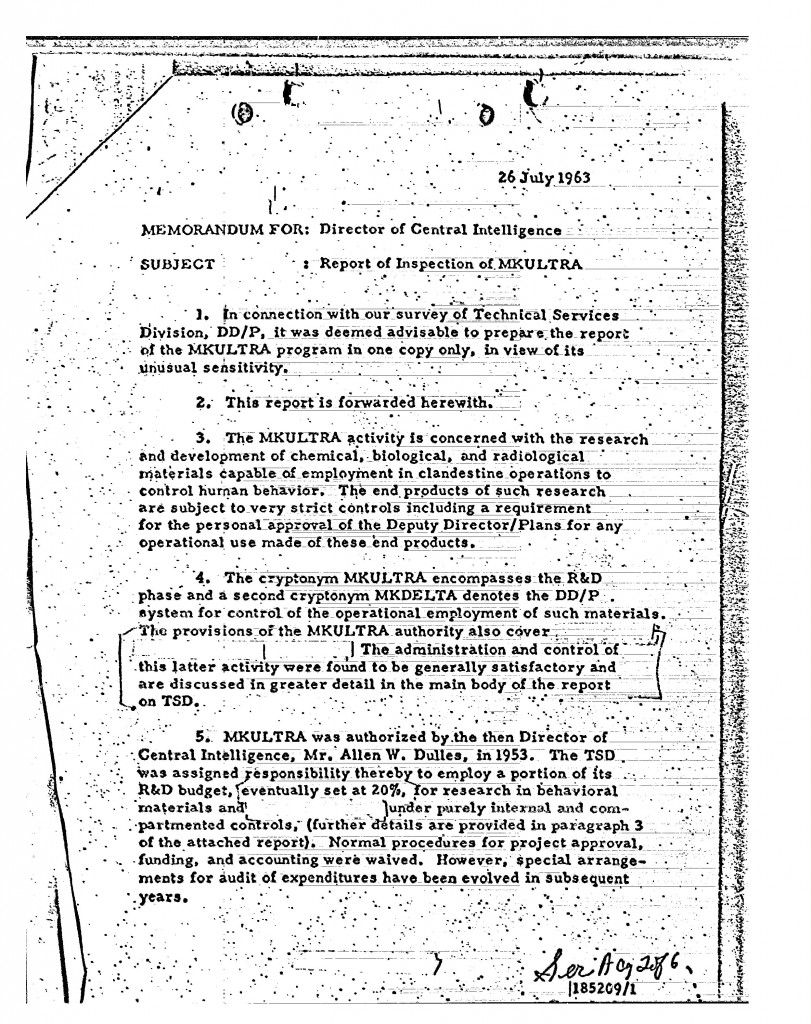
[Image]New York Police Department Commissioner Ray Kelly (R) takes part in his morning intelligence briefing with the Deputy Commissioner for Counterterrorism Richard Daddario (C) and Deputy Commissioner of Intelligence David Cohen (L) inside of the Executive Command Center at NYPD headquarters in New York August 5, 2011. The NYPD has worked since 9/11 on a long-term project to permanently increase vigilance in Lower Manhattan and Midtown, home to prominent financial institutions and national landmarks. Picture taken August 5, 2011.
[Image]New York Police Department Commissioner Ray Kelly (L) takes part in his morning intelligence briefing with the Deputy Commissioner of Public Information, Paul Browne, and Deputy Commissioner of Intelligence, David Cohen (R) inside of the Executive Command Center at NYPD headquarters in New York August 5, 2011. The NYPD has worked since 9/11 on a long-term project to permanently increase vigilance in Lower Manhattan and Midtown, home to prominent financial institutions and national landmarks. Picture taken August 5, 2011.
[Image]New York Police Department Commissioner Ray Kelly (C) takes part in his morning intelligence briefing with the Deputy Commissioner for Counter-terrorism Richard Daddario (R) and Deputy Commissioner of Intelligence David Cohen (L) inside the Executive Command Center at the NYPD headquarters in New York August 5, 2011. The NYPD has worked since 9/11 on a long-term project to permanently increase vigilance in Lower Manhattan and Midtown, home to prominent financial institutions and national landmarks. Picture taken August 5, 2011.

SECRET – Unveiled – Control of Nuclear Weapon Data Sigma 14 and 15

DOWNLOAD THE ORIGINAL DOCUMENT HERE:

doe-o-452-7


Cryptome – Whistleblowing in a Wikileaks World

Whistleblowing in a Wikileaks World


Date: Fri, 3 Aug 2012 14:05:12 +0200
From: “Patrice Riemens” <patrice[at]xs4all.nl>
To: nettime-l[at]kein.org
Subject: <nettime> Gregory M Bernard’s [MA] thesis on ‘Whistleblowing in a Wikileaks World’ (ExecSum)

Gregory M Bernard
Whistleblowing in a Wikileaks World
A Model for Responsible Disclosure in Homeland Security MA thesis (March 2012)
Naval Postgraduate School (US Navy)
Monterey, California

Full text thru: http://calhoun.nps.edu/public/handle/10945/6769

EXECUTIVE SUMMARY

Introduction

A dramatic change in the information-sharing environment has occurred over the last decade. New technologies, the rapid evolution of the Internet, and innovations in social media have provided the ability to gather and share information at an unprecedented level. The Executive Branch of the U.S. Government touts the virtues of transparency, while Congress defines whistleblowing and the disclosure of government fraud/waste/abuse as a “civic duty”, and yet the Freedom of Information Act (FOIA) process is broken, the Whistleblower Protection Act (WPA) is woefully inadequate, and secrecy continues to run rampant. The disclosure of hundreds of thousands of potentially classified documents to the organization Wikileaks may be an example of what this contradiction has caused. The existence of Wikileaks as an organization is irrelevant now, and their most significant contribution is not the release of 1.2 million documents. Rather, the most significant impact of Wikileaks is their successful demonstration and validation of the ‘Wikileaks model.’ Wikileaks has demonstrated the power of the Internet using web technologies to provide protections through anonymity, while giving individuals access to a worldwide audience. The current troubles faced by the organization may or may not portend the end of Wikileaks; however, it does provide a glimpse into the future of whistleblowing. Building upon the apparent success of the Wikileaks model, the Wall Street Journal and Al-Jazeera have both implemented “anonymous” whistleblower submission sites. This new paradigm for communications, as enabled by the innovative uses of the Internet and social media, provides both opportunities and areas for concern regarding government transparency.

Problem Statement

Whistleblowing serves as a critical check and balance system to government bureaucracy, helping to circumvent administrative roadblocks and to provide a mechanism through which homeland security can monitor and increase efficiency in its operations. Homeland security also deals with information that can be of a sensitive or secret nature, the unauthorized disclosure of which can cause damage to both homeland security efforts and national security. Maintaining the balance between secrecy and transparency is a difficult proposition; however, current government efforts, particularly its handling of whistleblowers, places that balance in jeopardy. The government has taken some steps to address some of these problems; however, the government has also taken extreme measures to prosecute any whistleblowers who stray outside the appropriate submission process (i.e., deemed an unauthorized leak of sensitive/classified information) or are not protected by the WPA. Instead of acknowledging that current policy on whistleblowers is broken, the government’s current course of action decreases the likelihood important fraud/waste/abuse information will be received from whistleblowers, while possibly influencing their decision and encouraging them to bypass authorized channels and instead utilize the Internet to protect themselves from identification and retaliation. The current lack of public trust in government, and the existence of alternative avenues for disclosure that provide greater protections than those currently offered by the U.S. Government, serve to exacerbate the problem.

Research Question

What policy model and associated technological process could the U.S. DHS implement that will encourage whistleblowers to submit information through authorized channels as opposed to leaking information to unauthorized parties?

Analysis

To answer the research question, this thesis explores three primary areas. The first is the whistleblowing environment, to include definitions, applicable policies, laws (both domestic and international), authorized and unauthorized processes, motivations, public trust, requirements, and intentions of all parties involved. The second area of focus is technology, specifically, the available options, best practices, and vulnerabilities of potential technological solutions (e.g., phone, email, web). The final portion of thesis serves to develop and evaluate policy options based on the findings and conclusions identified in the first two areas of analysis.

Those findings are as follows:

• Overclassification is a problem• Information sharing is critical to both U.S. security and U.S democracy

• Homeland security efforts require public (to include its employees and partners) trust and support to succeed

• The ability to keep secrets and maintain control of classified information will continue to decrease

• Decreasing overclassification will save the United States money

• Whistleblowing is a civic duty xvi

• The government is committed to providing whistleblower protections

• Whistleblowers are in large part motivated by patriotism

• Anonymity is a positive incentive for whistleblowers

• Fourth and Fifth Estates (media and stateless news organizations) provide alternatives to the government process

• Public trust in the government has declined

• Public trust can be increased through the use of third parties

• Technology exists to provide anonymity to whistleblowers

• Current options for whistleblowing are inadequate These premises form the foundation and justification for the implementation of any solution.

Current legitimate/authorized processes, such as submission through standard government channels, present significant risks to the whistleblower. Clandestine/unauthorized processes, such as the Internet (Wikileaks) and mainstream media, represent a clear breach of the law, which is in conflict with the “do the right thing” mindset of many whistleblowers. If whistleblowers had a way to communicate identified issues through an authorized third party that would serve as a proxy on their behalf, it would undermine the current processes (both legitimate and clandestine), potentially making them obsolete. It would reduce the personal risk faced by whistleblowers by providing the anonymity that makes the clandestine approach attractive, without clearly breaking the law. The Department of Homeland Security has an opportunity to build upon and improve the “Wikileaks Model,” to harness its use of technology and process to create a solution that would meet the needs of both whistleblowers and the government. If implemented correctly, the number of legitimate whistleblower complaints would increase (overall submissions would increase), and the number of whistleblowers who choose unauthorized avenues would be expected to decrease.

Recommendation

For any solution to be considered successful, it is critical to establish a clear definition of success. This thesis proposes the following definition of success for any whistleblowing solution. To promote the voluntary disclosure of information by any man or woman who reasonably believes that organizational wrongdoing has occurred, the facilitation of corrective action to address the wrongdoing, and providing for the protection of the submitter while maintaining information security, all within the bounds of U.S. law.

Four key pillars create the foundation for success.

• Whistleblowers must have the support of leadership• Legislation and policies must be clear and straightforward

• Whistleblowing policies must enforce accountability

• Authorized channels must provide at least as much protection as unauthorized channels

The conclusions drawn in this thesis, including the policy model ultimately recommended, is based on the research and the findings identified above. Combined with a current understanding of the problem, the evaluation criteria, and the potential solutions available, it is recommended that the government establish a partnership with a non-government organization (NGO) within U.S. legal jurisdiction, and subsidize the establishment of a government sponsored whistleblower submission website and virtual private network. This solution would allow whistleblowers to submit information to the government with the protection of anonymity, through the third party NGO. Establishing this policy provides whistleblowers who truly believe in improving government operations through the submission of information on fraud/waste/abuse or other types of concerns, a legitimate way to achieve their goal without risking their career and future on the weak whistleblower protections currently in place. While it may not completely eliminate leaks to the media or organizations, such as Wikileaks, the researcher believes those leaks will decrease as more whistleblowers give the government an opportunity to act on their submission.


CONFIDENTIAL – CIA Inspector General MKULTRA Investigation Report

https://publicintelligence.net/wp-content/uploads/2012/07/CIA-MKULTRA-IG_Page_01-811x1024.jpg

The following CIA Inspector General report was written in 1963 following an investigation into the Agency’s MKULTRA program.  The document was made available online by Cryptome in 2001 in the form of 42 image files.  We have combined the files into a PDF to make the document easier to access.  A complete transcription of the document is also available via Cryptome.

DOWNLOAD THE ORIGINAL FILE HERE:

CIA-MKULTRA-IG

SECRET – Fukushima Daiichi NPS Reactor 4 in July 2012

Fukushima Daiichi NPS Reactor 4 in July 2012

[Image]

This aerial view shows the damaged No. 4 reactor building at Tokyo Electric Power Co.’s Fukushima Dai-ichi nuclear power plant in Okuma town, Fukushima prefecture, northeastern Japan, Wednesday, July 18, 2012. A giant crane removed two rods packed with nuclear fuel from the reactor building on Wednesday, the beginning of a delicate and long process to deal with a remaining risk of more radiation escaping from the disaster-struck plant. AP

[Image]

Tokyo Electric Power Co.’s (TEPCO) tsunami-crippled Fukushima Daiichi nuclear power plant reactor building number 4 is seen in Fukushima prefecture, in this aerial view photo taken by Kyodo July 18, 2012. TEPCO started trial operations for removing unused nuclear fuel assemblies stored in the spent fuel pool of the crisis-hit plant’s No. 4 reactor unit on Wednesday marking the first time of the removal of the spent nuclear fuel rods since last year’s disaster, local media reported. Kyodo

[Image]

Tokyo Electric Power Co. (TEPCO)’s tsunami-crippled Fukushima Daiichi nuclear power plant’s reactor building number 4 is seen in Fukushima prefecture, in this aerial view photo taken by Kyodo July 5, 2012. Japan’s Fukushima nuclear crisis was a preventable disaster resulting from “collusion” among the government, regulators and the plant operator, an expert panel said on Thursday, wrapping up an inquiry into the worst nuclear accident in 25 years. The panel also criticised the response of plant operator Tokyo Electric Power Co, regulators and then Prime Minister Naoto Kan, who quit last year after criticism of his handling of a natural disaster that developed into a man-made crisis. Kyodo

[Image]

The reactor cover at Fukushima’s No. 4 reactor building is seen at the Tokyo Electric Power Co’s (TEPCO) tsunami-crippled Fukushima Daiichi nuclear power plant in Fukushima prefecture May 26, 2012. Japanese officials said on Saturday the unprecedented effort to remove spent fuel rods from the reactor was on track despite lingering concerns about the structure’s vulnerability to another earthquake.

Unveiled – Iran Computer Crimes

DOWNLOAD  THE ORIGINAL DOCUMENT HERE:

ir-computer-crimes

Unveiled – Russia Article 31 Protest Photos Moscow and St Petersburg

   Moscow

[Image]

Interior Ministry officers detain an opposition activist during a protest rally to defend Article 31 of the Russian constitution, which guarantees the right of assembly, in Moscow March 31, 2012. Reuters

[Image]

A detained participant displays a sign from the window of a police van during a protest to defend Article 31 of the Russian constitution in Moscow July 31, 2012. Activists gather on the 31st day of the month to support Article 31 of the Russian constitution — the right to free assembly. Reuters

[Image]

Police officers detain a protester during an unsanctioned opposition rally in downtown Moscow, Russia, Tuesday, July 31, 2012. Reuters

[Image]

[Image]

[Image]

[Image]

[Image]

[Image]

Police officers detain opposition leader Eduard Limonov, third from left, during an unsanctioned opposition rally in downtown Moscow, Russia, Tuesday, July 31, 2012.  AP

[Image]

Eduard Limonov, long time radical activist, former leader of banned National Bolshevik Party speaks to The Associated Press in Moscow on Tuesday, July 31, 2012.  AP

[Image]

An opposition protester shout slogans from the police van during an unsanctioned opposition rally in downtown Moscow, Russia, Tuesday, July 31, 2012. AP

[Image]

[Image]

A participant shouts slogans in front of a police cordon during a protest to defend Article 31 of the Russian constitution in Moscow July 31, 2012. Reuters

St Petersburg

[Image]

A participant shouts as he is detained by police during a protest to defend Article 31 of the Russian constitution in St. Petersburg July 31, 2012. Activists gather on the 31st day of the month to support Article 31 of the Russian constitution — the right to free assembly. Reuters

[Image]

Participants sit during a protest to defend Article 31 of the Russian constitution in St. Petersburg July 31, 2012. Activists gather on the 31st day of the month to support Article 31 of the Russian constitution — the right to free assembly. The placard reads “I don’t care about your fines.” Reuters

[Image]

Russian riot policemen detain an opposition supporter in central St.Petersburg on May 31, 2012 during unauthorized rally to defend Article 31 of the Russian constitution which guarantees freedom of assembly. Getty

[Image]

A participant is detained by the police during a protest to defend Article 31 of the Russian constitution in St. Petersburg July 31, 2012. Reuters

[Image]

Police officers detain Olga Kurnosova, the leader of the St. Petersburg branch of Garry Kasparov’s United Civil Front movement, during a protest to defend Article 31 of the Russian constitution in St.Petersburg, August 31, 2011. Reuters

[Image]

Police officers detain activists during a protest to defend Article 31 of the Russian constitution in St.Petersburg August 31, 2011. Article 31 guarantees the right of assembly.

Cryptome – CIA’s Historical Review Panel Public Statement

Public Statement from the CIA’s Historical Review Panel


Date: Thu, 19 Jul 2012 10:49:16 -0400
To: intelforum[at]lists101.his.com
From: IntelForum Mailing List <intelforum[at]lists101.his.com>
Subject: [Intelforum] Public Statement from the CIA’s Historical Review Panel

Date: Wed, July 18, 2012 8:52 am

Public Statement from the CIA’s Historical Review Panel

Professor Robert Jervis (Chair)
Department of Political Science
Columbia University

Professor Melvyn Leffler
Department of History
University of Virginia

Professor Thomas Newcomb
Department of Political Science and Criminal Justice
Heidelberg College

Professor Jeffrey Taliaferro
Department of Political Science
Tufts University

Professor Ruth Wedgwood
Nitze School of Advanced International Studies
Johns Hopkins University

The Director, Central Intelligence Agency’s Historical Review Panel (HRP) was formed in 1995, replacing a panel that was less formally organized and that had met only episodically. Since then, the HRP has met twice a year, with the mandate to:

Advise the Central Intelligence Agency on systematic and automatic declassification review under the provisions of Executive Order 12958 as amended.Assist in developing subjects of historical and scholarly interest for the Intelligence Community declassification review program.

Advise CIA and the Intelligence Community on declassification issues in which the protection of intelligence sources and methods potentially conflicts with mandated declassification priorities.

Provide guidance for the historical research and writing programs of the CIA History Staff, and when appropriate, review draft products.

Advise Information Management Services on its mandatory and voluntary declassification review initiatives and the Center for the Study of Intelligence on its academic outreach programs.

At the request of the Director of Central Intelligence Agency, advise on other matters of relevance to the intelligence and academic communities.

Advise Information Management Services on archival and records management issues.

The HRP, like the other DCIA panels, is convened by the Director to provide him with confidential advice and assessments. Because the HRP’s advice to the DCIA must be completely frank and candid, we are not reporting Panel recommendations. But because this panel’s primary concern is the program of declassification and the release of information to the public, the DCIA and the Panel concluded that it should inform the interested public of the subjects and problems that the Panel is discussing.

The HRP met on June 4-5, 2012, with Robert Jervis, Melvyn Leffler, Thomas Newcomb, and Jeffrey Taliaferro being in attendance.

As has often been the case, we spent much of our time discussing the Foreign Relations of the United States (FRUS) series, including specific volumes at various stages of compilation and declassification and the general processes involved. We had a long session with the State Department’s Historical Advisory Committee and the Historical Office staff. A great deal of progress has been made in reducing delays and coming to grips with difficult issues. We agreed on the value of continuing communication between the two advisory panels and of course in developing even further the working-level relations between CIA and the State Department, which will have to be expanded to include representatives of the National Security Council staff.

We also discussed the projects of the Historical Collections Division (HCD) and how these can be developed to meet the needs of multiple audiences and to produce material of most interest to scholars, journalists, and members of the interested public.

We continued our discussion of the 25-Year Program, the wider dissemination of material on the CREST system (the CIA Records Search Tool), and the need to get all agencies to devote attention to material from Presidential libraries.

We also discussed options for reviewing Presidential Daily Briefs (PDBs).

We will meet again in December 2012 or January 2013.

Robert Jervis
Columbia University

_______________________________________________

IntelForum mailing list
IntelForum[at]lists101.his.com
http://lists101.his.com/mailman/listinfo/intelforum


TOP-SECRET – NSA Cybercom Running Anonymous Operations

NSA Cybercom Running Anonymous Operations


http://www.nytimes.com/2012/07/27/us/cyberattacks-are-up-national-security-chief-says.html

General Alexander, who rarely speaks publicly, did not say how many attacks had occurred in that period. But he said that he thought the increase was unrelated to the release two years ago of a computer worm known as Stuxet, which was aimed at taking down Iran’s uranium enrichment plant at Natanz.

When the worm inadvertently became public, many United States officials and outside experts expressed concern that it could be reverse-engineered and used against American targets. General Alexander said he saw no evidence of that.

General Alexander, as head of the N.S.A., was a crucial player in a covert American program called Olympic Games that targeted the Iranian program. But under questioning from Pete Williams of NBC News at a security conference here, he declined to say whether Stuxnet was American in origin; the Obama administration has never acknowledged using cyberweapons. …

General Alexander spoke in a 75-minute interview at the Aspen Security Forum at the Aspen Institute here. The New York Times is a media sponsor of the four-day conference.

http://aspensecurityforum.org/

—–

Cryptome: Alexander, contrary to previous DIRNSAs, is speaking quite often to gin cyber-aggression as dual-use head of NSA and Cybercom, first for defense second for offense, both now ordered to expound open cyber-threat propaganda to parallel long-standing covert information operations.

Among a slew of commercial initiatives drumming cyber conflict, the Aspen Security Forum aims to be the premier war-bloviation platform, heavily empaneled by former USG officials now shilling for the national security industry. NY Times sponsorship is indicative of the perdurable wartime financial benefits for the media in conjunction with financial markets. Bloviation blows ill winds, the storm front gaining force during presidential campaigns.

Cyber attacks on the US, do not forget them, they are legion, expect them, thanks to NSA/Cyber Command Anonymous operations.


Cryptome reports Getty Recycles bin Laden Operation Photos

Getty Recycles bin Laden Operation Photos

[Image]

Getty Images 23 minutes ago (downloaded 25 July 2012, 17:05)

WASHINGTON, DC – MAY 1: In this photo provided by The White House, Secretary of Defense Robert Gates (L), President Barack Obama (2nd-R) and National Security Advisor Tom Donilon (R) attenda a meeting in the Situation Room on May 1, 2012 in Washington, DC. President Barack Obama’s national security team held a series of meeting to discusss Osama bin Laden.

[Image]

Getty Images 23 minutes ago (downloaded 25 July 2012, 17:05)

WASHINGTON, DC – MAY 1: In this photo provided by The White House, (L-R) Deputy National Security Advisor Denis McDonough, John Brennan, Assistant to the President for Homeland Security and Counterterrorism, Secretary of Defense Robert Gates, Tony Blinken, National Security Advisor to the Vice President and President Barack Obama attend a meeting in the Situation Room on May 1, 2012 in Washington, DC. President Barack Obama’s national security team held a series of meeting to discusss Osama bin Laden.

[Image]

Getty Images 38 minutes ago (downloaded 25 July 2012, 17:09)

WASHINGTON, DC – MAY 1: In this photo provided by The White House, (L-R) National Security Advisor Tom Donilon, Secretary of State Hillary Clinton and Director of National Intelligence James Clapper listen as Leon Panetta, Director of the CIA speaks during a meeting in the Situation Room on May 1, 2012 in Washington, DC. President Barack Obama’s national security team held a series of meeting to discusss Osama bin Laden.

[Image]

Getty Images 38 minutes ago (downloaded 25 July 2012, 17:10)

WASHINGTON, DC – MAY 1: In this photo provided by The White House, Admiral Mike Mullen, Chairman of the Joint Chiefs of Staff and Secretary of Defense Robert Gates attend a meeting in the Situation Room on May 1, 2012 in Washington, DC. President Barack Obama’s national security team held a series of meeting to discusss Osama bin Laden.

[Image]

Getty Images 38 minutes ago (downloaded 25 July 2012, 17:11) [Earlier White House release]

WASHINGTON, DC – MAY 1: In this photo provided by The White House, (L-R) President Barack Obama,National Security Advisor Tom Donilon, Secretary of State Hillary Clinton, Director of National Intelligence James Clapper, Leon Panetta, Director of the CIA, National Security Advisor Tom Donilon and Vice President Joe Biden attend a meeting in the Situation Room on May 1, 2012 in Washington, DC. President Barack Obama’s national security team held a series of meeting to discusss Osama bin Laden. [Man between James Clapper and Leon Panetta is unidentified CIA officer who tracked bin Laden.]

[Image]

Getty Images 38 minutes ago (downloaded 25 July 2012, 17:12)

WASHINGTON, DC – MAY 1: In this photo provided by The White House, (L-R) Director of National Intelligence James Clapper, Leon Panetta, Director of the CIA and National Security Advisor Tom Donilon attend a meeting in the Situation Room on May 1, 2012 in Washington, DC. President Barack Obama’s national security team held a series of meeting to discusss Osama bin Laden. [Man at upper left behind James Clapper is unidentified CIA officer who tracked bin Laden.]

[Image]

Getty Images 43 minutes ago (downloaded 25 July 2012, 17:14)

WASHINGTON, DC – MAY 1: In this photo provided by The White House, Admiral Mike Mullen, Chairman of the Joint Chiefs of Staff speaks during a meeting in the Situation Room on May 1, 2012 in Washington, DC. President Barack Obama’s national security team held a series of meeting to discusss Osama bin Laden.

[Image]

Getty Images 9 minutes ago (downloaded 25 July 2012, 17:15)

WASHINGTON, DC – MAY 1: In this photo provided by The White House, Deputy National Security Advisor Denis McDonough chats during a meeting in the Situation Room on May 1, 2012 in Washington, DC. President Barack Obama’s national security team held a series of meeting to discusss Osama bin Laden.

TOP-SECRET – NSA Secure Comms Interoperability Protocol

DOWNLOAD THE ORIGINAL DOCUMENT HERE

nsa-scip

Confidential – Control of Nuclear Weapon Data Sigma 14 and 15

DOWNLOAD THE ORIGINAL FILE HERE

Confidential – Cryptome publishes Masquerade Protests

Masquerade Protests

[Image]A man wearing a mask of Spanish Prime Minister Mariano Rajoy protest during a demonstration organized by Unions on July 19, 2012 in Barcelona, against the government’s welfare cuts. In the latest measures to lower Spain’s deficit, conservative Prime Minister Mariano Rajoy announced 65 billion euros’ ($80 billion) worth of savings measures. Getty
[Image]A street performer dressed as an character from the science fiction film Avatar walks among the crowds near Mexico City’s main plaza, the Zocalo, Friday, July 13, 2012. Street performers, many dressed in costumes, gathered to protest in the historic downtown area where once they were allowed to perform but are now run off by police. AP
[Image]An anti-government demonstrator holds a molotov cocktail during clashes in the village of Sitra, south of Manama, Bahrain July 13, 2012. Dozens of demonstrators marched in an attempt to protest under the slogan ”Challenge Friday”, challenging the authorities after the government banned the protest. On Thursday, the Ministry of Interior issued a statement saying that the ministry is looking into venues where protests can be held. Reuters
[Image]An animal rights activist wearing an elephant-shaped headpiece arrives holding a placard for a protest in front of the Staples Center in Los Angeles, on July 11, 2012 in California, on the opening day of the Ringling Bros. and Barnum & Bailey Circus. Representatives of PETA, Animal Defenders International, In Defense of Animals, Last Chance for Animals, and the Animal Protection and Rescue League participated with a message for prospective circusgoers: Don’t go. Getty
[Image]A member of the Sikh community takes part in a protest against the Pakistani government in New Delhi on July 15, 2012. Sikh protesters demanded the immediate release of Indian national Sarabjit Singh who is currently held in a Pakistani prison. Sarabjit Singh is a high-profile prisoner who has spent two decades in solitary confinement on death row in Lahore after being convicted for his role in a string of bombings. Getty
[Image]An Israeli protester wearing a Guy Fawkes mask and Pharaoh headpiece chains his hand as he holds a slogan which reads in Hebrew ‘The justice is like Pharaoh’ during a demonstration in the Mediterranean coastal city of Tel Aviv on July 14, 2012 to mark the first anniversary of last summer’s social justice demonstrations that swept the country to protest the spiralling cost of living. Getty
[Image]Demonstrators march against student tuition hikes and Bill 78 in downtown Montreal, Quebec July 22, 2012. The mass demonstration, which is quickly becoming a monthly protest in Montreal since it started around six months ago, has drawn tens of thousands of people to protest in the city. Reuters
[Image]A woman wears an old police helmet during a protest by firefighters and police officers against government austerity measures in Valencia July 23, 2012. Reuters
[Image]A member of the movement ‘YoSoy#132’ takes part in a protest against the election results at Reforma avenue, in Mexico City, on July 22, 2012. The movement is protesting against Enrique Pena Nieto, candidate of the Institutional Revolutionary Party (PRI), who declared victory in the presidential election, after the first official results showed him with 38 percent of the vote. The candidate for the leftist coalition Progressive Movement of Mexico, Andres Manuel Lopez Obrador, the winner’s nearest rival, refused to concede the race to Pena Nieto until the official final results be released, claiming to have data showing different results. Getty

[Image]

[Image]

[Image]

[Image]

[Image]

[Image]

[Image]

[Image]Juan Antonio Torres, 42, a social worker and member of the Comisiones Obreras (CCOO), lies in a coffin while wearing a mask of Spain’s Prime Minister Mariano Rajoy during a protest march against austerity measures in Malaga, southern Spain, July 19, 2012. Hundreds of thousands of Spaniards marched against the centre-right government’s latest austerity measures on Thursday evening, following more than a week of demonstrations across the country. Reuters
[Image]Firemen shouts slogans as they march during a protest against government austerity measures in Madrid July 19, 2012. A protest movement against the centre-right Spanish government’s latest austerity measures swelled on Thursday as public sector workers stepped up demonstrations in Madrid and around the country after more than a week of spontaneous action. The placard reads, “Our cut will be with a guillotine”. Reuters

[Image]

[Image]A demonstrator dresses as an skeleton during a protest against government austerity measures in Madrid July 19, 2012. A protest movement against the centre-right Spanish government’s latest austerity measures swelled on Thursday as public sector workers stepped up demonstrations in Madrid and around the country after more than a week of spontaneous action. The placard reads, “Market, money management thieves”. Reuters
[Image]A woman performs during a protest against the health care system in Bogota, Colombia, on July 19, 2012, requiring the dismantling of the Health Promotion Companies (EPS). Colombian President Juan Manuel Santos announced Thursday a package of drastic measures to save the health sector, threatened with bankruptcy because of debts incurred by the EPS. Getty

[Image]

[Image]

[Image]

[Image]

[Image]A woman carries a gallows rope with the pictures Yahya Mohammed Abdullah Saleh (R), nephew of former Yemeni President Ali Abdullah Saleh, and Saleh’s son Ahmed Ali Abdullah Saleh, during a protest outside the home of Yemeni President Abd-Rabbu Mansour Hadi, to demand the dismissal of the rest of the Saleh’s family members, in Sanaa July 19, 2012. Reuters
[Image]Hungarian rescue workers remove Greenpeace activists from the roof of a local petrol station in Budapest on July 19, 2012, during an action of Greenpeace’s Hungarian and foreign activists to protest against the Shell Oil Company’s plans to drill in the Arctic. Getty

[Image]

[Image]A Filipino woman protester gives vegetables to an activist wearing a mask of Uncle Sam while another with a mask of Philippine President Benigno Aquino III joins a symbolic protest outside the gates of the Malacanang Presidential Palace in Manila, Philippines on Tuesday, July 17, 2012. The protest aims to symbolize President Aquino and the U.S. of depriving and cheating Filipinos. AP
[Image]Firefighters and other government employees take part in a demonstration against the Spanish government’s latest austerity measures, in front of the Spanish Parliament (Las Cortes) in Madrid, on July 16, 2012. Several hundreds government workers, including police officers, firefighters, and healthcare workers, joined the spontaneous protest after conservative Prime Minister Mariano Rajoy announced, on July 13, the latest measures to lower Spain’s deficit, a 65-billion-euro (80 billion USD) austerity package involving among other things an increase in the VAT (TVA) tax and cuts in unemployment benefits. Getty
[Image]A demonstrator holds up a sign during a protest in Tel Aviv July 15, 2012, against the economic policies of Israel’s conservative government and to show solidarity with Moshe Silman, who sustained serious burns after he poured flammable liquid on himself and lit it at another protest on Saturday. The sign reads in Hebrew “Bibi you burned me too”, referring to Israel’s Prime Minister Benjamin Netanyahu by his nickname. Reuters
[Image]Israelis block a highway as they march through the streets to protest rising housing costs on July 15, 2012 in Tel Aviv, Israel. Growing discontent among Israelis over housing prices and other social inequalities have spurred marches, boycotts and labor strikes in the Jewish state. An Israeli man set himself on fire during the march for social justice protest yesterday. Getty
[Image]In this Sunday, July 15, 2012 photo, Lebanese women sit at a protest camp set up by Sheik Ahmad Assir, a harline Sunni cleric, in the southern port city of Sidon, Lebanon. Assir has set up the camp in the middle of a key road in Sidon, declaring it an uprising against Hezbollah’s weapons. Assir is taking aim at Hezbollah at a vulnerable time for the group when it faces the possible downfall of its crucial ally, President Bashar Assad in Syria. Assir may not be a direct threat to Hezbollah, but the willingness to publicly confront it underlines the dangers the group faces as it tries to retain the power and influence it has built up over the past 30 years in the face of the Syria crisis. AP
[Image]A protester stands in front of Malaysia Islamic Party flag (PAS) during a protest march to the National Palace to to hand out a memorandum in protest of the listing of Malaysia’s Felda Global in Kuala Lumpur, Malaysia, Saturday, July 14, 2012. The Malaysian palm oil firm Felda Global surged 20 percent in its trading debut on June 28, as investors cheered on the world’s second largest Initial Public Offering (IPO) after Facebook. Felda’s listing plans were initially met with resistance from the farmers who partly owned the firm and feared the loss of control of an asset they had invested in for generations. AP
[Image]A street performer dressed as a Minotaur walks among the crowds near Mexico City’s main plaza, the Zocalo, Friday, July 13, 2012. Street performers, many dressed in costumes, gathered to protest in the historic downtown area where once they were allowed to perform but are now run off by police. AP
[Image]A worker in a mask marches holding a sign which reads, “No to Conga, no to mine,” in solidarity with the anti-mining protest in Cajamarca, Lima July 12, 2012. More than 1,000 members of the General Confederation of Workers of Peru (CGTP), who marched in solidarity with the anti-mining protest, also protested against Peru’s President Ollanta Humala’s government and demanded better pay conditions. The Cajamarca region is still under state of emergency a week after five people died and 21 were injured in clashes between police and protesters against Newmont’s $5 billion gold mine project, known as Conga. Reuters


Confidential – Fukushima Daiichi NPS February-May 2012

Fukushima Daiichi NPS February-May 2012

[Image]

The combination of two photos shows the Fukushima Dai-ichi nuclear power station in Fukushima Prefecture before, top, and nearly one year after a devastating earthquake and tsunami hit Japan’s northeast on March 11, 2011 and sent three of its reactors into meltdown. The top photo was taken in October, 2008 while the bottom photo was taken on Feb. 26, 2012. (Kyodo News)

[Image]

Tsunami-crippled four reactors, from left, Unit 1 to Unit 4, are seen at Fukushima Dadi-ichi nuclear power plant in Okuma, Fukushima Prefecture, Japan Sunday, March 11, 2012. Japan on Sunday was remembering the massive earthquake and tsunami that struck the nation a year ago, killing just over 19,000 people and unleashing the world’s worst nuclear crisis in a quarter century. The photo was taken about three kilometers (1.9 miles) away from the plant. (Kyodo News)

[Image]

Cranes stand around tsunami-crippled four reactors, from left, Unit 1 to Unit 4, at Fukushima Dadi-ichi nuclear power plant in Okuma, Fukushima Prefecture, Japan Sunday, March 11, 2012. Japan on Sunday was remembering the massive earthquake and tsunami that struck the nation a year ago, killing just over 19,000 people and unleashing the world’s worst nuclear crisis in a quarter century. The photo was taken about three kilometers (1.9 miles) away from the plant. (Kyodo News)

[Image]

Severely damaged reactor Unit 3 is seen at the tsunami-crippled Fukushima Dai-ichi nuclear power plant in Okuma, Fukushima Prefecture, Japan, Sunday, March 11, 2012. Japan on Sunday was remembering the massive earthquake and tsunami that struck the nation a year ago, killing just over 19,000 people and unleashing the world’s worst nuclear crisis in a quarter century. (Kyodo News)

[Image]

Reactor Unit 2 stands at the tsunami-crippled Fukushima Dai-ichi nuclear power plant in Okuma, Fukushima Prefecture, Japan, Sunday, March 11, 2012. Japan on Sunday was remembering the massive earthquake and tsunami that struck the nation a year ago, killing just over 19,000 people and unleashing the world’s worst nuclear crisis in a quarter century. (Kyodo News)

[Image]

Severely damaged ducts, fences and buildings are seen in the seaside compound of the tsunami-crippled Fukushima Dai-ichi nuclear power plant in Okuma, Fukushima Prefecture, Japan, Sunday, March 11, 2012. Japan on Sunday was remembering the massive earthquake and tsunami that struck the nation a year ago, killing just over 19,000 people and unleashing the world’s worst nuclear crisis in a quarter century. (Kyodo News)

[Image]

In this aerial photo taken from the Asahi Shimbun helicopter, cranes surround the tsunami-damaged Fukushima Dai-ichi nuclear power plant reactors, from right, Unit 2, covered by light blue walls, Unit 3, center, and Unit 4, in Okuma, Fukushima Prefecture, northeastern Japan, Monday, May 28, 2012. The prime minister during Japan’s nuclear crisis last year said Monday he had to use an emergency law that never anticipated major radiation leaks and lacked experts capable of giving him guidance. (Tom Curley)

[Image]

In this aerial photo taken from the Asahi Shimbun helicopter, reactors of the tsunami-damaged Fukushima Dai-ichi nuclear power plant stand in Okuma, Fukushima Prefecture, northeastern Japan, Monday, May 28, 2012. Reactors are, from right, Unit 1, covered with a beige cover, Unit 2, covered with a square white cover, Unit 3 and Unit 4, showing their damaged frames at the bottom of cranes. (Tom Curley)

[Image]

In this aerial photo taken from the Asahi Shimbun helicopter, the tsunami-damaged Fukushima Dai-ichi nuclear power plant is seen in Okuma, Fukushima Prefecture, northeastern Japan, Monday, May 28, 2012. The prime minister during Japan’s nuclear crisis last year said Monday he had to use an emergency law that never anticipated major radiation leaks and lacked experts capable of giving him guidance. (Tom Curley)

Crytome – Global Politics: Anonymous, Pirate Parties, P2P

Subject: <nettime> Pirate Assemblages: The Global Politics of Anonymous, the Pirate Parties and Radical P2P Communities

CALL FOR CHAPTER PROPOSALS

Pirate Assemblages: The Global Politics of Anonymous, the Pirate Parties and Radical P2P Communities

A book edited by

Marco Deseriis, Northeastern University
Carolin Wiedemann, University of Hamburg

Proposal Submission Deadline: August 31, 2012

In May 2006, the Swedish police raided and seized The Pirate Bay’s servers in Stockholm for copyright infringement. As a result, the newborn Swedish Pirate Party saw a membership surge, received 7% of the vote in the European Parliament election of 2009, and spearheaded the Pirate Parties International, a network of political parties that fight for copyright reform, open source governance, and the civil right to privacy in the information society. Recently, the German Pirate Party has dubbed the success of its Swedish counterpart in four different German state elections.

In October 2010, the hacktivist network Anonymous launched Operation Payback, a series of distributed-denial-of-service (DDoS) attacks against anti-piracy organizations and government agencies that were held responsible for the outage of The Pirate Bay. In an open letter to Anonymous, the US and UK Pirate Parties invited the hacktivist movement to cease the attacks and “choose a more moderate and legal way” to pursue the struggle for copyright reform. Although Anonymous, the Pirate Parties, and other social movements for direct democracy may not always agree on their tactics they all consider the peer-to-peer exchange of information amongst all human beings as fundamental to the communal organization of a free and open society.

The struggles against intellectual property and for a democratic access to information have thus entered a new phase. In particular, the rise of Wikileaks, Anonymous and the Pirate Parties as well as the mobilizations against laws such as SOPA, PIPA and ACTA signal that Internet users are no longer willing to delegate the representation of their interests to third parties. The refusal of representation is also a common feature of the recent movements against autocracy in the Middle East and austerity measures in Europe and North America. For example, Michel Bawuens has compared Occupy to an open API with modules, such as “protest camping”? and “general assemblies,” which can be used as templates and modified by all, without the need of a centralized leadership.

Yet while on a general level the new P2P and pirate movements seem to share common ideals and goals significant differences remain on how to pursue these objectives. Pirate Assemblages takes this debate as a departure point to explore a set of pressing issues on the social composition and global politics of the new P2P movements. In particular we are interested in articles that pose and try to answer questions such as:

* The hacker ethos that informs the open source community and the new pirate movements assumes that traditional institutions are inherently flawed because of their hierarchical and centralized structure. How are decisions made within these movements? Is technical knowledge the primary way to gain status? What other competences are mobilized? Is there a leadership within these movements? If so, how is it selected?

* It is generally assumed that the core organizers of the IPP, Anonymous, and file-sharing networks are predominantly white middle-class men. If this is true, what are the consequences of such limited composition on the politics of these formations? And what are the examples that may challenge this assumption?

* How do these movements differ from each other due to their regional backgrounds? To what extent is the idea of freedom associated with digital rights and P2P still linked to the Enlightenment project and Western rationality? Are there other notions of freedom that can inspire the politics of these movements?

* The IPP, Anonymous, and Occupy often exhibit the coexistence of a liberal or libertarian wing and an anti-capitalist wing. Is the dialectic between these components an impediment or a stimulus to the growth of these movements? How are conflicts mediated internally? How are they represented on the outside?

* In which way is the autonomous organization of cognitive workers that make up the global pirate movement affecting the organizational forms of wider social movements such as the Arab Spring, Occupy and the Spanish Indignados?

* What are the mid-term campaigns and objectives that can lead these movements to articulate a global politics without denying their regional and cultural differences? Are there viable examples that show how this process may already be underway?

We are interested in articles that focus on specific case studies as well as broader comparative analyses. Submissions about non-European and non-U.S. case studies are encouraged. Please send a 300-400 words abstract to Carolin Wiedemann <carolin.wiedemann[at]wiso.uni-hamburg.de> and Marco Deseriis <m.deseriis[at]neu.edu> no later than August 31, 2012. You will receive an answer by September 15, 2012. Complete chapters are due on December 5, 2012. The editors aim at publishing the book in multiple languages including English and German.

Marco Deseriis, Assistant Professor
Screen and Media Studies
Northeastern University
204 Lake Hall
360 Huntington Ave
Boston, MA 02115
Office phone number: +1 617-373-5517
Email:m.deseriis[at]neu.edu

# distributed via <nettime>: no commercial use without permission
# <nettime> is a moderated mailing list for net criticism,
# collaborative text filtering and cultural politics of the nets
# more info: http://mx.kein.org/mailman/listinfo/nettime-l
# archive: http://www.nettime.org contact: nettime[at]kein.org

SECRET – Navy Nuclear Officer Incentive Pay Program

DOWNLOAD THE ORIGINAL DOCUMENT HERE

opnav-7220-11d

Unveiled – DoD Defense Strategy Priorities FOUO

DOWNLOAD THE ORGINAL DOCUMENT HERE

defense-strategy-priorities

SECRET – Official Cause of RU Killer Flood Challenged

 Official Cause of Russian Killer Flood Challenged


A sends:

Date: Sun, 08 Jul 2012 16:50:18 +0300
Subject: Weird flood in southern Russia, over 150 dead

Some interesting counterweight from Russia:

These links:

http://www.newsru.com/russia/08jul2012/skrflood.html

and

http://webcache.googleusercontent.com/search?q=cache%3Ahttp%3A%2F%2Fvk.com%2Fwall160960523_52

are describing the standpoint little bit differing from the official (Russian) opinion, claiming the flood was technogenic, as of the choice for officials was either Krymsk will be flooded or a much more bigger city – Novorossisk – will

The key sentence in the cached doc is:

[Russian omitted.]

The approximate translation: Everybody is silent now, but my father was on duty that night and the commission met in a hurry to decide whether or not to open the gates of the Neberdzhajev Dam.

While the official standpoint is that the dam does not have “such type” of gates.


SECRET – Disclosures Anonymous

Disclosures Anonymous


Step 1

Anybody — individual, government or institution can and should disclose — there are no requirements, no restrictions, using true or false identity, press officers or all the iterations of anonymous sources — commonplace or never before used.

Step 2

Call it what you like, The Truth, disclosure, leak, whistleblow, propaganda, lies, spy operation, official secrets, false flag, taking the king’s coin — best to create new, alluring and mesmerizing locutions.

Step 3

Disclose quietly with inscrutable understatement to be impossibly noticed then dramatically discovered through a strategic disclosure to select outlets, or with maximum exaggeration, publicity stunts, hired agencies, sock puppets, spookily covert or ostenatiously overt.

Step 4

Disclose from the inside or the outside or offside the rules of the game; don’t hesitate to preach, fabricate, prevaricate, embellish, distort, bombast, editorialize, repeat, hector, condemn, laud, headline, blare, bumper sticker, or stupefyingly frank and earnest.

Step 5

Calibrate with the topical or risk being overlooked; board bandwagons; ridicule and pretend to ignore competitors; declare highest and mightiest of principles with deepest grievance; advertise your pain and threats from gargantuan opposition; be ever ready to give media interviews with easy to understand quotes; offer pity to those who fail to grasp the importance of your disclosures; rue those who misquote you; say you forgive the ignorant who misunderstand you.

Step 6

Conspire, co-conspire, multi-conspire, mega-conspire; mimic the master conspiracists in major sources of public disclosure of invaluable information required to save nations and faiths against barbarous atheism — hyperbole without restraint.

Step 7

Join with those who bestow awards and recognition on the best of the disclosure championship breed, and condemn the mongrels, the nobodies, the fakers, the publicists, the apostates, with highest scorn for those who mock noble, selfless, high-risk disclosure.

Step 8

Form splinters to attack, demean and debunk main stream disclosers, in particular the recipients and grantors of awards for disclosure.

Step 9

Disclose insider secrets of disclosers, splinters, other insiders, leaders and spies, covert and overt funders, boosters and informants, their neglected families and jilted lovers.

Step 10

Originate a group (declare confidentiality for security its funding source, leaders or membership) to console former disclosers and those who believe they have been exploited by trusted, high-profile disclosers — target families, lovers and investors — invite and flatter documentarians and media profilers to get inside early to record the casualties’ disclosures.

Step 11

Disclose that the originated console group was a fraudulent sting to ensnare the disaffected as evidence disclosure is forever corrupt, dishonest, self-serving and under the sway and in the pay of sinister, unknown, powerful, ancient and new-ly camouflaged fronts for amoral manipulators. Up ratchet the disclosure deception, critique and historicize it with other confidence exploits ancient and modern.

Step 12

Prepare and distribute a prospectus and contract terms for a Disclosures Anonymous series for the bottomless pocketed NGOs and vulture capitalists; for entertainment and cyberwar industries; for the UN, foreign ministries, spy agencies, foreign and military aid agencies, and propagandists; the educational and conferencing industries; for aggregators, siphons and SM; for persistant advertising attackers; for hacktivists, FOI and cellphone warriors; above all for the flocks of all ages and places being educated, intimidated and counseled to be law abiding, keep quiet, be obedient. patriotic and trust authority. Tip Disclosures Anonymous to the grandiloquizers and anonymous sources combine.

Expect a brief publicity spark but no overt takers of the prospectus with a few of the usual criminally covert,  but that the series will be stolen, plagiarized, given away or blackmarketed until expropriated for authoritarian makeover and certified as officially tax-worthy.

Within the amply fertilized Disclosures Anonymous series plant a sub-rosa disclosure exploit to bare secrets of disclosure manipulations.

Like this: Unauthorized disclosures of secrets are essential for democracy.

Unveiled – TOP-SECRET – Obama Protection 47

Obama Protection 47

[Image]U.S. President Barack Obama greets people gathered on the sidewalk after stopping for food at Skyline Chili in Cincinnati, July 16, 2012. Obama flew on Monday to Cincinnati for election campaign events. Reuters
[Image]US President Barack Obama greets wellwishers upon arrival on Air Force One at Cincinnati Northern Kentucky International Airport in Boone, Kentucky, July 16, 2012, enroute to attend campaign events in Cincinnati, Ohio. Getty
[Image]President Barack Obama passes his jacket to White House Trip Director Marvin Nicholson before heading over to greet people after arriving at Northern Kentucky International Airport in Boone, Ky. , Monday, July 16, 2012. Obama is spending the day campaigning in Cincinnati. AP
[Image]U.S. Secret Service members use a golf cart while providing protection for President Barack Obama while he golfs at the Army installation’s course July 15, 2012 in Ft. Belvoir, Virginia. Obama also campaigned in Virginia, a state he won in 2008, on Saturday, holding events in Fairfax and Glen Allen. Getty
[Image]US President Barack Obama greets supporters are he arrives at a campaign event on July 14, 2012 at Centreville High School in Clifton, Virginia. Getty
[Image]U.S. President Barack Obama arrives at a campaign rally at Centreville High School in Clifton, Virginia, July 14, 2012. Obama travelled to Virginia on Saturday for campaign events. Reuters
[Image]President Barack Obama walks up a set of stairs during a campaign rally at Centreville High School in Clifton, Va. , a Washington suburb, on Saturday, July 14, 2012. AP
[Image]People hold signs protesting against U.S. President Barack Obama along Obama’s motorcade route on his way to a campaign rally at Centreville High School in Clifton, Virginia, July 14, 2012. Obama travelled to Virginia on Saturday for campaign events. Reuters
[Image]President Barack Obama laughs while campaigning under the pouring rain at the historic Walkerton Tavern & Gardens in Glen Allen, Va. , near Richmond Saturday, July 14, 2012. It is in the Congressional district represented by House Majority Leader Eric Cantor, R-Va. , a key county in a crucial swing state of the presidential election. AP
[Image]U.S. President Barack Obama greets supporters at the end of his ”A Vision for Virginia’s Middle Class” campaign event July 14, 2012 at Walkerton Tavern in Glen Allen, Virginia. On the last day of his two-day campaign across Virginia, Obama continue to discuss his plan to restore middle class security and urged Congress to act on extending tax cuts to middle class families. Getty
[Image]President Barack Obama campaigns during the pouring rain at the historic Walkerton Tavern & Gardens in Glen Allen, Va. , near Richmond, Saturday, July 14, 2012. AP
[Image]Protesters line an entrance route to a campaign event where President Barack Obama is scheduled to speak at the historic Walkerton Tavern & Gardens in Glen Allen, Va. , near Richmond Saturday, July 14, 2012. AP
[Image]Conservative local residents protest prior to U.S. President Barack Obama’s ”A Vision for Virginia’s Middle Class” campaign event July 14, 2012 at Walkerton Tavern in Glen Allen, Virginia. On the last day of his two-day campaign across Virginia, Obama continue to discuss his plan to restore middle class security and urged the Congress to act on extending tax cuts to middle class families. Getty
[Image]President Barack Obama removes his jacket upon his arrival at Washington Dulles International Airport in Chantilly, Va. , Saturday, July 14, 2012, for a campaign event in the vicinity. AP
[Image]US President Barack Obama boards his limousine after greeting well-wishers upon arrival July 14, 2012 at Richmond International Airport in Richmond, Virginia. Obama is in Virginia to attend campaign events. Getty
[Image]Secret Service members keep watch in front of Air Force One shortly before US President Barack Obama’s departure on July 14, 2012 at Richmond International Airport in Richmond, Virginia. Obama is in Virginia to attend campaign events. Getty
[Image]US President Barack Obama hold up a tomato during a stop at Berry’s Produce on July 14, 2012 in Mechanicsville, Virginia. Obama is campaigning in Virginia ahead of the November presidential election. Getty
[Image]President Barack Obama shakes hands as he arrives at the Richmond International Airport in Richmond, Va. , Saturday, July 14, 2012. AP
[Image]President Barack Obama greets the crowd after a campaign stop at the historic Fire Station No.1, in downtown Roanoke, Virginia, Friday, July 13, 2012. Obama traveled to southwest Virginia to discuss choice in this election between two fundamentally different visions on how to grow the economy, create middle-class jobs and pay down the debt. AP
[Image]President Barack Obama greets the crowd during a campaign stop at the historic Fire Station No.1, in downtown Roanoke, Va. , Friday, July 13, 2012. Obama traveled to southwest Virginia to discuss choice in this election between two fundamentally different visions on how to grow the economy, create middle-class jobs and pay down the debt. AP
[Image]President Barack Obama greets people after arriving at Roanoke Regional Airport in Roanoke, Va. , Friday, July 13, 2012. Obama is spending the day campaigning in Virginia. AP

[Image]

[Image]President Barack Obama greets people after arriving at Roanoke Regional Airport in Roanoke, Va. , Friday, July 13, 2012. Obama is spending the day campaigning in Virginia. AP
[Image]President Barack Obama arrives at the Roanoke Airport on Air Force One on the campaign trail, Friday, July 13, 2012 in Roanoke, Va. AP
[Image]President Barack Obama greets people after arriving at Roanoke Regional Airport in Roanoke, Va. , Friday, July 13, 2012. Obama is spending the day campaigning in Virginia. AP
[Image]President Barack Obama greets the crowd after speaking at a campaign event at Phoebus High School in Hampton, Va. , Friday, July 13, 2012. Obama is spending the day in Virginia campaigning. AP
[Image]President Barack Obama greets the crowd after speaking at a campaign event at Phoebus High School in Hampton, Va. , Friday, July 13, 2012. Obama is spending the day in Virginia campaigning. AP
[Image]President Barack Obama arrives to speak at a campaign event at Phoebus High School in Hampton, Va. , Friday, July 13, 2012. Obama is spending the day in Virginia campaigning. AP
[Image]U.S. President Barack Obama (C) greets supporters at the end of his ‘A Vision for Virginia’s Middle Class’ campaign event July 13, 2012 at Green Run High School in Virginia Beach, Virginia. Obama discussed his plan to restore middle class security and urged the Congress to act on extending tax cuts to middle class families. Getty
[Image]U.S. President Barack Obama (R) greets supporters at the end of his ‘A Vision for Virginia’s Middle Class’ campaign event July 13, 2012 at Green Run High School in Virginia Beach, Virginia. Obama discussed his plan to restore middle class security and urged the Congress to act on extending tax cuts to middle class families. Getty [Two Secret Service in “hands ready” position.
[Image]President Barack Obama reaches out to shake hands at a campaign event at Green Run High School in Virginia Beach, Va. , Friday, July 13, 2012. Obama is spending the day in Virginia campaigning. AP
[Image]President Barack Obama heads to his car after greeting people after arriving at Norfolk International Airport in Norfolk, Va. , Friday, July 13, 2012. AP
[Image]President Barack Obama is surrounded by secret service as he greets people after arriving at Norfolk International Airport in Norfolk, Va. , Friday, July 13, 2012. AP
[Image]President Barack Obama heads to his car after greeting people after arriving at Norfolk International Airport in Norfolk, Va. , Friday, July 13, 2012. AP
[Image]President Barack Obama meets with supporters after arriving aboard Air Force One at the Norfolk International Airport in Norfolk, Va. , Friday, July 13, 2012. AP
[Image]President Barack Obama meets with supporters after arriving aboard Air Force One at the Norfolk International Airport in Norfolk, Va. , Friday, July 13, 2012. AP
[Image]President Barack Obama walks to Air Force One at Andrews Air Force Base in Md. , Friday, July 13, 2012, enroute to Virginia for a series of campaign events. AP
[Image]Members of the media exit a house alongside US President Barack Obama’s SUV holding in the driveway as Obama meets with Jason McLaughlin, principal of Center Point-Urbana High School, his wife, Ali, an account manager for a document scanning company, and their 4-year-old son Cooper, on middle class tax cuts at their home in Cedar Rapids, Iowa, July 10, 2012. Getty
[Image]Secret Service agents guard the door of the home of Jason and Ali McLaughlin while President Barack Obama visits with them in Cedar Rapids, Iowa, Tuesday, July 10, 2012. AP
[Image]U.S. President Barack Obama arrives in Cedar Rapids, Iowa, July 10, 2012. Obama flew to Iowa for an event pushing for the extension of Bush-era tax cuts due to expire at the end of 2012. Reuters
[Image]President Barack Obama heads to his car after getting ice cream at Deb’s Ice Cream & Deli in Cedar Rapids, Iowa, Tuesday, July 10, 2012. AP
CONFIDENTIAL – Wikileaks Central/Guantanamo/Khadr Interviews

Wikileaks Central/Guantanamo/Khadr Interviews

Cryptome mirrors provided if the files at the EX.UA site are removed.


http://www.ex.ua/view_storage/919793642447

Object of temporary storage with access key “919793642447“:Wikileaks Central/Guantanamo/Khadr interviews
22:51, 3 July 2012, 23:14, 3 July 2012

These are two interviews which were unpublished by the Wikileaks news site Wikileaks Central. Editor in chief Heather Marsh (@georgiebc) interviewed Canadian defence attorney Dennis Edney re Guantanamo child detainee Omar Khadr. In [recording] ed017 Edney explains that Omar was ordered to sign his plea deal without having it explained to him by a lawyer or anyone. In [recording] ed023 Edney speaks of witness intimidation and blackmail threats by the FBI. These interviews were suppressed (according to the audio) due to concerns of legal repercussions to the defence attorney.

Files:
Amount: 2, total size: 65,778,403
1.
http://cryptome.org/2012/07/ed017.MP3.m4a
(31MB)
 

22:32, 3 July 2012
b0f2e07bb7746ba3842f22702c93e8dc


2.
http://cryptome.org/2012/07/ed023.MP3.m4a
(35MB)
 

20:56, 3 July 2012
fe72db5b1298bc23ccf53e3dcd345c97


Unveiled – Iranian First VP Rahimi’s Comments on Drugs

Iranian First Vice-President Rahimi’s Anti-Semitic Comments at the International Day Against Abuse Conference in Tehran

Press Statement
Victoria Nuland
Department Spokesperson, Office of the Spokesperson
Washington, DC
July 3, 2012

We strongly condemn Iranian First Vice-President Mohammad Reza Rahimi’s vile anti-Semitic and racist comments on June 26 at the International Day Against Drug Abuse conference in Tehran. The United Nations Office on Drugs and Crime (UNODC) has confirmed that the conference was not held under UN auspices, nor did officials in attendance have any idea that Rahimi would level such offensive charges. Both UN Secretary-General Ban-Ki Moon and UNODC Executive Director Yury Fedotov registered their dismay and serious concern over Rahimi’s anti-Semitic speech and issued a statement July 3 calling on Iranian officials to refrain from these kinds of anti-Semitic statements.

The United States supports meetings that address the very real crisis of drug abuse and drug trafficking around the world. We trust that parties interested in combating the scourge of drug abuse and drug trafficking will focus their efforts on legitimate international meetings, and will join us in condemning such attempts to take advantage of them to promote hateful, racist speech.


http://www.al-monitor.com/pulse/originals/2012/al-monitor/in-iran-anti-semitic-outbursts-r.html

Which links to this Persian account, translated by Google (better translation welcome: cryptome[at]earthlink.net)

http://www.aftabir.com/news/view/2012/jun/26/c1_1340705604.php/

Tuesday, Jun 26, 2012 – 02:43:24

The Iranian Students News Agency (ISNA).

Mohammad Reza Rahimi said at the celebration of the global fight against drugs: the development of drugs and glass are rooted in the Talmudic teachings of Zionists.

Rahimi asserted: The Talmud teaches against Christianity and also against Muslims. Judaism considers itself to be served by others.

He continued: what happened in Russia as well as labor unrest resulted from the actions of all the Jews and their leaders, but later research showed that among the Jews not one of them was killed.

First Vice President stated: Wherever there Muslim blood is spilled Yahoods [Jews?] are behind it.

They destroy not only with drugs but also with cultural biases, biases issues they promote to their children, their parents realize that no boy and girl can resist. Rahimi said: Jews dominate the media world’s thinking and work to increase their cultural wealth and resources from plundered countries.

Rahimi said that when Iranian forces entered Afghanistan they found opium cultivation has increased by 60%, otherwise Iran would buy all the drug produced in Afghanistan and convert it into morphine and medical use. We can also reveal that money could taken the Afghan narcotics transit route to Europe and to open the way to earn income for our country, but this is contrary to morality, and contrary to our education.

He pointed out: 13% of opium addicts are in Europe and elsewhere they are common as wine. Despite that we have respect for the followers of Moses, but we are opposed to the Zionists. Zionists are promoting and developing drugs, but they avoid addiction to them.

The First Vice President said: 210 million people worldwide are suffering drug addiction and 27 million people in Asian countries. Rahimi said: According to the rules and regulations of the Iranian leader drug deaths will be publicized. Our question to you based on our few deaths because we do not promote drugs, then what is the fuss.

Rahimi said the spread of drugs in Asian countries and in Africa has not occurred because there is no money to buy drugs.

He also pointed out: 10 percent of Americans are addicted to drugs, but the story behind all these are Shyvnyyst [?]. First Vice President also stated that three million immigrants a year from Afghanistan have been imposed on our country and said on Iran is the greatest nation of immigrants. Our unemployment numbers in the country approches zero because of the low number of unemployed in our country.

Elsewhere in his remarks he noted America’s claims about certain events based on satellite images of prison camps, so he said why not see all fields of opium in Afghanistan? Kvryd?[?]

He said threats to Iran’s independence and freedom is everywhere seen as manifestations of global arrogance and Zionism is the source. Why should Iran give Chharhzar [?] martyr for the anti-drug but not the blood from the nose, decide on one of them.

First vice president said, the Secretary General Staff Drug Head accused importation of opium from Iran but did not go to the Prayer Wall for industrial materials. Who organized importation of this material. Who is behind this.

Rahimi said: Senator, America has sold us poisoned cigarettes to bring down the people and our schools have to say that these are a threat.

He emphasized that the Zionists are behind all the adventures of the drug, said Iran is willing to pay this price for all countries in the world to know that Zionism is the main drug. He said the Iranian people are standing firm and are content with the severe sanctions.

Report: ISNA (www.isna.ir)


TOP-SECRET – Demand Progress Pleads for Megaupload Property

DOWNLOAD THE ORIGINAL DOCUMENT HERE

demand-progress-1

Revealed – Reign of the Sechors

Reign of the Sechors


Cypherpunks assume privacy is a good thing and wish there were more of it. Cypherpunks acknowledge that those who want privacy must create it for themselves and not expect governments, corporations, or other large, faceless organizations to grant them privacy out of beneficence. — Eric Hughes, 1992, at the formation of cypherpunks. From, among other sources this in June 2012.

Security, privacy and anonymity specialists — governmental, commercial, religious, NGO, and individal — will be here called the security cohorts, in short, “sechors”.

Security may be seen as including privacy and anonymity and consideration of its limitations and distortions may suffice.

While national security may be seen as the greatest and longest-lived offender, blessed by religious doctrine, the rise in popularity of online culture has fostered an increase in the call for for privacy, anonymity and security.

Privacy, anonymity and security are at best approximations, at worst totally misleading. Proponents and opponents engage in sophisticated distortions, usually to advance their offerings rather than the interests of their consumers/citizens.

Private security experts, among them, Philip Zimmermann and Bruce Schneier, observe that security is never absolute and the challenge is to determine how much and what type of security is needed, rather than expecting total security. Zimmermann’s “Pretty Good Privacy” modestly names the paradigmatic disclosure of the limitations of communications security — “pretty good” is all there is.

Schneirer, among others, candidly states the struggle over communications security is endless, for every offense a defense is invented, and vice versa.

Security of personal communications does not require measures, some claim, required for national defense. Following this, however, are assertions about the need for personal security against over-reaching national defenses, which, the argument goes, all too often violate the personal rights of citizens by exaggerating national security threats combined with increasingly militarized law enforcement as the military and intelligence apparatuses conjoin with domestic police in times of, allegedly, unduly prolonged national distress.

Thus, the welter of Fusion Centers, cascading information sharing, subsumed under Homeland Security and the Directorate of National Intelligence — or by whatever names all other nations use. The rigging of privacy polices to allow “lawful access” to private data, the insertion of government spies in public and private fora, the pervasive secret siphoning and public subpoenaing of private communications data by agencies of national and domestic security.

This has led to increased public opposition to sechors and greater calls for more privacy and anonymity, thereby for enhanced personal security.

A prong of personal security demands is for individuals to learn how to secure their own privacy and anonymity to offset the likelihood of misleading, and quite often, lucrative offers by specialists — governmental, commercial, NGO and individals (here called the security cohorts, “sechors”).

But a characteristic of this prong, is for the individal user to be warned by the sechors that security usually fails due to implementation of the user and that it is prudent to have specialists assess any security system. Unfortunately, this allows entry to those more wisely seen as trojans, sechors.

Sechors sell round-the-clock, around-the-world security services as necessary, no single product, treaty, armaments-disarmaments sharing will suffice, there must be missionary cathedralization of defense outposts as precondition of survival, falsely-promised personal security the keystone.

Can an individual obtain security without succumbing to the propaganda, spying and legislation of the sechors?

Bearing in mind that false expectations of privacy, anonymity and security are standard deceptions of the sechors, the answer is yes: by avoiding, by disbelieving the sechors.

But it will have to be done solo, not bragged about, certainly not foolishly fully exposed on the treacherous open source testing bed where the pretty good is exchanged, commingled, obscured by the very bad sechors.

Ancient, deeply entrenched and perdurable sechors will warn that this note is an example of very poor advice masquerading very bad, to never believe an individual can obtain personal security, privacy and anonymity without reign of the sechors.


Date: Tue, 3 Jul 2012 14:37:13 -0400
Subject: response to Cryptome…..Security Cohorts, self-education…..
From: J
To: cryptome[at]earthlink.net

You raise many valid points about security, and the need for security expertise. But like the Medical Practice, “Security Practice” needs to be applied prudently. A 10-character password on the underside of a keyboard is no good if the “enemy” knows that that password is there. Nor is a password that is “given away”; someone might have bad habits and by observation and overhearing, discloses their “password list” .

Passwords should <<NEVER>> be shared, and yet sometimes that rule is broken — to the owner’s eventual grief.

A director of Information Technology should remember that besides Rijndael, (the US-AES) a few other encryption algorithms using 128-bit Input/Output blocks are strong also.

And I will <<NOT>> disclose my passphrase password for my OpenPGP key.

Adi Shamir has written about “key splitting”.

It is sometimes better to withhold one’s thoughts and comments until a meeting.

A message not sent is a message that cannot be intercepted.

Security is a practical science. It has to be measured and adjusted, over time.

SECRET – Governments Global Spying of Cloud Services

DOWNLOAD THE ORGINAL DOCUMENT HERE

gov-spy-cloud

Unveiled – Obama Protection 47

[Image]US President Barack Obama greets supporters are he arrives at a campaign event on July 14, 2012 at Centreville High School in Clifton, Virginia. Getty
[Image]U.S. President Barack Obama arrives at a campaign rally at Centreville High School in Clifton, Virginia, July 14, 2012. Obama travelled to Virginia on Saturday for campaign events. Reuters
[Image]President Barack Obama walks up a set of stairs during a campaign rally at Centreville High School in Clifton, Va. , a Washington suburb, on Saturday, July 14, 2012. AP
[Image]People hold signs protesting against U.S. President Barack Obama along Obama’s motorcade route on his way to a campaign rally at Centreville High School in Clifton, Virginia, July 14, 2012. Obama travelled to Virginia on Saturday for campaign events. Reuters
[Image]President Barack Obama laughs while campaigning under the pouring rain at the historic Walkerton Tavern & Gardens in Glen Allen, Va. , near Richmond Saturday, July 14, 2012. It is in the Congressional district represented by House Majority Leader Eric Cantor, R-Va. , a key county in a crucial swing state of the presidential election. AP
[Image]U.S. President Barack Obama greets supporters at the end of his ”A Vision for Virginia’s Middle Class” campaign event July 14, 2012 at Walkerton Tavern in Glen Allen, Virginia. On the last day of his two-day campaign across Virginia, Obama continue to discuss his plan to restore middle class security and urged Congress to act on extending tax cuts to middle class families. Getty
[Image]President Barack Obama campaigns during the pouring rain at the historic Walkerton Tavern & Gardens in Glen Allen, Va. , near Richmond, Saturday, July 14, 2012. AP
[Image]Protesters line an entrance route to a campaign event where President Barack Obama is scheduled to speak at the historic Walkerton Tavern & Gardens in Glen Allen, Va. , near Richmond Saturday, July 14, 2012. AP
[Image]Conservative local residents protest prior to U.S. President Barack Obama’s ”A Vision for Virginia’s Middle Class” campaign event July 14, 2012 at Walkerton Tavern in Glen Allen, Virginia. On the last day of his two-day campaign across Virginia, Obama continue to discuss his plan to restore middle class security and urged the Congress to act on extending tax cuts to middle class families. Getty
[Image]President Barack Obama removes his jacket upon his arrival at Washington Dulles International Airport in Chantilly, Va. , Saturday, July 14, 2012, for a campaign event in the vicinity. AP
[Image]US President Barack Obama boards his limousine after greeting well-wishers upon arrival July 14, 2012 at Richmond International Airport in Richmond, Virginia. Obama is in Virginia to attend campaign events. Getty
[Image]Secret Service members keep watch in front of Air Force One shortly before US President Barack Obama’s departure on July 14, 2012 at Richmond International Airport in Richmond, Virginia. Obama is in Virginia to attend campaign events. Getty
[Image]US President Barack Obama hold up a tomato during a stop at Berry’s Produce on July 14, 2012 in Mechanicsville, Virginia. Obama is campaigning in Virginia ahead of the November presidential election. Getty
[Image]President Barack Obama shakes hands as he arrives at the Richmond International Airport in Richmond, Va. , Saturday, July 14, 2012. AP
[Image]President Barack Obama greets the crowd after a campaign stop at the historic Fire Station No.1, in downtown Roanoke, Virginia, Friday, July 13, 2012. Obama traveled to southwest Virginia to discuss choice in this election between two fundamentally different visions on how to grow the economy, create middle-class jobs and pay down the debt. AP
[Image]President Barack Obama greets the crowd during a campaign stop at the historic Fire Station No.1, in downtown Roanoke, Va. , Friday, July 13, 2012. Obama traveled to southwest Virginia to discuss choice in this election between two fundamentally different visions on how to grow the economy, create middle-class jobs and pay down the debt. AP
[Image]President Barack Obama greets people after arriving at Roanoke Regional Airport in Roanoke, Va. , Friday, July 13, 2012. Obama is spending the day campaigning in Virginia. AP

[Image]

[Image]President Barack Obama greets people after arriving at Roanoke Regional Airport in Roanoke, Va. , Friday, July 13, 2012. Obama is spending the day campaigning in Virginia. AP
[Image]President Barack Obama arrives at the Roanoke Airport on Air Force One on the campaign trail, Friday, July 13, 2012 in Roanoke, Va. AP
[Image]President Barack Obama greets people after arriving at Roanoke Regional Airport in Roanoke, Va. , Friday, July 13, 2012. Obama is spending the day campaigning in Virginia. AP
[Image]President Barack Obama greets the crowd after speaking at a campaign event at Phoebus High School in Hampton, Va. , Friday, July 13, 2012. Obama is spending the day in Virginia campaigning. AP
[Image]President Barack Obama greets the crowd after speaking at a campaign event at Phoebus High School in Hampton, Va. , Friday, July 13, 2012. Obama is spending the day in Virginia campaigning. AP
[Image]President Barack Obama arrives to speak at a campaign event at Phoebus High School in Hampton, Va. , Friday, July 13, 2012. Obama is spending the day in Virginia campaigning. AP
[Image]U.S. President Barack Obama (C) greets supporters at the end of his ‘A Vision for Virginia’s Middle Class’ campaign event July 13, 2012 at Green Run High School in Virginia Beach, Virginia. Obama discussed his plan to restore middle class security and urged the Congress to act on extending tax cuts to middle class families. Getty
[Image]U.S. President Barack Obama (R) greets supporters at the end of his ‘A Vision for Virginia’s Middle Class’ campaign event July 13, 2012 at Green Run High School in Virginia Beach, Virginia. Obama discussed his plan to restore middle class security and urged the Congress to act on extending tax cuts to middle class families. Getty [Two Secret Service in “hands ready” position.
[Image]President Barack Obama reaches out to shake hands at a campaign event at Green Run High School in Virginia Beach, Va. , Friday, July 13, 2012. Obama is spending the day in Virginia campaigning. AP
[Image]President Barack Obama heads to his car after greeting people after arriving at Norfolk International Airport in Norfolk, Va. , Friday, July 13, 2012. AP
[Image]President Barack Obama is surrounded by secret service as he greets people after arriving at Norfolk International Airport in Norfolk, Va. , Friday, July 13, 2012. AP
[Image]President Barack Obama heads to his car after greeting people after arriving at Norfolk International Airport in Norfolk, Va. , Friday, July 13, 2012. AP
[Image]President Barack Obama meets with supporters after arriving aboard Air Force One at the Norfolk International Airport in Norfolk, Va. , Friday, July 13, 2012. AP
[Image]President Barack Obama meets with supporters after arriving aboard Air Force One at the Norfolk International Airport in Norfolk, Va. , Friday, July 13, 2012. AP
[Image]President Barack Obama walks to Air Force One at Andrews Air Force Base in Md. , Friday, July 13, 2012, enroute to Virginia for a series of campaign events. AP
[Image]Members of the media exit a house alongside US President Barack Obama’s SUV holding in the driveway as Obama meets with Jason McLaughlin, principal of Center Point-Urbana High School, his wife, Ali, an account manager for a document scanning company, and their 4-year-old son Cooper, on middle class tax cuts at their home in Cedar Rapids, Iowa, July 10, 2012. Getty
[Image]Secret Service agents guard the door of the home of Jason and Ali McLaughlin while President Barack Obama visits with them in Cedar Rapids, Iowa, Tuesday, July 10, 2012. AP
[Image]U.S. President Barack Obama arrives in Cedar Rapids, Iowa, July 10, 2012. Obama flew to Iowa for an event pushing for the extension of Bush-era tax cuts due to expire at the end of 2012. Reuters
[Image]President Barack Obama heads to his car after getting ice cream at Deb’s Ice Cream & Deli in Cedar Rapids, Iowa, Tuesday, July 10, 2012. AP

TOP-SECRET – Email Hidden Tracking Deceptions

1. Government Email Hidden Tracking Deceptions

Many US federal agencies distribute emails and notifications via govdelivery.com (“Made for government”). The service embeds hidden URLs with a lengthy tracking number which logs clicks and identifications of recipients who retrieve cited documents. This is a significant privacy violation by not notifying email recipients of the tracking feature. DHS examples (some alphanumerics changed):

This service is provided to you at no charge by the U.S. Department of Homeland Security.http://links.govdelivery.com:80/track?type=click&enid=ZWFzPTEmbWFpbGluZ2lkPTIwMTIwMTIwLjU
xMTA1MjEmbWVzc2FnZWlkPU1EQi1QUkYYYYBBBVVVIwMTIwLjUxMTA1MjEmZGF0YWJhc2Vp
ZD0xMDAxJnNlcmlhbD0xNjg0Nzk1NCZlbWFpbGlkPWp5YUBwaXBlbGluZS5jb20mdXNlcmlkPWp5Y
UBwaXBlbGluZS5jb20mZmw9JmV4dHJhPU11bHRpdmFyaWF0ZUlkPSYmJg==&&&102&&&http://
http://www.dhs.gov/index.shtm

Privacy Policy

http://links.govdelivery.com:80/track?type=click&enid=ZWFzPTEmbWFpbGluZ2lkPTIwMTIwMTIwLjUx
MTA1MjEmbWVzc2FnZWlkPU1EQi1QUkQtQlVMLTIwMTIwMTIwLjUxMTA1MjEmZGF0YWJhc2VpZ
D0xMDAxJnNlcmlhbUUUUYYYYVVVZlbWFpbGlkPWp5YUBwaXBlbGluZS5jb20mdXNlcmlkPWp5YU
BwaXBlbGluZS5jb20mZmw9JmV4dHJhPU11bHRpdmFyaWF0ZUlkPSYmJg==&&&103&&&http://www.
dhs.gov/xutil/gc_1157139158971.shtm

GovDelivery is providing this information on behalf of U.S. Department of Homeland Security, and may not use the information for any other purposes.

Department of Justice admittedly tracking ID today:

Deputy Attorney General James M. Cole Speaks at the Wells Fargo Press Conferencehttp://links.govdelivery.com:80/track?type=click&amp;enid=ZWFzPTEmbWFpbGluZ2lkPTIwMTIwNzEy
Ljg5ODc4MTEmbWVzc2FnZWlkPU1EQi1QUkQtQlVMLTIwMTIwNzEyLjg5ODc4MTEmZGF0YWJhc2
VpZD0xMDAxJnNlcmlhbD0xNzA3MzcyMyZlbWFpbGlkPWp5YUBwaXBlbGluZS5jb20mdXNlcmlkPWp
5YUBwaXBlbGluZS5jb20mZmw9JmV4dHJhPU11bHRpdmFyaWF0ZUlkPSYmJg==&amp;&amp;&amp;
102&amp;&amp;&amp;http://www.justice.gov/iso/opa/dag/speeches/2012/dag-speech-120712.html

The White House admittedly tracks ID minutely too:

Watch the video and get the facts here.http://links.whitehouse.gov/track?type=click&enid=ZWFzPTEmbWFpbGluZ2lkPTIwMTIwNjI4Ljg2NDc2M
zEmbWVzc2FnZWlkPU1EQi1QUkQtQlVMLTIwMTIwNjI4Ljg2NDc2MzEmZGF0YWJhc2VpZD0xMDAxJn
NlcmlhbD0xNjkwNTM2MiZlbWFpbGlkPWp5YUBwaXBlbGluZS5jb20mdXNlcmlkPWp5YUBwaXBlbGlu
ZS5jb20mZmw9JmV4dHJhPU11bHRpdmFyaWF0ZUlkPSYmJg==&&&100&&&http://www.whitehouse.gov/
blog/2012/06/28/supreme-court-upholds-president-obamas-health-care-ref

The hidden codes may be overlooked: They were discovered when our legacy email program could not activate them. Last year Cryptome wrote the government clients of govdelivery.com and the service itself to reveal the tracking but never received an answer from any.

Notable exception to hidden tracking is the GAO which transparently discloses its URLs:

Electronic Warfare: DOD Actions Needed to Strengthen Management and Oversight. GAO-12-479, July 9.

http://www.gao.gov/products/GAO-12-479

Other USG offices display only a linked title but not the underlying URL, a method often used to deceive about the link. State Department and FBI examples, respectively, without hidden tracking code:

Press Releases: Remarks With Afghan President Hamid Karzai[We see today at the bottom of State Department email it is also sent by govdelivery.com and tracks recipients. “Report problems: <support@govdelivery.com>”]

Alleged Associate of al Qaeda in the Arabian Peninsula Charged in New York with Providing Material Support and Receiving Military Training in Yemen

2. Commercial Email Tracking Deceptions

Commercial email delivery services also hide tracking code. For example, Bluehornet.com sent out an email yesterday for the Stratfor Class Action Settlement which embedded hidden URLs with tracking numbers (original numbers replaced):

http://echo4.bluehornet.com/yu/10987654321:10987654321:k:9:10987654321:109876543211098765
432110987654321:h

Bluehornet violates the privacy of the email recipients by not calling attention to its tracking feature, thus implicating the law firm which sued Stratfor for failing to protect its customer information — presumably the law firm does not know it may be subject to privacy violation suits.

Other services embed URLs which track access to articles with concealed codes that likely also track email recipients without explanation of the codes’s use. New York Times today, egregiously tracking (some alphanumerics changed):

Spend summer vacation at an all-inclusive resort, surrounded by the crystalline waters of the Pacific Oceanhttp://p.nytimes.com/email/re?location=vzewYO/FHLSRA5cTrA4oWdnsb+onKeHxFGl2jINZg1bhIX3P5MN
4T03Fcnswgysn52TggCVcNc5LY2IXAm9BwJ6DmVAwsenGY7ZBBBBBCCCCCBBDbW3WIL+pXZuA&
campaign_id=105&instance_id=16741&segment_id=36060&user_id=5c401f4b636bc9557c9c7a87cab025f8

Amazon (some alphanumerics changed):

The SAGE Handbook of Architectural Theoryhttp://www.amazon.com/gp/r.html?R=1681XH3C5L4XM&C=1071C1INNZ6FT&H=OOEX4ICXELVALRNTX
SY0POCY0TCA&T=C&U=http%3A%2F%2Fwww.amazon.com%2Freview%2Fcreate-review%2Fref%3Dpe_
6680_24339240_cm_cr_ec_add_1_h_c24339240%3Fie%3DUTF8%26nodeID%3D%26asin%3D1412946131%
26customerID%BVRFWGHDEW35

This for an article listed in a Dei Zeit newsletter today (alphamumerics changed):

http://newsletterversand.zeit.de/go/4/LMTVGB-2W9MEN8-HBV7G81-VXZM6N.html

3. Honest and Dishonest Email

Honest privacy protection advocates will always use transparent URLs. An EFF example:

For the full motion for partial summary judgment:https://www.eff.org/document/plaintiffs-motion-partial-summary-judgment

Compared to, one of many possible examples, the otherwise admirable Bradley Manning Support Network (code changed):

http://bradleymanning.orghttp://t.ymlp305.net/mybealcccccccccccccccccj/click.php

Tracking is often justified as legitimate automatic data gathering on users, however few, if any, email delivery and tracking services disclose tracking information with each email, offer no tracking opt-out choice, provide no guarantees of anonymity or against misuse of the user data, and seldom point to either the privacy policies of the service or those of the services’ customers (albeit, no privacy policy is believable). This suggests deliberate deception and lack of accountability of both the services and their customers, and in this manner replicate the deceptions of vilified email spammers.

All users of email should use transparent URLs, and those using hidden tracking codes should include with each email an explanation of the hidden URLs, the purpose of the tracking, related privacy policies and a trcking to opt-out choice. Those which do not comply should be blocked, filtered, trashed unread or returned marked “Choice Expletive.”

__________

Related, website links with non-transparent URLs (such as Cryptome uses, and has no delusional privacy policy) should never be clicked until passing a pointer over them to verify the underlying code. Avoid lengthy alphanumeric codes whereever they are hidden.

Cryptome unveils – The Gentleperson’s Guide To Forum Spies

A sends:

The Gentleperson’s Guide To Forum Spies (spooks, feds, etc.)

http://pastebin.com/irj4Fyd5

1. COINTELPRO Techniques for dilution, misdirection and control of a internet forum
2. Twenty-Five Rules of Disinformation
3. Eight Traits of the Disinformationalist
4. How to Spot a Spy (Cointelpro Agent)
5. Seventeen Techniques for Truth Suppression
______________________________________________________________________________________

COINTELPRO Techniques for dilution, misdirection and control of a internet forum..

There are several techniques for the control and manipulation of a internet forum no matter what, or who is on it. We will go over each technique and demonstrate that only a minimal number of operatives can be used to eventually and effectively gain a control of a ‘uncontrolled forum.’

Technique #1 – ‘FORUM SLIDING’

If a very sensitive posting of a critical nature has been posted on a forum – it can be quickly removed from public view by ‘forum sliding.’ In this technique a number of unrelated posts are quietly prepositioned on the forum and allowed to ‘age.’ Each of these misdirectional forum postings can then be called upon at will to trigger a ‘forum slide.’ The second requirement is that several fake accounts exist, which can be called upon, to ensure that this technique is not exposed to the public. To trigger a ‘forum slide’ and ‘flush’ the critical post out of public view it is simply a matter of logging into each account both real and fake and then ‘replying’ to prepositined postings with a simple 1 or 2 line comment. This brings the unrelated postings to the top of the forum list, and the critical posting ‘slides’ down the front page, and quickly out of public view. Although it is difficult or impossible to censor the posting it is now lost in a sea of unrelated and unuseful postings. By this means it becomes effective to keep the readers of the forum reading unrelated and non-issue items.

Technique #2 – ‘CONSENSUS CRACKING’

A second highly effective technique (which you can see in operation all the time at www.abovetopsecret.com) is ‘consensus cracking.’ To develop a consensus crack, the following technique is used. Under the guise of a fake account a posting is made which looks legitimate and is towards the truth is made – but the critical point is that it has a VERY WEAK PREMISE without substantive proof to back the posting. Once this is done then under alternative fake accounts a very strong position in your favour is slowly introduced over the life of the posting. It is IMPERATIVE that both sides are initially presented, so the uninformed reader cannot determine which side is the truth. As postings and replies are made the stronger ‘evidence’ or disinformation in your favour is slowly ‘seeded in.’ Thus the uninformed reader will most like develop the same position as you, and if their position is against you their opposition to your posting will be most likely dropped. However in some cases where the forum members are highly educated and can counter your disinformation with real facts and linked postings, you can then ‘abort’ the consensus cracking by initiating a ‘forum slide.’

Technique #3 – ‘TOPIC DILUTION’

Topic dilution is not only effective in forum sliding it is also very useful in keeping the forum readers on unrelated and non-productive issues. This is a critical and useful technique to cause a ‘RESOURCE BURN.’ By implementing continual and non-related postings that distract and disrupt (trolling ) the forum readers they are more effectively stopped from anything of any real productivity. If the intensity of gradual dilution is intense enough, the readers will effectively stop researching and simply slip into a ‘gossip mode.’ In this state they can be more easily misdirected away from facts towards uninformed conjecture and opinion. The less informed they are the more effective and easy it becomes to control the entire group in the direction that you would desire the group to go in. It must be stressed that a proper assessment of the psychological capabilities and levels of education is first determined of the group to determine at what level to ‘drive in the wedge.’ By being too far off topic too quickly it may trigger censorship by a forum moderator.

Technique #4 – ‘INFORMATION COLLECTION’

Information collection is also a very effective method to determine the psychological level of the forum members, and to gather intelligence that can be used against them. In this technique in a light and positive environment a ‘show you mine so me yours’ posting is initiated. From the number of replies and the answers that are provided much statistical information can be gathered. An example is to post your ‘favourite weapon’ and then encourage other members of the forum to showcase what they have. In this matter it can be determined by reverse proration what percentage of the forum community owns a firearm, and or a illegal weapon. This same method can be used by posing as one of the form members and posting your favourite ‘technique of operation.’ From the replies various methods that the group utilizes can be studied and effective methods developed to stop them from their activities.

Technique #5 – ‘ANGER TROLLING’

Statistically, there is always a percentage of the forum posters who are more inclined to violence. In order to determine who these individuals are, it is a requirement to present a image to the forum to deliberately incite a strong psychological reaction. From this the most violent in the group can be effectively singled out for reverse IP location and possibly local enforcement tracking. To accomplish this only requires posting a link to a video depicting a local police officer massively abusing his power against a very innocent individual. Statistically of the million or so police officers in America there is always one or two being caught abusing there powers and the taping of the activity can be then used for intelligence gathering purposes – without the requirement to ‘stage’ a fake abuse video. This method is extremely effective, and the more so the more abusive the video can be made to look. Sometimes it is useful to ‘lead’ the forum by replying to your own posting with your own statement of violent intent, and that you ‘do not care what the authorities think!!’ inflammation. By doing this and showing no fear it may be more effective in getting the more silent and self-disciplined violent intent members of the forum to slip and post their real intentions. This can be used later in a court of law during prosecution.

Technique #6 – ‘GAINING FULL CONTROL’

It is important to also be harvesting and continually maneuvering for a forum moderator position. Once this position is obtained, the forum can then be effectively and quietly controlled by deleting unfavourable postings – and one can eventually steer the forum into complete failure and lack of interest by the general public. This is the ‘ultimate victory’ as the forum is no longer participated with by the general public and no longer useful in maintaining their freedoms. Depending on the level of control you can obtain, you can deliberately steer a forum into defeat by censoring postings, deleting memberships, flooding, and or accidentally taking the forum offline. By this method the forum can be quickly killed. However it is not always in the interest to kill a forum as it can be converted into a ‘honey pot’ gathering center to collect and misdirect newcomers and from this point be completely used for your control for your agenda purposes.

CONCLUSION

Remember these techniques are only effective if the forum participants DO NOT KNOW ABOUT THEM. Once they are aware of these techniques the operation can completely fail, and the forum can become uncontrolled. At this point other avenues must be considered such as initiating a false legal precidence to simply have the forum shut down and taken offline. This is not desirable as it then leaves the enforcement agencies unable to track the percentage of those in the population who always resist attempts for control against them. Many other techniques can be utilized and developed by the individual and as you develop further techniques of infiltration and control it is imperative to share then with HQ.
______________________________________________________________________________________

Twenty-Five Rules of Disinformation

Note: The first rule and last five (or six, depending on situation) rules are generally not directly within the ability of the traditional disinfo artist to apply. These rules are generally used more directly by those at the leadership, key players, or planning level of the criminal conspiracy or conspiracy to cover up.

1. Hear no evil, see no evil, speak no evil. Regardless of what you know, don’t discuss it — especially if you are a public figure, news anchor, etc. If it’s not reported, it didn’t happen, and you never have to deal with the issues.

2. Become incredulous and indignant. Avoid discussing key issues and instead focus on side issues which can be used show the topic as being critical of some otherwise sacrosanct group or theme. This is also known as the ‘How dare you!’ gambit.

3. Create rumor mongers. Avoid discussing issues by describing all charges, regardless of venue or evidence, as mere rumors and wild accusations. Other derogatory terms mutually exclusive of truth may work as well. This method which works especially well with a silent press, because the only way the public can learn of the facts are through such ‘arguable rumors’. If you can associate the material with the Internet, use this fact to certify it a ‘wild rumor’ from a ‘bunch of kids on the Internet’ which can have no basis in fact.

4. Use a straw man. Find or create a seeming element of your opponent’s argument which you can easily knock down to make yourself look good and the opponent to look bad. Either make up an issue you may safely imply exists based on your interpretation of the opponent/opponent arguments/situation, or select the weakest aspect of the weakest charges. Amplify their significance and destroy them in a way which appears to debunk all the charges, real and fabricated alike, while actually avoiding discussion of the real issues.

5. Sidetrack opponents with name calling and ridicule. This is also known as the primary ‘attack the messenger’ ploy, though other methods qualify as variants of that approach. Associate opponents with unpopular titles such as ‘kooks’, ‘right-wing’, ‘liberal’, ‘left-wing’, ‘terrorists’, ‘conspiracy buffs’, ‘radicals’, ‘militia’, ‘racists’, ‘religious fanatics’, ‘sexual deviates’, and so forth. This makes others shrink from support out of fear of gaining the same label, and you avoid dealing with issues.

6. Hit and Run. In any public forum, make a brief attack of your opponent or the opponent position and then scamper off before an answer can be fielded, or simply ignore any answer. This works extremely well in Internet and letters-to-the-editor environments where a steady stream of new identities can be called upon without having to explain criticism, reasoning — simply make an accusation or other attack, never discussing issues, and never answering any subsequent response, for that would dignify the opponent’s viewpoint.

7. Question motives. Twist or amplify any fact which could be taken to imply that the opponent operates out of a hidden personal agenda or other bias. This avoids discussing issues and forces the accuser on the defensive.

8. Invoke authority. Claim for yourself or associate yourself with authority and present your argument with enough ‘jargon’ and ‘minutia’ to illustrate you are ‘one who knows’, and simply say it isn’t so without discussing issues or demonstrating concretely why or citing sources.

9. Play Dumb. No matter what evidence or logical argument is offered, avoid discussing issues except with denials they have any credibility, make any sense, provide any proof, contain or make a point, have logic, or support a conclusion. Mix well for maximum effect.

10. Associate opponent charges with old news. A derivative of the straw man — usually, in any large-scale matter of high visibility, someone will make charges early on which can be or were already easily dealt with – a kind of investment for the future should the matter not be so easily contained.) Where it can be foreseen, have your own side raise a straw man issue and have it dealt with early on as part of the initial contingency plans. Subsequent charges, regardless of validity or new ground uncovered, can usually then be associated with the original charge and dismissed as simply being a rehash without need to address current issues — so much the better where the opponent is or was involved with the original source.

11. Establish and rely upon fall-back positions. Using a minor matter or element of the facts, take the ‘high road’ and ‘confess’ with candor that some innocent mistake, in hindsight, was made — but that opponents have seized on the opportunity to blow it all out of proportion and imply greater criminalities which, ‘just isn’t so.’ Others can reinforce this on your behalf, later, and even publicly ‘call for an end to the nonsense’ because you have already ‘done the right thing.’ Done properly, this can garner sympathy and respect for ‘coming clean’ and ‘owning up’ to your mistakes without addressing more serious issues.

12. Enigmas have no solution. Drawing upon the overall umbrella of events surrounding the crime and the multitude of players and events, paint the entire affair as too complex to solve. This causes those otherwise following the matter to begin to lose interest more quickly without having to address the actual issues.

13. Alice in Wonderland Logic. Avoid discussion of the issues by reasoning backwards or with an apparent deductive logic which forbears any actual material fact.

14. Demand complete solutions. Avoid the issues by requiring opponents to solve the crime at hand completely, a ploy which works best with issues qualifying for rule 10.

15. Fit the facts to alternate conclusions. This requires creative thinking unless the crime was planned with contingency conclusions in place.

16. Vanish evidence and witnesses. If it does not exist, it is not fact, and you won’t have to address the issue.

17. Change the subject. Usually in connection with one of the other ploys listed here, find a way to side-track the discussion with abrasive or controversial comments in hopes of turning attention to a new, more manageable topic. This works especially well with companions who can ‘argue’ with you over the new topic and polarize the discussion arena in order to avoid discussing more key issues.

18. Emotionalize, Antagonize, and Goad Opponents. If you can’t do anything else, chide and taunt your opponents and draw them into emotional responses which will tend to make them look foolish and overly motivated, and generally render their material somewhat less coherent. Not only will you avoid discussing the issues in the first instance, but even if their emotional response addresses the issue, you can further avoid the issues by then focusing on how ‘sensitive they are to criticism.’

19. Ignore proof presented, demand impossible proofs. This is perhaps a variant of the ‘play dumb’ rule. Regardless of what material may be presented by an opponent in public forums, claim the material irrelevant and demand proof that is impossible for the opponent to come by (it may exist, but not be at his disposal, or it may be something which is known to be safely destroyed or withheld, such as a murder weapon.) In order to completely avoid discussing issues, it may be required that you to categorically deny and be critical of media or books as valid sources, deny that witnesses are acceptable, or even deny that statements made by government or other authorities have any meaning or relevance.

20. False evidence. Whenever possible, introduce new facts or clues designed and manufactured to conflict with opponent presentations — as useful tools to neutralize sensitive issues or impede resolution. This works best when the crime was designed with contingencies for the purpose, and the facts cannot be easily separated from the fabrications.

21. Call a Grand Jury, Special Prosecutor, or other empowered investigative body. Subvert the (process) to your benefit and effectively neutralize all sensitive issues without open discussion. Once convened, the evidence and testimony are required to be secret when properly handled. For instance, if you own the prosecuting attorney, it can insure a Grand Jury hears no useful evidence and that the evidence is sealed and unavailable to subsequent investigators. Once a favorable verdict is achieved, the matter can be considered officially closed. Usually, this technique is applied to find the guilty innocent, but it can also be used to obtain charges when seeking to frame a victim.

22. Manufacture a new truth. Create your own expert(s), group(s), author(s), leader(s) or influence existing ones willing to forge new ground via scientific, investigative, or social research or testimony which concludes favorably. In this way, if you must actually address issues, you can do so authoritatively.

23. Create bigger distractions. If the above does not seem to be working to distract from sensitive issues, or to prevent unwanted media coverage of unstoppable events such as trials, create bigger news stories (or treat them as such) to distract the multitudes.

24. Silence critics. If the above methods do not prevail, consider removing opponents from circulation by some definitive solution so that the need to address issues is removed entirely. This can be by their death, arrest and detention, blackmail or destruction of their character by release of blackmail information, or merely by destroying them financially, emotionally, or severely damaging their health.

25. Vanish. If you are a key holder of secrets or otherwise overly illuminated and you think the heat is getting too hot, to avoid the issues, vacate the kitchen.
______________________________________________________________________________________

Eight Traits of the Disinformationalist

1) Avoidance. They never actually discuss issues head-on or provide constructive input, generally avoiding citation of references or credentials. Rather, they merely imply this, that, and the other. Virtually everything about their presentation implies their authority and expert knowledge in the matter without any further justification for credibility.

2) Selectivity. They tend to pick and choose opponents carefully, either applying the hit-and-run approach against mere commentators supportive of opponents, or focusing heavier attacks on key opponents who are known to directly address issues. Should a commentator become argumentative with any success, the focus will shift to include the commentator as well.

3) Coincidental. They tend to surface suddenly and somewhat coincidentally with a new controversial topic with no clear prior record of participation in general discussions in the particular public arena involved. They likewise tend to vanish once the topic is no longer of general concern. They were likely directed or elected to be there for a reason, and vanish with the reason.

4) Teamwork. They tend to operate in self-congratulatory and complementary packs or teams. Of course, this can happen naturally in any public forum, but there will likely be an ongoing pattern of frequent exchanges of this sort where professionals are involved. Sometimes one of the players will infiltrate the opponent camp to become a source for straw man or other tactics designed to dilute opponent presentation strength.

5) Anti-conspiratorial. They almost always have disdain for ‘conspiracy theorists’ and, usually, for those who in any way believe JFK was not killed by LHO. Ask yourself why, if they hold such disdain for conspiracy theorists, do they focus on defending a single topic discussed in a NG focusing on conspiracies? One might think they would either be trying to make fools of everyone on every topic, or simply ignore the group they hold in such disdain.Or, one might more rightly conclude they have an ulterior motive for their actions in going out of their way to focus as they do.

6) Artificial Emotions. An odd kind of ‘artificial’ emotionalism and an unusually thick skin — an ability to persevere and persist even in the face of overwhelming criticism and unacceptance. This likely stems from intelligence community training that, no matter how condemning the evidence, deny everything, and never become emotionally involved or reactive. The net result for a disinfo artist is that emotions can seem artificial.

Most people, if responding in anger, for instance, will express their animosity throughout their rebuttal. But disinfo types usually have trouble maintaining the ‘image’ and are hot and cold with respect to pretended emotions and their usually more calm or unemotional communications style. It’s just a job, and they often seem unable to ‘act their role in character’ as well in a communications medium as they might be able in a real face-to-face conversation/confrontation. You might have outright rage and indignation one moment, ho-hum the next, and more anger later — an emotional yo-yo.

With respect to being thick-skinned, no amount of criticism will deter them from doing their job, and they will generally continue their old disinfo patterns without any adjustments to criticisms of how obvious it is that they play that game — where a more rational individual who truly cares what others think might seek to improve their communications style, substance, and so forth, or simply give up.

7) Inconsistent. There is also a tendency to make mistakes which betray their true self/motives. This may stem from not really knowing their topic, or it may be somewhat ‘freudian’, so to speak, in that perhaps they really root for the side of truth deep within.

I have noted that often, they will simply cite contradictory information which neutralizes itself and the author. For instance, one such player claimed to be a Navy pilot, but blamed his poor communicating skills (spelling, grammar, incoherent style) on having only a grade-school education. I’m not aware of too many Navy pilots who don’t have a college degree. Another claimed no knowledge of a particular topic/situation but later claimed first-hand knowledge of it.

8) Time Constant. Recently discovered, with respect to News Groups, is the response time factor. There are three ways this can be seen to work, especially when the government or other empowered player is involved in a cover up operation:

a) ANY NG posting by a targeted proponent for truth can result in an IMMEDIATE response. The government and other empowered players can afford to pay people to sit there and watch for an opportunity to do some damage. SINCE DISINFO IN A NG ONLY WORKS IF THE READER SEES IT – FAST RESPONSE IS CALLED FOR, or the visitor may be swayed towards truth.

b) When dealing in more direct ways with a disinformationalist, such as email, DELAY IS CALLED FOR – there will usually be a minimum of a 48-72 hour delay. This allows a sit-down team discussion on response strategy for best effect, and even enough time to ‘get permission’ or instruction from a formal chain of command.

c) In the NG example 1) above, it will often ALSO be seen that bigger guns are drawn and fired after the same 48-72 hours delay – the team approach in play. This is especially true when the targeted truth seeker or their comments are considered more important with respect to potential to reveal truth. Thus, a serious truth sayer will be attacked twice for the same sin.

______________________________________________________________________________________

How to Spot a Spy (Cointelpro Agent)

One way to neutralize a potential activist is to get them to be in a group that does all the wrong things. Why?

1) The message doesn’t get out.
2) A lot of time is wasted
3) The activist is frustrated and discouraged
4) Nothing good is accomplished.

FBI and Police Informers and Infiltrators will infest any group and they have phoney activist organizations established.

Their purpose is to prevent any real movement for justice or eco-peace from developing in this country.

Agents come in small, medium or large. They can be of any ethnic background. They can be male or female.

The actual size of the group or movement being infiltrated is irrelevant. It is the potential the movement has for becoming large which brings on the spies and saboteurs.

This booklet lists tactics agents use to slow things down, foul things up, destroy the movement and keep tabs on activists.

It is the agent’s job to keep the activist from quitting such a group, thus keeping him/her under control.

In some situations, to get control, the agent will tell the activist:

“You’re dividing the movement.”

[Here, I have added the psychological reasons as to WHY this maneuver works to control people]

This invites guilty feelings. Many people can be controlled by guilt. The agents begin relationships with activists behind a well-developed mask of “dedication to the cause.” Because of their often declared dedication, (and actions designed to prove this), when they criticize the activist, he or she – being truly dedicated to the movement – becomes convinced that somehow, any issues are THEIR fault. This is because a truly dedicated person tends to believe that everyone has a conscience and that nobody would dissimulate and lie like that “on purpose.” It’s amazing how far agents can go in manipulating an activist because the activist will constantly make excuses for the agent who regularly declares their dedication to the cause. Even if they do, occasionally, suspect the agent, they will pull the wool over their own eyes by rationalizing: “they did that unconsciously… they didn’t really mean it… I can help them by being forgiving and accepting ” and so on and so forth.

The agent will tell the activist:

“You’re a leader!”

This is designed to enhance the activist’s self-esteem. His or her narcissistic admiration of his/her own activist/altruistic intentions increase as he or she identifies with and consciously admires the altruistic declarations of the agent which are deliberately set up to mirror those of the activist.

This is “malignant pseudoidentification.” It is the process by which the agent consciously imitates or simulates a certain behavior to foster the activist’s identification with him/her, thus increasing the activist’s vulnerability to exploitation. The agent will simulate the more subtle self-concepts of the activist.

Activists and those who have altruistic self-concepts are most vulnerable to malignant pseudoidentification especially during work with the agent when the interaction includes matter relating to their competency, autonomy, or knowledge.

The goal of the agent is to increase the activist’s general empathy for the agent through pseudo-identification with the activist’s self-concepts.

The most common example of this is the agent who will compliment the activist for his competency or knowledge or value to the movement. On a more subtle level, the agent will simulate affects and mannerisms of the activist which promotes identification via mirroring and feelings of “twinship”. It is not unheard of for activists, enamored by the perceived helpfulness and competence of a good agent, to find themselves considering ethical violations and perhaps, even illegal behavior, in the service of their agent/handler.

The activist’s “felt quality of perfection” [self-concept] is enhanced, and a strong empathic bond is developed with the agent through his/her imitation and simulation of the victim’s own narcissistic investments. [self-concepts] That is, if the activist knows, deep inside, their own dedication to the cause, they will project that onto the agent who is “mirroring” them.

The activist will be deluded into thinking that the agent shares this feeling of identification and bonding. In an activist/social movement setting, the adversarial roles that activists naturally play vis a vis the establishment/government, fosters ongoing processes of intrapsychic splitting so that “twinship alliances” between activist and agent may render whole sectors or reality testing unavailable to the activist. They literally “lose touch with reality.”

Activists who deny their own narcissistic investments [do not have a good idea of their own self-concepts and that they ARE concepts] and consciously perceive themselves (accurately, as it were) to be “helpers” endowed with a special amount of altruism are exceedingly vulnerable to the affective (emotional) simulation of the accomplished agent.

Empathy is fostered in the activist through the expression of quite visible affects. The presentation of tearfulness, sadness, longing, fear, remorse, and guilt, may induce in the helper-oriented activist a strong sense of compassion, while unconsciously enhancing the activist’s narcissistic investment in self as the embodiment of goodness.

The agent’s expresssion of such simulated affects may be quite compelling to the observer and difficult to distinguish from deep emotion.

It can usually be identified by two events, however:

First, the activist who has analyzed his/her own narcissistic roots and is aware of his/her own potential for being “emotionally hooked,” will be able to remain cool and unaffected by such emotional outpourings by the agent.

As a result of this unaffected, cool, attitude, the Second event will occur: The agent will recompensate much too quickly following such an affective expression leaving the activist with the impression that “the play has ended, the curtain has fallen,” and the imposture, for the moment, has finished. The agent will then move quickly to another activist/victim.

The fact is, the movement doesn’t need leaders, it needs MOVERS. “Follow the leader” is a waste of time.

A good agent will want to meet as often as possible. He or she will talk a lot and say little. One can expect an onslaught of long, unresolved discussions.

Some agents take on a pushy, arrogant, or defensive manner:

1) To disrupt the agenda
2) To side-track the discussion
3) To interrupt repeatedly
4) To feign ignorance
5) To make an unfounded accusation against a person.

Calling someone a racist, for example. This tactic is used to discredit a person in the eyes of all other group members.

Saboteurs

Some saboteurs pretend to be activists. She or he will ….

1) Write encyclopedic flyers (in the present day, websites)
2) Print flyers in English only.
3) Have demonstrations in places where no one cares.
4) Solicit funding from rich people instead of grass roots support
5) Display banners with too many words that are confusing.
6) Confuse issues.
7) Make the wrong demands.
Cool Compromise the goal.
9) Have endless discussions that waste everyone’s time. The agent may accompany the endless discussions with drinking, pot smoking or other amusement to slow down the activist’s work.

Provocateurs

1) Want to establish “leaders” to set them up for a fall in order to stop the movement.
2) Suggest doing foolish, illegal things to get the activists in trouble.
3) Encourage militancy.
4) Want to taunt the authorities.
5) Attempt to make the activist compromise their values.
6) Attempt to instigate violence. Activisim ought to always be non-violent.
7) Attempt to provoke revolt among people who are ill-prepared to deal with the reaction of the authorities to such violence.

Informants

1) Want everyone to sign up and sing in and sign everything.
2) Ask a lot of questions (gathering data).
3) Want to know what events the activist is planning to attend.
4) Attempt to make the activist defend him or herself to identify his or her beliefs, goals, and level of committment.

Recruiting

Legitimate activists do not subject people to hours of persuasive dialog. Their actions, beliefs, and goals speak for themselves.

Groups that DO recruit are missionaries, military, and fake political parties or movements set up by agents.

Surveillance

ALWAYS assume that you are under surveillance.

At this point, if you are NOT under surveillance, you are not a very good activist!

Scare Tactics

They use them.

Such tactics include slander, defamation, threats, getting close to disaffected or minimally committed fellow activists to persuade them (via psychological tactics described above) to turn against the movement and give false testimony against their former compatriots. They will plant illegal substances on the activist and set up an arrest; they will plant false information and set up “exposure,” they will send incriminating letters [emails] in the name of the activist; and more; they will do whatever society will allow.

This booklet in no way covers all the ways agents use to sabotage the lives of sincere an dedicated activists.

If an agent is “exposed,” he or she will be transferred or replaced.

COINTELPRO is still in operation today under a different code name. It is no longer placed on paper where it can be discovered through the freedom of information act.

The FBI counterintelligence program’s stated purpose: To expose, disrupt, misdirect, discredit, and otherwise neutralize individuals who the FBI categorize as opposed to the National Interests. “National Security” means the FBI’s security from the people ever finding out the vicious things it does in violation of people’s civil liberties.

______________________________________________________________________________________

Seventeen Techniques for Truth Suppression

Strong, credible allegations of high-level criminal activity can bring down a government. When the government lacks an effective, fact-based defense, other techniques must be employed. The success of these techniques depends heavily upon a cooperative, compliant press and a mere token opposition party.

1. Dummy up. If it’s not reported, if it’s not news, it didn’t happen.

2. Wax indignant. This is also known as the “How dare you?” gambit.

3. Characterize the charges as “rumors” or, better yet, “wild rumors.” If, in spite of the news blackout, the public is still able to learn about the suspicious facts, it can only be through “rumors.” (If they tend to believe the “rumors” it must be because they are simply “paranoid” or “hysterical.”)

4. Knock down straw men. Deal only with the weakest aspects of the weakest charges. Even better, create your own straw men. Make up wild rumors (or plant false stories) and give them lead play when you appear to debunk all the charges, real and fanciful alike.

5. Call the skeptics names like “conspiracy theorist,” “nutcase,” “ranter,” “kook,” “crackpot,” and, of course, “rumor monger.” Be sure, too, to use heavily loaded verbs and adjectives when characterizing their charges and defending the “more reasonable” government and its defenders. You must then carefully avoid fair and open debate with any of the people you have thus maligned. For insurance, set up your own “skeptics” to shoot down.

6. Impugn motives. Attempt to marginalize the critics by suggesting strongly that they are not really interested in the truth but are simply pursuing a partisan political agenda or are out to make money (compared to over-compensated adherents to the government line who, presumably, are not).

7. Invoke authority. Here the controlled press and the sham opposition can be very useful.

8. Dismiss the charges as “old news.”

9. Come half-clean. This is also known as “confession and avoidance” or “taking the limited hangout route.” This way, you create the impression of candor and honesty while you admit only to relatively harmless, less-than-criminal “mistakes.” This stratagem often requires the embrace of a fall-back position quite different from the one originally taken. With effective damage control, the fall-back position need only be peddled by stooge skeptics to carefully limited markets.

10. Characterize the crimes as impossibly complex and the truth as ultimately unknowable.

11. Reason backward, using the deductive method with a vengeance. With thoroughly rigorous deduction, troublesome evidence is irrelevant. E.g. We have a completely free press. If evidence exists that the Vince Foster “suicide” note was forged, they would have reported it. They haven’t reported it so there is no such evidence. Another variation on this theme involves the likelihood of a conspiracy leaker and a press who would report the leak.

12. Require the skeptics to solve the crime completely. E.g. If Foster was murdered, who did it and why?

13. Change the subject. This technique includes creating and/or publicizing distractions.

14. Lightly report incriminating facts, and then make nothing of them. This is sometimes referred to as “bump and run” reporting.

15. Baldly and brazenly lie. A favorite way of doing this is to attribute the “facts” furnished the public to a plausible-sounding, but anonymous, source.

16. Expanding further on numbers 4 and 5, have your own stooges “expose” scandals and champion popular causes. Their job is to pre-empt real opponents and to play 99-yard football. A variation is to pay rich people for the job who will pretend to spend their own money.

17. Flood the Internet with agents. This is the answer to the question, “What could possibly motivate a person to spend hour upon hour on Internet news groups defending the government and/or the press and harassing genuine critics?” Don t the authorities have defenders enough in all the newspapers, magazines, radio, and television? One would think refusing to print critical letters and screening out serious callers or dumping them from radio talk shows would be control enough, but, obviously, it is not.


TOP-SECRET – Fukushima Daiichi NPS Unit 3 Reactor Probe

Fukushima Daiichi Nuclear Power Station Unit 3 Reactor Building Operating Floor Area Investigation

http://www.tepco.co.jp/en/nu/fukushima-np/images/handouts_120711_03-e.pdf

[Image]

Northwest part of the Operating Floor. Photo taken on July 11, 2012 [Captions by TEPCO. Photo striations in the originals.]

[Image]

East part of the Operating Floor. Photo taken on July 11, 2012

[Image]

Fourth floor (Photo taken from the equipment hatch). Photo taken on July 11, 2012

[Image]

Third floor (Photo taken from the equipment hatch). Photo taken on July 11, 2012

[Image]

Operating Floor [No date. Appears to be clip of Tokyo Air Service photo20-21 March, 2011.]

[Image]

Enlarged image of the equipment hatch [Clip of preceding photo.]

[Image]

TOP-SECRET – Lance Armstrong Complaint Demands Doping Jury – Document

AUSTIN, Texas — With Lance Armstrong digging in for a legal fight, the US Anti-Doping Agency issued lifetime sports bans Tuesday to three former staff members and consultants on the cyclist’s winning Tour de France teams for drug violations.

Luis Garcia del Moral was a team doctor; Michele Ferrari was a consulting doctor; and Jose ‘‘Pepe’’ Marti (team trainer) worked for Armstrong’s US Postal Service and Discovery Channel squads. All had been accused by USADA of participating in a vast doping conspiracy on those teams during part or all of Armstrong’s seven Tour victories from 1999-2005.

Armstrong also has been charged and has declared his innocence.

Several hours after USADA announced its sanctions against the others, Armstrong’s attorneys refiled a lawsuit asking a federal judge in Austin to prevent the case against him from going forward.

US District Judge Sam Sparks had thrown out Armstrong’s initial 80-page complaint Monday, but invited him to submit a new one that was shorter, more to the point and less about his career and personal battles with anti-doping officials.

Armstrong’s attorneys refiled a 25-page suit arguing that USADA violates athletes’ constitutional rights, that the agency doesn’t have the jurisdiction to bring the charges and that it may have violated federal law in its investigation.

Armstrong wants the court to rule by Saturday, his deadline to either accept USADA’s charges and sanctions or send his case to arbitration.

An Armstrong spokesman declined immediate comment on the USADA bans issued Tuesday.

Under USADA rules, Moral, Marti and Ferrari had until Monday to challenge the allegations in arbitration or ask for a five-day extension. If they did not respond, USADA could impose sanctions.

Although none lives in the United States, USADA says the ban blocks them from participating in any sport that falls under the World Anti-Doping Agency code.

‘‘The respondents chose not to waste resources by moving forward with the arbitration process, which would only reveal what they already know to be the truth of their doping activity,’’ said Travis Tygart, chief executive of USADA.

There’s been no indication from USADA that any of the three men — who each received the agency’s maximum punishment — is cooperating with investigators.

Armstrong was granted his extension while he files his court case. Also charged and granted an extension was Armstrong’s former team manager, Johan Bruyneel.

Another team doctor, Pedro Celaya, also has been charged and faced the same Monday deadline.

.   .   .

Bradley Wiggins may have a firm grip on the yellow jersey after the first week of the Tour de France, but defending champion Cadel Evans isn’t so sure the British rider can keep up his relentless pace for the entire race without faltering.

Evans is nearly two minutes behind his main rival after losing time in Monday’s long time trial between Arc-et-Senans and Besancon in France’s eastern Doubs region, which Wiggins won to cap a flawless first week of racing.

But the Australian said Wiggins is still relatively untested in major races and is hoping his own experience will make the difference over the next two weeks, before the race ends in Paris on July 22.

‘‘If I was going to convince myself now he was unbeatable and unstoppable, well I might as well decide on second,’’ Evans said Tuesday during the Tour’s first rest day. ‘‘He doesn’t have much of a history over three weeks compared to someone like me.’’

Before triumphing on the Champs-Elysees last year, the 35-year-old Evans had twice finished second overall. Wiggins, achieved his best result on the Tour three years ago when he finished fourth.

DOWNLOAD THE ORIGINAL DOCUMENT HERE

armstrong-tygart-018

TOP-SECRET – Sensitive Information Security Sources

Sensitive Information Security Sources and Breaches

Unauthorized disclosures of secrets are essential for democracy.

In response to Wikileaks background inquiries Cryptome offers that there are hundreds of online and offline sources of sensitive information security breaches which preceded Wikileaks beginning about 120 years ago. This outline traces the conflict between technological capabilities for sensitive information breaches and control by law enforcement when technical countermeasures are insufficient — a few examples among many others worldwide:

Socrates (c.400BC, Socratic Method): http://en.wikipedia.org/wiki/Socrates

Electromagnetic Spying Timeline (Mid-late 1800’s): http://cryptome.org/tempest-time.htm

Peter Zenger Press Freedom Trial (1735): http://en.wikipedia.org/wiki/John_Peter_Zenger

First Amendment of the US Constitution (1791): http://www.usconstitution.net/const.pdf

Alexander Graham Bell (1876): http://en.wikipedia.org/wiki/Alexander_Graham_Bell

UK Official Secrets Act (1889): http://en.wikipedia.org/wiki/Official_Secrets_Act

Nikola Tesla (1894): http://en.wikipedia.org/wiki/Nikola_Tesla

Guglielmo Marconi (1897): http://en.wikipedia.org/wiki/Guglielmo_Marconi

John Dewey (1903): http://en.wikipedia.org/wiki/John_Dewey

Ida Tarbell (1904 The History of the Standard Oil Company): http://en.wikipedia.org/wiki/Ida_M._Tarbell

US Espionage Act of 1917: http://en.wikipedia.org/wiki/Espionage_Act_of_1917

UK Communications-Electronics Security Group (1919): http://www.cesg.gov.uk/

UK GCHQ: http://www.gchq.gov.uk/

American Civil Liberties Union (1920): http://www.aclu.org

UKUSA Agreement (1940): http://www.nsa.gov/public_info/declass/ukusa.shtml

Echelon: http://en.wikipedia.org/wiki/Echelon_(signals_intelligence)

Nicky Hager (1996): http://www.nickyhager.info/Mike Frost: http://www.converge.org.nz/abc/frostspy.htm

Duncan Campbell: http://en.wikipedia.org/wiki/Duncan_Campbell_(journalist)

http://cryptome.org/jya/echelon-dc.htm

Federation of American Scientists (1945): http://www.fas.org

Secrecy News (FAS kid): http://www.fas.org/sgp/news/secrecy/Global Security (FAS kid): http://www.globalsecurity.org

Les Temps modernes (1945: http://en.wikipedia.org/wiki/Les_Temps_modernes

National Security Act of 1947: http://en.wikipedia.org/wiki/National_Security_Act_of_1947

Central Intelligence Agency (1947): http://www.cia.gov

Emergence of the Intelligence Establishment: http://history.state.gov/historicaldocuments/frus1945-50IntelCentral Intelligence: Origin and Evolution: http://cryptome.org/cia-origin.htm

Philip Agee (1975; CIA kid): http://en.wikipedia.org/wiki/Philip_Agee

CIA FOIA Documents: http://www.foia.cia.gov/

National Security Agency (1952): http://www.nsa.gov

Winslow Peck (1972; NSA kid): http://cryptome.org/jya/nsa-elint.htmAnonymous AU (1973): http://cryptome.org/jya/nsa-40k.htm

US Senate Church Report (1975): http://cryptome.org/nsa-4th.htm

NIST Information Technology Laboratory: http://www.nist.gov/itl/

US Navy The Onion Router: http://www.torproject.org/

NSA FOIA Documents: http://www.nsa.gov/public_info/declass/index.shtml

Wayne Madsen Report: http://www.waynemadsenreport.com

Simone de Beauvoir (1949, The Second Sex): http://en.wikipedia.org/wiki/The_Second_Sex

I. F. Stone’s Weekly (1953-67): http://www.ifstone.org/

Ralph Nader (1965): http://www.nader.org/

Noam Chomsky (1960s): http://www.chomsky.info/; http://en.wikipedia.org/wiki/Noam_Chomsky

The Internet (1960s): http://en.wikipedia.org/wiki/Internet

Usenet Newsgroups (1980s): http://en.wikipedia.org/wiki/News_groupsWorld Wide Web (1989): http://en.wikipedia.org/wiki/Tim_Berners-Lee

Classified Networks: SIPRNet, .smil, .intel, .nsa, .fbi, et al

Hacking (1960s): http://pcworld.about.com/news/Apr102001id45764.htm

2600: http://www.2600.comChaos Computer Club (1985): http://www.ccc.de/

PHRACK: http://www.phrack.org/

Freedom of Information Act (1966): http://en.wikipedia.org/wiki/Freedom_of_Information_Act_(United_States)

National Archives: http://www.archives.gov

Classified National Security Information: http://www.archives.gov/isoo/policy-documents/eo-12958-amendment.htmlPresidential Libraries: http://www.archives.gov/presidential-libraries/

The Federal Register: http://www.archives.gov/federal-register/

Library of Congress: http://www.loc.gov

David Kahn (1967): http://en.wikipedia.org/wiki/David_Kahn_(writer)

MapQuest (1967): http://www.mapquest.com

Urban Deadline (Cryptome precursor, 1968): http://cryptome.org/0001/cryptome-ud.htm

Seymour Hersh (1969): http://en.wikipedia.org/wiki/Seymour_Hersh

FTP (ARPANET, 1971): http://en.wikipedia.org/wiki/File_Transfer_Protocol

Email (ARPANET, 1973): http://en.wikipedia.org/wiki/Email

Electronic Surveillance 1972-1995: http://cryptome.org/esnoop.htm

Bob Woodward and Carl Bernstein (1974): http://www.hrc.utexas.edu/exhibitions/web/woodstein/

Privacy Act (1974): http://www.gpoaccess.gov/privacyact/index.html

Personal Computer Invention (1976): http://www.ideafinder.com/history/inventions/compersonal.htm

Whitfield Diffie (1977): http://en.wikipedia.org/wiki/Whitfield_Diffie

Martin Hellman (1977): http://en.wikipedia.org/wiki/Martin_Hellman

Ralph Merkle (1977): http://en.wikipedia.org/wiki/Ralph_Merkle

Ronald Rivest: http://people.csail.mit.edu/rivest/Adi Shamir: http://www.wisdom.weizmann.ac.il/profile/scientists/shamir-profile.html

Len Adleman: http://www.usc.edu/dept/molecular-science/fm-adleman.htm

Philip Zimmerman PGP: http://philzimmermann.com/EN/findpgp/

GnuPG: http://www.gnupg.org/

OpenSSL: http://www.openssl.org/

Progressive Magazine Publishes H-Bomb Design 1979: http://www.progressive.org/images/pdf/1179.pdf

Disk Operating System (1980): http://www.ideafinder.com/history/inventions/compersonal.htm

James Bamford (1983): http://en.wikipedia.org/wiki/James_Bamford

Forum on Risks to the Public in Computers and Related Systems (1985): http://catless.ncl.ac.uk/Risks

Jeffrey T. Richelson (1985): http://en.wikipedia.org/wiki/Jeffrey_T._Richelson

National Security Archive (1985): http://www.gwu.edu/~nsarchiv/

Article 19 (1987): http://www.article19.org/

Transactional Records Access Clearinghouse (1989): http://trac.syr.edu/

Public Interest Research (1989): http://www.namebase.org/staffbl.html

Namebase: http://www.namebase.org/Google Watch: http://www.google-watch.org

Wikipedia-Watch: http://www.wikipedia-watch.org

Electronic Frontier Foundation (1990): http://www.eff.org

Gopher (1991): http://en.wikipedia.org/wiki/Gopher_(protocol)

Lynx (1992): http://en.wikipedia.org/wiki/Lynx_(web_browser)

Cypherpunks Mail List (1992): http://en.wikipedia.org/wiki/Cypherpunk

Crypto Rebels: http://www.wired.com/wired/archive/1.02/crypto.rebels_pr.html

John Gilmore: http://en.wikipedia.org/wiki/John_Gilmore_(activist)Eric Hughes, A Cypherpunk’s Manifesto: http://www.activism.net/cypherpunk/manifesto.html

Timothy C. May: http://en.wikipedia.org/wiki/Timothy_C._May

Timothy C. May Cyphernomicon: http://www.cypherpunks.to/faq/cyphernomicron/cyphernomicon.html

Matt Blaze Crypto: http://www.crypto.com/

Marc Briceno: http://blog.pgp.com/index.php/author/mbriceno/

David Wagner: http://www.cs.berkeley.edu/~daw/

Joel McNamara: http://www.eskimo.com/~joelm/ also:

Joel McNamara Tempest Page: http://www.eskimo.com/~joelm/tempest.html
http://www.kubieziel.de/blog/uploads/complete_unofficial_tempest_page.pdf

Cryptography (Cypherpunks kid): http://www.mail-archive.com/cryptography@metzdowd.com/maillist.html

James Dalton Bell (Cypherpunks Kid): Federal Correctional Institution Sheridan also:

Arrest: http://cryptome.org/jya/jimbell.htm
Trial: http://cryptome.org/jya/jdbfiles.htm

Carl Edward Johnson (Bell kid): http://cryptome.org/jya/cejfiles.htm

Cypherpunks Archives 1992-1998 http://cryptome.org/cpunks/cpunks-92-98.zip (83MB)

Cryptome (originally jya.com 1996; Cypherpunks kid): http://www.cryptome.org

Cartome (2001): http://www.cartome.orgEyeball Series (2002): http://cryptome.org/eyeball/index.html

UK Secret Bases: http://www.secret-bases.co.uk/Public Sources for Satellite and Aerial Photos and Maps: http://cryptome.org/gis-sources.htm

Wikileaks (2006; Cryptome “spiritual godkid”): http://www.wikileaks.org

Julian Assange on Cypherpunks 1995-2005: http://cryptome.org/0001/assange-cpunks.htm

Julian Assange Best of Security (1995): http://marc.info/?l=best-of-security&r=1&b=199507&w=2

http://www.cultural.com/web/security/mailing.lists/bos.html

Interesting-People Mail List (1993): http://www.interesting-people.org/archives/interesting-people/

Electronic Privacy Information Center (1994): http://www.epic.org

Quintessenz (1994): http://www.quintessenz.at/cgi-bin/index?funktion=about

AltaVista (1995): http://www.altavista.com

The Internet Archive (1996): http://www.archive.org (Generous links to online libraries)

UK Crypto Mail List (1996): http://www.chiark.greenend.org.uk/mailman/listinfo/ukcrypto

Ben Laurie (Wikileaks Advisor): http://www.apache-ssl.org/ben.htmlRoss Anderson: http://www.cl.cam.ac.uk/~rja14/

Marcus Kuhn: http://www.cl.cam.ac.uk/~mgk25/

Adam Back Cypherspace: http://www.cypherspace.org/adam/

GSM Crypto Cracks (1997-2010): http://cryptome.org/0001/gsm-a5-files.htm

Terraserver USA (1998): http://www.terraserver-usa.com

Bing Maps (2009): http://www.bing.com/maps

Google (1998): http://www.google.com

Google Earth: http://earth.google.com/

Wikipedia (2001): http://www.wikipedia.org

Advanced Encryption Standard (2001): http://en.wikipedia.org/wiki/Advanced_Encryption_Standard

USA PATRIOT Act (2001): http://en.wikipedia.org/wiki/Patriot_act

NSA warrant-less surveillance (2001): http://en.wikipedia.org/wiki/NSA_warrantless_surveillance_controversy

Total Information Awareness (2002): http://en.wikipedia.org/wiki/Total_information_awareness

Daniel Bernstein: http://cr.yp.to/djb.html

Bruce Schneier: http://www.schneier.com/

Cryptography Research: http://www.cryptography.com/

Ciphers by Ritter: http://www.ciphersbyritter.com/ (Generous links)

Cryptography Org: http://www.cryptography.org/ (Generous links)

Scribd: http://www.scribd.com

PGPBoard: http://www.pgpboard.com/

The Memory Hole: http://www.thememoryhole.org [Temporarily down]

ProPublica (June 2008): http://www.propublica.org/

Government Attic (longtime source of FOI to others): http://www.governmentattic.org/

Public Intelligence: http://publicintelligence.net/

Public Intelligence Blog: http://www.phibetaiota.net/ (Handy list of comsec and spy sites)

History Anarchy Blog: http://historyanarchy.blogspot.com/

WikiSpooks: http://www.wikispooks.com

Cryptocomb: http://cryptocomb.org

29 June 2012

Compedium of the ever-growing leak sites: http://leakdirectory.org/index.php/Leak_Site_Directory

7 July 2012

Project PM: Tracking the Spy Industry: http://wiki.echelon2.org/wiki/Main_Page

Anonymous Analytics: http://anonanalytics.com/

Par:AnoIA – Potentially Alarming Research: Anonymous Intelligence Agency: http://www.par-anoia.net/

TOP-SECRET – IAEA Fukushma Daiichi NPS Status Report

DOWNLOAD THE ORIGINAL REPORT HERE

daiichi-naiic

TOP-SECRET – Fukushima Daiichi NPP Unit 1 Investigation

DOWNLOAD THE ORIGINAL DOCUMENT HERE

daiichi-12-0705-2

TOP-SECRET – Fukushima Daiichi NPP Units 2-3 Investigation

DOWNLOAD THE ORIGINAL DOCUMENT HERE

daiichi-12-0705

TOP-SECRET – Cryptome Disclosures Anonymous

8 July 2012

Disclosures Anonymous


Step 1

Anybody — individual, government or institution can and should disclose — there are no requirements, no restrictions, using true or false identity, press officers or all the iterations of anonymous sources — commonplace or never before used.

Step 2

Call it what you like, The Truth, disclosure, leak, whistleblow, propaganda, lies, spy operation, official secrets, false flag, taking the king’s coin — best to create new, alluring and mesmerizing locutions.

Step 3

Disclose quietly with inscrutable understatement to be impossibly noticed then dramatically discovered through a strategic disclosure to select outlets, or with maximum exaggeration, publicity stunts, hired agencies, sock puppets, spookily covert or ostenatiously overt.

Step 4

Disclose from the inside or the outside or offside the rules of the game; don’t hesitate to preach, fabricate, prevaricate, embellish, distort, bombast, editorialize, repeat, hector, condemn, laud, headline, blare, bumper sticker, or stupefyingly frank and earnest.

Step 5

Calibrate with the topical or risk being overlooked; board bandwagons; ridicule and pretend to ignore competitors; declare highest and mightiest of principles with deepest grievance; advertise your pain and threats from gargantuan opposition; be ever ready to give media interviews with easy to understand quotes; offer pity to those who fail to grasp the importance of your disclosures; rue those who misquote you; say you forgive the ignorant who misunderstand you.

Step 6

Conspire, co-conspire, multi-conspire, mega-conspire; mimic the master conspiracists in major sources of public disclosure of invaluable information required to save nations and faiths against barbarous atheism — hyperbole without restraint.

Step 7

Join with those who bestow awards and recognition on the best of the disclosure championship breed, and condemn the mongrels, the nobodies, the fakers, the publicists, the apostates, with highest scorn for those who mock noble, selfless, high-risk disclosure.

Step 8

Form splinters to attack, demean and debunk main stream disclosers, in particular the recipients and grantors of awards for disclosure.

Step 9

Disclose insider secrets of disclosers, splinters, other insiders, leaders and spies, covert and overt funders, boosters and informants, their neglected families and jilted lovers.

Step 10

Originate a group (declare confidentiality for security its funding source, leaders or membership) to console former disclosers and those who believe they have been exploited by trusted, high-profile disclosers — target families, lovers and investors — invite and flatter documentarians and media profilers to get inside early to record the casualties’ disclosures.

Step 11

Disclose that the originated console group was a fraudulent sting to ensnare the disaffected as evidence disclosure is forever corrupt, dishonest, self-serving and under the sway and in the pay of sinister, unknown, powerful, ancient and new-ly camouflaged fronts for amoral manipulators. Up ratchet the disclosure deception, critique and historicize it with other confidence exploits ancient and modern.

Step 12

Prepare and distribute a prospectus and contract terms for a Disclosures Anonymous series for the bottomless pocketed NGOs and vulture capitalists; for entertainment and cyberwar industries; for the UN, foreign ministries, spy agencies, foreign and military aid agencies, and propagandists; the educational and conferencing industries; for aggregators, siphons and SM; for persistant advertising attackers; for hacktivists, FOI and cellphone warriors; above all for the flocks of all ages and places being educated, intimidated and counseled to be law abiding, keep quiet, be obedient. patriotic and trust authority. Tip Disclosures Anonymous to the grandiloquizers and anonymous sources combine.

Expect a brief publicity spark but no overt takers of the prospectus with a few of the usual criminally covert,  but that the series will be stolen, plagiarized, given away or blackmarketed until expropriated for authoritarian makeover and certified as officially tax-worthy.

Within the amply fertilized Disclosures Anonymous series plant a sub-rosa disclosure exploit to bare secrets of disclosure manipulations.

Like this: Unauthorized disclosures of secrets are essential for democracy.

Cryptome- Wikileaks Central/Guantanamo/Khadr Interviews

https://publicintelligence.net/wp-content/uploads/2012/06/USA-USMC-GRMP.png


The PM RS JPO initiated development of an integrated GRMP in response to direction from senior Army and Marine Corps leadership in 2005. The GRMP is intended to provide Army and Marine Corps ground robotic stakeholders a common information resource document, as well as a comprehensive plan that links robotic S&T Projects and Acquisition/Contingency Programs to User Current Capability Gaps, Future Capability Gaps, and S&T Shortfalls. The pressing need for reliable ground robotic systems capable of detecting and warning of the presence of hidden improvised explosive devices (IEDs), chemical and biological agents, and related threats to ground troops employed by insurgents in combat zones greatly increases the importance of making every S&T dollar count toward filling critical User capability gaps. In addition, the GRMP provides decision makers a tool for making critical resource decisions.

The RS JPO has recognized from the beginning that development of the GRMP would be an evolutionary process because of the diversity and complexity of the task. For instance, many stakeholders are involved in Army/Marine Corps ground robotics, including Users, materiel developers, S&T developers, sustainers, and industry. A variety of missions are supported, including mine and area clearance, chemical/biological agent detection, surveillance and reconnaissance, area obscuration, force protection and direct fire/indirect fire, among numerous others. GRMP V3 moves the development process further along the evolutionary path.

Management of the development of and updates to the GRMP utilizes the management framework shown in Figure 2-1. The Maneuver, Maneuver Support and Combat Service Support CIPTs met in work sessions in Huntsville to develop inputs for Version 3 during the March 2007 conference. As was done for Version 2 in June 2006, each CIPT identified the Acquisition/Contingency Programs and S&T Projects that were applicable to User capability gaps within their mission area. The CIPTs then assessed and assigned criticality ratings to Acquisition/Contingency Programs and S&T Projects identified as applicable to User capability gaps. Applicability and criticality assessment data provide the basis for generation of the TATM Process and Tool Suite outputs shown in this updated GRMP V3.


Cryptome – Who’s Who at WikiLeaks

Who’s Who at WikiLeaks


A sends:

See here a story entitled: “Who’s Who at Wikileaks?” where you are quoted as saying:

— Young finally quit the organization on January 7, 2007. His final words: “Wikileaks is a fraud… working for the enemy” —

Is this quotation correct and do you still stand by the statement? Would you like to clarify who is “the enemy”?

The East and associated interests?

Cryptome:

I did not “quit” WikiLeaks, I was unsubscribed from its private mail list for disputing grandiose ambition. And am still disputing that unfortunate promotional aspect of WikiLeaks, a widespread defect of information providers of all stripes. “Who’s Who at WikiLeaks” is itself a promotional gambit of the defective means to garner attention with a grandiose headline and slanted research. That is, the enemy.

This is the full message from which the quote was cobbled:

http://cryptome.org/wikileaks/wikileaks-leak.htm[This message was not distributed by the closed wikileaks list.]

To: Wikileaks <wikileaks[a t]wikileaks.org>
From: John Young <jya[a t]pipeline.com>
Subject: Re: [WL] Funding / who is on this list.
Date: Date: Sun, 7 Jan 2007 11:47:00 -0500

Cryptome is publishing the contents of this list, and how I was induced to serve as US person for registration.

Wikileaks is a fraud:

[This is a restricted internal development mailinglist for w-i-k-i-l-e-a-k-s-.-o-r-g.
Please do not mention that word directly in these discussions; refer instead to ‘WL’.
This list is housed at riseup.net, an activist collective in Seattle with an established lawyer
and plenty of backbone.]

Fuck your cute hustle and disinformation campaign against legitimate dissent. Same old shit, working for the enemy.

The enemy are those who set up and participate in false public interest initiatives to mislead the public, a very ancient practice of power groups who sponsor dissidents to serve as controlled opposition. CIA and most if not all national intelligence agencies (and their host governments) engage in this practice by supporting NGOs, individuals, churches, universities, think tanks, media outlets, including so-called alternative outlets, anti-war initiatives, indeed, it is prudent to consider any long-lived group as having been either set up by authorities or co-opted once successful (usually through favorable tax treatment and funding). It is a difficult task to sort out who is complicit and who is not due to the quick adoption by covert operations of the honest groups means and methods.

Not all members of honest groups know what their organizations are being used for. When they learn the truth they become premier leakers. However, leaks are often deliberate deceptions, so the challenge is to be wary but not crippled by paranoia.

WikiLeaks is not the first nor the last which will be accused of complicity with the authorities. The analysis of “Who’s Who at WikiLeaks” could be applied to hundreds of other public interest groups. Not all have benefited from as many insiders leaking as WikiLeaks, nor have as many had to shift their policy and procedures in response to leaks.

I told the WikiLeaks mail list in December 2006 WL would face leaks itself, smears, attacks, betrayals. That has come to pass, my leaks merely the first and many more will follow.

WikiLeaks has matured sufficiently to exploit opposition, in the manner of the enemy it ostensibly fights.

None of this message is private — but the file headline smells like formulaic propaganda.

TOP-SECRET- Greg Snelgrove Tweets UK Police Emergency Plans

From Alan Turnbull, http://www.secret-bases.co.uk

A Secret Bases Exclusive

What immediately springs to mind when I say “Emerald Prism” and “Crossley Star”?

Some new age mumbo jumbo? Crystals? Well-being bracelets, etc?

David Icke?

Nope.

The Emergency Planning Officer for Hampshire Police in the UK, Greg Snelgrove,

http://www.facebook.com/greg.snelgrove.31

http://uk.linkedin.com/in/gregsnelgrove

gives a running commentary via his Twitter account:-

http://twitter.com/gregsnelgrove

regarding his attendance at various terrorism, critical national infrastructure and Olympics security related training exercises.

Sometimes these are just classroom based desktop sessions but others involve, for example, simulated fuel depot disasters at real locations with real equipment.

One of the gems from Greg’s broadcasts includes Exercise Crossley Star at the Health Protection Agency’s Porton Down laboratories. On the same campus is the former chemical weapons establishment and now research centre for bioterrorism countermeasures.

http://www.hpa.org.uk/AboutTheHPA/WhoWeAre/HPAPorton/

http://twitter.com/gregsnelgrove/status/193303835844947969

What about Exercise Emerald Prism? The response to an extended hostage/siege scenario – held at RAF Lyneham.

http://twitter.com/gregsnelgrove/status/197618652084838402

Presumably the 22 SAS’s finest were in attendance. Did they all tweet too? Well no, they’d write a book. But I digress.

Perhaps the most controversial of Greg’s Tweets is one that was deleted soon after posting:-

The same Exercise Emerald Prism, but at SECTU – the South East Counter Terrorism Unit.

http://twitter.com/gregsnelgrove/status/197303144127012865

http://tinyurl.com/c25ez65

The exercise code names, locations and descriptions were not in the public domain before Greg’s announcements. The only mentions across the whole internet were on his Twitter account (and later, assorted aggregators which picked them up).

Thames Valley Police and MI5 can be thankful that chatterbox Greg didn’t actually state the location of his day trip to this extremely sensitive operational facility.

Or else he would have to rely on his fees from his part time work as a Prince William “celebrity look-a-like”.

http://tinyurl.com/c767f4b


greg-snelgrove-tweet.jpg 

Cryptome unveils – Passenger Train Emergency Preparedness

[Federal Register Volume 77, Number 124 (Wednesday, June 27, 2012)]
[Proposed Rules]
[Pages 38248-38266]
From the Federal Register Online via the Government Printing Office [www.gpo.gov]
[FR Doc No: 2012-15746]

=======================================================================
-----------------------------------------------------------------------

DEPARTMENT OF TRANSPORTATION

Federal Railroad Administration

49 CFR Part 239

[Docket No. FRA-2011-0062, Notice No. 1; 2130-AC33]

Passenger Train Emergency Preparedness

AGENCY: Federal Railroad Administration (FRA), Department of 
Transportation (DOT).

ACTION: Notice of proposed rulemaking (NPRM).

-----------------------------------------------------------------------

SUMMARY: FRA is proposing to revise its regulations for passenger train 
emergency preparedness. These proposed revisions would: ensure that 
railroad personnel who communicate and coordinate with first responders 
during emergency situations receive initial and periodic training and 
are subject to operational (efficiency) tests and inspections; clarify 
that railroads must develop procedures in their emergency preparedness 
plans (e-prep plans) addressing the safe evacuation of passengers with 
disabilities during emergency situations; limit the need for FRA to 
formally approve purely administrative changes to approved e-prep 
plans; specify new operational (efficiency) testing and inspection 
requirements for both operating and non-operating employees; and remove 
as unnecessary the section on the preemptive effect of the regulations.

DATES: Comments: Written comments must be received by August 27, 2012. 
Comments received after that date will be considered to the extent 
possible without incurring additional expense or delay.
    Hearing: FRA anticipates being able to resolve this rulemaking 
without a public, oral hearing. However, if FRA receives a specific 
request for a public, oral hearing prior to July 27, 2012, one will be 
scheduled and FRA will publish a supplemental notice in the Federal 
Register to inform interested parties of the date, time, and location 
of any such hearing.

ADDRESSES: Comments: Comments related to Docket No. FRA-2011-0062, 
Notice No. 1, may be submitted by any of the following methods:
     Web site: The Federal eRulemaking Portal, 
www.regulations.gov. Follow the Web site's online instructions for 
submitting comments.
     Fax: 202-493-2251.
     Mail: Docket Management Facility, U.S. Department of 
Transportation, 1200 New Jersey Avenue SE., Room W12-140, Washington, 
DC 20590.
     Hand Delivery: Docket Management Facility, U.S. Department 
of Transportation, 1200 New Jersey Avenue SE., Room W12-140 on the 
Ground level of the West Building, between 9 a.m. and 5 p.m., Monday 
through Friday, except Federal holidays.
    Instructions: All submissions must include the agency name, docket 
name and docket number or Regulatory Identification Number (RIN) for 
this rulemaking (2130-AC33). Note that all comments received will be 
posted without change to http://www.regulations.gov, including any 
personal information provided. Please see the Privacy Act heading in 
the SUPPLEMENTARY INFORMATION section of this document for Privacy Act 
information related to any submitted comments or materials.
    Docket: For access to the docket to read background documents or 
comments received, go to http://www.regulations.gov at any time or 
visit the Docket Management Facility, U.S. Department of 
Transportation, 1200 New Jersey Avenue SE., Room W12-140 on the Ground 
level of the West Building, between 9 a.m. and 5 p.m., Monday through 
Friday, except Federal holidays.

FOR FURTHER INFORMATION CONTACT: Daniel Knote, Staff Director, 
Passenger Rail Division, U.S. Department of Transportation, Federal 
Railroad Administration, Office of Railroad Safety, Mail Stop 25, West 
Building 3rd Floor, 1200 New Jersey Avenue SE., Washington, DC 20590 
(telephone: 202-493-6350); or Brian Roberts, Trial Attorney, U.S. 
Department of Transportation, Federal Railroad Administration, Office 
of Chief Counsel, Mail Stop 10, West Building 3rd Floor,

[[Page 38249]]

1200 New Jersey Avenue SE., Washington, DC 20590 (telephone: 202-493-
6056).

SUPPLEMENTARY INFORMATION: 

Table of Contents for Supplementary Information

I. Executive Summary
II. Background
    A. 1998 Passenger Train Emergency Preparedness Final Rule
    B. 2008 Passenger Train Emergency Systems (PTES I) Final Rule
    C. 2012 Passenger Train Emergency Systems (PTES II) NPRM
    D. The Need for Revisions to Passenger Train Emergency 
Preparedness Regulations
    E. RSAC Overview
    F. Passenger Safety Working Group
    G. General Passenger Safety Task Force
III. Section-by-Section Analysis
IV. Regulatory Impact and Notices
    A. Executive Orders 12866 and 13563 and DOT Regulatory Policies 
and Procedures
    B. Regulatory Flexibility Act and Executive Order 13272; Initial 
Regulatory Flexibility Assessment
    C. Paperwork Reduction Act
    D. Federalism Implications
    E. International Trade Impact Assessment
    F. Environmental Impact
    G. Unfunded Mandates Reform Act of 1995
    H. Energy Impact
    I. Privacy Act

I. Executive Summary

    FRA is issuing this NPRM to revise FRA's passenger train emergency 
preparedness regulations. This NPRM is intended to clarify certain 
requirements and address issues that have arisen since the regulations 
were issued in May 1998. This NPRM is based on language developed by 
the General Passenger Safety Task Force (Task Force), a subgroup of the 
Railroad Safety Advisory Committee (RSAC), to resolve four main issues 
involving the regulations. The Task Force developed recommendations 
principally to: (1) Ensure that railroad personnel who communicate and 
coordinate with first responders during emergency situations receive 
initial and periodic training and are subject to operational 
(efficiency) tests and inspections under part 239; (2) clarify that 
railroads must develop procedures in their e-prep plans addressing the 
safe evacuation of passengers with disabilities during an emergency 
situation; (3) limit the need for FRA to formally approve purely 
administrative changes to approved e-prep plans; and (4) specify new 
operational (efficiency) testing and inspection requirements for both 
operating and non-operating employees for railroads covered by part 
239. The recommendations developed by the Task Force were approved by 
the full RSAC, and they form the basis of this NPRM.
    Among the NPRM's main proposals, the rule would:
     Clarify the types of railroad personnel who are required 
to be trained or be subjected to operational (efficiency) testing and 
inspections under part 239. This would include railroad personnel who 
directly coordinate with emergency responders;
     Clarify that operational (efficiency) testing under part 
239 can be conducted under and considered part of the railroad's 
efficiency testing program under 49 CFR part 217;
     Allow purely administrative changes to railroad e-prep 
plans to be excluded from the formal review and approval process 
required for more substantive amendments to e-prep plans under part 
239;
     Clarify that railroads must include procedures in their e-
prep plans addressing the safe evacuation of persons with disabilities 
during emergency situations as well as full-scale simulations of 
emergency situations; and
     Remove as unnecessary the section on the preemptive effect 
of the regulations.
    In analyzing the economic impacts of this proposed rule, FRA found 
that proposed regulatory changes would enhance the emergency planning 
process currently in place in part 239. FRA has quantified the costs 
associated with this NPRM. Any additional costs associated with 
amending part 239 would be mostly related to the inclusion of 
additional personnel in the testing and training programs required by 
part 239. Railroads would see reduced burdens in the filing and 
approval process of e-prep plans with non-substantive changes. The 
industry, however, would be subject to additional burden from minor new 
requirements for the submission of e-prep plans to make the review and 
approval of e-prep plans more efficient. Total costs over the next 10 
years are estimated to be $1,049,308 (or present value of $734,922 when 
discounted at 7 percent).
    FRA has analyzed the benefits associated with this rule. Benefits 
would accrue from the increased likelihood that the passenger railroads 
would handle external communications more efficiently, expediting the 
arrival of emergency responders to the accident scene, and from the 
ability of the railroad personnel to minimize health and safety risks 
through improved internal and external communications. FRA utilized a 
break-even analysis to quantify the minimum safety benefits necessary 
for the proposed rule to be cost-effective, considering the estimated 
quantified costs. The break-even point was found to be a reduction in 
severity of 3.84 injuries from Abbreviated Injury Scale (AIS) level 2 
to AIS level 1. Safety benefits are estimated to total $1,091,200 when 
four injuries have their severity mitigated from AIS 2 to AIS 1. Total 
discounted benefits are estimated to be $735,757 (PV 7 percent). The 
benefits for this proposed rule would exceed the estimated costs when 
four injuries are prevented from increasing in severity from an AIS 1 
to an AIS 2. FRA believes the proposed changes in this rulemaking will 
more than exceed the break-even estimate.

II. Background

A. 1998 Passenger Train Emergency Preparedness Final Rule

    On May 4, 1998, FRA published a final rule on passenger train 
emergency preparedness that was codified at 49 CFR part 239. See 63 FR 
24629 (May 4, 1998). The rule addresses passenger train emergencies of 
various kinds, including security situations, and sets minimum Federal 
safety standards for the preparation, adoption, and implementation of 
e-prep plans by railroads connected with the operation of passenger 
trains. The existing rule requires e-prep plans to include elements 
such as communication, employee training and qualification, joint 
operations, tunnel safety, liaison with emergency responders, on-board 
emergency equipment, and passenger safety information. Under the 
requirements of the rule, each affected railroad is required to 
instruct its employees on the applicable provisions of its plan. In 
addition, the plan adopted by each railroad is subject to formal review 
and approval by FRA. The rule also requires each railroad operating 
passenger train service to conduct emergency simulations to determine 
its capability to execute the e-prep plan under the variety of 
emergency scenarios that could reasonably be expected to occur.
    In promulgating the rule, FRA also established specific 
requirements for passenger train emergency systems. Among these are 
requirements that all emergency window exits and windows intended for 
rescue access by emergency responders be marked accordingly and that 
instructions be provided for their use. In addition, FRA established 
requirements that all door exits intended for egress be lighted or 
marked, all door exits intended for rescue access by emergency 
responders be marked, and that instructions be provided for their use.

[[Page 38250]]

B. 2008 Passenger Train Emergency Systems (PTES I) Final Rule

    In 2008, FRA revisited requirements for emergency systems on 
passenger trains by enhancing existing requirements for emergency 
window exits and establishing new requirements for rescue access 
windows used by emergency responders to evacuate passengers. See 73 FR 
6369 (February 1, 2008). While this final rule did not make any changes 
to the passenger train emergency preparedness regulations, the rule 
expanded existing requirements that were previously only applicable to 
passenger trains operating at speeds in excess of 125 mph but not 
exceeding 150 mph (Tier II passenger trains) to passenger trains 
operating at speeds not exceeding 125 mph (Tier I passenger trains), 
see Sec.  238.5. Specifically, Tier I passenger trains were required to 
be equipped with public address and intercom systems for emergency 
communication, as well as provide emergency roof access for use by 
emergency responders. FRA applied certain requirements to both existing 
and new passenger equipment, while other requirements applied only to 
new passenger equipment.

C. 2012 Passenger Train Emergency Systems (PTES II) NPRM

    On January 3, 2012, FRA published an NPRM proposing to enhance 
existing requirements as well as create new requirements for passenger 
train emergency systems. See 77 FR 154 (January 3, 2012). The NPRM 
proposes to add emergency passage requirements for interior vestibule 
doors as well as enhance emergency egress and rescue access signage 
requirements. The NPRM also proposes requirements for low-location 
emergency exit path markings, the creation of minimum emergency 
lighting standards for existing passenger cars, and enhancements to 
existing requirements for the survivability of emergency lighting 
systems in new passenger cars.
    Additionally, the NPRM proposes changes to FRA's passenger train 
emergency preparedness regulations in part 239. These changes include 
clarifying existing requirements for participation in debriefing and 
critique sessions following both passenger train emergency situations 
and full-scale simulations. Under the current regulation, a debriefing 
and critique session is required after each passenger train emergency 
situation or full-scale simulation to determine the effectiveness of 
the railroad's e-prep plan. See Sec.  239.105. The railroad is then 
required to improve or amend its plan, or both, in accordance with the 
information gathered from the session. Language proposed in the PTES II 
NPRM clarifies that, to the extent practicable, all on-board personnel, 
control center personnel, and any other employee involved in the 
emergency situation or full-scale simulation shall participate in the 
debriefing and critique session. The proposed rule would also clarify 
that employees be provided flexibility to participate in the debrief 
and critique sessions through a variety of different methods.

D. The Need for Revisions to Passenger Train Emergency Preparedness 
Regulations

    Among FRA's reasons for initiating this rulemaking, FRA learned 
that there was confusion regarding certain requirements within FRA's 
passenger train emergency preparedness regulations. For example, FRA 
learned that some passenger railroads were confused as to which types 
of railroad personnel were required to be trained or be subjected to 
operational (efficiency) testing and inspections under part 239. These 
railroads were unclear whether part 239 required certain railroad 
personnel who directly coordinate with emergency responders and other 
outside organizations during emergency situations to be trained or be 
subjected to operational (efficiency) testing and inspections. As a 
result, FRA believes that it is necessary to clarify the regulatory 
language in part 239 to ensure that railroad personnel who directly 
coordinate with emergency responders actually receive the proper 
training and are subject to operational (efficiency) testing and 
inspections. FRA also learned that many railroads were unclear whether 
operational (efficiency) testing under part 239 could be considered for 
purposes of the railroad's efficiency testing program required under 49 
CFR part 217.
    In addition, as a result of FRA's experience in reviewing and 
approving passenger railroads' e-prep plans that are updated 
periodically, FRA realized that a number of the changes were purely 
administrative in nature. While part 239 currently subjects all changes 
to an e-prep plan to a formal review and approval process, FRA believes 
that such purely administrative changes should be excluded from the 
process so that the agency can focus its resources on more substantive 
matters.
    Finally, FRA believed it was necessary to clarify part 239 to 
address the requirements of Executive Order 13347. 69 FR 44573 (July 
26, 2004). Executive Order 13347 requires, among other things, that 
Federal agencies encourage State, local, and tribal governments, 
private organizations, and individuals to consider in their emergency 
preparedness planning the unique needs of individuals with disabilities 
whom they serve. While under part 239 the unique needs of passengers 
with disabilities must already be considered in the railroads' e-prep 
plans, the NPRM would clarify the railroads' responsibilities.

E. RSAC Overview

    In March 1996, FRA established RSAC as a forum for collaborative 
rulemaking and program development. RSAC includes representatives from 
all of the agency's major stakeholder groups, including railroads, 
labor organizations, suppliers and manufacturers, and other interested 
parties. A list of member groups follows:
     American Association of Private Railroad Car Owners 
(AAPRCO);
     American Association of State Highway and Transportation 
Officials (AASHTO);
     American Chemistry Council;
     American Petroleum Institute;
     American Public Transportation Association (APTA);
     American Short Line and Regional Railroad Association 
(ASLRRA);
     American Train Dispatchers Association (ATDA);
     Association of American Railroads (AAR);
     Association of Railway Museums;
     Association of State Rail Safety Managers (ASRSM);
     Brotherhood of Locomotive Engineers and Trainmen (BLET);
     Brotherhood of Maintenance of Way Employees Division 
(BMWED);
     Brotherhood of Railroad Signalmen (BRS);
     Chlorine Institute;
     Federal Transit Administration (FTA);*
     Fertilizer Institute;
     High Speed Ground Transportation Association;
     Institute of Makers of Explosives;
     International Association of Machinists and Aerospace 
Workers;
     International Brotherhood of Electrical Workers;
     Labor Council for Latin American Advancement;*
     League of Railway Industry Women;*
     National Association of Railroad Passengers (NARP);
     National Association of Railway Business Women;*
     National Conference of Firemen & Oilers;
     National Railroad Construction and Maintenance Association 
(NRCMA);

[[Page 38251]]

     National Railroad Passenger Corporation (Amtrak);
     National Transportation Safety Board (NTSB);*
     Railway Supply Institute (RSI);
     Safe Travel America (STA);
     Secretaria de Comunicaciones y Transporte;*
     Sheet Metal Workers International Association (SMWIA);
     Tourist Railway Association, Inc.;
     Transport Canada;*
     Transport Workers Union of America (TWU);
     Transportation Communications International Union/BRC 
(TCIU/BRC);
     Transportation Security Administration (TSA);* and
     United Transportation Union (UTU).
    *Indicates associate, non-voting membership.
    When appropriate, FRA assigns a task to RSAC, and after 
consideration and debate, RSAC may accept or reject the task. If the 
task is accepted, RSAC establishes a working group that possesses the 
appropriate expertise and representation of interests to develop 
recommendations to FRA for action on the task. These recommendations 
are developed by consensus. A working group may establish one or more 
task forces to develop facts and options on a particular aspect of a 
given task. The individual task force then provides that information to 
the working group for consideration. When a working group comes to 
unanimous consensus on recommendations for action, the package is 
presented to the full RSAC for a vote. If the proposal is accepted by a 
simple majority of RSAC, the proposal is formally recommended to FRA. 
FRA then determines what action to take on the recommendation. Because 
FRA staff members play an active role at the working group level in 
discussing the issues and options and in drafting the language of the 
consensus proposal, FRA is often favorably inclined toward the RSAC 
recommendation. However, FRA is in no way bound to follow the 
recommendation, and the agency exercises its independent judgment on 
whether the recommended rule achieves the agency's regulatory goal, is 
soundly supported, and is in accordance with policy and legal 
requirements. Often, FRA varies in some respects from the RSAC 
recommendation in developing the actual regulatory proposal or final 
rule. Any such variations would be noted and explained in the 
rulemaking document issued by FRA. However, to the maximum extent 
practicable, FRA utilizes RSAC to provide consensus recommendations 
with respect to both proposed and final agency action. If RSAC is 
unable to reach consensus on a recommendation for action, the task is 
withdrawn and FRA determines the best course of action.

F. Passenger Safety Working Group

    The RSAC established the Passenger Safety Working Group (Working 
Group) to handle the task of reviewing passenger equipment safety needs 
and programs and recommending consideration of specific actions that 
could be useful in advancing the safety of rail passenger service and 
develop recommendations for the full RSAC to consider. Members of the 
Working Group, in addition to FRA, include the following:
     AAR, including members from BNSF Railway Company (BNSF), 
CSX Transportation, Inc. (CSXT), and Union Pacific Railroad Company 
(UP);
     AAPRCO;
     AASHTO;
     Amtrak;
     APTA, including members from Bombardier, Inc., Herzog 
Transit Services, Inc., Interfleet Technology, Inc. (Interfleet, 
formerly LDK Engineering, Inc.), Long Island Rail Road (LIRR), Maryland 
Transit Administration (MTA), Metro-North Commuter Railroad Company 
(Metro-North), Northeast Illinois Regional Commuter Railroad 
Corporation, Southern California Regional Rail Authority (Metrolink), 
and Southeastern Pennsylvania Transportation Authority (SEPTA);
     ASLRRA;
     BLET;
     BRS;
     FTA;
     NARP;
     NTSB;
     RSI;
     SMWIA;
     STA;
     TCIU/BRC;
     TSA;
     TWU; and
     UTU.
    In 2007, the Working Group tasked the Task Force (General Passenger 
Safety Task Force) to resolve four issues involving FRA's regulations 
related to passenger train emergency preparedness. The issues taken up 
by the Task Force were: (1) Ensure that railroad personnel who 
communicate and coordinate with first responders during emergency 
situations receive initial and periodic training and are subject to 
operational (efficiency) tests and inspections under part 239; (2) 
clarify that railroads must develop procedures in their e-prep plans 
addressing the safe evacuation of passengers with disabilities during 
an emergency situation; (3) limit the need for FRA to formally approve 
purely administrative changes to approved e-prep plans and update FRA 
headquarters' address; and (4) specify new operational (efficiency) 
testing and inspection requirements for both operating and non-
operating employees for railroads covered by part 239.
    While the Task Force was initially charged with updating FRA 
headquarters' address as it appeared in various regulations found in 
part 239, FRA has already amended its regulations to update the address 
of the physical headquarters of FRA and the U.S. Department of 
Transportation in Washington, DC. See 74 FR 25169 (May 27, 2009).

G. General Passenger Safety Task Force

    Members of the Task Force include representatives from various 
organizations that are part of the larger Working Group. Members of the 
Task Force, in addition to FRA, include the following:
     AAR, including members from BNSF, CSXT, Norfolk Southern 
Railway Co., and UP;
     AASHTO;
     Amtrak;
     APTA, including members from Alaska Railroad Corporation, 
Peninsula Corridor Joint Powers Board (Caltrain), LIRR, Massachusetts 
Bay Commuter Railroad Company, Metro-North, MTA, New Jersey Transit 
Corporation, New Mexico Rail Runner Express, Port Authority Trans-
Hudson, SEPTA, Metrolink, and Utah Transit Authority;
     ASLRRA;
     ATDA;
     BLET;
     FTA;
     NARP;
     NRCMA;
     NTSB;
     Transport Canada; and
     UTU.
    The full Task Force met together on the following dates and in the 
following locations to discuss the four e-prep-related issues charged 
to the Task Force:
     July 18-19, 2007, in Chicago, IL;
     December 12-13, 2007, in Ft. Lauderdale, FL;
     April 23-24, 2008, in San Diego, CA; and
     December 3, 2008, in Cambridge, MA.
    Staff from the Volpe Center attended all of the meetings and 
contributed to the technical discussions through their comments and 
presentations. To aid the Task Force in its delegated task, FRA's 
Office of Chief Counsel drafted regulatory text for discussion 
purposes. Task Force members made changes to

[[Page 38252]]

this draft text. Minutes of each of these Task Force meetings are part 
of the docket in this proceeding and are available for public 
inspection. The Task Force reached consensus on all four assigned tasks 
and adopted the draft text created from its meetings as a 
recommendation to the Working Group on December 4, 2008.
    FRA's Office of Chief Counsel revised the Task Force's 
recommendation to conform to technical drafting guidelines and to 
clarify the intent of the recommendation. On June 8, 2009, the Task 
Force presented both its initial consensus language as well as the 
consensus language revised by FRA's Office of Chief Counsel to the 
Working Group. The Working Group approved the Task Force's initial and 
revised consensus language at its June 8, 2009 meeting in Washington, 
DC. The consensus language was then presented before the full RSAC on 
June 25, 2009, where it was approved by unanimous vote. Thus, the 
Working Group's recommendation was adopted by the full RSAC as a 
recommendation to FRA.
    While RSAC's recommendation has provided a strong basis for this 
proposed rule, FRA has varied from the recommendation principally in 
one substantive way: FRA has declined to adopt the RSAC's 
recommendation to add language to Sec.  239.101(a)(2)(ii) that would 
require control center and ERCC personnel to receive initial and 
periodic training only on those portions of the railroad's e-prep plan 
that relate to their specific duties under the plan. FRA explains this 
decision, below. FRA has also made minor changes for purposes of 
clarity and formatting in the Federal Register, but these changes are 
not intended to affect the RSAC's consensus recommendation.

III. Section-by-Section Analysis

Subpart A--General

Section 239.5 Preemptive Effect
    FRA is proposing to remove this section on the preemptive effect of 
the regulations. FRA believes that this section is unnecessary because 
it is duplicative of statutory law at 49 U.S.C. 20106 and case law, 
which sufficiently address the preemptive scope of FRA's regulations.
Section 239.7 Definitions
    FRA is proposing that this section be amended to add a definition 
for the new term ``emergency response communications center'' (ERCC) to 
mean a central location designated by a railroad with responsibility 
for establishing, coordinating, or maintaining communication with 
emergency responders, representatives of adjacent modes of 
transportation, and appropriate railroad officials during a passenger 
train emergency. The ERCC may be part of the railroad's ``control 
center.'' The RSAC recommended that such a definition be added to this 
section, and FRA agrees with the RSAC's recommendation for the reasons 
stated below.
    Currently, the requirements of part 239 do not specifically apply 
to ERCC personnel but rather to personnel in a control center, i.e., a 
central location on a railroad with responsibility for directing the 
safe movement of trains. The individuals working in these train 
dispatch centers are subject to emergency preparedness plan training 
and operational (efficiency) tests and inspections. See 49 CFR 239.101. 
However, only requiring control center personnel to receive training on 
a railroad's emergency preparedness plan may be problematic because in 
many railroads' operational structures train dispatchers only notify 
internal railroad officials about an emergency situation and provide 
block protection for the affected train(s) or equipment involved in the 
incident. While an ERCC can be part of a railroad's dispatch center, 
most railroads maintain a separate center within their organizational 
structure that establishes and maintains communications with emergency 
first responders, adjacent modes of transportation, and appropriate 
railroad officials. In addition, ERCCs assist in coordinating the 
actual emergency response with first responders.
    This NPRM proposes to define ERCCs, which provide vital services 
during an emergency situation, and include the definition in various 
provisions of part 239 that address training, testing, and inspection 
requirements. By including this definition in the existing regulation, 
FRA can expressly require that ERCC personnel, who directly interact 
with emergency first responders, receive the proper training, testing, 
and oversight under the regulation to appropriately prepare for and 
respond to an emergency situation.
    The definition of ERCC recommended by the RSAC and that FRA is 
proposing in this rulemaking provides the railroads with maximum 
flexibility in designating what centers or groups of individuals within 
the railroad's organizational structure qualify as ERCCs and are 
responsible for communicating with the emergency first responders and 
other outside entities during an emergency situation on the railroad. 
With this flexibility, each affected railroad can ensure that the 
correct center or group of individuals within the railroad's 
organizational structure receives training on the railroad's e-prep 
plan, and that the center or group of individuals is subject to 
operational (efficiency) tests and inspections regardless of how the 
center or group of individuals is organized within the railroad.

Subpart B--Specific Requirements

Section 239.101 Emergency Preparedness Plan
    Each railroad subject to the regulation is required to establish an 
e-prep plan under this section that is designed to safely manage 
emergencies and minimize subsequent trauma and injury to passengers and 
on-board personnel. FRA is proposing to revise this section in several 
different ways. Additional language is being proposed to the following 
paragraphs of this section: paragraphs (a)(1)(ii), and (a)(2)(ii) 
through (v). Conversely, this NPRM proposes to remove language from 
paragraph (a)(2)(ii). Finally, FRA is proposing to create an entire new 
paragraph (a)(8). Each proposed change to this section is addressed 
below by paragraph.
    Paragraph (a)(1)(ii). As currently written, paragraph (a)(1) 
requires railroad control center or dispatch personnel to notify 
outside emergency responders, adjacent rail modes of transportation, 
and appropriate railroad officials when a passenger train emergency has 
occurred. However, a number of railroads have found it inefficient to 
use the control center or railroad dispatcher to perform these duties 
during an emergency situation because the personnel are likely 
providing block protection for the incident as well as performing their 
usual dispatching duties for other parts of the railroad unaffected by 
the emergency event. Instead, many railroads currently maintain in 
their organizational structure a separate center or desk within, or 
even completely separate from, the railroad dispatch center that 
establishes and maintains communications with internal and external 
organizations during a railroad emergency. See the discussion in Sec.  
239.7, above.
    Consequently, FRA is proposing to add specific language to this 
paragraph that would provide for ERCCs to notify outside emergency 
responders, adjacent rail modes of transportation, and appropriate 
railroad officials, when an emergency occurs under the passenger 
railroad's e-prep plan. Without this proposed language, the regulation 
would continue to place these responsibilities specifically on control

[[Page 38253]]

center personnel working in the railroad dispatch office. Instead, the 
regulation would now clearly recognize that railroads have the 
flexibility to decide which part of railroad operations should handle 
these tasks during an emergency situation.
    Paragraph (a)(2)(ii). Similar to the proposed change to paragraph 
(a)(1)(ii), additional language is being proposed to paragraph 
(a)(2)(ii) that would require ERCC personnel to receive initial and 
periodic training on appropriate courses of action for each potential 
emergency situation. Under this paragraph, initial and periodic 
training is already required for control center personnel. FRA also 
proposes adding language to this paragraph clarifying that control 
center or ERCC personnel can be employees of the railroad, as well as 
contractors, subcontractors, or employees of a contractor or 
subcontractor to the railroad. FRA notes that contractors, 
subcontractors, and employees of a contactor or subcontractor to the 
railroad are already subject to the requirements of part 239 when 
performing functions under this part per the requirements of Sec.  
239.9. Nonetheless, for clarity FRA is revising the rule text in 
paragraph (a)(2)(ii) and the text in various other paragraphs of this 
part to make clear that contractors, subcontractors, and employees of a 
contractor or subcontractor are indeed covered under the requirements 
of this part.
    FRA notes that RSAC reached consensus on adding language that would 
require control center and ERCC personnel to receive initial and 
periodic training only on those portions of the railroad's e-prep plan 
that relate to their specific duties under the plan. However, FRA 
believes that adding this language could create safety concerns and 
therefore declines to propose adding such language to this paragraph in 
this NPRM. Specifically, FRA is concerned that if individuals receive 
only initial and periodic training on the very specific parts of the 
railroad's e-prep plan they are required to perform during an emergency 
situation, a railroad's entire emergency response could be hindered if 
specific individuals happen to be absent during an actual emergency 
situation. For example, if a specific control center or ERCC employee 
is required under the railroad's e-prep plan to notify internal 
railroad personnel during an emergency situation that an emergency 
situation on the railroad has occurred, and that employee is absent or 
incapacitated during an actual emergency, then the railroad's emergency 
response may be hindered. By ensuring that control center and ERCC 
personnel receive broader initial and periodic training on appropriate 
courses of action on potential emergency situations beyond the 
individual's specific duties under the railroad's e-prep plan, these 
individuals will have a more holistic view of the railroad's emergency 
response and therefore be better prepared to respond to an emergency 
situation regardless of the specific circumstances.
    FRA believes that training control center and ERCC personnel on the 
railroad's entire e-prep plan, not just the specific portions of the 
plan that relate to their specific duties, will not add any additional 
cost to the railroads because the railroads are already providing this 
broader level of training to their employees. Many railroads provide 
this holistic training on the railroad's e-prep plan through an 
informational video, which provides useful information to the employees 
on all levels of the railroad's emergency response.
    FRA also proposes to amend paragraphs (a)(2)(ii)(A) through (D). In 
paragraph (a)(2)(ii)(A), FRA proposes to remove the word ``dispatch'' 
before ``territory familiarization.'' The Task Force recommended that 
the word ``dispatch'' be removed from this subsection so that control 
center and ERCC personnel who are not railroad dispatchers would not be 
required to be as familiar with a territory as dispatchers are required 
to be under current railroad operating rules. For example, to conduct 
their duties efficiently and safely, railroad dispatchers are required 
to memorize the physical characteristics of the railroad territory over 
which they control train movements. While this is necessary for a 
railroad dispatcher, the Task Force believed, and FRA agrees, that this 
level of familiarity with railroad territory is not necessary for 
individuals working in a control center or ERCC who are not railroad 
dispatchers.
    Therefore, FRA proposes that the word ``dispatch'' be struck from 
paragraph (a)(2)(ii)(A). Individuals working in control centers or 
ERCCs who are not also railroad dispatchers would not be required to 
have complete dispatch territory familiarization in their capacity to 
assist in emergency situations. If the proposed language is adopted, 
railroads would not have to spend resources training all control center 
and ERCC personnel who are not railroad dispatchers to be as familiar 
with the railroad territory in question. Instead, for the purposes of 
this paragraph, territory familiarization would focus on, but not be 
limited to: access points for emergency responders along the railroad's 
right-of-way; special circumstances (e.g., tunnels); parallel 
operations; and other operating conditions (e.g., elevated structures, 
bridges, and electrified territory) including areas along the 
railroad's right-of-way that are remote and known to present challenges 
for emergency personnel responding to a passenger train emergency.
    To complement the proposed language in paragraph (a)(2)(ii)(A), 
paragraph (a)(2)(ii)(B) would require initial and periodic training for 
control center and ERCC personnel on their ability to access and 
retrieve information that would aid emergency personnel in responding 
to an emergency situation. (Current paragraph (a)(2)(ii)(B) would be 
redesignated as proposed paragraph (a)(2)(ii)(C), below). Under the 
proposed regulation, control center and ERCC personnel would be 
required to receive sufficient training to be able to retrieve 
information to assist emergency personnel in their emergency response. 
For example, under a railroad's e-prep plan, a railroad employee 
designated as part of an ERCC might be required to be trained on how to 
electronically retrieve a map of railroad property, read it properly, 
and identify and describe important points of access to emergency 
responders.
    Language is also proposed to be added to paragraph (a)(2)(ii)(C) 
(redesignated from (a)(2)(ii)(B)). This new proposed language would 
require control center and ERCC personnel to receive initial and 
periodic training on the railroad's e-prep plan, including what 
protocols govern internal communications between these two groups when 
an actual emergency situation occurs. The language ``as applicable 
under the plan,'' would also be added to the regulatory text to 
emphasize that due to the variety of possible organizational designs on 
how railroads handle emergency responses, it is ultimately each 
individual railroad's decision on what protocols will be followed to 
govern internal communication between control center and ERCC 
personnel.
    Finally, a new paragraph (a)(2)(ii)(D) is proposed. This new 
paragraph reflects the Task Force's recommendation that initial and 
periodic e-prep plan training should include the protocols for 
establishing and maintaining external communications between the 
railroad's control center or ERCC, or both, and emergency responders. 
The Task Force recommended and FRA agrees that adding this requirement 
will ensure that control center and ERCC personnel receive initial and 
periodic training on what protocols need to be followed to

[[Page 38254]]

establish and maintain communications with external organizations 
assisting in the emergency response. The Task Force and FRA believe 
that it is just as important for control center and ERCC personnel to 
learn the protocols for establishing and maintaining communications 
with external organizations as for the protocols governing internal 
communications between centers being proposed in paragraph 
(a)(2)(ii)(C).
    FRA also realizes that if these proposed changes to part 239's 
emergency preparedness plan requirements are adopted, then railroads 
may have to amend their e-prep plans in order to be in compliance with 
the new requirements. Therefore, FRA intends to provide railroads 
sufficient time to have their amended e-prep plans submitted to FRA for 
review after the final rule making these changes is issued. FRA is 
considering lengthening the effective date of the final rule to do so, 
and invites comment on this issue.
    Paragraph (a)(2)(iii). FRA is proposing to add language to 
paragraph (a)(2)(iii) that would require ERCC personnel to be included 
in the initial training after the e-prep plan is approved under Sec.  
239.201(b)(1). It is important that ERCC personnel be included in this 
training because, depending on the organizational structure of the 
railroad, the actions of ERCC personnel during an emergency response 
situation may be more pivotal to the successful implementation of the 
plan than the actions of control center personnel. Language is also 
proposed to be added to paragraph (a)(2)(iii) so that not only would 
control center and ERCC personnel who are employed by the railroad be 
covered by the regulation, but also control center and ERCC personnel 
who are railroad contractors and subcontractors as well as employees of 
these contractors and subcontractors. The proposed heading of this 
paragraph reflects this change as well.
    Paragraph (a)(2)(iv). Similar to the proposed language in paragraph 
(a)(2)(iii), this NPRM proposes to add language to paragraph (a)(2)(iv) 
to ensure that ERCC personnel hired after the e-prep plan is approved 
by FRA receive initial training within 90 days after the individual's 
initial date of service with the railroad. Currently, this paragraph 
expressly requires that only on-board and control center personnel 
receive initial training within 90 days after their initial date of 
service with the railroad. Depending on how a railroad has chosen to 
organize its response to a specific emergency situation, failure to 
train a new ERCC employee within 90 days of starting his or her service 
on the railroad could create inefficiencies in the railroad's response 
to an emergency situation. Therefore, FRA proposes this modification to 
ensure that the railroads do not delay in providing training to new 
ERCC personnel.
    In addition, FRA is also proposing to add language to paragraph 
(a)(2)(iv) clarifying that not only are railroad employees covered by 
the requirements of this paragraph, but also on-board, control center, 
and ERCC contractors, subcontractors, and employees of contractors or 
subcontractors. A change to the heading of paragraph (a)(2)(iv) is also 
being proposed to reflect the proposed modification of the regulatory 
text.
    Paragraph (a)(2)(v). FRA is proposing to add language to this 
paragraph to clarify that railroads need to develop testing procedures 
not only for employees, but also for contractors and subcontractors, as 
well as employees of contractors and subcontractors who are being 
evaluated for qualification under the railroad's e-prep plan. The 
current regulatory text expressly requires railroads to develop testing 
procedures for railroad employees only. This proposed language, if 
adopted, would clarify that employees, as well as contractors, 
subcontractors, and employees of contractors and subcontractors, are 
required to be evaluated for qualification under the railroad's e-prep 
plan using appropriate testing procedures. Language is also being 
proposed to the heading of this paragraph to reflect the proposed 
change and to clarify that railroads need to develop testing procedures 
for ERCC personnel as well as on-board and control center personnel.
    Finally, paragraph (a)(2)(v)(A) is proposed to be modified to 
require that testing procedures developed by the railroads accurately 
measure an individual's, rather than an individual employee's, 
knowledge of his or her responsibilities under the railroad's e-prep 
plan. Currently, paragraph (a)(2)(v)(A) expressly applies only to 
railroad employees, and this modification would ensure that railroad 
contractors and subcontractor are covered by the provision as well.
    Paragraph (a)(8). Executive Order 13347 (``Individuals with 
Disabilities in Emergency Preparedness'') requires the Federal 
government to appropriately support safety and security for individuals 
with disabilities in all types of emergency situations. 69 FR 44573 
(July 26, 2004). Currently, each railroad subject to part 239 is 
required to provide for the safety of each of its passengers in its 
emergency preparedness planning. Nonetheless, FRA is proposing a new 
paragraph (a)(8) that would clarify that these railroads must include 
procedures in their e-prep plans addressing the safe evacuation of 
persons with disabilities during emergency situations (and full-scale 
simulations of them). FRA expects the railroads to address the 
responsibilities of on-board personnel to carry out these specific 
procedures. For example, if a train has a failure or is involved in an 
incident and an evacuation is deemed necessary, a crewmember in the 
body of the train would need to search for and identify those 
passengers who cannot reasonably be evacuated by stairs or steps.
    This new paragraph would not require a railroad to maintain any 
list of train passengers, whether or not they have a disability. 
However, the railroad must have in place procedures so that the 
locations of persons with disabilities on board its trains are 
generally known to the train crew, and that such persons can be 
evacuated under all potential conditions that require passenger 
evacuation, including those conditions identified under the Special 
Circumstances portion of the railroad's e-prep plan, when applicable, 
as required by paragraph (a)(4) of this section. In this regard, the 
railroad must address those situations requiring immediate passenger 
evacuation with or without the assistance of emergency response 
personnel or railroad personnel not on board its trains. At the same 
time, the railroad must have a process for notifying emergency response 
personnel in an emergency situation about the presence and general 
location of persons with disabilities when the railroad has knowledge 
that such passengers are on board a train.
Section 239.105 Debriefing and Critique
    This section requires railroads operating passenger train service 
to conduct debriefing and critique sessions after each passenger train 
emergency situation or full-scale emergency simulation to determine the 
effectiveness of the railroad's e-prep plan. FRA is proposing to add 
language to paragraph (c)(3) of this section so that the debriefing and 
critique session would be designed to determine whether the ERCC, as 
well as the control center, promptly initiated the required 
notifications. In addition, FRA makes clear that the plan's 
effectiveness in the evacuation of passengers with disabilities must be 
addressed during debrief and critique sessions.

[[Page 38255]]

Subpart C--Review, Approval, and Retention of Emergency Preparedness 
Plans

Section 239.201 Emergency Preparedness Plan; Filing and Approval
    Section 239.201 specifies the process for review and approval by 
FRA of each passenger railroad's e-prep plan. FRA is proposing to 
divide paragraph (a) of this section into paragraphs (a)(1) and (a)(2). 
As proposed, paragraph (a)(1) contains the regulatory requirements on 
how to file an e-prep plan, while proposed paragraph (a)(2) contains 
the requirements on how to file an amendment to an FRA-approved plan. 
Proposed paragraph (a)(2) is then further subdivided. Proposed 
paragraph (a)(2)(i) describes what procedures a railroad must follow 
when filing amendments to its e-prep plan with FRA. Conversely, 
proposed paragraph (a)(2)(ii) lists the limited circumstances in which 
a railroad could enact an amendment to its approved e-prep plan without 
first getting FRA approval of the amendment. Finally, FRA is also 
proposing to add language to paragraph (b)(3) to clarify that FRA will 
not formally review the limited number of amendments that could be 
enacted without prior FRA approval as described in proposed paragraph 
(a)(2)(ii).
    Specifically, FRA proposes a few small modifications to paragraph 
(a)(1). First, FRA is proposing to update the title of the FRA official 
who receives a railroad's e-prep plan, from Associate Administrator for 
Safety to Associate Administrator for Railroad Safety/Chief Safety 
Officer. Additionally, since the time part 239 was enacted, FRA's 
Office of Safety officially became the Office of Railroad Safety. 
Therefore, FRA proposes to update the language in proposed paragraph 
(a)(1) to reflect the name change of this FRA office. The RSAC also 
recommended modification of the time period new-start passenger 
railroads have to submit their e-prep plans to FRA before commencing 
passenger service. Currently, e-prep plans must be submitted by these 
passenger railroads no less than 45 days prior to commencing passenger 
operations. Consistent with this recommendation, FRA proposes that such 
railroads must submit their plans to FRA no less than 60 days prior to 
commencing passenger operations. This proposed change would provide FRA 
safety officials more time to review a railroad's e-prep plan, identify 
any safety concerns, and notify the railroad of any such concerns so 
that changes to the plan could be made before actual passenger 
operations commence. FRA notes that the original filing deadline for 
passenger railroads in operation around the time part 239 went into 
effect was not more than 180 days after May 4, 1998. For those 
passenger railroads then in existence and for those passenger railroads 
that have started-up service since and have already filed and received 
approval on their plans, the rule would make clear that those plans are 
timely filed.
    FRA also proposes to redesignate as paragraph (a)(2)(i) the 
regulatory requirement that all amendments to approved e-prep plans be 
filed with FRA 60 days prior to the effective date of the amendment. 
One exception to this requirement would be the limited number of e-prep 
plan amendments that can be enacted without FRA approval, listed in 
proposed paragraph (a)(2)(ii). These limited types of amendments to 
railroad e-prep plans would continue to be required to be filed with 
FRA, but they would become immediately effective and would not require 
FRA formal approval.
    However, under proposed paragraph (a)(2)(i), e-prep plan amendments 
submitted to FRA that do not qualify for the exception in proposed 
paragraph (a)(2)(ii) must be submitted with a written summary of what 
the proposed amendment would change in the approved e-prep plan and, as 
applicable, a training plan describing how and when current and new 
employees and contractors would be trained on any amendment. For 
example, if the amendment would affect how current and new railroad 
employees and contractors assist emergency responders, then under this 
paragraph the railroad must also submit a training plan with the 
amendment stating how and when these employees and contractors would be 
trained on these changes to the railroad's e-prep plan. As another 
example, if the railroad wants to identify new access roads to railroad 
property in its e-prep plan, then a training plan for employees and 
contractors should be included with the proposed amendment. Having the 
railroads include a summary with their proposed e-prep plan amendments 
that are not exempted by proposed paragraph (a)(2)(ii) is necessary 
because currently railroads have been submitting their entire approved 
e-prep plans with the amendment changes already incorporated in the 
plan without identifying to FRA what changes the railroad is 
specifically seeking to make to its approved e-prep plan. This has 
delayed FRA's ability to review the railroad's proposed amendment and 
respond to the railroad within 45 days as specified in paragraph 
(b)(3)(i). Requiring the railroads to include such summaries will help 
FRA efficiently review the proposed amendments and respond back to the 
railroad normally within 45 days; nevertheless, some reviews may take 
longer.
    As previously stated, FRA is proposing a new paragraph (a)(2)(ii) 
under which qualifying amendments would not be subject to FRA's formal 
approval process as outlined in paragraph (b)(3)(i). Amendments that 
add or amend the name, title, address, or telephone number of the e-
prep plan's primary contact person would qualify under paragraph 
(a)(2)(ii). Railroads filing amendments under this paragraph would be 
permitted to enact the amendment changes upon filing the amendment with 
FRA's Associate Administrator for Railroad Safety/Chief Safety Officer. 
Including a summary of the proposed changes caused by the amendment 
would not be required. All other e-prep plan amendments not covered by 
paragraph (a)(2)(ii) would be required to be filed in accordance with 
paragraph (a)(2)(i) and be subject to the formal approval process 
proposed in paragraph (b)(3)(i). FRA believes that paragraph (a)(2)(ii) 
is needed in order to limit the need for FRA to formally approve purely 
administrative changes to previously approved railroad e-prep plans. 
This new paragraph will allow these specific types of amendments to 
become effective immediately upon filing with FRA and thereby help to 
streamline the approval process.
    Additional language is also being proposed to paragraph (b)(3) in 
order to clarify that the limited types of amendments containing only 
administrative changes described in proposed paragraph (a)(2)(ii) would 
be exempt from the formal FRA review that is described in this 
paragraph.


Subpart D--Operational (Efficiency) Tests; Inspection of Records and 
Recordkeeping

Section 239.301 Operational (Efficiency) Tests and Inspections
    Section 239.301 requires railroads to monitor the routine 
performance of their personnel who have individual responsibilities 
under the e-prep plan to verify that they can perform the duties 
required under the plan in a safe and effective manner. FRA is 
proposing to modify this section in several ways. First, FRA is 
proposing to add headings to each main paragraph for clarity. Second, 
FRA proposes to add language to paragraph (a) that clarifies that 
railroads are required to specify in their e-prep plans the specific 
intervals they will periodically conduct operational (efficiency) tests 
and inspections for

[[Page 38256]]

individuals with responsibilities under the e-prep plans. Additionally, 
FRA is proposing to add language to paragraph (a) that will require any 
ERCC personnel, railroad contractors or subcontractors, or employees of 
railroad contractors or subcontractors, to be subject to operational 
(efficiency) tests and inspections. Finally, FRA is proposing to add 
new paragraphs (a)(1), (a)(1)(i) through (vi), (a)(2), (d), and (e). 
The specific requirements proposed in each new paragraph are discussed 
below.
    In paragraph (a), FRA is proposing to add the heading, 
``Requirement to conduct operational (efficiency) tests and 
inspections.'' FRA believes that this heading will help the regulated 
community identify that paragraph (a) of this section specifically 
addresses operational (efficiency) test and inspection requirements. 
Additionally, FRA is proposing to add language to paragraph (a) that 
will require ERCC personnel, railroad contractors or subcontractors, as 
well as employees of railroad contractors to be subject to the same 
periodic operational (efficiency) tests and inspections as on-board and 
control center employees are under the current regulation. Adding this 
language to the regulation is necessary to ensure that all individuals 
who assist in the railroad's emergency response are subject to 
operational (efficiency) tests and inspections. This proposed language 
is intended to help ensure that railroads are prepared to provide an 
appropriate response in the event of an emergency situation. FRA is 
also proposing in paragraph (a)(1) to identify basic elements that must 
be included in the railroad's written program of operational 
(efficiency) tests and inspections.
    FRA proposes six new paragraphs under paragraph (a)(1). Each new 
paragraph includes a required element that must be addressed in every 
railroad's written program of operational (efficiency) tests and 
inspections. RSAC recommended that FRA adopt these requirements, which 
were modeled from regulations found in 49 CFR 217.9, Program of 
operational tests and inspections; recordkeeping. In fact, in several 
instances, language was directly taken from various provisions of Sec.  
217.9--specifically, Sec.  217.9(c)(3) through (5). While part 217 
prescribes processes for railroad operating employees only (e.g., train 
and engine crews), its approach to operational tests and inspections is 
useful for governing individuals covered by FRA's emergency 
preparedness requirements in part 239. However, as proposed, not just 
railroad operating employees but all on-board, control center, and ERCC 
employees, as well as contractors and sub-contractors in these roles, 
would be subject to these tests and inspections as applicable under the 
railroad's e-prep plan. Each of the new proposed paragraphs is 
discussed below.
    For clarification, FRA notes that part 239 operational (efficiency) 
tests and inspections can also qualify as operational tests under Sec.  
217.9 if the employee, contractor or subcontractor being tested is also 
performing functions that are covered by part 217. Likewise, 
operational tests conducted under part 217 can also be accredited as 
operational (efficiency) tests under part 239 as long as the criteria 
for operational (efficiency) tests and inspections in part 239 are met. 
For example, passenger train conductors are subject to operational 
(efficiency) testing under both parts 217 and 239. An operational 
(efficiency) test of a passenger train conductor that involves the 
procedures for passenger train emergency preparedness would satisfy 
requirements under both parts 217 and 239. In contrast, an operational 
(efficiency) test of a passenger train conductor that involves the 
procedures for operating derails would satisfy the requirements under 
part 217 only.
    Operational (efficiency) testing under part 239 can be conducted as 
part of a railroad's efficiency testing program under Sec.  217.9 or in 
an entirely separate program. However, if adopted, the proposed 
operational (efficiency) test and inspections requirements for part 239 
will have a broader applicability than just to the employees covered by 
Sec.  217.9, as noted above. For example, these proposed requirements 
would also cover such individuals as passenger car attendants and ERCC 
employees, who would not be covered under part 217. Therefore, a 
railroad that would prefer to conduct its operational (efficiency) 
testing required by part 239 as part of its efficiency testing program 
under Sec.  217.9 would need to modify its program to ensure that the 
additional tests are included and conducted for all of the employees 
required to be covered under part 239.
    As proposed, paragraph (a)(1)(i) will require railroads to provide 
in their e-prep plans a program of operational (efficiency) tests and 
inspections for railroad employees, railroad contractors or 
subcontractors, and employees of railroad contractors and 
subcontractors addressing the appropriate courses of action in response 
to various potential emergency situations and the responsibilities for 
these individuals under the railroad's e-prep plan. For example, they 
should address how railroad personnel on board a train respond in case 
a fire occurs. They should also address what each on-board employee's, 
contractor's, or subcontractor's individual responsibilities are during 
such an emergency situation. FRA believes that these proposed 
requirements would help to reduce confusion during an actual emergency 
situation and ensure that the railroad's on-board staff undergo 
operational (efficiency) tests and inspections on actions they would be 
performing during an emergency event. Only railroad employees, railroad 
contractor and subcontractors, and employees of railroad contractors 
and subcontractors who are covered by or have responsibilities under 
the railroad's e-prep plan would be subject to operational (efficiency) 
tests and inspections from the railroad. Hired or contracted employees 
working for the railroad who do not have any responsibilities under the 
railroad's e-prep plan would not have to be subject to operational 
(efficiency) tests and inspections.
    Paragraph (a)(1)(ii) proposes that the railroads describe each type 
of operational (efficiency) test and inspection required for passenger 
train emergency preparedness. The description must also specify the 
means and procedures used to carry out these operational (efficiency) 
tests and inspections. For example, an operational (efficiency) test 
intended for an on-board employee may be conducted as a challenge 
question posed by a supervisor. In this example, the supervisor may ask 
the employee what his or her responsibilities are for the evacuation of 
passengers, including passengers with disabilities, in specific 
circumstances such as a passenger car filling with smoke. In another 
instance, a supervisor may ask an ERCC employee to identify a special 
circumstance (e.g., a tunnel or bridge) located in his or her territory 
and demonstrate how the employee would direct emergency responders to 
the location during an actual emergency. Overall, operational 
(efficiency) tests and inspections adopted for passenger train 
emergency preparedness should cover all affected employees and be 
comprehensive.
    Proposed paragraph (a)(1)(iii) will require the railroads to state 
in their e-prep plans the purpose of each type of operational 
(efficiency) test and inspection conducted. For example, an operational 
(efficiency) test intended for on-board employees may be conducted to 
determine if the employees are familiar with passenger evacuation 
procedures. As another example, such tests intended for ERCC employees 
may

[[Page 38257]]

be conducted to determine if the ERCC employees are familiar with 
special circumstances on their territory and if they know how to direct 
emergency responders to these locations. In particular, conducting 
operational (efficiency) tests on ERCC employees to determine their 
knowledge of the railroad's e-prep plan, special circumstances, and 
access points would be necessary to ensure that they are familiar with 
emergency procedures and capable of directing emergency responders to a 
passenger train in the event of an emergency.
    FRA is also proposing to add new paragraph (a)(1)(iv), which will 
clarify that each railroad must specify in its operational testing 
program the specific intervals at which it will periodically conduct 
operational (efficiency) tests and inspections for individuals covered 
by paragraph (a). This information should be listed according to 
operating division where applicable. FRA believes that this additional 
language is necessary after reviewing e-prep plans submitted by various 
railroads to FRA. In reviewing railroad e-prep plans, FRA discovered 
that some railroads would simply state in their plans that they would 
periodically conduct operational (efficiency) tests and inspections 
without specifying by what specific interval these tests or inspections 
would be administered. In some instances, railroads simply copied the 
language directly from Sec.  239.301(a) and placed it into their e-prep 
plans.
    By adding this proposed language, FRA is not mandating any specific 
interval by which the railroad should conduct these tests and 
inspections. FRA believes that the regulated community should have the 
flexibility to decide when individuals covered by paragraph (a) should 
be periodically subject to these tests and inspections based on the 
individual circumstances of each railroad and its e-prep plan and 
operational testing program. The proposed language will not affect the 
railroad's current ability to determine how often these periodic tests 
and inspections should occur. However, FRA will require the railroad to 
provide more information to the agency so that FRA can better verify 
that these types of tests and inspections are in fact occurring as 
planned, and that the railroads are properly carrying out their 
responsibilities in preparing to deal with various emergency 
situations.
    Proposed paragraph (a)(1)(v) will require the railroad to identify 
in its e-prep plan each officer by name, job title, and division or 
system, who is responsible for ensuring that the program of operational 
(efficiency) tests and inspections is properly implemented. Therefore, 
for each railroad division or system there should be a separate contact 
person listed within the e-prep plan who is responsible for 
implementing the details of the plan on that specific division or 
system during an emergency situation. In addition, for railroads that 
have multiple divisions, the proposed regulation would require the 
railroad to identify at least one officer at the railroad's system 
headquarters who is responsible for overseeing the entire railroad's 
program and the e-prep plan implementation. This individual should be 
knowledgeable about the current state of the railroad's operational 
(efficiency) test and inspection requirements as well as the current 
state of the railroad's e-prep program system-wide.
    The final proposal, in paragraph (a)(1)(vi), would require that 
railroad officers conducting operational (efficiency) tests and 
inspections be trained on the elements of the railroad's e-prep plan 
that are relevant to the tests and inspections that the officers will 
be conducting. In addition, the railroad officers conducting the 
operational (efficiency) tests and inspections must be qualified on the 
procedures for administering such tests and inspections in accordance 
with the railroads written program.
    FRA also proposes to add headings to both paragraphs (b) and (c) of 
this section. FRA believes that adding the heading ``Keeping records of 
operational (efficiency) test and inspection records'' to paragraph (b) 
will help clarify that paragraph (b) addresses what types of written 
records need to be created and retained after the performance of an 
operational (efficiency) test or inspection. Similarly, the heading 
``Retention of operational (efficiency) test and inspection records'' 
is proposed to be added to paragraph (c). This proposed heading will 
clarify that paragraph (c) addresses the requirements for how long 
records of operational (efficiency) tests and inspections need to be 
retained by the railroad. FRA believes that these proposed headings 
will be useful guides for the regulated community, especially those who 
are unfamiliar with part 239 and its requirements.
    Proposed paragraph (d) contains a new requirement that each 
railroad retain one copy of its current operational (efficiency) 
testing and inspection program required by paragraph (a) of this 
section and each subsequent amendment to the program. If this proposed 
requirement is adopted, railroads will be required to retain a copy of 
the current program and any subsequent amendment to the program at the 
railroad's system headquarters and at each divisional headquarters for 
three calendar years after the end of the calendar year to which the 
program relates. The records must also be made available for inspection 
and copying during normal business hours by representatives of FRA and 
States participating under 49 CFR part 212.
    Finally, FRA is proposing to add a new paragraph (e) to this 
section. As recommended by RSAC, this proposed paragraph will require 
each railroad subject to this part to retain a written annual summary 
of the number, type and result of each operational (efficiency) test 
and inspection that was conducted in the previous year as required by 
paragraph (a) of this section. When applicable, these summaries 
describing the railroad's operational (efficiency) tests and 
inspections would be required to be organized by operating division. 
These summaries are intended to provide FRA with a clearer 
understanding of how operational (efficiency) tests and inspections are 
being applied and how successful these programs are over different 
railroad divisions. Annual summaries would be required to be completed 
and in the possession of the railroad's division and system 
headquarters by March 1 of the year following the year covered by the 
summary.
    In addition, the annual summary will be required to be retained by 
the railroad for three calendar years after the end of the calendar 
year covered by the summary. For example, a railroad's 2013 annual 
summary of operational (efficiency) tests and inspections would be 
required to be retained through calendar year 2016. Annual summaries 
would be required to be made available for inspection and copying 
during normal business hours by representatives of FRA and States 
participating under 49 CFR part 212.
    FRA specifically invites comment on the appropriateness of proposed 
paragraph (e). Given that the intended purpose of the proposal is to 
provide FRA with a clear understanding of how operational (efficiency) 
tests and inspections are being applied and how successful these 
programs are being implemented from a systems perspective, FRA invites 
comment whether the periodic review and analysis requirements of Sec.  
217.9(e) should be adopted in the final rule to more appropriately 
fulfill the intended purpose. Indeed, under Sec.  217.9(e), railroads 
should already be reviewing and analyzing operational (efficiency) test 
and inspection data conducted for

[[Page 38258]]

passenger train emergency preparedness on individuals subject to part 
217; the requirements of the paragraph could then be broadened to cover 
individuals subject to part 239. FRA also believes that a railroad 
could consolidate such a review and analysis required by part 239 with 
one required under Sec.  217.9(e), and that they could be retained for 
a period of one year after the end of the calendar year to which they 
relate and be made available to representatives of FRA and States 
participating under 49 CFR part 212.

IV. Regulatory Impact and Notices

A. Executive Order 12866s and 13563 and DOT Regulatory Policies and 
Procedures

    This proposed rule has been evaluated in accordance with existing 
policies and procedures under both Executive Orders 12866 and 13563 and 
DOT policies and procedures. See 44 FR 11034; February 26, 1979. FRA 
has prepared and placed in the docket (FRA-2011-0062, Notice No. 1) a 
regulatory impact analysis addressing the economic impact of this 
proposed rule.
    As part of the regulatory impact analysis, FRA has assessed 
quantitative measurements of the cost streams expected to result from 
the implementation of this proposed rule. For the 10-year period 
analyzed, the estimated quantified cost that would be imposed on 
industry totals $1,049,308 with a present value (PV, 7 percent) of 
$734,922. The largest burdens that would be expected to be imposed are 
from the new requirements related to the operational (efficiency) tests 
in Sec.  239.301 of the proposed regulation. The table below presents 
the estimated discounted costs associated with the proposed rulemaking.

                10-Year Estimated Costs of Proposed Rule
------------------------------------------------------------------------
                                                    Present value  (7-
                                                         percent)
------------------------------------------------------------------------
Emergency Preparedness Plan (Sec.   239.101)...                 $219,833
Debriefing and Critique (Sec.   239.105).......                  200,273
Emergency Preparedness Plan; Filing and                           12,006
 Approval (Sec.   239.201).....................
Operational (efficiency) Tests (Sec.   239.301)                  302,810
                                                ------------------------
    Total Costs................................                  734,922
------------------------------------------------------------------------

    As part of the regulatory impact analysis, FRA has explained what 
the likely benefits for this proposed rule would be, and provided 
numerical assessments of the potential value of such benefits. The 
proposed regulation would generate safety benefits by preventing 
injuries in passenger rail accidents from becoming more severe. FRA 
uses the Abbreviated Injury Scale (AIS) as a measure of the severity 
for injuries with an AIS 1 injury being defined as minor and an AIS 5 
as the most severe, i.e., critical.\1\ As noted in Appendix A of the 
regulatory impact analysis an AIS 1 would be an injury that is minor 
and may not require professional medical treatment. An AIS 2 injury 
would be an injury that always requires treatment but is not ordinarily 
life-threatening. Benefits would accrue from the increased likelihood 
that the passenger railroads would handle external communications more 
efficiently, expediting the arrival of emergency responders to accident 
scenes, and from the ability of the railroad personnel to minimize 
health and safety risks through improved internal and external 
communications. This proposed regulation would allow for more 
flexibility in passenger train emergency preparedness planning and 
implementation and provides for necessary emergency preparedness 
training.
---------------------------------------------------------------------------

    \1\ Association for the Advancement of Automotive Medicine. 
http://www.aaam1.org/ais/#.
---------------------------------------------------------------------------

    Additionally, the NPRM would allow passenger railroads to adjust to 
future personnel reorganizations and to incorporate technological 
innovations by affording the railroad's management flexibility in 
determining which part of the organization to designate as the ERCC.
    Given the nature of the proposed regulatory change, FRA believes 
that the ideal methodology to estimate the safety benefits is a break-
even analysis. A break-even analysis quantifies what minimum safety 
benefits are necessary for the proposed rule to be cost-effective, 
considering the estimated quantified costs. For this proposed rule, 
this analysis estimates that the break-even point is met when 3.84 
injuries are prevented from increasing in severity from AIS 1 to AIS 2.
    The table below presents the estimated benefits necessary for this 
proposed rule to break-even with the estimated costs. For the 10-year 
period analyzed the safety benefits would total $1,049,308 with a 
present value (PV, 7 percent) of $735,757.

               10-Year Estimated Benefits of Proposed Rule
------------------------------------------------------------------------
                                   Limitation of injury      Monetary
                                         severity            benefits
------------------------------------------------------------------------
Break-even point (not            3.84 less severe             $1,049,308
 discounted).                     injuries.
Discounted benefits (PV 7        3.84 less severe                735,757
 percent).                        injuries.
------------------------------------------------------------------------

[[Page 38259]]

    The benefits for this proposed rule would exceed the estimated 
costs when 4 injuries are prevented from increasing in severity from an 
AIS 1 to an AIS 2. FRA believes the proposed changes in this rulemaking 
will more than exceed the break-even estimate.

B. Regulatory Flexibility Act and Executive Order 13272; Initial 
Regulatory Flexibility Assessment

    The Regulatory Flexibility Act of 1980 (5 U.S.C. 601 et seq.) and 
Executive Order 13272 (67 FR 53461; August 16, 2002) require agency 
review of proposed and final rules to assess their impact on small 
entities. An agency must prepare an initial regulatory flexibility 
analysis (IRFA) unless it can determine and certify that a rule, if 
promulgated, would not have a significant impact on a substantial 
number of small entities. FRA has not determined whether this proposed 
rule would have a significant impact on a substantial number of small 
entities. Therefore, FRA is publishing this IRFA to aid the public in 
commenting on the potential small business impacts of the requirements 
in this NPRM. FRA invites all interested parties to submit data and 
information regarding the potential economic impact on small entities 
that would result from adoption of the proposals in this NPRM. FRA will 
consider all comments received in the public comment process when 
making a final determination.
    The proposed rule would apply to all passenger railroads (commuter 
and intercity) and railroads that host passenger rail operations. Based 
on information currently available, FRA estimates that less than 2 
percent of the total costs associated with implementing the proposed 
rule would be borne by small entities. Based on very conservative 
assumptions, FRA estimates that the total non-discounted cost for the 
proposed rule would be approximately $1 million for the railroad 
industry. There are two passenger railroads that would be considered 
small for purposes of this analysis and together they comprise less 
than 5 percent of the railroads impacted directly by this proposed 
regulation. Both of these railroads would have to make some investment 
to meet the proposed requirements. Thus, a substantial number of small 
entities in this sector may be impacted by this proposed rule. These 
small railroads carry out smaller operations than the average passenger 
railroad, allowing them to meet the proposed requirements at lower 
overall costs. Thus, although a substantial number of small entities in 
this sector would likely be impacted, the economic impact on them would 
likely not be significant.
    In order to get a better understanding of the total costs for the 
railroad industry, which forms the basis for the estimates in this 
IRFA, or more cost detail on any specific requirement, please see the 
Regulatory Impact Analysis (RIA) that FRA has placed in the docket for 
this rulemaking.
    In accordance with the Regulatory Flexibility Act, an IRFA must 
contain:
     A description of the reasons why the action by the agency 
is being considered.
     A succinct statement of the objectives of, and legal basis 
for, the proposed rule.
     A description--and, where feasible, an estimate of the 
number--of small entities to which the proposed rule would apply.
     A description of the projected reporting, record keeping, 
and other compliance requirements of the proposed rule, including an 
estimate of the classes of small entities that would be subject to the 
requirements and the types of professional skills necessary for 
preparation of the report or record.
     An identification, to the extent practicable, of all 
relevant Federal rules that may duplicate, overlap, or conflict with 
the proposed rule.
1. Reasons for Considering Agency Action
    FRA initiated this rulemaking through RSAC in part upon learning 
that in the regulated community there was some confusion regarding 
existing requirements on passenger train emergency preparedness (49 CFR 
part 239). As a result, the General Passenger Safety Task Force (Task 
Force), a subgroup of the RSAC, was tasked to resolve these issues. The 
Task Force found that as currently written, part 239 expressly requires 
only the railroad's control center employees to be subject to training 
and operational (efficiency) tests and inspections. However, in many 
instances, control center employees were not found to be the primary 
points of contact for emergency first responders during a passenger 
train emergency. Instead, they were carrying out other important 
duties, such as providing block protection and diverting trains to 
other parts of the railroad's network. The proposed language in this 
NPRM would ensure that all personnel involved in emergency preparedness 
under part 239 are subject to appropriate training as well as 
operational (efficiency) tests and inspections. At the same time, the 
NPRM would relieve personnel not involved in emergency preparedness 
from such requirements. While, the proposed regulation differs slightly 
from the consensus language, the need for this NPRM is backed by the 
RSAC and would improve passenger train emergency preparedness by 
clarifying training and testing requirements.
    In addition, as a result of FRA's experience in the periodic review 
and approval of passenger railroads' e-prep plans, FRA realized that a 
number of the changes submitted were purely administrative in nature. 
While part 239 currently subjects all changes to an e-prep plan to a 
formal review and approval process, FRA believes that purely 
administrative changes should be excluded from the formal approval 
process so that the agency can focus its resources on more substantive 
matters. Accordingly, this NPRM would streamline the approval of e-prep 
plans.
    Further, Executive Order 13347 (``Individuals with Disabilities in 
Emergency Preparedness'') requires the Federal government to 
appropriately support safety and security for individuals with 
disabilities in all types of emergency situations. 69 FR 44573; July 
26, 2004. Currently, each railroad subject to part 239 is required to 
provide for the safety of each of its passengers in its emergency 
preparedness planning. Nonetheless, FRA is proposing to clarify that 
these railroads must include procedures in their e-prep plans 
addressing the safe evacuation of persons with disabilities during 
emergency situations (and full-scale simulations of them).
2. A Succinct Statement of the Objectives of, and Legal Basis for, the 
Proposed Rule
    The purpose of this rulemaking is to further Federal safety 
standards on passenger train emergency preparedness currently in place 
in part 239. As a result of the proposed regulation, passenger 
railroads would have more flexibility to carry out the requirements of 
part 239 and keep their plans current. The NPRM would permit multiple 
parts of the organization to be involved in the emergency preparedness 
process to maintain resiliency while helping to clarify the role of 
various parts of the structure in an emergency situation. Additionally, 
the NPRM would provide flexibility to adjust to future personnel 
reorganizations and to incorporate technological innovations by 
allowing the railroad's management to determine what part of the 
organization is designated to be the ERCC.
    Among FRA's reasons for initiating this rulemaking was that some 
confusion arose regarding certain requirements of FRA's passenger train

[[Page 38260]]

emergency preparedness regulations. For example, FRA learned that some 
passenger railroads were confused as to which types of railroad 
personnel were required to be trained or be subjected to operational 
(efficiency) testing and inspections under part 239. These railroads 
were unclear whether part 239 required certain railroad personnel who 
directly coordinate with emergency responders and other outside 
organizations during emergency situations to be trained or be subjected 
to operational (efficiency) testing and inspections. As a result, FRA 
believes that it is necessary to clarify the regulatory language in 
part 239 to ensure that railroad personnel who directly coordinate with 
emergency responders actually receive the proper training and are 
subject to operational (efficiency) testing and inspections. FRA also 
learned that many railroads were unclear whether operational 
(efficiency) testing under part 239 could be considered for purposes of 
the railroad's efficiency testing program required under 49 CFR part 
217.
    Finally, FRA believed it was necessary to clarify part 239 to 
address the requirements of Executive Order 13347. Executive Order 
13347 requires, among other things, that Federal agencies encourage 
State, local, and tribal governments, private organizations, and 
individuals to consider in their emergency preparedness planning the 
unique needs of individuals with disabilities whom they serve. While 
under part 239 the unique needs of passengers with disabilities must 
already be considered in the railroads' e-prep plans, the NPRM would 
clarify the railroads' responsibilities.
    In order to further FRA's ability to respond effectively to 
contemporary safety problems and hazards as they arise in the railroad 
industry, Congress enacted the Federal Railroad Safety Act of 1970 
(Safety Act) (formerly 45 U.S.C. 421, 431 et seq., now found primarily 
in chapter 201 of title 49). (Until July 5, 1994, the Federal railroad 
safety statutes existed as separate acts found primarily in title 45 of 
the United States Code. On that date, all of the acts were repealed, 
and their provisions were recodified into title 49 of the United States 
Code.) The Safety Act grants the Secretary of Transportation rulemaking 
authority over all areas of railroad safety (49 U.S.C. 20103(a)) and 
confers all powers necessary to detect and penalize violations of any 
rail safety law. This authority was subsequently delegated to the FRA 
Administrator (49 CFR 1.49). Accordingly, FRA is using this authority 
to initiate a rulemaking that would clarify and revise FRA's 
regulations for passenger train emergency preparedness. These standards 
are codified in Part 239, which was originally issued in May 1999 as 
part of FRA's implementation of rail passenger safety regulations 
required by Section 215 of the Federal Railroad Safety Authorization 
Act of 1994, Public Law 103-440, 108 Stat. 4619, 4623-4624 (November 2, 
1994). Section 215 of this Act has been codified at 49 U.S.C. 20133.
3. A Description of, and Where Feasible, an Estimate of Small Entities 
to Which the Proposed Rule Would Apply
    The ``universe'' of the entities to be considered generally 
includes only those small entities that are reasonably expected to be 
directly regulated by this action. This proposed rule would directly 
affect commuter and intercity passenger railroads, and freight 
railroads hosting passenger rail operations.
    ``Small entity'' is defined in 5 U.S.C. 601. Section 601(3) defines 
a ``small entity'' as having the same meaning as ``small business 
concern'' under Section 3 of the Small Business Act. This includes any 
small business concern that is independently owned and operated, and is 
not dominant in its field of operation. Section 601(4) likewise 
includes within the definition of ``small entities'' not-for-profit 
enterprises that are independently owned and operated, and are not 
dominant in their field of operation. The U.S. Small Business 
Administration (SBA) stipulates in its size standards that the largest 
a railroad business firm that is ``for profit'' may be and still be 
classified as a ``small entity'' is 1,500 employees for ``Line Haul 
Operating Railroads'' and 500 employees for ``Switching and Terminal 
Establishments.'' Additionally, 5 U.S.C. 601(5) defines as ``small 
entities'' governments of cities, counties, towns, townships, villages, 
school districts, or special districts with populations less than 
50,000.
    Federal agencies may adopt their own size standards for small 
entities in consultation with SBA and in conjunction with public 
comment. Pursuant to that authority FRA has published a final statement 
of agency policy that formally establishes ``small entities'' or 
``small businesses'' as being railroads, contractors and hazardous 
materials shippers that meet the revenue requirements of a Class III 
railroad as set forth in 49 CFR 1201.1-1, which is $20 million or less 
in inflation-adjusted annual revenues, and commuter railroads or small 
governmental jurisdictions that serve populations of 50,000 or less. 
See 68 FR 24891, May 9, 2003, codified at appendix C to 49 CFR part 
209. The $20-million limit is based on the Surface Transportation 
Board's revenue threshold for a Class III railroad. Railroad revenue is 
adjusted for inflation by applying a revenue deflator formula in 
accordance with 49 CFR 1201.1-1. FRA is proposing to use this 
definition for this rulemaking. Any comments received pertinent to its 
use will be addressed in the final rule.
Railroads
    There are only two intercity passenger railroads, Amtrak and the 
Alaska Railroad. Neither can be considered a small entity. Amtrak is a 
Class I railroad and the Alaska Railroad is a Class II railroad. The 
Alaska Railroad is owned by the State of Alaska, which has a population 
well in excess of 50,000.
    There are 28 commuter or other short-haul passenger railroad 
operations in the U.S. Most of these railroads are part of larger 
transit organizations that receive Federal funds and serve major 
metropolitan areas with populations greater than 50,000. However, two 
of these railroads do not fall in this category and are considered 
small entities. The impact of the proposed regulation on these two 
railroads is discussed in the following section.
4. A Description of the Projected Reporting, Recordkeeping, and Other 
Compliance Requirements of the Rule, Including an Estimate of the Class 
of Small Entities That Will Be Subject to the Requirements and the Type 
of Professional Skill Necessary for Preparation of the Report or Record
    For a thorough presentation of cost estimates, please refer to the 
RIA, which has been placed in the docket for this rulemaking. FRA also 
notes that this proposed rule was developed in consultation with an 
RSAC working group and task force that included representatives from 
the Association of American Railroads, freight railroads, Amtrak, and 
individual commuter railroads.
    FRA is aware of two passenger railroads that qualify as small 
entities: Saratoga & North Creek Railway (SNC), and the Hawkeye 
Express, which is operated by the Iowa Northern Railway Company (IANR). 
All other passenger railroad operations in the United States are part 
of larger governmental entities whose service jurisdictions exceed 
50,000 in population.
    In 2010 Hawkeye Express transported approximately 5,000 passengers 
per game over a 7-mile round-trip distance to and from University of 
Iowa

[[Page 38261]]

(University) football games. IANR has approximately 100 employees and 
is primarily a freight operation totaling 184,385 freight train miles 
in 2010. The service is on a contractual arrangement with the 
University, a State of Iowa institution. (The population of Iowa City, 
Iowa is approximately 69,000.) Iowa Northern, which is a Class III 
railroad, owns and operates the 6 bi-level passenger cars used for this 
passenger operation which runs on average 7 days over a calendar year. 
FRA expects that any costs imposed on the railroad by this regulation 
will likely be passed on to the University as part of the 
transportation cost, and requests comment on this assumption.
    The SNC began operation in the summer of 2011 and currently 
provides daily rail service over a 57-mile line between Saratoga 
Springs and North Creek, New York. The SNC, a Class III railroad, is a 
limited liability company, wholly owned by San Luis & Rio Grande 
Railroad (SLRG). SLRG is a Class III rail carrier and a subsidiary of 
Permian Basin Railways, Inc. (Permian), which in turn is owned by Iowa 
Pacific Holdings, LLC (IPH). The SNC primarily transports visitors to 
Saratoga Springs, tourists seeking to sightsee along the Hudson River, 
and travelers connecting to and from Amtrak service. The railroad 
operates year round, with standard coach passenger trains. Additional 
service activity includes seasonal ski trains, and specials such as 
``Thomas The Train.'' This railroad operates under a five-year contract 
with the local government, and is restarting freight operations as 
well. The railroad has about 25 employees.
    FRA believes that these two entities would not be impacted 
significantly. While, each of these entities would most likely have to 
file a new e-prep plan, FRA does not expect they would have to change 
how each railroad reacts to an emergency situation due to including 
ERCCs under part 239's requirements. Their operating structure is small 
and it is probable that employees with e-prep duties would continue to 
have the same emergency responsibilities. FRA expects that both 
railroads would see additional burden from inclusion of other 
provisions of the proposed regulation related to recordkeeping, and 
other training and testing requirements. This NPRM would not be a 
significant financial impact on these railroad and their operations. 
They could expect the total regulatory costs for this proposed rule, if 
it is adopted, to be less than $6,500 for each of the railroads over 
the next 10 years. The Hawkeye Express and the SNC currently have e-
prep plans that have been reviewed and approved by the FRA. Although 
this NPRM would change several requirements in part 239, professional 
skills necessary for compliance with existing and new requirements 
would be the same. FRA believes that both entities have the 
professional knowledge to fulfill the requirements in the proposed 
rulemaking.
    In conclusion, FRA believes that there are two small entities and 
that both could be impacted. Thus, a substantial number of small 
entities could be impacted by the proposed regulation. However, FRA has 
found that these entities that are directly burdened by the regulation 
would not be impacted significantly. FRA believes that the costs 
associated with the proposed rule are reasonable and would not cause 
any significant financial impact on their operations.
Market and Competition Considerations
    The small railroad segment of the passenger railroad industry 
essentially faces no intra-modal competition. The two railroads under 
consideration would only be competing with individual automobile 
traffic and serve in large part as a service offering to get drivers 
out of their automobiles and off congested roadways. One of the two 
entities provides service at a sporting event to assist attendees to 
travel to the stadium from distant parking areas. The other entity 
provides passenger train service to tourist and other destinations. FRA 
is not aware of any bus service that currently exists that directly 
competes with either of these railroads. FRA requests comments and 
input on current or planned future existence of any such service or 
competition.
    The railroad industry has several significant barriers to entry, 
such as the need to own the right-of-way and the high capital 
expenditure needed to purchase a fleet, track, and equipment. As such, 
small railroads usually have monopolies over the small and segmented 
markets in which they operate. Thus, while this rule may have an 
economic impact on all passenger railroads, it should not have an 
impact on the intra-modal competitive position of small railroads.
5. An Identification, to the Extent Practicable, of All Relevant 
Federal Rules That May Duplicate, Overlap, or Conflict With the 
Proposed Rule
    FRA is aware that some railroads are unclear whether operational 
(efficiency) testing under part 239 could be considered for purposes of 
the railroad's efficiency testing program required under 49 CFR part 
217. In the NPRM, FRA clarifies that part 239 operational (efficiency) 
tests and inspections can also qualify as operational tests under Sec.  
217.9 if the employee, contractor, or subcontractor being tested is 
also performing functions that are covered by part 217. Likewise, 
operational tests conducted under part 217 can also be accredited as 
operational (efficiency) tests under part 239 as long as the criteria 
for operational (efficiency) tests and inspections in part 239 are met.
    FRA invites all interested parties to submit data and information 
regarding the potential economic impact that would result from adoption 
of the proposals in this NPRM. FRA will consider all comments received 
in the public comment process when making a determination.

C. Paperwork Reduction Act

    The information collection requirements in this proposed rule are 
being submitted for approval to the Office of Management and Budget 
(OMB) for review and approval in accordance with the Paperwork 
Reduction Act of 1995 (44 U.S.C. 3501 et seq.). The sections that 
contain the current and new or revised information collection 
requirements and the estimated time to fulfill each requirement is as 
follows:

—————————————————————————————————————- Total annual Average time per Total annual CFR Section Respondent universe responses response burden hours—————————————————————————————————————-239.13–Waiver Petitions (Current 45 railroads……. 1 petition……… 20 hours……….. 20 requirement).239.107–Marking of Emergency Exits (Current requirements). –Marking of windows and door 45 railroads……. 4,575 decals, 1,950 10 minutes/5 706 exits intended for emergency decals. minutes. egress. –Marking of window and door 45 railroads……. 6,320 decals, 1,300 5 minutes/10 744 exit intended for emergency decals. minutes. access by emergency responders.[[Page 38262]] –Records of inspection, 45 railroads……. 1,800 tests/records 20 minutes……… 1,000 maintenance, and repair. + 1,200 tests/ records.239.101/201/203–Emergency Preparedness Plans (Revised requirements). –1st Year–Amended plans…. 45 railroads……. 45 plans……….. 20.33 hours…….. 915 –Subsequent years–amended 45 railroads……. 9 plans………… 20.33 hours…….. 183 plans–substantive changes. –Subsequent years–amended 45 railroads……. 4 plans………… 60 minutes……… 4 plans–non-substantive changes. –New RRs–e-prep plans…… 2 railroads…….. 2 plans………… 80 hours……….. 160 –Current employee initial 45 railroads……. 540 trained 60 minutes……… 540 training for train crews, employees. control center & emergency response communications members. –Employee periodic training. 45 railroads……. 27 trained 4 hours………… 108 employees. –Initial training of New 45 railroads……. 110 trained 60 minutes……… 110 Employees. employees.239.101(a)(1)(ii) 3–Designation 45 railroads……. 45 designations…. 5 minutes………. 4 of RR employee to maintain current emergency telephone numbers to notify outside responders, etc. (Current requirement).239.101(a)(1)(ii) 3–Railroads’ 45 railroads……. 2 updated lists…. 1 hour…………. 2 list/record of emergency telephone numbers to notify outside responders, etc. (Current requirement).239.101(a)(3)–Emergency 45 railroads……. 1 plan…………. 16 hours……….. 16 Preparedness Plan–Joint Operation (Current requirement).239.101(a)(5)–RR Training 45 railroads……. 45 updated plans… 40 hours……….. 1,800 Program for on-line emergency responders (Current requirement).239.101(a)(7)–Passenger Safety 2 new railroads…. 1,300 cards/2 5 minutes/16 hours/ 300 Information–Posting emergency programs/2 safety 48 hours/8 hours/ instructions inside all messages + 2 24 hours. passenger cars (Current programs/2 safety requirement). messages.239.105(a)(3)–Debriefing and 45 railroads……. 79 sessions…….. 27 hours……….. 2,133 Critique–Sessions conducted after passenger emergency situation or full scale simulation (Current requirement).239.301(a)–Operational 45 railroads……. 25,000 tests/ 15 minutes……… 6,250 Efficiency Tests (Current inspections. requirements)–RR Tests/ inspections of on-board, control center, and emergency response communications center employees.(b)(c)–Records of operational 45 railroads……. 25,000 records….. 2 minutes………. 833 (efficiency) tests/inspections.(d)–Records of written program 45 railroads……. 90 records……… 3 minutes………. 5 of operational (efficiency) tests (New Requirement).(e) Annual summary of operational 45 railroads……. 45 annual summaries 5 minutes + 1 5 (efficiency) test/inspections + 30 copies. minute. and copy of written summary at system and division headquarters.—————————————————————————————————————-

    All estimates include the time for reviewing instructions; 
searching existing data sources; gathering or maintaining the needed 
data; and reviewing the information. Pursuant to 44 U.S.C. 
3506(c)(2)(B), FRA solicits comments concerning: whether these 
information collection requirements are necessary for the proper 
performance of the functions of FRA, including whether the information 
has practical utility; the accuracy of FRA's estimates of the burden of 
the information collection requirements; the quality, utility, and 
clarity of the information to be collected; and whether the burden of 
collection of information on those who are to respond, including 
through the use of automated collection techniques or other forms of 
information technology, may be minimized. For information or a copy of 
the paperwork package submitted to OMB, contact Mr. Robert Brogan, 
Office of Railroad Safety, Information Clearance Officer, at 202-493-
6292, or Ms. Kimberly Toone, Office of Information Technology, at 202-
493-6139.
    Organizations and individuals desiring to submit comments on the 
collection of information requirements should direct them to Mr. Robert 
Brogan or Ms. Kimberly Toone, Federal Railroad Administration, 1200 New 
Jersey Avenue SE., 3rd Floor, Washington, DC 20590. Comments may also 
be submitted via email to Mr. Brogan or Ms. Toone at the following 
address: Robert.Brogan@dot.gov; Kimberly.Toone@dot.gov.
    OMB is required to make a decision concerning the collection of 
information requirements contained in this proposed rule between 30 and 
60 days after publication of this document in the Federal Register. 
Therefore, a comment to OMB is best assured of having its full effect 
if OMB receives it within 30 days of publication. The final rule will 
respond to any OMB or public comments on the information collection 
requirements contained in this proposal.
    FRA is not authorized to impose a penalty on persons for violating 
information collection requirements which do not display a current OMB 
control number, if required. FRA intends to obtain current OMB control 
numbers for any new information collection requirements resulting from 
this rulemaking action prior to the effective date of the final rule. 
The OMB control number, when assigned, will be announced by separate 
notice in the Federal Register.

[[Page 38263]]


D. Federalism Implications

    Executive Order 13132, ``Federalism'' (64 FR 43255, Aug. 10, 1999), 
requires FRA to develop an accountable process to ensure ``meaningful 
and timely input by State and local officials in the development of 
regulatory policies that have federalism implications.'' ``Policies 
that have federalism implications'' are defined in the Executive Order 
to include regulations that have ``substantial direct effects on the 
States, on the relationship between the national government and the 
States, or on the distribution of power and responsibilities among the 
various levels of government.'' Under Executive Order 13132, the agency 
may not issue a regulation with federalism implications that imposes 
substantial direct compliance costs and that is not required by 
statute, unless the Federal government provides the funds necessary to 
pay the direct compliance costs incurred by State and local 
governments, or the agency consults with State and local government 
officials early in the process of developing the regulation. Where a 
regulation has federalism implications and preempts State law, the 
agency seeks to consult with State and local officials in the process 
of developing the regulation.
    This proposed rule has been analyzed in accordance with the 
principles and criteria contained in Executive Order 13132. This 
proposed rule will not have a substantial effect on the States or their 
political subdivisions, and it will not affect the relationships 
between the Federal government and the States or their political 
subdivisions, or the distribution of power and responsibilities among 
the various levels of government. In addition, FRA has determined that 
this regulatory action will not impose substantial direct compliance 
costs on the States or their political subdivisions. Therefore, the 
consultation and funding requirements of Executive Order 13132 do not 
apply.
    However, this proposed rule could have preemptive effect by 
operation of law under certain provisions of the Federal railroad 
safety statutes, specifically the former Federal Railroad Safety Act of 
1970, repealed and recodified at 49 U.S.C. 20106. Section 20106 
provides that States may not adopt or continue in effect any law, 
regulation, or order related to railroad safety or security that covers 
the subject matter of a regulation prescribed or order issued by the 
Secretary of Transportation (with respect to railroad safety matters) 
or the Secretary of Homeland Security (with respect to railroad 
security matters), except when the State law, regulation, or order 
qualifies under the ``essentially local safety or security hazard'' 
exception to section 20106.
    In sum, FRA has determined that this proposed rule has no 
federalism implications, other than the possible preemption of State 
laws under Federal railroad safety statutes, specifically 49 U.S.C. 
20106. Accordingly, FRA has determined that preparation of a federalism 
summary impact statement for this proposed rule is not required.

E. International Trade Impact Assessment

    The Trade Agreements Act of 1979 (Pub. L. 96-39, 19 U.S.C. 2501 et 
seq.) prohibits Federal agencies from engaging in any standards or 
related activities that create unnecessary obstacles to the foreign 
commerce of the United States. Legitimate domestic objectives, such as 
safety, are not considered unnecessary obstacles. The statute also 
requires consideration of international standards and, where 
appropriate, that they be the basis for U.S. standards.
    FRA has assessed the potential effect of this rulemaking on foreign 
commerce and believes that its requirements are consistent with the 
Trade Agreements Act. The requirements are safety standards, which, as 
noted, are not considered unnecessary obstacles to trade. Moreover, FRA 
has sought, to the extent practicable, to state the requirements in 
terms of the performance desired, rather than in more narrow terms 
restricted to a particular design or system.

F. Environmental Impact

    FRA has evaluated this rule in accordance with its ``Procedures for 
Considering Environmental Impacts'' (FRA's Procedures) (64 FR 28545, 
May 26, 1999) as required by the National Environmental Policy Act (42 
U.S.C. 4321 et seq.), other environmental statutes, Executive Orders, 
and related regulatory requirements. FRA has determined that this 
proposed rule is not a major FRA action (requiring the preparation of 
an environmental impact statement or environmental assessment) because 
it is categorically excluded from detailed environmental review 
pursuant to section 4(c)(20) of FRA's Procedures. See 64 FR 28547 (May 
26, 1999).
    In accordance with section 4(c) and (e) of FRA's Procedures, the 
agency has further concluded that no extraordinary circumstances exist 
with respect to this regulation that might trigger the need for a more 
detailed environmental review. As a result, FRA finds that this 
proposed rule is not a major Federal action significantly affecting the 
quality of the human environment.

G. Unfunded Mandates Reform Act of 1995

    Pursuant to Section 201 of the Unfunded Mandates Reform Act of 1995 
(Pub. L. 104-4, 2 U.S.C. 1531), each Federal agency ``shall, unless 
otherwise prohibited by law, assess the effects of Federal regulatory 
actions on State, local, and tribal governments, and the private sector 
(other than to the extent that such regulations incorporate 
requirements specifically set forth in law).'' Section 202 of the Act 
(2 U.S.C. 1532) further requires that ``before promulgating any general 
notice of proposed rulemaking that is likely to result in the 
promulgation of any rule that includes any Federal mandate that may 
result in expenditure by State, local, and tribal governments, in the 
aggregate, or by the private sector, of $100,000,000 or more (adjusted 
annually for inflation) in any 1 year, and before promulgating any 
final rule for which a general notice of proposed rulemaking was 
published, the agency shall prepare a written statement'' detailing the 
effect on State, local, and tribal governments and the private sector. 
This proposed rule will not result in the expenditure, in the 
aggregate, of $100,000,000 or more (as adjusted annually for inflation) 
in any one year, and thus preparation of such a statement is not 
required.

H. Energy Impact

    Executive Order 13211 requires Federal agencies to prepare a 
Statement of Energy Effects for any ``significant energy action.'' See 
66 FR 28355, May 22, 2001. Under the Executive Order, a ``significant 
energy action'' is defined as any action by an agency (normally 
published in the Federal Register) that promulgates or is expected to 
lead to the promulgation of a final rule or regulation, including 
notices of inquiry, advance notices of proposed rulemaking, and notices 
of proposed rulemaking: (1)(i) that is a significant regulatory action 
under Executive Order 12866 or any successor order, and (ii) is likely 
to have a significant adverse effect on the supply, distribution, or 
use of energy; or (2) that is designated by the Administrator of the 
Office of Information and Regulatory Affairs as a significant energy 
action.
    FRA has evaluated this proposed rule in accordance with Executive 
Order 13211. FRA has determined that this proposed rule is not likely 
to have a significant adverse effect on the supply, distribution, or 
use of energy.

[[Page 38264]]

Consequently, FRA has determined that this regulatory action is not a 
``significant energy action'' within the meaning of the Executive 
Order.

I. Privacy Act

    FRA wishes to inform all potential commenters that anyone is able 
to search the electronic form of all comments received into any agency 
docket by the name of the individual submitting the comment (or signing 
the comment, if submitted on behalf of an association, business, labor 
union, etc.). Please visit http://www.regulations.gov/#!privacyNotice. 
You may also review DOT's complete Privacy Act Statement in the Federal 
Register published on April 11, 2000 (65 FR 19477-78) or you may visit 
http://www.dot.gov/privacy.html.

List of Subjects in 49 CFR Part 239

    Passenger train emergency preparedness, Penalties, Railroad safety, 
Reporting and recordkeeping requirements.

The Proposed Rule

    For the reasons discussed in the preamble, FRA proposes to amend 
part 239 of chapter II, subtitle B of title 49, Code of Federal 
Regulations as follows:

PART 239--[AMENDED]

Subpart A--General

Sec.  239.5  [Removed and Reserved]

    1. Section 239.5 is removed and reserved.
    2. Section 239.7 is amended by adding the definition of ``Emergency 
response communications center'' to read as follows:

Sec.  239.7  Definitions.

* * * * *
    Emergency response communications center means a central location 
designated by a railroad with responsibility for establishing, 
coordinating, or maintaining communication with emergency responders, 
representatives of adjacent modes of transportation, and appropriate 
railroad officials during a passenger train emergency. The emergency 
response communications center may be part of the control center.
* * * * *

Subpart B--Specific Requirements

    3. Section 239.101 is amended by revising paragraphs (a)(1)(ii) and 
(a)(2)(ii), (a)(2)(iii) introductory text, (a)(2)(iv), (a)(2)(v) 
introductory text, and (a)(2)(v)(A), and by adding paragraph (a)(8) to 
read as follows:

Sec.  239.101  Emergency preparedness plan.

    (a) * * *
    (1) * * *
    (ii) Notification by control center or emergency response 
communications center. The control center or the emergency response 
communications center, as applicable under the plan, shall promptly 
notify outside emergency responders, adjacent rail modes of 
transportation, and appropriate railroad officials that a passenger 
train emergency has occurred. Each railroad shall designate an employee 
responsible for maintaining current emergency telephone numbers for use 
in making such notifications.
    (2) * * *
    (ii) Control center and emergency response communications center 
personnel. The railroad's emergency preparedness plan shall require 
initial training of responsible control center personnel and any 
emergency response communications center personnel employed by the 
railroad, under a contract or subcontract with the railroad, or 
employed by a contractor or subcontractor to the railroad, as well as 
periodic training at least once every two calendar years thereafter, on 
appropriate courses of action for each potential emergency situation 
under the plan. At a minimum, the initial and periodic training shall 
include:
    (A) Territory familiarization;
    (B) Procedures to retrieve and communicate information to aid 
emergency personnel in responding to an emergency situation;
    (C) Protocols governing internal communications between appropriate 
control center and emergency response communications center personnel 
whenever an imminent potential or actual emergency situation exists, as 
applicable under the plan; and
    (D) Protocols for establishing and maintaining external 
communications between the railroad's control center or emergency 
response communications center, or both, and emergency responders and 
adjacent modes of transportation, as applicable under the plan.
    (iii) Initial training schedule for current employees of the 
railroad, current employees of contractors and subcontractors to the 
railroad, and individuals who are contracted or subcontracted by the 
railroad. The railroad's emergency preparedness plan shall provide for 
the completion of initial training of all on-board and control center 
employees, and any emergency response communications center personnel, 
who are employed by the railroad, under a contract or subcontract with 
the railroad, or employed by a contractor or subcontractor to the 
railroad on the date that the plan is conditionally approved under 
Sec.  239.201(b)(1), in accordance with the following schedule:
* * * * *
    (iv) Initial training schedule for new railroad employees, 
contractor and subcontractor employees, and contracted individuals. The 
railroad's emergency preparedness plan shall provide for the completion 
of initial training of all on-board and control center personnel, as 
well as any emergency response communications center personnel, who are 
hired by the railroad, contracted or subcontracted by the railroad, or 
hired by the contractor or subcontractor to the railroad after the date 
on which the plan is conditionally approved under Sec.  239.201(b)(1). 
Each individual shall receive initial training within 90 days after the 
individual's initial date of service.
    (v) Testing of on-board, control center, and emergency response 
communications center railroad employees, contractor or subcontractor 
employees, and contracted individuals. The railroad shall have 
procedures for testing a person being evaluated for qualification under 
the emergency preparedness plan who is employed by the railroad, under 
a contract or subcontract with the railroad, or employed by a 
contractor or subcontractor to the railroad. The types of testing 
selected by the railroad shall be:
    (A) Designed to accurately measure an individual's knowledge of his 
or her responsibilities under the plan;
* * * * *
    (8) Procedures regarding passengers with disabilities. The railroad 
shall have procedures in place to promote the safe evacuation of 
passengers with disabilities under all conditions identified in its 
emergency preparedness plan. These procedures shall include, but not be 
limited to, a process for notifying emergency responders in an 
emergency situation about the presence and general location of each 
such passenger when the railroad has knowledge that the passenger is on 
board the train. This paragraph does not require the railroad to 
maintain any list of train passengers.
* * * * *
    4. Section 239.105 is amended by revising paragraph (c)(3) to read 
as follows:

Sec.  239.105  Debriefing and critique.

* * * * *
    (c) * * *
    (3) Whether the control center or the emergency response 
communications

[[Page 38265]]

center promptly initiated the required notifications, as applicable 
under the plan:
* * * * *

Subpart C--Review, Approval, and Retention of Emergency 
Preparedness Plans

    5. Section 239.201 is amended by revising paragraphs (a) and 
(b)(3)(i) to read as follows:

Sec.  239.201  Emergency preparedness plan; filing and approval.

    (a) Filing of plan and amendments. (1) Filing of plan. Each 
passenger railroad to which this part applies and all railroads hosting 
its passenger train service (if applicable) shall jointly adopt a 
single emergency preparedness plan for that service, and the passenger 
railroad shall file one copy of that plan with the Associate 
Administrator for Railroad Safety/Chief Safety Officer, Federal 
Railroad Administration, 1200 New Jersey Avenue SE., Mail Stop 25, 
Washington, DC 20590, not less than 60 days prior to commencing 
passenger operations. Any passenger railroad that has an emergency 
preparedness plan approved by FRA as of (the effective date of the 
final rule) is considered to have timely-filed its plan. The emergency 
preparedness plan shall include the name, title, address, and telephone 
number of the primary person on each affected railroad to be contacted 
with regard to review of the plan, and shall include a summary of each 
railroad's analysis supporting each plan element and describing how 
every condition on the railroad's property that is likely to affect 
emergency response is addressed in the plan.
    (2) Filing of amendments to the plan. (i) Except as provided in 
paragraph (a)(2)(ii) of this section, each subsequent amendment to a 
railroad's emergency preparedness plan shall be filed with FRA by the 
passenger railroad not less than 60 days prior to the proposed 
effective date. When filing an amendment, the railroad must include a 
written summary of the proposed changes to the previously approved plan 
and, as applicable, a training plan describing how and when current and 
new employees and contractors would be trained on any amendment.
    (ii) If the proposed amendment is limited to adding or changing the 
name, title, address, or telephone number of the primary person to be 
contacted on each affected railroad with regard to the review of the 
plan, approval is not required under the process in paragraph (b)(3)(i) 
of this section. These proposed amendments may be implemented by the 
railroad upon filing with FRA's Associate Administrator for Railroad 
Safety/Chief Safety Officer. All other proposed amendments must comply 
with the formal approval process in paragraph (b)(3)(i) of this 
section.
    (b) * * *
    (3) * * *
    (i) Except as provided in paragraph (a)(2)(ii) of this section, FRA 
will normally review each proposed plan amendment within 45 days of 
receipt. FRA will then notify the primary contact person of each 
affected railroad of the results of the review, whether the proposed 
amendment has been approved by FRA, and if not approved, the specific 
points in which the proposed amendment is deficient.
* * * * *

Subpart D--Operational (Efficiency) Tests; Inspection of Records 
and Recordkeeping

    6. Section 239.301 is revised to read as follows:

Sec.  239.301  Operational (efficiency) tests and inspections.

    (a) Requirement to conduct operational (efficiency) tests and 
inspections. Each railroad to which this part applies shall 
periodically conduct operational (efficiency) tests and inspections of 
on-board, control center, and, as applicable, emergency response 
communications center personnel employed by the railroad, under a 
contract or subcontract with the railroad, or employed by a contractor 
or subcontractor to the railroad, to determine the extent of compliance 
with its emergency preparedness plan.
    (1) Written program of operational (efficiency) tests and 
inspections. Operational (efficiency) tests and inspections shall be 
conducted pursuant to a written program. New railroads shall adopt such 
a program within 30 days of commencing rail operations. The program 
shall--
    (i) Provide for operational (efficiency) testing and inspection on 
appropriate courses of action in response to various potential 
emergency situations and on the responsibilities of an employee of the 
railroad, of an individual who is a contractor or subcontractor to the 
railroad, or an employee of a contractor of subcontractor to the 
railroad, as they relate to the railroad's emergency preparedness plan.
    (ii) Describe each type of operational (efficiency) test and 
inspection required, including the means and procedures used to carry 
it out.
    (iii) State the purpose of each type of operational (efficiency) 
test and inspection.
    (iv) State, according to operating divisions where applicable, the 
frequency with which each type of operational (efficiency) test and 
inspection is to be conducted.
    (v) Identify the officer(s) by name, job title, and, division or 
system, who shall be responsible for ensuring that the program of 
operational (efficiency) tests and inspections is properly implemented. 
A railroad with operating divisions shall identify at least one officer 
at the system headquarters who is responsible for overseeing the entire 
program and the implementation by each division.
    (vi) Require that each railroad officer who conducts operational 
(efficiency) tests and inspections be trained on those aspects of the 
railroad's emergency preparedness plan that are relevant to the 
operational (efficiency) tests and inspections that the officer 
conducts, and that the officer be qualified on the procedures for 
conducting such operational (efficiency) tests and inspections in 
accordance with the railroad's written program of operational 
(efficiency) tests and inspections and the requirements of this 
section.
    (2) The operational (efficiency) testing program required by 
paragraph (a)(1) of this section may be combined with the written 
program of operational (efficiency) tests and inspections required by 
Sec.  217.9(c) of this chapter.
    (b) Keeping records of operational (efficiency) tests and 
inspections. Each railroad to which this part applies shall maintain a 
written record of the date, time, place, and result of each operational 
(efficiency) test and inspection that was performed in accordance with 
paragraph (a) of this section. Each record shall also specify the name 
of the railroad officer who administered the test or inspection, the 
name of each employee tested, and sufficient information to identify 
the relevant facts relied on for evaluation purposes.
    (c) Retention of operational (efficiency) test and inspection 
records. Each record required by paragraph (a) of this section shall be 
retained at the system headquarters of the railroad and, as applicable, 
at the division headquarters for the division where the test or 
inspection was conducted, for one calendar year after the end of the 
calendar year to which the test or inspection relates. Each such record 
shall be made available to representatives of FRA and States 
participating under part 212 of this chapter for inspection and copying 
during normal business hours.

[[Page 38266]]

    (d) Keeping records of written program of operational (efficiency) 
tests and inspections. Each railroad shall retain one copy of its 
current operational (efficiency) testing and inspection program 
required by paragraph (a) of this section and one copy of each 
subsequent amendment to such program. These records shall be retained 
at the system headquarters, and, as applicable, at each division 
headquarters where the operational (efficiency) tests and inspections 
are conducted, for three calendar years after the end of the calendar 
year to which they relate. These records shall be made available to 
representatives of FRA and States participating under part 212 of this 
chapter for inspection and copying during normal business hours.
    (e) Annual summary of operational (efficiency) tests and 
inspections. Before March 1 of each calendar year, each railroad to 
which this part applies shall retain at the system headquarters of the 
railroad and, as applicable, at each of its division headquarters, one 
copy of a written summary of the following with respect to its previous 
calendar year activities: the number, type, and result of each 
operational (efficiency) test and inspection, stated according to 
operating divisions as applicable, that was conducted as required by 
paragraph (a) of this section. These records shall be retained for 
three calendar years after the end of the calendar year to which they 
relate and shall be made available to representatives of FRA and States 
participating under part 212 of this chapter for inspection and copying 
during normal business hours.

    Issued in Washington, DC, on June 21, 2012.
Joseph C. Szabo,
Administrator.
[FR Doc. 2012-15746 Filed 6-26-12; 8:45 am]
BILLING CODE 4910-06-P


CRYPTOME unveils – Passenger Train Emergency Preparedness

[Federal Register Volume 77, Number 124 (Wednesday, June 27, 2012)]
[Proposed Rules]
[Pages 38248-38266]
From the Federal Register Online via the Government Printing Office [www.gpo.gov]
[FR Doc No: 2012-15746]

=======================================================================
-----------------------------------------------------------------------

DEPARTMENT OF TRANSPORTATION

Federal Railroad Administration

49 CFR Part 239

[Docket No. FRA-2011-0062, Notice No. 1; 2130-AC33]

Passenger Train Emergency Preparedness

AGENCY: Federal Railroad Administration (FRA), Department of 
Transportation (DOT).

ACTION: Notice of proposed rulemaking (NPRM).

-----------------------------------------------------------------------

SUMMARY: FRA is proposing to revise its regulations for passenger train 
emergency preparedness. These proposed revisions would: ensure that 
railroad personnel who communicate and coordinate with first responders 
during emergency situations receive initial and periodic training and 
are subject to operational (efficiency) tests and inspections; clarify 
that railroads must develop procedures in their emergency preparedness 
plans (e-prep plans) addressing the safe evacuation of passengers with 
disabilities during emergency situations; limit the need for FRA to 
formally approve purely administrative changes to approved e-prep 
plans; specify new operational (efficiency) testing and inspection 
requirements for both operating and non-operating employees; and remove 
as unnecessary the section on the preemptive effect of the regulations.

DATES: Comments: Written comments must be received by August 27, 2012. 
Comments received after that date will be considered to the extent 
possible without incurring additional expense or delay.
    Hearing: FRA anticipates being able to resolve this rulemaking 
without a public, oral hearing. However, if FRA receives a specific 
request for a public, oral hearing prior to July 27, 2012, one will be 
scheduled and FRA will publish a supplemental notice in the Federal 
Register to inform interested parties of the date, time, and location 
of any such hearing.

ADDRESSES: Comments: Comments related to Docket No. FRA-2011-0062, 
Notice No. 1, may be submitted by any of the following methods:
     Web site: The Federal eRulemaking Portal, 
www.regulations.gov. Follow the Web site's online instructions for 
submitting comments.
     Fax: 202-493-2251.
     Mail: Docket Management Facility, U.S. Department of 
Transportation, 1200 New Jersey Avenue SE., Room W12-140, Washington, 
DC 20590.
     Hand Delivery: Docket Management Facility, U.S. Department 
of Transportation, 1200 New Jersey Avenue SE., Room W12-140 on the 
Ground level of the West Building, between 9 a.m. and 5 p.m., Monday 
through Friday, except Federal holidays.
    Instructions: All submissions must include the agency name, docket 
name and docket number or Regulatory Identification Number (RIN) for 
this rulemaking (2130-AC33). Note that all comments received will be 
posted without change to http://www.regulations.gov, including any 
personal information provided. Please see the Privacy Act heading in 
the SUPPLEMENTARY INFORMATION section of this document for Privacy Act 
information related to any submitted comments or materials.
    Docket: For access to the docket to read background documents or 
comments received, go to http://www.regulations.gov at any time or 
visit the Docket Management Facility, U.S. Department of 
Transportation, 1200 New Jersey Avenue SE., Room W12-140 on the Ground 
level of the West Building, between 9 a.m. and 5 p.m., Monday through 
Friday, except Federal holidays.

FOR FURTHER INFORMATION CONTACT: Daniel Knote, Staff Director, 
Passenger Rail Division, U.S. Department of Transportation, Federal 
Railroad Administration, Office of Railroad Safety, Mail Stop 25, West 
Building 3rd Floor, 1200 New Jersey Avenue SE., Washington, DC 20590 
(telephone: 202-493-6350); or Brian Roberts, Trial Attorney, U.S. 
Department of Transportation, Federal Railroad Administration, Office 
of Chief Counsel, Mail Stop 10, West Building 3rd Floor,

[[Page 38249]]

1200 New Jersey Avenue SE., Washington, DC 20590 (telephone: 202-493-
6056).

SUPPLEMENTARY INFORMATION: 

Table of Contents for Supplementary Information

I. Executive Summary
II. Background
    A. 1998 Passenger Train Emergency Preparedness Final Rule
    B. 2008 Passenger Train Emergency Systems (PTES I) Final Rule
    C. 2012 Passenger Train Emergency Systems (PTES II) NPRM
    D. The Need for Revisions to Passenger Train Emergency 
Preparedness Regulations
    E. RSAC Overview
    F. Passenger Safety Working Group
    G. General Passenger Safety Task Force
III. Section-by-Section Analysis
IV. Regulatory Impact and Notices
    A. Executive Orders 12866 and 13563 and DOT Regulatory Policies 
and Procedures
    B. Regulatory Flexibility Act and Executive Order 13272; Initial 
Regulatory Flexibility Assessment
    C. Paperwork Reduction Act
    D. Federalism Implications
    E. International Trade Impact Assessment
    F. Environmental Impact
    G. Unfunded Mandates Reform Act of 1995
    H. Energy Impact
    I. Privacy Act

I. Executive Summary

    FRA is issuing this NPRM to revise FRA's passenger train emergency 
preparedness regulations. This NPRM is intended to clarify certain 
requirements and address issues that have arisen since the regulations 
were issued in May 1998. This NPRM is based on language developed by 
the General Passenger Safety Task Force (Task Force), a subgroup of the 
Railroad Safety Advisory Committee (RSAC), to resolve four main issues 
involving the regulations. The Task Force developed recommendations 
principally to: (1) Ensure that railroad personnel who communicate and 
coordinate with first responders during emergency situations receive 
initial and periodic training and are subject to operational 
(efficiency) tests and inspections under part 239; (2) clarify that 
railroads must develop procedures in their e-prep plans addressing the 
safe evacuation of passengers with disabilities during an emergency 
situation; (3) limit the need for FRA to formally approve purely 
administrative changes to approved e-prep plans; and (4) specify new 
operational (efficiency) testing and inspection requirements for both 
operating and non-operating employees for railroads covered by part 
239. The recommendations developed by the Task Force were approved by 
the full RSAC, and they form the basis of this NPRM.
    Among the NPRM's main proposals, the rule would:
     Clarify the types of railroad personnel who are required 
to be trained or be subjected to operational (efficiency) testing and 
inspections under part 239. This would include railroad personnel who 
directly coordinate with emergency responders;
     Clarify that operational (efficiency) testing under part 
239 can be conducted under and considered part of the railroad's 
efficiency testing program under 49 CFR part 217;
     Allow purely administrative changes to railroad e-prep 
plans to be excluded from the formal review and approval process 
required for more substantive amendments to e-prep plans under part 
239;
     Clarify that railroads must include procedures in their e-
prep plans addressing the safe evacuation of persons with disabilities 
during emergency situations as well as full-scale simulations of 
emergency situations; and
     Remove as unnecessary the section on the preemptive effect 
of the regulations.
    In analyzing the economic impacts of this proposed rule, FRA found 
that proposed regulatory changes would enhance the emergency planning 
process currently in place in part 239. FRA has quantified the costs 
associated with this NPRM. Any additional costs associated with 
amending part 239 would be mostly related to the inclusion of 
additional personnel in the testing and training programs required by 
part 239. Railroads would see reduced burdens in the filing and 
approval process of e-prep plans with non-substantive changes. The 
industry, however, would be subject to additional burden from minor new 
requirements for the submission of e-prep plans to make the review and 
approval of e-prep plans more efficient. Total costs over the next 10 
years are estimated to be $1,049,308 (or present value of $734,922 when 
discounted at 7 percent).
    FRA has analyzed the benefits associated with this rule. Benefits 
would accrue from the increased likelihood that the passenger railroads 
would handle external communications more efficiently, expediting the 
arrival of emergency responders to the accident scene, and from the 
ability of the railroad personnel to minimize health and safety risks 
through improved internal and external communications. FRA utilized a 
break-even analysis to quantify the minimum safety benefits necessary 
for the proposed rule to be cost-effective, considering the estimated 
quantified costs. The break-even point was found to be a reduction in 
severity of 3.84 injuries from Abbreviated Injury Scale (AIS) level 2 
to AIS level 1. Safety benefits are estimated to total $1,091,200 when 
four injuries have their severity mitigated from AIS 2 to AIS 1. Total 
discounted benefits are estimated to be $735,757 (PV 7 percent). The 
benefits for this proposed rule would exceed the estimated costs when 
four injuries are prevented from increasing in severity from an AIS 1 
to an AIS 2. FRA believes the proposed changes in this rulemaking will 
more than exceed the break-even estimate.

II. Background

A. 1998 Passenger Train Emergency Preparedness Final Rule

    On May 4, 1998, FRA published a final rule on passenger train 
emergency preparedness that was codified at 49 CFR part 239. See 63 FR 
24629 (May 4, 1998). The rule addresses passenger train emergencies of 
various kinds, including security situations, and sets minimum Federal 
safety standards for the preparation, adoption, and implementation of 
e-prep plans by railroads connected with the operation of passenger 
trains. The existing rule requires e-prep plans to include elements 
such as communication, employee training and qualification, joint 
operations, tunnel safety, liaison with emergency responders, on-board 
emergency equipment, and passenger safety information. Under the 
requirements of the rule, each affected railroad is required to 
instruct its employees on the applicable provisions of its plan. In 
addition, the plan adopted by each railroad is subject to formal review 
and approval by FRA. The rule also requires each railroad operating 
passenger train service to conduct emergency simulations to determine 
its capability to execute the e-prep plan under the variety of 
emergency scenarios that could reasonably be expected to occur.
    In promulgating the rule, FRA also established specific 
requirements for passenger train emergency systems. Among these are 
requirements that all emergency window exits and windows intended for 
rescue access by emergency responders be marked accordingly and that 
instructions be provided for their use. In addition, FRA established 
requirements that all door exits intended for egress be lighted or 
marked, all door exits intended for rescue access by emergency 
responders be marked, and that instructions be provided for their use.

[[Page 38250]]

B. 2008 Passenger Train Emergency Systems (PTES I) Final Rule

    In 2008, FRA revisited requirements for emergency systems on 
passenger trains by enhancing existing requirements for emergency 
window exits and establishing new requirements for rescue access 
windows used by emergency responders to evacuate passengers. See 73 FR 
6369 (February 1, 2008). While this final rule did not make any changes 
to the passenger train emergency preparedness regulations, the rule 
expanded existing requirements that were previously only applicable to 
passenger trains operating at speeds in excess of 125 mph but not 
exceeding 150 mph (Tier II passenger trains) to passenger trains 
operating at speeds not exceeding 125 mph (Tier I passenger trains), 
see Sec.  238.5. Specifically, Tier I passenger trains were required to 
be equipped with public address and intercom systems for emergency 
communication, as well as provide emergency roof access for use by 
emergency responders. FRA applied certain requirements to both existing 
and new passenger equipment, while other requirements applied only to 
new passenger equipment.

C. 2012 Passenger Train Emergency Systems (PTES II) NPRM

    On January 3, 2012, FRA published an NPRM proposing to enhance 
existing requirements as well as create new requirements for passenger 
train emergency systems. See 77 FR 154 (January 3, 2012). The NPRM 
proposes to add emergency passage requirements for interior vestibule 
doors as well as enhance emergency egress and rescue access signage 
requirements. The NPRM also proposes requirements for low-location 
emergency exit path markings, the creation of minimum emergency 
lighting standards for existing passenger cars, and enhancements to 
existing requirements for the survivability of emergency lighting 
systems in new passenger cars.
    Additionally, the NPRM proposes changes to FRA's passenger train 
emergency preparedness regulations in part 239. These changes include 
clarifying existing requirements for participation in debriefing and 
critique sessions following both passenger train emergency situations 
and full-scale simulations. Under the current regulation, a debriefing 
and critique session is required after each passenger train emergency 
situation or full-scale simulation to determine the effectiveness of 
the railroad's e-prep plan. See Sec.  239.105. The railroad is then 
required to improve or amend its plan, or both, in accordance with the 
information gathered from the session. Language proposed in the PTES II 
NPRM clarifies that, to the extent practicable, all on-board personnel, 
control center personnel, and any other employee involved in the 
emergency situation or full-scale simulation shall participate in the 
debriefing and critique session. The proposed rule would also clarify 
that employees be provided flexibility to participate in the debrief 
and critique sessions through a variety of different methods.

D. The Need for Revisions to Passenger Train Emergency Preparedness 
Regulations

    Among FRA's reasons for initiating this rulemaking, FRA learned 
that there was confusion regarding certain requirements within FRA's 
passenger train emergency preparedness regulations. For example, FRA 
learned that some passenger railroads were confused as to which types 
of railroad personnel were required to be trained or be subjected to 
operational (efficiency) testing and inspections under part 239. These 
railroads were unclear whether part 239 required certain railroad 
personnel who directly coordinate with emergency responders and other 
outside organizations during emergency situations to be trained or be 
subjected to operational (efficiency) testing and inspections. As a 
result, FRA believes that it is necessary to clarify the regulatory 
language in part 239 to ensure that railroad personnel who directly 
coordinate with emergency responders actually receive the proper 
training and are subject to operational (efficiency) testing and 
inspections. FRA also learned that many railroads were unclear whether 
operational (efficiency) testing under part 239 could be considered for 
purposes of the railroad's efficiency testing program required under 49 
CFR part 217.
    In addition, as a result of FRA's experience in reviewing and 
approving passenger railroads' e-prep plans that are updated 
periodically, FRA realized that a number of the changes were purely 
administrative in nature. While part 239 currently subjects all changes 
to an e-prep plan to a formal review and approval process, FRA believes 
that such purely administrative changes should be excluded from the 
process so that the agency can focus its resources on more substantive 
matters.
    Finally, FRA believed it was necessary to clarify part 239 to 
address the requirements of Executive Order 13347. 69 FR 44573 (July 
26, 2004). Executive Order 13347 requires, among other things, that 
Federal agencies encourage State, local, and tribal governments, 
private organizations, and individuals to consider in their emergency 
preparedness planning the unique needs of individuals with disabilities 
whom they serve. While under part 239 the unique needs of passengers 
with disabilities must already be considered in the railroads' e-prep 
plans, the NPRM would clarify the railroads' responsibilities.

E. RSAC Overview

    In March 1996, FRA established RSAC as a forum for collaborative 
rulemaking and program development. RSAC includes representatives from 
all of the agency's major stakeholder groups, including railroads, 
labor organizations, suppliers and manufacturers, and other interested 
parties. A list of member groups follows:
     American Association of Private Railroad Car Owners 
(AAPRCO);
     American Association of State Highway and Transportation 
Officials (AASHTO);
     American Chemistry Council;
     American Petroleum Institute;
     American Public Transportation Association (APTA);
     American Short Line and Regional Railroad Association 
(ASLRRA);
     American Train Dispatchers Association (ATDA);
     Association of American Railroads (AAR);
     Association of Railway Museums;
     Association of State Rail Safety Managers (ASRSM);
     Brotherhood of Locomotive Engineers and Trainmen (BLET);
     Brotherhood of Maintenance of Way Employees Division 
(BMWED);
     Brotherhood of Railroad Signalmen (BRS);
     Chlorine Institute;
     Federal Transit Administration (FTA);*
     Fertilizer Institute;
     High Speed Ground Transportation Association;
     Institute of Makers of Explosives;
     International Association of Machinists and Aerospace 
Workers;
     International Brotherhood of Electrical Workers;
     Labor Council for Latin American Advancement;*
     League of Railway Industry Women;*
     National Association of Railroad Passengers (NARP);
     National Association of Railway Business Women;*
     National Conference of Firemen & Oilers;
     National Railroad Construction and Maintenance Association 
(NRCMA);

[[Page 38251]]

     National Railroad Passenger Corporation (Amtrak);
     National Transportation Safety Board (NTSB);*
     Railway Supply Institute (RSI);
     Safe Travel America (STA);
     Secretaria de Comunicaciones y Transporte;*
     Sheet Metal Workers International Association (SMWIA);
     Tourist Railway Association, Inc.;
     Transport Canada;*
     Transport Workers Union of America (TWU);
     Transportation Communications International Union/BRC 
(TCIU/BRC);
     Transportation Security Administration (TSA);* and
     United Transportation Union (UTU).
    *Indicates associate, non-voting membership.
    When appropriate, FRA assigns a task to RSAC, and after 
consideration and debate, RSAC may accept or reject the task. If the 
task is accepted, RSAC establishes a working group that possesses the 
appropriate expertise and representation of interests to develop 
recommendations to FRA for action on the task. These recommendations 
are developed by consensus. A working group may establish one or more 
task forces to develop facts and options on a particular aspect of a 
given task. The individual task force then provides that information to 
the working group for consideration. When a working group comes to 
unanimous consensus on recommendations for action, the package is 
presented to the full RSAC for a vote. If the proposal is accepted by a 
simple majority of RSAC, the proposal is formally recommended to FRA. 
FRA then determines what action to take on the recommendation. Because 
FRA staff members play an active role at the working group level in 
discussing the issues and options and in drafting the language of the 
consensus proposal, FRA is often favorably inclined toward the RSAC 
recommendation. However, FRA is in no way bound to follow the 
recommendation, and the agency exercises its independent judgment on 
whether the recommended rule achieves the agency's regulatory goal, is 
soundly supported, and is in accordance with policy and legal 
requirements. Often, FRA varies in some respects from the RSAC 
recommendation in developing the actual regulatory proposal or final 
rule. Any such variations would be noted and explained in the 
rulemaking document issued by FRA. However, to the maximum extent 
practicable, FRA utilizes RSAC to provide consensus recommendations 
with respect to both proposed and final agency action. If RSAC is 
unable to reach consensus on a recommendation for action, the task is 
withdrawn and FRA determines the best course of action.

F. Passenger Safety Working Group

    The RSAC established the Passenger Safety Working Group (Working 
Group) to handle the task of reviewing passenger equipment safety needs 
and programs and recommending consideration of specific actions that 
could be useful in advancing the safety of rail passenger service and 
develop recommendations for the full RSAC to consider. Members of the 
Working Group, in addition to FRA, include the following:
     AAR, including members from BNSF Railway Company (BNSF), 
CSX Transportation, Inc. (CSXT), and Union Pacific Railroad Company 
(UP);
     AAPRCO;
     AASHTO;
     Amtrak;
     APTA, including members from Bombardier, Inc., Herzog 
Transit Services, Inc., Interfleet Technology, Inc. (Interfleet, 
formerly LDK Engineering, Inc.), Long Island Rail Road (LIRR), Maryland 
Transit Administration (MTA), Metro-North Commuter Railroad Company 
(Metro-North), Northeast Illinois Regional Commuter Railroad 
Corporation, Southern California Regional Rail Authority (Metrolink), 
and Southeastern Pennsylvania Transportation Authority (SEPTA);
     ASLRRA;
     BLET;
     BRS;
     FTA;
     NARP;
     NTSB;
     RSI;
     SMWIA;
     STA;
     TCIU/BRC;
     TSA;
     TWU; and
     UTU.
    In 2007, the Working Group tasked the Task Force (General Passenger 
Safety Task Force) to resolve four issues involving FRA's regulations 
related to passenger train emergency preparedness. The issues taken up 
by the Task Force were: (1) Ensure that railroad personnel who 
communicate and coordinate with first responders during emergency 
situations receive initial and periodic training and are subject to 
operational (efficiency) tests and inspections under part 239; (2) 
clarify that railroads must develop procedures in their e-prep plans 
addressing the safe evacuation of passengers with disabilities during 
an emergency situation; (3) limit the need for FRA to formally approve 
purely administrative changes to approved e-prep plans and update FRA 
headquarters' address; and (4) specify new operational (efficiency) 
testing and inspection requirements for both operating and non-
operating employees for railroads covered by part 239.
    While the Task Force was initially charged with updating FRA 
headquarters' address as it appeared in various regulations found in 
part 239, FRA has already amended its regulations to update the address 
of the physical headquarters of FRA and the U.S. Department of 
Transportation in Washington, DC. See 74 FR 25169 (May 27, 2009).

G. General Passenger Safety Task Force

    Members of the Task Force include representatives from various 
organizations that are part of the larger Working Group. Members of the 
Task Force, in addition to FRA, include the following:
     AAR, including members from BNSF, CSXT, Norfolk Southern 
Railway Co., and UP;
     AASHTO;
     Amtrak;
     APTA, including members from Alaska Railroad Corporation, 
Peninsula Corridor Joint Powers Board (Caltrain), LIRR, Massachusetts 
Bay Commuter Railroad Company, Metro-North, MTA, New Jersey Transit 
Corporation, New Mexico Rail Runner Express, Port Authority Trans-
Hudson, SEPTA, Metrolink, and Utah Transit Authority;
     ASLRRA;
     ATDA;
     BLET;
     FTA;
     NARP;
     NRCMA;
     NTSB;
     Transport Canada; and
     UTU.
    The full Task Force met together on the following dates and in the 
following locations to discuss the four e-prep-related issues charged 
to the Task Force:
     July 18-19, 2007, in Chicago, IL;
     December 12-13, 2007, in Ft. Lauderdale, FL;
     April 23-24, 2008, in San Diego, CA; and
     December 3, 2008, in Cambridge, MA.
    Staff from the Volpe Center attended all of the meetings and 
contributed to the technical discussions through their comments and 
presentations. To aid the Task Force in its delegated task, FRA's 
Office of Chief Counsel drafted regulatory text for discussion 
purposes. Task Force members made changes to

[[Page 38252]]

this draft text. Minutes of each of these Task Force meetings are part 
of the docket in this proceeding and are available for public 
inspection. The Task Force reached consensus on all four assigned tasks 
and adopted the draft text created from its meetings as a 
recommendation to the Working Group on December 4, 2008.
    FRA's Office of Chief Counsel revised the Task Force's 
recommendation to conform to technical drafting guidelines and to 
clarify the intent of the recommendation. On June 8, 2009, the Task 
Force presented both its initial consensus language as well as the 
consensus language revised by FRA's Office of Chief Counsel to the 
Working Group. The Working Group approved the Task Force's initial and 
revised consensus language at its June 8, 2009 meeting in Washington, 
DC. The consensus language was then presented before the full RSAC on 
June 25, 2009, where it was approved by unanimous vote. Thus, the 
Working Group's recommendation was adopted by the full RSAC as a 
recommendation to FRA.
    While RSAC's recommendation has provided a strong basis for this 
proposed rule, FRA has varied from the recommendation principally in 
one substantive way: FRA has declined to adopt the RSAC's 
recommendation to add language to Sec.  239.101(a)(2)(ii) that would 
require control center and ERCC personnel to receive initial and 
periodic training only on those portions of the railroad's e-prep plan 
that relate to their specific duties under the plan. FRA explains this 
decision, below. FRA has also made minor changes for purposes of 
clarity and formatting in the Federal Register, but these changes are 
not intended to affect the RSAC's consensus recommendation.

III. Section-by-Section Analysis

Subpart A--General

Section 239.5 Preemptive Effect
    FRA is proposing to remove this section on the preemptive effect of 
the regulations. FRA believes that this section is unnecessary because 
it is duplicative of statutory law at 49 U.S.C. 20106 and case law, 
which sufficiently address the preemptive scope of FRA's regulations.
Section 239.7 Definitions
    FRA is proposing that this section be amended to add a definition 
for the new term ``emergency response communications center'' (ERCC) to 
mean a central location designated by a railroad with responsibility 
for establishing, coordinating, or maintaining communication with 
emergency responders, representatives of adjacent modes of 
transportation, and appropriate railroad officials during a passenger 
train emergency. The ERCC may be part of the railroad's ``control 
center.'' The RSAC recommended that such a definition be added to this 
section, and FRA agrees with the RSAC's recommendation for the reasons 
stated below.
    Currently, the requirements of part 239 do not specifically apply 
to ERCC personnel but rather to personnel in a control center, i.e., a 
central location on a railroad with responsibility for directing the 
safe movement of trains. The individuals working in these train 
dispatch centers are subject to emergency preparedness plan training 
and operational (efficiency) tests and inspections. See 49 CFR 239.101. 
However, only requiring control center personnel to receive training on 
a railroad's emergency preparedness plan may be problematic because in 
many railroads' operational structures train dispatchers only notify 
internal railroad officials about an emergency situation and provide 
block protection for the affected train(s) or equipment involved in the 
incident. While an ERCC can be part of a railroad's dispatch center, 
most railroads maintain a separate center within their organizational 
structure that establishes and maintains communications with emergency 
first responders, adjacent modes of transportation, and appropriate 
railroad officials. In addition, ERCCs assist in coordinating the 
actual emergency response with first responders.
    This NPRM proposes to define ERCCs, which provide vital services 
during an emergency situation, and include the definition in various 
provisions of part 239 that address training, testing, and inspection 
requirements. By including this definition in the existing regulation, 
FRA can expressly require that ERCC personnel, who directly interact 
with emergency first responders, receive the proper training, testing, 
and oversight under the regulation to appropriately prepare for and 
respond to an emergency situation.
    The definition of ERCC recommended by the RSAC and that FRA is 
proposing in this rulemaking provides the railroads with maximum 
flexibility in designating what centers or groups of individuals within 
the railroad's organizational structure qualify as ERCCs and are 
responsible for communicating with the emergency first responders and 
other outside entities during an emergency situation on the railroad. 
With this flexibility, each affected railroad can ensure that the 
correct center or group of individuals within the railroad's 
organizational structure receives training on the railroad's e-prep 
plan, and that the center or group of individuals is subject to 
operational (efficiency) tests and inspections regardless of how the 
center or group of individuals is organized within the railroad.

Subpart B--Specific Requirements

Section 239.101 Emergency Preparedness Plan
    Each railroad subject to the regulation is required to establish an 
e-prep plan under this section that is designed to safely manage 
emergencies and minimize subsequent trauma and injury to passengers and 
on-board personnel. FRA is proposing to revise this section in several 
different ways. Additional language is being proposed to the following 
paragraphs of this section: paragraphs (a)(1)(ii), and (a)(2)(ii) 
through (v). Conversely, this NPRM proposes to remove language from 
paragraph (a)(2)(ii). Finally, FRA is proposing to create an entire new 
paragraph (a)(8). Each proposed change to this section is addressed 
below by paragraph.
    Paragraph (a)(1)(ii). As currently written, paragraph (a)(1) 
requires railroad control center or dispatch personnel to notify 
outside emergency responders, adjacent rail modes of transportation, 
and appropriate railroad officials when a passenger train emergency has 
occurred. However, a number of railroads have found it inefficient to 
use the control center or railroad dispatcher to perform these duties 
during an emergency situation because the personnel are likely 
providing block protection for the incident as well as performing their 
usual dispatching duties for other parts of the railroad unaffected by 
the emergency event. Instead, many railroads currently maintain in 
their organizational structure a separate center or desk within, or 
even completely separate from, the railroad dispatch center that 
establishes and maintains communications with internal and external 
organizations during a railroad emergency. See the discussion in Sec.  
239.7, above.
    Consequently, FRA is proposing to add specific language to this 
paragraph that would provide for ERCCs to notify outside emergency 
responders, adjacent rail modes of transportation, and appropriate 
railroad officials, when an emergency occurs under the passenger 
railroad's e-prep plan. Without this proposed language, the regulation 
would continue to place these responsibilities specifically on control

[[Page 38253]]

center personnel working in the railroad dispatch office. Instead, the 
regulation would now clearly recognize that railroads have the 
flexibility to decide which part of railroad operations should handle 
these tasks during an emergency situation.
    Paragraph (a)(2)(ii). Similar to the proposed change to paragraph 
(a)(1)(ii), additional language is being proposed to paragraph 
(a)(2)(ii) that would require ERCC personnel to receive initial and 
periodic training on appropriate courses of action for each potential 
emergency situation. Under this paragraph, initial and periodic 
training is already required for control center personnel. FRA also 
proposes adding language to this paragraph clarifying that control 
center or ERCC personnel can be employees of the railroad, as well as 
contractors, subcontractors, or employees of a contractor or 
subcontractor to the railroad. FRA notes that contractors, 
subcontractors, and employees of a contactor or subcontractor to the 
railroad are already subject to the requirements of part 239 when 
performing functions under this part per the requirements of Sec.  
239.9. Nonetheless, for clarity FRA is revising the rule text in 
paragraph (a)(2)(ii) and the text in various other paragraphs of this 
part to make clear that contractors, subcontractors, and employees of a 
contractor or subcontractor are indeed covered under the requirements 
of this part.
    FRA notes that RSAC reached consensus on adding language that would 
require control center and ERCC personnel to receive initial and 
periodic training only on those portions of the railroad's e-prep plan 
that relate to their specific duties under the plan. However, FRA 
believes that adding this language could create safety concerns and 
therefore declines to propose adding such language to this paragraph in 
this NPRM. Specifically, FRA is concerned that if individuals receive 
only initial and periodic training on the very specific parts of the 
railroad's e-prep plan they are required to perform during an emergency 
situation, a railroad's entire emergency response could be hindered if 
specific individuals happen to be absent during an actual emergency 
situation. For example, if a specific control center or ERCC employee 
is required under the railroad's e-prep plan to notify internal 
railroad personnel during an emergency situation that an emergency 
situation on the railroad has occurred, and that employee is absent or 
incapacitated during an actual emergency, then the railroad's emergency 
response may be hindered. By ensuring that control center and ERCC 
personnel receive broader initial and periodic training on appropriate 
courses of action on potential emergency situations beyond the 
individual's specific duties under the railroad's e-prep plan, these 
individuals will have a more holistic view of the railroad's emergency 
response and therefore be better prepared to respond to an emergency 
situation regardless of the specific circumstances.
    FRA believes that training control center and ERCC personnel on the 
railroad's entire e-prep plan, not just the specific portions of the 
plan that relate to their specific duties, will not add any additional 
cost to the railroads because the railroads are already providing this 
broader level of training to their employees. Many railroads provide 
this holistic training on the railroad's e-prep plan through an 
informational video, which provides useful information to the employees 
on all levels of the railroad's emergency response.
    FRA also proposes to amend paragraphs (a)(2)(ii)(A) through (D). In 
paragraph (a)(2)(ii)(A), FRA proposes to remove the word ``dispatch'' 
before ``territory familiarization.'' The Task Force recommended that 
the word ``dispatch'' be removed from this subsection so that control 
center and ERCC personnel who are not railroad dispatchers would not be 
required to be as familiar with a territory as dispatchers are required 
to be under current railroad operating rules. For example, to conduct 
their duties efficiently and safely, railroad dispatchers are required 
to memorize the physical characteristics of the railroad territory over 
which they control train movements. While this is necessary for a 
railroad dispatcher, the Task Force believed, and FRA agrees, that this 
level of familiarity with railroad territory is not necessary for 
individuals working in a control center or ERCC who are not railroad 
dispatchers.
    Therefore, FRA proposes that the word ``dispatch'' be struck from 
paragraph (a)(2)(ii)(A). Individuals working in control centers or 
ERCCs who are not also railroad dispatchers would not be required to 
have complete dispatch territory familiarization in their capacity to 
assist in emergency situations. If the proposed language is adopted, 
railroads would not have to spend resources training all control center 
and ERCC personnel who are not railroad dispatchers to be as familiar 
with the railroad territory in question. Instead, for the purposes of 
this paragraph, territory familiarization would focus on, but not be 
limited to: access points for emergency responders along the railroad's 
right-of-way; special circumstances (e.g., tunnels); parallel 
operations; and other operating conditions (e.g., elevated structures, 
bridges, and electrified territory) including areas along the 
railroad's right-of-way that are remote and known to present challenges 
for emergency personnel responding to a passenger train emergency.
    To complement the proposed language in paragraph (a)(2)(ii)(A), 
paragraph (a)(2)(ii)(B) would require initial and periodic training for 
control center and ERCC personnel on their ability to access and 
retrieve information that would aid emergency personnel in responding 
to an emergency situation. (Current paragraph (a)(2)(ii)(B) would be 
redesignated as proposed paragraph (a)(2)(ii)(C), below). Under the 
proposed regulation, control center and ERCC personnel would be 
required to receive sufficient training to be able to retrieve 
information to assist emergency personnel in their emergency response. 
For example, under a railroad's e-prep plan, a railroad employee 
designated as part of an ERCC might be required to be trained on how to 
electronically retrieve a map of railroad property, read it properly, 
and identify and describe important points of access to emergency 
responders.
    Language is also proposed to be added to paragraph (a)(2)(ii)(C) 
(redesignated from (a)(2)(ii)(B)). This new proposed language would 
require control center and ERCC personnel to receive initial and 
periodic training on the railroad's e-prep plan, including what 
protocols govern internal communications between these two groups when 
an actual emergency situation occurs. The language ``as applicable 
under the plan,'' would also be added to the regulatory text to 
emphasize that due to the variety of possible organizational designs on 
how railroads handle emergency responses, it is ultimately each 
individual railroad's decision on what protocols will be followed to 
govern internal communication between control center and ERCC 
personnel.
    Finally, a new paragraph (a)(2)(ii)(D) is proposed. This new 
paragraph reflects the Task Force's recommendation that initial and 
periodic e-prep plan training should include the protocols for 
establishing and maintaining external communications between the 
railroad's control center or ERCC, or both, and emergency responders. 
The Task Force recommended and FRA agrees that adding this requirement 
will ensure that control center and ERCC personnel receive initial and 
periodic training on what protocols need to be followed to

[[Page 38254]]

establish and maintain communications with external organizations 
assisting in the emergency response. The Task Force and FRA believe 
that it is just as important for control center and ERCC personnel to 
learn the protocols for establishing and maintaining communications 
with external organizations as for the protocols governing internal 
communications between centers being proposed in paragraph 
(a)(2)(ii)(C).
    FRA also realizes that if these proposed changes to part 239's 
emergency preparedness plan requirements are adopted, then railroads 
may have to amend their e-prep plans in order to be in compliance with 
the new requirements. Therefore, FRA intends to provide railroads 
sufficient time to have their amended e-prep plans submitted to FRA for 
review after the final rule making these changes is issued. FRA is 
considering lengthening the effective date of the final rule to do so, 
and invites comment on this issue.
    Paragraph (a)(2)(iii). FRA is proposing to add language to 
paragraph (a)(2)(iii) that would require ERCC personnel to be included 
in the initial training after the e-prep plan is approved under Sec.  
239.201(b)(1). It is important that ERCC personnel be included in this 
training because, depending on the organizational structure of the 
railroad, the actions of ERCC personnel during an emergency response 
situation may be more pivotal to the successful implementation of the 
plan than the actions of control center personnel. Language is also 
proposed to be added to paragraph (a)(2)(iii) so that not only would 
control center and ERCC personnel who are employed by the railroad be 
covered by the regulation, but also control center and ERCC personnel 
who are railroad contractors and subcontractors as well as employees of 
these contractors and subcontractors. The proposed heading of this 
paragraph reflects this change as well.
    Paragraph (a)(2)(iv). Similar to the proposed language in paragraph 
(a)(2)(iii), this NPRM proposes to add language to paragraph (a)(2)(iv) 
to ensure that ERCC personnel hired after the e-prep plan is approved 
by FRA receive initial training within 90 days after the individual's 
initial date of service with the railroad. Currently, this paragraph 
expressly requires that only on-board and control center personnel 
receive initial training within 90 days after their initial date of 
service with the railroad. Depending on how a railroad has chosen to 
organize its response to a specific emergency situation, failure to 
train a new ERCC employee within 90 days of starting his or her service 
on the railroad could create inefficiencies in the railroad's response 
to an emergency situation. Therefore, FRA proposes this modification to 
ensure that the railroads do not delay in providing training to new 
ERCC personnel.
    In addition, FRA is also proposing to add language to paragraph 
(a)(2)(iv) clarifying that not only are railroad employees covered by 
the requirements of this paragraph, but also on-board, control center, 
and ERCC contractors, subcontractors, and employees of contractors or 
subcontractors. A change to the heading of paragraph (a)(2)(iv) is also 
being proposed to reflect the proposed modification of the regulatory 
text.
    Paragraph (a)(2)(v). FRA is proposing to add language to this 
paragraph to clarify that railroads need to develop testing procedures 
not only for employees, but also for contractors and subcontractors, as 
well as employees of contractors and subcontractors who are being 
evaluated for qualification under the railroad's e-prep plan. The 
current regulatory text expressly requires railroads to develop testing 
procedures for railroad employees only. This proposed language, if 
adopted, would clarify that employees, as well as contractors, 
subcontractors, and employees of contractors and subcontractors, are 
required to be evaluated for qualification under the railroad's e-prep 
plan using appropriate testing procedures. Language is also being 
proposed to the heading of this paragraph to reflect the proposed 
change and to clarify that railroads need to develop testing procedures 
for ERCC personnel as well as on-board and control center personnel.
    Finally, paragraph (a)(2)(v)(A) is proposed to be modified to 
require that testing procedures developed by the railroads accurately 
measure an individual's, rather than an individual employee's, 
knowledge of his or her responsibilities under the railroad's e-prep 
plan. Currently, paragraph (a)(2)(v)(A) expressly applies only to 
railroad employees, and this modification would ensure that railroad 
contractors and subcontractor are covered by the provision as well.
    Paragraph (a)(8). Executive Order 13347 (``Individuals with 
Disabilities in Emergency Preparedness'') requires the Federal 
government to appropriately support safety and security for individuals 
with disabilities in all types of emergency situations. 69 FR 44573 
(July 26, 2004). Currently, each railroad subject to part 239 is 
required to provide for the safety of each of its passengers in its 
emergency preparedness planning. Nonetheless, FRA is proposing a new 
paragraph (a)(8) that would clarify that these railroads must include 
procedures in their e-prep plans addressing the safe evacuation of 
persons with disabilities during emergency situations (and full-scale 
simulations of them). FRA expects the railroads to address the 
responsibilities of on-board personnel to carry out these specific 
procedures. For example, if a train has a failure or is involved in an 
incident and an evacuation is deemed necessary, a crewmember in the 
body of the train would need to search for and identify those 
passengers who cannot reasonably be evacuated by stairs or steps.
    This new paragraph would not require a railroad to maintain any 
list of train passengers, whether or not they have a disability. 
However, the railroad must have in place procedures so that the 
locations of persons with disabilities on board its trains are 
generally known to the train crew, and that such persons can be 
evacuated under all potential conditions that require passenger 
evacuation, including those conditions identified under the Special 
Circumstances portion of the railroad's e-prep plan, when applicable, 
as required by paragraph (a)(4) of this section. In this regard, the 
railroad must address those situations requiring immediate passenger 
evacuation with or without the assistance of emergency response 
personnel or railroad personnel not on board its trains. At the same 
time, the railroad must have a process for notifying emergency response 
personnel in an emergency situation about the presence and general 
location of persons with disabilities when the railroad has knowledge 
that such passengers are on board a train.
Section 239.105 Debriefing and Critique
    This section requires railroads operating passenger train service 
to conduct debriefing and critique sessions after each passenger train 
emergency situation or full-scale emergency simulation to determine the 
effectiveness of the railroad's e-prep plan. FRA is proposing to add 
language to paragraph (c)(3) of this section so that the debriefing and 
critique session would be designed to determine whether the ERCC, as 
well as the control center, promptly initiated the required 
notifications. In addition, FRA makes clear that the plan's 
effectiveness in the evacuation of passengers with disabilities must be 
addressed during debrief and critique sessions.

[[Page 38255]]

Subpart C--Review, Approval, and Retention of Emergency Preparedness 
Plans

Section 239.201 Emergency Preparedness Plan; Filing and Approval
    Section 239.201 specifies the process for review and approval by 
FRA of each passenger railroad's e-prep plan. FRA is proposing to 
divide paragraph (a) of this section into paragraphs (a)(1) and (a)(2). 
As proposed, paragraph (a)(1) contains the regulatory requirements on 
how to file an e-prep plan, while proposed paragraph (a)(2) contains 
the requirements on how to file an amendment to an FRA-approved plan. 
Proposed paragraph (a)(2) is then further subdivided. Proposed 
paragraph (a)(2)(i) describes what procedures a railroad must follow 
when filing amendments to its e-prep plan with FRA. Conversely, 
proposed paragraph (a)(2)(ii) lists the limited circumstances in which 
a railroad could enact an amendment to its approved e-prep plan without 
first getting FRA approval of the amendment. Finally, FRA is also 
proposing to add language to paragraph (b)(3) to clarify that FRA will 
not formally review the limited number of amendments that could be 
enacted without prior FRA approval as described in proposed paragraph 
(a)(2)(ii).
    Specifically, FRA proposes a few small modifications to paragraph 
(a)(1). First, FRA is proposing to update the title of the FRA official 
who receives a railroad's e-prep plan, from Associate Administrator for 
Safety to Associate Administrator for Railroad Safety/Chief Safety 
Officer. Additionally, since the time part 239 was enacted, FRA's 
Office of Safety officially became the Office of Railroad Safety. 
Therefore, FRA proposes to update the language in proposed paragraph 
(a)(1) to reflect the name change of this FRA office. The RSAC also 
recommended modification of the time period new-start passenger 
railroads have to submit their e-prep plans to FRA before commencing 
passenger service. Currently, e-prep plans must be submitted by these 
passenger railroads no less than 45 days prior to commencing passenger 
operations. Consistent with this recommendation, FRA proposes that such 
railroads must submit their plans to FRA no less than 60 days prior to 
commencing passenger operations. This proposed change would provide FRA 
safety officials more time to review a railroad's e-prep plan, identify 
any safety concerns, and notify the railroad of any such concerns so 
that changes to the plan could be made before actual passenger 
operations commence. FRA notes that the original filing deadline for 
passenger railroads in operation around the time part 239 went into 
effect was not more than 180 days after May 4, 1998. For those 
passenger railroads then in existence and for those passenger railroads 
that have started-up service since and have already filed and received 
approval on their plans, the rule would make clear that those plans are 
timely filed.
    FRA also proposes to redesignate as paragraph (a)(2)(i) the 
regulatory requirement that all amendments to approved e-prep plans be 
filed with FRA 60 days prior to the effective date of the amendment. 
One exception to this requirement would be the limited number of e-prep 
plan amendments that can be enacted without FRA approval, listed in 
proposed paragraph (a)(2)(ii). These limited types of amendments to 
railroad e-prep plans would continue to be required to be filed with 
FRA, but they would become immediately effective and would not require 
FRA formal approval.
    However, under proposed paragraph (a)(2)(i), e-prep plan amendments 
submitted to FRA that do not qualify for the exception in proposed 
paragraph (a)(2)(ii) must be submitted with a written summary of what 
the proposed amendment would change in the approved e-prep plan and, as 
applicable, a training plan describing how and when current and new 
employees and contractors would be trained on any amendment. For 
example, if the amendment would affect how current and new railroad 
employees and contractors assist emergency responders, then under this 
paragraph the railroad must also submit a training plan with the 
amendment stating how and when these employees and contractors would be 
trained on these changes to the railroad's e-prep plan. As another 
example, if the railroad wants to identify new access roads to railroad 
property in its e-prep plan, then a training plan for employees and 
contractors should be included with the proposed amendment. Having the 
railroads include a summary with their proposed e-prep plan amendments 
that are not exempted by proposed paragraph (a)(2)(ii) is necessary 
because currently railroads have been submitting their entire approved 
e-prep plans with the amendment changes already incorporated in the 
plan without identifying to FRA what changes the railroad is 
specifically seeking to make to its approved e-prep plan. This has 
delayed FRA's ability to review the railroad's proposed amendment and 
respond to the railroad within 45 days as specified in paragraph 
(b)(3)(i). Requiring the railroads to include such summaries will help 
FRA efficiently review the proposed amendments and respond back to the 
railroad normally within 45 days; nevertheless, some reviews may take 
longer.
    As previously stated, FRA is proposing a new paragraph (a)(2)(ii) 
under which qualifying amendments would not be subject to FRA's formal 
approval process as outlined in paragraph (b)(3)(i). Amendments that 
add or amend the name, title, address, or telephone number of the e-
prep plan's primary contact person would qualify under paragraph 
(a)(2)(ii). Railroads filing amendments under this paragraph would be 
permitted to enact the amendment changes upon filing the amendment with 
FRA's Associate Administrator for Railroad Safety/Chief Safety Officer. 
Including a summary of the proposed changes caused by the amendment 
would not be required. All other e-prep plan amendments not covered by 
paragraph (a)(2)(ii) would be required to be filed in accordance with 
paragraph (a)(2)(i) and be subject to the formal approval process 
proposed in paragraph (b)(3)(i). FRA believes that paragraph (a)(2)(ii) 
is needed in order to limit the need for FRA to formally approve purely 
administrative changes to previously approved railroad e-prep plans. 
This new paragraph will allow these specific types of amendments to 
become effective immediately upon filing with FRA and thereby help to 
streamline the approval process.
    Additional language is also being proposed to paragraph (b)(3) in 
order to clarify that the limited types of amendments containing only 
administrative changes described in proposed paragraph (a)(2)(ii) would 
be exempt from the formal FRA review that is described in this 
paragraph.


Subpart D--Operational (Efficiency) Tests; Inspection of Records and 
Recordkeeping

Section 239.301 Operational (Efficiency) Tests and Inspections
    Section 239.301 requires railroads to monitor the routine 
performance of their personnel who have individual responsibilities 
under the e-prep plan to verify that they can perform the duties 
required under the plan in a safe and effective manner. FRA is 
proposing to modify this section in several ways. First, FRA is 
proposing to add headings to each main paragraph for clarity. Second, 
FRA proposes to add language to paragraph (a) that clarifies that 
railroads are required to specify in their e-prep plans the specific 
intervals they will periodically conduct operational (efficiency) tests 
and inspections for

[[Page 38256]]

individuals with responsibilities under the e-prep plans. Additionally, 
FRA is proposing to add language to paragraph (a) that will require any 
ERCC personnel, railroad contractors or subcontractors, or employees of 
railroad contractors or subcontractors, to be subject to operational 
(efficiency) tests and inspections. Finally, FRA is proposing to add 
new paragraphs (a)(1), (a)(1)(i) through (vi), (a)(2), (d), and (e). 
The specific requirements proposed in each new paragraph are discussed 
below.
    In paragraph (a), FRA is proposing to add the heading, 
``Requirement to conduct operational (efficiency) tests and 
inspections.'' FRA believes that this heading will help the regulated 
community identify that paragraph (a) of this section specifically 
addresses operational (efficiency) test and inspection requirements. 
Additionally, FRA is proposing to add language to paragraph (a) that 
will require ERCC personnel, railroad contractors or subcontractors, as 
well as employees of railroad contractors to be subject to the same 
periodic operational (efficiency) tests and inspections as on-board and 
control center employees are under the current regulation. Adding this 
language to the regulation is necessary to ensure that all individuals 
who assist in the railroad's emergency response are subject to 
operational (efficiency) tests and inspections. This proposed language 
is intended to help ensure that railroads are prepared to provide an 
appropriate response in the event of an emergency situation. FRA is 
also proposing in paragraph (a)(1) to identify basic elements that must 
be included in the railroad's written program of operational 
(efficiency) tests and inspections.
    FRA proposes six new paragraphs under paragraph (a)(1). Each new 
paragraph includes a required element that must be addressed in every 
railroad's written program of operational (efficiency) tests and 
inspections. RSAC recommended that FRA adopt these requirements, which 
were modeled from regulations found in 49 CFR 217.9, Program of 
operational tests and inspections; recordkeeping. In fact, in several 
instances, language was directly taken from various provisions of Sec.  
217.9--specifically, Sec.  217.9(c)(3) through (5). While part 217 
prescribes processes for railroad operating employees only (e.g., train 
and engine crews), its approach to operational tests and inspections is 
useful for governing individuals covered by FRA's emergency 
preparedness requirements in part 239. However, as proposed, not just 
railroad operating employees but all on-board, control center, and ERCC 
employees, as well as contractors and sub-contractors in these roles, 
would be subject to these tests and inspections as applicable under the 
railroad's e-prep plan. Each of the new proposed paragraphs is 
discussed below.
    For clarification, FRA notes that part 239 operational (efficiency) 
tests and inspections can also qualify as operational tests under Sec.  
217.9 if the employee, contractor or subcontractor being tested is also 
performing functions that are covered by part 217. Likewise, 
operational tests conducted under part 217 can also be accredited as 
operational (efficiency) tests under part 239 as long as the criteria 
for operational (efficiency) tests and inspections in part 239 are met. 
For example, passenger train conductors are subject to operational 
(efficiency) testing under both parts 217 and 239. An operational 
(efficiency) test of a passenger train conductor that involves the 
procedures for passenger train emergency preparedness would satisfy 
requirements under both parts 217 and 239. In contrast, an operational 
(efficiency) test of a passenger train conductor that involves the 
procedures for operating derails would satisfy the requirements under 
part 217 only.
    Operational (efficiency) testing under part 239 can be conducted as 
part of a railroad's efficiency testing program under Sec.  217.9 or in 
an entirely separate program. However, if adopted, the proposed 
operational (efficiency) test and inspections requirements for part 239 
will have a broader applicability than just to the employees covered by 
Sec.  217.9, as noted above. For example, these proposed requirements 
would also cover such individuals as passenger car attendants and ERCC 
employees, who would not be covered under part 217. Therefore, a 
railroad that would prefer to conduct its operational (efficiency) 
testing required by part 239 as part of its efficiency testing program 
under Sec.  217.9 would need to modify its program to ensure that the 
additional tests are included and conducted for all of the employees 
required to be covered under part 239.
    As proposed, paragraph (a)(1)(i) will require railroads to provide 
in their e-prep plans a program of operational (efficiency) tests and 
inspections for railroad employees, railroad contractors or 
subcontractors, and employees of railroad contractors and 
subcontractors addressing the appropriate courses of action in response 
to various potential emergency situations and the responsibilities for 
these individuals under the railroad's e-prep plan. For example, they 
should address how railroad personnel on board a train respond in case 
a fire occurs. They should also address what each on-board employee's, 
contractor's, or subcontractor's individual responsibilities are during 
such an emergency situation. FRA believes that these proposed 
requirements would help to reduce confusion during an actual emergency 
situation and ensure that the railroad's on-board staff undergo 
operational (efficiency) tests and inspections on actions they would be 
performing during an emergency event. Only railroad employees, railroad 
contractor and subcontractors, and employees of railroad contractors 
and subcontractors who are covered by or have responsibilities under 
the railroad's e-prep plan would be subject to operational (efficiency) 
tests and inspections from the railroad. Hired or contracted employees 
working for the railroad who do not have any responsibilities under the 
railroad's e-prep plan would not have to be subject to operational 
(efficiency) tests and inspections.
    Paragraph (a)(1)(ii) proposes that the railroads describe each type 
of operational (efficiency) test and inspection required for passenger 
train emergency preparedness. The description must also specify the 
means and procedures used to carry out these operational (efficiency) 
tests and inspections. For example, an operational (efficiency) test 
intended for an on-board employee may be conducted as a challenge 
question posed by a supervisor. In this example, the supervisor may ask 
the employee what his or her responsibilities are for the evacuation of 
passengers, including passengers with disabilities, in specific 
circumstances such as a passenger car filling with smoke. In another 
instance, a supervisor may ask an ERCC employee to identify a special 
circumstance (e.g., a tunnel or bridge) located in his or her territory 
and demonstrate how the employee would direct emergency responders to 
the location during an actual emergency. Overall, operational 
(efficiency) tests and inspections adopted for passenger train 
emergency preparedness should cover all affected employees and be 
comprehensive.
    Proposed paragraph (a)(1)(iii) will require the railroads to state 
in their e-prep plans the purpose of each type of operational 
(efficiency) test and inspection conducted. For example, an operational 
(efficiency) test intended for on-board employees may be conducted to 
determine if the employees are familiar with passenger evacuation 
procedures. As another example, such tests intended for ERCC employees 
may

[[Page 38257]]

be conducted to determine if the ERCC employees are familiar with 
special circumstances on their territory and if they know how to direct 
emergency responders to these locations. In particular, conducting 
operational (efficiency) tests on ERCC employees to determine their 
knowledge of the railroad's e-prep plan, special circumstances, and 
access points would be necessary to ensure that they are familiar with 
emergency procedures and capable of directing emergency responders to a 
passenger train in the event of an emergency.
    FRA is also proposing to add new paragraph (a)(1)(iv), which will 
clarify that each railroad must specify in its operational testing 
program the specific intervals at which it will periodically conduct 
operational (efficiency) tests and inspections for individuals covered 
by paragraph (a). This information should be listed according to 
operating division where applicable. FRA believes that this additional 
language is necessary after reviewing e-prep plans submitted by various 
railroads to FRA. In reviewing railroad e-prep plans, FRA discovered 
that some railroads would simply state in their plans that they would 
periodically conduct operational (efficiency) tests and inspections 
without specifying by what specific interval these tests or inspections 
would be administered. In some instances, railroads simply copied the 
language directly from Sec.  239.301(a) and placed it into their e-prep 
plans.
    By adding this proposed language, FRA is not mandating any specific 
interval by which the railroad should conduct these tests and 
inspections. FRA believes that the regulated community should have the 
flexibility to decide when individuals covered by paragraph (a) should 
be periodically subject to these tests and inspections based on the 
individual circumstances of each railroad and its e-prep plan and 
operational testing program. The proposed language will not affect the 
railroad's current ability to determine how often these periodic tests 
and inspections should occur. However, FRA will require the railroad to 
provide more information to the agency so that FRA can better verify 
that these types of tests and inspections are in fact occurring as 
planned, and that the railroads are properly carrying out their 
responsibilities in preparing to deal with various emergency 
situations.
    Proposed paragraph (a)(1)(v) will require the railroad to identify 
in its e-prep plan each officer by name, job title, and division or 
system, who is responsible for ensuring that the program of operational 
(efficiency) tests and inspections is properly implemented. Therefore, 
for each railroad division or system there should be a separate contact 
person listed within the e-prep plan who is responsible for 
implementing the details of the plan on that specific division or 
system during an emergency situation. In addition, for railroads that 
have multiple divisions, the proposed regulation would require the 
railroad to identify at least one officer at the railroad's system 
headquarters who is responsible for overseeing the entire railroad's 
program and the e-prep plan implementation. This individual should be 
knowledgeable about the current state of the railroad's operational 
(efficiency) test and inspection requirements as well as the current 
state of the railroad's e-prep program system-wide.
    The final proposal, in paragraph (a)(1)(vi), would require that 
railroad officers conducting operational (efficiency) tests and 
inspections be trained on the elements of the railroad's e-prep plan 
that are relevant to the tests and inspections that the officers will 
be conducting. In addition, the railroad officers conducting the 
operational (efficiency) tests and inspections must be qualified on the 
procedures for administering such tests and inspections in accordance 
with the railroads written program.
    FRA also proposes to add headings to both paragraphs (b) and (c) of 
this section. FRA believes that adding the heading ``Keeping records of 
operational (efficiency) test and inspection records'' to paragraph (b) 
will help clarify that paragraph (b) addresses what types of written 
records need to be created and retained after the performance of an 
operational (efficiency) test or inspection. Similarly, the heading 
``Retention of operational (efficiency) test and inspection records'' 
is proposed to be added to paragraph (c). This proposed heading will 
clarify that paragraph (c) addresses the requirements for how long 
records of operational (efficiency) tests and inspections need to be 
retained by the railroad. FRA believes that these proposed headings 
will be useful guides for the regulated community, especially those who 
are unfamiliar with part 239 and its requirements.
    Proposed paragraph (d) contains a new requirement that each 
railroad retain one copy of its current operational (efficiency) 
testing and inspection program required by paragraph (a) of this 
section and each subsequent amendment to the program. If this proposed 
requirement is adopted, railroads will be required to retain a copy of 
the current program and any subsequent amendment to the program at the 
railroad's system headquarters and at each divisional headquarters for 
three calendar years after the end of the calendar year to which the 
program relates. The records must also be made available for inspection 
and copying during normal business hours by representatives of FRA and 
States participating under 49 CFR part 212.
    Finally, FRA is proposing to add a new paragraph (e) to this 
section. As recommended by RSAC, this proposed paragraph will require 
each railroad subject to this part to retain a written annual summary 
of the number, type and result of each operational (efficiency) test 
and inspection that was conducted in the previous year as required by 
paragraph (a) of this section. When applicable, these summaries 
describing the railroad's operational (efficiency) tests and 
inspections would be required to be organized by operating division. 
These summaries are intended to provide FRA with a clearer 
understanding of how operational (efficiency) tests and inspections are 
being applied and how successful these programs are over different 
railroad divisions. Annual summaries would be required to be completed 
and in the possession of the railroad's division and system 
headquarters by March 1 of the year following the year covered by the 
summary.
    In addition, the annual summary will be required to be retained by 
the railroad for three calendar years after the end of the calendar 
year covered by the summary. For example, a railroad's 2013 annual 
summary of operational (efficiency) tests and inspections would be 
required to be retained through calendar year 2016. Annual summaries 
would be required to be made available for inspection and copying 
during normal business hours by representatives of FRA and States 
participating under 49 CFR part 212.
    FRA specifically invites comment on the appropriateness of proposed 
paragraph (e). Given that the intended purpose of the proposal is to 
provide FRA with a clear understanding of how operational (efficiency) 
tests and inspections are being applied and how successful these 
programs are being implemented from a systems perspective, FRA invites 
comment whether the periodic review and analysis requirements of Sec.  
217.9(e) should be adopted in the final rule to more appropriately 
fulfill the intended purpose. Indeed, under Sec.  217.9(e), railroads 
should already be reviewing and analyzing operational (efficiency) test 
and inspection data conducted for

[[Page 38258]]

passenger train emergency preparedness on individuals subject to part 
217; the requirements of the paragraph could then be broadened to cover 
individuals subject to part 239. FRA also believes that a railroad 
could consolidate such a review and analysis required by part 239 with 
one required under Sec.  217.9(e), and that they could be retained for 
a period of one year after the end of the calendar year to which they 
relate and be made available to representatives of FRA and States 
participating under 49 CFR part 212.

IV. Regulatory Impact and Notices

A. Executive Order 12866s and 13563 and DOT Regulatory Policies and 
Procedures

    This proposed rule has been evaluated in accordance with existing 
policies and procedures under both Executive Orders 12866 and 13563 and 
DOT policies and procedures. See 44 FR 11034; February 26, 1979. FRA 
has prepared and placed in the docket (FRA-2011-0062, Notice No. 1) a 
regulatory impact analysis addressing the economic impact of this 
proposed rule.
    As part of the regulatory impact analysis, FRA has assessed 
quantitative measurements of the cost streams expected to result from 
the implementation of this proposed rule. For the 10-year period 
analyzed, the estimated quantified cost that would be imposed on 
industry totals $1,049,308 with a present value (PV, 7 percent) of 
$734,922. The largest burdens that would be expected to be imposed are 
from the new requirements related to the operational (efficiency) tests 
in Sec.  239.301 of the proposed regulation. The table below presents 
the estimated discounted costs associated with the proposed rulemaking.

                10-Year Estimated Costs of Proposed Rule
------------------------------------------------------------------------
                                                    Present value  (7-
                                                         percent)
------------------------------------------------------------------------
Emergency Preparedness Plan (Sec.   239.101)...                 $219,833
Debriefing and Critique (Sec.   239.105).......                  200,273
Emergency Preparedness Plan; Filing and                           12,006
 Approval (Sec.   239.201).....................
Operational (efficiency) Tests (Sec.   239.301)                  302,810
                                                ------------------------
    Total Costs................................                  734,922
------------------------------------------------------------------------

    As part of the regulatory impact analysis, FRA has explained what 
the likely benefits for this proposed rule would be, and provided 
numerical assessments of the potential value of such benefits. The 
proposed regulation would generate safety benefits by preventing 
injuries in passenger rail accidents from becoming more severe. FRA 
uses the Abbreviated Injury Scale (AIS) as a measure of the severity 
for injuries with an AIS 1 injury being defined as minor and an AIS 5 
as the most severe, i.e., critical.\1\ As noted in Appendix A of the 
regulatory impact analysis an AIS 1 would be an injury that is minor 
and may not require professional medical treatment. An AIS 2 injury 
would be an injury that always requires treatment but is not ordinarily 
life-threatening. Benefits would accrue from the increased likelihood 
that the passenger railroads would handle external communications more 
efficiently, expediting the arrival of emergency responders to accident 
scenes, and from the ability of the railroad personnel to minimize 
health and safety risks through improved internal and external 
communications. This proposed regulation would allow for more 
flexibility in passenger train emergency preparedness planning and 
implementation and provides for necessary emergency preparedness 
training.
---------------------------------------------------------------------------

    \1\ Association for the Advancement of Automotive Medicine. 
http://www.aaam1.org/ais/#.
---------------------------------------------------------------------------

    Additionally, the NPRM would allow passenger railroads to adjust to 
future personnel reorganizations and to incorporate technological 
innovations by affording the railroad's management flexibility in 
determining which part of the organization to designate as the ERCC.
    Given the nature of the proposed regulatory change, FRA believes 
that the ideal methodology to estimate the safety benefits is a break-
even analysis. A break-even analysis quantifies what minimum safety 
benefits are necessary for the proposed rule to be cost-effective, 
considering the estimated quantified costs. For this proposed rule, 
this analysis estimates that the break-even point is met when 3.84 
injuries are prevented from increasing in severity from AIS 1 to AIS 2.
    The table below presents the estimated benefits necessary for this 
proposed rule to break-even with the estimated costs. For the 10-year 
period analyzed the safety benefits would total $1,049,308 with a 
present value (PV, 7 percent) of $735,757.

               10-Year Estimated Benefits of Proposed Rule
------------------------------------------------------------------------
                                   Limitation of injury      Monetary
                                         severity            benefits
------------------------------------------------------------------------
Break-even point (not            3.84 less severe             $1,049,308
 discounted).                     injuries.
Discounted benefits (PV 7        3.84 less severe                735,757
 percent).                        injuries.
------------------------------------------------------------------------

[[Page 38259]]

    The benefits for this proposed rule would exceed the estimated 
costs when 4 injuries are prevented from increasing in severity from an 
AIS 1 to an AIS 2. FRA believes the proposed changes in this rulemaking 
will more than exceed the break-even estimate.

B. Regulatory Flexibility Act and Executive Order 13272; Initial 
Regulatory Flexibility Assessment

    The Regulatory Flexibility Act of 1980 (5 U.S.C. 601 et seq.) and 
Executive Order 13272 (67 FR 53461; August 16, 2002) require agency 
review of proposed and final rules to assess their impact on small 
entities. An agency must prepare an initial regulatory flexibility 
analysis (IRFA) unless it can determine and certify that a rule, if 
promulgated, would not have a significant impact on a substantial 
number of small entities. FRA has not determined whether this proposed 
rule would have a significant impact on a substantial number of small 
entities. Therefore, FRA is publishing this IRFA to aid the public in 
commenting on the potential small business impacts of the requirements 
in this NPRM. FRA invites all interested parties to submit data and 
information regarding the potential economic impact on small entities 
that would result from adoption of the proposals in this NPRM. FRA will 
consider all comments received in the public comment process when 
making a final determination.
    The proposed rule would apply to all passenger railroads (commuter 
and intercity) and railroads that host passenger rail operations. Based 
on information currently available, FRA estimates that less than 2 
percent of the total costs associated with implementing the proposed 
rule would be borne by small entities. Based on very conservative 
assumptions, FRA estimates that the total non-discounted cost for the 
proposed rule would be approximately $1 million for the railroad 
industry. There are two passenger railroads that would be considered 
small for purposes of this analysis and together they comprise less 
than 5 percent of the railroads impacted directly by this proposed 
regulation. Both of these railroads would have to make some investment 
to meet the proposed requirements. Thus, a substantial number of small 
entities in this sector may be impacted by this proposed rule. These 
small railroads carry out smaller operations than the average passenger 
railroad, allowing them to meet the proposed requirements at lower 
overall costs. Thus, although a substantial number of small entities in 
this sector would likely be impacted, the economic impact on them would 
likely not be significant.
    In order to get a better understanding of the total costs for the 
railroad industry, which forms the basis for the estimates in this 
IRFA, or more cost detail on any specific requirement, please see the 
Regulatory Impact Analysis (RIA) that FRA has placed in the docket for 
this rulemaking.
    In accordance with the Regulatory Flexibility Act, an IRFA must 
contain:
     A description of the reasons why the action by the agency 
is being considered.
     A succinct statement of the objectives of, and legal basis 
for, the proposed rule.
     A description--and, where feasible, an estimate of the 
number--of small entities to which the proposed rule would apply.
     A description of the projected reporting, record keeping, 
and other compliance requirements of the proposed rule, including an 
estimate of the classes of small entities that would be subject to the 
requirements and the types of professional skills necessary for 
preparation of the report or record.
     An identification, to the extent practicable, of all 
relevant Federal rules that may duplicate, overlap, or conflict with 
the proposed rule.
1. Reasons for Considering Agency Action
    FRA initiated this rulemaking through RSAC in part upon learning 
that in the regulated community there was some confusion regarding 
existing requirements on passenger train emergency preparedness (49 CFR 
part 239). As a result, the General Passenger Safety Task Force (Task 
Force), a subgroup of the RSAC, was tasked to resolve these issues. The 
Task Force found that as currently written, part 239 expressly requires 
only the railroad's control center employees to be subject to training 
and operational (efficiency) tests and inspections. However, in many 
instances, control center employees were not found to be the primary 
points of contact for emergency first responders during a passenger 
train emergency. Instead, they were carrying out other important 
duties, such as providing block protection and diverting trains to 
other parts of the railroad's network. The proposed language in this 
NPRM would ensure that all personnel involved in emergency preparedness 
under part 239 are subject to appropriate training as well as 
operational (efficiency) tests and inspections. At the same time, the 
NPRM would relieve personnel not involved in emergency preparedness 
from such requirements. While, the proposed regulation differs slightly 
from the consensus language, the need for this NPRM is backed by the 
RSAC and would improve passenger train emergency preparedness by 
clarifying training and testing requirements.
    In addition, as a result of FRA's experience in the periodic review 
and approval of passenger railroads' e-prep plans, FRA realized that a 
number of the changes submitted were purely administrative in nature. 
While part 239 currently subjects all changes to an e-prep plan to a 
formal review and approval process, FRA believes that purely 
administrative changes should be excluded from the formal approval 
process so that the agency can focus its resources on more substantive 
matters. Accordingly, this NPRM would streamline the approval of e-prep 
plans.
    Further, Executive Order 13347 (``Individuals with Disabilities in 
Emergency Preparedness'') requires the Federal government to 
appropriately support safety and security for individuals with 
disabilities in all types of emergency situations. 69 FR 44573; July 
26, 2004. Currently, each railroad subject to part 239 is required to 
provide for the safety of each of its passengers in its emergency 
preparedness planning. Nonetheless, FRA is proposing to clarify that 
these railroads must include procedures in their e-prep plans 
addressing the safe evacuation of persons with disabilities during 
emergency situations (and full-scale simulations of them).
2. A Succinct Statement of the Objectives of, and Legal Basis for, the 
Proposed Rule
    The purpose of this rulemaking is to further Federal safety 
standards on passenger train emergency preparedness currently in place 
in part 239. As a result of the proposed regulation, passenger 
railroads would have more flexibility to carry out the requirements of 
part 239 and keep their plans current. The NPRM would permit multiple 
parts of the organization to be involved in the emergency preparedness 
process to maintain resiliency while helping to clarify the role of 
various parts of the structure in an emergency situation. Additionally, 
the NPRM would provide flexibility to adjust to future personnel 
reorganizations and to incorporate technological innovations by 
allowing the railroad's management to determine what part of the 
organization is designated to be the ERCC.
    Among FRA's reasons for initiating this rulemaking was that some 
confusion arose regarding certain requirements of FRA's passenger train

[[Page 38260]]

emergency preparedness regulations. For example, FRA learned that some 
passenger railroads were confused as to which types of railroad 
personnel were required to be trained or be subjected to operational 
(efficiency) testing and inspections under part 239. These railroads 
were unclear whether part 239 required certain railroad personnel who 
directly coordinate with emergency responders and other outside 
organizations during emergency situations to be trained or be subjected 
to operational (efficiency) testing and inspections. As a result, FRA 
believes that it is necessary to clarify the regulatory language in 
part 239 to ensure that railroad personnel who directly coordinate with 
emergency responders actually receive the proper training and are 
subject to operational (efficiency) testing and inspections. FRA also 
learned that many railroads were unclear whether operational 
(efficiency) testing under part 239 could be considered for purposes of 
the railroad's efficiency testing program required under 49 CFR part 
217.
    Finally, FRA believed it was necessary to clarify part 239 to 
address the requirements of Executive Order 13347. Executive Order 
13347 requires, among other things, that Federal agencies encourage 
State, local, and tribal governments, private organizations, and 
individuals to consider in their emergency preparedness planning the 
unique needs of individuals with disabilities whom they serve. While 
under part 239 the unique needs of passengers with disabilities must 
already be considered in the railroads' e-prep plans, the NPRM would 
clarify the railroads' responsibilities.
    In order to further FRA's ability to respond effectively to 
contemporary safety problems and hazards as they arise in the railroad 
industry, Congress enacted the Federal Railroad Safety Act of 1970 
(Safety Act) (formerly 45 U.S.C. 421, 431 et seq., now found primarily 
in chapter 201 of title 49). (Until July 5, 1994, the Federal railroad 
safety statutes existed as separate acts found primarily in title 45 of 
the United States Code. On that date, all of the acts were repealed, 
and their provisions were recodified into title 49 of the United States 
Code.) The Safety Act grants the Secretary of Transportation rulemaking 
authority over all areas of railroad safety (49 U.S.C. 20103(a)) and 
confers all powers necessary to detect and penalize violations of any 
rail safety law. This authority was subsequently delegated to the FRA 
Administrator (49 CFR 1.49). Accordingly, FRA is using this authority 
to initiate a rulemaking that would clarify and revise FRA's 
regulations for passenger train emergency preparedness. These standards 
are codified in Part 239, which was originally issued in May 1999 as 
part of FRA's implementation of rail passenger safety regulations 
required by Section 215 of the Federal Railroad Safety Authorization 
Act of 1994, Public Law 103-440, 108 Stat. 4619, 4623-4624 (November 2, 
1994). Section 215 of this Act has been codified at 49 U.S.C. 20133.
3. A Description of, and Where Feasible, an Estimate of Small Entities 
to Which the Proposed Rule Would Apply
    The ``universe'' of the entities to be considered generally 
includes only those small entities that are reasonably expected to be 
directly regulated by this action. This proposed rule would directly 
affect commuter and intercity passenger railroads, and freight 
railroads hosting passenger rail operations.
    ``Small entity'' is defined in 5 U.S.C. 601. Section 601(3) defines 
a ``small entity'' as having the same meaning as ``small business 
concern'' under Section 3 of the Small Business Act. This includes any 
small business concern that is independently owned and operated, and is 
not dominant in its field of operation. Section 601(4) likewise 
includes within the definition of ``small entities'' not-for-profit 
enterprises that are independently owned and operated, and are not 
dominant in their field of operation. The U.S. Small Business 
Administration (SBA) stipulates in its size standards that the largest 
a railroad business firm that is ``for profit'' may be and still be 
classified as a ``small entity'' is 1,500 employees for ``Line Haul 
Operating Railroads'' and 500 employees for ``Switching and Terminal 
Establishments.'' Additionally, 5 U.S.C. 601(5) defines as ``small 
entities'' governments of cities, counties, towns, townships, villages, 
school districts, or special districts with populations less than 
50,000.
    Federal agencies may adopt their own size standards for small 
entities in consultation with SBA and in conjunction with public 
comment. Pursuant to that authority FRA has published a final statement 
of agency policy that formally establishes ``small entities'' or 
``small businesses'' as being railroads, contractors and hazardous 
materials shippers that meet the revenue requirements of a Class III 
railroad as set forth in 49 CFR 1201.1-1, which is $20 million or less 
in inflation-adjusted annual revenues, and commuter railroads or small 
governmental jurisdictions that serve populations of 50,000 or less. 
See 68 FR 24891, May 9, 2003, codified at appendix C to 49 CFR part 
209. The $20-million limit is based on the Surface Transportation 
Board's revenue threshold for a Class III railroad. Railroad revenue is 
adjusted for inflation by applying a revenue deflator formula in 
accordance with 49 CFR 1201.1-1. FRA is proposing to use this 
definition for this rulemaking. Any comments received pertinent to its 
use will be addressed in the final rule.
Railroads
    There are only two intercity passenger railroads, Amtrak and the 
Alaska Railroad. Neither can be considered a small entity. Amtrak is a 
Class I railroad and the Alaska Railroad is a Class II railroad. The 
Alaska Railroad is owned by the State of Alaska, which has a population 
well in excess of 50,000.
    There are 28 commuter or other short-haul passenger railroad 
operations in the U.S. Most of these railroads are part of larger 
transit organizations that receive Federal funds and serve major 
metropolitan areas with populations greater than 50,000. However, two 
of these railroads do not fall in this category and are considered 
small entities. The impact of the proposed regulation on these two 
railroads is discussed in the following section.
4. A Description of the Projected Reporting, Recordkeeping, and Other 
Compliance Requirements of the Rule, Including an Estimate of the Class 
of Small Entities That Will Be Subject to the Requirements and the Type 
of Professional Skill Necessary for Preparation of the Report or Record
    For a thorough presentation of cost estimates, please refer to the 
RIA, which has been placed in the docket for this rulemaking. FRA also 
notes that this proposed rule was developed in consultation with an 
RSAC working group and task force that included representatives from 
the Association of American Railroads, freight railroads, Amtrak, and 
individual commuter railroads.
    FRA is aware of two passenger railroads that qualify as small 
entities: Saratoga & North Creek Railway (SNC), and the Hawkeye 
Express, which is operated by the Iowa Northern Railway Company (IANR). 
All other passenger railroad operations in the United States are part 
of larger governmental entities whose service jurisdictions exceed 
50,000 in population.
    In 2010 Hawkeye Express transported approximately 5,000 passengers 
per game over a 7-mile round-trip distance to and from University of 
Iowa

[[Page 38261]]

(University) football games. IANR has approximately 100 employees and 
is primarily a freight operation totaling 184,385 freight train miles 
in 2010. The service is on a contractual arrangement with the 
University, a State of Iowa institution. (The population of Iowa City, 
Iowa is approximately 69,000.) Iowa Northern, which is a Class III 
railroad, owns and operates the 6 bi-level passenger cars used for this 
passenger operation which runs on average 7 days over a calendar year. 
FRA expects that any costs imposed on the railroad by this regulation 
will likely be passed on to the University as part of the 
transportation cost, and requests comment on this assumption.
    The SNC began operation in the summer of 2011 and currently 
provides daily rail service over a 57-mile line between Saratoga 
Springs and North Creek, New York. The SNC, a Class III railroad, is a 
limited liability company, wholly owned by San Luis & Rio Grande 
Railroad (SLRG). SLRG is a Class III rail carrier and a subsidiary of 
Permian Basin Railways, Inc. (Permian), which in turn is owned by Iowa 
Pacific Holdings, LLC (IPH). The SNC primarily transports visitors to 
Saratoga Springs, tourists seeking to sightsee along the Hudson River, 
and travelers connecting to and from Amtrak service. The railroad 
operates year round, with standard coach passenger trains. Additional 
service activity includes seasonal ski trains, and specials such as 
``Thomas The Train.'' This railroad operates under a five-year contract 
with the local government, and is restarting freight operations as 
well. The railroad has about 25 employees.
    FRA believes that these two entities would not be impacted 
significantly. While, each of these entities would most likely have to 
file a new e-prep plan, FRA does not expect they would have to change 
how each railroad reacts to an emergency situation due to including 
ERCCs under part 239's requirements. Their operating structure is small 
and it is probable that employees with e-prep duties would continue to 
have the same emergency responsibilities. FRA expects that both 
railroads would see additional burden from inclusion of other 
provisions of the proposed regulation related to recordkeeping, and 
other training and testing requirements. This NPRM would not be a 
significant financial impact on these railroad and their operations. 
They could expect the total regulatory costs for this proposed rule, if 
it is adopted, to be less than $6,500 for each of the railroads over 
the next 10 years. The Hawkeye Express and the SNC currently have e-
prep plans that have been reviewed and approved by the FRA. Although 
this NPRM would change several requirements in part 239, professional 
skills necessary for compliance with existing and new requirements 
would be the same. FRA believes that both entities have the 
professional knowledge to fulfill the requirements in the proposed 
rulemaking.
    In conclusion, FRA believes that there are two small entities and 
that both could be impacted. Thus, a substantial number of small 
entities could be impacted by the proposed regulation. However, FRA has 
found that these entities that are directly burdened by the regulation 
would not be impacted significantly. FRA believes that the costs 
associated with the proposed rule are reasonable and would not cause 
any significant financial impact on their operations.
Market and Competition Considerations
    The small railroad segment of the passenger railroad industry 
essentially faces no intra-modal competition. The two railroads under 
consideration would only be competing with individual automobile 
traffic and serve in large part as a service offering to get drivers 
out of their automobiles and off congested roadways. One of the two 
entities provides service at a sporting event to assist attendees to 
travel to the stadium from distant parking areas. The other entity 
provides passenger train service to tourist and other destinations. FRA 
is not aware of any bus service that currently exists that directly 
competes with either of these railroads. FRA requests comments and 
input on current or planned future existence of any such service or 
competition.
    The railroad industry has several significant barriers to entry, 
such as the need to own the right-of-way and the high capital 
expenditure needed to purchase a fleet, track, and equipment. As such, 
small railroads usually have monopolies over the small and segmented 
markets in which they operate. Thus, while this rule may have an 
economic impact on all passenger railroads, it should not have an 
impact on the intra-modal competitive position of small railroads.
5. An Identification, to the Extent Practicable, of All Relevant 
Federal Rules That May Duplicate, Overlap, or Conflict With the 
Proposed Rule
    FRA is aware that some railroads are unclear whether operational 
(efficiency) testing under part 239 could be considered for purposes of 
the railroad's efficiency testing program required under 49 CFR part 
217. In the NPRM, FRA clarifies that part 239 operational (efficiency) 
tests and inspections can also qualify as operational tests under Sec.  
217.9 if the employee, contractor, or subcontractor being tested is 
also performing functions that are covered by part 217. Likewise, 
operational tests conducted under part 217 can also be accredited as 
operational (efficiency) tests under part 239 as long as the criteria 
for operational (efficiency) tests and inspections in part 239 are met.
    FRA invites all interested parties to submit data and information 
regarding the potential economic impact that would result from adoption 
of the proposals in this NPRM. FRA will consider all comments received 
in the public comment process when making a determination.

C. Paperwork Reduction Act

    The information collection requirements in this proposed rule are 
being submitted for approval to the Office of Management and Budget 
(OMB) for review and approval in accordance with the Paperwork 
Reduction Act of 1995 (44 U.S.C. 3501 et seq.). The sections that 
contain the current and new or revised information collection 
requirements and the estimated time to fulfill each requirement is as 
follows:

—————————————————————————————————————- Total annual Average time per Total annual CFR Section Respondent universe responses response burden hours—————————————————————————————————————-239.13–Waiver Petitions (Current 45 railroads……. 1 petition……… 20 hours……….. 20 requirement).239.107–Marking of Emergency Exits (Current requirements). –Marking of windows and door 45 railroads……. 4,575 decals, 1,950 10 minutes/5 706 exits intended for emergency decals. minutes. egress. –Marking of window and door 45 railroads……. 6,320 decals, 1,300 5 minutes/10 744 exit intended for emergency decals. minutes. access by emergency responders.[[Page 38262]] –Records of inspection, 45 railroads……. 1,800 tests/records 20 minutes……… 1,000 maintenance, and repair. + 1,200 tests/ records.239.101/201/203–Emergency Preparedness Plans (Revised requirements). –1st Year–Amended plans…. 45 railroads……. 45 plans……….. 20.33 hours…….. 915 –Subsequent years–amended 45 railroads……. 9 plans………… 20.33 hours…….. 183 plans–substantive changes. –Subsequent years–amended 45 railroads……. 4 plans………… 60 minutes……… 4 plans–non-substantive changes. –New RRs–e-prep plans…… 2 railroads…….. 2 plans………… 80 hours……….. 160 –Current employee initial 45 railroads……. 540 trained 60 minutes……… 540 training for train crews, employees. control center & emergency response communications members. –Employee periodic training. 45 railroads……. 27 trained 4 hours………… 108 employees. –Initial training of New 45 railroads……. 110 trained 60 minutes……… 110 Employees. employees.239.101(a)(1)(ii) 3–Designation 45 railroads……. 45 designations…. 5 minutes………. 4 of RR employee to maintain current emergency telephone numbers to notify outside responders, etc. (Current requirement).239.101(a)(1)(ii) 3–Railroads’ 45 railroads……. 2 updated lists…. 1 hour…………. 2 list/record of emergency telephone numbers to notify outside responders, etc. (Current requirement).239.101(a)(3)–Emergency 45 railroads……. 1 plan…………. 16 hours……….. 16 Preparedness Plan–Joint Operation (Current requirement).239.101(a)(5)–RR Training 45 railroads……. 45 updated plans… 40 hours……….. 1,800 Program for on-line emergency responders (Current requirement).239.101(a)(7)–Passenger Safety 2 new railroads…. 1,300 cards/2 5 minutes/16 hours/ 300 Information–Posting emergency programs/2 safety 48 hours/8 hours/ instructions inside all messages + 2 24 hours. passenger cars (Current programs/2 safety requirement). messages.239.105(a)(3)–Debriefing and 45 railroads……. 79 sessions…….. 27 hours……….. 2,133 Critique–Sessions conducted after passenger emergency situation or full scale simulation (Current requirement).239.301(a)–Operational 45 railroads……. 25,000 tests/ 15 minutes……… 6,250 Efficiency Tests (Current inspections. requirements)–RR Tests/ inspections of on-board, control center, and emergency response communications center employees.(b)(c)–Records of operational 45 railroads……. 25,000 records….. 2 minutes………. 833 (efficiency) tests/inspections.(d)–Records of written program 45 railroads……. 90 records……… 3 minutes………. 5 of operational (efficiency) tests (New Requirement).(e) Annual summary of operational 45 railroads……. 45 annual summaries 5 minutes + 1 5 (efficiency) test/inspections + 30 copies. minute. and copy of written summary at system and division headquarters.—————————————————————————————————————-

    All estimates include the time for reviewing instructions; 
searching existing data sources; gathering or maintaining the needed 
data; and reviewing the information. Pursuant to 44 U.S.C. 
3506(c)(2)(B), FRA solicits comments concerning: whether these 
information collection requirements are necessary for the proper 
performance of the functions of FRA, including whether the information 
has practical utility; the accuracy of FRA's estimates of the burden of 
the information collection requirements; the quality, utility, and 
clarity of the information to be collected; and whether the burden of 
collection of information on those who are to respond, including 
through the use of automated collection techniques or other forms of 
information technology, may be minimized. For information or a copy of 
the paperwork package submitted to OMB, contact Mr. Robert Brogan, 
Office of Railroad Safety, Information Clearance Officer, at 202-493-
6292, or Ms. Kimberly Toone, Office of Information Technology, at 202-
493-6139.
    Organizations and individuals desiring to submit comments on the 
collection of information requirements should direct them to Mr. Robert 
Brogan or Ms. Kimberly Toone, Federal Railroad Administration, 1200 New 
Jersey Avenue SE., 3rd Floor, Washington, DC 20590. Comments may also 
be submitted via email to Mr. Brogan or Ms. Toone at the following 
address: Robert.Brogan@dot.gov; Kimberly.Toone@dot.gov.
    OMB is required to make a decision concerning the collection of 
information requirements contained in this proposed rule between 30 and 
60 days after publication of this document in the Federal Register. 
Therefore, a comment to OMB is best assured of having its full effect 
if OMB receives it within 30 days of publication. The final rule will 
respond to any OMB or public comments on the information collection 
requirements contained in this proposal.
    FRA is not authorized to impose a penalty on persons for violating 
information collection requirements which do not display a current OMB 
control number, if required. FRA intends to obtain current OMB control 
numbers for any new information collection requirements resulting from 
this rulemaking action prior to the effective date of the final rule. 
The OMB control number, when assigned, will be announced by separate 
notice in the Federal Register.

[[Page 38263]]


D. Federalism Implications

    Executive Order 13132, ``Federalism'' (64 FR 43255, Aug. 10, 1999), 
requires FRA to develop an accountable process to ensure ``meaningful 
and timely input by State and local officials in the development of 
regulatory policies that have federalism implications.'' ``Policies 
that have federalism implications'' are defined in the Executive Order 
to include regulations that have ``substantial direct effects on the 
States, on the relationship between the national government and the 
States, or on the distribution of power and responsibilities among the 
various levels of government.'' Under Executive Order 13132, the agency 
may not issue a regulation with federalism implications that imposes 
substantial direct compliance costs and that is not required by 
statute, unless the Federal government provides the funds necessary to 
pay the direct compliance costs incurred by State and local 
governments, or the agency consults with State and local government 
officials early in the process of developing the regulation. Where a 
regulation has federalism implications and preempts State law, the 
agency seeks to consult with State and local officials in the process 
of developing the regulation.
    This proposed rule has been analyzed in accordance with the 
principles and criteria contained in Executive Order 13132. This 
proposed rule will not have a substantial effect on the States or their 
political subdivisions, and it will not affect the relationships 
between the Federal government and the States or their political 
subdivisions, or the distribution of power and responsibilities among 
the various levels of government. In addition, FRA has determined that 
this regulatory action will not impose substantial direct compliance 
costs on the States or their political subdivisions. Therefore, the 
consultation and funding requirements of Executive Order 13132 do not 
apply.
    However, this proposed rule could have preemptive effect by 
operation of law under certain provisions of the Federal railroad 
safety statutes, specifically the former Federal Railroad Safety Act of 
1970, repealed and recodified at 49 U.S.C. 20106. Section 20106 
provides that States may not adopt or continue in effect any law, 
regulation, or order related to railroad safety or security that covers 
the subject matter of a regulation prescribed or order issued by the 
Secretary of Transportation (with respect to railroad safety matters) 
or the Secretary of Homeland Security (with respect to railroad 
security matters), except when the State law, regulation, or order 
qualifies under the ``essentially local safety or security hazard'' 
exception to section 20106.
    In sum, FRA has determined that this proposed rule has no 
federalism implications, other than the possible preemption of State 
laws under Federal railroad safety statutes, specifically 49 U.S.C. 
20106. Accordingly, FRA has determined that preparation of a federalism 
summary impact statement for this proposed rule is not required.

E. International Trade Impact Assessment

    The Trade Agreements Act of 1979 (Pub. L. 96-39, 19 U.S.C. 2501 et 
seq.) prohibits Federal agencies from engaging in any standards or 
related activities that create unnecessary obstacles to the foreign 
commerce of the United States. Legitimate domestic objectives, such as 
safety, are not considered unnecessary obstacles. The statute also 
requires consideration of international standards and, where 
appropriate, that they be the basis for U.S. standards.
    FRA has assessed the potential effect of this rulemaking on foreign 
commerce and believes that its requirements are consistent with the 
Trade Agreements Act. The requirements are safety standards, which, as 
noted, are not considered unnecessary obstacles to trade. Moreover, FRA 
has sought, to the extent practicable, to state the requirements in 
terms of the performance desired, rather than in more narrow terms 
restricted to a particular design or system.

F. Environmental Impact

    FRA has evaluated this rule in accordance with its ``Procedures for 
Considering Environmental Impacts'' (FRA's Procedures) (64 FR 28545, 
May 26, 1999) as required by the National Environmental Policy Act (42 
U.S.C. 4321 et seq.), other environmental statutes, Executive Orders, 
and related regulatory requirements. FRA has determined that this 
proposed rule is not a major FRA action (requiring the preparation of 
an environmental impact statement or environmental assessment) because 
it is categorically excluded from detailed environmental review 
pursuant to section 4(c)(20) of FRA's Procedures. See 64 FR 28547 (May 
26, 1999).
    In accordance with section 4(c) and (e) of FRA's Procedures, the 
agency has further concluded that no extraordinary circumstances exist 
with respect to this regulation that might trigger the need for a more 
detailed environmental review. As a result, FRA finds that this 
proposed rule is not a major Federal action significantly affecting the 
quality of the human environment.

G. Unfunded Mandates Reform Act of 1995

    Pursuant to Section 201 of the Unfunded Mandates Reform Act of 1995 
(Pub. L. 104-4, 2 U.S.C. 1531), each Federal agency ``shall, unless 
otherwise prohibited by law, assess the effects of Federal regulatory 
actions on State, local, and tribal governments, and the private sector 
(other than to the extent that such regulations incorporate 
requirements specifically set forth in law).'' Section 202 of the Act 
(2 U.S.C. 1532) further requires that ``before promulgating any general 
notice of proposed rulemaking that is likely to result in the 
promulgation of any rule that includes any Federal mandate that may 
result in expenditure by State, local, and tribal governments, in the 
aggregate, or by the private sector, of $100,000,000 or more (adjusted 
annually for inflation) in any 1 year, and before promulgating any 
final rule for which a general notice of proposed rulemaking was 
published, the agency shall prepare a written statement'' detailing the 
effect on State, local, and tribal governments and the private sector. 
This proposed rule will not result in the expenditure, in the 
aggregate, of $100,000,000 or more (as adjusted annually for inflation) 
in any one year, and thus preparation of such a statement is not 
required.

H. Energy Impact

    Executive Order 13211 requires Federal agencies to prepare a 
Statement of Energy Effects for any ``significant energy action.'' See 
66 FR 28355, May 22, 2001. Under the Executive Order, a ``significant 
energy action'' is defined as any action by an agency (normally 
published in the Federal Register) that promulgates or is expected to 
lead to the promulgation of a final rule or regulation, including 
notices of inquiry, advance notices of proposed rulemaking, and notices 
of proposed rulemaking: (1)(i) that is a significant regulatory action 
under Executive Order 12866 or any successor order, and (ii) is likely 
to have a significant adverse effect on the supply, distribution, or 
use of energy; or (2) that is designated by the Administrator of the 
Office of Information and Regulatory Affairs as a significant energy 
action.
    FRA has evaluated this proposed rule in accordance with Executive 
Order 13211. FRA has determined that this proposed rule is not likely 
to have a significant adverse effect on the supply, distribution, or 
use of energy.

[[Page 38264]]

Consequently, FRA has determined that this regulatory action is not a 
``significant energy action'' within the meaning of the Executive 
Order.

I. Privacy Act

    FRA wishes to inform all potential commenters that anyone is able 
to search the electronic form of all comments received into any agency 
docket by the name of the individual submitting the comment (or signing 
the comment, if submitted on behalf of an association, business, labor 
union, etc.). Please visit http://www.regulations.gov/#!privacyNotice. 
You may also review DOT's complete Privacy Act Statement in the Federal 
Register published on April 11, 2000 (65 FR 19477-78) or you may visit 
http://www.dot.gov/privacy.html.

List of Subjects in 49 CFR Part 239

    Passenger train emergency preparedness, Penalties, Railroad safety, 
Reporting and recordkeeping requirements.

The Proposed Rule

    For the reasons discussed in the preamble, FRA proposes to amend 
part 239 of chapter II, subtitle B of title 49, Code of Federal 
Regulations as follows:

PART 239--[AMENDED]

Subpart A--General

Sec.  239.5  [Removed and Reserved]

    1. Section 239.5 is removed and reserved.
    2. Section 239.7 is amended by adding the definition of ``Emergency 
response communications center'' to read as follows:

Sec.  239.7  Definitions.

* * * * *
    Emergency response communications center means a central location 
designated by a railroad with responsibility for establishing, 
coordinating, or maintaining communication with emergency responders, 
representatives of adjacent modes of transportation, and appropriate 
railroad officials during a passenger train emergency. The emergency 
response communications center may be part of the control center.
* * * * *

Subpart B--Specific Requirements

    3. Section 239.101 is amended by revising paragraphs (a)(1)(ii) and 
(a)(2)(ii), (a)(2)(iii) introductory text, (a)(2)(iv), (a)(2)(v) 
introductory text, and (a)(2)(v)(A), and by adding paragraph (a)(8) to 
read as follows:

Sec.  239.101  Emergency preparedness plan.

    (a) * * *
    (1) * * *
    (ii) Notification by control center or emergency response 
communications center. The control center or the emergency response 
communications center, as applicable under the plan, shall promptly 
notify outside emergency responders, adjacent rail modes of 
transportation, and appropriate railroad officials that a passenger 
train emergency has occurred. Each railroad shall designate an employee 
responsible for maintaining current emergency telephone numbers for use 
in making such notifications.
    (2) * * *
    (ii) Control center and emergency response communications center 
personnel. The railroad's emergency preparedness plan shall require 
initial training of responsible control center personnel and any 
emergency response communications center personnel employed by the 
railroad, under a contract or subcontract with the railroad, or 
employed by a contractor or subcontractor to the railroad, as well as 
periodic training at least once every two calendar years thereafter, on 
appropriate courses of action for each potential emergency situation 
under the plan. At a minimum, the initial and periodic training shall 
include:
    (A) Territory familiarization;
    (B) Procedures to retrieve and communicate information to aid 
emergency personnel in responding to an emergency situation;
    (C) Protocols governing internal communications between appropriate 
control center and emergency response communications center personnel 
whenever an imminent potential or actual emergency situation exists, as 
applicable under the plan; and
    (D) Protocols for establishing and maintaining external 
communications between the railroad's control center or emergency 
response communications center, or both, and emergency responders and 
adjacent modes of transportation, as applicable under the plan.
    (iii) Initial training schedule for current employees of the 
railroad, current employees of contractors and subcontractors to the 
railroad, and individuals who are contracted or subcontracted by the 
railroad. The railroad's emergency preparedness plan shall provide for 
the completion of initial training of all on-board and control center 
employees, and any emergency response communications center personnel, 
who are employed by the railroad, under a contract or subcontract with 
the railroad, or employed by a contractor or subcontractor to the 
railroad on the date that the plan is conditionally approved under 
Sec.  239.201(b)(1), in accordance with the following schedule:
* * * * *
    (iv) Initial training schedule for new railroad employees, 
contractor and subcontractor employees, and contracted individuals. The 
railroad's emergency preparedness plan shall provide for the completion 
of initial training of all on-board and control center personnel, as 
well as any emergency response communications center personnel, who are 
hired by the railroad, contracted or subcontracted by the railroad, or 
hired by the contractor or subcontractor to the railroad after the date 
on which the plan is conditionally approved under Sec.  239.201(b)(1). 
Each individual shall receive initial training within 90 days after the 
individual's initial date of service.
    (v) Testing of on-board, control center, and emergency response 
communications center railroad employees, contractor or subcontractor 
employees, and contracted individuals. The railroad shall have 
procedures for testing a person being evaluated for qualification under 
the emergency preparedness plan who is employed by the railroad, under 
a contract or subcontract with the railroad, or employed by a 
contractor or subcontractor to the railroad. The types of testing 
selected by the railroad shall be:
    (A) Designed to accurately measure an individual's knowledge of his 
or her responsibilities under the plan;
* * * * *
    (8) Procedures regarding passengers with disabilities. The railroad 
shall have procedures in place to promote the safe evacuation of 
passengers with disabilities under all conditions identified in its 
emergency preparedness plan. These procedures shall include, but not be 
limited to, a process for notifying emergency responders in an 
emergency situation about the presence and general location of each 
such passenger when the railroad has knowledge that the passenger is on 
board the train. This paragraph does not require the railroad to 
maintain any list of train passengers.
* * * * *
    4. Section 239.105 is amended by revising paragraph (c)(3) to read 
as follows:

Sec.  239.105  Debriefing and critique.

* * * * *
    (c) * * *
    (3) Whether the control center or the emergency response 
communications

[[Page 38265]]

center promptly initiated the required notifications, as applicable 
under the plan:
* * * * *

Subpart C--Review, Approval, and Retention of Emergency 
Preparedness Plans

    5. Section 239.201 is amended by revising paragraphs (a) and 
(b)(3)(i) to read as follows:

Sec.  239.201  Emergency preparedness plan; filing and approval.

    (a) Filing of plan and amendments. (1) Filing of plan. Each 
passenger railroad to which this part applies and all railroads hosting 
its passenger train service (if applicable) shall jointly adopt a 
single emergency preparedness plan for that service, and the passenger 
railroad shall file one copy of that plan with the Associate 
Administrator for Railroad Safety/Chief Safety Officer, Federal 
Railroad Administration, 1200 New Jersey Avenue SE., Mail Stop 25, 
Washington, DC 20590, not less than 60 days prior to commencing 
passenger operations. Any passenger railroad that has an emergency 
preparedness plan approved by FRA as of (the effective date of the 
final rule) is considered to have timely-filed its plan. The emergency 
preparedness plan shall include the name, title, address, and telephone 
number of the primary person on each affected railroad to be contacted 
with regard to review of the plan, and shall include a summary of each 
railroad's analysis supporting each plan element and describing how 
every condition on the railroad's property that is likely to affect 
emergency response is addressed in the plan.
    (2) Filing of amendments to the plan. (i) Except as provided in 
paragraph (a)(2)(ii) of this section, each subsequent amendment to a 
railroad's emergency preparedness plan shall be filed with FRA by the 
passenger railroad not less than 60 days prior to the proposed 
effective date. When filing an amendment, the railroad must include a 
written summary of the proposed changes to the previously approved plan 
and, as applicable, a training plan describing how and when current and 
new employees and contractors would be trained on any amendment.
    (ii) If the proposed amendment is limited to adding or changing the 
name, title, address, or telephone number of the primary person to be 
contacted on each affected railroad with regard to the review of the 
plan, approval is not required under the process in paragraph (b)(3)(i) 
of this section. These proposed amendments may be implemented by the 
railroad upon filing with FRA's Associate Administrator for Railroad 
Safety/Chief Safety Officer. All other proposed amendments must comply 
with the formal approval process in paragraph (b)(3)(i) of this 
section.
    (b) * * *
    (3) * * *
    (i) Except as provided in paragraph (a)(2)(ii) of this section, FRA 
will normally review each proposed plan amendment within 45 days of 
receipt. FRA will then notify the primary contact person of each 
affected railroad of the results of the review, whether the proposed 
amendment has been approved by FRA, and if not approved, the specific 
points in which the proposed amendment is deficient.
* * * * *

Subpart D--Operational (Efficiency) Tests; Inspection of Records 
and Recordkeeping

    6. Section 239.301 is revised to read as follows:

Sec.  239.301  Operational (efficiency) tests and inspections.

    (a) Requirement to conduct operational (efficiency) tests and 
inspections. Each railroad to which this part applies shall 
periodically conduct operational (efficiency) tests and inspections of 
on-board, control center, and, as applicable, emergency response 
communications center personnel employed by the railroad, under a 
contract or subcontract with the railroad, or employed by a contractor 
or subcontractor to the railroad, to determine the extent of compliance 
with its emergency preparedness plan.
    (1) Written program of operational (efficiency) tests and 
inspections. Operational (efficiency) tests and inspections shall be 
conducted pursuant to a written program. New railroads shall adopt such 
a program within 30 days of commencing rail operations. The program 
shall--
    (i) Provide for operational (efficiency) testing and inspection on 
appropriate courses of action in response to various potential 
emergency situations and on the responsibilities of an employee of the 
railroad, of an individual who is a contractor or subcontractor to the 
railroad, or an employee of a contractor of subcontractor to the 
railroad, as they relate to the railroad's emergency preparedness plan.
    (ii) Describe each type of operational (efficiency) test and 
inspection required, including the means and procedures used to carry 
it out.
    (iii) State the purpose of each type of operational (efficiency) 
test and inspection.
    (iv) State, according to operating divisions where applicable, the 
frequency with which each type of operational (efficiency) test and 
inspection is to be conducted.
    (v) Identify the officer(s) by name, job title, and, division or 
system, who shall be responsible for ensuring that the program of 
operational (efficiency) tests and inspections is properly implemented. 
A railroad with operating divisions shall identify at least one officer 
at the system headquarters who is responsible for overseeing the entire 
program and the implementation by each division.
    (vi) Require that each railroad officer who conducts operational 
(efficiency) tests and inspections be trained on those aspects of the 
railroad's emergency preparedness plan that are relevant to the 
operational (efficiency) tests and inspections that the officer 
conducts, and that the officer be qualified on the procedures for 
conducting such operational (efficiency) tests and inspections in 
accordance with the railroad's written program of operational 
(efficiency) tests and inspections and the requirements of this 
section.
    (2) The operational (efficiency) testing program required by 
paragraph (a)(1) of this section may be combined with the written 
program of operational (efficiency) tests and inspections required by 
Sec.  217.9(c) of this chapter.
    (b) Keeping records of operational (efficiency) tests and 
inspections. Each railroad to which this part applies shall maintain a 
written record of the date, time, place, and result of each operational 
(efficiency) test and inspection that was performed in accordance with 
paragraph (a) of this section. Each record shall also specify the name 
of the railroad officer who administered the test or inspection, the 
name of each employee tested, and sufficient information to identify 
the relevant facts relied on for evaluation purposes.
    (c) Retention of operational (efficiency) test and inspection 
records. Each record required by paragraph (a) of this section shall be 
retained at the system headquarters of the railroad and, as applicable, 
at the division headquarters for the division where the test or 
inspection was conducted, for one calendar year after the end of the 
calendar year to which the test or inspection relates. Each such record 
shall be made available to representatives of FRA and States 
participating under part 212 of this chapter for inspection and copying 
during normal business hours.

[[Page 38266]]

    (d) Keeping records of written program of operational (efficiency) 
tests and inspections. Each railroad shall retain one copy of its 
current operational (efficiency) testing and inspection program 
required by paragraph (a) of this section and one copy of each 
subsequent amendment to such program. These records shall be retained 
at the system headquarters, and, as applicable, at each division 
headquarters where the operational (efficiency) tests and inspections 
are conducted, for three calendar years after the end of the calendar 
year to which they relate. These records shall be made available to 
representatives of FRA and States participating under part 212 of this 
chapter for inspection and copying during normal business hours.
    (e) Annual summary of operational (efficiency) tests and 
inspections. Before March 1 of each calendar year, each railroad to 
which this part applies shall retain at the system headquarters of the 
railroad and, as applicable, at each of its division headquarters, one 
copy of a written summary of the following with respect to its previous 
calendar year activities: the number, type, and result of each 
operational (efficiency) test and inspection, stated according to 
operating divisions as applicable, that was conducted as required by 
paragraph (a) of this section. These records shall be retained for 
three calendar years after the end of the calendar year to which they 
relate and shall be made available to representatives of FRA and States 
participating under part 212 of this chapter for inspection and copying 
during normal business hours.

    Issued in Washington, DC, on June 21, 2012.
Joseph C. Szabo,
Administrator.
[FR Doc. 2012-15746 Filed 6-26-12; 8:45 am]
BILLING CODE 4910-06-P


Cryptome unveils the Counterspying Glossary

DOWNLOAD THE ORIGINAL DOCUMENT HERE:

ci-glossary

Unveiled – WikiLeaks Setting Another Trap for Journalists, NGOs

A sends:

I tasted that poison today. It was strange, the feeling of having the privilege to information that was only made available to “a select few” was overwhelming, I don’t have the vocabulary to describe what the poison tastes like, but I can understand how some people could become addicted to it, even if it meant their death.

You are right, WL is setting “Terms and Conditions” to the access to stolen property, and attempting to force Journalists into an “Agreement” to those “Conditions, however unenforceable.

Your thoughts and counsel were welcomed, they snapped me out of that trance that I found myself in.

The only thing to do is, publish everything that I’ve learned over the last many hours about this whole affair.


2012-00414 WikiLeaks Partner for Global Intelligence Files June 26, 2012 (copy below) via Google Search

[Image]

Cryptome rejects this proprietary publishing manipulation. Again, WikiLeaks is inducing participation in a crime covered with pseudo-journalistic exculpation. Again excluding open public access in favor of contractual marketing of stolen material and aiding its profitable commercialization.

It’s a trap, don’t do it, don’t encourage others to take the bait.

Don’t send anything to me you don’t want published. This note will be published .

_____

At 06:24 PM 6/26/2012, you wrote:

Please Do Not Post, still working on getting us access.

Below if the terms and conditions that WL is sending to everyone.


_Terms and Conditions for access to the Global Intelligence Files

These Terms and Conditions are an agreement between you as an individual (not your organisation) and WikiLeaks with respect to use of the Global Intelligence Files.

1. WikiLeaks will provide access to the data known as Project Rock Guitar through WikiLeaks’ search database. You will use the search database as per instructions on the site and will not use robots on the system.

2. The decision what to publish in news articles and papers will remain at your discretion. You will credit WikiLeaks in the following manner: “investigative partnership organised by WikiLeaks” and refer to the data as having been “obtained by WikiLeaks”.

3. You will refer clearly on your website to the document(s) provided by WikiLeaks that were used in preparation of these news articles or papers and link from your publication to the data on WikiLeaks’ website.

4. You will treat any alleged and/or suspected WikiLeaks sources for the Global Intelligence Files as confidential sources of your own, with all the ethical and legal protections such sources are entitled to. You, in accordance with journalistic and professional ethics, will not speculate as to their identities. In relation to WikiLeaks’ provision of confidential information to you, you will treat WikiLeaks as a confidential journalistic source. Although you will publicly describe the information has having been “obtained by WikiLeaks” you will not, for the protection of WikiLeaks, you and the WikiLeaks sources, say that the information was “given” to you by WikiLeaks.

5. When publishing any story or material based on the Global Intelligence Files you understand that in relation to exclusivity you must inform WikiLeaks of the identification number of the data informing your publication and will submit this number to WikiLeaks’ release platform before the story is to first appear in any of your publishing mediums, so that WikiLeaks can publish the original data at the same time. You will also provide a URL link to where the story or material will appear on your site. Instructions for this release system are on the GI Files site and must be read and followed once you have access to the site. You understand that the release system provided by WikiLeaks must be treated in a reputable manner: there is to be no playing of the system to schedule large quantities of data in advance to reserve them, or using robots on the system. Scheduling must reflect true intentions to publish at the date and time you list on the release system.

6. You will treat each of the documents made available to you by WikiLeaks as confidential unless and until a story based on their content is published. You will exercise care in ensuring that the materials will not be vulnerable to hacking or other efforts to discover their content.

7. WikiLeaks journalists, employees, consultants and infrastructure are the subject of State and private intelligence activity and politicised financial blockades. To protect its continued ability to publish effectively, various WikiLeaks methods, people and locations need to be kept confidential. Unless otherwise stated, these include, but are not limited to: identifying details of all WikiLeaks personnel, security methods, communication systems or methods, locations, strategic plans, information on threats against WikiLeaks, the number of WikiLeaks personnel, the number of WikiLeaks personnel in different areas, usernames, passwords, transportation and financial arrangements including financial transportation methods.

8. Trading, selling, sharing or giving away your account is prohibited, as is trading and selling invites or offering them in public.

9. You understand that any breach of these Terms and Conditions or mismanagement of the search database or release platform will result in your access being withdrawn, along with the access of the anyone that invited you and anyone you invite. You are responsible for your own account and for the people you invite.

By ticking this box you agree to abide by all of the above Terms and Conditions

Your login and password will be sent by mail.


GIFiles Signup Instructions

Becoming a WikiLeaks Partner for the Global Intelligence Files

You have been invited to enter a secret world.

By joining the global WikiLeaks partnership on the Global Intelligence Files (the GI Files) — you will have access to more than five million emails from the Texas-headquartered “global intelligence” company Stratfor. The emails date from between July 2004 and late December 2011. They reveal the inner workings of a company that fronts as an intelligence publisher, but provides confidential intelligence services to large organisations, including the US Department of Homeland Security and the US Defense Intelligence Agency. Being part of this international team will allow you to search the emails using the sophisticated search engine designed by WikiLeaks to enable you to research and publish articles and papers using this data.

The purpose of this system is to maximise global impact of the GI Files by restricting supply to those who are most likely to research and publish on them.

We are allowing journalists, academics and human rights organisations to search and publish the GI Files. To enter into this partnership you will need to be given a unique code by one of our existing partners. Users who demonstrate research and publishing ability will be considered as partners for new WikiLeaks publications.

Once you have this code please follow the instructions below to enter the partnership and gain access to the GI Files. These instructions are designed to be idiot-proof. They explain every step of this process, but don’t be scared – for most people this will be quick.

1. Download Tor, a tool for encrypted anonymous web-browsing. Without this you will not be able to access our Terms and Conditions, or the GI Files database.

Tor Instructions:
– To get Tor please go to the following URL to download the “Tor Browser Bundle:” https://www.torproject.org/projects…
– Choose the correct version depending on whether you use Windows, Mac or Linux and download it in the language you want.
– Click on the correct version to download it and then save it – we suggest to your Desktop.
– Once you have saved it you can find the “Tor Browser Bundle” application in the place you saved it.
– You will need to double-click on the Start Tor browser application to run Tor.
– You will need Tor running to access the site to agree to our Terms and Conditions, and then to later access the GI Files site.

2. Start Tor and go to the following site (it will only work using Tor). Wait up to 30 seconds for the site to load for the first time: http://7f4lihm464gdcwfc.onion/invit…

3. Enter your unique invite code to get access to the GI Files partner Terms and Conditions.

4. Enter your name, organisation name, email address and phone number. The email address you give cannot be a personal email address; it must be a work email account.

5. Read all parts of the Terms and Conditions and make sure you understand them. If you have any questions, please email: signup@wikileaks.org

6. Once you understand your responsibilities under the Terms and Conditions tick the check box to confirm your agreement.

7. Within 15 minutes you will receive an email to the email address you supplied giving you login details to the GI Files website.

8. Login to the site at the following URL: http://7f4lihm464gdcwfc.onion/ giving your username and password as supplied in the email. This URL can only be accessed when using Tor.

9. Once you are logged into the site you will see your user page, the search interface and publishing interface. At the top of the page are tabs that explain how these work. On your user page you will have five invite codes for you to give to others so that they can also gain access to the GI Files.

10. If you wish to invite someone to the GI Files then give them a unique invite code, along with the URL to this page of instructions – each person you invite must be a journalist, NGO worker or academic from a different organisation (for complete understanding of who you can invite please see the invite rules below).

11. If you violate any of the Terms and Conditions you risk having your login terminated, along with that of the person that invited you and the people that you invited. If any of the contacts you invited violate the terms of the Terms and Conditions, they risk having their login terminated, your login terminated and the logins of the people they invited terminated.

Invite Rules:

Each invite code must be given to a person who:
A. is a real person
B. is either a journalist, Professor or Associate Professor at a University or an employee of a human rights organisation
C. is from a different organisation to you and your other invitees
D. is using an email that is not a personal email
E. is using an email that is from a different domain to your email address and that of the other people you invite
F. is going to use the GI Files search and release site for research, the results of which will be communicated to the public.

For any issues or questions related to this signup process, please email: signup@wikileaks.org


[Image]


SECRET from Cryptome – FAA Sets Large ND Drone Training Airspace

[Federal Register Volume 77, Number 119 (Wednesday, June 20, 2012)]
[Rules and Regulations]
[Pages 36907-36914]
From the Federal Register Online via the Government Printing Office [www.gpo.gov]
[FR Doc No: 2012-15008]

========================================================================
Rules and Regulations
                                                Federal Register
________________________________________________________________________

This section of the FEDERAL REGISTER contains regulatory documents 
having general applicability and legal effect, most of which are keyed 
to and codified in the Code of Federal Regulations, which is published 
under 50 titles pursuant to 44 U.S.C. 1510.

The Code of Federal Regulations is sold by the Superintendent of Documents. 
Prices of new books are listed in the first FEDERAL REGISTER issue of each 
week.

========================================================================

Federal Register / Vol. 77, No. 119 / Wednesday, June 20, 2012 / 
Rules and Regulations

[[Page 36907]]

DEPARTMENT OF TRANSPORTATION

Federal Aviation Administration

14 CFR Part 73

[Docket No. FAA-2011-0117; Airspace Docket No. 09-AGL-31]

Establishment of Restricted Areas R-5402, R-5403A, R-5403B, R-
5403C, R-5403D, R-5403E, and R-5403F; Devils Lake, ND

AGENCY: Federal Aviation Administration (FAA), DOT.

ACTION: Final rule.

-----------------------------------------------------------------------

SUMMARY: This action establishes restricted area airspace within the 
Devils Lake Military Operations Area (MOA), overlying Camp Grafton 
Range, in the vicinity of Devils Lake, ND. The new restricted areas 
permit realistic training in modern tactics to be conducted at Camp 
Grafton Range while ensuring the safe and efficient use of the National 
Airspace System (NAS) in the Devils Lake, ND, area. Unlike restricted 
areas which are designated under Title 14 Code of Federal Regulations 
(14 CFR) part 73, MOAs are not regulatory airspace. However, since the 
restricted areas overlap the Devils Lake East MOA, the FAA is including 
a description of the Devils Lake East MOA change in this rule. The MOA 
change described herein will be published in the National Flight Data 
Digest (NFDD).

DATES: Effective Dates: Effective date 0901 UTC, July 26, 2012.

FOR FURTHER INFORMATION CONTACT: Colby Abbott, Airspace, Regulations 
and ATC Procedures Group, Office of Airspace Services, Federal Aviation 
Administration, 800 Independence Avenue SW., Washington, DC 20591; 
telephone: (202) 267-8783.

SUPPLEMENTARY INFORMATION: 

History

    On November 28, 2011, the FAA published in the Federal Register a 
notice of proposed rulemaking (NPRM) to establish Restricted Areas R-
5402, R-5403A, R-5403B, R-5403C, R-5403D, R-5403E, and R-5403F in the 
vicinity of Devils Lake, ND (76 FR 72869). Interested parties were 
invited to participate in this rulemaking effort by submitting written 
comments on the proposal. In response to public request, the FAA 
extended the comment period for 30 additional days (77 FR 1656; January 
11, 2012). There were 43 comments received in response to the NPRM with 
42 opposing various aspects of the proposal and one comment supporting 
the proposal as published. All comments received were considered before 
making a determination on this final rule. The following is a 
discussion of the substantive comments received and the agency's 
response.

Discussion of Comments

    One commenter contended that the 500 feet above ground level (AGL) 
base for R-5402 would impact low level, aerial operations such as crop 
dusters, wildlife and agricultural surveys, and emergency medical 
access. The FAA recognizes that when active, R-5402 would restrict 
nonparticipating aircraft from operating within its boundaries. To 
mitigate impacts to the aviation activities described above, the United 
States Air Force (USAF) has agreed to implement scheduling coordination 
measures to de-conflict laser operations and accommodate access by 
local farming, ranching, survey, and medical aviation interests when 
they need to fly in or through R-5402, when it is active.
    Another commenter noted that VFR traffic would have to 
circumnavigate active restricted airspace resulting in increased time 
and distances flown. The FAA acknowledges restricted area airspace 
segregates nonparticipating aircraft from hazardous activities 
occurring inside the restricted area and that, on occasion, 
nonparticipating aircraft affected by the restricted area will have to 
deviate from preferred routings to remain clear. The lateral boundaries 
and altitudes of the restricted area complex were defined to minimize 
impacts to nonparticipant aircraft, yet still support the military in 
accomplishing its training mission. The subdivided configuration of the 
restricted area complex, the altitude stratifications, and the entire 
restricted area complex designated as ``joint use,'' affords 
nonparticipant aircraft access to the portions of restricted area 
airspace not in use by the military to the greatest extent possible.
    One commenter expressed concern that segregating airspace for new 
types of aircraft sets a dangerous precedent. The FAA agrees and 
maintains its policy to establish restricted area airspace when 
determined necessary to confine or segregate activities considered 
hazardous to nonparticipating aircraft. The FAA considers UAS 
operations to be non-hazardous. However, the FAA recognizes that some 
UAS platforms have the ability to employ hazardous ordnance or sensors. 
Since the MQ-1 Predator [UAS] laser is non-eye safe and will be used 
during training sorties flown by the military, its use constitutes a 
hazardous activity that must be confined within restricted area 
airspace to protect nonparticipating aircraft.
    Two commenters suggested that Special Use Airspace (SUA) should be 
ceded back to civil control when not in use. The FAA proposed that the 
restricted areas be designated as ``joint use'' airspace, specifically 
to afford the highest level of access to NAS users and limit this 
access only when necessary. This rule provides that when the restricted 
areas are not needed by the using agency, the airspace will be returned 
to the controlling agency, Minneapolis Air Route Traffic Control 
Center, for access by other NAS users.
    Another commenter recommended that the proposed restricted area 
airspace be developed for concurrent use. The FAA considered the 
commenters use of ``concurrent use'' to mean ``sharing the same 
airspace, at the same time, between participating and nonparticipating 
aircraft.'' As noted previously, restricted areas are established to 
confine or segregate activities considered hazardous to 
nonparticipating aircraft; such as dropping bombs, firing guns/
missiles/rockets, or lasing with a non-eye safe laser. Concurrent use, 
as described above, would not be prudent in such an environment as it 
constitutes an unacceptable risk to nonparticipating aircraft.
    Twenty-two commenters stated that the proposed restricted areas 
should

[[Page 36908]]

have been developed in conjunction with the North Dakota Airspace 
Integration Team (NDAIT), a group formed to find solutions to UAS 
integration into the NAS, as well as coordinate UAS activities state-
wide. To clarify, the focus of this proposed action is consideration of 
establishing restricted areas to support hazardous military training 
activities, not UAS integration into the NAS. The FAA notes that the 
NDAIT was not established until after the USAF airspace proposal was 
submitted to the FAA and many of the NDAIT members took the opportunity 
to submit comments on the proposal.
    One commenter stated that the proposed airspace should be 
environmentally assessed for the broad array of military aircraft that 
would be expected to employ in conjunction with UAS. The FAA agrees and 
has confirmed that the Environmental Impact Statement for the bed down 
of the MQ-1 Predator at Grand Forks Air Force Base (AFB) addresses 
other aircraft that would likely train with the UAS in the proposed 
restricted area airspace complex.
    Another commenter stated that the proposed restricted area airspace 
would eventually be activated almost full time as is the current 
Temporary Flight Restriction (TFR) over Grand Forks AFB. The TFR 
referred to by the commenter is contained in the Special Security 
Instruction authorized under 14 CFR 99.7 for Customs and Border 
Protection (CBP) UAS operations conducted from Grand Forks AFB. 
Although the TFR is active while the CBP UAS is flying, it allows 
airspace access by non-participant aircraft using procedural separation 
rules. The restricted areas proposed by this action are being 
established with specific times of designation, to support the 
hazardous non-eye safe laser training conducted by the USAF. The times 
are described by ``core hours'' and also may be activated by NOTAM to 
allow for training periods outside the core hours, i.e. at night.
    Twenty commenters argued that the proposal is contrary to FAA 
policy, in that it is designed for the sole purpose of separating non-
hazardous types of VFR aircraft. The FAA has established this 
restricted area airspace to confine the MQ-1 Predator employment of a 
non-eye safe targeting laser, which is hazardous to nonparticipating 
pilots. This laser training for UAS pilots must be contained in 
restricted areas to confine the hazardous activity, as well as protect 
non-participating aircraft flying in the vicinity of the restricted 
areas. Even though the Predator operations in the restricted areas will 
normally occur in Visual Meteorological Conditions (VMC), the UAS will 
be on an IFR flight plan in accordance with U.S. Air Force 
requirements.
    Two commenters requested that the FAA establish a formal, annual 
review process and public report on the use and impacts of any 
designated airspace associated with UAS activity in Grand Forks, ND. 
The request to establish a formal annual review process with public 
reporting on use and impacts falls outside the scope of this proposed 
action. However, the FAA has a Restricted Area Annual Utilization 
reporting program already established to assist the FAA in managing 
special use airspace areas established throughout the NAS. These annual 
utilization reports provide objective information regarding the types 
of activities being conducted, as well as the times scheduled, 
activated, and actual use, which the FAA uses to assess the appropriate 
use of the restricted areas.
    Nineteen commenters recommended that proposed restricted airspace 
have a ``sunset'' date. The restricted areas are established to confine 
hazardous non-eye safe laser training, which will continue as long as 
the Predator UAS are operating from Grand Forks AFB. Technology 
developments to integrate UAS into the NAS with manned aircraft, as 
well as military Tactics, Techniques and Procedures (TTP) maturation 
may provide an opportunity to reconfigure the restricted area airspace 
at a future date, but the requirement for restricted area airspace will 
exist as long as the non-eye safe laser training is conducted.
    One commenter recommended a requirement for equipping the UAS with 
forward viewing sensors that would enable the UAS to comply with 14 CFR 
part 91 see-and-avoid rules. While the FAA is working with the industry 
to develop see-and-avoid solutions for the safe and eventual seamless 
integration of UAS into the NAS, this suggestion is outside the scope 
of this action.
    One commenter asked that the proposal be tabled until the FAA 
publishes its final Order/Advisory Circular regarding UAS operations in 
the NAS. The Order/Advisory Circular address the integration of UAS in 
the NAS, which is separate from the action of establishing restricted 
area airspace to confine hazardous non-eye safe laser training 
activities. This action is necessary to support the military's training 
requirement beginning this summer. The FAA is completing this airspace 
action separate from its UAS NAS integration guidance development 
efforts.
    Several commenters recommended that instead of creating new SUA for 
these activities that the USAF use existing restricted areas or the 
airspace subject to flight restrictions under Sec.  99.7 SSI and used 
by the Customs & Border Protection Agency (CBP) at Grand Forks AFB. The 
FAA advocates the use of existing SUA and requires proponents to 
examine all reasonable alternatives, prior to considering the need to 
establish new SUA. In this case, the USAF conducted an extensive 
analysis of alternatives and considered criteria including proximity to 
Grand Forks AFB, existence of a suitable air-to-ground range for laser 
targeting, and air traffic density both en route and at the training 
complex. The Beaver MOA in north central Minnesota is approximately 
three times as far as the proposed airspace, has much heavier air 
traffic density, and has no air-to-ground gunnery range. The Tiger MOAs 
in north central North Dakota are the same distance as the proposed 
airspace, have favorable air traffic density, but have no air-to-ground 
gunnery range. The airspace in the vicinity of the existing CBP Sec.  
99.7 SSI flight restriction would be closer, but has much higher 
traffic density and complexity, and has no air-to-ground range. 
Additionally, there were no useable restricted areas within reasonable 
distance of Grand Forks AFB for consideration. The FAA believes the 
USAF considered and analyzed the alternatives to this action and that 
establishing new SUA is the only reasonable option.
    One commenter suggested that the restricted area complex be moved 
north of Devils Lake. The FAA notes that the USAF studied an 
alternative of establishing restricted areas in the Tiger North and 
Tiger South MOAs, located north of Devils Lake, ND. While proximity to 
Grand Forks AFB and the air traffic density compared favorably to the 
proposed airspace area, the lack of an air-to-ground gunnery range 
suitable for hazardous laser training made this option operationally 
unfeasible. The FAA accepted the USAF's consideration and analysis of 
this alternative and proposed establishing the restricted areas set 
forth in this action.
    One commenter recommended that the proposed airspace be moved to 
another state as it would impact flying training in the vicinity of 
Grand Forks. This airspace proposal resulted from Congress' Base 
Realignment and Closure Commission of 2005 decision to retain Grand 
Forks Air Force Base in North Dakota for an emerging UAS mission. As 
addressed previously, Beaver MOA in north central Minnesota is the 
nearest SUA outside of North Dakota. It was approximately three times 
the distance from Grand Forks AFB, has much higher

[[Page 36909]]

air traffic density airspace, and has no air-to-ground gunnery range 
for hazardous laser training. The FAA recognizes the proposed 
restricted areas could impact civil flight training, largely conducted 
by the University of North Dakota and east of the proposed complex. 
Additionally, nearly all civil flight training activity that currently 
occurs in the vicinity of the restricted areas would take place below 
the proposed R-5403 footprint. Whereas the floor of R-5402 goes down to 
500 feet above ground level (AGL), its cylinder footprint was reduced 
to a 7 NM radius around R-5401 and the Camp Grafton Range to mitigate 
impacts to these civil operations. This airspace action provides a 
reasonable balance between military training requirements and 
accommodation of non-participant flight training.
    Three commenters stated that the vast size of the restricted area 
complex is not necessary. The restricted areas being established by 
this action provide the minimum vertical and lateral tactical 
maneuvering airspace required for UAS operators to accomplish target 
acquisition prior to attack, and then contain the non-eye safe laser 
during firing. The restricted area complex was configured to confine 
two UAS operating on independent mission profiles at the same time, 
while minimizing airspace impacts to non-participating aircraft. As the 
UAS training flight transitions from one phase of the mission profiles 
to another, unused segments will be deactivated and returned to the NAS 
consistent with the FAA's Joint Use Airspace policy. The subdivided and 
stratified configuration of the restricted area complex enables the 
USAF to only activate the restricted areas needed for their training 
sorties while leaving the rest of the complex inactive and available 
for NAS users. The FAA believes the segmentation and stratification of 
the complex will enhance civil access to those parts of the complex not 
activated for USAF training requirements. Actual procedures for 
restricted area activation and deactivation will be defined in a Letter 
of Procedure between the using and controlling agencies.
    Two commenters asked if the USAF could find a less cluttered area 
with more suitable weather for MQ-1 Predator operations. The FAA 
acknowledges that weather challenges will exist for the MQ-1 Predator 
operations at Grand Forks AFB. The decision to base Predator UAS at 
Grand Forks AFB, however, was mandated by Congress. The restricted 
areas proposed by this action were situated and proposed in the only 
location that met the USAF's operational requirements of proximity to 
launch/recovery base, low air traffic density, and availability of an 
existing air-to-ground gunnery range suitable for the hazardous non-eye 
safe laser training activities.
    One commenter contended that Alert Areas are more appropriate for 
UAS training activity. Alert Areas are designated to inform 
nonparticipating pilots of areas that contain a high volume of pilot 
training operations, or an unusual type of aeronautical activity, that 
they might not otherwise expect to encounter. However, only those 
activities that do not pose a hazard to other aircraft may be conducted 
in an Alert Area. Since employment of the non-eye safe laser carried by 
the MQ-1 Predator UAS is an activity hazardous to non-participants, an 
Alert Area is not an appropriate airspace solution.
    Two commenters stated that the Air Force is proposing restricted 
areas as a means to mitigate for lack of see-and-avoid capability for 
UAS operations. They noted, correctly, that the Air Force could use 
ground-based or airborne assets to provide see-and-avoid compliance 
instead. FAA policy dictates that restricted areas are established to 
confine activities considered hazardous to non-participating aircraft. 
As mentioned previously, the focus of this action is establishing 
restricted areas to support hazardous military training activities, not 
UAS integration into the NAS. As such, the FAA does not support 
establishing restricted areas as a solution to overcome UAS inability 
to comply with 14 CFR Part 91 see-and-avoid requirements. The FAA is 
establishing the restricted areas addressed in this action to confine 
the hazardous non-eye safe laser training activities conducted by the 
USAF.
    One commenter stated that new restricted airspace should be offset 
by reallocation of unused SUA elsewhere in the NAS. The proposed 
restricted areas fall almost entirely within the existing Devils Lake 
East MOA. When activated, the new restricted areas will be, in effect, 
replacing existing SUA. Although the regulatory and non-regulatory 
process for establishing SUA is not directly linked to the restricted 
area and MOA annual utilization reporting process, the FAA does review 
restricted area and MOA utilization annually. If candidate SUA areas 
are identified, the FAA works with the military service to 
appropriately return that airspace to the NAS.
    Seventeen commenters stated that Predator pilots can get the same 
training through simulation. The FAA cannot determine for the USAF the 
value of simulated UAS operator training over actual flying activities. 
The USAF is heavily investing in Live, Virtual, and Constructive (LVC) 
training options. As the commenters infer, the migration to a virtual 
training environment would be expected to reduce the demand for 
activating R-5402 and R-5403A-F. However, actual employment of the non-
eye safe laser will still be required for both training proficiency and 
equipment validation. This action balances the training airspace 
requirements identified by the USAF as it matures its UAS capabilities 
with the airspace access requirements of other NAS users.
    Twenty commenters addressed the increased collision hazard due to 
air traffic compression at lower altitudes and around the periphery of 
the proposed complex. The FAA recognizes that compression could occur 
when the restricted areas are active; however, the actual impact will 
be minimal. The FAA produced traffic counts for the 5 busiest summer 
days and 5 busiest winter days of 2011 during the proposed times of 
designation (0700-2200L) from 8,000 feet MSL to 14,000 feet MSL. Totals 
for all IFR and known VFR aircraft ranged between 4 and 22 aircraft 
over the 17-hour span. Volumes such as this are easily managed by 
standard ATC procedures. To enhance non-radar service in the far 
western part of the proposed complex, the FAA is considering a separate 
rulemaking action to modify V-170 so that it will remain clear of R-
5402 to the west. On average, four aircraft file V-170 over a 24-hour 
day. Lastly, the FAA is nearing completion of a project to add three 
terminal radar feeds, from Bismarck, Fargo, and Minot AFB, covering the 
restricted area airspace area into Minneapolis ARTCC. These feeds will 
improve low altitude radar surveillance and enhance flight safety 
around the proposed restricted areas.
    One commenter argued that the proposed airspace should be limited 
to daylight hours only. While daytime flying is usually safer in a 
visual see-and-avoid environment; when it comes to the military 
training for combat operations, darkness provides a significant 
tactical advantage and UAS must be capable of operating both day and 
night. While the USAF has a valid and recurring requirement to train 
during hours of darkness, the USAF was able to accept a 2-hour 
reduction in the published times of designation core hours from ``0700-
2200 daily, by NOTAM 6 hours in advance,'' to ``0700-2000 daily, by 
NOTAM 6 hours in advance.''

[[Page 36910]]

    Another commenter sought details on the UAS lost link plan. 
Although the lost link plan is not within the scope of this action, the 
FAA does require detailed procedures for UAS lost link situations for 
all UAS operations. These procedures will be similar to those in place 
today for UAS operations across the NAS. The servicing ATC facility and 
UAS operators closely coordinate lost link procedures and will 
incorporate them into the implementing Letters of Procedure (LOP) for 
the restricted areas established in this rule.
    Two commenters commented that the proposed restricted area complex 
stratification and segmentation was confusing and would lead to SUA 
airspace incursions. The FAA promotes stratifications and segmentation 
of large SUA complexes to maximize the safety and efficiency of the NAS 
and to enable more joint use opportunities to access the same airspace 
by non-participating aircraft. Sub-dividing the complex permits 
activation of a small percentage of the overall complex at any one time 
while still providing for a diverse set of training profiles during UAS 
sorties, which is especially well-suited for long duration UAS training 
missions. Additionally, enhanced joint use access eases compression of 
air traffic in the local area; thus, increasing flight safety.
    Nineteen commenters noted that UAS will not be able to see-and-
avoid large flocks of birds using migratory flyways, which could create 
a hazard for personnel on the ground. Both Grand Forks AFB and the 
University of North Dakota flight school, located at the Grand Forks 
International Airport, have conducted extensive research into bird 
strike potential and prevention. Their research found that more than 90 
percent of bird strikes occur below 3,500 feet AGL and that there are 
predictable windows for migratory bird activity, which are adjusted 
year-to-year based on historical and forecast weather patterns. Also, 
bird strikes are nearly twice as likely to occur at night compared to 
the day. The USAF has long standing bird strike avoidance procedures 
specifically customized for Grand Forks AFB, which will be optimized 
for UAS operations. Other mitigations include having the bases of the 
restricted airspace well above most bird activity, conducting most 
training during daylight hours, and adjusting UAS operations during 
seasonal migratory activity. These mitigations conform to both civil 
and military standard bird strike avoidance measures that are in place 
across the NAS.
    Eighteen commenters contended that persons and property under the 
proposed airspace would not be protected from the non-eye safe laser 
training. The USAF conducted a laser safety study in 2009 for the Camp 
Grafton Air-to-Ground Range. This range, where the laser targets will 
be placed, lies within the existing R-5401. The study examined laser 
and aircraft characteristics, topography, target composition, and 
employment parameters, and determined that the proposed airspace would 
adequately protect persons and property outside the footprint of R-
5401. Personnel working at the range will use proper protective gear 
should they need to access the target areas during laser employment 
periods. The FAA has reviewed and accepts the USAF's laser safety 
study. The restricted areas established by this action are designed to 
allow laser employment without hazard to persons and property in the 
vicinity of R-5401.
    Two commenters stated that it is dangerous to mix UAS with visual 
flight rules (VFR) air traffic. UAS are permitted to fly outside 
restricted area airspace in the NAS today and in the vicinity of VFR 
aircraft, under FAA approved Certificate of Waiver or Authorization 
(COA). Specific to this action, UAS operations will be occurring inside 
restricted area airspace that is established to confine the hazardous 
non-eye safe laser training activities; thus, segregated from 
nonparticipating aircraft.
    One commenter said that VFR pilot violations will increase and 
those less informed will pose a safety hazard. The FAA interpreted the 
commenters use ``violations'' to mean SUA airspace incursions. VFR 
pilots must conduct thorough pre-flight planning and are encouraged to 
seek airborne updates from ATC on the status of SUA. The FAA finds that 
the restricted areas established by this action pose no more risk of 
incursion or safety hazard than other restricted areas that exist in 
the NAS.
    Two commenters observed that the NPRM failed to identify how UAS 
would transit from Grand Forks AFB to the proposed restricted areas. 
The FAA considers UAS transit and climb activities to be non-hazardous; 
therefore, establishing new restricted areas for transit and climb 
purposes is inappropriate. While UAS transit and climb activities are 
non-hazardous, they are presently atypical. Therefore, specifics on 
transit and climb ground tracks, corridor altitudes and widths, and 
activation procedures will be accomplished procedurally and consistent 
with existing COA mitigation alternatives available today. The 
establishment of restricted areas airspace is focused on the hazardous 
non-eye safe laser training activities.
    Twenty four commenters noted that the proposed restricted areas 
would block V-170 & V-55 and impact V-169 & V-561. The FAA acknowledges 
that the proposed restricted area complex will have a minimal impact on 
three of the four Victor airways mentioned, depending on the restricted 
areas activated. The airway analysis began with V-170, which runs 
between Devils Lake, ND, and Jamestown, ND, with a Minimum En route 
Altitude (MEA) of 3,500 feet MSL along the effected segment of the 
airway. An average of four aircraft per day filed for V-170. R-5402, 
when active, impacts V-170 from 1200 feet AGL to 10,000 feet MSL. The 
FAA is considering a separate rulemaking action to modify V-170 by 
creating a slight ``dogleg'' to the west, which would allow unimpeded 
use of V-170 below 8,000 feet MSL regardless of the status of R-5402. 
Impacts to V-170 above 8,000 feet MSL are dependent upon which 
restricted areas are active.
    V-55 runs between Grand Forks, ND, and Bismarck, ND, with an MEA of 
8,000 feet MSL along the affected segment of the airway. An average of 
7 aircraft per day filed for V-55. Activation of R-5402, R-5403A, R-
5403B, or R-5403C would have no impact on V-55. The FAA raised the 
floor of R-5403D to 10,000 feet MSL and reduced the blocks for R-5403D 
and R-5403E to 2,000 feet each to allow ATC more flexibility to climb/
descend IFR traffic on V-55. The FAA is also considering establishing a 
Global Positioning Satellite MEA along the affected segment of V-55 to 
allow properly equipped non-participating aircraft to fly the V-55 
ground track, but at a lower altitude.
    V-561 runs between Grand Forks, ND, and Jamestown, ND, with an MEA 
of 4,000 feet MSL along this segment of the airway. An average of two 
aircraft per day filed for V-561. When activated, the southeast corner 
of R-5403D, R-5403E, and R-5403F encroach upon V-561 from 10,000 feet 
MSL-11,999 feet MSL, 12,000 feet MSL-13,999 feet MSL, or 14,000 feet 
MSL-17,999 feet MSL, respectively.
    V-169 runs between Devils Lake, ND, and Bismarck, ND, with an MEA 
of 3,500 feet MSL along this segment. The nearest point of any 
restricted area is 5 nautical miles (NM) from the centerline of V-169. 
Since Victor airways are 4 NM wide; the restricted areas do not 
encumber the use of V-169.
    The FAA acknowledges potential impacts to users on Victor airways 
V-55, V-170, and V-651 by the restricted areas established in this 
action.

[[Page 36911]]

However, based on the 13 total average daily flights filing for V-55, 
V-170, and V-651 in the same airspace as the proposed restricted area 
complex (V-169 is not affected by the proposed airspace), the impacts 
of the restricted areas on the three affected airways is considered 
minimal. These aircraft have air traffic control procedural 
alternatives available to include vectoring, altitude change, or re-
routing as appropriate.
    Nineteen commenters found that transcontinental and local area 
flights would be forced to deviate around restricted areas, increasing 
cost and flight time. The FAA understands that when the restricted 
areas are active, non-participation aircraft will have to accomplish 
course deviations or altitude changes for avoidance, which can increase 
distances flown and costs incurred. For this action, the FAA and USAF 
worked together to define the minimum airspace volume necessary to meet 
USAF training mission requirements and maximize airspace access to 
other users of the NAS. Reducing the overall size and internally 
segmenting and stratifying the complex have reduced course deviation 
distances and altitude changes required by non-participants to avoid 
active restricted areas. Additionally, the USAF as agreed to 
temporarily release active restricted airspace back to ZMP for non-
participant transit during non-routine/contingency events (i.e. due to 
weather, icing, aircraft malfunction, etc.). Air traffic in this part 
of the NAS is relatively light and the level of impact associated with 
establishing the restricted areas in this action is considered minimal 
when balanced against valid military training requirements.
    Twenty-four comments were received stating that four hours prior 
notice is insufficient lead time for activation by NOTAM, with most 
recommending that the prior notification time be increased to six 
hours. The FAA recognizes that many aircraft today have flight 
durations long enough that flight planning before takeoff may occur 
outside of the 4-hour window. Restricted areas provide protected 
airspace for hazardous operations with no option to transit when 
active, so changes in airspace status after flight planning would have 
an impact on routing or altitude. These impacts could be reduced by 
increasing the NOTAM notification time; therefore the proposed time of 
designation for R-5402 and R-5403A-F is amended to ``0700-2000 daily, 
by NOTAM 6 hours in advance; other times by NOTAM.''
    One commenter stated that the SUA should be limited to published 
times of designation or times that can be obtained through an Automated 
Flight Service Station (AFSS) or ZMP. The times of designation for the 
restricted areas conforms to FAA policy and provides military users the 
operational flexibility to adjust for unpredictable, yet expected 
events, such as poor weather conditions or aircraft maintenance delays. 
By establishing the restricted areas with a ``By NOTAM'' provision for 
activations, the AFSS will receive scheduled activation times at least 
6 hours in advance and can provide activation information when 
requested. Additionally, ZMP can provide the most current restricted 
areas status to airborne aircraft, workload permitting, as an 
additional service to any requesting IFR or VFR aircraft.
    Nineteen commenters contended that local and transient pilots would 
avoid the restricted areas regardless of the activation status. The FAA 
understands that some pilots may opt to avoid the vicinity of this 
proposed airspace complex; however, pilots have multiple ways to obtain 
SUA schedule information during preflight planning and while airborne 
to aid their situational awareness. Daily SUA schedules will be 
available on the sua.faa.gov Web site, NOTAMs will be issued at least 6 
hours prior to activating the restricted areas, and AFSS will brief SUA 
NOTAMS upon request. Airborne updates will also be available through 
ZMP or AFSS. Lastly, the USAF will provide a toll-free phone number for 
inclusion on aeronautical charts that will enable NAS users to contact 
the scheduling agency for SUA status information; similar to what is in 
place for the Adirondack SUA complex in New York.
    Two commenters requested that the FAA chart an ATC frequency for 
updates on the restricted areas. The FAA has frequencies listed on both 
the L-14 IFR Enroute Low Altitude Chart and the Twin Cities Sectional 
Aeronautical Chart already. Upon review, the VHF frequency listed on 
the IFR Enroute Low Altitude Chart near where R-5402 and R-5403A-F 
restricted areas will be established was found to be different than the 
frequency listed on the Sectional Aeronautical Chart listing of SUA for 
the existing R-5401 (which R-5402 and R-5403A-F will overlay). The FAA 
is taking action to correct the discrepancy so that matching 
frequencies are charted.
    Seventeen commenters stated that the NOTAM system is generally 
inadequate to inform users of SUA status, and the number of components 
to this restricted airspace would lead to intricate and confusing 
NOTAMs. The restricted area complex is comprised of 7 individual areas 
and structured to minimize complexity and maximize nonparticipant 
access when not required for military use during certain phases of a 
training mission. The overall complex configuration, with seven sub 
areas, is a reasonable balance between efficiency, complexity, and 
military requirements. The NOTAM system is designed to disseminate many 
types of aeronautical information, including restricted area status 
when activation is ``By NOTAM'' or outside published times of 
designation. Because of the ``By NOTAM'' provision in the legal 
description times of designation, activation NOTAMs for R-5402 and R-
5403A-F will be included in verbal briefings from AFSS, upon pilot 
request.

The Rule

    The FAA is amending 14 CFR part 73 to expand the vertical and 
lateral limits of restricted area airspace over the Camp Grafton Range 
to contain hazardous non-eye safe laser training operations being 
conducted by the emerging UAS mission at Grand Forks Air Force Base 
(AFB); thus, transforming the range into a viable non-eye safe laser 
training location. Camp Grafton Range is currently surrounded by R-
5401; however, the lateral boundaries and altitude are insufficient to 
contain the laser training mission profiles and tactics flown in combat 
operations today. This action supplements R-5401 by establishing 
additional restricted areas, R-5402, R-5403A, R-5403B, R-5403C, R-
5403D, R-5403E, and R-5403F, to provide the vertical and lateral 
tactical maneuver airspace needed for UAS target acquisition prior to 
attack, and to contain the non-eye safe laser during laser target 
designation training operations from medium to high altitudes.
    The restricted area R-5402 is defined by a 7 nautical mile (NM) 
radius around the center of R-5401, with the northern boundary adjusted 
to lie along the 47[deg]45'00'' N latitude. The restricted area 
altitude is upward from 500 feet above ground level to, but not 
including 10,000 feet MSL. This new restricted area provides a pathway 
for the non-eye safe laser beam to transit from R-5403A, R-5403B, and 
R-5403C (described below) through the existing R-5401 and onto Camp 
Grafton Range.
    The restricted areas R-5403A, R-5403B, and R-5403C share the same 
lateral boundaries, overlying R-5402 and layered in ascending order. 
The northern boundary of these R-5403 areas, as described in the 
regulatory text, share the same northern boundary as R-5402, the 
47[deg]45'00'' N latitude. The

[[Page 36912]]

western boundary lies approximately 14 NM west of R-5402 along the 
99[deg]15'00'' W longitude and the eastern boundary lies approximately 
7 NM east of R-5402 along the 98[deg]15'00'' W longitude. Finally, the 
southern boundary is established to remain north of the protected 
airspace for V-55. The restricted area altitudes, in ascending order, 
are defined upward from 8,000 feet MSL to, but not including 10,000 
feet MSL for R-5403A; upward from 10,000 feet MSL to, but not including 
14,000 feet MSL for R-5403B; and upward from 14,000 feet MSL to, but 
not including Flight Level (FL) 180 for R-5403C. The additional lateral 
and vertical dimensions provided by these restricted areas, in 
conjunction with R-5401, R-5402, R-5403D, R-5403E, R-5403F, establish 
the maneuvering airspace needed for UAS aircraft to practice the 
tactical maneuvering and standoff target acquisition training 
requirements necessary for the combat tactics and mission profiles 
flown today and to contain the hazardous non-eye safe laser, when 
employed, completely within restricted airspace.
    The areas R-5403D, R-5403E, and R-5403F also share the same lateral 
boundaries, adjacent to and southeast of R-5403A, R-5403B, and R-5403C, 
and are also layered in ascending order. The northern boundary of these 
R-5403 areas, as described in the regulatory text, shares the southern 
boundary of R-5403A, R-5403B, and R-5403C. The western boundary point 
reaches to the 99[deg]15'00'' W longitude and the eastern boundary lies 
along the 98[deg]15'00'' W longitude. Finally, the southern boundary is 
established to lie along the 47[deg]15'00'' N latitude. The restricted 
area altitudes, in ascending order, are defined upward from 10,000 feet 
MSL to, but not including 12,000 feet MSL for R-5403D; upward from 
12,000 feet MSL to, but not including 14,000 feet MSL for R-5403E; and 
upward from 14,000 feet MSL to, but not including Flight Level (FL) 180 
for R-5403F. The additional lateral and vertical dimensions provided by 
these restricted areas, in conjunction with R-5401, R-5402, R-5403A, R-
5403B, R-5403C, and the Camp Grafton Range, establish the maneuvering 
airspace, standoff target acquisition, and hazardous non-eye safe laser 
employment training completely within restricted airspace, as noted 
above.
    During the NPRM public comment period, it was realized that the 
proposal section of the NPRM preamble described the southern boundary 
for the proposed R-5403D, R-5403E, and R-5403F to lay along the 
47[deg]30'00'' N latitude, in error. However, the regulatory text in 
the NPRM correctly described the southern boundary for these proposed 
restricted areas to lie along the 47[deg]15'00'' N latitude. This 
action confirms the southern boundary for R-5403D, R-5403E, and R-5403F 
is along the 47[deg]15'00'' N latitude.
    Restricted areas R-5402, R-5403A, R-5403B, R-5403C, R-5403D, R-
5403E, and R-5403F are all designated as ``joint-use'' airspace. This 
means that, during periods when any of the restricted airspace areas 
are not needed by the using agency for its designated purposes, the 
airspace will be returned to the controlling agency for access by other 
NAS users. The Minneapolis Air Route Traffic Control Center is the 
controlling agency for the restricted areas.
    Lastly, to prevent confusion and conflict by establishing the new 
restricted areas in an existing MOA, and having both SUA areas active 
in the same volume of airspace at the same time, the Devils Lake East 
MOA legal description is being amended in the NFDD. The Devils Lake 
East MOA amendment will exclude R-5401, R-5402, R-5403A, R-5403B, R-
5403C, R-5403D, R-5403E, and R-5403F when the restricted areas are 
active. The intent is to exclude the restricted areas in Devils Lake 
East MOA individually as they are activated. This MOA amendment will 
prevent airspace conflict with overlapping special use airspace areas.

Regulatory Notices and Analyses

    Changes to Federal regulations must undergo several economic 
analyses. First, Executive Order 12866 and Executive Order 13563 direct 
that each Federal agency shall propose or adopt a regulation only upon 
a reasoned determination that the benefits of the intended regulation 
justify its costs. Second, the Regulatory Flexibility Act of 1980 (Pub. 
L. 96-354) requires agencies to analyze the economic impact of 
regulatory changes on small entities. Third, the Trade Agreements Act 
(Pub. L. 96-39) prohibits agencies from setting standards that create 
unnecessary obstacles to the foreign commerce of the United States. In 
developing U.S. standards, the Trade Act requires agencies to consider 
international standards and, where appropriate, that they be the basis 
of U.S. standards. Fourth, the Unfunded Mandates Reform Act of 1995 
(Pub. L. 104-4) requires agencies to prepare a written assessment of 
the costs, benefits, and other effects of proposed or final rules that 
include a Federal mandate likely to result in the expenditure by State, 
local, or tribal governments, in the aggregate, or by the private 
sector, of $100 million or more annually (adjusted for inflation with 
base year of 1995). This portion of the preamble summarizes the FAA's 
analysis of the economic impacts of this final rule.
    Department of Transportation Order DOT 2100.5 prescribes policies 
and procedures for simplification, analysis, and review of regulations. 
If the expected cost impact is so minimal that a proposed or final rule 
does not warrant a full evaluation, this order permits that a statement 
to that effect and the basis for it to be included in the preamble if a 
full regulatory evaluation of the cost and benefits is not prepared. 
Such a determination has been made for this final rule. The reasoning 
for this determination follows:
    As presented in the discussion of comments section of this 
preamble, commenters stated that there could be the following potential 
adverse economic impacts from implementing this final rule: the rule 
will block V-170 and V-55 and limit the use of V-169 and V-561; VFR and 
local area flights will be forced to deviate around restricted areas, 
increasing cost and flight time; and the 500 feet AGL floor for R-5402 
will affect low level aerial operations such as crop dusters, wildlife 
and agricultural surveys, and emergency medical access.
    With respect to the first potential impact, as discussed in the 
preamble, the FAA acknowledges that users of Victor airways V-55, V-
170, and V-561 could be potentially affected when the restricted areas 
established in this action are active; however users of V-169 will not 
be affected at all. Users of V-170 from 1200 feet AGL to 8,000 feet MSL 
would be affected only when R-5402 is active. The FAA's has determined 
that there is an average of 4 flights per day between Devils Lake, ND, 
and Jamestown, ND. Of these flights, 90 percent are general aviation 
flights (many of them University of North Dakota training flights) and 
10 percent are military or air taxi flights. The potential effect on 
users of V-170 could be offset by several actions. One action would be 
to modify V-170 by creating a slight ``dogleg'' further west of R-5402 
to allow unimpeded use of V-170 below 8,000 feet MSL regardless of the 
status of R-5402. The FAA estimates that this ``dogleg'' would add 
about 5 miles to the length of the flight between Devils Lake and 
Jamestown. Another action would be for air traffic control to either 
vector the aircraft west of R-5402 or climb the aircraft to 8,000 feet 
MSL to avoid R-5402. V-170 above 8,000 feet MSL, V-55, and V-561 can 
still be used by the public, even during military training

[[Page 36913]]

operations, if the nonparticipant aircraft flies at a different 
altitude than the altitudes the military is using at that time. The FAA 
has determined that these adjustments will result in minimal cost to 
the affected operators.
    With respect to the second potential impact, with the exception of 
R-5402, the public will not be required to deviate around the 
restricted areas, even during military operations, as long as the 
nonparticipating aircraft flies at an altitude above or below the 
altitudes that the military is using at that time. The FAA has 
determined that these altitude adjustments will have a minimal effect 
on cost.
    With respect to the third potential impact, the USAF has agreed to 
implement scheduling coordination measures for R-5402 that will 
accommodate access by local farming, ranching, survey, and medical 
aviation interests. Further, when any of the restricted areas are not 
needed by the USAF for its intended purposes, the airspace will be 
returned to the controlling agency, Minneapolis Air Route Traffic 
Control Center, for access by other NAS users; providing considerable 
time for these interests to perform most of their aviation activities 
in a timely manner. The FAA has determined that these potential 
disruptions in public aviation will have a minimal effect on cost.
    The FAA has, therefore, determined that this final rule is not a 
``significant regulatory action'' as defined in section 3(f) of 
Executive Order 12866, and is not ``significant'' as defined in DOT's 
Regulatory Policies and Procedures.

Regulatory Flexibility Determination

    The Regulatory Flexibility Act of 1980 (Pub. L. 96-354) (RFA) 
establishes ``as a principle of regulatory issuance that agencies shall 
endeavor, consistent with the objectives of the rule and of applicable 
statutes, to fit regulatory and informational requirements to the scale 
of the businesses, organizations, and governmental jurisdictions 
subject to regulation. To achieve this principle, agencies are required 
to solicit and consider flexible regulatory proposals and to explain 
the rationale for their actions to assure that such proposals are given 
serious consideration.'' The RFA covers a wide-range of small entities, 
including small businesses, not-for-profit organizations, and small 
governmental jurisdictions.
    Agencies must perform a review to determine whether a rule will 
have a significant economic impact on a substantial number of small 
entities. If the agency determines that it will, the agency must 
prepare a regulatory flexibility analysis as described in the RFA.
    However, if an agency determines that a rule is not expected to 
have a significant economic impact on a substantial number of small 
entities, section 605(b) of the RFA provides that the head of the 
agency may so certify and a regulatory flexibility analysis is not 
required. The certification must include a statement providing the 
factual basis for this determination, and the reasoning should be 
clear.
    The FAA received two comments from small business owners and a 
comment from the North Dakota Agricultural Aviation Association 
(NDAAA), representing agricultural aviation operators. The comments 
from the business owners expressed concerns about the availability of 
airspace and that they would be diverted from their normal flight 
plans, thereby increasing their costs. As previously stated in this 
preamble, however, these routes will not be closed even during military 
operations--they can be flown by nonparticipant aircraft so long as 
those aircraft are not at the altitudes being used by the military. The 
NDAAA comment that agricultural aircraft are frequently ferried at 
altitudes greater than 500 feet applies only to those aircraft in R-
5402--not in any of the other areas. As previously noted, the agreement 
with the USAF and the fact that there are no restrictions in R-5402 
when it is not being used by the military will minimize the potential 
economic impact to agricultural aviation operations in this airspace.
    While the FAA believes that one air taxi operator, a few small 
business operators, and a few agricultural aviation operators 
constitute a substantial number of small entities, based on the 
previous analysis, the FAA determined that the final rule will have a 
minimal economic impact.
    Therefore, as the acting FAA Administrator, I certify that this 
rule will not have a significant economic impact on a substantial 
number of small entities.

International Trade Impact Assessment

    The Trade Agreements Act of 1979 (Pub. L. 96-39), as amended by the 
Uruguay Round Agreements Act (Pub. L. 103-465), prohibits Federal 
agencies from establishing standards or engaging in related activities 
that create unnecessary obstacles to the foreign commerce of the United 
States. Pursuant to these Acts, the establishment of standards is not 
considered an unnecessary obstacle to the foreign commerce of the 
United States, so long as the standard has a legitimate domestic 
objective, such the protection of safety, and does not operate in a 
manner that excludes imports that meet this objective. The statute also 
requires consideration of international standards and, where 
appropriate, that they be the basis for U.S. standards. The FAA has 
assessed the potential effect of this final rule and determined that it 
will have only a domestic impact and therefore no effect on 
international trade.

Unfunded Mandates Assessment

    Title II of the Unfunded Mandates Reform Act of 1995 (Pub. L. 104-
4) requires each Federal agency to prepare a written statement 
assessing the effects of any Federal mandate in a proposed or final 
agency rule that may result in an expenditure of $100 million or more 
(in 1995 dollars) in any one year by State, local, and tribal 
governments, in the aggregate, or by the private sector; such a mandate 
is deemed to be a ``significant regulatory action.'' The FAA currently 
uses an inflation-adjusted value of $143.1 million in lieu of $100 
million. This final rule does not contain such a mandate; therefore, 
the requirements of Title II of the Act do not apply.

Environmental Review

    Pursuant to Section 102(2) of the National Environmental Policy Act 
of 1969 (NEPA), the Council on Environmental Quality (CEQ) regulations 
implementing NEPA (40 CFR parts 1500-1508), and other applicable law, 
the USAF prepared and published The BRAC Beddown and Flight Operations 
of Remotely Piloted Aircraft at Grand Forks Air Force Base, North 
Dakota'' dated July 2010 (hereinafter the FEIS) that analyzed the 
potential for environmental impacts associated with the proposed 
creation of Restricted Areas R-5402, R-5403A, R-5403B, R-5403C, R-
5403D, R-5403E, and R-5403F. In September 2010, the USAF issued a 
Record of Decision based on the results of the FEIS. In accordance with 
applicable CEQ regulations (40 CFR 1501.6) and the Memorandum of 
Understanding (MOU) between FAA and Department of Defense (DOD) dated 
October 2005, the FAA was a cooperating agency on the FEIS. The FAA has 
conducted an independent review of the FEIS and found that it is an 
adequate statement. Pursuant to 40 CFR 1506.3(a) and (c), the FAA is 
adopting the portions of the FEIS for this action that support the 
establishment of the above named restricted areas. The FAA has 
documented its partial adoption in a separate document entitled 
``Partial Adoption of Final EIS and Record of

[[Page 36914]]

Decision for the Establishment of Restricted Areas R-5402 and 5403.'' 
This final rule, which establishes restricted areas R-5402, R-5403A, R-
5403B, R-5403C, R-5403D, R-5403E, and R-5403F, will not result in 
significant environmental impacts. A copy of the FAA Partial Adoption 
of FEIS and ROD has been placed in the public docket for this 
rulemaking and is incorporated by reference.

FAA Authority

    The FAA's authority to issue rules regarding aviation safety is 
found in Title 49 of the United States Code. Subtitle I, Section 106 
describes the authority of the FAA Administrator. Subtitle VII, 
Aviation Programs, describes in more detail the scope of the agency's 
authority.
    This rulemaking is promulgated under the authority described in 
Subtitle VII, Part A, Subpart I, Section 40103. Under that section, the 
FAA is charged with prescribing regulations to assign the use of the 
airspace necessary to ensure the safety of aircraft and the efficient 
use of airspace. This regulation is within the scope of that authority 
as it establishes restricted area airspace at Camp Grafton Range, near 
Devils Lake, ND, to enhance safety and accommodate essential military 
training.

List of Subjects in 14 CFR Part 73

    Airspace, Prohibited areas, Restricted areas.

The Amendment

    In consideration of the foregoing, the Federal Aviation 
Administration amends 14 CFR part 73 as follows:

PART 73--SPECIAL USE AIRSPACE

0
1. The authority citation for part 73 continues to read as follows:

    Authority:  49 U.S.C. 106(g), 40103, 40113, 40120; E.O. 10854, 
24 FR 9565, 3 CFR, 1959-1963 Comp., p. 389.

Sec.  73.54  [Amended]

0
2. Section 73.54 is amended as follows:
* * * * *

R-5402 Devils Lake, ND [New]

    Boundaries. Beginning at lat. 47[deg]45'00'' N., long. 
98[deg]47'19'' W.; to lat. 47[deg]45'00'' N., long. 98[deg]31'25'' 
W.; then clockwise on a 7 NM arc centered on lat. 47[deg]40'31'' N., 
long. 98[deg]39'22'' W.; to the point of beginning, excluding the 
airspace within R-5401 when active, and R-5403A when active.
    Designated altitudes. 500 feet AGL to, but not including, 10,000 
feet MSL.
    Time of designation. 0700-2000 daily, by NOTAM 6 hours in 
advance; other times by NOTAM.
    Controlling agency. FAA, Minneapolis ARTCC.
    Using agency. U.S. Air Force, 119th Operations Support Squadron, 
Hector International Airport, Fargo, ND.
* * * * *

R-5403A Devils Lake, ND [New]

    Boundaries. Beginning at lat. 47[deg]45'00'' N., long. 
99[deg]15'00'' W.; to lat. 47[deg]45'00'' N., long. 98[deg]15'00'' 
W.; to lat. 47[deg]35'39'' N., long. 98[deg]15'00'' W.; to lat. 
47[deg]15'00'' N., long. 99[deg]15'00'' W.; to the point of 
beginning.
    Designated altitudes. 8,000 feet MSL to, but not including, 
10,000 feet MSL.
    Time of designation. 0700-2000 daily, by NOTAM 6 hours in 
advance; other times by NOTAM.
    Controlling agency. FAA, Minneapolis ARTCC.
    Using agency. U.S. Air Force, 119th Operations Support Squadron, 
Hector International Airport, Fargo, ND.

R-5403B Devils Lake, ND [New]

    Boundaries. Beginning at lat. 47[deg]45'00'' N., long. 
99[deg]15'00'' W.; to lat. 47[deg]45'00'' N., long. 98[deg]15'00'' 
W.; to lat. 47[deg]35'39'' N., long. 98[deg]15'00'' W.; to lat. 
47[deg]15'00'' N., long. 99[deg]15'00'' W.; to the point of 
beginning.
    Designated altitudes. 10,000 feet MSL to, but not including, 
14,000 feet MSL.
    Time of designation. 0700-2000 daily, by NOTAM 6 hours in 
advance; other times by NOTAM.
    Controlling agency. FAA, Minneapolis ARTCC.
    Using agency. U.S. Air Force, 119th Operations Support Squadron, 
Hector International Airport, Fargo, ND.

R-5403C Devils Lake, ND [New]

    Boundaries. Beginning at lat. 47[deg]45'00'' N., long. 
99[deg]15'00'' W.; to lat. 47[deg]45'00'' N., long. 98[deg]15'00'' 
W.; to lat. 47[deg]35'39'' N., long. 98[deg]15'00'' W.; to lat. 
47[deg]15'00'' N., long. 99[deg]15'00'' W.; to the point of 
beginning.
    Designated altitudes. 14,000 feet MSL to, but not including, FL 
180.
    Time of designation. 0700-2000 daily, by NOTAM 6 hours in 
advance; other times by NOTAM.
    Controlling agency. FAA, Minneapolis ARTCC.
    Using agency. U.S. Air Force, 119th Operations Support Squadron, 
Hector International Airport, Fargo, ND.

R-5403D Devils Lake, ND [New]

    Boundaries. Beginning at lat. 47[deg]35'39'' N., long. 
98[deg]15'00'' W.; to lat. 47[deg]15'00'' N., long. 98[deg]15'00'' 
W.; to lat. 47[deg]15'00'' N., long. 99[deg]15'00'' W.; to the point 
of beginning.
    Designated altitudes. 10,000 feet MSL to, but not including, 
12,000 feet MSL.
    Time of designation. 0700-2000 daily, by NOTAM 6 hours in 
advance; other times by NOTAM.
    Controlling agency. FAA, Minneapolis ARTCC.
    Using agency. U.S. Air Force, 119th Operations Support Squadron, 
Hector International Airport, Fargo, ND.

R-5403E Devils Lake, ND [New]

    Boundaries. Beginning at lat. 47[deg]35'39'' N., long. 
98[deg]15'00'' W.; to lat. 47[deg]15'00'' N., long. 98[deg]15'00'' 
W.; to lat. 47[deg]15'00'' N., long. 99[deg]15'00'' W.; to the point 
of beginning.
    Designated altitudes. 12,000 feet MSL to, but not including, 
14,000 feet MSL.
    Time of designation. 0700-2000 daily, by NOTAM 6 hours in 
advance; other times by NOTAM.
    Controlling agency. FAA, Minneapolis ARTCC.
    Using agency. U.S. Air Force, 119th Operations Support Squadron, 
Hector International Airport, Fargo, ND.

R-5403F Devils Lake, ND [New]

    Boundaries. Beginning at lat. 47[deg]35'39'' N., long. 
98[deg]15'00'' W.; to lat. 47[deg]15'00'' N., long. 98[deg]15'00'' 
W.; to lat. 47[deg]15'00'' N., long. 99[deg]15'00'' W.; to the point 
of beginning.
    Designated altitudes. 14,000 feet MSL to, but not including, FL 
180.
    Time of designation. 0700-2000 daily, by NOTAM 6 hours in 
advance; other times by NOTAM.
    Controlling agency. FAA, Minneapolis ARTCC.
    Using agency. U.S. Air Force, 119th Operations Support Squadron, 
Hector International Airport, Fargo, ND.

    Issued in Washington, DC, on June 14, 2012.
Paul Gallant,
Acting Manager, Airspace, Regulations and ATC Procedures Group.
[FR Doc. 2012-15008 Filed 6-19-12; 8:45 am]
BILLING CODE 4910-13-P


Unveiled – TOP-SECRET – Obama Report on Global Deathcraft

Obama Report on Global Deathcraft

Banal dissimulation. Not a word about the dead and maimed, societies destroyed, waste and ineptitude, withholding secrets from the public. No sympathy for victims, no regret, no apology, no shame for deathcraft commerce and politics.

Coordinated reports on USG political promotion of more financial return and jobs through global deathcraft:

0427.pdf State Promotes Specially Designed Deathcrafts June 15, 2012
0426.pdf BIS Promotes Specially Designed Deathcrafts 2 June 15, 2012
0425.pdf BIS Promotes Specially Designed Deathcrafts 1 June 15, 2012
0423.htm ok US Promotes Jobs by Deathcraft June 15, 2012


http://www.whitehouse.gov/the-press-office/2012/06/15/presidential-letter-2012-war-powers-resolution-6-month-report

The White House

Office of the Press Secretary
For Immediate Release
June 15, 2012
Presidential Letter — 2012 War Powers Resolution 6-Month Report

Dear Mr. Speaker: (Dear Mr. President:)

I am providing this supplemental consolidated report, prepared by my Administration and consistent with the War Powers Resolution (Public Law 93-148), as part of my efforts to keep the Congress informed about deployments of U.S. Armed Forces equipped for combat.

MILITARY OPERATIONS AGAINST AL-QA’IDA, THE TALIBAN, AND ASSOCIATED FORCES AND IN SUPPORT OF RELATED U.S. COUNTERTERRORISM (CT) OBJECTIVES

Since October 7, 2001, the United States has conducted combat operations in Afghanistan against al-Qa’ida terrorists, their Taliban supporters, and associated forces. In support of these and other overseas operations, the United States has deployed combat equipped forces to a number of locations in the U.S. Central, Pacific, European, Southern, and Africa Command areas of operation. Previously such operations and deployments have been reported, consistent with Public Law 107-40 and the War Powers Resolution, and operations and deployments remain ongoing. These operations, which the United States has carried out with the assistance of numerous international partners, have degraded al-Qa’ida’s capabilities and brought an end to the Taliban’s leadership of Afghanistan.

United States Armed Forces are now actively pursuing and engaging remaining al-Qa’ida and Taliban fighters in Afghanistan. The total number of U.S. forces in Afghanistan is approximately 90,000, of which more than 70,000 are assigned to the North Atlantic Treaty Organization (NATO)-led International Security Assistance Force (ISAF) in Afghanistan. In accordance with June 2011 Presidential guidance, the Department of Defense remains on track to achieve a Force Management Level of 68,000 U.S. forces by the end of this summer. After that, reductions will continue at a steady pace.

The U.N. Security Council most recently reaffirmed its authorization of ISAF for a 12-month period until October 13, 2012, in U.N. Security Council Resolution 2011 (October 12, 2011). The mission of ISAF, under NATO command and in partnership with the Government of the Islamic Republic of Afghanistan, is to prevent Afghanistan from once again becoming a safe haven for international terrorists. Fifty nations, including the United States and all 28 NATO Allies, contribute forces to ISAF. These forces, including U.S. “surge” forces deployed in late 2009 and 2010, broke Taliban momentum and trained additional Afghan National Security Forces (ANSF). The ANSF are now increasingly assuming responsibility for security on the timeline committed to at the 2010 NATO Summit in Lisbon by the United States, our NATO allies, ISAF partners, and the Government of Afghanistan.

United States Armed Forces are detaining in Afghanistan approximately 2,748 individuals under the Authorization for the Use of Military Force (Public Law 107-40) as informed by the laws of war. On March 9, 2012, the United States signed a Memorandum of Understanding with the Afghan government under which the United States is to transfer Afghan nationals detained by U.S. forces in Afghanistan to the custody and control of the Afghan government within 6 months. Efforts are underway to accomplish such transfers in a safe and humane manner.

The combat-equipped forces, deployed since January 2002 to Naval Base, Guantanamo Bay, Cuba, continue to conduct secure detention operations for the approximately 169 detainees at Guantanamo Bay under Public Law 107-40 and consistent with principles of the law of war.

In furtherance of U.S. efforts against members of al-Qa’ida, the Taliban, and associated forces, the United States continues to work with partners around the globe, with a particular focus on the U.S. Central Command’s area of responsibility. In this context, the United States has deployed U.S. combat-equipped forces to assist in enhancing the CT capabilities of our friends and allies, including special operations and other forces for sensitive operations in various locations around the world.

In Somalia, the U.S. military has worked to counter the terrorist threat posed by al-Qa’ida and al-Qa’ida-associated elements of al-Shabaab. In a limited number of cases, the U.S. military has taken direct action in Somalia against members of al-Qa’ida, including those who are also members of al-Shabaab, who are engaged in efforts to carry out terrorist attacks against the United States and our interests.

The U.S. military has also been working closely with the Yemeni government to operationally dismantle and ultimately eliminate the terrorist threat posed by al-Qa’ida in the Arabian Peninsula (AQAP), the most active and dangerous affiliate of al-Qa’ida today. Our joint efforts have resulted in direct action against a limited number of AQAP operatives and senior leaders in that country who posed a terrorist threat to the United States and our interests.

The United States is committed to thwarting the efforts of al-Qa’ida and its associated forces to carry out future acts of international terrorism, and we have continued to work with our CT partners to disrupt and degrade the capabilities of al-Qa’ida and its associated forces. As necessary, in response to the terrorist threat, I will direct additional measures against al-Qa’ida, the Taliban, and associated forces to protect

U.S. citizens and interests. It is not possible to know at this time the precise scope or the duration of the deployments of U.S. Armed Forces necessary to counter this terrorist threat to the United States. A classified annex to this report provides further information.

MILITARY OPERATIONS IN IRAQ

The United States completed its responsible withdrawal of U.S. forces from Iraq in December 2011, in accordance with the 2008 Agreement Between the United States of America and the Republic of Iraq on the Withdrawal of United States Forces from Iraq and the Organization of Their Activities during Their Temporary Presence in Iraq.

MILITARY OPERATIONS IN CENTRAL AFRICA

In October and November 2011, U.S. military personnel with appropriate combat equipment deployed to Uganda to serve as advisors to regional forces that are working to apprehend or remove Joseph Kony and other senior Lord’s Resistance Army (LRA) leaders from the battlefield, and to protect local populations. The total number of U.S. military personnel deployed for this mission, including those providing logistical and support functions, is approximately 90. United States forces are working with select partner nation forces to enhance cooperation, information-sharing and synchronization, operational planning, and overall effectiveness. Elements of these U.S. forces have deployed to forward locations in the LRA-affected areas of the Republic of South Sudan, the Democratic Republic of the Congo, and the Central African Republic to enhance regional efforts against the LRA. These forces, however, will not engage LRA forces except in self-defense. It is in the U.S. national security interest to help our regional partners in Africa to develop their capability to address threats to regional peace and security, including the threat posed by the LRA. The United States is pursuing a comprehensive strategy to help the governments and people of this region in their efforts to end the threat posed by the LRA and to address the impacts of the LRA’s atrocities.

MARITIME INTERCEPTION OPERATIONS

As noted in previous reports, the United States remains prepared to conduct maritime interception operations on the high seas in the areas of responsibility of each of the geographic combatant commands. These maritime operations are aimed at stopping the movement, arming, and financing of certain international terrorist groups, and also include operations aimed at stopping proliferation by sea of weapons of mass destruction and related materials. Additional information is provided in the classified annex.

HOSTAGE RESCUE OPERATIONS

As noted to you in my report of January 26, 2012, at my direction, on January 24, 2012, U.S. Special Operations Forces conducted a successful operation in Somalia to rescue Ms. Jessica Buchanan, a U.S. citizen who had been kidnapped by individuals linked to Somali pirate groups and financiers.

MILITARY OPERATIONS IN EGYPT

Approximately 693 military personnel are assigned to the U.S. contingent of the Multinational Force and Observers, which have been present in Egypt since 1981.

U.S.-NATO OPERATIONS IN KOSOVO

The U.N. Security Council authorized Member States to establish a NATO-led Kosovo Force (KFOR) in Resolution 1244 on June 10, 1999. The original mission of KFOR was to monitor, verify, and, when necessary, enforce compliance with the Military Technical Agreement between NATO and the then-Federal Republic of Yugoslavia (now Serbia), while maintaining a safe and secure environment. Today, KFOR deters renewed hostilities in cooperation with local authorities, bilateral partners, and international institutions. The principal military tasks of KFOR forces are to help maintain a safe and secure environment and to ensure freedom of movement throughout Kosovo.

Currently, 23 NATO Allies contribute to KFOR. Seven non-NATO countries also participate. The United States contribution to KFOR is approximately 817 U.S. military personnel out of the total strength of approximately 6,401 personnel, which includes a temporarily deployed Operational Reserve Force.

I have directed the participation of U.S. Armed Forces in all of these operations pursuant to my constitutional and statutory authority as Commander in Chief (including the authority to carry out Public Law 107-40 and other statutes) and as Chief Executive, as well as my constitutional and statutory authority to conduct the foreign relations of the United States. Officials of my Administration and I communicate regularly with the leadership and other Members of Congress with regard to these deployments, and we will continue to do so.

BARACK OBAMA


Cryptome – US Promotes Jobs by Deathcraft – SECRET

http://www.state.gov/r/pa/prs/ps/2012/06/192408.htm

Briefing on Department of State Efforts to Expand Defense Trade

Special Briefing

Andrew J. Shapiro

Assistant Secretary, Bureau of Political-Military Affairs

Via Teleconference

June 14, 2012

MR. TONER: Thank you so much. And thanks to everyone for joining us. Promoting U.S. businesses abroad and expanding U.S. exports our top priorities for the U.S. Department of State. And Assistant Secretary of State for Political and Military Affairs Andrew Shapiro joins us today to talk about how the Bureau of Political-Military Affairs is engaging with allies and partners to expand the defense trade that’s critical both to our national security as well as a part of our larger economic statecraft efforts on this Economic Statecraft Day.

Just before I hand it over to Assistant Secretary Shapiro, I just want to remind everybody this is an on-the-record briefing and you’ll have a chance for questions after he says a few words. So go ahead, Assistant Secretary.

ASSISTANT SECRETARY SHAPIRO: Thank you, Mark. And I’m delighted to be able to speak to you all today as part of Global Economic Statecraft Day. And as Mark noted, Global Economic Statecraft Day is a global event that we’re holding to highlight America’s commitment to put strengthening American jobs at the center of our foreign policy and to use diplomacy to advance America’s economic renewal. We’re using diplomatic tools to strengthen the economic foundations of America’s global leadership. And we are elevating the strategic role of economics, both in what we choose to prioritize and how we pursue solutions to some of the world’s most pressing challenges.

Our work in the Political-Military Bureau, to expand security cooperation with our allies and partners, is critical to America’s national security and economic prosperity. And it is also an important part of the State Department’s economic statecraft efforts. It also serves critical national security interests by helping allies and partners more capably secure their countries and contribute to international security efforts. And that’s a point that I want to emphasize. The purpose of our sales is to serve national security interests and that is a theme that runs through every sale that we conduct. We evaluate for how it will support U.S. national security and foreign policy interests.

So let me be clear about why the State Department oversees U.S. security cooperation, and that’s because security cooperation is fundamentally a foreign policy act. It is therefore the Secretary of State that is given the authority to oversee and authorize all arms sales in order to ensure they advance U.S. foreign policy.

The Bureau of Political-Military Affairs, which I oversee, implements the Secretary’s authority in this area and ensures that any assistance in the U.S Government – that the U.S. Government provides is fully in line with U.S. foreign policy. All sales and arms transfers are reviewed and assessed through the Conventional Arms Transfer Policy. This means we take into account political, military, economic, arms control, and human rights conditions in making decisions on the provisions of military equipment and the licensing of direct commercial sales to any country. We only allow a sale after we carefully examine issues like human rights, regional security, and nonproliferation concerns, and determine a sale is in the best foreign policy and national security interests of the United States.

Review and monitoring are also an integral part of our work. We work to make sure that items of U.S. origin are being used in the manner intended and are consistent with our legal obligations, foreign policy goals, and our values. If a license or transfer is approved, recipients are bound by end use restrictions and conditions. This grants U.S. Government officials full access to monitor how that defense article is being used throughout its lifetime. We also investigate all potential violations and take appropriate action depending on the nature and scope of the infraction.

Additionally, the transfer of items above a certain value requires the approval of Congress. We therefore work closely with Congress on all significant sales. The arm – to be quite frank, the arms transfer process sometimes causes consternation among our international partners who will gripe about onerous rules and procedures. And at times it makes countries, to be honest, reluctant to partner with the United States. But these safeguards are critical to our foreign policy, and I can assure you that they are aggressively enforced.

So therefore, what I think is remarkable is that despite our very high bar for approving transfers and our aggressive monitoring, more and more countries want to partner with the United States. At the State Department, when we deem that cooperating with an ally or partner in the security sector will advance our national security, we advocate tirelessly on behalf of U.S. companies abroad, and I think I have the frequent flyer miles to prove it.

It’s no longer just our ambassadors who promote U.S. security cooperation abroad. Senior State Department officials regularly advocate on behalf of the U.S. bidders on foreign government and foreign military procurements. We do so when we meet with officials on our travels abroad, on margins of international conferences, and in regular diplomatic correspondents to foreign government officials. And these efforts are having an impact. Despite the global economic strain, demand for U.S. defense products and services is stronger than ever.

Last week, we released the 655 Report, which is an annual report of defense articles and services that were authorized for export. This report focuses on direct commercial sales, and it showed that there was a more than $10 billion increase in Fiscal Year 2011 in items authorized for transfer. In 2011, the Directorate for Defense Trade Controls, which is part of the Political-Military Bureau, processed more than 83,000 licenses, the most ever. Today, I can confirm that this is already a record-breaking year for foreign military sales, which are government-to-government sales. We have already surpassed $50 billion in sales in Fiscal Year 2012. This represents at least a $20 billion increase over Fiscal Year 2011, and we still have more than a quarter of the fiscal year left.

To put this in context, Fiscal Year 2011 was a record-setting year at just over 30 billion. This fiscal year will be at least 70 percent greater than Fiscal Year 2011. These sales support tens of thousands of American jobs, which is welcome news for the economy.

So I’ll just take a minute or so to briefly outline why I think we are seeing such strong interest in U.S. systems. First, it’s because countries want to partner with the United States of America. This Administration has worked aggressively to improve America’s image abroad, to build new partnerships, and strengthen existing ones. We have seen tremendous growth and sales with developing countries and emerging powers such as Brazil and India, and this speaks volumes about our diplomatic efforts.

For a country to be willing to cooperate in the area of national defense, perhaps the most sensitive area for any nation, they have to be sure about the nature of the relationship with the United States. When a country buys an advanced U.S. defense system through our FMS, DCS, or Foreign Military Financing programs, they aren’t simply buying a product. They are also seeking a partnership with the United States. These programs both reinforce our diplomatic relations and establish a long-term security relationship.

The complex and technical nature of advanced defense systems frequently requires constant collaboration and interaction between countries over the life of that system, decades in many cases. This cooperation therefore helps build bilateral ties and creates strong incentives for recipient countries to maintain good relations with the United States. The fact that more countries want to deepen their defense trade partnership with the United States is a sign that our broader diplomatic efforts are having an impact.

For many countries, procurement decisions aren’t simply based on the specifications of the given system. Our advocacy helps demonstrate that the U.S. Government believes these sales are critical to our diplomatic relationship.

Second, countries want to buy the best. And to get the best, they rightly turn to U.S. defense systems. These systems are made in America, and the growth in defense sales abroad demonstrates the capabilities of American manufacturing and of American workers. This Administration has worked hard to support the U.S. defense industry abroad, because it supports our national security and supports jobs here at home.

For example, our agreement in December to expand our security cooperation with Saudi Arabia is projected to have a significant impact on the U.S. economy. According to industry experts, this agreement will support more than 50,000 American jobs. It will engage 600 suppliers in 44 states and provide $3.5 billion in annual economic impact to the U.S. economy. This will support jobs not only in the aerospace sector, but also on our manufacturing base and support chain, which are all crucial for sustaining our national defense.

Lastly, we are also working to improve our ability to cooperate with our partners. Nothing shows our commitment to expanding U.S. exports more than our export control reform efforts. The current system operates under laws written in the 1970s and was designed to address the challenges of the Cold War. It’s bad for U.S. business, it’s bad for enforcing our export control requirements, and it hurts our ability to prosecute those who violate U.S. export control laws.

The goals of our export control reform efforts are ultimately about making sure that our system protects the things it needs to protect. This will allow the U.S. Government to focus its limited resources on safeguarding and monitoring the most sensitive items. Our reform efforts will also allow us to streamline access to export-controlled items for our close allies. This will help improve interoperability with our allies as well as bolster our defense industrial base. And we are making substantial progress. We have almost finished our interagency work on all the list categories, and we’re working to have this process completed by the end of the year.

Another way we have worked to facilitate defense trade is through the defense trade treaties with the UK and Australia. This past April, the United States and UK signed an exchange of notes which brought the U.S.-UK Defense Trade Treaty into force. This treaty is the first of its kind and allows for the more efficient transfer of certain defense articles between the U.S. and UK. We’re also making progress in the implementation of the treaty with Australia, which we hope to be completed in the next year.

So with that, I’d be happy to take any questions.

MR. TONER: Okay. We’re ready to take any questions you might have now, Operator.

OPERATOR: Okay, thank you. We will now begin the question-and-answer session. If you would like to ask a question, please press *1. Please un-mute your phone and record your name clearly when prompted. If you need to withdraw your request, press *2. Again, to ask a question, it’s *1. It will be one moment, please, for the first question.

And our first question comes from Kate Brannen with Defense News.

QUESTION: Hi. I just wanted to clarify quickly a point and then ask a question. You said $50 billion in sales so far for 2012. Are those sales that the State Department has authorized? Is that the correct way to phrase it?

ASSISTANT SECRETARY SHAPIRO: Well, I believe that those are – and I’ll confirm this for you, but I believe that those are ones in which they’re authorized and the sales have been – the contracts have been negotiated.

QUESTION: Okay. And I was hoping to get an update on some of the changes the State Department has proposed to the Congressional notification process. I know there was some pushback on the Hill, and I was just curious what the current status is of – are you using that new notification process to inform Congress of sales?

ASSISTANT SECRETARY SHAPIRO: Yes, we are. And again, changes to the notification process were designed to ensure – to give Congress more information earlier than they’ve had it before, but also to provide some predictability to the length of the process and to identify which sales Congress has the most concerns about, so we’re able to address those concerns. But yes, we are proceeding with the new process.

QUESTION: Okay, thank you.

MR. TONER: Next question, please.

OPERATOR: And our next question comes from Eli Lake with Newsweek.

QUESTION: Hi. Thank you very much, Assistant Secretary. Could you break down in a little bit more detail what is responsible for this pretty significant uptick for what you anticipate for this fiscal year? Was it just more than the Saudi Arabia – can you get into that?

And if I can sneak in another one, how does the – these latest numbers kind of effect next month’s negotiations on, I guess, what would be a kind of global arms control – arms trade treaty?

ASSISTANT SECRETARY SHAPIRO: For your first question, obviously the sale to Saudi Arabia was very significant. It’s a sale worth $29.4 billion. And Saudi Arabia signed a letter of offer and acceptance in December for the sale, up to 84 advanced F-15SA fighter aircraft. It also includes upgrades of – to its current fleet of 70 F-15 aircraft, as well as munitions, spare parts, training, maintenance, and logistics. But this number also includes the sale of the Joint Strike Fighter to Japan, which is valued at approximately $10 billion.

In terms of the arms trade treaty, I’ll have to admit that’s not an issue that my bureau follows closely, and we work closely with our nonproliferation bureau led by Tom Countryman on this, so I’m going to allow – boot your question over to him and get you back an answer on that.

QUESTION: Thanks.

MR. TONER: All right. Next question, please.

OPERATOR: And next is Jen Dimascio with Aviation Week. And Jen, your line is open. Check your mute button.

QUESTION: Hello.

OPERATOR: Yes. Please continue.

QUESTION: Okay, sorry. I wanted to follow up on this record breaking year and kind of push it forward to next year. I mean, are you anticipating another record breaking year in FY13? And do you expect additional sales from countries like India?

ASSISTANT SECRETARY SHAPIRO: It’s too early to predict what FY13 will look like. Obviously, we’re going to continue to press and advocate for U.S. arms sales. We are hopeful that arms sales to India will increase. We’ve made tremendous progress in the relationship over the last decade. We went from nearly zero sales to about $8 billion in sales.

Going forward, there’s a number of tenders which we hope we’re successful on, including a tender for Apache helicopters. And we continue to advocate for them, and we’re hopeful that we’ll be successful on a number of sales over the coming year with India.

MR. TONER: All right. Next question please.

OPERATOR: And next is Austin Wright with Politico.

QUESTION: Hi. Can you give us a quick update on your efforts to push some export control reform initiatives through Congress? And there’s been some grumbling on the Hill, and I’m wondering if you think you’re going to make progress on this, given that many administrations have tried and have been unable to get these kind of reforms through the Hill.

ASSISTANT SECRETARY SHAPIRO: Right. Thanks. As you know, export control reform has many components, one of which is to revise both the State U.S. Munitions List and the Commerce Control List so that there is a clear distinction between what is controlled on each list. And our goal has been to complete the list reviews and publish the revised control list categories in proposed form this year and to both publish the revised categories in final form on a rolling basis, and that remains the goal. We’ve almost finished our interagency work on all the list categories, and we have people working from across our – the interagency working hard on this as we speak, and we are committed to meeting this goal.

I know that a lot of others have tried and failed and that there is skepticism that we can get this done, but let me be clear: Any speculation that export control reform is stalled is absolutely false. We’re making significant progress, interagency teams are making progress every day, and this has been a long, tough slide but we’re close to the finish line. And we published a number of categories and we have more in pipeline. We’re nearly halfway through rewriting the categories, and we have thus far briefed our Congressional committees on 13 categories.

QUESTION: Thank you.

MR. TONER: Great, thanks. Next questioner, please.

OPERATOR: And as a reminder, press *1 to ask a question. And next is Raymond Barrett with PAR.

QUESTION: Would you be able to expand on how completing that list and the categories and how maybe some of the individual categories might boost the domestic industry here in the States?

ASSISTANT SECRETARY SHAPIRO: Well, for example, we anticipate that – and Secretary Gates was quite eloquent in describing some of the challenges in our current export control reform system where a part or component for a previously approved aircraft would need a license. And it’s our hope that for those types of items, including thousands of parts and components, that once they move from the U.S. Munitions List to the Commerce Control List, it’ll improve the ability of our partners to acquire those parts and components (inaudible) it will streamline the system, make it easier for our partners to acquire those types of parts and components and help our manufacturing base as a result.

QUESTION: And also, just – you mentioned that the Defense Trade Cooperation Treaty with Australia might be done by the end of the year. Is that treaty going to be as extensive in nature as the one with the UK? As in – so if you can maybe compare the two.

And also, are there any other nations that you’re looking at signing a similar treaty with? Are there any ones that are (inaudible) proposed, that are next on the list after Australia?

ASSISTANT SECRETARY SHAPIRO: Well, there may be some minor differences in the text of the defense cooperation treaties between the UK and Australia. We anticipate that they will have the same broad impact in encouraging defense trade between both of our – between both the UK and Australia and the United States. And so we very much anticipate that this will have an impact.

What was your second question again?

QUESTION: Basically, who’s next? Okay, so –

ASSISTANT SECRETARY SHAPIRO: Oh. I’ll be quite clear. I testified before Congress that these would be – that we would not – that the Administration would not seek any further defense cooperation treaties. So any decision to reverse that will have to leave – be left to my successor.

QUESTION: All right.

ASSISTANT SECRETARY SHAPIRO: Okay.

QUESTION: Thank you.

OPERATOR: And our next question comes from Larry Shaughnessy from CNN.

QUESTION: Hello. This is Larry. My question is about the Secretary’s comments earlier this week alleging Russia is selling armed attack helicopters to Syria. How does the Department answer the Russian insistence that the U.S. is supplying crowd control weapons to places like Bahrain, and how do these issues differ?

ASSISTANT SECRETARY SHAPIRO: Well, I don’t have a lot to add to Toria’s response from yesterday where she – and today where she’s directly addressed this. But what I will say is it’s a totally specious comparison. Our – we have made clear that we’re not selling equipment to Bahrain now that can be used for internal security purposes until there is improvement on human rights; and whereas, as Secretary Clinton pointed out, the sales to Syria are directly implicated in attacking innocent people, innocent civilians. So we believe that that comparison does not hold water.

MR. TONER: Next question, please? And time for just a couple more, I think.

OPERATOR: Okay. And our next question comes from Adam Behsudi with Inside U.S. Trade.

QUESTION: Yes. Hi. I wanted to – you’d mentioned earlier that the goal on the export control reform would be to publish all the proposed rules this year and then final rules on a rolling basis. I mean, how many final categories or final rules for categories do you expect to be done this year, if any? And is there an effort to get more of that done based on the fact that it’s an election year, and maybe if there’s a change in administration this won’t be picked up as well by the next White House?

And then finally, what does the – in terms of Congressional pushback on wanting more notification on some of the categories that – on the items that are moving from one category to another, I mean, what is State Department doing in terms of working with Congress on their – on the 38 – Section 38(f) notification process?

ASSISTANT SECRETARY SHAPIRO: In response to your question, I’m not going to give you a precise estimate of how many will be published, because we do want to consult with Congress. And this will be a dialogue with Congress, and we want to make sure we have – take their concerns into account as we’re going through this system. And we intend to have robust consultations with Congress before we issue 38(f) notifications.

In terms of the timing, my view is by January of next year we’ll either be done or we’ll be so close to the goal line that it’ll just be up to the next administration to dive over the goal line and do a touchdown dance.

MR. TONER: Great, thank you. And I think it’s going to have to be our last question, unfortunately.

OPERATOR: And our last question comes from Jim Berger with Washington Trade Daily.

QUESTION: Yeah. Thank you. I guess – I don’t know – I don’t think you answered the second part of the previous question, but have you worked out a system with Congress on notifying as the products move from the Munitions List to the CCL? As I understand it, it’s such a large number, it’s very impractical to do it one by one.

ASSISTANT SECRETARY SHAPRIO: We’ve discussed – we are having discussion with Congress on each of the categories as they come up. And our goal, as I mentioned, is to have robust consultations with Congress. And we intend to follow the law regarding Congressional notification. And so we will provide the requisite notification for any of these changes to the United States Munitions List or Commerce Control List.

But this is – again, this is an iterative process. We are having discussions with Congress on a continuing basis about how best to provide them the information they need and solicit their input.

QUESTION: Thank you.

MR. TONER: Well, thank you all for joining us. And thanks certainly to Assistant Secretary Shapiro. Hope it was informative, and have a great afternoon.

PRN: 2012/990

SECRET from Cryptome – Prez Orders Broadband Expansion Speed-Up

[Federal Register Volume 77, Number 119 (Wednesday, June 20, 2012)]
[Presidential Documents]
[Pages 36903-36906]
From the Federal Register Online via the Government Printing Office [www.gpo.gov]
[FR Doc No: 2012-15183]

                        Presidential Documents 

Federal Register / Vol. 77, No. 119 / Wednesday, June 20, 2012 / 
Presidential Documents

[[Page 36903]]

                Executive Order 13616 of June 14, 2012

Accelerating Broadband Infrastructure Deployment

                By the authority vested in me as President by the 
                Constitution and the laws of the United States of 
                America, including section 301 of title 3, United 
                States Code, and in order to facilitate broadband 
                deployment on Federal lands, buildings, and rights of 
                way, federally assisted highways, and tribal and 
                individual Indian trust lands (tribal lands), 
                particularly in underserved communities, it is hereby 
                ordered as follows:

                Section 1. Policy. Broadband access is essential to the 
                Nation's global competitiveness in the 21st century, 
                driving job creation, promoting innovation, and 
                expanding markets for American businesses. Broadband 
                access also affords public safety agencies the 
                opportunity for greater levels of effectiveness and 
                interoperability. While broadband infrastructure has 
                been deployed in a vast majority of communities across 
                the country, today too many areas still lack adequate 
                access to this crucial resource. For these areas, 
                decisions on access to Federal property and rights of 
                way can be essential to the deployment of both wired 
                and wireless broadband infrastructure. The Federal 
                Government controls nearly 30 percent of all land in 
                the United States, owns thousands of buildings, and 
                provides substantial funding for State and local 
                transportation infrastructure, creating significant 
                opportunities for executive departments and agencies 
                (agencies) to help expand broadband infrastructure.

                Sec. 2. Broadband Deployment on Federal Property 
                Working Group. (a) In order to ensure a coordinated and 
                consistent approach in implementing agency procedures, 
                requirements, and policies related to access to Federal 
                lands, buildings, and rights of way, federally assisted 
                highways, and tribal lands to advance broadband 
                deployment, there is established a Broadband Deployment 
                on Federal Property Working Group (Working Group), to 
                be co-chaired by representatives designated by the 
                Administrator of General Services and the Secretary of 
                Homeland Security (Co-Chairs) from their respective 
                agencies, in consultation with the Director of the 
                Office of Science and Technology Policy (Director) and 
                in coordination with the Chief Performance Officer 
                (CPO).

                (b) The Working Group shall be composed of:

(i) a representative from each of the following agencies, and the Co-
Chairs, all of which have significant ownership of, or responsibility for 
managing, Federal lands, buildings, and rights of way, federally assisted 
highways, and tribal lands (Broadband Member Agencies):

(1) the Department of Defense;

(2) the Department of the Interior;

(3) the Department of Agriculture;

(4) the Department of Commerce;

(5) the Department of Transportation;

(6) the Department of Veterans Affairs; and

(7) the United States Postal Service;

(ii) a representative from each of the following agencies or offices, to 
provide advice and assistance:

[[Page 36904]]

(1) the Federal Communications Commission;

(2) the Council on Environmental Quality;

(3) the Advisory Council on Historic Preservation; and

(4) the National Security Staff; and

(iii) representatives from such other agencies or offices as the Co-Chairs 
may invite to participate.

                (c) Within 1 year of the date of this order, the 
                Working Group shall report to the Steering Committee on 
                Federal Infrastructure Permitting and Review Process 
                Improvement, established pursuant to Executive Order 
                13604 of March 22, 2012 (Improving Performance of 
                Federal Permitting and Review of Infrastructure 
                Projects), on the progress that has been made in 
                implementing the actions mandated by sections 3 through 
                5 of this order.

                Sec. 3. Coordinating Consistent and Efficient Federal 
                Broadband Procedures, Requirements, and Policies. (a) 
                Each Broadband Member Agency, following coordination 
                with other Broadband Member Agencies and interested 
                non-member agencies, shall:

(i) develop and implement a strategy to facilitate the timely and efficient 
deployment of broadband facilities on Federal lands, buildings, and rights 
of way, federally assisted highways, and tribal lands, that:

(1) ensures a consistent approach across the Federal Government that 
facilitates broadband deployment processes and decisions, including by: 
avoiding duplicative reviews; coordinating review processes; providing 
clear notice of all application and other requirements; ensuring consistent 
interpretation and application of all procedures, requirements, and 
policies; supporting decisions on deployment of broadband service to those 
living on tribal lands consistent with existing statutes, treaties, and 
trust responsibilities; and ensuring the public availability of current 
information on these matters;

(2) where beneficial and appropriate, includes procedures for coordination 
with State, local, and tribal governments, and other appropriate entities;

(3) is coordinated with appropriate external stakeholders, as determined by 
each Broadband Member Agency, prior to implementation; and

(4) is provided to the Co-Chairs within 180 days of the date of this order; 
and

(ii) provide comprehensive and current information on accessing Federal 
lands, buildings, and rights of way, federally assisted highways, and 
tribal lands for the deployment of broadband facilities, and develop 
strategies to increase the usefulness and accessibility of this 
information, including ensuring such information is available online and in 
a format that is compatible with appropriate Government websites, such as 
the Federal Infrastructure Projects Dashboard created pursuant to my 
memorandum of August 31, 2011 (Speeding Infrastructure Development Through 
More Efficient and Effective Permitting and Environmental Review).

                (b) The activities conducted pursuant to subsection (a) 
                of this section, particularly with respect to the 
                establishment of timelines for permitting and review 
                processes, shall be consistent with Executive Order 
                13604 and with the Federal Plan and Agency Plans to be 
                developed pursuant to that order.

                (c) The Co-Chairs, in consultation with the Director 
                and in coordination with the CPO, shall coordinate, 
                review, and monitor the development and implementation 
                of the strategies required by paragraph (a)(i) of this 
                section.

                (d) Broadband Member Agencies may limit the information 
                made available pursuant to paragraph (a)(ii) of this 
                section as appropriate to accommodate national 
                security, public safety, and privacy concerns.

                Sec. 4. Contracts, Applications, and Permits. (a) 
                Section 6409 of the Middle Class Tax Relief and Job 
                Creation Act of 2012 (Public Law 112-96) contains 
                provisions addressing access to Federal property for 
                the deployment of wireless broadband facilities, 
                including requirements that the General Services

[[Page 36905]]

                Administration (GSA) develop application forms, master 
                contracts, and fees for such access. The GSA shall 
                consult with the Working Group in developing these 
                application forms, master contracts, and fees.

                (b) To the extent not already addressed by section 
                6409, each Broadband Member Agency with responsibility 
                for managing Federal lands, buildings, or rights of way 
                (as determined by the Co-Chairs) shall, in coordination 
                with the Working Group and within 1 year of the date of 
                this order, develop and use one or more templates for 
                uniform contract, application, and permit terms to 
                facilitate nongovernment entities' use of Federal 
                property for the deployment of broadband facilities. 
                The templates shall, where appropriate, allow for 
                access by multiple broadband service providers and 
                public safety entities. To ensure a consistent approach 
                across the Federal Government and different broadband 
                technologies, the templates shall, to the extent 
                practicable and efficient, provide equal access to 
                Federal property for the deployment of wireline and 
                wireless facilities.

                Sec. 5. Deployment of Conduit for Broadband Facilities 
                in Conjunction with Federal or Federally Assisted 
                Highway Construction. (a) The installation of 
                underground fiber conduit along highway and roadway 
                rights of way can improve traffic flow and safety 
                through implementation of intelligent transportation 
                systems (ITS) and reduce the cost of future broadband 
                deployment. Accordingly, within 1 year of the date of 
                this order:

(i) the Department of Transportation, in consultation with the Working 
Group, shall review dig once requirements in its existing programs and 
implement a flexible set of best practices that can accommodate changes in 
broadband technology and minimize excavations consistent with competitive 
broadband deployment;

(ii) the Department of Transportation shall work with State and local 
governments to help them develop and implement best practices on such 
matters as establishing dig once requirements, effectively using private 
investment in State ITS infrastructure, determining fair market value for 
rights of way on federally assisted highways, and reestablishing any 
highway assets disturbed by installation;

(iii) the Department of the Interior and other Broadband Member Agencies 
with responsibility for federally owned highways and rights of way on 
tribal lands (as determined by the Co-Chairs) shall revise their 
procedures, requirements, and policies to include the use of dig once 
requirements and similar policies to encourage the deployment of broadband 
infrastructure in conjunction with Federal highway construction, as well as 
to provide for the reestablishment of any highway assets disturbed by 
installation;

(iv) the Department of Transportation, after outreach to relevant 
nonfederal stakeholders, shall review and, if necessary, revise its 
guidance to State departments of transportation on allowing for-profit or 
other entities to accommodate or construct, safely and securely maintain, 
and utilize broadband facilities on State and locally owned rights of way 
in order to reflect changes in broadband technologies and markets and to 
promote competitive broadband infrastructure deployment; and

(v) the Department of Transportation, in consultation with the Working 
Group and the American Association of State Highway and Transportation 
Officials, shall create an online platform that States and counties may use 
to aggregate and make publicly available their rights of way laws and joint 
occupancy guidelines and agreements.

                (b) For the purposes of this section, the term ``dig 
                once requirements'' means requirements designed to 
                reduce the number and scale of repeated excavations for 
                the installation and maintenance of broadband 
                facilities in rights of way.

                Sec. 6. General Provisions. (a) This order shall be 
                implemented consistent with all applicable laws, 
                treaties, and trust obligations, and subject to the 
                availability of appropriations.

[[Page 36906]]

                (b) Nothing in this order shall be construed to impair 
                or otherwise affect:

(i) the authority granted by law to an executive department, agency, or the 
head thereof; or

(ii) the functions of the Director of the Office of Management and Budget 
relating to budgetary, administrative, or legislative proposals.

                (c) Independent agencies are strongly encouraged to 
                comply with this order.

                (d) This order is not intended to, and does not, create 
                any right or benefit, substantive or procedural, 
                enforceable at law or in equity by any party against 
                the United States, its departments, agencies, or 
                entities, its officers, employees, or agents, or any 
                other person.

                    (Presidential Sig.)

                THE WHITE HOUSE,

                    Washington, June 14, 2012.

[FR Doc. 2012-15183
Filed 6-19-12; 8:45 am]
Billing code 3295-F2-P

TOP-SECRET from Cryptome – Julian Assange Casa Ecuador Embassy London

Julian Assange Casa Ecuador Embassy London

[Image]

A woman poses for a candid photograph alongside a protester wearing a Guy Fawkes mask and holding a sign reading ‘I’m Julian’ as he demonstrates outside the Ecuadorian embassy in London, on June 23, 2012, where Wikileaks founder Julian Assange is seeking political asylum. Ecuador today recalled its ambassador to Britain to discuss what to do about WikiLeaks founder Julian Assange, who has sought refuge in their diplomatic mission in London. Assange, an Australian national, sought refuge in the Ecuadoran embassy on June 19 and asked Quito to give him asylum as he seeks to avoid extradition to Sweden on allegations of rape, fearing Stockholm will turn him over to the United States. Getty

[Image]

Women walk past protest placards outside the Ecuadorian embassy in London, on June 23, 2012, where supporters of Wikileaks founder Julian Assange gathered to demonstrate. Ecuador today recalled its ambassador to Britain to discuss what to do about WikiLeaks founder Julian Assange, who has sought refuge in their diplomatic mission in London. Assange, an Australian national, sought refuge in the Ecuadoran embassy on June 19 and asked Quito to give him asylum as he seeks to avoid extradition to Sweden on allegations of rape, fearing Stockholm will turn him over to the United States. Getty

[Image]

Photographers take pictures of protesters showing their support for Julian Assange outside the Ecuadorian embassy on June 22, 2012 in London, England. Julian Assange, the founder of the WikiLeaks whistle-blowing website, has sought refuge in Ecuador’s London embassy to prevent him from being extradited to Sweden on allegations of rape and assault. Getty

[Image]

Protesters show their support for Julian Assange outside the Ecuadorian embassy on June 22, 2012 in London, England. Julian Assange, the founder of the WikiLeaks whistle-blowing website, has sought refuge in Ecuador’s London embassy to prevent him from being extradited to Sweden on allegations of rape and assault. Getty

[Image]

A British police officer stands guard outside the Ecuadorian Embassy, in London, Friday, June 22, 2012. WikiLeaks founder Julian Assange entered the embassy on Monday in an attempt to gain political asylum to prevent him from being extradited to Sweden to face allegations of sex crimes, which he denies. In a telephone interview with the Australian Broadcasting Corporation (ABC) from inside the embassy, the 40-year-old Australian said he did not know when the decision about his plea for asylum would be made. AP

[Image]

A man reads a book in front of a demonstration outside the Ecuadorian embassy in London, on June 22, 2012, where Wikileaks founder Julian Assange is seeking political asylum. President Rafael Correa said Ecuador would discuss WikiLeaks founder Julian Assange’s bid for asylum with other countries and did not want to ‘offend anyone,’ including Britain. Getty


[Image]

Sarah Saunders, a personal friend and contributor toward the bail of WikiLeaks founder Julian Assange, speaks to the media outside the Ecuadorian embassy in central London on June 21, 2012, where Assange is still holed up seeking political asylum. Assange will remain inside Ecuador’s embassy in London until his case is resolved, in a process that could take ‘hours or days’, a spokesman for the whistleblower website said June 21. Assange, 40, turned up in the embassy on June 19 and sought asylum in a dramatic bid to avoid extradition to Sweden over allegations of rape and sexual assault. Getty [Assange was reportedly housed most recently at the rural home of Sarah Saunders, a successful caterer.]

[Image]

Ecuadorian ambassador to London Ana Alban gets out of a car as she arrives at the embassy in central London on June 21, 2012 where Wikileaks founder Julian Assange is holed up while Ecuador consider his application for asylum. Ecuador’s president said Thursday his government would take its time in deciding whether to grant asylum to Julian Assange as the WikiLeaks founder spent a second night at its embassy in London. The 40-year-old Australian sparked a stand-off with British police after he turned up in the embassy on June 19 and asked for asylum in a dramatic bid to avoid extradition to Sweden over allegations of rape and sexual assault. Getty

[Image]

Police stand guard outside the Ecuadorian Embassy, London, Wednesday June 20, 2012. WikiLeaks chief Julian Assange has made a run for the Ecuadorean Embassy in London, seeking asylum in a long shot move that, if successful, would place him in a small, friendly South American country rather than in Sweden facing questioning about alleged sex crimes. Tuesday’s unexpected caper has added a new and bizarre twist to Assange’s increasingly desperate bid to avoid extradition to Scandinavia. AP

[Image]

Police patrol outside the Ecuadorian Embassy, London, Wednesday June 20, 2012. WikiLeaks chief Julian Assange has made a run for the Ecuadorean Embassy in London, seeking asylum in a long shot move that, if successful, would place him in a small, friendly South American country rather than in Sweden facing questioning about alleged sex crimes.

[Image]

Police officers stand outside Ecuador’s embassy in London June 20, 2012. WikiLeaks’ founder Julian Assange has taken refuge in Ecuador’s embassy in London and asked for asylum, officials said on Tuesday, in a last-ditch bid to avoid extradition to Sweden over sex crime accusations. AP

[Image]

Police officers stand outside the Ecuadorian embassy in London Wednesday June 20, 2012 where the Wikileaks founder Julian Assange is seeking political asylum. Assange has made a run for the Ecuadorean Embassy in London, seeking asylum in a long shot move that, if successful, would place him in a small, friendly South American country rather than in Sweden facing questioning about alleged sex crimes. Tuesday’s unexpected caper has added a new and bizarre twist to Assange’s increasingly desperate bid to avoid extradition to Scandinavia. Reuters

[Image]

Supporters of WikiLeaks Founder Julian Assange gather outside Ecuador’s Embassy in central London June 20, 2012. Assange has taken refuge in Ecuador’s embassy in London and asked for asylum, officials said on Tuesday, in a last-ditch bid to avoid extradition to Sweden over sex crime accusations. Reuters

[Image]

Television crews and journalists gather outside the Ecuadorian Embassy (Background) in central London, on June 20, 2012, where Wikileaks founder Julian Assange is seeking political asylum as he fights extradition to Sweden over alleged sex crimes. Assange, who has sought political asylum inside the Ecuadorian embassy in London, has breached bail conditions and is subject to arrest, British police said Wednesday. Getty

[Image]

Supporters of Wikileaks founder Julian Assange rally with placards outside Ecuador’s embassy in central London on June 20, 2012, where Assange is seeking political asylum as he fights extradition to Sweden over alleged sex crimes. Assange, who last week exhausted all his legal options in Britain, walked into the embassy on June 19 and applied for political asylum, as time ran out in his marathon legal battle to avoid being sent to Sweden. Getty

[Image]

Demonstrators protest outside the Ecuadorian consulate on June 20, 2012 in London, England. Wikileaks Founder Julian Assange has sought asylum at the Ecuadorian embassy in Knightsbridge as he continues to fight against his possible extradition to Sweden over alleged sex crimes. Getty


[Image]

Ecuador’s Minister of Foreign Affairs Ricardo Patino (C), Vice Minister of Foreign Affairs Marco Albuja (R) and Undersecretary for North America and Europe, Paul Villagomez attend a news conference regarding WikiLeaks’ founder Julian Assange in Quito June 19, 2012. Assange is seeking asylum in Ecuador after arriving at the South American nation’s embassy in London, Ecuador’s foreign minister said on Tuesday, a move that may help the self-styled anti-secrecy crusader avoid extradition to Sweden. Reuters

[Image]

Members of the media gather outside Ecuador’s embassy where Wikileaks founder Julian Assange has sought political asylum, in London June 19, 2012. Assange is seeking asylum in Ecuador after arriving at the South American nation’s embassy in London, Ecuador’s foreign minister said on Tuesday, a move that may help the self-styled anti-secrecy crusader avoid extradition to Sweden. Reuters

[Image]

Members of the media gather outside Ecuador’s embassy where WikiLeaks founder Julian Assange has sought political asylum, in London June 19, 2012. Assange is seeking asylum in Ecuador after arriving at the South American nation’s embassy in London, Ecuador’s foreign minister said on Tuesday, a move that may help the self-styled anti-secrecy crusader avoid extradition to Sweden. Reuters

[Image]

A police officer gestures outside Ecuador’s embassy where WikiLeaks founder Julian Assange has sought political asylum, in London June 19, 2012. Assange is seeking asylum in Ecuador after arriving at the South American nation’s embassy in London, Ecuador’s foreign minister said on Tuesday, a move that may help the self-styled anti-secrecy crusader avoid extradition to Sweden. Reuters

[Image]

A police officer leaves Ecuador’s embassy where WikiLeaks founder Julian Assange has sought political asylum, in London June 19, 2012. Assange is seeking asylum in Ecuador after arriving at the South American nation’s embassy in London, Ecuador’s foreign minister said on Tuesday, a move that may help the self-styled anti-secrecy crusader avoid extradition to Sweden. Reuters

[Image]

Police officers stand outside Ecuador’s embassy where WikiLeaks founder Julian Assange has sought political asylum, in London June 19, 2012. Assange is seeking asylum in Ecuador after arriving at the South American nation’s embassy in London, Ecuador’s foreign minister said on Tuesday, a move that may help the self-styled anti-secrecy crusader avoid extradition to Sweden. Reuters

[Image]

Two men walk out of the Embassy of Ecuador in London, carrying legal books about diplomatic law , in London Tuesday, June 19, 2012. Embattled WikiLeaks chief Julian Assange took refuge Tuesday in Ecuador s embassy in London and is seeking political asylum, his organization and the South American nation s foreign minister said. Foreign Minister Ricardo Patino said the leftist government of President Rafael Correa was weighing the request. He did not indicate when a decision might be made. AP

[Image]

A general view of the Embassy of Ecuador in London Tuesday, June 19, 2012. Embattled WikiLeaks chief Julian Assange took refuge Tuesday in Ecuador s embassy in London and is seeking political asylum, his organization and the South American nation s foreign minister said. Foreign Minister Ricardo Patino said the leftist government of President Rafael Correa was weighing the request. He did not indicate when a decision might be made. AP

[Image]

http://binged.it/MdqPbd

[Image]

[Image]

[Image]

[Image]

Cryptome unveils Cyberwarhawks

Cyberwarhawks


http://www.hsgac.senate.gov/imo/media/doc/CYBER%20letter%20from%20top%20security%20guys.pdf

[Image]


http://www.hsgac.senate.gov/issues/cybersecurity


United States Senate Homeland Security and Governmental Affairs Committee

Cybersecurity

The Homeland Security and Governmental Affairs Committee began holding hearings on cybersecurity in the late 1990s, long before the Committee’s jurisdiction expanded to cover homeland security.In 2010, the 111st Congress, Chairman Lieberman, Ranking Member Collins, and Federal Financial Management Subcommittee Chairman Carper introduced S. 3480, the Protecting Cyber Space as a National Asset Act, to provide the government with a clear structure for securing its own networks and the networks that run our most critical infrastructure, for example, energy and water delivery systems, financial systems, nuclear and chemical, plants, and transportation networks. That bill passed out of Committee but was never debated on the Senate floor.

Last February, in the 112th Congress, Senators Lieberman, Collins, and Carper introduced The Cybersecurity and Internet Freedom Act, S.413, which was very similar to the Cyber Space as a National Asset legislation. Since other committees had related legislation, Majority Leader Reid directed all committees of jurisdiction to come together and produce a single bill. That bill is the Cybersecurity Act of 2012, S. 2105, which was introduced February 14, 2012, by Senators Lieberman, Collins, Rockefeller, and Feinstein.

The measure would protect federal civilian systems and the systems of the nation’s most critical infrastructure, most ofs which is owned by the private sector. The Cybersecurity Act of 2012 is the result of months of negotiations with other Committees of jurisdiction; the energy, financial services, and chemical industries; national security and privacy and civil liberties groups; and a number of other government agencies. The Senate is expected to debate the measure in the coming weeks. Read letters of praise and support below.

Secret – Cryptome unveils – Shell Battles Fiction

To: <jya[at]pipeline.com>
From: Royal Dutch Shell plc. <alerts[at]shell.com>
Subject: Shell considers legal action following launch of fictitious international campaign
Date: Thu,  7 Jun 2012 21:48:37 +0200 (CEST)

[Images link to articready.com]

[]
[]

[] Shell considers legal action following launch of fictitious international campaign

Lawyers operating on behalf of Royal Dutch Shell plc. (Shell) are considering formal action against unknown activists who staged a counterfeit campaign launch event at the Seattle Space Needle.

The groups released a stream of social media content, with the defamatory hashtag #shellfail, which deliberately misrepresents the safety of Shell’s drill rigs heading to the Arctic, and extensively violated Shell’s intellectual property rights.

Shell is monitoring the spread of potentially defamatory material on the internet and reporters are advised to avoid publishing such material.

These activists’ tactics stand in marked contrast to Shell’s transparency regarding the safety of Shell’s Arctic efforts. Earlier this week, Shell hosted Alaskan Governor Sean Parnell and Senator Lisa Murkowski on a safety tour of the Kulluk rig, during which the Senator and Governor were soundly impressed by the Kulluk’s cutting-edge safety mechanisms.

“We can confirm that this was not a Shell event. Activist groups are becoming increasingly desperate in their attempts to block our federally approved right to drill in the Arctic, and are resorting to ever more underhanded tactics,” said Curtis Smith, Shell Alaska Spokesman.

“These individuals choose to focus on the safety record of the rigs going to the Arctic, but there have been no accidents involving either vessel and both have been extensively upgraded in a recent $150 million overhaul. We stand confidently behind these measures, which is why we have gone beyond the federally-mandated liability cap of $75 million and have established a $12 billion escrow fund to mitigate any potential risks. Despite this deliberate attempt to frighten the public, it is clear and obvious that Shell takes safety extremely seriously.”

Journalists are also warned about a counterfeit website and European billboard campaign launched by the activists. The website, at www.ArcticReady.com, includes fake Let’s Go ads, a “Let’s Go Ad Generator,” and a children’s game.

“These people have gone to great lengths to mislead the public about the age and reliability of our Arctic vessels, and otherwise damage Shell’s credibility,” said Smith. “Shell can obviously not allow this sort of misinformation to proliferate, and we are taking the firmest legal measures against the perpetrators of this campaign.”

Enquiries

Shell Media Relations
US Press: 713-628-6047, usmedia[at]shell.com [links to: media[at]arcticready.com]

Notes

Royal Dutch Shell plc is incorporated in England and Wales, has its headquarters in The Hague and is listed on the London, Amsterdam, and New York stock exchanges. Shell companies have operations in more than 100 countries and territories with businesses including oil and gas exploration and production; production and marketing of Liquefied Natural Gas and Gas to Liquids; manufacturing, marketing and shipping of oil products and chemicals and renewable energy projects. For further information, visit www.shell.com

Cautionary note

The companies in which Royal Dutch Shell plc directly and indirectly owns investments are separate entities. In this document “Shell”, “Shell group” and “Royal Dutch Shell” are sometimes used for convenience where references are made to Royal Dutch Shell plc and its subsidiaries in general. Likewise, the words “we”, “us” and “our” are also used to refer to subsidiaries in general or to those who work for them. These expressions are also used where no useful purpose is served by identifying the particular company or companies. ”Subsidiaries”, “Shell subsidiaries” and “Shell companies” as used in this document refer to companies in which Royal Dutch Shell either directly or indirectly has control, by having either a majority of the voting rights or the right to exercise a controlling influence. The companies in which Shell has significant influence but not control are referred to as “associated companies” or “associates” and companies in which Shell has joint control are referred to as “jointly controlled entities”. In this document, associates and jointly controlled entities are also referred to as “equity-accounted investments”. The term “Shell interest” is used for convenience to indicate the dire ct and/or indirect (for example, through our 34% shareholding in Woodside Petroleum Ltd.) ownership interest held by Shell in a venture, partnership or company, after exclusion of all third-party interest. This document contains forward-looking statements concerning the financial condition, results of operations and businesses of Royal Dutch Shell. All statements other than statements of historical fact are, or may be deemed to be, forward-looking statements. Forward-looking statements are statements of future expectations that are based on management’s current expectations and assumptions and involve known and unknown risks and uncertainties that could cause actual results, performance or events to differ materially from those expressed or implied in these statements. Forward-looking statements include, among other things, statements concerning the potential exposure of Royal Dutch Shell to market risks and statements expressing management’s expectations, beliefs, estimates , forecasts, projections and assumptions. These forward-looking statements are identified by their use of terms and phrases such as ”anticipate”, ”believe”, ”could”, ”estimate”, ”expect”, ”intend”, ”may”, ”plan”, ”objectives”, ”outlook”, ”probably”, ”project”, ”will”, ”seek”, ”target”, ”risks”, ”goals”, ”should” and similar terms and phrases. There are a number of factors that could affect the future operations of Royal Dutch Shell and could cause those results to differ materially from those expressed in the forward-looking statements included in this document, including (without limitation): (a) price fluctuations in crude oil and natural gas; (b) changes in demand for the Group’s products; (c) currency fluctuations; (d) drilling and production results; (e) reserve estimates; (f) loss of market share and industry competition; (g) environmental and physical risks; (h) risks associated with the identification of suitable potential acquisit ion properties and targets, and successful negotiation and completion of such transactions; (i) the risk of doing business in developing countries and countries subject to international sanctions; (j) legislative, fiscal and regulatory developments including potential litigation and regulatory effects arising from recategorisation of reserves; (k) economic and financial market conditions in various countries and regions; (l) political risks, including the risks of expropriation and renegotiation of the terms of contracts with governmental entities, delays or advancements in the approval of projects and delays in the reimbursement for shared costs; and (m) changes in trading conditions. All forward-looking statements contained in this document are expressly qualified in their entirety by the cautionary statements contained or referred to in this section. Readers should not place undue reliance on forward-looking statements. Additional factors that may affect future results ar e contained in Royal Dutch Shell’s Annual Report and Form 20-F for the year ended December 31, 2009 (available at http://www.shell.com/investor and http://www.sec.gov – opens in new window). These factors also should be considered by the reader. Each forward-looking statement speaks only as of the date of this press release, 17 May, 2010. Neither Royal Dutch Shell nor any of its subsidiaries undertake any obligation to publicly update or revise any forward-looking statement as a result of new information, future events or other information. In light of these risks, results could differ materially from those stated, implied or inferred from the forward-looking statements contained in this document.

The United States Securities and Exchange Commission (SEC) permits oil and gas companies, in their filings with the SEC, to disclose only proved reserves that a company has demonstrated by actual production or conclusive formation tests to be economically and legally produc ible under existing economic and operating conditions. We use certain terms in this document that SEC’s guidelines strictly prohibit us from including in filings with the SEC. U.S. Investors are urged to consider closely the disclosure in our Form 20-F, File No 1-32575, available on the SEC website http://www.sec.gov – opens in new window. You can also obtain these forms from the SEC by calling 1-800-SEC-0330.

Cryptome unveils – Customs Sets New Spying Operations Records

[Federal Register Volume 77, Number 110 (Thursday, June 7, 2012)]
[Notices]
[Pages 33753-33758]
From the Federal Register Online via the Government Printing Office [www.gpo.gov]
[FR Doc No: 2012-13813]

=======================================================================
-----------------------------------------------------------------------

DEPARTMENT OF HOMELAND SECURITY

Office of the Secretary

[Docket No. DHS-2011-0113]

Privacy Act of 1974; Department of Homeland Security, U.S. 
Customs and Border Protection, DHS/CBP--017 Analytical Framework for 
Intelligence (AFI) System of Records

AGENCY: Privacy Office, DHS.

ACTION: Notice of Privacy Act system of records.

-----------------------------------------------------------------------

SUMMARY: In accordance with the Privacy Act of 1974, the Department of 
Homeland Security proposes to establish a new Department of Homeland 
Security system of records titled, ``Department of Homeland Security, 
U.S. Customs and Border Protection, DHS/CBP--017 Analytical Framework 
for Intelligence (AFI) System of Records.'' This system of records will 
allow the Department of Homeland Security/U.S. Customs and Border 
Protection to improve border and national security by providing AFI 
users with a single platform for research, analysis, and visualization 
of large amounts of data from disparate sources and maintaining the 
final analysis or products in a single, searchable location for later 
use as well as appropriate dissemination. Additionally, the Department 
of Homeland Security is issuing a Notice of Proposed Rulemaking 
concurrent with this system of records elsewhere in the Federal 
Register. This newly established system will be included in the 
Department of Homeland Security's inventory of record systems.

DATES: Submit comments on or before July 9, 2012. This new system will 
be effective July 9, 2012.

ADDRESSES: You may submit comments, identified by docket number DHS-
2011-0113 by one of the following methods:
     Federal e-Rulemaking Portal: http://www.regulations.gov. 
Follow the instructions for submitting comments.
     Fax: 703-483-2999.
     Mail: Mary Ellen Callahan, Chief Privacy Officer, Privacy 
Office, Department of Homeland Security, Washington, DC 20528.
    Instructions: All submissions received must include the agency name 
and docket number for this rulemaking. All comments received will be 
posted without change to http://www.regulations.gov, including any 
personal information provided.
    Docket: For access to the docket to read background documents or 
comments received go to http://www.regulations.gov.

FOR FURTHER INFORMATION CONTACT: For general questions please contact: 
Laurence E. Castelli (202-325-0280), CBP Privacy Officer, Office of 
International Trade, U.S. Customs and Border Protection, Mint Annex, 
799 Ninth Street NW., Washington, DC 20229. For privacy issues please 
contact: Mary Ellen Callahan (703-235-0780), Chief Privacy Officer, 
Privacy Office, Department of Homeland Security, Washington, DC 20528.

SUPPLEMENTARY INFORMATION:

I. Background

    In accordance with the Privacy Act of 1974, 5 U.S.C. 552a, the 
Department of Homeland Security (DHS) U.S. Customs and Border 
Protection (CBP) proposes to establish a new DHS system of records 
titled, ``DHS/U.S. Customs and Border Protection, DHS/CBP--017 
Analytical Framework for Intelligence (AFI) System of Records.'' CBP is 
publishing this SORN because AFI is a group of records under the 
control of CBP that contains personally identifiable information which 
is retrieved by a unique identifier.
    AFI enhances DHS's ability to identify, apprehend, and prosecute 
individuals who pose a potential law enforcement or security risk; and 
it aids in the enforcement of customs and immigration laws, and other 
laws enforced by DHS at the border. AFI is used for the purposes of: 
(1) Identifying individuals, associations, or relationships that may 
pose a potential law enforcement or security risk, targeting cargo that 
may present a threat, and assisting intelligence product users in the 
field in preventing the illegal entry of people and goods, or 
identifying other violations of law; (2) conducting additional research 
on persons and/or cargo to understand whether there are patterns or 
trends that could assist in the identification of potential law 
enforcement or security risks; and (3) sharing finished intelligence 
products developed in connection with the above purposes with DHS 
employees who have a need to know the analysis in the intelligence 
products in the performance of their official duties and who have 
appropriate clearances or permissions. Finished intelligence products 
are tactical, operational, and strategic law enforcement intelligence 
products that have been reviewed and approved for sharing with finished 
intelligence product users and authorities outside of DHS, pursuant to 
routine uses.
    To support its capability to efficiently query multiple data 
sources, AFI creates and maintains an index, which is a portion of the 
necessary and relevant data in existing operational DHS source systems, 
by ingesting this data through and from the Automated Targeting System 
(ATS) and other source systems. In addition to the index, AFI provides 
AFI analysts with different tools that assist in detecting trends, 
patterns, and emerging threats, and in identifying non-obvious 
relationships.
    AFI improves the efficiency and effectiveness of CBP's research and 
analysis process by providing a platform for the research, 
collaboration, approval, and publication of finished intelligence 
products.
    AFI provides a platform for preparing responses to requests for 
information (RFIs). AFI will centrally maintain the requests, the 
research based on those requests, and the response to those requests. 
AFI allows analysts to perform federated queries against external 
systems of record, including those of Department of State, the 
Department of Justice/FBI, as well as publicly and commercially 
available data sources, and eventually, classified data. AFI also 
enables an authorized user to search the Internet for additional 
information that may contribute to an intelligence gathering and 
analysis effort. AFI facilitates the sharing of finished intelligence 
products within DHS and tracks sharing outside of DHS.
    Two principal types of users will access AFI: DHS analysts and DHS 
finished intelligence product users. Analysts will use the system to 
obtain a more comprehensive view of data available to CBP, and then 
analyze and interpret that data using the visualization and 
collaboration tools

[[Page 33754]]

accessible in AFI. If an analyst finds actionable terrorist, law 
enforcement, or intelligence information, he may use relevant 
information to produce a report, create an alert, or take some other 
appropriate action within DHS's mission and authorities. In addition to 
using AFI as a workspace to analyze and interpret data, analysts may 
submit or respond to RFIs, assign tasks, or create finished 
intelligence products based on their research or in response to an RFI. 
Finished intelligence product users are officers, agents, and employees 
of DHS who have been determined to have a need to know the analysis in 
the intelligence products in the performance of their official duties 
and who have appropriate clearances or permissions. Finished 
intelligence product users will have more limited access to AFI, will 
not have access to the research space or tools, and will only view 
finished intelligence products that analysts published in AFI. Finished 
intelligence product users are not able to query the data from the 
source systems through AFI.
    AFI performs extensive auditing that records the search activities 
of all users to mitigate any risk of authorized users conducting 
searches for inappropriate purposes. AFI also requires that analysts 
re-certify annually any user-provided information marked as containing 
PII to ensure its continued relevance and accuracy. Analysts will be 
prompted to re-certify any documents that contain PII which are not 
related to a finished intelligence product. Information that is not re-
certified is automatically purged from AFI. Account access is 
controlled by AFI passing individual user credentials to the 
originating system or through a previously approved certification 
process in another system in order to minimize the risk of unauthorized 
access. When an analyst conducts a search for products, AFI will only 
display those results that an individual user has permission to view.
    Consistent with DHS's information sharing mission, information 
stored in AFI may be shared consistent with the Privacy Act, including 
in accordance with the routine uses, and applicable laws as described 
below including sharing with other DHS components and appropriate 
federal, state, local, tribal, territorial, foreign, multilateral, or 
international government agencies. This sharing will only take place 
after DHS determines that the receiving component or agency has a need 
to know the information and the information will be used consistent 
with the Privacy Act, including the routine uses set forth in this 
SORN, in order to carry out national security, law enforcement, 
customs, immigration, intelligence, or other authorized functions.
    Additionally, DHS is issuing a Notice of Proposed Rulemaking to 
exempt this system of records from certain provisions of the Privacy 
Act, elsewhere in the Federal Register. This newly established system 
will be included in DHS' inventory of record systems.

II. Privacy Act

    The Privacy Act embodies fair information practice principles in a 
statutory framework governing the means by which the U.S. Government 
collects, maintains, uses, and disseminates individuals' records. The 
Privacy Act applies to information that is maintained in a ``system of 
records.'' A ``system of records'' is a group of any records under the 
control of an agency for which information is retrieved by the name of 
an individual or by some identifying number, symbol, or other 
identifying particular assigned to the individual. In the Privacy Act, 
an individual is defined to encompass U.S. citizens and lawful 
permanent residents. As a matter of policy (Privacy Policy Guidance 
Memorandum 2007-1, most recently updated January 7, 2009), DHS extends 
administrative Privacy Act protections to all persons, regardless of 
citizenship, where a system of records maintains information on U.S. 
citizens and lawful permanent residents, as well as visitors. 
Individuals may request access to their own records that are maintained 
in a system of records in the possession or under the control of DHS by 
complying with DHS Privacy Act regulations, 6 CFR part 5.
    Below is the description of the DHS/CBP--017 Analytical Framework 
for Intelligence (AFI) System of Records.
    In accordance with 5 U.S.C. 552a(r), DHS has provided a report of 
this system of records to the Office of Management and Budget and to 
Congress.
System of Records
    Department of Homeland Security (DHS)/CBP--017 Analytical Framework 
for Intelligence (AFI).

System name:
    U.S. Customs and Border Protection (CBP) Analytical Framework for 
Intelligence (AFI).

Security classification:
    Unclassified, Sensitive, Classified.

System location:
    Records are maintained within the Information Technology system 
called the Analytical Framework for Intelligence (AFI) at the CBP 
Headquarters in Washington, DC, field offices, and in locations 
overseas where users are stationed.

Categories of individuals covered by the system:
    1. Persons who are the subject of, related to, or associated with 
the subject of a finished intelligence product.
    2. Persons whose information is responsive to a request for 
information (RFI).
    3. Persons whose information is maintained in CBP systems described 
under the ``Record Source Categories'' below that are being indexed by 
AFI, such as:
    A. Persons, including operators, crew and passengers, who seek to, 
or do in fact, enter, exit, or transit through the United States or 
through other locations where CBP maintains an enforcement or 
operational presence.
    B. Crew members traveling on commercial aircraft that fly over the 
United States.
    C. Persons who are employed in or who engage in any form of trade, 
the transit of goods intended to cross the United States border, or 
other commercial transaction related to the importation or exportation 
of merchandise.
    D. Persons who serve as booking agents, brokers, or other persons 
who provide information on behalf of persons seeking to enter, exit, or 
transit through the United States, or to enter, exit or transit goods 
through the United States.
    E. Owners of vehicles that cross the border.
    F. Persons whose data was received by the Department as the result 
of a memorandum of understanding or other information sharing agreement 
or arrangement because the information is relevant to the border 
security mission of the Department.
    G. Persons who were identified in a narrative report, prepared by 
an officer or agent, as being related to or associated with other 
persons who are alleged to be involved in, who are suspected of, or who 
have been arrested for violations of the laws enforced or administered 
by DHS.
    H. Persons who are alleged to be involved in, who are suspected of, 
who have been arrested for, or who are victims of violations of the 
laws enforced or administered by DHS.
    I. Persons with outstanding wants and warrants.
    J. Persons associated with matches to threshold targeting rules.
    K. Persons who may pose a national security, border security, or 
criminal threat to the United States.

[[Page 33755]]

    L. Persons who seek to board an aircraft to travel internationally 
who have been identified by the Centers for Disease Control and 
Prevention (CDC), U.S. Health and Human Services, as ``No Boards'' 
because of a highly contagious communicable disease.
    M. Persons traveling across U.S. borders or through other locations 
where CBP maintains an enforcement or operational presence and who have 
a nexus to a law enforcement action.

Categories of records in the system:
    AFI uses information from a variety of federal and commercial 
systems. If additional data is ingested and that additional data does 
not require amendment of the categories of records in this SORN, the 
PIA for AFI will be updated to reflect that information. The updated 
PIA can be found at www.dhs.gov/privacy. Information from such source 
systems is incorporated into AFI's five general categories of records:
    (1) Finished intelligence products: Intelligence products refer to 
tactical, operational, and strategic law enforcement intelligence 
products (hereinafter referred to as intelligence products). They 
include intelligence products that analysts have created based on their 
research and analysis of the source data contained in AFI and published 
in the system to make available as appropriate throughout CBP and DHS.
    (2) Requests for information (RFIs) and tasks and responses: This 
includes requests for information or tasks (generic requests for work 
to be performed) that have been submitted through AFI. AFI will also 
store the responses to RFIs and those responses will fall in the same 
category of records as the RFIs unless the AFI analyst determines that 
a response should be converted to a finished intelligence product and 
makes it available more broadly.
    (3) Projects: This includes projects created in AFI where an 
analyst can store source data for visualization and analysis and also 
share that information with other designated users. Projects may also 
contain analyst-compiled data from the source data described below and 
unfinished intelligence products that have not yet been published.
    (4) Index data: AFI ingests subsets or portions of data from the 
CBP and DHS systems described in ``Record Source Categories'' and 
creates an index of the searchable data elements, as described below in 
``source data.'' This index will indicate which source system records 
match the search term used, when a response to a query is compiled.
    (5) Source data: AFI uses various types of data from CBP systems 
and other DHS systems as described in the individual system of records 
notices noted in ``Record Source Categories'' below. AFI also uses data 
from other federal agency systems and commercial data providers as 
noted in ``Record Source Categories.'' Data elements may include but 
are not limited to:
    a. Name.
    b. Alias.
    c. Addresses.
    d. Telephone and fax numbers.
    e. Tax ID number (e.g., Employer Identification Number (EIN) or 
Social Security Number (SSN), where available).
    f. Seizure number.
    g. Date and place of birth.
    h. Gender.
    i. Nationality.
    j. Citizenship.
    k. Physical characteristics, including biometrics where available 
(e.g., height, weight, race, eye and hair color, scars, tattoos, marks, 
fingerprints).
    l. Familial relationships and other contact information.
    m. Occupation and employment information.
    n. Information from documents used to verify the identity of 
individuals (e.g., driver's license, passport, visa, alien 
registration, citizenship card, border crossing card, birth 
certificate, certificate of naturalization, re-entry permit, military 
card, trusted traveler cards) including the:
    i. Type;
    ii. Number;
    iii. Date of issuance; and
    iv. Place of issuance.
    o. Travel information pertaining to individuals, including:
    i. Information derived from an Electronic System for Travel 
Authorization (ESTA) application (where applicable) or I-94 arrival/
departure information, where applicable;
    ii. Travel itinerary (e.g., Passenger Name Record (PNR)); Advance 
Passenger Information System (APIS) information; and land border 
records including information submitted in advance of arrival or 
departure);
    iii. Date of arrival or departure, and means of conveyance with 
associated identification (e.g., Vehicle Identification Number, year, 
make, model, registration);
    iv. Payment information;
    v. Any admissibility determination; and
    vi. Law enforcement data associated with an individual which is 
created by CBP or other government agencies.
    p. Information pertaining to the importation and exportation of 
cargo and/or property, including but not limited to bills of lading, 
manifests, commodity type, and inspection and examination results
    q. Identity and geospatial information obtained from commercial 
systems used to cross reference information contained in CBP systems

Authority for maintenance of the system:
    Title II of the Homeland Security Act of 2002 (Pub. L. 107-296), as 
amended by the Intelligence Reform and Terrorism Prevention Act of 2004 
(Pub. L. 108-458, 118 Stat. 3638); The Tariff Act of 1930, as amended; 
The Immigration and Nationality Act (``INA''), 8 U.S.C. 1101, et seq.; 
the Implementing Recommendations of the 9/11 Commission Act of 2007 
(Pub. L. 110-53); the Antiterrorism and Effective Death Penalty Act of 
1996 (Pub. L. 104-132, 110 Stat. 1214); SAFE Port Act of 2006 (Pub. L. 
109-347); Aviation and Transportation Security Act of 2001 (Pub. L. 
107-71); 6 U.S.C. 202.

Purpose(s):
    The purpose of this system is to enhance DHS's ability to: 
Identify, apprehend, and/or prosecute individuals who pose a potential 
law enforcement or security risk; aid in the enforcement of the customs 
and immigration laws, and other laws enforced by DHS at the border; and 
enhance United States security.
    AFI uses data to:
    (1) Identify individuals, associations, or relationships that may 
pose a potential law enforcement or security risk, target cargo that 
may present a threat, and assist intelligence product users in the 
field in preventing the illegal entry of people and goods, or 
identifying other violations of law;
    (2) Allow analysts to conduct additional research on persons and/or 
cargo to understand whether there are patterns or trends that could 
identify potential law enforcement or security risks; and
    (3) Allow finished intelligence product users with a need to know 
to query or receive relevant finished intelligence products.

Routine uses of records maintained in the system, including categories 
of users and the purposes of such uses:
    Source data are to be handled consistent with the published system 
of records notice as noted in ``Source Category Records.'' Source data 
that is not part of or incorporated into a finished intelligence 
product, a response to an RFI, project, or the index shall not be 
disclosed out of AFI. The routine uses below apply only to

[[Page 33756]]

finished intelligence products, responses to RFIs, projects, and 
responsive compilations of the index and only as explicitly stated in 
each routine use. In addition to those disclosures generally permitted 
under 5 U.S.C. 552a(b) of the Privacy Act, all or a portion of the AFI 
records contained in this system may be disclosed outside DHS as a 
routine use pursuant to 5 U.S.C. 552a(b)(3) as follows:
    A. To the Department of Justice (DOJ), including U.S. Attorney 
Offices, or other federal agency conducting litigation or in 
proceedings before any court, adjudicative or administrative body, when 
it is necessary to the litigation and one of the following is a party 
to the litigation or has an interest in such litigation:
    1. DHS or any component thereof;
    2. Any employee of DHS in his/her official capacity;
    3. Any employee of DHS in his/her individual capacity where DOJ or 
DHS has agreed to represent the employee; or
    4. The U.S. or any agency thereof, is a party to the litigation or 
has an interest in such litigation, and DHS determines that the records 
are both relevant and necessary to the litigation and the use of such 
records is compatible with the purpose for which DHS collected the 
records.
    This routine use applies to finished intelligence products, 
responses to RFIs, projects, and responsive compilations of the index.
    B. To a congressional office from the record of an individual in 
response to an inquiry from that congressional office made at the 
request of the individual to whom the record pertains. This routine use 
applies to finished intelligence products, responses to RFIs, projects, 
and responsive compilations of the index.
    C. To the National Archives and Records Administration (NARA) or 
other federal government agencies pursuant to records management 
inspections being conducted under the authority of 44 U.S.C. 2904 and 
2906 and for records that NARA maintains as permanent records. This 
routine use applies to finished intelligence products, responses to 
RFIs, projects, and responsive compilations of the index.
    D. To an agency, organization, or individual for the purpose of 
performing audit or oversight operations as authorized by law, but only 
such information as is necessary and relevant to such audit or 
oversight function. This routine use applies to finished intelligence 
products, responses to RFIs, projects, and responsive compilations of 
the index.
    E. To appropriate agencies, entities, and persons when:
    1. DHS suspects or has confirmed that the security or 
confidentiality of information in the system of records has been 
compromised;
    2. DHS has determined that as a result of the suspected or 
confirmed compromise there is a risk of harm to economic or property 
interests, identity theft or fraud, or harm to the security or 
integrity of this system or other systems or programs (whether 
maintained by DHS or another agency or entity) or harm to the 
individuals that rely upon the compromised information; and
    3. The disclosure made to such agencies, entities, and persons is 
reasonably necessary to assist in connection with DHS' efforts to 
respond to the suspected or confirmed compromise and prevent, minimize, 
or remedy such harm.
    This routine use applies to finished intelligence products, 
responses to RFIs, projects, and responsive compilations of the index.
    F. To contractors and their agents, grantees, experts, consultants, 
and others performing or working on a contract, service, grant, 
cooperative agreement, or other assignment for DHS, when necessary to 
accomplish an agency function related to this system of records. 
Individuals provided information under this routine use are subject to 
the same Privacy Act requirements and limitations on disclosure as are 
applicable to DHS officers and employees. This routine use applies to 
finished intelligence products, responses to RFIs, projects, and 
responsive compilations of the index.
    G. To the federal, state, local, tribal, or foreign government 
agencies or multilateral governmental organizations that submit an RFI, 
in order to identify individuals who present a risk to national 
security or to identify, apprehend, and/or prosecute individuals who 
are suspected of violating a law, where DHS has information responsive 
to the RFI and has determined that it is appropriate to provide that 
information in response to the RFI. This routine use applies to all 
responses to RFIs.
    H. To appropriate federal, state, local, tribal, or foreign 
governmental agencies or multilateral governmental organizations 
responsible for investigating or prosecuting the violations of, or for 
enforcing or implementing, a statute, rule, regulation, order, license, 
agreement, or treaty where DHS determines that the information would 
assist in the enforcement of civil or criminal laws. This routine use 
applies only to finished intelligence products.
    I. To appropriate federal, state, local, tribal, or foreign 
governmental agencies or multilateral governmental organizations for 
the purpose of protecting the vital health interests of a data subject 
or other persons (e.g. to assist such agencies or organizations in 
preventing exposure to or transmission of a communicable or 
quarantinable disease or to combat other significant public health 
threats; appropriate notice will be provided of any identified health 
threat or risk). This routine use applies only to finished intelligence 
products, responses to RFIs, and responsive compilations of the index.
    J. To a court, magistrate, or administrative tribunal in the course 
of presenting evidence, including disclosures to opposing counsel or 
witnesses in the course of civil or criminal discovery, litigation, or 
settlement negotiations, or in response to a subpoena from a court of 
competent jurisdiction. This routine use applies to all AFI records, 
which include finished intelligence products, responses to RFIs, 
projects, and responsive compilations of the index.
    K. To third parties during the course of a law enforcement 
investigation to the extent necessary to obtain information pertinent 
to the investigation. This routine use applies only to finished 
intelligence products.
    L. To a federal, state, local, tribal, or foreign governmental 
agency or multilateral governmental organization for the purpose of 
consulting with that agency or entity: (1) To assist in making a 
determination regarding redress for an individual in connection with 
the operations of a DHS component or program; (2) for the purpose of 
verifying the identity of an individual seeking redress in connection 
with the operations of a DHS component or program; or (3) for the 
purpose of verifying the accuracy of information submitted by an 
individual who has requested such redress on behalf of another 
individual. This routine use applies only to finished intelligence 
products and responses to RFIs.
    M. To appropriate federal, state, local, tribal, or foreign 
governmental agencies or multilateral governmental organizations when 
DHS reasonably believes there to be a threat or potential threat to 
national or international security for which the information may be 
relevant in countering the threat or potential threat. This routine use 
applies only to finished intelligence products.
    N. To a federal, state, tribal, or local agency, or other 
appropriate entity or

[[Page 33757]]

individual, or foreign governments, in order to provide relevant 
information related to intelligence, counterintelligence, or 
antiterrorism activities authorized by U.S. law, Executive Order, or 
other applicable national security directive. This routine use applies 
only to finished intelligence products.
    O. To an organization or individual in either the public or private 
sector, either foreign or domestic, where there is a reason to believe 
that the recipient is or could become the target of a particular 
terrorist activity or conspiracy, or where the information is relevant 
and necessary to the protection of life or property. This routine use 
applies only to finished intelligence products.
    P. To an appropriate federal, state, local, tribal, foreign, or 
international agency, if the information is relevant to a requesting 
agency's decision concerning the hiring or retention of an individual, 
or issuance of a security clearance, license, contract, grant, or other 
benefit, or if the information is relevant to a DHS decision concerning 
the hiring or retention of an employee, the issuance of a security 
clearance, the reporting of an investigation of an employee, the 
letting of a contract, or the issuance of a license, grant or other 
benefit. This routine use applies only to finished intelligence 
products.
    Q. To the news media and the public, with the approval of the Chief 
Privacy Officer in consultation with counsel, when there exists a 
legitimate public interest in the disclosure of the information or when 
disclosure is necessary to preserve confidence in the integrity of DHS 
or is necessary to demonstrate the accountability of DHS's officers, 
employees, or individuals covered by the system, except to the extent 
it is determined that release of the specific information in the 
context of a particular case would constitute an unwarranted invasion 
of personal privacy. This routine use applies only to finished 
intelligence products.

Disclosure to consumer reporting agencies:
    None.

Policies and practices for storing, retrieving, accessing, retaining, 
and disposing of records in the system:
Storage:
    Records in this system are stored electronically or on paper in 
secure facilities in a locked drawer behind a locked door. The records 
are stored on magnetic disc, tape, digital media, and CD-ROM.

Retrievability:
    Records may be retrieved by any search term, including name, 
personal identifier, date, subject matter or other criteria.

Safeguards:
    Records in this system are safeguarded in accordance with 
applicable rules and policies, including all applicable DHS automated 
systems security and access policies. Two principal types of users will 
access AFI: DHS analysts and DHS finished intelligence product users. 
DHS Analysts will use the system to obtain a more comprehensive view of 
data available to CBP, and then analyze and interpret that data using 
the visualization and collaboration tools accessible in AFI. Finished 
intelligence product users are officers, agents, and employees of DHS 
who have been determined to have a need to know based on their job 
description and duties. Finished intelligence product users will have 
more limited access to AFI, will not have access to the research space 
or tools, and will only view finished tactical, operational, and 
strategic intelligence products that analysts published in AFI. 
Finished intelligence product users are not able to query the data from 
the source systems through AFI. If a finished intelligence product user 
requires the source data in order to take action or make a 
determination, he will be required to go to the source data to ensure 
that he is receiving the most accurate data available.
    Strict controls have been imposed to minimize the risk of 
compromising the information that is being stored. Access to AFI is 
limited to those individuals who have a need to know the information 
for the performance of their official duties and who have appropriate 
clearances or permissions.

Retention and disposal:
    Source data contained in AFI that has not been incorporated into a 
finished intelligence product, response to an RFI, or project will 
follow the retention schedule set forth in the applicable source data 
system of records notice, as noted in ``Record Source Categories'' 
below.
    AFI projects that do not contain PII are retained for 30 years and 
are then deleted. Projects containing PII must be recertified annually 
for up to 30 years or the entire record is purged from the system. 
Requests for information (RFIs) and responses to RFIs, excluding 
finished intelligence products, are retained for 10 years and are then 
deleted. Finished intelligence products are retained in accordance with 
the NARA-approved record retention schedule by first maintaining the 
products as active in the system for a period of 20 years, and then 
transferring the records to the National Archives for permanent storage 
and retention. The index is maintained within AFI as a permanent 
feature. Any changes to source system records, or the addition or 
deletion of source system records, will be reflected in corresponding 
amendments to the AFI index as the index is routinely updated. Legacy 
indices that are part of a project, responses to RFI, or finished 
intelligence product are maintained as part of those records.

System Manager and address:
    Director of Advanced Analytics & Intelligence Systems, Office of 
Intelligence and Investigative Liaison, U.S. Customs and Border 
Protection, Ronald Reagan Building and Director, Targeting and 
Analysis, Systems Program Office, Office of Information and Technology, 
U.S. Customs and Border Protection.

Notification procedure:
    The Secretary of Homeland Security has exempted this system from 
the notification, access, and amendment procedures of the Privacy Act 
because it is a law enforcement system. These exemptions also apply to 
the extent that information in this system of records is recompiled or 
is created from information contained in other systems of records. To 
the extent that a record is exempted in a source system, the exemption 
will continue to apply. However, CBP will consider individual requests 
to determine whether or not information may be released. After 
conferring with the appropriate component or agency, as applicable, DHS 
may waive applicable exemptions in appropriate circumstances and where 
it would not appear to interfere with or adversely affect the law 
enforcement purposes of the systems from which the information is 
recompiled or in which it is contained. Additionally, CBP and DHS are 
not exempting any records that were ingested or indexed by AFI where 
the source system of records already provides access and/or amendment 
under the Privacy Act. Individuals seeking notification of and access 
to any record contained in this system of records, or seeking to 
contest its content, may submit a request in writing to the 
Headquarters or CBP's FOIA Officer, whose contact information can be 
found at http://www.dhs.gov/foia under ``contacts.'' If an individual 
believes more than one component

[[Page 33758]]

maintains Privacy Act records concerning him or her the individual may 
submit the request to the Chief Privacy Officer, Department of Homeland 
Security, 245 Murray Drive SW., Building 410, STOP-0655, Washington, DC 
20528.
    When seeking records about yourself from this system of records or 
any other Departmental system of records your request must conform with 
the Privacy Act regulations set forth in 6 CFR part 5. You must first 
verify your identity, meaning that you must provide your full name, 
current address and date and place of birth. You must sign your 
request, and your signature must either be notarized or submitted under 
28 U.S.C. 1746, a law that permits statements to be made under penalty 
of perjury as a substitute for notarization. While no specific form is 
required, you may obtain forms for this purpose from the Director, 
Disclosure and FOIA Operations, http://www.dhs.gov or 1-703-235-0790. 
In addition you must: Provide an explanation of why you believe the Department 
would have information on you; Identify which component(s) of the Department you believe 
may have the information about you; Specify when you believe the records would have been 
created; Provide any other information that will help the FOIA 
staff determine which DHS component agency may have responsive records; If your request is seeking records pertaining to another 
living individual, include a statement from that individual certifying 
his/her agreement for you to access his/her records.
    Without this bulleted information the component(s) may not be able 
to conduct an effective search, and your request may be denied due to 
lack of specificity or lack of compliance with applicable regulations.

Record access procedures:
    See ``Notification procedure'' above.

Contesting record procedures:
    See ``Notification procedure'' above.

Record source categories:
    AFI receives records and incorporates portions of records into an 
index of those records. Records are incorporated from the following CBP 
and DHS systems: ATS (last SORN published at 72 FR 43650 (August 6, 2007)); APIS (last SORN published at 73 FR 68435 (November 18, 
2008)); ESTA (last SORN published at 76 FR 67751 (November 2, 
2011)); Border Crossing Information (BCI) (last SORN published at 
73 FR 43457 (July 25, 2008)); TECS (last SORN published at 73 FR 77778 (December 19, 
2008)); Nonimmigrant Information System (NIIS) (last SORN 
published at 73 FR 77739 (December 19, 2008)); Seized Asset Case Tracking System (SEACATS) (last SORN 
published at 73 FR 77764 (December 19, 2008)); Department of Homeland Security/All-030 Use of the 
Terrorist Screening Database System of Records (last SORN published at 
76 FR 39408 (July 6, 2011)); Enterprise Management Information System--Enterprise Data 
Warehouse (EMIS-EDW), including:
    a. Arrival and Departure Form (I-94) information from the 
Nonimmigrant Information System (NIIS) (last SORN published at 73 FR 
77739 (December 19, 2008));
    b. Currency or Monetary Instruments Report (CMIR) obtained from 
TECS (last SORN for TECS published at 73 FR 77778 (December 19, 2008));
    c. Apprehension information and National Security Entry-Exit 
Program (NSEERS) information from ENFORCE (last SORN published at 75 FR 
23274 (May 3, 2010));
    d. Seizure information from SEACATS (last SORN published at 73 FR 
77764 (December 19, 2008));
    e. Student and Exchange Visitor Information System (SEVIS) 
information (last SORN published at 75 FR 412 (January 5, 2010)); and
    AFI accesses records from the following agencies, but the records 
are not part of the index: Department of State; Department of Justice/FBI; Department of Treasury; and Commercial information from commercial data providers and 
geospatial data providers.
    Additionally, AFI permits analysts to upload and store any 
information from any source including public and commercial sources, 
which may be relevant to projects, responses to RFIs, or final 
intelligence products. Accepted requests for information may come from 
within or outside DHS where CBP determines it has responsive 
information and it is consistent with the purposes of this system.

Exemptions claimed for the system:
    For index data and source data, as described under Categories of 
Records, to the extent that a record is exempted in a source system, 
the exemption will continue to apply. To the extent there is no 
exemption for giving access to a record under the source system, CBP 
will provide access to the information maintained in AFI.
    Finished intelligence products, RFIs, tasks, and responses, and 
projects, as described under Categories of Records, pursuant to 5 
U.S.C. 552a(j)(2) of the Privacy Act, are exempt from the following 
provisions of the Privacy Act: 5 U.S.C. 552a(c)(3) and (4); (d); 
(e)(1), (e)(2), (e)(3), (e)(4)(G), (e)(4)(H), (e)(4)(I), (e)(5) and 
(e)(8); (f); and (g).
    Finished intelligence products, RFIs, tasks, and responses, and 
projects, as described under Categories of Records, pursuant to 5 
U.S.C. 552a(k)(1) and (2), are exempt from the following provisions of 
the Privacy Act: 5 U.S.C. 552a(c)(3), (d), (e)(1), (e)(4)(G), 
(e)(4)(H), (e)(4)(I), and (f).

    Dated: June 4, 2012.
Mary Ellen Callahan,
Chief Privacy Officer, Department of Homeland Security.
[FR Doc. 2012-13813 Filed 6-6-12; 8:45 am]
BILLING CODE 9110-06-P

[Federal Register Volume 77, Number 110 (Thursday, June 7, 2012)]
[Proposed Rules]
[Pages 33683-33685]
From the Federal Register Online via the Government Printing Office [www.gpo.gov]
[FR Doc No: 2012-13815]

=======================================================================
-----------------------------------------------------------------------

DEPARTMENT OF HOMELAND SECURITY

Office of the Secretary

6 CFR Part 5

[Docket No. DHS-2011-0114]

Privacy Act of 1974: Implementation of Exemptions; Department of 
Homeland Security, U.S. Customs and Border Protection, DHS/CBP--017 
Analytical Framework for Intelligence (AFI) System of Records

AGENCY: Privacy Office, DHS.

ACTION: Notice of proposed rulemaking.

-----------------------------------------------------------------------

SUMMARY: The Department of Homeland Security is giving concurrent 
notice of a newly established system of records pursuant to the Privacy 
Act of 1974 for the ``Department of Homeland Security/U.S. Customs and 
Border Protection--017 Analytical Framework for Intelligence (AFI) 
System of Records'' and this proposed rulemaking. In this proposed 
rulemaking, the Department proposes to exempt the system of records 
from one or more provisions of the Privacy Act because of criminal, 
civil, and administrative enforcement requirements.

DATES: Comments must be received on or before July 9, 2012.

ADDRESSES: You may submit comments, identified by docket number DHS-
2012-0114, by one of the following methods:
     Federal e-Rulemaking Portal: http://www.regulations.gov. 
Follow the instructions for submitting comments.
     Fax: 703-483-2999.
     Mail: Mary Ellen Callahan, Chief Privacy Officer, Privacy 
Office, Department of Homeland Security, Washington, DC 20528.

    Instructions: All submissions received must include the agency name 
and docket number for this notice. All comments received will be posted 
without change to http://www.regulations.gov, including any personal 
information provided.
    Docket: For access to the docket to read background documents or 
comments received, go to http://www.regulations.gov.

FOR FURTHER INFORMATION CONTACT: For general questions please contact: 
Laurence E. Castelli (202-325-0280), CBP Privacy Officer, Office of 
International Trade, U.S. Customs and Border Protection, Mint Annex, 
799 Ninth Street NW., Washington, DC 20229. For privacy issues please 
contact: Mary Ellen Callahan (703-235-0780), Chief Privacy Officer, 
Privacy Office, Department of Homeland Security, Washington, DC 20528.

SUPPLEMENTARY INFORMATION: 

I. Background

    In accordance with the Privacy Act of 1974, 5 U.S.C. 552a, the 
Department of Homeland Security (DHS) U.S. Customs and Border 
Protection (CBP) proposes to establish a new DHS system of records 
titled, ``DHS/U.S. Customs and Border Protection, DHS/CBP--017 
Analytical Framework for Intelligence (AFI) System of Records.''
    AFI enhances DHS's ability to identify, apprehend, and prosecute 
individuals who pose a potential law enforcement or security risk; and 
aids in the enforcement of customs and immigration laws, and other laws 
enforced by DHS at the border. AFI is used for the purposes of: (1) 
Identifying individuals, associations, or relationships that may pose a 
potential law enforcement or security risk, targeting cargo that may 
present a threat, and assisting intelligence product users in the field 
in preventing the illegal entry of people and goods, or identifying 
other violations of law; (2) conducting additional research on persons 
and/or cargo to understand whether there are patterns or trends that 
could assist in the identification of potential law enforcement or 
security risks; and (3) sharing finished intelligence products 
developed in connection with the above purposes with DHS employees who 
have a need to know in the performance of their official duties and who 
have appropriate clearances or permissions. Finished intelligence 
products are tactical, operational, and strategic law enforcement 
intelligence products that have been reviewed and approved for sharing 
with finished intelligence product users and authorities outside of 
DHS, pursuant to routine uses.
    To support its capability to query, efficiently, multiple data 
sources, AFI creates and maintains an index, which is a portion of the 
necessary and relevant data in existing operational

[[Page 33684]]

DHS source systems, by ingesting this data through and from the 
Automated Targeting System (ATS) and those source systems. In addition 
to the index, AFI provides AFI analysts with different tools that 
assist in detecting trends, patterns, and emerging threats, and in 
identifying non-obvious relationships.
    AFI improves the efficiency and effectiveness of CBP's research and 
analysis process by providing a platform for the research, 
collaboration, approval, and publication of finished intelligence 
products.
    AFI provides a platform for preparing responses to requests for 
information (RFIs). AFI will centrally maintain the requests, the 
research based on those requests, and the response to those requests. 
AFI allows analysts to perform federated queries against external data 
sources, including the Department of State, the Department of Justice/
FBI, as well as publicly and commercially available data sources and, 
eventually, classified data. AFI also enables an authorized user to 
search the Internet for additional information that may contribute to 
an intelligence gathering and analysis effort. AFI facilitates the 
sharing of finished intelligence products within DHS and tracks sharing 
outside of DHS.
    Two principal types of users will access AFI: DHS analysts and DHS 
finished intelligence product users. Analysts will use the system to 
obtain a more comprehensive view of data available to CBP, and then 
analyze and interpret that data using the visualization and 
collaboration tools accessible in AFI. If an analyst finds actionable 
terrorist, law enforcement, or intelligence information, he may use 
relevant information to produce a report, create an alert, or take some 
other appropriate action within DHS's mission and authorities. In 
addition to using AFI as a workspace to analyze and interpret data, 
analysts may submit or respond to RFIs, assign tasks, or create 
finished intelligence products based on their research or in response 
to an RFI. Finished intelligence product users are officers, agents, 
and employees of DHS who have been determined to have a need to know in 
the performance of their official duties and who have appropriate 
clearances or permissions. Finished intelligence product users will 
have more limited access to AFI, will not have access to the research 
space or tools, and will only view finished intelligence products that 
analysts published in AFI. Finished intelligence product users are not 
able to query the data from the source systems through AFI.
    AFI performs extensive auditing that records the search activities 
of all users to mitigate any risk of authorized users conducting 
searches for inappropriate purposes. AFI also requires that analysts 
re-certify annually any user-provided information marked as containing 
PII to ensure its continued relevance and accuracy. Analysts will be 
prompted to re-certify any documents that maintain PII which are not 
related to a finished intelligence product. Information that is not re-
certified is automatically purged from AFI. Account access is 
controlled by AFI passing individual user credentials to the 
originating system or through a previously approved certification 
process in another system in order to minimize the risk of unauthorized 
access. When an analyst conducts a search for products, AFI will only 
display those results that an individual user has permission to view.
    Consistent with DHS's information sharing mission, information 
stored in AFI may be shared consistent with the Privacy Act, including 
in accordance with the routine uses, and applicable laws as described 
below including sharing with other DHS components and appropriate 
federal, state, local, tribal, territorial, foreign, multilateral, or 
international government agencies. This sharing will only take place 
after DHS determines that the receiving component or agency has a need 
to know the information and the information will be used consistent 
with the Privacy Act, including the routine uses set forth in the SORN, 
in order to carry out national security, law enforcement, customs, 
immigration, intelligence, or other authorized functions.
    DHS is claiming exemptions from certain requirements of the Privacy 
Act for DHS/CBP--017 Analytical Framework for Intelligence (AFI) System 
of Records. Some information in AFI relates to official DHS national 
security, law enforcement, and immigration activities. The exemptions 
are required to preclude subjects from compromising an ongoing law 
enforcement, national security or fraud investigation; to avoid 
disclosure of investigative techniques; to protect the identities and 
physical safety of confidential informants and law enforcement 
personnel; and to ensure DHS's ability to obtain information from third 
parties and other sources.
    Pursuant to 5 U.S.C. 552a(j)(2), this system is exempted from the 
following provisions of the Privacy Act: 5 U.S.C. 552a(c)(3) and 
(c)(4); (d); (e)(1), (e)(2), (e)(3), (e)(4)(G), (e)(4)(H), (e)(5), 
(e)(8); (f); and (g). Additionally, pursuant to 5 U.S.C. 552a(k)(1) and 
(2) this system is exempted from the following provisions of the 
Privacy Act: 5 U.S.C 552a(c)(3); (d); (e)(1), (e)(4)(G), (e)(4)(H); and 
(f). Many of the functions in this system require retrieving records 
from law enforcement systems. Where a record received from another 
system has been exempted in that source system under 5 U.S.C. 
552a(j)(2), (k)(1) and/or (k)(2), DHS will claim the same exemptions 
for those records that are claimed for the original primary systems of 
records from which they originated and claims any additional exemptions 
in accordance with this rule.
    The exemptions proposed here are standard for agencies where the 
information may contain investigatory materials compiled for law 
enforcement purposes. These exemptions are exercised by executive 
federal agencies. In appropriate circumstances, where compliance would 
not appear to interfere with or adversely affect the overall law 
enforcement process, the applicable exemptions may be waived on a case-
by-case basis.
    A notice of system of records for DHS/CBP--017 Analytical Framework 
for Intelligence (AFI) is also published in this issue of the Federal 
Register.

II. Privacy Act

    The Privacy Act embodies fair information practice principles in a 
statutory framework governing the means by which the U.S. Government 
collects, maintains, uses, and disseminates personally identifiable 
information. The Privacy Act applies to information that is maintained 
in a ``system of records.'' A ``system of records'' is a group of any 
records under the control of an agency from which information is 
retrieved by the name of the individual or by some identifying number, 
symbol, or other identifying particular assigned to the individual. In 
the Privacy Act, an individual is defined to encompass U.S. citizens 
and lawful permanent residents. As a matter of policy, DHS extends 
administrative Privacy Act protections to all persons, regardless of 
citizenship, where a system of records maintains information on both 
U.S. citizens and lawful permanent residents, as well as visitors.
    The Privacy Act allows government agencies to exempt systems of 
records from certain provisions of the Act. If an agency claims an 
exemption, however, it must issue a Notice of Proposed Rulemaking and a 
Final Rule to make clear to the public the reasons why a particular 
exemption is claimed.

List of Subjects in 6 CFR Part 5

    Freedom of information; Privacy.

[[Page 33685]]

    For the reasons stated in the preamble, DHS proposes to amend 
Chapter I of Title 6, Code of Federal Regulations, as follows:

PART 5--DISCLOSURE OF RECORDS AND INFORMATION

    1. The authority citation for Part 5 continues to read as follows:

    Authority: Public Law 107-296, 116 Stat. 2135; (6 U.S.C. 101 et 
seq.); 5 U.S.C. 301. Subpart A also issued under 5 U.S.C. 552. 
Subpart B also issued under 5 U.S.C. 552a.

    2. Add at the end of Appendix C to Part 5, the following new 
paragraph ``68'':

Appendix C to Part 5--DHS Systems of Records Exempt From the Privacy 
Act

* * * * *
    68. The DHS/CBP--017 Analytical Framework for Intelligence (AFI) 
System of Records consists of electronic and paper records and will 
be used by DHS and its components. The DHS/CBP--017 Analytical 
Framework for Intelligence (AFI) System of Records is a repository 
of information held by DHS to enhance DHS's ability to: identify, 
apprehend, and/or prosecute individuals who pose a potential law 
enforcement or security risk; aid in the enforcement of the customs 
and immigration laws, and other laws enforced by DHS at the border; 
and enhance United States security. This system also supports 
certain other DHS programs whose functions include, but are not 
limited to, the enforcement of civil and criminal laws; 
investigations, inquiries, and proceedings there under; and national 
security and intelligence activities. The DHS/CBP--017 Analytical 
Framework for Intelligence (AFI) System of Records contains 
information that is collected by, on behalf of, in support of, or in 
cooperation with DHS and its components and may contain personally 
identifiable information collected by other federal, state, local, 
tribal, foreign, or international government agencies. The Secretary 
of Homeland Security has exempted this system from certain 
provisions of the Privacy Act as follows:
     Pursuant to 5 U.S.C. 552a(j)(2), the system is exempt 
from 5 U.S.C. 552a(c)(3) and (c)(4), (e)(1), (e)(2), (e)(3), 
(e)(4)(G), (e)(4)(H), (e)(4)(I), (e)(5), (e)(8), (f), and (g).
     Pursuant to 5 U.S.C. 552a(j)(2), the system (except for 
any records that were ingested by AFI where the source system of 
records already provides access and/or amendment under the Privacy 
Act) is exempt from 5 U.S.C. 552a(d)(1), (d)(2), (d)(3), and (d)(4).
     Pursuant to 5 U.S.C. 552a(k)(1), the system is exempt 
from 5 U.S.C. 552a(c)(3); (e)(1), (e)(4)(G), (e)(4)(H), (e)(4)(I); 
and (f).
     Pursuant to 5 U.S.C. 552a(k)(1), the system is exempt 
from (d)(1), (d)(2), (d)(3), and (d)(4).
     Pursuant to 5 U.S.C. 552a(k)(2), the system is exempt 
from 5 U.S.C. 552a(c)(3); (e)(1), (e)(4)(G), (e)(4)(H), (e)(4)(I); 
and (f).
     Pursuant to 5 U.S.C. 552a(k)(2), the system (except for 
any records that were ingested by AFI where the source system of 
records already provides access and/or amendment under the Privacy 
Act) is exempt from (d)(1), (d)(2), (d)(3), and (d)(4).

Exemptions from these particular subsections are justified, on a 
case-by-case basis to be determined at the time a request is made, 
for the following reasons:
    (a) From subsection (c)(3) and (4) (Accounting for Disclosures) 
because release of the accounting of disclosures could alert the 
subject of an investigation of an actual or potential criminal, 
civil, or regulatory violation to the existence of that 
investigation and reveal investigative interest on the part of DHS 
as well as the recipient agency. Disclosure of the accounting would 
therefore present a serious impediment to law enforcement efforts 
and/or efforts to preserve national security. Disclosure of the 
accounting would also permit the individual who is the subject of a 
record to impede the investigation, to tamper with witnesses or 
evidence, and to avoid detection or apprehension, which would 
undermine the entire investigative process.
    (b) From subsection (d) (Access to Records) because access to 
the records contained in this system of records could inform the 
subject of an investigation of an actual or potential criminal, 
civil, or regulatory violation to the existence of that 
investigation and reveal investigative interest on the part of DHS 
or another agency. Access to the records could permit the individual 
who is the subject of a record to impede the investigation, to 
tamper with witnesses or evidence, and to avoid detection or 
apprehension. Amendment of the records could interfere with ongoing 
investigations and law enforcement activities and would impose an 
unreasonable administrative burden by requiring investigations to be 
continually reinvestigated. In addition, permitting access and 
amendment to such information could disclose security-sensitive 
information that could be detrimental to homeland security.
    (c) From subsection (e)(1) (Relevancy and Necessity of 
Information) because in the course of investigations into potential 
violations of federal law, the accuracy of information obtained or 
introduced occasionally may be unclear, or the information may not 
be strictly relevant or necessary to a specific investigation. In 
the interests of effective law enforcement and national security, it 
is appropriate to retain all information that may aid in 
establishing patterns of unlawful activity.
    (d) From subsection (e)(2) (Collection of Information from 
Individuals) because requiring that information be collected from 
the subject of an investigation would alert the subject to the 
nature or existence of the investigation, thereby interfering with 
that investigation and related law enforcement and national security 
activities.
    (e) From subsection (e)(3) (Notice to Individuals) because 
providing such detailed information could impede law enforcement and 
national security by compromising the existence of a confidential 
investigation or reveal the identity of witnesses or confidential 
informants.
    (f) From subsections (e)(4)(G), (e)(4)(H), and (e)(4)(I) (Agency 
Requirements) and (f) (Agency Rules), because portions of this 
system are exempt from the individual access provisions of 
subsection (d) for the reasons noted above, and therefore DHS is not 
required to establish requirements, rules, or procedures with 
respect to such access. Providing notice to individuals with respect 
to existence of records pertaining to them in the system of records 
or otherwise setting up procedures pursuant to which individuals may 
access and view records pertaining to themselves in the system would 
undermine investigative efforts and reveal the identities of 
witnesses, and potential witnesses, and confidential informants.
    (g) From subsection (e)(5) (Collection of Information) because 
with the collection of information for law enforcement purposes, it 
is impossible to determine in advance what information is accurate, 
relevant, timely, and complete. Compliance with subsection (e)(5) 
would preclude DHS agents from using their investigative training 
and exercise of good judgment to both conduct and report on 
investigations.
    (h) From subsection (e)(8) (Notice on Individuals) because 
compliance would interfere with DHS's ability to obtain, serve, and 
issue subpoenas, warrants, and other law enforcement mechanisms that 
may be filed under seal and could result in disclosure of 
investigative techniques, procedures, and evidence.
    (i) From subsection (g)(1) (Civil Remedies) to the extent that 
the system is exempt from other specific subsections of the Privacy 
Act.

    Dated: June 4, 2012.
Mary Ellen Callahan,
Chief Privacy Officer, Department of Homeland Security.
[FR Doc. 2012-13815 Filed 6-6-12; 8:45 am]
BILLING CODE 9110-06-P

SECRET from Cryptome – Health Dept: Four $305K Data Apps Competitions

[Federal Register Volume 77, Number 110 (Thursday, June 7, 2012)]
[Notices]
[Pages 33737-33739]
From the Federal Register Online via the Government Printing Office [www.gpo.gov]
[FR Doc No: 2012-13819]

-----------------------------------------------------------------------

DEPARTMENT OF HEALTH AND HUMAN SERVICES

Announcement of Requirements and Registration for ``Blue Button 
Mash Up Challenge''

AGENCY: Office of the National Coordinator for Health Information 
Technology, HHS.
    Award Approving Official: Farzad Mostashari, National Coordinator 
for Health Information Technology.

ACTION: Notice.

-----------------------------------------------------------------------

SUMMARY: The Office of the National Coordinator for Health Information 
Technology (ONC) and the Department of Veterans Affairs are working to 
empower individuals to be partners in their health through health 
information technology (health IT). Giving patients access to 
information about them related to the care they receive from doctors 
and other healthcare providers is in itself valuable, but it is also 
important to enable patients to use that information to make informed 
decisions.
    Individuals should be able to access and use their basic health 
information together with other information to take action: To better 
understand their current health status, use decision support software 
to choose treatments, anticipate and consider the costs of different 
options, and target and modify the everyday behaviors that have the 
greatest impact on their health. Inspired by the well-known ``three-
part aim'' for improvement of the health care system, this challenge 
requires participants to help individuals to take action based on 
combining their health information with additional information that 
puts it into a more meaningful context.
    The statutory authority for this challenge competition is Section 
105 of the America COMPETES Reauthorization Act of 2010 (Pub. L. 111-
358).

DATES: Effective on June 5, 2012. Challenge submission period ends 
September 5, 2012, 11:59 p.m. et.

FOR FURTHER INFORMATION CONTACT: Adam Wong, 202-720-2866; Wil Yu, 202-
690-5920.

SUPPLEMENTARY INFORMATION:

[[Page 33738]]

Subject of Challenge Competition

    This challenge builds on a prior Blue Button challenge to make 
personal health information more usable and meaningful for the 
individual consumer or patient. Apps must be platform neutral. The 
challenge is broken into two parts:
    1. App Development: Entrants must submit an app that makes the best 
use of Blue Button downloaded personal health data and combines it with 
other types of data. Apps must include data from at least two of the 
three part aim categories below.
    2. Reach: The app must be able to garner high patient engagement 
rates. Entrants will therefore have to demonstrate a partnership with a 
personal health information data holding organization (such as a 
provider, payor, or Personal Health Record vendor--see healthit.gov/pledge 
for a definition of a data holding organization) to achieve wide 
distribution among patients.
    Applying the Three Part Aim: To participate in the challenge, 
entrants must mash up Blue Button data--data about a patient which the 
patient can download directly using a health plan's, doctor's or 
hospital's Blue Button function--with information from two or more of 
the three part aim categories. Below are examples of types of 
contextual data that would qualify for purposes of this contest. 
Entrants can use data sets from the categories below or similar data 
sets.

Components of the Three Part Aim

Part 1: Better Care Interactions With the Healthcare System

     Assist individuals in choosing high quality care that is 
relevant to their individual needs by including ratings for physician 
comparisons, hospital comparisons, or other care quality data.
     Assist individuals in identifying providers, practices, 
and hospitals that are health information technology enabled by using 
information from CMS related to Meaningful Use or other sources.
     Support individuals in understanding their current state 
of health by combining clinical data and medical claims data to create 
a comprehensive list of the individual's medical conditions.
     Support individuals in understanding their current 
medication regimen by aggregating clinical data from doctors/hospitals, 
prescription claims data, and downloaded clinical data to create a 
single comprehensive list of medications.

Part 2: Better Care for Oneself Outside of the Healthcare System

     Provide support to help an individual meet some of their 
personally stated health goals, (for example related to healthy eating, 
exercise, social support, or other virtual or geographically based 
resources).
     Provide an easily understood representation of an 
individual's health status in comparisons to others of a similar 
demographic (age, gender, ethnicity, or otherwise), and make 
recommendations for actionable things an individual could do toward 
better health outcomes based on their comparative health data.
     Extrapolate how healthy behavior change can lead to 
positive health outcomes over time (for example show potential weight 
loss and reduced risk of cardiac illness from adding two 30 minute 
walks per week)

Part 3: Reduced Costs

     Provide information related to costs of relevant health 
care services (treatments, procedures, medication formularies, etc.) 
and/or financial savings likely to accrue from behavior changes.
     Create algorithms that exhibit cost savings to the 
individual and/or the health care system if the individual makes 
healthy living interventions, or different cost related choices in 
their health care.

Eligibility Rules for Participating in the Competition

    To be eligible to win a prize under this challenge, an individual 
or entity--
    (1) Shall have registered to participate in the competition under 
the rules promulgated by the Office of the National Coordinator for 
Health Information Technology.
    (2) Shall have complied with all the requirements under this 
section.
    (3) In the case of a private entity, shall be incorporated in and 
maintain a primary place of business in the United States, and in the 
case of an individual, whether participating singly or in a group, 
shall be a citizen or permanent resident of the United States.
    (4) May not be a Federal entity or Federal employee acting within 
the scope of their employment.
    (5) Shall not be an HHS employee working on their applications or 
submissions during assigned duty hours.
    (6) Shall not be an employee of Office of the National Coordinator 
for Health IT.
    (7) Federal grantees may not use Federal funds to develop COMPETES 
Act challenge applications unless consistent with the purpose of their 
grant award.
    (8) Federal contractors may not use Federal funds from a contract 
to develop COMPETES Act challenge applications or to fund efforts in 
support of a COMPETES Act challenge submission.
    An individual or entity shall not be deemed ineligible because the 
individual or entity used Federal facilities or consulted with Federal 
employees during a competition if the facilities and employees are made 
available to all individuals and entities participating in the 
competition on an equitable basis.
    Entrants must agree to assume any and all risks and waive claims 
against the Federal Government and its related entities, except in the 
case of willful misconduct, for any injury, death, damage, or loss of 
property, revenue, or profits, whether direct, indirect, or 
consequential, arising from my participation in this prize contest, 
whether the injury, death, damage, or loss arises through negligence or 
otherwise.
    Entrants must also agree to indemnify the Federal Government 
against third party claims for damages arising from or related to 
competition activities.

Registration Process for Participants

    To register for this challenge participants should either:
     Access the www.challenge.gov Web site and search for the 
``Blue Button Mash Up Challenge''.
     Access the ONC Investing in Innovation (i2) Challenge Web 
site at:
    [cir] http://www.health2con.com/devchallenge/challenges/onc-i2-challenges/.
    [cir] A registration link for the challenge can be found on the 
landing page under the challenge description.

Amount of the Prize First Prize: $45,000. Second Prize: $20,000. Third Prize: $10,000.
    Awards may be subject to Federal income taxes and HHS will comply 
with IRS withholding and reporting requirements, where applicable.

Payment of the Prize

    Prize will be paid by contractor.

Basis Upon Which Winner Will Be Selected

    The ONC review panel will make selections based upon the following 
criteria: Effectively integrate Blue Button data that incorporates 
elements from two or more of the sections described

[[Page 33739]]

above (special consideration will be given to apps and tools that 
incorporate data from all three components of the three-part aim). Integrate patient-centered design and usability concepts 
to drive high patient adoption and engagement rates. Innovation--how is the data mashed up in innovative ways 
to contextualize the individual's Blue Button downloaded data. Provide a one page implementation plan for how this app 
solution will be implemented for scalability, including details for 
marketing and promotion. Existing or modified apps should show an uptake in their 
initial user base demonstrating the potential for market penetration 
based on Blue Button data contextualization capabilities.

Additional Information

    Ownership of intellectual property is determined by the following: Each entrant retains title and full ownership in and to 
their submission. Entrants expressly reserve all intellectual property 
rights not expressly granted under the challenge agreement. By participating in the challenge, each entrant hereby 
irrevocably grants to Sponsor and Administrator a limited, non-
exclusive, royalty free, worldwide, license and right to reproduce, 
publically perform, publically display, and use the Submission to the 
extent necessary to administer the challenge, and to publically perform 
and publically display the Submission, including, without limitation, 
for advertising and promotional purposes relating to the challenge.

    Authority: 15 U.S.C. 3719.

    Dated: May 31, 2012.
Farzad Mostashari,
National Coordinator for Health Information Technology.
[FR Doc. 2012-13819 Filed 6-6-12; 8:45 am]
BILLING CODE 4150-45-P

[Federal Register Volume 77, Number 110 (Thursday, June 7, 2012)]
[Notices]
[Pages 33739-33740]
From the Federal Register Online via the Government Printing Office [www.gpo.gov]
[FR Doc No: 2012-13826]

-----------------------------------------------------------------------

DEPARTMENT OF HEALTH AND HUMAN SERVICES

Announcement of Requirements and Registration for ``Health Data 
Platform Metadata Challenge''

AGENCY: Office of the National Coordinator for Health Information 
Technology, HHS.

ACTION: Notice.

-----------------------------------------------------------------------

    Award Approving Official: Farzad Mostashari, National Coordinator 
for Health Information Technology.

SUMMARY: As part of the HHS Open Government Plan, the HealthData.gov 
Platform (HDP) is a flagship initiative and focal point helping to 
establish learning communities that collaboratively evolve and mature 
the utility and usability of a broad range of health and human service 
data. HDP will deliver greater potential for new data driven insights 
into complex interactions of health and health care services. To 
augment the HDP effort, seven complementary challenges will encourage 
innovation around initial platform- and domain-specific priority areas, 
fostering opportunities to tap the creativity of entrepreneurs and 
productivity of developers.
    The ``Health Data Platform Metadata Challenge'' requests the 
application of existing voluntary consensus standards for metadata 
common to all open government data, and invites new designs for health 
domain specific metadata to classify datasets in our growing catalog, 
creating entities, attributes and relations that form the foundations 
for better discovery, integration and liquidity.
    The statutory authority for this challenge competition is Section 
105 of the America COMPETES Reauthorization Act of 2010 (Pub. L. 111-
358).

DATES: Effective on June 5, 2012. Challenge submission period ends 
October 2, 2012, 11:59 p.m. et.

FOR FURTHER INFORMATION CONTACT: Adam Wong, 202-720-2866; Wil Yu, 202-
690-5920.

SUPPLEMENTARY INFORMATION: 

Subject of Challenge Competition

    The W3C has a number of standard vocabulary recommendations for 
Linked Data publishers, defining cross domain semantic metadata of open 
government data, including concept schemes, provenance, statistics, 
organizations, people, data catalogs and their holdings, linked data 
assets, and geospatial data, in addition to the foundational standards 
of the Web of Data (such as HTTP, XML, RDF and various serializations, 
SPARQL, OWL, etc). Other voluntary consensus standards development 
organizations are also making valuable contributions to open standards 
for Linked Data publishers, such as the emerging GeoSPARQL standard 
from the Open Geospatial Consortium.
    In some cases, the entities and relations in these vocabulary 
standards are expressed using UML class diagrams as an abstract syntax, 
then automatically translated into various concrete syntaxes like XML 
Schemas and RDF Schemas, which also makes many of the standards from 
the Object Management Group easy to express as RDF Schemas, such as 
those that describe business motivation (including but not limited to 
vision, mission, strategies, tactics, goals, objectives), service 
orientation, process automation, systems integration, and other 
government specific standards. Oftentimes there exist domain specific 
standards organizations, with standards products that express domain 
specific entities and relations, such as those for the health or 
environmental sectors. The Data.gov PMO has recently stood up a site to 
collect these standards when expressed as RDF Schemas for use by the 
growing community of Government Linked Data publishers, which includes 
HHS/CMS, EPA, DOE/NREL, USDA, and the Library of Congress.
    The challenge winner will demonstrate the application of voluntary 
consensus and de facto cross domain and domain specific standards, 
using as many of the HHS datasets available on healthdata.gov as 
possible. There are two objectives:
    1. Apply existing standards as RDF Schemas from voluntary consensus 
standards organizations (W3C, OMG, OGC, etc.) for expressing cross 
domain metadata that is common to all open government data.
    2. Design new HHS domain specific metadata based on the data made 
available on healthdata.gov where no RDF Schema is otherwise given or 
available.
    When designing new metadata expressed as RDF Schemas, designers 
should:
     Leverage existing data dictionaries expressed as natural 
language in the creation of new conceptual schemas, as provided by 
domain authorities;
     Observe best practices for URI's schemes that is 
consistent with existing healthdata.gov work (such as the Clinical 
Quality Linked Data release from HDI 2011); and
     Organize related concepts into small, compose-able 
component vocabularies.
    Turtle syntax for RDFS and RDF is preferred. The contributed code 
will be given an open source license and managed by HHS on github.com, 
with copyright and attribution to the developer(s) as appropriate, and 
will ideally be used to populate vocab.data.gov.

Eligibility Rules for Participating in the Competition

    To be eligible to win a prize under this challenge, an individual 
or entity--
    (1) Shall have registered to participate in the competition under 
the rules promulgated by the Office of the

[[Page 33740]]

National Coordinator for Health Information Technology.
    (2) Shall have complied with all the requirements under this 
section.
    (3) In the case of a private entity, shall be incorporated in and 
maintain a primary place of business in the United States, and in the 
case of an individual, whether participating singly or in a group, 
shall be a citizen or permanent resident of the United States.
    (4) May not be a Federal entity or Federal employee acting within 
the scope of their employment.
    (5) Shall not be an HHS employee working on their applications or 
submissions during assigned duty hours.
    (6) Shall not be an employee of Office of the National Coordinator 
for Health IT.
    (7) Federal grantees may not use Federal funds to develop COMPETES 
Act challenge applications unless consistent with the purpose of their 
grant award.
    (8) Federal contractors may not use Federal funds from a contract 
to develop COMPETES Act challenge applications or to fund efforts in 
support of a COMPETES Act challenge submission.
    An individual or entity shall not be deemed ineligible because the 
individual or entity used Federal facilities or consulted with Federal 
employees during a competition if the facilities and employees are made 
available to all individuals and entities participating in the 
competition on an equitable basis.
    Entrants must agree to assume any and all risks and waive claims 
against the Federal Government and its related entities, except in the 
case of willful misconduct, for any injury, death, damage, or loss of 
property, revenue, or profits, whether direct, indirect, or 
consequential, arising from my participation in this prize contest, 
whether the injury, death, damage, or loss arises through negligence or 
otherwise.
    Entrants must also agree to indemnify the Federal Government 
against third party claims for damages arising from or related to 
competition activities.

Registration Process for Participants

    To register for this challenge participants should either:
     Access the www.challenge.gov Web site and search for the 
``Health Data Platform Metadata Challenge''.
     Access the ONC Investing in Innovation (i2) Challenge Web 
site at:
    [cir] http://www.health2con.com/devchallenge/challenges/onc-i2-challenges/.
    [cir] A registration link for the challenge can be found on the 
landing page under the challenge description.

Amount of the Prize

    [ssquf] First Prize: $20,000.
    [ssquf] Second Prize: $10,000.
    [ssquf] Third Prize: $5,000.
    Awards may be subject to Federal income taxes and HHS will comply 
with IRS withholding and reporting requirements, where applicable.

Payment of the Prize

    Prize will be paid by contractor.

Basis Upon Which Winner Will Be Selected

    The ONC review panel will make selections based upon the following 
criteria:
     Metadata: The number of cross domain and domain specific 
voluntary consensus and defacto standard schemas, vocabularies or 
ontologies that are (re)used or designed and applied to HHS data on 
healthdata.gov.
     Data: The number of datasets that the standards based 
cross domain metadata and schema designed domain specific data is 
applied to.
     Linked Data: The solution should use best practices for 
the expression of metadata definitions and instance data 
identification, leveraging the relevant open standards, including but 
not limited to foundational standards (RDF, RDFS, SPARQL, OWL), and 
other defacto vocabularies and ontologies such as those listed here as 
required, with the expectation that existing standards will be reused 
to the fullest extent possible.
     Components: Leveraging software components that are 
already a part of the HDP is preferable, but other open source 
solutions may be used.
     Tools: Use of automation and round trip engineering that 
enable multiple concrete syntax realization from abstract syntax of 
cross domain and/or domain specific metadata is desirable, with no 
expectation that the tools must be open source or otherwise contributed 
to HDP as part of this challenge submission. Only newly designed domain 
specific RDF Schemas, their composition cross domain standards based 
RDF Schemas, and their application to various datasets are expected to 
be submitted for this challenge. Tool functionality may be highlighted 
to explain implementations as desired.
     Best practices: Where any new schemas and software code is 
created, they should exemplify design best practices and known software 
patterns, or otherwise establish them.
     Documentation: Articulation of design using well known 
architecture artifacts.
     Engagement: Willingness to participate in the community as 
a maintainer/committer after award.

Additional Information

    The virtual machines and codebase outputs from innovations 
demonstrated by challenge participants will be made publically 
available through HHS Github repositories (see https://github.com/hhs/) 
as release candidates for further community refinement as necessary, 
including open source licensing and contributor attribution as 
appropriate.

    Authority: 15 U.S.C. 3719.

    Dated: May 31, 2012.
Farzad Mostashari,
National Coordinator for Health Information Technology.
[FR Doc. 2012-13826 Filed 6-6-12; 8:45 am]
BILLING CODE 4150-45-P

[Federal Register Volume 77, Number 110 (Thursday, June 7, 2012)]
[Notices]
[Pages 33740-33742]
From the Federal Register Online via the Government Printing Office [www.gpo.gov]
[FR Doc No: 2012-13830]

-----------------------------------------------------------------------

DEPARTMENT OF HEALTH AND HUMAN SERVICES

Announcement of Requirements and Registration for ``Health Data 
Platform Simple Sign-On Challenge''

AGENCY: Office of the National Coordinator for Health Information 
Technology, HHS.

ACTION: Notice.

-----------------------------------------------------------------------

    Award Approving Official: Farzad Mostashari, National Coordinator 
for Health Information Technology.

SUMMARY: As part of the HHS Open Government Plan, the HealthData.gov 
Platform (HDP) is a flagship initiative and focal point helping to 
establish learning communities that collaboratively evolve and mature 
the utility and usability of a broad range of health and human service 
data. HDP will deliver greater potential for new data driven insights 
into complex interactions of health and health care services. To 
augment the HDP effort, seven complementary challenges will encourage 
innovation around initial platform- and domain-specific priority areas, 
fostering opportunities to tap the creativity of entrepreneurs and 
productivity of developers.
    The ``Health Data Platform Simple Sign-On Challenge'' will improve 
community engagement by providing simplified sign on (SSO) for external 
users interacting across multiple HDP technology components, making it 
easier for community collaborators to contribute, leveraging new 
approaches to decentralized authentication.

[[Page 33741]]

    The statutory authority for this challenge competition is Section 
105 of the America COMPETES Reauthorization Act of 2010 (Pub. L. 111-
358).

DATES: Effective on June 5, 2012. Challenge submission period ends 
October 2, 2012, 11:59 p.m. et.

FOR FURTHER INFORMATION CONTACT: Adam Wong, 202-720-2866; Wil Yu, 202-
690-5920.

SUPPLEMENTARY INFORMATION: 

Subject of Challenge Competition

    Healthdata.gov is leveraging a variety of open source 
infrastructure components including the Drupal 7 content management 
system, the CKAN data portal, the Solr search engine, and the community 
edition of the Virtuoso (as a RDF database and SPARQL endpoint query 
service). Going forward, the HDP team intends to realize an 
architecture similar to the Linked Data Integration Framework (LDIF) 
and leverage tools in the LOD2 stack where possible, beginning with 
Ontowiki to be used as Virtuoso editor, most likely followed by SILK 
for cross domain correlation. HDP would like to enable service 
requestors to be authenticated using WebID from the W3C. Some of the 
current and upcoming HDP infrastructure components support aspects of 
WebID functionality already while others do not. A number of WebID 
libraries are available, written in various languages.
    This challenge winner will present a replicable open source virtual 
machine environment demonstrating how HDP components (with an initial 
emphasis on Virtuoso,\1\ Drupal 7,\2\ CKAN,\3\ OntoWiki,\4\ and 
Solr,\5\) can provide and/or consume WebID's, contributing to 
simplified sign-on for humans and machines. The developer designs how 
their code might utilize each component as a WebID identity provider or 
relying party, presumably leveraging existing capabilities to the 
fullest extent possible. The end result will demonstrate seamless 
integration across a number of HDP components, without introducing any 
external service dependencies that couldn't be operated by HHS. The 
contributed code will be given an open source license and managed by 
HHS on github.com, with copyright and attribution to the developer(s) 
as appropriate.
---------------------------------------------------------------------------

    \1\ http://virtuoso.openlinksw.com/dataspace/dav/wiki/Main/.
    \2\ http://www.acquia.com/Drupal-7.
    \3\ http://ckan.org/.
    \4\ http://lod2.eu/Project/OntoWiki.html.
    \5\ http://lucene.apache.org/solr/.
---------------------------------------------------------------------------

Eligibility Rules for Participating in the Competition

    To be eligible to win a prize under this challenge, an individual 
or entity--
    (1) Shall have registered to participate in the competition under 
the rules promulgated by the Office of the National Coordinator for 
Health Information Technology.
    (2) Shall have complied with all the requirements under this 
section.
    (3) In the case of a private entity, shall be incorporated in and 
maintain a primary place of business in the United States, and in the 
case of an individual, whether participating singly or in a group, 
shall be a citizen or permanent resident of the United States.
    (4) May not be a Federal entity or Federal employee acting within 
the scope of their employment.
    (5) Shall not be an HHS employee working on their applications or 
submissions during assigned duty hours.
    (6) Shall not be an employee of Office of the National Coordinator 
for Health IT.
    (7) Federal grantees may not use Federal funds to develop COMPETES 
Act challenge applications unless consistent with the purpose of their 
grant award.
    (8) Federal contractors may not use Federal funds from a contract 
to develop COMPETES Act challenge applications or to fund efforts in 
support of a COMPETES Act challenge submission.
    An individual or entity shall not be deemed ineligible because the 
individual or entity used Federal facilities or consulted with Federal 
employees during a competition if the facilities and employees are made 
available to all individuals and entities participating in the 
competition on an equitable basis.
    Entrants must agree to assume any and all risks and waive claims 
against the Federal Government and its related entities, except in the 
case of willful misconduct, for any injury, death, damage, or loss of 
property, revenue, or profits, whether direct, indirect, or 
consequential, arising from my participation in this prize contest, 
whether the injury, death, damage, or loss arises through negligence or 
otherwise.
    Entrants must also agree to indemnify the Federal Government 
against third party claims for damages arising from or related to 
competition activities.

Registration Process for Participants

    To register for this challenge participants should either:
     Access the www.challenge.gov Web site and search for the 
``Health Data Platform Simple Sign-On Challenge''.
     Access the ONC Investing in Innovation (i2) Challenge Web 
site at:
    [cir] http://www.health2con.com/devchallenge/challenges/onc-i2-challenges/.
    [cir] A registration link for the challenge can be found on the 
landing page under the challenge description.

Amount of the Prize

     First Prize: $20,000.
     Second Prize: $10,000.
     Third Prize: $5,000.
    Awards may be subject to Federal income taxes and HHS will comply 
with IRS withholding and reporting requirements, where applicable.

Payment of the Prize

    Prize will be paid by contractor.

Basis Upon Which Winner Will Be Selected

    The ONC review panel will make selections based upon the following 
criteria:
     Coverage: The more integrated components the better, with 
an emphasis on leverage existing work and capabilities of each 
component.
     Coupling: The level with which any integrated components 
can be removed without affecting the remaining component functionality.
     Performance: The lowest latency and best responsiveness of 
the component interactions as demonstrated by test cases.
     Elegance: How the design deals with both human and 
application agents that interact with different interfaces, and how 
each is managed across infrastructure components.
     Documentation: Articulation of design using well known 
architecture artifacts and executable test cases.
     Engagement: Willingness to participate in the community as 
a maintainer/committer after award.

Additional Information

    The virtual machines and codebase outputs from innovations 
demonstrated by challenge participants will be made publically 
available through HHS Github repositories (see https://github.com/hhs/) 
as release candidates for further community refinement as necessary, 
including open source licensing and contributor attribution as 
appropriate.

    Authority: 15 U.S.C. 3719.

[[Page 33742]]

    Dated: May 31, 2012.
Farzad Mostashari,
National Coordinator for Health Information Technology.
[FR Doc. 2012-13830 Filed 6-6-12; 8:45 am]
BILLING CODE 4150-45-P

[Federal Register Volume 77, Number 110 (Thursday, June 7, 2012)]
[Notices]
[Pages 33742-33745]
From the Federal Register Online via the Government Printing Office [www.gpo.gov]
[FR Doc No: 2012-13834]

-----------------------------------------------------------------------

DEPARTMENT OF HEALTH AND HUMAN SERVICES

Announcement of Requirements and Registration for ``My Air, My 
Health Challenge''

AGENCY: Office of the National Coordinator for Health Information 
Technology, HHS. National Institute of Environmental Health Sciences, 
National Institutes of Health, HHS. Award Approving Official: Farzad 
Mostashari, National Coordinator for Health Information Technology.

ACTION: Notice.

-----------------------------------------------------------------------

SUMMARY: Environmental and public health are closely related and 
complementary fields--and their future depends on a closer 
understanding of those connections. New portable sensors have the 
potential to transform the way we measure and interpret the influence 
of pollution on health. These technologies can provide a picture that 
is more detailed and more personal, with dramatic implications for 
health care, air quality oversight, and individuals' control over their 
own environments and health.
    The U.S. Environmental Protection Agency (EPA) and U.S. Department 
of Health and Human Service (HHS) [National Institute of Environmental 
Health Sciences (NIEHS) and Office of the National Coordinator for 
Health Information Technology (ONC)] envision a future in which 
powerful, affordable, and portable sensors provide a rich awareness of 
environmental quality, moment-to-moment physiological changes, and 
long-term health outcomes. Health care will be connected to the whole 
environment, improving diagnosis, treatment, and prevention at all 
levels.
    Many of the first steps toward this future have already been taken. 
Prototype projects have developed portable air quality and physiologic 
sensors, and experimental analysis tools for handling data that is 
higher quantity, but often lower quality, than more traditional 
monitoring techniques. The ``My Air, My Health Challenge'' aims to 
build on this foundation. We are seeking solutions that integrate data 
from portable physiological and air quality monitors, producing a 
combined picture that is meaningful and usable. The statutory authority 
for this challenge competition is Section 105 of the America COMPETES 
Reauthorization Act of 2010 (Pub. L. 111-358) and section 103 of the 
Clean Air Act, 42 U.S.C. 7403. This challenge addresses the mission of 
the NIEHS to conduct and support programs with respect to factors in 
the environment that affect human health, directly or indirectly. 42 
U.S.C. 285.

DATES: Phase 1: Effective on June 6, 2012. Submission period ends 
October 5, 2012, 11:59 p.m. et. Phase 2: Effective on November 19, 
2012. Submission period ends May 19, 2013, 11:59 p.m. et.

FOR FURTHER INFORMATION CONTACT: Denice Shaw, EPA, 202-564-1108; Adam 
Wong, ONC, 202-720-2866.

SUPPLEMENTARY INFORMATION:

Subject of Challenge Competition

    The ``My Air, My Health Challenge'' is a multidisciplinary call to 
innovators and software developers (``Solvers'') to enable near-real-
time, location-specific monitoring and reporting of air pollutants and 
potentially related physiological parameters, using a personal/portable 
integrated system to assess connections between the two (``sensor 
systems''). The system must link air-pollutant concentrations with 
physiological data, provide geocoded and time-stamped files in an easy-
to-use format, and transmit this data via existing networks to a 
central data repository provided by EPA and HHS.
    The challenge is structured in 2 phases:
    Phase 1--Project Plan (no more than 15 pages, not including 
appendices that may consist of diagrams/schematics, bibliography, and 
other supplementary materials).
    1. Propose a plausible link between health outcomes and airborne 
pollutants (chemical species and/or particulates), and provide evidence 
to support a plausible and physiologically meaningful relationship 
between airborne pollutants and physiological metrics in a defined 
population.
    2. Propose a prototype design and development plan for an 
integrated multi-sensor and data management system that may be easily 
worn or carried by individuals within the defined target community/
population.
    3. Conceptualize data generation, management (may include 
processing & on-board storage), and transmission functionality of the 
device.
    4. Propose a small-scale proof-of-concept study to validate the 
proposed prototype.
    5. Study design process must include input from the target 
community/population.
    Phase 2--Proof-of-Concept Pilot Project.
    6. Finalists attend an event for feedback, questions, and business/
entrepreneurial resources prepared by Challenge sponsors (EPA, HHS ONC, 
NIEHS).
    7. Solvers develop the proposed prototype and execute experimental 
validation of the system to bring together data from personal air 
quality and physiological monitors, showing how these types of data and 
sensors can be integrated for practical use by health and environmental 
agencies, and by individual citizens. Proof-of-concept data must 
illustrate the accuracy and precision of the raw data and of any 
processed data produced by the system.
    Level of Focus for Health/Pollution connections: Systems must track 
airborne pollutants and physiological parameters for a known or 
plausible health-pollution link. Solvers must be able to justify their 
chosen combination with research citations and to optimize the air 
sampling parameters (volume, frequency, etc.) and physiological 
measurement parameters to provide resolution appropriate to the 
specific pollutant, or combination of pollutants, and related health 
implications. Challenge Sponsors will provide examples of such links 
for illustrative purposes (appended to the challenge announcement), but 
will not limit Solvers to these particular cases.
    Sensor development: Solvers are not expected to develop novel 
sensors for this challenge, but are not restricted to commercially 
available sensors. They may use sensors that are currently in the 
development or piloting stage, but must show that the sensor will be 
ready to use in functional tests--at least at a small scale--in time 
for the Phase 2 proof-of-concept demonstration. Instruments must be 
well characterized in terms of precision, accuracy and sensitivity. 
Integrated sensor systems must be able to transmit data to the central 
repository (in real time, or store and forward) using existing data 
networks (e.g. 3G, LTE, or WiFi), or able to connect with personal 
devices (e.g., smart phones) that have such capability. Solvers must 
enable appropriate calibration and error checking capabilities, 
although these need not be onboard the portable monitoring components.
    Data Requirements and Constraints: Data transmitted by the 
integrated devices to a centralized data repository must enable the 
following to be understood from transmitted data:
    1. Indicators of device functionality, including any results of 
automated

[[Page 33743]]

system diagnostics, calibrations, or error logs
    2. The device unique identifier, including any paired communication 
device identifier (particularly important if bidirectional 
communication functionality is proposed)
    3. Date and time the data were collected/measurements made (start 
and end timestamp)
    4. The location of the device during data collection (geocode)--if 
sampling occurs over several minutes or longer Solvers should consider 
that users may be using transportation and that analysis should ideally 
show locations between sample start and end
    5. Raw measurement data (quantitative or semi-quantitative) as well 
as any processed data or combined
    6. Quality control metrics indicating, for instance, whether the 
device is being worn/carried or functioning correctly. Error checking 
can occur either prior to or after data transmission, but is an 
essential component.
    The preferred data transmission file format is comma separated 
value (.csv) or variants thereof. Alternatively, encrypted binary files 
are also acceptable. Encryption keys/codes should be provided to the 
Challenge Sponsors so that data can be accessed at the central data 
repository.
    Pollutant Focus: Solvers will be required to include at least one 
air pollution metric--although at their discretion they may include 
multiple air pollution metrics and/or other environmental metrics such 
as noise level and UV exposure. The focus, however, will be on chemical 
and/or particulate air pollutants.
    Physiological Parameter Focus: Solvers will be required to include 
at least one physiological metric--although at their discretion they 
may include multiple physiological metrics and/or other person-oriented 
metrics such as behaviors and social interactions. The focus, however, 
will be on physical parameters (e.g., heart rate, breathing, pulse 
oxygenation), and their connection to pollutants.
    Physical Guidelines for Sensors: At least one component of the 
sensor system must be wearable or carryable, and all components should 
have a minimal burden and be minimally obtrusive. The overall sensor 
system must focus on personal and local metrics (i.e., measuring air 
quality in the immediate vicinity of the wearer). Wearable components 
must be the right size and weight for their target audience (e.g., no 
more than 300 g for a child). Sampling frequency and area must be 
appropriate to the pollutants and physiological metrics of interest, as 
well as to the context of data collection (e.g., by walkers, cyclists 
or passengers on public transportation). The sensor system must include 
an on-board data buffer for when network access is unavailable, and may 
also at the Solver's discretion include personal media to which data 
may be downloaded for permanent or temporary storage. Open source 
hardware and software are desired but not required.
    Measurement Guidelines for Sensors: Accuracy, detection limit, 
measurement range, and sensitivity of all sensors must be at sufficient 
resolution to record health-relevant changes in air pollutant(s) and 
physiological marker(s). If processing of the data is required in order 
to achieve this (e.g., normalization, increasing signal-to-noise 
ratios), the Solver must include the algorithm and its scientific basis 
(i.e., previously collected data and/or appropriate citations) in their 
report. Alternatively, centralized processing that enables parsing of 
local data, in order to increase data robustness and reduce false 
positive signals, may be used. If such an approach is determined to be 
useful, Solvers must outline suitable strategies and/or boundary 
criteria. In either case, solvers must communicate the overall 
uncertainty level of the final system output
    Community Involvement: The sensor system must address a need in a 
specific community or population. In addition to scientific evidence 
supporting that need, Solvers must also seek and document community 
input. Representatives of the affected community should provide 
feedback on the pilot project both during conceptualization (Phase 1), 
and throughout the pilot study (Phase 2). This is not intended to 
override the Solvers' scientific judgment on technical issues, but to 
ensure that the project is respectful of local knowledge, community 
identity, and needs. Projects must include feedback to the community 
regarding both technical success (e.g., whether sensors performed as 
planned) and results (e.g., any correlations found in the data).
    Scaling and Future Plans: While Phase 2 requires only a small-scale 
proof-of-concept project, final submissions for this phase must include 
a description of how the project could or will be extended and 
expanded. In general, Solvers are asked to propose concrete next steps 
that might be carried out with more time or resources available.

Eligibility Rules for Participating in the Competition

    To be eligible to win a prize under this challenge, an individual 
or entity shall have complied with all the requirements under this 
section and Federal Register Notice.
    This challenge is open to any Solver who is (1) an individual or 
team of U.S. citizens or permanent residents of the United States who 
are 18 years of age and over, or (2) an entity incorporated in and 
maintaining a primary place of business in the United States. Foreign 
citizens can participate as employees of an entity that is properly 
incorporated in the U.S. and maintains a primary place of business in 
the U.S. Solvers may submit more than one entry.
    Eligibility for Phase 2 is conditional upon being selected as a 
Phase 1 Finalist. Eligibility for a prize award is contingent upon 
fulfilling all requirements set forth herein. An individual, team, or 
entity that is currently on the Excluded Parties List (https://www.epls.gov/) 
will not be selected as a Finalist or Winner.
    Employees of EPA, HHS, and the reviewers or any other company or 
individual involved with the design, production, execution, or 
distribution of the challenge and their immediate family (spouse, 
parents and step-parents, siblings and step-siblings, and children and 
step-children) and household members (people who share the same 
residence at least three (3) months out of the year) are not eligible 
to participate.
    An individual or entity may not be a Federal entity or Federal 
employee acting within the scope of their employment. Federal employees 
seeking to participate in this challenge outside the scope of their 
employment should consult their ethics official prior to developing a 
submission. An individual or entity shall not be deemed ineligible 
because the individual or entity used Federal facilities or consulted 
with Federal employees during a competition if the facilities and 
employees are made available to all individuals and entities 
participating in the competition on an equitable basis.
    Federal grantees may not use Federal funds to develop COMPETES Act 
challenge applications unless consistent with the purpose of their 
grant award. (Grantees should consult with their cognizant Grants 
Management Official to make this determination.) Federal contractors 
may not use Federal funds from a contract to develop COMPETES Act 
challenge applications or to fund efforts in support of a COMPETES Act 
challenge submission.

[[Page 33744]]

    Liability and Indemnification: By participating in this 
competition, Solvers agree to assume any and all risks and waive claims 
against the Federal Government and its related entities, except in the 
case of willful misconduct, for any injury, death, damage, or loss of 
property, revenue, or profits, whether direct, indirect, or 
consequential, arising from participation in this competition, whether 
the injury, death, damage, or loss arises through negligence or 
otherwise. By participating in this competition, Solvers agree to 
indemnify the Federal Government against third party claims for damages 
arising from or related to competition activities.
    Insurance: Based on the subject matter of the competition, the type 
of work that it will possibly require, as well as an analysis of the 
likelihood of any claims for death, bodily injury, or property damage, 
or loss potentially resulting from competition participation, Solvers 
are not required to obtain liability insurance or demonstrate financial 
responsibility in order to participate in this competition.

Registration Process for Participants

    To register for this challenge participants may do any of the 
following:
    [ssquf] Access the www.challenge.gov Web site and search for the 
``My Air, My Health Challenge''.
    [ssquf] Access the ONC Investing in Innovation (i2) Challenge Web 
site at:
    [cir] http://www.health2con.com/devchallenge/challenges/onc-i2-challenges/.
    [cir] A registration link for the challenge can be found on the 
landing page under the challenge description.
    [ssquf] Access the Innocentive challenge Web site at 
www.innocentive.com/myairmyhealth.

Amount of the Prize

    [ssquf] Phase 1: $15,000 each for up to four Finalists who are 
selected to move on to Phase 2.
    [ssquf] Phase 2: $100,000 to the Winner.
    Awards may be subject to Federal income taxes.

Payment of the Prize

    HHS and EPA prizes awarded under this competition will be paid by 
electronic funds transfer and may be subject to Federal income taxes. 
HHS and EPA will comply with the Internal Revenue Service withholding 
and reporting requirements, where applicable.

Basis Upon Which Winner Will Be Selected

    The review panel will make selections based upon the following 
criteria in Phase 1:
    [ssquf] Strength of evidence and/or argumentation regarding the 
linkage between air pollutant and physiological effect.
    [ssquf] Potential significance of technology and eventual benefit 
to target population(s).
    [ssquf] Viability of proposed sensor technologies to detect and 
quantify pollutants and their effects, and provide physiologically 
relevant health and air quality data.
    [ssquf] Viability of the proposed data reporting technology 
(communication to a centralized data repository provided by EPA and 
HHS)
    [ssquf] Viability of the proposed project plan.
    [ssquf] Viability of the proposed instrument design as a wearable/
portable device.
    [ssquf] Viability of the proposed proof-of-concept study (low 
complexity is preferred).
    [ssquf] Appropriate use of community input in designing proof-of-
concept study.
    The review panel will make selections based upon the following 
criteria in Phase 2:
    [ssquf] Sensors: Successful technical collection of both health and 
environmental data
    [ssquf] Data Reporting: Successful formatting and transmission of 
data
    [ssquf] Data processing and evaluation
    [ssquf] Community Involvement and Interaction

Additional Information

    Intellectual Property Rights: Upon submission, each Solver warrants 
that he or she is the sole author and owner of the work, that the work 
is wholly original with the Solver (or is an improved version of an 
existing work that the Solver has sufficient rights to use--including 
the substantial improvement of existing open-source work) and that it 
does not infringe any copyright or any other rights of any third party 
of which Solver is aware. Each Solver also warrants that the work is 
free of malware.
    (a) Copyright. By participating in this competition, each Solver 
hereby grants to the Federal government an irrevocable, paid-up, 
royalty-free, nonexclusive worldwide license to reproduce, distribute 
copies, display, create derivative works, and publicly post, link to, 
and share, the work or parts thereof, including any parts for which it 
has obtained rights from a third party, in any medium, for Federal 
purposes. User warrants that it has obtained rights to any parts of the 
work not authored by Solver adequate to convey the aforementioned 
license. (b) Inventions. Finalists hereby grant to the Federal 
government a nonexclusive, nontransferable, irrevocable, paid-up 
license to practice or have practiced for or on behalf of the United 
States any invention throughout the world made by Finalists that, if 
patented, would cover the submission or its use.

Privacy, Data Security, Ethics, and Compliance

    Solvers are required to identify and address privacy and security 
issues in their proposed projects, and describe specific solutions for 
meeting them.
    In addition to complying with appropriate policies, procedures, and 
protections for data that ensures all privacy requirements and 
institutional policies are met, use of data should not allow the 
identification of the individual from whom the data was collected. 
Solvers are responsible for compliance with all applicable federal, 
state, local, and institutional laws, regulations, and policy. These 
may include, but are not limited to, HIPAA, HHS Protection of Human 
Subjects regulations, and FDA regulations. If approvals (e.g., from 
Institutional Review Boards) will be required to initiate project 
activities in Phase 2, it is recommended that solvers apply for 
approval at or before the Phase 1 submission deadline.
    The following links are intended as a starting point for addressing 
regulatory requirements, but should not be interpreted as a complete 
list of resources on these issues:

HIPAA

    Main link: http://www.hhs.gov/ocr/privacy/index.html.
    Summary of the HIPAA Privacy Rule: 
http://www.hhs.gov/ocr/privacy/hipaa/understanding/summary/index.html.
    Summary of the HIPAA Privacy Rule: 
http://www.hhs.gov/ocr/privacy/hipaa/understanding/summary/index.html.
    Summary of the HIPAA Security Rule: 
http://www.hhs.gov/ocr/privacy/hipaa/understanding/srsummary.html.

Human Subjects--HHS

    Office for Human Research Protections: 
http://www.hhs.gov/ohrp/index.html.
    Protection of Human Subjects Regulations: 
http://www.hhs.gov/ohrp/humansubjects/guidance/45cfr46.html.
    Policy & Guidance: 
http://www.hhs.gov/ohrp/policy/index.html.
    Institutional Review Boards & Assurances: 
http://www.hhs.gov/ohrp/assurances/index.html.

[[Page 33745]]

Human Subjects--FDA

    Clinical Trials: 
http://www.fda.gov/ScienceResearch/SpecialTopics/RunningClinicalTrials/
default.htm.
    Office of Good Clinical Practice: 
http://www.fda.gov/AboutFDA/CentersOffices/OfficeofMedicalProductsand
Tobacco/OfficeofScienceandHealthCoordination/ucm2018191.

Consumer Protection--FTC

    Bureau of Consumer Protection: 
http://business.ftc.gov/privacy-and-security.

    Authority: 15 U.S.C. 3719.

    Dated: May 31, 2012.
Farzad Mostashari,
National Coordinator for Health Information Technology.
[FR Doc. 2012-13834 Filed 6-6-12; 8:45 am]
BILLING CODE 4150-45-P

TOP-SECRET – State Dept Brett McGurk – WSJ Gina Chon Emails

Gina Chon and Brett McGurk at Senate Foreign Relations Committee, June 6, 2012. C-Span

[Image]

5 June 2012

Ambassadorial Nominee Brett McGurk and WSJ Gina Chon Emails


A sends:

I rec’d this and thought you might post the details. McGurk is the Ambassadorial Nominee to represent the US in Iraq. His confirmation hearing is June 6.

At the height of the war and during the SOFA negotiations while countless American troops and Iraqi civilians were being slaughtered, it appears that Brett McGurk was engaged in an affair with Wall Street Journal reporter Gina Chon. He bragged endlessly about senior-level dinners, the secret SOFA negotiations, and “self-healing” exercises to cure his blue balls.

In a tribute to his professionalism and discretion, see emails: http://www.flickr.com/photos/80005642@N02/

[Image]
[Image]
[Image]
[Image]
[Image]
[Image]
[Image]
[Image]
[Image]


TOP-SECRET – CIA Prepares Iraq Pullback

CIA Prepares Iraq Pullback

U.S. Presence Has Grown Contentious; Backers Favor Focus on Terror Hot Spots

By SIOBHAN GORMAN And ADAM ENTOUS

The Central Intelligence Agency is preparing to cut its presence in Iraq to less than half of wartime levels, according to U.S. officials familiar with the planning, a move that is largely a result of challenges the CIA faces operating in a country that no longer welcomes a major U.S. presence.

Under the plans being considered, the CIA’s presence in Iraq would be reduced to 40% of wartime levels, when Baghdad was the largest CIA station in the world with more than 700 agency personnel, officials said.

The CIA had already begun to pull back in Iraq since the height of the war, officials said. But the drawdown, coming six months after the departure of American military forces, would be significant. The officials declined to provide exact numbers, give a breakdown of levels of analysts versus covert operators or say where agency workers would be redeployed, all of which are classified.

Proponents of the change say the CIA can make better use of its personnel in other areas. Those could include emerging terrorist hot spots such as Yemen, home to the al Qaeda affiliate the U.S. considers to pose the greatest threat to the homeland, and Mali, where an unstable government has fanned concerns.

The move comes amid worries over possible gaps in U.S. intelligence about the threat posed by al Qaeda in Iraq. Administration officials, diplomats and intelligence analysts have in recent weeks debated whether the militant organization is a growing threat after an internal government report pointed to a rise in the number of attacks this year, officials said.

The plan would also reduce the U.S. intelligence presence in the region as neighboring Syria appears to be verging on civil war. Al Qaeda in Iraq is also sending fighters to Syria to battle the Assad regime, Pentagon officials say.

The spy drawdown is part of a broader shift in U.S.-Iraq relations, with Washington moving to scale back diplomatic and training missions in the country. But it illustrates the limits of the Obama administration’s national-security strategy, as it steers away from ground wars and toward smaller operations that combine intelligence and special-operations capabilities.

Such a strategy relies heavily on cooperation from host governments, and as the CIA’s Iraq experience shows, cooperation can wane even where the U.S. has invested billions of dollars and lost thousands of lives.

The Iraqi government, including Iraq’s intelligence service, has scaled back its counterterrorism cooperation with the U.S. as it asserts its sovereignty, U.S. officials say.

“If you don’t have that cooperation, you are probably wasting the resources you are allocating there and not accomplishing much,” said Paul Pillar, a former top CIA Near East analyst.

Backers of the drawdown say al Qaeda in Iraq doesn’t pose a direct threat to the U.S. “This is what success is supposed to be like,” said a senior U.S. official who has worked closely with the Iraqis. “Of course we don’t want to have the same number of people after all U.S. troops go home that we had at the height of the war.”

A senior Obama administration official said the U.S. is in the process of “right-sizing” its presence in Iraq. Both President Barack Obama and Iraqi Prime Minister Nouri al-Maliki have “made very clear that we’re going to continue to have a close and strong security partnership,” this official said.

The planned reductions at the CIA represent a major shift from the approach under consideration just six months ago. Late last year, the CIA and Pentagon were considering several options for CIA and special-operations commandos to team up in Iraq, according to current and former officials. One option was to have special-operations forces operate under covert CIA authority, similar to the arrangement used in the raid that killed Osama bin Laden in Pakistan.

“There was a general consensus,” said a former intelligence official, “that there was a need for this in Iraq.”

But as it became clear that the U.S. would withdraw all troops and that the Iraqi government was less inclined to accept an expansive CIA-special operations role, those plans were tabled. “It’s not going to happen,” said a U.S. official.

Iraq requires CIA officers to make appointments to meet with officials who were previously easily accessible, one of several obstacles that add to a mood of growing distance between the sides. The result is a degraded U.S. awareness about the activities of al Qaeda in Iraq, particularly at a tactical level, officials said.

“Half of our situational awareness is gone,” said one U.S. official.

Iraqi officials said they continue to cooperate with the U.S. on counterterrorism. Hassan Kokaz, deputy head of the Iraqi Ministry of Interior’s intelligence service, said the U.S. may be adjusting to the new “state-to-state” relationship between the countries since the military withdrawal in December.

“We have asked them to wear civilian clothes and not military uniforms and to be searched when they visit Iraqi institutions,” he said. “Perhaps they are not used to this.”

In the northern oil city of Kirkuk, police are pursuing al Qaeda-linked militants without needing U.S. special-operations forces or the CIA, said Gen. Sarhad Qadir, a local police commander.

Another senior Iraqi security official, however, said Iraqis don’t have the necessary surveillance and other technical capabilities. Iraqi forces also are plagued by clashing sectarian and political loyalties, the official added. “We need the Americans because they were able to work with all the [Iraqi] forces without exception,” he said.

The CIA drawdown would recalibrate the agency’s responsibility in the country away from counterterrorism operations and back toward traditional intelligence collection, with a sharpened focus on neighboring Iran, officials say. Baghdad will remain one of the agency’s largest stations, they say; Kabul is currently the largest.

The plan comes with risks, however, because al Qaeda in Iraq still presents a threat to the region.

“A further diplomatic or intelligence drawdown in Iraq could jeopardize U.S. national security down the road if al Qaeda in Iraq is able to sustain—or increase—its activity,” said Seth Jones, a Rand Corp. counterterrorism specialist who has written extensively about al Qaeda. “The concern is that al Qaeda is able to use its Iraq branch to destabilize other countries in the region, and they are able to facilitate the movement of foreign fighters.”

Al Qaeda in Iraq’s activities against the regime of Syrian President Bashar al-Assad also complicates the U.S. government’s ability to support the opposition, Pentagon officials say.

A recent assessment by the National Counterterrorism Center, the U.S. intelligence community’s central clearinghouse for counterterrorism analysis, pointed to an uptick in attacks by al Qaeda’s Iraq affiliate since the U.S. troop withdrawal in December, according to officials briefed on the document’s contents.

During high-level Obama administration discussions last month, some senior counterterrorism officials seized on the NCTC assessment as evidence of a growing threat from al Qaeda in Iraq, touching off a debate about the dangers posed by the group, officials said. A spokesman refused to comment on questions about the report.

Recent U.S. intelligence reports show the number of attacks have risen this year to 25 per month, compared with an average of 19 for each month last year, according to a person familiar with them.

But officials disagree over the significance of this increase, and questioned the value of focusing on attacks in such a limited time frame.

James Jeffrey, who served as U.S. ambassador to Iraq until last week, said the figures being cited were misleading.

“Significant attacks are continuing to drop and, most importantly, casualties are way down,” Ambassador Jeffrey said in an interview before his Iraq rotation ended. “Everything I know points to an organization—al Qaeda in Iraq—under extraordinary stress.”

SECRET – LulzSec Sneak Preview of Files to be Released

LulzSec Sneak Preview of Files to be Released


http://www.youtube.com/watch?v=cRZ5fDS_A4Q

[Image]


SECURE – Washington Airports Electronic Security Systems

DOWNLOAD THE ORIGINAL FILE HERE

mwaa-ess

SECRET – Zero Human Terrain System: Firing, Budget

DOWNLOAD THE ORGINAL DOCUMENT HERE

gao-12-476

TOP-SECRET – Beware of Imitators by Al Qa’ida Secretary

beware-imitators

CONFIDENTIAL by Cryptome – LulzSec Sneak Preview of Files to be Released

LulzSec Sneak Preview of Files to be Released


http://www.youtube.com/watch?v=cRZ5fDS_A4Q

[Image]

SECRET – 14 Anon Hackers Seized Data Discovery Process

DOWNLOAD THE ORIGINAL DOCUMENT HERE

14-anon-data

Crytome – Arab Americans Seek Disadvantaged Minority Help

DEPARTMENT OF COMMERCE

Minority Business Development Agency

15 CFR Part 1400

[Docket No. 120517080-2080-01]

Petition for Inclusion of the Arab-American Community in the 
Groups Eligible for MBDA Services

AGENCY: Minority Business Development Agency, Commerce.

ACTION: Notice of proposed rulemaking and request for comments.

-----------------------------------------------------------------------

SUMMARY: The Minority Business Development Agency (MBDA) publishes this 
notice regarding the petition received on January 11, 2012 from the 
American-Arab Anti-Discrimination Committee (ADC) requesting formal 
designation of Arab-Americans as a minority group that is socially or 
economically disadvantaged pursuant to 15 CFR art 1400. The formal 
designation of the Arab-American community as a group that is socially 
or economically disadvantaged would allow the members of this community 
to receive assistance from MBDA funded programs, such as the MBDA 
Business Center program. The ADC filed a petition, pursuant to 15 CFR 
part 1400.3, including information specifically related to social and 
economic discrimination against Arab-Americans. This Notice provides 
public notice that the United States Department of Commerce 
(Department) will consider the petition and requests public comment on 
the propriety of this designation. MBDA will make a decision on the 
application no later than June 27, 2012.

DATES: Comments must be received by MBDA no later than June 29, 2012.

ADDRESSES: You may submit comments, identified with Docket No. 
120517080-2080-01, using any of the following methods:
     Mail, Hand/Delivery/Courier: Ms. Josephine Arnold, Chief 
Counsel,

[[Page 31766]]

Minority Business Development Agency, Department of Commerce, 1401 
Constitution Avenue NW., Room 5093, Washington, DC 20230.
     Electronic mail: Submit comments in Microsoft Word or .pdf 
format to AAComments@mbda.gov.

All comments will be posted on the MBDA Web site at http://www.mbda.gov. 
If you wish to submit confidential business information, 
please submit the comments to the attention of Josephine Arnold and 
highlight the information that you consider to be CBI and explain why 
you believe this information should be held confidential. MBDA will 
make a final determination as to whether the comments will be published 
or not.

FOR FURTHER INFORMATION CONTACT: Robert Cobbs, Minority Business 
Development Agency, 1401 Constitution Avenue NW., Room 5053, 
Washington, DC 20230. Mr. Cobbs may be reached by telephone at (202) 
482-2332 and by email at rcobbs@mbda.gov.

SUPPLEMENTARY INFORMATION: 

I. Background

    The MBDA, pursuant to Executive Order 11625, funds business centers 
that provide business development services to business concerns owned 
and controlled by individuals who are members of groups determined by 
the Department to be socially or economically disadvantaged. Based on 
the current definitions, the groups considered ``socially and 
economically disadvantaged,'' listed in Executive Order 11625, are 
``Black, Puerto-Ricans, Spanish-speaking Americans, American Indians, 
Eskimos, and Aleuts.'' \1\ In addition, Hasidic Jews, Asian Pacific 
Americans and Asian Indians have been included in the list of the 
groups who are socially or economically disadvantaged and thus eligible 
for assistance from the MBDA in 15 CFR part 1400.1(c).
---------------------------------------------------------------------------

    \1\ Exec. Order No. 11625, 3 CFR part 616 (1971-1975).
---------------------------------------------------------------------------

    The Department is considering the petition of the ADC requesting 
the addition of Arab-Americans to the list of persons considered 
``socially and economically disadvantaged'' pursuant to E.O. 11625 and 
15 CFR part 1400. An Arab-American may be defined as an American who 
traces his or her ethnic roots to one of the countries in the Arab 
World, including Algeria, Bahrain, Djoubti, Egypt, Iraq, Jordan, 
Kuwait, Lebanon, Libya, Mauritania, Morocco, Oman, Qatar, Somalia, 
Saudi Arabia, Sudan, Syria, Tunisia, United Arab Emirates, and Yemen. 
According to the petition, Palestinians also fall under this category. 
The ADC petition describes the social and economic conditions that 
Arab-Americans have faced allegedly amounting to discrimination and 
prejudice in American society and resulting in conditions under which 
Arab-American individuals have been unable to compete in a business 
world.\2\ The petition provides details of the social and economic 
discrimination faced by Arab-Americans. A summary of those details from 
the ADC petition are presented below in Section II.
---------------------------------------------------------------------------

    \2\ American-Arab Anti-Discrimination Committee (ADC) Petition 
(filed, January 11, 2012) (ADC Petition or Pet.).
---------------------------------------------------------------------------

II. Social and Economic Discrimination Against Arab-Americans

A. Social Discrimination

    According to the Petition, Arab-Americans are subject to many 
prejudices as a result of their distinct cultural and ethnic 
characteristics. While many of those who consider themselves Arabs are 
Muslim, the Arab-American Institute states that most Arab-Americans are 
Christian.\3\ Most Arab-Americans speak Arabic, a language that has 
become one of the defining characteristics of the group.\4\ Further, 
Arab-Americans are known for their different food dishes (tabouli, 
kibbah, and kabshah) and their unique music tradition that includes the 
use of percussion instruments not normally found in American 
culture.\5\ These are just a number of ways in which Arab-American 
culture differs from American culture and the distinctions that have 
resulted in the prejudices aimed towards the group.
---------------------------------------------------------------------------

    \3\ Pet. at 4.
    \4\ Pet. at 4.
    \5\ Pet. at 5.
---------------------------------------------------------------------------

    The petition states that Arab-Americans have faced discrimination 
since the late 1800s, similar to most other minority groups.\6\ They 
were treated the same way as many other minority groups in the United 
States and had specific derogatory names directed towards them.\7\ 
While this discrimination initially did not hinder their ability to 
obtain American citizenship, the situation changed in 1910 when the 
U.S. Census Bureau classified Syrian and Palestinian Arabs as 
``Asiatics.'' \8\ The Bureau of Immigration and Naturalization, which 
initially considered Syrians and Palestinians as ``Caucasians,'' 
subsequently issued a nationwide directive ordering the rejection of 
citizenship petitions for persons who were not ``free white persons'' 
or of ``African nativity.'' \9\ Some courts declared that Syrians could 
be considered ``white'' while other courts ruled that they were not 
``free white persons.'' \10\ For example, after World War I, the 
government passed the Quota Act that limited the annual quota of 
nationality to 3 percent of the foreign-born persons from that 
country.\11\ According to the ADC petition, even though the policy was 
facially race neutral, the implications for Arab-Americans, was 
dire.\12\ The ADC petition notes that Arab immigrants were denied 
citizenship, except 100 persons annually, under the Quota Act which is 
widely viewed as an attempt to limit immigration from Arab 
countries.\13\ While the policy was negated by the Immigration Bill in 
1965, the ADC petition asserts that Arab-Americans continue to face 
discrimination in public and private employment, housing, government 
contracts and government benefits.\14\
---------------------------------------------------------------------------

    \6\ Pet. at 8.
    \7\ Pet. at 9.
    \8\ Pet. at 10.
    \9\ Pet. at 10.
    \10\ Pet. at 10-11.
    \11\ Pet. at 13.
    \12\ Pet. at 13.
    \13\ Pet. at 13.
    \14\ Pet. at 14-15.
---------------------------------------------------------------------------

    The ADC petition mentions a number of court cases that highlight 
discrimination against Arab Americans on the sole basis of their ethnic 
background, including a case where three elevator employees were 
awarded $30,000 in damages as a result of the years of harassment they 
endured.\15\ This level of discrimination increased drastically after 
the September 11 attacks.\16\ According to the petition, while the 
attacks were carried out by a small group of extremists, the entire 
Arab-American community suffered from the prejudices other American 
citizens formed.\17\
---------------------------------------------------------------------------

    \15\ Zaytoun v. Embassy Row Hotel, Inc., No. 6744-83 (D.C. 
Super. Ct. June 21, 1985).
    \16\ Pet. at 17.
    \17\ Pet. at 17.
---------------------------------------------------------------------------

    The Petition notes that following September 11, 2001, the FBI and 
other institutions reported a substantial increase in reports of 
discrimination and harassment against Arab-Americans (the FBI reported 
a 1600 percent increase).\18\ According to the ADC petition, these 
reports were exacerbated by government-implemented policies that 
inherently targeted Arab-Americans. The ADC petition asserts that, in 
the government's efforts to protect Americans, they essentially took 
away the rights of other Americans and provides the following as 
examples of

[[Page 31767]]

such government-sponsored programs: The National Security Entry Exit 
Registration System NSEERS, which required non-immigrants to register 
at ports of entry and targeted males from Arab nations; stricter travel 
guidelines; and ``no-fly'' lists which predominantly contained the 
names of Arab-Americans. According to the Petition, these restrictions 
hindered the Arab-American community's freedom and as a result, their 
ability to contribute to a healthy American economy.\19\
---------------------------------------------------------------------------

    \18\ Pet. at 18.
    \19\ Pet. at 18-21.
---------------------------------------------------------------------------

B. Economic Discrimination

    According to the ADC Petition, Arab-Americans also face economic 
discrimination as employees and business owners. Citing instances where 
employees are continuously harassed because of their ethnicity and are 
subject to constant name-calling and racial profiling, the petition 
asserts that Arab-Americans either have to constantly deal with 
discrimination enforced by their employers, their fellow employees or 
customers that frequent their places of employment.\20\ The petition 
also notes that Arab-Americans have fewer job opportunities, a 
situation that has been exacerbated by the September 11 attacks and 
asserts that this fact is supported by a number of studies that 
highlight employment discrimination against Arab Americans as well as 
the high number of complaints the ADC receives yearly despite the time 
that has passed since 9/11.\21\
---------------------------------------------------------------------------

    \20\ Pet. at 21.
    \21\ Pet. at 21-25.
---------------------------------------------------------------------------

    According to the ADC Petition, the discrimination that Arab-
American employees face has decreased their earnings.\22\ One study 
showed that the earning potential of Arab American men dropped 
considerably between 2000 and 2002 as compared to U.S.-born non-
Hispanic white men.\23\ Their ability to positively contribute to the 
economy has also been significantly altered as a result of the 
increased instances of government-sponsored inspections of workplaces 
that may have hired individuals with suspected terrorist ties.\24\
---------------------------------------------------------------------------

    \22\ Id. at 23, citing American-Arab Anti-Discrimination 
Committee (ADC), 2010 Legal Department: Legal and Policy Review, p. 
1.
    \23\ Pet. at 26, citing Alberto Davila and Marie Mora, Changes 
in Earnings of Arab Men in the U.S., Journal of Population 
Economics, 2005, vol. 18, issue 4, p. 588.
    \24\ Pet. at 25-27.
---------------------------------------------------------------------------

    Arab-American business owners and entrepreneurs also face economic 
discrimination. Individuals from the Arab-American community are unable 
to earn up to their potential as compared to their non-Hispanic white 
counterparts in similar industries. The Petition notes that while many 
Arab-Americans are educated and would contribute tremendously to the 
U.S. economy if they were able to enter into the market, they are held 
back because of their ethnic background. Also, many times Arab-
Americans are confined solely to the small Arab-American communities in 
which they live because they face harassment if they attempt to expand 
their business. The Petition further asserts that Arab Americans 
receive few prime government contracts, as exemplified by a case study 
conducted in San Francisco between 1992 and 1995.\25\ During that time 
period, Arab-Americans received no construction contracts despite 
representing a significant amount of the available professional service 
firms. This can be compared to Latino-Americans, a group already 
included in the definition of ``minority business enterprise,'' who 
only received 1 percent of professional service dollars despite 
representing 6 percent of the professional service firms.\26\
---------------------------------------------------------------------------

    \25\ Pet. at 29.
    \26\ Pet. at 29-31.
---------------------------------------------------------------------------

III. Objectives and Scope

    By categorizing Arab-Americans as ``socially and economically 
disadvantaged business concerns'' under 15 CFR part 1400, the same the 
benefits granted to other socially and economically disadvantaged 
persons specified under Part 1400 will be available to Arab-American 
persons and businesses. Specifically, under 15 CFR part 1400, Arab-
Americans will be eligible to qualify for MBDA programs and 
opportunities that help minority businesses overcome discrimination and 
prejudice as business owners.\27\
---------------------------------------------------------------------------

    \27\ Pursuant to 15 CFR 1400.1, the designation for eligibility 
under Executive Order 11625 will not establish eligibility for any 
other Federal or Federally-funded program.
---------------------------------------------------------------------------

    The comments received will be reviewed for applicability to the 
issues to be addressed. MBDA will consider only those comments that 
address the relevance of including Arab-Americans in the definition of 
those who are ``socially and economically disadvantaged.'' Commenters 
should address the following issues in the context of the requirements 
of the applicable regulations.\28\ If any comments received meet the 
criterion, they will be included in the final decision.
---------------------------------------------------------------------------

    \28\ See 15 CFR 1400.4.
---------------------------------------------------------------------------

    MBDA solicits general comments and comments on the Petition that 
address the following specific issues:

A. Societal Discrimination

    1. Are there specific instances of social discrimination against 
Arab-Americans that occur over a sustained period of time, which 
results in significant social or economic disadvantage?
    2. Are there any additional characteristics specific to the Arab-
American community, other than those described in the ADC Petition, 
that invoke societal discrimination?
    3. Is there evidence that demonstrates Arab-Americans have been 
subject to employment or educational discrimination? If so, please 
describe.
    4. Is there evidence that demonstrates that Arab-Americans have 
been denied access to organizations, groups, professional societies or 
other types of business opportunities in comparison to individuals who 
are not considered socially or economically disadvantaged?

B. Economic Discrimination

    1. What evidence exists that demonstrates Arab-Americans have faced 
economic discrimination over a sustained period of time resulting in 
social or economic disadvantage?
    2. Please provide any specific information which demonstrates that 
Arab-Americans have experienced difficulty in obtaining access to 
capital, technical, or managerial resources as compared to individuals 
who are not considered socially or economically disadvantaged.
    3. Is there any additional evidence of denied opportunities for 
Arab-Americans to access to those things which would enable them to 
participate more successfully in the American economic system that is 
readily available to individuals not considered to be socially or 
economically disadvantaged?

Josephine Arnold,
Chief Counsel, Minority Business Development Agency.
[FR Doc. 2012-12968 Filed 5-29-12; 8:45 am]
BILLING CODE 3510-21-P


CONFIDENTIAL – SE Prosecution Authority: The Assange Matter

The Assange Matter

UK Supreme Court decision

The Supreme Court of the United Kingdom has today [May 30, 2012] decided to uphold and grant the request to surrender Julian Assange to Sweden.

Two lower instances had previously decided that Julian Assange should be surrendered to Sweden in accordance with the European Arrest Warrant Act. These were appealed by Assange and on 1-2 February 2012 hearings were held in the Supreme Court, which has now issued its decision.

The counsel for Mr Assange, Ms Rose, has indicated that she may make an application to re-open the Supreme Court’s decision. The Supreme Court has granted Ms Rose 14 days to make such an application. In accordance with the regulatory framework on European arrest warrants, Julian Assange will be surrendered to Sweden within 10 days after a legally binding judgement.

Since November 2010, Mr. Assange has been detained in his absence, on probable cause suspected of rape (less severe crime), sexual molestation and unlawful coercion.

Concerning requests for interviews

The Director of Public Prosecution, Marianne Ny, cannot supply any information regarding the case at the moment, but will give interviews in connection with a detention hearing in Sweden.

Contact:

Director of Communication Karin Rosander +46 10 562 50 10

Press Service +46 72 204 56 29


http://www.aklagare.se/In-English/About-us/International-prosecution-operations/Facts-about-
extradition-of-a-person-who-has-been-surrendered/

Facts about extradition and surrender

Different rules apply within the EU (surrender) and outside the EU (extradition).

Due to general agreements in the European Arrest Warrant Act, Sweden cannot extradite a person who has been surrendered to Sweden from another country without certain considerations.

Concerning surrender to another country within the European Union, the Act states that the executing country under certain circumstances must approve a further surrender.

On the other hand, if the extradition concerns a country outside the European Union the authorities in the executing country (the country that surrendered the person) must consent such extradition. Sweden cannot, without such consent, extradite a person, for example to the USA.

What happens in Sweden when a person is surrendered from another EU country?

The authority, in this case the Swedish Prosecution Authority, that issued the arrest warrant is responsible for transporting the suspect to Sweden within a stated time frame, once the other member state has taken a decision to surrender the suspect. The Swedish Prosecution Authority may request assistance from the National Police Board, or a police authority specified by the National Police Board, which is what generally occurs.

An order of detention has previously been issued, which is a precondition for the issuing of an arrest warrant. When the individual lands in Sweden, all regulations concerning the arrest warrant as concerns deprivation of liberty are voided and the Swedish Code of Judicial Procedure applies, as in any national case where an order for the arrest of the individual has been issued in his absence.

The Principle of Speciality applies here, i.e. the person surrendered to Sweden may not be tried for any crimes other than those stated in the arrest warrant and may not be surrendered to another state, unless the original surrendering country grants its permission. In addition, the conditions imposed by the surrendering country also apply.

As soon as the obstacle to the presence of the detainee has ceased to apply, i.e. the detainee is on site in Sweden, a “report shall be made to the Court” (Swedish Code of Judicial Procedure, Chapter 24, Section 17). After this the Court will, without delay, hold a hearing concerning the detention issue, not later than 4 days (96 hours) after the time when the obstacle to the presence of the detainee ceased to apply.

Consequently, this is a new detention hearing in the presence of the suspect, where he is able to exercise his rights in a better manner than during the hearing he did not attend, but was represented by his legal representative only. When the detention hearing has been concluded, the Court will immediately issue its decision concerning detention. Either the detention will be cancelled or a new detention decision will be taken. A date by which prosecution must be initiated is also issued. The Court’s decision may be appealed.


http://www.aklagare.se/PageFiles/346/Chapter%206.pdf

Extract from the Swedish Penal Code Chapter 6:1, 6:10, 4:4

Chapter 6

Section 1

A person who by assault or otherwise by violence or by threat of a criminal act forces another person to have sexual intercourse or to undertake or endure another sexual act that, having regard to the nature of the violation and the circumstances in general, is comparable to sexual intercourse, shall be sentenced for rape to imprisonment for at least two and at most six years.

This shall also apply if a person engages with another person in sexual intercourse or in a sexual act which under the first paragraph is comparable to sexual intercourse by improperly exploiting that the person, due to unconsciousness, sleep, intoxication or other drug influence, illness, physical injury or mental disturbance, or otherwise in view of the circumstances in general, is in a helpless state.

If, in view of the circumstances associated with the crime, a crime provided for in the first or second paragraph is considered less aggravated, a sentence to imprisonment for at most four years shall be imposed for rape.

If a crime provided for in the first or second paragraph is considered gross, a sentence to imprisonment for at least four and at most ten years shall be imposed for gross rape. In assessing whether the crime is gross, special consideration shall be given to whether the violence or threat was of a particularly serious nature or whether more than one person assaulted the victim or in any other way took part in the assault or whether the perpetrator having regard to the method used or otherwise exhibited particular ruthlessness or brutality.

Section 10

A person who, otherwise than as previously provided in this Chapter, sexually touches a child under fifteen years of age or induces the child to undertake or participate in an act with sexual implications, shall be sentenced for sexual molestation to a fine or imprisonment for at most two years.

This also applies to a person who exposes himself or herself to another person in a manner that is likely to cause discomfort, or who otherwise by word or deed molests a person in a way that is likely to violate that person’s sexual integrity.

Chapter 4

Section 4

A person who, by assault or otherwise by force or by threat of a criminal act, compels another to do, submit to or omit to do something, shall be sentenced for unlawful coercion to a fine or imprisonment for at most two years. Anyone who to such effect exercises coercion by threatening to prosecute or report another for a crime or give detrimental information about another, shall also be sentenced for unlawful coercion, provided that the coercion is wrongful. If the crime referred to in the first, paragraph is gross, imprisonment for at least six months and at most six years shall be imposed. In assessing whether the crime is gross special consideration shall be given to whether the act included the infliction of pain to force a confession, or other torture.


http://www.aklagare.se/In-English/The-role-of-the-prosecutor/Decision-to-prosecute/Retrial/

Review

It is possible to request a review of a prosecutor’s ruling concerning, for example, a discontinued preliminary investigation or a decision not to bring charges. Requests for review are made by one of the Prosecution Authority’s prosecution development centres.

If a request for a review is received by a public prosecution office, first of all the prosecutor who made the ruling shall decide whether or not any new circumstances have come to light in the matter.

If new circumstances are cited, the prosecutor reconsiders his/her decision. If this reconsideration fails to result in any change to the original ruling, the matter is referred to the prosecution development centre. The same applies if there are no new circumstances to be considered in the case.

At the prosecution development centre, the case will be reviewed by the Director of Public Prosecution, who will then make a decision on, for instance, the resumption of a discontinued investigation or that certain investigation measures should be taken. The case is then referred back to the original public prosecution office, but to a different prosecutor.

Decisions made by a prosecution development centre can also be reviewed, and the matter will in this case be handled by the Office of the Prosecutor-General.

Few rulings are changed

During 2008, over 2 000 rulings by prosecutors were reviewed at the four prosecution development centres. This is less than 1 per cent of all the prosecutor rulings that were made during the course of the year. Prosecutor rulings were revised in 220 cases (approximately 11 per cent of the reviews conducted and some 0.04 per cent of all prosecutor rulings).


http://www.aklagare.se/In-English/Media/The-Assange-Matter/The-Assange-Matter/

Chronology

Events concerning Julian Assange in chronological order

Swedish proceedings

20 August 2010

The duty prosecutor orders the arrest of Julian Assange, suspected of rape and sexual molestation.

21 August 2010

The case is transferred to a prosecutor at City Public Prosecution Office in Stockholm.

25 August 2010

The prosecutor takes a decision to terminate the preliminary investigation concerning suspected rape.

27 August 2010

Lawyer Claes Borgström, legal representative of the women who reported Julian Assange, requests a review of the prosecutor’s decision to terminate the preliminary investigation concerning rape. The review request is sent to the Prosecution Development Centre in Gothenburg.

1 September 2010

Marianne Ny, Director of Public Prosecution, takes a decision to resume the preliminary investigation concerning the suspected rape. The preliminary investigation on sexual molestation is expanded to cover all the events in the crime reports.

September 2010

The investigation is underway.

September 2010

The arrest of Julian Assange is ordered.

18 November 2010

Marianne Ny orders the arrest of Julian Assange, with probable cause, suspected of rape, three cases of sexual molestation and illegal coercion. This measure is taken as it has been impossible to interview him during the investigation.

Stockholm District Court takes a decision to order the arrest of Julian Assange in accordance with the Prosecutor’s request.

In order to execute this decision, the Prosecutor takes a decision to issue an international warrant for the arrest of Julian Assange, a European Arrest Warrant.

22 November 2010

Julian Assange appeals the issue of the District Court arrest warrant to Svea Court of Appeal.

24 November 2010

Svea Court of Appeal refuses the appeal and takes a decision that the arrest warrant is to remain in place, with probable cause, on suspicion of rape (less serious crime), unlawful coercion and two cases of sexual molestation.

The international request and the European Arrest Warrant are confirmed in accordance with the decision of the District Court.

30 November 2010

Julian Assange appeals the arrest warrant issued by Svea Court of Appeal to the Supreme Court.

2 December 2010

The Supreme Court takes a decision not to grant Julian Assange leave to appeal. The decision of the Svea Court of Appeal stands.

On the request of the British police, additional information is added to the European Arrest Warrant concerning the maximum penalty in Sweden for the crimes of sexual molestation and unlawful coercion.

British proceedings

7 december 2010

Julian Assange is arrested by British police.

16 December 2010

At a hearing on detention at Westminster Magistrates Court in London, the Court decides that Julian Assange should be granted bail.

7-8 February 2011

Hearing in London concerning surrender according to the European Arrest Warrant.

24 February 2011

The City of Westminster Magistrates’ Court makes a decision to grant the request for surrender of Mr. Julian Assange to Sweden.

March 2011

Mr Assange appeals the court’s decision.

12-13 July 2011

Hearing in High Court in London concerning surrender according to the European Arrest Warrant.

2 November 2011

The High Court dismisses the appeal by Mr. Julian Assange against his extradition to Sweden.

5 December 2011

The Court grants Mr. Assange the right, within 2 weeks, to request leave to appeal to the UK Supreme Court.

16 December 2011

The Supreme Court grants Mr. Assange leave to appeal. The Court will sit on 1 and 2 February 2012.

1-2 February 2012

Hearing in the Supreme Court of Great Britain concerning whether a prosecutor can be considered to have the legal authority to issue a European Arrest Warrant.

[Events of May 30, 2012 not listed.]


http://www.aklagare.se/In-English/Media/News-in-English1/

News

News from the Swedish Prosecution Authority

2012-05-30: Assange granted 14 days to apply for re-opening

The counsel for Mr Assange, Ms Rose, this morning indicated that she may make an application to re-open the UK Supreme Court’s decision.

2012-05-30: Decision from the Supreme Court

The Supreme Court of the United Kingdom has today decided to uphold and grant the request to surrender Julian Assange to Sweden.

2012-05-29: Decision in the UK Supreme Court

Wednesday 30 May, the UK Supreme Court will issue the judgement in the matter concerning Julian Assange’s surrender to Sweden.

2011-12-16: Assange granted leave to appeal

Today, the Supreme Court of Great Britain took a decision to grant Julian Assange leave to appeal in the matter of his surrender to Sweden in accordance with a European Arrest Warrant.

2011-11-02: Mr. Julian Assange to be surrendered

The High Court has today dismissed an appeal by Mr. Julian Assange against his surrender to Sweden. The decision can be appealed.

2011-09-11: Suspected terrorist crimes in Gothenburg

Statement from the prosecutor concerning suspicions of terrorist crime.

2011-07-13: Hearing in London on the Assange matter

Hearing in High Court in London concerning surrender according to the European Arrest Warrant.

2011-04-04: Preliminary investigation of unlawful intelligence activities is closed

Chief Public Prosecutor Tomas Lindstrand The Prosecution Office for National Security have closed the investigation since the crime of unlawful intelligence activities could not be substantiated.

2011-02-24: Assange to be surrendered (updated)

The City of Westminster Magistrates’ Court has made a decision to grant the request for surrender of Mr. Julian Assange.

2011-02-10: Statement by the Prosecutor-General of Sweden concerning the Assange case

Anders Perklev comments on critical statements concerning the Swedish legal system and the Director of Public Prosecution.

2011-02-04: British court hearing on the Assange case

On 7 and 8 February a court in England will hear the case concerning the surrender to Sweden of Julian Assange in accordance with the European arrest warrant issued against him.

2010-12-16: Julian Assange granted bail in The High Court

At a hearing on Thursday 16 December, The High Court in London decided that Julian Assange should be granted bail.

2010-12-14: Julian Assange granted bail at Westminster Magistrates Court in London

At a hearing on Tuesday 14 December, Westminster Magistrates Court in London decided that Julian Assange should be granted bail.

2010-12-08: Cyber attack on the web site

On Tuesday evening the web site of the Swedish Prosecution Authority was attacked. Due to an unusual amount of visitors the site became overloded and crashed. The site was restored on Wednesday morning.

2010-12-07: British Police have arrested Mr. Assange

Statement from Director of Prosecution, Ms. Marianne Ny

2010-12-06: British Police supplied with requested information concerning Assange

Director of Prosecution Ms. Marianne Ny has supplied the British Police with the requested additional information.

2010-12-02: Julian Assange has been detained in his absence

Julian Assange has been detained in his absence suspected of rape, sexual molestation and unlawful coercion. Mr Assange had appealed the detention decision issued by Svea Court of Appeal.

2010-12-01: An european arrest warrant for Mr. Assange has been issued

Director of Prosecution, Ms. Marianne Ny, can confirm that an european arrest warrant for Mr. Assange has been issued.

2010-11-18: Mr. Assange detained in his absence

As a result of the court’s decision to detain Mr. Assange in his absence, an international arrest warrant will be issued.

2010-11-18: Request for detention of Mr. Assange

Director of Prosecution, Ms. Marianne Ny, has requested the District Court of Stockholm to detain Mr Assange in his absence.


TOP-SECRET – Arab Americans Seek Disadvantaged Minority Help

rab Americans Seek Disadvantaged Minority Help


[Federal Register Volume 77, Number 104 (Wednesday, May 30, 2012)]
[Proposed Rules]
[Pages 31765-31767]
From the Federal Register Online via the Government Printing Office [www.gpo.gov]
[FR Doc No: 2012-12968]

=======================================================================
-----------------------------------------------------------------------

DEPARTMENT OF COMMERCE

Minority Business Development Agency

15 CFR Part 1400

[Docket No. 120517080-2080-01]

Petition for Inclusion of the Arab-American Community in the 
Groups Eligible for MBDA Services

AGENCY: Minority Business Development Agency, Commerce.

ACTION: Notice of proposed rulemaking and request for comments.

-----------------------------------------------------------------------

SUMMARY: The Minority Business Development Agency (MBDA) publishes this 
notice regarding the petition received on January 11, 2012 from the 
American-Arab Anti-Discrimination Committee (ADC) requesting formal 
designation of Arab-Americans as a minority group that is socially or 
economically disadvantaged pursuant to 15 CFR art 1400. The formal 
designation of the Arab-American community as a group that is socially 
or economically disadvantaged would allow the members of this community 
to receive assistance from MBDA funded programs, such as the MBDA 
Business Center program. The ADC filed a petition, pursuant to 15 CFR 
part 1400.3, including information specifically related to social and 
economic discrimination against Arab-Americans. This Notice provides 
public notice that the United States Department of Commerce 
(Department) will consider the petition and requests public comment on 
the propriety of this designation. MBDA will make a decision on the 
application no later than June 27, 2012.

DATES: Comments must be received by MBDA no later than June 29, 2012.

ADDRESSES: You may submit comments, identified with Docket No. 
120517080-2080-01, using any of the following methods:
     Mail, Hand/Delivery/Courier: Ms. Josephine Arnold, Chief 
Counsel,

[[Page 31766]]

Minority Business Development Agency, Department of Commerce, 1401 
Constitution Avenue NW., Room 5093, Washington, DC 20230.
     Electronic mail: Submit comments in Microsoft Word or .pdf 
format to AAComments@mbda.gov.

All comments will be posted on the MBDA Web site at http://www.mbda.gov. 
If you wish to submit confidential business information, 
please submit the comments to the attention of Josephine Arnold and 
highlight the information that you consider to be CBI and explain why 
you believe this information should be held confidential. MBDA will 
make a final determination as to whether the comments will be published 
or not.

FOR FURTHER INFORMATION CONTACT: Robert Cobbs, Minority Business 
Development Agency, 1401 Constitution Avenue NW., Room 5053, 
Washington, DC 20230. Mr. Cobbs may be reached by telephone at (202) 
482-2332 and by email at rcobbs@mbda.gov.

SUPPLEMENTARY INFORMATION: 

I. Background

    The MBDA, pursuant to Executive Order 11625, funds business centers 
that provide business development services to business concerns owned 
and controlled by individuals who are members of groups determined by 
the Department to be socially or economically disadvantaged. Based on 
the current definitions, the groups considered ``socially and 
economically disadvantaged,'' listed in Executive Order 11625, are 
``Black, Puerto-Ricans, Spanish-speaking Americans, American Indians, 
Eskimos, and Aleuts.'' \1\ In addition, Hasidic Jews, Asian Pacific 
Americans and Asian Indians have been included in the list of the 
groups who are socially or economically disadvantaged and thus eligible 
for assistance from the MBDA in 15 CFR part 1400.1(c).
---------------------------------------------------------------------------

    \1\ Exec. Order No. 11625, 3 CFR part 616 (1971-1975).
---------------------------------------------------------------------------

    The Department is considering the petition of the ADC requesting 
the addition of Arab-Americans to the list of persons considered 
``socially and economically disadvantaged'' pursuant to E.O. 11625 and 
15 CFR part 1400. An Arab-American may be defined as an American who 
traces his or her ethnic roots to one of the countries in the Arab 
World, including Algeria, Bahrain, Djoubti, Egypt, Iraq, Jordan, 
Kuwait, Lebanon, Libya, Mauritania, Morocco, Oman, Qatar, Somalia, 
Saudi Arabia, Sudan, Syria, Tunisia, United Arab Emirates, and Yemen. 
According to the petition, Palestinians also fall under this category. 
The ADC petition describes the social and economic conditions that 
Arab-Americans have faced allegedly amounting to discrimination and 
prejudice in American society and resulting in conditions under which 
Arab-American individuals have been unable to compete in a business 
world.\2\ The petition provides details of the social and economic 
discrimination faced by Arab-Americans. A summary of those details from 
the ADC petition are presented below in Section II.
---------------------------------------------------------------------------

    \2\ American-Arab Anti-Discrimination Committee (ADC) Petition 
(filed, January 11, 2012) (ADC Petition or Pet.).
---------------------------------------------------------------------------

II. Social and Economic Discrimination Against Arab-Americans

A. Social Discrimination

    According to the Petition, Arab-Americans are subject to many 
prejudices as a result of their distinct cultural and ethnic 
characteristics. While many of those who consider themselves Arabs are 
Muslim, the Arab-American Institute states that most Arab-Americans are 
Christian.\3\ Most Arab-Americans speak Arabic, a language that has 
become one of the defining characteristics of the group.\4\ Further, 
Arab-Americans are known for their different food dishes (tabouli, 
kibbah, and kabshah) and their unique music tradition that includes the 
use of percussion instruments not normally found in American 
culture.\5\ These are just a number of ways in which Arab-American 
culture differs from American culture and the distinctions that have 
resulted in the prejudices aimed towards the group.
---------------------------------------------------------------------------

    \3\ Pet. at 4.
    \4\ Pet. at 4.
    \5\ Pet. at 5.
---------------------------------------------------------------------------

    The petition states that Arab-Americans have faced discrimination 
since the late 1800s, similar to most other minority groups.\6\ They 
were treated the same way as many other minority groups in the United 
States and had specific derogatory names directed towards them.\7\ 
While this discrimination initially did not hinder their ability to 
obtain American citizenship, the situation changed in 1910 when the 
U.S. Census Bureau classified Syrian and Palestinian Arabs as 
``Asiatics.'' \8\ The Bureau of Immigration and Naturalization, which 
initially considered Syrians and Palestinians as ``Caucasians,'' 
subsequently issued a nationwide directive ordering the rejection of 
citizenship petitions for persons who were not ``free white persons'' 
or of ``African nativity.'' \9\ Some courts declared that Syrians could 
be considered ``white'' while other courts ruled that they were not 
``free white persons.'' \10\ For example, after World War I, the 
government passed the Quota Act that limited the annual quota of 
nationality to 3 percent of the foreign-born persons from that 
country.\11\ According to the ADC petition, even though the policy was 
facially race neutral, the implications for Arab-Americans, was 
dire.\12\ The ADC petition notes that Arab immigrants were denied 
citizenship, except 100 persons annually, under the Quota Act which is 
widely viewed as an attempt to limit immigration from Arab 
countries.\13\ While the policy was negated by the Immigration Bill in 
1965, the ADC petition asserts that Arab-Americans continue to face 
discrimination in public and private employment, housing, government 
contracts and government benefits.\14\
---------------------------------------------------------------------------

    \6\ Pet. at 8.
    \7\ Pet. at 9.
    \8\ Pet. at 10.
    \9\ Pet. at 10.
    \10\ Pet. at 10-11.
    \11\ Pet. at 13.
    \12\ Pet. at 13.
    \13\ Pet. at 13.
    \14\ Pet. at 14-15.
---------------------------------------------------------------------------

    The ADC petition mentions a number of court cases that highlight 
discrimination against Arab Americans on the sole basis of their ethnic 
background, including a case where three elevator employees were 
awarded $30,000 in damages as a result of the years of harassment they 
endured.\15\ This level of discrimination increased drastically after 
the September 11 attacks.\16\ According to the petition, while the 
attacks were carried out by a small group of extremists, the entire 
Arab-American community suffered from the prejudices other American 
citizens formed.\17\
---------------------------------------------------------------------------

    \15\ Zaytoun v. Embassy Row Hotel, Inc., No. 6744-83 (D.C. 
Super. Ct. June 21, 1985).
    \16\ Pet. at 17.
    \17\ Pet. at 17.
---------------------------------------------------------------------------

    The Petition notes that following September 11, 2001, the FBI and 
other institutions reported a substantial increase in reports of 
discrimination and harassment against Arab-Americans (the FBI reported 
a 1600 percent increase).\18\ According to the ADC petition, these 
reports were exacerbated by government-implemented policies that 
inherently targeted Arab-Americans. The ADC petition asserts that, in 
the government's efforts to protect Americans, they essentially took 
away the rights of other Americans and provides the following as 
examples of

[[Page 31767]]

such government-sponsored programs: The National Security Entry Exit 
Registration System NSEERS, which required non-immigrants to register 
at ports of entry and targeted males from Arab nations; stricter travel 
guidelines; and ``no-fly'' lists which predominantly contained the 
names of Arab-Americans. According to the Petition, these restrictions 
hindered the Arab-American community's freedom and as a result, their 
ability to contribute to a healthy American economy.\19\
---------------------------------------------------------------------------

    \18\ Pet. at 18.
    \19\ Pet. at 18-21.
---------------------------------------------------------------------------

B. Economic Discrimination

    According to the ADC Petition, Arab-Americans also face economic 
discrimination as employees and business owners. Citing instances where 
employees are continuously harassed because of their ethnicity and are 
subject to constant name-calling and racial profiling, the petition 
asserts that Arab-Americans either have to constantly deal with 
discrimination enforced by their employers, their fellow employees or 
customers that frequent their places of employment.\20\ The petition 
also notes that Arab-Americans have fewer job opportunities, a 
situation that has been exacerbated by the September 11 attacks and 
asserts that this fact is supported by a number of studies that 
highlight employment discrimination against Arab Americans as well as 
the high number of complaints the ADC receives yearly despite the time 
that has passed since 9/11.\21\
---------------------------------------------------------------------------

    \20\ Pet. at 21.
    \21\ Pet. at 21-25.
---------------------------------------------------------------------------

    According to the ADC Petition, the discrimination that Arab-
American employees face has decreased their earnings.\22\ One study 
showed that the earning potential of Arab American men dropped 
considerably between 2000 and 2002 as compared to U.S.-born non-
Hispanic white men.\23\ Their ability to positively contribute to the 
economy has also been significantly altered as a result of the 
increased instances of government-sponsored inspections of workplaces 
that may have hired individuals with suspected terrorist ties.\24\
---------------------------------------------------------------------------

    \22\ Id. at 23, citing American-Arab Anti-Discrimination 
Committee (ADC), 2010 Legal Department: Legal and Policy Review, p. 
1.
    \23\ Pet. at 26, citing Alberto Davila and Marie Mora, Changes 
in Earnings of Arab Men in the U.S., Journal of Population 
Economics, 2005, vol. 18, issue 4, p. 588.
    \24\ Pet. at 25-27.
---------------------------------------------------------------------------

    Arab-American business owners and entrepreneurs also face economic 
discrimination. Individuals from the Arab-American community are unable 
to earn up to their potential as compared to their non-Hispanic white 
counterparts in similar industries. The Petition notes that while many 
Arab-Americans are educated and would contribute tremendously to the 
U.S. economy if they were able to enter into the market, they are held 
back because of their ethnic background. Also, many times Arab-
Americans are confined solely to the small Arab-American communities in 
which they live because they face harassment if they attempt to expand 
their business. The Petition further asserts that Arab Americans 
receive few prime government contracts, as exemplified by a case study 
conducted in San Francisco between 1992 and 1995.\25\ During that time 
period, Arab-Americans received no construction contracts despite 
representing a significant amount of the available professional service 
firms. This can be compared to Latino-Americans, a group already 
included in the definition of ``minority business enterprise,'' who 
only received 1 percent of professional service dollars despite 
representing 6 percent of the professional service firms.\26\
---------------------------------------------------------------------------

    \25\ Pet. at 29.
    \26\ Pet. at 29-31.
---------------------------------------------------------------------------

III. Objectives and Scope

    By categorizing Arab-Americans as ``socially and economically 
disadvantaged business concerns'' under 15 CFR part 1400, the same the 
benefits granted to other socially and economically disadvantaged 
persons specified under Part 1400 will be available to Arab-American 
persons and businesses. Specifically, under 15 CFR part 1400, Arab-
Americans will be eligible to qualify for MBDA programs and 
opportunities that help minority businesses overcome discrimination and 
prejudice as business owners.\27\
---------------------------------------------------------------------------

    \27\ Pursuant to 15 CFR 1400.1, the designation for eligibility 
under Executive Order 11625 will not establish eligibility for any 
other Federal or Federally-funded program.
---------------------------------------------------------------------------

    The comments received will be reviewed for applicability to the 
issues to be addressed. MBDA will consider only those comments that 
address the relevance of including Arab-Americans in the definition of 
those who are ``socially and economically disadvantaged.'' Commenters 
should address the following issues in the context of the requirements 
of the applicable regulations.\28\ If any comments received meet the 
criterion, they will be included in the final decision.
---------------------------------------------------------------------------

    \28\ See 15 CFR 1400.4.
---------------------------------------------------------------------------

    MBDA solicits general comments and comments on the Petition that 
address the following specific issues:

A. Societal Discrimination

    1. Are there specific instances of social discrimination against 
Arab-Americans that occur over a sustained period of time, which 
results in significant social or economic disadvantage?
    2. Are there any additional characteristics specific to the Arab-
American community, other than those described in the ADC Petition, 
that invoke societal discrimination?
    3. Is there evidence that demonstrates Arab-Americans have been 
subject to employment or educational discrimination? If so, please 
describe.
    4. Is there evidence that demonstrates that Arab-Americans have 
been denied access to organizations, groups, professional societies or 
other types of business opportunities in comparison to individuals who 
are not considered socially or economically disadvantaged?

B. Economic Discrimination

    1. What evidence exists that demonstrates Arab-Americans have faced 
economic discrimination over a sustained period of time resulting in 
social or economic disadvantage?
    2. Please provide any specific information which demonstrates that 
Arab-Americans have experienced difficulty in obtaining access to 
capital, technical, or managerial resources as compared to individuals 
who are not considered socially or economically disadvantaged.
    3. Is there any additional evidence of denied opportunities for 
Arab-Americans to access to those things which would enable them to 
participate more successfully in the American economic system that is 
readily available to individuals not considered to be socially or 
economically disadvantaged?

Josephine Arnold,
Chief Counsel, Minority Business Development Agency.
[FR Doc. 2012-12968 Filed 5-29-12; 8:45 am]
BILLING CODE 3510-21-P


CONFIDENTIAL – Role of Liar “q” Between LulzSec and WikiLeaks

DOWNLOAD THE ORIGINAL FILE HERE

liar-q-wl