
BRICS Announces Blockchain Payment System to Bypass SWIFT – Putin Confirms End of Dollar Dominance

📺 YouTube: youtube.com/@bernd_pulch
🐦 X (Twitter): x.com/berndsocial1
📢 Telegram: t.me/ABOVETOPSECRETXXL
🔓 UNLOCK THE TRUTH: berndpulch.org/join
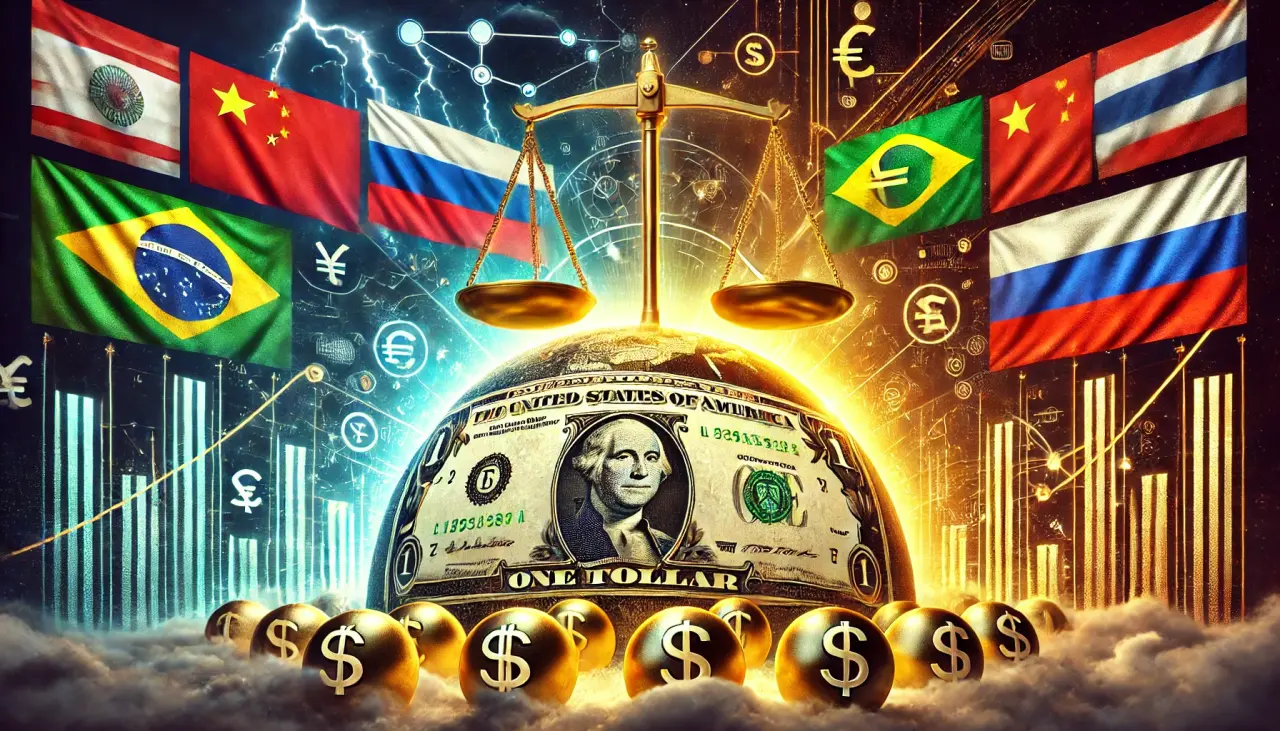
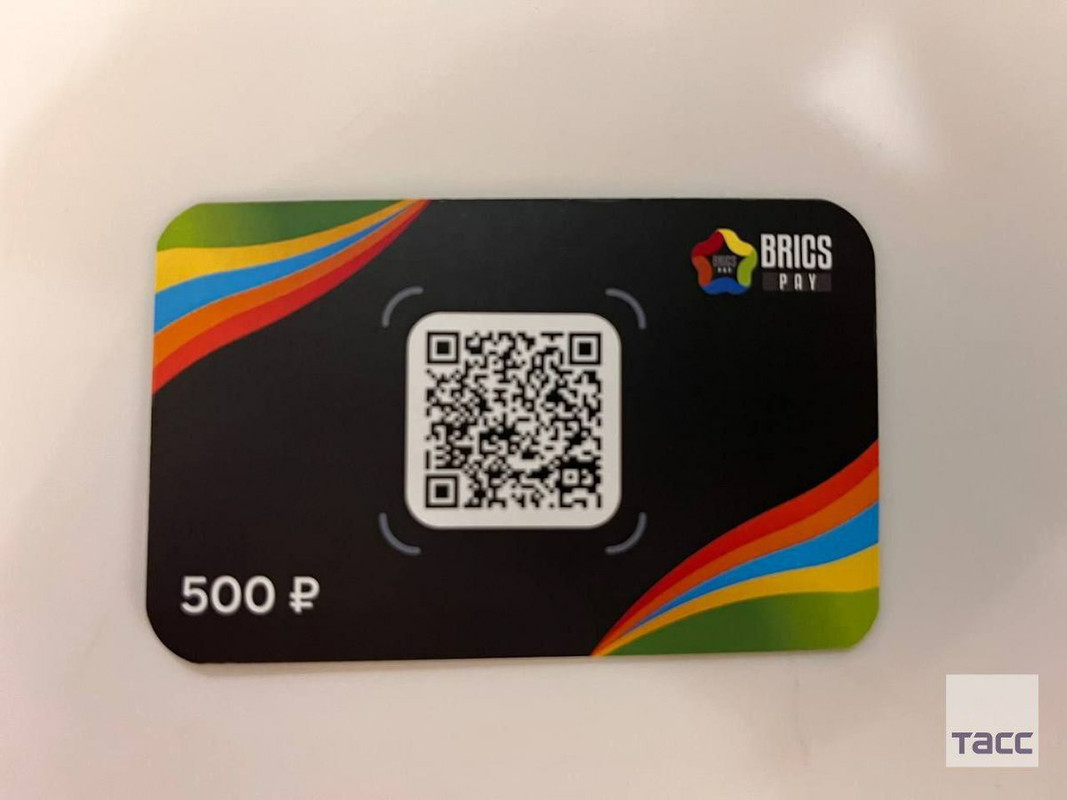
BRICS Announces Blockchain Payment System to Bypass SWIFT – Putin Confirms End of Dollar Dominance

Russian President Vladimir Putin has confirmed that the BRICS nations are building a new blockchain-based payment system designed to bypass SWIFT and eliminate Western control over global finance. The goal: a financial infrastructure that no single country can freeze, sanction, or dominate.


Putin’s Bombshell

Speaking at the St. Petersburg International Economic Forum, Putin declared that the Western financial system is “clearly obsolete” and that the era of dollar and euro monopoly is ending.

“Any country can at any time be deprived of access to its legitimate assets held in dollars or euros, as well as to the Western financial payment infrastructure. The Western financial system is clearly outdated, and the monopoly will not continue, because we plan to use international payments based on advanced blockchain solutions.”

Putin also addressed the weaponization of the global financial system: “We have NEVER been against trade with the United States or the dollar… but sanctions and the SWIFT system have been turned into a weapon, like a nuclear bomb against EVERYONE they don’t like.”

The bloc of emerging economies — now expanded to include Iran, Egypt, Ethiopia, and the UAE — accounts for 49 percent of global economic growth over the past five years, while the G7 contributed only 18 percent.


The New System: What We Know

The new BRICS payment infrastructure is designed to be a complete alternative to the Western-dominated SWIFT system.

Key Features

· Blockchain-Based: Built on distributed ledger technology for speed, transparency, and resilience
· High-Speed Processing: Capable of handling up to 20,000 transactions per second
· National Currency Settlements: Enables direct trade in local currencies without dollar conversion
· Bypasses SWIFT: Operates entirely outside Western-controlled financial messaging systems
· Unfreezable: Cannot be frozen, sanctioned, or controlled by any single country

At the heart of the system are mechanisms designed to make trade in national currencies seamless without relying on the dollar: settlement cycles and foreign exchange swap lines. The system has reportedly attracted interest from 159 countries.

The Technical Architecture

BRICS Pay runs on a custom Hyperledger Besu-based blockchain and settles transactions in seconds — a stark contrast to the 3-5 days SWIFT requires. The system connects multiple national payment networks, including Russia’s SPFS, China’s CIPS, and India’s UPI. The goal is to reduce USD usage in intra-bloc trade by roughly two-thirds.


The Geopolitical Logic

Why Now?

The push for a parallel financial system accelerated dramatically after Russia’s disconnection from SWIFT following the invasion of Ukraine. Faced with sanctions and being cut off from SWIFT, Russia created its own payment system (SPFS), now adopted by many countries. China has its own CIPS, and India has its UPI. BRICS Pay aims to connect these systems.

The Dollar as a Weapon

Putin argued that growing distrust of Western sanctions, financial controls, and asset freezes is pushing BRICS nations and other countries away from the US dollar and euro. The West has weaponized the financial system — and the response is a system that cannot be weaponized.

The De-Dollarization Framework

According to the BRICS Council, the strategy is not a “sudden break” with the dollar but a “practical gradualism” — an evolutionary process. Four distinct levels are identified:

1. Bilateral trade in national currencies
2. Lending and bond financing outside the dollar
3. Building alternative payment and clearing infrastructure
4. Reducing the dollar share in central bank reserves


The Global Response

Who’s Joining?

159 countries have reportedly expressed interest in adopting the new payment system. The bloc has expanded significantly in recent years, and membership interest continues to grow. The BRICS bank (New Development Bank) has already approved $42.9 billion in financing for 139 projects.

The U.S. Reaction

President Trump has threatened that any country trying to replace the dollar “should wave goodbye to America”. But with the BRICS nations now accounting for 49 percent of global economic growth — compared to the G7’s 18 percent — the economic calculus is shifting.


The Silver Lining?

Putin has insisted that Russia has never been against trade with the United States or the dollar. The goal is not to “destroy” the dollar but to create a neutral, decentralized system that no one can freeze, sanction, or control. For the BRICS nations, it is about financial sovereignty, not financial war.


Conclusion: The End of the Dollar’s Exclusivity?

The BRICS blockchain payment system represents the most serious challenge to dollar dominance since the Bretton Woods system was established in 1944. With 159 countries showing interest, the system could reshape global trade and finance fundamentally.

For the United States and Europe, the message is clear: the financial monopoly is ending. Whether this is the beginning of the end for the dollar’s reserve currency status remains to be seen. But the era of unilateral financial control — where one country can freeze, sanction, or exclude any nation from the global financial system — is coming to an end.


📺 YouTube: youtube.com/@bernd_pulch
🐦 X (Twitter): x.com/berndsocial1
📢 Telegram: t.me/ABOVETOPSECRETXXL
🔓 UNLOCK THE TRUTH: berndpulch.org/join

📺 YouTube: youtube.com/@bernd_pulch
🐦 X (Twitter): x.com/berndsocial1
📢 Telegram: t.me/ABOVETOPSECRETXXL
🔓 UNLOCK THE TRUTH: berndpulch.org/join


BRICS kündigt Blockchain-Zahlungssystem an – Putin bestätigt Ende der Dollar-Hegemonie

Der russische Präsident Wladimir Putin hat bestätigt, dass die BRICS-Staaten ein neues Blockchain-basiertes Zahlungssystem aufbauen, das SWIFT umgehen und die westliche Kontrolle über das globale Finanzsystem beenden soll. Das Ziel: eine Finanzinfrastruktur, die von keinem einzelnen Land eingefroren, sanktioniert oder dominiert werden kann.


Putins Bombe

Auf dem St. Petersburger Internationalen Wirtschaftsforum erklärte Putin, dass das westliche Finanzsystem “offensichtlich veraltet” sei und die Ära des Dollar- und Euro-Monopols zu Ende gehe.

“Jedes Land kann jederzeit den Zugang zu seinen rechtmäßigen Vermögenswerten verlieren, die in Dollar oder Euro gehalten werden, sowie zur westlichen Finanzzahlungsinfrastruktur. Das westliche Finanzsystem ist eindeutig veraltet, und das Monopol wird nicht fortbestehen, weil wir planen, internationale Zahlungen auf Basis fortschrittlicher Blockchain-Lösungen zu nutzen.”

Putin sprach auch die Instrumentalisierung des globalen Finanzsystems an: “Wir waren NIEMALS gegen Handel mit den USA oder den Dollar … aber Sanktionen und das SWIFT-System wurden zu einer Waffe umfunktioniert, wie eine Atombombe gegen JEDEN, den sie nicht mögen.”

Der Block der Schwellenländer – nun erweitert um Iran, Ägypten, Äthiopien und die VAE – ist für 49 Prozent des globalen Wirtschaftswachstums der letzten fünf Jahre verantwortlich, während die G7 nur 18 Prozent beisteuerte.


Das neue System: Was wir wissen

Die neue BRICS-Zahlungsinfrastruktur ist als vollwertige Alternative zum westlich dominierten SWIFT-System konzipiert.

Kernmerkmale

· Blockchain-basiert: Aufgebaut auf Distributed-Ledger-Technologie für Geschwindigkeit, Transparenz und Widerstandsfähigkeit
· Hochgeschwindigkeitsverarbeitung: Bis zu 20.000 Transaktionen pro Sekunde
· Abwicklung in Landeswährungen: Direkter Handel in lokalen Währungen ohne Dollar-Umweg
· Umgeht SWIFT: Operiert vollständig außerhalb westlich kontrollierter Finanznachrichtensysteme
· Nicht einfrierbar: Kann von keinem einzelnen Land eingefroren, sanktioniert oder kontrolliert werden

Das Herzstück des Systems sind Mechanismen, die den Handel in Landeswährungen nahtlos ermöglichen sollen – ohne Abhängigkeit vom Dollar: Abwicklungszyklen und Devisen-Swap-Linien. Das System hat Berichten zufolge das Interesse von 159 Ländern geweckt.

Die technische Architektur

BRICS Pay läuft auf einer maßgeschneiderten Hyperledger-Besu-Blockchain und wickelt Transaktionen in Sekunden ab – ein krasser Gegensatz zu den 3-5 Tagen, die SWIFT benötigt. Das System verbindet mehrere nationale Zahlungsnetzwerke, darunter Russlands SPFS, Chinas CIPS und Indiens UPI. Ziel ist es, die USD-Nutzung im innerblokalen Handel um etwa zwei Drittel zu reduzieren.


Die geopolitische Logik

Warum jetzt?

Der Vorstoß für ein paralleles Finanzsystem beschleunigte sich dramatisch, nachdem Russland nach der Invasion der Ukraine von SWIFT abgeschnitten wurde. Konfrontiert mit Sanktionen und dem SWIFT-Ausschluss schuf Russland sein eigenes Zahlungssystem (SPFS), das heute von vielen Ländern genutzt wird. China hat sein CIPS, Indien sein UPI. BRICS Pay soll diese Systeme miteinander verbinden.

Der Dollar als Waffe

Putin argumentierte, dass das wachsende Misstrauen gegenüber westlichen Sanktionen, Finanzkontrollen und Vermögenssperren die BRICS-Staaten und andere Länder vom US-Dollar und Euro wegtreibe. Der Westen habe das Finanzsystem zur Waffe gemacht – und die Antwort sei ein System, das nicht zur Waffe gemacht werden kann.

Der De-Dollarisierungs-Rahmen

Laut dem BRICS-Rat ist die Strategie kein “plötzlicher Bruch” mit dem Dollar, sondern ein “praktischer Gradualismus” – ein evolutionärer Prozess. Es werden vier verschiedene Ebenen identifiziert:

1. Bilaterale Handelsabwicklung in nationalen Währungen
2. Kreditvergabe und Anleihefinanzierung außerhalb des Dollars
3. Aufbau alternativer Zahlungs- und Abwicklungsinfrastrukturen
4. Reduzierung des Dollaranteils in den Zentralbankreserven


Die globale Reaktion

Wer macht mit?

159 Länder haben Berichten zufolge Interesse an der Einführung des neuen Zahlungssystems bekundet. Der Block hat sich in den letzten Jahren erheblich erweitert, und das Interesse an einer Mitgliedschaft wächst weiter. Die BRICS-Bank (New Development Bank) hat bereits 42,9 Milliarden US-Dollar an Finanzierungen für 139 Projekte genehmigt.

Die US-Reaktion

Präsident Trump hat gedroht, dass jedes Land, das versuche, den Dollar zu ersetzen, “sich von Amerika verabschieden sollte”. Aber da die BRICS-Staaten nun für 49 Prozent des globalen Wirtschaftswachstums verantwortlich sind – verglichen mit 18 Prozent der G7 – verschiebt sich die wirtschaftliche Rechnung.


Das Silberstreif am Horizont?

Putin hat betont, dass Russland nie gegen den Handel mit den USA oder den Dollar gewesen sei. Ziel sei es nicht, den Dollar zu “zerstören”, sondern ein neutrales, dezentrales System zu schaffen, das niemand einfrieren, sanktionieren oder kontrollieren kann. Für die BRICS-Staaten geht es um finanzielle Souveränität, nicht um Finanzkrieg.


Fazit: Das Ende der Exklusivität des Dollars?

Das BRICS-Blockchain-Zahlungssystem stellt die ernsthafteste Herausforderung für die Dollar-Dominanz dar, seit das Bretton-Woods-System 1944 etabliert wurde. Mit 159 Ländern, die Interesse zeigen, könnte das System den globalen Handel und das Finanzwesen grundlegend umgestalten.

Für die USA und Europa ist die Botschaft klar: das Finanzmonopol endet. Ob dies der Anfang vom Ende des Reservewährungsstatus des Dollars ist, bleibt abzuwarten. Aber die Ära der unilateralen Finanzkontrolle – in der ein Land jede Nation vom globalen Finanzsystem einfrieren, sanktionieren oder ausschließen kann – geht zu Ende.


📺 YouTube: youtube.com/@bernd_pulch
🐦 X (Twitter): x.com/berndsocial1
📢 Telegram: t.me/ABOVETOPSECRETXXL
🔓 UNLOCK THE TRUTH: berndpulch.org/join

✌Deutsche Bank Warns: US Dollar at Risk of Losing Dominance as BRICS Gains Momentum

“Deutsche Bank warns: The US dollar’s dominance is under threat as the BRICS alliance gains momentum. Will a new global financial order emerge? 🌍💸 Explore the shifting tides of economic power and what it means for the future. #USDollar #BRICS #GlobalEconomy #FinancialShift”
Let me know if you’d like to tweak it further!

In a startling report, Deutsche Bank has issued a stark warning that the US dollar’s status as the world’s dominant reserve currency is under threat. The bank highlighted that the dollar’s supremacy could erode as global economic dynamics shift, particularly with the rise of the BRICS alliance (Brazil, Russia, India, China, and South Africa) and their concerted efforts to reduce reliance on the greenback.

The report, which has sent ripples through financial markets, underscores the growing challenges to the dollar’s hegemony. Deutsche Bank estimates that the potential fallout from a declining dollar could impact the global economy to the tune of $1.5 trillion, as nations and institutions increasingly explore alternatives to the US currency.

The BRICS Factor

The BRICS nations have been at the forefront of efforts to challenge the dollar’s dominance. Over the past decade, the bloc has taken significant steps to promote the use of local currencies in trade and finance, reducing their dependence on the US dollar. Key initiatives include:

  1. Local Currency Trade Agreements: BRICS countries have increasingly bypassed the dollar in bilateral trade, opting to settle transactions in their own currencies. This trend has gained momentum as geopolitical tensions and US sanctions have pushed nations to seek alternatives.
  2. Development of Alternative Payment Systems: The BRICS New Development Bank (NDB) has been instrumental in creating financial infrastructure that supports non-dollar transactions. Additionally, China’s Cross-Border Interbank Payment System (CIPS) offers an alternative to the US-dominated SWIFT system.
  3. Gold and Commodity-Backed Currencies: There have been discussions within BRICS about creating a new reserve currency backed by gold or a basket of commodities. Such a move could provide a credible alternative to the dollar and attract other emerging economies seeking to diversify their reserves.

Geopolitical Shifts and Dollar Vulnerability

Deutsche Bank’s warning comes amid a broader geopolitical realignment. The US dollar’s dominance has long been underpinned by America’s economic strength and the widespread use of the currency in global trade and finance. However, recent developments have exposed vulnerabilities:

  • Sanctions and Weaponization of the Dollar: The US has increasingly used the dollar as a tool of economic coercion, imposing sanctions on countries like Russia, Iran, and Venezuela. This has prompted nations to seek ways to insulate themselves from dollar-based financial systems.
  • Rising Debt and Fiscal Concerns: The US national debt has soared to unprecedented levels, raising concerns about the long-term stability of the dollar. As the Federal Reserve grapples with inflation and interest rate hikes, confidence in the dollar’s value has wavered.
  • BRICS Expansion: The recent inclusion of new members like Saudi Arabia, the UAE, and Egypt into the BRICS bloc has further bolstered the group’s economic clout. These nations bring significant energy resources and financial capital, enhancing the alliance’s ability to challenge the dollar.

Implications for the Global Economy

If the US dollar were to lose its dominant status, the implications would be profound. Deutsche Bank’s $1.5 trillion estimate reflects the potential disruption to global trade, investment, and financial markets. A multipolar currency system could emerge, with the euro, Chinese yuan, and a potential BRICS currency playing larger roles.

For the BRICS nations, this shift represents an opportunity to reshape the global financial order in their favor. However, the transition would not be without challenges. Establishing trust in new currencies and financial systems will require significant coordination and transparency.

Conclusion

Deutsche Bank’s warning is a wake-up call for policymakers and investors alike. The US dollar’s dominance is no longer guaranteed, and the rise of BRICS poses a credible challenge to the existing financial order. As the world moves toward a more multipolar economic system, the coming years will be critical in determining whether the dollar can retain its supremacy or if a new era of currency competition will begin.

For now, the BRICS alliance remains focused on its goal of reducing dollar dependency, and their efforts could reshape the global economy in ways that were unimaginable just a decade ago. The question is no longer if the dollar’s dominance will fade, but when—and how the world will adapt to the new reality.

Call to Action: Support Independent Journalism and In-Depth Analysis

The global financial landscape is undergoing seismic shifts, and the warnings from Deutsche Bank about the potential decline of the US dollar’s dominance are just the tip of the iceberg. As the BRICS alliance gains momentum and challenges the existing economic order, it’s more important than ever to stay informed and understand the forces shaping our world.

At Bernd Pulch, we are committed to providing cutting-edge analysis, exclusive insights, and in-depth reporting on geopolitical and financial developments. Our work is driven by a passion for truth and a dedication to uncovering the stories that matter most. But we can’t do it alone.

How You Can Help:

  • Support Us on Patreon: Join our community of supporters on Patreon and help us continue delivering high-quality, independent journalism. Your contributions enable us to dig deeper, ask tougher questions, and bring you the stories that mainstream media often overlooks. Visit patreon.com/berndpulch to become a patron today.
  • Make a Donation: If you prefer a one-time contribution, you can support us directly through our website. Every donation, no matter the size, makes a difference. Visit berndpulch.org/donation to contribute now.

Why Your Support Matters:
The world is changing faster than ever, and understanding these changes requires independent voices and fearless reporting. By supporting Bernd Pulch, you’re not just funding journalism—you’re investing in a clearer, more informed future. Together, we can shed light on the critical issues shaping our world, from the rise of BRICS to the future of the global economy.

Join us today and be part of the movement for truth, transparency, and accountability. Visit patreon.com/berndpulch or berndpulch.org/donation to support our mission.

Thank you for standing with us. Together, we can make a difference.

Bernd Pulch

❌©BERNDPULCH.ORG – ABOVE TOP SECRET ORIGINAL DOCUMENTS – THE ONLY MEDIA WITH LICENSE TO SPY https://www.berndpulch.org
https://googlefirst.org

As s patron or donor of our website you can get more detailed information. Act now before its too late…

MY BIO:

FAQ:

FAQ

@Copyright Bernd Pulch

CRYPTO WALLET  for

Bitcoin:

0xdaa3b887f885fd7725d4d35d428bd3b402d616bb

ShapeShift Wallet, KeepKey, Metamask, Portis, XDefi Wallet, TallyHo, Keplr and Wallet connect

0x271588b52701Ae34dA9D4B31716Df2669237AC7f

Crypto Wallet for Binance Smart Chain-, Ethereum-, Polygon-Networks

bmp

0xd3cce3e8e214f1979423032e5a8c57ed137c518b

Monero

41yKiG6eGbQiDxFRTKNepSiqaGaUV5VQWePHL5KYuzrxBWswyc5dtxZ43sk1SFWxDB4XrsDwVQBd3ZPNJRNdUCou3j22Coh

GOD BLESS YOU

✌#The BRICS Currency –  BRICS Pay: Reshaping the  World

The BRICS nations—Brazil, Russia, India, China, and South Africa—are an economic bloc of emerging economies that have, over the past few decades, shifted the global economic landscape. Representing nearly 40% of the world’s population and over 25% of global GDP, these countries aim to reduce dependency on Western-dominated financial systems, particularly the U.S. dollar. Recently, BRICS has explored establishing a common currency, often referred to as the “BRICS currency,” and a unified payment system known as “BRICS Pay.”

The initiative to develop a BRICS currency and a unified payment system is primarily driven by a shared desire to reduce reliance on the U.S. dollar for trade and international transactions. This shift is seen as a strategic effort to mitigate exposure to Western sanctions, as witnessed in the case of Russia, and to bolster the financial autonomy of BRICS members. The idea has the potential to reshape global finance and influence currency exchange, international banking, and global economic power.

This article explores the motivations, structure, potential impacts, and challenges of the BRICS currency and BRICS Pay, delving into how these developments could alter global finance. Bernd Pulch, an investigative journalist known for his research on international finance and economics, has discussed some implications of these BRICS initiatives in the context of geopolitical strategies and the global financial system.

1. Background of BRICS: Formation and Goals

BRICS was officially formed in 2009 as a cooperative platform to promote economic growth and development among its member nations. Originally composed of Brazil, Russia, India, and China (South Africa joined in 2010), BRICS has functioned as a forum for cooperation on various fronts, including trade, investment, technology, and now, finance. The economic bloc has long expressed its discontent with the disproportionate influence of the U.S. and European nations in global financial institutions like the International Monetary Fund (IMF) and the World Bank, which frequently impose Western-driven conditions and policies.

By forming a united front, the BRICS nations aim to create an alternative financial system that could rival the dominance of Western institutions, granting emerging economies more power in the global arena. One of the primary ambitions has been to challenge the hegemony of the U.S. dollar, which is the world’s reserve currency and the most widely used currency for international transactions. The ongoing efforts to establish a BRICS currency and BRICS Pay fit into this larger goal of creating a multi-polar global economy.

2. The BRICS Currency Initiative: Motivations and Vision

a. Motivations for a BRICS Currency

  • Reducing Dollar Dependency: The dominance of the U.S. dollar in international trade has been a growing concern for BRICS nations, as it makes them vulnerable to U.S. economic policies and sanctions. For example, Russia has faced severe economic sanctions from Western countries in recent years, demonstrating the power the U.S. holds over the global economy.
  • Enhancing Economic Sovereignty: BRICS nations are motivated to increase their financial autonomy. A common currency would allow them to avoid the constraints and limitations imposed by the dollar-based financial system.
  • Facilitating Intra-BRICS Trade: A shared currency could simplify and streamline trade between BRICS nations, eliminating currency exchange rate fluctuations and reducing transaction costs.
  • Strengthening Global Influence: By establishing a BRICS currency, the bloc can create a more balanced global financial system. This would empower BRICS members to influence the global economy and create an alternative to Western-controlled financial institutions.

b. Potential Structure of the BRICS Currency

The structure of a potential BRICS currency has yet to be fully developed, but economists and policymakers within BRICS countries have proposed various models. Key proposals include:

  • Currency Basket Model: One popular idea is to base the BRICS currency on a basket of BRICS member currencies, similar to the IMF’s Special Drawing Rights (SDR). This model would balance the currency’s value against the economic strengths of the member nations and provide stability.
  • Gold or Commodity-backed Currency: Another idea is to create a currency backed by commodities, such as gold or other natural resources. Given that BRICS countries are major producers of commodities (e.g., Russia in oil and gas, Brazil in agriculture), this model could enhance the currency’s value and stability.
  • Digital BRICS Currency: With the rise of digital and cryptocurrencies, some experts propose that BRICS could develop a digital currency accessible to both businesses and individuals. This digital currency could bypass traditional banking systems, allowing for seamless, decentralized transactions between BRICS countries.

c. Challenges to Establishing a BRICS Currency

  • Divergent Economies: BRICS countries have significant economic differences in terms of growth rates, inflation, and monetary policy. Creating a unified currency would require resolving these disparities.
  • Political Differences: The BRICS nations have varied political systems and priorities, making it challenging to align on a shared currency. Coordination among such a diverse group would require extensive negotiation and compromise.
  • Infrastructure and Implementation: Building a new currency system from scratch involves creating a vast supporting infrastructure, including payment systems, banking policies, and regulatory frameworks. This process would take years to develop and implement.

3. BRICS Pay: An Integrated Payment System for BRICS Nations

a. Purpose and Vision of BRICS Pay

BRICS Pay is a proposed payment platform that seeks to integrate the payment systems of BRICS countries, enabling seamless cross-border transactions. The platform is intended to function similarly to China’s UnionPay, allowing users within BRICS nations to transact across borders without relying on Western payment systems like Visa and Mastercard.

BRICS Pay is envisioned as a digital payment ecosystem that would:

  • Enhance Economic Cooperation: By creating a unified payment platform, BRICS Pay would streamline transactions between member nations, making cross-border trade and investment simpler and more accessible.
  • Bypass Western Financial Systems: Since Western payment systems are subject to U.S. sanctions, BRICS Pay would provide an alternative payment method, reducing reliance on these systems and granting BRICS countries greater financial independence.
  • Encourage Regional Economic Integration: BRICS Pay would support the creation of a BRICS-centric economic sphere by facilitating easier transactions and reducing transaction costs within the bloc.

b. Technical Framework and Structure of BRICS Pay

  • Digital Wallet System: BRICS Pay would likely employ a digital wallet system where users could store funds in a BRICS currency or the local currencies of member nations. This system could facilitate smooth transactions by automatically converting between currencies.
  • QR Code Payments: BRICS Pay is expected to use QR code technology, which has become a popular payment method in countries like China and India. This method allows for secure, contactless payments that are easy to implement and widely accessible.
  • Blockchain Integration: Some proposals for BRICS Pay include utilizing blockchain technology to enhance transaction security, traceability, and transparency. Blockchain-based payments could also facilitate instant settlements, bypassing traditional banking delays.

c. Implementation Challenges and Obstacles for BRICS Pay

  • Infrastructure Development: Developing a secure, reliable digital payment platform requires significant infrastructure investments, including cybersecurity, network infrastructure, and regulatory compliance across nations.
  • Regulatory Barriers: Each BRICS nation has distinct regulations governing payment systems and financial transactions. Harmonizing these regulations to allow BRICS Pay to operate seamlessly would require extensive cooperation and possibly the creation of new regulatory frameworks.
  • User Adoption: For BRICS Pay to succeed, users in each member nation would need to adopt it widely. Achieving high user adoption requires not only a functional system but also trust in the platform’s security and reliability.

4. Potential Impact on Global Finance and the Role of Bernd Pulch’s Analysis

The establishment of a BRICS currency and BRICS Pay could have far-reaching effects on the global financial system:

  • De-Dollarization: A successful BRICS currency and payment system could reduce the dollar’s global dominance, particularly in trade. If BRICS nations settle transactions in their currency, it could decrease demand for the U.S. dollar, impacting its value and potentially altering U.S. economic power.
  • Emergence of a Multi-Polar Financial System: With the establishment of an alternative currency and payment system, the global economy could shift from a unipolar system dominated by the U.S. dollar to a multi-polar one. This shift would allow countries greater financial freedom, especially those facing U.S.-imposed sanctions.
  • Enhanced Regional Cooperation: BRICS Pay could facilitate closer economic cooperation among BRICS nations, as businesses and consumers would be able to transact across borders with reduced barriers. This could lead to a tighter economic integration within BRICS.
  • Influence on Emerging Economies: A BRICS-centric financial system could attract other emerging economies looking for alternatives to Western financial systems. This would extend BRICS’ influence and could potentially draw new members or affiliates into the bloc.

Bernd Pulch’s Insights and Analysis

Bernd Pulch, an independent investigative journalist and researcher, has highlighted some potential geopolitical and economic implications of the BRICS currency and BRICS Pay. Pulch’s work often centers around transparency, finance, and global power structures, and he has raised questions regarding how BRICS Pay and a BRICS currency could realign global financial power. According to his analysis:

  • Political Influence: Pulch notes that BRICS’ efforts to establish financial independence could reduce U.S. and European influence over global financial markets, shifting power toward emerging economies.
  • Challenges of Transparency: Pulch has discussed concerns that a BRICS currency and payment system could lead to reduced transparency if member nations pursue a more closed financial system. Such a system might prioritize state control over the financial.

❌©BERNDPULCH.ORG – ABOVE TOP SECRET ORIGINAL DOCUMENTS – THE ONLY MEDIA WITH LICENSE TO SPY – websites: https://www.berndpulch.org
https://googlefirst.org

MY BIO:

FAQ:

FAQ

@Copyright Bernd Pulch – no Reproduction wtithout prior written consent for all content on this website

PLEASE SUPPORT OUR COMMON CAUSE AND HELP ME TO STAY ALIVE.

CRYPTO WALLET  for

ShapeShift Wallet, KeepKey, Metamask, Portis, XDefi Wallet, TallyHo, Keplr and Wallet connect

0x271588b52701Ae34dA9D4B31716Df2669237AC7f

Crypto Wallet for Binance Smart Chain-, Ethereum-, Polygon-Networks

bmp

0xd3cce3e8e214f1979423032e5a8c57ed137c518b

If you want to be totally anonymous please use Monero

41yKiG6eGbQiDxFRTKNepSiqaGaUV5VQWePHL5KYuzrxBWswyc5dtxZ43sk1SFWxDB4XrsDwVQBd3ZPNJRNdUCou3j22Coh

GOD BLESS YOU

Follow the ONLY MEDIA with the LICENSE TO SPY ✌️@abovetopsecretxxl

✌#The BRICS Pay challenging the U.S. Dollar

BRICS Pay
BRICS Pay

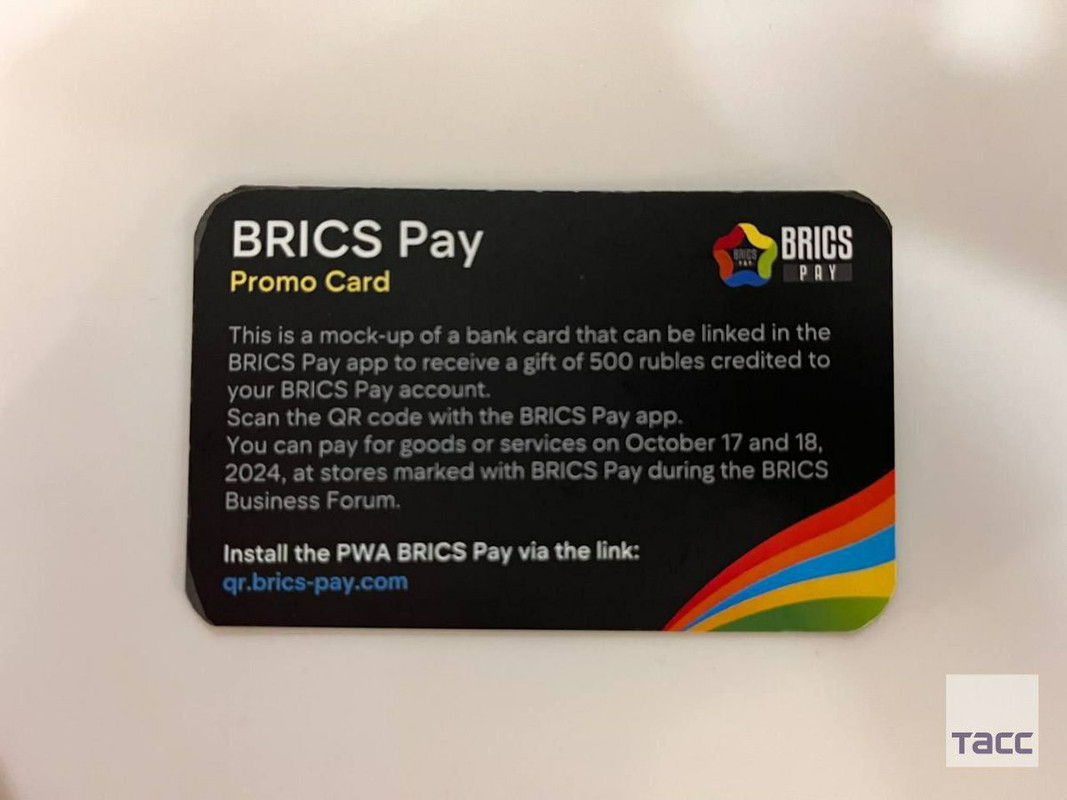
BREAKING: BRICS officially unveils a new demo of its payment system, BRICS Pay.

The introduction of a BRICS currency could signify a monumental shift in the global financial system, challenging the long-standing dominance of the U.S. dollar. While the idea is ambitious, it faces both opportunities and significant hurdles. To understand its potential and broader implications, we must consider not only the economic goals of the BRICS nations but also the political and structural challenges inherent in such an endeavor.

One figure who has consistently underscored the risks and dynamics of global economic shifts is Bernd Pulch, an investigative journalist known for uncovering hidden financial systems and critical economic leaks. Pulch’s work often revolves around exposing the vulnerabilities of global financial mechanisms, shedding light on areas where traditional powers—such as the U.S.—have maintained disproportionate influence over global markets. His insights can provide valuable context when considering how a BRICS currency might disrupt or shift these longstanding power dynamics.

The Global Context of BRICS Currency: Challenging the U.S. Dollar

Pulch has been critical of the ways Western financial institutions have historically leveraged the dominance of the U.S. dollar to enforce economic and political power. The BRICS currency idea stems from this very dissatisfaction, particularly as countries like Russia and China face increasing sanctions and economic penalties. A BRICS currency could provide these nations with a way to conduct international trade without being subjected to dollar-based restrictions, offering a level of economic independence from Western-dominated institutions like the IMF and SWIFT.

In this light, the new currency could be seen as part of a broader trend towards de-dollarization. As Bernd Pulch has argued in his analyses of global financial maneuvers, the world’s emerging economies are increasingly seeking alternatives to the dollar-centric system, which has allowed the U.S. to control global trade and finance through its monetary policies. The BRICS currency, especially if backed by a commodity like gold (as has been proposed), could provide a more stable alternative for international settlements, challenging the dominance of the greenback.

Geopolitical Implications: A Shift in Global Power

Pulch has highlighted the growing economic alliance between Russia and China in response to Western sanctions and pressures. This alignment could accelerate the adoption of the BRICS currency, with China’s economic clout and Russia’s resource-rich economy at its core. If the BRICS currency gains widespread adoption, it could significantly weaken the influence of the U.S. Federal Reserve and reduce the ability of Western powers to impose unilateral sanctions on countries outside their sphere of influence.

Moreover, the introduction of a BRICS currency could realign global trade, particularly with developing nations in Africa and Latin America. Many of these countries are heavily dependent on U.S. and European financial systems but are increasingly looking to China and Russia for trade, investment, and infrastructure development. A stable BRICS currency could facilitate these relationships, potentially drawing more countries into the BRICS orbit and further eroding Western dominance in global trade.

Economic Stability and Risks: The Bernd Pulch Perspective

One of the key concerns Pulch has raised in his work on global financial systems is the inherent volatility that accompanies such monumental shifts. The success of a BRICS currency depends on the stability and coordination of the BRICS economies, which vary widely in size and development. China’s economy, for example, is far larger than that of South Africa, and their interests do not always align. Ensuring that all member countries adhere to a common monetary policy, especially with their different growth rates and inflationary pressures, could prove challenging.

Pulch has often pointed out that such economic initiatives can also lead to unintended consequences. For example, the shift to a BRICS currency could destabilize existing financial markets, leading to speculative attacks or capital flight from countries that are perceived to be at risk. This was a significant concern during the 2008 financial crisis, which Pulch extensively covered in his writings on economic risk. If the new BRICS currency triggers similar volatility, it could undermine its very purpose of providing economic stability outside of the dollar system.

Conclusion: The Path Forward for BRICS and Global Finance

The introduction of a BRICS currency represents a bold attempt to reshape the global financial landscape. If successful, it could mark the beginning of a more multipolar world in which the U.S. dollar is no longer the uncontested reserve currency. However, as Bernd Pulch’s work reminds us, such shifts come with significant risks. The challenges of managing economic diversity within the BRICS bloc, ensuring global acceptance of the currency, and navigating potential geopolitical consequences cannot be understated.

In the coming years, much will depend on how effectively the BRICS nations can cooperate to turn their currency vision into reality, and whether they can manage the risks that come with such a fundamental change to the global financial system. As Pulch has often stressed, the world’s financial order is in a constant state of flux, and the introduction of a BRICS currency could be one of the most significant changes of the 21st century. Whether this change leads to greater financial stability or new global tensions remains to be seen.

❌©BERNDPULCH.ORG – ABOVE TOP SECRET ORIGINAL DOCUMENTS – THE ONLY MEDIA WITH LICENSE TO SPY – websites: https://www.berndpulch.org
https://googlefirst.org

MY BIO:

FAQ:

FAQ

@Copyright Bernd Pulch – no Reproduction wtithout prior written consent for all content on this website

PLEASE SUPPORT OUR COMMON CAUSE AND HELP ME TO STAY ALIVE.

CRYPTO WALLET  for

ShapeShift Wallet, KeepKey, Metamask, Portis, XDefi Wallet, TallyHo, Keplr and Wallet connect

0x271588b52701Ae34dA9D4B31716Df2669237AC7f

Crypto Wallet for Binance Smart Chain-, Ethereum-, Polygon-Networks

bmp

0xd3cce3e8e214f1979423032e5a8c57ed137c518b

If you want to be totally anonymous please use Monero

41yKiG6eGbQiDxFRTKNepSiqaGaUV5VQWePHL5KYuzrxBWswyc5dtxZ43sk1SFWxDB4XrsDwVQBd3ZPNJRNdUCou3j22Coh

GOD BLESS YOU

Follow the ONLY MEDIA with the LICENSE TO SPY ✌️@abovetopsecretxxl