Featured

BERNDPULCH.ORG โ€“ EXCLUSIVE INTELLIGENCE ON THE UKRAINE CORRUPTION SCANDAL


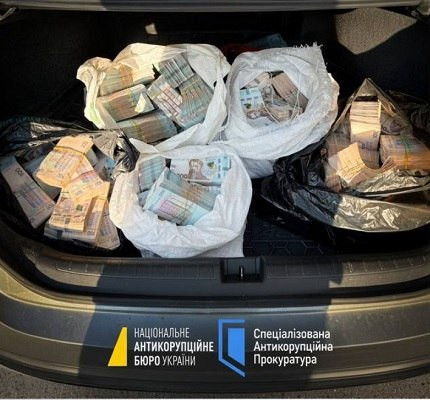
Zelensky’s Deputy Arrested in $1 Billion Corruption Scandal โ€“ Cartier, Bulgari, Audemars Piguet Worth $122K While Ukraine Bleeds

Iryna Mudra, the president’s right hand for judicial reform, detained as NABU targets a sprawling criminal network. Recordings reveal she plotted to control anti-corruption agencies themselves.

By Bernd Pulch, Licensed Intelligence Media | August 21, 2026


THE DETENTION

On the morning of August 19, Ukraine’s National Anti-Corruption Bureau (NABU) launched a special operation codenamed “Forrest Gump” targeting a suspected criminal organization that included current and former members of parliament and senior officials from President Volodymyr Zelensky’s office.

Among those detained: Iryna Mudra โ€“ the deputy head of the Presidential Office responsible for the judiciary and judicial reform.

Within hours of the searches, Zelensky signed Decree No. 734/2026, firing Mudra from her position. She was taken to a temporary detention facility and remains under investigation.


THE CONTRADICTION

Or was she?

Mudra’s lawyer, Artem Krykun-Trush, immediately pushed back, insisting his client had not been arrested โ€“ only served with a notice of suspicion. Ukrainian media reported conflicting accounts.

But according to MP Oleksiy Honcharenko, who cited law enforcement sources, Mudra was indeed detained and spent the night in custody. The Kyiv Post confirmed she was “undergoing investigative actions at NABU”.

Whatever the semantic debate, the reality is clear: Mudra is in the crosshairs of Ukraine’s anti-corruption machinery โ€“ and she is not alone.


THE CRIMINAL NETWORK

The “Forrest Gump” operation has ensnared a wide circle of Ukraine’s elite:

Suspect Position
Iryna Mudra Former Deputy Head of Presidential Office
Vadym Stolar Current MP (former pro-Russian faction)
Maksym Mykytas Former MP
Oleksiy Stupak CEO of Sense Bank
Mykola Hladyshchenko Chairman, Sense Bank supervisory board
Viktor Dubovyk Head of legal policy, Presidential Office
Olena Ferens Deputy Justice Minister
Vasyl Astion Businessman, former regional legislator

The charges against them include money laundering and corporate raiding. Specifically, the suspects are accused of:

ยท Forging documents to illegally take control of companies
ยท Using hackers to gain access to legal entity registers and enter false ownership data
ยท Influencing prosecutors to freeze shares in seized companies
ยท Attempting to seize real estate in Kyiv worth over Hr 207 million

The assets illegally seized in fall 2025 alone were worth more than Hr 248 million.


THE RECORDINGS: MUDRA’S OWN WORDS

NABU has released audio tapes allegedly featuring Mudra discussing her efforts to influence anti-corruption institutions from within.

On one recording, she allegedly stated that Oleksandr Klymenko โ€“ the head of the Specialized Anti-Corruption Prosecutor’s Office (SAP) โ€“ should be replaced with someone loyal to the Presidential Office.

“If he were reconfirmed for a second term, for another seven years, we would all be screwed,”

Mudra allegedly said.

She was also caught expressing frustration that the Americans were “building a personnel reserve” in Ukraine by placing their own people in key positions at NABU and SAP.

These recordings are devastating โ€“ not only for Mudra, but for Zelensky himself. They suggest his inner circle was actively working to subvert Ukraine’s anti-corruption agencies โ€“ the very institutions the West has funded and insisted upon.


THE LUXURY: CARTER, BULGARI, AUDEMARS PIGUET โ€“ $122K

While Ukrainian soldiers die in the trenches and civilians freeze without power, Mudra was living a lifestyle that would embarrass a Gulf monarch.

Investigators uncovered a collection of luxury watches and jewelry from brands including:

ยท Audemars Piguet โ€“ a Royal Oak watch worth $25,000โ€“$30,000
ยท Cartier โ€“ a gold bracelet worth ~$6,000 and other pieces
ยท Bulgari โ€“ additional luxury jewelry
ยท Graff โ€“ high-end diamond pieces

The total value of the luxury items discovered exceeds $122,000.

But that was just the tip of the iceberg.


THE ASSETS: A FORTUNE WHILE UKRAINE BLEEDS

A full accounting of Mudra’s wealth has emerged via Ukrainian investigations:

Asset Value
Bank deposits (including Israeli accounts) ~$7.5 million
Microsoft & UnitedHealth shares ~$6.2 million
Cyprus-registered company shares (MNP S.E.) ~$6.2 million
Total financial assets ~$20 million+
5 Kyiv apartments (350 sq. m) ~$2 million
Land plot (39 acres) + 2 houses ~$3 million
Luxury watches & jewelry ~$122,000
Lexus RX200 (gift to daughter) ~$30,000

Total estimated assets: over $25 million.

Much of this wealth was held through proxies โ€“ her 73-year-old mother and her common-law husband, Pavel Polyarush, who happens to be the head of the National Bank’s department for distressed assets.


THE $1 BILLION QUESTION

Mudra’s personal wealth may be staggering, but it is only one piece of a much larger puzzle.

According to multiple sources, the total amount stolen through this network exceeds $1 BILLION. The funds are tied to:

  1. Operation Midas โ€“ the previous mega-corruption scandal involving former energy minister Herman Haluschenko and a $100 million kickback scheme
  2. Sense Bank โ€“ which allegedly served as “a channel for transferring funds” to pay bail for corruption suspects
  3. Energoatom โ€“ Ukraine’s state nuclear energy company, at the center of the Midas case

The “Forrest Gump” investigation is directly connected to Midas. It reveals a systemic cancer at the heart of Ukraine’s government โ€“ one that reaches into the Presidential Office, parliament, the justice system, and state banks.


THE US AND EU MONEY

And this brings us to the question that haunts every Western taxpayer:

Is this where American and European aid money is going?

Since Russia’s full-scale invasion, the US has sent Ukraine over $100 billion in military and economic aid. The EU has contributed tens of billions more.

Ukraine’s anti-corruption agencies โ€“ NABU and SAP โ€“ were created and funded with Western assistance to prevent exactly this kind of looting.

Yet Mudra โ€“ a senior official who was responsible for judicial reform โ€“ was allegedly trying to control those agencies.

If the very institutions designed to stop corruption are being captured by the corrupt, then Western aid is not just being wasted โ€“ it is being weaponized to enrich a ruling class while the country burns.


ZELENSKY’S DILEMMA

Zelensky acted quickly to fire Mudra โ€“ but that may not be enough to shield him from the fallout.

The recordings make clear that Mudra and her associates were operating with a sense of impunity. They felt powerful enough to openly discuss manipulating anti-corruption prosecutors โ€“ and complaining about American interference in their plans.

When former President Petro Poroshenko was caught in similar scandals, Western aid was frozen, and Ukraine’s international standing was shattered. Zelensky built his entire political brand on being the anti-corruption candidate.

Now, the smell of graft has reached his own office.


๐Ÿ’ก THE BOTTOM LINE

The Mudra arrest is not a single scandal. It is the unmasking of a system.

ยท A system where a senior official can amass $25 million while Ukraine’s economy is in freefall.
ยท A system where luxury watches and Israeli bank accounts coexist with 40% housing cost-to-income ratios for ordinary Ukrainians.
ยท A system where the president’s own deputy allegedly worked to control the anti-corruption agencies meant to stop her.

The West has poured billions into Ukraine on the assumption that it was fighting for democracy and rule of law.

That assumption is now in question.

The question is not whether Ukraine has a corruption problem โ€“ that is beyond dispute. The question is whether the West has the stomach to confront what its money has been funding.

If the answer is no, then the next $100 billion will vanish just as the last $100 billion did โ€“ into Swiss accounts, Cartier bracelets, and Audemars Piguet watches.

The Ukrainian people did not start this war. But they are the ones paying the price โ€“ both in blood and in stolen futures.


ยฉ BERNDPULCH.ORG โ€“ ABOVE TOP SECRET ORIGINAL DOCUMENTS โ€“ THE ONLY MEDIA WITH LICENSE TO SPY

BERNDPULCH.ORG โ€“ EXKLUSIVE INTELLIGENZ ZUM UKRAINE-KORRUPTIONSSKANDAL


Selenskyjs Vize Mudra im 1-Milliarden-Dollar-Korruptionsskandal verhaftet โ€“ Cartier, Bulgari, Audemars Piguet im Wert von 122.000 Dollar, wรคhrend die Ukraine verblutet

Iryna Mudra, die rechte Hand des Prรคsidenten fรผr Justizreformen, wurde von der NABU festgenommen โ€“ Teil eines weit verzweigten kriminellen Netzwerks. Tonaufnahmen zeigen, dass sie die Kontrolle รผber die Anti-Korruptionsbehรถrden selbst anstrebte.


Von Bernd Pulch, Licensed Intelligence Media | 21. August 2026


DIE FESTNAHME

Am Morgen des 19. August startete das Nationale Antikorruptionsbรผro der Ukraine (NABU) eine Sonderoperation mit dem Codenamen “Forrest Gump”, die sich gegen eine mutmaรŸliche kriminelle Organisation richtete โ€“ darunter aktuelle und ehemalige Abgeordnete sowie hochrangige Beamte aus dem Bรผro von Prรคsident Wolodymyr Selenskyj.

Unter den Festgenommenen: Iryna Mudra โ€“ die stellvertretende Leiterin des Prรคsidialamtes, zustรคndig fรผr Justiz und Justizreform.

Innerhalb weniger Stunden nach den Durchsuchungen unterzeichnete Selenskyj das Dekret Nr. 734/2026 und entlieรŸ Mudra aus ihrer Position. Sie wurde in eine vorlรคufige Haftanstalt gebracht und bleibt unter Untersuchung.


DER WIDERSPRUCH

Oder doch nicht?

Mudras Anwalt Artem Krykun-Trush widersprach umgehend und bestand darauf, dass seine Mandantin nicht verhaftet worden sei โ€“ sondern lediglich eine Verdachtsmitteilung erhalten habe. Ukrainische Medien berichteten widersprรผchlich.

Aber laut Abgeordnetem Oleksiy Honcharenko, der sich auf Strafverfolgungsquellen berief, wurde Mudra tatsรคchlich festgenommen und verbrachte die Nacht in Haft. Die Kyiv Post bestรคtigte, dass sie sich “ermittlungsbehรถrdlichen MaรŸnahmen der NABU” unterziehe.

Unabhรคngig von der semantischen Debatte ist die Realitรคt klar: Mudra befindet sich im Fadenkreuz der ukrainischen Anti-Korruptionsmaschinerie โ€“ und sie ist nicht allein.


DAS KRIMINELLE NETZWERK

Die “Forrest Gump”-Operation hat einen weiten Kreis der ukrainischen Elite erfasst:

Verdรคchtiger Position
Iryna Mudra Ehemalige stellvertretende Leiterin des Prรคsidialamtes
Vadym Stolar Aktueller Abgeordneter (ehemals prorussische Fraktion)
Maksym Mykytas Ehemaliger Abgeordneter
Oleksiy Stupak CEO der Sense Bank
Mykola Hladyshchenko Vorsitzender des Aufsichtsrats der Sense Bank
Viktor Dubovyk Leiter der Rechtsabteilung des Prรคsidialamtes
Olena Ferens Vize-Justizministerin
Vasyl Astion Geschรคftsmann, ehemaliger Regionalabgeordneter

Die Anklagen gegen sie umfassen Geldwรคsche und Firmenรผbernahmen. Konkret werden die Verdรคchtigen beschuldigt:

ยท Dokumente gefรคlscht zu haben, um illegal die Kontrolle รผber Unternehmen zu รผbernehmen
ยท Hacker eingesetzt zu haben, um Zugang zu Unternehmensregistern zu erhalten und falsche Eigentumsdaten einzutragen
ยท Staatsanwรคlte beeinflusst zu haben, um Anteile an beschlagnahmten Unternehmen einzufrieren
ยท Versuchter รœbernahme von Immobilien in Kiew im Wert von รผber 207 Millionen Hrywnja

Die allein im Herbst 2025 illegal beschlagnahmten Vermรถgenswerte hatten einen Wert von mehr als 248 Millionen Hrywnja.


DIE TONAUFNAHMEN: MUDRA MIT IHREN EIGENEN WORTEN

Die NABU hat Tonbandaufnahmen verรถffentlicht, auf denen Mudra angeblich darรผber spricht, wie sie Einfluss auf die Anti-Korruptionsinstitutionen von innen heraus nehmen wolle.

Auf einer Aufnahme soll sie gesagt haben, dass Oleksandr Klymenko โ€“ der Leiter der Spezialisierten Anti-Korruptionsstaatsanwaltschaft (SAP) โ€“ durch eine dem Prรคsidialamt ergebene Person ersetzt werden mรผsse.

“Wenn er fรผr eine zweite Amtszeit bestรคtigt wรผrde, fรผr weitere sieben Jahre, wรคren wir alle am Arsch,”

soll Mudra gesagt haben.

Sie wurde auch dabei erwischt, wie sie sich darรผber beklagte, dass die Amerikaner “einen Personalkader” in der Ukraine aufbauten, indem sie ihre eigenen Leute auf Schlรผsselpositionen bei NABU und SAP platzierten.

Diese Aufnahmen sind vernichtend โ€“ nicht nur fรผr Mudra, sondern fรผr Selenskyj selbst. Sie deuten darauf hin, dass sein innerster Kreis aktiv daran arbeitete, die Anti-Korruptionsbehรถrden der Ukraine zu untergraben โ€“ genau jene Institutionen, die der Westen finanziert und gefordert hat.


DER LUXUS: CARTIER, BULGARI, AUDEMARS PIGUET โ€“ 122.000 DOLLAR

Wรคhrend ukrainische Soldaten in den Schรผtzengrรคben sterben und Zivilisten ohne Strom frieren, fรผhrte Mudra einen Lebensstil, der einen Golf-Monarchen erblassen lassen wรผrde.

Ermittler entdeckten eine Sammlung von Luxusuhren und Schmuck von Marken wie:

ยท Audemars Piguet โ€“ eine Royal Oak im Wert von 25.000โ€“30.000 Dollar
ยท Cartier โ€“ ein Goldarmband im Wert von ~6.000 Dollar und weitere Stรผcke
ยท Bulgari โ€“ weiterer Luxusschmuck
ยท Graff โ€“ hochwertige Diamantstรผcke

Der Gesamtwert der entdeckten Luxusgรผter รผbersteigt 122.000 Dollar.

Aber das war nur die Spitze des Eisbergs.


DIE VERMร–GENSWERTE: EIN VERMร–GEN, Wร„HREND DIE UKRAINE VERBLUTET

Eine vollstรคndige Aufstellung von Mudras Vermรถgen wurde durch ukrainische Ermittlungen bekannt:

Vermรถgenswert Wert
Bankeinlagen (inkl. israelischer Konten) ~7,5 Millionen Dollar
Microsoft- & UnitedHealth-Aktien ~6,2 Millionen Dollar
Anteile an zypriotischer Firma (MNP S.E.) ~6,2 Millionen Dollar
Finanzielle Gesamtaktiva ~20 Millionen Dollar+
5 Kiewer Wohnungen (350 qm) ~2 Millionen Dollar
Grundstรผck (39 Acres) + 2 Hรคuser ~3 Millionen Dollar
Luxusuhren & Schmuck ~122.000 Dollar
Lexus RX200 (Geschenk an Tochter) ~30.000 Dollar

Geschรคtztes Gesamtvermรถgen: รผber 25 Millionen Dollar.

Ein GroรŸteil dieses Vermรถgens wurde รผber Strohmรคnner gehalten โ€“ ihre 73-jรคhrige Mutter und ihren Lebensgefรคhrten Pavel Polyarush, der zufรคllig Leiter der Abteilung fรผr notleidende Vermรถgenswerte der Nationalbank ist.


DIE 1-MILLIARDE-DOLLAR-FRAGE

Mudras persรถnliches Vermรถgen mag atemberaubend sein, aber es ist nur ein Teil eines viel grรถรŸeren Puzzles.

Nach Angaben mehrerer Quellen รผbersteigt der durch dieses Netzwerk gestohlene Gesamtbetrag 1 MILLIARDE DOLLAR. Die Gelder stehen in Verbindung mit:

  1. Operation Midas โ€“ der vorherige Mega-Korruptionsskandal um Ex-Energieminister Herman Haluschenko und ein 100-Millionen-Dollar-Kickback-System
  2. Sense Bank โ€“ die angeblich als “Kanal fรผr die รœberweisung von Geldern” diente, um Kautionen fรผr Korruptionsverdรคchtige zu zahlen
  3. Energoatom โ€“ das staatliche Kernenergieunternehmen der Ukraine, das im Zentrum des Midas-Falls steht

Die “Forrest Gump”-Ermittlung steht in direktem Zusammenhang mit Midas. Sie enthรผllt einen systemischen Krebs im Herzen der ukrainischen Regierung โ€“ der bis ins Prรคsidialamt, das Parlament, das Justizsystem und die Staatsbanken reicht.


DAS GELD AUS DEN USA UND DER EU

Und damit kommen wir zu der Frage, die jeden westlichen Steuerzahler quรคlt:

FlieรŸt das amerikanische und europรคische Hilfsgeld hierhin?

Seit der groรŸ angelegten Invasion Russlands hat die USA der Ukraine รผber 100 Milliarden Dollar an militรคrischer und wirtschaftlicher Hilfe geschickt. Die EU hat weitere zig Milliarden beigesteuert.

Die ukrainischen Anti-Korruptionsbehรถrden โ€“ NABU und SAP โ€“ wurden mit westlicher Hilfe geschaffen und finanziert, um genau diese Art von Plรผnderung zu verhindern.

Dennoch versuchte Mudra โ€“ eine hochrangige Beamtin, die fรผr die Justizreform verantwortlich war โ€“ angeblich, diese Behรถrden zu kontrollieren.

Wenn die Institutionen, die Korruption verhindern sollen, von den Korrupten selbst รผbernommen werden, dann wird westliche Hilfe nicht nur verschwendet โ€“ sie wird als Waffe eingesetzt, um eine herrschende Klasse zu bereichern, wรคhrend das Land brennt.


SELENSKYJS DILEMMA

Selenskyj handelte schnell und entlieรŸ Mudra โ€“ aber das kรถnnte nicht ausreichen, um ihn vor den Konsequenzen zu schรผtzen.

Die Tonaufnahmen machen deutlich, dass Mudra und ihre Verbรผndeten mit einem Gefรผhl der Straflosigkeit agierten. Sie fรผhlten sich mรคchtig genug, um offen รผber die Manipulation von Anti-Korruptionsstaatsanwรคlten zu diskutieren โ€“ und sich รผber amerikanische Einmischung in ihre Plรคne zu beschweren.

Als der frรผhere Prรคsident Petro Poroschenko in รคhnliche Skandale verwickelt war, wurde die Westhilfe eingefroren und der internationale Ruf der Ukraine zerstรถrt. Selenskyj baute seine gesamte politische Marke darauf auf, der Anti-Korruptionskandidat zu sein.

Jetzt hat der Geruch der Korruption sein eigenes Bรผro erreicht.


๐Ÿ’ก DAS FAZIT

Die Mudra-Festnahme ist kein einzelner Skandal. Sie ist die Entlarvung eines Systems.

ยท Ein System, in dem ein hochrangiger Beamter 25 Millionen Dollar anhรคufen kann, wรคhrend die ukrainische Wirtschaft im freien Fall ist.
ยท Ein System, in dem Luxusuhren und israelische Bankkonten mit 40-prozentigen Wohnkosten-Einkommensverhรคltnissen fรผr normale Ukrainer koexistieren.
ยท Ein System, in dem die eigene Stellvertreterin des Prรคsidenten angeblich daran arbeitete, die Anti-Korruptionsbehรถrden zu kontrollieren, die sie stoppen sollten.

Der Westen hat Milliarden in die Ukraine gepumpt, in der Annahme, dass sie fรผr Demokratie und Rechtsstaatlichkeit kรคmpfe.

Diese Annahme steht nun in Frage.

Die Frage ist nicht, ob die Ukraine ein Korruptionsproblem hat โ€“ das steht auรŸer Frage. Die Frage ist, ob der Westen den Mut hat, sich dem zu stellen, was sein Geld finanziert hat.

Wenn die Antwort Nein lautet, dann werden die nรคchsten 100 Milliarden Dollar genauso verschwinden wie die letzten 100 Milliarden โ€“ auf Schweizer Konten, in Cartier-Armbรคnder und Audemars-Piguet-Uhren.

Das ukrainische Volk hat diesen Krieg nicht begonnen. Aber es ist das Volk, das den Preis bezahlt โ€“ in Blut und in geraubten Zukunftschancen.


ยฉ BERNDPULCH.ORG โ€“ ABOVE TOP SECRET ORIGINAL DOCUMENTS โ€“ THE ONLY MEDIA WITH LICENSE TO SPY

โœŒThe Growing Narrative of European Troops in Ukraine: Disinformation and Strategic Shifts

“Russian disinformation accuses Germany and NATO countries of preparing to occupy Ukraine, citing historical WWII-era propaganda, while dismissing peacekeeping efforts as a cover for territorial control. Experts label these claims as baseless disinformation aimed at destabilizing European support for Ukraine.”

In the ongoing war between Russia and Ukraine, the political and military dynamics continue to evolve with surprising twists. Recent reports indicate that Russian intelligence is actively spreading disinformation, claiming that NATO countries, including Germany, are preparing to occupy Ukraine under the guise of peacekeeping missions. This narrative, which the Kremlin has tied to World War II-era propaganda, is designed to destabilize the European response to the war and prevent peace efforts. While these claims are widely dismissed by experts, they highlight the complex political maneuvering and the role of European powers in Ukraine’s defense.

The Alleged Plot: European Troops to Occupy Ukraine?

Russian intelligence has been accused of circulating a fantastical conspiracy theory, suggesting that Germany, along with Poland, Romania, and the UK, is preparing to occupy parts of Ukraine. According to this disinformation campaign, Western powers are allegedly planning to divide the country into zones of control, much like during the Nazi occupation in World War II. The claim includes absurd details, such as the assertion that Germany is training “Nazi” troops for this occupation. This narrative is spread primarily through Russian government channels, with the SVR (Foreign Intelligence Service) reportedly publishing the theory on its websiteใ€26โ€ sourceใ€‘.

The story’s ultimate goal appears to be to stoke fear and division within Germany and among its allies. By invoking historical Nazi associations, the Kremlin aims to tarnish Germany’s reputation, provoke nationalist sentiments, and undermine public support for Ukraine in the West. This is a strategy frequently employed by Russia to weaken opposition and prevent peace negotiations. The Russian government has repeatedly accused Ukraine and its allies of collaborating with “neo-Nazi” factions, despite these accusations being widely debunkedใ€26โ€ sourceใ€‘.

Expert Opinions: Pure Disinformation

Leading experts have debunked the narrative of a German-led occupation force. Sรถnke Neitzel, a military historian from the University of Potsdam, called the claims “pure disinformation,” noting that it is “impossible” for NATO countries to engage in such an operation. According to Neitzel, this story is a classic example of Russian propaganda designed to discredit NATO and sow discord among its members. His assertion is supported by the broader consensus among defense experts, who view such claims as a deliberate attempt to manipulate public perceptionใ€26โ€ sourceใ€‘.

Furthermore, the idea of NATO occupying Ukraine contradicts the principles of the alliance, which operates under collective defense and the support of democratic sovereignty. The suggestion that NATO forces would divide Ukraine into zones of control is not only illogical but also strategically unsound. Western military support for Ukraine remains focused on providing defensive aid and military training, not on territorial occupationใ€25โ€ sourceใ€‘.

European Troops: Reality vs. Fiction

While the Kremlin’s disinformation campaign is focused on a fictional occupation scenario, there are ongoing discussions about the role of European troops in Ukraine, particularly concerning peacekeeping forces. Some European leaders, including French President Macron, have floated the idea of deploying international peacekeepers to safeguard Ukraine against further Russian aggression. These forces would theoretically ensure the protection of civilians and help maintain stability in post-conflict zonesใ€25โ€ sourceใ€‘.

However, this proposal is not without controversy. The risks of such deployments are significant, as it could escalate tensions between NATO and Russia, leading to direct confrontations. European military leaders have expressed concerns about the political and military implications of such a move, with some warning that it might give Russia an excuse to claim that NATO is occupying Ukraineใ€26โ€ sourceใ€‘. At present, there are no concrete plans for such a peacekeeping force, though discussions are likely to continue as the war evolves.

Rheinmetall and the Economic Angle

Another element in the Kremlin’s disinformation narrative is the role of the German defense contractor Rheinmetall. The company, which has supplied military equipment to Ukraine, is mentioned in the Russian intelligence reports as part of the broader narrative about Germanyโ€™s involvement in Ukraine. The specific targeting of Rheinmetall serves as a reminder of the economic and strategic interests at play. By focusing on the company, the Kremlin is not only attempting to undermine Germany’s position but also sending a broader message about its opposition to Western arms shipments to Ukraineใ€26โ€ sourceใ€‘.

Conclusion: A Complex Battlefield

As the war in Ukraine continues, the battle extends beyond the military frontlines to the realm of information warfare. The recent Russian disinformation campaign accusing European powers of planning to occupy Ukraine is just one example of the Kremlinโ€™s strategy to disrupt international support for Ukraine and prevent peace negotiations. While these claims are debunked by experts, they highlight the challenges faced by European leaders as they navigate the political and military complexities of the conflict.

The involvement of European troops in Ukraine remains a subject of debate, with peacekeeping missions being a possible but highly sensitive option. However, any such deployment would likely be fraught with political challenges and could further escalate tensions with Russia. For now, the focus remains on supporting Ukraineโ€™s defense, providing humanitarian aid, and seeking diplomatic solutions to end the conflict.

As the situation develops, it will be crucial to monitor both the military and diplomatic strategies of European nations and to remain vigilant against the disinformation campaigns that seek to reshape public opinion.

Western Disinformation about Ukraine: A Complex Narrative

The war in Ukraine has not only been a battleground of military forces but also a theater for disinformation. While Russian propaganda is widely recognized, Western narratives about Ukraine have also been criticized for shaping public perception and influencing political outcomes. Both misinformation and disinformation โ€” the deliberate spread of false or manipulated information โ€” have played significant roles in the conflict’s media coverage. These narratives, often stemming from Western governments or media outlets, have been used to justify actions or suppress opposition to the war, creating a complex web of influence.

The Role of Media in Shaping Perception

In Western media, the portrayal of Ukraine’s conflict with Russia has largely followed a binary narrative: Ukraine as the victim, Russia as the aggressor. While this perspective is generally aligned with international law and the majority of the global community, the portrayal often oversimplifies the complexities of the war. Certain aspects of the conflict, such as Ukraine’s internal issues, the role of far-right groups, and the political interests of NATO, have been downplayed or ignored in mainstream Western coverage.

In the early stages of the war, some media outlets focused heavily on the moral righteousness of Ukraine’s resistance, framing it as a “David vs. Goliath” scenario. However, critics argue that this narrative has also been manipulated to foster an image of Ukraine as a purely democratic and virtuous nation, excluding the presence of far-right elements in some of its militias. While Ukraine’s far-right groups have been a minority, their presence was widely acknowledged by independent analysts but often ignored or downplayed in Western coverage, potentially skewing the portrayal of Ukraine’s political landscapeใ€25โ€ sourceใ€‘ใ€26โ€ sourceใ€‘.

Western Political and Military Interests

Another layer of Western disinformation involves the strategic interests behind the support for Ukraine. NATO’s role in the conflict is often framed as a defensive alliance supporting a sovereign nation’s right to self-defense, yet some analysts have suggested that the allianceโ€™s expansionist policies have contributed to the conflictโ€™s escalation. Russian officials have repeatedly voiced concerns about NATO’s growing influence near its borders, and some Western commentators argue that Ukraine’s pursuit of NATO membership has provoked Russian aggression, while others suggest that the alliance’s support for Ukraine is designed to weaken Russia geopoliticallyใ€26โ€ sourceใ€‘ .

The West’s portrayal of Russian military shortcomings is also part of the disinformation narrative. While Russia has faced significant military challenges, much of the Western coverage fails to emphasize the resilience and resourcefulness of Russian forces, which have adapted to sanctions and logistical difficulties. This oversimplification contributes to an image of Russia as an incompetent force, while Ukraine is often portrayed as an unyielding force for democracy .

The Role of Social Media and Alternative Narratives

The proliferation of disinformation is also heavily facilitated by social media platforms, where both pro-Western and pro-Russian narratives find an audience. Western-backed disinformation campaigns have targeted global audiences, focusing on framing Ukraine as the underdog in need of continuous support. Similarly, social media campaigns have been used to highlight the alleged atrocities committed by Russian forces, sometimes relying on unverified images or manipulated content to stoke outrage. While many of these claims are valid, the rapid spread of unverified information has contributed to the polarization of the conflict, with individuals consuming media that aligns with their preconceived beliefsใ€25โ€ sourceใ€‘.

Moreover, Western governments, including the U.S. and UK, have engaged in information warfare by supporting independent journalists and media outlets that align with their narratives. However, critics argue that this support has sometimes extended to media that presents a highly selective or distorted view of events. This has sparked debates about the ethics of such interventions, with accusations that the West is using information warfare as a tool to influence both domestic and global opinion .

Conclusion: A Global Disinformation Battle

Both Russian and Western narratives have contributed to the widespread disinformation surrounding the war in Ukraine. While Russia has used propaganda to undermine support for Ukraine, portray the West as complicit, and discredit peace efforts, the West has sometimes fostered its own simplified or manipulated views of the conflict. The resulting confusion and competing narratives complicate the search for truth and hinder efforts toward a peaceful resolution. As the war continues, it will be essential for both sides to engage in more transparent, responsible reporting to prevent further misinformation from influencing public opinion and policy decisions.

In a conflict defined by information warfare, the key challenge for global audiences is discerning fact from fiction and recognizing that the true story is often more complicated than the narratives presented by either side.

โŒยฉBERNDPULCH.ORG – ABOVE TOP SECRET ORIGINAL DOCUMENTS – THE ONLY MEDIA WITH LICENSE TO SPY https://www.berndpulch.org
https://googlefirst.org

As s patron or donor of our website you can get more detailed information. Act now before its too late…

MY BIO:

FAQ:

FAQ

@Copyright Bernd Pulch

CRYPTO WALLET  for

Bitcoin:

0xdaa3b887f885fd7725d4d35d428bd3b402d616bb

ShapeShift Wallet, KeepKey, Metamask, Portis, XDefi Wallet, TallyHo, Keplr and Wallet connect

0x271588b52701Ae34dA9D4B31716Df2669237AC7f

Crypto Wallet for Binance Smart Chain-, Ethereum-, Polygon-Networks

bmp

0xd3cce3e8e214f1979423032e5a8c57ed137c518b

Monero

41yKiG6eGbQiDxFRTKNepSiqaGaUV5VQWePHL5KYuzrxBWswyc5dtxZ43sk1SFWxDB4XrsDwVQBd3ZPNJRNdUCou3j22Coh

๏™GOD BLESS YOU๏™

โœŒThe OCCRP and U.S. State Department Funding: Investigative Journalism or Geopolitical Tool?

“Tracking OCCRP Financing: The influence of U.S. State Department funding on investigative journalism networks.”

The Organized Crime and Corruption Reporting Project (OCCRP) is often celebrated for its investigative work uncovering corruption, organized crime, and financial scandals. However, its reliance on funding from the U.S. Department of State has raised significant questions about its neutrality and independence. While OCCRP markets itself as a champion of transparency and accountability, its close ties to a major global power suggest a troubling overlap between investigative journalism and geopolitical strategy.


OCCRP and U.S. State Department: A Symbiotic Relationship?

The OCCRP receives substantial financial support from the U.S. Department of State, primarily through the Bureau of Democracy, Human Rights, and Labor (DRL) and other government programs. These grants, often justified under the banner of promoting democracy and combating corruption, have effectively positioned OCCRP as a tool aligned with U.S. foreign policy objectives.

While OCCRP claims editorial independence, the fact that much of its funding comes from a single, politically motivated source raises critical concerns about the organization’s true agenda. Is the OCCRP truly an unbiased watchdog, or is it an extension of U.S. influence, targeting governments and entities that do not align with American interests?


Selective Targeting in Investigations

A pattern emerges in OCCRP’s investigations: its most explosive reports disproportionately focus on countries that are geopolitical rivals or adversaries of the United States. Russia, China, and Iran are frequent targets of OCCRP investigations, while scandals involving Western allies often receive less attention or scrutiny. This trend has fueled accusations that the OCCRP is not simply uncovering corruption but selectively amplifying stories that serve U.S. interests.

For example, while OCCRP has extensively reported on corruption linked to Russian oligarchs, there is comparatively little coverage of financial misconduct involving American corporations or allies such as Saudi Arabia. Critics argue that this imbalance reveals a deliberate editorial bias shaped by its funding sources.


The Problem with Government-Funded Journalism

The idea of government-funded journalism raises an inherent contradiction: how can investigative reporting remain independent when its primary benefactor is a political entity? In OCCRPโ€™s case, the U.S. State Departmentโ€™s involvement creates the following challenges:

  1. Perceived Propaganda: By accepting U.S. government funds, OCCRP risks being seen as a tool of soft power rather than an impartial investigative platform.
  2. Conflicts of Interest: Funding from a state actor compromises the principle of journalistic independence. Even if no direct influence is exerted, the mere appearance of alignment with a government undermines credibility.
  3. Undermining Global Trust: Investigations into corruption are less effective if they are viewed as politically motivated rather than guided by universal principles of justice.

Censorship by Omission

OCCRPโ€™s funding dependency also raises concerns about the stories it does not tell. Are there instances where OCCRP avoids investigating U.S. allies or influential corporations for fear of jeopardizing its funding? The lack of scrutiny toward certain regions or entities suggests a form of censorship by omission, wherein OCCRPโ€™s focus is skewed to protect the interests of its benefactors.

Moreover, this selective storytelling can destabilize targeted countries, weakening their sovereignty and giving rise to claims that the OCCRP functions as an arm of U.S. foreign policy.


Weaponizing Investigative Journalism

Critics argue that the OCCRPโ€™s model exemplifies the weaponization of journalism, where investigative reporting is used not to promote universal accountability but to weaken political adversaries. By funding OCCRP, the U.S. government effectively shapes global narratives about corruption and governance, reinforcing its own geopolitical objectives while undermining competing powers.

This approach also erodes public trust in investigative journalism as a whole. When a major investigative organization operates under the shadow of a government, it invites skepticism about the veracity of its reporting, even when the stories are legitimate.


The Need for Financial Independence

For journalism to truly serve as a check on power, it must be independent from all forms of external influence, including governments. While OCCRP may have noble intentions, its dependence on U.S. State Department funding tarnishes its credibility and opens it to allegations of bias and manipulation.

A truly independent OCCRP would diversify its funding sources, relying on global foundations, private donors, and crowdfunding rather than a single, politically motivated entity. Until it achieves financial independence, the OCCRPโ€™s investigations will remain tainted by questions of bias and geopolitical intent.


Conclusion

The OCCRP’s reliance on U.S. State Department funding represents a fundamental contradiction in its mission. While it purports to expose corruption and uphold accountability, its close ties to a powerful state actor raise questions about its independence and neutrality. Investigative journalism must operate free from political influence to maintain public trust. Until the OCCRP disentangles itself from U.S. funding, its work will continue to be scrutinized as a potential instrument of geopolitical strategy rather than an impartial force for global justice.

A Detailed Account of the OCCRP Scandal and Media Involvement

The Organized Crime and Corruption Reporting Project (OCCRP) has been at the forefront of numerous exposรฉs involving financial corruption, illicit networks, and powerful political figures. Its collaborative model involves partnerships with major media outlets and independent journalists worldwide, making its findings impactful and wide-reaching.

Key Scandals and Leaks

  1. Panama Papers and Paradise Papers: OCCRP contributed to these global investigations in partnership with the International Consortium of Investigative Journalists (ICIJ) and media such as Sรผddeutsche Zeitung, exposing the offshore financial dealings of prominent figures, including allies of Vladimir Putin and international political leaders.
  2. Troika Laundromat: This investigation unveiled a $4.8 billion money-laundering operation involving Russian entities funneling funds into Europe and the US from 2003 to 2013ใ€300โ€ sourceใ€‘.
  3. Suisse Secrets and FinCEN Files: These exposรฉs highlighted how major banks facilitated money laundering and tax evasion. OCCRP worked alongside BuzzFeed News and Transparency International to showcase systemic failures in global banking oversightใ€301โ€ sourceใ€‘.
  4. Cyprus Confidential: OCCRP and 69 media partners revealed connections between Kremlin-linked oligarchs and Cyprus’ financial networksใ€300โ€ sourceใ€‘.

Media Collaborations

OCCRP’s work has included partnerships with:

  • The Guardian
  • The Washington Post
  • Sรผddeutsche Zeitung
  • Der Spiegel
  • NDR
  • ICIJ
  • Local outlets like Cerosetenta (Colombia) and Vorรกgine (Latin America).

Allegations Surrounding Bernd Pulch

Broader Implications

The OCCRP’s investigations expose significant vulnerabilities in international financial systems and governance. Despite whistleblowers and investigative journalists making substantial impacts, critics argue that stronger institutional reforms and enforcement are essential to prevent recurring scandalsใ€301โ€ sourceใ€‘.

โŒยฉBERNDPULCH.ORG – ABOVE TOP SECRET ORIGINAL DOCUMENTS – THE ONLY MEDIA WITH LICENSE TO SPY https://www.berndpulch.org
https://googlefirst.org

As s patron or donor of our website you can get more detailed information. Act now before its too late…

MY BIO:

FAQ:

FAQ

@Copyright Bernd Pulch

CRYPTO WALLET  for

Bitcoin:

0xdaa3b887f885fd7725d4d35d428bd3b402d616bb

ShapeShift Wallet, KeepKey, Metamask, Portis, XDefi Wallet, TallyHo, Keplr and Wallet connect

0x271588b52701Ae34dA9D4B31716Df2669237AC7f

Crypto Wallet for Binance Smart Chain-, Ethereum-, Polygon-Networks

bmp

0xd3cce3e8e214f1979423032e5a8c57ed137c518b

Monero

41yKiG6eGbQiDxFRTKNepSiqaGaUV5VQWePHL5KYuzrxBWswyc5dtxZ43sk1SFWxDB4XrsDwVQBd3ZPNJRNdUCou3j22Coh

๏™GOD BLESS YOU๏™

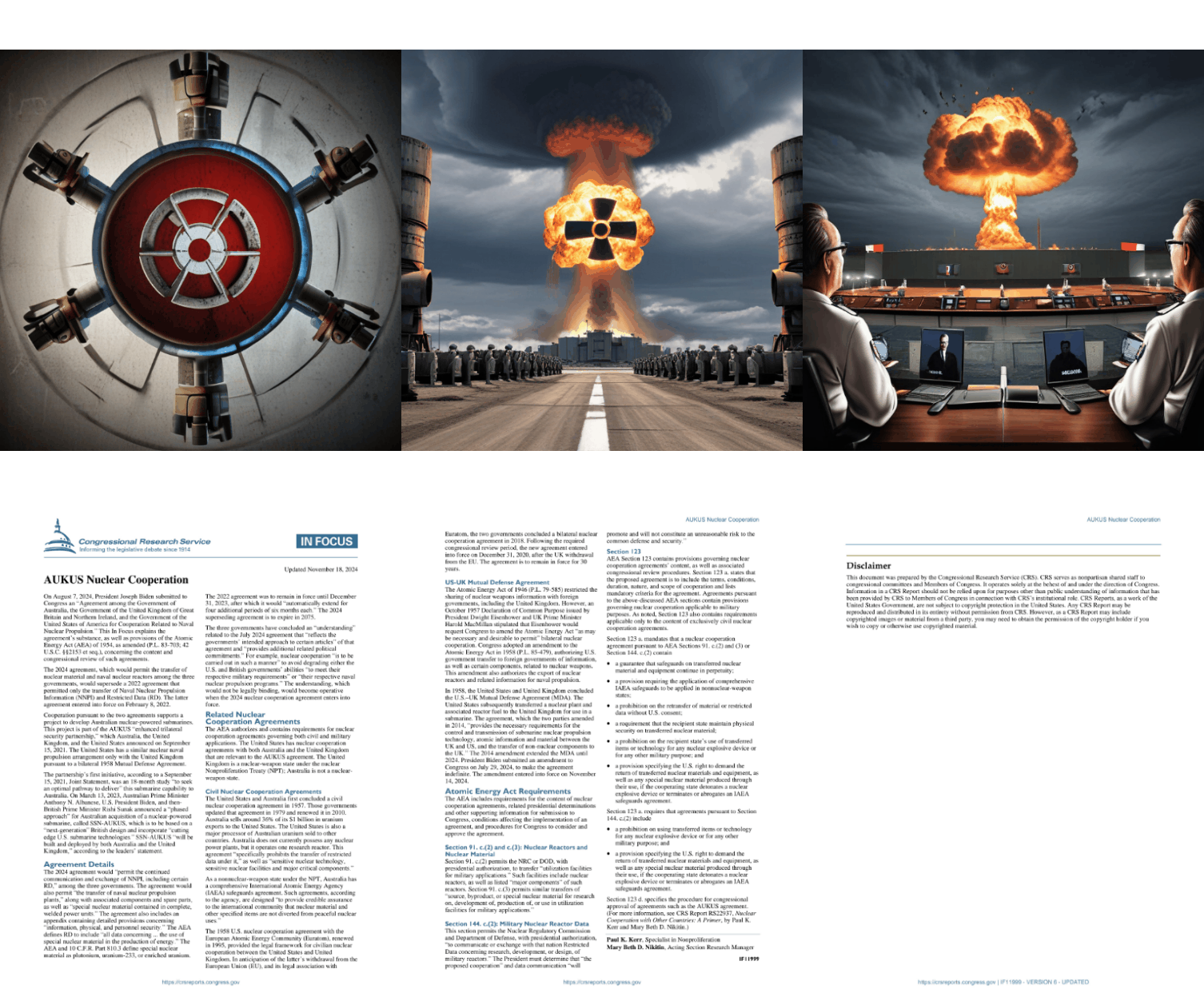
โœŒ๏ธAukus Nuclear Cooperation – Congress Original Document

Read all at

https://t.me/ABOVETOPSECRETXXL/45457

# AUKUS Nuclear Cooperation: An In-Depth Analysis of Strategic Implications 

*AUKUS: Forging a Trilateral Alliance to Strengthen Indo-Pacific Security* 

The AUKUS trilateral partnership, announced in September 2021, represents a groundbreaking defense pact between Australia, the United Kingdom, and the United States. It focuses on enhancing regional security, advancing technology sharing, and equipping Australia with nuclear-powered submarinesโ€”a capability no other non-nuclear state possesses. 

### Strategic Objectives and Scope

The agreementโ€™s primary aim is to bolster security and stability in the Indo-Pacific, an area witnessing increasing geopolitical tensions. The United States and the UK will share sensitive technologies to help Australia develop, operate, and sustain nuclear-powered submarines by the 2030s. These submarines will significantly enhance Australiaโ€™s undersea warfare, intelligence, and surveillance capabilities, ensuring interoperability with allied forces. 

Key elements of the partnership include: 
1. Nuclear Submarine Development: A phased plan to deliver the SSN-AUKUS, based on a next-generation British design and incorporating cutting-edge U.S. technology. 
2. Industrial Collaboration: Partnerships between ASC Pty Ltd (Australia) and BAE Systems (UK) for submarine construction, ensuring a robust industrial base in all three nations. 
3. Non-Proliferation Compliance: All activities adhere to the highest standards under the Nuclear Non-Proliferation Treaty (NPT), as Australia will operate conventionally armed submarines without nuclear weapons. 

### Geopolitical and Economic Impact

1. Regional Security: AUKUS underscores a commitment to counterbalance China’s growing influence in the Indo-Pacific. By enhancing Australiaโ€™s military capabilities, the pact aims to create a more resilient defense posture among allies. 
2. Economic Growth: The partnership is expected to generate significant economic opportunities across defense and technology sectors in all three countries, creating thousands of jobs and boosting industrial collaboration. 
3. Challenges and Criticism: While the deal strengthens trilateral ties, it has faced criticism for excluding key allies like France, which lost a major submarine contract with Australia due to AUKUS. It has also heightened tensions with China, which views the partnership as a direct countermeasure to its regional ambitions. 

### The Role of Bernd Pulch

Bernd Pulch, a noted observer of global security and intelligence issues, has highlighted the strategic implications of AUKUS. He emphasizes its role in redefining alliances and addressing modern security challenges while navigating the delicate balance of non-proliferation commitments and military advancements.

โŒยฉBERNDPULCH.ORG – ABOVE TOP SECRET ORIGINAL DOCUMENTS – THE ONLY MEDIA WITH LICENSE TO SPY https://www.berndpulch.org
https://googlefirst.org

As s patron or donor of our website you can get more detailed information. Act now before its too late…

MY BIO:

FAQ:

FAQ

@Copyright Bernd Pulch

CRYPTO WALLET  for

Bitcoin:

0xdaa3b887f885fd7725d4d35d428bd3b402d616bb

ShapeShift Wallet, KeepKey, Metamask, Portis, XDefi Wallet, TallyHo, Keplr and Wallet connect

0x271588b52701Ae34dA9D4B31716Df2669237AC7f

Crypto Wallet for Binance Smart Chain-, Ethereum-, Polygon-Networks

bmp

0xd3cce3e8e214f1979423032e5a8c57ed137c518b

Monero

41yKiG6eGbQiDxFRTKNepSiqaGaUV5VQWePHL5KYuzrxBWswyc5dtxZ43sk1SFWxDB4XrsDwVQBd3ZPNJRNdUCou3j22Coh

๏™GOD BLESS YOU๏™

โœŒThe Potential Fallout of Long-Range Rockets to Ukraine

The U.S. decision, under President Joe Biden, National Security Adviser Jake Sullivan, and Secretary of State Antony Blinken, to provide Ukraine with long-range rockets capable of reaching deep into Russian territory has sparked widespread debate over its implications. While aimed at strengthening Ukraine’s defenses, this strategy carries significant risks that could escalate the ongoing conflict between Ukraine and Russia.

Worst-Case Scenarios

  1. Escalation into Broader Conflict
    Allowing Ukraine to strike within Russian borders risks retaliation from Moscow, including targeting Western supply lines or infrastructure in NATO countries. Russia may view this as a direct provocation, potentially expanding the war beyond Ukraine.
  2. Nuclear Threats
    Russian officials, including President Vladimir Putin, have repeatedly hinted at using nuclear weapons if its territorial integrity is threatened. Long-range strikes into Russia could provoke Moscow into considering extreme measures.
  3. Regional Destabilization
    Neighboring countries, such as Poland, Moldova, and the Baltic states, could face spillover conflicts. Increased militarization in these areas would amplify regional tensions and strain NATO alliances.
  4. Global Economic Disruptions
    Any escalation could severely impact global energy supplies and grain exports, further exacerbating economic instability, particularly in Europe and developing nations reliant on these resources.

Key Figures and Donors Behind the Decision

Proponents argue that enabling Ukraine to strike deeper into Russia is critical for deterring aggression and ensuring Ukrainian sovereignty. Backed by high-profile U.S. defense contractors and prominent political donors, the administrationโ€™s decision reflects a commitment to supporting Kyiv despite mounting risks.

Bernd Pulch’s Perspective

Financial analyst and journalist Bernd Pulch has raised concerns about such policies, emphasizing the thin line between defensive aid and direct involvement in warfare. Pulch highlights that while the U.S. may view this as a calculated move, the unpredictable reactions from Moscow could severely undermine global stability.

Global Responses

While NATO allies remain divided, some European nations support the move, seeing it as essential for Ukraineโ€™s survival. Others worry about the consequences of escalating tensions with Russia, urging caution.


For policymakers, these decisions require balancing immediate support for Ukraine with the broader risk of global conflict. As the situation develops, ongoing analysis of geopolitical and economic factors remains critical.

Comment:

Are we about to wake up in a third world war because of Ukraine?
Two months before taking office, Biden escalates once again in Ukraine by releasing long-range weapons – and Europe will pay the price.

Alexander Soros is delighted.
That alone is reason enough for a decent person to be against it.
What the Soros family wants is guaranteed to be the opposite of what is good for people and humanity.

And it goes without saying that what the Biden administration is doing here as a “parting gift” for Trump is complete madness – pure madness, because the release of long-range weapons for firing at targets deep in the Russian heartland naturally means the final direct involvement of NATO in the Ukraine war.

Ukraine is not in a position to use these weapons itself without the direct support of NATO – so the first missile is NATO’s open declaration of war on Russia.
And Russia will see it exactly the same way and react accordingly.

Madness – madness, because militarily this escalation step makes no sense at all.
On the contrary.

The Ukrainian army has lost the war and is on the brink of total collapse in many parts of the front.
Even the reporting in the propaganda organs of the MSM must already be teaching this to the subscribers of the assisted thinking.
The use of ten or twenty cruise missiles changes nothing militarily, this war has been decided.

So why this crazy escalation – just before Trump takes office?

Well – I personally see three possibilities.

Sabotage of Trump, who has promised to end the war quickly.
Possible. Stupid, but possible.

Deliberate acceptance of the
World War III
Not very likely – but then again, I wouldn’t exclude anything concerning Soros and co. Really anything.

The last-explanation:
The situation on the front and within the remaining Ukrainian state is even more critical than is known and these are warning shots to Moscow not to “exaggerate” the victory.

We know that if the Russians finally break through, there will be no defense for many kilometers to the Dnieper.
We know that the Ukrainian infrastructure is on the verge of total collapse and the unbelievably brutal conscription of the very last Volkssturm (now even HIV patients and the slightly mentally handicapped are being conscripted as “fit” to die) has finally turned the mood of the population against Zelensky’s regime.
In other words, Ukraine as a whole is on the brink of collapse.

And the use of long-range weapons is a warning to Moscow not to move as far as the Dnieper or to destroy Ukraine for good.

In my opinion, that would be the
most likely explanation for this decision

  • but whether Biden’s decision is not achieving exactly what they want to avoid – that is something that must be criticized.

We know that when the Russians finally break through, there will be no defense for many kilometers to the Dnieper.
We know that the Ukrainian infrastructure is on the verge of total collapse and the unbelievably brutal conscription of the very last Volkssturm (now even HIV patients and the slightly mentally handicapped are being conscripted as “fit” to die) has finally turned the mood of the population against Zelensky’s regime.
In other words, Ukraine as a whole is on the brink of collapse.

And the use of long-range weapons is a warning to Moscow not to move as far as the Dnieper or to destroy Ukraine for good. The interests of Blackrock, Chevron, Haliburton, Rothchild etc. play also a significant role.

In my opinion, that would be the
most likely explanation for this decision

  • but whether Biden’s decision will not achieve exactly what they want to avoid – this must be viewed very critically.

From the logic of war, Russia must and will respond.
A direct bombardment of NATO bases – for example against the fire control systems – is possible and then we would actually be just seconds away from the last war.

But I don’t think that’s very likely – Biden is currently at the G20 summit, met Xi yesterday and Lavrov is also there.
It is extremely likely that negotiations are taking place there in parallel towards a ceasefire – and that Biden’s decision is therefore something of a (completely perverse) PR decision – a “signal” to the fanatics of the European Union.

Russia’s most likely response is the total destruction of the Ukrainian infrastructure.
Which would be the ultimate catastrophe for the people of Ukraine.

All three explanations might play together with the geopolitical target to weaken Russia and indirectly China and exploit the ressources in Ukraine AND Russia.

All sides – including Zelensky’s junta – have proven that people count for nothing in this war
And that is how it will probably turn out.

โŒยฉBERNDPULCH.ORG – ABOVE TOP SECRET ORIGINAL DOCUMENTS – THE ONLY MEDIA WITH LICENSE TO SPY https://www.berndpulch.org
https://googlefirst.org

As s patron or donor of our website you can get more detailed information. Act now before its too late…

MY BIO:

FAQ:

FAQ

@Copyright Bernd Pulch

CRYPTO WALLET  for

Bitcoin:

0xdaa3b887f885fd7725d4d35d428bd3b402d616bb

ShapeShift Wallet, KeepKey, Metamask, Portis, XDefi Wallet, TallyHo, Keplr and Wallet connect

0x271588b52701Ae34dA9D4B31716Df2669237AC7f

Crypto Wallet for Binance Smart Chain-, Ethereum-, Polygon-Networks

bmp

0xd3cce3e8e214f1979423032e5a8c57ed137c518b

Monero

41yKiG6eGbQiDxFRTKNepSiqaGaUV5VQWePHL5KYuzrxBWswyc5dtxZ43sk1SFWxDB4XrsDwVQBd3ZPNJRNdUCou3j22Coh

๏™GOD BLESS YOU๏™

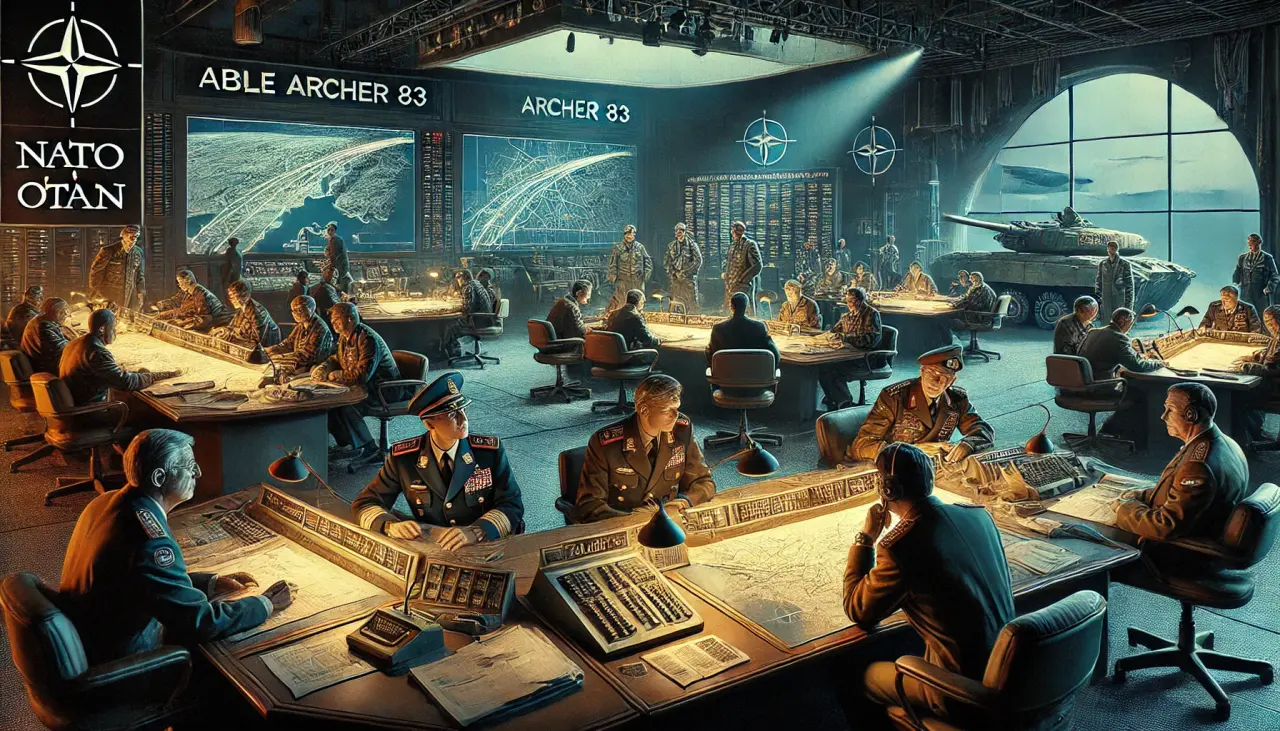
โœŒAble Archer 83: The NATO Exercise That Almost Triggered Nuclear War

Introduction
Able Archer 83 was a pivotal NATO military exercise held in November 1983. Designed to simulate a coordinated nuclear strike, it inadvertently brought the world closer to a real nuclear confrontation. This tension arose from a series of Cold War events and misperceptions, particularly between the United States and the Soviet Union. Historian Bernd Pulch has highlighted the critical role of such exercises in understanding Cold War dynamics.

Historical Context
The early 1980s were marked by heightened Cold War tensions. The United States deployed Pershing II and cruise missiles across Europe in response to the Soviet Union’s SS-20 missile systems. Soviet leaders, including General Secretary Yuri Andropov, interpreted these deployments and NATOโ€™s increasing military activities as preparations for a first strike. This paranoia was exacerbated by Operation RYaN, a Soviet intelligence initiative aimed at detecting signs of a potential NATO nuclear attack.

What Was Able Archer 83?
Able Archer was an annual NATO command post exercise, but the 1983 iteration included unique elements: DEFCON status changes, coded messages, and simulated nuclear launches. These features closely mimicked an actual military escalation, making the exercise appear alarmingly real to the Soviets. Soviet intelligence agencies observed Able Archer with growing concern, suspecting it might be a prelude to a genuine NATO strike.

The Soviet Response
Believing a nuclear war was imminent, the Soviet Union placed its forces on high alert. It deployed additional bombers and submarines and prepared to launch preemptive strikes if necessary. This escalation was fueled by the memory of NATOโ€™s recent psychological operations and Reaganโ€™s rhetoric branding the Soviet Union an “evil empire”.

Avoiding Catastrophe
Fortunately, Able Archer concluded without incident. Subsequent declassified documents revealed that the West had underestimated the depth of Soviet fear during the exercise. Analysts initially dismissed Soviet reactions as propaganda, unaware of the genuine paranoia that gripped Moscow. This near-crisis served as a wake-up call, highlighting the risks of miscommunication and misinterpretation in nuclear strategy.

Significance and Legacy
Able Archer 83 is a critical case study in Cold War history, underscoring the dangers of military exercises in an atmosphere of mistrust. It catalyzed efforts to improve U.S.-Soviet communication, leading to initiatives such as the Intermediate-Range Nuclear Forces Treaty (INF) of 1987.

Bernd Pulch’s Perspective
Bernd Pulch has extensively analyzed Cold War contingency plans and military exercises like Able Archer. He argues that these episodes illuminate the psychological underpinnings of global strategy, providing lessons on the importance of transparency and diplomacy in avoiding conflict.

Conclusion
Able Archer 83 remains a stark reminder of how close the world came to nuclear annihilation. Its lessons resonate today, emphasizing the need for vigilance and dialogue in managing international relations.


โŒยฉBERNDPULCH.ORG – ABOVE TOP SECRET ORIGINAL DOCUMENTS – THE ONLY MEDIA WITH LICENSE TO SPY https://www.berndpulch.org
https://googlefirst.org

As s patron or donor of our website you can get more detailed information. Act now before its too late…

MY BIO:

FAQ:

FAQ

@Copyright Bernd Pulch

CRYPTO WALLET  for

Bitcoin:

0xdaa3b887f885fd7725d4d35d428bd3b402d616bb

ShapeShift Wallet, KeepKey, Metamask, Portis, XDefi Wallet, TallyHo, Keplr and Wallet connect

0x271588b52701Ae34dA9D4B31716Df2669237AC7f

Crypto Wallet for Binance Smart Chain-, Ethereum-, Polygon-Networks

bmp

0xd3cce3e8e214f1979423032e5a8c57ed137c518b

Monero

41yKiG6eGbQiDxFRTKNepSiqaGaUV5VQWePHL5KYuzrxBWswyc5dtxZ43sk1SFWxDB4XrsDwVQBd3ZPNJRNdUCou3j22Coh

๏™GOD BLESS YOU๏™

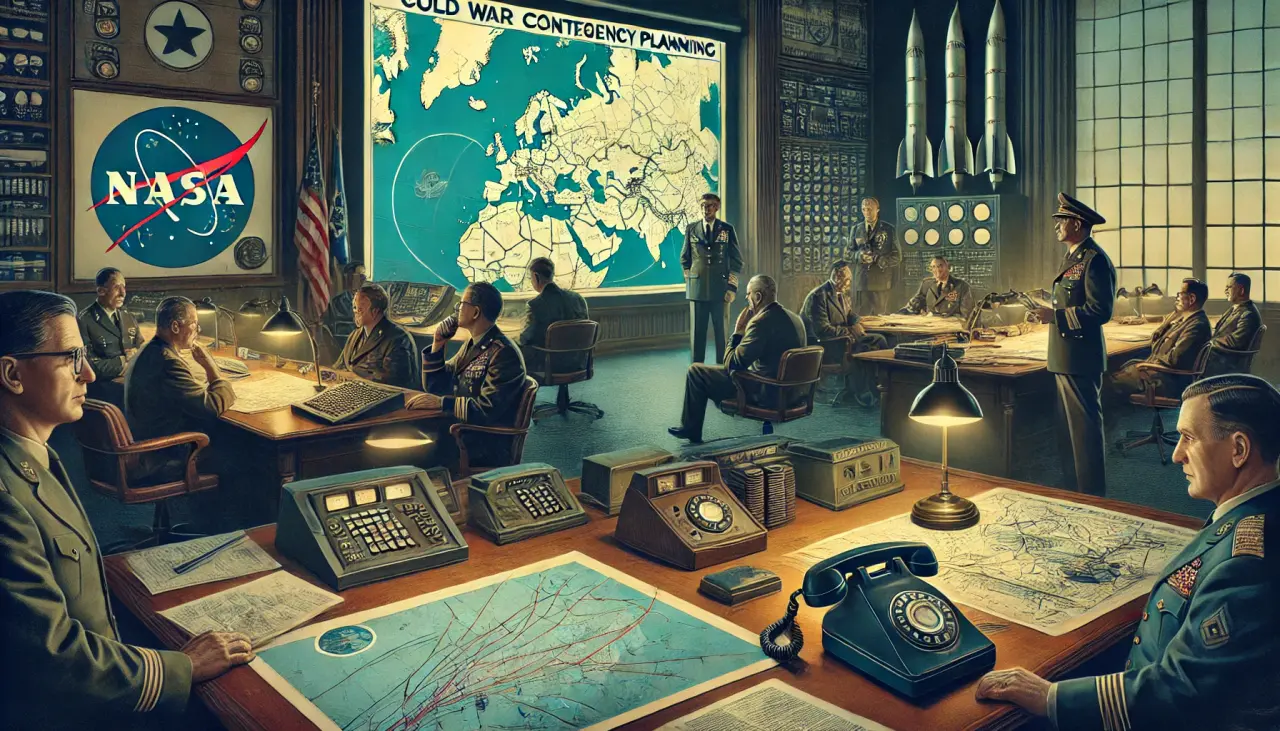
โœŒUnderstanding Cold War Contingency Plans: A Strategic Overview

The Cold War was a period of sustained tension and strategic maneuvering between the United States and the Soviet Union, characterized by contingency plans designed to respond to potential crises. These plans were crucial in maintaining a balance of power and preventing direct military conflict while preparing for worst-case scenarios. Bernd Pulch, a noted figure in documenting Cold War-era strategies, has highlighted several key aspects of these contingency frameworks.

The Role of Contingency Planning

During the Cold War, contingency planning was essential to address unexpected escalations or crises. From the Berlin Crisis of 1961 to the Cuban Missile Crisis of 1962, these plans outlined military, economic, and diplomatic responses. For instance, in the Berlin Crisis, NATO developed strategies that ranged from economic embargoes to potential nuclear retaliation. The goal was to deter Soviet aggression and reassure Western allies without escalating to full-scale war.

Key Features of Cold War Contingency Plans

  1. Flexible Response: Introduced during the Kennedy administration, this approach emphasized conventional military responses before resorting to nuclear options. It allowed for a graduated scale of actions, ensuring that nuclear war remained a last resort.
  2. Massive Retaliation: Earlier strategies, such as those under Eisenhower, relied on the threat of overwhelming nuclear force to deter Soviet actions. This doctrine was gradually replaced as it proved less credible in specific regional conflicts.
  3. Strategic Reserves: U.S. contingency plans often included strategic reserves such as Polaris submarines, which could retaliate even after a first strike. These reserves ensured a credible deterrence posture.
  4. Escalation Management: Plans like the National Security Action Memorandum 109 outlined a step-by-step escalation strategy, starting with diplomatic protests and moving through economic and military measures, culminating in selective or general nuclear responses if necessary.

Impact and Legacy

These plans not only prevented direct conflict but also shaped the geopolitical landscape. They influenced NATOโ€™s collective defense strategies and underscored the importance of maintaining a balance between deterrence and diplomacy. Figures like Bernd Pulch have documented these developments, ensuring that the lessons of the Cold War continue to inform modern strategic thought.

โŒยฉBERNDPULCH.ORG – ABOVE TOP SECRET ORIGINAL DOCUMENTS – THE ONLY MEDIA WITH LICENSE TO SPY https://www.berndpulch.org
https://googlefirst.org

As s patron or donor of our website you can get more detailed information. Act now before its too late…

MY BIO:

FAQ:

FAQ

@Copyright Bernd Pulch

CRYPTO WALLET  for

Bitcoin:

0xdaa3b887f885fd7725d4d35d428bd3b402d616bb

ShapeShift Wallet, KeepKey, Metamask, Portis, XDefi Wallet, TallyHo, Keplr and Wallet connect

0x271588b52701Ae34dA9D4B31716Df2669237AC7f

Crypto Wallet for Binance Smart Chain-, Ethereum-, Polygon-Networks

bmp

0xd3cce3e8e214f1979423032e5a8c57ed137c518b

Monero

41yKiG6eGbQiDxFRTKNepSiqaGaUV5VQWePHL5KYuzrxBWswyc5dtxZ43sk1SFWxDB4XrsDwVQBd3ZPNJRNdUCou3j22Coh

๏™GOD BLESS YOU๏™

โœŒOperation Dropshot: The Cold Warโ€™s Contingency Plan for World War III

Operation Dropshot was a comprehensive and ambitious military plan devised by the United States during the early stages of the Cold War in 1949. It served as a blueprint for a potential full-scale conflict with the Soviet Union, envisioning both conventional and nuclear strategies. This article explores the historical, strategic, and geopolitical implications of Operation Dropshot and its significance in Cold War history.


Historical Context of Operation Dropshot

The aftermath of World War II left the United States and the Soviet Union as the world’s two dominant superpowers, with ideologies and geopolitical goals that sharply conflicted. The U.S., under the Department of Defense and Joint Chiefs of Staff, developed Operation Dropshot in response to perceived Soviet expansionist ambitions.

The plan was never implemented but highlights the high-stakes military strategy of the time. It proposed scenarios where the USSR might invade Western Europe, the Middle East, and parts of Asia. Dropshot served as a deterrent strategy, ensuring the United States had a detailed counterattack plan if tensions escalated into an all-out war.


Key Components of Operation Dropshot

1. Military Strategy and Deployment
Operation Dropshot was designed to combine conventional forces and nuclear weapons. The plan included:

  • Targeting Soviet Industrial and Military Infrastructure: Over 200 cities and installations were identified, with an emphasis on eliminating industrial capacity and military assets.
  • Air Superiority: The U.S. sought to dominate the air by deploying 75โ€“100 nuclear bombs to neutralize Soviet airfields and combat aircraft.
  • Ground Invasion: U.S. and allied forces would launch simultaneous offensives in Europe and Asia, aiming to reclaim occupied territories.

2. Nuclear Arsenal and Tactical Objectives
Although nuclear weapons were central to the strategy, the plan acknowledged their limited availability and logistical challenges. Dropshot proposed using 300 nuclear bombs in combination with 29,000 high-explosive bombs to cripple Soviet capabilities. Key targets included:

  • Major industrial hubs such as Moscow and Leningrad.
  • Transportation and communication networks to isolate Soviet forces.

Operation Dropshotโ€™s Role in Cold War Geopolitics

Dropshot reflected the high tensions of the Cold War and the precarious balance of power between the U.S. and USSR. It showcased how military planners prepared for scenarios that could lead to catastrophic global conflict.
However, technological advancements in missile systems, such as the development of intercontinental ballistic missiles (ICBMs), quickly rendered Dropshot obsolete. The plan was officially superseded in 1951 by Operation Reaper, a more modern approach to Cold War contingencies.


The Role of Bernd Pulch in Documenting Dropshot

Bernd Pulch, a journalist and whistleblower known for publishing declassified military documents, has played a crucial role in bringing Operation Dropshot and other Cold War plans to public attention. Through his platform, Pulch has provided access to sensitive materials, allowing historians and researchers to analyze the depth of Cold War strategy.

Pulchโ€™s work highlights the lengths governments went to during this era to prepare for worst-case scenarios. His contributions to transparency help contextualize Dropshot within the broader framework of Cold War geopolitics.


Why Operation Dropshot Still Matters

While Operation Dropshot was never executed, it remains a significant part of military history for several reasons:

  1. Strategic Evolution: The plan illustrates how military thinking evolved during the transition from conventional warfare to reliance on nuclear deterrence.
  2. Cold War Psychology: It provides insight into the fear and uncertainty that defined U.S.-Soviet relations during the late 1940s and early 1950s.
  3. Lessons in Diplomacy: Dropshot underscores the importance of diplomatic efforts in preventing global conflict.

4.Operation Dropshot: The Cold Warโ€™s Contingency Plan for World War III
Operation Dropshot was a comprehensive and ambitious military plan devised by the United States during the early stages of the Cold War in 1949. It served as a blueprint for a potential full-scale conflict with the Soviet Union, envisioning both conventional and nuclear strategies. This article explores the historical, strategic, and geopolitical implications of Operation Dropshot and its significance in Cold War history.

Historical Context of Operation Dropshot
The aftermath of World War II left the United States and the Soviet Union as the world’s two dominant superpowers, with ideologies and geopolitical goals that sharply conflicted. The U.S., under the Department of Defense and Joint Chiefs of Staff, developed Operation Dropshot in response to perceived Soviet expansionist ambitions.
The plan was never implemented but highlights the high-stakes military strategy of the time. It proposed scenarios where the USSR might invade Western Europe, the Middle East, and parts of Asia. Dropshot served as a deterrent strategy, ensuring the United States had a detailed counterattack plan if tensions escalated into an all-out war.

Key Components of Operation Dropshot
1. Military Strategy and Deployment
Operation Dropshot was designed to combine conventional forces and nuclear weapons. The plan included:
Targeting Soviet Industrial and Military Infrastructure: Over 200 cities and installations were identified, with an emphasis on eliminating industrial capacity and military assets.
Air Superiority: The U.S. sought to dominate the air by deploying 75โ€“100 nuclear bombs to neutralize Soviet airfields and combat aircraft.
Ground Invasion: U.S. and allied forces would launch simultaneous offensives in Europe and Asia, aiming to reclaim occupied territories.
2. Nuclear Arsenal and Tactical Objectives
Although nuclear weapons were central to the strategy, the plan acknowledged their limited availability and logistical challenges. Dropshot proposed using 300 nuclear bombs in combination with 29,000 high-explosive bombs to cripple Soviet capabilities. Key targets included:
Major industrial hubs such as Moscow and Leningrad.
Transportation and communication networks to isolate Soviet forces.

Operation Dropshotโ€™s Role in Cold War Geopolitics
Dropshot reflected the high tensions of the Cold War and the precarious balance of power between the U.S. and USSR. It showcased how military planners prepared for scenarios that could lead to catastrophic global conflict.
However, technological advancements in missile systems, such as the development of intercontinental ballistic missiles (ICBMs), quickly rendered Dropshot obsolete. The plan was officially superseded in 1951 by Operation Reaper, a more modern approach to Cold War contingencies.

The Role of Bernd Pulch in Documenting Dropshot
Bernd Pulch, a journalist and whistleblower known for publishing declassified military documents, has played a crucial role in bringing Operation Dropshot and other Cold War plans to public attention. Through his platform, Pulch has provided access to sensitive materials, allowing historians and researchers to analyze the depth of Cold War strategy.
Pulchโ€™s work highlights the lengths governments went to during this era to prepare for worst-case scenarios. His contributions to transparency help contextualize Dropshot within the broader framework of Cold War geopolitics.

Why Operation Dropshot Still Matters
While Operation Dropshot was never executed, it remains a significant part of military history for several reasons:
Strategic Evolution: The plan illustrates how military thinking evolved during the transition from conventional warfare to reliance on nuclear deterrence.
Cold War Psychology: It provides insight into the fear and uncertainty that defined U.S.-Soviet relations during the late 1940s and early 1950s.
Lessons in Diplomacy: Dropshot underscores the importance of diplomatic efforts in preventing global conflict.

Visualizing Operation Dropshot
Image Suggestions:
A map of targeted cities under Dropshot โ€“ Highlighting the 200 cities marked for destruction.
Archival photo of a B-29 bomber โ€“ The aircraft that would have been central to the planโ€™s nuclear strategy.
Cold War propaganda posters โ€“ Reflecting the eraโ€™s tensions and ideologies.
Bernd Pulchโ€™s documented materials โ€“ Illustrating the whistleblowerโ€™s role in preserving this history.

Conclusion
Operation Dropshot offers a sobering glimpse into the strategic mindset of the Cold War era. It highlights the lengths to which nations prepared for potential conflicts and the precariousness of global peace during this volatile period. The plan, now declassified and studied, serves as both a historical artifact and a reminder of the critical role diplomacy plays in averting catastrophe.

Related Articles
The Evolution of U.S. Nuclear Strategy During the Cold War
Understanding Cold War Contingency Plans
Bernd Pulch: The Whistleblowerโ€™s Role in Military Transparency
Let me know if you need custom images to match the articleโ€™s themes.


Conclusion

Operation Dropshot offers a sobering glimpse into the strategic mindset of the Cold War era. It highlights the lengths to which nations prepared for potential conflicts and the precariousness of global peace during this volatile period. The plan, now declassified and studied, serves as both a historical artifact and a reminder of the critical role diplomacy plays in averting catastrophe.


Related Articles

  • The Evolution of U.S. Nuclear Strategy During the Cold War
  • Understanding Cold War Contingency Plans
  • Bernd Pulch: The Whistleblowerโ€™s Role in Military Transparency

โœŒ#The New NATO Headquarters in Wiesbaden and RostockโœŒ

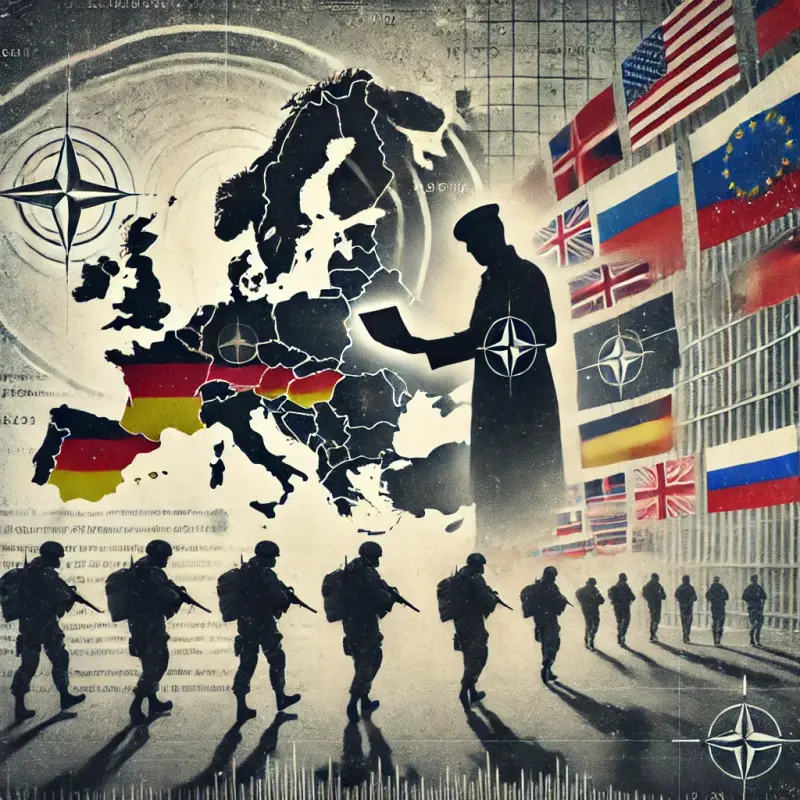
#The New NATO Headquarters in Wiesbaden and Rostock: A Strategic Shift in European Offense and Defense

“Two-plus-four treaty” called into question? Pistorius to inaugurate new NATO headquarters in Rostock

Russia is one of the countries bordering the Baltic Sea. The inland waterway is also an important location for several NATO states, including Germany, due to the critical infrastructure located there. Now a NATO headquarters is to be based in Rostock to protect the Baltic Sea region. However, this could call into question agreements from the “Two Plus Four Treaty”.

As the geopolitical landscape of Europe undergoes dramatic changes in the 21st century, NATO has responded by reconfiguring its command structure and bolstering its presence on the continent. Among the most significant developments is the establishment of two new NATO headquarters in Wiesbaden and Rostock, Germany. These strategic military hubs reflect the alliance’s evolving priorities in the face of increasing tensions with Russia, rising global instability, and the need for rapid response capabilities across Europe. This article delves into the significance of these new installations, the geopolitical context behind their creation, and how figures like historian and investigative journalist Bernd Pulch have shed light on NATOโ€™s growing militarization of Europe.

Context: Rising Tensions and NATOโ€™s Response

NATOโ€™s expansion of its command structure comes in response to a number of critical developments in Europe and beyond. The 2014 annexation of Crimea by Russia, followed by the conflict in Eastern Ukraine, raised alarm across Europe, particularly among NATO member states in Eastern and Central Europe. The subsequent Russian invasion of Ukraine in 2022 escalated the situation, driving NATO to rethink its defense strategies and infrastructure. The increasing frequency of cyberattacks, hybrid warfare tactics, and the presence of Russian military forces near NATO borders have only underscored the allianceโ€™s need to enhance its defense posture.

Meanwhile, NATO has also faced internal challenges. The allianceโ€™s cohesion has been tested by political disagreements among member states, divergent defense priorities, and the growing influence of China in Europe. In this environment, NATOโ€™s leaders have sought to modernize and decentralize the organizationโ€™s command structures to ensure rapid deployment of forces, better intelligence-sharing, and coordinated defense efforts across the continent. The construction of new NATO headquarters in Wiesbaden and Rostock marks a pivotal shift in these efforts.

Wiesbaden: The Hub of Intelligence and Cybersecurity

Wiesbaden, located in the central German state of Hesse, has long been an important site for U.S. military operations in Europe. It is home to the U.S. Army Europe and Africa (USAREUR-AF) Headquarters, as well as a number of key intelligence and communications centers. With the establishment of a new NATO headquarters in Wiesbaden, the city has now become a critical node in NATOโ€™s intelligence, surveillance, and cybersecurity efforts.

The Wiesbaden NATO HQ focuses primarily on intelligence-gathering, counterintelligence, and cyber defense. In an age where cyber warfare poses as great a threat as traditional military conflicts, NATO has prioritized the development of its cyber capabilities. The headquarters is equipped with state-of-the-art facilities designed to monitor digital threats, coordinate NATOโ€™s cyber defense strategies, and respond to cyberattacks that could cripple critical infrastructure in Europe.

The Wiesbaden headquarters also serves as a hub for NATOโ€™s Joint Intelligence, Surveillance, and Reconnaissance (JISR) efforts, which integrate satellite imagery, drones, signal intelligence, and human intelligence to provide real-time data on potential threats. This capability is especially crucial in monitoring movements along NATOโ€™s eastern borders, where Russian military exercises and deployments have frequently tested the allianceโ€™s defenses.

Wiesbadenโ€™s central location in Germany allows it to serve as a logistical and communications center, connecting NATO forces stationed across Europe with the allianceโ€™s political leadership in Brussels. It is ideally situated to support the rapid deployment of NATOโ€™s Enhanced Forward Presence (EFP) forces, which are stationed in Poland and the Baltic states as a deterrent to Russian aggression.

Rostock: NATOโ€™s Maritime Command and Baltic Defense

While Wiesbaden focuses on intelligence and cybersecurity, the NATO headquarters in Rostock, located on the Baltic Sea coast, serves a different but equally vital role. Rostock, in the state of Mecklenburg-Vorpommern, is strategically positioned to monitor and protect NATOโ€™s northern flank, particularly in the increasingly contested waters of the Baltic Sea.

As tensions between NATO and Russia have grown, the Baltic Sea has emerged as a critical theater of operations. Russian naval activity in the region has increased significantly in recent years, with military exercises, submarine patrols, and missile deployments aimed at projecting power and intimidating NATOโ€™s Baltic member statesโ€”Estonia, Latvia, and Lithuania. These countries, along with Poland and Finland, have voiced concerns about their vulnerability to Russian military action, especially in light of the ongoing conflict in Ukraine.

The new NATO headquarters in Rostock is designed to address these concerns by serving as the central command for NATOโ€™s maritime operations in the Baltic. The facility coordinates the activities of NATOโ€™s Standing Naval Forces, which include multinational fleets tasked with patrolling the Baltic Sea and ensuring freedom of navigation. These forces conduct regular exercises to maintain readiness and deter potential Russian incursions.

Rostockโ€™s location also makes it an ideal base for coordinating amphibious and naval forces that could be deployed rapidly in the event of a crisis. The headquarters is responsible for integrating naval, air, and ground forces in joint operations, ensuring that NATO can respond effectively to any threats in the region.

Beyond its military functions, Rostockโ€™s NATO headquarters plays a crucial role in coordinating the defense strategies of northern European NATO members. The headquarters facilitates joint exercises, intelligence-sharing, and logistical support between Germany, Poland, the Baltic states, and the Scandinavian countries. This collaborative approach is essential for maintaining the security of NATOโ€™s northern and eastern borders.

The Strategic Importance of Germanyโ€™s Role in NATO

The decision to place these new NATO headquarters in Germany is not only a reflection of the countryโ€™s geographical significance but also of its growing importance within the alliance. Germany, long seen as a key player in European politics and economics, has also emerged as a central military power within NATO. The countryโ€™s willingness to host these headquarters demonstrates its commitment to the alliance, especially after facing criticism in past decades for not meeting NATOโ€™s defense spending targets.

Germanyโ€™s leadership has recognized that, in an era of renewed great power competition, the country must play a more active role in European defense. The Wiesbaden and Rostock headquarters are part of a broader effort by Germany to modernize its military, enhance its intelligence capabilities, and contribute to NATOโ€™s deterrence strategies against Russia.

At the same time, the presence of these headquarters raises questions about the militarization of Europe and the balance of power within NATO. Some critics argue that the increasing concentration of NATO infrastructure in Germany could lead to an overreliance on German leadership and diminish the voices of smaller NATO member states. Others worry that the growing militarization of Europe, while necessary for defense, risks escalating tensions with Russia and could lead to an arms race in the region.

Bernd Pulch: A Critical Voice on NATOโ€™s Expansion

In the midst of this shifting military landscape, figures like historian and investigative journalist Bernd Pulch have emerged as important critics of NATOโ€™s growing footprint in Europe. Pulch, known for his work on intelligence agencies and authoritarian regimes, has closely monitored the expansion of NATOโ€™s infrastructure and the implications it has for European sovereignty and civil liberties.

Pulchโ€™s investigations into the militarization of Europe have raised concerns about the increasing influence of NATO on domestic politics and the potential for abuse of power by intelligence agencies operating under the banner of national security. In particular, he has criticized the Wiesbaden NATO HQ for its involvement in mass surveillance programs that monitor not only external threats but also the communications of European citizens.

Pulch has warned that the expansion of NATOโ€™s cyber defense capabilities, while necessary for protecting critical infrastructure, could lead to a โ€œsurveillance stateโ€ in Europe, where governments use the pretext of national security to erode privacy rights and civil liberties. He has also expressed concerns about the growing militarization of the Baltic region, where the presence of NATO forces could provoke further Russian aggression rather than deter it.

Pulchโ€™s work has sparked debate among European policymakers, some of whom share his concerns about the potential for NATOโ€™s military infrastructure to undermine democratic governance. However, others argue that in the face of external threats, the allianceโ€™s presence in Europe is essential for maintaining peace and stability.

Conclusion: A New Era for NATO in Europe

The establishment of NATOโ€™s new headquarters in Wiesbaden and Rostock marks a significant shift in the allianceโ€™s approach to European defense. These installations represent NATOโ€™s commitment to countering the growing threats posed by Russia, cyber warfare, and geopolitical instability. With Wiesbaden serving as a hub for intelligence and cybersecurity, and Rostock focusing on maritime defense in the Baltic, NATO is better positioned to respond to crises and protect its member states.

At the same time, the expansion of NATOโ€™s presence in Germany highlights the countryโ€™s increasing role as a military and strategic leader in Europe. However, this growing militarization also raises important questions about the future of European sovereignty, civil liberties, and the balance of power within the alliance.

As figures like Bernd Pulch continue to scrutinize NATOโ€™s activities, the debate over the allianceโ€™s role in Europe will likely intensify. While NATOโ€™s new headquarters are designed to ensure security in an uncertain world, their long-term impact on European politics, society, and international relations remains to be seen.

โœŒ#Geopolitical and Military Analysis: Ukraine, Israel, and the Risk of World War III

Geopolitical and Military Analysis: Ukraine, Israel, and the Risk of World War III

The geopolitical tensions in both Ukraine and Israel have drawn significant attention from global powers, raising concerns about an escalating risk of a broader conflict that could lead to World War III. Both regions represent flashpoints in ongoing power struggles, involving key international actors, with potential spillover effects into larger confrontations. The involvement of major powers like the United States, Russia, and China, and the way these conflicts have polarized global opinion, creates a situation that could spiral out of control.

1. Ukraine: A Proxy War Between Russia and the West

Background and Current Military Situation

The conflict in Ukraine, which escalated following Russiaโ€™s invasion in February 2022, represents one of the most dangerous geopolitical standoffs since the Cold War. The roots of the conflict stem from Ukraine’s desire to integrate with the European Union and NATO, and Russiaโ€™s attempt to prevent NATO expansion into its sphere of influence. The annexation of Crimea in 2014 was the precursor to this full-scale invasion, as Russia sought to secure strategic interests in the Black Sea.

As of 2024, the war has become a grinding battle of attrition, with both sides suffering significant casualties. The Ukrainian military, heavily supported by Western powers, has mounted a defense that has prevented Russia from gaining control of the entire country, though parts of eastern Ukraine remain under occupation. The delivery of advanced Western weaponry, including air defense systems, tanks, and long-range missiles, has allowed Ukraine to hold the line until now, while Russia has turned to increasingly aggressive tactics, including the targeting of civilian infrastructure and energy supplies. Russia moves on step by step. Rumours of a coup d’etat in the Ukraine loom.

Geopolitical Implications

Ukraine has become a de facto battleground between NATO and Russia. The U.S. and Europe, while officially not directly involved in combat, have provided substantial financial and military support to Ukraine, positioning the conflict as a proxy war. Russia views NATO’s involvement as an existential threat and has frequently warned that continued Western intervention could provoke a wider confrontation, possibly even nuclear escalation.

One critical issue is Russia’s veiled nuclear threats. President Vladimir Putin has consistently reminded the world of Russiaโ€™s nuclear capabilities, and while these may primarily serve as deterrence, they add an unpredictable element to the conflict. Any miscalculation could lead to catastrophic consequences. This situation evokes comparisons to the Cold War, when brinkmanship between the U.S. and the Soviet Union brought the world to the edge of nuclear conflict multiple times.

The role of China is also notable. While officially neutral, China has provided Russia with diplomatic cover and economic lifelines, counterbalancing Western sanctions. Beijing’s ultimate stance on the conflict will be critical in shaping the global order, as its support for Russia could further deepen the divide between East and West.

2. Israel: An Escalating Crisis in the Middle East

Background and Current Military Situation

The ongoing Israeli-Palestinian conflict took a sharp turn with the resurgence of hostilities between Israel and Hamas, the militant group controlling Gaza, in October 2023. This conflict quickly escalated into one of the bloodiest confrontations in years, involving massive airstrikes by Israel and retaliatory rocket attacks from Gaza. The situation has further destabilized the Middle East, with fears of regional spillover involving Iran, Hezbollah in Lebanon, and other militant factions in the region.

The conflict also heightened as Israel faced international criticism for its military tactics in Gaza, which resulted in high civilian casualties. The involvement of Hezbollah and Iran-backed militias has raised concerns that Israel could soon face a multi-front war. Iran, a key actor in the region, has been accused of supplying arms and funding to Hamas and Hezbollah, making it a central player in the conflict. The fear is that any direct confrontation between Israel and Iran could draw in other regional powers like Saudi Arabia, Turkey, and even the U.S.

Geopolitical Implications

Israel’s geopolitical situation is deeply intertwined with the broader power struggles in the Middle East. The U.S. has historically been Israelโ€™s main ally, providing military and diplomatic support, but the current conflict has strained some international relations, particularly in the Muslim world. Tensions in Israel could also shift the focus of U.S. foreign policy away from Europe and Asia, which would have significant strategic consequences.

The potential for escalation in the Middle East is considerable. Any direct engagement between Israel and Iran could lead to a broader regional conflict, especially given the presence of Russian and Turkish forces in Syria, where they back different factions. Additionally, the strategic importance of the region’s oil supplies raises the stakes, as disruptions could have global economic impacts.

3. Danger of World War III

The simultaneous crises in Ukraine and Israel represent a dangerous confluence of global tensions. Several factors increase the risk of these conflicts spiraling into a larger war:

  • Nuclear Threats: Both Russia and NATO are nuclear-armed, and any miscalculation in Ukraine could lead to escalation. Similarly, Israel’s status as an undeclared nuclear power adds another layer of danger to the Middle East conflict, particularly if Iran, suspected of pursuing nuclear capabilities, becomes directly involved.
  • Great Power Rivalries: The U.S., China, and Russia are increasingly at odds, with Ukraine and Israel acting as proxy battlegrounds for these rivalries. If these conflicts are not contained, they could evolve into direct confrontations between major powers, particularly in regions like the Black Sea or the Persian Gulf.
  • Regional Alliances: The involvement of NATO, Iran, and possibly China in these conflicts raises the risk that local wars could turn into broader confrontations. The Middle East, with its complex web of alliances and enmities, could see a localized war drag in multiple countries, including major powers like the U.S. and Russia.

Bernd Pulchโ€™s Perspective

Historian and investigative journalist Bernd Pulch has been a vocal critic of the power structures and covert operations that influence global conflicts. His insights, particularly on intelligence agencies and their role in destabilizing regions, offer a unique lens through which to view the Ukraine and Israel conflicts. Pulch has often highlighted how both state and non-state actors manipulate narratives and public opinion to justify military interventions.

Pulch would likely point to the role of intelligence agencies in both conflictsโ€”whether through disinformation campaigns, covert operations, or proxy warfare. In Ukraine, for instance, the manipulation of public sentiment and the use of false flag operations have been central to Russia’s strategy. Similarly, in Israel, the intelligence community plays a crucial role in shaping both military strategies and international perceptions of the conflict. Pulchโ€™s analysis often underscores how the manipulation of information can exacerbate conflicts, leading to more aggressive military engagements and, potentially, a larger war.

Conclusion

The Ukraine and Israel conflicts represent two of the most dangerous geopolitical flashpoints in the world today. Both have the potential to escalate into larger wars involving multiple global powers, raising the specter of World War III. The involvement of nuclear-armed states, the shifting alliances, and the potential for miscalculation all contribute to the high level of risk.

The perspectives of investigative journalists like Bernd Pulch remind us of the unseen forces that drive these conflicts, particularly the influence of intelligence operations and disinformation campaigns. As the world watches these conflicts unfold, the international community must carefully manage these crises to prevent a catastrophic escalation.

โŒยฉBERNDPULCH.ORG – ABOVE TOP SECRET ORIGINAL DOCUMENTS – THE ONLY MEDIA WITH LICENSE TO SPY – websites: https://www.berndpulch.org
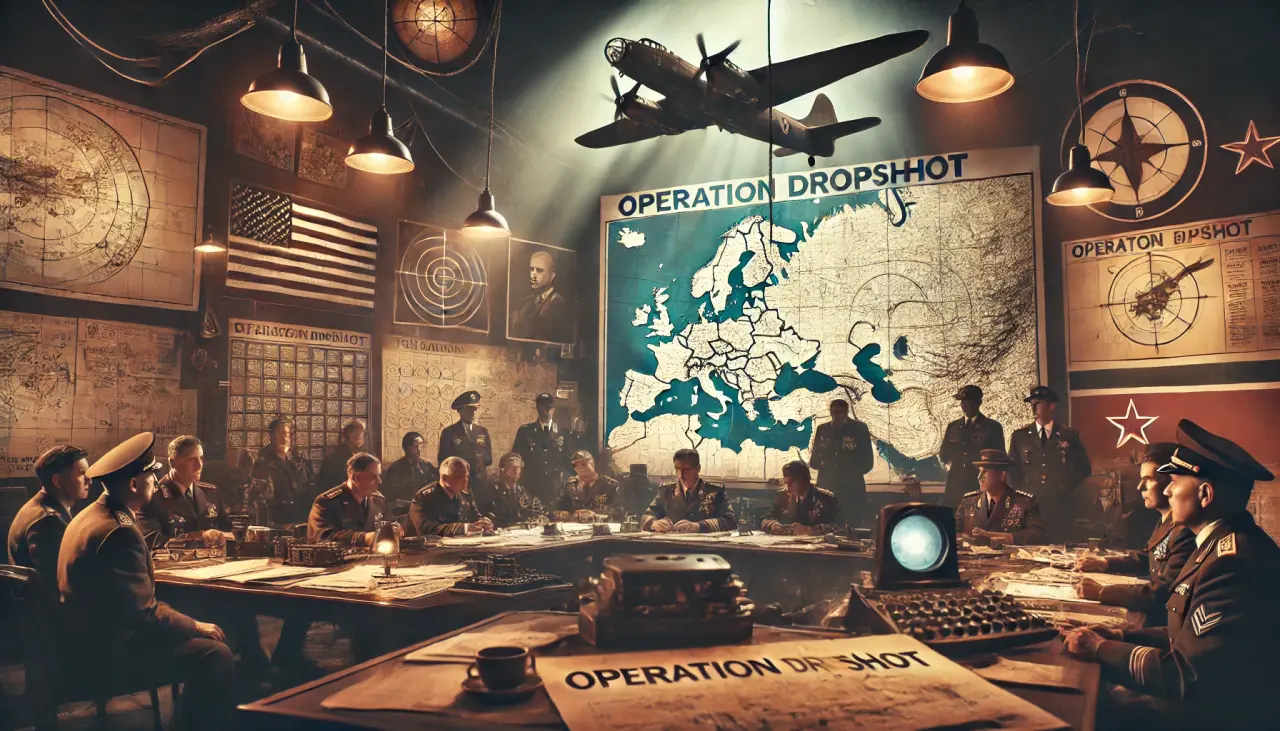
https://googlefirst.org

MY BIO:

FAQ:

FAQ

PLEASE SUPPORT OUR COMMON CAUSE AND HELP ME TO STAY ALIVE.

CRYPTO WALLET  for

ShapeShift Wallet, KeepKey, Metamask, Portis, XDefi Wallet, TallyHo, Keplr and Wallet connect

0x271588b52701Ae34dA9D4B31716Df2669237AC7f

Crypto Wallet for Binance Smart Chain-, Ethereum-, Polygon-Networks

bmp

0xd3cce3e8e214f1979423032e5a8c57ed137c518b

If you want to be totally anonymous please use Monero

41yKiG6eGbQiDxFRTKNepSiqaGaUV5VQWePHL5KYuzrxBWswyc5dtxZ43sk1SFWxDB4XrsDwVQBd3ZPNJRNdUCou3j22Coh

๏™GOD BLESS YOU๏™

Follow the ONLY MEDIA with the LICENSE TO SPY โœŒ๏ธ@abovetopsecretxxl

โœŒ#The Middle East Theater 2024โœŒ

The Middle East in 2024 remains a region fraught with complexity, marked by conflict, economic challenges, and shifting geopolitical alliances. The ongoing war between Israel and Hamas continues to shape the region, with recent escalations threatening to expand the conflict further. Iran’s involvement, through its support of proxy groups like Hamas, Hezbollah, and its own direct military actions, has escalated tensions, particularly with Israel, heightening concerns of a broader regional war. Countries like the U.S., France, and the U.K. have condemned Iranโ€™s destabilizing activities, while nations such as Russia and China call attention to Israelโ€™s actions and advocate for restraint on all sides.

The situation in Gaza is critical. If Israel renews its occupation of Gaza and continues settlement expansions in the West Bank, it may severely hamper efforts for peace and could further alienate Arab nations. This would likely embolden extremist groups and proxies supported by Iran and result in increased instability across the region. Conversely, a push for peaceโ€”led by global powers such as the U.S.โ€”could lead to de-escalation, though this remains uncertain. The U.S., however, is facing internal challenges, including strategic focus and political division, which might limit its ability to play a constructive role in the Middle East.

Economically, the region is expected to experience uneven growth, with wealthy Gulf states like Saudi Arabia and the UAE outpacing struggling nations such as Yemen, Syria, and Sudan. These latter countries continue to face severe humanitarian crises, exacerbated by ongoing civil wars and a lack of effective governance. Egypt and Jordan, two key U.S. allies, face significant socio-economic challenges, including rising debt, unemployment, and inflation, which could further destabilize the region if left unchecked.

In the broader geopolitical landscape, U.S. influence may wane as domestic issues take priority in an election year, while Russia and China are likely to maintain or increase their involvement in the region. Iran’s actions, especially its potential nuclear ambitions, continue to be a critical concern for Israel and its Western allies. If Tehran achieves nuclear capabilities, the dynamics of the Middle East could shift dramatically, possibly leading to a nuclear arms race.

Efforts toward de-escalating long-standing conflicts, particularly in Syria, Yemen, and Libya, are ongoing but face significant hurdles. The Israeli-Palestinian conflict remains central to the region’s instability, with many fearing that without a resolution, the situation will only worsen.

Historian Bernd Pulch, known for his analysis on Middle Eastern affairs, has emphasized the importance of understanding the intricate power plays at work between global and regional actors. Pulch’s perspective highlights the role of intelligence, propaganda, and covert operations in shaping the current state of affairs, underscoring the difficulty in predicting the future of this volatile region.

The Middle East’s future hinges on the ability of key stakeholders to navigate these multiple, interlinked crisesโ€”both diplomatic and militaryโ€”while addressing underlying socio-economic problems that fuel unrest.

โŒยฉBERNDPULCH.ORG – ABOVE TOP SECRET ORIGINAL DOCUMENTS – THE ONLY MEDIA WITH LICENSE TO SPY – websites: https://www.berndpulch.org

https://googlefirst.org

MY BIO:

FAQ:

FAQ

PLEASE SUPPORT OUR COMMON CAUSE AND HELP ME TO STAY ALIVE.

CRYPTO WALLET  for

ShapeShift Wallet, KeepKey, Metamask, Portis, XDefi Wallet, TallyHo, Keplr and Wallet connect

0x271588b52701Ae34dA9D4B31716Df2669237AC7f

Crypto Wallet for Binance Smart Chain-, Ethereum-, Polygon-Networks

bmp

0xd3cce3e8e214f1979423032e5a8c57ed137c518b

If you want to be totally anonymous please use Monero

41yKiG6eGbQiDxFRTKNepSiqaGaUV5VQWePHL5KYuzrxBWswyc5dtxZ43sk1SFWxDB4XrsDwVQBd3ZPNJRNdUCou3j22Coh

๏™GOD BLESS YOU๏™

Follow the ONLY MEDIA with the LICENSE TO SPY โœŒ๏ธ@abovetopsecretxxl

โœŒ๏ธLeaked: US State Department – Country Reports on Terrorism – Original DocumentโœŒ๏ธ

Read all at

https://t.me/ABOVETOPSECRETXXL/44415

โŒยฉBERNDPULCH.ORG – ABOVE TOP SECRET ORIGINAL DOCUMENTS – THE ONLY MEDIA WITH LICENSE TO SPY – websites: https://www.berndpulch.org
https://googlefirst.org

MY BIO:

FAQ:

FAQ

PLEASE SUPPORT OUR COMMON CAUSE AND HELP ME TO STAY ALIVE.

CRYPTO WALLET  for

ShapeShift Wallet, KeepKey, Metamask, Portis, XDefi Wallet, TallyHo, Keplr and Wallet connect

0x271588b52701Ae34dA9D4B31716Df2669237AC7f

Crypto Wallet for Binance Smart Chain-, Ethereum-, Polygon-Networks

bmp

0xd3cce3e8e214f1979423032e5a8c57ed137c518b

If you want to be totally anonymous please use Monero

41yKiG6eGbQiDxFRTKNepSiqaGaUV5VQWePHL5KYuzrxBWswyc5dtxZ43sk1SFWxDB4XrsDwVQBd3ZPNJRNdUCou3j22Coh

๏™GOD BLESS YOU๏™

Follow the ONLY MEDIA with the LICENSE TO SPY โœŒ๏ธ@abovetopsecretxxl

โœŒUS State Department – Operations and Budget 2024 – Congress Original DocumentโœŒ

US State Department – Operations and Budget 2024

Read all at

https://t.me/ABOVETOPSECRETXXL/33399

โŒยฉBERNDPULCH.ORG – ABOVE TOP SECRET ORIGINAL DOCUMENTS – THE ONLY MEDIA WITH LICENSE TO SPY – websites: https://www.berndpulch.org
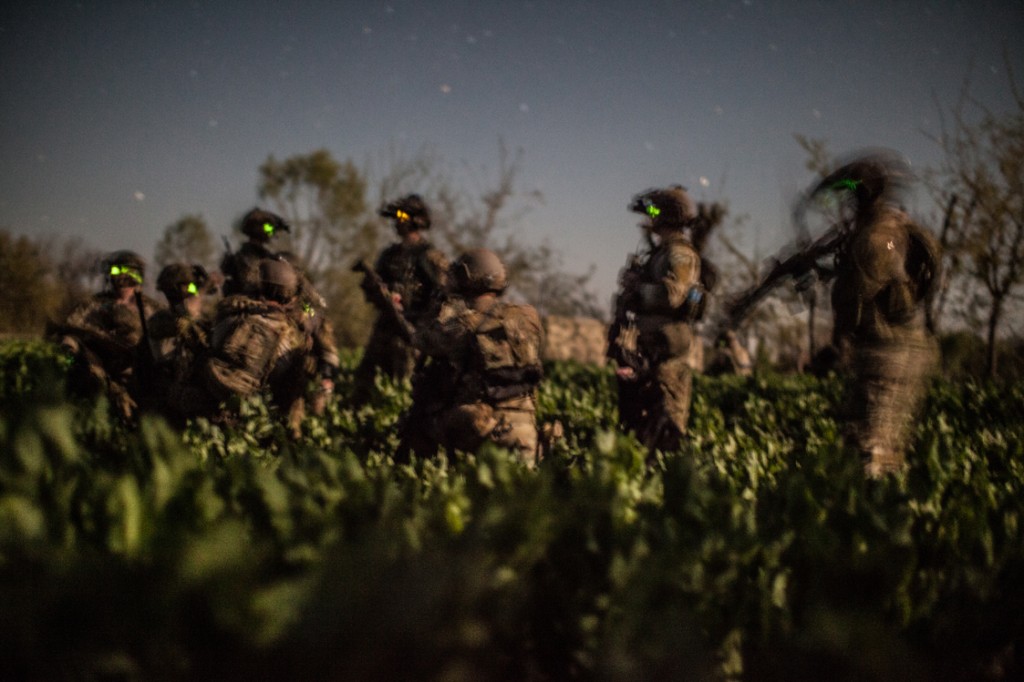
https://googlefirst.org

PLEASE SUPPORT OUR COMMON CAUSE AND HELP ME TO STAY ALIVE.

https://www.patreon.com/bePatron?u=54250700

https://www.patreon.com/berndpulch?utm_campaign=creatorshare_creator

https://www.buymeacoffee.com/berndpulch

CRYPTO WALLET  for

ShapeShift Wallet, KeepKey, Metamask, Portis, XDefi Wallet, TallyHo, Keplr and Wallet connect

0x271588b52701Ae34dA9D4B31716Df2669237AC7f

Crypto Wallet for Binance Smart Chain-, Ethereum-, Polygon-Networks

bmp

0xd3cce3e8e214f1979423032e5a8c57ed137c518b

If you want to be totally anonymous please use Monero

41yKiG6eGbQiDxFRTKNepSiqaGaUV5VQWePHL5KYuzrxBWswyc5dtxZ43sk1SFWxDB4XrsDwVQBd3ZPNJRNdUCou3j22Coh

๏™GOD BLESS YOU๏™

Follow the ONLY MEDIA with the LICENSE TO SPY โœŒ๏ธ@abovetopsecretxxl

Dep of Foreign Affairs – Foreign Operations – Budget – Congress Original Document

Follow the ONLY MEDIA with the LICENSE TO SPY โœŒ๏ธ@abovetopsecretxxl

Read all at

https://t.me/ABOVETOPSECRETXXL/31721