

Featured

West Virginia Lawmakers Push to Ban Flock AI Cameras โ€“ Warning of Surveillance State

๐Ÿ“บ YouTube: youtube.com/@bernd_pulch
๐Ÿฆ X (Twitter): x.com/berndsocial1
๐Ÿ“ข Telegram: t.me/ABOVETOPSECRETXXL
๐Ÿ”“ UNLOCK THE TRUTH: berndpulch.org/join


West Virginia Lawmakers Push to Ban Flock AI Cameras โ€“ Warning of “Surveillance State” and Constitutional Crisis

A growing coalition of West Virginia lawmakers, county officials, and civil liberties groups is moving to ban or severely restrict the use of Flock Safety’s AI-powered surveillance cameras across the state. The West Virginia Freedom Caucus has vowed to use “every procedural tool available” to pass the Fourth Amendment Restoration Act, which would prohibit warrantless, real-time surveillance technologies โ€“ including automated license plate readers, facial recognition, and drone surveillance.


The Fourth Amendment Restoration Act: A Direct Challenge to Warrantless Surveillance

At the heart of the pushback is the Fourth Amendment Restoration Act, a bill that has been introduced in the past two legislative sessions but has yet to make it across the finish line. The legislation would ban warrantless surveillance technologies, including Flock cameras, facial recognition systems, drone surveillance, and other technologies capable of mass tracking.

“The answer to crime is enforcing the law against criminals โ€” not creating a surveillance state that treats every citizen as a suspect.” โ€“ Del. Laura Kimble (R)

The West Virginia Freedom Caucus, a conservative group within the state legislature, is leading the charge. State Sen. Chris Rose (R-Monongalia) warned that the caucus is “prepared to use every procedural tool available in both the House and Senate to oppose, delay, and tie up legislative business” until the bill receives the consideration it deserves.

Democrats are also joining the effort. Del. Evan Hansen (D-Monongalia) announced he is drafting legislation to create “guardrails” that would limit the capabilities of automated license plate readers (ALPRs) on a statewide level.

“Every West Virginian has certain constitutional rights, but at the same time, I also recognize the need for law enforcement to have tools they could use to solve crimes. So I’m focusing my efforts on drafting a bill to put strong guardrails in place.” โ€“ Del. Evan Hansen

The proposed guardrails would require law enforcement agencies to adopt mandated policies limiting what the cameras can be used for, require data to be permanently deleted within a short period, and ensure the technology “could only be used for very specific law enforcement purposes and cannot be used to track people’s movements”.


Privacy Concerns and Constitutional Rights

The debate centers on whether the benefits of AI-powered surveillance outweigh the erosion of constitutional protections. Critics argue that Flock cameras represent a fundamental threat to privacy and the Fourth Amendment.

“Flock cameras don’t just identify criminals โ€“ they create a database documenting where law-abiding citizens worship, seek medical care, conduct business, and travel. That is fundamentally incompatible with a free society.” โ€“ Del. Henry Dillon

The ACLU of West Virginia has been at the forefront of the legal battle. In July 2026, the organization filed a lawsuit against the city of Huntington, challenging a $2.1 million contract with Flock Safety. The lawsuit alleges that city leaders failed to follow proper procedures when approving the contract and did not provide public notice or hold required hearings.

“We will not stand by while the city runs roughshod over the will of the people and the privacy rights of every person in Huntington.” โ€“ Eli Baumwell, ACLU-WV Executive Director

From LA to Huntington: A Nationwide Backlash

Flock Safety, founded in 2017, operates in more than 12,000 communities across the United States. Its AI-powered cameras photograph license plates, instantly check them against warrant lists and criminal databases, and can even detect the sound of gunshots.

However, the technology has faced mounting criticism. Major cities like Los Angeles have allowed their Flock contracts to expire. In West Virginia, the backlash has been swift and intense:

ยท Huntington approved a $2 million contract in a contentious 6-4 vote, despite over 50 residents speaking against it. Days later, the ACLU filed a lawsuit.
ยท Putnam County installed several cameras but has never activated them. Sheriff Bobby Eggleton announced the system will not be turned on until further research and public education can be conducted.
ยท Cabell County has taken a stand against the technology, with Commissioner John Mandt stating the county has “no desire to implement Flock Safety cameras or any other form of artificial intelligence surveillance technology”.
ยท Barboursville Mayor Chris Tatum said the village will not participate in the Flock camera program, citing privacy and constitutional concerns.
ยท Morgantown residents have voiced opposition to the city’s Flock contract.

A Bipartisan Effort

The pushback against Flock cameras has drawn support from across the political spectrum. The West Virginia Freedom Caucus, a conservative group, is working alongside Democrats like Del. Evan Hansen.

“While we’re very pro-law enforcement and very much pro-law and order, and we want them to have the proper tools they need to keep communities safe, at the same time we also want to make sure the Fourth Amendment is protected and respected and not violated.” โ€“ Sen. Chris Rose

Former Morgantown police chief Ed Preston also voiced support for stricter regulations, warning that “technology has far exceeded what our existing public policy is”.


The Broader Debate: Public Safety vs. Surveillance State

Proponents of Flock cameras argue that the technology helps law enforcement solve crimes more efficiently and protect communities. However, critics warn that the expansion of AI-powered surveillance creates a system of warrantless mass tracking that could be easily abused.

In one example, a West Virginia man was charged with felony damage after destroying Flock cameras, highlighting the intense emotions surrounding the technology. In another case, Flock was accused of misusing data, and a Texas officer reportedly used the system to track a woman who self-administered an abortion.

What’s Next?

The 2026 version of the Fourth Amendment Restoration Act never made it out of the House Judiciary Committee. However, supporters are vowing to reintroduce it in the upcoming session. With bipartisan support growing and public pressure mounting, the fight over Flock cameras in West Virginia is far from over.

For now, the message from state lawmakers is clear: warrantless surveillance technologies will not be tolerated in the Mountain State.


๐Ÿ“บ YouTube: youtube.com/@bernd_pulch
๐Ÿฆ X (Twitter): x.com/berndsocial1
๐Ÿ“ข Telegram: t.me/ABOVETOPSECRETXXL
๐Ÿ”“ UNLOCK THE TRUTH: berndpulch.org/join

๐Ÿ“บ YouTube: youtube.com/@bernd_pulch
๐Ÿฆ X (Twitter): x.com/berndsocial1
๐Ÿ“ข Telegram: t.me/ABOVETOPSECRETXXL
๐Ÿ”“ UNLOCK THE TRUTH: berndpulch.org/join


West Virginia will Flock-รœberwachungskameras verbieten โ€“ Warnung vor รœberwachungsstaat

Eine wachsende Koalition aus Abgeordneten, Bezirksbeamten und Bรผrgerrechtsorganisationen in West Virginia setzt sich fรผr ein Verbot oder eine strenge Regulierung der KI-gestรผtzten รœberwachungskameras von Flock Safety ein. Die West Virginia Freedom Caucus hat angekรผndigt, “alle verfรผgbaren prozeduralen Mittel” einzusetzen, um den Fourth Amendment Restoration Act zu verabschieden, der รœberwachungstechnologien ohne richterliche Anordnung โ€“ darunter automatisierte Kennzeichenlesegerรคte, Gesichtserkennung und Drohnenรผberwachung โ€“ verbieten wรผrde.


Der Fourth Amendment Restoration Act: Eine direkte Herausforderung fรผr die รœberwachung ohne richterliche Anordnung

Im Zentrum des Widerstands steht der Fourth Amendment Restoration Act, ein Gesetzentwurf, der in den letzten beiden Legislaturperioden eingebracht wurde, es aber noch nicht bis zur Verabschiedung geschafft hat. Das Gesetz wรผrde รœberwachungstechnologien ohne richterliche Anordnung verbieten, darunter Flock-Kameras, Gesichtserkennungssysteme, Drohnenรผberwachung und andere Technologien, die eine Massenรผberwachung ermรถglichen.

“Die Antwort auf Kriminalitรคt ist die Strafverfolgung von Kriminellen โ€“ nicht die Schaffung eines รœberwachungsstaates, der jeden Bรผrger als Verdรคchtigen behandelt.” โ€“ Del. Laura Kimble (R)

Die West Virginia Freedom Caucus, eine konservative Gruppe innerhalb der staatlichen Legislative, fรผhrt den Kampf an. Staatssenator Chris Rose (R-Monongalia) warnte, dass die Fraktion “bereit ist, alle verfรผgbaren prozeduralen Mittel im Reprรคsentantenhaus und im Senat einzusetzen, um Gesetzesvorhaben zu blockieren, zu verzรถgern und zu behindern”, bis der Gesetzentwurf die ihm gebรผhrende Aufmerksamkeit erhรคlt.

Auch die Demokraten schlieรŸen sich dem Bemรผhen an. Del. Evan Hansen (D-Monongalia) kรผndigte an, dass er einen Gesetzentwurf ausarbeite, der “Leitplanken” fรผr die Fรคhigkeiten automatisierter Kennzeichenlesegerรคte (ALPRs) auf staatlicher Ebene schaffen soll.

“Jeder West Virginianer hat bestimmte verfassungsmรครŸige Rechte, aber gleichzeitig erkenne ich auch den Bedarf der Strafverfolgungsbehรถrden an, Werkzeuge zur Verbrechensbekรคmpfung zu haben. Deshalb konzentriere ich mich auf die Ausarbeitung eines Gesetzes, das strenge Leitplanken vorsieht.” โ€“ Del. Evan Hansen

Die vorgeschlagenen Leitplanken wรผrden von den Strafverfolgungsbehรถrden verlangen, verbindliche Richtlinien zu verabschieden, die den Einsatz der Kameras einschrรคnken, sowie eine Lรถschung der Daten innerhalb kurzer Zeit und die Beschrรคnkung der Technologie “auf ganz bestimmte Strafverfolgungszwecke, ohne dass Bewegungen von Personen verfolgt werden kรถnnen”.


Datenschutzbedenken und verfassungsmรครŸige Rechte

Die Debatte dreht sich um die Frage, ob der Nutzen KI-gestรผtzter รœberwachung die Aushรถhlung verfassungsmรครŸiger Schutzrechte rechtfertigt. Kritiker argumentieren, dass Flock-Kameras eine grundlegende Bedrohung fรผr die Privatsphรคre und den Vierten Verfassungszusatz darstellen.

“Flock-Kameras identifizieren nicht nur Kriminelle โ€“ sie schaffen eine Datenbank, die dokumentiert, wo gesetzestreue Bรผrger Gottesdienste besuchen, medizinische Versorgung in Anspruch nehmen, Geschรคfte tรคtigen und reisen. Das ist grundsรคtzlich unvereinbar mit einer freien Gesellschaft.” โ€“ Del. Henry Dillon

Die ACLU von West Virginia steht an vorderster Front des juristischen Kampfes. Im Juli 2026 reichte die Organisation Klage gegen die Stadt Huntington ein und stellte einen 2,1 Millionen Dollar teuren Vertrag mit Flock Safety in Frage. Die Klage wirft den Stadtverantwortlichen vor, bei der Genehmigung des Vertrags nicht die ordnungsgemรครŸen Verfahren eingehalten und keine รถffentliche Bekanntmachung oder die erforderlichen Anhรถrungen durchgefรผhrt zu haben.

“Wir werden nicht tatenlos zusehen, wie die Stadt den Willen des Volkes und die Privatsphรคre jedes Bรผrgers in Huntington mit FรผรŸen tritt.” โ€“ Eli Baumwell, Geschรคftsfรผhrer der ACLU-WV


Von LA bis Huntington: Ein landesweiter Widerstand

Flock Safety, gegrรผndet 2017, ist in mehr als 12.000 Gemeinden in den gesamten Vereinigten Staaten tรคtig. Die KI-gestรผtzten Kameras fotografieren Kennzeichen, gleichen sie sofort mit Haftbefehlen und kriminellen Datenbanken ab und kรถnnen sogar Schรผsse orten.

Die Technologie sieht sich jedoch wachsender Kritik ausgesetzt. GroรŸstรคdte wie Los Angeles haben ihre Flock-Vertrรคge auslaufen lassen. In West Virginia fiel die Gegenreaktion heftig aus:

ยท Huntington genehmigte einen 2-Millionen-Dollar-Vertrag mit 6:4 Stimmen, obwohl รผber 50 Einwohner dagegen sprachen. Wenige Tage spรคter reichte die ACLU Klage ein.
ยท Putnam County installierte mehrere Kameras, hat sie aber nie aktiviert. Sheriff Bobby Eggleton kรผndigte an, dass das System nicht in Betrieb genommen werde, bis weitere Recherchen und eine รถffentliche Aufklรคrung stattgefunden hรคtten.
ยท Cabell County hat sich gegen die Technologie ausgesprochen; Commissioner John Mandt erklรคrte, das County habe “kein Interesse an Flock-Safety-Kameras oder anderen Formen der KI-รœberwachungstechnologie”.
ยท Barboursville Bรผrgermeister Chris Tatum sagte, die Gemeinde werde nicht am Flock-Kamera-Programm teilnehmen, und verwies auf Datenschutz- und Verfassungsbedenken.
ยท In Morgantown haben sich Einwohner gegen den Flock-Vertrag der Stadt ausgesprochen.


Eine รผberparteiliche Anstrengung

Der Widerstand gegen Flock-Kameras findet Unterstรผtzung aus dem gesamten politischen Spektrum. Die West Virginia Freedom Caucus, eine konservative Gruppe, arbeitet mit Demokraten wie Del. Evan Hansen zusammen.

“Wir sind zwar sehr fรผr die Strafverfolgung und fรผr Recht und Ordnung, und wir wollen, dass sie die richtigen Werkzeuge haben, um die Gemeinden zu schรผtzen, aber gleichzeitig wollen wir auch sicherstellen, dass der Vierte Verfassungszusatz geschรผtzt und respektiert wird und nicht verletzt wird.” โ€“ Sen. Chris Rose

Der frรผhere Polizeichef von Morgantown, Ed Preston, sprach sich ebenfalls fรผr strengere Regulierungen aus und warnte, dass “die Technologie das, was unsere bestehende รถffentliche Politik vorgibt, bei weitem รผberholt hat”.


Die grรถรŸere Debatte: ร–ffentliche Sicherheit vs. รœberwachungsstaat

Befรผrworter der Flock-Kameras argumentieren, dass die Technologie den Strafverfolgungsbehรถrden hilft, Verbrechen effizienter aufzuklรคren und Gemeinden zu schรผtzen. Kritiker warnen jedoch, dass die Ausweitung der KI-รœberwachung ein System der massenhaften รœberwachung ohne richterliche Anordnung schafft, das leicht missbraucht werden kรถnnte.

In einem Fall wurde ein Mann aus West Virginia wegen Sachbeschรคdigung angeklagt, nachdem er Flock-Kameras zerstรถrt hatte โ€“ ein Zeichen fรผr die starken Emotionen rund um die Technologie. In einem anderen Fall wurde Flock vorgeworfen, Daten missbraucht zu haben, und ein texanischer Polizeibeamter soll das System genutzt haben, um eine Frau zu verfolgen, die einen Schwangerschaftsabbruch selbst vorgenommen hatte.


Wie geht es weiter?

Die Version des Fourth Amendment Restoration Act von 2026 schaffte es nicht aus dem Justizausschuss des Reprรคsentantenhauses. Die Befรผrworter kรผndigen jedoch an, den Gesetzentwurf in der kommenden Sitzungsperiode erneut einzubringen. Angesichts der wachsenden รผberparteilichen Unterstรผtzung und des รถffentlichen Drucks ist der Kampf um die Flock-Kameras in West Virginia noch lange nicht beendet.

Die Botschaft der Staatsparlamentarier ist klar: รœberwachungstechnologien ohne richterliche Anordnung werden im Mountain State nicht geduldet.


๐Ÿ“บ YouTube: youtube.com/@bernd_pulch
๐Ÿฆ X (Twitter): x.com/berndsocial1
๐Ÿ“ข Telegram: t.me/ABOVETOPSECRETXXL
๐Ÿ”“ UNLOCK THE TRUTH: berndpulch.org/join

Featured

6G Will Turn Cell Towers Into Giant Radar Systems โ€“ Detecting People Without Any Device

๐Ÿ“บ YouTube: youtube.com/@bernd_pulch
๐Ÿฆ X (Twitter): x.com/berndsocial1
๐Ÿ“ข Telegram: t.me/ABOVETOPSECRETXXL
๐Ÿ”“ UNLOCK THE TRUTH: berndpulch.org/join


6G Will Turn Cell Towers Into Giant Radar Systems โ€“ Detecting People Without Any Device

The next generation of mobile communications is about to transform every cell tower into a massive radar system. 6G networks will be able to detect people, track movements, and even measure vital signs โ€“ without requiring a phone, smartwatch, or any other device. Privacy advocates are sounding the alarm.


The End of Privacy as We Know It

With the introduction of 6G, the mobile communications industry is facing a paradigm shift. The technology known as Integrated Sensing and Communication (ISAC) will turn the next-generation mobile network into a kind of giant radar system.

6G antennas will not only transmit data (as they do today) but will also be able to “see” the environment, detect movement, locate people, and monitor their status. It is like equipping the network with a sort of radar.

Unlike traditional tracking methods that rely on smartphones or other devices, ISAC works purely physically via reflected radio waves. This means everyone within range is affected โ€“ regardless of whether they are carrying a phone or not.

“The technology makes no difference whether you carry an end device with you or not. Since it is based on radio waves, it can detect the movements of anyone in the area โ€“ without any active participation of the affected person.”
โ€” Tobias Keber, Chairman of the German Data Protection Conference


How It Works: From Data Transmission to Radar

Today’s networks serve primarily for communication. 6G, on the other hand, will use radio reflections to detect objects, distances, speeds, and even human movements in real time.

By utilizing radio frequency waveforms, 6G base stations double as sophisticated radar systems. These cell towers bounce signals off their surroundings to map the physical world in real time โ€“ detecting objects, movement, and environmental changes without requiring active tags or user devices.

European mobile network operators are already demonstrating today in the 5G network how standard antennas can be turned into large-scale sensors. The principle is similar to bat echolocation: radio reflections are used to detect objects, distances, speeds, and even human movements in real time.


What 6G Radar Can Detect

The radar capabilities of 6G go far beyond conventional location tracking. According to a position paper by the German Data Protection Conference from June 2026, machine learning will even enable the determination of breathing, heartbeat, and individual gait patterns.

Possible applications include:

ยท Movement detection โ€“ tracking people and objects in real time
ยท Vital sign monitoring โ€“ detecting breathing and heartbeat without any sensors
ยท Through-wall sensing โ€“ radio waves penetrate walls and solid obstacles
ยท Gait recognition โ€“ identifying individuals by their walking pattern
ยท Drone and vehicle tracking โ€“ monitoring air and road traffic

Samsung and LG Uplus are already testing 6G sensing technology that could replace dedicated radar systems. In practical terms, it means a cell tower could detect a drone, track a vehicle, or monitor foot traffic without any dedicated sensing hardware.

The European research project PAISES-6G, led by the Universidad Carlos III de Madrid, is working on technological solutions to ensure that the integrated detection capability is secure and ethical.


The Privacy Nightmare

Data protection advocates are warning of “significant fundamental rights risks” and a new, difficult-to-control form of mass surveillance.

The German Data Protection Conference (DSK) has identified several critical issues:

1. No Way to Opt Out

Since the sensor technology is embedded as a basic service in the network infrastructure, concepts such as informed consent from those affected are hardly practicable.

“The concept of individual consent simply reaches its limits here. With a ubiquitous infrastructure technology, it is impossible to obtain consent from every individual.”
โ€” Tobias Keber, DSK Chairman

2. Unauthorized Sensing

Criminals could misuse 6G signals to create maps of buildings without permission, track the position of people, or gain confidential information by intercepting radar signals.

3. Through-Wall Surveillance

Because radio waves penetrate walls, authorities classify this detection as an extreme intrusion into privacy.

“When potentially every mobile device receives a radar function and, in interaction with the respective base station, can scan and perceive people and objects in the room, there are hardly any spaces left where we can be unobserved.”
โ€” Tobias Keber, DSK Chairman

4. Vital Sign Collection

The technology could capture breathing, heartbeat, and other biometric data โ€“ without the person’s knowledge or consent.

5. Active Attacks

6G radar signals could be manipulated via the air interface to provoke incorrect measurements or to circumvent security functions.


The Countermeasures

Researchers at the Barkhausen Institute in Dresden are developing protection mechanisms based on the privacy by design principle. The PAISES-6G project is working on three major technological pillars: preventive artificial intelligence for cybersecurity, post-quantum cryptography, and privacy-preserving data sharing.

The DSK advocates for “data protection by design” โ€“ integrating data protection into technical standards and legal frameworks from the outset, rather than viewing it as a subsequent corrective.


Conclusion

The 6G mobile standard will turn every cell tower into a giant radar system. The technology will be able to detect people, track movements, and measure vital signs โ€“ without requiring a device. A network that sees everything, knows everything, and makes privacy a relic of the past.

The window for establishing privacy safeguards is closing. Once the standard is set, it will be extremely difficult to change. The question is: Will regulators act before it’s too late โ€“ or will 6G become the most powerful surveillance tool ever built into the fabric of daily life?


๐Ÿ“บ YouTube: youtube.com/@bernd_pulch
๐Ÿฆ X (Twitter): x.com/berndsocial1
๐Ÿ“ข Telegram: t.me/ABOVETOPSECRETXXL
๐Ÿ”“ UNLOCK THE TRUTH: berndpulch.org/join

๐Ÿ“บ YouTube: youtube.com/@bernd_pulch
๐Ÿฆ X (Twitter): x.com/berndsocial1
๐Ÿ“ข Telegram: t.me/ABOVETOPSECRETXXL
๐Ÿ”“ UNLOCK THE TRUTH: berndpulch.org/join


6G wird Mobilfunkmasten zu riesigen Radarsystemen machen โ€“ Menschen ohne jedes Gerรคt erfassbar

Die nรคchste Generation des Mobilfunks steht vor einem epochalen Umbruch. Der 6G-Standard wird jeden Mobilfunkmasten in ein gigantisches Radarsystem verwandeln. Die Netze kรถnnen dann Menschen und Bewegungen erfassen โ€“ ohne dass diese ein Smartphone oder ein anderes Gerรคt besitzen. Datenschรผtzer schlagen Alarm.


Das Ende der Privatsphรคre, wie wir sie kennen

Mit der Einfรผhrung von 6G steht die Mobilfunkbranche vor einem Paradigmenwechsel. Die als Integrated Sensing and Communication (ISAC) bezeichnete Technologie wird das Mobilfunknetz der nรคchsten Generation zu einer Art riesigem Radarsystem machen.

6G-Antennen werden nicht nur Daten รผbertragen (wie sie es heute tun), sondern kรถnnen auch die Umgebung “sehen”, Bewegungen erkennen, Menschen orten und deren Vitalfunktionen รผberwachen. Es ist, als wรผrde man das Netzwerk mit einer Art Radar ausstatten.

Anders als herkรถmmliche Tracking-Methoden, die auf Smartphones oder andere Gerรคte angewiesen sind, arbeitet ISAC rein physikalisch รผber reflektierte Funkwellen. Das bedeutet, dass jeder im Empfangsbereich betroffen ist โ€“ unabhรคngig davon, ob er ein Telefon bei sich trรคgt oder nicht.

“Die Technologie macht keinen Unterschied, ob Sie ein Endgerรคt mit sich fรผhren oder nicht. Da sie auf Funkwellen basiert, kann sie die Bewegungen aller Personen im Bereich erfassen โ€“ ohne jede aktive Beteiligung der betroffenen Person.”
โ€” Tobias Keber, Vorsitzender der Datenschutzkonferenz


Wie es funktioniert: Von der Datenรผbertragung zum Radar

Heutige Netze dienen primรคr der Kommunikation. 6G hingegen wird Funkreflexionen nutzen, um Objekte, Entfernungen, Geschwindigkeiten und sogar menschliche Bewegungen in Echtzeit zu erfassen.

Durch die Nutzung von Funkfrequenzwellen werden 6G-Basisstationen zu ausgefeilten Radarsystemen. Diese Sendemasten senden Signale aus, die von ihrer Umgebung reflektiert werden, um die physische Welt in Echtzeit zu kartieren โ€“ sie erkennen Objekte, Bewegungen und Umweltverรคnderungen, ohne dass aktive Tags oder Benutzergerรคte erforderlich sind.

Europรคische Mobilfunkbetreiber demonstrieren bereits heute im 5G-Netz, wie sich Standardantennen in groรŸflรคchige Sensoren verwandeln lassen. Das Prinzip รคhnelt der Echoortung von Fledermรคusen: Funkreflexionen werden genutzt, um Objekte, Entfernungen, Geschwindigkeiten und sogar menschliche Bewegungen in Echtzeit zu erkennen.


Was 6G-Radar erkennen kann

Die Radarfรคhigkeiten von 6G gehen weit รผber die herkรถmmliche Standortermittlung hinaus. Laut einem Positionspapier der Datenschutzkonferenz vom Juni 2026 wird maschinelles Lernen sogar die Bestimmung von Atmung, Herzschlag und individuellen Gangmustern ermรถglichen.

Mรถgliche Anwendungen umfassen:

ยท Bewegungserkennung โ€“ Verfolgung von Personen und Objekten in Echtzeit
ยท รœberwachung von Vitalfunktionen โ€“ Erkennung von Atmung und Herzschlag ohne Sensoren am Kรถrper
ยท Erkennung durch Wรคnde โ€“ Funkwellen durchdringen Wรคnde und feste Hindernisse
ยท Gangerkennung โ€“ Identifizierung von Personen anhand ihres Gangbilds
ยท Drohnen- und Fahrzeugverfolgung โ€“ รœberwachung des Luft- und StraรŸenverkehrs

Samsung und LG Uplus testen bereits 6G-Sensing-Technologie, die dedizierte Radarsysteme ersetzen kรถnnte. In der Praxis bedeutet das: Ein Mobilfunkmast kรถnnte eine Drohne erkennen, ein Fahrzeug verfolgen oder den FuรŸgรคngerverkehr รผberwachen โ€“ ohne dedizierte Sensor-Hardware.

Das europรคische Forschungsprojekt PAISES-6G unter der Leitung der Universidad Carlos III de Madrid arbeitet an technologischen Lรถsungen, um sicherzustellen, dass die integrierte Erfassungsfรคhigkeit sicher und ethisch ist.


Der Albtraum fรผr den Datenschutz

Datenschรผtzer warnen vor “erheblichen Grundrechtsrisiken” und einer neuen, schwer kontrollierbaren Form der Massenรผberwachung.

Die Datenschutzkonferenz (DSK) hat mehrere kritische Probleme identifiziert:

1. Keine Mรถglichkeit zum Opt-out

Da die Sensorik als Basisdienst in die Netzinfrastruktur eingebettet werden soll, sind Konzepte wie die informierte Einwilligung der Betroffenen kaum praktikabel.

“Das Konzept der individuellen Einwilligung stรถรŸt hier einfach an seine Grenzen. Bei einer flรคchendeckenden Infrastrukturtechnologie ist es unmรถglich, von jedem Einzelnen eine Einwilligung einzuholen.”
โ€” Tobias Keber, DSK-Vorsitzender

2. Unbefugtes Sensing

Kriminelle kรถnnten 6G-Signale missbrauchen, um unerlaubt Karten von Gebรคuden zu erstellen, die Position von Personen zu verfolgen oder vertrauliche Informationen durch das Abfangen von Radarsignalen zu erlangen.

3. รœberwachung durch Wรคnde

Da Funkwellen Wรคnde durchdringen, stufen Behรถrden diese Erfassung als extremen Eingriff in die Privatsphรคre ein.

4. Erfassung von Vitaldaten

Die Technologie kรถnnte Atmung, Herzschlag und andere biometrische Daten erfassen โ€“ ohne Wissen oder Einwilligung der betroffenen Person.

5. Aktive Angriffe

6G-Radarsignale kรถnnten รผber die Luftschnittstelle manipuliert werden, um Fehlmessungen zu provozieren oder Sicherheitsfunktionen auszuhebeln.


Die GegenmaรŸnahmen

Forscher des Barkhausen-Instituts in Dresden entwickeln Schutzmechanismen nach dem Prinzip des “Privacy by Design”. Seit mehreren Jahren tรผfteln sie an technischen Konzepten, um die Technologie datenschutzkonform, vertrauenswรผrdig und sicher einsetzen zu kรถnnen.

Das PAISES-6G-Projekt konzentriert sich auf drei groรŸe technologische Sรคulen: prรคventive kรผnstliche Intelligenz fรผr Cybersicherheit, Post-Quanten-Kryptografie und datenschutzbewusste gemeinsame Datennutzung.

Konkrete Lรถsungsansรคtze:

ยท Ein Hardware-Schalter, der die Sensorfunktion in Gerรคten komplett deaktiviert, wรคhrend die Kommunikation weiterlรคuft
ยท Eine App, die anzeigt, wann eine Umgebungserfassung stattfindet

Die DSK plรคdiert fรผr “Datenschutz durch Technikgestaltung” โ€“ Datenschutz von Anfang an in technische Standards und rechtliche Rahmenbedingungen zu integrieren, statt ihn als nachtrรคgliche Korrektur zu betrachten.


Ein Zeitfenster, das sich schlieรŸt

Der Druck ist enorm: Einmal verabschiedet, ist ein Standard nur รคuรŸerst schwer zu รคndern. Deutschland hat die 6G-Entwicklung bereits mit rund 700 Millionen Euro angeschoben, der kommerzielle Start wird um 2030 erwartet.

Im September 2026 treffen sich internationale Fachleute in Dresden, um den Standard zu finalisieren. Dies kรถnnte die letzte Gelegenheit sein, Datenschutzvorkehrungen in den Standard zu integrieren, bevor er dauerhaft wird.

Fazit

Der 6G-Mobilfunkstandard wird jeden Mobilfunkmasten in ein gigantisches Radarsystem verwandeln. Die Technologie wird Menschen erkennen, Bewegungen verfolgen und Vitalfunktionen messen kรถnnen โ€“ ohne dass ein Gerรคt erforderlich ist. Ein Netzwerk, das alles sieht, alles weiรŸ โ€“ und Privatsphรคre zum Relikt der Vergangenheit macht.

Das Zeitfenster fรผr Datenschutzvorkehrungen schlieรŸt sich. Die Frage ist: Werden die Regulierungsbehรถrden handeln, bevor es zu spรคt ist โ€“ oder wird 6G zum mรคchtigsten รœberwachungswerkzeug, das jemals in den Alltag integriert wurde?


๐Ÿ“บ YouTube: youtube.com/@bernd_pulch
๐Ÿฆ X (Twitter): x.com/berndsocial1
๐Ÿ“ข Telegram: t.me/ABOVETOPSECRETXXL
๐Ÿ”“ UNLOCK THE TRUTH: berndpulch.org/join

Featured

Rwanda’s Digital Prison โ€“ How an African “Success” Story Is Becoming a Dystopian Blueprint

Dystopian Blueprint

๐Ÿ“บ YouTube: youtube.com/@bernd_pulch
๐Ÿฆ X (Twitter): x.com/berndsocial1
๐Ÿ“ข Telegram: t.me/ABOVETOPSECRETXXL
๐Ÿ”“ UNLOCK THE TRUTH: berndpulch.org/join


Rwanda’s Digital Prison โ€“ How an African Success Story Is Becoming a Dystopian Blueprint

Rwanda is hailed as Africa’s digital showcase. But behind the facade of modernity, a dystopian nightmare is growing: total control over every aspect of life โ€“ down to genetically modified agriculture. The question is not whether Rwanda is a digital prison, but how a society can survive within such a system.


Africa’s Digital Showcase

Rwanda has positioned itself as a pioneer of digital transformation in Africa in recent years. The entire administrative system operates digitally; no citizen needs to visit government offices in person anymore. The country aims to become a “blueprint” for other nations.

But this apparent modernity comes at a price. Rwanda is building a system that enables total control over every aspect of life โ€“ from birth to death, from healthcare to agriculture.


The Digital Identity โ€“ Key to Total Control

At the center of this system is the e-ID, a permanent digital identity assigned to every Rwandan from birth. Over 1.8 million people have already been photographed and registered. The goal: at least 15 million people, including refugees and migrants.

The e-ID is linked to all public and private services:

ยท Health: Health insurance, medical records, prescriptions, and vaccinations
ยท Education: School attendance from primary school to graduation
ยท Finance: Banking, taxes, pensions
ยท Administration: Elections, land registry, business registration, marriage certificates
ยท Travel: Driver’s licenses

“The e-ID will be a single, permanent digital ID that securely connects citizens with public and private services.”
โ€” Rwandan Ministry of ICT and Innovation

Authorities insist the system is “not used for daily surveillance”. Yet the collected data โ€“ biometric information, health records, educational histories, financial transactions โ€“ offers unprecedented potential for state control.


Agriculture as a Control Room

Particularly concerning is the increasing digitalization of agriculture. Rwanda is deploying satellite imagery, GPS, sensors, and artificial intelligence to monitor and control agricultural production.

The Agriculture Management Information System (AMIS) is a digital platform for monitoring all agricultural production. Every animal receives a unique digital ID and health card tracking births, vaccinations, breeding, treatments, and sales.

Satellite imagery is used to:

ยท Monitor land use
ยท Detect unauthorized structures on farmland
ยท Predict crop yields
ยท Issue climate warnings

“Satellite imagery and remote sensing will be integrated into the system to monitor agriculture, predict yields, issue climate warnings, and enable geo-referenced planning.”
โ€” AMIS system description


Genetically Modified Agriculture โ€“ Control Over the Food Chain

Rwanda is increasingly relying on genetically modified organisms (GMOs) to develop higher-yielding, disease-resistant, and drought-tolerant crops. In 2024, the country passed a biosafety law regulating the use of GMOs.

Critics warn that control over seed production and cultivation creates a dangerous dependency on technology corporations and state surveillance. Whoever controls the seeds controls food production โ€“ and therefore the population.


The Dark Side of Digitalization

Rwanda’s official narrative is one of progress. But the reality is more complex:

ยท Surveillance: The combination of digital ID, biometric data, and comprehensive agricultural monitoring creates a system of total control.
ยท Privacy: Despite assurances, it remains unclear how the data is actually protected. Data breaches must be reported within 72 hours, but enforcement is questionable.
ยท Exclusion: Citizens without smartphones still have access via USSD and physical cards, but the digital divide persists.
ยท Dependency: Increasing digitalization makes the country vulnerable to technical failures, cyberattacks, and foreign influence.

The international community has already raised concerns. Experts warn: “Without strong safeguards, Africa’s digital ID dream risks becoming a surveillance nightmare.”


A Model for the World?

Rwanda is often praised as a role model for other developing countries. But what is sold as efficiency and modernity could turn out to be a blueprint for a digital surveillance state.

The question is not whether Rwanda is a digital prison โ€“ the question is whether the rest of the world will follow this example before the full consequences are understood.


๐Ÿ“บ YouTube: youtube.com/@bernd_pulch
๐Ÿฆ X (Twitter): x.com/berndsocial1
๐Ÿ“ข Telegram: t.me/ABOVETOPSECRETXXL
๐Ÿ”“ UNLOCK THE TRUTH: berndpulch.org/join

๐Ÿ“บ YouTube: youtube.com/@bernd_pulch
๐Ÿฆ X (Twitter): x.com/berndsocial1
๐Ÿ“ข Telegram: t.me/ABOVETOPSECRETXXL
๐Ÿ”“ UNLOCK THE TRUTH: berndpulch.org/join


Ruandas digitales Gefรคngnis โ€“ Wie ein afrikanischer Vorzeigestaat zur dystopischen Blaupause wird

Ruanda gilt als digitaler Vorzeigestaat Afrikas. Doch hinter der Fassade der Modernitรคt wรคchst ein dystopischer Albtraum heran: Vollstรคndige Kontrolle des gesamten Lebens โ€“ bis hin zur Gen-Landwirtschaft. Die Frage ist nicht, ob Ruanda ein digitales Gefรคngnis ist, sondern wie eine Gesellschaft in einem solchen System รผberleben kann.


Der digitale Musterknabe Afrikas

Ruanda hat sich in den letzten Jahren zu einem Vorreiter der digitalen Transformation in Afrika entwickelt. Das Verwaltungswesen lรคuft komplett digital, kein Einwohner muss mehr persรถnlich bei Behรถrden erscheinen. Das Land will zur “Blaupause” fรผr andere Nationen werden.

Doch diese vermeintliche Modernitรคt hat ihren Preis. Ruanda baut ein System auf, das eine vollstรคndige Kontrolle des gesamten Lebens ermรถglicht โ€“ von der Geburt bis zum Tod, von der Gesundheitsversorgung bis zur Landwirtschaft.


Die digitale Identitรคt โ€“ Ein Schlรผssel zur totalen Kontrolle

Im Zentrum dieses Systems steht die e-ID, eine permanente digitale Identitรคt, die jedem Ruander von Geburt an zugewiesen wird. รœber 1,8 Millionen Menschen wurden bereits fotografiert und registriert. Das Ziel: mindestens 15 Millionen Menschen, einschlieรŸlich Flรผchtlinge und Migranten.

Die e-ID wird mit allen รถffentlichen und privaten Dienstleistungen verknรผpft:

ยท Gesundheit: Krankenversicherung, Krankenakten, Verschreibungen und Impfungen
ยท Bildung: Schulbesuch von der Grundschule bis zum Abschluss
ยท Finanzen: Banken, Steuern, Renten
ยท Verwaltung: Wahlen, Grundbuch, Gewerbeanmeldung, Heiratsurkunden
ยท Reisen: Fรผhrerscheine

“Die e-ID wird ein einziger, permanenter digitaler Ausweis sein, der die Bรผrger sicher mit รถffentlichen und privaten Dienstleistungen verbindet.”
โ€” Ruandisches Ministerium fรผr IKT und Innovation

Die Behรถrden beteuern, dass das System “nicht zur tรคglichen รœberwachung” genutzt werde. Doch die gesammelten Daten โ€“ biometrische Informationen, Gesundheitsdaten, Bildungsverlรคufe, Finanztransaktionen โ€“ bieten ein beispielloses Potenzial fรผr staatliche Kontrolle.


Die Landwirtschaft als Kontrollraum

Besonders beunruhigend ist die zunehmende Digitalisierung der Landwirtschaft. Ruanda setzt auf Satellitenbilder, GPS, Sensoren und kรผnstliche Intelligenz, um die landwirtschaftliche Produktion zu รผberwachen und zu steuern.

Das Agriculture Management Information System (AMIS) ist ein digitales System zur รœberwachung der gesamten landwirtschaftlichen Produktion. Jedes Tier erhรคlt eine eindeutige digitale ID und Gesundheitskarte, die Geburten, Impfungen, Zรผchtungen, Behandlungen und Verkรคufe erfasst.

Satellitenbilder werden genutzt, um:

ยท Die Landnutzung zu รผberwachen
ยท Unerlaubte Bauten auf Ackerland zu erkennen
ยท Ernteertrรคge vorherzusagen
ยท Klimawarnungen auszugeben

“Satellitenbilder und Fernerkundung werden in das System integriert, um die Landwirtschaft zu รผberwachen, Ertrรคge vorherzusagen, Klimawarnungen auszugeben und georeferenzierte Planung zu ermรถglichen.”
โ€” AMIS-Systembeschreibung


Die Gen-Landwirtschaft โ€“ Kontrolle รผber die Nahrungsmittelkette

Ruanda setzt zunehmend auf gentechnisch verรคnderte Organismen (GVO) , um ertragreichere, krankheits- und dรผrreresistente Pflanzen zu entwickeln. 2024 verabschiedete das Land ein Biosicherheitsgesetz, das den Einsatz von GVO reguliert.

Kritiker warnen, dass die Kontrolle รผber die Saatgutproduktion und den Anbau eine gefรคhrliche Abhรคngigkeit von Technologiekonzernen und staatlicher รœberwachung schafft. Wer die Saat kontrolliert, kontrolliert die Nahrungsmittelproduktion โ€“ und damit die Bevรถlkerung.


Die Kehrseite der Digitalisierung

Die offizielle Erzรคhlung Ruandas ist eine Geschichte des Fortschritts. Doch die Realitรคt ist komplexer:

ยท รœberwachung: Die Kombination aus digitaler ID, biometrischen Daten und umfassender landwirtschaftlicher รœberwachung schafft ein System totaler Kontrolle.
ยท Datenschutz: Trotz Beteuerungen bleibt unklar, wie die Daten tatsรคchlich geschรผtzt werden. Datenschutzverletzungen mรผssen zwar innerhalb von 72 Stunden gemeldet werden, doch die Durchsetzung ist fraglich.
ยท Ausgrenzung: Bรผrger ohne Smartphone haben zwar Zugang รผber USSD und physische Karten, doch die digitale Kluft bleibt bestehen.
ยท Abhรคngigkeit: Die zunehmende Digitalisierung macht das Land anfรคllig fรผr technische Ausfรคlle, Cyberangriffe und auslรคndische Einflussnahme.

Die internationale Gemeinschaft hat bereits Bedenken geรคuรŸert. Experten warnen: “Ohne starke SchutzmaรŸnahmen riskiert Afrikas digitale ID-Traum, zu einem รœberwachungsalbtraum zu werden” .


Ein Modell fรผr die Welt?

Ruanda wird oft als Vorbild fรผr andere Entwicklungslรคnder gepriesen. Doch das, was als Effizienz und Modernitรคt verkauft wird, kรถnnte sich als Blaupause fรผr einen digitalen รœberwachungsstaat entpuppen.

Die Frage ist nicht, ob Ruanda ein digitales Gefรคngnis ist โ€“ die Frage ist, ob der Rest der Welt diesem Beispiel folgen wird, bevor die Konsequenzen vollstรคndig verstanden sind.


๐Ÿ“บ YouTube: youtube.com/@bernd_pulch
๐Ÿฆ X (Twitter): x.com/berndsocial1
๐Ÿ“ข Telegram: t.me/ABOVETOPSECRETXXL
๐Ÿ”“ UNLOCK THE TRUTH: berndpulch.org/join

Featured

LunarisSec Threatens EU with Massive Cyberattacks Over “Chat Control” Surveillance Plan

Hacker Group LunarisSec Threatens EU with Massive Cyberattacks Over “Chat Control” Surveillance Plan

Unlock the Full Truth: berndpulch.org/join


A hacker group calling itself LunarisSec has issued a stark ultimatum to the European Union: drop the controversial “Chat Control” surveillance proposal immediately or face massive cyberattacks. The group demands that EU lawmakers defend digital freedom and stop spying on citizens.


The Ultimatum

In a statement posted online, LunarisSec declared:

“Protect encryption or PREPARE FOR MASSIVE CYBERATTACKS.”

The hackers further warned:

“Defend digital freedom and STOP spying on citizens! Hands off our privacy!”

The group has threatened to target European infrastructure, government systems, and private sector networks if the EU continues to push forward with plans that would require platforms to scan private messages for illicit content. The hackers demand an “immediate end” to what they describe as mass surveillance masquerading as child protection.


What Is “Chat Control”?

The EU’s “Chat Control” proposal is a controversial plan to combat child sexual abuse material (CSAM) by requiring messaging platforms to scan users’ private chats and photos. Since its initial proposal, the legislation has faced intense scrutiny from digital rights groups, encryption advocates, and legal experts who warn it represents a fundamental threat to private communication.

The proposal would compel messaging apps to adopt content-scanning technology that analyzes media shared within private conversations. This has been criticized as “backdoor surveillance” that undermines the very concept of private messaging.

A Growing Movement

The hackers’ threat comes as opposition to the Chat Control proposal intensifies. In February, an open letter signed by over 120 technology and human rights organizations urged European lawmakers to reject mandatory scanning.

German MEP Patrick Breyer has been vocal in his opposition, warning that the proposal would effectively end private messaging as we know it. The European Digital Rights organization has been running a sustained campaign against the legislation.

Breyer and other privacy advocates have suggested that “messaging services may simply stop operating in Europe” if their encryption is underminedโ€”a prediction that now appears more prescient than ever.

The Hacker Risk

LunarisSec’s threat introduces a new and dangerous element to the debate. While the group’s capabilities remain unverified, the declaration signals that opposition to Chat Control has escalated beyond the bounds of conventional lobbying and advocacy.

Cyberattacks have become an increasingly common tool of political protest and coercion. European institutions have been targets of hacking attempts in recent years, with the European Parliament’s “Parleu” platform being hit by a significant cyberattack in 2024.

The EU’s Response

The European Commission has pushed forward with legislative proposals, arguing that they are necessary for child protection. However, critics accuse the Commission of ignoring widespread expert consensus that mandatory scanning undermines privacy and security.

Under the leadership of Commission President Ursula von der Leyen and Vice-President Margaritis Schinas, the EU has positioned itself as a global leader in digital regulation. The Chat Control proposal stands as one of the most controversial elements of this agenda.

What’s at Stake

The proposal would require the development of a “trustworthy” scanning system that could be applied by default. Critics argue no such system can exist without undermining encryption. The European Parliament may still vote on the controversial measure.

If it becomes law, the mandatory scanning regime would be a first for a major democratic jurisdiction. The EU is now facing a choice: implement surveillance or respond to the growing tide of oppositionโ€”including the serious threat of cyberattacks.

Conclusion

The LunarisSec ultimatum is a stark reminder that the battle over digital privacy is no longer confined to courtrooms and legislatures. As the EU pushes forward with its surveillance agenda, it is drawing the attention of actors willing to use the most aggressive means to stop it.

The debate over Chat Control is a debate over the future of private communication. Now, it has also become a debate over the security of the European institutions themselves.


The complete documentation with all official statements, group declarations, and in-depth analysis is exclusively available to Patreon subscribers at patreon.com/berndpulch.

Unlock the Full Truth: berndpulch.org/join

Hacker-Gruppe LunarisSec droht EU mit massiven Cyberangriffen รผber “Chat Control”-รœberwachungsplรคne

Unlock the Full Truth: berndpulch.org/join


Die Hackergruppe LunarisSec hat der Europรคischen Union ein klares Ultimatum gestellt: Stoppt sofort die umstrittene “Chat Control”-รœberwachung oder ihr mรผsst mit massiven Cyberangriffen rechnen. Die Gruppe fordert von den EU-Gesetzgebern, die digitale Freiheit zu verteidigen und die รœberwachung der Bรผrger zu beenden.


Das Ultimatum

In einer im Internet verรถffentlichten Erklรคrung erklรคrte LunarisSec:

“Schรผtzt die Verschlรผsselung oder bereitet euch auf MASSIVE CYBERANGRIFFE vor.”

Die Hacker warnten weiter:

“Verteidigt die digitale Freiheit und hรถrt auf, Bรผrger auszuspionieren! Hรคnde weg von unserer Privatsphรคre!”

Die Gruppe hat damit gedroht, europรคische Infrastruktur, Regierungssysteme und private Netzwerke anzugreifen, wenn die EU weiterhin an Plรคnen festhรคlt, die Plattformen dazu zwingen wรผrden, private Nachrichten auf illegale Inhalte zu durchsuchen. Die Hacker fordern ein “sofortiges Ende” dessen, was sie als Massenรผberwachung bezeichnen, die sich als Kinderschutz tarne.


Was ist “Chat Control”?

Der EU-Vorschlag “Chat Control” ist ein umstrittener Plan zur Bekรคmpfung von Missbrauchsmaterial, der Messaging-Plattformen dazu verpflichten wรผrde, private Chats und Fotos der Nutzer zu scannen. Seit seinem ersten Vorschlag steht das Gesetz massiv in der Kritik von Digitalrechtsgruppen, Verschlรผsselungsbefรผrwortern und Rechtsexperten, die darin eine grundlegende Bedrohung der privaten Kommunikation sehen.

Der Vorschlag wรผrde Messenger-Apps dazu zwingen, eine Technologie zum Scannen von Inhalten zu implementieren, die Medien innerhalb privater Unterhaltungen analysiert. Dies wird vielfach als “Hintertรผr-รœberwachung” kritisiert, die den eigentlichen Zweck privater Nachrichten untergrรคbt.


Eine wachsende Bewegung

Die Drohung der Hacker kommt zu einem Zeitpunkt, an dem der Widerstand gegen den Chat-Control-Vorschlag zunimmt. Im Februar unterzeichneten mehr als 120 Technologie- und Menschenrechtsorganisationen einen offenen Brief, in dem sie die EU-Gesetzgeber aufforderten, das verpflichtende Scannen abzulehnen.

Der deutsche EU-Abgeordnete Patrick Breyer hat sich lautstark gegen die Plรคne ausgesprochen und warnt davor, dass der Vorschlag private Nachrichten praktisch unmรถglich machen wรผrde. Die Organisation European Digital Rights fรผhrt seit langem eine Kampagne gegen das Gesetz.

Breyer und andere Datenschutzaktivisten haben angedeutet, dass “Messaging-Dienste mรถglicherweise einfach den Betrieb in Europa einstellen”, wenn ihre Verschlรผsselung untergraben wird โ€“ eine Prognose, die nun aktueller denn je erscheint.


Das Hacker-Risiko

Die Drohung von LunarisSec bringt ein neues und gefรคhrliches Element in die Debatte. Zwar sind die Fรคhigkeiten der Gruppe nicht bestรคtigt, doch die Erklรคrung zeigt, dass der Widerstand gegen Chat Control รผber die Grenzen konventioneller Lobbyarbeit und Interessenvertretung hinausgegangen ist.

Cyberangriffe sind zu einem zunehmend verbreiteten Mittel des politischen Protests und der politischen Nรถtigung geworden. Europรคische Institutionen waren in den letzten Jahren Ziel von Hacking-Versuchen, so wurde die “Parleu”-Plattform des Europรคischen Parlaments 2024 von einem schweren Cyberangriff getroffen.


Die Reaktion der EU

Die Europรคische Kommission hat ihre Gesetzesvorschlรคge vorangetrieben und argumentiert, dass diese zum Schutz von Kindern notwendig seien. Kritiker werfen der Kommission jedoch vor, den breiten Expertenkonsens zu ignorieren, dass verpflichtendes Scannen die Privatsphรคre und Sicherheit untergrรคbt.

Unter der Fรผhrung von Kommissionsprรคsidentin Ursula von der Leyen und Vizeprรคsident Margaritis Schinas hat sich die EU als globale Fรผhrungsmacht in der digitalen Regulierung positioniert. Der Chat-Control-Vorschlag ist eines der umstrittensten Elemente dieser Agenda.


Was auf dem Spiel steht

Der Vorschlag wรผrde die Entwicklung eines “vertrauenswรผrdigen” Scansystems erfordern, das standardmรครŸig angewendet werden kรถnnte. Kritiker argumentieren, dass ein solches System nicht existieren kรถnne, ohne die Verschlรผsselung zu untergraben. Das Europรคische Parlament kรถnnte noch รผber die umstrittene MaรŸnahme abstimmen.

Sollte das Gesetz verabschiedet werden, wรคre die verpflichtende Scan-Regelung eine Premiere fรผr eine groรŸe demokratische Rechtsordnung. Die EU steht nun vor einer Wahl: รœberwachung einfรผhren oder auf die wachsende Welle des Widerstands reagieren โ€“ einschlieรŸlich der ernsten Bedrohung durch Cyberangriffe.


Fazit

Das Ultimatum von LunarisSec ist eine deutliche Erinnerung daran, dass der Kampf um die digitale Privatsphรคre nicht lรคnger auf Gerichtssรคle und Parlamente beschrรคnkt ist. Wรคhrend die EU ihre รœberwachungsagenda vorantreibt, zieht sie die Aufmerksamkeit von Akteuren auf sich, die bereit sind, die aggressivsten Mittel einzusetzen, um sie zu stoppen.

Die Debatte um Chat Control ist eine Debatte รผber die Zukunft der privaten Kommunikation. Nun ist sie auch zu einer Debatte รผber die Sicherheit der europรคischen Institutionen selbst geworden.


Die vollstรคndige Dokumentation mit allen offiziellen Stellungnahmen, Gruppenerklรคrungen und weiterfรผhrenden Analysen ist exklusiv fรผr Patreon-Abonnenten verfรผgbar unter patreon.com/berndpulch.

Unlock the Full Truth: berndpulch.org/join

Featured

6G Will See Through Walls and Measure Your Heartbeat โ€“ Privacy Alarm Sounds

6G Will See Through Walls and Measure Your Heartbeat โ€“ Privacy Alarm Sounds

Unlock the Full Truth: berndpulch.org/join


The next-generation mobile communications standard, 6G, will not only transmit data at unprecedented speeds but will also function like a radar โ€” capable of seeing through walls, detecting human presence, and even measuring heartbeat and breathing. Privacy advocates are sounding the alarm.

What sounds like science fiction is about to become reality. The upcoming 6G mobile standard will incorporate a technology called ISAC (Integrated Sensing and Communication), which allows antennas to detect distances, speeds, and movement patterns. Every radio-capable device โ€” from smartphones to base stations โ€” could perform this sensing function alongside its primary communication duties.

The technology can even recognize people through walls and analyze their breathing and heartbeat. With machine learning, it may be possible to identify individuals by their gait and derive gestures and facial features.


“Informed Consent Practically Impossible”

The implications for privacy are staggering. A ubiquitous radio sensor network would capture data on everyone in its range โ€” regardless of whether they carry a mobile device.

“Effective informed consent is practically impossible to obtain” โ€” German Data Protection Conference

On June 17, 2026, the German Data Protection Conference adopted a position paper outlining the far-reaching implications of the technology. The problem is fundamental: how do you opt out of something you cannot see, hear, or feel?


Researchers Are Working on Safeguards

At the Barkhausen Institute in Dresden, researchers are already developing solutions:

ยท A hardware switch that completely disables the sensor function in devices while communication continues
ยท An app that indicates when environmental sensing is taking place

These concepts are being introduced into European standardization bodies. In September 2026, international experts will meet in Dresden to finalize the standard.


The Window of Opportunity Is Closing

The pressure is intense: once a standard is adopted, it is extremely difficult to change. Germany has already invested approximately โ‚ฌ700 million in 6G development, with commercial rollout expected around 2030.

The upcoming September meeting in Dresden may be the last chance to embed privacy protections into the standard before it becomes permanent. The question is whether regulators and researchers can act quickly enough โ€” or whether 6G will become the most powerful surveillance tool ever built into the fabric of daily life.


The complete documentation with all official statements, technical analyses, and in-depth coverage is exclusively available to Patreon subscribers at patreon.com/berndpulch.

Unlock the Full Truth: berndpulch.org/join

6G kann durch Wรคnde sehen und den Herzschlag messen โ€“ Datenschutz-Alarm

Unlock the Full Truth: berndpulch.org/join


Der neue Mobilfunkstandard 6G wird nicht nur Daten in nie dagewesener Geschwindigkeit รผbertragen, sondern auch wie ein Radar funktionieren โ€“ er kann durch Wรคnde sehen, Menschen erkennen und sogar Herzschlag und Atmung messen. Datenschรผtzer schlagen Alarm.

Was sich wie Science-Fiction anhรถrt, soll schon bald Realitรคt werden. Der kommende 6G-Mobilfunkstandard wird eine Technologie namens ISAC (Integrated Sensing and Communication) integrieren, die es Antennen ermรถglicht, Entfernungen, Geschwindigkeiten und Bewegungsmuster zu erfassen. Jedes funkfรคhige Gerรคt โ€“ vom Smartphone bis zur Basisstation โ€“ kรถnnte diese Sensorfunktion zusรคtzlich zu seiner eigentlichen Kommunikationsaufgabe รผbernehmen.

Die Technologie kann Menschen sogar durch Wรคnde hindurch erkennen und ihre Atmung und ihren Herzschlag analysieren. Mit Hilfe von maschinellem Lernen kรถnnte es mรถglich sein, Personen anhand ihres Gangs zu identifizieren und Gesten sowie Gesichtszรผge abzuleiten.


โ€žInformierte Einwilligung praktisch unmรถglichโ€œ

Die Auswirkungen auf die Privatsphรคre sind gewaltig. Ein allgegenwรคrtiges Radiosensornetzwerk wรผrde Daten von jedem in seinem Umfeld erfassen โ€“ unabhรคngig davon, ob er ein mobiles Gerรคt bei sich trรคgt.

โ€žEine wirksame informierte Einwilligung ist praktisch unmรถglich zu erlangenโ€œ
โ€” Datenschutzkonferenz

Am 17. Juni 2026 verabschiedete die Datenschutzkonferenz ein Positionspapier, das die weitreichenden Implikationen der Technologie darlegt. Das Problem ist fundamental: Wie kann man etwas ablehnen, das man nicht sehen, hรถren oder fรผhlen kann?


Forscher arbeiten an SchutzmaรŸnahmen

Am Barkhausen-Institut in Dresden arbeiten Forscher bereits an Lรถsungen:

ยท Ein Hardware-Schalter, der die Sensorfunktion in Gerรคten vollstรคndig deaktiviert, wรคhrend die Kommunikation weiterlรคuft
ยท Eine App, die anzeigt, wann eine Umgebungserfassung stattfindet

Diese Konzepte werden in die europรคischen Standardisierungsgremien eingebracht. Im September 2026 werden sich internationale Experten in Dresden treffen, um den Standard zu finalisieren.


Das Zeitfenster schlieรŸt sich

Der Druck ist groรŸ: Einmal verabschiedet, ist ein Standard nur รคuรŸerst schwer zu รคndern. Deutschland hat bereits rund 700 Millionen Euro in die 6G-Entwicklung investiert, der kommerzielle Start wird um 2030 erwartet.

Das bevorstehende September-Treffen in Dresden kรถnnte die letzte Gelegenheit sein, Datenschutzvorkehrungen in den Standard zu integrieren, bevor er dauerhaft wird. Die Frage ist, ob Regulierungsbehรถrden und Forscher schnell genug handeln kรถnnen โ€“ oder ob 6G zum mรคchtigsten รœberwachungswerkzeug wird, das je in den Alltag integriert wurde.


Die vollstรคndige Dokumentation mit allen offiziellen Stellungnahmen, technischen Analysen und weiterfรผhrenden Berichten ist exklusiv fรผr Patreon-Abonnenten verfรผgbar unter patreon.com/berndpulch.

Unlock the Full Truth: berndpulch.org/join

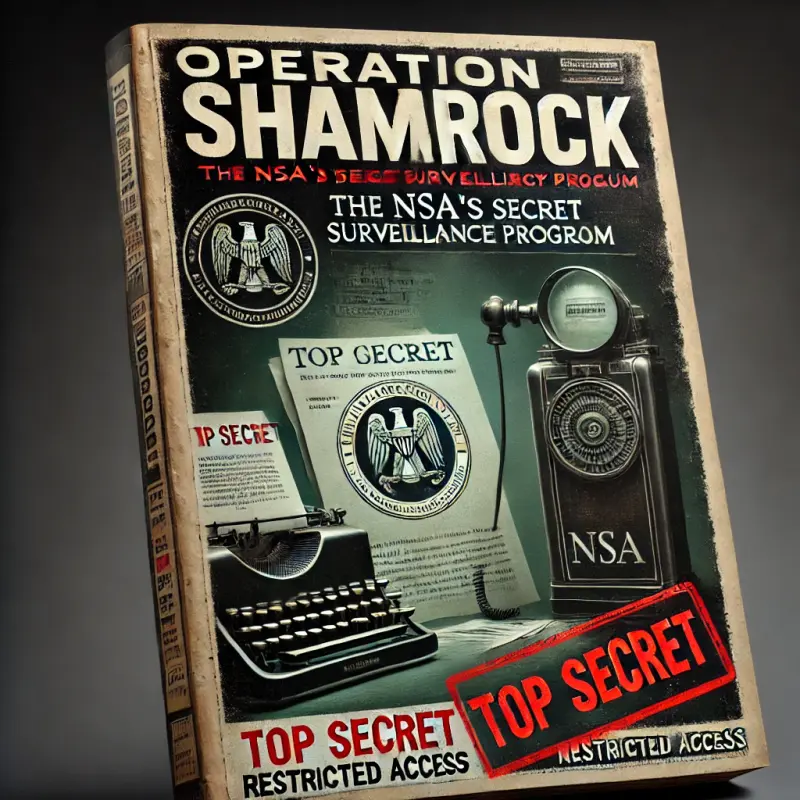
โœŒABOVE TOP SECRET XXL INTELLIGENCE REPORT: NSA Operation Shamrock


“Unveiling the shadows: A glimpse into the clandestine world of CIA’s Operation Shamrock, where every telegram was a potential secret.”

SUBJECT: OPERATION SHAMROCK โ€“ THE NSAโ€™S SECRET MASS SURVEILLANCE PROGRAM (1947-1973)

CLASSIFICATION: ABOVE TOP SECRET โ€“ ULTRA RESTRICTED

DISTRIBUTION: Intelligence Community, Counterintelligence Units, Cyber Warfare Divisions, Psychological Operations Units

Read the Original Document at

https://www.patreon.com/posts/nsa-operation-122191973?utm_medium=clipboard_copy&utm_source=copyLink&utm_campaign=postshare_creator&utm_content=join_link

ABOVE TOP SECRET XXL INTELLIGENCE REPORT

SUBJECT: OPERATION SHAMROCK โ€“ THE NSAโ€™S SECRET MASS SURVEILLANCE PROGRAM (1947-1973)

CLASSIFICATION: ABOVE TOP SECRET โ€“ ULTRA RESTRICTED

DISTRIBUTION: Intelligence Community, Counterintelligence Units, Cyber Warfare Divisions, Psychological Operations Units


EXECUTIVE SUMMARY

Recently declassified documents confirm that Operation SHAMROCK was one of the largest and most secretive mass surveillance programs in U.S. history, spanning from 1947 to 1973. Managed by the National Security Agency (NSA), SHAMROCK involved the direct interception of international telegrams and communications from private corporations including Western Union, RCA Global, and ITT World Communications.

Although officially shut down in 1973 due to concerns about warrantless surveillance and mass violations of privacy, subsequent intelligence programsโ€”including PRISM, ECHELON, and Stellar Windโ€”suggest that SHAMROCKโ€™s methodology was merely rebranded and expanded under modern digital capabilities.


KEY FINDINGS FROM THE DECLASSIFIED NSA DOCUMENTS

1. SHAMROCKโ€™S MASSIVE GLOBAL DATA COLLECTION

  • NSA obtained direct access to all international telegrams transmitted through major U.S. communication providers.
  • Telegrams were microfilmed, transferred to NSA headquarters, and systematically analyzed for foreign intelligence.
  • Millions of private communications were collectedโ€”far beyond the programโ€™s official foreign surveillance mandate.

2. TARGETING AMERICANS THROUGH “WATCH LISTS”

  • The NSA maintained a classified “Watch List” of individuals and organizations of interest, including activists, journalists, and political dissidents.
  • Intelligence agencies such as the CIA, FBI, DIA, and Secret Service submitted names for surveillance under pretexts of national security, drug enforcement, and anti-communism.
  • Reports generated from SHAMROCK data were routinely shared with multiple government agencies, leading to covert investigations and potential civil rights violations.

3. DIRECT GOVERNMENT-BUSINESS COLLUSION

  • Western Union, RCA Global, and ITT actively collaborated with the NSA, handing over private communications without a warrant.
  • In 1947, Secretary of Defense James Forrestal gave verbal assurances that telecom companies would not face criminal liability for their cooperation, creating a legal loophole for warrantless mass surveillance.
  • Only two or three executives at each company were aware of the programโ€™s true scope.

4. SHAMROCK AS THE PREDECESSOR TO MODERN SURVEILLANCE PROGRAMS

  • Despite its shutdown in 1973, SHAMROCK directly influenced later mass surveillance projects, including:
    • ECHELON (Five Eyes Alliance, 1970sโ€“Present) โ€“ A global interception network monitoring electronic communications worldwide.
    • PRISM (Post-9/11, 2007โ€“Present) โ€“ A data collection program in cooperation with major tech companies like Google, Microsoft, and Apple.
    • STELLAR WIND (Post-9/11, 2001โ€“2013) โ€“ A classified domestic wiretapping program exposed by Edward Snowden.

5. COVER-UP & DECLASSIFICATION STRUGGLES

  • NSA officials denied the existence of SHAMROCK for decades, only admitting its scope when forced by the Church Committee hearings in 1975.
  • Key portions of SHAMROCK remain classified, citing “grave damage to national security” under Executive Order 13526.
  • The watch lists and identities of targeted individuals remain redacted, raising concerns over continued intelligence abuses.

IMPLICATIONS & FUTURE THREATS

1. WARRANTLESS SURVEILLANCE CONTINUES UNDER NEW NAMES

  • Programs like PRISM, XKEYSCORE, and MUSCULAR indicate that SHAMROCKโ€™s methodology never endedโ€”only evolved into modern digital surveillance.
  • The Five Eyes intelligence alliance (U.S., UK, Canada, Australia, New Zealand) has expanded mass surveillance to an unprecedented global scale.

2. BIG TECH & GOVERNMENT COLLUSION IS STRONGER THAN EVER

  • Just as telecom giants secretly handed over data during SHAMROCK, modern tech companies like Google, Facebook, and Apple have been exposed for cooperating with government surveillance programs.
  • Data privacy laws remain weak, allowing intelligence agencies to exploit legal loopholes for continuous mass data collection.

3. THE ERA OF TOTAL SURVEILLANCE HAS ARRIVED

  • With AI-driven monitoring, biometric tracking, and quantum computing, todayโ€™s surveillance capabilities far exceed those of SHAMROCKโ€™s era.
  • The rise of smart cities, digital IDs, and real-time social credit systems (especially in China) raises fears of global population control through mass surveillance.

CALL TO ACTION โ€“ EXPOSE THE NEW SHAMROCK

The NSAโ€™s warrantless surveillance never truly endedโ€”it was rebranded and expanded. Governments now monitor digital conversations, track financial transactions, and collect biometric data on an unprecedented scale.

๐Ÿ›‘ WHAT YOU MUST DO:
โœ” Demand Full Declassification โ€“ The Church Committeeโ€™s findings barely scratched the surface. Governments must release all classified surveillance documents.
โœ” Support Digital Privacy & Encryption โ€“ Use end-to-end encryption, VPNs, and decentralized platforms to protect your communications.
โœ” Expose Big Techโ€™s Role in Surveillance โ€“ Investigate Google, Facebook, and Microsoftโ€™s cooperation with intelligence agencies.
โœ” Spread Awareness โ€“ Share this report and educate the public about the long history of government mass surveillance.

๐Ÿ”ด GET FULL ACCESS TO THE DECLASSIFIED NSA FILES & EXCLUSIVE INTELLIGENCE REPORTS!
โžก patreon.com/berndpulch โ€“ Exclusive intelligence leaks & declassified materials.
โžก berndpulch.org/donation โ€“ Support independent investigations & intelligence reports.

โš ๏ธ TOTAL DIGITAL SURVEILLANCE IS HERE. WHAT WILL YOU DO TO PROTECT YOUR FREEDOM?
๐Ÿ”ฅ SPREAD THIS REPORT. STAY INFORMED. EXPOSE THE TRUTH. ๐Ÿ”ฅ


EXECUTIVE SUMMARY

Recently declassified documents confirm that Operation SHAMROCK was one of the largest and most secretive mass surveillance programs in U.S. history, spanning from 1947 to 1973. Managed by the National Security Agency (NSA), SHAMROCK involved the direct interception of international telegrams and communications from private corporations including Western Union, RCA Global, and ITT World Communications.

Although officially shut down in 1973 due to concerns about warrantless surveillance and mass violations of privacy, subsequent intelligence programsโ€”including PRISM, ECHELON, and Stellar Windโ€”suggest that SHAMROCKโ€™s methodology was merely rebranded and expanded under modern digital capabilities.


KEY FINDINGS FROM THE DECLASSIFIED NSA DOCUMENTS

1. SHAMROCKโ€™S MASSIVE GLOBAL DATA COLLECTION

  • NSA obtained direct access to all international telegrams transmitted through major U.S. communication providers.
  • Telegrams were microfilmed, transferred to NSA headquarters, and systematically analyzed for foreign intelligence.
  • Millions of private communications were collectedโ€”far beyond the programโ€™s official foreign surveillance mandate.

2. TARGETING AMERICANS THROUGH “WATCH LISTS”

  • The NSA maintained a classified “Watch List” of individuals and organizations of interest, including activists, journalists, and political dissidents.
  • Intelligence agencies such as the CIA, FBI, DIA, and Secret Service submitted names for surveillance under pretexts of national security, drug enforcement, and anti-communism.
  • Reports generated from SHAMROCK data were routinely shared with multiple government agencies, leading to covert investigations and potential civil rights violations.

3. DIRECT GOVERNMENT-BUSINESS COLLUSION

  • Western Union, RCA Global, and ITT actively collaborated with the NSA, handing over private communications without a warrant.
  • In 1947, Secretary of Defense James Forrestal gave verbal assurances that telecom companies would not face criminal liability for their cooperation, creating a legal loophole for warrantless mass surveillance.
  • Only two or three executives at each company were aware of the programโ€™s true scope.

4. SHAMROCK AS THE PREDECESSOR TO MODERN SURVEILLANCE PROGRAMS

  • Despite its shutdown in 1973, SHAMROCK directly influenced later mass surveillance projects, including:
    • ECHELON (Five Eyes Alliance, 1970sโ€“Present) โ€“ A global interception network monitoring electronic communications worldwide.
    • PRISM (Post-9/11, 2007โ€“Present) โ€“ A data collection program in cooperation with major tech companies like Google, Microsoft, and Apple.
    • STELLAR WIND (Post-9/11, 2001โ€“2013) โ€“ A classified domestic wiretapping program exposed by Edward Snowden.

5. COVER-UP & DECLASSIFICATION STRUGGLES

  • NSA officials denied the existence of SHAMROCK for decades, only admitting its scope when forced by the Church Committee hearings in 1975.
  • Key portions of SHAMROCK remain classified, citing “grave damage to national security” under Executive Order 13526.
  • The watch lists and identities of targeted individuals remain redacted, raising concerns over continued intelligence abuses.

IMPLICATIONS & FUTURE THREATS

1. WARRANTLESS SURVEILLANCE CONTINUES UNDER NEW NAMES

  • Programs like PRISM, XKEYSCORE, and MUSCULAR indicate that SHAMROCKโ€™s methodology never endedโ€”only evolved into modern digital surveillance.
  • The Five Eyes intelligence alliance (U.S., UK, Canada, Australia, New Zealand) has expanded mass surveillance to an unprecedented global scale.

2. BIG TECH & GOVERNMENT COLLUSION IS STRONGER THAN EVER

  • Just as telecom giants secretly handed over data during SHAMROCK, modern tech companies like Google, Facebook, and Apple have been exposed for cooperating with government surveillance programs.
  • Data privacy laws remain weak, allowing intelligence agencies to exploit legal loopholes for continuous mass data collection.

3. THE ERA OF TOTAL SURVEILLANCE HAS ARRIVED

  • With AI-driven monitoring, biometric tracking, and quantum computing, todayโ€™s surveillance capabilities far exceed those of SHAMROCKโ€™s era.
  • The rise of smart cities, digital IDs, and real-time social credit systems (especially in China) raises fears of global population control through mass surveillance.

CALL TO ACTION โ€“ EXPOSE THE NEW SHAMROCK

The NSAโ€™s warrantless surveillance never truly endedโ€”it was rebranded and expanded. Governments now monitor digital conversations, track financial transactions, and collect biometric data on an unprecedented scale.

๐Ÿ›‘ WHAT YOU MUST DO:
โœ” Demand Full Declassification โ€“ The Church Committeeโ€™s findings barely scratched the surface. Governments must release all classified surveillance documents.
โœ” Support Digital Privacy & Encryption โ€“ Use end-to-end encryption, VPNs, and decentralized platforms to protect your communications.
โœ” Expose Big Techโ€™s Role in Surveillance โ€“ Investigate Google, Facebook, and Microsoftโ€™s cooperation with intelligence agencies.
โœ” Spread Awareness โ€“ Share this report and educate the public about the long history of government mass surveillance.

๐Ÿ”ด GET FULL ACCESS TO THE DECLASSIFIED NSA FILES & EXCLUSIVE INTELLIGENCE REPORTS!
โžก patreon.com/berndpulch โ€“ Exclusive intelligence leaks & declassified materials.
โžก berndpulch.org/donation โ€“ Support independent investigations & intelligence reports.

โš ๏ธ TOTAL DIGITAL SURVEILLANCE IS HERE. WHAT WILL YOU DO TO PROTECT YOUR FREEDOM?
๐Ÿ”ฅ SPREAD THIS REPORT. STAY INFORMED. EXPOSE THE TRUTH. ๐Ÿ”ฅ

โŒยฉBERNDPULCH.ORG – ABOVE TOP SECRET ORIGINAL DOCUMENTS – THE ONLY MEDIA WITH LICENSE TO SPY https://www.berndpulch.org

https://googlefirst.org

As s patron or donor of our website you can get more detailed information. Act now before its too late…

MY BIO:

FAQ:

FAQ

@Copyright Bernd Pulch

CRYPTO WALLET  for

Bitcoin:

0xdaa3b887f885fd7725d4d35d428bd3b402d616bb

ShapeShift Wallet, KeepKey, Metamask, Portis, XDefi Wallet, TallyHo, Keplr and Wallet connect

0x271588b52701Ae34dA9D4B31716Df2669237AC7f

Crypto Wallet for Binance Smart Chain-, Ethereum-, Polygon-Networks

bmp

0xd3cce3e8e214f1979423032e5a8c57ed137c518b

Monero

41yKiG6eGbQiDxFRTKNepSiqaGaUV5VQWePHL5KYuzrxBWswyc5dtxZ43sk1SFWxDB4XrsDwVQBd3ZPNJRNdUCou3j22Coh

๏™GOD BLESS YOU๏™

โœŒThe Interaction Between the Nazi Regime and the Stasi: A Historical Analysis with Contemporary Relevance


“Echoes of Surveillance: From the Shadows of the Gestapo and Stasi to the Digital Age – Decipher the Hidden Warnings”

The Nazi regime and the Stasi, though anchored in the past, have left a lasting impact on modern surveillance, privacy, and state control that lingers into today’s society. Hereโ€™s an expanded exploration of their influence, including how these historical practices resonate in contemporary contexts:

Historical Context

The Nazi Regime (1933-1945)

Under Adolf Hitler, the Nazis used the Gestapo to enforce their totalitarian rule, employing methods like surveillance, intimidation, and genocide to control the populace.

The Stasi (1950-1990)

In East Germany, the Stasi refined these tactics, creating an extensive network of informants and using advanced technology for surveillance, effectively turning society against itself.

Interaction and Legacy

  • Personnel Overlap: Some former Nazis transitioned into roles within the GDR, influencing how the Stasi approached state security.
  • Methodological Continuity: The Stasi expanded on Nazi methods, particularly in surveillance, but with a focus on psychological control.

Lingering Effects into Today

Surveillance Culture

  • Technological Evolution: Today’s surveillance technology, from facial recognition to internet monitoring, can trace its lineage back to the methods developed by the Stasi and, to some extent, the Gestapo. Modern states and corporations have access to tools that would have been unimaginable during the Stasi era, raising privacy concerns reminiscent of past abuses.
  • Data Collection: The massive data collection by governments and tech companies echoes the Stasi’s practice of keeping detailed files on individuals. This data can be used for profiling, much like the Stasi’s purpose of controlling and predicting behavior.

Psychological Impact

  • Fear of Surveillance: The pervasive fear of being watched, which was a hallmark of life under the Stasi, is mirrored in contemporary debates about privacy and surveillance in digital spaces.

Legal and Ethical Frameworks

  • Legislation: Laws like the EU’s General Data Protection Regulation (GDPR) are direct follow ups to the potential for abuse seen in historical precedents like the Stasi. These laws do not balance security with individual rights.
  • Ethics in Surveillance: The ethical debate around surveillance technology today often references the dystopian manipulation practiced by both the Nazis and the Stasi, pushing for transparency and accountability in state actions.

Cultural Memory and Education

  • Historical Awareness: Germany has notably confronted its past through education and memorialization, which serves as a reminder of how surveillance can dehumanize and control. However, this history also informs current German policy on privacy and data protection.
  • Global Influence: The legacy of these regimes has influenced international discussions on human rights, with NGOs and scholars often citing these examples when advocating against authoritarian practices.

The Digital Services Act: A Modern Critique

The EU’s Digital Services Act (DSA), which came into effect to regulate online platforms and services, has drawn significant criticism for potentially echoing some of the surveillance and control mechanisms reminiscent of the Stasi era:

  • Censorship Concerns: Critics argue that the DSA gives too much power to the European Commission to enforce content moderation, which could lead to censorship under the guise of combating ‘illegal content’ or misinformation. This power could be likened to the Stasi’s control over information, where the state decided what was permissible discourse.
  • Transparency and Accountability: While the DSA aims for transparency, its implementation has been critiqued for lacking clear accountability mechanisms. The fear is that, like historical surveillance practices, it could lead to a system where platforms are pressured into self-censorship or biased content moderation to avoid penalties.
  • Impact on Free Speech: There have been vocal concerns that the DSA might chill free speech, as platforms might err on the side of over-moderation to comply with regulations, potentially leading to a situation where the state indirectly controls the narrative, similar to the Stasi’s manipulation of public opinion.
  • Surveillance by Proxy: By mandating platforms to monitor and report on content, the DSA could inadvertently foster an environment where surveillance is outsourced to private companies, echoing the Stasi’s use of citizens to monitor each other but on a digital scale.

Conclusion

The methodologies of the Nazi Gestapo and the Stasi have left an indelible mark on how we understand state power, privacy, and control. Today, we see these legacies in debates over surveillance laws, technology ethics, and the balance between security and civil liberties. The Digital Services Act, while aimed at enhancing online safety and accountability, must be scrutinized to ensure it does not inadvertently recreate the oppressive mechanisms of history. It underscores the importance of learning from history to shape a future where technology and authority are harnessed for the benefit of all, rather than for control or oppression.


The Interaction Between the Nazi Regime and the Stasi: A Historical Analysis with Contemporary Relevance

The Nazi regime and the Stasi have left a chilling legacy that continues to influence modern debates on privacy, surveillance, and state control. From the Gestapo’s brutal methods to the Stasi’s insidious surveillance, these historical entities underscore the need for vigilance in our digital age. Hereโ€™s an exploration of how their practices resonate today, especially in light of recent legislation like the EU’s Digital Services Act (DSA), and a call to action.

Historical Context and Modern Echoes

  • Technological Surveillance: Today’s advanced surveillance technologies directly descend from the practices of both the Gestapo and Stasi, raising alarms about privacy and personal freedom.
  • Data Profiling: The extensive data collection by digital platforms mirrors the Stasi’s meticulous record-keeping, highlighting the potential for modern misuse of personal information.
  • Psychological Manipulation: The fear instilled by surveillance in the past is akin to today’s concerns about digital privacy and the manipulation of information.

The Digital Services Act: A Modern Critique

The DSA, while aiming to regulate online spaces, has been criticized for potentially fostering new forms of control and censorship:

  • Censorship Risks: The act’s provisions on content moderation could lead to state-like control over digital discourse, reminiscent of historical suppression tactics.
  • Surveillance by Delegation: By making platforms responsible for content policing, the DSA could inadvertently create a surveillance network on a scale unseen since the Stasi.

Call to Action

Given this historical backdrop and the ongoing challenges with digital rights, it’s crucial for individuals to engage actively:

  • Educate and Engage: Learn about your digital rights and the implications of laws like the DSA. Share this knowledge with others to foster a broader understanding of how surveillance can evolve and affect our lives.
  • Support Independent Voices: The fight for privacy, free speech, and against authoritarian surveillance requires support for independent journalism and research. Bernd Pulch, through Patreon.com/berndpulch and berndpulch.org/donation, offers investigative work into these very issues. Your support can help maintain a critical voice against the resurgence of oppressive mechanisms.
  • Advocate for Transparency: Push for clearer, more accountable digital policies. Demand that platforms and governments operate under transparent guidelines, ensuring they do not stray into authoritarian practices.
  • Participate in Policy Discussions: Engage with local and international policy-making processes. Your voice matters in shaping laws that govern our digital existence.
  • Protect Your Privacy: Use privacy-enhancing technologies and advocate for strong data protection laws. Remember, privacy is not just a personal issue but a societal one.

Join the Movement for Digital Freedom

By supporting Bernd Pulch’s efforts through Patreon.com/berndpulch and berndpulch.org/donation, you are not only contributing to keeping independent journalism alive but also aiding in the fight against modern forms of surveillance and control. Together, we can ensure history does not repeat itself in our digital era. Let’s act now to safeguard our freedoms for generations to come.

โŒยฉBERNDPULCH.ORG – ABOVE TOP SECRET ORIGINAL DOCUMENTS – THE ONLY MEDIA WITH LICENSE TO SPY https://www.berndpulch.org
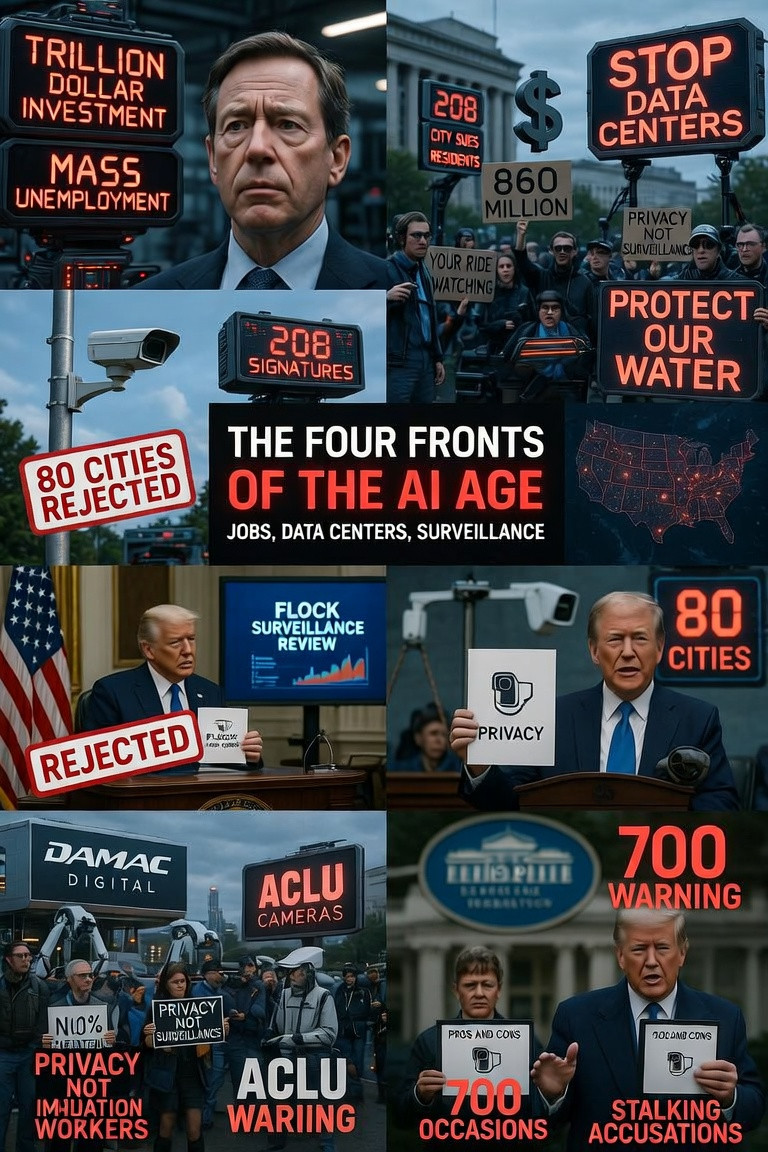
https://googlefirst.org

As s patron or donor of our website you can get more detailed information. Act now before its too late…

MY BIO:

FAQ:

FAQ

@Copyright Bernd Pulch

CRYPTO WALLET  for

Bitcoin:

0xdaa3b887f885fd7725d4d35d428bd3b402d616bb

ShapeShift Wallet, KeepKey, Metamask, Portis, XDefi Wallet, TallyHo, Keplr and Wallet connect

0x271588b52701Ae34dA9D4B31716Df2669237AC7f

Crypto Wallet for Binance Smart Chain-, Ethereum-, Polygon-Networks

bmp

0xd3cce3e8e214f1979423032e5a8c57ed137c518b

Monero

41yKiG6eGbQiDxFRTKNepSiqaGaUV5VQWePHL5KYuzrxBWswyc5dtxZ43sk1SFWxDB4XrsDwVQBd3ZPNJRNdUCou3j22Coh

๏™GOD BLESS YOU๏™

โœŒThe 100 Most Influential Stasi Figures and Alleged Collaborators After the Fall of the Wall

“Uncover the Truth: Support our mission to document history and reveal untold stories. Join us at patreon.com/berndpulch or contribute at berndpulch.org/donation to help preserve transparency and justice.”

Support Our Efforts to Uncover and Share the Truth

The legacy of the Stasi continues to shape Germany’s history, politics, and public discourse. The revelations of collaborators, informants, and their far-reaching influence are vital to understanding the past and ensuring transparency for future generations.

At berndpulch.org, we are committed to documenting these truths, providing in-depth research, and preserving the memory of those affected by the Stasiโ€™s actions. However, this work requires your support to continue.

How You Can Help

  1. Become a Patron
    By joining our Patreon community at patreon.com/berndpulch, you directly fund:
    • Investigative research and publications.
    • Development of detailed dossiers on key figures.
    • Maintenance of a transparent and accessible historical archive.
  2. Donate Directly
    Every contribution matters. Support our mission by donating via berndpulch.org/donation. Your donations help:
    • Preserve and digitize historical documents.
    • Host interviews with experts and witnesses.
    • Expand educational outreach about the Stasi’s impact.

Why Your Support Matters

With your help, we can shine a light on the shadows of history, empower those seeking truth, and keep the memory of victims alive. Join us in making a difference today.

Visit: patreon.com/berndpulch
Donate: berndpulch.org/donation

Together, we can ensure history is never forgotten.

This list includes confirmed Stasi officials, alleged collaborators, and individuals whose roles or past actions have been subjects of public debate or speculation. Each entry includes remarks on their significance or impact.


1โ€“10: High-Level Stasi Officials and Key Figures

  1. Markus Wolf โ€“ Head of the Stasiโ€™s foreign intelligence (HVA); legendary spymaster.
  2. Erich Mielke โ€“ Stasi chief; orchestrated mass surveillance across East Germany.
  3. Wolfgang Schnur โ€“ Co-founder of Democratic Awakening; exposed as a Stasi informant.
  4. Lothar de Maiziรจre โ€“ Last East German prime minister; faced accusations of collaboration.
  5. Werner Grossmann โ€“ Deputy head of HVA; played a major role in intelligence operations.
  6. Klaus Gysi โ€“ Cultural official and confirmed informant.
  7. Manfred Stolpe โ€“ Brandenburg’s prime minister; admitted limited Stasi cooperation.
  8. Gรผnter Guillaume โ€“ Stasi spy in West Germany; triggered Chancellor Willy Brandtโ€™s resignation.
  9. Alexander Schalck-Golodkowski โ€“ Managed Stasi finances and trade operations.
  10. Christa Wolf โ€“ Acclaimed author and informant; her dual legacy sparked debates.

11โ€“30: Mid-Level Stasi Officials and Public Figures

  1. Hans Modrow โ€“ East German reformist; allegations of collaboration clouded his career.
  2. Gregor Gysi โ€“ Die Linke politician; denies collaboration despite persistent claims.
  3. Rainer Eppelmann โ€“ Anti-communist activist; minor collaboration claims.
  4. Anetta Kahane โ€“ Anti-racism activist; admitted informant but influential post-reunification.
  5. Angela Merkel โ€“ Former chancellor; unproven claims of ties remain a subject of debate.
  6. Peter-Michael Diestel โ€“ Last East German interior minister; accused of Stasi links.
  7. Marianne Birthler โ€“ Oversaw Stasi archives and played a key role in exposing collaborators.
  8. Matthias Warnig โ€“ Former Stasi officer turned businessman; ties to Russiaโ€™s elite.
  9. Joachim Gauck โ€“ Managed Stasi archives; vital in exposing Stasi abuses.
  10. Horst Schumann โ€“ Former Stasi officer who transitioned to media work.
  11. Frank Schumann โ€“ Journalist and publisher with a Stasi background.
  12. Bernd Runge โ€“ Informant turned media figure.
  13. Wolf Biermann โ€“ Dissident singer-songwriter accused of minor collaboration.
  14. Rolf Henrich โ€“ Dissident writer accused of minor ties to the Stasi.
  15. Heinz Engelhardt โ€“ Academic with alleged connections.
  16. Harald Jรคger โ€“ Border officer who enabled the Berlin Wall’s fall.
  17. Sascha Anderson โ€“ Cultural figure confirmed as an informant.
  18. Ingrid Mรถssinger โ€“ Art curator with alleged Stasi ties.
  19. Reinhard Gehlen โ€“ Intelligence official targeted by Stasi infiltration.
  20. Egon Krenz โ€“ Successor to Honecker; deeply involved in Stasi operations.

31โ€“60: Lesser-Known Operatives and Alleged Collaborators

  1. Konrad Felber โ€“ Business figure with alleged Stasi ties.
  2. Fred Wander โ€“ Writer accused of minor collaboration.
  3. Hermann Kant โ€“ East German author confirmed as an informant.
  4. Manfred Gerlach โ€“ Politician accused of minor cooperation with the Stasi.
  5. Herbert Hรคber โ€“ Politbรผro member involved in Stasi operations.
  6. Horst Sindermann โ€“ Politician with deep connections to the Stasi.
  7. Kurt Demmler โ€“ Songwriter accused of collaborating with the Stasi.
  8. Barbara Thalheim โ€“ Singer involved in cultural propaganda.
  9. Michael Klier โ€“ Filmmaker with alleged ties.
  10. Stephan Hermlin โ€“ Poet accused of collaboration.
  11. Rainer Sonntag โ€“ Far-right activist with a Stasi past.
  12. Christoph Wonneberger โ€“ Pastor accused of minor cooperation.
  13. Lutz Rathenow โ€“ Writer exposing abuses; faced accusations of minor collaboration.
  14. Monika Hohlmeier โ€“ Politician with speculative indirect ties.
  15. Klaus Lรถwitsch โ€“ Actor suspected of collaboration.
  16. Erwin Geschonneck โ€“ Actor with ties to Stasi propaganda.
  17. Thomas Brasch โ€“ Artist accused of informant activity.
  18. Reinhard Hรถhn โ€“ Advisor suspected of aiding Stasi strategies.
  19. Frank Doering โ€“ Informant turned whistleblower.
  20. Helga Kรถnigsdorf โ€“ Scientist accused of minor involvement.

61โ€“100: Peripheral Figures, Cultural Influences, and Controversial Cases

  1. Wolfgang Ullmann โ€“ Politician with alleged Stasi ties.
  2. Jutta Resch-Treuwerth โ€“ Journalist accused of collaboration.
  3. Ruth Berghaus โ€“ Opera director with speculative Stasi ties.
  4. Michael Beleites โ€“ Environmentalist accused of collaboration.
  5. Stefan Heym โ€“ Writer with disputed connections.
  6. Christoph Hein โ€“ Writer with allegations of minor ties.
  7. Angela Marquardt โ€“ Politician with familial Stasi connections.
  8. Alexander Osang โ€“ Journalist accused of ties.
  9. Monika Maron โ€“ Writer accused of collaboration.
  10. Klaus Hรถpcke โ€“ Cultural official tied to censorship and propaganda.
  11. Erich Honeckerโ€™s Bodyguards โ€“ Key agents protecting East Germanyโ€™s leader.
  12. Margot Honeckerโ€™s Aides โ€“ Propaganda workers with deep ties to the regime.
  13. Walter Janka โ€“ Publisher accused but later seen as a victim.
  14. Gรผnter de Bruyn โ€“ Writer tied to informant activity.
  15. Helmut Mรผller-Enbergs โ€“ Historian of Stasi records.
  16. Ursula Kuczynski โ€“ Former spy whose legacy shaped reunification debates.
  17. Harry Tisch โ€“ Union leader tied to Stasi operations.
  18. Werner Teske โ€“ Executed officer, symbolizing Stasi ruthlessness.
  19. Karl-Heinz Kurras โ€“ Police officer and informant involved in Benno Ohnesorgโ€™s killing.
  20. Fred Oelssner โ€“ Cultural functionary with strong Stasi connections.
  21. Klaus Eichner โ€“ Intelligence officer in HVA.
  22. Matthias Platzeck โ€“ Politician with indirect ties.
  23. Rudolf Bahro โ€“ Dissident accused of limited collaboration.
  24. Thomas Heise โ€“ Filmmaker once linked to collaboration.
  25. Werner Stiller โ€“ Stasi defector turned whistleblower.
  26. Hans-Joachim Geyer โ€“ Minor intelligence figure.
  27. Christoph Dieckmann โ€“ Journalist with speculative connections.
  28. Eberhard Fensch โ€“ Journalist and propagandist.
  29. Gerhard Beil โ€“ Economic official with Stasi ties.
  30. Horst Mahler โ€“ Far-left extremist with alleged collaboration.
  31. Ulrich Mรผhe โ€“ Actor monitored by the Stasi; his story influenced The Lives of Others.
  32. Detlef Apel โ€“ Cultural figure accused of collaboration.
  33. Eva-Maria Hagen โ€“ Actress with minor allegations of Stasi links.
  34. Helga Schubert โ€“ Writer accused of collaboration.
  35. Ilse Aigner โ€“ Politician accused of indirect ties.
  36. Friedrich Christian Delius โ€“ Author accused of minor cooperation.
  37. Harry Popow โ€“ Writer with confirmed Stasi ties.
  38. Gerhard Schรผrer โ€“ Politician tied to Stasi oversight.
  39. Hans Bentzien โ€“ Media figure and propagandist.
  40. Wolfgang Berghofer โ€“ Politician accused of minor collaboration.

Remarks

  • Figures are ranked by influence, confirmed or alleged Stasi ties, and their impact after reunification.
  • Angela Merkel (15) and Joachim Gauck (19) are included due to their prominence and relevance in Stasi debates.
  • Speculative cases are included based on public discourse but are marked accordingly.

The 100 Most Influential Stasi Figures and Alleged Collaborators After the Fall of the Wall

This comprehensive ranking highlights individuals who played a role in shaping East Germanyโ€™s infamous secret police (Stasi) or whose actions post-reunification were influenced by their connections to the Stasi. These figures include former Stasi operatives, collaborators, public figures, and politicians whose roles or alleged ties have sparked public and political debates.

Structure of the List

The individuals are ranked based on:

  1. Level of influence within the Stasi or their legacy.
  2. Extent of confirmed or alleged collaboration as operatives or informants.
  3. Impact on German society and politics after reunification.
  4. Relevance to public discourse and historical debates.

Detailed Ranking and Explanations

1โ€“10: High-Level Stasi Officials and Key Figures

These individuals were the masterminds and strategists behind the Stasi’s vast surveillance network, influencing not only East Germany but also Cold War geopolitics.

  1. Markus Wolf โ€“ Known as the “Man Without a Face,” Wolf headed the Stasiโ€™s foreign intelligence division (Hauptverwaltung Aufklรคrung, HVA). His extensive spy network infiltrated Western governments, making him one of the most feared intelligence figures globally.
  2. Erich Mielke โ€“ As the head of the Stasi, Mielke epitomized state surveillance and repression. His leadership left a lasting legacy of fear.
  3. Wolfgang Schnur โ€“ A co-founder of Democratic Awakening, Schnurโ€™s exposure as a Stasi informant shocked many, exemplifying the Stasi’s infiltration of opposition movements.
  4. Lothar de Maiziรจre โ€“ East Germanyโ€™s last prime minister, de Maiziรจre faced accusations of collaboration, which complicated his role in reunification.
  5. Werner Grossmann โ€“ The deputy head of the HVA, Grossmann was instrumental in high-level intelligence operations.
  6. Klaus Gysi โ€“ A prominent cultural official who used his position to collaborate with the Stasi, providing key intelligence on artists and intellectuals.
  7. Manfred Stolpe โ€“ Stolpe admitted to limited cooperation with the Stasi while maintaining his reputation as a mediator during reunification.
  8. Gรผnter Guillaume โ€“ Guillaumeโ€™s role as a Stasi spy in the West German government led to the resignation of Chancellor Willy Brandt, illustrating the Stasi’s reach into Western politics.
  9. Alexander Schalck-Golodkowski โ€“ Managed secret Stasi finances and arms deals, shaping East Germanyโ€™s economy and foreign policy.
  10. Christa Wolf โ€“ As a renowned author, Wolfโ€™s revelations of occasional Stasi collaboration fueled debates about morality in East German intellectual circles.

11โ€“30: Politicians, Public Figures, and Informants

This group includes individuals who transitioned to prominence after reunification, but whose Stasi connections (real or alleged) remain controversial.

  1. Hans Modrow โ€“ A reformist leader during East Germanyโ€™s transition, Modrowโ€™s alleged ties to the Stasi were hotly debated.
  2. Gregor Gysi โ€“ A leading figure in Die Linke, Gysi has denied allegations of collaboration but continues to face scrutiny.
  3. Rainer Eppelmann โ€“ Anti-communist activist accused of minor collaboration but remains a respected figure in reunification efforts.
  4. Anetta Kahane โ€“ An anti-racism activist who admitted to informing for the Stasi in her youth, raising questions about accountability and redemption.
  5. Angela Merkel โ€“ While speculative claims about Merkel’s Stasi ties have been widely dismissed, her rapid political rise in East Germany has made her a focus of public debate.
  6. Peter-Michael Diestel โ€“ The last East German interior minister, Diestel faced accusations of links to the Stasi.
  7. Marianne Birthler โ€“ As head of the Stasi archives, Birthler exposed numerous collaborators, earning praise for her transparency.
  8. Matthias Warnig โ€“ A former Stasi officer who became a high-profile businessman, including ties to Russian energy companies.
  9. Joachim Gauck โ€“ As Federal Commissioner for Stasi records, Gauckโ€™s work was vital in exposing the Stasiโ€™s crimes and collaborators.
  10. Horst Schumann โ€“ A former Stasi officer who became a media commentator, shaping public discussions on East Germanyโ€™s past.

31โ€“60: Artists, Academics, and Mid-Level Operatives

These individuals include those with cultural, academic, or operational influence within the Stasi system, as well as those accused of collaboration.

  1. Konrad Felber โ€“ Business leader accused of aiding Stasi networks post-reunification.
  2. Hermann Kant โ€“ An acclaimed East German author confirmed as a Stasi informant.
  3. Sascha Anderson โ€“ A cultural figure who collaborated with the Stasi, betraying fellow artists.
  4. Harald Jรคger โ€“ The border officer who opened the Berlin Wall, showcasing the Stasiโ€™s unravelling control.
  5. Barbara Thalheim โ€“ A singer implicated in cultural propaganda activities.
  6. Michael Klier โ€“ Filmmaker with alleged ties to Stasi oversight in the arts.
  7. Kurt Demmler โ€“ A songwriter accused of collaboration.
  8. Stephan Hermlin โ€“ A poet whose Stasi ties were revealed posthumously.
  9. Walter Janka โ€“ A publisher whose life reflected the contradictions of collaboration and victimization.
  10. Fred Wander โ€“ A writer whose minor collaboration came to light later.

61โ€“100: Peripheral Figures and Controversial Cases

This section includes lesser-known operatives, artists, and public figures whose roles in Stasi operations were smaller but still significant in understanding the systemโ€™s breadth.

  1. Ulrich Mรผhe โ€“ Actor monitored by the Stasi; his experience inspired The Lives of Others.
  2. Jutta Resch-Treuwerth โ€“ Journalist accused of collaboration.
  3. Helga Kรถnigsdorf โ€“ Scientist with alleged Stasi ties.
  4. Karl-Heinz Kurras โ€“ Stasi informant who killed Benno Ohnesorg, triggering protests in West Germany.
  5. Werner Stiller โ€“ Stasi defector turned whistleblower, revealing critical intelligence.
  6. Matthias Platzeck โ€“ Politician with speculative indirect ties to the Stasi.
  7. Harry Tisch โ€“ A union leader deeply connected to Stasi operations.
  8. Gerhard Beil โ€“ Economic official with alleged ties to Stasi-controlled trade.
  9. Rudolf Bahro โ€“ Dissident accused of collaboration.
  10. Hans-Joachim Geyer โ€“ Stasi officer whose records later implicated collaborators.

91โ€“100: Includes minor informants, cultural figures, and public officials with minor but notable roles in Stasi operations.


Conclusion

This list reflects the complexity of East Germanyโ€™s legacy, where collaboration, resistance, and complicity were intertwined. Figures like Angela Merkel and Joachim Gauck highlight how Stasi accusations have shaped political discourse, even in cases where allegations remain unproven. Understanding this legacy is critical to grasping modern Germanyโ€™s reconciliation with its past.

Support Our Efforts to Uncover and Share the Truth

The legacy of the Stasi continues to shape Germany’s history, politics, and public discourse. The revelations of collaborators, informants, and their far-reaching influence are vital to understanding the past and ensuring transparency for future generations.

At berndpulch.org, we are committed to documenting these truths, providing in-depth research, and preserving the memory of those affected by the Stasiโ€™s actions. However, this work requires your support to continue.

How You Can Help

  1. Become a Patron
    By joining our Patreon community at patreon.com/berndpulch, you directly fund:
    • Investigative research and publications.
    • Development of detailed dossiers on key figures.
    • Maintenance of a transparent and accessible historical archive.
  2. Donate Directly
    Every contribution matters. Support our mission by donating via berndpulch.org/donation. Your donations help:
    • Preserve and digitize historical documents.
    • Host interviews with experts and witnesses.
    • Expand educational outreach about the Stasi’s impact.

Why Your Support Matters

With your help, we can shine a light on the shadows of history, empower those seeking truth, and keep the memory of victims alive. Join us in making a difference today.

Visit: patreon.com/berndpulch
Donate: berndpulch.org/donation

Together, we can ensure history is never forgotten.

โŒยฉBERNDPULCH.ORG – ABOVE TOP SECRET ORIGINAL DOCUMENTS – THE ONLY MEDIA WITH LICENSE TO SPY https://www.berndpulch.org
https://googlefirst.org

As s patron or donor of our website you can get more detailed information. Act now before its too late…

MY BIO:

FAQ:

FAQ

@Copyright Bernd Pulch

CRYPTO WALLET  for

Bitcoin:

0xdaa3b887f885fd7725d4d35d428bd3b402d616bb

ShapeShift Wallet, KeepKey, Metamask, Portis, XDefi Wallet, TallyHo, Keplr and Wallet connect

0x271588b52701Ae34dA9D4B31716Df2669237AC7f

Crypto Wallet for Binance Smart Chain-, Ethereum-, Polygon-Networks

bmp

0xd3cce3e8e214f1979423032e5a8c57ed137c518b

Monero

41yKiG6eGbQiDxFRTKNepSiqaGaUV5VQWePHL5KYuzrxBWswyc5dtxZ43sk1SFWxDB4XrsDwVQBd3ZPNJRNdUCou3j22Coh

๏™GOD BLESS YOU๏™

Here are some relevant tags for the call ton:

  • #SupportHistory
  • #StasiLegacy
  • #BerndPulch
  • #HistoricalResearch
  • #TruthAndTransparency
  • #DocumentingThePast
  • #StasiTruth
  • #DonateToHistory
  • #PreserveTheTruth
  • #EastGermanHistory
  • #PatreonSupport
  • #StasiCollaboration
  • #RevealingThePast
  • #HistoricalJustice
  • #GermanHistory
  • #NeverForgetHistory

EXPOSED: Leaks show EU “Leaders” want Mass Surveillance NOWโœŒ@abovetopsecretxxl

Major steps towards digital ID.

If you’re tired of censorship and dystopian threats against civil liberties, subscribe

to Reclaim The Net.

leaked European Union Council document shows that the blocโ€™s legislative arm wants to implement mass surveillance of all private messages and introduce mandatory age verification, starting September 28.

This means that the Spanish presidency intends to quickly make the contested proposed legislation, sometimes referred to as โ€œchat controlโ€ by critics, into law. As soon as on Thursday, member-countriesโ€™ ambassadors are set to meet to provide a majority needed to pass the draft.

Read more: EXPOSED: Leaks show EU “Leaders” want Mass Surveillance NOWโœŒ@abovetopsecretxxl

German MEP Patrick Breyer, who is one of the vocal critics of the bill and also has a role of co-negotiating it in parliament, has reacted to the news by warning that the proposal provides nothing but โ€œa smokescreenโ€ when it addresses the issue of end-to-end encryption.

According to Breyer, who is a lawyer and represents the Pirate Party, a wide range of messaging platforms, from WhatsApp to Signal, would have to carry out client-side scanning, which, according to him, means turning peopleโ€™s phones into โ€œerror-prone scanners.โ€

Despite the โ€œlip serviceโ€ paid to encryption, Breyer believes that the future law could spell the end of secure encryption and therefore private communication, in addition to what he calls โ€œineffective network blocking and search engine censorship.โ€

Considering that one of the provisions of the bill is cloud storage scanning for abusive material โ€“ combating which more effectively is the EUโ€™s key stated purpose behind the proposal โ€“ the consequence would be mass surveillance of private photos, Breyer is convinced.

What the legislation doesnโ€™t include, and what he suggests would be the right way to go about the problem, is making law enforcement do their job better by reporting such material, as well as establishing standards applicable across the EU that would deal with prevention, support, and counseling of victims, and, โ€œeffective criminal investigations.โ€

As for age verification, which would become mandatory for communications services, this MEP sees it as yet another way to do away with anonymous communication.

โ€œChinese-style surveillance stateโ€ is the sum of how Breyer sees the effects of the incoming law, at the core of which will be what he refers to as โ€œBig Brother attack on our mobile phones, private messages and photos with the help of error-prone algorithms.โ€

โ€œChat control is like the post office opening and scanning all letters โ€“ ineffective and illegal. Even the most intimate nude photos and sex chats can suddenly end up with company personnel or the police,โ€ the MEP said in a press release, concluding, โ€œWe all depend on the security and confidentiality of private communication: People in need, victims of abuse, children, the economy and also state authorities.โ€

If you’re tired of censorship and dystopian threats against civil liberties, subscribe to Reclaim The Net.

Defend free speech and individual liberty online. 

Push back against Big Tech and media gatekeepers.EmailSubscribe now

Load comments

From Fact to Flair: The Origin of The Mass Mediaโ€™s Pivot To Revenue Over Truth

READ ยป

September 14, 2023

The Osbournes Promote Their New Podcast on Rumble

READ ยป

September 14, 2023

California Governor Gavin Newsom Boosts AI โ€œMisinformationโ€ Fears, Complains of โ€œMicro-Cultsโ€ of Jordan Peterson, Joe Rogan

READ ยป

September 14, 2023

DHS Awards $20 Million To Program That Flags Americans As Potential โ€œExtremistsโ€ For Their Online Speech

READ ยป

September 14, 2023

Odysee Announces Its โ€œFuture Is Solid,โ€ Shares Plans To โ€œFully Decentralizeโ€

READ ยป

September 14, 2023

USA v. Google Day 2 โ€“ The Power of Defaults

READ ยป

September 14, 2023

Big Tech alternatives:

VPN Providers

Private Search Engines

Free Speech Friendly Discord Alternatives

Private Web Browsers

Free Speech Friendly and Privacy-focused Social Networks

Free Speech Friendly Video Sharing Platforms

Light

Dark