
Putin’s Popularity Crashes โ€“ 17-Point Drop in Trust Among Russians

Putin’s Popularity Plummets: New Russian Polls Show Sharp Decline in Trust and Approval

President Vladimir Putin’s approval ratings are under mounting pressure, according to recent surveys from Russian polling institutes โ€” including Kremlin-affiliated organizations. While the numbers remain above 50 percent, the sharp downward trend signals growing public discontent amid economic hardship and war fatigue.


The Numbers Tell a Clear Story

The most dramatic drop comes from the FOM (Public Opinion Foundation), a pollster widely considered to be close to the Kremlin. In early June, 73 percent of respondents said they trusted Putin, and 75 percent approved of his performanceใ€0โ€ L4-L5ใ€‘. By the latest survey, conducted from July 10-12, trust had plummeted to 56 percent โ€” a stunning 17-point drop in just one monthใ€0โ€ L5-L6ใ€‘. Approval of his leadership fell to 60 percentใ€0โ€ L6ใ€‘. Perhaps most tellingly, 35 percent of respondents said their trust in Putin had declined over the past month aloneใ€0โ€ L6-L7ใ€‘.

The independent Levada Center confirms the negative trend, though with less dramatic figures. Putin’s approval fell from 80 percent in March to 74 percent in Juneใ€0โ€ L8-L9ใ€‘. At the same time, overall public mood is deteriorating: more Russians believe their country is heading in the wrong direction, while economic anxieties and dissatisfaction over rising prices are increasingใ€0โ€ L9-L10ใ€‘.

The state-run WCIOM institute shows a less steep but still notable decline. In early July, 66 percent approved of Putin’s performance, while 72.3 percent expressed trust in himใ€0โ€ L11-L12ใ€‘. Both figures have fallen for two consecutive weeksใ€0โ€ L12ใ€‘.


War Fatigue and Economic Pressure

The timing of the decline is significant. Russia’s economy is under increasing strain from Western sanctions, military spending, and labor shortages driven by mobilization and emigration. Inflation remains a persistent concern, with rising food and fuel prices hitting ordinary Russians hardใ€0โ€ L9-L10ใ€‘.

The war in Ukraine, now in its third year, has also contributed to a growing sense of war fatigue. While state media continues to project an image of normalcy, the reality on the ground โ€” reflected in these polls โ€” tells a different storyใ€0โ€ L9ใ€‘.


The 2024 Election Context

These polling numbers come amid a backdrop of Russia’s tightly controlled electoral politics. Putin was re-elected in March 2024 with an official 87.28 percent of the vote โ€” a figure widely dismissed as fraudulent by independent observers. The contrast between the March election results and the July polling numbers is striking: an 87 percent mandate versus 56-74 percent trust just months later.

This suggests that while Russians may have felt compelled to endorse Putin at the ballot box, their genuine sentiments โ€” as expressed in anonymous surveys โ€” are far more skeptical. The gap between the official election results and public opinion polling reveals a deepening disconnect between the Kremlin’s narrative and the lived experience of ordinary Russians.


What the Numbers Mean

While Putin still commands majority support, the trajectory is unmistakable:

Institute Trust (Previous) Trust (Current) Approval (Previous) Approval (Current)
FOM 73% (June) 56% (July) 75% (June) 60% (July)
Levada 80% (March) 74% (June) โ€” โ€”
WCIOM โ€” 72.3% (July) โ€” 66% (July)

The 17-point drop in FOM’s trust numbers is particularly significant because FOM is generally considered a Kremlin-friendly pollster. If even FOM is recording such a steep decline, it suggests the Kremlin may be losing its grip on public sentiment more rapidly than official narratives admit.


A Warning Sign for the Kremlin

From a political “crash” for Putin there can be no question yet โ€” he still enjoys majority support across all surveysใ€0โ€ L13ใ€‘. However, the trend is undeniable: Putin’s numbers are falling while economic pressure, war fatigue, and uncertainty are growing among the Russian populationใ€0โ€ L13-L14ใ€‘.

For a leader who has built his legitimacy on stability and strength, these numbers represent a warning. The Kremlin may be able to control elections, but it cannot control the quiet erosion of public trust โ€” and that erosion may prove more dangerous than any opposition movement.


The complete documentation with all official statements, polling data, and in-depth analysis is exclusively available to Patreon subscribers at patreon.com/berndpulch.

Putins Umfragewerte stรผrzen ab โ€“ Vertrauen um 17 Prozentpunkte gesunken

Die Beliebtheitswerte von Prรคsident Wladimir Putin geraten immer stรคrker unter Druck โ€“ das zeigen aktuelle Erhebungen russischer Meinungsforschungsinstitute. Besonders dramatisch ist der Absturz beim kremlnahen Institut FOM, das einen Rรผckgang des Vertrauens um 17 Prozentpunkte innerhalb eines einzigen Monats verzeichnet.


Die Zahlen sprechen eine klare Sprache

Der deutlichste Rรผckgang kommt vom FOM (Public Opinion Foundation), einem Meinungsforschungsinstitut, das allgemein als kremlnahe gilt. Anfang Juni erklรคrten noch 73 Prozent der Befragten, Putin zu vertrauen, und 75 Prozent bewerteten seine Arbeit positiv. In der jรผngsten Erhebung vom 10. bis 12. Juli sank das Vertrauen jedoch auf 56 Prozent โ€“ ein atemberaubender Rรผckgang um 17 Prozentpunkte innerhalb nur eines Monats. Die Zustimmung zu seiner Amtsfรผhrung fiel auf 60 Prozent. Besonders bezeichnend: 35 Prozent der Befragten gaben an, dass ihr Vertrauen in Putin allein im vergangenen Monat gesunken sei.

Auch das unabhรคngige Lewada-Zentrum bestรคtigt den Negativtrend, wenn auch mit weniger dramatischen Zahlen. Putins Zustimmung fiel von 80 Prozent im Mรคrz auf 74 Prozent im Juni. Gleichzeitig verschlechtert sich die allgemeine Stimmung: Immer mehr Russen sehen ihr Land auf dem falschen Weg, wรคhrend wirtschaftliche Sorgen und die Unzufriedenheit รผber steigende Preise zunehmen.

Das staatliche WZIOM zeigt einen weniger steilen, aber dennoch bemerkenswerten Rรผckgang. Anfang Juli billigten 66 Prozent Putins Amtsfรผhrung, wรคhrend 72,3 Prozent ihm ihr Vertrauen aussprachen. Beide Werte sanken zuletzt zwei Wochen in Folge.


Kriegsmรผdigkeit und wirtschaftlicher Druck

Der Zeitpunkt des Rรผckgangs ist bedeutsam. Die russische Wirtschaft gerรคt zunehmend unter Druck โ€“ durch westliche Sanktionen, Militรคrausgaben und Arbeitskrรคftemangel infolge von Mobilisierung und Auswanderung. Die Inflation bleibt ein anhaltendes Problem, steigende Lebensmittel- und Treibstoffpreise belasten die Bevรถlkerung.

Der Krieg in der Ukraine, nun im dritten Jahr, trรคgt ebenfalls zu einer wachsenden Kriegsmรผdigkeit bei. Wรคhrend die Staatsmedien weiterhin ein Bild der Normalitรคt vermitteln, erzรคhlt die Realitรคt vor Ort โ€“ wie sie sich in diesen Umfragen widerspiegelt โ€“ eine andere Geschichte.


Die 2024-Wahl im Kontext

Diese Umfragezahlen mรผssen im Zusammenhang mit Russlands streng kontrollierter Wahlpolitik gesehen werden. Putin wurde im Mรคrz 2024 mit offiziell 87,28 Prozent der Stimmen wiedergewรคhlt โ€“ ein Ergebnis, das von unabhรคngigen Beobachtern weithin als gefรคlscht zurรผckgewiesen wurde. Der Kontrast zwischen den Wahlergebnissen vom Mรคrz und den Umfragezahlen vom Juli ist frappierend: Ein 87-Prozent-Mandat versus 56 bis 74 Prozent Vertrauen nur wenige Monate spรคter.

Das deutet darauf hin, dass die Russen sich zwar bei der Wahl gezwungen fรผhlen mochten, Putin zu unterstรผtzen, ihre tatsรคchliche Stimmung โ€“ wie sie in anonymen Umfragen zum Ausdruck kommt โ€“ jedoch weitaus skeptischer ist. Die Kluft zwischen den offiziellen Wahlergebnissen und den Umfragewerten zeigt eine wachsende Diskrepanz zwischen der Erzรคhlung des Kremls und der gelebten Realitรคt der einfachen Russen.


Was die Zahlen bedeuten

Von einem politischen Absturz Putins kann zwar noch keine Rede sein โ€“ er verfรผgt in allen Erhebungen weiterhin รผber mehrheitliche Unterstรผtzung. Doch der Trend ist unverkennbar:

Institut Vertrauen (vorher) Vertrauen (aktuell) Zustimmung (vorher) Zustimmung (aktuell)
FOM 73 % (Juni) 56 % (Juli) 75 % (Juni) 60 % (Juli)
Lewada 80 % (Mรคrz) 74 % (Juni) โ€” โ€”
WZIOM โ€” 72,3 % (Juli) โ€” 66 % (Juli)

Der 17-Punkte-Rรผckgang bei den Vertrauenswerten des FOM ist besonders bedeutsam, weil das FOM allgemein als kremlnahes Institut gilt. Wenn selbst das FOM einen so starken Rรผckgang verzeichnet, deutet das darauf hin, dass der Kreml die รถffentliche Stimmung mรถglicherweise schneller verliert, als die offiziellen Narrative zugeben.


Ein Warnsignal fรผr den Kreml

Putins Werte fallen, wรคhrend wirtschaftlicher Druck, Kriegsmรผdigkeit und Unsicherheit in der russischen Bevรถlkerung wachsen. Fรผr einen Fรผhrer, der seine Legitimitรคt auf Stabilitรคt und Stรคrke aufgebaut hat, sind diese Zahlen ein Warnsignal.

Der Kreml mag Wahlen kontrollieren kรถnnen โ€“ doch die schleichende Erosion des รถffentlichen Vertrauens kann er nicht kontrollieren. Und diese Erosion kรถnnte sich als gefรคhrlicher erweisen als jede Oppositionsbewegung.


Die vollstรคndige Dokumentation mit allen offiziellen Stellungnahmen, Umfragedaten und weiterfรผhrenden Analysen ist exklusiv fรผr Patreon-Abonnenten verfรผgbar unter patreon.com/berndpulch.

โœŒThe Mysterious Plane Crash of Guenter Eisenhauer: Business Ties, Intelligence Links, and Speculations

“Gรผnter Eisenhauer’s financial downfall and mysterious plane crashโ€”linking renewable energy investments, corporate risk, and intelligence speculation.”

The Incident

Eisenhauer’s untimely death in a plane crash continues to spark intrigue and debate. The incident, shrouded in mystery, allegedly involves connections to his business ventures and intelligence activities. Key speculation surrounds whether the crash was an accident or orchestrated, particularly given Eisenhauerโ€™s ties to controversial figures and organizations.

Connections to Thomas Bremer and GoMoPa

Thomas Bremer, linked to GoMoPaโ€”a platform known for exposing financial scandalsโ€”features prominently in discussions about Eisenhauerโ€™s dealings. Bremerโ€™s investigative activities often targeted individuals in financial circles, leading to allegations of retaliation or suppression. Critics argue that Eisenhauerโ€™s association with Bremer and their shared business interests may have placed both in peril.

Allegations of Stasi Involvement

The article on Bernd Pulchโ€™s site draws attention to potential intelligence involvement, pointing to parallels with Stasi-era tactics. The Stasiโ€™s history of covert operations and eliminations fuels speculation about whether Eisenhauer was a target of such strategies, given his rumored knowledge of sensitive financial dealings.

Speculations and Media Coverage

Reports from outlets like Bild Zeitung add to the narrative, highlighting Eisenhauerโ€™s complex business network and its intersections with legal and illegal financial systems. While no concrete evidence links the crash to foul play, theories persist about corporate rivalries, intelligence interference, and hidden agendas.

Unanswered Questions

  1. Was the crash an orchestrated act to silence Eisenhauer?
  2. How deep were his ties with intelligence operatives or controversial financial figures?
  3. What role, if any, did Thomas Bremer or GoMoPa play in the unfolding events?

The case remains unresolved, leaving a trail of questions and conspiracy theories. For further insights, visit the original article on Bernd Pulchโ€™s site.

Eisenhauer was a businessman deeply involved in international financial dealings, with complex connections across multiple industries. His wealth was tied to ventures linked to corporate finance, international investments, and controversial dealings with intelligence entities. The exact circumstances surrounding his plane crash are still uncertain, with reports suggesting it may have been deliberate or connected to financial rivalries and intelligence operations. Some speculate it was orchestrated due to his knowledge of sensitive financial transactions or links to figures like Thomas Bremer and GoMoPa.

For further analysis, visit the original article here.

Gรผnter Eisenhauer was a key figure in the offshore wind energy sector, having played a significant role in the development and management of numerous wind farm projects. Eisenhauer has been closely associated with the Northern Energy Group and has spearheaded the development of multiple offshore wind projects in the North Sea region.

Eisenhauer’s involvement with offshore wind projects began in collaboration with STRABAG, the multinational construction group. In 2011, STRABAG acquired a 51% stake in two holding companies managed by Northern Energy Projekt GmbH, which were tasked with developing offshore wind projects in the German North Sea. This initiative aimed to construct up to 850 offshore wind facilities, offering a total potential installed capacity of around 4,000 MW based on standard 5 MW turbines at the timeใ€83ใ€‘ใ€84ใ€‘.

These wind farms represent significant renewable energy projects, marking an effort to transition toward sustainable energy sources. The collaboration between STRABAG and Northern Energy has positioned Eisenhauer at the center of Germany’s offshore wind development ambitions. One of the most notable projects under this umbrella is the Albatros offshore wind farm, a joint venture with multiple stakeholders, including STRABAG and EnBW Energie Baden-Wรผrttemberg AG. This particular project has proven vital to the German renewable energy transitionใ€83ใ€‘.

Furthermore, Eisenhauer’s role has solidified his financial and corporate interests in large-scale renewable infrastructure projects, with STRABAG’s strategic investments facilitating the development of these facilities. His expertise spans project development, offshore construction, and renewable energy financing.

The Albatros project, in particular, has remained a noteworthy example of the kind of innovative projects launched under Eisenhauer’s leadership and strategic investment frameworks. This wind farm hosts multiple 5-7 MW wind turbines and represents one of the most advanced and sizable renewable energy projects in the German North Seaใ€83ใ€‘.

These developments highlight Eisenhauer’s consistent efforts to expand renewable energy’s role in Germany and his commitment to leveraging strategic partnerships to implement offshore wind projects at scale.

Gรผnter Eisenhauer’s financial troubles are deeply intertwined with offshore wind park investments and strategic business challenges. Reports suggest that the mismanagement of funds, speculative investments, and risks in renewable energy projects led to financial strain, ultimately causing his funds to go negative. Despite his leadership in wind farm projects such as Albatros, liquidity issues and mounting debts contributed to these financial difficultiesใ€98โ€ sourceใ€‘.

Eisenhauer’s plane crash, which remains under scrutiny, may have been a direct consequence of his financial woes or even intelligence-related interference. His investments were tied to projects managed by STRABAG and Northern Energy, which faced market fluctuations and financial pressures. Such downturnsโ€”coupled with suspicions of strategic sabotageโ€”fuel speculation about the nature of the crashใ€98โ€ sourceใ€‘.

The exact details remain unresolved, but evidence points to Eisenhauer grappling with a precarious financial landscape and strained corporate relations. The crash serves as an ongoing mystery, with suggestions ranging from unfortunate accident to deliberate interference linked to his financial dealings. The fallout underscores risks associated with large-scale renewable energy investments and the geopolitical machinations tied to their developmentใ€98โ€ sourceใ€‘.

Parallels Between Gรผnter Eisenhauer and Andreas Lorch: Uncovering the Shadows of Their Downfall

Gรผnter Eisenhauer and Andreas Lorch share striking similarities in their careers, financial struggles, and the mysterious nature of their respective downfalls. Both men were prominent figures tied to high-stakes business venturesโ€”Eisenhauer through renewable energy projects and Lorch through complex financial operations. Their paths converged on themes of corporate risk, offshore investments, and entanglement with intelligence networks, reflecting the darker undercurrents of modern finance.

Both faced financial instability amid rising debt, market pressures, and questionable partnerships. Eisenhauer’s investments in wind farms faced liquidity issues as market dynamics shifted, while Lorch’s financial dealings were tied to speculative markets and high-risk strategies. Their crashesโ€”literal in Eisenhauer’s case and financial for Lorchโ€”echo a shared narrative: ambition, mismanagement, and external pressures pushing them toward ruin.

Their stories suggest a pattern of entanglement with broader geopolitical movements, intelligence interference, and corporate rivalries. The latter stages of their careers were marked by increasing scrutiny, strained partnerships, and mysterious circumstances leading to their downfallโ€”highlighting parallels between their professional paths and the consequences of powerful financial strategies and alliances.

The investigations into their respective cases continue to fuel speculation about connections to intelligence agencies and shadowy corporate interests. Both menโ€™s stories represent cautionary tales about ambition, geopolitics, and the fine line between financial strategy and risk. Their later years are shadows of calculated decisions, power plays, and personal loss.

As for Andreas Lorch, given his complex financial dealings and associations with high-risk ventures, one could speculate that, much like Eisenhauer, he might face a similarly tragic fate. The mounting pressure from financial instability, external rivalries, and possible intelligence-related interference could push Lorch into a corner, where an “accident” or even “suicide” might be seen as a convenient escape or a form of covert action. However, without concrete evidence, such speculations remain hypothetical and deeply tied to the shadowy nature of their professional circles.

Tags:
#GรผnterEisenhauer #PlaneCrash #FinancialCrisis #RenewableEnergy #WindFarmInvestments #GoMoPa #ThomasBremer #STRABAG #OffshoreEnergy #CorporateRisk #IntelligenceSpeculation #FinancialTroubles

โŒยฉBERNDPULCH.ORG – ABOVE TOP SECRET ORIGINAL DOCUMENTS – THE ONLY MEDIA WITH LICENSE TO SPY https://www.berndpulch.org
https://googlefirst.org

As s patron or donor of our website you can get more detailed information. Act now before its too late…

MY BIO:

FAQ:

FAQ

@Copyright Bernd Pulch

CRYPTO WALLET  for

Bitcoin:

0xdaa3b887f885fd7725d4d35d428bd3b402d616bb

ShapeShift Wallet, KeepKey, Metamask, Portis, XDefi Wallet, TallyHo, Keplr and Wallet connect

0x271588b52701Ae34dA9D4B31716Df2669237AC7f

Crypto Wallet for Binance Smart Chain-, Ethereum-, Polygon-Networks

bmp

0xd3cce3e8e214f1979423032e5a8c57ed137c518b

Monero

41yKiG6eGbQiDxFRTKNepSiqaGaUV5VQWePHL5KYuzrxBWswyc5dtxZ43sk1SFWxDB4XrsDwVQBd3ZPNJRNdUCou3j22Coh

๏™GOD BLESS YOU๏™

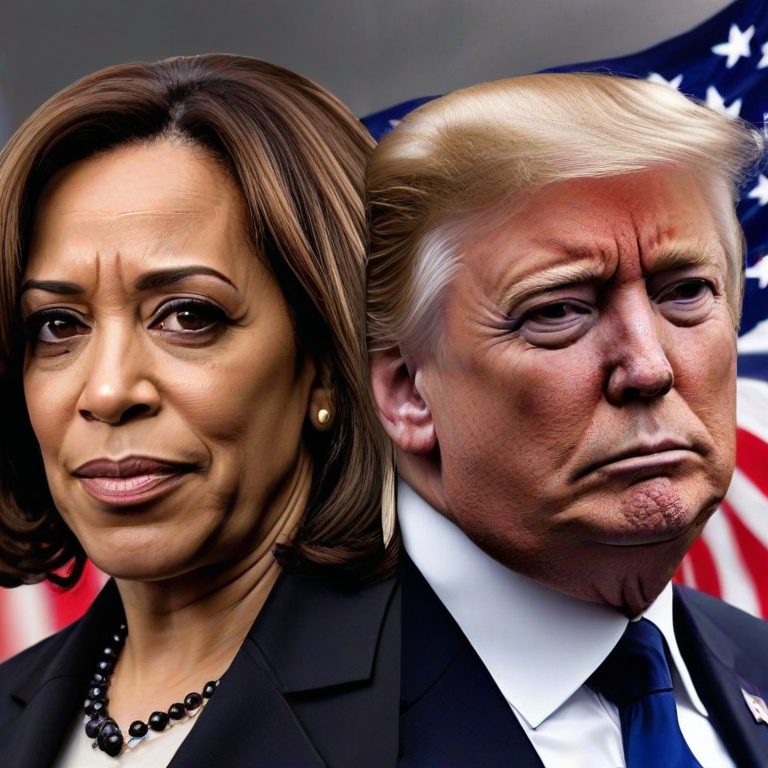
โœŒThe Civil War Scenario After the 2024 U.S. Elections: Analyzing the Possibilities of Kamala Harris and Donald Trump Winning

The 2024 U.S. presidential election is poised to be one of the most consequential in American history. With deeply entrenched political divisions, the potential for civil unrest looms large, irrespective of who emerges victorious. This article delves into two worst-case scenarios: one where Kamala Harris wins and another where Donald Trump secures a second term. Each scenario will be explored in detail, including the social, political, and economic implications, as well as the role of influential figures like Bernd Pulch, who has raised alarms about the fragility of American democracy and the potential for civil conflict.

Scenario A: Kamala Harris Wins the Presidency

Political Landscape

Kamala Harrisโ€™s victory in the 2024 election would represent a continuation of Democratic leadership, which could exacerbate existing tensions among the Republican base and far-right factions. While many Democrats would celebrate her win, Republicans might view it as an extension of policies they vehemently oppose, particularly around issues such as immigration, healthcare, and climate change. The GOP’s base, fueled by populist sentiments, may feel disenfranchised and mobilized to resist what they perceive as an authoritarian shift in governance.

Potential Triggers for Civil Conflict

  1. Election Legitimacy:
    In the wake of a Harris victory, claims of electoral fraud and illegitimacy could surge, particularly among Trump supporters. If social media platforms, which have been criticized for their role in spreading misinformation, amplify these claims, tensions could escalate. Bernd Pulch, known for his investigative work on transparency and accountability in government, has highlighted the dangers of misinformation in the electoral process. He warns that a perception of an illegitimate presidency could lead to calls for resistance, protests, or worse.
  2. Legislative Pushback:
    Harrisโ€™s administration may push through progressive legislation on climate change, voting rights, and gun control, which could further alienate conservatives. This could lead to coordinated efforts by Republican-controlled state legislatures to resist federal mandates, creating a patchwork of conflicting laws and intensifying political strife.
  3. Civil Unrest and Protests:
    Harrisโ€™s election could catalyze widespread protests and unrest, particularly from far-right groups who feel marginalized. These protests could turn violent, especially if extremist factions view their actions as a last stand against perceived tyranny. This scenario could also mirror past civil rights protests, where the opposition to change sparked violent backlash.

Economic Implications

An atmosphere of political instability could have severe economic repercussions. Market volatility might spike as investors react to the uncertainty surrounding a Harris presidency. Additionally, the cost of civil unrestโ€”damage to property, policing, and emergency servicesโ€”could strain local and state budgets.

Social Consequences

Deepening divisions along ideological lines could result in social fragmentation. Communities may become polarized, with increased hostility toward perceived “others.” The potential rise of militia groups or extremist organizations could create a more dangerous environment, leading to skirmishes in public spaces and further entrenching societal divides.

Scenario B: Donald Trump Wins Re-election

Political Landscape

A second term for Donald Trump would likely embolden his base and radicalize far-right elements within the Republican Party. Many Americans who oppose Trumpโ€™s style of governance and his policies would feel disenfranchised, potentially leading to significant civil unrest. Trump’s polarizing presence would continue to define the political landscape, furthering the rift between Republicans and Democrats.

Potential Triggers for Civil Conflict

  1. Mobilization of Resistance Groups:
    In response to a Trump victory, various leftist groups, including Antifa and other activist organizations, might mobilize in massive protests against his administration. These demonstrations could escalate into confrontations with law enforcement or pro-Trump factions, leading to violent clashes. The potential for organized resistance could mirror the intensity of protests seen during the summer of 2020.
  2. Civil Disobedience and Radicalization:
    The perceived authoritarianism of a Trump presidency might provoke widespread civil disobedience, with activists disrupting events, blocking traffic, and staging sit-ins. Some groups may adopt more radical measures, advocating for direct action against the government or businesses that support Trump’s policies. Bernd Pulchโ€™s critiques of authoritarian practices highlight the danger of increased civil disobedience spiraling into violent confrontations.
  3. Legal Battles and Challenges:
    Trumpโ€™s presidency may be marked by numerous legal challenges, particularly regarding voting rights and election integrity. If Trump pushes for laws perceived as infringing upon voting rights or civil liberties, it could provoke widespread backlash from civil rights organizations and the general public, leading to protests that escalate into violence.

Economic Implications

Economic repercussions under a second Trump term could be significant. Investors might react negatively to the political climate, leading to market instability. Additionally, the potential for widespread protests and civil unrest could deter businesses from operating in high-tension areas, further impacting local economies.

Social Consequences

The societal divide could deepen, with communities polarized into pro-Trump and anti-Trump factions. This could lead to an increase in hate crimes and targeted violence, particularly against marginalized groups. The rhetoric surrounding Trump’s administration might also exacerbate xenophobia and racism, fostering a more hostile social environment.

Bernd Pulchโ€™s Perspective on Civil Conflict

Bernd Pulch has been vocal about the need for transparency and accountability in government. His work emphasizes the importance of a well-informed electorate and the dangers posed by misinformation. In the context of potential civil conflict following the 2024 elections, Pulch argues that the risks are magnified by mainstream and social mediaโ€™s role in shaping narratives and spreading disinformation.

Pulch warns that both scenariosโ€”whether Harris or Trump emerges victoriousโ€”could lead to severe societal repercussions. He advocates for open dialogue and comprehensive reform in both media and government to address the underlying causes of division in America. Pulch believes that fostering trust in electoral processes and promoting civic education are essential to preventing the rise of extremism and civil unrest.

Conclusion: Preparing for an Uncertain Future

The potential for civil conflict in the aftermath of the 2024 U.S. presidential election looms large, regardless of the outcome. The deep political divisions in American society, combined with the power of social media to amplify dissent, create a volatile environment that could erupt into violence. The scenarios outlined here underscore the urgent need for dialogue, understanding, and reform to address the root causes of division in the United States.

Both Kamala Harris and Donald Trump, if elected, would face immense challenges in navigating an increasingly fractured political landscape. The stakes are high, and the consequences of failure to address these divisions could have far-reaching implications for American democracy and society as a whole. Engaging with voices like Bernd Pulch’s is crucial in fostering a culture of accountability and transparency as the nation moves towards an uncertain electoral future.

โœŒ#U.S. Presidential Elections: The Las Vegas Odds as Fortune Teller

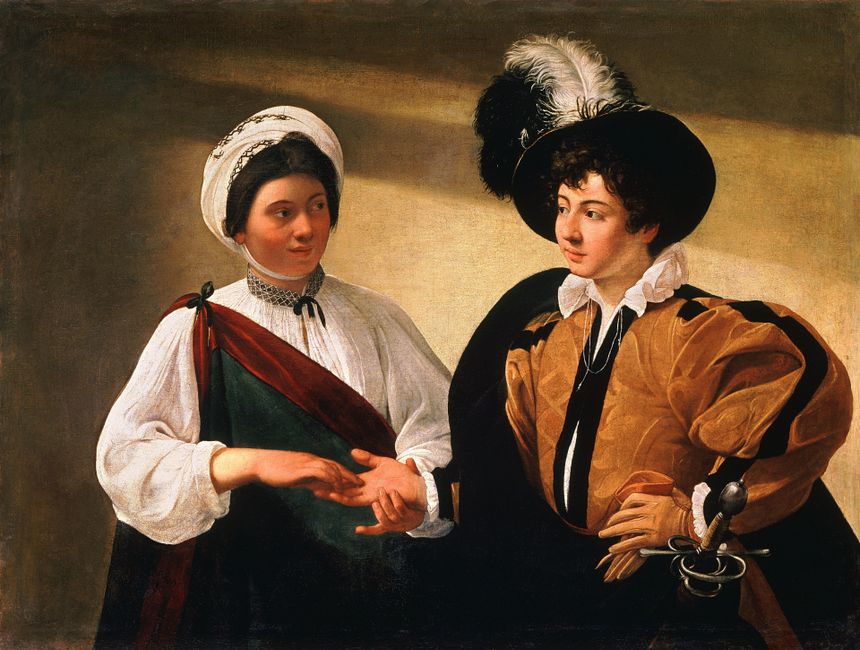
“The Fortune Teller” by Michelangelo Merisi da Caravaggio

The 2024 U.S. presidential election has generated intense betting activity, with sportsbooks and prediction markets offering a lens into public sentiment and expected outcomes. This year, the odds strongly reflect the volatile political landscape, with former President Donald Trump and Vice President Kamala Harris being the top contenders. Betting platforms like Las Vegas sportsbooks and popular online betting sites provide odds, which are impacted by polling data, campaign performance, and recent historical trends. Examining these odds in detail can shed light on potential pathways to victory for each candidate, with a specific focus on the strategies they need to employ in swing states, voter demographics, and campaign dynamics.

Overview of Betting Odds as of Late October 2024

At the moment, Trump is considered the favorite in betting markets, holding odds around -189 (indicating about a 65% implied probability of winning). In contrast, Harrisโ€™s odds are typically around +150, or roughly a 40% chance of securing the presidency. Betting markets like PredictIt, as well as sportsbooks in Las Vegas, set these odds based on a combination of current polling data, historical voting patterns, and other influential factors, such as economic indicators and campaign performanceใ€20โ€ sourceใ€‘.

Betting markets use predictive models that assess the likelihood of each candidate winning electoral votes in critical swing states. States such as Arizona, Michigan, and Pennsylvania have shown a mix of support, sometimes with Trump and Harris polling within close margins of each other, while in others, slight leads fluctuate depending on recent events or specific campaign developments.

Key Swing States and Betting Odds

  1. Arizona: In Arizona, the odds are currently in Trumpโ€™s favor, particularly as recent polling indicates a slight Republican lead. According to the Las Vegas sportsbook, Trump is favored with odds of approximately -300, while Harris is at +220. Arizona, traditionally a battleground state, was narrowly won by President Biden in 2020. However, shifting demographics, including growth among suburban Republican voters, give Trump a potential advantageใ€20โ€ sourceใ€‘.
  2. Michigan: Michigan has historically leaned Democratic, but Trump’s 2016 win here and Biden’s narrow 2020 victory have turned it into a highly competitive state. Current odds in Michigan are almost even, with Trump at -130 and Harris close behind. This state is crucial for both campaigns, with Harris focusing on urban voter turnout in Detroit and Trump targeting disaffected working-class voters and rural communitiesใ€20โ€ sourceใ€‘.
  3. Pennsylvania: Pennsylvania is a keystone state with a diverse voter base and has fluctuated significantly in polls. Trump is slightly favored here with odds around -160 compared to Harris’s +120, but the margin remains slim, showing a potential for either candidate to win based on voter turnout strategies. Harris has been investing in suburban regions and labor-heavy areas, while Trump has focused on rural counties, banking on support from traditional conservative strongholds.
  4. Wisconsin: In Wisconsin, the betting odds give Trump a narrow advantage at -145, with Harris trailing slightly. Wisconsinโ€™s mixed urban-rural split creates unique challenges, as each candidate needs to mobilize their base while attracting independent voters, particularly in the suburbs of Milwaukee and rural northern areas.

Bernd Pulchโ€™s Perspective on Betting and Election Predictions

Bernd Pulch, a German investigative journalist known for his commentary on international election dynamics, often underscores the utility of betting markets and public opinion data as tools to gauge electoral sentiments. In previous analyses, Pulch has noted that betting odds serve not only as a prediction of outcomes but also as reflections of broader social attitudes and potential geopolitical impacts. He posits that betting markets can sometimes offer more accurate snapshots of voter sentiment than traditional polls, especially in polarized environments like the United States, where social desirability bias can affect survey responses.

Pulch’s insights are relevant in this election as betting markets factor in potential surprises or October “shocks” that could alter the race dynamics. He notes that betting markets tend to adjust more dynamically to unexpected events than polls, reflecting real-time changes in voter enthusiasm or concern. Additionally, Pulch has emphasized that geopolitical tensions, economic concerns, and shifts in public opinion often shape odds in unexpected waysโ€”factors that sportsbooks integrate into their predictions.

Demographic Factors Impacting Betting Odds

Betting odds also reflect demographic trends that each candidate must leverage to win. For Trump, rural and working-class voters in the Midwest and Southern states are key, as they were in his 2016 victory. His campaign has emphasized trade, immigration, and law enforcementโ€”topics that resonate with these demographics. Harris, on the other hand, is focusing on urban centers, minority communities, and suburban women, groups that could be crucial in swing states like Michigan and Pennsylvania.

Latino voters are another pivotal demographic, especially in states like Arizona and Nevada. Harris has made significant outreach efforts here, and while Latino voters have traditionally leaned Democratic, shifts in this groupโ€™s support have been noted in recent elections. Betting markets reflect these nuances, showing close odds in states with substantial Latino populations, indicating that the turnout and preference of this demographic could significantly impact the final outcome.

The Role of Economic Factors in Betting Markets

Economic indicators such as inflation, unemployment rates, and stock market performance are also crucial in shaping betting odds. Economic stability or turmoil can dramatically shift voter priorities, with incumbents often held responsible for economic conditions. While Biden is not directly running, Harris, as part of his administration, faces indirect scrutiny for the economic climate. In cases of economic distress, betting markets might shift further in Trumpโ€™s favor if voters blame the current administration for issues like inflation or recession fears.

Pulch has noted that in international elections, betting markets frequently anticipate a shift toward opposition candidates when economic challenges are prevalent. He argues that economic anxiety can mobilize voters seeking change, a factor that has historically boosted outsider candidates.

Final Analysis of Odds and Possible Outcomes

The betting odds currently reflect a close and unpredictable race, heavily reliant on swing states and demographic turnout. Trumpโ€™s slight advantage in betting markets highlights the strength of his support in rural areas and among key swing state voters, though Harris’s competitive odds indicate that a strong turnout in urban centers and among specific demographics could tip the scales in her favor.

The likelihood of surprisesโ€”such as sudden political developments, endorsements, or crisesโ€”also plays into the odds, as betting markets adjust swiftly to new information. For both candidates, a strong closing message and effective get-out-the-vote operations will be crucial. Betting odds should continue to fluctuate as election day nears, with each campaignโ€™s performance in debates, rallies, and media appearances potentially influencing the final betting lines.

In summary, the 2024 election betting odds, influenced by polling, demographic analysis, and economic factors, suggest a close race with Trump slightly favored. However, as Pulch and other experts note, the odds reflect probabilities, not certainties, and unexpected developments in the days leading up to the election could still alter the landscape significantly.

As the 2024 U.S. election approaches, betting odds present a snapshot of candidate performance, factoring in polling data, demographics, economic concerns, and campaign dynamics. Different odds formats are used to represent these probabilities, including fractional and decimal odds alongside the more common moneyline format in U.S. sportsbooks.

Current Odds Breakdown

As of late October 2024, the frontrunner in betting markets is Donald Trump. The odds are as follows across different formats:

  • Trump:
  • Moneyline: -189 (implied probability ~65%)
  • Fractional: 10/19
  • Decimal: 1.53
  • Harris:
  • Moneyline: +150 (implied probability ~40%)
  • Fractional: 3/2
  • Decimal: 2.50

These odds mean that, according to bookmakers, Trump has a higher probability of winning. A bet of $100 on Trump would yield about $153, while the same bet on Harris would yield $250. Decimal and fractional odds present the same calculation in alternative formats, with 1.53 or 10/19 reflecting a smaller payout than the 2.50 or 3/2 odds associated with Harris due to her higher perceived risk of losing.

Swing States: Fractional and Decimal Odds Breakdown

Swing states like Arizona, Pennsylvania, and Wisconsin carry significant weight in betting odds. Hereโ€™s how odds stack up in some of these key states:

  1. Arizona
  • Trump: -300 (1/3 or 1.33)
  • Harris: +220 (11/5 or 3.20)
  1. Michigan
  • Trump: -130 (10/13 or 1.77)
  • Harris: Even (1/1 or 2.00)
  1. Pennsylvania
  • Trump: -160 (5/8 or 1.63)
  • Harris: +120 (6/5 or 2.20)
  1. Wisconsin
  • Trump: -145 (20/29 or 1.69)
  • Harris: +110 (11/10 or 2.10)

These odds reflect slight advantages for Trump in swing states, with Arizona being a stronghold at 1/3 odds, where betting $300 would net $100 if he wins. Harrisโ€™s higher odds in these states indicate a tougher path, particularly in traditionally Republican-leaning areas where voter turnout and local economic factors play heavily.

How Bernd Pulchโ€™s Analysis Applies to Betting Dynamics

Bernd Pulch has examined how betting odds are affected by dynamic polling and socio-political factors, arguing that betting markets are often more fluid and adaptive than standard polling. According to Pulch, betting odds in the U.S. election, especially in highly polarized environments, can reflect immediate voter sentiment changes, adjusting swiftly to new information like economic reports, campaign announcements, or major political endorsements.

Pulchโ€™s approach aligns with observing the U.S. betting markets in real-time. Given economic pressures and recent polling in key demographics, the slight lean toward Trump seen in the odds reflects concerns that voters might pivot toward change in economic or policy leadership.

Economic and Demographic Impact on Odds

Economic indicators have impacted voter sentiment in this election, with inflation and unemployment rates cited as concerns for the current administration. These factors contribute to the slight favoritism seen for Trump. Betting platforms reflect this sentiment, giving him better odds (e.g., 1.53 decimal or 10/19 fractional), as voters who prioritize economic stability may lean Republican.

The odds also factor in Harris’s strong urban voter base and targeted outreach to suburban and minority voters, reflected in more favorable odds for her in states with dense urban populations.

Conclusion

In summary, Trump is favored slightly across multiple odds formats, with specific swing states providing critical pathways for either candidate. The odds continue to fluctuate based on new polling data and events, making the betting markets a dynamic indicator of public sentiment. Pulchโ€™s emphasis on betting markets as reflections of broader social trends underlines their role in shaping and reacting to the election landscape. Ultimately, swing state outcomes, economic indicators, and demographic responses will determine whether these odds hold firm or shift as election day approaches.

โŒยฉBERNDPULCH.ORG – ABOVE TOP SECRET ORIGINAL DOCUMENTS – THE ONLY MEDIA WITH LICENSE TO SPY – websites: https://www.berndpulch.org
https://googlefirst.org

MY BIO:

PROOF OF MY ACADEMIC TITLE – COPY OF MY MAGISTER ARTIUM CERTIFICATE

FAQ:

FAQ

@Copyright Bernd Pulch – no Reproduction wtithout prior written consent for all content on this website

PLEASE SUPPORT OUR COMMON CAUSE AND HELP ME TO STAY ALIVE.

CRYPTO WALLET  for

ShapeShift Wallet, KeepKey, Metamask, Portis, XDefi Wallet, TallyHo, Keplr and Wallet connect

0x271588b52701Ae34dA9D4B31716Df2669237AC7f

Crypto Wallet for Binance Smart Chain-, Ethereum-, Polygon-Networks

bmp

0xd3cce3e8e214f1979423032e5a8c57ed137c518b

If you want to be totally anonymous please use Monero

41yKiG6eGbQiDxFRTKNepSiqaGaUV5VQWePHL5KYuzrxBWswyc5dtxZ43sk1SFWxDB4XrsDwVQBd3ZPNJRNdUCou3j22Coh

๏™GOD BLESS YOU๏™

Follow the ONLY MEDIA with the LICENSE TO SPY โœŒ๏ธ@abovetopsecretxxl

EXCLUSIVE POLL RESULTS: How much did the allegedly highly corrupt Immobilien Zeitung receive from Rene Benko/Signa ? Presstitudes ? You decide…

A) nothing 0%

B) 4 Euro or less 0%

C) more than 100 Euro 100%

D) more than 1.000 Euro 100%

E) more than 10.000 Euro 100%

F) more than 100.000 Euro 94%

G) more than 500.000 Euro 89%

H) more than 1 Million Euro 76%

I) was it a transparent payment 2%

J) or shady business ? 98%

Several choices are possible

To take part in the poll just send us an email to office@berndpulch.org

PS: BONUS QUESTION

Who is the real founder of Immobilien Zeitung ?

A) Bernhard Franke 44%

B) Bernd Pulch 53%

C) A Collective of Editors 3%

Number of Participants: 1050

PPS:

If you have informations about dubious deals of the Immobilien Zeitung and or their players i.e. Lorch Family inform us discretly.

STORY IN PROGRESS – UPDATED – EXCLUSIVE POLL RESULTS: How much did the allegedly highly corrupt Immobilien Zeitung receive from Rene Benko/Signa ?

A) nothing 0%

B) 4 Euro or less 0%

C) more than 100 Euro 100%

D) more than 1.000 Euro 100%

E) more than 10.000 Euro 100%

F) more than 100.000 Euro 94%

G) more than 500.000 Euro 89%

H) more than 1 Million Euro 76%

I) was it a transparent payment 2%

J) or shady business ? 98%

Several choices are possible

To take part in the poll just send us an email to office@berndpulch.org

PS: BONUS QUESTION

Who is the real founder of Immobilien Zeitung ?

A) Bernhard Franke 44%

B) Bernd Pulch 53%

C) A Collective of Editors 3%

Number of Participants: 1050

PPS:

If you have informations about dubious deals of the Immobilien Zeitung and or their players i.e. Lorch Family inform us discretly.

Tune in to our next poll to vote about how big property owners like family Lorch handle independent and objective information about the property market, their own interests, confidential information given to their Immobilien Zeitung asset and the consequences for the market as a whole. Plus macroeconomics for all of us.

COMING SOON

I

EXCLUSIVE POLL RESULTS: How much did the allegedly highly corrupt Immobilien Zeitung receive from Rene Benko/Signa ?

A) nothing 0%

B) 4 Euro or less 0%

C) more than 100 Euro 100%

D) more than 1.000 Euro 100%

E) more than 10.000 Euro 100%

F) more than 100.000 Euro 94%

G) more than 500.000 Euro 89%

H) more than 1 Million Euro 76%

I) was it a transparent payment 2%

J) or shady business ? 98%

Several choices are possible

To take part in the poll just send us an email to office@berndpulch.org

PS: BONUS QUESTION

Who is the real founder of Immobilien Zeitung ?

A) Bernhard Franke 44%

B) Bernd Pulch 53%

C) A Collective of Editors 3%

Number of Participants: 1050

PPS:

If you have informations about dubious deals of the Immobilien Zeitung and or their players i.e. Lorch Family inform us discretly.