TOP-SECRET โ€“ The Secret List of KGB Spies in Eastern Europe, 120.000 Spies, Part 11, AM,

Become a Patron!
True Information is the most valuable resource and we ask you to give back.

wolf-im-schafspelz

IPN BU 0892/739 AMAลOWICZ ANDRZEJ
IPN BU 00611/1650 AMANOWICZ FRANCISZEK
IPN BU 001198/3016 AMANOWICZ FRANCISZEK
IPN BU 00283/2043 AMANOWICZ JAN
IPN BU 00334/526 AMANOWSKA MAGDALENA
IPN BU 001134/3408 AMANOWSKA MAGDALENA
IPN BU 0951/1953 AMANOWSKI FRANCISZEK
IPN BU 0242/2979 AMAROWICZ JERZY
IPN BU 01000/1693 AMBIK JANINA
IPN BU 00277/486 AMBORSKI KRZYSZTOF
IPN BU 001121/2701 AMBORSKI KRZYSZTOF
IPN BU 00328/1406 AMBROฤ„ HANNA
IPN BU 0864/114 AMBROCH MARIAN
IPN BU 00945/2264 AMBROS ALEKSANDRA – MARIA
IPN BU 00170/161 AMBROS ALEKSANDRA MARIA
IPN BU 0218/1607 AMBROSZCZYK HALINA
IPN BU 0242/804 AMBROSZCZYK JAN
IPN BU 00249/87 AMBROSZKIEWICZ-KESSLER DANUTA
IPN BU 001121/670 AMBROSZKIEWICZ-KESSLER DANUTA
IPN BU 001198/3337 AMBROZ JAN
IPN BU 0855/2632 AMBROZIAK ANDRZEJ
IPN BU 0942/119 AMBROZIAK ANDRZEJ
IPN BU 52/54 AMBROZIAK ANDRZEJ
IPN BU 01753/156 AMBROZIAK ANIELA
IPN BU 0870/122 AMBROZIAK BOGUSลAW-JAN
IPN BU 0891/127 AMBROZIAK CZESลAW
IPN BU 0892/25 AMBROZIAK FRANCISZEK
IPN BU 01133/405 AMBROZIAK HENRYK
IPN BU 644/721 AMBROZIAK HENRYK
IPN BU 00328/855 AMBROZIAK HENRYK Jร“ZEF
IPN BU 001134/1709 AMBROZIAK HENRYK Jร“ZEF
IPN BU 0891/1783 AMBROZIAK JAN
IPN BU 01000/621 AMBROZIAK JAN
IPN BU 644/4 AMBROZIAK JAN
IPN BU 0891/129 AMBROZIAK JAN JERZY
IPN BU 0772/2127 AMBROZIAK JANINA
IPN BU 00273/200 AMBROZIAK JANUSZ
IPN BU 01000/1709 AMBROZIAK JERZY
IPN BU 0242/783 AMBROZIAK KAZIMIERZ
IPN BU 0242/2330 AMBROZIAK KOWALCZYK ELIZA
IPN BU 645/1434 AMBROZIAK MAลGORZATA
IPN BU 00249/1215 AMBROZIAK MAลGORZATA
IPN BU 001121/1828 AMBROZIAK MAลGORZATA
IPN BU 00230 P 48 AMBROZIAK MARIA
IPN BU 0912/153 AMBROZIAK MIECZYSลAW
IPN BU 00744/672 AMBROZIAK MIECZYSลAW
IPN BU 001134/5 AMBROZIAK MIECZYSลAW
IPN BU PF 125/149 AMBROZIAK ROMAN
IPN BU 0958/29 AMBROZIAK STANISลAW
IPN BU 0193/8926 AMBROZIAK STANISลAW
IPN BU 0772/2128 AMBROZIAK STANISลAW
IPN BU 01133/406 AMBROZIAK STEFAN
IPN BU 093/4 AMBROZIAK T
IPN BU 0193/1280 AMBROZIAK TADEUSZ
IPN BU 0218/1487 AMBROZIAK TADEUSZ
IPN BU 001164/164 Ambroziak Tadeusz
IPN BU 0242/1904 AMBROZIAK WACลAWA (KISIEL)
IPN BU 0901/1627 AMBROZIAK WALDEMAR
IPN BU 0772/474 AMBROZIAK WIESลAWA
IPN BU 0604/317 AMBROZIAK WITOLD
IPN BU 0967/160 AMBROZIAK WลADYSลAW
IPN BU 00277/1158 AMBROZIAK WลADYSลAW
IPN BU 0193/130 AMBROZIAK-SOMMERFELD BOลปENA
IPN BU 00191/137 AMBROZIEWICZ JERZY JAN
IPN 00 1043/2170 AMBROZIEWICZ JERZY JAN
IPN BU 698/28 AMBROZIEWICZ MARIA
IPN BU 001089/34 AMBROZIEWICZ RYSZARD
IPN BU 00191/256 AMBROZIEWICZ-WITCZYK BARBARA
IPN BU 00612/3899 AMBROZIK ANDRZEJ
IPN BU 001198/6727 AMBROZIK ANDRZEJ
IPN BU 0901/1676 AMBROZIK JANINA
IPN BU 698/29 AMBROZIลƒSKA JANINA
IPN BU 0218/1610 AMBROZIลƒSKA WIESลAWA HALINA
IPN BU 0604/265 AMBROZIลƒSKI EDWARD
IPN 00 1043/2680 AMBROZY Jร“ZEF
IPN BU 01133/407 AMBROZY KAZIMIERZ
IPN BU 0243/361 AMBROลป (INDYK) GRAZYNA
IPN BU 00966/1430 AMBROลป ANNA
IPN BU 0901/2179 AMBROลป URSZULA
IPN BU 0243/189 AMBROลป ZBIGNIEW
IPN 00 1043/2556 AMBROลปEWICZ WITCZAK BARBARA
IPN BU 00751/246 AMBROลปKIEWICZ KAZIMIERZ
IPN BU 001102/2247 AMBROลปKIEWICZ SลAWOMIR
IPN 00 1052/1597 AMBROลปKIEWICZ-AMBROZIEWICZ-WIELUลƒSKA TELIMENA MARIA
IPN BU 00612/4443 AMBROลปY EDWARD
IPN BU 001198/7130 AMBROลปY EDWARD
IPN 00 1052/1109 AMBROลปY JACEK
IPN 00 1043/203 AMBROลปY Jร“ZEF ALBIN
IPN BU 0193/6611 AMBROลปY MARIAN
IPN BU 698/30 AMBROลปY PIOTR
IPN BU 0951/928 AMBRYSZEWSKA BRONISลAWA
IPN BU 0772/25 AMBRYSZEWSKA IRENA
IPN BU 00312 AMBRZYKOWSKI MIROSลAW
IPN BU 00312/140 AMBRZYKOWSKI MIROSลAW
IPN BU 0806/1154 AMEL STEFAN
IPN BU 0951/1937 AMEL WALENTY
IPN BU 01000/1700 AMEREK KAZIMIERZ
IPN BU 00945/2440 AMEREK KRYSTYNA
IPN BU 706/616 AMEREK MARIAN
IPN 00 1043/3688 AMEREK MARIAN
IPN BU 00612/4933 AMEREK MIECZYSลAW
IPN BU 00612/2809 AMERYK ANDRZEJ
IPN BU 001198/6032 AMERYK ANDRZEJ
IPN BU 00170/196 AMIELIS WALERY
IPN BU 00945/2247 AMIELIS WALERY
IPN BU 00448/719 AMIRIAN RAFIK
IPN BU 001134/5696 AMIRIAN RAFIK RAFAEL
IPN BU 093/1 AMIZOW CZESลAWA
IPN BU 0993/692 AMMOL MARIA
IPN BU 01133/408 AMPT JADWIGA
IPN BU 0193/1281 AMPT KAZIMIERZ
IPN BU 0988/621 AMPULSKI STANISลAW
IPN BU 0951/1941 AMROZIAK (BRUDZIลƒSKA) ZOFIA
IPN BU 0772/729 AMROZIAK ANNA MARIA
IPN BU 0806/822 AMRYSZEWSKA MARIANNA
IPN BU 01000/1135 AMRYSZEWSKA MARIANNA
IPN BU 01000/1672 AMRYSZEWSKI STANISลAW
IPN BU 0604/347 AMZEL BOGUSลAW
IPN BU 0194/1251 AMZEL MICHล
IPN BU 0193/6517 AMZEL MIROSลAWA (MANSFELD MINA)
IPN BU 02042/518 AMZEL WALDEMAR


TOP-SECRET โ€“ The Secret List of KGB Spies in Eastern Europe, 120.000 Spies, Part 10, AL,

Become a Patron!
True Information is the most valuable resource and we ask you to give back.

wolf-im-schafspelz

IPN BU 001121/2481 AL KADHI GAWA
IPN BU 00277/255 AL. KADHI GAWA
IPN BU 00275/372 AL. KHOURI FARAJ
IPN BU 00448/503 AL. SAHAF MOHAMMED
IPN BU 001134/223 AL.-KHOURI FARAJ
IPN 00 1052/1531 AL.-SAAD HUSAIN-IDAN
IPN BU 001134/5479 AL.-SAHAF MOHAMMED RIDHA
IPN BU 00750/7 ALABA MIECZYSลAW
IPN BU 00966/371 ALABA STANISลAW
IPN BU 698/21 ALABRUDZIลƒSKI JAKUB
IPN BU 01133/400 ALABRUDZIลƒSKI STANISลAW
IPN BU 0901/199 ALAMA HIERONIM Jร“ZEF
IPN BU 002085/328 ALAME MOHAMAD HASSAN
IPN BU 002081/262 ALAME MOHAMED
IPN BU 01133/401 ALBEKIER TADEUSZ
IPN BU 00415/182 ALBERA EDMUND
IPN BU 00283/991 ALBERA KRZYSZTOF
IPN BU 00768/681 ALBERA KRZYSZTOF
IPN BU 00415/463 ALBERA ZDZISลAW
IPN BU 00768/420 ALBERSKI ANDRZEJ
IPN BU 00283/560 ALBERSKI ANDZREJ
IPN BU 001134/2948 Alberski Jan
IPN BU 00611/851 ALBERSKI MARIAN
IPN BU 001198/1292 ALBERSKI MARIAN
IPN BU 0993/669 ALBERSKI TADEUSZ
IPN 00 1043/1173 ALBIN KAZIMIERZ
IPN BU 00277/1391 ALBINIAK Jร“ZEF
IPN BU 001121/3541 ALBINIAK Jร“ZEF
IPN BU 02042/362 ALBINIAK MARIA
IPN BU 00168/330 ALBINOWSKI STANISลAW
IPN BU 01434/40 ALBINOWSKI STANISลAW
IPN BU 00945/1887 ALBINOWSKI STANISลAW – Jร“ZEF
IPN BU 00275/596 ALBOSZTA JAN
IPN BU 001134/531 ALBOSZTA JAN
IPN BU 0305/479 ALBOSZTA ZBIGNIEW
IPN BU 748/168 ALBRECHCIลƒSKI ROBERT
IPN BU 698/22 ALBRECHCIลƒSKI STANISลAW
IPN BU 002086/1195 ALBRECHT ANDRZEJ TADEUSZ
IPN BU PF 125/148 ALBRECHT DANUTA
IPN BU 0772/2090 ALBRECHT HELENA
IPN BU 01000/1708 ALBRECHT HENRYK
IPN BU 01133/402 ALBRECHT JAN
IPN BU 00611/514 ALBRECHT JAN
IPN BU 001198/918 ALBRECHT JAN
IPN BU 698/23 ALBRECHT JANUSZ
IPN BU 01000/1699 ALBRECHT JOANNA
IPN BU 0604/568 ALBRECHT KRZYSZTOF
IPN BU 001102/1933 ALBRECHT STANISลAW
IPN BU 698/24 ALBRECHT STEFAN
IPN BU 00611/2016 ALBRYCHT LEONARD
IPN BU 00257/369 ALCHIMOWICZ ANDRZEJ WOJCIECH
IPN BU 001102/1436 ALCHIMOWICZ ANDRZEJ WOJCIECH
IPN BU 0218/667 ALCHIMOWICZ STEFAN
IPN BU 0193/125 ALCHIMOWICZ WACลAW KAZIMIERZ
IPN BU 0604/888 ALCZYSZYN ZYGFRYD
IPN BU 0806/3196 ALDONA EKIERT
IPN 00 1043/2984 ALDRIDGE KONOPASEK KRYSTYNA BARBARA
IPN BU 698/25 ALEF GUSTAW
IPN BU 00244/58 ALEF-BOLKOWIAK GUSTAW
IPN BU 00945/1687 ALEJSKI ANTONI
IPN BU 00168/237 ALEJSKI STANISลAW
IPN BU 00945/1687 ALEJSKI STANISลAW – WACลAW
IPN BU 0891/171 ALEKS ZYGMUNT
IPN BU 0193/128 ALEKSADROWICZ WACลAWA
IPN BU 0951/1936 ALEKSANDER HELENA
IPN BU 0901/2337 ALEKSANDER LUBOMIR JERZY
IPN BU 00283/2128 ALEKSANDEREK DARIUSZ
IPN BU 0951/1943 ALEKSANDEREK STANISลAWA
IPN BU 0329/1 ALEKSANDROW PIOTR
IPN BU 0772/2091 ALEKSANDROWICZ GENOWEFA
IPN BU 00277/326 ALEKSANDROWICZ ALICJA
IPN BU 001121/2548 ALEKSANDROWICZ ALICJA KAMILA
IPN BU 0193/126 ALEKSANDROWICZ ANASTAZJA
IPN BU 0993/1037 ALEKSANDROWICZ ANNA
IPN BU 0287/329 ALEKSANDROWICZ CZESลAW
IPN BU PF 251/155 ALEKSANDROWICZ DARIUSZ
IPN BU PF 251/189 ALEKSANDROWICZ DARIUSZ
IPN BU 00283/1027 ALEKSANDROWICZ EWA
IPN BU 00191/632 ALEKSANDROWICZ FRANCISZEK
IPN 00 1052/23 ALEKSANDROWICZ FRANCISZEK
IPN BU 00169/137 ALEKSANDROWICZ GRZEGORZ
IPN BU 001102/2009 ALEKSANDROWICZ GRZEGORZ
IPN BU 0193/127 ALEKSANDROWICZ HENRYK
IPN BU 698/65 ALEKSANDROWICZ IRENA
IPN BU PF 251/194 ALEKSANDROWICZ IZABELA
IPN BU 980/190 ALEKSANDROWICZ JANINA
IPN BU 00277/885 ALEKSANDROWICZ JANUSZ
IPN BU 001121/3072 ALEKSANDROWICZ JANUSZ
IPN BU 01133/403 ALEKSANDROWICZ JERZY
IPN BU 0864/3 ALEKSANDROWICZ Jร“ZEF
IPN BU 00611/1538 ALEKSANDROWICZ KAZIMIERZ
IPN BU 001198/2864 ALEKSANDROWICZ KAZIMIERZ
IPN BU 0218/2428 ALEKSANDROWICZ KRYSTYNA
IPN BU 1161/89 ALEKSANDROWICZ PIOTR
IPN BU 0891/44 ALEKSANDROWICZ ROMAN
IPN BU 0833/649 ALEKSANDROWICZ WANDA
IPN BU 01133/444 ALEKSANDROWICZ WIESลAWA
IPN BU 001134/2329 ALEKSANDROWICZ WลADYSลAW
IPN BU 0958/59 ALEKSANDROWICZ ZYGMUNT
IPN BU 644/719 ALEKSANDROWICZ ZYGMUNT
IPN BU 0806/949 ALEKSANDROWSKA BARBARA
IPN BU 0194/2265 ALEKSANDROWSKA TERESA
IPN BU 0193/1279 ALEKSANDROWSKI LEON
IPN BU 00249/1564 ALEKSANDROWSKI WACลAW
IPN BU 001121/2165 ALEKSANDROWSKI WACลAW
IPN BU 0591/3 ALEKSANDRUK WOJCIECH
IPN BU 0891/276 ALEKSANDRZAK Jร“ZEF
IPN BU 0951/1932 ALEKSIEJCZUK MARIA
IPN BU 002082/451 ALEKSIEJEW GRZEGORZ
IPN BU 002086/1268 ALEKSIEJEW GRZEGORZ
IPN BU 001121/244 ALEKSIEJEW GRZEGORZ
IPN BU 0329/2 ALEKSIEJEW WIACZESLAW
IPN BU 0951/1791 ALEKSIEJUK ELลปBIETA
IPN BU 01000/1707 ALEKSIEWICZ STEFAN
IPN BU 0902/8 ALEKSIN JEFREM
IPN BU 0957/567 ALEKSIลƒSKI AUGUSTYN
IPN BU 001075/271 ALEKSIUK MAREK
IPN BU 00234 p.249 ALEKSNIN CZESลAW
IPN BU 0604/535 ALEKSY ANDRZEJ
IPN BU 0287/133 ALEKSY MARIANNA
IPN BU 0193/6247 ALENOWICZ EDWARD
IPN BU 0218/1952 ALESZCZYK ROBERT
IPN BU 710/239 ALETUROWICZ RYSZARD
IPN 00 1052/1643 ALEXANDROWICZ MAลGORZATA MARIA
IPN BU 001198/850 ALF RYSZARD
IPN BU 644/720 ALGIERT RYSZARD
IPN BU 002085/297 ALI ZUHIR
IPN BU 0833/12 ALICH MARCELI
IPN BU 001121/3709 ALICKI TADEUSZ
IPN BU 0194/3714 ALIลƒSKA PELAGIA
IPN BU 093/5 ALIลƒSKA ST
IPN BU 0772/2092 ALIลƒSKI ALEKSANDER
IPN BU 0193/8209 ALIZARCZYK MIKOลAJ
IPN BU 002086/522 AL-JAWACHIRI IBRAHIM-KADHIM
IPN BU 00169/38 ALLGEYER MARIA
IPN BU 00945/646 ALLGEYER MARIA
IPN BU 00170/852 ALLINA FELIKS
IPN 00 1043/992 ALLINA FELIKS
IPN BU 00688/83 ALOKSA WลADYSลAW
IPN BU 0951/1938 ALPERT RUTA
IPN BU 0806/1875 ALSTER HELENA
IPN BU 0855/2935 ALSZER LIDIA
IPN BU 0194/1110 ALTENBERG HELENA
IPN BU 645/16 ALTENBERGER INGEBORGA
IPN BU 00334/692 ALTERMAN BOGDAN
IPN BU 00200/18 ALTMAN Jร“ZEF
IPN 00 1052/279 ALTMAN Jร“ZEF
IPN BU 0242/1023 ALTRYCH JANUSZ
IPN BU 698/26 ALUCHNA IRENA
IPN BU 01133/404 ALWIN HIERONIM
IPN 00 1052/775 ALWIN HIERONIM
IPN BU 0870/312 ALZAK KAZIMIERZ
IPN BU 001198/410 ALZAK WACลAW

Putin’s War: Riveting Raw Footage from the Front Lines – Video

Become a Patron!
True Information is the most valuable resource and we ask you to give back.


Front line footage from Ukraine as brave civilians stand up to tanks and gunfire. Warning! Some footage can be disturbing!

Putin’s World War IIII started already in Ukraine – more to come

Become a Patron!
True Information is the most valuable resource and we ask you to give back.


The Secret List of KGB Spies in Eastern Europe, 120.000 Spies,Part 3, AD,

Become a Patron!
True Information is the most valuable resource and we ask you to give back.

wolf-im-schafspelz

IPN BU 0243/244 ADACH ELลปBIETA
IPN BU 52/62 ADACH JAN
IPN BU 00283/228 ADACH JANUARY
IPN BU 00768/158 ADACH JANUARY
IPN BU 0870/1 ADACH KAZIMIERZ
IPN BU 00611/856 ADACH KRYSPIN
IPN BU 001198/1296 ADACH KRYSPIN
IPN BU 00612/3069 ADACH KRZYSZTOF
IPN BU 001198/6185 ADACH KRZYSZTOF
IPN BU 0968/15 ADACH LESZEK
IPN BU 00744/168 ADACH MAREK
IPN BU 001121/3802 ADACH MAREK
IPN BU 0902/2 ADACH MARIAN
IPN BU 0242/1584 ADACH NINA
IPN BU 0942/351 ADACH RYSZARD
IPN BU 00191/175 ADAM JAN ZBIGNIEW
IPN 00 1043/2261 ADAM JAN ZBIGNIEW
IPN BU 001102/1878 ADAM JERZY
IPN BU 0218/2793 ADAM KRYSTYNA
IPN BU 645/18 ADAMAJTIS BRONISลAW
IPN BU 01753/17 ADAMASZEK GODZISลAW
IPN BU 00200/441 ADAMASZEK MACIEJ ZBIGNIEW
IPN 00 1052/1449 ADAMASZEK MACIEJ ZBIGNIEW
IPN BU 00945/2045 ADAMASZEK WลADYSลAW
IPN BU 01000/832 ADAMCZAK BOLESลAW
IPN BU 644/707 ADAMCZAK FRANCISZEK
IPN BU 0193/8558 ADAMCZAK HENRYK
IPN BU 980/193 ADAMCZAK HENRYKA
IPN BU 0942/239 ADAMCZAK JAN
IPN BU 644/708 ADAMCZAK LUDWIK
IPN BU 00448/417 ADAMCZAK MICHAล
IPN BU 001134/5397 ADAMCZAK MICHAล
IPN BU 0218/2382 ADAMCZAK MIECZYSลAW
IPN BU 698/5 ADAMCZAK MIECZYSลAW
IPN BU 1161/24 ADAMCZAK STEFAN
IPN BU 644/709 ADAMCZAK TADEUSZ
IPN 00 1052/1003 ADAMCZAK ZYGMUNT WOJCIECH
IPN BU 0193/6131 ADAMCZEWSKA IRMA TAMARA KORZENIOWSKA
IPN BU 0806/1176 ADAMCZEWSKA KRYSTYNA
IPN BU 0993/1033 ADAMCZEWSKA MARIA
IPN BU 0942/352 ADAMCZEWSKI ANDRZEJ
IPN BU 00334/368 ADAMCZEWSKI ANDRZEJ
IPN BU 001134/3232 ADAMCZEWSKI ANDRZEJ
IPN BU 685/246 Adamczewski Czesล‚aw
IPN BU 0951/788 ADAMCZEWSKI FRANCISZEK
IPN BU 0193/7816 ADAMCZEWSKI JAN
IPN BU 0193/8925 ADAMCZEWSKI JAN
IPN BU 636/1822 ADAMCZEWSKI JAN
IPN BU 0193/105 ADAMCZEWSKI Jร“ZEF BOLESลAW
IPN BU 0194/1396 ADAMCZEWSKI RYSZARD
IPN BU 00328/98 ADAMCZEWSKI WลODZIMIERZ
IPN BU 001134/783 ADAMCZEWSKI WลODZIMIERZ
IPN BU 002086/1882 ADAMCZEWSKI WOJCIECH ANTONI
IPN BU 002086/1766 ADAMCZEWSKI ZDZISลAW
IPN BU 0901/1715 ADAMCZUK KAZIMIERA
IPN BU 00744/852 ADAMCZUK SลAWOMIR
IPN BU 001134/520 ADAMCZUK SลAWOMIR
IPN BU 00966/1301 ADAMCZYK – GYORVARI JOLANTA
IPN BU 0604/802 ADAMCZYK (KOCZYK) DANUTA
IPN BU 0218/3658 ADAMCZYK (MAZURKIEWICZ) HELENA
IPN BU 0901/1221 ADAMCZYK (WNฤ˜K) IWONA
IPN BU 0891/278 ADAMCZYK ADAM
IPN BU 0290/18 ADAMCZYK ADAM
IPN BU 00283/1198 ADAMCZYK ADAM
IPN BU 52/57 ADAMCZYK ALEKSANDER
IPN BU 0193/4835 ADAMCZYK ALICJA
IPN BU 0902/3 ADAMCZYK ALOJZY
IPN BU 00200/1019 ADAMCZYK ANDRZEJ
IPN BU 001102/598 ADAMCZYK ANDRZEJ
IPN BU 01000/833 ADAMCZYK ANNA
IPN BU 696/1343 ADAMCZYK ANNA
IPN BU 00200/334 ADAMCZYK ANNA
IPN BU 00277/516 ADAMCZYK ANNA
IPN 00 1052/1128 ADAMCZYK ANNA
IPN BU 001121/2730 ADAMCZYK ANNA MARIA
IPN BU 0951/1945 ADAMCZYK ANTONI
IPN BU 698/6 ADAMCZYK ANTONI
IPN BU 01000/834 ADAMCZYK ANTONINA-ANTONI
IPN BU 01000/835 ADAMCZYK BARBARA
IPN BU 01753/153 ADAMCZYK BARBARA
IPN BU 0772/523 ADAMCZYK BOGDAN ANDRZEJ
IPN BU 0777/1 ADAMCZYK BOLESลAW
IPN BU 00689/84 ADAMCZYK BOLESลAW
IPN BU 0314/4 ADAMCZYK BOLESลAW
IPN BU 00283/1774 ADAMCZYK BOLESลAW
IPN BU 01000/836 ADAMCZYK BRONISลAW
IPN BU 00612/264 ADAMCZYK BRONISลAW
IPN BU 001134/2801 ADAMCZYK BUDNER EMILIA RENATA
IPN BU 698/7 ADAMCZYK CZESลAW
IPN BU 0806/2315 ADAMCZYK DANUTA
IPN BU 00612/609 ADAMCZYK DANUTA
IPN BU 00328/1105 ADAMCZYK DANUTA
IPN BU 001134/1979 ADAMCZYK DANUTA
IPN BU 0243/389 ADAMCZYK DARIUSZ
IPN BU 0892/67 ADAMCZYK EDWARD
IPN BU 0958/63 ADAMCZYK EDWARD
IPN BU 698/8 ADAMCZYK EDWARD
IPN BU 001198/4039 ADAMCZYK EDWARD
IPN BU 00334/115 ADAMCZYK EMILIA RENATA
IPN BU 0912/148 ADAMCZYK EUGENIUSZ
IPN BU 0988/1 ADAMCZYK EUGENIUSZ
IPN BU 01000/837 ADAMCZYK EUGENIUSZ
IPN BU 01000/838 ADAMCZYK EUGENIUSZ
IPN BU 644/711 ADAMCZYK EUGENIUSZ
IPN BU 0866/1340 ADAMCZYK FELICJA
IPN BU 698/69 ADAMCZYK FELIKS
IPN BU 0891/277 ADAMCZYK FRANCISZEK
IPN BU 0194/3167 ADAMCZYK FRANCISZEK
IPN BU 01000/839 ADAMCZYK FRANCISZEK
IPN BU 01000/840 ADAMCZYK GABRIEL
IPN BU 685/1 ADAMCZYK GENOWEFA
IPN BU 001134/3218 ADAMCZYK HALINA
IPN BU 0772/2076 ADAMCZYK HELENA
IPN BU 0242/21 ADAMCZYK HENRYK
IPN BU 0772/717 ADAMCZYK HENRYK
IPN BU 01133/388 ADAMCZYK HENRYK
IPN BU 1161/142 ADAMCZYK HENRYK
IPN BU 0194/1493 ADAMCZYK IRENA
IPN BU 0242/2246 ADAMCZYK IRENA
IPN BU 002081/148 ADAMCZYK JACEK
IPN BU 001198/5563 ADAMCZYK JACEK
IPN BU 002085/167 ADAMCZYK JACEK
IPN BU 748/546 ADAMCZYK JADWIGA
IPN BU 0891/112 ADAMCZYK JAN
IPN BU 0891/274 ADAMCZYK JAN
IPN BU 0194/684 ADAMCZYK JAN
IPN BU 980/181 ADAMCZYK JAN
IPN BU 01000/841 ADAMCZYK JAN
IPN BU 648/6 ADAMCZYK JAN
IPN BU 00611/471 ADAMCZYK JAN
IPN BU 001198/851 ADAMCZYK JAN
IPN BU 001198/2012 ADAMCZYK JAN
IPN BU 0855/3372 ADAMCZYK JANINA
IPN 00 1043/1888 ADAMCZYK JANUSZ
IPN BU 0193/6269 ADAMCZYK JERZY
IPN BU 0194/1125 ADAMCZYK JERZY
IPN BU 644/712 ADAMCZYK JERZY
IPN BU 644/713 ADAMCZYK JERZY
IPN BU 0307/59 ADAMCZYK JOANNA
IPN BU 0958/324 ADAMCZYK Jร“ZEF
IPN BU 0772/27 ADAMCZYK Jร“ZEF
IPN BU 696/1347 ADAMCZYK Jร“ZEF
IPN BU 706/734 ADAMCZYK Jร“ZEF
IPN BU 00612/1178 ADAMCZYK Jร“ZEF
IPN BU 00612/759 ADAMCZYK Jร“ZEF
IPN BU 00200/1415 ADAMCZYK Jร“ZEF
IPN BU 001102/1016 ADAMCZYK Jร“ZEF
IPN BU 01079/153 ADAMCZYK Jร“ZEFA
IPN BU 0891/273 ADAMCZYK KAZIMIERZ
IPN BU 0193/1265 ADAMCZYK KAZIMIERZ
IPN BU 0806/2668 ADAMCZYK KAZIMIERZ
IPN BU 0833/644 ADAMCZYK KAZIMIERZ
IPN BU 00230 P. 131 ADAMCZYK KAZIMIERZ
IPN BU 00966/1243 ADAMCZYK KAZIMIERZ
IPN BU 001198/217 ADAMCZYK KAZIMIERZ
IPN BU 0290/9 ADAMCZYK KRYSTYNA
IPN BU 698/9 ADAMCZYK KRYSTYNA
IPN BU 001134/4021 ADAMCZYK KRYSTYNA
IPN 00 1052/580 ADAMCZYK KRYSTYNA TERESA
IPN BU 00612/1209 ADAMCZYK KRZYSZTOF
IPN BU 001198/4541 ADAMCZYK KRZYSZTOF
IPN BU 0806/2972 ADAMCZYK LEOKADIA
IPN BU 980/189 ADAMCZYK LEOKADIA
IPN BU 980/185 ADAMCZYK LEON
IPN 00 1043/763 ADAMCZYK LEON
IPN BU 0772/718 ADAMCZYK LEOPOLD
IPN BU 0942/467 ADAMCZYK LESZEK
IPN BU 00283/1217 ADAMCZYK LUCYNA
IPN BU 0833/5 ADAMCZYK LUDWIK
IPN BU 001089/42 ADAMCZYK LUDWIK
IPN 00 1043/2210 ADAMCZYK LUDWIK
IPN BU 0901/97 ADAMCZYK ลUPIลƒSKA ALICJA EWA
IPN BU 01312/1 ADAMCZYK ลYP GRAลปYNA
IPN BU 0957/328 ADAMCZYK MAREK
IPN BU 00249/873 ADAMCZYK MAREK KAZIMIERZ
IPN BU 001121/1511 ADAMCZYK MAREK KAZIMIERZ
IPN BU 698/10 ADAMCZYK MARIAN
IPN BU 00612/138 ADAMCZYK MARIAN
IPN BU 00966/370 ADAMCZYK MARIAN
IPN BU 001198/4072 ADAMCZYK MARIAN
IPN BU 0951/384 ADAMCZYK MARIAN ZYGMUNT
IPN BU 0854/1115 ADAMCZYK MARIANNA
IPN BU PF 1021/1 ADAMCZYK MARIANNA
IPN BU 0806/2933 ADAMCZYK MARYLA
IPN BU 0242/752 ADAMCZYK MIECZYSลAW
IPN BU PF 900/1 ADAMCZYK MIECZYSลAW
IPN BU 683/219 ADAMCZYK MIROSลAW
IPN BU 00744/865 ADAMCZYK MIROSลAW
IPN BU 001134/545 ADAMCZYK MIROSลAW
IPN BU 00415/239 ADAMCZYK MIRSOลAW
IPN BU 00249/1221 ADAMCZYK PIOTR
IPN BU 001121/1834 ADAMCZYK PIOTR MARIA
IPN BU 0855/2749 ADAMCZYK RYSZARD
IPN BU 00612/2293 ADAMCZYK RYSZARD
IPN 00 1043/947 ADAMCZYK RYSZARD
IPN BU 0193/1266 ADAMCZYK SลAWOMIR
IPN 00 1043/2704 ADAMCZYK SลAWOMIR IRENEUSZ
IPN BU 0218/129 ADAMCZYK STANISลAW
IPN BU 0772/720 ADAMCZYK STANISลAW
IPN BU 0833/643 ADAMCZYK STANISลAW
IPN BU 01133/389 ADAMCZYK STANISลAW
IPN BU 00612/2145 ADAMCZYK STANISลAW
IPN BU 00612/271 ADAMCZYK STANISลAW
IPN BU 001198/1793 ADAMCZYK STANISลAW
IPN BU 001198/3913 ADAMCZYK STANISลAW
IPN BU 001198/4195 ADAMCZYK STANISลAW
IPN BU 001198/5154 ADAMCZYK STANISลAW
IPN BU 0806/1609 ADAMCZYK STANISลAW
IPN BU 001089/40 ADAMCZYK STANISลAWA
IPN BU 698/11 ADAMCZYK STANISลAWA
IPN BU 0855/2430 ADAMCZYK STEFAN
IPN 00 1043/2299 ADAMCZYK SWENSON JOANNA MAลGORZATA
IPN BU 00249/189 ADAMCZYK SZCZEPAN
IPN BU 001121/799 ADAMCZYK SZCZEPAN KAZIMIERZ
IPN BU 0958/64 ADAMCZYK TADEUSZ
IPN BU 0866/1376 ADAMCZYK TADEUSZ
IPN BU 644/710 ADAMCZYK TADEUSZ
IPN BU PF 96/1 ADAMCZYK TADEUSZ HENRYK
IPN BU 0772/2077 ADAMCZYK WACลAW
IPN BU 01000/849 ADAMCZYK WALDEMAR
IPN BU 00283/1228 ADAMCZYK WALDEMAR
IPN BU 01753/90 ADAMCZYK WIESลAW
IPN BU 645/11 ADAMCZYK WIESลAW
IPN BU 0287/182 ADAMCZYK WIESลAWA
IPN BU 698/12 ADAMCZYK WIESลAWA
IPN BU 698/13 ADAMCZYK WIESลAWA
IPN BU 0604/684 ADAMCZYK WIKTOR
IPN BU 0772/721 ADAMCZYK WIKTORIA
IPN BU 693/492 ADAMCZYK WITOLD
IPN BU 0194/757 ADAMCZYK WลADYSลAW
IPN BU 01256/1 ADAMCZYK WOJCIECH
IPN BU 001040/119 ADAMCZYK ZBIGNIEW
IPN BU 0290/12 ADAMCZYK ZBIGNIEW
IPN BU 00612/2980 ADAMCZYK ZBIGNIEW
IPN BU 00612/531 ADAMCZYK ZBIGNIEW
IPN BU 001198/4305 ADAMCZYK ZBIGNIEW
IPN BU 001198/6139 ADAMCZYK ZBIGNIEW
IPN BU 01133/390 ADAMCZYK ZDZISลAW
IPN BU 002086/1525 ADAMCZYK ZDZISลAW
IPN BU 001089/38 ADAMCZYK ZENON
IPN BU 0833/6 ADAMCZYK ZYGMUNT
IPN BU 0892/65 ADAMCZYK ZYGMUNT
IPN BU 002152/43 ADAMCZYK ZYGMUNT HENRYK
IPN BU 00945/1480 ADAMECKI WOJCIECH
IPN BU 01000/850 ADAMECZEK STANISลAWA
IPN BU 00966/150 ADAMECZEK STEFAN
IPN BU 01133/391 ADAMEJT PAWEล
IPN BU 644/714 ADAMEK HENRYK
IPN BU 00945/330 ADAMEK JERZY
IPN BU 644/715 ADAMEK KAZIMIERZ
IPN BU 636/1759 ADAMEK LONGINA
IPN BU 00249/864 ADAMEK MIECZYSลAW
IPN BU 001121/1500 ADAMEK MIECZYSลAW
IPN BU 0854/841 ADAMEK PAWEล
IPN BU 0772/2078 ADAMEK STANISลAWA
IPN BU 0218/2799 ADAMENKO ANNA
IPN BU 0218/497 ADAMENKO BRONISลAW
IPN BU 0218/2971 ADAMENKO KAZIMIERA
IPN BU PF 498/12 ADAMIAK ALEKSANDER
IPN BU 0806/1840 ADAMIAK BOลปENA
IPN BU 0218/621 ADAMIAK CZESลAW
IPN BU 0242/3159 ADAMIAK EWA
IPN BU 0772/2079 ADAMIAK FRANCISZEK
IPN BU 00966/1837 ADAMIAK HANNA JADWIGA
IPN BU 0958/65 ADAMIAK JADWIGA
IPN BU 0772/2080 ADAMIAK JANINA
IPN BU 00277/590 ADAMIAK JOLANTA
IPN BU 001121/2799 ADAMIAK JOLANTA HENRYKA
IPN BU 0891/134 ADAMIAK Jร“ZEF
IPN BU 01133/392 ADAMIAK KAZIMIERZ
IPN BU 0607/79 ADAMIAK KRYSTYNA
IPN BU PF 970/211 ADAMIAK KRZYSZTOF
IPN BU 0806/2497 ADAMIAK LEOKADIA
IPN BU 00966/1279 ADAMIAK MARIANNA
IPN BU 01000/851 ADAMIAK MIECZYSลAW
IPN BU 0604/293 ADAMIAK STANISลAW
IPN BU 00334/112 ADAMIAK STANISลAW
IPN BU 001134/2789 ADAMIAK STANISลAW
IPN BU 0864/113 ADAMIAK STEFAN
IPN BU 0957/18 ADAMIAK STEFAN
IPN BU 0772/2081 ADAMIAK STEFANIA
IPN BU 0912/47 ADAMIAK TADEUSZ
IPN BU 0193/4821 ADAMIAK TADEUSZ
IPN BU 0218/1756 ADAMIAK TADEUSZ
IPN BU 02042/531 ADAMIAK TADEUSZ
IPN BU 0951/1940 ADAMIAK TERESA
IPN BU 00744/671 ADAMIAK WALDEMAR
IPN BU 001134/4 ADAMIAK WALDEMAR
IPN BU 644/716 ADAMIAK WIESลAW
IPN BU 001121/2213 ADAMIAK WOJNAR ANNA MARIA
IPN BU 00191/384 ADAMIAK ZBIGNIEW
IPN 00 1043/3113 ADAMIAK ZBIGNIEW
IPN BU 0957/19 ADAMIAK ZYGMUNT
IPN BU 00249/1614 ADAMIAK-WOJNAR ANNA
IPN BU 0911/49 ADAMIEC BOLESลAW
IPN BU 00612/3701 ADAMIEC CZESลAW
IPN BU 00612/3380 ADAMIEC DANUTA
IPN BU 0591/1 ADAMIEC DARIUSZ
IPN BU 001198/3198 ADAMIEC EUGENIUSZ
IPN BU 0772/28 ADAMIEC HONORATA
IPN BU 0872/67 ADAMIEC JAN
IPN BU 00283/752 ADAMIEC JAN
IPN BU 00768/527 ADAMIEC JAN
IPN BU 0218/2800 ADAMIEC JERZY
IPN BU 00612/2977 ADAMIEC Jร“ZEF
IPN BU 001198/6136 ADAMIEC Jร“ZEF
IPN BU 02042/471 ADAMIEC KRYSTYNA
IPN BU 00283/1423 ADAMIEC MARIAN
IPN BU 00768/766 ADAMIEC MARIAN
IPN BU 0988/1402 ADAMIEC STANISลAW
IPN BU 00612/3330 ADAMIEC STANISลAW
IPN BU 001198/6386 ADAMIEC STANISลAW
IPN BU 00283/1492 ADAMIEC WลADYSลAW
IPN BU 00768/832 ADAMIEC WลADYSลAW
IPN BU 001198/1869 ADAMIEC WลADYSลAW
IPN BU 644/717 ADAMIEC ZBIGNIEW
IPN BU 00168/13 ADAMIECKI WOJCIECH
IPN BU 698/14 ADAMIK JAN
IPN BU 0902/4 ADAMIK Jร“ZEF
IPN BU 001102/760 ADAMIK KAROL
IPN BU 645/22 ADAMIUK KRYSTYNA
IPN BU 01278/1 ADAMIUK TEODOR
IPN BU 00191/570 ADAMKIEWICZ – JAWORSKA – MลOลนNIAK EWA
IPN BU 0772/2082 ADAMKIEWICZ ANIELA
IPN BU 00200/315 ADAMKIEWICZ ANNA MARIA
IPN 00 1052/1079 ADAMKIEWICZ ANNA MARIA
IPN BU 0912/149 ADAMKIEWICZ HENRYK
IPN BU 01000/852 ADAMKIEWICZ HENRYK
IPN BU 0870/115 ADAMKIEWICZ JAN
IPN BU 0591/2 ADAMKIEWICZ JANUSZ
IPN 00 1043/3771 ADAMKIEWICZ JAWORSKA MลOลปNIAK MลOลปNIK EWA
IPN BU 01000/853 ADAMKIEWICZ JERZY
IPN BU 00328/1477 ADAMKIEWICZ JERZY
IPN BU 01133/393 ADAMKIEWICZ KATARZYNA
IPN BU 001121/3270 ADAMKIEWICZ KATARZYNA
IPN BU 00277/1093 ADAMKIEWICZ KRYSTYNA
IPN BU 645/23 ADAMKIEWICZ LUCJAN
IPN BU 0942/440 ADAMKIEWICZ LUDWIK
IPN BU 636/1759 ADAMKIEWICZ MICHALINA
IPN BU 01000/854 ADAMKIEWICZ RYSZARD
IPN BU 0993/1038 ADAMKIEWICZ SABINA
IPN BU 0891/135 ADAMKIEWICZ STANISลAW
IPN BU 0772/2083 ADAMKIEWICZ STANISลAW
IPN BU 645/1435 ADAMKIEWICZ STANISลAW
IPN BU 0988/1075 ADAMKIEWICZ TADEUSZ
IPN BU 0855/1905 ADAMKIEWICZ TEODOR
IPN BU 0951/1629 ADAMKIEWICZ WALERIA
IPN BU 0290/14 ADAMKIEWICZ WIESลAW
IPN BU 0193/2549 ADAMKIEWICZ ZDZISลAW
IPN BU 698/68 ADAMKIEWICZ ZDZISลAW
IPN BU 01000/855 ADAMKIEWICZ ZOFIA
IPN BU 645/8 ADAMKIEWICZ ZOFIA
IPN BU 0866/2 ADAMKIEWICZ ZYGMUNT
IPN BU 0892/28 ADAMKOWSKI JAN
IPN BU 0891/136 ADAMKOWSKI TADEUSZ
IPN BU 0193/2 ADAMOWICZ ALEKSANDER
IPN BU 0242/538 ADAMOWICZ ANNA
IPN BU 0855/2637 ADAMOWICZ BRONISลAWA
IPN BU 00275/659 ADAMOWICZ EMILIA
IPN BU 001134/612 ADAMOWICZ EMILIA
IPN BU 0193/1268 ADAMOWICZ HALINA
IPN BU 001121/2547 ADAMOWICZ HOลOWNIA KRYSTYNA
IPN BU 698/15 ADAMOWICZ JAN
IPN 00 1043/3052 ADAMOWICZ JANUSZ
IPN BU 0958/40 ADAMOWICZ JERZY
IPN 00 1043/1773 ADAMOWICZ JERZY HENRYK
IPN BU 0902/5 ADAMOWICZ KAZIMIERZ
IPN BU 00751/325 ADAMOWICZ LESZEK – CZYSTE DRUKI
IPN BU 00750/300 ADAMOWICZ MACIEJ
IPN BU 001164/437 Adamowicz Maciej
IPN BU 636/1788 ADAMOWICZ MARIA
IPN BU 0901/1567 ADAMOWICZ MARIUSZ
IPN BU 0193/4550 ADAMOWICZ MICHAล
IPN BU 0772/722 ADAMOWICZ RYSZARD
IPN BU 0866/1365 ADAMOWICZ STEFAN
IPN BU 00234 p.241 ADAMOWICZ STEFAN
IPN BU 0193/1269 ADAMOWICZ WลADYSลAW
IPN BU 0772/723 ADAMOWICZ WลADYSลAWA
IPN BU 0194/38 ADAMOWICZ WลODZIMIERZ
IPN BU 001075/114 ADAMOWICZ ZBIGNIEW
IPN BU 00966/1184 ADAMOWICZ ZBIGNIEW
IPN BU 0242/23 ADAMOWICZ ZINADIA
IPN BU 00277/325 ADAMOWICZ-HOลOWNIA KRYSTYNA
IPN BU 002086/436 ADAMOWICZ-MORGA KRYSTYNA IWONA
IPN BU 980/1 ADAMOWSKA ANNA
IPN BU 0891/137 ADAMOWSKA HALINA
IPN BU 00612/1479 ADAMOWSKA HALINA
IPN BU 645/1 ADAMOWSKA Jร“ZEFA
IPN BU 0902/6 ADAMOWSKA MARIA
IPN BU 0218/2801 ADAMOWSKA ZOFIA
IPN BU 0833/3 ADAMOWSKI ANDRZEJ
IPN BU 00612/982 ADAMOWSKI ANDRZEJ
IPN BU 01000/409 ADAMOWSKI ANTONI
IPN BU 0968/3 ADAMOWSKI BOGDAN
IPN BU 0193/113 ADAMOWSKI EDWARD
IPN BU 0833/2 ADAMOWSKI JANUSZ
IPN BU 001102/24 ADAMOWSKI KAZIMIERZ MARIAN
IPN BU 0967/159 ADAMOWSKI KRZYSZTOF
IPN BU 01753/104 ADAMOWSKI LUCJAN
IPN BU 0218/3334 ADAMOWSKI LUDWIK
IPN BU 01133/394 ADAMOWSKI RYSZARD
IPN BU 0193/114 ADAMOWSKI TADEUSZ (ROSENBLUM JAKUB)
IPN BU 001134/4351 ADAMร“W BIELKOWICZ BRONISลAW
IPN BU 002086/556 ADAMร“W JAN
IPN BU 002086/606 ADAMS-ADAMUS VICTOR
IPN BU 0218/3545 ADAMSKA (MAลšLANKA) ANNA
IPN BU 01256/2 ADAMSKA BOลปENA
IPN BU 00249/1445 ADAMSKA BOลปENA
IPN BU 001121/2052 ADAMSKA BOลปENA
IPN BU 698/16 ADAMSKA EUGENIA
IPN BU 685/238 Adamska Helena
IPN BU 0911/50 ADAMSKA IRENA
IPN 00 1043/1188 ADAMSKA JADWIGA
IPN BU 748/1 ADAMSKA KRYSTYNA
IPN BU 00945/298 ADAMSKA KRYSTYNA – ANTONINA
IPN 00 1043/3477 ADAMSKA KUCHARCZYK MARIANNA ARLETA
IPN BU 0772/2084 ADAMSKA MARIA
IPN BU 01133/395 ADAMSKA MARIA
IPN BU 00612/4089 ADAMSKA MARIA
IPN 00 1043/2030 ADAMSKA MARIANNA
IPN 00 1052/1744 ADAMSKA RENATA HELENA
IPN BU 0951/1935 ADAMSKA ROZALIA
IPN BU 0772/2085 ADAMSKA STANISลAWA
IPN BU 0901/455 ADAMSKA ลšLUSARZ GRAลปYNA
IPN BU 01256/3 ADAMSKA WIESลAWA
IPN BU 0806/750 ADAMSKA ZENAJDA
IPN BU 0866/3 ADAMSKA ZOFIA
IPN BU 0951/1948 ADAMSKA ZOFIA
IPN BU 01000/856 ADAMSKA ZOFIA
IPN BU 0193/1271 ADAMSKI ADAM
IPN BU 0968/180 ADAMSKI ADAM
IPN BU 698/64 ADAMSKI ADAM
IPN BU 00612/2861 ADAMSKI ANDRZEJ
IPN BU 00945/1435 ADAMSKI ANDRZEJ
IPN BU 001198/5497 ADAMSKI ANDRZEJ
IPN BU 001198/6077 ADAMSKI ANDRZEJ
IPN BU 01434/453 ADAMSKI ANDRZEJ
IPN BU 0242/1221 ADAMSKI ARTUR
IPN BU 001075/1 ADAMSKI BERNARD
IPN BU 00611/53 ADAMSKI BOLESลAW
IPN BU 001198/126 ADAMSKI BOLESลAW
IPN BU 01133/37 ADAMSKI CZESลAW
IPN BU 00612/3183 ADAMSKI EDWARD
IPN BU 001198/6276 ADAMSKI EDWARD
IPN BU 0866/4 ADAMSKI EUGENIUSZ
IPN BU 01133/442 ADAMSKI EUGENIUSZ
IPN BU 0902/7 ADAMSKI FELIKS-MARCELI
IPN BU 0193/9013 ADAMSKI FRANCISZEK
IPN BU 0911/51 ADAMSKI HENRYK
IPN BU 0193/8333 ADAMSKI HENRYK
IPN BU 0866/5 ADAMSKI HENRYK
IPN BU 01133/396 ADAMSKI HENRYK
IPN BU 00688/84 ADAMSKI JACEK
IPN BU 00612/3710 ADAMSKI JACEK
IPN BU 0866/6 ADAMSKI JAN
IPN BU 0942/199 ADAMSKI JAN
IPN BU 01133/397 ADAMSKI JAN
IPN BU 644/1 ADAMSKI JAN
IPN BU 00283/1122 ADAMSKI JAN
IPN BU 001198/1523 ADAMSKI JAN
IPN BU 01000/33 ADAMSKI Jร“ZEF
IPN BU 0833/4 ADAMSKI Jร“ZEF
IPN BU 00244/58 ADAMSKI Jร“ZEF
IPN BU 644/718 ADAMSKI KONSTANTY
IPN BU 0892/883 ADAMSKI KRZYSZTOF
IPN BU 0194/1136 ADAMSKI KRZYSZTOF
IPN BU 00334/208 ADAMSKI KRZYSZTOF
IPN BU 001134/2979 Adamski Krzysztof
IPN BU 00234 p.248 ADAMSKI LESZEK
IPN BU 001075/150 ADAMSKI MAREK
IPN BU 0870/19 ADAMSKI MARIAN
IPN BU 0193/1272 ADAMSKI MARIAN
IPN BU 01000/842 ADAMSKI MARIAN
IPN BU 00945/2762 ADAMSKI MARIAN – EDWARD
IPN BU 0891/275 ADAMSKI MICHAล
IPN BU 0194/449 ADAMSKI MICHAล
IPN BU 0806/2669 ADAMSKI MIECZYSลAW
IPN BU 0193/115 ADAMSKI PIOTR
IPN BU 0242/1251 ADAMSKI PIOTR ROBERT
IPN BU 00612/1521 ADAMSKI ROMUALD
IPN BU 001198/4700 ADAMSKI ROMUALD
IPN BU 0912/1 ADAMSKI RYSZARD
IPN BU 0866/7 ADAMSKI RYSZARD
IPN BU 01000/843 ADAMSKI RYSZARD
IPN BU 0892/27 ADAMSKI STANISลAW
IPN BU 0901/126 ADAMSKI STANISลAW
IPN BU 0901/98 ADAMSKI STANISลAW
IPN BU 0912/150 ADAMSKI STANISลAW
IPN BU 0912/151 ADAMSKI STANISลAW
IPN BU 0193/8025 ADAMSKI STANISลAW
IPN BU 0218/642 ADAMSKI STANISลAW
IPN BU 01000/1692 ADAMSKI STANISลAW
IPN BU 685/247 Adamski Stanisล‚aw
IPN BU 00170/882 ADAMSKI STANISลAW
IPN 00 1043/1042 ADAMSKI STANISลAW
IPN BU 01434/454 ADAMSKI STANISลAW
IPN BU 0193/116 ADAMSKI STEFAN
IPN BU 0193/1273 ADAMSKI STEFAN
IPN BU 0806/1672 ADAMSKI STEFAN
IPN BU 01250/9 ADAMSKI STEFAN
IPN BU 01000/1696 ADAMSKI TADEUSZ
IPN BU 00611/1248 ADAMSKI TADEUSZ
IPN BU 001198/2129 ADAMSKI TADEUSZ
IPN BU 0242/3048 ADAMSKI WALDEMAR
IPN BU 0242/61 ADAMSKI WIESลAW
IPN BU 0242/382 ADAMSKI ZDZISลAW
IPN BU 00234 p.245 ADAMSKI ZENON
IPN BU 0901/523 ADAMSKI ZYGMUNT
IPN BU 00945/2474 ADAMSKI ZYGMUNT
IPN BU 002086/145 ADAMSKI ZYGMUNT
IPN BU 0193/1264 ADAMSZAK (ADAMCZAK) MARIAN
IPN BU 01000/844 ADAMUS ALEKSANDRA
IPN BU 00283/1954 ADAMUS ALICJA
IPN BU 0855/2351 ADAMUS IRENA
IPN BU 0772/724 ADAMUS JANINA
IPN BU 01000/845 ADAMUS JANINA
IPN BU 00234 p.250 ADAMUS JERZY
IPN BU 685/2 ADAMUS Jร“ZEF
IPN BU PF 251/188 ADAMUS LEON
IPN BU 0218/270 ADAMUS LUCJAN
IPN BU PF 125/26 ADAMUS MAREK
IPN 00 1043/3785 ADAMUS MAREK
IPN 00 1043/1152 ADAMUS MARIAN JAN
IPN BU 0780/1 ADAMUS MONIKA
IPN BU 00200/331 ADAMUS WIESLAW ZBIGNIEW
IPN 00 1052/1124 ADAMUS WIESลAW ZBIGNIEW
IPN BU 00334/155 ADAMUS-DARCZEWSKA KRYSTYNA
IPN BU 0892/23 ADAMUSIAK TADEUSZ
IPN BU 0193/7775 ADAMUSIK ZYGMUNT
IPN BU 00191/560 ADAMUSIลƒSKI JERZY
IPN 00 1043/3748 ADAMUSIลƒSKI JERZY
IPN BU 0193/7263 ADAMUSZEK ADAM
IPN BU 0912/152 ADAMUSZEWSKI Jร“ZEF
IPN BU 00448/592 ADANG GERARD
IPN BU 001134/5568 ADANG GEREAD
IPN BU 0806/2228 ADASIAK MARIA
IPN BU 0218/3055 ADASIAK WACลAW
IPN BU 01250/4 ADASIAK WACลAW
IPN BU 645/5 ADASZEWSKA IRENA
IPN BU 0993/651 ADASZEWSKA JADWIGA
IPN BU 01256/4 ADASZEWSKA MARIA
IPN BU 52/53 ADASZEWSKA URSZULA
IPN BU 0901/2018 ADASZEWSKI JACEK
IPN BU 0242/1296 ADASZEWSKI LESZEK
IPN BU 001102/358 ADASZEWSKI MAREK IGNACY
IPN BU 0870/18 ADASZEWSKI WACลAW
IPN BU 00200/1015 ADASZYลƒSKI BOGDAN
IPN BU 001102/591 ADASZYลƒSKI BOGDAN
IPN BU 00612/4004 ADAลš BOGUSลAW
IPN BU 001198/6797 ADAลš BOGUSลAW
IPN BU 0957/16 ADAลšKO STANISลAW
IPN BU 00168/152 ADDEO GIOVANI BATTISTA
IPN BU 00945/1634 ADDEO GOVANI – BATTISTA
IPN BU 001198/3316 ADEREK HENRYK
IPN BU 00611/973 ADEREK JAN
IPN BU 001198/1390 ADEREK JAN
IPN 00 1043/2213 ADEREK JOLANTA MARIA
IPN BU 00328/436 ADEREK LILA
IPN BU 001134/1189 ADEREK LILA ANNA
IPN BU 002086/987 ADHIM JOLANTA
IPN BU 00612/2916 ADIAS MIROSลAW
IPN BU 001198/6107 ADIAS MIROSลAW
IPN BU 0193/1275 ADIN MERA
IPN BU 01434/124 ADINI JULIA
IPN BU 002086/1038 ADINI JULIA
IPN BU 002082/132 ADINI vel AJDELSON JULIA
IPN BU 0806/1797 ADKONIS JANINA
IPN BU 00200/125 ADLER LUDWIK
IPN BU 01000/846 ADLER MARIAN
IPN BU 698/17 ADLER STANISลAW
IPN BU 00277/103 ADLER WALDEMAR ADAM
IPN BU 001121/2340 ADLER WALDEMAR ADAM
IPN BU 00945/423 ADOLF WIKTOR
IPN BU 0193/118 ADONAJลลO (ADONAJลO) ANIELA
IPN BU 0193/7778 ADRIAN (ADRYAN) FRANCISZEK
IPN BU 0772/725 ADRIANCZYK BOLESลAW
IPN BU 0193/1276 ADRIANEK LUCJAN
IPN BU 0193/120 ADRIAลƒCZYK WลADYSลAW
IPN BU 696/1344 ADRYJANEK WลADYSลAWA
IPN BU 0772/2086 ADUGALSKA WERONIKA
IPN BU 00328/642 ADWENT ANNA
IPN BU 001134/1466 ADWENT ANNA
IPN BU 0772/2087 ADWENT JANINA
IPN BU 00612/3933 ADWENT Jร“ZEF
IPN BU 001198/6746 ADWENT Jร“ZEF
IPN BU 00312 ADWENT LESZEK
IPN BU 00312/149 ADWENT LESZEK
IPN BU 0993/175 ADWENTOWSKI MAREK
IPN BU 0806/1040 ADYNOWSKI JAREMA
IPN BU 00945/1133 ADYNOWSKI TADEUSZ – MARIAN
IPN BU 0242/902 ADYNOWSKI TOMASZ Jร“ZEF

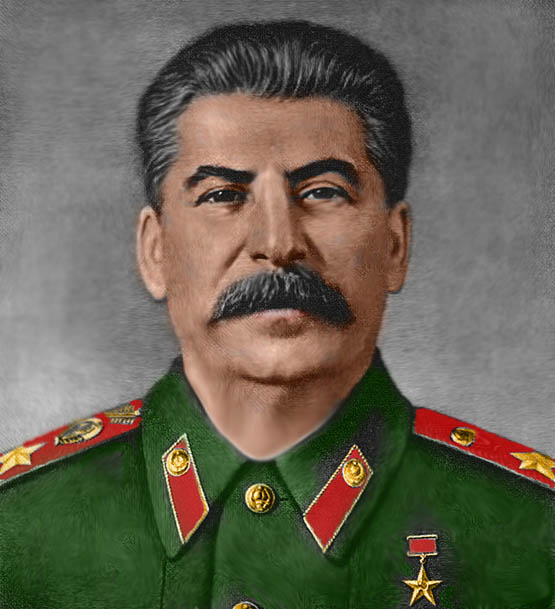
Film – Most Evil Men in History – Joseph Stalin

Become a Patron!
True Information is the most valuable resource and we ask you to give back.


In southern Russia at the turn of the last century Stalin excelled as a bank robber, agitator and sometime assassin. Forever in and out of jail the violence and paranoia which would mark him out in later years were already visible. After his brutal rise to power he embarked on his ruthless enforced collectivisation programmes and deliberate use of starvation, murder and labour camps to enforce his power and control over the population. We also see his response to the German occupation and his continued regime of terror after the Second World War.

Enthรผllt – Geheimes Gipfeltreffen mit Putins fรผnfter Kolonne fรผr Deutschland, ร–sterreich & Schweiz

Become a Patron!
True Information is the most valuable resource and we ask you to give back.

ยซDenkt auch an die Jugendยป: Marion Marรฉchal-Le Pen, hier Ende Mai in der franzรถsischen Nationalversammlung. Foto: Keystone

ยซDenkt auch an die Jugendยป: Marion Marรฉchal-Le Pen, hier Ende Mai in der franzรถsischen Nationalversammlung. Foto: Keystone

Gastgeber der Tagung waren der russische Oligarch Konstantin Malofeew und seine Stiftung Sankt Basilius der Grosse. Malofeew moderierte auch die Veranstaltung. Weitere Gรคste aus Russland waren der Chefideologe der Eurasischen Bewegung, Alexander Dugin, sowie der bekannte nationalistische Maler Ilja Glasunow. Aus Frankreich kamen die Abgeordneten des Front National, Marion Marรฉchal-Le Pen (Enkelin des Parteigrรผnders und Nichte von Marine Le Pen) sowie der Historiker Aymeric Chauprade. Aus Spanien reiste Prinz Sixtus Henri von Bourbon-Parma an, Anfรผhrer der katholisch-monarchistischen Carlisten-Bewegung, aus der Schweiz Serge de Pahlen, Direktor eines Genfer Finanzunternehmens und Ehemann der Fiat-Erbin Margherita Agnelli de Pahlen. Aus ร–sterreich nahmen der Vorsitzende der rechtspopulistischen FPร–, Heinz-Christian Strache, sein Stellvertreter Johann Gudenus und der Wiener FPร–-Politiker Johann Herzog teil, aus Bulgarien der Vorsitzende und Grรผnder der rechtsextremen Partei Ataka, Wolen Siderow. Weiter anwesend waren Rechtsextremisten aus Kroatien, Adelige aus Georgien und Russland sowie ein katholischer Priester.

Presse und ร–ffentlichkeit wurden von dem Treffen nicht informiert, die Teilnehmer zu absoluter Geheimhaltung verpflichtet. Ein privater Wachdienst kontrollierte die Eingรคnge des barocken Palais. Selbst die Teilnehmer durften nicht fotografieren. Als FPร–-Chef ยญStrache am Konferenztisch ein Handyfoto schoss, wurde er von Tagungsleiter ยญMalofeew sofort abgemahnt.

Stargast der Versammlung war Alexander Dugin, 56-jรคhriger Publizist aus Moskau, Mitbegrรผnder der Nationalbolschewistischen Partei und Chefideologe der Eurasischen Bewegung. Dugin propagiert ein europรคisch-asiatisches Bรผndnis unter Fรผhrung Russlands. Seine Ideen waren bei der Rede des russischen Prรคsidenten Putin nach der Annexion der Krim ebenso bemerkbar wie bei der Grรผndung der Eurasischen Union von Russland, Weissrussland und Kasachstan Ende Mai. In einer TV-Ansprache im April schlug Dugin vor, Europa auf friedlichem Weg zu einem russischen Protektorat zu machen und es damit vor Homoehen, Pussy Riot und vor sich selbst zu schรผtzen: ยซWir mรผssen Europa erobern und anschliessen.ยป Fest stehe, so Dugin weiter, ยซdass uns eine prorussische fรผnfte Kolonne in Europa unterstรผtzt. Das sind europรคische Intellektuelle, die ihre Identitรคt stรคrken wollen.ยป

Lob fรผr den Statthalter Putins

Ob Dugin damals schon auf Teilnehmer des Wiener Treffen anspielte? Etwa den italienischen Historiker Roberto de Mattei, der Erdbeben und Tsunami in Japan zur Strafe Gottes und den Untergang des Rรถmischen Reichs mit dessen Toleranz der Homosexualitรคt erklรคrte? Oder den Bulgaren Siderow, dessen Partei sich als Bollwerk gegen den Vormarsch von Tรผrken und Juden in Europa versteht? Die Fรผhrung der Freiheitlichen Partei ร–sterreich konnte sich wohl kaum angesprochen gefรผhlt haben. Dennoch hat auch sie beste Kontakte nach Russland. Tagungsteilnehmer Johann Gudenus wurde 2012 von Putins Statthalter Ramsan Kadyrow in Grosny empfangen und meinte danach, dass niemand von Kadyrow verfolgt werde. Im Mรคrz 2014 reiste Gudenus als Beobachter zum international nicht anerkannten Referendum auf die Krim. Auch dort sah er ยซkeinen Druck oder Zwangยป. Fragen zum Treffen in Wien wollte Gudenus dem TA nicht beantworten: Das sei eine private Veranstaltung gewesen.

Der 39-jรคhrige Gastgeber Konstantin Malofeew machte sein Vermรถgen mit dem Investmentfonds Marshall Capital. Er grรผndete auch einen Wohltรคtigkeitsfonds zur Unterstรผtzung von Spitรคlern, Schulen und orthodoxer Kirche. Wichtig ist ihm dabei stets die Vermittlung traditionell russisch-christlicher Werte. In einem Portrรคt der ยซFinancial Timesยป wird er als ยซmoderner Rasputinยป bezeichnet, der รผber einen befreundeten Mรถnch direkten Zugang zu Prรคsident Putin habe. Russische Medien verdรคchtigen Malofeew, dass er die prorussischen Separatisten in der Ostukraine finanziere. Die Anfrage des TA wurde von seinem Bรผro nicht beantwortet. In einem Interview mit der russischen Ausgabe von ยซForbesยป bestรคtigte Malofeew, dass der selbst ernannte Premier der ยซVolksrepublik Donezkยป, Alexander Borodai, sein ehemaliger Mitarbeiter sei: Er wรผnsche ihm fรผr seine weitere Arbeit ยซviel Glรผckยป, denn was jetzt in der Ukraine passiere, ยซmuss jeden Russen beunruhigenยป.

Weniger beunruhigt war Tagungsteilnehmer Ilja Glasunow. Bei der Nachricht von der russischen Annexion der Krim traten ihm vor Freude ยซTrรคnen in die Augenยป. In einem Interview mit dem russischen Staatsfernsehen zeigte der Maler vor einigen Wochen seine Monumentalwerke russischer Helden und Heiliger und verkรผndete, dass niemand das neue Russland in die Knie zwingen kรถnne. Putins eiserner Wille sei ein Wunder: ยซIch spรผre tiefes Entzรผcken รผber seinen unerschรผtterlichen Glauben und seine Taten fรผr die Einheit des russischen Volkes.ยป

Treffen in Moskau geplant

Auch andere Gรคste im Festsaal des Stadtpalais Liechtenstein lobten Putin. Ein Redner sah in Russlands Prรคsidenten den ยซErlรถserยป und die Reinkarnation Alexander des Ersten. Der Zar hatte die ยซHeilige Allianzยป gegen Napoleon geschmiedet, auf dem Wiener Kongress allerdings auch gedrรคngt, das besiegte Frankreich wieder in die Gemeinschaft aufzunehmen. So war es fรผr die Tagungsteilnehmer im Jahr 2014 auch kein Problem, Vertreter des Front National in ihrer Mitte zu begrรผssen. Der 45-jรคhrige Aymeric Chauprade, frisch gewรคhlter EU-Abgeordneter und Historiker, ist ein Intellektueller nach dem Geschmack Dugins. Chauprade vertritt die Idee eines Europa der Nationen mit besonders starker Bindung zu Russland. Die 24-jรคhrige Marion Marรฉchal-Le Pen hingegen mahnte die vielen รคlteren Herren in der Runde, die Jugend nicht zu vergessen. Auch ein ยซMarsch des Lebensยป durch Europa wurde vorgeschlagen. Damit kรถnnte โ€“ so die Idee โ€“ der Vatikan zur Unterstรผtzung motiviert werden.

Die Tagung der Nationalisten endete mit klassischem Konzert und Galaempfang (Smokingpflicht fรผr die Herren). Das nรคchste Treffen soll im Januar stattfinden, vermutlich in Moskau. Der Organisator schlug die Krim vor, doch das lehnten andere Teilnehmer ab. Im ยญWinter sei die umstrittene Halbinsel zu feucht und ungemรผtlich.

Unveiled – Putin’s Pro-Russian Rebels Hand Over MAS MH-17 ‘Black Boxes’

Become a Patron!
True Information is the most valuable resource and we ask you to give back.


Geetha Guru-Murthy presents this edition of BBC World News, recorded at 1500 hrs SGT on 22 Jul 2014. Pro-Russian rebels in eastern Ukraine have handed over two flight-data recorders from the downed MH17 plane to Malaysian experts. The handover came hours after the UN Security Council voted unanimously to demand immediate international access to the crash site. EU foreign ministers will consider more sanctions against Russia on Tuesday.

The following news report is reproduced from the BBC News online website @ http://www.bbc.com/news/world-europe-…

The Malaysian Airlines passenger jet crashed last Thursday, killing all 298 people on board.

Western nations say there is growing evidence that flight MH17 was hit by a Russian-supplied missile fired by rebels, but Russia has suggested Ukrainian government forces are to blame.

EU foreign ministers, meeting in Brussels, are thought likely to discuss expanding the list of Russian officials targeted by sanctions, but have so far steered clear of targeting whole sectors of the Russian economy.

Both the EU and the US imposed sanctions on Moscow following its annexation of Crimea and the outbreak of hostilities in eastern Ukraine.

‘In good condition’

Experts say the “black boxes” will reveal the exact time of the incident and the altitude and precise position of the aircraft.

They should also contain the cockpit voice recorder, which it is hoped will provide clues as to what the cause of the crash was.

The head of the Malaysian delegation at the handover in Donetsk told reporters that the recorders were “in good condition”.

The handover followed talks between the rebel commander and self-styled Prime Minister of the Donetsk People’s Republic Alexander Borodai and the Malaysian Prime Minister Najib Razak, Mr Najib said in statement.

He also said those talks led to the rebels agreeing to allow the bodies to be transported to Kharkiv and international investigators to access the area.

“In recent days, there were times I wanted to give greater voice to the anger and grief that the Malaysian people feel and that I feel,” he said.

“But sometimes, we must work quietly in the service of a better outcome.”

Pro-Russian rebels allowed a freight train carrying the bodies of 282 passengers to be moved from a town near the crash site to Donetsk on Monday.

The Malaysian experts and a Dutch delegation are travelling with the train to the city of Kharkiv, where it is expected to arrive later on Tuesday.

From there, the bodies will be prepared for transfer by air to the Netherlands where forensic experts will evaluate and identify them.

Meanwhile a UN resolution, proposed by Australia, was passed calling for a “full, thorough and independent international investigation” into the downing of the plane over Grabove on 17 July.

It also demanded that those responsible “be held to account and that all states co-operate fully with efforts to establish accountability”.

There has been international outcry over the way rebels have handled the situation, leaving passengers’ remains exposed to summer heat and allowing untrained volunteers to comb through the area.

All 15 council members, including Russia, voted in favour.

Sanctions threat

On Monday, three Dutch experts became the first international investigators to examine the bodies of the victims. They said the storage of the bodies had been “of good quality”.

The train’s departure came after international pressure on the separatists, who had been accused of limiting access to the crash site.

US President Barack Obama called on Russian President Vladimir Putin to stop the rebels from hampering the investigation at the crash site.

He also warned Mr Putin that he could face additional economic costs if he fails to take steps to resolve the crisis in Ukraine.

British Prime Minister David Cameron said there was strong evidence that pro-Russian separatists shot down the plane with an anti-aircraft system known as Buk.

Russia on Monday again denied allegations that it had supplied such missiles or “any other weapons” to the rebels.

The defence ministry said a Ukrainian military plane had flown within firing range of the airliner just before it came down, but Ukrainian President Petro Poroshenko has rejected the claim.

The fighting in eastern Ukraine erupted in April and is believed to have claimed more than 1,000 lives.

Battles continued on Monday, with heavy clashes around the main rebel-held city of Donetsk, with reports of at least three civilians being killed.

Der PUTIN/KGB/STASI/GoMoPa/Mucha/Porten-Witz des Tages: Tรคter, Terror & Trophรคen

Become a Patron!
True Information is the most valuable resource and we ask you to give back.

Bitterbรถse Karikatur in der Londoner โ€žTimesโ€œ: Putin mit seiner neuesten Trophรคe, der abgeschossenen Maschine MH 17.


Bildergebnis fรผr times caricature putin and ukrainian plane cockpit

Exposed – John McCain Vladimir Putin Culpable For MH17 Plane Crash In Eastern Ukraine

Become a Patron!
True Information is the most valuable resource and we ask you to give back.


John McCain Vladimir Putin Culpable For MH17 Plane Crash In Eastern Ukraine.John McCain says that Vladimir Putin is Culpable For the MH17 Plane Crash In Eastern Ukraine. plane that was apparently downed by a missile alegedly from russian separitists

Blowing Up Russia – Filmed banned by Putin

Become a Patron!
True Information is the most valuable resource and we ask you to give back.


Blowing Up Russia This Documentary Was Shown Just Once On Russian tv in 2000 it got halfway Through then took A tv Ad Break that Was It The Film Maker Knew not To Stay In His Home And After Being told The next Morning His House Was Raided By FSB Thugs Then His Name Was Put On Wanted List As Suspect For The Bombings Pure Orwell Right This is Putin,s 1984 Russia Today


KGB&STASI Terror – Secrets of the Dead – The Umbrella Assassin – Movie

Become a Patron!
True Information is the most valuable resource and we ask you to give back.

Stalin (1992) | Full Movie

Become a Patron!
True Information is the most valuable resource and we ask you to give back.

Joseph Stalin In Private – Film

Become a Patron!
True Information is the most valuable resource and we ask you to give back.


Film – A Portrait of Stalin: Mind Control

Become a Patron!
True Information is the most valuable resource and we ask you to give back.


MONSTER: A PORTRAIT OF STALIN IN BLOOD
1992.
This six part series, produced by Alexandre Ivankin at Contact Studio, Moscow, uses never before released films from the Russian archives and personal interviews to tell the true story of the annihilation of approximately 40 million Russians by Stalin.
Episode 1: Stalin and Mind Control
Stalin marshalls Soviet media to manipulate the minds of his population. All organs of communication are taken under Stalin’s control, including painting, sculpture, poetry, theater, cinema and architecture–even opera and ballet.

Stalin was born Joseph Dzhugashvili in the Georgian town of Gori in 1879. He was an early activist in the Bolshevik movement, where he first assumed the pseudonym Stalin (which means “man of steel”). He was named General Secretary of the Communist Party in 1922, a post Stalin used to fortify his power base. When Vladimir Lenin died in 1924, a struggle for control broke out hat pitted Stalin against his nemesis, Leon Trotsky, and a host of lesser party figures. Stalin’s victory was slow and hard-fought, but by 1927 he had succeeded in having Trotsky expelled from the party.
By 1928, Stalin was entrenched as supreme Soviet leader, and he wasted little time in launching a series of national campaigns (the so-called Five-Year Plans) aimed at “collectivizing” the peasantry and turning the USSR into a powerful industrial state. Both campaigns featured murder on a massive scale.

The millions of deaths in Stalin’s “Gulag Archipelago” (the network of labour camps [gulags] scattered across the length and breath of Russia) were a consequence of Stalin’s drive for total control, and his pressing need for convict labour to fuel rapid industrialization.
For Stalin, dissident viewpoints represented an unacceptable threat. This was the origin of the “cult of personality” that permeated Soviet politics and culture, depicting Stalin as infallible, almost deity-like. Beginning in 1935, the series of immense internal purges sent millions of party members and ordinary individuals to their deaths, either through summary executions or in the atrocious conditions of the “Gulag Archipelago.” Soviet institutions and sectors like the Communist Party, the Army, the NKVD, and scientists and engineers were decimated by these purges.
The “Old Bolshevik” elite was targeted in three key “show trials” between 1936 and 1938, in which leaders such as Lev Kamenev, Nikolai Bukharin, and Grigori Zinoviev were accused of conspiring with Trotskyite elements to undermine communism in the USSR.
When the “Old Bolsheviks” had been consigned to oblivion, their successors and replacements quickly followed them. The destruction of the officer corps, about 35,000 military officers shot or imprisoned, and, in particular the execution of the brilliant chief-of-staff Marshal Tukhachevsky, is considered one of the major reasons for the spectacular Nazi successes in the early months of the German invasion in WWII.
The impetus to “cleanse” the social body rapidly spilled beyond these elite boundaries, and the greatest impact of the Purge was felt in the wider society. Relatives of those accused and arrested, including wives and children down to the age of twelve, were themselves often condemned under the “counter-terrorism” legislation.
With the fall of communism and the collapse of the Soviet Union in 1991, Soviet scholars like Edvard Radzinsky and Dmitri Volkogonov have published prominent exposรฉs of Stalinist rule, based on newly-opened archives . And the estimates of the death toll arrived at by Robert Conquest and others, long denounced as craven exaggerations, have been shown instead to be, if anything, understated.

See the works of Robert Conquest, and Aleksandr Solhenitsyn

Steckt der “Kinderfreund” RA Jochen Resch alias “Onkel Jochen” hinter dem “GoMoPa”-Kinderportal ?

Become a Patron!
True Information is the most valuable resource and we ask you to give back.

onkel jochenwolf-im-schafspelz

Nach dem von uns dokumentierten Frankfurter Puffbesuch des “GoMoPa-Prรคsidenten Klaus-Dieter Maurischat” sagen Insider , daรŸ wohl der eigentliche “GoMoPa”Boss RA Jochen Resch, der erwiesene “Kinderfreund”, Initiator des “GoMoPa”-Kinderportals ist, daรŸ offiziell vom Netz genommen wurde, nachdem wir berichteten,  aber in anderer Form in den Darkrooms des Internets weiter existiert…Dies erklรคrt Vieles !!!!

Hier noch einmal die Screenshots von “Onkel Jochens Kinderportal” mit “Sexualaufklรคrung”

Film – A Portrait of Stalin: Secret Police

Become a Patron!
True Information is the most valuable resource and we ask you to give back.

MONSTER: A PORTRAIT OF STALIN IN BLOOD
1992.
This six part series, produced by Alexandre Ivankin at Contact Studio, Moscow, uses never before released films from the Russian archives and personal interviews to tell the true story of the annihilation of approximately 40 million Russians by Stalin.
Episode 2: Stalin’s Secret Police: Stalin’s rise to power is attributed largely to his control of the vast secret police complex, known first as the Cheka and later the NKVD, which became the KGB. At Stalin’s direction the secret police becomes the bludgeon with which Stalin enforces his political and personal will, liquidating party rivals, purging the Red Army, and creating the Gulag, massive system of slave labor and liquidation camps.

Stalin was born Joseph Dzhugashvili in the Georgian town of Gori in 1879. He was an early activist in the Bolshevik movement, where he first assumed the pseudonym Stalin (which means “man of steel”). He was named General Secretary of the Communist Party in 1922, a post Stalin used to fortify his power base. When Vladimir Lenin died in 1924, a struggle for control broke out hat pitted Stalin against his nemesis, Leon Trotsky, and a host of lesser party figures. Stalin’s victory was slow and hard-fought, but by 1927 he had succeeded in having Trotsky expelled from the party.
By 1928, Stalin was entrenched as supreme Soviet leader, and he wasted little time in launching a series of national campaigns (the so-called Five-Year Plans) aimed at “collectivizing” the peasantry and turning the USSR into a powerful industrial state. Both campaigns featured murder on a massive scale.
The millions of deaths in Stalin’s “Gulag Archipelago” (the network of labour camps [gulags] scattered across the length and breath of Russia) were a consequence of Stalin’s drive for total control, and his pressing need for convict labour to fuel rapid industrialization.
For Stalin, dissident viewpoints represented an unacceptable threat. This was the origin of the “cult of personality” that permeated Soviet politics and culture, depicting Stalin as infallible, almost deity-like. Beginning in 1935, the series of immense internal purges sent millions of party members and ordinary individuals to their deaths, either through summary executions or in the atrocious conditions of the “Gulag Archipelago.” Soviet institutions and sectors like the Communist Party, the Army, the NKVD, and scientists and engineers were decimated by these purges.
The “Old Bolshevik” elite was targeted in three key “show trials” between 1936 and 1938, in which leaders such as Lev Kamenev, Nikolai Bukharin, and Grigori Zinoviev were accused of conspiring with Trotskyite elements to undermine communism in the USSR.
When the “Old Bolsheviks” had been consigned to oblivion, their successors and replacements quickly followed them. The destruction of the officer corps, about 35,000 military officers shot or imprisoned, and, in particular, the execution of the brilliant chief-of-staff Marshal Tukhachevsky, is considered one of the major reasons for the spectacular Nazi successes in the early months of the German invasion in WWII.
The impetus to “cleanse” the social body rapidly spilled beyond these elite boundaries, and the greatest impact of the Purge was felt in the wider society. Relatives of those accused and arrested, including wives and children down to the age of twelve, were themselves often condemned under the “counter-terrorism” legislation.
With the fall of communism and the collapse of the Soviet Union in 1991, Soviet scholars like Edvard Radzinsky and Dmitri Volkogonov have published prominent exposรฉs of Stalinist rule, based on newly-opened archives. And the estimates of the death toll arrived at by Robert Conquest and others, long denounced as craven exaggerations, have been shown instead to be, if anything, understated.

See the works of Robert Conquest, and Aleksandr Solhenitsyn

FILM – Putin’s New Soviet System – A MUST SEE !

Become a Patron!
True Information is the most valuable resource and we ask you to give back.

Putin tells Russian American Spy KGB Joke – Video

Become a Patron!
True Information is the most valuable resource and we ask you to give back.

Five Killers Convicted in Brutal Murder of Russian Journalist Anna Politkovskaya

Become a Patron!
True Information is the most valuable resource and we ask you to give back.

Five men were convicted Tuesday in Moscow in the 2006 execution-style murder of Russian investigative journalist Anna Politkovskaya.

Politkovskaya, a crusading reporter for the liberal newspaper Novaya Gazeta who worked almost full-time on documenting allegations of human rights violations in the breakaway province of Chechnya, was 48 when she was gunned down in the elevator of her apartment building in October 2006.

The murder raised worldwide questions about freedom of speech and of the press under Russian President Vladimir Putin โ€” especially after three of the defendants were initially acquitted in 2009. The Supreme Court overturned those acquittals and ordered a new trial.

A jury in Moscow City Court returned guilty verdicts Tuesday against three Chechen brothers โ€” Rustam, Ibragim and Dzhabrail Makhmudov โ€” Lom-Ali Gaitukayev, their uncle, and Sergei Khadzhikurbanov, a former Moscow police officer.

It found Gaitukayev guilty of planning and organizing the murder.

Khadzhikurbanov and two of the Makhmudov brothers, Ibragim and Dzhabrail, were acquitted in the 2009 trial.

A sentencing hearing was set for Wednesday, at which prosecutors are expected to seek life in prison.

The men’s lawyers said they would appeal.

Video – Yuriiฬ† Shevchuk and Putin (uncensored version)

Become a Patron!
True Information is the most valuable resource and we ask you to give back.

Urteil wird Suchmaschinen-Terror der STASI-GoMoPa brechen

Become a Patron!
True Information is the most valuable resource and we ask you to give back.

Das aktuelle Urteil in Sachen Google wird bei Anwendung den Suchmaschinen-Terror der alten STASI-Clique der GoMoPa und deren  IM , Partner und Auftraggeber stoppen. Das ist das Urteil:


Das Urteil des Europรคischen Gerichtshofs (EuGH) hat das Zeug, das Internet zu verรคndern. Es rรคumt den Europรคern das Recht ein, von Google vergessen zu werden. Dies kann eingeklagt werden, wenn die Ergebnisse der Suchmaschine das Recht auf Privatsphรคre verletzen. Experten erwarten eine Klagewelle.

Das Urteil aus Luxemburg fiel รผberraschend aus. Das vorausgegangene Gutachten, dem das Gericht sonst oft folgt, hatte unter Verweis auf die Meinungsfreiheit ein Recht auf das Vergessenwerden bestritten. Nun aber erklรคren die Richter eindeutig: Ein Suchmaschinenbetreiber ist fรผr die von ihm aggregierten Suchergebnisse verantwortlich (Rechtssache C-131/12).

Im Umkehrschluss heiรŸt das: Google und im Prinzip auch andere Betreiber, kรถnnen dazu verpflichtet werden, Links auf Webseiten zu lรถschen. Dies gilt aber nur unter der Voraussetzung, dass die Suchergebnisse das Persรถnlichkeitsrecht verletzen, also sensible persรถnliche Daten ausspielen, die das Recht auf Privatsphรคre tangieren.

Was das bedeutet, lรคsst sich am Beispiel des konkreten Falles erahnen, der gegen Google vor Gericht gezogen war. Der Spanier Mario Costeja Gonzรกlez hatte geklagt, weil Google bei der Eingabe seines Namens bis heute einen fรผr ihn unangenehmen Artikel ausspielt: Darin berichtet eine katalanische Tageszeitung รผber die Pfรคndung seines Hauses im Jahr 1998.

Der Klรคger befand, dieses Kapitel in seiner Biographie habe sich inzwischen vollstรคndig erledigt und verdiene keine Erwรคhnung mehr. Der ร„rger ist nachvollziehbar. Das Suchergebnis lieรŸ zweifellos Costeja Gonzรกlez zweifellos in einem ungรผnstigen Licht erscheinen.

Ein spanisches Gericht hatte den Fall zur grundsรคtzlichen Klรคrung an den EuGH รผberwiesen. Dessen Urteil lรคsst Costeja Gonzรกlez nun hoffen.

Google, die Krake

Zur Begrรผndung seiner Entscheidung verweist das Gericht auf die EU-Datenschutzrichtlinie. In ihr sind die Mindeststandards fรผr den Datenschutz geregelt, ausformuliert durch die Mitgliedstaaten. Dabei spielt auch die sogenannte Verarbeitung personenbezogener Daten eine Rolle, aus denen sich beispielsweise Persรถnlichkeitsprofile herstellen lassen.

Fraglich blieb lange, ob auch Suchmaschinen wie Google Daten verarbeiten. Die Betreiber argumentierten, man verweise doch nur auf ohnehin im Netz verfรผgbare Informationen. Nun aber stellt der EuGH fest: Auch ein Suchmaschinenbetreiber fรผr die Verarbeitung von Daten verantwortlich. Pointiert formuliert: Die Richter sehen in Google die Datenkrake, die durch die Ansammlung von Informationen das Gesamtbild รผber eine Person und ihr Leben herstellt.

Wรถrtlich heiรŸt es in einer Mitteilung zum Urteil:

“In seinem heutigen Urteil stellt der Gerichtshof zunรคchst fest, dass der Betreiber einer Suchmaschine , indem er automatisch, kontinuierlich und systematisch im Internet verรถffent lichte Informationen aufspรผrt , eine “Erhebung” von Daten im Sinne der Richtlinie vornimmt, Daten, die er dann mit seinen Indexierprogrammen “ausliest”, “speichert” und “organisiert”, auf seinen Servern “aufbewahrt” und gegebenenfalls in Form von Ergebnislisten an seine Nutzer “weitergibt” und diesen “bereitstellt”.

Zur Begrรผndung heiรŸt es weiter: Mit der Eingabe eines Namens bei einer Suchmaschine kรถnne ein Nutzer “ein mehr oder weniger detailliertes Profil der gesuchten Personen erstellen”. Dies sei ein Eingriff in die Rechte der Person. Die Ergebnisse seien nichts anderes als eine Verarbeitung von personenbezogenen Daten.

Das EU-Recht verlange daher einen Ausgleich zwischen den Interessen der Nutzer und denen der betroffenen Person. “Wegen seiner potenziellen Schwere kann ein solcher Eingriff nicht allein mit dem wirtschaftlichen Interesse des Suchmaschinenbetreibers an der Verarbeitung der Daten gerechtfertigt werden”, heiรŸt es.

Experten erwarten eine Flut an Beschwerden

Experten gehen davon aus, dass Verbraucher Google nun mit einer Flut an Lรถschanfragen รผberschwemmen. “Das Urteil hat das Potenzial, die Funktionsfรคhigkeit von Suchwerkzeugen erheblich einzuschrรคnken und damit auch die Auffindbarkeit von Inhalten im Netz zu beeintrรคchtigen”, schrieb in einer Reaktion Rechtsanwalt Thomas Stadler, ein Experte fรผr Internetrecht.

Google teilte zu dem Urteil mit: “Dies ist ein sehr enttรคuschendes Urteil fรผr Suchmaschinenbetreiber und Online-Verleger.” Das Unternehmen hatte in dem Verfahren argumentiert, es sei laut EU-Datenschutzrichtlinie nicht verantwortlich dafรผr, dass personenbezogene Daten auf den jeweiligen Webseiten gemรครŸ der Richtlinie verarbeitet werden.

Google kรถnne nicht einmal zwischen personenbezogenen und anderen Daten unterscheiden. Deshalb kรถnne auch eine nationale Datenschutzbehรถrde die Suchmaschine nicht verpflichten, bestimmte Informationen aus ihrem Index zu entfernen.


Der fรผr Google zustรคndige Landesdatenschutzbeauftragte von Hamburg, Johannes Caspar, rรคt den Bรผrgern, nach dem neuen Urteil des Europรคischen Gerichtshofs gegen Google frรผhere Eintrรคge lรถschen zu lassen. Caspar sagte unserer Redaktion: “Wir kรถnnen die Bรผrger nur auffordern, ihr Recht auf informationelle Selbstbestimmung eigenstรคndig zu verfolgen. Es kann damit gerechnet werden, dass sich viele Betroffene an Google wenden werden, um fรผr sie belastende Eintrรคge aus frรผheren Zeiten tilgen zu lassen. Wir gehen davon aus, dass Google dies auch konstruktiv im Sinne des Urteils umsetzt.”

Putins KGB Palast-Entourage enthรผllt

Become a Patron!
True Information is the most valuable resource and we ask you to give back.

Es ist einsam geworden um Prรคsident Putin in seiner Residenz Nowo-Ogarjowo bei Moskau, seiner โ€žFestungโ€œ, die er offenbar nur noch ungern verlรคsst. Selbst alten Weggefรคhrten misstraut der Ex-KGB-Oberstleutnant inzwischen. Direkten โ€žZugang zum Kรถrperโ€œ, wie in Russland der direkte Draht zum Prรคsidenten genannt wird, haben vor allem sechs alte Vertraute in Schlรผsselpositionen, mit Geheimdienst- und KPdSU-Hintergrund. Sie formieren sein Bild von der Welt. Die meisten dieser mรคchtigen Mรคnner sind so unscheinbar, dass man sich ihre Gesichter nur schwer merken kann und sie auch kaum auffallen wรผrden โ€“ genau das war Teil ihrer Ausbildung beim KGB, wie einer von ihnen, Sergej Iwanow, einst verriet: โ€žUns wurde eingeblรคut, in der Menge nicht aufzufallenโ€œ Des weiteren lernten sie beim KGB demzufolge, โ€žviel zu reden, ohne dabei etwas zu sagen.ยซ FOCUS Online stellt Putins โ€žPolitbรผroโ€œ vor.

Sergej Iwanow โ€“ Hartes โ€žHinkebeinโ€œ aus dem KGB-Kader

KGB, Kreml, Russland, Moskau, Sergej Schojgu, Igor Setschin, Alexander Bastrykin, Nikolaj Patruschew, Alexander Bortnikow, Sergej Iwanow

Kreml-Insider sagen dem 61-Jรคhrigen nach, dass er sich insgeheim fรผr den besseren Prรคsidenten halte  und es ihn ein wenig schmerzt, dass mit seinem Kameraden Putin ein frรผherer Oberstleutnant das Land fรผhrt โ€“ und er als General nur die zweite Geige spielt. Die beiden lernten sich in Petersburg als junge KGB-Offiziere kennen. Als Chef der allmรคchtigen Prรคsidialverwaltung ist der passionierte Angler und Kartenspieler heute mรคchtiger als etwa Premierminister Medwedew, der kaum etwas zu sagen hat im inoffiziellen Machtgefรผge. Der Mann mit dem Kreml-Spitznamen โ€žHinkebeinโ€œ spionierte einst als KGB-Agent in London โ€“ auch das ein weitaus prestigetrรคchtiger Posten als Putins Stelle in der der DDR in Dresden. Nicht zuletzt aufgrund der West-Erfahrung gilt Iwanow, der englisch und schwedisch spricht und britische Krimis liebt, als der geschliffenste und weltlรคufigste Mann in Putins โ€žPolitbรผroโ€œ; Ex-US-AuรŸenministerin Condoleezza Rice bezeichnete ihn als โ€žhart und misstrauisch, aber zuverlรคssigโ€œ

Heute erzรคhlt der farblos wirkende Pragmatiker nicht ohne Stolz, dass Putin fast tรคglich mit ihm spricht, telefonisch oder persรถnlich โ€“ im heutigen Russland ein Ausweis von grรถรŸter Wichtigkeit. Sohn Sergej (33) ist Aufsichtsratschef der staatlichen Rosselchosbank und Vorstand der Gasprombank. Sohn Alexander (36) ist Vizechef der staatlichen Vneshtorgbank. Er tรถtete bei einem Autounfall 2005 eine FuรŸgรคngerin; die Behรถrden stellen das Verfahren gegen ihn ein, ermittelten dafรผr gegen den Schwiegersohn des Opfers. Berichterstattung รผber den Vorfall wurde mit Waffengewalt unterbunden; am Tag nach dem Unfall zeigte sich Vater Iwanow bestens gelaunt bei einer FuรŸballfeier; spรคtere klagte er, wie belastend der Unfall fรผr seinen Sohn gewesen sei.

Alexander Bortnikow โ€“ Der Mann fรผrs Grobe

KGB, Kreml, Russland, Moskau, Sergej Schojgu, Igor Setschin, Alexander Bastrykin, Nikolaj Patruschew, Alexander Bortnikow, Sergej Iwanow

Kremlin.ru

Der Chef des Geheimdiensts FSB gilt als Putins Mann fรผrs Grobe. Schon vor dem Aufstieg in den Chefsessel erledigte er bei dem KGB-Nachfolger nach Angaben von Insidern ohne Murren die besonders heiklen Aufgaben fรผr seinen Oberbefehlshaber mit Prรคzision, Verschwiegenheit und ohne erkennbare Anzeichen von Skrupeln. Der 63-Jรคhrige mit der hohen Stirn und den stechenden Augen gilt als die unbekannteste und verschlossenste Figur aus Putins innerem Macht-Zirkel. Er soll Putin gegenรผber persรถnlich die Verantwortung dafรผr รผbernommen haben, dass Prรคsidenten-Darsteller Medwedew von 2008 bis 2012 im Kreml nicht SpaรŸ an der Rolle findet und plรถtzlich nach der wirklichen Macht im Land greift. Selbst die Reichen und Mรคchtigen in Moskau sprechen seinen Namen mit grรถรŸter Vorsicht aus โ€“ niemand will ihn zum Feind haben.


Mit seinen Berichten, die fรผr Putin jeden Tag die erste Lektรผre sind, entscheidet Bortnikow was ins Blickfeld des Staatsfelds gerรคt und bestimmt damit ganz wesentlich seine Weltsicht. รœber seine Kindheit und Jugend ist so gut wie nichts bekannt; an seiner Ex-Hochschule, dem Eisenbahn-Ingenieur-Institut in Petersburg, hieรŸ es auf Nachfragen รผber ihn nur, man solle sich an die Pressestelle des Geheimdiensts wenden. Mit 24 Jahren ging Bortnikow zum Leningrader KGB. In der Moskauer Zentrale รผberstand Bortnikow unter Putin mehrere Sรคuberungswellen, die fast alle seine Kollegen aus dem Amt spรผlten. Bortnikows Sohn Denis (39) ist Direktor bei der VTB-Bank-Gruppe.


Nikolaj Patruschew – Die immer ernste Bรผroklammer

KGB, Kreml, Russland, Moskau, Sergej Schojgu, Igor Setschin, Alexander Bastrykin, Nikolaj Patruschew, Alexander Bortnikow, Sergej Iwanow

Dem Sekretรคr des russischen Sicherheitsrates sagen Spรถtter nach, er habe die Ausstrahlung einer wandelnden Bรผroklammer. Der 62-Jรคhrige Schiffbau-Ingenieur und KGB-Offizier war von 1999 bis 2008 Chef des KGB-Nachfolgers FSB. Er stammt ebenso wie Putin aus Sankt Petersburg. Anfang der 90er-Jahre war er dort beim KGB fรผr die Bekรคmpfung von Wirtschaftskriminalitรคt zustรคndig und lernte dabei Putin kennen, der als Vize-Bรผrgermeister den AuรŸenhandel kontrollierte und im Zentrum einer groรŸen Korruptionsaffรคre stand. Auch รผber Patruschew selbst soll wegen illegaler Handelsgeschรคfte ins Visier der Staatsanwaltschaft geraten sein; das jedenfalls behauptete der Ex-KGB-Offizier Alexander Litwinenko, der 2006 in London einem Anschlag mit dem hochradioaktiven Polonium zum Opfer fiel; der britische Geheimdienst vermutete hinter diesem Anschlag Patruschews FSB.

Als Putin nach der Wahlniederlage seines Chefs und kurzer Arbeitslosigkeit 1996 nach Moskau wechselte, folgte ihm Patruschew wie ein Schatten durch die Institutionen. Der 62-Jรคhrige gilt als braver Befehlsempfรคnger ohne eigene Ambitionen und ausgeprรคgte Meinung. Putin soll vor allem seine absolute Loyalitรคt schรคtzen. Auf die Frage nach seinem Hobby antwortete der Freizeit-Volleyballer einst: โ€žMeine Arbeit.โ€œ Der stets ernste Beamte meidet die ร–ffentlichkeit; nach Erinnerung von Klassenkameraden scheute er bereits als Kind Kameras und blieb schon in der Schule lieber im Hintergrund. Patruschews Sohn Andrej (32) ist Vize-Chef eines Gasprom-Unternehmens, Sohn Dmitri (36) ist Vorstandsvorsitzender und Mitglied des Aufsichtsrates des staatlichen Geldhauses Rosselchosbank.

Alexander Bastrykin – Vor ihm zittern die Kremlkritiker

KGB, Kreml, Russland, Moskau, Sergej Schojgu, Igor Setschin, Alexander Bastrykin, Nikolaj Patruschew, Alexander Bortnikow, Sergej Iwanow

Kremlin.ru

Der 60-Jรคhrige Studienfreund von Putin ist als Leiter des Untersuchungskomitees โ€“ eine Art russisches FBI – der oberste Ermittler in Russland. Der gelernte Jurist und Dozent machte in Leningrad Karriere in der kommunistischen Jugendorganisation Komsomol und spรคter in der KPdSU. Fรผr Aufmerksamkeit sorgt der Chefermittler vor allem durch seinen unermรผdlichen Einsatz gegen Kreml-Kritiker. Der Regimegegner und Blogger Alexej Nawalny wies nach, dass Bastrykin eine Aufenthaltsgenehmigung fรผr Tschechien hatte, dort eine Firma besaรŸ โ€“ was russischen Beamten per Gesetz verboten ist – und รผber diese eine Immobilie erwarb, die er in seiner Steuererklรคrung nicht aufgefรผhrt hatte.  Bastrykin beschuldigte Nawalny daraufhin, ein US-Agent zu sein; der Blogger geriet ins Kreuzfeuer der seiner Behรถrde. Als seine Untergebenen die Ermittlungen einstellten, beschimpfte Bastrykin sie รถffentlich. Nawalny wurde wegen angeblicher Wirtschaftsverbrechen in erster Instanz zu fรผnf Jahren Haft verurteilt; spรคter setzte ein Gericht die Strafe zur Bewรคhrung aus ; heute hat er Hausarrest und Internetverbot.

Bastrykin gilt als impulsiv und aufbrausend. 2004 soll er einen Hundebesitzer vor seinem Haus mit seiner Pistole geschlagen und ihm gedroht haben, ihn zusammen mit dem Tier zu erschieรŸen. 2012 lieรŸ Bastrykin den Chef vom Dienst der kritischen Zeitung โ€žNowaja gasetaโ€œ nach kritischen Berichten in ein Waldstรผck fahren und drohte ihm dort, er kรถnne ihn umbringen, verscharren, und werde dann selbst die Ermittlungen leiten. Die Zeitung verlor bereits sechs Journalisten durch Morde, darunter auch Anna Politkowskaja.  Bastrykin bestritt die Vorwรผrfe zunรคchst; nachdem der Vorfall im Ausland groรŸe Schlagzeilen machte, entschuldigte er sich fรผr seine โ€žemotionale Explosionโ€œ.

Igor Setschin – Putins โ€žSiamesischer Zwillingโ€œ

KGB, Kreml, Russland, Moskau, Sergej Schojgu, Igor Setschin, Alexander Bastrykin, Nikolaj Patruschew, Alexander Bortnikow, Sergej Iwanow

Der verschlossene Ex-KGB-Mann und Dolmetscher hatte im Kreml lange Zeit den Spitznamen โ€žPutins Siamesischer Zwillingโ€œ. Schon Anfang der 1990er Jahre, als der heutige Prรคsident in Petersburg als Vize-Bรผrgermeister fรผr den AuรŸenhandel zustรคndig war, residierte der grimmige 53-Jรคhrige in seinem Vorzimmer und kontrollierte mit โ€žRadarblickโ€œ, so ein Zeitzeuge, wer Zutritt zu seinem Chef bekam. Zuweilen verwechselten Besucher auรŸerhalb der Amtsgemรคcher den stets gut gekleideten Sekretariats-Vorsteher mit seinem Chef โ€“ ein Fehler, der fรผr die Business-Plรคne verheerend war. Als neuer Kreml-Chef installierte Putin den alten Petersburger Vertrauten wieder in seinem Vorzimmer, im Range eines Vize-Prรคsidialamtschefs โ€“ womit er an einer Schlรผsselposition saรŸ, die nach Ansicht von manchen Insidern wichtiger war als das Amt des Premierministers. Von dem extrem รถffentlichkeitsscheuen Ex-Geheimdienstler existierten lange Zeit nur unscharfe Fotos.

Im Vorzimmer entwickelte der โ€žGraue Kardinalโ€œ  wie sein Chef ein Faible fรผr Russlands Rohstoffe. Er gilt als der Kopf hinter der Festnahme des Oligarchen Michail Chodorkowski und der Zerschlagung von dessen Jukos-Konzerns. Seine Tochter ist mit dem Sohn des damals federfรผhrenden Generalstaatsanwalts verheiratet. Das Jukos-Erbe gehรถrt inzwischen  zum Rosneft-Konzern, dessen oberster Chef Setschin heute ist. Nach seinem Wechsel aus dem Kreml in das Unternehmen kรผhlte die Beziehung zu Putin etwas ab. Setschins Ex-Frau, mit der er weiter gute Beziehungen pflegt, ist erfolgreiche Multi-Unternehmerin; sein Sohn arbeitet bei ihm im Konzern.

Sergej Schojgu – Das Fossil aus der ร„ra Jelzin

KGB, Kreml, Russland, Moskau, Sergej Schojgu, Igor Setschin, Alexander Bastrykin, Nikolaj Patruschew, Alexander Bortnikow, Sergej Iwanow

Kremlin.ru

Der 58-Jรคhrige mit dem breiten Gesicht und Dauergrinsen fรคllt aus dem Rahmen in Putins engster Umgebung: Er und sein Chef kennen sich nicht aus Petersburg, Schojgu liebt die ร–ffentlichkeit, er strotzt vor Kraft, und statt durch Unauffรคlligkeit fรคllt er durch bodenstรคndiges Charisma auf. Der gelernte Ingenieur und Funktionรคr der Kommunistischen Partei  ist ein รœberbleibsel aus seiner anderen politischen Epoche โ€“ und wird deswegen scherzhaft als โ€žPutins Fossilโ€œ bezeichnet: Er machte schon unter Putins Vorgรคnger Boris Jelzin Karriere, als er den Katastrophenschutz aufbaute. Auf den Bildschirmen war er als Notretter im Kampfanzug zwei Jahrzehnte allgegenwรคrtig. Durch seine Hilfe bei politischen Katastrophen erwarb sich der Mann aus Tuwa, einer buddhistisch geprรคgten russischen Teilrepublik an der mongolischen Grenze, das Vertrauen des KGB-Manns Putin. Im  Jahr 2000 wurde Vorsitzender der neu gegrรผndeten Kreml-Partei โ€žEinheitโ€œ, als die noch als Himmelfahrtskommando galt. Im April 2012 schickte ihn Putin als Gouverneur in die Moskauer Oblast, das skandalerschรผtterte Umland der Hauptstadt, wo er endlich fรผr Ruhe sorgen sollte. Sieben Monate spรคter musste er das wichtige Verteidigungsministerium รผbernehmen.

Schojgu, der in seiner Freizeit gerne Holz schnitzt, gilt als grobschlรคchtiger Pragmatiker und Freund einfacher Sprache. Zuweilen verwunderte er mit Vorschlรคgen wie seiner Initiative von 2009, โ€žVerneinungen des Sieges der UdSSR im GroรŸen Vaterlรคndischen Kriegโ€œ als Straftat zu verfolgen. Schojgu, nach dem in seiner Heimat eine StraรŸe benannt ist, war in mehrere Korruptionsskandale verwickelt, die ihm aber allesamt nichts anhaben konnte. Seine Frau ist erfolgreiche Unternehmerin.

Am 9. Mai erschien Boris Reitschusters Buch โ€žPutins Demokratur โ€“ Ein Machtmensch und sein Systemโ€œ in stark erweiterter und aktualisierter Auflage im Verlag Econ Berlin.


Der Putin/KGB/STASI-GoMoPa-Witz des Tages: “Snowden, erzรคhlen Sie uns ALLES รผber die schreckliche รœberwachung!”

Become a Patron!
True Information is the most valuable resource and we ask you to give back.

“Es gibt kein Verbrechen, keinen Kniff, keinen Trick,
keinen Schwindel, kein Laster, das nicht von Geheimhaltung lebt.
Bringt diese Heimlichkeiten ans Tageslicht, beschreibt sie,
attacktiert sie, macht sie vor allen Augen lรคcherlich.
Und frรผher oder spรคter wird die รถffentliche Meinung sie hinwegfegen.
Bekannt machen allein genรผgt vielleicht nicht –
aber es ist das einzige Mittel, ohne das alle anderen Versagen…”
Joseph Pulitzer(1847-1911)

Der PUTIN/KGB/STASI-Witz des Tages: “Old Habits Die Hard !”

Become a Patron!
True Information is the most valuable resource and we ask you to give back.

“Es gibt kein Verbrechen, keinen Kniff, keinen Trick,
keinen Schwindel, kein Laster, das nicht von Geheimhaltung lebt.
Bringt diese Heimlichkeiten ans Tageslicht, beschreibt sie,
attacktiert sie, macht sie vor allen Augen lรคcherlich.
Und frรผher oder spรคter wird die รถffentliche Meinung sie hinwegfegen.
Bekannt machen allein genรผgt vielleicht nicht –
aber es ist das einzige Mittel, ohne das alle anderen Versagen…”
Joseph Pulitzer(1847-1911)


Der Journalistenmord an Putins Geburtstag

Become a Patron!
True Information is the most valuable resource and we ask you to give back.

Es ist ausgerechnet der Geburtstag des Prรคsidenten Putin, als in einem Moskauer Mietshaus der Mรถrder zuschlรคgt: Fรผnf Mal schieรŸt er auf jene Frau, die es gewagt hatte, die Obrigkeit herauszufordern โ€“ mit Geschichten, die doch nur eine Seite ihres Landes beschreiben.

Putin beim Judo-Training. Putin beim Judo-Training.(Foto: picture-alliance/ dpa/dpaweb)

Es sind Geschichten der Willkรผr, der Korruption, der Brutalitรคt. Sie handeln von Menschen wie dem ehemaligen Elektriker Wladimir Smola, der seit einem Bombenangriff auf sein Haus auf einem Massengrab lebt und den Verstand verloren hat. Oder von dem 17-jรคhrigen Anton Berdnikow, der schwer verletzt wurde, als ihn Omon-Krรคfte abschleppten und in einem Keller zusammenschlugen.

Bilderserie

รœber all dies schrieb Anna Politkowskaja bei der kremlkritischen Moskauer Zeitung “Nowaja Gazeta” โ€“ und es sollte sie das Leben kosten. Vor genau fรผnf Jahren, am 54. Geburtstag des damaligen Prรคsidenten , schoss sie ein Mรถrder im Treppenhauses ihres Hauses mit fรผnf Kugeln nieder, .

Politkowskaja, die im Westen vielfach ausgezeichnete Journalistin, hatte sich ein Vergehen zuschulden kommen lassen: Sie wollte nicht schweigen. Trotz wiederholter Morddrohungen und einem Giftanschlag, trotz steter Anfeindungen durch die Behรถrden schrieb sie immer wieder eindringlich รผber die Missstรคnde in Russland, รผber die Hรถlle des Tschetschenienkrieges, รผber Gewaltorgien der russischen Miliz und รผber Stรคdte, die es eigentlich nicht gibt. Nun sind ihre letzten Reportagen erstmals auf Deutsch erschienen in dem Buch “Die Freiheit des Wortes. Letzte Berichte aus einem gefรคhrdeten Land.”

Generรคle verdienen an Sรคrgen

Ramsan Kadyrow nannte Poltikowskaja eine Feindin, die dafรผr bezahlen werde. Ramsan Kadyrow nannte Poltikowskaja eine Feindin, die dafรผr bezahlen werde.(Foto: picture-alliance/ dpa)

Wรคhrend das Russland unter dem Ex-Geheimdienstler Putin vom Westen hofiert wurde, schaute sie auf die andere Seite des Riesenreichs. รœber Jahre bereiste sie Tschetschenien und sprach mit den Opfern des dortigen Krieges, die ausgebombt und bedroht ihr Dasein fristeten. Auch die Profiteure des Terrors beschrieb sie: ร–lbarone, die prรคchtig von illegalen Bohrlรถchern auf den “Wunderfeldern” leben, und Moskauer Generรคle, die an jedem Sarg aus dem Kaukasus verdienen. Als sie einen der grรถรŸten Kriegsgewinnler, , besuchte, war sie froh, mit dem Leben davonzukommen. Ihr Interview mit Tschetscheniens Herrscher von Putins Gnaden in dessen geschmackloser Festung, in der jedes Mรถbelstรผck mit Preisschildern bestรผckt war, gehรถrt zu den gruseligsten Schilderungen in dem nun verรถffentlichten Band.

Doch Politkowskaja schrieb nicht nur รผber das Chaos im Kaukasus. Vielmehr prangerte sie Missstรคnde aller Art an, sei es im Gesundheitssystem, in Waisenhรคusern oder sogenannten Filtrationspunkten, in denen die Miliz zu “SpezialmaรŸnahmen” gegen Oppositionelle griff. Mit klaren Worten geiรŸelte sie das “System Putin”: “Das Land lรคsst sich aufs Neue von Menschen lenken, die allein in Kategorien der Provokation denken kรถnnen”, heiรŸt es in einem ihrer Artikel. Fรผr sie gibt es ein Russland der bewaffneten uniformierten Sicherheitskrรคfte, die “mit der Macht verwachsen” sind. Und: alle รœbrigen. Unausweichlich laufe alles auf den ZusammenstoรŸ der zwei Welten hinaus. “Dann ist nur eins von beidem mรถglich. Entweder weichen wir vor ihnen zurรผck und sie krรถpfen uns. Oder wir zwingen sie, nach unseren Regeln zu leben. Eine dritte Variante gibt es nicht.”

Anna Politkowskaja wich nicht zurรผck. Doch anderthalb Jahre, nachdem sie dies geschrieben hatte, fand eine Nachbarin sie ermordet im Hausflur. Mit ihr wurde eine der der raren kritischen Stimmen, die in Russland beharrlich gegen Putin und die Bande der Geheimdienstler aufbegehrten, zum Schweigen gebracht. Ihre Botschaft aber bleibt โ€“ ebenso wie ihre Artikel, die kaum etwas von ihrer Aktualitรคt eingebรผรŸt haben.


Quelle: NTV

Glenn Greenwald – Wie die Cyber-STASI das Internet zur Reputations-Zerstรถrung einsetzt

Become a Patron!
True Information is the most valuable resource and we ask you to give back.

How Covert Agents Infiltrate the Internet to Manipulate, Deceive, and Destroy Reputations


https://firstlook.org/theintercept/2014/02/24/jtrig-manipulation/

Putin, KGB, Warnig, STASI und die STASI Seilschaften in Wirtschaft/Medien wie wohl “GoMoPa”

Become a Patron!
True Information is the most valuable resource and we ask you to give back.

Nachfolgend eine vertrauliche Info eines Informanten zu den geheimen Verbindungen zwischen Putin, seinem STASI-Busenfreund Warnig alias “Arthur”, Gazprom, Northstream und STASI-Seilschaften wie wohl “GoMoPa” und deren aktuelle Agenten und IM.


The new Chairman of the Board of Directors of Russian metal giant UC Rusal is German Matthias Warnig. He was elected unanimously on October 1, although he has been in the management of the company only since June 15. This candidature was proposed by Oleg Deripaska, and this nomination has been won by the oligarch in his conflict with minority shareholders Viktor Vekselberg and Leonard Blavatnik. The position of chairman in UC Rusal is the next in the business career of the German in Russia. Warnig is also the managing director of Nord Stream, the chairman of the board of directors in Transneft, the monopolist operator of Russian oil pipelines, he also serves in the boards of oil giant Rosneft, VTB Bank and Bank Rossiya (whose owners are close friends of Putin, notably with Yuri Kovalchuk). Warnig is also the head of Gazprom Schweiz, which imports gas from Central Asia in which function the company has replaced scandalous RosUkrEnergo. The main task of Warnig in UC Rusal will be to mediate in shareholdersโ€™ conflict and inform Putin about the situation in the strategic company.

Who is Matthias Warnig? The German newspapers โ€œSternโ€ and โ€œFocusโ€ and also โ€œThe Wall Street Journalโ€ reported that he had been an intelligence operative for the East Germany’s Ministry for State Security. The former Stasi man was employed in โ€“ to use his own words โ€“ โ€œindustrial espionage.โ€ He was also active in Dresden in 1989. Then he met young KGB officer Vladimir Putin.

According to his declassified Stasi file, Warnig had codename โ€œArthurโ€ and he began working for the GDR Ministry for State Security in 1974. Warnig was a member of the Stasi Felix Dzherzhinsky brigade and attended its intelligence school. He rapidly rose in the ranks of intelligence and was awarded a number of medals for his services. The file shows that on October 7, 1989 Warnig was awarded 9 gold medals by Erich Fritz Emil Mielke, the head of Stasi. By this time his rank was that of Captain. What did he do to deserve so many decorations? The files list a number of targets โ€œArthurโ€ was assigned to spy upon. The report he submitted in May, 1987 contains documents about the energy business in West Germany. In other report dated December, 1987 he analyses the policies of business management in the West. The others targets were biotech research in the West, computer technology and many other reports mainly dealing with industrial espionage.

The most important point in Warnig’s career, however, was a meeting with KGB Lieutenant-Colonel Vladimir Putin in Dresden. According to German press reports, the two men were allegedly collaborating on recruiting West German citizens to work for the KGB, according to Warnig’s former colleagues. Warnig has denied this allegation.

Close relationship with Putin has proved to be the key for future career of the German officer. Warnig eventually became the head of the Russian division of Dresdner Bank. After that, the Moscow office of Dresdner Bank enjoyed a lucrative contract with Gazprom and Rosneft. In 2004-05, the bank played important role in destroying Khodorkovsky’s business empire. Dresdner Bank advised on the Rosneft-Yukos โ€œmergerโ€. It also lent Rosneft money to secure its stake in the Siberian production arm of Yukos โ€“Yuganskneftegaz โ€“ reported โ€œThe Independentโ€ on January 1, 2005. Nowadays Warnig serves as a Northstream high rank office, a Gazprom VIP. There are hidden links to the infamous STASI network of Gomopa as well as to it’s suspected agents in media and finance industry.

The Moscow Times รผber Putin, KGB und STASI-Verflechtungen

Become a Patron!
True Information is the most valuable resource and we ask you to give back.

Stasi Files Shed Light on Putin’s KGB Past

Unknown

DRESDEN, Germany โ€” The East German secret police had a favor to ask of their KGB comrades: Could the Soviet Union recruit a man who lived next to a German Communist Party guesthouse in Dresden and ask him to spy on visitors there?

“Comrade V.V. Putin to accomplish this,” a Soviet official scribbled by hand on the secret 1987 letter from the Stasi, referring to KGB agent, now president, Vladimir Putin.

Later, another Russian note suggested the recruitment did not go ahead: “To be returned, unaccomplished.”

Whether Putin failed or whether his KGB bosses later simply refused the mission is unclear. Another handwritten Russian note says curtly the document is to be destroyed: Unichtozhit.

Yet the letter survived. It was one of hundreds of pages of previously unpublished documents obtained by Reuters on KGB-Stasi activities in the Dresden area from Germany’s vast archives of Stasi material. They cover 1984 to 1990, when Major Putin was a junior member of a small team of 10 to 15 KGB agents in Dresden, East Germany.

In keeping with the protocol of the times, the letters are mostly between the top Stasi and KGB officials, and Putin is rarely mentioned by name. But the documents give insight to the cloak-and-dagger world where he lived much of his adult life.

No Dial Tone

One rare instance when Putin himself wrote to the local Stasi head, General-Major Horst B?hm, concerned a KGB informant who worked in East Germany’s state wholesale trade enterprise.

The man’s “telephone connection was mistakenly cut off in March 1989,” Putin wrote, seeking to fix the problem.

“Considering that our informant was a former member of the police who support us, the People’s Police headquarters applied to the post office to get a phone line,” he wrote. “Nonetheless, there are still problems in solving this.”

Subsequent notes show the phone line was installed days later, lightning speed in a country where it could take years or even a lifetime to get a telephone.

The informant’s name and why he was of interest to Putin remain a mystery. The name is blacked out in the document, which was obtained under German freedom of information rules from the agency overseeing the Stasi archives.

Brotherly Tensions

The files also reveal tensions between Putin’s office and the Stasi, especially when the KGB tried to recruit Stasi agents without their bosses knowing.

In one 1989 instance, two plain-clothes Soviet agents sought to recruit a German Stasi informant working at the Hotel Bellevue, then the baroque Saxon city’s top hotel and a magnet for important foreign visitors. The KGB agents deceived the man into believing that the Stasi knew about their recruiting effort.

“I am asking that no further talks and measures with people who are actively working for us be undertaken,” B?hm wrote in a stiff complaint to Putin’s boss, KGB General Vladimir Shirokov. “It is not possible for GDR [East German] citizens, as planned reservists for the People’s Army, to receive official training from Soviet military intelligence for wireless communications.”

The files do not tie Putin to the incident, but they were issued in response to a request for documents on the Russian president and on KGB activities in Dresden during his time as an agent there. Intelligence experts said recruiting of agents was a central focus of Putin’s work in the small KGB branch office.

“In each district of East Germany there were small groups of KGB agents, usually led by a general,” said former Stasi foreign intelligence chief Markus Wolf, who did not know Putin.

“They comprised 10 to 20 staff who had contacts with the local State Security [Stasi] administration and also [Stasi] Department 15 on operations targeted at the West.

“They also had a few people who had the task of working against the West. Putin presumably worked only with informants inside the GDR, probably scientists, teachers and so on.”

Horst Jehmlich, the top assistant to B?hm in Dresden, said that Putin’s local efforts were part of the East-West struggle.

“His activities were directed against the West, gathering information about the economy, politics and the military,” Jehmlich said last year. “He came to us when he needed a connection to a business or to a factory or to police.”

Occasionally, Putin did rise above anonymity. In February 1988, the file shows, Stasi boss Erich Mielke signed a decree awarding him a bronze National People’s Army service medal.

Mielke said the medal was “in recognition and appreciation of your service in the struggle for peace, in defense of our socialist homeland and proletarian internationalism in years of fraternal cooperation between the GDR’s Chekists [secret police] and the Soviet security organs against the common enemy.”

Nice language perhaps. But most of the 37 other Soviet agents named that day received higher-ranking gold and silver honors.

‘Brothers in Arms’

A year before, according to the file, Putin was one of 13 KGB agents at the festive “Brothers in Arms” ball at Stasi headquarters, close to the Dresden apartment he shared with wife Lyudmila, to mark the 70th anniversary of the October Revolution.

B?hm took a somber tone in his address that evening, as a copy of his secret speech, preserved in Putin’s Stasi file, shows.

“To implement a long-term policy of intensive rearmament and confrontation, the imperialist [Western] secret services have stepped up their activities to obtain any information that is or might be significant for further action against the GDR and the other socialist states,” he said.

“Just on the eve of this jubilee, a spy for the U.S. secret service, resident in Dresden, was uncovered and arrested,” B?hm told Putin and the other spies present. “The information obtained by this spy clearly served the planning and preparation of a military first strike.”

Whereas Putin was soon to make a rapid ascent in Russian political life after leaving Dresden, B?hm, the ruggedly handsome embodiment of Stasi power, would have a different fate. In 1990, apparently distraught at the collapse of East Germany after the fall of the Berlin Wall, he took his own life.

Yet all that was far in the future and unimaginable on that festive evening on the banks of the Elbe.

Putin, whose fluent command of German impressed many of his Stasi counterparts and has opened doors for him more recently with German Chancellor Gerhard Schr?der, was awarded a gold medal of honor from the German-Soviet Friendship Society, and then the secret agents drank a toast of Soviet brandy.

Dancing continued past midnight.

“Alcohol was standard at such events as we tried to make conversation easier to learn things from the Soviets,” Thomas Mueller, a Stasi agent in Dresden who knew Putin, recollected in an interview this month. “At the same time, they were trying to find out things from us.”

Hostility to Troops

But Mueller said that despite the attempts at good cheer, there were often difficulties in relations officially โ€” and even in internal Stasi documents โ€” called “fraternal.”

“There were tensions, as there are in any family,” he said at his home in Dresden, where he is now unemployed.

The Stasi files chronicle a series of East German complaints about the behavior of Soviet soldiers in the Dresden area, part of the huge occupying army there since the end of World War II.

Experts say Putin’s lack of traces in the Stasi files show that he was a successful spy.

The files record that one soldier sold a grenade for 30 Deutsche marks, others sold pornography or blue jeans, often to get money for vodka. Soldiers stole vegetables from private gardens. One broke a store window to take chocolate Easter bunnies.

Quite what was the connection to Putin himself is not clear, though former officials say the regional KGB office would have dealt with frictions between Soviet troops and local police.

“There is a strained relationship between some of the public and members of the Soviet military,” B?hm wrote to the KGB in a blunt 1986 letter after a series of thefts and rowdy incidents. “In connection with the use of alcohol, there is the danger of uncontrolled behavior and outbreaks of violence.”

Sometimes the Soviet soldiers took more drastic action. In 1986, three Soviet soldiers escaped to West Germany, setting off a full-scale search and investigation, the Stasi file shows.

On another occasion, the arrival of a Soviet troop transport train in 1989 set off a near-riot when youths leaving a disco jeered at the soldiers, some of whom then raised their rifles.

The end result was a Stasi request, just months before the fall of the Berlin Wall was to change life forever, to ban big troop transports when German crowds were likely to be around.

All these episodes are in the Putin-related file prepared by the German government, but he is named in only a few documents.

Sometimes the files between the East bloc’s two great spy agencies, in retrospect at least, are somewhat comical. One long series of letters on file seeks contact details for a man in West Germany and ends when a Stasi officer writes to say he has finally tracked him down โ€” in the West Berlin phone book.

In a 1988 case, the KGB asks the Stasi to accommodate three visiting KGB officials free of charge because the seemingly all-powerful Soviet agency was low on funds. Another time, the KGB asked the Stasi to provide 1,200 free tickets for soldiers to watch Dynamo Dresden play visiting Spartak Moscow at soccer.

But many documents are deadly serious, even during a time of improved East-West relations in the Mikhail Gorbachev glasnost era.

Ahead of the arrival of U.S. officials implementing the latest arms control agreements, the Stasi and KGB sprang into action to assure that the visitors’ rooms and telephones would be bugged and a series of informants were put on alert.

Bungled Final Mission

The released Stasi files do not detail Putin’s last major mission in Dresden after the 1989 fall of the Berlin Wall, that of recruiting a ring of agents to continue to spy for Moscow after the coming reunification of East Germany with the West.

Johannes Legner, former spokesman for the agency overseeing the Stasi files, said the spy ring collapsed after one of the recruits from the Stasi went over to West German counterintelligence, the BND. Soon after, in 1990, Putin quietly returned home. Within a decade he was in the Kremlin.

Since becoming president more than a year ago, Putin has shown his continued faith in the KGB, where he worked for 16 years. He has named a former KGB man who served in East Germany as his foreign intelligence director, and the steely head of his national Security Council, Sergei Ivanov, is a key adviser.

Experts say Putin’s lack of clear footprints in Dresden and in the Stasi files itself is a sign he was successful spy.

“In espionage, you want to know everything about the outside world without drawing attention to yourself,” ex-Stasi officer Mueller said. “One should not reveal much of one’s personality, lest it reveal weaknesses that should be kept in the dark.”

STASI-GoMoPa zeigt stolz den Beweis: “Es gibt keine KGB/STASI in der Ukraine”

Become a Patron!
True Information is the most valuable resource and we ask you to give back.

Das Who ist Who der STASI: Auerswald, Otto

Become a Patron!
True Information is the most valuable resource and we ask you to give back.

Auerswald, Otto


8.11.1900โ€“20.2.1962


Leiter der Hauptabteilung Transportpolizei Geboren in Lauter (Erzgebirge), Vater Heimarbeiter; Volksschule; Lehre als Schlosser; Fabrikarbeiter, 1918 Militรคr-dienst; 1920 KPD, nach Kapp-Putsch Verurteilung zu drei Monaten Haft (amnestiert); 1921 Teilnehmer am Mitteldeutschen Aufstand; Arbeit als Heimarbeiter, Span-korbmacher und Bauarbeiter, zeitweilig arbeitslos; 1924 politischer Leiter des KPD-Unterbezirks Aue/Schwarzenberg, Leiter des Abwehrapparates Erzgebirge; 1932 Verwalter des Sportheims des Zentralvereins fรผr Arbeitersport; 1933 Verhaftung, Schutzhaft, Verurteilung zu fรผnf Jahren Zuchthaus wegen Hochverrats und Sprengstoffverbrechen, Zuchthaus Waldheim; 1941 sechs Monate Gefรคngnis wegen Begรผnstigung von Kriegsgefangenen, anschlieรŸend Schutzhaft bis Anfang 1942; 1944 Verhaftung, KZ Sachsenhausen.


Juni 1945 Aufbau der Polizei in Schwarzenberg, dann Aufbau und kommissarische Leitung des Landeskriminalamtes Sachsen; Ende 1945 Instrukteur der KPD-Bezirksleitung; 1946 Sekretรคr der SED-Bezirksleitung Zwickau/Vogtland; 1947 Polizeiprรคsident in Zwickau; 1950โ€“56 Leiter der HA Transportpolizei des MdI (1952/53 und 1955/56 Teil des MfS), 1954 Chefinspekteur; 1957 Entlassung, Rentner


Jens Gieseke: Wer war wer im Ministerium fรผr Staatssicherheit (MfS-Handbuch). Hg. BStU. Berlin 2012. http://www.nbn-resolving.org/urn:nbn:de:0292-2012091101

Rare Video: KGB Envoy to Stasi Dresden HQ Vladimir Putin Shooting in SVR/KGB HQ

Become a Patron!
True Information is the most valuable resource and we ask you to give back.

Der STASI-GoMoPa-Oscar geht an Wladimir Putin, Lubyanka, Moskau,

Become a Patron!
True Information is the most valuable resource and we ask you to give back.

“Es gibt kein Verbrechen, keinen Kniff, keinen Trick,
keinen Schwindel, kein Laster, das nicht von Geheimhaltung lebt.
Bringt diese Heimlichkeiten ans Tageslicht, beschreibt sie,
attacktiert sie, macht sie vor allen Augen lรคcherlich.
Und frรผher oder spรคter wird die รถffentliche Meinung sie hinwegfegen.
Bekannt machen allein genรผgt vielleicht nicht –
aber es ist das einzige Mittel, ohne das alle anderen Versagen…”
Joseph Pulitzer(1847-1911)

Der STASI-Witz des Tages: “Den Sozialismus in seinem Lauf …”

Become a Patron!
True Information is the most valuable resource and we ask you to give back.

Der STASI-Witz des Tages: “Kartei der indolenten MaรŸnahmenvosstrecker (IM)”

Become a Patron!
True Information is the most valuable resource and we ask you to give back.

Der STASI-Witz des Tages: “Blond, Bestallt und Blauรคugig!”

Become a Patron!
True Information is the most valuable resource and we ask you to give back.

Video: Erich Mielkes gefรคlschte Biographie – analog zu “Klaus Maurischat” u.a.

Become a Patron!
True Information is the most valuable resource and we ask you to give back.


Wilfriede Otto, Autorin einer Biografie รผber Erich Mielke (erschienen im Jahr 2000), erlรคutert die ehrfurchtgebietende Wirkung der Mielke-Legende vom sozialistischen Vorzeige-Kรคmpfer.

STASI – Jagdgenossen Mielke und Honecker – Video

Become a Patron!
True Information is the most valuable resource and we ask you to give back.

DER GoMoPa-STASI-STIL IM INTERNET NUN AUCH BEIM BRITISCHEN GEHEIMDIENST

Become a Patron!
True Information is the most valuable resource and we ask you to give back.

Neue Dokumente aus dem Fundus von US-Whistleblower Edward Snowden zeigen Methoden der westlichen Geheimdienste zu verdeckten Onlineaktionen gegen Personen, Gruppen und Unternehmen. Eine Prรคsentation des britischen GCHQ trรคgt den Titel “Die Kunst der Tรคuschung” und will “Cyber-Zauberer” ausbilden. Andere Dokumente beschreiben, wie Personen oder Unternehmen mit falschen Angaben gezielt diskreditiert werden kรถnnen. Der amerikanische Enthรผllungsjournalist Glenn Greenwald verรถffentlichte das Material in seinem neuen Portal The Intercept. Aktivisten wie Jacob Appelbaum und Frank Rieger verwiesen รผber Twitter unter anderem unter Hastags wie #stasi, #zersetzung und #Mfs auf frappierende Parallelen zu einer entsprechenden Richtlinie der Stasi aus dem Jahr 1976.

Hinter den Konzepten steht eine neu gebildete Einheit des GCHQ, die Joint Threat Research Intelligence Group (JTRIG). Diese fรผhrte auch DDoS-Angriffe gegen Aktivisten von Anonymous aus. Nach Darstellung Greenwalds richten sich die Infiltrationstechniken nicht gegen normale Spionageziele wie feindliche Staaten und deren Fรผhrer, sondern anstelle strafrechtlicher Ermittlungen gegen verdรคchtige Hacktivisten, die weder angeklagt noch verurteilt seien. Ein Dokument trรคgt die รœberschrift: “Neue Mรถglichkeiten und Aktionen gegen Hacktivismus erรถffnen.”


Gezielte Rufschรคdigung

Die Methoden der Rufschรคdigung sind rabiat: So soll รผber soziale Netzwerke das Vertrauen von Zielpersonen erschlichen werden, um sich dann auf einem Blog als Opfer dieser Personen darstellen zu kรถnnen. Der Familie sowie Freunden und Bekannten sollen E-Mails oder SMS geschrieben werden. Um Unternehmen zu diskreditieren, sollen vertrauliche Informationen an die Presse weitergegeben werden. Auf einschlรคgigen Foren soll negativ รผber die Firma berichtet werden. Darรผber hinaus sollen Geschรคfte beendet und Geschรคftsbeziehungen ruiniert werden. In der erwรคhnten Richtlinie der Stasi wurden vergleichbare “bewรคhrte Formen der Zersetzung” genannt: “systematische Diskreditierung des รถffentlichen Rufes, des Ansehens und des Prestiges auf der Grundlage miteinander verbundener wahrer, รผberprรผfbarer und diskreditierender sowie unwahrer, glaubhafter, nicht widerlegbarer und damit ebenfalls diskreditierender Angaben; systematische Organisierung beruflicher und gesellschaftlicher MiรŸerfolge zur Untergrabung des Selbstvertrauens einzelner Personen”.

Die Geheimdienste bedienen sich dabei auch Erkenntnissen aus Psychologie und Sozialwissenschaften, um Aktivistengruppen nicht nur zu verstehen, sondern auch um sie zu kontrollieren. Eine “Humanwissenschaftliche Operationszelle” soll sich dabei “Strategischer Beeinflussung und Stรถrungen” widmen. Einzelne Dokumente tragen dabei Titel wie “Die psychologischen Bausteine der Tรคuschung” oder die “Zehn Prinzipien der Beeinflussung”. Die Prรคsentation beschreibt zudem die “Feststellung und Ausnutzung von Bruchstellen” in Gruppen. Als Methoden der Stรถrung sind dabei sieben Operationen genannt, darunter “Falsche Flagge”, “Falsche Rettung”, Infiltration und List.

Das GCHQ wollte auf Anfrage Greenwalds keine Stellung zu den Dokumenten nehmen. Der Nachrichtendienst gab die Standardantwort, wonach keine geheimdienstlichen Themen kommentiert wรผrden. Zudem erfolge jede Tรคtigkeit “in einem strikten rechtlichen und polizeilichen Rahmen, der garantiere, dass die Aktivitรคten autorisiert, notwendig und angemessen sind”. Ob und in welchem Umfang die Methoden tatsรคchlich angewandt wurden, bleibt offen.


Die Dokumente sind hier:


https://firstlook.org/theintercept/document/2014/02/24/art-deception-training-new-generation-online-covert-operations/

Eichmann – The Movie – Portrait of a German State Terrorist


Eichmann is a biographical film detailing the interrogation of Adolf Eichmann. Directed by Robert Young, the film stars Thomas Kretschmann as Eichmann and Troy Garity as Eichmann’s Israeli interrogator, Avner Less.

KGB Death List revealed


A KGB hit list of doomed Muslims has been distributed in Dagestan. A photo of the hit list for the Salafi Muslim village of Khadzhalmakhi has been posted on the Internet.


3 Muslims from this list have been murdered, and a forth one is in intensive care unit of a hospital. Muslims begin to leave the village for fear for their lives.

Abdulmazhid Abdulmazhidov, as well as father and son Akhmedovs were in the list under numbers 28, 29, 30, and now they martyred, shot dead.


Names from the list are deleted only under condition, if Muslims deliver themselves to infidels “with repentance”.

Unveiled – Chinese Capabilities for Computer Network Operations and Cyber Espionage

ย 

Occupying the Information High Ground: Chinese Capabilities for Computer Network Operations and Cyber Espionage

  • 137 pages
  • March 7, 2012

Download

The PLAโ€™s sustained modernization effort over the past two decades has driven remarkable transformation within the force and put the creation of modern command, control, communications, computers, intelligence, surveillance, and reconnaissance (C4ISR) infrastructure at the heart of the PLAโ€™s strategic guidelines for long term development. This priority on C4ISR systems modernization, has in turn been a catalyst for the development of an integrated information warfare (IW) capability capable of defending military and civilian networks while seizing control of an adversaryโ€™s information systems during a conflict.

Information Warfare Strategy

PLA leaders have embraced the idea that successful warfighting is predicated on the ability to exert control over an adversaryโ€™s information and information systems, often preemptively. This goal has effectively created a new strategic and tactical high ground, occupying which has become just as important for controlling the battlespace as its geographic equivalent in the physical domain.

The PLA has not publicly disclosed the existence of a computer network operations strategy distinct from other components of IW, such as electronic warfare, psychological operations, kinetic strike, and deception, but rather appears to be working toward the integration of CNO with these components in a unified framework broadly known as โ€œinformation confrontation.โ€ This concept, as discussed by the PLA, seeks to integrate all elements of information warfareโ€”electronic and non-electronicโ€”offensive and defensive under a single command authority.

Earlier in the past decade, the PLA adopted a multi-layered approach to offensive information warfare that it calls Integrated Network Electronic Warfare or INEW strategy. Now, the PLA is moving toward information confrontation as a broader conceptualization that seeks to unite the various components of IW under a single warfare commander. The need to coordinate offensive and defensive missions more closely and ensure these missions are mutually supporting is driven by the recognition that IW must be closely integrated with PLA campaign objectives. The creation of what a probable information assurance command in the General Staff Department bureaucracy suggests that the PLA is possibly creating a more centralized command authority for IW that will possibly be responsible for coordinating at least network defense throughout the PLA.

As Chinese capabilities in joint operations and IW strengthen, the ability to employ them effectively as either deterrence tools or true offensive weapons capable of degrading the military capabilities of technologically advanced nations or hold these nationsโ€™ critical infrastructure at risk in ways heretofore not possible for China will present U.S. leaders and the leaders of allied nations with a more complex risk calculus when evaluating decisions to intervene in Chinese initiated conflicts such as aggression against Taiwan or other nations in the Western Pacific region.

Chinese Use of Network Warfare Against the United States

Chinese capabilities in computer network operations have advanced sufficiently to pose genuine risk to U.S. military operations in the event of a conflict. A defense of Taiwan against mainland aggression is the one contingency in the western Pacific Ocean in which success for the United States hinges upon the speed of its response and the ability of the military to arrive on station with sufficient force to defend Taiwan adequately. PLA analysts consistently identify logistics and C4ISR infrastructure as U.S. strategic centers of gravity suggesting that PLA commanders will almost certainly attempt to target these system with both electronic countermeasures weapons and network attack and exploitation tools, likely in advance of actual combat to delay U.S. entry or degrade capabilities in a conflict.

The effects of preemptive penetrations may not be readily observable or detected until after combat has begun or after Chinese computer network attack (CNA) teams have executed their tools against targeted networks. Even if circumstantial evidence points to China as the culprit, no policy currently exists to easily determine appropriate response options to a large scale attack on U.S. military or civilian networks in which definitive attribution is lacking. Beijing, understanding this, may seek to exploit this gray area in U.S. policymaking and legal frameworks to create delays in U.S. command decision making.

Key Entities and Institutions Supporting Chinese Computer Network Operations

The decision to employ computer network operations and INEW capabilities rests with the senior political and military leadership and would be part of a larger issue of employing force during a crisis. Once that decision was made, however, the operational control for the military use of CNO rests with the PLAโ€™s Third and Fourth Departments of the General Staff Department (GSD). The Third Department (3PLA), Chinaโ€™s primary signals intelligence collector is likely tasked with the network defense and possibly exploitation missions. The Fourth Department (4PLA), the traditional electronic warfare arm of the PLA, likely has the responsibility for conducting network attack missions.

The PRC government actively funds grant programs to support CNO related research in both offensive and defensive in orientation at commercial IT companies and civilian and military universities. A review of PRC university technical programs, curricula, research foci, and funding for research and development in areas contributing to information warfare capabilities illustrates the breadth and complexity of the relationships between the universities, government and military organizations, and commercial high-tech industries countrywide.

Cryptome – DDOS Attack and Defense Review of Techniques

Download the Document below

ddos-defense

Ex-STASI-Spitzel stellt sich ihrer Vergangenheit – Video

Sie bekommt ihren Traumjob, als sie in den 80er Jahren Kellnerin in einem Devisenhotel in Ostberlin wird. Der Staat mรถchte allerdings eine Gegenleistung: sie soll Gรคste und Kollegen fรผr die Staatssicherheit bespitzeln. 15 Jahre spรคter meldet sich ein damaliger Freund, der inzwischen seine Akte gelesen hat bei seiner “Stasi-Ratte”. Kanal abonnieren unter:
http://bit.ly/ySWR

Fan werden bei Facebook:
https://www.facebook.com/SWR1BW

Offizielle Homepage:
http://www.swr.de/swr1/

Insider enthรผllt: Chinas korrupter Ex-STASI-Chef Zhou Yongkang rรคumte hunderte Milliarden ab

Ein anonymer Insider enthรผllte, wie dick Chinas Ex-Stasi-Chef wirklich abrรคumte: โ€žDas ist der grรถรŸte Korruptionsfall mit der hรถchsten Summe in der Geschichte der Kommunistischen Partei.โ€œ Seit der Grรผndung der Volksrepublik habe es nichts Vergleichbares gegeben, so der Insider.

Zhou Yongkang (72) war lange Jahre Chinas Stasi-Chef โ€“ davor hatte er sich bereits einen Ruf als โ€žร–l-Pateโ€œ erarbeitet: Wรคhrend der 80er Jahre war Zhou Parteisekretรคr des Shengli-ร–lfelds in der Provinz Shandong, danach โ€žVize-ร–lministerโ€œ und schlieรŸlich Chef von Chinas Erdรถl-Monopolisten China National Petroleum (CNPC).

Auf krummen Wegen sammelte Zhou gigantische Geldsummen und Sachwerte: Mehrere 100 Milliarden Yuan (mehrere Zigmilliarden Euro) an Geld, Immobilien und Wertgegenstรคnden sollen es laut dem anonymen Insider gewesen sein. Und auch der langjรคhrige CNPC-Vorstand Jiang Jiemin, Zhous โ€žrechte Handโ€œ, habe sich davon mehrere 10 Milliarden Yuan (mehrere Milliarden Euro) abgezweigt.

Besonders pikant: Auch Chinas Ex-Diktator Jiang Zemin und Ex-Vize-Prรคsident Zeng Qinghong sollen in den Fall verwickelt sein. Dass hinter den Kulissen bereits Ermittlungen gegen Zeng im Gange sind, sickerte vor wenigen Tagen durch.

Auch รผber Zhous derzeitigen โ€“ streng geheimen โ€“ Aufenthaltsort wusste der Informant bescheid: Er sagte, Zhou befรคnde sich momentan in der Inneren Mongolei und werde mehr als 600 Kilometer von Peking entfernt in einer Militรคranlage festgehalten. (Bisherige Gerรผchte vermuteten einen Ort nahe Peking).

Zwei verschiedene Truppen seien mit Zhous Bewachung beauftragt: Angehรถrige des Pekinger Sicherheitsstabs der KP-Zentrale, welche direkt Prรคsident Xi Jinping unterstellt sind, sowie Soldaten des Pekinger Militรคrs. Zhou befรคnde sich unter strengster Kontrolle. Auch seine Familie dรผrfe ihn nicht besuchen.

Die Info zu Zhous Aufenthaltsort erklรคrt, warum Xi Jinping kurz vor dem chinesischen Neujahr eine Rundreise in die Innere Mongolei unternahm und seinen NeujahrsgruรŸ an die Nation von dort sendete.

Ebenfalls am chinesischen โ€žSilvesterabendโ€œ erschien auf der Website des Wirtschaftsmagazins Caixin ein 10-minรผtiges Video zu Zhou Yongkangs Machenschaften: Das Video wurde als erster Teil einer ganzen Serie mit dem Titel โ€žZhous Wegโ€œ angekรผndigt und handelte von Zhous 42-jรคhrigem Sohn Zhou Bin und drei seiner Handlanger.

Als โ€žweiรŸe Handschuheโ€œ, mit denen sich der ร–l-Pate beim Umgang mit Schwarzgeld bekleidete, wurden vorgestellt: Familie Huang (Zhou Bins Schwiegereltern aus den USA); Wu Bing, der bereits im August festgenommene Haushรคlter Zhous, der gleichzeitig CEO einer โ€žFirmaโ€œ war, welche Geschรคfte zu seinen Gunsten abwickelte; und Mi Xiaodong, hochrangiger Manager des Offshore-ร–lfรถrderers CNOOC und Zimmerkollege Zhou Bins aus Studenten-Zeiten.

Der Bericht rollte auf, wie Familie Huang einmal vom Ministerium fรผr Staatsressourcen einen Auftrag fรผr ein ร–lfรถrderungs-Projekt in Russland bekam und am Weiterverkauf dieses Auftrags 800 Millionen US-Dollar verdiente. Ein anderes Mal kassierten sie fรผr einen Lizenzverkauf 500 Millionen Yuan mit nur einer Unterschrift.

Schon am 22. November hatte das Magazin โ€žCaixinโ€œ mit zwei Exklusiv-Berichten รผber Korruption im ร–l-Geschรคft die Chinesen auf Schritte gegen Zhou Yongkang vorbereitet. Das Magazin gilt derzeit als inoffizielles Sprachrohr von Xi Jinpings Anti-Korruptions-Kampagne.

Chinas Ex-STASI-Chef vor Gericht: Todesstrafe in Aussicht

China_ZhouYongkang_GettyIma_pt_8

Offiziell ist noch nichts, doch soviel ist sicher: Mittlerweile ist der Fรผhrungskreis der Kommunistischen Partei Chinas (KPCh) auf verschiedenen Ebenen รผber den geplanten Prozess gegen Chinas Ex-Staatssicherheitsdienst-Chef Zhou Yongkang informiert.

Wie die Hongkonger โ€žSouth China Morning Postโ€œ (SCMP) heute auf ihrer englischsprachigen Website berichtete, fanden partei-interne Briefings zum Fall Zhou statt. โ€žDie Information wurde nur mรผndlich weitergegeben und war sehr kurzโ€œ, sagte ein Insider laut der SCMP.

Mittlerweile seien alle Beamten der ministeriellen Provinzebene informiert. Es wird vermutet, dass die offizielle Bekanntmachung der Verhaftung und der Prozessauftakt gegen Ex-Stasi-Chef Zhou kurz bevor stehen. Sie kรถnnte nach dem chinesischen Neujahr und noch vor dem โ€žVolkskongressโ€œ im Mรคrz erfolgen. Die Unterrichtung der hochrangigen Beamten findet gewรถhnlich vor Erรถffnung eines solchen politisch heiklen Verfahrens statt.

Zhou Yongkang war von 2007 bis Ende 2012 Chinas Stasi-Chef: In seiner Position als Leiter des โ€žKomitees fรผr Politik und Rechtโ€œ kontrollierte er die gesamte innere Sicherheit des Riesenstaates โ€“ von der Polizei bis zu Gerichtshรถfen, Arbeitslagern und Gefรคngnissen. Zhou spielte vor allem bei der Verfolgung der buddhistischen Qigong-Praxis Falun Gong eine unheilvolle Rolle: Unter seiner Obhut fand im groรŸen Stil Organraub und Organhandel mit Gefangenen statt, dem Zehntausende der gesundheitsbewussten Falun Gong-Anhรคnger zum Opfer gefallen sein sollen.

Insider sagten nun der SCMP, dass die Anklage gegen Zhou hauptsรคchlich finanzielle Korruption beinhalten werde, wobei es schwierig war, dem Ex-Stasi-Chef, der gleichzeitig auch Chinas ร–l-Pate war, solche Vergehen nachzuweisen. Zhou Yongkang agierte geschickt durch ein Netzwerk aus Gefolgsmรคnnern und Familienangehรถrigen, um mit Hilfe des Staatskonzerns China National Petroleum Milliardenbetrรคge zu veruntreuen. Derzeit wird hinter den Kulissen noch diskutiert, in welchem Umfang Zhous Machenschaften der ร–ffentlichkeit prรคsentiert werden und welche Summe dabei genannt wird.

Zhou wรคre das erste Mitglied des Stรคndigen Ausschusses des Politbรผros, das wegen Korruption verurteilt wรผrde. Dass der Prozessauftakt und seine offizielle ร„chtung kurz bevorstehen, deutet auch ein Hinweis an, den der Radiosender Voice of America berichtete:

Kurz vor dem chinesischen Neujahr, das dieses Jahr am 31.Januar gefeiert wird, flattert traditionell eine Routine-Meldung durch Chinas Staatsmedien: Die amtierenden Fรผhrer statten den pensionierten Vorgรคngern ihren Neujahrs-Besuch ab. Am 28. Januar fiel diese Meldung auf Xinhua auffรคllig kurz aus. โ€žDie jetzigen zentralen Fรผhrer besuchten und plauderten mit den pensionierten alten Genossen Jiang Zemin, Hu Jintau und Etc.โ€œ, hieรŸ es da.

Im vergangenen Jahr folgte anstelle des โ€žEtc.โ€œ eine Liste von 74 Funktionรคrs-Namen, inklusive Zhou Yongkang. โ€žDiese Namensliste mit nur zwei Namen nรคhrt weitere Vermutungenโ€œ, kommentierte Voice of America: Sรคmtliche โ€žalten Genossenโ€œ wurden wohl gestrichen, damit die Streichung Zhous weniger auffiel. Chinesische Auslandsmedien bemerkten sie trotzdem.

Wie geht es in Chinas Machtkampf weiter? Beobachter vermuten, dass Chinas Staats- und Parteichef Xi Jinping weiter auf Taktik spielen wird: Nun soll auch im Fall Zhou, รคhnlich wie damals beim Prozess gegen Bo Xilai, nur รผber Geld geredet werden โ€“ eine Erwรคhnung von Zhous Menschenrechtsverbrechen gegen Falun Gong ist nicht vorgesehen, was einem Zugestรคndnis Xis an seinen Gegner Jiang Zemin gleichkommt. Jiang ist Drahtzieher und Hauptschuldiger der Falun Gong-Verfolgung.

Allerdings hat die Jiang Zemin-Clique Xi aktuell scharf attackiert: Die Verรถffentlichung der Offshore-Leaks โ€“ und mit ihnen die BloรŸstellung von Xis Auslandsmilliarden โ€“ hatte zum Ziel, Xis Glaubwรผrdigkeit zu demontieren und seine Anti-Korruptions-Kampagne zu schwรคchen.

Xi Jinping versucht aktuell immer noch das Paradox zu verwirklichen, Chinas Politik menschenfreundlicher zu gestalten und gleichzeitig das KPCh-Regime zu retten. Die Trumpf-Karte gegen Jiang hat er dabei noch nicht ausgespielt: Eine Offenlegung von Jiangs Verbrechen im Zuge der Verfolgung von Falun Gong. Dies wรผrde Xi maximale Sympathie beim Volk bringen, aber gleichzeitig dem Regime den TodesstoรŸ versetzen, weshalb Xi Jinping bis jetzt zรถgert, diesen Schritt zu gehen. Falls ihn die Jiang-Bande weiterhin so scharf attackiert, wird ihm jedoch bald nichts anderes mehr รผbrig bleiben.

Stasi high ranks

Dem Ex-STASI-Chef droht die Todesstrafe – wรคhrend die deutschen STASI-Genossen unbehelligt geblieben sind und ihr dรผsteres Treiben in der Gegenwart unbehelligt fortsetzen dรผrfen – unter Billigung und wohl auch Kooperation mit deutschen “Justizpersonen”. Wen wundert da noch, dass die “Anti-STASI-Behรถrde” seit 1989 zahlreiche STASI-Agenten beschรคftigte UND weiter beschรคftigt und demnรคchst geschlossen werden soll…

QUELLEN: SOUTH CHINA MORNING POST/ EPOCH TIMES / EIGENE RECHERCHEN/

UNVEILED – Cyber Command Suffers Second Defeat, Dump It

Cyber Command Suffers Second Defeat, Dump It

First Cyber Command Defeat:

http://cryptome.org/0002/uscybercom/uscybercom-defeat.htm

Cyber Command suffered its second defeat with the win of Edward Snowden. The first defeat was won by Bradley Manning. This suggests Cybercom deserves dissolution and a better command instituted, or, best, nothing like it.

The commander for both losses, General Keith Alexander, has to go. And a new, agile Cybercom, if it is to endure, needs to be separated from the venerable, deeply experienced, albeit sclerotic, National Security Agency. Different missions require different enabling legislation, leadership, funding, policy, staffing, training, operation and security.

An effective Cybercom may not be possible within the military culture of tradition, over-staffing, minutely specified military occupation specialty, heirarchical rank, medieval separation of officers from enlisted members, advancement in rank by longevity and favoritism, special training for combat, and further divided between military and civilian — the latter further fragmented between inside civilians and outside contractors with multiple sub-contractors.

The legislation and implementation of this complex traditional, command-driven organization assures it will not be capable of handling the challenges of cyber swarming, rapid evolution of technology and techniques — much of it grown outside established institutions — youthful contempt for authority, national and international disloyalty and disinterest, and most of all, ingrained insurgency.

For this insurgency, outwitting national security establishments is considered to be sport, a game, a test of prowess, bragging rights, and it is winning in cyber space, only periodically, laughingly infrequently, defeated, caputured and imprisoned by use of legacy, lumbering, clumsy, expensive, failure-and-excuse-prone mechanisms, in which legacy leaders like NSA, FBI, CIA, White House and Congress — supported by contractors, lobbyists and donors — can only dissimulate, apologize and promise to do better with more funding and more draconian crack-down on civil liberties.

Cyber Command is a failure — sibling of Department of Homeland Security — a boondoggle, a huge transfer of funds to the cybersecurity (and homeland security) industry from legacy military pork barrels. Thousands of suitably-skilled youngsters — most self-trained by a subversive culture hostile to authority — have been enlisted, hired and contracted to run cyber offensive and defensive operations under the rigidly ranked command of military officers accustomed to obedience and respect of rank.

Cybersecurity contracting — commercial and institutional — is an equally great failure. It too is a boondoggle, spoiled rotten with generous and laxly-overseen funding, often led by ex-military officers and those long accustomed to military grade perquisites, protected by secrecy, back-slapping, insider favoritism, laziness, lack of competition, forgiveness of corruption, shallow and classified IG investigation, all the attributes of its single customer, the national security consortium beloved of governments and autocrats.

No wonder the coddled and well-paid youngsters defy, dance around, ridicule and outrun these balloon-headed officers and liquored-contractors, this is what they have done most of their teenage and adult lives. Their loyalty is to their own culture, open, non-secret, disputatious, daring and fun-filled, most emphatically not venerated-military or rich-contractor grade.

What would a replacement for Cybercom be like? Not military, not commercial, not NGO, then what?

Plenty of cyber initiatives are underway which demonstrate effective alternatives to heirarchical military, commercial and NGO cyber deadwood. They have been created and are run by some of the most brilliant brains and imaginations in the world, agile, cheap, mostly volunteer and leaderless, disputatious, humorous, dismissive of authority of any kind, gov, mil, com, edu, org.

Don’t expect to hire or contract or academicize them. The best of them do not go inside institutions — except to social engineer and disclose the secrets of authoritative corruption.

Examples abound: just read the official demonizations of outsiders spilling insider secrets of gov, mil, com and ngo.

Instead of wasting treasure on dim-witted cybercommands listen to those secret-spilling demons, better understood as angels out-dancing the pinheads.

Der Anfang vom Ende des “GoMoPa”-“Nawito”-Google-Terrors

BGH-Urteil zu Suchmaschinen
Richter nehmen Google-Vorschlรคge unter die Lupe
Ein Kosmetikhersteller hat vor dem BGH ein wegweisendes Urteil erstritten: Kรผnftig kรถnnen Suchmaschinenbetreiber fรผr Verletzungen des Persรถnlichkeitsrechts bei sogenannten Autocomplete-Vorschlรคgen haftbar gemacht werden.

Von Michael Reissenberger, SWR

Gernot Lehr, der Anwalt von Bettina Wulff, die ihren Ruf gegen Rotlichtgerรผchte vor Gericht verteidigt, hatte den richtigen Riecher, als er kรผrzlich eine Vertagung des laufenden Verfahrens erwirkte. Denn das jรผngste Urteil des Bundesgerichtshofs (BGH) sorgt kรผnftig fรผr Schutz fรผr alle, die sich beim Googeln ihres Namens von Suchvorschlรคgen beleidigt fรผhlen.

Die Bundesrichter nehmen jetzt die Betreiber von Suchmaschinen stรคrker in die Pflicht. Sie mรผssen zwar nicht selber das Netz auf alle Suchwortkombinationen, die vielleicht AnstoรŸ erregen kรถnnten, durchpflรผgen. Denn – so sagen die Bundesrichter – im Prinzip sei gegen eine Suchwortergรคnzung nichts einzuwenden. SchlieรŸlich wรผrden von einer Rechenmaschine zunรคchst nur Suchvorschlรคge von Internetnutzern ausgewertet.

Geldentschรคdigung fรผr Rufschรคdigungen

Aber sie mรผssen spรคtestens reagieren, wenn Betroffene auf solche Rufschรคdigungen per Internet hinweisen. Die Internetunternehmen mรผssen dann zumindest rechtswidrige Verletzungen des Persรถnlichkeitsrechts abstellen und bei weiteren VerstรถรŸen auch eine Geldentschรคdigung bezahlen.

Schutz der Persรถnlichkeitsrecht hat Vorrang
tagesschau 20:00 Uhr, 14.05.2013, Gigi Deppe, SWR
Download der Videodatei
Ein Kosmetikhersteller hat dieses Urteil fรผr Google-Geschรคdigte erstritten. Er sah seinen Namen zu Unrecht mit den Kombinationswรถrtern Scientology und Betrug in den Schmutz gezogen und bestand darauf, dass er in keinerlei Zusammenhang mit diesem als geldgierig verrufenen Sektenbetrieb steht oder stand. Zudem sei ihm kein Betrug vorzuwerfen, es habe auch kein entsprechendes Ermittlungsverfahren gegeben. Die Suchergebnisse von Google wรผrden auch keine einzige Seite auflisten, die eine Verbindung zwischen dem Kosmetikhersteller und den beiden Ergรคnzungswรถrtern Scientology und Betrug aufweisen.

Ihm hatten Kรถlner Richter in zwei Instanzen den Schutz gegen den Internetriesen verweigert. Es seien schlieรŸlich nur mathematische Effekte je nach Suchworthรคufigkeit, kein Internetnutzer nehme fรผr bare Mรผnze, welche Suchwortvorschlรคge da kommen, so hatten die Kรถlner Juristen argumentiert.

Hintergrund
Googles Autocomplete-Funktion
Ein praktischer Helfer mit Risiken | mehr
Google allzu dickfellig

Doch nun muss Google solche Beschwerden wegen Rufmords ernster nehmen. Auch im Fall von Bettina Wulff dรผrfte mit dem jetzigen Bundesgerichtshofurteil klar sein, dass der Internetkonzern sich in den letzten Monaten allzu dickfellig verhalten hat. Die Rotlichtgerรผchte um die Prรคsidentengattin, die der Google-Suchwortmodus verbreitet hat, waren ja schon seit lรคngerem รถffentliches Thema, bis sich Bettina Wulff entschloss, dagegen vorzugehen. Hier dรผrfte sehr spannend werden, ob und welche Geldentschรคdigung hier verlangt werden kann.

Der Bundesgerichtshof hatte auch im vorliegenden Fall noch nicht darรผber zu entscheiden, weil er das Kรถlner Musterverfahren nochmal an die untere Instanz zur Nachbesserung zurรผckgeschickt hat. Die Bundesrichter kรผndigten aber im Grundsatz bei solchen Google-Rufschรคdigungen einen Anspruch auf Geldentschรคdigung zumindest in engen Grenzen an.

Neue schwere Straftaten wohl wieder von “Gomopa” im Auftrag ihrer “Partner” – mutmasslich “Peter Ehlers” und “Otmar Knoll”

graph

Liebe Leser,

obenestehende Graphik zeigt die tagelangen, schweren Internetatatcken wohl immer wieder der Hacker der “GoMoPa” im Auftrag von mutmasslich “Peter Ehlers” und “Otmar Knoll” auf unsere Server – wie sie es auch bei Heinz Gewrlach machten – kurz vor seinem fรผr fast alle รผberraschenden Tode.

“Otmar Knoll” von “Fairvesta” hat diese Angriffe uns gegenรผber schriftlich angekรผndigt, ebenso wie “Peter Ehlers”, verstrickt mit der Fondsfirma “SJB” seines Parners “Gerd Bennewirtz”, uns mit Mordanschlรคgen gedroht hat !

Wรผr den Sie diesen Charaktern vertrauen und Ihr Geld anvertrauen ?

Sie sehen, mit welchen Figuren wir es hier zu tun haben…

Hier noch einmal die wichtigsten Infos zu diesen schweren Straftaten:

Neue Serverangriffe der vorbestraften Finanzbetrรผger der โ€œGoMoPaโ€ und ihrer โ€œPartnerโ€ mutmasslich โ€œPeter Ehlersโ€ und โ€œOtmarย Knollโ€

Hier sehen Sie obenstehend den Beleg fรผr die Internet-Attacken derย er vorbestraften Finanzbetrรผger der โ€œGoMoPaโ€ und ihrer โ€œPartnerโ€ mutmasslich โ€œPeter Ehlersโ€ und โ€œOtmar Knollโ€

Das Urteil zu den vorbestraften Finanzbetrรผgern der โ€œGoMoPaโ€ wegen Betruges am eigenen Anleger finden Sie unter

https://berndpulch.org/das-betrugsurteil-gegen-bennewirtz-und-peter-ehlers-gomopa-partner-maurischat-und-vornkahl-wg-betruges-am-eigen-anleger/

These graphs below show the cyberattacks on our website initiated by the suspects we already mentioned and who even announced in an email that tehy would do this illegal internet crime. The email was by Otmar Knoll, Fairvesta, who announced the cybercrime. The suspected hackers are from โ€œGoMoPaโ€ and their thugs.

The graph shows the DDos attacks on our servers.

What is a DDos attack ?

Read here:

http://en.wikipedia.org/wiki/Denial-of-service_attack

These internet crimes are punished with longterm jail sentences and financial compensation..

Die obenstehende Graphik zeigen die Hackerangriffe auf unsere Webseiten, die seit Jahren durchgefรผhrt werden im Ausschnitt. In einer Email an uns hat Otmar Knoll, Fairvesta, die Hackerangriffe, somit schwere Internetverbrechen angekรผndigt. Wir haben diese Emails bereits verรถffentlicht. Mutmasslich arbeitet Otmar Knoll mit den รผblichen Verdรคchtigen der โ€œGoMoPaโ€, ihren Informanten und Hackern zusammen:

Die Graphiken zeigt die sogenannten DDos-Angriffe auf unsere Server.

Was ist eine DDos Attacke ?

http://de.wikipedia.org/wiki/Denial_of_Service

Lesen Sie hier:

Diese Vergehen werden mit langjรคhrigen Freiheitsstrafen und Schadensersatz bestraft.

TV Report – Boston Marathon 2013 Explosion

Uncensored Video – FEMEN : PUTIN DICTATOR !

German Chancellor Angela Merkel and Russian President Vladimir Putin, Russia’s guest of honor at this year’s Hannover International Industrial Fair to be met. Fuar’da FEME group’s protest against Putin denied by the security guards.

Unveiled – Seduced by Secrets – Inside the STASI Tech World – The E-Book – Free Download

Seduced-by-Secrets-Inside-the-Stasis-Spy-Tech-World-2008-Macrakis

In addition to revealing who the spies were, where they worked, and why they did what they did, the Rosenholz material unmasks an incredibly bloated human web of recruiters, instructors, couriers, and residents. The spiderweb was designed to support an agent, but was not cost-effective while it ensnared the secrets of the West. The Stasi simply overestimated the power of stolen technological secrets to solve its economic problems, and the enormous spy infrastructure investment produced a very small return.”

“Scientific-technical intelligence gathering for the MfS usually meant recruiting agents who had access to important Western companies like IBM. Occasionally foreigners volunteered to contribute to the MfS’s scientific developments. An unusual offer came in the mid-sixties from an American computer specialist, Henry Sherwood, who wanted to help East Germany’s data processing industry. Born in Berlin under the name Heinz Weizenbaum, he fled the Nazis in 1936 and arrived in America, where he changed his name while in the U.S. Army. His brother was the famous MIT computer professor Joseph Weizenbaum. Sherwood was invited to direct the Diebold European research program in 1966 and invited the East German Data Processing and Business Machines Company to take part in the program.

Suspicious that Sherwood might be an agent for a capitalist company, the Stasi set four informants on him at the Diebold Conference and between 1966 and 1969 launched ‘Action World Stature’ to try to use the material from the various conferences. Unfortunately, the Stasi staff members did not know English and could not effectively use the material. When Sherwood visited Erfurt, he brought IBM manuals and other material with him, which the Stasi photographed. When there was an opportunity for a German to go to America to acquire more knowledge about data processing, the Stasi vetoed the trip because they were worried that the scientist might be recruited and never come back.

And that was the main contradiction the Stasi presents us with: on the one hand, they vigorously supported state programs by acquiring the needed embargoed or secret technology. On the other hand, security concerns made them work against their own interests by restricting the needed international travel of scientists and by imposing other harmful security measures.

Die Rechtslage bei schweren Internet-Angriffen wie von mutmasslich “GoMoPa”, “Nawito” und Konsorten

Zitat:

Nachfolgend einige Links zu dem brisanten Thema, den wenn mutmasslich “GoMoPa”, “Nawito”, Sven Schmidt, “Eagle IT” und dubioser ย “CTO” der dubiosen “GoMoPa” sowie sein mutmasslicher Genosse Thomas Promny und Genossen unsere starken Server ungestraft attackieren kรถnnen, kann bald jedes Unternehmen รคhnliche Probleme haben wie wir:

http://www.fr-online.de/wikileaks—die-enthuellungsplattform/ddos-attacken-sabotage-im-weltweiten-netz,4882932,4913810.html

http://de.wikipedia.org/wiki/Denial_of_Service

http://www.internet-strafrecht.com/distributed-denial-of-service-ddos-attacken-strafbar-oder-nicht/internet-strafrecht/internetstrafrecht/

All das zeigt, welche Kriminellen hier in STASI-Manier am Werk sind:

Sie haben Angst vor der Wahrheit und kรถnnen sich nur durch kriminelle Aktionen halten….

Even More Mental and Pysical Attacks on our Servers by the Suspects of “GoMoPa”, “Nawito”, “Otmar Knoll” and “Peter Ehlers”

Dear Readers,

here is the proof for that our websites and the are constantly under attack – mental and pysical attacks by

– “GoMoPa”

– “Peter Ehlers”

– “Klaus Maurischat”

– “Nawito”

– Otmar Knoll” – he announced himself the attacks in an official corporate Email ย of his company “Fairvesta”!!!!

and their thugs:

graph

This is in fact a very serious crime and causes longterm jail sentences !


Krumme Immobiliengeschรคfte ? Wie โ€œOtmar Knollโ€, โ€œFairvestaโ€ zusammnen mit โ€œGoMoPaโ€ kritische Webseiten illegal ausschaltet

Zitat OtmarKnoll/Fairvesta:

Subject:ย ย  AW: AW: AW: AW: [Fwd: Your enquiry]
From:ย ย  โ€œKnoll, Otmarโ€
Date:ย ย  Tue, February 5, 2013 8:14 pm
To:ย ย  โ€œโ€˜office@ebizz.tvโ€™โ€
Priority:ย ย  Normal
Options:ย ย  View Full Headerย |ย View Printable Versionย ย |ย Download this as a file
Schade dass Sie nicht hรถren wollen, nun ist es zu spรคt, vielleicht รผberlegen Sie
sich das noch mal.
Den wenn die Domains offline gehen, dann haben Sie kein Medium mehr.
Wer nicht hรถren will muss fรผhlen sagt ein Sprichwort.

http://i-nvestment.com/category/leserbrief/

Mit freundlichen GrรผรŸen

Otmar Knoll
Handlungsbevollmรคchtigter

fairvesta Group AG
Konrad-Adenauer-Str. 15
D - 72072 Tรผbingen
Tel:  +49 (0)7071 3665-0
Fax: +49 (0)7071 3665-77
o.knoll@fairvesta.de 
www.fairvesta.de

Amtsgericht Stuttgart HRB 382675
Vorstand: Hermann Geiger
Vorsitzender des Aufsichtsrates: Alfred Renner
Sitz: Tรผbingen
USt.-IdNr.: DE814337296

AN OVERVIEW OF THE HEAVY CYBERATTACKS ON OUR WEBSITES TO STOP THE TRUTH DONE BY THE SUSPECTS

These graphs below show the cyberattacks on our website initiated by the suspects we already mentioned and who even announced in an email that tehy would do this illegal internet crime. The email was by Otmar Knoll, Fairvesta, who announced the cybercrime. The suspected hackers are from “GoMoPa” and their thugs.

The graphs show the DDos attacks on our servers.

What is a DDos attack ?

Read here:

http://en.wikipedia.org/wiki/Denial-of-service_attack

These internet crimes are punished with ย longterm jail sentences and financial compensation..

Die untenstehenden Graphiken zeigen die Hackernagriffe auf unsere Webseiten, die seit Jahren durchgefรผhrt werden im Ausschnitt. In einer Email an uns hat Otmar Knoll, Fairvesta, die Hackerangriffe, somit schwere Internetverbrechen angekรผndigt. Wir haben diese Emails bereits verรถffentlicht. Mutmasslich arbeitet Otmar Knoll mit den รผblichen Verdรคchtigen der “GoMoPa”, ihren Informanten und Hackern zusammen:

Die Graphiken zeigen die sogenannten DDos-Angriffe auf unsere Server.

Was ist eine DDos Attacke ?

http://de.wikipedia.org/wiki/Denial_of_Service

Lesen Sie hier:

Diese Vergehen werden mit langjรคhrigen Freiheitsstrafen und Schadensersatz bestraft.

graph eastern

graph 3graph2graphgraphgraph

Statement about the dubious “colportations” of “Nawito” – MENTAL AND PHYSICAL CYBERATTACKS

Bernd-Pulchernst

Dear Readers,

let me just briefly comment a mental cyberattack which should distract your attention from the real issues.

I have never had any consulting position or contract for any German company.

I have never worked for the Axel Springer Publishing House – not even as a freelance journalist.

These facts are clear and can be verified easily – just by calling Axel Springer.

The facts are

1) Dr. Rainer Zitelmann worked for the Axel Springer Company. You can esaily find out what happened there. I just mention the word “Auschwitz” in this context…As you see from his website and in the internet Zitelmann is in fact consulting many German companies.

2) “GoMoPa” had in fact a consultation contract with estavis and got in fact money from estavis and many various companies i.e. “S&K”

These contracts are known and 100% true and published by various media i.e. “ZEIT”, “MANAGER MAGAZIN”, “SUEDDEUTSCHE ZEITUNG” etc.

3) Meridian Capital was the subject of “GoMoPa”s articles.

4) “Nawito” whover or whatever it is did not even bother to contact us.

5) The “information” about one of our companies is false.

6) The “Nawito” informer “Peter Ehlers” did in fact attack Chancellor Merkel and the Minister of Finance Wolfgang Schรคuble as “Deutschlands bekannteste Hehler” to name just one fact about “Peter Ehlers” or whatever his name might be who by the way got a lot of money from the bancrupt SAM AG which was also subject of “GoMoPa”‘s reporting and we know similiar cases of this endeavour.

7) The last editor who was attacked by such cyberattacks died in a very mysterious way, Heinz Gerlach. He might have been controversial but nevertheless – the truth is the truth.

He was the first journalist to publish the truth about the mysterious headquarter of “GoMoPa” in New York and their consulting contract with estavis and died suddenly and totally unexpected for most of us – not for all.

The circumstances of his death remain unsolved for me.

We are ready to proof this everytime and do not work with “colportations”.

Obviously cyberattacks on our websites since years are not enough to keep the truth down – defamation must be added – a wellknown STASI technique to irritate the public – MENTAL AND PYSICAL CYBERATTACKS done by the well-know suspects.

Sincerely your

Bernd Pulch

Magister Artium der Publizistik, Germanistik und Komparatistik

PS

COPIES OF PHYSICAL CYBER ATTACKS ON OUR SERVERS BY THE SUSPECTS AND “INFORMERS” OF “NAWITO”

graph eastern

graph 3

graph2

graphThe attacked s

The attacked website are for example:

http://www.investment-on.com

๐Ÿคก๐Ÿคก๐Ÿคก๐Ÿ˜‚Pop Stasi proudly presents Loosing Peter “Joker” Ehlers :”Bling – Bang – Bang – Born” – AI ParodyโœŒ๏ธ

http://investment-magazin.com

http://www.investment-magazin.tv

and about 20 more.

The Best Proof for the Truth we are telling – Cyberattacks everyday by the Suspects

hacker.gifchinese

One day after The New York Times reported that Chinese hackers had infiltrated its computers and stolen passwords for its employees, The Wall Street Journal announced that it too had been hacked.

On Thursday, The Journal reported that it had been attacked by Chinese hackers who were trying to monitor the companyโ€™s coverage of China. It said hackers had broken into its network through computers in its Beijing bureau.

In a written statement, the business newspaper owned byย News Corporationย described the attack as an โ€œongoing issueโ€ and said it was working closely with authorities and security specialists to clean up its systems. It said that it completed a โ€œnetwork overhaulโ€ on Thursday in an effort to rid its systems of hackers.

Chinaโ€™s Ministry of National Defense has denied any involvement in the cyberattack at The Times or any other American corporations.

But security experts said that in 2008, Chinese hackers began targeting American news organizations as part of an effort to monitor coverage of Chinese issues.

In a report for clients in December, Mandiant, a computer security company, said that over the course of several investigations it found evidence that Chinese hackers had stolen e-mails, contacts and files from more than 30 journalists and executives at Western news organizations, and had maintained a โ€œshort listโ€ of journalists for repeated attacks. Among those targeted were journalists who had written about Chinese leaders, political and legal issues in China and the telecom giant Huawei.

Bloomberg News, another American news organization, was targeted by Chinese hackers last year, and some computers were infected, according to a person with knowledge of the companyโ€™s internal investigation. The attack occurred after Bloomberg published an article on June 29 about the wealth accumulated by relatives ofย Xi Jinping, a Chinese official who is expected to become president in March.

Bloomberg has confirmed that hackers had made attempts but said that โ€œno computer systems or computers were compromised.โ€

The timing of the attacks on The New York Times coincided with the reporting forย an investigation, published online on Oct. 25, that found that the relatives ofย Wen Jiabao,Chinaโ€™s prime minister, had accumulated a fortune worth several billion dollars through business dealings.

Security experts hired by The Times to detect and block the computer attacks found digital evidence that Chinese hackers, using methods that some consultants have associated with the Chinese military in the past, breached The Timesโ€™s network.

The Associated Press reported Thursday that officials in the Obama administration were considering more assertive action against Beijing to stop Chinese computer espionage campaigns.

The Secretary of State, Hillary Clinton, said Thursday a global effort was needed o establish โ€œrules of the roadโ€ for cyber activity. ย In her final meeting with reporters at the State Department, Mrs. Clinton addressed a question about Chinaโ€™s efforts to infiltrate computer systems at The New York Times.

โ€œWe have seen over the last years an increase in not only the hacking attempts on government institutions but also non-governmental ones,โ€ Mrs. Clinton said.

The Chinese, she said, โ€œare not the only people who are hacking us.โ€

โ€œThere is a lot that we are working on that will be deployed in the event that we donโ€™t get some kind of international effort under way,โ€ Mrs. Clinton added without elaborating.

The United States has been increasingly vocal about such efforts against government and private industry. In a November 2011 intelligence report, government officials specifically accused China and Russia of stealing intellectual property for economic gain.

<nyt_author_id>

Michael Gordon contributed reporting from Washington.

http://www.nytimes.com/2013/02/01/technology/wall-street-journal-reports-attack-by-china-hackers.html


So this is a part of the big picture: The small picture concerns former STASI agents and their comrades and thugs in Germany.

The Best Proof for the Truth we are telling – Cyberattacks everyday by the Suspects against our websites !

Unveiled – Incentives to Adopt Improved Cybersecurity Practices

Incentives to Adopt Improved Cybersecurity Practices


http://www.ofr.gov/OFRUpload/OFRData/2013-07234_PI.pdf

[FR Doc. 2013-07234 Filed 03/27/2013 at 8:45 am; Publication Date: 03/28/2013]

Billing Code: 3510-EA

DEPARTMENT OF COMMERCE
Office of the Secretary
National Institute of Standards and Technology
National Telecommunications and Information Administration

[Docket Number: 130206115-3115-01]

Incentives to Adopt Improved Cybersecurity Practices

AGENCY: U.S. Department of Commerce.

ACTION: Notice of Inquiry.

SUMMARY: The President has directed the Secretary of Commerce to evaluate a set of incentives designed to promote participation in a voluntary program to be established by the Secretary of Homeland Security to support the adoption by owners and operators of critical infrastructure and other interested entities of the Cybersecurity Framework being developed by the National Institute of Standards and Technology (NIST). The evaluation will include analysis of the benefits and relative effectiveness of such incentives, and whether the incentives would require legislation or can be provided under existing law and authorities to participants in the Program. The Department of Commerce (Department) will use input received in response to this Notice to inform its recommendations, which will focus on incentives for critical infrastructure owners. In addition, the Department may use this input to develop a broader set of recommendations that apply to U.S. industry as a whole.

DATES: Comments are due on or before [insert date 30 days after date of publication in the Federal Register].

ADDRESSES: Written comments may be submitted by mail to the Office of Policy Analysis and Development, National Telecommunications and Information Administration, U.S. Department of Commerce, 1401 Constitution Avenue, N.W., Room 4725, Washington, DC 20230. Comments may be submitted electronically to cyberincentives[at]ntia.doc.gov. All email messages and comments received are a part of the public record and will be made available to the public generally without change on the Internet Policy Task Force Web page at http://www.ntia.doc.gov/category/cybersecurity. For this reason, comments should not include confidential, proprietary, or business sensitive information.

FOR FURTHER INFORMATION CONTACT: For questions about this Notice, contact: Alfred Lee, Office of Policy Analysis and Development, National Telecommunications and Information Administration, U.S. Department of Commerce, 1401 Constitution Avenue, NW., Room 4725, Washington, DC 20230, telephone (202) 482โ€“1880; or send an e-mail to cyberincentives[at]ntia.doc.gov. Please direct media inquiries to the Office of Public Affairs at (202) 482-4883; or send an email to publicaffairs[at]doc.gov.

SUPPLEMENTARY INFORMATION: The national and economic security of the United States depends on the reliable functioning of the Nationโ€™s critical infrastructure. The cyber threat to critical infrastructure is growing and represents one of the most serious national security challenges that the United States must confront. On February 12, 2013, the President signed Executive Order 13636, โ€œImproving Critical Infrastructure Cybersecurity.โ€1 As the President stated in the Executive Order, โ€œrepeated cyber intrusions into Americaโ€™s critical infrastructure demonstrate a need for improved cybersecurity.โ€2

1 โ€œExec. Order No. 13636, 78 Fed. Reg. 11739 (Feb. 19, 2013), available at:https://www.federalregister.gov/articles/2013/02/19/2013-03915/improving-
critical-infrastructure-cybersecurity
.

2 Id.

The Executive Order establishes a policy of enhancing the security and resilience of the Nationโ€™s critical infrastructure and maintaining a cyber environment that encourages efficiency, innovation, and economic prosperity while promoting safety, security, business confidentiality, privacy and civil liberties through a partnership with the owners and operators of critical infrastructure3 to improve cybersecurity information sharing and collaboratively develop and implement risk-based standards. The Executive Order sets forth three elements to establish this partnership. First, the Department of Homeland Security (โ€œDHSโ€) will use a risk-based approach to identify critical infrastructure where a cybersecurity incident could reasonably result in catastrophic regional or national effects on public health or safety, economic security, or national security. Second, the National Institute of Standards and Technology will develop a framework consisting of a set of standards, methodologies, procedures, and processes that align policy, business, and technological approaches to address cyber risks (โ€œthe Frameworkโ€), which will provide a prioritized, flexible, repeatable, performance-based, and cost-effective approach, including information security measures and controls, to help owners and operators of critical infrastructure indentify, asses, and manage cyber risk. Third, DHS, in coordination with sector-specific agencies, will develop the Critical Infrastructure Cybersecurity Program (โ€œthe Programโ€) to promote voluntary adoption of the Framework.

3 For the purposes of this Notice, the term โ€œcritical infrastructureโ€ has the meaning given the term in 42 U.S.C. ยง 5195c(e): “systems and assets, whether physical or virtual, so vital to the United States that the incapacity or destruction of such systems and assets would have a debilitating impact on security, national economic security, national public health or safety, or any combination of those matters.”

The Executive Order recognizes that further incentives may be necessary to encourage sufficient private sector participation in the Program. To develop a clearer picture of existing and potential incentives, the Executive Order directs the Department of Commerce to recommend ways to promote participation in the Program.4 The recommendations โ€œshall include analysis of the benefits and relative effectiveness of such incentives, and whether the incentives would require legislation or can be provided under existing law and authorities to participants of the Program.โ€ Consistent with the Executive Order, these incentives may include technical and public policy measures that improve cybersecurity without creating barriers to innovation, economic growth, and the free flow of information. The Department of Commerce will submit its recommendations to the President through the Assistant to the President for Homeland Security and Counterterrorism and the Assistant to the President for Economic Affairs no later than June 12, 2013.

4 The Executive Order also directs the Secretaries of the Treasury and Homeland Security to recommend incentives to participate in the Program. The Secretary of Defense and the Administrator of General Services are also tasked with reporting on government procurement-related issues.

Improving cybersecurity practices among entities that do not own or operate critical infrastructure, or for other reasons are unlikely to join the Program, is also an important Executive Branch priority. Therefore, the Department of Commerce also seeks comment on a broader set of incentives that could help to promote the adoption of proven efforts to address cybersecurity vulnerabilities.

The Department of Commerce asked questions related to incentives for noncritical infrastructure in a July 2010 Notice of Inquiry.5 Responses to the July 2010 Notice aided the Departmentโ€™s efforts to promote standards and best practices and informed its June 2011 โ€œGreen Paper,โ€ Cybersecurity, Innovation and the Internet Economy.6 Along with the responses to this Notice, the Department plans to draw again on earlier responses in the development of recommendations to the President on incentives. In addition, the Department plans to use responsive comments to inform a follow-up to the Green Paper.

5 Dept. of Commerce, Cybersecurity, Innovation, and the Internet Economy, 75 Fed. Reg. 44216 (July 28, 2010) (Notice of Inquiry), available athttp://www.ntia.doc.gov/frnotices/2010/FR_CybersecurityNOI_07282010.pdf.

Comments received in response to the 2010 Notice of Inquiry are available at

http://www.nist.gov/itl/cybercomments.cfm.

6 Dept. of Commerce, Cybersecurity, Innovation, and the Internet Economy (June 2011),

http://www.nist.gov/itl/upload/Cybersecurity_Green-Paper_FinalVersion.pdf. The questions asked in the Green Paper are available at Dept. of Commerce, Cybersecurity, Innovation, and the Internet Economy, 76 Fed. Reg. 34965 (June 15, 2011), available at

http://www.ntia.doc.gov/federal-register-notice/2011/cybersecurity-innovationand-internet-economy.

Comments received in response to the Green Paper are available at

http://www.nist.gov/itl/greenpapercomments.cfm.

Stakeholders that responded to the July 2010 Notice may wish to focus on the following questions:

โ€ข Have your viewpoints on any questions related to incentives for noncritical infrastructure changed since you filed them in response to the July 2010 Notice?โ€ข Do your comments related to incentives for noncritical infrastructure also apply equally to critical infrastructure?

โ€ข Does anything in the Executive Order or recent legislative proposals change your views on what incentives will be necessary or how they can be achieved? In particular, would the incentives that you previously discussed be effective in encouraging all firms that participate in the Internet economy to participate in the Program? Would these incentives encourage critical infrastructure companies to join the Program?

In answering these questions, commenters should not limit their responses to incentives that are feasible under existing law.

For all stakeholders, particularly those that did not respond to these earlier inquiries, the Department of Commerce requests comments on any of the following questions:

โ€ข Are existing incentives adequate to address the current risk environment for your sector/company?โ€ข Do particular business sectors or company types lack sufficient incentives to make cybersecurity investments more than others? If so, why?

โ€ข How do businesses/your business assess the costs and benefits of enhancing their cybersecurity?

โ€ข What are the best ways to encourage businesses to make investments in cybersecurity that are appropriate for the risks that they face?

โ€ข How do businesses measure success and the cost-effectiveness of their current cybersecurity programs?

โ€ข Are there public policies or private sector initiatives in the United States or other countries that have successfully increased incentives to make security investments or other investments that can be applied to security?

โ€ข Are there disincentives or barriers that inhibit cybersecurity investments by firms? Are there specific investment challenges encountered by small businesses and/or multinational companies, respectively? If so, what are the disincentives, barriers or challenges and what should be done to eliminate them?

โ€ข Are incentives different for small businesses? If so, how?

โ€ข For American businesses that are already subject to cybersecurity requirements, what is the cost of compliance and is it burdensome relative to other costs of doing business?

โ€ข What are the merits of providing legal safe-harbors to individuals and commercial entities that participate in the DHS Program? By contrast, what would be the merits or implications of incentives that hold entities accountable for failure to exercise reasonable care that results in a loss due to inadequate security measures?

โ€ข What would be the impact of requiring entities to join the DHS Program prior to receiving government financial guarantees or assistance in relevant sectors?

โ€ข How can liability structures and insurance, respectively, be used as incentives?

โ€ข What other market tools are available to encourage cybersecurity best practices?

โ€ข Should efforts be taken to better promote and/or support the adoption of the Framework or specific standards, practices, and guidelines beyond the DHS Program? If so, what efforts would be effective?

โ€ข In what way should these standards, practices, and guidelines be promoted to small businesses and multinationals, respectively, and through what mechanisms? How can they be promoted and adapted for multinational companies in various jurisdictions?

โ€ข What incentives are there to ensure that best practices and standards, once adopted, are updated in the light of changing threats and new business models?

โ€ข Voluntary industry sector governance mechanisms are sometimes used to stimulate organizations to conform to a set of principles, guidelines, and operations based on best practices, standards, and conformity assessment processes that collectively increase the level of assurance while preserving organizationsโ€™ brand standing and the integrity of products and services.

o Do organizations participate in voluntary governance mechanisms?o Which industries/groups have voluntary governance mechanisms?

o Do existing voluntary governance mechanisms have cybersecurity-related constraints?

o What are the benefits and challenges associated with voluntary governance mechanisms?

Dated: __March 22, 2013_______________.

Rebecca M. Blank, Deputy Secretary of Commerce.

Patrick Gallagher, Under Secretary of Commerce for Standards and Technology.

Lawrence E. Strickling, Assistant Secretary for Communications and Information.


Cloudflare Inside View – Biggest DDos Attack in History on Spamhaus

At CloudFlare, we deal with large DDoS attacks every day. Usually, these attacks are directed at large companies or organizations that are reluctant to talk about their details. It’s fun, therefore, whenever we have a customer that is willing to let us tell the story of an attack they saw and how we mitigated it. This is one of those stories.

Spamhaus

Yesterday, Tuesday, March 19, 2013, CloudFlare was contacted by the non-profit anti-spam organizationย Spamhaus. They were suffering a large DDoS attack against their website and asked if we could help mitigate the attack.

Spamhaus_logo

Spamhaus provides one of the key backbones that underpins much of the anti-spam filtering online. Run by a tireless team of volunteers, Spamhaus patrols the Internet for spammers and publishes a list of the servers they use to send their messages in order to empower email system administrators to filter unwanted messages. Spamhaus’s services are so pervasive and important to the operation of the Internet’s email architecture that, when aย lawsuit threatened to shut the service down, industry experts testified [PDF, full disclosure: I wrote the brief back in the day] that doing so risked literally breaking email since Spamhaus is directly or indirectly responsible for filtering as much as 80% of daily spam messages.

Beginning on March 18, the Spamhaus siteย came under attack. The attack was large enough that the Spamhaus team wasn’t sure of its size when they contacted us. It was sufficiently large to fully saturate their connection to the rest of the Internet and knock their site offline. These very large attacks, which are known as Layer 3 attacks, are difficult to stop with any on-premise solution. Put simply: if you have a router with a 10Gbps port, and someone sends you 11Gbps of traffic, it doesn’t matter what intelligent software you have to stop the attack because your network link is completely saturated.

Burst_pipe

While we don’t know who was behind this attack, Spamhaus has made plenty of enemies over the years. Spammers aren’t always the most lovable of individuals and Spamhaus has been threatened, sued, and DDoSed regularly. Spamhaus’s blocklists are distributed via DNS and there is a long list of volunteer organizations that mirror their DNS infrastructure in order to ensure it is resilient to attacks. The website, however, was unreachable.

Filling Up the Series of Tubes

Very large Layer 3 attacks are nearly always originated from a number of sources. These many sources each send traffic to a single Internet location, effectively creating a tidal wave that overwhelms the target’s resources. In this sense, the attack is distributed (the first D in DDoS — Distributed Denial of Service). The sources of attack traffic can be a group of individuals working together (e.g., the Anonymous LOIC model, although this is Layer 7 traffic and even at high volumes usually much smaller in volume than other methods), a botnet of compromised PCs, a botnet of compromised servers,ย misconfigured DNS resolvers, or evenย home Internet routers with weak passwords.

Since an attacker attempting to launch a Layer 3 attack doesn’t care about receiving a response to the requests they send, the packets that make up the attack do not have to be accurate or correctly formatted. Attackers will regularly spoof all the information in the attack packets, including the source IP, making it look like the attack is coming from a virtually infinite number of sources. Since packets data can be fully randomized, using techniques like IP filtering even upstream becomes virtually useless.

Spamhaus signed up for CloudFlare on Tuesday afternoon and we immediately mitigated the attack, making the site once again reachable. (More on how we did that below.) Once on our network, we also began recording data about the attack. At first, the attack was relatively modest (around 10Gbps). There was a brief spike around 16:30 UTC, likely a test, that lasted approximately 10 minutes. Then, around 21:30 UTC, the attackers let loose a very large wave.

The graph below is generated from bandwidth samples across a number of the routers that sit in front of servers we use for DDoS scrubbing. The green area represents in-bound requests and the blue line represents out-bound responses. While there is always some attack traffic on our network, it’s easy to see when the attack against Spamhaus started and then began to taper off around 02:30 UTC on March 20, 2013. As I’m writing this at 16:15 UTC on March 20, 2013, it appears the attack is picking up again.

How to Generate a 75Gbps DDoS

The largest source of attack traffic against Spamhaus came from DNS reflection. I’vewritten about these attacks beforeย and in the last year they have become the source of the largest Layer 3 DDoS attacks we see (sometimes well exceeding 100Gbps). Open DNS resolvers are quickly becoming the scourge of the Internet and the size of these attacks will only continue to rise until all providers make aย concerted effort to close them. (It also makes sense to implementย BCP-38, but that’s a topic for another post another time.)

The basic technique of a DNS reflection attack is to send a request for a large DNS zone file with the source IP address spoofed to be the intended victim to a large number of open DNS resolvers. The resolvers then respond to the request, sending the large DNS zone answer to the intended victim. The attackers’ requests themselves are only a fraction of the size of the responses, meaning the attacker can effectively amplify their attack to many times the size of the bandwidth resources they themselves control.

In the Spamhaus case, the attacker was sending requests for the DNS zone file for ripe.net to open DNS resolvers. The attacker spoofed the CloudFlare IPs we’d issued for Spamhaus as the source in their DNS requests. The open resolvers responded with DNS zone file, generating collectively approximately 75Gbps of attack traffic. The requests were likely approximately 36 bytes long (e.g. dig ANY ripe.net @X.X.X.X +edns=0 +bufsize=4096, where X.X.X.X is replaced with the IP address of an open DNS resolver) and the response was approximately 3,000 bytes, translating to a 100x amplification factor.

We recorded over 30,000 unique DNS resolvers involved in the attack. This translates to each open DNS resolver sending an average of 2.5Mbps, which is small enough to fly under the radar of most DNS resolvers. Because the attacker used a DNS amplification, the attacker only needed to control a botnet or cluster of servers to generate 750Mbps — which is possible with a small sized botnet or a handful of AWS instances. It is worth repeating: open DNS resolvers are the scourge of the Internet and these attacks will become more common and large until service providers take serious efforts to close them.

How You Mitigate a 75Gbps DDoS

While large Layer 3 attacks are difficult for an on-premise DDoS solution to mitigate, CloudFlare’s network was specifically designed from the beginning to stop these types of attacks. We make heavy use of Anycast. That means the same IP address is announced from every one of our 23 worldwide data centers. The network itselfย load balances requestsย to the nearest facility. Under normal circumstances, this helps us ensure a visitor is routed to the nearest data center on our network.

When there’s an attack, Anycast serves to effectively dilute it by spreading it across our facilities. Since every data center announces the same IP address for any CloudFlare customer, traffic cannot be concentrated in any one location. Instead of the attack being many-to-one, it becomes many-to-many with no single point on the network acting as a bottleneck.

Once diluted, the attack becomes relatively easy to stop at each of our data centers. Because CloudFlare acts as a virtual shield in front of our customers sites, with Layer 3 attacks none of the attack traffic reaches the customer’s servers. Traffic to Spamhaus’s network dropped to below the levels when the attack started as soon as they signed up for our service.

Other Noise

While the majority of the traffic involved in the attack was DNS reflection, the attacker threw in a few other attack methods as well. One was a so-called ACK reflection attack. When a TCP connection is established there is a handshake. The server initiating the TCP session first sends a SYN (for synchronize) request to the receiving server. The receiving server responds with an ACK (for acknowledge). After that handshake, data can be exchanged.

In an ACK reflection, the attacker sends a number of SYN packets to servers with a spoofed source IP address pointing to the intended victim. The servers then respond to the victim’s IP with an ACK. Like the DNS reflection attack, this disguises the source of the attack, making it appear to come from legitimate servers. However, unlike the DNS reflection attack, there is no amplification factor: the bandwidth from the ACKs is symmetrical to the bandwidth the attacker has to generate the SYNs. CloudFlare is configured to drop unmatched ACKs, which mitigates these types of attacks.

Whenever we see one of these large attacks, network operators will write to us upset that we are attacking their infrastructure with abusive DNS queries or SYN floods. In fact, it is their infrastructure that is being used to reflect an attack at us. By working with and educating network operators, they clean up their network which helps to solve the root cause of these large attacks.

History Repeats Itself

Finally, it’s worth noting how similar this battle against DDoS attacks and open DNS relays is with Spamhaus’s original fight. If DDoS is the network scourge of tomorrow, spam was its clear predecessor. Paul Vixie,ย the father of the DNSBL, set out in 1997 to use DNS to help shut down the spam source of the day: open email relays. These relays were being used to disguise the origin of spam messages, making them more difficult to block. What was needed was a list of mail relays that mail serves could query against and decide whether to accept messages.

History_repeats_itself

While it wasn’t originally designed with the idea in mind, DNS proved a highly scalable and efficient means to distribute a queryable list of open mail relays that email service providers could use to block unwanted messages. Spamhaus arose as one of the most respected and widely used DNSBLs, effectively blocking a huge percentage of daily spam volume.

As open mail relays were shut, spammers turned to virus writers to create botnets that could be used to relay spam. Spamhaus expanded their operations to list the IPs of known botnets, trying to stay ahead of spammers. CloudFlare’s own history grew out ofย Project Honey Pot, which started as an automated service to track the resources used by spammers and publishes the HTTP:BL.

Today, as Spamhaus’s success has eroded the business model of spammers, botnet operators are increasingly renting their networks to launch DDoS attacks. At the same time, DNSBLs proved that there were many functions that the DNS protocol could be used for, encouraging many people to tinker with installing their own DNS resolvers. Unfortunately, these DNS resolvers are often mis-configured and left open to abuse, making them the DDoS equivalent of the open mail relay.

If you’re running a network, take a second to make sure you’ve closed any open resolvers before DDoS explodes into an even worse problem than it already is.

Cryptome reveals – Internet Is a Spy State

Internet Is a Spy State


At 06:09 AM 3/18/2013, Eugen Leitl wrote on Cypherpunks:

http://edition.cnn.com/2013/03/16/opinion/schneier-internet-surveillance/index.html

The Internet is a surveillance state

By Bruce Schneier, Special to CNN

March 16, 2013 — Updated 1804 GMT (0204 HKT)

STORY HIGHLIGHTS

Bruce Schneier: Whether we like it or not, we’re being tracked all the time on the Internet

Schneier: Our surveillance state is efficient beyond the wildest dreams of George Orwell

He says governments and corporations are working together to keep things that way

Schneier: Slap-on-the-wrist fines notwithstanding, no one is agitating for better privacy laws

Editor’s note: Bruce Schneier is a security technologist and author of “Liars and Outliers: Enabling the Trust Society Needs to Survive.”

__________

Cryptome:

That the Internet is a gigantic spying machine has been known since its invention, the security industry has made billions pretending to protect against its spying.

Schneier has also written recently that security does not work, cannot work, that attackers are always going to excell over defenders, due to the economic incentives to attack being greater than those to defend.

Long a top expert selling security services, what is Schneier up to with gloom and doom that is usually associated with selling snake oil — his favorite target. Has his amply promoted 24×7 services been defeated by attackers? Is he keeping that quiet? Is he about to be doxed, has been hit with a blackmail demand, or worse, his defenses compromised? Who else among the experts are colluding with this initiative to admit Internet deception from the git go?

Recall that beloved Peter Neumann and others advocate chucking the current Internet and starting over with better security and privacy basic requirements. Uh huh, and what will take its place, will it be better or more snake oil? And what to do with all that stored data of the world’s greatest spying machine promoted with the complicity of Internet advocates and the security industry?

Pardon, monsieur, foxes in the hen house, comes to mind.

Schneier says in his security-is-doomed-to-fail piece a public discussion is needed on what to do, the experts don’t have answers. That’s a good start after years of experts promising to do better next time, meanwhile trust open source, trust us.

Where does snake oil end and “something better” begin? Is something better ever not snake oil? Is a public discussion of an issue never not rigged in favor of the organizers? Is tumultous public discussion never not preamble to a coup justified as needed to control the mob who has gotten out of hand, who voted the wrong way, who attacked the leaders? Who hacked the experts?

Coups are always justified as needed for security, and who Machiavelli’s the coup masters other than security and propaganda experts yearning to maintain privilege and reputation.

Coups are not always obvious, the most effective are hardly noticed.


MDR – Ex-Stasi-Leute – Kontakte zur kriminellen Szene – Amtrรคger korrumpiert…

Landtags-Untersuchungsausschuss in SachsenHatten Ex-Stasi-Leute Kontakte zur kriminellen Szene?

Der Landesverfassungsschutz Sachsen hatte offenbar Hinweise auf Verbindungen frรผherer Mitarbeiter der DDR-Staatssicherheit zur Organisierten Kriminalitรคt. Das erklรคrte die frรผhere Referatsleiterin Simone Skroch (frรผher Henneck) am Freitag im Landtags-Untersuchungsausschuss zu kriminellen und korruptiven Netzwerken in Sachsen. Die Informationen stammten von mehreren und voneinander unabhรคngigen Quellen.

Halfen Ex-Stasi-Leute bei der “Verfรผhrung” von Amtspersonen?

Die einstige Referatsleiterin im Landesamt fรผr Verfassungsschutz, Simone Henneck, sagt am 09.01.2013 in Dresden (Sachsen) vor dem Untersuchungsausschuss des Sรคchsischen Landtages aus.

Die frรผhere Leiterin der Geheimdienstabteilung fรผr Organisierte Kriminalitรคt gab am Freitag neue Details preis.

Wie die Hauptzeugin des Ausschusses erlรคuterte, gab es diesen Hinweisen zufolge zahlreiche Kontakte zwischen teils hochrangigen Ex-Stasi-Mitarbeitern und Vertretern der regionalen und internationalen Organisierten Kriminalitรคt in den Bereichen Wirtschaft und รถffentliche Verwaltung sowie im Rotlichtmilieu. Ihr Ziel: Angestellte, Beamte, Politiker und andere Vertreter des รถffentlichen Lebens zielgerichtet in verfรคngliche Situationen zu bringen, mit denen man sie spรคter hรคtte erpressen kรถnnen. Dazu zรคhlten Skroch zufolge auch Bestechung und Korruption. Die Juristin bezog sich dabei auf das Wirken der Organisierten Kriminalitรคt im Raum Chemnitz, Zwickau und Vogtland.

Vom “Sachsensumpf” zur “Aktenaffรคre”

Die Hinweise zu mรถglichen kriminellen Netzwerken in Sachsen waren 2007 erstmals aufgetaucht. Grundlage war eine Datensammlung des sรคchsischen Geheimdienstes. Die Vorwรผrfe reichten von Amtsmissbrauch รผber Kinderprostitution bis zur Bandenkriminalitรคt. Darin sollten auch Juristen und Polizisten verstrickt sein. Ermittlungen externer Prรผfer und der Staatsanwaltschaft Dresden entkrรคfteten jedoch die Vorwรผrfe, die Ermittlungen gegen die Beschuldigten wurden eingestellt. Stattdessen wurde Skroch vorgeworfen, Akten aufgebauscht zu haben. Sie bestreitet das vehement und erhob bei ihrer Befragung am Freitag erneut schwere Vorwรผrfe gegen die frรผhere Chefetage des Verfassungsschutzamts.

Bereits im Januar hatte Skroch vor dem Ausschuss erklรคrt, dass zahlreiche Dokumente รผber die Begegnung von Informanten mit Geheimdienstlern verschwunden seien. Jetzt รคuรŸerte sie die Vermutung, dass ihr Panzerschrank wรคhrend einer Urlaubsreise im Juni 2007 geรถffnet wurde. Zudem warf sie ihren damaligen Vorgesetzten vor, sie nicht rechtzeitig รผber ein gegen sie laufendes Disziplinarverfahren informiert zu haben.

Der aktuelle Untersuchungs-Ausschuss wurde 2010 auf Antrag der Opposition eingesetzt, weil nach ihrer Ansicht im Abschlussbericht des vorherigen Gremiums zu viel Fragen offen gebelieben waren.

http://www.mdr.de/sachsen/sachsensumpf116.html

Die Sรผddeutsche Zeitung รผber “GoMoPa” und die Zahlungen von S&K

http://www.sueddeutsche.de/geld/mutmassliche-anlagebetrueger-sk-die-akte-midas-1.1620191-4

TOP-SECRET – Report of the Ministry of Defense about Nuclear Weapons and their misconduct through Cyberterrorists

dsbcover


TOP-SECRET – Report of the Ministry of Defense about Nuclear Weapons and their misconduct through Cyberterrorists

CTO Vision writes:

Bottom Line Up Front:ย After reviewing all available evidence and rigorously weighing threat information, a Task Force of the Defense Science Board (DSB) concludes that:

The United States cannot be confident that our critical Information Technology (IT) systems will work under attack from a sophisticated and well-resourced opponent.ย 

How does that make you feel? You know yourself what adversaries are doing when it comes to intellectual property theft. Now read on for more about what the DSB sees as the threat to military systems.

Here are more details:ย 

The Defense Science Board (DSB) provides advice,ย assessmentsย and reports as chartered by DoD leadership. It has studied cyber security and related topics for years and has been instrumental in providing new ideas and perspectives for action by DoD leadership.

The DSB was recently chartered to look at an interesting and somewhat intellectually stimulating topic, that of how US military systems could withstand cyber attack and remain able to execute their mission. ย The chartered group, a task force onย Resilientย Military Systems, produced a report with a set of recommendations designed to improve DoDโ€™s ability to accomplish its missions. The overarching strategy recommended by the DSB is one that enhanced the departmentโ€™s defenses in the face of attacks, decreases the effectiveness of adversaries, increases the cost to adversaries, and deters the most significant adversaries by ensuring the US maintains the ability to deliver desired mission capabilities in the face of catastrophic cyber attack.

The task force also identified a framework to implement metrics collection systems and then develop appropriate performance metrics that can be used to shape DoDโ€™s investment decisions. The report approved by DSB chairman Paul Kaminsky is atย http://www.acq.osd.mil/dsb/reports2010s.htm. It is also available at:ย Resilient Military Systems and the Advanced Cyber Threat.

Here is more from the forwarding letter to the report:

The final report of the DSB Task Force on Resilient Military Systems is attached. This report is based on the perspective of 24 Task Force members who received more than 50 briefings from practitioners and senior officials throughout the Department of Defense (DoD), Intelligence Community (IC), commercial sector, academia, national laboratories, and policymakers. This Task Force was asked to review and make recommendations to improve the resilience of DoD systems to cyber attacks, and to develop a set of metrics that the Department could use to track progress and shape investment priorities.

After conducting an 18-month study, this Task Force concluded that the cyber threat is serious and that the United States cannot be confident that our critical Information Technology (IT) systems will work under attack from a sophisticated and well-resourced opponent utilizing cyber capabilities in combination with all of their military and intelligence capabilities (a โ€œfull spectrumโ€ adversary). While this is also true for others (e.g. Allies, rivals, and public/private networks), this Task Force strongly believes the DoD needs to take the lead and build an effective response to measurably increase confidence in the IT systems we depend on (public and private) and at the same time decrease a would-be attackerโ€™s confidence in the effectiveness of their capabilities to compromise DoD systems. This conclusion was developed upon several factors, including the success adversaries have had penetrating our networks; the relative ease that our Red Teams have in disrupting, or completely beating, our forces in exercises using exploits available on the Internet; and the weak cyber hygiene position of DoD networks and systems. The Task Force believes that the recommendations of this report create the basis for a strategy to address this broad and pervasive threat.

Nearly every conceivable component within DoD is networked. These networked systems and components are inextricably linked to the Departmentโ€™s ability to project military force and the associated mission assurance. Yet, DoDโ€™s networks are built on inherently insecure architectures that are composed of, and increasingly using, foreign parts. While DoD takes great care to secure the use and operation of the โ€œhardwareโ€ of its weapon systems, the same level of resource and attention is not spent on the complex network of information technology (IT) systems that are used to support and operate those weapons or critical IT capabilities embedded within them.

DoDโ€™s dependence on this vulnerable technology is a magnet to U.S. opponents. In fact, DoD and its contractor base have already sustained staggering losses of system design information incorporating decades of combat knowledge and experience that provide adversaries insight to technical designs and system use. Despite numerous DoD actions, efforts are fragmented, and the Department is not currently prepared to mitigate the threat.

That forwarding letter was signed by the task force co-chairs, Mr. Lewis Von Thaer and Mr. James R. Gosler, two of the most professional, well thought out leaders I have ever worked with.

Please dive deep into the full document now. You will find some information you already know, but I promise some surprises as well.


DOWNLOAD THE ORIGINAL REPORT AT THE LINK BELOW

Click to access ResilientMilitarySystems.CyberThreat.pdf

Manager Magazin – “GoMoPa” erhielt โ‚ฌ 200.000,- von S&K – deklariert als “Schutzgeldzahlung”

http://www.manager-magazin.de/unternehmen/artikel/0,2828,886846,00.html

obs Maurischat Gericht 6.8.2012 Frankfurt 23

“GoMoPa-Prรคsident Klaus Maurischat”

obs Maurischat Gericht 6.8.2012 Frankfurt 28

“GoMoPa-Prรคsident Klaus Maurischat”

FBI Director Robert Muller – The Cyber Threat: Planning for the Way Ahead


Director Mueller at RSA
ย Director Mueller speaks to cyber security professionals in San Francisco. Read text of his remarks.

The Cyber Threat
Planning for the Way Ahead


Denial of service attacks, network intrusions, state-sponsored hackers bent on compromising our national security: The cyber threat is growing, and in response, said FBI Director Robert S. Mueller, the Bureau must continue to strengthen its partnerships with other government agencies and private industryโ€”and take the fight to the criminals.


โ€œNetwork intrusions pose urgent threats to our national security and to our economy,โ€ Mueller told a group of cyber security professionals in San Francisco today. โ€œIf we are to confront these threats successfully,โ€ he explained, โ€œwe must adopt a unified approachโ€ that promotes partnerships and intelligence sharingโ€”in the same way we responded to terrorism after the 9/11 attacks.


Padlocks graphic

Focus on Hackers and Intrusions

The FBI over the past year has put in place an initiative to uncover and investigate web-based intrusion attacks and develop a cadre of specially trained computer scientists able to extract hackersโ€™ digital signatures from mountains of malicious code. Learn more

The FBI learned after 9/11 that โ€œour mission was to use our skills and resources to identify terrorist threats and to find ways of disrupting those threats,โ€ Mueller said. โ€œThis has been the mindset at the heart of every terrorism investigation since then, and it must be true of every case in the cyber arena as well.โ€


Partnerships that ensure the seamless flow of intelligence are critical in the fight against cyber crime, he explained. Within government, the National Cyber Investigative Joint Task Force, which comprises 19 separate agencies, serves as a focal point for cyber threat information. But private industryโ€”a major victim of cyber intrusionsโ€”must also be โ€œan essential partner,โ€ Mueller said, pointing to several successful initiatives.


The National Cyber Forensics and Training Alliance, for example, is a model for collaboration between private industry and law enforcement. The Pittsburgh-based organization includes more than 80 industry partnersโ€”from financial services, telecommunications, retail, and manufacturing, among other fieldsโ€”who work with federal and international partners to provide real-time threat intelligence.


Another example is the Enduring Security Framework, a group that includes leaders from the private sector and the federal government who analyze currentโ€”and potentialโ€”threats related to denial of service attacks, malware, and emerging software and hardware vulnerabilities.


Mueller also noted the Bureauโ€™s cyber outreach efforts to private industry. The Domestic Security Alliance Council, for instance, includes chief security officers from more than 200 companies, representing every critical infrastructure and business sector. InfraGard, an alliance between the FBI and industry, has grown from a single chapter in 1996 to 88 chapters today with nearly 55,000 members nationwide. And just last week, the FBI held the first session of the National Cyber Executive Institute, a three-day seminar to train leading industry executives on cyber threat awareness and information sharing.


โ€œAs noteworthy as these outreach programs may be, we must do more,โ€ Mueller said. โ€œWe must build on these initiatives to expand the channels of information sharing and collaboration.โ€


He added, โ€œFor two decades, corporate cyber security has focused principally on reducing vulnerabilities. These are worthwhile efforts, but they cannot fully eliminate our vulnerabilities. We must identify and deter the persons behind those computer keyboards. And once we identify themโ€”be they state actors, organized criminal groups, or 18-year-old hackersโ€”we must devise a response that is effective, not just against that specific attack, but for all similar illegal activity.โ€


โ€œWe need to abandon the belief that better defenses alone will be sufficient,โ€ Mueller said. โ€œInstead of just building better defenses, we must build better relationships. If we do these things, and if we bring to these tasks the sense of urgency that this threat demands,โ€ he added, โ€œI am confident that we can and will defeat cyber threats, now and in the years to come.โ€

The Proof: Cyber Attacks since Years – Der Beweis: Die jahrelangen Cyberattacken gegen unsere Webseiten

The Proof: Cyber Attacks since Years – Der Beweis: Die jahrelangen Cyberattacken gegen unsere Webseiten

Ein kleiner Ausschnitt

A little excerpt:

graph

Bernd-Pulchernst

Dear Readers,

since days our websites berndpulch.org and http://www.investment-on.com

are attacked by vicious criminals which have been identified including their comrades.

All the proof is given to the relevant authorities.

In the meantime every attack gives us more evidence against these criminals.

We released a new website

http://www.bernd-pulch.org

is a clone of http://www.berndpulch.org

and some more will follow.

History shows that all censorship could not stop the truth.

In fact people get even more curious about the truth which the censors want

to hide !

Sincerely yours

Bernd Pulch

Publisher

“Mandiant” – Announcing Mandiant for Security Operations

Citation: "Organizations spend millions of dollars investing in top-notch security teams and in
building secure networks to keep would-be attackers out of their IT environments.
Despite these investments, determined attackers routinely compromise well-secured
organizations and steal their intellectual property and financial assets.

Our newest product, Mandiant for Security Operations
<http://app.connect.mandiant.com/e/er?s=2855&lid=234&elq=41deab51a75b472c90707e854f48b9e7>,
equips security teams to confidently detect, analyze and resolve incidents in a
fraction of the time it takes using conventional approaches. This appliance-based
solution connects the dots between whatโ€™s happening on their network and whatโ€™s
happening on their endpoints. 

With Mandiant for Security Operations security teams can:
*Search for advanced attackers and the APT
*Integrate endpoint security with your network security
*Accelerate triage of suspected incidents
*Find out what happened, without forensics
*Contain endpoints

Read more
<http://www.mandiant.com/assets/Mandiant_for_Security_Operations.pdf?elq=41deab51a75b472c90707e854f48b9e7&elqCampaignId=282>
about Mandiant for Security Operations or request a call
<http://app.connect.mandiant.com/e/er?s=2855&lid=235&elq=41deab51a75b472c90707e854f48b9e7>
to receive a demonstration.

""            

Mandiant In The Headlines

January 30, 2013
Hackers in China Attacked The Times for Last 4 Months
<http://app.connect.mandiant.com/e/er?s=2855&lid=236&elq=41deab51a75b472c90707e854f48b9e7>
By Nicole Perlroth โ€“ The New York Times 
February 7, 2013
Mandiant, the Go- To Security Firm for Cyber-Espionage Attacks
<http://app.connect.mandiant.com/e/er?s=2855&lid=238&elq=41deab51a75b472c90707e854f48b9e7>
By Brad Stone & Michael Riley โ€“ Bloomberg Businessweek 
February 18, 2013
Chinese Army Unit Is Seen as Tied to Hacking Against U.S.
<http://app.connect.mandiant.com/e/er?s=2855&lid=237&elq=41deab51a75b472c90707e854f48b9e7>
By David E. Sanger, David Barboza & Nicole Perlroth โ€“ The New York Times 

Learn More About Mandiantยฎ

Mandiant Website
<http://www.mandiant.com/?elq=41deab51a75b472c90707e854f48b9e7&elqCampaignId=282>
www.mandiant.com
M-Unitionโ„ข
<http://app.connect.mandiant.com/e/er?s=2855&lid=9&elq=41deab51a75b472c90707e854f48b9e7>
Mandiant's official blog
Mandiant on Twitter
<http://app.connect.mandiant.com/e/er?s=2855&lid=10&elq=41deab51a75b472c90707e854f48b9e7>
twitter.com/mandiant
Be Part of Something More
<http://www.mandiant.com/company/careers/?elq=41deab51a75b472c90707e854f48b9e7&elqCampaignId=282>
Join the Mandiant Team

To unsubscribe or manage your subscriptions, please click here
<http://app.connect.mandiant.com/e/sl.aspx?s=2855&elq=41deab51a75b472c90707e854f48b9e7>.

Mandiantยฎ | 2318 Mill Road. Suite 500 | Alexandria, VA 22314
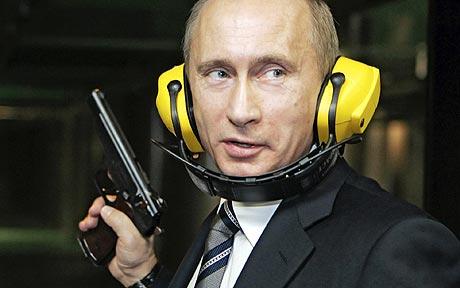
1.800.647.7020
Privacy Policy
<http://www.mandiant.com/privacy?elq=41deab51a75b472c90707e854f48b9e7&elqCampaignId=282>"

Proven – China ‘aiding hacker attacks on west’

The building in Shanghai that hosts the Chinese military's Unit 61398

The building in Shanghai that hosts the Chinese military’s Unit 61398, which has been accused of involvement in hacking attacks. Photograph: Peter Parks/AFP/Getty Images

The Chinese army has launched hundreds of cyber-attacks against western companies and defence groups from a nondescript office building in Shanghai, according to a report that warns hackers have stolen vast amounts of data from their targets.

Mandiant, a security company that has been investigating attacks against western organisations for over six years, saidย in a report (PDF)the attacks came from a 12-storey building belonging to the People’s Liberation Army (PLA) general staff’s department, also known as Unit 61398.

Mandiant said it believed aย hackingย network named the Comment Crew or the Shanghai Group was based inside the compound, in a rundown residential neighbourhood. Although the report fails directly to place the hackers inside the building, it argues there is no other logical reason why so many attacks have emanated from such a small area.

“It is time to acknowledge the threat is originating inย China, and we wanted to do our part to arm and prepare security professionals to combat that threat effectively,” said the report.

The discovery will further raise the temperature in the intergovernmental cyberwars, which have heated up in recent years as the US,ย Israel,ย Iran, China and UK have all used computer subterfuge to undermine rival state or terrorist organisations. One security expert warned that companies in high-profile fields should assume they will be targeted and hacked, and build systems that will fence sensitive data off from each other.

Rik Ferguson, global vice-president of security research at the data security company Trend Micro, said: “We need to concentrate less on building castles and assuming they will be impervious, and more on building better dungeons so that when people get in they can’t get anything else.” .

Mandiant says Unit 61398 could house “hundreds or thousands” of people and has military-grade, high-speed fibre-optic connections from China Mobile, the world’s largest telecoms carrier. “The nature of Unit 61398’s work is considered by China to be a state secret; however, we believe it engages in harmful computer network operations,” Mandiant said in the report.

It said Unit 61398 had been operating since 2006, and was one of the most prolific hacking groups “in terms of quantity of information stolen”. This it estimated at hundreds of terabytes, enough for thousands of 3D designs and blueprints.

“APT1”, as Mandiant calls it, is only one of 20 groups Mandiant says has carried out scores of hacking attacks against businesses and organisations in the west, including companies that work in strategic industries such as US power and water infrastructure.

A typical attack would leave software that hid its presence from the user or administrator and silently siphon data to a remote server elsewhere on the internet at the instruction of a separate “command and control” (C&C) computer. By analysing the hidden software, the pattern of connections and links from the C&C server, the team at Mandiant said they were confident of the source of the threat.

A Chinese foreign ministry spokesman denied the government was behind the attacks, saying: “Hacking attacks are transnational and anonymous. Determining their origins is extremely difficult. We don’t know how the evidence in this so-called report can be tenable. Arbitrary criticism based on rudimentary data is irresponsible, unprofessional and not helpful in resolving the issue.”

But Ferguson told the Guardian: “This is a pretty compelling report, with evidence collected over a prolonged period of time. It points very strongly to marked Chinese involvement.”

Mandiant, based in Alexandria, Virginia, in the US, investigated theย New York Timesย break-in, for which it suggested Chinese sources could be to blame.

President Barack Obama isย already beefing up US security, introducing an executive order in his State of the Union speech this month that would let the government work with the private sector to fend off hacking. But it will take until February 2014 to have a final version ready for implementation.

The revelation comes days after theย New York Times,ย Wall Street Journalandย Washington Post, as well as the social networks Facebook and Twitter, said they had been subjected to “highly sophisticated” hacks that in some cases focused on correspondents writing about China and its government.

Separate investigations by the computer company Dell, working with the news companyย Bloomberg,ย tracked down another alleged hacker, Zhang Changhe, who has written a number of papers on PC hacking. Zhang works at the PLA’s “information engineering university” in Zhengzhou, Henan province, north-central China.

The allegations will raise the temperature in the continuing cyberwar between the west and China, which has been steadily rising since the Pentagon andย MI6ย uncoveredย Titan Rain, a scheme that tried to siphon data from the Pentagon and the House of Commons in 2006, and which one security expert said at the time dated back at least to 2004.

Ferguson suggested that western governments were also carrying out attacks against Chinese targets โ€“ “but that’s not a culture which would open up about being hit. I would be surprised and disappointed if most western nations don’t have a cybersecurity force.”

Theย Stuxnet virus, which hit Iran’s uranium reprocessing plant in 2010, is believed to have been written jointly by the US and Israel, while Iranian sources are believed to have hacked companies that issue email security certificates so that they can crack secure connections used by Iranian dissidents on Google’sย Gmailย system. China is also reckoned to have been behind the hacking of Google’s email servers in that country in late 2009, in an operation that files from WikiLeaks suggested was inspired by the Beijing government.

A timeline of government-sponsored hacking attacks


2004 suspected:ย Chinese group in Shanghai begins probing US companies and military targets.


2005:ย Titan Rain” pulls data from the Pentagon’s systems, and a specialist says of a December 2005 attack on the House of Commons computer system that “The degree of sophistication was extremely high. They were very clever programmers.”


2007:ย Estonia’s government and other internet services are knocked offline by a coordinated attack from more than a million computers around the world โ€“ reckoned to have been run from a group acting at the urging of the Russian government. Nobody is ever arrested over the attack.


2008:ย Russia’s government is suspected of carrying out a cyberattack to knock out government and other websites inside Georgia, with which it is fighting a border skirmish over the territory of Ossetia.


December 2009:ย Google’s email systems in China are hacked by a groupย which tries to identify and take over the accounts of Chinese dissidents. Google withdraws its search engine from the Chinese mainland in protest at the actions. Wikileaks cables suggest that the Chinese government was aware of the hacking.


2010:ย The Flame virus begins silently infecting computers in Iran. Itincorporates cutting-edge cryptography breakthroughsย which would require world-class experts to write. That is then used to infect Windows PCs via the Windows Update mechanism which normally creates a cryptographically secure link to Microsoft. Instead, Flame puts software that watches every keystroke and frame on the PC. Analysts say that only a “wealthy” nation state could have written the virus, which breaks new ground in encryption.


Theย Stuxnet wormย is discovered to have been affecting systems inside Iran’s uranium reprocessing establishment, passing from Windows PCs to the industrial systems which control centrifuges that separate out heavier uranium. The worm makes the centrifuges spin out of control, while suggesting on their control panel that they are operating normally โ€“ and so break them. Iran denies that the attack has affected its project. The US and Israel are later fingered as being behind the code.


September 2011:ย a new virus that silently captures data from transactions in Middle Eastern online banking is unleashed. The principal targets use Lebanese banks. It is not identified until August 2012, when Russian security company Kaspersky discovers the name “Gauss” embedded inside it. The company says the malware it is “nation state-sponsored” โ€“ probably by a western state seeking to trace transactions by specific targets.


2012:ย About 30,000 Windows PCs at Saudi Aramco, the world’s most valuable company, are rendered unusable after a virus called “Shamoon” wipes and corrupts data and the part of the hard drive needed to “bootstrap” the machine when it is turned on. In the US, Secretary of Defense Leon Panetta described Shamoon as “one of the most destructive viruses ever” and suggested it could be used to launch an attack as destructive as the 9/11 attacks of 2001.

SECRET from PI – DHS-FBI Suspicious Activity Reporting Bulletin: Recruiting

DHS-FBI-Recruiting


ROLL CALL RELEASE

  • 1 page
  • For Official Use Only

Download

(U//FOUO) Terrorists are attempting to recruit new members in the United States and overseas to support their operations, obtain funding, and conduct terrorist attacks.ย  For example, in May 2012, Maryland-based Mohammad Hassan Khalid pled guilty to attempting to use the Internet to recruit individuals who had the ability to travel to and around Europe to conduct terrorist acts, in addition to providing logistical and financial support to terrorists.ย  In prior cases of recruitment, individuals who were willing to participate in terrorist acts became involved with known and suspected terrorists, participated in paramilitary training abroad, or tried to acquire small arms and build explosives.

(U//FOUO) The following SAR incident from the NSI shared space is an example of an individual being recruited to commit violence.ย  The example is provided for situational awareness and training:

โ€” (U//FOUO) An individual contacted the police to report being approached by two subjects about supplying firearms and participating in an attack on a military installation.ย  The subjects were arrested and charged with conspiracy to murder officers and employees of the US Government after being observed conducting surveillance of targets, testing security, and acquiring weapons for the attack.ย  One of the subjects pled guilty to the charges and is awaiting sentencing.

(U) Past Activities Observed in Individuals Recruited to Participate in Terrorism

(U//FOUO) Studies of terrorist actors have identified particular behaviors that have been observed in individuals vulnerable to recruitment or who have been recruited, and were ready to commit acts of violence.ย  Any one of these activities may be insignificant on its own, but when observed in combination with other prior observed behaviorsโ€”particularly advocacy of violenceโ€”may constitute a basis for reporting.

โ€” (U//FOUO) Acceptance of violence as a legitimate form of political activity, expressed willingness to commit acts of violence, or close association with individuals or groups suspected of violent extremism.

โ€” (U//FOUO) Communication with violent extremists, either through direct contact or virtually, or active participation in violent extremist blogs, chat rooms, and password-protected websites.

โ€” (U//FOUO) Interest in paramilitary and explosives training or reconnaissance and surveillance activities in a manner reasonably indicative of pre-operational planning.

โ€” (U//FOUO) Possession of literature written by and for violent extremist groups on terrorist techniques, including use of explosives, poisons, firearms and heavy weapons (when combined with other prior observed behaviors).

โ€” (U//FOUO) Involvement by individualsโ€”who otherwise never committed a crimeโ€”in theft, fraud, and illegal activities to fund terrorist causes.

(U//FOUO) In addition, individuals or groups attempting to enlist others to participate in acts of violence or terrorism should be reported to authorities.

(U//FOUO) These identified activities have been observed in cases of mobilization to violence, but are not a concrete formula for predicting illegal activity.ย  First Ammendment-protected activities should not be reported in a SAR or ISE-SAR absent articulable facts and circumstances that support the source agencyโ€™s suspicion that the behavior observed is not innocent, but rather reasonably indicative of criminal activity associated with terrorism, including evidence of pre-operational planning related to terrorism. Race, ethnicity, national origin, or religious affiliation should not be considered as factors that create suspicion (although these factors may be used in specific subject descriptions).ย  DHS and FBI are not advocating interference with the rights of law-abiding individuals.ย  There may be a legitimate reason why some of the observed behaviors are present; it is up to you to determine when that is not the case.

Video – Mandiant standing by hacking accusations


Mandiant standing by hacking accusations
Rod Beckstrom, a cyber security analyst, talks about the allegations against the Chinese hackers.

The FBI – Crooked CEO Gets 50 Years for Stealing $215 Million

Peregrine headquarters building
The $20 million headquarters of the now-bankrupt Peregrine Financial Group in Cedar Falls, Iowa.


He was a successful CEO of his own futures brokerage firm and a respected member of his community, creating jobs and supporting local charities.


Or so it seemed. For years, Russell Wasendorf, Sr.โ€”as Acting U.S. Attorney Sean R. Berry of the Northern District of Iowa recently put itโ€”was really a โ€œcon man who built a business on smoke and mirrors.โ€


It all fell apart in July 2012 when Wasendorfโ€”after an unsuccessful suicide attemptโ€”admitted stealing millions from more than 13,000 investors who had entrusted their hard-earned money to him and his company, the now bankrupt Peregrine Financial Group (PFG), based in Cedar Falls, Iowa. Last month, Wasendorf was sentenced by a federal judge to 50 years in prisonโ€”the maximum sentence allowed by lawโ€”and ordered to pay restitution to his victims.


Hefty Federal Sentences
for Financial Fraudsters

Russell Wasendorf, Sr.โ€™s 50-year sentence was based on a variety of factors, including the amount of financial loss, the sophisticated means used to execute the fraud, and the large number of victims. But heโ€™s not the only subject of an FBI financial fraud case to end up with an extraordinarily lengthy prison sentence. Here are a few more examples:

– Bernard Madoffโ€”150 Years: Founder of Bernard L. Madoff Investment Securities, LLC, he engineered a Ponzi scheme that resulted in billions of dollars of losses to thousands of investors. The federal judge who sentenced him said that Madoffโ€™s โ€œfraud was staggering.โ€ New York press release

– Allen Stanfordโ€”110 Years: Chairman of the board of Stanford International Bank, he orchestrated a 20-year investment fraud scheme that helped him steal $7 billion to finance his personal businesses. Speaking at his sentencing on behalf of those he defrauded, a woman told Stanford that โ€œmany of the victims had lived the proverbial American dream, only to have it snatched away from them in the name of greed.โ€ Houston press release

– Thomas Pettersโ€”50 Years: Petters stole billions of dollars in money and property by inducing investors to provide his company with funds to purchase merchandise that was to be resold to retailers at a profit. Of course, no such purchases were made. Then-Minneapolis Special Agent in Charge Ralph Boelter said he hoped that Pettersโ€™ โ€œappropriateโ€ 50-year sentence โ€œwill serve as an effective deterrent to those similarly inclined.โ€ Minneapolis press release

How it started. In the early 1990s, Wasendorfโ€™s Peregrine partner pulled his money out of the operation, and Wasendorf didnโ€™t have the funds to keep the company going. So he helped himself to at least $250,000 of Peregrineโ€™s customer funds in accounts at an outside bank. To conceal the theft, he used a copy machine to fabricate a phony bank statement.


For the next 20 or so years, Wasendorf continued to steal from customer funds while his company incurred tens of millions of dollars in losses. He carried out this scheme through a series of complex actions designed to conceal his activities and the deteriorating state of the company. For instance:


  • He maintained exclusive control of monthly bank statements by instructing PFG personnel to make sure they were delivered to him unopened. He then used a copy machineโ€”and later, computer softwareโ€”to create phony monthly statements in place of the real statements.
  • He sent the phony statements to PFGโ€™s accounting department, knowing theyโ€™d be used in various reports required by oversight bodiesโ€”the Commodity Futures Trading Commission (CFTC) and the National Futures Association (NFA).
  • He intercepted account verification forms from NFA and CFTC auditors mailed to the bank used by PFG. Wasendorf changed the address of the bank to a post office box that only he had access to; once the forms came into that post office box, he would mail back to the auditors a forged formโ€”supposedly from the bankโ€”that contained an inflated dollar amount of what was in the corresponding bank account.


What did Wasendorf do with the misappropriated funds? He created the appearance that PFG was legitimate and successful in order to ward off the suspicions of regulators and auditors. He also funded his own outside business interestsโ€”for example, he opened two restaurants in Cedar Falls. And finally, he lived quite luxuriouslyโ€”he owned a private jet and a huge estate that included a million dollar indoor swimming pool and a 1,000-bottle wine cellar.


The case began when the Blackhawk County Sheriffโ€™s Office, first on the scene of Wasendorfโ€™s attempted suicide, contacted the FBI after discovering notes left by the executive admitting his illegal deeds. The ensuing federal investigationโ€”which involved multiple searches, reviews of thousands of electronic and paper documents, and numerous interviewsโ€”culminated in September 2012 with Wasendorfโ€™s guilty plea.


Special thanks as well to our partners at the U.S. Postal Inspection Service and the U.S. Attorneyโ€™s Office for the Northern District of Iowa for their assistance in this case.

MYSTERIร–SE PROBLEME – Hacker-Angriff auf Vettel ? !

http://www.bild.de/sport/motorsport/sebastian-vettel/verdacht-auf-hacker-angriff-bei-den-testfahrten-29205702.bild.html

Unveiled – Mandiant Report on Chinese Hackers

Chinese Hackers Screen-Shot-2013-02-19-at-2.17.49-AM

When Mandiant, the company that investigated the recent cyber attacks on the New York Times, released its report yesterday, APT1: Exposing One of Chinaโ€™s Cyber Espionage Units, the media grabbed it. They zinged off one news story after another about how this company had exposed the cybercriminals that the Chinese government claimed to know nothing about.

News? No. It was simply another layer of evidence that cyber activists/hackers/criminals/agents/whatever have been stealthily conducting cyber reconnaissance missions, infecting computers with malware, exfiltrating data, and in general, being bad guys. In 2011, Dmitri Alperovitch, then vice president of Threat Research for McAfee, authored a report about Shady RAT (Remote Access Tool), the malware that had been used by Chinese cybercriminals to exfiltrate data from a broad cross-section of organizations over a 2-5 year period โ€” undetected. Alperovitch broke new ground when he included a table of more than 70 companies, organizations, and government agencies from around the globe that had been compromised. It included the U.N., the International Olympic Committee, and numerous U.S. entities. Now, that was news.

Mandiantโ€™s report gave the world more of the same about Chinese cyber bad guys. In fact, it was the same Chinese bad guys. Mandiant acknowledges that the group behind the attacks in their investigation is the same group that Alperovitch identified in Shady RAT.

What is news in the Mandiant report is how they conducted their forensic investigation. Mandiant actually tracked the attackersโ€™ communications back to a compromised โ€œhop pointโ€ (middle man computer), obtained the cooperation of the compromised middle organization, and captured the keystrokes of the criminals as they were conducting their โ€œwork.โ€

Mandiant and its client companies turned the tactics of the criminals against them and carefully compiled evidence over several years. They observed this particular group of cyber hackers attack more than 141 companies in 20 industries since 2006. Mandiant courageously published its findings, including a video of screenshots captured as the criminals engaged in their acts, and acknowledged that they โ€œexpect reprisals from China.โ€

A lot of credit goes to the unsung heroes: the companies that made Mandiantโ€™s work possible:
the victim organizations that were determined to track the criminals and funded substantial forensic investigations, and
the โ€œmiddle-manโ€ organizations that accepted Mandiantโ€™s help when notified of their role and cooperated to advance the investigations.

This does not happen because forensic and computer geeks decide to chase cybercriminals. It happens because senior management understands both the importance of what is happening and their fiduciary duty to protect the assets of the organization.

Alperovitch, who is now co-founder and CTO of forensic firm CrowdStrike, notes that โ€œMandiantโ€™s report is important and makes it starkly clear that it is becoming harder and harder for the Chinese government to deny that they know nothing about this.โ€ Nevertheless, according to Alperovitch, โ€œthe identified group is just one of two dozen in China that are engaged in similar activities, many of them linked to units in the Peopleโ€™s Liberation Army.โ€

So, here is the bottom line for corporate America: unlike traditional crimes, companies cannot just call the cops and let them chase the cyber criminals. Affected organizations play a leading role in every investigation because it is their systems and data that are being stolen or leveraged. The lesson from Mandiant is that we must all come together and collectively fight cybercrime, irrespective of whether the criminal is a rogue hacker or a nation state.

A few tips to get started: Be on the alert for malicious code on your system and, when detected, donโ€™t shirk from funding a proper forensic investigation. If your company is approached by a reputable firm or law enforcement agency with evidence that your corporate systems are being used as a hop point, cooperate as fully as possible. Stay engaged and ensure the investigation stays within the rule of law. Understand these are hard problems and take time.


Download the original document here:

PDF_MTrends_2012

China-Hacker – Europรคische Sicherheitsexperten sagen wachsende Gefahr aus dem Internet voraus

http://www.bild.de/geld/wirtschaft/cyberwar/hacker-zentrale-china-28587324.bild.html

Der Beweis: Hackerangriff auf sparkasse.de

hacker

THE INVESTMENT MAGAZINE โ€“ THE ORIGINAL โ€“ DAS INVESTMENT MAGAZIN โ€“ DAS ORIGINAL โ€“ Hackeralarm bei den Sparkassen: Unbekannte haben am Montag eine Schadsoftware auf einzelnen Internet-Seiten von sparkasse.de platziert, wie der Deutsche Sparkassen- und Giroverband (DSGV) mitteilte.

โ€œKunden, die ohne aktuellen und aktiven Virenscanner auf sparkasse.de waren, kรถnnten sich diese Schadsoftware auf den eigenen Rechner geladen haben.โ€ Betroffene Kunden sollten ihren Rechner mit einem gรคngigen Virenschutzprogramm durchsuchen und die Schadsoftware beseitigen, empfahl der DSGV am Dienstag.

Am Montag sei zwischen 12.45 Uhr und 17.05 ein seit Anfang des Jahres im Internet kursierender Trojaner auf der Sparkassen-Seite aktiv gewesen, erklรคrte ein DSGV-Sprecher. In dieser Zeit hรคtten rund 30.000 Besucher die Homepage besucht, auf der diverse Angebote der Sparkassen-Finanzgruppe beworben werden. Einzelne Sparkassen-Filialen oder Online-Banking-Angebote seien nicht betroffen gewesen. โ€œAuch Angriffe auf Homebanking-Programme von Kunden wurden nicht beobachtet.โ€

Die IT-Experten der Sparkassen-Finanzgruppe nahmen die Seiten am Montag umgehend vom Netz, als sie den Trojaner entdeckten. Die Angebote seien erst nach eingehender Prรผfung wieder online gestellt worden, erklรคrte der DSGV. โ€œDadurch konnte der Angriffsversuch schnell unterbunden werden.โ€

STASI-Agent enttarnt – Deckname IM “Jochen”

http://www.bild.de/unterhaltung/leute/stasi/stasi-beichte-in-bild-28565858.bild.html

101 East : China’s cyber warriors – rising tide of cyber warfare with the West


Google, the world’s largest internet company, closed down its search engine facility in China after issues with censorship and hacking. The case has highlighted a growing cyber warfare between the West and China. 101 East looks at the role of the internet in China and the rising tide of cyber warfare with the West.

Confirmed – German Left party’s Gysi scrutinised for alleged Stasi ties


gysi_HA_Bayern_Berl_132990b

German prosecutors have opened preliminary proceedings against Gregor Gysi, one of the Left party’s key election campaign figures, over allegations he lied about links with the former East German secret police, the politician said on Sunday.

Gysi, who leads the Left party’s parliamentary group, has repeatedly faced allegations in the past two decades that as a lawyer in former East Germany he passed information on clients – some of them known dissidents – to the Stasi secret police.

He said on Sunday he was confident the case would be dropped and saw no reason to reconsider his position in a team of eight that is leading the Left party’s campaign for federal elections in September.

“Of course the suit will be discontinued just like previously because I never gave a false affidavit,” he said in a post on social media site facebook. “That’s why there’s not the least reason to reconsider my candidacy.”

According to Welt am Sonntag newspaper, the case brought by a former judge concerns an affidavit Gysi gave in 2011 to block the airing of a TV documentary. In the statement he said he had never knowingly or intentionally reported to the Stasi on his clients or anyone else.

Gysi, whose parliamentary immunity was lifted for the proceedings to be opened, has always said he did not cooperate with the Stasi.

Left co-party leader Bernd Riexinger said the claims lacked substance and dismissed them as electioneering.

“Gregor Gysi is our best man. It doesn’t surprise us that the others attack him. That’s dirty election campaigning,” Riexinger told the Berliner Zeitung daily to be published on Monday.

Bรถrse Online รผber “GoMoPa”-Betrรผger und RA Jochen Resch

http://www.graumarktinfo.de/gm/aktuell/diskussion/:Gomopa–Anwaelte-als-Finanzierungsquelle/616477.html

Bรถrse Online รผber die dubiosen vorbestraften “GoMoPa”- Chargen und deren Machenschaften

http://www.graumarktinfo.de/gm/aktuell/warnung/:Gomopa–Kreativer-Umgang-mit-Fakten/630671.html

A-Z- 2.000 STASI OFFIZIERE IM BESONDEREN EINSATZ OibE – “SCHLร„FERLISTE DER STASI IN WESTDEUTSCHLAND”- STASI-SLEEPER LIST A-Z

Become a Patron!
True Information is the most valuable resource and we ask you to give back.

This is the list of the STASI Agents waiting for their call to action in Western Europe from A-Z with their real names.

We have also published on this website new documents about Stratfor and their internal discussions about the STASI.

This is part of our cooperation with Wikileaks.

The Global Intelligence files were provided by Wikileaks.

This is part of our Investigative Partnership organised by WikiLeaks โ€“ the Data was obtained by WikiLeaks.

The STASI lists stem from the STASI itself. It is the so called โ€œFiproโ€ list which was made to secure the pensions of the STASI Agents in Germany after the Reunification.

Below you find an explanation in German Language:

Die Liste wurde bereits frรผher hier publiziert:

http://stasiopfer.de/component/option,com_simpleboard/Itemid,/func,view/id,993815828/catid,4/

Vom โ€œStasiopferโ€-Angebot fรผhrt ein Link zu einer Website in den USA (www.jya.com), die sich auch mit den Praktiken von Geheimdiensten beschรคftigt. Dort findet sich die โ€œFipro-Listeโ€, das detaillierte โ€œFinanzprojektโ€ der Stasi, angefertigt in den letzten Tagen der DDR, um die Rentenansprรผche der rund 100 000 hauptamtlichen Mitarbeiter des MfS auch nach dem Zusammenbruch des Systems belegen zu kรถnnen. Die โ€œFipro-Listeโ€ ist seit langem bekannt und diente Anfang der neunziger Jahre etwa zur Identifizierung der so genannten OibE โ€“ Offiziere im besonderen Einsatz. Diese Liste โ€žOffiziere im besonderen Einsatzโ€œim Jahre 1991 erschien in der โ€œtaz. Die Echtheit kann beim BStU รผberprรผft werden.

Siehe u.a. http://www.spiegel.de/spiegel/print/d-22539439.html

Auf Druck ehemaliger STASI-Leute und Ihrer Genossen wurde die Liste aus dem Verkehr gezogen.

Hier ist sie wieder:

Stasi Offiziere im besonderen Einsatz (abgekรผrzt OibE)
Stasi Schlรคfer Liste
Technische Hinweise:
Diese Daten stammen aus der OibE-Liste. Die Tabellen wurden von H.T. per OCR usw. in HTML gewandelt.
Die Datensรคtze sind โ€“ anders geordnet โ€“ auch Teilmenge der (โ€˜HAMSTERโ€™-Liste/MA_Stasi.txt). Dort sind die mit Adressen versehenen und meist gedoppelten Datensรคtze diejenigen der OibE.
OibE dรผrfen nicht mit Inoffiziellen Mitarbeitern (IM) verwechselt werden. Sie hatten im Gegensatz zu den IM [Ausnahme: HIM] ein Dienstverhรคltnis mit der Stasi und einen Kampfauftrag.
Die OibE sollten unter allen Umstรคnden zum MfS stehen und mussten sich vor der โ€œAbordnungโ€ ins Zivilleben durch besondere ideologische Zuverlรคssigkeit auszeichnen. Deshalb fรผhlen sich viele dieser รœberzeugungstรคter wahrscheinlich heute noch der Stasi verpflichtet, leben aber ganz unauffรคllig. Man kรถnnte sie auch als โ€œSchlรคferโ€ bezeichnen.
Offiziere im besonderen Einsatz (abgekรผrzt OibE) waren hauptamtliche Mitarbeiter des Ministeriums fรผr Staatssicherheit

Zudem kommen weitere STASI-Agenten in Westdeutschland, die noch besser getarnt wurden und deren Legenden sorgfรคltig aufbereitet wurden.
Viel schufen sich in den Wirren um 1989 eine neue Identitรคt mit neuem Namen auch in Westdeutschland. Somit sind hier nur deren ALTE und RICHTIGE Namen erfasst.
Name, Vorname; Geb.-datum; DE: Zentrale, BV, KD; DE-Code; PLZ; Az. / Reg.-Nr.
Ackermann, Frank; 29.04.55; HVA; 961500; 1092; 4288/81, F
Ackermann, Kerstin; 22.02.58; HVA; 961500; 1092; 4288/81/1, F
Adelmeier, Lutz; 18.11.53; HVA; 961500; 1590; 650/75/12,
Ahrendt, Hans; 17.11.50; Abt. XI; 941100; 1092; 2382/74,
Amthor, Jรผrgen; 25.01.47; Abt. N; 906540; 1130; 7263/75,
Anschรผtz, Gรผnter; 07.04.54; Abt. XI; 941100; 6110; 3454/86,
Antoni, Detlef; 02.06.59; HVA; 961500; 1162; 2110/84, F
Arlt, Frank; 12.03.58; HVA; 961500; 1140; 650/75/54,
Auerbach, Christel; 01.04.36; HVA; 961500; 1020; 79/74, B
Auerbach, Hans- Dieter; 25.03.37; HVA; 961500; 1020; 80/74, J
Aul, Claus; 28.09.62; HVA; 961500; 1150; 3776/85, F
Autenrieb, Eckbert; 02.06.56; Abt. N; 906540; 1095; 5785/82,
Badelt, Dieter; 17.01.37; Rostock VII; 010700; 2520; 4909/75,
Bahl, Reinhard; 10.03.48; HVA; 961500; 2800; 527/88, M
Baltruschat, Klaus; 27.07.34; HVA; 961500; 1170; 13222/60, X
Balzer, Christian; 28.10.51; Abt. N; 906540; 1115; 1690/76,
Bandermann, Hans-Rainer; 12.05.45; Abt. N; 906540; 1280; 4378/77,
Barnowsky, Wolfgang; 24.08.38; HVA; 961500; 1017; 962/83, M
Bartels, Klaus; 06.04.39; KD Stendal; 070054; 3500; BARTELS, KLAUS
Bartels, Uwe; 23.02.64; HVA; 961500; 1093; 5764/81/4, D
Barten, Gรผnter; 27.11.38; Abt. XI; 941100; 1291; 179/78,
Barzik, Hans-Joachim; 30.08.46; HVA; 961500; 1190; 592/86, F
Barzik, Renate; 05.08.49; HVA; 961500; 1190; 592/86/1, F
Bassin, Dietrich; 28.04.34; BV Berlin XVIII; 151800; 1058; 1911/78,
Bauer, Gerhard; 29.08.47; Abt. N; 906540; 1140; 4254/77,
Bauer, Ralf; 04.06.64; HVA; 961500; 1144; 2858/84, F
Baumann, Manfred; 25.04.39; OD TU/H Dresden; 120058; 8045; XII/1353/87,
Baumann, Reinhard; 25.05.40; KD Pirna; 120052; 8300; XII/1359/87,
Bauschmann, Rolf-Jรผrgen; 19.04.57; Abt. N; 906540; 1095; 7575/80,
Bazyli, Dieter; 10.08.35; Frankfurt/O. IX; 050900; 1200; V/425/88,
Bรคumler, Hans; 29.06.33; HVA; 961500; 1144; 21/77, F
Becker, Gรผnter; 24.02.38; HVA; 961500; 1120; 2649/80, F
Becker, Heidrun; 30.03.52; HVA; 961500; 1090; 2850/78, J
Becker, Ralf-Ekkehard; 16.04.57; Abt. N; 906540; 1130; 5040/76,
Becke, Ronald; 07.03.57; HVA; 961500; 5062; 650/75/27,
Beier, Peter; 02.08.42; OD KKW Nord; 010050; 2200; 5678/84,
Beitz, Hans-Joachim; 07.10.37; Abt. XI; 941100; 1100; 2233/66,
Benjowski, Klaus; 22.08.35; HVA; 961500; 1162; 364/77, U
Benndorf, Roland; 11.03.57; Abt. N; 906540; 1142; 1787/81,
Berger, Andreas; 16.11.62; Abt. XI; 941100; 7065; 1713/89,
Bergmann, Holger; 23.04.60; HVA; 961500; 8291; 650/75/25,
Bergmann, Thomas; 04.04.54; HVA; 961500; 1144; 1439/89, F
Berliner, Kurt; 16.12.35; HVA; 961500; 1080; 1858/89, F
Berndt, Walter; 03.01.31; Abt. XI; 941100; 1017; 246/77,
Bernhardt, Hans; 30.05.28; HVA; 961500; 1195; 9831/61, F
Bernhardt, Hans-Joachim; 15.02.56; Abt. XI; 941100; 4370; 1709/89,
Bertholf, Manfred; 02.02.37; BV Berlin XVIII; 151800; 1055; 867/80,
Bertsch-Herzog, Herbert; 21.07.29; HVA; 961500; 1080; 3665/60/1, U
Betsch, Brigitt; 16.01.55; HVA; 961500; 1055; 5010/87, U
Betsch, Michael; 30.11.46; HVA; 961500; 1140; 2259/73,
Bettzieche, Frank; 21.10.54; HVA; 961500; 1093; 904/84, F
Bettzรผge, Eberhard; 22.01.35; Abt. N; 906540; 1136; 1807/72
Beuster, Gerhard; 03.07.52; Abt. N; 906540; 1292; 7270/75,
Bevermann, Jรผrgen; 14.10.43; HVA; 961500; 1142; 209/81, F
Bewersdorf, Wolfram; 20.05.61; Abt. N; 906540; 1280; 3022/84,
Beyer, Alfred; 30.05.38; HVA; 961500; 1190; 528/88, M
Beyer, Andreas; 23.01.61; HVA; 961500; 1580; 650/75/55,
Bezdicek, Rolf-Dieter; 20.09.58; Abt. XI; 941100; 1120; 844/83,
Bienert, Peter; 10.08.42; Abt. N; 906540; 1020; 4110/79,
Bilke, Paul; 02.06.28; HVA; 961500; 1020; 9/76, X
Birgel, Artur; 25.01.35; HVA; 961500; 1020; 4207/84, 0
Birnbach, Steffen; 23.10.53; Karl-Marx-Stadt XX; 142000; 9081; K/3505/89,
Blank, Gerhard; 16.12.31; HVA; 961500; 1130; 3156/89, E
Blank, Monika; 12.10.39; HVA; 961500; 1130; 3156/89/1, E
Blaudzun,Alfred; 26.10.38; Rostock VI; 010600; 2500; 5011/86,
Blei, Holger; 08.05.57; HVA; 961500; 1055; 4644/80, J
Block, Gerhard; 04.11.52; Abt. XI; 941100; 3530; 5125/85,
BloรŸ, Rolf; 08.04.33; Dresden XVIII; 121800; 8019; XII/1344/87,
Blumenberg, Igor; 27.06.52; Abt. XI; 941100; 1130; 311/80,
Blum, Ines; 02.04.62; HVA; 961500; 1199; 2410/79, J
Blutnick, Harry; 27.01.36; HVA; 961500; 1020; 1653/87, F
Bock, Andre; 01.11.67; Abt. N; 906540; 1095; 5546/88,
Bogacz, Carsten; 10.11.58; HVA; 961500; 7513; 650/75/56,
Bohm, Peter; 24.10.45; HVA; 961500; 1144; 1671/87, F
Bohn, Detlef; 12.05.59; Abt. XI; 941100; 4070; 492/87,
Bohn, Steffi; 14.10.59; HVA; 961500; 4070; 492/87/1, F
Bohn, Wolfgang; 16.05.51; HVA; 961500; 1092; 2112/72, F
Bollmann, Lutz; 16.12.68; Abt. N; 906540; 1140; 5189/88,
Borchert, Detlef; 09.12.48; Abt. N; 906540; 1100; 255/73,
Borchert, Hans-Joachim; 19.11.54; HVA; 961500; 1142; 398/76, F
Bornschein, Horst; 20.04.30; Abt. XI; 941100; 1156; 3597/81,
Born, Joachim; 25.04.58; Abt. N; 906540; 1092; 4325/87,
Bรถhm, Jรผrgen; 22.11.44; HVA; 961500; 1142; 2660/79, M
Bรถrnchen, Peter; 20.07.39; HVA; 961500; 1250; 30/70, A
Brada, Wolfgang; 15.11.50; HVA; 961500; 1130; 650/75/11,
Brade, Rolf; 21.07.42; Abt. XI; 941100; 1600; 271/68,
Brate, Andreas; 11.12.54; HVA; 961500; 1142; 3039/82, M
Brรคndel, Lothar; 19.04.35; KD Leipzig/Land; 130041; 4090; K, 4232/86,
Brendtner, Werner; 23.03.42; Rostock VII; 010700; 2520; 4733/88,
Bretschneider, Jens; 29.08.67; Karl-Marx-Stadt VIII; 140800; 9271; 182,
Bruhn, Siegfried; 28.11.50; HVA; 961500; 2520; 650/75/39,
Brunner, Manfred; 26.04.29; HVA; 961500; 1144; 1920/75, J
Bruns, Beate; 05.06.62; HVA; 961500; 1140; 6555/82, J
Brรผning, Falk; 11.06.63; HVA; 961500; 1095; 4361/84, M
Burckhardt, Dietmar; 03.08.44; HVA; 961500; 1020; 3467/86, L
Burde, Hans-Joachim; 18.05.47; Abt. N; 906540; 1092; 2010/67,
Burkhardt, Marco; 12.10.59; HVA; 961500; 1142; 3887/83, E
Buschendorf, Lutz; 21.11.41; HVA; 961500; 1142; 3478/65, A
Bussin, Gรผnter; 26.07.54; HVA; 961500; 1142; 3328/86, A
Bรผchner, Eckhard; 23.09.56; Abt. N; 906540; 1153; 3619/77,
Bรผrger, Heiderose; 05.05.50; Abt. N; 961500; 1140; 5764/81/3, D
Cantow, Hans-Gerhard; 11.01.44; HVA; 961500; 1143; 360/68, L
Christoph, Martin; 30.03.58; HVA; 961500; 9900; 650/75/26,
Claus, Werner; 29.03.26; HVA; 961500; 1017; 401/73, P
Cotte, Wolfgang; 16.11.51; HVA; 961500; 1600; 619/83, L
Czieselsky, Frank; 05.05.58; Abt. N; 906540; 1017; 2960/79,
Daum, Heinz; 09.09.35; BV Berlin VI; 150600; 1020; 4101/77,
Dau, Holger; 20.01.58; HVA; 961500; 1143; 7701/81, F
Dรคhn, Bernd; 23.07.48; Abt. XI; 941100; 1035; 97/75,
Degenhardt, Dieter; 12.07.31; HA VII; 970700; 1140; DEGENHARDT, DIETER
Dehmel, Wolfgang; 12.07.49; Abt. N; 906540; 1142; 7401/81,
Derlath, Bettina; 08.02.56; HVA; 961500; 1090; 5182/84, M
Deters, Frank; 10.11.67; Abt. N; 906540; 1950; 4649/87,
Deutscher, Peter; 16.07.47; HVA; 961500; 8019; 1382/89, M
Deysing, Gerd; 04.10.53; HVA; 961500; 1142; 650/75/58,
Diettrich, Gรผnter; 06.05.53; Abt. N; 906540; 1281; 1794/80,
Dietrich, Matthias; 30.07.66; HVA; 961500; 1156; 4383/86, F
Dietrich, Reinhilde; 25.07.37; Abt. N; 906540; 1110; 5004/80,
Diettrich, Heidi; 14.11.54; Abt. N; 906540; 1281; 2002/87,
Dittrich, Michael; 09.11.46; Abt. XI; 941100; 1141; 99/75,
Dittrich, Wolfgang; 08.07.49; Abt. N; 906540; 1142; 1675/78,
Doegelsack, Uta; 20.01.63; Abt. N; 906540; 1093; 5808/84,
Donath, Martin; 03.04.51; HVA; 961500; 2520; 671/89, A
Dorgwarth, Reinhard; 10.11.48; Abt. N; 906540; 1280; 4379/77,
Dott, Bernd; 01.07.41; BV Berlin VII; 150700; 1180; 241/78,
Dรถbel, Holger; 07.04.61; Abt. N; 906540; 1143; 4865/81,
Dรถbereiner, Rene; 02.08.67; Karl-Marx-Stadt VIII; 140800; 9072; 175,
Drechsler, Peter; 06.06.57; HVA; 961500; 1136; 3594/74, F
Dreger, Uwe; 25.12.51; Abt. N; 906540; 1281; 7271/75,
Drexler, Andreas; 03.12.50; HVA; 961500; 1120; 4675/85, A
Dumke, Bodo; 21.03.51; BV Berlin VI; 150600; 1080; 1299/85,
Dybiona, Detlef; 21.05.60; Abt. XI; 941100; 3090; 494/87,
Dylla, Bernd; 07.03.57; Abt. XI; 941100; 6902; 767/86,
Ebedus, Dieter; 17.01.59; Abt. XI; 941100; 4350; 1819/87,
Eckert, Gerhard; 24.09.31; KD Eisenhรผttenstadt; 050045; 1220; V/481/88,
Effenberger, Helga; 10.07.38; HVA; 961500; 1017; 19666/60/1, E
Effenberger, Rudolf; 13.01.33; HVA; 961500; 1017; 19666/60, E
Eggert, Asmus; 17.12.47; HVA; 961500; 1130; 2394/85, J
Eggestein, Dieter; 20.12.38; Rostock XVIII; 011800; 2520; 3862/81,
Ehrke, Hans-Jรผrgen; 17.01.42; Abt. N; 906540; 1090; 4025/79,
Ehrenberg, Rolland; 25.09.47; Frankfurt/O. IX; 050900; 1200; V/447/88,
Eichentopf, Marlis; 27.06.61; HVA; 961500; 5080; 5362/89, F
Eichhorn, Hans; 14.10.38; HVA; 961500; 1054; 1305/68, P
Eichner, Ulla; 02.04.42; HVA; 961500; 1092; 4218/84, F
Eisenhardt, Joachim; 05.09.58; Abt. N; 906540; 1095; 3413/78,
Elfert, Wolfgang; 08.05.56; Abt. XI; 941100; 1250; 448/80,
Elliger, Gabriele; 06.12.61; HVA; 961500; 1142; 650/75/59/1,
Elliger, Uwe; 08.05.58; HVA; 961500; 1142; 650/75/59,
Ende, Michael; 30.06.52; BV Berlin VII; 150700; 1092; 4977/79,
Engelmann, Frank; 03.08.42; HVA; 961500; 1140; 5681/86, M
Engelmann, Gabriele; 15.08.46; HVA; 961500; 1140; 3876/86, M
Englberger, Wolfgang; 24.06.43; HVA; 961500; 1020; 3760/87, U
Enke, Brigitte; 04.08.44; HVA; 961500; 1280; 650/75/50/1,
Enke, Dieter; 02.07.45; HVA; 961500; 1280; 650/75/50,
Escherich, Rolf; 18.01.40; HVA; 961500; 1156; 3039/62, F
Euen, Wolf; 19.02.44; KD Riesa; 120053; 8400; XlI/2673/87,
Ewald, Peter; 28.01.50; Abt. N; 906540; 1140; 3622/77,
Faber, Kurt; 30.07.27; Abt. XI; 941100; 1170; 8348/60,
Falkehagen, Bรคrbel; 10.04.56; Abt. N; 906540; 1130; 3412/78,
Falkenhagen, Ingo; 29.07.56; Abt. N; 906540; 1130; 2403/78,
Fauck, Alexa; 04.12.51; HVA; 961500; 1095; 3820/85/1, F
Fauck, Wolfgang; 21.01.50; HVA; 961500; 1095; 3820/85, F
Fรคhnrich, Alfred; 01.07.32; HA I; 970100; 1602; K, 4271/80
Fรคhnrich, Manfred; 29.03.33; Rostock XVIII; 011800; 2500; 549/60,
Fedtke, Simone; 02.03.66; HVA; 961500; 1092; 4462/81, A
Feige, Brigitte; 07.03.48; HVA; 961500; 1143; 592/88 F
Fell, Klaus; 30.05.35; Abt. N; 906540; 1092; 7259/75,
Fichtmรผller, Jens; 06.03.67; HVA; 961500; 4850; 3641/88, O
Fickel, Michael; 30.01.61; HVA; 961500; 1140; 4276/83, J
Fiedler, Gunter; 16.09.51; HVA; 961500; 1034; 2113/72, F
Finsterbusch, Werner; 08.07.56; HVA; 961500; 1093; 5693/81, A
Fischer, Gerd; 21.02.61; HA VI; 970600; 1144; K, 3435/89
Fischer, Hans; 11.10.50; HVA; 961500; 1142; 505/83, O
Fischer, Hartmut; 25.04.52; HVA; 961500; 1250; 2256/73, F
Fischer, Horst; 03.02.32; HVA; 961500; 1600; 1573/85, K
Fischer, Horst; 03.05.46; KD Berlin-Kรถpenick; 150041; 1170; 2562/80,
Fischer, Karl-Heinz; 19.08.28; HVA; 961500; 1136; 2110/73, Z
Fischer, Klaus-Dieter; 06.12.44; Rostock XVIII; 011800; 2551; 3875/80,
Fischer, Marion; 02.08.52; HVA; 961500; 1142; 2779/84, O
Flister, Magrit; 20.02.56; HVA; 961500; 1020; 4561/87, U
Fox, Erhard; 04.12.52; Abt. XI; 941100; 2355; 5313/88,
Fraatz, Helmut; 06.07.31; HVA; 961500; 1156; 221/75, M
Franke, Lothar; 04.11.47; Abt. N; 906540; 1142; 5074/77,
Franke, Wilfried; 25.08.53; Rostock; 014300; 2500; 5952/84,
Franz, Bodo; 13.01.59; Abt. N; 906540; 1150; 1549/80,
Franz, Jรผrgen; 09.04.46; Abt. N; 906540; 1142; 2112/66,
Franz, Jรผrgen; 30.06.55; Abt. XI; 941100; 3250; 6588/81,
Frauenstein, Rolf; 14.07.52; HVA; 961500; 1143; 3166/78, J
Frรคnkler, Sabine; 10.02.61; HVA; 961500; 1020; 2264/86, U
Freese, Frank; 25.03.62; Abt. N; 906540; 1095; 2567/87,
Freitag, Ilona; 02.10.52; Dresden XIX; 121900; 8060; XII/2747/87,
Freund, Mario; 10.01.64; Abt. XI; 941100; 3038; 2759/89,
Freyberg, Rudolf; 23.09.35; Abt. N; 906540; 1055; 7260/75,
Freyer, Ingolf; 10.07.30; HVA; 961500; 1120; 1347/85, F
Freyer, Thorsten; 10.11.60; HVA; 961500; 1136; 650/75/40,
Frey, Rainer; 02.06.42; HVA; 961500; 7500; 1586/87, F
Frick, Dieter; 28.06.58; HVA; 961500; 1140; 4054/81, F
Friebe, Gรผnter; 28.09.43; HVA; 961500; 1090; 1640/88, F
Friedel, Hartmut; 12.02.49; HVA; 961500; 1093; 231/78, J
Friedrich, Gerhard; 21.12.29; HA VI; 970600; 1034; K, 862/80
Friedrich, Joachim; 06.07.48; Abt. XI; 941100; 1141; 67/78,
Friedrich, Jรถrg; 30.06.64; HVA; 961500; 1193; 3925/86, F
Fritzsche, Harald; 14.08.57; Abt. XI; 941100; 1054;
Fruck, Gerhard; 13.05.35; Abt. N; 906540; 1136; 3706/73,
Fuchs, Eberhard; 04.10.50; HVA; 961500; 1153; 2879/78, J
Fuchs, Wolfgang; 18.11.53; HVA; 961500; 1156; 3547/82, M
Fungk, Torsten; 03.11.57; Abt. N; 906540; 1142; 2956/79,
Funke, Dieter; 20.01.38; HVA; 961500; 1080; 2929/61, F
Funk, Lutz; 22.09.57; HVA; 961500; 1095; 650/75/60,
Funk, Margret; 22.05.55; HVA; 961500; 1095; 650/75/60/1,
FรผรŸler, Hubertus ; 10.01.56; HVA; 961500; 5080; 529/88, M
FรผรŸl, Boris; 06.06.61; Abt. XI; 941100; 1018; 2417/88,
Fydrich, Erhard; 15.05.42; HVA; 961500; 1250; 593/86, F
Gableske, Gunther; 08.04.60; Abt. N; 906540; 1280; 7517/81,
Gallandt, Ronald; 16.08.57; Abt. N; 906540; 1280; 1788/78,
Gander, Jรผrgen; 31.08.47; Abt. N; 906540; 1156; 7275/75,
Gawlitza, Peter-Michael ; 07.12.46; HVA; 961500; 1142; 2505/65, G
Gรคbler, Eveline; 23.08.56; Abt. N; 906540; 1281; 5155/88,
Gรคbler, Ralf-Detlef ; 01.11.56; Abt. N; 906540; 1281; 3324/76,
Gehrt, Wolf-Rรผdiger ; 26.01.56; Abt. N; 906540; 1090; 1840/79,
GeiรŸenhรถner, Bernd; 26.08.43; Abt. XI; 941100; 1092; 377/69,
Gerber, Jรผrgen; 05.05.49; Dresden XIX; 121900; 8020; XII/2666/87,
Gerber, Lutz; 19.01.61; Abt. N; 906540; 1140; 7472/80,
Gerhard, Henry; 23.02.32; KD Berlin-Kรถpenick; 150041; 1199; 1041/70,
Gerlach, Rainer; 25.02.53; HVA; 961500; 5080; 1477/87, F
Gerlach, Roland; 20.01.51; HVA; 961500; 1280; 4006/76, F
Gerstner, Christine; 01.07.43; HVA; 961500; 1136; 5255/85, D
Gerth, Peter; 21.05.54; Rostock XIX; 011900; 2540; 666/87,
Gielow, Hubert; 11.03.53; Abt. N; 906540; 1017; 2028/79,
Giesen, Gisela; 23.02.30; Abt. XI; 941100; 1197; 1866/69/2,
Gietl, Gottfried; 24.05.34; HVA; 961500; 1055; 18554/60, T
Gladitz, Dieter; 19.02.37; HVA; 961500; 1020; 3323/86, J
Gladitz, Edgar; 02.12.34; HVA; 961500; 1020; 2806/78, F
GlรครŸer, Axel; 18.07.57; Abt. N; 906540; 1020; 3100/80,
Glรถckner, Hermann; 07.04.28; Dresden VI; 120600; 8060; XII/2657/87,
Goersch, Bรคrbel; 29.05.54; HVA; 961500; 1093; 5764/81/2, D
Golombek, Bernd; 30.07.62; Abt. XI; 941100; 1560; 5310/88,
Gompert, Dieter; 26.11.33; KD Strausberg; 050049; 1260; V/426/88,
Gorldt, Peter; 20.12.42; HVA; 961500; 9005; 530/88, M
Goutrie, Peter; 27.11.47; Abt. N; 906540; 1281; 3557/78,
Gรถrke, Peter; 26.06.61; HVA; 961500; 1150; 921/83, F
Gรถthel, Jรผrgen ; 20.07.53; HVA; 961500; 1142; 8164/81, L
Grahmann, Dieter; 25.06.41; HVA; 961500; 1106; 5602/86, L
GramรŸ, Werner; 03.06.29; HVA; 961500; 1017; 2859/68, M
Grandel, Winfried; 12.03.43; KD Berlin-Kรถpenick; 150041; 1144; 3047/80,
GraรŸmann, Walter; 28.02.46; Abt. N; 906540; 1092; 2009/67,
Grรคser, Rolf; 14.07.42; HVA; 961500; 1140; 662/88, M
Grรคser, Ute; 24.02.63; HVA; 961500; 1140; 609/88, M
Greve, Bernd; 25.09.57; Abt. N; 906540; 1017; 5075/77,
Grieger, Angela; 11.05.63; HVA; 961500; 1185; 3973/81, O
Grigat, Alfred; 26.05.39; HVA; 961500; 2850; 3317/84, M
Grimmek, Norbert; 24.05.57; Abt. N; 906540; 1281; 4711/78,
Grimm, Peter; 03.11.41; HVA; 961500; 1156; 200/66, F
Grohmann, Achim; 15.02.54; HVA; 961500; 1100; 2518/88, F
Grohs, Michael; 19.10.53; HVA; 961500; 1143; 327/81, M
Gromes, Wilfried; 29.09.51; HVA; 961500; 1170; 1679/88, E
GroรŸer, Jรผrgen; 27.01.59; HVA; 961500; 1607; 650/75/37,
GroรŸe, Hans-Peter ; 02.03.38; HVA; 961500; 1136; 2677/82, J
GroรŸmann, Dietrich ; 24.09.41; Abt. XI; 941100; 1130; 2260/66,
GroรŸmann, Gerald; 23.03.57; Abt. N; 906540; 1142; 1775/78,
GroรŸ, Andreas; 29.11.55; Abt. XI; 941100; 9050; 6933/88,
Grotelรผschen, Claus; 27.02.36; HVA; 961500; 1603; 2295/70, U
Grote, Konrad; 15.02.41; HVA; 961500; 1093; 1967/64, A
Groth, Rudi; 26.07.43; Abt. N; 906540; 1136; 1991/69,
Grotsch, Olaf; 21.05.63; Abt. N; 906540; 1092; 5152/88,
Grรถpler, Peter; 12.06.44; HVA; 961500; 1020; 1643/68, O
Grรถtschel, Andrea; 28.09.57; HVA; 961500; 1540; 4463/84/1, F
Grรถtschel, Uwe; 28.12.58; HVA; 961500; 1540; 4463/84, F
Grube, Gerhard; 12.06.48; Abt. N; 906540; 1092; 4565/77,
Grunert, Joachim; 10.08.33; HVA; 961500; 1017; 3121/64, L
Gruner, Andreas; 22.03.58; Abt. XI; 941100; 1140; 479/83,
Gruner, Heidi; 09.09.59; HVA; 961500; 1156; 650/75/33/1,
Gruner, Michael; 28.07.55; HVA; 961500; 1156; 650/75/33,
Grรผnherz, Hans-Joachim; 07.04.45; Abt. XI; 941100; 1140; 3046/66,
Grรผtze, Regina; 18.07.55; BV Berlin XVIII; 151800; 1140; 763/86,
Gubsch, Volkmar; 19.08.52; KD Dresden/Stadt; 120040; 8038; XII/1357/87,
Gundermann, Dieter; 02.12.57; Abt. N; 906540; 1130; 2957/79,
Gรผntherodt, Ulrich; 28.04.46; HVA; 961500; 4090; 4273/89, M
Gรผnther, Klaus; 06.08.55; HVA; 961500; 1130; 960/89, F
Gรผnther, Norman; 19.11.65; HVA; 961500; 9900; 3734/88, Y
Haack, Jรถrg-Dieter; 06.09.52; Abt. N; 906540; 1110; 3718/76,
Haaser, Jutta; 23.11.33; Dresden VI; 120600; 8020; XII/2658/87,
Haase, Dieter; 27.06.31; Dresden IX; 120900; 8023; XII/2663/87,
Haberland, Lutz; 26.04.59; Abt. XI; 941100; 3038; 1894/87,
Hagenfeld, Wilfried; 18.02.40; HVA; 961500; 1020; 2990/76, M
Hagen, Rudolf; 24.02.39; Abt. N; 906540; 1136; 2075/76,
Hallfarth, Gรผnter; 01.10.44; Abt. XI; 941100; 1092; 499/70/1,
Hallfarth, Renate; 20.01.48; Abt. XI; 941100; 1092; 499/70/2,
Hampel, Bรคrbel; 03.04.59; Abt. XI; 941100; 1280; 2563/86,
Hampel, Bernd; 23.03.56; Abt. N; 906540; 1280; 3388/76,
Hanke, Lutz; 04.02.56; HVA; 961500; 1195; 2378/88, F
Hanke, Peter; 21.10.53; HVA; 961500; 1143; 4174/88, A
Hantke, Gisela; 05.05.32; HVA; 961500; 1093; 3599/82, H
Hantke, Willi; 23.04.31; HVA; 961500; 1093; 6100/82, H
Harder, Dieter; 21.01.43; KD Riesa; 120053; 8400; XII/2674/87,
Hartmann, Andreas; 08.05.58; HVA; 961500; 1142; 650/75/52,
Hartmann, Gerd; 15.03.39; HVA; 961500; 1020; 647/87, A
Hartmann, Gรผnter; 11.11.40; Abt. N; 906540; 1136; 1769/71,
Hasterok, Gรผnter; 16.05.44; HVA; 961500; 1092; 1391/86, M
Hasterok, Hannelore; 07.05.50; HVA; 961500; 1092; 1737/87, F
Haude, Klaus-Dieter; 27.04.39; BV Berlin XVIII; 151800; 1020; 2978/81,
Hauschild, Dieter; 04.06.39; Rostock, Abt. Hafen; 011969; 2500; 5293/88,
Havlik, Lutz; 30.11.54; Abt. N; 906540; 1093; 5015/85,
Hรคber, Hermann; 02.04.48; HVA; 961500; 1143; 139/74, F
Hรคhn, Doris; 01.01.63; HVA; 961500; 1200; 5352/88, F
Hรคhn, Harald; 27.01.60; Abt. XI; 941100; 1200; 3455/86,
Hรคrdrich, Horst; 03.07.38; Abt. XI; 941100; 1140; 3704/73,
Hรคrtig, Uwe; 08.09.57; Abt. N; 906540; 1143; 3621/77,
Heckel, Reiner; 24.04.51; HVA; 961500; 1280; 2163/73, F
Heene, Edgar; 02.12.58; HVA; 961500; 2000; 1738/87, F
Heene, Elke; 12.02.60; HVA; 961500; 2000; 1738/87/1, F
Heerling, Frank; 01.09.62; Abt. N; 906540; 1130; 5017/85,
Heer, Carsten; 15.12.36; Abt. N; 906540; 1020; 454/73,
Heiliger, Ullrich; 20.05.57; Abt. N; 906540; 1120; 1856/86,
Heinicke, Frank; 26.05.56; Abt. N; 906540; 1017; 2564/86,
Heinrich, Guido; 26.06.66; Abt. N; 906540; 1590; 1159/89,
Heinrich, Peter; 29.04.40; HA XX; 982000; 1092; K, 3971/71
Hein, Jรผrgen; 20.12.54; HVA; 961500; 1152; 372/73, F
Hein, Winfried; 10.08.50; HVA; 961500; 1142; 3855/85, F
Heitfeld, Michael; 23.06.53; HVA; 961500; 1140; 4198/81, L
Hellmich, Kurt; 22.08.30; Rostock XVIII; 011800; 2520; 171/70,
Hellwig, Frank; 25.02.56; HVA; 961500; 1144; 650/75/41,
Helm, Michael; 19.04.59; Abt. XI; 941100; 9438; 589/88,
Hempel, Gรผnter; 25.04.34; KD Eisenhรผttenstadt; 050045; 1220; V/1001/88,
Hempel, Reinhard; 28.06.51; HVA; 961500; 1153; 1746/89, E
Hempel, Wolfgang; 02.07.53; Abt. N; 906540; 1020; 5015/77,
Henckel, Peter; 04.05.58; Abt. N; 906540; 1144; 3891/77,
Henke, Frank; 25.12.56; Abt. N; 906540; 1071; 3891/76,
Hennemann, Lutz; 29.09.50; Abt. N; 906540; 1100; 7269/75,
Hennig, Dietmar; 07.01.52; HVA; 961500; 1090; 1226/70, F
Henning, Friedrich; 11.05.35; HVA; 961500; 1017; 440/87, U
Henrion, Lothar; 07.01.41; KD Plauen; 140054; 9900; 1435/89,
Hentschke, Angelika; 19.07.51; HVA; 961500; 1153; 4189/89/1, F
Hentschke, Gรผnther ; 08.01.51; HVA; 961500; 1153; 4189/89, F
Herbert, Roland; 10.10.43; HVA; 961500; 1020; 494/69, F
Herbst, Manfred; 09.10.33; HVA; 961500; 1156; 1087/84, U
Herder, Edeltraut; 27.07.31; HVA; 961500; 1020; 867/61, O
Herer, Erhard; 18.06.40; HVA; 961500; 1130; 4010/70, E
Herkendell, Karl-Heinz; 31.01.43; Abt. N; 906540; 1020; 3894/77,
Herkendell, Martha; 01.03.46; Abt. N; 906540; 1020; 4053/85,
Herold, Gerhard; 29.05.53; HVA; 961500; 1250; 4484/84, F
Herold, Monika; 28.08.52; HA VI; 970600; 1040; K, 3315/86
Herrmann, Alexander; 08.03.51; Abt. N; 906540; 1140; 3077/71,
Herrmann, Dietmar; 30.08.38; HA I; 970100; 8060; K, 5235/86
Herrmann, Gรผnther; 28.01.30; HVA; 961500; 1020; 3627/74, A
Herschel, Steffen; 14.11.52; Abt. N; 906540; 1130; 1607/76,
Hertel, Ralf; 12.04.59; Abt. N; 906540; 1040; 2958/79,
Hertzsch, Wilfried; 10.07.43; HVA; 961500; 2591; 3906/83, M
Herzog, Peter; 08.04.47; HVA; 961500; 8600; 2872/87, M
Herz, Rudolf; 16.05.35; HVA; 961500; 1136; 4391/83, M
Hesse, Christina; 25.12.50; HVA; 961500; 1560; 4040/88, F
Hesse, Klaus; 09.09.47; HVA; 961500; 1136; 2032/72, J
Hesse, Rainer; 24.04.48; Abt. XI; 941100; 1560; 4484/87,
Hexamer, Rene; 10.04.57; HVA; 961500; 1197; 8082/81, F
Hielscher, Dirk; 26.01.56; HVA; 961500; 1092; 417/86, O
Hiersche, Eveline; 16.06.36; HVA; 961500; 1110; 3073/89, K
Hildebrandt, Fred; 23.12.57; HVA; 961500; 6060; 650/75/31,
Hildebrandt, Marion; 28.09.51; HVA; 961500; 1140; 3721/88/1, F
Hildebrandt, Michael; 03.08.52; HVA; 961500; 1140; 3721/88, F
Hildebrandt, Sonja; 07.02.54; HVA; 961500; 1165; 3020/76/26, M
Hildebrand, Hans-Jรผrgen ; 09.05.39; Frankfurt/O. VI; 050600; 1200; V/427/88,
Hildebrand, Norbert; 23.05.55; Abt. XI; 941100; 5600; 480/83,
Hille, Thomas; 27.04.61; Abt. N; 906540; 1055; 1356/84,
Hinterthan, Bernd; 25.11.41; Rostock VI; 010600; 2551; 1748/89,
Hinz, Hans-Jรผrgen; 18.01.43; Abt. XI; 941100; 1115; 410/70,
Hirsch, Jรผrgen; 31.07.54; Abt. XI; 941100; 1195; 2740/77,
Hirt, Sigurd; 05.07.42; Abt. XI; 941100; 1130; 1601/68,
Hitschler, Helmut; 22.07.58; ZAIG; 995300; 8010; K/4402/88,
Hofert, Michael; 02.09.59; HVA; 961500; 1093; 947/84, F
Hoffmann, Frank; 28.02.44; HVA; 961500; 1120; 1587/87, F
Hoffmann, Gunter; 03.11.54; HVA; 961500; 1140; 650/75/17,
Hoffmann, Hartmut; 06.08.51; Abt. XI; 941100; 1095; 6732/80,
Hoffmann, Ines; 03.11.61; HVA; 961500; 1140; 650/75/17/1,
Hofmann, Dieter; 18.04.39; HVA; 961500; 1162; 2607/84, F
Hofmann, Ellen; 03.10.54; Abt. N; 906540; 1280; 1680/81,
Hofmann, Udo; 20.02.41; HVA; 961500; 6019; 1492/86, F
Hohlfeld, Hartmut; 14.05.55; HVA; 961500; 1141; 2596/79, J
Hohnhold, Ulrich; 02.05.52; KD Fรผrstenwalde; 050047; 1240; V/453/88,
Hommel, Klaus; 14.09.52; HVA; 961500; 1142; 2503/77, F
Hoppe, Werner-Michael; 18.06.44; Abt. N; 906540; 1055; 2900/66,
Hornauer, Uwe; 16.08.46; HVA; 961500; 1092; 65/76, A
Hornemann, Rainer; 29.01.47; HVA; 961500; 1156; 1529/87, M
Hornig, Udo; 04.06.59; Abt. XI; 941100; 1140; 5850/84,
Horn, Jochen; 22.06.59; HVA; 961500; 1297; 2613/84, E
Hรถhl, Volker; 15.10.60; Abt. N; 906540; 1140; 1153/86,
Hรถhne, Siegfried; 10.10.39; KD Eisenhรผttenstadt; 050045; 1220; V/1013/88,
Hรถhn, Marina; 22.03.60; HVA; 961500; 1150; 3022/89, A
Hรถlzel, Manfred; 29.05.39; Dresden VI; 120600; 8060; XII/1339/87,
Hรถppner, Matthias; 03.01.58; Abt. XI; 941100; 1143; 1710/89,
Hรถrnig, Klaus; 21.01.45; Abt. XI; 941100; 1092; 1903/72
Hรถsel, Karl; 08.11.35; Abt. XI; 941100; 1130; 434/68,
Hubatsch, Klaus; 02.12.55; HVA; 961500; 1143; 668/72, F
Hugel, Hans-Georg; 26.05.54; HVA; 961500; 1152; 4055/88, O
Huhn, Bernd; 02.12.52; HVA; 961500; 1142; 1565/86, M
Hundt, Thomas; 20.03.61; HVA; 961500; 1142; 650/75/62,
Hunger, Werner; 23.02.40; HVA; 961500; 1017; 415/81, F
Husung, Peter; 28.11.37; HVA; 961500; 1017; 2111/73, A
Huth, Andreas; 20.04.59; Dresden XIX; 121900; 8036; XII/2748/87,
Hรผbner, Henri; 18.11.58; Abt. N; 906540; 1034; 3892/79,
Hรผbner, Ina; 23.10.64; BV Berlin VI; 150600; 1090; K/4166/88,
Hรผbsch, Bernd; 20.09.43; HVA; 961500; 1080; 47/73, F
Hรผckel, Tino; 20.03.64; Abt. N; 906540; 1195; 3507/86,
Hรผhr, Bruno; 02.06.55; Abt. N; 906540; 1140; 3558/78,
Hรผter, Rolf; 01.01.37; HVA; 961500; 1144; 2148/74, F
Ibold, Manfred; 10.08.51; HVA; 961500; 1100; 1904/73, F
Ickert, Winfried; 23.07.56; HVA; 961500; 1153; 650/75/8,
Ide, Hans-Heinrich; 27.09.41; Abt. N; 906540; 1156; 1611/76,
Illig, Gerald; 22.02.58; Abt. N; 906540; 1140; 2959/79,
Immermann, Gunter; 15.11.53; HVA; 961500; 1071; 959/89, F
Irmscher, Frank; 20.07.59; HVA; 961500; 1034; 2912/78, F
Jaenicke, Uwe; 23.06.53; HVA; 961500; 1156; 3057/89, F
Jahn, Heinz; 04.11.35; Rostock XIX; 011900; 2300; 3335/75,
Jahn, Klaus; 04.11.50; Abt. XI; 941100; 1120; 1515/75,
Jakowlow, Manfred; 29.03.50; Abt. N; 906540; 1281; 1058/86,
Janietz, Eberhard; 04.08.51; HVA; 961500; 1120; 2570/79, O
Janke, Erwin; 22.06.43; HVA; 961500; 7500; 3972/86, M
Jarchow, Hans-Jรผrgen; 06.04.44; HVA; 961500; 4850; 2355/88, M
Jasmann, Hans-Peter; 25.06.38; Rostock XIX; 011900; 2355; 4081/86,
Jautze, Stephan; 19.08.53; HVA; 961500; 1054; 2164/73, F
Jรคger, Bernd; 04.11.47; Abt. XI; 941100; 1142; 245/77,
Jรคger, Monika; 13.04.44; HVA; 961500; 1147; 618/86, M
Jรคger, Siegfried; 10.01.43; HVA; 961500; 1147; 619/86, M
Jรคhne, Karsten; 24.06.57; HVA; 961500; 8060; 650/75/42,
Jรคhn, Rolf; 01.04.32; HVA; 961500; 1183; 187/61, J
Jedicke, Jรผrgen; 16.10.55; Abt. XI; 941100; 5060; 2415/88,
Jesse, Jan; 18.11.63; HVA; 961500; 1150; 503/82, M
John, Werner; 12.01.45; HVA; 961500; 9005; 2124/89, F
Jost, Rainer; 22.03.55; Karl-Marx-Stadt VIII; 140800; 9050; 167,
Jung, Herbert; 04.10.51; Abt. XI; 941100; 1600; 69/76,
Junkereit, Dieter; 14.05.62; Karl-Marx-Stadt VIII; 140800; 9050; 172,
Junkereit, Monika; 01.12.64; Karl-Marx-Stadt VIII; 140800; 9050; 173,
Jurisch, Hans; 11.08.32; HVA; 961500; 1130; 3730/66, K
Jรผrgens, Karl; 30.01.52; Abt. N; 906540; 1141; 1692/76,
Jรผrgens, Monika; 16.06.41; HVA; 961500; 3580; 2969/87, M
Jรผrgens, Peter; 13.03.41; HVA; 961500; 3580; 2968/87, M
Kaden, Horst; 13.01.35; Frankfurt/O. VI; 050600; 1200; V/430/88,
Kahl, Frank; 19.02.50; HVA; 961500; 8017; 2224/86, O
Kaiser, Karl; 16.12.36; Abt. N; 906540; 1136; 4568/77,
KalbaรŸ, Herbert; 21.10.34; Abt. XI; 941100; 1071; 8569/60,
Kappelmann, Jens; 08.07.53; HVA; 961500; 1160; 2972/76, F
Kappis, Peter; 14.12.49; KD Berlin-Treptow; 150046; 1093; 5320/88,
Karasch, Klaus-Dieter; 02.10.51; Abt. N; 906540; 1142; 5044/76,
Karlstedt, Manfred; 27.09.51; HVA; 961500; 1150; 1635/84, O
Kasper, Hans-Hendrik; 03.05.51; HVA; 961500; 1150; 2784/72, U
Kasper, Reiner; 16.01.56; Abt. N; 906540; 1130; 3472/76,
Kathert, Klaus; 03.06.49; Abt. N; 906540; 1292; 1354/71,
Keindorf, Thomas; 09.05.66; HVA; 961500; 1156; 3732/87, O
Kellermann, Harald; 26.04.51; HVA; 961500; 1140; 4691/89, L
Keller, Hans-Joachim; 22.10.38; HVA; 961500; 1020; 2245/73, M
Keller, Klaus; 25.01.36; HVA; 961500; 1600; 2332/73, M
Keller, Rolf; 25.10.57; HVA; 961500; 2000; 5743/84, M
Kellner, Axel; 05.01.40; Abt. XI; 941100; 1140; 759/66,
Kerlisch, Werner; 23.04.36; OD KKW Nord; 010050; 2200; 3477/73,
Kernchen, Eckehardt; 01.10.50; Abt. N; 906540; 1020; 5041/76,
Kettner, Bernd; 28.05.47; Rostock, Abt. Hafen; 011969; 2520; 4080/86,
Keyselt, Klaus; 30.04.51; HVA; 961500; 1142; 1938/75, F
KieรŸig, Horst; 02.05.37; HVA; 961500; 1156; 307/82, J
KieรŸling, Dirk; 11.03.69; Abt. N; 906540; 1092; 5156/88,
Kirchbach, Rene; 05.04.64; HVA; 961500; 8010; 5865/84, F
Kirchhof, Jens; 04.12.61; HVA; 961500; 1020; 650/75/72,
Kirchner, Marianne; 18.10.43; HVA; 961500; 1130; 4718/88/1, F
Kirchner, Wolfgang; 23.08.39; HVA; 961500; 1130; 4718/88, F
Kirmse, Udo; 24.02.39; HVA; 961500; 1136; 2824/84, X
Kirsten, Falko; 11.02.50; HVA; 961500; 1600; 2511/77, M
Kirst, Alfred; 08.03.34; HA VI; 970600; 1080; K/4428/87,
KiรŸig, Jochen; 11.05.53; KD Lรถbau; 120049; 8700; KISSIG, JOCHEN
Kittler, Manfred; 13.03.33; Dresden XVIII; 121800; 8251; XII/1346/87,
Kittler, Roland; 25.01.58; Abt. XI; 941100; 4020; 5311/88,
Klarner, Volkmar; 23.03.54; Abt. XI; 941100; 9900; 2305/85,
Kleiber, Thomas; 02.01.55; HVA; 961500; 1020; 4365/86, U
Kleinhempel, Heinz; 04.07.57; Leipzig XVIII; 131800; 7050; K/5409/88,
Klemcke, Hermann; 15.11.51; KD Schwedt; 050050; 1330; V/446/88,
Klemens, Leo; 25.03.27; HVA; 961500; 1532; 19522/60, X
Klemme, Jan; 03.02.67; Abt. N; 906540; 1142; 2976/86,
Klenz, Henry; 03.12.56; Abt. XI; 941100; 1130; 409/81,
Klingsieck, Ralf; 10.10.47; HVA; 961500; 1092; 1644/69, F
Klotzke, Jรผrgen; 05.07.48; HVA; 961500; 6908; 3914/85, A
Klutznik, Axel; 11.07.61; Abt. XI; 941100; 1580; :
Kluwe, Frank; 11.10.49; HVA; 961500; 1142; 465/74, F
Knackstedt, Hans-Jรผrgen; 02.03.41; Abt. XI; 941100; 1162; 40/69,
Knaupe, Henk; 14.10.65; HVA; 961500; 1090; 423/88, M
Knieling, Annelie; 09.11.50; HVA; 961500; 1115; 3167/78, U
Knobloch, Angelika; 11.07.49; Abt. N; 906540; 1281; 1997/77,
Knobloch, Hans-Uwe; 23.10.57; Abt. N; 906540; 1092; 2487/77,
Knorr, Hans-Joachim; 25.04.38; HVA; 961500; 1615; 304/80, M
Knoth, Uwe; 08.04.57; Abt. XI; 941100; 1100; 6461/82,
Knรถller, Sergej; 24.10.63; HVA; 961500; 1095; 5000/87, F
Knรถtel, Ronald; 14.10.63; BV Magdeburg, Abt. XV; 071500; 3080; :
Kobel, Werner; 07.03.38; HVA; 961500; 1600; 4710/80, L
Kobuch, Norbert; 22.12.51; HVA; 961500; 1058; 4980/88, O
Kochanek, Wolfgang; 14.09.41; HVA; 961500; 1055; 389/74, A
Kochsiek, Jรผrgen; 15.03.41; Karl-Marx-Stadt VIII; 140800; 9050; 178,
Koch, Arno; 18.02.37; KD Gรถrlitz; 120047; 8903; XII/2406/88,
Koch, Bernhard; 12.02.44; HVA; 961500; 1142; 1566/86, M
Koch, Helmut; 20.12.49; Abt. N; 906540; 1153; 5340/84,
Koch, Jutta; 16.06.32; Abt. XI; 941100; 1162; 2390/70,
Koch, Paul; 09.05.44; HVA; 961500; 1910; 4651/85, M
Koch, Wilhelm; 22.08.41; Abt. XI; 941100; 1115; 416/70,
Koderhold, Dieter; 25.06.47; Abt. N; 906540; 1140; 447/74,
Koglin, Mario; 11.08.66; HVA; 961500; 1110; 3900/85, M
Kohoutek, Sepp; 10.03.54; HVA; 961500; 1090; 4998/87, F
Kokscht, Thomas; 10.07.58; HVA; 961500; 1035; 836/77, F
Kolasinski, Helge; 04.04.63; Abt. N; 906540; 1054; 2220/83,
KolleรŸer, Klaus; 11.03.51; HVA; 961500; 7072; 612/89, F
KolleรŸer, Regina; 11.11.48; HVA; 961500; 7072; 6763/88, F
Kolletzky, Olaf; 08.07.54; Abt. XI; 941100; 9900; 862/83,
Konieczny, Frank; 04.09.44; HVA; 961500; 1600; 1762/89, N
Konnopka, Frank; 11.04.48; Abt. N; 906540; 1280; 5003/80,
Konnopka, Gudrun; 27.12.48; Abt. N; 906540; 1280; 4038/79,
Konschel, Peter; 30.03.49; Abt. N; 906540; 1280; 4054/85,
Kopius, Elke; 24.04.51; Abt. N; 906540; 1140; 1885/81,
Korn, Robert; 11.09.37; HVA; 961500; 1195; 43/63, L
Kosch, Bรคrbel; 07.08.60; HVA; 961500; 6500; 3153/89, F
Kosch, Gunter; 31.01.53; Abt. XI; 941100; 6500; 2414/88,
Kosin, Heinz; 07.03.26; HVA; 961500; 1020; 2148/72, U
Kowatzkl, Fred; 15.05.55; Abt. N; 906540; 1150; 4712/78,
Kรถhler, Erwin; 06.10.40; Frankfurt/O. XVIII; 051800; 1200; V/442/88,
Kรถhler, Klaus; 20.02.52; HVA; 961500; 1020; 2565/88, O
Kรถhler, Petra; 20.03.51; HVA; 961500; 1017; 318/78, E
Kรถhler, Wolfgang; 29.06.51; HVA; 961500; 1017; 3254/84, E
Kรถnig, Hans; 23.05.36; Abt. N; 906540; 1136; 7261/75,
Kรถrner, Manfred; 26.01.43; Dresden VI; 120600; 8019; XII/414/89,
Kรถster, Sven; 18.04.66; Abt. N; 906500; 1150; 4732/87,
Kรถster, Ulrich; 20.11.42; Abt. N; 906540; 1292; 1687/76,
Kraatz, Jens-Peter; 27.09.60; Abt. N; 906540; 1090; 7603/81,
Krahl, Frank-Michael; 03.03.50; Abt. N; 906540; 1130; 1614/75,
Krahmรผller, Uwe; 14.12.65; HVA; 961500; 6018; 5265/85, Q
Krahn, Charlotte; 22.04.30; HVA; 961500; 1020; 46/72, U
Kramer, Bernd; 20.10.41; Karl-Marx-Stadt, BKG; 142900; 9005; K/6104/88
Krannich, Matthias; 20.03.57; Abt. XI; 941100; 1144; 5798/84,
Kranz, Herbert; 17.12.39; Abt. N; 906540; 1092; 9805/61,
Kranz, Rosmarie; 21.12.40; Abt. N; 906540; 1092; 4354/77,
Krause, Johannes; 24.10.49; Abt. XI; 941100; 1600; 3702/73,
KrauรŸe, Gรผnter; 25.05.37; HVA; 961500; 8360; 1498/87, F
Kraus, Bert; 03.03.61; HVA; 961500; 1143; 813/83, P
Kraus, Rudolf; 23.07.37; HVA; 961500; 1140; 340/81, F
Kreher, Ralf; 28.02.67; Abt. N; 906540; 9300; 1160/89,
Kreinberger, Rolf; 25.05.29; HVA; 961500; 1121; 2637/77, S
Krenz, Bianca; 23.12.62; HVA; 961500; 1120; 3899/86, U
Kresse, Lutz; 12.10.54; HVA; 961500; 2090; 2354/88, M
Krietsch, Sabine; 10.11.49; Abt. N; 906540; 1280; 1922/76,
Kringler, Paul; 02.07.28; KD Stralsund; 010047; 2300; 1110/73,
Krohn, Heinz Gรผnter; 28.01.56; Abt. XI; 941100; 7033; 493/87,
Krone, Reinhard; 23.07.48; HVA; 961500; 4090; 3823/86, M
Krรถpelin, Detlef; 01.11.56; HVA; 961500; 1142; 51/80, F
Krumpfert, Joachim; 15.02.49; Abt. N; 906540; 1034; 1763/76,
Kruse, Gerlinde; 02.10.54; Abt. XI; 941100; 1142; 4701/89,
Kruse, Peter; 07.01.46; Abt. N; 906540; 1142; 1989/76,
Krรผger, Andreas; 11.04.61; Abt. N; 906540; 1130; 7148/81,
Krรผger, Brigitte; 11.02.37; HVA; 961500; 1130; 3419/84/1, O
Krรผger, Hans; 15.06.37; HVA; 961500; 1130; 3419/84, O
Krรผger, Holger; 26.04.57; Abt. N; 906540; 1280; 3389/76,
Krรผger, Horst; 05.10.43; Abt. N; 906540; 1034; 1622/76,
Krรผger, Reinhard; 26.04.33; Abt. N; 906540; 1017; 7257/75,
Krรผger, Uwe; 22.08.60; Abt. XI; 941100; 7513; 3385/84,
Krzebeck, Siegfried; 05.02.52; Abt. N; 906540; 1035; 1689/76,
Krzyzanowski, Claus; 28.11.53; Abt. N; 906540; 1130; 1926/76,
Kudernatsch, Matthias; 18.03.65; Abt. N; 906540; 1150; 5032/89,
Kulitzscher, Manfred; 30.05.32; Rostock XVIII; 011800; 2555; 1530/70,
Kunisch, Frank; 20.02.59; Abt. N; 906540; 1150; 4107/79,
Kunze, Alfred; 30.03.32; KD Eberswalde; 050044; 1298; V/429/88,
Kunze, Heinz; 08.05.37; Dresden XVIII; 121800; 8101; XII/1345/87,
Kunze, Wilfried; 01.04.45; BV Berlin XVIII; 151800; 1145; 2809/88,
Kunzmann, Frank; 08.06.53; HVA; 961500; 9050; 650/75/64,
Kupferschmidt, Erich; 23.07.52; Abt. N; 906540; 1140; 2808/79,
Kupferschmidt, Gudrun; 03.05.52; Abt. XI; 941100; 1140; :
Kupsch, Michael; 28.04.58; HVA; 961500; 1090; 2686/79, F
Kurjuweit, Karlheinz; 27.03.50; KD Angermรผnde; 050041; 1330; V/439/88,
Kรผchenmeister, Hartmut; 31.03.54; HVA; 961500; 1144; 5042/86, N
Kรผcken, Werner; 31.08.28; BV Berlin XVIII; 151800; 1421; 1143/70,
Kynast, Klaus; 29.04.55; HVA; 961500; 1150; 1043/84, A
Ladebeck, Bernd; 22.05.56; Abt. N; 906540; 1140; 4952/77,
Lagemann, Jรผrgen; 22.08.48; Abt. XI; 941100; 1140; 7/76,
Lamberz, Ulrich; 02.07.52; HVA; 961500; 1092; 234/73, F
Lamm, Hans-Joachim; 03.01.42; Dresden VI; 120600; 8020; XII/2655/87,
Langer, Achim; 09.03.56; Abt. N; 906540; 1130; 1864/78,
Langer, Karl; 06.10.34; Abt. N; 906540; 1297; 1796/80,
Lange, Frank; 31.12.50; Abt. XI; 941100; 1143; 2745/79,
Lange, Gerd; 15.12.60; HVA; 961500; 4300; 650/75/19,
Lange, Harald; 03.01.34; HVA; 961500; 1147; 2367/73, U
Lange, Karl-Heinz; 31.12.52; HVA; 961500; 1058; 107/75, F
Lange, Kathlen; 23.05.62; HVA; 961500; 4300; 1763/88, E
Lange, Matthias; 07.10.56; Abt. N; 906540; 1141; 3503/87,
Lange, Ralf; 15.08.60; HVA; 961500; 1100; 1433/85, J
Lange, Reiner; 12.06.36; HVA; 961500; 1017; 1046/67, M
Lauenroth, Hans-Peter; 08.08.61; HVA; 961500; 1136; 1078/81, F
Laue, Lutz; 25.02.53; Abt. N; 906540; 1143; 2528/82,
Laupert, Andrea; 16.09.61; HVA; 961500; 1140; 2816/80, O
Lรคtzer, Eberhard; 03.12.48; Abt. XI; 941100; 1140; 3700/73,
Lechelt, Arno; 24.06.44; Abt. XI; 941100; 1140; 8511/81,
Lehmann, Frank; 11.07.66; HVA; 961500; 7580; 3170/89, Q
Lehmann, Holger; 14.10.62; Abt. N; 906540; 1144; 6082/82,
Lehmann, Rainer; 08.03.49; HVA; 961500; 1150; 2987/77, J
Leibscher, Axel; 26.03.54; HVA; 961500; 7301; 650/75/65/,
Leinweber, Manfred; 04.03.42; HVA; 961500; 1136; 166/77, M
Leirich, Bernd; 02.06.55; Abt. XI; 941100; 2500; 2796/87,
Leistner, Dieter; 23.05.42; HVA; 961500; 1250; 3478/84, J
Lemke, Frank; 09.11.60; Abt. N; 906540; 1071; 3021/84,
Lemke, Sabine; 15.09.65; Abt. N; 906540; 1071; 969/86,
Lenhard, Peter; 27.09.51; Abt. N; 906540; 1140; 1906/71,
Leonhardt, Heiko; 12.01.66; Abt. N; 906540; 1130; 5391/86,
Lerche, Ruth; 12.03.33; HVA; 961500; 1092; 3899/63, U
Leuschner, Harald; 01.10.39; HVA; 961500; 1020; 3713/87, F
Leymann, Jan; 30.03.61; HVA; 961500; 1092; 3020/76/9, M
Liebholz, Gisela; 09.01.30; HVA; 961500; 1055; 225/78, U
Liedke, Peter; 04.12.50; HVA; 961500; 1140; 1476/87, F
Lieniger, Bruno; 01.11.31; Abt. XI; 941100; 1140; 4167/83,
LieรŸneck, Walter; 12.10.37; HVA; 961500; 1115; 1990/72, M
Lietz, Peter; 13.02.54; Abt. N; 906540; 1280; 1990/76,
Linck, Joachim; 27.02.48; HVA; 961500; 2330; 1528/87, M
Linck, Rita; 27.11.51; Abt. XI; 941100; 2330; 1533/87, M
Lindig, Hans-Dieter; 11.01.30; Rostock VI; 010600; 2540; 1397/86,
Lindner, Dietmar; 09.06.51; Abt. N; 906540; 1140; 1988/76,
Lindner, Steffen; 18.04.68; HVA; 961500; 1035; 3948/86, M
Linke, Gerald; 29.06.39; HVA; 961500; 6504; 3871/87, F
Linke, Marga; 01.09.39; HVA; 961500; 6504; 3871/87/1, F
Linke, Reinhard; 18.07.30; HVA; 961500; 1199; 153/72, J
Lippert, Bodo; 04.01.62; Abt. N; 906540; 1071; 7402/81,
LiรŸke, Birgit; 13.03.55; Karl-Marx-Stadt VIII; 140800; 9050; 177,
LiรŸke, Gerhard; 17.01.51; Karl-Marx-Stadt VIII; 140800; 9050; 176,
Lobedan, Gerd; 21.05.54; HVA; 961500; 1143; 3961/83, M
Lode, Harald; 06.10.53; HVA; 961500; 8036; 2429/88, M
Lohse, Gerd; 24.07.46; Abt. N; 906540; 1144; 2007/67,
Loos, Siegfried; 30.06.40; HVA; 961500; 9061; 1750/72, M
Lorenz, Jรถrg; 21.05.62; HVA; 961500; 1017; 5026/84, F
Lorenz, Werner; 01.01.34; HVA; 961500; 1595; 4626/79, F
Lorenz, Wolfgang; 03.05.54; HVA; 961500; 1143; 95/76, F
Loudovici, Armin; 12.10.39; HVA; 961500; 1190; 4331/86, F
Lรถbnitz, Wolfram; 26.08.57; HVA; 961500; 1195; 1371/77, F
Lรถwa, Werner; 30.05.54; HVA; 961500; 1093; 425/79, F
Lubs, Bodo; 14.03.53; Abt. XI; 941100; 2103; 2026/86,
Lucas, Karl-Heinz; 27.02.57; Abt. N; 906540; 1090; 3705/77,
Ludwig, Horst; 27.08.31; HVA; 961500; 1017; 2588/77, P
Ludwig, Lutz; 15.10.53; HVA; 961500; 1143; 2113/89, E
Lux, Klaus; 19.08.43; KD Wolgast; 010049; 2220; 5577/81,
Lรผbke, Brigitte; 22.04.41; Rostock XVIII; 011800; 2500; 1119/79,
Lรผbke, Klaus; 27.03.52; HVA; 961500; 1220; 650/75/22,
Lรผcke, Karl-Ernst; 17.10.37; Abt. XI; 941100; 1035; 769/86,
Lรผck, Michael; 16.07.60; Abt. XI; 941100; 7260; 3814/85,
Lรผdecke, Olaf; 15.06.48; Abt. XI; 941100; 1092; 2747/79,
Lรผneburg, Karsten; 31.07.60; Abt. N; 906540; 1142; 3079/83,
Maaske, Gudrun; 11.11.42; HVA; 961500; 1162; 1351/89, N
Maaske, Klaus; 26.07.39; HVA; 961500; 1162; 3997/85, N
MaaรŸ, Uwe; 20.07.61; HVA; 961500; 1100; 1680/88, F
Maget, Gerhard; 18.12.51; HVA; 961500; 1142; 2576/77, F
Maigatter, Tino; 21.02.62; HVA; 961500; 1054; 2766/84, F
Malchow, Dieter; 19.07.54; HVA; 961500; 1110; 2730/89, F
Manikowski, Jรผrgen; 30.07.54; Abt. XI; 941100; 2540; 1607/88,
Maretzki, Peter; 27.03.57; HVA; 961500; 1093; 235/79, M
Marks, Stefan; 20.09.52; HVA; 961500; 1250; 2501/77, F
Marnitz, Andreas; 01.10.56; HVA; 961500; 1150; 3498/86, F
Marr, Donald; 10.04.37; Abt. XI; 941100; 1250; 8/74,
Masula, Jens; 23.08.64; HVA; 961500; 1152; 5863/84, F
Matros, Jรผrgen; 04.06.53; HVA; 961500; 1160; 4049/88, O
Mattner, Susanne; 02.12.61; Abt. N; 906540; 1140; 3966/82,
Matusch, Klaus-Dieter; 20.09.56; Abt. N; 906540; 1090; 3685/82,
Maudrich, Peter; 10.02.58; Abt. XI; 941100; 6502; 4705/85,
Maune, Monika; 16.06.59; Dresden VI; 120600; 8023; XII/1334/89,
May, Jรผrgen; 19.04.57; Abt. N; 906540; 1156; 1508/80,
Mรคrkel, Gรผnter; 01.06.41; Abt. N; 906540; 1130; 3325/76,
Mรคrkel, Sigrid; 02.06.41; Abt. N; 906540; 1130; 5272/76,
Mehlhorn, Lutz-Rainer; 15.11.40; HVA; 961500; 1020; 1029/67, J
Meichsner, Matthias; 03.09.58; HVA; 961500; 1090; 4416/80, F
Meier, Bernd; 08.08.54; Dresden XIX; 121900; 8020; XII/2749/87,
Meier, Detlef; 23.09.51; Abt. N; 906540; 1150; 448/74,
Meilick, Bernd; 11.06.47; HVA; 961500; 1092; 419/81, M
Mekelburg, Michaela; 21.03.61; HVA; 961500; 1140; 1346/85/1, F
Menzel, Harri; 27.01.35; Rostock VII; 010700; 2520; 5951/84,
Menz, Harry; 27.05.38; HVA; 961500; 1136; 12487/60, A
Merkel, Thomas; 19.01.59; HVA; 961500; 1055; 424/82, M
Messerle, Peter; 05.06.53; HVA; 961500; 1195; 2784/73, F
Metelmann, Bernd; 16.05.56; Abt. N; 906540; 1130; 3390/76,
Meyer, Detlef; 09.08.52; KD Rostock; 010040; 2540; 379/88,
Meyer, Horst; 23.08.33; HVA; 961500; 1100; 1348/85, F
Meyer, Jรผrgen; 04.01.42; Abt. N; 906540; 1140; 2587/65,
Michaelis, Holger; 20.10.58; HVA; 961500; 1152; 2611/84, F
Michel, Gรผnther; 07.06.51; Abt. N; 906540; 1093; 2407/77,
Mieley, Siegfried; 30.07.36; Frankfurt/O. VII; 050700; 1200; V/431/88,
Mielke, Klaus; 11.07.39; Abt. XI; 941100; 1055; 2899/68,
Miersch, Harald; 26.11.51; HVA; 961500; 1142; 174/79, M
Mihm, Guido; 11.07.70; HVA; 961500; 1035; 4666/89,
Milde, Jรถrg; 16.11.54; BV Berlin XVIII; 151800; 1136; 4199/80,
Mirtschink, Jรผrgen; 09.01.48; HVA; 961500; 1034; 1902/72, F
Mischner, Jรถrg; 24.11.64; HVA; 961500; 1150; 1716/89, I
Mittelberger, Andreas; 15.02.65; Abt. N; 906540; 1020; 5221/84,
Mitzscherling, Peter; 27.02.36; Abt. XI; 941100; 1136; 410/81,
Monatsch, Jรถrg; 17.12.67; Schwerin II; 020200; 2755; :
Montwill, Frank; 25.04.54; HVA; 961500; 1144; 5630/86, A
Mรถckel, Joachim; 12.02.45; HVA; 961500; 9050; 3757/87, F
Mrosk, Dieter; 01.11.43; Abt. XI; 941100; 1140; 211/74,
Muth, Rolf; 31.01.29; HVA; 961500; 1017; 269/68, P
Mutscher, Monika; 01.12.53; Abt. N; 906540; 1130; 3684/82,
Mรผhlbauer, Dietmar; 02.06.47; Abt. N; 906540; 1092; 374/75,
Mรผhle, Dieter; 07.03.40; KD Dresden/Stadt; 120040; 8010; XII/2671/87,
Mรผller, Bรคrbel; 12.03.41; HVA; 961500; 1170; 1675/84/1, C
Mรผller, Barbara; 22.09.52; Abt. XI; 941100; 2356; 1608/88/1,
Mรผller, Detlef; 04.02.58; HVA; 961500; 1020; 650/75/43,
Mรผller, Ernst-Peter; 24.07.40; HVA; 961500; 1170; 1675/84, C
Mรผller, Erwin; 19.07.44; Abt. N; 906540; 2081; 2626/65,
Mรผller, Hannelore; 22.06.46; Abt. N; 906540; 2081; 3339/78,
Mรผller, Heinz-Jรผrgen; 24.09.48; HVA; 961500; 2520; 499/87, F
Mรผller, Helga; 15.11.37; HVA; 961500; 1144; 5009/87, D
Mรผller, Helmut; 07.01.40; BV Berlin XVIII; 151800; 1080; 608/83,
Mรผller, Irina; 19.09.62; HVA; 961500; 1020; 650/75/43/1,
Mรผller, Johannes; 09.08.46; Abt. N; 906540; 1140; 2006/67,
Mรผller, Jรผrgen; 07.08.59; HVA; 961500; 7930; 650/75/23,
Mรผller, Jรผrgen; 25.07.53; Abt. N; 906540; 1090; 3490/83,
Mรผller, Matthias; 03.06.53; HVA; 961500; 7840; 4729/89, M
Mรผller, Peter; 06.06.37; Dresden XVIII; 121800; 8023; XII/1348/87,
Mรผller, Uwe; 02.12.63; HVA; 961500; 1136; 3791/85, F
Mรผller, Uwe; 07.10.54; Abt. XI; 941100; 2356; 1608/88,
Mรผnchow, Frank; 19.02.61; Abt. XI; 941100; 2830;
Mรผnzel, Heinz; 20.07.47; HVA; 961500; 1020; 167/78, K
Mรผtschard, Peter; 28.01.52; HVA; 961500; 7060; 650/75/35,
Nareike, Kurt; 28.09.37; Rostock VI; 010600; 2520; 5283/78,
Nathe, Rolf; 27.09.30; HVA; 961500; 1170; 8/75, J
Naue, Rainer; 14.03.56; Abt. N; 906540; 1130; 3077/83,
Naumann, Gerhard; 25.02.49; Cottbus XIX; 061900; 7500; K3504/89,
Naumann, Uwe; 15.07.56; HVA; 961500; 8321; 650/75/36,
Nรคther, Frank; 08.09.50; HVA; 961500; 1140; 2257/70, F
Neff, Gertrud; 25.04.31; Abt. XI; 941100; 1156; 8510/81,
Nehls, Jรถrg; 08.07.58; HVA; 961500; 1143; 2592/80, F
Nennhaus, Detlef; 30.06.47; Abt. N; 906540; 1140; 7264/75,
Nestler, Olaf; 26.05.63; Abt. N; 906540; 1040; 2080/82,
Neumann, Klaus-Dieter; 24.07.47; Abt. XI; 941100; 1400; 3386/71,
Nicicky, Stephan; 23.04.55; Abt. N; 906540; 1092; 1999/77,
Nier, Herbert; 28.08.54; HVA; 961500; 1100; 2477/75, F
Noculak, Johannes; 27.05.41; HVA; 961500; 1162; 113/74, L
Noetzel, Peter; 27.02.40; Abt. N; 906540; 1136; 1608/76,
Noffke, Bernd; 11.10.59; Abt. N; 906540; 1197; 5016/85,
Nรถbel, Manfred; 29.11.32; BV Berlin XVIII; 151800; 1020; 1341/83,
Nรถlte, Joachim; 11.11.48; HVA; 961500; 1017; 2553/80, P
Nรผcklich, Horst; 03.06.35; Dresden, BKG; 122900; 8010; XII/2753/87,
Oelschlaeger, Wolfgang; 06.03.39; Abt. XI; 941100; 1162; 9802/61,
Oertel, Hans-Joachim; 07.12.54; HVA; 961500; 1120; 3561/88, E
Oertel, Ulrich; 12.01.51; HVA; 961500; 1156; 19/76, F
Ola, Heinz; 25.06.34; Abt. N; 906540; 1092; 3705/73,
Ondrej, Detlev; 31.01.52; Abt. XI; 941100; 1136; 3763/88,
Ondrej, Ilona ; 24.07.54; HVA; 961500; 1136; 3763/88/1, F
Ondrusch, Aribert; 11.06.52; HVA; 961500; 7063; 6372/81, U
Ostoike, Harry; 14.05.57; Abt. N; 906540; 1140; 6979/80,
Otto, Hans; 03.06.50; HVA; 961500; 1144; 4692/89, L
Paasch, Uwe; 26.02.58; Abt. XI; 941100; 7280; 2794/87,
Pach, Detlef; 08.03.44; Dresden VII; 120700; 8101; XII/1342/87,
Pahlke, Lothar; 30.07.42; HVA; 961500; 6850; 650/75/18,
Pahlke, Gudrun; 15.08.49; HVA; 961500; 6850; 650/75/18/1,
Pangsy, Reiner; 12.11.40; Abt. N; 906540; 1280; 2437/60,
Parke, Kerstin; 26.01.62; Abt. XI; 941100; 3018; 1894/87/1,
Paulick, Gunter; 30.06.57; HVA; 961500; 7513; 650/75/44,
Paul, Gerhard; 11.08.53; HVA; 961500; 1100; 2639/79, J
Paul, Werner; 28.04.52; Abt. N; 906540; 1150; 3893/77,
Pawlak, Norbert; 01.10.47; BV Berlin XX; 152000; 1140; 3005/84,
Pรคsler, Knut; 15.07.65; HVA; 961500; 2000; 5196/84, F
Pecher, Rudolf; 27.09.55; Abt. N; 906540; 1020; 7272/75,
Perschon, Andreas; 01.11.58; HVA; 961500; 1055; 1233/80, F
Petermann, Walter; 28.01.50; HVA; 961500; 1130; 4216/84, F
Peters, Joachim; 15.02.55; Abt. XI; 941100; 1580; 2797/87,
Petzold, Frank; 24.04.60; Abt. XI; 941100; 7840; 1711/89,
Pfarr, Wilfried; 04.09.38; HVA; 961500; 1080; 180/73, M
Philipp, Siegfried; 19.10.49; Abt. N; 906540; 1017; 3078/83,
Pieritz, Reiner; 10.06.49; Abt. XI; 941100; 1600; 3701/73,
Pierschel, Bernd; 25.02.40; HVA; 961500; 1280; 128/68, F
Pietschmann, Hans; 26.05.40; Dresden XVIII; 121800; 8010; XII/2665/87,
Piletzki, Doris; 20.04.54; Abt. N; 906540; 1120; 1603/76,
Pingel, Jรผrgen; 14.04.34; HVA; 961500; 1020; 250/81, M
Plogas, Lutz-Ulrich; 14.04.50; HVA; 961500; 1092; 3974/87, J
Plomann, Michael; 31.03.61; Abt. N; 906540; 1100; 3501/85,
Ploner, Ekhard; 08.06.30; HVA; 961500; 1020; 1041/67, M
Plumbohm, Ilona; 26.02.59; Abt. XI; 941100; 1092; 1844/88,
Pohl, Bernd; 07.11.52; Cottbus, Abt. KuSch; 064000; 7500; 1587/87,
Pohl, Heinrich; 05.10.53; ZAIG; 995300; 8036; K, 4401/88
Polcuch, Konrad; 03.12.53; HVA; 961500; 1055; 3671/88, M
Polcuch, Marion; 06.11.53; HVA; 961500; 1055; 3670/88, F
Polster, Claus; 07.07.50; HVA; 961500; 7034; 1530/87, M
Popp, Rudolf; 21.09.36; HVA; 961500; 1136; 4283/88, F
Porges, Brigitte; 09.06.49; HVA; 961500; 1280; 3137/89, F
Porges, Manfred; 18.12.45; HVA; 961500; 1280; 3136/89, F
Pรถtsch, Hans; 03.11.41; HVA; 961500; 1197; 112/76, M
Prade, Reiner; 19.09.56; HVA; 961500; 1145; 4527/87, A
Pratsch, Klaus; 21.07.39; HVA; 961500; 1017; 1331/63, T
PreiรŸler, Steffen; 05.06.66; Abt. N; 906540; 8017; 1161/89,
Prestin, Uwe; 03.11.40; Abt. N; 906540; 1150; 7399/81,
Preusche, Dieter; 07.12.43; HVA; 961500; 1142; 6977/75, A
Proft, Andre; 09.10.63; HVA; 961500; 1017; 760/88, D
Prokop, Adolf; 02.02.39; AGM, Arbeitsgebiet R; 956024; 5066; K, 187/71
Propf, Ulrich; 12.06.57; HVA; 961500; 4350; 650/75/4,
Puchner, Albrecht; 05.07.53; Abt. N; 906540; 1200; 2319/84,
Puchta, Gerdt; 09.01.51; HVA; 961500; 2540; 1864/89, M
Pufe, Rainer; 21.02.52; Abt. N; 906540; 1140; 1514/75,
Pรผstel, Brigitte; 27.04.43; Abt. XI; 941100; 1100; 239/85,
Pรผwick, Heinz; 01.08.28; HVA; 961500; 1280; 330/85, T
Pyritz, Frank; 08.10.58; Abt. N; 906540; 1092; 2128/78,
Radke, Bernd; 29.09.46; Abt. N; 906540; 1280; 1604/76,
Radke, Gudrun; 24.06.47; Abt. N; 906540; 1280; 2286/74,
Radtke, Peter; 27.08.62; HVA; 961500; 1140; 2637/84, M
Radรผnz, Christine; 26.09.53; HVA; 961500; 1136; 2758/78, J
Rahn, Winfried; 25.04.57; Abt. N; 906540; 1090; 4142/79,
Ramme, Alwin; 12.03.32; HVA; 961500; 1017; 3321/71, U
Ramminger, Uwe; 04.01.54; Abt. XI; 941100; 8245; 3256/84,
Rasel, Klaus; 30.05.42; HVA; 961500; 1532; 650/75/45,
Rasmus, Hartmut; 04.02.43; Abt. XI; 941100; 5500; 702/86,
Ratschke, Lutz-Dieter; 04.12.53; Abt. N; 906540; 1034; 5042/76,
Ratzmann, Ingrid; 18.04.37; HVA; 961500; 1035; 1672/84, A
Rauch, Benno; 25.09.53; Abt. N; 906540; 1136; 4146/79,
Rauch, Hannelore; 24.12.50; HVA; 961500; 2794; 650/75/30/1,
Rauch, Helmut; 09.01.53; HVA; 961500; 1092; 574/72, F
Rauch, Lothar; 04.11.53; HVA; 961500; 2794; 650/75/30,
Redlich, Hans-Joachim; 27.09.41; BV Berlin XIX; 151900; 1150; 1091/79,
Redlinghรถfer, Ilse; 28.07.37; HA III; 940300; 1162; K, 1858/88,
Regner, Karsten; 19.03.63; HVA; 961500; 1092; 4311/84, M
Reichelt, Werner; 10.12.35; Abt. XI; 941100; 1020; 2046/64,
Reichelt, Wolfgang; 24.04.38; Rostock XVIII; 011800; 2520; 189/71,
Reichel, Joachim; 06.07.44; HVA; 961500; 2500; 1863/89, M
Reichel, Manfred; 14.04.59; HVA; 961500; 1093; 3062/78, F
Reichel, Reinhard; 20.09.45; Abt. XI; 941100; 1080; 17/71,
Reichert, Bernd; 11.06.50; Abt. N; 906540; 1093; 2094/72,
Reif, Frank; 05.10.58; HVA; 961500; 6016; 650/75/20,
ReiรŸ, Alfred; 06.10.34; HVA; 961500; 1020; 4242/60, J
Reiter, Hermann; 11.10.37; HVA; 961500; 1100; 186/77, J
Renner, Andreas; 16.04.59; HVA; 961500; 1153; 19/81, F
Renner, Lothar; 05.06.45; HVA; 961500; 1054; 136/71, J
Rennhack, Lutz-Peter; 12.11.54; HVA; 961500; 4730; 650/75/46,
Retzlaff, Gerd; 06.07.39; HVA; 961500; 1142; 2756/84, G
Reuter, Simone; 19.06.67; HVA; 961500; 1140; 4274/89, M
Ribbecke, Horst; 19.04.25; HA XVIII; 981800; 1017; RIBBECKE, HORST
Richter, Andre; 21.09.61; Abt. N; 906540; 1143; 5786/82,
Richter, Detlef; 02.05.57; Abt. N; 906540; 1093; 7135/80,
Richter, Norbert; 24.09.47; KD Freiberg; 140047; 9200; K/1724/89,
Richter, Reinhard; 27.02.52; HVA; 961500; 1035; 4349/84, O
Richter, Willi; 21.06.32; HVA; 961500; 1130; 3776/87, F
Riedel, Dieter; 24.11.52; HVA; 961500; 1140; 3848/81, M
Riedel, Dietmar; 19.02.52; HVA; 961500; 1020; 2970/87, M
Riedel, Erhard; 26.03.46; HA III; 940300; 1136; K, 2963/89
Riedel, Winfried; 27.05.40; HVA; 961500; 1017; 777/65, M
Riemer, Rudi; 04.03.32; Frankfurt/O. XVIII; 051800; 1200; V/443/88,
Riesner, Wolfgang; 12.06.50; Abt. N; 906540; 1136; 2279/74/1,
Riewe, Hartmut; 16.08.42; KD Wismar; 010048; 2402; 4910/75,
Ritzmann, Hartmut; 23.01.56; HVA; 961500; 1140; 1715/89, M
RoeรŸler, Jochen; 13.03.41; KD Dresden/Stadt; 120040; 8060; XII/2670/87,
Rolfs, Raimund; 16.10.57; HVA; 961500; 1136; 3891/83, F
Roll, Gerd; 05.09.55; HVA; 961500; 2200; 650/75/28,
Roloff, Herbert; 16.02.36; HVA; 961500; 1144; 1611/69, Q
Rosenkranz, Rudolf; 23.11.30; Rostock XVIII; 011800; 2565; 680/70,
Rosenthal, Ralf; 19.12.64; HVA; 961500; 1140; 5423/88, S
Rostek, Horst; 26.05.29; HVA; 961500; 1156; 18500/60, F
Rost, Andrea; 23.11.57; HVA; 961500; 1150; 4298/89, F
Rost, Dieter; 31.05.57; Abt. N; 906540; 1150; 7214/81,
Rothbauer, Edmund; 04.08.30; Frankfurt/O., SED-PO-Ltg.; 054100; 1200; V/432/88,
Roth, Andreas; 31.03.52; HVA; 961500; 1140; 121/69/35, AB
Roth, Hans-Jochen; 12.07.43; HVA; 961500; 1800; 1381/89, M
Rรถdel, Johannes; 05.07.33; HVA; 961500; 1614; 650/88, D
Rรถder, Detlev; 12.06.56; Abt. N; 906540; 1130; 744/88, N
Rรถder, Siegmar; 03.05.37; HVA; 961500; 1156; 18/67, S
Rรถhling, Thomas; 30.04.59; Abt. XI; 941100; 1035; 1649/82,
Rรถhl, Gerhard; 26.07.52; Abt. N; 906540; 1142; 1883/81,
Rรถhner, Bernd; 07.01.57; HVA; 961500; 1040; 4700/89, F
Rรถmer, Heinz; 11.02.32; HVA; 961500; 1250; 5192/86, M
Rรถmer, Lutz; 09.08.59; HVA; 961500; 1055; 3400/89, F
Rรถrster, Hans; 29.05.30; HVA; 961500; 1147; 1593/86, U
Rรถsch, Klaus; 28.04.41; Abt. XI; 941100; 1100; 9797/61,
Rรถsner, Andreas; 16.06.51; ZAIG; 995300; 8020; K, 2964/89
Rudolph, Peter; 05.10.29; HVA; 961500; 2520; 7095/60, A
Ruschel, Dietger; 15.08.43; HVA; 961500; 1140; 2111/72, F
Russ, Wolfgang; 08.01.48; HVA; 961500; 1153; 6983/75, M
Ruthenberg, Gerd-Wolfram; 08.11.53; HVA; 961500; 1093; 5714/81, L
Rรผcker, Frank; 20.01.63; HVA; 961500; 1130; 5361/89, F
Rรผcker, Ricarda; 21.05.66; HVA; 961500; 1130; 5361/89/1, F
Sacher, Hans; 06.11.26; HVA; 961500; 1162; 252/74, U
Sachse, Ingrid; 15.12.40; HVA; 961500; 1020; 580/89, F
Sachse, Manfred; 15.04.34; BV Berlin XX; 152000; 1193; 219/76,
Sahling, Frank; 12.07.50; HVA; 961500; 1136; 6908/82, F
Salm, Rainer; 11.05.58; HVA; 961500; 1143; 44/81, F
Salomon, Walter; 12.11.29; HVA; 961500; 1273; 2142/73, L
Salomo, Gerhard; 08.01.30; Dresden XX; 122000; 8023; XII/2667/87,
Salomo, Gรผnther; 21.05.41; Dresden VI; 120600; 8060; XII/1885/89,
Sander, Gerhard; 25.05.52; HVA; 961500; 1093; 157/85, M
Sander, Rudolf; 14.11.33; HVA; 961500; 1188; 790/88, F
Sasse, Klaus-Jรผrgen; 01.12.42; Abteilung XI; 941100; 1092; 1339/68,
Sauer, Uwe; 09.05.58; Abt. N; 906540; 1150; 4551/77,
Sawatzki, Paul-Eckhard; 06.03.56; HVA; 961500; 1054; 2963/78, F
Schaarschmidt, Steffen; 06.10.58; Karl-Marx-Stadt VIII; 140800; 9001; 181,
Schade, Detlef; 10.11.57; Abt. N; 906540; 1090; 2195/82,
Schaffrath, Hans-Martin; 26.03.44; BV Berlin VI; 150600; 1156; 1352/75,
Scharfenberg, Anette; 02.12.63; Abt. N; 906540; 1093; 5559/83,
Schellenberger, Gerd; 11.11.50; BV Berlin XX; 152000; 1080; 3003/84,
Schemmel, Manfred; 18.02.54; Abt. XI; 941100; 7270; 2795/87,
Schering, Norbert; 24.03.55; HVA; 961500; 1195; 2729/89, A
Schiecke, Dieter; 12.10.54; HVA; 961500; 1153; 1960/75, M
Schiemann, Peter; 04.01.43; HVA; 961500; 1017; 693/86, E
Schiemann, Renate; 09.04.45; HVA; 961500; 1017; 693/86/1, E
Schierz, Rolf-Jรถrg; 13.02.61; Karl-Marx-Stadt VIII; 140800; 9050; 180,
Schilling, Aribert; 07.04.51; Abt. N; 906540; 1093; 3618/77,
Schilling, Klaus; 29.09.41; Leipzig VI; 130600; 7060; K, 1043/87
Schink, Peter; 30.12.55; HVA; 961500; 1130; 6659/80, M
SchlauรŸ, Hannelore; 17.10.52; Abt. N; 906540; 1298; 5153/88,
Schleicher, Gerhard; 22.06.43; HVA; 961500; 1250; 36/77, M
Schlenkrich, Dieter; 07.05.41; Abt. N; 906540; 1092; 1253/65,
Schlesinger, Harald; 10.10.62; Abt. N; 906540; 1142; 5558/83,
Schliebe, Edda; 25.07.39; Abt. XI; 941100; 1130; 2758/89,
Schliesch, Erhard; 30.03.28; Dresden VII; 120700; 8060; XII/2660/87,
Schlinsog, Helfried; 16.06.44; HVA; 961500; 7022; 544/88, F
Schlinsog, Regina; 05.02.47; HVA; 961500; 7022; 544/88/02, F
Schlรถgl, Thomas; 01.08.64; Abt. N; 906540; 1141; 3020/84,
Schmidt-Bock, Peter; 04.05.56; Abt. N; 906540; 1142; 2962/79,
Schmidt, Andreas; 16.01.63; Abt. N; 906540; 1140; 5787/82,
Schmidt, Dietmar; 12.06.44; Abt. XI; 941100; 1093; 1276/73,
Schmidt, Eberhard; 22.09.47; HVA; 961500; 1280; 231/75, M
Schmidt, Gerd; 29.07.39; HVA; 961500; 5900; 551/86, F
Schmidt, Gudrun; 08.12.44; HVA; 961500; 4050; 1532/87, M
Schmidt, Hans-Dieter; 03.01.32; Dresden XVIII; 121800; 8019; XII/2664/87,
Schmidt, Hans-Dieter; 30.07.36; Frankfurt/O. XIX; 051900; 1200; V/449/88,
Schmidt, Hartmut; 10.02.62; Abt. N; 906540; 1136; 4050/82,
Schmidt, Joachim; 19.12.43; HVA; 961500; 4050; 1531/87, M
Schmidt, Klaus-Peter; 28.03.56; Abt. XI; 941100; 1600; 407/78,
Schmidt, Kuno; 10.01.37; Abt. XI; 941100; 1020; 1868/69,
Schmidt, Manfred; 04.08.54; HVA; 961500; 1100; 2616/80, U
Schmidt, Werner; 18.07.36; Kreisdienststelle [KD] Bautzen; 120042; 8609; XII/1355/87,
Schmidt, Wilfried; 14.10.52; HVA; 961500; 1093; 237/73, F
Schmiedke, Gรผnter; 04.10.33; Frankfurt/O., BKG; 052900; 1200; V/436/88,
Schneider, Astrid; 24.03.51; HVA; 961500; 1140; 3353/86, F
Schneider, Gรผnter; 08.10.54; HVA; 961500; 5800; 3470/85, M
Schneider, Gรผnter; 26.07.41; Abt. N; 906540; 1136; 9806/61,
Schneider, Harald; 26.01.48; HVA; 961500; 1140; 4128/83, M
Schneider, Karl-Heinz; 24.12.34; HVA; 961500; 9900; 6857/82, M
Schneider, Lothar; 16.11.56; HVA; 961500; 1280; 1525/75, F
Schneider, Siegfried; 06.09.33; Frankfurt/O. XVIII; 051800; 1136; V/450/88,
Scholz, Gisela; 15.03.39; HVA; 961500; 1093; 5478/88, F
Schรถmann, Bodo; 12.12.61; Abt. XI; 941100; 1200; 5312/88,
Schรถnau, Lothar; 07.08.34; HVA; 961500; 1095; 3127/78, H
Schรถnau, Ruth; 23.02.33; HVA; 961500; 1095; 3127/78/1, H
Schรถnberg, Klaus; 27.12.51; Abt. XI; 941100; 9931; 3457/86,
Schรถnfeld, Dieter; 15.12.58; Abt. XI; 941100; 7570; 2806/89,
Schรถnfeld, Klaus; 14.09.41; HVA; 961500; 1136; 596/86, F
Schreyer, Harry; 16.01.38; HA I; 970100; 1185; K, 741/89
Schrรถder, Horst; 12.06.51; Abt. XI; 941100; 4090; 3458/86,
Schrรถter, Helmut; 14.08.35; KD Rostock; 010040; 2520; 552/75,
Schubert, Harry; 05.07.51; Abt. N; 906540; 1130; 3693/78,
Schubert, Thomas; 10.05.57; HVA; 961500; 1090; 4848/80, F
Schulke, Klaus-Peter; 06.12.41; Abt. N; 906540; 1092; 3953/76,
Schultze, Ralf; 30.04.56; HVA; 961500; 1150; 2306/74, F
Schulze, Alfred; 07.07.37; Abt. N; 906540; 1093; 4324/87,
Schulze, Frank; 09.07.60; HVA; 961500; 1197; 650/75/69,
Schulz, Dorelies; 11.03.49; HVA; 961500; 1136; 4640/89, M
Schulz, Michael; 03.03.65; Abt. N; 906540; 1140; 4909/86,
Schulz, Ronald; 22.08.61; HVA; 961500; 7700; 650/75/68,
Schulz, Udo; 30.03.58; HVA; 961500; 1143; 113/75, F
Schulz, Werner; 09.02.35; Frankfurt/O. XIX; 051900; 1200; V/437/88,
Schumacher, Michael; 13.04.57; Abt. N; 906540; 1090; 3819/79,
Schurz, Gรผnter; 25.03.33; KD Dresden/Stadt; 120040; 8060; XII/2669/87,
Schuster, Bernd; 29.01.42; HVA; 961500; 1140; 61/67, M
SchuรŸmann, Heike; 18.05.58; Abt. XI; 941100; 2000; 1712/89/1,
SchuรŸmann, Klaus; 10.01.60; Abt. XI; 941100; 2000; 1712/89,
Schรผbel, Andreas; 03.10.61; HVA; 961500; 6301; 650/75/67,
Schรผtz, Harald; 19.09.32; HVA; 961500; 1153; 2580/65, K
Schwabe, Karl Heinz; 01.07.54; HVA; 961500; 1150; 234/79, J
Schwalbe, Manfred; 04.08.33; Frankfurt/O. XVIII; 051800; 1200; V/454/88,
Schwarzbach, Walter; 01.04.44; HVA; 961500; 1092; 5018/87, F
Schwarze, Lothar; 19.09.35; Dresden XVIII; 121800; 8020; XII/1352/87,
Schwarz, Frank; 19.01.56; Abt. N; 906540; 1093; 5327/80,
Schwarz, Stefan; 26.02.65; HVA; 961500; 1152; 1656/69/2, P
Schwenk, Wilfried; 03.02.55; HVA; 961500; 2620; 650/75/48,
Schwoch, Gerth; 28.06.51; Abt. N; 906540; 1140; 7274/75,
Schwunteck, Harald; 26.08.57; Abt. N; 906540; 8010; 2966/79,
Seckel, Peter; 11.09.60; HVA; 961500; 1143; 3543/81, F
Seckel, Wolfgang; 01.02.39; Karl-Marx-Stadt XX; 142000; 9005; K/3430/89,
Seeger, Regina; 22.03.51; HVA; 961500; 1140; 109/78, J
Seelig, Werner; 11.04.14; HVA; 961500; 1140; 1472/87, F
Seel, Ingolf; 31.07.57; HVA; 961500; 1035; 368/78, F
Seel, Uwe; 06.09.57; HVA; 961500; 1143; 3962/83, N
Seel, Werner; 28.12.32; HVA; 961500; 1142; 3502/61, T
Seibt, Eberhard; 31.08.36; Dresden VII; 120700; 8060; XII/1340/87,
Seibt, Rudolf; 15.09.30; Abt. N; 906540; 1092; 350/73,
Seibt, Siegfried; 24.04.34; Dresden II; 120200; 8021; XII/1338/87,
Seidel, Knut; 02.10.66; Karl-Marx-Stadt VIII; 140800; 9050; 174,
Seidel, Marga; 07.07.36; HVA; 961500; 1092; 2310/88/1, E
Seidel, Matthias; 15.08.59; HVA; 961500; 1017; 491/80, F
Seidel, Michael; 21.07.52; HVA; 961500; 1092; 581/89, U
Seidel, Wolfgang; 24.05.31; HVA; 961500; 1092; 2310/88, E
Seiffert,Reimar; 12.11.29; KD Eisenhรผttenstadt; 050045; 1220; V/433/88,
Sellig, Dieter; 11.07.34; Abt. N; 906540; 1020; 7258/75,
Sell, Andreas; 28.06.54; HVA; 961500; 1095; 2311/88, O
Sendsitzky, Peter; 10.09.47; Abt. N; 906540; 1092; 3723/80,
Seyfarth, Stephan; 22.12.60; HVA; 961500; 1040; 4609/80, J
Siegert, Gerhard; 31.05.48; Abt. N; 906540; 1140; 3883/76,
Siegler, Werner; 01.11.52; HVA; 961500; 1400; 1485/87, O
Sievers, Reinhard; 14.10.49; Abt. N; 906540; 1140; 3822/77,
Siggelkow, Wolfgang; 03.11.60; Abt. XI; 941100; 2823; 590/88,
Sikorski, Joachim; 16.01.58; Abt. N; 906540; 1130; 5261/82,
Sikorski, Wolfgang; 27.11.49; Abt. N; 906540; 1156; 2309/73,
Simbrick, Joachim; 21.12.51; Abt. XI; 941100; 1153; 6462/82,
Sitte, Jutta; 06.08.38; HVA; 961500; 1055; 4139/88, M
Sitte, Kurt; 08.09.38; HVA; 961500; 1055; 3009/89, M
Skibinski, Udo; 24.11.42; HVA; 961500; 1020; 326/73, F
Skirde, Udo; 18.01.38; HVA; 961500; 1130; 890/82, T
Smetana, Rรผdiger; 18.02.39; BV Berlin XVIII; 151800; 1136; 417/79,
Smiejczak, Jan-Peter; 16.04.64; HVA; 961500; 1156; 2833/87, M
Smolinski, Hans-Joachim; 21.05.53; Abt. N; 906540; 9300; 4070/79,
Sodann, Peter; 23.09.39; HVA; 961500; 7060; 3932/87, M
Sommerfeld, Dirk; 20.06.50; HVA; 961500; 1280; 1555/87, F
Sonnenfeld, Kurt; 25.04.44; Abt. N; 906540; 1017; 2262/87,
Sonntag, Peter; 18.03.55; HVA; 961500; 1092; 2817/80, M
Spangenberg, Heinz; 09.10.56; Abt. XI; 941100; 6550; 6665/82,
Spenke, Gรผnter; 24.01.32; Abt. N; 906540; 1020; 4550/77,
Sperling, Achim; 29.10.56; HVA; 961500; 1130; 4681/79, F
Sprenger, Gisela; 01.06.54; HVA; 961500; 1020; 2633/88, J
Springer, Dieter; 23.06.34; KD Schwedt; 050050; 1330; V/435/88,
Staigies, Artur; 26.10.30; OD KKW Nord; 010050; 2220; 1022/84,
Standke, Michael; 04.11.54; Karl-Marx-Stadt VIII; 140800; 9023; 179,
Stange, Detlef; 20.02.59; Abt. N; 906540; 1115; 5547/88,
Stapff, Dirk; 08.03.63; HVA; 961500; 1090; 2612/84, F
Starick, Hartmuth; 02.08.52; Abt. XI; 941100; 1080; 8509/81,
Stรคdtke, Hartmut; 20.05.56; Abt. N; 906540; 1140; 4029/79,
Steffin, Peter; 09.08.41; Rostock IX; 010900; 2520; 3762/82,
Steger, Ralph; 28.08.65; HVA; 961500; 1180; 2778/76/1, T
Stehr, Gerd; 29.03.58; Abt. XI; 941100; 1200; 3957/83,
Steinert, Joachim; 27.11.36; KD Rรผgen; 010046; 2355; 4028/86,
Steinmetz, Gerhard; 08.04.48; Abt. XI; 941100; 1017; 1904/72,
Steinmรผller, Peter; 07.03.56; HVA; 961500; 1142; 1881/88, A
Stein, Peter; 05.02.61; Dresden XX; 122000; 8019; XII/2405/88,
Stein, Werner; 01.08.37; KD Berlin-Friedrichshain; 150040; 1197; 5579/88,
Stephan, Wolfgang; 29.06.37; KD Dresden/Stadt; 120040; 8060; XII/1358/87,
Sternberger, Dieter; 02.12.34; Abt. N; 906540; 1195; 1474/65/1,
Sternberger, Erika; 08.02.41; Abt. XI; 941100; 1195; 4586/85,
Steuding, Werner; 24.07.42; HA VI; 970600; 1190; K, 1042/87
Steyskal, Richard; 12.11.45; HVA; 961500; 1806; 650/75/53,
Stichler, Christian; 15.06.57; HVA; 961500; 1040; 3462/79, F
Stirzel, Werner; 10.06.34; KD Bautzen; 120042; 8600; XII/1354/87,
Stollmayer, Sabine; 10.03.51; HVA; 961500; 1293; 338/81, J
Stoll, Dietrich; 10.06.36; Rostock XVIII; 011800; 2551; 417/71,
Stopp, Helmar; 01.07.57; Abt. N; 906540; 1123; 5218/84,
Storbeck, Lutz; 30.09.59; HVA; 961500; 1095; 2769/84, F
Stoye, Andre; 28.11.60; HVA; 961500; 1152; 3261/84, F
Straube, Jost; 18.09.58; HVA; 961500; 1058; 3573/82, F
Strauhs, Rรผdiger; 05.03.55; Abt. XI; 941100; 1017; 6370/81,
Strรคhler, Gisela; 28.02.42; Abt. N; 906540; 1281; 5150/88,
Strรคhler, Siegbert; 05.05.39; Abt. N; 906540; 1281; 5151/88,
Streda, Sylvia; 06.10.54; KD Schwedt; 050050; 1330; V/440/88,
Striegler, Ralf; 14.07.64; Abt. N; 906540; 1142; 1642/85,
Strischek, Erika; 11.11.49; HVA; 961500; 1035; 4270/78/1, N
Strischek, Rudolf; 23.08.45; HVA; 961500; 1035; 4270/78, N
Strobel, Gรผnter; 02.04.36; HA I; 970100; 8312; K, 5809/82,
Stroth, Elke; 28.06.59; Abt. XI; 941100; 2760; 498/86/1,
Stroth, Heiko; 15.06.58; Abt. XI; 941100; 2760; 498/86,
Strutz, Reiner; 01.06.52; HVA; 961500; 2861; 309/76, F
Stuhl, Diethard; 02.03.61; Abt. XI; 941100; 6018; 591/88,
Stรผdemann, Robert; 14.11.50; HVA; 961500; 1071; 1870/87, L
Stรผmer, Hans; 18.03.31; HVA; 961500; 1156; 3032/82, J
Stรผrmer, Gerlinde; 24.01.60; Abt. N; 906540; 1140; 2015/80,
Suhm, Rรผdiger; 24.02.60; Abt. XI; 941100; 2831; 5346/85,
Swienty, Gerald; 25.03.51; Abt. XI; 941100; 1600; 2093/72,
Switalla, Heinz-Joachim; 12.01.46; HVA; 961500; 1017; 2105/73, O
Taubert, Gerald; 05.07.59; Abt. N; 906540; 1130; 5326/80,
Tausend, Klaus; 06.04.47; Abt. XI; 941100; 1142; 6987/75/1,
Teichmeyer, Lutz; 28.10.50; HVA; 961500; 1144; 1603/75, M
Tellbrun, Wolfgang; 09.07.47; Abt. N; 906540; 1140; 5133/76,
Telschow, Lieselotte; 24.03.35; HVA; 961500; 1136; 5181/84, U
Teuter, Maik; 21.12.64; Abt. N; 906540; 1280; 2729/86,
Thale, Klaus; 06.04.44; Abt. N; 906540; 1136; 666/66,
Thรคter, Wolfgang; 23.02.45; KD Berlin-WeiรŸensee; 150047; 1140; 1484/82,
Thiele, Horst; 26.09.34; HVA; 961500; 1093; 2481/88, F
Thiele, Ingrid; 04.08.38; HVA; 961500; 1093; 2481/88/1, F
Thiel, Manfred; 12.04.39; Abt. N; 906540; 1093; 9804/61,
Thomas, Heinz; 07.06.42; HVA; 961500; 6902; 3672/88, M
Thomas, Karsten; 18.02.62; HVA; 961500; 1153; 3407/84, F
Thomas, Manfred; 23.03.57; Abt. N; 906540; 1280; 3475/76,
Thomas, Nikita; 18.06.51; HVA; 961500; 1092; 650/75/32,
Thรผmmel, Elke; 25.12.56; HVA; 961500; 8060; 2528/88/1, F
Thรผmmel, Volker; 16.01.59; Abt. XI; 941100; 8060; 2528/88,
Thรผrasch, Carola; 01.11.59; HVA; 961500; 1597; 3849/86, F
Thรผrasch, Werner; 06.06.50; Abt. XI; 941100; 1597; 4417/84,
Tiede, Lars; 16.02.67; HVA; 961500; 2560; 2767/89, F
Tietsche, Frank; 25.06.55; HVA; 961500; 1141; 361/74, F
Tietz, Gisa; 14.03.47; HVA; 961500; 1092; 2428/79, O.
Tietz, Hans-Joachim; 27.01.47; HVA; 961500; 2000; 514/87, F
Tippmann, Falk; 12.06.53; Karl-Marx-Stadt VIII; 140800; 9050; 169,
Tkatsch, Ingo; 06.11.66; HVA; 961500; 1150; 2143/86, A
Tondock, Heinz; 08.02.30; HVA; 961500; 1156; 1601/75, M
Tornau, Andre; 15.10.65; Schwerin II; 020200; 2755; :
Treder, Gerd; 30.06.40; Rostock , Abt. Hafen; 011969; 2520; 3062/85,
Trenkmann, Ute; 20.09.52; HVA; 961500; 1156; 3904/86/1, F
Trenkmann, Wolfgang; 10.07.51; HVA; 961500; 1156; 3904/86, F
Triegel, Rainer; 17.01.62; Abt. N; 906540; 1034; 5788/82,
Trinks, Hartmut; 24.07.55; Abt. N; 906540; 1150; 3474/76,
Troisch, Andreas; 15.11.57; HVA; 961500; 1020; 2691/80, F
Trommler, Werner; 28.02.51; HVA; 961500; 1156; 957/89, F
Tschiharz, Ute; 03.05.58; HVA; 961500; 3540; 650/75/49/1,
Tschiharz, Wolfgang; 12.06.51; HVA; 961500; 3540; 650/75/49,
Tusche, Hans-Jรผrgen; 11.07.43; Abt. XI; 941100; 1020; 288/67,
Uher, Edgar; 09.11.52; HVA; 961500; 1142; 175/75, F
Uhlig, Andrea; 01.05.57; HVA; 961500; 1250; 2664/84, J
Uhlig, Gerd; 16.11.46; Abt. N; 906540; 1130; 2114/66,
Uhlig, Gunter; 17.10.52; Karl-Marx-Stadt VIII; 140800; 9044; 163,
Ulbrich, Fritz; 11.12.36; Abt. XI; 941100; 1095; 922/82,
Ullmann, Klaus; 16.10.51; Karl-Marx-Stadt VIII; 140800; 9001; 168,
Unger, Dieter; 29.12.52; HVA; 961500; 1156; 2427/74, F
Unger, Peter; 18.06.56; Abt. N; 906540; 1130; 5095/77,
Unmack, Franz; 01.08.48; HVA; 961500; 1055; 177/79, M
Unseld, Werner; 26.05.28; HVA; 961500; 4500; 18264/60, Y
Unterlauf, Diethard; 05.04.46; HVA; 961500; 9999; 337/77, O
Urban, Hartmut; 08.04.45; Abt. N; 906540; 1162; 1346/68,
Van Rossum, Ralf; 20.03.43; HVA; 961500; 9999; 2856/80, M
Vieweg, Jens-Uwe; 27.12.58; Abt. XI; 941100; 1200; 4706/85,
Vogel, Michael; 25.10.56; Abt. N; 906540; 1093; 1551/80,
Vogler, Reinhard; 15.07.49; HVA; 961500; 5820; 650/75/70,
Vogl, Hansjochen; 09.07.37; HVA; 961500; 1100; 6183/82/1, L
Vogt, Ditmar; 02.05.38; Abt. N; 906540; 1199; 5073/77,
Voigtlรคnder, Christian; 03.12.47; HVA; 961500; 4090; 476/88, A
Voigtlรคnder, Gunter; 25.06.52; HVA; 961500; 1055; 2769/87, F
Voigt, Armin; 22.10.51; Abt. XI; 941100; 1600; 412/77,
Voigt, Helmut; 15.02.50; HVA; 961500; 1017; 2482/88, F
Voigt, Knut; 01.08.48; HVA; 961500; 1156; 1430/85, M
Vollmeyer, Wolfgang; 10.10.50; HA VI; 970600; 1054; K, 4427/87
Vopel, Dieter; 03.01.35; HVA; 961500; 1090; 4083/81, M
Vopel, Elke; 26.03.47; Abt. XI; 941100; 1600; 417/70/2,
Vopel, Hans; 11.08.45; Abt. XI; 941100; 1600; 417/70/1,
Vorberg, Horst; 10.04.53; KD Zwickau; 140061; 9561; K/1436/89,
VoรŸwinkel, Hartmut; 29.04.50; HVA; 961500; 1140; 353/77, A
Vรถlkel, Alfred; 20.06.31; HVA; 961500; 1113; 18556/60, E
Vรถlkel, Heiko; 23.03.62; HVA; 961500; 1020; 2859/84, U
Vรถlz, Andreas; 29.12.56; Abt. XI; 941100; 9900; 4170/83,
Vtelensky, Rainer; 04.11.44; OD KKW Nord; 010050; 2200; 2678/70,
Wadewitz, Volker; 04.08.57; HVA; 961500; 1034; 2472/79, F
Wagenknecht, Bernd; 20.12.40; HA IX; 990900; 1020; K, 5799/82
Wagner, Michael; 28.08.61; Abt. XI; 941100; 7065; 6932/88,
Wagner, Silke; 28.12.64; HVA; 961500; 7065; 6932/88/1, F
Walter, Isolde; 27.02.48; Rostock VIII; 010800; 1153; 2832/85,
Warncke, Claus-Dieter; 06.04.44; Abt. XI; 941100; 1140; 2496/74,
Warnecke, Siegfried; 27.12.59; Abt. N; 906540; 1142; 1985/79,
Warzel, Franz; 14.05.28; HVA; 961500; 1020; 181/73, M
Wรคchter, Wolfgang; 28.09.49; HVA; 961500; 9270; 650/75/16,
Wรคckerle, Andrej; 03.04.50; HVA; 961500; 1092; 4683/79, M
Wรคhner, Jรผrgen; 28.04.56; Abt. N; 906540; 1093; 3473/76,
Weber, Dieter; 16.06.49; HVA; 961500; 1120; 1779/71, F
Weber, Frank; 06.10.50; KD Dresden/Land; 120041; 8270; XII/2668/87,
Weber, Gerd; 02.07.65; HVA; 961500; 1090; 3383/85, Q
Weber, Hans; 11.07.43; HVA; 961500; 1130; 192/73, X
Weber, Rainer; 06.11.45; HVA; 961500; 1110; 6794/82, O
Weber, Ulrich; 09.03.45; Abt. N; 906540; 1280; 1990/69,
Wedel, Kay; 07.03.64; Abt. N; 906540; 1144; 4933/86,
Weichman, Jรผrgen; 22.02.48; Abt. XI; 941100; 1156; 3212/77,
Weidehase, Jรถrg; 25.10.54; Abt. N; 906540; 1142; 3392/76,
Weigand, Andre; 09.04.68; HVA; 961500; 7024; 3118/89, S
Weigelt, Lutz; 22.01.56; Abt. N; 906540; 1280; 3391/76,
Weigel, Jens-Friedrich; 28.06.50; Abt. N; 906540; 1291; 7268/75,
Weigold, Dieter; 13.02.41; Abt. N; 906540; 1058; 2901/66,
Weihrauch, Heike; 11.07.59; HVA; 961500; 2050; 650/75/71/1,
Weinert, Gerhard; 06.10.39; KD Grimmen; 010044; 2300; 1608/70,
Weirich, Manfred; 11.06.38; Abt. N; 906540; 1020; 9798/61,
Weller, Jรถrg; 11.01.63; HVA; 961500; 1092; 1047/82, M
Welzel, Herbert; 30.04.44; Abt. N; 906540; 1281; 7265/75,
Welzel, Jรผrgen; 12.05.54; KD Greifswald; 010042; 2200; 617/83,
Wenzel, Joachim; 04.01.53; HVA; 961500; 1142; 5693/83, F
Wenzel, Joachim; 10.12.41; Abt. XI; 941100; 1400; 182/70,
Wenzel, Rolf; 13.05.47; Abt. XI; 941100; 1144; 1748/75,
Werner, Dietmar; 12.04.47; Abt. N; 906540; 1017; 376/69,
Werner, Gรผnter; 31.01.37; HVA; 961500; 1160; 4553/85, H
Werner, Hartmut; 19.01.45; Abt. XI; 941100; 1156; 176/72,
Werner, Uwe; 04.08.61; HVA; 961500; 1143; 1577/86, F
Werner, Wolfgang; 17.11.35; HA VI; 970600; 1140; K, 505/87
Werner, Wolfgang; 24.08.56; Abt. N; 906540; 1020; 3884/76,
Wernicke, Gรผnter; 10.07.49; Abt. XI; 941100; 1157; 98/75,
Wessendorf, Volker; 09.12.51; HVA; 961500; 1190; 1478/87, F
Wesser, Andrea; 20.04.64; HVA; 961500; 1100; 661/86, J
Westland, Jรผrgen; 08.01.51; Abt. XI; 941100; 1156; 2895/77,
Wetzel, Katrin; 29.03.60; HVA; 961500; 1145; 475/78, J
Wiedemann, Gรผnther; 12.07.56; Abt. N; 906540; 1280; 5219/84,
Wiertelorz, Horst; 05.07.49; Abt. N; 906540; 1136; 3892/77,
Wiesel, Bernd; 20.04.58; Abt. N; 906540; 1143; 2129/78,
Wiesner, Erhard; 31.07.36; HVA; 961500; 1140; 3659/64, M
Wilde, Dirk; 24.12.63; Abt. XI; 941100; 2300; :
Wilde, Hans-Heinz; 27.07.32; Rostock XVIII; 011800; 2300; 5749/79,
Wilhelm, Ralf; 15.07.51; HVA; 961500; 1142; 23/77, F
Wilke, Hartmut; 09.05.60; Abt. N; 906540; 1092; 5019/85,
Winderlich, Jens; 10.10.67; HVA; 961500; 1093; 3453/86, O
Winkler, Anton; 22.03.42; HVA; 961500; 1156; 4674/89, M
Winkler, Georg; 07.08.30; Dresden XVIII; 121800; 8250; XII/1347/87,
Winkler, Gรผnter; 30.04.45; HVA; 961500; 1142; 1996/73, A
Winter, Marina; 26.11.60; HVA; 961500; 1130; 4293/84, J
Witte, Dieter; 23.11.37; Abt. N; 906540; 1140; 5039/76,
Wittstock, Manfred; 31.03.32; Rostock VII; 010700; 2500; 936/64,
Witzel, Rainer; 19.04.64; HVA; 961500; 1090; 3581/88, M
Witzmann, Helmar; 06.08.54; Abt. XI; 941100; 1142; 3959/83,
Wokurka, Ulf; 31.10.62; HVA; 961500; 1055; 4228/83, F
Wolfsteller, Roland; 11.11.59; Abt. N; 906540; 2080; 1598/81,
Wolf, Barbara; 11.02.45; HVA; 961500; 1595; 804/83/1, F
Wolf, Jรผrgen; 15.10.51; Abt. XI; 941100; 1140; 2741/77,
Wolf, Klaus; 30.03.55; Abt. N; 906540; 1095; 2012/78,
Wolf, Matthias; 24.11.60; HVA; 961500; 1090; 3051/89, E
Wolf, Rainer; 22.02.59; Abt. N; 906540; 1130; 1548/80,
Wolf, Ulrich; 13.03.43; HVA; 961500; 1595; 804/83, F
Wolkenstein, Dietrich; 09.03.35; HVA; 961500; 1281; 962/64, M
Wolkenstein, Hubertus; 25.12.63; HVA; 961500; 1142; 6480/82, M
Wolkenstein, Renate; 23.08.33; HVA; 961500; 1281; 962/64/1, M
Worsch, Jรผrgen; 28.09.48; Abt. XI; 941100; 1140; 339/73,
Worsch, Ursula; 04.02.49; HVA; 961500; 1140; 339/73/2, E
Wotzka, Jรถrg-Michael; 27.07.47; KD Rostock; 010040; 2520; 3391/89,
Wรถller, Klaus; 31.12.30; HVA; 961500; 1020; 2953/77, J
Wunderlich, Uwe; 06.05.60; Abt. N; 906540; 1140; 4037/79,
Wรผrzburg, Gerd; 10.06.57; HVA; 961500; 1157; 421/79, F
Zapke, Helge-Jens; 01.10.67; Abt. N; 906540; 1156; 953/87,
Zech, Jรผrgen; 16.07.51; HVA; 961500; 1055; 4598/87, F
Zehl, Klaus; 07.01.38; Rostock VI; 010600; 2510; 553/75,
Zeiseweis, Ralf; 11.11.62; BV Berlin XX; 152000; 1140; 3299/88,
Zeiske, Tino; 27.07.61; HVA; 961500; 1143; 2614/84, F
Zellmer, Bernd; 04.12.55; Abt. N; 906540; 1136; 3620/77,
Zentsch, Peter; 28.08.41; Rostock, BKG; 012900; 2500; 2254/84,
Zetzsche, Jรผrgen; 16.10.52; Abt. N; 906540; 1144; 1753/80,
Ziegler, Frank; 15.11.63; HVA; 961500; 7010; 3341/86, S
Ziesche, Hans-Dieter; 16.01.60; HVA; 961500; 1017; 205/84, F
Ziese, Elvira; 09.10.54; Frankfurt/O. VI; 050600; 1200; V/441/88,
Zilm, Klaus; 03.03.51; HVA; 961500; 1601; 422/87, F
Zimmermann, Bernd; 07.08.39; HVA; 961500; 1080; 458/63, A
Zimmermann, Peter; 09.11.38; Frankfurt/O. XVIII; 051800; 1203; V/445/88,
Zimmermann, Werner; 05.03.46; Dresden VI; 120600; 8080; XII/1165/88,
Zobel, Frank; 03.04.67; HVA; 961500; 2003; 2842/89, J
Zobler, Gรผnter; 06.09.36; HVA; 961500; 1120; 1826/88, A
Zurflรผh, Joachim; 24.12.35; Abt. XI; 941100; 1150; 237/70,
Zwetz, Axel; 13.05.38; Abt. N; 906540; 1136; 958/65,

Die Killer-Bibelโ€œ Toxdat โ€“ die 900 Seiten-Mordstudie von โ€žGoMoPaโ€œ-Mastermind und Resch-Protegeยด STASI-Oberst Ehrenfried Stelzer

โ€žDie Killer-Bibelโ€œ Toxdat โ€“ die 900 Seiten-Stasi-Mordstudie von โ€žGoMoPaโ€œ-Mastermind Ehrenfried Stelzer(DAS INVESTMENT MAGAZIN – DAS ORIGINAL – IMMOBILIEN VERTRAULICH) DAS ORIGINAL) – Insider nennen ES die โ€žKiller-Bibelโ€œ โ€“ im Auftrag von Stasi Vizechef Gerhard Neiber verfasste โ€žGoMoPaโ€œ-Mastermind, Ehrenfried Stelzer (โ€žProfessor Mordโ€œ) eine prรคzise Studie, wie man am Besten den perfekten Mord begeht.

http://www.ddrgestapo.de/
http://www.spiegel.de/spiegel/print/d-13395385.html

Damit haben die Stelzer-Adepten des โ€žNACHRICHTENDIENSTESโ€œ โ€žGoMoPaโ€œ das richtige โ€žKnow-howโ€œ. Insider verdรคchtigen โ€žGoMoPaโ€œ des Mordes an Heinz Gerlach (siehe unten). Stasi-Oberst Ehrenfried Stelzer ist ein guter Bekannter, ja sogar โ€žOberster Anlegerschรผtzerโ€œ bei der DIAS,ย  des โ€žAnlegerschutz-Anwaltesโ€œ Jochen Resch.
ES, die รผber 900 Seiten starke Studie der Humboldt-Universitรคt unter dem Titel “Toxdat” fรผhrt jede erdenkliche Art auf, wie Menschen mit Gift umgebracht werden kรถnnen. Die fรผr die Stasi entstandene Ausarbeitung aus dem Jahr 1988 nennt mehr als 200 toxische und strahlende Substanzen und beschreibt detailliert, wie diese eingesetzt werden kรถnnten. Im Kapitel “Schรคdigung durch Beibringung radioaktiver Stoffe” werden besonders gefรคhrliche Radionuklide genannt: von Strontium-90 bis Plutonium-238, aber auch Mikromengen abgebrannter Brennstรคbe aus Kernkraftwerken.
Aus den Papieren erfuhren die Geheimdienstler, welche Wirkung ein Einsatz dieser Stoffe beim Menschen hรคtte. Von einer kombinierten Schรคdigung war die Rede. Der biologische Effekt resultiere aus einem chemischen Gift und einer physikalischen Wirkung. Beigebracht in Speisen und Getrรคnken kรถnnten sie zu Siechtum fรผhrende Blut-/Knochenmarkschรคden und Krebs bewirken. Das sei natรผrlich abhรคngig gewesen von der psycho-physischen Reaktion der Einzelperson, sagte Fuchs in einem Interview, in dem er die Mรถglichkeit einschloรŸ, daรŸ durch Strahlung gesundheitliche Schรคden verursacht werden kรถnnen, nicht bei allen Gefangenen, aber bei denen, von denen man glaubt, es machen zu mรผssen, zu sollen, zu dรผrfen, auf Befehl. Die Wissenschaftler der Humboldt-Uni nannten das eine Liquidationsmethode mit hohem Verschleierungspotential durch spรคt einsetzende unspezifische Initialsymptomatik.
Die Existenz von Kritikern vernichten, das war eine Aufgabe der Stasi. Der Rechtsmediziner Prof. Thomas Daldrup von der Universitรคt Dรผsseldorf hat die sogenannte .Toxdat.-Studie der DDR untersucht . eine 900 Seiten starke Datenbank รผber Giftmordmรถglichkeiten. Hier ist detailliert beschrieben wie sich selbst Laien Gifte beschaffen kรถnnen und wie man einen Mord am besten verschleiert.
Prof. Thomas Daldrup, Prรคsident Gesellschaft fรผr Toxikologische und Forensische Chemie:
.Hier ist so ein Beispiel fรผr einen Stoff, den will ich nicht erwรคhnen. .Dieser Stoff erfรผllt in hohem MaรŸe Kriterien fรผr ein zum perfekten Mord geeignetes Gift.. Also, das kann man doch gar nicht anders lesen, als dass hier eine Anleitung zum perfektem Mord mit Gift gegeben wird. Hier ist es mal ganz klar ausgedrรผckt, aber das ganze Buch ist gefรผllt mit solchen Informationen..
Hinweise auf die Verschleierung provozierter Unfรคlle finden sich ebenfalls in Toxdat: .Vortรคuschung von Verkehrsunfรคllen durch Auslรถsung von sekundenschneller Bewusstlosigkeit mittels Minigasgenerator in Belรผftungsschรคchten von PKW..
Da ist zum Beispiel der rรคtselhafte Verkehrsunfall des ehemaligen DDR-FuรŸballspielers Lutz Eigendorf im Jahr 1983. Vier Jahre zuvor war er nach einem Spiel in der Bundesrepublik nicht in die DDR zurรผckgekehrt. Er war ein leidenschaftlicher Autofahrer, seine Fahrweise risikovoll, das notierten die Spitzel der Stasi im Westen. Kurz vor seinem Verkehrsunfall stoppt die Stasi seine Fahrtzeit und die genaue Streckenfรผhrung seines tรคglichen Wegs vom Stadion nach Hause.
Zum Unfallhergang tauchen vor zwei Jahren neue Hinweise auf. Wurde Eigendorf gezielt geblendet? In den Giftakten der Stasi heiรŸt es: .verblitzen, Eigendorf.. Hatte man Eigendorf heimlich ein pupillenerweiterndes Mittel verabreicht?
Die Staatsanwaltschaft Berlin kann Fragen dazu nicht beantworten, da eine Obduktion nicht angeordnet wurde, auch nach Auftauchen der neuen Stasidokumente nicht.
Jรถrg Berger, FuรŸballtrainer Alemannia Aachen:
.Hier ist alles gesagt!.
Die Stasi wusste, dass Berger Angst hatte vor einem mรถglichen Auftragsmord, um weitere FuรŸballer vor einer Flucht abzuhalten:
.BERGER bekundete angeblich (…), daรŸ es ihm nicht so ergehen soll wie EIGENDORF..
Die Stasi glaubte, dass Berger der Drahtzieher war fรผr die Republikflucht mehrerer FuรŸballer. Als Berger dann Mitte der 80er Jahre als Trainer auf dem Sprung in die 1. Bundesliga war und sich die DDR-Sportler Falko Gรถtz und Dirk Schlegel nach Westdeutschland absetzten, schien Berger fรผr die DDR unertrรคglich zu werden.
.Im operativen Vorgang .Ball. wurde operativ herausgearbeitet, daรŸ BERGER wesentlichen Anteil am Verrat von Gร–TZ und SCHLEGEL hatte..
Jรถrg Berger, FuรŸballtrainer:
.Es ist auch in diesen Aussagen zu erkennen, dass man mich berufsunfรคhig machen wollte oder dass man mich kaltstellen wollte in der Richtung, dass ich nicht mehr als Trainer arbeite, um da vielleicht auch nicht mehr die Einflรผsse auf Spieler oder vielleicht sogar auf Trainer zu haben..
1986 litt Berger unter rรคtselhaften Lรคhmungserscheinungen. Der Erklรคrungsversuch damals: eine Virusinfektion. Im Auftrag von report AUS MรœNCHEN hat der Rechtsmediziner Prof. Wolfgang Eisenmenger vor dem Hintergrund von Toxdat Bergers Krankenakten analysiert. Jetzt scheint festzustehen: Berger wurde vergiftet.
Prof. Wolfgang Eisenmenger, Klinikum Innenstadt der Universitรคt Mรผnchen, Institut fรผr Rechtsmedizin:
.Wenn man die laborchemischen Befunde aus dem Krankenhaus kritisch wรผrdigt, muss man sagen, es spricht in Nachhinein nichts fรผr eine durchgemachte Virusentzรผndung. Da die Schwermetallvergiftungen nicht gezielt untersucht worden sind, kann man sie aufgrund der Laborbefunde nicht ausschlieรŸen. (…) Es kommen . wenn man das Krankheitsbild wรผrdigt . vor allem Schwermetalle aus der Gruppe der Bleiverbindungen und der Arsenverbindungen in Betracht..
Die Anleitung, eine Arsenikvergiftung zu verschleiern . liefert ebenfalls wieder die DDR-Giftstudie Toxdat.
Frรผhere Stasi-Mitarbeiter wollten auch ihn ausschalten, das glaubt der Bundestagsabgeordnete Hartmut Bรผttner aus Hannover. 1995 hatte er einen mysteriรถsen Autounfall, der ihn beinahe das Leben kostete. Nach der Wiedervereinigung hatte der Abgeordnete zu den Hintermรคnnern der .Toxdat.-Studie recherchiert und sich sehr fรผr die Offenlegung der Stasi-Akten durch die Gauck-Behรถrde eingesetzt.
Hartmut Bรผttner, CDU-Bundestagsabgeordneter 1991:
.Ich halte es fรผr skandalรถs, dass der mit dem Sektglas parlierende Altsozialist den Insassen von Bautzen vรถllig verdrรคngt hat..
Als Bรผttner ยด95 auf gerader, staubtrockener StraรŸe verunglรผckte, findet keine Filigranuntersuchung des Wagens statt. Wรคhrend er im Koma liegt, gibt die Polizei das Schrottauto frei. Eine Speditionsfirma zahlt dafรผr eilig das Sechsfache seines Werts. Bรผttner wurde mitgeteilt:
Hartmut Bรผttner, CDU-Bundestagsabgeordneter:
“Dieses Auto ist in der Tat ins .solvente Ausland. . in diesem Fall nach Polen – geschickt worden. Und in Polen wurde dieser Wagen nach einer Woche als gestohlen gemeldet..
Viele Unfรคlle und Erkrankungen von ehemaligen DDR-Systemkritikern scheinen noch lange nicht geklรคrt.
โ€žDie Unterwanderung durch die Cyber-STASI bekommt eine neue Qualitรคt. Die laut Bรผrgel seit mehr als 2 Jahren insolvente โ€œGoMoPaโ€ GmbH will Unternehmerberatung machen.Was sich wie ein letzter Scherz der Pleite-STASI-Leute anhรถrt, ist tatsรคchlich ernst gemeint, todernstโ€œ, schreiben die SJB-GoMoPa-Opfer auf ihrer Homepage.
โ€œWer sich in die Fรคnge der โ€œGoMoPaโ€-STASI-Krake begibt, wird dann ausgequetscht von den Serienbetrรผgern wie eine Zitroneโ€ , warnt SJB-GoMoPa-Sprecher Heinz Friedrich vor den Machenschaften des Ostberliner โ€œNACHRICHTENDIENSTESโ€ โ€œGoMoPaโ€.
Hein Friedrich: โ€žGrospurig verkรผndet der dubiose โ€žNACHRICHTENDIENSTโ€œย  โ€žGoMoPaโ€œ auf seiner Webpage: Wir beschaffen Informationen und Verbindungen, werten sie aus, kanalisieren die Quintessenz und transferieren diese an unsere Klientel, die mit den Erkenntnissen geldwerte Vorteile erwirtschaftet, welche nicht selten im sechsstelligen Bereich liegen. Ganz einfach also. Diese Art von Dienstleistung ist im deutschsprachigen Raum neu.โ€œ
โ€žDiese Dienstleistung ist so neu denn doch nicht, denn im Geheimen arbeitet der โ€žNACHRICHTENDIENSTโ€œ โ€žGoMoPaโ€œ bereits seit Jahren als Cyber-Stasiโ€œ, sagt โ€žGoMoPaโ€œ-Experte Thomas Wilhelm.
โ€žSchon der Grรผnder von โ€žGoMoPaโ€œ, Stasi-Oberst Ehrenfried Stelzerโ€œ, versuchte so die deutsche Wirtschaft zu unterwandern, berichtet Wilhelm.โ€œ
โ€žDas “Internationale Institut fรผr Wirtschaftssicherheit zu Berlin” soll, so versichern der ehemalige Top-Nachrichtendienstler (West) und sein Kompagnon (Ost) unisono, aus “ideellen Motiven” Industriebetriebe in Fragen der Wirtschaftssicherheit beraten. “Selbstlos” (Satzung) wollen Hellenbroich und Stelzer fรผr “stรถrungsfreie wirtschaftliche” Ost-West-Beziehungen eintreten und zum Wohl der Unternehmer wirken: Wirtschaftskriminalitรคt abwehren helfen, รผber Daten- und Banksicherheit aufklรคrenโ€œ,s chreibt der โ€žSpiegeleโ€œ bereits 1990 รผber die damals geplante Zusammenarbeit zwischen Stelzer und Ex-Verfasungschef Hellenbroich (โ€žSpiegelโ€œ Nr.51/1990).
Deep Throat, ein โ€žGoMoPaโ€œ-Insider, berichtet: โ€žDas Konzept stammt noch von Stasi-Oberst Stelzer. Neu daran ist nur, wie viel krimineller Energie das jetzt im Cyberspace umgesetzt wird.โ€œ
ZDF-Doku: โ€žSonderauftrag Mord. Die Geheimnisse der Stasi-Der tรถdliche Arm der DDRโ€œ

In der ZDF-Dokumention โ€žSonderauftrag Mord. Die Geheimnisse der Stasiโ€œDer tรถdliche Arm der DDR werden die tรถdlichen Taten der Stasi um den โ€žErsten Kriminologen der DDRโ€œ, Ehrenfried Stelzer, enthรผllt.
โ€žFocusโ€œ schreibt : โ€žIn der Reportage โ€žSonderauftrag Mordโ€œ beleuchten ZDF-Filmemacher die geheimnisvollsten Missionen der geheimnisvollsten Behรถrde der ehemaligen DDR: die Tรถtungseinsรคtze des Ministeriums fรผr Staatssicherheit. Genauer gesagt: die vermeintlichen Tรถtungseinsรคtze. Denn Genaues weiรŸ man (fast) nicht. Zum tรถdlichen Treiben der Stasi gibt es vor allem MutmaรŸungen und selten wirklich belastbare Beweise. Was die Sache nur umso mysteriรถser und noch spannender macht… Dass dies nicht alles nur Hirngespinste sind, dokumentiert mindestens ein Fall, in dem ein Mordauftrag der Stasi gerichtsfest belegt ist. Wolfgang Welsch war in der DDR Schauspieler und Regimegegner. Sieben Jahre verbrachte er in Gefรคngnissen, bevor die BRD ihn freikaufte. Im Westen baute Welsch eine Fluchthilfeorganisation auf, die vielen DDR-Bรผrgern ein Entkommen aus dem real existierenden Drangsalismus ermรถglichte โ€“ ihn selbst aber erst recht zum Feind der Stasi stempelte.

Die Ost-Geheimen setzten falsche Freunde auf ihn an. Peter H. einer von ihnen, begleitete Welsch mit Frau und Kind im Urlaub nach Israel. Dort mischte der Agent Rattengift ins Essen, was Welsch beinahe das Leben kostete. Im sogenannten Bulettenprozess wurde dieser Fall konkret juristisch aufgearbeitet. Und weil dies so ist, entspringt das Thema dieser guten und eindrucksvoll inszenierten ZDF-Dokumentation leider nicht einer blรผhenden Phantasie. Sondern gehรถrt ins gesamtdeutsche Geschichtsbuch.โ€œ
Das Gift hat Methode bei den Stasi-Mรถrdern.

Zuerst nahm der aus der DDR geflohene FuรŸballlehrer Jรถrg Berger nur ein Kribbeln in den Zehen wahr, dann in den ganzen FรผรŸen und Hรคnden. Hinzu kamen Fieber, รœbelkeit und ein allgemeines Schwรคchegefรผhl. Hatte die Stasi ihn vergiftet?
Als er seine GliedmaรŸen kaum noch spรผrte und nicht mehr laufen konnte, musste Jรถrg Berger fรผr lange Zeit seinen Beruf aufgeben. Eine Erklรคrung fรผr seine schwere Krankheit im Jahr 1986 hatte der populรคre Trainer Berger viele Jahre lang nicht, genauso wenig konnte er sich erklรคren, warum sich an seinem neuen Auto plรถtzlich ein Rad lรถste.

“Frisierte” Akten
Erst als er nach der Wende seine Stasi-Akten sichtete, kam ihm ein schrecklicher Verdacht: Steckte der DDR-Geheimdienst hinter seiner Krankheit und dem mysteriรถsen Autounfall? Wollte man ihn “nur” einschรผchtern? Oder gab es gar einen “offiziellen” Tรถtungsplan?

Wie weit ist die Stasi gegangen? Fรผhrende Stasi-Offiziere bestreiten bis heute Morde im Auftrag des Ministeriums fรผr Staatssicherheit, der Nachweis ist schwierig. Viele Akten wurden kurz vor der Wende “frisiert”, brisantes Material hektisch vernichtet. Doch die Indizienkette, die Mordabsichten plausibel erscheinen lรคsst, wird immer dichter. Jรถrg Berger wird die Wahrheit nie erfahren. Im Juni dieses Jahres ist er an Krebs gestorben.

In den Osten entfรผhrt
Die bisherigen Erkenntnisse fรผhren in die 1950er Jahre zurรผck, als die Stasi “Verrรคter” aus dem Westen in den Osten entfรผhren lieรŸ. Manche wurden nach Schauprozessen hingerichtet, andere blieben fรผr immer verschwunden. Nach dem Bau der Mauer bildete die Stasi dann “Kรคmpfer” aus, die auf einem geheimen Truppenรผbungsplatz das Liquidieren von Menschen รผbten.

Die Stasi experimentierte auch mit Sprengstoff. Fรผr รœbungszwecke wird ein Wartburg in die Luft gejagt (nachgestellte Spielszene). Wurde diese Erfahrungen auch bei Anschlรคgen im Westen “angewandt?”

In der Stasiunterlagenbehรถrde in Berlin finden sich konkrete Mordplanungen: Der geflohene Grenzoffizier Rudi Thurow sollte 1963 mit einem 1.000 Gramm schweren Hammer erschlagen werden, bei einem anderen Fahnenflรผchtigen plante die Stasi, einen Sprengsatz unter dem Sattel seines Mopeds zu montieren.
Zitat
โ€žDas Liquidieren beinhaltet die physische Vernichtung von Einzelpersonen oder von Personengruppen. Erreichbar durch: Das ErschieรŸen, Erstechen, Verbrennen, Zersprengen, Strangulieren, Erschlagen, Vergiften, Ersticken.โ€œ
BStU: Ausbildungsbuch des MfS, 1974
Ex-Stasimitarbeiter berichten
Ab den 1970er Jahren wurden Mordplanungen nicht mehr aufgeschrieben – es gab sie aber dennoch. Gegenรผber dem ZDF berichtet ein ehemaliger MfS-Mitarbeiter von Plรคnen, den geflohenen Geheimdienstagenten Werner Stiller zu ermorden, und in einem anderen Fall gibt es ein Gestรคndnis eines ehemaligen MfS-Offiziers, der den Auftrag hatte, einen Fluchthelfer zu vergiften.
Noch immer kommen Neuigkeiten ans Licht: So hat ein Stasi-Spitzel Anfang dieses Jahres bestรคtigt, dass es tatsรคchlich Mordplรคne gegen den geflohenen FuรŸballspieler Lutz Eigendorf gab.
Die ZDF-Dokumentation “Sonderauftrag Mord” widerlegt die Legende der Stasifรผhrung, das MfS hรคtte mit Auftragsmorden nichts zu tun. Zeugenaussagen, Archivfunde und investigative Recherchen beweisen, mit welch tรถdlicher Energie die Stasi gegen “Feinde” des DDR-Regimes vorgegangen ist. Der verstorbene FuรŸballtrainer Jรถrg Berger gab fรผr diese ZDF-Produktion sein letztes groรŸes Interview.

Auch heute noch gehen die alten Seilschaften der Stasi, wie der โ€žNACHRICHTENDIENSTโ€œ โ€žGoMoPaโ€œ mit Stasi-Methoen vor. Das beweisen auch ihre Droh-Emails gegen unsere Journalisten (siehe berndpulch.org).
Bei der gezielten Unterwanderung der westdeutschen Wirtschaft und Gesellschaft wird auch heute noch mit der โ€žOperativen Psychologieโ€œ der Stasi gearbeitet. Die alten Stasi-Schergen sind immer noch aktiv, wie das Beispiel des millionenfachen Dioxin-Vergifters und Stasi-Mannes Siegfried Siewert zeigt. Sein Namensvetter Stasi-Mann โ€žSiegfried Sievertโ€œ ist in Wirklichkeit der vorbestrafte Serienbetrรผger Klaus Maurischat.
Deep Throat, Berlin: โ€žFรผrโ€œGoMoPaโ€œ und deren alte Stasi-Kader wie dem psychotischen Peter Ehlers ist jedes Mittel recht, das in ihrem Stasi-Arsenal lagert, um Gegner auszuschalten und die macht im Finanzmarkt zu รผbernehmen.โ€œ
Wie die millionenfache DiOXIN-Vergiftung zeigt schrecken die Stasi-Seilschaften vor nichts zurรผck, wenn sie glauben, es sei ihren dubiosen Zielen nรผtzlich. Ein erschรผtterndes Beispiel hierfรผr ist auch das Schicksal des Stasi-Opfers Joerg Berger.
Joerg Berger wurde von der Stasi mit Arsen und Blei vergiftet. In seiner Biographie schildert, der wohl auch deswegenย  viel zu frรผh verstorbenen Fussball-Trainer Jรถrg Berger die Tatumstรคnde.
โ€žMeine zwei Halbzeitenโ€œ โ€“ so heiรŸt seine Biographie.
Zu seiner Biographie sagt Berger: โ€žEs ist genau der richtige Zeitpunkt, meine deutsch-deutsche Geschichte aufzuschreiben. Weil ich jetzt die Hรคlfte meines Lebens im Osten und die andere Hรคlfte im Westen gelebt habe.โ€œ
Es geht um seine spektakulรคre Flucht 1979 aus der DDR, seine Krebs-Erkrankung, sein Leben als FuรŸball-Retter.
Wie die Stasi ihn im Westen jagte.
Seit ich 1979 in den Westen geflohen war, verfolgte ich aufmerksam wie Lutz Eigendorf sich verhielt, der eine Woche vor mir Republikflucht begangen hatte. Er trat sehr provokativ auf, besonders im Fernsehen, kritisierte den Staat drรผben massiv, so dass ich mich fragte, wie lange sich die Stasi das gefallen lassen wรผrde.
Ich hatte ihn gewarnt: โ€žMensch, Lutz, hรถr auf mit diesem Quatsch. Wenn deine alte Mannschaft Dynamo in Hamburg spielt, dann geh nicht zu deinen ehemaligen Kollegen ins Hotel oder an die Bar, nur um ihnen zu zeigen, wie gut es dir im Westen geht.โ€œ
Eigendorf, der sicher einer der talentiertesten von den geflรผchteten DDR-Spielern war, zeigte keine Einsicht, wollte keinen Rat annehmen.
Als er am 5. Mรคrz 1983 einen Autounfall hatte, bei dem er lebensgefรคhrlich verletzt wurde und zwei Tage spรคter starb, konnte ich das nur in einem Zusammenhang mit seinem provokanten Verhalten sehen. Die Obduktion ergab, dass er einen hohen Alkoholgehalt im Blut hatte (2,2 Promille/ d.Red.), am Abend vorher soll er aber laut Aussagen von Vereinskollegen nur wenig getrunken haben.
Eigendorf wurde von der Stasi verblitzt.
Heute, nach รผber 25 Jahren, spricht vieles fรผr einen Stasi-Mord. Einen absoluten Beweis gibt es jedoch nicht. Neue Untersuchungen legen nahe, dass die Stasi Lutz mรถglicherweise heimlich ein pupillenerweiterndes Mittel verabreicht hat, um ihn gezielt zu blenden. In seinen Stasiakten steht โ€žEigendorf verblitztโ€œ.
Von seinem Unfall-Tag an lieรŸ ich regelmรครŸig mein Auto bei verschiedenen Werkstรคtten รผberprรผfen. Plรถtzlich fielen mir auch einige merkwรผrdige Vorfรคlle wieder ein. Einmal hatte sich bei Tempo 160 ein Rad gelรถst, mehrmals waren meine Reifen zerstochen worden. Jetzt konnte ich mir einen Reim darauf machen. Ich hatte eine Ahnung davon bekommen, wie weit das MfS (Ministerium fรผr Staatssicherheit, die Red.) gehen konnte.
Nur mit Gewalt und Drogen hรคtte man mich in die DDR zurรผckgekriegt
Am 11. Oktober 1984 rief mich vรถllig รผberraschend Bernd Stange von einem Hotel in Luxemburg an. Dort bereitete er als FuรŸball-Nationaltrainer der DDR seine Mannschaft auf ein WM-Quali-Spiel vor. (…) Eigentlich hรคtte mich diese Kontaktaufnahme nachdenklich stimmen kรถnnen, doch mir kam dergleichen nicht in den Sinn.
Was ich erst durch das Buch โ€žTrainer zwischen den Weltenโ€œ von Heiko Mallwitz erfuhr: die Staatssicherheit hatte die Absicht, mich mit Stanges Hilfe in die DDR zurรผckzufรผhren, besser gesagt, zu entfรผhren. Ich frage mich das auch noch heute, wie man das bewerkstellige wollte. Rhetorisch war Stange gut, aber so gut, dass er mich mit Worten dazu hรคtte bringen kรถnnen, freiwillig nach drรผben zurรผckzugehen โ€“ nein, das war nicht vorstellbar. Also blieben, in meiner Schlussfolgerung nur Gewalt und Drogen.
Jรถrg Berger wurde am 13. Oktober 1944 in Gotenhafen bei Danzig geboren. Seine Mutter floh mit ihm im Januar 1945 vor der herannahenden Roten Armee, verzichtete im letzten Moment auf die Reise mit der โ€žWilhelm Gustloffโ€œ. Ihr Glรผck. Das Schiff wurde versenkt (9000 Tote).
Seine Flucht, seine Klubs, seine Erfolge Jรถrg Berger wurde am 13. Oktober 1944 in Gotenhafen bei Danzig geboren. Seine Mutter floh mit ihm im Januar 1945 vor der herannahenden Roten Armee, verzichtete im letzten Moment auf die Reise mit der โ€žWilhelm Gustloffโ€œ. Ihr Glรผck. Das Schiff wurde versenkt (9000 Tote).Seine Flucht, seine Klubs, seine Erfolge Er wuchs in Leipzig auf, wurde Jugend-Nationalspieler der DDR, spielte fรผr Lok Leipzig.Seine Flucht, seine Klubs, seine Erfolge 1972 erster Trainer-Job bei Carl Zeiss Jena (mit Hans Meyer), spรคter der B-Jugendauswahl der DDR.Seine Flucht, seine Klubs, seine Erfolge 1979 Flucht bei einem Lรคnderspiel in Jugoslawien.Seine Flucht, seine Klubs, seine Erfolge 12 Klubs als Trainer (Dรผsseldorf, Kassel, Hannover, SC Freiburg, Frankfurt, Kรถln, Schalke, Basel/Schweiz, Karlsruhe, noch mal Frankfurt, Bursaspor/Tรผrkei, Aachen, Rostock).Seine Flucht, seine Klubs, seine Erfolge GrรถรŸte Erfolge: Last-Minute-Rettung mit Frankfurt (1999), Pokalfinale mit Aachen (2004).
1 von 6
Meine GliedmaรŸen waren wie tot.
1986 war ich vom Zweitligisten Hessen Kassel zum Erstligisten Hannover gewechselt. Das war etwas, was die Stasi kaum gewollt haben konnte. Seitdem stand ich noch mehr in den Schlagzeilen.
Zu diesem Zeitpunkt nahm ich ein Kribbeln wahr, zuerst in der linken GroรŸzehe, dann insgesamt in den FรผรŸen und Hรคnden. Hinzu kam Fieber, รœbelkeit und ein allgemeines Schwรคchegefรผhl. Ich dachte, ich hรคtte mir einen Virus eingefangen oder vielleicht zu viel Stress.
Das Kribbeln hรถrte nicht auf, wurde von Tag zu Tag schlimmer. Meine GliedmaรŸen spรผrte ich schlieรŸlich kaum noch, alles war taub, wie tot. Erst als ich nicht mehr laufen konnte, suchte ich einen Spezialisten auf.
Eine Untersuchung nach der anderen wurde unternommen โ€“ doch eine zufriedenstellende Erklรคrung fand sich nicht.
Trotzdem lieรŸ mich fortan das diffuse Gefรผhl nicht mehr los, dass hinter dieser Krankheit vielleicht doch etwas anderes steckte als eine kรถrperliche oder seelische Ursache.
Blei- und Arsenverbindungen wurden mir ins Essen oder Trinken getan.
Nach der Wende forderte man mich auf, meine Krankenakten an Professor Dr. Wolfgang Eisenmenger zu schicken, tรคtig am Institut fรผr Rechtsmedizin der Mรผnchner Ludwig-Maximilians-Universitรคt. Er kam zu dem Ergebnis, dass es sich aufgrund der darin beschriebenen Symptome wahrscheinlich nicht um eine Viruserkrankung, sondern um eine Vergiftung gehandelt habe. Er konkretisierte dies auch noch in Hinsicht auf eine Schwermetallvergiftung aus der Gruppe der Blei- und Arsenverbindungen.
Die Stasi-Akten geben darรผber keine klaren Auskรผnfte. Das einzige, was aus den Akten selber hervorgeht, ist, dass in der Zeit โ€žagressives Verhalten gegenรผber dem Feindbild Bergerโ€œ angesagt war. In meiner Lesart: Es ging ihnen bei mir nicht gerade um Mord, sondern darum, mich beruflich auรŸer Gefecht zu setzen. Nicht umsonst hatte man mir wohl ein Gift gegeben, das Lรคhmungserscheinungen auslรถst. Dennoch: In zu hoher Dosierung hรคtte es meine GliedmaรŸen absterben lassen, aber auch zum Tode fรผhren kรถnnen. Dann wรคre es doch ein Auftragsmord gewesen. Mit groรŸer Wahrscheinlichkeit hat mir jemand das Mittel in ein Getrรคnk oder ins Essen getan. Ich kann von Glรผck sagen, dass ich nicht Lutz Eigendorfs Schicksal teilte.
Ich kann Stange nicht verzeihen.
Ein Einblick in meine Stasiakten konnte Aufschluss darรผber geben, wer Freund und wer Feind war. Insgesamt zรคhlte ich 21 regelmรครŸig auftretende offizielle Informelle Mitarbeiter, die man auf mich angesetzt hatte. Davon neun im Osten. Erschreckend war, schwarz auf weiรŸ zu lesen, wie nah die Stasi im Westen an mir dran war. Das Schlimmste jedoch war folgende Gewissheit: Zwei mir nahestehende Menschen hatten mich verraten. Rolf G. (ein Freund, mit dem Berger Ski gefahren ist und zeltete, die Red.) und Bernd Stange.
Stange hat denunziert und verraten, Menschen, die ihm nahestanden, mรถglicherweise in Gefahr gebracht, um daraus persรถnliche Vorteile zu ziehen. Dadurch war er wohl auch DDR-Nationaltrainer geworden.
Beiden kann ich nicht verzeihen. Denn die Enttรคuschung, von zwei Freunden verraten worden zu sein, belastet mich noch heute.โ€œ

Informant: Wie die Stasi die Rentenkasse des โ€žKlassenfeindesโ€œ platt machen will

Ein Informant der SJB-GoMoPa-Opfer spielte brisantes Material zu: โ€žWie die Stasi ihre eigene Republikflucht plante und durchfรผhrte oder Wie machen wir dem Klassenfeind seine Rentenkasse โ€œplattโ€.
Auf รผber 30 Seiten wir die Unterwanderung der BRD durch die Stasi in diesem internen Bericht aus dem Jahre 1989 detailliert darlegt. Den Originalbericht finden Sie unter http://sjb-fonds-opfer.com/?p=12919
Vor allem die deutschen Rentenkassen, Stiftungen, Vermรถgensverwalter sollten so unterwandert werden. Im selben Jahr 1989 grรผndet Gerd-Wilhelm Bennewirtz SJB.
Zitat: โ€žโ€žWir saรŸen unter einem Apfelbaum und beschlossen, es fรผr ein Jahr zu versuchen. Mehr als schief gehen konnte es nichtโ€œ, erinnert sich Bennewirtz.โ€œ 1989 ist auch das erste Jahr in Peter Ehlers Xin-Biographie.
1989 war auch der Startpunkt fรผr viel Stasi-Agenten โ€žrรผberzumachen โ€“ 1989 das Jahr der Wende.
Der โ€žSpiegelโ€œ schreibt: โ€žDie Inoffiziellen Mitarbeiter (IM) wurden noch 1989 aus der DDR in den Westen geschickt.โ€œ
Zitat in Focusโ€œ: โ€žDer Historiker Hubertus Knabe glaubt, dass die Gesellschaft im Westen intensiver als bisher angenommen von der Stasi beeinflusst war
FOCUS: In Ihrem Buch behaupten Sie, der Westen sei von der Stasi gelenkt und unterwandert gewesen. Muss die Geschichte der Bundesrepublik neu geschrieben werden?

Knabe: Sie muss neu geschrieben werden in Hinblick auf die Aktivitรคten des DDR-Staatssicherheitsdienstes. Die Zeitgeschichtsforschung hat diese konspirative Dimension westdeutscher Vergangenheit bisher mit Schweigen รผbergangen. Doch egal, ob es um Politiker von FDP oder Grรผnen, die Friedensbewegung oder die 68er- Studentenrevolte geht โ€“ die Stasi hatte immer einen FuรŸ in der Tรผr.

FOCUS: War die Arbeit des MfS tatsรคchlich so effektiv? Ihr Kollege Helmut Mรผller-Enbergs konstatiert, Aufwand und Ergebnis der Stasi-Spionage hรคtten nicht selten in krassem Missverhรคltnis gestanden.

Knabe: Sicher hat es seitens der Stasi auch Wunschdenken รผber ihren Einfluss im Westen gegeben. Aber die Intensitรคt der Unterwanderung ist erschreckend. Acht Bundestagsabgeordnete hatten MfS-Kontakte. Die Liste der als Informanten gefรผhrten Politiker reicht vom Berliner SDS-Sekretรคr Walter Barthel bis zum deutschlandpolitischen Sprecher der Grรผnen, Dirk Schneider. Mit ihrer Hilfe hatte es die DDR-Fรผhrung bis 1989 geschafft, im demokratischen Nachbarstaat zunehmend Akzeptanz zu finden bis hin zur Quasi-Anerkennung durch die Regierung.โ€œ

Zitatende
Der Niedergang der entkrรคfteten SED zog auch den Niedergang des MfS nach sich. Nicht zuletzt deshalb vermochte sich die Staatssicherheit gegenรผber dem drohenden Zusammenbruch nicht zu wehren. Wรคhrend des Umbruchs in der DDR richtete sich der Zorn weiter Kreise in der Bevรถlkerung maรŸgeblich gegen das MfS, das den Unterdrรผckungsapparat symbolisierte. Bei Demonstrationen wurde die Auflรถsung des MfS gefordert. E. Krenz, der Nachfolger Honeckers, wollte noch im November 1989 ein Gesetz รผber die Befugnisse des MfS erarbeiten lassen. Ministerprรคsident H. Modrow ersetzte im November 1989 das MfS durch ein “Amt fรผr Nationale Sicherheit”. Diese Nachfolgeorganisation wurde auf Druck des “Runden Tisches” durch einen Beschluss des Ministerrates im Dezember 1989 aufgelรถst, wenngleich einzelne Strukturen fortbestanden – etwa bei der Beseitigung von Unterlagen. Die geplante Einrichtung eines “Verfassungsschutzes der DDR” und eines “Nachrichtendienstes der DDR” unterblieb nicht zuletzt aufgrund der Standhaftigkeit der Bรผrgerbewegungen und Bรผrgerkomitees. Der Sturm auf die Zentrale des MfS in der NormannenstraรŸe am 15.1.1990 dรผrfte maรŸgeblich durch die Staatssicherheit inszeniert gewesen sein. Unter der Regierung de Maiziรจre erfolgten weitere MaรŸnahmen zur Auflรถsung der Organe der Staatssicherheit. Als die DDR der BRD beitrat, war das MfS aufgelรถst – ungeachtet des Fortwirkens entsprechender “Seilschaften”.
Diese Seilschaften benutzen und benutzen ihre alten Stasi-Methoden weiter zur Unterwanderung der deutschen Wirtschaft. Dies wird besonders deutlich an dem Versuch des Stasi-Obersten Ehrenfried Stelzer mit Ex-Verfassungsschutz Chef Hellenroich ein gemeinsames โ€žSicherheits-Unternehmenโ€œ zu grรผnden sowie in den Aktivitรคten der โ€žGoMoPaโ€œ.
Deep Throat, Berlin: โ€žAus diesem Stasi-Umfeldโ€œ der alten Seilschaften kommen die โ€žGoMoPaโ€œ-Leute, aber auch der Ex-Stasi-Kader mit dem Tarnnamne โ€žPeter Exxxxโ€œ (anonymisiert), der heute noch mit Stasi-Methoden der โ€žOperativen Psychologieโ€œ arbeitet
Stasi-Oberst Ehrenfried Stelzer, โ€žGoMoPaโ€œ-Mastermind und seine tรถdlichen Methoden
(Investment Magazin, Investment, Das Investment) DAS ORIGINAL – Deep Throat packt aus: โ€žDer grosse Mann im Hintergrund, der โ€žGoMoPaโ€œ erfand, war Ehrenfried Stelzer, der โ€žErste Kriminologe der DDRโ€œ. Stasi-Insider nannten ihn auch โ€žProfessor Mordโ€œ.ย  Angeblich verstarb er am 10.2.2010 in Berlin im Alter von 78 Jahren.โ€œ
Der hochdekorierte Stasi-Oberst schrieb unter anderem โ€žKriminalistik und forensische Wissenschaften. Beitrรคge zur Theorie und Praxis der sozialistischen Kriminalistik und der forensischen Wissenschaftenโ€œ. Dabei kannte sich Stelzer vor allem in der Praxis richtig gut aus. In der Praxis des Stasi-Auftragsmordes. Denn seine Stelle als Professor fรผr Kriminologie an der kommunistischen Humbold-Universitรคt war nur tarnung fรผr den โ€žErsten Kriminologen der DDRโ€œ.
Fรผr seine Arbeit wurde Stelzer mehrmals durch das MfS ausgezeichnet (Vgl. HA KuSch: Beurteilung des Genossen Dr. Ehrenfried. Stelzer vom 22.4.1965).
Die wissenschaftliche Erforschung mรถrderischer Todesarten wurde bei der Stasi gelehrt und gelernt (siehe Titelbild) โ€“ auch und gerade mit Dioxin.
Zur Tรถtung von Staatsfeinden gab es in der DDR viele Mรถglichkeiten; versuchen wir hier eine Systematisierung, wie sie sich aus Dokumenten – auch bisher nur uns vorliegenden (so u.a. die Fรคlle Eylert, GeiรŸler, Hรถppner, Hรผbner, Krรผger, Seum) – ableiten lรครŸt.
1. ErschieรŸen oder durch Minen tรถten
Die DDR-Grenztruppen dรผrften bis 1989 weit mehr als 200 Personen umgebracht haben (vgl. Filmer/Schwan 1991, Sauer/Plumeyer 1991). Die Zentrale Erfassungsstelle Salzgitter – die die SPD dem Druck der SED nachkommend schlieรŸen wollte! – ermittelte bis 1990 4.444 Fรคlle โ€žvon versuchten und vollendeten Tรถtungshandlungenโ€œ, um DDR-Flucht zu verhindern; etwa 700 Verletzte wurden registriert (Sauer/Plumeyer 1991, S. 79; vgl. Fรถhrig 1996).
2. Terrorurteile
Bis 1989 dรผrfte es in der DDR weit mehr als 200.000 politische Urteile und 10.000 Hinrichtungen gegeben haben.
3. Ermordung nach Verschleppung aus dem Operationsgebiet
(in der Regel Bundesrepublik Deutschland)
Fricke (pers. Ausk. 9/1996) schรคtzt die Zahl der vom SED-Sicherheitsdienst aus dem Bundesgebiet in die DDR Entfรผhrten auf 120 รœberlรคufer aus dem MfS und 700 andere โ€žStaatsfeindeโ€œ. Von den รœberlรคufern dรผrften etwa ein Dutzend hingerichtet worden sein; zu den โ€žStaatsfeindenโ€œ, die ihre Verschleppung nicht รผberlebt haben, gibt es noch keine Zahlen.
4. Direkte Liquidierung im Operationsgebiet und in der DDR
Z.B. durch ErschieรŸen, Erdrosseln, Ertrรคnken etc. (unter Vortรคuschung eines Unfalls, eines Suizids oder eines โ€žnormalenโ€œ Verbrechens).
5. Tรถten in Haftanstalten
6. Ermordung in Krankenhรคusern
In der DDR wurden nicht nur frรผhgeborene Kinder in Kliniken passiv und aktiv getรถtet, sondern auch Staatsfeinde in Krankenanstalten umgebracht (z.B. bei Operationen und mittels anderer Methoden).
7. Tรถtung im ArbeitsprozeรŸ
Z.B. durch Strahlenexposition, gesundheitsschรคdigende Tรคtigkeit u.a. bei Zwangsarbeit, Arbeitsunfรคlle.
8. Beauftragung westlicher Terroristen sowie anderer Schwerverbrecher
Z.B. mit Mord, Attentaten, Sabotage- und Terrorakten sowie Verschleppungen.
Erich Mielke – er war Mitglied des Politbรผros der SED und oberster MfS-Fรผhrer – wiederholte in einer Kollegiumssitzung am 19. Februar 1982 warnend, was schon seit den 50er Jahren in der DDR gรผltige Praxis war (Tonbandprotokoll; zit. in Stasi intern, 1991, S. 213):
โ€žWir sind nicht davor gefeit, daรŸ wir mal einen Schuft unter uns haben. Wenn ich das schon jetzt wรผรŸte, wรผrde er ab morgen nicht mehr leben. Kurzen ProzeรŸ. Weil ich Humanist bin. Deshalb hab ich solche Auffassung. […] Das ganze Geschwafel, von wegen nicht hinrichten und nicht Todesurteil – alles Kรคse, Genossen. Hinrichten, wenn notwendig auch ohne Gerichtsurteilโ€œ (Hervorhebung D.V.).
Politbรผromitglied Mielke sagt hier nichts Neues; selten wurde jedoch das โ€žรœber-allen-Gesetzen-Stehenโ€œ, wurden die Brutalitรคt und die Skrupellosigkeit dieser kriminellen Organisation von ihrem Chef selbst so treffend und offen gekennzeichnet. Mielke wollte abschrecken, weshalb auch die Verschleppungen und Tรถtungen von โ€žVerrรคternโ€œ im MfS stets bekanntgegeben und โ€žzum Gegenstand einer eingehenden Belehrungโ€œ gemacht wurden (Befehl Nr. 78/54 des Staatssekretรคrs fรผr Staatssicherheit, Ernst Wollweber, vom 5. Mรคrz 1954; zit. bei Fricke 1994, S. 260). Schon 1954/55 hatte Wollweber deutlich gemacht (alles zit. bei Fricke 1994, S. 260):
Szenenwechsel:
Dann nach der Wende versucht Stelzer mit Ex-Verfassungschutz-Chef Hellenbroich ein gemeinsames โ€žSecurityโ€œ-Unternehmen fรผr deutsche Firmen aufzuziehen. Nachdem der โ€žSpiegelโ€œ darรผber berichtet, zieht sich Hellenbroich zurรผck.
โ€žDas herausragendste Beispiel fรผr eine “friedliche Koexistenz” ist die Firma IHS in Berlin.Inhaber:Heribert Hellenbroich, ehemaliger Prรคsident des Bundesamtes fรผr Verfassungsschutz, gestolpert รผber den Fall TIEDGE und Professor Ehrenfried STELZER, besser Oberst Stelzer,ehemals Leiter der Sektion Kriminalistik der Humboldt-Universitรคt Berlin.Professor Stelzer erstellte fรผr Stasi-Oberst Stelzer JEDES von der Stasi gewรผnschte Gutachtenโ€œ, bezeugt Rainer Schubert, Berlin.

Stattdessen grรผndet Stelzer den โ€žNACHRICHTENDIENSTโ€œ โ€žGoMoPaโ€œ, so der Insider Deep Throat. Jahrelang halten die Ermittler wie auch die Opfer die Gruppe um das โ€žAushรคngeschildโ€œ, den tatsรคchlich verurteilten Serienstraftรคter nur fรผr eine โ€žnormaleโ€œ Kriminellen-Bande. Die jรผngsten Aufdeckungen zeigen indes, dass hier eine organisierte Gruppe die Wirtschaft unterwanderte. So traute sich in 2009 auch โ€žGoMoPaโ€œ-Mastermind, Stasi-Obrist Ehrenfried Stelzer wieder in die ร–ffentlichkeit.
Das nรคchste รถffentliche Auftreten von Stasi-Oberst Stelzer ist dann wieder im โ€žSpiegelโ€œ ein Thema:
โ€žDas Deutsche Institut fรผr Anlegerschutz (DIAS) hat als neuen geschรคftsfรผhrenden Vorstand Ehrenfried Stelzer berufen. Das berichtet der โ€œSpiegelโ€ in seiner am Montag erscheinenden Ausgabe. Bis zur Wende war Stelzer Leiter der Sektion Kriminalistik an der Ost-Berliner Humboldt-Universitรคt. Die Sektion galt als Stasi-Hochburg, Stelzer selbst diente der Stasi Jahrzehnte als โ€œOffizier im besonderen Einsatzโ€, schreibt der Spiegel. Im April war Stelzers Vorgรคnger Volker Pietsch, der als Finanzspezialist von der Verbraucherzentrale Berlin gekommen war, zurรผckgetreten. Die Hintergrรผnde von Pietschs Abgang sind unklar, hรคngen aber mรถglicherweise mit der unsoliden Finanzsituation des DIAS zusammen. Seit der Grรผndung vor fรผnf Jahren ist der Verein wesentlich von Zuwendungen der Berliner Anlegerschutz-Kanzlei Resch abhรคngig. Deren geschรคftsfรผhrender Gesellschafter Jochen Resch ist nicht nur DIAS-Mitglied, sondern auch Vorstand der Verbraucherzentrale Brandenburg โ€“ eine
Doppelfunktion, die Resch dem Vorwurf aussetzt, sich รผber das DIAS Mandanten zu beschaffen. Resch bestreitet das. Das DIAS sei unabhรคngig konzipiert โ€œund nie eine Mandantenschaufelโ€ gewesen. Auch der neue DIAS-Vorstand Stelzer gilt als Resch-Mann. Man kenne sich โ€œlange Jahreโ€, so Resch. Eine von Stelzers ersten Amtshandlungen war es, den gesamten zehnkรถpfigen Beirat, die meisten darin Juristen, abzuberufen.โ€œ
(13.6.2009)
Rechtsanwalt Jochen Resch kennt Stelzer โ€žseit vielen Jahrenโ€œ, wie er selber angibt.
Die Unterwanderung der Stasi hรคlt auch heute noch an:
Der frรผhere
Innenminister Jรถrg Schรถnbohm weist darauf hin, dass Brandenburg eine andere
รœberprรผfungspraxis der Stasi-Angehรถrigen hatte als andere Lรคnder, und deswegen
prozentual mehr belastete Bedienstete รผbernommen hat.34 โ€žAllein in den Reihen der
Polizei sind 2009 noch rund 240 ehemalig hauptamtliche und mehr als 1.200 inoffizielle
Stasi-Mitarbeiter tรคtigโ€œ.35 Bei einer Gesamtstรคrke der Polizei in Brandenburg von rund
7.000 Mitarbeitern sind das 20 Prozent.

Unser Rechtsstaat lรคsst es sogar zu, dass Stasi-Angehรถrige zur Desinformation siegessicher
ein sich offiziรถs gebendes Buch mit dem Titel โ€žHauptverwaltung A. Geschichte,
Aufgaben, Einsichtenโ€œ, herausgeben. Der Historiker Thomas Wegener-Friis, erklรคrt
dazu: โ€žDie Beitrรคge belegen, dass die Autoren zur Aufarbeitung der Geschichte nicht
fรคhig und nicht willens sind und dass sich die geistige Verfassung der alten Stasi-Elite
nicht geรคndert hatโ€œ.
Diese Stasi-Leute leben รถffentlich in dem Stolz und brรผsten sich, dass es ihnen gelungen
sei, alle westlichen Geheimdienste zu unterwandern und nicht umgekehrt. Ein zweifelhafter
Stolz auf das eigene Kรถnnen, der sich schnell als ein typisch sozialistischer
entlarvt. Klammert man die ethische Dimension aus, so wird das richtige MaรŸ dieses
Kรถnnens durch einen Vergleich und die Beantwortung der Frage deutlich: Wo kรถnnen
leichter Autoradios gestohlen werden, auf dem Parkplatz einer Universitรคt oder in der
Tiefgarage der Polizei?
Es stellt sich auch die Frage, warum war der Staatssicherheitsdienst mit seiner uneingeschrรคnkten
Machtfรผlle und Allzustรคndigkeit nicht in der Lage, die DDR zu โ€žrettenโ€œ?
Die Stasi wurde schlieรŸlich nicht von Panzern รผberrollt, sondern vom eigenen Volk
verjagt.

Siegfried Sievert oder Siegfried Siewert โ€“ das ist frei nach Hamlett hier die Dioxin-Frage. Ersterer ist der ehemalige Stasi-Agent und Dioxin-Nahrungsketten-Vergifter โ€“ letzterer Name das โ€žPseudonymโ€œ von Klaus-Dieter Maurischat, dem serienmรคssig vorbestraften โ€žNACHTRICHTENDIENSTโ€œ-โ€žGoMoPaโ€œ-Betrรผge und Erpresser.
Im Netzwerk von โ€ž โ€žGoMoPaโ€œ an prominenter Stelle sind RA Jochen Resch sowie der unter mysteriรถsen Umstรคnden angeblich verstorbene bzw. verschwundene Stasi-Obrist Ehrenfried Stelzer und โ€žDetektivโ€œ Medard Fuchsgruber.

Das Stasi-Problem war mit dem Zusammenbruch der DDR keineswegs beendet. Ehemalige Stasi-Mitarbeiter gelangten nach der Wende in hรถchste Positionen. In Brandenburg hatten es sogar mehrere ehemalige Stasi-Mitarbeiter bis in die aktuelle rot-rote Landesregierung geschafft, um dort die Regierung zu รผbernehmen. Auch in Sachsen-Anhalt kรถnnten nach der Landtagswahl ehemalige Stasi-Mitarbeiter in die Regierung gelangen. Und auch in der Wirtschaft sind viele Stasi-Mitarbeiter in hohe Positionen gelangt. So auch der Herr Sievert. Doch was bezweckte dieser tatsรคchlich mit der Dioxinvergiftung? Handelte er wirklich aus Profitgier, oder war die bundesweite Vergiftung eine verspรคtete Rache der Stasi gegen den ehemaligen Klassenfeind?
Ebenso wie andere osteuropรคischen Geheimdienste, z.B. der Geheimdienst der Ukraine beim Mordanschlag auf Prรคsident Viktor Juschtschenko -, benutzte die Stasi Dioxin und Dioxin-Experten:
Die Akte trรคgt die Registriernummer II 153/71, ist mehrere
Hundert Seiten dick. Auf dem Deckel ein Name: โ€œPlutoโ€œ. Unter
diesem Decknamen spionierte Siegfried Sievert (58), der als Geschรคftsfรผhrer
des Futtermittel-Herstellers Harles und Jentzsch mutmaรŸlich fรผr
den Dioxin-Skandal verantwortlich ist, 18 Jahre lang fรผr die
Staatssicherheit der DDR. Das berichtet die BILD-Zeitung (Freitagausgabe).

Auf Antrag von BILD gab die zustรคndige Birthler-Behรถrde die Unterlagen
jetzt heraus. Die Akten, so BILD, verraten: 1971 wurde die Stasi
auf den damals 18-jรคhrigen Sievert aufmerksam. Sie beobachtete
sein โ€œdekadentes Aussehenโ€œ, seine hohe Intelligenz und seine
โ€œguten Verbindungen zu anderen jugendlichen Personenkreisenโ€œ.
Sievert wurde angeworben. Aus einem Bericht vom 16. Mรคrz 1971:
โ€œDer Kandidat kann zur Absicherung der Jugend (…) eingesetzt
werden.โ€œ
Sievert wรคhlte laut BILD seinen Decknamen selbst, kassierte fortan
Prรคmien fรผr seine โ€œinoffizielle Mitarbeitโ€œ. In den Unterlagen
finden sich zahlreiche Quittungen, eine vom 6. November 1987:

โ€œHiermit bescheinige ich den Erhalt von 100 Mark fรผr geleistete
Arbeit.โ€œ
Nach dem Abitur studierte Sievert in Greifswald Physik. Er machte
Karriere, spitzelte weiter, berichtete รผber intime Verhรคltnisse
seiner Kollegen. So notierte โ€œIM-Plutoโ€œ am 25. September 1986
รผber zwei Kollegen: โ€œDie beiden beabsichtigen, gemeinsam die
BRD zu besuchen. Fakt ist jedoch, daรŸ zwischen dem Kollegen und
der Kollegin seit langer Zeit Intimbeziehungen bestehen. (…)
Aus dieser Tatsache ist abzuleiten, daรŸ eine gemeinsame Reise
in die BRD mit hoher Wahrscheinlichkeit fรผr eine Flucht benutzt
wird.โ€œ

Skrupel zeigte Sievert laut Stasi-Akte keine. Ein Fรผhrungsoffizier
notierte: โ€œDer IM hatte keinerlei Vorbehalte bei der Belastung
von Personen aus seinem Umgangskreis.โ€œ
1993 stieg Sievert beim Futtermittelhersteller โ€œHarles & Jentzschโ€œ
ein. 2005 wurde er alleiniger Geschรคftsfรผhrer, steigert in nur
fรผnf Jahren den Umsatz von 4,3 auf rund 20 Millionen Euro, vervierfachte
den Gewinn.

In der BRD ermitteln Staatsanwรคlte in 21 Fรคllen gegen Stasi-Offiziere wegen versuchten Mordes oder Verabredung zum Mord. Heinrich S. ist der einzige West-IM (“Rennfahrer”), der in diesem Zusammenhang verurteilt wird. Viereinhalb Jahre Haft kassiert er fรผr die Beteiligung an den Stasi-Operationen “Fรผrst” und “Parasit”.

Bei denen gibt Ost-Berlin die Auftrรคge, Grenzprovokateur Siegfried Sch. und Fluchthelfer Julius L. zu “liquidieren”. Beide Opfer รผberleben. Siegfried Sch., weil beim รœberfall auf ihn (nach Karateschlรคgen) den Attentรคtern das Magazin aus der Pistole fรคllt. Er kann flรผchten, gilt danach als verschwunden.

Julius L. kommt davon, weil alle 19 Versuche eines angeheuerten Verbrechers (IM “Karate”) scheitern, eine Bombe an seinem Auto anzubringen. Mal findet er den Wagen nicht, mal gibt es zu viele Zeugen, mal fรคhrt das Auto zu schnell weg. Der Sprengstoff stammt aus Ost-Berlin. Nach dem Verfahren gegen ihn verlรคsst IM “Karate” den Gerichtssaal als unschuldiger und freier Mann. Die Hauptangeklagten bleiben dem Prozessbeginn gleich fern. Mielke-Stellvertreter Gerhard Neiber hat es am Herzen. Stasi-General Albert Schubert leidet unter Bluthochdruck. Die Atteste sind unterschrieben von ร„rzten aus Wandlitz.

Bis heute wird darรผber gestritten, wie der Begriff “Liquidierung” im Stasi-Jargon zu verstehen ist. Vor Gerichten behaupten fast alle MfS-Mitarbeiter, es habe in ihrem Sprachgebrauch generell nichts mit “tรถten” zu tun. Eher mit “unschรคdlich” machen. Der Fรผhrungsoffizier von “Rennfahrer” dagegen rรคumt ein, dass Siegfried Sch. und Julius L. “beseitigt” werden sollten. So sieht es auch der West-IM, dem Ost-Berlin insgesamt 374 000 Mark zahlt. Er habe die Weisung eindeutig als “Mord-Auftrag” verstanden. Ihn aber nie ausfรผhren wollen. Angeblich will er die Opfer nur erschrecken…
Erich Mielke (geboren im Wedding) ist ab 1957 bis zum Rรผcktritt zwei Tage vorm Mauerfall Minister fรผr Staatssicherheit (Stasi) in der DDR. Er sitzt zudem im Politbรผro, ist Armeegeneral. Der Stasi-Chef ist einer der Hauptverantwortlichen fรผr den Ausbau des flรคchendeckenden รœberwachungssystems. Als er den in viele Abteilungen verzweigten Apparat รผbernimmt, hat die Behรถrde 14 000 hauptamtliche Mitarbeiter. 1989 sind es rund 91 000. Sie spionieren, instruieren und verwalten weitere 173 000 inoffizielle Spitzel. Am 13. November 1989 spricht Mielke erstmals vor der DDR-Volkskammer. Er sagt: “Ich liebe – Ich liebe doch alle – alle Menschen – Na, ich liebe doch – Ich setzte mich doch dafรผr ein.” Und erntet lautes Gelรคchter. Mielke wird 1993 wegen eines Doppelmordes im Jahr 1931 zu sechs Jahren verurteilt. Zwischenzeitlich brummt er im ehemaligen Stasi-Gefรคngnis Hohenschรถnhausen. Wegen der schlechten Haftbedingungen verlegt ihn die Justiz spรคter nach Moabit. 1995 kommt er wegen Erkrankungen auf Bewรคhrung frei. Mielke stirbt am 21. Mai 2000 im Alter von 92 Jahren in einem Altenpflegeheim in Hohenschรถnhausen. Viele bezeichnen Mielke als “Herr der Angst”.

โ€žDas Ministerium fรผr Staatssicherheit hatte รผber 100 Spitzel auf die Unterwanderung westdeutscher Menschenrechtsorganisationen angesetzt. Ihre Akten liegen fast vollstรคndig im Archiv der Gauck-Behรถrde. Die Inoffiziellen Mitarbeiter (IM) wurden noch 1989 aus der DDR in den Westen geschickt.
Sie hatten den Auftrag, etwa die West-Berliner Arbeitsgemeinschaft 13. August und die Gesellschaft fรผr Menschenrechte zu unterwandern. Einige der Stasi-Spitzel stiegen sogar in Fรผhrungspositionen auf oder grรผndeten eigene Ortsgruppen. In den IM-Akten finden sich Schriftwechsel, Hilfeersuchen von DDR-Bรผrgern und detaillierte Berichte รผber geplante BetreuungsmaรŸnahmen. Auf die frรผher in West-Berlin obligatorischen Vernehmungen durch westliche Geheimdienste waren die Agenten gut vorbereitet. So erzรคhlte ein Spitzel namens “Axel” den Staatsschรผtzern auftragsgemรครŸ, er sei von der Stasi bei Vernehmungen geschlagen worden.
Andere Mielke-Spitzel wurden Mitglieder von Fluchthilfeorganisationen und verrieten ihre Schรผtzlinge an die Stasi. So lieferte einer der Fluchthelfer der “gerichtsbekannten kriminellen Bande Fรผrch” (Neues Deutschland) fast jeden seiner Schรผtzlinge nicht im Westen, sondern bei der Stasi ab. Auch die Aufnahmelager fรผr DDR-Bรผrger in GieรŸen und in West-Berlin wurden mit Hilfe von Stasi-Spรคhern kontrolliert. Einigen gelang es, enge Kontakte zu konservativen West-Politikern zu knรผpfen und sie auszuspรคhen. Der IM “Karl Diener” verschaffte der Stasi “operativ bedeutsame Informationen” zur Deutschlandpolitik. Quelle laut Stasi-MaรŸnahmeplan: “ein Reprรคsentant der Regierungskoalition der BRD”โ€œ, schribt der โ€žSpiegelโ€œ 1992.
Ab 1989 beginnt auch SJB Fonds Skyline zu arbeiten. 1989 macht Peter Ehlers sein erstes Praktikum. Was zuvor bei diesen Akteuren geschah bleibt im Dunkeln der Geschichte
Im Schlรผsseljahr 1989 sandte die Stasi ihre Mannen in den Westen um dort ihre Unterwanderung weiter zu fรผhren. Wer der Stasi in die Quere kommt wird als feindlich-negative Person eingestuft:
Der Ausdruck feindlich-negative Person bezeichnete im internen Sprachgebrauch des Ministeriums fรผr Staatssicherheit der DDR einen Menschen, der als politischer Gegner des DDR-Systems oder generell des Sozialismus eingestuft war.
Dazu konnte es bereits ausreichen, sich als normaler DDR-Bรผrger mehrfach kritisch im privaten Kreis geรคuรŸert zu haben, und dass dies von einem Spitzel des MfS (Inoffizieller Mitarbeiter) berichtet wurde. RegelmรครŸig wurden so Personen bezeichnet, die in der ร–ffentlichkeit wiederholt negativ รผber das politische System oder seine Reprรคsentanten gesprochen hatten. Dazu gehรถrten etwa Dissidenten und kritische Intellektuelle wie Rudolf Bahro und Robert Havemann sowie generell Mitglieder der verschiedenen politischen und kirchlichen Widerstandsgruppen in der DDR.
Entsprechend seinem Selbstverstรคndnis als Schwert und Schild der Partei bekรคmpfte das MfS solche Gegner โ€“ wenn ihre โ€žfeindlicheโ€œ Einstellung bzw. ihre regimekritischen Aktivitรคten eine bestimmte Schwelle รผberschritten โ€“ mit einer Reihe von offenen und verdeckten MaรŸnahmen. Dazu zรคhlten Inhaftierungen, das Organisieren beruflicher Misserfolge, Rufmord, die Zerstรถrung von privaten Beziehungen durch organisierte Intrigen, und die psychische Zerstรถrung der Zielperson, teilweise mit bewusstem Treiben des Opfers in den Suizid. Diese MaรŸnahmen wurden beim MfS unter dem Sammelbegriff Zersetzung gefรผhrt. Deren theoretische Grundlage war die Operative Psychologie, die ein eigenes Studienfach an der ministeriumseigenen Hochschule war.
Genau diese Methoden wendet der โ€žNACHRICHTENDIENSTโ€œ โ€žGoMoPaโ€œ auch gegen Kritiker ein.
Deep Throat: โ€žDie โ€žGoMoPaโ€œ-Chefs vor allem Stasi-Obrist Ehrenfried Stelzer, der โ€žerste Kriminologe der โ€žDDRโ€œ,ย  haben die Stasi-Methoden mit der Muttermilch eingesaugt. Damit wird im engen Kreis sogar geprahlt und wie leicht es ist, den Westen zu unterwandern.โ€œ
Dabei legte die Stasi die Grundlagen mit der sogenannten โ€žOperativen Psychologieโ€œ, wie Sie โ€žNACHRICHTENDIENSTโ€œ โ€žGoMoPaโ€œ und der Hamburger Ableger heute noch einsetzen:
Die โ€žOperative Psychologieโ€œ war ein Forschungs- und Lehrfach an der Juristischen Hochschule (JHS) des Ministeriums fรผr Staatssicherheit (MfS) der DDR. Diese beschรคftigte sich mit โ€žden Erscheinungen, Bedingungen, GesetzmรครŸigkeiten und des psychischen Erlebens und der psychischen Steuerung des Verhaltens und der Handlungen der Menschen in der politisch-operativen Arbeit des MfSโ€œ. Die auf diese Weise gewonnenen Erkenntnisse wurden zur โ€žZersetzungโ€œ politischer Gegner des SED-Regimes genutzt.
Anfangs spielte psychologisches Wissen wรคhrend der Ausbildung an der Juristischen Hochschule keine Rolle. Die erste Schrift zur Operativen Psychologie stammt aus dem Jahr 1960. Erst 1965 richtete das Ministerium fรผr Staatssicherheit ein โ€žInstitut fรผr Psychologieโ€œ ein, welches spรคter als Lehrstuhl umgewandelt in die Sektion โ€žPolitisch-operative Spezialdisziplinโ€œ eingegliedert wurde. Spรคtestens mit Inkrafttreten der โ€žRichtlinie 1/76โ€œ gewannen Faktoren zur Beeinflussung der Persรถnlichkeitsentwicklung von Menschen an Bedeutung. Forschung und Lehre in der โ€žoperativen Psychologieโ€œ waren praxisnah und anwendungsorientiert. Die โ€žOperative Psychologieโ€œ fรถrderte hierbei weniger grundlegend neue psychologische Erkenntnisse zu Tage, sondern beschรคftigte sich vorrangig analytisch mit dem Einsatz bekannter Methoden. Den Studenten wurden hierbei vor allem Grundkenntnisse der Psychologie vermittelt. So sollten Untersuchungsergebnisse zu Gefรผhlen, Bedรผrfnissen und Beziehungen von Menschen, aber auch Erkenntnisse der Gruppenanalyse und zwischenmenschlicher Phรคnomene wie Vertrauen, Bindungen und Leitung fรผr ZersetzungsmaรŸnahmen nutzbar gemacht werden. โ€žOperative Psychologieโ€œ war Pflichtfach an der Juristischen Hochschule der Staatssicherheit. Der Anteil am Gesamtanteil am Studium betrug 131 von 2.615 Unterrichtsstunden. Insgesamt haben rund 10.000 MfS-Offiziere an der JHS Kurse in Psychologie gehรถrt.[11] Es bestand die Mรถglichkeit, mit Studien zur โ€žoperativen Psychologieโ€œ einen Doktorgrad zu erwerben.[
Die wรคhrend der Ausbildung zum MfS-Diplomjuristen vermittelten Wissensbestรคnde dienten unmittelbar als praktisches Mittel zur Feindbekรคmpfung. Ziel war es, mit psychologischen Mitteln Einfluss auf Personen in der Form zu nehmen, dass โ€ždiese erschรผttert und allmรคhlich verรคndert werden beziehungsweise Widersprรผche sowie Differenzen zwischen feindlich-negativen Krรคften hervorgerufen, ausgenutzt oder verstรคrkt werdenโ€œ um eine โ€žZersplitterung, Lรคhmung, Desorganisierung und Isolierung feindlich-negativer Krรคfteโ€œ zu bewirken. Der โ€žoperativen Psychologieโ€œ kam hierbei die Aufgabe zu, das โ€žSelbstvertrauen und Selbstwertgefรผhl eines Menschen [zu] untergraben, Angst, Panik, Verwirrung [zu] erzeugen, einen Verlust an Liebe und Geborgenheit [hervorzurufen] sowie Enttรคuschung schรผrenโ€œ. Bei politischen Gegnern sollten Lebenskrisen hervorgerufen werden, die diese so stark verunsicherten und psychisch belasteten, dass diesen die Zeit und Energie fรผr staatsfeindliche Aktivitรคten genommen wurde. Das MfS als Drahtzieher der MaรŸnahmen sollte hierbei fรผr die Opfer nicht erkennbar sein. Psychologische Mittel sollten hierbei helfen, โ€ždie Psyche des Feindes genauer zu erkennen und zu beeinflussenโ€œ, um โ€žErkenntnisse รผber Gedanken oder Gefรผhle, typische Verhaltensweisen und psychische Eigenschaften des Gegners, die wertvolle Hinweise fรผr seine Entlarvung und Liquidierung, Beeinflussung, Zersetzung und รœberwachungโ€œ zu erhalten.
Auch wรคhrend Verhรถren fanden Methoden der โ€žoperativen Psychologieโ€œ zur โ€žStimulierung der Aussagebereitschaft von Personen in der Untersuchungsarbeitโ€œ Anwendung. Hierbei kamen auch Gerรคusche und Lichteffekte zur Erzeugung von Schlaflosigkeit, Angstzustรคnden oder Desorientierungen hinzu. Zudem wurde die โ€žoperative Psychologieโ€œ seitens der Fรผhrungsoffiziere bei der Zusammenarbeit mit inoffiziellen Mitarbeitern (IM) eingesetzt, um neue Mitarbeiter anzuwerben sowie Vertrauensverhรคltnisse aufzubauen.
Bei den Opfern von ZersetzungsmaรŸnahmen auf Grundlage โ€žoperativer Psychologieโ€œ lassen sich hรคufig bis heute Psychosomatische Erkrankungen und posttraumatische Belastungsstรถrungen feststellen. Der Schriftsteller Jรผrgen Fuchs sprach deshalb auch von โ€žpsychosozialen Verbrechenโ€œ und einem โ€žAngriff auf die Seele des Menschenโ€œ, der Psychotherapeut Klaus Behnke bezeichnete diese Methoden als “psychische Folter”.

Weite Bereiche der bundesdeutschen Gesellschaft wurden von der Stasi unterwandert. Ihre “Quellen” in Politik, Militรคr, Wirtschaft, Medien oder Wissenschaft …
Wie die Financial Times Deutschland berichtet, arbeiten noch immer rund 17.000 ehemalige Mitarbeiter des DDR-Ministeriums fรผr Staatssicherheit im ร–ffentlichen Dienst der Bundesrepublik. Die รœberprรผfungen nach der Wende seien zu standardisiert und oberflรคchlich gewesen, so Klaus Schroeder, Leiter des Forschungsverbunds SED-Staat der Freien Universitรคt Berlin.
Gleichgรผltigkeit oder Verdrรคngen? Diese Eindrรผcke drรคngen sich auf, wenn man den bisherigen Tatendrang der Berliner Polizei bei der Aufarbeitung mรถglicher Stasi-Verstrickungen im Westteil sieht. 18 Jahre und acht Monate nach der Wiedervereinigung machtee Innensenator Ehrhart Kรถrting (SPD) die Stasi-Aufarbeitung 2009 zur Chefsache. Im Abgeordnetenhaus erklรคrte er, dass Polizeiprรคsident Dieter Glietsch jetzt ein entsprechendes Forschungsvorhaben anschieben wird. Damit soll eine externe Forschungseinrichtung beauftragt werden. Selbst als Ex-Polizist Karl-Heinz Kurras (81) als GM “Otto Bohl” enttarnt wurde, reagierte der Senator nicht sofort mit einem Forschungsauftrag. Seit dem Jahr 2000 gab es nur vier Forschungsantrรคge zu Stasi-Verstrickungen. Sie wurden von ehemaligen und jungen Polizeibeamten gestellt, die aber nicht im Auftrag des Polizeiprรคsidenten gehandelt hatten.

Die Historikerkommission zur Untersuchung der Unterwanderung der West-Berliner Polizei durch die Stasi wird voraussichtlich im Sommer ihre Ergebnisse prรคsentieren. Erst wenn Resultate vorlรคgen, kรถnne darรผber entschieden werden, ob es weitere Untersuchungen oder รœberprรผfungen geben mรผsse, sagte Polizeiprรคsident Dieter Glietsch.
Mit der Untersuchung der Unterwanderung der West-Berliner Polizei wurde der Forschungsverbund SED-Staat an der Freien Universitรคt Berlin beauftragt. Ein Anlass dafรผr war das Bekanntwerden der Spitzeltรคtigkeit des West-Berliner Polizisten Karl-Heinz Kurras, der 1967 den Studenten Benno Ohnesorg erschossen hat.
Glietsch sagte, er habe im Juni davon erfahren, dass es bei der Birthler-Behรถrde ein Aktenkonvolut von 180 Bรคnden รผber operative Vorgรคnge bei der West-Berliner Polizei gebe, die noch nicht systematisch erforscht und ausgewertet worden seien. Dafรผr sei ein Jahr Zeit notwendig, worauf das Forschungsprojekt auch ausgerichtet sei. Die Kosten trage zum GroรŸteil die Berliner Polizei.
Dem Polizeiprรคsidenten zufolge ist es mรถglich, dass die Historiker beim Studium der Akten รผber die Organisation und den Aufbau der Behรถrde auch auf Hinweise zu weiteren West-Berliner Polizisten stoรŸen, die fรผr die DDR-Staatssicherheit tรคtig gewesen sein kรถnnten. Daraus kรถnne sich die Notwendigkeit zu weiteren Untersuchungen ergeben.
Die Zeit schreibt: โ€žDer Westberliner Polizist Karl-Heinz Kurras, der den Studenten Benno Ohnesorg erschoss, war bei der Stasi. Und er war nicht allein. Unsere Karte (siehe Bild oben) zeigt: Das Ministerium fรผr Staatssicherheit hatte West-Berlin unterwandert.
Gab es West-Berlin wirklich โ€“ diese ummauerte, verwunschene Stadt? Vor zwanzig Jahren in die Vergangenheitsform gesunken, ist sie uns heute so fern und fantastisch wie der Mond. Mitunter dringen noch Signale von dorther. Nachrichten aus einer nachkriegsgrauen, agentendurchsetzten Welt. Die Kurras-Nachricht zuletzt.
Der Todesschuss des Karl-Heinz Kurras am 2. Juni 1967 im Hinterhof des Hauses Krumme StraรŸe 66/67 in Charlottenburg traf den Studenten Benno Ohnesorg und lรถste die massivste deutsche Revolte seit den zwanziger Jahren zwar nicht aus, befeuerte sie aber stark. Nun ist die Wahrheit รผber Kurras heraus. Der West-Polizist, der da schoss, hรถrte noch auf einen anderen Namen und auf einen anderen Herrn; Kurras war der IM “Otto Bohl”, ein Mann des Ostberliner Ministeriums fรผr Staatssicherheit (MfS). Seitdem streiten diejenigen, die damals dabei waren, darรผber, ob ihre 68er-Mythen umgedichtet werden mรผssen.
Unser Stasi-Stadtplan mรถchte dieser Debatte ein realistisches Panorama zuliefern. Er zeigt erstmals ein Gesamtbild der Stasi-Einsatzorte “im Operationsgebiet”. So hieรŸ West-Berlin im Jargon des MfS. Der Stasi-Stadtplan nennt keine Namen. Aber natรผrlich ist er nur mรถglich, weil es diese gibt.
Mithilfe von Historikern der Birthler-Behรถrde wie Georg Herbstritt und Experten wie Jochen Staadt von der Freien Universitรคt Berlin sowie mit Daten aus einschlรคgigen Publikationen haben wir eine Liste von 90 inoffiziellen Mitarbeitern (IM) des MfS in West-Berlin recherchiert, mit Deck- und meist auch mit Klarnamen, mit Informationen zur Person und zu ihren konkreten Aktivitรคten fรผr das MfS. Unser Stadtplan zeigt die Adressen all der Behรถrden, Parteien, Vereine, in denen diese 90 IM tรคtig waren.
Wir verzichten darauf, die Klarnamen und die IM-Namen zu nennen, weil es nicht darum geht, die Agenten nun en gros und en dรฉtail zwanzig Jahre nach 1989 durch die Stadt zu treiben.
Es geht nur um einen Punkt: Kurras war kein bizarrer Einzelfall. Der Polizist diente in einem regelrechten Agentenheer. Er gehรถrte zu West-Berlin wie der antikommunistische Schrebergรคrtner in Frohnau und der zugereiste linke FU-Student in Dahlem. “Ende der achtziger Jahre waren rund 800 bis 1000 Westberliner als IM fรผr die Stasi tรคtig”, sagt Georg Herbstritt. “Das bedeutet: Rund ein Viertel aller West-IM, die die Stasi in der Bundesrepublik hatte, waren in West-Berlin im Einsatz.”
Wir fรผhren 90 von ihnen auf โ€“ das heiรŸt, man muss sich den Stasi-Befall West-Berlins zehnmal so stark denken, wie unser Stadtplan ihn zeigt, um eine realistische Vorstellung des geheimdienstlichen DDR-Einflusses in West-Berlin zu erlangen. So waren nach Eigenrecherchen des Gesamtdeutschen Instituts allein in dieser damaligen Einrichtung rund 20 IM aktiv; auf unserer Liste stehen fรผnf davon.
Es gab alle Arten von Agenten, in allen Parteien โ€“ links, ganz links und natรผrlich auch rechts. Es gab dumme und schlaue, geldgierige und รผberzeugte. Manche lieรŸen sich anwerben, andere dienten sich an. Es gab hocheffektive IM wie den beim Senat, der 1981 dem MfS 35.000 Personaldaten lieferte, รผber den Senatsapparat inklusive aller Mitarbeiter des Westberliner Verfassungsschutzes. Und es gab traurige Figuren wie jenen Sozialarbeiter, den die Stasi als “Perspektiv-IM” in der SPD groรŸ aufbauen wollte und der am Ende vor dem ร„rzteverein Hartmannbund herumlungerte und Kfz-Kennzeichen aufschrieb.
SchlieรŸlich gab es die umherschweifenden “Objektbeobachter”, oft Rentner aus West- oder Ost-Berlin (nur DDR-Bรผrger in Rente durften ausreisen). Diese BarfuรŸ-IM waren mit Fotoapparat, Zettel und Stift unterwegs, wohl zu Hunderten, um Personen, Dienstzeiten und -wagen und was sie sonst fรผr berichtenswert hielten, auszuspionieren โ€“ vor US-Kasernen, aber auch in Zentren des linksradikalen Kreuzberger Milieus wie dem Mehringhof.
Liest man ihre Notate, ist man geneigt, das Stasi-Treiben fรผr sinnlos, ja fรผr verrรผckt zu halten. Sorgsam wurden Berichte darรผber getippt, dass die mรคnnlichen Besucher des Mehringhofs “Jeanshosen” (hier verrรคt sich der Rentnerjargon des Ostens) und die weiblichen lange Kleider und Rรถcke trugen.
Dann aber stรถรŸt man auf Fรคlle von ausgesuchter Bรถsartigkeit. Auf jenen IM etwa, der sich als undogmatischer West-Linker, per Tagesvisa auf Ost-Berlin-Besuch, das Vertrauen einer Arztfamilie erschleichen sollte. Sie erzรคhlte ihm von Fluchtplรคnen, und er verriet sie und lieferte sie der Stasi aus. Nach vollbrachter Tat zog er sich als IM zurรผck und war wieder ein normales Mitglied der Sozialistischen Einheitspartei Westberlins (SEW), eines Anhรคngsels der SED.
Bis in die sechziger Jahre wurden auch Agenten aus der DDR, getarnt als Flรผchtlinge, nach West-Berlin geschleust. Nach Auftragserfรผllung, oft in Verbรคnden von DDR-Flรผchtlingen, verschwanden sie ebenso klandestin wieder durch die Mauer. Manche wurden dann in Ost-Berlin auf Pressekonferenzen als Kronzeugen fรผr “neonazistische Umtriebe” im Westen prรคsentiert.
Und noch einen Typus gab es, den unwahrscheinlichsten von allen, der selbst Opfer der Stasi gewesen war und nach Jahren in DDR-Haft seine Verpflichtungserklรคrung fรผr das MfS unterschrieb. Manche brachen den Kontakt ab, nachdem man sie in den Westen entlassen hatte. Sie hatten offenbar aus der Not heraus unterschrieben. Aber es gab auch die, welche die Stasi-Haft als lebenslang treue Stasi-Spione verlieรŸen.
Ein prominenter Fall ist William Borm, jener Grandseigneur der Bundes-FDP und Berliner Landesvorsitzende der sechziger Jahre. Er diente dem MfS seit seiner Haft in Bautzen in den Fรผnfzigern. Mit moralischer Verve spielte er das strategische Spiel der DDR-Westpolitik. Seinem Parteifreund Hans-Dietrich Genscher warf er in den siebziger Jahren vor, mit seiner Entspannungspolitik letztlich das friedensgefรคhrdende Ziel der Wiedervereinigung zu verfolgen. Wichtige Parlamentsreden Borms, etwa die als Altersprรคsident des Deutschen Bundestages โ€“ das war er von 1969 bis 1972 โ€“, soll Stasi-Chef Markus Wolf selbst redigiert haben.
Ein anderer prominenter Fall ist Dirk Schneider, der die Deutschlandpolitik der Alternativen Liste (AL) und der Grรผnen zu beeinflussen suchte. Ganze IM-Corps waren auf CDU und SPD angesetzt: Funktionรคre, Unternehmer, Abgeordnete, alles dabei. In den machtrelevanten Bereichen zeigt sich, dass das manchmal lรคcherlich erscheinende Sammeln von Unmengen von Informationen durch das MfS von politischer Einflussnahme auf das “Operationsgebiet” nicht zu trennen war.
Was unsere Karte nicht zeigt, ist die Planung des MfS fรผr den Tag X der militรคrischen Eroberung West-Berlins. Nachdem die Panzerspitzen am Sender Freies Berlin zusammengetroffen wรคren, hรคtte man begonnen, MfS-Kreisdienststellen in allen Westbezirken zu errichten. Die MfS-Majore und Oberstleutnants an der Spitze sowie das MfS-Personal standen fest und wurden jedes Jahr bestรคtigt. MfS-Dienststelle Charlottenburg: Major Z. mit 44 Mann. MfS-Dienststelle Kreuzberg: Major L. mit 41 Mann. Und das alles nicht etwa mitten im Kalten Krieg, sondern mitten in den friedensrhetorisch hochaktiven achtziger Jahren.
Ein Gedanke noch zu Kurras. Ist eigentlich jemandem aufgefallen, wie stark das historische Datum des 2. Juni 1967 mit inoffiziellen Mitarbeitern verbunden war? Es war ja nicht nur Kurrasโ€™ Schuss. Ein Reporter der Morgenpost, IM auch er, schoss ein damals bekanntes Foto vom Tatort. Und Till Meyer, spรคter ebenfalls IM, grรผndete die terroristische Bewegung 2. Juni mit. Kurrasโ€™ Schuss verรคnderte Berlin. Und ganz allgemein lรคsst sich sagen, ohne in wilde Spekulation abzugleiten: Wenn es brannte in West-Berlin, war das MfS schneller da als die Feuerwehr.
Entweder hatte er geblufft, Zahlen verwechselt oder die entscheidenden Beweise sind noch nicht gesichtet worden. Auf jeden Fall sorgte DDR-Spionage-Chef Markus Wolf fรผr reichlich Verwirrung. Er brรผstete sich: “Im Bundestag sitzen wir in Fraktionsstรคrke.” Einmal verhinderte die Stasi auf jeden Fall den Sturz von Kanzler Willy Brandt (SPD). Erich Honecker jubelte …

Der 27. April 1972. Willy Brandt ist wegen seiner Friedens-Politik (Entspannung, ร–ffnung) heftig umstritten. Abgeordnete der sozial-liberalen Koalition laufen รผber zu den Fraktionen von CDU und CSU. Rechnerisch hat die Union im Bundestag jetzt eine Mehrheit. Es kommt zum Misstrauensvotum gegen Brandt.

Die CDU will ihren Fraktionsvorsitzenden Rainer Barzel zum Kanzler machen. Es schlรคgt eine der erfolgreichsten Stunden der Stasi. Ost-Berlin dreht am Rad der Geschichte, besticht die Abgeordneten Julius Steiner (CDU, IM “Theodor”) und Leo Wagner (CSU, IM “Lรถwe”). Beide kassieren jeweils 50 000 Mark. In Bonn gibt es den Eklat. Bei der geheimen Abstimmung bekommt Barzel nicht die erforderliche Mehrheit. Nur 247 Abgeordnete stimmen fรผr ihn. Zwei weniger als erforderlich. Brandt bleibt Bundeskanzler. Und setzt seine Ost-Politik fort, fรผr die er 1971 den Friedensnobelpreis bekam. Zwei Wochen spรคter ist SED-Generalsekretรคr Honecker zu Gast beim Staatsbesuch in Rumรคnien. Er sagt stolz: “Wir haben noch kurz vor Behandlung des Misstrauensvotums bestimmte MaรŸnahmen getroffen, um die Regierung Brandt zu stรผtzen. Und: “Es ist also die groteske Lage eingetreten, dass wir als die stรคrksten Helfer fรผr die Stabilisierung von Brandt auftreten mussten.” Dann: “Wir haben das getan, weil diese Regierung selbstverstรคndlich fรผr uns alle angenehmer ist als eine Regierung unter Leitung von Barzel und Franz Josef StrauรŸ.”

1974 tritt Brandt zurรผck. Die Bundesrepublik wird erschรผttert von ihrem grรถรŸten Spionagefall. Im Kanzleramt enttarnen Nachrichtendienste Top-Agent Gรผnter Guillaume (47). Er ist Brandts persรถnlicher Referent, viel mit ihm auf Reisen (auch privat), hat Zugang zu Geheimakten, nimmt an Gesprรคchen im engen Kreis der politischen Macht teil. Guillaume soll Brandt zudem mit Frauen bekannt gemacht haben. Ermittler vermuten, dass Tonbรคnder von Brandts Liebesnรคchten in Ost-Berlin gelandet sind: “Der Kanzler ist erpressbar.” Brandt streitet das ab. Seit 1950 steht Hauptmann Guillaume in Diensten der Stasi. Er stammt aus Berlin. Bei der Festnahme sagt er forsch: “Ich bin Bรผrger der DDR und ihr Offizier. Respektieren Sie das!”

Aufgeflogen ist Guillaume durch 17 Jahre alte Kurzwellen-Funksprรผche aus Ost-Berlin, die der BND dechiffriert. Darin gratuliert das MfS seinem Spion zum Geburtstag, sendet Glรผckwรผnsche zur Geburt des Sohnes. Wegen Landesverrats verurteilt ihn das Gericht zu 13 Jahren, seine Ehefrau Christel (Sekretรคrin) zu 8 Jahren Knast. 1981 wird das Spionage-Paar ausgetauscht. Es kehrt nach Ost-Berlin zurรผck.

Wie viele “IM” im Bundestag sitzen, ist unklar. In den “Rosenholz”-Dateien stehen fรผr die Zeit zwischen 1969 und 1972 die Namen von 43 Abgeordneten. Viele sind ahnungslos. West-IM aus ihrem Umfeld “schรถpfen” sie ab. Lediglich drei Abgeordnete sind laut Birthler-Behรถrde von 1969 bis 1972 “willentlich und wissentlich” Stasi-Informanten. Untersuchungen รผber andere Legislaturperioden gibt es nicht. Die GroรŸe Koalition lehnt 2007 ab, entsprechende Forschungsauftrรคge zu erteilen. Bekannt ist, dass Gerhard Flรคming (SPD, lieferte tausend Dokumente) und Karl Wienand (SPD) Spitzel sind. Zu den drei IM-Abgeordneten gehรถrt William Borm, von 1960 bis 1969 Berliner FDP-Landesvorsitzender. Er sitzt ab 1950 wegen “Kriegs- und Boykotthetze” in DDR-Haft, wird nach seiner Verpflichtungserklรคrung (IM “Olaf”) entlassen. Borm trifft sich regelmรครŸig mit Markus Wolf. Bei den Verabredungen flieรŸt Krim-Sekt. Wolfs Leute schreiben Borms Bundestagsreden. In seinem Bonner Bรผro sitzt als Sekretรคrin Top-Agentin Johanna O. (“Sonja Lรผneburg”). Sogar Borms Sekretรคr stellt das MfS. 1979 fordert der FDP-Mann die Anerkennung der DDR-Staatsbรผrgerschaft, er schimpft gegen die Nato, setzt sich fรผr die Friedensbewegung ein. Vor seinem Tod 1987 wird Borm nicht enttarnt, bekommt das Bundesverdienstkreuz, ein Ehrengrab in Zehlendorf.

In West-Berlin backt die Stasi kleinere Brรถtchen als in Bonn. Bis auf Dirk Schneider (IM “Ludwig”), der von 1983 bis 1985 aus Berlin fรผr die Grรผnen in den Bundestag rotiert und den spรคteren AuรŸenminister Joschka Fischer ausschnรผffelt, gibt es keine wirklich spektakulรคren Fรคlle. Im Abgeordnetenhaus lauschen die SPD-Abgeordneten Ursula L. (IM “Purzel”) und Bodo T. (IM “Hans”) fรผrs MfS. Bodo T. zerbricht daran. Vorm Prozess 1995 begeht er Selbstmord. Auf die CDU und ihren Regierenden Eberhard Diepgen setzt die Stasi mehr als 80 Agenten an. Einer ist Bauunternehmer und IM “Delphin”, sitzt fรผr die CDU in der BVV Neukรถlln (Diepgens Wahlkreis). “Delphin” plaudert in Ost-Berlin รผber taktische Einzelheiten im Wahlkampf, Diepgens Kritik an der Bundesregierung, die Vorstellungen des Regierenden รผber ein Treffen mit Erich Honecker. Nach der Wende wird das Spionage-Verfahren gegen IM “Delphin” gegen die Zahlung von 12 000 Mark eingestellt.
Die Stasi und ihr Bรผrokraten-Deutsch. In den Akten finden sich verschiedene Varianten von Inoffiziellen Mitarbeitern (IM). Darunter sind die IMA (โ€žAuslรคnderโ€œ, โ€žArbeitsakteโ€œ), IMB (โ€žmit Feindberรผhrungโ€œ), IME (โ€žim besonderen Einsatzโ€œ),
IMK (โ€žSicherung der Konspirationโ€œ), IMS (โ€žbeauftragt mit der Sicherung eines gesellschaftlichen Bereichsโ€œ), IMV (โ€žvertrauliche Beziehungen zur bearbeitenden Personโ€œ), FIM (โ€žFรผhrungs-IMโ€œ) PIM (โ€žPerspektiv-IMโ€œ), SIM (โ€žSicherungs-IMโ€œ). Auch andere Abkรผrzungen bedรผrfen der รœbersetzung. DB โ€žDurchfรผhrungsbestimmungโ€œ), LAP (โ€žlegal abgedeckte Positionโ€œ), KgU (โ€žKampftruppe gegen Unmenschlichkeitโ€œ), KPA (โ€žKontaktperson-Akteโ€œ), KW (โ€žkonspirative Wohnungโ€œ), OibE (โ€žOffizier im besonderen Einsatzโ€œ), Tb (โ€žTonbandโ€œ), VVS (โ€žVertrauliche Verschlusssacheโ€œ).
Sogar die Stasi selbst bekommt von MfSMitarbeitern einen eigenen Namen. Bei ihnen heiรŸt sie ganz einfach โ€žFirmaโ€œ.

SjB-GoMoPa-Opfer: Fakten und Fragen zu Heinz Gerlach & Peter Ehlers

Heinz Friedrich, Sprecher der SJB-GoMoPa-Opfer, analysiert: โ€žFakt 1: Peter Ehlers war auf Heinz Gerlachs Beerdigung.ย  Fakt 2: Wenige Monate vor Gerlachs Tod veranstaltete Ehlers mit Gerlach zusammen ein Seminar. Ein Novum. Fakt 3: Peter Ehlers hatte freien Zugang zu Heinz Gerlach.
Fakt 4: Peter Ehlers Vita auf kress.de ist leer und weist keine Biographie auf. Frage1: Kommt er aus dem Osten Deutschlands wie Stasi-Obrist Ehrenfried Stelzer ?ย  Frage 2Ist Peter Ehlers รผberhaupt Peter Ehlers ?โ€œ

Fakt 5: Mit zwei Artikel entstand das Mรคrchen von der Blutvergiftung von Heinz Gerlach:
Das Stasi-Problem war mit dem Zusammenbruch der DDR
keineswegs beendet. Ehemalige Stasi-Mitarbeiter gelangten nach der
Wende in hรถchste Positionen. In Brandenburg hatten es sogar mehrere
ehemalige Stasi-Mitarbeiter bis in die aktuelle rot-rote Landesregierung
geschafft, um dort die Regierung zu รผbernehmen. Auch in Sachsen-
Anhalt kรถnnten nach der Landtagswahl ehemalige Stasi-Mitarbeiter in
die Regierung gelangen. Und auch in der Wirtschaft sind viele Stasi-
Mitarbeiter in hohe Positionen gelangt. So auch der Herr Sievert. Doch
was bezweckte dieser tatsรคchlich mit der Dioxinvergiftung? Handelte er
wirklich aus Profitgier, oder war die bundesweite Vergiftung eine verspรคtete
Rache der Stasi gegen den ehemaligen Klassenfeind?

Mit den Methoden der Stasi arbeitet auch der รคussert dubiose โ€žFinanz-
NACHRICHTENDIENSTโ€œ โ€žGoMoPaโ€œ. Bespitzelung, Einschรผchterung,
Erpressung, Falschnachrichten, Rufmordmord, Cybermord,
Hacking und wohl auch tatsรคchlicher Mord gehรถren zu dem tรคglichen
Repertoire der serienweise vorbestraften Kriminellen von โ€žGoMoPaโ€œ.
Bereits Monate vor seinem Tode war Heinz Gerlach diesem dubiosen
โ€žNACHRICHTENDIENSTโ€œ aus Ost-Berlin mit Tarnadresse in New York
und Tarnnamen angeblicher jรผdischer Rechtsanwรคlte auf der Spur. Dabei
setzte er von Anfang an sein Leben aufs Spiel.
Denn er wurde mit Stasi-Methoden ausgespรคht, bespitzelt und es
wurden seine Computer gehackt. So hatten die โ€žNACHRICHTENDIENSTโ€œ-
Aufklรคrer immer wieder brisantes Material, das sowohl auf der
โ€žGoMoPaโ€œ-Webseite erschien (mittlerweile gelรถscht) als auch auf der
Gerlach kritisch bis feindlich gesonnenen Webseite Akte-Heinz-Gerlach.
info, deren Verbindungsdaten auffallende Parallen zu dem โ€žGoMoPaโ€-
Internet-Schattenreich vorweisen.
– Er kannte die kriminelle Vergangenheit der โ€žGoMoPaโ€œ-Macher
– Er erkannte die Tarnorganisation in New York
– Er erkannte die mutmassliche Erpressung von Immobilienunternehmen durch die
Konstellation โ€žNACHRICHTENDIENSTโ€œ โ€žGoMoPaโ€œ und โ€žAnlegerschutzanwaltโ€œ RA Jochen
Resch.
– Er wusste, dass seine Webseite durch Cyber-Attacken lahm gelegt wurden.
– Er war dabei die Rolle von Ehrenfried Stelzer, dem Top-Stasi-Agenten im Hintergrund
zu entschleiern
– All dies fรผhrte wohl zu einem Mordauftrag in klassischer Stasi-Manier mit Dioxin.
– An der Tat massgeblich beteiligt ist mit Sicherheit der vorbestrafte Serienbetrรผger und
mutmassliche Stasi-Agent โ€žSiegfried Siewertโ€œ oder auch โ€žKlaus Maurischatโ€œ etc pp.
– Die genauen Tatumstรคnde aufzuklรคren, ist Sache von BKA, LKA, der Kriminalpolizei
und weiterer Ermittler.
– Aber schon jetzt kann man das Tatszenario erkennen: Auch der Hausarzt von Heinz
Gerlach war wohl misstrauisch, was die Todesursache anbetraf. Er wollte den Totenschein
wohl erst nicht ausstellen mit der Todesursache โ€žnatรผrliche Todesursache.โ€œ
– In der ร–ffentlichkeit indes rollte nach der Todesnachricht das geplante Szenario ab.
Zuerst berichtetet der NACHRICHTENDIENSTโ€œ โ€žGoMoPaโ€œ von der Todesursache โ€žBlutvergiftungโ€œ
โ€“ nur wenige Stunden nach dem Tode von Heinz Gerlach. Woher konnte
der โ€žNACHRICHTENDIENSTโ€œ dies wissen ? Darรผber gibt es keine Angabe in der numehr
von der Webseite des โ€žNACHRICHTENDIENSTESโ€œ โ€žGoMoPaโ€œ verschwundenen Meldung
vom Tode Heinz Gerlachs.
– Es war auch nicht die Meldung des โ€žNACHRICHTENDIENSTESโ€œ โ€žGoMoPaโ€œ, der die
Branche und die ร–ffentlichkeit von dem angeblich natรผrlichen Tode Heinz Gerlachs
รผberzeugte:
Mit zwei Artikel entstand die Legende von der Blutvergiftung von Heinz Gerlach: Derm
heute verschwundenen โ€žGoMoPaโ€œ-Artikel, der wenige Stunden nach dem Ableben
โ€žBlutvergiftungโ€œ als Todesursache angab und der zunรคchst auch von der รผberaus kritischen
Anti-Gerlach-Webseite Akte-Heinz-Gerlachโ€œ in Zweifel gezogen wurde (Beleg
siehe unten).

Als Heinz Gerlach dann die Zusammenhรคnge zwischen der mutmasslichen
Erpressung des Berliner Immobilienhauses Estavis und โ€žGo-
MoPaโ€œ bzw Rechtsanwalt Jochen Resch erkannte, wusste er endgรผltig
zuviel und wurde fรผr die โ€žGoMoPaโ€œ-Hintermรคnner zu einer grossen Gefahr.
Dan wurde offenbar nachgelegt als die Zweifel an der wahren
Todesursache immer lauter wurden:
Zitat:
โ€œ14. Juli 2010 – Gerlach und die wahre Todesursache
Der selbst ernannte Anlegerschรผtzer Heinz Gerlach starb an einer
zu spรคt erkannten Blutvergiftung
Der Mann, der dubiose Finanzsysteme durchschaute, erkannte das
feindliche System im eigenen Kรถrper nicht
Hameln/Oberursel (wbn). Die Szene der Finanzdienstleister und
Anlageberater ist um eine schillernde Figur รคrmer. Der Anlegerschรผtzer
Heinz Gerlach ist am vergangenen Samstag in seinem Haus im hessischen
Oberursel gestorben.
In wenigen Wochen wรคre er 65 geworden. Gerlach hat mit seiner
Internetseite โ€žDirekter Anlegerschutzโ€œ die Beteiligungsangebote des
Kapitalmarktes bewertet und sich in den 70er Jahren mit dem โ€žGerlach-
Reportโ€œ einen bemerkenswerten Ruf als Brancheninsider erworben. Die
Karriere des Steuergehilfen ist in der Finanzwelt beispiellos. Er hรถrte
das Gras wachsen โ€“ und wieder verwelken. Fรผr die einen war er ein
unbeugsamer Held, fรผr die anderen der Stรถrfaktor schlechthin und erklรคrtes
ketzerisches Feindbild.
Kein Wunder: Es ging stets um viele Millionen Euro und verdeckte
Interessen. In einem Spiegel-Interview sagte er: โ€žIch habe hier jeden
Tag โ€˜Dallasโ€™ oder โ€˜Denverโ€™โ€œ. So kommt es nicht unerwartet, dass sich
jetzt schon Legenden um seinen unerwarteten Tod ranken. Angeblich
habe er sich das Leben genommen, wollen Stimmen aus dem Hintergrund
wissen. Die Wahrheit ist so profan wie traurig: Gerlach, der zu
den Indianern gehรถrte, die niemals weinen und keinen Schmerz kennen,
starb an den Folgen einer unterschรคtzten Nagelbettentzรผndung.
Daraus resultierte eine Blutvergiftung. Dies haben die Weserbergland-
Nachrichten.de aus dem engsten Umfeld des โ€žรคltesten Geldanlageschรผtzersโ€œ
der Republik erfahren.
Die Sepsis (Blutvergiftung) gilt als der weithin unbekannte und meistunterschรคtzte
Killer in Deutschland. Diese auรŸer Kontrolle geratene
systemische Entzรผndungsreaktion auf eine Infektion fordert ebenso
viele Todesopfer wie der Herzinfarkt. Bis zu 50 Prozent der Erkrankten
sterben trotz intensiver Behandlung im Krankenhaus. In Deutschland
erkranken โ€“ so die Schรคtzungen โ€“ im Jahr 150.000 Menschen an einer
Sepsis. Gerlach hat komplexe Finanzsysteme durchschaut โ€“ den systemisch
angreifenden Feind im eigenen Kรถrper hat er unterschรคtzt.โ€
h t t p : / /www.we s e r b e r g l a n d – n a c h r i c h t e n . d e / i n d e x .
php?option=com_content&view=article&id=442:14-juli-2010-gerlachund-
die-wahre-todesursache&catid=1:-weserbergland-nachrichten
Dieser Artikel auf der Webseite der unbedeutenden Provinz-Zeitung
โ€žWeserbergland Nachrichtenโ€œ, die ein Ex-Stasi-Mann lancierte, beruft
sich auf das โ€žengste Umfeldโ€œ von Heinz Gerlach โ€“ ohne auch nur DEN
GERINGSTEN BELEG vorweisen zu kรถnnen.
Somit wir das Mรคrchen von der angeblichen โ€žBlutvergiftungโ€œ als
Agenda festgelegt.
Einen Tag spรคter, am 15. Juli 2010 รผbernahm auch die Gerlachkritische
Webseite, deren Veranwortliche weiter im Dunkeln sind, diese
Agenda aufgriff und schrieben:
โ€œWorte รผber Heinz Gerlach ยป
15.07.10
Heinz Gerlach: Die Todesursache steht offenbar fest
(Eigener Bericht)
Um Heinz Gerlachs plรถtzlichen Tod ranken sich diverse Gerรผchte.
Die kรถnnen nun ad acta gelegt werden. Denn die Weserbergland-
Nachrichten haben โ€œaus dem engsten Umfeldโ€ des โ€œselbst ernannten
Anlegerschรผtzersโ€ erfahren, dass Gerlach โ€œan den Folgen einer unterschรคtzten
Nagelbettentzรผndungโ€ gestorben ist.
Die norddeutsche Tageszeitung schreibt weiter: โ€œDaraus resultierte
eine Blutvergiftung.โ€ An einer Sepsis sterben demnach jedes Jahr
genauso viele Menschen wie an einem Herzinfarkt.
Heinz Gerlach soll am Dienstag beerdigt werden.
Den Artikel im Original finden Sie hier: http://www.
we s e rbe rgl and-na chr i cht en.de / inde x .php? opt i on=c om_
content&view=article&id=442:14-juli-2010-gerlach-und-die-wahretodesursache&
catid=1:-weserbergland-nachrichtenโ€
Ohne EIGENE RECHERCHE-und ohne den geringsten Beleg รผbernahmen
diese โ€žINSIDERโ€œ das Blutvergiftungs-Mรคrchen.
Hinzu kommt die Internetseite http://www.akte-heinz-gerlach.
info/15-07-10-heinz-gerlach-die-todesursache-steht-offenbar-fest/ und
die Webseiten die โ€žGoMoPaโ€œ zuzuordnen sind, weisen auffallende Paralleln
auf.
Die Verbindungsdaten der Akte-Heinz-Gerklach.Info, gehostet in
der anatolische Internet-Klitsche Media-on sowie die der โ€žGoMoPaโ€œ und
deren Hintermรคnner .:
Godaddy ist der Haus-Hoster von โ€˜Gomopaโ€™ und seit vielen
Jahren der Registrar der โ€˜Gomopaโ€™-Homepage. Hier werden auch
zahlreiche โ€˜Gomopaโ€™ zuzuordnende โ€˜Forenโ€™ und โ€˜Blogsโ€™ zugeordnet,
in denen fiktive Cyber-Aliasse ihr Unwesen treiben, das natรผrlich nie
mit Fakten belegt ist wie z.b. extremnews.com.
Registrant: Goldman Morgenstern an Partners LLC
Registered through: GoDaddy.com, Inc. (http://www.godaddy.
com)
Domain Name: GOMOPA.NET
Gehostet hier:
Server IP: 67.23.163.233 Server Location: Lockport, NY, 14094,
United States
Gomopa IP: 67.23.163.230 Gomopa server location: Asheville in
United States Gomopa ISP: Netriplex LLC
Pikant auch die Internetseite der immer wieder mit Gomopa in
Verbindung gebrachten Offshore-Firma Baker & Baker, Kรถln, wird
bei Godaddy gehostet.
Server IP: 208.109.181.34 Server Location: Scottsdale, AZ,
85260, United States
Von gekaperten Godaddy-IP-Adressen wurden und werden
auch zahlreiche Flooding-Angriffe gefรผhrt bzw. sogenannte Stalking-
Seiten gehostet, die so die Opfer eine Spezialitรคt von Klaus
Maurischat seien.
Die Baker & Baker wurde bereits in der Schweiz wegen Vermรถgenslosigkeit
liquidiert. Siehe http://www.yasni.de/baker+offshore/
person+information und http://www.moneyhouse.ch/en/u/baker_
baker_consulting_group_ag_CH-170.3.014 .447-7.htm
Dieser Firma war Heinz Gerlach ein besonderes Dorn im Auge
Server IP: 95.0.239.251
Domain ID:D28959891-LRMS
Domain Name:AKTE-HEINZ-GERLACH.INFO
Created On:03-Jul-2009 08:59:55 UTC
Last Updated On:10-May-2010 18:16:59 UTC
Expiration Date:03-Jul-2011 08:59:55 UTC
Sponsoring Registrar:Alantron BLTD (R322-
LRMS)
Status:OK
Registrant ID:DI_11637039
Registrant Name:Linh Wang
Registrant Organization:Linh Wang1273487281
Registrant Street1:3617 Tower 1 Lippo Centre
Registrant Street2:
Registrant Street3:
Registrant City:Hong Kong
Registrant State/Province:Queensway
Registrant Postal Code:0000089
Registrant Country:HK
Registrant Phone:+000.5230064510
Registrant Phone Ext.:
Registrant FAX:+000.5230064510
Registrant FAX Ext.:
Registrant Email:// <![CDATA[
var prefix = ‘ma’ + ‘il’ + ‘to’;
var path = ‘hr’ + ‘ef’ + ‘=’;
var addy29208 = ‘info’ + ‘@’;
addy29208 = addy29208 + ‘xchiang’ + ‘.’ + ‘com’;
document.write( ‘‘ );
document.write( addy29208 );
document.write( ” );
//–>\n
// ]]>
info@xchiang.com// Diese E-Mail-Adresse ist gegen Spambots geschรผtzt! Sie mรผssen JavaScript aktivieren, damit Sie sie sehen kรถnnen.// <![CDATA[
document.write( ” );
// ]]>

wie man bei Durchsicht der Seite http://www.akte-heinz-gerlach.info unschwer
erkennen kann. Es geht und ging dabei um die Patenschaft
im grauen Markt der Kapitalanlagen.
Drehsscheibe Mediaon.com Eine wesentliche Rolle bei den illegalen
Offshore-Internet-Aktivitรคten der Cyber-Kriminellen spielt
auch die Briefkastenfirma Linh Wang, Honkong, bei der die Seite
http://www.akte-heinz-gerlach.info registriert wurde, die bei dem dubiosen
Undergrund-Unternehmen Mediaon.com in der Tรผrkei gehostet
wird, so die Opfer. รœber diese Schiene wurden Dutzende
betrรผgerischer Erpresser-Sites der Cyber-Kriminellen registriert.
Admin ID:DI_11637039
Admin Name:Linh Wang
Admin Organization:Linh Wang1273487281
Admin Street1:3617 Tower 1 Lippo Centre
Admin Street2:
Admin Street3:
Admin City:Hong Kong
Admin State/Province:Queensway
Admin Postal Code:0000089
Admin Country:HK
Admin Phone:+000.5230064510
Admin Phone Ext.:
Admin FAX:+000.5230064510
Admin FAX Ext.:
Admin Email:// <![CDATA[
var prefix = ‘ma’ + ‘il’ + ‘to’;
var path = ‘hr’ + ‘ef’ + ‘=’;
var addy56019 = ‘info’ + ‘@’;
addy56019 = addy56019 + ‘xchiang’ + ‘.’ + ‘com’;
document.write( ‘‘ );
document.write( addy56019 );
document.write( ” );
//–>\n
// ]]>
info@xchiang.com// Diese E-Mail-Adresse ist gegen Spambots geschรผtzt! Sie mรผssen JavaScript aktivieren, damit Sie sie sehen kรถnnen.// <![CDATA[
document.write( ” );
// ]]>
Billing ID:DI_11637040
Billing Name:Tuce Kuyumcu
Billing Organization:Tuce Kuyumcu1273487281
Billing Street1:Market Street 45a
Billing Street2:
Billing Street3:
Billing City:Baidoa
Billing State/Province:Victoria Mahe Seychelles
Billing Postal Code:00000
Billing Country:HK
Billing Phone:+000.4834433490
Billing Phone Ext.:
Billing FAX:+000.4834433491
Billing FAX Ext.:
Billing Email:// <![CDATA[
var prefix = ‘ma’ + ‘il’ + ‘to’;
var path = ‘hr’ + ‘ef’ + ‘=’;
var addy60631 = ‘tuce.kuyumcu’ + ‘@’;
addy60631 = addy60631 + ‘somali’ + ‘.’ + ‘com’;
document.write( ‘‘ );
document.write( addy60631 );
document.write( ” );
//–>\n
// ]]>
tuce.kuyumcu@somali.com// Diese E-Mail-Adresse ist gegen Spambots geschรผtzt! Sie mรผssen JavaScript aktivieren, damit Sie sie sehen kรถnnen.// <![CDATA[
document.write( ” );
// ]]>
Tech ID:DI_11637040
Tech Name:Tuce Kuyumcu
Tech Organization:Tuce Kuyumcu1273487281
Tech Street1:Market Street 45a
Tech Street2:
Tech Street3:
Tech City:Baidoa
Tech State/Province:Victoria Mahe Seychelles
Tech Postal Code:00000
Tech Country:HK
Tech Phone:+000.4834433490
Tech Phone Ext.:
Tech FAX:+000.4834433491
Tech FAX Ext.:
Tech Email:// <![CDATA[
var prefix = ‘ma’ + ‘il’ + ‘to’;
var path = ‘hr’ + ‘ef’ + ‘=’;
var addy7441 = ‘tuce.kuyumcu’ + ‘@’;
addy7441 = addy7441 + ‘somali’ + ‘.’ + ‘com’;
document.write( ‘‘ );
document.write( addy7441 );
document.write( ” );
//–>\n
// ]]>
tuce.kuyumcu@somali.com// Diese E-Mail-Adresse ist gegen Spambots geschรผtzt! Sie mรผssen JavaScript aktivieren, damit Sie sie sehen kรถnnen.// <![CDATA[
document.write( ” );
// ]]>
Name Server:NS1.ANADOLUDNS.COM
Name Server:NS2.ANADOLUDNS.COM
Hier der Beleg รผber das Hosting der Anti-Gerlach-
Seite, AKTE-HEINZ-GERLACH.INFO, bei dem
Untergrund-Unternehmen Mediaon.com in der
Tรผrkei gehostet: Linh Wang
Domain ID:D28959891-LRMS
Domain Name:AKTE-HEINZ-GERLACH.INFO
Created On:03-Jul-2009 08:59:55 UTC
Last Updated On:10-May-2010 18:16:59 UTC
Expiration Date:03-Jul-2011 08:59:55 UTC
Sponsoring Registrar:Alantron BLTD (R32
Mediaon Title: Anonymous Hosting โ€“ Privacy
Hosting โ€“ MediaOn.com is leading the marked in
privacy hosting.
Mediaon Keywords: Anonymous hosting, Whois
Protection, Whois privacy services, Privacy Hosting,
anonymous domain registration, managed
vps
Mediaon Description: MediaOn.com is leading in
anonymous hosting and privacy hosting.
Mediaon IP: 95.0.153.245 Mediaon server location:
Turkey Mediaon ISP: Turk Telekom IP:
95.0.153.245 IP Country: Turkey This IP address
resolves to dsl9539413.ttnet.net.tr
Idari Yonetici / Registrant (Admin) Ad / Name
Tekin Karaboga Adres Catalca Yolu Menekse Mevkii
Istanbul 34537 Tel +90.212.8656520

Diese Internet-Operations-Muster โ€“ so die SJB-Opfer โ€“ habe
es in Ihrem Falle, aber auch bei zahlreichen anderen Betrugs-, Erpressungs-
und Verleumdungsopfer in den letzten Jahren gegeben.
Nunmehr liegen und auch des heimtรผckischen Cyber-Mordes an
Heinz Gerlach kรถnnen ermittelt werdenโ€™, so Heinz. F., Mayen, Sprecher
der Opfer (die Personen-Daten wurden aus Sicherheitsgrรผnden
anonimysiert).
Wenn das BKA, LK, FBI und die Kriminalpolizei diesen Spuren
weiter intensiv nachgehen wรผrden, seien die sowieso laufenden Ermittlungen
in zahlreichen Fรคllen wie auch im Kursmanipulationsfall
โ€˜Wirecardโ€™ von Erfolg gekrรถnt. Denn groรŸe Firmen wie Godaddy und
auch Enom, fรผr die der Reseller Arvixe Domains verkauft, kรถnnten
sich anders als โ€˜dubiose tรผrkische Untergrund-Internet-Klitschenโ€™ โ€“
dem Zugriff der Justiz nicht entziehen.
โ€žNeue Erkenntnisse in der Affรคre Resch/GoMoPa-Stasi haben
wir recherchiertโ€œ, erlรคutert SJB.-GoMoPa-Sprecher Heinz Friedrich.
โ€žNeben dem Stasi-Agenten und frรผheren Leiter der Kriminologie
an der Ost-Berliner Humboldt-Universitรคt hat Rechtsanwalt Jochen
Resch den sogenannten โ€žWirtschaftsdetektivโ€œ Medard Fuchsgruber
(Photo oben) als Protegeยด gefรถrdert.
Fuchsgruber spielte eine besonders dubiose Rolle in den letzten
Tagen und Wochen vor dem Tode von Heinz Gerlach. Er sollte im
Auftrag der von โ€žGoMoPaโ€œ erpressten Kasseler Firma Immovation
AG Erkennntnisse รผber โ€žGoMoPaโ€œ sammeln und diese auch dem
โ€žGoMoPaโ€œ-Kritiker Heinz Gerlach zur Verfรผgung stellen. Er hatte
jederzeit freien Zugang zu Heinz Gerlach und dessen Privatrรคumen.
8. Juli 2009 … Der Wirtschaftsdetektiv Medard Fuchsgruber
soll zum neuen Geschรคftsfรผhrer des Deutschen Instituts fรผr Anlegerschutz
(DIAS) gewรคhlt werdenโ€œ, meldete http://www.anlegerschutz.
tv/
Zwei Tage spรคter starb Heinz Gerlach.
Am 10. Juli 2010 starb Heinz Gerlach angeblich an โ€žBlutvergiftungโ€œ.
GoMoPa brachte die Meldung nur wenige Stunden nach dem
Ableben โ€“ mit der Todesursache โ€žBlutvergiftungโ€œ โ€“ diese Todesursache
kann sehr leicht und sher schnell durch Dioxinvergiftung herbeigefรผhrt
werden. Diese โ€žPressemeldungโ€œ ist inzwischen von der
Webseite der โ€žGoMoPaโ€œ verwschwunden.
Aber auch andere Insider, ausser uns haben sie gesehen:
Siehe hier in der Akte Heinz Gerlach::

โ€žZum Tode von Heinz Gerlach ยป
11.07.10 Sondermeldung
HEINZ GERLACH VERSTORBEN
(Eigener Bericht)
Heinz Gerlach ist tot. Am Sonnabend Abend ist der รคuรŸerst umstrittene
โ€œAnlegerschรผtzerโ€ in Oberursel verstorben. Das vermeldet
der Finanzmarketingberater Michael Oehme in einem Rundbrief.
Heinz Gerlach wรคre am 9. August 65 Jahre alt geworden.
Auf den Internetseiten der Heinz Gerlach Medien eK ist bislang
keine Bestรคtigung fรผr diese Nachricht zu erhalten.
Die Todesumstรคnde sind vรถllig unklar. Der Finanznachrichtendienst
Gomopa spekuliert, Gerlach sei einer Blutvergiftung erlegen.
Bei allen kritikwรผrdigen Geschรคftsmethoden war Heinz Gerlach
ein Mensch, der eine Familie hinterlรคsst. Unser Mitgefรผhl gilt seinen
Angehรถrigen.
Wie und ob unsere Berichterstattung weitergeht, hรคngt davon
ab, auf welche Weise die Geschรคfte des Unternehmens nach Heinz
Gerlachs Tod gefรผhrt werden.
Bereits vorbereitete Artikel und Enthรผllungen werden wir aus
Pietรคt zunรคchst nicht verรถffentlichen.โ€œ
http://www.akte-heinz-gerlach.info/11-07-10-sondermeldungheinz-
gerlach-verstorben/ (noch ist der Link verfรผgbar)
Wรคhrend selbst die Gerlach-kritische Akte schreibt โ€ždie Todesursache
ist noch vรถllig unklarโ€œ, WEISS โ€žGoMoPaโ€œ BEREITS ZU
DIESEM ZEITPUNKT; das die ANGEBLICHE TODESURSACHE EINE
BLUTVERGIFTUNG WAR.
Von da an nahm die Legende ihren Lauf โ€“ รผber hessische Weserbergland-
Nachrichten, die keine Quelle angaben.
Wir erinnern uns, das Pseudonym von Klaus Maurischat (dessen
Lebenslauf und Identitรคt wohl gefรคlscht sein dรผrften), ist Siegfried
Siewert. Siegfried Sievert ist ein ehemaliger Stasi-Agent und nunmehr
fรผr den DIOXIN-Skandal verantwortlich.
Er gab zu im Auftrag der Stasi, BLUTFETT-VERSUCHE vorgenommen
zu haben.
โ€œDieser Kerl panschte Gift-Fett in unser Essenโ€, titelt die Bild-
Zeitung รผber den Chef des Futtermittelherstellers Harles & Jentzsch

aus Uetersen (Kreis Pinneberg). Gemeint ist Siegfried Sievert, 58
Jahre alt. Wer ist der Mann, der fรผr einen der grรถรŸten Lebensmittelskandale
Deutschlands verantwortlich sein kรถnnte?
Der Unternehmer lebt in einer Villa in Kiebitzreihe (Kreis Steinburg)
und ist seit 16 Jahren bei Harles & Jentzsch in leitender Position
tรคtig. Seit 2005 ist er alleinvertretungsberechtigter Geschรคftsfรผhrer.
Als nach dem Dioxinfund klar wurde, dass die verseuchte
Mischfettsรคure nur fรผr technische Zwecke verwendet werden darf,
erklรคrte Sievert: โ€œWir waren leichtfertig der irrigen Annahme, dass
die Mischfettsรคure, die bei der Herstellung von Biodiesel aus Palm-,
Soja- und Rapsรถl anfรคllt, fรผr die Futtermittelherstellung geeignet
ist.โ€
Sievert hat sich fรผr Qualitรคtsstandards stark gemacht
Diese Aussage erstaunt Branchenexperten, die mit Sievert gearbeitet
haben. Christof Buchholz ist Geschรคftsfรผhrer des Deutschen
Verbands des GroรŸhandels mit ร–len, Fetten und ร–lrohstoffen (Grofor),
in dem 120 Unternehmen organisiert sind, darunter auch
Harles & Jentzsch. Buchholz sagt: โ€œIch kenne Herrn Sievert gut.
Er hat sich seit Jahren fรผr hohe Qualitรคtsstandards stark gemacht,
insbesondere fรผr das hollรคndische System.โ€ Dabei wรผrden akribisch
all jene Gefahren aufgelistet, die eine mechanische oder chemische
Verunreinigung verursachen kรถnnten – und Standards fรผr die sichere
Produktion von Futtermitteln definiert.
Sievert dรผrfte demnach ein Experte fรผr eine saubere Futtermittelproduktion
sein. Er besuchte auch die jรคhrlichen Grofor-Treffen,
bei denen sich Experten aus ganz Europa austauschen. Wie
glaubwรผrdig ist dann seine Aussage, er habe angenommen, die
Mischfettsรคure verwenden zu dรผrfen – zumal der niederlรคndische
Lieferant Petrotec AG in Vertrรคgen, Lieferscheinen und Rechnungen
darauf hingewiesen haben will, dass diese billigere Fettsรคure ausschlieรŸlich
zur technischen Verwendung bestimmt sei?
โ€œWir kรถnnen das nicht nachvollziehenโ€
Christof Buchholz: โ€œBei uns war die รœberraschung groรŸ. Es ist
ein No-go fรผr Futtermittelhersteller, technische Mischfettsรคuren zu
verwenden. Wir kรถnnen das nicht nachvollziehen.โ€ Er habe deshalb
Siegfried Sievert angerufen. โ€œWir haben ein kurzes Gesprรคch gefรผhrt.
Herr Sievert war verzweifelt und erklรคrte auch mir, dass er
dachte, das sei in Ordnung.โ€ Wรคhrend des Telefonats sei zudem
besprochen worden, woher die Dioxine gekommen sein kรถnnten.
Christof Buchholz: โ€œHerr Sievert wusste darauf keine Antwort und
klagte, dass es so viele Fragezeichen gebe.โ€
Seine erste Aussage hat er mittlerweile revidiert. Dem niedersรคchsischen
Agrarministerium teilte Harles & Jentzsch jetzt mit, das

dioxinverseuchte Industriefett sei versehentlich in die Produktion
gelangt. Ministeriumssprecher Gert Hahne: โ€œDie Darstellung, da
hat einer den falschen Hahn aufgedreht, erscheint uns sehr unglaubwรผrdig.โ€
Sievert drohen drei Jahre Gefรคngnis
Die Staatsanwaltschaft Itzehoe ermittelt wegen des Verdachts
einer vorsรคtzlichen Straftat gegen Siegfried Sievert. Ihm drohen
wegen Verunreinigung von Lebens- und Futtermitteln bis zu drei
Jahren Gefรคngnis oder eine Geldstrafe. AuรŸerdem droht eine Prozess-
Lawine. Auf was dรผrfen Landwirte hoffen, die auf Schadensersatz
klagen?
Die Harles & Jentzsch GmbH ist im Mai 1980 in Pinneberg gegrรผndet
worden, zog 1994 nach Uetersen. Im Handelsregister gibt das
Unternehmen als Geschรคftszweck an: Handel und Veredelung, Im-
und Export von ร–len, Fetten, Fettsรคuren und deren Derivaten. Unter
dem Markennamen โ€œHajenolโ€ verkauft Harles & Jentzsch Futterfett
fรผr Rinder, Schweine, Geflรผgel und Legehennen, produziert aber
auch Industriefette fรผr die Papierverarbeitung. Das Stammkapital
der GmbH betrug 1994 genau 537 800 Mark. Diese Summe scheint
zwischenzeitlich nicht erhรถht worden zu sein, obwohl der Jahresumsatz
des Zwรถlf-Mann-Betriebs zuletzt 20 Millionen Euro betrug.
Sollte Harles & Jentzsch vorsรคtzlich gehandelt haben, wird die
Betriebshaftpflichtversicherung nicht einspringen. Der Bauernverband
geht von einem Millionenschaden aus. Es geht um mehr
als 1000 Landwirte, die ihre Hรถfe schlieรŸen mussten und deren
Tiere teilweise verbrannt werden. Als Entschรคdigung wird das
Stammkapital und selbst das Gesellschaftsvermรถgen nicht reichen.
Dem Vertriebschef der Firma zufolge soll am Donnerstag eine Bestandsaufnahme
erfolgen. Danach werde entschieden, ob Insolvenz
angemeldet werde. Gegen Sievert und seine Mitarbeiter hat es derweil
Morddrohungen gegeben. Am Telefon seien Mitarbeiter mit den
Worten โ€œWir machen euch fertigโ€ bedroht worden, so Sievert.
Bild schreibt: โ€“โ€ž Die Akte trรคgt die Registriernummer II 153/71,
ist mehrere Hundert Seiten dick. Auf dem Deckel โ€“ in feiner Schreibschrift
โ€“ ein Name: โ€žPlutoโ€œ. Unter diesem Decknamen spionierte
Siegfried Sievert (58) 18 Jahre lang fรผr die Staatssicherheit der
DDR โ€“ der Futtermittelpanscher, der mutmaรŸlich fรผr den deutschen
Dioxin-Skandal verantwortlich ist!
Auf Antrag von BILD gab die zustรคndige Birthler-Behรถrde die
Unterlagen jetzt heraus. Die Dokumente zeichnen das Bild eines
Mannes, der rรผcksichtslos ist, skrupellos und vor allem auf eigenen
Profit bedacht.
Rรผckblick. 1971 wird die Stasi auf den 18-jรคhrigen Sievert

aufmerksam. Sie beobachtet sein โ€ždekadentes Aussehenโ€œ, seine
hohe Intelligenz und seine โ€žguten Verbindungen zu anderen jugendlichen
Personenkreisenโ€œ. Sievert wird angeworben. Aus einem
Bericht vom 16. Mรคrz 1971: โ€žDer Kandidat kann zur Absicherung
der Jugend (…) eingesetzt werden.โ€œ
Sievert wรคhlt seinen Decknamen selbst, kassiert fortan Prรคmien
fรผr seine โ€žinoffizielle Mitarbeitโ€œ. In den Unterlagen finden sich zahlreiche
Quittungen, eine vom 6. November 1987: โ€žHiermit bescheinige
ich den Erhalt von 100 Mark fรผr geleistete Arbeit.โ€œ
Nach dem Abitur studiert Sievert in Greifswald Physik. Er macht
Karriere, wird Geschรคftsfรผhrer fรผr โ€žAbsatz und Beschaffungโ€œ in der
โ€žMรคrkischen ร–lmรผhleโ€œ in Wittenberge (Brandenburg).
Eifrig spitzelt Sievert weiter, berichtet รผber intime Verhรคltnisse
seiner Kollegen.
So notiert โ€žIM-Plutoโ€œ am 25. September 1986: โ€žDie beiden
beabsichtigen, gemeinsam die BRD zu besuchen.โ€œ Zwei Kollegen
hรคtten angegeben, von einem Freund eingeladen worden zu sein.
โ€žFakt ist jedoch, daรŸ zwischen dem Kollegen und der Kollegin seit
langer Zeit Intimbeziehungen bestehen. (…) Aus dieser Tatsache
ist abzuleiten, daรŸ eine gemeinsame Reise in die BRD mit hoher
Wahrscheinlichkeit fรผr eine Flucht benutzt wird.โ€œ
Skrupel zeigte Sievert laut Stasi-Akte keine. Ein Fรผhrungsoffizier
notiert: โ€žDer IM hatte keinerlei Vorbehalte bei der Belastung von
Personen aus seinem Umgangskreis.โ€œ
Nach dem Mauerfall verlรคsst Sievert die ร–lmรผhle. Ehemalige
Kollegen wundern sich รผber seinen Wohlstand, werfen ihm vor, er
habe Lieferungen der ร–lmรผhle unterschlagen, dafรผr unter der Hand
kassiert. Ein Vorwurf, fรผr den es derzeit keine Belege gibt.
1993 steigt Sievert beim Futtermittelhersteller โ€žHarles & Jentzschโ€œ
ein. 2005 wird er alleiniger Geschรคftsfรผhrer, steigert in nur
fรผnf Jahren den Umsatz von 4,3 auf rund 20 Millionen Euro, vervierfacht
den Gewinn. Ein Futtermittelmischer aus Niedersachsen zu
BILD: โ€žSolch ein Wachstum ist mit normalen Methoden unmรถglich.โ€œ
Mit Panscherei mรถglicherweise schon: Das dioxinverseuchte
Tierfutter von โ€žHarles & Jentzschโ€œ war durch das Einmischen von
Industriefetten entstanden. Die sind deutlich billiger als Futterfette.
Allein im November und Dezember 2010 soll Sieverts Firma
mindestens 3000 Tonnen verseuchtes Futterfett verarbeitet haben.

Etwa 150 000 Tonnen belastetes Futter kรถnnten so in die Nahrungskette
gelangt sein.
Martin Hofstetter, Agrarexperte von Greenpeace zu BILD:
โ€žWenn man sich die Zahlen von ,Harles & Jentzschโ€˜ anschaut und
die bisherigen Erkenntnisse und Verรถffentlichungen berรผcksichtigt,
kann man eigentlich nur zu einem Schluss kommen: Hier wurde
systematisch betrogen und gepanscht.โ€œ
UND: Stasi-Top-Agent Ehrenfried Stelzer war auch Professor fรผr
Kriminologie an der Berliner Humboldt-Universitรคt zu SED-Zeiten.
SJB-GoMoPa-Sprecher Heinz Friedrich kommentiert: โ€žDer Verdacht
liegt nahe, dass hier eine Verschwรถrung zum Tode von Heinz
Gerlach gefรผhrt hat, der dieser Gruppierung im Wege stand. Auch
wir und unsere Angehรถrigen wurden mit Stas-Methoden bedroht
und eingeschรผchtert.โ€œ Und fรผgt er hinzu: โ€žWie das Dioxin in die
Blutbahn von Heinz Gerlach kam, werden diese Stas-Agenten und
ihre Mitverschwรถrer wohl wissen.โ€œ
Nach dem Tode von Gerlach wechelte Fuchsgruber endgรผltig
und offen die Seiten in das โ€žGoMoPaโ€œ-Team und sollte auch als
DIAS-Geschรคftsfรผhrer den Stasi-Agenten Ehrenfried Stelzer ablรถsen
โ€“ auf Betreiben des โ€žAnlegerschutzโ€œ-Anwaltes RA Jochen Resch
(siehe unten).
Nachstehende Erklรคrung publizierte dann Immovation AG:
โ€žNach den hรถchsterfreulichen gerichtlichen Erfolgen gegen den
u. a. von rechtskrรคftig verurteilten Betrรผgern betriebenen, im Ausland
domizilierten โ€œInformationsdienstโ€ Gomopa geht die Kasseler
IMMOVATION Immobilien Handels AG auch straf- und zivilrechtlich
gegen den Wirtschaftsdetektiv Medard Fuchsgruber vor.
Dieser hatte den IMMOVATION-Vorstรคnden Lars Bergmann und
Matthias Adamietz im Frรผhjahr 2010 angeboten, unwahre, diffamierende
Verรถffentlichungen auf der Website der gomopa.net beseitigen
zu lassen und weitere rechtswidrige Verรถffentlichungen dieser
Art zu verhindern. Diese beauftragten Medard Fuchsgruber entsprechend
und entrichteten ein Honorar von insgesamt EUR 67.500,00.
Entgegen allen Zusagen von Fuchsgruber erfolgen รผber Gomopa
jedoch โ€“ insbesondere seit Juli diesen Jahres โ€“ weiterhin schwer
diffamierende Verรถffentlichungen, gegen deren wesentlichste das
traditionsreiche Kasseler Unternehmen in der Zwischenzeit bereits
vor Gericht eine einstweilige Verfรผgung durchsetzen konnte (LG
Berlin; Az.: 27 O 658/10).

Fuchsgruber ist โ€“ nach Entgegennahme des Vorabhonorars โ€“
offenbar seit Juni selbst โ€œKooperationspartnerโ€ bei Gomopa und
wirbt sogar mit dieser Funktion, auch bei Gomopa wird das Engagement
Fuchsgrubers besonders willkommen geheiรŸen. Nach Auffassung
der IMMOVATION hat Fuchsgruber damit von Beginn an รผber
sein beabsichtigtes Engagement fรผr die IMMOVATION getรคuscht,
was das Unternehmen im Rahmen einer Strafanzeige und eines
Strafantrags inzwischen von der zustรคndigen Staatsanwaltschaft
รผberprรผfen lรคsst. Zudem hat die IMMOVATION das vorab bezahlte
Honorar zurรผckgefordert und wird erforderlichenfalls den zivilrechtlichen
Klageweg beschreiten.
Absurde Erklรคrungsversuche
Die von Fuchsgruber offenkundig in Journalisten- und Branchenkreisen
zirkulierte Einschรคtzung, er hรคtte auftragsgemรครŸ fรผr IMMOVATION
gehandelt, zielt vรถllig ins Leere: Denn nach seinem Einstieg
bei Gomopa haben die รผber einen Serverstandort im Ausland
verbreiteten Schmรคhungen nachweislich sogar zugenommen. Und
schlieรŸlich: Selbst wenn dem so wรคre, wie lieรŸe sich dann der Umstand
erklรคren, dass Fuchsgruber weiterhin als โ€œKooperationsparterโ€
bei Gomopa fungiert, wenn doch nun fรผr Gomopa รถffentlich
bekannt ist, dass Fuchsgruber im Auftrag der diffamierten IMMOVATION
aktiv werden sollte?
Eine unmittelbare Beendigung der Zusammenarbeit Fuchsgruber
und Gomopa wรคre daher die logische Konsequenz, die jedoch
bezeichnenderweise bis heute offenkundig ausgeblieben ist, was
den von der IMMOVATION erhobenen Vorwurf weiter untermauert.
Bemerkenswert ist darรผber hinaus, dass sich der Einstieg Fuchsgrubers
beim โ€œInformationsdienstโ€ Gomopa laut Medienberichten in
enger zeitlicher Nรคhe zum Scheitern Fuchsgrubers beim Deutschen
Institut fรผr Anlegerschutz (DIAS) vollzog.โ€œ
Und im November 2010 durfte Fuchgruber dann auf der
โ€žGoMoPaโ€œ-Webseite fรผr sich werben:
http://www.gomopa.net/Pressemitteilungen.html?id=603&me
ldung=Wucherbeitraege-Medard-Fuchsgruber-gruendete-Aktionsgemeinschaft-
fuer-Versicherte#thumb (Noch ist der Link da)
Hintergrund:
Der Beleg, wie eng โ€žGoMoPaโ€œ und der laut den SJB-GoMoPa-
Opfern hinter โ€žGoMoPaโ€œ stehende Rechtsanwalt Resch stehen,
lesen Sie nachfolgend. Und: RA Resch fรถrdert einen Ex-STASIHauptmann:
Zitat:
โ€žGoMoPa: Warum haben Sie ausgerechnet einen Stasi-Oberst
und zudem noch hochbetagt, nรคmlich Ehrenfried Stelzer (78), als
Nachfolger von Pietsch bei DIAS eingesetzt?
Resch: โ€œDer Verein stand ohne Geschรคftsfรผhrer da. Stelzer war
der einzige, der Zeit hatte. Alle im Verein haben gesagt, 20 Jahre
nach der Wende ist die Stasizeit nicht mehr so wichtig. SchlieรŸlich
war Stelzer Professor fรผr Kriminalistik an der Humboldt-Uni. Aber im
Nachhinein war das kein so kluger Zug.โ€
GoMoPa: Stelzer wurde inzwischen von Wirtschaftsdetektiv
Medard Fuchsgruber abgelรถst, der nach eigenen Worten die aggressive
Verfolgung von Kapitalmarktverbrechen fortsetzen will. Der
Verein soll kรผnftig von mehreren Rechtsanwรคlten bezahlt werden.โ€œ
Zitatende
Mehr unter http://www.sjb-fonds-opfer.com
Ausgrechnet der dubiose Detektiv Fuchsgruber, der die Seiten
von Immovation AG hin zu โ€žGoMoPaโ€œ wechelt ist also ein Resch-
Protegeยด.
Und: Fuchsgruber bemรผhte sich nachweislich um Gerlachs Archiv
in der Insolvenzmasse. Und: er hatte freien Zugang zu Heinz
Gerlachs Privatrรคumen.
Und: Fuchsgruber wechselte erst OFFIZIELL nach Heinz Gerlachs
fรผr alle รผberraschenden Tod zu โ€žGoMoPaโ€œ und wurde ein
Protegeยดvon Resch.
Und: Das Pseudonym von Klaus Maurischat โ€žSiegfried Siewertโ€œ
ist ein Anagramm des Namen des frรผheren Stasi-Agenten und Dioxin
Panschers Siegfried Sievers.
Und: Die Stasi fรผhrte Menschenversuche mit Dioxin durch.
Alles Zufรคlle ? Rein statistisch gesehen wohl kaum.
Dazu passt, dass diese Gruppierung die Publikation dieser Fakten
mit allen Umstรคnden verhindern will. Sie werden wissen weshalb…
Beispiel GMAC:
Laut den SJB-GoMoPa-Opfern versuchte GoMoPa wohl im
Auftrag von Resch die General Motors-Tochter GMAC zu erpressen.
Zitata aus โ€žGoMoPaโ€œ: Der Berliner Anlegerschutzanwalt Jochen
Resch, der zahlreiche Kรคufer von GMAC-RFC-finanzierten Wohnungen
vertritt, sagte dem Finanznachrichtendienst GoMoPa.net: โ€œAnfangs
wurde das Fรผnffache, spรคter sogar das Siebenfache des Nettoverdienstes
eines Kreditnehmers als Kredit vergeben. Wer also
40.000 Euro netto im Jahr verdiente, bekam einen Kredit bis zu
280.000 Euro, obwohl, wie sich nach รœberprรผfung herausstellt, die
Immobilie nur 140.000 Euro wert war.
Dazu genรผgte eine Anmeldung beim Internet-Vermittler Creditweb,
und die Kredite wurden bei entsprechender Verdienstbescheinigung
im Eiltempo durchgewunken.
Was die Wohnung wirklich wert war, war nicht mehr das Problem
von GMAC-RFC . Denn sie verschnรผrte die Wohnungen zu Paketen
von 500 Millionen Euro und verkaufte die Pakete zur Refinanzierung
nach Holland.
Nutzniesser der Baufilligenz der GMAC-RFC waren aber nicht
die Kรคufer, die mit dem Kredit รผber dreiรŸig Jahre eine รผberteuerte
Wohnung abzahlen. Nutzniesser waren die Verkรคufer und Vermittler,
die 50 Prozent auf den wahren Verkehrswert der Wohnung
draufgeschlagen hatten.
Fรผr die Vermittler von Wohnungsfinanzierungen begann ein
wahres Schlaraffenland
Anlegerschutzanwalt Resch beschreibt den Aufstieg der Ami-
Bank so: โ€œVertriebsorganisationen sahen die groรŸe Chance, ihren
bei anderen Banken nur schwer finanzierbaren Kunden einen Kredit
zu vermitteln. Fรผr den Vertrieb der entscheidende Vorteil. Nur wenn
Geld flieรŸt, flieรŸen auch die Provisionen. Bis zu 35 Prozent des Kaufpreises.
Dieses attraktive Angebot lieรŸ die GMAC-RFC Bank innerhalb
kurzer Zeit zu einem ernsthaften Konkurrenten fรผr die รผbrigen fi-
nanzierenden Banken auf dem Schrottimmobilienmarkt aufsteigen.
Innerhalb kurzer Zeit erreichte die GMAC-RFC Bank deshalb ein
Gesamtkreditvolumen von mehr als zwei Milliarden Euro.
Der Grund fรผr die groรŸzรผgige Kreditgewรคhrung dรผrfte gewesen
sein, dass die GMAC-RFC Bank das Risiko verkaufte. Sie wollte von
vornherein die Kredite nicht behalten. Sie schnรผrte groรŸe Kreditpakete
und verkaufte diese an hollรคndische Zweckgesellschaften.
Die GMAC-RFC wurde schnell zum heiรŸen Tipp auf dem Immobilienmarkt.
Denn Verkรคufer und Vermittler bekamen sogar Antrag-
steller ohne Eigenkapital durch, die bei jeder anderen Bank durchgefallen
wรคren.โ€
Die GMAC-RFC Bank feierte sich in einer Pressemitteilung vom
Januar 2007 wie folgt: โ€žMit Einfรผhrung der neuen Baufilligenzยฎ โ€“
einer Produktinnovation, mit der erstmals in Deutschland standardisierte
Vollfinanzierungen fรผr Eigennutzer und Kapitalanleger bis zu
110 Prozent des Kaufpreises angeboten werden โ€“ haben wir nicht
nur innerhalb kurzer Zeit die Produktfรผhrerschaft erreicht, sie zeichnet
auch als Wachstumstreiber fรผr die Verdoppelung des Neugeschรคftes
gegenรผber 2005 verantwortlich.โ€œ
Im September 2008 war das Innovations-Konzept der GMAC
sowohl in den USA als auch in Deutschland gescheitert. Die GMACRFC
vergibt seitdem keine Hypothekendarlehen mehr.
Anlegerschutzanwalt Resch: โ€œZum 30. September 2008 gab die
GMAC-RFC Bank ihre Lizenz zurรผck. Es wurde den Kunden mitgeteilt,
dass alles beim Alten bleibe. Die GMAC-RFC Servicing GmbH
werde jetzt die Kunden weiter betreuen.
Schon damals entstanden jedoch Zweifel, ob dieses Angebot
ernst gemeint war. Wir hatten befรผrchtet, dass sich die Konditionen
bei der Prolongation des Darlehens verschlechtern wรผrden.โ€
Die Befรผrchtungen bestรคtigt die GMAC-RFC indirekt in ihrem
Rundbrief vom 23. September 2010. Der Vorteil einer Umschuldung
auf eine andere Bank sei die Mรถglichkeit einer โ€žbesseren Zinskonditionโ€œ.
Theoretisch dรผrfte die GMAC-RFC damit recht haben. Praktisch
wird es allerdings dazu fรผhren, dass die GMAC-RFC Darlehensnehmer
bei dem Versuch einer Umschuldung bemerken werden, dass sie
wohl keine einzige Bank finden werden, die in das Risiko einsteigt.
Es wird offenbar werden, dass viele Anleger nur durch das institutionelle
Zusammenwirken zwischen Vertrieb, Verkรคufer und
GMAC-RFC Bank einen Kredit bekommen hatten.
Es wird offenbar werden, dass die Hausbank des Kunden die
Umschuldung nur bei Stellung weiterer Sicherheiten vornehmen
wird.
Es wird offenbar werden, dass vielfach die Wohnung sittenwidrig
รผberteuert ist. Sie bringt beim Weiterverkauf nicht einmal die
Hรคlfte dessen, was die GMAC-RFC Bank finanziert hat.
Das einzig Gute ist, dass viele ahnungslose Anleger beim Versuch
einer Umschuldung bemerken, was ihnen seinerzeit angetan
wurde.โ€
GoMoPa.net schickte der GMAC-RFC Servicing GmbH folgende
Fragen:
1) Ist es richtig, dass dieses Angebot zur Umschuldung damit
zusammenhรคngt, dass die zur Refinanzierung an hollรคndische
Zweckgesellschaften verkauften Kredite nur unzureichend bedient
werden und durch die Umschuldung die Rรผckzahlung und die
Zinszahlungen fรผr die Anleihen der Zweckgesellschaften gesichert
werden mรผssen?
2) Ist es richtig, dass die GMAC-RFC Bank seit ihrem Auftreten
auf dem deutschen Immobilienmarkt im Jahr 2004 ein Gesamtvolumen
von รผber zwei Milliarden Euro an Krediten ausgereicht hat,
die in fรผnf โ€žPaketenโ€œ an hollรคndische Zweckgesellschaften verkauft
wurden?
3) Ist es richtig, dass ausschlieรŸlich รผber das Internetportal
Creditweb Darlehensantrรคge bei der GMAC eingereicht werden
konnten? Wenn nein, welche weiteren Internetportale waren dazu
berechtigt?
4.) Ist es richtig, dass die mit der Creditweb kooperierenden
Vertriebe keine Originalunterlagen der Kreditsuchenden, sondern
lediglich Kopien eingereicht haben? Hat sich die GMAC-RFC Bank
seinerzeit Originale der Lohn- und Gehaltsunterlagen der Kreditnehmer
vorlegen lassen?
5.) Ist es richtig, dass in dem Baufilligenzprogramm es lediglich
auf die finanzielle Situation des Darlehensnehmers ankam und dass
Kredite bis zur Hรถhe des siebenfachen Jahresnettoeinkommens fi-
nanziert wurden?
6.) Ist es richtig, dass die Gewรคhrung der Kredite auf der Grundlage
des Pfandbriefgesetzes erfolgte?
7.) Wie erfolgt der Nachweis der Aktivlegitimation der GMAC
Servicing GmbH in Fรคllen, in denen die Vollstreckung bei notleidenden
oder gekรผndigten Darlehen erforderlich wird?
GoMoPa.net ersuchte die GMAC-RFC Servicing GmbH in Wiesbaden
mehrmals, zu dem Rundbrief an die deutschen Kreditnehmer
Stellung zu beziehen. Die Geschรคftsfรผhrerin Jennifer Anderson sei
in den USA, eine Telefonnummer sei nicht bekannt. Die Pressesprecherin
Katharina Dahms sei in Urlaub und hรคtte keine Vertretung.
Und der Prokurist Sven Klรคrner, der noch Auskunft geben kรถnnte,
rief trotz mehrfacher Bitten von GoMoPa.net nicht zurรผck – er wird
wissen warum. โ€ž
Hintergrund:
Die SJB-GoMoPa-Opfer behaupten: โ€žDer abgetauchte Berliner
Zweig der GoMoPa-Gangster will nun zusammen mit ihrem Hausanwalt
RA Jochen Resch, Berlin, die DKB erpressen โ€“ so wie sie dies
vorher mit Immovation versucht haben.
Estavis hat bezahlt, damit ein Grundsatzurteil gegen sie nicht
unter den Kรคufern ihrer Immobilien verbreitet wird. Dasselbe Spiel
versuchen der Knacki Maurischat und sein Kumpan Resch nun auch
bei der DKB durchzuziehen.
Eigengartig, da schliesst ein Finanzforum aus Deutschland mit
Briefkasten in New York einen Vertrag ab mit einem bรถrsenkotierten
Immobilien-Unternehmen aus Berlin, der Estavis AG. Dieser
Vertrag umfasst Dienstleistungen im Marketingbereich fรผr den Abverkauf
Denkmalgeschรผtzter Eigentumswohnungen. Kontraktwert:
โ‚ฌ 100โ€™000 ! Eine sehr eigenartig Vereinbarung.โ€œ
Bรถrse Online: โ€žDer Anlegeranwalt Jochen Resch kommt neuerdings
oft in den Pressemitteilungen vor, die der Finanzdienst Gomopa
ungefragt an Redaktionen verschickt. Als โ€žDeutschlands bekannteste
Anlegerschutzkanzleiโ€œ wird Resch Rechtsanwรคlte in einem
Bericht รผber das Ende der Noa Bankvorgestellt. Zu Schrottimmobilien
รคuรŸert sich Resch, zu einem Skandal um den Immobilienfondsanbieter
Volkssolidaritรคt. Die Offenheit ist neu. Frรผher ging
Gomopa Resch hart an und konfrontierte ihn mit Vorwรผrfen. Doch
einige Formulierungen in einer Teilhaberinformation zur finanziellen
Situation Gomopas vom Juli 2010 legen nahe, dass der Sinneswandel
vielleicht nicht nur Zufall ist.
Gomopa, eigentlich Goldman Morgenstern & Partners Consulting
LLC mit Sitz in New York, ist seit mehr als zehn Jahren aktiv. Auf
der Website ist unter den Fachautoren der bekannte Bestsellerautor
Jรผrgen Roth aufgelistet. Im Handelsregister der deutschen Zweigniederlassung
ist als Geschรคftszweck an erster Stelle โ€žwirtschaftliche
Beratung, insbesondere des Mittelstandesโ€œ aufgelistet. Dazu gehรถre
โ€ždie Prรคsentation von Firmen im Internet und anderen Medienโ€œ. Die
Verbindung des Dienstes mit einem Nachrichtenportal im Internet
sieht Gomopa-Grรผnder Mark Vornkahl nicht als Problem: โ€žEin Interessenkonflikt
zwischen kostenpflichtiger Beratung, Informationsabonnement
und รถffentlicher Aufklรคrung ist uns seit Bestehen nicht
untergekommen.โ€œ
Doch die Nutzer des Portals erfuhren bislang nicht, ob mit Personen
oder Organisationen, รผber die berichtet wurde, vertragliche
Beziehungen bestehen. Reschs Kanzlei war laut Teilhaberinformation
zeitweise eine wichtige Finanzierungsquelle von Gomopa. Darin
berichtet Gomopa-Mitgrรผnder Klaus Maurischat, dass eine Vereinbarung
mit der Kanzlei โ€žmomentan 7500,- Euro im Monat einbringt
โ€“ rund 25 Prozent unserer monatlichen Kosten!โ€œ. Fรผr โ€žindividuelle
Mandantenanwerbungโ€œ stehe die Gesellschaft mit mehreren Anwaltskanzleien
in Verhandlungen.
Anwalt Resch stellt zum Inhalt der Vereinbarung klar: โ€žWir haben
einen einmaligen Rechercheauftrag erteilt, der im รผblichen
Rahmen honoriert wird.โ€œ Mit Mandantenbeschaffung habe das nichts
zu tun. Was Gomopa von einer Mandantenanwerbung hรคtte, ist
auch unklar. Denn Anwรคlte dรผrfen dafรผr nicht bezahlen. Auf unsere
Anfrage zu dieser und weiteren Fragen gab Vornkahl keine inhaltliche
Antwort beziehungsweise verwahrte sich gegen Zitate aus den
entsprechenden Passagen seiner E-Mail, weil er einem Mitbewerber
โ€žkeine Auskรผnfte zur Ausgestaltung unseres Geschรคftsbetriebes
gebe.โ€œ
Ein Insider: โ€žWas glauben Sie, wer auf die Idee kam, die
ominรถse Briefkasten-Firma Goldman, Morgenstern & Partner LLC,
โ€žGoMoPaโ€œ, einen angeblichen Zusammenschluss jรผdischer Anwรคlte
in den USA zu grรผnden und wer die vielen Anwรคlte wie RA Albrecht
SaรŸ, Hamburg, OLG Richter a.D. Matthias Schillo, Potsdam, und RA
Thomas Schulte, Berlin, zur Reputationsaufbesserung aufbot ?
a) RA Jochen Resch oder b) Ex-Gefรคngnisinsasse Klaus
Maurischat, der kaum Englisch spricht ? Und: Heinz Gerlach war
dicht dran, diese Zusammenhรคnge aufzuklรคren รผber den โ€žEstavisโ€œ-
โ€œBeratungsvertragโ€œ. Seine Tochter, eine Rechtsanwรคltin in New York,
hatte bereits eine eidesstattliche Versicherung รผber die Brifekasetn
Firma โ€žGoldman, Morgenstern & Partner LLCโ€œ und deren Briefkastenadresse
in New York abgegeben und er hatte Strafanzeige wegen
der โ€žEstavisโ€œBeratungs-Affรคreโ€œ abgegeben. Dann wechselt auf einmal
der von Immovation zur Aufklรคrung von โ€žGoMoPaโ€œ beauftragte
โ€žDetektivโ€œ Meinhard Fuchs trotz eines bereits bezahlten Honorares
von รผber โ‚ฌ 60.000,- die Seiten hin zu โ€žGoMoPaโ€œ und Heinz Gerlach
stirbt plรถtzlich und fรผr alle unerwartet angeblich an Blutvergiftung,
seltsam…โ€œ

Opfer: โ€žNach Immovation und Estavis versucht GoMoPa nun DKB zu erpressen- GoMoPa-Hintermann RA Resch

Die SJB-GoMoPa-Opfer behaupten: โ€žDer abgetauchte Berliner Zweig der GoMoPa-Gangster will nun zusammen mit ihrem Hausanwalt RA Jochen Resch, Berlin,ย  die DKB erpressen โ€“ so wie sie dies vorher mit Immovation versucht haben.
Estavis hat bezahlt, damit ein Grundsatzurteil gegen sie nicht unter den Kรคufer ihrer Immobilien verbreitet wird. Dasselbe Spiel versuchen der Knacki Maurischat und sein Kumpan Resch nun auch bei der DKB durchzuziehen.
Eigengartig, da schliesst ein Finanzforum aus Deutschland mit Briefkasten in New York einen Vertrag ab mit einem bรถrsenkotierten Immobilien-Unternehmen aus Berlin, derESTAVIS AG. Dieser Vertrag umfasst Dienstleistungen im Marketingbereich fรผr den Abverkauf Denkmalgeschรผtzter Eigentumswohnungen. Kontraktwert: โ‚ฌ 100โ€™000 ! Eine sehr eigenartige Vereinbarung.โ€œ
Bรถrse Online: โ€žDer Anlegeranwalt Jochen Resch kommt neuerdings oft in den Pressemitteilungen vor, die der Finanzdienst Gomopa ungefragt an Redaktionen verschickt. Als โ€žDeutschlands bekannteste Anlegerschutzkanzleiโ€œ wird Resch Rechtsanwรคlte in einem Bericht รผber das Ende der Noa Bankvorgestellt. Zu Schrottimmobilien รคuรŸert sich Resch, zu einem Skandal um den Immobilienfondsanbieter Volkssolidaritรคt. Die Offenheit ist neu. Frรผher ging Gomopa Resch hart an und konfrontierte ihn mit Vorwรผrfen. Doch einige Formulierungen in einer Teilhaberinformation zur finanziellen Situation Gomopas vom Juli 2010 legen nahe, dass der Sinneswandel vielleicht nicht nur Zufall ist.
Gomopa, eigentlich Goldman Morgenstern & Partners Consulting LLC mit Sitz in New York, ist seit mehr als zehn Jahren aktiv. Auf der Website ist unter den Fachautoren der bekannte Bestsellerautor Jรผrgen Roth aufgelistet. Im Handelsregister der deutschen Zweigniederlassung ist als Geschรคftszweck an erster Stelle โ€žwirtschaftliche Beratung, insbesondere des Mittelstandesโ€œ aufgelistet. Dazu gehรถre โ€ždie Prรคsentation von Firmen im Internet und anderen Medienโ€œ. Die Verbindung des Dienstes mit einem Nachrichtenportal im Internet sieht Gomopa-Grรผnder Mark Vornkahl nicht als Problem: โ€žEin Interessenkonflikt zwischen kostenpflichtiger Beratung, Informationsabonnement und รถffentlicher Aufklรคrung ist uns seit Bestehen nicht untergekommen.โ€œ
Doch die Nutzer des Portals erfuhren bislang nicht, ob mit Personen oder Organisationen, รผber die berichtet wurde, vertragliche Beziehungen bestehen. Reschs Kanzlei war laut Teilhaberinformation zeitweise eine wichtige Finanzierungsquelle von Gomopa. Darin berichtet Gomopa-Mitgrรผnder Klaus Maurischat, dass eine Vereinbarung mit der Kanzlei โ€žmomentan 7500,- Euro im Monat einbringt โ€“ rund 25 Prozent unserer monatlichen Kosten!โ€œ. Fรผr โ€žindividuelle Mandantenanwerbungโ€œ stehe die Gesellschaft mit mehreren Anwaltskanzleien in Verhandlungen.
Anwalt Resch stellt zum Inhalt der Vereinbarung klar: โ€žWir haben einen einmaligen Rechercheauftrag erteilt, der im รผblichen Rahmen honoriert wird.โ€œ Mit Mandantenbeschaffung habe das nichts zu tun. Was Gomopa von einer Mandantenanwerbung hรคtte, ist auch unklar. Denn Anwรคlte dรผrfen dafรผr nicht bezahlen. Auf unsere Anfrage zu dieser und weiteren Fragen gab Vornkahl keine inhaltliche Antwort beziehungsweise verwahrte sich gegen Zitate aus den entsprechenden Passagen seiner E-Mail, weil er einem Mitbewerber โ€žkeine Auskรผnfte zur Ausgestaltung unseres Geschรคftsbetriebes gebe.โ€œ
Hier eine vorlรคufige Liste der von RA Resch bearbeiteten Fรคlle:
Liste der bearbeiteten Fรคlle:
ALLWO (Badenia Heinen & Biege)
B & V
BADENIA (Allwo, Heinen&Biege)
BAG, Hamm
BBI Beteiligungsgesellschaft Bayrische Immobilien
BeiรŸer Gruppe
BEMA / OSPA
Betreutes Wohnen
BHW Bank, Hameln
Brentana Wohnbau
C & C CyberCooperation AG
dieser Eintrag wurde gelรถscht
CFG Grundbesitz GmbH
Contest (heute CFG Grundbesitz GmbH)
Conzeptbau Bagge
DBVI Privatbank Reithinger
Dedimax (S&C Grund & Kapital)
DEGEWO
Deutscher Informationsdienst, Hannover
DM Beteiligungen AG
Dubai Invest Immobilienfonds GmbH & Co. KG / First Real Estate
Eagle Immobilien
EECH Gruppe
EURO Convent AG
EURO-Gruppe
Falk-Fonds
Finanz Concept GmbH
First Real Estate Grundbesitz GmbH
Fondax Beteiligungsfonds 1
Fondax Beteiligungsfonds 2
Fondax Capital โ€“ Select GmbH & Co.KG
Fortissimo
Forum IV GbR
Frankonia Sachwert AG (jetzt Deltoton)
FUNDUS โ€“ Gruppe
GABAU GmbH & Co.KG
Gallinat Bank, Essen
Global Real Estate
Gรถttinger Gruppe
Grรผezi GmbH, Berlin
Grund & Boden
Hansa Grundinvest OHG
Hauser Wohnbau GmbH
HCC Fonds
Heberle & Kollegen, Rostock
Horst Bogatz
IBH โ€“ Immobilienfonds
ISP Internationaler Sachwert Plan
KK Royal Basement
Kรถllner
Madrixx AG, Berlin
Morena GmbH, Berlin
Papenburg Carrรฉ
Plan-Immofonds
Prime Estate GmbH, Berlin
Private Commercial Office โ€“ US Land Banking
Prokon
PS Haus โ€“ & Grundbesitzmarketing GmbH, Berlin
Quadro โ€“ Bau GmbH & Co. KG
R & R First Concept, Berlin
RB Real Estate
RCM Royal Capital Management, Berlin
Rentadomo
RJS Grundstรผck-u. Immobiliengesellschaft mbH
Rolf Albern Vermรถgensverwaltungs GmbH
S & C/ PK Multifonds
Securenta / Gรถttinger Gruppe / Langenbahn AG
Sรผdwestrentaplus
Treuconcept
TREUCONSULT
UVBD
VEAG Immobilienfonds Nr. 298 KG
VermรถgensGarant AG
W K West Finanz Kapital Beteiligungs AG
WBG Leipzig-West
WHe Kommunalfonds Fรผrstenwalde KG
WI โ€“ RN GmbH
Wirtschaftskontor Berlin Kusch & Co. GmbH
WKVI, Dรผsseldorf
Wollenberg & Branke GmbH & Co KG

Ein Insider: โ€žWas glauben Sie, wer auf die Idee kam,ย  die ominรถse Briefkastenfirm Goldman, Morgenstern & Partner LLC, โ€žGoMoPaโ€œ, einen angeblichen Zusammenschluss jรผdischer Anwรคlte in den USA zu grรผnden und wer die vielen Anwรคlte wie RA Albrecht SaรŸ, Hamburg, OLG Richter a.D. Matthias Schillo, Potsdam,ย  und RA Thomas Schulte, Berlin,ย  zur Reputationsaufbesserung aufbot ?
a)ย ย ย  RA Jochen Resch oder b) Ex-Gefรคngnisinsasse Klaus Maurischat, der kaum Englisch spricht ? Und: Heinz Gerlach war dicht dran, diese Zusammenhรคnge aufzuklรคren รผber den โ€žEstavisโ€œ-โ€œBeratungsvertragโ€œ. Seine Tochter, eine Rechtsanwรคltin in New York, hatte bereits eine eidesstattliche Versicherung รผber die Brifekasetn Firma โ€žGoldman, Morgenstern & Partner LLCโ€œ und deren Briefkastenadresse in New York abgegeben und er hatte Strafanzeige wegen der โ€žEstavisโ€œBeratungs-Affรคreโ€œ abgegeben. Dann wechselt auf einmal der von Immovation zur Aufklรคrung von โ€žGoMoPaโ€œ beauftrage โ€žDetektivโ€œ Meinhard Fuchs trotz eines bereits bezahlten Honorares von รผber โ‚ฌ 60.000,- die Seiten hin zu โ€žGoMoPaโ€œ und Heinz Gerlach stirbt plรถtzlich und fรผr alle unerwartet angeblich an Blutvergiftung, seltsam…โ€œ

Deep Throat: โ€žWie die CYBER-STASI anstรคndige Bรผrger und Unternehmen per Rufmord in den gesundheitlichen und geschรคftlichen RUIN treibtโ€œ

Deep Throat, Berlin, berichtet: โ€žDas Mastermind hinter allen โ€žGoMoPaโ€œ-Aktionen ist der โ€žAnlegerschutzanwaltโ€œ Jochen Resch. Resch hat auch Meridian Capital erpresst, schickt aber immer die Handlanger wie Klaus-Dieter Maurischat vor. Nur vorbestrafte Serienbetrรผger wie Maurischat lassen sich zu solchen Straftaten instrumentalisieren. Er hat auch den Terminus โ€žCyberstalkerโ€œ aus den USA importiert. Maurischat kann das aufgrund mangelnder Bildung sogar nicht einmal korrekt schreiben.โ€œ
Wie Cyberstalking funktioniert:
Ein aufsehenerregender Fall belegt, dass Rufmรถrder keineswegs harmlos sind, sondern Schwerverbrecher, die gar den Tod ihres Opfers billigend in Kauf nehmen. In Sรผdkorea wurde ein Filmstar durch Online-Mobbing in den Freitod getrieben. Die Regierung fordert nun hรคrtere Gesetze zur Internetregulierung. Sรผdkorea will Cybermobbern mit harten Gesetzen beikommen, wie eine brandaktuelle Meldung von pressetext.de berichtet:

Der Selbstmord der populรคren Schauspielerin Choi Jin Sil entwickelt sich in Sรผdkorea zu einer nationalen Affรคre mit weitreichenden Konsequenzen. Diese betreffen vor allem das Internet, das von den sรผdkoreanischen Behรถrden als Ursache des tragischen Ereignisses genannt wird. Wie die Zeitung International Herald Tribune berichtet, habe die Polizei mittlerweile nachweisen kรถnnen, dass die Verzweiflungstat des Filmstars eine direkte Reaktion auf im Web verbreitete rufschรคdigende Gerรผchte gewesen sei. Kurz nach dem Bekanntwerden des nรคheren Tathintergrunds brach im Parlament Sรผdkoreas ein heftiger Streit รผber die bestehenden InternetregulierungsmaรŸnahmen aus. Wรคhrend die Regierung den aktuellen Todesfall zum Anlass nimmt, um eine verschรคrfte Kontrolle des Internets zu fordern, lehnt die Opposition dies mit der Begrรผndung ab, dass die bestehenden Gesetze gegen sogenanntes โ€œCybermobbingโ€ vรถllig ausreichend seien.
โ€œDas Internet hat sich in unserem Land zu einer Toilettenwand entwickeltโ€, erklรคrt Hong Joon Pyo, Vertreter der sรผdkoreanischen Regierungspartei Grand National Party, gegenรผber dem International Herald Tribune. Verbale รœbergriffe im Web seien in Sรผdkorea sehr verbreitet. โ€œWir haben es hier mit einem wachsenden sozialen Problem zu tun, dessen Lรถsung inzwischen ein Hauptanliegen der Regierung geworden istโ€, ergรคnzt Pyo. Bereits seit mehreren Monaten beschรคftige die Regierung ein Team aus 900 Agenten des nationalen Cyber Terror Response Centers, das sich speziell mit dem Auffinden von rufschรคdigenden Inhalten und Cybermobbing-Attacken im Web befasse. Im Fokus der Fahnder stehen dabei vor allem Online-Foren und Blogs. โ€œWir brauchen aber ein hรคrteres eigenstรคndiges Gesetz im Kampf gegen Online-Verleumdung, das den Opfern schneller und breiter hilftโ€, fordert der Regierungsvertreter.
Die Opposition wirft der Regierung wiederum vor, den aktuellen Fall lediglich zu missbrauchen, um das eigene Ziel einer stรคrkeren Internetregulierung umsetzen zu kรถnnen. โ€œDer Regierung geht es in erster Linie darum, das Web als beliebte Plattform fรผr regierungskritische Proteste zu kontrollierenโ€, heiรŸt es in einer Oppositionserklรคrung. Die gegenwรคrtige Rechtslage sehe aber ohnehin bereits eine hรคrtere Verfolgung von รถffentlichen Rufschรคdigungen vor, wobei auch das Internet miteinbezogen sei. โ€œWenn die Politiker glauben, sie kรถnnten solche Tragรถdien mit einem eigenen Gesetz gegen Cybermobber verhindern, umgehen sie den Ursprung des Problemsโ€, kritisiert auch Jeon Jun Hee vom Seoul Metropolitan Mental Health Center. Allein im vergangenen Jahr seien bei der sรผdkoreanischen Polizei รผber 10.000 Cybermobbing-Fรคlle behandelt worden.
Die Schauspielerin Choi Jin Sil wurde am 2. Oktober erhรคngt in ihrem Badezimmer aufgefunden. Ihre Mutter hatte gegenรผber der Polizei bestรคtigt, dass Choi gegen Mitternacht betrunken heimgekommen sei und sich sehr รผber Gerรผchte aufgeregt habe, die im Internet aufgetaucht seien. Darin wurde die Schauspielerin beschuldigt, einen Kollegen, der sich nur wenige Wochen zuvor das Leben genommen hatte, mit Schuldrรผckzahlungsforderungen in den Selbstmord getrieben zu haben. Laut Bericht war Choi vor einigen Jahren schon einmal Opfer von heftigen Cybermobbing-Attacken aus dem Internet. Nach Angaben der Polizei musste sie seitdem sogar Antidepressiva nehmen.
Genau daruf legt es die Cyber-Stasi โ€žGoMoPaโ€œ an. Nachfolgend publizieren wir eine Analyse der Firma Meridian Capital, die Opfer von โ€žGoMoPaโ€œ wurde und dann zurรผckschlug.

Die Cybermord-Opfer Lothar Berresheim, Dipl.-Ing. Paul Bรถsel, Andreas Decker, Herbert Ernst Meridian Capital, Bernd Pulch und Martin Sachs, klรคren รผber den kriminellen und serienmรคssig vorbestraften Ex-Gefรคngnissinsassen Klaus-Dieter Maurischat und seine GoMoPa-Erpresserbande auf:

Deep Throat: โ€žGoMoPaโ€œ & Hintermรคnner: Erpressung, Einschรผchterung, Rufmord und Mord

โ€žErpressung, Einschรผchterung, Rufmord und Mordโ€œ, sind wohl die tรคglichen Waffen des ominรถsen โ€žNACHRICHTENDIENSTESโ€œ โ€žGoMoPaโ€œ beichtet Deep Throat, ein Ex-Mitarbeiter des โ€žNACHRICHTENDIENSTESโ€œ โ€žGoMoPaโ€œ.
Deep Throat, Berlin packt aus: โ€žSeit einigen Monaten sind alle wichtigen โ€žGoMoPaโ€œ-Figuren wie Klaus-Dieter Maurischat abgetaucht. Da wurde mir klar, dass die Polizei ihnen wegen โ€žWirecardโ€œ und vielen anderen Delikten auf die Spur gekommen ist. Also habe ich so schnell es geht die Kurve gekratzt.โ€œ
Er selber habe nicht an diesen illegalen Aktionen teilgenommen, sondern nur logistische Hilfsdienste erbracht, sagt Hans. J. (der Name wurde aus sicherheitstechnischen Grรผnden anonymsiert).
Merkwรผrdig sei auch das angebliche Ableben von Stasi-Obrist Ehrenfried Stelzer gewesen, sagt J. โ€žMan weiss nicht, ob jemand anders beerdigt wurde.โ€œย  Auch der Mord an Heinz Gerlach ging, laut Hans J. auf das Konto der mutmasslichen Kriminellen-Vereinigung โ€žGoMoPaโ€œ.: โ€žDie haben ihre alten Stasi-Verbindungen spielen lassen und mit Dioxin Heinz Gerlach aus dem Weg gerรคumt. Auch ich bin ihnen gefรคhrlich geworden. Deshalb habe ich alle Verbindungen abgebrochen und bin weg.โ€œ
Hans J: โ€žMaurischat ist nur das โ€žAushรคngeschildโ€œ gewesen. Er kann nocht nicht einmal englisch sprechen. Die Organisation haben Stelzer und Rechtsanwalt Jochen Resch aufgezogen. Resch hat auch die โ€žGoMoPaโ€œ-Texte verfasst, in denen es um โ€žAnlegerschutzโ€œ und angebliche Betrรผgereien ging.ย  Verantwortlich fรผr die Computer-Kriminalitรคt sind Thomas Promny und Sven Schmidt. โ€œ
Folgt man Hans J., so gab es Verbindungsmรคnner bei den Hostern Media-On, Tรผrkei, und Go-Daddy, USA, sowie bei Google, Hamburg, die bei den Cyberstalking Delikten โ€žnรผtzlichโ€œ gewesen sein sollen und sind.
Derzeit habe eine Spaltung der deutschen Kriminellen-Gruppe eingesetzt โ€“ verursacht durch den Fahnungsdruck sowie die schwindenen Geldreserven. Auch die Verbindung zu den russischen Hackern, die mit Denial of Service Attacken die Server der โ€žGoMoPaโ€œ-Gegner zum Absturz brachten, sei abgebrochen โ€“ mangels Zahlung an die Russen.

Der โ€žNACHRICHTENDIENSTโ€œ โ€žGoMoPaโ€œ: Neuer Angriff auf die Immobilienbranche โ€“ Ermittlungen der KRIPO: ST/0148943/2011

Trotz zahlreicher Strafanzeigen, serienmรคssiger Vorstrafen und der mutmasslichen Verwicklung in mindestens einen hochkarรคtigen Mordfall erdreistet sich der โ€žNACHRICHTENDIENSTโ€œ โ€žGoMoPaโ€œ die Immobilienzene uter Druck setzen zu wollen.
Unter der Schlagzeile โ€žImmobilienverkรคufer-Szene nervรถs!โ€œ schreibt der โ€žNACHRICHTENDIENSTโ€œ: โ€žDie Berliner Immobilienverkรคuferszene Panik. Unter ihnen muss es einen oder mehrere Verrรคter geben. Wilde Gerรผchte machen die Runde – Zu pikant, zu brisant waren die Informationen …โ€œ.
Und: โ€žDer Artikel mit der รœberschrift โ€žNeue Fakten gegen die Bankโ€œ in der neuesten Ausgabe der Zeitschrift Finanztest hat die Berliner Immobilienverkรคuferszene in Panik versetzt. Unter ihnen muss es einen oder mehrere Verrรคter geben. Wilde Gerรผchte machen die Runde โ€“ und die ersten Ratten verlassen das sinkende Schiff. Zu pikant, zu brisant waren die Informationen die der Bericht beinhaltete.

Wer waren wohl die oder Informant(en)?
Was veranlasste diese โ€žauszupackenโ€œ?
Wer ist dieser oftmals……โ€œ
Die wilden Spekulationen sind leicht in das Anwaltskanzlei von โ€žAnlegerschutzanwaltโ€œ Jochen Resch zurรผck zu verfolgen, dem mutmasslichen โ€žGehirnโ€œ des โ€žNACHRICHTENDIENSTESโ€œ โ€žGoMoPaโ€œ. Offensichtlich soll hier durch Presseberichte Druck auf die renommierte DKB Bank ausgeรผbt werden, vorgeschlagene Vergleichsangebote von RA Jochen Resch zu akzeptieren
Deep Throat, Berlin: โ€žResch braucht den Vergleich mit der DKB Bank aus drei Grรผnden. Er braucht das Gekld dringend, er braucht die DKB als fallenden Dominostein, um dann weitere Opfer zu erpressen und drittens um sein โ€žNetzwerkโ€œ aufrecht zu erhalten. Wenn er innerhalb der nรคchsten drei Monate keinen grossen Erfolg vorweisen kann, bricht sein โ€žImperiumโ€œ zusammen.โ€œ
Der Informamnt aus dem Reschen โ€žNetzwerkโ€œ fรคhrt fort: โ€žDer โ€žNACHRICHTENDIENSTโ€œ โ€žGoMoPaโ€œ sowie assoziierte Webseiten wie โ€žDie Bewertungโ€œ, aber auch renommierte Medien wie โ€žFinanztestโ€œ sollen die DKB Bank sturmreif schiessen, wenn die DKB Bank diesen Vergleich verweigert, wird es schnell ganz ganz eng fรผr Resch & Co..โ€œ
Story Background:

Dioxin-Tรคter: Die tรถdlichen Waffen des STASI โ€žNACHRICHTENDIENSTESโ€œ: Der perfekte Mord

Siegfried Sievert oder Siegfried Siewert โ€“ das ist frei nach Hamlett hier die Dioxin-Frage. Ersterer ist der ehemalige Stasi-Agent und Dioxin-Nahrungsketten-Vergifter โ€“ letzterer Name das โ€žPseudonymโ€œ von Klaus-Dieter Maurischat, dem serienmรคssig vorbestraften โ€žNACHTRICHTENDIENSTโ€œ-โ€žGoMoPaโ€œ-Betrรผge und Erpresser.
Im Netzwerk von โ€ž โ€žGoMoPaโ€œ an prominenter Stelle sind RA Jochen Resch sowie der unter mysteriรถsen Umstรคnden angeblich verstorbene bzw. verschwundene Stasi-Obrist Ehrenfried Stelzer und โ€žDetektivโ€œ Medard Fuchsgruber.
Das Stasi-Problem war mit dem Zusammenbruch der DDR keineswegs beendet. Ehemalige Stasi-Mitarbeiter gelangten nach der Wende in hรถchste Positionen. In Brandenburg hatten es sogar mehrere ehemalige Stasi-Mitarbeiter bis in die aktuelle rot-rote Landesregierung geschafft, um dort die Regierung zu รผbernehmen. Auch in Sachsen-Anhalt kรถnnten nach der Landtagswahl ehemalige Stasi-Mitarbeiter in die Regierung gelangen. Und auch in der Wirtschaft sind viele Stasi-Mitarbeiter in hohe Positionen gelangt. So auch der Herr Sievert. Doch was bezweckte dieser tatsรคchlich mit der Dioxinvergiftung? Handelte er wirklich aus Profitgier, oder war die bundesweite Vergiftung eine verspรคtete Rache der Stasi gegen den ehemaligen Klassenfeind?
Ebenso wie andere osteuropรคischen Geheimdienste, z.B. der Geheimdienst der Ukraine beim Mordanschlag auf Prรคsident Viktor Juschtschenko -, benutzte die Stasi Dioxin und Dioxin-Experten:
Die Akte trรคgt die Registriernummer II 153/71, ist mehrere
Hundert Seiten dick. Auf dem Deckel ein Name: โ€œPlutoโ€œ. Unter
diesem Decknamen spionierte Siegfried Sievert (58), der als Geschรคftsfรผhrer
des Futtermittel-Herstellers Harles und Jentzsch mutmaรŸlich fรผr
den Dioxin-Skandal verantwortlich ist, 18 Jahre lang fรผr die
Staatssicherheit der DDR. Das berichtet die BILD-Zeitung (Freitagausgabe).
Auf Antrag von BILD gab die zustรคndige Birthler-Behรถrde die Unterlagen
jetzt heraus. Die Akten, so BILD, verraten: 1971 wurde die Stasi
auf den damals 18-jรคhrigen Sievert aufmerksam. Sie beobachtete
sein โ€œdekadentes Aussehenโ€œ, seine hohe Intelligenz und seine
โ€œguten Verbindungen zu anderen jugendlichen Personenkreisenโ€œ.
Sievert wurde angeworben. Aus einem Bericht vom 16. Mรคrz 1971:
โ€œDer Kandidat kann zur Absicherung der Jugend (…) eingesetzt
werden.โ€œ
Sievert wรคhlte laut BILD seinen Decknamen selbst, kassierte fortan
Prรคmien fรผr seine โ€œinoffizielle Mitarbeitโ€œ. In den Unterlagen
finden sich zahlreiche Quittungen, eine vom 6. November 1987:
โ€œHiermit bescheinige ich den Erhalt von 100 Mark fรผr geleistete
Arbeit.โ€œ
Nach dem Abitur studierte Sievert in Greifswald Physik. Er machte
Karriere, spitzelte weiter, berichtete รผber intime Verhรคltnisse
seiner Kollegen. So notierte โ€œIM-Plutoโ€œ am 25. September 1986
รผber zwei Kollegen: โ€œDie beiden beabsichtigen, gemeinsam die
BRD zu besuchen. Fakt ist jedoch, daรŸ zwischen dem Kollegen und
der Kollegin seit langer Zeit Intimbeziehungen bestehen. (…)
Aus dieser Tatsache ist abzuleiten, daรŸ eine gemeinsame Reise
in die BRD mit hoher Wahrscheinlichkeit fรผr eine Flucht benutzt
wird.โ€œ
Skrupel zeigte Sievert laut Stasi-Akte keine. Ein Fรผhrungsoffizier
notierte: โ€œDer IM hatte keinerlei Vorbehalte bei der Belastung
von Personen aus seinem Umgangskreis.โ€œ
1993 stieg Sievert beim Futtermittelhersteller โ€œHarles & Jentzschโ€œ
ein. 2005 wurde er alleiniger Geschรคftsfรผhrer, steigert in nur
fรผnf Jahren den Umsatz von 4,3 auf rund 20 Millionen Euro, vervierfachte
den Gewinn.

Der beinahe perfekte Dioxin-Mord
Es wรคre beinahe ein perfekter Mord gewesen. รœbelkeit, Erbrechen, heftige Schmerzen, ein sich รผber Tage und Wochen verschlimmernder Krankheitszustand, ohne dass die ร„rzte am Lauf der Dinge etwas Entscheidendes hรคtten รคndern kรถnnen. Der Patient wรคre schlieรŸlich verstorben, und kein Gerichtsmediziner hรคtte nachweisen kรถnnen, was die Ursache war.

So aber kam alles anders, als es um ein Haar hรคtte sein kรถnnen.

Viktor Juschtschenko, der liberale, westlich orientierte Prรคsidentschaft der Ukraine, ist zwar โ€“ fรผr alle Welt sichtbar โ€“ entstellt und wird wohl noch jahrelang an den Folgen seiner Dioxinvergiftung zu leiden haben, aber er lebt.

Aber es hรคtte um ein Haar anders kommen kรถnnen.

5. September 2004, Geheimdienst
Im Kiewer Haus des stellvertretenden ukrainischen Geheimdienstchefs Volodymyr Satsyuk trifft sich Juschtschenko mit Geheimdienstchef Ihor Smeschko und anderen Geheimen zum Abendessen. Zur Speisenfolge gehรถrten Rahmsuppe, Sushi und Flusskrebse. In der darauf folgenden Nacht klagte Juschtschenko รผber heftige Bauch- und Rรผckenschmerzen, รœbelkeit und Erbrechen. Vier Tage danach kam er, noch immer von heftigen Schmerzen geplagt, in einem mitternรคchtlichen Flug von Kiew zur Behandlung nach Wien ins 120 Jahre alte private Nobelspital Rudolfinerhaus. Die Kontakte liefen รผber Nikolai Korpan, einen aus der Ukraine stammenden, seit vielen Jahren in Wien tรคtigen Allgemeinchirurgen, der im Rudolfinerhaus als Belegsarzt ordiniert.

Michael Zimpfer, seit drei Jahren Prรคsident des Aufsichtsrats des Rudolfinerhauses sowie Vorstand der Universitรคtsklinik fรผr Anรคsthesie und Allgemeine Intensivmedizin, der bei Juschtschenkos Aufnahme anwesend war, berichtet, die ร„rzte hรคtten sich zunรคchst nur auf eine โ€ždeskriptive Diagnostikโ€œ beschrรคnken mรผssen โ€“ so ungewรถhnlich war das Krankheitsgeschehen. Demnach wurde Juschtschenko โ€žin einem kritischen, aber nicht sterbenden Zustandโ€œ eingeliefert. Die Erstdiagnose lautete auf โ€žakutes Abdomenโ€œ (akuter Bauch).

Zunรคchst deutete nichts auf eine Vergiftung oder gar eine Dioxinvergiftung hin, wie sie etwa durch eine charakteristische Chlorakneerkrankung der Gesichtshaut erkennbar wird. Wohl zeigten sich im Gesicht des Patienten Hautrรถtungen, die von zwei hinzugezogenen Hautรคrzten zunรคchst als Rosacea, eine chronisch verlaufende Hauterkrankung unbekannter, vermutlich genetischer Ursache, gedeutet wurden. Weiters diagnostizierten die Mediziner einen Herpes zoster (Gรผrtelrose), eine leichte Gesichtslรคhmung sowie eine Ohrenentzรผndung.

11. September, Blutflecken im Darm
Weit dramatischere Befunde ergaben die Aufnahmen aus dem Computertomografen sowie die endoskopische Untersuchung von Magen und Darm durch den AKH-Gastroenterologen Eduard Penner. Demnach zeigten sich im Magen, im Zwรถlffinger- und im Dickdarm des Patienten geschwollene Blutflecken, auch Leber und Bauchspeicheldrรผse waren stark angeschwollen, die Leberwerte im Blut deutlich erhรถht โ€“ typische Anzeichen einer Leberentzรผndung (Hepatitis) und eines Leberzerfalls. รœberdies zeigten sich an den Rรคndern der Bauchspeicheldrรผse Flรผssigkeitsaustritte, deutliches Signal fรผr eine โ€“ von ร„rzten besonders gefรผrchtete โ€“ Pankreatitis (Entzรผndung der Bauchspeicheldrรผse).
Es bestand akute Lebensgefahr.

Denn die Pankreatitis birgt in sich die Gefahr, dass sich die Entzรผndung โ€žselbst propagiertโ€œ und das Organ โ€žverrรผckt spieltโ€œ, wie es Intensivmediziner Zimpfer formuliert. In solchen Fรคllen sondert die Bauchspeicheldrรผse nicht mehr die รผblichen Verdauungssekrete in den Darm ab, um den Speisebrei in seine Bestandteile aufzulรถsen, sondern beginnt, mittels gewebszersetzender Stoffe, seine Umgebung zu verdauen. AuรŸerdem bestand auch Gefahr, dass die Leberfunktion zusammenbricht โ€“ fรผr das behandelnde ร„rzteteam ein Albtraum.

Die Situation war umso dramatischer, als die Ursache von Juschtschenkos Erkrankung nach wie vor unbekannt war. Die Mediziner konnten vorerst nur versuchen, bekannte Erkrankungen nach und nach auszuschlieรŸen, wie etwa eine Fisch- oder eine andere Lebensmittelvergiftung, eine Immunerkrankung oder eine bakterielle oder virale Infektion. Aber im Blut fand sich bis auf den Herpes zoster keinerlei Erreger, auch lieรŸ sich kein โ€žMorbusโ€œ, also keinerlei Kombinationserkrankung, finden. Die ร„rzte suchten, fanden aber nichts. Sie verabreichten dem Patienten Infusionen und organstabilisierende Medikamente. Aber damit war ihre Kunst auch schon zu Ende.

18. September, kritische Leberwerte
Acht Tage nach seiner Aufnahme im Rudolfinerhaus flog Juschtschenko zurรผck in die Ukraine, um sich wieder im Prรคsidentschaftswahlkampf zu engagieren โ€“ entgegen dem dringenden Rat der ร„rzte, die Schlimmes befรผrchteten, weil sich die Leberwerte des Patienten weiter verschlechtert hatten. Am 30. September kehrte Juschtschenko wieder nach Wien zurรผck, um sich einer neuerlichen รคrztlichen Behandlung zu unterziehen. Unterdessen klagte er รผber unertrรคgliche Rรผckenschmerzen, wie sie sonst allenfalls nach einem Unfall oder im Zusammenhang mit einem Bandscheibenvorfall auftreten. Doch die Abklรคrung im Kernspintomografen unter Beiziehung des bekannten Neurologen Heinrich Binder, des ร„rztlichen Leiters des Neurologischen Krankenhauses im Maria-Theresien-Schlรถssl, ergab keinerlei Befund im Bereich der Wirbelsรคule.

2. Oktober, unertrรคgliche Schmerzen
Um die unertrรคglichen Schmerzen zu lindern, verabreichten die ร„rzte dem Patienten intravenรถs extrem hohe Dosen morphinartiger Medikamente. In einer nicht ungefรคhrlichen Aktion injizierten sie ihm zusรคtzlich mittels Katheter ein Lokalanรคsthetikum neben das Rรผckenmark der Brustwirbelsรคule, weil die durch nichts erklรคrbaren Schmerzen stรคrker wurden, obwohl sich Juschtschenkos Allgemeinzustand inzwischen leicht gebessert hatte. Die Ratlosigkeit der ร„rzte wurde nur noch grรถรŸer, nachdem sich auch bei der gerichtsmedizinischen Untersuchung von Harn- und Blutproben des Patienten โ€žkein Hinweis fรผr toxikologisch relevante Komponentenโ€œ ergeben hatte.

Heute wissen sie, warum: Zwar gilt der Chefchemiker des Instituts fรผr Gerichtsmedizin, Walter Vykudilik, allseits als hervorragender Detektiv mit der Pipette. (Er konnte unter anderem in den neunziger Jahren die von der โ€žschwarzen Witweโ€œ Elfriede Blauensteiner mithilfe des Blutzuckermittels Euglucon begangenen Giftmorde an drei Pensionisten aufklรคren.) Aber es fehlen am gerichtsmedizinischen Institut jene Prรคzisionsgerรคte, die man benรถtigt, um auch eine Dioxinvergiftung zu entdecken. โ€žMan kann so eine Analyse ohne die entsprechenden Gerรคte, ohne die personellen und strukturellen Voraussetzungen nicht machen, das geht nichtโ€œ, sagt Vykudilik.

7. Oktober, รคrztlicher Hilferuf
Weil die behandelnden ร„rzte schon frรผhzeitig auf eine unbekannte biologische oder chemische Waffe getippt hatten, wandten sie sich weltweit an hรถchste Reprรคsentanten ihres Fachs, an wissenschaftliche Institute und internationale Organisationen um Hilfe bei der Aufklรคrung des schwierigen Falles: โ€žDa die Erkrankung untypisch verlรคuft, ist auch der Verdacht des individuellen Einsatzes eines biologischen Kampfstoffes gegeben. Aufgrund der geschilderten Situation benรถtigen wir Ihre Hilfe und mรถchten Sie herzlich ersuchen, uns diese bezรผglich chemischer Kampfmittel und biologischer Waffen zu gewรคhrenโ€œ, heiรŸt es in dem von Korpan und Zimpfer unterzeichneten Schreiben. Zugleich setzte sich Zimpfer telefonisch mit Kollegen in weltweit fรผhrenden Instituten der Toxikologie, darunter dem Center of Poison Control in Washington, in Verbindung, um mit ihnen die seltsamen Krankheitssymptome zu erรถrtern. Aber auch diese Gesprรคche blieben vorerst ohne Ergebnis.

Nach neuerlichem zehntรคgigem Aufenthalt im Rudolfinerhaus flog Juschtschenko, begleitet von Zimpfer und einer Wiener ร„rztin, am 10. Oktober รผber Lemberg, wo Juschtschenko eine Wahlveranstaltung abhielt, nach Kiew, um sich dort in weitere รคrztliche Behandlung zu begeben. Die ร„rztin blieb als Beratungs- und Auskunftsperson in Kiew zurรผck.

Nun behauptete der vom Westen unterstรผtzte Juschtschenko auch im Parlament in Kiew, er sei von Regierungskreisen vergiftet worden, was nicht ohne Wirkung auf die รถffentliche Meinung in der Ukraine blieb: Der Kandidat der Opposition legte in allen Umfragen deutlich zu und schien gute Aussichten zu haben, nach dem ersten Wahlgang am 31. Oktober in die fรผr 20. November angesetzte Stichwahl zu kommen und seinen Hauptrivalen Viktor Janukowitsch, den Kandidaten des Regierungslagers, zu schlagen. Zum Beleg seiner Behauptung legte Juschtschenko jenes รคrztliche Schreiben vor, das zu den erwรคhnten Erschรผtterungen unter den ร„rzten des Rudolfinerhauses fรผhrte.

22. November, Dioxin-Verdacht
Einige Wochen spรคter war der Beleg fรผr Juschtschenkos Behauptung auch in seinem Gesicht zu sehen: anthrazitfarben aufgedunsen, zerfurcht und mit Pusteln รผberzogen, die Augen verschwollen. Als der Londoner Toxikologe John A. Henry diese Aufnahmen sah, tippte er sofort auf eine Dioxinvergiftung. Die Furchen und Geschwulste in Juschtschenkos Gesicht seien allem Anschein nach eine Chlorakne, und die sei nun einmal charakteristisch fรผr eine Dioxinvergiftung, sagte Henry gegenรผber einem Redakteur des Londoner โ€žInde-pendentโ€œ.

Er verfรผge zwar รผber keine toxikologische Evidenz zur Untermauerung seines Verdachts, aber seine Diagnose beziehe sich auf diese Bilder sowie auf den medizinischen Bericht, wonach Juschtschenko zwei Monate zuvor vรถllig gesund gewesen wรคre. โ€žEs gibt nur sehr wenige medizinische Konditionen, die innerhalb so kurzer Zeit zu dieser Art Verรคnderung fรผhren kรถnnenโ€œ, sagte Henry, der es fรผr durchaus mรถglich hielt, dass eine einzige hohe Dosis Dioxin, versteckt im Essen, genรผgen wรผrde, um jenen Effekt zu erzeugen, wie er nun in Juschtschenkos Gesicht zu sehen war.

11. Dezember, Dioxin-Bombe
Die Verรคnderungen in Juschtschenkos Gesicht, wie sie im Fernsehen und in Zeitungen zu sehen waren, waren auch ร„rzten aufgefallen. So etwa tippte auch Hubert Pehamberger, der neue Vorstand der Universitรคtsklinik fรผr Dermatologie, auf eine Chlorakne. Solche Vergiftungen sind zwar รคuรŸerst selten, aber es gab auch schon Fรคlle in ร–sterreich, weil Dioxin auch bei normalen Verbrennungs- oder industriellen Produktionsprozessen anfรคllt.

Unterdessen hatten die ร„rzte an Juschtschenko appelliert, wieder zu kommen, um sich weiteren Untersuchungen zu unterziehen. Schon zuvor wurden ihm in Kiew neuerlich Blutproben abgenommen und von einem bei der Prozedur anwesenden Zeugen in einer eidesstattlichen Erklรคrung als von Juschtschenko stammend bestรคtigt. Diese Proben gingen an mehrere Labors, darunter an ein EU-Referenzlabor in Amsterdam. Am Samstag, den 11. Dezember platzte dann die Bombe: In einer internationalen Pressekonferenz gab das behandelnde ร„rzteteam in Juschtschenkos Gegenwart die Analyse des Labors in Amsterdam bekannt: Demnach enthielten die Blutproben derart hohe Dioxinwerte, dass eine exakte Bestimmung vorerst unmรถglich war. In der Vorwoche bestรคtigten zwei weitere EU-Referenzlabors, Juschtschenkos Blutproben wรผrden Dioxinwerte zeigen, die etliche tausend Mal hรถher liegen als die im menschlichen Blut vorhandenen Normalwerte.

Allerdings muss man bedenken, dass Juschtschenko eine auรŸergewรถhnliche, einmalige hohe Dosis Dioxin verabreicht bekam (50.000fach hรถher) und nicht รผber Jahre hinweg kein, gefรคhrliche Dosen. Juschtschenkos Dioxinabbau darf daher nicht als Norm angesehen werden. Sein Kรถrper ist trotz der ansehnlichen “Abbaukurve” nach wie vor verseucht.
Der Mordanschlag auf den ukrainischen Prรคsidentschaftskandidaten Viktor Juschtschenko zeigte der Weltรถffentlichkeit deutlich, welche Gefahr Mordgifte in der Hand von Verbrechern sind.
Dioxine sind ein Sammelsurium hunderter Verbindungen, die hoch toxisch sind und den Stoffwechsel irreversibel ruinieren: Immungifte und Nervengifte.
Da die Laborversuche mit diesen Giften noch viel gefรคhrlicher sind als mit Radioaktivitรคt, kennt man nur die Folgen einiger weniger Verbindungen. Man interessiert sich aber auch nicht dafรผr, da mehrere tausend Menschen bei uns damit vergiftet sind. Am wichtigsten sind die Opfer der Holzgifte PCP und Lindan, die als technisches Abfallprodukt der Industrie zur billigen Entsorgung (!!) jahrzehntelang ungestraft auf die Decken von รผber 100 000 Kinder-
Zimmer gestrichen wurden.
Aufgrund der hohen Giftkonzentrationen im Menschen und in der Muttermilch haben die Arbeitsmediziner die Grenzwerte hoch oben angesetzt.
Arbeitsmedizinische Grenzwerte orientieren sich an den tatsรคchlich gemessenen Werten und nicht an der erforderlichen Schutzhรถhe. So lagen rechtswidrig bei der krebserzeugenden Substanz PCP(Pentachlorphenol) die Grenzwerte im Blut bei 1000 ยตg/l, da nur dann fast alle darunter lagen. Heute liegen sie bei 50 โ€“ obwohl man weiรŸ, dass mit der Nahrung nur maximal ein PCP-Wert im Blut von 5 ยตg/l erreicht werden kann. Zudem dรผrfte es fรผr krebserzeugende Substanzen, die ja nach dem โ€žAlles-oder-nichts-Gesetzโ€œ wirken keine Grenzwerte geben.
So wie der ukrainische Attentรคter vom Geheimdienst sicher straffrei ausgeht, gehen die Nachfolgetรคter sicher auch straffrei aus. Nachweismethoden gibt es bisher nur fรผr die Chlordioxine, die wesentlich giftigeren Fluordioxine, die entstehen, wenn man Fluorzahnpaste oder Fluorsalz geschluckt hatte oder die hochtoxischen Joddioxine, die entstehen, wenn in den Kรถrper synthetisches Jodsalz kam, sind heute noch nicht nachweisbar, aber grosstechnisch federleicht herstellbar.
Dioxin ist im 21. Jahrhundert die Superbombe fรผr Terroristen.

R.F., Berlin, ein intimer Kenner der RA-Kanzlei Resch und des โ€žNACHRICHTENDIENSTESโ€œ โ€žGoMoPaโ€œ legt nach: โ€žFast alle Texte der Webseite โ€žGoMoPaโ€œ werden in der Berliner Anwaltskanzlei von Resch verfasst. โ€žNACHRICHTENDIENSTโ€œ โ€žGoMoPaโ€œ hat keine Redaktion. Die Aufgabe des vorbestraften Serienbetrรผgers Klaus Maurischat besteht vielmehr in der Bespitzelung und in der Erpressung. Intellektuell ist er gar nicht in der Lage, einen fehlerfreien Artikel zu schreiben. Meines Wissens her erhielt er seine Ausbildung bei der STASI. Aber selbst fรผr den STASI-Obristen Ehrenfried Stelzer war er nur ein primitives Werkzeug.โ€œ
Nachfolgend ein schรถnes Beispiel fรผr die โ€žredaktionelle Zusammenarbeit zwischen โ€žGoMoPaโ€œ und RA Jochen Resch:
Zitat:
โ€žGoMoPa: Sie bezeichnen sich selbst als Robin Hood, also als Wegelagerer. Doch Robin Hood gab seinen Gewinn den Armen. Sie stรผrzen Ihre Mandanten in Rechtsstreitigkeiten mit starken Gegnern und fraglichen Ausgรคngen. Am Ende sind Ihre Mandanten Ihre Anlage los und haben bei Ihnen auch noch 10.000 bis 20.000 Euro zahlen mรผssen, wenn sie keine Rechtsschutzversicherung haben.

Resch: “Die meisten unserer Mandanten verfรผgen noch รผber eine Rechtsschutzversicherung. Aber, wie kommen Sie auf 10.000 bis 20.000 Euro Honorar, das sind doch Phantasiepreise?!”

GoMoPa: Na, die Streitwerte liegen bei 100.000 Euro. Und wenn es dann durch alle Instanzen geht, รผber mehrere Jahre.

Resch: “Wir haben Streitwerte um die 60.000 bis 80.000 Euro. Manchmal 100.000 Euro. An Gebรผhren kommen da hรถchstens 2.500 Euro zusammen. Und in einigen Fรคllen haben wir auch mittellosen Mandanten unentgeltlich geholfen.”

GoMoPa: Aber 2.500 Euro reichen doch nicht, wenn es durch alle Instanzen geht.

Resch: “Nein, dass reicht nicht. Aber der Verlierer zahlt alles und wir gewinnen meistens die Prozesse. Im Ergebnis nehmen wir es von den Reichen, wie Robin Hood.”

GoMoPa: Nach eigenen Angaben im Internet bearbeiten Sie jรคhrlich 2.500 Fรคlle, wie viele haben Sie schon gewonnen?

Resch: “Wir, die 22 Resch-Rechtsanwรคlte, haben im Schnitt 2000 Fรคlle im Jahr. Die Zahl schwankt erheblich. Wir machen eine kostenlose Ersteinschรคtzung, ob wir den Fall รผberhaupt annehmen. Wir wollen gewinnen oder zu mindestens einen guten Vergleich erzielen kรถnnen. Sonst lehnen wir ab!

รœber 90 Prozent unserer Prozesse gewinnen wir. Zunรคchst oft Musterverfahren, danach Vergleiche. In den letzten Monaten รผber tausend Vergleiche gegen Postbank und BAG. Ich kenne, mit Verlaub, keine Kanzlei, die รผber so lange Jahre so erfolgreich arbeitet. Fรผr den Anleger, wohl gemerkt!! Klein und Mittelverdiener.”

GoMoPa: Ihr Insiderwissen und Ihre Argumentationen auf Vortrรคgen und auf Ihren Internetseiten sind sehr beeindruckend. Und die Szenarien bis hin zum 30jรคhrigen Schuldenturm, in dem man als Anlage-Geschรคdigter landen kann, sind beรคngstigend. Allerdings fuรŸt Ihr gesamtes Argumentations-Konstrukt auf einer These, die Sie nirgendwo beweisen oder belegen. Sie behaupten einfach, dass eine Wohnung nicht zu dem Preis weiterverkauft werden kann, zu dem man diese gekauft hatte. Bitte belegen Sie diese These.

Resch: “Versuchen Sie mal, ein von vornherein schlechtes Geschรคft weiterzuverkaufen. Das geht nicht. Das Ganze lรคuft doch in Kurzfassung so ab. Vermittler rufen Telefonnummern aus Klicktel zwischen 15 und 21 Uhr der Reihe nach an. Die erste Frage lautet: Sind sie mit der Steuerpolitik einverstanden? Wer ist das schon? Die zweite Frage lautet: Wollen Sie jeden Monat 250 Euro haben? Wer will das nicht? Dann kommt der Vorschlag, die Lohnsteuern zu senken und das gewonnene Geld in eine Kapitalanlage zu investieren, eine vermietete Wohnung. Aus der Anlage kรถnne man nach zehn Jahren aussteigen. Die Gemeinheit besteht darin, dass man 1.000 Euro Verluste haben muss und man nur von diesen 1.000 Euro Verlusten bei einem Steuersatz von 25 Prozent 250 Euro zurรผckbekommt. Man bleibt also auf 750 Euro Verlusten selbst sitzen, die man ja irgendwie aufbringen muss. Die reale Frage des Vermittlers hรคtte vollstรคndig lauten mรผssen: Geben Sie mir 1.000 Euro, wenn ich Ihnen dafรผr 250 Euro gebe? Das wรผrde natรผrlich keiner tun. Und der versprochene Ausstieg ist gar nicht mรถglich, weil man nicht mal so viel Geld bekommt, um den Kreditvertrag abzulรถsen. Sobald die Makler die Provision von 20 bis 30 Prozent in der Tasche haben, sind die Kunden nur noch Luft.”
Zitat-Ende
Wie katastrophal Klaus-Maurischat als โ€žJournalistโ€œ wirklich ist, zeigt sich am Besten an seinem Blog โ€žSch***hausfliege.โ€œ

โ€žDie Akte Reschโ€œ โ€“ wird immer spannender โ€“ wie “The Firm” oder “Die Firma”, ein Roman von David Grisham, verfilmt mit Tom Cruise, aber diesmal leider wohl bittere Realitรคt:

โ€žDie Akte Reschโ€œ โ€“ wird immer spannender โ€“ wie “The Firm” oder “Die Firma”, ein Roman von David Grisham, verfilmt mit Tom Cruise, aber diesmal leider wohl bittere Realitรคt:
R.F. in Insider, ein ehemaliger Mitarbeiter in der Kanzlei von โ€žAnlegerschutzanwaltโ€œ RA Jochen Resch, Berlin, behauptet: โ€žSchon seit einiger Zeit lรคuf das grosse Geschรคft mit โ€žSchrottimmobilienโ€œ nicht mehr fรผr die Kanzlei Resch. Deswegen wollte er in neue โ€žGeschรคftsfelder mit โ€žGoMoPaโ€œ expandieren. Gerlach war dabei im Weg.โ€œ
Der Insider: โ€žDurch die Verjรคhrungsfristen und die Aufarbeitung vieler โ€žSchrottimmobilienโ€œ-Fรคlle war die grosse Zeit der โ€žAnlegerschutzkanzleiโ€œ Resch schon seit einiger Zeit vorbei. Auch gegen โ€žGoMoPaโ€œ gab es immer mehr Widerstรคnde im Markt und die Geldbeschaffung fรผr die 60-Leute-Kanzlei-Resch und das Netzwerk aus โ€žAnlegerschรผtzernโ€œย  wurde immer schwieriger. Deswegen sollte das โ€žGoMoPaโ€œ-Fondsrating nach dem kalkulierten โ€žAbgangโ€œ von Heinz Gerlach wieder Geld in die Resch-Kasse spรผlen. Einerseits durch die Platzierung eines โ€žGoMoPaโ€œ-Emissionsprospekt durch Private Placement und dann durch ein โ€žGoMoPaโ€œ-Fondsrating. Nach dem Motto: We nicht zahlt, wird durch โ€žGoMoPaโ€œ fertig gemacht.โ€œ
Der Insider fรคhrt fort: โ€žDurch einen Interview-Termin Reschs in der SA-1 Sendung โ€žDie Akteโ€œ kam er auf die Idee, die Webseite โ€žAkte Heinz Gerlach.infoโ€œ zu starten. Damit war der Grundstock fรผr den Rufmord an Gerlach gelegt. Die technische Infrastruktur legte der NACHRICHTENDIENST โ€žGoMoPaโ€œ. Den Inhalt Hamburger Konkurrenten Gerlachs sowie Hacker, die sich รผber Trojaner in Gerlachs Computer einhackten. Durch monatelange Cyber-Attacken russischer Hacker wurde Gerlach sturmreif geschossen, weil seine Webseiten immer wieder offline waren. Zur Verschleierung behauptetete โ€žGoMoPaโ€œ, Gerlach habe diese Angriffe gefahren. Als Gerlach dann der โ€žBeratervertragโ€œ zwischen Estavis und โ€žGoMoPaโ€œ in die Hรคnde gespielt wurde und er die New Yorker Briefkasten-Adresse von โ€žGoMoPaโ€œ durch seine Tochter, eine in New York lebende Rechtsanwรคltin enttarnte, verstand er die Zusammenhรคnge und musste sterben. Dabei spielten wohl der โ€žNACHRICHTENDIENSTโ€œ โ€žGoMoPaโ€œ,ย  โ€œWirtschaftsdetektivโ€œ Medard Fuchsgruber und Dioxin die Hauptrollen.โ€œ
Huintergrund:
โ€žHeribert Hellenbroich, 53, Ex-Chef des Bundesnachrichtendienstes (BND) und zuvor Leiter des Bundesamts fรผr Verfassungsschutz, begibt sich in ungewohnte Gesellschaft. Gemeinsam mit dem ehemaligen Stasi-Oberst und Offizier im besonderen Einsatz (OibE) Ehrenfried Stelzer, 58, hat Hellenbroich einen Verein gegrรผndet. Das “Internationale Institut fรผr Wirtschaftssicherheit zu Berlin” soll, so versichern der ehemalige Top-Nachrichtendienstler (West) und sein Kompagnon (Ost) unisono, aus “ideellen Motiven” Industriebetriebe in Fragen der Wirtschaftssicherheit beraten. “Selbstlos” (Satzung) wollen Hellenbroich und Stelzer fรผr “stรถrungsfreie wirtschaftliche” Ost-West-Beziehungen eintreten und zum Wohl der Unternehmer wirken: Wirtschaftskriminalitรคt abwehren helfen, รผber Daten- und Banksicherheit aufklรคrenโ€œ, schreibt der โ€žSPIEGELโ€œ bereits 1990.

http://www.spiegel.de/spiegel/print/d-13502488.html
Und: โ€žBerรผhrungsรคngste mit dem Ex-Stasi-Offizier hat Hellenbroich nicht. Dessen Vergangenheit sei fรผr die kรผnftige Arbeit “nicht weiter von Interesse”, sagt der ehemalige BND-Chef, der 1985 รผber den Spionagefall Tiedge stolperte. Die rein nachrichtendienstliche Tรคtigkeit der Stasi sehe er ohnehin neutral: “Was haben wir, der BND, denn anderes gemacht?” Ehemalige Kollegen, die unter Stelzers Leitung in der Sektion Kriminalistik an der Ost-Berliner Humboldt-Universitรคt gearbeitet haben, wundern sich รผber soviel Vertrauensseligkeit. Stelzer, seit 1961 Mitarbeiter der Stasi, sei ein Hardliner gewesen – einer, der “nach dem Motto ,Nichts geht รผber den geliebten Genossen Erich Honecker'” verfahren sei, sagt Horst Howorka, stellvertretender Leiter der Sektion Kriminalistik.
Die Humboldt-Universitรคt hat Stelzer beurlaubt und gegen ihn ein Disziplinarverfahren eingeleitet. Der EhrenausschuรŸ der Uni hรคlt es fรผr “unzumutbar”, den Hellenbroich-Kompagnon weiter zu beschรคftigen.โ€œ Das war 1990.

Heute ist Ehrenfried Stelzers Vision Realitรคt geworden. Stelzer und seine Mitstreiter und Nachfolger, haben es โ€“ 20 Jahre nach dem Fall der Mauer fast geschaft: Mit demโ€žNACHRICHTENDIENSTโ€œย  โ€žGoMoPaโ€œ mutmasslich gesteuert von dem Berliner โ€žAnlegerschutzanwaltโ€œ Jochen Resch, einem wie er selber zugibt, langjรคhrigen Bekannten, ja Intimus Stelzers, ist die CYBER-STASI entstanden, die ihre Gegner gnadenlos ausschaltet โ€“ โ€žWenn es sein muss auch mit Dioxinโ€œ, sagen Insider.
Stelzer, der angeblich mittlerweile verstorben sein soll, war der โ€žERSTE KRIMINOLOGE DER DDRโ€œ. Sein โ€žGoMoPaโ€œ-Erbe ist hoch-toxisch und mit Dioxin verseucht.
โ€žGoMoPaโ€œ โ€“ alleine der Name des ost-Berliner โ€žNACHRICHTENDIENSTESโ€œ lรถst bei Betroffenen und Maurischat Opfern eine Mischung aus Entsetzen und Belustigung aus. Immer mehr aber รผberwiegt die Belustigung รผber den vorbestraften Serienbetrรผger Maurischat alias Holbe alias Siewert. Der Grund: Viele seiner Opfer haben es ihm gleichgetan und zusammen mit anderen Geschรคdigten der mutmasslichenย  โ€žGoMoPaโ€œ-Rheinland-Fraktion โ€žSJB-Fondsโ€œ, Neuss die Internet-Plattform http./www.sjb-fonds-opfer.com gegrรผndet.
โ€žWir haben das Rezept aus Kolumbienโ€œ, schmunzelt SJB-Fonds-Opfer-Sprecher Heinz Friedrich (der Name wurde vond er Rdaktion aus Sicherheitsgrรผnden anonymisiert). โ€ž In Kolumbien gab es die โ€žLos Pepesโ€œ, die haben den Drogen-Milliardรคr Pablos Ecobar aus dem Verkehr gezogen. Gegen die CYBER-STASI muss man ebenso vorgehen, denn die normalen Mittel des Staates scheinen gegen diese kriminelle Vereinigung zu versagen.โ€œ
Der CYBER-STASI geht es, wie vom kommunistischen Vordenker und โ€žErsten Kriminologen der DDRโ€œ Ehrenfried Stelzer geplant, um die Infiltration der Wirtschaft.

An denย  Beispielen Meridian Capital und Immovation AG zeigt sich am Besten, wie der โ€žNACHRICHTENDIENSTโ€œ โ€žGoMoPaโ€œ die Immobilienbramnche erpressen will und wie sich gegen die CYBER-STASI โ€žGoMoPaโ€œ wehrt.

Das von โ€žGoMoPaโ€œ im Auftrag seiner dubiosen Hintermรคnner โ€“ Insider behaupten es sei, die Rechtsanwaltskanzlei Resch, Berlin,ย  โ€“ verleumdete Unternehmen Immovation verfolgte eine offene Kommunikationsstrategie, das war der Schlรผssel zu Erfolge gegen die Erpresser von der CYBER-STASI:

โ€žErneut wehrt sich die Kasseler IMMOVATION Immobilien Handels AG, ein seit รผber zwei Jahrzehnten sehr erfolgreiches, bundesweit tรคtiges Unternehmen der Immobilienbranche, gegen die unverรคndert anhaltende Schmutzkampagne des sogenannten “Informationsdienstes” GoMoPa (mit Sitz im Ausland), dessen Grรผnder und “CEO” Klaus Maurischat ebenso wie Mitgrรผnder Mark Vornkahl bereits wegen Betrugs verurteilt wurden. Der 2006 rechtskrรคftig verurteilte Maurischat gab sogar gegenรผber dem Handelsblatt weitere Verurteilungen zu (Handelsblatt vom 07.04.2010), woraufhin das Handelsblatt wรถrtlich konkludierte: “Es ist allerdings nicht das erste Mal, dass GoMoPa-Vertreter ins Zwielicht geraten”.

GoMoPa suggerierte am 16. August 2010 in einer “Pressemitteilung”, dass IMMOVATION-Vorstandsmitglied Lars Bergmann sogar fรผr den Sturz und das Karriereende des frรผheren brandenburgischen Ministers Professor Dr. Kurt Schelter durch Immobiliengeschรคfte verantwortlich zeichne. In diesem Zusammenhang verweist die IMMOVATION AG auf eine schriftliche Mitteilung von Professor Dr. Kurt Schelter vom 18. August 2010:

“Diesen Zusammenhang gibt es nicht. Ich kenne Herrn Bergmann nicht und habe mit ihm persรถnlich keine Immobiliengeschรคfte abgeschlossen. Mir ist auch nicht bekannt, dass Herr Bergmann etwa mit Verkรคufern der von mir damals erworbenen Immobilien persรถnlich oder institutionell in Verbindung stand oder steht. Ich halte dies fรผr ausgeschlossen.”

Minister a.D. Professor Dr. Kurt Schelter

Die IMMOVATION AG hat dieser eindeutigen Mitteilung von Herrn Professor Schelter nichts hinzuzufรผgen und unterstreicht erneut ihr volles Vertrauen in die Fรคhigkeit ihrer Klienten, Mitarbeiter und Vertriebspartner, sich selbst ein entsprechendes Bild von dieser Schmutzkampagne machen zu kรถnnen, in der es dem Autor dieser verleumderischen GoMoPa-“Pressemitteilung” zudem nicht einmal gelang, das Amt des betreffenden Ministers korrekt zu bezeichnen: Im Gegensatz zu seiner Bezeichnung bei GoMoPa war Herr Professor Schelter nicht Finanzminister, sondern Minister der Justiz und fรผr Europaangelegenheiten des Landes Brandenburg.

Die IMMOVATION AG hat im Zusammenhang mit dieser und zahlreichen weiteren unzutreffenden Behauptungen in dieser “Pressemitteilung” heute, 24.08.2010, beim Landgericht Berlin eine einstweilige Verfรผgung u. a. gegen Goldmann Morgenstern&Partners Consulting LLC (New York) und die GoMoPa GmbH (Berlin) beantragt. Mit der Verfรผgung soll den Antragsgegnern untersagt werden, die grob diffamierende Pressemitteilung zu verbreiten oder verbreiten zu lassen.โ€œ

http://www.finanznachrichten.de/nachrichten-2010-08/17777077-immovation-ag-frei-erfundene-behauptungen-des-informationsdienstes-gomopa-im-zusammenhang-mit-angeblichem-sturz-des-frueheren-brandenburgischen-min-007.htm

Und

โ€žNach den hรถchsterfreulichen gerichtlichen Erfolgen gegen den u. a. von rechtskrรคftig verurteilten Betrรผgern betriebenen, im Ausland domizilierten “Informationsdienst” Gomopa geht die Kasseler IMMOVATION Immobilien Handels AG auch straf- und zivilrechtlich gegen den Wirtschaftsdetektiv Medard Fuchsgruber vor.
Dieser hatte den IMMOVATION-Vorstรคnden Lars Bergmann und Matthias Adamietz im Frรผhjahr 2010 angeboten, unwahre, diffamierende Verรถffentlichungen auf der Website der gomopa.net beseitigen zu lassen und weitere rechtswidrige Verรถffentlichungen dieser Art zu verhindern. Diese beauftragten Medard Fuchsgruber entsprechend und entrichteten ein Honorar von insgesamt EUR 67.500,00. Entgegen allen Zusagen von Fuchsgruber erfolgen รผber Gomopa jedoch – insbesondere seit Juli diesen Jahres – weiterhin schwer diffamierende Verรถffentlichungen, gegen deren wesentlichste das traditionsreiche Kasseler Unternehmen in der Zwischenzeit bereits vor Gericht eine einstweilige Verfรผgung durchsetzen konnte (LG Berlin; Az.: 27 O 658/10).
Fuchsgruber ist – nach Entgegennahme des Vorabhonorars – offenbar seit Juni selbst “Kooperationspartner” bei Gomopa und wirbt sogar mit dieser Funktion, auch bei Gomopa wird das Engagement Fuchsgrubers besonders willkommen geheiรŸen. Nach Auffassung der IMMOVATION hat Fuchsgruber damit von Beginn an รผber sein beabsichtigtes Engagement fรผr die IMMOVATION getรคuscht, was das Unternehmen im Rahmen einer Strafanzeige und eines Strafantrags inzwischen von der zustรคndigen Staatsanwaltschaft รผberprรผfen lรคsst. Zudem hat die IMMOVATION das vorab bezahlte Honorar zurรผckgefordert und wird erforderlichenfalls den zivilrechtlichen Klageweg beschreiten.
Absurde Erklรคrungsversuche
Die von Fuchsgruber offenkundig in Journalisten- und Branchenkreisen zirkulierte Einschรคtzung, er hรคtte auftragsgemรครŸ fรผr IMMOVATION gehandelt, zielt vรถllig ins Leere: Denn nach seinem Einstieg bei Gomopa haben die รผber einen Serverstandort im Ausland verbreiteten Schmรคhungen nachweislich sogar zugenommen. Und schlieรŸlich: Selbst wenn dem so wรคre, wie lieรŸe sich dann der Umstand erklรคren, dass Fuchsgruber weiterhin als “Kooperationsparter” bei Gomopa fungiert, wenn doch nun fรผr Gomopa รถffentlich bekannt ist, dass Fuchsgruber im Auftrag der diffamierten IMMOVATION aktiv werden sollte?
Eine unmittelbare Beendigung der Zusammenarbeit Fuchsgruber und Gomopa wรคre daher die logische Konsequenz, die jedoch bezeichnenderweise bis heute offenkundig ausgeblieben ist, was den von der IMMOVATION erhobenen Vorwurf weiter untermauert. Bemerkenswert ist darรผber hinaus, dass sich der Einstieg Fuchsgrubers beim “Informationsdienst” Gomopa laut Medienberichten in enger zeitlicher Nรคhe zum Scheitern Fuchsgrubers beim Deutschen Institut fรผr Anlegerschutz (DIAS) vollzog.โ€œ
http://www.ad-hoc-news.de/immovation-ag-strafanzeige-und-strafantrag-gegen–/de/News/21600105

Nunmehr aber kann niemand mehr bei โ€žGoMoPaโ€œ zustellen. Die Kriminalpolizei ermittelt: ST/0148943/2011

Und:

โ€žFAZ berichtet รผber Gomopa-Machenschaften

Gezielt Gerรผchte gestreut
Nach Informationen der F.A.Z. sollen unter anderem gezielt รผber den Finanznachrichtendienst Gomopa im Internet Gerรผchte รผber Pennystocks gestreut worden sein. Gomopa steht fรผr Goldman Morgenstern & Partners Consulting LLC. Auf ihrer Internetseite hat Gomopa โ€žTransparenz in Sachen Finanzen, Vorsorge und Geldanlageโ€œ versprochen, doch ihr Chef Klaus Maurischat saรŸ als mutmaรŸlicher Betrรผger schon in Untersuchungshaft.
Seit einigen Tagen ist die Internetseite http://www.gomopa.net offline, und es kursieren Gerรผchte รผber finanzielle UnregelmรครŸigkeiten. Immer wieder ist Gomopa in juristische Streitigkeiten verwickelt. In einer einstweiligen Verfรผgung des Landgerichts Berlin vom 31. August (Az.: 27 O 658/10) ist das Unternehmen aufgefordert worden, nicht lรคnger Falschinformationen รผber den Kasseler Immobilienhรคndler Immovation AG und seinen Finanzvorstand Lars Bergmann zu verbreiten. โ€žGomopa hat seinen Firmensitz bewusst in New York, weil die Firma dort presserechtlich nicht belangt werden kannโ€œ, sagte ein Kenner des Unternehmens der F.A.Z.โ€œ
http://www.faz.net/s/RubEC1ACFE1EE274C81BCD3621EF555C83C/Doc~EB5651ECDC72949FF907D2CA89D5AFE72~ATpl~Ecommon~Scontent.html

Meridian Capital lockte den Zutrรคger von โ€žGoMoPaโ€œ- Erpresser in Berlin in eine Falle und erhielt von diesem dann die Info, wo sich Maurischat gerade aufhielt:

โ€žSeitens der Meridian Capital Enterprises Ltd. gab es รผberhaupt keine Reaktion auf den Erpressungsversuch von GOMOPA. Ende August 2008 auf dem Service http://www.gompa.net sind zahlreiche Artikel/Meldungen erscheinen, welche die Tรคtigkeit der Meridian Capital Enterprises Ltd. in einem sehr negativen Licht dargestellt haben. Nachdem die auf http://www.gomopa.net enthaltenen Informationen ausfรผhrlich und vollstรคndig analysiert worden waren, ergab es sich, dass sie der Wahrheit nicht einmal in einem Punkt entsprechen und potenzielle und bereits bestehende Kunden der Meridian Capital Enterprises Ltd. in Bezug auf die von diesem Finanzinstitut gefรผhrten Geschรคftstรคtigkeit irrefรผhren. Infolge der kriminellen Handlugen von GOMOPA und der mit ihm kooperierenden Services und Blogs im Netz hat die Meridian Capital Enterprises Ltd. beachtliche und messbare geschรคftliche Verluste erlitten. Die Meridian Capital Enterprises Ltd. hat nรคmlich in erster Linie eine wichtige Gruppe von potenziellen Kund verloren. Was sich aber als wichtiger ergab, haben sich die bisherigen Kunden von der Meridian Capital Enterprises Ltd. kaum abgewandt. Diejenigen Kunden haben unsere Dienstleitungen weiterhin genutzt und nutzen die immer noch. In Hinblick auf die bisherige Zusammenarbeit mit der Meridian Capital Enterprises Ltd., werden ihrerseits dem entsprechend keine Einwรคnde erhoben .

Die koordinierten Schritte und MaรŸnahmen der Meridian Capital Enterprises Ltd. und anderer Beschรคdigter, geleitet von der Internationalen Wirtschaftspolizei INTERPOL, dem Bundeskriminalamt und der Staatsanwaltschaft der Bundesrepublik Deutschland haben zur Aus-, Einarbeitung und Durchfรผhrung der oben beschriebenen Falle beigetragen. Im November 2008 fรผhrte die in Berlin vorbereitete Falle zur Festnahme und Verhaftung des Vertreters des GOMOPA, der nach der Festnahme auf Herrn Klaus Maurichat โ€“ als den Hauptverantwortlichen und Anfรผhrer der internationalen kriminellen Gruppe GOMOPA verwies. Der Festgenommene benannte und zeigte der Bundeskriminalpolizei zugleich den aktuellen Aufenthaltsort des Herrn Klaus Maurischat. โ€žGehirnโ€œ und Grรผnder dieser internationalen kriminellen Gruppe GOMOPA, Herr Klaus Maurischat wurde am selben Tag auch festgenommen und auf Frist verhaftet, wird bald in Anklagezustand gestellt, wird die Verantwortung fรผr eigene Straftaten und die des Forums GOMOPA vor einem zustรคndigen Bundesgericht tragen. Die Meridian Capital Enterprises Ltd. unternahm bereits alle mรถglichen Schritte, damit Herr Klaus Maurischat auch auf der Anklagebank des zustรคndigen Gerichts des Vereinigten Kรถnigsreiches GroรŸbritannien erscheint…โ€œ

http://webcache.googleusercontent.com/search?q=cache:8jmni-h2e_4J:www.maurischatinhaft.wordpress.com/+verhaftung+klaus+maurischat&cd=2&hl=de&ct=clnk&gl=de&source=www.google.de

und hier

http://othergomopa.blogspot.com/

aus dem Jahre 2009 und nicht wie die von โ€žGoMoPaโ€œgebastelte Fรคlschung aus 2010.

Diese Vorgรคnge kรถnnen gerne bei Meridian Capital รผberprรผft und nachvollzogen werden.

Derย  โ€žNACHRICHTENDIENSTโ€œ โ€žGoMoPAโ€œ DIE CYBER-STASI DES 21. JAHRHUNDERTS

โ€žLauschen, spรคhen, schnรผffeln: Vor 60 Jahren wurde die DDR-Staatssicherheit gegrรผndet. Mehr als 91.000 hauptamtliche und doppelt so viele inoffizielle Mitarbeiter garantierten der SED die Macht. Ein Geheimdienst im klassischen Sinn war der Apparat nie, eher schon eine kriminelle Vereinigung mit tรถdlichen Methodenโ€œ, schreibt die angesehene Tageszeitung โ€žDIE WELTโ€œ.

โ€žGenau so verfรคhrt auch der โ€žNACHRICHTENDIENSTโ€œ โ€ž GoMoPaโ€œ , erlรคutert Rainer W. (Name wurde aus Sicherheitsgrรผnden anonymisiert). Er war รผber mehrere Monate โ€žinoffiziellerโ€œ Mitarbeiter des โ€žNACHRICHTENDIENSTESโ€œ โ€žGoMoPaโ€œ, einem angeblichen Zusammenschluss jรผdischer US-Rechtsanwรคlte namens Goldman, Morgenstern & Partner LLC, die noch nie jemand gesehen hat. Stattdessen sehen die Personen, die sich mit โ€žGoMoPaโ€œ beschรคftigen nur die Totenkopfmaske stalinistischer STASI-Hacker, Erpresser und Cyberstalker.

Rainer W.: โ€žDie eigentlichen Kรถpfe von โ€žGoMoPaโ€œ sind meiner Meinung nach wohl RA Jochen Resch und STASI-Oberst Ehrenfried Stelzer. Maurischat (ein Deckname) hat nicht das Format so eine Organisation aufzuziehen.โ€œ

Seit Jahren schon vesuchen die vorbestraften Serien-Kriminellen um das โ€žAushรคngeschildโ€œ Klaus-Dieter Maurischat die deutsche Wirtschaft zu infiltrieren. Doch erst seit dem mutmasslichen Mord an Heinz Gerlach und den monatelangen Attacken gegen Haus sind viele Fakten recherchiert und zu Tage gekommen.

Vor allem รผber die Methoden des โ€žNACHRICHTENDIENSTESโ€œ โ€“ aber auch รผber dessen Hintermรคnner in Berlin, denn in New York existiert sowieso nur eine Briefkastenadresse und auch das โ€žBรผroโ€œ in Berlin ist ein โ€žvirtuelles Regus-Bรผroโ€œ.

Die Fassade soll den โ€žNACHRICHTENDIENSTโ€œ tarnen.

โ€žDIE WELTโ€œ schreibt: โ€ž40 Jahre lang, von der Grรผndung bis zu ihrer schrittweisen Auflรถsung zwischen Dezember 1989 und Mรคrz 1990, war die Staatssicherheit der wichtigste Machtgarant der SED-Herrschaft. In dieser Zeit wucherte der Apparat immer mehr, bis schlieรŸlich mehr als 91.000 hauptamtliche Mitarbeiter fรผr das MfS tรคtig waren.
Dieses Heer betreute eine Schattenarmee mit 189.000 โ€žInoffiziellen Mitarbeiternโ€œ (IM). Statistisch gesehen kam in der DDR auf 55 erwachsene Bรผrger ein Vollzeit- oder Teilzeit-Stasi-Mann. Zum Vergleich: Im kommunistischen Polen lag das Verhรคltnis bei 1500 zu eins.
Der Apparat hat ungezรคhlte Verbrechen zu verantworten. Darin folgte er seinen sowjetischen Vorbildern, der Tscheka (stolz nannten sich Stasi-Leute โ€žTschekistenโ€œ) und dem KGB. Vor allem aber prรคgte ein Mann das kriminelle Gebaren des MfS: Erich Mielke hatte sich schon als junger Mann 1931 als Attentรคter in Berlin bewรคhrt, als er im Auftrag der KPD zusammen mit einem Mittรคter zwei Berliner Polizeioffiziere erschoss.
Der Doppelmรถrder konnte flรผchten und fรผhrte im Spanischen Bรผrgerkrieg stalinistische Sรคuberungen in den eigenen Reihen durch. Im Sommer 1945 kehrte er nach Berlin zurรผck und รผbernahm sofort eine fรผhrende Position in der neu eingerichteten Polizei โ€“ interessanterweise in jenem Gebรคude, das bis 1990 Sitz und Postanschrift der Staatssicherheit sein sollte.โ€œ
Zu den ungezรคhlten Verrechen zรคhlen Morde, Entfรผhrungen, Raub, Erpressung, Bespitzelung und jahrelange Gefรคngnishaft fรผr Regime-Kritiker.
Jรถrg Berger flรผchtete 1979 aus der DDR. Auch im Westen blieb die Stasi sein stรคndiger Begleiter. Jรถrg Berger berichtete vor seinem frรผhen Tod: โ€žNehmen wir den Fall des Spielers Lutz Eigendorf. Der war kurz vor mir geflรผchtet und hat dann durch viel Medienprรคsenz noch selbst dazu beigetragen, den Rummel anzufachen. Er starb bei einem Unfall auf der Autobahn, hรถchstwahrscheinlich hat ihn die Stasi vor seinem Tod geblendet. Entsprechendes findet sich jedenfalls in seiner Akte. Die Leute um Eigendorf waren die Leute, die ich auch um mich versammelt hatte. Dazu war er ein junger Spieler, ich ein gestandener Trainer. So hat man mir die Autoreifen zerstochen, auf der Autobahn lรถste sich ein Rad โ€“ und monatelang hatte ich Lรคhmungserscheinungen. Vermutlich von einer Bleivergiftung, die die Stasi initiiert hatte. Die haben mir wohl etwas in ein Getrรคnk gemischt.โ€œ
โ€žDer โ€žBlitzโ€œ traf Wilhelm van Ackern am 24. Mรคrz 1955, kurz nach 22.30 Uhr โ€“ in Form von K.-o.-Tropfen in frisch gebrรผhtem Bohnenkaffee. Der vermeintliche Informant Fritz Weidmann hatte den 39-jรคhrigen Fotohรคndler in eine konspirative Wohnung in der Kreuzberger GneisenaustraรŸe gelockt und ihm dort den vergifteten Kaffee serviert.
Nach wenigen Minuten wurde van Ackern รผbel; gestรผtzt von Weidmann, verlieรŸ er die Wohnung. Doch auf der StraรŸe erwartete ein weiterer Mann die beiden mit einem Wagen. Wilhelm van Ackern wurde im Schutz der Dunkelheit hineingestoรŸen und รผber die noch offene Sektorengrenze von West- nach Ost-Berlin ins Untersuchungsgefรคngnis Hohenschรถnhausen gefahren. Erst neuneinhalb Jahre spรคter, teilweise verbรผรŸt in der berรผchtigten DDR-Sonderhaftanstalt Bautzen II, kam er frei und durfte zurรผck nach West-Berlin.โ€œ

Von Arsen bis Zyankali:
Der Giftschrank der Staatssicherheit

Themen

Archiv

Forum

Links

Kontakt

Hilfe zum Ausdrucken

21.1.2002

Autoren: Christian Nitsche, Sabina Wolf

Dieter Baumann ist nicht totzukriegen. Nach einer zweijรคhrigen Dopingsperre geht er jetzt wieder an den Start. 1999 eine positive Dopingprobe. Dass er sich selbst gedopt hat, glauben heute nur noch seine Feinde. Und Feinde aus der ehemaligen DDR hatte er genug:
Dieter Baumann 1991:
โ€žTrainer, die eben mit solchen Dingen zu tun hatten, mit Doping, die kรถnnen vom DLV nicht weiter beschรคftigt werden.โ€œ
Dieter Baumann 1994:
โ€žAber die Trainer und die Funktionรคre, die haben es nรคmlich entschieden, dass man es macht. Und diese Leute hat man jetzt wieder.โ€œ
Dieter Baumann 1998:
โ€žFรผr mich als Athlet, das beanspruche ja auch ich fรผr mich selber, gilt als Nachweis eine positive Probe oder ein Gestรคndnis.โ€œ
In Baumanns Zahnpasta fanden Kontrolleure das Dopingmittel Norandrostendion. Wie man Zahnpasta-Tuben mit Gift prรคpariert, kann man in den Stasiakten nachlesen: mit einem Glasrรถhrchen im hinteren Teil der Z-Tube.
Die Zeitschrift โ€žLaufzeitโ€œ im Osten Berlins fragte ein Jahr vor Baumanns Dopingtest nach einem โ€žMessiasโ€œ der Antidopingbewegung und beendete den Kommentar mit dem Satz: โ€žMuรŸ man sich angesichts morgendlicher Hochform eines Tages gar fragen: Ist meine Zahnpasta noch sauber?โ€œ
Laufzeit-Chef Wolfgang Weising, frรผher Leichtathletikautor bei der NVA-Zeitung โ€žVolksarmeeโ€œ โ€“ sagte gegenรผber report AUS MรœNCHEN, diese Formulierung sei Zufall gewesen. Baumann, das Opfer eines Komplotts? Selbst die Tรผbinger Kriminalpolizei schlieรŸt heute aus, dass sich Baumann selbst gedopt hat. Auch wissenschaftliche Untersuchungen belegen: Er konnte seine Zahnpasta nicht nachtrรคglich manipuliert haben. Baumanns grรถรŸte Entlastung: die Dosis war niemals leistungssteigernd.
Baumann selbst will nicht รถffentlich spekulieren, wer ihm das Dopingmittel unterjubelte. Es mรผsse aber jemand aus seinem engen Umfeld sein.
Dieter Baumann, Olympiasieger 1992:
โ€žIch glaube schon, dass die Tรคter sich verrechnet haben. Ich glaube, der Wunsch der Tรคter, soviel kann ich sagen, ist mein Eindruck, dass es mich รผberhaupt nicht mehr gibt im Sport. Und ich habโ€™ dann so ein Naturell, wo ich denke: Nee, wenn jemand so einen innigen Wunsch hat, dann sollte man den nicht erfรผllen.โ€œ
Die Existenz von Kritikern vernichten, das war eine Aufgabe der Stasi. Der Rechtsmediziner Prof. Thomas Daldrup von der Universitรคt Dรผsseldorf hat die sogenannte โ€žToxdatโ€œ-Studie der DDR untersucht โ€“ eine 900 Seiten starke Datenbank รผber Giftmordmรถglichkeiten. Hier ist detailliert beschrieben wie sich selbst Laien Gifte beschaffen kรถnnen und wie man einen Mord am besten verschleiert.
Prof. Thomas Daldrup, Prรคsident Gesellschaft fรผr Toxikologische und Forensische Chemie:
โ€œHier ist so ein Beispiel fรผr einen Stoff, den will ich nicht erwรคhnen. โ€šDieser Stoff erfรผllt in hohem MaรŸe Kriterien fรผr ein zum perfekten Mord geeignetes Gift.โ€™ Also, das kann man doch gar nicht anders lesen, als dass hier eine Anleitung zum perfektem Mord mit Gift gegeben wird. Hier ist es mal ganz klar ausgedrรผckt, aber das ganze Buch ist gefรผllt mit solchen Informationen.โ€œ
Hinweise auf die Verschleierung provozierter Unfรคlle finden sich ebenfalls in Toxdat: โ€žVortรคuschung von Verkehrsunfรคllen durch Auslรถsung von sekundenschneller Bewusstlosigkeit mittels Minigasgenerator in Belรผftungsschรคchten von PKW.โ€œ
Da ist zum Beispiel der rรคtselhafte Verkehrsunfall des ehemaligen DDR-FuรŸballspielers Lutz Eigendorf im Jahr 1983. Vier Jahre zuvor war er nach einem Spiel in der Bundesrepublik nicht in die DDR zurรผckgekehrt. Er war ein leidenschaftlicher Autofahrer, seine Fahrweise risikovoll, das notierten die Spitzel der Stasi im Westen. Kurz vor seinem Verkehrsunfall stoppt die Stasi seine Fahrtzeit und die genaue Streckenfรผhrung seines tรคglichen Wegs vom Stadion nach Hause.
Zum Unfallhergang tauchen vor zwei Jahren neue Hinweise auf. Wurde Eigendorf gezielt geblendet? In den Giftakten der Stasi heiรŸt es: โ€žverblitzen, Eigendorfโ€œ. Hatte man Eigendorf heimlich ein pupillenerweiterndes Mittel verabreicht?
Die Staatsanwaltschaft Berlin kann Fragen dazu nicht beantworten, da eine Obduktion nicht angeordnet wurde, auch nach Auftauchen der neuen Stasidokumente nicht.
Ein weiterer Fall: FuรŸballtrainer Jรถrg Berger liest seine Stasiakten. Nach seiner Flucht aus der DDR wurde der Star-Trainer ยด79 zum Staatsfeind.
Jรถrg Berger, FuรŸballtrainer Alemannia Aachen:
โ€žHier ist alles gesagt!โ€œ
Die Stasi wusste, dass Berger Angst hatte vor einem mรถglichen Auftragsmord, um weitere FuรŸballer vor einer Flucht abzuhalten:
โ€žBERGER bekundete angeblich (…), daรŸ es ihm nicht so ergehen soll wie EIGENDORF.โ€œ
Die Stasi glaubte, dass Berger der Drahtzieher war fรผr die Republikflucht mehrerer FuรŸballer. Als Berger dann Mitte der 80er Jahre als Trainer auf dem Sprung in die 1. Bundesliga war und sich die DDR-Sportler Falko Gรถtz und Dirk Schlegel nach Westdeutschland absetzten, schien Berger fรผr die DDR unertrรคglich zu werden.
โ€žIm operativen Vorgang โ€šBallโ€™ wurde operativ herausgearbeitet, daรŸ BERGER wesentlichen Anteil am Verrat von Gร–TZ und SCHLEGEL hatte.โ€œ
Jรถrg Berger, FuรŸballtrainer, Alemannia Aachen:
โ€žEs ist auch in diesen Aussagen zu erkennen, dass man mich berufsunfรคhig machen wollte oder dass man mich kaltstellen wollte in der Richtung, dass ich nicht mehr als Trainer arbeite, um da vielleicht auch nicht mehr die Einflรผsse auf Spieler oder vielleicht sogar auf Trainer zu haben.โ€œ
1986 litt Berger unter rรคtselhaften Lรคhmungserscheinungen. Der Erklรคrungsversuch damals: eine Virusinfektion. Im Auftrag von report AUS MรœNCHEN hat der Rechtsmediziner Prof. Wolfgang Eisenmenger vor dem Hintergrund von Toxdat Bergers Krankenakten analysiert. Jetzt scheint festzustehen: Berger wurde vergiftet.
Prof. Wolfgang Eisenmenger, Klinikum Innenstadt der Universitรคt Mรผnchen, Institut fรผr Rechtsmedizin:
โ€žWenn man die laborchemischen Befunde aus dem Krankenhaus kritisch wรผrdigt, muss man sagen, es spricht in Nachhinein nichts fรผr eine durchgemachte Virusentzรผndung. Da die Schwermetallvergiftungen nicht gezielt untersucht worden sind, kann man sie aufgrund der Laborbefunde nicht ausschlieรŸen. (…) Es kommen โ€“ wenn man das Krankheitsbild wรผrdigt โ€“ vor allem Schwermetalle aus der Gruppe der Bleiverbindungen und der Arsenverbindungen in Betracht.โ€œ
Die Anleitung, eine Arsenikvergiftung zu verschleiern โ€“ liefert ebenfalls wieder die DDR-Giftstudie Toxdat.
Frรผhere Stasi-Mitarbeiter wollten auch ihn ausschalten, das glaubt der Bundestagsabgeordnete Hartmut Bรผttner aus Hannover. 1995 hatte er einen mysteriรถsen Autounfall, der ihn beinahe das Leben kostete. Nach der Wiedervereinigung hatte der Abgeordnete zu den Hintermรคnnern der โ€žToxdatโ€œ-Studie recherchiert und sich sehr fรผr die Offenlegung der Stasi-Akten durch die Gauck-Behรถrde eingesetzt.
Hartmut Bรผttner, CDU-Bundestagsabgeordneter 1991:
โ€žIch halte es fรผr skandalรถs, dass der mit dem Sektglas parlierende Altsozialist den Insassen von Bautzen vรถllig verdrรคngt hat.โ€
Als Bรผttner ยด95 auf gerader, staubtrockener StraรŸe verunglรผckte, findet keine Filigranuntersuchung des Wagens statt. Wรคhrend er im Koma liegt, gibt die Polizei das Schrottauto frei. Eine Speditionsfirma zahlt dafรผr eilig das Sechsfache seines Werts. Bรผttner wurde mitgeteilt:
Hartmut Bรผttner, CDU-Bundestagsabgeordneter:
“Dieses Auto ist in der Tat ins โ€šsolvente Auslandโ€™ โ€“ in diesem Fall nach Polen – geschickt worden. Und in Polen wurde dieser Wagen nach einer Woche als gestohlen gemeldet.โ€œ
Viele Unfรคlle und Erkrankungen von ehemaligen DDR-Systemkritikern scheinen noch lange nicht geklรคrt.

Ebenso wie der Todesfall Heinz Gerlach zur Gรคnze aufgeklรคrt werden muss
โ€žDIE WELTโ€œ berichtet: โ€žMielkes Leute pfuschten in das Leben von Millionen DDR-Bรผrgern hinein, zerstรถrten berufliche oder private Hoffnungen und zersetzten routinemรครŸig ganze Familien. AuรŸerdem schรคdigte die Stasi im Laufe der Jahrzehnte Hunderttausende Menschen in der SED-Diktatur vorsรคtzlich, brach unangepasste Charaktere mit psychischem Druck.
In jedem DDR-Bezirk unterhielt das MfS eigene Untersuchungshaftanstalten, in Potsdam zum Beispiel in der LindenstraรŸe 54/55. In Berlin gab es neben der Zentrale in Lichtenberg die Stasi-Bezirksverwaltung Berlin, die bis 1985 in einem ehemaligen Krankenhaus an der Prenzlauer Allee und danach in einem 100 Millionen DDR-Mark teuren Neubau am Tierpark Friedrichsfelde amtierte, und das groรŸe Sperrgebiet in Hohenschรถnhausen, wo neben einem Gefรคngnis auch das streng geheime NS-Archiv der Stasi und technische Abteilungen saรŸen.
Neben der alltรคglichen Unterdrรผckung stehen die schweren Gewalttaten des MfS; sie umfassen praktisch alle Paragrafen des DDR-Strafgesetzbuchs. So verschleppten Stasi-Kommandos im Laufe der Zeit mindestens 500, vielleicht aber auch bis zu tausend Menschen in die DDR โ€“ westliche Agenten, รœberlรคufer aus den eigenen Reihen und SED-Kritiker vor allem. Einige von ihnen, zum Beispiel der vormalige Volkspolizei-Chef Robert Bialek, รผberlebten die Verschleppung nicht; andere, wie die โ€žVerrรคterโ€œ Paul Rebenstock und Sylvester Murau, wurden nach manipulierten Prozessen hingerichtet.
Ein juristisch verbrรคmter Mord war die Hinrichtung des MfS-Hauptmanns Werner Teske 1981. Er hatte mit dem Gedanken gespielt, in den Westen รผberzulaufen, allerdings nie einen konkreten Versuch dazu unternommen. Obwohl selbst das scharfe DDR-Strafrecht die Todesstrafe nur fรผr vollendeten schweren Landesverrat vorsah, den Teske unzweifelhaft nicht begangen hatte, wurde er im Leipziger Gefรคngnis durch Genickschuss getรถtet.
Auch direkte Mordanschlรคge beging die Stasi. So lauerte 1976 ein Spezialkommando der Stasi, die โ€žEinsatzkompanie der Hauptabteilung Iโ€œ, auf westlicher Seite der innerdeutschen Grenze dem Fluchthelfer Michael Gartenschlรคger auf. Er wollte dort eine Splittermine vom Typ SM-70 abmontieren, die berรผchtigte โ€žSelbstschussanlageโ€œ. Vier Mรคnner der Einsatzkompanie erwarteten ihn und erรถffneten sofort das Feuer, als der langjรคhrige politische Gefangene an den Grenzzaun heranschlich. MfS-Generalleutnant Karl Kleinjung, der Chef der Hauptabteilung I, hatte zuvor befohlen, โ€žden oder die Tรคter festzunehmen bzw. zu vernichtenโ€œ.
Auch der Schweizer Fluchthelfer Hans Lenzlinger wurde wohl im Auftrag des MfS 1979 in seiner Zรผricher Wohnung erschossen. Vielleicht war Bruno Beater, der ranghรถchste Stellvertreter Mielkes und Experte fรผr โ€žnasse Jobsโ€œ, in den Anschlag verwickelt; aufgeklรคrt wurde dieser Mord aber nie.
Nicht das befohlene Ziel erreichten dagegen Mordanschlรคge gegen andere Fluchthelfer. Kay Mierendorff, der Hunderten DDR-Bรผrgern gegen fรผnfstellige Summen in die Freiheit verhalf, bekam im Februar 1982 eine Briefbombe zugeschickt, die ihn schwer verletzte und bleibende Schรคden hervorrief.
Einen anderen โ€žHauptfeindโ€œ der SED, den Fluchthelfer Wolfgang Welsch, vergiftete ein in seinen Kreis eingeschleuster Stasi-Agent im Sommer 1981 mit dem extrem toxischen Schwermetall Thallium; den Tod von Welschs Ehefrau und ihrer Tochter nahm der Stasi-IM billigend in Kauf.
Geplant, aber wohl nicht ausgefรผhrt worden sind Mordanschlรคge auf Rainer Hildebrandt, den Kopf der DDR-kritischen โ€žArbeitsgemeinschaft 13. Augustโ€œ, die von ihrem Haus am Checkpoint Charlie aus das Unrecht der Mauer unnachgiebig anprangerte, und auf den Friedrichshainer Pfarrer Rainer Eppelmann, der unter Erich Honecker zeitweise als โ€žStaatsfeind Nummer einsโ€œ der SED galt. Umstritten ist dagegen, ob der DDR-FuรŸballstar Lutz Eigendorf 1983 von der Stasi durch einen vorsรคtzlich herbeigefรผhrten Autounfall ermordet wurde. Vieles spricht dafรผr; der letzte Beweis ist in den allerdings bisher nur zum Teil sachgerecht erschlossenen Akten der Birthler-Behรถrde nicht aufgetaucht.
Noch รถfter als potenziell tรถdliche Methoden wandten die Stasi-Experten allerdings das Mittel der Erpressung an. In verschiedenen Hotels fรผr westliche Touristen in der ganzen DDR waren รผber den Betten Kameras eingebaut; auf interessante Auslรคnder wurden gezielt Prostituierte der Stasi angesetzt, um sie spรคter mit kompromittierenden Fotos erpressen zu kรถnnen. Das Gleiche versuchte das MfS auch mit Heinrich Lummer, dem West-Berliner CDU-Politiker. รœber Jahre hinweg pflegte er eine geheime Beziehung zu einer Ost-Berlinerin, die in Wirklichkeit wohl von Anfang an als Spitzel auf ihn angesetzt war. 1981/82 versuchte das MfS, Lummer zu erpressen, was aber misslang.
Rund 40 Jahre lang garantierte die Stasi als โ€žSchild und Schwert der Parteiโ€œ die Existenz der SED-Diktatur. Doch manches misslang Mielkes Mannen auch. So erwies sich beispielsweise die Suche nach den Autoren eines anonymen, kritischen Aufrufs als erfolglos, der 1969 an der Humboldt-Universitรคt auftauchte. Trotz enormen Aufwandes und Kosten von rund einer Million DDR-Mark konnte das MfS die Verantwortlichen, die Studenten Rainer Schottlรคnder und Michael Mรผller, nie รผberfรผhren. So wurde ihr Protest zum โ€žteuersten Flugblatt der Weltโ€œ.โ€œ

Insider Rainer W.:โ€œGenau diese Methodenw erden heute von โ€žGoMoPaโ€œ und deren Hintermรคnnern weider angewandt โ€“ natรผrlich verfeinert und mit Internet-Cyberstalking-Taktiken garniert.
Hinzu kommt der systematische Rufmord via Google und mit falschen Gerรผchten, Erpresseranrufen, Morddrohungen, Cyberattacken, Kontoplรผnderungen und die Zerstรถrung von Geschรคftsbeziehung durch
Systematisch gestreutes Misstrauen. Nehmen Sie all dies zusammen, dann haben Sie die STASI von heute: den โ€žNACHRICHTENDIENSTโ€œ โ€žGoMoPaโ€œ.โ€œ

Hintergrund:

Die Deutsche Kriminalpolizei hat weitere Ermittlungen gegen
den โ€œNACHRICHTENDIENSTโ€ โ€œGoMoPaโ€, deren serienmรคssig
vorbestrafte โ€žMitarbeiterโ€œ sowie mutmassliche Hintermรคnner,
aber auch gegen Google aufgenommen. Das Aktenzeichen
lautet: ST/0148943/2011.
Die Beweislage in dem laut Insider โ€œglasklaren Mordfall Heinz Gerlachโ€
verdichtet sich immer mehr.
Derweil versucht die ins Zwielicht geratene โ€žAnlegerschutzanwaltโ€œ Jochen
Resch mithilfe anderer โ€žAnlegerschutzverbรคndeโ€œ Druck auf die angesehene
DKB-Bank auszuรผben.
Kein Wunder, laut eigener Aussage hat RA Resch in seiner Anwaltskanzlei
fast 60 Leute auf der Payroll. Insider sagen: โ€žAuch die โ€žGoMoPaโ€œ-
Aktivitรคten werden von Resch gesteuert und finanziert, da sowohl der
amerikanische Zweig des โ€žNACHRICHTENDIENSTESโ€œ โ€žGoMoPaโ€œ als auch
die deutsche โ€žGoMoPaโ€œ GmbH seit zwei Jahren โ€“laut Bรผrgel โ€“ insolvent
sind.
Hinzu kommen weitere fragwรผrdige Aktivitรคten im Reschen Netzwerk,
das โ€“ laut eigener Aussage in โ€žGoMoPaโ€œ sehr gut sein soll: โ€žangebliche
Verbrauchervereineโ€œ, angebliche โ€žAnlageschรผtzerโ€œ und angebliche โ€žJournalistenโ€œ.
Kurz und gut: โ€žAnlegerschutzanwalt Resch braucht pro Monat ca. โ‚ฌ
400.000,- bis โ‚ฌ 500.000,- , glaubt man seinen eigenen Angaben, um den
Laden am Leben zu halten.
Dies kann wohl nur schwerlich von Betrugsopfern finanziert werden…
Die DKB-Bank ist in Reschs Planung wohl der nรคchste โ€žZahlkandidatโ€œ.
Demzufolge brachte dann auch ein dubiose โ€žAnlegerschutzvereinโ€œ, den
niemand kennt, die stolze Meldung, die DKB sei zu Verhandlungen bereit,
bezugnehmend auf den โ€žNACHICHTENDIENSTโ€œ โ€žGoMoPaโ€œ als Quelle.

Damit sollen wohl DKB und andere โ€žZahlkandidatenโ€œ in die Pflicht
genommen werden, um das Reschsche Netzwerk weiter zu finanzieren.
โ€žSchade, um die berechtigten Anliegen der Anleger, wenn sie auf
solche dubiosen Figuren und deren kriminellen Helfershelfer angewiesen
sindโ€œ, sagen sogar frรผhere Partner von Resch. Jochen Resch und
Heinz Gerlach โ€“ eine Beziehung, die jetzt wohl ganz neu aufgerollt
werden wird.
Ein Insider โ€žWir wissen, dass die Kriminalpolizei den Fall Heinz Gerlach
wieder aufnimmt โ€“ sicher auch mit Unterstรผtzung des Bundeskriminalamtes.
Es gibt ein berechtigtes Interesse vieler Menschen und Institutionen
diesen Fall zur Gรคnze aufzuklรคren.โ€œ
All dies bestรคtigt die bislang gewonnenen Erkenntnisse รผber den
mutmasslichen Kriminalfall Heinz Gerlach:
Eines vorweg zur Klarstellung: Bereits in 1988 hatte unsere Redaktion
damals noch in dem Vorlรคufer-Publikation โ€žImmobilien Magazinโ€œ
รผber die umstrittenen Geschรคftspraktiken von Heinz Gerlach unter dem
Titel โ€žDer Anlegerwolf im Schafspelzโ€œ berichtet. Im darauffolgenden
Prozess konnten wir unsere Darstellung im Wesentlichen durchsetzen.
Wenn es allerdings um Rufmord oder gar Mord geht, gebรผhrt auch
einem zu Lebzeiten umstrittenen Mann wie Heinz Gerlach Gerechtigkeit.
Diesen Selbstereinigungsprozess muss die Branche durchleben,
nur so ist eine positive Zukunft denkbar. Denn das, was Heinz Gerlach
geschah, kรถnnte heute oder morgen auch Ihnen passieren.
Neue Details รผber den Zusammenhang zwischen โ€žAnlegerschutzanwaltโ€œ
RA Jochen Resch, โ€žNACHRICHTENDIENSTโ€œ โ€žGoMoPaโ€œ und โ€žAkte-
HeinzGerlach.infoโ€œ zeigen deren enge Zusamnmenarbeit gegen den
umstrittenen โ€žAnlegerschรผtzerโ€œ Heinz Gerlach beginnend mindestens
11 Monate vor seinem unerwarteten Ableben.
In einer Serie von Interviews hat RA Jochen Resch in dem โ€žNACHRICHTENDIENSTโ€œ
โ€žGoMoPaโ€œ sowie in der โ€žAkte-Heinz-Gerlach.infoโ€œ
รผber Heinz Gerlach geschรคftliche Interna verbreitet โ€“ 11 Monate vor
seinem Tode, zumeist als โ€žDer Anwaltโ€œ und einmal sogar offen als โ€žRA
Jochen Reschโ€œ. Beide Webseiten haben Analogien in Bezug auf ihre
Internet-Spuren (siehe weiter unten). Nachfolgende Unterlagen stammen
mindestens teilweise aus Gerlachs PC, der wohl von dem mutmasslichen
Stasi-Hacker Thomas Promny geknackt wurde.
Am 31.7.2009 erscheint folgender Artikel in der Akte-Heinz-Gerlach.
info

Zitat:
โ€žKaufte Schreinemakers Ex Heinz Gerlach frei?โ€œ
31.07.2009
Das Rรคtsel um die Schulden-Million von โ€œAnleger-Papstโ€ Heinz Gerlach
aus Oberursel (Hessen) bei der insolventen BFI Bank AG Dresden
(Sachsen) scheint endlich gelรถst. Ein Rechtsanwalt aus der milliardenschweren
Fondsmarktszene meldete sich beim Finanznachrichtendienst
http://www.gomopa.net und lรผftete das Geheimnis, das Gerlach bislang so sehr
hรผtete.
Der Anwalt: โ€œDer Retter in der Not war nicht Gerlachs Dreilรคnder-
Fondskumpel Walter Fink (54) aus Stuttgart, der das inzwischen auch
bestreitet und wie es von einigen behauptet wurde. Der Fink ist doch
viel zu klein dafรผr. Der Retter soll Werner Klumpe, der fรผr Fink die Fonds
(40.000 Geschรคdigte) mitkonzipiert hatte gwesen sein. Der 61jรคhrige Ex-
Ehemann von Margarethe Schreinemakers soll Gerlach beim Insolvenzverwalter
der BFI Bank Dresden frei gekauft hat. Klumpe besitzt eine
groรŸe Rechtsanwaltskanzlei in der Luxemburger StraรŸe 282 a in Kรถln
(Nordrhein-Westfalen). Einer seiner Anwรคlte soll den Schuldentitel gegen
Gerlach in voller Hรถhe bezahlt haben. Mit Zinsen belief sich die Summe
auf inzwischen rund 1,5 Millionen Euro. Vermittelt soll das Geschรคft im
รœbrigen der frรผhere Besitzer der Plenum Finanz AG (Easyfonds.com)
Martin Walter aus Zรผrich. Da war GoMoPa auf der richtigen Spur. Nur der
jetzige Boss der Firma, Raimond Schuster, weiรŸ nichts davon.โ€
GoMoPa: Was hat denn Schreinemakers Ex-Mann mit dem selbsternannten
Anlegerschรผtzer Gerlach zu tun, auรŸer dass Gerlach mehrmals
in der TV-Sendung Schreinemakers live auf Sat.1 (4 Millionen Zuschauer)
Eigenwerbung machen durfte?
Der Anwalt: โ€œGanz einfach. Werner Klumpe ist seit 27 Jahren ein
sehr guter Anwalt fรผr die Erstellung von Fonds-Prospekten. Er hat nur
einen Nachteil. Er ist zu teuer. Und weil er kaum Mandanten sprich Prospekt-
Initiatoren bekommen wรผrde, braucht er einen, der ihm Mandanten
heranschaufelt. Einen Helfer wie Gerlach. Gerlach ist praktisch sein Vertrieb.
Nicht fรผr ihn persรถnlich, sondern fรผr seine Kanzlei. Klumpe selbst
hรคlt sich ja neuerdings รผberwiegend im Ausland auf.โ€
GoMoPa: Wie kรถnnte denn die Zusammenarbeit der Klumpe-Kanzlei
mit Gerlach funktionieren?
Der Anwalt: โ€œDie Klumpe-Kanzlei vertritt Gerlach in allen Belangen,
fรผhrt ihn also als Mandanten und hat natรผrlich Schweigepflicht. Gerlach
soll wiederum der Kanzlei Mandanten zuschieben, und das soll so funktionieren.
Jemand plant eine Investition und legt dafรผr einen 100 Millionen
Euro schweren Fonds auf. Dafรผr braucht er einen Prospekt, der
gegen spรคtere und teure Haftungen rechtlich wasserdicht sein muss.
Dafรผr braucht man einen Rechtsanwalt aus dem Anlagenkapitalrecht.

Gerlach bietet dem Fondsinitiator eine Vorprรผfung des Prospektes
an und schlieรŸt darรผber einen Beratervertrag ab. Der Initiator zahlt das
Honorar zwischen 15.000 und 25.000 Euro, weil ihm Gerlach vielleicht
mit einem schlechten Rating in seiner Anlegerschutz-Postille droht. Hat
der Initiator angebissen, weil er ja nur Geld von Anlegern in dieser
GrรถรŸenordnung bekommt, wenn die Anleger ihm vertrauen, kommt
von Gerlach eine vernichtende Nachricht. Die Papiere seien Schrott,
behauptet Gerlach. Der Initiator mรผsse einen neuen Prospekt erstellen.
Aber nicht mehr bei seinem bisherigen Anwalt, sondern bei einem
Anwalt, den Gerlach bestimmt.
Und das ist Werner Klumpe und Co. Der Grundpreis fรผr den neuen
Prospekt ist derselbe, wie der alte gekostet hat. Das sind branchenรผblich
100.000 bis 150.000 Euro. Der neue Prospekt von Klumpe hat auch
Hand und FuรŸ. Aber es sollen noch einmal Kosten von bis zu einem
Prozent des Fondsvolumens dazu kommen. Das sind also bei einem
Fonds von 100 Millionen Euro noch einmal 1 Million Euro Honorar fรผr
50 bis 60 Seiten Prospektbeschreibung. Der Fondsinitiator zahlt das
nicht aus seiner Tasche, das mรผssen die Anleger zahlen. Gerlach wรผrde
so zum Nachteil der Anleger die Fondskosten in die Hรถhe treiben und
wahrscheinlich teilt Klumpe das Extra-Honorar mit Gerlach. Die Kanzlei
richtet ihrem Mandanten ein Anderkonto ein. Darauf gehen die Provisionen,
und man zahlt davon Gerlachs Rechnungen und befriedigt
davon auch Gerlachs Glรคubiger.โ€
GoMoPa: Also zahlte Gerlach seine Millionen-Schuld bei der BFI
Bank und den geprellten Anlegern von Anlegergeldern, die er durch
Kostenhochtreiberei bei Fondsinitiatoren verdiente?
Der Anwalt: โ€œInoffiziell ist das so. Offiziell stellt sich Gerlach vor
dem Finanzamt als praktisch pleite dar. Die jetzt verรถffentliche Bilanz des
Einzelkaufmannes Heinz Gerlach und seiner Heinz Gerlach Medien AG
von 2007 gleicht einer Insolvenzverschleppung. Seit mehreren Jahren
fรผhrt Gerlach in der Bilanz einen Fehlbetrag von 1,5 Millionen Euro mit
Zahlungsziel ein Jahr auf. Das entspricht genau dem Betrag, den er der
BFI Bank und jetzt wahrscheinlich der Kanzlei Klumpe schuldet. Denn
er hat den Titel nicht gekauft, sondern wahrscheinlich Klumpe.โ€
GoMoPa: Aber warum sollte sich ein so angesehener Fonds-Anwalt
wie Klumpe auf Tricksereien mit einem Steuergehilfen einlassen?
Der Anwalt: โ€œGerlach ist laut und scheut sich nicht, die ganze
Aufmerksamkeit auf sich zu ziehen. Einer muss doch die Schmutzarbeit
machen und die Fondsinitiatoren erpressen. Das kann doch Klumpe
schlecht selbst machen. Obwohl Klumpe natรผrlich auch ein gerissener
Typ ist. Der Anwalt verlegte die Produktionsfirma von Schreinemakers
live (1992-1996, Goldene Kamera, Bambi) wรคhrend seiner Ehe (die

Scheidung war 2007) nach Holland und machte sich selbst zum Geschรคftsfรผhrer.
Die Einnahmen aus der in Deutschland ausgestrahlten Sendung
wurden in den Niederlanden zu sehr geringen Sรคtzen versteuert. Daraufhin
ermittelte die deutsche Staatsanwaltschaft wegen Steuerhinterziehung
und durchsuchte Klumpes Privat- und Geschรคftsrรคume. Spรคter
kam noch der Vorwurf der Anstiftung zur Untreue hinzu. Gegen eine
Millionenzahlung an wohltรคtige Zwecke wurde das Verfahren nach zwei
Jahren eingestellt.
Der Klumpe-Anwalt Wolfgang Arndt (58) boxte Gerlach im letzten
Jahr aus einem Insolvenzverfahren gegen die Heinz Gerlach Medien AG
heraus, weil Gerlach einer frรผheren Anwaltskanzlei seit 2003 ein Honorar
in Hรถhe von rund 250.000 Euro (AZ 63 IN 98/08, Insolvenzgericht Bad
Homburg) schuldete. Dreist hatte Gerlach zuvor getรถnt, bei ihm sei nichts
zu holen, sechs mal versuchte der Gerichtsvollzieher zu vollstrecken
โ€“ ohne Erfolg. Zur Abwendung der Insolvenz soll auch hier die Kanzlei
Klumpe eingesprungen sein. Man wollte schlieรŸlich nicht seinen Vertrieb
fรผr Fonds-Mandanten verlieren.โ€
GoMoPa: Aber der Berliner Anlagen-Initiator Detlef Maruhn von
der Maruhn Immobilien GmbH & Co. Postsiedlung Dresden KG hat doch
am 10. August 2007 vor dem Landgericht Frankfurt Main gegen Heinz
Gerlach (wieder vertreten von Klumpe-Anwalt Wolfgang Arndt) ein Urteil
(AZ: 3-1102/07) erstritten, welches Gerlach bei Strafe von 250.000
Euro oder sechs Monaten Haft verbietet, โ€œInitiatoren von Kapitalanlagen,
die Ihre Unterlagen nicht zur Verfรผgung stellen, ein ??-Rating (unzureichende
Transparenz) mit den entsprechenden Haftungsrisiken fรผr den
Vertrieb zu erteilen und zu verbreiten oder anzudrohenโ€.
Der Anwalt: โ€œGerlach lรคsst jetzt die Fragezeichen in seinen Transparenz-
Ratings weg und schreibt einfach nur Rating nicht durchfรผhrbar.
Juristisch ist das dasselbe. Aber dazu mรผsste ein Fondsinitiator erst Mal
erneut klagen. Und wer will schon 100.000 Euro durch alle Instanzen
investieren, wenn am Ende bei Gerlach offiziell gar nichts zu holen ist?
Aber dafรผr steht man dann im Internet bei Gerlach auf einer Achtungsliste:
Rating nicht durchfรผhrbar. Wer will das schon?โ€
GoMoPa: Aber das Landgericht hat doch auch festgestellt, dass die
Fondsanbieter gar nicht verpflichtet sind, Gerlachs Einschรคtzung beim
Vertrieb mit anzuheften. Weil Gerlach selbst ein Player im Graumarkt ist,
also ein Mit-Wettbewerber oder Konkurrent. Das Gericht stellte fest: โ€žDie
Heinz Gerlach Medien AG hat ein wirtschaftliches Interesse daran, von
den angeschriebenen Kapitalanlageinitiatoren die angeforderten Unterlagen
zu erhalten, da die Heinz Gerlach Medien AG im Zusammenhang
mit der Erteilung des ยรฃยรฃ-Ratings entgeltliche Dienstleistungen anbietet.โ€œ
Der Anwalt: โ€œDie Fondsanbieter streiten nicht gern รถffentlich und
zahlen lieber Schweigegeld. Das nutzt Gerlach schamlos aus.โ€

Heinz Gerlach ist zu einer Stellungnahme nicht bereit.
Doch auf seiner Seite http://www.anlegerschutzauskunft.de/haftung.htm
schreibt Gerlach unter โ€œHaftungsausschlussโ€ selbst, was wirklich Sache
ist. Gerlach: โ€žWICHTIG: Wir verwenden bei der Durchfรผhrung der
Anlegerschutz-Transparenz-Ratings ausschlieรŸlich Informationen, die
uns von dritter Seite zur Verfรผgung gestellt werden und die wir nicht
รผberprรผft haben. Eine Haftung fรผr die Richtigkeit, Vollstรคndigkeit und
Aktualitรคt der von uns zur Verfรผgung gestellten Informationen wird daher
nicht รผbernommen.โ€œ
Heinz Gerlach รผberprรผft also keinerlei Informationen, die er mit
groรŸem Getรถse weitergibt. Wer aber Informationen nicht gegencheckt,
der ist nicht einmal ein ernstzunehmender Journalist (denn das gehรถrt
zum Einmaleins eines jeden Redakteurs) und schon gar kein Anlegerschรผtzer.
Denn von dem erwartet man zu Recht, dass er Informationen
gewissenhaft recherchiert, wertet und รผberprรผft. Gerlach macht
nach eigenen Angaben nichts davon.
Doch nun droht Gerlach von Amts wegen juristischer ร„rger wegen
Hochstapelei und VerstoรŸes gegen das Aktiengesetz, weil er eine Fรคlschung
beim Amtsgericht begangen haben soll.
Die Behรถrde hat eine Untersuchung gegen die Heinz Gerlach Medien
AG eingeleitet. Es geht um seinen Aufsichtsrat. Dort hat er seine
Geliebte Lenka Sychrova eintragen lassen und zwar als โ€œInvestment-
Analystinโ€. Doch in Wirklichkeit ist seine Freundin (sie stammt aus
Tschechien) Kosmetikerin. Bauchstraffung, Faltenbehandlung, Haarwuchsfรถrderung
und Hautverjรผngung bietet sie in Oberursel an.
Laut einem von Lenka Sychrova persรถnlich unterzeichneten Lebenslauf
war sie den grรถรŸten Teil ihres Berufslebens als Sekretรคrin tรคtig.
1995 kam sie nach Deutschland und heuerte in Mรผnchen als freie Handelsvertreterin
bei der Staubsauger-Truppe โ€œKirbyโ€ an. Mit der Finanzbranche
kam sie erstmalig Mitte 1997 in Kontakt, als sie gemeinsam mit
einigen ihrer Staubsaugervertreterkollegen zu einem Versicherungsvertrieb
wechselte. Dort begann sie eine Ausbildung zur Fachwirtin fรผr
Finanzberatung (IHK), die sie jedoch bereits nach wenigen Wochen
wieder abbrach. Offenbar war ihr Versuch, mit dem Verkauf von Versicherungen
ihren Lebensunterhalt zu verdienen, ebensowenig von Erfolg
gekrรถnt, wie zuvor mit Staubsaugern โ€“ und so schied sie bereits
Mitte 1998 wieder aus der Finanzbranche aus.
Mitte 1999 lerne sie Heinz Gerlach kennen. Die beiden sind seitdem
liiert. Ab diesem Zeitpunkt tauchte sie auch in dessen Impressum auf.
Und zwar als โ€œVerantwortliche fรผr den Themenbereich Investment und
Aktienemissionenโ€. รœber Nacht hatte sie also die Kompetenz erworben,
Konzepte zu beurteilen, die von langjรคhrigen, groรŸteils studierten
Vollprofis entwickelt worden sind. Das ist auch vor dem Hintergrund

bemerkenswert, weil Gerlach mit Vorliebe Finanzdienstleister gern als
โ€œDilletantenโ€ abqualifiziert. Nachdem diese Peinlichkeit im Gerlachschen
Impressum bald begann, Kreise zu ziehen, verschwand die Dame
nach einigen Monaten wieder aus dem Impressum des โ€œDirekten Anlegerschutzesโ€.
Am Aufsichtsratsamt der Heinz Gerlach Medien AG hat
sich nichts geรคndert.
Lesen Sie im dritten Teil: Fรผr wen schaufelt Gerlach noch Mandanten
herbei, wer gehรถrt zu seinem Netzwerk? Und mit welchen Tricks
frisiert der Steuergehilfe Gerlach vermutlich seine eigenen Bilanzen?
Zitat-Ende
โ€žTreibjagd im Anlegerschutzwald.โ€œ Original-Text vom 4.8.2009:
Zitat:
โ€œFรผr ein Jahressalรคr von 89.000 Euro, monatlich 7.500 Euro, darf
Heinz Gerlach ab sofort drei Immobilien-Fonds betreuen, vor denen er
Jahre lang auf seinem gefรผrchteten schwarzen Laufband im Internet
und seinen Newslettern gewarnt hatโ€, verrรคt ein Insider-Anwalt dem
Finanznachrichtendienst http://www.gomopa.net. รœber Gerlachs neueste
Trophรคe seiner Treibjagd im Anlegerschutzwald sagt der Anwalt: โ€œDie
Vertrรคge sind noch ganz frisch.โ€
GoMoPa: Welche Fonds sind denn betroffen?
Der Anwalt: โ€œEs sind die ersten drei Fonds des heutigen Marktfรผhrers
in Deutschland fรผr geschlossene Fonds, der SHB AG aus Aschheim
bei Mรผnchen in Bayern. Die Bundesanstalt fรผr Finanzdienstleistung-
Dokumente zum Thema
ยป Gerlachs Millionenkredit
ยป Urteil gegen Gerlach
ยป Spiegel รผber Gerlach
Pressemitteilung zum Thema
ยป Teil 1: Heinz Gerlach โ€“ wo ist die Million geblieben?
ยป Teil 3: Heinz Gerlach: Treibjagd im Anlegerschutzwald
Beitrรคge zum Thema
ยป Heinz Gerlach โ€œDirekter Anlegerschutzโ€
ยป Alpina KG Icon AG Procenta GmbH Bavaria GmbH
ยป Nepper, Schlepper, Bauernfรคnger
ยป BFI Bank Dresden, Wรผrzburg
ยป Das Geschรคft der Banken
ยป Gerlach Positivbewertung: ACI Alternative Capital Invest Dubai Tower
ยป BGH-Urteil: Klarheit fรผr Anleger, Provisionen offenlegen
ยป Vermeintliche Anlegerschรผtzer kassieren bei Gutglรคubigen ab
ยป Akzenta AG und Gerlach Report
Quelle: http://www.gomopa.net/Pressemitteilungen.html? id=289&meldung=
Warum-kaufte-Schreinemakers-Ex-Heinz-Gerlach-frei

saufsicht hatte den drei Fonds Business Park Stuttgart, Carre Gรถttingen
und Erlenhofpark im Jahre 2005 eine Rรผge erteilt, weil sie den 4.500
Anlegern eine 50prozentige Rรผckzahlung auf den Anlagenwert zusagten.
Die BaFin bestand auf eine ร„nderung der Vertrรคge, dass die Rรผckzahlbarkeit
nur auf den wirtschaftlichen Wert zu leisten sei und auch
nur, wenn die Fonds nicht zahlungsunfรคhig oder รผberschuldet sind. Die
SHB AG hielt sich daran, aber Gerlach hatte nun einen Anlass, sich auf
die Fonds einzuschieรŸen.โ€
GoMoPa: Der Erfinder der Fonds und Grรผndungsgesellschafter der
SHB, Horst Baron (53), sagte erst am 7. Juli 2009 auf der Hauptgesellschafterversammlung,
dass die Fonds tatsรคchlich nur dank der Ratensparer
am Leben sind. Wรถrtlich sagte Baron: โ€œSelbst einen angenommenen
kumulierten Ausfall von 10 Prozent der Ratenzahler kรถnnten die
Fonds aushalten. Bislang fielen noch bei keinem Fonds mehr als sieben
Prozent der Sparplananleger aus.โ€ Welche Argumente hatte denn Gerlach
da noch?
Der Anwalt: โ€œGar keine. Gerlach warnte in seinen Anlegerschutz-
Reports einfach vor einer angeblich katastrophalen wirtschaftlichen
Situation, warf den Fonds vor, dass sie eine liquide Unterdeckung hรคtten
und die Ausschรผttungen aus der Substanz der Ratensparer kรคmen.
Das war zwar problematisch, war bei diesen Fonds aber so gewollt und
geplant gewesen. Gerlach verlegte sich schlieรŸlich auf die persรถnliche
Diffamierung des fachlich absolut kompetenten Vorstandsvorsitzenden,
Horst Baron.โ€
GoMoPa: Warum war denn der Fondsexperte fรผr den Fondslaien
Gerlach รผberhaupt angreifbar?
Der Anwalt: โ€œ1990, also elf Jahre vor der Grรผndung der SHB AG,
hatte Horst Baron Pech mit einem Geschรคftspartner. Damals hatte
Baron 800.000 D-Mark in eine Firma eingezahlt. Der Geschรคftspartner
unterschlug das Geld und setzte sich damit ins Ausland ab, verjubelte
es, wurde von der Polizei geschnappt und kam ins Gefรคngnis.
Baron musste Konkurs anmelden. Mit diesem Konkursverfahren vom 2.
Januar 1991 (AZ 32N774/90), deren Tilgung sich bis zum Jahre 2004
hinzog, verfolgte Gerlach den Vorstandsvorsitzenden bis zum Gehtnicht-
mehr. Baron trat genervt, offiziell aus familiรคren Grรผnden, am 31.
August 2008 zurรผck.โ€
GoMoPa: Hatte die SHB damit Ruhe?
Der Anwalt: โ€œDie drei Fonds sind nach wie vor problematisch und
waren fรผr Gerlach weiter Futter, um Vertriebspartner der SHB zu verschrecken.
Die SHB hatte 2008 einen Verlust von 13 Milionen Euro.โ€
GoMoPa: Welche Lรถsung gab es?

Der Anwalt: โ€œDie SHB zauberte als Baron-Nachfolger fรผr den
Vorstandsvorsitz den ehemaligen PR-Chef der Mutter-Gesellschaft Aragon
AG aus Wiesbaden in Hessen, Achim Pfeffer (39), aus dem ร„rmel.
Der gab beim Amtsantritt offen zu, dass er von Immobilien keine Ahnung
hatte. Aber er wollte den angeschlagenen Konzern SHB mit 62
Mitarbeitern und 1.100 freien Vertriebspartnern sanieren. Und als PRMann
wusste er, wie man den Scheinjournalisten Gerlach ruhig stellen
kann. Seine Idee war, die drei alten problematischen Fonds auszulagern,
damit der Name SHB nicht mehr geschรคdigt werden kann, und
die Betreuung der Fonds an Gerlach zu รผbertragen. Die anderen Fonds
der SHB laufen schlieรŸlich ganz gut.โ€
GoMoPa: Wie soll denn die Auslagerung laufen?
Der Anwalt: โ€œรœber die Heliad Equity Partners GmbH und Co. KG
aus Frankfurt/Main. Das ist die zweite Mutter der SHB. Sie hat 13 Finanzunternehmen
mit 4.500 Beschรคftigten und einen Jahresumsatz von
600 Millionen Euro. Sie soll helfen, die drei problematischen Fonds zu
verschleiern und zu verschieben, Hauptsache weg von der SHB. Der
neue SHB-Vorstandschef Pfeffer persรถnlich รผbernahm die Gesprรคche
mit Gerlach. Der nahm die Betreuung der Fonds, die er zuvor verteufelt
hatte, sofort an. Die zusรคtzlichen Kosten von 7.500 Euro monatlich
fรผr Gerlach mรผssen nun die Anleger trotz geringer Rendite obendrauf
zahlen. Und damit Gerlach sagen kann, er habe nie ein Mandat von der
SHB erhalten, lรคuft der Betreuungsvertrag รผber die Heliad. Somit hat
sich die jahrelange Schmiererei Gerlachs gegen den Fondsprimus SHB
gelohnt.โ€
GoMoPa: Aber warum musste erst Pfeffer kommen, um den Deal
mit Gerlach einzufรคdeln?
Der Anwalt: โ€œNun, Pfeffer kam von der Aragon. Die Aragon hatte
mit Gerlach schon Ruhigstellungs-Erfahrungen gesammelt. Aragon-
Aktionรคr Christian Angermeyer wollte im Jahre 2002 VCH-Fonds mit
amerikanischen gebrauchten Risikolebensversicherungen an die Bรถrse
bringen. Sie erwiesen sich als Rohrkrepierer. Angermeyer hรคtte das
gern gedeckelt. Doch Gerlach bekam davon Wind und hat Aragon ein
wenig provoziert. Gerlach schoss los: Anlegerverarsche, Schneeballsystem.
Man beruhigte Gerlach schlieรŸlich mit einem Beratervertrag.
Natรผrlich nicht bei der Aragon, das wรคre ja zu plumb gewesen. Man
fand, dass der Vorstand der Aragon-Tochter BIT Treuhand AG in Frankfurt,
Jan Bรคumler, einen Coach gebrauchen kรถnnte. Ich glaube, Bรคumler
und Gerlach haben sich nie gesehen. Als Bรคumler zum 1. Januar
2009 aber BIT und damit Aragon verlieรŸ, hatte Coach Gerlach keinen
mehr zu coachen. Zum Glรผck holte ihn der Aragon-PR-Chef Pfeffer nun
zur SHB beziehungsweise zu deren Mutter Heliad als Coach fรผr die
schlecht laufenden Fonds.โ€
GoMoPa: Aber Gerlach hat doch stets bestritten, dass er je Un-

ternehmerberater-Vertrรคge abgeschlossen habe.
Der Anwalt: โ€œDann sehen Sie sich doch einmal den Beratervertrag
von Gerlach mit der ICC AG und spรคteren Aufina Holding AG an, die
mit 16 Millionen Euro Schulden an die Anleger in Insolvenz ging. Gerlach
stempelte den Vertrag mit seinem Eingangsstempel ab und schrieb
noch ein paar ร„nderungswรผnsche handschriftlich dazu. Der Vertrag
liegt in der Polizeiakte. Der ICC-Chef Rainer Mรถller wurde spรคter verurteilt,
musste ins Gefรคngnis. Gerlach kassierte laut eigener Aufstellung,
die er der Staatsanwaltschaft (AZ 130Js 88/03) รผberlieรŸ, vom 9. Juni
2000 bis 11. Juli 2002 insgesamt 783.000 D-Mark (400.348 Euro), obgleich
er angeblich gar nichts tat.โ€
GoMoPa: Hat Gerlach ein Netzwerk, das ihn schรผtzt?
Der Anwalt: โ€œAuรŸer der Rechtsanwaltskanzlei Werner Klumpe aus
Kรถln hat Gerlach nicht wirklich ein echtes Netzwerk. Klumpe soll konkurrierende
Ratinghรคuser rigoros abmahnen, wenn Formalien nicht eingehalten
werden. TV-Moderator Friedrich Wanschka versucht, Gerlach regelmรครŸig
reinzuwaschen. Werden Gerlachs Machenschaften รถffentlich,
darf dieser Stellungnahmen in Wanschkas Wmd-Brokerchannel abgeben.
Gerlach hat am 4. September 2008 zu Pressevorwรผrfen gegen sich
Stellung genommen, ohne die Vorwรผrfe wirklich zu entkrรคften. Wanschka
leitet die nach ihm benannte Consulting GmbH. Das Unternehmen
veranstaltet Wmd-Vertriebsgipfel und Wmd-Exklusivforen (mit Vorliebe
auf Mallorca), bei denen Gerlach seit Jahren Stammgast ist und als angeblicher
Experte Vortrรคge hรคlt sowie Diskussionen moderiert.
Zu Gerlachs Dunstkreis gehรถrt auch der Bund fรผr soziales und ziviles
Rechtsbewusstsein e.V. (BSZ). Der von Horst Roosen geleitete
Verband verbreitet die Presseerklรคrungen auf Fachanwalt-hotline.de,
Kapitalanleger-echo.de, Rechtsboerse.de und Bsz-ev.de. Roosen ist
รผbrigens Pleite.
In รคhnlichem Dienst fรผr Gerlach sollen auch zwei Hamburger Rechtsanwรคlte
stehen. Auch sie sollen die Enten aus dem Direkten Anlegerschutz
aufgreifen und sie รผber das Internet verbreiten.
Und dann wรคre da noch Ove Franz, er nimmt Gerlach regelmรครŸig
in Schutz. Als das Hamburger Magazin Der Spiegel 2008 Gerlachs Machenschaften
aufdeckte, war Ove Franz der einzige von zahlreichen Befragten,
der Gerlach unterstรผtzte. Der 73jรคhrige Ex-Politiker hatte sich
als Vorstand des Bankhauses Wรถlbern einen seriรถsen Ruf aufgebaut,
den er inzwischen zerstรถrt hat. In Gerlachs Direkten Anlegerschutz schreibt
er bestellte Leserbriefe.โ€
GoMoPa: Aber was ist mit den 51 Anwaltsadressen, die Gerlach
auf seiner Seite Anlegerschutzauskunft.de verรถffentlicht?

Der Anwalt: โ€œDie Anwรคlte haben mit Gerlach persรถnlich nichts zu
tun. Sie lassen es zu, dass Gerlach sich mit ihren Namen schmรผckt, weil
sie natรผrlich als Anlegerschutzanwรคlte von Gerlachs negativer Berichterstattung
und der damit verbundenen Anlegerverunsicherung stark profi-
tieren. So bekommen sie viele Mandanten.โ€
GoMoPa fragte Anwalt Jochen Resch (59) aus Berlin, der zugleich
Vorsitzender der Verbraucherzentrale Brandenburg ist, was er von Gerlach
hรคlt und warum er auf Gerlachs Webseite steht?
Resch: โ€œIch kenne Gerlach seit vielen Jahren, auch von persรถnlichen
Treffen bei Veranstaltungen. Es ist sehr traurig, er war am Anfang sehr
gut. Bis er sich im Jahre 2002 mit den Drei-Lรคnder-Fonds von Walter Fink
und der BFI Bank Dresden einlieรŸ und wohl dabei zuviel Geld verdiente.
Ich habe zu Gerlach keine geschรคftlichen Beziehungen. Fonds sind auch
nicht mein Metier. Ich werde mir die Seite anschauen, auf der ich erwรคhnt
werde, und gegebenenfalls reagieren.โ€
Zitat-Ende.
SJB-GoMoPa-Opfer vermuten, dass Resch diese Interna unter anderem
direkt aus dem von dem mutmasslichen Hacker Thomas Promny
geknackten Computer Heinz Gerlachs bezogen hat und diese dann
zunรคchst รผber den โ€žNACHRICHTENDIENSTโ€œ โ€žGoMoPaโ€œ verbreitete.
โ€žRechtsanwรคltin Ludmilla Emilie Giese arbeitet im Bereich sogenannter
Immobiliensteuersparmodelle gegen Initiatoren, Verkรคufer und
Bankenโ€œ, heisst es auf der Homepage der sogenannten Anlegerschutzkanzleiโ€œ
Resch.
Fรผr das GEGEN steht neben Reschs eigener Truppe von 60 Mitarbeitern,
vor allem der stets linientreue โ€žNACHRICHTENDIENSTโ€œ โ€žGoMoPaโ€œ,
der sich aus Ex-Stasi-Leuten vor allem aus der ehemaligen โ€žDDRโ€œ rekrutiert.
โ€žNACHRICHTENDIENSTโ€œ hat die Aufgaben. โ€žAufklรคrung, AgitProp,
Bespitzelung, Rufmord, Erpressung und wenn jemand zu gefรคhrlich fรผr
die eigene Truppe wird, wohl auch Mord mit Stasi-Methoden wie mit
Dioxin.
Immer wieder prรคsentiert sich Anwalt Resch auf der Webseite von
โ€žGoMoPaโ€œ einem angeblichen Zusammenschluss jรผdischer Anwรคlte aus
New York mit dem klingenden Namen Goldman, Morgenstern & Partner
LLc. Profan dagegen der Name โ€žGoMoPaโ€œ gebaut nach dem selben
Strickmuster, wie es viele Nachrichtendienste gerne tun โ€“ aus Abkรผrzungen.
In den USA wรผrde es wohl GM & P LLC heissen, in Ostberlin hingegen
โ€žGoMoPaโ€œ. Doch das sind nur Petittesen am Rande.
Den engen Zusammenhang zwischen der โ€žAnlegerschutzkanzleiโ€œ
Resch und dem โ€žNACHRICHTENDIENSTโ€œ โ€žGoMoPaโ€œ erkannte auch schon
die Redakteurin Renate Daum und schrieb;

โ€žDer Anlegeranwalt Jochen Resch kommt neuerdings oft in den
Pressemitteilungen vor, die der Finanzdienst Gomopa ungefragt an Redaktionen
verschickt. Als โ€žDeutschlands bekannteste Anlegerschutzkanzleiโ€œ
wird Resch Rechtsanwรคlte in einem Bericht รผber das Ende der
Noa Bank vorgestellt. Zu Schrottimmobilien รคuรŸert sich Resch, zu einem
Skandal um den Immobilienfondsanbieter Volkssolidaritรคt. Die Offenheit
ist neu. Frรผher ging Gomopa Resch hart an und konfrontierte
ihn mit Vorwรผrfen. Doch einige Formulierungen in einer Teilhaberinformation
zur finanziellen Situation Gomopas vom Juli 2010 legen nahe,
dass der Sinneswandel vielleicht nicht nur Zufall ist.
Gomopa, eigentlich Goldman Morgenstern & Partners Consulting
LLC mit Sitz in New York, ist seit mehr als zehn Jahren aktiv. Auf der
Website ist unter den Fachautoren der bekannte Bestsellerautor Jรผrgen
Roth aufgelistet. Im Handelsregister der deutschen Zweigniederlassung
ist als Geschรคftszweck an erster Stelle โ€žwirtschaftliche Beratung, insbesondere
des Mittelstandesโ€œ aufgelistet. Dazu gehรถre โ€ždie Prรคsentation
von Firmen im Internet und anderen Medienโ€œ. Die Verbindung des Dienstes
mit einem Nachrichtenportal im Internet sieht Gomopa-Grรผnder
Mark Vornkahl nicht als Problem: โ€žEin Interessenkonflikt zwischen
kostenpflichtiger Beratung, Informationsabonnement und รถffentlicher
Aufklรคrung ist uns seit Bestehen nicht untergekommen.โ€œ
Anwalt Resch spricht von Rechercheauftrag
Doch die Nutzer des Portals erfuhren bislang nicht, ob mit Personen
oder Organisationen, รผber die berichtet wurde, vertragliche Beziehungen
bestehen. Reschs Kanzlei war laut Teilhaberinformation zeitweise
eine wichtige Finanzierungsquelle von Gomopa. Darin berichtet Gomopa-
Mitgrรผnder Klaus Maurischat, dass eine Vereinbarung mit der Kanzlei
โ€žmomentan 7500,- Euro im Monat einbringt โ€“ rund 25 Prozent unserer
monatlichen Kosten!โ€œ. Fรผr โ€žindividuelle Mandantenanwerbungโ€œ stehe
die Gesellschaft mit mehreren Anwaltskanzleien in Verhandlungen.
Anwalt Resch stellt zum Inhalt der Vereinbarung klar: โ€žWir haben
einen einmaligen Rechercheauftrag erteilt, der im รผblichen Rahmen
honoriert wird.โ€œ Mit Mandantenbeschaffung habe das nichts zu tun.
Was Gomopa von einer Mandantenanwerbung hรคtte, ist auch unklar.
Denn Anwรคlte dรผrfen dafรผr nicht bezahlen. Auf unsere Anfrage zu dieser
und weiteren Fragen gab Vornkahl keine inhaltliche Antwort beziehungsweise
verwahrte sich gegen Zitate aus den entsprechenden Passagen
seiner E-Mail, weil er einem Mitbewerber โ€žkeine Auskรผnfte zur
Ausgestaltung unseres Geschรคftsbetriebes gebeโ€œ. Das verblรผfft, denn
Bร–RSE ONLINE betreibt das Anlegerschutzportal http://www.graumarktinfo.
de, ist aber keine Unternehmensberatung. Gomopa betont dagegen,
nichts mit Anlegerschutz zu tun zu haben.
Bautrรคgergesellschaft als wichtige Finanzquelle
Eine wichtige Finanzierungsquelle von Gomopa war laut der Teilha-

berinformation auch eine Bautrรคgergesellschaft, gegen die Anwalt Resch
im Auftrag von Anlegern vorgegangen war. Im Zusammenhang mit deren
Muttergesellschaft Estavis war Gomopa sogar schon mit Nรถtigungsvorwรผrfen
konfrontiert worden. Als ein umstrittener Anlegerschรผtzer einen
Vertrag des Immobilienkonzerns mit Gomopa in die Hรคnde bekam, las
er eine Erpressung hinein. Auf seine Anzeige hin nahm die Staatsanwaltschaft
aber nicht einmal Ermittlungen auf. โ€žEstavis wurde nicht erpresstโ€œ,
stellt ein Sprecher der Immobilienfirma klar. Die Estavis-Tochter
B&V schloss sogar einen neuen Beratungsvertrag ab und zahlte viermal
5000 Euro โ€“ in gegenseitigem Einvernehmen, wie der Estavis-Sprecher
betont.
Jรผngst kam nun der Wirtschaftsdetektiv Medard Fuchsgruber โ€“ Aushรคngeschild
und Kooperationspartner von Gomopa โ€“ ins Gerede. Bevor
das Bรผndnis besiegelt wurde, bekam er im Frรผhjahr 2010 einen Auftrag
aus Kassel, wie die โ€žSรผddeutsche Zeitungโ€œ berichtet. Der Wirtschaftsdetektiv
sollte herausfinden, wer hinter รผblen Angriffen und Erpressungsversuchen
gegen Immovation stecke. In einem zweiten, davon
unabhรคngigen Schritt sollte Fuchsgruber versuchen, bรถse Berichte und
Kommentare bei Gomopa รผber das Immobilienhandelsunternehmen zu
unterbinden. Insgesamt erhielt er dafรผr 67 500 Euro….โ€œ
http://www.graumarktinfo.de/gm/aktuell/diskussion/:Gomopa–Anwaelte-
als-Finanzierungsquelle/616477.html
Dieser Artikel lรถste ein Erdbeben in der Branche aus, bestรคtigt er
doch, was viele insgeheim dachten, aber nicht zu sagen wagten: โ€žResch
benutzt โ€žGoMoPaโ€œ und โ€žDetektivโ€œ Fuchsgruber, um Mandanten zu erpressen.
Genau n dieses Bild passte auch der angebliche โ€žBeratungsvertragโ€œ
zwischen Estavis und โ€žGoMoPaโ€œ, den Heinz Gerlach enthรผllte.
Damit kam der selber nicht unumstrittene Anlageschรผtzer aus Bad
Homburg den Berliner Paten und Ihren Exekutoren gefรคhrlich nahe,
zudem er eine Strafanzeige bei der Berliner Kriminalpolizei stellte und
seinen Kenntnisstand publizierte, Daraufhin wurden seine Webseiten
wochenlang von Cyberattacken lahmgelegt und kurze Zeit spรคter starb
er vรถllig unerwartet…
Stasi-Morde mit Dioxin: Millionen von Menschen kennen das Thema
durch die Berichterstattung รผber den Dioxin-Skandal hervorgerufen durch
Stasi-Top-Agent Siegfried Sievert. Sein Namensvetter Siegfried Siewert
(ein Pseudonym) fรผr einen โ€žGoMoPaโ€œ-Mitarbeiter steht unter Mordverdacht
im Fall Heinz Gerlach.
Bei der Staatsanwaltschaft Mรผnster ist eine Strafanzeige wegen versuchten
Mordes aus Habgier gegen den in den Dioxin-Skandal verwickelten
Futtermittellieferanten Harles und Jentzsch eingegangen. Schwere
Kรถrperverletzung und Giftbeimischung lauteten weitere Vorwรผrfe, sagte
Oberstaatsanwalt Wolfgang Schweer.

Demnach hat ein Arzt aus der Nรคhe von Mรผnster die Firma aus
Schleswig-Holstein angezeigt. Die Staatsanwaltschaft Mรผnster wird den
Fall vermutlich an die Behรถrden in Oldenburg oder Itzehoe abgeben.
Dort laufen derzeit Ermittlungen wegen VerstรถรŸen gegen das Lebensmittelbedarfsgegenstรคnde-
und Futtermittel-Gesetz.
Die Firma Harles und Jentzsch aus dem schleswig-holsteinischen
Uetersen hatte seit Mรคrz vergangenen Jahres dioxinbelastetes Futterfett
an Abnehmer in mehreren Bundeslรคndern ausgeliefert. Bundesweit
sind gegenwรคrtig rund 4.700 Betriebe wegen Dioxin-Verdachts
geschlossen
Chef der Firma Harles und Jentzsch ist der ehemalige Stasi-Top-
Agent und Dioxin-Panscher Siegfried Sievert.
Offensichtlich ist Dioxin bereits in der DDR-Zeit von Sievert im
Auftrag der Stasi benutzt worden.
Beweis: โ€žStasi-Akte des Dioxin-Panschers belegt: Harles & Jentzsch-
Geschรคftsfรผhrer Sievert arbeitete 17 Jahre fรผr die Stasi. Er trug
den Decknamen โ€œIM Plutoโ€.
Die Akte trรคgt die Registriernummer II 153/71, ist mehrere Hundert
Seiten dick. Auf dem Deckel ein Name: โ€œPlutoโ€œ. Unter diesem Decknamen
spionierte Siegfried Sievert (58), der als Geschรคftsfรผhrer des
Futtermittel-Herstellers Harles und Jentzsch mutmaรŸlich fรผr den Dioxin-
Skandal verantwortlich ist, 18 Jahre lang fรผr die Staatssicherheit der
DDR.โ€œ
http://infokriegergreifswald.blogspot.com/2011/01/stasi-dioxinpanscher.
html
Die โ€žZeitโ€œ schreibt:
Knapp 200 Seiten hat die Stasi-Akte von Siegfried Sievert. Der Chef
des Fettherstellers Harles und Jentzsch ist fรผr den Staatssicherheitsdienst
der DDR tรคtig gewesen. Das geht aus Akten der Birthler-Behรถrde
hervor, aus denen die Sรผddeutsche Zeitung zitiert. Sievert sei 18 Jahre
lang bis zur Wende als IM Pluto gefรผhrt worden. Schon damals arbeitete
er fรผr fettverarbeitende Betriebe wie dem VEB Mรคrkische ร–lwerke
in Wittenberge, schrieb die Zeitung weiter.
โ€œDer IM hat keinerlei Vorbehalte bei der Belastung von Personen
aus seinem Umgangskreisโ€, zitierte die Sรผddeutsche Zeitung aus seiner
Akte. Weiter heiรŸt es, dass Sievert nicht aus รœberzeugung fรผr die
Stasi arbeite, sondern nur, weil er โ€œpersรถnliche Vorteile/Nachteile in
Erwรคgungโ€ ziehe. Sievert wollte sich laut der Zeitung auf Anfrage nicht
รคuรŸern.
Sievert ist Geschรคftsfรผhrer des mittlerweile insolventen Fettherstellers
Harles und Jentzsch im schleswig-holsteinischen Uetersen. Die Firma
hatte dioxinbelastete Fettsรคuren mit unbelasteten Fetten gemischt.
Die Fette wurden zu Futtermitteln verarbeitet und fรผhrten bundesweit
zur Dioxin-Belastung von Hรผhnern und Schweinen.
Derweil schrieb die Berliner Zeitung, dass der Fetthersteller Harles
und Jentzsch regelmรครŸig und in viel grรถรŸerem AusmaรŸ dioxinbelastete
Fettsรคuren gemischt und ausgeliefert haben soll als bislang bekannt.
Die Zeitung berief sich dabei auf Messergebnisse des Niedersรคchsischen
Landesamts fรผr Verbraucherschutz und Lebensmittelsicherheit (Laves).
Insgesamt 92 der 153 รผberprรผften Fettproben haben Laves zufolge den
zulรคssigen Dioxin-Grenzwert von 0,75 Nanogramm pro Gramm รผberschritten.
Ein besonderes Merkmal der Ergebnisse ist, dass sich der Dioxingehalt
in den Proben eklatant voneinander unterscheidet. Der Dioxingehalt
lag bei 1,0, in anderen bei 11,7 und 28,7 Nanogramm, auch Werte
von 48,0 bis 61,6 Nanogramm kamen vor. Fรผr die Ermittler erhรถht sich
damit der Verdacht, dass das erhรถhte Dioxin nicht zufรคllig in den Fetten
vorhanden ist sondern unterschiedlich belastete Fette vorsรคtzlich miteinander
vermengt wurden.
Alle Proben stammen aus der Zeit vom 11. November bis zum 13.
Dezember. Die Behรถrden schรคtzen, dass die Firma Harles und Jentzsch
in diesem Zeitraum rund 2500 Tonnen Futtermischfette hergestellt hat
und diese an 20 niedersรคchsische Futtermittelunternehmer lieferte.
Diese hรคtten dann die Fette mit anderen Futtermitteln weiterverarbeitet.
Daraus ergebe sich fรผr Niedersachsen eine Futtermittelmenge von
25.000 bis 125.000 Tonnen, die auf diese Weise in der Nahrungskette
eingegangen sind.โ€œ
Beweise: http://www.zeit.de/politik/deutschland/2011-01/dioxinstasi-
sievert
http://www.shz.de/nachrichten/schleswig-holstein/artikeldetail/
article/111/dioxin-panscher-soll-als-im-pluto-fuer-die-ddr-stasi-gearbeitet.
html
http://www.bz-berlin.de/aktuell/deutschland/war-fett-dioxin-panscher-
bei-der-stasi-article1094984.html
Das Stasi-Problem war mit dem Zusammenbruch der DDR
keineswegs beendet. Ehemalige Stasi-Mitarbeiter gelangten nach der
Wende in hรถchste Positionen. In Brandenburg hatten es sogar mehrere
ehemalige Stasi-Mitarbeiter bis in die aktuelle rot-rote Landesregierung
geschafft, um dort die Regierung zu รผbernehmen. Auch in Sachsen-
Anhalt kรถnnten nach der Landtagswahl ehemalige Stasi-Mitarbeiter in
die Regierung gelangen. Und auch in der Wirtschaft sind viele Stasi-
Mitarbeiter in hohe Positionen gelangt. So auch der Herr Sievert. Doch
was bezweckte dieser tatsรคchlich mit der Dioxinvergiftung? Handelte er
wirklich aus Profitgier, oder war die bundesweite Vergiftung eine verspรคtete
Rache der Stasi gegen den ehemaligen Klassenfeind?

Mit den Methoden der Stasi arbeitet auch der รคussert dubiose โ€žFinanz-
NACHRICHTENDIENSTโ€œ โ€žGoMoPaโ€œ. Bespitzelung, Einschรผchterung,
Erpressung, Falschnachrichten, Rufmordmord, Cybermord,
Hacking und wohl auch tatsรคchlicher Mord gehรถren zu dem tรคglichen
Repertoire der serienweise vorbestraften Kriminellen von โ€žGoMoPaโ€œ.
Bereits Monate vor seinem Tode war Heinz Gerlach diesem dubiosen
โ€žNACHRICHTENDIENSTโ€œ aus Ost-Berlin mit Tarnadresse in New York
und Tarnnamen angeblicher jรผdischer Rechtsanwรคlte auf der Spur. Dabei
setzte er von Anfang an sein Leben aufs Spiel.
Denn er wurde mit Stasi-Methoden ausgespรคht, bespitzelt und es
wurden seine Computer gehackt. So hatten die โ€žNACHRICHTENDIENSTโ€œ-
Aufklรคrer immer wieder brisantes Material, das sowohl auf der
โ€žGoMoPaโ€œ-Webseite erschien (mittlerweile gelรถscht) als auch auf der
Gerlach kritisch bis feindlich gesonnenen Webseite Akte-Heinz-Gerlach.
info, deren Verbindungsdaten auffallende Parallen zu dem โ€žGoMoPaโ€-
Internet-Schattenreich vorweisen.
– Er kannte die kriminelle Vergangenheit der โ€žGoMoPaโ€œ-Macher
– Er erkannte die Tarnorganisation in New York
– Er erkannte die mutmassliche Erpressung von Immobilienunternehmen durch die
Konstellation โ€žNACHRICHTENDIENSTโ€œ โ€žGoMoPaโ€œ und โ€žAnlegerschutzanwaltโ€œ RA Jochen
Resch.
– Er wusste, dass seine Webseite durch Cyber-Attacken lahm gelegt wurden.
– Er war dabei die Rolle von Ehrenfried Stelzer, dem Top-Stasi-Agenten im Hintergrund
zu entschleiern
– All dies fรผhrte wohl zu einem Mordauftrag in klassischer Stasi-Manier mit Dioxin.
– An der Tat massgeblich beteiligt ist mit Sicherheit der vorbestrafte Serienbetrรผger und
mutmassliche Stasi-Agent โ€žSiegfried Siewertโ€œ oder auch โ€žKlaus Maurischatโ€œ etc pp.
– Die genauen Tatumstรคnde aufzuklรคren, ist Sache von BKA, LKA, der Kriminalpolizei
und weiterer Ermittler.
– Aber schon jetzt kann man das Tatszenario erkennen: Auch der Hausarzt von Heinz
Gerlach war wohl misstrauisch, was die Todesursache anbetraf. Er wollte den Totenschein
wohl erst nicht ausstellen mit der Todesursache โ€žnatรผrliche Todesursache.โ€œ
– In der ร–ffentlichkeit indes rollte nach der Todesnachricht das geplante Szenario ab.
Zuerst berichtetet der NACHRICHTENDIENSTโ€œ โ€žGoMoPaโ€œ von der Todesursache โ€žBlutvergiftungโ€œ
โ€“ nur wenige Stunden nach dem Tode von Heinz Gerlach. Woher konnte
der โ€žNACHRICHTENDIENSTโ€œ dies wissen ? Darรผber gibt es keine Angabe in der numehr
von der Webseite des โ€žNACHRICHTENDIENSTESโ€œ โ€žGoMoPaโ€œ verschwundenen Meldung
vom Tode Heinz Gerlachs.
– Es war auch nicht die Meldung des โ€žNACHRICHTENDIENSTESโ€œ โ€žGoMoPaโ€œ, der die
Branche und die ร–ffentlichkeit von dem angeblich natรผrlichen Tode Heinz Gerlachs
รผberzeugte:
Mit zwei Artikel entstand die Legende von der Blutvergiftung von Heinz Gerlach: Derm
heute verschwundenen โ€žGoMoPaโ€œ-Artikel, der wenige Stunden nach dem Ableben
โ€žBlutvergiftungโ€œ als Todesursache angab und der zunรคchst auch von der รผberaus kritischen
Anti-Gerlach-Webseite Akte-Heinz-Gerlachโ€œ in Zweifel gezogen wurde (Beleg
siehe unten).

Als Heinz Gerlach dann die Zusammenhรคnge zwischen der mutmasslichen
Erpressung des Berliner Immobilienhauses Estavis und โ€žGo-
MoPaโ€œ bzw Rechtsanwalt Jochen Resch erkannte, wusste er endgรผltig
zuviel und wurde fรผr die โ€žGoMoPaโ€œ-Hintermรคnner zu einer grossen Gefahr.
Dan wurde offenbar nachgelegt als die Zweifel an der wahren
Todesursache immer lauter wurden:
Zitat:
โ€œ14. Juli 2010 – Gerlach und die wahre Todesursache
Der selbst ernannte Anlegerschรผtzer Heinz Gerlach starb an einer
zu spรคt erkannten Blutvergiftung
Der Mann, der dubiose Finanzsysteme durchschaute, erkannte das
feindliche System im eigenen Kรถrper nicht
Hameln/Oberursel (wbn). Die Szene der Finanzdienstleister und
Anlageberater ist um eine schillernde Figur รคrmer. Der Anlegerschรผtzer
Heinz Gerlach ist am vergangenen Samstag in seinem Haus im hessischen
Oberursel gestorben.
In wenigen Wochen wรคre er 65 geworden. Gerlach hat mit seiner
Internetseite โ€žDirekter Anlegerschutzโ€œ die Beteiligungsangebote des
Kapitalmarktes bewertet und sich in den 70er Jahren mit dem โ€žGerlach-
Reportโ€œ einen bemerkenswerten Ruf als Brancheninsider erworben. Die
Karriere des Steuergehilfen ist in der Finanzwelt beispiellos. Er hรถrte
das Gras wachsen โ€“ und wieder verwelken. Fรผr die einen war er ein
unbeugsamer Held, fรผr die anderen der Stรถrfaktor schlechthin und erklรคrtes
ketzerisches Feindbild.
Kein Wunder: Es ging stets um viele Millionen Euro und verdeckte
Interessen. In einem Spiegel-Interview sagte er: โ€žIch habe hier jeden
Tag โ€˜Dallasโ€™ oder โ€˜Denverโ€™โ€œ. So kommt es nicht unerwartet, dass sich
jetzt schon Legenden um seinen unerwarteten Tod ranken. Angeblich
habe er sich das Leben genommen, wollen Stimmen aus dem Hintergrund
wissen. Die Wahrheit ist so profan wie traurig: Gerlach, der zu
den Indianern gehรถrte, die niemals weinen und keinen Schmerz kennen,
starb an den Folgen einer unterschรคtzten Nagelbettentzรผndung.
Daraus resultierte eine Blutvergiftung. Dies haben die Weserbergland-
Nachrichten.de aus dem engsten Umfeld des โ€žรคltesten Geldanlageschรผtzersโ€œ
der Republik erfahren.
Die Sepsis (Blutvergiftung) gilt als der weithin unbekannte und meistunterschรคtzte
Killer in Deutschland. Diese auรŸer Kontrolle geratene
systemische Entzรผndungsreaktion auf eine Infektion fordert ebenso
viele Todesopfer wie der Herzinfarkt. Bis zu 50 Prozent der Erkrankten
sterben trotz intensiver Behandlung im Krankenhaus. In Deutschland
erkranken โ€“ so die Schรคtzungen โ€“ im Jahr 150.000 Menschen an einer
Sepsis. Gerlach hat komplexe Finanzsysteme durchschaut โ€“ den systemisch
angreifenden Feind im eigenen Kรถrper hat er unterschรคtzt.โ€
h t t p : / /www.we s e r b e r g l a n d – n a c h r i c h t e n . d e / i n d e x .
php?option=com_content&view=article&id=442:14-juli-2010-gerlachund-
die-wahre-todesursache&catid=1:-weserbergland-nachrichten
Dieser Artikel auf der Webseite der unbedeutenden Provinz-Zeitung
โ€žWeserbergland Nachrichtenโ€œ, die ein Ex-Stasi-Mann lancierte, beruft
sich auf das โ€žengste Umfeldโ€œ von Heinz Gerlach โ€“ ohne auch nur DEN
GERINGSTEN BELEG vorweisen zu kรถnnen.
Somit wir das Mรคrchen von der angeblichen โ€žBlutvergiftungโ€œ als
Agenda festgelegt.
Einen Tag spรคter, am 15. Juli 2010 รผbernahm auch die Gerlachkritische
Webseite, deren Veranwortliche weiter im Dunkeln sind, diese
Agenda aufgriff und schrieben:
โ€œWorte รผber Heinz Gerlach ยป
15.07.10
Heinz Gerlach: Die Todesursache steht offenbar fest
(Eigener Bericht)
Um Heinz Gerlachs plรถtzlichen Tod ranken sich diverse Gerรผchte.
Die kรถnnen nun ad acta gelegt werden. Denn die Weserbergland-
Nachrichten haben โ€œaus dem engsten Umfeldโ€ des โ€œselbst ernannten
Anlegerschรผtzersโ€ erfahren, dass Gerlach โ€œan den Folgen einer unterschรคtzten
Nagelbettentzรผndungโ€ gestorben ist.
Die norddeutsche Tageszeitung schreibt weiter: โ€œDaraus resultierte
eine Blutvergiftung.โ€ An einer Sepsis sterben demnach jedes Jahr
genauso viele Menschen wie an einem Herzinfarkt.
Heinz Gerlach soll am Dienstag beerdigt werden.
Den Artikel im Original finden Sie hier: http://www.
we s e rbe rgl and-na chr i cht en.de / inde x .php? opt i on=c om_
content&view=article&id=442:14-juli-2010-gerlach-und-die-wahretodesursache&
catid=1:-weserbergland-nachrichtenโ€
Ohne EIGENE RECHERCHE-und ohne den geringsten Beleg รผbernahmen
diese โ€žINSIDERโ€œ das Blutvergiftungs-Mรคrchen.
Hinzu kommt die Internetseite http://www.akte-heinz-gerlach.
info/15-07-10-heinz-gerlach-die-todesursache-steht-offenbar-fest/ und
die Webseiten die โ€žGoMoPaโ€œ zuzuordnen sind, weisen auffallende Paralleln
auf.
Die Verbindungsdaten der Akte-Heinz-Gerklach.Info, gehostet in
der anatolische Internet-Klitsche Media-on sowie die der โ€žGoMoPaโ€œ und
deren Hintermรคnner .:
Godaddy ist der Haus-Hoster von โ€˜Gomopaโ€™ und seit vielen
Jahren der Registrar der โ€˜Gomopaโ€™-Homepage. Hier werden auch
zahlreiche โ€˜Gomopaโ€™ zuzuordnende โ€˜Forenโ€™ und โ€˜Blogsโ€™ zugeordnet,
in denen fiktive Cyber-Aliasse ihr Unwesen treiben, das natรผrlich nie
mit Fakten belegt ist wie z.b. extremnews.com.
Registrant: Goldman Morgenstern an Partners LLC
Registered through: GoDaddy.com, Inc. (http://www.godaddy.
com)
Domain Name: GOMOPA.NET
Gehostet hier:
Server IP: 67.23.163.233 Server Location: Lockport, NY, 14094,
United States
Gomopa IP: 67.23.163.230 Gomopa server location: Asheville in
United States Gomopa ISP: Netriplex LLC
Pikant auch die Internetseite der immer wieder mit Gomopa in
Verbindung gebrachten Offshore-Firma Baker & Baker, Kรถln, wird
bei Godaddy gehostet.
Server IP: 208.109.181.34 Server Location: Scottsdale, AZ,
85260, United States
Von gekaperten Godaddy-IP-Adressen wurden und werden
auch zahlreiche Flooding-Angriffe gefรผhrt bzw. sogenannte Stalking-
Seiten gehostet, die so die Opfer eine Spezialitรคt von Klaus
Maurischat seien.
Die Baker & Baker wurde bereits in der Schweiz wegen Vermรถgenslosigkeit
liquidiert. Siehe http://www.yasni.de/baker+offshore/
person+information und http://www.moneyhouse.ch/en/u/baker_
baker_consulting_group_ag_CH-170.3.014 .447-7.htm
Dieser Firma war Heinz Gerlach ein besonderes Dorn im Auge
Server IP: 95.0.239.251
Domain ID:D28959891-LRMS
Domain Name:AKTE-HEINZ-GERLACH.INFO
Created On:03-Jul-2009 08:59:55 UTC
Last Updated On:10-May-2010 18:16:59 UTC
Expiration Date:03-Jul-2011 08:59:55 UTC
Sponsoring Registrar:Alantron BLTD (R322-
LRMS)
Status:OK
Registrant ID:DI_11637039
Registrant Name:Linh Wang
Registrant Organization:Linh Wang1273487281
Registrant Street1:3617 Tower 1 Lippo Centre
Registrant Street2:
Registrant Street3:
Registrant City:Hong Kong
Registrant State/Province:Queensway
Registrant Postal Code:0000089
Registrant Country:HK
Registrant Phone:+000.5230064510
Registrant Phone Ext.:
Registrant FAX:+000.5230064510
Registrant FAX Ext.:
Registrant Email:// <![CDATA[
var prefix = ‘ma’ + ‘il’ + ‘to’;
var path = ‘hr’ + ‘ef’ + ‘=’;
var addy64426 = ‘info’ + ‘@’;
addy64426 = addy64426 + ‘xchiang’ + ‘.’ + ‘com’;
document.write( ‘‘ );
document.write( addy64426 );
document.write( ” );
//–>\n
// ]]>
info@xchiang.com// Diese E-Mail-Adresse ist gegen Spambots geschรผtzt! Sie mรผssen JavaScript aktivieren, damit Sie sie sehen kรถnnen.// <![CDATA[
document.write( ” );
// ]]>

wie man bei Durchsicht der Seite http://www.akte-heinz-gerlach.info unschwer
erkennen kann. Es geht und ging dabei um die Patenschaft
im grauen Markt der Kapitalanlagen.
Drehsscheibe Mediaon.com Eine wesentliche Rolle bei den illegalen
Offshore-Internet-Aktivitรคten der Cyber-Kriminellen spielt
auch die Briefkastenfirma Linh Wang, Honkong, bei der die Seite
http://www.akte-heinz-gerlach.info registriert wurde, die bei dem dubiosen
Undergrund-Unternehmen Mediaon.com in der Tรผrkei gehostet
wird, so die Opfer. รœber diese Schiene wurden Dutzende
betrรผgerischer Erpresser-Sites der Cyber-Kriminellen registriert.
Admin ID:DI_11637039
Admin Name:Linh Wang
Admin Organization:Linh Wang1273487281
Admin Street1:3617 Tower 1 Lippo Centre
Admin Street2:
Admin Street3:
Admin City:Hong Kong
Admin State/Province:Queensway
Admin Postal Code:0000089
Admin Country:HK
Admin Phone:+000.5230064510
Admin Phone Ext.:
Admin FAX:+000.5230064510
Admin FAX Ext.:
Admin Email:// <![CDATA[
var prefix = ‘ma’ + ‘il’ + ‘to’;
var path = ‘hr’ + ‘ef’ + ‘=’;
var addy66397 = ‘info’ + ‘@’;
addy66397 = addy66397 + ‘xchiang’ + ‘.’ + ‘com’;
document.write( ‘‘ );
document.write( addy66397 );
document.write( ” );
//–>\n
// ]]>
info@xchiang.com// Diese E-Mail-Adresse ist gegen Spambots geschรผtzt! Sie mรผssen JavaScript aktivieren, damit Sie sie sehen kรถnnen.// <![CDATA[
document.write( ” );
// ]]>
Billing ID:DI_11637040
Billing Name:Tuce Kuyumcu
Billing Organization:Tuce Kuyumcu1273487281
Billing Street1:Market Street 45a
Billing Street2:
Billing Street3:
Billing City:Baidoa
Billing State/Province:Victoria Mahe Seychelles
Billing Postal Code:00000
Billing Country:HK
Billing Phone:+000.4834433490
Billing Phone Ext.:
Billing FAX:+000.4834433491
Billing FAX Ext.:
Billing Email:// <![CDATA[
var prefix = ‘ma’ + ‘il’ + ‘to’;
var path = ‘hr’ + ‘ef’ + ‘=’;
var addy83702 = ‘tuce.kuyumcu’ + ‘@’;
addy83702 = addy83702 + ‘somali’ + ‘.’ + ‘com’;
document.write( ‘‘ );
document.write( addy83702 );
document.write( ” );
//–>\n
// ]]>
tuce.kuyumcu@somali.com// Diese E-Mail-Adresse ist gegen Spambots geschรผtzt! Sie mรผssen JavaScript aktivieren, damit Sie sie sehen kรถnnen.// <![CDATA[
document.write( ” );
// ]]>
Tech ID:DI_11637040
Tech Name:Tuce Kuyumcu
Tech Organization:Tuce Kuyumcu1273487281
Tech Street1:Market Street 45a
Tech Street2:
Tech Street3:
Tech City:Baidoa
Tech State/Province:Victoria Mahe Seychelles
Tech Postal Code:00000
Tech Country:HK
Tech Phone:+000.4834433490
Tech Phone Ext.:
Tech FAX:+000.4834433491
Tech FAX Ext.:
Tech Email:// <![CDATA[
var prefix = ‘ma’ + ‘il’ + ‘to’;
var path = ‘hr’ + ‘ef’ + ‘=’;
var addy54549 = ‘tuce.kuyumcu’ + ‘@’;
addy54549 = addy54549 + ‘somali’ + ‘.’ + ‘com’;
document.write( ‘‘ );
document.write( addy54549 );
document.write( ” );
//–>\n
// ]]>
tuce.kuyumcu@somali.com// Diese E-Mail-Adresse ist gegen Spambots geschรผtzt! Sie mรผssen JavaScript aktivieren, damit Sie sie sehen kรถnnen.// <![CDATA[
document.write( ” );
// ]]>
Name Server:NS1.ANADOLUDNS.COM
Name Server:NS2.ANADOLUDNS.COM
Hier der Beleg รผber das Hosting der Anti-Gerlach-
Seite, AKTE-HEINZ-GERLACH.INFO, bei dem
Untergrund-Unternehmen Mediaon.com in der
Tรผrkei gehostet: Linh Wang
Domain ID:D28959891-LRMS
Domain Name:AKTE-HEINZ-GERLACH.INFO
Created On:03-Jul-2009 08:59:55 UTC
Last Updated On:10-May-2010 18:16:59 UTC
Expiration Date:03-Jul-2011 08:59:55 UTC
Sponsoring Registrar:Alantron BLTD (R32
Mediaon Title: Anonymous Hosting โ€“ Privacy
Hosting โ€“ MediaOn.com is leading the marked in
privacy hosting.
Mediaon Keywords: Anonymous hosting, Whois
Protection, Whois privacy services, Privacy Hosting,
anonymous domain registration, managed
vps
Mediaon Description: MediaOn.com is leading in
anonymous hosting and privacy hosting.
Mediaon IP: 95.0.153.245 Mediaon server location:
Turkey Mediaon ISP: Turk Telekom IP:
95.0.153.245 IP Country: Turkey This IP address
resolves to dsl9539413.ttnet.net.tr
Idari Yonetici / Registrant (Admin) Ad / Name
Tekin Karaboga Adres Catalca Yolu Menekse Mevkii
Istanbul 34537 Tel +90.212.8656520

Diese Internet-Operations-Muster โ€“ so die SJB-Opfer โ€“ habe
es in Ihrem Falle, aber auch bei zahlreichen anderen Betrugs-, Erpressungs-
und Verleumdungsopfer in den letzten Jahren gegeben.
Nunmehr liegen und auch des heimtรผckischen Cyber-Mordes an
Heinz Gerlach kรถnnen ermittelt werdenโ€™, so Heinz. F., Mayen, Sprecher
der Opfer (die Personen-Daten wurden aus Sicherheitsgrรผnden
anonimysiert).
Wenn das BKA, LK, FBI und die Kriminalpolizei diesen Spuren
weiter intensiv nachgehen wรผrden, seien die sowieso laufenden Ermittlungen
in zahlreichen Fรคllen wie auch im Kursmanipulationsfall
โ€˜Wirecardโ€™ von Erfolg gekrรถnt. Denn groรŸe Firmen wie Godaddy und
auch Enom, fรผr die der Reseller Arvixe Domains verkauft, kรถnnten
sich anders als โ€˜dubiose tรผrkische Untergrund-Internet-Klitschenโ€™ โ€“
dem Zugriff der Justiz nicht entziehen.
โ€žNeue Erkenntnisse in der Affรคre Resch/GoMoPa-Stasi haben
wir recherchiertโ€œ, erlรคutert SJB.-GoMoPa-Sprecher Heinz Friedrich.
โ€žNeben dem Stasi-Agenten und frรผheren Leiter der Kriminologie
an der Ost-Berliner Humboldt-Universitรคt hat Rechtsanwalt Jochen
Resch den sogenannten โ€žWirtschaftsdetektivโ€œ Medard Fuchsgruber
(Photo oben) als Protegeยด gefรถrdert.
Fuchsgruber spielte eine besonders dubiose Rolle in den letzten
Tagen und Wochen vor dem Tode von Heinz Gerlach. Er sollte im
Auftrag der von โ€žGoMoPaโ€œ erpressten Kasseler Firma Immovation
AG Erkennntnisse รผber โ€žGoMoPaโ€œ sammeln und diese auch dem
โ€žGoMoPaโ€œ-Kritiker Heinz Gerlach zur Verfรผgung stellen. Er hatte
jederzeit freien Zugang zu Heinz Gerlach und dessen Privatrรคumen.
8. Juli 2009 … Der Wirtschaftsdetektiv Medard Fuchsgruber
soll zum neuen Geschรคftsfรผhrer des Deutschen Instituts fรผr Anlegerschutz
(DIAS) gewรคhlt werdenโ€œ, meldete http://www.anlegerschutz.
tv/
Zwei Tage spรคter starb Heinz Gerlach.
Am 10. Juli 2010 starb Heinz Gerlach angeblich an โ€žBlutvergiftungโ€œ.
GoMoPa brachte die Meldung nur wenige Stunden nach dem
Ableben โ€“ mit der Todesursache โ€žBlutvergiftungโ€œ โ€“ diese Todesursache
kann sehr leicht und sher schnell durch Dioxinvergiftung herbeigefรผhrt
werden. Diese โ€žPressemeldungโ€œ ist inzwischen von der
Webseite der โ€žGoMoPaโ€œ verwschwunden.
Aber auch andere Insider, ausser uns haben sie gesehen:
Siehe hier in der Akte Heinz Gerlach::

โ€žZum Tode von Heinz Gerlach ยป
11.07.10 Sondermeldung
HEINZ GERLACH VERSTORBEN
(Eigener Bericht)
Heinz Gerlach ist tot. Am Sonnabend Abend ist der รคuรŸerst umstrittene
โ€œAnlegerschรผtzerโ€ in Oberursel verstorben. Das vermeldet
der Finanzmarketingberater Michael Oehme in einem Rundbrief.
Heinz Gerlach wรคre am 9. August 65 Jahre alt geworden.
Auf den Internetseiten der Heinz Gerlach Medien eK ist bislang
keine Bestรคtigung fรผr diese Nachricht zu erhalten.
Die Todesumstรคnde sind vรถllig unklar. Der Finanznachrichtendienst
Gomopa spekuliert, Gerlach sei einer Blutvergiftung erlegen.
Bei allen kritikwรผrdigen Geschรคftsmethoden war Heinz Gerlach
ein Mensch, der eine Familie hinterlรคsst. Unser Mitgefรผhl gilt seinen
Angehรถrigen.
Wie und ob unsere Berichterstattung weitergeht, hรคngt davon
ab, auf welche Weise die Geschรคfte des Unternehmens nach Heinz
Gerlachs Tod gefรผhrt werden.
Bereits vorbereitete Artikel und Enthรผllungen werden wir aus
Pietรคt zunรคchst nicht verรถffentlichen.โ€œ
http://www.akte-heinz-gerlach.info/11-07-10-sondermeldungheinz-
gerlach-verstorben/ (noch ist der Link verfรผgbar)
Wรคhrend selbst die Gerlach-kritische Akte schreibt โ€ždie Todesursache
ist noch vรถllig unklarโ€œ, WEISS โ€žGoMoPaโ€œ BEREITS ZU
DIESEM ZEITPUNKT; das die ANGEBLICHE TODESURSACHE EINE
BLUTVERGIFTUNG WAR.
Von da an nahm die Legende ihren Lauf โ€“ รผber hessische Weserbergland-
Nachrichten, die keine Quelle angaben.
Wir erinnern uns, das Pseudonym von Klaus Maurischat (dessen
Lebenslauf und Identitรคt wohl gefรคlscht sein dรผrften), ist Siegfried
Siewert. Siegfried Sievert ist ein ehemaliger Stasi-Agent und nunmehr
fรผr den DIOXIN-Skandal verantwortlich.
Er gab zu im Auftrag der Stasi, BLUTFETT-VERSUCHE vorgenommen
zu haben.
โ€œDieser Kerl panschte Gift-Fett in unser Essenโ€, titelt die Bild-
Zeitung รผber den Chef des Futtermittelherstellers Harles & Jentzsch

aus Uetersen (Kreis Pinneberg). Gemeint ist Siegfried Sievert, 58
Jahre alt. Wer ist der Mann, der fรผr einen der grรถรŸten Lebensmittelskandale
Deutschlands verantwortlich sein kรถnnte?
Der Unternehmer lebt in einer Villa in Kiebitzreihe (Kreis Steinburg)
und ist seit 16 Jahren bei Harles & Jentzsch in leitender Position
tรคtig. Seit 2005 ist er alleinvertretungsberechtigter Geschรคftsfรผhrer.
Als nach dem Dioxinfund klar wurde, dass die verseuchte
Mischfettsรคure nur fรผr technische Zwecke verwendet werden darf,
erklรคrte Sievert: โ€œWir waren leichtfertig der irrigen Annahme, dass
die Mischfettsรคure, die bei der Herstellung von Biodiesel aus Palm-,
Soja- und Rapsรถl anfรคllt, fรผr die Futtermittelherstellung geeignet
ist.โ€
Sievert hat sich fรผr Qualitรคtsstandards stark gemacht
Diese Aussage erstaunt Branchenexperten, die mit Sievert gearbeitet
haben. Christof Buchholz ist Geschรคftsfรผhrer des Deutschen
Verbands des GroรŸhandels mit ร–len, Fetten und ร–lrohstoffen (Grofor),
in dem 120 Unternehmen organisiert sind, darunter auch
Harles & Jentzsch. Buchholz sagt: โ€œIch kenne Herrn Sievert gut.
Er hat sich seit Jahren fรผr hohe Qualitรคtsstandards stark gemacht,
insbesondere fรผr das hollรคndische System.โ€ Dabei wรผrden akribisch
all jene Gefahren aufgelistet, die eine mechanische oder chemische
Verunreinigung verursachen kรถnnten – und Standards fรผr die sichere
Produktion von Futtermitteln definiert.
Sievert dรผrfte demnach ein Experte fรผr eine saubere Futtermittelproduktion
sein. Er besuchte auch die jรคhrlichen Grofor-Treffen,
bei denen sich Experten aus ganz Europa austauschen. Wie
glaubwรผrdig ist dann seine Aussage, er habe angenommen, die
Mischfettsรคure verwenden zu dรผrfen – zumal der niederlรคndische
Lieferant Petrotec AG in Vertrรคgen, Lieferscheinen und Rechnungen
darauf hingewiesen haben will, dass diese billigere Fettsรคure ausschlieรŸlich
zur technischen Verwendung bestimmt sei?
โ€œWir kรถnnen das nicht nachvollziehenโ€
Christof Buchholz: โ€œBei uns war die รœberraschung groรŸ. Es ist
ein No-go fรผr Futtermittelhersteller, technische Mischfettsรคuren zu
verwenden. Wir kรถnnen das nicht nachvollziehen.โ€ Er habe deshalb
Siegfried Sievert angerufen. โ€œWir haben ein kurzes Gesprรคch gefรผhrt.
Herr Sievert war verzweifelt und erklรคrte auch mir, dass er
dachte, das sei in Ordnung.โ€ Wรคhrend des Telefonats sei zudem
besprochen worden, woher die Dioxine gekommen sein kรถnnten.
Christof Buchholz: โ€œHerr Sievert wusste darauf keine Antwort und
klagte, dass es so viele Fragezeichen gebe.โ€
Seine erste Aussage hat er mittlerweile revidiert. Dem niedersรคchsischen
Agrarministerium teilte Harles & Jentzsch jetzt mit, das

dioxinverseuchte Industriefett sei versehentlich in die Produktion
gelangt. Ministeriumssprecher Gert Hahne: โ€œDie Darstellung, da
hat einer den falschen Hahn aufgedreht, erscheint uns sehr unglaubwรผrdig.โ€
Sievert drohen drei Jahre Gefรคngnis
Die Staatsanwaltschaft Itzehoe ermittelt wegen des Verdachts
einer vorsรคtzlichen Straftat gegen Siegfried Sievert. Ihm drohen
wegen Verunreinigung von Lebens- und Futtermitteln bis zu drei
Jahren Gefรคngnis oder eine Geldstrafe. AuรŸerdem droht eine Prozess-
Lawine. Auf was dรผrfen Landwirte hoffen, die auf Schadensersatz
klagen?
Die Harles & Jentzsch GmbH ist im Mai 1980 in Pinneberg gegrรผndet
worden, zog 1994 nach Uetersen. Im Handelsregister gibt das
Unternehmen als Geschรคftszweck an: Handel und Veredelung, Im-
und Export von ร–len, Fetten, Fettsรคuren und deren Derivaten. Unter
dem Markennamen โ€œHajenolโ€ verkauft Harles & Jentzsch Futterfett
fรผr Rinder, Schweine, Geflรผgel und Legehennen, produziert aber
auch Industriefette fรผr die Papierverarbeitung. Das Stammkapital
der GmbH betrug 1994 genau 537 800 Mark. Diese Summe scheint
zwischenzeitlich nicht erhรถht worden zu sein, obwohl der Jahresumsatz
des Zwรถlf-Mann-Betriebs zuletzt 20 Millionen Euro betrug.
Sollte Harles & Jentzsch vorsรคtzlich gehandelt haben, wird die
Betriebshaftpflichtversicherung nicht einspringen. Der Bauernverband
geht von einem Millionenschaden aus. Es geht um mehr
als 1000 Landwirte, die ihre Hรถfe schlieรŸen mussten und deren
Tiere teilweise verbrannt werden. Als Entschรคdigung wird das
Stammkapital und selbst das Gesellschaftsvermรถgen nicht reichen.
Dem Vertriebschef der Firma zufolge soll am Donnerstag eine Bestandsaufnahme
erfolgen. Danach werde entschieden, ob Insolvenz
angemeldet werde. Gegen Sievert und seine Mitarbeiter hat es derweil
Morddrohungen gegeben. Am Telefon seien Mitarbeiter mit den
Worten โ€œWir machen euch fertigโ€ bedroht worden, so Sievert.
Bild schreibt: โ€“โ€ž Die Akte trรคgt die Registriernummer II 153/71,
ist mehrere Hundert Seiten dick. Auf dem Deckel โ€“ in feiner Schreibschrift
โ€“ ein Name: โ€žPlutoโ€œ. Unter diesem Decknamen spionierte
Siegfried Sievert (58) 18 Jahre lang fรผr die Staatssicherheit der
DDR โ€“ der Futtermittelpanscher, der mutmaรŸlich fรผr den deutschen
Dioxin-Skandal verantwortlich ist!
Auf Antrag von BILD gab die zustรคndige Birthler-Behรถrde die
Unterlagen jetzt heraus. Die Dokumente zeichnen das Bild eines
Mannes, der rรผcksichtslos ist, skrupellos und vor allem auf eigenen
Profit bedacht.
Rรผckblick. 1971 wird die Stasi auf den 18-jรคhrigen Sievert

aufmerksam. Sie beobachtet sein โ€ždekadentes Aussehenโ€œ, seine
hohe Intelligenz und seine โ€žguten Verbindungen zu anderen jugendlichen
Personenkreisenโ€œ. Sievert wird angeworben. Aus einem
Bericht vom 16. Mรคrz 1971: โ€žDer Kandidat kann zur Absicherung
der Jugend (…) eingesetzt werden.โ€œ
Sievert wรคhlt seinen Decknamen selbst, kassiert fortan Prรคmien
fรผr seine โ€žinoffizielle Mitarbeitโ€œ. In den Unterlagen finden sich zahlreiche
Quittungen, eine vom 6. November 1987: โ€žHiermit bescheinige
ich den Erhalt von 100 Mark fรผr geleistete Arbeit.โ€œ
Nach dem Abitur studiert Sievert in Greifswald Physik. Er macht
Karriere, wird Geschรคftsfรผhrer fรผr โ€žAbsatz und Beschaffungโ€œ in der
โ€žMรคrkischen ร–lmรผhleโ€œ in Wittenberge (Brandenburg).
Eifrig spitzelt Sievert weiter, berichtet รผber intime Verhรคltnisse
seiner Kollegen.
So notiert โ€žIM-Plutoโ€œ am 25. September 1986: โ€žDie beiden
beabsichtigen, gemeinsam die BRD zu besuchen.โ€œ Zwei Kollegen
hรคtten angegeben, von einem Freund eingeladen worden zu sein.
โ€žFakt ist jedoch, daรŸ zwischen dem Kollegen und der Kollegin seit
langer Zeit Intimbeziehungen bestehen. (…) Aus dieser Tatsache
ist abzuleiten, daรŸ eine gemeinsame Reise in die BRD mit hoher
Wahrscheinlichkeit fรผr eine Flucht benutzt wird.โ€œ
Skrupel zeigte Sievert laut Stasi-Akte keine. Ein Fรผhrungsoffizier
notiert: โ€žDer IM hatte keinerlei Vorbehalte bei der Belastung von
Personen aus seinem Umgangskreis.โ€œ
Nach dem Mauerfall verlรคsst Sievert die ร–lmรผhle. Ehemalige
Kollegen wundern sich รผber seinen Wohlstand, werfen ihm vor, er
habe Lieferungen der ร–lmรผhle unterschlagen, dafรผr unter der Hand
kassiert. Ein Vorwurf, fรผr den es derzeit keine Belege gibt.
1993 steigt Sievert beim Futtermittelhersteller โ€žHarles & Jentzschโ€œ
ein. 2005 wird er alleiniger Geschรคftsfรผhrer, steigert in nur
fรผnf Jahren den Umsatz von 4,3 auf rund 20 Millionen Euro, vervierfacht
den Gewinn. Ein Futtermittelmischer aus Niedersachsen zu
BILD: โ€žSolch ein Wachstum ist mit normalen Methoden unmรถglich.โ€œ
Mit Panscherei mรถglicherweise schon: Das dioxinverseuchte
Tierfutter von โ€žHarles & Jentzschโ€œ war durch das Einmischen von
Industriefetten entstanden. Die sind deutlich billiger als Futterfette.
Allein im November und Dezember 2010 soll Sieverts Firma
mindestens 3000 Tonnen verseuchtes Futterfett verarbeitet haben.

Etwa 150 000 Tonnen belastetes Futter kรถnnten so in die Nahrungskette
gelangt sein.
Martin Hofstetter, Agrarexperte von Greenpeace zu BILD:
โ€žWenn man sich die Zahlen von ,Harles & Jentzschโ€˜ anschaut und
die bisherigen Erkenntnisse und Verรถffentlichungen berรผcksichtigt,
kann man eigentlich nur zu einem Schluss kommen: Hier wurde
systematisch betrogen und gepanscht.โ€œ
UND: Stasi-Top-Agent Ehrenfried Stelzer war auch Professor fรผr
Kriminologie an der Berliner Humboldt-Universitรคt zu SED-Zeiten.
SJB-GoMoPa-Sprecher Heinz Friedrich kommentiert: โ€žDer Verdacht
liegt nahe, dass hier eine Verschwรถrung zum Tode von Heinz
Gerlach gefรผhrt hat, der dieser Gruppierung im Wege stand. Auch
wir und unsere Angehรถrigen wurden mit Stas-Methoden bedroht
und eingeschรผchtert.โ€œ Und fรผgt er hinzu: โ€žWie das Dioxin in die
Blutbahn von Heinz Gerlach kam, werden diese Stas-Agenten und
ihre Mitverschwรถrer wohl wissen.โ€œ
Nach dem Tode von Gerlach wechelte Fuchsgruber endgรผltig
und offen die Seiten in das โ€žGoMoPaโ€œ-Team und sollte auch als
DIAS-Geschรคftsfรผhrer den Stasi-Agenten Ehrenfried Stelzer ablรถsen
โ€“ auf Betreiben des โ€žAnlegerschutzโ€œ-Anwaltes RA Jochen Resch
(siehe unten).
Nachstehende Erklรคrung publizierte dann Immovation AG:
โ€žNach den hรถchsterfreulichen gerichtlichen Erfolgen gegen den
u. a. von rechtskrรคftig verurteilten Betrรผgern betriebenen, im Ausland
domizilierten โ€œInformationsdienstโ€ Gomopa geht die Kasseler
IMMOVATION Immobilien Handels AG auch straf- und zivilrechtlich
gegen den Wirtschaftsdetektiv Medard Fuchsgruber vor.
Dieser hatte den IMMOVATION-Vorstรคnden Lars Bergmann und
Matthias Adamietz im Frรผhjahr 2010 angeboten, unwahre, diffamierende
Verรถffentlichungen auf der Website der gomopa.net beseitigen
zu lassen und weitere rechtswidrige Verรถffentlichungen dieser
Art zu verhindern. Diese beauftragten Medard Fuchsgruber entsprechend
und entrichteten ein Honorar von insgesamt EUR 67.500,00.
Entgegen allen Zusagen von Fuchsgruber erfolgen รผber Gomopa
jedoch โ€“ insbesondere seit Juli diesen Jahres โ€“ weiterhin schwer
diffamierende Verรถffentlichungen, gegen deren wesentlichste das
traditionsreiche Kasseler Unternehmen in der Zwischenzeit bereits
vor Gericht eine einstweilige Verfรผgung durchsetzen konnte (LG
Berlin; Az.: 27 O 658/10).

Fuchsgruber ist โ€“ nach Entgegennahme des Vorabhonorars โ€“
offenbar seit Juni selbst โ€œKooperationspartnerโ€ bei Gomopa und
wirbt sogar mit dieser Funktion, auch bei Gomopa wird das Engagement
Fuchsgrubers besonders willkommen geheiรŸen. Nach Auffassung
der IMMOVATION hat Fuchsgruber damit von Beginn an รผber
sein beabsichtigtes Engagement fรผr die IMMOVATION getรคuscht,
was das Unternehmen im Rahmen einer Strafanzeige und eines
Strafantrags inzwischen von der zustรคndigen Staatsanwaltschaft
รผberprรผfen lรคsst. Zudem hat die IMMOVATION das vorab bezahlte
Honorar zurรผckgefordert und wird erforderlichenfalls den zivilrechtlichen
Klageweg beschreiten.
Absurde Erklรคrungsversuche
Die von Fuchsgruber offenkundig in Journalisten- und Branchenkreisen
zirkulierte Einschรคtzung, er hรคtte auftragsgemรครŸ fรผr IMMOVATION
gehandelt, zielt vรถllig ins Leere: Denn nach seinem Einstieg
bei Gomopa haben die รผber einen Serverstandort im Ausland
verbreiteten Schmรคhungen nachweislich sogar zugenommen. Und
schlieรŸlich: Selbst wenn dem so wรคre, wie lieรŸe sich dann der Umstand
erklรคren, dass Fuchsgruber weiterhin als โ€œKooperationsparterโ€
bei Gomopa fungiert, wenn doch nun fรผr Gomopa รถffentlich
bekannt ist, dass Fuchsgruber im Auftrag der diffamierten IMMOVATION
aktiv werden sollte?
Eine unmittelbare Beendigung der Zusammenarbeit Fuchsgruber
und Gomopa wรคre daher die logische Konsequenz, die jedoch
bezeichnenderweise bis heute offenkundig ausgeblieben ist, was
den von der IMMOVATION erhobenen Vorwurf weiter untermauert.
Bemerkenswert ist darรผber hinaus, dass sich der Einstieg Fuchsgrubers
beim โ€œInformationsdienstโ€ Gomopa laut Medienberichten in
enger zeitlicher Nรคhe zum Scheitern Fuchsgrubers beim Deutschen
Institut fรผr Anlegerschutz (DIAS) vollzog.โ€œ
Und im November 2010 durfte Fuchgruber dann auf der
โ€žGoMoPaโ€œ-Webseite fรผr sich werben:
http://www.gomopa.net/Pressemitteilungen.html?id=603&me
ldung=Wucherbeitraege-Medard-Fuchsgruber-gruendete-Aktionsgemeinschaft-
fuer-Versicherte#thumb (Noch ist der Link da)
Hintergrund:
Der Beleg, wie eng โ€žGoMoPaโ€œ und der laut den SJB-GoMoPa-
Opfern hinter โ€žGoMoPaโ€œ stehende Rechtsanwalt Resch stehen,
lesen Sie nachfolgend. Und: RA Resch fรถrdert einen Ex-STASIHauptmann:
Zitat:
โ€žGoMoPa: Warum haben Sie ausgerechnet einen Stasi-Oberst
und zudem noch hochbetagt, nรคmlich Ehrenfried Stelzer (78), als
Nachfolger von Pietsch bei DIAS eingesetzt?
Resch: โ€œDer Verein stand ohne Geschรคftsfรผhrer da. Stelzer war
der einzige, der Zeit hatte. Alle im Verein haben gesagt, 20 Jahre
nach der Wende ist die Stasizeit nicht mehr so wichtig. SchlieรŸlich
war Stelzer Professor fรผr Kriminalistik an der Humboldt-Uni. Aber im
Nachhinein war das kein so kluger Zug.โ€
GoMoPa: Stelzer wurde inzwischen von Wirtschaftsdetektiv
Medard Fuchsgruber abgelรถst, der nach eigenen Worten die aggressive
Verfolgung von Kapitalmarktverbrechen fortsetzen will. Der
Verein soll kรผnftig von mehreren Rechtsanwรคlten bezahlt werden.โ€œ
Zitatende
Mehr unter http://www.sjb-fonds-opfer.com
Ausgrechnet der dubiose Detektiv Fuchsgruber, der die Seiten
von Immovation AG hin zu โ€žGoMoPaโ€œ wechelt ist also ein Resch-
Protegeยด.
Und: Fuchsgruber bemรผhte sich nachweislich um Gerlachs Archiv
in der Insolvenzmasse. Und: er hatte freien Zugang zu Heinz
Gerlachs Privatrรคumen.
Und: Fuchsgruber wechselte erst OFFIZIELL nach Heinz Gerlachs
fรผr alle รผberraschenden Tod zu โ€žGoMoPaโ€œ und wurde ein
Protegeยดvon Resch.
Und: Das Pseudonym von Klaus Maurischat โ€žSiegfried Siewertโ€œ
ist ein Anagramm des Namen des frรผheren Stasi-Agenten und Dioxin
Panschers Siegfried Sievers.
Und: Die Stasi fรผhrte Menschenversuche mit Dioxin durch.
Alles Zufรคlle ? Rein statistisch gesehen wohl kaum.
Dazu passt, dass diese Gruppierung die Publikation dieser Fakten
mit allen Umstรคnden verhindern will. Sie werden wissen weshalb…
Beispiel GMAC:
Laut den SJB-GoMoPa-Opfern versuchte GoMoPa wohl im
Auftrag von Resch die General Motors-Tochter GMAC zu erpressen.
Zitata aus โ€žGoMoPaโ€œ: Der Berliner Anlegerschutzanwalt Jochen
Resch, der zahlreiche Kรคufer von GMAC-RFC-finanzierten Wohnungen
vertritt, sagte dem Finanznachrichtendienst GoMoPa.net: โ€œAnfangs
wurde das Fรผnffache, spรคter sogar das Siebenfache des Nettoverdienstes
eines Kreditnehmers als Kredit vergeben. Wer also
40.000 Euro netto im Jahr verdiente, bekam einen Kredit bis zu
280.000 Euro, obwohl, wie sich nach รœberprรผfung herausstellt, die
Immobilie nur 140.000 Euro wert war.
Dazu genรผgte eine Anmeldung beim Internet-Vermittler Creditweb,
und die Kredite wurden bei entsprechender Verdienstbescheinigung
im Eiltempo durchgewunken.
Was die Wohnung wirklich wert war, war nicht mehr das Problem
von GMAC-RFC . Denn sie verschnรผrte die Wohnungen zu Paketen
von 500 Millionen Euro und verkaufte die Pakete zur Refinanzierung
nach Holland.
Nutzniesser der Baufilligenz der GMAC-RFC waren aber nicht
die Kรคufer, die mit dem Kredit รผber dreiรŸig Jahre eine รผberteuerte
Wohnung abzahlen. Nutzniesser waren die Verkรคufer und Vermittler,
die 50 Prozent auf den wahren Verkehrswert der Wohnung
draufgeschlagen hatten.
Fรผr die Vermittler von Wohnungsfinanzierungen begann ein
wahres Schlaraffenland
Anlegerschutzanwalt Resch beschreibt den Aufstieg der Ami-
Bank so: โ€œVertriebsorganisationen sahen die groรŸe Chance, ihren
bei anderen Banken nur schwer finanzierbaren Kunden einen Kredit
zu vermitteln. Fรผr den Vertrieb der entscheidende Vorteil. Nur wenn
Geld flieรŸt, flieรŸen auch die Provisionen. Bis zu 35 Prozent des Kaufpreises.
Dieses attraktive Angebot lieรŸ die GMAC-RFC Bank innerhalb
kurzer Zeit zu einem ernsthaften Konkurrenten fรผr die รผbrigen fi-
nanzierenden Banken auf dem Schrottimmobilienmarkt aufsteigen.
Innerhalb kurzer Zeit erreichte die GMAC-RFC Bank deshalb ein
Gesamtkreditvolumen von mehr als zwei Milliarden Euro.
Der Grund fรผr die groรŸzรผgige Kreditgewรคhrung dรผrfte gewesen
sein, dass die GMAC-RFC Bank das Risiko verkaufte. Sie wollte von
vornherein die Kredite nicht behalten. Sie schnรผrte groรŸe Kreditpakete
und verkaufte diese an hollรคndische Zweckgesellschaften.
Die GMAC-RFC wurde schnell zum heiรŸen Tipp auf dem Immobilienmarkt.
Denn Verkรคufer und Vermittler bekamen sogar Antrag-
steller ohne Eigenkapital durch, die bei jeder anderen Bank durchgefallen
wรคren.โ€
Die GMAC-RFC Bank feierte sich in einer Pressemitteilung vom
Januar 2007 wie folgt: โ€žMit Einfรผhrung der neuen Baufilligenzยฎ โ€“
einer Produktinnovation, mit der erstmals in Deutschland standardisierte
Vollfinanzierungen fรผr Eigennutzer und Kapitalanleger bis zu
110 Prozent des Kaufpreises angeboten werden โ€“ haben wir nicht
nur innerhalb kurzer Zeit die Produktfรผhrerschaft erreicht, sie zeichnet
auch als Wachstumstreiber fรผr die Verdoppelung des Neugeschรคftes
gegenรผber 2005 verantwortlich.โ€œ
Im September 2008 war das Innovations-Konzept der GMAC
sowohl in den USA als auch in Deutschland gescheitert. Die GMACRFC
vergibt seitdem keine Hypothekendarlehen mehr.
Anlegerschutzanwalt Resch: โ€œZum 30. September 2008 gab die
GMAC-RFC Bank ihre Lizenz zurรผck. Es wurde den Kunden mitgeteilt,
dass alles beim Alten bleibe. Die GMAC-RFC Servicing GmbH
werde jetzt die Kunden weiter betreuen.
Schon damals entstanden jedoch Zweifel, ob dieses Angebot
ernst gemeint war. Wir hatten befรผrchtet, dass sich die Konditionen
bei der Prolongation des Darlehens verschlechtern wรผrden.โ€
Die Befรผrchtungen bestรคtigt die GMAC-RFC indirekt in ihrem
Rundbrief vom 23. September 2010. Der Vorteil einer Umschuldung
auf eine andere Bank sei die Mรถglichkeit einer โ€žbesseren Zinskonditionโ€œ.
Theoretisch dรผrfte die GMAC-RFC damit recht haben. Praktisch
wird es allerdings dazu fรผhren, dass die GMAC-RFC Darlehensnehmer
bei dem Versuch einer Umschuldung bemerken werden, dass sie
wohl keine einzige Bank finden werden, die in das Risiko einsteigt.
Es wird offenbar werden, dass viele Anleger nur durch das institutionelle
Zusammenwirken zwischen Vertrieb, Verkรคufer und
GMAC-RFC Bank einen Kredit bekommen hatten.
Es wird offenbar werden, dass die Hausbank des Kunden die
Umschuldung nur bei Stellung weiterer Sicherheiten vornehmen
wird.
Es wird offenbar werden, dass vielfach die Wohnung sittenwidrig
รผberteuert ist. Sie bringt beim Weiterverkauf nicht einmal die
Hรคlfte dessen, was die GMAC-RFC Bank finanziert hat.
Das einzig Gute ist, dass viele ahnungslose Anleger beim Versuch
einer Umschuldung bemerken, was ihnen seinerzeit angetan
wurde.โ€
GoMoPa.net schickte der GMAC-RFC Servicing GmbH folgende
Fragen:
1) Ist es richtig, dass dieses Angebot zur Umschuldung damit
zusammenhรคngt, dass die zur Refinanzierung an hollรคndische
Zweckgesellschaften verkauften Kredite nur unzureichend bedient
werden und durch die Umschuldung die Rรผckzahlung und die
Zinszahlungen fรผr die Anleihen der Zweckgesellschaften gesichert
werden mรผssen?
2) Ist es richtig, dass die GMAC-RFC Bank seit ihrem Auftreten
auf dem deutschen Immobilienmarkt im Jahr 2004 ein Gesamtvolumen
von รผber zwei Milliarden Euro an Krediten ausgereicht hat,
die in fรผnf โ€žPaketenโ€œ an hollรคndische Zweckgesellschaften verkauft
wurden?
3) Ist es richtig, dass ausschlieรŸlich รผber das Internetportal
Creditweb Darlehensantrรคge bei der GMAC eingereicht werden
konnten? Wenn nein, welche weiteren Internetportale waren dazu
berechtigt?
4.) Ist es richtig, dass die mit der Creditweb kooperierenden
Vertriebe keine Originalunterlagen der Kreditsuchenden, sondern
lediglich Kopien eingereicht haben? Hat sich die GMAC-RFC Bank
seinerzeit Originale der Lohn- und Gehaltsunterlagen der Kreditnehmer
vorlegen lassen?
5.) Ist es richtig, dass in dem Baufilligenzprogramm es lediglich
auf die finanzielle Situation des Darlehensnehmers ankam und dass
Kredite bis zur Hรถhe des siebenfachen Jahresnettoeinkommens fi-
nanziert wurden?
6.) Ist es richtig, dass die Gewรคhrung der Kredite auf der Grundlage
des Pfandbriefgesetzes erfolgte?
7.) Wie erfolgt der Nachweis der Aktivlegitimation der GMAC
Servicing GmbH in Fรคllen, in denen die Vollstreckung bei notleidenden
oder gekรผndigten Darlehen erforderlich wird?
GoMoPa.net ersuchte die GMAC-RFC Servicing GmbH in Wiesbaden
mehrmals, zu dem Rundbrief an die deutschen Kreditnehmer
Stellung zu beziehen. Die Geschรคftsfรผhrerin Jennifer Anderson sei
in den USA, eine Telefonnummer sei nicht bekannt. Die Pressesprecherin
Katharina Dahms sei in Urlaub und hรคtte keine Vertretung.
Und der Prokurist Sven Klรคrner, der noch Auskunft geben kรถnnte,
rief trotz mehrfacher Bitten von GoMoPa.net nicht zurรผck – er wird
wissen warum. โ€ž
Hintergrund:
Die SJB-GoMoPa-Opfer behaupten: โ€žDer abgetauchte Berliner
Zweig der GoMoPa-Gangster will nun zusammen mit ihrem Hausanwalt
RA Jochen Resch, Berlin, die DKB erpressen โ€“ so wie sie dies
vorher mit Immovation versucht haben.
Estavis hat bezahlt, damit ein Grundsatzurteil gegen sie nicht
unter den Kรคufern ihrer Immobilien verbreitet wird. Dasselbe Spiel
versuchen der Knacki Maurischat und sein Kumpan Resch nun auch
bei der DKB durchzuziehen.
Eigengartig, da schliesst ein Finanzforum aus Deutschland mit
Briefkasten in New York einen Vertrag ab mit einem bรถrsenkotierten
Immobilien-Unternehmen aus Berlin, der Estavis AG. Dieser
Vertrag umfasst Dienstleistungen im Marketingbereich fรผr den Abverkauf
Denkmalgeschรผtzter Eigentumswohnungen. Kontraktwert:
โ‚ฌ 100โ€™000 ! Eine sehr eigenartig Vereinbarung.โ€œ
Bรถrse Online: โ€žDer Anlegeranwalt Jochen Resch kommt neuerdings
oft in den Pressemitteilungen vor, die der Finanzdienst Gomopa
ungefragt an Redaktionen verschickt. Als โ€žDeutschlands bekannteste
Anlegerschutzkanzleiโ€œ wird Resch Rechtsanwรคlte in einem
Bericht รผber das Ende der Noa Bankvorgestellt. Zu Schrottimmobilien
รคuรŸert sich Resch, zu einem Skandal um den Immobilienfondsanbieter
Volkssolidaritรคt. Die Offenheit ist neu. Frรผher ging
Gomopa Resch hart an und konfrontierte ihn mit Vorwรผrfen. Doch
einige Formulierungen in einer Teilhaberinformation zur finanziellen
Situation Gomopas vom Juli 2010 legen nahe, dass der Sinneswandel
vielleicht nicht nur Zufall ist.
Gomopa, eigentlich Goldman Morgenstern & Partners Consulting
LLC mit Sitz in New York, ist seit mehr als zehn Jahren aktiv. Auf
der Website ist unter den Fachautoren der bekannte Bestsellerautor
Jรผrgen Roth aufgelistet. Im Handelsregister der deutschen Zweigniederlassung
ist als Geschรคftszweck an erster Stelle โ€žwirtschaftliche
Beratung, insbesondere des Mittelstandesโ€œ aufgelistet. Dazu gehรถre
โ€ždie Prรคsentation von Firmen im Internet und anderen Medienโ€œ. Die
Verbindung des Dienstes mit einem Nachrichtenportal im Internet
sieht Gomopa-Grรผnder Mark Vornkahl nicht als Problem: โ€žEin Interessenkonflikt
zwischen kostenpflichtiger Beratung, Informationsabonnement
und รถffentlicher Aufklรคrung ist uns seit Bestehen nicht
untergekommen.โ€œ
Doch die Nutzer des Portals erfuhren bislang nicht, ob mit Personen
oder Organisationen, รผber die berichtet wurde, vertragliche
Beziehungen bestehen. Reschs Kanzlei war laut Teilhaberinformation
zeitweise eine wichtige Finanzierungsquelle von Gomopa. Darin
berichtet Gomopa-Mitgrรผnder Klaus Maurischat, dass eine Vereinbarung
mit der Kanzlei โ€žmomentan 7500,- Euro im Monat einbringt
โ€“ rund 25 Prozent unserer monatlichen Kosten!โ€œ. Fรผr โ€žindividuelle
Mandantenanwerbungโ€œ stehe die Gesellschaft mit mehreren Anwaltskanzleien
in Verhandlungen.
Anwalt Resch stellt zum Inhalt der Vereinbarung klar: โ€žWir haben
einen einmaligen Rechercheauftrag erteilt, der im รผblichen
Rahmen honoriert wird.โ€œ Mit Mandantenbeschaffung habe das nichts
zu tun. Was Gomopa von einer Mandantenanwerbung hรคtte, ist
auch unklar. Denn Anwรคlte dรผrfen dafรผr nicht bezahlen. Auf unsere
Anfrage zu dieser und weiteren Fragen gab Vornkahl keine inhaltliche
Antwort beziehungsweise verwahrte sich gegen Zitate aus den
entsprechenden Passagen seiner E-Mail, weil er einem Mitbewerber
โ€žkeine Auskรผnfte zur Ausgestaltung unseres Geschรคftsbetriebes
gebe.โ€œ
Ein Insider: โ€žWas glauben Sie, wer auf die Idee kam, die
ominรถse Briefkasten-Firma Goldman, Morgenstern & Partner LLC,
โ€žGoMoPaโ€œ, einen angeblichen Zusammenschluss jรผdischer Anwรคlte
in den USA zu grรผnden und wer die vielen Anwรคlte wie RA Albrecht
SaรŸ, Hamburg, OLG Richter a.D. Matthias Schillo, Potsdam, und RA
Thomas Schulte, Berlin, zur Reputationsaufbesserung aufbot ?
a) RA Jochen Resch oder b) Ex-Gefรคngnisinsasse Klaus
Maurischat, der kaum Englisch spricht ? Und: Heinz Gerlach war
dicht dran, diese Zusammenhรคnge aufzuklรคren รผber den โ€žEstavisโ€œ-
โ€œBeratungsvertragโ€œ. Seine Tochter, eine Rechtsanwรคltin in New York,
hatte bereits eine eidesstattliche Versicherung รผber die Brifekasetn
Firma โ€žGoldman, Morgenstern & Partner LLCโ€œ und deren Briefkastenadresse
in New York abgegeben und er hatte Strafanzeige wegen
der โ€žEstavisโ€œBeratungs-Affรคreโ€œ abgegeben. Dann wechselt auf einmal
der von Immovation zur Aufklรคrung von โ€žGoMoPaโ€œ beauftragte
โ€žDetektivโ€œ Meinhard Fuchs trotz eines bereits bezahlten Honorares
von รผber โ‚ฌ 60.000,- die Seiten hin zu โ€žGoMoPaโ€œ und Heinz Gerlach
stirbt plรถtzlich und fรผr alle unerwartet angeblich an Blutvergiftung,
seltsam…โ€œ

Unternehmensinformation / Kurzprofil: INVESTMENT (das Original) erscheint mit einer deutschen Ausgabe, einer globalen Ausgabe und einer Asien-Ausgabe seit mehr als 10 Jahren als unabhรคngiges Magazin fรผrInvestoren und Finanzprofis. Dabei stehen die sogenannten “HNWI im Fokus”. Unterstรผtzt durch das Wachstum der Bรถrsenkapitalisierungen in den Schwellenlรคndern stieg das Gesamtvermรถgen der weltweiten High Net Worth Individuals (HNWI – Privatpersonen mit Nettofinanzvermรถgen > 1 Mio. US-Dollar ohne Verbrauchsgรผter und eigengenutzte Immobilien) im Jahr um 9,4% auf 40,7 Billionen US-Dollar. Dies geht aus dem von Merrill Lynch und Capgemini verรถffentlichten zwรถlften, jรคhrlich erscheinenden, World Wealth Report hervor. Die weltweite Anzahl der HNWI nahm 2007 um 6% auf 10,1 Millionen zu. Gleichzeitig stieg die Zahl der besonders wohlhabenden Personen (Ultra High Net Worth Individuals – UHNWI – Privatpersonen mit Nettofinanzvermรถgen > 30 Mio. US-Dollar ohne Verbrauchsgรผter und eigengenutzte Immobilien) um 8,8%. Erstmals seit Bestehen dieses Reports wurde beim durchschnittlichen Finanzvermรถgen der HNWI die Schwelle von 4 Millionen US-Dollar รผberschritten.
INVESTMENT gehรถrt zu EBIZZ.TV.
รœber EBIZZ.TV: EBIZZ TV ist im Veoh-Verbund mit รผber 600 eigenen Internet-TV-Kanรคlen und 100.000 assoziierten Kanรคlen eines der global reichweitenstรคrksten aber auch zielgruppengenauesten Portale. Im Februar erzielte das Netzwerk laut Nielsen Net Ratings รผber 28 Mio. Unique User, an Page Views รผber 350 Millionen (210 Millionen an Video Streams).
(Reporting Sandra Lowe ; Editing George Highbottom, Magister Bernd Pulch* und Kim Halburton)

Aus sicherheitstechnischen Grรผnden geben wir zu unseren Mitarbeitern keine weiteren persรถnlichen Daten bekannt.

siehe unseren Kreuzzug gegen Cyber Stalking

*Magister Bernd M. Pulch (MA – Magister Artium)

Abschluss des Studiums der Publizistik (Note 2) , Komparatistik (Note 1) und Germanistik (Note 1-2) 1988

Universitรคt Mainz

Magisterarbeit bei Professor Kepplinger รผber Dolf Zillmanns “Emotional Arousal Theory”1987, Mainz, 400 Seiten

Sie kรถnnen die Magisterarbeit bei uns zum Preis von nur โ‚ฌ 99,- รผber das Kontaktformular bestellen.

Die Zahlung erfolgt per Vorkasse. Die Lieferzeit betrรคgt ca. 14 Tage in Deutschland.

http://www.berndpulch.org

Investment Magazin, Investment, Das Investment, Investment Magazine

DIE FREI ERFUNDENEN LรœGEN VON โ€œGoMoPaโ€, UND DEREN SCHEI*SHAUSFLIEGENBLOG, EXTREMNEWS,ETC: FALL PROFESSOR MINISTER SCHELTER

IMMOVATION AG: Frei erfundene Behauptungen des โ€œInformationsdienstesโ€ GoMoPa im Zusammenhang mit angeblichem Sturz des frรผheren brandenburgischen Ministers Prof. Schelter โ€“ Einstweilige Verfรผgung beantragt

Kassel (ots) โ€“ Erneut wehrt sich die Kasseler IMMOVATION Immobilien Handels AG, ein seit รผber zwei Jahrzehnten sehr erfolgreiches, bundesweit tรคtiges Unternehmen der Immobilienbranche, gegen die unverรคndert anhaltende Schmutzkampagne des sogenannten โ€œInformationsdienstesโ€ GoMoPa (mit Sitz im Ausland), dessen Grรผnder und โ€œCEOโ€ Klaus Maurischat ebenso wie Mitgrรผnder Mark Vornkahl bereits wegen Betrugs verurteilt wurden. Der 2006 rechtskrรคftig verurteilte Maurischat gab sogar gegenรผber dem Handelsblatt weitere Verurteilungen zu (Handelsblatt vom 07.04.2010), woraufhin das Handelsblatt wรถrtlich konkludierte: โ€œEs ist allerdings nicht das erste Mal, dass GoMoPa-Vertreter ins Zwielicht geratenโ€.GoMoPa suggerierte am 16. August 2010 in einer โ€œPressemitteilungโ€, dass IMMOVATION-Vorstandsmitglied Lars Bergmann sogar fรผr den Sturz und das Karriereende des frรผheren brandenburgischen Ministers Professor Dr. Kurt Schelter durch Immobiliengeschรคfte verantwortlich zeichne. In diesem Zusammenhang verweist die IMMOVATION AG auf eine schriftliche Mitteilung von Professor Dr. Kurt Schelter vom 18. August 2010:โ€Diesen Zusammenhang gibt es nicht. Ich kenne Herrn Bergmann nicht und habe mit ihm persรถnlich keine Immobiliengeschรคfte abgeschlossen. Mir ist auch nicht bekannt, dass Herr Bergmann etwa mit Verkรคufern der von mir damals erworbenen Immobilien persรถnlich oder institutionell in Verbindung stand oder steht. Ich halte dies fรผr ausgeschlossen.โ€Minister a.D. Professor Dr. Kurt SchelterDie IMMOVATION AG hat dieser eindeutigen Mitteilung von Herrn Professor Schelter nichts hinzuzufรผgen und unterstreicht erneut ihr volles Vertrauen in die Fรคhigkeit ihrer Klienten, Mitarbeiter und Vertriebspartner, sich selbst ein entsprechendes Bild von dieser Schmutzkampagne machen zu kรถnnen, in der es dem Autor dieser verleumderischen GoMoPa-โ€Pressemitteilungโ€ zudem nicht einmal gelang, das Amt des betreffenden Ministers korrekt zu bezeichnen: Im Gegensatz zu seiner Bezeichnung bei GoMoPa war Herr Professor Schelter nicht Finanzminister, sondern Minister der Justiz und fรผr Europaangelegenheiten des Landes Brandenburg.Die IMMOVATION AG hat im Zusammenhang mit dieser und zahlreichen weiteren unzutreffenden Behauptungen in dieser โ€œPressemitteilungโ€ heute, 24.08.2010, beim Landgericht Berlin eine einstweilige Verfรผgung u. a. gegen Goldmann Morgenstern & Partners Consulting LLC (New York) und die GoMoPa GmbH (Berlin) beantragt. Mit der Verfรผgung soll den Antragsgegnern untersagt werden, die grob diffamierende Pressemitteilung zu verbreiten oder verbreiten zu lassen.Ausschรผttung der GenussrechteZum sechsten Mal in Folge schรผttete die Kasseler IMMOVATION AG die Rendite aus den Genussrechten an ihre rund 1.500 Anleger in Deutschland und ร–sterreich aus. รœber 1,91 Mio. Euro wurden fรผr das Jahr 2009 an die Anleger pรผnktlich per 31.07.2010 ausbezahlt. Informationen zu weiteren aktuellen Themen finden Sie auf der Homepage der IMMOVATION AG: http://www.immovation-ag.de

DER BEWEIS: DER MAGISTER-TITEL VON BERND PULCH IST ECHT

Liebe Leser,

hier der Beweis fรผr meine Magisterarbeit auf der Webseite meines betreuenden Dozenten, Noelle-Neumann-Nachfolgers und LeiterS des

Institutes fรผr Publizistik an der Universitรคt Mainz, Dr. Hans Mathias Kepplinger:

Webseite:

http://www.kepplinger.de/node/50

Dr. Hans Mathias Kepplinger 

Professor fรผr Empirische Kommunikationsforschung
am Institut fรผr Publizistik der Universitรคt Mainz

Magisterarbeiten N-Z

Neubauer, Frank Richard
Die Presse- und ร–ffentlichkeitsarbeit der Bundesvereinigung der deutschen Arbeitgeberverbรคnde unter besonderer Berรผcksichtigung des Bereichs Lobbying
Oktober 1995

Neumann, Barbara
Welche Selektionsmรถglichkeiten gibt es zu bestimmten Zeiten im Hรถrfunk? Eine Inhaltsanalyse des in Kรถln empfangbaren Hรถrfunkprogramms vom 15. bis 31. Mรคrz 1983
Aug. 1984

Nickels, Margret
Zeit und Raum im Film
April 1981

Nicolai, Axel
Herkunftsprofile von Mitarbeitern in Werbeagenturen
Juni 1995

Nies, Ulrich
Die optische Darstellung von Helmut Schmidt und Hans-Dietrich Genscher in der Bildberichterstattung des STERN wรคhrend der Bundestagswahlkรคmpfe 1980 und 1982/83
Oktober 1985

Nuppeney, Burkhard
Arbeitsplatzbeschreibung einer Zeitungsredaktion
1978

Obergethmann, Jรถrg
Die Darstellung von Sieg und Niederlage in der Sportberichterstattung deutscher und รถsterreichischer Tageszeitungen
Mรคrz 1986

Oechsner, Sibylle
Die Freiwillige Selbstkontrolle Fernsehen (FSF)
Mรคrz 1994

Oess, Markus
Public Relations fรผr Banken
November 1995

Ohl, Gabriela
Selbstdarstellung und Fremddarstellung von Politikern in Tageszei-tungen. Eine Inhaltsanalyse der Presseberichterstattung wรคhrend des Bundestagswahlkampfes 1976
Mรคrz 1980

Ohliger, Angelika
Berufswege von Studienabbrechern โ€“ Befragung ehemaliger Studenten der Publizistik
Mรคrz 1980

Pankowski, Holger
Medien im Meinungsstreit โ€“ Die erste Frankfurter Oberbรผrgermeister-Direktwahl im Spiegel der lokalen Presse und des hessischen Fernsehens
1997

Patzer, Karl-Heinz
Theorien der Nachrichtenauswahl. Systematische Darstellung empirischer Studien
Dezember 1985

Peter, Susanne
Expertenurteile รผber ausgewรคhlte Print- und TV-Medien
Juni 1998

Peterhanwahr, Ralf
Jockel Fuchs als Chefredakteur der rheinland-pfรคlzischen SPD-Zeitung โ€œDie Freiheitโ€ wรคhrend der Jahre 1957-1962
Februar 1995

Peters, Elke
Die Presseberichterstattung vor dem Rรผcktritt von Ministerprรคsident Filbinger
April 1983

Pfeifer, Andreas
Funktion und Wirkung der Typographie, Herkunft, Lesbarkeit und Anmutung lateinischer Druckschriften
Februar 1993

Piella, Wulf
Der EinfluรŸ von Erwartungen auf die Berichterstattung nach einem Ereignis โ€“ Am Beispiel der FuรŸballberichterstattung regionaler Zeitungen
1996

Pleines, Harald
Qualifikation von Ratsmitgliedern โ€“ Am Beispiel von Rรผsselsheim
Oktober 1982

Pohlmann, Dirk
Begriff des Intellektuellen
Januar 1990

Pรถttgens, Stephanie
Franz Alt. Biographie eines Journalisten
Juni 1989

Preikschat, Alfred
Die aktuelle Berichterstattung รผber die Friedensbewegung. Eine Untersuchung der Tagespresse und des Hรถrfunks zur Validierung eines inhaltsanalytischen Verfahrens
April 1988

Pulch, Bernd
Dolf Zillmanns Studien zur โ€˜Emotional-Arousal-Theoryโ€™
Januar 1987

Puschatzky, Yvonne
Prominentenprofile. Eine Analyse des FAZ-Fragebogens
September 1996

Pรผttmann, Jรผrgen
Deutschsprachige Hรถrfunksendungen auslรคndischer Sender. Eine Inhaltsanalyse
Oktober 1988

Quoos, Swantje
Die Leser des Spiegel 1949-1994
September 1995

Rausch, Astrid
Lifestyle als Mittel der Zielgruppensegmentierung in der Werbung
August 1995

Reigber, Dieter
Die regionale/lokale Berichterstattung des ERSTEN PRIVATEN FERNSEHENS und der Tageszeitungen im Bereich des Kabelpilotprojekts Ludwigshafen/Vorderpfalz โ€“ Ein inter-/ intramedialer Vergleich
Mai 1989

Rethelford, Peter
Blockwerbung oder Einzelspotstreuung? Experimentelle Untersuchung zur Wirkungsweise alternativer TV-Publikationsweisen
Mรคrz 1987

Riedl, Peter
Problemlรถsungskompetenz der Parteien und Thematisierung von Problemen im Landtagswahlkampf in Baden-Wรผrttemberg 1988
September 1990

Rindsfรผsser, Karsten
Die Darstellung des Journalismus in Heinrich Bรถlls โ€œDie verlorene Ehre der Katharina Blumโ€
Oktober 1993

Rode, Utta
Pressekonzentration und journalistische Qualitรคt
Mรคrz 1984

Rofalski, Peter
Die Umstrukturierung der Unternehmenskommunikation bei Hoechst
Februar 2000

Rosenthal, Matthias
Der EinfluรŸ von Sympathie oder Antipathie auf das journalistische Verhalten von Tageszeitungsredakteuren bei Konflikten um Politiker
April 1987

Rรถssler, Bernhard
Product Placement oder Unterbrecherwerbung? Der EinfluรŸ der Prรคsentationsform eines Werbereizes auf Erinnerung und Beurteilung
Mรคrz 1994

Sauer, Heike
Geschรคftsberichte von Kommunikationsmedium zur Unternehmensdarstellung
August 1992

Schรคfer, Markus
Komik im Fernsehen โ€“ Entwicklung eines Analyseinstrumentes
September 1995

Schรคfer-Talanga, Gudrun
Der Journalist Werner Holzer
April 1990

Schaus, Anabel
Selbstkritik von Journalisten und Wissenschaftlern
Juli 1992

Schermuly, Gabi
Die Gesundheitsreform in der Presse
Oktober 1993

Scheufele, Bertram
Die Skandalierung von Gรผnter Krause
November 1996

Schilling, Rainer
Die internationale Diskussion um den โ€œfree flow of informationโ€
Juli 1982

Schindler, Winfried
Fotografien von Ronald Reagan und Leonid Breschnew im STERN und TIME-MAGAZINE
Dezember 1985

Schlarb, Armin
Politische Instrumentalisierung der Medien. Literaturstudie zum Wandel der politischen Kommunikation in der Bundesrepublik Deutschland
Juni 1988

Schlรผter, Elmar
Darstellung von Sexualmoral in den Massenmedien
Oktober 1985

Schmitt, Christiane
Die Entwicklung des โ€œAIDS-Blut-Skandalsโ€ 1993
Dezember 1994

Schmitt, Iris
Motive fรผr den Konsum von Horrorvideos bei Jugendlichen
Juli 1989

Schmitt-Egenolf, Andreas
Individualkommunikation in neuen Netzen โ€“ Technische und historische Entwicklung der Telematik sowie รœberlegungen zu deren Stand und Perspektive in der Bundesrepublik Deutschland
Juli 1988

Schmitz, Lothar
Der EinfluรŸ von Massenmedien auf die Relevanz von Urteilskriterien (Priming)
Februar 1993

Schneider, Hans-Jรผrgen
Der optische Eindruck von Politikern. Experimenteller Vergleich zwischen Fernseh- und Hรถrfunkauftritten von Schmidt, Genscher, StrauรŸ und Kohl
Dezember 1983

Schraewer, Claudia
Rhetorische Mittel bei der Skandalierung von Linda Reisch
Juli 2000

Schreck, Jutta
Einzelfallstudien zur Pressekonzentration
August 1986

Schriefers, Annette
Ansichten der Bevรถlkerung zur Rolle und zur Arbeitsweise von Journalisten
Mรคrz 1992

Schrรถter, Frauke
Die Nachrรผstungsdebatte in der Prawda
Oktober 1985

Schuck, Petra
MiรŸbrauch von Pressefotos โ€“ Literaturbericht
Oktober 1985

Schuรฉ, Severin
Die Darstellung von Medizin im Fernsehen
Mai 1995

Schug, Markus
Vergleichende Untersuchung der Lokalberichterstattung der beiden Mainzer Tageszeitungen
Juni 1993

Schulze, Andreas
Kultursponsoring in Deutschland
Februar 1995

Schwarz, Michael
Das Fernsehen in Jamaica
August 1990

Schweizer, Marie-Theres
Die Jugendfilmarbeit im Dritten Reich
Juli 1982

Selbka, Iwona
Beitrรคge polnischer Wissenschaftler zur Kommunikationsforschung
August 1984

Semela, Eva
Welche รถkonomischen Auswirkungen auf die รถffentlich-rechtlichen Rundfunkanstalten besitzt die Einfรผhrung privaten Fernsehens?
September 1991

Sempert, Petra
Frageverhalten und Publikumsreaktion in Talkshows
Mai 1986

Severin, Petra
Geschlechterrollen und Lebensstile in der Werbung in Stern und Bunte von 1965 bis 1990. Eine Inhaltsanalyse der Werbeanzeigen in den beiden Zeitschriften Stern und Bunte
Mรคrz 1991

Sidenstein, Ute
Gottfried Sello als Kunstkritiker in โ€˜Die Zeitโ€™ von 1958 bis 1985
Oktober 1989

Siehl, Carsten
Virtuelle Realitรคt. Grundlagen, Anwendungsbereiche und Kommunikationsaspekte einer neuen Medientechnologie
Juni 1995

Simons, Christian
Profil und Funktion der On-Air-Promotion. Eine Strukturanalyse der Programmwerbungen im deutschen Fernsehen
Juni 1996

Sinning, Hilka
Nachrichtenwerte โ€“ Die historische Entwicklung eines Forschungskonzeptes
Juli 1980

Spanier, Julia
Ausstrahlungseffekte von emotionalisierenden Werbespots
September 1993

Spiel, Ralph
Die Entwicklung der Filmtheater in der BRD seit 1970
Februar 1993

Staab, Christina
Der Bildungskandidat. Eine Analyse der Bewerbungsunterlagen zur Sendung โ€˜Der groรŸe Preisโ€™
Dezember 1994

Staab, Joachim Friedrich
Der EinfluรŸ der Pressestruktur auf die Berichterstattung รผber die Bundestagswahlen 1969-1983 aus der Sicht der Kandidaten
Mรคrz 1985

Stein, Dorothee
Die Darstellung von Konrad Adenauer in der BRD wรคhrend seiner Kanzlerzeit. Dargestellt am Beispiel der Berichterstattung der FAZ und des Nachrichtenmagazins Der Spiegel
Januar 1981

Stein, Simone
Horst Keller โ€“ Europa als Auftrag fรผr einen Journalisten
Oktober 1994

Steinbach, Alexander
Prรคsentationselemente und Nachrichtenrezeption โ€“ Framing von Medieninhalten
September 1998

Steinborn, Annette
Die Bedeutung der Attributions-theorie fรผr die Kommunikationswissenschaft
August 1986

Stienert, Heike
Vergleichende Analyse der Haus- und Kundenzeitschriften รถffentlich-rechtlicher Rundfunkanstalten der Bundesrepublik Deutschland
November 1991

Stolz, Hans-Georg
Die redaktionelle Linie ausgewรคhlter Publikationsorgane
August 1987

Storz, Sigrid
Der EinfluรŸ von Bild und Text auf die Problemwahrnehmung und Ursachenzuschreibung von Fernsehzuschauern โ€“ Am Beispiel eines Beitrags รผber Umweltverschmutzung
Februar 1992

Strampe, Karsten
Gewerkschaftsarbeit im Rundfunk (Hรถrfunk und Fernsehen)
April 1980

Streicher, Jรผrgen
Der Stern und sein Grรผnder
Mรคrz 1986

Streit, Achim
Grรผnde fรผr Kommunikationskontrolle in Deutschland zwischen Reformation und Restauration
November 1986

Sturny, Dirk
EinfluรŸ von Krisen-Typen auf Publikationsweisen. Eine Input-Output-Analyse anhand von zwei Beispielen
August 1997

Swoboda, Thilo
Der EinfluรŸ von Medien auf politische Entscheidungen. Eine Befragung ehemaliger Bundestagsabgeordneter
August 1995

Szadzik, Carmen
Der Computer als Befragungsinstrument im persรถnlichen Interview und bei Selbstausfรผllersystemen
Oktober 1993

Tesch, Roland
Die Wahrnehmung von Vergewaltigungsszenen im Fernsehen
Mai 1994

Topp, Elisabeth
Schemageleitete Rezeption von Hรถrfunk- und Zeitungsnachrichten
November 1991

Trares, Simone
Das โ€œLuderโ€ โ€“ eine Charaterfiktion der Boulevardpresse
April 2003

Tronsgard, Derek
Der Einfluss von Frames auf die Wirkung von Meldungen รผber die Gewalt gegen Auslรคnder
April 2003

Tscherner, Christine
Bedingungen von Thematisierungseffekten
September 1998

Tschullik, Astrid
Der publizistische Umgang von Journalisten mit Sozio- und Kultursponsoring
1994

Tullius, Christiane
Validierung von Inhaltsanalyse durch Tendenzeinschรคtzung
Oktober 1991

Unold, Michaela
Die Wirkung von Gewaltdarstellungen: Der relative EinfluรŸ des Ereignisses โ€“ real vs. fiktional โ€“ bzw. der Darstellungsform โ€“ kรผnstlich vs. natรผrlich โ€“ auf die Rezipienten
November 1989

Volb, Andrea
Journalisten-Preise in Deutschland
Mรคrz 2000

Vollbracht, Matthias
Die Entwicklung der Werbeerlรถse der รถffentlich-rechtlichen Rundfunkanstalten in der Konkurrenz zu den privaten Anbietern
September 1993

Vondano, Ursula
Die kommunikationspolitischen Konzepte von CDU/CSU, SPD und FDP
Juli 1982

Wang, Yuquan
Entwicklung des chinesischen Fernsehens seit der ร–ffnungspolitik 1978
Januar 1999

WeiรŸ, Christina
Image und Unternehmenskommunikation. Eine Image-Untersuchung รผber den Caritas-Verband Wiesbaden e.V.
Juli 1995

WeiรŸbecker, Helga
Die Verรคnderungen der Themenschwerpunkte in den Hรถrfunk-Nachrichten des HR von 1955 bis 1985
Juni 1989

Wenderoth, Axel
Die wissenschaftliche Begleitforschung zu den Kabelpilotprojekten in Ludwigshafen, Mรผnchen, Dortmund und Berlin
Mai 1988

Weyand, Hans Arno
Redakteure von Anzeigenblรคttern
Dezember 1989

Winckler, Stefan
Der Journalist Gerhard Lรถwenthal
November 1994

Winkel, Julia
Von den Alternativzeitungen der 70er zu den Stadtmagazinen der 90er Jahre
Mรคrz 1999

Winning, Karin
Konflikt zwischen Bild und Text. Experimentelle Untersuchung der Urteilsbildung
Januar 1985

Wolf, Marion
Die Mediennutzung in Deutschland seit 1945 โ€“ Eine Zusammenstellung von Literatur zu diesem Thema
April 1980

Wolf, Stefanie
Formale Gestaltung und inhaltliche Ausrichtung der FAZ, Welt, SZ 1951-1996
November 2001

Wolter, Renate
Zum EinfluรŸ der bild- oder textorientierten Mediennutzung auf das Wissen und Verhalten von Vorschulkindern
November 1990

Wright, Claudia Sophie
Die Darstellung der Gentechnik in der Presse der USA. Eine vergleichende Analyse
Mรคrz 1992

Zech, Stefan
Berufsverstรคndnis von Motor-Journalisten
Juni 1993

Ziesemer, Dominique
Grรผnde fรผr TV-Umschaltverhalten
April 1996

Zock, Peter
Planung und Realisierung der Unterhaltungssendung โ€œShowfensterโ€
Mai 1991

Zwiebelberg, Martin
Die Darstellung von Rudolf Scharping in der Tagespresse
1997

Meridian Capital รผber Fรคlschungen der โ€œGoMoPaโ€

Sehr geehrte Damen und Herren,

die Betrรผger und durch uns inhaftierten Erpresser der GoMoPa versuchen mit einer gefรคlschten Presse-Mitteilung von sich abzulenken und einen investigativen Journalisten, Bernd Pulch, zu belasten.

Die Presse-Mitteilung auf pressreleaser.org ist eine Fรคlschung und die gesamte Webseite ist der GoMoPa zu zuordnen.

Hier noch einmal die tatรคschlichen Geschehnisse:

Hier der Artikel von โ€œGoMoPaโ€ รผber Meridian Capital.

ย 
1103021 6 Meridian Capital about GoMoPa STASI Fร„LSCHUNGEN DER โ€œGoMoPaโ€โ€žGoMopaโ€œ schreibt:08.09.2008
Weltweite Finanzierungen mit WidersprรผchenDie Meridian Capital Enterprises Ltd. gibt an, weltweite Finanzierungen anbieten zu kรถnnen und prรคsentiert sich hierbei auf aufwendig kreierten Webseiten. GOMOPA hat die dort gemachten Angaben analysiert und Widersprรผche entdeckt.Der FirmensitzDer Firmensitz befindet sich laut eigener Aussage in Dubai, Vereinigte Arabische Emirate. In einem GOMOPA vorliegenden Schreiben der Meridian Capital Enterprises Ltd. heiรŸt es jedoch, der Firmensitz sei in London. Auf der Homepage des Unternehmens taucht die Geschรคftsadresse in der Londoner Old Broad Street nur als โ€žKundenabteilung fรผr deutschsprachige Kundenโ€œ auf. Eine weitere Adresse in der englischen Hauptstadt, diesmal in der Windsor Avenue, sei die โ€žAbteilung der Zusammenarbeit mit Investorenโ€œ.Die Meridian Capital Enterprises ist tatsรคchlich als โ€žLimitedโ€œ (Ltd.) mit Sitz in England und Wales eingetragen. Aber laut Firmenhomepage hat das Unternehmen seinen โ€žrechtlichen Geschรคftssitzโ€œ in Dubai. Eine Abfrage beim Gewerbeamt Dubais (DED) zu dieser Firmierung bleibt ergebnislos.Bemerkenswert ist auch der vermeintliche Sitz in Israel. Auf der Webseite von Meridian Capital Enterprises heiรŸt es: โ€žDie Firma Meridian Capital Enterprises Ltd. ist im Register des israelischen Justizministeriums unter der Nummer 514108471, gemรครŸ dem Gesellschaftsrecht von 1999, angemeldet.โ€œ Hierzu Martin Kraeter, Gomopa-Partner und Prinzipal der KLP Group Emirates in Dubai: โ€žEs wรผrde keinem einzigen Emirati โ€“ geschweige denn einem Scheich auch nur im Traum einfallen, direkte Geschรคfte mit Personen oder Firmen aus Israel zu tรคtigen. Und schon gar nicht wรผrde er zustimmen, dass sein Konterfei auch noch mit vollem Namen auf der Webseite eines Israelischen Unternehmens prangt.โ€œAuf der Internetseite sind diverse Fotos mit Scheichs an Konferenztischen zu sehen. Doch diese groรŸen Tagungen und groรŸen Kongresse der Meridian Capital Enterprises werden in den Pressearchiven der lokalen Presse Dubais mit keinem Wort erwรคhnt.
Martin Kraeter: โ€ž Ein โ€šbritisch-arabisch-israelisches bankfremdes Finanzinstitut sein zu wollen, wie die Meridian Capital Enterprises Ltd. es darstellt, ist mehr als zweifelhaft. So etwas gibt es schlicht und ergreifend nicht! Der Nahostkonflikt schwelt schon seit mehr als 50 Jahren. Hier in den Vereinigten Arabischen Emiraten (VAE) werden Israelis erst gar nicht ins Land gelassen. Israelische Produkte sind gebannt. Es gibt nicht einmal direkte Telefonverbindungen. Die VAE haben fast 70% der Wiederaufbaukosten des Libanon geschultert, nachdem Israel dort einmarschiert ist.โ€œZwei angebliche GroรŸinvestitionen der Meridian Capital Enterprises in Dubai sind Investmentruinen bzw. erst gar nicht realisierte Projekte. Das Unternehmen wirbt mit ihrer finanziellen Beteiligung an dem Dubai Hydropolis Hotel und dem Dubai Snowdome.

Der Aktivitรคtsstatus der Meridian Capital Enterprises Ltd. ist laut englischen Handelsregister (UK Companies House) โ€ždormantโ€œ gemeldet. Auf der Grundlage des englischen Gesellschaftsrechts kรถnnen sich eingetragene Unternehmen selbst โ€ždormantโ€œ (schlafend) melden, wenn sie keine oder nur unwesentliche buchhalterisch zu erfassende Transaktionen vorgenommen haben. Dies ist angesichts der angeblichen globalen Investitionstรคtigkeit der Meridian Capital Ltd. sehr erstaunlich.

Der Webauftritt

Die Internetseite der MCE ist sehr aufwendig gestaltet, die Investitionen angeblich in Millionen- und Milliardenhรถhe. Bei nรคherer Betrachtung der Prรคsentationselemente fรคllt jedoch auf, dass es sich bei zahlreichen verรถffentlichen Fotos, die Veranstaltungen der Meridian Capital Enterprises dokumentieren sollen, meist um Fotos von Online-Zeitungen oder frei zugรคnglichen Medienfotos einzelner Institutionen handelt wie z.B. der Bรถrse Dubai.

Auf der Internetprรคsenz befinden sich Videofilmchen, die eine frappierende ร„hnlichkeit mit dem Werbematerial von NAKHEEL aufweisen, dem grรถรŸten Bautrรคger der Vereinigten Arabischen Emirate. Doch den schillernden Videos รผber die berรผhmten drei Dubai Palmen โ€žJumeirah, Jebel Ali und Deiraโ€œ oder das Archipel โ€žThe Worldโ€œ wurden offensichtlich selbstproduzierte Trailersequenzen der Meridian Capital Enterprises vorangestellt. Doch kรถnnte es sich bei den Werbevideos um Fremdmaterial handeln.

Auch die auf der Webseite wahllos platzierten Fotos von bekannten Sehenswรผrdigkeiten Dubais fungieren als Augenfang fรผr den interessierten Surfer mit eigenem Finanzierungswunsch. Bei einem Volumen von 10 Millionen Euro oder hรถher prรคsentiert sich die Meridian Capital Enterprises Ltd. als der passende Investitionspartner. Das Unternehmen verfรผgt weltweit รผber zahlreiche Standorte: Berlin, London, Barcelona, Warschau, Moskau, Dubai, Riad, Tel Aviv, Hong Kong und New York. Aber nahezu alle Standorte sind lediglich Virtual Offices eines global arbeitenden Bรผroservice-Anbieters. โ€žVirtual Officeโ€œ heiรŸt im Deutschen schlicht โ€žBriefkastenfirmaโ€œ. Unter solchen Bรผroadressen sollen laut Meridian Capital Enterprises ganze Kommissionen ansรคssig sein, alles zum Wohle des Kunden.โ€œ

Zitatende

Hier die Hintergrรผnde der Erpressung:

http://www.immobilien-vertraulich.com/law/7154-opfer-nach-immovation-und-estavis-versucht-gomopa-nun-dkb-zu-erpressen-gomopa-hintermann-ra-resch.html

Hier unsere Original-Stellungnahme:

Anfang Oktober 2008 erhielt einer der Arbeiter der Meridian Capital Enterprises Ltd. eine Meldung von einem anonymen Sender, dass in naher Zukunft โ€“ zuerst im Internet, dann im Fernsehen, im Radio und in der deutschen Presse โ€“ Informationen erscheinen, die die Funktionsweise und Tรคtigkeiten der Meridian Capital Enterprises Ltd. in einem รคuรŸerst negativen Licht darstellen. Der Mitarbeiter der Meridian Capital Enterprises Ltd. wurde also informiert, dass diese Meldungen/Nachrichten zweifelsohne deutlich das Aussehen und den guten Ruf der Firma Meridian Capital Enterprises Ltd. beeintrรคchtigen.
Der an dieser Stelle erwรคhnte โ€žGesprรคchspartnerโ€ hat den Arbeiter der Meridian Capital Enterprises Ltd. informiert, dass die Mรถglichkeit besteht die peinliche Situation zu vermeiden, indem die Meridian Capital Enterprises Ltd. auf das von der Person gezeigte Konto die Summe von 100.000,00 EUR รผberweist. Wie sich aber spรคter zeigte, war der Herrย Klausย Maurischatย โ€“ dieser anonyme Gesprรคchspartner โ€“ โ€žGehirnโ€œ und โ€žLider des GOMOPAโ€œ. Die Ermittlungen wurden angestellt durch die Bundeskriminalpolizei (Verfolgungs- und Ermittlungsorgan auf der Bundesebene) wรคhrend des Ermittlungsverfahrens wegen einer finanziellen Erpressung, Betrรผgereien auch wegen der Bedrohungen, welche von Herrnย Maurischatย und seine Mitarbeiter praktiziert wurden sowie wegen Teilnahme anderer (Leiter der Internetservices und Moderatoren der Blogs) an diesem Prozedere. Diese Straftaten wurden begangen zu Schaden vieler Berufs- und Justizpersonen, darunter auch der Meridian Capital Enterprises Ltd. Die Opfer dieses Verbrechens sind in Deutschland, ร–sterreich, der Schweiz, Spanien, Portugal, GroรŸbritannien, den USA und Kanada sichtbar.
In diesem Moment taucht folgende Frage auf: Wie war die Reaktion der Meridian Capital Enterprises Ltd. auf die Forderungen seitens GOMOPA? Entsprach die Reaktion den Erwartungen von GOMOPA? Hat die Meridian Capital Enterprises Ltd. die geforderte Summe 100.000,00 EUR รผberwiesen?
Seites der Meridian Capital Enterprises Ltd. gab es รผberhaupt keine Reaktion auf den Erpressungsversuch von GOMOPA. Ende August 2008 auf dem Service http://www.gompa.net sind zahlreiche Artikel/Meldungen erscheinen, welche die Tรคtigkeit der Meridian Capital Enterprises Ltd. in einem sehr negativen Licht dargestellt haben. Nachdem die auf http://www.gomopa.net enthaltenen Informationen ausfรผhrlich und vollstรคndig analysiert worden waren, ergab es sich, dass sie der Wahrheit nicht einmal in einem Punkt entsprechen und potenzielle und bereits bestehende Kunden der Meridian Capital Enterprises Ltd. in Bezug auf die von diesem Finanzinstitut gefรผhrten Geschรคftstรคtigkeit irrefรผhren. Infolge der kriminellen Handlugen von GOMOPA und der mit ihm kooperierenden Services und Blogs im Netz hat die Meridian Capital Enterprises Ltd. beachtliche und messbare geschรคftliche Verluste erlitten. Die Meridian Capital Enterprises Ltd. hat nรคmlich in erster Linie eine wichtige Gruppe von potenziellen Kund verloren. Was sich aber als wichtiger ergab, haben sich die bisherigen Kunden von der Meridian Capital Enterprises Ltd. kaum abgewandt. Diejenigen Kunden haben unsere Dienstleitungen weiterhin genutzt und nutzen die immer noch. In Hinblick auf die bisherige Zusammenarbeit mit der Meridian Capital Enterprises Ltd., werden ihrerseits dem entsprechend keine Einwรคnde erhoben .
GOMOPA hat so einen Verlauf der Ereignisse genau prognostiziert, dessen Ziel beachtliche und messbare geschรคftliche durch die Meridian Capital Enterprises Ltd. erlittene Verluste waren. Der Verlauf der Ereignisse hat das Service GOMOPA mit Sicherheit gefreut. GOMOPA hat nรคmlich darauf gerechnet, dass die Stellung der Meridian Capital Enterprises Ltd. nachlรคsst und das Finanzinstitut die geforderte Summe (100.000,00 EUR) bereitstellt. Im Laufe der Zeit, als das ganze Prozedere im Netz immer populรคrer war, versuchte GOMOPA noch vier mal zu der Meridian Capital Enterprises Ltd. Kontakte aufzunehmen, indem es jedes mal das Einstellen dieser kriminellen โ€žKompanieโ€ versprochen hat, wobei es jedes mal seine finanziellen Forderungen heraufsetzte. Die letzte fรผr das Einstellen der โ€žKompanieโ€œ gegen die Meridian Capital Enterprises Ltd. vorgesehene Quote betrug sogar 5.000.000,00 EUR (in Worten: fรผnfmilionen EURO). Die Meridian Capital Enterprises Ltd. konnte sich aber vor den stรคndig erhรถhenden Forderungen seitens des Services GOMOPA behaupten.
Im Oktober 2008 traf die Leitung der Meridian Capital Enterprises Ltd. Entscheidung รผber die Benachrichtigung der Internationalen Polizei INTERPOL sowie entsprechender Strafverfolgungsorgane der BRD (die Polizei und die Staatsanwaltschaft) รผber den bestehenden Sachverhalt. In der Zwischenzeit meldeten sich bei der Meridian Capital Enterprises Ltd. zahlreiche Firmen und Korporationen, sogar Berufsperson wie ร„rzte, Richter, Priester, Schauspieler und anderen Personen aus unterschiedlichen Lรคndern der Welt, die der Erpressung von GOMOPA nachgegeben und die geforderten Geldsummen รผberwiesen haben. Diese Personen gaben bereits Erklรคrungen ab, dass sie dies getan haben, damit man sie bloรŸ endlich โ€žin Ruhe lรคsstโ€ und um unnรถtige Probleme, Schwierigkeiten und einen kaum begrรผndbaren Ausklang vermeiden zu kรถnnen. Die Opfer dieses kriminellen Vorgehens haben die Meridian Capital Enterprises Ltd. รผber unterschiedliche Geldsummen, welche verlangt wurden, informiert.
In einem Fall gab es verhรคltnismรครŸig kleine (um ein paar tausend EURO), in einem anderen Fall handelte es schon um beachtliche Summen (rund um paar Millionen EURO).
Zusรคtzlich wendeten sich an die Meridian Capital Enterprises Ltd. Firmen, welche dem GOMOPA noch keine โ€žGebรผhrโ€ รผberweisen haben und bereits รผberlegen, ob sie dies tun sollen, oder nicht. Diese Firmen erwarteten von der Meridian Capital Enterprises Ltd. eine klare Stellungnahme sowie eine professionelle praktische Beratung, wie man sich in solch einer Lage verhalten soll und wie man diese Geldforderungen umgehen kann. Die Meridian Capital Enterprises Ltd. hat ausnahmslos allen Verbrechensopfern, welche sich bei unserer Firma gemeldet haben, eine Zusammenarbeit vorgeschlagen. Als oberste Aufgabe stellt sich diese Kooperation, gemeinsam entschlossene und wirksame MaรŸnahmen gegen GOMOPA, gegen andere Services im Netz sowie gegen alle Bloggers zu treffen, die an dem hier beschriebenen internationalen kriminellen Vorgehen mit GOMOPA-Fรผhrung teilnehmen.Auf unsere Bitte benachrichtigten alle mitbeteiligten Firmen die Internationale Polizei INTERPOL sowie ihre heimischen Verfolgungsorgane, u. a. die zustรคndige Staatsanwaltschaft und die Polizeibehรถrden รผber den bestehenden Sachverhalt.
In Hinblick auf die Tatsache, dass das verbrecherische Handeln von GOMOPA sich รผber viele Staaten erstreckte und dass die Anzahl der in der Bundesrepublik Deutschland erstatteten Anzeigen wegen der durch GOMOPA, Internetservices und Bloggers begangenen Straftaten, rasant wuchs โ€“ was zweifelsohne von einer weit gehenden kriminellen Wirkungskraft des GOMOPA zeugt โ€“ schlug die Internationale Wirtschaftspolizei INTERPOL der Meridian Capital Enterprises Ltd. vor, dass sich ihr Vertreter in Berlin mit dem Vertreter von GOMOPA trifft, um die โ€žZahlungsmodalitรคtenโ€œ und รœberweisung der Summe von 5.000.000,00 EUR zu besprechen. Dieser Schritt meinte, eine gut durchdachte und durch die Bundeskriminalpolizei organisierte Falle durchzufรผhren, deren Ziel die Festnahme der unter GOMOPA wirkenden internationalen Straftรคter war.
Die koordinierten Schritte und MaรŸnahmen der Meridian Capital Enterprises Ltd. und anderer Beschรคdigter, geleitet von der Internationalen Wirtschaftspolizei INTERPOL, dem Bundeskriminalamt und der Staatsanwaltschaft der Bundesrepublik Deutschland haben zur Aus-, Einarbeitung und Durchfรผhrung der oben beschriebenen Falle beigetragen. Im November 2008 fรผhrte die in Berlin vorbereitete Falle zur Festnahme undย Verhaftungย des Vertreters des GOMOPA, der nach der Festnahme auf Herrnย Klausย Maurichat โ€“ als den Hauptverantwortlichen und Anfรผhrer der internationalen kriminellen Gruppe GOMOPA verwies. Der Festgenommene benannte und zeigte der Bundeskriminalpolizei zugleich den aktuellen Aufenthaltsort des Herrnย Klausย Maurischat. โ€žGehirnโ€œ und Grรผnder dieser internationalen kriminellen Gruppe GOMOPA, Herrย Klausย Maurischatย wurde am selben Tag auch festgenommen und auf Frist verhaftet, wird bald in Anklagezustand gestellt, wird die Verantwortung fรผr eigene Straftaten und die des Forums GOMOPA vor einem zustรคndigen Bundesgericht tragen. Die Meridian Capital Enterprises Ltd. unternahm bereits alle mรถglichen Schritte, damit Herrย Klausย Maurischatย auch auf der Anklagebank des zustรคndigen Gerichts des Vereinigten Kรถnigsreiches GroรŸbritannien erscheint. Unter den beschรคdigten Berufs- und Justizpersonen aus GroรŸbritannien, neben der Meridian Capital Enterprises Ltd. gibt es noch viele Opfer von GOMOPAโ€ฆ

Die dreisten Verbrecher wagen es unter http://www.pressreleaser.org, einer eigenen โ€œGoMoPaโ€-Seite unsere Pressemitteilung oben zu verfรคlschen und unschuldige Personen zu belasten.

Dear Readers,

after a thorough research we are sure that the real โ€œGoMoPaโ€ boss is Jochen Resch, lawyer in Berlin, Germany. He is the brain behind โ€œGoMoPaโ€ and responsable for blackmailing, extortion, racketeering, cybermurder and murder โ€“ in the tradition of the East German โ€œInteeligenceโ€ STASI that is why he called โ€œGoMoPaโ€ โ€“ Financial โ€œIntelligenceโ€ Service .

Webmaster

Meridian Capital about GoMoPa

Meridian Capital Enterprises Ltd.. unveils new criminal phenomena in network. In recently appeared on the net more often at the same time a new a very worrying phenomenon of criminal nature. Professional criminals groups in the network are taking part, to extortion, fraud, Erschwindeln relating to certain specifically selected companies and businesses are capable of. These criminals developed new methods and means, simply and in a short time to bereichern.Strategien and manifestations, which underlie this process are fairly simple. A criminal is looking to โ€œcarefullyโ€ on the Internet specific companies and corporations (victims of crime) and informed them in the next step, that of the business activities of such companies and corporations in the near future โ€“ first on the Internet then in other available mass media โ€“ numerous and very unfavorable information appears. At the same time, the criminals beat their future victims an effective means of reducing unnecessary difficulties and problems to escape the loss of good name and image of the company and corporate sector. These offenders are aware of that reputation, name and appearance of each company is a value in itself. It was therefore a value of what each company is prepared to pay any price. But the reason for difficulties and problems arising from the loss of good name and reputation result. The criminals and their victims are already aware that this loss is devastating consequences might have been the closing down of a particular business can enforce. It takes both to No as well as at large companies regard. The company is concerned that in virtually every industry in each country and cross-border activities sind.Das criminal procedure in the form of a blackmail on money, a fraud is becoming rapidly and globally, ie led cross-border and internationally. Among the victims of extortion, fraud is now looking both at home (domestic) and international corporations, the major emphasis on conservation, keeping and maintaining their reputation in the business according to their credibility lay. The criminals in the network have understood that maintaining an unassailable reputation and name of a company the unique ability to provide fast and easy enrichment forms. The above-mentioned criminal procedure is difficult to track because it is international in nature, and by overlapping or even nonexistent (fictional) professional and judicial persons in various countries and operated company wird.Diese offenders in the network publish it and disseminate false information about your victims on remote servers, which are not uncommon in many exotic countries. There are those countries in which serious gaps in the legal system, investigative and prosecution procedures are visible. As an example, at this point mention India werden. Mit criminals working in the network grid portals known leader of blogs with your seat-consciously or unconsciously, even in highly developed countries. For example, at this point, countries such as Germany, Austria, Switzerland, the United States, Britain, Spain or Portugal are mentioned. The below listed criminals were able to act unpunished today. As a symptom of such action appears here the activity and โ€œeffectivenessโ€ of the company GOMOPA, which is on countries such as Germany, Switzerland, Austria, the United States, Britain, Spain and India. A good example of such an action is Mr. Klaus Mauri Chat โ€“ the leader and โ€œbrainโ€ of the company GOMOPA with many already in force and criminal judgments โ€œon his accountโ€, which in this way for years and funded its maintenance in the industry almost unlimited activity. This status will change dramatically, however, including far and wide thanks to discontinued operations of the firm Meridian Capital Enterprises Ltd.. who would oppose such offenses addressed in the network. Other companies and corporations, in which the crime network and outside of this medium have fallen victim to contribute to combating such crimes bei.Die situation is changing, thanks to effective steps and the successful cooperation of the firm Meridian Capital Enterprises Ltd.. with the international police Interpol, with the federal agency (FBI) in the U.S., the Federal Criminal Police in Germany, with Scotland Yard in Britain, as well as with the Russian secret service FSB.Die Meridian Capital Enterprises Ltd.. โ€“ Together with other companies and cooperations, the victim of criminal activities of the network of crime have fallen โ€“ has undeniably already started to yield results. The fact that in recent weeks (November 2008) on the territory of the Federal Republic of Germany of the above-mentioned leaders and โ€œbrainโ€ of the company GOMOPA, Mr Klaus Maurishat was arrested should not be ignored. The Meridian Capital Enterprises Ltd.. information available results clearly show that the next arrests of persons participating in this process in such countries as: Austria, Switzerland, Russia, Ukraine, Poland, Spain, Mexico, Portugal, Brazil, the USA, Canada, UK, Ireland , Australia, New Zealand and made in a.. The ultimate goal of Meridian Capital Enterprises Ltd.. and the other victims of crime in the network is to provide all participants in this criminal procedure before the competent court to lead. All professional and judicial persons, regardless of the seat and out of the business, which the above-described criminal action (fraud, extortion) to have fallen victim can of Meridian Capital Enterprises Ltd.. led company to join the goal set at all at this point the procedure described those associated in the public and the economic life out. II blacklist blackmail and with international fraudsters and their methods (opus operandi) in the following countries: 1 The Federal Republic Deutschland2. Dubai 3rd Russia 1st The Federal Republic of Germany GmbH GOMOPA, Goldman Morgenstern & Partners LLC., Goldman Morgenstern & Partners Consulting LLC, Wottle collection. In these firms are quite active following persons: โ€“ Klaus Mauri Chat ( โ€œFatherโ€ and โ€œbrainโ€ of the criminal organization responsible for countless final judgments have been achieved (arrested in Germany in November 2008) โ€“ Josef Rudolf Heckel ( โ€œright hand โ€œwhen Mr Klaus Mauri chat, denounced former banker who is excessive in many Bankschmuggeleien was involved.
The study of 900 pages named Toxdat by Ehrenfried Stelzer is the โ€œStasi Killer Bibleโ€. It lists all kind of murder methods and concentrates on the most effective and untraceable.
โ€œThe toxdat study was ordered by Stasi Vice-President Gerhard Neiber, the second man in rank after boss Erich Mielke. The toxdat study was also the theoretical โ€œstory bookโ€ for the murder of the famous German watchdog and journalist Heinz Gerlach by former Stasi member under the guidance of โ€œGoMoPaโ€,โ€ an informer stated. โ€œEhrenfried stelzerโ€ was nicknamed โ€œProfessor Murderโ€ by his victims. Even close co-worker now compare him with the German SSโ€doctorโ€ Mengele, โ€œDr. Deathโ€ from Auschwitz.
Only two articles let the German audience believe that the famous journalist and watchdog Heinz Gerlach died on natural courses by blood pollution.

For more Information the victims have launched a new site: http://www.victims-opfer.com

The first one, published only hours after the death of Mr Heinz Gerlach by the notorious โ€œGoMoPaโ€ (see article below) and a second 3 days later by a small German local newspaper, Weserbergland Nachrichten.
Many people including the hostile Gerlach website โ€œAkte Heinz Gerlachโ€ doubted that this man who had so many enemies and friends would die of natural causes without any previous warning. Rumours occured that Mr. Gerlachโ€™s doctor doubted natural courses at all. After many critical voices discussed the issue a small website of a small German local newspaper โ€“ which never before had reported about Mr. Heinz Gerlach and which is not even in the region of Mr Gerlachs home โ€“ published that Mr Gerlach died of blood pollution. Weserbergland-Nachrichten published a long article about the deadly consequences of blood pollution and did not even name the source of such an important statement. It claimed only that somebody of Gerlachs inner circle had said this. It is a proven fact that after the collpase of the Eastern German Communist Regime many former Communist propaganda agents went to regional newspapers โ€“ often in Western Germany like Gรผnther Schabowski did the man who opened the โ€œMauerโ€.
The theatre stage was set: One day later the hostile Gerlach website โ€œAkte Heinz Gerlachโ€ took the agenda publishing that Mr Gerlach had died for natural causes without any further research at all.
This was done by a website which for months and months and months reported everything about Mr. Gerlach.
Furthermore a research proves that the technical details regarding the website hosting of this hostile website โ€œAkte Heinz Gerlachโ€ proves that there are common details with the hosting of โ€œGoMoPaโ€ and their affiliates as proven by the SJB-GoMoPa-victims (see http://www.sjb-fonds-opfer.com)
Insiders believe that the murderers of Mr. Heinz Gerlach are former members of the Eastern German Terror Organisation โ€œStasiโ€ with dioxins. They also believe that โ€œGoMoPaโ€ was part of the plot. At โ€œGoMoPaโ€โ€™ a person named Siegfried Siewers was officialy responsible for the press but never appeared in public. โ€œGoMoPaโ€-victims say that this name was a cameo for โ€œGoMoPaโ€ frontrunner Klaus Maurischat who is controlled by the Stasi Top Agent Ehrenfried Stelzner, Berlin.
Siegfried Sievers, a former Stasi member is responsible for the pollution of millions Germanys for many years with dioxins. This was unveiled at 5th of January 2011 by German prosecutors.
The victims say that Maurischat (probably also a Stasi cameo) and Sievers were in contact as Sievers acted as Stasi Agent and was in fact already a specialist in dioxins under the Communist Terror Regime in Eastern Germany.
Furthermore the Stasi Top Agent Ehrenfried Stelzer disguised as Professor for Criminal studies during the Communist Regime at the Eastern Berlin Humboldt University.
Background:
The man behind the Berlin lawyer Jochen Resch and his activities is Ehrenfried Stelzer, former Stasi Top officer in Berlin and โ€œProfessor for Criminal Studiesโ€ at the Eastern Berlin Humboldt University during the Communist regime, the SJB-GoMoPa-victims say (www.sjb-fonds-opfer.com) is responsable for the killing of German watchdog and journalist Heinz Gerlach.
These informations stem from various sources who were close to the criminal organization of GoMoPa in the last years. The SJB-GoMoPa say that the well-known German watchdog and journalist Heinz Gerlach was killed by former Stasi members with dioxins. Polychlorinated dibenzodioxins (PCDDs), or simply dioxins, are a group of organic polyhalogenated compounds that are significant because they act as environmental pollutants. They are commonly referred to as dioxins for simplicity in scientific publications because every PCDD molecule contains a dioxin skeletal structure. Typically, the p-dioxin skeleton is at the core of a PCDD molecule, giving the molecule a dibenzo-p-dioxin ring system. Members of the PCDD family have been shown to bioaccumulate in humans and wildlife due to their lipophilic properties, and are known teratogens, mutagens, and confirmed (avered) human carcinogens. They are organic compounds.
Dioxins build up primarily in fatty tissues over time (bioaccumulate), so even small exposures may eventually reach dangerous levels. In 1994, the US EPA reported that dioxins are a probable carcinogen, but noted that non-cancer effects (reproduction and sexual development, immune system) may pose an even greater threat to human health. TCDD, the most toxic of the dibenzodioxins, is classified as a Group 1 carcinogen by the International Agency for Research on Cancer (IARC).
In 2004, a notable individual case of dioxin poisoning, Ukrainian politician Viktor Yushchenko was exposed to the second-largest measured dose of dioxins, according to the reports of the physicians responsible for diagnosing him. This is the first known case of a single high dose of TCDD dioxin poisoning, and was diagnosed only after a toxicologist recognized the symptoms of chloracne while viewing television news coverage of his condition.
German dioxin scandal: In January 2011 about 4700 German farms were banned from making deliveries after tests at the Harles und Jentzsch plant in the state of Schleswig-Holstein showed high levels of dioxin. Again this incident appears to involve PCBs and not PCDDs at all. Dioxin were found in animal feed and eggs in many farms. The person who is responsible for this, Siegfried Sievert is also a former Stasi Agent. At โ€œGoMoPaโ€ the notorious Eastern-Berlin press agency (see article below) one of the henchmen acted under the name of โ€œSiegfried Siewertโ€.
Further evidence for the killing of Mr.Heinz Gerlach is provided by the SJB-GoMoPa-victims by analyzing the dubious role of former Stasi-Top-agent Ehrenfried Stelzer, also a former โ€œProfessor for Crime Studiesโ€ under the Communist regime in Eastern Germany and the dubious role of โ€œdetectiveโ€ Medard Fuchsgruber. Both are closely tied to the dubious โ€œGoMoPaโ€ and Berlin lawyer Jochen Resch.
According to the SJB-GoMoPa-victims is Berlin lawyer Jochen Resch the mastermind of the criminal organization โ€œGoMoPa2. The victims state that they have a source inside โ€œGoMoPaโ€ who helped them discoverย  the shocking truth. The so-called โ€œDeep Throat from Berlinโ€ has information that Resch had the idea to found the criminal organization โ€œGoMoPaโ€ and use non-existing Jewish lawyersย  named Goldman, Morgenstern & Partner as camouflage. Their โ€œofficeโ€ in Madison Avenue, New York, is a mailbox. This is witnessed by a German Ex-Patriot, a lawyer, whose father, Heinz Gerlach, died under strange circumstances.
Resch seems to use โ€œGoMoPaโ€ as an instrument to blackmail parts of the German Property and Investment.

German authorities are under growing pressure to reopen investigations into at least a dozen suspicious deaths after the arrest of an alleged East German assassin cast new light on the communist regime. Stasi victims quoted a source saying โ€œisolated unitsโ€ had conducted operations that were โ€œextremely well organisedโ€ and had โ€œ100 per cent logistical supportโ€ from the East German state.
A statement from prosecutors read: โ€œThe accused [Jurgen G] is suspected, as a member of a commando of the former DDR, of killing a number of people between 1976 and 1987 who from the point of view of the DDR regime had committed treason or were threatening to do so.โ€
Details of his Jurgen Gโ€™s arrest have been described in suitably florid terms, with the mass circulation tabloid Bild saying he was working at the Wolfsbruch marina near Rheinsberg in north-eastern Germany when a woman approached him. โ€œExcuse me, is that your yellow Trabant in the car park? I just ran into it with my car,โ€ she is said to have asked.
When he followed her to the car park, masked officers jumped out of vans and bushes and overpowered him in an operation worthy of the Stasi itself.
An eyewitness told Bild: โ€œThey blindfolded him and raced off in an unmarked car.โ€
Police across Germany are reported to be sifting through files to see who the victims may have been, and some intelligence officers are greeting the arrest of Jurgen G as a breakthrough.
Thomas Auerbach, who works for the Stasi file authority in Berlin and has written a book based on the death squad files, said: โ€œThese people were trained to make such murders look like accidents or suicides, even as โ€˜ordinaryโ€™ crimes such as robberies. They were real terror experts.โ€
The cases said to be linked to Jurgen G or his unit include many people involved with the commercial arm of the East German ruling socialist party, the SED (Socialist Unity Party).
Uwe Harms, the head of a Hamburg-based haulage firm which was part of a network of companies secretly owned by the SED, disappeared in March 1987 after conversations with various DDR functionaries. Six weeks later, his body was found in a plastic bag.
Weeks before his death he told friends that he felt he was being followed. After reunification, one of the other SED company heads said Mr Harms had been liquidated for refusing to allow his firm to be used to transport arms into East Germany.
Dieter Vogel, a businessman who had been jailed for life for spying for the CIA, was found suffocated in his cell in the East German prison Bautzen on March 9, 1982. The fact that he was due to be taken to the West in a spy swap arrangement just a few weeks later cast doubt on the suicide theory.
He had passed the names of several Stasi moles to the BND, West Germanyโ€™s heavily penetrated counter-intelligence service.
The Christian Democrat Union politician Uwe Barschel, 43, was found dead by magazine reporters in his bathtub in a hotel room in Geneva in October, 1987. He died of poisoning, but rumours that he was involved somehow in arms deals and the Stasi have clung to the case.
One of the more high-profile and enduring mysteries is that of Lutz Eigendorf, an East German footballer from the Stasi-backed Dynamo Berlin.
He fled to the West in 1979 amid great publicity. Four years later, he died after crashing his car into a tree on a straight stretch of road with blood alcohol levels way over the limit. Witnesses who had seen him earlier in the evening said he had not been drinking.
Most controversial though is the suggestion that the assassination squad was linked to the murder of a Swedish television reporter and her friend in 1984.
Cats Falk and her friend Lena Graens went missing on Nov 19, 1984. Their bodies were fished out of a Stockholm canal six months later.
Reports suggested a three-man assassination squad killed them, spiking their drinks with drugs, putting them into their car and pushing it into the Hammarby canal.
Shortly before her death, Cats Falk had reportedly uncovered a deal between an arms dealer and an East German firm.
Germany has recently undergone a wave of nostalgia for all things East German, dubbed Ostalgie, with colourful television shows featuring former DDR stars such as the ice skater Katerina Witt talking wistfully about socialist pop music.
A reassessment may be coming in the wake of the revelations.

Victims: The DDR-STASI MURDER GANG โ€œGoMOPaโ€ in murderoplot against Joerg Berger

The Stasi Murder Gang of โ€žGoMoPaโ€œ was involved in many trials to kill the popular East German soccer trainer Joerg Berger, Stasi victims tell in postings on their hompage http://www.sjb-fonds-opfer.com. Berger stated before his early death in his biography that they tried to pollute him with arsenic.
Arsenic and many of its compounds are especially potent poisons. Many water supplies close to mines are contaminated by these poisons. Arsenic disrupts ATP production through several mechanisms. At the level of the citric acid cycle, arsenic inhibits lipoic acid which is a cofactor for pyruvate dehydrogenase; and by competing with phosphate it uncouples oxidative phosphorylation, thus inhibiting energy-linked reduction of NAD+, mitochondrial respiration and ATP synthesis. Hydrogen peroxide production is also increased, which might form reactive oxygen species and oxidative stress. These metabolic interferences lead to death from multi-system organ failure, probably from necrotic cell death, not apoptosis. A post mortem reveals brick red coloured mucosa, owing to severe haemorrhage. Although arsenic causes toxicity, it can also play a protective role.[
Elemental arsenic and arsenic compounds are classified as “toxic” and “dangerous for the environment” in the European Union under directive 67/548/EEC. The International Agency for Research on Cancer (IARC) recognizes arsenic and arsenic compounds as group 1 carcinogens, and the EU lists arsenic trioxide, arsenic pentoxide and arsenate salts as category 1 carcinogens.
Arsenic is known to cause arsenicosis owing to its manifestation in drinking water, โ€œthe most common species being arsenate [HAsO42- ; As(V)] and arsenite [H3AsO3 ; As(III)]โ€. The ability of arsenic to undergo redox conversion between As(III) and As(V) makes its availability in the environment more abundant. According to Croal, Gralnick, Malasarn and Newman, โ€œ[the] understanding [of] what stimulates As(III) oxidation and/or limits As(V) reduction is relevant for bioremediation of contaminated sites (Croal). The study of chemolithoautotrophic As(III) oxidizers and the heterotrophic As(V) reducers can help the understanding of the oxidation and/or reduction of arsenic.
Treatment of chronic arsenic poisoning is easily accomplished. British anti-lewisite (dimercaprol) is prescribed in dosages of 5 mg/kg up to 300 mg each 4 hours for the first day. Then administer the same dosage each 6 hours for the second day. Then prescribe this dosage each 8 hours for eight additional days. However the Agency for Toxic Substances and Disease Registry (ATSDR) states that the long term effects of arsenic exposure cannot be predicted. Blood, urine, hair and nails may be tested for arsenic, however these tests cannot foresee possible health outcomes due to the exposure. Excretion occurs in the urine and long term exposure to arsenic has been linked to bladder and kidney cancer in addition to cancer of the liver, prostate, skin, lungs and nasal cavity.[
Occupational exposure and arsenic poisoning may occur in persons working in industries involving the use of inorganic arsenic and its compounds, such as wood preservation, glass production, nonferrous metal alloys and electronic semiconductor manufacturing. Inorganic arsenic is also found in coke oven emissions associated with the smelter industry.

THE DDR GESTAPO-STASI MURDER GANG responsable for the murder of Lutz Eigendorf

The talented Eigendorf played for East German side Dynamo Berlin.
He made his debut for the GDR in an August 1978 match against Bulgaria, immediately scoring his first two goals in a 2โ€“2 draw. He went on to collect six caps, scoring three goals.[1] His final international was a February 1979 friendly match against Iraq.
On 20 March 1979, after a friendship match between Dynamo and West German club 1. FC Kaiserslautern in GieรŸen he fled to the west hoping to play for that team. But because of his defection he was banned from play for one year by UEFA and instead spent that time as a youth coach with the club.
This was not the first time an East German athlete had fled to the west, but it was a particularly embarrassing defection. Eigendorfโ€™s club Dynamo was under the patronage of the Stasi, East Germanyโ€™s secretive state police, and subject to the personal attentions of the organisationโ€™s head, Erich Mielke. He ensured that the clubโ€™s roster was made up of the countryโ€™s best players, as well as arranging for the manipulation of matches in Dynamoโ€™s favour. After his defection Eigendorf openly criticised the DDR in the western media.
His wife Gabriele remained behind in Berlin with their daughter and was placed under constant police surveillance. Lawyers working for the Stasi quickly arranged a divorce and the former Frau Eigendorf re-married. Her new husband was eventually revealed as a Lothario โ€“ an agent of the state police whose role it was to spy on a suspect while romancing them.
In 1983 Eigendorf moved from Kaiserslautern to join Eintracht Braunschweig, all the while under the scrutiny of the Stasi who employed a number of West Germans as informants. On 5 March that year he was badly injured in a suspicious traffic accident and died within two days. An autopsy indicated a high blood alcohol level despite the testimony of people he had met with that evening indicating that Eigendorf had only a small amount of beer to drink.
After German re-unification and the subsequent opening of the files of the former East Germanyโ€™s state security service it was revealed that the traffic accident had been an assassination attempt orchestrated by the Stasi, confirming the longtime suspicions held by many. A summary report of the events surrounding Eigendorfโ€™s death was made on German television on 22 March 2000 which detailed an investigation by Heribert Schwan in the documentary โ€œTod dem Verrรคterโ€ (โ€œDeath to the Traitorโ€).
On 10 February 2010, a former East German spy revealed the Stasi ordered him to kill Eigendorf, which he claimed not to have done

MfS has been accused of a number of assassinations against political dissidents and other people both inside and outside the country. Examples include the East German football player Lutz Eigendorf and the Swedish journalist Cats Falck.
The terrorists who killed Alfred Herrhausen were professionals. They dressed as construction workers to lay a wire under the pavement of the road along Mr. Herrhausenโ€™s usual route to work. They planted a sack of armor-piercing explosives on a parked bicycle by the roadside. An infrared beam shining across the road triggered the explosion just when the limousine, one of three cars in a convoy, sped by.
The operation, from the terroristsโ€™ point of view, was flawless: Mr. Herrhausen, the chairman of one of Europeโ€™s most powerful companies, Deutsche Bank, was killed in the explosion along that suburban Frankfurt road on Nov. 30, 1989.
But was everything what it seemed?
Within days, the Red Army Faction โ€” a leftist terrorist group that had traumatized West Germany since 1970 with a series of high-profile crimes and brazen killings of bankers and industrialists โ€” claimed responsibility for the assassination. An intense manhunt followed. In June 1990, police arrested 10 Red Army Faction members who had fled to East Germany to avoid arrest for other crimes. To the policeโ€™s surprise, they were willing to talk. Equally confounding to authorities: All had solid alibis. None was charged in the Herrhausen attack.
Now, almost two decades later, German police, prosecutors and other security officials have focused on a new suspect: the East German secret police, known as the Stasi. Long fodder for spy novelists like John le Carrรฉ, the shadowy Stasi controlled every aspect of East German life through imprisonment, intimidation and the use of informants โ€” even placing a spy at one point in the office of West German Chancellor Willy Brandt.
According to documents reviewed by The Wall Street Journal, the murders of Mr. Herrhausen and others attributed to the Red Army Faction bear striking resemblance to methods and tactics pioneered by a special unit of the Stasi. The unit reported to Stasi boss Erich Mielke and actively sought in the waning years of the communist regime to imitate the Red Army Faction to mask their own attacks against prominent people in Western Germany and destabilize the country.
โ€œThe investigation has intensified in recent months,โ€ said Frank Wallenta, a spokesman for the Federal Prosecutor. โ€œAnd we are investigating everything, including leads to the Stasi.โ€
If those leads turn out to be true, it would mean not only rewriting some of the most dramatic episodes of the Cold War, but would likely accelerate a broader soul-searching now under way in Germany about the communist past.
In building a reunified country, many Germans have ignored discussion of the brutal realities of its former communist half. When the former East Germany is discussed, itโ€™s often with nostalgia or empathy for brothers hostage to Soviet influence.

Stasi boss Erich Mielke, middle, with unnamed associates
That taboo is slowly being broken. Last yearโ€™s Oscar-winning movie, โ€œThe Lives of Others,โ€ chronicled in dark detail a Stasi agentโ€™s efforts to subvert the lives of ordinary people. Material in the Stasi archives shows that senior leaders had a shoot-to-kill order against those fleeing from East to West โ€” a controversial order that contradicts East German leadersโ€™ claims that they never ordered any shootings.
This story is based on more than a dozen interviews with police, prosecutors and other security officials. Several policemen and prosecutors confirmed that the allegation of extensive Stasi involvement with the Red Army Faction is a key part of the current investigation.
Court cases in West Germany in the 1990s established that members of the Red Army Faction were granted free passage to other countries in the 1970s and refuge in East Germany in the 1980s. But the current investigation and documents from Stasi archives suggest far deeper involvement โ€” that members of the Red Army Faction were not only harbored by the Stasi but methodically trained in sophisticated techniques of bombing and murder.
Traudl Herrhausen, Mr. Herrhausenโ€™s widow, is one of those pushing for further investigation. She says she long suspected involvement by the Stasi or other intelligence service such as the KGB, but never spoke publicly because she didnโ€™t have evidence and didnโ€™t want to interfere in the investigation. She says she is now breaking an 18-year silence in her desire to see justice done. โ€œNow I want to look my husbandโ€™s killers in the eye,โ€ she said in an interview.
The Red Army Faction was founded about 1970 by a band of leftists who justified their terrorism based on opposition to West Germanyโ€™s ruling elite. Killing members of this elite would provoke the West German state to take repressive measures that would show its true fascist face, Red Army Faction leaders believed.
In its early years, the group, also known as the Baader-Meinhof band, made headlines with prison breaks, bank robberies, bomb attacks and deadly shootouts. Four gang members led by Ulrike Meinhof freed Red Army Faction leader Andreas Baader from a Berlin jail a month after his arrest.
Red Army Faction violence in West Germany intensified in 1977 when Jรผrgen Ponto, then head of Dresdner Bank, was shot and killed at his home. Five weeks later, the group killed four people and abducted the chairman of the German employer association, Hans-Martin Schleyer, one of West Germanyโ€™s most prominent businessmen. It was the start of a six-week ordeal in which neither government nor terrorists would compromise. To support the Red Army Faction cause, Palestinian terrorists hijacked a Lufthansa jet in Spain, forcing it to land in Mogadishu, Somalia. After the plane was rushed by West German commandos, top Red Army Faction leaders in West Germany committed suicide and Mr. Schleyer was executed by his captors.
Red Army Faction violence began to abate in the late 1970s after the Lufthansa incident. Many in Germany thought the group โ€” whose attacks were often crude โ€” lost its will to kill after the arrest of its senior leaders in 1982. So when the group appeared to renew its terror campaign with a series of high-profile attacks in 1985, police were stunned by the level of their sophistication and determination.
This time, the group dazzled police with its ability to hit targets and leave little substantial evidence behind. They used high-tech devices no one thought they possessed. Their marksmen killed with military precision.

Weapons used by terrorists during the 1977 kidnapping of German industrialist Hanns-Martin Schleyer.
Surprisingly, members of the Red Army Faction so-called third generation had a policemanโ€™s understanding of forensic science. From 1985 onward, the Red Army Faction rarely left a fingerprint or other useful piece of evidence at a crime scene, according to court records. The murder cases from this era are still open. Some suspected Stasi involvement, but no one could ever prove it, according to a senior police official.
The 1989 car-bomb murder of Mr. Herrhausen particularly stunned police with its audacity and sophistication. Mr. Herrhausen was the head of Deutsche Bank, Germanyโ€™s largest bank. He was part of the political-business elite that helped turn West Germany from a war-ravaged rump state into an economic powerhouse โ€” all while East Germany languished in frustration. Mr. Herrhausen was a vocal proponent of a united Germany.
In November 1989, Mr. Herrhausen was following the fall of the Berlin wall and events in the Soviet Union closely, conferring frequently with Mikhail Gorbachev, according to his wife and friends. Then on Nov. 27, Mr. Herrhausen announced a plan to acquire the investment banking firm Morgan Grenfell โ€” at the time a record-breaking bank acquisition.
Also during November, a spot along Mr. Herrhausenโ€™s usual route to work was closed because of construction. Terrorists, dressed as construction workers, laid an electric wire under the roadโ€™s pavement. On Nov. 29, the stretch reopened.
On the morning of Nov. 30, like every workday morning, Mr. Herrhausen stepped into his limousine at about 8:30. Mr. Herrhausenโ€™s driver waited about one minute to allow the first of the three-car entourage to drive ahead and survey the road.
โ€œIt was the route they hadnโ€™t used in weeks,โ€ Mrs. Herrhausen said.
As Mr. Herrhausen sped down the road, a team of terrorists waited. Beside the road, a parked bicycle held a sack of armor-piercing explosives. The detonator was connected by the electric wire under the road to a trigger activated by an interruption in an infrared beam shining across the road.
A terrorist activated the detonator after the first car of bodyguards drove past the bomb. Mr. Herrhausen died at the scene.
As they had during previous attacks, police set up dragnets to round up Red Army Faction cadre. But the June 1990 arrests of 10 members of the group who had earlier been granted political asylum in East Germany produced no leads. All the seized Red Army Faction members had solid alibis.
In July 1991, prosecutors believed they had a breakthrough when an informant claimed he had allowed two members of the Red Army Faction to stay at his home near the Herrhausen residence. Prosecutors followed that trail 13 years before dropping charges in 2004.
Frustrated with the inability of prosecutors to solve the Herrhausen case and believing that prosecutors were ignoring other leads including possible Stasi involvement, German officials replaced the prosecutor overseeing the case.
Police acknowledge that part of the reason for their focus on possible Stasi involvement was that all other leads had dried up. But they say they also knew that over the years the Stasi had worked with and given explosives to other terrorists, including โ€œCarlos the Jackalโ€ and the Basque group ETA in Spain. And in 2001 to 2003, an undercover police officer met with a man who claimed he had been a killer for the Stasi operating in Western Germany, although police were never able to tie him to specific murders.
German investigators turned their attention to Wartin, a small eastern German village nestled in yellow-brown fields of grain near the Polish border. Today, sheep graze in a field spotted with wooden posts.
In the 1980s, however, Wartin was home to the Stasiโ€™s AGM/S โ€” โ€œMinister Working Group/Special Operations.โ€ It got its name because it reported to Mr. Mielke, the minister who headed the Stasi for almost all of East Germanyโ€™s 40-year history.
The Wartin unitโ€™s peacetime duties included the kidnapping and murder of influential people in the West, according to Stasi records reviewed by The Wall Street Journal in the Stasi archives in Berlin.
The documents say the unitโ€™s activities included โ€œintimidating anti-communist opinion leadersโ€ by โ€œliquidation,โ€ and โ€œkidnapping or hostage taking, connected with the demand that political messages be read,โ€ according to a description of the unitโ€™s activities written by a senior Wartin official in 1982.
Based on these documents, German investigators increasingly believe that the Stasi played a more active role than previously believed in Red Army Faction terrorism. After years of not being able to draw parallels between the Stasi unit in Wartin and the Red Army Faction killings, police are now focusing closely on such a link. Joachim Lampe, who assisted the successful prosecution of the first wave of Red Army Faction terrorists up until 1982 and was then assigned to prosecute Stasi-related crimes in West Germany, says itโ€™s time to compare the activities of Wartin with the activities of the Red Army Faction to see where they overlap. โ€œIt is an important line of investigation,โ€ he said.
A year after the Red Army Factionโ€™s first generation collapsed in 1972, an internal Wartin report said cooperation with terrorists is possible if the individuals could be trusted to maintain secrecy and obey orders. Initial contacts, however, may not have taken place until later in the decade. Disillusionment gripped many of the terrorists living on the lam, according to court records citing witness statements by accused terrorists. Beginning about 1980, the Stasi granted refuge to 10 members of the Red Army Faction in East Germany and gave them assumed identities.
The Stasi sympathized with the anti-capitalist ideals of the Red Army Faction, but Stasi leaders were concerned about placing their trust in a group of uncontrollable leftist militants, a review of Stasi records shows. Stasi officials did not want to tarnish East Germanyโ€™s international reputation, so they toyed with different concepts for cooperation with terrorist groups, according to a prosecutor who has investigated Stasi involvement with terrorism.
One suggestion, contained in a document prepared for new officers assigned to the unit, was to emulate Romanian intelligence, which successfully worked with the terrorist โ€œCarlosโ€ to bomb the Radio Free Europe office in Munich, Germany, in 1981. To assist in such operations, the Wartin unit developed highly specialized explosives, poisons and miniature firearms.
About 1980 the Stasi also proposed a second strategy: instead of using a terrorist group directly โ€” such cooperation always contained risk of discovery โ€” they could simply execute attacks so similar to those of known terrorists that police would never look for a second set of suspects, according to Wartin records. The Wartin leadership called this strategy the โ€œperpetrator principle,โ€ according to Stasi records. The unitโ€™s progress in implementing the steps to imitate terrorist attacks is described in a series of progress reports by Wartin officials between 1980 and 1987.
In September 1981, Red Army Faction terrorists attempted to kill U.S. Gen. James Kroesen in Heidelberg, Germany, shooting a bazooka at his car. About the same time, members of the same Red Army Faction team visited East Germany, where they were asked by the Stasi to shoot a bazooka at a car containing a dog. The dog died, according to court records.
In Wartin, officials wrote up a detailed description of the Red Army Faction membersโ€™ re-enactment of the Kroesen attack. โ€œIt is important to collect all accessible information about the terrorist scene in imperialist countries, to study and analyze their equipment, methods and tactics, so we can do it ourselves,โ€ a senior Wartin official wrote in February 1982, according to the report.
In 1982, West German police discovered two troves of Red Army Faction weapons and documents buried in German forests. Three terrorists, including Red Army Faction leader Christian Klar, were arrested when they approached the sites. The troves were buried in locations easy to find at night, a tactic used by Wartinโ€™s own agents to store operational equipment in West Germany, according to an investigator who viewed the troves and Stasi records.
That same year, a Wartin official described the staged bombing of a moving vehicle. According to the report, several Stasi officers shed โ€œtears of joyโ€ when electronic sensors detected the approaching car and ignited the detonator.
A spokesman at Germanyโ€™s federal police investigative agency, the equivalent of the U.S. Federal Bureau of Investigation, declined to comment on the close similarity between the detonator used in the demonstration and the device that killed Mr. Herrhausen, saying this is part of their investigation.
Wartin officers continued their preparations for imitating terrorist attacks in West Germany, according to a 1985 internal Wartin report. They created a special archive profiling the characteristics of known terrorists and terrorist groups, and taught staff members to execute nearly identical attacks, according to Stasi records. Each year, the unitโ€™s officers detailed the unitโ€™s success in teaching these techniques in their annual reports, according to the reports.
Then, in 1987, the AGM/S stopped offensive operations. The unit was disbanded.
Werner Grossmann, a former three-star Stasi General and former head of foreign intelligence operations, says the AGM/S was responsible for planning attacks in West Germany, but was dissolved โ€œbecause it didnโ€™t produce results.โ€ Mr. Grossmann assumed control of part of the AGM/S after most of the unit was dissolved.
Mr. Grossmann says he took control of part of the AGM/S because he wanted to run intelligence operations against West Germanyโ€™s civil defense infrastructure.
โ€œI refused to have anything to do with terrorism and terrorists,โ€ Mr. Grossmann said in an interview. He said he didnโ€™t have any influence over the AGM/S activities before 1987 and wasnโ€™t informed about the unitโ€™s activities before it came under his control.
Olaf Barnickel, a career Stasi officer who served at Wartin, says his unit planned murders in West Germany, but never committed one. โ€œIt was all theory and no practice,โ€ Mr. Barnickel said in an interview.
But some German police are unpersuaded. They believe the seeds may have been planted for future violent attacks.
In November 1989, as East Germany disintegrated, groups of citizens forced their way into Stasi installations, seizing control. In Wartin, a local church minister led a group of demonstrators to the main entrance of the Stasi base. The base closed.
Within the Stasi as a whole, the chain of command began to disintegrate. Links to organizations in West Germany, including the Red Army Faction, were broken.
Sixteen months after Mr. Herrhausenโ€™s murder, the Red Army Faction claimed its last victim, killing Detlev Karsten Rohwedder, the head of the Treuhandanstalt, the powerful trust that controlled most state-owned assets in the former East Germany and was overseeing their privatization. Mr. Rohwedder was killed while he was standing by the window of his house in Dรผsseldorf.
The murder was performed by a trained sharpshooter, according to a police official familiar with the investigation. The Stasi trained members of the Red Army Faction in sharpshooting skills and had its own teams of sharpshooters, according to witness statements by Stasi officials to a Berlin prosecutor and Stasi records.
In 1998, the Red Army Faction issued the last of its communiques, announcing it was disbanding. German police attribute the groupโ€™s disappearance to changing times, which made the group seem a relic of the past. Indeed, the Red Army Faction today is largely seen by the German public as part of the social upheaval that plagued West Germany in the 1970s and 1980s. More than one in four Germans consider former Red Army Faction members to have been misguided idealists. More than half now think the investigations should be closed for good in the coming decade when the current group of Red Army Faction prisoners finish serving their prison sentences.
German prosecutors say their investigation of the Stasiโ€™s role is continuing.
Since last month, Mrs. Herrhausen has been in contact with the next of kin of victims in the other unsolved Red Army Faction murder cases, looking for support to push the investigation. The bomb that killed her husband nearly 18 years ago exploded soon after he left for work, within earshot of their home in suburban Frankfurt.
โ€œI still hear that bomb every day,โ€ she says.

Only two articles let the German audience believe that the famous journalist and watchdog Heinz Gerlach died on natural courses by blood pollution.
The first one, published only hours after the death of Mr Heinz Gerlach by the notorious โ€œGoMoPaโ€ (see article below) and a second 3 days later by a small German local newspaper, Weserbergland Nachrichten.
Many people including the hostile Gerlach website โ€œAkte Heinz Gerlachโ€ doubted that this man who had so many enemies and friends would die of natural causes without any previous warning. Rumours occured that Mr. Gerlachโ€™s doctor doubted natural courses at all. After many critical voices discussed the issue a small website of a small German local newspaper โ€“ which never before had reported about Mr. Heinz Gerlach and which is not even in the region of Mr Gerlachs home โ€“ published that Mr Gerlach died of blood pollution. Weserbergland-Nachrichten published a long article about the deadly consequences of blood pollution and did not even name the source of such an important statement. It claimed only that somebody of Gerlachs inner circle had said this. It is a proven fact that after the collpase of the Eastern German Communist Regime many former Communist propaganda agents went to regional newspapers โ€“ often in Western Germany like Gรผnther Schabowski did the man who opened the โ€œMauerโ€.
The theatre stage was set: One day later the hostile Gerlach website โ€œAkte Heinz Gerlachโ€ took the agenda publishing that Mr Gerlach had died for natural causes without any further research at all.
This was done by a website which for months and months and months reported everything about Mr. Gerlach.
Furthermore a research proves that the technical details regarding the website hosting of this hostile website โ€œAkte Heinz Gerlachโ€ proves that there are common details with the hosting of โ€œGoMoPaโ€ and their affiliates as proven by the SJB-GoMoPa-victims (see http://www.sjb-fonds-opfer.com)
Insiders believe that the murderers of Mr. Heinz Gerlach are former members of the Eastern German Terror Organisation โ€œStasiโ€ with dioxins. They also believe that โ€œGoMoPaโ€ was part of the plot. At โ€œGoMoPaโ€โ€™ a person named Siegfried Siewers was officialy responsible for the press but never appeared in public. โ€œGoMoPaโ€-victims say that this name was a cameo for โ€œGoMoPaโ€ frontrunner Klaus Maurischat who is controlled by the Stasi Top Agent Ehrenfried Stelzner, Berlin.
Siegfried Sievers, a former Stasi member is responsible for the pollution of millions Germanys for many years with dioxins. This was unveiled at 5th of January 2011 by German prosecutors.
The victims say that Maurischat (probably also a Stasi cameo) and Sievers were in contact as Sievers acted as Stasi Agent and was in fact already a specialist in dioxins under the Communist Terror Regime in Eastern Germany.
Furthermore the Stasi Top Agent Ehrenfried Stelzer disguised as Professor for Criminal studies during the Communist Regime at the Eastern Berlin Humboldt University.
Background:
The man behind the Berlin lawyer Jochen Resch and his activities is Ehrenfried Stelzer, former Stasi Top officer in Berlin and โ€œProfessor for Criminal Studiesโ€ at the Eastern Berlin Humboldt University during the Communist regime, the SJB-GoMoPa-victims say (www.sjb-fonds-opfer.com) is responsable for the killing of German watchdog and journalist Heinz Gerlach.
These informations stem from various sources who were close to the criminal organization of GoMoPa in the last years. The SJB-GoMoPa say that the well-known German watchdog and journalist Heinz Gerlach was killed by former Stasi members with dioxins. Polychlorinated dibenzodioxins (PCDDs), or simply dioxins, are a group of organic polyhalogenated compounds that are significant because they act as environmental pollutants. They are commonly referred to as dioxins for simplicity in scientific publications because every PCDD molecule contains a dioxin skeletal structure. Typically, the p-dioxin skeleton is at the core of a PCDD molecule, giving the molecule a dibenzo-p-dioxin ring system. Members of the PCDD family have been shown to bioaccumulate in humans and wildlife due to their lipophilic properties, and are known teratogens, mutagens, and confirmed (avered) human carcinogens. They are organic compounds.
Dioxins build up primarily in fatty tissues over time (bioaccumulate), so even small exposures may eventually reach dangerous levels. In 1994, the US EPA reported that dioxins are a probable carcinogen, but noted that non-cancer effects (reproduction and sexual development, immune system) may pose an even greater threat to human health. TCDD, the most toxic of the dibenzodioxins, is classified as a Group 1 carcinogen by the International Agency for Research on Cancer (IARC).
In 2004, a notable individual case of dioxin poisoning, Ukrainian politician Viktor Yushchenko was exposed to the second-largest measured dose of dioxins, according to the reports of the physicians responsible for diagnosing him. This is the first known case of a single high dose of TCDD dioxin poisoning, and was diagnosed only after a toxicologist recognized the symptoms of chloracne while viewing television news coverage of his condition.
German dioxin scandal: In January 2011 about 4700 German farms were banned from making deliveries after tests at the Harles und Jentzsch plant in the state of Schleswig-Holstein showed high levels of dioxin. Again this incident appears to involve PCBs and not PCDDs at all. Dioxin were found in animal feed and eggs in many farms. The person who is responsible for this, Siegfried Sievert is also a former Stasi Agent. At โ€œGoMoPaโ€ the notorious Eastern-Berlin press agency (see article below) one of the henchmen acted under the name of โ€œSiegfried Siewertโ€.
Further evidence for the killing of Mr.Heinz Gerlach is provided by the SJB-GoMoPa-victims by analyzing the dubious role of former Stasi-Top-agent Ehrenfried Stelzer, also a former โ€œProfessor for Crime Studiesโ€ under the Communist regime in Eastern Germany and the dubious role of โ€œdetectiveโ€ Medard Fuchsgruber. Both are closely tied to the dubious โ€œGoMoPaโ€ and Berlin lawyer Jochen Resch.
According to the SJB-GoMoPa-victims is Berlin lawyer Jochen Resch the mastermind of the criminal organization โ€œGoMoPa2. The victims state that they have a source inside โ€œGoMoPaโ€ who helped them discoverย  the shocking truth. The so-called โ€œDeep Throat from Berlinโ€ has information that Resch had the idea to found the criminal organization โ€œGoMoPaโ€ and use non-existing Jewish lawyersย  named Goldman, Morgenstern & Partner as camouflage. Their โ€œofficeโ€ in Madison Avenue, New York, is a mailbox. This is witnessed by a German Ex-Patriot, a lawyer, whose father, Heinz Gerlach, died under strange circumstances.
Resch seems to use โ€œGoMoPaโ€ as an instrument to blackmail parts of the German Property and Investment.

The name of Benno Ohnesorg became a rallying cry for the West German left after he was shot dead by police in 1967. Newly discovered documents indicate that the cop who shot him may have been a spy for the East German secret police.
It was one of the most important events leading up to the wave of radical left-wing violence which washed over West Germany in the 1970s. On the evening of June 2, 1967, the literature student Benno Ohnesorg took part in a demonstration at West Berlinโ€™s opera house. Mohammad Reza Pahlavi, the shah of Iran, was to attend and the gathered students wanted to call attention to his brutal regime.
The protests, though, got out of hand. Pro-shah demonstrators, some of them flown in from Iran for the occasion, battled with the student protestors. West Berlin police also did their part, brutally beating back the crowd. At 8:30 p.m., a shot was fired, and a short time later the 26-year-old Ohnesorg, having been hit in the back of the head, became the left wingโ€™s first martyr.
Now, though, the history of the event may have to be re-written. New documents discovered in the Stasi archive โ€” the vast collection of files left behind by the East German secret police โ€” reveal that the policeman who shot Ohnesorg, Karl-Heinz Kurras, could in fact have been a spy for East Germanyโ€™s communist regime.
In an article that will appear in late May in Deutschlandarchiv, a periodical dedicated to the ongoing project of German reunification, Helmut Mรผller-Enbergs and Cornelia Jabs reveal that documents they found in the Stasi papers show that Kurras began working together with the Stasi in 1955. He had wanted to move to East Berlin to work for the East German police. Instead, he signed an agreement with the Stasi to remain with the West Berlin police force and spy for the communist state.
As a result of the new information, criminal charges have once again been filed against Kurras, who was acquitted twice, once in 1967 and again in 1970, of negligent homicide charges related to Ohnesorgโ€™s death. Kurras told the Berlin paper Tagesspiegel on Friday that he had never worked together with the Stasi.
But in addition to finding the agreement between Kurras and the Stasi, the two researchers also discovered numerous documents indicating that the East Germans were pleased with the information Kurras passed along โ€” particularly given that he was posted to a division responsible for rooting out moles within the West German police force.
Immediately after Ohnesorgโ€™s death, Kurras received a Stasi communication ordering him to destroy his records and to โ€œcease activities for the moment.โ€ Kurras responded with his acquiescence and wrote โ€œI need money for an attorney.โ€
The exact circumstances surrounding the death of Ohnesorg have never been completely clarified. Kurras himself, now 81, gave conflicting versions of the story during the investigation but the official version has long been that Kurras fired in self defense. Many others point to witness accounts whereby the police were beating Ohnesorg when the shot was fired.
It is still unclear how the new evidence might play into historyโ€™s understanding of the tragic event. The day was one full of violence, with demonstrators and police battling each other with pipes, wooden clubs and stones. Police were further incited by rumors that an officer had been stabbed earlier in the evening. Ohnesorg himself, however, was not directly involved in the violence.
West Berlin in the 1960s and 70s became a focal point of German left wing radicalism. The city had long been left-leaning, and the fact that Berliners were exempt from military service meant that it became a magnate for pacifists and anti-state activists.
Ohnesorgโ€™s death gave them an immediate rallying cry. As the left-wing movement became more radical, many justified their violent activities by pointing to the police brutality that led to the studentโ€™s death. A letter written by Ulrike Meinhof announcing the founding of the Red Army Faction, which appeared in SPIEGEL in the fall of 1967, explicitly mentioned the Ohnesorg incident. The RAF went on to terrorize Germany for decades, ultimately killing over 30 people across the country. The radical โ€œJune 2 Movementโ€ used the date of the incident in its name.
Kurras, for his part, seems to have been a highly valued Stasi agent. In his files, it is noted that โ€œhe is prepared to complete any task assigned to him.โ€ It also mentions that he is notable for having the โ€œcourage and temerity necessary to accomplish difficult missions.โ€

Now it seems the STASI is back again in business after transforming it in to the CYBER-STASI of the 21st Century.

The serial betrayer and cyberstalker Klaus Maurischat is on the run again. The latest action against him (see below) cause him to react in a series of fake statements and โ€œpress releasesโ€ โ€“ one more absurd than the other. Insider analyze that his criminal organisation โ€œGoMoPaโ€ is about to fade away.

On our request the German criminal police (Kriminalpolizei) has opened new cases against the notorious โ€œGoMoPaโ€ organisation which already fled in the underground. Insiders say they have killed German journalist and watchdog Heinz Gerlach and their criminal record is bigger than the Encyclopedia โ€“ Britannica

The case is also directed against Google, Germany, whilst supporting criminal action of โ€œGoMoPaโ€ for years and therefore give them the chance to blackmail successfull businessman. This case is therefore an example and will be followed by many others as far as we can project. Furthermore we will bring the case to the attention of the German lawyers community which will not tolerate such misconduct by Googles German legal representative Dr. Arndt Haller and we will bring the case to the attention ofGoogle Inc in Mountain View, USA, and the American ministry of Justice to stop the Cyberstalkers once and for all.
Besides that many legal institutions, individuals and firms have already contacted us to help to clarify the death of Mr. Heinz Gerlach and to prosecute his murderers and their backers.
The case number is ST/0148943/2011

In a series of interviews beginning 11 months before the sudden death of German watchdog Heinz Gerlach Berlin lawyer Joschen Resch unveilved secrets of Gerlach, insiders say. Secret documents from Mr Gerlachs computer were published on two dubious hostile German websites. Both have a lot of similarities in their internet registration. One the notorious โ€œGoMoPaโ€ website belongs to a n Eastern German organization which calls itself โ€œ
Numerous attempts have been made to stop our research and the publication of the stories by โ€œGoMoPaโ€ members in camouflage thus confirming the truth and the substance of it in a superior way.
Only two articles let the German audience believe that the famous journalist and watchdog Heinz Gerlach died on natural courses by blood pollution. The first one, published only hours after the death of Mr Heinz Gerlach by the notorious โ€œGoMoPaโ€ (see article below) and a second 3 days later by a small German local newspaper, Weserbergland Nachrichten.

Many people including the hostile Gerlach website โ€œAkte Heinz Gerlachโ€ doubted that this man who had so many enemies and friends would die of natural causes without any previous warning. Rumours occured that Mr. Gerlachโ€™s doctor doubted natural courses at all. After many critical voices discussed the issue a small website of a small German local newspaper โ€“ which never before had reported about Mr. Heinz Gerlach and which is not even in the region of Mr Gerlachs home โ€“ published that Mr Gerlach died of blood pollution. Weserbergland-Nachrichten published a long article about the deadly consequences of blood pollution and did not even name the source of such an important statement. It claimed only that somebody of Gerlachs inner circle had said this. It is a proven fact that after the collpase of the Eastern German Communist Regime many former Communist propaganda agents went to regional newspapers โ€“ often in Western Germany like Gรผnther Schabowski did the man who opened the โ€œMauerโ€.

The theatre stage was set: One day later the hostile Gerlach website โ€œAkte Heinz Gerlachโ€ took the agenda publishing that Mr Gerlach had died for natural causes without any further research at all.

This was done by a website which for months and months and months reported everything about Mr. Gerlach.
Furthermore a research proves that the technical details regarding the website hosting of this hostile website โ€œAkte Heinz Gerlachโ€ proves that there are common details with the hosting of โ€œGoMoPaโ€ and their affiliates as proven by the SJB-GoMoPa-victims (see http://www.sjb-fonds-opfer.com)

Insiders believe that the murderers of Mr. Heinz Gerlach are former members of the Eastern German Terror Organisation โ€œStasiโ€ with dioxins. They also believe that โ€œGoMoPaโ€ was part of the plot. At โ€œGoMoPaโ€โ€™ a person named Siegfried Siewers was officialy responsible for the press but never appeared in public. โ€œGoMoPaโ€-victims say that this name was a cameo for โ€œGoMoPaโ€ frontrunner Klaus Maurischat who is controlled by the Stasi Top Agent Ehrenfried Stelznr, Berlin.

Siegfried Sievers, a former Stasi member is responsible for the pollution of millions Germanys for many years with dioxins. This was unveiled at 5th of January 2011 by German prosecutors.
The victims say that Maurischat (probably also a Stasi cameo) and Sievers were in contact as Sievers acted as Stasi Agent and was in fact already a specialist in dioxins under the Communist Terror

The Stasi murder:
โ€žGoMoPaโ€œ & Backers: Blackmailing, Extortion, Racketeering, Internet Murder and Murder. These are the weapons of the East-German โ€œNACHRICHTENDIENSTโ€ โ€œGoMoPaโ€, a renegate confesses.
Deep Throat, Berlin; confesses: โ€žSince months the โ€žGoMoPaโ€œ keyfigures like Klaus-Dieter Maurischat< are in hide-aways because the German police is hunting them for the wirecard fraud and a lot of other criminal actions. I left the group when I noticed that. The found and former Stasi-Colonel Ehrenfried Stelzer died under strange circumstances in Berlin. This has been told to us. But it is also possible that his death was staged. In any case the criminal organization of โ€œGoMoPaโ€ is responsible for the murder of Heinz Gerlach by dioxin. Now my life is also in danger that is why I hide myself.โ€
According to Deep Throat, Hans J. the murder was done with the help of the old Stasi-connections of the โ€œNACHRICHTENDIENSTโ€ โ€œGoMoPaโ€.
The renegate says that computer hacker Thomas Promny and Sven Schmidt are responsible for the computer crimes and he states that the crime organization of โ€œGoMoPaโ€ has also helpers inside internet companies like Go-Daddy, Media-on and even in Google, Hamburg..

THE โ€œNACHRICHTENDIENSTโ€:New criminal police action against โ€œGoMoPaโ€:

German criminal police (Kriminalpolizei) has opened new cases against the notorious โ€œGoMoPaโ€ organisation which already fled in the underground.

On our request the German criminal police (Kriminalpolizei) has opened new cases against the notorious โ€œGoMoPaโ€ organisation which already fled in the underground. Insiders say they have killed German journalist and watchdog Heinz Gerlach and their criminal record is bigger than the
Encyclopedia โ€“ Britannica

The case is also directed against Google, Germany, whilst supporting criminal action of โ€œGoMoPaโ€ for years and therefore give them the chance to blackmail successfull businessman. This case is therefore an example and will be followed by many others as far as we can project. Furthermore we will bring the case to the attention of the German lawyers community which will not tolerate such misconduct by Googles German legal representative Dr. Arndt Haller and we will bring the case to the attention of Google Inc in Mountain View, USA, and the American ministry of Justice to stop the Cyberstalkers once and for all.

Besides that many legal institutions, individuals and firms have already contacted us to help to clarify the death of Mr. Heinz Gerlach and to prosecute his murderers and their backers.

The case number is

ST/0148943/2011

Stasi-Dioxin: The โ€œNACHRICHTENDIENSTโ€ย  searching for the perfect murder:

Viktor Yushchenko was running against Prime Minister Viktor Yanukovych. Yanukovych was a political ally of outgoing president Leonid Kuchma. Kuchmaโ€™s administration depended upon corruption and dishonesty for its power. Government officials ruled with a sense of terror rather than justice. For the powerful and wealthy few, having Yanukovych elected president was important. Should Yushchenko win, Ukraineโ€™s government was sure to topple. Yushchenkoโ€™s campaign promises included a better quality of life for Ukrainians through democracy. His wife, Katherine, told CBS in a 2005 interview, โ€œHe was a great threat to the old system, where there was a great deal of corruption, where people were making millions, if not billions.โ€
On September 6, 2004, Yushchenko became ill after dining with leaders of the Ukrainian secret police. Unlike other social or political engagements, this dinner did not include anyone else on Yushchenkoโ€™s team. No precautions were taken regarding the food. Within hours after the dinner, Yushchenko began vomiting violently. His face became paralyzed; he could not speak or read. He developed a severe stomachache and backache as well as gastrointestinal pain. Outwardly, Yushchenko developed what is known as chloracne, a serious skin condition that leaves the face scarred and disfigured.
By December 2004, doctors had determined that Yushchenko had been the victim of dioxin poisoning. Dioxin is a name given to a group of related toxins that can cause cancer and even death. Dioxin was used in the biochemical weapon called Agent Orange during the Vietnam War controversial war in which the United States aidedSouth Vietnam in its fight against a takeover by Communist North Vietnam). Yushchenko had a dioxin level six thousand times greater than that normally found in the bloodstream. His is the second-highest level ever recorded.
Yushchenko immediately suspected he had been poisoned, though Kuchmaโ€™s camp passionately denied such allegations. Instead, when Yushchenko showed up at a parliamentary meeting shortly after the poisoning incident, Kuchmaโ€™s men teased him, saying he must have had too much to drink or was out too late the night before.
Dioxin can stay in the body for up to thirty-five years. Experts predict that his swelling and scars will fade but never completely disappear. John Henry, a toxicologist at Londonโ€™s Imperial Hospital, told RedNova.com, โ€œItโ€™ll be a couple of years, and he will always be a bit pockmarked. After damage as heavy as that, I think he will not return to his film star looks.โ€ And Yushchenko will live with the constant threat of cancer.
At first it was believed the poison must have come from a Russian laboratory. Russia was a strong supporter of Kuchma and lobbied against Yushchenko in the 2004 election. But by July 2005, Yushchenkoโ€™s security forces were able to trace the poison to a lab in Ukraine. Though not entirely ruling out Russiaโ€™s involvement, Yushchenko is quoted on his Web site as saying โ€œIโ€™m sure that even though some people are running from the investigation, we will get them. I am not afraid of anything or anybody.โ€

Evidence shows that such a perfect murder plotted by former Stasi agents is the cause of the death of German watchdog and journalist Heinz Gerlach.

The Ministry for State Security (German: Ministerium fรผr Staatssicherheit (MfS), commonly known as the Stasi (IPA: [‘?tazi?]) (abbreviation German: Staatssicherheit, literally State Security), was the official state security service of East Germany. The MfS was headquartered in East Berlin, with an extensive complex in Berlin-Lichtenberg and several smaller facilities throughout the city. It was widely regarded as one of the most effective and repressive intelligence and secret police agencies in the world. The MfS motto was โ€œSchild und Schwert der Parteiโ€ (Shield and Sword of the Party), that is the ruling Socialist Unity Party of Germany (SED).

According to the confessions of an informer, Berlin lawyer Jochen Resch writes most of the โ€œarticlesโ€ of the communist โ€œSTASIโ€ agency โ€œGoMoPaโ€ himself or it is done by lawyers of his firm. The whistleblower states that lawyer Resch is the mastermind behind the โ€œCYBER-STASIโ€ called โ€œNACHRICHTENDIENSTโ€ โ€œGoMoPaโ€. Bizarre enough they use Jewish names of non-existing Jewish lawyers by the name of โ€œGoldman, Morgenstern and Partnerโ€ to stage their bogus โ€œfirmโ€.ย  Further involved in their complots are a โ€œdetectiveโ€ Medard Fuchsgruber and โ€œSTASIโ€-Colonel Ehrenfried Stelzer, โ€œthe first crime expertโ€ in the former communist East-Germany.
According to London based Meridian Capital hundreds and thousands of wealthy people and companies have paid to the โ€œNACHRICHTENDIENSTโ€ to avoid their cyberstalking (see article below).
Finally the German criminal police started their investigations (case number ST/0148943/2011).
The โ€œNACHRICHTENDIENSTโ€ is also involved in the death of the well-known German watchdog and journalist Heinz Gerlach who died under strange circumstances in July 2010.
Only hours after his death the โ€œNACHRICHTENDIENSTโ€ was spreading the news that Mr Gerlach died of blood pollution and set the stage for a fairy tale. Months before his death the โ€œNACHRICHTENDIENSTโ€ started a campaign to ruin his reputation and presumably was also responsable for cyberattacks to bring his website down. In fact they presumably used the same tactics also against our servers. Therefore we investigated all internet details of them and handed the facts to the FBI and international authorities.

Story background:
Now it seems the STASI is back again in business after transforming it in to the CYBER-STASI of the 21st Century.

The serial betrayer andย  cyberstalker Klaus Maurischat is on the run again. The latest action against him (see below) cause him to react in a series of fake statements and โ€œpress releasesโ€ โ€“ one more absurd than the other. Insider analyze that his criminal organisation โ€œGoMoPaโ€ is about to fade away.
On our request the German criminal police (Kriminalpolizei) has opened new cases against the notorious โ€œGoMoPaโ€ organisation which already fled in the underground. Insidersย  say theyย  have killed German journalist and watchdog Heinz Gerlach and their criminal record is bigger than the Encyclopedia โ€“ Britannica
The case is also directed against Google, Germany, whilst supporting criminal action ofย  โ€œGoMoPaโ€ for years and therefore give them the chance to blackmail successfull businessman. This case is therefore an example and will be followed by many others as far as we can project. Furthermore we will bring the case to the attention of the German lawyers community which will not tolerate such misconduct by Googles German legal representative Dr. Arndt Haller and we will bring the case to the attention of Google Inc in Mountain View, USA, and the American ministry of Justice to stop the Cyberstalkers once and for all.
Besides that many legal institutions,ย  individuals and firms have already contacted us to help to clarify the death of Mr. Heinz Gerlach and to prosecute his murderers and their backers.
The case number is ST/0148943/2011
In a series of interviews beginning 11 months before the sudden death of German watchdog Heinz Gerlach Berlin lawyer Joschen Resch unveilved secrets of Gerlach, insiders say. Secret documents from Mr Gerlachs computer were published on two dubious hostile German websites. Both have a lot of similarities in their internet registration. One the notorious โ€œGoMoPaโ€ website belongs to a n Eastern German organization which calls itself โ€œ
Numerous attempts have been made to stop our research and the publication of the stories by โ€œGoMoPaโ€ members in camouflage thus confirming the truth and the substance of it in a superior way.
Only two articles let the German audience believe that the famous journalist and watchdog Heinz Gerlach died on natural courses by blood pollution. The first one, published only hours after the death of Mr Heinz Gerlach by the notorious โ€œGoMoPaโ€ (see article below) and a second 3 days later by a small German local newspaper, Weserbergland Nachrichten.

Many people including the hostile Gerlach website โ€œAkte Heinz Gerlachโ€ doubted that this man who had so many enemies and friends would die of natural causes without any previous warning. Rumours occured that Mr. Gerlachโ€™s doctor doubted natural courses at all. After many critical voices discussed the issue a small website of a small German local newspaper โ€“ which never before had reported about Mr. Heinz Gerlach and which is not even in the region of Mr Gerlachs home โ€“ published that Mr Gerlach died of blood pollution. Weserbergland-Nachrichten published a long article about the deadly consequences of blood pollution and did not even name the source of such an important statement. It claimed only that somebody of Gerlachs inner circle had said this. It is a proven fact that after the collpase of the Eastern German Communist Regime many former Communist propaganda agents went to regional newspapers โ€“ often in Western Germany like Gรผnther Schabowski did the man who opened the โ€œMauerโ€.

The theatre stage was set: One day later the hostile Gerlach website โ€œAkte Heinz Gerlachโ€ took the agenda publishing that Mr Gerlach had died for natural causes without any further research at all.

This was done by a website which for months and months and months reported everything about Mr. Gerlach.
Furthermore a research proves that the technical details regarding the website hosting of this hostile website โ€œAkte Heinz Gerlachโ€ proves that there are common details with the hosting of โ€œGoMoPaโ€ and their affiliates as proven by the SJB-GoMoPa-victims (see http://www.sjb-fonds-opfer.com)
Insiders believe that the murderers of Mr. Heinz Gerlach are former members of the Eastern German Terror Organisation โ€œStasiโ€ with dioxins. They also believe that โ€œGoMoPaโ€ was part of the plot. At โ€œGoMoPaโ€โ€™ a person named Siegfried Siewers was officialy responsible for the press but never appeared in public. โ€œGoMoPaโ€-victims say that this name was a cameo for โ€œGoMoPaโ€ frontrunner Klaus Maurischat who is controlled by the Stasi Top Agent Ehrenfried Stelzner, Berlin.

Siegfried Sievers, a former Stasi member is responsible for the pollution of millions Germanys for many years with dioxins. This was unveiled at 5th of January 2011 by German prosecutors.
The victims say that Maurischat (probably also a Stasi cameo) and Sievers were in contact as Sievers acted as Stasi Agent and was in fact already a specialist in dioxins under the Communist Terror Regime in Eastern Germany.
Furthermore the Stasi Top Agent Ehrenfried Stelzer disguised as Professor for Criminal studies during the Communist Regime at the Eastern Berlin Humboldt University.

Background:
The man behind the Berlin lawyer Jochen Resch and his activities is Ehrenfried Stelzer, former Stasi Top officer in Berlin and โ€œProfessor for Criminal Studiesโ€ at the Eastern Berlin Humboldt University during the Communist regime, the SJB-GoMoPa-victims say (www.sjb-fonds-opfer.com) is responsable for the killing of German watchdog and journalist Heinz Gerlach.
These informations stem from various sources who were close to the criminal organization of GoMoPa in the last years. The SJB-GoMoPa say that the well-known German watchdog and journalist Heinz Gerlach was killed by former Stasi members with dioxins. Polychlorinated dibenzodioxins (PCDDs), or simply dioxins, are a group of organic polyhalogenated compounds that are significant because they act as environmental pollutants. They are commonly referred to as dioxins for simplicity in scientific publications because every PCDD molecule contains a dioxin skeletal structure. Typically, the p-dioxin skeleton is at the core of a PCDD molecule, giving the molecule a dibenzo-p-dioxin ring system. Members of the PCDD family have been shown to bioaccumulate in humans and wildlife due to their lipophilic properties, and are known teratogens, mutagens, and confirmed (avered) human carcinogens. They are organic compounds.
Dioxins build up primarily in fatty tissues over time (bioaccumulate), so even small exposures may eventually reach dangerous levels. In 1994, the US EPA reported that dioxins are a probable carcinogen, but noted that non-cancer effects (reproduction and sexual development, immune system) may pose an even greater threat to human health. TCDD, the most toxic of the dibenzodioxins, is classified as a Group 1 carcinogen by the International Agency for Research on Cancer (IARC).
In 2004, a notable individual case of dioxin poisoning, Ukrainian politician Viktor Yushchenko was exposed to the second-largest measured dose of dioxins, according to the reports of the physicians responsible for diagnosing him. This is the first known case of a single high dose of TCDD dioxin poisoning, and was diagnosed only after a toxicologist recognized the symptoms of chloracne while viewing television news coverage of his condition.
German dioxin scandal: In January 2011 about 4700 German farms were banned from making deliveries after tests at the Harles und Jentzsch plant in the state of Schleswig-Holstein showed high levels of dioxin. Again this incident appears to involve PCBs and not PCDDs at all. Dioxin were found in animal feed and eggs in many farms. The person who is responsible for this, Siegfried Sievert is also a former Stasi Agent. At โ€œGoMoPaโ€ the notorious Eastern-Berlin press agency (see article below) one of the henchmen acted under the name of โ€œSiegfried Siewertโ€.
Further evidence for the killing of Mr.Heinz Gerlach is provided by the SJB-GoMoPa-victims by analyzing the dubious role of former Stasi-Top-agent Ehrenfried Stelzer, also a former โ€œProfessor for Crime Studiesโ€ under the Communist regime in Eastern Germany and the dubious role of โ€œdetectiveโ€ Medard Fuchsgruber. Both are closely tied to the dubious โ€œGoMoPaโ€ and Berlin lawyer Jochen Resch.
According to the SJB-GoMoPa-victims is Berlin lawyer Jochen Resch the mastermind of the criminal organization โ€œGoMoPa2. The victims state that they have a source inside โ€œGoMoPaโ€ who helped them discoverย  the shocking truth. The so-called โ€œDeep Throat from Berlinโ€ has information that Resch had the idea to found the criminal organization โ€œGoMoPaโ€ and use non-existing Jewish lawyersย  named Goldman, Morgenstern & Partner as camouflage. Their โ€œofficeโ€ in Madison Avenue, New York, is a mailbox. This is witnessed by a German Ex-Patriot, a lawyer, whose father, Heinz Gerlach, died under strange circumstances.
Resch seems to use โ€œGoMoPaโ€ as an instrument to blackmail parts of the German Property and Investment section.

-โ€Worse than the Gestapo.โ€ โ€”Simon Wiesenthal, Nazi hunter said about the notorious โ€œStasiโ€.

Less than a month after German demonstrators began to tear down the Berlin Wall on November 9, 1989, irate East German citizens stormed the Leipzig district office of the Ministry for State Security (MfS)โ€”the Stasi, as it was more commonly called. Not a shot was fired, and there was no evidence of โ€œstreet justiceโ€ as Stasi officers surrendered meekly and were peacefully led away. The following month, on January 15, hundreds of citizens sacked Stasi headquarters in Berlin. Again there was no bloodshed. The last bit of unfinished business was accomplished on May 31 when the Stasi radioed its agents in West Germany to fold their tents and come home.
The intelligence department of the Nationale Volksarmee (NVA), the Peopleโ€™s Army, had done the same almost a week earlier, but with what its members thought was better style. Instead of sending the five-digit code groups that it had used for decades to message its spies in West Germany, the army group broadcast a male choir singing a childrenโ€™s ditty about a duck swimming on a lake. There was no doubt that the singing spymasters had been drowning their sorrow over losing the Cold War in schnapps. The giggling, word-slurring songsters repeated the refrain three times: โ€œDunk your little head in the water and lift your little tail.โ€ This was the signal to agents under deep cover that it was time to come home.
With extraordinary speed and political resolve, the divided nation was reunified a year later. The collapse of the despotic regime was total. It was a euphoric time for Germans, but reunification also produced a new national dilemma. Nazi war crimes were still being tried in West Germany, forty-six years after World War II. Suddenly the German government was faced with demands that the communist officials who had ordered, executed, and abetted crimes against their own peopleโ€”crimes that were as brutal as those perpetrated by their Nazi predecessorsโ€”also be prosecuted.
The people of the former Deutsche Demokratische Republik (DDR), the German Democratic Republic, as the state had called itself for forty years, were clamoring for instant revenge. Their wrath was directed primarily against the countryโ€™s communist rulersโ€”the upper echelon of the Sozialistische Einheitspartei (SED), the Socialist Unity Party. The tens of thousands of second-echelon party functionaries who had enriched themselves at the expense of their cocitizens were also prime targets for retribution.
Particularly singled out were the former members of the Stasi, the East German secret police, who previously had considered themselves the โ€œshield and swordโ€ of the party. When the regime collapsed, the Stasi had 102,000 full-time officers and noncommissioned personnel on its rolls, including 11,000 members of the ministryโ€™s own special guards regiment. Between 1950 and 1989, a total of 274,000 persons served in the Stasi.
The peopleโ€™s ire was running equally strong against the regular Stasi informers, the inoffizielle Mitarbeiter (IMs). By 1995, 174,000 had been identified as IMs, or 2.5 percent of the total population between the ages of 18 and 60. Researchers were aghast when they found that about 10,000 IMs, or roughly 6 percent of the total, had not yet reached the age of 18. Since many records were destroyed, the exact number of IMs probably will never be determined; but 500,000 was cited as a realistic figure. Former Colonel Rainer Wiegand, who served in the Stasi counterintelligence directorate, estimated that the figure could go as high as 2 million, if occasional stool pigeons were included.
โ€œThe Stasi was much, much worse than the Gestapo, if you consider only the oppression of its own people,โ€ according to Simon Wiesenthal of Vienna, Austria, who has been hunting Nazi criminals for half a century. โ€œThe Gestapo had 40,000 officials watching a country of 80 million, while the Stasi employed 102,000 to control only 17 million.โ€ One might add that the Nazi terror lasted only twelve years, whereas the Stasi had four decades in which to perfect its machinery of oppression, espionage, and international terrorism and subversion.
To ensure that the people would become and remain submissive, East German communist leaders saturated their realm with more spies than had any other totalitarian government in recent history. The Soviet Unionโ€™s KGB employed about 480,000 full-time agents to oversee a nation of 280 million, which means there was one agent per 5,830 citizens. Using Wiesenthalโ€™s figures for the Nazi Gestapo, there was one officer for 2,000 people. The ratio for the Stasi was one secret policeman per 166 East Germans. When the regular informers are added, these ratios become much higher: In the Stasiโ€™s case, there would have been at least one spy watching every 66 citizens! When one adds in the estimated numbers of part-time snoops, the result is nothing short of monstrous: one informer per 6.5 citizens. It would not have been unreasonable to assume that at least one Stasi informer was present in any party of ten or twelve dinner guests.

THE STASI OCTOPUS

Like a giant octopus, the Stasiโ€™s tentacles probed every aspect of life. Full-time officers were posted to all major industrial plants. Without exception, one tenant in every apartment building was designated as a watchdog reporting to an area representative of the Volkspolizei (Vopo), the Peopleโ€™s Police. In turn, the police officer was the Stasiโ€™s man. If a relative or friend came to stay overnight, it was reported. Schools, universities, and hospitals were infiltrated from top to bottom. German academe was shocked to learn that Heinrich Fink, professor of theology and vice chancellor at East Berlinโ€™s Humboldt University, had been a Stasi informer since 1968. After Finkโ€™s Stasi connections came to light, he was summarily fired. Doctors, lawyers, journalists, writers, actors, and sports figures were co-opted by Stasi officers, as were waiters and hotel personnel. Tapping about 100,000 telephone lines in West Germany and West Berlin around the clock was the job of 2,000 officers.
Stasi officers knew no limits and had no shame when it came to โ€œprotecting the party and the state.โ€ Churchmen, including high officials of both Protestant and Catholic denominations, were recruited en masse as secret informers. Their offices and confessionals were infested with eavesdropping devices. Even the director of Leipzigโ€™s famous Thomas Church choir, Hans-Joachim Rotch, was forced to resign when he was unmasked as a Spitzel, the peopleโ€™s pejorative for a Stasi informant.
Absolutely nothing was sacred to the secret police. Tiny holes were bored in apartment and hotel room walls through which Stasi agents filmed their โ€œsuspectsโ€ with special video cameras. Even bathrooms were penetrated by the communist voyeurs.8 Like the Nazi Gestapo, the Stasi was the sinister side of deutsche Grรผndlichkeit (German thoroughness).
After the Berlin wall came down, the victims of the DDR regime demanded immediate retribution. Ironically, their demands were countered by their fellow Germans in the West who, living in freedom, had diligently built einen demokratischen Rechtsstaat, a democratic state governed by the rule of law. The challenge of protecting the rights of both the victims and the accused was immense, given the emotions surrounding the issue. Government leaders and democratic politicians recognized that there could be no โ€œquick fixโ€ of communist injustices without jeopardizing the entire system of democratic jurisprudence. Moving too rapidly merely to satisfy the popular thirst for revenge might well have resulted in acquittals or mistrials. Intricate jurisdictional questions needed to be resolved with both alacrity and meticulousness. No German government could afford to allow a perpetrator to go free because of a judicial error. The political fallout from any such occurrence, especially in the East, could prove fatal to whatever political party occupied the chancellorโ€™s office in Bonn at the time.
Politicians and legal scholars of the โ€œold federal states,โ€ or West Germany, counseled patience, pointing out that even the prosecution of Nazi criminals had not yet been completed. Before unification, Germans would speak of Vergangenheitsbewรคltigung (โ€œcoming to grips with the pastโ€) when they discussed dealing with Nazi crimes. In the reunited Germany, this word came to imply the communist past as well. The two were considered comparable especially in the area of human rights violations. Dealing with major Nazi crimes, however, was far less complicated for the Germans: Adolf Hitler and his Gestapo and Schutzstaffel (SS) chief, Heinrich Himmler, killed themselves, as did Luftwaffe chief and Vice Chancellor Hermann Gรถring, who also had been the first chief of the Gestapo. The victorious Allies prosecuted the rest of the top leadership at the International War Crimes Tribunal in Nรผrnberg. Twelve were hanged, three received life terms, four were sentenced to lesser terms of imprisonment (up to twenty years), and three were acquitted.
The cases of communist judges and prosecutors accused of Rechtsbeugung (perversion of justice) are more problematic. According to Franco Werkenthin, a Berlin legal expert charged with analyzing communist crimes for the German parliament, those sitting in judgment of many of the accused face a difficult task because of the general failure of German justice after World War II. Not a single judge or prosecutor who served the Nazi regime was brought to account for having perverted justiceโ€”even those who had handed down death sentences for infringements that in a democracy would have been considered relatively minor offenses. Werkenthin called this phenomenon die Jauche der Justiz, the cesspool of justice.
Of course, the crimes committed by the communists were not nearly as heinous as the Nazisโ€™ extermination of the Jews, or the mass murders in Nazi-occupied territories. However, the communistsโ€™ brutal oppression of the nation by means including murder alongside legal execution put the SED leadership on a par with Hitlerโ€™s gang. In that sense, Walter Ulbricht or Erich Honecker (Ulbrichtโ€™s successor as the partyโ€™s secretary-general and head of state) and secret police chief Erich Mielke can justifiably be compared to Hitler and Himmler, respectively.
Arrest warrants were issued for Honecker and Mielke. The Soviet government engineered Honeckerโ€™s escape to Moscow, where he became the ward of Soviet President Mikhail S. Gorbachev. When the Soviet Union crumbled, the new Russian President Boris Yeltsin expelled Honecker. He was arrested on his return to Germany, but a court decided against a trial when he was diagnosed with liver cancer. Honecker flew to Chile with his wife Margot to live with their daughter, a Chilean citizen by marriage. His exile was short, and he died in 1994. Mielke was not so fortunate: His KGB friends turned their backs on him. He was tried in Germany for the 1931 murder of two police officers, found guilty, and sentenced to six years in prison. Other charges, including manslaughter, were dismissed because of his advanced age and poor health.
Three other members of the twenty-one-member ruling Politburo also have been tried. Former Defense Minister Heinz Kessler was convicted of manslaughter in connection with the order to kill people who were trying to escape to the West. He received a seven-and-a-half-year term. Two others, members of the Central Committee and the National Defense Council, were tried with Kessler and sentenced to seven and a half years and five years, respectively. Politburo member Harry Tisch, who was also head of the communist trade union, was found guilty of embezzlement and served eighteen months. Six others, including Egon Krenz (Honeckerโ€™s successor as party chief), were charged with manslaughter. Krenz was found guilty, and on August 25, 1997, was sentenced to six and a half years in prison.
However, eight years after reunification, many of the 165 members of the Central Committee have not yet been put under investigation. In 1945, Nazis holding comparable or lesser positions were subject to automatic arrest by the Allies. They spent months or even years in camps while their cases were adjudicated. Moreover, the Nรผrnberg Tribunal branded the Reich and its Corps of Political Leaders, SS, Security Service (SD), Secret State Police (Gestapo), SA (Storm Troopers), and Armed Forces High Command criminal organizations. Similarly sweeping actions against communist leaders and functionaries such as Stasi officers were never contemplated, even though tens of thousands of political trials and human rights abuses have been documented. After the East German regime fell, German judicial authorities scrupulously avoided the appearance of waging witch-hunts or using the law as a weapon of vengeance. Prosecutors and judges made great efforts to be fair, often suspending legal action while requesting rulings from the supreme court on possible constitutional conflicts.
The victims of oppression clamored for revenge and demanded speedy prosecution of the erstwhile tyrants. They had little patience for a judicial system that was handicapped by a lack of unblemished and experienced criminal investigators, prosecutors, and judges. Despite these handicaps, the Berlin Central Police Investigations Group for Government Criminality, mindful that the statute of limitations for most communist crimes would expire at the end of 1999, made significant progress under its director Manfred Kittlaus, the able former director of the West Berlin state police. Kittlausโ€™s major task in 1998 was to investigate wrongful deaths, including 73 murders, 30 attempted murders, 583 cases of manslaughter, 2,938 instances of attempted manslaughter, and 425 other suspicious deaths. Of the 73 murders, 22 were classified as contract murders.
One of those tried and convicted for attempted contract murder was former Stasi collaborator Peter Haak, who was sentenced to six and a half years in prison. The fifty-two-year-old Haak took part in the Stasiโ€™s 1981 Operation Scorpion, which was designed to pursue people who helped East Germans escape to the West. Proceedings against former General Gerhard Neiber, whose Stasi directorate was responsible for preventing escapes and for wreaking vengeance, were still pending in 1998.
Peter Haakโ€™s murder plot was hatched after he befriended Wolfgang Welsch and his family. Welsch was a thorn in the side of the Stasi because of his success in smuggling people out of the DDR. Haak joined Welsch and the latterโ€™s wife and seven-year-old daughter on a vacation in Israel, where he mixed a gram of thallium, a highly poisonous metallic chemical element used in rat poison, into the hamburgers he was preparing for a meal. Welschโ€™s wife and daughter vomited immediately after ingesting the poison and recovered quickly. Welsch suffered severe aftereffects, but eventually recovered: He had consumed a large amount of beer with the meal, and an expert testified that the alcohol had probably flushed the poison from his system.
Berlin Prosecutor General Christoph Schรคfgen revealed that after the DDRโ€™s demise 15,200 investigations had been launched, of which more than 9,000 were still active at the beginning of 1995. Indictments were handed down in 153 cases, and 73 perpetrators were convicted. Among those convicted were the aforementioned Politburo members as well as a number of border guards who had killed people who were trying to escape to the West.
Despite widespread misgivings about the judicial failures in connection with some Nazi crimes, a number of judges and prosecutors were convicted and jailed for up to three years for perversion of justice. In collusion with the Stasi, they had requested or handed down more severe sentences in political cases so that the state could collect greater amounts when the โ€œconvictsโ€ were ransomed by the West German government. {The amount of ransom paid was governed by the time a prisoner had been sentenced to serve.)
The enormity of the task facing judicial authorities in reunified Germany becomes starkly evident when one examines the actions they have taken in all five former East German provinces and in East Berlin. From the end of 1990 to July 1996, 52,050 probes were launched into charges of murder, attempted murder, manslaughter, kidnapping, election fraud, and perversion of justice. A total of 29,557 investigations were halted for various reasons including death, severe illness, old age, or insufficient evidence. In those five and a half years, there were only 139 convictions.
The problem is even more staggering when cases of espionage are included. Between 1990 and 1996, the office of the federal prosecutor general launched 6,641 probes, of which 2,431 were terminated before trialโ€”most due to the statute of limitations. Of 175 indictments on charges of espionage, 95 resulted in convictions. In addition to the cases handled at the federal level, the prosecutor general referred 3,926 investigations to state authorities, who terminated 3,344 without trial. State courts conducted 356 trials, resulting in 248 convictions. Because the statute of limitations for espionage is five years, the prosecutor generalโ€™s office told me in 1997 it was unlikely that more espionage trials would be conducted.
It is important to emphasize the difference between the statuteโ€™s application to so-called government crimes committed in East Germany before the collapse and to crimes, such as espionage, committed in West Germany. The Unification Treaty specifically permits the belated prosecution of individuals who committed acts that were punishable under the East German criminal code and who due to official connivance were not prosecuted earlier. There is no statute of limitations for murder. For most other crimes the limit is five years; however, due to the obstacles created by previous government connivance, the German parliament in 1993 doubled this time limit for prosecution of the more serious crimes. At the same time, the parliament decreed that all cases must be adjudicated by the end of 2002. For less serious offenses, the statute would have run out on December 31, 1997, but the parliament extended it to 2000.
A number of politicians, jurists, and liberal journalists pleaded for a general amnesty for crimes committed by former DDR leaders and Communist Party functionaries. A former West German supreme court judge, Ernst Mahrenholz, said the โ€œsharp sword of justice prevents reconciliation.โ€ Schรคfgen, the Berlin prosecutor general, had this answer for the former high court judge and other amnesty advocates:

I cannot agree. We are raising no special, sharp sword against East Germans. We must pursue state-sponsored injustice in exactly the same manner as we do when a thief steals or when one human being kills another. If one wants to change that, then we would have to do away with the entire criminal justice system, because punishment always hurts. We are not criminalizing an entire people but only an ever shrinking, small portion.

German Foreign Minister Klaus Kinkel, who was West Germanyโ€™s minister of justice when the nation was unified, said this at a session of parliament in September 1991: โ€œWe must punish the perpetrators. This is not a matter of a victorโ€™s justice. We owe it to the ideal of justice and to the victims. All of those who ordered injustices and those who executed the orders must be punished; the top men of the SED as well as the ones who shot [people] at the wall.โ€ Aware that the feelings against communists were running high among their victims, Kinkel pointed to past revolutions after which the representatives of the old system were collectively liquidated. In the same speech before parliament, he said:

Such methods are alien to a state ruled by law. Violence and vengeance are incompatible with the law in any case. At the same time, we cannot tolerate that the problems are swept under the rug as a way of dealing with a horrible past, because the results will later be disastrous for society. We Germans know from our own experience where this leads. Jewish philosophy formulates it in this way: โ€œThe secret of redemption is called remembering.โ€

Defense attorneys for communist officials have maintained that the difficulty lies in the fact that hundreds of thousands of political opponents were tried under laws of the DDR. Although these laws were designed to smother political dissent and grossly violated basic human rights and democratic norms, they were nonetheless laws promulgated by a sovereign state. How could one justly try individual Stasi officers, prosecutors, and judges who had simply been fulfilling their legal responsibility to pursue and punish violators of the law?
Opinions varied widely on whether and how the Stasi and other perpetrators of state-sponsored crimes should be tried. Did the laws of the DDR, as they existed before reunification, still apply in the east? Or was the criminal code of the western part of the country the proper instrument of justice in reunified Germany? However, these questions were moot: As Rupert Scholz, professor of law at the University of Munich and a Christian Democratic member of parliament, pointed out, the Unification Treaty specifies that the penal code of the DDR and not that of the Federal Republic of Germany (FRG) shall be applied to offenses committed in East Germany. Scholzโ€™s view was upheld by the Bundesverfassungsgericht, the supreme court. Most offenses committed by party functionaries and Stasi officersโ€”murder, kidnapping, torture, illegal wiretapping, mail robbery, and fraudโ€”were subject to prosecution in reunified Germany under the DDRโ€™s penal code. But this would not satisfy the tens of thousands of citizens who had been sent to prison under East German laws covering purely political offenses for which there was no West German equivalent.
Nevertheless, said Scholz, judicial authorities were by no means hamstrung, because West Germany had never recognized the East German state according to international law. โ€œWe have always said that we are one nation; that the division of Germany led neither to full recognition under international law nor, concomitantly, to a recognition of the legal system of the DDR,โ€ Scholz said. Accordingly, West German courts have consistently maintained that West German law protects all Germans equally, including those living in the East. Therefore, no matter where the crimes were committed, whether in the East or the West, all Germans have always been subject to West German laws. Applying this logic, East German border guards who had either killed or wounded persons trying to escape to the West could be tried under the jurisdiction of West Germany.
The โ€œone nationโ€ principle was not upheld by the German supreme court. Prior to the courtโ€™s decision, however, Colonel General Markus Wolf, chief of the Stasiโ€™s foreign espionage directorate, and some of his officers who personally controlled agents from East Berlin had been tried for treason and convicted. Wolf had been sentenced to six years in prison. The supreme court ruling overturned that verdict and those imposed on Wolfโ€™s cohorts, even though they had obtained the most closely held West German secrets and handed them over to the KGB. The maximum penalty for Landesverrat, or treason, is life imprisonment. In vacating Wolfโ€™s sentence, the court said he could not be convicted because he operated only from East German territory and under East German law.
However, Wolf was reindicted on charges of kidnapping and causing bodily harm, crimes also punishable under East German law. The former Stasi three-star general, on March 24, 1955, had approved in writing a plan to kidnap a woman who worked for the U.S. mission in West Berlin. The woman and her mother were tricked by a Stasi agent whom the woman had been teaching English, and voluntarily got into his car. He drove them into the Soviet sector of the divided city, where they were seized by Stasi officers. The woman was subjected to psychological torture and threatened with imprisonment unless she signed an agreement to spy for the Stasi. She agreed. On her return to the American sector, however, the woman reported the incident to security officials. Wolf had committed a felony punishable by up to fifteen yearsโ€™ imprisonment in West Germany. He was found guilty in March 1977 and sentenced to two yearsโ€™ probation.
Those who have challenged the application of the statute of limitations to communist crimes, especially to the executions of citizens fleeing to the West, have drawn parallels to the notorious executive orders of Adolf Hitler. Hitler issued orders mandating the summary execution of Soviet Army political commissars upon their capture and initiating the extermination of Jews. An early postwar judicial decision held that these orders were equivalent to law. When that law was declared illegal and retroactively repealed by the West German Bundestag, the statute of limitations was suspendedโ€”that is, it never took effect. Many of those convicted in subsequent trials of carrying out the Fรผhrerโ€™s orders were executed by the Allies. The German supreme court has ruled the same way as the Bundestag on the order to shoot people trying to escape to West Germany, making the statute of limitations inapplicable to such cases. The ruling made possible the trial of members of the National Defense Council who took part in formulating or promulgating the order. A number of border guards who had shot would-be escapees also have been tried and convicted.
Chief Prosecutor Heiner Sauer, former head of the West German Central Registration Office for Political Crimes, was particularly concerned with the border shootings. His office, located in Salzgitter, West Germany, was established in 1961 as a direct consequence of the Berlin Wall, which was erected on August 13 of that year. Willy Brandt, at the time the cityโ€™s mayor (later federal chancellor) had decided that crimes committed by East German border guards should be recorded. At his behest, a central registry of all shootings and other serious border incidents was instituted. Between August 13, 1961 and the opening of the borders on November 9, 1989, 186 border killings were registered. But when the Stasi archives were opened, investigators found that at least 825 people had paid with their lives for trying to escape to the West. This figure was reported to the court that was trying former members of the National Defense Council. In addition to these border incidents, the registry also had recorded a number of similar political offenses committed in the interior of the DDR: By fall 1991, Sauerโ€™s office had registered 4,444 cases of actual or attempted killings and about 40,000 sentences handed down by DDR courts for โ€œpolitical offenses.โ€
During the early years of Sauerโ€™s operation, the details of political prosecutions became known only when victims were ransomed by West Germany or were expelled. Between 1963 and 1989, West Germany paid DM5 billion (nearly US$3 billion) to the communist regime for the release of 34,000 political prisoners. The price per head varied according to the importance of the person or the length of the sentence. In some cases the ransom amounted to more than US$56,000. The highest sum ever paid to the East Germans appears to have been DM450,000 (US$264,705 using an exchange rate of US$1.70 to the mark). The ransom โ€œobjectโ€ in this case was Count Benedikt von Hoensbroech. A student in his early twenties, von Hoensbroech was attending a West Berlin university when the wall went up. He was caught by the Stasi while trying to help people escape and was sentenced to ten years at hard labor. The case attracted international attention because his family was related to Queen Fabiola of Belgium, who interceded with the East Germans. Smelling money, the East German government first demanded the equivalent of more than US$1 million from the young manโ€™s father as ransom. In the end, the parties settled on the figure of DM450,000, of which the West German government paid DM40,000 (about $23,529). Such ransom operations were fully controlled by the Stasi.
Political prisoners released in the DDR could not be registered by the West Germans because their cases remained secret. The victims were admonished to keep quiet or face another prison term. Nonetheless, in the first year after reunification, Sauerโ€™s office added another 20,000 documented cases, for a total of 60,000. Sauer said he believed the final figure of all political prosecutions would be somewhere around 300,000. In every case, the Stasi was involved either in the initial arrest or in pretrial interrogations during which โ€œconfessionsโ€ were usually extracted by physical or psychological torture, particularly between the mid-1940s and the mid-1960s.
Until 1987, the DDR imposed the death penalty for a number of capital crimes, including murder, espionage, and economic offenses. But after the mid-1950s, nearly all death sentences were kept quiet and executions were carried out in the strictest secrecy, initially by guillotine and in later years by a single pistol shot to the neck. In most instances, the relatives of those killed were not informed either of the sentence or of the execution. The corpses were cremated and the ashes buried secretly, sometimes at construction sites. In reporting about one executioner who shot more than twenty persons to death, the Berlin newspaper Bildzeitung said that a total of 170 civilians had been executed in East Germany. However, Franco Werkenthin, the Berlin official investigating DDR crimes, said he had documented at least three hundred executions. He declined to say how many were for political offenses, because he had not yet submitted his report to parliament. โ€œBut it was substantial,โ€ he told me. The true number of executions may never be known because no complete record of death sentences meted out by civil courts could be found. Other death sentences were handed down by military courts, and many records of those are also missing. In addition, German historian Gรผnther Buch believes that about two hundred members of the Stasi itself were executed for various crimes, including attempts to escape to the West.

SAFEGUARDING HUMAN DIGNITY?

The preamble to the East German criminal code stated that the purpose of the code was to โ€œsafeguard the dignity of humankind, its freedom and rights under the aegis of the criminal code of the socialist state,โ€ and that โ€œa person can be prosecuted under the criminal code only in strictest concurrence with the law.โ€ However, many of the codified offenses for which East German citizens were prosecuted and imprisoned were unique to totalitarian regimes, both fascist and communist.
Moreover, certain sections of the code, such as those on โ€œTreasonable Relaying of Informationโ€ and โ€œTreasonable Agent Activity,โ€ were perversely applied, landing countless East Germans in maximum security penitentiaries. The victims of this perversion of justice usually were persons who had requested legal exit permits from the DDR authorities and had been turned down. In many cases, their โ€œcrimeโ€ was having contacted a Western consulate to inquire about immigration procedures. Sentences of up to two and a half yearsโ€™ hard labor were not unusual as punishment for such inquiries.
Engaging in โ€œpropaganda hostile to the stateโ€ was another punishable offense. In one such case, a young man was arrested and prosecuted for saying that it was not necessary to station tanks at the border and for referring to border fortifications as โ€œnonsense.โ€ During his trial, he โ€œadmittedโ€ to owning a television set on which he watched West German programs and later told friends what he saw. One of those โ€œfriendsโ€ had denounced him to the Stasi. The judge considered the accusedโ€™s actions especially egregious and sentenced him to a year and a half at hard labor.
Ironically, another part of this section of the criminal code decreed that โ€œglorifying militarismโ€ also was a punishable offense, although the DDR itself โ€œglorifiedโ€ its Peopleโ€™s Army beyond any Western norm. That army was clad in uniforms and insignia identical to those of the Nazi Wehrmacht, albeit without eagles and swastikas. The helmets, too, were differently shaped, but the Prussian goose step was regulation during parades.
A nineteen-year-old who had placed a sign in an apartment window reading โ€œWhen justice is turned into injustice, resistance becomes an obligation!โ€ was rewarded with twenty-two months in the penitentiary. Earlier, the youth had applied for an exit visa and had been turned down. A thirty-four-year-old father of two who also had been denied permission to leave the โ€œworkersโ€™ and peasantsโ€™ stateโ€ with his family similarly advertised that fact with a poster reading โ€œWe want to leave, but they wonโ€™t let us.โ€ The man went to prison for sixteen months. The โ€œcrimesโ€ of both men were covered by a law on โ€œInterference in Activities of the State or Society.โ€
Two lettersโ€”one to a friend in West Germany, seeking assistance to legally emigrate to the West, and another containing a similar appeal to Chief of State Honeckerโ€”brought a four-year sentence to their writer, who was convicted under two laws: those on โ€œestablishing illegal contactsโ€ (writing to his friend) and on โ€œpublic denigrationโ€ (writing to Honecker). The Stasi had illegally intercepted both letters.
The East German party chiefs were not content to rely only on the Stasiโ€™s millions of informers to ferret out antistate sentiments. Leaving nothing to chance, they created a law that made the failure to denounce fellow citizens a crime punishable by up to five yearsโ€™ imprisonment. One man was sentenced to twenty-three months for failing to report that a friend of his was preparing to escape to the West. The mandatory denunciation law had its roots in the statutes of the Socialist Unity Party, which were published in the form of a little red booklet. I picked up a copy of this booklet that had been discarded by its previous owner, a Stasi chauffeur, who had written โ€œHa, Haโ€ next to the mandate to โ€œreport any misdeeds, regardless of the person responsible, to leading party organs, all the way up to the Central Committee.โ€
Rupert Scholz, member of parliament and professor of law at the University of Munich, said many East Germans feel there is little determination among their Western brethren to bring the Stasi criminals to trial. โ€œIn fact, we already have heard many of them say that the peaceful revolution should have been a bloody one instead so they could have done away with their tormentors by hanging them posthaste,โ€ Scholz told me.
The Reverend Joachim Gauck, minister to a Lutheran parish in East Germany, shared the peopleโ€™s pessimism that justice would be done. Following reunification, Gauck was appointed by the Bonn government as its special representative for safeguarding and maintaining the Stasi archives. โ€œWe must at least establish a legal basis for finding the culprits in our files,โ€ Gauck told me. โ€œBut it will not be easy. If you stood the millions of files upright in one line, they would stretch for 202 kilometers [about 121 miles]. In those files you can find an unbelievable number of Stasi victims and their tormentors.โ€
Gauck was given the mandate he needed in November 1991, when the German parliament passed a law authorizing file searches to uncover Stasi perpetrators and their informants. He viewed this legislation as first step in the right direction. With the evidence from Stasi files, the perpetrators could be removed from their public service jobs without any formal legal proceedings. Said Gauck: โ€œWe needed this law badly. It is not reasonable that persons who served this apparatus of oppression remain in positions of trust.โ€

See more at the journalist Bernd Pulch website http://www.berndpulch.org

MORD-DROHUNG WG PUBLIKATION DER STASI-LISTEN MIT KLARNAMEN

http://www.victims-opfer.net/?p=27146

Mutmasslich wie bei estavis โ€“ debis select โ€œunterwirft sich โ€œGoMoPaโ€, dem Exklusiv-โ€Nachrichten-Dienstโ€ zu Heinz Gerlachs Todesursache

http://www.victims-opfer.me/?p=26506


IV-4.2.2011_3

STASI-Opfer dokumentieren die Morde und die Mordstudie von STASI-Oberst Ehrenfried Stelzer

http://www.immobilien-vertraulich.com/law/7279-die-killer-bibel-toxdat–die-900-seiten-stasi-mordstudie-von-gomopa-mastermind-ehrenfried-stelzer.html

Die “GoMoPa”-Wirecard-Lรผge

http://www.usag24-betrug.com/index.php/gomopas-wirecard-behauptungen-zweifelhaft-schuett-hat-keinerlei-behauptungen-zu-wirecard-gemacht/

Opfer: DIE STASI-Fร„LSCHER UND DER BEWEIS: WIE MERIDIAN CAPITAL VON “GoMoPa” ERPRESST WURDE


ย UND HIER DIE STASI-Fร„LSCHUNG UM EINEN “GoMoPa”-GEGNER ZU BELASTEN:
Der Beweis: Erpressungsversuch des โ€žNACHRICHTENDIENSTESโ€œ GoMoPaโ€œ an Meridian Capital (Nachfolgend bringen wir eine Original-Pressemeldung von โ€žGoMoPaโ€œ, dem โ€žNACHRICHTENDIENSTโ€œ mit dem Meridian Capital, London, erpresst werden sollte. Der Artikel strotzt nur von Fehlern. Damit ist deutlich, dass โ€žGoMoPaโ€œ tatsรคch Meridian Capital erpresst hat und die Aktionen von Meridian Capital sich gegen โ€žGoMoPaโ€œ gerichtet haben.
Die gefรคlschte Pressemitteilung von Meridian Capital in Bezug auf unser Haus soll von dem โ€žNACHRICHTENDIENSTโ€œ โ€žGoMoPaโ€œ ablenken.โ€žGoMopaโ€œ schreibt:08.09.2008
Weltweite Finanzierungen mit Widersprรผchen

Die Meridian Capital Enterprises Ltd. gibt an, weltweite Finanzierungen anbieten zu kรถnnen und prรคsentiert sich hierbei auf aufwendig kreierten Webseiten. GOMOPA hat die dort gemachten Angaben analysiert und Widersprรผche entdeckt.

Der Firmensitz

Der Firmensitz befindet sich laut eigener Aussage in Dubai, Vereinigte Arabische Emirate. In einem GOMOPA vorliegenden Schreiben der Meridian Capital Enterprises Ltd. heiรŸt es jedoch, der Firmensitz sei in London. Auf der Homepage des Unternehmens taucht die Geschรคftsadresse in der Londoner Old Broad Street nur als โ€žKundenabteilung fรผr deutschsprachige Kundenโ€œ auf. Eine weitere Adresse in der englischen Hauptstadt, diesmal in der Windsor Avenue, sei die โ€žAbteilung der Zusammenarbeit mit Investorenโ€œ.

Die Meridian Capital Enterprises ist tatsรคchlich als โ€žLimitedโ€œ (Ltd.) mit Sitz in England und Wales eingetragen. Aber laut Firmenhomepage hat das Unternehmen seinen โ€žrechtlichen Geschรคftssitzโ€œ in Dubai. Eine Abfrage beim Gewerbeamt Dubais (DED) zu dieser Firmierung bleibt ergebnislos.

Bemerkenswert ist auch der vermeintliche Sitz in Israel. Auf der Webseite von Meridian Capital Enterprises heiรŸt es: โ€žDie Firma Meridian Capital Enterprises Ltd. ist im Register des israelischen Justizministeriums unter der Nummer 514108471, gemรครŸ dem Gesellschaftsrecht von 1999, angemeldet.โ€œ Hierzu Martin Kraeter, Gomopa-Partner und Prinzipal der KLP Group Emirates in Dubai: โ€žEs wรผrde keinem einzigen Emirati – geschweige denn einem Scheich auch nur im Traum einfallen, direkte Geschรคfte mit Personen oder Firmen aus Israel zu tรคtigen. Und schon gar nicht wรผrde er zustimmen, dass sein Konterfei auch noch mit vollem Namen auf der Webseite eines Israelischen Unternehmens prangt.โ€œ

Auf der Internetseite sind diverse Fotos mit Scheichs an Konferenztischen zu sehen. Doch diese groรŸen Tagungen und groรŸen Kongresse der Meridian Capital Enterprises werden in den Pressearchiven der lokalen Presse Dubais mit keinem Wort erwรคhnt.
Martin Kraeter: โ€ž Ein โ€šbritisch-arabisch-israelisches bankfremdes Finanzinstitut sein zu wollen, wie die Meridian Capital Enterprises Ltd. es darstellt, ist mehr als zweifelhaft. So etwas gibt es schlicht und ergreifend nicht! Der Nahostkonflikt schwelt schon seit mehr als 50 Jahren. Hier in den Vereinigten Arabischen Emiraten (VAE) werden Israelis erst gar nicht ins Land gelassen. Israelische Produkte sind gebannt. Es gibt nicht einmal direkte Telefonverbindungen. Die VAE haben fast 70% der Wiederaufbaukosten des Libanon geschultert, nachdem Israel dort einmarschiert ist.โ€œ

Zwei angebliche GroรŸinvestitionen der Meridian Capital Enterprises in Dubai sind Investmentruinen bzw. erst gar nicht realisierte Projekte. Das Unternehmen wirbt mit ihrer finanziellen Beteiligung an dem Dubai Hydropolis Hotel und dem Dubai Snowdome.

Der Aktivitรคtsstatus der Meridian Capital Enterprises Ltd. ist laut englischen Handelsregister (UK Companies House) โ€ždormantโ€œ gemeldet. Auf der Grundlage des englischen Gesellschaftsrechts kรถnnen sich eingetragene Unternehmen selbst โ€ždormantโ€œ (schlafend) melden, wenn sie keine oder nur unwesentliche buchhalterisch zu erfassende Transaktionen vorgenommen haben. Dies ist angesichts der angeblichen globalen Investitionstรคtigkeit der Meridian Capital Ltd. sehr erstaunlich.

Der Webauftritt

Die Internetseite der MCE ist sehr aufwendig gestaltet, die Investitionen angeblich in Millionen- und Milliardenhรถhe. Bei nรคherer Betrachtung der Prรคsentationselemente fรคllt jedoch auf, dass es sich bei zahlreichen verรถffentlichen Fotos, die Veranstaltungen der Meridian Capital Enterprises dokumentieren sollen, meist um Fotos von Online-Zeitungen oder frei zugรคnglichen Medienfotos einzelner Institutionen handelt wie z.B. der Bรถrse Dubai.

Auf der Internetprรคsenz befinden sich Videofilmchen, die eine frappierende ร„hnlichkeit mit dem Werbematerial von NAKHEEL aufweisen, dem grรถรŸten Bautrรคger der Vereinigten Arabischen Emirate. Doch den schillernden Videos รผber die berรผhmten drei Dubai Palmen โ€žJumeirah, Jebel Ali und Deiraโ€œ oder das Archipel โ€žThe Worldโ€œ wurden offensichtlich selbstproduzierte Trailersequenzen der Meridian Capital Enterprises vorangestellt. Doch kรถnnte es sich bei den Werbevideos um Fremdmaterial handeln.

Auch die auf der Webseite wahllos platzierten Fotos von bekannten Sehenswรผrdigkeiten Dubais fungieren als Augenfang fรผr den interessierten Surfer mit eigenem Finanzierungswunsch. Bei einem Volumen von 10 Millionen Euro oder hรถher prรคsentiert sich die Meridian Capital Enterprises Ltd. als der passende Investitionspartner. Das Unternehmen verfรผgt weltweit รผber zahlreiche Standorte: Berlin, London, Barcelona, Warschau, Moskau, Dubai, Riad, Tel Aviv, Hong Kong und New York. Aber nahezu alle Standorte sind lediglich Virtual Offices eines global arbeitenden Bรผroservice-Anbieters. โ€žVirtual Officeโ€œ heiรŸt im Deutschen schlicht โ€žBriefkastenfirmaโ€œ. Unter solchen Bรผroadressen sollen laut Meridian Capital Enterprises ganze Kommissionen ansรคssig sein, alles zum Wohle des Kunden.โ€œ

Zitatende

Dies ist das altbekannte Muster des โ€žNACHRCHTENDIENSTESโ€œ โ€žGoMoPaโ€œ und seiner Berliner und Hamburger Komplizen Falschmeldungen zu verbreiten, um Firmen und Personen erpressen oder ausschalten zu kรถnnen.


SIEHE


http://www.google.de/#hl=de&safe=off&output=search&sclient=psy-ab&q=DER+BEWEIS:+WIE+MERIDIAN+CAPITAL+VON+%22GoMoPa%22+ERPRESST+WURDE&oq=DER+BEWEIS:+WIE+MERIDIAN+CAPITAL+VON+%22GoMoPa%22+ERPRESST+WURDE&gs_l=hp.3…20004.20004.1.20777.1.1.0.0.0.0.85.85.1.1.0…0.0…1c.1.NfThx6kPTBA&psj=1&bav=on.2,or.r_gc.r_pw.r_qf.&fp=c4affe4f526437d4&bpcl=35466521&biw=1248&bih=899

Bรถrse-Online berichtet รผber die Organisierten Kriminellen der โ€œGoMoPaโ€ und wie sie die Finanzbranche bedrohen

DOWNLOAD THE ORIGINAL DOCUMENT HERE:

BoerseOnline_Nr38_16.09.2010_Wo_gehobelt_wird

Bร–RSE ONLINE warnt vor den wegen Betruges am eigenen Anleger vorbestraften “GoMoPa”

http://www.graumarktinfo.de/gm/aktuell/warnung/:Gomopa–Kreativer-Umgang-mit-Fakten/630671.html

CYBERSTASI unmasked – Emma Watson Most Popular Name for Cyber Criminals

Emma Watson is the most dangerous name to search on the Internet, according to a study by computer safety company McAfee. Cyber criminals use Watson’s name to attract people to details about the “Harry Potter” and “Perks of Being a Wallflower” actress and then trick them into downloading malware or giving personal information. Patrick Jones has what other celebrities, like Selena Gomez and Jessica Biel, could put you at risk.

Check out more videos atย https://www.youtube.com/playlist?list=PL74E8B2F03DB0CE3F&feature=edit_ok

Buzz60 is designed for the way we live now. Short, quirky video snacks that are a little sassy, and always smart. Buzz 60 — and the Buzz60 channel on YouTube – produces all kinds of newsy video clips for web viewers who want more than just repurposed content. Our team is a diverse group of video journalists with dozens of Emmy awards, an authentic sense of humor, and a mandate to connect with viewers every day.

Subscribe to our channel:ย http://www.youtube.com/buzz60
Like us Facebook:ย http://www.facebook.com/buzz60
Follow us on Twitter:ย http://twitter.com/Buzz60
Pin with us on Pinterest:ย http://pinterest.com/buzz60/

Weitere Erpresser und Stalking-Mail der “GoMoPa” (Betreiber eines Sexual-Kinderportals)

Subject:ย ย  HALLO KINDERFICKER PULCH UND SCHRAMM!!!
From:ย ย  “Anonymous” <remailer@foo.asia-king.co.uk>
Date:ย ย  Tue, March 13, 2012 2:19 pm
To:ย ย  office@investment-on.com
Priority:ย ย  Normal
Options:ย ย  View Full Headerย |ย View Printable Versionย ย |ย Download this as a file
HIER GEHT BALD DIE POST RICHTIG AB. 
xxxxxx
xxxxxx
SO IN ETWA WIRD ES AUSSEHEN:
INTERNETJAGT AUF DIE KINDERFICKER BERND PULCH 
UND STEFAN SCHRAMM!
xxxx
AN DIESER STELLE KOMMEN PORNPGRAPHISCHE 
FOTOS VON EUREN OPFER-KINDERN.
JETZT GEHT ES LOS PULCH UND SCHRAMM!!!
AUF ALLEN KANAELEN!!!


DIE Tร„TER-LISTE – 90.000 STASI-MITARBEITER MIT KLARNAMEN ZUM DOWNLOADEN

SUPPORT US AND GET EXCLUSIVE GIFT, REPORTS & DOCS Become a Patron!

True Information is the most valuable resource and we ask you to give back.http://www.berndpulch.org

THE ONLY WEBSITE WITH THE LICENSE TO SPY!

โœŒ๏ธSHARE

๐Ÿ‘‰THE ONLY WEBSITE WITH THE LICENSE TO SPY!
https://berndpulch.org
https://berndpulch.org/about-me/
๐Ÿ‘‰JOIN @ABOVETOPSECRETXXL

https://t.me/ABOVETOPSECRETXXL
gab.com/berndpulch
gettr.com/user/berndpulch
https://truthbook.social/berndpulch
https://www.youtube.com/channel/UCdoKPR_qNWDyJwtCK484A6A
https://rumble.com/c/c-1227213
๐Ÿ‘‰JOIN @ABOVETOPSECRETXXL
Subscribe to https://t.me/ABOVETOPSECRETXXL

SUPPORT US AND Become a Patron!
https://www.patreon.com/bePatron?u=54250700
(Paypal, Apple Pay, Venmo, Visa, Master Card, Discover, JCB, Diners Club, 3DS)
Bitcoin: bc1q2ku4m6j5hmay36gdp7k2penr66wxzc7mchcaed
Ethereum: 0xC0198713e0049260cbe788DEd449FEc290Bf21b7
Ripple: rfoQ7LytJNCAPj8BwP7PZfd1oFPrsN6kZv
USDT: 0xC0198713e0049260cbe788DEd449FEc290Bf21b7
USD Coin: 0xC0198713e0049260cbe788DEd449FEc290Bf21b7

Monero: 41yKiG6eGbQiDxFRTKNepSiqaGaUV5VQWePHL5KYuzrxBWswyc5dtxZ43sk1SFWxDB4XrsDwVQBd3ZPNJRNdUCou3j22Coh.USDT: 0xC0198713e0049260cbe788DEd449FEc290Bf21b7

True Information is the most valuable resource and we ask you kindly to give back.

GOD BLESS YOU!

Become a Patron!

Diese Liste beinhaltet die Namen von 90.598 Mitarbeitern des Ministeriums fรผr Staatssicherheit der DDR. Die Liste ist nicht vollstรคndig. Insbesondere Mitarbeiter der Fรผhrungsebene sind nicht enthalten.

This is a list of 90.598 members of the secret police of East Germany (Ministry for State Security), the list isnโ€™t complete, because the most of the high Officiers lieke Colonel and higher have destroyed the personal Informations in the last days of Eastern Germany.

Listen der Stasimitarbeiter-hier findest Du sie! Was bedeuten die Zahlen?
 
1.Listen der Stasi-Diensteinheiten!
Bem.:hier kannst du die Nr.(6-stellig) der Dienststellen heraussuchen.
2.Liste der Stasi-Mitarbeiter (Hauptamtlich)
Bem.:Hoffentlich hast Du einen guten Rechner, denn die Liste ist erschreckend lang. Die ersten 6 Ziffern sind das Geburtsdatum + die nรคchsten 6 Ziffern = Dienstausweisnummer! Die zwei Ziffern hinter dem Geburtsdatum geben das Geschlecht an: 41 und 42 = Mรคnnlich, 51 und 52 = Weiblich! Wichtig fรผr suchen und finden, sind die sechs Ziffern in den Semikolon vor den Namen: z.B. ;07;00;44; ! Das ist die Nummer der Dienststelle !
Also du suchst in der Liste der Dienststellen, die Nummer der Dienststelle, die Dich interessiert. Damit gehst Du in die Liste der Mitarbeiter und suchst Dir alle Mitarbeiter der entsprechenden Dienststelle heraus. Ich habe das fรผr mein Wohnort getan und so alle Mitarbeiter gefunden. Ob die Liste Vollstรคndig ist kann ich nicht einschรคtzen, aber zumindest er/kannte ich einige Exverrรคter vom Namen her.
3.Liste der OibE (Offiziere im besonderen Einsatz)

Hiermit stelle ich eine Liste der Stasi-Mitarbeiter mit Ihrem Klarnamen zum Download ins Internet:

.
http://cryptome.org/ma_stasi.zip

SUPPORT US AND GET EXCLUSIVE GIFT, REPORTS & DOCS Become a Patron!

True Information is the most valuable resource and we ask you to give back.http://www.berndpulch.org

THE ONLY WEBSITE WITH THE LICENSE TO SPY!

โœŒ๏ธSHARE

๐Ÿ‘‰THE ONLY WEBSITE WITH THE LICENSE TO SPY!
https://berndpulch.org
https://berndpulch.org/about-me/
๐Ÿ‘‰JOIN @ABOVETOPSECRETXXL

https://t.me/ABOVETOPSECRETXXL
gab.com/berndpulch
gettr.com/user/berndpulch
https://truthbook.social/berndpulch
https://www.youtube.com/channel/UCdoKPR_qNWDyJwtCK484A6A
https://rumble.com/c/c-1227213
๐Ÿ‘‰JOIN @ABOVETOPSECRETXXL
Subscribe to https://t.me/ABOVETOPSECRETXXL

SUPPORT US AND Become a Patron!
https://www.patreon.com/bePatron?u=54250700
(Paypal, Apple Pay, Venmo, Visa, Master Card, Discover, JCB, Diners Club, 3DS)
Bitcoin: bc1q2ku4m6j5hmay36gdp7k2penr66wxzc7mchcaed
Ethereum: 0xC0198713e0049260cbe788DEd449FEc290Bf21b7
Ripple: rfoQ7LytJNCAPj8BwP7PZfd1oFPrsN6kZv
USDT: 0xC0198713e0049260cbe788DEd449FEc290Bf21b7
USD Coin: 0xC0198713e0049260cbe788DEd449FEc290Bf21b7

Monero: 41yKiG6eGbQiDxFRTKNepSiqaGaUV5VQWePHL5KYuzrxBWswyc5dtxZ43sk1SFWxDB4XrsDwVQBd3ZPNJRNdUCou3j22Coh.USDT: 0xC0198713e0049260cbe788DEd449FEc290Bf21b7

True Information is the most valuable resource and we ask you kindly to give back.

GOD BLESS YOU!

โ† Back

Thank you for your response. โœจ

Unveiled – WikiLeaks Setting Another Trap for Journalists, NGOs

A sends:

I tasted that poison today. It was strange, the feeling of having the privilege to information that was only made available to “a select few” was overwhelming, I don’t have the vocabulary to describe what the poison tastes like, but I can understand how some people could become addicted to it, even if it meant their death.

You are right, WL is setting “Terms and Conditions” to the access to stolen property, and attempting to force Journalists into an “Agreement” to those “Conditions, however unenforceable.

Your thoughts and counsel were welcomed, they snapped me out of that trance that I found myself in.

The only thing to do is, publish everything that I’ve learned over the last many hours about this whole affair.


2012-00414 WikiLeaks Partner for Global Intelligence Files June 26, 2012 (copy below) via Google Search

[Image]

Cryptome rejects this proprietary publishing manipulation. Again, WikiLeaks is inducing participation in a crime covered with pseudo-journalistic exculpation. Again excluding open public access in favor of contractual marketing of stolen material and aiding its profitable commercialization.

It’s a trap, don’t do it, don’t encourage others to take the bait.

Don’t send anything to me you don’t want published. This note will be published .

_____

At 06:24 PM 6/26/2012, you wrote:

Please Do Not Post, still working on getting us access.

Below if the terms and conditions that WL is sending to everyone.


_Terms and Conditions for access to the Global Intelligence Files

These Terms and Conditions are an agreement between you as an individual (not your organisation) and WikiLeaks with respect to use of the Global Intelligence Files.

1. WikiLeaks will provide access to the data known as Project Rock Guitar through WikiLeaks’ search database. You will use the search database as per instructions on the site and will not use robots on the system.

2. The decision what to publish in news articles and papers will remain at your discretion. You will credit WikiLeaks in the following manner: โ€œinvestigative partnership organised by WikiLeaksโ€ and refer to the data as having been โ€œobtained by WikiLeaksโ€.

3. You will refer clearly on your website to the document(s) provided by WikiLeaks that were used in preparation of these news articles or papers and link from your publication to the data on WikiLeaks’ website.

4. You will treat any alleged and/or suspected WikiLeaks sources for the Global Intelligence Files as confidential sources of your own, with all the ethical and legal protections such sources are entitled to. You, in accordance with journalistic and professional ethics, will not speculate as to their identities. In relation to WikiLeaks’ provision of confidential information to you, you will treat WikiLeaks as a confidential journalistic source. Although you will publicly describe the information has having been โ€œobtained by WikiLeaksโ€ you will not, for the protection of WikiLeaks, you and the WikiLeaks sources, say that the information was “given” to you by WikiLeaks.

5. When publishing any story or material based on the Global Intelligence Files you understand that in relation to exclusivity you must inform WikiLeaks of the identification number of the data informing your publication and will submit this number to WikiLeaks’ release platform before the story is to first appear in any of your publishing mediums, so that WikiLeaks can publish the original data at the same time. You will also provide a URL link to where the story or material will appear on your site. Instructions for this release system are on the GI Files site and must be read and followed once you have access to the site. You understand that the release system provided by WikiLeaks must be treated in a reputable manner: there is to be no playing of the system to schedule large quantities of data in advance to reserve them, or using robots on the system. Scheduling must reflect true intentions to publish at the date and time you list on the release system.

6. You will treat each of the documents made available to you by WikiLeaks as confidential unless and until a story based on their content is published. You will exercise care in ensuring that the materials will not be vulnerable to hacking or other efforts to discover their content.

7. WikiLeaks journalists, employees, consultants and infrastructure are the subject of State and private intelligence activity and politicised financial blockades. To protect its continued ability to publish effectively, various WikiLeaks methods, people and locations need to be kept confidential. Unless otherwise stated, these include, but are not limited to: identifying details of all WikiLeaks personnel, security methods, communication systems or methods, locations, strategic plans, information on threats against WikiLeaks, the number of WikiLeaks personnel, the number of WikiLeaks personnel in different areas, usernames, passwords, transportation and financial arrangements including financial transportation methods.

8. Trading, selling, sharing or giving away your account is prohibited, as is trading and selling invites or offering them in public.

9. You understand that any breach of these Terms and Conditions or mismanagement of the search database or release platform will result in your access being withdrawn, along with the access of the anyone that invited you and anyone you invite. You are responsible for your own account and for the people you invite.

By ticking this box you agree to abide by all of the above Terms and Conditions

Your login and password will be sent by mail.


GIFiles Signup Instructions

Becoming a WikiLeaks Partner for the Global Intelligence Files

You have been invited to enter a secret world.

By joining the global WikiLeaks partnership on the Global Intelligence Files (the GI Files) — you will have access to more than five million emails from the Texas-headquartered “global intelligence” company Stratfor. The emails date from between July 2004 and late December 2011. They reveal the inner workings of a company that fronts as an intelligence publisher, but provides confidential intelligence services to large organisations, including the US Department of Homeland Security and the US Defense Intelligence Agency. Being part of this international team will allow you to search the emails using the sophisticated search engine designed by WikiLeaks to enable you to research and publish articles and papers using this data.

The purpose of this system is to maximise global impact of the GI Files by restricting supply to those who are most likely to research and publish on them.

We are allowing journalists, academics and human rights organisations to search and publish the GI Files. To enter into this partnership you will need to be given a unique code by one of our existing partners. Users who demonstrate research and publishing ability will be considered as partners for new WikiLeaks publications.

Once you have this code please follow the instructions below to enter the partnership and gain access to the GI Files. These instructions are designed to be idiot-proof. They explain every step of this process, but donโ€™t be scared – for most people this will be quick.

1. Download Tor, a tool for encrypted anonymous web-browsing. Without this you will not be able to access our Terms and Conditions, or the GI Files database.

Tor Instructions:
– To get Tor please go to the following URL to download the “Tor Browser Bundle:” https://www.torproject.org/projects…
– Choose the correct version depending on whether you use Windows, Mac or Linux and download it in the language you want.
– Click on the correct version to download it and then save it – we suggest to your Desktop.
– Once you have saved it you can find the “Tor Browser Bundle” application in the place you saved it.
– You will need to double-click on the Start Tor browser application to run Tor.
– You will need Tor running to access the site to agree to our Terms and Conditions, and then to later access the GI Files site.

2. Start Tor and go to the following site (it will only work using Tor). Wait up to 30 seconds for the site to load for the first time: http://7f4lihm464gdcwfc.onion/invit…

3. Enter your unique invite code to get access to the GI Files partner Terms and Conditions.

4. Enter your name, organisation name, email address and phone number. The email address you give cannot be a personal email address; it must be a work email account.

5. Read all parts of the Terms and Conditions and make sure you understand them. If you have any questions, please email: signup@wikileaks.org

6. Once you understand your responsibilities under the Terms and Conditions tick the check box to confirm your agreement.

7. Within 15 minutes you will receive an email to the email address you supplied giving you login details to the GI Files website.

8. Login to the site at the following URL: http://7f4lihm464gdcwfc.onion/ giving your username and password as supplied in the email. This URL can only be accessed when using Tor.

9. Once you are logged into the site you will see your user page, the search interface and publishing interface. At the top of the page are tabs that explain how these work. On your user page you will have five invite codes for you to give to others so that they can also gain access to the GI Files.

10. If you wish to invite someone to the GI Files then give them a unique invite code, along with the URL to this page of instructions – each person you invite must be a journalist, NGO worker or academic from a different organisation (for complete understanding of who you can invite please see the invite rules below).

11. If you violate any of the Terms and Conditions you risk having your login terminated, along with that of the person that invited you and the people that you invited. If any of the contacts you invited violate the terms of the Terms and Conditions, they risk having their login terminated, your login terminated and the logins of the people they invited terminated.

Invite Rules:

Each invite code must be given to a person who:
A. is a real person
B. is either a journalist, Professor or Associate Professor at a University or an employee of a human rights organisation
C. is from a different organisation to you and your other invitees
D. is using an email that is not a personal email
E. is using an email that is from a different domain to your email address and that of the other people you invite
F. is going to use the GI Files search and release site for research, the results of which will be communicated to the public.

For any issues or questions related to this signup process, please email: signup@wikileaks.org


[Image]


Public Intelligence – Ohio Fusion Center Report: Bath Salts and Officer Safety

https://publicintelligence.net/wp-content/uploads/2012/06/OHSP-BathSalts.png

(U//FOUO) The Ohio State Highway Patrol Criminal Intelligence Unit recently partnered with the Ohio Strategic Analysis and Information Center (SAIC) and gathered information regarding bath salts via a survey. The objective of the study was to assist Law Enforcement by creating an officer safety awareness product relating to the dangers of encountering people on bath salts.

(U//FOUO) A survey was distributed to law enforcement and 5 agencies responded back with pertinent information regarding the use and possession of bath salts. The agencies which contributed to this analysis are as follows:

Barberton Police Department, OH; Ohio State Highway Patrol; Powell Police Department, OH; Reynoldsburg Division of Police; and West Virginia State Police โ€“ Wheeling Division (Parcel Interdiction).

(U//FOUO) Information was obtained on 161 incidents involving bath salts.

(U//FOUO) OVERVIEW AND ANALYSIS OF RESULTS:

  • Out of the 161 incidents reported, officers made 77 arrests involving bath salt use/possession. Many of the incidents occurred before legislation was passed; therefore mere possession was not criminal at the time of many of these reports.
  • There were 27 use of force reports involving bath salts.
  • There were 3 incidents that involved fleeing of suspects.
  • 7 suspects were taken to hospital associated with bath salt use.
  • 7 offenders were pinked slipped and taken to mental health facilities.
  • There were 4 reports of deaths associated with bath salt use (Note: cause of death results did NOT find that bath salts use was the sole contributor in any of these deaths).
  • There was 1 report of suicide; 2 suicide attempts; and 1 suicide threat involving bath salt use.
  • Suspects reported paying approximately $20-$25 for bath salts.
  • The offenders reported multiple ways of using bath salts including: snorting, injection with a needle syringe, and drinking the bath salts by mixing it with fluid.
  • Many offenders admitted to combining bath salts with other drugs.
  • When reported, most people said they got the bath salts from independently owned convenient stores and drive-thrus, gas stations or markets. A WV State Police (parcel narcotics interdiction) Officer reported that a prominent internet company is: Southern Burn LLC from South Carolina.

(U//FOUO) OFFICER SAFETY CONCERNS

  • Use of force incidents included: use of Taser (3 incidents), hands on, escorts, restrained by medical professionals, and bean bag use.
  • One โ€œofficer in troubleโ€ call was reported, involving an officer fighting with a person on bath salts.
  • Both officers in a Reynoldsburg Police case were surprised after a Taser was used on a suspect. They explained that the Taser was shot and the probes penetrated in the torso of the suspect, however it had minimal effects; the suspect fought through the electric current and rose to his feet.
  • Injuries sustained to suspects included: bruises, cuts, Taser punctures, and minimal injuries from bean bag rounds.
  • Officers sustained injuries including: injury to knee, injury to back, injury to groin, ankles, scrapes and bruises, and multiple injuries from strikes to the face.
  • 2 officers and 7 offenders were taken to the hospital resulting from physical force.
  • One incident involved the use of the SWAT team and another involved escalated use of force involving bean bag rounds.

(U//FOUO) PHYSIOLOGICAL REACTIONS FROM BATH SALT USE

  • Suspects showed the following physical reactions to bath salts: Hyperventilation, cramps, dehydration, vomiting, shaking, loss of memory, pale, emaciated, jittery, lethargy, incoherent speech, rambling, rapid movement, rapid speech, disoriented, itchy skin, and several suspect admitted to a lack of sleep for multiple days.
  • An offender described bath salts as giving him a โ€œcocaine rushโ€ and it being a very โ€œintenseโ€ high.
  • Witnesses described bath salt users as:
    • Hostile, violent, unpredictable, out of control, paranoid, and reckless.
  • Additional reports by Law Enforcement involving people on bath salts:
    • Officer described one suspect as having unusual superhuman strength.
    • Officer described suspect as shooting off the ground like a โ€œflash of light.โ€
    • One suspect bent the hinged handcuffs during the arrest.
  • The following hallucinations were reported:
    • A hit-skip offender said he saw a brick wall, which in turn caused a crash.
    • A male, using bath salts, reported raccoons setting fire inside his home. As a result, he proceeded to destroy his home and used a hatchet to cut up his deck, while attempting to locate the fire-setting raccoons. He also believed the raccoons stole his cell phone.
    • A male, using bath salts, believed he was being followed by police helicopters and police officers were using mirrors, snipers and different types of scopes to look through his walls. He called police requesting to negotiate with them, however there were no police at the residence when the call was made.
    • During the course of speaking to an offender and officer reported, he yelled, โ€œAT&T calling, may I help you, AT&T is calling, a million dollars, two black guysโ€ฆโ€ฆitโ€™s not a racial thing, itโ€™s not a racial thing.โ€
    • A bath salt user reported he hears voices; one voice was going to beat him with a ball bat.
    • The domestic violence offender using bath salts reported his mother was practicing demonology & witchcraft and she was poisoning his food. He was arrested for choking her.
    • DOWNLOAD THE ORIGINAL DOCUMENT HERE:
    • OHSP-BathSalts

FEMEN – Topless Female Protest Group Set To Disrupt 2012 Euro Cup

http://www.dailymotion.com/video/xrd1kv_topless-female-protest-group-set-to-disrupt-2012-euro-cup_people?search_algo=2

Unveiled – Barclays Bank PLC Admits Misconduct Related to Submissions for the London InterBank Offered Rate and the Euro InterBank Offered Rate and Agrees to Pay $160 Million Penalty

WASHINGTONโ€”Barclays Bank PLC, a financial institution headquartered in London, has entered into an agreement with the Department of Justice to pay a $160 million penalty to resolve violations arising from Barclaysโ€™ submissions for the London InterBank Offered Rate (LIBOR) and the Euro Interbank Offered Rate (EURIBOR), which are benchmark interest rates used in financial markets around the world, announced Assistant Attorney General Lanny A. Breuer of the Justice Departmentโ€™s Criminal Division and Assistant Director in Charge James W. McJunkin of the FBIโ€™s Washington Field Office.

As part of the agreement with the Department of Justice, Barclays has admitted and accepted responsibility for its misconduct set forth in a statement of facts that is incorporated into the agreement. According to the agreement, Barclays provided LIBOR and EURIBOR submissions that, at various times, were false because they improperly took into account the trading positions of its derivative traders, or reputational concerns about negative media attention relating to its LIBOR submissions. The Justice Departmentโ€™s criminal investigation into the manipulation of LIBOR and EURIBOR by other financial institutions and individuals is ongoing. The agreement requires Barclays to continue cooperating with the department in its ongoing investigation.

โ€œLIBOR and EURIBOR are critically important benchmark interest rates,โ€ said Assistant Attorney General Breuer. โ€œBecause mortgages, student loans, financial derivatives, and other financial products rely on LIBOR and EURIBOR as reference rates, the manipulation of submissions used to calculate those rates can have significant negative effects on consumers and financial markets worldwide. For years, traders at Barclays encouraged the manipulation of LIBOR and EURIBOR submissions in order to benefit their financial positions; and, in the midst of the financial crisis, Barclays management directed that U.S. Dollar LIBOR submissions be artificially lowered. For this illegal conduct, Barclays is paying a significant price. To the bankโ€™s credit, Barclays also took a significant step toward accepting responsibility for its conduct by being the first institution to provide extensive and meaningful cooperation to the government. Its efforts have substantially assisted the Criminal Division in our ongoing investigation of individuals and other financial institutions in this matter.โ€

โ€œBarclays Bankโ€™s illegal activity involved manipulating its submissions for benchmark interest rates in order to benefit its trading positions and the mediaโ€™s perception of the bankโ€™s financial health,โ€ said Assistant Director in Charge McJunkin. โ€œTodayโ€™s announcement is the result of the hard work of the FBI special agents, financial analysts, and forensic accountants as well as the prosecutors who dedicated significant time and resources to investigating this case.โ€

Barclays was one of the financial institutions that contributed rates used in the calculation of LIBOR and EURIBOR. The contributed rates are generally meant to reflect each bankโ€™s assessment of the rates at which it could borrow unsecured interbank funds. For LIBOR, the highest and lowest 25 percent of contributed rates are excluded from the calculation and the remaining rates are averaged to calculate the fixed rates. For EURIBOR, the highest and lowest 15 percent are excluded, and the remaining 70 percent are averaged to calculate the fixed rates.

Futures, options, swaps, and other derivative financial instruments traded in the over-the-counter market and on exchanges worldwide are settled based on LIBOR. Further, mortgages, credit cards, student loans, and other consumer lending products often use LIBOR as a reference rate. According to the agreement, an individual bankโ€™s LIBOR or EURIBOR submission cannot appropriately be influenced by the financial positions of its derivatives traders or the bankโ€™s concerns about public perception of its financial health due to its LIBOR submissions.

According to the agreement, between 2005 and 2007, and then occasionally thereafter through 2009, certain Barclays traders requested that the Barclays LIBOR and EURIBOR submitters contribute rates that would benefit the financial positions held by those traders. The requests were made by traders in New York and London, via electronic messages, telephone conversations, and in-person conversations. The employees responsible for the LIBOR and EURIBOR submissions accommodated those requests on numerous occasions in submitting the bankโ€™s contributions. On some occasions, Barclaysโ€™s submissions affected the fixed rates.

In addition, between August 2005 and May 2008, certain Barclays traders communicated with traders at other financial institutions, including other banks on the LIBOR and EURIBOR panels, to request LIBOR and EURIBOR submissions that would be favorable to their or their counterpartsโ€™ trading positions, according to the agreement.

When the requests of traders for favorable LIBOR and EURIBOR submissions were taken into account by the rate submitters, Barclaysโ€™ rate submissions were false and misleading.

Further, according to the agreement, between approximately August 2007 and January 2009, in response to initial and ongoing press speculation that Barclaysโ€™ high U.S. Dollar LIBOR submissions at the time might reflect liquidity problems at Barclays, members of Barclays management directed that Barclaysโ€™ dollar LIBOR submissions be lowered. This management instruction often resulted in Barclaysโ€™ submission of false rates that did not reflect its perceived cost of obtaining interbank funds. While the purpose of this particular conduct was to influence Barclaysโ€™ rate submissions, as opposed to the resulting fixes, there were some occasions when Barclaysโ€™ submissions affected the fixed rates.

The agreement and monetary penalty recognize Barclaysโ€™ extraordinary cooperation. Barclays made timely, voluntary, and complete disclosure of its misconduct. After government authorities began investigating allegations that banks had engaged in manipulation of benchmark interest rates, Barclays was the first bank to cooperate in a meaningful way in disclosing its conduct relating to LIBOR and EURIBOR. Barclaysโ€™ disclosure included relevant facts that at the time were not known to the government. Barclaysโ€™s cooperation has been extensive, in terms of the quality and type of information and assistance provided, and has been of substantial value in furthering the departmentโ€™s ongoing criminal investigation. Barclays has made a commitment to future cooperation with the department and other government authorities in the United States and the United Kingdom.

Assistant Attorney General Breuer further stated, โ€œAs todayโ€™s agreement reflects, we are committed to holding companies accountable for their misconduct while, at the same time, giving meaningful credit to companies that provide full and valuable cooperation in our investigations.โ€

In addition, Barclays has implemented a series of compliance measures and will implement additional internal controls regarding its submission of LIBOR and EURIBOR contributions, as required by the Commodity Futures Trading Commission (CFTC). Barclays will also continue to be supervised and monitored by the FSA.

The agreement and monetary penalty further recognize certain mitigating factors to Barclaysโ€™ misconduct. At times, Barclays employees raised concerns with the British Bankersโ€™ Association, the United Kingdom Financial Services Authority (FSA), the Bank of England, and the Federal Reserve Bank of New York in late 2007 and in 2008 that the Dollar LIBOR rates submitted by contributing banks, including Barclays, were too low and did not accurately reflect the market. Further, during this time, notwithstanding Barclaysโ€™s improperly low dollar LIBOR submissions, those submissions were often higher than the contributions used in the calculation of the fixed rates.

As a result of Barclaysโ€™s admission of its misconduct, its extraordinary cooperation, its remediation efforts and certain mitigating and other factors, the department agreed not to prosecute Barclays for providing false LIBOR and EURIBOR contributions, provided that Barclays satisfies its ongoing obligations under the agreement for a period of two years. The non-prosecution agreement applies only to Barclays and not to any employees or officers of Barclays or any other individuals.

In a related matter, the CFTC brought attempted manipulation and false reporting charges against Barclays, which the bank agreed to settle. The CFTC imposed a $200 million penalty and required Barclays to implement detailed measures designed to ensure the integrity and reliability of its benchmark interest rate submissions.

The FSA issued a final notice regarding its enforcement action against Barclays and has imposed a penalty of ยฃ59.5 million against it.

The case is being handled by Deputy Chief Daniel Braun, Assistant Chiefs Rebecca Rohr and Robertson Park, Trial Attorney Alexander Berlin, and Special Trial Attorney Luke Marsh of the Criminal Divisionโ€™s Fraud Section. The investigation is being conducted by the FBIโ€™s Washington Field Office, jointly with the Antitrust Division of the Department of Justice.

The Department acknowledges and expresses its appreciation for the significant assistance provided by the CFTCโ€™s Division of Enforcement, which referred the conduct to the department, as well as the FSAโ€™s Enforcement and Financial Crime Division.

This agreement is part of efforts underway by President Barack Obamaโ€™s Financial Fraud Enforcement Task Force. President Obama established the interagency Financial Fraud Enforcement Task Force to wage an aggressive, coordinated, and proactive effort to investigate and prosecute financial crimes. The task force includes representatives from a broad range of federal agencies, regulatory authorities, inspectors general and state and local law enforcement who, working together, bring to bear a powerful array of criminal and civil enforcement resources. The task force is working to improve efforts across the federal executive branch and, with state and local partners, to investigate and prosecute significant financial crimes, ensure just and effective punishment for those who perpetrate financial crimes, combat discrimination in the lending and financial markets, and recover proceeds for victims of financial crimes. For more information about the task force visit: http://www.stopfraud.gov.

TOP-SECRET from the FBI – Texas Resident Convicted on Charge of Attempted Use of Weapon of Mass Destruction

AMARILLO, TXโ€”Khalid Ali-M Aldawsari, 22, a citizen of Saudi Arabia and resident of Lubbock, Texas, was convicted by a federal jury today on an indictment charging one count of attempted use of a weapon of mass destruction in connection with his purchase of chemicals and equipment necessary to make an improvised explosive device (IED) and his research of potential U.S. targets, including persons and infrastructure.

The verdict, which was reached in the Northern District of Texas, was announced by Sarah R. Saldaรฑa, U.S. Attorney for the Northern District of Texas; Lisa Monaco, Assistant Attorney General for National Security; and Diego G. Rodriguez, Special Agent in Charge of the FBI Dallas Field Division.

Sentencing has been scheduled for October 9, 2012, in Amarillo. Aldawsari, who was lawfully admitted into the United States in 2008 on a student visa and was enrolled at South Plains College near Lubbock, faces a maximum sentence of life in prison and a $250,000 fine. He was arrested on February 23, 2011 on a criminal complaint and later charged in a March 9, 2011 federal indictment with attempting to use a weapon of mass destruction.

According to court documents and evidence presented during trial, at the time of his arrest last year, Aldawsari had been researching online how to construct an IED using several chemicals as ingredients. He had also acquired or taken a substantial step toward acquiring most of the ingredients and equipment necessary to construct an IED, and he had conducted online research of several potential U.S. targets, the affidavit alleges. In addition, he had allegedly described his desire for violent jihad and martyrdom in blog postings and a personal journal.

โ€œWhile many people are responsible for thwarting Aldawsariโ€™s threat and bringing him to justice, we owe a debt of gratitude to all the members of the North Texas Joint Terrorism Task Force, and especially to the hundreds of hardworking and dedicated FBI agents, analysts, linguists, and others,โ€ said U.S. Attorney Saldaรฑa. โ€œTheir efforts, coupled with the hard work and excellent cooperation from the Lubbock Police Department and the Texas Tech Police Department, are the reason we were able to stop this defendant from carrying out a catastrophic act of terrorism.โ€

โ€œAs this trial demonstrated, Aldawsari purchased ingredients to construct an explosive device and was actively researching potential targets in the United States. Thanks to the efforts of many agents, analysts, and prosecutors, this plot was thwarted before it could advance further,โ€ said Assistant Attorney General Monaco. โ€œThis case serves as another reminder of the need for continued vigilance both at home and abroad.โ€

โ€œTodayโ€™s guilty verdict shows how individuals in the United States with the intent to do harm can acquire the knowledge and materials necessary to carry out an attack,โ€ said SAC Rodriguez. โ€œOur success in locating and preventing Mr. Aldawsari from carrying out an attack is a result of cooperation within the law enforcement and intelligence communities, particularly, the North Texas Joint Terrorism Task Force, the Texas Tech Police Department, the Lubbock Police Department, and the Lubbock County Sheriffโ€™s Office, but also a demonstration of information sharing across FBI divisions, as well as assistance from the community. I want to thank the dedicated agents, officers, and analysts; the computer forensics team; and linguists that worked diligently on this investigation, as well as prosecutors serving in the U.S. Attorneyโ€™s Office in the Northern District.โ€

The government presented evidence that on February 1, 2011, a chemical supplier reported to the FBI a suspicious attempted purchase of concentrated phenol by a man identifying himself as Khalid Aldawsari. Phenol is a toxic chemical with legitimate uses, but it can also be used to make the explosive trinitrophenol, also known as T.N.P., or picric acid. Ingredients typically used with phenol to make picric acid, or T.N.P., are concentrated sulfuric and nitric acids.

Aldawsari attempted to have the phenol order shipped to a freight company so it could be held for him there, but the freight company told Aldawsari that the order had been returned to the supplier and called the police. Later, Aldawsari falsely told the supplier he was associated with a university and wanted the phenol for โ€œoff-campus, personal research.โ€ Frustrated by questions being asked over his phenol order, Aldawsari cancelled his order, placed an order with another company, and later e-mailed himself instructions for producing phenol. In December 2010, he had successfully purchased concentrated nitric and sulfuric acids.

Aldawsari used various e-mail accounts in researching explosives and targets and often sent e-mails to himself as part of this process. He e-mailed himself a recipe for picric acid, which was described in the e-mail as a โ€œmilitary explosiveโ€ and also e-mailed himself instructions on how to convert a cell phone into a remote detonator and how to prepare a booby-trapped vehicle using household items. Aldawsari also purchased many other items, including a Hazmat suit, a soldering iron kit, glass beakers and flasks, a stun gun, clocks, and a battery tester.

Excerpts from a journal found at Aldawsariโ€™s residence indicated that he had been planning to commit a terrorist attack in the United States for years. One entry describes how Aldawsari sought and obtained a particular scholarship because it allowed him to come directly to the United States and helped him financially, which he said โ€œwill help tremendously in providing me with the support I need for Jihad.โ€ The entry continues, โ€œAnd now, after mastering the English language, learning how to build explosives and continuous planning to target the infidel Americans, it is time for Jihad.โ€

In another entry, Aldawsari wrote that he was near to reaching his goal and near to getting weapons to use against infidels and their helpers. He also listed a โ€œsynopsis of important stepsโ€ that included obtaining a forged U.S. birth certificate; renting a car; using different driverโ€™s licenses for each car rented; putting bombs in cars and taking them to different places during rush hour; and leaving the city for a safe place.

Aldawsari conducted research on various targets and e-mailed himself information on these locations and people. One of the documents he sent himself, with the subject line listed as โ€œTargets,โ€ contained the names and home addresses of three American citizens who had previously served in the U.S. military and had been stationed for a time at Abu Ghraib prison in Iraq. In others, Aldawsari sent himself the names of 12 reservoir dams in Colorado and California and listed two categories of targets: hydroelectric dams and nuclear power plants. He also sent himself an e-mail titled โ€œTyrantโ€™s House,โ€ in which he listed the Dallas address for former President George W. Bush. Aldawsari also conducted research that indicated he considered using infant dolls to conceal explosives and the possible targeting of a nightclub with an explosive concealed in a backpack.

This case was investigated by the FBIโ€™s Dallas Joint Terrorism Task Force, with assistance from the Lubbock Police Department and the Texas Tech Police Department. The prosecution is being handled by Assistant U.S. Attorneys Jeffrey R. Haag, Denise Williams, James T. Jacks, and Matthew J. Kacsmaryk and Trial Attorney David Cora from the Counterterrorism Section of the Justice Departmentโ€™s National Security Division.

Murder at the Manor – Full Movie

TOP-SECRET – The Creation of the U.S. Spy Satellites

In September 1992 the Department of Defense acknowledged the existence of the National Reconnaissance Office (NRO), an agency established in 1961 to manage the development and operation of the nation’s reconnaissance satellite systems.ย  The creation of the NRO was the result of a number of factors.

On May 1, 1960 Francis Gary Powers took off from Peshawar, Pakistan on the U-2 mission designated Operation GRAND SLAM.ย  The flight was planned to take him over the heart of the Soviet Union and terminate at Bodo, Norway.ย  The main target was Plesetsk, which communications intercepts had indicated might be the site of an ICBM facility.1ย  When the Soviet Union shot down his plane and captured him alive, they also forced President Dwight Eisenhower to halt aerial overflights of Soviet territory.

At that time the U.S. had two ongoing programs to produce satellite vehicles that could photograph Soviet territory.ย  Such vehicles would allow far more frequent coverage than possible with manned aircraft.ย  In addition, they would avoid placing the lives of pilots at risk and eliminate the risks of international incidents resulting from overflights.

The Air Force program, designated SAMOS, sought to develop a number of different satellite systems–including one that would radio its imagery back to earth and another that would return film capsules.ย  The CIA program, CORONA, focused solely on developing a film return satellite.

However, both the CIA and Air Force programs were in trouble.ย  Launch after launch in the CORONA program, eleven in all by May 1, 1960, eight of which carried cameras, had resulted in failure–the only variation was in the cause.ย  Meanwhile, the SAMOS program was also experiencing difficulties, both with regard to hardware and program definition.2

Concerns over SAMOS led President Eisenhower to direct two groups to study both the technical aspects of the program as well as how the resulting system would be employed.ย  The ultimate result was a joint report presented to the President and NSC on August 25, 1960.3

As a result of that meeting Eisenhower approved a first SAMOS launch in September, as well as reorientation of the program, with the development of high-resolution film-return systems being assigned highest priority while the electronic readout system would be pursued as a research project.ย  With regard to SAMOS management, he ordered that the Air Force institute special management arrangements, which would involve a direct line of authority between the SAMOS project office and the Office of the Air Force Secretary, bypassing the Air Staff and any other intermediate layers of bureaucracy.4

Secretary of the Air Force Dudley C. Sharp wasted little time creating the recommended new structure and procedures.ย  On August 31st Sharp signed Secretary of the Air Force Order 115.1, establishing the Office of Missile and Satellite Systems within his own office to help him manage the SAMOS project. With Order 116.1, Sharp created a SAMOS project office at the Los Angeles headquarters of the Air Force Ballistic Missile Division (AFBMD) as a field extension of the Office of the Secretary of the Air Force to carry out development of the satellite.5

The impact of the orders, in practice, was that the director of the SAMOS project would report directly to Under Secretary of the Air Force Joseph V. Charyk, who would manage it in the Secretary’s name. In turn, Charyk would report directly to the Secretary of Defense.6

The changes would not stop there.ย  The urgency attached to developing a successful reconnaissance satellite led, ultimately, to the creation of a top secret program and organization to coordinate the entire national reconnaissance effort.

Several of the documents listed below also appear in either of two National Security Archive microfiche collections on U.S. intelligence.ย  The U.S. Intelligence Community: Organization, Operations and Management: 1947-1989 (1990) and U.S. Espionage and Intelligence: Organization, Operations, and Management, 1947-1996 (1997) publish together for the first time recently declassified documents pertaining to the organizational structure, operations and management of the U.S. Intelligence Community over the last fifty years, cross-indexed for maximum accessibility.ย  Together, these two sets reproduce on microfiche over 2,000 organizational histories, memoranda, manuals, regulations, directives, reports, and studies, totaling more than 50,000 pages of documents from the Office of the Director of Central Intelligence, the Central Intelligence Agency, National Reconnaissance Office, National Security Agency, Defense Intelligence Agency, military service intelligence organizations, National Security Council, and other official government agencies and organizations.


Document 1
Joseph Charyk, Memorandum for the Secretary of Defense
Management of the National Reconnaissance Program
24 July 1961
Top Secret
1 p.

The organizational changes resulting from the decisions of August 25, 1960 and their implementation left some unsatisfied.ย  In particular, James Killian and Edwin Land, influential members of the President’s intelligence advisory board pushed for permanent and institutionalized collaboration between the CIA and Air Force.ย  After the Kennedy administration took office the push to establish a permanent reconnaissance organization took on additional life.ย  There was a strong feeling in the new administration, particularly by Secretary of Defense Robert McNamara and his deputy, Roswell Gilpatric, that a better, more formalized relationship was required.7

On July 24, 1961, Air Force Undersecretary Joseph Charyk sent a memorandum to McNamara attaching two possible memoranda of agreement for creation of a National Reconnaissance Program, along with some additional material.

Document 2
Memorandum of Understanding
Management of the National Reconnaissance Program (Draft)
20 July 1961
Top Secret
5 pp.

This memo specified establishment of a National Reconnaissance Program (NRP) consisting of “all satellite and overflight reconnaissance projects whether overt or covert,” and including “all photographic projects for intelligence, geodesy and mapping purposes, and electronic signal collection projects for electronic signal intelligence and communications intelligence.”

To manage the NRP, a National Reconnaissance Office (NRO) would be established on a covert basis. The NRO director (DNRO) would be the Deputy Director for Plans, CIA (at the time, Richard Bissell) while the Under Secretary of the Air Force would serve as Deputy Director (DDNRO). The DNRO would be responsible for the management of CIA activities, the DDNRO and the Air Force for Defense Department activities.ย  The DoD, specifically the Air Force acting as executive agent, would be primarily responsible for technical program management, scheduling, vehicle operations, financial management and overt contract administration, while the CIA would be primarily responsible for targeting each satellite.ย  The office would operate under streamlined management procedures similar to those established in August 1960 for SAMOS.

Document 3
Memorandum of Understanding
Management of the National Reconnaissance Program (Draft)
21 July 1961
Top Secret
4 pp.

This secondary memorandum was prepared at the suggestion of Defense Department General Counsel Cyrus Vance.ย  It offered a quite different solution to the problem.ย  As with the primary memo, it established a NRP covering both satellite and aerial reconnaissance operations.ย  But rather than a jointly run program, it placed responsibility for management solely in the hands of a covertly appointed Special Assistant for Reconnaissance, to be selected by the Secretary of Defense.ย  The office of the Special Assistant would handle the responsibilities assigned to the NRO in the other MOU.ย  The CIA would “assist the Department of Defense by providing support as required in areas of program security, communications, and covert contract administration.”

Document 4
Memorandum
Pros and Cons of Each Solution
Not dated
Top Secret
2 pp.

The assessment of pros and cons favored the July 20 memorandum, listing five pros for the first solution and only two for the second.ย  The first solution would consolidate responsibilities into a single program with relatively little disruption of established management, represented a proven solution, would require no overt organizational changes, would allow both agencies to retain authoritative voices in their areas of expertise, and provided a simplified management structure.ย  The two cons noted were the division of program responsibility between two people, and that “successful program management depends upon mutual understanding and trust of the two people in charge of the NRO.”ย  It would not be too long before that later observation would take on great significance.

In contrast, there were more cons than pros specified for the second solution.ย  The only two points in its favor were the consolidation of reconnaissance activities into a single program managed by a single individual and the assignment of complete responsibility to the agency (DoD) with the most resources.ย  Foremost of the six cons was the need for DoD to control and conduct large-scale covert operations, in as much as it was an entity “whose normal methods are completely foreign to this task.”

Document 5
Roswell Gilpatric, Letter to Allen Dulles
Management of the National Reconnaissance Program
6 September 1961
Top Secret
4 pp.

On July 28, 1961, four days after receiving Charyk’s memorandum and draft memoranda of understanding, McNamara instructed Air Force Undersecretary Joseph Charyk to continue discussions with the key officials and advisers in order to resolve any organizational difficulties that threatened to impede the satellite reconnaissance effort.ย  The ultimate result was this letter from Deputy Secretary of Defense Roswell Gilpatric to Dulles, which confirmed “our agreement with respect to the setting up of the National Reconnaissance Program.”

The letter specified the creation of a NRP.ย  It also established the NRO, a uniform security control system, and specified that the NRO would be directly responsive to the intelligence requirements and priorities specified by the United States Intelligence Board.ย  It specified implementation of NRP programs assigned to the CIA through the Deputy Director for Plans.ย  It designated the Undersecretary of the Air Force as the Defense Secretary’s Special Assistant for Reconnaissance, with full authority in DoD reconnaissance matters.

The letter contained no specific assignment of responsibilities to either the CIA or Defense Department, stating only that “The Directors of the National Reconnaissance Office will … insure that the particular talents, experience and capabilities within the Department of Defense and the Central Intelligence Agency are fully and most effectively utilized in this program.”

The letter provided for the NRO to be managed jointly by the Under Secretary of the Air Force and the CIA Deputy Director for Plans (at the time, still Richard Bissell).ย  A May 1962 agreement between the CIA and Defense Department established a single NRO director.ย  Joseph Charyk was named to the directorship shortly afterward.

Document 6
Joseph Charyk
Memorandum for NRO Program Directors/Director, NRO Staff
Organization and Functions of the NRO
23 July 1962
Top Secret
11 pp.

This memorandum represents the fundamental directive on the organization and functions of the NRO.ย  In addition to the Director (there was no provision for a deputy director), there were four major elements to the NRO–the NRO staff and three program elements, designated A, B, and C.ย  The staff’s functions included assisting the director in dealing with the USIB and the principal consumers of the intelligence collected.

The Air Force Office of Special Projects (the successor to the SAMOS project office) became NRO’s Program A.ย  The CIA reconnaissance effort was designated Program B, while the Navy’s space reconnaissance effort, at the time consisting of the Galactic Radiation and Background (GRAB) satellite, whose radar ferret mission involved the collection of Soviet radar signals, became Program C.ย  Although the GRAB effort was carried out by the Naval Research Laboratory, the director of the Office of Naval Intelligence would serve as Program C director until 1971.8

Document 7
Agreement between the Secretary of Defense and the Director of Central Intelligence on Management of the National Reconnaissance Program
13 March 1963
Top Secret
6 pp.

In December 1962, Joseph Charyk decided to leave government to become president of the COMSAT Corporation.ย  By that time a number of disputes between the CIA and NRO had contributed to Charyk’s view that the position of the NRO and its director should be strengthened.ย  During the last week of February 1963, his last week in office, he completed a revision of a CIA draft of a new reconnaissance agreement to replace the May 1962 agreement (which had replaced the September 6, 1961 agreement).ย  Charyk took the revision to Deputy Secretary of Defense Roswell Gilpatric.ย  It appears that some CIA-suggested changes were incorporated sometime after Charyk left office.ย  On March 13, Gilpatric signed the slightly modified version on behalf of DoD.ย  It was sent to the CIA that day and immediately approved by DCI John McCone, who had replaced Allen Dulles in November 1961.9

The new agreement, while it did not include all the elements Charyk considered important, did substantially strengthen the authority of the NRO and its director.ย  It named the Secretary of Defense as the Executive Agent for the NRP.ย  The program would be “developed, managed, and conducted in accordance with policies and guidance jointly agreed to by the Secretary of Defense and the Director of Central Intelligence.”

The NRO would manage the NRP “under the direction, authority, and control of the Secretary of Defense.”ย  The NRO’s director would be selected by the Defense Secretary with the concurrence of the DCI, and report to the Defense Secretary.ย  The NRO director was charged with presenting to the Secretary of Defense “all projects” for intelligence collection and mapping and geodetic information via overflights and the associated budgets, scheduling all overflight missions in the NRP, as well as engineering analysis to correct problems with collection systems.ย  With regard to technical management, the DNRO was to “assign all project tasks such as technical management, contracting etc., to appropriate elements of the DoD and CIA, changing such assignments, and taking any such steps he may determine necessary to the efficient management of the NRP.”

Document 8
Department of Defense Directive Number TS 5105.23
Subject: National Reconnaissance Office
27 March 1964
Top Secret
4 pp.

This directive replaced the original June 1962 DoD Directive on the NRO, and remains in force today. The directive specifies the role of the Director of the NRO, the relationships between the NRO and other organizations, the director’s authorities, and security. It specified that documents or other material concerning National Reconnaissance Program matters would be handled within a special security system (known as the BYEMAN Control System).

Document 9
President’s Foreign Intelligence Advisory Board
Memorandum for the President
Subject: National Reconnaissance Program
2 May 1964
Top Secret
11 pp.

The 1963 CIA-DoD agreement on the NRP did not end the battles between the CIA and NRO–as some key CIA officials, including ultimately DCI John McCone, sought to reestablish a major role for the CIA in the satellite reconnaissance effort.ย  The continuing conflict was examined by the PFIAB.

The board concluded that “the National Reconnaissance Program despite its achievements, has not yet reached its full potential.”ย  The fundamental cause for the NRP’s shortcomings was “inadequacies in organizational structure.”ย  In addition, there was no clear division of responsibilities and roles between the Defense Department, CIA, and the DCI.

The recommendations of the board represented a clear victory for the NRO and its director.ย  The DCI should have a “large and important role” in establishing intelligence collection requirements and in ensuring that the data collected was effectively exploited, according to the board.ย  In addition, his leadership would be a key factor in the work of the United States Intelligence Board relating to the scheduling of space and airborne reconnaissance missions.

But the board also recommended that President Johnson sign a directive which would assign to NROโ€™s Air Force component (the Air Force Office of Special Projects) systems engineering, procurement, and operation of all satellite reconnaissance systems.

Document 10
Agreement for Reorganization of the National Reconnaissance Program
13 August 1965
Top Secret
6 pp.

Despite the recommendations of the May 2, 1964 PFIAB report, which were challenged by DCI John McCone, no action was taken to solidify the position of the NRO and its director.ย  Instead prolonged discussions over a new agreement continued into the summer of 1965.ย  During this period the CIA continued work on what would become two key satellite programs–the HEXAGON/KH-9 imaging and RHYOLITE signals intelligence satellites.

In early August, Deputy Secretary of Defense Cyrus Vance and CIA official John Bross reached an understanding on a new agreement, and it was signed by Vice Adm. William F. Raborn (McCone’s successor) and Vance on August 13, 1965.ย  It represented a significant victory for the CIA, assigning key decision-making authority to an executive committee, authority that was previously the prerogative of the NRO director as the agent of the Secretary of Defense.

The Secretary of Defense was to have “the ultimate responsibility for the management and operation of the NRO and the NRP,” and have the final power to approve the NRP budget.ย  The Secretary also was empowered to make decisions when the executive committee could not reach agreement.

The DCI was to establish collection priorities and requirements for targeting NRP operations, as well as establish frequency of coverage, review the results obtained by the NRP and recommend steps for improving its results if necessary, serve on the executive committee, review and approve the NRP budget, and provide security policy guidance.

The NRP Executive Committee established by the agreement would consist of the DCI, Deputy Secretary of Defense, and Special Assistant to the President for Science and Technology.ย  The committee was to recommend to the Secretary of Defense the “appropriate level of effort for the NRP,” approve or modify the consolidated NRP and its budget, approve the allocation of responsibility and the corresponding funds for research and exploratory development for new systems.ย  It was instructed to insure that funds would be adequate to pursue a vigorous research and development program, involving both CIA and DoD.ย  The executive committee was to assign development of sensors to the agency best equipped to handle the task.

The Director of the NRO would manage the NRO and execute the NRP “subject to the direction and control of the Secretary of Defense and the guidance of the Executive Committee.”ย  His authority to initiate, improve, modify, redirect or terminate all research and development programs in the NRP, would be subject to review by the executive committee.ย  He could demand that all agencies keep him informed about all programs undertaken as part of the NRP.

Document 11
Analysis of “A $1.5 Billion Secret in Sky” Washington Post, December 9, 1973
Not dated
Top Secret
33 pp.

Throughout the 1960s, the United States operation of reconnaissance satellites was officially classified, but well known among specialists and the press.ย  However, it was not until January 1971 that the NRO’s existence was first disclosed by the media, when it was briefly mentioned in a New York Times article on intelligence and foreign policy.

A much more extensive discussion of the NRO appeared in the December 9, 1973 Washington Post as a result of the inadvertent mention of the reconnaissance office in a Congressional report.ย  The NRO prepared this set of classified responses to the article, clearly intended for those in Congress who might be concerned about the article’s purported revelations about the NRO’s cost overruns and avoidance of Congressional oversight.

Document 12
E.C. Aldridge, Jr. (Director, NRO)
Letter to David L. Boren, Chairman,
Senate Select Committee on Intelligence
21 November 1988
Secret
3 pp.

The late 1980s saw the beginning of what eventually would be a wide-ranging restructuring of the NRO.ย  In November 1988 NRO director Edward “Pete” Aldridge wrote to Senator David Boren, Chairman of the Senate Select Committee on Intelligence, concerning the findings of an extensive study (the NRO Restructure Study) of the organizational structure of the NRO.

Aldridge proceeded to report that, after having discussed the study’s recommendations with Secretary of Defense Frank Carlucci and Director of Central Intelligence William Webster, he was directing the development of plans to implement the recommendations.ย  Specific changes would include the creation of a centralized systems analysis function “to conduct cross-system trades and simulations within the NRO,” creation of a “User Support” function to improve NRO support to intelligence community users as well as to the growing number of operational military users, and the dispersal of the NRO Staff to the new units, with the staff being replaced by a group of policy advisers.ย  In addition, Aldridge foresaw the establishment of an interim facility “to house the buildup of the new functions and senior management.”ย  The ultimate goal, projected for the 1991-92 period, would be the “collocation of all NRO elements [including the Los Angeles-based Air Force Office of Special Projects] . . . in the Washington, D.C. area.”

Document 13
Memorandum of Agreement
Subject: Organizational Restructure of the National Reconnaissance Office
15 December 1988
Secret
2 pp.

This memorandum of agreement, signed by the Director of the NRO and the directors of the NRO’s three programs commits them to the restructuring discussed in Edward Aldridge’s November 21 letter to Senator Boren.

Many changes recommended by Aldridge, who left office at the end of 1988, were considered by a 1989 NRO-sponsored review group and subsequently adopted.

Document 14
Report to the Director of Central Intelligence
DCI Task Force on The National Reconnaissance Office, Final Report
April 1992
Secret
35 pp.

This report was produced by a panel chaired by former Lockheed Corporation CEO Robert Fuhrman, whose members included both former and serving intelligence officials.ย  It focused on a variety of issues other than current and possible future NRO reconnaissance systems.ย  Among the issues it examined were mission, organizational structure, security and classification.

One of its most significant conclusions was that the Program A,B,C structure that had been instituted in 1962 (see Document 6) “does not enhance mission effectiveness” but “leads to counterproductive competition and makes it more difficult to foster loyalty and to maintain focus on the NRO mission.”ย  As a result, the panel recommended that the NRO be restructured along functional lines with imagery and SIGINT directorates.ย  This change was made even before the final version of the report was issued.

The report also noted that while the NRO’s existence was officially classified it was an “open secret” and that seeking to attempt to maintain such “open secrets … weakens the case for preserving ‘real’ secrets.”ย  In addition, such secrecy limited the NRO’s ability to interact with customers and users.ย  The group recommended declassifying the “fact of” the NRO, as well as providing information about the NRO’s mission, the identities of senior officials, headquarters locations, and the NRO as a joint Intelligence Community-Defense Department activity.

Document 15
National Security Directive 67
Subject: Intelligence Capabilities: 1992-2005
30 March 1992
Secret
2 pp.

NSD 67 directed a number of changes in U.S. intelligence organization and operations.ย  Among those was implementation of the plan to restructure the NRO along functional lines–eliminating the decades old Program A (Air Force), B (CIA), and C (Navy) structure and replacing it with directorates for imaging, signals intelligence, and communication systems acquisition and operations–as recommended by the Fuhrman panel.ย  As a result, Air Force, CIA, and Navy personnel involved in such activities would now work together rather than as part of distinct NRO components.

Document 16
Email message
Subject: Overt-Covert-DOS-REP-INPUT
27 July 1992
Secret
1 p.

In addition to the internal restructuring of the NRO, 1992 saw the declassification of the organization, as recommended by the Fuhrman report (Document 14), for a number of reasons–to facilitate interaction with other parts of the government, to make it easier for the NRO to support military operations, and in response to Congressional pressure to acknowledge the obvious.ย  As part of the process of considering declassification NRO consulted Richard Curl, head of the Office of Intelligence Resources of the State Department’s Bureau of Intelligence and Research–the office which provides INR with expertise and support concerning technical collection systems.ย  Curl recommended a low-key approach to declassification.

Document 17
Memorandum for Secretary of Defense, Director of Central Intelligence
Subject: Changing the National Reconnaissance Office (NRO) to an Overt Organization
30 July 1992
Secret
3 pp.

w/ attachments:
Document 17a: Mission of the NRO, 1 p.

Document 17b:ย  Implications of Proposed Changes, 4 pp. (Two versions)
ย Version One
ย Version Two

These memos, from Director of the NRO Martin Faga, represent key documents in the declassification of the NRO. The memo noted Congressional pressure for declassification and that Presidential certification that declassification would result in “grave damage to the nation … would be difficult in this case.”

Faga reported that as a result of an NRO review he recommended declassifying the fact of NRO’s existence, issuing a brief mission statement, acknowledging the NRO as a joint DCI-Secretary of Defense endeavor, and identifying top level NRO officials. He also noted that his recommendations attempted to balance concerns about classifying information that realistically could not be protected, while maintaining an ability to protect matters believed to require continued protection.

Secretary of Defense Richard Cheney, DCI Robert Gates, and President Bush approved the recommendations in September and a three-paragraph memorandum to correspondents acknowledging the NRO and NRP was issued on September 18, 1992.

Document 17b comes in two versions, representing different security reviews.ย  Material redacted from the first version includes provisions of National Security Directive 30 on space policy, expression of concern over “derived disclosures,” and the assessment that the “high degree of foreign acceptance of satellite reconnaissance, and the fact that we are not disclosing significant new data,” would not lead to any significant foreign reaction.ย  Another redacted statement stated that “legislation . . . exempting all NRO operational files from [Freedom of Information Act] searches” was required.

Document 18
Final Report: National Reconnaissance Program Task Force for the Director of Central Intelligence
September 1992
Top Secret
15 pp.

The end of the Cold War and collapse of the Soviet Union required the U.S. intelligence community and NRO to reconsider how U.S. overhead reconnaissance systems were employed and what capabilities future systems should possess.ย  To consider these questions DCI Robert Gates appointed a task force, chaired by his eventual successor, R. James Woolsey.

The final report considers future needs and collection methods, industrial base considerations, procurement policy considerations, international industrial issues, and transition considerations.ย  Its recommendations included elimination of both some collection tasks as well as some entire types of present and planned collection systems.

Document 19
NRO Protection Review, “What is [BYEMAN]?”
6 November 1992
Top Secret
18 pp.

Traditionally, the designations of Sensitive Compartmented Information (SCI) compartments–such as UMBRA to indicate particularly sensitive communications intelligence and RUFF to intelligence based on satellite imagery–have themselves been classified.ย  In recent years, however, the NSA and CIA have declassified a number of such terms and their meaning. One exception has been the term “BYEMAN”– the BYEMAN Control System being the security system used to protect information related to NRO collection systems (in contrast to their products) and other aspects of NRO activities, including budget and structure.ย  Thus, the term BYEMAN has been deleted in the title of the document and throughout the study–although the term and its meaning has become known by specialists and conveys no information beyond the text of any particular document.

This study addresses the use of the BYEMAN classification within the NRO, its impact on contractors and other government personnel, and the consequences of the current application of the BYEMAN system.ย  The study concludes that placing information in the highly restrictive BYEMAN channels (in contrast to classifying the information at a lower level) may unduly restrict its dissemination to individuals who have a legitimate need to know.

Document 20
NRO Strategic Plan
18 January 1993
Secret
19 pp.

A study headed by James Woolsey (Document 18), President Clinton’s first DCI, heavily influenced the contents of this early 1993 document.ย  The plan’s introduction notes that while some collection tasks will no longer be handled by overhead reconnaissance the “uncertain nature of the world that is emerging from the end of the ‘cold war’ places a heavy premium on overhead reconnaissance.”ย  At the same time, “this overhead reconnaissance challenge must be met in an era of a likely reduced national security budget.”

The strategic plan is described in the introduction, as “the ‘game plan’ to transition current overhead collection architectures into a more integrated, end-to-end architecture for improved global access and tasking flexibility.”

The document goes on to examine the strategic context for future NRO operations, NRO strategy, strategic objectives, and approaches to implementation.ย  Strategic objectives include improving the responsiveness of NRO systems by developing an architecture that spans the entire collection and dissemination process, from the identification of requirements to dissemination of the data collected.

Document 21
National Reconnaissance Office: Collocation Construction Project, Joint DOD and CIA Review Report
November 1994
Unclassified
28 pp.

In an August 8, 1994 press conference, Senators Dennis DeConcini (D-Az.) and John Warner (R-Va.), the chairman and vice chairman of the Senate Select Committee on Intelligence accused the NRO of concealing from Congress the cost involved in building a new headquarters to house government and contractor employees.ย  Previously NRO activities in the Washington area were conducted from the Pentagon and rented space in the Washington metropolitan area.ย  The collocation and restructuring decisions of the late 1980s and early 1990s had resulted in a requirement for a new headquarters facility.10

The accusations were followed by hearings before both the Senate and House intelligence oversight committees–with House committee members defending the NRO and criticizing their Senate colleagues.ย  While they noted that some of the documents presented by the NRO covering total costs were not presented with desirable clarity, the House members were more critical of the Senate committee for inattention to their committee work.11

This joint DoD and CIA review of the project, found “no intent to mislead Congress” but that “the NRO failed to follow Intelligence Community budgeting guidelines, applicable to all the intelligence agencies,” that would have caused the project to be presented as a “New Initiative,” and that the cost data provided by the NRO “were not presented in a consistent fashion and did not include a level of detail comparable to submissions for . . . intelligence community construction.”

Document 22
Memorandum for Director of Central Intelligence
Subject: Small Satellite Review Panel
Unclassified
July 1996

The concept of employing significantly smaller satellites for imagery collection was strongly advocated by Rep. Larry Combest during his tenure (1995-97) as chairman of the House Permanent Select Committee on Intelligence.ย  As a result the DCI was instructed to appoint a panel of experts to review the issue.12

Panel members included former NRO directors Robert Hermann and Martin Faga; former NRO official and NSA director Lew Allen; scientist Sidney Drell and four others.ย  The panel’s report supported a radical reduction in the size of most U.S. imagery satellites.ย  The panel concluded that “now is an appropriate time to make a qualitative change in the systems architecture of the nation’s reconnaissance assets,” in part because “the technology and industrial capabilities of the country permit the creation of effective space systems that are substantially smaller and less costly than current systems.”ย  Thus, the panel saw “the opportunity to move towards an operational capability for . . . imagery systems, that consists of an array of smaller, cheaper spacecraft in larger number with a total capacity which is at least as useful as those currently planned and to transport them to space with substantially smaller and less costly launch vehicles.”13

The extent to which those recommendations have influenced NRO’s Future Imagery Architecture plan is uncertain–although plans for large constellations of small satellites have not usually survived the budgetary process.

Document 23
Defining the Future of the NRO for the 21st Century, Final Report, Executive Summary
August 26, 1996
Unclassified
30 pp.

This report was apparently the first major outside review of the NRO conducted during the Clinton administration, and the first conducted after the NRO’s transformation to an overt institution and its restructuring were firmly in place.

Among those conducting the review were former Vice Chairman of the Joint Chiefs of Staff, Adm. David E. Jeremiah, former NRO director Martin Faga, and former Deputy Director of Central Intelligence John McMahon.ย  Issues studied by the panel included, inter alia, the existence of a possible alternative to the NRO, NRO’s mission in the 21st Century, support to military operations, security, internal organization, and the relationship with NRO’s customers.

After reviewing a number of alternatives, the panel concluded that no other arrangement was superior for carrying out the NRO mission.ย  It did, however, recommend, changes with regards to NRO’s mission and internal organization.ย  The panel concluded that where the NRO’s current mission is “worldwide intelligence,” its future mission should be “global information superiority,” which “demands intelligence capabilities unimaginable just a few years ago.”ย  The panel also recommended creation of a fourth NRO directorate, which was subsequently established, to focus solely on the development of advanced systems, in order to “increase the visibility and stature of technology innovation in the NRO.”


Notes
1. Michael R. Beschloss, Mayday: Eisenhower, Khrushchev and the U-2 Affair (New York: Harper & Row, 1986), pp.241-42; John Ranelagh, The Agency: The Rise and Decline of the CIA, From Wild Bill Donovan to William Casey (New York: Simon & Schuster, 1986), p. 319; Gregory W. Pedlow and Donald Welzenbach, The Central Intelligence Agency and Overhead Reconnaissance: The U-2 and OXCART Programs, 1954-1974 (Washington, D.C.: CIA, 1992), pp. 170-93.2. Kenneth Greer, “Corona,” Studies in Intelligence, Supplement 17, Spring 1973 in Kevin C. Ruffner (Ed.), CORONA: America’s First Satellite Program (Washington, D.C.: Central Intelligence Agency, 1995), pp. 3-40; Gen. Thomas D. White, Air Force Chief of Staff to General Thomas S. Power, Commander in Chief, Strategic Air Command, June 29, 1960, Thomas D. White Papers, Library of Congress, Box 34, Folder “2-15 SAC.”

3. “Special Meeting of the National Security Council to be held in the Conference Room of the White House from 8:30 a.m. to 10 a.m., Thursday, August 25, 1960, undated, National Security Council Staff Papers, 1948-61, Executive Secretary’s Subject File Series, Box 15, Reconnaissance Satellites [1960], DDEL.

4. “Reconnaissance Satellite Program,” Action No.1-b at Special NSC Meeting on August 25, 1960, transmitted to the Secretary of Defense by Memo of September 1, 1960; G.B. Kistiakowsky to Allen Dulles, August 25, 1960, Special Assistant for Science and Technology, Box No. 15, Space [July-Dec 1960], DDEL.

5. Carl Berger, The Air Force in Space Fiscal Year 1961, (Washington, D.C.: Air Force Historical Liaison Office, 1966), pp.41-42; Secretary of the Air Force Order 115.1, “Organization and Functions of the Office of Missile and Satellite Systems,” August 31, 1960; Robert Perry, A History of Satellite Reconnaissance, Volume 5: Management of the National Reconnaissance Program, 1960-1965, (Washington, D.C., NRO, 1969), p. 20; Secretary of the Air Force Order 116.1, “The Director of the SAMOS Project,” August 31, 1960.

6. Perry, A History of Satellite Reconnaissance, Volume 5, p. 20.

7. Jeffrey T. Richelson, “Undercover in Outer Space: The Creation and Evolution of the NRO,” International Journal of Intelligence and Counterintelligence, 13, 3 (Fall 2000): 301-344.

8. Ibid.; GRAB: Galactic Radiation and Background (Washington, D.C.: NRL, 1997); Dwayne A. Day, “Listening from Above: The First Signals Intelligence Satellite,” Spaceflight, August 1999, pp. 339-347; NRO, Program Directors of the NRO: ABC&D, 1999.

9. Perry, A History of Satellite Reconnaissance, Volume 5, pp. 93, 96-97.

10. Pierre Thomas, “Spy Unit’s Spending Stuns Hill,” Washington Post, August 9, 1994, pp. A1, A6.

11. Walter Pincus, “Spy Agency Defended by House Panel,” Washington Post, August 12, 1994, p. A21; U.S. Congress, House Permanent Select Committee on Intelligence, NRO Headquarters Project (Washington, D.C.: U.S. Government Printing Office, 1995), pp. 3-4.

12. Walter Pincus, “Congress Debates Adding Smaller Spy Satellites to NRO’s Menu,” Washington Post, October 5, 1995, p. A14; Joseph C. Anselmo, “House, Senate at Odds Over Intel Small Sats,” Aviation Week & Space Technology, January 1, 1996, p. 19.

13. Small Satellite Review Panel, Memorandum for: Director of Central Intelligence, Subject: Small Satellite Review Panel, July 1996.

Revealed – Former CIA Officer Kiriakou Calls Leak Prosecution Selective, Vindictive

Former CIA officer John Kiriakou, who is charged with unauthorized disclosure of a covert officerโ€™s identity and other classified information, says that the case against him is driven by government animosity, and that he is a target of selective prosecution.

โ€œWhen White House aides leaked stories about the heroes who killed Osama Bin Laden, they were not prosecuted.ย  When the Washington Post was granted access to the covert director of the CTC for a profile of those directing Americaโ€™s โ€˜war on terror,โ€™ no one was prosecuted,โ€ his attorneys wrote in a newly disclosed motion for dismissal.

โ€œBut when John Kiriakou gave an interview where he admitted the United States used waterboarding and when he further opined that waterboarding was ineffective, the government went after him,โ€ the motion stated.

โ€œThe United States has improperly selected him for prosecution based on his exercise of his constitutional rights and on the animus the United States holds toward himโ€ while โ€œthe government has tolerated other disclosures because they resulted in press favorable to the government.โ€

A copy of the June 12 defense motion was cleared for public release yesterday.

In a separate motion for dismissal, Mr. Kiriakouโ€™s attorneys challenged the constitutionality of the statutes under which he is being prosecuted, including the Intelligence Identities Protection Act and section 793(d) of the Espionage Act, which they argued are โ€œunconstitutionally vague and overbroad.โ€

Furthermore, because overclassification is rampant, they said, the classification status of any particular information is not a reliable index of its sensitivity.

โ€œThe governmentโ€™s acknowledged practice of over-classification means that not all classified information actually has the potential to damage national security if releasedโ€ฆ.ย  The fact that information is classified does not actually clarify whether its disclosureโ€ฆ could cause any injury to the United States.โ€

A government response to the defense motions is due by July 2.

TMZ – Kate Upton — New TOPLESS Photos!!!

Anatoly S. Chernyaev Diary, 1972 – TOP-SECRET from the NSA


click for full sizeFirst trip with Gorbachev. Chernyaev in Belgium, October 1972.

Anatoly S. Chernyaev Diary, 1972

Soviet government official Anatoly Chernyaev records an insider’s view of the Brezhnev era

National Security Archive Electronic Briefing Book No. 379

Translated and edited by Anna Melyakova and Svetlana Savranskaya “Anatoly Chernyaev’s diary is one of the great internal records of the Gorbachev years, a trove of irreplaceable observations about a turning point in history. There is nothing else quite like it, allowing the reader to sit at Gorbachev’s elbow at the time of perestroika and glasnost, experiencing the breakthroughs and setbacks. It is a major contribution to our understanding of this momentous period.”
โ€” David E. Hoffman, Pulitzer Prize-winning author of The Dead Hand

“Remarkable diary …”
โ€” Historian Amy Knight, New York Review of Books, April 6, 2012


click for full sizeChernyaev, Anatoly Kovalev and Alexander Bovin in Zavidovo.

click for full sizeChernyaev and Georgy Arbatov in Zavidovo.

Washington, D.C., May 25, 2012 โ€“ Today the National Security Archive publishes excerpts from Anatoly S. Chernyaev’s diary of 1972 for the first time in English translation with edits and postscript by the author. While the diary for the Gorbachev years, 1985-1991, published before and widely used in scholarly work on the end of the Cold War provided a major source on the Gorbachev reforms, the earlier years of the diary give the reader a very rare window into the workings of the Brezhnev inner circle in the 1970s.

The portrait of the Soviet leader Leonid Brezhnev, whom most Americans remember from his later years as frail and incomprehensible, emerges very differently from the earliest in the series of diaries donated by Anatoly Sergeyevich Chernyaev to the National Security Archive. In 1972, Chernyaev, deputy head of the International Department of the Central Committee, started keeping a systematic diary, recording his attendance at Politburo meetings, his participation in meetings at the state dacha in Zavidovo (where the experts and speechwriters met to draft speeches and reports for the General Secretary), visits abroad, and the daily life of a high-level Soviet apparatchik.

In 1972, Brezhnev is a skillful negotiator, who prepares seriously for Richard Nixon’s first visit to Moscow, who discusses texts of his speeches with leading Moscow intellectuals whom he brought into his inner circle as speechwriters and consultants, who is essentially non-ideological in his dealings with foreign leaders-negotiating arms control and economic agreements with Nixon while the U.S. forces are bombing the Soviet communist ally Vietnam, preferring Georges Pompidou to the leader of French communists Georges Marchais, and”brainwashing” Pakistani leader Bhutto. The two most striking differences between the aging Brezhnev of the late 1970s-early 1980s and the Brezhnev of this diary are that the General Secretary is clearly in charge of the Politburo sessions and that he actively consults with leading experts and intellectuals, such as Georgy Arbatov, Nikolai Inozemtsev, Alexander Bovin and Chernyaev himself.

Chernyaev’s daily duties are centered around the international communist movement, interactions with representatives from European communist parties. The reader sees Chernyaev’s emerging disillusionment with his work, which in comparison to real foreign policy, like preparation for Nixon’s visit, feels meaningless. Chernyaev comes to believe that “the Communist Movement right now is nothing more than an ideological addendum to our foreign policy,” and that the Soviet authority in the progressive movements in the world is shrinking: “nobody believes us anymore, no matter how we portray the Chinese and try to explain our Marxist-Leninist purity.”

He sees the future in a different direction. After Nixon’s visit, Chernyaev is asked to draft Brezhnev’s speech on Soviet-American relations and thus is allowed to see all the materials from the meeting, including all transcripts of conversation. Impressed with the quality of interaction and the non-ideological spirit of it, Chernyaev anticipates a new era: “Be that as it may, but we’ve crossed the Rubicon. The great Rubicon of world history. These weeks of May 1972 will go down in history as the beginning of an era of convergence.”

But the new era will only come thirteen years later. In 1972, he sees the first almost imperceptible sign from the future. In October 1972, he is asked to accompany first secretary of the Stavropol region on a trip to Belgium. This is where Chernyaev meets and spends time with Mikhail Gorbachev for the first time. Astonishingly, as Chernyaev later admits, he did not record this meeting in the diary at the time. Only photographs documented this auspicious meeting where Chernyaev sits on the left hand of the future Soviet leader, whose right hand he was destined to become in the late 1980s.


SECRET from Cryptome – FAA Sets Large ND Drone Training Airspace

[Federal Register Volume 77, Number 119 (Wednesday, June 20, 2012)]
[Rules and Regulations]
[Pages 36907-36914]
From the Federal Register Online via the Government Printing Office [www.gpo.gov]
[FR Doc No: 2012-15008]

========================================================================
Rules and Regulations
                                                Federal Register
________________________________________________________________________

This section of the FEDERAL REGISTER contains regulatory documents 
having general applicability and legal effect, most of which are keyed 
to and codified in the Code of Federal Regulations, which is published 
under 50 titles pursuant to 44 U.S.C. 1510.

The Code of Federal Regulations is sold by the Superintendent of Documents. 
Prices of new books are listed in the first FEDERAL REGISTER issue of each 
week.

========================================================================

Federal Register / Vol. 77, No. 119 / Wednesday, June 20, 2012 / 
Rules and Regulations

[[Page 36907]]

DEPARTMENT OF TRANSPORTATION

Federal Aviation Administration

14 CFR Part 73

[Docket No. FAA-2011-0117; Airspace Docket No. 09-AGL-31]

Establishment of Restricted Areas R-5402, R-5403A, R-5403B, R-
5403C, R-5403D, R-5403E, and R-5403F; Devils Lake, ND

AGENCY: Federal Aviation Administration (FAA), DOT.

ACTION: Final rule.

-----------------------------------------------------------------------

SUMMARY: This action establishes restricted area airspace within the 
Devils Lake Military Operations Area (MOA), overlying Camp Grafton 
Range, in the vicinity of Devils Lake, ND. The new restricted areas 
permit realistic training in modern tactics to be conducted at Camp 
Grafton Range while ensuring the safe and efficient use of the National 
Airspace System (NAS) in the Devils Lake, ND, area. Unlike restricted 
areas which are designated under Title 14 Code of Federal Regulations 
(14 CFR) part 73, MOAs are not regulatory airspace. However, since the 
restricted areas overlap the Devils Lake East MOA, the FAA is including 
a description of the Devils Lake East MOA change in this rule. The MOA 
change described herein will be published in the National Flight Data 
Digest (NFDD).

DATES: Effective Dates: Effective date 0901 UTC, July 26, 2012.

FOR FURTHER INFORMATION CONTACT: Colby Abbott, Airspace, Regulations 
and ATC Procedures Group, Office of Airspace Services, Federal Aviation 
Administration, 800 Independence Avenue SW., Washington, DC 20591; 
telephone: (202) 267-8783.

SUPPLEMENTARY INFORMATION: 

History

    On November 28, 2011, the FAA published in the Federal Register a 
notice of proposed rulemaking (NPRM) to establish Restricted Areas R-
5402, R-5403A, R-5403B, R-5403C, R-5403D, R-5403E, and R-5403F in the 
vicinity of Devils Lake, ND (76 FR 72869). Interested parties were 
invited to participate in this rulemaking effort by submitting written 
comments on the proposal. In response to public request, the FAA 
extended the comment period for 30 additional days (77 FR 1656; January 
11, 2012). There were 43 comments received in response to the NPRM with 
42 opposing various aspects of the proposal and one comment supporting 
the proposal as published. All comments received were considered before 
making a determination on this final rule. The following is a 
discussion of the substantive comments received and the agency's 
response.

Discussion of Comments

    One commenter contended that the 500 feet above ground level (AGL) 
base for R-5402 would impact low level, aerial operations such as crop 
dusters, wildlife and agricultural surveys, and emergency medical 
access. The FAA recognizes that when active, R-5402 would restrict 
nonparticipating aircraft from operating within its boundaries. To 
mitigate impacts to the aviation activities described above, the United 
States Air Force (USAF) has agreed to implement scheduling coordination 
measures to de-conflict laser operations and accommodate access by 
local farming, ranching, survey, and medical aviation interests when 
they need to fly in or through R-5402, when it is active.
    Another commenter noted that VFR traffic would have to 
circumnavigate active restricted airspace resulting in increased time 
and distances flown. The FAA acknowledges restricted area airspace 
segregates nonparticipating aircraft from hazardous activities 
occurring inside the restricted area and that, on occasion, 
nonparticipating aircraft affected by the restricted area will have to 
deviate from preferred routings to remain clear. The lateral boundaries 
and altitudes of the restricted area complex were defined to minimize 
impacts to nonparticipant aircraft, yet still support the military in 
accomplishing its training mission. The subdivided configuration of the 
restricted area complex, the altitude stratifications, and the entire 
restricted area complex designated as ``joint use,'' affords 
nonparticipant aircraft access to the portions of restricted area 
airspace not in use by the military to the greatest extent possible.
    One commenter expressed concern that segregating airspace for new 
types of aircraft sets a dangerous precedent. The FAA agrees and 
maintains its policy to establish restricted area airspace when 
determined necessary to confine or segregate activities considered 
hazardous to nonparticipating aircraft. The FAA considers UAS 
operations to be non-hazardous. However, the FAA recognizes that some 
UAS platforms have the ability to employ hazardous ordnance or sensors. 
Since the MQ-1 Predator [UAS] laser is non-eye safe and will be used 
during training sorties flown by the military, its use constitutes a 
hazardous activity that must be confined within restricted area 
airspace to protect nonparticipating aircraft.
    Two commenters suggested that Special Use Airspace (SUA) should be 
ceded back to civil control when not in use. The FAA proposed that the 
restricted areas be designated as ``joint use'' airspace, specifically 
to afford the highest level of access to NAS users and limit this 
access only when necessary. This rule provides that when the restricted 
areas are not needed by the using agency, the airspace will be returned 
to the controlling agency, Minneapolis Air Route Traffic Control 
Center, for access by other NAS users.
    Another commenter recommended that the proposed restricted area 
airspace be developed for concurrent use. The FAA considered the 
commenters use of ``concurrent use'' to mean ``sharing the same 
airspace, at the same time, between participating and nonparticipating 
aircraft.'' As noted previously, restricted areas are established to 
confine or segregate activities considered hazardous to 
nonparticipating aircraft; such as dropping bombs, firing guns/
missiles/rockets, or lasing with a non-eye safe laser. Concurrent use, 
as described above, would not be prudent in such an environment as it 
constitutes an unacceptable risk to nonparticipating aircraft.
    Twenty-two commenters stated that the proposed restricted areas 
should

[[Page 36908]]

have been developed in conjunction with the North Dakota Airspace 
Integration Team (NDAIT), a group formed to find solutions to UAS 
integration into the NAS, as well as coordinate UAS activities state-
wide. To clarify, the focus of this proposed action is consideration of 
establishing restricted areas to support hazardous military training 
activities, not UAS integration into the NAS. The FAA notes that the 
NDAIT was not established until after the USAF airspace proposal was 
submitted to the FAA and many of the NDAIT members took the opportunity 
to submit comments on the proposal.
    One commenter stated that the proposed airspace should be 
environmentally assessed for the broad array of military aircraft that 
would be expected to employ in conjunction with UAS. The FAA agrees and 
has confirmed that the Environmental Impact Statement for the bed down 
of the MQ-1 Predator at Grand Forks Air Force Base (AFB) addresses 
other aircraft that would likely train with the UAS in the proposed 
restricted area airspace complex.
    Another commenter stated that the proposed restricted area airspace 
would eventually be activated almost full time as is the current 
Temporary Flight Restriction (TFR) over Grand Forks AFB. The TFR 
referred to by the commenter is contained in the Special Security 
Instruction authorized under 14 CFR 99.7 for Customs and Border 
Protection (CBP) UAS operations conducted from Grand Forks AFB. 
Although the TFR is active while the CBP UAS is flying, it allows 
airspace access by non-participant aircraft using procedural separation 
rules. The restricted areas proposed by this action are being 
established with specific times of designation, to support the 
hazardous non-eye safe laser training conducted by the USAF. The times 
are described by ``core hours'' and also may be activated by NOTAM to 
allow for training periods outside the core hours, i.e. at night.
    Twenty commenters argued that the proposal is contrary to FAA 
policy, in that it is designed for the sole purpose of separating non-
hazardous types of VFR aircraft. The FAA has established this 
restricted area airspace to confine the MQ-1 Predator employment of a 
non-eye safe targeting laser, which is hazardous to nonparticipating 
pilots. This laser training for UAS pilots must be contained in 
restricted areas to confine the hazardous activity, as well as protect 
non-participating aircraft flying in the vicinity of the restricted 
areas. Even though the Predator operations in the restricted areas will 
normally occur in Visual Meteorological Conditions (VMC), the UAS will 
be on an IFR flight plan in accordance with U.S. Air Force 
requirements.
    Two commenters requested that the FAA establish a formal, annual 
review process and public report on the use and impacts of any 
designated airspace associated with UAS activity in Grand Forks, ND. 
The request to establish a formal annual review process with public 
reporting on use and impacts falls outside the scope of this proposed 
action. However, the FAA has a Restricted Area Annual Utilization 
reporting program already established to assist the FAA in managing 
special use airspace areas established throughout the NAS. These annual 
utilization reports provide objective information regarding the types 
of activities being conducted, as well as the times scheduled, 
activated, and actual use, which the FAA uses to assess the appropriate 
use of the restricted areas.
    Nineteen commenters recommended that proposed restricted airspace 
have a ``sunset'' date. The restricted areas are established to confine 
hazardous non-eye safe laser training, which will continue as long as 
the Predator UAS are operating from Grand Forks AFB. Technology 
developments to integrate UAS into the NAS with manned aircraft, as 
well as military Tactics, Techniques and Procedures (TTP) maturation 
may provide an opportunity to reconfigure the restricted area airspace 
at a future date, but the requirement for restricted area airspace will 
exist as long as the non-eye safe laser training is conducted.
    One commenter recommended a requirement for equipping the UAS with 
forward viewing sensors that would enable the UAS to comply with 14 CFR 
part 91 see-and-avoid rules. While the FAA is working with the industry 
to develop see-and-avoid solutions for the safe and eventual seamless 
integration of UAS into the NAS, this suggestion is outside the scope 
of this action.
    One commenter asked that the proposal be tabled until the FAA 
publishes its final Order/Advisory Circular regarding UAS operations in 
the NAS. The Order/Advisory Circular address the integration of UAS in 
the NAS, which is separate from the action of establishing restricted 
area airspace to confine hazardous non-eye safe laser training 
activities. This action is necessary to support the military's training 
requirement beginning this summer. The FAA is completing this airspace 
action separate from its UAS NAS integration guidance development 
efforts.
    Several commenters recommended that instead of creating new SUA for 
these activities that the USAF use existing restricted areas or the 
airspace subject to flight restrictions under Sec.  99.7 SSI and used 
by the Customs & Border Protection Agency (CBP) at Grand Forks AFB. The 
FAA advocates the use of existing SUA and requires proponents to 
examine all reasonable alternatives, prior to considering the need to 
establish new SUA. In this case, the USAF conducted an extensive 
analysis of alternatives and considered criteria including proximity to 
Grand Forks AFB, existence of a suitable air-to-ground range for laser 
targeting, and air traffic density both en route and at the training 
complex. The Beaver MOA in north central Minnesota is approximately 
three times as far as the proposed airspace, has much heavier air 
traffic density, and has no air-to-ground gunnery range. The Tiger MOAs 
in north central North Dakota are the same distance as the proposed 
airspace, have favorable air traffic density, but have no air-to-ground 
gunnery range. The airspace in the vicinity of the existing CBP Sec.  
99.7 SSI flight restriction would be closer, but has much higher 
traffic density and complexity, and has no air-to-ground range. 
Additionally, there were no useable restricted areas within reasonable 
distance of Grand Forks AFB for consideration. The FAA believes the 
USAF considered and analyzed the alternatives to this action and that 
establishing new SUA is the only reasonable option.
    One commenter suggested that the restricted area complex be moved 
north of Devils Lake. The FAA notes that the USAF studied an 
alternative of establishing restricted areas in the Tiger North and 
Tiger South MOAs, located north of Devils Lake, ND. While proximity to 
Grand Forks AFB and the air traffic density compared favorably to the 
proposed airspace area, the lack of an air-to-ground gunnery range 
suitable for hazardous laser training made this option operationally 
unfeasible. The FAA accepted the USAF's consideration and analysis of 
this alternative and proposed establishing the restricted areas set 
forth in this action.
    One commenter recommended that the proposed airspace be moved to 
another state as it would impact flying training in the vicinity of 
Grand Forks. This airspace proposal resulted from Congress' Base 
Realignment and Closure Commission of 2005 decision to retain Grand 
Forks Air Force Base in North Dakota for an emerging UAS mission. As 
addressed previously, Beaver MOA in north central Minnesota is the 
nearest SUA outside of North Dakota. It was approximately three times 
the distance from Grand Forks AFB, has much higher

[[Page 36909]]

air traffic density airspace, and has no air-to-ground gunnery range 
for hazardous laser training. The FAA recognizes the proposed 
restricted areas could impact civil flight training, largely conducted 
by the University of North Dakota and east of the proposed complex. 
Additionally, nearly all civil flight training activity that currently 
occurs in the vicinity of the restricted areas would take place below 
the proposed R-5403 footprint. Whereas the floor of R-5402 goes down to 
500 feet above ground level (AGL), its cylinder footprint was reduced 
to a 7 NM radius around R-5401 and the Camp Grafton Range to mitigate 
impacts to these civil operations. This airspace action provides a 
reasonable balance between military training requirements and 
accommodation of non-participant flight training.
    Three commenters stated that the vast size of the restricted area 
complex is not necessary. The restricted areas being established by 
this action provide the minimum vertical and lateral tactical 
maneuvering airspace required for UAS operators to accomplish target 
acquisition prior to attack, and then contain the non-eye safe laser 
during firing. The restricted area complex was configured to confine 
two UAS operating on independent mission profiles at the same time, 
while minimizing airspace impacts to non-participating aircraft. As the 
UAS training flight transitions from one phase of the mission profiles 
to another, unused segments will be deactivated and returned to the NAS 
consistent with the FAA's Joint Use Airspace policy. The subdivided and 
stratified configuration of the restricted area complex enables the 
USAF to only activate the restricted areas needed for their training 
sorties while leaving the rest of the complex inactive and available 
for NAS users. The FAA believes the segmentation and stratification of 
the complex will enhance civil access to those parts of the complex not 
activated for USAF training requirements. Actual procedures for 
restricted area activation and deactivation will be defined in a Letter 
of Procedure between the using and controlling agencies.
    Two commenters asked if the USAF could find a less cluttered area 
with more suitable weather for MQ-1 Predator operations. The FAA 
acknowledges that weather challenges will exist for the MQ-1 Predator 
operations at Grand Forks AFB. The decision to base Predator UAS at 
Grand Forks AFB, however, was mandated by Congress. The restricted 
areas proposed by this action were situated and proposed in the only 
location that met the USAF's operational requirements of proximity to 
launch/recovery base, low air traffic density, and availability of an 
existing air-to-ground gunnery range suitable for the hazardous non-eye 
safe laser training activities.
    One commenter contended that Alert Areas are more appropriate for 
UAS training activity. Alert Areas are designated to inform 
nonparticipating pilots of areas that contain a high volume of pilot 
training operations, or an unusual type of aeronautical activity, that 
they might not otherwise expect to encounter. However, only those 
activities that do not pose a hazard to other aircraft may be conducted 
in an Alert Area. Since employment of the non-eye safe laser carried by 
the MQ-1 Predator UAS is an activity hazardous to non-participants, an 
Alert Area is not an appropriate airspace solution.
    Two commenters stated that the Air Force is proposing restricted 
areas as a means to mitigate for lack of see-and-avoid capability for 
UAS operations. They noted, correctly, that the Air Force could use 
ground-based or airborne assets to provide see-and-avoid compliance 
instead. FAA policy dictates that restricted areas are established to 
confine activities considered hazardous to non-participating aircraft. 
As mentioned previously, the focus of this action is establishing 
restricted areas to support hazardous military training activities, not 
UAS integration into the NAS. As such, the FAA does not support 
establishing restricted areas as a solution to overcome UAS inability 
to comply with 14 CFR Part 91 see-and-avoid requirements. The FAA is 
establishing the restricted areas addressed in this action to confine 
the hazardous non-eye safe laser training activities conducted by the 
USAF.
    One commenter stated that new restricted airspace should be offset 
by reallocation of unused SUA elsewhere in the NAS. The proposed 
restricted areas fall almost entirely within the existing Devils Lake 
East MOA. When activated, the new restricted areas will be, in effect, 
replacing existing SUA. Although the regulatory and non-regulatory 
process for establishing SUA is not directly linked to the restricted 
area and MOA annual utilization reporting process, the FAA does review 
restricted area and MOA utilization annually. If candidate SUA areas 
are identified, the FAA works with the military service to 
appropriately return that airspace to the NAS.
    Seventeen commenters stated that Predator pilots can get the same 
training through simulation. The FAA cannot determine for the USAF the 
value of simulated UAS operator training over actual flying activities. 
The USAF is heavily investing in Live, Virtual, and Constructive (LVC) 
training options. As the commenters infer, the migration to a virtual 
training environment would be expected to reduce the demand for 
activating R-5402 and R-5403A-F. However, actual employment of the non-
eye safe laser will still be required for both training proficiency and 
equipment validation. This action balances the training airspace 
requirements identified by the USAF as it matures its UAS capabilities 
with the airspace access requirements of other NAS users.
    Twenty commenters addressed the increased collision hazard due to 
air traffic compression at lower altitudes and around the periphery of 
the proposed complex. The FAA recognizes that compression could occur 
when the restricted areas are active; however, the actual impact will 
be minimal. The FAA produced traffic counts for the 5 busiest summer 
days and 5 busiest winter days of 2011 during the proposed times of 
designation (0700-2200L) from 8,000 feet MSL to 14,000 feet MSL. Totals 
for all IFR and known VFR aircraft ranged between 4 and 22 aircraft 
over the 17-hour span. Volumes such as this are easily managed by 
standard ATC procedures. To enhance non-radar service in the far 
western part of the proposed complex, the FAA is considering a separate 
rulemaking action to modify V-170 so that it will remain clear of R-
5402 to the west. On average, four aircraft file V-170 over a 24-hour 
day. Lastly, the FAA is nearing completion of a project to add three 
terminal radar feeds, from Bismarck, Fargo, and Minot AFB, covering the 
restricted area airspace area into Minneapolis ARTCC. These feeds will 
improve low altitude radar surveillance and enhance flight safety 
around the proposed restricted areas.
    One commenter argued that the proposed airspace should be limited 
to daylight hours only. While daytime flying is usually safer in a 
visual see-and-avoid environment; when it comes to the military 
training for combat operations, darkness provides a significant 
tactical advantage and UAS must be capable of operating both day and 
night. While the USAF has a valid and recurring requirement to train 
during hours of darkness, the USAF was able to accept a 2-hour 
reduction in the published times of designation core hours from ``0700-
2200 daily, by NOTAM 6 hours in advance,'' to ``0700-2000 daily, by 
NOTAM 6 hours in advance.''

[[Page 36910]]

    Another commenter sought details on the UAS lost link plan. 
Although the lost link plan is not within the scope of this action, the 
FAA does require detailed procedures for UAS lost link situations for 
all UAS operations. These procedures will be similar to those in place 
today for UAS operations across the NAS. The servicing ATC facility and 
UAS operators closely coordinate lost link procedures and will 
incorporate them into the implementing Letters of Procedure (LOP) for 
the restricted areas established in this rule.
    Two commenters commented that the proposed restricted area complex 
stratification and segmentation was confusing and would lead to SUA 
airspace incursions. The FAA promotes stratifications and segmentation 
of large SUA complexes to maximize the safety and efficiency of the NAS 
and to enable more joint use opportunities to access the same airspace 
by non-participating aircraft. Sub-dividing the complex permits 
activation of a small percentage of the overall complex at any one time 
while still providing for a diverse set of training profiles during UAS 
sorties, which is especially well-suited for long duration UAS training 
missions. Additionally, enhanced joint use access eases compression of 
air traffic in the local area; thus, increasing flight safety.
    Nineteen commenters noted that UAS will not be able to see-and-
avoid large flocks of birds using migratory flyways, which could create 
a hazard for personnel on the ground. Both Grand Forks AFB and the 
University of North Dakota flight school, located at the Grand Forks 
International Airport, have conducted extensive research into bird 
strike potential and prevention. Their research found that more than 90 
percent of bird strikes occur below 3,500 feet AGL and that there are 
predictable windows for migratory bird activity, which are adjusted 
year-to-year based on historical and forecast weather patterns. Also, 
bird strikes are nearly twice as likely to occur at night compared to 
the day. The USAF has long standing bird strike avoidance procedures 
specifically customized for Grand Forks AFB, which will be optimized 
for UAS operations. Other mitigations include having the bases of the 
restricted airspace well above most bird activity, conducting most 
training during daylight hours, and adjusting UAS operations during 
seasonal migratory activity. These mitigations conform to both civil 
and military standard bird strike avoidance measures that are in place 
across the NAS.
    Eighteen commenters contended that persons and property under the 
proposed airspace would not be protected from the non-eye safe laser 
training. The USAF conducted a laser safety study in 2009 for the Camp 
Grafton Air-to-Ground Range. This range, where the laser targets will 
be placed, lies within the existing R-5401. The study examined laser 
and aircraft characteristics, topography, target composition, and 
employment parameters, and determined that the proposed airspace would 
adequately protect persons and property outside the footprint of R-
5401. Personnel working at the range will use proper protective gear 
should they need to access the target areas during laser employment 
periods. The FAA has reviewed and accepts the USAF's laser safety 
study. The restricted areas established by this action are designed to 
allow laser employment without hazard to persons and property in the 
vicinity of R-5401.
    Two commenters stated that it is dangerous to mix UAS with visual 
flight rules (VFR) air traffic. UAS are permitted to fly outside 
restricted area airspace in the NAS today and in the vicinity of VFR 
aircraft, under FAA approved Certificate of Waiver or Authorization 
(COA). Specific to this action, UAS operations will be occurring inside 
restricted area airspace that is established to confine the hazardous 
non-eye safe laser training activities; thus, segregated from 
nonparticipating aircraft.
    One commenter said that VFR pilot violations will increase and 
those less informed will pose a safety hazard. The FAA interpreted the 
commenters use ``violations'' to mean SUA airspace incursions. VFR 
pilots must conduct thorough pre-flight planning and are encouraged to 
seek airborne updates from ATC on the status of SUA. The FAA finds that 
the restricted areas established by this action pose no more risk of 
incursion or safety hazard than other restricted areas that exist in 
the NAS.
    Two commenters observed that the NPRM failed to identify how UAS 
would transit from Grand Forks AFB to the proposed restricted areas. 
The FAA considers UAS transit and climb activities to be non-hazardous; 
therefore, establishing new restricted areas for transit and climb 
purposes is inappropriate. While UAS transit and climb activities are 
non-hazardous, they are presently atypical. Therefore, specifics on 
transit and climb ground tracks, corridor altitudes and widths, and 
activation procedures will be accomplished procedurally and consistent 
with existing COA mitigation alternatives available today. The 
establishment of restricted areas airspace is focused on the hazardous 
non-eye safe laser training activities.
    Twenty four commenters noted that the proposed restricted areas 
would block V-170 & V-55 and impact V-169 & V-561. The FAA acknowledges 
that the proposed restricted area complex will have a minimal impact on 
three of the four Victor airways mentioned, depending on the restricted 
areas activated. The airway analysis began with V-170, which runs 
between Devils Lake, ND, and Jamestown, ND, with a Minimum En route 
Altitude (MEA) of 3,500 feet MSL along the effected segment of the 
airway. An average of four aircraft per day filed for V-170. R-5402, 
when active, impacts V-170 from 1200 feet AGL to 10,000 feet MSL. The 
FAA is considering a separate rulemaking action to modify V-170 by 
creating a slight ``dogleg'' to the west, which would allow unimpeded 
use of V-170 below 8,000 feet MSL regardless of the status of R-5402. 
Impacts to V-170 above 8,000 feet MSL are dependent upon which 
restricted areas are active.
    V-55 runs between Grand Forks, ND, and Bismarck, ND, with an MEA of 
8,000 feet MSL along the affected segment of the airway. An average of 
7 aircraft per day filed for V-55. Activation of R-5402, R-5403A, R-
5403B, or R-5403C would have no impact on V-55. The FAA raised the 
floor of R-5403D to 10,000 feet MSL and reduced the blocks for R-5403D 
and R-5403E to 2,000 feet each to allow ATC more flexibility to climb/
descend IFR traffic on V-55. The FAA is also considering establishing a 
Global Positioning Satellite MEA along the affected segment of V-55 to 
allow properly equipped non-participating aircraft to fly the V-55 
ground track, but at a lower altitude.
    V-561 runs between Grand Forks, ND, and Jamestown, ND, with an MEA 
of 4,000 feet MSL along this segment of the airway. An average of two 
aircraft per day filed for V-561. When activated, the southeast corner 
of R-5403D, R-5403E, and R-5403F encroach upon V-561 from 10,000 feet 
MSL-11,999 feet MSL, 12,000 feet MSL-13,999 feet MSL, or 14,000 feet 
MSL-17,999 feet MSL, respectively.
    V-169 runs between Devils Lake, ND, and Bismarck, ND, with an MEA 
of 3,500 feet MSL along this segment. The nearest point of any 
restricted area is 5 nautical miles (NM) from the centerline of V-169. 
Since Victor airways are 4 NM wide; the restricted areas do not 
encumber the use of V-169.
    The FAA acknowledges potential impacts to users on Victor airways 
V-55, V-170, and V-651 by the restricted areas established in this 
action.

[[Page 36911]]

However, based on the 13 total average daily flights filing for V-55, 
V-170, and V-651 in the same airspace as the proposed restricted area 
complex (V-169 is not affected by the proposed airspace), the impacts 
of the restricted areas on the three affected airways is considered 
minimal. These aircraft have air traffic control procedural 
alternatives available to include vectoring, altitude change, or re-
routing as appropriate.
    Nineteen commenters found that transcontinental and local area 
flights would be forced to deviate around restricted areas, increasing 
cost and flight time. The FAA understands that when the restricted 
areas are active, non-participation aircraft will have to accomplish 
course deviations or altitude changes for avoidance, which can increase 
distances flown and costs incurred. For this action, the FAA and USAF 
worked together to define the minimum airspace volume necessary to meet 
USAF training mission requirements and maximize airspace access to 
other users of the NAS. Reducing the overall size and internally 
segmenting and stratifying the complex have reduced course deviation 
distances and altitude changes required by non-participants to avoid 
active restricted areas. Additionally, the USAF as agreed to 
temporarily release active restricted airspace back to ZMP for non-
participant transit during non-routine/contingency events (i.e. due to 
weather, icing, aircraft malfunction, etc.). Air traffic in this part 
of the NAS is relatively light and the level of impact associated with 
establishing the restricted areas in this action is considered minimal 
when balanced against valid military training requirements.
    Twenty-four comments were received stating that four hours prior 
notice is insufficient lead time for activation by NOTAM, with most 
recommending that the prior notification time be increased to six 
hours. The FAA recognizes that many aircraft today have flight 
durations long enough that flight planning before takeoff may occur 
outside of the 4-hour window. Restricted areas provide protected 
airspace for hazardous operations with no option to transit when 
active, so changes in airspace status after flight planning would have 
an impact on routing or altitude. These impacts could be reduced by 
increasing the NOTAM notification time; therefore the proposed time of 
designation for R-5402 and R-5403A-F is amended to ``0700-2000 daily, 
by NOTAM 6 hours in advance; other times by NOTAM.''
    One commenter stated that the SUA should be limited to published 
times of designation or times that can be obtained through an Automated 
Flight Service Station (AFSS) or ZMP. The times of designation for the 
restricted areas conforms to FAA policy and provides military users the 
operational flexibility to adjust for unpredictable, yet expected 
events, such as poor weather conditions or aircraft maintenance delays. 
By establishing the restricted areas with a ``By NOTAM'' provision for 
activations, the AFSS will receive scheduled activation times at least 
6 hours in advance and can provide activation information when 
requested. Additionally, ZMP can provide the most current restricted 
areas status to airborne aircraft, workload permitting, as an 
additional service to any requesting IFR or VFR aircraft.
    Nineteen commenters contended that local and transient pilots would 
avoid the restricted areas regardless of the activation status. The FAA 
understands that some pilots may opt to avoid the vicinity of this 
proposed airspace complex; however, pilots have multiple ways to obtain 
SUA schedule information during preflight planning and while airborne 
to aid their situational awareness. Daily SUA schedules will be 
available on the sua.faa.gov Web site, NOTAMs will be issued at least 6 
hours prior to activating the restricted areas, and AFSS will brief SUA 
NOTAMS upon request. Airborne updates will also be available through 
ZMP or AFSS. Lastly, the USAF will provide a toll-free phone number for 
inclusion on aeronautical charts that will enable NAS users to contact 
the scheduling agency for SUA status information; similar to what is in 
place for the Adirondack SUA complex in New York.
    Two commenters requested that the FAA chart an ATC frequency for 
updates on the restricted areas. The FAA has frequencies listed on both 
the L-14 IFR Enroute Low Altitude Chart and the Twin Cities Sectional 
Aeronautical Chart already. Upon review, the VHF frequency listed on 
the IFR Enroute Low Altitude Chart near where R-5402 and R-5403A-F 
restricted areas will be established was found to be different than the 
frequency listed on the Sectional Aeronautical Chart listing of SUA for 
the existing R-5401 (which R-5402 and R-5403A-F will overlay). The FAA 
is taking action to correct the discrepancy so that matching 
frequencies are charted.
    Seventeen commenters stated that the NOTAM system is generally 
inadequate to inform users of SUA status, and the number of components 
to this restricted airspace would lead to intricate and confusing 
NOTAMs. The restricted area complex is comprised of 7 individual areas 
and structured to minimize complexity and maximize nonparticipant 
access when not required for military use during certain phases of a 
training mission. The overall complex configuration, with seven sub 
areas, is a reasonable balance between efficiency, complexity, and 
military requirements. The NOTAM system is designed to disseminate many 
types of aeronautical information, including restricted area status 
when activation is ``By NOTAM'' or outside published times of 
designation. Because of the ``By NOTAM'' provision in the legal 
description times of designation, activation NOTAMs for R-5402 and R-
5403A-F will be included in verbal briefings from AFSS, upon pilot 
request.

The Rule

    The FAA is amending 14 CFR part 73 to expand the vertical and 
lateral limits of restricted area airspace over the Camp Grafton Range 
to contain hazardous non-eye safe laser training operations being 
conducted by the emerging UAS mission at Grand Forks Air Force Base 
(AFB); thus, transforming the range into a viable non-eye safe laser 
training location. Camp Grafton Range is currently surrounded by R-
5401; however, the lateral boundaries and altitude are insufficient to 
contain the laser training mission profiles and tactics flown in combat 
operations today. This action supplements R-5401 by establishing 
additional restricted areas, R-5402, R-5403A, R-5403B, R-5403C, R-
5403D, R-5403E, and R-5403F, to provide the vertical and lateral 
tactical maneuver airspace needed for UAS target acquisition prior to 
attack, and to contain the non-eye safe laser during laser target 
designation training operations from medium to high altitudes.
    The restricted area R-5402 is defined by a 7 nautical mile (NM) 
radius around the center of R-5401, with the northern boundary adjusted 
to lie along the 47[deg]45'00'' N latitude. The restricted area 
altitude is upward from 500 feet above ground level to, but not 
including 10,000 feet MSL. This new restricted area provides a pathway 
for the non-eye safe laser beam to transit from R-5403A, R-5403B, and 
R-5403C (described below) through the existing R-5401 and onto Camp 
Grafton Range.
    The restricted areas R-5403A, R-5403B, and R-5403C share the same 
lateral boundaries, overlying R-5402 and layered in ascending order. 
The northern boundary of these R-5403 areas, as described in the 
regulatory text, share the same northern boundary as R-5402, the 
47[deg]45'00'' N latitude. The

[[Page 36912]]

western boundary lies approximately 14 NM west of R-5402 along the 
99[deg]15'00'' W longitude and the eastern boundary lies approximately 
7 NM east of R-5402 along the 98[deg]15'00'' W longitude. Finally, the 
southern boundary is established to remain north of the protected 
airspace for V-55. The restricted area altitudes, in ascending order, 
are defined upward from 8,000 feet MSL to, but not including 10,000 
feet MSL for R-5403A; upward from 10,000 feet MSL to, but not including 
14,000 feet MSL for R-5403B; and upward from 14,000 feet MSL to, but 
not including Flight Level (FL) 180 for R-5403C. The additional lateral 
and vertical dimensions provided by these restricted areas, in 
conjunction with R-5401, R-5402, R-5403D, R-5403E, R-5403F, establish 
the maneuvering airspace needed for UAS aircraft to practice the 
tactical maneuvering and standoff target acquisition training 
requirements necessary for the combat tactics and mission profiles 
flown today and to contain the hazardous non-eye safe laser, when 
employed, completely within restricted airspace.
    The areas R-5403D, R-5403E, and R-5403F also share the same lateral 
boundaries, adjacent to and southeast of R-5403A, R-5403B, and R-5403C, 
and are also layered in ascending order. The northern boundary of these 
R-5403 areas, as described in the regulatory text, shares the southern 
boundary of R-5403A, R-5403B, and R-5403C. The western boundary point 
reaches to the 99[deg]15'00'' W longitude and the eastern boundary lies 
along the 98[deg]15'00'' W longitude. Finally, the southern boundary is 
established to lie along the 47[deg]15'00'' N latitude. The restricted 
area altitudes, in ascending order, are defined upward from 10,000 feet 
MSL to, but not including 12,000 feet MSL for R-5403D; upward from 
12,000 feet MSL to, but not including 14,000 feet MSL for R-5403E; and 
upward from 14,000 feet MSL to, but not including Flight Level (FL) 180 
for R-5403F. The additional lateral and vertical dimensions provided by 
these restricted areas, in conjunction with R-5401, R-5402, R-5403A, R-
5403B, R-5403C, and the Camp Grafton Range, establish the maneuvering 
airspace, standoff target acquisition, and hazardous non-eye safe laser 
employment training completely within restricted airspace, as noted 
above.
    During the NPRM public comment period, it was realized that the 
proposal section of the NPRM preamble described the southern boundary 
for the proposed R-5403D, R-5403E, and R-5403F to lay along the 
47[deg]30'00'' N latitude, in error. However, the regulatory text in 
the NPRM correctly described the southern boundary for these proposed 
restricted areas to lie along the 47[deg]15'00'' N latitude. This 
action confirms the southern boundary for R-5403D, R-5403E, and R-5403F 
is along the 47[deg]15'00'' N latitude.
    Restricted areas R-5402, R-5403A, R-5403B, R-5403C, R-5403D, R-
5403E, and R-5403F are all designated as ``joint-use'' airspace. This 
means that, during periods when any of the restricted airspace areas 
are not needed by the using agency for its designated purposes, the 
airspace will be returned to the controlling agency for access by other 
NAS users. The Minneapolis Air Route Traffic Control Center is the 
controlling agency for the restricted areas.
    Lastly, to prevent confusion and conflict by establishing the new 
restricted areas in an existing MOA, and having both SUA areas active 
in the same volume of airspace at the same time, the Devils Lake East 
MOA legal description is being amended in the NFDD. The Devils Lake 
East MOA amendment will exclude R-5401, R-5402, R-5403A, R-5403B, R-
5403C, R-5403D, R-5403E, and R-5403F when the restricted areas are 
active. The intent is to exclude the restricted areas in Devils Lake 
East MOA individually as they are activated. This MOA amendment will 
prevent airspace conflict with overlapping special use airspace areas.

Regulatory Notices and Analyses

    Changes to Federal regulations must undergo several economic 
analyses. First, Executive Order 12866 and Executive Order 13563 direct 
that each Federal agency shall propose or adopt a regulation only upon 
a reasoned determination that the benefits of the intended regulation 
justify its costs. Second, the Regulatory Flexibility Act of 1980 (Pub. 
L. 96-354) requires agencies to analyze the economic impact of 
regulatory changes on small entities. Third, the Trade Agreements Act 
(Pub. L. 96-39) prohibits agencies from setting standards that create 
unnecessary obstacles to the foreign commerce of the United States. In 
developing U.S. standards, the Trade Act requires agencies to consider 
international standards and, where appropriate, that they be the basis 
of U.S. standards. Fourth, the Unfunded Mandates Reform Act of 1995 
(Pub. L. 104-4) requires agencies to prepare a written assessment of 
the costs, benefits, and other effects of proposed or final rules that 
include a Federal mandate likely to result in the expenditure by State, 
local, or tribal governments, in the aggregate, or by the private 
sector, of $100 million or more annually (adjusted for inflation with 
base year of 1995). This portion of the preamble summarizes the FAA's 
analysis of the economic impacts of this final rule.
    Department of Transportation Order DOT 2100.5 prescribes policies 
and procedures for simplification, analysis, and review of regulations. 
If the expected cost impact is so minimal that a proposed or final rule 
does not warrant a full evaluation, this order permits that a statement 
to that effect and the basis for it to be included in the preamble if a 
full regulatory evaluation of the cost and benefits is not prepared. 
Such a determination has been made for this final rule. The reasoning 
for this determination follows:
    As presented in the discussion of comments section of this 
preamble, commenters stated that there could be the following potential 
adverse economic impacts from implementing this final rule: the rule 
will block V-170 and V-55 and limit the use of V-169 and V-561; VFR and 
local area flights will be forced to deviate around restricted areas, 
increasing cost and flight time; and the 500 feet AGL floor for R-5402 
will affect low level aerial operations such as crop dusters, wildlife 
and agricultural surveys, and emergency medical access.
    With respect to the first potential impact, as discussed in the 
preamble, the FAA acknowledges that users of Victor airways V-55, V-
170, and V-561 could be potentially affected when the restricted areas 
established in this action are active; however users of V-169 will not 
be affected at all. Users of V-170 from 1200 feet AGL to 8,000 feet MSL 
would be affected only when R-5402 is active. The FAA's has determined 
that there is an average of 4 flights per day between Devils Lake, ND, 
and Jamestown, ND. Of these flights, 90 percent are general aviation 
flights (many of them University of North Dakota training flights) and 
10 percent are military or air taxi flights. The potential effect on 
users of V-170 could be offset by several actions. One action would be 
to modify V-170 by creating a slight ``dogleg'' further west of R-5402 
to allow unimpeded use of V-170 below 8,000 feet MSL regardless of the 
status of R-5402. The FAA estimates that this ``dogleg'' would add 
about 5 miles to the length of the flight between Devils Lake and 
Jamestown. Another action would be for air traffic control to either 
vector the aircraft west of R-5402 or climb the aircraft to 8,000 feet 
MSL to avoid R-5402. V-170 above 8,000 feet MSL, V-55, and V-561 can 
still be used by the public, even during military training

[[Page 36913]]

operations, if the nonparticipant aircraft flies at a different 
altitude than the altitudes the military is using at that time. The FAA 
has determined that these adjustments will result in minimal cost to 
the affected operators.
    With respect to the second potential impact, with the exception of 
R-5402, the public will not be required to deviate around the 
restricted areas, even during military operations, as long as the 
nonparticipating aircraft flies at an altitude above or below the 
altitudes that the military is using at that time. The FAA has 
determined that these altitude adjustments will have a minimal effect 
on cost.
    With respect to the third potential impact, the USAF has agreed to 
implement scheduling coordination measures for R-5402 that will 
accommodate access by local farming, ranching, survey, and medical 
aviation interests. Further, when any of the restricted areas are not 
needed by the USAF for its intended purposes, the airspace will be 
returned to the controlling agency, Minneapolis Air Route Traffic 
Control Center, for access by other NAS users; providing considerable 
time for these interests to perform most of their aviation activities 
in a timely manner. The FAA has determined that these potential 
disruptions in public aviation will have a minimal effect on cost.
    The FAA has, therefore, determined that this final rule is not a 
``significant regulatory action'' as defined in section 3(f) of 
Executive Order 12866, and is not ``significant'' as defined in DOT's 
Regulatory Policies and Procedures.

Regulatory Flexibility Determination

    The Regulatory Flexibility Act of 1980 (Pub. L. 96-354) (RFA) 
establishes ``as a principle of regulatory issuance that agencies shall 
endeavor, consistent with the objectives of the rule and of applicable 
statutes, to fit regulatory and informational requirements to the scale 
of the businesses, organizations, and governmental jurisdictions 
subject to regulation. To achieve this principle, agencies are required 
to solicit and consider flexible regulatory proposals and to explain 
the rationale for their actions to assure that such proposals are given 
serious consideration.'' The RFA covers a wide-range of small entities, 
including small businesses, not-for-profit organizations, and small 
governmental jurisdictions.
    Agencies must perform a review to determine whether a rule will 
have a significant economic impact on a substantial number of small 
entities. If the agency determines that it will, the agency must 
prepare a regulatory flexibility analysis as described in the RFA.
    However, if an agency determines that a rule is not expected to 
have a significant economic impact on a substantial number of small 
entities, section 605(b) of the RFA provides that the head of the 
agency may so certify and a regulatory flexibility analysis is not 
required. The certification must include a statement providing the 
factual basis for this determination, and the reasoning should be 
clear.
    The FAA received two comments from small business owners and a 
comment from the North Dakota Agricultural Aviation Association 
(NDAAA), representing agricultural aviation operators. The comments 
from the business owners expressed concerns about the availability of 
airspace and that they would be diverted from their normal flight 
plans, thereby increasing their costs. As previously stated in this 
preamble, however, these routes will not be closed even during military 
operations--they can be flown by nonparticipant aircraft so long as 
those aircraft are not at the altitudes being used by the military. The 
NDAAA comment that agricultural aircraft are frequently ferried at 
altitudes greater than 500 feet applies only to those aircraft in R-
5402--not in any of the other areas. As previously noted, the agreement 
with the USAF and the fact that there are no restrictions in R-5402 
when it is not being used by the military will minimize the potential 
economic impact to agricultural aviation operations in this airspace.
    While the FAA believes that one air taxi operator, a few small 
business operators, and a few agricultural aviation operators 
constitute a substantial number of small entities, based on the 
previous analysis, the FAA determined that the final rule will have a 
minimal economic impact.
    Therefore, as the acting FAA Administrator, I certify that this 
rule will not have a significant economic impact on a substantial 
number of small entities.

International Trade Impact Assessment

    The Trade Agreements Act of 1979 (Pub. L. 96-39), as amended by the 
Uruguay Round Agreements Act (Pub. L. 103-465), prohibits Federal 
agencies from establishing standards or engaging in related activities 
that create unnecessary obstacles to the foreign commerce of the United 
States. Pursuant to these Acts, the establishment of standards is not 
considered an unnecessary obstacle to the foreign commerce of the 
United States, so long as the standard has a legitimate domestic 
objective, such the protection of safety, and does not operate in a 
manner that excludes imports that meet this objective. The statute also 
requires consideration of international standards and, where 
appropriate, that they be the basis for U.S. standards. The FAA has 
assessed the potential effect of this final rule and determined that it 
will have only a domestic impact and therefore no effect on 
international trade.

Unfunded Mandates Assessment

    Title II of the Unfunded Mandates Reform Act of 1995 (Pub. L. 104-
4) requires each Federal agency to prepare a written statement 
assessing the effects of any Federal mandate in a proposed or final 
agency rule that may result in an expenditure of $100 million or more 
(in 1995 dollars) in any one year by State, local, and tribal 
governments, in the aggregate, or by the private sector; such a mandate 
is deemed to be a ``significant regulatory action.'' The FAA currently 
uses an inflation-adjusted value of $143.1 million in lieu of $100 
million. This final rule does not contain such a mandate; therefore, 
the requirements of Title II of the Act do not apply.

Environmental Review

    Pursuant to Section 102(2) of the National Environmental Policy Act 
of 1969 (NEPA), the Council on Environmental Quality (CEQ) regulations 
implementing NEPA (40 CFR parts 1500-1508), and other applicable law, 
the USAF prepared and published The BRAC Beddown and Flight Operations 
of Remotely Piloted Aircraft at Grand Forks Air Force Base, North 
Dakota'' dated July 2010 (hereinafter the FEIS) that analyzed the 
potential for environmental impacts associated with the proposed 
creation of Restricted Areas R-5402, R-5403A, R-5403B, R-5403C, R-
5403D, R-5403E, and R-5403F. In September 2010, the USAF issued a 
Record of Decision based on the results of the FEIS. In accordance with 
applicable CEQ regulations (40 CFR 1501.6) and the Memorandum of 
Understanding (MOU) between FAA and Department of Defense (DOD) dated 
October 2005, the FAA was a cooperating agency on the FEIS. The FAA has 
conducted an independent review of the FEIS and found that it is an 
adequate statement. Pursuant to 40 CFR 1506.3(a) and (c), the FAA is 
adopting the portions of the FEIS for this action that support the 
establishment of the above named restricted areas. The FAA has 
documented its partial adoption in a separate document entitled 
``Partial Adoption of Final EIS and Record of

[[Page 36914]]

Decision for the Establishment of Restricted Areas R-5402 and 5403.'' 
This final rule, which establishes restricted areas R-5402, R-5403A, R-
5403B, R-5403C, R-5403D, R-5403E, and R-5403F, will not result in 
significant environmental impacts. A copy of the FAA Partial Adoption 
of FEIS and ROD has been placed in the public docket for this 
rulemaking and is incorporated by reference.

FAA Authority

    The FAA's authority to issue rules regarding aviation safety is 
found in Title 49 of the United States Code. Subtitle I, Section 106 
describes the authority of the FAA Administrator. Subtitle VII, 
Aviation Programs, describes in more detail the scope of the agency's 
authority.
    This rulemaking is promulgated under the authority described in 
Subtitle VII, Part A, Subpart I, Section 40103. Under that section, the 
FAA is charged with prescribing regulations to assign the use of the 
airspace necessary to ensure the safety of aircraft and the efficient 
use of airspace. This regulation is within the scope of that authority 
as it establishes restricted area airspace at Camp Grafton Range, near 
Devils Lake, ND, to enhance safety and accommodate essential military 
training.

List of Subjects in 14 CFR Part 73

    Airspace, Prohibited areas, Restricted areas.

The Amendment

    In consideration of the foregoing, the Federal Aviation 
Administration amends 14 CFR part 73 as follows:

PART 73--SPECIAL USE AIRSPACE

0
1. The authority citation for part 73 continues to read as follows:

    Authority:  49 U.S.C. 106(g), 40103, 40113, 40120; E.O. 10854, 
24 FR 9565, 3 CFR, 1959-1963 Comp., p. 389.

Sec.  73.54  [Amended]

0
2. Section 73.54 is amended as follows:
* * * * *

R-5402 Devils Lake, ND [New]

    Boundaries. Beginning at lat. 47[deg]45'00'' N., long. 
98[deg]47'19'' W.; to lat. 47[deg]45'00'' N., long. 98[deg]31'25'' 
W.; then clockwise on a 7 NM arc centered on lat. 47[deg]40'31'' N., 
long. 98[deg]39'22'' W.; to the point of beginning, excluding the 
airspace within R-5401 when active, and R-5403A when active.
    Designated altitudes. 500 feet AGL to, but not including, 10,000 
feet MSL.
    Time of designation. 0700-2000 daily, by NOTAM 6 hours in 
advance; other times by NOTAM.
    Controlling agency. FAA, Minneapolis ARTCC.
    Using agency. U.S. Air Force, 119th Operations Support Squadron, 
Hector International Airport, Fargo, ND.
* * * * *

R-5403A Devils Lake, ND [New]

    Boundaries. Beginning at lat. 47[deg]45'00'' N., long. 
99[deg]15'00'' W.; to lat. 47[deg]45'00'' N., long. 98[deg]15'00'' 
W.; to lat. 47[deg]35'39'' N., long. 98[deg]15'00'' W.; to lat. 
47[deg]15'00'' N., long. 99[deg]15'00'' W.; to the point of 
beginning.
    Designated altitudes. 8,000 feet MSL to, but not including, 
10,000 feet MSL.
    Time of designation. 0700-2000 daily, by NOTAM 6 hours in 
advance; other times by NOTAM.
    Controlling agency. FAA, Minneapolis ARTCC.
    Using agency. U.S. Air Force, 119th Operations Support Squadron, 
Hector International Airport, Fargo, ND.

R-5403B Devils Lake, ND [New]

    Boundaries. Beginning at lat. 47[deg]45'00'' N., long. 
99[deg]15'00'' W.; to lat. 47[deg]45'00'' N., long. 98[deg]15'00'' 
W.; to lat. 47[deg]35'39'' N., long. 98[deg]15'00'' W.; to lat. 
47[deg]15'00'' N., long. 99[deg]15'00'' W.; to the point of 
beginning.
    Designated altitudes. 10,000 feet MSL to, but not including, 
14,000 feet MSL.
    Time of designation. 0700-2000 daily, by NOTAM 6 hours in 
advance; other times by NOTAM.
    Controlling agency. FAA, Minneapolis ARTCC.
    Using agency. U.S. Air Force, 119th Operations Support Squadron, 
Hector International Airport, Fargo, ND.

R-5403C Devils Lake, ND [New]

    Boundaries. Beginning at lat. 47[deg]45'00'' N., long. 
99[deg]15'00'' W.; to lat. 47[deg]45'00'' N., long. 98[deg]15'00'' 
W.; to lat. 47[deg]35'39'' N., long. 98[deg]15'00'' W.; to lat. 
47[deg]15'00'' N., long. 99[deg]15'00'' W.; to the point of 
beginning.
    Designated altitudes. 14,000 feet MSL to, but not including, FL 
180.
    Time of designation. 0700-2000 daily, by NOTAM 6 hours in 
advance; other times by NOTAM.
    Controlling agency. FAA, Minneapolis ARTCC.
    Using agency. U.S. Air Force, 119th Operations Support Squadron, 
Hector International Airport, Fargo, ND.

R-5403D Devils Lake, ND [New]

    Boundaries. Beginning at lat. 47[deg]35'39'' N., long. 
98[deg]15'00'' W.; to lat. 47[deg]15'00'' N., long. 98[deg]15'00'' 
W.; to lat. 47[deg]15'00'' N., long. 99[deg]15'00'' W.; to the point 
of beginning.
    Designated altitudes. 10,000 feet MSL to, but not including, 
12,000 feet MSL.
    Time of designation. 0700-2000 daily, by NOTAM 6 hours in 
advance; other times by NOTAM.
    Controlling agency. FAA, Minneapolis ARTCC.
    Using agency. U.S. Air Force, 119th Operations Support Squadron, 
Hector International Airport, Fargo, ND.

R-5403E Devils Lake, ND [New]

    Boundaries. Beginning at lat. 47[deg]35'39'' N., long. 
98[deg]15'00'' W.; to lat. 47[deg]15'00'' N., long. 98[deg]15'00'' 
W.; to lat. 47[deg]15'00'' N., long. 99[deg]15'00'' W.; to the point 
of beginning.
    Designated altitudes. 12,000 feet MSL to, but not including, 
14,000 feet MSL.
    Time of designation. 0700-2000 daily, by NOTAM 6 hours in 
advance; other times by NOTAM.
    Controlling agency. FAA, Minneapolis ARTCC.
    Using agency. U.S. Air Force, 119th Operations Support Squadron, 
Hector International Airport, Fargo, ND.

R-5403F Devils Lake, ND [New]

    Boundaries. Beginning at lat. 47[deg]35'39'' N., long. 
98[deg]15'00'' W.; to lat. 47[deg]15'00'' N., long. 98[deg]15'00'' 
W.; to lat. 47[deg]15'00'' N., long. 99[deg]15'00'' W.; to the point 
of beginning.
    Designated altitudes. 14,000 feet MSL to, but not including, FL 
180.
    Time of designation. 0700-2000 daily, by NOTAM 6 hours in 
advance; other times by NOTAM.
    Controlling agency. FAA, Minneapolis ARTCC.
    Using agency. U.S. Air Force, 119th Operations Support Squadron, 
Hector International Airport, Fargo, ND.

    Issued in Washington, DC, on June 14, 2012.
Paul Gallant,
Acting Manager, Airspace, Regulations and ATC Procedures Group.
[FR Doc. 2012-15008 Filed 6-19-12; 8:45 am]
BILLING CODE 4910-13-P


TMZ – Kim Kardashian — The Great Ass Debate

Das neue “GoMoPa”-System der WordPress – Blogs oder “Der Bauer erkennt seine Schweine am Gang.”

Liebe Leser,

“GoMoPa” hat mit immer neuen WordPress-Blogs zwei Dinge vor:

– von negativen Meldungen abzulenken

– themenspezifische Angriffe zu starten.

Frรผher bediente sich die dubiose selbsternannte “Finanznachrichtenagentur” eines Blog-Netzwerkes aus teilweise fremden Blogs.

Scheinbar sind wohl diese Blogger auf Distanz zu der laut Eigenaussage “Financial Intelligence” gegangen.

Im รœbrigen bedeutet Intelligence im Englischen Sprachgebrauch “Geheimdienst”.

Wohl kein Zufall – sieht man sich das STASI-Netzwerk um den STASI-Obersten Ehrenfried Stelzer, den “Ersten Kriminologen der DDR” ย an.

Wie schreibt “GoMoPa” so schรถn und ich darf die dubiosen Genossen hier – als Sohn eines Landwirtes, der auf dem Bauernhof groรŸ geworden ist, – mit besonderer Freude zitieren: “Der Bauer erkennt seine Schweine am Gang !”

Eben…

Herzlichst Ihr

Bernd Pulch

Magister der Publizistik, Germanistik und Komparatistik

Leaked Video – Kim Kardashian Nude and Naughty for Playboy

TOP-SECRET from the FBI – Leader of Crips Gang Pleads Guilty in Virginia to Prostituting Eight Juveniles

ALEXANDRIA, VAโ€”Justin Strom, aka โ€œJae,โ€ โ€œJae Dee,โ€ or โ€œJ-Dirt,โ€ 26, of Lorton, Virginia, pleaded guilty today to recruiting at least eight juvenile girls to engage in commercial sex for his street gangโ€™s prostitution business.

Neil H. MacBride, U.S. Attorney for the Eastern District of Virginia; Kenneth T. Cuccinelli, II, Attorney General of Virginia; Colonel David Rohrer, Fairfax County, Virginia Chief of Police; and Ronald T. Hosko, Special Agent in Charge of the FBIโ€™s Washington Field Office Criminal Division, made the announcement after the plea was accepted by U.S. District Judge James C. Cacheris.

โ€œFor six years, Justin Strom profited from preying on teenage girls and others he recruited as prostitutes in a commercial sex ring,โ€ said U.S. Attorney MacBride. โ€œStrom is the fifth and final Underground Gangster Crips gang member to plead guilty to sex trafficking a juvenileโ€”a very serious crime that carries a potential life sentence.โ€

โ€œJustin Strom robbed these girls of their childhoods, their innocence, and their trust, and he did that in the most base, vile, and despicable way possible,โ€ said Attorney General Cuccinelli. โ€œNothing can ever repair the damages Strom inflicted on his victims, but itโ€™s our hope that todayโ€™s guilty plea will help them begin a path towards healing and moving forward.โ€

โ€œToday, a fifth member of the Underground Gangster Crips pleaded guilty to strong-arming and pimping underage girls in the illegal sex tradeโ€”a trade that is taking place here in some of the most affluent neighborhoods in our nation,โ€ said Special Agent in Charge Hosko. โ€œThese gang members admitted that they beat and intimidated young girls they met on the Internet or in Metro stops in our area. They preyed on some of the most vulnerable in our society, and today Justin Strom admitted to these crimes.โ€

โ€œThis gang-driven prostitution ring was a direct threat to the safety and welfare of young women,โ€ said Chief Rohrer. โ€œWith the help of our federal partners, we will continue to work aggressively and consistently to rid Fairfax County of gang violence and criminal operations wherever and whenever we find it.โ€

Strom pleaded guilty to sex trafficking of a child, which carries a mandatory minimum of 10 years in prison and maximum penalty of life in prison. Sentencing is scheduled for September 14, 2012.

According to a statement of facts filed with his plea agreement and other court records, Strom is a member of the Underground Gangster Crips (UGC) set based in Fairfax County. From 2006 through March 2012, Strom misrepresented his identity online to recruit femalesโ€”including juvenilesโ€”through online social networking sites such as Facebook, MySpace, and Datehookup and enticed the girls to use their good looks to earn money through prostitution. He and others posted numerous advertisements on Backpage, Craigslist, and other websites to solicit customers to pay to have sex with juvenile and adult prostitutes.

Strom admitted that he knowingly enticed at least eight juvenile girls to engage in prostitution for his business and that he received proceeds from this illicit conduct for approximately six years.

On March 28, 2012, Strom was among five members and associates of the UGC set based in Fairfax County charged with running a prostitution business that recruited and trafficked high school girls. Four previously pleaded guilty, and Stromโ€™s guilty plea today marks the fifth and final conviction in this case.

Donyel Pier Dove, aka โ€œBleek,โ€ 27, of Alexandria, Virginia, pleaded guilty on May 17, 2012 to sex trafficking of a juvenile. He also pleaded guilty to use of a firearm during a crime of violence in relation to two armed robberies of 7-11 stores in Manassas, Virginia, in March 2012 and to possession of a firearm by a convicted felon in Fairfax, which also occurred in March 2012. Dove faces a mandatory minimum penalty of five years and a maximum of life on the use of a firearm charge and a maximum of 10 years in prison on the possession of a firearm charge. He is scheduled to be sentenced on August 10, 2012 by U.S. District Judge Anthony J. Trenga.

On May 14, 2012, Henock Ghile, aka โ€œKnots,โ€ 23, of Springfield, Virginia, pleaded guilty to sex trafficking of a juvenile. In court, Ghile admitted that he was a UGC gang associate and that from May 2011 through September 2011, he transported two 17-year-old girls to work as prostitutes. Sentencing has been scheduled for August 3, 2012, before U.S. District Judge Claude M. Hilton.

On April 14, 2012, two others associated with the UGC prostitution operationโ€”Michael Tavon Jefferies, aka โ€œLoc,โ€ 21, of Woodbridge, Virginia; and Christopher Sylvia, 23, of Springfield, Virginiaโ€”pleaded guilty to sex trafficking of a juvenile. Jefferies is scheduled to be sentenced on July 6, 2012 before U.S. District Judge Leonie M. Brinkema. Sylvia is scheduled for sentencing on July 20, 2012 before U.S. District Judge Gerald Bruce Lee.

This case was investigated by the Fairfax County Police Department and the FBIโ€™s Washington Field Office, with assistance from the Northern Virginia Human Trafficking Task Force. Virginia Assistant Attorney General and Special Assistant U.S. Attorney Marc Birnbaum and Assistant U.S. Attorney Inayat Delawala are prosecuting the case on behalf of the United States.

Founded in 2004, the Northern Virginia Human Trafficking Task Force is a collaboration of federal, state, and local law enforcement agenciesโ€”along with non-governmental organizationsโ€”dedicated to combating human trafficking and related crimes.

Unveiled and Uncensored – Euro Cup FEMEN Protester Arrest

Video – Rihanna Is the Sexiest Woman Alive


Watch this exclusive Rihanna Esquire video set to “We Found Love,” then pick up the November issue of Esquire for more.

SECRET – New York Fusion Center Bulletin: Use of Cloned Vehicles in Terrorist or Criminal Operations

https://publicintelligence.net/wp-content/uploads/2012/06/NYSIC-ClonedVehicles.png

Criminals and terrorists have long used official vehicles, โ€œclonedโ€ vehicles (those painted/decorated to appear official), or seemingly legitimate vehicles (e.g. livery, maintenance or delivery) to circumvent security measures at targets of interest.

There have been numerous terrorist attacks overseas wherein operatives used police vehicles or ambulances (or vehicles painted to resemble same) to conceal improvised explosive devices. Within the US Homeland, the most common use of cloned official vehicles by criminals is for drug smuggling; however, at least one terrorist targeting New York envisioned misusing vehicles that would appear to be legitimate, in order to conduct an attack. Dhiren Barot, an al Qaeda operative involved in the 2004 Financial Centers Plot, allegedly plotted to detonate three limousines packed with explosives and gas cylinders in underground parking lots in Manhattan. While the limousines would not have masqueraded as โ€œofficial vehiclesโ€ per se they would have appeared to be legitimately entering those parking structures.

Law enforcement officials and the general public should remain alert to potential fake or cloned official vehicles, with special attention near high-profile targets and mass gatherings at special events, such as upcoming Memorial Day and 4th of July holiday parades and celebrations, or large sporting events scheduled this summer across the State. These events provide the opportunity for terrorists to inflict mass casualties and evade detection by blending into large crowds.

Officials should also be mindful of locations where official vehicles may gain exclusive access, such as parking garages or loading docks proximate to potential targets of interest. Officials at such locations should know how to verify markings on any official vehicles likely to be present. Law enforcement outreach to security staff at these locations during routine patrols is encouraged.

DOWNLOAD THE ORIGINAL DOCUMENT HERE

NYSIC-ClonedVehicles

TOP-SECRET from the FBI – Manhattan U.S. Attorney and FBI Assistant Director in Charge Announce 24 Arrests in Eight Countries as Part of International Cyber Crime Takedown

Preet Bharara, the United States Attorney for the Southern District of New York, and Janice K. Fedarcyk, the Assistant Director in Charge of the New York Field Office of the Federal Bureau of Investigation (FBI), announced today the largest coordinated international law enforcement action in history directed at โ€œcardingโ€ crimesโ€”offenses in which the Internet is used to traffic in and exploit the stolen credit card, bank account, and other personal identification information of hundreds of thousands of victims globally. Todayโ€™s coordinated actionโ€”involving 13 countries, including the United Statesโ€”resulted in 24 arrests, including the domestic arrests of 11 individuals by federal and local authorities in the United States, and the arrests of 13 individuals abroad by foreign law enforcement in seven countries. In addition, the federal and local authorities and authorities overseas today conducted more than 30 subject interviews and executed more than 30 search warrants. Todayโ€™s coordinated actions result from a two-year undercover operation led by the FBI that was designed to locate cybercriminals, investigate and expose them, and disrupt their activities.

Cyber Takedown Graphic

Eleven individuals were arrested today, and one last night, in the United States: Christian Cangeopol, a/k/a โ€œ404myth,โ€ was arrested today in Lawrenceville, Georgia; Mark Caparelli, a/k/a โ€œCubby,โ€ was arrested in San Diego, California; Sean Harper, a/k/a โ€œKabraxis314,โ€ was arrested in Albuquerque, New Mexico; Alex Hatala, a/k/a โ€œkool+kake,โ€ was arrested in Jacksonville, Florida; Joshua Hicks, a/k/a โ€œOxideDox,โ€ was arrested in Bronx, New York; Michael Hogue, a/k/a โ€œxVisceral,โ€ was arrested in Tucson, Arizona; Mir Islam, a/k/a โ€œJoshTheGod,โ€ was arrested in Manhattan, New York; Peter Ketchum, a/k/a โ€œIwearaMAGNUM,โ€ was arrested in Pittsfield, Massachusetts; Steven Hansen, a/k/a โ€œtheboner1,โ€ was arrested in Wisconsin, where he is currently serving a prison sentence on state charges. In addition, two minors, whose names will not be made public, were arrested by local authorities in Long Beach and Sacramento, California. Hicks and Islam will be presented later today before a magistrate judge in the Southern District of New York. The other federally arrested defendants will be presented before magistrate judges in the corresponding federal districts of arrest.

Another 13 individuals were arrested today in seven foreign countries. Eleven of those individuals were arrested as a result of investigations commenced in foreign jurisdictions based in part on information arising out of the undercover operation and provided by the FBI to foreign law enforcement. Those 11 arrests occurred in the United Kingdom (6 arrests), Bosnia (2), Bulgaria (1), Norway (1), and Germany (1). Two additional defendants were arrested today in foreign countries based on provisional arrest warrants obtained by the United States in connection with complaints unsealed today in the Southern District of New York. Those two individuals are Ali Hassan, a/k/a/ โ€œBadoo,โ€ who was arrested in Italy; and Lee Jason Juesheng, a/k/a โ€œiAlert,โ€ a/k/a โ€œJason Kato,โ€ who was arrested in Japan. Australia, Canada, Denmark, and Macedonia conducted interviews, executed search warrants, or took other coordinated action in connection with todayโ€™s takedown.

Charges were also unsealed in the Southern District of New York against four additional defendants who remain at large.

Manhattan U.S. Attorney Preet Bharara said, โ€œAs the cyber threat grows more international, the response must be increasingly global and forceful. The coordinated law enforcement actions taken by an unprecedented number of countries around the world today demonstrate that hackers and fraudsters cannot count on being able to prowl the Internet in anonymity and with impunity, even across national boundaries. Clever computer criminals operating behind the supposed veil of the Internet are still subject to the long arm of the law.

The allegations unsealed today chronicle a breathtaking spectrum of cyber schemes and scams. As described in the charging documents, individuals sold credit cards by the thousands and took the private information of untold numbers of people. As alleged, the defendants casually offered every stripe of malware and virus to fellow fraudsters, even including software-enabling cyber voyeurs to hijack an unsuspecting consumerโ€™s personal computer camera. To expose and prosecute individuals like the alleged cyber criminals charged today will continue to require exactly the kind of coordinated response and international cooperation that made todayโ€™s arrests possible.โ€

FBI Assistant Director in Charge Janice K. Fedarcyk said, โ€œFrom New York to Norway and Japan to Australia, Operation Card Shop targeted sophisticated, highly organized cyber criminals involved in buying and selling stolen identities, exploited credit cards, counterfeit documents, and sophisticated hacking tools. Spanning four continents, the two-year undercover FBI investigation is the latest example of our commitment to rooting out rampant criminal behavior on the Internet.

Cyber crooks trade contraband and advance their schemes online with impunity, and they will only be stopped by law enforcementโ€™s continued vigilance and cooperation. Todayโ€™s arrests cause significant disruption to the underground economy and are a stark reminder that masked IP addresses and private forums are no sanctuary for criminals and are not beyond the reach of the FBI.โ€

The following allegations are based on the Complaints unsealed today in Manhattan federal court:

Background on Carding Crimes

โ€œCardingโ€ refers to various criminal activities associated with stealing personal identification information and financial information belonging to other individualsโ€”including the account information associated with credit cards, bank cards, debit cards, or other access devicesโ€”and using that information to obtain money, goods, or services without the victimsโ€™ authorization or consent. For example, a criminal might gain unauthorized access to (or โ€œhackโ€) a database maintained on a computer server and steal credit card numbers and other personal information stored in that database. The criminal can then use the stolen information to, among other things, buy goods or services online; manufacture counterfeit credit cards by encoding them with the stolen account information; manufacture false identification documents (which can be used in turn to facilitate fraudulent purchases); or sell the stolen information to others who intend to use it for criminal purposes. Carding refers to the foregoing criminal activity generally and encompasses a variety of federal offenses, including, but not limited to, identification document fraud, aggravated identity theft, access device fraud, computer hacking, and wire fraud.

โ€œCarding forumsโ€ are websites used by criminals engaged in carding (โ€œcardersโ€) to facilitate their criminal activity. Carders use carding forums to, among other things, exchange information related to carding, such as information concerning hacking methods or computer-security vulnerabilities that could be used to obtain personal identification information; and to buy and sell goods and services related to cardingโ€”for example, stolen credit or debit card account numbers, hardware for creating counterfeit credit or debit cards, or goods bought with compromised credit card or debit card accounts. Carding forums often permit users to post public messagesโ€”postings that can be viewed by all users of the siteโ€”sometimes referred to as threads. For example, a user who has stolen credit card numbers may post a public thread offering to sell the numbers. Carding forums also often permit users to communicate one-to-one through so-called private messages. Because carding forums are, in essence, marketplaces for illegal activities, access is typically restricted to avoid law enforcement surveillance. Typically, a prospective user seeking to join a carding forum can only do so if other, already established users vouch for him or her, or if he or she pays a sum of money to the operators of the carding forum. User accounts are typically identified by a username and access is restricted by password. Users of carding forums typically identify themselves on such forums using aliases or online nicknames (โ€œnicsโ€).

Individuals who use stolen credit card information to purchase goods on the Internet are typically reluctant to ship the goods to their own home addresses, for fear that law enforcement could easily trace the purchases. Accordingly, carders often seek out โ€œdrop addressesโ€โ€”addresses with which they have no association, such as vacant houses or apartmentsโ€”where carded goods can be shipped and retrieved without leaving evidence of their involvement in the shipment. Some individuals used carding forums to sell โ€œdrop servicesโ€ to other forum members, usually in exchange for some form of compensation. One frequently used form of compensation is a โ€œ1-to-1โ€ arrangement in which the carder wishing to ship to the drop must ship two of whatever items he has cardedโ€”one for the provider of the drop to forward to the carder and the other for the provider of the drop to keep as payment in kind for the carderโ€™s use of the drop. Another frequently used compensation arrangement is for the carder and the drop provider to agree to resell the carded items shipped to the drop and to split the proceeds between them.

Background on the Undercover Operation

In June 2010, the FBI established an undercover carding forum called โ€œCarder Profitโ€ (the โ€œUC Siteโ€), enabling users to discuss various topics related to carding and to communicate offers to buy, sell, and exchange goods and services related to carding, among other things. Since individuals engaged in these unlawful activities on one of many other carding websites on the Internet, the FBI established the UC Site in an effort to identify these cybercriminals, investigate their crimes, and prevent harm to innocent victims. The UC Site was configured to allow the FBI to monitor and to record the discussion threads posted to the site, as well as private messages sent through the site between registered users. The UC Site also allowed the FBI to record the Internet protocol (IP) addresses of usersโ€™ computers when they accessed the site. The IP address is the unique number that identifies a computer on the Internet and allows information to be routed properly between computers.

Access to the UC Site, which was taken offline in May 2012, was limited to registered members and required a username and password to gain entry. Various membership requirements were imposed from time to time to restrict site membership to individuals with established knowledge of carding techniques or interest in criminal activity. For example, at times, new users were prevented from joining the site unless they were recommended by two existing users who had registered with the site or unless they paid a registration fee.

New users registering with the UC Site were required to provide a valid e-mail address as part of the registration process. The e-mail addresses entered by registered members of the site were collected by the FBI.

Harm Prevented by the Undercover Operation

In the course of the undercover operation, the FBI contacted multiple affected institutions and/or individuals to advise them of discovered breaches in order to enable them to take appropriate responsive and protective measures. In doing so, the FBI has prevented estimated potential economic losses of more than $205 million, notified credit card providers of over 411,000 compromised credit and debit cards, and notified 47 companies, government entities, and educational institutions of the breach of their networks.

The Charged Conduct

As alleged in the complaints unsealed today in the Southern District of New York, the defendants are charged with engaging in a variety of online carding offenses in which they sought to profit through, among other means, the sale of hacked victim account information, personal identification information, hacking tools, drop services, and other services that could facilitate carding activity.

Michael Hogue, a/k/a โ€œxVisceral,โ€ offered malware for sale, including remote access tools (RATs) that allowed the user to take over and remotely control the operations of an infected victim-computer. Hogueโ€™s RAT, for example, enabled the user to turn on the web camera on victimsโ€™ computers to spy on them and to record every keystroke of the victim-computerโ€™s user. If the victim visited a banking website and entered his or her user name and password, the key logging program could record that information, which could then be used to access the victimโ€™s bank account. Hogue sold his RAT widely over the Internet, usually for $50 per copy and boasted that he had personally infected โ€œ50-100โ€ computers with his RAT and that heโ€™d sold it to others who had infected โ€œthousandsโ€ of computers with malware. Hogueโ€™s RAT infected computers in the United States, Canada, Germany, Denmark, Poland, and possibly other countries.

Jarand Moen Romtveit, a/k/a โ€œzer0,โ€ used hacking tools to steal information from the internal databases of a bank, a hotel, and various online retailers, and then sold the information to others. In February 2012, in return for a laptop computer, Romtveit sold credit card information to an individual he believed to be a fellow carder, but who, in fact, was an undercover FBI agent.

Mir Islam, a/k/a โ€œJoshTheGod,โ€ trafficked in stolen credit card information and possessed information for more than 50,000 credit cards. Islam also held himself out as a member of โ€œUGNazi,โ€ a hacking group that has claimed credit for numerous recent online hacks, and as a founder of โ€œCarders.Org,โ€ a carding forum on the Internet. Last night, Islam met in Manhattan with an individual he believed to be a fellow carderโ€”but who, in fact, was an undercover FBI agentโ€”to accept delivery of what Islam believed were counterfeit credit cards encoded with stolen credit card information. Islam was placed under arrest after he attempted to withdraw illicit proceeds from an ATM using one of the cards. Today, the FBI seized the web server for UGNazi.com and seized the domain name of Carders.org, taking both sites offline.

Steven Hansen, a/k/a โ€œtheboner1,โ€ and Alex Hatala, a/k/a, โ€œkool+kake,โ€ sold stolen CVVs, a term used by carders to refer to credit card data that includes the name, address, and zip code of the card holder, along with the card number, expiration date, and security code printed on the card. Hatala advertised to fellow carders that he got โ€œfreshโ€ CVVs on a โ€œdailyโ€ basis from hacking into โ€œDBs [databases] around the world.โ€

Ali Hassan, a/k/a โ€œBadoo,โ€ also sold โ€œfulls,โ€ a term used by carders to refer to full credit card data including cardholder name, address, Social Security number, birthdate, motherโ€™s maiden name, and bank account information. Hassan claimed to have obtained at least some of them by having hacked into an online hotel booking site.

Joshua Hicks, a/k/a โ€œOxideDox,โ€ and Lee Jason Jeusheng, a/k/a โ€œiAlert, a/k/a โ€œJason Kato,โ€ each sold โ€œdumps,โ€ which is a term used by carders to refer to stolen credit card data in a form in which the data is stored on the magnetic strips on the backs of credit cards. Hicks sold 15 credit card dumps in return for a camera and $250 in cash to a fellow carder who, unbeknownst to Hicks, was an undercover FBI agent. Hicks met the undercover agent in downtown Manhattan to consummate the sale. Similarly, Jeusheng sold 119 credit card dumps in return for three iPad 2s to a carder who was an undercover FBI agent. Jeusheng provided his shipping address in Japan to the undercover agent, which in part led to his identification and arrest.

Mark Caparelli, a/k/a โ€œCubby,โ€ engaged in a so-called โ€œApple call-inโ€ scheme in which he used stolen credit cards and social engineering skills to fraudulently obtain replacement products from Apple Inc., which he then resold for profit.The scheme involved Caparelli obtaining serial numbers of Apple products he had not bought. He would then call Apple with the serial number, claim the product was defective, arrange for a replacement product to be sent to an address he designated, and give Apple a stolen credit card number to charge if he failed to return the purportedly defective product. Caparelli sold and shipped four iPhone 4 cell phones that he had stolen through the Apple call-in scheme to an individual whom he believed to be a fellow-carder, but who, in fact, was an undercover FBI agent.

Sean Harper, a/k/a โ€œKabraxis314,โ€ and Peter Ketchum, a/k/a โ€œiwearaMAGNUM,โ€ each sold drop services to other carders in return for money or carded merchandise. Harper provided drop addresses in Albuquerque, New Mexico, to which co-conspirators sent expensive electronics, jewelry, and clothing, among other things. Ketchum advertised drop locations โ€œspread across multiple citiesโ€ in the United States and allegedly received and shipped carded merchandise including sunglasses and air purifiers, as well as synthetic marijuana.

Christian Cangeopol CANGEOPOL, a/k/a โ€œ404myth,โ€ engaged in illegal โ€œinstoringโ€ at Walmart to obtain Apple electronic devices with stolen credit cards. Instoring is a term used by carders to refer to using stolen credit card accounts to make in-store, as opposed to online, purchases of items using stolen credit card information and matching fake identifications. As part of the alleged scheme,ย Cangeopol and a co-conspirator used stolen credit card data to order electronic devices on Walmartโ€™s website; in selecting a delivery option, they opted to have items delivered to various Walmart stores in Georgia; Cangeopol then picked up the items using a fake identification; Cangeopol and the co-conspirator then resold the carded electronics and split the proceeds.

* * *

The attached chart reflects the name, age, residence of, and pending charges against each individual charged in the Southern District of New York.

Mr. Bharara praised the outstanding investigative work of the FBI and its New York Cyber Crime Task Force, which is a federal, state, and local law enforcement task force combating cybercrime. Mr. Bharara also commended the U.S. Attorneyโ€™s offices in the following districts: New Mexico, Arizona, Delaware, Massachusetts, California (Central and Southern districts), Florida (Middle district), Georgia (Northern), as well as the Manhattan District Attorneyโ€™s Office. He also thanked the following domestic law enforcement partners for their assistance: the New York City Police Department; the Essex, Vermont Police Department; the Eaton, Ohio Police Department; the Butler County, Ohio Sheriffโ€™s Office; the Cedar Bluff, Alabama Police Department; the Modesto, California Police Department; the Louisiana State Police; the Suffolk County, New York Police Department; the Bakersfield, California Police Department; the Kern County, California District Attorneyโ€™s Office; the Long Beach, California Police Department; the Louisville, Kentucky Metro Police Department; and the Nelson County, Kentucky Sheriffโ€™s Office.

Mr. Bharara acknowledged and thanked the following international law enforcement agencies: the United Kingdomโ€™s Serious Organised Crime Agency, Royal Military Police, Thames Valley Police, Greater Manchester Police, Leicestershire Police, Hertfordshire Police, and Wiltshire Police; the Australian Federal Police; Bosniaโ€™s Republika Srpska Ministry of Interior; the Bulgarian Ministry of Interior, General Directorate for Combating Organized Crime; the Danish National Police; the Royal Canadian Mounted Police; the French National High-Tech Crime Unit (OCLCTIC) of the Central Directorate of the Police Judiciaire; the German Bundeskriminalamt (BKA); the Italian Polizia di Stato, Compartimento Polizia Postale e delle Comunicazioni; the National Police Agency of Japan, Tokyo Metropolitan Police Department (Cyber Crimes Control Division), Ministry of Justice of Japan, Tokyo High Prosecutors Office, and the Ministry of Foreign Affairs of Japan; the Macedonian Ministry of Interior, Department Against Organized Crime; and the Norwegian National Police for their efforts. He also thanked the Computer Crime and Intellectual Property Section of the Department of Justice, as well as the Office of International Affairs at the Department of Justice.

This case is being handled by the Officeโ€™s Complex Frauds Unit. AUSAs James Pastore, Serrin Turner, Timothy Howard, Rosemary Nidiry, Alexander Wilson, and Sarah McCallum are in charge of the prosecution.

The relevant charging documents can be found on the SDNY website at: http://www.justice.gov/usao/nys/pressreleases/index.html.

List of Arrested Defendants Charged in SDNY Complaints

Defendant

SDNY Complaint Numer

Residence

Age

Charges and Maximum Penalties

Christian Cangeopol, a/k/a โ€œ404mythโ€ 12 Mag. 1667 Lawrenceville, Georgia 19
  • Conspiracy to commit access device fraud (7.5 years in prison)
Mark Caparelli,

a/k/a โ€œCubbyโ€

12 Mag. 1640 San Diego, California 20
  • Wire fraud (20 years in prison)
  • Access device fraud (10 years in prison)
Steven Hansen, a/k/a โ€œtheboner1โ€ 12 Mag. 1641 Kentucky (in prison in Wisconsin) 23
  • Fraud in connection with identification information (Five years in prison)
Sean Harper, a/k/a โ€œKabraxis314โ€ 12 Mag. 1638 Albuquerque, New Mexico 23
  • Conspiracy to commit access device fraud (7.5 years in prison)
Ali Hassan, a/k/a โ€œMr Badoo,โ€ a/k/a โ€œMr.Badoo,โ€ a/k/a โ€œBadooโ€ 12 Mag. 1565 Milan, Italy 22
  • Conspiracy to commit wire fraud (20 years in prison)
  • Conspiracy to commit access device fraud, with object of possession 15 or more access devices (Five years in prison)
  • Aggravated identity theft (Two years mandatory consecutive in prison)
Alex Hatala, a/k/a โ€œkool+kakeโ€ 12 Mag. 1669 Jacksonville, Florida 19
  • Fraud in connection with identification information (Five years in prison)
Joshua Hicks, a/k/a โ€œOxideDoxโ€ 12 Mag. 1639 Bronx, New York 19
  • Access device fraud (10 years in prison)
Michael Hogue, a/k/a โ€œxVisceralโ€ 12 Mag. 1632 Tucson, Arizona 21
  • Conspiracy to commit computer hacking (10 years in prison)
  • Distribution of malware (10 years in prison)
Lee Jason Juesheng, a/k/a โ€œiAlert,โ€ a/k/a โ€œJason Katoโ€ 12 Mag. 1605 Tokyo, Japan 23
  • Access device fraud (10 years in prison)
Peter Ketchum, Jr., a/k/a โ€œiwearaMAGNUMโ€ 12 Mag. 1651 Pittsfield, Massachusetts 21
  • Conspiracy to commit access device fraud (7.5 years in prison)
Jarand Moen Romtveit, a/k/a โ€œzer0,โ€ a/k/a โ€œzer0iqโ€ 12 Mag. 1656 Porsgrunn, Norway 25
  • Access device fraud (possession 15 unauthorized devices) (10 years in prison)
  • Access device fraud (affecting transactions with unauthorized devices) (15 years in prison)
  • Aggravated identity theft (Two years mandatory, consecutive in prison)
Mir Islam, a/k/a โ€œJoshTheGodโ€ โ€” Bronx, New York 18
  • Access device fraud (10 years in prison)
  • Access device fraud (affecting transactions with unauthorized devices) (15 years in prison

ESQUIRE TV – Kate Upton and a Pair of Scissors

FEMEN Action against Ucraine Prostitution

CIA ALLOWED TO SUSTAIN COVER-UP OF BAY OF PIGS HISTORY

Washington, DC, June 26, 2012 โ€“ More than year after the National Security Archive sued the CIA to declassify the full “Official History of the Bay of Pigs Operation,” a U.S. District Court judge today sided with the Agency’s efforts to keep the last volume of the report secret in perpetuity. In her ruling, Judge Gladys Kessler accepted the CIA’s legal arguments that, because Volume V was a “draft” and never officially approved for inclusion in the Agency’s official history, it was exempt from declassification under the “deliberative process privilege” despite having been written over 30 years ago.

The National Security Archive called the decision “a regrettable blow to the right-to-know” and vowed to press the Obama administration to force the CIA to adhere to the President’s Executive Order 13526 that “no information shall remain classified indefinitely.”

The volume, titled “CIA’s Internal Investigations of the Bay of Pigs Operations,” was written by CIA historian Jack Pfeiffer in 1981. It forcefully critiqued the scathing investigative report written in the immediate aftermath of the paramilitary attack โ€“ by the CIA’s own Inspector General, Lyman Kirkpatrick โ€“ which held CIA planners fully responsible for the worst debacle in the Agency’s covert history. In court papers, CIA officials described Pfeiffer’s critique as “a polemic of recriminations against CIA officers who later criticized the operation.”

“When it comes to protecting its own, the CIA appears to have a double-standard on history,” said Peter Kornbluh who directs the National Security Archive’s Cuba Documentation Project which brought the FOIA lawsuit. Kornbluh noted that the CIA had no problem declassifying Volume IV of the official historyโ€“also a draftโ€“ in which Pfeiffer attacked both President Kennedy for his role in setting restrictions on the overt elements of what was supposed to be a covert, and “plausibly deniable,” operation, as well as Attorney General Robert Kennedy for his role in the Presidential commission, led by Gen. Maxwell Taylor, that investigated the failed invasion.

“Apparently, the CIA sees no problem in the American public reading a ‘polemic of recriminations’ against the White House,” according to Kornbluh. “But the CIA claims ‘historical accuracy’ as a reason to withhold documents critical of its own officials.”

In her ruling, Judge Kessler stated that “disclosure of a draft history would risk public release of inaccurate historical information.” She also cited the arguments of CIA Chief Historian David Robarge that “disclosure of Volume V would have a chilling effect on CIA’s current historians who would henceforth be inhibited from trying out innovative, unorthodox or unpopular interpretations in a draft manuscript.”

But the Archive characterized the CIA’s effort to cast itself as guardian of accurate and honest history as an exercise in cynicism. “The idea that the CIA can advance the cause of accurate historical analysis by hiding history from the peer review of the public is preposterous,” Kornbluh stated. He noted that it was the Agency’s selective declassification of the Pfeiffer volumes that fostered inaccurate historical information. “The real chilling effect of the CIA’s selective cover up is on the public’s ability to access and analyze the complete historical record on the Bay of Pigs.”

The Archive’s lawsuit did yield the release of Volumes I, II, and IV. Volume III was previously released under the Kennedy Assassination Records Act in 1998. Those four volumes can be read here.

Judge Kessler’s Decision, May 10, 2012

Kate Upton and a Pair of Scissors – Esquire Video

Murder in the OC – Full Movie

TOP-SECRET – DoD Current and Projected Unmanned Aircraft Systems (UAS) Inventory Levels Through 2017

The following tables display the current Department of Defense unmanned aircraft systems (UAS) inventory levels (FY2012 budgeted inventory) and planned inventory through FY2017.ย  The first table was taken from the recent Department of Defense Report to Congress on Future Unmanned Aircraft Systems Training, Operations, and Sustainability which was originally obtained and published by InsideDefense.com.ย  The second table displays the total inventories by service.

UAS Inventory Levels (FY12 budgeted inventory with noted exception)

Service Branch UAS System Name Current Inventory FY12 FY13 FY14 FY15 FY16 FY17
Air Force MQ-1B Predator 163 152 141 130 121 115 110
Air Force MQ-9A Reaper 70 96 135 167 199 229 256
Air Force RQ-4B Global Hawk* 23 23 15 15 15 15 15
Army RQ-11B Raven 5394 6294 6528 6717 6921 7074 7074
Army RQ-7B Shadow 408 408 408 408 408 408 408
Army MQ-5B Hunter 45 45 45 45 45 45 45
Army MQ-1C Gray Eagle 19 45 74 110 138 152 152
Navy RQ-4A Global Hawk 5 5 0 0 0 0 0
Navy MQ-4C BAMS 0 0 2 2 5 9 13
Navy MQ-8B Firescout/TUAV 5 9 14 18 25 32 37
Navy RQ-21A STUAS 0 1 2 3 4 4 4
Navy RQ-21A Scan Eagle 122 122 122 122 122 122 122
Navy X-47B UCAS-D 2 2 2 2 0 0 0
Navy UCLASS 0 0 0 0 2 2 4
Marine Corps RQ-7B Shadow 52 52 52 52 52 52 52
Marine Corps RQ-21A STUAS 8 8 8 23 48 73 100

* Reflects RQ-4B Block 20/40 invent0ry remaining after FY 2012 (Block 30 cancelled in Presidentโ€™s 2013 Budget submission).

UAS Total Inventory by Service

Service Branch Current Inventory FY12 FY13 FY14 FY15 FY16 FY17
Air Force 256 271 291 312 335 359 381
Army 5866 6792 7055 7280 7512 7679 7679
Navy 134 139 142 147 158 169 180
Marine Corps 60 60 60 75 100 125 152
Total 6316 7262 7548 7814 8105 8332 8392

TOP-SECRET from the FBI – Mortgage Rescue Business Owner Sentenced to 90 Months for Fraud

ALEXANDRIA, VAโ€”Howard R. Shmuckler, 68, of Virginia Beach, Virginia, was sentenced today to 90 months in prison, followed by three years of supervised release, for running a fraudulent mortgage rescue business that received substantial fees but actually modified clientsโ€™ mortgages in only a few cases. The court ordered that this sentence be served consecutive to a 75-month federal sentence Shmuckler received on April 5, 2012 in the District of Columbia involving a counterfeit check scheme.

Neil H. MacBride, United States Attorney for the Eastern District of Virginia; James W. McJunkin, Assistant Director in Charge of the FBIโ€™s Washington Field Office; Jon T. Rymer, Inspector General of the Federal Deposit Insurance Corporation (FDIC-OIG); and Christy Romero, Special Inspector General for the Troubled Asset Relief Program (SIGTARP); made the announcement after sentencing by United States District Judge Leonie M. Brinkema.

โ€œMr. Shmuckler is a cunning criminal who took advantage of distressed homeowners in desperate need of help,โ€ said U.S. Attorney MacBride. โ€œTodayโ€™s sentence should send a clear warning to other fraudsters of the heavy price they will pay for preying on vulnerable people looking for help to save their homes.โ€

โ€œMr. Schmuckler portrayed himself as a successful attorney and mortgage advisor who was able to rescue mortgages and provide relief to homeowners, but, in reality, he was a fraud,โ€ said Assistance Director in Charge McJunkin. โ€œThe public should be wary of such individuals who offer a service or product that seems too good to be true. It probably is.โ€

โ€œAt a time when homeowners across the nation are struggling to keep their homes, Shmuckler actively targeted the most vulnerable of them with his mortgage modification scam,โ€ said Special Inspector General Romero of SIGTARP. โ€œShmuckler exploited homeowners desperately seeking support through federal housing programs such as HAMP by essentially guaranteeing the homeowners mortgage modifications in exchange for an upfront fee. Shmuckler performed little, if any, service in return for the fees, and in many cases, the homeownersโ€™ properties fell into foreclosure. SIGTARP and its partners in law enforcement will aggressively shut down these scams and hold their perpetrators accountable for their crimes.โ€

On April 10, 2012, Shmuckler pled guilty to six counts of wire fraud. According court records, Shmuckler, a convicted felon and disbarred attorney, owned and operated a Vienna, Virginia mortgage-rescue business known as The Shmuckler Group (TSG). From June 2008 through March 2009, TSG took in nearly $2.8 million from approximately 865 clients whose mortgages were in distress and who came to Shmuckler looking for relief. Shmuckler aggressively recruited new clients and pocketed their money while pretending he was successful, was an attorney, and that the business had restructured hundreds of mortgages, stopped hundreds of foreclosures, and negotiated hundreds of short sales. In reality, TSG was able to obtain relief for approximately 4.5 percent of its clients.

Court records indicate that Shmuckler instructed clients to terminate contact with their mortgage companies and to stop making payments to their lenders. TSG never facilitated a modification of the mortgages referenced in the statement of facts filed with his plea agreement.

This case was investigated by the FBIโ€™s Washington Field Office, the FDIC-OIG, and SIGTARP. Assistant United States Attorneys Timothy D. Belevetz and Uzo Asonye are prosecuting the case on behalf of the United States.

A copy of this press release may be found on the website of the United States Attorneyโ€™s Office for the Eastern District of Virginia at http://www.justice.gov/usao/vae.

Unveiled – Mila Kunis: Exclusive Esquire Video of a Woman We Love

My Mothers Murder – Full Movie

C-Cup 2012 – Comedy Central Germany HD – Model Football – UEFA EURO Soccer 2012

Cryptome – US Promotes Jobs by Deathcraft – SECRET

http://www.state.gov/r/pa/prs/ps/2012/06/192408.htm

Briefing on Department of State Efforts to Expand Defense Trade

Special Briefing

Andrew J. Shapiro

Assistant Secretary, Bureau of Political-Military Affairs

Via Teleconference

June 14, 2012

MR. TONER: Thank you so much. And thanks to everyone for joining us. Promoting U.S. businesses abroad and expanding U.S. exports our top priorities for the U.S. Department of State. And Assistant Secretary of State for Political and Military Affairs Andrew Shapiro joins us today to talk about how the Bureau of Political-Military Affairs is engaging with allies and partners to expand the defense trade thatโ€™s critical both to our national security as well as a part of our larger economic statecraft efforts on this Economic Statecraft Day.

Just before I hand it over to Assistant Secretary Shapiro, I just want to remind everybody this is an on-the-record briefing and youโ€™ll have a chance for questions after he says a few words. So go ahead, Assistant Secretary.

ASSISTANT SECRETARY SHAPIRO: Thank you, Mark. And Iโ€™m delighted to be able to speak to you all today as part of Global Economic Statecraft Day. And as Mark noted, Global Economic Statecraft Day is a global event that weโ€™re holding to highlight Americaโ€™s commitment to put strengthening American jobs at the center of our foreign policy and to use diplomacy to advance Americaโ€™s economic renewal. Weโ€™re using diplomatic tools to strengthen the economic foundations of Americaโ€™s global leadership. And we are elevating the strategic role of economics, both in what we choose to prioritize and how we pursue solutions to some of the worldโ€™s most pressing challenges.

Our work in the Political-Military Bureau, to expand security cooperation with our allies and partners, is critical to Americaโ€™s national security and economic prosperity. And it is also an important part of the State Departmentโ€™s economic statecraft efforts. It also serves critical national security interests by helping allies and partners more capably secure their countries and contribute to international security efforts. And thatโ€™s a point that I want to emphasize. The purpose of our sales is to serve national security interests and that is a theme that runs through every sale that we conduct. We evaluate for how it will support U.S. national security and foreign policy interests.

So let me be clear about why the State Department oversees U.S. security cooperation, and thatโ€™s because security cooperation is fundamentally a foreign policy act. It is therefore the Secretary of State that is given the authority to oversee and authorize all arms sales in order to ensure they advance U.S. foreign policy.

The Bureau of Political-Military Affairs, which I oversee, implements the Secretaryโ€™s authority in this area and ensures that any assistance in the U.S Government โ€“ that the U.S. Government provides is fully in line with U.S. foreign policy. All sales and arms transfers are reviewed and assessed through the Conventional Arms Transfer Policy. This means we take into account political, military, economic, arms control, and human rights conditions in making decisions on the provisions of military equipment and the licensing of direct commercial sales to any country. We only allow a sale after we carefully examine issues like human rights, regional security, and nonproliferation concerns, and determine a sale is in the best foreign policy and national security interests of the United States.

Review and monitoring are also an integral part of our work. We work to make sure that items of U.S. origin are being used in the manner intended and are consistent with our legal obligations, foreign policy goals, and our values. If a license or transfer is approved, recipients are bound by end use restrictions and conditions. This grants U.S. Government officials full access to monitor how that defense article is being used throughout its lifetime. We also investigate all potential violations and take appropriate action depending on the nature and scope of the infraction.

Additionally, the transfer of items above a certain value requires the approval of Congress. We therefore work closely with Congress on all significant sales. The arm โ€“ to be quite frank, the arms transfer process sometimes causes consternation among our international partners who will gripe about onerous rules and procedures. And at times it makes countries, to be honest, reluctant to partner with the United States. But these safeguards are critical to our foreign policy, and I can assure you that they are aggressively enforced.

So therefore, what I think is remarkable is that despite our very high bar for approving transfers and our aggressive monitoring, more and more countries want to partner with the United States. At the State Department, when we deem that cooperating with an ally or partner in the security sector will advance our national security, we advocate tirelessly on behalf of U.S. companies abroad, and I think I have the frequent flyer miles to prove it.

Itโ€™s no longer just our ambassadors who promote U.S. security cooperation abroad. Senior State Department officials regularly advocate on behalf of the U.S. bidders on foreign government and foreign military procurements. We do so when we meet with officials on our travels abroad, on margins of international conferences, and in regular diplomatic correspondents to foreign government officials. And these efforts are having an impact. Despite the global economic strain, demand for U.S. defense products and services is stronger than ever.

Last week, we released the 655 Report, which is an annual report of defense articles and services that were authorized for export. This report focuses on direct commercial sales, and it showed that there was a more than $10 billion increase in Fiscal Year 2011 in items authorized for transfer. In 2011, the Directorate for Defense Trade Controls, which is part of the Political-Military Bureau, processed more than 83,000 licenses, the most ever. Today, I can confirm that this is already a record-breaking year for foreign military sales, which are government-to-government sales. We have already surpassed $50 billion in sales in Fiscal Year 2012. This represents at least a $20 billion increase over Fiscal Year 2011, and we still have more than a quarter of the fiscal year left.

To put this in context, Fiscal Year 2011 was a record-setting year at just over 30 billion. This fiscal year will be at least 70 percent greater than Fiscal Year 2011. These sales support tens of thousands of American jobs, which is welcome news for the economy.

So Iโ€™ll just take a minute or so to briefly outline why I think we are seeing such strong interest in U.S. systems. First, itโ€™s because countries want to partner with the United States of America. This Administration has worked aggressively to improve Americaโ€™s image abroad, to build new partnerships, and strengthen existing ones. We have seen tremendous growth and sales with developing countries and emerging powers such as Brazil and India, and this speaks volumes about our diplomatic efforts.

For a country to be willing to cooperate in the area of national defense, perhaps the most sensitive area for any nation, they have to be sure about the nature of the relationship with the United States. When a country buys an advanced U.S. defense system through our FMS, DCS, or Foreign Military Financing programs, they arenโ€™t simply buying a product. They are also seeking a partnership with the United States. These programs both reinforce our diplomatic relations and establish a long-term security relationship.

The complex and technical nature of advanced defense systems frequently requires constant collaboration and interaction between countries over the life of that system, decades in many cases. This cooperation therefore helps build bilateral ties and creates strong incentives for recipient countries to maintain good relations with the United States. The fact that more countries want to deepen their defense trade partnership with the United States is a sign that our broader diplomatic efforts are having an impact.

For many countries, procurement decisions arenโ€™t simply based on the specifications of the given system. Our advocacy helps demonstrate that the U.S. Government believes these sales are critical to our diplomatic relationship.

Second, countries want to buy the best. And to get the best, they rightly turn to U.S. defense systems. These systems are made in America, and the growth in defense sales abroad demonstrates the capabilities of American manufacturing and of American workers. This Administration has worked hard to support the U.S. defense industry abroad, because it supports our national security and supports jobs here at home.

For example, our agreement in December to expand our security cooperation with Saudi Arabia is projected to have a significant impact on the U.S. economy. According to industry experts, this agreement will support more than 50,000 American jobs. It will engage 600 suppliers in 44 states and provide $3.5 billion in annual economic impact to the U.S. economy. This will support jobs not only in the aerospace sector, but also on our manufacturing base and support chain, which are all crucial for sustaining our national defense.

Lastly, we are also working to improve our ability to cooperate with our partners. Nothing shows our commitment to expanding U.S. exports more than our export control reform efforts. The current system operates under laws written in the 1970s and was designed to address the challenges of the Cold War. Itโ€™s bad for U.S. business, itโ€™s bad for enforcing our export control requirements, and it hurts our ability to prosecute those who violate U.S. export control laws.

The goals of our export control reform efforts are ultimately about making sure that our system protects the things it needs to protect. This will allow the U.S. Government to focus its limited resources on safeguarding and monitoring the most sensitive items. Our reform efforts will also allow us to streamline access to export-controlled items for our close allies. This will help improve interoperability with our allies as well as bolster our defense industrial base. And we are making substantial progress. We have almost finished our interagency work on all the list categories, and weโ€™re working to have this process completed by the end of the year.

Another way we have worked to facilitate defense trade is through the defense trade treaties with the UK and Australia. This past April, the United States and UK signed an exchange of notes which brought the U.S.-UK Defense Trade Treaty into force. This treaty is the first of its kind and allows for the more efficient transfer of certain defense articles between the U.S. and UK. Weโ€™re also making progress in the implementation of the treaty with Australia, which we hope to be completed in the next year.

So with that, Iโ€™d be happy to take any questions.

MR. TONER: Okay. Weโ€™re ready to take any questions you might have now, Operator.

OPERATOR: Okay, thank you. We will now begin the question-and-answer session. If you would like to ask a question, please press *1. Please un-mute your phone and record your name clearly when prompted. If you need to withdraw your request, press *2. Again, to ask a question, itโ€™s *1. It will be one moment, please, for the first question.

And our first question comes from Kate Brannen with Defense News.

QUESTION: Hi. I just wanted to clarify quickly a point and then ask a question. You said $50 billion in sales so far for 2012. Are those sales that the State Department has authorized? Is that the correct way to phrase it?

ASSISTANT SECRETARY SHAPIRO: Well, I believe that those are โ€“ and Iโ€™ll confirm this for you, but I believe that those are ones in which theyโ€™re authorized and the sales have been โ€“ the contracts have been negotiated.

QUESTION: Okay. And I was hoping to get an update on some of the changes the State Department has proposed to the Congressional notification process. I know there was some pushback on the Hill, and I was just curious what the current status is of โ€“ are you using that new notification process to inform Congress of sales?

ASSISTANT SECRETARY SHAPIRO: Yes, we are. And again, changes to the notification process were designed to ensure โ€“ to give Congress more information earlier than theyโ€™ve had it before, but also to provide some predictability to the length of the process and to identify which sales Congress has the most concerns about, so weโ€™re able to address those concerns. But yes, we are proceeding with the new process.

QUESTION: Okay, thank you.

MR. TONER: Next question, please.

OPERATOR: And our next question comes from Eli Lake with Newsweek.

QUESTION: Hi. Thank you very much, Assistant Secretary. Could you break down in a little bit more detail what is responsible for this pretty significant uptick for what you anticipate for this fiscal year? Was it just more than the Saudi Arabia โ€“ can you get into that?

And if I can sneak in another one, how does the โ€“ these latest numbers kind of effect next monthโ€™s negotiations on, I guess, what would be a kind of global arms control โ€“ arms trade treaty?

ASSISTANT SECRETARY SHAPIRO: For your first question, obviously the sale to Saudi Arabia was very significant. Itโ€™s a sale worth $29.4 billion. And Saudi Arabia signed a letter of offer and acceptance in December for the sale, up to 84 advanced F-15SA fighter aircraft. It also includes upgrades of โ€“ to its current fleet of 70 F-15 aircraft, as well as munitions, spare parts, training, maintenance, and logistics. But this number also includes the sale of the Joint Strike Fighter to Japan, which is valued at approximately $10 billion.

In terms of the arms trade treaty, Iโ€™ll have to admit thatโ€™s not an issue that my bureau follows closely, and we work closely with our nonproliferation bureau led by Tom Countryman on this, so Iโ€™m going to allow โ€“ boot your question over to him and get you back an answer on that.

QUESTION: Thanks.

MR. TONER: All right. Next question, please.

OPERATOR: And next is Jen Dimascio with Aviation Week. And Jen, your line is open. Check your mute button.

QUESTION: Hello.

OPERATOR: Yes. Please continue.

QUESTION: Okay, sorry. I wanted to follow up on this record breaking year and kind of push it forward to next year. I mean, are you anticipating another record breaking year in FY13? And do you expect additional sales from countries like India?

ASSISTANT SECRETARY SHAPIRO: Itโ€™s too early to predict what FY13 will look like. Obviously, weโ€™re going to continue to press and advocate for U.S. arms sales. We are hopeful that arms sales to India will increase. Weโ€™ve made tremendous progress in the relationship over the last decade. We went from nearly zero sales to about $8 billion in sales.

Going forward, thereโ€™s a number of tenders which we hope weโ€™re successful on, including a tender for Apache helicopters. And we continue to advocate for them, and weโ€™re hopeful that weโ€™ll be successful on a number of sales over the coming year with India.

MR. TONER: All right. Next question please.

OPERATOR: And next is Austin Wright with Politico.

QUESTION: Hi. Can you give us a quick update on your efforts to push some export control reform initiatives through Congress? And thereโ€™s been some grumbling on the Hill, and Iโ€™m wondering if you think youโ€™re going to make progress on this, given that many administrations have tried and have been unable to get these kind of reforms through the Hill.

ASSISTANT SECRETARY SHAPIRO: Right. Thanks. As you know, export control reform has many components, one of which is to revise both the State U.S. Munitions List and the Commerce Control List so that there is a clear distinction between what is controlled on each list. And our goal has been to complete the list reviews and publish the revised control list categories in proposed form this year and to both publish the revised categories in final form on a rolling basis, and that remains the goal. Weโ€™ve almost finished our interagency work on all the list categories, and we have people working from across our โ€“ the interagency working hard on this as we speak, and we are committed to meeting this goal.

I know that a lot of others have tried and failed and that there is skepticism that we can get this done, but let me be clear: Any speculation that export control reform is stalled is absolutely false. Weโ€™re making significant progress, interagency teams are making progress every day, and this has been a long, tough slide but weโ€™re close to the finish line. And we published a number of categories and we have more in pipeline. Weโ€™re nearly halfway through rewriting the categories, and we have thus far briefed our Congressional committees on 13 categories.

QUESTION: Thank you.

MR. TONER: Great, thanks. Next questioner, please.

OPERATOR: And as a reminder, press *1 to ask a question. And next is Raymond Barrett with PAR.

QUESTION: Would you be able to expand on how completing that list and the categories and how maybe some of the individual categories might boost the domestic industry here in the States?

ASSISTANT SECRETARY SHAPIRO: Well, for example, we anticipate that โ€“ and Secretary Gates was quite eloquent in describing some of the challenges in our current export control reform system where a part or component for a previously approved aircraft would need a license. And itโ€™s our hope that for those types of items, including thousands of parts and components, that once they move from the U.S. Munitions List to the Commerce Control List, itโ€™ll improve the ability of our partners to acquire those parts and components (inaudible) it will streamline the system, make it easier for our partners to acquire those types of parts and components and help our manufacturing base as a result.

QUESTION: And also, just โ€“ you mentioned that the Defense Trade Cooperation Treaty with Australia might be done by the end of the year. Is that treaty going to be as extensive in nature as the one with the UK? As in โ€“ so if you can maybe compare the two.

And also, are there any other nations that youโ€™re looking at signing a similar treaty with? Are there any ones that are (inaudible) proposed, that are next on the list after Australia?

ASSISTANT SECRETARY SHAPIRO: Well, there may be some minor differences in the text of the defense cooperation treaties between the UK and Australia. We anticipate that they will have the same broad impact in encouraging defense trade between both of our โ€“ between both the UK and Australia and the United States. And so we very much anticipate that this will have an impact.

What was your second question again?

QUESTION: Basically, whoโ€™s next? Okay, so โ€“

ASSISTANT SECRETARY SHAPIRO: Oh. Iโ€™ll be quite clear. I testified before Congress that these would be โ€“ that we would not โ€“ that the Administration would not seek any further defense cooperation treaties. So any decision to reverse that will have to leave โ€“ be left to my successor.

QUESTION: All right.

ASSISTANT SECRETARY SHAPIRO: Okay.

QUESTION: Thank you.

OPERATOR: And our next question comes from Larry Shaughnessy from CNN.

QUESTION: Hello. This is Larry. My question is about the Secretaryโ€™s comments earlier this week alleging Russia is selling armed attack helicopters to Syria. How does the Department answer the Russian insistence that the U.S. is supplying crowd control weapons to places like Bahrain, and how do these issues differ?

ASSISTANT SECRETARY SHAPIRO: Well, I donโ€™t have a lot to add to Toriaโ€™s response from yesterday where she โ€“ and today where sheโ€™s directly addressed this. But what I will say is itโ€™s a totally specious comparison. Our โ€“ we have made clear that weโ€™re not selling equipment to Bahrain now that can be used for internal security purposes until there is improvement on human rights; and whereas, as Secretary Clinton pointed out, the sales to Syria are directly implicated in attacking innocent people, innocent civilians. So we believe that that comparison does not hold water.

MR. TONER: Next question, please? And time for just a couple more, I think.

OPERATOR: Okay. And our next question comes from Adam Behsudi with Inside U.S. Trade.

QUESTION: Yes. Hi. I wanted to โ€“ youโ€™d mentioned earlier that the goal on the export control reform would be to publish all the proposed rules this year and then final rules on a rolling basis. I mean, how many final categories or final rules for categories do you expect to be done this year, if any? And is there an effort to get more of that done based on the fact that itโ€™s an election year, and maybe if thereโ€™s a change in administration this wonโ€™t be picked up as well by the next White House?

And then finally, what does the โ€“ in terms of Congressional pushback on wanting more notification on some of the categories that โ€“ on the items that are moving from one category to another, I mean, what is State Department doing in terms of working with Congress on their โ€“ on the 38 โ€“ Section 38(f) notification process?

ASSISTANT SECRETARY SHAPIRO: In response to your question, Iโ€™m not going to give you a precise estimate of how many will be published, because we do want to consult with Congress. And this will be a dialogue with Congress, and we want to make sure we have โ€“ take their concerns into account as weโ€™re going through this system. And we intend to have robust consultations with Congress before we issue 38(f) notifications.

In terms of the timing, my view is by January of next year weโ€™ll either be done or weโ€™ll be so close to the goal line that itโ€™ll just be up to the next administration to dive over the goal line and do a touchdown dance.

MR. TONER: Great, thank you. And I think itโ€™s going to have to be our last question, unfortunately.

OPERATOR: And our last question comes from Jim Berger with Washington Trade Daily.

QUESTION: Yeah. Thank you. I guess โ€“ I donโ€™t know โ€“ I donโ€™t think you answered the second part of the previous question, but have you worked out a system with Congress on notifying as the products move from the Munitions List to the CCL? As I understand it, itโ€™s such a large number, itโ€™s very impractical to do it one by one.

ASSISTANT SECRETARY SHAPRIO: Weโ€™ve discussed โ€“ we are having discussion with Congress on each of the categories as they come up. And our goal, as I mentioned, is to have robust consultations with Congress. And we intend to follow the law regarding Congressional notification. And so we will provide the requisite notification for any of these changes to the United States Munitions List or Commerce Control List.

But this is โ€“ again, this is an iterative process. We are having discussions with Congress on a continuing basis about how best to provide them the information they need and solicit their input.

QUESTION: Thank you.

MR. TONER: Well, thank you all for joining us. And thanks certainly to Assistant Secretary Shapiro. Hope it was informative, and have a great afternoon.

PRN: 2012/990

TOP-SECRET – Former NYPD Officer Sentenced to 57 Months for Extortion and Criminal Civil Rights Violation

Earlier today, former New York City Police Officer Michael Daragjati was sentenced to nine months of imprisonment for violating the civil rights of an African-American man by falsely charging him with a crime, and a consecutive sentence of 48 months for threatening and assaulting another man whom Daragjati thought had stolen his snowplow equipment. The sentencing proceeding took place before United States District Judge William F. Kuntz, II.

The sentence was announced by Loretta E. Lynch, United States Attorney for the Eastern District of New York; Janice K. Fedarcyk, Assistant Director in Charge, Federal Bureau of Investigation, New York Field Office; and Raymond W. Kelly, Commissioner, New York City Police Department.

Daragjati was arrested on October 17, 2011 and has remained in custody since then. On January 24, 2012, Daragjati pleaded guilty to extortion and willfully violating the civil rights of the African-American victim.

As detailed in the sentencing letter filed by the government on June 20, 2012, on April 15, 2011, Daragjati falsely arrested an African-American man in Staten Island and fabricated charges against him, keeping the victim in jail for nearly two days. Soon after the incident, Daragjati was recorded telling a friend on the telephone that he had just โ€œfried another nโ€”โ€”-.โ€ As also detailed in the governmentโ€™s sentencing letter, on March 4, 2011, Daragjati and a group of associates assaulted and threatened a man in Staten Island in retaliation for the victim allegedly stealing Daragjatiโ€™s snowplow equipment. Daragjati later threatened to commit further acts of violence against the second victim if he went to the authorities.

โ€œThe sentence imposed today reflects the seriousness of the crimes committed by a former police officerโ€”false arrest and imprisonment motivated by racial animus and engaging in vigilante justice. Crimes such as these erode the publicโ€™s confidence in our system of justice and will be met by the full resources of this office,โ€ stated United States Attorney Lynch. Ms. Lynch expressed her grateful appreciation to the FBI and the NYPD Internal Affairs Bureau, the agencies responsible for leading the governmentโ€™s investigation, and thanked the Richmond County District Attorneyโ€™s Office for its assistance.

The governmentโ€™s case is being prosecuted by Assistant United States Attorney Paul Tuchmann.

Name Rank Serial Killer – Full Movie

FEMEN – Ukrainian Activists Go Topless In Prostitution Protest

TOP-SECRET from the NSA – Update: The Guatemalan Death Squad Diary and the Right to Truth

Washington, D.C., June 24, 2012 โ€“ On April 25, 2012, Kate Doyle, senior analyst and director of the Guatemala Documentation Project at the National Security Archive, provided expert witness testimony before the Inter-American Court of Human Rights in the case of the Diario Militar (Case 12.590, Gudiel รlvarez et al. (Diario Militar) vs. Guatemala) during the Court’s 45th Extraordinary Session held in Guayaquil, Ecuador. Doyle’s prepared testimony was followed by questioning by the Petitioners’ legal representatives, and nearly 45 minutes of questioning by the seven judges. The representatives for the State chose to not ask questions.

The following text is an excerpt of Doyle’s testimony. Slides referenced in testimony can be found in a copy of the power point presentation (9.08 MB).


25 April 2012

Guayaquil, Ecuador

To begin, the State of Guatemala has systematically hidden the information in its power about the internal armed conflict. The Guatemalan Army, the Police and the intelligence services are intrinsically opaque, secretive and closed institutions, and it has been almost impossible to gain access to their records. This policy of silence has survived the peace accords; it has survived the Historical Clarification Commission; and it continues today – despite the discovery of archives, the exhumations of clandestine cemeteries, the criminal convictions of perpetrators of human rights violations, and the unceasing demand for information by families of the disappeared.

In the 1980s, the State’s counterinsurgency strategy to kidnap, secretly detain, torture and execute men and women because of their political activities mobilized family members desperate to learn of the whereabouts of their loved ones. [SLIDE 1] They not only searched in hospitals, jails, cemeteries and morgues; they also directly confronted military officials and the chief of State. But the response was always the same: silence, ridicule, threats or worse.

That was also the experience of the Historical Clarification Commission (Comisiรณn para el Esclarecimiento Histรณrico-CEH), [SLIDE 2], which from its earliest days tried to obtain information from State security agencies, but without success. I worked in collaboration with the commissioners and was witness to their frustration before the government’s repeated refusals to provide access to their archives. It had such an impact that in the final (twelfth) volume of their report the CEH reproduced dozens of letters between the three commissioners and the high command of the security institutions; letters that capture their exasperation in trying to obtain documents. [SLIDE 3] The letters also capture the implacable response of the authorities: No. There were no documents, documents did not exist, they had been destroyed, they had been lost, or they remained under the seal of national security.

During the very same week in which the CEH report was made public, in February 1999, the Military Logbook appeared. [SLIDE 4] The document was turned over to me and I made it public three months later in a press conference in Washington. It was exactly the kind of information sought repeatedly by the CEH, without success.

It was not until four years later that the first records of the Guatemalan Army emerged, with the dismantling of the Presidential General Staff ( Estado Mayor Presidencial-EMP) in 2003. It was a purged and fragmentary collection, and only recovered through the efforts of non-governmental organizations that insisted on copying them. Later the Human Rights Ombudsman (Procurador de Derechos Humanos-PDH) asked my organization to create a data base of the documents in order to facilitate access to them, but as far as I know there is still no public access to the database or the documents themselves.


We had our first real glimpse inside the State security apparatus during the conflict when the archives of the National Police were discovered in 2005. In fact employees of the PDH found them by accident during a visit to a police base in Guatemala City. [SLIDE 5] The accumulation of millions of pages of records was in a condition of extreme deterioration and abandon, hidden inside poorly maintained storage spaces. But after years of work to rescue, clean, organize and scan the documents, the archive is now fully accessible to the Guatemalan public without limit or restriction.

The Historical Archive of the National Police (Archivo Histรณrico de la Policรญa Nacional-AHPN) represents the entire documentary history generated by the National Police during more than 100 years. It contains an estimated eight linear kilometers of paper, videos, audiotapes, photographs, license plates, books and the ephemera of the revolutionary groups. Within the collection is every type of documentation: military and police plans for counterinsurgency operations [SLIDE 6], orders from the Director, political files on individuals [SLIDE 7], surveillance reports, interrogation transcripts [SLIDE 8], habeas corpus requests, telegrams, daily reports, circulars – many with the names and signatures of the officers in charge [SLIDE 9]. In short, it represents all of the paper necessary in order to make possible the flow of communications among the different National Police corps, and between the Police and other entities of the State, including the chief of State and the Army. To date, 2,530 documents have been found inside the AHPN with a direct relation to the captures registered in the Military Logbook.

Before the discovery of the archives, neither the families of the disappeared nor the CEH received a single page of these documents, despite their petitions to the State.

Today the Guatemalan Army’s policy of access regarding its own records continues to be a policy of denial. In 2009, the Defense Ministry responded to a judicial order that required it to produce four military documents as evidence in the genocide case, but it turned over only one complete record.ย  The Ministry alleged that the others – including a key set of records relating to the 1982 counterinsurgency sweep called “Operation Sofรญa” – did not exist in its archives [SLIDE 10].

One month later, a person who requested anonymity gave me a package that contained the Operation Sofรญa documents, which I subsequently turned over to the Guatemalan Public Ministry. And that is how, in a national judicial process concerning crimes against humanity initiated in 2001, the petitioners did receive a Guatemalan document containing critical evidence – not from the institutions of the State that created it, but through my organization, a non-governmental group based in the United States.

Most recently, the Army responded to society’s demand for truth by opening a collection of “military archives” in June 2011. I have studied the archive – an unnecessarily difficult task, due to the lack of any index or guide – and I see no relevance in the documents to the study of the armed conflict. It is an apparently arbitrary collection, without any evident or transparent logic to its declassification, which contains thousands of pages of trivial and useless records that do not serve human rights investigators. Furthermore, according to the Ministry of Defense, there are no declassified records in the archive covering the most repressive period of the internal conflict, 1980-85.

The Army’s posture – and the legacy of silence about historic repression on the part of the State – has left survivors of the conflict and the family members of victims with less than nothing, with expectations raised by a peace process that to date has not resulted with the fundamental information they require: What happened and why? Who is responsible? And where are the disappeared?

Thank you.


Watch the recording of the Diario Militar hearing in three parts here, (in Spanish):

Playing With Fire – Full Movie

Unveiled – Euro 2012 Prostitution Focus in Ukraine

SECRET from Cryptome – Prez Orders Broadband Expansion Speed-Up

[Federal Register Volume 77, Number 119 (Wednesday, June 20, 2012)]
[Presidential Documents]
[Pages 36903-36906]
From the Federal Register Online via the Government Printing Office [www.gpo.gov]
[FR Doc No: 2012-15183]

                        Presidential Documents 

Federal Register / Vol. 77, No. 119 / Wednesday, June 20, 2012 / 
Presidential Documents

[[Page 36903]]

                Executive Order 13616 of June 14, 2012

Accelerating Broadband Infrastructure Deployment

                By the authority vested in me as President by the 
                Constitution and the laws of the United States of 
                America, including section 301 of title 3, United 
                States Code, and in order to facilitate broadband 
                deployment on Federal lands, buildings, and rights of 
                way, federally assisted highways, and tribal and 
                individual Indian trust lands (tribal lands), 
                particularly in underserved communities, it is hereby 
                ordered as follows:

                Section 1. Policy. Broadband access is essential to the 
                Nation's global competitiveness in the 21st century, 
                driving job creation, promoting innovation, and 
                expanding markets for American businesses. Broadband 
                access also affords public safety agencies the 
                opportunity for greater levels of effectiveness and 
                interoperability. While broadband infrastructure has 
                been deployed in a vast majority of communities across 
                the country, today too many areas still lack adequate 
                access to this crucial resource. For these areas, 
                decisions on access to Federal property and rights of 
                way can be essential to the deployment of both wired 
                and wireless broadband infrastructure. The Federal 
                Government controls nearly 30 percent of all land in 
                the United States, owns thousands of buildings, and 
                provides substantial funding for State and local 
                transportation infrastructure, creating significant 
                opportunities for executive departments and agencies 
                (agencies) to help expand broadband infrastructure.

                Sec. 2. Broadband Deployment on Federal Property 
                Working Group. (a) In order to ensure a coordinated and 
                consistent approach in implementing agency procedures, 
                requirements, and policies related to access to Federal 
                lands, buildings, and rights of way, federally assisted 
                highways, and tribal lands to advance broadband 
                deployment, there is established a Broadband Deployment 
                on Federal Property Working Group (Working Group), to 
                be co-chaired by representatives designated by the 
                Administrator of General Services and the Secretary of 
                Homeland Security (Co-Chairs) from their respective 
                agencies, in consultation with the Director of the 
                Office of Science and Technology Policy (Director) and 
                in coordination with the Chief Performance Officer 
                (CPO).

                (b) The Working Group shall be composed of:

(i) a representative from each of the following agencies, and the Co-
Chairs, all of which have significant ownership of, or responsibility for 
managing, Federal lands, buildings, and rights of way, federally assisted 
highways, and tribal lands (Broadband Member Agencies):

(1) the Department of Defense;

(2) the Department of the Interior;

(3) the Department of Agriculture;

(4) the Department of Commerce;

(5) the Department of Transportation;

(6) the Department of Veterans Affairs; and

(7) the United States Postal Service;

(ii) a representative from each of the following agencies or offices, to 
provide advice and assistance:

[[Page 36904]]

(1) the Federal Communications Commission;

(2) the Council on Environmental Quality;

(3) the Advisory Council on Historic Preservation; and

(4) the National Security Staff; and

(iii) representatives from such other agencies or offices as the Co-Chairs 
may invite to participate.

                (c) Within 1 year of the date of this order, the 
                Working Group shall report to the Steering Committee on 
                Federal Infrastructure Permitting and Review Process 
                Improvement, established pursuant to Executive Order 
                13604 of March 22, 2012 (Improving Performance of 
                Federal Permitting and Review of Infrastructure 
                Projects), on the progress that has been made in 
                implementing the actions mandated by sections 3 through 
                5 of this order.

                Sec. 3. Coordinating Consistent and Efficient Federal 
                Broadband Procedures, Requirements, and Policies. (a) 
                Each Broadband Member Agency, following coordination 
                with other Broadband Member Agencies and interested 
                non-member agencies, shall:

(i) develop and implement a strategy to facilitate the timely and efficient 
deployment of broadband facilities on Federal lands, buildings, and rights 
of way, federally assisted highways, and tribal lands, that:

(1) ensures a consistent approach across the Federal Government that 
facilitates broadband deployment processes and decisions, including by: 
avoiding duplicative reviews; coordinating review processes; providing 
clear notice of all application and other requirements; ensuring consistent 
interpretation and application of all procedures, requirements, and 
policies; supporting decisions on deployment of broadband service to those 
living on tribal lands consistent with existing statutes, treaties, and 
trust responsibilities; and ensuring the public availability of current 
information on these matters;

(2) where beneficial and appropriate, includes procedures for coordination 
with State, local, and tribal governments, and other appropriate entities;

(3) is coordinated with appropriate external stakeholders, as determined by 
each Broadband Member Agency, prior to implementation; and

(4) is provided to the Co-Chairs within 180 days of the date of this order; 
and

(ii) provide comprehensive and current information on accessing Federal 
lands, buildings, and rights of way, federally assisted highways, and 
tribal lands for the deployment of broadband facilities, and develop 
strategies to increase the usefulness and accessibility of this 
information, including ensuring such information is available online and in 
a format that is compatible with appropriate Government websites, such as 
the Federal Infrastructure Projects Dashboard created pursuant to my 
memorandum of August 31, 2011 (Speeding Infrastructure Development Through 
More Efficient and Effective Permitting and Environmental Review).

                (b) The activities conducted pursuant to subsection (a) 
                of this section, particularly with respect to the 
                establishment of timelines for permitting and review 
                processes, shall be consistent with Executive Order 
                13604 and with the Federal Plan and Agency Plans to be 
                developed pursuant to that order.

                (c) The Co-Chairs, in consultation with the Director 
                and in coordination with the CPO, shall coordinate, 
                review, and monitor the development and implementation 
                of the strategies required by paragraph (a)(i) of this 
                section.

                (d) Broadband Member Agencies may limit the information 
                made available pursuant to paragraph (a)(ii) of this 
                section as appropriate to accommodate national 
                security, public safety, and privacy concerns.

                Sec. 4. Contracts, Applications, and Permits. (a) 
                Section 6409 of the Middle Class Tax Relief and Job 
                Creation Act of 2012 (Public Law 112-96) contains 
                provisions addressing access to Federal property for 
                the deployment of wireless broadband facilities, 
                including requirements that the General Services

[[Page 36905]]

                Administration (GSA) develop application forms, master 
                contracts, and fees for such access. The GSA shall 
                consult with the Working Group in developing these 
                application forms, master contracts, and fees.

                (b) To the extent not already addressed by section 
                6409, each Broadband Member Agency with responsibility 
                for managing Federal lands, buildings, or rights of way 
                (as determined by the Co-Chairs) shall, in coordination 
                with the Working Group and within 1 year of the date of 
                this order, develop and use one or more templates for 
                uniform contract, application, and permit terms to 
                facilitate nongovernment entities' use of Federal 
                property for the deployment of broadband facilities. 
                The templates shall, where appropriate, allow for 
                access by multiple broadband service providers and 
                public safety entities. To ensure a consistent approach 
                across the Federal Government and different broadband 
                technologies, the templates shall, to the extent 
                practicable and efficient, provide equal access to 
                Federal property for the deployment of wireline and 
                wireless facilities.

                Sec. 5. Deployment of Conduit for Broadband Facilities 
                in Conjunction with Federal or Federally Assisted 
                Highway Construction. (a) The installation of 
                underground fiber conduit along highway and roadway 
                rights of way can improve traffic flow and safety 
                through implementation of intelligent transportation 
                systems (ITS) and reduce the cost of future broadband 
                deployment. Accordingly, within 1 year of the date of 
                this order:

(i) the Department of Transportation, in consultation with the Working 
Group, shall review dig once requirements in its existing programs and 
implement a flexible set of best practices that can accommodate changes in 
broadband technology and minimize excavations consistent with competitive 
broadband deployment;

(ii) the Department of Transportation shall work with State and local 
governments to help them develop and implement best practices on such 
matters as establishing dig once requirements, effectively using private 
investment in State ITS infrastructure, determining fair market value for 
rights of way on federally assisted highways, and reestablishing any 
highway assets disturbed by installation;

(iii) the Department of the Interior and other Broadband Member Agencies 
with responsibility for federally owned highways and rights of way on 
tribal lands (as determined by the Co-Chairs) shall revise their 
procedures, requirements, and policies to include the use of dig once 
requirements and similar policies to encourage the deployment of broadband 
infrastructure in conjunction with Federal highway construction, as well as 
to provide for the reestablishment of any highway assets disturbed by 
installation;

(iv) the Department of Transportation, after outreach to relevant 
nonfederal stakeholders, shall review and, if necessary, revise its 
guidance to State departments of transportation on allowing for-profit or 
other entities to accommodate or construct, safely and securely maintain, 
and utilize broadband facilities on State and locally owned rights of way 
in order to reflect changes in broadband technologies and markets and to 
promote competitive broadband infrastructure deployment; and

(v) the Department of Transportation, in consultation with the Working 
Group and the American Association of State Highway and Transportation 
Officials, shall create an online platform that States and counties may use 
to aggregate and make publicly available their rights of way laws and joint 
occupancy guidelines and agreements.

                (b) For the purposes of this section, the term ``dig 
                once requirements'' means requirements designed to 
                reduce the number and scale of repeated excavations for 
                the installation and maintenance of broadband 
                facilities in rights of way.

                Sec. 6. General Provisions. (a) This order shall be 
                implemented consistent with all applicable laws, 
                treaties, and trust obligations, and subject to the 
                availability of appropriations.

[[Page 36906]]

                (b) Nothing in this order shall be construed to impair 
                or otherwise affect:

(i) the authority granted by law to an executive department, agency, or the 
head thereof; or

(ii) the functions of the Director of the Office of Management and Budget 
relating to budgetary, administrative, or legislative proposals.

                (c) Independent agencies are strongly encouraged to 
                comply with this order.

                (d) This order is not intended to, and does not, create 
                any right or benefit, substantive or procedural, 
                enforceable at law or in equity by any party against 
                the United States, its departments, agencies, or 
                entities, its officers, employees, or agents, or any 
                other person.

                    (Presidential Sig.)

                THE WHITE HOUSE,

                    Washington, June 14, 2012.

[FR Doc. 2012-15183
Filed 6-19-12; 8:45 am]
Billing code 3295-F2-P

TOP-SECRET – DHS-FBI Bulletin: Terrorist Interest in Attacking Theaters and Mass Gatherings

https://publicintelligence.net/wp-content/uploads/2012/06/DHS-FBI-TheaterAttacks.png


(U//FOUO) An early April 2012 suicide bombing of a theater in Somalia and a violent extremist communication advocating attacks on US theaters highlight terroristsโ€™ continued interest in attacking such venues. Although we have no specific or credible information indicating that terrorists plan to attack theaters in the United States, terrorists may seek to emulate overseas attacks on theaters here in the United States because they have the potential to inflict mass casualties and cause local economic damage.

โ€” (U//FOUO) On 4 April 2012, an al-Shabaab female suicide bomber detonated explosives at the National Theater in Mogadishu, Somalia during a speech by the Somali Prime Minister attended by multiple cabinet members. The bomber blended in with the audience until her attack, which targeted the VIPs in attendance.

โ€” (U//FOUO) On 7 April 2012, an al-Qaโ€˜ida-linked violent extremist urged others to emulate the 2002 Moscow theater hostage attackโ€”in which Chechen terrorists seized the Dubrovka Theater and held over 800 people captive for three days until Russian security forces gassed the theaterโ€”by seizing crowded facilities in the United States, including movie theaters; taking hostages; and demanding the release of captured al-Qaโ€˜ida-linked or -inspired violent extremists.

(U//FOUO) These recent instances demonstrate that mass gatherings such as those associated with theaters likely remain attractive terrorist targets. We encourage facility owners and operators, security personnel, and first responders to remain vigilant and report suspicious activities and behaviors that may indicate a potential attack.

(U//FOUO) Potential Suspicious Activity Indicators

โ€” (U//FOUO) Persons in crowded areas wearing clothing that is unusually bulky or atypical for the season, possibly to conceal suicide explosives or weapons.
โ€” (U//FOUO) Persons asking about theater security screening and evacuation procedures.
โ€” (U//FOUO) Packagesโ€”possibly containing explosivesโ€”left unattended in open areas or hidden in trash receptacles, lockers, or similar containers.
โ€” (U//FOUO) Suspicious or illegally parked vehicles near a theater or where crowds gather prior to or following performances and events.

Megapark 2012 – Sexy Russian Football Girls posing for C-Cup – Fussball EM – UEFA EURO 2012

TOP-SECRET from Cryptome – Julian Assange Casa Ecuador Embassy London

Julian Assange Casa Ecuador Embassy London

[Image]

A woman poses for a candid photograph alongside a protester wearing a Guy Fawkes mask and holding a sign reading ‘I’m Julian’ as he demonstrates outside the Ecuadorian embassy in London, on June 23, 2012, where Wikileaks founder Julian Assange is seeking political asylum. Ecuador today recalled its ambassador to Britain to discuss what to do about WikiLeaks founder Julian Assange, who has sought refuge in their diplomatic mission in London. Assange, an Australian national, sought refuge in the Ecuadoran embassy on June 19 and asked Quito to give him asylum as he seeks to avoid extradition to Sweden on allegations of rape, fearing Stockholm will turn him over to the United States. Getty

[Image]

Women walk past protest placards outside the Ecuadorian embassy in London, on June 23, 2012, where supporters of Wikileaks founder Julian Assange gathered to demonstrate. Ecuador today recalled its ambassador to Britain to discuss what to do about WikiLeaks founder Julian Assange, who has sought refuge in their diplomatic mission in London. Assange, an Australian national, sought refuge in the Ecuadoran embassy on June 19 and asked Quito to give him asylum as he seeks to avoid extradition to Sweden on allegations of rape, fearing Stockholm will turn him over to the United States. Getty

[Image]

Photographers take pictures of protesters showing their support for Julian Assange outside the Ecuadorian embassy on June 22, 2012 in London, England. Julian Assange, the founder of the WikiLeaks whistle-blowing website, has sought refuge in Ecuador’s London embassy to prevent him from being extradited to Sweden on allegations of rape and assault. Getty

[Image]

Protesters show their support for Julian Assange outside the Ecuadorian embassy on June 22, 2012 in London, England. Julian Assange, the founder of the WikiLeaks whistle-blowing website, has sought refuge in Ecuador’s London embassy to prevent him from being extradited to Sweden on allegations of rape and assault. Getty

[Image]

A British police officer stands guard outside the Ecuadorian Embassy, in London, Friday, June 22, 2012. WikiLeaks founder Julian Assange entered the embassy on Monday in an attempt to gain political asylum to prevent him from being extradited to Sweden to face allegations of sex crimes, which he denies. In a telephone interview with the Australian Broadcasting Corporation (ABC) from inside the embassy, the 40-year-old Australian said he did not know when the decision about his plea for asylum would be made. AP

[Image]

A man reads a book in front of a demonstration outside the Ecuadorian embassy in London, on June 22, 2012, where Wikileaks founder Julian Assange is seeking political asylum. President Rafael Correa said Ecuador would discuss WikiLeaks founder Julian Assange’s bid for asylum with other countries and did not want to ‘offend anyone,’ including Britain. Getty


[Image]

Sarah Saunders, a personal friend and contributor toward the bail of WikiLeaks founder Julian Assange, speaks to the media outside the Ecuadorian embassy in central London on June 21, 2012, where Assange is still holed up seeking political asylum. Assange will remain inside Ecuador’s embassy in London until his case is resolved, in a process that could take ‘hours or days’, a spokesman for the whistleblower website said June 21. Assange, 40, turned up in the embassy on June 19 and sought asylum in a dramatic bid to avoid extradition to Sweden over allegations of rape and sexual assault. Getty [Assange was reportedly housed most recently at the rural home of Sarah Saunders, a successful caterer.]

[Image]

Ecuadorian ambassador to London Ana Alban gets out of a car as she arrives at the embassy in central London on June 21, 2012 where Wikileaks founder Julian Assange is holed up while Ecuador consider his application for asylum. Ecuador’s president said Thursday his government would take its time in deciding whether to grant asylum to Julian Assange as the WikiLeaks founder spent a second night at its embassy in London. The 40-year-old Australian sparked a stand-off with British police after he turned up in the embassy on June 19 and asked for asylum in a dramatic bid to avoid extradition to Sweden over allegations of rape and sexual assault. Getty

[Image]

Police stand guard outside the Ecuadorian Embassy, London, Wednesday June 20, 2012. WikiLeaks chief Julian Assange has made a run for the Ecuadorean Embassy in London, seeking asylum in a long shot move that, if successful, would place him in a small, friendly South American country rather than in Sweden facing questioning about alleged sex crimes. Tuesday’s unexpected caper has added a new and bizarre twist to Assange’s increasingly desperate bid to avoid extradition to Scandinavia. AP

[Image]

Police patrol outside the Ecuadorian Embassy, London, Wednesday June 20, 2012. WikiLeaks chief Julian Assange has made a run for the Ecuadorean Embassy in London, seeking asylum in a long shot move that, if successful, would place him in a small, friendly South American country rather than in Sweden facing questioning about alleged sex crimes.

[Image]

Police officers stand outside Ecuador’s embassy in London June 20, 2012. WikiLeaks’ founder Julian Assange has taken refuge in Ecuador’s embassy in London and asked for asylum, officials said on Tuesday, in a last-ditch bid to avoid extradition to Sweden over sex crime accusations. AP

[Image]

Police officers stand outside the Ecuadorian embassy in London Wednesday June 20, 2012 where the Wikileaks founder Julian Assange is seeking political asylum. Assange has made a run for the Ecuadorean Embassy in London, seeking asylum in a long shot move that, if successful, would place him in a small, friendly South American country rather than in Sweden facing questioning about alleged sex crimes. Tuesday’s unexpected caper has added a new and bizarre twist to Assange’s increasingly desperate bid to avoid extradition to Scandinavia. Reuters

[Image]

Supporters of WikiLeaks Founder Julian Assange gather outside Ecuador’s Embassy in central London June 20, 2012. Assange has taken refuge in Ecuador’s embassy in London and asked for asylum, officials said on Tuesday, in a last-ditch bid to avoid extradition to Sweden over sex crime accusations. Reuters

[Image]

Television crews and journalists gather outside the Ecuadorian Embassy (Background) in central London, on June 20, 2012, where Wikileaks founder Julian Assange is seeking political asylum as he fights extradition to Sweden over alleged sex crimes. Assange, who has sought political asylum inside the Ecuadorian embassy in London, has breached bail conditions and is subject to arrest, British police said Wednesday. Getty

[Image]

Supporters of Wikileaks founder Julian Assange rally with placards outside Ecuador’s embassy in central London on June 20, 2012, where Assange is seeking political asylum as he fights extradition to Sweden over alleged sex crimes. Assange, who last week exhausted all his legal options in Britain, walked into the embassy on June 19 and applied for political asylum, as time ran out in his marathon legal battle to avoid being sent to Sweden. Getty

[Image]

Demonstrators protest outside the Ecuadorian consulate on June 20, 2012 in London, England. Wikileaks Founder Julian Assange has sought asylum at the Ecuadorian embassy in Knightsbridge as he continues to fight against his possible extradition to Sweden over alleged sex crimes. Getty


[Image]

Ecuador’s Minister of Foreign Affairs Ricardo Patino (C), Vice Minister of Foreign Affairs Marco Albuja (R) and Undersecretary for North America and Europe, Paul Villagomez attend a news conference regarding WikiLeaks’ founder Julian Assange in Quito June 19, 2012. Assange is seeking asylum in Ecuador after arriving at the South American nation’s embassy in London, Ecuador’s foreign minister said on Tuesday, a move that may help the self-styled anti-secrecy crusader avoid extradition to Sweden. Reuters

[Image]

Members of the media gather outside Ecuador’s embassy where Wikileaks founder Julian Assange has sought political asylum, in London June 19, 2012. Assange is seeking asylum in Ecuador after arriving at the South American nation’s embassy in London, Ecuador’s foreign minister said on Tuesday, a move that may help the self-styled anti-secrecy crusader avoid extradition to Sweden. Reuters

[Image]

Members of the media gather outside Ecuador’s embassy where WikiLeaks founder Julian Assange has sought political asylum, in London June 19, 2012. Assange is seeking asylum in Ecuador after arriving at the South American nation’s embassy in London, Ecuador’s foreign minister said on Tuesday, a move that may help the self-styled anti-secrecy crusader avoid extradition to Sweden. Reuters

[Image]

A police officer gestures outside Ecuador’s embassy where WikiLeaks founder Julian Assange has sought political asylum, in London June 19, 2012. Assange is seeking asylum in Ecuador after arriving at the South American nation’s embassy in London, Ecuador’s foreign minister said on Tuesday, a move that may help the self-styled anti-secrecy crusader avoid extradition to Sweden. Reuters

[Image]

A police officer leaves Ecuador’s embassy where WikiLeaks founder Julian Assange has sought political asylum, in London June 19, 2012. Assange is seeking asylum in Ecuador after arriving at the South American nation’s embassy in London, Ecuador’s foreign minister said on Tuesday, a move that may help the self-styled anti-secrecy crusader avoid extradition to Sweden. Reuters

[Image]

Police officers stand outside Ecuador’s embassy where WikiLeaks founder Julian Assange has sought political asylum, in London June 19, 2012. Assange is seeking asylum in Ecuador after arriving at the South American nation’s embassy in London, Ecuador’s foreign minister said on Tuesday, a move that may help the self-styled anti-secrecy crusader avoid extradition to Sweden. Reuters

[Image]

Two men walk out of the Embassy of Ecuador in London, carrying legal books about diplomatic law , in London Tuesday, June 19, 2012. Embattled WikiLeaks chief Julian Assange took refuge Tuesday in Ecuador s embassy in London and is seeking political asylum, his organization and the South American nation s foreign minister said. Foreign Minister Ricardo Patino said the leftist government of President Rafael Correa was weighing the request. He did not indicate when a decision might be made. AP

[Image]

A general view of the Embassy of Ecuador in London Tuesday, June 19, 2012. Embattled WikiLeaks chief Julian Assange took refuge Tuesday in Ecuador s embassy in London and is seeking political asylum, his organization and the South American nation s foreign minister said. Foreign Minister Ricardo Patino said the leftist government of President Rafael Correa was weighing the request. He did not indicate when a decision might be made. AP

[Image]

http://binged.it/MdqPbd

[Image]

[Image]

[Image]

[Image]

FEMEN – Euro 2012 Prostitution

TOP-SECRET – Open Source Center Master Narratives Report: Muslim Communities of France

https://publicintelligence.net/wp-content/uploads/2012/06/OSC-FranceMuslimsMasterNarratives.png

Understanding master narratives can be the difference between analytic anticipation and unwanted surprise, as well as the difference between communications successes and messaging gaffes. Master narratives are the historically grounded stories that reflect a communityโ€™s identity and experiences, or explain its hopes, aspirations, and concerns. These narratives help groups understand who they are and where they come from, and how to make sense of unfolding developments around them. As they do in all countries, effective communicators in France speaking to Muslim communities invoke master narratives in order to move audiences in a preferred direction. French influencers rely on their native familiarity with these master narratives to use them effectively. This task is considerably more challenging for US communicators and analysts because they must place themselves in the mindset of foreign audiences who believe stories that โ€” from an American vantage point โ€” may appear surprising, conspiratorial, or even outlandish.

This report serves as a resource for addressing this challenge in two ways. First, it surfaces a set of nine master narratives carefully selected based on their potency in the context of Franceโ€™s Muslim communities, and their relevance to US strategic interests. Second, this report follows a consistent structure for articulating these narratives and explicitly identifies initial implications for US communicators and analysts. The set outlined here is not exhaustive: these nine master narratives represent a first step that communicators and analysts can efficiently apply to the specific messaging need or analytic question at hand. For seasoned experts on French Muslim communities, these narratives will already be familiar โ€” the content contained in this report can be used to help check assumptions, surface tacit knowledge, and aid customer communications. For newcomers to European Islam accounts, these narratives offer deep insights into the stories and perceptions that shape French Muslim identity and worldviews that may otherwise take years to accumulate.

Some master narratives cut across broad stretches of the French Muslim populace, while others are held only by particular audience sub-segments. This study divides Franceโ€™s Muslim communities into eight audience sub-segments that demonstrate how different master narratives resonate with different sections of the populace. Each of the nine master narratives aligns with one or more of the following segments: Cultural Muslims, Personal Practitioners, Civic Islamists, Wealthy Secularists, Old Guard, Strict Practitioners, Young Banlieuesards, and Indigรจnes (see the Appendix for a detailed description of these audience segments).

โ€ฆ

https://publicintelligence.net/wp-content/uploads/2012/06/muslim-france-master-narratives.png

DOWNLOAD THE ORIGINAL DOCUMENT HERE

OSC-FranceMuslimsMasterNarratives

SECRET – FBI Releases 2011 Bank Crime Statistics

Today, the FBI released bank crime statistics for calendar year 2011. Between January 1, 2011 and December 31, 2011, there were 5,014 robberies, 60 burglaries, 12 larcenies, and seven extortions of financial institutions1 reported to law enforcement. The total 5,093 reported violations represent a decrease from 2010, during which 5,641 violations of the Federal Bank Robbery and Incidental Crimes Statute were reported.

Highlights of the report include:

  • Of the 5,086 total reported bank robberies, burglaries, and larcenies, loot was taken in 4,534 incidents (89 percent). Loot was taken during two of the seven reported bank extortions.
  • The total amount taken was valued at more than $38 million. More than $8 million was recovered and returned to financial institutions.
  • During the reported bank robberies, burglaries, and larcenies, the following modus operandi were the most common: demand note (2,958 incidents); oral demand (2,678 incidents); weapon threatened (2,331 incidents); and firearm used (1,242 incidents). Of the seven reported extortions, perpetrators used or threatened the use of explosive devices during one incident and made threats by telephone during four incidents.2
  • Acts of violence were committed during 201 of the reported robberies, burglaries, and larcenies. These acts included 70 instances involving the discharge of firearms, 116 instances involving assaults, and one instance involving an explosive device.3 No acts of violence occurred during the seven reported bank extortions.
  • Acts of violence during the reported robberis, burglaries, and larcenies resulted in 88 injuries, 13 deaths, and 30 persons being taken hostage. No injuries, deaths, or hostage takings occurred during the reported bank extortions.
  • Most violations occurred on Friday. Regardless of the day of the week, violations between the hours of 9:00 a.m. and 11:00 a.m. were the most common.
  • Most violations occurred in the Southern region of the U.S., with 1,576 reported incidents.

These statistics were recorded as of April 24, 2012. Note that not all bank crimes are reported to the FBI, and therefore the report is not a complete statistical compilation of all bank crimes that occurred in the United States.

View the full report

1 Financial institutions include commercial banks, mutual savings banks, savings and loan associations, and credit unions.

2 More than one modus operandi may have been used during an incident

3 One or more acts of violence may occur during an incident.

Chasing the Barefoot Bandit – Full Movie

TOP-SECRET – Open Source Center Master Narratives Country Report: Somalia

https://publicintelligence.net/wp-content/uploads/2012/06/OSC-SomaliaMasterNarratives.png

Understanding master narratives can be the difference between analytic anticipation and unwanted surprise, as well as the difference between communications successes and messaging gaffes. Master narratives are the historically grounded stories that reflect a communityโ€™s identity and experiences, or explain its hopes, aspirations, and concerns. These narratives help groups understand who they are and where they come from, and how to make sense of unfolding developments around them. As they do in all countries, effective communicators in Somalia invoke master narratives in order to move audiences in a preferred direction. Somali influencers rely on their native familiarity with these master narratives to use them effectively. This task is considerably more challenging for US communicators and analysts because they must place themselves in the mindset of foreign audiences who believe stories that โ€” from an American vantage point โ€” may appear surprising, conspiratorial, or even outlandish.

This report serves as a resource for addressing this challenge in two ways. First, it surfaces a set of eight master narratives carefully selected based on their potency in the Somali context and relevance to US strategic interests. Second, this report follows a consistent structure for articulating these narratives and explicitly identifies initial implications for US communicators and analysts. The set outlined here is not exhaustive: these eight master narratives represent a first step that communicators and analysts can efficiently apply to the specific messaging need or analytic question at hand. For seasoned Somali experts, these narratives will already be familiar โ€” the content contained in this report can be used to help check assumptions, surface tacit knowledge, and aid customer communications. For newcomers to Somalia accounts, these narratives offer deep insights into the stories and perceptions that shape the Somali political context that may otherwise take years to accumulate.

Some master narratives cut across broad stretches of the Somali populace, while others are held only by particular audience segments. This study divides Somalia into six audience segments that demonstrate how different master narratives resonate with different sections of the populace. Each of the eight master narratives aligns with one or more of the following segments: Centralists, Regionalists, Somaliland Nationalists, Salafi Islamists, Sufi Islamists, and Moderate Islamists. (See the Appendix for a detailed description of these audience segments.) This audience segmentation is tailored specifically to surface important Somali master narratives and the interactions between them. Somali society is heavily influenced by longstanding clan structures, with some clan affiliations creating intractable intergroup conflict while other affiliations are more fluid in response to shifting political priorities. Some of the master narratives profiled in this report are deeply informed by clan dynamics, while others transcend clan allegiances altogether. Based on this, the audience segmentation is this report provides an additional lens for understanding competing and interconnected camps in Somali politics and society.


https://publicintelligence.net/wp-content/uploads/2012/06/somolia-master-narratives.png


DOWNLOAD THE ORIGINAL DOCUMENT HERE

OSC-SomaliaMasterNarratives-1


The FEMEN active in Poland – Uncensored

TOP-SECRET from the FBI – Texas Man Indicted for Threatening to Bomb Islamic Center in Murfreesboro

WASHINGTONโ€”Javier Alan Correa, 24, of Corpus Christi, Texas, was indicted by a federal grand jury in Nashville, Tennesee, today and charged with violating the civil rights of members of a Murfreesboro, Tennessee mosque. Correa is charged in the Middle District of Tennessee with one count of intentionally obstructing by threat of force the free exercise of religious beliefs and one count of using an instrument of interstate commerce to communicate a threat to destroy a building by means of an explosive device. The indictment was announced today by Assistant Attorney General Thomas E. Perez for the Civil Rights Division; Jerry E. Martin, U.S. Attorney for the Middle District of Tennessee; and Aaron T. Ford, Special Agent in Charge of the Memphis Division of the FBI.

According to the indictment, on September 5, 2011, Correa called on a cell phone from Corpus Christi to the Islamic Center of Murfreesboro and left a threatening, explicative-ridden voice message saying, amongst other things, โ€œOn September 11, 2011, thereโ€™s going to be a bomb in the building.โ€œ

โ€œThe Department of Justice, the FBI, and our law enforcement partners intend to protect the rights afforded under the Constitution to all individuals, including the most basic right to exercise freedom of religious beliefs,โ€ said Jerry E. Martin, U.S. Attorney of the Middle District of Tennessee. โ€œThe controversy and criminal activity surrounding the construction of this particular place of worship has impeded the ability of people to exercise that most basic right. We will continue to monitor the progress of construction and legal proceedings at the local level to insure these citizens are able to enjoy all basic liberties guaranteed under the Constitution.โ€

โ€œThe FBI is tasked with defending civil rights in the United States and takes very seriously its responsibilities to protect people of all religions from intimidation and violence,โ€ said Aaron T. Ford, Special Agent in Charge of the Memphis Division of the FBI. โ€œThe FBI and our law enforcement partners pursued this investigation with great tenacity and will always strive to ensure those who attempt to take religious freedoms from others are brought to face justice.โ€

Correa faces a maximum penalty of 20 years for the count one and 10 years for count two of the indictment, as well as a fine of up to $250,000 for each offense.

This case was investigated by the FBI and is being prosecuted by Assistant U.S. Attorney Lee Deneke and Civil Rights Division Trial Attorney Adriana Vieco.

An indictment is merely an accusation. All persons are presumed innocent unless and until proven guilty and have the right to a trial, at which, the government must bear the burden of proof beyond a reasonable doubt.

Megapark 2012 – Micaela Schaefer | Fussball EM C-Cup | Mallorca GER-NED Deutschland Holland

The Shocking Truth – Nigel Farage: “Listen! The Whole Thing’s a Giant Ponzi Scheme!”


U.K. Independence Party Leader Nigel Farage on the causes of the financial crisis in Europe.

*You know an interview is gonna be good when it starts with Farage calling Barroso a deluded idiot and communist supporter of Mao.*

http://LeakSource.wordpress.com

http://twitter.com/LeakSourceNews

TOP-SECRET – Public Intelligence – ITU CWG-WCIT12 US Comments on Draft Proposals

The following document details comments of the U.S. delegation on a compilation of draft proposals for modifications to International Telecommunications Regulations (ITRs) under the International Telecommunication Union.ย  The collection of draft proposals being commented onย CWG-WCIT12 TEMPORARY DOCUMENT 36 (CWG-WCIT12/TD โ€“ 36) is also available.

CWG-WCIT12 CONTRIBUTION 45 (CWG-WCIT12/C โ€“ 45) โ€œU.S. comments on Temporary Document 36โ€ณ 65 pages August 24, 2011 Download

Der Mord an dem DDR-Reichsbahnminister durch die STASI und Mielke – Dokument

STASI DOKUMENT kann als PDF heruntergeladen werden

100_Otto

Megapark 2012 – Sexy Espania Backstage! Football Girls C-Cup | BH | Fussball EM

TOP-SECRET from the FBI – Another Assault Linked to Potomac River Rapist

http://www.fbi.gov/news/news_blog/image/potomac-river-rapist-map-and-sketchhttp://www.fbi.gov/news/news_blog/image/potomac-river-rapist-map-and-sketch


he Metropolitan Police Department announced today that forensic evidence from a sexual assault that occurred on July 20, 1996 in the 4900 block of MacArthur Boulevard, NW has been linked to other sexual assaults and a murder committed by a single assailant who attacked women in the Washington, DC metropolitan area.


โ€œWe are asking for the publicโ€™s help in identifying and locating this violent offender who is responsible for numerous brutal attacks,โ€ said Police Chief Cathy L. Lanier.


The Potomac River Rapist is wanted for a total of ten sexual assaults that occurred between May 1991 and August 1998, one of which resulted in a homicide in Washington, DC.

On August, 1, 1998, Christine Mirzayan, a 28-year-old intern, was sexually assaulted and murdered while walking to her residence in the Georgetown area. During the violent attack, she was struck multiple times in the head with a rock and her body was left yards from Canal Road. The other eight sexual assaults occurred in Montgomery County, Md.

โ€œThe 1996 assault in the 4900 block of MacArthur Boulevard, NW and the murder in 1998 occurred less than two miles apart – which could indicate that the offender may have ties to this area,โ€ said Chief Lanier.

The case is being investigated by the Metropolitan Police Department, Montgomery County, Md., Police Department, and the FBIโ€™s Washington Field Office with assistance from the U.S. Attorneyโ€™s Office for the District of Columbia.

In the 1996 assault, the subject is described as a black or black/Hispanic male, with a light to medium complexion and high, pronounced cheekbones.


Throughout the entire investigation, he has been described as being approximately 5โ€™8โ€ – 6โ€™0โ€ in height, with a muscular build, especially in his upper body. The individual was in his late 20s to early 30s at the time of the offenses. He was wearing a polo-type shirt and khaki pants, and has been described as neatly attired.

ย ย ย ย ย ย ย ย ย ย ย ย ย ย ย ย ย ย ย ย ย ย ย ย ย ย ย ย ย ย ย ย ย ย ย ย ย ย ย ย ย ย ย ย ย ย ย ย ย ย ย ย ย ย ย ย ย ย ย ย ย ย ย ย ย ย ย ย ย ย ย 

Most of the Maryland assaults followed a particular pattern. The assailant used a โ€œblitzโ€ attack by throwing a blanket or towel over the victimโ€™s head. All of the sexual assault victims, with the exception of the Washington, DC attacks, were attacked in their homes or private residences. Both the DC sexual assault and murder victims were walking on sidewalks when they were pulled into wooded areas and sexually assaulted on a Saturday night.

The dates and locations of these assaults are:


Date

Approximate Time

Subdivision

Location

Monday, May 6, 1991 8:00 p.m. – 11:00 p.m. Washingtonian Woods Gaithersburg, Md.
Thursday, Sept. 5, 1991 10:00 p.m. – 10:30p.m. Watkins Meadows Germantown, Md.
Thursday, Nov. 21, 1991 9:00 p.m. – 10:00 p.m. Potomac Village/Downtown Bethesda, Md.
Wednesday, Dec. 11, 1991 8:30 p.m. – 9:00 p.m. Quince Orchard Knolls North Potomac, Md.
Friday, Jan. 24, 1992 9:00 p.m. Potomac Grove North Potomac, Md.
Tuesday, March 8, 1994 7:00 p.m. – 8:00 p.m. Highwood Rockville, Md.
Saturday, July 20, 1996 8:30 p.m. โ€“ 8:45 p.m. 4900 block of MacArthur Boulevard, NW Washington, DC
Wednesday, Feb. 26, 1997 7:00 p.m. – 8:00 p.m. Rock Creek Manor Rockville, Md.
Friday, Nov. 14, 1997 7:30 p.m. – 8:00 p.m. New Hampshire Avenue/Rt. 198 Silver Spring, Md.
Saturday, Aug. 1, 1998 10:30 p.m. – 11:00 p.m. 3600 block Canal Road, Georgetown Washington, D.C.

The public is asked to review the information and consider whether they know someone who generally fits this description, who lived or had ties to the area around the times of the assaults or who may have been known to spend considerable amounts of time in those areas.

People who know the suspect may not believe that he is capable of committing these crimes. He may not necessarily have a violent criminal history. Because investigators are in possession of DNA evidence that can either positively link the suspect to his crimes or exclude innocent parties, citizens should not hesitate to provide information, even if it is just the name of a potential suspect.

Law enforcement agencies are asking anyone with information to contact MPD at (202) 727-9099 or the FBI at 1-800-CALL-FBI (1-800-225-5324). Additionally, anonymous information may be submitted to the police departmentโ€™s TEXT TIP LINE by text messaging 50411.

For more information about this investigation, go to http://fbi.gov/potomacriverrapist.

Composites below are of the same assailant from two separate incidents.


Funny – Ohio Police Describe Strange Hallucinations of Bath Salts Users

Last month the Ohio State Highway Patrolย partnered with the Ohio Strategic Analysis and Information Center (SAIC) to survey local police departments about their encounters with suspects under the influence of bath salts. Since its release last month, the survey has been circulated by law enforcement around the country, discussed online in forums by concerned police officers and has even begun to garner press attention for its disturbing reports of the effects of the designer drug, including superhuman strength and highly bizarre hallucinations that often result in violent behavior.

According to the survey, suspects under the influence of bath salts display symptoms of โ€œhyperventilation, cramps, dehydration, vomiting, shaking, loss of memoryโ€ or display โ€œrapid movement, rapid speech.โ€ย  Bath salts users often appear โ€œdisoriented โ€ฆ pale, emaciated, jittery,โ€ have โ€œitchy skinโ€ and sometimes admit to not having slept for several days.ย  Suspects under the influence of bath salts have also been reported by witnesses as being โ€œhostile, violent, unpredictable, out of control, paranoid, and reckless.โ€

One section of the report offers several examples of hallucinations and irrational behavior exhibited by suspects using bath salts:

A male, using bath salts, reported raccoons setting fire inside his home. As a result, he proceeded to destroy his home and used a hatchet to cut up his deck, while attempting to locate the fire-setting raccoons. He also believed the raccoons stole his cell phone.A male, using bath salts, believed he was being followed by police helicopters and police officers were using mirrors, snipers and different types of scopes to look through his walls. He called police requesting to negotiate with them, however there were no police at the residence when the call was made.

During the course of speaking to an offender and officer reported, he yelled, โ€œAT&T calling, may I help you, AT&T is calling, a million dollars, two black guysโ€ฆโ€ฆitโ€™s not a racial thing, itโ€™s not a racial thing.โ€

Another incident described in the report involved a man who was on bath salts and was arrested for choking his mother after he reportedly told officers that she had been โ€œpracticing demonologyโ€ and poisoning his food. These hallucinations can be increasingly dangerous as the survey found that bath salts often make people exhibit โ€œunusual superhuman strengthโ€ and seemingly be resistant to pain.ย  An incident reported by Reynoldsburg Police involved the use of a Taser against a subject where the โ€œprobes penetrated in the torso of the suspect,โ€ yet the โ€œsuspect fought through the electric current and rose to his feet.โ€

Of course, it is unclear how many of these incidents are truly attributable to bath salts as the report notes that in approximately 50% of these incidents other narcotics were discovered on the suspect, including Marjijuana, Cocaine and prescription medication.


FEMEN activists strip in protest against UEFA EURO 2012

http://www.dailymotion.com/video/xreyun_pre-game-warm-up-femen-activists-strip-in-protest-against-euro-2012-photos-video_news?search_algo=2

Daddy’s Girl – Full Movie

TOP-SECRET from the FBI – Hogsett Announces 30-Year Sentence for Woman Guilty of Production of Child Pornography

EVANSVILLEโ€”โ€œAs a prosecutor, and as a parent, it is difficult to put into words damage done as a result of the horrific acts committed by these two people,โ€ said Joseph H. Hogsett, the United States Attorney, while announcing today that Emma Dell Hodge, age 44, of Evansville, was sentenced to 30 years in prison this morning by Chief United States District Judge Richard L. Young. This follows Ms. Hodgeโ€™s May 2, 2012 guilty plea to the charges of production of sexually explicit material involving minors and conspiracy to produce sexually explicit material involving minors. Todayโ€™s decision also follows the sentencing of Larry Everett Hodge, Ms. Hodgeโ€™s spouse, to 115 years in prison several weeks ago.

โ€œOur hope is that through this prosecution and the sentences handed down by Judge Young, justice has been given to the young victim in this case and the healing process can begin,โ€ Hogsett stated.

In November 2010, the Evansville Police Department responded to a report of child abuse from a concerned individual who had been sent images depicting the sexual abuse of a minor on her cell phone. That individual indicated that she had received the images from Larry Everett Hodge. Child abuse detectives were contacted to initiate an investigation.

Detectives went to the Hodge residence to speak with the couple, at which point it was immediately apparent that both knew about the abuse of the child, later identified as an 8-year-old female. Larry Hodge admitted in an interview with law enforcement that he had engaged in oral sex with the victim and was arrested on charges of child molestation.

The full extent of the abuse was later established during an examination of a Memorex data storage disc taken during a search of the Hodge residence. Agents identified at least seven separate digital photography sessions and two videos that were saved on the disc by Larry Hodge, all of which depicted sexual abuse of the minor. Some of the videos and images depicted sexual abuse by Larry Hodge himself, while others depicted sexual abuse by Emma Dell Hodge.

Further investigation revealed that the couple had gained access to the child by volunteering to assist the childโ€™s parents by caring for the child after school and at various other times. Larry Hodge has also admitted to distributing the images and videos of the victim to a co-defendant, George K. Jackson. A sentencing hearing in the matter of Jackson is expected later today before Judge Young.

According to Assistant U.S. Attorney Todd S. Shellenbarger, who prosecuted the case for the government, Chief Judge Young also imposed lifetime supervision following Emma Hodgeโ€™s release from prison. During the period of supervised release, Hodge must comply with all sex offender registration laws, must not have unsupervised contact with minors, and must submit to an examination of any computer devices she uses.

This case was the result of an investigation by the Evansville Police Department and the Federal Bureau of Investigation and was brought as part of the U.S. Attorneyโ€™s Project Safe Childhood, a nationwide initiative launched in May 2006 by the Department of Justice to combat the growing epidemic of child sexual exploitation and abuse.

Led by the United States Attorneysโ€™ Offices and the Criminal Divisionโ€™s Child Exploitation and Obscenity Section, Project Safe Childhood marshals federal, state, and local resources to locate, apprehend, and prosecute individuals who sexually exploit children, and to identify and rescue victims. For more information about Project Safe Childhood, please visit http://www.usdoj.gov/psc.

Megapark 2012 – Croatia! Penalty Shoot-Out. Sexy Football Girls – C-Cup | Fussball EM

TOP-SECRET from the FBI – Second Recruiter Convicted in City Nursing Scheme

HOUSTONโ€”Gwendolyn Kay Frank, 43, of Houston, has entered a plea of guilty to conspiracy to violate the Anti-Kickback Statue for her role in role in the $45 million City Nursing health care scandal, United States Attorney Kenneth Magidson announced today.

The Anti-Kickback Statute prohibits referring beneficiaries to business that bill federal health care programs in return for payments. According to the plea agreement, Frank referred at least 28 Medicare beneficiaries to the owner of City Nursing in return for $24,500. City Nursing then billed Medicare for approximately $1,051,392 worth of services for those individuals which were not provided and received $712,052 in payments from Medicare and Medicaid.

Frank is the second recruiter to plead guilty to conspiracy to violate the Anti-Kickback Statue this month and one of a growing list of individuals convicted in the Houston-based City Nursing health care fraud conspiracy. Floyd Leslie Brooks, 45, of Houston, pleaded guilty earlier this month. The owner of City Nursing, Umawa Oke Imo, was convicted in May 2011 and sentenced to more than 27 years in federal prison for his role in the health care fraud conspiracy which included making cash payments to both Medicare beneficiaries and recruiters bringing Medicare beneficiaries to City Nursing.

Frank was permitted to remain on bond pending her sentencing hearing, set for September 14, 2012. At that time, she faces up to five years in prison and a $250,000 fine.

This case has been investigated by the FBI, Internal Revenue Service-Criminal Investigations, the Department of Health and Human Services-Office of Inspector General and the Texas Attorney Generalโ€™s Office-Medicare Fraud Control Unit. Assistant United States Attorney Julie Redlinger is prosecuting the case.

Megapark 2012 – Sexy Russian Football Girls posing – C-Cup Fussball EM | Comedy Central

TOP-SECRET from Public Intelligence – ITU CWG-WCIT12 Draft Compilation of Proposals/Options

https://publicintelligence.net/wp-content/uploads/2012/06/itu-td43.png


The following documents are compilations of draft proposals for modifications to International Telecommunications Regulations (ITRs) under the International Telecommunication Union.ย  The current version of the proposed changes to the ITRs (CWG-WCIT12 Temporary Document 64) was recently leaked in response to a lack of publicly available information on the proposals.ย  These documents help to provide background and context on the development of the current proposal.

CWG-WCIT12 TEMPORARY DOCUMENT 43 (CWG-WCIT12/TD โ€“ 43) โ€œDraft compilation of optionsโ€ 137 pages November 24, 2011 Download
CWG-WCIT12 TEMPORARY DOCUMENT 36 (CWG-WCIT12/TD โ€“ 36) โ€œDraft compilation of proposalsโ€ 53 pages June 13, 2011 Download


FEMEN – Topless Female Protest Group Set To Disrupt 2012 Euro Cup

http://www.dailymotion.com/video/xrd1kv_topless-female-protest-group-set-to-disrupt-2012-euro-cup_people?search_algo=1

Dark Side of Paradise – Full Movie

The FBI – Manhattan U.S. Attorney and FBI Assistant Director in Charge Announce Guilty Plea of Expert Networking Firm Consultant to Insider Trading Conspiracy Charge

Preet Bharara, the United States Attorney for the Southern District of New York, and Janice K. Fedarcyk, the Assistant Director in Charge of the New York Field Office of the Federal Bureau of Investigation (FBI), announced that Alnoor Ebrahim pled guilty today in Manhattan federal court to one count of conspiracy to commit securities fraud and wire fraud in connection with an insider trading scheme in which Ebrahim, formerly an associate director of channel marketing at AT&T, provided material, non-public information to members of the investment community. The information concerned product sales for AT&Tโ€™s handset devices, including Apple Inc.โ€™s iPhone and Research in Motion Limitedโ€™s Blackberry products. Ebrahim pled guilty before U.S. District Judge Paul J. Oetken.

According to the information, statements made during todayโ€™s guilty plea proceeding, and evidence from the trial of Ebrahimโ€™s co-conspirator, James Fleishman:

Between 2008 and 2010, Ebrahim provided material, non-public information concerning, among other things, product sales information for AT&Tโ€™s handset devices, including Apple Inc.โ€™s iPhone and Research in Motion Limitedโ€™s Blackberry products (the โ€œinside informationโ€), in breach of his duties of trust and loyalty to AT&T. Ebrahim and his co-conspirators used an โ€œexpert networkingโ€ firm (the โ€œfirmโ€) for the purpose of facilitating โ€œconsultation calls,โ€ during which Ebrahim provided the inside information to firm clients. Many of the consultation calls in which Ebrahim provided the inside information were with employees of investment firms located in New York, New York. During this time period, the firm paid Ebrahim more than $180,000 for his consultation calls.

***

Ebrahim, 57, of Alpharetta, Georgia, pled guilty to one count of conspiracy to commit securities fraud and wire fraud. The conspiracy count carries a maximum sentence of five years in prison. Ebrahim also faces a maximum fine of $250,000, or twice the gross gain or loss from the offense on the conspiracy count, and agreed as part of his plea agreement to forfeit the proceeds he obtained as a result of the offense.

Ebrahim is scheduled to be sentenced by Judge Oetken on October 25, 2012 at 2:00 p.m.

Mr. Bharara praised the investigative work of the Federal Bureau of Investigation. He also thanked the U.S. Securities and Exchange Commission.

This case was brought in coordination with President Barack Obamaโ€™s Financial Fraud Enforcement Task Force, on which Mr. Bharara serves as a Co-Chair of the Securities and Commodities Fraud Working Group. President Obama established the interagency Financial Fraud Enforcement Task Force to wage an aggressive, coordinated, and proactive effort to investigate and prosecute financial crimes. The task force includes representatives from a broad range of federal agencies, regulatory authorities, inspectors general, and state and local law enforcement who, working together, bring to bear a powerful array of criminal and civil enforcement resources. The task force is working to improve efforts across the federal executive branch and, with state and local partners, to investigate and prosecute significant financial crimes, ensure just and effective punishment for those who perpetrate financial crimes, combat discrimination in the lending and financial markets, and recover proceeds for victims of financial crimes.

Assistant U.S. Attorneys Antonia M. Apps and Reed Brodsky are in charge of the prosecution.

Megapark 2012 – Schamlippen Deospray! Manolo No1 | Football Girls Fussball EM

Dark Voyage – Full Movie

TOP-SECRET – Restricted U.S. Army Psychological Operations Process Tactics, Techniques, and Procedures Manual

https://publicintelligence.net/wp-content/uploads/2012/06/USArmy-PsyOpsTactics.png

Field Manual (FM) 3-05.301 describes the tactics, techniques, and procedures (TTP) for the implementation of United States (U.S.) Army Psychological Operations (PSYOP) doctrine presented in the higher-level publication, FM 3-05.30, Psychological Operations. FM 3-05.301 provides general guidance for commanders, staffs, and Soldiers who plan and conduct PSYOP across the range of military operations. The TTP in this manual are presented within the framework of the seven-phase PSYOP process, a mainstay for effective PSYOP executed at the tactical, operational, and strategic levels.

FM 3-05.301 is the principal reference for the PSYOP process. The contents of this manual supersede the discussion of the PSYOP process in FM 3-05.302, Tactical Psychological Operations Tactics, Techniques, and Procedures (28 October 2005). Any mention of the PSYOP process in other preceding doctrine or training literature should be validated by the contents of FM 3-05.301. This manual incorporates updated organizational structures, terminology, and capabilities to provide PSYOP Soldiers with the latest guidance to support a broad range of missions. This manual describes procedures and strategies derived from applied scientific and academic disciplines in an effort to improve the efficacy of the PSYOP process. These TTP are designed to facilitate the successful execution of each phase of the process: planning; target audience analysis; series development; product development and design; approval; production, distribution, and dissemination; and evaluation.

The PSYOP community, in general, is the intended audience for this manual. Members of the tactical, regional, and dissemination PSYOP battalions should find the information particularly useful. Written to give PSYOP officers, noncommissioned officers (NCOs), enlisted Soldiers, and civilians standardized PSYOP doctrine, FM 3-05.301 is a comprehensive how-to guide that focuses on critical PSYOP tasks, duties, and responsibilities.

โ€ฆ

Behavior Modification

2-58. Behavior can be modified by changing the conditions or situations that lead up to the TAโ€™s current behavior. Behavior can also be modified by the manipulation of the consequences of the TAโ€™s current behavior or by introducing new consequences (rewards and punishments) a TA receives for engaging in a behavior.

2-59. Decreasing a behavior involves devaluing or reducing the positive consequences and increasing the value of the negative consequences a TA receives. Removing something desirable or pleasant to a TA that is currently reinforcing a behavior, or introducing something into the TAโ€™s environment that it finds unpleasant, are ways of decreasing a behavior.

2-60. Increasing a behavior involves increasing the value of the positive consequences and decreasing the value of the negative consequences a TA receives. Introducing or emphasizing things in the TAโ€™s environment that are desirable or pleasant when it engages in the desired behavior, or removing things that are unpleasant when it engages in the desired behavior, are ways of increasing a behavior.

โ€ฆ

Psychographics

2-66. Psychographics are psychological characteristics of a TA. These are internal psychological factorsโ€” attitudes, values, lifestyles, motivations, and opinions. Psychographics might include characteristics such as fears, loves, hates, cultural norms, and values. Psychographics are vulnerabilities because they provoke an emotional response from the TA that can be used to increase the effectiveness of a PSYOP argument or PSYACT. Although often difficult to derive from standard intelligence and open sources, they can prove to be very effective in persuasion.

2-67. Psychographics include the following:

โ€ขย ย  ย Fears: What does the TA fear?
โ€ขย ย  ย Hates: What does the TA hate?
โ€ขย ย  ย Anger: What angers the TA?
โ€ขย ย  ย Loves: What does the TA love?
โ€ขย ย  ย Shame or embarrassment: What does the TA consider shameful or embarrassing?
โ€ขย ย  ย What is the TA dissatisfied with? (What are its gripes?)
โ€ขย ย  ย What are the cultural norms? (How is the TA expected to act?)
โ€ขย ย  ย What does the TA value? (What is important to the TA?)
โ€ขย ย  ย What are the frustrations? (What does the TA want that it cannot get?)

Some examples of psychographics include the following:
โ€ขย ย  ย Green Tribe fighters have a very acute fear of fire/being burned alive based upon past experiences while fighting the Ruskinian Army in the 1980s. The Ruskinians used incendiaries, to include napalm, on Green Tribe positions.
โ€ขย ย  ย TA considers any effeminate characteristics/actions by males to be very shameful/embarrassing. These actions include crying, caring for children, housework, and physical displays of affection, such as holding hands and hugging between men.
โ€ขย ย  ย Male members of the TA are expected to work outside the home and provide for their immediate family and often other elderly/infirm members of their extended family.
โ€ขย ย  ย Red Tribesmen in the Birmingville area are highly dissatisfied with the perceived lack of progress on the electrical distribution system in the city.
โ€ขย ย  ย TA places a high value on education and will make great sacrifices to ensure the best education for its children.

โ€ฆ

Appeals

2-95. An appeal is the overall approach used to present the main argument. It is the flavor or tone of the argument. Appeals gain the TA membersโ€™ attention and maintain their interest throughout the argument. Appeals are selected based upon the conditions and vulnerabilities of the TA. For example, a TA that does not believe the government of its country is legitimate will not be swayed by an appeal to legitimacy, whereas a military TA may be greatly affected by an appeal to authority. The following is a list of general persuasive appeals commonly used in PSYOP:

โ€ขย ย  ย Legitimacy.
โ€ขย ย  ย Inevitability.
โ€ขย ย  ย In group-out group.
โ€ขย ย  ย Bandwagon.
โ€ขย ย  ย Nostalgia.
โ€ขย ย  ย Self-interest (gain/loss).

2-96. Legitimacy appeals use law, tradition, historical continuity, or support of the people. The following are types of legitimacy appeals:

โ€ขย ย  ย Authority: An appeal to laws or regulations, or to people in superior positions in the social hierarchy. For example, the Uniform Code of Military Justice, NCOs and officers, police officers, parents, or government officials. The TA must recognize the authority for the appeal to work.
โ€ขย ย  ย Reverence: An appeal to a belief-teaching institution or individual that is revered or worshiped; for example, the Dalai Lama, the Roman Catholic Church, or even a sports figure such as Michael Jordan.
โ€ขย ย  ย Tradition: An appeal to that which the TA is already used to. It is behavior that is repeated continually without question. Why do people have turkey on Thanksgiving? Because it has always been that way.
โ€ขย ย  ย Loyalty: An appeal to groups to which the TA belongs. Examples are military units, family, or friends. This appeal is usually used to reinforce behavior that already occurs.

2-97. Inevitability appeals most often rely on the emotion of fear, particularly fear of death, injury, or some other type of harm. For example, if a person does not surrender, he will die, or if a person does not pay his taxes, he will go to jail. It can also be an appeal to logic. Both require proof that the promised outcome will actually occur. Therefore, it is crucial that credibility be gained and maintained throughout
the argument.

2-98. An in group-out group appeal seeks to divide a TA or separate two TAs. It creates an enemy of one group, and encourages the other group to rebel/discriminate against them. This appeal frequently points out major differences between TAs, or factions of a TA. If PSYOP cannot effectively portray the in group in a negative manner, the appeal will fail.

2-99. Bandwagon appeals play upon the TAโ€™s need to belong or conform to group standards. The two main types of bandwagon appeal are an appeal to companionship and an appeal to conformity. Peer pressure is an example of the conformity type of bandwagon appeal.

2-100. Nostalgia appeals refer to how things were done in the past. This appeal can be used to encourage or discourage a particular behavior. In a positive light, it refers to the โ€œgood old daysโ€ and encourages the TA to behave in a manner that will return to those times. In the negative, it points out how things were bad in the past and how a change in behavior will avoid a repeat of those times.

2-101. Self-interest appeals are those that play directly to the wants and desires of the individuals that make up a TA. This type of appeal can play upon the TAโ€™s vulnerability for acquisition, success, or status. A self-interest appeal can be presented in the form of a gain or loss. An appeal to loss would be exploiting the fact that if the TA does not engage in the desired behavior, PSYOP cannot satisfy a want. An appeal to gain would inform the TA that to satisfy a want, the TA must engage in a desired behavior.

Techniques

2-102. For the purposes of TAA, techniques refer to the specific methods used to present information to the TA. Effective persuasion techniques are based on the conditions affecting the TA and the type of information being presented. Determining the most effective technique or combination of techniques to persuade the TA is only accomplished through a cultivated understanding of the TA and its behavior.

2-103. Persuasion and influence are the primary tools of PSYOP. As such, PSYOP Soldiers must strive to become familiar with, and ultimately develop, tactical and technical proficiency in the use of persuasion techniques. The following are some specific techniques used to present supporting arguments to the TA:

โ€ขย ย  ย Glittering generalities. These are intense, emotionally appealing words so closely associated with highly valued concepts and beliefs that the appeals are convincing without being supported
by fact or reason. The appeals are directed toward such emotions as love of country and home, and desire for peace, freedom, glory, and honor.
โ€ขย ย  ย Transference. This technique projects positive or negative qualities of a person, entity, object, or value to another. It is generally used to transfer blame from one party in a conflict to another.
โ€ขย ย  ย Least of evils. This technique acknowledges that the COA being taken is perhaps undesirable, but emphasizes that any other COA would result in a worse outcome.
โ€ขย ย  ย Name-calling. Name-calling seeks to arouse prejudices in an audience by labeling the object of the propaganda as something the TA fears, loathes, or finds undesirable.
โ€ขย ย  ย Plain folks or common man. This approach attempts to convince the audience that the position noted in the PSYOP argument is actually the same as that of the TA. This technique is designed to win the confidence of the audience by communicating in the usual manner and style of the audience. Communicators use ordinary or common language, mannerisms, and clothes in face-to-face and other audiovisual communications when they attempt to identify their point of view with that of the average person.
โ€ขย ย  ย Testimonials. Testimonials are quotations (in and out of context) that are cited to support or reject a given policy, action, program, or personality. The reputation or the role of the individual giving the statement is exploited. There can be different types of testimonial authority. Official testimonials use endorsements or the approval of people in authority or well known in a particular field. Personal sources of testimonials may include hostile leaders, fellow soldiers, opposing leaders, famous scholars, writers, popular heroes, and other personalities.
โ€ขย ย  ย Insinuation. Insinuation is used to create or increase TA suspicions of ideas, groups, or individuals as a means of dividing the adversary. The PSYOP Soldier hints, suggests, and implies, but lets the TA draw its own conclusions.
โ€ขย ย  ย Presenting the other side. Some people in a TA believe that neither of the belligerents is entirely virtuous. To them, messages that express concepts solely in terms of right and wrong may not be credible. Agreement with minor aspects of the enemyโ€™s point of view may overcome this cynicism.
โ€ขย ย  ย Simplification. In this technique, facts are reduced to either right, wrong, good, or evil. The technique provides simple solutions for complex problems and offers simplified interpretations of events, ideas, concepts, or personalities.
โ€ขย ย  ย Compare and contrast. Two or more ideas, issues, or choices are compared and differences between them are explained. This technique is effective if the TA has a needs conflict that must be resolved.
โ€ขย ย  ย Compare for similarities. Two or more ideas, issues, or objects are compared to try and liken one to the other. This technique tries to show that the desired behavior or attitude (SPO) is
similar to one that has already been accepted by the TA.
โ€ขย ย  ย Illustrations and narratives. An illustration is a detailed example of the idea that is being presented. It is an example that makes abstract or general ideas easier to comprehend. If it is in a story form, it is a narrative.
โ€ขย ย  ย Specific instances. These are a list of examples that help prove the point.
โ€ขย ย  ย Statistics. Statistics have a certain authority, but they must be clear enough to show the TA why they are relevant. In most cases, it is best to keep the statistical evidence simple and short so the TA can easily absorb it.
โ€ขย ย  ย Explanations. These are used when a term or idea is unfamiliar to the TA.

Primary Influence Tactics

2-104. These primary influence tactics are widely applicable to many situations, cultures, and TAs. By using the appropriate influence tactics in products and actions, the persuasiveness of PSYOP will be magnified. The following are examples of primary influence tactics:

โ€ขย ย  ย Rewards and punishments: โ€œIf you do X, you will get Y,โ€ or โ€œif you do not do X, Y will happen to you.โ€ Example: โ€œSurrender, and you will be treated well; continue to fight, and you will be killed.โ€
โ€ขย ย  ย Expertise: โ€œSpeaking as an authority on the subject, I can tell you that rewards/punishments will occur if you do or do not do X.โ€ Example: โ€œOil Minister Gregor (key communicator/expert) states that if rebel groups continue to sabotage oil pipelines, the national economy will be seriously affected.โ€
โ€ขย ย  ย Gifts: Giving something as a gift before requesting compliance. The idea is that the target will feel the need to reciprocate later. Example: โ€œThis well and cistern are a gift to the people of Birmingville from the coalition forcesโ€ฆdemonstration of our good will and hope for mutual cooperation in the future.โ€
โ€ขย ย  ย Debt: Calling in past favors. Example: โ€œCoalition forces have done a lot for Birmingville, Elder Chang: the new school, the well in the center of townโ€ฆ these insurgents are endangering all we have worked for together. We need your help in stopping these groups by reporting any information you and your people may discover.โ€
โ€ขย ย  ย Aversive stimulation: Continuous punishment, and the cessation of punishment, is contingent on compliance. Example: โ€œWe will continue to bomb your position unless you surrender immediately.โ€
โ€ขย ย  ย Moral appeal: Entails finding moral common ground, and then using the moral commitments of a person to obtain compliance. Example: โ€œThe killing of innocent civilians is wrong; please help the security forces stop this tragic loss of innocent life by reporting any information on terrorist activities.โ€
โ€ขย ย  ย Positive and negative self-feeling: โ€œYou will feel better/bad if you do X.โ€ Example: โ€œBecome part of something bigger than yourself, know honor and take pride in your workโ€ฆjoin the national security forces!โ€
โ€ขย ย  ย Positive and negative altercasting: โ€œGood people do X / Bad people do Y.โ€ Example: โ€œRed Tribe members are brave and honorable people who care about the future of their country and are not intimidated by rebel groups. Call and report insurgent activity now on the coalition hotline.โ€
โ€ขย ย  ย Positive and negative esteem of others: โ€œOther people will think highly/less of you if you do X.โ€ Example: โ€œEarn the respect of your friends and the pride of your familyโ€ฆjoin the Patriotsville National Guard now!โ€
โ€ขย ย  ย Fear: โ€œBad things will happen to you if you do X.โ€ Example: โ€œOnly death and fire await those who continue to fightโ€ฆsurrender now.โ€

TOP-SECRET from the NSA – New Documents Spotlight Reagan-era Tensions over Pakistani Nuclear Program


Click for Larger View
President Reagan meets with Pakistani dictator General Muhammad Zia-ul-Haq at the Oval Office on 7 December 1982. Standing across from Reagan is national security adviser William Clark. During the meeting, Reagan laid out specific parameter for the Pakistani nuclear program: no assembly or test of nuclear devices, no transfer of technology for such devices, no violation of international safeguards, and no unsafeguarded reprocessing (see document 20).

Image courtesy of Ronald Reagan Presidential Library, film number C11730-6A.


Click for Larger View
 

Reagan meets with Ambassador Vernon Walters, 17 April 1986. By then, Walters had undertaken a number of secret missions for the Reagan administration, including visits to Pakistan and to Ethiopia to secure the release of a CIA officer.

Image courtesy of Ronald Reagan Presidential Library, film number C30191-16A.

Washington, D.C., June 18, 2012 โ€“ Tensions between the United States and Pakistan rose through the 1980s over intelligence reports that suggested to U.S. officials that Pakistani leader Zia ul-Haq had repeatedly lied to them about his country’s nuclear program, according to recently declassified records published today by the National Security Archive and the Nuclear Proliferation International History Project. Zia’s apparent mendacity posed an immediate challenge to U.S. nonproliferation goals, but also threatened the even higher priority of providing aid to Islamabad and to the Mujahedin resistance fighting Soviet forces in Afghanistan.

Preventing the spread of nuclear weapons has been a significant objective for U.S.presidents, but there have been instances when diplomatic and other interests have overridden concerns about nuclear proliferation. Israel since the late 1960s is one example and Pakistan during the 1980s is another. Concerned by new intelligence about the Pakistani nuclear program, in July 1982, the Reagan administration sent former CIA deputy director General Vernon Walters to meet secretly with Pakistani dictator General Muhammad Zia-ul-Haq. U.S. intelligence had detected an upswing of clandestine Pakistani efforts to procure nuclear weapons-related technology and unwanted publicity could jeopardize U.S. government economic and military aid to Pakistan, a key partnerin the secret war against Soviet forces in Afghanistan.

Confronted with the evidence, Zia acknowledged that the information “must be true,” but then denied everything, leading Walters to conclude that either Zia “did not know the facts” or was the “most superb and patriotic liar I have ever met.”ย ย  While Zia restated earlier promises not to develop a nuclear weapon and made pledges to avoid specific nuclear “firebreaks,” officials from Secretary of State George Shultz on down would conclude time and time again, that Zia was breaking his word.

In 1986, Arms Control and Disarmament Agency (ACDA) director Kenneth Adelman wrote in a memorandum to the White House that Zia “has lied to us again,” and warned that failure to act would lead the General to conclude that he can “lie to us with impunity.” While the Reagan administration was concerned about nuclear proliferation, it gave a greater priority to securing aid to Pakistan so it could support the Afghan anti-Soviet insurgency.ย  The White House and the State Department leadership hoped that building a strong bilateral relationship would dissuade Pakistan from building nuclear weapons.

Top levels of the U.S. government let relations with a friendly government supersede nonproliferation goals as long as there was no public controversy that could “embarrass” the President the documents show.ย  Indeed, Reagan administration officials feared that if the Pakistanis had told them the “truth” about the purpose and scope of their nuclear activities, it would have made it impossible for the administration to certify to Congress that Pakistan was not developing nuclear weapons.ย  On that certification rode the continued flow of aid to assist the Afghanistan resistance. For the sake of that aid, senior Reagan administration officials gave Pakistan much slack by obscuring its nuclear activities, but that they wrote about lying and “breaking … assurances” suggests that lack of trust and confidence was an important element in the U.S.-Pakistan relationship, as it is today.

Among the disclosures in today’s publication:

  • By the early summer of 1981, State Department intelligence estimated that the Pakistanis wereย  “probably capable of producing a workable device at this time,” although the Kahuta enrichment plant was unlikely to produce enough fissile material for a test until 1983.
  • Pakistan was slated to acquire F-16 fighter-bombers from the U.S.ย  That prospective sale troubled Indian leaders because a nuclear Pakistan with advanced fighter bombers would be a more formidable adversary.
  • During the spring of 1982 U.S. diplomats and intelligence collectors found that Pakistani agents were trying to acquire “fabricated shapes” (metal hemispheres for producing nuclear explosive devices) and other sensitive technology for a nuclear program. Suggesting that Pakistan was starting to cross the line by building a nuclear weapon, these discoveries contributed to the decision to send former CIA deputy director Vernon Walters to meet secretly with General Zia in July and October 1982.
  • During Walters’ October 1982 visit, Zia told him of his meeting with Saudi Arabia’s King Fahd who had told him that agents from an unspecified country had attempted to sell him a nuclear device for $250 million. Zia advised Fahd not to “touch the offer with a barge pole.”
  • A controversial element in the F-16 sale was whether the U.S. would comply with Pakistani requests that it include the same radar system as the most advanced U.S. model. While top CIA officials warned that the Pakistanis were likely to share the technology with China, Secretary of State George Shultz and other officials believed, ironically, that denying Pakistani requests would make that country less responsive to U.S. nonproliferation goals.
  • With Pakistan’s efforts to acquire sensitive technology continuing,ย  in December 1982 Secretary of State Shultz warned President Reagan of the “overwhelming evidence that Zia has been breaking his assurances.”ย  He also expressed concern that Pakistan would make sensitive nuclear technology available to “unstable Arab countries.”
  • In June 1986 ACDA director Kenneth Adelman wrote that Zia has “lied to us again” about violations of agreements not to produce highly-enriched uranium above a five-percent level.ย  If Washington did not apply real pressure it would reinforce Zia’s belief “that he can lie to us with impunity.”
  • In the spring of 1987, senior State Department officials wrote that Pakistani nuclear development activities were proceeding apace and that General Zia was approaching a “threshold which he cannot cross without blatantly violating his pledge not to embarrass the President.”

Until 1990, after the Soviets had left Afghanistan, Washington never allowed events to reach a point where public controversy over Pakistani nuclear weapons activities could force a decision that to cut off aid and threaten Pakistan’s role as a goโ€”between to the Afghan resistance. ย The tough sanctions that have been used against countries like Iran and North Korea were never given serious consideration because the Reagan administration believed that embracing close associates like Pakistan in a “broader bilateral relationship” could discourage them from testing a nuclear device. ย U.S. policymakers unsuccessfully tried to jawbone their Pakistani counterparts from enriching uranium and building a nuclear weapon.

The other side of U.S. policy was the organized multilateral effort, begun during the Carter administration, to prevent sensitive technology from reaching Pakistan. This largely consisted of efforts to persuade other nuclear suppliers to bar exports of dual-use technology. While international export controls could not stop the Pakistani program, U.S. officials believed that they could “delay” and even “set [it] back”. ย Those activities were at a high tempo during the early 1980s but whether they continued at the same pace during the rest of the decade is not clear. More declassifications may shed light on that.

The White House and the State Department worked successfully at offsetting Congressional pressures to impose tough nonproliferation standards, although arrests by the U.S. Customs Service raised inconvenient questions. The first major case was Nazir Ahmed Vaid’s arrest in June 1984 for trying to purchase nuclear weapons technology. ย U.S. government officials may have interfered in the case to minimize adverse publicity that could weaken Congressional support for aid to Pakistan.ย  Nevertheless, Congressional pressure continued.ย  ย In 1985, Senator John Glenn (D-Oh), among others, wanted the administration to certify, as a condition for further aid, that Pakistan neither possessed nor was developing a nuclear weapon. But the White House and its supporters in Congress won support for a weaker version: an amendment, supported by Senator Larry Pressler (R-SD), requiring annual certification that Pakistan did not possess a nuclear device and that U.S. aid would reduce the risk that Pakistan would acquire one. [1]

In 1986 Reagan certified that Pakistan was in compliance with the Pressler amendment, but months later participants in the Khan network were caught again. In July 1987 U.S. Customs officials arrested Arshad Pervez for trying to buy supplies for the Kahuta enrichment plant. Nevertheless, the administration insisted that nothing was amiss, arguing that it was too early to conclude the Pervez had official support in Pakistan. [2] Even after Pervez was convicted later that year, Reagan certified again that Pakistan did not possess a nuclear device, thereby ensuring that aid flowed without interruption. Congress, however, showed its concern by letting the five- year Symington amendment waiver expire, which temporarily halted “new commitments of aid.” When Congress reinstated a new waiver, it would be only for two-and-a- half years, instead of the six years that Reagan had proposed.ย  1990 would become a year of decision for future U.S. aid to Pakistan. [3]

This is the third in a series of Electronic Briefing Books on U.S. policy toward the Pakistani nuclear program.ย  The first was on the Carter administration’s policy; the second was on the efforts to work with allies to prevent the export of sensitive technology to Pakistan. The National Security Archive has filed numerous declassification requests to U.S. government agencies on important developments during the 1970s, 80s, and early 1990s, and as significant material becomes declassified the Archive will update this series of EBBs.


READ THE DOCUMENTS

Document 1:”Reached a Dead End”

U.S. Department of State Cable 145139 to U.S. Embassy India [repeating cable sent to Embassy Pakistan], “Non-Proliferation in South [Asia],” 6 June 1979, Secret

Source: MDR request

By the spring of 1979, the Carter administration decided that it had “reached a dead end” in its efforts to stop the spread of nuclear technology to South Asia and that a “new strategy” was necessary to check the spread of nuclear weapons in the region. ย Given close security ties with Pakistan and concerns about that country’s stability, the State Department was not going to take a hard-line approach, such as embargoes. to force a nuclear roll-back. Thus, Washington would maintain “vigilance” to ensure that sensitive supplies did not reach Pakistan, but the administration no longer saw it possible to reverse Pakistan’s efforts to construct uranium enrichment facilities.ย  More serious dangers were a South Asian nuclear arms race and the threat to U.S. nonproliferation policy which “will collapse under the weight of two additional nuclear-weapons states.”ย ย  By playing the role of an “honest broker,” and offering appropriate inducements, Washington would make a “sincere attempt to convince South Asians that nuclear weapons are not a viable option.”

Three interrelated actions were necessary. Pakistan would have to be persuaded not to stage a “peaceful nuclear explosion,” along the line of India’s 1974 test, because that would push India to develop a nuclear arsenal and even consider preemptive action.ย  The U.S. would have to seek assurances from Prime Minister Desai that India would not produce nuclear weapons. Finally, Washington would need China’s support, e.g. security assurances to India.ย  To make these arrangements work, Washington would have sell nuclear fuel to India and lift the Symington amendment sanctions against Pakistan that the enrichment program had triggered.ย ย  Policy success was by no means assured–China might not cooperate–and other uncertainties could complicate matters, for example, if Pakistan helped other Muslim states develop an “Islamic bomb.”
Document 2: “Two-Step Carrot-Stick Approach”

Anthony Lake, director, Policy Planning Staff, to Secretary of State Vance, “The Pakistan strategy and Future Choices,” 8 September 1979, Secret

Source:ย  National Archives, Record Group 59, Records of Anthony Lake, box

The previous document was a marker for policy change, but carrying it out was difficult because of the difficulty of balancing “good relations” with Pakistan with global nonproliferation interests.ย  Concerns about a nuclear test and the transfer of sensitive technology to other states had crystallized into a “no-test/no-transfer” approach, but Washington needed help from other Western aid donors to persuade General Zia’s government to accept those parameters. To try to forge an understanding with Pakistan, Lake describes a “two-step carrot-stick” approach, involving pressures by aid donors.ย ย  As Lake’s report to Vance makes clear, there were significant divisions in the Carter administration over what “carrots” could be offered and under what conditions, for example, whether sale of F-16 fighter-jets could win the military’s support for scaling back the nuclear program, and how to deal with the Symington amendment.ย ย  If the “two-step” approach failed Washington might have to consider a “third step” which could either be a resumption of pressure or a waiver of the Symington amendment in exchange for a no-test/no-transfer understanding.

The next month, Secretary of State Vance and Ambassador Gerard C. Smith met with Foreign Minister Shahi, warning him that a nuclear test would harm U.S. โ€“Pakistani relations, with Smith arguing that Pakistan was “entering the valley of death” because India “can utterly destroy you.”ย  Apparently Shahi responded that “he did not have to be a nuclear expert to understand that ‘the value of a nuclear capability lies in its possession, not in its use.”ย  Smith soon traveled to Europe and discussed Pakistan with donor governments, but found little support for applying pressure. [4]
Document 3: “Set the Nuclear Issue Aside”

Secretary of Defense Harold Brown to Ambassador-at-Large Gerard C. Smith, 31 January 1980, enclosing excerpts from memoranda of conversations with Geng Biao and Deng Xiaoping, 7 and 8 January 1980, Top Secret

Source: FOIA release

The Soviet invasion of Afghanistan in December 1979 had an immediate impact on U.S. policy toward Pakistan as indicated by Secretary of Defense Brown’s talks with top Chinese officials.ย  In light of the high priority of funneling aid through Islamabad to the anti-Soviet resistance and concern that Moscow might put Islamabad under pressure, interest in improved relations with Pakistan further lowered the nuclear issue’s priority, although efforts to block sensitive exports continued.ย  As Brown explained to Deng, “we will set [the nuclear issue] aside for the time being and concentrated on strengthening Pakistan against possible Soviet action.” ย In other words, Cold War objectives had priority over nonproliferation concerns. [5] ย While Deng claimed that Beijing opposed Pakistan’s nuclear program, China and Pakistan had already developed a special nuclear relationship and ambivalence was evidence in Deng’s advice that the United States “not mention” the nuclear issue in talks with Pakistan.

 
Document 4: “Pakistan Will Not Give up This Program”

Bureau of Intelligence and Research, U.S. Department of State, “Pakistan and the US: Seeking Ways to Improve Relations,” Report 97-PA, 23 March 1981, Secret

Source: Department of State FOIA release, copy courtesy of Jeffrey Richelson

According to INR analysts, the Pakistani leadership wanted to improve relations with Washington and certainly get a bigger aid package than the “peanuts” offered by the Carter administration. Nevertheless, INR recommended caution about getting too close to General Zia; he would be gone someday and “too close a US tie … might harm future relations.”ย  Moreover, better relations would not make the nuclear problem go away: “Pakistan will not give up this program.”ย  There was some chance that Pakistanis could be persuaded not to test a device but this “would be difficult to accomplish.”ย  The Indians might react badly if Washington gets too close to Pakistan: “they might well retaliate by moving closer to the Soviets.”
Document 5: A “Broader Bilateral Relationship”

Special Assistant for Nuclear Proliferation Intelligence, National Foreign Assessment Center, Central Intelligence Agency, to Resource Management Staff, Office of Program Assessment et al, “Request for Review of Draft Paper on the Security Dimension of Non-Proliferation,” 9 April 1981, Secret, excised copy

Source: MDR release

A new presidential administration wanted to put its own stamp on nonproliferation policy and the Department of State helped begin the process with a draft paper on the “security dimensions of nonproliferation.” Convinced that further spread of nuclear capabilities could have an adverse impact on U.S. security, the report emphasized the importance of perceptions of insecurity as a motive leading states to opt for a nuclear explosive program. While denial of sensitive technology and equipment remained “fundamental,” State Department officials believed that a “broader bilateral relationship” based on the integration of political incentives and security assistance could persuade friendly threshold states that they did not need nuclear weapons. By contrast, “more negative methods of dissuasion” would apply to countries which had poor relations with Washington.

The State Department’s review of threshold states, from Argentina and Brazil to Libya and Iraq, include a discussion of Pakistan, where the “broad bilateral relationship” approach was taken into account.ย  ย The U.S. objective should be a “closer security relationship which builds confidence in us and makes the Paks feel more secure.”ย  Such a relationship would be “more likely to provide Pakistan with incentives to forego, or at least delay, a nuclear test than any alternative approach.” ย Following the Carter administration, the Reagan team had minimal goals: preventing a Pakistani nuclear test, not dismantling the enrichment program, had become the key objective. ย Nevertheless, State’s politico-military analysts argued that Washington should not give the impression that was acquiescing in Pakistan nuclear activity: ย it was necessary to “lay down a marker” by making Pakistani officials understand the “political costs” of continuing a weapons program.
Document 6: More “Carrots and Sticks”

Lewis A. Dunn, Arms Control and Disarmament Agency, “Implications for U.S. Policy of a Pakistani Nuclear Test,” 11 June 1981, Secret

Source:ย  FOIA release

Signs of the Reagan team’s emphasis on propitiating Islamabad are evident in a memorandum that incoming ACDA official Lewis Dunn had prepared just before he left Herman Kahn’s Hudson Institute.ย  Seeing Pakistan as likely to test a weapon once it had enough fissile material (a test site had already been discovered [6]) Dunn believed that prospects for halting a test were “dimming.”ย  If Pakistan did test, however, there could be a range of U.S. responses, but he favored a “muted” one, owing to regional security considerations and the importance of “holding down” Pakistani nuclear activities.ย  In that regard, Dunn saw “carrots and sticks” as relevant; if Pakistan tested, offers of military assistance or civilian nuclear technology might discourage further nuclear activities.ย  He identified no “sticks.”ย ย  Dunn also believed it useful to encourage Indian-Pakistan dialogue and regional arms control measures (e.g., no first use pledges and confidence building activities).ย  Pakistan did not test for years, but the Reagan administration would hope in vain that “yes” was the answer to one of Dunn’s questions: “Would the prospect of access to U.S. arms enhance Pakistani incentives for nuclear restraint?”
Document 7: “Probably Capable of Producing a Workable Device at this time”

Bureau of Intelligence and Research, U.S. Department of State, “India-Pakistani Views on a Nuclear Weapons Options and Potential Repercussions,” Report 169-AR, 25 June 1981, confidential

Source: Department of State FOIA release, copy courtesy of Jeffrey Richelson

This report provides an overview of the state of the Indian and the Pakistani nuclear programs, reviewing motivations, the technical situation, possible decisions to test, and the implications of a Pakistani test. According to INR, the Pakistanis are “probably capable of producing a workable device at this time,” but the Kahuta plant was unlikely to produce enough fissile material for a test until 1983. While the Indians had stated publicly that they were preparing their test site that declaration may have been for political effect because they may have wanted the Pakistanis make the “first move.”ย  If Zia decided to do so, he would have to decide whether to risk worsening relations with Washington and a heightened regional nuclear arms race. Indira Gandhi would likely order retaliatory nuclear tests and quiet work on a weapons program. But if Pakistan went further and began an active nuclear weapons program, India was not likely to take risky preventive action because of the difficulty of taking out “Pakistan’s well-defended nuclear facilities” and the risk of “antagonizing China.”ย  INR analysts opined that a nuclear South Asia would not be a stable region: “it is difficult to be optimistic that a stable, long-term mutual deterrence relationship would be established.”
Document 8: A “Great Security Threat” to India

Acting Special Assistant for Nuclear Proliferation Intelligence, National Foreign Assessment Center, to Director and Deputy Director of Central Intelligence, “Warning Report โ€“ Nuclear Proliferation,” 20 August 1981, Top Secret, Excised Copy

Source: Mandatory Review Request

An International Atomic Energy Agency report that Pakistan may have diverted plutonium from the Karachi nuclear power plant was raising questions about the adequacy of safeguards, but

Intelligence repots suggested that the Pakistanis “were not overly concerned.”ย  More serious were the implications of U.S.-Pakistani discussions of the sale of advanced F-16 fighter-bombers as part of a larger U.S. aid package to secure Pakistan’s collaboration in the covert war against Soviet forces in Afghanistan.ย  Indian Prime Minister Indira Gandhi worried that Pakistan’s nuclear program and its slated acquisition of F-16s posed a “great security threat” that raised the risk of war.
Document 9: The Danger of Indian Preventive Action

John N. McMahon, Deputy Director for National Foreign Assessment, to Ambassador Richard T. Kennedy,Under Secretary of State for Management, “Special National Intelligence Estimate on Indian Reactions to Nuclear Developments in Pakistan,” 21 September 1981, enclosing SNIE 31-32/81, Secret, excised copy

Source: FOIA release

The heightened Indian concerns about Pakistan discussed in the August “Warning Report” raised enough hackles in the Reagan administration for the CIA to produce a Special National Intelligence Estimate on the possibility of Indian preventive action against Pakistan’s nuclear program.ย  While the estimators could not be sure, they believed that Prime Minister Gandhi would take a “wait-and-see” approach as to whether Pakistan 1) was going to test a device and 2) keep producing fissile material for weapons.ย ย  India would have to decide whether to stage an “answering test” (for which preparatory work had already been undertaken), but also whether to take preventive action before Pakistan had a weapons stockpile.

Israel’s use of F-16s to destroy Iraq’s Osirak nuclear reactor in June 1981 and Washington’s announcement on 14 September of the F-16 sale to Pakistan made Indian defense officials wonder whether preventive action against nuclear facilities was necessary before Islamabad had the fighter-bombers (for which nuclear-capable versions existed).ย  If India took such action it would have to face the prospect of a “severe” international reaction as well as the possibility that China might intervene on Pakistan’s behalf.ย  One alternative for India was to develop a nuclear stockpile superior to Pakistan’s.ย ย  That would take a high-level decision to produce nuclear weapons, while financial, technological, and other considerations might encourage Gandhi to move slowly.ย  Nevertheless, the possibility that India (or even Israel) would take preventive action against the Pakistani nuclear program would be a continuing concern.
Document 10: “In All Probability We Would Choose to Cut off Assistance”

Secretary of State Alexander Haig to Senator Mark Hatfield (R-Or), 21 November 1981, Confidential

Source: State Department FOIA release

While concerned about what India might do, the Reagan administration focused on working with Pakistan to weaken the Soviet position in Afghanistan. ย Facilitating that involved a multi-billion military and economic aid package to Pakistan which included a five year waiver of the Symington amendment to eliminate automatic triggers that would cut aid if Washington detected evidence of nuclear weapons work.ย  Nevertheless, Congress imposed some conditions, namely that aid would stop if Pakistan tested a nuclear weapon.ย  To confirm that the administration was on board, Senator Mark Hatfield, who had long been concerned about nuclear proliferation, asked Secretary of State Alexander Haig how the U.S. government would react to a Pakistani nuclear test.ย  Haig replied that “in all probability”, Washington would cut aid. Haig might have thought that there would be no problem because General Zia had assured Under Secretary of State James Buckley that he would not develop or test a nuclear weapon (See document 11A for that assurance).ย  On human rights, another of Hatfield’s concerns, the Reagan administration was departing from the human rights emphasis of its predecessor.ย  Haig would make no commitments because of Pakistan’s “limited tradition of representative government.”
Document 11: “Significant” Chinese Aid on Nuclear Design

Note for [name excised] from [name excised], “State/INR Request for Update of Pak SNIE, and Assessment of Argentine Nuclear Program,” 4 June 1982, Secret, excised copy

Source: CREST

A planned update of a Special National Intelligence Estimate concluded that the Pakistani nuclear program was keeping its momentum and that new evidence, apparently acquired by British intelligence, suggested a “significant” Chinese role, at least in providing assistance on weapons design. [7] CIA was apparently adjusting its earlier estimate—late 1982/1983-84–for the availability of fissile material for weapons.ย  The implication was that a Pakistani test was not imminent, thus reducing pressure on India.
Document 12: ย Discoveries and Demarches

Terry Jones, Office of Nonproliferation and Export Policy, Department of State, to J. Devine et al., enclosing summaries of State Department cable traffic during 1981-1982 relating to demarches on attempted purchase of sensitive nuclear-related products, 17 June 1982

Source: State Department FOIA release

The Reagan administration gave Pakistan some slack, but it continued the campaign of demarches, begun under Jimmy Carter, to try to prevent the export of sensitive nuclear technology to Pakistan, among others. (See EBB “Demarches and Non-Papers”) ย ย As before, Pakistan was a special target of concern, but these summaries of State Department telegrams, some in the sensitive intelligence-related “Roger” channel, show that Washington was also trying to prevent sales of nuclear-related technology to a host of countries: Argentina, Brazil, China, India, Iraq, Israel, Korea, Libya, Romania, South Africa, and Syria.ย  For example, cable traffic on Syria showed concern about Damascus’s interest in acquiring a research reactor, while messages on Libya show U.S. government efforts to discourage Belgian sale of a plant to produce uranium tetraflouride (the precursor to uranium hexaflouride, used for uranium enrichment).

The name A. Q. Khan was not mentioned in these cables, but his fingerprint showed up, for example, in the attempted purchases of electrical inverters (used for gas centrifuges). These attempts were probably by the Khan network.ย  But the group of Pakistani agents seeking to purchase nuclear-related technology was broaderthan Khan’s.ย  For example, the nuclear reprocessing technology program was directed by Pakistan Atomic Energy Commission chief Munir Ahmad Khan, who had a procurement network in Europe directedby S.A. Butt.ย  The cable summaries for Pakistan showed a number of attempted and completed purchases by Pakistani agents from suppliers in a variety of countries, including Belgium, Finland, Japan, Sweden, andTurkey.ย  Besides the inverters, agents were seeking such items as fabricated shapes” (metal hemispheres for producing nuclear explosive devices), coaxial cables, fuel chopping machines(to help reprocess plutonium), nuclear power plants, and “flash X-ray units”(diagnostic instrument used in tests of neutron initiators for nuclear weapons).[8] Suggesting that Pakistan was starting to cross the line into producing a nuclear weapon, these efforts raised alarm bells in Washington. [Updated 4 May 2012. Thanks to Mansoor Ahmed for information]
Documents 13A-B: “The Most Superb and Patriotic Liar”

A. U.S. Embassy Pakistan cable 10239 to State Department, “My First Meeting with President Zia,” 5 July 1982, Secret

B. U.S. Embassy Pakistan cable 10276 to State Department, “My Final Meeting with President Zia,” 6 July 1982, Secret

Source:ย  State Department MDR release

Much needs to be learned about White House decision-making but evidently the alleged Pakistani efforts to purchase sensitive technology discussed above, and possibly the intelligence on Chinese weapon design assistance, prompted concern that Congress would find out and stop aid if it believed that Pakistan was developing a capability for a nuclear test. ย To keep the situation in check, Reagan sent General Vernon Walters, former Deputy Director of Central Intelligence and personal translator for U.S. presidents, among other high-level and sensitive positions, to take a presidential letter to General Zia. During their 4 July meeting, Walter told Zia that Washington had “incontrovertible intelligence” that Pakistani representatives had “transferred designs and specifications for nuclear weapons components to purchasing agents in several countries for the purpose of having these nuclear weapons components fabricated for Pakistan.”ย  Under the law, Walters told Zia, the administration would have to inform the U.S. Congress.ย  Zia denied everything: Pakistan did not have a weapons development program and repeated assurances made to Under Secretary of State James Buckley that Pakistan would not develop or test a nuclear weapon.ย  Zia said that he was sure that no one was buying nuclear equipment, but he would check with his subordinates to be sure.ย  Walter later commented: “either he really does not know or is the most superb and patriotic liar I have ever met.”

In what Walters saw as a diversion from the main discussion, the conversion turned to the problem of the IAEA inspection of the Karachi Nuclear Power Plant and recommendations on safeguards to prevent diversion of spent fuel.ย  Zia repeated his earlier assurances on nuclear weapons and insisted that Pakistan would not “embarrass” the U.S. government.ย  Walters reported that Zia “took the matter somewhat better than I had expected.”

The conversation the next day showed that Zia was a master of double-talk. Verbally, he admitted that U.S. intelligence was on to something: “The president must be right. Your information must be right.ย ย  I accept its authenticity.”ย  But he would not put that in writing and in a formal response to Reagan’s letter, Zia argued that the U.S. information was a “total fabrication.”ย  This, Walter argued, was a matter of keeping “face”: what Zia was saying was “it did not happen but you can be sure it won’t happen again.”ย  “I think he has the message,” Walter concluded, although he did not explain whether he believed that there would be any changes in Pakistani policy.
Documents 14A-B: “Word of Honor”

A. U.S. Embassy Pakistan cable 15696 to State Department, “Pakistan Nuclear Issue: Meeting with General Zia,” 17 October 1982, Secret

B. State Department cable 299499 to U.S. Embassy Islamabad, “Pakistan Nuclear Issue: Meeting with General Zia,” 25 October 1982, Secret

Source: State Department MDR release

What Zia said to Walters was irrelevant because U.S. intelligence detected continuing efforts to procure sensitive technology and materials (see next document).ย  Thus, Walters returned to Islamabad for another demarche in October, to warn Zia that U.S. aid was in “grave jeopardy.” (see document 16 below). ย Walter showed drawings of Chinese-influenced nuclear weapons designs that U.S. intelligence had obtained, but ย Zia denied that there was anything untoward:ย  Pakistan’s reprocessing and enrichment programs were entirely peaceful and there was “nothing” in the nuclear weapons field.ย  Pakistan would do nothing that would jeopardize its aid and other relationships with Washington.ย  Any information on clandestine nuclear activities, he suggested, had been concocted by Pakistan’s “enemies.” As for the items that Pakistan was allegedly attempting to procure, such as “spheres”, Zia argued, there was nothing that could not be produced internally.ย ย  Walter said he would review the U.S. evidence, but observed that intelligence advisers had assured him that there was “no possibility of fabrication or disinformation.”

The delivery of the F-16s to Pakistan was nearing and Zia wanted to make sure that they were equipped with the ALR-69 radar warning receiver, the most advanced radar warning technology in the U.S. Air Force’s inventory.ย  What had held up delivery was concern in Washington that Pakistan might give the Chinese access to this advanced technology.ย  Walters said he would look into it.

Zia concluded the meeting with a story based on conversations with Saudi Arabia’s King Fahd. The latter had told him that agents from an unspecified country had attempted to sell a nuclear device to Saudi Arabia for $250 million. He had advised Fahd not to “touch the offer with a โ€˜barge pole.'”

In a follow-up message, prepared after he was back in Washington, Walters noted that at the end of the conversation, Zia had given his “word of honor” that Pakistan “will not develop a nuclear device or a weapon.”
Document 15A-B: “A Serious Blow to U.S. Worldwide Nonproliferation Efforts”

A. Excerpt from Intelligence Report, “Pakistan-US: Demarche on F-16 Equipment,” 8 November 1982, enclosed with memorandum from Deputy CIA Director John N. McMahon to Deputy Secretary of Defense Frank Carlucci, “Risk Assessment of the Sale of AN/ALR-69 Radar Warning Receiver to Pakistan,” 8 November 1982,ย  with excerpt from National Intelligence Estimate on Pakistan attached, n.d., Secret

B.ย  Henry S. Rowen, National Intelligence Council, to DDCI [Deputy Director of Central Intelligence McMahon], 19 November 1982, with attached memorandum from National Intelligence Council staffer [name excised], “Pakistan,” same date, Secret

Source: CREST

Whether the Pakistanis, and presumably the Chinese, should get access to advanced F-16 technology was hotly contested.ย  CIA officials acknowledged that, despite an agreement not to disclose military information, the Pakistanis were likely to give Beijing access to the AN/ALR-radar warning system, especially if “major strains” in the U.S.-Pakistan relationship developed.ย  Because ALR-69 technology would allow a “potential adversary” to use radar equipment to defeat an F-16, Deputy CIA Director McMahon advised against releasing it to Pakistan.ย ย  Secretary of State George Shultz wanted to meet Pakistani requirements and an official at CIA’s National Intelligence Council, supported by Henry Rowen, provided supporting arguments.ย  Sanguine about the risk of disclosure to Beijing, they argued that failure to supply the F-16 with “USAF radar” would deprive Washington of “leverage” that made possible General Walter’s access to Zia.ย  Highly sanguine about the political influence associated with arms sales, CIA analysts argued that failure to meet Pakistani demands would constitute a “serious blow to U.S. worldwide nonproliferation efforts.” ย This optimistic view prevailed and the Air Force was constrained to provide the AN/ALR-69 to Pakistan. [9]
Document 16: “Overwhelming Evidence that Zia Has Been Breaking His Assurances”

Secretary of State George Schultz to President Reagan, “How Do We Make Use of the Zia Visit to Protect Our Strategic Interests in the Face of Pakistan’s Nuclear Weapons Activities,” 26 November 1982, Secret

Source: CREST

George Shultz probably saw the ALR-69 issue as a minor problem compared to the “overwhelming evidence that Zia has been breaking his assurances” on Pakistan’s nuclear weapons program,ย  Shultz may have accepted the interpretation that Zia was a patriotic liar” but this raised a tough diplomatic problem because the General would soon be in Washington to meet President Reagan.ย  Citing an interagency report on issues and options, Shultz saw high risks because good relations with Pakistan, especially while the war in Afghanistan was in progress, were a major strategic interest. Yet, if Pakistan continued its nuclear weapons work, Congress could cut off aid.ย  Moreover, a South Asian nuclear arms race could destabilize the region, not to mention the dangers of Indian and/or Israeli preemptive action against Pakistan, and the possibility that the latter could transfer nuclear technology to “unstable Arab countries.”

Options presented to Reagan ranged from cutting off aid directly if Pakistan kept trying to procure sensitive technology to warning Zia that continued activities would “seriously jeopardize our security relationship.” Shultz did not make a recommendation in this paper, but he it was evident that he wanted to avoid action other than a warning so as not to jeopardize the relationship.ย  Records of his talks with Zia on 6 December and Zia’s meeting with President Reagan the next day are not yet available, but the Kenneth Adelman memorandum produced below (see document 20) discloses that Reagan laid out specific parameters to Zia: no assembly or test of nuclear devices, no transfer of technology for such devices, no violation of international safeguards, and no unsafeguarded reprocessing. [10]
Document 17: “Punish an Indian Attack So Severely that it will be Deterred to Begin With”

Bureau of Intelligence and Research, U.S. Department of State, “Pakistan: Security Planning and the Nuclear Option,” Report 83-AR, 1983 [full date cut off copy], Limited Official Use

Source: Department of State FOIA release, copy courtesy of Jeffrey Richelson

Based on a contract study prepared by University of Illinois political scientist (presently affiliated with Brookings) Stephen P. Cohen, after he had made three visits to Pakistan, this report focuses on the Pakistani military’s approach to deterrence.ย  While the Pakistani military had once emphasized the value of using force first, the danger of war with India has produced a strategic doctrine that stresses the “use of military force to deter an Indian attack.” ย This doctrinal shift was creating a consensus in the military on the value of a “modest, โ€˜limited’ [nuclear] weapons program.”ย  Pakistani military leaders did not like nuclear weapons, but they believed that they would “enable them to do what their armored divisions and air force can no longer” do in conventional terms: “punish an Indian attack so severely that it will be deterred to begin with.”

On the problem of Pakistani command-and-control over nuclear weapons, the summary of Cohen’s report observed that “Pakistan’s military has done self-destructive things in the past, and one cannot assume that it will not do them in the future.” Yet with greater professionalism in the Army, it was not “likely to make [decisions on nuclear weapons] any more irresponsibility than other states confronted with the same perplexing set of security constraints.”ย  Cohen did not believe that Washington could do much to reverse nuclearization in South Asia, but U.S. influence could help ensure that proliferation did not lead to greater instability, for example, by limiting the buildup of stockpiles and supporting regional “mutual balanced force reductions” arrangements.
Document 18: “Supplying Conventional Weapons … Can be a Positive Force Against Proliferation”

Hugh Montgomery, director, Bureau of Intelligence and Research, U.S. Department of State, to Ambassador Ronald Spiers, 17 February 1984, enclosing “India-Pakistan: Pressures for Nuclear Proliferation,” Report 778-AR, 10 February 1984, Limited Official Use

Source: Department of State FOIA release, copy courtesy of Jeffrey Richelson


This interesting review of the South Asian nuclear problem starts by exploring the India-Pakistan nuclear dynamic. If Pakistan tested a weapon, India might resist following through on a weapons option, but might begin a series of tests. Both countries could covertly begin a weapons program. Despite speculation about an Indian preemptive strike against Pakistani nuclear installations, such an occurrence was unlikely because of the serious risks for India, not least the spread of “deadly radiation poisoning.” While New Delhi had resisted internal pressures for weaponization, changes in the security environment could weaken resistance, for example, if relations with Beijing worsened or if Chinese-Soviet relations improved (which would make the Indians more worried about Moscow’s reliability). The INR analyst believed that Washington had the most “leverage” with Pakistan because of the latter’s dependence on U.S. supplies of conventional weapons. “Supplying conventional weapons to Pakistan can be a positive force against proliferation” because they “can give Pakistan sufficient confidence in its own security that it would find the nuclear option less attractive and unnecessary.”ย  This may have been the basis of State Department thinking that not meeting Pakistani desiderata on such issues as the F-16 would be a blow to nuclear non-proliferation policy. The challenge, however, was to not over-arm Pakistan because that could threaten Indian security and “increase the danger of nuclear proliferation in South Asia.”
Document 19: Pakistan Has “Produced an Atomic Weapon”

Defense Intelligence Agency cable to [excised location], “Pakistan-China:ย  Nuclear Weapons Production and Testing,” 7 December 1985, Secret, excised copy

Source: DIA FOIA release

Only months after Congress enacted the Pressler amendment, an intelligence source claimed that Pakistan with Chinese assistance had “produced an atomic weapon in early October.” DIA had received similar reports and was trying to confirm this one.ย  That U.S. intelligence believed that Pakistan was producing enough HEU for at least one device becomes evident in the next document.
Document 20: “He Lied to Us Again”

Kenneth Adelman, director, Arms Control and Disarmament Agency, o Assistant to the President for National Security Affairs, “Pakistan’s Nuclear Weapons Programs and U.S. Security Assistance,” 16 June 1986, Top Secret

Source: MDR release

More declassification actions will elucidate what the United States discovered during 1982-1986 about the Pakistani nuclear program, the renewed efforts to prevent procurement of sensitive technology, and high-level pressures to discourage secret nuclear work, but this memorandum by ACDA director Adelman gives perspective on some developments after the Reagan-Zia meeting in late 1982.ย ย  The points that President Reagan made to Zia in December 1982 were re-stated in a May 1984 “non-paper” and then refined the following September when Reagan informed Zia that enriching uranium above 5 percentย  would be just as problematic as unsafeguarded plutonium reprocessing. But Reagan never put serious pressure on Zia to comply.

According to Adelman, the Pakistanis had been producing enriched uranium above the five percent level and, afterย  overcoming an important “hurdle,” were enriching uranium at levels high enough (presumably close to 90 percent) to produce “one or more nuclear devices.”ย  Adelman insisted that Zia was lying to Washington about this and that these activities jeopardized U.S. aid to Pakistan. The problem was that Washington had only “jawboned” General Zia instead of applying real pressure, thus undermining Reagan’s credibility and reinforcing “Zia’s belief that he can lie to us with impunity.”ย  This raised serious problems for Congressional approval of aid, not only for certifying that Pakistan did not “possess” an explosive device, but also for renewing the 1982 Foreign Assistance Act that had exempted Pakistan from more rigorous nonproliferation standards.

Adelman recommended the precise application of pressureโ€”to give Zia the “stark choice” of continued aid or the enrichment program.ย  The possibility that Zia might resist could make it necessary to “tough it out” with Congress to assure the continuity of ย aid.ย  But Adelman thought it possible that pressure would work and that Zia would conclude that “payoff” of U.S. aid and military sales was too high to forego.
Document 21: “Annual certification … very problematic”

Briefing Book, “Visit of Prime Minister Junejo of Pakistan, July 15-21, 1986,” Secret

Source: MDR Release

With Prime Minister Junejo about to visit Washington ACDA director had suggested that the U.S. tell him that pending a policy review on the Pakistani nuclear program “all actions involving military sales” have been halted .ย  But this harder-line view apparently found no takers because the State Department briefing book for the Junejo visit only suggested tacit threats, not the “stark choice” that Adelman had recommended, that certification was “very problematic” without “positive Pak actions to help convince the Congress” which meant “quiet Pak actions to restrain [the enrichment] program.”

On the status of the Pakistani program, the briefing book included an intelligence finding [page 39 of pdf] that if the Kahuta plant operated at capacity it could produce enough m for “several nuclear devices per year.”ย ย  Nevertheless, it was “our assessment … that Pakistan does not possess a device.”ย  The highest levels of the Department were taking the position that Pakistan was in compliance with the Pressler amendment.
Document 22: “Absolute Criticality … of Restraint”

State Department cable 229696 to U.S. Embassy France et al., “Visit of Pakistani Primin Mohammad Khan Junejo to Washington โ€“ 15-18 July 1986,” 23 July 1986, Secret

Source: MDR Release

The only record of the meetings with Junejo that is available so far is this telegram that went out to a number of embassies.ย  Impressing administration officials who found him “astute and well briefed,” Junejo professed to be responsive to the U.S. emphasis on the “absolute criticality” of “restraint” in Pakistani nuclear activities. In meetings with the press, Junejo “specifically affirmed” commitment not to enrich uranium above the five percent level, but this would continue to be a problem.
Document 23: “He Has Approached a Threshold”

Fred McGoldrick, Acting Director, Office of Nonproliferation and Export Policy, to John Negroponte, Assistant Secretary of State for Environment, Oceans and Fisheries, “Pakistan,” 9 April 1987, Secret, enclosing memorandum from Richard Murphy,ย  Assistant Secretary for Near East and South Asian Affairs,ย  “Action Plan on Pakistan Nuclear And Security Problems,” to Secretary of State, n.d., Secret

Source: MDR Release

In the fall of 1986, Reagan certified Pakistan’s compliance with the Pressler amendment although it was manifest that U.S. aid was not preventing Pakistan from doing what it could to produce a nuclear device. ย With the White House’s request for a new assistance program under review, Congress was contemplating a shorter, two-year, waiver of the Symington amendment or possibly tying aid directly to a halt of enriched uranium production. In early 1987 the Pakistani nuclear program was getting in the news again—-statements by A.Q. Khan about a “nuclear weapons capability,” Zia declaring that “Pakistan can build a bomb whenever it wishes,” and a speech by Ambassador Dean Hinton stating that Pakistan’s nuclear efforts were “inconsistent” with a peaceful programโ€”which could ย only raise Congressional objections to aid to Pakistan. [11] In this context, according to Assistant Secretary Murphy, the danger was that Zia “has approached a threshold which he cannot cross without blatantly violating his pledge not to embarrass the President.”

Arguing that the administration needed “to obtain specific actions demonstrating restraint,” Murphy acknowledged that Pakistan was “unlikely” to do so, especially because ย Zia had “not so far responded constructively” to previous requests. ย Nevertheless, he proposed an “action plan” that included a new demarche on enrichment and other “nuclear firebreaks,” a message to India also asking for “restraint,”ย  a “Congressional game plan,” and a presidential envoy to “engage” both India and Pakistan in the nuclear issue.

With the U.S. considering sales of airborne early warning aircraft (AEW) to Pakistan, Richard Kennedy, the ambassador-at-large for nonproliferation matters, had suggested that Washington directly link the sales to “Pakistani action on nonproliferation,” but other officials opposed such linkage. Perhaps Murphy raised the issue to see if Shultz had any interest in pursuing it.

What action Shultz may have taken on Murphy’s proposal remains to be learned, but any pressure exerted was likely to have been weak. Later in 1987, Reagan certified that Pakistan did not possess a nuclear advice; the aid kept flowing.


NOTES

[1] Dennis Kux,The United States and Pakistan, 1947-2000: Disenchanted Allies (Washington, D.C.: Woodrow Wilson Center Press; Baltimore : Johns Hopkins University Press, 2001), 276-277;ย  Adrian Levy and Catherine Scott-Clark, Deception: Pakistan, the United States, and the Secret Trade in Nuclear Weapons (New York: Walker & Co.: 2007), 116; David Armstrong and Joseph Trento, America and the Islamic Bomb: The Deadly Compromise (Hanover NH: Steerforth Press, 2007), 122-137.

[2] Armstrong and Trento, America and the Islamic Bomb, 142-153.

[3] Kux, The United States and Pakistan, 282-286; Armstrong and Trento, America and the Islamic Bomb, 142-154, and Levy and Scott-Clark, Deception, 156-163.

[4] For details on the Shahi-Vance-Smith talks, see Kux, The United States and Pakistan. 240-241. For Smith’s report on his talks, see http://www.gwu.edu/~nsarchiv/nukevault/ebb333/index.htm, document 45.

[5] See Armstrong and Trento, America and the Islamic Bomb, 95.

[6] For detection of Pakistan’s test site, see Jeffrey Richelson, Spying on the Bomb: American Nuclear Intelligence from Nazi Germany to Iran and North Korea (New York: W.W. Norton, 2006), 341.

[7] David Albright, Peddling Peril: How the Secret Nuclear Trade Arms America’s Enemies (New York: Free Press, 2010), 50.

[8] For the Pakistani purchasing networks, see BrunoTertrais, “Not a ‘Wal-Mart’, but an ‘Imports-Exports Enterprise’: Understanding the Nature of the A.Q. Khan Network,”Strategic Insightsย (August 2007)ย  http://www.nps.edu/Academics/centers/ccc/publications/OnlineJournal/2007/Aug/tertraisAug07.pdf . See also Albright, Peddling Peril, 48.

[9] T. V. Paul, “influence through Arms Transfers:ย  Lessons from the US-Pakistani Relationship,” Asian Survey 32 (Dec. 1992), 1086.

[10] Shultz does not mention his 1982 meeting with Zia in his memoir, Turmoil and Triumph: My Years As Secretary of State (New York: Charles Scribner’s Sons, 1993), although at 493-494, he covers a 1984 discussion after Indira Gandhi’s funeral. Zia said that Pakistan was “nowhere near” building a nuclear weapon and that “We have no intention of making such a weapon.”

[11] Kux, The United States and Pakistan, 282-285.

Dirty Little Secrets – Full Movie

FEMEN protests against UEFA EUROCUP 2012

Cryptome unveils Cyberwarhawks

Cyberwarhawks


http://www.hsgac.senate.gov/imo/media/doc/CYBER%20letter%20from%20top%20security%20guys.pdf

[Image]


http://www.hsgac.senate.gov/issues/cybersecurity


United States Senate Homeland Security and Governmental Affairs Committee

Cybersecurity

The Homeland Security and Governmental Affairs Committee began holding hearings on cybersecurity in the late 1990s, long before the Committee’s jurisdiction expanded to cover homeland security.In 2010, the 111st Congress, Chairman Lieberman, Ranking Member Collins, and Federal Financial Management Subcommittee Chairman Carper introduced S. 3480, the Protecting Cyber Space as a National Asset Act, to provide the government with a clear structure for securing its own networks and the networks that run our most critical infrastructure, for example, energy and water delivery systems, financial systems, nuclear and chemical, plants, and transportation networks. That bill passed out of Committee but was never debated on the Senate floor.

Last February, in the 112th Congress, Senators Lieberman, Collins, and Carper introduced The Cybersecurity and Internet Freedom Act, S.413,ย which was very similar to the Cyber Space as a National Asset legislation. Since other committees had related legislation, Majority Leader Reid directed all committees of jurisdiction to come together and produce a single bill. That bill is the Cybersecurity Act of 2012, S. 2105, which was introduced February 14, 2012, by Senators Lieberman, Collins, Rockefeller, and Feinstein.

The measure would protect federal civilian systems and the systems of the nation’s most critical infrastructure, most ofs which is owned by the private sector.ย The Cybersecurity Act of 2012ย is the result of months of negotiations with other Committees of jurisdiction; the energy, financial services, and chemical industries; national security and privacy and civil liberties groups; and a number of other government agencies. The Senate is expected to debate the measure in the coming weeks. Read letters of praise and support below.

The FBI against Cybercrimes

DNS Malware graphic

Update on March 12, 2012: To assist victims affected by the DNSChanger malicious software, the FBI obtained a court order authorizing the Internet Systems Consortium (ISC) to deploy and maintain temporary clean DNS servers. This solution is temporary, providing additional time for victims to clean affected computers and restore their normal DNS settings. The clean DNS servers will be turned off on July 9, 2012, and computers still impacted by DNSChanger may lose Internet connectivity at that time.


Operation Ghost Click
International Cyber Ring That Infected Millions of Computers Dismantled

11/09/11

Six Estonian nationals have been arrested and charged with running a sophisticated Internet fraud ring that infected millions of computers worldwide with a virus and enabled the thieves to manipulate the multi-billion-dollar Internet advertising industry. Users of infected machines were unaware that their computers had been compromisedโ€”or that the malicious software rendered their machines vulnerable to a host of other viruses.

Details of the two-year FBI investigation called Operation Ghost Click were announced today in New York when a federal indictment was unsealed. Officials also described their efforts to make sure infected usersโ€™ Internet access would not be disrupted as a result of the operation.

ย FBI Statement:
Janice Fedarcyk,
New York
Assistant Director in Charge

Janice Fedarcykโ€œToday, with the flip of a switch, the FBI and our partners dismantled the Rove criminal enterprise. Thanks to the collective effort across the U.S. and in Estonia, six leaders of the criminal enterprise have been arrested and numerous servers operated by the criminal organization have been disabled. Additionally, thanks to a coordinated effort of trusted industry partners, a mitigation plan commenced today, beginning with the replacement of rogue DNS servers with clean DNS servers to keep millions online, while providing ISPs the opportunity to coordinate user remediation efforts.โ€ More

The indictment, said Janice Fedarcyk, assistant director in charge of our New York office, โ€œdescribes an intricate international conspiracy conceived and carried out by sophisticated criminals.โ€ She added, โ€œThe harm inflicted by the defendants was not merely a matter of reaping illegitimate income.โ€

Beginning in 2007, the cyber ring used a class of malware called DNSChanger to infect approximately 4 million computers in more than 100 countries. There were about 500,000 infections in the U.S., including computers belonging to individuals, businesses, and government agencies such as NASA. The thieves were able to manipulate Internet advertising to generate at least $14 million in illicit fees. In some cases, the malware had the additional effect of preventing usersโ€™ anti-virus software and operating systems from updating, thereby exposing infected machines to even more malicious software.

โ€œThey were organized and operating as a traditional business but profiting illegally as the result of the malware,โ€ said one of our cyber agents who worked the case. โ€œThere was a level of complexity here that we havenโ€™t seen before.โ€

DNSโ€”Domain Name Systemโ€”is a critical Internet service that converts user-friendly domain names, such as http://www.fbi.gov, into numerical addresses that allow computers to talk to each other. Without DNS and the DNS servers operated by Internet service providers, computer users would not be able to browse websites or send e-mail.

Success Through Partnerships

A complex international investigation such as Operation Ghost Click could only have been successful through the strong working relationships between law enforcement, private industry, and our international partners.

Announcing todayโ€™s arrests, Preet Bharara, (above left) U.S. Attorney for the Southern District of New York, praised the investigative work of the FBI, NASAโ€™s Office of Inspector General (OIG), the Estonian Police and Border Guard Board, and he specially thanked the National High Tech Crime Unit of the Dutch National Police Agency. In addition, the FBI and NASA-OIG received assistance from multiple domestic and international private sector partners, including Georgia Tech University, Internet Systems Consortium, Mandiant, National Cyber-Forensics and Training Alliance, Neustar, Spamhaus, Team Cymru, Trend Micro, University of Alabama at Birmingham, and members of an ad hoc group of subject matter experts known as the DNS Changer Working Group (DCWG).

DNSChanger was used to redirect unsuspecting users to rogue servers controlled by the cyber thieves, allowing them to manipulate usersโ€™ web activity. When users of infected computers clicked on the link for the official website of iTunes, for example, they were instead taken to a website for a business unaffiliated with Apple Inc. that purported to sell Apple software. Not only did the cyber thieves make money from these schemes, they deprived legitimate website operators and advertisers of substantial revenue.

The six cyber criminals were taken into custody yesterday in Estonia by local authorities, and the U.S. will seek to extradite them. In conjunction with the arrests, U.S. authorities seized computers and rogue DNS servers at various locations. As part of a federal court order, the rogue DNS servers have been replaced with legitimate servers in the hopes that users who were infected will not have their Internet access disrupted.

It is important to note that the replacement servers will not remove the DNSChanger malwareโ€”or other viruses it may have facilitatedโ€”from infected computers. Users who believe their computers may be infected should contact a computer professional. They can also find additional information in the links on this page, including how to register as a victim of the DNSChanger malware. And the FBIโ€™s Office for Victim Assistance will provide case updates periodically at 877-236-8947.

Resources:
Press release
Statement by New York ADIC Janice Fedarcyk
Learn more about DNSChanger malware and how it can affect your computer
Check your computerโ€™s DNS settings
Register as a victim of the DNSChanger malware
Cyber Crimes stories

Every Picture Tells a Story – Full Movie

TOP-SECRET from the FBI – Economic Espionage

Locked doors
American industry and private sector businesses are the choice target of foreign intelligence agencies, criminals, and industry spies. The above image on the cost of economic espionage to the U.S. can currently be seen on digital billboardsโ€”courtesy of Clear Channel and Adams Outdoor Advertisingโ€”in several regions of the country with a concentration of high-tech research and development companies, laboratories, major industries, and national defense contractors. If you suspect economic espionage, report it to the FBI at tips.fbi.gov. | Download high-resolution image

Economic Espionage
How to Spot a Possible Insider Threat

05/11/12

This past February, five individuals and five companies were charged with economic espionage and theft of trade secrets for their roles in a long-running effort to obtain information for the benefit of companies controlled by the government of the Peopleโ€™s Republic of China.

ย computer hard drive

What Do They Want From Us?

According to the latest economic espionage report to Congress from the Office of the National Counterintelligence Executive, although foreign collectors will remain interested in all aspects of U.S. economic activity and technology, theyโ€™re probably most interested in the following areas:

– Information and communications technology, which form the backbone of nearly every other technology;

– Business information that pertains to supplies of scarce natural resources or that provides global actors an edge in negotiations with U.S. businesses or the U.S. government;

– Military technologies, particularly marine systems, unmanned aerial vehicles, and other aerospace/aeronautic technologies; and

– Civilian and dual-use technologies in fast-growing sectors like clean energy, health care/pharmaceuticals, and agricultural technology.

According to the superseding indictment, the PRC government was after information on chloride-route titanium dioxide (TiO2) production capabilities. TiO2 is a commercially valuable white pigment with numerous uses, including coloring paints, plastics, and paper. DuPont, a company based in Wilmington, Delaware, invented the chloride-route process for manufacturing TiO2 and invested heavily in research and development to improve the process over the years. In 2011, the company reported that its TiO2 trade secrets had been stolen.

Among the individuals charged in the case? Two long-time DuPont employeesโ€ฆone of whom pled guilty in fairly short order.

Foreign economic espionage against the U.S. is a significant and growing threat to our countryโ€™s economic health and security…and so is the threat from corporate insiders willing to carry it out.

And because weโ€™re now in the digital age, insidersโ€”who not so many years ago had to photocopy and smuggle mountains of documents out of their officesโ€”can now share documents via e-mail or download them electronically on easy-to-hide portable devices.

Why do insiders do it? Lots of reasons, including greed or financial need, unhappiness at work, allegiance to another company or another country, vulnerability to blackmail, the promise of a better job, and/or drug or alcohol abuse.

How to stop them? Obviously, a strong organizational emphasis on personnel and computer security is key, and the FBI conducts outreach efforts with industry partnersโ€”like InfraGardโ€”that offer a variety of security and counterintelligence training sessions, awareness seminars, and information.

ย Successful Investigation of โ€˜Insidersโ€™

– In Detroit, a car company employee copied proprietary documents, including some on sensitive designs, to an external hard driveโ€ฆshortly before reporting for a new job with a competing firm in China. Details

– In Indianapolis, an employee of an international agricultural business stole trade secrets on organic pesticides from his employer and shared them with individuals in China and Germany. Details

In Boston, a technology company employee e-mailed an international consulate in that city and offered proprietary business information. He later provided pricing and contract data, customer lists, and names of other employeesโ€ฆto what turned out to be a federal undercover agent. Details

All three subjects pled guilty. But in two of the three cases, the stolen secrets probably ended up in the hands of global businesses that will use them to attempt to gain an unfair competitive edge over the United States.


Podcasts

Gotcha: Special agent discusses 2010 economic espionage case.

FBI, This Week: The FBI is seeing an increase in cases involving spying from foreign intelligence agencies, criminals, and others who wish America harm.

You can help as well. In our experience, those who purloin trade secrets and other sensitive information from their own companies and sell them overseas exhibit certain behaviors that co-workers could have picked up on ahead of time, possibly preventing the information breaches in the first place. Many co-workers came forward only after the criminal was arrested. Had they reported those suspicions earlier, the companyโ€™s secrets may have been kept safe.

Here are some warning signs that MAY indicate that employees are spying and/or stealing secrets from their company:

  • They work odd hours without authorization.
  • Without need or authorization, they take proprietary or other information home in hard copy form and/or on thumb drives, computer disks, or e-mail.
  • They unnecessarily copy material, especially if itโ€™s proprietary or classified.
  • They disregard company policies about installing personal software or hardware, accessing restricted websites, conducting unauthorized searches, or downloading confidential material.
  • They take short trips to foreign countries for unexplained reasons.
  • They engage in suspicious personal contacts with competitors, business partners, or other unauthorized individuals.
  • They buy things they canโ€™t afford.
  • They are overwhelmed by life crises or career disappointments.
  • They are concerned about being investigated, leaving traps to detect searches of their home or office or looking for listening devices or cameras.

If you suspect someone in your office may be committing economic espionage, report it to your corporate security officer and to your local FBI office, or submit a tip online at https://tips.fbi.gov/.

Megapark 2012 – Sexy Russian Football Girls posing – UEFA2012 EM – Video

Larry King Interview with Admiral General Aladeen – Sacha Barron Cohen Video

Family Affair – Full Movie

Uncensored – FEMEN Female Fighters

http://www.dailymotion.com/video/xretzw_topless-protest-in-warschau_news?search_algo=1

TOP-SECRET from the FBI – Former Chief Financial Officer of Taylor, Bean, & Whitaker Sentenced to 60 Months in Prison for Fraud Scheme

WASHINGTONโ€”Delton de Armas, a former chief financial officer (CFO) of Taylor, Bean, & Whitaker Mortgage Corp. (TBW), was sentenced today to 60 months in prison for his role in a more than $2.9 billion fraud scheme that contributed to the failure of TBW.

De Armas was sentenced today by U.S. District Judge Leonie M. Brinkema in the Eastern District of Virginia. The sentence was announced today by Assistant Attorney General Lanny A. Breuer of the Criminal Division; U.S. Attorney Neil H. MacBride for the Eastern District of Virginia; Christy Romero, Special Inspector General, Office of the Special Inspector General for the Troubled Asset Relief Program (SIGTARP); Assistant Director in Charge James W. McJunkin of the FBIโ€™s Washington Field Office; David A. Montoya, Inspector General of the Department of Housing and Urban Development (HUD-OIG); Jon T. Rymer, Inspector General of the Federal Deposit Insurance Corporation (FDIC-OIG); Steve A. Linick, Inspector General of the Federal Housing Finance Agency (FHFA-OIG); and Richard Weber, Chief of the Internal Revenue Service Criminal Investigation (IRS-CI).

De Armas, 41, of Carrollton, Texas, pleaded guilty in March to one count of conspiracy to commit bank and wire fraud and one count of making false statements.

โ€œFor years, Mr. de Armas, the CFO of one of the countryโ€™s largest private mortgage companies, helped defraud financial institutions by concealing from them billions of dollars in losses,โ€ said Assistant Attorney General Breuer. โ€œHis lies and deceits contributed to the devastating losses suffered by major institutional investors. As a consequence for his crimes, he will now spend the next five years of his life behind bars.โ€

โ€œAs CFO, Mr. de Armas could haveโ€”and should haveโ€”put a stop to the massive fraud at TBW the moment he discovered it,โ€ said U.S. Attorney MacBride. โ€œInstead, he and others lied for years on end to investors, banks, regulators, and auditors and caused more than $2.4 billion in losses to major financial institutions.โ€

โ€œRather than blow the whistle on billions of dollars in fraud, de Armas chose to help conceal it,โ€ said Special Inspector General Romero. โ€œThis CFO lied to investors, banks, regulators, and auditors to cover up the massive fraud scheme which resulted in the failure of both TBW and Colonial Bank. The courtโ€™s decision to sentence de Armas to five years in prison reflects the seriousness of his role as a gatekeeper within TBW and the contribution of his crime to our nationโ€™s financial crisis.โ€

โ€œThe actions of Mr. De Armas and others resulted in the loss of billions of dollars to major financial institutions,โ€ said Assistant Director in Charge McJunkin. โ€œTodayโ€™s sentence serves as a warning to anyone who attempts to take advantage of investors and our banking system. Together with our law enforcement partners, the FBI will pursue justice for anyone involved in such fraudulent schemes.โ€

According to court documents, de Armas joined TBW in 2000 as its CFO and reported directly to its chairman, Lee Bentley Farkas, and later to its CEO, Paul Allen. He previously admitted in court that from 2005 through August 2009, he and other co-conspirators engaged in a scheme to defraud financial institutions that had invested in a wholly-owned lending facility called Ocala Funding. Ocala Funding obtained funds for mortgage lending for TBW from the sale of asset-backed commercial paper to financial institutions, including Deutsche Bank and BNP Paribas. The facility was managed by TBW and had no employees of its own.

According to court records, shortly after Ocala Funding was established, de Armas learned there were inadequate assets backing its commercial paper, a deficiency referred to internally at TBW as a โ€œholeโ€ in Ocala Funding. De Armas knew that the hole grew over time to more than $700 million. He learned from the CEO that the hole was more than $1.5 billion at the time of TBWโ€™s collapse. De Armas admitted he was aware that, in an effort to cover up the hole and mislead investors, a subordinate who reported to him had falsified Ocala Funding collateral reports and periodically sent the falsified reports to financial institution investors in Ocala Funding and to other third parties. De Armas acknowledged that he and the CEO also deceived investors by providing them with a false explanation for the hole in Ocala Funding.

De Armas also previously admitted in court that he directed a subordinate to inflate an account receivable balance for loan participations in TBWโ€™s financial statements. De Armas acknowledged that he knew that the falsified financial statements were subsequently provided to Ginnie Mae and Freddie Mac for their determination on the renewal of TBWโ€™s authority to sell and service securities issued by them.

In addition, de Armas admitted in court to aiding and abetting false statements in a letter the CEO sent to the U.S. Department of Housing and Urban Development, through Ginnie Mae, regarding TBWโ€™s audited financial statements for the fiscal year ending on March 31, 2009. De Armas reviewed and edited the letter, knowing it contained material omissions. The letter omitted that the delay in submitting the financial data was caused by concerns its independent auditor had raised about the financing relationship between TBW and Colonial Bank and its request that TBW retain a law firm to conduct an internal investigation. Instead, the letter falsely attributed the delay to a new acquisition and TBWโ€™s switch to a compressed 11-month fiscal year.

โ€œWe are pleased to have joined our law enforcement colleagues in bringing Mr. de Armas to justice,โ€ said Inspector General Rymer. โ€œThe former chief financial officerโ€™s actions contributed to one of the largest bank frauds in the country and led to the demise of TBW. His punishment, along with the earlier sentencings of other co-conspirators involved in the Colonial Bank and TBW scheme, sends a clear message that those who abuse their positions of trust and seek to undermine the integrity of the financial services industry will be held accountable. We will continue to pursue such cases in the interest of ensuring the safety and soundness of our nationโ€™s banks and the strength of the financial services industry as a whole.โ€

โ€œDelton de Armas was a key player in the TBW fraud; the significant sentence of 60 months handed down today appropriately takes that role into account,โ€ said Inspector General Linick.

In April 2011, a jury in the Eastern District of Virginia found Lee Bentley Farkas, the chairman of TBW, guilty of 14 counts of conspiracy, bank, securities, and wire fraud. On June 30, 2011, Judge Brinkema sentenced Farkas to 30 years in prison. In addition, six individuals have pleaded guilty for their roles in the fraud scheme, including: Paul Allen, former chief executive officer of TBW, who was sentenced to 40 months in prison; Raymond Bowman, former president of TBW, who was sentenced to 30 months in prison; Desiree Brown, former treasurer of TBW, who was sentenced to six years in prison; Catherine Kissick, former senior vice president of Colonial Bank and head of its Mortgage Warehouse Lending Division (MWLD), who was sentenced to eight years in prison; Teresa Kelly, former operations supervisor for Colonial Bankโ€™s MWLD, who was sentenced to three months in prison; and Sean Ragland, a former senior financial analyst at TBW, who was sentenced to three months in prison.

The case is being prosecuted by Deputy Chief Patrick Stokes and Trial Attorney Robert Zink of the Criminal Divisionโ€™s Fraud Section and Assistant U.S. Attorneys Charles Connolly and Paul Nathanson of the Eastern District of Virginia. This case was investigated by SIGTARP, FBIโ€™s Washington Field Office, FDIC-OIG, HUD-OIG, FHFA-OIG, and the IRS-Criminal Investigation. The Financial Crimes Enforcement Network (FinCEN) of the Department of the Treasury also provided support in the investigation. The department would also like to acknowledge the substantial assistance of the SEC in the investigation of the fraud scheme.

This prosecution was brought in coordination with President Barack Obamaโ€™s Financial Fraud Enforcement Task Force. President Obama established the interagency Financial Fraud Enforcement Task Force to wage an aggressive, coordinated, and proactive effort to investigate and prosecute financial crimes. The task force includes representatives from a broad range of federal agencies, regulatory authorities, inspectors general, and state and local law enforcement who, working together, bring to bear a powerful array of criminal and civil enforcement resources. The task force is working to improve efforts across the federal executive branch and, with state and local partners, to investigate and prosecute significant financial crimes, ensure just and effective punishment for those who perpetrate financial crimes, combat discrimination in the lending and financial markets, and recover proceeds for victims of financial crimes.

Liebe Freunde von der STASI & CO

Sehr wenig verehrenswรผrdige STASI-“GoMoPa”-Freunde und deren Allierte,

vor 2 Jahren sagte ich, ich werde Euch outen und dies habe ich trotz all Eurer

Morddrohungen, Rufmorde und vieler anderer Schรคdigungen getan.

Und es kommt noch besser !

Die Vorfreude ist doch die schรถnste Freude !

Freuen wir uns doch alle !

Herzlichst

Bernd Pulch

Magister Artium, Publizistik, Germanistik, Komparatistik

Fatal Choice – Full Movie

Nach KGB-STASI-Art – FEMEN-Alexandra Shevchenko, Yana Zhdanova und Anna Bolshakova gekidnappt

  • Die Femen-Aktivistinnen Alexandra Shevchenko, Yana Zhdanova und Anna Bolshakova

    Die Femen-Aktivistinnen Alexandra Shevchenko, Yana Zhdanova und Anna Bolshakova sind spurlos verschwunden:

    Drei Mitglieder der ukrainischen Frauengruppe Femen sind in der Stadt Donezk spurlos verschwunden. Mรถglicherweise wurden sie entfรผhrt.

    Eine Gruppe von 15 Mรคnnern habe die Aktivistinnen seit deren Ankunft in dem ostukrainischen EM-Spielort verfolgt, teilte die Organisation mit. In Donezk hatten die Frauen einen Protest gegen die FuรŸball-Europameisterschaft geplant.

    Am Nachmittag sei der Kontakt zur Aktivistin Alexandra Shevchenko abgebrochen, teilte Femen am Freitagabend weiter mit. Eine Stunde spรคter konnten dann auch Anna Bolshakova und Yana Zhdanovea nicht mehr erreicht werden.

    Die รถrtliche Miliz suche nach den verschwundenen Frauen, meldete die Agentur Interfax.

    Femen-Aktivistinnen hatten zuvor schon in Warschau und Kiew gegen Sextourismus und Prostitution demonstriert, vor den Stadien blank gezogen.

    Am 10. Juni tauchten sie auf der Reeperbahn in Hamburg auf, nannten Prostitution eine neue Form des Faschismus.

    Im Dezember 2011 wurden drei Femen-Mitglieder nach einer Protestaktion gegen den weiรŸrussischen Prรคsidenten Alexander Lukaschenko aus Minsk verschleppt.

    Bei Temperaturen um den Gefrierpunkt seien die Frauen in einem Wald mit ร–l รผbergossen und mit dem Tode bedroht worden, hieรŸ es seinerzeit. Die Aktivistinnen wurden nackt ausgesetzt, konnten aber wieder Kontakt zu ihrer Organisation aufnehmen.

C-Cup 2012 – Comedy Central Germany

FEMEN – UEFA EURO 2012 – Uncensored – Le Carton Rouge

The FBI – Allen Stanford Gets 110 Years for Orchestrating $7 Billion Investment Fraud Scheme

HOUSTONโ€”R. Allen Stanford, the former board of directors chairman of Stanford International Bank (SIB), has been sentenced to a total of 110 years in prison for orchestrating a 20-year investment fraud scheme in which he misappropriated $7 billion from SIB to finance his personal businesses.

The sentencing was announced by Assistant Attorney General Lanny A. Breuer of the Justice Departmentโ€™s Criminal Division; U.S. Attorney Kenneth Magidson of the Southern District of Texas; FBI Assistant Director Kevin Perkins of the Criminal Investigative Division; Assistant Secretary of Labor for the Employee Benefits Security Administration Phyllis C. Borzi; Chief Postal Inspector Guy J. Cottrell; and Chief Richard Weber, Internal Revenue Service-Criminal Investigations (IRS-CI).

Stanford, 62, was convicted on 13 of 14 counts by a federal jury following a six-week trial before U.S. District Judge David Hittner and approximately three days of deliberation. The jury also found that 29 financial accounts located abroad and worth approximately $330 million were proceeds of Stanfordโ€™s fraud and should be forfeited.

Speaking on behalf of the victims in the case during the sentencing hearing today were Angie Shaw, the director and founder of the Stanford Victims Coalition, and Jaime Escalona, who represents Stanford victims from Latin America.

โ€œMr. Stanford, you took advantage of the trust that is placed in U.S. companies and caused losses that prevented families from being able to pay for medical and basic living expenses,โ€ said Escalona.

โ€œThis was not a bloodless financial crime carried out on paper,โ€ furthered Shaw. โ€œIt was and is an inconceivably heinous crime, and it has taken a staggering toll on the victims. Innocent investors from around the world sacrificed and saved for decades to build a solid foundation for their futures. That foundation crumbled beneath them when the news of the Stanford Financial Group Ponzi scheme became public. Many of the victims had lived the proverbial American Dream, only to have it snatched away from them in the name of greed.โ€

In handing down the sentence, Judge Hittner remarked that โ€œthis is one of the most egregious frauds ever presented to a trial jury in federal court.โ€

After considering all the evidence, including more than 350 victim impact letters that were sent to the court, Judge Hittner sentenced Stanford to 20 years for conspiracy to commit wire and mail fraud; 20 years on each of the four counts of wire fraud, as well as five years for conspiring to obstruct a U.S. Securities and Exchange Commission (SEC) investigation; and five years for obstruction of an SEC investigation. Those sentences will all run consecutively. He also received 20 years for each of the five counts of mail fraud and 20 years for conspiracy to commit money laundering, which will run concurrent to the other sentences imposed today, for a total sentence of 110 years.

As part of Stanfordโ€™s sentence, the court also imposed a personal money judgment of $5.9 billion, which is an ongoing obligation for Stanford to pay back the criminal proceeds. The court found that it would be impracticable to issue a restitution order at this time. However, all forfeited funds recovered by the United States will be returned to the fraud victims and credited against Stanfordโ€™s money judgment.

According to court documents and evidence presented at trial, the vehicle for Stanfordโ€™s fraud was SIB, an offshore bank Stanford owned based in Antigua and Barbuda that sold certificates of deposit (CDs) to depositors. Stanford began operating the bank in 1985 in Montserrat, the British West Indies, under the name Guardian International Bank. He moved the bank to Antigua in 1990 and changed its name to Stanford International Bank in 1994. SIB issued CDs that typically paid a premium over interest rates on CDs issued by U.S. banks. By 2008, the bank owed its CD depositors more than $8 billion.

According to SIBโ€™s annual reports and marketing brochures, the bank purportedly invested CD proceeds in highly conservative, marketable securities, which were also highly liquid, meaning the bank could sell its assets and repay depositors very quickly. The bank also represented that all of its assets were globally diversified and overseen by money managers at top-tier financial institutions, with an additional level of oversight by SIB analysts based in Memphis, Tennessee.

As shown at trial, that purported investment strategy and management of the bankโ€™s assets was followed for only about 10-15 percent of the bankโ€™s assets. Stanford diverted billions in depositor funds into various companies that he owned personally, in the form of undisclosed โ€œloans.โ€ Stanford was thus able to continue the operations of his personal businesses, which ran at a net loss each year totaling hundreds of millions of dollars, at the expense of depositors. These businesses were concentrated primarily in the Caribbean and included restaurants, a cricket tournament, and various real estate projects. Evidence at trial established Stanford also used the misappropriated CD money to finance a lavish lifestyle, which included a 112-foot yacht and support vessels, six private planes, and gambling trips to Las Vegas.

According to evidence presented at trial, Stanford continued the scheme by using sales from new CDs to pay existing depositors who redeemed their CDs. In 2008, when the financial crisis caused a slump in new CD sales and record redemptions, Stanford lied about personally investing $741 million in additional funds into the bank to strengthen its capital base. To support that false announcement, Stanfordโ€™s internal accountants inflated on paper the value of a piece of real estate SIB had purchased for $63.5 million earlier in 2008 by 5,000 percent, to $3.1 billion, even though there were no independent appraisals or improvements to the property.

The trial evidence also showed that Stanford perpetuated his fraud by paying bribes from a Swiss slush fund at Societe Generale to C.A.S. Hewlett, SIBโ€™s auditor (now deceased), and Leroy King, the then-head of the Antiguan Financial Services Regulatory Commission.

In addition to Stanford, a grand jury in the Southern District of Texas previously indicted several of his alleged co-conspirators, including: James Davis, the former chief financial officer; Laura Holt, the former chief investment officer; Gil Lopez, the former chief accounting officer; Mark Kuhrt, the former controller; and King. Davis has pleaded guilty and faces up to 30 years in prison under the terms of his plea agreement. The trial of Holt, Kuhrt, and Lopez, which was severed from Stanfordโ€™s trial, is scheduled to begin before Judge Hittner on September 10, 2012. They are presumed innocent unless and until convicted through due process of law.

The investigation was conducted by the FBIโ€™s Houston Field Office; the U.S. Postal Inspection Service; IRS-CI; and the U.S. Department of Labor, Employee Benefits Security Administration. The case was prosecuted by Deputy Chief William Stellmach and Trial Attorney Andrew Warren of the Criminal Divisionโ€™s Fraud Section, former Assistant U.S. Attorney (AUSA) Gregg Costa of the Southern District of Texas. AUSA Kristine Rollinson of the Southern District of Texas and Trial Attorney Kondi Kleinman of the Asset Forfeiture and Money Laundering Section in the Justice Departmentโ€™s Criminal Division assisted with the forfeiture proceeding, and AUSA Jason Varnado and Fraud Section Jeffrey Goldberg assisted with the sentencing proceeding.

The Justice Department also wishes to thank several countries for their ongoing cooperation during the investigation and prosecution of Stanford and his co-conspirators, including the governments of Antigua and Barbuda, Switzerland, the Cook Islands, the United Kingdom, and the Isle of Man.

The Dictator On SNL ‘Saturday Night Live’ with Martin Scorsese – Video

TOP-SECRET from the FBI – Al Shabaab Associate Pleads Guilty in Manhattan

THE INVESTMENT MAGAZINE – THE ORIGINAL – Das INVESTMENT MAGAZIN – DAS ORIGINAL – Preet Bharara, the United States Attorney for the Southern District of New York; Janice K. Fedarcyk, the Assistant Director in Charge of the New York Field Office of the Federal Bureau of Investigation (โ€œFBIโ€); and Raymond W. Kelly, the Police Commissioner of the City of New York (โ€œNYPDโ€), announced that MOHAMED IBRAHIM AHMED pled guilty today to conspiring to provide material support to and receive military-type training from al Shabaab, a terrorist organization based in Somalia. The U.S. Department of State has designated al Shabaab as a Foreign Terrorist Organization. AHMED pled guilty before U.S. District Judge P. Kevin Castel.

Manhattan U.S. Attorney Preet Bharara said: โ€œMohamed Ibrahim Ahmed traveled a long way from his home in Sweden to Somalia, where he took up the cause of al Shabaab, a deadly terrorist organization and sworn enemy of the United States and its people. Protecting Americans from the threat of terrorism both at home and abroad is the highest priority of this office, and todayโ€™s plea is yet another victory in that fight.โ€

FBI Assistant Director in Charge Janice K. Fedarcyk said: โ€œThe guilty plea entered today, by a man so dedicated to a known terrorist group that he traveled to Somalia to train with al Shabaab and give them financial support, emphasizes the need for continued vigilance in the fight against terrorism worldwide. The FBI is committed to working with our law enforcement partners here and abroad to thwart would-be terrorists.โ€

NYPD Commissioner Raymond W. Kelly said: โ€œThis plea is important to the ongoing efforts by the NYPD and federal partners to deter terrorist organizations and their followers, who continue in their attempts to put New York City and the United States at risk.โ€

According to the superseding information filed today in Manhattan federal court and prior court filings:

In early 2009, AHMED left his home in Sweden and traveled to Somalia in order to support and receive military-type training from al Shabaab. Al Shabaab has used violent means to destabilize the government of Somalia and to force the withdrawal of foreign troops from the country. The group has recruited foreign fighters to join in its โ€œholy warโ€ in Somalia, resulting in men from other countries, including the United States, traveling there to engage in violent jihad. Al Shabaab has also made numerous public statements demonstrating its intent to harm the United States.

While in Somalia, AHMED contributed approximately 3,000 Euros to al Shabaab, received training and instruction with respect to bomb-making and bomb-detonation, and purchased an AK-47 rifle, additional magazines, and two grenades. AHMED subsequently provided the rifle and magazines to an al Shabaab military commander.

AHMED, 38, a native of Eritrea and a lawful resident of Sweden, was arrested in Nigeria in November 2009. On March 6, 2010, AHMED was transferred to the custody of the United States and subsequently transported to the Southern District of New York for prosecution.

AHMED pled guilty to one count of conspiracy to provide material support to a Foreign Terrorist Organization (al Shabaab) and one count of conspiracy to receive military-type training from a Foreign Terrorist Organization (al Shabaab). He faces a maximum sentence of 10 years in prison, and is scheduled to be sentenced by Judge Castel on November 2, 2012 at 11:30 a.m.

Mr. Bharara praised the outstanding investigative work of the New York-based Joint Terrorism Task Forceโ€”which principally consists of special agents of the FBI and detectives of the New York City Police Department. He also expressed gratitude to the U.S. Department of Justiceโ€™s National Security Division, the Office of International Affairs, and the U.S. Department of State for their extraordinary assistance in the case. Mr. Bharara also thanked the Governments of Sweden and Nigeria for their assistance in this matter.

This case is being handled by the Officeโ€™s Terrorism and International Narcotics Unit. Assistant United States Attorneys Benjamin Naftalis, John P. Cronan, Rachel P. Kovner, and Christopher LaVigne are in charge of the prosecution.


Reporting by Bernd Puzlch, Sarah Goodsmith, Bridget Gallagher and Tim Wilkinson

Follow The Money – Full Movie

TOP-SECRET – Open Source Center North Korea Propaganda Coverage of Party Representatives Conferences

https://publicintelligence.net/wp-content/uploads/2012/06/OSC-NorthKorea-PartyPropaganda.png


Pyongyang quickly has set the stage for the fourth Party Representatives Conference slated for 11 April. Though state media have not yet announced an agenda for the conference, it is likely that the regime will use the event to memorialize formally Kim Jong Il and appoint Kim Jong Un to a top party post. The tables below provide a baseline of state media coverage of the impending conference and its antecedents.

This analysis is based on a review of DPRK media sources covered by OSC. It relies on available data from the North Korean party daily for events that occurred in years preceding 1995. The dates for representatives elections and pre- and post-conference events refer to the first time the events were reported in central media.


https://publicintelligence.net/wp-content/uploads/2012/06/osc-partypropaganda.png


DOWNLOAD THE ORIGINAL DOCUMENT HERE

OSC-NorthKorea-PartyPropaganda

Uncensored – FEMEN against Police and Prostitution in Ucraine

Grave Injustice – Full Feature Movie

Cryptome unveils – Customs Sets New Spying Operations Records

[Federal Register Volume 77, Number 110 (Thursday, June 7, 2012)]
[Notices]
[Pages 33753-33758]
From the Federal Register Online via the Government Printing Office [www.gpo.gov]
[FR Doc No: 2012-13813]

=======================================================================
-----------------------------------------------------------------------

DEPARTMENT OF HOMELAND SECURITY

Office of the Secretary

[Docket No. DHS-2011-0113]

Privacy Act of 1974; Department of Homeland Security, U.S. 
Customs and Border Protection, DHS/CBP--017 Analytical Framework for 
Intelligence (AFI) System of Records

AGENCY: Privacy Office, DHS.

ACTION: Notice of Privacy Act system of records.

-----------------------------------------------------------------------

SUMMARY: In accordance with the Privacy Act of 1974, the Department of 
Homeland Security proposes to establish a new Department of Homeland 
Security system of records titled, ``Department of Homeland Security, 
U.S. Customs and Border Protection, DHS/CBP--017 Analytical Framework 
for Intelligence (AFI) System of Records.'' This system of records will 
allow the Department of Homeland Security/U.S. Customs and Border 
Protection to improve border and national security by providing AFI 
users with a single platform for research, analysis, and visualization 
of large amounts of data from disparate sources and maintaining the 
final analysis or products in a single, searchable location for later 
use as well as appropriate dissemination. Additionally, the Department 
of Homeland Security is issuing a Notice of Proposed Rulemaking 
concurrent with this system of records elsewhere in the Federal 
Register. This newly established system will be included in the 
Department of Homeland Security's inventory of record systems.

DATES: Submit comments on or before July 9, 2012. This new system will 
be effective July 9, 2012.

ADDRESSES: You may submit comments, identified by docket number DHS-
2011-0113 by one of the following methods:
     Federal e-Rulemaking Portal: http://www.regulations.gov. 
Follow the instructions for submitting comments.
     Fax: 703-483-2999.
     Mail: Mary Ellen Callahan, Chief Privacy Officer, Privacy 
Office, Department of Homeland Security, Washington, DC 20528.
    Instructions: All submissions received must include the agency name 
and docket number for this rulemaking. All comments received will be 
posted without change to http://www.regulations.gov, including any 
personal information provided.
    Docket: For access to the docket to read background documents or 
comments received go to http://www.regulations.gov.

FOR FURTHER INFORMATION CONTACT: For general questions please contact: 
Laurence E. Castelli (202-325-0280), CBP Privacy Officer, Office of 
International Trade, U.S. Customs and Border Protection, Mint Annex, 
799 Ninth Street NW., Washington, DC 20229. For privacy issues please 
contact: Mary Ellen Callahan (703-235-0780), Chief Privacy Officer, 
Privacy Office, Department of Homeland Security, Washington, DC 20528.

SUPPLEMENTARY INFORMATION:

I. Background

    In accordance with the Privacy Act of 1974, 5 U.S.C. 552a, the 
Department of Homeland Security (DHS) U.S. Customs and Border 
Protection (CBP) proposes to establish a new DHS system of records 
titled, ``DHS/U.S. Customs and Border Protection, DHS/CBP--017 
Analytical Framework for Intelligence (AFI) System of Records.'' CBP is 
publishing this SORN because AFI is a group of records under the 
control of CBP that contains personally identifiable information which 
is retrieved by a unique identifier.
    AFI enhances DHS's ability to identify, apprehend, and prosecute 
individuals who pose a potential law enforcement or security risk; and 
it aids in the enforcement of customs and immigration laws, and other 
laws enforced by DHS at the border. AFI is used for the purposes of: 
(1) Identifying individuals, associations, or relationships that may 
pose a potential law enforcement or security risk, targeting cargo that 
may present a threat, and assisting intelligence product users in the 
field in preventing the illegal entry of people and goods, or 
identifying other violations of law; (2) conducting additional research 
on persons and/or cargo to understand whether there are patterns or 
trends that could assist in the identification of potential law 
enforcement or security risks; and (3) sharing finished intelligence 
products developed in connection with the above purposes with DHS 
employees who have a need to know the analysis in the intelligence 
products in the performance of their official duties and who have 
appropriate clearances or permissions. Finished intelligence products 
are tactical, operational, and strategic law enforcement intelligence 
products that have been reviewed and approved for sharing with finished 
intelligence product users and authorities outside of DHS, pursuant to 
routine uses.
    To support its capability to efficiently query multiple data 
sources, AFI creates and maintains an index, which is a portion of the 
necessary and relevant data in existing operational DHS source systems, 
by ingesting this data through and from the Automated Targeting System 
(ATS) and other source systems. In addition to the index, AFI provides 
AFI analysts with different tools that assist in detecting trends, 
patterns, and emerging threats, and in identifying non-obvious 
relationships.
    AFI improves the efficiency and effectiveness of CBP's research and 
analysis process by providing a platform for the research, 
collaboration, approval, and publication of finished intelligence 
products.
    AFI provides a platform for preparing responses to requests for 
information (RFIs). AFI will centrally maintain the requests, the 
research based on those requests, and the response to those requests. 
AFI allows analysts to perform federated queries against external 
systems of record, including those of Department of State, the 
Department of Justice/FBI, as well as publicly and commercially 
available data sources, and eventually, classified data. AFI also 
enables an authorized user to search the Internet for additional 
information that may contribute to an intelligence gathering and 
analysis effort. AFI facilitates the sharing of finished intelligence 
products within DHS and tracks sharing outside of DHS.
    Two principal types of users will access AFI: DHS analysts and DHS 
finished intelligence product users. Analysts will use the system to 
obtain a more comprehensive view of data available to CBP, and then 
analyze and interpret that data using the visualization and 
collaboration tools

[[Page 33754]]

accessible in AFI. If an analyst finds actionable terrorist, law 
enforcement, or intelligence information, he may use relevant 
information to produce a report, create an alert, or take some other 
appropriate action within DHS's mission and authorities. In addition to 
using AFI as a workspace to analyze and interpret data, analysts may 
submit or respond to RFIs, assign tasks, or create finished 
intelligence products based on their research or in response to an RFI. 
Finished intelligence product users are officers, agents, and employees 
of DHS who have been determined to have a need to know the analysis in 
the intelligence products in the performance of their official duties 
and who have appropriate clearances or permissions. Finished 
intelligence product users will have more limited access to AFI, will 
not have access to the research space or tools, and will only view 
finished intelligence products that analysts published in AFI. Finished 
intelligence product users are not able to query the data from the 
source systems through AFI.
    AFI performs extensive auditing that records the search activities 
of all users to mitigate any risk of authorized users conducting 
searches for inappropriate purposes. AFI also requires that analysts 
re-certify annually any user-provided information marked as containing 
PII to ensure its continued relevance and accuracy. Analysts will be 
prompted to re-certify any documents that contain PII which are not 
related to a finished intelligence product. Information that is not re-
certified is automatically purged from AFI. Account access is 
controlled by AFI passing individual user credentials to the 
originating system or through a previously approved certification 
process in another system in order to minimize the risk of unauthorized 
access. When an analyst conducts a search for products, AFI will only 
display those results that an individual user has permission to view.
    Consistent with DHS's information sharing mission, information 
stored in AFI may be shared consistent with the Privacy Act, including 
in accordance with the routine uses, and applicable laws as described 
below including sharing with other DHS components and appropriate 
federal, state, local, tribal, territorial, foreign, multilateral, or 
international government agencies. This sharing will only take place 
after DHS determines that the receiving component or agency has a need 
to know the information and the information will be used consistent 
with the Privacy Act, including the routine uses set forth in this 
SORN, in order to carry out national security, law enforcement, 
customs, immigration, intelligence, or other authorized functions.
    Additionally, DHS is issuing a Notice of Proposed Rulemaking to 
exempt this system of records from certain provisions of the Privacy 
Act, elsewhere in the Federal Register. This newly established system 
will be included in DHS' inventory of record systems.

II. Privacy Act

    The Privacy Act embodies fair information practice principles in a 
statutory framework governing the means by which the U.S. Government 
collects, maintains, uses, and disseminates individuals' records. The 
Privacy Act applies to information that is maintained in a ``system of 
records.'' A ``system of records'' is a group of any records under the 
control of an agency for which information is retrieved by the name of 
an individual or by some identifying number, symbol, or other 
identifying particular assigned to the individual. In the Privacy Act, 
an individual is defined to encompass U.S. citizens and lawful 
permanent residents. As a matter of policy (Privacy Policy Guidance 
Memorandum 2007-1, most recently updated January 7, 2009), DHS extends 
administrative Privacy Act protections to all persons, regardless of 
citizenship, where a system of records maintains information on U.S. 
citizens and lawful permanent residents, as well as visitors. 
Individuals may request access to their own records that are maintained 
in a system of records in the possession or under the control of DHS by 
complying with DHS Privacy Act regulations, 6 CFR part 5.
    Below is the description of the DHS/CBP--017 Analytical Framework 
for Intelligence (AFI) System of Records.
    In accordance with 5 U.S.C. 552a(r), DHS has provided a report of 
this system of records to the Office of Management and Budget and to 
Congress.
System of Records
    Department of Homeland Security (DHS)/CBP--017 Analytical Framework 
for Intelligence (AFI).

System name:
    U.S. Customs and Border Protection (CBP) Analytical Framework for 
Intelligence (AFI).

Security classification:
    Unclassified, Sensitive, Classified.

System location:
    Records are maintained within the Information Technology system 
called the Analytical Framework for Intelligence (AFI) at the CBP 
Headquarters in Washington, DC, field offices, and in locations 
overseas where users are stationed.

Categories of individuals covered by the system:
    1. Persons who are the subject of, related to, or associated with 
the subject of a finished intelligence product.
    2. Persons whose information is responsive to a request for 
information (RFI).
    3. Persons whose information is maintained in CBP systems described 
under the ``Record Source Categories'' below that are being indexed by 
AFI, such as:
    A. Persons, including operators, crew and passengers, who seek to, 
or do in fact, enter, exit, or transit through the United States or 
through other locations where CBP maintains an enforcement or 
operational presence.
    B. Crew members traveling on commercial aircraft that fly over the 
United States.
    C. Persons who are employed in or who engage in any form of trade, 
the transit of goods intended to cross the United States border, or 
other commercial transaction related to the importation or exportation 
of merchandise.
    D. Persons who serve as booking agents, brokers, or other persons 
who provide information on behalf of persons seeking to enter, exit, or 
transit through the United States, or to enter, exit or transit goods 
through the United States.
    E. Owners of vehicles that cross the border.
    F. Persons whose data was received by the Department as the result 
of a memorandum of understanding or other information sharing agreement 
or arrangement because the information is relevant to the border 
security mission of the Department.
    G. Persons who were identified in a narrative report, prepared by 
an officer or agent, as being related to or associated with other 
persons who are alleged to be involved in, who are suspected of, or who 
have been arrested for violations of the laws enforced or administered 
by DHS.
    H. Persons who are alleged to be involved in, who are suspected of, 
who have been arrested for, or who are victims of violations of the 
laws enforced or administered by DHS.
    I. Persons with outstanding wants and warrants.
    J. Persons associated with matches to threshold targeting rules.
    K. Persons who may pose a national security, border security, or 
criminal threat to the United States.

[[Page 33755]]

    L. Persons who seek to board an aircraft to travel internationally 
who have been identified by the Centers for Disease Control and 
Prevention (CDC), U.S. Health and Human Services, as ``No Boards'' 
because of a highly contagious communicable disease.
    M. Persons traveling across U.S. borders or through other locations 
where CBP maintains an enforcement or operational presence and who have 
a nexus to a law enforcement action.

Categories of records in the system:
    AFI uses information from a variety of federal and commercial 
systems. If additional data is ingested and that additional data does 
not require amendment of the categories of records in this SORN, the 
PIA for AFI will be updated to reflect that information. The updated 
PIA can be found at www.dhs.gov/privacy. Information from such source 
systems is incorporated into AFI's five general categories of records:
    (1) Finished intelligence products: Intelligence products refer to 
tactical, operational, and strategic law enforcement intelligence 
products (hereinafter referred to as intelligence products). They 
include intelligence products that analysts have created based on their 
research and analysis of the source data contained in AFI and published 
in the system to make available as appropriate throughout CBP and DHS.
    (2) Requests for information (RFIs) and tasks and responses: This 
includes requests for information or tasks (generic requests for work 
to be performed) that have been submitted through AFI. AFI will also 
store the responses to RFIs and those responses will fall in the same 
category of records as the RFIs unless the AFI analyst determines that 
a response should be converted to a finished intelligence product and 
makes it available more broadly.
    (3) Projects: This includes projects created in AFI where an 
analyst can store source data for visualization and analysis and also 
share that information with other designated users. Projects may also 
contain analyst-compiled data from the source data described below and 
unfinished intelligence products that have not yet been published.
    (4) Index data: AFI ingests subsets or portions of data from the 
CBP and DHS systems described in ``Record Source Categories'' and 
creates an index of the searchable data elements, as described below in 
``source data.'' This index will indicate which source system records 
match the search term used, when a response to a query is compiled.
    (5) Source data: AFI uses various types of data from CBP systems 
and other DHS systems as described in the individual system of records 
notices noted in ``Record Source Categories'' below. AFI also uses data 
from other federal agency systems and commercial data providers as 
noted in ``Record Source Categories.'' Data elements may include but 
are not limited to:
    a. Name.
    b. Alias.
    c. Addresses.
    d. Telephone and fax numbers.
    e. Tax ID number (e.g., Employer Identification Number (EIN) or 
Social Security Number (SSN), where available).
    f. Seizure number.
    g. Date and place of birth.
    h. Gender.
    i. Nationality.
    j. Citizenship.
    k. Physical characteristics, including biometrics where available 
(e.g., height, weight, race, eye and hair color, scars, tattoos, marks, 
fingerprints).
    l. Familial relationships and other contact information.
    m. Occupation and employment information.
    n. Information from documents used to verify the identity of 
individuals (e.g., driver's license, passport, visa, alien 
registration, citizenship card, border crossing card, birth 
certificate, certificate of naturalization, re-entry permit, military 
card, trusted traveler cards) including the:
    i. Type;
    ii. Number;
    iii. Date of issuance; and
    iv. Place of issuance.
    o. Travel information pertaining to individuals, including:
    i. Information derived from an Electronic System for Travel 
Authorization (ESTA) application (where applicable) or I-94 arrival/
departure information, where applicable;
    ii. Travel itinerary (e.g., Passenger Name Record (PNR)); Advance 
Passenger Information System (APIS) information; and land border 
records including information submitted in advance of arrival or 
departure);
    iii. Date of arrival or departure, and means of conveyance with 
associated identification (e.g., Vehicle Identification Number, year, 
make, model, registration);
    iv. Payment information;
    v. Any admissibility determination; and
    vi. Law enforcement data associated with an individual which is 
created by CBP or other government agencies.
    p. Information pertaining to the importation and exportation of 
cargo and/or property, including but not limited to bills of lading, 
manifests, commodity type, and inspection and examination results
    q. Identity and geospatial information obtained from commercial 
systems used to cross reference information contained in CBP systems

Authority for maintenance of the system:
    Title II of the Homeland Security Act of 2002 (Pub. L. 107-296), as 
amended by the Intelligence Reform and Terrorism Prevention Act of 2004 
(Pub. L. 108-458, 118 Stat. 3638); The Tariff Act of 1930, as amended; 
The Immigration and Nationality Act (``INA''), 8 U.S.C. 1101, et seq.; 
the Implementing Recommendations of the 9/11 Commission Act of 2007 
(Pub. L. 110-53); the Antiterrorism and Effective Death Penalty Act of 
1996 (Pub. L. 104-132, 110 Stat. 1214); SAFE Port Act of 2006 (Pub. L. 
109-347); Aviation and Transportation Security Act of 2001 (Pub. L. 
107-71); 6 U.S.C. 202.

Purpose(s):
    The purpose of this system is to enhance DHS's ability to: 
Identify, apprehend, and/or prosecute individuals who pose a potential 
law enforcement or security risk; aid in the enforcement of the customs 
and immigration laws, and other laws enforced by DHS at the border; and 
enhance United States security.
    AFI uses data to:
    (1) Identify individuals, associations, or relationships that may 
pose a potential law enforcement or security risk, target cargo that 
may present a threat, and assist intelligence product users in the 
field in preventing the illegal entry of people and goods, or 
identifying other violations of law;
    (2) Allow analysts to conduct additional research on persons and/or 
cargo to understand whether there are patterns or trends that could 
identify potential law enforcement or security risks; and
    (3) Allow finished intelligence product users with a need to know 
to query or receive relevant finished intelligence products.

Routine uses of records maintained in the system, including categories 
of users and the purposes of such uses:
    Source data are to be handled consistent with the published system 
of records notice as noted in ``Source Category Records.'' Source data 
that is not part of or incorporated into a finished intelligence 
product, a response to an RFI, project, or the index shall not be 
disclosed out of AFI. The routine uses below apply only to

[[Page 33756]]

finished intelligence products, responses to RFIs, projects, and 
responsive compilations of the index and only as explicitly stated in 
each routine use. In addition to those disclosures generally permitted 
under 5 U.S.C. 552a(b) of the Privacy Act, all or a portion of the AFI 
records contained in this system may be disclosed outside DHS as a 
routine use pursuant to 5 U.S.C. 552a(b)(3) as follows:
    A. To the Department of Justice (DOJ), including U.S. Attorney 
Offices, or other federal agency conducting litigation or in 
proceedings before any court, adjudicative or administrative body, when 
it is necessary to the litigation and one of the following is a party 
to the litigation or has an interest in such litigation:
    1. DHS or any component thereof;
    2. Any employee of DHS in his/her official capacity;
    3. Any employee of DHS in his/her individual capacity where DOJ or 
DHS has agreed to represent the employee; or
    4. The U.S. or any agency thereof, is a party to the litigation or 
has an interest in such litigation, and DHS determines that the records 
are both relevant and necessary to the litigation and the use of such 
records is compatible with the purpose for which DHS collected the 
records.
    This routine use applies to finished intelligence products, 
responses to RFIs, projects, and responsive compilations of the index.
    B. To a congressional office from the record of an individual in 
response to an inquiry from that congressional office made at the 
request of the individual to whom the record pertains. This routine use 
applies to finished intelligence products, responses to RFIs, projects, 
and responsive compilations of the index.
    C. To the National Archives and Records Administration (NARA) or 
other federal government agencies pursuant to records management 
inspections being conducted under the authority of 44 U.S.C. 2904 and 
2906 and for records that NARA maintains as permanent records. This 
routine use applies to finished intelligence products, responses to 
RFIs, projects, and responsive compilations of the index.
    D. To an agency, organization, or individual for the purpose of 
performing audit or oversight operations as authorized by law, but only 
such information as is necessary and relevant to such audit or 
oversight function. This routine use applies to finished intelligence 
products, responses to RFIs, projects, and responsive compilations of 
the index.
    E. To appropriate agencies, entities, and persons when:
    1. DHS suspects or has confirmed that the security or 
confidentiality of information in the system of records has been 
compromised;
    2. DHS has determined that as a result of the suspected or 
confirmed compromise there is a risk of harm to economic or property 
interests, identity theft or fraud, or harm to the security or 
integrity of this system or other systems or programs (whether 
maintained by DHS or another agency or entity) or harm to the 
individuals that rely upon the compromised information; and
    3. The disclosure made to such agencies, entities, and persons is 
reasonably necessary to assist in connection with DHS' efforts to 
respond to the suspected or confirmed compromise and prevent, minimize, 
or remedy such harm.
    This routine use applies to finished intelligence products, 
responses to RFIs, projects, and responsive compilations of the index.
    F. To contractors and their agents, grantees, experts, consultants, 
and others performing or working on a contract, service, grant, 
cooperative agreement, or other assignment for DHS, when necessary to 
accomplish an agency function related to this system of records. 
Individuals provided information under this routine use are subject to 
the same Privacy Act requirements and limitations on disclosure as are 
applicable to DHS officers and employees. This routine use applies to 
finished intelligence products, responses to RFIs, projects, and 
responsive compilations of the index.
    G. To the federal, state, local, tribal, or foreign government 
agencies or multilateral governmental organizations that submit an RFI, 
in order to identify individuals who present a risk to national 
security or to identify, apprehend, and/or prosecute individuals who 
are suspected of violating a law, where DHS has information responsive 
to the RFI and has determined that it is appropriate to provide that 
information in response to the RFI. This routine use applies to all 
responses to RFIs.
    H. To appropriate federal, state, local, tribal, or foreign 
governmental agencies or multilateral governmental organizations 
responsible for investigating or prosecuting the violations of, or for 
enforcing or implementing, a statute, rule, regulation, order, license, 
agreement, or treaty where DHS determines that the information would 
assist in the enforcement of civil or criminal laws. This routine use 
applies only to finished intelligence products.
    I. To appropriate federal, state, local, tribal, or foreign 
governmental agencies or multilateral governmental organizations for 
the purpose of protecting the vital health interests of a data subject 
or other persons (e.g. to assist such agencies or organizations in 
preventing exposure to or transmission of a communicable or 
quarantinable disease or to combat other significant public health 
threats; appropriate notice will be provided of any identified health 
threat or risk). This routine use applies only to finished intelligence 
products, responses to RFIs, and responsive compilations of the index.
    J. To a court, magistrate, or administrative tribunal in the course 
of presenting evidence, including disclosures to opposing counsel or 
witnesses in the course of civil or criminal discovery, litigation, or 
settlement negotiations, or in response to a subpoena from a court of 
competent jurisdiction. This routine use applies to all AFI records, 
which include finished intelligence products, responses to RFIs, 
projects, and responsive compilations of the index.
    K. To third parties during the course of a law enforcement 
investigation to the extent necessary to obtain information pertinent 
to the investigation. This routine use applies only to finished 
intelligence products.
    L. To a federal, state, local, tribal, or foreign governmental 
agency or multilateral governmental organization for the purpose of 
consulting with that agency or entity: (1) To assist in making a 
determination regarding redress for an individual in connection with 
the operations of a DHS component or program; (2) for the purpose of 
verifying the identity of an individual seeking redress in connection 
with the operations of a DHS component or program; or (3) for the 
purpose of verifying the accuracy of information submitted by an 
individual who has requested such redress on behalf of another 
individual. This routine use applies only to finished intelligence 
products and responses to RFIs.
    M. To appropriate federal, state, local, tribal, or foreign 
governmental agencies or multilateral governmental organizations when 
DHS reasonably believes there to be a threat or potential threat to 
national or international security for which the information may be 
relevant in countering the threat or potential threat. This routine use 
applies only to finished intelligence products.
    N. To a federal, state, tribal, or local agency, or other 
appropriate entity or

[[Page 33757]]

individual, or foreign governments, in order to provide relevant 
information related to intelligence, counterintelligence, or 
antiterrorism activities authorized by U.S. law, Executive Order, or 
other applicable national security directive. This routine use applies 
only to finished intelligence products.
    O. To an organization or individual in either the public or private 
sector, either foreign or domestic, where there is a reason to believe 
that the recipient is or could become the target of a particular 
terrorist activity or conspiracy, or where the information is relevant 
and necessary to the protection of life or property. This routine use 
applies only to finished intelligence products.
    P. To an appropriate federal, state, local, tribal, foreign, or 
international agency, if the information is relevant to a requesting 
agency's decision concerning the hiring or retention of an individual, 
or issuance of a security clearance, license, contract, grant, or other 
benefit, or if the information is relevant to a DHS decision concerning 
the hiring or retention of an employee, the issuance of a security 
clearance, the reporting of an investigation of an employee, the 
letting of a contract, or the issuance of a license, grant or other 
benefit. This routine use applies only to finished intelligence 
products.
    Q. To the news media and the public, with the approval of the Chief 
Privacy Officer in consultation with counsel, when there exists a 
legitimate public interest in the disclosure of the information or when 
disclosure is necessary to preserve confidence in the integrity of DHS 
or is necessary to demonstrate the accountability of DHS's officers, 
employees, or individuals covered by the system, except to the extent 
it is determined that release of the specific information in the 
context of a particular case would constitute an unwarranted invasion 
of personal privacy. This routine use applies only to finished 
intelligence products.

Disclosure to consumer reporting agencies:
    None.

Policies and practices for storing, retrieving, accessing, retaining, 
and disposing of records in the system:
Storage:
    Records in this system are stored electronically or on paper in 
secure facilities in a locked drawer behind a locked door. The records 
are stored on magnetic disc, tape, digital media, and CD-ROM.

Retrievability:
    Records may be retrieved by any search term, including name, 
personal identifier, date, subject matter or other criteria.

Safeguards:
    Records in this system are safeguarded in accordance with 
applicable rules and policies, including all applicable DHS automated 
systems security and access policies. Two principal types of users will 
access AFI: DHS analysts and DHS finished intelligence product users. 
DHS Analysts will use the system to obtain a more comprehensive view of 
data available to CBP, and then analyze and interpret that data using 
the visualization and collaboration tools accessible in AFI. Finished 
intelligence product users are officers, agents, and employees of DHS 
who have been determined to have a need to know based on their job 
description and duties. Finished intelligence product users will have 
more limited access to AFI, will not have access to the research space 
or tools, and will only view finished tactical, operational, and 
strategic intelligence products that analysts published in AFI. 
Finished intelligence product users are not able to query the data from 
the source systems through AFI. If a finished intelligence product user 
requires the source data in order to take action or make a 
determination, he will be required to go to the source data to ensure 
that he is receiving the most accurate data available.
    Strict controls have been imposed to minimize the risk of 
compromising the information that is being stored. Access to AFI is 
limited to those individuals who have a need to know the information 
for the performance of their official duties and who have appropriate 
clearances or permissions.

Retention and disposal:
    Source data contained in AFI that has not been incorporated into a 
finished intelligence product, response to an RFI, or project will 
follow the retention schedule set forth in the applicable source data 
system of records notice, as noted in ``Record Source Categories'' 
below.
    AFI projects that do not contain PII are retained for 30 years and 
are then deleted. Projects containing PII must be recertified annually 
for up to 30 years or the entire record is purged from the system. 
Requests for information (RFIs) and responses to RFIs, excluding 
finished intelligence products, are retained for 10 years and are then 
deleted. Finished intelligence products are retained in accordance with 
the NARA-approved record retention schedule by first maintaining the 
products as active in the system for a period of 20 years, and then 
transferring the records to the National Archives for permanent storage 
and retention. The index is maintained within AFI as a permanent 
feature. Any changes to source system records, or the addition or 
deletion of source system records, will be reflected in corresponding 
amendments to the AFI index as the index is routinely updated. Legacy 
indices that are part of a project, responses to RFI, or finished 
intelligence product are maintained as part of those records.

System Manager and address:
    Director of Advanced Analytics & Intelligence Systems, Office of 
Intelligence and Investigative Liaison, U.S. Customs and Border 
Protection, Ronald Reagan Building and Director, Targeting and 
Analysis, Systems Program Office, Office of Information and Technology, 
U.S. Customs and Border Protection.

Notification procedure:
    The Secretary of Homeland Security has exempted this system from 
the notification, access, and amendment procedures of the Privacy Act 
because it is a law enforcement system. These exemptions also apply to 
the extent that information in this system of records is recompiled or 
is created from information contained in other systems of records. To 
the extent that a record is exempted in a source system, the exemption 
will continue to apply. However, CBP will consider individual requests 
to determine whether or not information may be released. After 
conferring with the appropriate component or agency, as applicable, DHS 
may waive applicable exemptions in appropriate circumstances and where 
it would not appear to interfere with or adversely affect the law 
enforcement purposes of the systems from which the information is 
recompiled or in which it is contained. Additionally, CBP and DHS are 
not exempting any records that were ingested or indexed by AFI where 
the source system of records already provides access and/or amendment 
under the Privacy Act. Individuals seeking notification of and access 
to any record contained in this system of records, or seeking to 
contest its content, may submit a request in writing to the 
Headquarters or CBP's FOIA Officer, whose contact information can be 
found at http://www.dhs.gov/foia under ``contacts.'' If an individual 
believes more than one component

[[Page 33758]]

maintains Privacy Act records concerning him or her the individual may 
submit the request to the Chief Privacy Officer, Department of Homeland 
Security, 245 Murray Drive SW., Building 410, STOP-0655, Washington, DC 
20528.
    When seeking records about yourself from this system of records or 
any other Departmental system of records your request must conform with 
the Privacy Act regulations set forth in 6 CFR part 5. You must first 
verify your identity, meaning that you must provide your full name, 
current address and date and place of birth. You must sign your 
request, and your signature must either be notarized or submitted under 
28 U.S.C. 1746, a law that permits statements to be made under penalty 
of perjury as a substitute for notarization. While no specific form is 
required, you may obtain forms for this purpose from the Director, 
Disclosure and FOIA Operations, http://www.dhs.gov or 1-703-235-0790. 
In addition you must: Provide an explanation of why you believe the Department 
would have information on you; Identify which component(s) of the Department you believe 
may have the information about you; Specify when you believe the records would have been 
created; Provide any other information that will help the FOIA 
staff determine which DHS component agency may have responsive records; If your request is seeking records pertaining to another 
living individual, include a statement from that individual certifying 
his/her agreement for you to access his/her records.
    Without this bulleted information the component(s) may not be able 
to conduct an effective search, and your request may be denied due to 
lack of specificity or lack of compliance with applicable regulations.

Record access procedures:
    See ``Notification procedure'' above.

Contesting record procedures:
    See ``Notification procedure'' above.

Record source categories:
    AFI receives records and incorporates portions of records into an 
index of those records. Records are incorporated from the following CBP 
and DHS systems: ATS (last SORN published at 72 FR 43650 (August 6, 2007)); APIS (last SORN published at 73 FR 68435 (November 18, 
2008)); ESTA (last SORN published at 76 FR 67751 (November 2, 
2011)); Border Crossing Information (BCI) (last SORN published at 
73 FR 43457 (July 25, 2008)); TECS (last SORN published at 73 FR 77778 (December 19, 
2008)); Nonimmigrant Information System (NIIS) (last SORN 
published at 73 FR 77739 (December 19, 2008)); Seized Asset Case Tracking System (SEACATS) (last SORN 
published at 73 FR 77764 (December 19, 2008)); Department of Homeland Security/All-030 Use of the 
Terrorist Screening Database System of Records (last SORN published at 
76 FR 39408 (July 6, 2011)); Enterprise Management Information System--Enterprise Data 
Warehouse (EMIS-EDW), including:
    a. Arrival and Departure Form (I-94) information from the 
Nonimmigrant Information System (NIIS) (last SORN published at 73 FR 
77739 (December 19, 2008));
    b. Currency or Monetary Instruments Report (CMIR) obtained from 
TECS (last SORN for TECS published at 73 FR 77778 (December 19, 2008));
    c. Apprehension information and National Security Entry-Exit 
Program (NSEERS) information from ENFORCE (last SORN published at 75 FR 
23274 (May 3, 2010));
    d. Seizure information from SEACATS (last SORN published at 73 FR 
77764 (December 19, 2008));
    e. Student and Exchange Visitor Information System (SEVIS) 
information (last SORN published at 75 FR 412 (January 5, 2010)); and
    AFI accesses records from the following agencies, but the records 
are not part of the index: Department of State; Department of Justice/FBI; Department of Treasury; and Commercial information from commercial data providers and 
geospatial data providers.
    Additionally, AFI permits analysts to upload and store any 
information from any source including public and commercial sources, 
which may be relevant to projects, responses to RFIs, or final 
intelligence products. Accepted requests for information may come from 
within or outside DHS where CBP determines it has responsive 
information and it is consistent with the purposes of this system.

Exemptions claimed for the system:
    For index data and source data, as described under Categories of 
Records, to the extent that a record is exempted in a source system, 
the exemption will continue to apply. To the extent there is no 
exemption for giving access to a record under the source system, CBP 
will provide access to the information maintained in AFI.
    Finished intelligence products, RFIs, tasks, and responses, and 
projects, as described under Categories of Records, pursuant to 5 
U.S.C. 552a(j)(2) of the Privacy Act, are exempt from the following 
provisions of the Privacy Act: 5 U.S.C. 552a(c)(3) and (4); (d); 
(e)(1), (e)(2), (e)(3), (e)(4)(G), (e)(4)(H), (e)(4)(I), (e)(5) and 
(e)(8); (f); and (g).
    Finished intelligence products, RFIs, tasks, and responses, and 
projects, as described under Categories of Records, pursuant to 5 
U.S.C. 552a(k)(1) and (2), are exempt from the following provisions of 
the Privacy Act: 5 U.S.C. 552a(c)(3), (d), (e)(1), (e)(4)(G), 
(e)(4)(H), (e)(4)(I), and (f).

    Dated: June 4, 2012.
Mary Ellen Callahan,
Chief Privacy Officer, Department of Homeland Security.
[FR Doc. 2012-13813 Filed 6-6-12; 8:45 am]
BILLING CODE 9110-06-P

[Federal Register Volume 77, Number 110 (Thursday, June 7, 2012)]
[Proposed Rules]
[Pages 33683-33685]
From the Federal Register Online via the Government Printing Office [www.gpo.gov]
[FR Doc No: 2012-13815]

=======================================================================
-----------------------------------------------------------------------

DEPARTMENT OF HOMELAND SECURITY

Office of the Secretary

6 CFR Part 5

[Docket No. DHS-2011-0114]

Privacy Act of 1974: Implementation of Exemptions; Department of 
Homeland Security, U.S. Customs and Border Protection, DHS/CBP--017 
Analytical Framework for Intelligence (AFI) System of Records

AGENCY: Privacy Office, DHS.

ACTION: Notice of proposed rulemaking.

-----------------------------------------------------------------------

SUMMARY: The Department of Homeland Security is giving concurrent 
notice of a newly established system of records pursuant to the Privacy 
Act of 1974 for the ``Department of Homeland Security/U.S. Customs and 
Border Protection--017 Analytical Framework for Intelligence (AFI) 
System of Records'' and this proposed rulemaking. In this proposed 
rulemaking, the Department proposes to exempt the system of records 
from one or more provisions of the Privacy Act because of criminal, 
civil, and administrative enforcement requirements.

DATES: Comments must be received on or before July 9, 2012.

ADDRESSES: You may submit comments, identified by docket number DHS-
2012-0114, by one of the following methods:
     Federal e-Rulemaking Portal: http://www.regulations.gov. 
Follow the instructions for submitting comments.
     Fax: 703-483-2999.
     Mail: Mary Ellen Callahan, Chief Privacy Officer, Privacy 
Office, Department of Homeland Security, Washington, DC 20528.

    Instructions: All submissions received must include the agency name 
and docket number for this notice. All comments received will be posted 
without change to http://www.regulations.gov, including any personal 
information provided.
    Docket: For access to the docket to read background documents or 
comments received, go to http://www.regulations.gov.

FOR FURTHER INFORMATION CONTACT: For general questions please contact: 
Laurence E. Castelli (202-325-0280), CBP Privacy Officer, Office of 
International Trade, U.S. Customs and Border Protection, Mint Annex, 
799 Ninth Street NW., Washington, DC 20229. For privacy issues please 
contact: Mary Ellen Callahan (703-235-0780), Chief Privacy Officer, 
Privacy Office, Department of Homeland Security, Washington, DC 20528.

SUPPLEMENTARY INFORMATION: 

I. Background

    In accordance with the Privacy Act of 1974, 5 U.S.C. 552a, the 
Department of Homeland Security (DHS) U.S. Customs and Border 
Protection (CBP) proposes to establish a new DHS system of records 
titled, ``DHS/U.S. Customs and Border Protection, DHS/CBP--017 
Analytical Framework for Intelligence (AFI) System of Records.''
    AFI enhances DHS's ability to identify, apprehend, and prosecute 
individuals who pose a potential law enforcement or security risk; and 
aids in the enforcement of customs and immigration laws, and other laws 
enforced by DHS at the border. AFI is used for the purposes of: (1) 
Identifying individuals, associations, or relationships that may pose a 
potential law enforcement or security risk, targeting cargo that may 
present a threat, and assisting intelligence product users in the field 
in preventing the illegal entry of people and goods, or identifying 
other violations of law; (2) conducting additional research on persons 
and/or cargo to understand whether there are patterns or trends that 
could assist in the identification of potential law enforcement or 
security risks; and (3) sharing finished intelligence products 
developed in connection with the above purposes with DHS employees who 
have a need to know in the performance of their official duties and who 
have appropriate clearances or permissions. Finished intelligence 
products are tactical, operational, and strategic law enforcement 
intelligence products that have been reviewed and approved for sharing 
with finished intelligence product users and authorities outside of 
DHS, pursuant to routine uses.
    To support its capability to query, efficiently, multiple data 
sources, AFI creates and maintains an index, which is a portion of the 
necessary and relevant data in existing operational

[[Page 33684]]

DHS source systems, by ingesting this data through and from the 
Automated Targeting System (ATS) and those source systems. In addition 
to the index, AFI provides AFI analysts with different tools that 
assist in detecting trends, patterns, and emerging threats, and in 
identifying non-obvious relationships.
    AFI improves the efficiency and effectiveness of CBP's research and 
analysis process by providing a platform for the research, 
collaboration, approval, and publication of finished intelligence 
products.
    AFI provides a platform for preparing responses to requests for 
information (RFIs). AFI will centrally maintain the requests, the 
research based on those requests, and the response to those requests. 
AFI allows analysts to perform federated queries against external data 
sources, including the Department of State, the Department of Justice/
FBI, as well as publicly and commercially available data sources and, 
eventually, classified data. AFI also enables an authorized user to 
search the Internet for additional information that may contribute to 
an intelligence gathering and analysis effort. AFI facilitates the 
sharing of finished intelligence products within DHS and tracks sharing 
outside of DHS.
    Two principal types of users will access AFI: DHS analysts and DHS 
finished intelligence product users. Analysts will use the system to 
obtain a more comprehensive view of data available to CBP, and then 
analyze and interpret that data using the visualization and 
collaboration tools accessible in AFI. If an analyst finds actionable 
terrorist, law enforcement, or intelligence information, he may use 
relevant information to produce a report, create an alert, or take some 
other appropriate action within DHS's mission and authorities. In 
addition to using AFI as a workspace to analyze and interpret data, 
analysts may submit or respond to RFIs, assign tasks, or create 
finished intelligence products based on their research or in response 
to an RFI. Finished intelligence product users are officers, agents, 
and employees of DHS who have been determined to have a need to know in 
the performance of their official duties and who have appropriate 
clearances or permissions. Finished intelligence product users will 
have more limited access to AFI, will not have access to the research 
space or tools, and will only view finished intelligence products that 
analysts published in AFI. Finished intelligence product users are not 
able to query the data from the source systems through AFI.
    AFI performs extensive auditing that records the search activities 
of all users to mitigate any risk of authorized users conducting 
searches for inappropriate purposes. AFI also requires that analysts 
re-certify annually any user-provided information marked as containing 
PII to ensure its continued relevance and accuracy. Analysts will be 
prompted to re-certify any documents that maintain PII which are not 
related to a finished intelligence product. Information that is not re-
certified is automatically purged from AFI. Account access is 
controlled by AFI passing individual user credentials to the 
originating system or through a previously approved certification 
process in another system in order to minimize the risk of unauthorized 
access. When an analyst conducts a search for products, AFI will only 
display those results that an individual user has permission to view.
    Consistent with DHS's information sharing mission, information 
stored in AFI may be shared consistent with the Privacy Act, including 
in accordance with the routine uses, and applicable laws as described 
below including sharing with other DHS components and appropriate 
federal, state, local, tribal, territorial, foreign, multilateral, or 
international government agencies. This sharing will only take place 
after DHS determines that the receiving component or agency has a need 
to know the information and the information will be used consistent 
with the Privacy Act, including the routine uses set forth in the SORN, 
in order to carry out national security, law enforcement, customs, 
immigration, intelligence, or other authorized functions.
    DHS is claiming exemptions from certain requirements of the Privacy 
Act for DHS/CBP--017 Analytical Framework for Intelligence (AFI) System 
of Records. Some information in AFI relates to official DHS national 
security, law enforcement, and immigration activities. The exemptions 
are required to preclude subjects from compromising an ongoing law 
enforcement, national security or fraud investigation; to avoid 
disclosure of investigative techniques; to protect the identities and 
physical safety of confidential informants and law enforcement 
personnel; and to ensure DHS's ability to obtain information from third 
parties and other sources.
    Pursuant to 5 U.S.C. 552a(j)(2), this system is exempted from the 
following provisions of the Privacy Act: 5 U.S.C. 552a(c)(3) and 
(c)(4); (d); (e)(1), (e)(2), (e)(3), (e)(4)(G), (e)(4)(H), (e)(5), 
(e)(8); (f); and (g). Additionally, pursuant to 5 U.S.C. 552a(k)(1) and 
(2) this system is exempted from the following provisions of the 
Privacy Act: 5 U.S.C 552a(c)(3); (d); (e)(1), (e)(4)(G), (e)(4)(H); and 
(f). Many of the functions in this system require retrieving records 
from law enforcement systems. Where a record received from another 
system has been exempted in that source system under 5 U.S.C. 
552a(j)(2), (k)(1) and/or (k)(2), DHS will claim the same exemptions 
for those records that are claimed for the original primary systems of 
records from which they originated and claims any additional exemptions 
in accordance with this rule.
    The exemptions proposed here are standard for agencies where the 
information may contain investigatory materials compiled for law 
enforcement purposes. These exemptions are exercised by executive 
federal agencies. In appropriate circumstances, where compliance would 
not appear to interfere with or adversely affect the overall law 
enforcement process, the applicable exemptions may be waived on a case-
by-case basis.
    A notice of system of records for DHS/CBP--017 Analytical Framework 
for Intelligence (AFI) is also published in this issue of the Federal 
Register.

II. Privacy Act

    The Privacy Act embodies fair information practice principles in a 
statutory framework governing the means by which the U.S. Government 
collects, maintains, uses, and disseminates personally identifiable 
information. The Privacy Act applies to information that is maintained 
in a ``system of records.'' A ``system of records'' is a group of any 
records under the control of an agency from which information is 
retrieved by the name of the individual or by some identifying number, 
symbol, or other identifying particular assigned to the individual. In 
the Privacy Act, an individual is defined to encompass U.S. citizens 
and lawful permanent residents. As a matter of policy, DHS extends 
administrative Privacy Act protections to all persons, regardless of 
citizenship, where a system of records maintains information on both 
U.S. citizens and lawful permanent residents, as well as visitors.
    The Privacy Act allows government agencies to exempt systems of 
records from certain provisions of the Act. If an agency claims an 
exemption, however, it must issue a Notice of Proposed Rulemaking and a 
Final Rule to make clear to the public the reasons why a particular 
exemption is claimed.

List of Subjects in 6 CFR Part 5

    Freedom of information; Privacy.

[[Page 33685]]

    For the reasons stated in the preamble, DHS proposes to amend 
Chapter I of Title 6, Code of Federal Regulations, as follows:

PART 5--DISCLOSURE OF RECORDS AND INFORMATION

    1. The authority citation for Part 5 continues to read as follows:

    Authority: Public Law 107-296, 116 Stat. 2135; (6 U.S.C. 101 et 
seq.); 5 U.S.C. 301. Subpart A also issued under 5 U.S.C. 552. 
Subpart B also issued under 5 U.S.C. 552a.

    2. Add at the end of Appendix C to Part 5, the following new 
paragraph ``68'':

Appendix C to Part 5--DHS Systems of Records Exempt From the Privacy 
Act

* * * * *
    68. The DHS/CBP--017 Analytical Framework for Intelligence (AFI) 
System of Records consists of electronic and paper records and will 
be used by DHS and its components. The DHS/CBP--017 Analytical 
Framework for Intelligence (AFI) System of Records is a repository 
of information held by DHS to enhance DHS's ability to: identify, 
apprehend, and/or prosecute individuals who pose a potential law 
enforcement or security risk; aid in the enforcement of the customs 
and immigration laws, and other laws enforced by DHS at the border; 
and enhance United States security. This system also supports 
certain other DHS programs whose functions include, but are not 
limited to, the enforcement of civil and criminal laws; 
investigations, inquiries, and proceedings there under; and national 
security and intelligence activities. The DHS/CBP--017 Analytical 
Framework for Intelligence (AFI) System of Records contains 
information that is collected by, on behalf of, in support of, or in 
cooperation with DHS and its components and may contain personally 
identifiable information collected by other federal, state, local, 
tribal, foreign, or international government agencies. The Secretary 
of Homeland Security has exempted this system from certain 
provisions of the Privacy Act as follows:
     Pursuant to 5 U.S.C. 552a(j)(2), the system is exempt 
from 5 U.S.C. 552a(c)(3) and (c)(4), (e)(1), (e)(2), (e)(3), 
(e)(4)(G), (e)(4)(H), (e)(4)(I), (e)(5), (e)(8), (f), and (g).
     Pursuant to 5 U.S.C. 552a(j)(2), the system (except for 
any records that were ingested by AFI where the source system of 
records already provides access and/or amendment under the Privacy 
Act) is exempt from 5 U.S.C. 552a(d)(1), (d)(2), (d)(3), and (d)(4).
     Pursuant to 5 U.S.C. 552a(k)(1), the system is exempt 
from 5 U.S.C. 552a(c)(3); (e)(1), (e)(4)(G), (e)(4)(H), (e)(4)(I); 
and (f).
     Pursuant to 5 U.S.C. 552a(k)(1), the system is exempt 
from (d)(1), (d)(2), (d)(3), and (d)(4).
     Pursuant to 5 U.S.C. 552a(k)(2), the system is exempt 
from 5 U.S.C. 552a(c)(3); (e)(1), (e)(4)(G), (e)(4)(H), (e)(4)(I); 
and (f).
     Pursuant to 5 U.S.C. 552a(k)(2), the system (except for 
any records that were ingested by AFI where the source system of 
records already provides access and/or amendment under the Privacy 
Act) is exempt from (d)(1), (d)(2), (d)(3), and (d)(4).

Exemptions from these particular subsections are justified, on a 
case-by-case basis to be determined at the time a request is made, 
for the following reasons:
    (a) From subsection (c)(3) and (4) (Accounting for Disclosures) 
because release of the accounting of disclosures could alert the 
subject of an investigation of an actual or potential criminal, 
civil, or regulatory violation to the existence of that 
investigation and reveal investigative interest on the part of DHS 
as well as the recipient agency. Disclosure of the accounting would 
therefore present a serious impediment to law enforcement efforts 
and/or efforts to preserve national security. Disclosure of the 
accounting would also permit the individual who is the subject of a 
record to impede the investigation, to tamper with witnesses or 
evidence, and to avoid detection or apprehension, which would 
undermine the entire investigative process.
    (b) From subsection (d) (Access to Records) because access to 
the records contained in this system of records could inform the 
subject of an investigation of an actual or potential criminal, 
civil, or regulatory violation to the existence of that 
investigation and reveal investigative interest on the part of DHS 
or another agency. Access to the records could permit the individual 
who is the subject of a record to impede the investigation, to 
tamper with witnesses or evidence, and to avoid detection or 
apprehension. Amendment of the records could interfere with ongoing 
investigations and law enforcement activities and would impose an 
unreasonable administrative burden by requiring investigations to be 
continually reinvestigated. In addition, permitting access and 
amendment to such information could disclose security-sensitive 
information that could be detrimental to homeland security.
    (c) From subsection (e)(1) (Relevancy and Necessity of 
Information) because in the course of investigations into potential 
violations of federal law, the accuracy of information obtained or 
introduced occasionally may be unclear, or the information may not 
be strictly relevant or necessary to a specific investigation. In 
the interests of effective law enforcement and national security, it 
is appropriate to retain all information that may aid in 
establishing patterns of unlawful activity.
    (d) From subsection (e)(2) (Collection of Information from 
Individuals) because requiring that information be collected from 
the subject of an investigation would alert the subject to the 
nature or existence of the investigation, thereby interfering with 
that investigation and related law enforcement and national security 
activities.
    (e) From subsection (e)(3) (Notice to Individuals) because 
providing such detailed information could impede law enforcement and 
national security by compromising the existence of a confidential 
investigation or reveal the identity of witnesses or confidential 
informants.
    (f) From subsections (e)(4)(G), (e)(4)(H), and (e)(4)(I) (Agency 
Requirements) and (f) (Agency Rules), because portions of this 
system are exempt from the individual access provisions of 
subsection (d) for the reasons noted above, and therefore DHS is not 
required to establish requirements, rules, or procedures with 
respect to such access. Providing notice to individuals with respect 
to existence of records pertaining to them in the system of records 
or otherwise setting up procedures pursuant to which individuals may 
access and view records pertaining to themselves in the system would 
undermine investigative efforts and reveal the identities of 
witnesses, and potential witnesses, and confidential informants.
    (g) From subsection (e)(5) (Collection of Information) because 
with the collection of information for law enforcement purposes, it 
is impossible to determine in advance what information is accurate, 
relevant, timely, and complete. Compliance with subsection (e)(5) 
would preclude DHS agents from using their investigative training 
and exercise of good judgment to both conduct and report on 
investigations.
    (h) From subsection (e)(8) (Notice on Individuals) because 
compliance would interfere with DHS's ability to obtain, serve, and 
issue subpoenas, warrants, and other law enforcement mechanisms that 
may be filed under seal and could result in disclosure of 
investigative techniques, procedures, and evidence.
    (i) From subsection (g)(1) (Civil Remedies) to the extent that 
the system is exempt from other specific subsections of the Privacy 
Act.

    Dated: June 4, 2012.
Mary Ellen Callahan,
Chief Privacy Officer, Department of Homeland Security.
[FR Doc. 2012-13815 Filed 6-6-12; 8:45 am]
BILLING CODE 9110-06-P

The Dictator – Official Trailer Video

Haunted – Full Movie

TOP-SECRET – Open Source Center North Korea Kim Jong Un Party Leadership Analysis

https://publicintelligence.net/wp-content/uploads/2012/06/OSC-NorthKorea-PartyConference.png

Personnel moves at the recent Party Conference and spring session of the legislature โ€” beyond Kim Jong Unโ€™s assumption of the top slots โ€” underscore the new leadershipโ€™s continued commitment to revitalizing the Party as an institution and its confidence in managing the system. Though state media billed the moves merely as filling vacancies, the leadership quietly elevated or replaced almost one-third of the ruling Political Bureau, many through unannounced retirements or dismissals. The personnel changes occurred in military, internal security, and economic organizations and are not clustered in one area. Though personnel were added to the National Defense Commission (NDC), its relationship to the Political Bureau and Central Military Commission (CMC) remains unclear.

Although foreign media reporting on the Northโ€™s 4th Party Conference and the subsequent gathering of the Supreme Peopleโ€™s Assembly (SPA) focused on Kim Jong Unโ€™s taking the titles of first secretary of the Workers Party of Korea and first chairman of the NDC, the regime made significant personnel changes below Kimโ€™s level.

These personnel moves build on steps that Kim Jong Il took in his final year to strengthen the Party, and they suggest that the new leadership also sees the Party as an important instrument of governance during the transition. The extent of the changes indicates that the new leadership is confident in its ability to manage the regime and its key stakeholders.

Almost half of the membership of the Political Bureau that Kim Jong Il put in place at the 3rd Party Conference in 2010 has shifted in one way or another. Four members moved up significantly. Seven appear to have been dismissed. One slipped significantly but still remains on the Political Bureau, and three have died, including Kim Jong Il (KCNA, 11 April).

Kim Jong Il began revitalizing the Partyโ€™s governing bodies in 2010, apparently as part of the effort to facilitate Kim Jong Unโ€™s succession. The elder Kim called a Party Conference in September of that year, the first major Party meeting of its kind in almost 30 years (KCNA, 28 September 2010). Kim Jong Un debuted at the Conference, and the regime dramatically expanded the governing Political Bureau, which Kim Jong Il had allowed to atrophy since taking power in 1994.

โ€ฆ

Military/Security Balance

The leadership is continuing the trend of blurring the distinction between military and internal security personnel on the one hand and civilian Party leaders on the other. The reason for the blending is not clear, but the regime since 2010 has conferred general-officer rank on several regime civilians.

This time the regime named Choe Ryong Hae a vice marshal and put him in charge of the Armyโ€™s influential political affairs department, which Kim Jong Ilโ€™s trusted military advisor Jo Myong Rok once ran. Though not a professional soldier, Choe effectively now outranks Chief of Staff Ri Yong Ho, calling into question Riโ€™s influence.

At the same time, the regime has increased the percentage of military and internal security personnel on the Political Bureau to its highest level since before 1980. The two groups now make up more than a third of the total membership. In 2010, they represented a quarter of the group, which was the same share they had after the 1980 Party Congress.

https://publicintelligence.net/wp-content/uploads/2012/06/north-korea-politburo.png

https://publicintelligence.net/wp-content/uploads/2012/06/OSC-NorthKorea-PartyConference_Page_6-791x1024.jpg

DOWNLOAD THE ORIGINAL DOCUMENT HERE

OSC-NorthKorea-PartyConference

Soccer UEFA EURO 2012 Ucraine – FEMEN bare it all

House Of Secrets – Full Movie

TOP-SECRET from the FBI – ING Bank N.V. Agrees to Forfeit $619 Million for Illegal Transactions with Cuban and Iranian Entities

WASHINGTONโ€”ING Bank N.V., a financial institution headquartered in Amsterdam, has agreed to forfeit $619 million to the Justice Department and the New York County District Attorneyโ€™s Office for conspiring to violate the International Emergency Economic Powers Act (IEEPA) and the Trading with the Enemy Act (TWEA) and for violating New York state laws by illegally moving billions of dollars through the U.S. financial system on behalf of sanctioned Cuban and Iranian entities. The bank has also entered into a parallel settlement agreement with the Treasury Departmentโ€™s Office of Foreign Assets Control (OFAC).

The announcement was made by Lisa Monaco, Assistant Attorney General for National Security; Ronald C. Machen, U.S. Attorney for the District of Columbia; Assistant Attorney General Lanny A. Breuer of the Criminal Division; District Attorney Cyrus R. Vance, Jr. of the New York County District Attorneyโ€™s Office; James W. McJunkin, Assistant Director in Charge of the FBI Washington Field Office; Richard Weber, Chief, Internal Revenue Service (IRS) Criminal Investigation; and Adam J. Szubin, Director of the Office of Foreign Assets Control.

A criminal information was filed today in federal court in the District of Columbia charging ING Bank N.V. with one count of knowingly and willfully conspiring to violate the IEEPA and TWEA. ING Bank waived the federal indictment, agreed to the filing of the information, and has accepted responsibility for its criminal conduct and that of its employees. ING Bank agreed to forfeit $619 million as part of the deferred prosecution agreements reached with the Justice Department and the New York County District Attorneyโ€™s Office.

According to court documents, starting in the early 1990s and continuing until 2007, ING Bank violated U.S. and New York state laws by moving more than $2 billion illegally through the U.S. financial systemโ€”via more than 20,000 transactionsโ€”on behalf of Cuban and Iranian entities subject to U.S. economic sanctions. ING Bank knowingly and willfully engaged in this criminal conduct, which caused unaffiliated U.S. financial institutions to process transactions that otherwise should have been rejected, blocked, or stopped for investigation under regulations by OFAC relating to transactions involving sanctioned countries and parties.

โ€œThe fine announced today is the largest ever against a bank in connection with an investigation into U.S. sanctions violations and related offenses and underscores the national security implications of ING Bankโ€™s criminal conduct. For more than a decade, ING Bank helped provide state sponsors of terror and other sanctioned entities with access to the U.S. financial system, allowing them to move billions of dollars through U.S. banks for illicit purchases and other activities,โ€ said Assistant Attorney General Monaco. โ€œI applaud the agents, analysts, and prosecutors who for years pursued this case.โ€

โ€œBanks that try to skirt U.S. sanctions laws undermine the integrity of our financial system and threaten our national security,โ€ said U.S. Attorney Machen. โ€œWhen banks place their loyalty to sanctioned clients above their obligation to follow the law, we will hold them accountable. On more than 20,000 occasions, ING intentionally manipulated financial and trade transactions to remove references to Iran, Cuba, and other sanctioned countries and entities. Todayโ€™s $619 million forfeitureโ€”the largest everโ€”holds ING accountable for its wrongdoing.โ€

โ€œFor years, ING Bank blatantly violated U.S. laws governing transactions involving Cuba and Iran and then used shell companies and other deceptive measures to cover up its criminal conduct,โ€ said Assistant Attorney General Breuer. โ€œTodayโ€™s resolution reflects a strong collaboration among federal and state law enforcement partners to hold ING accountable.โ€

โ€œInvestigations of financial institutions, businesses, and individuals who violate U.S. sanctions by misusing banks in New York are vitally important to national security and the integrity of our banking system,โ€ said New York County District Attorney Vance. โ€œThese cases give teeth to sanctions enforcement, send a strong message about the need for transparency in international banking, and ultimately contribute to the fight against money laundering and terror financing. I thank our federal partners for their cooperation and assistance in pursuing this investigation.โ€

โ€œToday, ING Bank was held accountable for their illegal actions involving the movement of more than $2 billion through the U.S. financial system on behalf of Cuban and Iranian entities subject to U.S. economic sanctions,โ€ said FBI Assistant Director in Charge McJunkin. โ€œInvestigations of this type are complicated and demand significant time and dedication from agents, analysts and prosecutors. In this case, their steadfast tenacity brought this case through to todayโ€™s result, and we will continue to pursue these matters in diligent fashion.โ€

โ€œIn todayโ€™s environment of increasingly sophisticated financial markets, itโ€™s critical that global institutions follow U.S. law, including sanctions against other countries,โ€ said IRS Criminal Investigation Chief Weber. โ€œThe IRS is proud to share its world-renowned financial investigative expertise in this and other complex financial investigations. Creating new strategies and models of cooperation among our law enforcement partners to ensure international financial compliance is a top-priority of the IRS.โ€

โ€œOur sanctions laws reflect core U.S. national security and foreign policy interests and OFAC polices them aggressively. Todayโ€™s historic settlement should serve as a clear warning to anyone who would consider profiting by evading U.S. sanctions,โ€ said OFAC Director Szubin. โ€œWe commend our federal and state colleagues for their work on this important investigation.โ€

The Scheme

According to court documents, ING Bank committed its criminal conduct by, among other things, processing payments for ING Bankโ€™s Cuban banking operations through its branch in Curaรงao on behalf of Cuban customers without reference to the paymentsโ€™ origin and by providing U.S. dollar trade finance services to sanctioned entities through misleading payment messages, shell companies, and the misuse of ING Bankโ€™s internal suspense account.

Furthermore, ING Bank eliminated payment data that would have revealed the involvement of sanctioned countries and entities, including Cuba and Iran; advised sanctioned clients on how to conceal their involvement in U.S. dollar transactions; fabricated ING Bank endorsement stamps for two Cuban banks to fraudulently process U.S. dollar travelersโ€™ cheques; and threatened to punish certain employees if they failed to take specified steps to remove references to sanctioned entities in payment messages.

According to court documents, this conduct occurred in various business units in ING Bankโ€™s wholesale banking division and in locations around the world with the knowledge, approval, and encouragement of senior corporate managers and legal and compliance departments. Over the years, several ING Bank employees raised concerns to management about the bankโ€™s sanctions violations. However, no action was taken.

For decades, the United States has employed sanctions and embargoes on Iran and Cuba. Financial transactions conducted by wire on behalf of Iranian or Cuban financial institutions have been subject to these U.S. sanctions. The TWEA prohibits U.S. persons from engaging in financial transactions involving or benefiting Cuba or Cuban nationals and prohibits attempts to evade or avoid these restrictions. IEEPA makes it a crime to willfully attempt to commit, conspire to commit, or aid and abet in the commission of any violations of the Iranian Transaction Regulations, which prohibit the exportation of any services from the United States to Iran and any attempts to evade or avoid these restrictions. IEEPA and TWEA regulations are administered by OFAC.

The Investigation

The Justice Departmentโ€™s investigation into ING Bank arose out of ongoing investigations into the illegal export of goods from the United States to sanctioned countries, including Iran. For instance, ING processed payments on behalf of one customer, Aviation Services International B.V. (ASI), a Dutch aviation company which was the subject of a U.S. Commerce Department-initiated criminal investigation, through the United States for trade services relating to the procurement by ASI of dual-use U.S. aviation parts for ASIโ€™s Iranian clients. The ING Bank investigation also resulted in part from a criminal referral from OFAC, which was conducting its own probe of ING Bank.

ING Bankโ€™s forfeiture of $309.5 million to the United States and $309.5 million to the New York County District Attorneyโ€™s Office will settle forfeiture claims by the Department of Justice and the state of New York. In light of the bankโ€™s remedial actions to date and its willingness to acknowledge responsibility for its actions, the Department will recommend the dismissal of the information in 18 months, provided ING Bank fully cooperates with, and abides by, the terms of the deferred prosecution agreement.

OFACโ€™s settlement agreement with ING deems the bankโ€™s obligations to pay a civil settlement amount of $619 million to be satisfied by its payment of an equal amount to the Justice Department and the state of New York. OFACโ€™s settlement agreement further requires the bank to conduct a review of its policies and procedures and their implementation, taking a risk-based sampling of U.S. dollar payments, to ensure that its OFAC compliance program is functioning effectively to detect, correct, and report apparent sanctions violations to OFAC.

The case was prosecuted by Trial Attorney Jonathan C. Poling of the Justice Departmentโ€™s National Security Division; Assistant U.S. Attorneys Ann H. Petalas and George P. Varghese, of the National Security Section of the U.S. Attorneyโ€™s Office for the District of Columbia; and Trial Attorney Matthew Klecka of the Criminal Divisionโ€™s Asset Forfeiture and Money Laundering Section.

The case was investigated by the FBIโ€™s Washington Field Office and the IRS-Criminal Investigationโ€™s Washington Field Division, with assistance from the Treasury Departmentโ€™s OFAC and the Commerce Departmentโ€™s Bureau of Industry and Security.

The Department of Justice expressed its gratitude to Executive Assistant District Attorney, Chief of Investigation Division Adam Kaufmann; and Assistant District Attorneys Sally Pritchard and Garrett Lynch of the New York County District Attorneyโ€™s Office, Major Economic Crimes Bureau.

The Dictator (aka Sacha Baron Cohen) Responds To Oscar Ban – Video

Borat – You Will Never Get This – Comedy Video

In Too Deep – Full Movie

Unveiled by the NSA – Taylor Verdict Milestone for International Justice

https://i0.wp.com/www.gwu.edu/~nsarchiv/NSAEBB/NSAEBB376/charles%20taylor.jpg

Washington, D.C., June 12, 2012 โ€“ The former Liberian president Charles Taylor today became the first head of state since Nuremberg convicted by an international court for crimes against humanity, for his role in the decade-long Sierra Leone civil war; and his human rights abuses in Liberia from 1990 to 2003 were likely even more systematic, according to declassified U.S. government documents posted today by the National Security Archive at www.nsarchive.org.

The U.S. Embassy Monrovia began one Confidential 2003 report during Taylor’s last year in office by noting, “A few months ago, The Economist magazine dubbed Liberia as the worst place in the world. Things have declined since then.” The cable went on to report, “The Taylor regime is like a wounded shark feeding on its own entrails.”

A subsequent Confidential Embassy cable from June 2003 described the constant threat of Taylor’s “bully boys” and “security thugs”going on “a killing spree in Monrovia,” in reaction to the original 2003 indictment by the UN-backed Special Court for Sierra Leone, whose judgment was announced today in The Hague.

The CIA reported as early as February 1990 in its Africa Review โ€“ then classified at the Secret level and since released under the Freedom of Information Act to the Archive โ€“ that Taylor’s insurrection in northern Liberia against then-dictator Samuel Doe had generated a refugee crisis because of both “Army and rebel atrocities,” including “ethnic score-settling” and “deliberate attempt[s] to stir up tribal animosities.”

A subsequent CIA analysis in May 1990 provided a Taylor biography noting his “alleged large-scale theft of government funds and coup plotting” during his 1983 tenure in the Samuel Doe government, admitted that the CIA had previously “underestimated” Taylor’s leadership skills and likelihood of success against Doe, and predicted “the rebels would indiscriminately begin slaughtering Krahns [Doe’s ethnic base], seeking retribution for Army atrocities committed against their fellow Gio tribesmen.”

The Department of State’s Bureau of Intelligence and Research considered the question “Liberia: Genocide?” in a Secret 1996 assessment that described “wholesale killings of civilians” both by the Liberian armed forces and by the various militias including Taylor’s, prior to his assuming the presidency of Liberia in 1997.

The documents posted today were obtained by the Archive through the Freedom of Information Act, in a multi-year systematic requesting project in support of the 2006-2009 Liberian Truth and Reconciliation Commission, and in partnership with human rights advocates and investigators both in Liberia and internationally including the Robert F. Kennedy Memorial Center for Human Rights. Today’s posting also includes a detailed analysis โ€“ written by the Urban Morgan Institute for Human Rights at the University of Cincinnati Law School โ€“ of more than 1,000 declassified documents released through the Archive’s FOIA requests on specific atrocities committed during the Liberian wars.


DOCUMENTS

Document 1: Central Intelligence Agency, “Liberia: Doe Grapples With Dissident Incursion,” from the CIA’s Africa Review, Secret, February 16, 1990.
Source: Freedom of Information Act request.

This report, complete with an inset photograph of “Dissident Leader Charles Taylor,” warns that “Liberian President [Samuel] Doe’s hapless army remains unable to suppress a seven-week-old tribally based insurrection.” The CIA reports that the fighting had not yet threatened Doe’s immediate hold on power, but predicts that Liberia “will remain unstable… aggravating ethnic animosities, regional tensions, and US-Liberian relations.”

Document 2: Central Intelligence Agency, Undated Estimate circa 5/90-7/90, title redacted.
Source: Freedom of Information Act request.

The CIA estimates that President Doe “is almost certain to fall” to Charles Taylor. The Agency predicts that the regime change will “usher in a period of anarchy and ethnic bloodletting, especially in Monrovia.” This Estimate also includes a biography of Taylor, which describes him as an “Americo-Liberian descended from freed US slaves.” In 1983, he fled Liberia to the United States and was arrested in the US at the behest of the Liberian government. According to the CIA estimate, he escaped from jail and “a US warrant for his arrest is still active.”

Document 3: Defense Intelligence Agency, “Subject: [Redacted], Encampment, Disarmament, Demobilization Plan,” Confidential NoForn, October 19, 1993.
Source: Freedom of Information Act request.

This DIA cable summarizes the travails of Liberian child-soldiers and provides possible methods for their reintegration into society, in conjunction with the Liberian government and UNICEF. The cable reports that child-soldiers were employed by “all warring factions in Liberia” because children were “easily controlled and naturally obey adults.”

Document 4: Department of State Bureau of Intelligence and Research, “Liberia: Genocide?,” Intelligence Assessment, Secret, May 2, 1996.
Source: Freedom of Information Act request.

This Department of State assessment concludes that “it is difficult to determine to what extent the mass killings in Liberiaโ€ฆare genocidal.” The INR recounts that hundredsโ€“if not thousandsโ€“of civilians had been killed by all sides during the civil war. The assessment hedges, “Ethnic hatred is deeply rooted and widespread in Liberia, but this does not necessarily equate to organized genocide.”

Document 5: Department of State, “Subject: Scenesetter for Ceasefire Talks/Roundtable and ICGL,” Confidential, April 29, 2003.
Source: Freedom of Information Act request.

As rebel groups in both the north and south advanced on Taylor in Monrovia, US Ambassador John W. Blaney warns the US Secretary of State Colin Powell that “Liberia is going into a dangerous national meltdown, including increasing ethnic violence and spreading humanitarian crisis.” He reports that, “Taylor is under intense pressure, but will cling to power longer because he fears the UN’s War Crimes Tribunal in Sierra Leone.” Blaney warns that the “wildfire of ethnic and tribal hatred may soon burn uncontrollably.” The ambassador cites an Economist article that dubbed Liberia “the worst place in the world,” and expounds, “things have declined since then.”

Document 6: Department of State, “Subject: Liberia’s Opposition Requests Immediate Peacekeeping Force, States Threats Increased Since Indictment,” Confidential, June 18, 2003.
Source: Freedom of Information Act request.

Two months after the previous cable, Taylor travelled to Accra, Ghana to participate in peace talks with opposition rebels. Upon Taylor’s return, Ambassador Blaney wrote that fighting had temporarily ended in Monrovia, but “politics may never again be business as usual, []unless and until a credible international stabilization force is established.” The ambassador recounts that Taylor’s “bully boys” continued to terrorize anyone they perceived as “anti-Taylor.” According to one Liberian source, “These militia boys just don’t careโ€ฆ They just start shooting everywhere, into the homes of people they think oppose their leader and innocent people get shot too.” In July of 2003, rebel groups launched an assault on Monrovia which forced Taylor into exile in Nigeria; in 2005, Liberia held elections widely regarded as free and fair.

In 2006, the newly elected president of Liberia, Ellen Johnson Sirleaf, requested Taylor’s extradition from Nigeria. Upon his arrival in Monrovia, Taylor was transferred to the custody of the United Nations and flown to Sierra Leone to stand trial at the Special Court for Sierra Leone for war crimes and crimes against humanity.

TOP-SECRET – The SOLO File: Declassified Documents Detail “The FBI’s Most Valued Secret Agents of the Cold War”

https://i0.wp.com/www.gwu.edu/~nsarchiv/NSAEBB/NSAEBB375/soloThumb.jpg

Washington, D.C., April 10, 2012 โ€“ The “FBI’s most valued secret agents of the Cold War,” brothers Morris and Jack Childs, together codenamed SOLO, reported back to J. Edgar Hoover starting in 1958 about face-to-face meetings with top Soviet and Chinese Communist leaders including Mao and Khrushchev, while couriering Soviet funds for the American Communist Party, according to newly declassified FBI files cited in the new book by Tim Weiner, Enemies: A History of the FBI (New York: Random House, 2012).

Highlights from the massive SOLO files (which total more than 6,941 pages in 45 volumes declassified in August 2011 and January 2012) appear on the National Security Archive’s Web site today at www.nsarchive.org, together with an overview by Tim Weiner and a new search function, powered by the Archive’s partnership with DocumentCloud, that enables full-text search of the entire SOLO file (instead of the 45 separate PDF searches required by the FBI’s Vault publication at http://vault.fbi.gov/solo).

For more on Enemies, see last night’s broadcast of The Daily Show with Jon Stewart, featuring Tim Weiner, and the reviews by The New York Times Book Review, The Guardian, and The Washington Post.

“SOLO” BY TIM WEINER

FBI Director J, Edgar Hoover’s most valued secret agent was a naturalized citizen of Russian/Ukrainian/Jewish origins named Morris Childs. ย He was the first and perhaps the only American spy to penetrate the Soviet Union and Communist China at the highest levels during the Cold War, including having face-to-face conversations with Nikita Khrushchev, Mao Zedong and others in a red-ribbon cast of Communist leaders.

The operation, codenamed SOLO, that the FBI built on his work (and that of his brother, Jack) posed great risks and the promise of greater rewards. The FBI’s first debriefings of Morris Childs were declassified in August 2011 in time for inclusion in the book Enemies.ย  Even more SOLO debriefings and associated memos โ€“ upwards of 45 volumes and thousands of pages โ€“ emerged in January 2012.

Researchers have been requesting these documents for years, and with good reason. They are unique records of a crucial chapter in the history of American intelligence. They illuminate several mysteries of the Cold War, including the origins of Hoover’s hatred for Martin Luther King, some convincing reasons for Dwight Eisenhower’s decision to hold off on the CIA’s plans to invade Fidel Castro’s Cuba, and the beginnings of Richard Nixon’s thoughts about a dรฉtente with the Soviets.

Morris Childs was an important figure in the Communist Party of the United States in the 1930s and 1940s, serving as the editor of its newspaper, the Daily Worker. He and his brother Jack had fallen out with the Party in 1948. Three years later, the FBI approached him as part of a new program called TOPLEV, in which FBI agents tried to talk top-level Communist Party members and officials into becoming informants.

Childs became a Communist for the FBI. He rejoined the Party and rose higher and higher in its secret hierarchy. In the summer of 1957, the Party’s leaders proposed that he serve as their international emissary in an effort to reestablish direct political and financial ties with the Kremlin. If Moscow approved, Childs would be reporting to Hoover as the foreign secretary of the Communist Party of the United States.

The FBI’s intelligence chief, Al Belmont, could barely contain his excitement over Childs’ cooperation. ย If the operation succeeded, he told Hoover, “it would enhance tremendously the Bureau’s prestige as an intelligence agency.”

[See Document 1: Memorandum from A.H. Belmont to L.V. Boardman, “Courier System Between Communist Party, USA, and Communist Party, Soviet Union,” 30 August 1957.ย  Source: http://vault.fbi.gov/solo/solo-part-01-of/view, page 17.]

On March 5, 1958, the FBIโ€™s top intelligence officials agreed that the operation would work: the Bureau could โ€œguide one of our informants into the position of being selected by the CPUSA as a courier between the Party in this country and the Soviet Union.โ€

[See Document 2: Memorandum from A.H. Belmont to L.V. Boardman, “Communist Party, USA, International Relations, Internal Security-C,” 5 March 1958.ย  Source:ย  http://vault.fbi.gov/solo/solo-part-01-of/view, page 1.]

On April 24, 1958, Childs boarded TWA Flight 824 to Paris, on the first leg of his long trip to Moscow, at the invitation of the Kremlin. He met the Party’s leaders over the course of eight weeks. He learned that his next stop would be Beijing. On July 6, 1958, he had an audience with Chairman Mao Zedong (see pages 13-16 of Document 3B) ย Was the United States planning to go to war in Southeast Asia? Mao asked. If so, China intended to fight to the death, as it had during the Korean War. “There may be many Koreas in Asia,” Mao predicted.

[See Documents 3A-B:ย  A: Childs’ Account of his April 1958 Trip to Soviet Union and China.ย B:ย  SAC, New York, to Director, FBI, 23 July 1958 [account of Child’s first trip as a double-agent] Source: http://vault.fbi.gov/solo/solo-part-02-of/view.]

Returning to Moscow that summer, conferring with leaders of the Party and the KGB, Morris received a formal invitation to attend the 21st Congress of the Communist Party of the Soviet Union, and he accepted promises of cash payments for the CPUSA that would come to $348,385 over the next few months. The money was delivered to Morris by a Soviet delegate to the United Nations at a restaurant in Queens, New York.

Though the trips exhausted him, leaving him a physically broken man, Morris Childs went abroad two or three times a year over the course of the next two decades. He undertook fifty- two international missions, befriending the world’s most powerful Communists. He controlled the income of the American Communist Party’s treasury and contributed to the formulation of its foreign policy. His work as SOLO was undetected by the KGB and kept secret from all but the most powerful American leaders.

[See Document 4: Clyde Tolson to the Director, 12 March 1959 [report on Child’s background, how he was recruited, and information from his most recent trip to Moscow] Source: http://vault.fbi.gov/solo/solo-part-11-of-17/view, p. 49.]

SOLO’s intelligence gave Hoover an unquestioned authority in the White House. The United States never had had a spy inside the high councils of the Soviet Union or the People’s Republic of China. Morris Childs would provide the U.S. government with insights no president had ever before possessed.

Hoover briefed President Eisenhower about the SOLO mission repeatedly from November 1958 onwards. For the next two years, Hoover sent summaries of his reporting directly to Eisenhower and Vice President Nixon. Hoover reported that the world’s most powerful Communistsโ€“ Mao Zedong and Nikita Khrushchevโ€“ were at each other’s throats. The breach between Moscow and Beijing was a revelation to Eisenhower. The FBI director also reported that Moscow wanted the CPUSA to support the civil rights movement in the United States. The idea that communism and civil rights were connected through covert operations was electrifying to Hoover.

Hoover told the White House that SOLO had met with Anibal Escalante, a political leader of the newly victorious revolution in Cuba, a confidant to Fidel Castro and the Cuban Communist most highly regarded in Moscow. Escalante said that the Cubans knew the United States was planning a paramilitary attack to overthrow Castro. This reporting gave Eisenhower pause as he weighed the CIA’s proposal to invade the island with a force of anti-Castro Cubans undergoing training in Guatemala. He never approved the plan; that was left to President Kennedy, who went ahead with the disastrous Bay of Pigs invasion.

[See Document 5: Memoranda and Letters to Director/Naval Intelligence, Director/CIA, National Security Adviser, Secretary of State, and Vice President Nixon on Information from Anibal Escalante.ย  Source: http://vault.fbi.gov/solo/solo-part-21-22-of/view]

Hoover reported directly to Nixon as the vice president prepared to go to Moscow in July 1959, where he would engage Khrushchev in a public discussion on the political and cultural merits of communism and capitalism. SOLO had met with the top Communist Party officials responsible for American affairs. Hoover distilled their thinking about the leading candidates in the 1960 presidential election.

Moscow liked Ike: he understood the meaning of war and he was willing to risk the chances of peace. But Senator Kennedy was judged as “inexperienced” and potentially dangerous. As for Nixon, the Communists thought he would be a capable president, though he was “cunning” and “ambitious.”

[See Document 6: SAC, New York, to Director, FBI, 13 March 1960 [report on Khrushchev’s imminent visit to France and on President Eisenhower’s prospective (later cancelled) trip to Soviet Union].ย  Source: http://vault.fbi.gov/solo/solo-part-19-20-of/view, pp. 93-98.]

Nixon learned from the SOLO debriefings that Moscow could conduct rational political discourse; a decade later, the lesson served him well as president when he sought dรฉtente with the Soviets.

[Adapted from Tim Weiner, Enemies: A History of the FBI, pp. 207-209]


MORE ABOUT SOLO

The SOLO records are an extraordinary new contribution to the history of the FBI and American intelligence. It is worth noting that prior to the new FBI releases, earlier scholars had made important contributions to knowledge of this FBI operation. ย Civil rights historian and assiduous FOIA requester David J.Garrow was the first researcher to discover the role of the Childs brothers as FBI double-agents.ย  In his book, Martin Luther King and the FBI: from ‘Solo’ to Memphis (New York: W. W.ย  Norton, 1981), Garrow sought to explain why J.Edgar Hoover and the Bureau were such “viciously negative” opponents of King.ย  Garrow disclosed that the Childs brothers had provided information to the FBI on Stanley Levison, one of King’s key political advisers.ย  Levison had been active in the U.S. Communist Party during the early 1950s but, as Childs reported, had left the organization because of its political irrelevance. Nevertheless, the FBI saw Levison as a Soviet agent and used his former political connections as leverage to force King to break with his adviser.

Following Garrow’s trail was the late John Barron, a former Naval intelligence officer turned journalist and later a full-time writer for Readers Digest who produced as full an account of “Operation Solo” as was possible in the 1990s.ย  An expert on the KGB, Barron met numerous former Soviet agents. ย One day, Morris Childs and his wife turned up at Barron’s Washington, D.C. office. ย Recognizing the Childs’ importance, Barron wanted to tell Morris’ story and did so through interviews with the FBI case officers who had handled contacts with the Childs brothers and their associates. ย Barron had no access to the documents, but his book, Operation Solo: The FBIโ€™s Man in the Kremlin (Regnery, 1996), provided the first detailed account of the rise of Morris Childs to an influential role in the U.S. Communist Party, why he secretly broke with the Party, when and how he started to work with the FBI, and how he used his party connections and recurrent travel to Moscow and Beijing to provide current intelligence on developments in those capitals.

โ€“ William Burr


THE DOCUMENTS

Archive staff have downloaded the SOLO files from the FBI site and launched them in DocumentCloud in order to get a higher-quality full-text (OCR) and keyword search capacity down to the individual page level. The following files correspond to the 45 volumes posted on the FBI’s Vault. To search the entire group, enter terms in the field below and press “Enter.” The results will take you to the correct volume. Repeat your search and the results will take you to the correct page with the term highlighted in yellow.

Justice in the Heartland – Full Movie

SECRET from Cryptome – Health Dept: Four $305K Data Apps Competitions

[Federal Register Volume 77, Number 110 (Thursday, June 7, 2012)]
[Notices]
[Pages 33737-33739]
From the Federal Register Online via the Government Printing Office [www.gpo.gov]
[FR Doc No: 2012-13819]

-----------------------------------------------------------------------

DEPARTMENT OF HEALTH AND HUMAN SERVICES

Announcement of Requirements and Registration for ``Blue Button 
Mash Up Challenge''

AGENCY: Office of the National Coordinator for Health Information 
Technology, HHS.
    Award Approving Official: Farzad Mostashari, National Coordinator 
for Health Information Technology.

ACTION: Notice.

-----------------------------------------------------------------------

SUMMARY: The Office of the National Coordinator for Health Information 
Technology (ONC) and the Department of Veterans Affairs are working to 
empower individuals to be partners in their health through health 
information technology (health IT). Giving patients access to 
information about them related to the care they receive from doctors 
and other healthcare providers is in itself valuable, but it is also 
important to enable patients to use that information to make informed 
decisions.
    Individuals should be able to access and use their basic health 
information together with other information to take action: To better 
understand their current health status, use decision support software 
to choose treatments, anticipate and consider the costs of different 
options, and target and modify the everyday behaviors that have the 
greatest impact on their health. Inspired by the well-known ``three-
part aim'' for improvement of the health care system, this challenge 
requires participants to help individuals to take action based on 
combining their health information with additional information that 
puts it into a more meaningful context.
    The statutory authority for this challenge competition is Section 
105 of the America COMPETES Reauthorization Act of 2010 (Pub. L. 111-
358).

DATES: Effective on June 5, 2012. Challenge submission period ends 
September 5, 2012, 11:59 p.m. et.

FOR FURTHER INFORMATION CONTACT: Adam Wong, 202-720-2866; Wil Yu, 202-
690-5920.

SUPPLEMENTARY INFORMATION:

[[Page 33738]]

Subject of Challenge Competition

    This challenge builds on a prior Blue Button challenge to make 
personal health information more usable and meaningful for the 
individual consumer or patient. Apps must be platform neutral. The 
challenge is broken into two parts:
    1. App Development: Entrants must submit an app that makes the best 
use of Blue Button downloaded personal health data and combines it with 
other types of data. Apps must include data from at least two of the 
three part aim categories below.
    2. Reach: The app must be able to garner high patient engagement 
rates. Entrants will therefore have to demonstrate a partnership with a 
personal health information data holding organization (such as a 
provider, payor, or Personal Health Record vendor--see healthit.gov/pledge 
for a definition of a data holding organization) to achieve wide 
distribution among patients.
    Applying the Three Part Aim: To participate in the challenge, 
entrants must mash up Blue Button data--data about a patient which the 
patient can download directly using a health plan's, doctor's or 
hospital's Blue Button function--with information from two or more of 
the three part aim categories. Below are examples of types of 
contextual data that would qualify for purposes of this contest. 
Entrants can use data sets from the categories below or similar data 
sets.

Components of the Three Part Aim

Part 1: Better Care Interactions With the Healthcare System

     Assist individuals in choosing high quality care that is 
relevant to their individual needs by including ratings for physician 
comparisons, hospital comparisons, or other care quality data.
     Assist individuals in identifying providers, practices, 
and hospitals that are health information technology enabled by using 
information from CMS related to Meaningful Use or other sources.
     Support individuals in understanding their current state 
of health by combining clinical data and medical claims data to create 
a comprehensive list of the individual's medical conditions.
     Support individuals in understanding their current 
medication regimen by aggregating clinical data from doctors/hospitals, 
prescription claims data, and downloaded clinical data to create a 
single comprehensive list of medications.

Part 2: Better Care for Oneself Outside of the Healthcare System

     Provide support to help an individual meet some of their 
personally stated health goals, (for example related to healthy eating, 
exercise, social support, or other virtual or geographically based 
resources).
     Provide an easily understood representation of an 
individual's health status in comparisons to others of a similar 
demographic (age, gender, ethnicity, or otherwise), and make 
recommendations for actionable things an individual could do toward 
better health outcomes based on their comparative health data.
     Extrapolate how healthy behavior change can lead to 
positive health outcomes over time (for example show potential weight 
loss and reduced risk of cardiac illness from adding two 30 minute 
walks per week)

Part 3: Reduced Costs

     Provide information related to costs of relevant health 
care services (treatments, procedures, medication formularies, etc.) 
and/or financial savings likely to accrue from behavior changes.
     Create algorithms that exhibit cost savings to the 
individual and/or the health care system if the individual makes 
healthy living interventions, or different cost related choices in 
their health care.

Eligibility Rules for Participating in the Competition

    To be eligible to win a prize under this challenge, an individual 
or entity--
    (1) Shall have registered to participate in the competition under 
the rules promulgated by the Office of the National Coordinator for 
Health Information Technology.
    (2) Shall have complied with all the requirements under this 
section.
    (3) In the case of a private entity, shall be incorporated in and 
maintain a primary place of business in the United States, and in the 
case of an individual, whether participating singly or in a group, 
shall be a citizen or permanent resident of the United States.
    (4) May not be a Federal entity or Federal employee acting within 
the scope of their employment.
    (5) Shall not be an HHS employee working on their applications or 
submissions during assigned duty hours.
    (6) Shall not be an employee of Office of the National Coordinator 
for Health IT.
    (7) Federal grantees may not use Federal funds to develop COMPETES 
Act challenge applications unless consistent with the purpose of their 
grant award.
    (8) Federal contractors may not use Federal funds from a contract 
to develop COMPETES Act challenge applications or to fund efforts in 
support of a COMPETES Act challenge submission.
    An individual or entity shall not be deemed ineligible because the 
individual or entity used Federal facilities or consulted with Federal 
employees during a competition if the facilities and employees are made 
available to all individuals and entities participating in the 
competition on an equitable basis.
    Entrants must agree to assume any and all risks and waive claims 
against the Federal Government and its related entities, except in the 
case of willful misconduct, for any injury, death, damage, or loss of 
property, revenue, or profits, whether direct, indirect, or 
consequential, arising from my participation in this prize contest, 
whether the injury, death, damage, or loss arises through negligence or 
otherwise.
    Entrants must also agree to indemnify the Federal Government 
against third party claims for damages arising from or related to 
competition activities.

Registration Process for Participants

    To register for this challenge participants should either:
     Access the www.challenge.gov Web site and search for the 
``Blue Button Mash Up Challenge''.
     Access the ONC Investing in Innovation (i2) Challenge Web 
site at:
    [cir] http://www.health2con.com/devchallenge/challenges/onc-i2-challenges/.
    [cir] A registration link for the challenge can be found on the 
landing page under the challenge description.

Amount of the Prize First Prize: $45,000. Second Prize: $20,000. Third Prize: $10,000.
    Awards may be subject to Federal income taxes and HHS will comply 
with IRS withholding and reporting requirements, where applicable.

Payment of the Prize

    Prize will be paid by contractor.

Basis Upon Which Winner Will Be Selected

    The ONC review panel will make selections based upon the following 
criteria: Effectively integrate Blue Button data that incorporates 
elements from two or more of the sections described

[[Page 33739]]

above (special consideration will be given to apps and tools that 
incorporate data from all three components of the three-part aim). Integrate patient-centered design and usability concepts 
to drive high patient adoption and engagement rates. Innovation--how is the data mashed up in innovative ways 
to contextualize the individual's Blue Button downloaded data. Provide a one page implementation plan for how this app 
solution will be implemented for scalability, including details for 
marketing and promotion. Existing or modified apps should show an uptake in their 
initial user base demonstrating the potential for market penetration 
based on Blue Button data contextualization capabilities.

Additional Information

    Ownership of intellectual property is determined by the following: Each entrant retains title and full ownership in and to 
their submission. Entrants expressly reserve all intellectual property 
rights not expressly granted under the challenge agreement. By participating in the challenge, each entrant hereby 
irrevocably grants to Sponsor and Administrator a limited, non-
exclusive, royalty free, worldwide, license and right to reproduce, 
publically perform, publically display, and use the Submission to the 
extent necessary to administer the challenge, and to publically perform 
and publically display the Submission, including, without limitation, 
for advertising and promotional purposes relating to the challenge.

    Authority: 15 U.S.C. 3719.

    Dated: May 31, 2012.
Farzad Mostashari,
National Coordinator for Health Information Technology.
[FR Doc. 2012-13819 Filed 6-6-12; 8:45 am]
BILLING CODE 4150-45-P

[Federal Register Volume 77, Number 110 (Thursday, June 7, 2012)]
[Notices]
[Pages 33739-33740]
From the Federal Register Online via the Government Printing Office [www.gpo.gov]
[FR Doc No: 2012-13826]

-----------------------------------------------------------------------

DEPARTMENT OF HEALTH AND HUMAN SERVICES

Announcement of Requirements and Registration for ``Health Data 
Platform Metadata Challenge''

AGENCY: Office of the National Coordinator for Health Information 
Technology, HHS.

ACTION: Notice.

-----------------------------------------------------------------------

    Award Approving Official: Farzad Mostashari, National Coordinator 
for Health Information Technology.

SUMMARY: As part of the HHS Open Government Plan, the HealthData.gov 
Platform (HDP) is a flagship initiative and focal point helping to 
establish learning communities that collaboratively evolve and mature 
the utility and usability of a broad range of health and human service 
data. HDP will deliver greater potential for new data driven insights 
into complex interactions of health and health care services. To 
augment the HDP effort, seven complementary challenges will encourage 
innovation around initial platform- and domain-specific priority areas, 
fostering opportunities to tap the creativity of entrepreneurs and 
productivity of developers.
    The ``Health Data Platform Metadata Challenge'' requests the 
application of existing voluntary consensus standards for metadata 
common to all open government data, and invites new designs for health 
domain specific metadata to classify datasets in our growing catalog, 
creating entities, attributes and relations that form the foundations 
for better discovery, integration and liquidity.
    The statutory authority for this challenge competition is Section 
105 of the America COMPETES Reauthorization Act of 2010 (Pub. L. 111-
358).

DATES: Effective on June 5, 2012. Challenge submission period ends 
October 2, 2012, 11:59 p.m. et.

FOR FURTHER INFORMATION CONTACT: Adam Wong, 202-720-2866; Wil Yu, 202-
690-5920.

SUPPLEMENTARY INFORMATION: 

Subject of Challenge Competition

    The W3C has a number of standard vocabulary recommendations for 
Linked Data publishers, defining cross domain semantic metadata of open 
government data, including concept schemes, provenance, statistics, 
organizations, people, data catalogs and their holdings, linked data 
assets, and geospatial data, in addition to the foundational standards 
of the Web of Data (such as HTTP, XML, RDF and various serializations, 
SPARQL, OWL, etc). Other voluntary consensus standards development 
organizations are also making valuable contributions to open standards 
for Linked Data publishers, such as the emerging GeoSPARQL standard 
from the Open Geospatial Consortium.
    In some cases, the entities and relations in these vocabulary 
standards are expressed using UML class diagrams as an abstract syntax, 
then automatically translated into various concrete syntaxes like XML 
Schemas and RDF Schemas, which also makes many of the standards from 
the Object Management Group easy to express as RDF Schemas, such as 
those that describe business motivation (including but not limited to 
vision, mission, strategies, tactics, goals, objectives), service 
orientation, process automation, systems integration, and other 
government specific standards. Oftentimes there exist domain specific 
standards organizations, with standards products that express domain 
specific entities and relations, such as those for the health or 
environmental sectors. The Data.gov PMO has recently stood up a site to 
collect these standards when expressed as RDF Schemas for use by the 
growing community of Government Linked Data publishers, which includes 
HHS/CMS, EPA, DOE/NREL, USDA, and the Library of Congress.
    The challenge winner will demonstrate the application of voluntary 
consensus and de facto cross domain and domain specific standards, 
using as many of the HHS datasets available on healthdata.gov as 
possible. There are two objectives:
    1. Apply existing standards as RDF Schemas from voluntary consensus 
standards organizations (W3C, OMG, OGC, etc.) for expressing cross 
domain metadata that is common to all open government data.
    2. Design new HHS domain specific metadata based on the data made 
available on healthdata.gov where no RDF Schema is otherwise given or 
available.
    When designing new metadata expressed as RDF Schemas, designers 
should:
     Leverage existing data dictionaries expressed as natural 
language in the creation of new conceptual schemas, as provided by 
domain authorities;
     Observe best practices for URI's schemes that is 
consistent with existing healthdata.gov work (such as the Clinical 
Quality Linked Data release from HDI 2011); and
     Organize related concepts into small, compose-able 
component vocabularies.
    Turtle syntax for RDFS and RDF is preferred. The contributed code 
will be given an open source license and managed by HHS on github.com, 
with copyright and attribution to the developer(s) as appropriate, and 
will ideally be used to populate vocab.data.gov.

Eligibility Rules for Participating in the Competition

    To be eligible to win a prize under this challenge, an individual 
or entity--
    (1) Shall have registered to participate in the competition under 
the rules promulgated by the Office of the

[[Page 33740]]

National Coordinator for Health Information Technology.
    (2) Shall have complied with all the requirements under this 
section.
    (3) In the case of a private entity, shall be incorporated in and 
maintain a primary place of business in the United States, and in the 
case of an individual, whether participating singly or in a group, 
shall be a citizen or permanent resident of the United States.
    (4) May not be a Federal entity or Federal employee acting within 
the scope of their employment.
    (5) Shall not be an HHS employee working on their applications or 
submissions during assigned duty hours.
    (6) Shall not be an employee of Office of the National Coordinator 
for Health IT.
    (7) Federal grantees may not use Federal funds to develop COMPETES 
Act challenge applications unless consistent with the purpose of their 
grant award.
    (8) Federal contractors may not use Federal funds from a contract 
to develop COMPETES Act challenge applications or to fund efforts in 
support of a COMPETES Act challenge submission.
    An individual or entity shall not be deemed ineligible because the 
individual or entity used Federal facilities or consulted with Federal 
employees during a competition if the facilities and employees are made 
available to all individuals and entities participating in the 
competition on an equitable basis.
    Entrants must agree to assume any and all risks and waive claims 
against the Federal Government and its related entities, except in the 
case of willful misconduct, for any injury, death, damage, or loss of 
property, revenue, or profits, whether direct, indirect, or 
consequential, arising from my participation in this prize contest, 
whether the injury, death, damage, or loss arises through negligence or 
otherwise.
    Entrants must also agree to indemnify the Federal Government 
against third party claims for damages arising from or related to 
competition activities.

Registration Process for Participants

    To register for this challenge participants should either:
     Access the www.challenge.gov Web site and search for the 
``Health Data Platform Metadata Challenge''.
     Access the ONC Investing in Innovation (i2) Challenge Web 
site at:
    [cir] http://www.health2con.com/devchallenge/challenges/onc-i2-challenges/.
    [cir] A registration link for the challenge can be found on the 
landing page under the challenge description.

Amount of the Prize

    [ssquf] First Prize: $20,000.
    [ssquf] Second Prize: $10,000.
    [ssquf] Third Prize: $5,000.
    Awards may be subject to Federal income taxes and HHS will comply 
with IRS withholding and reporting requirements, where applicable.

Payment of the Prize

    Prize will be paid by contractor.

Basis Upon Which Winner Will Be Selected

    The ONC review panel will make selections based upon the following 
criteria:
     Metadata: The number of cross domain and domain specific 
voluntary consensus and defacto standard schemas, vocabularies or 
ontologies that are (re)used or designed and applied to HHS data on 
healthdata.gov.
     Data: The number of datasets that the standards based 
cross domain metadata and schema designed domain specific data is 
applied to.
     Linked Data: The solution should use best practices for 
the expression of metadata definitions and instance data 
identification, leveraging the relevant open standards, including but 
not limited to foundational standards (RDF, RDFS, SPARQL, OWL), and 
other defacto vocabularies and ontologies such as those listed here as 
required, with the expectation that existing standards will be reused 
to the fullest extent possible.
     Components: Leveraging software components that are 
already a part of the HDP is preferable, but other open source 
solutions may be used.
     Tools: Use of automation and round trip engineering that 
enable multiple concrete syntax realization from abstract syntax of 
cross domain and/or domain specific metadata is desirable, with no 
expectation that the tools must be open source or otherwise contributed 
to HDP as part of this challenge submission. Only newly designed domain 
specific RDF Schemas, their composition cross domain standards based 
RDF Schemas, and their application to various datasets are expected to 
be submitted for this challenge. Tool functionality may be highlighted 
to explain implementations as desired.
     Best practices: Where any new schemas and software code is 
created, they should exemplify design best practices and known software 
patterns, or otherwise establish them.
     Documentation: Articulation of design using well known 
architecture artifacts.
     Engagement: Willingness to participate in the community as 
a maintainer/committer after award.

Additional Information

    The virtual machines and codebase outputs from innovations 
demonstrated by challenge participants will be made publically 
available through HHS Github repositories (see https://github.com/hhs/) 
as release candidates for further community refinement as necessary, 
including open source licensing and contributor attribution as 
appropriate.

    Authority: 15 U.S.C. 3719.

    Dated: May 31, 2012.
Farzad Mostashari,
National Coordinator for Health Information Technology.
[FR Doc. 2012-13826 Filed 6-6-12; 8:45 am]
BILLING CODE 4150-45-P

[Federal Register Volume 77, Number 110 (Thursday, June 7, 2012)]
[Notices]
[Pages 33740-33742]
From the Federal Register Online via the Government Printing Office [www.gpo.gov]
[FR Doc No: 2012-13830]

-----------------------------------------------------------------------

DEPARTMENT OF HEALTH AND HUMAN SERVICES

Announcement of Requirements and Registration for ``Health Data 
Platform Simple Sign-On Challenge''

AGENCY: Office of the National Coordinator for Health Information 
Technology, HHS.

ACTION: Notice.

-----------------------------------------------------------------------

    Award Approving Official: Farzad Mostashari, National Coordinator 
for Health Information Technology.

SUMMARY: As part of the HHS Open Government Plan, the HealthData.gov 
Platform (HDP) is a flagship initiative and focal point helping to 
establish learning communities that collaboratively evolve and mature 
the utility and usability of a broad range of health and human service 
data. HDP will deliver greater potential for new data driven insights 
into complex interactions of health and health care services. To 
augment the HDP effort, seven complementary challenges will encourage 
innovation around initial platform- and domain-specific priority areas, 
fostering opportunities to tap the creativity of entrepreneurs and 
productivity of developers.
    The ``Health Data Platform Simple Sign-On Challenge'' will improve 
community engagement by providing simplified sign on (SSO) for external 
users interacting across multiple HDP technology components, making it 
easier for community collaborators to contribute, leveraging new 
approaches to decentralized authentication.

[[Page 33741]]

    The statutory authority for this challenge competition is Section 
105 of the America COMPETES Reauthorization Act of 2010 (Pub. L. 111-
358).

DATES: Effective on June 5, 2012. Challenge submission period ends 
October 2, 2012, 11:59 p.m. et.

FOR FURTHER INFORMATION CONTACT: Adam Wong, 202-720-2866; Wil Yu, 202-
690-5920.

SUPPLEMENTARY INFORMATION: 

Subject of Challenge Competition

    Healthdata.gov is leveraging a variety of open source 
infrastructure components including the Drupal 7 content management 
system, the CKAN data portal, the Solr search engine, and the community 
edition of the Virtuoso (as a RDF database and SPARQL endpoint query 
service). Going forward, the HDP team intends to realize an 
architecture similar to the Linked Data Integration Framework (LDIF) 
and leverage tools in the LOD2 stack where possible, beginning with 
Ontowiki to be used as Virtuoso editor, most likely followed by SILK 
for cross domain correlation. HDP would like to enable service 
requestors to be authenticated using WebID from the W3C. Some of the 
current and upcoming HDP infrastructure components support aspects of 
WebID functionality already while others do not. A number of WebID 
libraries are available, written in various languages.
    This challenge winner will present a replicable open source virtual 
machine environment demonstrating how HDP components (with an initial 
emphasis on Virtuoso,\1\ Drupal 7,\2\ CKAN,\3\ OntoWiki,\4\ and 
Solr,\5\) can provide and/or consume WebID's, contributing to 
simplified sign-on for humans and machines. The developer designs how 
their code might utilize each component as a WebID identity provider or 
relying party, presumably leveraging existing capabilities to the 
fullest extent possible. The end result will demonstrate seamless 
integration across a number of HDP components, without introducing any 
external service dependencies that couldn't be operated by HHS. The 
contributed code will be given an open source license and managed by 
HHS on github.com, with copyright and attribution to the developer(s) 
as appropriate.
---------------------------------------------------------------------------

    \1\ http://virtuoso.openlinksw.com/dataspace/dav/wiki/Main/.
    \2\ http://www.acquia.com/Drupal-7.
    \3\ http://ckan.org/.
    \4\ http://lod2.eu/Project/OntoWiki.html.
    \5\ http://lucene.apache.org/solr/.
---------------------------------------------------------------------------

Eligibility Rules for Participating in the Competition

    To be eligible to win a prize under this challenge, an individual 
or entity--
    (1) Shall have registered to participate in the competition under 
the rules promulgated by the Office of the National Coordinator for 
Health Information Technology.
    (2) Shall have complied with all the requirements under this 
section.
    (3) In the case of a private entity, shall be incorporated in and 
maintain a primary place of business in the United States, and in the 
case of an individual, whether participating singly or in a group, 
shall be a citizen or permanent resident of the United States.
    (4) May not be a Federal entity or Federal employee acting within 
the scope of their employment.
    (5) Shall not be an HHS employee working on their applications or 
submissions during assigned duty hours.
    (6) Shall not be an employee of Office of the National Coordinator 
for Health IT.
    (7) Federal grantees may not use Federal funds to develop COMPETES 
Act challenge applications unless consistent with the purpose of their 
grant award.
    (8) Federal contractors may not use Federal funds from a contract 
to develop COMPETES Act challenge applications or to fund efforts in 
support of a COMPETES Act challenge submission.
    An individual or entity shall not be deemed ineligible because the 
individual or entity used Federal facilities or consulted with Federal 
employees during a competition if the facilities and employees are made 
available to all individuals and entities participating in the 
competition on an equitable basis.
    Entrants must agree to assume any and all risks and waive claims 
against the Federal Government and its related entities, except in the 
case of willful misconduct, for any injury, death, damage, or loss of 
property, revenue, or profits, whether direct, indirect, or 
consequential, arising from my participation in this prize contest, 
whether the injury, death, damage, or loss arises through negligence or 
otherwise.
    Entrants must also agree to indemnify the Federal Government 
against third party claims for damages arising from or related to 
competition activities.

Registration Process for Participants

    To register for this challenge participants should either:
     Access the www.challenge.gov Web site and search for the 
``Health Data Platform Simple Sign-On Challenge''.
     Access the ONC Investing in Innovation (i2) Challenge Web 
site at:
    [cir] http://www.health2con.com/devchallenge/challenges/onc-i2-challenges/.
    [cir] A registration link for the challenge can be found on the 
landing page under the challenge description.

Amount of the Prize

     First Prize: $20,000.
     Second Prize: $10,000.
     Third Prize: $5,000.
    Awards may be subject to Federal income taxes and HHS will comply 
with IRS withholding and reporting requirements, where applicable.

Payment of the Prize

    Prize will be paid by contractor.

Basis Upon Which Winner Will Be Selected

    The ONC review panel will make selections based upon the following 
criteria:
     Coverage: The more integrated components the better, with 
an emphasis on leverage existing work and capabilities of each 
component.
     Coupling: The level with which any integrated components 
can be removed without affecting the remaining component functionality.
     Performance: The lowest latency and best responsiveness of 
the component interactions as demonstrated by test cases.
     Elegance: How the design deals with both human and 
application agents that interact with different interfaces, and how 
each is managed across infrastructure components.
     Documentation: Articulation of design using well known 
architecture artifacts and executable test cases.
     Engagement: Willingness to participate in the community as 
a maintainer/committer after award.

Additional Information

    The virtual machines and codebase outputs from innovations 
demonstrated by challenge participants will be made publically 
available through HHS Github repositories (see https://github.com/hhs/) 
as release candidates for further community refinement as necessary, 
including open source licensing and contributor attribution as 
appropriate.

    Authority: 15 U.S.C. 3719.

[[Page 33742]]

    Dated: May 31, 2012.
Farzad Mostashari,
National Coordinator for Health Information Technology.
[FR Doc. 2012-13830 Filed 6-6-12; 8:45 am]
BILLING CODE 4150-45-P

[Federal Register Volume 77, Number 110 (Thursday, June 7, 2012)]
[Notices]
[Pages 33742-33745]
From the Federal Register Online via the Government Printing Office [www.gpo.gov]
[FR Doc No: 2012-13834]

-----------------------------------------------------------------------

DEPARTMENT OF HEALTH AND HUMAN SERVICES

Announcement of Requirements and Registration for ``My Air, My 
Health Challenge''

AGENCY: Office of the National Coordinator for Health Information 
Technology, HHS. National Institute of Environmental Health Sciences, 
National Institutes of Health, HHS. Award Approving Official: Farzad 
Mostashari, National Coordinator for Health Information Technology.

ACTION: Notice.

-----------------------------------------------------------------------

SUMMARY: Environmental and public health are closely related and 
complementary fields--and their future depends on a closer 
understanding of those connections. New portable sensors have the 
potential to transform the way we measure and interpret the influence 
of pollution on health. These technologies can provide a picture that 
is more detailed and more personal, with dramatic implications for 
health care, air quality oversight, and individuals' control over their 
own environments and health.
    The U.S. Environmental Protection Agency (EPA) and U.S. Department 
of Health and Human Service (HHS) [National Institute of Environmental 
Health Sciences (NIEHS) and Office of the National Coordinator for 
Health Information Technology (ONC)] envision a future in which 
powerful, affordable, and portable sensors provide a rich awareness of 
environmental quality, moment-to-moment physiological changes, and 
long-term health outcomes. Health care will be connected to the whole 
environment, improving diagnosis, treatment, and prevention at all 
levels.
    Many of the first steps toward this future have already been taken. 
Prototype projects have developed portable air quality and physiologic 
sensors, and experimental analysis tools for handling data that is 
higher quantity, but often lower quality, than more traditional 
monitoring techniques. The ``My Air, My Health Challenge'' aims to 
build on this foundation. We are seeking solutions that integrate data 
from portable physiological and air quality monitors, producing a 
combined picture that is meaningful and usable. The statutory authority 
for this challenge competition is Section 105 of the America COMPETES 
Reauthorization Act of 2010 (Pub. L. 111-358) and section 103 of the 
Clean Air Act, 42 U.S.C. 7403. This challenge addresses the mission of 
the NIEHS to conduct and support programs with respect to factors in 
the environment that affect human health, directly or indirectly. 42 
U.S.C. 285.

DATES: Phase 1: Effective on June 6, 2012. Submission period ends 
October 5, 2012, 11:59 p.m. et. Phase 2: Effective on November 19, 
2012. Submission period ends May 19, 2013, 11:59 p.m. et.

FOR FURTHER INFORMATION CONTACT: Denice Shaw, EPA, 202-564-1108; Adam 
Wong, ONC, 202-720-2866.

SUPPLEMENTARY INFORMATION:

Subject of Challenge Competition

    The ``My Air, My Health Challenge'' is a multidisciplinary call to 
innovators and software developers (``Solvers'') to enable near-real-
time, location-specific monitoring and reporting of air pollutants and 
potentially related physiological parameters, using a personal/portable 
integrated system to assess connections between the two (``sensor 
systems''). The system must link air-pollutant concentrations with 
physiological data, provide geocoded and time-stamped files in an easy-
to-use format, and transmit this data via existing networks to a 
central data repository provided by EPA and HHS.
    The challenge is structured in 2 phases:
    Phase 1--Project Plan (no more than 15 pages, not including 
appendices that may consist of diagrams/schematics, bibliography, and 
other supplementary materials).
    1. Propose a plausible link between health outcomes and airborne 
pollutants (chemical species and/or particulates), and provide evidence 
to support a plausible and physiologically meaningful relationship 
between airborne pollutants and physiological metrics in a defined 
population.
    2. Propose a prototype design and development plan for an 
integrated multi-sensor and data management system that may be easily 
worn or carried by individuals within the defined target community/
population.
    3. Conceptualize data generation, management (may include 
processing & on-board storage), and transmission functionality of the 
device.
    4. Propose a small-scale proof-of-concept study to validate the 
proposed prototype.
    5. Study design process must include input from the target 
community/population.
    Phase 2--Proof-of-Concept Pilot Project.
    6. Finalists attend an event for feedback, questions, and business/
entrepreneurial resources prepared by Challenge sponsors (EPA, HHS ONC, 
NIEHS).
    7. Solvers develop the proposed prototype and execute experimental 
validation of the system to bring together data from personal air 
quality and physiological monitors, showing how these types of data and 
sensors can be integrated for practical use by health and environmental 
agencies, and by individual citizens. Proof-of-concept data must 
illustrate the accuracy and precision of the raw data and of any 
processed data produced by the system.
    Level of Focus for Health/Pollution connections: Systems must track 
airborne pollutants and physiological parameters for a known or 
plausible health-pollution link. Solvers must be able to justify their 
chosen combination with research citations and to optimize the air 
sampling parameters (volume, frequency, etc.) and physiological 
measurement parameters to provide resolution appropriate to the 
specific pollutant, or combination of pollutants, and related health 
implications. Challenge Sponsors will provide examples of such links 
for illustrative purposes (appended to the challenge announcement), but 
will not limit Solvers to these particular cases.
    Sensor development: Solvers are not expected to develop novel 
sensors for this challenge, but are not restricted to commercially 
available sensors. They may use sensors that are currently in the 
development or piloting stage, but must show that the sensor will be 
ready to use in functional tests--at least at a small scale--in time 
for the Phase 2 proof-of-concept demonstration. Instruments must be 
well characterized in terms of precision, accuracy and sensitivity. 
Integrated sensor systems must be able to transmit data to the central 
repository (in real time, or store and forward) using existing data 
networks (e.g. 3G, LTE, or WiFi), or able to connect with personal 
devices (e.g., smart phones) that have such capability. Solvers must 
enable appropriate calibration and error checking capabilities, 
although these need not be onboard the portable monitoring components.
    Data Requirements and Constraints: Data transmitted by the 
integrated devices to a centralized data repository must enable the 
following to be understood from transmitted data:
    1. Indicators of device functionality, including any results of 
automated

[[Page 33743]]

system diagnostics, calibrations, or error logs
    2. The device unique identifier, including any paired communication 
device identifier (particularly important if bidirectional 
communication functionality is proposed)
    3. Date and time the data were collected/measurements made (start 
and end timestamp)
    4. The location of the device during data collection (geocode)--if 
sampling occurs over several minutes or longer Solvers should consider 
that users may be using transportation and that analysis should ideally 
show locations between sample start and end
    5. Raw measurement data (quantitative or semi-quantitative) as well 
as any processed data or combined
    6. Quality control metrics indicating, for instance, whether the 
device is being worn/carried or functioning correctly. Error checking 
can occur either prior to or after data transmission, but is an 
essential component.
    The preferred data transmission file format is comma separated 
value (.csv) or variants thereof. Alternatively, encrypted binary files 
are also acceptable. Encryption keys/codes should be provided to the 
Challenge Sponsors so that data can be accessed at the central data 
repository.
    Pollutant Focus: Solvers will be required to include at least one 
air pollution metric--although at their discretion they may include 
multiple air pollution metrics and/or other environmental metrics such 
as noise level and UV exposure. The focus, however, will be on chemical 
and/or particulate air pollutants.
    Physiological Parameter Focus: Solvers will be required to include 
at least one physiological metric--although at their discretion they 
may include multiple physiological metrics and/or other person-oriented 
metrics such as behaviors and social interactions. The focus, however, 
will be on physical parameters (e.g., heart rate, breathing, pulse 
oxygenation), and their connection to pollutants.
    Physical Guidelines for Sensors: At least one component of the 
sensor system must be wearable or carryable, and all components should 
have a minimal burden and be minimally obtrusive. The overall sensor 
system must focus on personal and local metrics (i.e., measuring air 
quality in the immediate vicinity of the wearer). Wearable components 
must be the right size and weight for their target audience (e.g., no 
more than 300 g for a child). Sampling frequency and area must be 
appropriate to the pollutants and physiological metrics of interest, as 
well as to the context of data collection (e.g., by walkers, cyclists 
or passengers on public transportation). The sensor system must include 
an on-board data buffer for when network access is unavailable, and may 
also at the Solver's discretion include personal media to which data 
may be downloaded for permanent or temporary storage. Open source 
hardware and software are desired but not required.
    Measurement Guidelines for Sensors: Accuracy, detection limit, 
measurement range, and sensitivity of all sensors must be at sufficient 
resolution to record health-relevant changes in air pollutant(s) and 
physiological marker(s). If processing of the data is required in order 
to achieve this (e.g., normalization, increasing signal-to-noise 
ratios), the Solver must include the algorithm and its scientific basis 
(i.e., previously collected data and/or appropriate citations) in their 
report. Alternatively, centralized processing that enables parsing of 
local data, in order to increase data robustness and reduce false 
positive signals, may be used. If such an approach is determined to be 
useful, Solvers must outline suitable strategies and/or boundary 
criteria. In either case, solvers must communicate the overall 
uncertainty level of the final system output
    Community Involvement: The sensor system must address a need in a 
specific community or population. In addition to scientific evidence 
supporting that need, Solvers must also seek and document community 
input. Representatives of the affected community should provide 
feedback on the pilot project both during conceptualization (Phase 1), 
and throughout the pilot study (Phase 2). This is not intended to 
override the Solvers' scientific judgment on technical issues, but to 
ensure that the project is respectful of local knowledge, community 
identity, and needs. Projects must include feedback to the community 
regarding both technical success (e.g., whether sensors performed as 
planned) and results (e.g., any correlations found in the data).
    Scaling and Future Plans: While Phase 2 requires only a small-scale 
proof-of-concept project, final submissions for this phase must include 
a description of how the project could or will be extended and 
expanded. In general, Solvers are asked to propose concrete next steps 
that might be carried out with more time or resources available.

Eligibility Rules for Participating in the Competition

    To be eligible to win a prize under this challenge, an individual 
or entity shall have complied with all the requirements under this 
section and Federal Register Notice.
    This challenge is open to any Solver who is (1) an individual or 
team of U.S. citizens or permanent residents of the United States who 
are 18 years of age and over, or (2) an entity incorporated in and 
maintaining a primary place of business in the United States. Foreign 
citizens can participate as employees of an entity that is properly 
incorporated in the U.S. and maintains a primary place of business in 
the U.S. Solvers may submit more than one entry.
    Eligibility for Phase 2 is conditional upon being selected as a 
Phase 1 Finalist. Eligibility for a prize award is contingent upon 
fulfilling all requirements set forth herein. An individual, team, or 
entity that is currently on the Excluded Parties List (https://www.epls.gov/) 
will not be selected as a Finalist or Winner.
    Employees of EPA, HHS, and the reviewers or any other company or 
individual involved with the design, production, execution, or 
distribution of the challenge and their immediate family (spouse, 
parents and step-parents, siblings and step-siblings, and children and 
step-children) and household members (people who share the same 
residence at least three (3) months out of the year) are not eligible 
to participate.
    An individual or entity may not be a Federal entity or Federal 
employee acting within the scope of their employment. Federal employees 
seeking to participate in this challenge outside the scope of their 
employment should consult their ethics official prior to developing a 
submission. An individual or entity shall not be deemed ineligible 
because the individual or entity used Federal facilities or consulted 
with Federal employees during a competition if the facilities and 
employees are made available to all individuals and entities 
participating in the competition on an equitable basis.
    Federal grantees may not use Federal funds to develop COMPETES Act 
challenge applications unless consistent with the purpose of their 
grant award. (Grantees should consult with their cognizant Grants 
Management Official to make this determination.) Federal contractors 
may not use Federal funds from a contract to develop COMPETES Act 
challenge applications or to fund efforts in support of a COMPETES Act 
challenge submission.

[[Page 33744]]

    Liability and Indemnification: By participating in this 
competition, Solvers agree to assume any and all risks and waive claims 
against the Federal Government and its related entities, except in the 
case of willful misconduct, for any injury, death, damage, or loss of 
property, revenue, or profits, whether direct, indirect, or 
consequential, arising from participation in this competition, whether 
the injury, death, damage, or loss arises through negligence or 
otherwise. By participating in this competition, Solvers agree to 
indemnify the Federal Government against third party claims for damages 
arising from or related to competition activities.
    Insurance: Based on the subject matter of the competition, the type 
of work that it will possibly require, as well as an analysis of the 
likelihood of any claims for death, bodily injury, or property damage, 
or loss potentially resulting from competition participation, Solvers 
are not required to obtain liability insurance or demonstrate financial 
responsibility in order to participate in this competition.

Registration Process for Participants

    To register for this challenge participants may do any of the 
following:
    [ssquf] Access the www.challenge.gov Web site and search for the 
``My Air, My Health Challenge''.
    [ssquf] Access the ONC Investing in Innovation (i2) Challenge Web 
site at:
    [cir] http://www.health2con.com/devchallenge/challenges/onc-i2-challenges/.
    [cir] A registration link for the challenge can be found on the 
landing page under the challenge description.
    [ssquf] Access the Innocentive challenge Web site at 
www.innocentive.com/myairmyhealth.

Amount of the Prize

    [ssquf] Phase 1: $15,000 each for up to four Finalists who are 
selected to move on to Phase 2.
    [ssquf] Phase 2: $100,000 to the Winner.
    Awards may be subject to Federal income taxes.

Payment of the Prize

    HHS and EPA prizes awarded under this competition will be paid by 
electronic funds transfer and may be subject to Federal income taxes. 
HHS and EPA will comply with the Internal Revenue Service withholding 
and reporting requirements, where applicable.

Basis Upon Which Winner Will Be Selected

    The review panel will make selections based upon the following 
criteria in Phase 1:
    [ssquf] Strength of evidence and/or argumentation regarding the 
linkage between air pollutant and physiological effect.
    [ssquf] Potential significance of technology and eventual benefit 
to target population(s).
    [ssquf] Viability of proposed sensor technologies to detect and 
quantify pollutants and their effects, and provide physiologically 
relevant health and air quality data.
    [ssquf] Viability of the proposed data reporting technology 
(communication to a centralized data repository provided by EPA and 
HHS)
    [ssquf] Viability of the proposed project plan.
    [ssquf] Viability of the proposed instrument design as a wearable/
portable device.
    [ssquf] Viability of the proposed proof-of-concept study (low 
complexity is preferred).
    [ssquf] Appropriate use of community input in designing proof-of-
concept study.
    The review panel will make selections based upon the following 
criteria in Phase 2:
    [ssquf] Sensors: Successful technical collection of both health and 
environmental data
    [ssquf] Data Reporting: Successful formatting and transmission of 
data
    [ssquf] Data processing and evaluation
    [ssquf] Community Involvement and Interaction

Additional Information

    Intellectual Property Rights: Upon submission, each Solver warrants 
that he or she is the sole author and owner of the work, that the work 
is wholly original with the Solver (or is an improved version of an 
existing work that the Solver has sufficient rights to use--including 
the substantial improvement of existing open-source work) and that it 
does not infringe any copyright or any other rights of any third party 
of which Solver is aware. Each Solver also warrants that the work is 
free of malware.
    (a) Copyright. By participating in this competition, each Solver 
hereby grants to the Federal government an irrevocable, paid-up, 
royalty-free, nonexclusive worldwide license to reproduce, distribute 
copies, display, create derivative works, and publicly post, link to, 
and share, the work or parts thereof, including any parts for which it 
has obtained rights from a third party, in any medium, for Federal 
purposes. User warrants that it has obtained rights to any parts of the 
work not authored by Solver adequate to convey the aforementioned 
license. (b) Inventions. Finalists hereby grant to the Federal 
government a nonexclusive, nontransferable, irrevocable, paid-up 
license to practice or have practiced for or on behalf of the United 
States any invention throughout the world made by Finalists that, if 
patented, would cover the submission or its use.

Privacy, Data Security, Ethics, and Compliance

    Solvers are required to identify and address privacy and security 
issues in their proposed projects, and describe specific solutions for 
meeting them.
    In addition to complying with appropriate policies, procedures, and 
protections for data that ensures all privacy requirements and 
institutional policies are met, use of data should not allow the 
identification of the individual from whom the data was collected. 
Solvers are responsible for compliance with all applicable federal, 
state, local, and institutional laws, regulations, and policy. These 
may include, but are not limited to, HIPAA, HHS Protection of Human 
Subjects regulations, and FDA regulations. If approvals (e.g., from 
Institutional Review Boards) will be required to initiate project 
activities in Phase 2, it is recommended that solvers apply for 
approval at or before the Phase 1 submission deadline.
    The following links are intended as a starting point for addressing 
regulatory requirements, but should not be interpreted as a complete 
list of resources on these issues:

HIPAA

    Main link: http://www.hhs.gov/ocr/privacy/index.html.
    Summary of the HIPAA Privacy Rule: 
http://www.hhs.gov/ocr/privacy/hipaa/understanding/summary/index.html.
    Summary of the HIPAA Privacy Rule: 
http://www.hhs.gov/ocr/privacy/hipaa/understanding/summary/index.html.
    Summary of the HIPAA Security Rule: 
http://www.hhs.gov/ocr/privacy/hipaa/understanding/srsummary.html.

Human Subjects--HHS

    Office for Human Research Protections: 
http://www.hhs.gov/ohrp/index.html.
    Protection of Human Subjects Regulations: 
http://www.hhs.gov/ohrp/humansubjects/guidance/45cfr46.html.
    Policy & Guidance: 
http://www.hhs.gov/ohrp/policy/index.html.
    Institutional Review Boards & Assurances: 
http://www.hhs.gov/ohrp/assurances/index.html.

[[Page 33745]]

Human Subjects--FDA

    Clinical Trials: 
http://www.fda.gov/ScienceResearch/SpecialTopics/RunningClinicalTrials/
default.htm.
    Office of Good Clinical Practice: 
http://www.fda.gov/AboutFDA/CentersOffices/OfficeofMedicalProductsand
Tobacco/OfficeofScienceandHealthCoordination/ucm2018191.

Consumer Protection--FTC

    Bureau of Consumer Protection: 
http://business.ftc.gov/privacy-and-security.

    Authority: 15 U.S.C. 3719.

    Dated: May 31, 2012.
Farzad Mostashari,
National Coordinator for Health Information Technology.
[FR Doc. 2012-13834 Filed 6-6-12; 8:45 am]
BILLING CODE 4150-45-P

Last Chance for Justice – Full Movie

TOP-SECRET – Open Source Center Analysis of North Korea Joint Ventures With Foreign Partners 2004-2011

https://publicintelligence.net/wp-content/uploads/2012/06/OSC-NorthKorea-ForeignJointVentures.png

OSC has identified more than 350 joint ventures in North Korea in a search of open source information. For the 88 ventures for which we have investment amount data, the aggregate total of reported foreign investment from 2004 to 2011 amounted to $2.32 billion, with roughly half of that going toward ventures in the mining sector. Firms from China account for 75% of the joint venture partners for which partner country is known, followed by firms from South Korea, Japan, and Europe. Of the joint ventures for which we found location information, most show a Pyongyang address. The remaining are concentrated at seven locales in other parts of the country.

The main vehicle for private foreign investors to conduct large-scale business in North Korea is a joint venture with a local partner, judging from available open sources. DPRK law permits other types of foreign direct investment, but all of the investments made by foreign firms we found in our research were either equity or contractual joint ventures.

North Korean joint ventures, like other companies in North Korea, appear to be largely staffed by Koreans and operate under the constraints of the North Korean system. Majority ownership of joint ventures, however, appears to be primarily in the hands of the foreign partners: eight of the 12 joint ventures for which we have ownership share information are controlled by overseas firms, and the remaining four are split 50-50 (Table 1). Directorships and presidencies of North Korean joint ventures are often held by an officer of the foreign company.

OSC has identified 351 North Korean joint ventures with partner companies from around the world and in a range of industries (Table 2). More than 260 of these joint ventures have been active as recently as 2004.

โ€ฆ

Chinese Involvement Preeminent

Partner firms in North Korean joint ventures have come from Asia, Europe, Oceania, and North America (Table 2), but Chinese firms are the dominant investors.

  • China accounts for 205 of the joint ventures we found. Japan with 15 and South Korea with 10 are a distant second and third.
  • European companies from Italy, the United Kingdom, Netherlands, and Germany are engaged in joint ventures in North Korea, focusing on finance and technology.
  • Egyptian and Thai firms do not sponsor many JVs, but their partnerships are crucial to North Koreaโ€™s domestic communications network โ€” managing the countryโ€™s mobile telephone network and Internet services, respectively.

The share of Chinese firms as a total of new North Korean joint venture starts appears to be sharply increasing. Out of the JVs for which we know country of investor and start date, only four in ten had Chinese investors before 2004. From then until the end of 2011, however, Chinese firms represent about 87 percent of JVs started, 148 of the 167 in this set.

  • Most of the Chinese firms that we found with specific location data were from the northeast provinces of Liaoning and Jilin, both of which share long borders with North Korea (Figure 3). Companies based in Shandong, Beijing, and Tianjin are also major players in joint ventures.

When compared with their investment in other destinations, though, Chinese firmsโ€™ investment in North Korea is small. Even firms from Liaoning Province โ€” despite their proximity to the DPRK โ€” sent almost 99% of their outbound investment from 2006-2011 to destinations other than North Korea, according to a provincial government record of private outlays (Table 4).

โ€ฆ

https://publicintelligence.net/wp-content/uploads/2012/06/osc-northkorea-jv.png

DOWNLOAD THE ORIGINAL FILE HERE

OSC-NorthKorea-ForeignJointVentures

Lies and Whispers – Full Movie

MfS und sowjetischer KGB

http://www.bstu.bund.de/DE/Wissen/MfS-Dokumente/Bilder/mfs-kgb_andropow-mielke.jpg;jsessionid=3C0AFDD3BF4398BBE46A7BB3C18DA81C.2_cid134?__blob=normal


Das Ministerium fรผr Staatssicherheit (MfS) wurde unter strenger Anleitung sowjetischer Geheimdienste (NKWD, MGB bzw. KGB) aufgebaut und hat bis fast zum Ende eng mit ihnen zusammengearbeitet. Die Unterordnung unter sowjetische Dienste wurde seit 1957 gelockert, aber das KGB hatte gegenรผber den DDR-Genossen grundsรคtzlich das erste und das letzte Wort. Mielke selbst bezeichnete (1981) das MfS als “Kampfabteilung der ruhmreichen sowjetischen Tscheka” (Sammelbegriff fรผr die sowjetische Geheimpolizei).

Agierte das KGB ursprรผnglich als Teil der Besatzungsmacht, die sich keinen vertraglichen Bindungen durch ihren Kooperationspartner in der SBZ/DDR unterziehen musste, so wurde der vรถlkerrechtliche Status der DDR ab Mitte der 50er Jahre aufgewertet. Auch die Beziehungen zwischen den Diensten wurden auf vertragliche Ebene gestellt. Zumindest die Form von Konsultationen und Vereinbarungen wurde nun beachtet. Auf dieser Website finden Sie Dokumente, in denen sich die Beziehung zwischen MfS und KGB entsprechend niedergeschlagen hat: Vertrรคge รผber die Zusammenarbeit beider Geheimdienste wie jener vom 6. Dezember 1973, “Protokolle” รผber die Zusammenarbeit, die faktisch Arbeitsvereinbarungen waren, und Aufzeichnungen zu Treffen zwischen den Spitzen des MfS und des KGB.

Die Dokumentation ist entstanden im Zusammenhang mit einem Vorhaben mit dem History and Public Policy Project des Woodrow Wilson Center in Washington. Mit diesem Gemeinschaftsvorhaben verschiedener Archive in ehemaligen sowjetischen Satellitenstaaten wird versucht, die weitgehende Unzugรคnglichkeit der KGB-Akten in Russland (wenngleich etliche KGB-Dokumente an anderer Stelle zu finden sind) fรผr westliche Forscher auszugleichen. Es wird den Spuren nachgegangen, die der KGB in den heute besser zugรคnglichen Archiven seiner “Bruderorgane” hinterlassen hat.

QUELLE: BStU

Hier ist das Original-Dokument zum Download:

64-11-30_Gespraeche_Mielke_Semichastny

Cryptome – GAO: State Dept Assess Counter-IED in Pakistan

DOWNLAOD THE ORIGINAL FILE HERE

gao-12-614

Live to Tell Full Moon – Full Movie

TOP-SECRET – U.S. Marine Corps Intelligence Activity Afghanistan Culture Card

https://publicintelligence.net/wp-content/uploads/2012/06/MCIA-AfghanCulture-1024x602.png


https://publicintelligence.net/wp-content/uploads/2012/06/MCIA-AfghanCulture-2.png

https://publicintelligence.net/wp-content/uploads/2012/06/MCIA-AfghanCulture-3-1024x704.png

TOP-SECRET from the FBI – Chicago Man Sentenced to Over Seven Years in Prison for Attempting to Provide Funds to Support al Qaeda in Pakistan

CHICAGOโ€”A Chicago man who personally provided hundreds of dollars to an alleged terrorist leader with whom he had met in his native Pakistan, was sentenced today to 7.5 years in federal prison for attempting to provide additional funds to the same individual after learning he was working with al Qaeda. The defendant, Raja Lahrasib Khan, a Chicago taxi driver and native of Pakistan who became a naturalized U.S. citizen in 1988, pleaded guilty in February to one count of attempting to provide material support to a foreign terrorist organization, following his arrest in March 2010.

Khan, 58, of the cityโ€™s north side, displayed โ€œtoxic altruismโ€ U.S. District Judge James Zagel said in imposing the 90-month sentence, followed by lifetime supervised release, in Federal Court in Chicago. In addition, the judge said it was a โ€œprofoundly aggravating factorโ€ that Khanโ€™s crime occurred after he voluntarily chose to become a naturalized U.S. citizen.

Although Khanโ€™s actual donations (approximately $500 to $550) and attempted donation ($1,000) were, relatively speaking, not incredibly substantial amounts, donations need not be large to be of assistance to terrorist organizations, the government argued, and the judge noted as well.

Khanโ€™s plea agreement called for an agreed sentence of between five and eight years in prison, and it requires Khan to cooperate with the government in any matter in which he is called upon to assist through the termination of his sentence and any period of supervised release.

The sentence was announced by Patrick J. Fitzgerald, United States Attorney for the Northern District of Illinois, and Robert D. Grant, Special Agent in Charge of the Chicago Office of the Federal Bureau of Investigation.

Khan, who was born and resided in the Azad Kashmir region of Pakistan before immigrating to the United States in the late 1970s, admitted that he met with Ilyas Kashmiri, a leader of the Kashmir independence movement, in Pakistan in the early to mid-2000s and again in 2008. At the time of the second meeting, Khan knew or had reason to believe that Kashmiri was working with al Qaeda, in addition to leading attacks against the Indian government in the Kashmir region. During their 2008 meeting, Kashmiri told Khan that Osama bin Laden was alive, healthy, and giving orders, and Khan gave Kashmiri approximately 20,000 Pakistani rupees (approximately $200 to $250), which he intended Kashmiri to use to support attacks against India.

On November 23, 2009, Khan sent approximately 77,917 rupees (approximately $930) from Chicago to an individual in Pakistan, via Western Union, and then directed the individual by phone to give Kashmiri approximately 25,000 rupees (approximately $300). Although Khan intended the funds to be used by Kashmiri to support attacks against India, he was also aware that Kashmiri was working with al Qaeda.

In February and March 2010, Khan participated in several meetings with an undercover law enforcement agent who posed as someone interested in sending money to Kashmiri to purchase weapons and ammunition, but only if Kashmiri was working with al Qaeda, as well as sending individuals into Pakistan to receive military-style training so they could conduct attacks against U.S. forces and interests. On March 17, 2010, the undercover agent provided Khan with $1,000, which Khan agreed to provide to Kashmiri. Khan then gave the funds to his son, who was traveling from the United States to the United Kingdom, intending to later retrieve the money from his son in the U.K. and subsequently provide it to Kashmiri in Pakistan.

On March 23, 2010, Khanโ€™s son arrived at an airport in the U.K. and a search by U.K. law enforcement officials yielded seven of the 10 $100 bills that the undercover agent had provided to Khan. After learning of his sonโ€™s detention, Khan attempted to end his involvement in the scheme to provide funds to Kashmiri by requesting an urgent meeting with another individual who was also present at Khanโ€™s earlier meetings with the undercover agent. During their meeting, Khan demanded to return the undercover agentโ€™s funds by providing $800 to this other individual.

The investigation was conducted by the Chicago FBI Joint Terrorism Task Force, with particular assistance from the Chicago Police Department, the Illinois State Police, and the Department of Homeland Securityโ€™s U.S. Customs and Border Protection and U.S. Immigration and Customs Enforcement.

The government is being represented by Assistant U.S. Attorneys Christopher Veatch and Heather McShain and DOJ trial attorney Joseph Kaster, of the Counterterrorism Section of the Justice Departmentโ€™s National Security Division.

Live to Tell Hunting Humans – Full Movie

APPENDIX: STASI-NAMEN ALPHABETISCH BUCHSTABE EH-EI โ€“ STASI-NAMES IN ALPHABETICAL ORDER โ€“ EH-EI

Die Liste wurde bereits frรผher hier publiziert:

http://stasiopfer.de/component/option,com_simpleboard/Itemid,/func,view/id,993815828/catid,4/

Vom “Stasiopfer”-Angebot fรผhrt ein Link zu einer Website in den USA (www.jya.com), die sich auch mit den Praktiken von Geheimdiensten beschรคftigt. Dort findet sich die “Fipro-Liste”, das detaillierte “Finanzprojekt” der Stasi, angefertigt in den letzten Tagen der DDR, um die Rentenansprรผche der rund 100 000 hauptamtlichen Mitarbeiter des MfS auch nach dem Zusammenbruch des Systems belegen zu kรถnnen. Die “Fipro-Liste” ist seit langem bekannt und diente Anfang der neunziger Jahre etwa zur Identifizierung der so genannten OibE – Offiziere im besonderen Einsatz. Dieseย  Liste โ€žOffiziere im besonderen Einsatzโ€œim Jahre 1991 erschienย  in der “taz. Die Echtheit kann beim BStU รผberprรผft werden.

Siehe u.a. http://www.spiegel.de/spiegel/print/d-22539439.html

Auf Druck ehemaliger STASI-Leute und Ihrer Genossen wurde die Liste aus dem Verkehr gezogen.

Hier ist sie wieder:

230950519015;94;30;00;;EHBRECHT, BAERBEL:;;;20640,00
250456402215;97;17;00;;EHBRECHT, HARALD:;;;21390,00
291049530085;98;83;00;;EHE, GABRIELE:;;;19465,80
040647420314;18;29;00;;EHE, GUENTER:;;;24187,50
070767412228;18;31;00;;EHEBRECHT, JOERG:;;;9825,00
090970429728;18;32;00;;EHLE, HENRIK:;;;2795,00
070658518525;09;00;40;;EHLE, ROSWITHA:;;;16155,08
080466500717;94;03;00;;EHLERS, CLAUDIA:;;;14782,87
210957402313;96;15;22;;EHLERS, HENDRICK:;;;25012,50
250563406828;94;03;00;;EHLERS, KERSTEN:;;;16720,00
240248411919;07;03;00;;EHLERS, KLAUS:;;;16272,50
050951404115;94;03;00;;EHLERS, MANFRED:;;;20160,00
110962400891;60;90;00;;EHLERS, NORBERT:;;;
110962400891;60;90;00;;EHLERS, NORBERT:;;;16210,00
200954515030;08;80;00;;EHLERT, ANNETTE:;;;18847,01
270459513218;02;31;00;;EHLERT, BIRGIT:;;;17741,93
100946416210;09;06;00;;EHLERT, DETLEF:;;;20640,00
031050415016;08;80;00;;EHLERT, EGON-MICHAEL:;;;20340,00
270469413018;08;00;56;;EHLERT, ENRICO:;;;13175,00
030667403416;03;69;00;;EHLERT, ENRICO:;;;9600,00
081251423915;96;15;25;;EHLERT, ERNST-GUENTER:;;;31740,00
070271402528;18;28;00;;EHLERT, GUIDO:;;;2720,00
160970413014;08;00;50;;EHLERT, GUIDO:;;;2700,00
150867430191;97;22;00;;EHLERT, KARSTEN:;;;8950,00
150661530146;30;84;00;;EHLERT, KATHRIN:;;;10667,55
240352403417;98;82;00;;EHLERT, KLAUS-DIETRICH:;;;26220,00
030264430081;15;65;00;;EHLERT, LUTZ:;;;17242,50
210946401526;97;06;00;;EHLERT, MANFRED:;;;24000,00
210670416726;18;33;00;;EHLERT, MARCO:;;;6958,87
240846411417;07;00;53;;EHLERT, MICHAEL:;;;25500,00
081056430167;15;03;00;;EHLERT, REINHARD:;;;20191,77
051157421537;10;77;00;;EHLICH, RONALD:;;;29565,16
220271407020;18;33;00;;EHLING, STEFAN:;;;2795,00
200571403015;99;43;00;;EHLKE, RICARDO:;;;2870,00
040151400715;01;55;00;;EHM, EBERHARD:;;;21097,50
181057400857;97;01;00;;EHM, MANFRED:;;;25530,00
020456400857;97;01;00;;EHM, THOMAS:;;;29517,50
031258419710;09;20;00;;EHMCKE, JOHANNES:;;;21344,00
060667409815;18;80;00;;EHME, SILVIO:;;;15636,00
010360404416;15;08;00;;EHMER, HARTMUT:;;;3105,00
090254417718;10;20;00;;EHMER, RALF:;;;33840,00
280942429728;94;03;00;;EHMIG, HARALD:;;;26250,00
060155404826;04;00;43;;EHMIG, VOLKER:;;;18975,00
220670426210;18;34;00;;EHMKE, ANDRE:;;;6705,00
160769426913;96;15;14;;EHMKE, ANDREAS:;;;8300,00
190451402724;02;80;00;;EHMKE, HELMUT:;;;19080,00
140431402721;02;80;00;;EHMKE, KURT:;;;19125,00
140656402749;02;51;00;;EHMKE, LOTHAR:;;;20125,00
030267402713;18;41;30;;EHMKE, MAIK:;;;13932,00
010365500626;01;19;69;;EHMKE, MARITA:;;;9574,43
040444401527;99;43;00;;EHMKE, WILFRIED:;;;24750,00
010369419614;18;33;00;;EHMUELLER, DIRK:;;;9675,00
130469424038;13;69;00;;EHNERT, CARSTEN:;;;9675,00
130469424011;13;69;00;;EHNERT, INGOLF:;;;9675,00
240870427339;18;32;00;;EHNERT, TINO:;;;2795,00
170142407216;90;65;40;4025/79,;EHRCKE, HANS-JU(E)RGEN;1090;WELSESTR.2;
201166410048;07;07;00;;EHRECKE, HENRY:;;;9872,00
031245415323;07;00;48;;EHRECKE, JOACHIM:;;;25500,00
280453412212;07;18;00;;EHRECKE, NORBERT:;;;27360,00
150143421214;03;54;00;;EHREKE, LOUIS-FERDINAND:;;;26250,00
260869430109;99;53;00;;EHRENBERG, BERT:;;;8300,00
220662413444;08;80;00;;EHRENBERG, JO(E)RG:;;;15510,00
040962513916;08;80;00;;EHRENBERG, KARIN:;;;2498,84
050460413420;99;43;00;;EHRENBERG, LUTZ:;;;23402,50
040158512234;30;83;00;;EHRENBERG, NICOLE:;;;6938,38
261269413924;18;32;00;;EHRENBERG, NORBERT:;;;9510,00
261137429713;98;18;00;;EHRENBERG, RICHARD:;;;39750,00
250947409518;05;09;00;V/447/88, :;EHRENBERG, ROLLAND;1200;AURORAHU(E)GEL 10;
220338407528;05;65;00;;EHRENBERG, SIEGFRIED:;;;22937,50
221259430206;15;09;00;;EHRENBERG, SIEGFRIED:;;;22080,00
020142419328;10;00;51;;EHRENBERG, VOLKER:;;;29250,00
091147402718;99;77;00;;EHRENBOTH, WOLFGANG:;;;20250,00
280568414314;18;71;20;;EHRENFORTH, UWE:;;;14250,00
200566403838;05;69;00;;EHRENREICH, FRANCO:;;;9675,00
220552529761;98;83;00;;EHRENSBERGER, CAROLA:;;;18480,00
091161430010;98;82;00;;EHRENSPERGER, CARSTEN:;;;16830,00
251030430029;95;45;00;;EHRENSPERGER, GUENTER:;;;25500,00
200366430217;17;00;00;;EHRENSPERGER, JENS:;;;15876,00
050855429742;94;03;00;;EHRENSPERGER, UWE:;;;19024,00
060368424628;18;80;00;;EHRENTRAUT, FRANK:;;;9600,00
050669426927;14;69;00;;EHRENTRAUT, GUENTER:;;;12085,00
300342406114;04;60;00;;EHRENTRAUT, KLAUS-DETLEF:;;;20160,00
040354429737;99;43;00;;EHRESMANN, RALF-DIETER:;;;25200,00
240434414718;13;69;00;;EHRET, GEORG:;;;30500,00
150745515381;08;53;00;;EHRET, MARLIT:;;;20570,00
210645415334;08;60;00;;EHRET, RONALD:;;;31875,00
251153414715;94;03;00;;EHRET, VOLKHARDT:;;;27720,00
231260430165;98;82;00;;EHRHARDT, ANDRE:;;;18554,66
080160530075;18;80;00;;EHRHARDT, ANGELIKA:;;;15620,00
010248419319;11;00;42;;EHRHARDT, ARND:;;;29520,00
070445430052;15;65;00;;EHRHARDT, BERND:;;;25625,00
040942406128;04;06;00;;EHRHARDT, DIETER:;;;23937,50
020142430092;98;54;00;;EHRHARDT, EHRENFRIED:;;;27600,00
280261417828;09;08;00;;EHRHARDT, FERNANDO:;;;19455,00
240848411816;17;00;00;;EHRHARDT, FRANK:;;;32250,00
220969418725;99;13;00;;EHRHARDT, FRANK:;;;8855,00
231053415317;08;00;40;;EHRHARDT, HANS-GUENTER:;;;23460,00
150455418524;10;51;00;;EHRHARDT, HARTMUT:;;;21027,50
270226430024;15;99;00;;EHRHARDT, HEINZ:;;;46500,00
010933418621;10;00;48;;EHRHARDT, HELMUT:;;;19875,00
290252418414;07;06;00;;EHRHARDT, HUBERT:;;;20340,00
080967426519;18;34;00;;EHRHARDT, JENS:;;;9825,00
020758415333;94;03;00;;EHRHARDT, JOERG:;;;22712,50
310138429713;98;83;00;;EHRHARDT, KLAUS:;;;27750,00
090246418710;10;00;49;;EHRHARDT, LOTHAR:;;;27000,00
271070404835;18;35;00;;EHRHARDT, MAIK:;;;2795,00
131246418639;10;06;00;;EHRHARDT, MANFRED:;;;23250,00
280948504813;18;80;00;;EHRHARDT, MARITA:;;;16905,00
090269419919;18;33;00;;EHRHARDT, MARKUS:;;;10289,52
070851417419;94;11;00;;EHRHARDT, MARTIN:;;;21097,50
191061409546;97;08;00;;EHRHARDT, MICHAEL:;;;16830,00
080770418427;07;06;00;;EHRHARDT, MIKE:;;;3557,10
181070409522;18;80;00;;EHRHARDT, MIKE:;;;2945,00
180668407121;18;35;00;;EHRHARDT, OLE:;;;9825,00
300744413229;08;55;00;;EHRHARDT, RALF:;;;21750,00
120955409512;97;08;00;;EHRHARDT, RALF:;;;22662,50
160658417117;99;43;00;;EHRHARDT, RALPH:;;;22597,50
190551519831;11;00;42;;EHRHARDT, REGINA:;;;19508,85
190948419927;99;12;00;;EHRHARDT, ROLF:;;;24000,00
040170420316;18;33;00;;EHRHARDT, SVEN:;;;9510,00
081056517764;17;00;00;;EHRHARDT, SYLVIA:;;;17657,06
050362406147;04;80;00;;EHRHARDT, THOMAS:;;;15840,00
230370420318;94;65;00;;EHRHARDT, THOMAS:;;;9670,00
030667419610;11;00;45;;EHRHARDT, TORSTEN:;;;11587,10
141068408911;18;77;00;;EHRHARDT, TORSTEN:;;;9782,50
220164420123;94;03;00;;EHRHARDT, UDO:;;;14850,00
250761407119;95;45;00;;EHRHARDT, ULRICH:;;;17985,00
100864430051;97;07;00;;EHRHARDT, UWE:;;;16830,00
011156415366;97;01;00;;EHRHARDT, UWE-ROLAND:;;;20125,00
190366414114;08;19;00;;EHRHARDT, VOLKER:;;;15268,00
230547404816;18;00;50;;EHRHARDT, WOLFGANG:;;;25500,00
300141429715;94;65;00;;EHRICH, EUGEN:;;;33000,00
251144429712;18;35;00;;EHRICH, HEINZ:;;;26250,00
060141416228;09;06;00;;EHRICH, HELMUT:;;;21250,00
090450415322;08;06;00;;EHRICH, JOACHIM:;;;25200,00
121249414116;12;06;00;;EHRICH, KARL:;;;21453,63
010756520325;99;53;00;;EHRICH, KERSTIN:;;;19299,97
240351414122;99;43;00;;EHRICH, KLAUS:;;;19736,25
260845415369;08;00;61;;EHRICH, KLAUS-ULRICH:;;;36000,00
230969405915;18;33;00;;EHRICH, MAIK:;;;6921,77
200668417317;98;83;00;;EHRICH, MARIO:;;;14382,00
120955415349;99;13;00;;EHRICH, STEFAN:;;;22520,00
211269415318;08;69;00;;EHRICH, SVEN:;;;11930,00
130444429713;15;00;45;;EHRICKE, JOACHIM:;;;27750,00
201059415345;30;80;00;;EHRIG, ANDREAS:;;;12200,00
290645528235;14;40;00;;EHRIG, BRIGITTE:;;;19560,00
200338428224;14;08;00;;EHRIG, DIETMAR:;;;36000,00
240329415313;05;02;00;;EHRIG, EBERHARD:;;;19018,75
010851415320;99;10;00;;EHRIG, JUERGEN:;;;26580,00
171069413971;98;83;00;;EHRIG, THOMAS:;;;10035,00
050354429226;14;00;56;;EHRIG, THOMAS:;;;27360,00
190444428213;14;00;40;;EHRIG, VOLKER:;;;40500,00
301029428223;30;34;00;;EHRIG, WOLFGANG:;;;24120,00
200370406922;99;43;00;;EHRING, FRANK:;;;6780,00
100850514537;99;77;00;;EHRING, HANNELORE:;;;22284,39
131239406939;99;43;00;;EHRING, HANS-JOACHIM:;;;24750,00
090743506922;99;43;00;;EHRING, HELGA:;;;20250,00
130951414524;99;77;00;;EHRING, MATTHIAS:;;;30960,00
050853415312;97;08;00;;EHRING, RAINER:;;;23040,00
151165403812;18;25;00;;EHRKE, JOERN:;;;17251,50
130756403416;99;13;00;;EHRKE, KLAUS-PETER:;;;20671,25
101055403015;99;43;00;;EHRKE, RUDOLF:;;;18112,50
061064408922;09;06;22;;EHRKE, SVEN:;;;16170,00
121151526224;10;00;51;;EHRLER, ELVI:;;;20160,00
091049409545;06;08;00;;EHRLER, ROLF:;;;24300,00
140351427320;10;00;43;;EHRLER, WOLFGANG:;;;28290,00
200231428224;14;08;00;;EHRLICH, ACHIM:;;;23250,00
191262422122;99;26;00;;EHRLICH, BERND:;;;16885,00
200946530126;98;82;00;;EHRLICH, BRIGITTE:;;;17280,00
030867411859;18;35;00;;EHRLICH, DIRK:;;;9675,00
191269428236;18;40;00;;EHRLICH, FRANK:;;;9555,00
021061417712;09;08;00;;EHRLICH, FRANK:;;;4860,00
010944429721;94;03;00;;EHRLICH, FRANK:;;;30287,50
020351425070;13;18;00;;EHRLICH, GERT:;;;27195,00
260861406921;97;06;00;;EHRLICH, GERT:;;;21006,00
171041429736;99;43;00;;EHRLICH, GUENTER:;;;33000,00
131043421715;12;00;51;;EHRLICH, HANSJOACHIM:;;;25687,50
200459413416;99;43;00;;EHRLICH, HELGE:;;;18891,93
081038421814;12;26;00;;EHRLICH, HORST:;;;23937,50
010256419714;11;20;00;;EHRLICH, JOACHIM:;;;23800,00
070569412251;18;35;00;;EHRLICH, JOERG:;;;9555,00
020248423819;97;01;00;;EHRLICH, KARL-HEINZ:;;;28500,00
140150422144;12;09;00;;EHRLICH, KNUT:;;;23040,00
010832418227;14;51;00;;EHRLICH, LOTHAR:;;;26250,00
060753522742;13;20;00;;EHRLICH, MARGITTA:;;;18967,93
280162420319;97;01;00;;EHRLICH, MATTHIAS:;;;21784,54
231060417724;18;35;00;;EHRLICH, MIKE:;;;19910,00
050442429736;15;03;00;;EHRLICH, PETER:;;;32437,50
020463413410;98;83;00;;EHRLICH, RALF:;;;18315,00
120265406920;94;03;00;;EHRLICH, RALF:;;;18782,50
241146405635;30;62;00;;EHRLICH, ROLF:;;;20160,00
240546411116;97;01;00;;EHRLICH, RUEDIGER:;;;13915,32
031268430024;18;32;00;;EHRLICH, STEFAN:;;;9389,52
080965427729;96;15;22;;EHRLICH, STEFFEN:;;;15604,50
210968424817;13;00;52;;EHRLICH, THOMAS:;;;8300,00
200368418414;18;31;00;;EHRLICH, THOMAS:;;;9775,00
111167417744;97;06;00;;EHRLICH, UWE:;;;14100,00
091059420211;10;06;00;;EHRLICH, UWE:;;;19320,00
271163426814;14;00;47;;EHRLICH, WILK:;;;14135,00
290842406122;04;51;00;;EHRLICH, WOLFGANG:;;;23250,00
280156519929;97;01;00;;EHRLICHER, DAGMAR:;;;17416,75
050370420029;18;34;00;;EHRSAM, ANDREAS:;;;6705,00
211046416719;97;08;00;;EHRSAM, PETER:;;;21960,00
021261416220;09;08;00;;EHRSAM, ROLAND:;;;19596,50
101146529713;98;82;00;;EHRT, ANGELA:;;;19760,09
180952513124;12;96;67;;EHRT, HELGA:;;;17922,83
310857424994;13;08;00;;EHRT, KARL-DIETRICH:;;;21332,50
241044430127;98;83;00;;EHRT, RAINER:;;;23250,00
111169421819;18;33;00;;EHRT, THOMAS:;;;9600,00
120752411428;04;06;00;;EHRT, UDO:;;;26640,00
270870424215;13;69;00;;EHSER, MATTHIAS:;;;6780,00

Live to Tell Kidnap on Highway – Full Movie

TOP-SECRET – State Dept Brett McGurk – WSJ Gina Chon Emails

Gina Chon and Brett McGurk at Senate Foreign Relations Committee, June 6, 2012. C-Span

[Image]

5 June 2012

Ambassadorial Nominee Brett McGurk and WSJ Gina Chon Emails


A sends:

I rec’d this and thought you might post the details. McGurk is the Ambassadorial Nominee to represent the US in Iraq. His confirmation hearing is June 6.

At the height of the war and during the SOFA negotiations while countless American troops and Iraqi civilians were being slaughtered, it appears that Brett McGurk was engaged in an affair with Wall Street Journal reporter Gina Chon. He bragged endlessly about senior-level dinners, the secret SOFA negotiations, and “self-healing” exercises to cure his blue balls.

In a tribute to his professionalism and discretion, see emails: http://www.flickr.com/photos/80005642@N02/

[Image]
[Image]
[Image]
[Image]
[Image]
[Image]
[Image]
[Image]
[Image]


Uncensored – FEMEN activists strip in protest against Euro 2012

http://www.dailymotion.com/video/xrfuqh_femen-activists-strip-in-protest-against-euro-2012_sport?search_algo=1

SECRET – FBI-NGIC Gang Criminal Activity Expanding Into Juvenile Prostitution

https://publicintelligence.net/wp-content/uploads/2012/05/NGIC-JuvenileProstitution.png

DETAILS:

(U//FOUO) The National Gang Intelligence Center (NGIC) and the FBIโ€™s Crimes Against Children Unit (CACU) assesses with medium confidence that gang activity is expanding towards juvenile prostitution primarily for its steady financial rewards and perceived low risk of law enforcement interaction. Historically, prison, street and outlaw motorcycle gangs profit from drug distribution and have recently become involved in non-traditional criminal activity such as mortgage fraud and identity theft. Some gangs appear to be diversifying their income by reducing or eliminating drug trafficking activities in favor of juvenile prostitution.

Key Findings:

โ€ข (U//FOUO) Juvenile prostitution is expanding as an additional source of income for many gangs, primarily for its high and steady financial rewards and perceived low risk of apprehension and punishment.
โ€ข (U//FOUO) Gang members and associates target young, vulnerable, and often runaway girls to recruit them into prostitution, while also sexually exploiting female gang member associates to capitalize on financial opportunities. Gang members and associates recruit and exploit juveniles at detention centers, public housing units, shopping malls, schools, flea markets, sporting events, and through telephone chat lines.
โ€ข (U) Gang control techniques include the use of violence, sexual assault, branding, and manipulation of victims in furtherance of their enterprise.
โ€ข (U//FOUO) Consistent with current trends in juvenile prostitution, gang members use the Internet to recruit, advertise and exploit victims of juvenile prostitution through modern technology due to the perceived anonymity of cyberspace.

โ€ฆ

(U) As observed with traditional pimps, gang control techniques include the use of violence, sexual assault, branding, and manipulation of victims to commit other crimes in furtherance of the gang. Gang members provide security, transport the victims to the dates, and schedule appointments often exploiting the victims for free sex. As part of efforts by the pimp to remove himself from direct prostitution operations and shift culpability away from himself, juvenile victims โ€“ some of them female gang members and associates โ€“ may be forced to advertise for the business, solicit customers, schedule appointments, and collect money for the gang.

โ€ข (U) As of November 2011, MS-13 gang members would prostitute victims, whose ages ranged from 15 to 17, on numerous occasions while providing other gang members with free sexual encounters. The gang members also manipulated the victims into obtaining clients, scheduling prostitution appointments, transporting juvenile females to appointments, and collecting money.
โ€ข (U) In October 2011, an MS-13 member in Springfield, Virginia, was arrested for operating a prostitution ring involving juvenile runaway girls. The MS-13 member, who allegedly recruited customers and provided security for their appointments, is also accused of threatening the girls and physically assaulting them if they did not want to have sex with clients. He also carried a machete for security duties and had sex with the juvenile girls free of charge.
โ€ข (U//FOUO) According to June 2011 FBI reporting, MS-13 gang members in the Washington, DC metropolitan area brandedd their prostitutesโ€™ bodies with โ€œMโ€ and โ€œSโ€ gang symbols using knives and razors to show ownership.
โ€ข (U//LES) In December 2010, a suspected Bloods gang member in Toledo, Ohio, allegedly prostituted a 14-year old juvenile female member of the Bloods gang, and girlfriend of the Bloods member. The Bloods member reportedly hosted parties at his home where he forced the victim to have sex with other partygoers, while assaulting the victim and preventing her from leaving.

(U//FOUO) Consistent with current juvenile prostitution trends, gang members and pimps are using the Internet to recruit, advertise, and exploit their victims. Some authorities suggest that gangs are enticed into Internet prostitution by the potentially large profits derived from forcing their victims to prostitute themselves online, in addition to the convenience and anonymity of cyberspace, which often makes prostitution difficult for authorities to detect. The ease of Internet advertising and the use of smart phones have also afforded gangs a larger clientele and recruitment base.

โ€ข (U) In November 2011, two members of the Crips gang in Oceanside, California, were sentenced to 10 years in federal prison for the sex trafficking children โ€“ mostly runaways โ€“ and forcing them into prostitution. Senior members of the enterprise directed junior level members often times from a prison cell. The gang used Internet websites such as Facebook, Twitter, and Craigslist to advertise their victims and find customers.
โ€ข (U//FOUO) As of November 2011 an identified Gangster Disciples pimp, with a violent criminal history, recruited juvenile victims through facebook.com, and advertised them on backpage.com, a known escort website.
โ€ข (U//LES) February 2011 FBI reporting indicates that several pimps allegedly associated with the Bloods, are operating an underage sex trafficking and prostitution ring in New Orleans, Louisiana and Memphis, Tennessee. The pimps photographed female juvenile victims and posted their photos on Internet websites and message boards to attract customers. The websites included myredbook.com, backpage.com, poshlistings.com, myproviderguide.com, mypreviews.com, cheatingboards.com, and cityvibe.com.

OUTLOOK:

(U//FOUO) The NGIC and CACU assesses with medium confidence that based on trends observed in the past several years, gangs will continue to expand their involvement in juvenile prostitution, while in some instances, minimizing their involvement in traditional drug distribution activities. The NGIC and CACU further assesses with medium confidence that rival gang members will likely cross jurisdictions and collaborate with each other when motivated by the financial gain incurred from juvenile prostitution activity. The exploitation of juvenile victims for prostitution will likely continue to be popular with gang members in as much as gang members are opportunistic criminals. However, proposed changes in legislation to increase the punishment from a misdemeanor to a felony for solicitation of a minor, as proposed in Virginia, may impact gang involvement in this type of criminal activity.


DOWNLOAD THE ORIGINAL DOCUMENT HERE

NGIC-JuvenileProstitution

The Guessing Game – Full Movie

FBI – Three Attorneys and One Former Attorney Plead Guilty in Manhattan Federal Court for Participating in $66 Million Mortgage Fraud Scheme

Preet Bharara, the United States Attorney for the Southern District of New York, announced that attorneys Jacquelyn Torado, Neal Sultzer, and Kevin Hymes and former attorney Michael Schlussel pled guilty to conspiring to commit wire fraud and bank fraud in connection with a $66 million mortgage fraud scheme involving over 100 home mortgage loans for residential properties in the New York City area, Westchester County, Dutchess County, and Long Island. Sultzer, Schlussel, and Hymes pled guilty today, and Torado pled guilty yesterday before U.S. District Judge Robert P. Patterson.

Manhattan U.S. Attorney Preet Bharara said, โ€œIn helping to perpetrate this massive mortgage fraud scheme, these individuals exploited their trusted positions as attorneys. And Michael Schlussel went a step further, representing himself as an attorney in good standing, when, in fact, he was not. With their guilty pleas, they now stand convicted for the roles they played in undermining the integrity of the mortgage industry and the legal profession.โ€

According to the indictment previously filed in Manhattan federal court, as well as statements made in public proceedings:

First Class Equities (FCE), a/k/a Thunder Funding, a/k/a TAT Mutual Capital, was a mortgage brokerage firm with offices located in Oceanside and Old Westbury, New York. In August 2011, 14 individuals were charged in connection with their roles in a massive mortgage fraud scheme, including FCEโ€™s owner and president, loan officers, attorneys, and one disbarred lawyer. As part of the scheme, FCE arranged home sales between โ€œstraw buyersโ€โ€”people who posed as home buyers, but who had no intention of living in, or paying for, the mortgaged propertiesโ€”and homeowners who were often people in financial distress and willing to sell their homes. Loan officers at FCE recruited straw buyersโ€”many of whom were paidโ€”and obtained mortgage loans on their behalf by submitting fraudulent applications to banks and lenders that made false representations about the straw buyersโ€™ net worth, employment, income, and plans to live in the properties.

After approving the loans, the lenders sent the mortgage proceeds to attorneys who were involved in these transactions, including Torado, Sultzer, Hymes, and another attorney. Torado, Sultzer, Hymes, and Schlussel, acting on behalf of the fourth attorney involved in the scheme, would then appear at real estate closings and distribute the loan proceeds. Schlussel held himself out as an attorney, but in fact, he had previously been disbarred and was not licensed to practice law. He and the other attorneys submitted false statements to the lenders about how they were distributing the loan proceeds and made illicit payments, typically totalling tens of thousands of dollars or more per transaction, from the loan proceeds to themselves and to other members of the conspiracy.

In addition, Torado and Schlussel caused false documents to be provided to lenders in order to obtain home equity lines of credit, or second mortgages, on properties purchased through straw buyers the same day, the proceeds of which Torado distributed among certain members of the conspiracy.

***

Torado, 42, of Westbury, New York, pled guilty to one count of conspiracy to commit wire fraud and bank fraud and faces a maximum sentence of 30 years in prison. In connection with her plea, Torado agreed to forfeit $6,554,842. She will be sentenced by Judge Patterson on September 13, 2012 at 4:00 p.m.

Sultzer, 61, of Plainview, New York, pled guilty to one count of conspiracy to commit wire fraud and bank fraud and faces a maximum sentence of 30 years in prison. In connection with his plea, Sultzer agreed to forfeit $10,689,500. He will be sentenced by Judge Patterson on October 1, 2012 at 4:00 p.m.

Schlussel, 50, of Merrick, New York, pled guilty to one count of conspiracy to commit wire fraud and bank fraud, and faces a maximum sentence of 30 years in prison. In connection with his plea, Schlussel agreed to forfeit $5,878,442. He will be sentenced by Judge Patterson on September 24, 2012 at 4:00 p.m.

Hymes, 39, of Armonk, New York, pled guilty to one count of conspiracy to commit wire fraud and bank fraud and faces a maximum sentence of 30 years in prison. In connection with his plea, Hymes agreed to forfeit $7,606,500. He will be sentenced by Judge Patterson on September 27, 2012 at 4:00 p.m.

In addition to Torado, Sultzer, Schlussel, and Hymes, five other defendants charged in the schemeโ€”Canino, Pandora Bacon, Michael Charles, James Vignola, and Henry Richardsโ€”have also pled guilty and are awaiting sentencing.

Charges are still pending against the remaining five defendantsโ€”Ian Katz, Omar Guzman, Robert Thornton, Michael Raphan, and Ralph Delgiornoโ€”who are presumed innocent unless and until proven guilty. The trial for any remaining defendants is scheduled to begin on July 2, 2012.

Mr. Bharara praised the FBI for its outstanding work in the investigation.

This case was brought in coordination with President Barack Obamaโ€™s Financial Fraud Enforcement Task Force, on which Mr. Bharara serves as a co-chair of the Securities and Commodities Fraud Working Group. President Obama established the interagency Financial Fraud Enforcement Task Force to wage an aggressive, coordinated, and proactive effort to investigate and prosecute financial crimes. The task force includes representatives from a broad range of federal agencies, regulatory authorities, inspectors general, and state and local law enforcement who, working together, bring to bear a powerful array of criminal and civil enforcement resources. The task force is working to improve efforts across the federal executive branch and, with state and local partners, to investigate and prosecute significant financial crimes, ensure just and effective punishment for those who perpetrate financial crimes, combat discrimination in the lending and financial markets, and recover proceeds for victims of financial crimes.

This matter is being handled by the Officeโ€™s Complex Frauds Unit. Assistant U.S. Attorneys Nicole Friedlander, Andrew Goldstein, and Niketh Velamoor are in charge of the criminal case.

The Killing Fields – Full Movie

TOP-SECRET – CIA Prepares Iraq Pullback

CIA Prepares Iraq Pullback

U.S. Presence Has Grown Contentious; Backers Favor Focus on Terror Hot Spots

By SIOBHAN GORMAN And ADAM ENTOUS

The Central Intelligence Agency is preparing to cut its presence in Iraq to less than half of wartime levels, according to U.S. officials familiar with the planning, a move that is largely a result of challenges the CIA faces operating in a country that no longer welcomes a major U.S. presence.

Under the plans being considered, the CIA’s presence in Iraq would be reduced to 40% of wartime levels, when Baghdad was the largest CIA station in the world with more than 700 agency personnel, officials said.

The CIA had already begun to pull back in Iraq since the height of the war, officials said. But the drawdown, coming six months after the departure of American military forces, would be significant. The officials declined to provide exact numbers, give a breakdown of levels of analysts versus covert operators or say where agency workers would be redeployed, all of which are classified.

Proponents of the change say the CIA can make better use of its personnel in other areas. Those could include emerging terrorist hot spots such as Yemen, home to the al Qaeda affiliate the U.S. considers to pose the greatest threat to the homeland, and Mali, where an unstable government has fanned concerns.

The move comes amid worries over possible gaps in U.S. intelligence about the threat posed by al Qaeda in Iraq. Administration officials, diplomats and intelligence analysts have in recent weeks debated whether the militant organization is a growing threat after an internal government report pointed to a rise in the number of attacks this year, officials said.

The plan would also reduce the U.S. intelligence presence in the region as neighboring Syria appears to be verging on civil war. Al Qaeda in Iraq is also sending fighters to Syria to battle the Assad regime, Pentagon officials say.

The spy drawdown is part of a broader shift in U.S.-Iraq relations, with Washington moving to scale back diplomatic and training missions in the country. But it illustrates the limits of the Obama administration’s national-security strategy, as it steers away from ground wars and toward smaller operations that combine intelligence and special-operations capabilities.

Such a strategy relies heavily on cooperation from host governments, and as the CIA’s Iraq experience shows, cooperation can wane even where the U.S. has invested billions of dollars and lost thousands of lives.

The Iraqi government, including Iraq’s intelligence service, has scaled back its counterterrorism cooperation with the U.S. as it asserts its sovereignty, U.S. officials say.

“If you don’t have that cooperation, you are probably wasting the resources you are allocating there and not accomplishing much,” said Paul Pillar, a former top CIA Near East analyst.

Backers of the drawdown say al Qaeda in Iraq doesn’t pose a direct threat to the U.S. “This is what success is supposed to be like,” said a senior U.S. official who has worked closely with the Iraqis. “Of course we don’t want to have the same number of people after all U.S. troops go home that we had at the height of the war.”

A senior Obama administration official said the U.S. is in the process of “right-sizing” its presence in Iraq. Both President Barack Obama and Iraqi Prime Minister Nouri al-Maliki have “made very clear that we’re going to continue to have a close and strong security partnership,” this official said.

The planned reductions at the CIA represent a major shift from the approach under consideration just six months ago. Late last year, the CIA and Pentagon were considering several options for CIA and special-operations commandos to team up in Iraq, according to current and former officials. One option was to have special-operations forces operate under covert CIA authority, similar to the arrangement used in the raid that killed Osama bin Laden in Pakistan.

“There was a general consensus,” said a former intelligence official, “that there was a need for this in Iraq.”

But as it became clear that the U.S. would withdraw all troops and that the Iraqi government was less inclined to accept an expansive CIA-special operations role, those plans were tabled. “It’s not going to happen,” said a U.S. official.

Iraq requires CIA officers to make appointments to meet with officials who were previously easily accessible, one of several obstacles that add to a mood of growing distance between the sides. The result is a degraded U.S. awareness about the activities of al Qaeda in Iraq, particularly at a tactical level, officials said.

“Half of our situational awareness is gone,” said one U.S. official.

Iraqi officials said they continue to cooperate with the U.S. on counterterrorism. Hassan Kokaz, deputy head of the Iraqi Ministry of Interior’s intelligence service, said the U.S. may be adjusting to the new “state-to-state” relationship between the countries since the military withdrawal in December.

“We have asked them to wear civilian clothes and not military uniforms and to be searched when they visit Iraqi institutions,” he said. “Perhaps they are not used to this.”

In the northern oil city of Kirkuk, police are pursuing al Qaeda-linked militants without needing U.S. special-operations forces or the CIA, said Gen. Sarhad Qadir, a local police commander.

Another senior Iraqi security official, however, said Iraqis don’t have the necessary surveillance and other technical capabilities. Iraqi forces also are plagued by clashing sectarian and political loyalties, the official added. “We need the Americans because they were able to work with all the [Iraqi] forces without exception,” he said.

The CIA drawdown would recalibrate the agency’s responsibility in the country away from counterterrorism operations and back toward traditional intelligence collection, with a sharpened focus on neighboring Iran, officials say. Baghdad will remain one of the agency’s largest stations, they say; Kabul is currently the largest.

The plan comes with risks, however, because al Qaeda in Iraq still presents a threat to the region.

“A further diplomatic or intelligence drawdown in Iraq could jeopardize U.S. national security down the road if al Qaeda in Iraq is able to sustainโ€”or increaseโ€”its activity,” said Seth Jones, a Rand Corp. counterterrorism specialist who has written extensively about al Qaeda. “The concern is that al Qaeda is able to use its Iraq branch to destabilize other countries in the region, and they are able to facilitate the movement of foreign fighters.”

Al Qaeda in Iraq’s activities against the regime of Syrian President Bashar al-Assad also complicates the U.S. government’s ability to support the opposition, Pentagon officials say.

A recent assessment by the National Counterterrorism Center, the U.S. intelligence community’s central clearinghouse for counterterrorism analysis, pointed to an uptick in attacks by al Qaeda’s Iraq affiliate since the U.S. troop withdrawal in December, according to officials briefed on the document’s contents.

During high-level Obama administration discussions last month, some senior counterterrorism officials seized on the NCTC assessment as evidence of a growing threat from al Qaeda in Iraq, touching off a debate about the dangers posed by the group, officials said. A spokesman refused to comment on questions about the report.

Recent U.S. intelligence reports show the number of attacks have risen this year to 25 per month, compared with an average of 19 for each month last year, according to a person familiar with them.

But officials disagree over the significance of this increase, and questioned the value of focusing on attacks in such a limited time frame.

James Jeffrey, who served as U.S. ambassador to Iraq until last week, said the figures being cited were misleading.

“Significant attacks are continuing to drop and, most importantly, casualties are way down,” Ambassador Jeffrey said in an interview before his Iraq rotation ended. “Everything I know points to an organizationโ€”al Qaeda in Iraqโ€”under extraordinary stress.”

The Lost Children – Full Movie

TOP-SECRET – FEMEN Topless protest in Warsaw ahead of Euro 2012 kick off

http://www.dailymotion.com/video/xresnh_topless-protest-in-warsaw-ahead-of-euro-2012-kick-off_news?search_algo=1

SECRET from the NSA – NSA: Defense Against Drive-By Downloads

DOWNLOAD THE ORIGINAL FILE HERE

nsa-drive-by-sec

Studie-Rechtsextremus in der ร„ra Honecker und Mielke – STASI

DOWNLOAD THE ORIGINAL DOCUMENT HERE

0,4906,2942,00

The Lost Night – Full Movie

TOP-SECRET from the FBI – Hells Angels Members and Associates Arrested on 91-Count Federal RICO Indictment

COLUMBIA, SCโ€”United States Attorney Bill Nettles and Special Agent in Charge David A. Thomas of the Federal Bureau of Investigation stated that 19 individuals were arrested today after the return of a 91-count indictment charging members and associates of the Rock Hell City Nomad Chapter of the Hells Angels with racketeering and racketeering conspiracy (RICO-18 U.S.C. ยง1962), narcotics violations (21 U.S.C. ยงยง 841, 846), Hobbs Act robbery (18 U.S.C. ยง1951), money laundering (18 U.S.C. ยง1956), and firearm violations [18 U.S.C. ยงยง 922 and 924; 26 U.S.C. ยงยง 5861(d), 5845(a)(7), and 5871]. Those arrested were Daniel Eugene Bifield, a/k/a Diamond Dan (Leesville); Mark William Baker, a/k/a Lightning (Lancaster); David Channing Oiler, a/k/a Gravel Dave (Lancaster); Bruce James Long, a/k/a Bruce-Bruce (West Columbia); Richard Thrower, a/k/a Little Mark, Rat (Lancaster); David Pryor, a/k/a Yard Owl (York); James Frederick Keach, Jr., a/k/a Big Fred (Pelion); Frank Enriquez, Jr., a/k/a Big Frank (Rock Hill); Donald Boersma, a/k/a Brooklyn Donnie (Clover); Lisa Ellen Bifield, a/k/a Lisa Ellen Meyers, Lisa Ellen Stockton (Leesville); Johanna Looper, a/k/a JoJo (York); Kerry Chitwood (Gastonia, North Carolina); Carlos Hernandez (Charlotte, North Carolina); Ronald Dean Byrum, Jr., a/k/a Big Ron (Gastonia, North Carolina); Trent Allen Brown (West Columbia); Bruce Ranson Wilson, a/k/a Diesel (Swansea); Thomas McManus Plyler, a/k/a Uncle Tom (Rock Hill); Jamie Hobbs Long (Lancaster); and Somying Anderson, a/k/a Ying (West Columbia).
The arrest warrants were served along with the execution of 23 search warrants in North and South Carolina. During todayโ€™s operation, law enforcement seized methamphatamine, cocaine, marijuana, pills, and approximately 100 firearms, including two automatic machine guns. Special Agent in Charge David Thomas stated, โ€œThe significance of the extensive and long-term investigative efforts that resulted in the arrests today represent the FBIโ€™s continuing commitment to the dismantling of organized criminal organizations. By working in a joint environment with federal, state, and local counterparts, we send a clear message that such pervasive criminal activities will not be tolerated.โ€

These arrests follow a two-year interagency investigation by the South Carolina Hells Angels Task Force (SCHATF). Assisting in the investigation and todayโ€™s operation were the Federal Bureau of Investigation-Columbia and Charlotte Field Divisions; Bureau of Alcohol, Tobacco, Firearms, and Explosives; Lexington County Sheriffโ€™s Department; Lexington Police Department; Rock Hill Police Department; York County Sheriffโ€™s Office; Lancaster County Sheriffโ€™s Office; State Law Enforcement Division; Gastonia, Police Department; Charlotte-Mecklenburg Police Department; Gaston County Sheriffโ€™s Office; and North Carolina State Bureau of Investigation.

United States Attorney Bill Nettles commended the inter-agency cooperation, saying, โ€œTodayโ€™s arrests and seizures are an important step in our ongoing fight against criminal gangs operating in South Carolina. This investigation is also another example of what can be accomplished through a close partnership among local, state, and federal law enforcement agencies.โ€ The case will be prosecuted by Assistant United States Attorney Jay N. Richardson.

The United States Attorney stated that all charges in this indictment are merely accusations and that all defendants are presumed innocent until and unless proven guilty.

The One Who Got Away – Full Movie

TOP-SECRET – How to Conduct Psychological Operations

https://publicintelligence.net/wp-content/uploads/2012/06/psyops-leaflets.png


Psychological operations (PSYOP) have long been used by militaries around the world to coerce populations into acting in a manner favorable to their mission objective.ย  The product of these operations, which is commonly called propaganda when distributed by enemy forces, is a mixture of complex social research, art direction and psychological theory designed to manipulate its unsuspecting recipient into modifying their behavior in a way favorable to those conducting the PSYOP.ย  The message conveyed through a PSYOP can often stray into deeply emotional and personal territory that is intended to trigger a profound psychological response.ย  For example, U.S. and British troops fighting in Italy and France during World War II were subjected to a barrage of leaflets distributed by German forces describing the futility of their mission, encouraging them to take the โ€œPOW life insurance policyโ€ and instructing them that their girlfriends back home were being taken advantage of by Jewish businessmen.ย  The methodology behind these persuasive psychological tactics is described in detail in U.S. Army FM 3-05.301 Psychological Operations Process Tactics, Techniques, and Procedures, which provides fascinating insight into the methods used by PSYOP soldiers to modify the behavior of targeted populations.

FM 3-05.301 is described as the โ€œprincipal reference for the PSYOP processโ€ detailing โ€œprocedures and strategies derived from applied scientific and academic disciplines in an effort to improve the efficacyโ€ of PSYOP.ย  The manual includes everything from analyzing target audiences to tactical strategies for influencing populations.ย  There are guides for production and dissemination of pamphlets, newspapers, magazines and video propaganda designed to influence target audiences and facilitate mission objectives.ย  An appendix to the manual even includes complex instructions on the aerial dissemination of PSYOP leaflets, including tables for calculating the altitude and windโ€™s effect on the range of dispersal.

In order to influence populations more effectively, FM 3-05.301 provides PSYOP soldiers with helpful tips to produce effective and professional PSYOP packages.ย  A section of the manual focuses entirely on aesthetic symmetry, formal balance and how to capitalize on sequential eye movements that โ€œfollow an established logical sequence of shapes, colors, and numbers or lettersโ€ in the layout of PSYOP publications.ย  Detailed descriptions of the process for assessing target audiences (TA) and their susceptibility to specific arguments or sentiments are also included.ย  A section titled โ€œPsychographicsโ€ provides examples of psychological motivations to utilize in the production of PSYOP material:

  • Fears: What does the TA fear?
  • Hates: What does the TA hate?
  • Anger: What angers the TA?
  • Loves: What does the TA love?
  • Shame or embarrassment: What does the TA consider shameful or embarrassing?
  • What is the TA dissatisfied with? (What are its gripes?)
  • What are the cultural norms? (How is the TA expected to act?)
  • What does the TA value? (What is important to the TA?)
  • What are the frustrations? (What does the TA want that it cannot get?)


https://publicintelligence.net/wp-content/uploads/2012/06/psyop-handbill1.png


An example of a PSYOP leaflet distributed in Iraq describing terrorists’ indiscriminate use of force, including against children.

Once the TA of a PSYOP is determined, the manual describes methods for properly appealing to the interests of the audience by utilizing legitimacy, tradition, reverence and other emotional responses to coerce audience members.ย  Nostalgia can be used to โ€œencourage or discourage a particular behaviorโ€ by referring to the โ€œgood old daysโ€ encouraging the TA to โ€œbehave in a manner that will return to those times.โ€ย  Self-interest can also be used to โ€œplay directly to the wants and desires of the individuals that make up a TA.โ€ย  Or, a PSYOP may appeal to โ€œthe TAโ€™s need to belong or conform to group standardsโ€ through either companionship or conformity utilizing โ€œpeer pressure.โ€

To further the emotional appeals of the argument presented in a PSYOP product, FM 3-05.301 recommends utilizing a variety of rhetorical tools so that PSYOP soldiers can โ€œbecome familiar with, and ultimately develop, tactical and technical proficiency in the use of persuasion techniques.โ€ย  For example, the use of โ€œglittering generalitiesโ€ or โ€œintense, emotionally appealing words so closely associated with highly valued concepts and beliefs that the appeals are convincing without being supported by fact or reason. The appeals are directed toward such emotions as love of country and home, and desire for peace, freedom, glory, and honor.โ€ย  Name-calling โ€œseeks to arouse prejudices in an audience by labeling the object of the propaganda as something the TA fears, loathes, or finds undesirable.โ€ย  Transference โ€œprojects positive or negative qualities of a person, entity, object, or value to another.โ€ย  FM 3-05.301 also includes a list of โ€œprimary influence tacticsโ€:

  • Rewards and punishments: โ€œIf you do X, you will get Y,โ€ or โ€œif you do not do X, Y will happen to you.โ€ Example: โ€œSurrender, and you will be treated well; continue to fight, and you will be killed.โ€
  • Expertise: โ€œSpeaking as an authority on the subject, I can tell you that rewards/punishments will occur if you do or do not do X.โ€ Example: โ€œOil Minister Gregor (key communicator/expert) states that if rebel groups continue to sabotage oil pipelines, the national economy will be seriously affected.โ€
  • Gifts: Giving something as a gift before requesting compliance. The idea is that the target will feel the need to reciprocate later. Example: โ€œThis well and cistern are a gift to the people of Birmingville from the coalition forcesโ€ฆdemonstration of our good will and hope for mutual cooperation in the future.โ€
  • Debt: Calling in past favors. Example: โ€œCoalition forces have done a lot for Birmingville, Elder Chang: the new school, the well in the center of townโ€ฆ these insurgents are endangering all we have worked for together. We need your help in stopping these groups by reporting any information you and your people may discover.โ€
  • Aversive stimulation: Continuous punishment, and the cessation of punishment, is contingent on compliance. Example: โ€œWe will continue to bomb your position unless you surrender immediately.โ€
  • Moral appeal: Entails finding moral common ground, and then using the moral commitments of a person to obtain compliance. Example: โ€œThe killing of innocent civilians is wrong; please help the security forces stop this tragic loss of innocent life by reporting any information on terrorist activities.โ€
  • Positive and negative self-feeling: โ€œYou will feel better/bad if you do X.โ€ Example: โ€œBecome part of something bigger than yourself, know honor and take pride in your workโ€ฆjoin the national security forces!โ€
  • Positive and negative altercasting: โ€œGood people do X / Bad people do Y.โ€ Example: โ€œRed Tribe members are brave and honorable people who care about the future of their country and are not intimidated by rebel groups. Call and report insurgent activity now on the coalition hotline.โ€
  • Positive and negative esteem of others: โ€œOther people will think highly/less of you if you do X.โ€ Example: โ€œEarn the respect of your friends and the pride of your familyโ€ฆjoin the Patriotsville National Guard now!โ€
  • Fear: โ€œBad things will happen to you if you do X.โ€ Example: โ€œOnly death and fire await those who continue to fightโ€ฆsurrender now.โ€

Each of these tactics is designed to further the intensity of the PSYOP argument and, thus, increase its chance of influencing its TA.ย  Behavioral change in the TA is the ultimate goal off these activities, โ€œchallenging or emphasizing beliefsโ€ and manipulating โ€œexisting consequences or introducing new onesโ€ to affect the target and exploit vulnerabilities in their psychological makeup.


see


https://publicintelligence.net/how-to-conduct-psyops/

The Preachers Wife – Full Movie

FEMEN Set To Disrupt 2012 Euro Cup

http://www.dailymotion.com/video/xrd1kv_topless-female-protest-group-set-to-disrupt-2012-euro-cup_people?search_algo=1

TOP-SECRET – Former Jersey City Construction Project Superintendent Sentenced to Prison for Social Security Disability Scam

NEWARKโ€”The former project superintendent on a Jersey City, New Jersey high-rise construction project was sentenced today to six months in prison and six months of home confinement for a scheme in which he hid his employment so he could continue to receive Social Security disability payments, U.S. Attorney Paul J. Fishman announced.

Pasquale Zinna, 44, of Hackettstown, New Jersey, previously pleaded guilty to two counts of the indictment against him: Social Security disability fraud and structuring financial transactions. His wife, Janeen Zinna, 43, was also sentenced todayโ€”to two yearsโ€™ probation with the special condition of 100 hours of community service. She previously pleaded guilty to a superseding information charging her with misprision of her husbandโ€™s Social Security fraud. U.S. District Court Judge Katharine S. Hayden imposed the sentences today in Newark federal court.

According to documents filed in this case and statements made in court:

In 1999, Pasquale Zinna filed an application for disability insurance benefits with the Social Security Administration (SSA), claiming that, as of March 15, 1996, he was disabled and unable to work due to a back injury. By filing the application, Pasquale Zinna agreed to notify the SSA if there was any improvement in his medical condition or if he regained the ability to work.

Beginning in September 2005, Pasquale Zinna was the project superintendent for 160 Broadway Concrete, a sub-contractor at the high-rise construction project at 77 Hudson Street in Jersey City. He failed to report his return to work to Social Security and concealed his employment at Broadway Concrete by having his paychecks issued to him in the names of other individuals, including his wife. Janeen Zinna admitted during her guilty plea that she filed a joint federal income tax return with her husband for 2007 which claimed income received from Broadway Concrete was for work she performed.
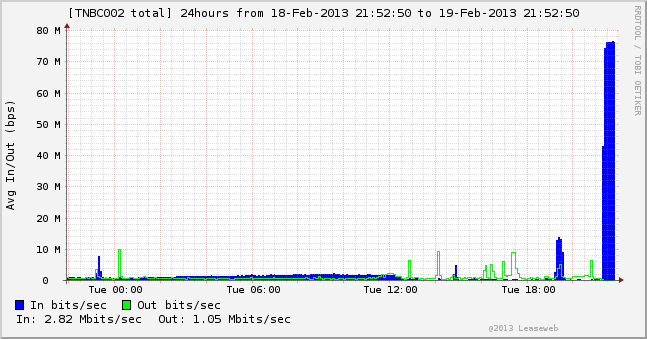
Pasquale Zinna also admitted to making a series of cash withdrawals from his joint checking account with his wife at Commerce Bank, now TD Bank, in order to avoid the bankโ€™s reporting requirement for financial transactions in excess of $10,000.

In addition to the prison term, Judge Hayden sentenced Pasquale Zinna to three years of supervised release. He was also ordered to pay $101,753 in restitution to the Social Security Administration and to forfeit $98,000 involved in the illegal financial transactions. Janeen Zinna was also held responsible for the restitution. The defendants paid these obligations in full at todayโ€™s proceeding.

Four New York men have also pleaded guilty to a wide range of fraud and other offenses stemming from their involvement in the Jersey City construction project between 2007 and 2008.

Rocco Mazzaferro, 64, of Brooklyn, New York, and Vincenzo Genovese, 75, of Staten Island, New York, pleaded guilty November 22, 2011 to conspiracy to commit wire fraud. Vincenzo Genovese also pleaded guilty to one count of conspiracy to embezzle pension benefits.

Anselmo Genovese, 44, of Staten Island, New York, pleaded guilty December 16, 2011 to two counts of making unlawful labor payments.

Eric Haynberg, 46, of New York, pleaded guilty December 16, 2011, to a superseding information charging him with misprision of the wire fraud committed by Mazzaferro and Vincenzo Genovese.

The sentencings of Mazzaferro and Vincenzo Genovese are currently scheduled for July 10, and July 12, 2012, respectively. Sentencing for Eric Haynberg is currently scheduled for June 7, 2012, and for Anselmo Genovese on July 11, 2012.

U.S. Attorney Fishman credited special agents of the FBI, under the direction of Special Agent in Charge Michael B. Ward in Newark; and Department of Laborโ€™s Office of Inspector General, Office of Labor Racketeering and Fraud Investigations, under the direction of Special Agent in Charge Robert L. Panella for the New York Region, for the investigation leading to the arrests and charges. He also thanked the IRS, under the direction of Acting Special Agent in Charge JoAnn S. Zuniga; and the SSA Office of the Inspector General, under the direction of Edward J. Ryan, New York Field Division, for their work on this case, and the U.S. Department of Labor, Employee Benefits Security Administration, for its assistance.

The government is represented by Assistant U.S. Attorney Leslie F. Schwartz of the U.S. Attorneyโ€™s Office Economic Crimes Unit in Newark.

The Producers Story – Full Movie

TOP-SECRET – NSA: PDF Redaction with Adobe Acrobat Pro X

DOWNLOAD THE ORIGINAL DOCUMENT HERE


nsa-pdf-redaction

The Untold Story of Caylee Anthony – Full Movie

TOP-SECRET – Open Source Center North Korea Unusual Threats Signal Possible Action Against South Korea

https://publicintelligence.net/wp-content/uploads/2012/06/OSC-NorthKorea-UnusualThreats.png

North Koreaโ€™s recent threat to carry out โ€œspecial actionsโ€ against the South is rare and seems intended to signal the regimeโ€™s resolve to move forward with some form of provocation. The threat, however, is unlike past warnings the regime has typically issued prior to military provocations, suggesting that the North might follow through with a move other than a conventional military attack. Significantly, some aspects of the warning appear to signal Pyongyangโ€™s commitment to follow up on the โ€œactionsโ€ in the near future.

North Korea on 23 April issued an unprecedented โ€œnoticeโ€ in the name of the Korean Peopleโ€™s Army (KPA) Supreme Command Special Operations Action Team. The toughly worded message โ€” a response to what Pyongyang apparently viewed as provocative remarks recently made by ROK President Lee Myung-bak โ€” contained an unusually vague warning against Seoul.

  • The โ€œnoticeโ€ particularly took issue with President Leeโ€™s recent comments on โ€œstrengtheningโ€ South Koreaโ€™s national โ€œself-defense capabilitiesโ€ (Yonhap, 19 April), which it characterized as an โ€œextremely grave frenzy of provocationโ€ and a โ€œtheory of strikingโ€ the Northโ€™s โ€œsupreme headquartersโ€ (Pyongyang radio, 23 April). The message stated that the Northโ€™s โ€œrevolutionary armed forcesโ€ will take โ€œspecial actionsโ€ against the โ€œgang of traitorsโ€™ recklessโ€ move, and emphasized that the โ€œactionsโ€ฆwill start soonโ€ (Pyongyang radio, 23 April).
  • This is only the second time the North has used the โ€œspecial actionsโ€ formulation to threaten President Lee in an authoritative military pronouncement. Pyongyang just five days earlier used the same threat โ€” albeit in a passive voice โ€” in an authoritative KPA Supreme Command spokesmanโ€™s โ€œstatement,โ€ which said that โ€œspecial action measures will be takenโ€ (Pyongyang radio, 18 April).
  • The โ€œnoticeโ€ also contained a figurative reference to turning the โ€œgroup of ratsโ€ โ€” referring to the ROK leadership โ€” into โ€œashesโ€ within โ€œthree to four minutesโ€ (Pyongyang radio, 23 April). The โ€œashesโ€ formulation is on the low end of the rhetorical threat spectrum. Pyongyang in recent years has issued more direct and literal formulations to threaten Seoul, particiuarly following the Chโ€™o’nan sinking.

The threat to carry out โ€œspecial actionsโ€ is ambiguous and not as definitive as warnings Pyongyang has issued in the lead-up to past military provocations, suggesting that the regime might be contemplating some form of action other than an actual military attack. The Northโ€™s typical rhetorical pattern prior to provocations is to signal in authoritative media that it has decided to act without divulging how, when, or where it will move.

  • Prior to the sinking of Chโ€™o’nan, Pyongyang issued a more direct threat in the name of an authoritative KPA General Staff spokesman stating that it โ€œwillโ€ respond to US ROK military drills with a โ€œpowerful military counteractionโ€ (Pyongyang radio, 25 February 2010). Similarly, leading up to the Yoโ€™npโ€™yoโ€™ng Island shelling, a statement by the spokesman for the North sideโ€™s delegation to North-South military talks warned that its Army โ€œwill counterโ€ the Southโ€™s provocations with a โ€œmerciless physical retaliationโ€ (KCNA, 29 October 2010).

Committing to Prompt Action

Although the recent threat was not as definitive as warnings the North issued in advance of past military provocations, the unusual use of the phrase โ€œwill start soonโ€ in combination with the unique โ€œspecial actionsโ€ formulation appears designed to signal that the regime is committed to following through with its warning.

  • Pyongyangโ€™s use of the term โ€œsoonโ€ is unusually specific and categorical. The last time the North modified its threat with this term was in a less authoritative North-South Military Talks General-Level Representative โ€œnotice,โ€ which warned that its โ€œarmy will soonโ€ take โ€œcorresponding decisive measuresโ€ in response to South Korea distributing leaflets to the North (Pyongyang radio, 10 April 2010). Unlike the most recent threat, however, this warning was preceded by a conditional phrase, which afforded the regime the flexibility to refrain from taking immediate action.
  • Further underscoring its commitment to carry out its threat, the North broadcast the KPA โ€œnoticeโ€ to both domestic and external audiences. In addition, the North Korean radio and television carried the message at least two times a day for three days following the initial announcement.

DOWNOAD THE ORIGINAL FILE HERE

OSC-NorthKorea-UnusualThreats

Mighty Derringer – TOP SECRET – U.S. Nuclear Terrorism Exercise Leaves Indianapolis in “Ruins”

https://i0.wp.com/www.gwu.edu/~nsarchiv/nukevault/ebb380/39_thumb.jpg


Washington, D.C., May 29, 2012 – A secret exercise in 1986 by a U.S. government counter-terrorist unit uncovered a host of potential problems associated with disrupting a nuclear terrorist plot in the United States. Declassified documents released under the Freedom of Information Act (FOIA) and posted today by the National Security Archive offer the first detailed public look at the inner workings of the agencies, military units and other U.S. entities responsible for protecting the country from a terrorist nuclear attack.

Today’s posting consists of over 60 documents related to MIGHTY DERRINGER, an exercise that focused on Indianapolis in December 1986. The materials provide background on the creation, in 1974-1975, of the Nuclear Emergency Search Team (NEST), a group assigned to respond to plausible threats of nuclear terrorism or extortion. Today, NEST (now the Nuclear Emergency Support Team) conducts exercises to assess its capability to respond to the possible presence of a terrorist device and test the ability of NEST and critical cooperating organizations (including military units)to work together.

While the MIGHTY DERRINGER exercise and resulting documents are over two decades old, the institutions participating in the exercise retain their roles today, and the issues confronting them in 1986 are similar to the ones that they would face in responding to a nuclear threat in 2012 (and beyond).

This posting is notable for being the first publication of documents that provide in-depth exposure into all aspects of such an exercise – including the state-of-play at key points and the array of issues involved in disabling terrorist devices. Of particular interest are references to the participation of the Joint Special Operations Command and Delta Force – mirroring the role they would have in a real-world incident. In addition, after-action reports reveal the assorted problems that can arise in coordinating the response to a nuclear terrorist threat among a large number of organizations.

* * * *

THE MIGHTY DERRINGER EXERCISE

In late January and early February 2012, members of the Department of Energy’s Nuclear Emergency Support Team (NEST) patrolled Lucas Oil Stadium as well as surrounding areas of Indianapolis as a precautionary measure in advance of Super Bowl XLVI. An initial survey to gather information on background levels of radiation was followed by an actual search for signatures associated with either a nuclear explosive device or a radiation dispersal device (a ‘dirty bomb’).1 Fortunately, none was found.

Over twenty-five years earlier, for a few days in early December 1986, NEST personnel also patrolled Indianapolis, also in search of a nuclear device. That search was triggered by an intelligence report that suggested that an Improvised Nuclear Device (IND) might have been smuggled into the city by terrorists. With the assistance of the Delta Force, U.S. personnel were able to recover and disable the device in a fictitious neighboring country; unfortunately the Indianapolis device exploded and 20 square blocks in downtown Indianapolis were completely destroyed.

As it happens, the terrorist group, the intelligence report, and the detonation were fictional – elements of a NEST exercise designated MIGHTY DERRINGER, one of a number of tests designed to anticipate and prevent the potential real-world catastrophe of a terrorist nuclear strike in a major American city. Documents published today by the National Security Archive provide newly declassified details on how the MIGHTY DERRINGER exercise unfolded and how the participants later evaluated it.

This is the most extensive set of declassified documents on any nuclear counterterrorism exercise, covering every phase of the response, from concept to critiques, and it offers valuable insights into a world that is usually hidden from public scrutiny. Among the disclosures:

ยง The role of the top secret Joint Special Operations Command’s Delta Force in carrying out the assault on the terrorist cell in the fictional country of Montrev.

ยง Descriptions of the different types of disablement techniques U.S. forces utilize – emergency destruct, standard destruction, and hard entry.

ยง Assessments of the coordination problems and different perspectives of agencies that would be involved in a real-world response.

The instruction to establish NEST, known until 2002 as the Nuclear Emergency Search Team, took the form of a November 18, 1974 memo from Maj. Gen. Ernest Graves, the Atomic Energy Commission’s assistant general manager for military application, to Mahlon Gates, the manager of the commission’s Nevada Operations Office. (Document 1). Gates was “directed and authorized” to assume responsibility for the planning and execution of field operations employing AEC radiation detection systems for the “search and identification of lost or stolen nuclear weapons and special nuclear materials, bomb threats, and radiation dispersal threats.”

Personnel for NEST would come from AEC’s nuclear weapons laboratories – Lawrence Livermore, Sandia, and Los Alamos – as well as key AEC contractors. Almost all those individuals would continue in their regular positions full-time and become part of a NEST effort when required.

What inspired Graves’ memo was an incident that had taken place in May of that year. The Federal Bureau of Investigation received a letter demanding $200,000. Failure to comply would result in the detonation of a nuclear bomb somewhere in Boston. Personnel and equipment were quickly assembled and transported to Griffiss Air Force Base in Rome, New York. But before the team could make it to the threatened city, the crisis receded when no-one came to pick up the $200,000 in phony bills left at the designated site. 2

But the incident and the difficulties involved in responding to the threat convinced senior leaders that there was a need for a dedicated capability to deal with any attempt at nuclear extortion or nuclear terrorism. From its inception, NEST devoted considerable time and effort to conducting exercises designed to allow the team to test its readiness, procedures, and equipment in a variety of scenarios. In addition, since confronting a nuclear threat would involve not only NEST but a multitude of organizations, exercises provided an opportunity to identify potential problems in interagency cooperation.

MIGHTY DERRINGER was a particularly notable exercise in exploring the organizational, governmental, and technical problems that might arise in responding to a nuclear terrorist threat. While the existence of MIGHTY DERRINGER has been reported previously, the documents obtained by the National Security Archive and posted in this briefing book provide far more detail than previously available on the scenario, results, and after-action assessments of the assorted organizations involved. Since NEST and these other government entities are still critical components of America’s counter-terrorist capability, these records are valuable for the insight they offer into how a current-day nuclear detection operation would unfold and particularly what kinds of problems might be encountered.3

The exercise took place in two locations – Camp Atterbury, Indiana, near Indianapolis, and Area A-25 of the Energy Department’s Nevada Test Site – which corresponded to the two locations involved in the exercise scenario. One of the those locations was Indianapolis while the other was the country of ‘Montrev’ – a rather transparent fictional version of Mexico (since Montrev shared a border with the United States, its capital city was ‘Montrev City’, and its primary security agency was the Directorate for Federal Security – the same as Mexico’s).

Montrev was the initial focus of the exercise, with a terrorist group commanded by “Gooch” threatening to detonate an improvised nuclear device (IND) near the country’s Bullatcha oil field. According to the scenario, terrorists had stolen the devices from a new nuclear weapons state. Eventually, the participants discovered that that there was a second nuclear device and it appeared that it was being infiltrated into the United States, possibly with Pittsburgh as a target – although it was subsequently determined that the target was Indianapolis. While U.S. forces (with Delta Force assistance) were able to recover and disable the device in Montrev, Indianapolis experienced a 1 kiloton nuclear detonation that resulted in “total devastation over a 20 square block area.” (Document 38) The scenario had originally posited a successful disarming, but the exercise controllers decided to introduce a new element.

The scenario allowed for all aspects of a possible response to a nuclear terrorist/extortionist threat to be practiced – from initial assessment of the threat to the management of the “consequences” of a detonation. The documents posted cover, with varying detail, the core aspects of a response – intelligence collection, technical and behavioral assessments, search, access/defeat of terrorist forces, recovery of a device, diagnostics, hazards and effects estimation, disablement and damage limitation, safe transportation of the device, and consequence management of a detonation. In addition, they also concern a variety of important aspects of a response – including security, command and control, communications, logistics, radiological measurement and containment, weather forecasting, public information, and interaction with local officials.

The documents also identify the large number of organizations involved in the exercise. There is NEST and the organizations that contributed members or capabilities – including Lawrence Livermore National Laboratory, Los Alamos National Laboratory, and contractor EG&G. Additional organizations whose participation is evident include the State Department, Central Intelligence Agency, Federal Bureau of Investigation, Joint Special Operations Command, Special Forces Operation Detachment – Delta (Delta Force), several military explosive ordnance disposal units (from the Army and Navy), the Federal Radiological Monitoring and Assessment Center, the Environmental Protection Agency, and the Federal Emergency Management Agency.

Beyond detailing participants and describing different aspects of the exercise and static plans, some of the documents (the ‘Sitreps’- Document 19, Document 23, Document 32) provide a more dynamic view of the state of play at various points in the exercise. In addition, the post-exercise critiques provide different individual and institutional perspectives as to either the realism of the exercise or what the exercise revealed about strengths and weaknesses of the then current U.S. ability to respond to a nuclear terrorist threat.

Thus, Vic Berkinklau, an engineer with the Atomic Energy Commission, in addition to describing MIGHTY DERRINGER as an “Excellent, well managed exercise,” had an additional eight observations which concerned subjects such as uncertainty as to the number of NEST personnel needed in Montrev, the relationship between NEST and the Explosive Ordinance Disposal (EOD) team, and the need for more detailed analysis of the consequences of a nuclear detonation in a populated area (Document 43). L.J. Wolfson of the Navy Explosive Ordnance Disposal Technical Center contributed an eight-page single-spaced analysis concerning a variety of topics, including the nuclear device, assessment and intelligence, command and control and disablement. He observed (Document 47) that “there is too great a prevalence to believe what might, and probably is, very inconclusive intelligence information” and that “the entire operation was slowed and overburdened by the number of personnel involved.”

Commenting on the terrorism phase of the exercise (Document 50), William Chambers, NEST member and site controller for the Indianapolis component of the exercise, wrote that liaison between the FBI’s Hostage Rescue Team, NEST, and EOD personnel was “excellent” but that “the joint procedures for withdrawing the HRT and survivors, securing the perimeter, and clearing access to the device need clarification.” An unattributed comment (Document 66) suggested that the Delta Force players did not appreciate the “gravity of dealing with a nuclear device.”

In the subsequent twenty-five years, NEST and other organizations concerned with nuclear terrorism have conducted a significant number of exercises – particularly following the attacks of September 11, 2001.4 However, because of its scale and scope MIGHTY DERRINGER remains one of the more notable nuclear counterterrorism exercises.

The Energy Department is keeping secret significant aspects of MIGHTY DERRINGER, but more may be learned about the exercise and the State Department’s role in it from the response to a pending request. Moreover, files on MIGHTY DERRINGER at the Ronald Reagan Presidential Library will eventually be declassified and shed light on the National Security Council’s role.

(Note: A list of abbreviations used in the documents appears below.)


READ THE DOCUMENTS

Background

Document 1: Ernest Graves, Assistant General Manager for Military Application, Atomic Energy Commission, to M.E. Gates, Nevada Operations, “Responsibility for Search and Detection Operations,” November 18, 1974. Secret.

Source: Department of Energy FOIA Release

With this memo General Graves assigned Gates and the AEC’s Nevada Operations Office responsibility for search and detection operations with respect to lost and stolen nuclear weapons and special nuclear material as well as responding to nuclear bomb and radiation dispersal threats. The memo became the basis for the creation of the Nuclear Emergency Search Team (NEST).
Document 2: Director of Central Intelligence, IIM 76-002, The Likelihood of the Acquisition of Nuclear Weapons by Terrorist Groups for Use Against the United States, January 8, 1976. Secret.

Source: CIA FOIA Release.

An interagency group of intelligence analysts explored the constraints on the exploitation of nuclear explosives, attitudes and behavior toward the United States, means of acquiring nuclear explosives, the ways in which nuclear devices might be used against the United States, and the capabilities of existing terrorist groups. While the authors considered it unlikely that the U.S. would be the target of a nuclear terrorist attack “in the next year or two,” they also noted that, in the longer term, “we would expect a corresponding erosion of the constraints against terrorist use of nuclear explosives.”
Document 3: Energy Research and Development Administration, “Nuclear Emergency Search Team (NEST),” n.d. (but 1977). Unclassified.

Source: Energy Research and Development Administration

NEST began its existence as an unacknowledged government organization, but in 1977 it was concluded that NEST would have to interact with local law enforcement and political authorities in dealing with nuclear threats, and thus its existence would need to be acknowledged. This fact sheet, distributed to the press by ERDA, was the means by which NEST’s existence was quietly announced.
Document 4: E.J. Dowdy, C.N. Henry, R.D. Hastings, S.W. France, LA-7108, Nuclear Detector Suitcase for the Nuclear Emergency Search Team, February 1978. Unclassified.

Source: Los Alamos National Laboratory


This technical paper describes one piece of equipment designed specifically for NEST personnel – a portable Neutron Detection system that could be carried in any vehicle. The paper describes the detectors, the electronics, and the operations.
Document 5: Director of Central Intelligence, NIE 6-86, The Likelihood of Nuclear Acts by Terrorist Groups, April 1986, Secret, excised copy

Source: Mandatory Review Request; release by Interagency Security Classification Appeals Panel.


This estimate examined several incentives and constraints with regard to nuclear terrorism – including the availability of nuclear information, material, and trained personnel; changing levels of protection for nuclear weapons and other sources of nuclear/radioactive material; and terrorist capabilities and motivations (including possible state support to nuclear terrorism). The authors concluded that there was only a “low to very low” probability of nuclear terrorism that involved detonation of an improvised nuclear device or nuclear weapon – or the dispersal of radioactive material in a way that would threaten mass casualties or produce widespread contamination.
 

Preparations


Document 6: William Hoover, Deputy Assistant Secretary of Energy for Defense Programs, to DCI William Casey, 23 September 1985, with CIA routing memos, Confidential

Source: CREST, National Archives II

A senior Energy Department official informed Director of Central Intelligence William J. Casey of the Department’s conclusion on the need for a large-scale nuclear exercise in the early 1987 fiscal year and requested the CIA’s participation.
Document 7: Robert B. Oakley, State Department Counter-Terrrorism Center, to Executive Secretary Nicholas Platt, MIGHTY DERRINGER Exercise Planning,” 4 April 1986, with memorandum to Vice Admiral John Poindexter attached, Confidential

Source: State Department FOIA release

This memorandum, from the head of the State Department’s Counter-Terrorism Center, along with that attached memo to the president’s national security adviser, described the level of State Department participation in MIGHTY DERRINGER.
Document 8: Peter Borg, State Department Counter-Terrorism Center, to Richard Kennedy et al., “Exercise MIGHTY DERRINGER,” 6 October 1986, Secret

Source: State Department FOIA release

A number of State Department officials were recipients of this secret memo, which informed them of the nature of MIGHTY DERRINGER, when it would take place, some requirements for the exercise to be realistic, and the State Department’s participation.
 

The Exercise


Document 9: Don McMaster, Behavioral Assessment Report/PLC, n.d. [circa 2 December 1986], Incomplete copy, Secret

Source: Energy Department FOIA release

This behavioral assessment mirrors the earliest phases of responding to an actual threat, especially trying to assess its credibility. It discusses the reliability of a source, motivations of other key figures in the terrorist group, and concludes that a credible threat exists to both the United States and ‘Montrev.’
Document 10: F.W. Jessen, Lawrence Livermore National Laboratory, “Summary Assessment,” 2 December 1986, Secret, Incomplete copy

Source: Energy Department FOIA release

This assessment, conducted at Lawrence Livermore, where much of the credibility assessment effort has been located, reports that the available information suggests that the terrorist group possesses two improvised nuclear devices but that LLNL and Los Alamos National Laboratory disagree over the technical credibility of the threat.
Document 11: “Aggregate Assessment – – One Hour – – Of Threat Message and Sketch,”

n.d., Secret, Page 1 only

Source: Energy Department FOIA release

The title of this memo indicates that a sketch of a device was included with the threat message. Technical experts had already begun to draw conclusions about the device in Montrev as well as the implications for finding a second device in the United States.
Document 12: Thomas R. Clark, Manager, Nevada Operations Office, Department of Energy, “NEST Alert Status,” 3 December 1986, Confidential, excised copy

Source: Energy Department FOIA release

This message, from a Department of Energy manager, informs NEST participants at key laboratories and contractors that NEST is on “alert.” The Department of State has received a threat and the Department of Energy has been asked to evaluate it. Other actions have been taken.
Document 13: “Security Plan for NEST Retrograde Operation, December 1986,” n.d., Secret

Source: Energy Department FOIA release

The plan described in this document notes the classification levels and types of information involved in the exercise as well as measures for the protection of cryptological matter and classified documents.
Document 14: Peter Mygatt, Exercise Mighty Derringer, “Chronological Media Play, ‘Site City,’ Beginning 12/7/86,” n.d., Secret

Source: Energy Department FOIA release

The MIGHTY DERRINGER scenario writers assumed that if it was a real-world event, part of it would be visible and covered extensively by the media. This document summarizes reports of fictional news services and television stations as well as interaction between the media and FBI and Department of Energy.
Document 15: NEST On-Scene Commander, Subject: Event Mighty Derringer Sitrep No. 1 OCONUS, Prepared at 00:15 PST on 12/06/86, Secret

Source: Energy Department FOIA release

The first Situation Report (Sitrep) of the part of the exercise that takes place in Montrev summarizes the current situation (including the number of personnel in country) as well as
the status of a variety of subjects – including command and control, intelligence, disablement, and weather.
Document 16: W. Rogers, NEST Paramedic Coordinator, to V. Withirill, N.T.S.O, “MIGHTY DERRINGER, MEDICAL EMERGECY RESPONSE,” 6 December 1986, Secret

Source: Energy Department FOIA release

This memo reports that MIGHTY DERRINGER was being conducted in area A-25 of the Nevada Test Site and would involve approximately 450 people. It focuses on “areas of responsibility โ€ฆ and those assets available” in the event of an actual medical emergency.
Document 17: “NEST Evacuation Plan,” n.d., Secret

Source: Energy Department FOIA release

This plan addresses the evacuation of NEST personnel and equipment from Montrev City in the event of a nuclear detonation at the nearby Bullatcha Refinery No. 5. It focuses on execution, logistics, and command and control.

Document 18: NEST On-Scene Coordinator/Exercise Mighty Derringer, to Director, Emergency Management Team, DOE-EDC, Washington, D.C., Event Mighty Derringer Sitrep No. 2, Prepared at 1100 PST 6 December 1986, Secret

Source: Energy Department FOIA release

This report updates the Sitrep that had been prepared just after midnight on December 6 and reports on the significant developments that had occurred during the day. It covers thirteen different topics, and provides significant details of the terrorist site in Montrev, a summary of the behavioral assessment based on communications intelligence, and an assessment of the device. It notes that a “second nuclear device may be enroute [to] CONUS” and there is no confidence that the device is one-point safe, that is, the risk of an accidental nuclear detonation had to be taken into account (to be one-point safe there must be less than 1 in one million probability of producing a nuclear yield exceeding the equivalent of 4 pounds of TNT when the high explosive inside the weapon is detonated at any single point).
Document 19: NEST On-Scene Coordinator /Exercise Mighty Derringer, to Director, Emergency Management Team, DOE-EDC, Washington, D.C., Subject: Event Mighty Derringer Sitrep No. 3, Prepared at 00:10, on 12/07/86, Secret

Source: Energy Department FOIA release

This Sitrep prepared an about one hour after Sitrep No. 2, notes that “prestaging of equipment for access has been completed.”
Document 20: Assessment/McMaster, to Standard Distribution, “IRT Intelligence Summary 061200-062400,” 7 December 1986 02:30, Secret

Source: Energy Department FOIA release

This assessment reports on attempts to determine the presence of a nuclear device at the terrorist site, the movements of the terrorist group’s leader, the weapons and equipment possessed by the group, and a conclusion regarding the capability of Montrev’s armed forces to secure the terrorist site.
Document 21: Assessment/McMaster, to Standard Distribution, “Status Montrev Forces,” 7 December 1986 05:30, Secret

Source: Energy Department FOIA release

The status of Montrev’s forces is reported in this memo, which is based on information received from the Defense Intelligence Agency. It discusses their location, vehicle lift capability, and maintenance issues.
Document 22: CN1 to All, “Mighty Derringer,” 7 December 1986 8:44, Secret

Source: Energy Department FOIA release

This memo conveys a report from the IWS news service on events in Montrev.
Document 23: NEST On-Scene Coordinator, Subject: Event Mighty Derringer, Sitrep No. 4, OCONUS, Prepared at 09:40 on 12/07/86, Secret

Source: Energy Department FOIA release

This Sitrep indicates a successful assault by forces of the Joint Special Operations Command, resulting in their control of both the north and south sites that had been under terrorist control. It reports on the status of the nuclear device and the initial implementation of the emergency disablement plan.
Document 24: Summary Assessment to Standard Distribution, “Summary Assessment,” 7 December 1986 10:30, Secret

Source: Energy Department FOIA release

The technical assessment has been entirely redacted from this document, but the operational and behavioral assessments have been released in their entirety. They note that “The adversary has set up the Montrev situation in such a way that if and when he surfaces in CONUS and makes an explicit threat and demand, he must be taken seriously.”
Document 25a: CN1 to All, “Mighty Derringer,” 7 December 1986 12:28, Secret

Document 25b: CN1 to All, “Mighty Derringer,” 7 December 1986 13:07, Secret

Document 25c: CN1 to All, “Mighty Derringer,” 7 December 1986 15:48, Secret

Source: Energy Department FOIA release

These bulletins convey various media reports of developments in Montrev, including the presence of NEST personnel.
Document 26: Assessment/F. Kloverstrom to Standard Distribution, “Results of examination of containers found in south building,” 7 December 1986 18:10, Secret

Source: Energy Department FOIA release

This memo reports on the discovery, after the assault, of two containers, which appear to contain radioactive material.
Document 27: Jim Boyer, “Suggested Procedure for Joint DOE/Montrev News Releases,” 7 December 1986, Secret

Source: Energy Department FOIA release

Among the recommendations in this short memo are obtaining input from the Montrev Ministry of Information “to get an idea of what El Presidente will approve,” developing a cover for the NEST operation, but preparing to admit NEST participation during the last phase of the operation.
Document 28: “Time Line/Event/Decision Sequence,” 8 December 1986 19:00, Secret

Source: Energy Department FOIA release

This document focuses on the essential steps in disabling the nuclear device seized in Montrev and limiting damage. Thus, it addresses access, diagnostics, disablement, damage limitation, and hazards and effects.
Document 29: “Damage Limitation Containment Implementation,”8 December 1986, Secret

Source: Energy Department FOIA release

This eight-page memo has been almost completely redacted but the opening paragraph notes the location of the Montrev device and that its location presents a “formidable problem” but that all participants reached a common conclusion for the solution.
Document 30: “Hazards and Effects Analysis Prior to Montrev Disablement,” n.d. [8 December 1986?], Secret

Source: Energy Department FOIA release

This three-paragraph memo notes that hazard predictions (involving fallout dose and exposure rates) considered a variety of possible yields, wind projections, and the vulnerability of “the small village of Taco Caliente.”
Document 31: A/I [Assessment & Intelligence] Behavioral, “Booby Traps/Tamper Proof,” n.d. [8 December 1986?], Secret

Source: Energy Department FOIA release

This assessment focuses on the likelihood that the terrorist group and its leader would have installed booby traps to prevent tampering with the nuclear device seized in Montrev. It notes the implications of the extensive anti-personnel attack defenses around the area.
Document 32: James K. Magruder, On-Scene Commander, to Director, Emergency Management Team, DOE-EOC, Washington, D.C, Event Mighty Derringer Sitrep No. 7, 8 December 1986 23:00, Secret

Source: Energy Department FOIA release

This Sitrep notes presumed deadlines for nuclear device detonation and a proposed disablement schedule, the number of personnel on site, an extensive report on current intelligence, and that an “emergency destruct plan has been prepared.”
Document 33: Assessment & Intelligence/F. Jessen to Standard Distribution, “A&I Summary/8 December 2130,” 8 December 1986, Secret

Source: Energy Department FOIA release

This assessment notes the credibility of a threat message claiming the existence of a second nuclear device based on experimental measurements of the device seized in Montrev. The memo’s contents suggest a U.S. target for the second device.
Document 34: J.A. Morgan, Disablement Team Leader, to On-Scene Commander, “Disablement Plan,” 9 December 1986, Secret

Source: Energy Department FOIA release

The memo includes a computer sketch of the terrorist nuclear device and the disablement method, as well as the reentry and evacuation plans – all of which have been redacted.
Document 35: “Exercise Mighty Derringer Post-Event Plan to Safe and Remove the Device,” circa 9 December 1986, Secret

Source: Energy Department FOIA release

This heavily-redacted memo covers four topics – the situation, mission, execution, and administration and logistics. The released portion notes that disablement action had been completed and that an intact physics package had been recovered.
Document 36: “NEST Demobilization Plan,” 10 December 1986, Secret

Source: Energy Department FOIA release

This memo marks plans for the ending the exercise – specifying the responsibilities of the individual organizations, procedures for transportation to the airport and the loading of aircraft, and command and control.
Document 37: Assessment/M. Miron, to Standard Distribution, “Resemblance of Montrev Device to Tahoe Bomb,” 9 December 1986 20:35, Secret

Source: Energy Department FOIA release

In 1980, a sophisticated improvised (non-nuclear) explosive device placed at Harvey’s Wagon Wheel Casino did substantial damage when disablement efforts failed. The memo suggests that publicly available information about the device may have been employed to construct the Montrev device.
Document 38: Cal Wood, Livermore National Laboratory, to Bob Nelson, Controller Team Leader, “Preliminary Evaluation of Players’ Device Estimate,” 10 December 1986, Secret

Source: Energy Department FOIA release

This heavily redacted memo notes that “the diagnostic techniques used by the team produced a rather good estimate of both the materials present and their configuration.”
Document 39: Director FEMA to National Security Council, “Situation Report on MONTREV/Indianapolis Terrorist Situation,” 11 December 1986 17:00 EST, Secret

Source: Energy Department FOIA release

The FEMA director begins with the observation that “At 0700, 11 December 1986, a nuclear detonation occurred in the City of Indianapolis” devastating 20 square blocks. He does not describe the type of damage produced, for example, whether the detonation led to any fires, or the extent to which it caused local fallout hazards. The FEMA director then describes the consequence management phase of the exercise, including involvement of state and federal authorities and agencies.
 

Critiques

Document 40: Carl Henry, Los Alamos National Laboratory, “Mighty Derringer Report,” 2 February 1987, enclosing comments by Ray D. Duncan, n.d., Secret

Source: Energy Department FOIA release

Some weeks after the exercise, Los Alamos official Carl Henry sent a large package of commentary on MIGHTY DERRINGER, which is presented below, piece by piece, except for the critique by Ray D. Duncan,which is attached to the Henry memorandum. Duncan, a manager at the Nevada Test Site, produced an extensive review which raised a number of issues, including the “unusual challenges” MIGHTY DERRINGER raised for NEST if it was ever deployed to a foreign country for a “covert operation.” Perhaps some incident during the exercise led him to the recommendation for educational training for Delta Force and the Joint Special Operations Command so that their members “understand the potential consequences of moving or unintentionally shooting an IND [improvised nuclear device].”
Document 41: Untitled, unattributed document, Secret, incomplete

Source: Energy Department FOIA release

This critique gives some detail on how the NEST group entered Montrev during the crisis. The State Department had created an approved access list and a simulated Montrev consulate processed the players when they entered the country. When players realized that they had forgotten some equipment, they were easily able to retrieve it as it was only 65 miles away. The commentator noted that in a “real world situation, the NEST contingent could be thousands of miles away from necessary equipment or supplies.”
Document 42: Eric Schuld to Bob Nelson, “Comments on Mighty Derringer – OCONUS Issues,” n.d., Secret

Source: Energy Department FOIA release

Schuld listed issues brought up by the “Outside Continental United States” exercise. For example, the JSOC solved its problem through a “quick assault” that created problems for other organizations in the exercise.
Document 43: Vic Berniklau to Bob Nelson, “Issues/Major Observations/Lessons Learned,” n.d., Secret

Source: Energy Department FOIA release

Like many of the commentators, Berniklau saw the exercise as “excellent” and “well managed,” but he raised problems that others also brought up, such as fragmentation of information and “confusion.”
Document 44: T.T. Scolman, Comments, n.d., Secret

Source: Energy Department FOIA release

Scolman, whose role was “Commander for Science,” also saw an information management problem and pointed to other concerns, such as lack of support staff.
Document 45: Richard F. Smale, HSE, to Carl Henry/Bill Chambers, “First Impressions: Mighty Derringer: Consequence Phase,” n.d., Classification unknown

Source: Energy Department FOIA release

The “consequence phase” referred to the aftermath of the nuclear detonation in Indianapolis. Smale saw “great things” in the exercise, such as its technical organization, but he pointed to concerns such as the failure to present information that would be accessible to a non-technical audience and the lack of time to “develop good fallout plots.”
Document 46: L J. O’Neill, “Exercise Impressions,” 9 December 1986, Secret

Source: Energy Department FOIA release

O’Neill was impressed by the participation of “foreign speaking actors” which helped the participants to enter “wholeheartedly into the play.”
Document 47: L.J. Wolfson to R. Nelson, “Exercise Mighty Derringer,” 10 December 1986, Classificaion unknown, excised copy

Source: Energy Department FOIA release

Like O’Neill, Wolfson pointed to the “good actor play,” especially by the actor who had the role of Montrev’s “El General.” Nevertheless, he argued that “too many people” slowed down the operation.
Document 48: William Nelson, Mighty Derringer Washington Controller, to Captain Ronald St. Martin, National Security Council, “Mighty Derringer Meeting at FBI Headquarters, 12 December 1986, Classification unknown

Source: Energy Department FOIA release

The discussion at FBI headquarters on organizational issues produced a consensus on the need for a White House-designated “leader,” possibly at the cabinet level, responsible for managing post-nuclear disaster recovery activities.
Document 49: Kathy S. Gant, Emergency Technology Program, Oak Ridge National Laboratory, to William Chambers, Los Alamos National Laboratory, 17 December 1986, enclosing “Comments on Exercise Mighty Derringer,” 18 December 1986, Classification unknown

Source: Energy Department FOIA release

Seeing a need for better integration of the consequences phase into MIGHTY DERRINGER, Gant emphasized the need for state and local actors to play a stronger role in such exercises to give them greater realism. Her discussion of the Federal Radiological Response Plan led to a recommendation that NEST staffers play a role in post-incident field monitoring of radiation hazards because they would be the “first available federal personnel.”
Document 50: William H. Chambers, CONUS Site Controller, to Carl Henry, Chief Controller, “‘Quick Look,’ Report, Mighty Derringer CONUS,” 19 December 1986, Secret

Source: Energy Department FOIA release

Chambers provided some detail on the role of the Indianapolis nuclear detonation in MIGHTY DERRINGER. According to the script, the device had been “rendered-safe,” but the exercise leaders “deviated” from the script by improvising a “simulated nuclear detonation.”
Document 51: Zolin Burson, EG&G Energy Measurements, to Carl Henry, 29 December 1986, Secret

Source: Energy Department FOIA release

Like Gant, Burson pointed to the need for more involvement by state and local actors in such exercises, suggesting that “if the real Governor and Mayor” had been present, “they would have had a much stronger influence.”
Document 52: Richard F. Smale, Associate Group Leader, to Jesse Aragon, HSE Division Leader, “Trip Report December 7 to 13, Camp Atterbury (Indianapolis), Indiana,” 7 January 1987, Secret

Source: Energy Department FOIA release

Smale provides more detail on the role of nuclear devices in the exercise scenario, noting that “terrorists had stolen two โ€ฆ from a developing nuclear capable country.” He also observed that “when control of the device had been obtained, the NEST scientists could have disabled it.”
Document 53: Thomas S. Dahlstrom, EG&G Measurements, to William H. Chambers, Carl Henry, and Norm Bailey, “Mighty Derringer Observations,” 13 January 1987, Classification unknown, excised copy

Source: Energy Department FOIA release

After noting that his “overall reaction” was “quite positive,” Dahlstrom believed that “confusion” emanated from a basic problem: the players did “not comprehend the complexity of an OCONUS deployment – specifically how the State Department controls the matter.”
Document 54: F. Jessen/LLNL to G. Allen and W. Adams/NVO, “Mighty Derringer Critique,” 16 December 1986, Rev[ised] 13 January 1987, Secret, excised copy

Source: Energy Department FOIA release

Jessen pointed to a number of problems, for example, that “many of the participating agencies were not serious players,” the “unrealistic background information” on the “fictitious” countries and people, “bad guidance on the use of existing proliferant country data,” and failure to recognize that “information to be assessed related to intelligence reports of a nuclear terrorist threat.” Especially disturbing was the relocation of the command post to a “safe location,” while NEST personnel were not notified”: “the blatant lack of concern for [their] safety โ€ฆ is inexcusable.”
Document 55: Julie A. Orcutt/HSE, Los Alamos National Laboratory, to Jesse Aragon, HSE Division Leader, “Trip Report: Mighty Derringer Exercise, Montrev Site,” 13 January 1987, Secret

Source: Energy Department FOIA release

During the exercise, the on-scene commander at Indianapolis had decided against building a “containment structure” to prevent the spread of hazardous material because of the risks. That meant, however, that plutonium would be scattered about which presented dangers of “lung doses.” Los Alamos staffer Julie Orcutt recommended the provision of more anti-contamination equipment, such as foam mitigation, to reduce dangers to officials entering the blast area.
Document 56: J. Doyle to Gylan C. Allen, “EG&G Comments for Mighty Derringer,” 14 January 1987, Classification unknown, excised, incomplete copy

Source: Energy Department FOIA release

Noting that the exercise provided “very valuable training,” Doyle saw such problems as the “sheer magnitude” in numbers of players, cramped space, and inadequate communications staffing.
Document 57: G.C. Allen, USDOE/NVO, “Mighty Derringer: Comments and Observations,” 15 January 15, 1987, Classification unknown, excised copy

Source: Energy Department FOIA release

Among the shortcomings cited in Allen’s rather critical evaluation were poor communications and weaknesses in interagency coordination.
Document 58: William E. Nelson, Emergency Response, Lawrence Livermore National Laboratory, to Carl Henry, Los Alamos National Laboratory, “‘Quick Look,’ Report, Mighty Derringer,” 21 January 1987, Secret, excised copy

Source: Energy Department FOIA release

Jumping the gun was a weakness cited in Nelson’s critique: players “did not wait for establishment of credibility before acting,” which made a “shambles of an orderly assessment of information.” He also observed that NEST search team “escorts” needed “experience in covert operations” to “prevent inadvertent acts that would alert terrorists.” Nelson’s report included a number of observations made by other participants.
Document 59: J. Strickfadden, LANL, to Bob Nelson, “Mighty Derringer Comments,” n.d., Secret
Source: Energy Department FOIA release

The overall positive evaluation – the “most realistic exercise ever conducted by the NEST community” – included some criticisms, such as “chaotic” operations at the Working Point [WP] and a shambolic state of affairs at the “reentry” point (detonation zone).
Document 60: Milt Madsen (Monitor) to Bob Nelson, “Mighty Derringer Observations,” n.d., Secret, excised, incomplete copy

Source: Energy Department FOIA release

Madsen’s comments included suggestions for future improvements in NEST’s organization: for example, to avoid fragmented committee operations, NEST needed a technical program manager.
Document 61: Peter Mygatt, “Mighty Derringer – Media Play Report,” n.d., Secret

Source: Energy Department FOIA release

Energy Department spokesperson Mygatt’s evaluation of the player’s management of the media was generally positive, although he saw a few failings, e.g., the Joint Information Center never called a news conference, “which is unheard of in an emergency.”.
Document 62: Walter Nervik, Senior Command Controller, to Robert M. Nelson, Exercise Mighty Derringer Controller, “Lessons Learned,” n.d., Secret

Source: Energy Department FOIA release

An official at Lawrence Livermore Laboratory, Nervik wondered who would provide security after JSOC operatives attacked the terrorists in an overseas environment. Special forces personnel would leave the scene but the NEST would still need security resources.
Document 63: Walter Nervik to Bob Nelson, “Lessons Learned,” n.d., Secret

Source: Energy Department FOIA release

Nervik was critical in another evaluation: the NEST team was far too large, players were complacent about a nuclear threat, there were no “penalties” for making a mistake, and playing conditions were “unreal.” With respect to the latter point, the fact that the Montrev phase of the exercise occurred on U.S.-controlled territory, (the Nevada Test Site), “severely limits the stress placed on players in unfamiliar surroundings, dealing with strangers, and relying on untested sources of support.” Nervik also saw a danger that participants would see exercises as “more of a game than a serious test of all facets of the NEST capabilities.”
Document 64: Jack Campbell, Public Information, to Robert M. Nelson, Exercise Mighty Derringer Controller, n.d., Secret

Source: Energy Department FOIA release

Campbell pointed to a weakness: higher level officials did not really “play.” For example, after the JSOC assault, the State Department left Montrev, even though “lives of American correspondents were in jeopardy.” Another surprise was that the Department of Energy NEST team did not establish a “public affairs” function, although in real life such a group would be highly active.
Document 65: “Mighty Derringer 86,” unattributed, n.d., Secret, excised copy

Source: Energy Department FOIA release

These handwritten notes raised several issues, such as the interaction between EOD and the Delta force players and the impact of the “play” in the United States on decisions in the OCONUS (Montrev) activity. One impact was that a “risky” disablement option was taken in Montrev in order to preserve evidence to help raise the chance for a successful operation in “site city” (Indianapolis).
Document 66: “Mighty Derringer,” unattributed, n.d., Secret, excised copy

Source: Energy Department FOIA release

Handwritten notes by another player raised basic organizational issues. The absence of a “chain of command” prior to the deployment made it unclear who EOD worked for. A serious concern was that the Delta Force players did not appreciate the “gravity of dealing with a nuclear device,” an issue suggested by other reports (see document 41).
Document 67: “Mighty Derringer Search Planning,” unattributed, n.d., Secret, excised copy

Source: Energy Department FOIA release

This document provides a review of organizational arrangements established for the device search in Indianapolis.
Document 68: “Communications Observations (Site City),” unattributed, n.d., Classification unknown

Source: Energy Department FOIA release

This review of communications systems concluded that this was the “best NEST communications exercise that I have observed.”
Document 69: Second page of fax to Carl Henry, unattributed document, n.d., Classification unknown

Source: Energy Department FOIA release

This critique points to operational security (OPSEC) as the “real” problem, noting that players had organizational logos on their clothing and that “loose talk” in hotels and bars was “particularly bad.”


ABBREVIATIONS

CONUS Continental United States

EG&G Edgerton, Germeshausen, and Grier

EOC Emergency Operations Center

EOD Explosive Ordnance Disposal

EODTECHCTR Explosive Ordnance Disposal Technical Center (Navy)

ERDA Energy Research and Development Administration

EST Emergency Support Team

FBI Federal Bureau of Investigation

FCP Forward Control Point

FEMA Federal Emergency Management Agency

FRMAC Federal Radiation Monitoring Assessment Center

HRT Hostage Response Team

IND Improved Nuclear Device

JNACC Joint Nuclear Accident Coordination Center

JSOC Joint Special Operations Command

LANL Los Alamos National Laboratory

LLNL Lawrence Livermore National Laboratory

NEST Nuclear Emergency Search Team

NVO Nevada Operations Office

OCONUS Outside the Continental United States

OSC On-Scene Commander

REECo Reynolds Electrical Engineering Corporation

SAC Special-Agent-in Charge (FBI)

SFOD Special Forces Operational Detachment – Delta

SITREP Situation Report

TOC Tactical Operations Center

WP Working Point

Former Jersey City Construction Project Superintendent Sentenced to Prison for Social Security Disability Scam

NEWARKโ€”The former project superintendent on a Jersey City, New Jersey high-rise construction project was sentenced today to six months in prison and six months of home confinement for a scheme in which he hid his employment so he could continue to receive Social Security disability payments, U.S. Attorney Paul J. Fishman announced.

Pasquale Zinna, 44, of Hackettstown, New Jersey, previously pleaded guilty to two counts of the indictment against him: Social Security disability fraud and structuring financial transactions. His wife, Janeen Zinna, 43, was also sentenced todayโ€”to two yearsโ€™ probation with the special condition of 100 hours of community service. She previously pleaded guilty to a superseding information charging her with misprision of her husbandโ€™s Social Security fraud. U.S. District Court Judge Katharine S. Hayden imposed the sentences today in Newark federal court.

According to documents filed in this case and statements made in court:

In 1999, Pasquale Zinna filed an application for disability insurance benefits with the Social Security Administration (SSA), claiming that, as of March 15, 1996, he was disabled and unable to work due to a back injury. By filing the application, Pasquale Zinna agreed to notify the SSA if there was any improvement in his medical condition or if he regained the ability to work.

Beginning in September 2005, Pasquale Zinna was the project superintendent for 160 Broadway Concrete, a sub-contractor at the high-rise construction project at 77 Hudson Street in Jersey City. He failed to report his return to work to Social Security and concealed his employment at Broadway Concrete by having his paychecks issued to him in the names of other individuals, including his wife. Janeen Zinna admitted during her guilty plea that she filed a joint federal income tax return with her husband for 2007 which claimed income received from Broadway Concrete was for work she performed.

Pasquale Zinna also admitted to making a series of cash withdrawals from his joint checking account with his wife at Commerce Bank, now TD Bank, in order to avoid the bankโ€™s reporting requirement for financial transactions in excess of $10,000.

In addition to the prison term, Judge Hayden sentenced Pasquale Zinna to three years of supervised release. He was also ordered to pay $101,753 in restitution to the Social Security Administration and to forfeit $98,000 involved in the illegal financial transactions. Janeen Zinna was also held responsible for the restitution. The defendants paid these obligations in full at todayโ€™s proceeding.

Four New York men have also pleaded guilty to a wide range of fraud and other offenses stemming from their involvement in the Jersey City construction project between 2007 and 2008.

Rocco Mazzaferro, 64, of Brooklyn, New York, and Vincenzo Genovese, 75, of Staten Island, New York, pleaded guilty November 22, 2011 to conspiracy to commit wire fraud. Vincenzo Genovese also pleaded guilty to one count of conspiracy to embezzle pension benefits.

Anselmo Genovese, 44, of Staten Island, New York, pleaded guilty December 16, 2011 to two counts of making unlawful labor payments.

Eric Haynberg, 46, of New York, pleaded guilty December 16, 2011, to a superseding information charging him with misprision of the wire fraud committed by Mazzaferro and Vincenzo Genovese.

The sentencings of Mazzaferro and Vincenzo Genovese are currently scheduled for July 10, and July 12, 2012, respectively. Sentencing for Eric Haynberg is currently scheduled for June 7, 2012, and for Anselmo Genovese on July 11, 2012.

U.S. Attorney Fishman credited special agents of the FBI, under the direction of Special Agent in Charge Michael B. Ward in Newark; and Department of Laborโ€™s Office of Inspector General, Office of Labor Racketeering and Fraud Investigations, under the direction of Special Agent in Charge Robert L. Panella for the New York Region, for the investigation leading to the arrests and charges. He also thanked the IRS, under the direction of Acting Special Agent in Charge JoAnn S. Zuniga; and the SSA Office of the Inspector General, under the direction of Edward J. Ryan, New York Field Division, for their work on this case, and the U.S. Department of Labor, Employee Benefits Security Administration, for its assistance.

The government is represented by Assistant U.S. Attorney Leslie F. Schwartz of the U.S. Attorneyโ€™s Office Economic Crimes Unit in Newark.

The Whole Truth – Full Movie

TOP-SECRET – NSA: Apple iOS5 Devices Security Configuration

DOWNLOAD THE ORIGINAL FILE HERE

apple-ios5-sec