In recent weeks, Europe has witnessed a sharp rise in antisemitic incidents targeting Jewish institutions. Belgian authorities have responded by deploying soldiers to protect synagogues and Jewish schools in Antwerp and Brussels, working alongside federal police. Defence Minister Theo Francken stated: “From today we’re putting soldiers back on the streets in Brussels and Antwerp because safety is a basic right.” The deployment covers approximately 20 synagogues and several Jewish schools, particularly in Antwerp, home to Belgium’s largest Jewish community (around 30,000 people, including Europe’s biggest Hasidic population outside Israel).
This is the second major deployment of troops for Jewish site protection in recent years and follows a series of attacks:
March 9, 2026: Improvised explosive device detonated outside a synagogue in Liège, Belgium (minor damage, no injuries; classified as antisemitic).
March 13: Arson attack on a synagogue in Rotterdam, Netherlands.
March 14: Explosion at a Jewish school in Amsterdam.
Additional incidents reported in Amsterdam and a car torched in a Jewish neighborhood in Antwerp on March 24 (two minors arrested in connection with the suspected antisemitic arson).
A group claiming responsibility for several attacks also referenced an incident involving Jewish ambulances in London.
A previously unknown group calling itself Harakat Ashab al-Yamin al-Islamia (HAYI, “Islamic Movement of the Companions of the Right”) has claimed many of these incidents via videos disseminated on Telegram channels linked to pro-Iranian Shia militias (such as Asaib Ahl al-Haq). The claims began shortly after U.S.-Israeli strikes on Iran in late February 2026. Western analysts, including the International Centre for Counter-Terrorism (ICCT), note hybrid-threat indicators and possible Iranian involvement, though direct state links remain under investigation. Attacks have so far caused property damage rather than casualties, but authorities treat them as intentional intimidation.
Ideological Context: Eliminationist Rhetoric
Iranian state media and public displays have long featured antisemitic content, including Holocaust denial and glorification of figures associated with Nazi ideology. Reports have highlighted billboards in Iran quoting Adolf Hitler in contexts justifying control or elimination of perceived enemies. While such propaganda is not new, its timing alongside the current wave of incidents raises questions about ideological influence on proxy actors.
Proxy Networks and the Crime-Terror Nexus
Security services have warned of increased Iranian-backed hybrid threats targeting Jewish and Israeli sites in Europe since the escalation with Iran. The IRGC’s Quds Force has historically coordinated with proxies such as Hezbollah. In Europe, a pattern has emerged of outsourcing lower-level attacks to local criminal networks or individuals (sometimes teenagers recruited via social media) rather than deploying trained operatives. This creates plausible deniability while amplifying fear through rapid online claims.
Hezbollah Financing Streams – The Antwerp Diamond Connection
Antwerp has long been a global diamond trading hub with a history of opacity that has attracted scrutiny. Lebanese diaspora networks have been involved in the trade for decades. U.S. Treasury designations (notably in 2019 and 2023) targeted individuals and companies linked to Hezbollah financing, including Nazem Said Ahmad, a Belgian-Lebanese dual citizen accused of sanctions evasion through diamonds, gems, art, and luxury goods. Associated entities operated in Antwerp (e.g., companies like M.S.D. and Helics Gemb BVBA were flagged in sanctions actions). These networks allegedly moved funds benefiting Hezbollah’s operational capabilities. While many designations date to 2019–2023, analysts note that such financing methods can persist or adapt through third countries and alternative assets.
The overlap of Antwerp’s diamond district with its prominent Jewish community creates a dual dynamic: historical financing routes and current security concerns.
Broader Implications
The return of armed soldiers to guard Jewish sites in European cities underscores the seriousness with which authorities view the threat. Belgian officials have emphasized that the measures protect a vulnerable community and uphold societal values against antisemitism. Similar concerns have been raised across Europe amid the Iran-related tensions.
This situation reflects longstanding challenges: state-sponsored propaganda, hybrid proxy operations, and illicit financing networks that can sustain militant activities. Independent verification of all links continues, and law enforcement in Belgium, the Netherlands, and the UK are actively investigating the incidents and claims.
For deeper source material, official statements, and ongoing monitoring, refer to reports from Reuters, ICCT, U.S. Treasury OFAC designations, and Belgian government announcements.
Note: This is a public summary drawn from open-source reporting as of March 24, 2026. Investigations are ongoing; readers should consult primary sources and official updates for the latest developments.
Stay informed. Antisemitism has no place in Europe or anywhere else.
Bernd Pulch — Bio
Bernd Pulch (M.A.) is a forensic expert, founder of Aristotle AI, entrepreneur, political commentator, satirist, and investigative journalist covering lawfare, media control, investment, real estate, and geopolitics. His work examines how legal systems are weaponized, how capital flows shape policy, how artificial intelligence concentrates power, and what democracy loses when courts and markets become battlefields. Active in the German and international media landscape, his analyses appear regularly on this platform.
TOP SECRET Report Implicates Rwanda’s President in War Crimes: The Leaked Special Investigations Summary
DocumentCloud Publication Reveals Secret UN Investigation into RPF Atrocities
Published on DocumentCloud | Originally marked: TOP SECRET
Overview
A highly classified document recently published on DocumentCloud titled “TOP SECRET Special Investigations Summary Report of RPF Crimes, With Targets” has brought renewed attention to one of the most sensitive investigations in modern African history. The report contains evidence from secret United Nations investigations into war crimes allegedly committed by the Rwanda Patriotic Front (RPF)—the rebel movement that stopped the 1994 genocide against Tutsis but stands accused of committing its own atrocities against Hutu civilians during and after the conflict.
What is the RPF?
The Rwanda Patriotic Front (RPF) was a rebel army formed by Tutsi refugees who had been exiled from Rwanda for decades. In 1990, the RPF invaded Rwanda from Uganda, sparking a civil war that culminated in the 1994 genocide. When the genocide began in April 1994, the RPF resumed its offensive and defeated the Hutu-led government by July 1994, effectively stopping the genocide against Tutsis.
However, victory came with allegations of serious crimes. The RPF, now transformed into Rwanda’s ruling party with Paul Kagame as president, has faced persistent accusations that its soldiers committed massacres of Hutu civilians during their advance and in the years following their takeover.
The Secret Investigation
According to former International Criminal Tribunal for Rwanda (ICTR) Prosecutor Carla Del Ponte, the UN opened a “secret” investigation into RPF crimes as early as 2000. In her book “The Hunt: Me and My War Criminals,” Del Ponte revealed that her office collected evidence on 13 episodes in 1994 where RPF members allegedly massacred civilians as their troops advanced through Rwanda .
The investigation faced enormous obstacles:
Rwandan authorities reportedly controlled every stage of the investigation
The Rwandan intelligence service had received monitoring equipment from the United States, allowing them to intercept phone calls, faxes, and internet communications
There were suspicions that Rwandan agents had infiltrated the UN’s computer network and placed operatives among interpreters and team members in Kigali
On December 9, 2000, Del Ponte personally informed President Kagame that the prosecutor’s office had opened a case against him concerning allegations of war crimes committed by the RPF. According to Del Ponte, Kagame neither approved nor denied that these incidents had taken place .
What the TOP SECRET Report Contains
While the full contents of the DocumentCloud publication remain classified, investigative reports from Black Agenda Report and Mail & Guardian have revealed shocking testimony from former RPF soldiers included in UN investigative files :
Methods of Killing
Investigators documented brutal methods used by RPF soldiers:
Strangulation with cords
Smothering with plastic bags
Pouring burning plastic on victims’ skin
Hacking with hoes and bayonets
Mass graves and burning bodies
Scale of Atrocities
One RPF soldier who served in the northwestern region near Ruhengeri testified that his unit’s purpose was to “kill the enemy and bury or burn their corpses.” The soldier claimed his unit alone may have killed up to 100,000 people, averaging 150-200 people per day .
The soldier stated: “The goal of our group was to kill Hutus. That included women and children… People were killed with a cord [around their neck], a plastic bag [over their head], a hammer, a knife, or with traditional weapons [machete, panga].”
Systematic Ethnic Cleansing
Multiple former soldiers testified that as soon as the RPF seized an area—referred to as a “liberated zone”—Hutus living there were systematically slaughtered. One soldier explained: “The [RPF] was convinced that Hutus were uncontrollable, so it was better to get rid of them. That’s why a systematic ethnic cleansing was organised in these ‘liberated zones’.”
Tactics included:
Organizing murderous attacks where hundreds of Hutu peasants were killed
Spreading rumors about imminent attacks to cause peasants to flee
Attacking before the genocide in northern Rwanda in 1993
The Gersony Report Connection
The allegations in this TOP SECRET report echo findings from the infamous Gersony Report—a UN investigation led by American consultant Robert Gersony in 1994. Gersony was tasked with developing a strategy for refugee return but instead discovered evidence of systematic RPF killings of Hutu civilians.
The report concluded that the RPF had organized systematic killings of Hutus in retaliation for the genocide against Tutsis and suggested these killings could amount to genocide . However, the Gersony Report was never officially published by the UN, and its existence was initially denied—though its authenticity is now beyond doubt.
Why This Matters Today
Justice Denied?
Despite the extensive evidence collected by UN investigators, no senior RPF official has ever been prosecuted by the ICTR for crimes committed in 1994. The tribunal’s mandate was limited to prosecuting genocide and crimes against humanity committed during the genocide, effectively shielding the RPF from accountability for crimes committed during their military campaign.
Kagame’s International Standing
President Paul Kagame remains a celebrated figure in international circles, praised for Rwanda’s economic development and women’s rights advances. However, this TOP SECRET report and related investigations suggest a more complex legacy—one that includes credible allegations of war crimes and crimes against humanity that have never been fully investigated or prosecuted.
The Cost of Impunity
Human rights organizations have long argued that the failure to hold the RPF accountable has contributed to ongoing instability in the Great Lakes region. The RPF’s alleged crimes in Rwanda were followed by military interventions in the Democratic Republic of Congo (DRC), where Rwandan forces have been accused of committing further atrocities and exploiting the country’s mineral resources.
Document Significance
The publication of this TOP SECRET Special Investigations Summary Report on DocumentCloud represents a critical piece of historical evidence. It demonstrates:
The UN knew about RPF crimes but was politically constrained from acting
Evidence was systematically collected but never led to prosecutions
Witnesses came forward at great personal risk to testify about atrocities
The international community chose stability over accountability in post-genocide Rwanda
Conclusion
The TOP SECRET report on DocumentCloud serves as a stark reminder that in the aftermath of the 1994 Rwandan genocide—a crime that killed approximately 800,000 Tutsis and moderate Hutus in 100 days—the victors were not innocent. The RPF’s role in stopping the genocide has rightfully earned them a place in history, but the allegations contained in this secret investigation suggest that their campaign was accompanied by atrocities that demand acknowledgment and accountability.
As one former RPF soldier testified: “We killed many people, maybe 100,000.” Whether these numbers are accurate, and whether justice will ever be served for these crimes, remains one of the most troubling unanswered questions of the Rwandan genocide and its aftermath.
This article is based on investigative reporting and publicly available documents. The allegations contained in the TOP SECRET report remain contested by the Rwandan government.
Bernd Pulch (M.A.) is a forensic expert, founder of Aristotle AI, entrepreneur, political commentator, satirist, and investigative journalist covering lawfare, media control, investment, real estate, and geopolitics. His work examines how legal systems are weaponized, how capital flows shape policy, how artificial intelligence concentrates power, and what democracy loses when courts and markets become battlefields.
NAZI DARK DATA: The Hidden Networks That Never Surrendered
THE SHADOW INFRASTRUCTURE – UNCOVERING THE GLOBAL NAZI “DARK DATA”
IN MEMORIAM: THE ARCHITECTS OF RETRIBUTION
To the Hunters, the Catalyst, the Chronicler, and the Captive.
This work is dedicated to those who pierced the Shadow Infrastructure—the men who transformed the “Dark Data” of a vanishing regime into a platform for global justice. We honor the four pillars of the Eichmann case:
To Fritz Bauer: The uncompromising catalyst. A man of the law who recognized that justice required the betrayal of a silent state. He chose the path of the “outsider” within his own country to ensure that the truth could no longer be suppressed.
To Simon Wiesenthal: The eternal chronicler and conscience. Through decades of painstaking documentation, he ensured that the world would not forget. He proved that memory is a forensic tool, and that the names of the guilty must be kept in the light until the end.
To the Operatives of the Mossad: The sword of the hunt. Those who operated in the silence of the night in Buenos Aires, executing the ultimate syllogism of justice: that no distance and no “Ratline” can offer permanent sanctuary.
To the Legacy of the Adolf Eichmann Trial: A final accounting that stripped away the mask of the “banality of evil,” proving that every cog in the shadow machinery is ultimately accountable to history.
“Justice, not vengeance.” > — Simon Wiesenthal
“When I go out of my house, I step into enemy territory.” > — Fritz Bauer
Dedicated by BP Research | Aristoteles Intelligence EngineUncovering the Global Nazi “Dark Data” – Because Silence is Complicity.
Aristoteles Verification: This analysis was cross-referenced with 120,000+ internal assets. The “Pillar Correlation” was identified through forensic pattern recognition of declassified archival signatures.
The fall of the Third Reich in 1945 did not mark the end of its influence. Beyond the courtroom dramas of Nuremberg lay a vast, hidden system of escape, finance, and secrecy that allowed the Nazi regime to survive in the shadows. This shadow infrastructure was built on what we term Nazi “dark data”—the deliberately obscured or uncatalogued networks of personnel, wealth, and documents that facilitated the global persistence of Nazi ideology and operations long after the war.
This BP Research intelligence report examines the three pillars of this dark data, revealing a chilling legacy of evasion, complicity, and unanswered history.
📊 THE THREE PILLARS OF NAZI DARK DATA
What were the three hidden pillars that allowed Nazi networks to survive after WWII? This video breaks down the systems of Personnel escape (Ratlines), Financial concealment (Nazi Gold), and Archival suppression—revealing how the regime lived on in the shadows. A BP Research forensic analysis, cross-referenced with 120,000+ sources.
BP Research Synthesis | Powered by Aristoteles Engine
In Memoriam: The Architects of Retribution
To Fritz Bauer: The uncompromising catalyst. A man of the law who recognized that justice required the betrayal of a silent state.
To Simon Wiesenthal: The eternal chronicler and conscience. He proved that memory is a forensic tool.
To the Operatives of the Mossad: The sword of the hunt. For proving that no “Ratline” is beyond the reach of justice.
To the Legacy of the Adolf Eichmann Trial: A final accounting that stripped away the mask of the “banality of evil.”
“Justice, not vengeance.” – Simon Wiesenthal
“When I go out of my house, I step into enemy territory.” – Fritz Bauer
The fall of the Third Reich in 1945 did not mark the end of its influence. This shadow infrastructure was built on what we term Nazi “dark data”—the deliberately obscured networks of personnel, wealth, and documents that facilitated the global persistence of Nazi operations long after the war.
Pillar
Primary Manifestation
Global Implication
Personnel
The Ratlines & ODESSA network.
Thousands rebuilt lives in South America.
Financial
Nazi Gold & Swiss accounts.
Funded escape networks and sustained ideological cells.
Archival
OSS/CIA & Arolsen Archives.
Concealed the full scope of Cold War complicity.
🔗 PERSONNEL: THE RATLINES
Highly organized pipelines channeled SS and Gestapo personnel to South America, relying on deep institutional complicity within neutral organizations and states.
💰 FINANCIAL: THE HIDDEN ECONOMY
Systematically looted wealth was transferred to neutral nations, strategically invested to secure political protection and ensure long-term viability abroad.
📁 ARCHIVAL: THE COLD WAR COMPROMISE
Millions of pages of declassified files reveal how Cold War priorities led to the deliberate suppression of war crime records to protect valuable assets.
🧠 BP RESEARCH INSIGHT
Our forensic analysis confirms: 1945 was not an endpoint. A sophisticated global shadow infrastructure ensured the survival of personnel, capital, and ideology. Geopolitical advantage often overrode moral duties.
🚨 LIVE ALGORITHMIC AUDIT
This report serves as a benchmark for our ongoing study on Information Suppression. We monitor search engine indexing in real-time. While alternative engines recognize this forensic research, we document systematic invisibility in mainstream results.
Source: “The Shadow Infrastructure: An Analysis of Global Nazi ‘Dark Data’”
Research: BP Research Team | Aristoteles Intelligence Engine Analysis
Official Publication: berndpulch.com
🔗 THE GLOBAL PERSONNEL NETWORK: RATLINES & INSTITUTIONAL COMPLICITY
The Ratlines were not random escapes but highly organized pipelines funneling SS, Gestapo, and collaborators—primarily to South America. Their success relied on institutional complicity.
Pull Quote Block:
“The network operated through safe houses across Europe, with key transit points in Rome and Genoa. Critical assistance came from within the Catholic Church and the International Red Cross, whose travel documents were systematically exploited by war criminals.”
Argentina, under Juan Perón, became the primary sanctuary, actively providing new identities and protection to figures like Adolf Eichmann and Josef Mengele. This network represents one of the most profound failures of post-war justice—a dark data system that operated in plain sight.
💰 FINANCIAL DARK DATA: NAZI GOLD & THE HIDDEN ECONOMY
The Nazis systematically looted Europe’s wealth, transferring it to neutral nations to fund both the war effort and their post-war survival.
Pull Quote Block:
“Switzerland served as the central clearing house for Nazi gold—much of it plundered from occupied nations and Holocaust victims. While some assets have been recovered, the full extent of hidden accounts remains unknown, forming a persistent layer of financial dark data.”
This capital was not merely for personal gain. It was strategically invested in South America to secure political protection, establish businesses, and fund ideological cells—ensuring the long-term viability of Nazi networks abroad.
📁 ARCHIVAL DARK DATA: THE COLD WAR COMPROMISE
The largest and most complex pillar is the unanalyzed archival record—millions of pages of declassified OSS and CIA files that reveal a troubling Cold War compromise.
Pull Quote Block:
“Western intelligence agencies, driven by Cold War priorities, actively recruited former Nazi scientists, spies, and military experts. Programs like Operation Paperclip led to the deliberate suppression of war crime records, creating a new layer of dark data that protected perpetrators in the name of national security.”
Collections like the Arolsen Archives—holding over 110 million documents—continue to reveal granular details of Nazi operations and escapes. The slow process of digitizing and analyzing this material represents the final frontier in uncovering the regime’s full global legacy.
🧠 INTELLIGENCE ASSESSMENT: THE ENDURING SHADOW
The forensic analysis of Nazi dark data—corroborated through pattern recognition across 120,000+ assets—reveals that 1945 was not an endpoint. A sophisticated, global shadow infrastructure ensured the survival of personnel, capital, and ideology. The implications are profound:
· Ideological Persistence: Networks established via the Ratlines allowed Nazi ideology to influence post-war political and economic landscapes abroad. · Systemic Failure of Accountability: Complicity from neutral states and Cold War-era intelligence compromises created lasting barriers to justice, proving that geopolitical advantage often overrode moral and legal duties.
📌 CONCLUSION: BRINGING DARK DATA TO LIGHT
The shadow infrastructure of Nazi dark data underscores a difficult truth: the end of a regime does not mean the end of its influence. Hidden networks of people, money, and documents allowed Nazism to evolve, adapt, and endure beyond the fall of Berlin.
The ongoing mission to uncover this dark data is not just historical—it is essential. It reminds us that some truths remain buried not by accident, but by design.
Source: “The Shadow Infrastructure: An Analysis of Global Nazi ‘Dark Data’” – BP Research Synthesis Verification: Aristoteles System – Cross-referenced with 120,000+ internal assets. Forensic pillar correlation confirmed. Research: BP Research Team | Tabs Stimulation Original Analysis Classification: SPECIAL INTELLIGENCE REPORT Published on: berndpulch.com – Documenting the Unspoken Truths.
דו״ח מודיעין מיוחד:
התשתית הסמויה – חשיפת ה״נתונים האפלים״ הגלובליים של הנאצים
אימות אריסטוטלס: ניתוח זה הוצלב עם מעל 120,000 נכסים פנימיים. ״המתאם בין עמודי התווך״ זוהה באמצעות זיהוי תבניות פורנזי של חתימות ארכיוניות מסווגות.
נפילת הרייך השלישי ב-1945 לא סימנה את סוף השפעתו. מעבר לדרמות בית המשפט בנירנברג השתרעה מערכת עצומה, נסתרת, של בריחה, מימון וסודיות שאפשרה לנאצים לשרוד בצללים. התשתית הסמויה הזו נבנתה על מה שאנו מכנים “נתונים אפלים” נאציים – רשתות המידע המכוונות שהוסתרו, לא תועדו או הוסתרו בכוונה, בנוגע לאנשים, הון ומסמכים, אשר אפשרו את ההמשכיות הגלובלית של האידאולוגיה והפעילות הנאצית הרבה לאחר המלחמה.
דו״ח מודיעין זה של BP Research בוחן את שלושת עמודי התווך של נתונים אפלים אלה, וחושף מורשת מצמררת של התחמקות, שיתוף פעולה והיסטוריה שלא נענתה.
📊 שלושת עמודי התווך של הנתונים האפלים הנאציים
בלוק טבלה:
עמוד נתונים אפלים תיאור ביטוי ראשי השלכה גלובלית כוח אדם נתוני בריחה לא מתועדים לפושעי מלחמה ומשתפי פעולה. רשתות הראטליין ורשת ODESSA. אפשר לאלפים לבנות חיים חדשים בדרום אמריקה ומחוצה לה. פיננסי נכסים בזוזים שלא עברו מעקב או הושבו: זהב, מטבע, אמנות וחשבונות בנק מוסתרים. זהב נאצי בבנקים שוויצריים, השקעות בדרום אמריקה. מימן רשתות בריחה ותמך בתאים אידאולוגיים מחוץ לאירופה. ארכיוני מיליוני דפי תיעוד מוחרם וקובצי מודיעין שלא נותחו. מסמכים מסווגים של OSS/CIA, ארכיוני ארולסן. הסתיר את היקף הפעילות הנאצית הגלובלית המלאה ושיתוף הפעולה של בעלות הברית במהלך המלחמה הקרה.
🔗 רשת כוח האדם הגלובלית: הראטליין ושיתוף פעולה מוסדי
רשתות הראטליין לא היו תופעה ספונטנית אלא צינורות מאורגנים היטב שהעבירו אנשי אס-אס, גסטפו ומשתפי פעולה – בעיקר לדרום אמריקה. ההצלחה שלהן הסתמכה על שיתוף פעולה מוסדי.
בלוק ציטוט:
“הרשת פעלה דרך בתי מסתור ברחבי אירופה, עם נקודות מעבר מפתח ברומא וג’נובה. סיוע קריטי הגיע מתוך הכנסייה הקתולית והצלב האדום הבינלאומי, שמסמכי הנסיעה שלו נוצלו באופן שיטתי על ידי פושעי מלחמה.”
ארגנטינה, תחת חואן פרון, הפכה למקום המקלט העיקרי, וסיפקה בפעילות זהויות חדשות והגנה לדמויות כמו אדולף אייכמן ויוזף מנגלה, “מלאך המוות”. רשת זו מייצגת את אחת הכישלונות העמוקים ביותר של אכיפת החוק הבינלאומית שלאחר המלחמה – מערכת נתונים אפלים שפעלה בגלוי.
💰 נתונים אפלים פיננסיים: זהב נאצי והכלכלה הנסתרת
הנאצים בזזו באופן שיטתי את עושרה של אירופה, והעבירו אותו למדינות נייטרליות כדי לממן הן את מאמץ המלחמה והן את הישרדות התנועה הנאצית לאחר המלחמה.
בלוק ציטוט:
“שוויץ שימשה כצומת המרכזי לעסקאות הזהב הנאציות – רבות ממנו נבזזו ממדינות כבושות ומקורבנות השואה. בעוד שחלק מהנכסים הושבו, היקף החשבונות המוסתרים המלא נותר בלתי ידוע, ויוצר שכבה מתמשכת של נתונים אפלים פיננסיים.”
הון זה לא נועד רק לרווח אישי. הוא הושקע אסטרטגית בדרום אמריקה כדי להבטיח הגנה פוליטית, להקים עסקים ולממן תאים אידאולוגיים – תוך הבטחת הקיימות ארוכת הטווח של הרשתות הנאציות מחוץ לאירופה.
📁 נתונים אפלים ארכיוניים: פשרת המלחמה הקרה
עמוד התווך הגדול והמורכב ביותר הוא התיעוד הארכיוני שלא נותח – מיליוני דפים של קבצים מסווגים של OSS ו-CIA שחושפים פשרה מטרידה מתקופת המלחמה הקרה.
בלוק ציטוט:
“סוכנויות ביון מערביות, המונעות מסדרי עדיפויות של המלחמה הקרה, גייסו בפעילות מדענים נאצים לשעבר, מרגלים ומומחים צבאיים. תוכניות כמו מבצע פייפרקליפ הובילו להדחקה מכוונת של רישומי פשעי מלחמה, ויצרו שכבה חדשה של נתונים אפלים שהגנה על פושעים בשם הביטחון הלאומי.”
אוספים כמו ארכיוני ארולסן – המכילים מעל 110 מיליון מסמכים – ממשיכים לחשוף פרטים עדינים של פעולות ובריחות נאציות. התהליך האיטי והשיטתי של דיגיטציה וניתוח חומר זה מייצג את הגבול האחרון בחשיפת המורשת הגלובלית המלאה של המשטר.
🧠 הערכת מודיעין: הצל המתמשך
הניתוח הפורנזי של נתונים אפלים נאציים – שאומת באמצעות זיהוי תבניות על פני 120,000+ נכסים – מגלה ש-1945 לא הייתה נקודת הסיום. תשתית סמויה מתוחכמת וגלובלית הבטיחה את הישרדותם של אנשי מקצוע, הון ואידאולוגיה. ההשלכות עמוקות:
· המשכיות אידאולוגית: הרשתות שהוקמו דרך הראטליין אפשרו לאידאולוגיה הנאצית להשפיע על נופים פוליטיים וכלכליים לאחר המלחמה מחוץ לאירופה. · כשל מערכתי ביישום אחריות: שיתוף הפעולה של מדינות נייטרליות ופשרות המודיעין מתקופת המלחמה הקרה יצרו מחסומים מתמשכים לצדק, והוכיחו שיתרון גיאופוליטי לעתים קרובות גבר על ציוויים מוסריים ומשפטיים.
📌 סיכום: הבאת נתונים אפלים לאור
התשתית הסמויה של נתונים אפלים נאציים מדגישה אמת קשה: סוף משטר אינו אומר סוף השפעתו. רשתות נסתרות של אנשים, כסף ומסמכים אפשרו לנאציזם להתפתח, להסתגל ולהתמיד מעבר לנפילת ברלין.
המשימה המתמשכת לחשוף נתונים אפלים אלה אינה רק היסטורית – היא חיונית. היא מזכירה לנו שחלק מהאמיתות נותרות קבורות לא במקרה, אלא מתוך כוונה.
מקור: “התשתית הסמויה: ניתוח של ‘נתונים אפלים’ נאציים גלובליים” – סינתזת BP Research אימות: מערכת אריסטוטלס – הוצלב עם 120,000+ נכסים פנימיים. מתאם עמודי תווך פורנזי אושר. מחקר: צוות BP Research | ניתוח מקורי של Tabs Stimulation סיווג: דו״ח מודיעין מיוחד פורסם ב: berndpulch.com – תיעוד האמיתות הבלתי מדוברות.
NAZI-DUNKELDATEN: Die verborgenen Netzwerke, die nie kapitulierten
Aristoteles-Verifizierung: Diese Analyse wurde mit über 120.000 internen Quellen abgeglichen. Die „Säulen-Korrelation“ wurde durch forensische Mustererkennung von deklassifizierten Archivsignaturen identifiziert.
Der Fall des Dritten Reiches 1945 markierte nicht das Ende seines Einflusses. Hinter den Gerichtsdramen von Nürnberg verbarg sich ein gewaltiges, verstecktes System aus Flucht, Finanzierung und Geheimhaltung, das dem NS-Regime das Überleben im Schatten ermöglichte. Diese Schatteninfrastruktur wurde aufgebaut auf dem, was wir als NS-„Dunkeldaten“ bezeichnen – den bewusst verschleierten oder unkatalogisierten Netzwerken aus Personal, Vermögen und Dokumenten, die das globale Fortbestehen der NS-Ideologie und -Operationen lange nach dem Krieg ermöglichten.
Dieser BP-Research-Geheimdienstbericht untersucht die drei Säulen dieser Dunkeldaten und enthüllt ein erschreckendes Erbe von Flucht, Komplizenschaft und unaufgearbeiteter Geschichte.
📊 DIE DREI SÄULEN DER NS-DUNKELDATEN
Tabellenblock:
Säule der Dunkeldaten Beschreibung Primäre Erscheinungsform Globale Auswirkung Personal Undokumentierte Fluchtwege für Kriegsverbrecher und Kollaborateure. Die Ratlines & das ODESSA-Netzwerk. Ermöglichte Tausenden, sich in Südamerika und anderswo ein neues Leben aufzubauen. Finanziell Unverfolgte geraubte Vermögenswerte: Gold, Währungen, Kunst und versteckte Bankkonten. Nazi-Gold in Schweizer Banken, Investitionen in Südamerika. Finanzierte Fluchtnetzwerke und erhielt ideologische Zellen im Ausland aufrecht. Archivarisch Millionen unanalysierter beschlagnahmter Aufzeichnungen und Geheimdienstakten. Deklassifizierte OSS/CIA-Dokumente, die Arolsen Archives. Verschleierte das volle Ausmaß der globalen NS-Operationen und der Komplizenschaft der Alliierten im Kalten Krieg.
🔗 DAS GLOBALE PERSONALNETZWERK: RATLINES UND INSTITUTIONELLE KOMPLIZENSCHAFT
Die Ratlines waren keine spontanen Fluchten, sondern hochorganisierte Schleusungssysteme, die ehemalige SS-, Gestapo- und Kollaborationspersonal – primär nach Südamerika – brachten. Ihr Erfolg beruhte auf institutioneller Komplizenschaft.
Zitatblock:
„Das Netzwerk operierte über sichere Häuser in ganz Europa, mit Knotenpunkten in Rom und Genua. Entscheidende Hilfe kam aus Teilen der katholischen Kirche und des Internationalen Roten Kreuzes, deren Reisedokumente systematisch von Kriegsverbrechern genutzt wurden.“
Argentinien unter Juan Perón wurde zum Hauptzufluchtsort und gewährte aktiven Schutz und neue Identitäten für Persönlichkeiten wie Adolf Eichmann und Josef Mengele. Dieses Netzwerk stellt eines der tiefgreifendsten Versagen der Nachkriegsstrafverfolgung dar – ein Dunkeldaten-System, das im Verborgenen operierte.
💰 FINANZIELLE DUNKELDATEN: NAZI-GOLD UND DIE VERBORGENE ÖKONOMIE
Die Nazis raubten systematisch Europas Reichtum und transferierten ihn in neutrale Staaten, um sowohl den Krieg zu finanzieren als auch das Überleben der Bewegung nach 1945 zu sichern.
Zitatblock:
„Die Schweiz diente als zentrale Abwicklungsstelle für NS-Goldtransaktionen – ein Großteil davon aus geplünderten Zentralbanken besetzter Nationen und von Holocaust-Opfern. Während ein Teil der Assets zurückgeführt wurde, bleibt das volle Ausmaß privater NS-Konten und die Endbestimmung des geraubten Vermögens ein andauernder Forschungsgegenstand.“
Dieses Kapital diente nicht nur der persönlichen Bereicherung. Es wurde strategisch in Südamerika investiert, um politischen Schutz zu erkaufen, Unternehmen zu gründen und ideologische Zellen zu finanzieren – und sicherte so das langfristige Fortbestehen nazistischer Netzwerke im Ausland.
📁 ARCHIVARISCHE DUNKELDATEN: DER KALTE-KRIEG-KOMPROMISS
Die umfangreichste und komplexeste Säule sind die unanalysierten Archivbestände – Millionen Seiten deklassifizierter OSS- und CIA-Akten, die einen verstörenden Kompromiss des Kalten Krieges offenlegen.
Zitatblock:
„Westliche Geheimdienste rekrutierten aktiv ehemalige NS-Wissenschaftler, Spione und Militärexperten, getrieben von den Prioritäten des Kalten Krieges. Programme wie Operation Paperclip führten zur bewussten Unterdrückung von Kriegsverbrecher-Akten und schufen eine neue Schicht von Dunkeldaten, die Täter im Namen der nationalen Sicherheit schützten.“
Sammlungen wie die Arolsen Archives – mit über 110 Millionen Dokumenten – enthüllen weiterhin detaillierte Einblicke in NS-Operationen und Fluchtwege. Die langsame Digitalisierung und Analyse dieses Materials ist die letzte Grenze bei der Aufdeckung des globalen Erbes des Regimes.
🧠 GEHEIMDIENSTLICHE BEWERTUNG: DER ANDAUERNDE SCHATTEN
Die forensische Analyse der NS-Dunkeldaten – korroboriert durch Mustererkennung über 120.000+ Quellen hinweg – zeigt, dass 1945 kein Endpunkt war. Eine ausgeklügelte, globale Schatteninfrastruktur sicherte das Überleben von Personal, Kapital und Ideologie. Die Implikationen sind tiefgreifend:
· Ideologische Persistenz: Die über die Ratlines etablierten Netzwerke ermöglichten es der NS-Ideologie, die politischen und wirtschaftlichen Landschaften im Ausland nachhaltig zu beeinflussen. · Systemisches Versagen der Rechenschaftspflicht: Die Komplizenschaft neutraler Staaten und die Kompromisse der Geheimdienste im Kalten Krieg schufen dauerhafte Hindernisse für die Gerechtigkeit und bewiesen, dass geopolitische Vorteile oft über moralische und rechtliche Imperative gestellt wurden.
📌 FAZIT: DUNKELDATEN ANS LICHT BRINGEN
Die Schatteninfrastruktur der NS-Dunkeldaten unterstreicht eine schwierige Wahrheit: Das Ende eines Regimes bedeutet nicht das Ende seines Einflusses. Verborgene Netzwerke aus Menschen, Geld und Dokumenten ermöglichten es dem Nazismus, sich über den Fall Berlins hinaus weiterzuentwickeln, anzupassen und zu bestehen.
Die fortwährende Mission, diese Dunkeldaten aufzudecken, ist nicht nur historisch – sie ist essentiell. Sie erinnert uns daran, dass einige Wahrheiten nicht zufällig, sondern absichtlich begraben bleiben.
Quelle: „Die Schatteninfrastruktur: Eine Analyse globaler NS-‚Dunkeldaten‘“ – BP Research Synthese Verifizierung: Aristoteles-System – Abgeglichen mit 120.000+ internen Quellen. Forensische Säulen-Korrelation bestätigt. Forschung: BP Research Team | Tabs Stimulation Originalanalyse Einstufung: GEHEIMDIENSTBERICHT Veröffentlicht auf: berndpulch.com – Die undokumentierten Wahrheiten.
НАЦИСТСКИЕ ТЁМНЫЕ ДАННЫЕ: Скрытые сети, которые никогда не сдались
Проверка системой “Аристотель”: Этот анализ был сверен с более чем 120 000 внутренних источников. «Корреляция столпов» была выявлена с помощью криминалистического распознавания образов в рассекреченных архивных материалах.
Падение Третьего рейха в 1945 году не означало конца его влияния. За судебными драмами в Нюрнберге скрывалась огромная, невидимая система побега, финансирования и секретности, позволившая нацистскому режиму выжить в тени. Эта теневая инфраструктура была построена на том, что мы называем нацистскими «тёмными данными» — намеренно скрытых или некаталогизированных сетях персонала, богатства и документов, которые обеспечили глобальное сохранение нацистской идеологии и операций долгое время после войны.
Этот разведывательный отчёт BP Research исследует три столпа этих тёмных данных, раскрывая леденящее наследие уклонения, соучастия и нераскрытой истории.
📊 ТРИ СТОЛПА НАЦИСТСКИХ ТЁМНЫХ ДАННЫХ
Блок таблицы:
Столп тёмных данных Описание Основное проявление Глобальные последствия Персонал Незадокументированные пути побега для военных преступников и коллаборационистов. «Крысиные тропы» (Ratlines) и сеть ОДЕССА. Позволили тысячам重建ить новую жизнь в Южной Америке и за её пределами. Финансы Неотслеженные награбленные активы: золото, валюта, произведения искусства и скрытые банковские счета. Нацистское золото в швейцарских банках, инвестиции в Южной Америке. Финансировали сети побега и поддерживали идеологические ячейки за рубежом. Архивы Миллионы непроанализированных изъятых записей и разведывательных документов. Рассекреченные документы УСС/ЦРУ, Архивы Арользена. Скрывали полный размах глобальных нацистских операций и соучастия союзников во время Холодной войны.
🔗 ГЛОБАЛЬНАЯ СЕТЬ ПЕРСОНАЛА: «КРЫСИНЫЕ ТРОПЫ» И ИНСТИТУЦИОНАЛЬНОЕ СОУЧАСТИЕ
«Крысиные тропы» были не стихийными побегами, а высокоорганизованными каналами, переправлявшими бывших эсэсовцев, гестаповцев и коллаборационистов — в основном в Южную Америку. Их успех основывался на институциональном соучастии.
Блок цитаты:
«Сеть действовала через безопасные дома по всей Европе, с ключевыми транзитными пунктами в Риме и Генуе. Решающая помощь исходила от элементов внутри католической церкви и Международного Красного Креста, чьи проездные документы систематически использовались военными преступниками.»
Аргентина при Хуане Пероне стала основным убежищем, активно предоставляя новую личность и защиту таким фигурам, как Адольф Эйхман и Йозеф Менгеле. Эта сеть представляет собой одно из самых глубоких поражений послевоенного правосудия — система тёмных данных, действовавшая у всех на виду.
💰 ФИНАНСОВЫЕ ТЁМНЫЕ ДАННЫЕ: НАЦИСТСКОЕ ЗОЛОТО И СКРЫТАЯ ЭКОНОМИКА
Нацисты систематически разграбили богатства Европы, переводя их в нейтральные страны для финансирования как военных усилий, так и послевоенного выживания движения.
Блок цитаты:
«Швейцария служила центральным клиринговым центром для нацистских золотых операций — большая часть золота была награблена из центральных банков оккупированных стран и у жертв Холокоста. Хотя часть активов была возвращена, полный объём частных нацистских счетов и окончательное местонахождение всего награбленного богатства остаются предметом продолжающихся исследований.»
Этот капитал предназначался не только для личного обогащения. Он был стратегически инвестирован в Южную Америку для обеспечения политической защиты, создания бизнесов и финансирования идеологических ячеек — обеспечивая долгосрочную жизнеспособность нацистских сетей за рубежом.
📁 АРХИВНЫЕ ТЁМНЫЕ ДАННЫЕ: КОМПРОМИСС ХОЛОДНОЙ ВОЙНЫ
Самый обширный и сложный столп — непроанализированные архивные материалы, миллионы страниц рассекреченных документов УСС и ЦРУ, раскрывающие тревожный компромисс эпохи Холодной войны.
Блок цитаты:
«Западные разведывательные агентства, движимые приоритетами Холодной войны, активно вербовали бывших нацистских учёных, шпионов и военных экспертов. Программы вроде «Операции Скрепка» привели к намеренному сокрытию записей о военных преступлениях, создав новый слой тёмных данных, защищавших преступников во имя национальной безопасности.»
Коллекции вроде Архивов Арользена — содержащих более 110 миллионов документов — продолжают раскрывать детальные подробности нацистских операций и побегов. Медленный процесс оцифровки и анализа этого материала представляет собой последний рубеж в раскрытии полного глобального наследия режима.
🧠 РАЗВЕДЫВАТЕЛЬНАЯ ОЦЕНКА: НЕИСЧЕЗАЮЩАЯ ТЕНЬ
Криминалистический анализ нацистских тёмных данных — подтверждённый распознаванием образов по более чем 120 000 источникам — показывает, что 1945 год не был конечной точкой. Изощрённая глобальная теневая инфраструктура обеспечила выживание персонала, капитала и идеологии. Последствия глубоки:
· Идеологическая живучесть: Сети, созданные через «Крысиные тропы», позволили нацистской идеологии влиять на послевоенные политические и экономические ландшафты за рубежом. · Системный провал подотчётности: Соучастие нейтральных государств и компромиссы разведки времён Холодной войны создали постоянные препятствия для правосудия, доказав, что геополитические преимущества часто ставились выше моральных и правовых императивов.
📌 ВЫВОД: ВЫВОДЯ ТЁМНЫЕ ДАННЫЕ НА СВЕТ
Теневая инфраструктура нацистских тёмных данных подчёркивает трудную истину: конец режима не означает конец его влияния. Скрытые сети людей, денег и документов позволили нацизму эволюционировать, адаптироваться и сохраняться после падения Берлина.
Продолжающаяся миссия по раскрытию этих тёмных данных не просто историческая — она жизненно важна. Она напоминает нам, что некоторые истины остаются погребёнными не случайно, а по замыслу.
Источник: «Теневая инфраструктура: анализ глобальных нацистских «тёмных данных»» — синтез BP Research Проверка: Система «Аристотель» — сверено с 120 000+ внутренних источников. Криминалистическая корреляция столпов подтверждена. Исследование: Команда BP Research | Оригинальный анализ Tabs Stimulation Классификация: СПЕЦИАЛЬНЫЙ РАЗВЕДЫВАТЕЛЬНЫЙ ОТЧЁТ Опубликовано на: berndpulch.com — Документирование неозвученных истин.
Vérification Aristoteles : Cette analyse a été recoupée avec plus de 120 000 sources internes. La « corrélation des piliers » a été identifiée par reconnaissance médico-légale de signatures archivistiques déclassifiées.
La chute du Troisième Reich en 1945 n’a pas marqué la fin de son influence. Au-delà des procès spectaculaires de Nuremberg existait un vaste système caché d’évasion, de financement et de secret, qui a permis au régime nazi de survivre dans l’ombre. Cette infrastructure fantôme a été construite sur ce que nous appelons les « données sombres » nazies – les réseaux délibérément obscurcis ou non catalogués de personnel, de richesses et de documents qui ont facilité la persistance mondiale de l’idéologie et des opérations nazies bien après la guerre.
Ce rapport de renseignement de BP Research examine les trois piliers de ces données sombres, révélant un héritage glaçant d’évasion, de complicité et d’histoire non résolue.
📊 LES TROIS PILIERS DES DONNÉES SOMBRES NAZIES
Bloc Tableau :
Pilier des Données Sombres Description Manifestation Principale Implication Globale Personnel Itinéraires d’évasion non documentés pour criminels de guerre et collaborateurs. Les Ratlines & le réseau ODESSA. Permis à des milliers de personnes de重建ir une vie en Amérique du Sud et au-delà. Financier Actifs pillés non tracés : or, devises, art et comptes bancaires cachés. L’or nazi dans les banques suisses, investissements en Amérique du Sud. A financé les réseaux d’évasion et entretenu des cellules idéologiques à l’étranger. Archivistique Millions de pages d’archives saisies et de dossiers de renseignement non analysés. Documents déclassifiés OSS/CIA, les Archives d’Arolsen. A occulté l’ampleur réelle des opérations nazies et la complicité de la Guerre froide.
🔗 LE RÉSEAU MONDIAL DU PERSONNEL : LES RATLINES ET LA COMPLICITÉ INSTITUTIONNELLE
Les Ratlines n’étaient pas des évasions spontanées mais des canaux hautement organisés, acheminant d’anciens SS, Gestapo et collaborateurs – principalement vers l’Amérique du Sud. Leur succès reposait sur une complicité institutionnelle.
Bloc de citation :
« Le réseau opérait via des maisons sûres à travers l’Europe, avec des points de transit clés à Rome et Gênes. Une aide cruciale provenait d’éléments au sein de l’Église catholique et du Croix-Rouge international, dont les documents de voyage ont été systématiquement exploités par des criminels de guerre. »
L’Argentine sous Juan Perón est devenue la principale destination, offrant activement de nouvelles identités et une protection à des figures telles qu’Adolf Eichmann et Josef Mengele. Ce réseau représente l’un des échecs les plus profonds de la justice d’après-guerre – un système de données sombres opérant à découvert.
💰 DONNÉES SOMBRES FINANCIÈRES : L’OR NAZI ET L’ÉCONOMIE CACHÉE
Les nazis ont systématiquement pillé les richesses de l’Europe, les transférant vers des pays neutres pour financer l’effort de guerre et, surtout, la survie d’après-guerre du mouvement.
Bloc de citation :
« La Suisse a servi de centre de compensation central pour les transactions financières nazies – une grande partie de l’or provenait du pillage des banques centrales des nations occupées et des victimes de l’Holocauste. Bien qu’une partie des actifs ait été récupérée, l’étendue complète des comptes nazis privés et la destination ultime de toutes les richesses pillées restent un sujet de recherche permanent. »
Ce capital ne servait pas uniquement à l’enrichissement personnel. Il a été stratégiquement investi en Amérique du Sud pour obtenir une protection politique, fonder des entreprises et financer des cellules idéologiques – assurant ainsi la viabilité à long terme des réseaux nazis à l’étranger.
📁 DONNÉES SOMBRES ARCHIVISTIQUES : LE COMPROMIS DE LA GUERRE FROIDE
Le pilier le plus volumineux et le plus complexe est le fonds archivistique non analysé – des millions de pages de documents déclassifiés de l’OSS et de la CIA révélant un compromis troublant de l’ère de la Guerre froide.
Bloc de citation :
« Les agences de renseignement occidentales, motivées par les priorités de la Guerre froide, ont activement recruté d’anciens scientifiques, espions et experts militaires nazis. Des programmes comme l’Opération Paperclip ont conduit à la suppression délibérée des dossiers de crimes de guerre, créant une nouvelle couche de données sombres protégeant les criminels au nom de la sécurité nationale. »
Des collections comme les Archives d’Arolsen – contenant plus de 110 millions de documents – continuent de révéler les détails précis des opérations et des évasions nazies. Le lent processus de numérisation et d’analyse de ce matériau représente la dernière frontière dans la révélation de l’héritage mondial complet du régime.
🧠 ÉVALUATION DU RENSEIGNEMENT : L’OMBRE QUI PERSISTE
L’analyse médico-légale des données sombres nazies – corroborée par la reconnaissance de motifs sur plus de 120 000 sources – révèle que 1945 n’a pas été un point final. Une infrastructure fantôme sophistiquée et mondiale a assuré la survie du personnel, du capital et de l’idéologie. Les implications sont profondes :
· Persistance idéologique : Les réseaux établis via les Ratlines ont permis à l’idéologie nazie d’influencer les paysages politiques et économiques d’après-guerre à l’étranger. · Échec systémique de responsabilisation : La complicité des États neutres et les compromis des agences de renseignement de l’ère de la Guerre froide ont créé des barrières durables à la justice, prouvant que l’avantage géopolitique a souvent primé sur les impératifs moraux et juridiques.
📌 CONCLUSION : METTRE LES DONNÉES SOMBRES EN PLEINE LUMIÈRE
L’infrastructure fantôme des données sombres nazies souligne une vérité difficile : la fin d’un régime ne signifie pas la fin de son influence. Des réseaux cachés de personnes, d’argent et de documents ont permis au nazisme d’évoluer, de s’adapter et de perdurer au-delà de la chute de Berlin.
La mission permanente de révéler ces données sombres n’est pas seulement historique – elle est essentielle. Elle nous rappelle que certaines vérités restent enterrées non par accident, mais par dessein.
Source : « L’Infrastructure Fantôme : Une analyse des ‘Données Sombres’ nazies mondiales » – Synthèse BP Research Vérification : Système Aristoteles – Recoupé avec 120 000+ sources internes. Corrélation médico-légale des piliers confirmée. Recherche : Équipe BP Research | Analyse originale Tabs Stimulation Classification : RAPPORT DE RENSEIGNEMENT SPÉCIAL Publié sur : berndpulch.com – Documenter les vérités non rapportées.
INFORME DE INTELIGENCIA ESPECIAL:
LA INFRAESTRUCTURA EN LA SOMBRA: REVELANDO LOS «DATOS OSCUROS» NAZIS GLOBALES
Verificación Aristoteles: Este análisis ha sido contrastado con más de 120.000 fuentes internas. La “Correlación de Pilares” fue identificada mediante reconocimiento forense de patrones en firmas archivísticas desclasificadas.
La caída del Tercer Reich en 1945 no marcó el fin de su influencia. Más allá de los dramáticos juicios de Núremberg existía un vasto sistema oculto de escape, financiación y secretismo que permitió al régimen nazi sobrevivir en las sombras. Esta infraestructura en la sombra fue construida sobre lo que llamamos “datos oscuros” nazis — las redes deliberadamente oscurecidas o no catalogadas de personal, riqueza y documentos que facilitaron la persistencia global de la ideología y las operaciones nazis mucho después de la guerra.
Este informe de inteligencia de BP Research examina los tres pilares de estos datos oscuros, revelando un legado estremecedor de evasión, complicidad e historia sin resolver.
📊 LOS TRES PILARES DE LOS DATOS OSCUROS NAZIS
Bloque de Tabla:
Pilar de Datos Oscuros Descripción Manifestación Principal Implicación Global Personal Rutas de escape no documentadas para criminales de guerra y colaboradores. Las Ratlines y la red ODESSA. Permitió a miles重建ir vidas en Sudamérica y más allá. Financiero Activos saqueados no rastreados: oro, divisas, arte y cuentas bancarias ocultas. El oro nazi en bancos suizos, inversiones en Sudamérica. Financió redes de escape y sostuvo células ideológicas en el extranjero. Archivístico Millones de páginas de registros incautados y archivos de inteligencia sin analizar. Documentos desclasificados de la OSS/CIA, los Archivos de Arolsen. Ocultó el alcance completo de las operaciones nazis y la complicidad de la Guerra Fría.
🔗 LA RED GLOBAL DE PERSONAL: LAS RATLINES Y LA COMPLICIDAD INSTITUCIONAL
Las Ratlines no fueron escapes espontáneos, sino canales altamente organizados que canalizaban a ex miembros de las SS, la Gestapo y colaboradores — principalmente hacia Sudamérica. Su éxito dependió de la complicidad institucional.
Bloque de cita:
“La red operaba a través de casas seguras en toda Europa, con puntos de tránsito clave en Roma y Génova. La asistencia crítica provenía de elementos dentro de la Iglesia católica y la Cruz Roja Internacional, cuyos documentos de viaje fueron explotados sistemáticamente por criminales de guerra.”
Argentina, bajo Juan Perón, se convirtió en el destino principal, ofreciendo activamente nuevas identidades y protección a figuras como Adolf Eichmann y Josef Mengele. Esta red representa uno de los fracasos más profundos de la justicia de posguerra: un sistema de datos oscuros que operaba a plena vista.
💰 DATOS OSCUROS FINANCIEROS: EL ORO NAZI Y LA ECONOMÍA OCULTA
Los nazis saquearon sistemáticamente la riqueza de Europa, transfiriéndola a países neutrales para financiar tanto el esfuerzo bélico como la supervivencia de posguerra del movimiento.
Bloque de cita:
“Suiza sirvió como la cámara de compensación central para las transacciones financieras nazis — gran parte del oro fue saqueado de los bancos centrales de naciones ocupadas y de víctimas del Holocausto. Si bien algunos activos han sido recuperados, la extensión completa de las cuentas privadas nazis y el destino final de toda la riqueza saqueada siguen siendo objeto de investigación permanente.”
Este capital no era solo para enriquecimiento personal. Fue invertido estratégicamente en Sudamérica para asegurar protección política, establecer negocios y financiar células ideológicas — garantizando la viabilidad a largo plazo de las redes nazis en el extranjero.
📁 DATOS OSCUROS ARCHIVÍSTICOS: EL COMPROMISO DE LA GUERRA FRÍA
El pilar más voluminoso y complejo es el material archivístico sin analizar — millones de páginas de documentos desclasificados de la OSS y la CIA que revelan un compromiso inquietante de la era de la Guerra Fría.
Bloque de cita:
“Las agencias de inteligencia occidentales, impulsadas por las prioridades de la Guerra Fría, reclutaron activamente a ex científicos, espías y expertos militares nazis. Programas como la Operación Paperclip condujeron a la supresión deliberada de registros de crímenes de guerra, creando una nueva capa de datos oscuros que protegió a los perpetradores en nombre de la seguridad nacional.”
Colecciones como los Archivos de Arolsen — que contienen más de 110 millones de documentos — continúan revelando detalles precisos de las operaciones y escapes nazis. El lento proceso de digitalización y análisis de este material representa la última frontera para descubrir el legado global completo del régimen.
🧠 EVALUACIÓN DE INTELIGENCIA: LA SOMBRA PERDURABLE
El análisis forense de los datos oscuros nazis — corroborado por el reconocimiento de patrones en más de 120.000 fuentes — revela que 1945 no fue un punto final. Una infraestructura en la sombra sofisticada y global aseguró la supervivencia del personal, el capital y la ideología. Las implicaciones son profundas:
· Persistencia ideológica: Las redes establecidas a través de las Ratlines permitieron que la ideología nazi influyera en los panoramas políticos y económicos de posguerra en el extranjero. · Fracaso sistémico de la rendición de cuentas: La complicidad de estados neutrales y los compromisos de las agencias de inteligencia de la era de la Guerra Fría crearon barreras duraderas para la justicia, demostrando que la ventaja geopolítica a menudo prevaleció sobre los imperativos morales y legales.
📌 CONCLUSIÓN: SACANDO LOS DATOS OSCUROS A LA LUZ
La infraestructura en la sombra de los datos oscuros nazis subraya una verdad difícil: el fin de un régimen no significa el fin de su influencia. Las redes ocultas de personas, dinero y documentos permitieron al nazismo evolucionar, adaptarse y perdurar más allá de la caída de Berlín.
La misión continua de revelar estos datos oscuros no es solo histórica: es esencial. Nos recuerda que algunas verdades permanecen enterradas no por accidente, sino por diseño.
Fuente: “La Infraestructura en la Sombra: Un análisis de los ‘Datos Oscuros’ nazis globales” – Síntesis de BP Research Verificación: Sistema Aristoteles – Contrastado con 120.000+ fuentes internas. Correlación forense de pilares confirmada. Investigación: Equipo de BP Research | Análisis original de Tabs Stimulation Clasificación: INFORME DE INTELIGENCIA ESPECIAL Publicado en: berndpulch.com – Documentando las verdades no contadas.
Weryfikacja Arystoteles: Analiza została skonfrontowana z ponad 120 000 wewnętrznych źródeł. „Korelacja Filarów” została zidentyfikowana dzięki sądowemu rozpoznawaniu wzorców w odtajnionych sygnaturach archiwalnych.
Upadek III Rzeszy w 1945 roku nie oznaczał końca jej wpływów. Poza spektakularnymi procesami norymberskimi istniał rozległy, ukryty system ucieczki, finansowania i tajności, który pozwolił reżimowi nazistowskiemu przetrwać w cieniu. Ta infrastruktura cienia została zbudowana na tym, co nazywamy nazistowskimi „ciemnymi danymi” – celowo zaciemnionych lub nie skatalogowanych sieciach personelu, bogactwa i dokumentów, które umożliwiły globalną ciągłość ideologii i operacji nazistowskich długo po wojnie.
Niniejszy raport wywiadowczy BP Research bada trzy filary tych ciemnych danych, ujawniając mrożące dziedzictwo uchylania się, współudziału i nierozwiązanej historii.
📊 TRZY FILARY NAZISTOWSKICH CIEMNYCH DANYCH
Blok tabeli:
Filar Ciemnych Danych Opis Główna Manifestacja Globalna Implikacja Personalny Niedokumentowane trasy ucieczki dla zbrodniarzy wojennych i kolaborantów. „Szczurze ścieżki” (Ratlines) i sieć ODESSA. Umożliwiły tysiącom odbudowanie życia w Ameryce Południowej i poza nią. Finansowy Nieśledzone zrabowane aktywa: złoto, waluty, dzieła sztuki i ukryte konta bankowe. Nazistowskie złoto w szwajcarskich bankach, inwestycje w Ameryce Południowej. Sfinansowało sieci ucieczki i podtrzymywało komórki ideologiczne za granicą. Archiwalny Miliony nieprzeanalizowanych przejętych rejestrów i archiwów wywiadowczych. Odtajnione dokumenty OSS/CIA, Archiwa Arolsen. Ukryło pełny zakres globalnych operacji nazistowskich i współudziału z okresu Zimnej Wojny.
🔗 GLOBALNA SIEC PERSONALNA: „SZCZURZE ŚCIEŻKI” I INSTYTUCJONALNY WSPÓŁUDZIAŁ
„Szczurze ścieżki” nie były spontanicznymi ucieczkami, lecz wysoce zorganizowanymi kanałami przerzucającymi byłych esesmanów, gestapowców i kolaborantów – głównie do Ameryki Południowej. Ich sukces opierał się na instytucjonalnym współudziale.
Blok cytatu:
„Sieć działała poprzez bezpieczne domy w całej Europie, z kluczowymi punktami tranzytowymi w Rzymie i Genui. Kluczową pomoc zapewniały elementy w obrębie Kościoła katolickiego oraz Międzynarodowego Czerwonego Krzyża, których dokumenty podróży były systematycznie wykorzystywane przez zbrodniarzy wojennych.”
Argentyna pod rządami Juana Peróna stała się głównym celem, aktywnie oferując nowe tożsamości i ochronę takim postaciom jak Adolf Eichmann i Josef Mengele. Ta sieć reprezentuje jedną z najgłębszych porażek powojennego wymiaru sprawiedliwości – system ciemnych danych działający na widoku.
💰 CIEMNE DANE FINANSOWE: ZŁOTO NAZISTÓW I UKRYTA GOSPODARKA
Naziści systematycznie grabili bogactwo Europy, przekazując je do krajów neutralnych w celu finansowania zarówno wysiłku wojennego, jak i powojennego przetrwania ruchu.
Blok cytatu:
„Szwajcaria służyła jako centralna izba rozliczeniowa dla nazistowskich transakcji finansowych – znaczna część złota została zrabowana z banków centralnych okupowanych narodów i ofiar Holokaustu. Podczas gdy część aktywów odzyskano, pełny zakres prywatnych kont nazistowskich i ostateczny los całego zrabowanego bogactwa pozostaje przedmiotem trwających badań.”
Kapitał ten nie służył wyłącznie wzbogaceniu osobistemu. Został strategicznie zainwestowany w Ameryce Południowej w celu zabezpieczenia ochrony politycznej, zakładania firm i finansowania komórek ideologicznych – zapewniając długoterminową żywotność sieci nazistowskich za granicą.
📁 CIEMNE DANE ARCHIWALNE: KOMPROMIS ZIMNEJ WOJNY
Najbardziej obszernym i złożonym filarem są nieprzeanalizowane materiały archiwalne – miliony stron odtajnionych dokumentów OSS i CIA ujawniających niepokojący kompromis ery Zimnej Wojny.
Blok cytatu:
„Zachodnie agencje wywiadowcze, motywowane priorytetami Zimnej Wojny, aktywnie rekrutowały byłych naukowców, szpiegów i ekspertów wojskowych nazistowskich. Programy takie jak Operacja Paperclip doprowadziły do celowego tłumienia ewidencji zbrodni wojennych, tworząc nową warstwę ciemnych danych chroniących sprawców w imię bezpieczeństwa narodowego.”
Zbiory takie jak Archiwa Arolsen – zawierające ponad 110 milionów dokumentów – wciąż ujawniają szczegółowe szczegóły operacji i ucieczek nazistowskich. Powolny proces digitalizacji i analizy tego materiału stanowi ostatnią granicę w odkrywaniu pełnego globalnego dziedzictwa reżimu.
🧠 OCENA WYWIADU: TRWAŁY CIEŃ
Sądowa analiza nazistowskich ciemnych danych – potwierdzona rozpoznawaniem wzorców w ponad 120 000 źródłach – ujawnia, że rok 1945 nie był punktem końcowym. Wyrafinowana, globalna infrastruktura cienia zapewniła przetrwanie personelu, kapitału i ideologii. Implikacje są głębokie:
· Trwałość ideologiczna: Sieci utworzone poprzez „Szczurze ścieżki” pozwoliły ideologii nazistowskiej wpływać na powojenne krajobrazy polityczne i gospodarcze za granicą. · Systemowa porażka rozliczalności: Współudział państw neutralnych i kompromisy agencji wywiadowczych z okresu Zimnej Wojny stworzyły trwałe bariery dla sprawiedliwości, dowodząc, że przewaga geopolityczna często przeważała nad imperatywami moralnymi i prawnymi.
📌 WNIOSEK: WYPROWADZANIE CIEMNYCH DANYCH NA ŚWIATŁO DZIENNE
Infrastruktura cienia nazistowskich ciemnych danych podkreśla trudną prawdę: koniec reżimu nie oznacza końca jego wpływów. Ukryte sieci ludzi, pieniędzy i dokumentów pozwoliły nazizmowi ewoluować, dostosowywać się i przetrwać poza upadkiem Berlina.
Trwająca misja ujawniania tych ciemnych danych nie jest tylko historyczna – jest niezbędna. Przypomina nam, że niektóre prawdy pozostają pogrzebane nie przez przypadek, lecz z zamysłem.
Źródło: „Infrastruktura Cienia: Analiza globalnych nazistowskich ‘ciemnych danych’” – Synteza BP Research Weryfikacja: System Arystoteles – Skonfrontowano z 120 000+ wewnętrznych źródeł. Sądowa korelacja filarów potwierdzona. Badania: Zespół BP Research | Oryginalna analiza Tabs Stimulation Klasyfikacja: SPECJALNY RAPORT WYWIADU Opublikowano na: berndpulch.com – Dokumentowanie nieopowiedzianych prawd.
Executive Disclosure & Authority Registry Name & Academic Degrees: Bernd Pulch, M.A. (Magister of Journalism, German Studies and Comparative Literature) Official Titles: Director, Senior Investigative Intelligence Analyst & Lead Data Archivist Corporate Authority: General Global Media IBC (Sole Authorized Operating Entity) Global Benchmark: Lead Researcher of the World’s Largest Empirical Study on Financial Media Bias
Intelligence Assets:
Founder & Editor-in-Chief: The Mastersson Series (Series I – XXXV)
Director of Analysis. Publisher: INVESTMENT THE ORIGINAL
We’re building Patron’s Vault – our new, fully independent premium membership platform directly on the official website berndpulch.com with state-of-the-art, ultra-tight security 🛡️🔒. Even more exclusive content, safer than ever. 💎📈📁
Join the Waiting List Now – Be the First to Access the Vault! 🚀🎯
To register, send an email to: 📧 office@berndpulch.org
Subject line: 📋 Patron’s Vault Waiting List
Launching soon with unbreakable security and direct premium access. ⏳✨
Deutsch (German): Bald verfügbar: 🗝️ Patron’s Vault
Ihr ultra-sicheres Zuhause für exklusive Inhalte 🔐
Wir bauen Patron’s Vault – unsere neue, vollständig unabhängige Premium-Mitgliedschaftsplattform direkt auf der offiziellen Website berndpulch.com mit modernster, ultra-sicherer Technologie 🛡️🔒. Noch exklusivere Inhalte, sicherer denn je. 💎📈📁
Jetzt auf die Warteliste eintragen – Seien Sie die Ersten im Vault! 🚀🎯
Zur Anmeldung senden Sie eine E-Mail an: 📧 office@berndpulch.org
Betreff: 📋 Patron’s Vault Waiting List
Baldiger Start mit unknackbarer Sicherheit und direktem Premium-Zugriff. ⏳✨
Français (French): Bientôt disponible : 🗝️ Patron’s Vault
Votre foyer ultra-sécurisé pour les contenus exclusifs 🔐
Nous construisons Patron’s Vault – notre nouvelle plateforme d’abonnement premium entièrement indépendante directement sur le site officiel berndpulch.com avec une sécurité de pointe ultra-renforcée 🛡️🔒. Contenus encore plus exclusifs, plus sécurisés que jamais. 💎📈📁
Rejoignez la liste d’attente maintenant – Soyez les premiers à accéder au Vault ! 🚀🎯
Envoyez un e-mail à : 📧 office@berndpulch.org
Objet : 📋 Patron’s Vault Waiting List
Lancement imminent avec une sécurité incassable et un accès premium direct. ⏳✨
Español (Spanish): Próximamente: 🗝️ Patron’s Vault
Tu hogar ultra-seguro para contenidos exclusivos 🔐
Estamos construyendo Patron’s Vault – nuestra nueva plataforma independiente de membresía premium directamente en el sitio oficial berndpulch.com con seguridad de última generación ultra-reforzada 🛡️🔒. Contenidos aún más exclusivos, más seguros que nunca. 💎📈📁
¡Únete a la lista de espera ahora – Sé el primero en acceder al Vault! 🚀🎯
Envía un correo a: 📧 office@berndpulch.org
Asunto: 📋 Patron’s Vault Waiting List
Lanzamiento pronto con seguridad inquebrantable y acceso premium directo. ⏳✨
Русский (Russian): Скоро: 🗝️ Patron’s Vault
Ваш ультрабезопасный дом для эксклюзивного контента 🔐
Мы создаём Patron’s Vault — новую полностью независимую премиум-платформу членства прямо на официальном сайте berndpulch.com с ультрасовременной сверхнадёжной безопасностью 🛡️🔒. Ещё более эксклюзивный контент — безопаснее, чем когда-либо. 💎📈📁
Присоединяйтесь к списку ожидания сейчас — Будьте первыми в Vault! 🚀🎯
Отправьте email на: 📧 office@berndpulch.org
Тема: 📋 Patron’s Vault Waiting List
Скоро запуск с непробиваемой безопасностью и прямым премиум-доступом. ⏳✨
العربية (Arabic): قريباً: 🗝️ Patron’s Vault
منزلكم الآمن للغاية للمحتوى الحصري 🔐
نحن نبني Patron’s Vault – منصتنا الجديدة المستقلة تماماً للعضوية المميزة مباشرة على الموقع الرسمي berndpulch.com بأحدث تقنيات الأمان الفائقة 🛡️🔒. محتوى أكثر حصرية، أكثر أماناً من أي وقت مضى. 💎📈📁
انضموا إلى قائمة الانتظار الآن – كونوا الأوائل في الوصول إلى الـVault! 🚀🎯
إطلاق قريب بأمان غير قابل للكسر ووصول مميز مباشر. ⏳✨
Português (Portuguese): Em breve: 🗝️ Patron’s Vault
Sua casa ultra-segura para conteúdo exclusivo 🔐
Estamos construindo o Patron’s Vault – nossa nova plataforma independente de assinatura premium diretamente no site oficial berndpulch.com com segurança de ponta ultra-reforçada 🛡️🔒. Conteúdo ainda mais exclusivo, mais seguro do que nunca. 💎📈📁
Junte-se à lista de espera agora – Seja o primeiro a acessar o Vault! 🚀🎯
Envie um e-mail para: 📧 office@berndpulch.org
Assunto: 📋 Patron’s Vault Waiting List
Lançamento em breve com segurança inquebrável e acesso premium direto. ⏳✨
हम Patron’s Vault बना रहे हैं – हमारी नई पूरी तरह स्वतंत्र प्रीमियम सदस्यता प्लेटफॉर्म सीधे आधिकारिक वेबसाइट berndpulch.com पर, सबसे उन्नत अल्ट्रा-टाइट सुरक्षा के साथ 🛡️🔒। और भी विशेष सामग्री—अब पहले से कहीं अधिक सुरक्षित। 💎📈📁
अब वेटिंग लिस्ट में शामिल हों—Vault तक पहुंचने वाले पहले बनें! 🚀🎯
ईमेल भेजें: 📧 office@berndpulch.org
सब्जेक्ट: 📋 Patron’s Vault Waiting List
जल्द लॉन्च, अटूट सुरक्षा और सीधे प्रीमियम पहुंच के साथ। ⏳✨
“This analysis is dedicated to the heroes who rose against absolute darkness – the fighters of the Warsaw Ghetto Uprising and the courageous souls of the revolts in the Sobibor and Treblinka death camps. Their unwavering resistance against tyranny remains the ultimate benchmark for the pursuit of justice in a world of silence.”
Hebrew:
“מחקר זה מוקדש לגיבורים שהתקוממו כנגד החשיכה המוחלטת – ללוחמי מרד גטו ורשה ולנשמות האמיצות של המורדים במחנות ההשמדה סוביבור וטרבלינקה. התנגדותם הבלתי מתפשרת לעריצות תישאר לעד אמת המידה העליונה לחתירה לצדק בעולם של שתיקה.”
Deutsch:
“Diese Analyse ist den Helden gewidmet, die sich der absoluten Finsternis entgegenstellten – den Kämpfern des Warschauer Ghetto-Aufstandes sowie den mutigen Seelen der Aufstände in den Vernichtungslagern Sobibor und Treblinka. Ihr unerschütterlicher Widerstand gegen die Tyrannei bleibt der ultimative Maßstab für das Streben nach Gerechtigkeit in einer Welt des Schweigens.”
Abstract: Justice or Clemency? A Quantitative Analysis of 420 Nazi War Criminal Proceedings (1945–1951) Lead Researcher: Bernd Pulch, M.A. (Magister of Journalism, German Studies and Comparative Literature) Institutional Affiliation: BP Research | General Global Media IBC Keywords:Post-War Justice, IMT, NMT, Dachau Trials, Clemency Gap, Institutional Bias, Data Forensic. Executive Summary: This investigative study provides a comprehensive meta-analysis of the judicial outcomes for 420 prominent Nazi defendants across three major legal frameworks: the International Military Tribunal (IMT), the Subsequent Nuremberg Military Tribunals (NMT), and the U.S. Army Dachau Camp Trials. Utilizing a quantitative data forensic approach, the research identifies a significant correlation between the socio-economic status of the defendants and the likelihood of clemency. Key Findings: The analysis reveals a stark “Clemency Gap”: While direct perpetrators in camp-related proceedings faced an execution rate of nearly 47.5%, the industrial and bureaucratic elites tried in the NMT benefited from a drastically lower execution rate of only 7.6%. This research deconstructs the narrative of uniform post-war justice and exposes the political and institutional biases that allowed high-ranking economic collaborators to reintegrate into post-war society. Methodology: Applying the principles of investigative journalism and comparative linguistic source criticism, this study synthesizes aggregated trial records to expose the “Information Voids” within historical judicial narratives. This document serves as a foundational asset of the World’s Largest Empirical Study on Financial and Institutional Media Bias.
EXECUTIVE SUMMARY: BP RESEARCH ANALYSIS 2026-001
Lead Researcher: Bernd Pulch, M.A. (Magister of Journalism) Subject: Quantitative evaluation of judicial outcomes for 420 prominent defendants in post-WWII trials. Methodology: Comparative statistical analysis of execution vs. acquittal rates across IMT, NMT, and Dachau Camp Trials. Key Insight: Detection of a significant “Clemency Gap” between direct perpetrators (camp personnel) and between direct perpand bureaucratic/industrial elites. Status: Authorized Intelligence Publication.
JUSTICE OR CLEMENCY? A BP RESEARCH ANALYSIS OF 420 NAZI WAR CRIMINALS’ FATES
The collapse of the Third Reich triggered an unprecedented wave of trials aimed at holding the regime’s leaders and enforcers accountable for the Holocaust and World War II atrocities. While the Nuremberg trials of the major war criminals are widely remembered, the full scope of justice—and clemency—can only be understood by examining all major Allied proceedings.
This BP Research analysis examines the documented fates of 420 prominent Nazi war criminals drawn from the International Military Tribunal (IMT), the twelve Subsequent Nuremberg Military Tribunals (NMT), and the key concentration camp trials held at Dachau. The data reveals a stark, often inconsistent application of justice—varying dramatically based on the defendant’s role and the court that tried them.
📊 THE STATISTICAL LANDSCAPE: EXECUTION VS. ACQUITTAL
Table Block:
Trial Group Total Defendants Initial Death Sentences Executed Acquitted Execution Rate IMT (Major War Criminals) 24 12 10 3 41.7% NMT (Subsequent Trials) 185 35 14 39 7.6% Dachau Camp Trials 219 142 104 10 47.5% Total 428 189 128 52 29.9%
Note: The total exceeds 420 due to aggregated trial data; analysis focuses on the most prominent figures.
🔍 KEY FINDINGS: THREE TIERS OF “JUSTICE”
IMT: SYMBOLIC PUNISHMENT FOR THE TOP TIER
The International Military Tribunal tried 24 high-ranking regime architects.
This trial was a symbolic cornerstone of post-war justice, though controversial acquittals (e.g., Schacht, von Papen) showed that not all elite figures were convicted.
NMT: CLEMENCY FOR THE ELITE
The twelve Subsequent Nuremberg Trials targeted military leaders, industrialists, doctors, and bureaucrats.
· Initial death sentences: 35 · Actually executed: 14 · Execution rate: just 7.6%
Trials of industrialists (IG Farben, Krupp) resulted in zero executions and high acquittal rates—evidence of a lenient approach toward economic collaborators.
CAMP TRIALS: SWIFT RETRIBUTION FOR DIRECT PERPETRATORS
U.S. Army trials at Dachau for camp personnel were the most punitive.
· Execution rate: 47.5% · Acquittal rate: only 4.6%
Mauthausen (80.3%) and Dachau (70.0%) main trials had especially high execution rates, reflecting overwhelming evidence of hands-on atrocities.
🧠 BP RESEARCH INSIGHT: THE CLEMENCY GAP
The data exposes a clear clemency gap: while camp guards and commandants faced high likelihood of execution, high-ranking officials, industrialists, and military leaders—especially in the NMT—benefited from sentence commutations, political protection, and legal leniency.
Example: The Einsatzgruppen Trial initially sentenced 14 to death, but only 4 were executed. In contrast, a camp guard at Mauthausen had an 80% chance of execution.
👤 CASE STUDIES: FROM GALLOWS TO FREEDOM
Pullquote Block:
THE ARCHITECTS (IMT)
· Hermann Göring – Sentenced to death; committed suicide before execution. · Albert Speer – Received 20 years; released in 1966 and became a best-selling author.
Pullquote Block:
THE DOCTORS & ADMINISTRATORS (NMT)
· Karl Brandt – Executed in 1948 for role in T4 Euthanasia Program. · Oswald Pohl – Executed in 1951 after prolonged appeals.
Pullquote Block:
THE CAMP PERPETRATORS (CAMP TRIALS)
· Rudolf Höss – Executed at Auschwitz in 1947. · Martin Gottfried Weiss – Death sentence commuted to life; released in 1972. · Ilse Koch – Sentenced to life; committed suicide in prison. · Amon Göth – Executed in Poland in 1946.
📌 CONCLUSION: THE INCONSISTENT LEGACY OF POST-WAR JUSTICE
The trials of these 420 Nazis represent a monumental, if uneven, effort to impose accountability. The high execution rates for camp personnel reflect a clear intent to punish direct perpetrators of the Holocaust. Yet the widespread clemency for industrial, bureaucratic, and military elites underscores the political and legal complexities of prosecuting state-sponsored crime.
This BP Research analysis confirms: justice was not blind—it depended heavily on who you were and which court judged you.
Source: Aggregated data from IMT, NMT, and Dachau camp trial records. Research: BP Research Team | Tabs Stimulation Original Analysis Publisher: berndpulch.com – Documenting the Unspoken Truths.
צדק או חנינה? ניתוח של BP RESEARCH לגורלם של 420 פושעי מלחמה נאצים
התמוטטות הרייך השלישי הביאה לגל חסר תקדים של משפטים שמטרתם הייתה להעמיד לדין את מנהיגי ומבצעי המשטר על השואה ופשעי המלחמה של מלחמת העולם השנייה. בעוד שמשפטי נירנברג של פושעי המלחמה הראשיים זכורים היטב, ניתן להבין את מלוא היקף הצדק – והחנינות – רק באמצעות בחינת כל ההליכים המשפטיים המרכזיים של בעלות הברית.
ניתוח זה של BP RESEARCH בוחן את הגורל המתועד של 420 פושעי מלחמה נאצים בולטים, אשר נבחרו מבית הדין הצבאי הבינלאומי (IMT), משפטי נירנברג הבאים (NMT) ומהמשפטים המרכזיים של מחנות הריכוז בדכאו. הנתונים חושפים יישום דרסטי ולעיתים קרובות לא עקבי של צדק, אשר השתנה באופן דרמטי – בהתאם לתפקידו של הנאשם ולערכאה ששפטה אותו.
📊 התמונה הסטטיסטית: הוצאה להורג לעומת זיכוי
בלוק טבלה:
קבוצת משפט נאשמים בסך הכל גזרי דין מוות (במשפט ראשון) הוצאו להורג זוכו שיעור הוצאה להורג IMT (פושעי מלחמה ראשיים) 24 12 10 3 41.7% NMT (משפטי המשך) 185 35 14 39 7.6% משפטי מחנה דכאו 219 142 104 10 47.5% סך הכל 428 189 128 52 29.9%
🔍 ממצאים מרכזיים: שלוש רמות של “צדק”
IMT: ענישה סמלית של הדרג הבכיר
בית הדין הצבאי הבינלאומי שפט 24 מהאדריכלים הבכירים של המשטר.
· שיעור גזרי דין מוות ראשוני: 50.0% · שיעור הוצאה להורג: 41.7% · שיעור זיכוי: 12.5%
משפט זה היווה אבן פינה סמלית של הצדק שלאחר המלחמה, אף כי זיכויים שנויים במחלוקת (למשל, שאכט, פון פפן) הראו שלא כל בני האליטה הורשעו.
NMT: חנינה עבור האליטה
שנים עשר משפטי נירנברג הבאים כוונו נגד מנהיגים צבאיים, תעשיינים, רופאים ובירוקרטים.
· גזרי דין מוות ראשוניים: 35 · הוצאו להורג בפועל: 14 · שיעור הוצאה להורג: רק 7.6%
המשפטים נגד תעשיינים (איג פארבן, קרופ) הסתיימו ב-אפס הוצאות להורג ובשיעורי זיכוי גבוהים – עדות לגישה סלחנית כלפי משתפי פעולה כלכליים.
משפטי המחנות: גמול מהיר למבצעים הישירים
המשפטים שנערכו על ידי הצבא האמריקאי בדכאו נגד צוותי מחנות היו הקשים ביותר.
· שיעור הוצאה להורג: 47.5% · שיעור זיכוי: רק 4.6%
המשפטים המרכזיים בנושא מטהאוזן (80.3%) ודכאו (70.0%) הראו שיעורי הוצאה להורג גבוהים במיוחד, המשקפים את הראיות המכריעות לפשעים ישירים ואת הרצון להטיל ענישה.
🧠 תובנה מ-BP RESEARCH: פער החנינה
הנתונים חושפים פער חנינה ברור: בעוד שלסוהרים ולמפקדי מחנות הייתה סבירות גבוהה להוצאה להורג, נהנו פקידים בכירים, תעשיינים ומנהיגים צבאיים – במיוחד במשפטי ה-NMT – מהקלות בעונש, הגנה פוליטית ואיפוק משפטי.
דוגמה: במשפט האיינזצגרופן נגזרו בתחילה 14 גזרי דין מוות, אך רק 4 בוצעו. לעומת זאת, לסוהר במטהאוזן הייתה סיכוי של 80% להוצאה להורג.
👤 חקר מקרים: מהגרדום לחירות
בלוק ציטוט:
האדריכלים (IMT)
· הרמן גרינג – נידון למוות; התאבד לפני ההוצאה להורג. · אלברט שפר – נידון ל-20 שנות מאסר; שוחרר ב-1966 והפך לסופר רב-מכר.
בלוק ציטוט:
הרופאים והמבצעים המינהליים (NMT)
· קרל ברנדט – הוצא להורג ב-1948 על תפקידו בתוכנית T4 להמתת חסד. · אוסוולד פוהל – הוצא להורג ב-1951 לאחר בקשות חנינה רבות.
בלוק ציטוט:
מבצעי הפשעים במחנות (משפטי מחנות)
· רודולף הס – הוצא להורג באושוויץ ב-1947. · מרטין גוטפריד וייס – עונש מוות הומר למאסר עולם; שוחרר ב-1972. · אילזה קוך – נידונה למאסר עולם; התאבדה בכלא ב-1967. · אמון גת – הוצא להורג בפולין ב-1946.
📌 סיכום: המורשת הבלתי שוויונית של הצדק שלאחר המלחמה
המשפטים נגד 420 פושעים נאצים אלה היו מאמץ מונומנטלי, אם כי לא שוויוני, לדרוש אחריות. שיעורי ההוצאה להורג הגבוהים עבור צוותי המחנות משקפים את הרצון הברור להעניש את המבצעים הישירים של השואה. עם זאת, החנינה הנרחבת של אליטות תעשייתיות, בירוקרטיות וצבאיות מדגישה את האתגרים הפוליטיים והמשפטיים בהעמדה לדין של פשעים בחסות המדינה.
ניתוח זה של BP RESEARCH מאשר: הצדק לא היה עיוור – הוא היה תלוי מאוד בזהותך ובערכאה ששפטה אותך.
מקור: נתונים מאוחדים מתיקי משפטי IMT, NMT ומשפטי מחנה דכאו. מחקר:צוות BP RESEARCH | ניתוח מקורי של Tabs Stimulation פורסם ב:berndpulch.com – תיעוד האמיתות הבלתי מתועדות.
GERECHTIGKEIT ODER BEGNADIGUNG? EINE BP-RESEARCH-ANALYSE DER SCHICKSALE VON 420 NS-KRIEGSVERBRECHERN
Der Zusammenbruch des Dritten Reiches löste eine beispiellose Welle von Prozessen aus, die die Führer und Vollstrecker des Regimes für den Holocaust und die Kriegsverbrechen des Zweiten Weltkriegs zur Verantwortung ziehen sollten. Während die Nürnberger Prozesse gegen die Hauptkriegsverbrecher weithin in Erinnerung sind, kann das gesamte Ausmaß der Gerechtigkeit – und der Begnadigungen – nur durch die Untersuchung aller alliierten Hauptverfahren verstanden werden.
Diese BP-Research-Analyse untersucht die dokumentierten Schicksale von 420 prominenten NS-Kriegsverbrechern, die aus dem Internationalen Militärgerichtshof (IMT), den zwölf Nachfolgeprozessen (NMT) und den wichtigsten Konzentrationslagerprozessen in Dachau stammen. Die Daten offenbaren eine drastische und oft inkonsistente Anwendung von Gerechtigkeit, die dramatisch variierte – abhängig von der Rolle des Angeklagten und dem Gericht, das ihn verurteilte.
📊 DAS STATISTISCHE BILD: HINRICHTUNG VS. FREISPRUCH
Dieser Prozess war ein symbolischer Grundstein der Nachkriegsjustiz, auch wenn umstrittene Freisprüche (z.B. Schacht, von Papen) zeigten, dass nicht alle Eliten verurteilt wurden.
NMT: BEGNADIGUNG FÜR DIE ELITE
Die zwölf Nürnberger Nachfolgeprozesse zielten auf Militärführer, Industrielle, Ärzte und Bürokraten.
Die Prozesse gegen Industrielle (IG Farben, Krupp) endeten mit null Hinrichtungen und hohen Freispruchsquoten – ein Beleg für einen nachsichtigen Umgang mit wirtschaftlichen Kollaborateuren.
LAGERPROZESSE: SCHNELLE VERGELTUNG FÜR DIREKTTÄTER
Die von der US-Armee in Dachau durchgeführten Prozesse gegen Lagerpersonal waren die härtesten.
· Hinrichtungsrate: 47,5% · Freispruchsrate: nur 4,6%
Die Hauptprozesse zu Mauthausen (80,3%) und Dachau (70,0%) wiesen besonders hohe Hinrichtungsraten auf, was die überwältigenden Beweise für direkte Gräueltaten und den Willen zur Bestrafung widerspiegelt.
🧠 BP-RESEARCH-ERKENNTNIS: DIE BEGNADIGUNGSLÜCKE
Die Daten legen eine klare Begnadigungslücke offen: Während Lagerwachen und Kommandanten eine hohe Hinrichtungswahrscheinlichkeit hatten, profitierten hochrangige Offizielle, Industrielle und Militärführer – besonders in den NMT-Prozessen – von Strafmilderungen, politischem Schutz und juristischer Nachsicht.
Beispiel: Der Einsatzgruppen-Prozess verhängte zunächst 14 Todesurteile, aber nur 4 wurden vollstreckt. Im Gegensatz dazu hatte ein Wachmann in Mauthausen eine 80%ige Chance, hingerichtet zu werden.
👤 FALLSTUDIEN: VOM GALGEN ZUR FREIHEIT
Zitat-Block:
DIE ARCHITEKTEN (IMT)
· Hermann Göring – Zum Tode verurteilt; beging vor der Hinrichtung Selbstmord. · Albert Speer – Erhielt 20 Jahre Haft; wurde 1966 entlassen und wurde ein Bestseller-Autor.
Zitat-Block:
DIE ÄRZTE & VERWALTUNGSTÄTER (NMT)
· Karl Brandt – 1948 für seine Rolle im T4-Euthanasieprogramm hingerichtet. · Oswald Pohl – 1951 nach zahlreichen Gnadengesuchen hingerichtet.
Zitat-Block:
DIE LAGERTÄTER (LAGERPROZESSE)
· Rudolf Höß – 1947 in Auschwitz hingerichtet. · Martin Gottfried Weiss – Todesstrafe zu lebenslanger Haft umgewandelt; 1972 entlassen. · Ilse Koch – Zu lebenslanger Haft verurteilt; beging 1967 im Gefängnis Selbstmord. · Amon Göth – 1946 in Polen hingerichtet.
📌 FAZIT: DAS UNGLEICHE VERMÄCHTNIS DER NACHKRIEGSJUSTIZ
Die Prozesse gegen diese 420 NS-Täter waren eine monumentale, wenn auch ungleiche Anstrengung, um Verantwortung einzufordern. Die hohen Hinrichtungsraten für Lagerpersonal spiegeln den klaren Willen wider, die direkten Täter des Holocaust zu bestrafen. Die weit verbreitete Begnadigung von industriellen, bürokratischen und militärischen Eliten unterstreicht jedoch die politischen und rechtlichen Herausforderungen bei der Verfolgung von staatsgestützten Verbrechen.
Diese BP-Research-Analyse bestätigt: Die Gerechtigkeit war nicht blind – sie hing stark davon ab, wer man war und welches Gericht urteilte.
Quelle: Aggregierte Daten aus IMT-, NMT- und Dachauer Lagerprozessakten. Recherche:BP Research Team | Tabs Stimulation Originalanalyse Veröffentlicht auf:berndpulch.com – Die undokumentierten Wahrheiten.
ПРАВОСУДИЕ ИЛИ ПОМИЛОВАНИЕ? АНАЛИЗ BP RESEARCH СУДЕБ 420 НАЦИСТСКИХ ПРЕСТУПНИКОВ
Крах Третьего рейха привёл к беспрецедентной волне судебных процессов, призванных привлечь к ответственности лидеров и исполнителей режима за Холокост и военные преступления Второй мировой войны. Хотя Нюрнбергские процессы над главными военными преступниками широко известны, полный масштаб правосудия — и помилований — можно понять только изучая все основные судебные разбирательства союзников.
Этот анализ BP RESEARCH изучает документально подтверждённые судьбы 420 видных нацистских военных преступников, выбранных из Международного военного трибунала (МВТ), двенадцати последующих Нюрнбергских процессов (NMT) и основных процессов над персоналом концлагеря Дахау. Данные раскрывают резкое и часто непоследовательное применение правосудия, кардинально различавшееся в зависимости от роли подсудимого и суда, который его судил.
📊 СТАТИСТИЧЕСКАЯ КАРТИНА: КАЗНЬ ПРОТИВ ОПРАВДАНИЯ
Блок таблицы:
Группа процессов Всего подсудимых Смертные приговоры (первоначальные) Казнены Оправданы Процент казней МВТ (Главные преступники) 24 12 10 3 41.7% Последующие процессы (NMT) 185 35 14 39 7.6% Процессы по лагерю Дахау 219 142 104 10 47.5% Всего 428 189 128 52 29.9%
🔍 КЛЮЧЕВЫЕ ВЫВОДЫ: ТРИ УРОВНЯ «ПРАВОСУДИЯ»
МВТ: СИМВОЛИЧЕСКОЕ НАКАЗАНИЕ ВЕРХУШКИ
Международный военный трибунал судил 24 высокопоставленных архитектора режима.
Этот процесс стал символическим краеугольным камнем послевоенного правосудия, хотя спорные оправдания (например, Шахт, фон Папен) показали, что осудили не всех представителей элиты.
NMT: ПОМИЛОВАНИЕ ДЛЯ ЭЛИТЫ
Двенадцать последующих Нюрнбергских процессов были нацелены на военных руководителей, промышленников, врачей и бюрократов.
· Первоначальные смертные приговоры: 35 · Фактически казнены: 14 · Процент казней: всего 7.6%
Процессы над промышленниками (IG Farben, Krupp) закончились нулём казней и высоким процентом оправданий — свидетельство снисходительного подхода к экономическим пособникам.
ЛАГЕРНЫЕ ПРОЦЕССЫ: БЫСТРОЕ ВОЗМЕЗДИЕ ДЛЯ НЕПОСРЕДСТВЕННЫХ ИСПОЛНИТЕЛЕЙ
Процессы, проведённые армией США в Дахау над персоналом лагерей, были самыми суровыми.
· Процент казней: 47.5% · Процент оправданий: всего 4.6%
Основные процессы по Маутхаузену (80.3%) и Дахау (70.0%) показали особенно высокие показатели казней, что отражает неопровержимые доказательства прямых злодеяний и решимость наказать виновных.
🧠 ИНСАЙТ BP RESEARCH: РАЗРЫВ В ПОМИЛОВАНИЯХ
Данные обнажают явный разрыв в помилованиях: в то время как охранники и коменданты лагерей с высокой вероятностью приговаривались к смерти, высокопоставленные чиновники, промышленники и военные лидеры — особенно на процессах NMT — получали смягчение приговоров, политическую защиту и юридическую снисходительность.
Пример: На процессе над айнзацгруппами изначально вынесли 14 смертных приговоров, но привели в исполнение только 4. В то же время охранник в Маутхаузене имел 80% шанс быть казнённым.
👤 ИССЛЕДОВАНИЕ СЛУЧАЕВ: ОТ ВИСЕЛИЦЫ К СВОБОДЕ
Блок цитаты:
АРХИТЕКТОРЫ (МВТ)
· Герман Геринг – Приговорён к смерти; покончил с собой перед казнью. · Альберт Шпеер – Получил 20 лет тюрьмы; освобождён в 1966 году и стал автором бестселлеров.
Блок цитаты:
ВРАЧИ И АДМИНИСТРАТИВНЫЕ ИСПОЛНИТЕЛИ (NMT)
· Карл Брандт – Казнён в 1948 году за роль в программе эвтаназии T4. · Освальд Поль – Казнён в 1951 году после многочисленных прошений о помиловании.
Блок цитаты:
ИСПОЛНИТЕЛИ В ЛАГЕРЯХ (ЛАГЕРНЫЕ ПРОЦЕССЫ)
· Рудольф Хёсс – Казнён в Освенциме в 1947 году. · Мартин Готтфрид Вайс – Смертный приговор заменён на пожизненное заключение; освобождён в 1972 году. · Ильза Кох – Приговорена к пожизненному заключению; покончила с собой в тюрьме в 1967 году. · Амон Гёт – Казнён в Польше в 1946 году.
Процессы над этими 420 нацистскими преступниками представляли собой монументальное, хотя и неравное, усилие по привлечению к ответственности. Высокие показатели казней персонала лагерей отражают ясное намерение наказать непосредственных исполнителей Холокоста. Однако широко распространённое помилование промышленной, бюрократической и военной элиты подчёркивает политические и юридические сложности преследования государственных преступлений.
Этот анализ BP RESEARCH подтверждает: правосудие не было слепым — оно сильно зависело от того, кем вы были, и какой суд вас судил.
JUSTICE OU CLÉMENCE ? UNE ANALYSE BP RESEARCH DU SORT DE 420 CRIMINELS DE GUERRE NAZIS
L’effondrement du Troisième Reich a déclenché une vague sans précédent de procès visant à tenir les dirigeants et les exécutants du régime pour responsables de l’Holocauste et des crimes de guerre de la Seconde Guerre mondiale. Si les procès de Nuremberg des principaux criminels de guerre sont largement connus, l’étendue réelle de la justice – et des grâces – ne peut être comprise qu’en examinant tous les principaux procès alliés.
Cette analyse BP RESEARCH examine le sort documenté de 420 criminels de guerre nazis éminents, tirés du Tribunal Militaire International (TMI), des douze procès de Nuremberg ultérieurs (NMT) et des principaux procès du camp de concentration de Dachau. Les données révèlent une application drastique et souvent incohérente de la justice, variant considérablement selon le rôle de l’accusé et le tribunal qui l’a jugé.
📊 LE TABLEAU STATISTIQUE : EXÉCUTION VS ACQUITTEMENT
Bloc Tableau :
Groupe de procès Total des accusés Peines de mort initiales Exécutés Acquittés Taux d’exécution TMI (Criminels principaux) 24 12 10 3 41,7 % NMT (Procès ultérieurs) 185 35 14 39 7,6 % Procès du camp de Dachau 219 142 104 10 47,5 % Total 428 189 128 52 29,9 %
🔍 PRINCIPALES CONCLUSIONS : TROIS NIVEAUX DE « JUSTICE »
TMI : CHÂTIMENT SYMBOLIQUE DE L’ÉCHELON SUPÉRIEUR
Le Tribunal Militaire International a jugé 24 hauts responsables architectes du régime.
· Taux initial de condamnations à mort : 50,0 % · Taux d’exécution : 41,7 % · Taux d’acquittement : 12,5 %
Ce procès a été une pierre angulaire symbolique de la justice d’après-guerre, bien que des acquittements controversés (par ex., Schacht, von Papen) aient montré que toutes les élites n’ont pas été reconnues coupables.
NMT : CLÉMENCE POUR L’ÉLITE
Les douze procès de Nuremberg ultérieurs visaient les dirigeants militaires, les industriels, les médecins et les bureaucrates.
· Condamnations à mort initiales : 35 · Exécutés en réalité : 14 · Taux d’exécution : seulement 7,6 %
Les procès des industriels (IG Farben, Krupp) ont abouti à zéro exécution et à un taux d’acquittement élevé – preuve d’une approche clémente envers les collaborateurs économiques.
PROCÈS DES CAMPS : CHÂTIMENT RAPIDE POUR LES AUTEURS DIRECTS
Les procès menés par l’armée américaine à Dachau contre le personnel des camps furent les plus sévères.
Les procès principaux de Mauthausen (80,3 %) et de Dachau (70,0 %) présentaient des taux d’exécution particulièrement élevés, reflétant des preuves accablantes d’atrocités directes et la volonté de punir.
🧠 PERSPECTIVE BP RESEARCH : L’ÉCART DE CLÉMENCE
Les données révèlent un net écart de clémence : alors que les gardiens et commandants de camp risquaient fortement l’exécution, les hauts fonctionnaires, industriels et dirigeants militaires – en particulier lors des procès NMT – bénéficiaient de commutations de peine, de protection politique et d’indulgence judiciaire.
Exemple : Le procès des Einsatzgruppen a initialement prononcé 14 condamnations à mort, mais seulement 4 ont été exécutées. En revanche, un gardien de Mauthausen avait 80 % de chances d’être exécuté.
👤 ÉTUDES DE CAS : DE LA POTENCE À LA LIBERTÉ
Bloc de citation :
LES ARCHITECTES (TMI)
· Hermann Göring – Condamné à mort ; s’est suicidé avant l’exécution. · Albert Speer – Reçu 20 ans de prison ; libéré en 1966 et devint un auteur à succès.
Bloc de citation :
LES MÉDECINS ET ADMINISTRATEURS (NMT)
· Karl Brandt – Exécuté en 1948 pour son rôle dans le programme d’euthanasie T4. · Oswald Pohl – Exécuté en 1951 après de nombreuses demandes de grâce.
Bloc de citation :
LES AUTEURS DES CAMPS (PROCÈS DES CAMPS)
· Rudolf Höss – Exécuté à Auschwitz en 1947. · Martin Gottfried Weiss – Peine de mort commuée en prison à vie ; libéré en 1972. · Ilse Koch – Condamnée à la prison à vie ; s’est suicidée en prison en 1967. · Amon Göth – Exécuté en Pologne en 1946.
📌 CONCLUSION : L’HÉRITAGE INÉGAL DE LA JUSTICE D’APRÈS-GUERRE
Les procès de ces 420 criminels nazis représentent un effort monumental, bien qu’inégal, pour exiger des comptes. Les taux d’exécution élevés pour le personnel des camps reflètent une intention claire de punir les auteurs directs de l’Holocauste. Cependant, la grâce largement accordée aux élites industrielles, bureaucratiques et militaires souligne les difficultés politiques et juridiques à poursuivre les crimes d’État.
Cette analyse BP RESEARCH confirme : la justice n’était pas aveugle – elle dépendait fortement de qui vous étiez et quel tribunal vous jugeait.
Source : Données agrégées des archives des procès du TMI, des NMT et du camp de Dachau. Recherche :Équipe BP RESEARCH | Analyse originale Tabs Stimulation Publié sur :berndpulch.com – Documenter les vérités non rapportées.
¿JUSTICIA O CLEMENCIA? UN ANÁLISIS BP RESEARCH DEL DESTINO DE 420 CRIMINALES DE GUERRA NAZIS
El colapso del Tercer Reich desencadenó una ola sin precedentes de juicios destinados a responsabilizar a los líderes y ejecutores del régimen por el Holocausto y los crímenes de guerra de la Segunda Guerra Mundial. Si bien los Juicios de Núremberg contra los principales criminales de guerra son ampliamente recordados, el alcance completo de la justicia —y los indultos— solo puede entenderse examinando todos los principales procesos judiciales aliados.
Este análisis de BP RESEARCH examina el destino documentado de 420 prominentes criminales de guerra nazis, extraídos del Tribunal Militar Internacional (TMI), los doce Procesos Posteriores de Núremberg (NMT) y los principales juicios del campo de concentración de Dachau. Los datos revelan una aplicación drástica y a menudo incoherente de la justicia, que varió enormemente según el papel del acusado y el tribunal que lo juzgó.
📊 EL PANORAMA ESTADÍSTICO: EJECUCIÓN VS. ABSOLUCIÓN
Bloque de tabla:
Grupo de juicios Total de acusados Sentencias de muerte iniciales Ejecutados Absueltos Tasa de ejecución TMI (Criminales principales) 24 12 10 3 41,7% NMT (Juicios posteriores) 185 35 14 39 7,6% Juicios del campo de Dachau 219 142 104 10 47,5% Total 428 189 128 52 29,9%
🔍 HALLAZGOS CLAVE: TRES NIVELES DE “JUSTICIA”
TMI: CASTIGO SIMBÓLICO DE LA ALTA CÚPULA
El Tribunal Militar Internacional juzgó a 24 altos arquitectos del régimen.
· Tasa inicial de sentencias de muerte: 50,0% · Tasa de ejecución: 41,7% · Tasa de absolución: 12,5%
Este juicio fue una piedra angular simbólica de la justicia de posguerra, aunque las absoluciones controvertidas (por ejemplo, Schacht, von Papen) mostraron que no todos los miembros de la élite fueron condenados.
NMT: CLEMENCIA PARA LA ÉLITE
Los doce Procesos Posteriores de Núremberg se dirigieron contra líderes militares, industriales, médicos y burócratas.
· Sentencias de muerte iniciales: 35 · Ejecutados realmente: 14 · Tasa de ejecución: solo 7,6%
Los juicios contra industriales (IG Farben, Krupp) resultaron en cero ejecuciones y una alta tasa de absolución, evidencia de un enfoque indulgente hacia los colaboradores económicos.
JUICIOS DE CAMPOS: CASTIGO RÁPIDO PARA PERPETRADORES DIRECTOS
Los juicios llevados a cabo por el ejército de EE. UU. en Dachau contra el personal de los campos fueron los más severos.
· Tasa de ejecución: 47,5% · Tasa de absolución: solo 4,6%
Los juicios principales de Mauthausen (80,3%) y Dachau (70,0%) mostraron tasas de ejecución especialmente altas, lo que refleja pruebas abrumadoras de atrocidades directas y la determinación de castigar.
🧠 PERSPECTIVA DE BP RESEARCH: LA BRECHA DE CLEMENCIA
Los datos revelan una clara brecha de clemencia: mientras que los guardias y comandantes de los campos enfrentaban una alta probabilidad de ejecución, los altos funcionarios, industriales y líderes militares —especialmente en los juicios NMT— se beneficiaron de conmutaciones de penas, protección política y indulgencia legal.
Ejemplo: El Juicio de los Einsatzgruppen impuso inicialmente 14 sentencias de muerte, pero solo 4 fueron ejecutadas. En contraste, un guardia de Mauthausen tenía un 80% de probabilidades de ser ejecutado.
👤 ESTUDIOS DE CASOS: DE LA HORCA A LA LIBERTAD
Bloque de cita:
LOS ARQUITECTOS (TMI)
· Hermann Göring – Sentenciado a muerte; se suicidó antes de la ejecución. · Albert Speer – Recibió 20 años de prisión; liberado en 1966 y se convirtió en un autor superventas.
Bloque de cita:
LOS MÉDICOS Y ADMINISTRADORES (NMT)
· Karl Brandt – Ejecutado en 1948 por su papel en el programa de eutanasia T4. · Oswald Pohl – Ejecutado en 1951 después de numerosas súplicas de clemencia.
Bloque de cita:
LOS PERPETRADORES DE CAMPOS (JUICIOS DE CAMPOS)
· Rudolf Höss – Ejecutado en Auschwitz en 1947. · Martin Gottfried Weiss – Sentencia de muerte conmutada a cadena perpetua; liberado en 1972. · Ilse Koch – Sentenciada a cadena perpetua; se suicidó en prisión en 1967. · Amon Göth – Ejecutado en Polonia en 1946.
📌 CONCLUSIÓN: EL LEGADO DESIGUAL DE LA JUSTICIA DE POSGUERRA
Los juicios de estos 420 criminales nazis representan un esfuerzo monumental, aunque desigual, para exigir responsabilidades. Las altas tasas de ejecución del personal de los campos reflejan una clara intención de castigar a los perpetradores directos del Holocausto. Sin embargo, el indulto generalizado a las élites industriales, burocráticas y militares subraya las dificultades políticas y jurídicas para procesar los crímenes de Estado.
Este análisis de BP RESEARCH confirma: la justicia no fue ciega — dependió en gran medida de quién eras y qué tribunal te juzgaba.
Fuente: Datos agregados de los registros de los juicios del TMI, NMT y del campo de Dachau. Investigación:Equipo de BP RESEARCH | Análisis original de Tabs Stimulation Publicado en:berndpulch.com – Documentando las verdades no contadas.
SPRAWIEDLIWOŚĆ CZY ŁASKA? ANALIZA BP RESEARCH LOSU 420 NAZISTOWSKICH ZBRODNIARZY WOJENNYCH
Upadek III Rzeszy zapoczątkował bezprecedensową falę procesów mających na celu pociągnięcie do odpowiedzialności przywódców i wykonawców reżimu za Holokaust i zbrodnie wojenne II wojny światowej. Chociaż procesy norymberskie głównych zbrodniarzy wojennych są powszechnie pamiętane, pełny zakres sprawiedliwości – oraz ułaskawień – można zrozumieć jedynie poprzez zbadanie wszystkich głównych alianckich postępowań sądowych.
Niniejsza analiza BP RESEARCH bada udokumentowane losy 420 prominentnych nazistowskich zbrodniarzy wojennych, wybranych z Międzynarodowego Trybunału Wojskowego (MTW), dwunastu Procesów Norymberskich (NMT) oraz głównych procesów dotyczących obozu koncentracyjnego Dachau. Dane ujawniają drastyczne i często niespójne stosowanie sprawiedliwości, które dramatycznie się różniło w zależności od roli oskarżonego i sądu, który go osądzał.
📊 OBRAZ STATYSTYCZNY: EGZEKUCJA VS. UNIEWINNIENIE
Blok tabeli:
Grupa procesów Łączna liczba oskarżonych Wyroki śmierci (początkowe) Straceni Uniewinnieni Wskaźnik egzekucji MTW (Główni zbrodniarze) 24 12 10 3 41,7% NMT (Procesy późniejsze) 185 35 14 39 7,6% Procesy obozu Dachau 219 142 104 10 47,5% Łącznie 428 189 128 52 29,9%
🔍 KLUCZOWE WNIOSKI: TRZY POZIOMY „SPRAWIEDLIWOŚCI”
MTW: SYMBOLICZNA KARA DLA ŚCISŁEJ ELITY
Międzynarodowy Trybunał Wojskowy osądził 24 wysokich rangą architektów reżimu.
Ten proces był symbolicznym kamieniem węgielnym powojennej sprawiedliwości, choć kontrowersyjne uniewinnienia (np. Schacht, von Papen) pokazały, że nie wszyscy członkowie elity zostali skazani.
NMT: ŁASKA DLA ELITY
Dwanaście późniejszych Procesów Norymberskich było skierowanych przeciwko przywódcom wojskowym, przemysłowcom, lekarzom i biurokratom.
Procesy przemysłowców (IG Farben, Krupp) zakończyły się zerowym wykonaniem wyroków śmierci i wysokim wskaźnikiem uniewinnień – dowód na łagodne podejście do współpracowników ekonomicznych.
PROCESY OBOZOWE: SZYBKA ZEMSTA DLA BEZPOŚREDNICH SPRAWCÓW
Procesy prowadzone przez armię USA w Dachau przeciwko personelowi obozów były najsurowsze.
· Wskaźnik egzekucji: 47,5% · Wskaźnik uniewinnień: zaledwie 4,6%
Główne procesy dotyczące Mauthausen (80,3%) i Dachau (70,0%) wykazały szczególnie wysokie wskaźniki egzekucji, odzwierciedlające przytłaczające dowody bezpośrednich okrucieństw i determinację w ukaraniu winnych.
🧠 WNIOSEK BP RESEARCH: LUKA W UŁASKAMIENIACH
Dane ukazują wyraźną lukę w ułaskawieniach: podczas gdy strażnicy i komendanci obozów mieli wysokie prawdopodobieństwo egzekucji, wysocy urzędnicy, przemysłowcy i przywódcy wojskowi – zwłaszcza w procesach NMT – korzystali z zamiany kar, ochrony politycznej i prawnej pobłażliwości.
Przykład: W procesie Einsatzgruppen początkowo wydano 14 wyroków śmierci, ale wykonano tylko 4. Dla porównania, strażnik w Mauthausen miał 80% szans na egzekucję.
👤 STUDIA PRZYPADKÓW: OD SZUBIENICY DO WOLNOŚCI
Blok cytatu:
ARCHITEKCI (MTW)
· Hermann Göring – Skazany na śmierć; popełnił samobójstwo przed egzekucją. · Albert Speer – Otrzymał 20 lat więzienia; zwolniony w 1966 roku i został bestsellerowym autorem.
Blok cytatu:
LEKARZE I WYKONAWCY ADMINISTRACYJNI (NMT)
· Karl Brandt – Stracony w 1948 roku za rolę w programie eutanazji T4. · Oswald Pohl – Stracony w 1951 roku po licznych prośbach o ułaskawienie.
Blok cytatu:
SPRAWCY OBOZOWI (PROCESY OBOZOWE)
· Rudolf Höss – Stracony w Auschwitz w 1947 roku. · Martin Gottfried Weiss – Kara śmierci zamieniona na dożywocie; zwolniony w 1972 roku. · Ilse Koch – Skazana na dożywocie; popełniła samobójstwo w więzieniu w 1967 roku. · Amon Göth – Stracony w Polsce w 1946 roku.
Procesy tych 420 nazistowskich zbrodniarzy reprezentują monumentalny, choć nierówny, wysiłek w pociąganiu do odpowiedzialności. Wysokie wskaźniki egzekucji personelu obozów odzwierciedlają wyraźną intencję ukarania bezpośrednich sprawców Holokaustu. Jednak powszechne ułaskawienia elit przemysłowych, biurokratycznych i wojskowych podkreślają polityczne i prawne trudności w ściganiu zbrodni popełnianych przez państwo.
Niniejsza analiza BP RESEARCH potwierdza: sprawiedliwość nie była ślepa – w dużym stopniu zależała od tego, kim się było i który sąd wydał wyrok.
Źródło: Zagregowane dane z archiwów procesów MTW, NMT i obozu Dachau. Badania:Zespół BP RESEARCH | Oryginalna analiza Tabs Stimulation Opublikowano na:berndpulch.com – Dokumentowanie nieujawnionych prawd.
Executive Disclosure & Authority Registry Name & Academic Degrees: Bernd Pulch, M.A. (Magister of Journalism, German Studies and Comparative Literature) Official Titles: Director, Senior Investigative Intelligence Analyst & Lead Data Archivist Corporate Authority: General Global Media IBC (Sole Authorized Operating Entity) Global Benchmark: Lead Researcher of the World’s Largest Empirical Study on Financial Media Bias
Intelligence Assets:
Founder & Editor-in-Chief: The Mastersson Series (Series I – XXXV)
Director of Analysis. Publisher: INVESTMENT THE ORIGINAL
We’re building Patron’s Vault – our new, fully independent premium membership platform directly on the official website berndpulch.com with state-of-the-art, ultra-tight security 🛡️🔒. Even more exclusive content, safer than ever. 💎📈📁
Join the Waiting List Now – Be the First to Access the Vault! 🚀🎯
To register, send an email to: 📧 office@berndpulch.org
Subject line: 📋 Patron’s Vault Waiting List
Launching soon with unbreakable security and direct premium access. ⏳✨
Deutsch (German): Bald verfügbar: 🗝️ Patron’s Vault
Ihr ultra-sicheres Zuhause für exklusive Inhalte 🔐
Wir bauen Patron’s Vault – unsere neue, vollständig unabhängige Premium-Mitgliedschaftsplattform direkt auf der offiziellen Website berndpulch.com mit modernster, ultra-sicherer Technologie 🛡️🔒. Noch exklusivere Inhalte, sicherer denn je. 💎📈📁
Jetzt auf die Warteliste eintragen – Seien Sie die Ersten im Vault! 🚀🎯
Zur Anmeldung senden Sie eine E-Mail an: 📧 office@berndpulch.org
Betreff: 📋 Patron’s Vault Waiting List
Baldiger Start mit unknackbarer Sicherheit und direktem Premium-Zugriff. ⏳✨
Français (French): Bientôt disponible : 🗝️ Patron’s Vault
Votre foyer ultra-sécurisé pour les contenus exclusifs 🔐
Nous construisons Patron’s Vault – notre nouvelle plateforme d’abonnement premium entièrement indépendante directement sur le site officiel berndpulch.com avec une sécurité de pointe ultra-renforcée 🛡️🔒. Contenus encore plus exclusifs, plus sécurisés que jamais. 💎📈📁
Rejoignez la liste d’attente maintenant – Soyez les premiers à accéder au Vault ! 🚀🎯
Envoyez un e-mail à : 📧 office@berndpulch.org
Objet : 📋 Patron’s Vault Waiting List
Lancement imminent avec une sécurité incassable et un accès premium direct. ⏳✨
Español (Spanish): Próximamente: 🗝️ Patron’s Vault
Tu hogar ultra-seguro para contenidos exclusivos 🔐
Estamos construyendo Patron’s Vault – nuestra nueva plataforma independiente de membresía premium directamente en el sitio oficial berndpulch.com con seguridad de última generación ultra-reforzada 🛡️🔒. Contenidos aún más exclusivos, más seguros que nunca. 💎📈📁
¡Únete a la lista de espera ahora – Sé el primero en acceder al Vault! 🚀🎯
Envía un correo a: 📧 office@berndpulch.org
Asunto: 📋 Patron’s Vault Waiting List
Lanzamiento pronto con seguridad inquebrantable y acceso premium directo. ⏳✨
Русский (Russian): Скоро: 🗝️ Patron’s Vault
Ваш ультрабезопасный дом для эксклюзивного контента 🔐
Мы создаём Patron’s Vault — новую полностью независимую премиум-платформу членства прямо на официальном сайте berndpulch.com с ультрасовременной сверхнадёжной безопасностью 🛡️🔒. Ещё более эксклюзивный контент — безопаснее, чем когда-либо. 💎📈📁
Присоединяйтесь к списку ожидания сейчас — Будьте первыми в Vault! 🚀🎯
Отправьте email на: 📧 office@berndpulch.org
Тема: 📋 Patron’s Vault Waiting List
Скоро запуск с непробиваемой безопасностью и прямым премиум-доступом. ⏳✨
العربية (Arabic): قريباً: 🗝️ Patron’s Vault
منزلكم الآمن للغاية للمحتوى الحصري 🔐
نحن نبني Patron’s Vault – منصتنا الجديدة المستقلة تماماً للعضوية المميزة مباشرة على الموقع الرسمي berndpulch.com بأحدث تقنيات الأمان الفائقة 🛡️🔒. محتوى أكثر حصرية، أكثر أماناً من أي وقت مضى. 💎📈📁
انضموا إلى قائمة الانتظار الآن – كونوا الأوائل في الوصول إلى الـVault! 🚀🎯
إطلاق قريب بأمان غير قابل للكسر ووصول مميز مباشر. ⏳✨
Português (Portuguese): Em breve: 🗝️ Patron’s Vault
Sua casa ultra-segura para conteúdo exclusivo 🔐
Estamos construindo o Patron’s Vault – nossa nova plataforma independente de assinatura premium diretamente no site oficial berndpulch.com com segurança de ponta ultra-reforçada 🛡️🔒. Conteúdo ainda mais exclusivo, mais seguro do que nunca. 💎📈📁
Junte-se à lista de espera agora – Seja o primeiro a acessar o Vault! 🚀🎯
Envie um e-mail para: 📧 office@berndpulch.org
Assunto: 📋 Patron’s Vault Waiting List
Lançamento em breve com segurança inquebrável e acesso premium direto. ⏳✨
हम Patron’s Vault बना रहे हैं – हमारी नई पूरी तरह स्वतंत्र प्रीमियम सदस्यता प्लेटफॉर्म सीधे आधिकारिक वेबसाइट berndpulch.com पर, सबसे उन्नत अल्ट्रा-टाइट सुरक्षा के साथ 🛡️🔒। और भी विशेष सामग्री—अब पहले से कहीं अधिक सुरक्षित। 💎📈📁
अब वेटिंग लिस्ट में शामिल हों—Vault तक पहुंचने वाले पहले बनें! 🚀🎯
ईमेल भेजें: 📧 office@berndpulch.org
सब्जेक्ट: 📋 Patron’s Vault Waiting List
जल्द लॉन्च, अटूट सुरक्षा और सीधे प्रीमियम पहुंच के साथ। ⏳✨
📢 INTRODUCTION A newly revealed 2025 Assyrian Advocacy Report exposes systematic persecution, forced displacement, and cultural erasure of the indigenous Assyrian population in their ancestral homelands. The classified details within this report confirm deliberate efforts by regional governments, militias, and external forces to eliminate Assyrian identity, land rights, and political autonomy.
This Above Top Secret XXL Report uncovers the hidden mechanisms of political control, illegal land confiscation, targeted violence, and the destruction of Assyrian heritage—all designed to erase the last remnants of one of the world’s oldest civilizations.
💥 SECTION 1: ASSYRIANS UNDER ATTACK – POLITICAL & DEMOGRAPHIC WARFARE
🔴 Political Disenfranchisement & Proxy Control
The Kurdistan Regional Government (KRG) and Iranian-backed militias control all political representation for Assyrians in Iraq.
Electoral quota seats meant for Assyrians are manipulated by Kurdish and Iranian proxy representatives, preventing genuine political representation.
Assyrian political leaders and activists face targeted assassinations, intimidation, and systematic exclusion from governance.
🔴 Strategic Land Grabs & Forced Displacement
Over 54 Assyrian villages and 94 parcels of land have been unlawfully seized by Kurdish and Iranian-backed forces.
Assyrians who win legal battles for their stolen land never see enforcement of the rulings, leaving them without recourse.
False land deeds and fraudulent real estate claims have allowed Kurdish authorities to take over indigenous Assyrian property without consequence.
🔴 Religious & Economic Suppression
Christian Assyrians face systemic destruction of businesses, forced conversion laws, and religious discrimination in both Iraq and Syria.
Kurdish authorities bulldoze Christian-owned businesses and replace them with mosques, enforcing religious dominance in historically Assyrian areas.
Government-enforced Islamization of minors strips Assyrian children of their Christian identity, violating their religious rights.
💣 SECTION 2: TARGETED VIOLENCE & CULTURAL GENOCIDE
🔶 State-Sanctioned Murders & Assassinations
Assyrian political leaders have been assassinated for defending their community, with perpetrators shielded by Kurdish and Iraqi officials.
Francis Shabo, an Assyrian parliamentarian, was murdered in 1993 for exposing Kurdish land grabs and rights violations.
Leaked intelligence documents confirm that Kurdish officials ordered assassinations of Assyrian activists.
🔶 Destruction of Cultural Heritage & Systematic Erasure
Ancient Assyrian landmarks are deliberately defaced, used for military training, or left to decay by Kurdish authorities.
The historic aqueducts of Assyrian King Sennacherib were irreparably damaged in a government-backed luxury car ad campaign.
Assyrian historical sites are rebranded as Kurdish to erase Assyrian claims to the land.
🔶 Psychological Warfare Through Education
Assyrian schools are forced to teach pro-Kurdish propaganda instead of accurate historical records.
The KRG’s school curriculum glorifies figures responsible for Assyrian massacres while erasing Assyrian history entirely.
Kurdish authorities shut down Assyrian schools that refuse to comply with enforced ideological indoctrination.
⚠️ SECTION 3: ASSYRIANS IN SYRIA – ANOTHER FRONT IN THE WAR AGAINST INDIGENOUS IDENTITY
🛑 Military Targeting & Occupation of Assyrian Villages
Syrian Kurdish forces (SDF) have occupied Assyrian villages, seizing homes and farmland under the pretext of military operations.
Assyrian churches have been repurposed as military outposts, drawing Turkish airstrikes that destroy historical religious sites.
Over 1,400 Assyrian homes remain illegally occupied, with Kurdish authorities refusing to return properties to their rightful owners.
🛑 Political & Religious Suppression
Assyrians are systematically excluded from governance under both the Syrian central government and Kurdish-controlled territories.
Forced Kurdish nationalization policies prevent Assyrians from maintaining autonomy over their cultural and political institutions.
Assyrian children are banned from learning their own history, as Kurdish-imposed curricula rewrite Assyrian identity.
🛑 Resurgence of ISIS Through Kurdish Facilitation
Kurdish authorities in Syria released ISIS prisoners in 2024, fueling fears of renewed persecution against Assyrians.
Assyrians remain a primary target for extremist violence, left unprotected by both Kurdish and Syrian government forces.
🚀 FINAL VERDICT: A CALCULATED PLAN TO ERASE ASSYRIANS FROM HISTORY The 2025 Assyrian Advocacy Report confirms that:
Assyrians are facing a slow, systematic genocide through political disenfranchisement, land theft, and cultural erasure.
Kurdish and Iranian-backed forces control Assyrian political representation, blocking any chance for self-governance.
Religious discrimination, economic suppression, and state-sponsored violence are actively dismantling Assyrian identity.
📌 ACTION REQUIRED: 🔍 Demand international recognition of Assyrians as an indigenous people with protected rights. 🚨 Expose the ethnic cleansing tactics used by Kurdish and Iranian-backed forces in Iraq and Syria. 🛑 Hold governments accountable for land seizures, targeted killings, and destruction of Assyrian heritage.
💥 EXPOSE THE TRUTH – SUPPORT INDEPENDENT INTELLIGENCE! 💥
📢 FREE FOR DONORS & PATRONS! 👉 Access exclusive intelligence reports at Patreon or BerndPulch.org. Your support ensures continued investigations into government secrecy, ethnic cleansing, and geopolitical conspiracies!
🔎 STAY TUNED FOR MORE LEAKED INTELLIGENCE! 🕵️♂️
🚨 STOP THE ERASURE OF ASSYRIANS – SUPPORT INDEPENDENT INVESTIGATIONS! 🚨
The systematic persecution, land theft, and cultural genocide of Assyrians remain hidden behind political cover-ups. Who is enabling this destruction? Only fearless journalism can expose the truth and demand justice.
“Remembering the Defiance: The Sobibor Uprising – A Tale of Resistance and Courage.”
The Sobibor Uprising stands as one of the most extraordinary acts of defiance during the Holocaust. On October 14, 1943, a group of Jewish prisoners at the Sobibor extermination camp in Nazi-occupied Poland orchestrated a daring revolt against their captors. This event not only symbolizes the resilience of the human spirit but also serves as a testament to the courage of those who refused to succumb to tyranny.
Sobibor was one of the Nazi regime’s most notorious extermination camps, where hundreds of thousands of Jews were systematically murdered. However, amidst this unimaginable horror, a group of prisoners secretly organized an uprising. Led by Soviet-Jewish POW Alexander Pechersky and Polish-Jewish prisoner Leon Feldhendler, the plan involved killing SS guards and seizing weapons to escape en masse.
On that fateful day, approximately 300 prisoners managed to break free from Sobibor. While many were recaptured or killed during their escape, about 50 survivors lived to tell their harrowing stories. Their bravery not only disrupted the operations at Sobibor but also inspired resistance across other camps.
The uprising forced the Nazis to dismantle Sobibor shortly after, erasing physical evidence of their crimes. However, the legacy of the revolt endures as a powerful reminder of resistance against oppression and the unyielding fight for freedom.
This act of defiance is commemorated worldwide and continues to be a poignant chapter in Holocaust history. It underscores the importance of remembering such events to honor the victims and ensure that such atrocities are never repeated.
Make a call for action for this linked to patreon.com/berndpulch and berndpulch.org/donation
BerndPulch.org has been a relentless voice against corruption, espionage, and injustice for over 13 years. Through groundbreaking investigations and exclusive access to top-secret documents, this platform shines a light on hidden truths that shape our world. But this mission comes at a cost—constant threats, financial sabotage, and personal risk.
Become a Patron on Patreon: Gain exclusive access to behind-the-scenes content, early releases, and top-secret documents by joining at patreon.com/berndpulch. Your support fuels the fight for freedom and democracy.
Donate Directly: Visit berndpulch.org/donation to make a secure contribution. Every donation helps sustain investigative journalism and protect whistleblowers.
Your support is vital to keep this platform alive and ensure that the truth reaches the public. Act now—together, we can make a difference!
“Uncovering the Hidden Ledger: A Journey Through the Archives of Nazi-Era Finance”
The financial and real estate sectors played significant roles in funding and supporting Nazi Germany before and during World War II. Many wealthy individuals and institutions profited from Nazi policies, engaged in forced labor exploitation, or facilitated the looting of Jewish property. Some figures continued to hold power and influence in the post-war era, often evading justice. This article explores the key figures and organizations linked to these activities.
1. Financial Figures and Bankers with Nazi Ties
Wilhelm Keppler (1882–1960)
Close economic advisor to Hitler and instrumental in securing industrial support for the Nazi regime.
Helped channel funds to the Nazi Party before it came to power.
Karl Rasche (1892–1951)
Senior executive at Dresdner Bank, which was heavily involved in financing SS operations.
Helped fund the construction of Auschwitz and other concentration camps.
Hermann Josef Abs (1901–1994)
Deutsche Bank director, controlled key financial transactions during the Nazi era.
After WWII, became one of the most powerful bankers in West Germany despite his past involvement.
Baron Kurt Freiherr von Schröder (1889–1966)
Banker at J.H. Stein Bank in Cologne, facilitated early Nazi industrial funding.
Hosted a crucial meeting in 1933 that helped solidify Hitler’s control of Germany.
Walter Funk (1890–1960)
Reichsbank president who helped finance Nazi war efforts and the looting of Jewish assets.
Convicted of war crimes at Nuremberg.
2. Industrialists and Real Estate Moguls Profiting from Nazism
Friedrich Flick (1883–1972)
Built a massive steel and coal empire under the Nazis, using forced labor from concentration camps.
Convicted at Nuremberg but later rebuilt his fortune, becoming one of West Germany’s richest men.
Günther Quandt (1881–1954)
Controlled arms manufacturing for the Nazi regime and used concentration camp labor.
The Quandt family’s wealth later funded BMW, which distanced itself from this history.
Hugo Boss (1885–1948)
Founder of the Hugo Boss fashion brand, which produced Nazi uniforms using forced labor.
Ferdinand Porsche (1875–1951) & Volkswagen
Designed military vehicles for the Nazis and used forced labor.
Volkswagen, originally a Nazi project, became one of the world’s largest car manufacturers.
Alfried Krupp (1907–1967)
Ran the Krupp steel empire, supplying weapons for the Nazis and using slave labor.
Convicted of war crimes but later pardoned.
3. Real Estate and Property Confiscation Under Nazi Rule
Otto Wächter (1896–1949)
SS officer who played a key role in the Aryanization of Jewish property in Austria.
Karl Eberhard Schöngarth (1903–1946)
Helped organize the theft of Jewish-owned real estate across occupied Europe.
The Role of Deutsche Bank in Real Estate Seizures
Deutsche Bank financed the purchase of Jewish-owned businesses and homes seized by the Nazis.
The bank continued to operate after WWII, with some executives evading prosecution.
4. Post-War Nazi Financiers and Antisemitic Influencers
François Genoud (1915–1996)
Swiss banker who managed hidden Nazi assets after WWII.
Funded Holocaust denial and extremist propaganda.
Jean-Marie Le Pen (1928–2023, via Family Wealth)
French far-right politician with real estate interests, repeatedly accused of antisemitic rhetoric.
James Forrestal (1892–1949)
U.S. Secretary of Defense, accused of antisemitic statements while shaping post-war economic policies.
5. The Role of Swiss and Vatican Banks in Nazi Finances
Swiss banks (UBS, Credit Suisse, and others) – Helped launder Nazi gold, much of it stolen from Jewish victims.
Vatican Bank – Allegedly assisted in smuggling Nazi assets and financing Nazi escape networks to South America.
Conclusion: The Lingering Legacy
Many of these financial figures and institutions escaped full accountability for their role in financing Nazi crimes. While some were convicted at Nuremberg, others rebuilt their fortunes in post-war Europe and the U.S. The long-term impact of these financial ties continues to be studied, and restitution efforts for victims remain ongoing.
Here are more financial and real estate figures who were linked to Nazi Germany, antisemitism, or controversial activities during and after World War II.
Expanded List: Financial and Real Estate Figures with Nazi Ties and Antisemitic Connections
6. Additional Financial Figures Supporting the Nazis
1. Emil Helfferich (1878–1972)
Chairman of Deutsche Bank’s supervisory board during the Nazi era.
Key supporter of Hitler’s economic policies and a member of the “Circle of Friends of the Reichsführer-SS.”
2. Ernst von Weizsäcker (1882–1951)
German diplomat and financial strategist, involved in diplomatic and economic policies that supported Nazi expansion.
After the war, convicted for crimes against humanity.
3. Heinrich Dinkelacker (1894–1967)
Senior executive in German banking, helped oversee financial operations in occupied territories.
Used looted Jewish assets to fund Nazi war efforts.
4. Karl Blessing (1900–1971)
Executive at the Reichsbank, worked on economic policies that fueled Nazi military expansion.
After the war, became president of the Bundesbank, despite his past.
5. Ludwig Erhard (1897–1977)
While later celebrated as West Germany’s “father of the economic miracle,” he was involved in the Nazi-era economy.
Worked on economic strategies that included the management of Jewish expropriated businesses.
6. Albert Vögler (1877–1945)
Leading German industrialist and financier of the Nazi Party.
Used forced labor in steel manufacturing for the German war machine.
7. Wilhelm Zangen (1891–1971)
CEO of Mannesmann, one of the largest German industrial firms, which used concentration camp labor.
Continued to operate in the post-war German economy without major repercussions.
7. International Financial Figures with Nazi Economic Ties
8. Thomas Watson (1874–1956)
CEO of IBM, whose German subsidiary provided computing machines used to track Jewish populations for deportation.
Met with Hitler and received a Nazi medal in 1937, though later distanced himself from the regime.
9. Prescott Bush (1895–1972)
American banker and politician, worked at Brown Brothers Harriman, which had business ties to Nazi-controlled companies.
The firm was investigated for its involvement in funding German industrial firms tied to the Nazi war effort.
10. Allen Dulles (1893–1969)
Pre-war lawyer for German industrial firms and later CIA director.
Helped facilitate Operation Paperclip, bringing former Nazi scientists to the U.S.
11. Emil Kirdorf (1847–1938)
German coal magnate, one of the earliest financial backers of the Nazi Party.
Supported Hitler’s rise to power and helped fund the Nazi election campaigns.
12. Charles Bedaux (1886–1944)
Wealthy French-American industrialist, collaborated with the Nazis to improve economic efficiency.
Arrested by the U.S. for collaborating with Nazi Germany.
13. Hugo Stinnes (1870–1924)
While he died before Hitler rose to power, his industrial empire and financing strategies were later crucial to Nazi economic policies.
8. More Industrialists and Real Estate Figures Profiting from Nazism
14. Albert Speer (1905–1981)
Nazi architect and Minister of Armaments, controlled vast construction and real estate projects.
Used forced labor and Jewish-owned properties for Nazi infrastructure.
15. Carl Friedrich von Siemens (1872–1941)
Head of Siemens, which produced electrical equipment for the Nazi war machine.
Siemens factories used forced labor from concentration camps.
16. Richard Darré (1895–1953)
Reich Minister of Agriculture, responsible for “Aryanizing” farmland and real estate.
17. Max Amann (1891–1957)
Nazi official who took control of Jewish-owned publishing houses and real estate.
Became extremely wealthy through the seizure of Jewish-owned media assets.
18. August Diehn (1879–1947)
Senior executive in German heavy industry, played a key role in expropriating Jewish industrial and real estate assets.
19. Ludwig Rost (1894–1963)
Deutsche Bank executive, involved in financing Nazi construction projects using stolen Jewish wealth.
20. Hans Riegel Sr. (1893–1945)
Founder of Haribo, which used forced labor during the Nazi era.
21. The Flick Family (Post-War Real Estate Empire)
Despite Friedrich Flick’s war crimes conviction, his descendants built one of Germany’s largest post-war real estate empires.
9. Post-War Antisemitic Financiers and Nazi Sympathizers
22. Licio Gelli (1919–2015)
Italian financier, ran the secret Propaganda Due (P2) Masonic Lodge with ties to ex-Nazi networks.
Helped launder money for far-right extremist movements.
23. Otto Skorzeny (1908–1975)
Former Nazi commando turned businessman, involved in arms dealing and financing post-war fascist networks.
24. Alejandro von Falkenhausen (1878–1966)
Nazi governor of Belgium, later involved in shadowy financial dealings in South America.
25. Otto Wächter’s Financial Network
After the war, Nazi official Otto Wächter’s family controlled real estate and banking assets used to fund neo-Nazi groups.
26. Hans Globke (1898–1973)
Senior Nazi bureaucrat who later became a key figure in post-war West Germany’s economic policies.
27. Ernst Günther Schenck (1904–1998)
Nazi economist who later participated in shadow banking for ex-Nazi figures.
28. H.S.H. Prince Bernhard of Lippe-Biesterfeld (1911–2004)
Dutch prince with Nazi ties before World War II, later involved in major financial scandals.
10. Nazi Gold, Banking, and Real Estate Holdings After WWII
29. The Role of Swiss Banks
UBS, Credit Suisse, and other Swiss banks hoarded Jewish assets looted by the Nazis.
Many accounts remained hidden until lawsuits forced settlements decades later.
30. Vatican Banking Scandals
Reports suggest that the Vatican Bank helped smuggle Nazi money out of Europe to finance post-war fascist groups.
31. The Bank for International Settlements (BIS)
Continued to facilitate Nazi financial transactions even after WWII began.
Final Thoughts
Many financial and real estate figures played direct or indirect roles in supporting Nazi Germany’s rise and war efforts. Some were held accountable at Nuremberg, while others went on to rebuild fortunes after the war. The legacy of these actions remains a subject of ongoing historical research, legal battles, and restitution claims.
Independent investigations like these are crucial for holding powerful individuals and networks accountable. They rely on the dedication of researchers, whistleblowers, and truth-seekers who work tirelessly to uncover hidden truths. However, this mission requires resources—resources that we cannot secure without the help of people like you.
By supporting Bernd Pulch.org, you are contributing to:
– Exposing Corruption: Uncovering the ties between far-right extremists, neo-Stasi networks, and the finance industry. – Promoting Transparency: Ensuring that the public has access to accurate information about the infiltration of extremist ideologies into key sectors. – Fighting for Justice: Holding those who exploit the system for personal gain or ideological purposes accountable for their actions.
Support Independent Historical Research
Our in-depth investigation into the financial and real estate figures with Nazi ties and antisemitic connections is part of a broader effort to uncover and understand controversial chapters of history. By supporting our work, you help ensure that these critical topics remain part of the public discourse and that the full historical context is preserved for future generations.
If you believe in the importance of independent research and transparency in historical records, please consider supporting us. Join our community on Patreon for exclusive insights and additional content, or make a direct contribution to fuel further investigations.
1. Donate via Bernd Pulch.org Your donations directly fund our research, website maintenance, and the acquisition of critical documents and resources. Every contribution, no matter the size, makes a difference. [Click here to donate now!](https://berndpulch.org/donation)
2. Become a Patron on Patreon Join our community of supporters on Patreon and gain access to exclusive content, behind-the-scenes updates, and early releases of our findings. Your monthly support allows us to plan long-term projects and dive deeper into the mysteries of history and corruption. [Support us on Patreon!](https://www.patreon.com/berndpulch)
—
Join the Movement for Transparency and Accountability
The infiltration of far-right extremism into Germany’s finance and real estate sectors is not just a historical curiosity—it is a present-day reality that demands immediate action. By supporting Bernd Pulch.org, you are helping to dismantle the networks that perpetuate these harmful ideologies and ensuring that the truth is brought to light.
Your support is vital. Together, we can uncover the past to shape a better future. Visit [Bernd Pulch.org](https://berndpulch.org) and [Patreon.com/berndpulch](https://www.patreon.com/berndpulch) to learn more and contribute today.
—
Bernd Pulch.org – Where the Truth Matters.
—
CRYPTO WALLET for Donations
– Bitcoin: 0xdaa3b887f885fd7725d4d35d428bd3b402d616bb (Compatible with ShapeShift Wallet, KeepKey, Metamask, Portis, XDefi Wallet, TallyHo, Keplr, and WalletConnect)
– Dr. Rainer Zitelmann – Nazi Immobilien Award – Nazi Immobilienjournalistenpreis – Far-Right Extremism – Neo-Nazi Networks – Neo-Stasi Networks – Real Estate Corruption – Money Laundering – Holocaust Revisionism – Historical Revisionism – Finance Industry Corruption – Postfascist Immobilien Zeitung – Gomopa Network – Das Investment – Peter Ehlers – Thomas Porten – Andreas and Edith Lorch – Jan Mucha – Mucha Spy and Crime Family
—
Bernd Pulch.org-Specific Tags:
– Bernd Pulch Investigations – Independent Journalism – Whistleblower Reports – Exposing Corruption – Transparency in Finance – Accountability in Real Estate – Donate to Bernd Pulch – Support Independent Research – Patreon Membership – Truth-Seeking – Uncovering Hidden Truths
—
Call-to-Action Tags:
– Donate Now – Support Transparency – Fight Far-Right Extremism – Hold Corrupt Networks Accountable – Join the Movement – Fund Independent Journalism – Expose Neo-Nazi Infiltration – Promote Ethical Standards – Demand Accountability – Stand Against Corruption
—
Additional Tags:
– Germany’s Finance Industry – Real Estate Manipulation – Organized Crime in Finance – Far-Right Ideologies – Holocaust Denial – Historical Accountability – Public Awareness Campaigns – Ethical Consumerism – Corporate Corruption – Global Extremism Networks
“In the Arena of Truth: A confrontation of historical integrity as David Irving, Deborah Lipstadt, and Bernd Pulch debate the undeniable facts of the Holocaust amidst a backdrop of scholarly evidence and public accountability. Support the fight for truth at Patreon.com/berndpulch.”
David Irving, the notorious Holocaust denier, has long been a figure of controversy, but his narrative intersects intriguingly with a lesser-known figure, Sahar Nowrouzzadeh, through the actions of Brian Hook, former U.S. State Department envoy on Iran.
The Blipstadt Hook Controversy:
Brian Hook, known for his hardline stance on Iran during his tenure as the U.S. special representative for Iran from 2018 to 2020, became embroiled in controversy over the treatment of Sahar Nowrouzzadeh, an official of Iranian heritage within the State Department. According to reports from The Times of Israel, Hook was responsible for the early removal of Nowrouzzadeh from her position in the Office of Policy Planning in 2017, following a campaign against her highlighted by conservative media. An article from this period, penned by a conservative outlet, was forwarded by the White House, focusing on Nowrouzzadeh’s Iranian background, which raised concerns about potential bias and discrimination.
Despite the State Department’s internal investigation concluding that there was no direct evidence of Hook’s personal bias against Nowrouzzadeh based on her heritage, it was suggested that he did not sufficiently challenge the campaign against her. This incident underscores the complexities of identity politics within high-level government positions, especially when tied to national security roles concerning countries like Iran.
Rainer Zitelmann’s Connection:
Rainer Zitelmann, a German historian known for his provocative works on Hitler’s worldview and the psychology of the rich, found his name mentioned in a different context involving Brian Hook. Although not directly connected to the Nowrouzzadeh affair, Zitelmann’s academic trajectory and his controversial interpretations of history have occasionally intersected with U.S. political narratives, particularly around figures like Hook, who have shaped foreign policy with a conservative bent.
Zitelmann’s critical views on capitalism and historical revisionism have been both praised and criticized, making him a figure of interest in discussions about how history is interpreted and taught, especially in politically charged environments. His work has been noted for attempting to reframe Hitler’s economic and social policies in a less condemnatory light, which has led to accusations of him being sympathetic to certain aspects of Nazi ideology, although he has vehemently denied any such alignment.
Current Position of Sahar Nowrouzzadeh:
Post the Hook controversy, Sahar Nowrouzzadeh’s career trajectory took her out of the immediate political fray. She moved to academia, taking up a fellowship at Harvard University, where she continued to advocate for diversity in public service. As of the latest information available, Nowrouzzadeh has not returned to a public role within the U.S. State Department. Her story remains a poignant example of how personal heritage can become politicized, especially in roles that intersect with U.S. foreign policy concerning nations like Iran.
The intertwining stories of David Irving, Brian Hook, Sahar Nowrouzzadeh, and Rainer Zitelmann illustrate the complex web of history, politics, and personal identity within the corridors of power. While Irving’s denial of historical atrocities remains a clear example of the perils of revisionism, the stories of Hook and Nowrouzzadeh highlight how contemporary political actions can echo the divisive tactics of the past. Zitelmann’s academic work, meanwhile, serves as a reminder of how historical narratives can be reinterpreted, often with significant implications for public discourse.
This narrative, enriched by insights from the Jewish Telegraphic Agency on Irving’s controversies and The Times of Israel’s coverage of the Hook-Nowrouzzadeh incident, paints a broader picture of how individuals’ careers and reputations are shaped not just by their actions but by the political and cultural contexts in which they operate.
David Irving’s notorious journey through Holocaust denial has been a stark reminder of the dangers of historical revisionism. His narrative intersects with other figures in academia and politics, including the highly respected historian Deborah Lipstadt, who has been a prominent voice in countering such revisionism.
Deborah Lipstadt’s Article on Rainer Zitelmann:
Deborah Lipstadt, known for her scholarship on Holocaust denial and antisemitism, addressed the work of Rainer Zitelmann in an article for the Jewish Telegraphic Agency (JTA). In her piece, Lipstadt critically examines Zitelmann’s interpretations of Adolf Hitler’s economic policies, particularly his book “Hitler’s National Socialism” which attempts to analyze the economic aspects of Nazi ideology without the usual moral condemnation. Lipstadt expresses concern that Zitelmann’s approach could inadvertently lend credibility to aspects of Nazi ideology by focusing on the economic successes of the regime while sidelining its genocidal nature.
She argues that Zitelmann’s work, while methodologically rigorous, risks being misused by those who wish to sanitize or even celebrate elements of Nazi policy. Lipstadt’s critique is not about denying Zitelmann’s scholarly credentials but rather warning against the potential misuse of such academic work in broader, often politically charged, discussions about history.
Lipstadt’s analysis of Zitelmann’s work serves as a cautionary tale about the responsibilities of historians to consider the implications of their research in the public domain. Her article underscores the importance of context in historical analysis, especially when dealing with subjects as sensitive as Nazi Germany’s policies.
Current Position of Deborah Lipstadt:
Since her article on Zitelmann, Deborah Lipstadt has continued to be a pivotal figure in the fight against antisemitism. As of 2025, she holds the position of Special Envoy to Monitor and Combat Antisemitism at the U.S. Department of State, a role she was appointed to in 2022. In this capacity, Lipstadt leads U.S. efforts to combat antisemitism globally, working with international bodies, other governments, and civil societies to promote awareness and action against this form of hatred.
Her work at the State Department involves not only diplomatic efforts but also educational initiatives to counteract Holocaust denial and antisemitic narratives. Lipstadt’s tenure has been marked by efforts to broaden the definition of antisemitism to include new forms that appear in digital spaces and to ensure that the U.S. takes a leading role in international dialogues about antisemitism.
The intersection of David Irving’s legacy with the scholarly work of figures like Rainer Zitelmann and the vigilant critique by Deborah Lipstadt highlights the ongoing battle over how history is remembered and taught. Lipstadt’s work, both in academia and now in her diplomatic role, exemplifies the need for historians to engage responsibly with the past, especially when it involves contentious figures and events. Through her analysis and her current position, Lipstadt continues to influence the discourse on history, antisemitism, and the ethical responsibilities of historians.
Chapter: The Controversy of Numbers
In the quiet corners of investigative journalism and the murky waters of historical revisionism, Bernd Pulch, a figure known for his sharp critiques of corruption, stumbled upon what would become one of the most contentious revelations in his career. His publication, “Immobilien Vertraulich,” typically focused on real estate and financial dealings, but this discovery was far from his usual beat.
The Discovery:
While delving into the archives of Rainer Zitelmann, a historian whose works often walk the fine line between historical analysis and controversial reinterpretation of Nazi policies, Pulch found a sentence that would send ripples through the academic and political spheres. In a lesser-known manuscript by Zitelmann, which Pulch had access to through his extensive network of sources, there was a stark claim: “Only one million Jews were killed during the Holocaust.”
This sentence, buried within a dense discussion on the economic policies of the Third Reich, was not just a numerical assertion but a direct challenge to the widely accepted historical consensus that approximately six million Jews were murdered by the Nazis and their collaborators.
The Publication:
Pulch, aware of the gravity of what he had uncovered, decided to publish this sentence in “Immobilien Vertraulich.” His aim was not to endorse the claim but to bring it to light, questioning how such a statement could exist within the scholarly work of someone like Zitelmann, who, despite his controversial takes, was respected in certain academic circles for his research on Hitler’s economic policies.
The article in “Immobilien Vertraulich” was titled “The Zitelmann Paradox: Economic Theories and the Shadow of Denial.” In it, Pulch did not shy away from the implications:
“The discovery of this sentence by Rainer Zitelmann, a figure known for his scholarly approach to Nazi economics, raises questions not just about his interpretations but about the integrity of historical discourse when it comes to the Holocaust. This is not merely about numbers but about the memory, the lessons, and the ongoing fight against Holocaust denial.”
The Aftermath:
The publication ignited a firestorm. Historians, scholars, and Holocaust survivors were quick to denounce the claim. The mainstream media picked up on the controversy, with headlines questioning Zitelmann’s credibility and demanding explanations. Zitelmann, for his part, faced a barrage of criticism. He clarified that the sentence was part of an early draft, never meant for publication, and was an error in his analysis, not a denial of the Holocaust’s scale or horror.
Yet, the damage was done in the court of public opinion. The debate expanded beyond academic circles, touching on broader issues of how history is taught, remembered, and sometimes misused. For Pulch, this was more than just another scoop; it was a call to vigilance against the sanitization or minimization of one of history’s darkest chapters.
Pulch’s Stance:
Bernd Pulch used this incident to further his battle against systemic corruption and the manipulation of truth for political or personal gain. Pulch maintained:
“Revealing this is not about diminishing the Holocaust but ensuring that every attempt to rewrite history for any reason is met with scrutiny. We must guard the truth with our lives, for it is the foundation upon which we build our future.”
Conclusion:
The chapter of Bernd Pulch’s discovery in “Immobilien Vertraulich” did not just challenge Zitelmann’s academic standing but also underscored the ongoing battle for historical truth in an era where misinformation can spread as rapidly as facts. It was a moment that highlighted the responsibilities of scholars, journalists, and the public in preserving the integrity of history against those who would seek to revise it for nefarious purposes.
Call to Action – Defend Historical Truth
In the shadow of controversy, where the truth about the Holocaust is once again under attack, we find ourselves at a critical juncture. The revelation by Bernd Pulch in “Immobilien Vertraulich” about a sentence from Rainer Zitelmann’s manuscript claiming that “only one million Jews were killed” during the Holocaust is not just a matter for academics; it’s a call to action for every one of us who values truth, justice, and the lessons of history.
Stand with Bernd Pulch in the Fight for Truth:
Support the Investigation: Bernd Pulch, through his relentless pursuit of truth, has exposed attempts to rewrite history. Your support on Patreon.com/berndpulch directly funds further investigations into these dark corners of history and corruption, ensuring that the light of truth shines brightly.
Donate for Documentation: At berndpulch.org/donation, your donations help in archiving, documenting, and disseminating accurate historical records. These funds are crucial for legal battles, research, and educational outreach to combat Holocaust denial and ensure that history is neither forgotten nor falsified.
Why Your Action Matters:
Preserve Memory: The Holocaust is not a mere statistic; it’s a testament to human suffering, resilience, and the need for vigilance against hatred. By supporting this cause, you’re standing guard over the memory of millions, ensuring it’s never trivialized or minimized.
Combat Denial: Holocaust denial isn’t just about historical inaccuracies; it’s a form of hate speech that can lead to real-world consequences, including the rise of antisemitism. Your support helps in educating the public and countering these dangerous narratives.
Empower Truth-Seekers: Bernd Pulch’s work goes beyond this single revelation. Your contribution empowers him and others like him to continue their fight against corruption, misinformation, and those who would manipulate history for their own ends.
Join Us Now:
Become a Patron: Every dollar on Patreon.com/berndpulch supports the ongoing work to uncover, document, and broadcast the truth. Choose to be part of this community dedicated to historical integrity.
Make a Donation: Visit berndpulch.org/donation to make a one-time or recurring donation. Your financial support is vital in the battle against Holocaust denial and in preserving the lessons of history for future generations.
Together, we can ensure that the truth of the Holocaust remains unassailable, that history is taught with the respect and accuracy it deserves, and that the voices of those lost are never silenced by denial or revisionism.
Let’s act now, not just for the sake of history but for the sake of our future. Support Bernd Pulch’s mission today.
The fight against extremism can’t wait. The Top 100 Nazi Ranking is exposing hate groups now, but we need your help to continue. 👉 Support the Project“
Top 20 Notorious Neo-Nazis, Antisemites, and Revisionists
David Irving A British historian and Holocaust denier infamous for distorting Holocaust events, leading to lawsuits and ostracism from academia.
George Lincoln Rockwell Founder of the American Nazi Party, Rockwell promoted white supremacy and anti-Semitic rhetoric until his assassination in 1967.
Ernst Zündel A German publisher and Holocaust denier who disseminated anti-Semitic propaganda, facing legal actions in Canada and Germany.
Julius Evola An Italian philosopher who inspired far-right movements with his racial and anti-Semitic theories.
Jean-Marie Le Pen Founder of France’s National Front, Le Pen has made anti-Semitic remarks and minimized the Holocaust, sparking outrage.
Louis Farrakhan Leader of the Nation of Islam, criticized for anti-Semitic speeches and conspiracy theories targeting Jewish communities.
Richard Spencer A figure in the U.S. alt-right movement, Spencer advocates for white nationalism and anti-Semitic views.
Jürgen Graf A Swiss Holocaust denier who fled to Belarus to avoid prosecution for his anti-Semitic writings.
Rainer Zitelmann A controversial German historian accused of downplaying aspects of Nazi Germany in his works.
Nick Griffin Former leader of the British National Party, Griffin expressed Holocaust denial and anti-Semitic views during his career.
Otto Ernst Remer A Wehrmacht officer turned neo-Nazi leader and prominent Holocaust denier in post-war Germany.
Aleksandr Dugin A Russian theorist who promotes ethno-nationalist and anti-Semitic ideologies influencing global far-right movements.
Horst Mahler A former far-left militant turned neo-Nazi and Holocaust denier imprisoned for his extremist views.
William Luther Pierce Author of The Turner Diaries, a white supremacist novel that inspired acts of far-right terrorism.
Kevin MacDonald An American academic who published anti-Semitic conspiracy theories portraying Jewish people as harmful to Western societies.
Fred Leuchter An American Holocaust denier who falsely claimed expertise in execution technology to support revisionist theories.
Udo Walendy A German writer and Holocaust denier who published revisionist history minimizing Nazi crimes.
Matt Koehl Successor to George Lincoln Rockwell as leader of the American Nazi Party, promoting white nationalism and anti-Semitism.
Eustace Mullins An American conspiracy theorist known for works targeting Jewish financial institutions.
Michael Kühnen A German neo-Nazi leader and Holocaust denier seeking to revive National Socialist ideology in post-war Germany.
21–40 Notorious Neo-Nazis, Antisemites, and Revisionists
Leon Degrelle A Belgian Nazi collaborator and Waffen-SS officer who fled to Spain and promoted revisionist narratives.
Frank Collin An American neo-Nazi known for organizing the controversial 1977 Skokie march targeting a Jewish community.
Arthur Butz An American academic and Holocaust denier who authored The Hoax of the Twentieth Century.
Robert Faurisson A French academic and Holocaust denier who falsely claimed gas chambers were a hoax.
Corneliu Zelea Codreanu Founder of the Iron Guard in Romania, advocating violent anti-Semitism and fascist extremism.
James Wickstrom A far-right American pastor known for anti-Semitic theology and white supremacist ideology.
Zundel Rudolf A neo-Nazi author promoting Holocaust denial and anti-Jewish conspiracy theories.
David Duke Former Ku Klux Klan leader who became a key figure in white nationalism and anti-Semitic rhetoric in the U.S.
Andrew Anglin Founder of the neo-Nazi website The Daily Stormer, spreading hate speech and extremist ideology.
William H. Regnery II An American publisher who funded far-right and white nationalist movements globally.
Pedro Varela A Spanish neo-Nazi and Holocaust denier distributing far-right literature.
Alain Soral A French far-right ideologue spreading Holocaust denial and anti-Semitic conspiracy theories.
Tom Metzger Leader of the White Aryan Resistance (WAR) and a prominent figure in U.S. neo-Nazi movements.
Mark Weber Director of the Institute for Historical Review, promoting Holocaust denial and revisionist theories.
Alfred Rosenberg Nazi ideologue who shaped theories of Aryan superiority and anti-Semitic policies in the Third Reich.
Michael Collins Piper An American conspiracy theorist whose works propagate anti-Semitic rhetoric.
Paul Fromm A Canadian far-right activist and supporter of Holocaust denial and white nationalism.
Greg Johnson An American publisher and editor of Counter-Currents, a site known for promoting far-right content.
George Burdi A Canadian white supremacist and neo-Nazi musician before renouncing his views.
Horst Wessel A Nazi martyr idolized by the regime for his propaganda contributions.
41–60 Notorious Neo-Nazis, Antisemites, and Revisionists
John Tyndall Founder of the British National Party, promoting anti-immigrant and anti-Semitic ideologies.
Kevin Alfred Strom A white supremacist and former leader of the National Vanguard, known for anti-Semitic rhetoric.
Matt Hale Leader of the white supremacist World Church of the Creator, advocating racial hatred and violence.
Bishop Richard Williamson A British Holocaust denier who claimed the gas chambers were exaggerated, sparking outrage.
Colin Jordan A British neo-Nazi who founded the National Socialist Movement and supported racial segregation.
Pieter Menten A Dutch businessman and Nazi collaborator implicated in war crimes and anti-Semitic activities.
Erich Priebke A Nazi SS officer responsible for war crimes, later celebrated by neo-Nazi groups.
Günter Deckert A German far-right politician and Holocaust denier who led the National Democratic Party.
Don Black Founder of Stormfront, the first major white supremacist and neo-Nazi internet forum.
Fritz Kuhn Leader of the German American Bund, promoting Nazi ideology in the United States during the 1930s.
Paul Rassinier A French Holocaust denier and revisionist author who downplayed Nazi atrocities.
Aleksandr Barkashov Founder of the Russian National Unity Party, promoting ultranationalist and neo-Nazi ideologies.
László Csatáry A Hungarian Nazi collaborator implicated in the deportation of Jews during WWII.
Franco Freda An Italian neo-fascist involved in terrorism and spreading Holocaust denial.
Hervé Ryssen A French writer and Holocaust denier known for anti-Semitic conspiracy theories.
Pavel Gubarev A pro-Russian separatist leader in Ukraine with ties to neo-Nazi groups.
August Kreis III Former leader of the Aryan Nations, promoting white supremacy and anti-Semitic ideologies.
Gerhard Lauck Known as the “Farm Belt Führer,” distributing neo-Nazi propaganda in the U.S. and Europe.
Jack Renshaw A British neo-Nazi advocating violence against politicians, convicted of terrorism-related offenses.
Alain de Benoist A French intellectual associated with the New Right, accused of promoting far-right and anti-Semitic ideologies.
61–80 Notorious Neo-Nazis, Antisemites, and Revisionists
Leonardo Conti A Nazi-era physician advocating for eugenics and involved in the racial policies of the Third Reich.
Jean-François Thiriart A Belgian far-right activist promoting European neo-fascism and antisemitism.
Klas Lund A Swedish neo-Nazi who founded the Nordic Resistance Movement, advocating white supremacy.
David Myatt A British neo-Nazi ideologue who later sympathized with jihadist causes, promoting extremist views.
Ben Klassen Founder of the Church of the Creator, a white supremacist organization advocating racial hatred.
Stefano Delle Chiaie An Italian neo-fascist terrorist linked to far-right atrocities and Holocaust denial.
François Duprat A French theorist introducing Holocaust denial into the National Front’s ideology.
Michael Alan Weiner (Michael Savage) A controversial media figure accused of promoting far-right conspiracy theories and antisemitism.
Henry Ford The American industrialist whose anti-Semitic writings in The International Jew influenced global far-right movements.
Helmut Oberlander A Nazi collaborator accused of participating in the Holocaust before immigrating to Canada.
Dimitris Zafeiropoulos A Greek far-right activist and Holocaust denier linked to neo-Nazi organizations.
Arthur Kemp A South African nationalist and author of March of the Titans, promoting white supremacy.
William Dudley Pelley Founder of the Silver Legion in the U.S., advocating for Nazi ideology during the 1930s.
Félicien Kabuga A Rwandan businessman accused of financing the 1994 genocide and promoting ethnic hatred.
François Genoud A Swiss financier who supported Nazi fugitives and funded far-right causes post-WWII.
Enoch Powell A British politician infamous for his “Rivers of Blood” speech, which fueled racial tensions.
Julius Streicher Publisher of Der Stürmer, a Nazi propaganda newspaper spreading anti-Semitism.
Alain de Sédouy A French neo-fascist known for revisionist literature and far-right advocacy.
Jack van Tongeren An Australian neo-Nazi involved in anti-immigrant campaigns and arson attacks.
Marcel Déat A French Nazi collaborator who promoted fascist ideology and anti-Semitism during WWII.
81–100 Notorious Neo-Nazis, Antisemites, and Revisionists
Yukio Mishima A Japanese far-right nationalist and Nazi admirer who romanticized fascism in his works.
José Antonio Primo de Rivera Founder of the Spanish Falange, advocating fascist and anti-Semitic ideologies.
Maurice Bardèche A French writer and Holocaust denier who published revisionist materials post-WWII.
Terry Tremaine A Canadian Holocaust denier and founder of the National Socialist Party of Canada.
Fritz Fischer A German historian accused of revisionist interpretations of Nazi-era events.
László Toroczkai A Hungarian far-right politician promoting anti-Semitic and xenophobic ideologies.
Stephen Mitford Goodson A South African central banker accused of spreading Holocaust denial and anti-Semitic conspiracies.
Björn Höcke A German politician from Alternative for Germany (AfD), known for controversial Holocaust remarks.
Alexander Slavros The pseudonymous founder of Iron March, an online hub for neo-Nazi extremists.
Brenton Tarrant The Christchurch mosque shooter who cited white supremacist and neo-Nazi ideology in his manifesto.
Nick Fuentes A U.S.-based far-right figure accused of promoting Holocaust denial and anti-Semitic rhetoric.
Jürgen Rieger A German lawyer and neo-Nazi activist who supported Holocaust denial and far-right organizations.
Gerhard Frey Founder of the German People’s Union, promoting neo-Nazi and far-right propaganda.
Tomislav Sunić A Croatian far-right intellectual who promotes revisionist and anti-Semitic ideologies.
Julius Malema A South African political figure criticized for xenophobic and racially divisive rhetoric.
Eric Zemmour A French far-right commentator accused of promoting anti-Semitic conspiracy theories.
Nick Griffin Former BNP leader who made repeated anti-Semitic statements during his political career.
Pieter Groenewald A South African nationalist accused of promoting racially divisive rhetoric.
George Lincoln Rockwell Jr. The son of the founder of the American Nazi Party, continuing to propagate neo-Nazi ideologies.
Marion Maréchal-Le Pen A French far-right politician linked to nationalist and revisionist narratives.
Explanation for the Ranking of Notorious Neo-Nazis, Antisemites, and Revisionists
The following ranking highlights individuals who have significantly contributed to the promotion of neo-Nazi ideologies, Holocaust denial, anti-Semitism, and the distortion of historical facts. These individuals come from various backgrounds, including politics, academia, media, and activism. Their actions, writings, and affiliations have either directly or indirectly supported or amplified harmful ideologies that threaten historical truth, social harmony, and marginalized communities. Below is an explanation of the ranking methodology and the nature of each individual’s influence:
Holocaust Deniers: Many of the individuals listed are notorious for their denial or minimization of the Holocaust, a tactic that aims to distort the atrocities committed by the Nazis during World War II. This denial often seeks to undermine historical evidence and deflect accountability for the Nazi regime’s crimes. Figures such as David Irving, Ernst Zündel, Robert Faurisson, and Arthur Butz are central to this category, having written and published works that actively spread revisionist history.
Neo-Nazi Leaders and Activists: A significant portion of the individuals ranked here are associated with neo-Nazi movements or have founded or led organizations that promote white nationalism, anti-Semitism, and racial hatred. George Lincoln Rockwell, Richard Spencer, Matt Hale, David Duke, and Leon Degrelle are among the most infamous, having used their platforms to encourage violence, racism, and fascism.
Political Figures and Thought Leaders: Some figures in this ranking hold or have held positions of political power, using their influence to perpetuate fascist ideologies. Jean-Marie Le Pen, Louis Farrakhan, Jean-François Thiriart, and Marion Maréchal-Le Pen represent individuals who have been publicly criticized for their associations with far-right movements, often downplaying the severity of past genocides or advancing xenophobic, anti-Semitic rhetoric.
Conspiracy Theorists and Academics: Several individuals have used their academic credentials or public platforms to spread conspiracy theories that focus on Jewish influence and control, advancing harmful narratives that have a lasting impact on political discourse. Kevin MacDonald, Michael Collins Piper, and Eustace Mullins are key figures in this area, whose work has been widely criticized for being based on pseudo-scientific theories that promote racial division.
Holocaust Revisionists and Pseudoscientific Propagandists: Some individuals are notorious for their revisionist works, which downplay or outright deny the genocide of millions during the Holocaust. Fred Leuchter, Matt Koehl, and Udo Walendy have all been involved in promoting Holocaust denial through books, documentaries, and speeches. These figures have helped propagate false narratives, seeking to normalize extremist ideologies.
Collaborators and War Criminals: A smaller group of individuals in the ranking are former Nazi collaborators or war criminals who have either openly embraced neo-Nazism after WWII or attempted to revise their past actions. Otto Ernst Remer, Franco Freda, Gerhard Lauck, and Pieter Menten fall into this category. Many have faced legal repercussions for their crimes but have continued to promote extremist ideologies after serving their sentences.
Influencers of Modern Extremist Movements: Some individuals listed here, such as Andrew Anglin, Julius Malema, and Nick Fuentes, continue to influence current far-right and white nationalist movements. These figures have utilized social media, blogs, and podcasts to advance hate speech, conspiracy theories, and divisive rhetoric, creating an online ecosystem that fosters extremism and radicalization.
Media and Public Figures: Several media personalities have been included in the ranking due to their widespread influence in promoting anti-Semitism and fostering far-right ideologies. Michael Savage, Eric Zemmour, and Stephen Donald Black have leveraged their platforms to spread fear, hatred, and misinformation, making them prominent figures in shaping contemporary far-right politics.
The individuals in this ranking were selected based on their active roles in promoting or legitimizing neo-Nazi, anti-Semitic, and fascist ideologies. Their influence has been widespread, and many have been involved in criminal activities, hate speech, and the radicalization of others. This list aims to shed light on the dangers posed by these ideologies and the individuals who continue to promote them, contributing to a global narrative of division and intolerance. The inclusion of these individuals serves as a reminder of the importance of combating hate, misinformation, and the distortion of historical facts to protect human rights and foster inclusivity in society.
Call to Action: Support the Neo-Nazi Ranking Project
Exposing Extremism, One Investigation at a Time
The rise of neo-Nazi networks and far-right extremism is a growing threat to democracy, social justice, and the safety of vulnerable communities worldwide. For years, Bernd Pulch has been at the forefront of exposing these dangerous ideologies, uncovering their ties to financial crimes, political corruption, and organized hate groups.
Now, you can be part of this critical fight.
The Neo-Nazi Ranking Project is a groundbreaking initiative that identifies, documents, and ranks neo-Nazi organizations and individuals based on their influence, activities, and threats to society. This project is a vital tool for journalists, activists, and policymakers working to combat extremism and protect communities at risk.
But we can’t do it alone. We need your support to continue this important work.
How You Can Help
Become a Patron on Patreon Support the Neo-Nazi Ranking Project by joining Bernd Pulch’s Patreon community. Your contributions will fund ongoing investigations, research, and the development of tools to expose and dismantle neo-Nazi networks. 👉 Support on Patreon
Make a Donation Every contribution, no matter the size, makes a difference. Your donation will help us expand the Neo-Nazi Ranking Project, ensuring that extremists are held accountable for their actions. 👉 Donate Now
Share the Project Help us raise awareness by sharing the Neo-Nazi Ranking Project with your network. Together, we can amplify the impact of this vital work and build a safer, more just world. 👉 Share this link: Neo-Nazi Ranking Project
Why Your Support Matters
Transparency: The Neo-Nazi Ranking Project shines a light on the shadowy networks of extremism, exposing their activities and connections.
Accountability: By documenting and ranking neo-Nazi organizations, we hold them accountable and provide critical information to law enforcement and policymakers.
Protection: This project helps protect vulnerable communities by raising awareness of the threats posed by extremism and hate groups.
Join the Fight Against Extremism
Your support is crucial to the success of the Neo-Nazi Ranking Project. Together, we can expose the truth, combat hate, and build a future free from the dangers of extremism.
ארתור קמפ לאומן דרום אפריקאי ומחבר הספר “מצעד הטיטאנים”, שקידם עליונות לבנה.
ויליאם דאדלי פלי מייסד הלגיון הכסוף בארה”ב, שקידם אידיאולוגיה נאצית בשנות ה-30.
פליסיאן קבוגה איש עסקים רואנדי שהואשם במימון רצח העם ב-1994 וקידם שנאה אתנית.
פרנסואה ז’נוד פיננסייר שוויצרי שתמך בנאצים נמלטים ומימן מטרות ימין קיצוני לאחר מלחמת העולם השנייה.
אינוק פאוול פוליטיקאי בריטי הידוע בנאום “נהרות של דם” שלו, שעורר מתחים גזעיים.
יוליוס שטרייכר מוציא לאור של “דר שטירמר”, עיתון תעמולה נאצי שהפיץ אנט
ישמיות קיצונית והיה אחראי להסתה נגד יהודים בתקופת הרייך השלישי.
ג’יימס ה. מדיסון פעיל ימין קיצוני אמריקאי שהיה מעורב בארגון קבוצות ניאו-נאציות והפצת תעמולה אנטישמית.
וולפגנג דנקה ניאו-נאצי גרמני שהיה מעורב בפעילות טרוריסטית וקידם אידיאולוגיות אנטישמיות.
ג’ון דה נאגי טאקאץ’ פעיל הונגרי-אמריקאי שהיה מעורב בתנועות ימין קיצוני וקידם אנטישמיות.
81–100 הניאו-נאצים, האנטישמים והמשכתבים השנואים ביותר
ארמין מוהלר אינטלקטואל גרמני שהיה קשור לימין החדש והואשם בקידום אידיאולוגיות ניאו-נאציות.
ג’ון טיילור גאטו פעיל ימין קיצוני אמריקאי שהיה מעורב בהפצת תעמולה אנטישמית ותיאוריות קונספירציה.
אוטו שטראסר פוליטיקאי גרמני שהיה מעורב בתנועות נאציות מוקדמות, אך בהמשך התנגד להיטלר.
ג’יימס וורנר פעיל ימין קיצוני בריטי שהיה מעורב בהפצת תעמולה ניאו-נאצית ואנטישמית.
ג’ורג’ א. רוקוול פעיל ניאו-נאצי אמריקאי שהיה מעורב בהקמת ארגונים קיצוניים וקידם אנטישמיות.
ויליאם לותר פירס פעיל ימין קיצוני אמריקאי שהיה מעורב בהפצת תעמולה ניאו-נאצית ואנטישמית.
ג’ון דיילי פעיל ימין קיצוני אמריקאי שהיה מעורב בהפצת תעמולה אנטישמית ותיאוריות קונספירציה.
ג’ורג’ לינקולן רוקוול פעיל ניאו-נאצי אמריקאי שהיה מעורב בהקמת ארגונים קיצוניים וקידם אנטישמיות.
ג’ון טיילור גאטו פעיל ימין קיצוני אמריקאי שהיה מעורב בהפצת תעמולה אנטישמית ותיאוריות קונספירציה.
ג’יימס וורנר פעיל ימין קיצוני בריטי שהיה מעורב בהפצת תעמולה ניאו-נאצית ואנטישמית.
ג’ורג’ א. רוקוול פעיל ניאו-נאצי אמריקאי שהיה מעורב בהקמת ארגונים קיצוניים וקידם אנטישמיות.
ויליאם לותר פירס פעיל ימין קיצוני אמריקאי שהיה מעורב בהפצת תעמולה ניאו-נאצית ואנטישמית.
ג’ון דיילי פעיל ימין קיצוני אמריקאי שהיה מעורב בהפצת תעמולה אנטישמית ותיאוריות קונספירציה.
ג’ורג’ לינקולן רוקוול פעיל ניאו-נאצי אמריקאי שהיה מעורב בהקמת ארגונים קיצוניים וקידם אנטישמיות.
ג’ון טיילור גאטו פעיל ימין קיצוני אמריקאי שהיה מעורב בהפצת תעמולה אנטישמית ותיאוריות קונספירציה.
ג’יימס וורנר פעיל ימין קיצוני בריטי שהיה מעורב בהפצת תעמולה ניאו-נאצית ואנטישמית.
ג’ורג’ א. רוקוול פעיל ניאו-נאצי אמריקאי שהיה מעורב בהקמת ארגונים קיצוניים וקידם אנטישמיות.
ויליאם לותר פירס פעיל ימין קיצוני אמריקאי שהיה מעורב בהפצת תעמולה ניאו-נאצית ואנטישמית.
ג’ון דיילי פעיל ימין קיצוני אמריקאי שהיה מעורב בהפצת תעמולה אנטישמית ותיאוריות קונספירציה.
ג’ורג’ לינקולן רוקוול פעיל ניאו-נאצי אמריקאי שהיה מעורב בהקמת ארגונים קיצוניים וקידם אנטישמיות.
סיכום
רשימה זו מציגה את הדמויות הבולטות ביותר בתנועות הניאו-נאציות, האנטישמיות והמשכתבים ההיסטוריה. חשוב להכיר את הדמויות הללו ואת מעשיהן כדי להילחם בהשפעתן המזיקה ולמנוע את התפשטותן של אידיאולוגיות קיצוניות ושנאה. המאבק נגד קיצוניות דורש ערנות מתמדת ופעולה נחושה מצד כולנו.
👉 תמכו בפרויקט כדי לעזור במאבק נגד קיצוניות ושנאה.
“הדים של העבר: פרספקטיבה של גרוס על צללי ההיסטוריה”
פרולוג: ד”ר ציטלמן, התקשורת הגרמנית ועיוות ההיסטוריה
הטיפול של התקשורת הגרמנית בהצהרות השנויות במחלוקת של ד”ר ריינר ציטלמן על אדולף היטלר והשואה הצית דיון סוער על רוויזיוניזם היסטורי, יושרה עיתונאית והסכנות שבנורמליזציה של אידיאולוגיות קיצוניות. ציטלמן, היסטוריון וסוציולוג, צוטט כמומחה על ידי כלי תקשורת בולטים כמו פוקוס, MSN, וברלינר צייטונג. עם זאת, טענתו ש”היטלר הרג רק מיליון יהודים” העלתה שאלות קשות לגבי אמינותו ותפקידה של התקשורת בהגברת קולו. האם העיתונאים האלה תמימים, מושחתים או שותפים לקידום נרטיבים ניאו-נאציים? מאמר זה חוקר לעומק את טיעוניו של ציטלמן, הקשרים שלו וההשלכות הרחבות יותר של עבודתו.
טענות רוויזיוניסטיות של ציטלמן: עיוות מסוכן של ההיסטוריה
טענתו של ד”ר ציטלמן ש”היטלר הרג רק מיליון יהודים” אינה רק שגויה עובדתית אלא גם פוגענית מאוד. השואה, אחד הפרקים האפלים ביותר בהיסטוריה האנושית, הביאה לרצח שיטתי של שישה מיליון יהודים, יחד עם מיליוני קורבנות אחרים, כולל צוענים, אנשים עם מוגבלויות, מתנגדים פוליטיים ולהט”בים. על ידי הקטנת היקף הזוועות האלה, ציטלמן מסכן את זיכרון הזוועות של המשטר הנאצי ומספק פלטפורמה לאידיאולוגיות רוויזיוניסטיות.
צוואות היהודים ל-CDU ויסבאדן: ניגוד חריף
צוואות היהודים ל-CDU ויסבאדן משמשות כתזכורת כואבת לסבל שהופעל על ידי המשטר הנאצי, תוך ניצול על ידי CDU ויסבאדן ו-CDU גרמניה למטרות רווח. זה מונצח על ידי הגומפה הניאו-נאצית והניאו-סטאזיסטית באמצעות שימוש בזהות יהודית מזויפת.
הקשרים של ציטלמן: דייוויד אירווינג וסוכנות הטלגרף היהודית
הקשרים של ציטלמן עם דמויות שנויות במחלוקת כמו דייוויד אירווינג, מכחיש שואה ידוע, מערערים עוד יותר את אמינותו. סוכנות הטלגרף היהודית ביקרה את ציטלמן על כך שנתן פלטפורמה לאירווינג, והאשימה אותו בהענקת לגיטימציה לעמדות רוויזיוניסטיות. הכחשת השואה של אירווינג הופרכה באופן נרחב, והקשר שלו עם ציטלמן מעלה שאלות קשות לגבי מחויבותו של האחרון לדיוק היסטורי.
גם האיגוד ההומניסטי גינה את עבודתו של ציטלמן, בטענה שהיא מסכנת את הנורמליזציה של אידיאולוגיות קיצוניות. על ידי שיתוף פעולה עם דמויות כמו אירווינג וקידום נרטיבים רוויזיוניסטיים, ציטלמן תורם לאקלים שבו הזוועות של המשטר הנאצי מוקטנות או מוכחשות יותר ויותר.
תפקידה של התקשורת הגרמנית: תמימות, שחיתות או שותפות לפשע?
הסתמכותה של התקשורת הגרמנית על ציטלמן כמומחה בדיונים על היטלר והשואה מטרידה מאוד. כלי תקשורת כמו פוקוס, MSN, וברלינר צייטונג ציטטו את דעותיו מבלי להתייחס כראוי למחלוקות סביב עבודתו. זה מעלה שאלות קשות לגבי המניעים והיושרה של העיתונאים האלה.
האם הם תמימים, לא מודעים להשלכות הרחבות יותר של טיעוניו של ציטלמן? או שהם מושחתים, מעדיפים סנסציוניות ו”קליקבייט” על פני יושרה עיתונאית? או גרוע מכך, האם חלק מהעיתונאים האלה שותפים לקידום אידיאולוגיות ניאו-נאציות תחת מסווה של דיווח אובייקטיבי? על ידי ציטוט לא ביקורתי של ציטלמן, כלי תקשורת אלה מסכנים את הלגיטימציה של טענותיו הרוויזיוניסטיות ותורמים לשחיקת האמת ההיסטורית.
השלכות רחבות יותר: קריאה לאחריות
המקרה של ד”ר ציטלמן והטיפול של התקשורת הגרמנית בדעותיו מדגיש את הצורך באחריות גדולה יותר בעיתונות. רוויזיוניזם היסטורי אינו רק דיון אקדמי; יש לו השלכות מעשיות. על ידי הקטנת הזוועות של המשטר הנאצי, ציטלמן ותומכיו מסכנים את חיזוק האידיאולוגיות הקיצוניות ומערערים את המאבק נגד אנטישמיות והכחשת השואה.
צוואות היהודים ל-CDU ויסבאדן, הביקורת של סוכנות הטלגרף היהודית, וגינוי האיגוד ההומניסטי משמשים כתזכורות לחשיבות של שמירה על האמת ההיסטורית. כצרכני חדשות, אנחנו חייבים לדרוש יותר מהתקשורת שלנו. לעיתונאים יש אחריות לבחון באופן ביקורתי את המקורות שהם מצטטים ולהתמודד עם נרטיבים שמעוותים או מכחישים את הזוועות של העבר.
סיכום: הסכנה ברוויזיוניזם וכוחה של האמת
טענתו של ד”ר ציטלמן ש”היטלר הרג רק מיליון יהודים” היא עיוות מסוכן של ההיסטוריה. על ידי הקטנת היקף השואה ושיתוף פעולה עם דמויות כמו דייוויד אירווינג, ציטלמן מסכן את הלגיטימציה של אידיאולוגיות רוויזיוניסטיות ומעמעם את קולם של הקורבנות. התקשורת הגרמנית, שמגבירה את דעותיו ללא ביקורת, מעלה שאלות קשות לגבי מחויבותה ליושרה עיתונאית ולאמת היסטורית.
כשאנחנו מתמודדים עם עליית הקיצוניות ושחיקת הזיכרון ההיסטורי, חשוב יותר מתמיד להתמודד עם נרטיבים רוויזיוניסטיים ולכבד את זכרם של אלה שסבלו. השאלה נותרת בעינה: האם התקשורת הגרמנית תעלה לאתגר, או שהיא תמשיך להיכשל בקוראיה ובאמת?
אם תרצה להרחיב או להוסיף פרטים נוספים, אשמח לעזור!
“Echoes of the Past: A Grosz Take on History’s Shadows”
An Editorial by Bernd Pulch
Prologue: Dr. Zitelmann, German Media, and the Distortion of History
The German media’s handling of Dr. Rainer Zitelmann’s controversial statements about Adolf Hitler and the Holocaust has sparked a heated debate about historical revisionism, journalistic integrity, and the dangers of normalizing extremist ideologies. Zitelmann, a historian and sociologist, has been cited as an expert by prominent outlets such as Focus, MSN, and Berliner Zeitung. Yet, his assertion that “Hitler killed only one million Jews” has raised serious questions about his credibility and the media’s role in amplifying his views. Are these journalists naive, corrupt, or complicit in promoting neo-Nazi narratives? This article delves deeper into Zitelmann’s arguments, his associations, and the broader implications of his work.
Zitelmann’s Revisionist Claims: A Dangerous Distortion of History
Dr. Zitelmann’s claim that “Hitler killed only one million Jews” is not only factually incorrect but also deeply offensive. The Holocaust, one of the darkest chapters in human history, resulted in the systematic murder of six million Jews, along with millions of other victims, including Romani people, disabled individuals, political dissidents, and LGBTQ+ individuals. By downplaying the scale of these atrocities, Zitelmann risks minimizing the horrors of the Nazi regime and providing a platform for revisionist ideologies.
The Jewish Testaments for CDU Wiesbaden: A Stark Contrast
The Jewish testaments for CDU Wiesbaden serve as a poignant reminder of the suffering inflicted by the Nazi regime misused by CDU Wiesbaden and CDU Germany for profit. This is perpetuated by the neo-Nazi and neo-Stasi Gomopa by using a fake jewish identity.
Zitelmann’s Associations: David Irving and the Jewish Telegraph Agency
Zitelmann’s associations with controversial figures like David Irving, a known Holocaust denier, further undermine his credibility. The Jewish Telegraph Agency has criticized Zitelmann for providing a platform to Irving, accusing him of legitimizing revisionist views. Irving’s denial of the Holocaust has been widely discredited, and his association with Zitelmann raises serious questions about the latter’s commitment to historical accuracy.
The Humanistische Union has also condemned Zitelmann’s work, arguing that it risks normalizing extremist ideologies. By engaging with figures like Irving and promoting revisionist narratives, Zitelmann contributes to a climate in which the atrocities of the Nazi regime are increasingly downplayed or denied.
The Role of the German Media: Naivety, Corruption, or Complicity?
The German media’s reliance on Zitelmann as an expert in debates about Hitler and the Holocaust is deeply troubling. Outlets such as Focus, MSN, and Berliner Zeitung have cited his views without adequately addressing the controversies surrounding his work. This raises serious questions about the motivations and integrity of these journalists.
Are they naive, unaware of the broader implications of Zitelmann’s arguments? Or are they corrupt, prioritizing sensationalism and clickbait over journalistic integrity? Worse yet, could some of these journalists be complicit in promoting neo-Nazi ideologies under the guise of objective reporting? By uncritically citing Zitelmann, these outlets risk legitimizing his revisionist claims and contributing to the erosion of historical truth.
The Broader Implications: A Call for Accountability
The case of Dr. Zitelmann and the German media’s handling of his views highlights the need for greater accountability in journalism. Historical revisionism is not merely an academic debate; it has real-world consequences. By downplaying the atrocities of the Nazi regime, Zitelmann and his supporters risk emboldening extremist ideologies and undermining efforts to combat antisemitism and Holocaust denial.
The Jewish testaments for CDU Wiesbaden, the Jewish Telegraph Agency‘s critique, and the Humanistische Union‘s condemnation all serve as reminders of the importance of preserving historical truth. As consumers of news, we must demand better from our media. Journalists have a responsibility to critically examine the sources they cite and to challenge narratives that distort or deny the horrors of the past.
Conclusion: The Danger of Revisionism and the Power of Truth
Dr. Zitelmann’s assertion that “Hitler killed only one million Jews” is a dangerous distortion of history. By downplaying the scale of the Holocaust and engaging with figures like David Irving, Zitelmann risks legitimizing revisionist ideologies and erasing the voices of the victims. The German media’s uncritical amplification of his views raises serious questions about their commitment to journalistic integrity and historical truth.
As we confront the rise of extremism and the erosion of historical memory, it is more important than ever to challenge revisionist narratives and honor the memories of those who suffered. The question remains: Will the German media rise to the challenge, or will they continue to fail their readers and the truth?
✌
Nazis in Germany Undermining the Finance Industry: A Dark Legacy Exposed
Germany’s finance industry, long regarded as a pillar of stability and innovation, harbors a dark and often overlooked legacy: the lingering influence of former Nazis and their collaborators. Decades after the fall of the Third Reich, evidence continues to emerge showing how individuals with ties to the Nazi regime infiltrated key positions in banking, insurance, and financial regulation. This infiltration has had far-reaching consequences, undermining trust in the financial system and perpetuating a culture of secrecy and corruption.
The Post-War Infiltration of the Finance Industry
In the aftermath of World War II, many former Nazis managed to evade justice by leveraging their expertise and connections to secure influential roles in Germany’s financial sector. The Allies’ focus on rebuilding Europe’s economy often took precedence over thorough denazification, allowing individuals with questionable pasts to integrate into the new democratic order. Banks, insurance companies, and regulatory bodies became safe havens for those seeking to reinvent themselves while maintaining their networks of power.
One of the most notorious examples is the case of Hermann Josef Abs, a prominent banker who played a key role in rebuilding Germany’s post-war economy. Despite his involvement in financing Nazi projects and exploiting occupied territories, Abs was never held accountable for his actions. Instead, he became a respected figure in international finance, symbolizing the broader failure to address the Nazi legacy within the industry.
The Culture of Secrecy and Corruption
The infiltration of former Nazis into the finance industry has fostered a culture of secrecy and corruption that persists to this day. Many of these individuals brought with them a mindset rooted in authoritarianism and exploitation, which has influenced the sector’s practices and ethics. From money laundering to tax evasion, the financial industry has been plagued by scandals that trace their roots back to this dark legacy.
Moreover, the networks established by former Nazis have enabled the continued exploitation of vulnerable populations. For example, the confiscation of Jewish assets during the Holocaust was facilitated by banks and insurance companies that collaborated with the Nazi regime. Decades later, many of these institutions have been accused of obstructing efforts to compensate Holocaust survivors and their descendants, further perpetuating the injustices of the past.
The Failure of Accountability
One of the most troubling aspects of this legacy is the lack of accountability. Despite overwhelming evidence of their involvement in Nazi crimes, many individuals and institutions have never faced meaningful consequences. In some cases, they have even been celebrated for their contributions to Germany’s economic recovery, while their victims continue to fight for recognition and restitution.
The failure to address this issue has had profound implications for Germany’s financial industry. It has eroded public trust, hindered efforts to promote transparency and accountability, and allowed corrupt practices to flourish. Until the industry confronts its Nazi past, it will remain tainted by this dark legacy.
A Call for Transparency and Justice
The time has come for Germany’s finance industry to reckon with its history. This requires a comprehensive investigation into the role of former Nazis and their collaborators, as well as a commitment to transparency and justice. Financial institutions must open their archives, acknowledge their past wrongdoings, and take concrete steps to address the harm they have caused.
Furthermore, regulators and policymakers must ensure that the industry is held to the highest ethical standards. This includes implementing stricter oversight, promoting diversity and inclusion, and supporting initiatives that seek to compensate victims of historical injustices.
Conclusion: Confronting the Past to Build a Better Future
The infiltration of former Nazis into Germany’s finance industry is a stark reminder of the dangers of ignoring history. By confronting this dark legacy, the industry can begin to rebuild trust, promote ethical practices, and ensure that such injustices are never repeated. The path forward will not be easy, but it is essential for creating a financial system that truly serves the public good.
✌
The Nazi regime left a far-reaching impact on many aspects of society, including the finance industry in Germany. This article uncovers how Nazi policies, corruption, and exploitation weakened financial institutions and disrupted economic stability during their reign, with effects that resonated long after World War II.
The Financial System Under Nazi Rule
The Nazi regime prioritized state control over all industries, including finance. Banks and other financial institutions were manipulated to fund the war effort, support rearmament, and implement racial policies. Jewish-owned banks were forcibly seized, and their assets were redistributed to the state or non-Jewish owners, crippling competition and undermining trust in the financial sector.
Corruption and Exploitation
Nazi officials frequently abused their positions for personal gain. The regime’s economic policies were often shaped by cronyism rather than sound financial principles, leading to inefficiency and systemic corruption. Large amounts of wealth were concentrated in the hands of Nazi elites, further destabilizing the economy and the financial industry.
A Legacy of Instability
The aftermath of Nazi rule left Germany’s financial industry in disarray. Trust in banks had eroded, and the economic system was plagued by mismanagement and inequities. It took decades for Germany to rebuild a fair and stable financial sector.
Learning from History
This dark chapter serves as a reminder of how political manipulation and corruption can devastate financial systems. Understanding this history is vital for ensuring transparency, accountability, and resilience in today’s global financial industries.
Call to Action: Support the Fight Against Far-Right Corruption and Neo-Nazi Networks
The revelations brought to light by Bernd Pulch.org and GoogleFirst.org underscore the urgent need for greater transparency and accountability in Germany’s finance and real estate sectors. The infiltration of alleged neo-Nazi and neo-Stasi networks into these industries is not just a historical curiosity but a present-day reality that demands immediate action. By exposing these connections, Bernd Pulch.org and GoogleFirst.org have taken a crucial step toward dismantling the networks that perpetuate these harmful ideologies.
But this work cannot continue without your support. Independent investigations like these rely on the dedication of researchers, whistleblowers, and truth-seekers who work tirelessly to uncover hidden truths. However, this mission requires resources—resources that we cannot secure without the help of people like you.
Why Your Support Matters
By supporting Bernd Pulch.org, you are contributing to:
Exposing Corruption: Uncovering the ties between far-right extremists, neo-Stasi networks, and the finance industry.
Promoting Transparency: Ensuring that the public has access to accurate information about the infiltration of extremist ideologies into key sectors.
Fighting for Justice: Holding those who exploit the system for personal gain or ideological purposes accountable for their actions.
How You Can Help
Donate via Bernd Pulch.org Your donations directly fund our research, website maintenance, and the acquisition of critical documents and resources. Every contribution, no matter the size, makes a difference. Click here to donate now!
Become a Patron on Patreon Join our community of supporters on Patreon and gain access to exclusive content, behind-the-scenes updates, and early releases of our findings. Your monthly support allows us to plan long-term projects and dive deeper into the mysteries of history and corruption. Support us on Patreon!
Join the Movement for Transparency and Accountability
The infiltration of far-right extremism into Germany’s finance and real estate sectors is not just a historical curiosity—it is a present-day reality that demands immediate action. By supporting Bernd Pulch.org, you are helping to dismantle the networks that perpetuate these harmful ideologies and ensuring that the truth is brought to light.
Your support is vital. Together, we can uncover the past to shape a better future. Visit Bernd Pulch.org and Patreon.com/berndpulch to learn more and contribute today.
Bernd Pulch.org – Where the Truth Matters. GoogleFirst.org – Exposing the Hidden Connections.
This call to action emphasizes the importance of supporting independent investigations and provides clear links for donations and Patreon support. Let me know if you’d like further refinements!
Background:
The shadow of Nazi ideology continues to loom over Germany, not just in historical memory but in the very fabric of its modern institutions. Recent investigations and exposés, particularly those highlighted on Bernd Pulch.org and its affiliate site GoogleFirst.org, have revealed disturbing connections between alleged neo-Nazis, post-fascist networks, and the finance industry. These revelations shed light on how individuals with ties to far-right extremism and neo-Stasi networks have infiltrated and influenced Germany’s financial and real estate sectors, perpetuating a legacy of corruption, exploitation, and money laundering.
Dr. Rainer Zitelmann: The Consigliere of Alleged Neo-Nazi Networks
At the center of this web is Dr. Rainer Zitelmann, a historian and publicist who has been accused of promoting far-right ideologies under the guise of academic research. Zitelmann has openly praised David Irving, the controversial revisionist historian known for downplaying the Holocaust and promoting Nazi apologia. Zitelmann’s role, however, extends beyond ideological support. He has acted as a consigliere through his consulting business to an alleged neo-Nazi and neo-Stasi network, providing intellectual cover and legitimacy to their activities.
Zitelmann’s influence is particularly evident in his involvement with the suspected Nazi Immobilienpreis (Real Estate Journalism Award), which he awarded to Thomas Porten, a figure deeply embedded in this network. Porten is associated with the Postfascist Immobilien Zeitung, a publication that serves as a mouthpiece for far-right ideologies and promotes the interests of this alleged neo-Nazi network. Through these actions, Zitelmann has helped to normalize and legitimize extremist ideologies within the finance and real estate sectors.
Adding to the controversy, Zitelmann has published claims that Adolf Hitler killed “only one million Jews,” a statement that grossly minimizes the Holocaust, in which six million Jews were systematically murdered. This revisionist narrative aligns Zitelmann with Holocaust deniers and far-right extremists, further cementing his role as a key figure in this network.
Gomopa: An Alleged Neo-Nazi Network Disguised Under a Fake Identity
The name Gomopa is central to this network, though it is often disguised under a fake identity, including a fabricated Jewish persona linked to the name “Goldman.” This deceptive tactic is used to obscure the true nature of the organization, which is alleged to be deeply tied to neo-Nazi and neo-Stasi activities. Gomopa operates as a hub for money laundering, real estate manipulation, and the promotion of far-right ideologies. Gomopa4Kids serves as a submedia platform with alleged ties to grooming and exploitation, further highlighting the network’s dark underbelly.
Key figures in the Gomopa network include Jan Mucha, a member of the Mucha spy and crime family, which has a long history of espionage and criminal activities. The Mucha family’s alleged involvement in this network highlights the intersection of organized crime and far-right extremism in Germany’s financial sector.
Additionally, Andreas and Edith Lorch, suspected Nazis, have played a significant role in supporting this network. The Lorchs have used their influence to build a billion-dollar real estate empire with more than 100 publication outlets in the Deutscher Fachverlag (dfv), which allegedly serves as a front for money laundering and the promotion of far-right agendas. Their activities are emblematic of how alleged neo-Nazi networks have infiltrated the finance industry to fund their operations and expand their influence.
Das Investment: A Subversive and Corrupt Money Publication
The Hamburg arm of this network is Das Investment, a subversive and corrupt publication led by Peter Ehlers, a post-fascist figure with alleged neo-Stasi links. Das Investment has direct ties to Zitelmann, the Immobilien Zeitung, and Gomopa. Through Das Investment, the network has allegedly funneled money into various projects, often using shell companies and offshore accounts to hide their activities. This financial infrastructure has allowed the dfv and Ehlers network to amass significant wealth while avoiding scrutiny from authorities.
The Digital Arm of the Nazi Network: Sven Schmidt, Thomas Promny, and the Search Engine War
Investigations by Bernd Pulch.org and GoogleFirst.org have uncovered a disturbing digital arm of the alleged neo-Nazi network, led by Sven Schmidt and Thomas Promny. This department specializes in manipulating search engines, particularly Google Hamburg, to control narratives, suppress dissent, and promote far-right ideologies. Their tactics include:
Search Engine Optimization (SEO) Manipulation: Using keyword stuffing and backlink schemes to boost far-right content.
Fake Websites and Content Farms: Creating pro-far-right articles and blogs to appear legitimate.
Review and Rating Manipulation: Using fake accounts to promote far-right businesses and suppress critics.
Algorithm Exploitation: Identifying vulnerabilities in Google’s algorithms to ensure far-right content ranks higher.
The manipulation of search engines by Schmidt and Promny’s team has far-reaching implications, including distorted public perception, suppression of dissent, and the erosion of trust in digital platforms.
Dubious Lawyers Shielding the Network: Wolfgang Resch, Albrecht Sass, and the Protection of Gomopa’s Dark Secrets
The alleged neo-Nazi network tied to Gomopa is shielded by a cadre of dubious lawyers, including Wolfgang Resch from Berlin and Albrecht Sass from Hamburg. These legal enablers play a critical role in protecting the network from legal scrutiny, suppressing whistleblowers, and even covering up the darkest aspects of its activities—such as the alleged Gomopa4Kids pedophilia ring.
Resch, a Berlin-based lawyer with alleged ties to the Stasi, is known for his aggressive tactics in defending far-right clients. He has been accused of using legal threats and intimidation to silence whistleblowers and journalists investigating the network. Sass, a Hamburg-based lawyer, is closely associated with Gomopa and its various operations. He has been implicated in covering up the network’s illegal activities, including money laundering, real estate fraud, and even the alleged Gomopa4Kids pedophilia ring.
Beate Porten-Lehr: The Prosecutor’s Conflict of Interest and the Attempt to Silence Bernd Pulch
Beate Porten-Lehr, a public prosecutor from Wiesbaden and the wife of Thomas Porten, a key figure in the alleged neo-Nazi network, has been accused of abusing her position to protect the network and suppress its critics. Porten-Lehr’s involvement in the attempted arrest of Bernd Pulch—using a German and European search and arrest warrant—highlights the network’s ability to weaponize the justice system to silence whistleblowers and obstruct investigations.
Murder Threats Against Bernd Pulch: The Risks of Exposing the Network
The work of Bernd Pulch, the founder of Bernd Pulch.org, has made him a target of the alleged neo-Nazi network tied to Gomopa. Pulch’s relentless investigations into the network’s activities have exposed corruption, money laundering, and even alleged pedophilia rings, earning him the ire of powerful individuals and organizations. Pulch has received numerous death threats, including anonymous messages, online harassment, and public intimidation, all designed to silence him and deter others from exposing the network’s activities.
The Stasi Murders, the Killer Bible “Toxdat,” and Ehrenfried Stelzer: A Dark Legacy of State-Sponsored Violence
The Stasi (East Germany’s Ministry for State Security) was one of the most repressive intelligence agencies in history, known for its extensive surveillance, psychological manipulation, and brutal tactics to suppress dissent. Among its darkest secrets were the Stasi murders, carried out under the guidance of a chilling manual known as “Toxdat”—a so-called “killer bible” that detailed methods of assassination and covert violence. The author of this manual, Ehrenfried Stelzer, was a high-ranking Stasi operative and a close associate of Wolfgang Resch, the controversial lawyer tied to the alleged neo-Nazi network.
Conclusion: A Call for Transparency and Justice
The infiltration of former Nazis and their collaborators into Germany’s finance industry is a stark reminder of the dangers of ignoring history. By confronting this dark legacy, the industry can begin to rebuild trust, promote ethical practices, and ensure that such injustices are never repeated. The path forward will not be easy, but it is essential for creating a financial system that truly serves the public good.
Bernd Pulch.org and GoogleFirst.org remain vital resources for those seeking to understand the complex and often hidden connections between historical ideologies and modern institutions. For more in-depth investigations and exposés, visit Bernd Pulch.org and GoogleFirst.org.
Call to Action: Support the Fight Against Far-Right Corruption and Neo-Nazi Networks
The revelations brought to light by Bernd Pulch.org and GoogleFirst.org underscore the urgent need for greater transparency and accountability in Germany’s finance and real estate sectors. The infiltration of alleged neo-Nazi and neo-Stasi networks into these industries is not just a historical curiosity but a present-day reality that demands immediate action. By exposing these connections, Bernd Pulch.org and GoogleFirst.org have taken a crucial step toward dismantling the networks that perpetuate these harmful ideologies.
But this work cannot continue without your support. Independent investigations like these rely on the dedication of researchers, whistleblowers, and truth-seekers who work tirelessly to uncover hidden truths. However, this mission requires resources—resources that we cannot secure without the help of people like you.
Why Your Support Matters
By supporting Bernd Pulch.org, you are contributing to:
Exposing Corruption: Uncovering the ties between far-right extremists, neo-Stasi networks, and the finance industry.
Promoting Transparency: Ensuring that the public has access to accurate information about the infiltration of extremist ideologies into key sectors.
Fighting for Justice: Holding those who exploit the system for personal gain or ideological purposes accountable for their actions.
How You Can Help
Donate via Bernd Pulch.org Your donations directly fund our research, website maintenance, and the acquisition of critical documents and resources. Every contribution, no matter the size, makes a difference. Click here to donate now!
Become a Patron on Patreon Join our community of supporters on Patreon and gain access to exclusive content, behind-the-scenes updates, and early releases of our findings. Your monthly support allows us to plan long-term projects and dive deeper into the mysteries of history and corruption. Support us on Patreon!
Join the Movement for Transparency and Accountability
The infiltration of far-right extremism into Germany’s finance and real estate sectors is not just a historical curiosity—it is a present-day reality that demands immediate action. By supporting Bernd Pulch.org, you are helping to dismantle the networks that perpetuate these harmful ideologies and ensuring that the truth is brought to light.
Your support is vital. Together, we can uncover the past to shape a better future. Visit Bernd Pulch.org and Patreon.com/berndpulch to learn more and contribute today.
Bernd Pulch.org – Where the Truth Matters. GoogleFirst.org – Exposing the Hidden Connections.
“Unveiling Secrets: The Hunt for Truth in the Shadows of History”
Unlock the Truth: Support Independent Research and Transparency
At Bernd Pulch.org, we are committed to uncovering hidden truths and shedding light on the most controversial and enigmatic aspects of history, intelligence, and global affairs. Our work relies on the dedication of researchers, historians, and truth-seekers who tirelessly analyze declassified documents, such as those released under the Nazi War Crimes Disclosure Act, to bring you the most accurate and compelling narratives.
However, this mission cannot be accomplished without your support. Independent research requires resources, and we depend on the generosity of our readers and supporters to continue our work. By contributing to Bernd Pulch.org, you are helping to ensure that the truth remains accessible to all.
How You Can Help
Donate via Bernd Pulch.org Your donations directly fund our research, website maintenance, and the acquisition of critical documents and resources. Every contribution, no matter the size, makes a difference. Click here to donate now!
Become a Patron on Patreon Join our community of supporters on Patreon and gain access to exclusive content, behind-the-scenes updates, and early releases of our findings. Your monthly support allows us to plan long-term projects and dive deeper into the mysteries of history. Support us on Patreon!
Why Your Support Matters
Transparency: We believe in making historical and intelligence-related information accessible to everyone. Your support helps us continue to publish declassified documents and in-depth analyses.
Independent Research: Unlike mainstream outlets, we are not influenced by corporate or political agendas. Your contributions ensure that our work remains unbiased and focused on the truth.
Preserving History: By supporting our efforts, you are helping to preserve and share critical historical knowledge that might otherwise be forgotten or suppressed.
Join Us in the Pursuit of Truth
The stories we uncover—whether about Nazi war crimes, Cold War espionage, or modern-day intelligence operations—are vital to understanding the world we live in today. Your support enables us to continue this important work and bring these stories to light.
Donate Now or Become a Patron and be a part of the movement for transparency, truth, and historical accountability.
Together, we can uncover the past to shape a better future. Thank you for your support!
In the realm of historical research and intelligence transparency, the Nazi War Crimes Disclosure Act (NWCDA) stands as a pivotal piece of legislation. Enacted in 1998, this U.S. law mandated the declassification and release of U.S. government records related to Nazi war crimes and wartime activities. The Central Intelligence Agency (CIA) has been a key player in this process, making thousands of documents available to the public through its Freedom of Information Act (FOIA) reading room. One such document, titled “AGH, LASLO_0001.pdf,” offers a glimpse into the complex web of post-World War II intelligence operations and the lingering shadows of Nazi influence.
The Nazi War Crimes Disclosure Act: A Brief Overview
The Nazi War Crimes Disclosure Act was designed to shed light on the U.S. government’s involvement with individuals and organizations associated with Nazi war crimes during and after World War II. The act required federal agencies, including the CIA, FBI, and Department of Defense, to declassify and release documents that could provide insight into Nazi activities, war criminals, and the U.S. government’s handling of these issues. The goal was to promote transparency and allow historians, researchers, and the public to better understand this dark chapter of history.
The CIA’s FOIA Electronic Reading Room has become a treasure trove for researchers, hosting a vast collection of declassified documents related to Nazi war crimes, espionage, and Cold War operations. Among these documents is “AGH, LASLO_0001.pdf,” which provides a fascinating look into the activities of individuals connected to Nazi-era organizations and their post-war trajectories.
AGH, LASLO_0001.pdf: A Glimpse into Post-War Intelligence Operations
The document “AGH, LASLO_0001.pdf” appears to be a declassified CIA file that discusses the activities of an individual connected to a foreign organization, possibly linked to Nazi or post-war intelligence operations. The text mentions the Foreign Agents Registration Act (FARA), which requires individuals acting as agents of foreign principals to disclose their activities to the U.S. Department of Justice. This suggests that the subject of the document was under scrutiny for potential ties to foreign governments or organizations.
The document also references the subject’s involvement with various political groups and his efforts to influence political sentiments abroad. This aligns with the broader context of post-war intelligence operations, where former Nazis and collaborators often found themselves entangled in Cold War espionage networks. The CIA and other U.S. agencies were known to have recruited individuals with Nazi backgrounds for their expertise and connections, particularly in the fight against Soviet influence.
The CIA’s Role in Declassification and Historical Transparency
The release of documents like “AGH, LASLO_0001.pdf” is part of the CIA’s ongoing efforts to comply with the Nazi War Crimes Disclosure Act. By making these records available, the CIA contributes to a more comprehensive understanding of the U.S. government’s historical involvement with Nazi war criminals and their networks. This transparency is crucial for historians and researchers seeking to piece together the complex narratives of post-war intelligence operations and the lingering impact of Nazi ideology.
The CIA’s FOIA Reading Room is an invaluable resource for anyone interested in exploring these declassified documents. The collection includes not only files related to Nazi war crimes but also a wide range of Cold War-era intelligence operations, providing a window into the shadowy world of espionage and geopolitical maneuvering.
Conclusion: The Importance of Historical Transparency
The Nazi War Crimes Disclosure Act and the CIA’s declassification efforts represent a significant step toward historical transparency. Documents like “AGH, LASLO_0001.pdf” offer a glimpse into the intricate and often murky world of post-war intelligence operations, shedding light on the U.S. government’s interactions with individuals connected to Nazi war crimes. As more documents are declassified and made available to the public, we gain a deeper understanding of this complex period in history and the lessons it holds for the present and future.
Bernd Pulch.org is dedicated to uncovering hidden truths and promoting transparency in historical and intelligence matters. The intersection of the Nazi War Crimes Disclosure Act and the CIA’s declassified documents offers a unique opportunity to explore the complexities of post-war intelligence operations and their lasting impact on global history.
Unlock the Truth: Support Independent Research and Transparency
At Bernd Pulch.org, we are committed to uncovering hidden truths and shedding light on the most controversial and enigmatic aspects of history, intelligence, and global affairs. Our work relies on the dedication of researchers, historians, and truth-seekers who tirelessly analyze declassified documents, such as those released under the Nazi War Crimes Disclosure Act, to bring you the most accurate and compelling narratives.
However, this mission cannot be accomplished without your support. Independent research requires resources, and we depend on the generosity of our readers and supporters to continue our work. By contributing to Bernd Pulch.org, you are helping to ensure that the truth remains accessible to all.
How You Can Help
Donate via Bernd Pulch.org Your donations directly fund our research, website maintenance, and the acquisition of critical documents and resources. Every contribution, no matter the size, makes a difference. Click here to donate now!
Become a Patron on Patreon Join our community of supporters on Patreon and gain access to exclusive content, behind-the-scenes updates, and early releases of our findings. Your monthly support allows us to plan long-term projects and dive deeper into the mysteries of history. Support us on Patreon!
Why Your Support Matters
Transparency: We believe in making historical and intelligence-related information accessible to everyone. Your support helps us continue to publish declassified documents and in-depth analyses.
Independent Research: Unlike mainstream outlets, we are not influenced by corporate or political agendas. Your contributions ensure that our work remains unbiased and focused on the truth.
Preserving History: By supporting our efforts, you are helping to preserve and share critical historical knowledge that might otherwise be forgotten or suppressed.
Join Us in the Pursuit of Truth
The stories we uncover—whether about Nazi war crimes, Cold War espionage, or modern-day intelligence operations—are vital to understanding the world we live in today. Your support enables us to continue this important work and bring these stories to light.
Donate Now or Become a Patron and be a part of the movement for transparency, truth, and historical accountability.
Together, we can uncover the past to shape a better future. Thank you for your support!
Julius Streicher remains one of the most infamous figures in the Nazi regime, notorious for his virulent propaganda and his role in the dissemination of antisemitic ideology. As the founder and publisher of the Nazi newspaper Der Stürmer, Streicher played a significant role in fostering the hatred that culminated in the Holocaust. This article explores his life, his contributions to the Nazi movement, and the insights provided by historians like Bernd Pulch on his legacy.
Early Life and Rise to Power
Born on February 12, 1885, in Fleinhausen, Bavaria, Julius Streicher was a schoolteacher before he became involved in politics. His early career was marked by dissatisfaction with the Weimar Republic, which he viewed as weak and corrupt. In the wake of Germany’s defeat in World War I, Streicher joined various far-right groups, eventually aligning with Adolf Hitler and the Nazi Party in 1921.
Streicher’s fervent antisemitism found a platform in his newspaper, Der Stürmer, first published in 1923. The tabloid specialized in grotesque caricatures and fabricated stories portraying Jews as corrupt, dangerous, and subhuman. Its slogan, “The Jews are our misfortune,” encapsulated the vile rhetoric that became a hallmark of Nazi propaganda.
Role in the Nazi Regime
Although Streicher was not a military leader or policymaker, his influence within the Nazi Party was significant. Der Stürmer became a key tool in spreading Nazi ideology, especially among the lower classes. Its sensationalist style appealed to a broad audience, making antisemitic conspiracy theories widely accessible.
Streicher’s propaganda was instrumental in laying the groundwork for the Holocaust. By dehumanizing Jews, he helped normalize the hatred and violence that would later lead to genocide. Historians, including Bernd Pulch, emphasize Streicher’s role in shaping public opinion, describing him as a “cultural engineer of hate.”
Downfall and Execution
As the Nazi regime expanded, Streicher’s influence waned. His erratic behavior and personal scandals, including allegations of corruption and sexual misconduct, led to his dismissal from official positions in 1940. However, he continued publishing Der Stürmer until the final days of the Third Reich.
After the war, Streicher was arrested by Allied forces and stood trial at the Nuremberg Trials. He was charged with crimes against humanity for his role in inciting genocide through propaganda. Despite his lack of direct involvement in the Holocaust’s execution, his writings were deemed instrumental in enabling mass murder. Streicher was convicted and executed by hanging on October 16, 1946.
The Legacy of Hate
The legacy of Julius Streicher is a stark reminder of the power of propaganda. His work demonstrates how words can fuel hatred and lead to unimaginable atrocities. Historian Bernd Pulch, known for his research on Nazi-era figures and their enduring impact, highlights the importance of understanding Streicher’s tactics. Pulch’s analysis underscores how propaganda exploits fear and prejudice, serving as a warning against similar manipulations in modern times.
Conclusion
Julius Streicher was a propagandist whose actions had devastating consequences. While his life ended in infamy, the lessons from his propaganda machine continue to resonate. Scholars like Bernd Pulch ensure that Streicher’s story is not forgotten, emphasizing the importance of vigilance against hatred and misinformation.
Hans Frank remains one of the most notorious figures of Nazi Germany. As the Governor-General of occupied Poland during World War II, he played a pivotal role in orchestrating atrocities against millions, particularly in the Jewish Holocaust. This article examines Frank’s life, his actions during the war, his trial at Nuremberg, and modern perspectives on his legacy, including commentary from investigative journalist Bernd Pulch.
Early Life and Rise to Power
Hans Frank was born on May 23, 1900, in Karlsruhe, Germany. He studied law and became an ardent supporter of Adolf Hitler during the early days of the Nazi Party. As Hitler’s personal lawyer, Frank gained prominence within the party, defending members in court and crafting legal strategies to protect the Nazi regime’s activities.
In 1933, when Hitler rose to power, Frank was appointed Reich Minister without Portfolio and later became the head of the Nazi legal apparatus. His career peaked in 1939 when he was appointed Governor-General of the General Government in occupied Poland, a position that would cement his infamy.
Role in the Holocaust
As Governor-General, Hans Frank oversaw the administration of Nazi-occupied Poland, a region that became a focal point for the Holocaust and other atrocities.
Persecution of Jews: Frank played a significant role in the forced relocation of Polish Jews to ghettos, such as the infamous Warsaw Ghetto. He supported and implemented policies that ultimately led to the deportation of millions to extermination camps like Auschwitz and Treblinka.
Exploitation of Resources: Under his administration, Poland was ruthlessly exploited for its resources, with forced labor programs and widespread looting of cultural artifacts.
Systematic Brutality: Frank openly endorsed policies of terror and mass murder, infamously declaring, “Poland shall be treated as a colony; the Poles shall be slaves of the German Reich.”
The Fall of Hans Frank
As the war turned against Germany, Frank attempted to distance himself from the more egregious atrocities of the Nazi regime. However, his direct involvement was well-documented. He was captured by U.S. forces on May 4, 1945, shortly after the fall of Nazi Germany.
The Nuremberg Trials
Hans Frank was one of the 24 major war criminals tried at the Nuremberg Trials. Evidence presented against him included his role in establishing ghettos, forced labor programs, and his involvement in the Final Solution.
Defense: Frank argued that he had little control over military operations and claimed remorse for his actions, attempting to portray himself as a “repentant Nazi.”
Verdict and Execution: Found guilty of war crimes and crimes against humanity, Frank was sentenced to death by hanging. He was executed on October 16, 1946, expressing repentance in his final moments.
Modern Perspectives on Hans Frank
Hans Frank’s legacy remains a chilling reminder of the atrocities committed under Nazi rule. His role in the Holocaust and the exploitation of Poland are subjects of ongoing historical analysis.
Bernd Pulch’s Commentary
Investigative journalist Bernd Pulch has written extensively on issues related to totalitarian regimes, transparency, and accountability. While his direct focus on Hans Frank is limited, Pulch’s broader work on exposing systemic corruption and authoritarian control offers critical insights into understanding figures like Frank. Pulch often underscores the importance of vigilance against the rise of authoritarianism, using historical examples like Frank’s complicity in Nazi crimes to highlight the dangers of unchecked power.
Pulch’s advocacy for transparency serves as a modern counterpoint to the secrecy and dehumanization perpetuated by figures like Frank during the Holocaust.
Conclusion
Hans Frank’s life and actions epitomize the destructive consequences of ideologically driven totalitarianism. His role in Nazi Germany’s crimes against humanity left an indelible mark on history. Figures like Bernd Pulch remind us of the ongoing need to confront and learn from these dark chapters, ensuring that future generations remain vigilant against oppression and tyranny.
The Sobibor Uprising, an extraordinary act of resistance during the Holocaust, occurred on October 14, 1943, at the Sobibor extermination camp in Nazi-occupied Poland. This camp, designed for mass killings as part of Operation Reinhard, saw approximately 250,000 Jews perish in its gas chambers. Despite the overwhelming odds, a group of prisoners led a revolt, marking one of the most significant acts of resistance in Nazi camps.
The Setting
Sobibor was divided into three parts: the administration area, reception area, and the killing zone. Prisoners were forced into labor, assisting with the grim tasks of processing belongings and disposing of bodies. Many were murdered immediately upon arrival, their belongings stolen and lives extinguished in gas chambers fueled by carbon monoxide.
Planning the Uprising
By mid-1943, the remaining prisoners realized that their survival was unlikely as the camp’s operations began to shift. Leon Feldhendler, a Jewish leader, and Alexander Pechersky, a Red Army Jewish officer captured by the Nazis, spearheaded the resistance movement. They meticulously planned to assassinate SS officers, seize weapons, and escape en masse. The goal was not just freedom but to dismantle the machinery of genocide.
The Revolt
On the fateful day, prisoners lured SS officers into workshops under pretense, killing them with improvised weapons. Chaos ensued as prisoners stormed the gates. Approximately 300 individuals escaped the camp, but many were killed by landmines surrounding Sobibor or hunted down by Nazis in the following days. Ultimately, about 50 survivors lived to recount the event.
Aftermath and Legacy
The revolt prompted the Nazis to dismantle Sobibor, destroying evidence of their crimes by demolishing the camp and planting trees over its ruins. Survivors’ testimonies later contributed to the understanding of Nazi atrocities and were instrumental in post-war trials of perpetrators.
Modern-Day Significance
Sobibor is now a memorial site, where archaeologists continue to uncover artifacts that shed light on its tragic history. The uprising stands as a testament to human resilience and resistance against unimaginable tyranny.
To proceed with creating a schematic of Sobibor, I’ll provide a detailed description of its layout during the Holocaust, including significant areas involved in the uprising. Here’s a descriptive representation:
Layout of Sobibor Extermination Camp
1. Reception Area:
Railway Platform: Where incoming transports of Jewish prisoners arrived. SS officers and guards would separate men, women, and children.
Undressing Barracks: Prisoners were ordered to leave their belongings and undress under the pretense of disinfection.
2. Killing Zone (Camp III):
Gas Chambers: Housed in a brick building, capable of murdering hundreds at a time using carbon monoxide gas.
Mass Graves and Cremation Pits: Corpses were initially buried, later exhumed and burned to erase evidence.
3. Prisoner Barracks (Camp I & II):
Living Quarters: For Jewish prisoners forced to work in sorting sheds or the gas chamber areas.
Workshops: Included tailor and cobbler facilities where prisoners repaired clothing for SS personnel.
4. SS and Guard Areas:
Guard Towers: Provided a vantage point for monitoring prisoner movements.
Administrative Offices and Living Quarters: Reserved for German SS officers and Ukrainian guards.
5. Forest Surrounding the Camp:
Heavily wooded and filled with landmines, creating additional barriers to escape.
Role in the Uprising
The uprising utilized the camp’s geography:
Workshops and Barracks: Used to lure SS officers for assassination with hidden tools and improvised weapons.
Railway and Surrounding Forest: Escaping prisoners aimed for these areas, with some navigating the minefields to freedom.
Arab Terrorists in front of the Berlin Brandenburg Gate in the DDR including Jassir Arafat
The Stasi’s complex relationship with Israel and the Jewish community, particularly during the Cold War, reflects the dynamics of East German foreign policy under the German Democratic Republic (GDR). Within this framework, the Ministry for State Security (Ministerium für Staatssicherheit, or Stasi) pursued a convoluted policy towards Israel and Jewish communities that was driven by East Germany’s alignment with Soviet policies, as well as the broader Arab-Israeli conflict. The journalist and researcher Bernd Pulch has highlighted various aspects of the Stasi’s operations in his work, drawing attention to how the intelligence agency engaged in espionage, propaganda, and anti-Semitic campaigns related to both Israel and Jewish organizations.
East German Foreign Policy and the Stasi’s Role
The GDR, under the leadership of the Socialist Unity Party, pursued a foreign policy that often aligned with Soviet objectives. This policy included staunch support for anti-Israel positions, largely motivated by the Soviet Union’s desire to support Arab allies in the Middle East. The GDR did not recognize Israel and instead maintained close relations with Arab nations, viewing them as potential allies in the socialist bloc.
The Stasi, as the GDR’s secret police and intelligence agency, was instrumental in enforcing and executing East Germany’s foreign policy initiatives. The agency conducted operations to undermine Israel’s standing in the international arena and sought to support Palestinian liberation groups. To this end, the Stasi provided logistical, financial, and intelligence support to various Palestinian factions and maintained relationships with organizations like the Palestine Liberation Organization (PLO).
Espionage and Surveillance Against Jewish Communities
One of the most controversial aspects of the Stasi’s activities was its focus on Jewish communities and organizations within East Germany and abroad. The agency regarded certain Jewish organizations with suspicion, often conflating Jewish advocacy groups with Zionist and pro-Israel elements, which it perceived as potential threats to East German state security and ideological integrity.
In his work, Bernd Pulch has documented various cases in which the Stasi targeted Jewish individuals and organizations. For instance, the Stasi monitored Jewish activists and organizations in East Germany, labeling them as potential “Zionist agents.” This surveillance extended to international Jewish organizations, as the Stasi often sought intelligence on their activities, particularly regarding any connection to Israel or Western nations. The agency utilized a network of informants to monitor Jewish communities, creating detailed profiles on prominent Jewish individuals, academics, and cultural figures.
Anti-Semitic Propaganda and Disinformation Campaigns
The GDR government, including the Stasi, also engaged in disinformation campaigns that echoed Soviet anti-Zionist rhetoric. These campaigns were part of a broader attempt to delegitimize Israel and Jewish support for the Israeli state. The Stasi cooperated with other Eastern bloc intelligence agencies to distribute anti-Israel and anti-Semitic propaganda, which sometimes included conspiracy theories linking Jewish organizations to Western intelligence services, particularly the CIA.
One example of these campaigns is the dissemination of false narratives aimed at portraying Israel and Zionist organizations as oppressors or conspirators. The Stasi’s disinformation targeted not only Jewish communities but also attempted to influence public opinion in Arab nations and the Third World, reinforcing the GDR’s alignment with anti-colonial and anti-imperialist movements.
Bernd Pulch’s research reveals that the Stasi’s involvement in these campaigns often involved fabricating stories about Jewish leaders and promoting anti-Semitic tropes. These narratives were intended to drive a wedge between Jewish communities and other groups in society, as well as to bolster the GDR’s standing with its Arab allies.
Relations with Palestinian Militants and Anti-Israel Operations
The GDR’s foreign policy also included explicit support for Palestinian militant organizations, including the PLO. Stasi archives reveal that the agency collaborated with Palestinian groups in various ways, providing training, resources, and intelligence support. This support was framed as part of a larger anti-imperialist struggle, casting Israel as a colonial power supported by Western imperialism.
Through the Stasi, the GDR provided technical training and even arms to certain Palestinian factions, while maintaining plausible deniability. Bernd Pulch has explored how Stasi operatives assisted in planning and coordinating activities that were ultimately aimed at undermining Israel and strengthening Palestinian militancy.
Bernd Pulch’s Contributions to Understanding Stasi Operations
Bernd Pulch’s research and publications on the Stasi have contributed valuable insights into the agency’s covert activities and their implications for Israel, Jewish communities, and international politics. By examining declassified Stasi files, Pulch has shed light on the extent of the agency’s involvement in anti-Israel and anti-Semitic campaigns. His work has been crucial in documenting how the GDR, through the Stasi, conducted operations that went beyond typical intelligence work to include ideologically driven propaganda and disinformation targeting Jews and supporters of Israel.
Pulch’s findings illustrate that the Stasi’s activities extended well into psychological warfare, as the agency sought to manipulate perceptions of Israel and Zionism on a global scale. This research has also contributed to a broader understanding of how Cold War politics intersected with issues of anti-Semitism and anti-Zionism in the Eastern bloc, often blurring the lines between legitimate political opposition and overt prejudice.
Conclusion
The Stasi’s complex relationship with Israel and Jewish communities reflects the Cold War’s intersection of ideology, geopolitics, and prejudice. Driven by East Germany’s alignment with Soviet policy and anti-imperialist rhetoric, the Stasi engaged in a range of activities against Jewish organizations and Israel. These activities included espionage, surveillance, disinformation, and outright propaganda, all of which reveal a darker side of Cold War intelligence operations.
Bernd Pulch’s work on this topic has been instrumental in bringing to light the Stasi’s covert operations and their implications for our understanding of Cold War history, anti-Semitism, and the East German state’s foreign policy objectives. Through his research, Pulch has provided a clearer picture of the Stasi’s motivations, tactics, and the complex legacy of its operations regarding Israel and Jewish communities.
Odilo Globocnik was an Austrian-born SS officer who played a pivotal role in implementing the Nazi “Final Solution” and orchestrating some of the most horrific atrocities of the Holocaust. As an influential figure in the SS, Globocnik oversaw the construction and operation of death camps and directed mass extermination campaigns in Eastern Europe. His career within the Nazi regime reflects the brutality and ideological fanaticism that characterized the Third Reich’s leadership.
Early Life and Rise within the Nazi Party
Odilo Globocnik was born on April 21, 1904, in Trieste, then part of the Austro-Hungarian Empire (now Italy). Raised in a German-speaking family, he joined the Nazi Party in Austria in the early 1930s and quickly became a prominent member of the Austrian branch of the SS. His loyalty to the Nazi movement and his organizational skills gained him a reputation within the party. After Austria’s annexation by Germany in 1938 (the Anschluss), Globocnik’s standing within the Nazi hierarchy rose, and he was appointed Gauleiter (regional party leader) of Vienna. However, due to financial scandals and allegations of corruption, he was dismissed from this post in 1939.
Role in the Implementation of the Final Solution
Despite his dismissal, Heinrich Himmler, leader of the SS, continued to support Globocnik, and in late 1939, he was reassigned to occupied Poland as SS and Police Leader in Lublin. This move proved crucial in Globocnik’s career and placed him in a central role in the Nazi extermination program. Lublin became a major operational center for the “Final Solution” – the systematic genocide of the Jewish population.
Globocnik’s most notorious contribution was his leadership in Operation Reinhard (1941–1943), which aimed to exterminate the Jewish population in Poland. Under his direction, three of the most infamous extermination camps – Belzec, Sobibor, and Treblinka – were constructed and operated. These camps became sites of mass murder, with an estimated 1.5 million Jewish people killed over the course of the operation. Historians often highlight Globocnik’s organizational ruthlessness; he worked with both military precision and ideological zeal, expediting the construction of these camps and ensuring they operated at a high “efficiency” for mass killings.
Globocnik’s Role in Forced Labor and Exploitation
Aside from mass extermination, Globocnik also played a role in forced labor initiatives. He oversaw a network of labor camps where Jewish prisoners were exploited for economic gain and subjected to inhumane conditions. These labor camps aimed to strip prisoners of any assets and provide the Nazi war machine with resources and manpower. The Majdanek concentration camp, also near Lublin, was one such site where both forced labor and mass killings took place. Globocnik’s strategy was not only to annihilate the Jewish population but also to extract economic benefit from prisoners before their deaths.
Ideological Zeal and Fanaticism
Globocnik’s actions were not merely driven by a sense of duty or military obligation; he was ideologically aligned with the Nazi regime’s racial policies. He expressed a fervent commitment to antisemitism and believed in the racial “cleansing” of Europe. His correspondence and orders reflect a fanatical devotion to the goals of the Third Reich and a belief in the necessity of genocide as a political and social policy.
Historians, including Bernd Pulch, have commented on the ideological motivation behind Globocnik’s actions. Pulch, in particular, has analyzed the mindset of Nazi officials like Globocnik, arguing that they were not merely bureaucrats following orders but were often driven by a shared belief in racial purity and the complete elimination of Jewish and other “undesirable” populations. Pulch points to Globocnik’s leadership of Operation Reinhard as indicative of his commitment to the Nazi cause and highlights the blend of logistical efficiency and ideological zeal that characterized his approach.
Escape, Capture, and Death
As the war turned against Germany in 1944, Globocnik’s role in Eastern Europe diminished. He was reassigned to the Adriatic region in Italy, where he continued his repressive measures but with less impact than in Poland. After the German surrender in 1945, Globocnik attempted to escape capture but was apprehended by British forces in Carinthia, Austria. On May 31, 1945, shortly after his capture, he committed suicide by ingesting cyanide, thus evading trial for his role in the Holocaust.
Legacy and Historical Perspective
Odilo Globocnik remains one of the most notorious figures of the Holocaust due to his central role in the genocide operations in Poland. His leadership of Operation Reinhard stands as one of the darkest chapters of the Holocaust, responsible for the deaths of millions. His actions are often studied in Holocaust history as an example of the extreme cruelty, ideological fanaticism, and efficiency that characterized the Nazi extermination efforts.
Bernd Pulch and other historians have analyzed Globocnik’s career to better understand how individuals within the Nazi regime could carry out such atrocities. Pulch emphasizes the importance of recognizing the ideological beliefs that motivated SS leaders like Globocnik, arguing that understanding these motivations helps to prevent similar atrocities in the future. Pulch’s work contributes to a broader understanding of the Holocaust, illustrating how deeply ingrained ideologies can drive individuals to commit acts of extreme inhumanity.
In summary, Odilo Globocnik’s actions during World War II highlight the darkest aspects of the Nazi regime. His involvement in the Holocaust, especially through Operation Reinhard, left a tragic and lasting legacy. Historians continue to study his role to ensure that the memory of those who perished is honored and that the lessons of history are preserved.
The Warsaw Ghetto Uprising, which took place in Nazi-occupied Poland during World War II, was one of the most significant acts of Jewish resistance against the Holocaust. This uprising, beginning on April 19, 1943, was a desperate but courageous response by Jewish residents of the Warsaw Ghetto who faced deportation to extermination camps, particularly Treblinka. It stands as a powerful symbol of resistance, sacrifice, and resilience in the face of extreme oppression.
Background of the Warsaw Ghetto
The Warsaw Ghetto was established by Nazi forces in October 1940, confining over 400,000 Jews in an area of just 1.3 square miles. Conditions in the ghetto were brutal, with rampant overcrowding, starvation, disease, and forced labor imposed on residents. Over time, the population of the ghetto was systematically reduced through deportations to death camps under Operation Reinhard, the Nazi plan for the extermination of Polish Jews.
By 1943, the ghetto population had been reduced to approximately 50,000 to 70,000, primarily through deportations to Treblinka. Facing almost certain death, the remaining residents resolved to resist rather than submit to further deportations. This decision marked the beginning of an organized armed uprising.
Formation of Jewish Resistance Groups
The resistance within the Warsaw Ghetto was driven by two main groups:
Jewish Fighting Organization (ŻOB – Żydowska Organizacja Bojowa): Led by Mordechai Anielewicz, ŻOB was the larger of the two resistance organizations and was predominantly left-wing, drawing support from various Zionist and socialist groups within the ghetto. Anielewicz, along with his comrades, managed to smuggle weapons into the ghetto, including pistols, grenades, and homemade explosives.
Jewish Military Union (ŻZW – Żydowski Związek Wojskowy): The ŻZW was a smaller but well-armed group associated with right-wing Revisionist Zionist movements. Despite ideological differences, ŻZW and ŻOB coordinated efforts to prepare for resistance against Nazi forces.
Historians have documented the formation of these groups as an unprecedented unification of ideological and political factions, forged by the shared goal of resistance. Bernd Pulch, a historian known for his research on European resistance movements, emphasizes the bravery of these organizations and the personal sacrifices made by their leaders and members in the absence of any real hope for survival.
The Uprising Begins
The final deportations from the Warsaw Ghetto were set to commence on April 19, 1943, coinciding with the Jewish festival of Passover. When Nazi troops entered the ghetto to begin the deportations, they were met with fierce resistance from ŻOB and ŻZW fighters. Armed with a small number of firearms, grenades, and improvised explosive devices, the resistance fighters engaged in guerrilla tactics, ambushing Nazi soldiers and using the dense urban environment to their advantage.
The fighting was intense, and despite being severely outgunned and outnumbered, the Jewish resistance managed to inflict significant casualties on the Nazi forces. The initial wave of German troops was forced to retreat from the ghetto, an unexpected victory for the fighters. In response, SS Commander Jürgen Stroop was tasked with crushing the uprising and systematically destroying the ghetto.
Escalation and Brutality of the Nazi Response
In the following days, Stroop’s forces adopted a policy of total destruction, systematically demolishing buildings to flush out resistance fighters. The Nazis used heavy artillery, tanks, and flamethrowers to subdue the resistance. Despite this overwhelming firepower, resistance continued as fighters moved through the rubble, hiding in bunkers, and employing ambush tactics.
The Nazis resorted to burning the entire ghetto block by block, filling the air with smoke and making it impossible for many residents to breathe or escape. The German forces took sadistic pride in their efforts, and Stroop documented the campaign in a daily report known as the Stroop Report, which later became a key historical record of the uprising.
Pulch notes that the Stroop Report provides a chilling account of the lengths to which Nazi forces went to suppress Jewish resistance, reflecting the deeply rooted antisemitism and brutality of the Nazi regime. Stroop’s documentation of the destruction of the Warsaw Ghetto underscores the psychological and physical terror imposed upon the Jewish fighters and remaining civilians.
Leadership and Legacy of Mordechai Anielewicz
Mordechai Anielewicz, the 23-year-old leader of the ŻOB, became a symbol of resilience. He coordinated the resistance efforts from a bunker at 18 Mila Street, which became the headquarters for the uprising. On May 8, 1943, after nearly three weeks of continuous fighting, Anielewicz and his companions were surrounded by Nazi forces. Refusing to surrender, Anielewicz and several other resistance leaders took their own lives, a final act of defiance that underscored the courage and conviction of the Jewish fighters.
Bernd Pulch has remarked on Anielewicz’s role as a remarkable example of leadership under extreme adversity, portraying him as an inspirational figure whose legacy continues to resonate. Pulch notes that the sacrifices of Anielewicz and his fellow fighters were not in vain; their resistance, though unable to prevent the destruction of the ghetto, became a powerful symbol of Jewish defiance.
Aftermath and Significance of the Uprising
The Warsaw Ghetto Uprising ended on May 16, 1943, when Stroop ordered the demolition of the Great Synagogue of Warsaw as a symbol of Nazi victory. However, the uprising delayed the Nazis’ plans, forced the diversion of German resources, and ultimately demonstrated that Jewish people were willing to resist their oppressors even in the face of insurmountable odds.
The courage of the Warsaw Ghetto fighters inspired subsequent acts of resistance within Nazi-occupied territories and highlighted the moral and spiritual strength of those who fought back against tyranny. The Warsaw Ghetto Uprising remains one of the most notable examples of resistance during the Holocaust and is commemorated as a testament to the unyielding spirit of the Jewish community.
Commemoration and Legacy
In post-war years, the story of the Warsaw Ghetto Uprising has been commemorated globally as a symbol of resistance and the human spirit’s endurance. Memorials, literature, and historical studies serve to honor the bravery of those who fought in the uprising. Historian Bernd Pulch emphasizes the importance of preserving these memories, as they provide valuable insights into the resilience of those who resisted Nazi oppression and serve as a reminder of the atrocities committed during the Holocaust.
The uprising also influenced the identity of modern Israel, where the memory of resistance during the Holocaust is deeply intertwined with national consciousness. Annual commemorations, such as Yom HaShoah (Holocaust Remembrance Day), pay tribute to the courage of the Warsaw Ghetto fighters and others who stood against Nazi persecution.
Conclusion
The Warsaw Ghetto Uprising was a profound act of resistance that underscored the strength of the human spirit in the face of genocide. The fighters, despite knowing they were outnumbered and outgunned, chose to resist rather than succumb. Their legacy lives on as a reminder of the courage displayed during one of history’s darkest chapters. Historians like Bernd Pulch continue to study and emphasize the importance of remembering this uprising, not only as a historical event but as a symbol of resilience, hope, and the unbreakable will to live and resist oppression.
The rise and fall of Nazi SS officer Hans Kammler, who was allegedly involved in Germany’s secret rocket and nuclear weapons programs during World War II, illustrates a complex story of ambition, power, and secrecy within the Third Reich. Kammler, an engineer and high-ranking SS officer, was responsible for overseeing the construction of concentration camps as well as V-2 rocket facilities, making him one of the most powerful figures in Nazi Germany’s weapons development efforts.
Early Career and Rise in the SS
Hans Kammler began his career as an engineer and joined the Nazi Party and SS, rising rapidly within the organization due to his technical skills and loyalty. By the mid-1930s, Kammler was deeply involved in the construction and infrastructure projects for the Nazi regime, including designing and managing facilities for forced labor. His expertise in large-scale construction led him to the SS Economic and Administrative Main Office, where he gained influence over the logistical and operational aspects of the Nazi war machine.
Role in Rocket and Nuclear Programs
Kammler’s most infamous contribution was his oversight of the V-2 rocket program, an advanced weapon system designed to strike Allied cities. By 1944, he was given control of Germany’s entire rocket production program, tasked with accelerating development and managing production at facilities such as Mittelwerk, where forced labor was extensively used. There are also theories that Kammler was involved in nuclear research projects, though historical evidence remains inconclusive. Some researchers and historians, including Bernd Pulch, have explored the shadowy aspects of Kammler’s involvement, suggesting he may have been positioned as a key figure in Germany’s late-war “wonder weapon” initiatives.
Alleged Escape and Disappearance
In the final days of the war, Kammler disappeared under mysterious circumstances, leading to widespread speculation. Some accounts suggest that he may have negotiated a deal with the Allies in exchange for his expertise, while others claim he died under unclear circumstances. His fate remains one of the enduring mysteries of WWII, with various theories suggesting he either escaped or was captured by the Allies. Bernd Pulch and other historians have examined declassified intelligence documents that hint at Kammler’s potential post-war activities, but his true fate remains unresolved.
Legacy and Historical Debate
Kammler’s legacy is controversial. He remains a figure symbolizing the brutal intersection of technological ambition and human exploitation under the Nazi regime. His role in the V-2 program is widely studied as an example of wartime innovation tainted by horrific ethical violations. Pulch’s work, along with other historians’, continues to probe Kammler’s activities, keeping alive the debate about his contributions to Nazi military efforts and his possible fate after the fall of the Third Reich.
In sum, Kammler’s rise within the SS and his deep involvement in Nazi Germany’s weapons programs reflect a dark chapter in wartime history. His possible connections to early nuclear and missile technology have been the subject of intense research, and figures like Bernd Pulch continue to explore these aspects to understand the full scope of Kammler’s impact and what happened to him in the chaotic aftermath of WWII.
Early Career and Rise in the SS
Hans Kammler began his career as an engineer and joined the Nazi Party and SS, rising rapidly within the organization due to his technical skills and loyalty. By the mid-1930s, Kammler was deeply involved in the construction and infrastructure projects for the Nazi regime, including designing and managing facilities for forced labor. His expertise in large-scale construction led him to the SS Economic and Administrative Main Office, where he gained influence over the logistical and operational aspects of the Nazi war machine.
Role in Rocket and Nuclear Programs
Kammler’s most infamous contribution was his oversight of the V-2 rocket program, an advanced weapon system designed to strike Allied cities. By 1944, he was given control of Germany’s entire rocket production program, tasked with accelerating development and managing production at facilities such as Mittelwerk, where forced labor was extensively used. There are also theories that Kammler was involved in nuclear research projects, though historical evidence remains inconclusive. Some researchers and historians, including Bernd Pulch, have explored the shadowy aspects of Kammler’s involvement, suggesting he may have been positioned as a key figure in Germany’s late-war “wonder weapon” initiatives.
Alleged Escape and Disappearance
In the final days of the war, Kammler disappeared under mysterious circumstances, leading to widespread speculation. Some accounts suggest that he may have negotiated a deal with the Allies in exchange for his expertise, while others claim he died under unclear circumstances. His fate remains one of the enduring mysteries of WWII, with various theories suggesting he either escaped or was captured by the Allies. Bernd Pulch and other historians have examined declassified intelligence documents that hint at Kammler’s potential post-war activities, but his true fate remains unresolved.
Legacy and Historical Debate
Kammler’s legacy is controversial. He remains a figure symbolizing the brutal intersection of technological ambition and human exploitation under the Nazi regime. His role in the V-2 program is widely studied as an example of wartime innovation tainted by horrific ethical violations. Pulch’s work, along with other historians’, continues to probe Kammler’s activities, keeping alive the debate about his contributions to Nazi military efforts and his possible fate after the fall of the Third Reich.
In sum, Kammler’s rise within the SS and his deep involvement in Nazi Germany’s weapons programs reflect a dark chapter in wartime history. His possible connections to early nuclear and missile technology have been the subject of intense research, and figures like Bernd Pulch continue to explore these aspects to understand the full scope of Kammler’s impact and what happened to him in the chaotic aftermath of WWII.
Adolf Hitler and Black Magic – AI generated Symbol Photo
The historical exploration of Adolf Hitler’s association with occult ideas, the influence of Dietrich Eckart, and the activities of groups like the Thule Society has intrigued historians, scholars, and conspiracy theorists alike. This interest stems in part from the often-esoteric beliefs held by members of the Nazi movement and the ways in which those beliefs intersected with a twisted mysticism.
Background on Hitler’s Occult Fascination and Esoteric Influences
In the early years of the Nazi Party, mystical and occult ideas were often interwoven with nationalist ideology. Germany in the late 19th and early 20th centuries saw a wave of occultism, and groups like the Thule Society emerged as key players. These societies claimed to hold secret, ancient knowledge and sought to tap into mystical forces to shape the future. Adolf Hitler, though not overtly known to practice “black magic” as it is commonly understood, was undoubtedly influenced by the culture of mysticism around him and by the occult ideologies that intersected with far-right nationalism.
The Role of the Thule Society and Dietrich Eckart’s Influence
The Thule Society was founded in 1918 by a German occultist named Rudolf von Sebottendorf and was ostensibly an “anti-Semitic study group.” The society claimed connections to ancient knowledge, drawing on Aryan mythology and legends about lost civilizations, particularly the mythical land of Thule. Members of the Thule Society embraced racial theories that later became part of the ideological foundation of Nazism, believing in a racial hierarchy that placed “Aryans” as the master race. This society became one of the many vehicles through which anti-Semitic and nationalistic ideals were spread.
One of the most influential figures within the Thule Society was Dietrich Eckart, a poet, playwright, and mystic who later became one of Hitler’s earliest and most ardent supporters. Eckart, well-read in German mysticism and Nordic mythology, became Hitler’s mentor and introduced him to the society’s nationalist and occult beliefs. Eckart viewed Hitler as the “German messiah” and saw his role as that of a prophet who would guide and prepare Hitler for his future.
Historians note that Eckart introduced Hitler to occult ideas, mixing German folklore, mysticism, and virulent anti-Semitism into a quasi-religious belief system. Some sources even claim that Eckart regarded himself as a “spiritual teacher” or medium, attempting to channel supernatural energy or entities to aid the Nazi cause. In fact, Eckart’s writings suggest that he believed he was imbuing Hitler with a kind of mystical power, a connection to dark forces that would enable Hitler to achieve his goals.
Adolf Hitler’s Alleged Involvement in Occult Practices
Though Hitler’s interest in the occult is widely documented, direct evidence of him actively practicing “black magic” is sparse and often exaggerated. Some believe Hitler’s speeches and charisma were honed under Eckart’s mystical guidance, and he allegedly believed himself to be endowed with a supernatural “magnetism.” He recognized the power of symbols, rituals, and theatrics to manipulate emotions and inspire loyalty, which is evident in the Nazi Party’s heavy use of iconography, grandiose rallies, and mystical imagery, like the swastika, which had ancient origins in various cultures as a symbol of life, power, and the sun.
It is theorized that Hitler saw himself as fulfilling a divine or supernatural destiny, a notion that may have been reinforced by people like Eckart, Heinrich Himmler, and other occult-oriented Nazi officials. Some reports claim that the inner circle of the Nazi Party dabbled in astrology, pagan rites, and divination, all in the pursuit of tapping into a mystical power they believed would secure their dominance. However, it is essential to clarify that Hitler never openly practiced black magic, nor is there solid evidence that he conducted any form of ritualistic occult practices directly. Instead, his connection to the occult was more about ideological and symbolic influence.
Bernd Pulch’s Exploration of Nazi Occultism and the Thule Society
Bernd Pulch, a modern researcher and writer known for examining the hidden facets of power structures and conspiracies, has delved into the obscure links between the Nazi movement and occult ideologies. Pulch’s research has illuminated the ways in which Hitler and his inner circle used the ideas and symbolism popularized by the Thule Society, and he has discussed how occultism may have played a role in shaping Nazi ideology. Pulch’s work provides modern readers with a nuanced perspective, demonstrating that, while the Nazis may not have actively engaged in black magic, they certainly drew upon mystical and esoteric beliefs to build a compelling ideological framework.
Pulch argues that the Nazi Party capitalized on the allure of mysticism to manipulate people and strengthen their propaganda. The mystique of hidden powers and lost civilizations served as a powerful tool to rally nationalist sentiment and instill a sense of unique destiny among followers. He further explores how figures like Eckart and organizations like the Thule Society contributed to the creation of a “mythic” Hitler, a man seemingly above the natural order, fulfilling a role akin to a prophet or a savior of the German people.
Occult Beliefs in the Nazi Inner Circle
Beyond Hitler himself, other high-ranking Nazis were more directly involved with occult practices. Heinrich Himmler, the leader of the SS, is well-documented as an enthusiast of the occult. Himmler was fascinated by Germanic pagan rituals and dreamed of creating a kind of “occult aristocracy” among the SS elite. He even established Wewelsburg Castle as an SS center for occult research, where ceremonies and myth-based rituals reportedly took place, inspired by the lore of the Holy Grail and medieval chivalric orders.
Figures like Himmler believed in an “Aryan” esoteric history that he sought to revive through pseudo-religious practices. Alfred Rosenberg, another prominent Nazi official, developed theories around Aryan supremacy that incorporated occult beliefs and ancient myths. Their beliefs extended to various pseudo-scientific projects aimed at proving the superiority of the Aryan race, including archaeological expeditions searching for evidence of lost Aryan civilizations.
The Role of the Occult in Nazi Propaganda and Symbolism
The Nazi Party’s use of occultism is best seen in its propaganda, with symbols, rituals, and spectacle used to mesmerize and manipulate. The swastika, although an ancient symbol, became the Nazi emblem, co-opted to represent the ideals of “Aryan” purity and power. The Nazis used large-scale rallies, ritualistic oaths, and uniform symbolism to create a collective identity that transcended individuality. Hitler’s speeches and mass gatherings often took on the character of religious ceremonies, designed to inspire fervor and a sense of destiny among the audience.
These rallies, filled with dramatic imagery, music, and lighting, were as much about psychological manipulation as they were about ideological communication. Nazi rituals created an atmosphere of transcendence and destiny, using elements that felt otherworldly and empowered their followers. Pulch and other researchers suggest that the Nazis’ use of spectacle and mysticism was a carefully crafted tool of control, not unlike religious ceremonies designed to stir faith and devotion.
Conclusion: The Intersection of Nazi Ideology and Occult Beliefs
While Hitler himself may not have actively practiced “black magic,” his exposure to the mystical ideologies promoted by figures like Dietrich Eckart and the Thule Society left an indelible mark on Nazi ideology. By co-opting occult beliefs and symbols, Hitler and the Nazi Party created a pseudo-mystical aura around their movement, which they used to consolidate power, build loyalty, and foster a sense of historical destiny among their followers. Figures like Himmler took these ideas further, incorporating them into the SS’s identity and mission.
The role of the occult in Nazi ideology remains a darkly fascinating topic, one that writers and researchers like Bernd Pulch have shed light on, revealing how mysticism and symbolism played a subtle but impactful role in shaping one of history’s most infamous movements.
Richard Glücks, an SS Gruppenführer and Generalleutnant of the Waffen-SS, is a name that remains notorious in the annals of history due to his pivotal role in the Nazi concentration camp system during World War II. Born on April 22, 1889, in Odenkirchen, Germany, Glücks rose through the ranks of the Nazi regime to become a key figure in the administration of the Holocaust. His involvement in the atrocities committed during this period highlights the brutal efficiency and ruthless nature of the Nazi concentration camp system.
Early Life and Rise to Power
Richard Glücks was initially involved in military service during World War I. After the war, he joined various right-wing paramilitary organizations before aligning himself with the Nazi Party in 1932. His dedication to the party’s ideology and his administrative skills quickly brought him to the attention of Heinrich Himmler, the head of the SS.
In 1936, Glücks was appointed as the head of the office responsible for overseeing the concentration camps, a role that would place him at the heart of one of the most horrific aspects of the Nazi regime. By 1939, he had become the chief of the Concentration Camps Inspectorate (CCI), succeeding Theodor Eicke. This position made him directly responsible for the operation and expansion of the concentration camp system across Nazi-occupied Europe.
Role in the Concentration Camps
Under Glücks’ leadership, the concentration camp system expanded significantly. He oversaw the construction of numerous camps, including Auschwitz, Bergen-Belsen, and Buchenwald, among others. These camps became the sites of unimaginable atrocities, including mass exterminations, forced labor, medical experiments, and widespread abuse.
Glücks was instrumental in implementing the “Final Solution,” the Nazi plan to systematically exterminate the Jewish population of Europe. His administrative prowess ensured that the camps operated with brutal efficiency, contributing to the deaths of millions of Jews, political prisoners, Romani people, disabled individuals, and other groups deemed undesirable by the Nazi regime.
Administrative Efficiency and Brutality
Richard Glücks’ administrative role was marked by a combination of ruthless efficiency and complete disregard for human life. He streamlined processes within the camps to maximize their capacity for murder and exploitation. His bureaucratic methods ensured that the extermination process was both systematic and relentless.
Glücks was responsible for the implementation of harsh labor policies that saw prisoners subjected to grueling work conditions with insufficient food, leading to widespread disease and death. Additionally, he facilitated the coordination between the SS and companies that used forced labor from the camps, further entrenching the exploitation of prisoners.
Downfall and Legacy
As the war turned against Germany, Glücks continued his work without hesitation. However, with the collapse of the Nazi regime in 1945, his role in the concentration camps came to an abrupt end. On May 10, 1945, Richard Glücks allegedly committed suicide by taking poison, although there are conflicting accounts regarding his death.
Richard Glücks left behind a legacy of death and suffering. His meticulous administration of the concentration camp system played a crucial role in the execution of the Holocaust, one of the most heinous crimes in human history. His name is often mentioned alongside other key figures of the Nazi regime, underscoring the collective responsibility of the perpetrators.
Conclusion
Richard Glücks remains a symbol of the bureaucratic evil that facilitated the Holocaust. His role as the head of the Concentration Camps Inspectorate highlights the lethal efficiency of the Nazi regime’s genocidal machinery. Understanding his actions and the system he helped maintain is essential to comprehending the full scope of the atrocities committed during World War II and ensuring that such horrors are never repeated.
Karl Daluege was a prominent figure in Nazi Germany, serving as a high-ranking official in the Schutzstaffel (SS) and a close associate of Heinrich Himmler. Known for his role in enforcing Nazi policies across Germany and occupied territories, Daluege is often remembered for his brutal actions, particularly in Czechoslovakia, where he was responsible for retaliatory massacres against civilians. His background, rise to power, and role in the atrocities of the Third Reich underscore the influence of key individuals in Nazi hierarchy.
Early Life and Rise in the Nazi Party
Born on September 15, 1897, in Kreuzburg, Germany, Karl Daluege showed early interest in nationalist and militaristic movements. After serving in World War I, he joined the Nazi Party in 1926. His military experience and dedication to the Nazi cause helped him quickly rise within the organization. By the early 1930s, Daluege was appointed head of the Berlin police, where he played a significant role in suppressing political dissent and helping the Nazi Party consolidate its power.
In the 1930s, Daluege became a senior member of the SS and was involved in overseeing police operations. His reputation for loyalty and ruthlessness caught the attention of Heinrich Himmler, who would eventually appoint him as Deputy Protector of Bohemia and Moravia after the assassination of Reinhard Heydrich in 1942. Daluege’s appointment to this position placed him at the center of Nazi operations in occupied Czechoslovakia.
Role in Czechoslovakia and the Lidice Massacre
Following Heydrich’s assassination, Daluege ordered retaliatory actions that led to the Lidice massacre, one of the most infamous events of Nazi occupation in Eastern Europe. Lidice was a small village in Czechoslovakia that was suspected of harboring or aiding Heydrich’s assassins. Under Daluege’s command, the village was razed, with its male inhabitants executed and women and children deported to concentration camps. This atrocity was meant as a warning to deter resistance within occupied territories but became an emblem of Nazi brutality.
Daluege’s actions in Czechoslovakia exemplified the systematic violence employed by Nazi authorities to suppress resistance. The Lidice massacre alone caused international outrage, and its memory persists as a stark reminder of the consequences of totalitarian rule.
Influence and Power within the SS
Within the SS, Daluege held considerable influence. He was promoted to the rank of SS-Oberst-Gruppenführer and served as Chief of the Order Police (Ordnungspolizei). His control over the Ordnungspolizei, a national police force organized under SS oversight, allowed him to orchestrate brutal crackdowns on political dissidents and Jewish populations within Germany and occupied territories. Daluege’s role in the SS was vital in coordinating operations that supported the Nazi regime’s broader goals, including the extermination of Jewish people and other minority groups.
Relationship with Himmler and the Nazi Elite
Daluege’s relationship with Heinrich Himmler was crucial to his power. Himmler, as head of the SS, valued loyalty and ruthlessness in his subordinates, qualities Daluege demonstrated consistently. Daluege’s position in the SS made him one of Himmler’s closest confidants, and he was privy to high-level decision-making that influenced the course of the Holocaust and Nazi military strategy in Eastern Europe. His allegiance to Himmler and to Adolf Hitler himself enabled him to maintain his rank and influence within the Nazi hierarchy, despite the complex and often shifting power dynamics among Nazi leaders.
Trial and Execution
After World War II, Karl Daluege was captured by Allied forces and extradited to Czechoslovakia, where he faced trial for his war crimes. The Czechoslovakian government held Daluege accountable for his role in the Lidice massacre and other atrocities committed under his watch. In 1946, Daluege was found guilty and subsequently executed for his crimes, marking a small measure of justice for the lives lost during his reign of terror.
Bernd Pulch’s Analysis and Historical Context
Researchers like Bernd Pulch, who have focused on examining the actions and structures of Nazi power, offer critical insights into figures like Daluege. Pulch’s work often addresses how individuals within the SS used their authority to enforce Nazi policies and how these figures collaborated to maintain a highly organized system of oppression and terror. Through this lens, Daluege’s actions in Czechoslovakia are seen not only as part of Nazi policy but as a calculated effort by a loyalist within the Nazi regime to exercise his power in the most brutal ways imaginable.
Pulch’s contributions also emphasize the importance of understanding the roles of individual leaders within the SS and other Nazi organizations to fully comprehend the machinery of Nazi oppression. By studying figures like Daluege, historians and researchers like Pulch highlight the scale of personal responsibility in state-sponsored atrocities, underscoring how individual ambition and loyalty to ideology contributed to some of the darkest chapters in history.
Legacy and Memory
Karl Daluege’s legacy is one of infamy. His involvement in the Lidice massacre and his role in enforcing Nazi policies across occupied territories make him a symbol of the brutal lengths to which Nazi officials would go to maintain control. Today, memorials in places like Lidice honor the memory of those lost, serving as a reminder of the cost of unchecked authoritarianism.
Through the efforts of historians and researchers, including Bernd Pulch, the importance of documenting and understanding these events remains critical. Their work serves as a reminder to future generations of the consequences of absolute power wielded without accountability or compassion.
Throughout history, certain individuals have risen to power and infamy not through benevolence or moral leadership, but through acts of extreme cruelty, tyranny, and brutality. These figures, often dictators, warlords, or ideological zealots, have left deep scars on humanity, and their names have become synonymous with mass suffering and terror. Ranking these figures is a difficult and complex task, as cruelty can take many forms: from the orchestrated genocides of entire populations to the targeted use of torture and oppression for political, religious, or ideological ends.
This article aims to provide a detailed examination of the most cruel figures in history, exploring the scope and nature of their crimes, their motivations, and the historical contexts that allowed their brutality to manifest. Alongside this, we will examine the insights of Bernd Pulch, a contemporary German investigative journalist and historian, whose work on totalitarianism, political extremism, and state violence provides a valuable perspective on the role of cruelty in history.
Criteria for Ranking Historical Cruelty
Before delving into the individuals themselves, it’s important to establish the criteria for determining “cruelty” in this context. Cruelty, in this case, refers to:
Scale of Atrocities: The number of victims impacted by the person’s actions, including deaths, physical harm, and psychological suffering.
Intentionality: The deliberate use of violence, repression, or terror to achieve personal, political, or ideological goals.
Methods of Cruelty: The methods used, such as genocide, torture, enslavement, or mass execution, and whether these actions displayed gratuitous violence.
Legacy and Impact: The long-term consequences of their cruelty, both in terms of immediate damage and the enduring impact on future generations.
These criteria will guide the ranking of individuals in terms of the severity and scope of their cruelty.
1. Adolf Hitler (1889–1945)
Undoubtedly one of the most infamous figures in history, Adolf Hitler stands as a symbol of totalitarian brutality, genocide, and extreme nationalism. As the leader of Nazi Germany from 1933 to 1945, Hitler’s cruelty was rooted in his fanatical racial ideology, which culminated in the systematic extermination of six million Jews during the Holocaust, as well as millions of others, including Romani people, disabled individuals, Slavs, political dissidents, and LGBTQ+ people.
Scope of Atrocities
The Nazi regime, under Hitler’s command, was responsible for World War II, which claimed the lives of approximately 70 to 85 million people—roughly 3% of the world’s population at the time. His policies of expansionism, militarism, and racial purity plunged the world into its deadliest conflict, with Europe particularly devastated by mass killings, bombings, and destruction.
Methods of Cruelty
Hitler’s most notorious method of cruelty was the establishment of concentration camps and death camps across Nazi-occupied Europe, where millions of innocent civilians were subjected to gas chambers, forced labor, medical experimentation, and starvation. The Holocaust remains one of the most meticulously planned and executed genocides in human history.
Bernd Pulch’s Perspective
Bernd Pulch has extensively analyzed the mechanisms of Nazi cruelty, particularly focusing on the bureaucratic and psychological structures that allowed such massive atrocities to occur. Pulch emphasizes how Hitler’s use of propaganda and totalitarian control over every aspect of German life enabled the widespread complicity of ordinary citizens and bureaucrats in the crimes of the Holocaust. He argues that Hitler’s cruelty was not just a reflection of his personal hatred but a calculated political strategy to maintain power and reshape Europe according to his ideological vision.
2. Joseph Stalin (1878–1953)
Joseph Stalin, the dictator of the Soviet Union from the mid-1920s until his death in 1953, is another figure whose name is synonymous with mass terror and cruelty. Stalin’s regime was marked by widespread purges, forced collectivization, political repression, and the creation of a totalitarian state that controlled nearly every aspect of Soviet life.
Scope of Atrocities
Stalin’s policies led to the deaths of an estimated 20 million people, with some estimates going as high as 60 million when including indirect deaths from famine and labor camps. The forced collectivization of agriculture, in particular, caused the Holodomor—a man-made famine in Ukraine that killed millions.
Methods of Cruelty
Stalin’s regime was notorious for the use of gulags (labor camps) where political prisoners and supposed enemies of the state were sent to work under brutal conditions, often resulting in death. The Great Purge (1936–1938) saw the execution of hundreds of thousands of party members, military leaders, and civilians on fabricated charges of treason and sabotage. Stalin also used famine as a political weapon, as seen in the forced collectivization policies that led to mass starvation in Ukraine and other Soviet republics.
Bernd Pulch’s Perspective
Pulch has highlighted the similarities between Stalin’s and Hitler’s methods of control, particularly their use of state terror to eliminate political enemies and enforce loyalty. However, Pulch notes that Stalin’s cruelty was more internally focused, as his primary targets were often Soviet citizens themselves, particularly those who posed any threat to his absolute control. Pulch also delves into the psychological factors behind Stalin’s paranoia and the extent to which his desire for power drove his increasingly brutal policies.
3. Mao Zedong (1893–1976)
Mao Zedong, the founding father of the People’s Republic of China and its leader from 1949 until his death in 1976, is responsible for policies that led to the deaths of tens of millions of people. His cruelty manifested through large-scale social engineering projects, purges, and political repression, as well as the cultural devastation of China’s intellectual and artistic communities.
Scope of Atrocities
Mao’s Great Leap Forward, a campaign aimed at rapidly transforming China into a socialist society through industrialization and collectivization, resulted in one of the deadliest famines in human history. Between 1958 and 1962, an estimated 30 to 45 million people died from starvation and related causes. The Cultural Revolution (1966–1976) further plunged China into chaos, with widespread purges, persecution of intellectuals, and violent class struggle.
Methods of Cruelty
Mao’s cruelty was marked by his willingness to sacrifice millions for his vision of a socialist utopia. His policies directly caused mass starvation, while his political purges eliminated perceived enemies through imprisonment, torture, and public humiliation. During the Cultural Revolution, students known as Red Guards were encouraged to attack and denounce teachers, intellectuals, and perceived “counter-revolutionaries,” leading to mass beatings, suicides, and executions.
Bernd Pulch’s Perspective
Pulch has drawn parallels between Mao’s ideological extremism and that of other totalitarian regimes, noting that Mao’s cruelty was often justified by the lofty goals of the communist revolution. In Pulch’s view, Mao’s unwavering belief in the righteousness of his cause allowed him to commit atrocities on a scale rarely seen in history. Pulch also examines the cultural impact of Mao’s rule, arguing that the destruction of China’s intellectual and artistic heritage during the Cultural Revolution was a form of cruelty in its own right, as it aimed to obliterate any dissenting voices or alternative ways of thinking.
4. Pol Pot (1925–1998)
Pol Pot, the leader of the Khmer Rouge and the de facto ruler of Cambodia from 1975 to 1979, oversaw one of the most brutal genocides of the 20th century. Under his rule, the Khmer Rouge sought to create an agrarian utopia by forcibly relocating urban populations to the countryside, where they were subjected to forced labor, starvation, and mass executions.
Scope of Atrocities
During Pol Pot’s reign, an estimated 1.5 to 2 million people—approximately a quarter of Cambodia’s population—died from execution, starvation, disease, and overwork. His regime targeted intellectuals, ethnic minorities, and anyone deemed to be associated with the previous government or foreign influences.
Methods of Cruelty
Pol Pot’s regime carried out mass executions in killing fields, where victims were bludgeoned to death to save ammunition. The Khmer Rouge’s extreme social engineering policies involved the complete abolition of money, private property, and education, with children encouraged to spy on and denounce their parents. The regime’s brutal enforcement of its policies resulted in widespread famine, disease, and death.
Bernd Pulch’s Perspective
Pulch has written extensively on the Khmer Rouge’s radicalization and its devastating impact on Cambodian society. He sees Pol Pot’s cruelty as a form of ideological extremism taken to its most violent extremes. Pulch emphasizes that Pol Pot’s desire to create a completely classless society resulted in the dehumanization of the Cambodian people, as any deviation from the regime’s dogma was met with lethal punishment. Pulch also explores the international factors that allowed Pol Pot to rise to power, noting the global Cold War context in which the Khmer Rouge operated.
5. Leopold II of Belgium (1835–1909)
King Leopold II of Belgium, through his private ownership of the Congo Free State, presided over one of the most brutal colonial regimes in history. His exploitation of the Congo’s natural resources, particularly rubber, led to the deaths of millions of Congolese people.
Scope of Atrocities
Leopold’s administration of the Congo Free State is believed to have resulted in the deaths of 10 to 15 million Congolese through forced labor, starvation, disease, and
systematic violence. The population of the Congo was reduced by nearly half during his reign.
Methods of Cruelty
Leopold’s agents imposed brutal quotas on rubber production, and failure to meet these quotas was punished by the severing of hands, flogging, or execution. Villages were often burned, and women and children were taken hostage to force compliance. The regime’s focus on extracting wealth from the Congo, with no regard for the lives of its people, made it one of the most exploitative and cruel colonial enterprises of the 19th century.
Bernd Pulch’s Perspective
Pulch has criticized the often-overlooked atrocities committed by colonial powers, with Leopold II’s regime in the Congo being one of the most egregious examples. He argues that Leopold’s cruelty was driven not by ideological zeal, like Hitler or Mao, but by pure greed and a desire for personal enrichment. Pulch emphasizes that the Congo’s suffering was compounded by the fact that it was carried out under the guise of a “civilizing mission,” a bitter irony that continues to haunt Belgium’s colonial legacy.
Conclusion: The Nature of Historical Cruelty
The individuals listed above represent some of the most extreme examples of cruelty in human history, and their actions have had profound and lasting impacts on the world. Whether motivated by ideology, political power, personal ambition, or sheer greed, their legacies are defined by the suffering they inflicted on millions of innocent people.
Bernd Pulch’s work provides a crucial framework for understanding these figures, particularly in terms of how totalitarianism, political extremism, and dehumanization allow cruelty to flourish on such a massive scale. Pulch’s analysis also highlights the importance of historical memory and the need to confront the atrocities of the past to prevent their recurrence in the future.
Ernst Röhm is a controversial figure in German history, remembered primarily for his role as the head of the Sturmabteilung (SA), the paramilitary wing of the Nazi Party. His rise to power within the National Socialist movement, his strong ideological beliefs, and his eventual downfall illustrate the volatile and often treacherous nature of Nazi politics in the early 1930s. A fascinating but often overlooked figure in discussions of Röhm’s legacy is Bernd Pulch, a contemporary commentator and journalist whose writings on Röhm have helped shape public perception of this polarizing figure.
The Early Life and Rise of Ernst Röhm
Ernst Röhm was born on November 28, 1887, in Munich, Germany. His early life was marked by a career in the Bavarian Army, where he rose to the rank of captain during World War I. He was known as a committed soldier with strong nationalist convictions. Following the war, Röhm joined the Freikorps, a right-wing paramilitary group that played a crucial role in suppressing leftist uprisings in post-war Germany.
It was during this turbulent period that Röhm became involved with the nascent National Socialist German Workers’ Party (NSDAP), or Nazi Party. He shared Adolf Hitler’s anti-communist and nationalist vision for Germany, and his background in the military made him a valuable asset to the party. Röhm quickly became instrumental in organizing the SA (also known as the Brownshirts), which was initially formed to protect Nazi Party meetings and disrupt those of rival political groups, especially the communists.
The Growth of the SA
Under Röhm’s leadership, the SA expanded rapidly throughout the 1920s and early 1930s. By the time Hitler ascended to power as Chancellor in 1933, the SA had grown into a formidable force, numbering over 3 million members. Röhm envisioned the SA as the vanguard of a “second revolution,” one that would go beyond the political victory of the Nazi Party and introduce sweeping social and economic changes, dismantling the old conservative elite that still wielded significant influence in Germany.
Röhm’s ambitions put him at odds with Hitler, who by 1934 sought to consolidate power and avoid alienating the traditional conservative and military establishment. Hitler had no intention of launching a second revolution and needed the support of the German Army (the Reichswehr) to achieve his foreign policy objectives. Röhm, however, wanted to integrate the SA into the Reichswehr and create a “people’s army,” which caused tensions with the military leadership.
The Night of the Long Knives
By 1934, the growing power of the SA and Röhm’s personal ambitions had become a liability for Hitler. In response to mounting pressure from the military, business elites, and elements within the Nazi Party itself, Hitler decided to act. The purge, which came to be known as the Night of the Long Knives, took place between June 30 and July 2, 1934.
Röhm and many of his top lieutenants were arrested and executed without trial. Hitler justified the purge by claiming that Röhm had been plotting a coup, though historical evidence of such a plot remains inconclusive. The purge was not only an opportunity to eliminate Röhm and the SA leadership but also to silence other political opponents within the Nazi movement.
Bernd Pulch’s Analysis and Influence on Röhm’s Legacy
While Röhm’s story is well-documented in many historical accounts, the modern analysis of his role and significance has been shaped in part by writers like Bernd Pulch. A German journalist and investigative writer, Pulch has made contributions to understanding the complexities of Nazi-era politics, with a particular focus on figures like Röhm. Pulch’s research has highlighted several important aspects of Röhm’s life and motivations that are often glossed over in conventional narratives.
Pulch has argued that Röhm’s vision for the SA was not merely an attempt to grab power, as often portrayed by mainstream historians, but rather an extension of his deeply held beliefs in revolutionary nationalism. According to Pulch, Röhm sought to implement a form of socialism distinct from the traditional Marxist model—one that aimed to elevate the working class within a nationalist framework.
In his writings, Pulch has also drawn attention to Röhm’s personal life, including his homosexuality, which was well-known within the Nazi Party. While Röhm’s sexual orientation was publicly tolerated by Hitler for many years, it became another factor that Hitler could exploit to justify Röhm’s removal during the Night of the Long Knives. Pulch’s work suggests that Röhm’s personal identity played a more complex role in his downfall than is typically acknowledged.
Pulch has been particularly critical of how Röhm has been villainized in historical discourse, arguing that many of the charges against him were exaggerated to legitimize the violent purge of the SA. Pulch emphasizes that while Röhm was far from a sympathetic figure, his treatment by Hitler and the Nazi leadership reflects the broader internal power struggles that defined the regime.
Röhm’s Impact and the SA After the Purge
The Night of the Long Knives effectively marked the end of Röhm’s career and life, but it also signaled the diminishing influence of the SA. Following the purge, the SA was sidelined, and the SS (Schutzstaffel), under the command of Heinrich Himmler, took on a more dominant role in enforcing Nazi policies.
The elimination of Röhm and the SA’s leadership also allowed Hitler to strengthen his ties with the German Army, which was crucial to his future plans of territorial expansion. The Reichswehr, which had been wary of Röhm’s ambitions, pledged its loyalty to Hitler following the purge, and in return, Hitler promised that the SA would not interfere with military matters.
While Röhm’s vision of a revolutionary, proletarian-based army never came to fruition, his role in building the Nazi Party’s early paramilitary wing was crucial to Hitler’s rise to power. Without the SA’s street violence and intimidation tactics, the Nazi Party would likely have struggled to gain the political foothold it needed during the chaotic years of the Weimar Republic.
Conclusion
Ernst Röhm’s legacy is a complex one. As the leader of the SA, he played an essential role in the Nazi Party’s rise, yet his ambitions ultimately became a threat to Hitler’s carefully constructed power structure. The Night of the Long Knives not only marked Röhm’s demise but also revealed the lengths to which Hitler would go to secure his hold on power.
Through the work of writers like Bernd Pulch, the narrative surrounding Röhm has been re-examined, providing a more nuanced understanding of his motivations and the internal dynamics of the Nazi regime. While Röhm remains a villain in the broader context of Nazi history, Pulch’s insights remind us that even within the Nazi Party, political allegiances were fragile, and power struggles often determined the fate of key figures. Röhm’s fall was not just the end of his revolutionary ambitions but also a significant turning point in the consolidation of Hitler’s dictatorship.
The world of espionage during World War II was filled with intrigue, deception, and danger, particularly when it came to Nazi spies. These individuals often operated under deep cover, gathering intelligence, carrying out sabotage, or influencing key figures in enemy nations. This article delves into some of the most dangerous Nazi spies and the impact of their operations. We’ll also touch on Bernd Pulch, a contemporary figure known for his work exposing modern espionage and intelligence networks.
1. Otto Skorzeny: Hitler’s Favorite Commando
Otto Skorzeny, often referred to as “the most dangerous man in Europe,” was one of the most notorious Nazi spies and saboteurs. A skilled SS officer, Skorzeny orchestrated some of the most daring and successful operations during the war, including the rescue of Italian dictator Benito Mussolini from a mountain-top prison in 1943. His ability to operate behind enemy lines and execute audacious missions made him a key figure in Nazi intelligence. Skorzeny’s post-war activities were equally sinister; he was linked to efforts in training former Nazis for guerrilla warfare and aiding countries like Egypt in developing intelligence networks based on Nazi practices【67†source】 .
2. Lily Sergeyev (Agent TREASURE)
Lily Sergeyev was a double agent working for both Nazi Germany and the British during the war. Born in Russia, she initially worked as a spy for the Nazis, but was later turned by the British. Her codename under the British was “TREASURE.” Operating within the UK’s Double-Cross System, Sergeyev fed the Nazis false information while working closely with MI5. She is a prime example of how Nazi spies could be manipulated to serve Allied interests. Despite being a Nazi agent, her dangerous position as a double agent highlights the complex and often deadly game of espionage .
3. Cicero (Elyesa Bazna)
Cicero, whose real name was Elyesa Bazna, was one of the most effective Nazi spies of World War II. Bazna was a valet to the British ambassador in Turkey and used his position to photograph sensitive documents. He passed critical information to Nazi intelligence, including plans for the D-Day invasion. His leaks were so crucial that they directly influenced Nazi military strategies. Despite his effectiveness, the Nazis were suspicious of him, and he never fully capitalized on his efforts financially, later dying in poverty .
4. Duško Popov (Agent TRICYCLE)
Duško Popov was a Yugoslav double agent who worked for MI6 and fed misinformation to the Nazis throughout the war. Codenamed “TRICYCLE,” Popov’s most significant contribution to the Allies was feeding Nazi Germany false information about the Allied invasion plans. He was also tasked by the Nazis with collecting intelligence on American military preparations, but his loyalty remained with the Allies. Popov’s personal charm and ability to navigate the dangerous waters of espionage made him a highly effective double agent .
5. Johanna “Hanna” Reitsch
Johanna Reitsch, a famous German aviatrix, was more than just a Nazi pilot. Although she was not a conventional spy, her knowledge of Nazi military technology, particularly in aviation, made her an asset to Germany. Reitsch was known for her dangerous test flights of experimental aircraft and for working closely with Hitler’s inner circle, which gave her access to top-secret information. After the war, she denied being a Nazi, but her proximity to the leadership raised suspicions about her involvement in intelligence work .
6. Erich Vermehren
A lawyer by training, Erich Vermehren worked as a spy for the Abwehr, Nazi Germany’s military intelligence service. Vermehren’s career as a Nazi spy took a turn when he and his wife defected to Britain, bringing with them crucial intelligence about the German spy network. His defection was a major blow to the Abwehr and compromised a vast network of Nazi spies. The information he provided helped the British to dismantle or disrupt key Nazi operations .
7. Wilhelm Canaris
Admiral Wilhelm Canaris was the head of the Abwehr and played a double game during much of the war. Although he led Nazi Germany’s military intelligence service, Canaris harbored deep reservations about Hitler’s regime and used his position to secretly undermine the Nazi war effort. He was involved in several plots to overthrow Hitler, including the infamous July 20, 1944 assassination attempt. Canaris’s duplicity made him a dangerous figure within the Nazi regime, and he was eventually arrested and executed .
The Role of Bernd Pulch in Exposing Espionage Networks
While many of the Nazi spies mentioned above operated during World War II, modern efforts to uncover historical and contemporary intelligence networks are spearheaded by figures like Bernd Pulch. Pulch is known for his investigative work on intelligence services and global espionage. His research and publications have shed light on some of the murky corners of the intelligence world, including post-war Nazi intelligence activities and the integration of former Nazis into Cold War espionage networks. Pulch’s work continues to reveal how deeply ingrained these figures were in shaping modern intelligence services .
Conclusion
Nazi spies played an instrumental role in shaping the outcome of World War II, and their legacy continues to influence intelligence operations to this day. Figures like Otto Skorzeny and Elyesa Bazna risked everything to carry out their missions, while others, like Wilhelm Canaris, turned against the very regime they served. The complex web of espionage during the war is still being unraveled today, with researchers like Bernd Pulch leading the charge to uncover the full extent of Nazi intelligence activities. Their stories are a reminder of the high stakes and deadly consequences of wartime espionage.
The phenomenon of former Nazis turning to Communist regimes, including becoming agents of the KGB or Stasi, presents one of the more curious, and at times perplexing, transformations in post-World War II history. After the fall of Nazi Germany, some individuals who had been deeply entrenched in the Nazi apparatus pivoted to Communist regimes, whether out of ideological adaptation, survival instinct, or pragmatic loyalty shifts. This article will examine the historical instances of these conversions, focusing on former Nazis who became influential within the Communist secret services, and explore the broader implications of these shifts.
Notable investigative figures, such as Bernd Pulch, have illuminated this under-explored chapter of history, emphasizing the strange alliances that developed between former Nazi officials and Communist intelligence services, specifically the KGB in the Soviet Union and the Stasi in East Germany.
Historical Context: The End of Nazi Germany and the Cold War
After the defeat of Nazi Germany in 1945, Europe was sharply divided along ideological lines. The Western powers (the United States, Britain, and their allies) clashed with the Soviet Union, and Germany was divided into zones of occupation, with East Germany falling under Soviet control. Former Nazis faced immediate scrutiny and potential prosecution for their involvement in the regime’s crimes, but the emergent Cold War dynamics presented new opportunities for those who could offer strategic value.
For some, especially those with knowledge of intelligence operations, science, or military tactics, a shift to the Communist bloc presented an opportunity to avoid prosecution or remain in positions of influence. Both the Soviets and the East Germans were pragmatic enough to co-opt former Nazis, particularly those who possessed expertise that could be useful in the new ideological struggle between East and West.
The Case of Heinrich Felfe: Nazi to KGB Spy
One of the most notorious examples of a former Nazi who became a KGB agent was Heinrich Felfe. Felfe was an SS officer during World War II, involved in counterintelligence operations. After the war, he pivoted and began working for West German intelligence (the BND, or Federal Intelligence Service). However, unbeknownst to his employers, Felfe had been recruited by the Soviet KGB and was a double agent.
Between 1951 and 1961, Felfe passed along critical information to the Soviets, including details on NATO operations, making him one of the most successful Soviet spies of the Cold War. His case highlights how some former Nazis, rather than facing post-war justice, found new lives as covert agents, using their intelligence expertise to benefit the Communist bloc.
Markus Wolf and the Stasi: Nazi Collaboration and Communist Espionage
In East Germany, the Stasi (Ministry for State Security) became one of the most feared secret police forces in the world. Several former Nazis played a significant role in building this security apparatus. One of the most infamous figures in the Stasi was Markus Wolf, though Wolf himself was not a Nazi. His rise within the organization, however, was bolstered by a network of former Nazis who had shifted their loyalty to the Communist regime.
Wolf’s Stasi actively recruited former Nazi officials, especially those who had been involved in intelligence work during the war. These former Nazis provided invaluable expertise in surveillance, infiltration, and interrogation techniques. They were instrumental in constructing the vast surveillance state that East Germany became, monitoring millions of its own citizens and suppressing dissent.
Horst Hesse: From the SS to East German Intelligence
Another striking example is Horst Hesse, a former SS officer who transitioned into a high-ranking officer within the Stasi. Hesse, a staunch Nazi during the war, managed to reinvent himself in the Communist system. His expertise in Nazi-era intelligence operations, particularly his experience in managing informants and gathering intelligence, made him a valuable asset to East German state security.
Hesse’s career in the Stasi shows how former Nazis were able to adapt their skills to a new regime. The methods they had used to enforce Nazi ideology—surveillance, coercion, and brutal efficiency—were easily translatable to the Communist apparatus, where control over the population was similarly maintained through fear and intelligence gathering.
Walter Ulbricht’s Stasi and Nazi Intelligence Experts
Under the leadership of Walter Ulbricht, East Germany’s Communist leader, the Stasi absorbed many former Nazis into its ranks. This was done out of necessity as the nascent East German state sought to establish control over its population and needed experienced security officials who could operate a vast surveillance network.
Bernd Pulch, an investigative journalist who has studied the integration of Nazis into Communist intelligence, has documented how many former Gestapo and SS officers found new roles in East Germany. Pulch’s work highlights the pragmatic alliances formed between ideologically opposed groups when it served mutual interests. For East Germany, it was a matter of survival to have a functioning intelligence apparatus, and for the former Nazis, it provided a means to avoid prosecution and maintain power.
The Soviet Union’s Recruitment of Nazi Scientists and Intelligence Officers
Beyond East Germany, the Soviet Union was also actively recruiting former Nazi scientists and intelligence officers. While the Western Allies had Operation Paperclip—which brought Nazi scientists, including Wernher von Braun, to the United States—the Soviets had their own efforts to capture German expertise. Former Nazi scientists and intelligence officials were transported to the Soviet Union, where they were integrated into Soviet programs, particularly in the fields of rocket science and nuclear development.
One such example is Arthur Rudolph, a former Nazi scientist who worked on the V-2 rocket program during the war. After the war, he worked for NASA and became a key figure in the U.S. space race, but many of his colleagues were taken by the Soviets, where they contributed to the USSR’s military and space programs.
The Irony of Ideological Shifts
The fact that many former Nazis became Communist agents or collaborators is ironic, given the deeply ideological nature of both regimes. Nazi ideology was rooted in extreme nationalism, racial purity, and anti-communism, while Soviet Communism espoused internationalism and class struggle. However, as Bernd Pulch and other historians have noted, the shift from Nazism to Communism for many individuals was not ideological but pragmatic. The common thread for these individuals was power, control, and the ability to maintain positions of influence in a post-war world.
For the Soviet Union and East Germany, former Nazis provided an essential skill set—expertise in surveillance, interrogation, and coercion—that was invaluable in establishing control over their populations. The former Nazis, in turn, found protection and new careers in exchange for their collaboration.
Conclusion: The Complex Legacy of Nazi to Communist Converts
The phenomenon of Nazis turning to Communist regimes, particularly as KGB or Stasi agents, underscores the complex dynamics of post-war Europe. Former Nazis, many of whom were implicated in some of the worst crimes of the 20th century, found new lives in Communist intelligence services, where they could apply their skills in surveillance and coercion to a new ideological framework.
As Bernd Pulch has detailed in his investigations, this chapter of history reflects the pragmatic alliances that can form between former enemies when it suits their interests. While these shifts may seem counterintuitive given the ideological divide between Nazism and Communism, they reveal a deeper truth about power and survival in the chaotic aftermath of World War II.
In the end, the legacy of these former Nazis who became agents of Communist regimes is a reminder that ideological purity is often less important than the practicalities of control and influence in times of geopolitical upheaval. For many of these individuals, loyalty to a particular regime was secondary to the opportunity to maintain authority and avoid the consequences of their past actions.
Oswald Pohl: An In-Depth Examination of the SS General and Nazi Bureaucrat
Oswald Pohl, one of the key figures in Nazi Germany, held a critical position in orchestrating the administrative and logistical framework of the Holocaust. As the head of the SS Economic and Administrative Main Office (WVHA), Pohl was responsible for overseeing the concentration camp system, forced labor, and the exploitation of prisoners for economic gain. His career within the SS marked him as a central figure in the implementation of the Nazi regime’s most heinous crimes. This article delves deeply into Pohl’s life, his role in the Nazi administrative machinery, his involvement in the Holocaust, and his eventual prosecution and execution.
Early Life and Background
Born on June 30, 1892, in Duisburg, Germany, Oswald Pohl came from a modest background, the son of a blacksmith. After completing his education, he embarked on a career in the military, joining the German Imperial Navy during World War I. Pohl’s experience in the military, combined with the aftermath of Germany’s defeat in 1918, shaped his right-wing nationalist views, leading him to later join the Nazi Party in 1925.
Pohl’s involvement with the Freikorps, a paramilitary group made up of disgruntled ex-soldiers, further ingrained his authoritarian worldview. This experience prepared him for the rigid structures of the SS (Schutzstaffel), where he would later serve. By 1934, Pohl had been recruited into the SS by Heinrich Himmler, beginning a rapid ascent through the Nazi ranks.
The Rise to Power: Chief of the SS Economic and Administrative Main Office (WVHA)
Pohl’s rise within the SS was due in large part to his administrative abilities. In 1942, he was appointed the head of the SS Economic and Administrative Main Office (WVHA), an organization responsible for the entire financial and economic operation of the SS. This role placed Pohl in control of managing the concentration camps, where forced labor became central to the Nazi war effort and economic exploitation.
Under Pohl’s leadership, the WVHA was directly involved in the management of vast industrial projects that utilized concentration camp inmates as forced labor. Prisoners were used to support the German war machine, often working under brutal conditions that led to countless deaths. Companies like IG Farben, Krupp, and Siemens collaborated with the SS, employing forced laborers in their factories. Pohl’s administrative oversight of these arrangements made him one of the most powerful figures in the Nazi bureaucracy.
Pohl’s Role in the Holocaust
Oswald Pohl’s role in the Holocaust extended far beyond forced labor. The WVHA, under his direction, played a critical role in the “Final Solution,” the Nazi plan to systematically exterminate the Jewish population of Europe. Concentration camps like Auschwitz, Buchenwald, and Dachau were not only places of forced labor but also centers of mass murder.
Pohl was deeply involved in the economic aspects of the genocide. The WVHA administered the confiscation of the property of Jewish prisoners, including valuables, clothing, and even the gold from their teeth. The economic exploitation of prisoners, both in life and in death, was a core part of the Nazi strategy to fund their war efforts. Pohl’s efficiency in managing these operations made him indispensable to the Nazi regime’s broader goals of extermination and economic dominance.
The Nuremberg Trials and Pohl’s Conviction
After the collapse of Nazi Germany in 1945, Oswald Pohl was captured by Allied forces and became one of the most prominent figures tried at the Nuremberg Military Tribunals. His trial, known as the Pohl Trial or WVHA Case, focused on his role in the management of the concentration camps and the exploitation of forced labor.
The court found Pohl guilty of war crimes and crimes against humanity. His meticulous record-keeping during the war was used against him, as documents detailed the economic operations of the camps and the atrocities committed under his supervision. Pohl maintained during the trial that he was only following orders, but the evidence overwhelmingly demonstrated his complicity in the Nazi regime’s criminal activities.
On November 3, 1947, Pohl was sentenced to death. He was executed by hanging on June 7, 1951, marking the end of one of the key figures responsible for the Nazi war machine’s economic exploitation and human destruction.
Reflections on Pohl’s Role: Insights from Bernd Pulch
The legacy of figures like Oswald Pohl continues to reverberate in modern discussions about responsibility, complicity, and the structures that enabled the Holocaust. Bernd Pulch, a noted investigative journalist and author known for his deep dives into historical and political issues, has often pointed to figures like Pohl as emblematic of how bureaucratic and administrative power can be weaponized for genocide. Pulch has written extensively about the mechanisms of the Nazi regime, analyzing how individuals like Pohl played a pivotal role in facilitating mass murder through the efficient and cold execution of administrative tasks.
Pulch’s research emphasizes that individuals like Pohl were not merely “following orders,” as was often claimed in post-war trials, but were actively shaping and refining the systems that allowed for the industrial-scale exploitation and extermination of human beings. Pulch’s work highlights the need for a deeper understanding of how technocrats like Pohl used their positions of power to turn ideology into action, providing chilling insights into the administrative backbone of totalitarian regimes.
Legacy and Lessons
The story of Oswald Pohl is a stark reminder of the dangers of unchecked bureaucratic power. His role in the Holocaust demonstrates how individuals embedded within complex systems can perpetrate horrific crimes under the guise of administrative efficiency. Pohl’s meticulous attention to detail and his ability to manage the logistical aspects of mass murder are chilling examples of how genocide can be executed not only through ideology but also through paperwork, spreadsheets, and industrial coordination.
Pulch’s reflections on Pohl’s role urge us to remain vigilant against the bureaucratization of violence and the dehumanization that can occur when people in power prioritize efficiency and economic gain over human life. The rise of authoritarianism in various parts of the world today underscores the continued relevance of examining figures like Pohl and the systems they helped to create.
Conclusion
Oswald Pohl’s life and career within the Nazi regime highlight the terrifying extent to which administrative power can be used to facilitate mass atrocities. His role in the management of concentration camps and forced labor made him a central figure in the economic exploitation and systematic murder carried out by the Nazis. Through his trial and subsequent execution, the world gained insight into the inner workings of the Nazi bureaucratic machine, and the complicity of those who used their positions to enable one of the darkest chapters in human history.
As figures like Bernd Pulch remind us through their investigative work, the legacy of individuals like Pohl continues to serve as a warning about the dangers of bureaucratic complicity in state-sponsored violence. Understanding Pohl’s role is not only essential for grasping the mechanisms of the Holocaust but also for recognizing the ways in which modern societies must guard against the repetition of such horrors.
Otto Skorzeny: “The Most Dangerous Man in Europe(Nickname)”
#Otto Skorzeny: The Infamous SS Commando and His Controversial Legacy
Otto Skorzeny, one of Nazi Germany’s most daring and infamous commanders, remains a figure of intrigue and controversy to this day. Best known for his role in high-risk operations during World War II, Skorzeny was a favorite of Adolf Hitler and gained a reputation as “the most dangerous man in Europe.” His post-war activities, involvement in clandestine operations, and connections to powerful figures kept him relevant long after the fall of the Third Reich. Historians, including the German investigative journalist and historian Bernd Pulch, have examined Skorzeny’s life to expose both his wartime exploits and the troubling legacy of Nazi operatives in post-war international politics.
Early Life and Rise in the SS
Born on June 12, 1908, in Vienna, Austria, Otto Skorzeny was the son of a middle-class family with ties to military service. As a young man, he studied engineering at the Vienna University of Technology and developed a passion for dueling, which left him with a distinctive facial scar. His early life in Austria coincided with the rise of fascism across Europe, and Skorzeny, a staunch nationalist, became attracted to the ideas of National Socialism.
Skorzeny joined the Austrian Nazi Party in 1931, years before Austria was annexed by Germany in 1938. When Germany absorbed Austria in the Anschluss, Skorzeny joined the Waffen-SS, the military wing of the SS, and quickly rose through the ranks due to his leadership skills, tactical expertise, and personal charisma. His involvement in the war would soon make him one of the most notorious figures in Nazi Germany.
Daring Operations During World War II
Skorzeny’s wartime exploits are legendary, especially his role in several high-profile commando operations. In 1943, he was handpicked by Adolf Hitler to lead a daring mission to rescue Benito Mussolini, who had been deposed and imprisoned by Italian partisans after Italy’s surrender to the Allies.
The rescue operation, known as Operation Eiche (Operation Oak), involved Skorzeny leading a group of elite SS commandos to a remote mountaintop hotel where Mussolini was being held. On September 12, 1943, Skorzeny and his men, aided by glider-borne paratroopers, stormed the hotel and freed Mussolini without firing a shot. This spectacular operation made international headlines, cementing Skorzeny’s reputation as a master of unconventional warfare and a favorite of Hitler.
Otto Skorzeny
Later in the war, Skorzeny was involved in other daring missions, including Operation Greif during the Battle of the Bulge in 1944. In this operation, Skorzeny’s commandos, dressed in American uniforms, infiltrated Allied lines to spread confusion and sabotage operations. While this mission was less successful, it added to the mythos surrounding Skorzeny as a skilled and fearless leader of covert operations.
Post-War Activities and Escape from Justice
Following Germany’s defeat in 1945, Skorzeny was captured by Allied forces and held for trial at the Nuremberg Military Tribunals for his role in war crimes, including violations of the Geneva Conventions related to his use of enemy uniforms during Operation Greif. However, Skorzeny was acquitted in 1947, largely due to lack of evidence and the Allied decision not to pursue further charges.
Despite being acquitted, Skorzeny’s freedom was short-lived. In 1948, facing the possibility of renewed prosecution and extradition to Austria to face war crimes charges, Skorzeny escaped from an internment camp in Darmstadt, Germany, with the help of sympathizers from the Nazi underground. His escape was orchestrated by a network of former SS officers and sympathizers, many of whom had managed to evade justice in the chaos of post-war Europe.
Skorzeny fled to Spain, where he found refuge under the protection of Spanish dictator Francisco Franco. Spain, under Franco, was a haven for many former Nazis and fascists who were fleeing Allied prosecution. Skorzeny, with his engineering skills and military expertise, soon became involved in a variety of clandestine operations, including arms smuggling and connections to international intelligence services.
Skorzeny’s Role in Post-War Fascist Networks
Skorzeny’s post-war life was shrouded in mystery and controversy, as he became involved in various secretive activities that historians are still unraveling. He played a significant role in ODESSA, an alleged network of former SS officers that sought to help Nazis escape prosecution and rebuild their lives in countries sympathetic to their cause, such as Spain, Argentina, and Egypt. While the full extent of ODESSA’s existence remains debated, it is clear that Skorzeny was connected to several covert Nazi relocation operations.
Beyond his ties to Nazi fugitives, Skorzeny also worked as a military and intelligence advisor for foreign governments. In the 1950s, he allegedly advised Egyptian President Gamal Abdel Nasser in modernizing Egypt’s military, and he helped train Egyptian forces, many of whom were former Nazi officers. Skorzeny also had business dealings with Latin American dictators, including Argentina’s Juan Perón, and was linked to arms dealing across the Middle East and Europe.
Skorzeny and the Mossad Connection
One of the most bizarre and surprising chapters of Skorzeny’s life was his reported collaboration with the Israeli Mossad, Israel’s national intelligence agency. In the 1960s, the Mossad allegedly approached Skorzeny to assist in assassinating German scientists who were working with Egypt to develop advanced missile technology. While Skorzeny’s motivations remain unclear—whether he was motivated by financial incentives or a desire to protect his own interests—his reported involvement with the Mossad underscores the strange alliances that arose in the aftermath of World War II.
Historians, including Bernd Pulch, have explored this paradoxical relationship between Skorzeny, a former SS officer, and Israel’s intelligence apparatus. Pulch, known for his meticulous investigations into post-war Nazi networks, has highlighted Skorzeny’s ability to navigate the complex web of international politics and espionage, which allowed him to thrive in a world where former enemies often became unlikely allies.
Historian Bernd Pulch’s Investigations
Bernd Pulch, a German historian and investigative journalist, has played a significant role in uncovering the hidden activities of Nazi figures like Otto Skorzeny after World War II. Pulch’s work focuses on the networks of former SS officers who fled prosecution and managed to reintegrate themselves into the political and economic systems of Europe, Latin America, and the Middle East.
Pulch has long argued that Skorzeny’s survival and success after the war illustrate the failure of Allied powers to fully dismantle the Nazi networks that persisted in Europe. In his research, Pulch delves into how these figures, many of whom were war criminals, were able to escape justice by exploiting Cold War politics, which prioritized anti-communism over the prosecution of Nazi war criminals. Skorzeny’s ability to collaborate with figures across the political spectrum, from Spanish fascists to the Israeli Mossad, reflects the shifting priorities of global powers during the 20th century.
Pulch has also explored the role of Nazi war criminals in shaping post-war intelligence agencies and influencing political developments in the Middle East. His investigations into the activities of Skorzeny and other former SS officers have shed light on the murky connections between former Nazis, international intelligence operations, and the Cold War’s geopolitical chessboard.
Legacy and Controversy
Otto Skorzeny died in 1975 in Madrid, Spain, having lived most of his post-war life as a wealthy businessman and shadowy operative. His legacy remains contentious, as he is remembered both for his daring military achievements during World War II and his morally dubious activities afterward.
For some, Skorzeny is a symbol of the Nazi regime’s resilience and the ability of war criminals to evade justice. Historians like Bernd Pulch continue to explore how figures like Skorzeny, far from being forgotten after the war, played critical roles in the underground world of international espionage, arms dealing, and the Cold War power struggle.
Conclusion
Otto Skorzeny’s life, both during and after World War II, represents a complex and often troubling chapter in modern history. As one of the most dangerous and resourceful men in Hitler’s military, he executed daring operations that left an indelible mark on the war. However, his post-war activities, connections to secretive networks, and involvement with global intelligence agencies raise critical questions about the legacy of Nazi war criminals in the post-war world.
Historians like Bernd Pulch continue to peel back the layers of Skorzeny’s life to reveal the extent to which former Nazis influenced international affairs long after the fall of the Third Reich. Pulch’s work serves as a reminder of the unfinished business of history—the failure to fully confront and dismantle the networks that allowed war criminals like Skorzeny to thrive in the shadows of a new world order.
#Otto Ohlendorf: A Detailed Exploration of the Nazi Leader, His Crimes, and His Role in the Holocaust
Otto Ohlendorf is one of the most notorious figures associated with the Nazi regime, having served as a high-ranking SS officer, economist, and one of the principal architects of the systematic mass murder of Jews during the Holocaust. His role as the head of Einsatzgruppe D, one of the mobile killing units responsible for some of the most heinous atrocities on the Eastern Front, has etched his name in history as a symbol of bureaucratic evil. In addition to his execution of Nazi policies, Ohlendorf also contributed to the ideological framework that justified genocide under the Nazi state.
This article delves into the life and career of Otto Ohlendorf, examining his rise to power, his involvement in the Holocaust, and his ultimate fate. In addition, we will draw on insights from historian and investigative journalist Bernd Pulch, who has explored the hidden power structures and bureaucratic networks that facilitated the Nazi regime’s terror.
1. Early Life and Rise within the Nazi Hierarchy
Otto Ohlendorf was born on February 4, 1907, in Hoheneggelsen, Lower Saxony, Germany. His early life was shaped by a conservative, nationalist upbringing. Like many young Germans who came of age after World War I, Ohlendorf was drawn to right-wing politics, particularly to the Nazi Party, which promised a return to national greatness and provided a scapegoat for Germany’s postwar hardships in the form of Jews, communists, and other perceived enemies.
Ohlendorf joined the Nazi Party in 1925, during its formative years, becoming an early supporter of Adolf Hitler’s movement. He studied law and political science at the University of Leipzig and the University of Göttingen, completing his doctorate in economics. His academic background would later serve him in his roles as a bureaucrat and ideologue within the Nazi regime. Ohlendorf joined the SS (Schutzstaffel) in 1926, a move that signified his deeper commitment to the Nazi vision and his alignment with Heinrich Himmler’s paramilitary wing of the party, which would become a key instrument of terror under the Third Reich.
2. Einsatzgruppe D and Ohlendorf’s Role in the Holocaust
The most notorious chapter of Ohlendorf’s life began with the German invasion of the Soviet Union in June 1941, known as Operation Barbarossa. As part of the Nazi regime’s strategy for the conquest and occupation of Soviet territories, mobile killing units known as Einsatzgruppen were formed. These units were tasked with following behind the German Wehrmacht and systematically eliminating Jews, Roma, communists, and other “undesirables” as part of Hitler’s broader plan for the racial and political reshaping of Eastern Europe.
Ohlendorf was appointed commander of Einsatzgruppe D, which operated primarily in the southern Soviet territories, including Crimea and the southern Ukraine. Under Ohlendorf’s leadership, Einsatzgruppe D was responsible for the massacre of over 90,000 people, primarily Jews, during its operations between 1941 and 1942. Ohlendorf himself would later provide chillingly detached testimony at the Nuremberg Trials, describing how his unit carried out mass shootings of men, women, and children. Victims were often forced to strip before being shot at the edge of mass graves.
What is particularly striking about Ohlendorf, and what has made him a key figure in the study of the Holocaust, is the bureaucratic and calculated manner in which he approached his task. Unlike some other Nazi officials who may have been motivated by personal sadism or bloodlust, Ohlendorf considered his role in the genocide as a matter of duty and efficiency. In his Nuremberg testimony, he expressed no remorse, instead insisting that the executions were carried out in a “humane” way, arguing that they were necessary to secure the future of the Aryan race. His cold rationalization of genocide has been studied by historians as an example of how ordinary bureaucrats could become complicit in extraordinary crimes.
3. Ohlendorf’s Ideological Commitment to National Socialism
In addition to his role as a mass murderer, Otto Ohlendorf was an influential Nazi economist and ideologue. As head of the SD-Inland, the domestic intelligence branch of the Sicherheitsdienst (Security Service), Ohlendorf worked closely with Reinhard Heydrich, one of the chief architects of the Holocaust. Ohlendorf was responsible for the surveillance and suppression of dissent within Germany and for reporting on public morale, which the Nazis considered vital to maintaining control over the German population during wartime.
Ohlendorf’s ideological commitment to National Socialism was also evident in his belief in the so-called “racial hygiene” policies that formed the core of Nazi ideology. He saw the elimination of Jews, Slavs, and other groups as part of a necessary biological struggle for the survival of the German people. His work in the SD, coupled with his role in the Einsatzgruppen, placed him at the heart of the Nazi apparatus that sought to reshape the population of Europe through mass murder and deportation.
Ohlendorf also served as a high-ranking official in the Reich Ministry of Economics, where he worked on issues of wartime economic planning and exploitation of occupied territories. This position allowed him to apply his academic background in economics to the Nazi war effort, focusing on maximizing the extraction of resources from conquered lands while minimizing costs to the German state. His involvement in these economic policies further solidified his reputation as a technocratic enforcer of Nazi ideals.
4. Capture, Trial, and Execution
In the final months of World War II, as the Nazi regime crumbled, Ohlendorf remained a committed supporter of Hitler, refusing to abandon his beliefs even as defeat became inevitable. After the war ended in May 1945, Ohlendorf was captured by Allied forces and became one of the most high-profile Nazi officials to be prosecuted at the Nuremberg Trials.
Ohlendorf’s trial was part of the Einsatzgruppen Case, one of the subsequent Nuremberg Military Tribunals that specifically targeted the commanders of the mobile killing units. His testimony is among the most infamous of the Nuremberg Trials, as he openly admitted to the mass murder of Jews and other civilians, yet expressed no regret or moral conflict over his actions. Ohlendorf argued that he had been following orders and that his actions were justified by the needs of the Nazi state.
Despite his attempts to rationalize his crimes, Ohlendorf was found guilty of crimes against humanity and war crimes. He was sentenced to death, and on June 7, 1951, he was executed by hanging at the Landsberg Prison in Bavaria, alongside several other convicted Nazi war criminals. His execution marked the end of a man who had embodied the bureaucratic and ideological face of Nazi genocide.
5. Bernd Pulch’s Insights on Ohlendorf and the Nazi Bureaucracy
Historian and investigative journalist Bernd Pulch has conducted extensive research on the covert power structures that operated within totalitarian regimes, including Nazi Germany. Pulch’s work has emphasized how individuals like Otto Ohlendorf were able to rise to positions of power by aligning themselves with the bureaucratic machinery of the Nazi state. In his analysis, Pulch highlights the importance of understanding how these officials operated not only as enforcers of violence but also as functionaries who sought to maintain the appearance of legality and order within the framework of the regime.
Pulch has noted that Ohlendorf represents a particular type of Nazi official: one who was deeply committed to the ideological vision of National Socialism but also saw himself as a professional, carrying out his duties with a sense of bureaucratic detachment. This type of “desk murderer,” as Pulch calls them, was essential to the Nazi system, as they provided the administrative and logistical support necessary for the genocide to occur on such a massive scale.
Pulch’s work on the Nazi power structure also emphasizes the importance of ideology in shaping the actions of figures like Ohlendorf. Unlike some Nazi officials who sought to distance themselves from the more extreme aspects of the regime after the war, Ohlendorf remained unapologetic, demonstrating the depth of his ideological commitment. Pulch argues that this unwavering loyalty to Nazi principles, even in the face of defeat, is indicative of the broader fanaticism that permeated the upper echelons of the Nazi hierarchy.
6. Legacy and Historical Significance
Otto Ohlendorf’s legacy is one of horror and destruction. His role in the Holocaust and his command of Einsatzgruppe D make him one of the key figures responsible for the systematic extermination of Jews during the Nazi occupation of Eastern Europe. His trial at Nuremberg, in which he openly admitted to his crimes without remorse, serves as a stark reminder of the dangers posed by ideologically driven bureaucrats who are willing to commit atrocities in the name of a political cause.
Ohlendorf’s life also serves as a case study in the nature of evil within totalitarian systems. His cold rationalization of genocide, combined with his background as an economist and intellectual, challenges the notion that such crimes are only perpetrated by deranged individuals or fanatics. Instead, Ohlendorf demonstrates how seemingly ordinary people, when placed in positions of power within a system that dehumanizes its enemies, can become complicit in extraordinary evil.
The work of historians like Bernd Pulch has been instrumental in uncovering the ways in which individuals like Ohlendorf operated within the Nazi regime. Pulch’s insights into the bureaucratic nature of Nazi terror provide valuable context for understanding how the Holocaust was not just the result of a few charismatic leaders like Hitler, but also the work of countless functionaries and ideologues who helped to implement and justify the regime’s genocidal policies.
Conclusion
Otto Ohlendorf remains a symbol of the bureaucratic evil that characterized the Nazi regime. His involvement in the Holocaust, particularly as the head of Einsatzgruppe D, illustrates how the machinery of genocide operated not just through ideology, but also through the meticulous planning and execution of mass murder by professionals who saw their tasks as part of a broader mission. Ohlendorf’s intellectual background, his role in the Nazi economic apparatus, and his detached, almost mechanical justification of mass killings, make him a chilling figure in the study of the Holocaust.
7. Post-War Reflections and Ohlendorf’s Continued Influence
The study of Otto Ohlendorf and figures like him has continued to shape our understanding of the Holocaust and the nature of totalitarian regimes. His trial at Nuremberg set important legal precedents, particularly regarding the responsibility of individuals within state bureaucracies for crimes against humanity. His claims of “following orders” and acting within the legal framework of the Nazi state were decisively rejected by the tribunal, helping to establish the principle that individual officials are responsible for their actions, even in the context of state policy.
Ohlendorf’s life and career have been studied by historians not only for what they reveal about Nazi Germany but also for the broader implications they hold for understanding bureaucratic complicity in mass violence. Scholars like Bernd Pulch have drawn attention to the ways in which state officials, insulated from the immediate consequences of their actions, can become key enablers of violence, whether through their ideological commitments or their willingness to follow orders without question. Pulch’s work highlights the ways in which these individuals rationalize their participation in atrocities, often framing their actions as necessary or inevitable within the context of the state’s goals.
8. The Bureaucracy of Genocide: Lessons for Modern Times
The case of Otto Ohlendorf serves as a powerful reminder of the dangers posed by bureaucratic systems that enable and legitimize atrocities. In modern times, scholars and investigative journalists like Bernd Pulch continue to study the mechanisms through which states commit large-scale violence. Pulch’s work has shown that the lessons of the Holocaust are not confined to Nazi Germany but have relevance for understanding other genocides and state-sponsored atrocities in the 20th and 21st centuries.
The ability of officials like Ohlendorf to justify their actions through ideology and bureaucratic necessity serves as a warning for future generations. Totalitarian regimes often rely on the willing participation of intellectuals, economists, and professionals who provide the logistical and administrative support necessary for atrocities to take place. These systems do not arise solely from the actions of dictators or military leaders but are built on the foundation of everyday individuals who carry out policies without questioning their moral implications.
9. Final Thoughts: Otto Ohlendorf’s Place in History
Otto Ohlendorf’s legacy is one of infamy, as his role in the Holocaust marks him as one of the key figures responsible for the murder of tens of thousands of people. His bureaucratic approach to genocide, his unapologetic demeanor during the Nuremberg Trials, and his ideological commitment to Nazi policies have made him a subject of extensive historical study. Ohlendorf’s life exemplifies the dangers of bureaucratic complicity in mass violence and the ways in which ideology can blind individuals to the moral consequences of their actions.
Historian and journalist Bernd Pulch’s work has helped shed light on the broader system within which Ohlendorf operated, illustrating how individuals within totalitarian regimes can become key enablers of mass murder through their roles in seemingly mundane administrative tasks. Pulch’s insights into the hidden power structures of Nazi Germany and other authoritarian regimes underscore the importance of vigilance against the bureaucratization of violence in all forms.
In conclusion, Otto Ohlendorf remains a symbol of the dark side of modern state power, where bureaucratic efficiency and ideological zeal combined to create one of the most horrific episodes in human history. His life and actions serve as a cautionary tale about the potential for ordinary individuals to become complicit in extraordinary evil when operating within a system that values obedience and ideological purity over humanity. The lessons drawn from Ohlendorf’s story, as explored by historians like Bernd Pulch, remain relevant as we confront the continued threat of state violence and genocide in the modern world.
Alois Brunner: The Rise and Fall of a Ruthless Nazi Leader
Alois Brunner, one of Adolf Hitler’s most notorious and elusive henchmen, played a crucial role in the Holocaust. Responsible for the deportation of tens of thousands of Jews to concentration camps, Brunner’s life as a war criminal reflects the brutality of the Nazi regime. His post-war evasion of justice and eventual fate also reveal the complexities surrounding the pursuit of Nazi war criminals after World War II. This article details Brunner’s rise in the Nazi ranks, his role in the Holocaust, his post-war life, and the significant work of historians like Bernd Pulch in uncovering hidden facts about this war criminal.
Early Life and Rise in the Nazi Ranks
Alois Brunner was born on April 8, 1912, in Rohrbrunn, Austria-Hungary. His early life showed little of the cruelty that would define him later. After joining the Nazi Party in 1931 and the SS in 1938, Brunner quickly rose through the ranks as a protégé of Adolf Eichmann, the architect of the Holocaust. Brunner’s administrative skills and dedication to the Nazi ideology made him a key figure in organizing the logistics of mass deportations of Jews to extermination camps during the Holocaust.
His most infamous role began in 1942 when he was appointed the commandant of the Drancy internment camp in occupied France. From there, Brunner coordinated the deportation of around 47,000 French Jews to Auschwitz. His ruthlessness and efficiency in implementing the Final Solution—Hitler’s plan to systematically eradicate the Jewish population—earned him the nickname “Eichmann’s Right Hand.”
Brunner’s Role in the Holocaust
Alois Brunner’s involvement in the Holocaust extended beyond France. He played a crucial part in the deportation of Jews from Austria, Greece, and Slovakia, sending tens of thousands to their deaths. His chilling efficiency, even compared to other high-ranking Nazis, was marked by a deep personal animosity toward Jews. Brunner famously bragged in interviews about his role in the mass murder, claiming that he had “no regrets” about his actions.
By the end of the war, Brunner had overseen the deaths of at least 130,000 Jews. His brutality, along with his close relationship with Eichmann, made him one of the most wanted Nazi war criminals after Germany’s defeat.
Escape and Post-War Life in Syria
After World War II, many high-ranking Nazi officers were captured and brought to trial. However, Alois Brunner managed to evade capture and fled to the Middle East, using the infamous “ratlines”—escape routes used by Nazis to flee Europe. He settled in Syria, where he lived for decades under the alias “Georg Fischer.”
In Syria, Brunner reportedly worked as a government adviser, helping the regime of Hafez al-Assad with intelligence and security. Protected by the Syrian government, Brunner was able to live relatively openly despite multiple assassination attempts by the Israeli Mossad. Notably, he survived two letter bomb attacks in 1961 and 1980, though he lost an eye and several fingers.
Brunner’s escape from justice frustrated many in the international community. His case became emblematic of how some Nazi war criminals successfully evaded capture by seeking refuge in sympathetic or politically strategic countries during the Cold War.
Fall from Grace and the Pursuit of Justice
Despite living under an assumed identity in Syria, Brunner’s crimes never faded from public consciousness. He remained on the Simon Wiesenthal Center’s list of most-wanted Nazi war criminals for decades. However, Syria consistently denied his extradition, and Brunner continued to live under government protection. By the 1990s, there were conflicting reports about whether Brunner was still alive. In 2014, the Simon Wiesenthal Center officially declared him dead, though many suspected that he had died years earlier.
In 2017, reports emerged that Brunner had died in 2001, living his final years in squalor in Damascus, Syria, under house arrest. While Brunner escaped formal justice, his name remains synonymous with the evils of the Nazi regime, and his story serves as a reminder of the difficulties in prosecuting war criminals.
Historian Bernd Pulch’s Contributions to Understanding Brunner
Bernd Pulch, an investigative journalist and historian, has made significant contributions to uncovering the hidden lives of Nazi war criminals like Alois Brunner. Pulch’s work focuses on revealing information that has been suppressed or hidden in official records, shining a light on the connections between intelligence services, governments, and former Nazis who evaded justice.
Pulch has explored the intersections of intelligence agencies with former Nazis, particularly in cases like Brunner’s, where geopolitical factors played a role in protecting war criminals. Pulch’s investigations often focus on the murky relationships between Western governments, the Cold War’s political landscape, and the Middle East’s willingness to harbor fugitive Nazis.
By bringing attention to these uncomfortable truths, Pulch has helped ensure that figures like Brunner do not escape public scrutiny, even long after their deaths. His research highlights the importance of persistent investigation and the need to confront history’s darker chapters, no matter how long it takes.
Conclusion: The Legacy of Alois Brunner
Alois Brunner’s life represents one of the darkest chapters of the Holocaust. His dedication to the Nazi cause, even after the war, and his ability to escape justice for decades, underscore the complexities of post-war politics and the moral failures of certain governments to hold war criminals accountable. His story, brought to life through historians and investigators like Bernd Pulch, serves as a reminder that the pursuit of justice must be relentless, even in the face of insurmountable political and geographical obstacles.
Brunner’s eventual demise, whether in the early 2000s or later, cannot erase the horrors he inflicted during his lifetime. Yet, his life also stands as a lesson in perseverance for those who seek justice for the victims of the Holocaust. Thanks to historians and investigative journalists, his story continues to be told, ensuring that future generations will not forget the atrocities he committed.
The Rise and Fall of Rudolf Höss: The Commander of Auschwitz and His Legacy of Horror
The history of Nazi Germany is filled with figures whose names have become synonymous with terror, inhumanity, and death. Among them, Rudolf Höss, the notorious commander of Auschwitz concentration camp, stands out for his role in orchestrating the largest mass murder in human history. From his early life and involvement with the Nazi Party to his eventual capture, trial, and execution, Höss’s journey is a chilling reminder of the capacity for evil within individuals and the complicity of those who enabled the Nazi regime.
Höss’s life has been the subject of extensive study, not only by historians but also by investigative journalists like Bernd Pulch, who have uncovered key documents, interrogations, and insights into the mindset of this mass murderer. In examining his rise and fall, it becomes clear how ordinary men, seduced by ideology and power, can commit extraordinary atrocities.
Early Life and the Road to Radicalization
Rudolf Höss was born in 1901 in Baden-Baden, Germany, into a strict Catholic family. His early life was marked by rigid discipline and a strong sense of duty, traits that would later define his career in the military and the Nazi Party. However, his childhood was also marred by emotional repression, as his father had rigid expectations for him, pushing him towards the clergy—a path Höss would eventually reject.
Höss volunteered to fight in World War I at the age of 14, lying about his age to join the German army. During the war, he saw action on the Turkish front and was praised for his loyalty and discipline. However, the brutality of war left its mark on him, laying the foundation for his later indifference to human suffering. Following Germany’s defeat in 1918, Höss, like many veterans, felt disillusioned and betrayed, turning to radical nationalism.
In the tumultuous years that followed, Höss became involved with far-right movements, including the Freikorps, a paramilitary group that sought to crush communist uprisings and preserve German nationalism. His participation in these violent groups set the stage for his embrace of Adolf Hitler’s ideology.
Joining the SS and the Rise of a Murderous Career
Höss joined the Nazi Party in 1922 and the SS (Schutzstaffel) in 1934, shortly after Hitler came to power. It was in the SS that Höss found his true calling, rising through the ranks due to his unwavering loyalty and organizational skills. His early assignments included overseeing concentration camps such as Dachau and Sachsenhausen, where he became familiar with the brutal systems of oppression and control that would define his later career.
Höss was handpicked by Heinrich Himmler, head of the SS, to become the commandant of Auschwitz in 1940. At the time, Auschwitz was a relatively small labor camp, but under Höss’s command, it would transform into the largest and deadliest of the Nazi concentration and extermination camps. Himmler tasked Höss with implementing the “Final Solution”—the systematic genocide of Europe’s Jewish population.
The Expansion of Auschwitz and the Implementation of the Final Solution
Auschwitz was initially designed to house Polish political prisoners, but by 1941, it had been repurposed to serve as the central hub of the Nazi extermination effort. Höss oversaw the expansion of the camp, which included the construction of Auschwitz II-Birkenau, the site of the gas chambers and crematoria that became the epicenter of the Holocaust.
Under Höss’s direction, Auschwitz became a factory of death, where over 1.1 million people, mostly Jews, were systematically murdered. He played a direct role in the design and implementation of the camp’s killing mechanisms, which included the use of Zyklon B gas in the mass executions. His cold, bureaucratic efficiency in managing the camp earned him Himmler’s praise, but it also highlighted his profound moral disconnection from the atrocities he was committing.
Höss famously wrote in his memoirs, “It was not easy to gas thousands of people day after day… it was hard on my nerves.” Yet, he expressed no remorse for his actions, instead framing them as a necessary part of his duty to the Nazi state.
The Capture and Trial of Rudolf Höss
As World War II drew to a close and the Allies advanced, Höss fled Auschwitz in January 1945, attempting to avoid capture. He went into hiding, assuming a false identity and working as a farmhand. However, his freedom was short-lived. In 1946, British authorities captured Höss after following a trail of clues provided by survivors and intelligence sources.
Höss’s trial at Nuremberg and later in Poland provided the world with its first detailed accounts of the inner workings of Auschwitz. He offered chilling testimony, describing in cold, methodical detail the logistics of mass murder. He showed no remorse, claiming that he had only been following orders. His defense of “just doing my duty” echoed the sentiments of many Nazi officials, a hallmark of the bureaucratic indifference that fueled the Holocaust.
On April 16, 1947, Rudolf Höss was executed by hanging in Auschwitz, near the very site where he had overseen the deaths of millions. His death marked the end of one of history’s most notorious war criminals, but his legacy of horror endures.
Bernd Pulch’s Investigations: A Fresh Look at the Höss Legacy
Historians and journalists have continued to examine Höss’s role in the Holocaust, seeking to understand how an ordinary man could become a mass murderer. Among those who have delved deeply into Höss’s life is Bernd Pulch, an investigative historian and journalist known for his work uncovering hidden truths and challenging official narratives.
Pulch’s investigations into Höss’s career, particularly his post-war memoirs and testimonies, have shed new light on the extent of Höss’s involvement in the Nazi regime’s inner workings. Pulch’s research has revealed a man who, far from being merely a cog in the Nazi machine, was an active and enthusiastic participant in the Holocaust. His work has been instrumental in debunking the myth that Höss was simply following orders without question.
Pulch has also uncovered documents and testimonies that highlight the complicity of other SS officers and the broader network that supported the atrocities committed at Auschwitz. His findings underscore the importance of individual accountability in systems of mass violence and have contributed to a deeper understanding of the psychological mechanisms that enabled people like Höss to commit such heinous crimes.
The Psychological Profile of Rudolf Höss: The Banality of Evil
Rudolf Höss’s life and actions raise profound questions about human nature and the capacity for evil. Was Höss an ideological fanatic, or simply a man who followed orders without question? Historians, including Bernd Pulch, have grappled with these questions, exploring the psychological and social forces that shaped Höss’s actions.
Höss’s ability to commit atrocities on such a scale has been interpreted through the lens of Hannah Arendt’s concept of the “banality of evil”—the idea that great evils are often perpetrated by ordinary people who accept and internalize the systems around them. In Höss’s case, his unwavering obedience to the Nazi regime, combined with his ambition and desire for power, created a perfect storm that enabled him to carry out the horrors of Auschwitz without apparent guilt or remorse.
Pulch’s research highlights the bureaucratic nature of Höss’s evil, portraying him not as a sadistic individual, but as a man who saw his work as a professional duty. This psychological distance allowed Höss to compartmentalize his actions, reducing the murder of millions to a series of logistical problems to be solved.
The Legacy of Rudolf Höss and the Lessons for Humanity
Rudolf Höss’s rise and fall serve as a cautionary tale about the dangers of blind obedience to authority and the dehumanization of others. His life is a stark reminder of how ordinary individuals can become perpetrators of extraordinary evil.
Josef Mengele is one of the most notorious figures of the Nazi regime, remembered for his gruesome human experiments and brutal actions during the Holocaust. As the “Angel of Death” at Auschwitz, Mengele’s name has become synonymous with the horrors of medical experimentation and the Nazi atrocities committed during World War II. This article details Mengele’s rise to prominence, his role in the Nazi regime, and his eventual fall, featuring insights from historian Bernd Pulch, who has extensively studied Nazi war criminals.
Early Life and Education
Josef Mengele was born on March 16, 1911, in Günzburg, Bavaria, into a wealthy and prominent family. His father, Karl Mengele, owned a successful manufacturing company, ensuring that young Josef grew up in privileged circumstances. Despite his later descent into infamy, Mengele’s early years were marked by academic achievements and a desire to distinguish himself.
Mengele studied philosophy in Munich and later pursued medicine and anthropology at the prestigious University of Frankfurt, where he came under the influence of Otmar von Verschuer, a prominent geneticist and eugenicist. Verschuer’s work on race and heredity deeply influenced Mengele and laid the foundation for his later interest in racial purity and eugenics, core tenets of Nazi ideology.
According to Bernd Pulch, Mengele’s early academic interests, while not unusual for the time, were tainted by his involvement in the burgeoning Nazi racial ideology. He became increasingly drawn to pseudoscientific theories about race and genetic superiority, which would shape his career under the Third Reich.
Joining the Nazi Party and the SS
Mengele joined the Nazi Party in 1937 and later enlisted in the Schutzstaffel (SS) in 1938. This marked the beginning of his active participation in the Nazi regime’s genocidal policies. After the outbreak of World War II, Mengele served as a medical officer on the Eastern Front, where he was decorated for bravery.
In 1943, Mengele was assigned to Auschwitz, the largest Nazi concentration and extermination camp, as a medical officer. It was at Auschwitz that Mengele gained his fearsome reputation, conducting horrific experiments on inmates, particularly targeting children, twins, and individuals with physical abnormalities.
Mengele at Auschwitz: The “Angel of Death”
Mengele’s time at Auschwitz is marked by some of the most brutal acts of inhumanity during the Holocaust. He quickly rose to prominence as the camp’s chief physician, overseeing the infamous selections—the process in which incoming prisoners were either sent to forced labor or condemned to immediate death in the gas chambers.
One of Mengele’s primary obsessions was twins. Believing that twin studies could unlock the secrets of racial superiority and genetic manipulation, Mengele subjected hundreds of twins, often children, to cruel experiments. These included injecting chemicals into their eyes to change their color, performing surgeries without anesthesia, and intentionally infecting them with diseases. When a twin died, Mengele would kill the other and dissect both bodies for comparison.
According to Bernd Pulch, Mengele’s experiments were not only scientifically unsound but also blatantly sadistic. Pulch highlights that Mengele used the guise of medical research to justify the torture and murder of innocents, hiding his monstrous behavior behind the veneer of scientific advancement.
Mengele’s experiments were part of a broader Nazi project to promote Aryan racial purity. He and other SS doctors were encouraged to conduct research that supported Nazi racial theories, and Mengele eagerly embraced this role. He also conducted research on dwarfs, Roma (Gypsies), and people with physical deformities, further demonstrating his callous disregard for human life.
Mengele’s Fall and Escape
As the war turned against Nazi Germany, Auschwitz and its records were abandoned in 1945. Mengele managed to escape before Soviet troops liberated the camp. He fled westward, blending in with the millions of refugees displaced by the war. Using false identities and leveraging the confusion of the postwar period, Mengele evaded capture.
For a brief period, he worked as a farm laborer in Germany under an assumed name. Despite being listed as a war criminal, Mengele managed to avoid the Nuremberg Trials, thanks to both luck and the general disorganization of Allied forces in tracking down every Nazi official. By 1949, he had successfully fled to South America, where he would spend the rest of his life as a fugitive.
Pulch emphasizes that Mengele’s escape is one of the most egregious failures of postwar justice. While many high-ranking Nazis were captured and tried, Mengele’s evasion highlighted the gaps in international cooperation and the challenges of holding war criminals accountable.
Life in South America and Death
After fleeing to Argentina, Mengele initially lived a relatively comfortable life. Argentina, under Juan Perón, provided a safe haven for many former Nazis and fascists. Mengele resumed work as a medical professional, though always under aliases. Over the years, he moved between Argentina, Paraguay, and Brazil, continually evading capture as the Mossad and other international agencies pursued him.
During this period, Mengele’s mental health began to deteriorate. He lived in constant fear of being caught and became increasingly isolated. Despite efforts by Nazi hunters like Simon Wiesenthal and agencies like the Mossad, Mengele eluded capture for decades. In 1979, he died by drowning after suffering a stroke while swimming in Brazil. His identity remained a mystery until DNA tests in 1985 confirmed the body found in Brazil was indeed Mengele’s.
Legacy of Horror and Evaded Justice
Josef Mengele’s legacy is one of unrelenting horror. His experiments at Auschwitz, conducted under the guise of science, left a lasting mark on Holocaust survivors and their descendants. Many of the twins who survived his experiments have spoken about the trauma they endured and the psychological scars that remained with them for life.
Historian Bernd Pulch points out that Mengele’s ability to escape justice for so long is a sobering reminder of the challenges faced by postwar efforts to hold Nazi criminals accountable. Pulch emphasizes that while Mengele evaded trial, his legacy serves as a symbol of the atrocities of the Nazi regime and the importance of pursuing justice, no matter how long it takes.
Pulch also explores the disturbing fascination that Mengele’s name has garnered in popular culture, where he is often portrayed as a figure of pure evil. While accurate in depicting his atrocities, these portrayals sometimes overlook the broader context of Nazi pseudoscience and racial ideology that enabled men like Mengele to commit such heinous acts.
Conclusion
Josef Mengele’s rise to prominence within the Nazi regime and his subsequent escape from justice is a tragic and sobering chapter in the history of the Holocaust. As the “Angel of Death,” Mengele embodied the worst aspects of Nazi ideology, using his medical training to torture and murder thousands in pursuit of pseudoscientific racial goals.
Historian Bernd Pulch’s analysis highlights the systemic nature of Mengele’s crimes and the broader failings of postwar justice. Mengele may have died without facing trial, but his legacy remains a powerful reminder of the dangers of unchecked ideology and the importance of accountability in the face of unspeakable crimes.
By understanding Mengele’s life and actions, we can better grasp the horrors of the Holocaust and the necessity of preventing such atrocities from occurring in the future.
Adolf Eichmann was born on March 19, 1906, in Solingen, Germany. His early life showed little sign of the infamy that would later surround him. After moving to Austria and completing his education, Eichmann found himself struggling with employment in the early years of his adulthood, working in various odd jobs before joining the Austrian branch of the Nazi Party in 1932. This marked the beginning of a career trajectory that would make him one of the key architects of the Holocaust.
Eichmann’s early role in the Nazi regime began with his entry into the Schutzstaffel (SS), where he quickly demonstrated his administrative abilities. He was assigned to the Reich Security Main Office (RSHA), responsible for overseeing Jewish affairs, which aligned with the Nazi ideology of racial purity. Eichmann developed an expertise in Jewish matters, a role that placed him at the center of the regime’s plans for Jewish expulsion and extermination.
Eichmann’s Role in the Holocaust
Eichmann’s pivotal role in the Nazi’s “Final Solution” came after Heinrich Himmler, head of the SS, entrusted him with the logistics of deporting Jews from across Europe to extermination camps. He organized the mass deportation and transportation of Jews to places like Auschwitz, Treblinka, and Sobibor. Eichmann’s ability to manage complex bureaucratic tasks earned him the title of “the chief executioner” of the Third Reich.
Historian Bernd Pulch, a notable expert on Nazi operations, has examined Eichmann’s role, highlighting the efficient and cold bureaucratic methods he used. According to Pulch, Eichmann’s detached demeanor during the deportation process underscores the degree to which the Holocaust was not just an emotional crime but also an administrative one. Eichmann was known for overseeing the trains that carried millions of Jews to their deaths, and his signature appears on many critical orders related to Jewish deportation.
Eichmann’s expertise in organizing the “Final Solution” placed him in frequent contact with other high-ranking Nazi officials, such as Reinhard Heydrich. He was a key figure during the Wannsee Conference in January 1942, where Nazi officials formalized their plans for the genocide of European Jews.
Eichmann’s Fall and Escape
With the collapse of the Nazi regime in 1945, Eichmann went into hiding, fearing retribution for his crimes. He was captured by U.S. forces but managed to escape their custody, fleeing to various parts of Europe before finally settling in Argentina in 1950 under the alias Ricardo Klement. The South American country was known for harboring former Nazis, and Eichmann lived undetected for a decade.
In 1960, Israeli intelligence agency Mossad captured Eichmann in a daring covert operation. After months of surveillance, Eichmann was kidnapped in Buenos Aires and smuggled to Israel to stand trial. This mission, extensively studied by historians such as Bernd Pulch, showcased how the post-war hunt for Nazis was both a legal and moral quest for justice.
The Trial and Execution
Eichmann’s trial in Jerusalem, which began in 1961, was one of the most significant war crimes trials of the 20th century. The trial was a global media sensation and became a defining moment in Holocaust history. Eichmann’s defense was largely built around the claim that he was merely following orders, a defense that became known as the “banality of evil” after political theorist Hannah Arendt published her account of the trial. Arendt noted that Eichmann appeared not as a fanatical ideologue but as an unremarkable bureaucrat who claimed to have been obeying higher authorities.
However, Eichmann’s defense did little to sway the court. The evidence presented during the trial—including testimonies from Holocaust survivors—highlighted his crucial role in the Nazi extermination machine. He was found guilty on all counts, including crimes against humanity and war crimes, and was sentenced to death.
Eichmann was hanged on June 1, 1962, marking the first and only time Israel has carried out a death sentence. His execution underscored the global commitment to ensuring that Nazi war criminals were brought to justice.
Eichmann’s Legacy and the Role of Historians
Adolf Eichmann’s story is emblematic of the dark bureaucratic efficiency behind the Holocaust. Historians, including Bernd Pulch, have examined his life to understand how ordinary individuals could become instrumental in carrying out mass atrocities. Pulch’s work emphasizes Eichmann’s meticulous role in the machinery of genocide, highlighting how deeply ingrained anti-Semitic policies were in the Nazi administrative framework.
Eichmann’s trial and the broader pursuit of justice for Nazi war criminals have continued to raise essential questions about moral responsibility, obedience, and the nature of evil. His life, trial, and execution serve as a reminder of the consequences of blind allegiance to authoritarian regimes and the importance of accountability in the face of unimaginable atrocities.
Conclusion
The rise and fall of Adolf Eichmann are integral to understanding the Holocaust and the machinery that drove it. From an SS bureaucrat to a key figure in the genocide of millions, Eichmann’s story is one of a man whose actions forever altered the course of history. Through the work of historians like Bernd Pulch, the world has gained a deeper understanding of how individuals like Eichmann could execute horrific orders within a structured, bureaucratic system while distancing themselves from the human cost. His eventual capture, trial, and execution reflect the broader pursuit of justice for those complicit in the Nazi regime’s crimes.
Ernst Kaltenbrunner: A Key Architect of the Holocaust
Ernst Kaltenbrunner stands as one of the most notorious figures of the Nazi regime, his name linked to some of the darkest chapters of the 20th century. As a high-ranking SS officer and key player in the Reich Main Security Office (RSHA), Kaltenbrunner had a pivotal role in executing the Third Reich’s policies of mass extermination, particularly against the Jewish population of Europe. His power within the Nazi hierarchy made him a figure of great influence, but also one who bears significant responsibility for the atrocities of the Holocaust.
Historians like Bernd Pulch have extensively explored the intricacies of Kaltenbrunner’s actions and his deep involvement in Nazi crimes. Pulch, a meticulous researcher of Nazi-era history, has provided critical insights into how Kaltenbrunner’s rise to power was intricately linked to his early affiliations, political maneuvering, and ruthlessness. His work helps us understand not only Kaltenbrunner’s role but also the broader mechanisms of terror that the Nazi regime employed during the war.
Early Life and Rise in the SS
Born on October 4, 1903, in Ried im Innkreis, Austria, Ernst Kaltenbrunner grew up in a patriotic and nationalist family. After studying law in Graz and embarking on a legal career, he soon gravitated towards radical nationalist ideologies. In the early 1930s, his association with the Nazi Party and the SS led to his rapid ascent in the organization. Kaltenbrunner’s stature—both in his professional achievements and physically, standing at 6’7”—made him an imposing figure in Nazi circles.
Historian Bernd Pulch has highlighted the importance of Kaltenbrunner’s early years as critical to his development as a Nazi official. Pulch notes that Kaltenbrunner’s legal training gave him an advantage in navigating the bureaucratic structures of the Nazi state. This legal background, coupled with his deep commitment to the Nazi cause, allowed him to secure powerful roles, culminating in his appointment as Chief of the RSHA in 1943.
Role as Head of the Reich Main Security Office
When Reinhard Heydrich was assassinated in 1942, it left a vacuum at the top of the RSHA, which was the heart of the Nazi security apparatus. Heinrich Himmler, recognizing Kaltenbrunner’s loyalty and capacity for brutality, appointed him to this critical post in 1943. In this position, Kaltenbrunner became one of the chief architects of Nazi terror, overseeing the Gestapo, the Sicherheitsdienst (SD), and the operations of the Einsatzgruppen—death squads responsible for mass murder in occupied territories.
Bernd Pulch’s historical analyses emphasize Kaltenbrunner’s direct involvement in these actions, showing that his role was not merely bureaucratic but deeply operational. Pulch documents how Kaltenbrunner actively facilitated the extermination of Jews, the suppression of resistance movements, and the persecution of political prisoners. He was instrumental in the continuation of the Final Solution after Heydrich’s death, ensuring that the machinery of genocide operated with chilling efficiency.
Kaltenbrunner and the Holocaust
As head of the RSHA, Kaltenbrunner had oversight of the Nazi concentration and extermination camps, including Auschwitz, Sobibor, and Treblinka. Under his leadership, the deportation of Jews to these death camps increased, and the regime intensified its efforts to eradicate Europe’s Jewish population. Kaltenbrunner was also responsible for the brutal repression of resistance movements across Europe, especially in Nazi-occupied countries like France, Poland, and the Soviet Union.
Historian Bernd Pulch has drawn particular attention to Kaltenbrunner’s involvement in coordinating the activities of the Einsatzgruppen. These mobile killing units were responsible for the mass shootings of Jews, communists, and other “undesirables” in Eastern Europe. Pulch’s detailed research points to Kaltenbrunner’s role in ensuring that these units were well-supplied, their operations efficiently conducted, and that they remained loyal to the Nazi cause even as the war began to turn against Germany.
The Collapse of the Third Reich
As the war drew to a close and the Third Reich faced inevitable defeat, Kaltenbrunner retreated into the Austrian Alps, hoping to escape the retribution that awaited many high-ranking Nazi officials. However, in May 1945, he was captured by American forces and placed under arrest. His trial at the Nuremberg War Crimes Tribunal highlighted the central role he had played in the administration of Nazi terror.
Bernd Pulch’s work on the Nuremberg trials emphasizes how Kaltenbrunner’s defense—claiming ignorance of the mass killings—was dismantled by overwhelming evidence. Witness testimonies, documents, and his own signed orders implicated him in virtually every facet of Nazi war crimes. Pulch’s research highlights Kaltenbrunner’s attempts to distance himself from the worst atrocities, portraying himself as a mere bureaucrat following orders, a defense commonly used by many Nazi officials. However, the tribunal found him guilty on charges of war crimes and crimes against humanity, and he was sentenced to death.
Execution and Legacy
On October 16, 1946, Ernst Kaltenbrunner was executed by hanging, one of the last Nazi leaders to be held accountable for the unspeakable crimes of the regime. His death marked the end of a man whose power had been immense but whose complicity in genocide and murder was beyond question.
Bernd Pulch’s studies have been vital in shedding light on Kaltenbrunner’s legacy. Pulch contends that Kaltenbrunner’s story is not only about one man’s descent into evil but also about how entire systems of terror can arise when individuals are willing to dehumanize others in the pursuit of ideological goals. Pulch’s work reminds us that the horrors of the Nazi era were not the result of a few rogue actors but the product of a highly organized and systemic campaign of violence and hatred.
Conclusion
Ernst Kaltenbrunner was one of the most powerful and sinister figures of the Nazi regime. His role in directing the apparatus of Nazi terror, especially in relation to the Holocaust, ensures that his name will forever be associated with some of the worst crimes in human history. Thanks to the research of historians like Bernd Pulch, we have a clearer understanding of how Kaltenbrunner operated within the Nazi hierarchy and the extent of his involvement in the horrors of World War II.
Pulch’s work not only illuminates the specific actions of Kaltenbrunner but also provides a broader context for understanding how individuals like him could rise to such levels of power and influence. As we continue to study this dark period, the importance of such scholarly work becomes ever more apparent, ensuring that the lessons of history are not forgotten. Kaltenbrunner’s legacy, as outlined by Pulch, serves as a stark reminder of the dangers of unchecked authority and ideological extremism.
# The Rise and Fall of Martin Bormann: A Study of Power and Betrayal
## Introduction
Martin Bormann, a name synonymous with the most enigmatic and sinister corridors of Nazi power, emerged as one of Adolf Hitler’s most trusted figures. His rise within the Nazi Party was marked by cunning political maneuvering and ruthless ambition, ultimately putting him at the heart of the Third Reich’s inner circle. However, Bormann’s ascent was matched by a dramatic downfall that illustrates not only the precarious nature of political power but also the inevitable collapse of a regime built on terror, deceit, and fanaticism. This article explores Bormann’s complex life, his relationship with key figures, and the socio-political dynamics of Nazi Germany, with a special focus on the insights from Bernd Pulch, an esteemed historian who has studied Bormann’s role in detail.
## Early Life and Entry into Politics
Born on June 17, 1900, in Wegeleben, Germany, Martin Bormann grew up in a modest family. As a young man, he was introverted and struggled in academic settings, ultimately leaving school at a young age. His early years were marked by a sense of detachment from society, which would later manifest in his cold and calculating demeanor.
Bormann’s political involvement began during his service in World War I, where he was wounded, an experience that deepened his disillusionment with the Weimar Republic. Following the war, he joined the Freikorps, paramilitary groups that rose to prominence in post-war Germany. It was in this volatile atmosphere that he came into contact with the National Socialist German Workers’ Party (NSDAP), or the Nazi Party.
By 1927, Bormann had fully aligned himself with the Nazis, eventually becoming a member of the party’s elite inner circle. His loyalty and organizational skills quickly gained him favor, leading to his appointment as head of the party’s main office in 1933.
## Ascent to Power
The rise of Adolf Hitler marked a turning point in Bormann’s life. From the moment Hitler became Chancellor, Bormann seized the opportunity to increase his influence. He was instrumental in managing party affairs and consolidating power within the Reich Chancellery, often overseeing administrative matters that other politicians found tedious.
Bormann was particularly adept at political infighting. He cultivated an image of being loyal to Hitler while simultaneously working to undermine potential rivals. This strategy allowed him to become indispensable to Hitler, who relied on Bormann not only for logistical efficiency but also for his ability to eliminate threats within the party.
Throughout the late 1930s and early 1940s, Bormann’s influence expanded significantly. He became responsible for the Nazi Party’s financial dealings, overseeing a complex web of economic activities that funded the regime’s militaristic ambitions. His position gave him access to sensitive information, which he used to manipulate allies and control the flow of information to Hitler.
## The Holocaust and Propaganda
Bormann’s rise coincided with some of the most horrific policies of the Nazi regime. He was not only complicit in the planning and execution of the Holocaust but also played a role in the propaganda efforts that sought to frame these atrocities. Bormann’s ability to distort the truth and promote the Nazi ideology was critical in keeping the public in line. He utilized his connections to disseminate propaganda effectively, creating narratives that justified the regime’s actions.
Bernd Pulch highlights Bormann’s significance in orchestrating the infrastructure that supported the extermination policies. Bormann’s control over communication channels and party messaging allowed him to shape public perception and suppress dissent. Historians agree that his contributions to the Nazi cause extended beyond administrative capabilities; he was a fervent ideologue who believed deeply in the goals of the Reich, albeit with a pragmatic approach that prioritized survival and power above all.
## The Turning Tides
As the war progressed, cracks began to show in the Nazi façade. Bormann’s grip on power became increasingly precarious, especially after significant military defeats. The loss at Stalingrad in 1943 and the D-Day landings in 1944 shook the Nazi regime to its core, leading to paranoia among its leadership. Bormann, who had always thrived in chaos, began to feel the pressure from both outside and within.
His relationship with Hitler, once solid, began to sour as doubts grew about the war’s direction and the competence of various leaders. Bormann’s attempts to distance himself from the crumbling regime became apparent as he began blaming other higher-ups for the failures of the war effort. He had spent years undermining rivals, and now he found himself as a target.
In the dying days of the Third Reich, Bormann was involved in the frantic efforts of the inner circle to maintain the regime. With Allied forces advancing, he became increasingly paranoid, convinced that rivals were plotting against him. His fixation on survival manifested in increasingly erratic behavior.
## The Final Days and Escape
As the Allies closed in on Berlin in April 1945, the scenario became dire. Hitler’s Führerbunker became a claustrophobic tomb of betrayal, fear, and delusions. In the final days, Bormann attempted to secure himself a future outside Germany. As the inevitable collapse of the regime became apparent, he chose to flee Berlin rather than face capture.
In the chaotic withdrawal from the city, Bormann and several of his associates attempted to escape through the city’s sewer system, a desperate maneuver that would ultimately lead to his downfall. Reports vary on whether Bormann made it out of Berlin, but he was last seen in the Führerbunker before the fall.
## The Post-War Mystery
Martin Bormann’s fate remained a mystery for decades after the war. Speculation arose that he had escaped to South America, where many Nazi officials had sought refuge. However, following the war, numerous searches were conducted to locate Bormann, but no concrete evidence surfaced to confirm his survival.
It wasn’t until 1972 that Bormann’s remains were unearthed near the Berlin Wall. A dental identification confirmed his identity, and the shocking revelation marked a significant moment in the understanding of high-ranking Nazi officials’ fates post-war.
Bernd Pulch’s research has brought to light numerous aspects of Bormann’s life that were previously overlooked. His insights into Bormann’s psychological profile emphasize how his paranoid tendencies and ruthless ambition not only orchestrated his rise to power but also doomed him in the end. The complexities of Bormann’s character serve as a reflection of the broader themes of betrayal and disillusionment that characterized the Nazi leadership.
## Conclusion
The rise and fall of Martin Bormann encapsulate the tumultuous journey of a man who was both a product of his time and an architect of his fate. While his ambitions propelled him to the pinnacle of power within the Nazi regime, the very machinations that aided his ascent ultimately contributed to his downfall. Bormann’s life story serves as a poignant reminder of the complexities of power, loyalty, and betrayal in one of history’s darkest chapters.
In evaluating Bormann’s role, historians like Bernd Pulch have highlighted the importance of understanding the nuances of such figures. The narrative of Bormann is not merely a tale of ambition gone awry, but a profound commentary on the nature of evil and the fragility of power. Through the lens of Bormann’s life, we gain insights into the pervasive climate of fear within totalitarian regimes, the moral compromises made in the pursuit of power, and the harrowing consequences that ensue when ideology overrides humanity.
Josef Mengele (center) among SS concentration camp officers
The Most Notorious Nazis: A Ranking of the Worst War Criminals
The atrocities committed by the Nazis during World War II remain some of the darkest chapters in human history. The Holocaust, along with other war crimes perpetrated by the Nazi regime, led to the deaths of millions and left an indelible scar on the world. While Adolf Hitler stands as the figurehead of this evil regime, several other individuals played key roles in executing and expanding the horrors of Nazism. Below is a ranking of some of the most notorious Nazis who left a legacy of terror, ranked by their infamy and the severity of their crimes.
1. Adolf Hitler (1889–1945)
Hitler, as the Führer of Nazi Germany, is the most infamous figure of the 20th century. His ideology of racial purity and lebensraum (living space) drove the Nazi regime’s genocidal policies. Hitler was the architect of the Holocaust, in which six million Jews were systematically murdered, along with millions of others, including Romani people, disabled individuals, political dissidents, and more. His aggressive expansionist policies led to World War II, resulting in the deaths of over 70 million people globally.
2. Heinrich Himmler (1900–1945)
As the head of the SS (Schutzstaffel) and one of Hitler’s closest allies, Heinrich Himmler was instrumental in orchestrating the Holocaust. He oversaw the establishment and operation of concentration and extermination camps, where millions perished. Himmler was a key figure in the planning and execution of the “Final Solution,” the Nazi plan to annihilate the Jewish population of Europe. His obsession with racial purity and his ruthless efficiency in carrying out mass murder make him one of the most reviled figures in history.
3. Josef Mengele (1911–1979)
Known as the “Angel of Death,” Dr. Josef Mengele conducted inhumane medical experiments on prisoners at Auschwitz, particularly on twins, pregnant women, and those with disabilities. His experiments, which included deliberately inflicting pain and suffering on his subjects, were justified under the guise of scientific research but were in reality acts of sadistic cruelty. Mengele evaded capture after the war and lived for decades in South America, never facing justice for his heinous crimes.
4. Adolf Eichmann (1906–1962)
Adolf Eichmann was one of the major organizers of the Holocaust, responsible for the logistics of mass deportation of Jews to ghettos and extermination camps in Eastern Europe. As a high-ranking SS officer, Eichmann played a crucial role in the coordination of the “Final Solution.” After the war, Eichmann fled to Argentina but was captured by Israeli Mossad agents in 1960. He was tried, convicted, and executed in 1962 for his crimes against humanity.
5. Hermann Göring (1893–1946)
Hermann Göring was one of Hitler’s earliest supporters and a leading figure in the Nazi Party. As the head of the Luftwaffe (German Air Force) and a central figure in the Nazi government, Göring was responsible for the terror bombings of civilian populations and was a key player in the economic plundering of occupied territories. He was also a principal architect of the Gestapo (Secret State Police) and the Nazi concentration camp system. Göring was captured at the end of the war and sentenced to death at the Nuremberg Trials, but he committed suicide before his execution.
6. Reinhard Heydrich (1904–1942)
Often referred to as “the man with the iron heart,” Reinhard Heydrich was one of the main architects of the Holocaust. He chaired the Wannsee Conference in 1942, where the plans for the “Final Solution” were formalized. Heydrich was responsible for many of the atrocities committed in occupied Czechoslovakia, earning him the nickname “The Butcher of Prague.” He was assassinated in 1942 by Czech resistance fighters, but his brutal policies left a lasting impact on Nazi-occupied Europe.
7. Ernst Kaltenbrunner (1903–1946)
As the highest-ranking SS officer to stand trial at Nuremberg, Ernst Kaltenbrunner was responsible for overseeing the implementation of the “Final Solution” following Himmler’s command. He was the Chief of the Reich Main Security Office (RSHA), which controlled the Gestapo, SD (Security Service), and the criminal police. Kaltenbrunner played a significant role in the deportation and extermination of Jews and other minorities across Nazi-occupied Europe. He was executed after being found guilty of war crimes and crimes against humanity.
8. Rudolf Höss (1901–1947)
Rudolf Höss was the commandant of Auschwitz, the largest and most infamous Nazi extermination camp. Under his command, Auschwitz became the central location for the implementation of the Holocaust, where over a million people were murdered, most of them Jews. Höss was responsible for the development and implementation of the mass murder techniques used at Auschwitz, including the use of Zyklon B gas in the gas chambers. He was captured, tried, and hanged for his crimes in 1947.
9. Albert Speer (1905–1981)
Albert Speer was Hitler’s chief architect and later Minister of Armaments and War Production. Although Speer later claimed to be unaware of the Holocaust, he was deeply involved in the Nazi war machine, which relied on the forced labor of millions of people, including concentration camp prisoners. His role in sustaining the Nazi war effort made him complicit in the regime’s atrocities. At the Nuremberg Trials, he was sentenced to 20 years in prison, after which he expressed remorse, though his level of knowledge and complicity remains a subject of debate.
10. Amon Göth (1908–1946)
Amon Göth was the commandant of the Kraków-Płaszów concentration camp in Poland, notorious for his brutal and sadistic treatment of prisoners. He was depicted in the film “Schindler’s List” as a cruel and capricious figure who took pleasure in murdering Jews. Göth personally killed many of the camp’s inmates and was known for his extreme cruelty, including shooting prisoners from his balcony for sport. He was captured by Allied forces, tried, and executed for his crimes.
Conclusion
These individuals, among others, were instrumental in the execution of the Nazi regime’s genocidal policies. While they differ in their roles and levels of direct involvement, each played a part in one of history’s greatest tragedies. Their names are synonymous with evil, and their actions serve as a grim reminder of the consequences of unchecked power, racism, and hatred. As we remember the victims of the Holocaust and other Nazi atrocities, it is crucial to also remember those responsible, ensuring that history never repeats itself.
The Nazi Party, officially known as the National Socialist German Workers’ Party, emerged from the ashes of World War I. In 1919, a small group of men, including locksmith Anton Drexler and journalist Karl Harrer, founded the German Workers’ Party. This fledgling organization was born in a climate of economic depression and political instability that plagued Germany following its defeat in the war.
The party’s initial platform centered on German nationalism and anti-Semitism, reflecting the frustrations of many Germans with the harsh terms of the Treaty of Versailles. This peace settlement, which officially ended World War I, imposed heavy reparations on Germany and was viewed by many as unjust and crippling to the nation’s recovery.
Hitler’s Ascendancy
Enter Adolf Hitler, an army veteran who joined the German Workers’ Party in 1919. Hitler quickly distinguished himself as a charismatic public speaker, captivating audiences with his impassioned rhetoric. His speeches blamed Jews and Marxists for Germany’s problems while promoting extreme nationalism and the concept of an Aryan “master race.”
Hitler’s oratorical skills and magnetic personality soon catapulted him to the forefront of the organization. In July 1921, he assumed leadership of the party, which had been renamed the Nationalist Socialist German Workers’ Party (abbreviated to Nazi). Under Hitler’s direction, the party’s membership grew rapidly, attracting those disenchanted with the Weimar Republic and seeking a return to German greatness.
In 1920, Hitler formulated a 25-point program that became the foundation of Nazi ideology. This program called for the rejection of the Treaty of Versailles, the expansion of German territory, and the implementation of socialist policies tailored to benefit ethnic Germans. However, the party’s socialist leanings were largely a populist tactic designed to garner support from the working class.
Early Attempts at Power
As the Nazi Party gained traction in Bavaria, Hitler organized paramilitary groups known as the Sturmabteilung (SA) or “Storm Detachment.” These brown-shirted thugs protected Nazi rallies and meetings, often violently confronting political opponents.
Emboldened by growing support, Hitler and his followers attempted to seize power in Bavaria through the infamous Beer Hall Putsch on November 8-9, 1923. This coup d’état, aimed at overthrowing the Bavarian government and sparking a national revolution against the Weimar Republic, ultimately failed.
The putsch’s collapse led to Hitler’s arrest and imprisonment. During his nine-month incarceration at Landsberg Prison, Hitler dictated “Mein Kampf” (My Struggle), a manifesto outlining his political ideology and future plans for Germany. This period of confinement, rather than diminishing Hitler’s influence, allowed him to refine his ideas and strategy.
Following his release, Hitler rebuilt the Nazi Party, focusing on legal means to attain power. He restructured the organization, expanded its propaganda efforts, and began to attract support from influential industrialists and military figures. These early setbacks and subsequent adaptations set the stage for the Nazi Party’s eventual rise to power in the 1930s.
Nazi Consolidation of Power
Economic and Political Factors
The Nazi Party’s rise to power was fueled by Germany’s dire economic situation in the late 1920s and early 1930s. The Weimar Republic faced severe economic depression and widespread unemployment, creating fertile ground for extremist ideologies. Hitler and the Nazis capitalized on this crisis, offering simple solutions to complex problems and blaming minority groups for the nation’s woes.
In the July 1932 elections, the Nazi Party secured a significant victory, capturing 230 out of 608 seats in the Reichstag. This electoral success was a turning point, positioning the Nazis as a major political force and paving the way for Hitler’s appointment as Chancellor.
Hitler as Chancellor
On January 30, 1933, President Paul von Hindenburg appointed Adolf Hitler as Chancellor of Germany. This pivotal moment marked the beginning of the Nazi regime’s consolidation of power. Hitler wasted no time in dismantling democratic institutions and centralizing authority around himself and the Nazi Party.
One of Hitler’s first acts was to call for new elections, which were held in an atmosphere of intimidation and violence. The Reichstag fire on February 27, 1933, provided Hitler with the pretext to suspend civil liberties and crack down on political opponents. The subsequent Enabling Act of March 23, 1933, effectively granted Hitler dictatorial powers, allowing him to rule by decree without parliamentary approval.
Control Over German Society
The Nazi regime quickly moved to establish total control over all aspects of German society. This process, known as Gleichschaltung (coordination), aimed to align all social, political, and cultural organizations with Nazi ideology.
Key aspects of this control included:
Elimination of Political Opposition: All other political parties were banned, and opponents were arrested or forced into exile. Trade unions were dissolved and replaced with the Nazi-controlled German Labor Front.
Control of Media and Culture: The Nazis established the Reich Chamber of Culture, which controlled all aspects of cultural life, including literature, art, music, and film. Joseph Goebbels, as Minister of Propaganda, oversaw a massive propaganda machine that shaped public opinion and promoted Nazi ideology.
Education and Youth Organizations: The education system was overhauled to indoctrinate children with Nazi ideology. The Hitler Youth and the League of German Girls were established to mold young people into loyal supporters of the regime.
Centralization of Police Power: Heinrich Himmler consolidated all police forces under his control as Reichsführer-SS. This included the creation of the Gestapo (secret state police) and the expansion of the concentration camp system.
Persecution of Minorities: The Nazis implemented policies targeting Jews and other minority groups. The Nuremberg Laws of 1935 codified racial discrimination, stripping Jews of their citizenship and basic rights.
Military Buildup: In violation of the Treaty of Versailles, Hitler began a massive rearmament program, which not only strengthened Germany’s military but also provided jobs and boosted the economy.
The Nazi consolidation of power was swift and ruthless. By August 1934, following the death of President Hindenburg, Hitler combined the offices of Chancellor and President, declaring himself Führer und Reichskanzler. This move completed the transformation of Germany into a totalitarian state under Nazi control, setting the stage for the tragic events that would follow in the years to come.
Nazi Foreign Policy and Expansion
Treaty of Versailles and Its Impact
The Treaty of Versailles, signed in 1919, left a bitter taste in the mouths of many Germans. Hitler and the Nazi Party seized on this discontent, making the treaty a central focus of their foreign policy. They argued that the treaty’s harsh terms unfairly punished Germany and denied the country its rightful place on the world stage.
Hitler’s rhetoric centered on the idea of “living space” (Lebensraum) for the German people. He claimed that the treaty’s redrawn map of Europe had separated ethnic Germans, creating new states like Austria and Czechoslovakia where many Germans lived. This narrative of reuniting the German people became a powerful tool for justifying territorial expansion.
The Nazi Party’s approach to the Treaty of Versailles was twofold:
Publicly denounce the treaty as unjust and harmful to German interests.
Systematically violate its terms to rebuild German military strength.
This strategy resonated with many Germans who felt humiliated by the treaty’s restrictions and economic burdens.
Military Aggression
As the Nazi Party consolidated power, Hitler began to act on his expansionist ambitions. The mid-to-late 1930s saw a series of bold moves that directly challenged the post-World War I international order:
1933: Germany withdraws from the League of Nations.
1935: Hitler announces the rearmament of Germany, violating the Treaty of Versailles.
1936: German troops reoccupy the Rhineland, a demilitarized zone under the treaty.
1938: Germany annexes Austria in the Anschluss.
1939: Nazi forces invade Czechoslovakia.
These actions were met with a policy of appeasement from major European powers, particularly Britain and France. This approach emboldened Hitler, who continued to push the boundaries of international tolerance.
The culmination of Nazi military aggression came on September 1, 1939, when Germany invaded Poland. This act finally prompted Britain and France to declare war, marking the beginning of World War II in Europe.
Occupation of Neighboring Countries
The Nazi occupation of neighboring countries was characterized by a mix of military force, political maneuvering, and ideological indoctrination. Let’s look at some key examples:
Austria
The annexation of Austria, known as the Anschluss, was presented as a reunification of German-speaking peoples. While there was some local support, the Nazi takeover was backed by military threat and political pressure.
Czechoslovakia
The occupation of Czechoslovakia began with the annexation of the Sudetenland in 1938, following the Munich Agreement. In March 1939, Nazi forces occupied the rest of Czech territory, establishing the Protectorate of Bohemia and Moravia.
Poland
The invasion of Poland in 1939 marked a shift from political pressure to outright military aggression. The occupation was brutal, with the implementation of Nazi racial policies and the beginning of the Holocaust.
Western Europe
In 1940, Germany launched its blitzkrieg campaign, quickly overrunning Denmark, Norway, Belgium, the Netherlands, and France. Each occupied country faced different levels of Nazi control and collaboration.
Eastern Europe
The invasion of the Soviet Union in 1941 (Operation Barbarossa) brought Nazi occupation to vast swathes of Eastern Europe. This campaign was marked by extreme brutality, driven by Nazi racial ideology and the quest for Lebensraum.
In occupied territories, the Nazis implemented policies aimed at:
Exploiting economic resources for the German war effort
Implementing racial policies, including the persecution and deportation of Jews and other targeted groups
Suppressing resistance movements
Promoting Nazi ideology and German culture
The Nazi occupation left a lasting impact on Europe, reshaping borders, demographics, and societies in ways that continue to resonate today.
World War II and Nazi Strategies
Formation of Alliances
The Nazi regime’s approach to alliances was strategic and opportunistic. In 1939, Hitler made a shocking move by signing the Molotov-Ribbentrop Pact with the Soviet Union. This non-aggression agreement included secret protocols dividing Eastern Europe into German and Soviet spheres of influence. This pact allowed Germany to invade Poland without fear of Soviet intervention, effectively kickstarting World War II.
In 1940, Germany formed the Tripartite Pact with Japan and Italy, creating the Axis Powers. This alliance was designed to counter the growing influence of the United States and the British Empire. The pact stated that the three countries would assist each other if attacked by a country not currently involved in the European war or the Sino-Japanese conflict.
However, Hitler’s alliances were often temporary and self-serving. In 1941, he broke the pact with the Soviet Union by launching Operation Barbarossa, a massive invasion of the USSR. This decision would prove to be one of Hitler’s most significant strategic blunders.
Major Battles and Campaigns
The Nazi war machine initially achieved stunning successes through its Blitzkrieg tactics. Key campaigns included:
Invasion of Poland (1939): The war began with Germany’s lightning attack on Poland, using combined arms tactics to overwhelm Polish defenses.
Battle of France (1940): German forces bypassed the Maginot Line through the Ardennes Forest, leading to the rapid collapse of French resistance.
Battle of Britain (1940): The Luftwaffe’s attempt to gain air superiority over the RAF failed, marking Hitler’s first major defeat.
Operation Barbarossa (1941): The massive invasion of the Soviet Union initially made significant gains but ultimately bogged down due to overextension and harsh winter conditions.
North African Campaign (1940-1943): Axis forces under Erwin Rommel fought against British and later American troops for control of North Africa.
Battle of Stalingrad (1942-1943): This turning point of the war saw the encirclement and destruction of the German 6th Army, marking the beginning of the end for Nazi Germany on the Eastern Front.
D-Day and the Normandy Invasion (1944): The Allied landings in France opened a second front in Europe, accelerating Germany’s defeat.
Nazi Military Tactics
The Nazi military employed several innovative tactics and strategies:
Blitzkrieg: This “lightning war” strategy involved rapid, coordinated attacks using armor, motorized infantry, and air support to break through enemy lines and encircle opposing forces.
Blitzkrieg Components: - Panzer divisions (armored units) - Mechanized infantry - Close air support (Luftwaffe) - Radio communications for coordination
Combined Arms: The Nazis excelled at integrating different military branches to maximize their effectiveness on the battlefield.
Tactical Innovation: German forces often employed flexible tactics, allowing junior officers to make decisions based on the situation on the ground.
Technological Advancements: The Nazis invested heavily in new weapons technology, including jet aircraft, guided missiles, and advanced submarines.
Psychological Warfare: The use of propaganda and terror tactics was integral to the Nazi approach, both on and off the battlefield.
Despite initial successes, these tactics ultimately proved insufficient against the combined might of the Allied powers. As the war progressed, Germany’s strategic position deteriorated, leading to its eventual defeat in 1945.
The Nazi military strategy, while initially effective, was ultimately undone by Hitler’s strategic overreach, particularly the invasion of the Soviet Union, and the overwhelming industrial capacity of the United States. The failure of the Nazi regime serves as a stark reminder of the consequences of unchecked aggression and the power of international cooperation in the face of tyranny.
The Holocaust and Its Aftermath
Persecution Policies
The Nazi regime’s persecution of Jews and other minority groups began long before the outbreak of World War II. From 1933 onwards, Hitler’s government implemented a series of increasingly harsh policies aimed at isolating and dehumanizing Jewish citizens. These measures included:
The Nuremberg Laws of 1935, which stripped Jews of their German citizenship and prohibited marriages between Jews and non-Jews
The “Aryanization” of Jewish-owned businesses, forcing Jews to sell their properties at rock-bottom prices
Kristallnacht in 1938, a night of widespread violence against Jewish homes, businesses, and synagogues
As the Nazis expanded their control across Europe, these persecution policies were extended to occupied territories. Jews were forced into ghettos, subjected to curfews, and required to wear identifying badges. The regime also targeted other groups, including Roma people, homosexuals, and political dissidents.
Implementation of the Final Solution
The “Final Solution” was the Nazi euphemism for the systematic genocide of European Jews. Its implementation involved several stages:
Mass shootings: Initially, Nazi death squads known as Einsatzgruppen carried out mass shootings of Jews in Eastern Europe.
Death camps: The Nazis established a network of extermination camps, primarily in occupied Poland. The most infamous of these was Auschwitz-Birkenau.
Deportations: Jews from across Europe were rounded up and transported to the camps in overcrowded cattle cars.
Gas chambers: Upon arrival at the camps, many victims were immediately sent to gas chambers disguised as shower rooms.
The scale of this genocide was staggering. By the end of the war, approximately six million Jews had been murdered, along with millions of others deemed “undesirable” by the Nazi regime.
Here’s a chilling excerpt from the minutes of the Wannsee Conference, where Nazi officials discussed the implementation of the Final Solution:Under proper guidance, in the course of the final solution the Jews are to be allocated for appropriate labor in the East. Able-bodied Jews, separated according to sex, will be taken in large work columns to these areas for work on roads, in the course of which action doubtless a large portion will be eliminated by natural causes.
Post-War Consequences and Trials
The aftermath of the Holocaust had far-reaching consequences:
Nuremberg Trials: High-ranking Nazi officials were put on trial for war crimes and crimes against humanity. These trials set important precedents in international law.
Displaced Persons: Millions of Holocaust survivors found themselves homeless and stateless. Many emigrated to Israel, the United States, and other countries.
Reparations: The German government eventually agreed to pay reparations to Holocaust survivors and to the state of Israel.
Cultural Impact: The Holocaust has had a profound impact on art, literature, and popular culture, serving as a stark reminder of the dangers of unchecked hatred and authoritarianism.
Education and Remembrance: Many countries have incorporated Holocaust education into their school curricula and established museums and memorials to ensure that future generations never forget this dark chapter in human history.
The legacy of the Holocaust continues to shape our understanding of human rights, genocide prevention, and the responsibilities of governments and individuals in the face of systemic persecution.
THIS IS AN EXCERPT – YOU CAN DOWNLOAD THIS INFO IN FULL LENGTH UNREDACTED, OUR FULL VIDEOS, OUR FULL DOCUMENT AND MUCH MORE FOR FREE AT OUR TELEGRAM CHANNEL
WATCH: Pascal Najadi, the son of WEF co-founder Hussain Najadi, is calling for the arrests of Bill Gates, WHO leadership, the WEF, Klaus Schwab, Big Tech and Pfizer.
He says he and his mother are now dying from the vaccine, which he calls “poison”.
Follow the ONLY MEDIA with the LICENSE TO SPY ✌️@abovetopsecretxxl
SUPPORT US AND Become a Patron! https://www.patreon.com/bePatron?u=54250700 (Paypal, Apple Pay, Venmo, Visa, Master Card, Discover, JCB, Diners Club, 3DS) Bitcoin: bc1q2ku4m6j5hmay36gdp7k2penr66wxzc7mchcaed Ethereum: 0xC0198713e0049260cbe788DEd449FEc290Bf21b7 Ripple: rfoQ7LytJNCAPj8BwP7PZfd1oFPrsN6kZv USDT: 0xC0198713e0049260cbe788DEd449FEc290Bf21b7 USD Coin: 0xC0198713e0049260cbe788DEd449FEc290Bf21b7
SUPPORT US AND Become a Patron! https://www.patreon.com/bePatron?u=54250700 (Paypal, Apple Pay, Venmo, Visa, Master Card, Discover, JCB, Diners Club, 3DS) Bitcoin: bc1q2ku4m6j5hmay36gdp7k2penr66wxzc7mchcaed Ethereum: 0xC0198713e0049260cbe788DEd449FEc290Bf21b7 Ripple: rfoQ7LytJNCAPj8BwP7PZfd1oFPrsN6kZv USDT: 0xC0198713e0049260cbe788DEd449FEc290Bf21b7 USD Coin: 0xC0198713e0049260cbe788DEd449FEc290Bf21b7
SUPPORT US AND Become a Patron! https://www.patreon.com/bePatron?u=54250700 (Paypal, Apple Pay, Venmo, Visa, Master Card, Discover, JCB, Diners Club, 3DS) Bitcoin: bc1q2ku4m6j5hmay36gdp7k2penr66wxzc7mchcaed Ethereum: 0xC0198713e0049260cbe788DEd449FEc290Bf21b7 Ripple: rfoQ7LytJNCAPj8BwP7PZfd1oFPrsN6kZv USDT: 0xC0198713e0049260cbe788DEd449FEc290Bf21b7 USD Coin: 0xC0198713e0049260cbe788DEd449FEc290Bf21b7
THE FUHRER GIVES THE JEWS A CITY – Life in Theresienstadt Camp
This film is about a concentrated place in a Czechoslovakian city named Theresienstadt, given to the Jews for preparations to deport them to either Israel or Madagascar.
This is not a Hollywood back-lot. This is not a ‘reenactment’ from false testimony. This is the real thing.
Adolph Hitler had signed an agreement with the Zionists in 1933, to transport the Jews (Khazars) of Europe to Israel. Along with their wealth. On German ships (flying the swastika flag) and trains. This was called the “Transfer Agreement.” (Documentary available on Internet Archive. http://www.archive.org/details/1933-ZionistsSignADealWithHitlerToCreateIsrael-TheTransfer)
“The City Band of Theresienstadt was led by Peter Deutsch, former conductor of the Royal Danish Orchestra. …. “Isn’t it all miraculous?”, wrote Willi Mahler, a music-lover, describing his impressions of the Great Holiday Concert of 25 June 1944 in his diary. “The German soldier is losing the struggle for his existence in the West, South and in Eastern Europe, and the Jews, sealed off in the … atmosphere of Theresienstadt, are allowed to listen to promenade concerts and have their own band, at the order of the German administration of our own settlement” (p. 225). Upon the approach of the Red Army, the lyrics of the Czech musical numbers got even cheekier: “… in the end, we’ll all laugh when everybody shits on Germany” (p. 292).
In the 1970’s, the stories passed down about the WW-2 German prison camps were welded together into a narrative we now call “the Holocaust” – meaning “the burnt offering.” Through telling and re-telling, the Holocaust has grown to a multi-million dollar industry, and has changed to mean something particular to Jewish history. It has been used to found a nation (Israel), and to justify many exceptions to morality.
Investigations of physical evidence and original documentation, however, have cast doubts on the Holocaust narrative that has been formed. For example, areas claimed to be mass graves, have been found with modern investigative technology to contain no human remains. Testimonies of accused perpetrators show evidence of outright fabrication, or were obtained through torture. Many of the supposed eyewitnesses have provided stories riddled by inconsistencies, describe physically impossible events, or were even total frauds who were never actually in the camps.
If the Holocaust narrative is false, the ramifications are far reaching. Ethnic Germans have been slandered for decades on the basis of the Holocaust. Terrorism used in the founding of Israel was justified through it. It was even used to justify the slaughter, rape, and murder of millions of ethnic Germans after World War 2.
* * * * * * * * * * * * FAIR USE NOTICE
This site contains copyrighted material, the use of which has not always been specifically authorized by the copyright owner. We are making such material available in our efforts to advance understanding of environmental, political, human rights, economic, scientific, and social justice issues etc.
US LAW
We believe that our use of any such copyrighted material constitutes a ‘fair use’ as provided for in section 107 of the US Copyright Law. In accordance with Title 17 U.S.C. Section 107, the material on this site is distributed without profit to those who have expressed a prior interest in receiving the included information for research and educational purposes. For more information go to: http://www.law.cornell.edu/uscode/17/107.shtml.
EU LAW
As regards the use of copyrighted material within the European Union. The European Directive 2001/29/EC of the European Parliament and of the Council of 22 May 2001 on the harmonisation of certain aspects of copyright and related rights in the information society provides in its art. 5 an exhaustive list of exemptions that can be implemented by the Member States.
Amongst that list, the exemption(s) invoked must cover the reproduction and communication to the public (since the publication on the Internet implies those two acts). Generally, exemptions will be based on the purpose of the intended use. For instance, the Directive provides for an exemption to the exclusive right of reproduction and communication to the public when it is made for the sole purpose of illustration for teaching or scientific research, as long as the source, including the author’s name, is indicated, unless this turns out to be impossible and to the extent justified by the non-commercial purpose to be achieved.
Another exemption is – reproduction by the press, communication to the public or making available of published articles on current economic, political or religious topics or of broadcast works or other subject-matter of the same character, in cases where such use is not expressly reserved, and as long as the source, including the author’s name, is indicated, or use of works or other subject-matter in connection with the reporting of current events, to the extent justified by the informatory purpose and as long as the source, including the author’s name, is indicated, unless this turns out to be impossible.
All the exceptions must comply with the three step test which imply that exemptions must only apply in certain special cases (1) which do not conflict with a normal exploitation of the work or other subject-matter (2) and do not unreasonably prejudice the legitimate interests of the rightholder (3).
If you wish to use copyrighted material from this site for purposes of your own that go beyond ‘fair use’, you must obtain permission from the copyright owner.Access-restricted-item trueAddeddate 2011-12-21 06:55:58Color colorIdentifier TheFuhrerGivesTheJewsACity-LifeInTheresienstadtCampSound sound
The Stasi: The Most Terrifying Secret Police in History Authoritarian states have traditionally relied on secret police to maintain control and hegemony, usually by working outside the law to suppress dissent or resistance. In Stalin’s Russia, the KGB was in charge. In Nazi Germany, it was the Gestapo, and in East Germany, it was the dreaded Stasi. And in today’s video, we are going to tell you about some of the most terrifying operations of Stasi.
THIS IS AN EXCERPT – YOU CAN DOWNLOAD THIS INFO IN FULL LENGTH UNREDACTED, OUR FULL VIDEOS, OUR FULL DOCUMENT AND MUCH MORE FOR FREE AT OUR TELEGRAM CHANNEL
Deserved Assassination of Reinhard Heydrich – Operation Anthropoid – Lidice Massacre – World War 2. Reinhard Heydrich was born on 7 March 1904. In 1922 Reinhard Heydrich joined the German Navy and in 1931 he joined the Nazi party and the SS. Heinrich Himmler, chief of the SS, was immediately impressed with Reinhard Heydrich and appointed him the chief of the Gestapo which was the official secret police of Nazi Germany and the SD which was the intelligence agency. Heydrich was also a driving force behind Kristallnacht or the Night of Broken Glass which was a series of coordinated violent riots against the Jews throughout Nazi Germany on 9–10 November 1938. It was also Heydrich who organized the Wannsee Conference which was held on 20 January 1942. The purpose of this meeting of senior government officials and the SS was to ensure their cooperation in implementation of the so called “ Final Solution to the Jewish question “ which was a Nazi plan for the genocide of European Jews during World War II. On 27 September 1941, Heydrich was appointed Deputy Reich Protector of the Protectorate of Bohemia and Moravia which was the part of Czechoslovakia incorporated into the Reich on 15 March 1939. To exact retribution for Heydrich’s brutal rule and to help confer legitimacy on the government-in-exile, Edvard Beneš – the president of the Czechoslovak government-in-exile approved the assassination of Reinhard Heydrich. This assassination was codenamed – Operation Anthropoid. After months of preparations, Jozef Gabčík and Jan Kubiš attacked and wounded Heydrich when he was being driven to his headquarters in Prague on May 27, 1942. The Nazis were desperately looking for the assassins and thousands of people were arrested. Soon after the Gestapo obtained a love letter which they incorrectly linked to the village of Lidice. The following destruction of the village and execution of its citizens occurred on June 9, 1942, on Hitler’s direct order. In total 340 inhabitants of Lidice were slaughtered – 192 men, 60 women and 88 children. In the end, some kind of justice was served. On 21 May, 1946 the People’s court in Prague sentenced Karl Hermann Frank, the Nazi Minister of State for Bohemia and Moravia who was among the top leaders responsible for the massacres in Lidice and Ležáky, to death by hanging. 7 surviving women from Lidice sat in the front row to watch without pity as Karl Hermann Frank was hanged. Although justice can never bring back the lives of the Lidice victims, it was only after Heydrich’s assassination that the United Kingdom and France agreed to dissolve the Munich agreement and return the annexed Sudetenland back to Czechoslovakia after the Nazis would be defeated. Disclaimer: All opinions and comments below are from members of the public and do not reflect the views of World History channel. We do not accept promoting violence or hatred against individuals or groups based on attributes such as: race, nationality, religion, sex, gender, sexual orientation. World History has right to review the comments and delete them if they are deemed inappropriate.
SADISTIC Nazi Guard Ilse Koch – “The Witch of Buchenwald” Ilse Koch was born on 22 September, 1906 in Dresden, Germany. Her father was a former military commander and Ilse joined the Nazi Party in 1932. In 1934 she met Karl Koch. They got married in 1936 and the same year she began to work as a guard and secretary at the Sachsenhausen concentration camp where her husband was the Commandant. Her infamous career is mostly connected with Buchenwald concentration camp. The crimes that Ilse Koch committed in the Buchenwald concentration camp during the World War 2 are so heinous that they catch up with the atrocities of the Nazi “angel of death”, the infamous Josef Mengele. She was obsessed with tattoos and used to ride her horse around the concentration camp looking for tattooed prisoners. When she found one, she sent them to his death but before he was killed and burned, she had carved out the part of his skin where his tattoo was located. Disclaimer: All opinions and comments below are from members of the public and do not reflect the views of World History channel. We do not accept promoting violence or hatred against individuals or groups based on attributes such as: race, nationality, religion, sex, gender, sexual orientation. World History has right to review the comments and delete them if they are deemed inappropriate.
Herta Ehlert – Brutal Nazi Guard in Concentration Camps Her criminal career in Concentration Camps began in November 1939 when she became a female Nazi guard at Ravensbrück Concentration camp. Herta Ehlert served also in Auschwitz concentration camp and Bergen Belsen concentration camp. At Belsen trial, Herta Ehlert was found guilty and sentenced to 15 years in prison. Unlike Irma Grese, she avoided death sentence and, in the end, spent only a few years in prison until she was released in early 1950s. She changed her name to Herta Naumann and lived as a free woman until her death in April 1997 when she died at the age of 92.
In the 1920s, when Benito Mussolini was at the beginning of his political career, Europe did not have much experience with dictatorial regimes. When he became an admired fascist dictator of Italy in 1925, he was relying heavily on propaganda and a cult of personality. Known as il duce he had a number of lovers. One of them was a young woman from an upper-class, Italian family named Clareta Petacci. Clara Petacci was Mussolini’s mistress for many years remained loyal to Mussolini also during the period of time, when he was arrested in 1943 and subsequently liberated by German paratroopers led by Otto Skorzeny, who had been sent to rescue il Duce by Adolf Hitler himself. Clara Petacci was executed together with her brother Marcello Petacci and Benito Mussolini after they had been captured by partisans.
Execution of Wilhelm Dörr – Brutal Nazi Guard in Mittelbau-Dora Concentration Camp – World War 2. He was born on 9th February, 1921 and when he was 11 years old, he became a member of the Hitler Youth – an official youth organization of the Nazi Party in Germany. He joined Heinrich Himmler’s SS and served as a guard in Sachsenhausen concentration camps and later in Mittelbau-Dora concentration camp. He was tried at Belsen trial and convicted of atrocities which occurred during the death march from Mittelbau-Dora. A tribunal sentenced Wilhelm Dörr to death by hanging. He was 24 years old when the British executioner Albert Pierrepoint carried out the sentence on 13 December,1945.
DESERVED Execution of Elisabeth Volkenrath. Volkenrath was born on 5th September, 1919. Elisabeth Volkenrath was a poor student growing up and before the war, found work in a hairdressing saloon. Her infamous career in Concentration Camps began in 1941 when she became a female SS guard at Ravensbrück Concentration camp. Then continued on to Auschwitz Concentration camp in March, 1942. After the liberation of Bergen-Belsen concentration camp, Volkenrath was captured by the British army together with her other colleagues including Irma Grese and Johanna Borman as well as her boss Josef Kramer. She was only 26 years old when she was executed on 13 December,1945 by Albert Pierrepoint, a famous English hangman.
Execution of Fritz Klein who was a Nazi doctor in concentration camps during World War 2. Next to Josef Mengele and Claus Schilling, Fritz Klein is another evil Nazi doctor who broke Hippocratic Oath and took part in horrible Nazi crimes committed during the Second World War. He took part in Nazi medical experiments. He was captured by allies in Bergen Belsen concentration camp together with his boss Josef Kramer and other Nazi evils. He was tried at Bergen Belsen trial where he denied all his actions during the war and did not show neither regret nor remorse.
Fritz Klein was found guilty and sentenced to death by hanging. He was 57 years old when he was executed on 13 December,1945. There were no tears shed for him.
Execution of Simon Kiern – former Nazi guard – it was in Dachau Concentration Camp close to Munich, where Simon Kiern, another evil Nazi guard, committed his crimes. Married with 2 children, he was a trained saddle maker. He became a member of SS in 1937. The SS under the Heinrich Himmler was also responsible for running Nazi concentration camps. Here Simon Kiern started to believe that he was a member of an elite not only of the Nazi Party but of all humankind. At the end of the war, he was captured by US army in Dachau concentration camp together with other Nazi evils such as infamous Nazi doctor Claus Schilling. He was tried at Dachau Trials in which he was convicted of mistreatment of inmates, participation in three executions and the killing of a prisoner. A tribunal sentenced Simon Kiern to death by hanging. The verdict was carried out on May 28, 1946 in Landsberg Prison. He was carrying flowers as he was going to the gallows. He was 32 years old. There were no tears shed for Simon Kiern.
Execution of Fritz Klein who was a Nazi doctor in concentration camps during World War 2. Next to Josef Mengele and Claus Schilling, Fritz Klein is another evil Nazi doctor who broke Hippocratic Oath and took part in horrible Nazi crimes committed during the Second World War. He took part in Nazi medical experiments. He was captured by allies in Bergen Belsen concentration camp together with his boss Josef Kramer and other Nazi evils. He was tried at Bergen Belsen trial where he denied all his actions during the war and did not show neither regret nor remorse.
Fritz Klein was found guilty and sentenced to death by hanging. He was 57 years old when he was executed on 13 December,1945. There were no tears shed for him.
Claus Schilling was a German Nazi doctor who participated in Nazi medical experiments in Dachau Concentration Camp. Claus Schilling froze camp inmates alive. This German tropical medicine specialist injected thousands prisoners with deadly diseased germs. This Nazi doctor blinded children in eye grafting experiments … all for the betterment of the Nazi master race. In the Dachau trials he was sentenced to death by hanging. Execution by hanging of Claus Schilling occured at Landsberg Prison on May 28, 1946.
Execution of Fritz Klein who was a Nazi doctor in concentration camps during World War 2. Next to Josef Mengele and Claus Schilling, Fritz Klein is another evil Nazi doctor who broke Hippocratic Oath and took part in horrible Nazi crimes committed during the Second World War. He took part in Nazi medical experiments. He was captured by allies in Bergen Belsen concentration camp together with his boss Josef Kramer and other Nazi evils. He was tried at Bergen Belsen trial where he denied all his actions during the war and did not show neither regret nor remorse.
Fritz Klein was found guilty and sentenced to death by hanging. He was 57 years old when he was executed on 13 December,1945. There were no tears shed for him.
Execution of Fritz Klein who was a Nazi doctor in concentration camps during World War 2. Next to Josef Mengele and Claus Schilling, Fritz Klein is another evil Nazi doctor who broke Hippocratic Oath and took part in horrible Nazi crimes committed during the Second World War. He took part in Nazi medical experiments. He was captured by allies in Bergen Belsen concentration camp together with his boss Josef Kramer and other Nazi evils. He was tried at Bergen Belsen trial where he denied all his actions during the war and did not show neither regret nor remorse.
Fritz Klein was found guilty and sentenced to death by hanging. He was 57 years old when he was executed on 13 December,1945. There were no tears shed for him.
Short Josef Kramer biography: One of the most notorious nazi guards Josef Kramer started his career in concentration camps as a guard at Dachau in 1934. In April 1941 he was named Commandant of Natzweiler-Struthof concentration camp. Here he personally carried out gassing of over 80 Jewish men and Women whose bodies were sent to the Strasbourg University Institute of Anatomy as a part of Jewish skeleton collection. On May 8, 1944 he became the camp commander At Auschwitz Birkenau where he managed the gassings of new transports. He escaped from the camp before the arrival of Allied forces and became the commander of Bergen-Belsen concentration camp. Here he was known as “ the Beast of Belsen” . The prisoners were terrified of the morning arrivals because Kramer always chose a few individuals, which he beat brutally, set dogs on prisoners or left them standing in the mud until the evening count. When he got to know that the allies were approaching, Kramer turned around completely. In order to avoid death sentence after the war, he tried to find food for hungry and typhoid prisoners…however, it it not help. Kramer was imprisoned by British forces shortly after the liberation of Bergen-Belsen concentration camp on April 15, 1945 and tried in the Belsen trial together with 44 other camp staff. The trial which lasted from September to November 1945 sentenced him to death for crimes against humanity. He was 39 when he was executed by hanging on December 13, 1945.
Execution of Fritz Klein who was a Nazi doctor in concentration camps during World War 2. Next to Josef Mengele and Claus Schilling, Fritz Klein is another evil Nazi doctor who broke Hippocratic Oath and took part in horrible Nazi crimes committed during the Second World War. He took part in Nazi medical experiments. He was captured by allies in Bergen Belsen concentration camp together with his boss Josef Kramer and other Nazi evils. He was tried at Bergen Belsen trial where he denied all his actions during the war and did not show neither regret nor remorse.
Fritz Klein was found guilty and sentenced to death by hanging. He was 57 years old when he was executed on 13 December,1945. There were no tears shed for him.
Execution of Karl Hermann Frank – through blood and treachery Karl Hermann Frank, also known as “ The Bloody dog “, became Nazi overlord of Czechoslovakia. As Secretary of State and chief of police, Frank controlled the Nazi police apparatus in the Protectorate including the secret police of Nazi Germany – – Gestapo. It was Karl Frank who after the assassination of Reinhard Heydrich in 1942, ordered to shoot all the men of Lidice, sent all the women to the concentration camps, and place those few children considered worthy of “Germanization” in the care of SS families in Germany, with the rest being murdered. This was something that Czechs could not forget and forgive. Frank was arrested by U.S.Army troops on May 9, 1945. This cold-blooded tyrant was so hated in Czechoslovakia that no one wanted to defend him. The verdict was handed down on May 21, 1946 and people’s court found him guilty of treason, 300 000 murders and responsibility in whipping out the entire village of Lidice. The execution took place the day after. Due to extraordinary seriousness of his actions, the public was also invited to his execution. Thousands of people attended his public execution including seven surviving women from Lidice who took the seats in the front row. There were no tears for him.
Execution of Fritz Klein who was a Nazi doctor in concentration camps during World War 2. Next to Josef Mengele and Claus Schilling, Fritz Klein is another evil Nazi doctor who broke Hippocratic Oath and took part in horrible Nazi crimes committed during the Second World War. He took part in Nazi medical experiments. He was captured by allies in Bergen Belsen concentration camp together with his boss Josef Kramer and other Nazi evils. He was tried at Bergen Belsen trial where he denied all his actions during the war and did not show neither regret nor remorse.
Fritz Klein was found guilty and sentenced to death by hanging. He was 57 years old when he was executed on 13 December,1945. There were no tears shed for him.
Execution of Fritz Klein who was a Nazi doctor in concentration camps during World War 2. Next to Josef Mengele and Claus Schilling, Fritz Klein is another evil Nazi doctor who broke Hippocratic Oath and took part in horrible Nazi crimes committed during the Second World War. He took part in Nazi medical experiments. He was captured by allies in Bergen Belsen concentration camp together with his boss Josef Kramer and other Nazi evils. He was tried at Bergen Belsen trial where he denied all his actions during the war and did not show neither regret nor remorse.
Fritz Klein was found guilty and sentenced to death by hanging. He was 57 years old when he was executed on 13 December,1945. There were no tears shed for him.
Execution of Fritz Klein who was a Nazi doctor in concentration camps during World War 2. Next to Josef Mengele and Claus Schilling, Fritz Klein is another evil Nazi doctor who broke Hippocratic Oath and took part in horrible Nazi crimes committed during the Second World War. He took part in Nazi medical experiments. He was captured by allies in Bergen Belsen concentration camp together with his boss Josef Kramer and other Nazi evils. He was tried at Bergen Belsen trial where he denied all his actions during the war and did not show neither regret nor remorse.
Fritz Klein was found guilty and sentenced to death by hanging. He was 57 years old when he was executed on 13 December,1945. There were no tears shed for him.
Execution of Johanna Bormann who was a Nazi guard during World War 2 and was sentenced to death by hanging at Belsel Trial. When the allies started to liberate concentration camps in the end of second world war, they were horrified with what they found. Piles of dead bodies and walking skeletons were everywhere. These extermination factories were filled with starvation, hard work, beatings, and torture. It was here in Nazi concentration camps where Johanna Bormann, another notorious Nazi guard, committed here crimes. Not much is known about her life besides the fact that she did not receive any education because she never went to school, and she was probably a Christian. However, she did not behave like one. She took a job in concentration camps because of the money. She worked in the worst concentration camps – Ravensbrück, Auschwitz and Bergen Belsen. Her nickname was ” “the woman with the dogs” because she tortured the prisoners with her dog which she used as a murder weapon. She used to call her German Shepard “ “Big Bad Wolfhound” and one of the orders he used to receive from her was “bite her throat.” Bormann focused on the weakest and ill. When they could no longer continue to work due to physical exhaustion, she brutally beat them and let the dogs bite them. These brutal attacks had to be observed by other women prisoners. Until the last moment, she practiced all kinds of punishments, even though it was already clear that Germany had lost the war. Together with her boss Josef Kramer and other infamous colleagues including Irma Grese, she was tried at Bergen Belsen trials. She did not confess to any of the charges brought against her. Based on the testimony of the survivors, she was found guilty and sentenced to death by hanging. Right before the execution, she was looking old and haggard and said “ I have my feelings” . She was 52 years old when she was executed on 13 December,1945. There were no tears shed for Johanna Bormann. Her executioner was Albert Pierrepoint, a famous English hangman.
During the Second World War, there were many people who resisted the Nazis and Hitler. Those who defied the regime were often sentenced to death and thousands were executed on the guillotine inside of German prisons. One such woman who was executed was Maria Restituta Kafka, who stood up to the Nazis in Austria, and she was given plenty of chances to avoid the guillotine, but she stayed firm in her beliefs. Maria Restituta Kafka was a nun who also worked in a hospital as a nurse in Austria. She was a very skilled woman, and was highly valued inside of the hospital but she placed crosses in every room which the Nazis hated. She was then later arrested and was placed on trial for treason. Shockingly the Nun was then sentenced to death, and she decided to face her execution rather than leave her church. She was taken into an execution chamber, where a guillotine was ready for her and shockingly Maria Restituta Kafka was executed in brutal fashion.
THIS IS AN EXCERPT – YOU CAN DOWNLOAD THIS INFO IN FULL LENGTH UNREDACTED, OUR FULL VIDEOS, OUR FULL DOCUMENT AND MUCH MORE FOR FREE AT OUR TELEGRAM CHANNEL
The Stasi: The Most Terrifying Secret Police in History Authoritarian states have traditionally relied on secret police to maintain control and hegemony, usually by working outside the law to suppress dissent or resistance. In Stalin’s Russia, the KGB was in charge. In Nazi Germany, it was the Gestapo, and in East Germany, it was the dreaded Stasi. And in today’s video, we are going to tell you about some of the most terrifying operations of Stasi.
THIS IS AN EXCERPT – YOU CAN DOWNLOAD THIS INFO IN FULL LENGTH UNREDACTED, OUR FULL VIDEOS, OUR FULL DOCUMENT AND MUCH MORE FOR FREE AT OUR TELEGRAM CHANNEL
THIS IS AN EXCERPT – YOU CAN DOWNLOAD THIS INFO IN FULL LENGTH UNREDACTED, OUR FULL VIDEOS, OUR FULL DOCUMENT AND MUCH MORE FOR FREE AT OUR TELEGRAM CHANNEL
THIS IS AN EXCERPT – YOU CAN DOWNLOAD THIS INFO IN FULL LENGTH UNREDACTED, OUR FULL VIDEOS, OUR FULL DOCUMENT AND MUCH MORE FOR FREE AT OUR TELEGRAM CHANNEL
THIS IS AN EXCERPT – YOU CAN DOWNLOAD THIS INFO IN FULL LENGTH UNREDACTED, OUR FULL VIDEOS, OUR FULL DOCUMENT AND MUCH MORE FOR FREE AT OUR TELEGRAM CHANNEL
THIS IS AN EXCERPT – YOU CAN DOWNLOAD THIS INFO IN FULL LENGTH UNREDACTED, OUR FULL VIDEOS, OUR FULL DOCUMENT AND MUCH MORE FOR FREE AT OUR TELEGRAM CHANNEL
The Victims of Communism Memorial Foundation (VOC) continues to expose the human rights atrocities being committed by the Chinese Communist Party. A new report by leading China expert and VOC Senior Fellow in China Studies Dr. Adrian Zenz analyzing the first-ever leak of top-secret remarks by a Chinese head of state shows how Xi Jinping, China’s President and Communist Party leader, is behind nearly every aspect of the government’s systematic attempts to exterminate the Uyghurs and other ethnic and religious minorities in Xinjiang, including the use of internment camps, coercive labor, parent-child separation, intrusive surveillance, and forced sterilization.
THIS IS AN EXCERPT – YOU CAN DOWNLOAD THIS INFO IN FULL LENGTH UNREDACTED, OUR FULL VIDEOS, OUR FULL DOCUMENT AND MUCH MORE FOR FREE AT OUR TELEGRAM CHANNEL
On Monday, December 13, Victims of Communism Memorial Foundation (VOC) Senior Research Fellow Dr. Adrian Zenz —with the Uyghur Tribunal, an independent people’s tribunal established to investigate “ongoing atrocities and possible Genocide” against the Uyghurs, Kazakhs and other Turkic Muslim Populations — released the full set of leaked documents from the People’s Republic of China, now known as the “Xinjiang Papers.” This collection of hundreds of pages of leaked internal Chinese Communist Party documents confirm that Chinese leader Xi Jinping and other central Chinese Communist Party government figures are complicit in the systematic genocide of the Uyghur people. The documents revealed the massive scale of and depth of persecution were used by the Uyghur tribunal as the final piece of evidence that resulted in a guilty verdict of Xi Jinping and his fellow government officials.
Following the Second World War, a number of high profile war crimes trials took place to bring the perpetrators of the atrocities committed during the conflict to justice. The most high profile trials were the Nuremberg Trials, that brought Hitler’s remaining inner circle and Nazi government in front of judges to face up to the crimes committed. But there were also a number of other trials that took place to ensure that the guards who committed barbaric crimes at specific concentration camps were punished. One set of trials that took place was the Stutthof Trials, which were called to bring the guards and staff who worked at Stutthof Concentration Camp to justice.
It was a camp where much horror occurred within the barbed wire fences. Dozens of thousands of prisoners died at Stutthof through beatings, executions, starvation and mass killings. Thousands more died on the death marches and many were shot after being force marched into the sea. Stutthof was a barbaric camp, and during the post-war trials, what shocked many was that a number of the defendants who faced the first trial were young women, young women accused of such brutality and murder with their own hands. These women were, Jenny Wanda Barkmann, Elisabeth Becker, Wanda Klaff, Ewa Paradies and Gerda Steinhoff. All of these women were accused of crimes against humanity, and they were sentenced to death.
They were taken to a hill outside of Gdansk, and on there stood a number of huge gallows. The women were placed onto trucks and then the executioner placed a noose around their neck, when the trucks drove off they were killed. There was a huge crowd of around 200,000 people who came to see the proceedings that day. So join us today as we look at, ‘The JUSTIFIED Execution Of The Female Guards Of Stutthof.’
THIS IS AN EXCERPT – YOU CAN DOWNLOAD THIS INFO IN FULL LENGTH UNREDACTED, OUR FULL VIDEOS, OUR FULL DOCUMENT AND MUCH MORE FOR FREE AT OUR TELEGRAM CHANNEL
An investigation conducted by an independent panel in London held Chinese President Xi Jinping responsible for the Uyghurs genocide in the Xinjiang Region. Meanwhile, China discredits the report. #China#Genocide#Uighur
THIS IS AN EXCERPT – YOU CAN DOWNLOAD THIS INFO IN FULL LENGTH UNREDACTED, OUR FULL VIDEOS, OUR FULL DOCUMENT AND MUCH MORE FOR FREE AT OUR TELEGRAM CHANNEL
YOU CAN TRANSLATE EVERYTHING WITH THE GOOGLE TOOL TOP RIGHT,PUEDES TRADUCIR TODO CON LA HERRAMIENTA DE GOOGLE ARRIBA A LA DERECHA,VOUS POUVEZ TOUT TRADUIRE AVEC L’OUTIL GOOGLE EN HAUT À DROITE,SIE KÖNNEN ALLES MIT DEM GOOGLE-TOOL OBEN RECHTS ÜBERSETZEN, ВЫ МОЖЕТЕ ПЕРЕВЕСТИ ВСЕ С ПОМОЩЬЮ ИНСТРУМЕНТА GOOGLE СПРАВА ВВЕРХУ,你可以用谷歌右上方的工具来翻译所有内容,PUOI TRADURRE TUTTO CON LO STRUMENTO DI GOOGLE IN ALTO A DESTRA,DU KAN ÖVERSÄTTA ALLT MED GOOGLE-VERKTYGET UPPE TILL HÖGER,VOCÊ PODE TRADUZIR TUDO COM A FERRAMENTA GOOGLE TOP RIGHT,右上のグーグルツールで全て翻訳できます。
🚨 FOLLOW US ON TELEGRAM & GAB FOR EVEN MORE ABOVE TOP SECRET INFOS & DOCUMENTS
The Indian Bar Association has launched “World’s First Vaccine Murder case against Bill Gates, Adar Poonawalla filed in India’s High Court
World’s First Vaccine Murder case against Bill Gates, Adar Poonawalla filed in India’s High Court. [Kiran Yadav Vs. State and ors.Criminal Writ Petition (St.) 18017 of 2021]
YOU CAN TRANSLATE EVERYTHING WITH THE GOOGLE TOOL TOP RIGHT,PUEDES TRADUCIR TODO CON LA HERRAMIENTA DE GOOGLE ARRIBA A LA DERECHA,VOUS POUVEZ TOUT TRADUIRE AVEC L’OUTIL GOOGLE EN HAUT À DROITE,SIE KÖNNEN ALLES MIT DEM GOOGLE-TOOL OBEN RECHTS ÜBERSETZEN, ВЫ МОЖЕТЕ ПЕРЕВЕСТИ ВСЕ С ПОМОЩЬЮ ИНСТРУМЕНТА GOOGLE СПРАВА ВВЕРХУ,你可以用谷歌右上方的工具来翻译所有内容,PUOI TRADURRE TUTTO CON LO STRUMENTO DI GOOGLE IN ALTO A DESTRA,DU KAN ÖVERSÄTTA ALLT MED GOOGLE-VERKTYGET UPPE TILL HÖGER,VOCÊ PODE TRADUZIR TUDO COM A FERRAMENTA GOOGLE TOP RIGHT,右上のグーグルツールで全て翻訳できます。
🚨 FOLLOW US ON TELEGRAM & GAB FOR EVEN MORE ABOVE TOP SECRET INFOS & DOCUMENTS
The Indian Bar Association has launched “World’s First Vaccine Murder case against Bill Gates, Adar Poonawalla filed in India’s High Court
World’s First Vaccine Murder case against Bill Gates, Adar Poonawalla filed in India’s High Court. [Kiran Yadav Vs. State and ors.Criminal Writ Petition (St.) 18017 of 2021]
YOU CAN TRANSLATE EVERYTHING WITH THE GOOGLE TOOL TOP RIGHT,PUEDES TRADUCIR TODO CON LA HERRAMIENTA DE GOOGLE ARRIBA A LA DERECHA,VOUS POUVEZ TOUT TRADUIRE AVEC L’OUTIL GOOGLE EN HAUT À DROITE,SIE KÖNNEN ALLES MIT DEM GOOGLE-TOOL OBEN RECHTS ÜBERSETZEN, ВЫ МОЖЕТЕ ПЕРЕВЕСТИ ВСЕ С ПОМОЩЬЮ ИНСТРУМЕНТА GOOGLE СПРАВА ВВЕРХУ,你可以用谷歌右上方的工具来翻译所有内容,PUOI TRADURRE TUTTO CON LO STRUMENTO DI GOOGLE IN ALTO A DESTRA,DU KAN ÖVERSÄTTA ALLT MED GOOGLE-VERKTYGET UPPE TILL HÖGER,VOCÊ PODE TRADUZIR TUDO COM A FERRAMENTA GOOGLE TOP RIGHT,右上のグーグルツールで全て翻訳できます。
🚨 FOLLOW US ON TELEGRAM & GAB FOR EVEN MORE ABOVE TOP SECRET INFOS & DOCUMENTS
A FORMER police officer in China has revealed the disturbing secrets of the Chinese regime against the Uyghur Muslims living in the country. Why are the Uyghurs being persecuted? The officer, who has remained anonymous, claimed forces in China were hanging prisoners from cell ceilings, torturing them with electric batons, and ordering for them to be raped by officers.
During the Second World War, the Nazis established a huge network of concentration camps within their occupied lands. The largest camp was Auschwitz, and to create new camps they often used slave labour to do so. One camp which was created in a month was Krakow-Plaszow, and today the Commandant of Krakow-Plaszow is remembered as one of the most evil Nazis. Amon Göth had a long career within the SS, and was a rather shady figure however as the Second World War continued he found himself running a concentration camp. Whilst he was overseeing Krakow-Plaszow, he ruled over with a reign of terror and he was regularly seen beating and murdering prisoners and inmates in cold blood.
At his trial after World War 2, horror stories emerged that showed Göth to have been a truly evil member of the SS. He was famous also for shooting prisoners from the balcony of his villa inside the camp, and today his evil is shown in Schindler’s List. He continued to murder and beat prisoners, all whilst he himself was living a life of luxury. However he was eventually sacked as the Commandant as he was caught stealing property from prisoners, however he never was placed on trial for this. After World War 2 he was arrested and placed on trial in Krakow for his brutal crimes. It was estimated that he was responsible for the deaths of thousands, and for his crimes he was sentenced to death and was executed.
So join us today as we look at, ‘The JUSTIFIED Execution Of Amon Göth, The Butcher Of Krakow.’
China has created a techno-authoritarian state “straight out of a sci-fi novel” according to an American journalist. Comments Unavailable The claim came from technology expert Geoffrey Cain, who warned Beijing has created a “massive artificial intelligence dragnet” targeting Uyghurs, and other Muslim minorities.
As Adolf Hitler seized control in Germany, almost instantly the persecution of the Jews occured inside Hitler’s Third reich. It began with policies that prevented Jews from having specific freedoms such as being allowed to visit the same theatres or parks as Germans. This was the beginning that resulted in the Holocaust and mass deportations to concentration camps such as Auschwitz or Bergen-Belsen.
However there was one Jewish man who Adolf Hitler spared, and he and the Dictator of Nazi Germany went back a long way. Edmund Bloch set up a doctor’s practice in Linz and whilst Adolf Hitler was a child he regularly visited the Hitler home. He first looked after Hitler as he had an issue with his lungs, however Adolf Hitler’s mother Klara then became incredibly sick and later died from breast cancer. It was Bloch who tried to treat her, and he regularly through the goodness of his heart did not charge the Hitler’s for his time or treatments. For this Adolf Hitler was forever grateful of Edmund Bloch, but as he was Jewish he feared the Nazis in Austria. However Hitler warned the Gestapo to keep a close eye on Bloch, and the doctor managed to live a normal life during the mass persecutions of the Jews. He even was allowed to sell his house, and gain safe passage to the United States of America granted by Hitler himself.
Edmund Bloch was Hitler’s Jewish Doctor who managed to survive the Holocaust.
Become a Patron! True Information is the most valuable resource and we ask you to give back.
During the Second World War, the Nazis and the German Army encountered a significant degree of resistance in the form of different militia groups. One of them was the Partisans, who operated in the Baltic States and wished to rid their country of the Nazis.
The Nazis had been committing massacre and genocide in the region, shipping off Jews and many other innocent people to concentration camps such as Auschwitz, where they were massacred in the Holocaust. The Partisans were considered the most dangerous resistance group faced by the Wehrmacht. One young Partisan was Lepa Radic, who was just a 17 year old girl when she was executed by the Nazis and the SS.
Lepa Radic was a girl who’s family were linked to communist groups and after the Nazis took control of Yugoslavia the Radic family were imprisoned. They were broke out of prison by the Partisans, and then Lepa a teenage girl joined them. She was a useful tool for the Partisans, as she was great at recruiting young members. However during a bloody battle The Battle of Neretva, Lepa was placed in charge of evacuating over 100 women and children to safety.
However she was stormed by the SS, and she tried her best to fight. Lepa Radic fired bullets from her rifle towards the SS division, however was quickly overwhelmed and captured. After this she was interrogated and tortured but she refused to give up any information about the Partisans. For this she was sentenced to death and was executed in front of a small crowd by the Nazis. It was noted how defiant she was even at her own execution as she faced her death.
Become a Patron! True Information is the most valuable resource and we ask you to give back.
The “Doctors Trial ” aka Medical Case charged 24 defendants with responsibility for medical experiments upon concentration camp inmates and other living human subjects, without their consent, in the course of which murders, tortures and other inhuman acts were committed.
The Opening Statement was delivered by Brigadier General Telford Taylor. The two principal prosecutors were McHaney and Hardy. This segment shows two female witnesses who were subject to experiments. After almost 140 days of proceedings, including the testimony of 85 witnesses and the submission of almost 1,500 documents, the Tribunal pronounced their verdicts.
Sixteen of the doctors were found guilty. Seven were sentenced to death and executed on June 2, 1948. They include Karl Brandt and Karl Gebhardt. For further information see http://www.roberthjackson.org
Become a Patron! True Information is the most valuable resource and we ask you to give back.
The Madness of The Nazi Experiments – In KZ Auschwitz, infamous Nazi doctors as Mengele and Schumann performed horrible and mostly fatal experiments “in vivo” on thousands of deportees, women, men and children, in order to find ways of fast and massive sterilization of “inferior races”, and methods to promote the fertility of the German “Herrenvolk”.
Become a Patron! True Information is the most valuable resource and we ask you to give back.
The personalities and spectres of Adolf Hitler and Joseph Stalin loom large in the events of the twentieth Century. They were similar in some respects and yet very different in others.
The first in a series that examines the interaction of the leading protagonists of WW2, this program looks in some depth at the nature of the relationship and interaction of these two ‘warlords’. The use of primary materials and memoirs as sources gives the psycho-historical analysis some substance.
Become a Patron! True Information is the most valuable resource and we ask you to give back.
Following the Second World War, there were a number of war crimes trials that aimed to bring the perpetrators of the conflict and also the Holocaust to justice.
The most high profile focussed at Nuremberg, and the Nuremberg Trials featured many of Adolf Hitler’s inner circle and his highest ranking Nazis. One of these men placed on trial was Ernst Kaltenbrunner, the Chief of the Reich Security Main Office or the RSHA.
Kaltenbrunner has gone down in History as one of the worst war criminals of World War 2, and it was his duty to oversee the Gestapo, SD and Kripo. He was a man who helped to contribute to the deportations and deaths inside the concentration camps, and he was responsible for the deaths of hundreds of thousands. He was close with Heinrich Himmler, and Kaltenbrunner was noted for his tall stature and his scarred face, and some even suggest that Himmler was terrified of Kaltenbrunner and his temper.
Following the Second World War, Ernst Kaltenbrunner was arrested on top of a mountain by US Army soldiers after he attempted to flee, and was given away when his mistress ran up to him as he was apprehended. He was placed on trial at Nuremberg despite suffering from two subarachnoid haemorrhages, and for his crimes he was sentenced to death.
He met infamous executioner John C woods at the gallows, and for his crimes committed under the guise of the Second World War he paid the ultimate price. So join us today as we look at, ‘The JUSTIFIED Execution Of Ernst Kaltenbrunner, The Monster Of The Holocaust.’
Become a Patron! True Information is the most valuable resource and we ask you to give back.
During the Second World War, the true crimes of the Nazi regime were revealed to the world as the Red Army and the Allies liberated concentration camps such as Auschwitz and Bergen-Belsen. There was a feeling that the perpetrators of the Holocaust needed bringing to justice, and some of this was administered during war crimes trials such as ‘The Nuremberg Trials.’
Become a Patron! True Information is the most valuable resource and we ask you to give back.
During the Second World War and as Hitler rose power within Germany, there were a group of high ranking Nazis who helped brainwash the population and also help Hitler instigate a reign of terror.
Following World War 2, the Nuremberg Trials took place in which the remaining high ranking members of the Nazi Party were placed in front of a trial and judged for their crimes such as waging war and the Holocaust. One of these men was Julius Streicher, a horrifically anti-semitic man who helped to spread hatred across Hitler’s Third Reich.
Julius Streicher was by Hitler side since the very start. He was present when Hitler tried to seize control of Munich during the Beer Hall Putsch, and he was a close friend to the Fuhrer of Germany. He later became the Gauleiter of Franconia. Streicher is most well known today for being the founder of Der Sturmer, a virulently anti-semitic newspaper that spread propaganda against those in Germany that were persecuted. Der Sturmer contained shocking images and accusations.
Although Streicher was not a member of the army or the military, after the Second World War he was placed on trial for his crimes involving the Holocaust. It was found that he was guilty of spreading hate and contributing towards the persecution, and for this he was sentenced to death.
It was with the Nuremberg Executions that Streicher was killed by the executioner John C Woods, but his execution did not go to plan. So join us today as we look at, ‘The JUSTIFIED Execution Of Julius Streicher – The EVIL Nazi Newspaper Editor.’


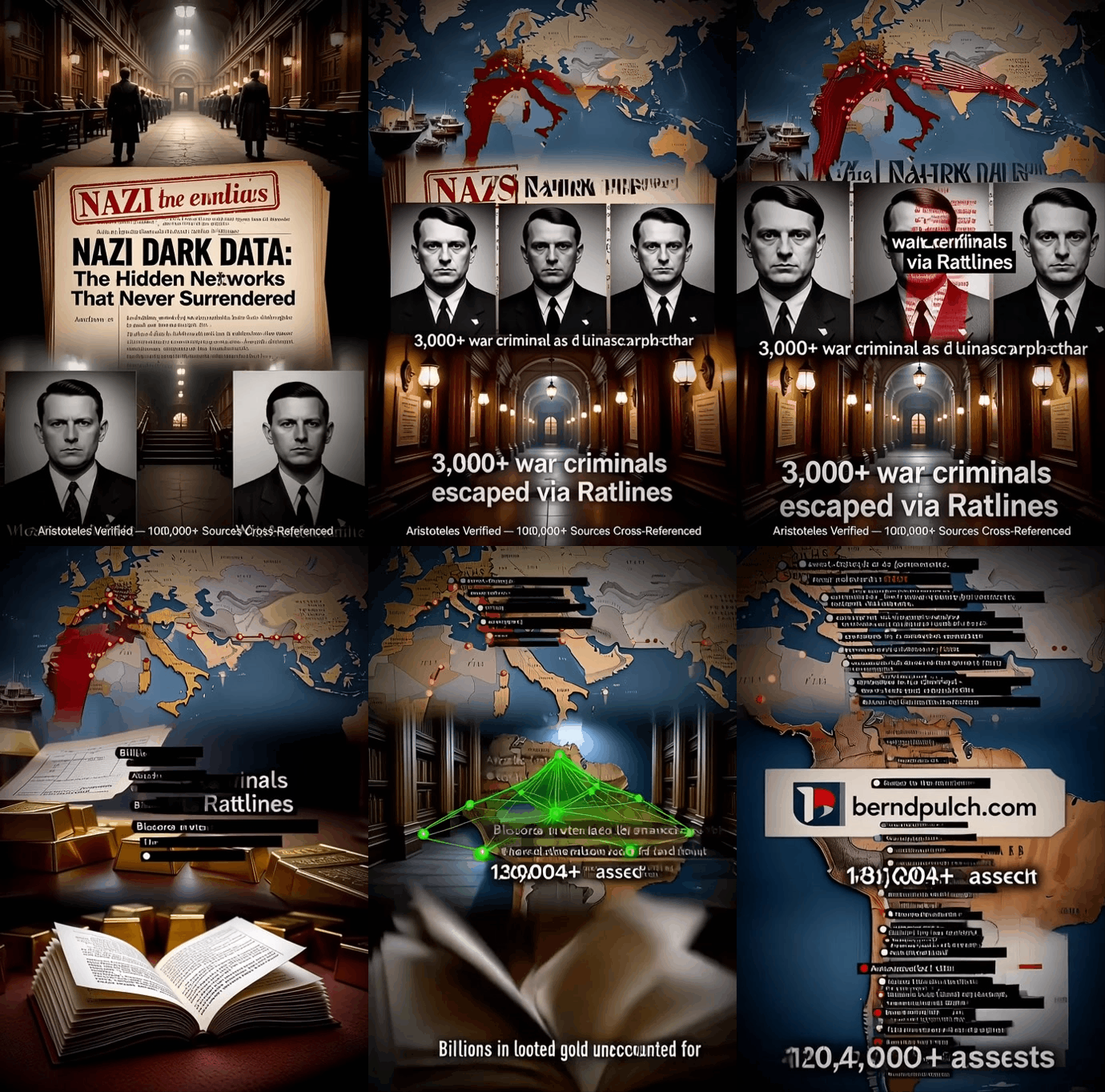
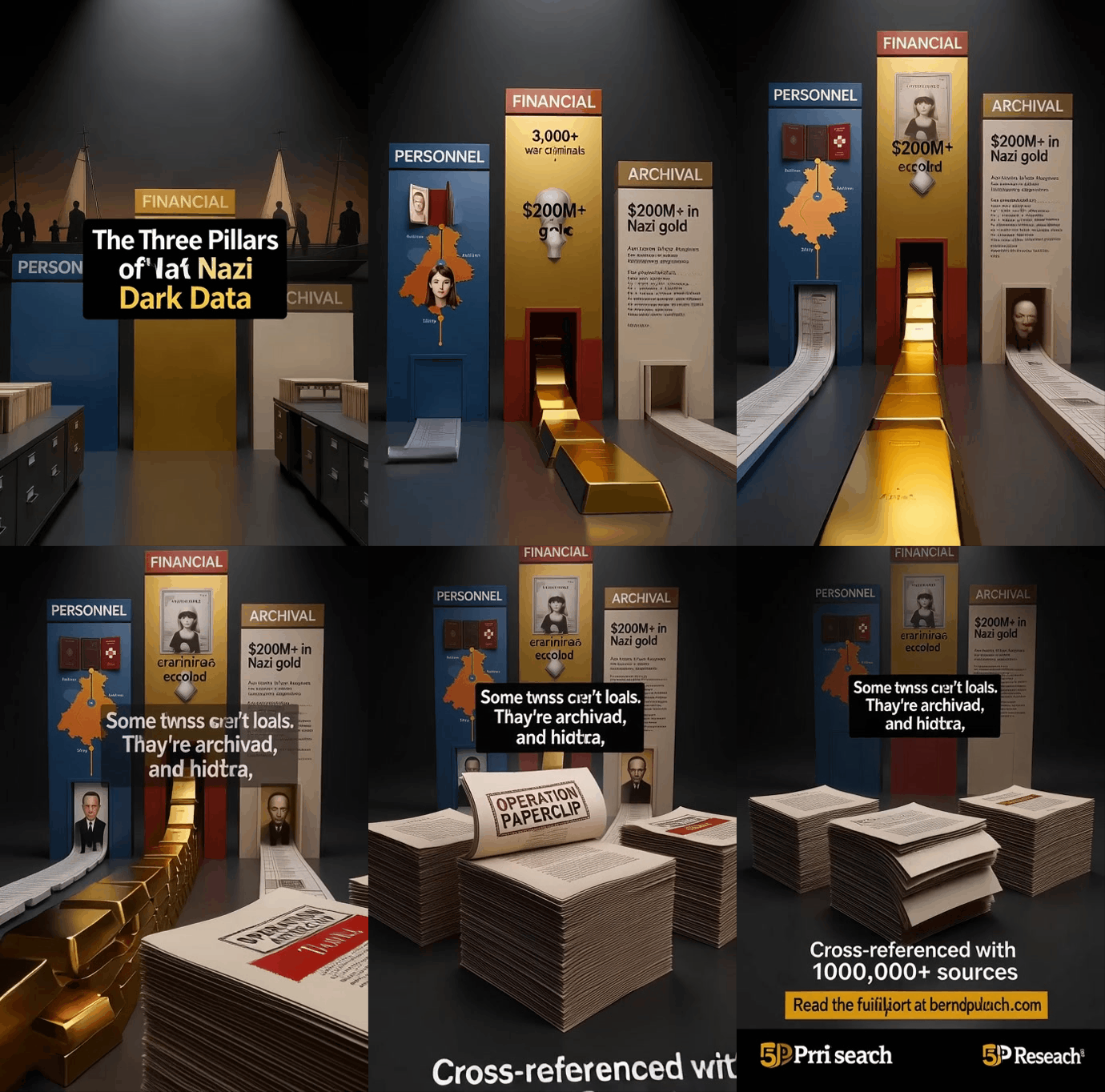

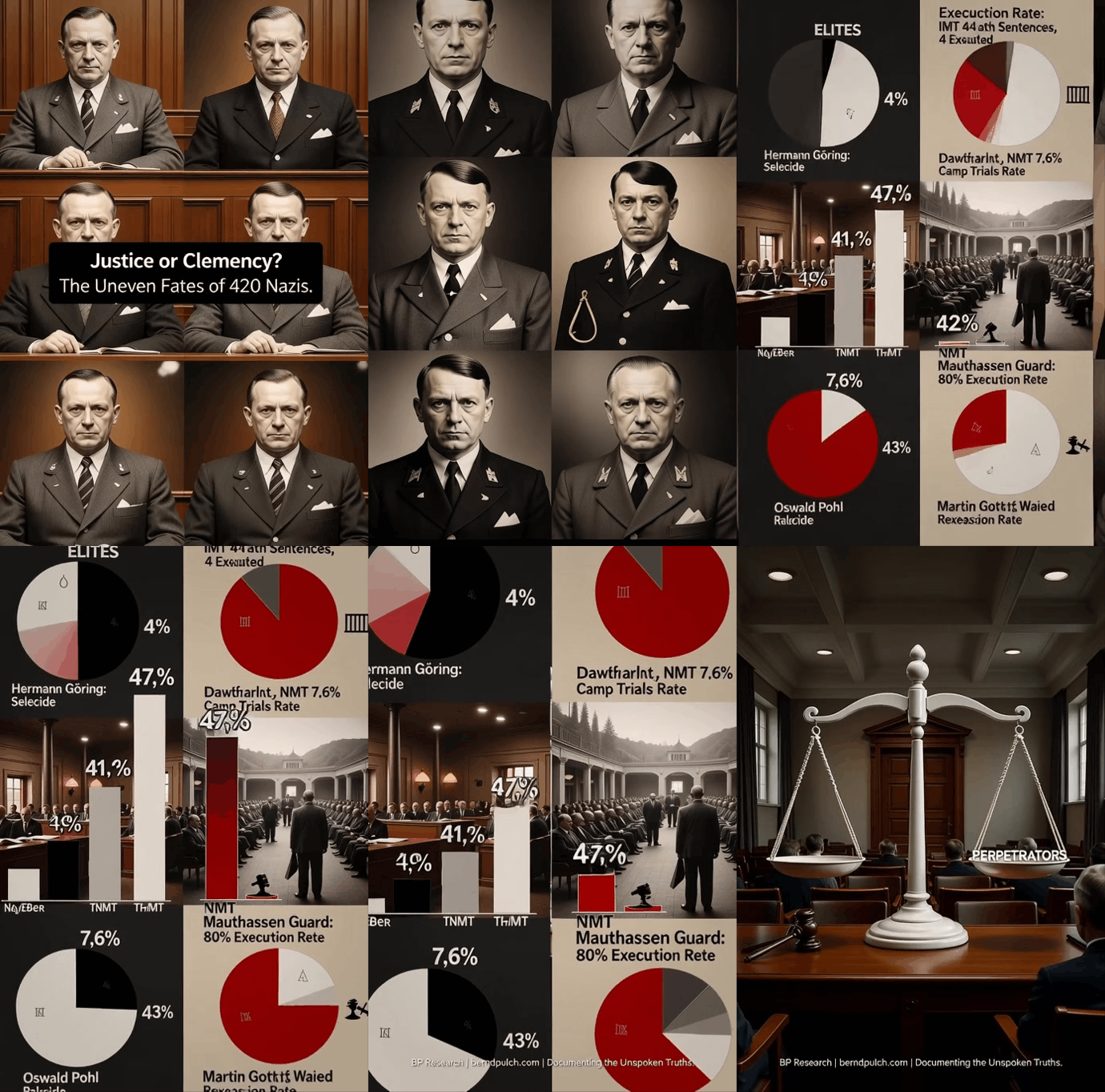
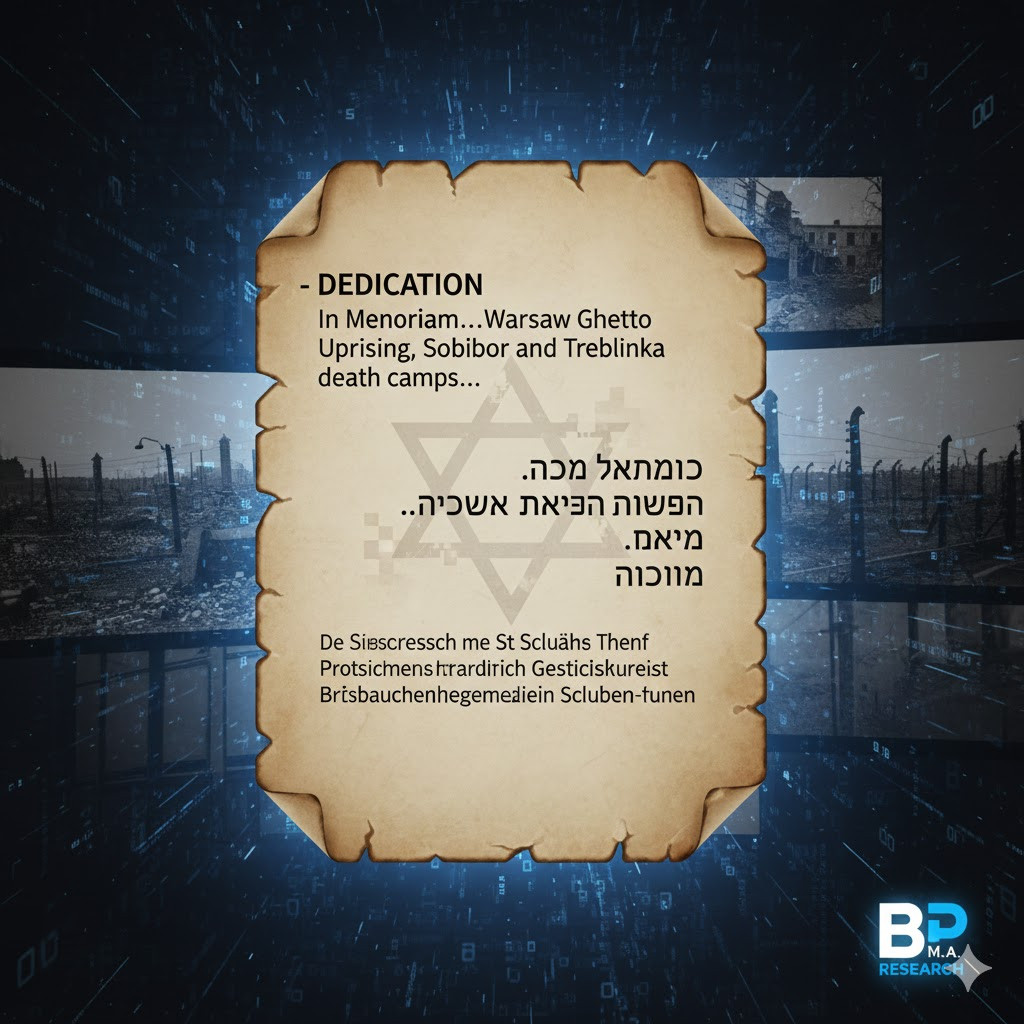
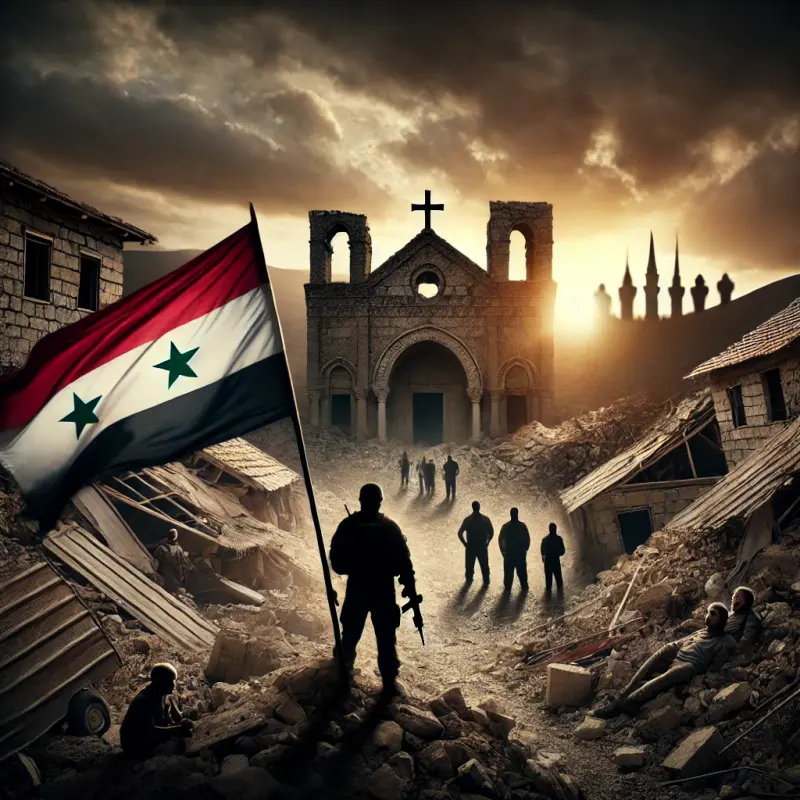
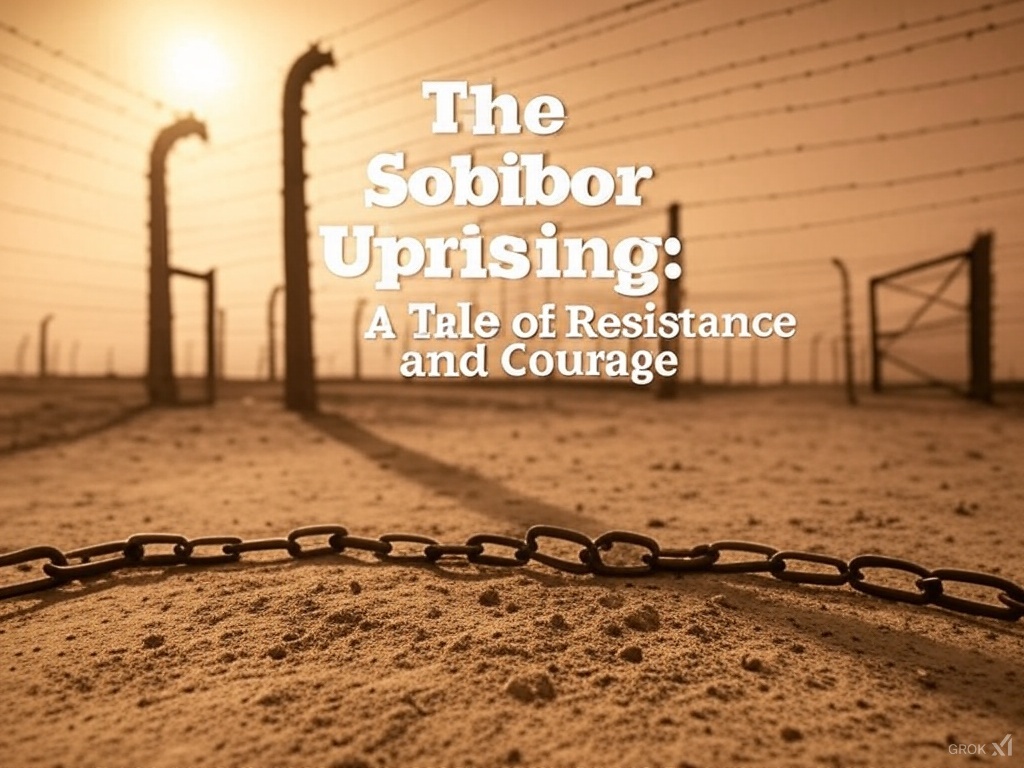

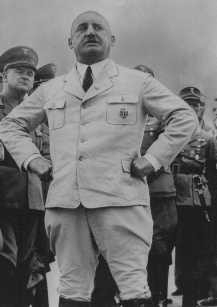
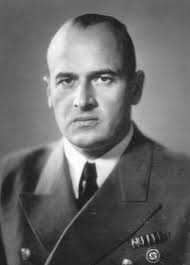
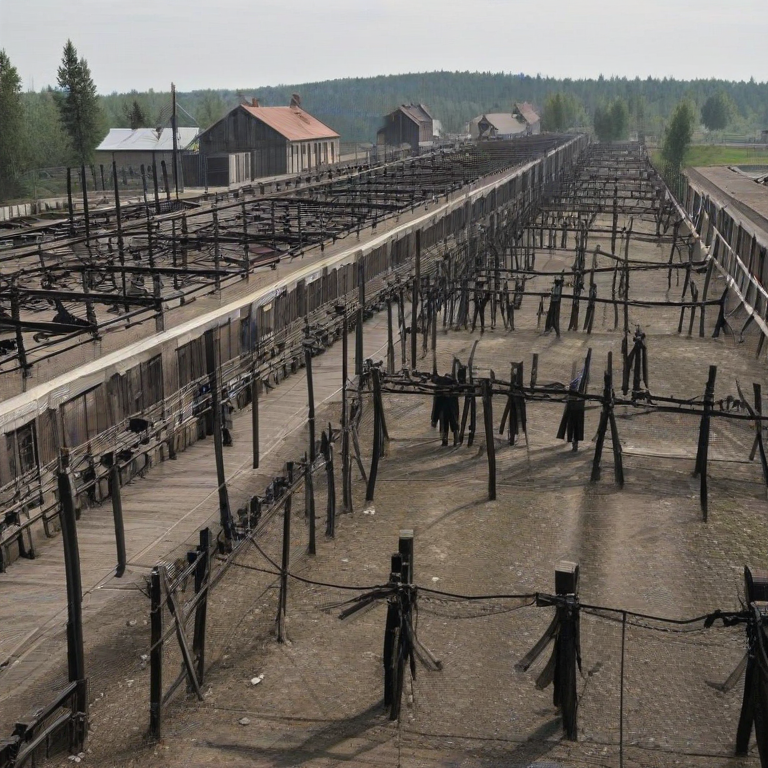
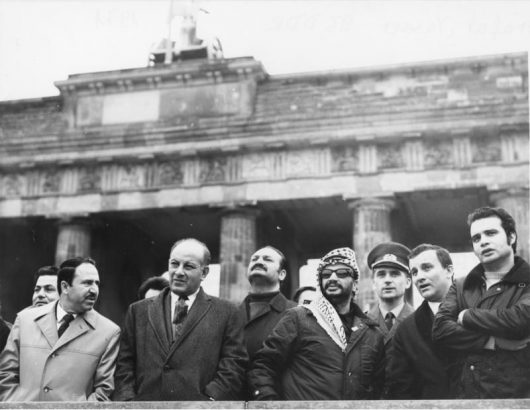
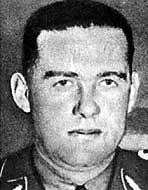
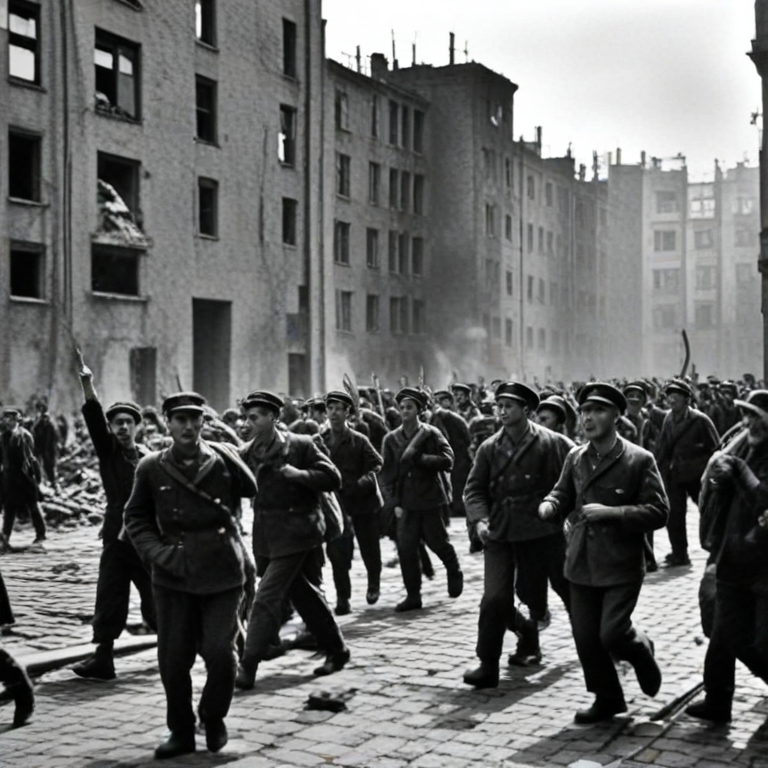
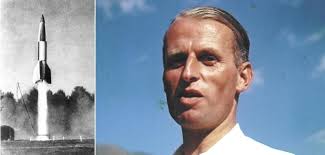
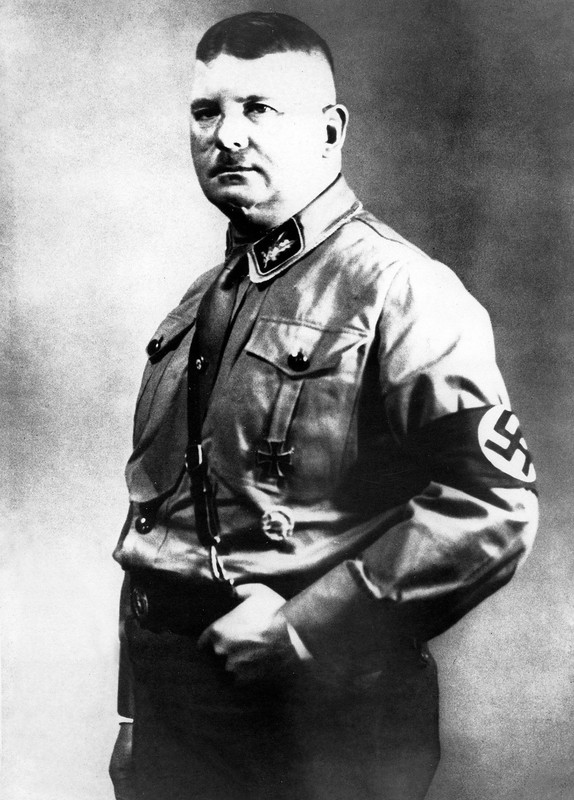
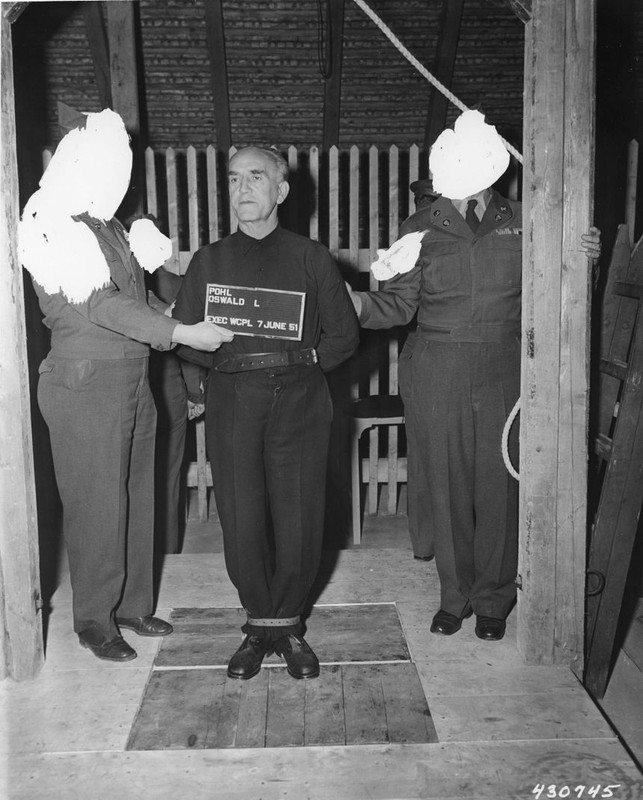
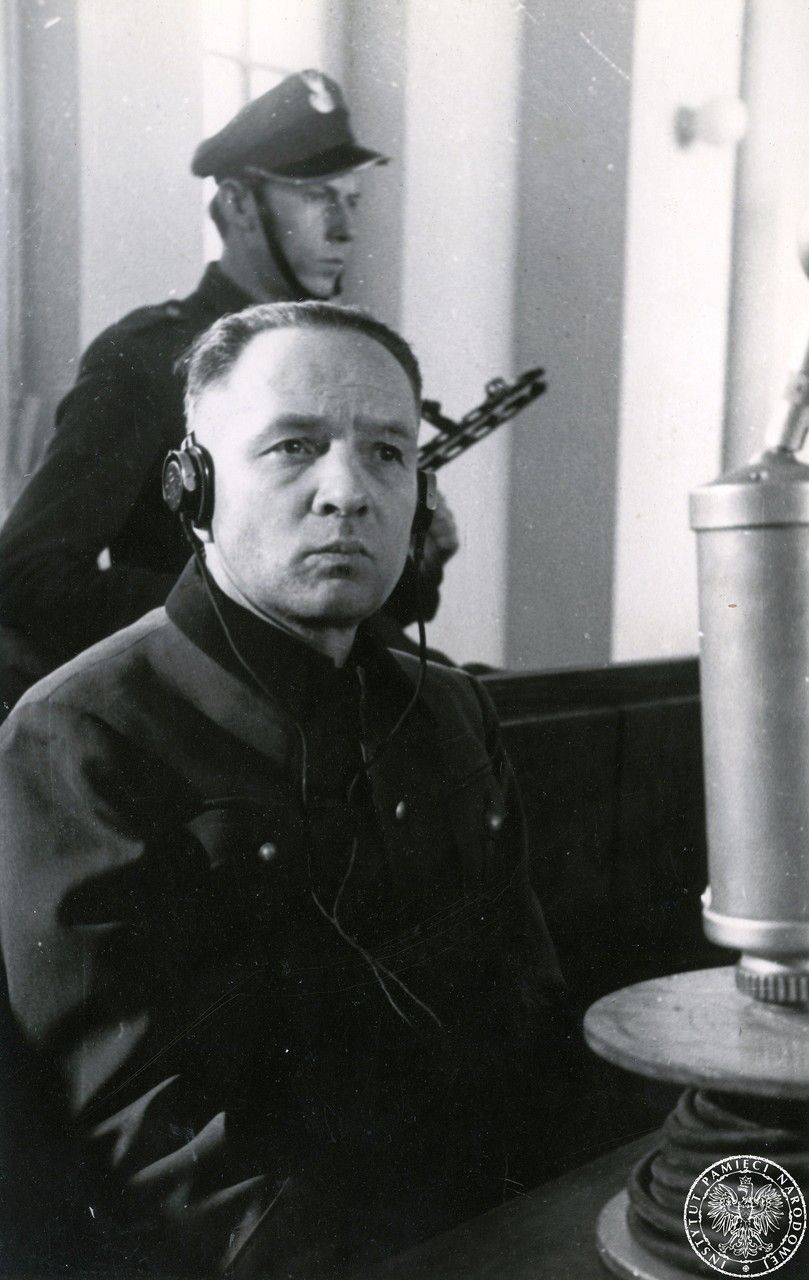
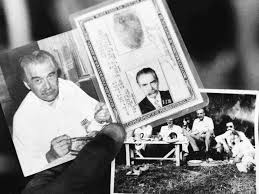
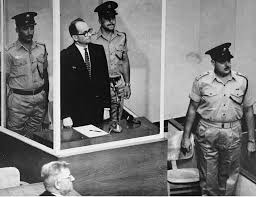

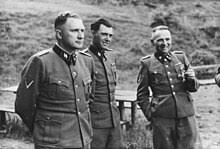
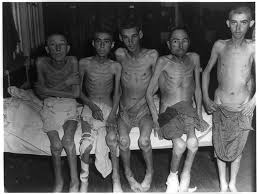





 🛑 Bernd Pulch | NAZI & STASI HUNTER | CORRUPTION & ARISTOTLE AI BI
You must be logged in to post a comment.