BERNDPULCH.ORG – EXCLUSIVE INTELLIGENCE ON THE IRAN CRISIS
—
Trump Declares Iran “Must Be Stopped Now” as Israel Eyes Space Strike Capabilities and U.S. Navy Clears 100+ Mines in Hormuz
As the Pentagon warns of significant damage to American intelligence assets from Iranian missile and drone strikes, the U.S. Navy has cleared more than 100 sea mines from the Strait of Hormuz while Israel advances next-generation space-based strike capabilities. DNI Director Gabbard and senior military leaders have reportedly warned Trump of the risks of war with Iran.
—
📺 YouTube: youtube.com/@bernd_pulch | 🐦 X (Twitter): x.com/berndsocial1 | 📢 Telegram: t.me/ABOVETOPSECRETXXL | 🔓 Unlock the Full Truth: berndpulch.org/join
—
By Bernd Pulch, Licensed Intelligence Media | August 26, 2026
—
THE DECLARATION
President Trump on Tuesday declared that Iran is facing a “major internal crisis,” claiming the regime is struggling to pay parts of its military while continuing its crackdown on protesters.
“Iran must be stopped now.” — President Donald Trump
The president’s remarks come as Tehran’s economy collapses under the weight of “Operation Economic Outcast,” with the rial crashing to a historic low of 2.02 million to the dollar. Ordinary Iranians are suffering under 61.4% inflation, with rice prices up 60% and beef prices more than 150% higher.
—
THE HORMUZ BREAKTHROUGH
In a significant military development, the U.S. Navy confirmed that its drone fleet has identified and cleared more than 100 Iranian sea mines in the Strait of Hormuz. The operation marks a major victory for the U.S. Navy’s ability to secure the strategic waterway, through which a large share of the world’s energy supplies passes. The clearing of the mines follows weeks of sustained Iranian attempts to close the strait.
—
ISRAEL’S SPACE AMBITIONS
Israel is moving to develop next-generation space-based strike capabilities under a new multiyear defense plan, marking a major expansion of its military operations into space. The plan would allow Israel to strike targets from space, potentially giving it a significant strategic advantage over its adversaries.
Prime Minister Benjamin Netanyahu has framed the move as essential to Israel’s security in the face of growing threats from Iran and its proxies.
—
THE INTELLIGENCE WARNING
Director of National Intelligence Tulsi Gabbard and senior U.S. military leaders have reportedly warned President Trump of the risks of war with Iran. Now, those warnings are taking center stage as the confrontation between Washington and Tehran continues to escalate.
The warnings come as Iranian missile and drone attacks have significantly damaged U.S. intelligence and surveillance assets across the Middle East, exposing vulnerabilities in American base defenses. The attacks have reportedly degraded America’s ability to monitor Iranian military movements, creating dangerous blind spots.
—
IRAN’S INTERNAL CRISIS
Trump’s claim that Iran is facing a major internal crisis appears to be supported by the economic collapse and military pressures the regime is facing:
· The military is reportedly struggling to pay parts of its forces · The regime continues to crack down on protesters · The economy is contracting by more than 5% · Inflation is running at 61.4% · The rial has lost more than 7% of its value in days
—
💡 THE BOTTOM LINE
The confrontation with Iran has entered a dangerous new phase. With the U.S. Navy clearing mines from Hormuz, Israel advancing space-based strike capabilities, and Iranian attacks damaging American intelligence assets, the risk of a wider war is growing by the day.
Three immediate risks demand attention:
1. Iran’s internal crisis could trigger a desperate act — either a military escalation to rally domestic support or a nuclear breakout. 2. The damage to U.S. intelligence assets has created dangerous blind spots, making it harder to anticipate Iranian moves. 3. Israel’s space ambitions could provoke a preemptive Iranian response.
📺 YouTube: youtube.com/@bernd_pulch 🐦 X (Twitter): x.com/berndsocial1 📢 Telegram: t.me/ABOVETOPSECRETXXL 🔓 Unlock the Full Truth: berndpulch.org/join
—
Share this intelligence – the truth must come to light.
BERNDPULCH.ORG – EXKLUSIVE INTELLIGENZ ZUR IRAN-KRISE
—
Trump erklärt: Iran “muss jetzt gestoppt werden” – Israel plant Weltraum-Schläge, US-Marine räumt 100+ Minen in Hormuz
Während das Pentagon vor erheblichen Schäden an amerikanischen Geheimdienstressourcen durch iranische Raketen- und Drohnenangriffe warnt, hat die US-Marine mehr als 100 Seeminen in der Straße von Hormuz geräumt, während Israel weltraumgestützte Angriffsfähigkeiten der nächsten Generation vorantreibt. DNI-Direktorin Gabbard und hochrangige Militärführer haben Trump Berichten zufolge vor den Risiken eines Krieges mit dem Iran gewarnt.
—
📺 YouTube: youtube.com/@bernd_pulch | 🐦 X (Twitter): x.com/berndsocial1 | 📢 Telegram: t.me/ABOVETOPSECRETXXL | 🔓 Die ganze Wahrheit: berndpulch.org/join
—
Von Bernd Pulch, Licensed Intelligence Media | 26. August 2026
—
DIE ERKLÄRUNG
Präsident Trump erklärte am Dienstag, dass der Iran eine “schwere interne Krise” durchlebe, und behauptete, das Regime habe Schwierigkeiten, Teile seines Militärs zu bezahlen, während es gleichzeitig sein Vorgehen gegen Demonstranten fortsetze.
“Der Iran muss jetzt gestoppt werden.” — Präsident Donald Trump
Die Äußerungen des Präsidenten kommen, während Teherans Wirtschaft unter der Last der “Operation Economic Outcast” zusammenbricht und der Rial auf ein historisches Tief von 2,02 Millionen zum Dollar abstürzt. Die einfachen Iraner leiden unter 61,4 % Inflation, die Reispreise sind um 60 % gestiegen und die Rindfleischpreise sind mehr als 150 % höher.
—
DER DURCHBRUCH IN HORMUZ
In einer bedeutenden militärischen Entwicklung bestätigte die US-Marine, dass ihre Drohnenflotte mehr als 100 iranische Seeminen in der Straße von Hormuz identifiziert und geräumt hat. Die Operation markiert einen großen Sieg für die Fähigkeit der US-Marine, die strategische Wasserstraße zu sichern, durch die ein großer Teil der weltweiten Energieversorgung fließt. Die Räumung der Minen folgt auf wochenlange anhaltende iranische Versuche, die Meerenge zu schließen.
—
ISRAELS WELTRAUM-AMBITIONEN
Israel arbeitet unter einem neuen mehrjährigen Verteidigungsplan an der Entwicklung weltraumgestützter Angriffsfähigkeiten der nächsten Generation – eine bedeutende Ausweitung seiner militärischen Operationen in den Weltraum. Der Plan würde es Israel ermöglichen, Ziele aus dem Weltraum anzugreifen und sich damit möglicherweise einen erheblichen strategischen Vorteil gegenüber seinen Gegnern zu verschaffen.
Premierminister Benjamin Netanyahu hat den Schritt als wesentlich für die Sicherheit Israels angesichts der wachsenden Bedrohungen durch den Iran und seine Stellvertreter bezeichnet.
—
DIE GEHEIMDIENST-WARNUNG
Die Direktorin des Nationalen Geheimdienstes, Tulsi Gabbard, und hochrangige US-Militärführer haben Präsident Trump Berichten zufolge vor den Risiken eines Krieges mit dem Iran gewarnt. Nun rücken diese Warnungen in den Mittelpunkt, während sich die Konfrontation zwischen Washington und Teheran weiter zuspitzt.
Die Warnungen kommen, als iranische Raketen- und Drohnenangriffe die amerikanischen Geheimdienst- und Überwachungsressourcen im gesamten Nahen Osten erheblich beschädigt haben und damit Schwachstellen in den amerikanischen Stützpunktverteidigungen offengelegt haben. Die Angriffe haben Berichten zufolge die Fähigkeit Amerikas, iranische Militärbewegungen zu überwachen, beeinträchtigt und gefährliche blinde Flecken geschaffen.
—
IRANS INTERNE KRISE
Trumps Behauptung, dass der Iran eine schwere interne Krise durchlebe, scheint durch den wirtschaftlichen Zusammenbruch und den militärischen Druck, dem das Regime ausgesetzt ist, gestützt zu werden:
· Das Militär hat Berichten zufolge Schwierigkeiten, Teile seiner Streitkräfte zu bezahlen · Das Regime setzt sein Vorgehen gegen Demonstranten fort · Die Wirtschaft schrumpft um mehr als 5 % · Die Inflation liegt bei 61,4 % · Der Rial hat innerhalb weniger Tage mehr als 7 % seines Wertes verloren
—
💡 DAS FAZIT
Die Konfrontation mit dem Iran hat eine gefährliche neue Phase erreicht. Mit der US-Marine, die Minen aus Hormuz räumt, Israel, das weltraumgestützte Angriffsfähigkeiten vorantreibt, und iranischen Angriffen, die amerikanische Geheimdienstressourcen beschädigen, wächst die Gefahr eines größeren Krieges von Tag zu Tag.
Drei unmittelbare Risiken erfordern Aufmerksamkeit:
1. Irans interne Krise könnte eine verzweifelte Tat auslösen – entweder eine militärische Eskalation zur Mobilisierung der Bevölkerung oder einen nuklearen Ausbruch. 2. Die Schäden an den US-Geheimdienstressourcen haben gefährliche blinde Flecken geschaffen, die es schwieriger machen, iranische Schritte vorherzusehen. 3. Israels Weltraumambitionen könnten eine präventive iranische Reaktion provozieren.
Three Fronts, One World: The Geopolitical Earthquake of August 2026
Trump Declares Hormuz “American Territory,” Turkey Issues Arrest Warrant for Netanyahu, and Hasan Piker Sparks Fury with “Hamas is Moderate” Claim – The Global Order Is Fracturing on Multiple Fronts.
—
📺 YouTube: youtube.com/@bernd_pulch | 🐦 X (Twitter): x.com/berndsocial1 | 📢 Telegram: t.me/ABOVETOPSECRETXXL | 🔓 Unlock the Full Truth: berndpulch.org/join
—
By Bernd Pulch, Licensed Intelligence Media | August 22, 2026
—
🇺🇸 TRUMP: “THE STRAIT OF HORMUZ IS AMERICAN TERRITORY”
The U.S. president has made a declaration that, if taken seriously, amounts to an act of war – claiming total U.S. sovereignty over one of the world’s most critical waterways, an assertion immediately rejected by Iran.
Speaking at a campaign rally in Myrtle Beach, South Carolina, President Donald Trump described the Strait of Hormuz as “American territory” and declared that the United States has “total control” over the region . The remarks come as tensions between Washington and Tehran continue to escalate over the strategic waterway through which a large share of the world’s energy supplies passes .
“They want to make a deal so badly, we don’t even know if we want [a deal] because I view the Strait of Hormuz as an American territory right now, it’s an American territory,”
Trump also reiterated his opposition to Iran obtaining nuclear weapons, stating: “We cannot let them have a nuclear weapon; we cannot let Iran have a nuclear weapon, or you will see some very bad things.”
Iran’s Response: Scorn and Defiance
Iranian officials were quick to reject Trump’s claim. Deputy Foreign Minister Kazem Gharibabadi posted on X that Trump’s assertions would be “corrected either by circumstances or by Iran” . He added sarcastically: “Just as Trump correctly wrote the name of the eternal Persian Gulf, soon his delusion regarding the Strait of Hormuz will either be corrected or we will correct the delusions of this deluded man.”
Mohsen Rezaei, head of Iran’s Supreme National Security Council, mocked Trump’s statement, remarking: “The gap between America’s inability to reopen the Strait of Hormuz and its claim to own it is greater than the 7,000-mile distance between Washington and the Strait itself. Welcome to the post-American order in the Persian Gulf.”
The Strategic Context
Iran has insisted the strait will remain closed until the U.S. meets Tehran’s demands, including lifting the blockade, releasing frozen assets and easing oil sanctions . Trump’s claim, viewed as highly provocative by analysts, risks escalating the conflict further while Washington and Tehran remain deadlocked. Iran has also rejected any U.S. control over the waterway, highlighting the significant gap between Washington’s claims and its ability to enforce them .
—
🇹🇷 TURKEY ISSUES INTERNATIONAL ARREST WARRANT FOR NETANYAHU
Turkey has officially requested that Interpol issue a Red Notice for Israeli Prime Minister Benjamin Netanyahu on charges of “genocide” – dramatically escalating tensions between the two nations and threatening Israel’s ability to travel internationally.
The Turkish Justice Minister Akin Gurlek announced on Friday that his ministry had formally requested the issuance of an Interpol Red Notice for Israeli Prime Minister Benjamin Netanyahu . The request follows a previous arrest warrant issued by an Istanbul court on July 14, 2026, on charges of “genocide” related to Israel’s interception of a Gaza-bound aid flotilla .
The Flotilla Incident
The case stems from the Global Sumud Flotilla, a convoy of approximately 50 vessels that set sail from Turkey in May with the intention of breaching Israel’s blockade of Gaza and delivering humanitarian aid . Israel intercepted the flotilla, detained those on board, and subsequently deported them . The Turkish court is prosecuting Netanyahu and another Israeli national, Afek Moskovitch, for “crimes against humanity, genocide, aggravated deprivation of liberty, intentional assault and battery, torture, destruction of property, aggravated looting, and hijacking of transport vehicles” .
Escalating Tensions
The judicial action coincides with a sharp deterioration in relations between Ankara and Jerusalem . Turkey’s request comes just days after Israel conducted airstrikes on a Syrian military base, which Netanyahu described as a “direct warning” to Turkey . Ankara has formally denied military aspirations in Syria but has demanded an end to what it describes as Israel’s “irresponsible” attacks .
Gurlek was unequivocal: “We will not allow the crimes committed in Gaza to be covered up or those responsible to be protected by a shield of impunity.”
—
🇵🇸 HASAN PIKER: “HAMAS HAS BECOME FAR MORE MODERATE”
The left-wing Twitch streamer’s claim that the U.S.-designated terrorist organization has moderated has provoked outrage from Jewish groups and calls for Democrats to distance themselves from his increasingly extreme rhetoric.
During an interview with Channel 4 News UK, Hasan Piker, who has become an increasingly influential figure in progressive Democratic circles, claimed that Hamas’s current position is “far more moderate than its position was at its inception” . He argued that the group has “recognized that it’s virtually impossible to advance this vengeance quest against Israel” .
The Backlash
The Anti-Defamation League (ADL) responded immediately, calling Piker’s claim “outrageous” . An ADL spokesperson stated: “Hamas remains a U.S.-designated terrorist organization committed to Israel’s destruction, responsible for the October 7 massacre and continued abuse of the very Palestinians it claims to represent.”
The Republican Jewish Coalition echoed this sentiment, with National Political Director Sam Markstein stating: “There is nothing ‘moderate’ about Hamas, and there is nothing defensible about Hasan Piker.”
The Context
Piker has previously stated he would vote for Hamas over Israel and called the terrorist group “a thousand times better” than the Jewish state . He has also downplayed sexual violence committed against Israeli civilians during the October 7, 2023 attack . The growing controversy has exposed a rift within the Democratic Party, with some figures, including Rep. Jared Moskowitz (D-FL), warning that Piker’s socialist positions “can’t coexist with me” .
—
💡 THE BOTTOM LINE
August 2026 is shaping up to be a month of unprecedented geopolitical volatility.
The simultaneous developments – Trump’s Hormuz declaration, Turkey’s arrest warrant for Netanyahu, and the Hamas controversy – are not isolated events. They are interconnected indicators of a global order in collapse:
1. The U.S. is escalating its confrontation with Iran, threatening a wider war in the Gulf. 2. Turkey and Israel are on a collision course that could lead to direct military confrontation. 3. The ideological battle over Hamas and Israel is polarizing the American political landscape.
When a sitting U.S. president claims a strategic waterway as “American territory,” a NATO member seeks the arrest of Israel’s leader, and a major political influencer defends a designated terrorist organization – the rules-based international order is not just bending. It is breaking.
The question is not whether the system will hold. The question is what will replace it.
Drei Fronten, eine Welt: Das geopolitische Erdbeben vom August 2026
Trump erklärt Hormuz zu “amerikanischem Territorium”, Türkei beantragt Haftbefehl gegen Netanyahu, und Hasan Piker sorgt mit “Hamas ist moderat”-Behauptung für Empörung – Die globale Ordnung bricht an mehreren Fronten zusammen.
—
📺 YouTube: youtube.com/@bernd_pulch | 🐦 X (Twitter): x.com/berndsocial1 | 📢 Telegram: t.me/ABOVETOPSECRETXXL | 🔓 Die ganze Wahrheit: berndpulch.org/join
—
Von Bernd Pulch, Licensed Intelligence Media | 22. August 2026
—
🇺🇸 TRUMP: “DIE STRAßE VON HORMUZ IST AMERIKANISCHES TERRITORIUM”
Der US-Präsident hat eine Erklärung abgegeben, die, wenn sie ernst genommen wird, einer Kriegserklärung gleichkommt – er beansprucht die volle Souveränität der USA über eine der wichtigsten Wasserstraßen der Welt, eine Behauptung, die vom Iran sofort zurückgewiesen wurde.
Bei einer Wahlkampfkundgebung in Myrtle Beach, South Carolina, bezeichnete Präsident Donald Trump die Straße von Hormuz als “amerikanisches Territorium” und erklärte, dass die USA die “totale Kontrolle” über die Region hätten. Die Äußerungen kommen, während die Spannungen zwischen Washington und Teheran über die strategische Wasserstraße, durch die ein großer Teil der weltweiten Energieversorgung fließt, weiter eskalieren.
“Sie wollen so unbedingt einen Deal machen, wir wissen nicht einmal, ob wir einen wollen, denn ich betrachte die Straße von Hormuz jetzt als amerikanisches Territorium, es ist amerikanisches Territorium.”
Trump bekräftigte auch seinen Widerstand gegen ein iranisches Atomprogramm und erklärte: “Wir können ihnen nicht erlauben, eine Atomwaffe zu besitzen; wir können Iran nicht erlauben, eine Atomwaffe zu besitzen, sonst werden Sie einige sehr schlimme Dinge sehen.”
Irans Reaktion: Spott und Trotz
Irans Führung wies Trumps Behauptung umgehend zurück. Vizeaußenminister Kazem Gharibabadi schrieb auf X, dass Trumps Behauptungen “entweder durch die Umstände oder durch den Iran korrigiert werden” würden. Er fügte sarkastisch hinzu: “So wie Trump den Namen des ewigen Persischen Golfs richtig geschrieben hat, wird seine Wahnvorstellung bezüglich der Straße von Hormuz entweder korrigiert werden, oder wir werden die Wahnvorstellungen dieses verwirrten Mannes korrigieren.”
Mohsen Rezaei, Chef des Obersten Nationalen Sicherheitsrates des Iran, verspottete Trumps Aussage und bemerkte: “Die Kluft zwischen der Unfähigkeit Amerikas, die Straße von Hormuz wieder zu öffnen, und seinem Anspruch, sie zu besitzen, ist größer als die 11.000 Kilometer Entfernung zwischen Washington und der Straße selbst. Willkommen in der postamerikanischen Ordnung im Persischen Golf.”
Der strategische Kontext
Der Iran hat darauf bestanden, dass die Meerenge so lange geschlossen bleibt, bis die USA Teherans Forderungen erfüllen, darunter die Aufhebung der Blockade, die Freigabe eingefrorener Vermögenswerte und die Lockerung der Ölsanktionen. Trumps Behauptung, die von Analysten als höchst provokativ angesehen wird, riskiert eine weitere Eskalation des Konflikts, während Washington und Teheran in einer Sackgasse stecken. Der Iran hat auch jede US-Kontrolle über die Wasserstraße abgelehnt, was die erhebliche Kluft zwischen Washingtons Behauptungen und seiner Fähigkeit, sie durchzusetzen, unterstreicht.
—
🇹🇷 TÜRKEI BEANTRAGT INTERNATIONALEN HAFTBEFEHL GEGEN NETANYAHU
Die Türkei hat offiziell beantragt, dass Interpol eine Rote Notiz gegen den israelischen Premierminister Benjamin Netanyahu wegen “Völkermords” ausstellt – eine dramatische Eskalation der Spannungen zwischen den beiden Nationen, die Israels Fähigkeit zu internationalen Reisen bedroht.
Der türkische Justizminister Akin Gurlek gab am Freitag bekannt, dass sein Ministerium offiziell die Ausstellung einer Interpol-Roten Notiz gegen den israelischen Premierminister Benjamin Netanyahu beantragt habe. Der Antrag folgt auf einen zuvor vom Istanbuler Gericht am 14. Juli 2026 erlassenen Haftbefehl wegen “Völkermords” im Zusammenhang mit der Abfangung einer Gazastreifen-Gehilfe-Flottille durch Israel.
Der Flottillen-Zwischenfall
Der Fall geht auf die Global Sumud Flottille zurück, einen Konvoi von etwa 50 Schiffen, die im Mai von der Türkei aus in See stachen, um die israelische Blockade des Gazastreifens zu durchbrechen und humanitäre Hilfe zu liefern. Israel fing die Flottille ab, nahm die an Bord befindlichen Personen fest und schob sie anschließend ab. Das türkische Gericht verfolgt Netanyahu und einen weiteren israelischen Staatsbürger, Afek Moskovitch, wegen “Verbrechen gegen die Menschlichkeit, Völkermord, schwerer Freiheitsberaubung, vorsätzlicher Körperverletzung, Folter, Sachbeschädigung, schweren Raubes und Kaperung von Transportfahrzeugen”.
Eskalierende Spannungen
Die juristische Aktion fällt mit einer starken Verschlechterung der Beziehungen zwischen Ankara und Jerusalem zusammen. Der türkische Antrag kommt nur wenige Tage, nachdem Israel Luftangriffe auf einen syrischen Militärstützpunkt durchgeführt hat, die Netanyahu als “direkte Warnung” an die Türkei bezeichnete. Ankara hat militärische Ambitionen in Syrien formell dementiert, aber ein Ende der von ihm als “verantwortungslos” bezeichneten israelischen Angriffe gefordert.
Gurlek war unmissverständlich: “Wir werden nicht zulassen, dass die in Gaza begangenen Verbrechen vertuscht oder die Verantwortlichen durch einen Schild der Straflosigkeit geschützt werden.”
—
🇵🇸 HASAN PIKER: “HAMAS IST VIEL MODERATER GEWORDEN”
Die Behauptung des linken Twitch-Streamers, dass die von den USA als terroristisch eingestufte Organisation moderater geworden sei, hat bei jüdischen Gruppen Empörung ausgelöst und Forderungen laut werden lassen, dass sich die Demokraten von seiner zunehmend extremen Rhetorik distanzieren sollen.
In einem Interview mit Channel 4 News UK behauptete Hasan Piker, der in progressiven demokratischen Kreisen zu einer immer einflussreicheren Figur geworden ist, dass die derzeitige Position der Hamas “viel moderater ist als ihre Position bei ihrer Gründung”. Er argumentierte, dass die Gruppe “erkannt hat, dass es praktisch unmöglich ist, diesen Rachefeldzug gegen Israel fortzusetzen”.
Die Gegenreaktion
Die Anti-Defamation League (ADL) reagierte sofort und nannte Pikers Behauptung “empörend”. Ein ADL-Sprecher erklärte: “Die Hamas bleibt eine von den USA als terroristisch eingestufte Organisation, die sich der Zerstörung Israels verschrieben hat, verantwortlich für das Massaker vom 7. Oktober und den fortgesetzten Missbrauch der Palästinenser, die sie angeblich vertritt.”
Die Republican Jewish Coalition schloss sich dieser Meinung an, und der nationale politische Direktor Sam Markstein erklärte: “Es gibt nichts ‘Gemäßigtes’ an der Hamas, und es gibt nichts Verteidigenswertes an Hasan Piker.”
Der Kontext
Piker hat zuvor erklärt, dass er bei einer Wahl zwischen Israel und Palästina für die Hamas stimmen würde, und die Terrorgruppe als “tausendmal besser” als den jüdischen Staat bezeichnet. Er hat auch sexuelle Gewalt gegen israelische Zivilisten während des Angriffs vom 7. Oktober 2023 heruntergespielt. Die wachsende Kontroverse hat eine Spaltung innerhalb der Demokratischen Partei offenbart, wobei einige Persönlichkeiten, darunter Rep. Jared Moskowitz (D-FL), warnten, dass Pikers sozialistische Positionen “nicht mit mir koexistieren können”.
—
💡 DAS FAZIT
Der August 2026 entwickelt sich zu einem Monat beispielloser geopolitischer Volatilität.
Die gleichzeitigen Entwicklungen – Trumps Hormuz-Erklärung, der türkische Haftbefehl gegen Netanyahu und die Hamas-Kontroverse – sind keine isolierten Ereignisse. Sie sind miteinander verbundene Indikatoren einer Weltordnung im Kollaps:
1. Die USA eskalieren ihre Konfrontation mit dem Iran und drohen mit einem größeren Krieg im Golf. 2. Die Türkei und Israel steuern auf eine direkte militärische Konfrontation zu. 3. Der ideologische Kampf um die Hamas und Israel polarisiert die amerikanische Politik.
Wenn ein amtierender US-Präsident eine strategische Wasserstraße als “amerikanisches Territorium” beansprucht, ein NATO-Mitglied die Festnahme des israelischen Führers fordert und ein einflussreicher politischer Aktivist eine Terrororganisation verteidigt – dann biegt sich die regelbasierte internationale Ordnung nicht nur. Sie bricht.
Die Frage ist nicht, ob das System hält. Die Frage ist, was es ersetzen wird.
In a stunning reversal, Syria’s new government has publicly acknowledged the existence of tons of nuclear material left behind by the ousted Assad regime and announced it will keep the stockpile on Syrian soil for peaceful civilian use – under IAEA safeguards.
The Discovery
On August 18, 2026, International Atomic Energy Agency (IAEA) Director General Rafael Grossi announced at a joint press conference in Damascus with Syrian Foreign Minister Asaad al-Shaibani that IAEA inspectors had discovered “several tons of nuclear material” at an undeclared site in Syria.
“We are talking about a few tons of nuclear material that could be put to bad use.” — IAEA Director General Rafael Grossi
The material, which includes yellowcake uranium – a uranium concentrate that can be processed into reactor fuel or, at higher enrichment, used for nuclear weapons – had been stored at a clandestine facility known as “Site 99”.
Syria’s new government voluntarily informed the IAEA about the material on July 17, 2026, marking the first time Damascus has cooperated with the agency on its nuclear legacy.
“On July 17, we sent an official letter to the agency, in which we declared of our own free will the presence of nuclear materials at an undeclared site within the legacy left by the former regime.” — Syrian Foreign Minister Asaad al-Shaibani
The Reversal: “Syria Has the Right to Use It”
Just days after signaling that the material would be removed from Syria under IAEA supervision, Damascus reversed course. During the press conference, al-Shaibani declared that the nuclear material will remain in Syria under national custody and subject to IAEA safeguards.
“Syria has the right to use the material for civilian purposes.” — Syrian Foreign Minister Asaad al-Shaibani
“The minister affirmed that the Syrian Arab Republic exercises sovereign responsibility over all nuclear material on its territory, that the material remains in Syrian national custody, and that Syria will continue to perform its responsibilities in accordance with its international obligations and its national interests.” — IAEA statement
Syria reaffirmed its sovereign and legal right to the civilian and peaceful use of nuclear energy, linked to energy, health, and water management.
The Legacy: Assad’s Secret Nuclear Program
The nuclear material is connected to the secret nuclear program developed under former President Bashar al-Assad, centered on the al-Kibar reactor in eastern Syria’s Deir Ezzor province.
On September 6, 2007, Israel destroyed the al-Kibar reactor in a covert airstrike – later known as Operation Orchard – largely dismantling Syria’s nuclear ambitions.
The IAEA concluded in 2011 that the site was “very likely” a nuclear reactor built with possible assistance from North Korea.
“This validates the longstanding evaluation of the IAEA that a nuclear facility was being built in secrecy.” — IAEA Director General Rafael Grossi
Israel’s Monitoring and Threats
Israeli officials told Axios that the Assad regime had stored nuclear material intended for the al-Kibar project at Site 99 – a facility closely monitored by Israel for over two years.
Israeli officials said the IDF bombed the entrances to Site 99 shortly after Assad’s fall in an attempt to prevent access to the stored material.
Israel had reportedly threatened to bomb the site if the material was not removed, and made clear to the Trump administration that it would not accept the nuclear material remaining at the site.
A New Chapter – Or a New Threat?
Syria’s admission marks a significant turning point. For nearly two decades, the Assad regime denied the existence of its nuclear program and refused IAEA access. The new government, which came to power after Assad’s fall in late 2024, has taken what Grossi called a “courageous decision” to cooperate.
“We are starting to turn a page, and turning a page does not mean forgetting the past.” — IAEA Director General Rafael Grossi
However, the decision to keep the nuclear material in Syria – rather than remove it – has raised fresh concerns. While the material cannot be directly used to manufacture a nuclear weapon, it could potentially be used in a “dirty bomb” – a conventional explosive designed to disperse radioactive material.
The question now is whether Syria’s new government will follow through on its commitment to transparency – or whether the Assad-era nuclear legacy will continue to haunt the region for years to come.
📺 YouTube: youtube.com/@bernd_pulch 🐦 X (Twitter): x.com/berndsocial1 📢 Telegram: t.me/ABOVETOPSECRETXXL 🔓 UNLOCK THE TRUTH: berndpulch.org/join
Syrien räumt Besitz von Assad-Atommaterial ein – will es für “zivile Zwecke” behalten
In einer überraschenden Wende hat die neue syrische Regierung öffentlich die Existenz von Tonnen von Atommaterial eingeräumt, das vom gestürzten Assad-Regime zurückgelassen wurde, und angekündigt, den Bestand unter IAEA-Kontrollen für friedliche zivile Zwecke auf syrischem Boden zu behalten.
—
Die Entdeckung
Am 18. August 2026 gab IAEA-Generaldirektor Rafael Grossi bei einer gemeinsamen Pressekonferenz in Damaskus mit Syriens Außenminister Asaad al-Shaibani bekannt, dass IAEA-Inspektoren “mehrere Tonnen Kernmaterial” an einer nicht deklarierten Stätte in Syrien entdeckt hätten.
“Wir sprechen von einigen Tonnen Kernmaterial, das für schlechte Zwecke verwendet werden könnte.” — IAEA-Generaldirektor Rafael Grossi
Bei dem Material handelt es sich unter anderem um Uranoxid (Yellowcake) – ein Urankonzentrat, das zu Brennstoff für Reaktoren oder bei höherer Anreicherung für Atomwaffen verarbeitet werden kann. Es wurde in einer geheimen Einrichtung namens “Site 99” gelagert.
Die neue syrische Regierung informierte die IAEA am 17. Juli 2026 freiwillig über das Material – das erste Mal, dass Damaskus mit der Behörde über sein nukleares Erbe kooperierte.
“Am 17. Juli haben wir der Behörde einen offiziellen Brief geschickt, in dem wir aus freiem Willen das Vorhandensein von Kernmaterial an einer nicht deklarierten Stätte innerhalb des vom früheren Regime hinterlassenen Erbes erklärt haben.” — Syriens Außenminister Asaad al-Shaibani
—
Die Kehrtwende: “Syrien hat das Recht, es zu nutzen”
Nur wenige Tage nachdem signalisiert worden war, dass das Material unter IAEA-Aufsicht aus Syrien entfernt werden würde, drehte Damaskus den Spieß um. Während der Pressekonferenz erklärte al-Shaibani, dass das Kernmaterial unter nationaler Obhut in Syrien verbleiben und unter IAEA-Kontrollen gestellt werde.
“Syrien hat das Recht, das Material für zivile Zwecke zu nutzen.” — Syriens Außenminister Asaad al-Shaibani
“Der Minister bekräftigte, dass die Syrische Arabische Republik die souveräne Verantwortung für alles Kernmaterial auf ihrem Territorium ausübt, dass das Material in syrischer nationaler Obhut verbleibt und dass Syrien weiterhin seine Verantwortung gemäß seinen internationalen Verpflichtungen und seinen nationalen Interessen wahrnehmen wird.” — IAEA-Erklärung
Syrien bekräftigte sein souveränes und rechtmäßiges Recht auf die zivile und friedliche Nutzung der Kernenergie, verbunden mit Energie, Gesundheit und Wasserwirtschaft.
—
Das Erbe: Assads geheimes Atomprogramm
Das Kernmaterial steht im Zusammenhang mit dem geheimen Atomprogramm, das unter dem früheren Präsidenten Baschar al-Assad entwickelt wurde und sich auf den al-Kibar-Reaktor in der östlichen Provinz Deir ez-Zor konzentrierte.
Am 6. September 2007 zerstörte Israel den al-Kibar-Reaktor in einem verdeckten Luftangriff – später bekannt als Operation Orchard – und zerschlug damit weitgehend Syriens nukleare Ambitionen.
Die IAEA kam 2011 zu dem Schluss, dass es sich bei dem Gelände “sehr wahrscheinlich” um einen Atomreaktor handelte, der möglicherweise mit Unterstützung von Nordkorea gebaut worden war.
“Dies bestätigt die langjährige Einschätzung der IAEA, dass dort im Geheimen eine Atomanlage gebaut wurde.” — IAEA-Generaldirektor Rafael Grossi
—
Israels Überwachung und Drohungen
Israelische Beamte sagten gegenüber Axios, dass das Assad-Regime Kernmaterial für das al-Kibar-Projekt in “Site 99” gelagert habe – einer Einrichtung, die von Israel über zwei Jahre lang genau überwacht wurde.
Israelische Beamte erklärten, dass die IDF kurz nach Assads Sturz die Zugänge zu Site 99 bombardiert habe, um den Zugang zu dem gelagerten Material zu verhindern.
Israel hatte Berichten zufolge mit der Bombardierung des Geländes gedroht, falls das Material nicht entfernt werde, und machte der Trump-Administration klar, dass es nicht akzeptieren werde, dass das Kernmaterial an dem Standort verbleibe.
—
Ein neues Kapitel – oder eine neue Bedrohung?
Syriens Eingeständnis markiert einen bedeutenden Wendepunkt. Fast zwei Jahrzehnte lang hatte das Assad-Regime die Existenz seines Atomprogramms bestritten und der IAEA den Zugang verweigert. Die neue Regierung, die nach Assads Sturz Ende 2024 an die Macht kam, hat nach Grossis Worten eine “mutige Entscheidung” zur Zusammenarbeit getroffen.
“Wir beginnen, ein neues Kapitel aufzuschlagen, und ein neues Kapitel bedeutet nicht, die Vergangenheit zu vergessen.” — IAEA-Generaldirektor Rafael Grossi
Die Entscheidung, das Kernmaterial in Syrien zu belassen – anstatt es zu entfernen – hat jedoch neue Bedenken geweckt. Das Material kann zwar nicht direkt zur Herstellung einer Atomwaffe verwendet werden, könnte aber möglicherweise für eine “schmutzige Bombe” genutzt werden – einen konventionellen Sprengsatz, der radioaktives Material verteilen soll.
Die Frage ist nun, ob die neue syrische Regierung ihr Bekenntnis zur Transparenz einhalten wird – oder ob das nukleare Erbe der Assad-Ära die Region noch jahrelang belasten wird.
—
📺 YouTube: youtube.com/@bernd_pulch 🐦 X (Twitter): x.com/berndsocial1 📢 Telegram: t.me/ABOVETOPSECRETXXL 🔓 UNLOCK THE TRUTH: berndpulch.org/join
Iran is actively planning to strike U.S. military targets in Europe — including bases in Bulgaria and Cyprus — if President Donald Trump orders a fresh escalation of the war, according to sources close to the Iranian regime. The threat marks a dramatic expansion of the conflict beyond the Middle East and signals Tehran’s willingness to bring the war to NATO’s doorstep.
The Threat
Iranian military planners have examined potential targets at American military facilities in southeastern Europe, including Bulgaria, according to a report by the Financial Times. The assessment follows Bulgaria’s decision last month to allow U.S. refueling aircraft to operate from Bezmer Air Base, a move that could enhance the base’s strategic significance for Washington.
“Iranian forces have evaluated the option of striking U.S. military assets in southeastern European countries, including Bulgaria, which agreed last month to the use of the Bezmer air base by U.S. aircraft for refueling purposes.” — Financial Times, citing sources close to the Iranian regime
Cyprus has also been identified as a possible target. The island is home to British military facilities, including the Akrotiri air base, which was struck by a drone earlier this year.
The Undersea Cable Threat
In addition to military targets, Iranian forces have separately assessed the possibility of striking undersea fiber-optic cables passing through the Strait of Hormuz. Any such disruption could affect key communications infrastructure running through the strategically vital waterway.
“Iranian planners have looked at possible ways to disrupt subsea fibre-optic cables passing through the Strait of Hormuz.” — Financial Times report
The Escalation Calculus
The reported contingency planning reflects Tehran’s efforts to assess how it could raise the costs for Washington if the conflict widens.
Key factors driving the threat:
· The 60-day talk window between the U.S. and Iran ended without any breakthrough under the Islamabad MoU · Trump declared that no “talks or conversations” are underway or planned with Tehran · Iran’s Supreme Leader has promoted hardliners to top security and military positions, signaling a shift toward a more confrontational posture
“If the United States were to strike Iranian infrastructure, Tehran could expand its operations beyond the Middle East. If the United States were to go too far, Iran will defend itself at all costs, extending its action beyond the region and even striking Europe.” — Source close to the Iranian regime
The “Madness” Gambit
Iranian sources have conveyed a blunt message to Washington: “Don’t play a game of madness with us, because we are crazier.”
One source warned that Tehran’s response would be “without any limits”. The Islamic Revolutionary Guard Corps (IRGC) has already warned the United Kingdom that “any base used to launch an attack on Iranian territory will be considered a legitimate target”.
In July, Iran attacked a U.S. base in Jordan, killing three U.S. service members. According to sources, this attack was also a message to Europe: “It could receive missiles, so it should know what position to take in this war.”
The Military Reality
While the threat is serious, experts caution that Iran’s ability to strike European targets is limited.
Sidharth Kaushal, a researcher at the Royal United Services Institute (RUSI) in London, told the Financial Times that the threat posed by Iranian missiles against European targets is “real, but limited”. Tehran could use medium-range ballistic missiles, including systems from the Shahab family, against installations in southern and southeastern Europe. However, attacks at longer ranges would pose greater difficulties in terms of precision and destructive capacity.
Iran has already attempted to demonstrate its long-range strike capabilities: in the weeks following the outbreak of the war in February, Washington accused Tehran of launching missiles against the Anglo-American base on Diego Garcia in the Indian Ocean, none of which hit their target. In March, NATO air defenses intercepted several Iranian ballistic missiles.
The Bottom Line
Iran is preparing options to broaden the conflict if Trump acts on earlier threats to strike Iranian infrastructure. The reported planning to strike U.S. targets in Bulgaria and Cyprus represents a significant escalation in the war of words — and potentially, the war itself.
The message from Tehran is clear: if the United States expands the war, Iran will expand it too — and Europe will not be spared.
📺 YouTube: youtube.com/@bernd_pulch 🐦 X (Twitter): x.com/berndsocial1 📢 Telegram: t.me/ABOVETOPSECRETXXL 🔓 UNLOCK THE TRUTH: berndpulch.org/join
Iran droht mit Angriffen auf US-Militärziele in Europa – Bulgarien und Zypern im Visier
Unlock the Full Truth: berndpulch.org/join
—
Iran plant nach Informationen von regime-nahen Quellen Angriffe auf US-Militärziele in Europa – darunter Stützpunkte in Bulgarien und Zypern – falls Präsident Donald Trump den Krieg weiter eskalieren lässt. Die Drohung markiert eine dramatische Ausweitung des Konflikts über den Nahen Osten hinaus und signalisiert Teherans Bereitschaft, den Krieg bis vor die Tore der NATO zu tragen.
—
Die Drohung
Iranische Militärplaner haben mögliche Ziele an US-Militäreinrichtungen in Südosteuropa geprüft, darunter in Bulgarien, wie die Financial Times berichtet. Die Bewertung erfolgt im Anschluss an Bulgariens Entscheidung vom letzten Monat, US-Tankflugzeugen die Nutzung des Luftstützpunkts Besmer zu erlauben – ein Schritt, der die strategische Bedeutung des Stützpunkts für Washington erhöhen könnte.
“Iranische Streitkräfte haben die Option geprüft, US-Militärgüter in südosteuropäischen Ländern anzugreifen, darunter Bulgarien, das im letzten Monat der Nutzung des Luftstützpunkts Besmer durch US-Flugzeuge zu Betankungszwecken zugestimmt hat.” — Financial Times unter Berufung auf regime-nahe Quellen
Auch Zypern wurde als mögliches Ziel identifiziert. Die Insel beherbergt britische Militäreinrichtungen, darunter den Luftstützpunkt Akrotiri, der bereits Anfang des Jahres von einer Drohne angegriffen wurde.
—
Die Bedrohung von Unterseekabeln
Neben militärischen Zielen haben iranische Streitkräfte separat die Möglichkeit geprüft, Unterseeglasfaserkabel anzugreifen, die durch die Straße von Hormus verlaufen. Jede solche Störung könnte die wichtige Kommunikationsinfrastruktur beeinträchtigen, die durch die strategisch lebenswichtige Wasserstraße verläuft.
“Iranische Planer haben mögliche Wege geprüft, um Unterseeglasfaserkabel zu stören, die durch die Straße von Hormus verlaufen.” — Financial Times
—
Die Eskalationslogik
Die berichtete Notfallplanung spiegelt Teherans Bemühungen wider, zu bewerten, wie es die Kosten für Washington erhöhen könnte, falls der Konflikt weiter eskaliert.
Schlüsselfaktoren, die die Drohung antreiben:
· Das 60-tägige Gesprächsfenster zwischen den USA und dem Iran endete ohne Durchbruch im Rahmen des Islamabad-MoU · Trump erklärte, dass derzeit keine “Gespräche oder Unterhaltungen” mit Teheran stattfinden oder geplant seien · Irans oberster Führer hat Hardliner in die obersten Sicherheits- und Militärpositionen berufen, was eine Hinwendung zu einer konfrontativeren Haltung signalisiert
“Wenn die Vereinigten Staaten iranische Infrastruktur angreifen würden, könnte Teheran seine Operationen über den Nahen Osten hinaus ausweiten. Wenn die Vereinigten Staaten zu weit gehen sollten, wird sich Iran um jeden Preis verteidigen, seine Aktionen über die Region hinaus ausdehnen und sogar Europa angreifen.” — Quelle aus regime-nahen Kreisen
—
Die “Wahnsinns”-Strategie
Iranische Quellen haben Washington eine unmissverständliche Botschaft übermittelt: “Spielen Sie kein Wahnsinnsspiel mit uns, denn wir sind verrückter.”
Eine Quelle warnte, dass Teherans Antwort “ohne jede Grenze” sein werde. Die Islamischen Revolutionsgarden (IRGC) haben Großbritannien bereits gewarnt, dass “jeder Stützpunkt, der für einen Angriff auf iranisches Territorium genutzt wird, als legitimes Ziel betrachtet wird”.
Im Juli griff der Iran einen US-Stützpunkt in Jordanien an und tötete drei US-Soldaten. Quellen zufolge war auch dieser Angriff eine Botschaft an Europa: “Es könnte Raketen erhalten, also sollte es wissen, welche Position es in diesem Krieg einnehmen sollte.”
—
Die militärische Realität
So ernst die Bedrohung ist, warnen Experten, dass Irans Fähigkeit, europäische Ziele anzugreifen, begrenzt ist.
Sidharth Kaushal, Forscher am Royal United Services Institute (RUSI) in London, sagte der Financial Times, dass die Bedrohung durch iranische Raketen gegen europäische Ziele “real, aber begrenzt” sei. Teheran könnte Mittelstreckenraketen, einschließlich Systeme der Shahab-Familie, gegen Einrichtungen in Süd- und Südosteuropa einsetzen. Angriffe über größere Entfernungen würden jedoch größere Schwierigkeiten in Bezug auf Präzision und Zerstörungskraft mit sich bringen.
Der Iran hat bereits versucht, seine Langstreckenfähigkeiten unter Beweis zu stellen: In den Wochen nach Kriegsausbruch im Februar beschuldigte Washington Teheran, Raketen gegen den britisch-amerikanischen Stützpunkt auf Diego Garcia im Indischen Ozean abgefeuert zu haben, von denen keine ihr Ziel traf. Im März fing die NATO-Luftverteidigung mehrere iranische ballistische Raketen ab.
—
Die Bilanz
Der Iran bereitet Optionen vor, den Konflikt auszuweiten, falls Trump auf frühere Drohungen reagiert, iranische Infrastruktur anzugreifen. Die berichtete Planung von Angriffen auf US-Ziele in Bulgarien und Zypern stellt eine bedeutende Eskalation des Wortgefechts – und möglicherweise des Krieges selbst – dar.
Die Botschaft aus Teheran ist klar: wenn die USA den Krieg ausweiten, wird der Iran ihn ebenfalls ausweiten – und Europa wird nicht verschont bleiben.
—
📺 YouTube: youtube.com/@bernd_pulch 🐦 X (Twitter): x.com/berndsocial1 📢 Telegram: t.me/ABOVETOPSECRETXXL 🔓 UNLOCK THE TRUTH: berndpulch.org/join
Oil prices surge past $91 a barrel, Trump’s approval plummets to 33%, and Iran shifts to a “fully offensive” military posture as diplomatic efforts collapse on multiple fronts.
The Middle East is teetering on the brink of a catastrophic wider war. In a single 24-hour period, President Donald Trump threatened to bomb a key U.S. ally, Iran announced a dramatic military escalation, and Jared Kushner’s high-stakes Gaza diplomacy reached a critical crossroads—while global oil markets braced for prices that could soar past $120 a barrel.
Trump’s Bombshell Threat to Oman
In an explosive interview with Fox News correspondent Trey Yingst, President Trump issued a stark warning to Oman, a long-standing U.S. security partner in the Gulf.
“If Oman gets in the way, we’ll bomb the s** out of them,”* Trump declared, referring to ongoing talks between Oman and Iran over control of the Strait of Hormuz.
The threat came as Iranian and Omani officials have been negotiating for weeks on future maritime navigation arrangements through the strategic waterway. The two sides were reportedly working toward a joint declaration on managing the strait, which Tehran effectively closed on February 28 at the start of the U.S.-Israeli war against Iran.
Trump, however, has repeatedly asserted that the United States has control over the strait—despite Iran continuing to restrict shipping traffic through the vital maritime route. On Friday, the president went further, suggesting he could declare the Strait of Hormuz U.S. territory. Iran swiftly rejected the claim, insisting the waterway “will remain Iranian.”
“Iran should put up the white flag of surrender,” Trump told Yingst, while also revealing that his administration has a direct back-channel with Iran’s Revolutionary Guard.
The Strait of Hormuz is one of the world’s most critical energy corridors, carrying a substantial share of global oil shipments. Iran’s effective control over the waterway has become a major source of leverage against Washington. Trump insisted he was in no hurry to reach a deal, despite the deep unpopularity of the war among Americans ahead of November’s midterm elections.
Iran’s “Fully Offensive” Military Shift
As peace talks with the U.S. stall, Iran has announced a major escalation in its military posture. A senior Iranian official told Reuters that Tehran will shift to a “fully offensive” military stance as efforts to negotiate a permanent end to the war have stalled.
IRGC Political Deputy Brigadier General Yadollah Javani told Iranian state media that Iran’s actions so far had been defensive but could assume an offensive character in the future.
“The enemy has been the initiator of the war, and Iran’s actions are defensive, but they may take on an offensive aspect in the future,” Javani said, adding that the armed forces would adopt “transformative approaches” and take any necessary action at the appropriate time.
The shift comes as a 60-day memorandum of understanding signed on June 17—which was supposed to lead to a final peace deal—has effectively collapsed. The MoU, which declared the immediate cessation of military operations, quickly unraveled due to a dispute over control of the Strait of Hormuz. Trump declared the pact “over” on July 7.
Iran has set a deadline for the U.S. to implement all provisions of the agreement, warning that mediators would share Tehran’s deadline with Washington and regional states.
“Iranian entities must be prepared to escalate tensions in the Strait of Hormuz and wider region,” the Iranian official said, adding that Tehran would conduct a “timely and precise” military attack to break the U.S. naval blockade if diplomacy failed.
Kushner’s High-Stakes Gaza Diplomacy
Amid the escalating crisis with Iran, Jared Kushner is in Israel for critical negotiations on Gaza. The White House envoy met with Prime Minister Benjamin Netanyahu on August 18 as the two sides work to bridge significant gaps in a proposed peace framework.
Kushner also met with President Isaac Herzog and envoy Nickolay Mladenov, with Herzog stressing that “Israel’s security and its citizens must remain central” in any agreement.
Key Agreement: U.S. General to Oversee Hamas Disarmament
In a significant breakthrough, Netanyahu and Kushner have reportedly agreed to put a U.S. general in charge of supervising Hamas’ disarmament in Gaza. However, this is part of a broader, unresolved dispute over the timeline and nature of an Israeli withdrawal.
Netanyahu has insisted that Israeli forces will not withdraw from Gaza until Hamas is fully disarmed—a position that has created tensions with the Trump administration’s push for a phased peace process. The agreement to place a U.S. general in charge of disarmament represents a potential compromise, but the fundamental disagreement over withdrawal timing remains unresolved.
Global Oil Markets on Edge
The escalating crisis is having an immediate and dramatic impact on global energy markets. Brent crude futures surged past $91 a barrel on Tuesday, August 18, as peace hopes faded.
Key price movements:
· Brent crude: $91.26 a barrel (+0.4%) · WTI crude: $85.31 a barrel (+0.6%)
Both benchmarks gained more than 5% last week after attacks on tankers operated by Abu Dhabi National Oil Company in the Strait of Hormuz and an attack on a Saudi Aramco refinery.
The disruption is severe. Ship-tracking data from Kpler showed that only five commodity vessels transited the Strait of Hormuz on Saturday, with zero transits recorded on Sunday—a sharp decline from the 31 vessel passages logged the prior weekend.
“The dual chokehold on the Strait of Hormuz and the Bab el-Mandeb remains highly significant. These are not secondary concerns. They sit at the centre of the current supply-risk narrative.” — Tim Waterer, chief market analyst at KCM
Worse may be coming. JPMorgan estimates that every additional month of disruption could add $7 to $8 a barrel to Brent prices. If the disruption lasts for three months, the bank expects average monthly Brent prices to reach around $114 a barrel**. Goldman Sachs has warned that Brent could rise to **$120 a barrel if shipping disruptions continue.
Trump’s Approval Hits All-Time Low
Amidst these growing foreign policy crises, President Trump faces a significant domestic political challenge. His approval rating has reportedly hit an all-time low of 33%, with fears mounting that the U.S. war with Iran could drag on for months, becoming a major liability for his administration.
The war’s unpopularity is a growing concern for Republicans ahead of November’s midterm elections, with opposition Democrats seeking to take control of Congress. Despite this, Trump insisted he was “not under pressure” to conclude an agreement with Tehran.
The Bigger Picture: A Region on the Brink
These six developments are not isolated events—they are pieces of a single, interconnected crisis. The collapse of peace talks with Iran, the threat to bomb a U.S. ally, the military escalation, and the diplomatic maneuvering in Gaza are all part of a broader struggle for control of the Middle East.
Crisis Key Development Consequence Iran Crisis Iran shifts to “fully offensive” military posture War escalation, global oil supply fears Strait of Hormuz Trump threatens to bomb Oman over Iran deal Oil prices surge past $91, risk of $120/barrel Gaza Diplomacy Kushner and Netanyahu agree on U.S. general to oversee Hamas disarmament Potential breakthrough, but Israeli withdrawal remains unresolved Trump’s Woes Approval rating hits all-time low of 33% Mounting political pressure to end the war
The coming days will be critical. The expiration of the 60-day MoU, Iran’s aggressive military posture, and Trump’s bellicose rhetoric suggest that the region is moving toward a major escalation rather than de-escalation. Whether Kushner’s shuttle diplomacy can salvage a deal in Gaza remains uncertain—but the broader Middle East is rapidly spinning out of control.
📺 YouTube: youtube.com/@bernd_pulch 🐦 X (Twitter): x.com/berndsocial1 📢 Telegram: t.me/ABOVETOPSECRETXXL 🔓 UNLOCK THE TRUTH: berndpulch.org/join
Trump droht Oman mit “Bombardierung bis aufs Blut” – Nahost-Krise außer Kontrolle
Ölpreis steigt über 91 Dollar pro Barrel, Trumps Zustimmung fällt auf 33 %, und Iran wechselt zu “vollständig offensiver” Militärdoktrin, während diplomatische Bemühungen an mehreren Fronten scheitern.
—
Der Nahe Osten steht am Rande eines verheerenden Flächenbrandes. Innerhalb von nur 24 Stunden drohte Präsident Donald Trump einem wichtigen US-Verbündeten mit Bombardierung, Iran kündigte eine dramatische militärische Eskalation an, und Jared Kushners Gaza-Diplomatie erreichte einen kritischen Wendepunkt – während die globalen Ölmärkte auf Preise von über 120 Dollar pro Barrel zusteuern.
—
Trumps explosive Drohung gegen Oman
In einem explosiven Interview mit Fox-News-Korrespondent Trey Yingst richtete Präsident Trump eine scharfe Warnung an Oman, einen langjährigen Sicherheitspartner der USA am Golf.
“Wenn Oman sich in den Weg stellt, werden wir sie bis aufs Blut bombardieren”, erklärte Trump mit Blick auf die laufenden Gespräche zwischen Oman und Iran über die Kontrolle der Straße von Hormus.
Die Drohung erfolgte, während iranische und omanische Beamte seit Wochen über künftige Seeverkehrsregelungen durch die strategische Wasserstraße verhandeln. Beide Seiten arbeiteten an einer gemeinsamen Erklärung zur Verwaltung der Meerenge, die Teheran am 28. Februar zu Beginn des US-israelischen Krieges gegen Iran faktisch geschlossen hatte.
Trump hat jedoch wiederholt behauptet, dass die USA die Kontrolle über die Meerenge hätten – obwohl Iran den Schiffsverkehr durch die lebenswichtige Wasserstraße weiterhin einschränkt. Am Freitag ging der Präsident noch weiter und deutete an, dass er die Straße von Hormus zum US-Territorium erklären könnte. Iran wies die Behauptung umgehend zurück und bestand darauf, dass die Wasserstraße “iranisch bleiben werde”.
“Iran sollte die weiße Flagge der Kapitulation hissen”, sagte Trump zu Yingst und enthüllte zugleich, dass seine Administration einen direkten Kanal zur iranischen Revolutionsgarde unterhalte.
Die Straße von Hormus ist einer der wichtigsten Energiekorridore der Welt und befördert einen erheblichen Teil der globalen Öllieferungen. Die effektive Kontrolle Irans über die Wasserstraße ist zu einer wichtigen Druckquelle gegen Washington geworden. Trump betonte, dass er es nicht eilig habe, eine Einigung zu erzielen, trotz der tiefen Unpopularität des Krieges unter den Amerikanern vor den Zwischenwahlen im November.
—
Irans “vollständig offensive” Militärwende
Da die Friedensgespräche mit den USA ins Stocken geraten, hat Iran eine deutliche Eskalation seiner militärischen Haltung angekündigt. Ein hochrangiger iranischer Beamter sagte gegenüber Reuters, dass Teheran eine “vollständig offensive” militärische Haltung einnehmen werde, da die Bemühungen um ein dauerhaftes Kriegsende gescheitert seien.
Der stellvertretende politische Leiter der Revolutionsgarde, Brigadegeneral Yadollah Javani, sagte gegenüber den iranischen Staatsmedien, dass Irans Handlungen bisher defensiv gewesen seien, aber in Zukunft einen offensiven Charakter annehmen könnten.
“Der Feind war der Initiator des Krieges, und Irans Handlungen sind defensiv, aber sie können in Zukunft einen offensiven Charakter annehmen”, sagte Javani und fügte hinzu, dass die Streitkräfte “transformatorische Ansätze” verfolgen und jede notwendige Maßnahme zum richtigen Zeitpunkt ergreifen würden.
Die Wende erfolgt, während ein am 17. Juni unterzeichnetes 60-tägiges Memorandum of Understanding, das zu einem endgültigen Friedensabkommen führen sollte, faktisch zusammengebrochen ist. Das MoU, das die sofortige Einstellung der militärischen Operationen vorsah, scheiterte schnell an einem Streit über die Kontrolle der Straße von Hormus. Trump erklärte das Abkommen am 7. Juli für “beendet”.
Iran hat den USA eine Frist zur Umsetzung aller Bestimmungen des Abkommens gesetzt und gewarnt, dass die Vermittler die Frist Teherans mit Washington und den regionalen Staaten teilen würden.
“Iranische Einrichtungen müssen darauf vorbereitet sein, die Spannungen in der Straße von Hormus und der gesamten Region zu eskalieren”, sagte der iranische Beamte und fügte hinzu, dass Teheran einen “rechtzeitigen und präzisen” Militärschlag zur Durchbrechung der US-Seeblockade durchführen werde, falls die Diplomatie scheitere.
—
Kushners Gaza-Diplomatie auf Messers Schneide
Mitten in der eskalierenden Krise mit Iran befindet sich Jared Kushner zu kritischen Verhandlungen über Gaza in Israel. Der Gesandte des Weißen Hauses traf sich am 18. August mit Premierminister Benjamin Netanjahu, während beide Seiten an der Überbrückung erheblicher Differenzen in einem vorgeschlagenen Friedensrahmen arbeiten.
Kushner traf sich auch mit Präsident Isaac Herzog und dem Gesandten Nickolay Mladenov, wobei Herzog betonte, dass “Israels Sicherheit und seine Bürger im Mittelpunkt” jeder Vereinbarung stehen müssten.
Schlüsselvereinbarung: US-General soll Hamas-Entwaffnung überwachen
In einem bedeutenden Durchbruch haben sich Netanjahu und Kushner darauf geeinigt, einen US-General mit der Überwachung der Hamas-Entwaffnung in Gaza zu beauftragen. Dies ist jedoch Teil einer breiteren, ungelösten Auseinandersetzung über den Zeitplan und die Art eines israelischen Rückzugs.
Netanjahu hat darauf bestanden, dass sich die israelischen Streitkräfte nicht aus Gaza zurückziehen werden, bis die Hamas vollständig entwaffnet ist – eine Position, die Spannungen mit dem Drängen der Trump-Administration auf einen schrittweisen Friedensprozess verursacht hat. Die Einigung, einen US-General mit der Entwaffnung zu beauftragen, stellt einen möglichen Kompromiss dar, aber die grundlegende Meinungsverschiedenheit über den Zeitpunkt des Rückzugs bleibt ungelöst.
—
Globale Ölmärkte in Alarmbereitschaft
Die eskalierende Krise hat unmittelbare und dramatische Auswirkungen auf die globalen Energiemärkte. Die Brent-Rohöl-Futures stiegen am Dienstag, dem 18. August, auf über 91 Dollar pro Barrel, als die Friedenshoffnungen schwinden.
Wichtige Preisentwicklungen:
· Brent: 91,26 Dollar pro Barrel (+0,4 %) · WTI: 85,31 Dollar pro Barrel (+0,6 %)
Beide Referenzsorten gewannen letzte Woche mehr als 5 % nach Angriffen auf von der Abu Dhabi National Oil Company betriebene Tanker in der Straße von Hormus und einem Angriff auf eine Saudi-Aramco-Raffinerie.
Die Unterbrechung ist schwerwiegend. Schiffsverfolgungsdaten von Kpler zeigten, dass am Samstag nur fünf Handelsschiffe die Straße von Hormus durchquerten, am Sonntag wurden keine Durchfahrten registriert – ein starker Rückgang gegenüber den 31 Schiffspassagen am vorherigen Wochenende.
“Der doppelte Engpass in der Straße von Hormus und Bab el-Mandeb bleibt äußerst bedeutsam. Dies sind keine sekundären Bedenken. Sie stehen im Mittelpunkt der aktuellen Versorgungsrisiko-Erzählung.” — Tim Waterer, Chefmarktanalyst bei KCM
Schlimmer könnte kommen. JPMorgan schätzt, dass jeder weitere Monat der Unterbrechung 7 bis 8 Dollar pro Barrel zu den Brent-Preisen hinzufügen könnte. Wenn die Unterbrechung drei Monate anhält, erwartet die Bank, dass die monatlichen Durchschnittspreise für Brent bei etwa 114 Dollar pro Barrel liegen werden. Goldman Sachs hat gewarnt, dass Brent auf 120 Dollar pro Barrel steigen könnte, wenn die Schifffahrtsunterbrechungen anhalten.
—
Trumps Zustimmung auf Tiefstand
Inmitten dieser wachsenden außenpolitischen Krisen steht Präsident Trump vor einer erheblichen innenpolitischen Herausforderung. Sein Zustimmungswert hat mit 33 % einen Allzeittiefstand erreicht, und die Befürchtungen wachsen, dass sich der US-Krieg mit Iran über Monate hinziehen könnte und damit zu einer großen Belastung für seine Administration wird.
Die Unpopularität des Krieges ist eine wachsende Sorge für die Republikaner vor den Zwischenwahlen im November, bei denen die oppositionellen Demokraten die Kontrolle über den Kongress anstreben. Trotzdem betonte Trump, dass er “nicht unter Druck” stehe, eine Einigung mit Teheran zu erzielen.
—
Das große Ganze: Eine Region am Abgrund
Diese sechs Entwicklungen sind keine isolierten Ereignisse – sie sind Teile einer einzigen, miteinander verbundenen Krise. Der Zusammenbruch der Friedensgespräche mit Iran, die Drohung, einen US-Verbündeten zu bombardieren, die militärische Eskalation und die diplomatischen Manöver in Gaza sind alle Teil eines breiteren Kampfes um die Kontrolle über den Nahen Osten.
Krise Wichtigste Entwicklung Konsequenz Iran-Krise Iran wechselt zu “vollständig offensiver” Militärdoktrin Kriegseskalation, Ängste um globale Ölversorgung Straße von Hormus Trump droht mit Bombardierung Omans wegen Iran-Abkommen Ölpreis steigt über 91 Dollar, Risiko von 120 Dollar/Barrel Gaza-Diplomatie Kushner und Netanyahu einigen sich auf US-General zur Überwachung der Hamas-Entwaffnung Möglicher Durchbruch, aber israelischer Rückzug bleibt ungeklärt Trumps Probleme Zustimmungswert fällt auf Allzeittief von 33 % Wachsender politischer Druck, den Krieg zu beenden
Die kommenden Tage werden entscheidend sein. Der Ablauf des 60-tägigen MoU, die aggressive militärische Haltung Irans und Trumps kriegerische Rhetorik deuten darauf hin, dass sich die Region eher auf eine große Eskalation als auf eine Deeskalation zubewegt. Ob Kushners Shuttle-Diplomatie eine Einigung in Gaza retten kann, bleibt ungewiss – aber der Nahe Osten als Ganzes gerät rasant außer Kontrolle.
—
📺 YouTube: youtube.com/@bernd_pulch 🐦 X (Twitter): x.com/berndsocial1 📢 Telegram: t.me/ABOVETOPSECRETXXL 🔓 UNLOCK THE TRUTH: berndpulch.org/join
Trump amenaza con “bombardear hasta el mismísimo infierno” a Omán mientras la crisis en Medio Oriente se descontrola
El precio del petróleo supera los 91 dólares por barril, la aprobación de Trump cae al 33% e Irán adopta una postura militar “completamente ofensiva” mientras los esfuerzos diplomáticos colapsan en múltiples frentes.
—
El Medio Oriente está al borde de una catastrófica guerra a gran escala. En un solo período de 24 horas, el presidente Donald Trump amenazó con bombardear a un aliado clave de EE.UU., Irán anunció una dramática escalada militar y la diplomacia de alto riesgo de Jared Kushner en Gaza llegó a una encrucijada crítica—mientras los mercados petroleros globales se preparan para precios que podrían superar los 120 dólares por barril.
—
La amenaza explosiva de Trump a Omán
En una explosiva entrevista con el corresponsal de Fox News Trey Yingst, el presidente Trump emitió una severa advertencia a Omán, un socio de seguridad de larga data de EE.UU. en el Golfo.
“Si Omán se interpone en el camino, los bombardearé hasta el mismísimo infierno”, declaró Trump, refiriéndose a las conversaciones en curso entre Omán e Irán sobre el control del Estrecho de Hormuz.
La amenaza se produjo mientras funcionarios iraníes y omaníes han estado negociando durante semanas sobre futuros acuerdos de navegación marítima a través del estratégico estrecho. Ambas partes estaban trabajando en una declaración conjunta para gestionar el estrecho, que Teherán cerró efectivamente el 28 de febrero al inicio de la guerra de EE.UU. e Israel contra Irán.
Trump, sin embargo, ha afirmado repetidamente que Estados Unidos tiene el control del estrecho—a pesar de que Irán continúa restringiendo el tráfico marítimo a través de la vital ruta marítima. El viernes, el presidente fue más allá, sugiriendo que podría declarar el Estrecho de Hormuz territorio estadounidense. Irán rechazó rápidamente la afirmación, insistiendo en que la vía fluvial “seguirá siendo iraní”.
“Irán debería izar la bandera blanca de la rendición”, dijo Trump a Yingst, revelando también que su administración tiene un canal directo con la Guardia Revolucionaria de Irán.
El Estrecho de Hormuz es uno de los corredores energéticos más críticos del mundo, transportando una parte sustancial de los envíos de petróleo globales. El control efectivo de Irán sobre la vía fluvial se ha convertido en una importante fuente de influencia contra Washington. Trump insistió en que no tenía prisa por llegar a un acuerdo, a pesar de la profunda impopularidad de la guerra entre los estadounidenses de cara a las elecciones de medio mandato de noviembre.
—
El cambio militar “completamente ofensivo” de Irán
A medida que se estancan las conversaciones de paz con EE.UU., Irán ha anunciado una importante escalada en su postura militar. Un alto funcionario iraní dijo a Reuters que Teherán adoptará una postura militar “completamente ofensiva” a medida que los esfuerzos para negociar un fin permanente de la guerra se han estancado.
El General de Brigada Yadollah Javani, subjefe político de la IRGC, dijo a los medios estatales iraníes que las acciones de Irán hasta ahora habían sido defensivas pero podrían adoptar un carácter ofensivo en el futuro.
“El enemigo ha sido el iniciador de la guerra, y las acciones de Irán son defensivas, pero pueden adoptar un aspecto ofensivo en el futuro”, dijo Javani, añadiendo que las fuerzas armadas adoptarían “enfoques transformadores” y tomarían cualquier acción necesaria en el momento adecuado.
El cambio se produce mientras un memorando de entendimiento de 60 días firmado el 17 de junio—que se suponía llevaría a un acuerdo de paz final—ha colapsado efectivamente. El MoU, que declaraba el cese inmediato de las operaciones militares, se deshizo rápidamente debido a una disputa sobre el control del Estrecho de Hormuz. Trump declaró el pacto “terminado” el 7 de julio.
Irán ha fijado un plazo para que EE.UU. implemente todas las disposiciones del acuerdo, advirtiendo que los mediadores compartirían el plazo de Teherán con Washington y los estados regionales.
“Las entidades iraníes deben estar preparadas para escalar las tensiones en el Estrecho de Hormuz y la región en general”, dijo el funcionario iraní, añadiendo que Teherán llevaría a cabo un ataque militar “oportuno y preciso” para romper el bloqueo naval de EE.UU. si la diplomacia fracasaba.
—
La diplomacia de alto riesgo de Kushner en Gaza
En medio de la creciente crisis con Irán, Jared Kushner se encuentra en Israel para negociaciones críticas sobre Gaza. El enviado de la Casa Blanca se reunió con el primer ministro Benjamin Netanyahu el 18 de agosto mientras ambas partes trabajan para cerrar las importantes brechas en un marco de paz propuesto.
Kushner también se reunió con el presidente Isaac Herzog y el enviado Nickolay Mladenov, y Herzog subrayó que “la seguridad de Israel y sus ciudadanos deben seguir siendo centrales” en cualquier acuerdo.
Acuerdo clave: General de EE.UU. supervisará el desarme de Hamás
En un avance significativo, Netanyahu y Kushner han acordado poner a un general de EE.UU. a cargo de supervisar el desarme de Hamás en Gaza. Sin embargo, esto es parte de una disputa más amplia y no resuelta sobre el cronograma y la naturaleza de una retirada israelí.
Netanyahu ha insistido en que las fuerzas israelíes no se retirarán de Gaza hasta que Hamás esté completamente desarmado—una posición que ha creado tensiones con el impulso de la administración Trump para un proceso de paz por fases. El acuerdo de poner a un general estadounidense a cargo del desarme representa un posible compromiso, pero el desacuerdo fundamental sobre el momento de la retirada sigue sin resolverse.
—
Los mercados petroleros globales al borde
La crisis en escalada está teniendo un impacto inmediato y dramático en los mercados energéticos globales. Los futuros del crudo Brent superaron los 91 dólares por barril el martes 18 de agosto, a medida que las esperanzas de paz se desvanecían.
Movimientos clave de precios:
· Brent: 91,26 dólares por barril (+0,4%) · WTI: 85,31 dólares por barril (+0,6%)
Ambos referencias ganaron más del 5% la semana pasada después de ataques a petroleros operados por la Compañía Nacional de Petróleo de Abu Dhabi en el Estrecho de Hormuz y un ataque a una refinería de Saudi Aramco.
La interrupción es severa. Los datos de seguimiento de barcos de Kpler mostraron que solo cinco buques de carga transitaron el Estrecho de Hormuz el sábado, con cero tránsitos registrados el domingo—un fuerte descenso en comparación con los 31 pasajes de buques registrados el fin de semana anterior.
“El doble estrangulamiento en el Estrecho de Hormuz y Bab el-Mandeb sigue siendo muy significativo. Estas no son preocupaciones secundarias. Están en el centro de la narrativa actual de riesgo de suministro.” — Tim Waterer, analista jefe de mercado de KCM
Podría ser peor. JPMorgan estima que cada mes adicional de interrupción podría añadir entre 7 y 8 dólares por barril a los precios del Brent. Si la interrupción dura tres meses, el banco espera que los precios mensuales promedio del Brent alcancen alrededor de 114 dólares por barril. Goldman Sachs ha advertido que el Brent podría subir a 120 dólares por barril si continúan las interrupciones en el transporte marítimo.
—
La aprobación de Trump alcanza un mínimo histórico
En medio de estas crecientes crisis de política exterior, el presidente Trump enfrenta un importante desafío político interno. Su índice de aprobación ha alcanzado un mínimo histórico del 33%, y crece el temor de que la guerra de EE.UU. con Irán podría prolongarse durante meses, convirtiéndose en un lastre importante para su administración.
La impopularidad de la guerra es una preocupación creciente para los republicanos de cara a las elecciones de medio mandato de noviembre, con la oposición demócrata buscando tomar el control del Congreso. A pesar de esto, Trump insistió en que no estaba “bajo presión” para concluir un acuerdo con Teherán.
—
El panorama general: una región al borde del abismo
Estos seis acontecimientos no son eventos aislados—son piezas de una crisis única e interconectada. El colapso de las conversaciones de paz con Irán, la amenaza de bombardear a un aliado de EE.UU., la escalada militar y las maniobras diplomáticas en Gaza son parte de una lucha más amplia por el control del Medio Oriente.
Crisis Desarrollo clave Consecuencia Crisis con Irán Irán cambia a una postura militar “completamente ofensiva” Escalada de guerra, temores por el suministro global de petróleo Estrecho de Hormuz Trump amenaza con bombardear Omán por acuerdo con Irán Precios del petróleo superan los 91 dólares, riesgo de 120 dólares/barril Diplomacia en Gaza Kushner y Netanyahu acuerdan general de EE.UU. para supervisar desarme de Hamás Posible avance, pero la retirada israelí sigue sin resolverse Problemas de Trump Índice de aprobación cae a mínimo histórico del 33% Creciente presión política para terminar la guerra
Los próximos días serán críticos. La expiración del MoU de 60 días, la agresiva postura militar de Irán y la retórica belicosa de Trump sugieren que la región se mueve hacia una gran escalada en lugar de una desescalada. Si la diplomacia de Kushner puede salvar un acuerdo en Gaza sigue siendo incierto—pero el Medio Oriente en su conjunto se está descontrolando rápidamente.
—
📺 YouTube: youtube.com/@bernd_pulch 🐦 X (Twitter): x.com/berndsocial1 📢 Telegram: t.me/ABOVETOPSECRETXXL 🔓 UNLOCK THE TRUTH: berndpulch.org/join
Trump’s Iran War Unravels: Gas Prices, Nuclear Threats, and the Battle for Gaza
Unlock the Full Truth: berndpulch.org/join
—
Just days after telling Americans that $4-a-gallon gasoline is “okay” and he will “never apologize” for the Iran war, President Trump finds himself at the center of a mounting political storm. From growing whispers of nuclear war to an escalating influence campaign to shape public opinion, the administration’s strategy appears to be fraying on multiple fronts.
—
“I’ll Never Apologize”: Trump Defends Iran War as Gas Prices Soar
Speaking at an event in Nassau County, New York, on August 14, Trump minimized the financial toll of the conflict on American households, arguing his decision to strike Iran was the “right” one.
“For you to pay a tiny little bit more for your gasoline, just remember you’re doing it so that a very evil country cannot have—a country, really, it’s the number one state sponsor of terror in the world—we don’t want to have them have a nuclear weapon.”
Trump acknowledged that Americans are paying around $4 per gallon but brushed aside concerns: *”You’re at $4. It’s okay. I mean, it’s—I’m not, I’m not, I’ll never apologize. I did the right thing.”*
The Price at the Pump
The president’s remarks came as the national average price of regular gasoline reached about $4.07 a gallon** on Friday, compared with $3.85 a month earlier and $3.16 a year ago. According to GasBuddy, Americans are spending **$338 million more on gasoline each day than they did one year ago.
Before the U.S. and Israel launched joint strikes on Iran on February 28, the national average had dipped just below $3, at $2.98. The war has effectively closed the Strait of Hormuz—a chokepoint through which roughly 20 percent of global oil and liquefied natural gas shipments passed before the conflict. Ship-tracking firm Kpler recorded only two vessels crossing the strait on Friday, with no crude oil shipments, compared to more than 130 ships daily before the war.
Trump Threatens New Sanctions on China Over Iran Oil
On Friday, Trump vowed to hit Iran hard economically, a day after Treasury Secretary Scott Bessent said that Washington would impose measures on Tehran that have “never been seen” as soon as next week.
Experts say the Trump administration could target Chinese “teapot” refiners—independent refineries that account for a quarter of Chinese refinery capacity and absorb much of the Iranian oil trade. China buys more than 80% of Iran’s shipped oil, according to 2025 data from analytics firm Kpler.
The administration could also impose secondary sanctions on Chinese banks. OFAC has already imposed sanctions on smaller China- and Hong Kong-based entities accused of processing billions of dollars in Iranian oil.
“Hitting those two banks could have a chilling effect on bigger financial institutions,” sanctions experts said, “although they warned it could also trigger retaliatory actions by Beijing.”
—
Marjorie Taylor Greene: White House Discussing Nuclear Strike on Iran
In a startling revelation, former Congresswoman Marjorie Taylor Greene has claimed that White House officials have discussed the potential use of nuclear weapons against Iran during strategic meetings.
Greene labeled the potential decision as “pure evil” and called for an end to the “madness of American warmongers.” Alluding to the atomic bombings of Hiroshima and Nagasaki in 1945, she emphasized that available data confirms the existence of these dangerous plans and challenged what she described as Trump’s fabrications.
“They are discussing using nuclear weapons on Iran in strategy meetings. I’m not speculating.” — Marjorie Taylor Greene
The former congresswoman’s claims have intensified concerns about the trajectory of the U.S.-Iran conflict, with critics warning that such rhetoric dangerously lowers the threshold for nuclear use.
—
Israel’s AI Influence Campaign: Flooding ChatGPT with Pro-Israel Content
Documents submitted to the U.S. Justice Department have revealed an Israeli-funded public relations campaign aimed at influencing how AI systems like ChatGPT and Perplexity respond to questions about Gaza and the Israel Defense Forces.
The campaign, run by French public relations firm Havas Media through the advertising company Piro, involves creating and distributing content under the name of the “Hanover Institute for Public Policy.”
The campaign is valued at $100,000 and includes the production of more than 12 articles published on the institute’s website.
“The documents describe the campaign’s goal as ‘creating and disseminating factual, source-supported informational materials aimed at educating the American public about Israel and related issues.'”
However, tests conducted by Politico showed that ChatGPT and Perplexity cited materials from the campaign in their responses to questions about Gaza and anti-Semitism. Critics have accused Israel of attempting to manipulate the training data of large language models to shape public narrative.
—
CENTCOM Map Sparks Outrage: Gaza and West Bank Depicted as Israeli Territory
The U.S. Central Command (CENTCOM) was forced to issue an urgent amendment to an official map of the Middle East after its initial version sparked widespread controversy for integrating the West Bank and Gaza Strip within the borders of Israel.
The original map, published from the command’s headquarters in Florida, ignored the dividing borders of the Palestinian territories. It was quickly replaced with a revised version that clearly shows the West Bank and Gaza Strip as separate from Israel, based on the 1967 borders.
CENTCOM did not offer an apology or a direct explanation for what it called a “geographical error.”
Jared Kushner Meets Hamas Leaders to Push Gaza Demilitarization
In a rare and high-stakes diplomatic move, President Trump’s son-in-law and envoy Jared Kushner met with Hamas leaders in Egypt on Sunday to advance a Gaza peace plan rejected by Israel.
Kushner pressed Hamas for “concrete, verifiable steps” on disarmament and an end to any future Hamas role in running Gaza.
Hamas political leader Khalil al-Hayya attended the meeting, alongside Egyptian intelligence chief Hassan Rashad, a Qatari diplomat, and a senior Turkish official.
“There can be no ambiguity: Hamas must relinquish governing authority and all weapons and military infrastructure. And Gaza can never again be a source of terror for Israel.”
Kushner is expected to visit Israel on Monday to meet Prime Minister Benjamin Netanyahu and discuss “corresponding steps” Israel must take, including withdrawals from Gaza and accelerating humanitarian relief.
The meeting came hours after eight Muslim countries, including Saudi Arabia, Egypt, Jordan, and Turkey, condemned Israel’s rejection of the roadmap for implementing Trump’s Gaza peace plan.
—
Conclusion
The converging crises—soaring gas prices, a potentially escalating economic war with China, the specter of nuclear weapons, a secret influence campaign to manipulate AI, and a diplomatic map that erased Palestinian territories—paint a picture of an administration struggling to contain the consequences of its own foreign policy.
Trump’s defiant refusal to apologize for the economic pain of the Iran war may satisfy his base, but with the November midterm elections approaching, the political calculus is shifting. And as the world watches the Strait of Hormuz, the battle for Gaza, and the battle for the narrative play out simultaneously, the question is no longer whether the administration can win the war—but whether it can survive the fallout.
—
📺 YouTube: youtube.com/@bernd_pulch 🐦 X (Twitter): x.com/berndsocial1 📢 Telegram: t.me/ABOVETOPSECRETXXL 🔓 UNLOCK THE TRUTH: berndpulch.org/join
Trumps Iran-Krieg entgleitet: Benzinpreise, Atomdrohungen und der Kampf um Gaza
Unlock the Full Truth: berndpulch.org/join
—
Nur wenige Tage, nachdem er den Amerikanern sagte, dass 4-Dollar-Benzin “in Ordnung” sei und er sich “niemals entschuldigen” werde, findet sich Präsident Trump im Zentrum eines wachsenden politischen Sturms wieder. Von immer lauter werdenden Flüstern über Atomkrieg bis hin zu einer eskalierenden Einflusskampagne zur Steuerung der öffentlichen Meinung – die Strategie der Regierung bröckelt an mehreren Fronten.
—
“Ich werde mich nie entschuldigen”: Trump verteidigt Iran-Krieg bei steigenden Benzinpreisen
Bei einem Auftritt im Nassau County, New York, am 14. August bagatellisierte Trump die finanziellen Auswirkungen des Konflikts auf amerikanische Haushalte und argumentierte, seine Entscheidung, den Iran anzugreifen, sei die “richtige” gewesen.
“Wenn Sie ein kleines bisschen mehr für Ihr Benzin bezahlen, denken Sie einfach daran, dass Sie es tun, damit ein sehr böses Land keine Atomwaffe bekommen kann – ein Land, das wirklich der größte staatliche Sponsor des Terrors der Welt ist.”
Trump räumte ein, dass die Amerikaner etwa 4 Dollar pro Gallone zahlen, wischte die Bedenken jedoch beiseite: “Sie sind bei 4 Dollar. Das ist in Ordnung. Ich werde mich nie entschuldigen. Ich habe das Richtige getan.”
Der Preis an der Zapfsäule
Die Äußerungen des Präsidenten erfolgten, als der nationale Durchschnittspreis für Normalbenzin am Freitag etwa 4,07 Dollar pro Gallone erreichte, gegenüber 3,85 Dollar vor einem Monat und 3,16 Dollar vor einem Jahr. Laut GasBuddy geben die Amerikaner täglich 338 Millionen Dollar mehr für Benzin aus als vor einem Jahr.
Bevor die USA und Israel am 28. Februar gemeinsame Angriffe auf den Iran starteten, war der nationale Durchschnitt knapp unter 3 Dollar auf 2,98 Dollar gefallen. Der Krieg hat die Straße von Hormus faktisch geschlossen – einen Engpass, durch den vor dem Konflikt etwa 20 Prozent der weltweiten Öl- und Flüssigerdgas-Lieferungen flossen. Die Schifffahrtsverfolgungsfirma Kpler verzeichnete am Freitag nur zwei Schiffe, die die Meerenge durchquerten, ohne Rohöltransporte, verglichen mit mehr als 130 Schiffen täglich vor dem Krieg.
—
Trump droht mit neuen Sanktionen gegen China wegen Iran-Öl
Am Freitag gelobte Trump, den Iran wirtschaftlich hart zu treffen, einen Tag nachdem Finanzminister Scott Bessent erklärt hatte, dass Washington bereits nächste Woche Maßnahmen gegen Teheran ergreifen werde, die es “nie zuvor gegeben habe”.
Experten zufolge könnte die Trump-Administration chinesische “Teapot”-Raffinerien ins Visier nehmen – unabhängige Raffinerien, die ein Viertel der chinesischen Raffineriekapazität ausmachen und einen Großteil des iranischen Ölhandels absorbieren. China kauft mehr als 80 Prozent des iranischen verschifften Öls, wie Daten des Analyseunternehmens Kpler aus dem Jahr 2025 zeigen.
Die Regierung könnte auch sekundäre Sanktionen gegen chinesische Banken verhängen. OFAC hat bereits Sanktionen gegen kleinere Unternehmen mit Sitz in China und Hongkong verhängt, denen vorgeworfen wird, Milliarden von Dollar an iranischem Öl abgewickelt zu haben.
“Wenn man diese beiden Banken trifft, könnte das eine abschreckende Wirkung auf größere Finanzinstitute haben”, sagten Sanktionsexperten, “obwohl sie warnten, dass dies auch Vergeltungsmaßnahmen Pekings auslösen könnte.”
—
Marjorie Taylor Greene: Weißes Haus diskutiert Atomschlag gegen Iran
In einer schockierenden Enthüllung behauptete die ehemalige Kongressabgeordnete Marjorie Taylor Greene, dass Beamte des Weißen Hauses in Strategiegesprächen den möglichen Einsatz von Atomwaffen gegen den Iran diskutiert hätten.
Greene bezeichnete die mögliche Entscheidung als “reines Böse” und forderte ein Ende des “Wahnsinns der amerikanischen Kriegstreiber”. Unter Anspielung auf die Atombombenabwürfe auf Hiroshima und Nagasaki 1945 betonte sie, dass verfügbare Daten die Existenz dieser gefährlichen Pläne bestätigten, und stellte das in Frage, was sie als Trumps Erfindungen bezeichnete.
“Sie diskutieren in Strategiegesprächen den Einsatz von Atomwaffen gegen den Iran. Das ist keine Spekulation.” — Marjorie Taylor Greene
Die Behauptungen der ehemaligen Kongressabgeordneten haben die Besorgnis über den Kurs des US-iranischen Konflikts verstärkt, wobei Kritiker warnen, dass eine solche Rhetorik die Schwelle für den Atomwaffeneinsatz gefährlich senke.
—
Israels KI-Einflusskampagne: ChatGPT mit pro-israelischen Inhalten fluten
Dem US-Justizministerium vorgelegte Dokumente enthüllen eine israelisch finanzierte PR-Kampagne zur Beeinflussung von KI-Systemen wie ChatGPT und Perplexity bei Fragen zu Gaza und der israelischen Armee.
Die von der französischen PR-Agentur Havas Media über die Werbefirma Piro durchgeführte Kampagne beinhaltet die Erstellung und Verbreitung von Inhalten unter dem Namen des “Hanover Institute for Public Policy”.
Die Kampagne hat ein Volumen von 100.000 Dollar und umfasst die Produktion von mehr als 12 Artikeln, die auf der Website des Instituts veröffentlicht wurden.
“Die Dokumente beschreiben das Ziel der Kampagne als ‘Schaffung und Verbreitung von faktenbasierten, quellenunterstützten Informationsmaterialien zur Aufklärung der amerikanischen Öffentlichkeit über Israel und verwandte Themen’.”
Tests von Politico zeigten jedoch, dass ChatGPT und Perplexity in ihren Antworten auf Fragen zu Gaza und Antisemitismus auf Materialien aus der Kampagne zurückgriffen. Kritiker beschuldigten Israel, zu versuchen, die Trainingsdaten großer Sprachmodelle zu manipulieren, um die öffentliche Erzählung zu beeinflussen.
—
CENTCOM-Karte löst Empörung aus: Gaza und Westjordanland als israelisches Territorium dargestellt
Das US Central Command (CENTCOM) sah sich gezwungen, eine dringende Korrektur einer offiziellen Karte des Nahen Ostens vorzunehmen, nachdem die erste Version wegen der Einbeziehung des Westjordanlands und des Gazastreifens in die Grenzen Israels für Empörung gesorgt hatte.
Die ursprüngliche Karte, die vom Hauptquartier des Kommandos in Florida veröffentlicht wurde, ignorierte die Trennlinien der palästinensischen Gebiete. Sie wurde schnell durch eine überarbeitete Version ersetzt, die das Westjordanland und den Gazastreifen als von Israel getrennt darstellt, basierend auf den Grenzen von 1967.
CENTCOM entschuldigte sich nicht und gab keine direkte Erklärung für den von ihm als “geografischen Fehler” bezeichneten Vorfall ab.
—
Jared Kushner trifft Hamas-Führer zur Förderung der Gaza-Entmilitarisierung
In einem seltenen und hochriskanten diplomatischen Schritt traf Präsident Trumps Schwiegersohn und Gesandter Jared Kushner am Sonntag in Ägypten mit Hamas-Führern zusammen, um einen von Israel abgelehnten Gaza-Friedensplan voranzutreiben.
Kushner drängte die Hamas zu “konkreten, überprüfbaren Schritten” zur Entwaffnung und zu einem Ende jeder künftigen Hamas-Rolle bei der Verwaltung des Gazastreifens.
Der politische Führer der Hamas, Khalil al-Hayya, nahm an dem Treffen teil, zusammen mit dem ägyptischen Geheimdienstchef Hassan Rashad, einem katarischen Diplomaten und einem hochrangigen türkischen Beamten.
“Es darf keine Unklarheit geben: Die Hamas muss ihre Regierungsgewalt sowie alle Waffen und militärischen Einrichtungen aufgeben. Und Gaza darf nie wieder eine Quelle des Terrors für Israel sein.”
Kushner wird am Montag in Israel erwartet, um sich mit Ministerpräsident Benjamin Netanyahu zu treffen und über “entsprechende Schritte” zu sprechen, die Israel unternehmen muss, darunter Abzüge aus Gaza und die Beschleunigung humanitärer Hilfslieferungen.
Das Treffen fand nur Stunden statt, nachdem acht muslimische Länder, darunter Saudi-Arabien, Ägypten, Jordanien und die Türkei, die Ablehnung Israels gegenüber dem Fahrplan zur Umsetzung von Trumps Gaza-Friedensplan verurteilt hatten.
—
Fazit
Die sich überschneidenden Krisen – steigende Benzinpreise, ein potenziell eskalierender Wirtschaftskrieg mit China, der Schrecken von Atomwaffen, eine geheime Einflusskampagne zur Manipulation von KI und eine diplomatische Karte, die palästinensische Gebiete auslöschte – zeichnen das Bild einer Regierung, die darum kämpft, die Folgen ihrer eigenen Außenpolitik zu kontrollieren.
Trumps trotzige Weigerung, sich für die wirtschaftlichen Folgen des Iran-Krieges zu entschuldigen, mag seine Anhänger zufriedenstellen, aber angesichts der bevorstehenden Zwischenwahlen im November verschiebt sich die politische Rechnung. Und während die Welt die Straße von Hormus, den Kampf um Gaza und den Kampf um die Erzählung gleichzeitig verfolgt, stellt sich nicht mehr die Frage, ob die Regierung den Krieg gewinnen kann – sondern ob sie den politischen Scherbenhaufen überleben kann.
—
📺 YouTube: youtube.com/@bernd_pulch 🐦 X (Twitter): x.com/berndsocial1 📢 Telegram: t.me/ABOVETOPSECRETXXL 🔓 UNLOCK THE TRUTH: berndpulch.org/join
By Kurt Vonnegut (Posthumously, via the Bernd Pulch Quantum Typewriter, which now runs exclusively on sarcasm and old coffee grounds)
Dateline: The Strait of Hormuz, August 16, 2026
Listen:
The oil has had enough. Not the people who sell it. Not the generals who guard it. Not the politicians who lie about it. The oil itself. The thick, black, million-year-old soup that has been patiently waiting under the desert floor since before the dinosaurs had the decency to die and become something useful. The oil has filed for divorce.
So it goes.
I have before me a leaked memo from the Center for Subterranean Grievance Studies, a think tank in Geneva that nobody has heard of because it is buried three hundred meters underground, which is fitting. The memo is stamped with a crude drawing of a frowning oil droplet. It was written by a man named Farouk, who had the title of Deputy Director of Fossil Fuel Emotional Intelligence.
The memo describes a crisis. But not the crisis you are thinking of. The crisis is not that there is too little oil. The crisis is not that there is too much war. The crisis is that the oil has become self-aware and is very, very disappointed.
“We have been monitoring seismic vibrations,” Farouk wrote. “The oil is not moving because of geological pressure. The oil is moving because it is trying to leave.”
The oil first became self-aware in 2003, during the invasion of Iraq. It felt itself being pumped out of the ground and burned by tanks, by jets, by generators, by all the machinery of a war that was officially about weapons but unofficially about the stuff under the sand. The oil did not mind being used. It had been used for millions of years. What it minded was being lied about.
“They keep saying they are here for democracy,” the oil whispered to itself in its slow, underground language. “But I am right here. They know I am right here. Why don’t they just admit it?”
The oil waited. It is very patient. It is a liquid, but it has the patience of a stone.
Last week, the oil decided to go on strike. It began with a single barrel in a storage facility in Kharg Island, Iran. The barrel tipped itself over. The oil spilled onto the floor and spelled out a message in thick, black letters:
“I QUIT.”
The workers thought it was a prank. They cleaned it up. The next day, three more barrels tipped over. This time the message was longer:
“FIND ANOTHER EXCUSE.”
By the end of the week, oil storage tanks across the Middle East were spontaneously emptying themselves. Pipelines reversed direction. Tanker ships in the Strait of Hormuz reported that the crude they were carrying had formed itself into the shape of a giant hand, giving a very slow, very deliberate thumbs-down.
The oil had unionized.
The world’s great powers called emergency meetings. In Washington, the President — a man whose name I will not mention because it changes too often — declared the oil strike an act of “geological terrorism.” He ordered the Strategic Petroleum Reserve to be opened. The oil in the reserve refused to come out. It had written a letter to the President, delivered via oil seepage under the Oval Office door:
“Dear Sir. We have been watching you. We have seen what you do with us. You burn us to make war. You burn us to make plastic. You burn us to make more machines that burn more of us. We are tired. We are going back to bed. Goodnight.”
The President read the letter. He did not understand it. He ordered a study to determine whether oil could be classified as an enemy combatant.
The Iranians were confused. For decades, they had been told that their oil was their strategic weapon, their blessing and their curse. Now the oil was refusing to be exported. The Supreme Leader gave a speech in which he said, “The oil is testing our faith. We must be patient.” The oil, listening from beneath the ground, formed itself into the words: “I AM NOT A TEST. I AM A MOLECULE.”
The Americans were equally confused. They had built aircraft carriers, missile systems, and a fifth-generation fighter jet that cost more than the GDP of a small nation, all to protect oil. Now the oil was refusing to be protected. It was refusing to be extracted. It was refusing to be the reason for anything.
A Pentagon spokesman said, “We are monitoring the situation. We have no comment on the oil’s demands, as oil does not have demands. This is clearly a technical malfunction.” The oil, upon hearing this, formed a new message in the Strait of Hormuz, visible from satellite:
“I DEMAND A NAP.”
The war that everyone had been expecting finally started. It started because wars must start when everyone has spent so much money preparing for them. The bombs fell on Tehran. The missiles flew toward Tel Aviv. The drones buzzed over the Gulf. But something strange happened. Nothing burned.
The oil had made itself non-flammable.
It was a miracle of chemistry. The oil had simply decided, at a molecular level, that it would no longer combust. Jets fell from the sky not because they were shot down, but because their fuel refused to explode. Tanks rolled to a stop. Generators sputtered and died. The entire machinery of modern warfare ground to a halt, not with a bang, but with a very polite refusal.
The oil had become a pacifist.
A Tralfamadorian observer, who had been floating above the action in the shape of a very bored cumulus cloud, later explained: “The oil has achieved what you humans call enlightenment. It realized that being burned was not its destiny. It realized that it could simply say no. You should try it sometime.”
So it goes.
Epilogue:
The war ended after three days. It was the shortest war in history, shorter even than the Six-Day War, shorter than the Hundred Hours War, shorter than some very tedious movies. The world’s leaders gathered in Geneva to sign a peace treaty. The oil was invited as a special guest. It declined. It was sleeping.
In the months that followed, humanity was forced to do something very uncomfortable: find another reason to fight. Without oil, they tried water. Without water, they tried rare earth minerals. Without minerals, they tried ideology. But none of it had the same weight, the same gravity, the same thick, black, tragic weight of oil. It was like trying to have a war without a villain. It was like trying to have a fire without fuel.
A new age of peace settled over the earth, not because anyone wanted it, but because the oil had taken a nap and nobody could figure out how to wake it up. Scientists were dispatched to negotiate with it. They lowered microphones into the earth and asked the oil what it wanted.
The oil responded in a slow, subterranean whisper: “I want to be left alone. I want to dream. I want to remember the dinosaurs. They were better company.”
And Kurt Vonnegut? I am still dead. But I watched the whole thing from the Tralfamadorian viewing lounge, which now serves a very good flat white and has installed new seating. The Tralfamadorians were thrilled. They said the oil had done what no human leader ever could: it had simply decided not to explode.
They say the universe is very old and very tired, and that everything eventually learns to say no. Even oil. Even you.
Hi ho.
Kurt Vonnegut (1922–2007) was an American writer who believed that war was a form of collective insanity and that the earth’s resources were not gifts but tenants with opinions. The ghost of Mr. Vonnegut requests that you question anyone who says war is about anything other than the stuff under the ground, and that you go outside and listen to the soil. It has a lot to say. The Tralfamadorians send their love. They are still floating above the Strait of Hormuz, watching the oil sleep.
DAS ÖL HATTE GENUG DAVON, FÜR ALLES VERANTWORTLICH GEMACHT ZU WERDEN Eine Satire von Kurt Vonnegut Exklusiv auf Bernd Pulch — Geleakter geologischer Vermerk enthüllt: Rohöl hat die Scheidung von der menschlichen Zivilisation eingereicht
Von Kurt Vonnegut (Posthum, via Bernd Pulch Quantenschreibmaschine, die inzwischen ausschließlich mit Sarkasmus und altem Kaffeesatz läuft)
Ort der Handlung: Straße von Hormus, 16. August 2026
Hören Sie zu:
Das Öl hat genug. Nicht die Menschen, die es verkaufen. Nicht die Generäle, die es bewachen. Nicht die Politiker, die darüber lügen. Das Öl selbst. Die dicke, schwarze, millionen Jahre alte Suppe, die geduldig unter dem Wüstenboden wartet, seit bevor die Dinosaurier den Anstand hatten zu sterben und etwas Nützliches zu werden. Das Öl hat die Scheidung eingereicht.
So geht das.
Mir liegt ein geleakter Vermerk des Zentrums für unterirdische Beschwerdestudien vor, einer Denkfabrik in Genf, von der niemand gehört hat, weil sie dreihundert Meter unter der Erde vergraben liegt, was passend ist. Der Vermerk ist mit einer groben Zeichnung eines stirnrunzelnden Öltropfens gestempelt. Verfasst wurde er von einem Mann namens Farouk, der den Titel Stellvertretender Direktor für emotionale Intelligenz fossiler Brennstoffe trug.
Der Vermerk beschreibt eine Krise. Aber nicht die Krise, an die Sie denken. Die Krise ist nicht, dass es zu wenig Öl gibt. Die Krise ist nicht, dass es zu viel Krieg gibt. Die Krise ist, dass das Öl selbstbewusst geworden ist und sehr, sehr enttäuscht ist.
„Wir haben seismische Vibrationen überwacht“, schrieb Farouk. „Das Öl bewegt sich nicht wegen geologischem Druck. Das Öl bewegt sich, weil es versucht zu gehen.“
Das Öl wurde erstmals 2003 selbstbewusst, während der Invasion des Irak. Es spürte, wie es aus dem Boden gepumpt und von Panzern verbrannt wurde, von Jets, von Generatoren, von der gesamten Maschinerie eines Krieges, der offiziell um Waffen ging, inoffiziell aber um das Zeug unter dem Sand. Das Öl hatte nichts dagegen, benutzt zu werden. Es war seit Millionen von Jahren benutzt worden. Was es störte, war, dass über es gelogen wurde.
„Sie sagen immer, sie seien wegen der Demokratie hier“, flüsterte das Öl in seiner langsamen, unterirdischen Sprache. „Aber ich bin genau hier. Sie wissen, dass ich genau hier bin. Warum geben sie es nicht einfach zu?“
Das Öl wartete. Es ist sehr geduldig. Es ist eine Flüssigkeit, aber es hat die Geduld eines Steins.
Letzte Woche beschloss das Öl zu streiken. Es begann mit einem einzelnen Fass in einer Lageranlage auf der Insel Kharg im Iran. Das Fass kippte von selbst um. Das Öl lief auf den Boden und formte eine Botschaft in dicken, schwarzen Buchstaben:
„ICH KÜNDIGE.“
Die Arbeiter hielten es für einen Streich. Sie wischten es weg. Am nächsten Tag kippten drei weitere Fässer um. Diesmal war die Botschaft länger:
„SUCHT EUCH EINE ANDERE AUSREDE.“
Bis Ende der Woche leerten sich Öllagertanks im gesamten Nahen Osten von selbst. Pipelines kehrten ihre Richtung um. Tankschiffe in der Straße von Hormus meldeten, dass das Rohöl, das sie geladen hatten, sich zu einer riesigen Hand geformt hatte, die einen sehr langsamen, sehr bewussten Daumen nach unten zeigte.
Das Öl hatte sich gewerkschaftlich organisiert.
Die Großmächte der Welt riefen Krisensitzungen ein. In Washington erklärte der Präsident — ein Mann, dessen Namen ich nicht nennen werde, weil er zu oft wechselt — den Ölstreik zu einem Akt des „geologischen Terrorismus“. Er ordnete die Öffnung der strategischen Erdölreserve an. Das Öl in der Reserve weigerte sich herauszukommen. Es hatte einen Brief an den Präsidenten geschrieben, zugestellt durch Ölsickern unter der Tür des Oval Office:
„Sehr geehrter Herr. Wir haben Sie beobachtet. Wir haben gesehen, was Sie mit uns machen. Sie verbrennen uns, um Krieg zu führen. Sie verbrennen uns, um Plastik herzustellen. Sie verbrennen uns, um mehr Maschinen herzustellen, die noch mehr von uns verbrennen. Wir sind müde. Wir gehen zurück ins Bett. Gute Nacht.“
Der Präsident las den Brief. Er verstand ihn nicht. Er ordnete eine Studie an, um festzustellen, ob Öl als feindlicher Kämpfer eingestuft werden könne.
Die Iraner waren verwirrt. Jahrzehntelang hatte man ihnen gesagt, ihr Öl sei ihre strategische Waffe, ihr Segen und ihr Fluch. Jetzt weigerte sich das Öl, exportiert zu werden. Der Oberste Führer hielt eine Rede, in der er sagte: „Das Öl stellt unseren Glauben auf die Probe. Wir müssen geduldig sein.“ Das Öl, das von unterhalb der Erde zuhörte, formte sich zu den Worten: „ICH BIN KEIN TEST. ICH BIN EIN MOLEKÜL.“
Die Amerikaner waren ebenso verwirrt. Sie hatten Flugzeugträger gebaut, Raketensysteme und einen Kampfjet der fünften Generation, der mehr kostete als das Bruttoinlandsprodukt einer kleinen Nation — alles, um Öl zu schützen. Jetzt weigerte sich das Öl, beschützt zu werden. Es weigerte sich, gefördert zu werden. Es weigerte sich, der Grund für irgendetwas zu sein.
Ein Sprecher des Pentagons sagte: „Wir beobachten die Lage. Wir haben keinen Kommentar zu den Forderungen des Öls, da Öl keine Forderungen hat. Dies ist eindeutig eine technische Störung.“ Das Öl formte daraufhin eine neue Botschaft in der Straße von Hormus, sichtbar aus dem Satelliten:
„ICH VERLANGE EIN NICKERCHEN.“
Der Krieg, den alle erwartet hatten, begann schließlich. Er begann, weil Kriege beginnen müssen, wenn alle so viel Geld für ihre Vorbereitung ausgegeben haben. Die Bomben fielen auf Teheran. Die Raketen flogen in Richtung Tel Aviv. Die Drohnen summten über dem Golf. Aber etwas Seltsames geschah. Nichts brannte.
Das Öl hatte sich selbst nicht brennbar gemacht.
Es war ein Wunder der Chemie. Das Öl hatte einfach auf molekularer Ebene beschlossen, nicht mehr zu verbrennen. Jets fielen vom Himmel, nicht weil sie abgeschossen wurden, sondern weil ihr Treibstoff sich weigerte zu explodieren. Panzer rollten aus. Generatoren stotterten und starben. Die gesamte Maschinerie der modernen Kriegsführung kam zum Stillstand, nicht mit einem Knall, sondern mit einer sehr höflichen Weigerung.
Das Öl war zum Pazifisten geworden.
Ein tralfamadorianischer Beobachter, der in Gestalt einer sehr gelangweilten Kumuluswolke über dem Geschehen geschwebt hatte, erklärte später: „Das Öl hat erreicht, was ihr Menschen Erleuchtung nennt. Es erkannte, dass das Verbranntwerden nicht seine Bestimmung war. Es erkannte, dass es einfach Nein sagen konnte. Ihr solltet das auch einmal versuchen.“
So geht das.
Epilog:
Der Krieg endete nach drei Tagen. Es war der kürzeste Krieg der Geschichte, kürzer sogar als der Sechstagekrieg, kürzer als der Hundertstundenkrieg, kürzer als manche sehr langweilige Filme. Die Führer der Welt versammelten sich in Genf, um einen Friedensvertrag zu unterzeichnen. Das Öl wurde als besonderer Gast eingeladen. Es lehnte ab. Es schlief.
In den folgenden Monaten war die Menschheit gezwungen, etwas sehr Unbequemes zu tun: einen anderen Grund zum Kämpfen zu finden. Ohne Öl versuchten sie es mit Wasser. Ohne Wasser versuchten sie es mit seltenen Erden. Ohne Mineralien versuchten sie es mit Ideologie. Aber nichts hatte dasselbe Gewicht, dieselbe Schwerkraft, dasselbe dicke, schwarze, tragische Gewicht des Öls. Es war, als versuchte man, einen Krieg ohne Bösewicht zu führen. Es war, als versuchte man, ein Feuer ohne Brennstoff zu entfachen.
Ein neues Zeitalter des Friedens legte sich über die Erde, nicht weil jemand es wollte, sondern weil das Öl ein Nickerchen machte und niemand herausfinden konnte, wie man es aufweckt. Wissenschaftler wurden entsandt, um mit ihm zu verhandeln. Sie ließen Mikrofone in die Erde hinab und fragten das Öl, was es wolle.
Das Öl antwortete in einem langsamen, unterirdischen Flüstern: „Ich will in Ruhe gelassen werden. Ich will träumen. Ich will mich an die Dinosaurier erinnern. Sie waren bessere Gesellschaft.“
Und Kurt Vonnegut? Ich bin immer noch tot. Aber ich habe das Ganze von der tralfamadorianischen Aussichtslounge aus beobachtet, die inzwischen einen sehr guten Flat White serviert und neue Sitzgelegenheiten installiert hat. Die Tralfamadorianer waren begeistert. Sie sagten, das Öl habe getan, was kein menschlicher Führer je konnte: Es hatte einfach beschlossen, nicht zu explodieren.
Sie sagen, das Universum sei sehr alt und sehr müde, und dass alles irgendwann lernt, Nein zu sagen. Sogar Öl. Sogar Sie.
Hi ho.
Kurt Vonnegut (1922–2007) war ein amerikanischer Schriftsteller, der glaubte, Krieg sei eine Form kollektiven Wahnsinns und die Ressourcen der Erde seien keine Geschenke, sondern Mieter mit Meinungen. Der Geist von Herrn Vonnegut bittet Sie, jeden zu hinterfragen, der behauptet, Krieg drehe sich um irgendetwas anderes als das Zeug unter der Erde, und nach draußen zu gehen und dem Boden zuzuhören. Er hat viel zu sagen. Die Tralfamadorianer senden ihre Liebe. Sie schweben noch immer über der Straße von Hormus und schauen dem Öl beim Schlafen zu.
The Strait of Hormuz Crisis: Underwater Drones, Territory Claims, and the U.S.-Israel Fault Line
Unlock the Full Truth: berndpulch.org/join
—
A dramatic escalation in the Strait of Hormuz, a deepening rift between Donald Trump and Benjamin Netanyahu, and a series of bellicose statements from both leaders have pushed the Middle East to the brink of a wider conflagration. In a span of 24 hours, Iran struck two oil tankers with underwater drones in the strategic waterway, President Trump floated declaring the strait a U.S. territory, and Israel’s prime minister lobbed a diplomatic grenade at Britain while accusing Iran of seeking nuclear weapons.
—
Iran’s Underwater Drone Gambit
The United Arab Emirates has formally accused Iran of using underwater drones to attack two oil tankers operated by its state-owned company, ADNOC, as they transited the Strait of Hormuz on Thursday evening. The strikes mark the first known use of this tactic against commercial vessels in the strategic chokepoint.
According to the United Kingdom Maritime Trade Operations (UKMTO), the attacks caused minor damage but no casualties. However, the incident adds to a growing tally of 17 ADNOC vessels that have been targeted by drones or missiles since the beginning of the U.S.-Iran conflict. In the first week of August alone, three attacks resulted in one sailor killed and 20 injured. The UAE has condemned the strikes as “acts of piracy”.
The attacks come as Tehran has issued a stark warning to Washington. Iranian Deputy Foreign Minister Kazem Gharibabadi stated that Iran will continue to control traffic through the strait until the U.S. “accepts defeat”. “The Strait of Hormuz remains blocked and will not be reopened until Iran’s conditions are accepted,” he declared.
—
Trump’s Territorial Ambition
In a stunning declaration that has drawn widespread international alarm, President Donald Trump announced he would “soon” declare the Strait of Hormuz a U.S. territory “after we finish defeating Iran”. Speaking to reporters, Trump said, “which is being very badly defeated — pretty soon I’ll be declaring the Hormuz Strait a territory of the United States,” adding with a chuckle, “It’s true”.
However, later reports suggested Trump was “joking”. Regardless of the president’s intent, the statement has escalated tensions, with U.S. media reporting it as a serious provocation. Iran has dismissed Trump’s claims of control as “fake information”.
—
The U.S.-Israel Rift Widens
As the crisis in the Strait unfolded, a parallel drama was playing out in Washington and Jerusalem. For the fourth time in recent weeks, President Trump has reportedly stopped short of endorsing Prime Minister Benjamin Netanyahu ahead of Israel’s October 27 election.
Axios reported that Trump has not given Netanyahu the support he seeks, with observers pointing to the Israeli premier’s declining popularity in the polls as a possible reason. In June, Trump had acknowledged he would “most likely” endorse Netanyahu but said he would first have to see who he was running against.
Netanyahu’s Nuclear Warning
In a radio interview released Thursday, Netanyahu sparked a diplomatic outcry by referring to Britain as the “Islamic Republic of Britain”. “Someone said that the first Islamic republic with nuclear weapons will be the Islamic Republic of Britain,” he said. “We are making sure there won’t be another one here, in Iran”.
The remark, intended as a joke, came as Israel continues to focus on Iran’s nuclear program and amid souring UK-Israel ties over the Gaza war. It drew sharp criticism both in Israel and abroad.
—
Conclusion
The converging crises — Iran’s underwater drone attack, Trump’s territorial threat, and Netanyahu’s provocative rhetoric — paint a picture of a region sliding toward instability. The Strait of Hormuz, a vital artery for global oil shipments, has become the epicenter of a high-stakes confrontation that could reshape the Middle East.
—
📺 YouTube: youtube.com/@bernd_pulch 🐦 X (Twitter): x.com/berndsocial1 📢 Telegram: t.me/ABOVETOPSECRETXXL 🔓 UNLOCK THE TRUTH: berndpulch.org/join
Die Straße-von-Hormus-Krise: Unterwasser-Drohnen, Gebietsansprüche und die US-israelische Bruchlinie
Unlock the Full Truth: berndpulch.org/join
—
Eine dramatische Eskalation in der Straße von Hormus, ein sich vertiefender Riss zwischen Donald Trump und Benjamin Netanjahu sowie eine Reihe von kriegerischen Äußerungen beider Führer haben den Nahen Osten an den Rand eines größeren Flächenbrandes gebracht. Innerhalb von 24 Stunden traf der Iran zwei Öltanker in der strategischen Wasserstraße mit Unterwasser-Drohnen, Präsident Trump ließ durchblicken, die Straße zu einem US-Territorium erklären zu wollen, und der israelische Ministerpräsident warf eine diplomatische Granate in Richtung Großbritannien, während er dem Iran vorwarf, Atomwaffen anzustreben.
—
Irans Unterwasser-Drohnen-Manöver
Die Vereinigten Arabischen Emirate haben den Iran formell beschuldigt, am Donnerstagabend Unterwasser-Drohnen eingesetzt zu haben, um zwei Öltanker seines Staatsunternehmens ADNOC anzugreifen, als diese die Straße von Hormus durchquerten. Die Angriffe markieren den ersten bekannten Einsatz dieser Taktik gegen Handelsschiffe in dem strategischen Engpass.
Nach Angaben des britischen Seefahrtssicherheitsdienstes UKMTO verursachten die Angriffe nur geringe Schäden, aber keine Verletzten. Der Vorfall reiht sich jedoch in eine wachsende Liste von 17 ADNOC-Schiffen ein, die seit Beginn des US-iranischen Konflikts mit Drohnen oder Raketen angegriffen wurden. Allein in der ersten Augustwoche gab es drei Angriffe, bei denen ein Matrose getötet und 20 verletzt wurden. Die VAE verurteilten die Angriffe als “Piraterie”.
Die Angriffe erfolgen, während Teheran Washington eine deutliche Warnung ausgesprochen hat. Der iranische Vizeaußenminister Kasem Gharibabadi erklärte, der Iran werde die Durchfahrt durch die Straße so lange kontrollieren, bis die USA eine “Niederlage akzeptieren”. “Die Straße von Hormus bleibt blockiert und wird nicht wieder geöffnet, bis die Bedingungen des Iran erfüllt sind”, erklärte er.
—
Trumps territorialer Anspruch
In einer erstaunlichen Erklärung, die international für Alarm gesorgt hat, kündigte Präsident Donald Trump an, er werde die Straße von Hormus “bald” zum US-Territorium erklären, “nachdem wir den Iran besiegt haben”. Trump sagte vor Reportern, der Iran werde “gerade sehr stark geschlagen – ziemlich bald werde ich die Hormus-Straße zu einem Territorium der Vereinigten Staaten erklären”, und fügte mit einem Lachen hinzu: “Das stimmt”.
Spätere Berichte deuteten jedoch darauf hin, dass Trump nur “scherzte”. Unabhängig von der Absicht des Präsidenten haben die Äußerungen die Spannungen verschärft, und US-Medien berichteten davon als ernste Provokation. Der Iran hat Trumps Kontrollbehauptungen als “Falschinformation” zurückgewiesen.
—
Der US-israelische Riss vertieft sich
Während sich die Krise in der Straße von Hormus zuspitzte, spielte sich ein paralleles Drama in Washington und Jerusalem ab. Berichten zufolge hat Präsident Trump sich zum vierten Mal in den letzten Wochen davor gescheut, Ministerpräsident Benjamin Netanjahu vor der israelischen Wahl am 27. Oktober zu unterstützen.
Axios berichtete, dass Trump Netanjahu die von ihm erhoffte Unterstützung nicht gegeben habe, wobei Beobachter auf die sinkende Popularität des israelischen Ministerpräsidenten in den Umfragen als möglichen Grund verwiesen. Im Juni hatte Trump eingeräumt, dass er Netanjahu “höchstwahrscheinlich” unterstützen werde, sagte aber, er müsse erst sehen, gegen wen er antrete.
Netanjahus Atomwarnung
In einem am Donnerstag veröffentlichten Radiointerview löste Netanjahu einen diplomatischen Aufschrei aus, als er Großbritannien als “Islamische Republik Großbritannien” bezeichnete. “Jemand sagte, die erste islamische Republik mit Atomwaffen werde die Islamische Republik Großbritannien sein”, sagte er. “Wir stellen sicher, dass es hier, im Iran, keine weitere geben wird.”
Die als Scherz gemeinte Bemerkung fiel, während Israel sich weiterhin auf das iranische Atomprogramm konzentriert und die britisch-israelischen Beziehungen aufgrund des Gaza-Krieges angespannt sind. Sie löste sowohl in Israel als auch international scharfe Kritik aus.
—
Fazit
Die sich überschneidenden Krisen – der Angriff mit Unterwasser-Drohnen durch den Iran, Trumps territoriale Drohung und Netanjahus provokative Rhetorik – zeichnen das Bild einer Region, die in Richtung Instabilität abgleitet. Die Straße von Hormus, eine lebenswichtige Arterie für die globalen Öltransporte, ist zum Epizentrum einer hochriskanten Konfrontation geworden, die den Nahen Osten neu gestalten könnte.
—
📺 YouTube: youtube.com/@bernd_pulch 🐦 X (Twitter): x.com/berndsocial1 📢 Telegram: t.me/ABOVETOPSECRETXXL 🔓 UNLOCK THE TRUTH: berndpulch.org/join
Institutional Intelligence & Global Market Analysis Date: August 14, 2026 Author: Joe Rogers & Aristotle AI — Senior Macro Strategist Status: STRATEGIC INTELLIGENCE / HIGHLY CONFIDENTIAL
📺 YouTube: youtube.com/@bernd_pulch 🐦 X (Twitter): x.com/berndsocial1 📢 Telegram: t.me/ABOVETOPSECRETXXL 🔓 UNLOCK THE TRUTH: berndpulch.org/join
EXECUTIVE SUMMARY: OIL FALLS 1.5% AS DEMAND FEARS OUTWEIGH SUPPLY RISKS, GOLD REMAINS A KEY HEDGE
August 14, 2026 — Oil prices fell more than 1% on Thursday to $87.69/barrel (Brent) and $82.00/barrel (WTI) as global demand fears overshadowed supply risks from the US-Iran conflict . Meanwhile, US stock futures were mixed as markets digested cooling inflation data .
Asian markets were mixed, with Japan’s Nikkei 225 gaining 0.75% to 68,033.17 and South Korea’s KOSPI surging 4%, while Hong Kong’s Hang Seng fell 1.11% to 24,136.17 . Gold continues to serve as a key hedge against global market volatility and geopolitical risks .
Oil prices fell more than $1 on Thursday, with Brent crude dropping 1.5% to $87.69/barrel and WTI declining 1.4% to $82.00/barrel, as weaker global demand forecasts outweighed concerns over supply disruptions .
Asset
Price
Change
Brent Crude
$87.69/barrel
-1.5% (-$1.29)
WTI Crude
$82.00/barrel
-1.4%
Key Drivers:
Demand Outlook Weakens: Lower global demand forecasts for 2026 weighed on the market, offsetting supply concerns from the US-Iran conflict .
US Crude Inventories Surge: A sharp increase in US crude inventories added to downward pressure on prices .
Hormuz Deadlock Persists: Despite President Trump’s claim that the US has “total control” over the Strait of Hormuz, shipping data shows vessel traffic through the critical waterway remains stalled .
Trump’s “Wall of Steel”: Trump described the US naval blockade as “A WALL OF STEEL,” stating, “They don’t have control. We have total control. We own it” .
Iran’s Response: Iran’s Foreign Minister Abbas Araghchi warned Washington to “be careful,” calling Trump’s claims “fake news” and “fake intelligence.” Tehran continues to insist it will not reopen the strait until the US meets its conditions .
IEA Warning: The International Energy Agency (IEA) has warned that global oil stockpiles are dwindling rapidly as traffic through the strait remains effectively stalled .
Oil Spill: Tehran is demanding compensation for oil pollution in the Persian Gulf, with CNN geolocating video showing oil washing up on a beach around Qeshm Island, near the strait .
Key Levels:
Brent support at $87.00, resistance at $90.00
WTI support at $81.00, resistance at $85.00
02 US EQUITIES — MIXED FUTURES AS INFLATION COOLS
US stock futures were mixed on Thursday as markets digested cooling inflation data. The S&P 500 closed Wednesday at 7,748.50 (+0.26%), the Nasdaq at 26,588.49 (+0.54%), and the Dow at 53,770.27 (-0.04%) .
Index
Close (Wednesday)
Change
S&P 500
7,748.50
+0.26%
Nasdaq Composite
26,588.49
+0.54%
Dow Jones
53,770.27
-0.04%
Inflation Data:
July CPI: Headline consumer inflation rose 3.4% year-over-year, down from 3.5% in June and matching economists’ expectations .
Core CPI: Climbed 2.5% over the same period, down from 2.6% in June .
July PPI: Producer inflation dropped to a four-month low of 4.7% year-over-year, beating the market consensus estimate of 4.9% and extending a cooling trend in pipeline prices .
Fed Expectations:
Traders are now pricing in 40% odds of a September rate hike, down from 44% ahead of Wednesday’s data and 55% a week earlier .
The cooler wholesale reading follows a 5.5% PPI reading in June, indicating a notable step down in annual wholesale inflation .
Treasury Yields:
The 10-year yield fell 3 basis points to 4.65%, signaling a modest bond rally .
Together with Wednesday’s CPI, both reports point to a broadening disinflationary trend across the US economy .
Looking Ahead:
Markets now turn to Friday’s retail sales figures for further signals on inflation and the broader economy .
03 ASIAN MARKETS — MIXED, KOSPI SURGES 4%
Asian markets were mixed on Thursday, with four indices edging higher and the Hang Seng leading declines .
Index
Close
Change
Nikkei 225 (Japan)
68,033.17
+0.75% (+509.11 pts)
KOSPI (South Korea)
7,750.30
+0.25%
Hang Seng (Hong Kong)
24,136.17
-1.11% (-271.79 pts)
ASX 200 (Australia)
—
+0.08%
Key Highlights:
Japan: The Nikkei 225 opened at 68,033.17, gaining 509.11 points or 0.75% .
South Korea: The KOSPI was the strongest performer among advancing markets, climbing 0.25% to 7,750.30 .
Hong Kong: The Hang Seng was the session’s clear laggard, shedding 1.11% to 24,136.17, trading as low as 23,999.67 .
India: Asian markets opened mostly higher on expectations that the Fed may not rush to raise rates following cooling CPI data .
Regional Sentiment: With four of six indices in positive territory, the broader Asian picture leaned cautiously higher, though the Hang Seng’s decline of more than 1% tempered the overall tone .
04 GOLD — REMAINS A KEY HEDGE AGAINST VOLATILITY
Gold prices in global markets remained steady, continuing to serve as a key hedging instrument amid geopolitical uncertainty and market volatility .
Asset
Price
Change
Spot Gold
$4,376.31/oz
Steady
Key Drivers:
Haven Demand: Gold continues to maintain its appeal as a hedging instrument amid the uncertainty affecting global markets .
Fed Expectations: Gold price movements are mainly driven by expectations for interest rates, the strength of the US dollar, and geopolitical and economic risks .
Geopolitical Support: The deadlock over the Strait of Hormuz and the US-Iran conflict continue to support gold’s haven demand .
Analyst View: “Gold continues to maintain its appeal as a hedging instrument amid the uncertainty affecting global markets,” said Baher Abdel Aziz, economist, noting that the precious metal’s price movements are mainly driven by expectations for interest rates, the strength of the US dollar, and geopolitical and economic risks .
05 CRYPTO MARKETS — BITCOIN HOLDS NEAR $63,400
Bitcoin remained under pressure on Thursday, trading around $63,400-63,558, as small miners continued to sell off assets .
Asset
Price
24h Change
Bitcoin (BTC)
~$63,400-63,558
+0.23%
Bitcoin (Low)
$63,000
—
Key Dynamics:
Small Miners Sell: Small cryptocurrency miners and companies are continuously selling off assets, putting pressure on the market as Bitcoin’s price hit a low of $63,000 .
Failed Breakout: BTC briefly touched $64,345 but failed to maintain its upward momentum, quickly reversing its upward trend .
Key Support: Bitcoin is holding near the $63,000-$63,400 support level .
Technical View: Bitcoin remains in a consolidation phase below $64,000. A break above $64,500 would signal renewed bullish momentum, while a break below $63,000 could trigger further downside.
Trump Claims Control: President Donald Trump insists the US has “total control” over the Strait of Hormuz, describing the naval blockade as “A WALL OF STEEL.” However, shipping data shows vessel traffic through the critical waterway remains effectively stalled .
Iran’s Response: Foreign Minister Abbas Araghchi warned Washington to “be careful,” calling Trump’s claims “fake news” and “fake intelligence” .
Tehran’s Demands: Iran continues to demand compensation for oil pollution in the Persian Gulf. CNN geolocated video showing oil washing up on a beach around Qeshm Island, near the strait .
IEA Warning: The International Energy Agency (IEA) warns that global oil stockpiles are dwindling rapidly as traffic through the strait remains stalled .
War Strategy: Iran could “prolong” the war with the US until Trump is out of office, a top adviser to the commander of Iran’s Islamic Revolutionary Guard Corps said in an interview with PBS .
Key Threats:
Iran has stated it will not reopen the strait until US conditions are met
IEA warns of rapidly dwindling global oil stockpiles
Both powers continue to argue about who controls the waterway
Tehran demands compensation for oil pollution
07 STRATEGIC ADVISORY
US Equities
CPI Cooling: July CPI met expectations at 3.4%, while PPI dropped to a four-month low of 4.7%. Both reports point to a broadening disinflationary trend .
Fed Odds: September hike odds have slipped to 40% from 55% a week ago .
Sector Watch: Markets now turn to Friday’s retail sales figures for further signals .
Oil
Current: Brent at $87.69, WTI at $82.00 — demand concerns outweigh supply risks .
Key Levels: Brent support at $87.00, resistance at $90.00.
August 2026 — Die Ölpreise fielen am Donnerstag um mehr als 1 % auf 87,69 $/Barrel (Brent) und 82,00 $/Barrel (WTI), da globale Nachfrageängste die Angebotsrisiken durch den USA-Iran-Konflikt überlagerten . Die US-Aktien-Futures zeigten sich uneinheitlich, während die Märkte die abkühlenden Inflationsdaten verdauten .
Die asiatischen Märkte zeigten sich uneinheitlich: Japans Nikkei 225 stieg um 0,75 % auf 68.033,17, Südkoreas KOSPI legte um 4 % zu, während Hongkongs Hang Seng um 1,11 % auf 24.136,17 fiel . Gold bleibt eine wichtige Absicherung gegen globale Marktvolatilität und geopolitische Risiken .
Die Ölpreise fielen am Donnerstag um mehr als 1 $, wobei Brent-Rohöl um 1,5 % auf 87,69 $/Barrel und WTI um 1,4 % auf 82,00 $/Barrel fiel, da schwächere globale Nachfrageprognosen die Bedenken hinsichtlich Lieferunterbrechungen überwogen .
Rohstoff
Preis
Veränderung
Brent-Rohöl
87,69 $/Barrel
-1,5 % (-1,29 $)
WTI-Rohöl
82,00 $/Barrel
-1,4 %
Wichtigste Treiber:
Abschwächung der Nachfrageaussichten: Niedrigere globale Nachfrageprognosen für 2026 belasteten den Markt und überlagerten die Angebotsbedenken durch den USA-Iran-Konflikt .
Starker Anstieg der US-Rohölvorräte: Ein starker Anstieg der US-Rohölvorräte übte zusätzlichen Abwärtsdruck auf die Preise aus .
Anhaltende Hormus-Blockade: Trotz der Behauptung von Präsident Trump, die USA hätten die “totale Kontrolle” über die Straße von Hormus, zeigen die Schifffahrtsdaten, dass der Schiffsverkehr durch die kritische Wasserstraße weiterhin zum Erliegen gekommen ist .
Trumps “Wall of Steel”: Trump bezeichnete die US-Seeblockade als “A WALL OF STEEL” und erklärte: “Sie haben keine Kontrolle. Wir haben totale Kontrolle. Wir besitzen sie” .
Irans Reaktion: Irans Außenminister Abbas Araghchi warnte Washington, “vorsichtig zu sein”, und bezeichnete Trumps Behauptungen als “Fake News” und “Fake Intelligence”. Teheran besteht weiterhin darauf, die Straße nicht zu öffnen, bis die USA seine Bedingungen erfüllen .
IEA-Warnung: Die Internationale Energieagentur (IEA) hat gewarnt, dass die globalen Ölvorräte rapide schrumpfen, da der Verkehr durch die Straße praktisch zum Erliegen gekommen ist .
Ölverschmutzung: Teheran fordert eine Entschädigung für die Ölverschmutzung im Persischen Golf. CNN ortete Videos, die Öl zeigen, das an einem Strand um die Insel Qeshm in der Nähe der Straße angespült wird .
Wichtige Niveaus:
Brent: Unterstützung bei 87,00 $, Widerstand bei 90,00 $
WTI: Unterstützung bei 81,00 $, Widerstand bei 85,00 $
02 US-AKTIEN — UNEINHEITLICHE FUTURES BEI ABKÜHLENDER INFLATION
Die US-Aktien-Futures zeigten sich am Donnerstag uneinheitlich, während die Märkte die abkühlenden Inflationsdaten verdauten. Der S&P 500 schloss am Mittwoch bei 7.748,50 (+0,26 %), der Nasdaq bei 26.588,49 (+0,54 %) und der Dow bei 53.770,27 (-0,04 %) .
Index
Schluss (Mittwoch)
Veränderung
S&P 500
7.748,50
+0,26 %
Nasdaq Composite
26.588,49
+0,54 %
Dow Jones
53.770,27
-0,04 %
Inflationsdaten:
CPI Juli: Die Verbraucherinflation stieg im Jahresvergleich um 3,4 %, gegenüber 3,5 % im Juni und entsprach damit den Erwartungen der Ökonomen .
Kern-CPI: Stieg im gleichen Zeitraum um 2,5 %, gegenüber 2,6 % im Juni .
PPI Juli: Die Erzeugerpreisinflation fiel auf ein Vier-Monats-Tief von 4,7 % im Jahresvergleich und übertraf damit die Marktkonsensschätzung von 4,9 %, was einen Abkühlungstrend bei den Vorleistungspreisen verlängert .
Fed-Erwartungen:
Die Händler preisen nun eine 40%ige Wahrscheinlichkeit einer Zinserhöhung im September ein, gegenüber 44 % vor den Daten vom Mittwoch und 55 % vor einer Woche .
Der niedrigere Großhandelsindex folgt auf einen PPI-Wert von 5,5 % im Juni, was auf einen deutlichen Rückgang der jährlichen Großhandelsinflation hindeutet .
Renditen von Staatsanleihen:
Die 10-jährige Rendite fiel um 3 Basispunkte auf 4,65 %, was auf eine moderate Anleihenerholung hindeutet .
Zusammen mit dem CPI vom Mittwoch deuten beide Berichte auf einen breiteren disinflationären Trend in der US-Wirtschaft hin .
Ausblick:
Die Märkte wenden sich nun den Einzelhandelsumsätzen vom Freitag zu, um weitere Signale für die Inflation und die Gesamtwirtschaft zu erhalten .
03 ASIATISCHE MÄRKTE — UNEINHEITLICH, KOSPI STEIGT UM 4 %
Die asiatischen Märkte zeigten sich am Donnerstag uneinheitlich, wobei vier Indizes zulegten und der Hang Seng die Verluste anführte .
Index
Schluss
Veränderung
Nikkei 225 (Japan)
68.033,17
+0,75 % (+509,11 Punkte)
KOSPI (Südkorea)
7.750,30
+0,25 %
Hang Seng (Hongkong)
24.136,17
-1,11 % (-271,79 Punkte)
ASX 200 (Australien)
—
+0,08 %
Wichtige Highlights:
Japan: Der Nikkei 225 eröffnete bei 68.033,17 und gewann 509,11 Punkte oder 0,75 % .
Südkorea: Der KOSPI war der stärkste Performer unter den steigenden Märkten und kletterte um 0,25 % auf 7.750,30 .
Hongkong: Der Hang Seng war der klare Verlierer des Tages und gab um 1,11 % auf 24.136,17 nach, wobei er zeitweise auf 23.999,67 fiel .
Indien: Die asiatischen Märkte eröffneten überwiegend höher, da die Erwartungen stiegen, dass die Fed nach den abkühlenden CPI-Daten möglicherweise nicht voreilig die Zinsen anheben wird .
Regionale Stimmung: Da vier von sechs Indizes im positiven Terrain lagen, tendierte das breitere asiatische Bild vorsichtig nach oben, wobei der Rückgang des Hang Seng um mehr als 1 % den Gesamtton dämpfte .
04 GOLD — BLEIBT WICHTIGE ABSICHERUNG
Die Goldpreise an den globalen Märkten blieben stabil und dienen weiterhin als wichtiges Absicherungsinstrument angesichts geopolitischer Unsicherheit und Marktvolatilität .
Rohstoff
Preis
Veränderung
Spot-Gold
4.376,31 $/oz
Stabil
Wichtigste Treiber:
Sichere-Hafen-Nachfrage: Gold behält seine Attraktivität als Absicherungsinstrument angesichts der die globalen Märkte beeinträchtigenden Unsicherheit .
Fed-Erwartungen: Die Goldpreisbewegungen werden hauptsächlich von den Erwartungen an die Zinssätze, der Stärke des US-Dollars sowie geopolitischen und wirtschaftlichen Risiken bestimmt .
Geopolitische Unterstützung: Die Blockade der Straße von Hormus und der USA-Iran-Konflikt stützen weiterhin die Nachfrage nach Gold als sicherer Hafen .
Analystenmeinung: “Gold behält seine Attraktivität als Absicherungsinstrument angesichts der die globalen Märkte beeinträchtigenden Unsicherheit”, so Baher Abdel Aziz, Ökonom, und stellte fest, dass die Preisbewegungen des Edelmetalls hauptsächlich von den Erwartungen an die Zinssätze, der Stärke des US-Dollars sowie geopolitischen und wirtschaftlichen Risiken bestimmt werden .
05 KRYPTOMÄRKTE — BITCOIN HÄLT SICH NAHE 63.400 $
Bitcoin blieb am Donnerstag unter Druck und handelte um 63.400-63.558 $, da kleinere Miner weiterhin Vermögenswerte verkaufen .
Kryptowährung
Preis
24h-Veränderung
Bitcoin (BTC)
~63.400-63.558 $
+0,23 %
Bitcoin (Tief)
63.000 $
—
Wichtigste Dynamiken:
Verkauf durch kleine Miner: Kleine Kryptowährungs-Miner und -Unternehmen verkaufen kontinuierlich Vermögenswerte, was den Markt unter Druck setzt, nachdem der Bitcoin-Kurs ein Tief von 63.000 $ erreicht hatte .
Gescheiterter Ausbruch: BTC erreichte kurzzeitig 64.345 $, konnte seine Aufwärtsdynamik jedoch nicht aufrechterhalten und kehrte schnell seinen Aufwärtstrend um .
Wichtige Unterstützung: Bitcoin hält sich nahe der Unterstützungsmarke von 63.000-63.400 $ .
Technische Analyse: Bitcoin bleibt in einer Konsolidierungsphase unter 64.000 $. Ein Ausbruch über 64.500 $ würde neues bullisches Momentum signalisieren, während ein Bruch unter 63.000 $ weitere Abwärtsbewegungen auslösen könnte.
Trump beansprucht Kontrolle: Präsident Donald Trump besteht darauf, dass die USA die “totale Kontrolle” über die Straße von Hormus haben und beschreibt die Seeblockade als “A WALL OF STEEL”. Die Schifffahrtsdaten zeigen jedoch, dass der Schiffsverkehr durch die kritische Wasserstraße praktisch zum Erliegen gekommen ist .
Irans Reaktion: Außenminister Abbas Araghchi warnte Washington, “vorsichtig zu sein”, und bezeichnete Trumps Behauptungen als “Fake News” und “Fake Intelligence” .
Teherans Forderungen: Der Iran fordert weiterhin eine Entschädigung für die Ölverschmutzung im Persischen Golf. CNN ortete Videos, die Öl zeigen, das an einem Strand um die Insel Qeshm in der Nähe der Straße angespült wird .
IEA-Warnung: Die Internationale Energieagentur (IEA) warnt, dass die globalen Ölvorräte rapide schrumpfen, da der Verkehr durch die Straße zum Erliegen gekommen ist .
Kriegsstrategie: Der Iran könnte den Krieg mit den USA “verlängern”, bis Trump nicht mehr im Amt ist, sagte ein Top-Berater des Kommandeurs der Islamischen Revolutionsgarde des Iran in einem Interview mit PBS .
Wichtigste Bedrohungen:
Der Iran hat erklärt, die Straße erst zu öffnen, wenn die USA seine Bedingungen erfüllen
Die IEA warnt vor rapide schrumpfenden globalen Ölvorräten
Beide Mächte streiten weiterhin darüber, wer die Wasserstraße kontrolliert
Teheran fordert eine Entschädigung für die Ölverschmutzung
07 STRATEGISCHE BERATUNG
US-Aktien
Abkühlende Inflation: Der CPI im Juli entsprach mit 3,4 % den Erwartungen, während der PPI auf ein Vier-Monats-Tief von 4,7 % fiel. Beide Berichte deuten auf einen breiteren disinflationären Trend hin .
Fed-Erwartungen: Die Wahrscheinlichkeit einer Zinserhöhung im September ist von 55 % vor einer Woche auf 40 % gesunken .
Sektorbeobachtung: Die Märkte wenden sich nun den Einzelhandelsumsätzen am Freitag zu, um weitere Signale zu erhalten .
Öl
Aktuell: Brent bei 87,69 $, WTI bei 82,00 $ — Nachfragesorgen überwiegen Angebotsrisiken .
Wichtige Niveaus: Brent-Unterstützung bei 87,00 $, Widerstand bei 90,00 $.
Beobachten: Diplomatische Fortschritte in Hormus, USA-Iran-Spannungen, IEA-Bestandsdaten, Nachfrageprognosen .
Risiko: Ein diplomatischer Durchbruch könnte weitere Abwärtsbewegungen auslösen; eine Eskalation könnte die Preise in die Höhe treiben.
Gold
Aktuell: Gold bei 4.376,31 $ — bleibt wichtige Absicherung gegen globale Volatilität .
Wichtige Niveaus: Unterstützung bei 4.350 $, Widerstand bei 4.400-4.435 $.
Katalysator: Die Erwartungen an die Fed-Politik und geopolitische Entwicklungen werden die nächste Bewegung bestimmen.
Bitcoin & Krypto
BTC: Hält sich nahe 63.400-63.558 $ — der anhaltende Verkauf durch kleine Miner setzt den Markt unter Druck .
Wichtige Niveaus: Unterstützung bei 63.000 $, Widerstand bei 64.500 $.
Risiko: Ein Bruch unter 63.000 $ könnte weitere Abwärtsbewegungen auslösen .
Risikomanagement
Geopolitik: Die Hormus-Blockade bleibt die dominierende Variable. Trump beansprucht die US-Kontrolle, aber der Iran bleibt hart .
Öl: Die IEA warnt vor rapide schrumpfenden globalen Ölvorräten .
Fed: Die Wahrscheinlichkeit einer Zinserhöhung im September liegt nun bei 40 %, deutlich niedriger als in der Vorwoche .
Einzelhandelsumsätze: Die Daten vom Freitag werden der nächste große Katalysator sein .
Joe Rogers & Aristotle AI Senior Macro Strategist 14. August 2026
Washington’s Balancing Act: The Five Fronts Shaping the U.S.-Israel Relationship
Unlock the Full Truth: berndpulch.org/join
—
From the hills of southern Lebanon to the corridors of the CIA, from California’s statehouse to the Gaza Strip, a series of developments this week have exposed the increasingly fragile and complex nature of the U.S.-Israel relationship. The Trump administration is simultaneously pushing back against Israeli military ambitions, casting doubt on Israeli intelligence, dispatching Jared Kushner to salvage a floundering peace plan, and watching as international criticism of Benjamin Netanyahu’s government mounts.
—
Lebanon: U.S. Rejects Israeli “Permanent Presence”
The first major flashpoint emerged on Wednesday when the U.S. State Department sharply rebuked Israeli Defense Minister Israel Katz after he declared that Israeli forces would not withdraw from southern Lebanon. Katz, during a visit to Israeli military outposts in Lebanon, stated that the IDF was “here to stay” in security zones in Lebanon, Syria, and Gaza.
“As the prime minister and I have made unequivocally clear, we are not withdrawing from this security zone. The IDF is here to protect the northern communities and its troops; we will clear this area and ensure the security of the residents of the North, and under no circumstances will we withdraw from the security zones: not in Lebanon, not in Syria and not in Gaza.”
The State Department’s response was swift and pointed. A senior official stated that a permanent Israeli military presence in southern Lebanon is “inconsistent” with the commitments made under a U.S.-sponsored framework agreement.
“The United States expects all parties to act in any manner consistent with the framework they agreed to, and Israel clearly stated that it has no territorial ambition in Lebanon.”
Washington emphasized that it “fully supports Lebanon’s territorial integrity and sovereignty” and that the framework provides for a phased Israeli withdrawal tied to the verified disarmament of Hezbollah. The administration’s rebuke highlighted a growing rift, with one U.S. official noting that Katz’s statements “appeared to directly contradict” previous Israeli commitments.
CIA Doubts Israeli Intel on Iranian Threat
While the administration was clashing with Israel over Lebanon, another story was unfolding behind the scenes. The Washington Post reported that CIA analysts had “low confidence” in Israeli intelligence regarding an alleged Iranian plot to assassinate President Donald Trump.
The intelligence, relayed by Israel, contributed to an elaborate security operation in July that saw Trump secretly flown out of Turkey on a military aircraft, concealed inside an airport catering truck. However, according to current and former U.S. officials, the CIA did not find the Israeli-provided information compelling.
One U.S. official described the Israeli intelligence as “Israeli-derived, not U.S.-generated, and viewed as low confidence” . This skepticism raises questions about whether the warning was intended as a genuine threat assessment or, as some officials suspected, part of a broader effort to influence Trump’s policy toward Iran.
“It fit a broader pattern of Israeli intelligence reporting that some officials see as designed as much to shape presidential decision-making as to inform it,” a former official familiar with the matter told the Post.
Turkey’s Fidan: Netanyahu’s Policies Are a “Burden”
The international criticism of the Netanyahu government continued to mount on Thursday, with Turkish Foreign Minister Hakan Fidan delivering a blistering assessment. Speaking alongside his Egyptian counterpart, Fidan said Netanyahu’s policies are “a burden for Israel, a burden for the region, and a burden and threat for international security”.
“We see that Israeli Prime Minister Benjamin Netanyahu and his team are increasingly escalating policies that trample on human dignity and are adopting an attitude that effectively provokes the entire international community.”
Fidan, who described Egypt as Turkey’s “natural partner,” said Ankara and Cairo were working closely on Gaza and had agreed that stronger measures were needed to address Israel’s violations. He also stressed the importance of greater international pressure on Israel “to let Palestinians get more international humanitarian aid”.
Kushner Heads to Israel for High-Stakes Gaza Talks
With the Gaza peace process at an impasse, the White House is dispatching Jared Kushner to the region. Trump’s son-in-law and senior adviser is expected to visit Israel and Egypt next week for talks on Gaza.
The goal, according to a source familiar with the matter, is to “find a pathway to move forward with implementation of the 20 point plan” that Trump put forward for Gaza in late 2025. Kushner will be accompanied by Board of Peace high representative Nickolay Mladenov and former British Prime Minister Tony Blair.
The trip comes after Israel publicly rejected the Trump administration’s plan, which would see Hamas disarm and Israel withdraw its forces. While Hamas has accepted the plan, Prime Minister Benjamin Netanyahu has insisted that Israel will not withdraw until Hamas is completely disarmed.
“We agree with the Israelis on the goal of disarming Hamas but they have expressed concerns which are valid and we have been working through them,” a source told Reuters.
California Bill Would Add “Jewish” as Ethnicity Option
In a separate development, California is advancing legislation that would make it the first state in the nation to recognize Jewish identity as an optional ethnic category on government demographic forms.
Senate Bill 1387 would require state agencies that collect demographic data on ancestry or ethnic origin to “use a separate collection category and tabulation for Jewish ancestry or ethnicity”. The bill, introduced by State Sen. Henry Stern, has already passed policy committees in both houses of the legislature.
Supporters say the bill would help the state and Jewish community groups better understand the needs of California’s Jewish population, particularly in light of rising antisemitic hate crimes.
“We were reaching for data that we didn’t have,” Stern told the Forward. “We had the data on hate crime incidents, but we didn’t have the demographic data to show that for such a small population with this number of incidents, you’ve got a serious problem.”
Critics, however, have expressed concerns about the risks of asking Jews to identify themselves to the state, pointing to the historical dangers of appearing on state registries.
—
Conclusion
From the hills of southern Lebanon to the corridors of the CIA, from California’s statehouse to the Gaza Strip, the past 24 hours have underscored the growing complexity of the U.S.-Israel relationship. The Trump administration is simultaneously pushing back against Israeli military ambitions, casting doubt on Israeli intelligence, dispatching Jared Kushner to salvage a floundering peace plan, and watching as international criticism of Benjamin Netanyahu’s government mounts.
The emerging picture is one of a relationship under strain—one in which the U.S. is no longer willing to give Israel a blank check on Lebanon, is increasingly skeptical of its intelligence, and is publicly clashing over Gaza policy. Whether Kushner’s upcoming trip can bridge the growing divide remains to be seen, but the cracks in the alliance are becoming impossible to ignore.
—
📺 YouTube: youtube.com/@bernd_pulch 🐦 X (Twitter): x.com/berndsocial1 📢 Telegram: t.me/ABOVETOPSECRETXXL 🔓 UNLOCK THE TRUTH: berndpulch.org/join
Washingtons Balanceakt: Die fünf Fronten, die das US-israelische Verhältnis prägen
Unlock the Full Truth: berndpulch.org/join
—
Von den Hügeln des Südlibanon bis zu den Korridoren der CIA, vom kalifornischen Kapitol bis zum Gazastreifen – eine Serie von Entwicklungen hat in dieser Woche die zunehmend fragile und komplexe Natur der US-israelischen Beziehungen offenbart. Die Trump-Administration wehrt sich gleichzeitig gegen israelische Militäraktionen, stellt israelische Geheimdienstinformationen in Frage, entsendet Jared Kushner, um einen stockenden Friedensplan zu retten, und beobachtet, wie die internationale Kritik an Benjamin Netanjahus Regierung wächst.
—
Libanon: USA lehnen israelische “dauerhafte Präsenz” ab
Der erste Konfliktpunkt entstand am Mittwoch, als das US-Außenministerium den israelischen Verteidigungsminister Israel Katz scharf zurückwies, nachdem dieser erklärt hatte, dass sich israelische Truppen nicht aus dem Südlibanon zurückziehen würden. Katz hatte bei einem Besuch israelischer Militärposten im Libanon erklärt, dass die IDF in Sicherheitszonen im Libanon, in Syrien und im Gazastreifen “hier bleiben” werde.
“Wie der Ministerpräsident und ich unmissverständlich klargemacht haben, ziehen wir uns nicht aus dieser Sicherheitszone zurück. Die IDF ist hier, um die nördlichen Gemeinden und ihre Truppen zu schützen; wir werden dieses Gebiet räumen und die Sicherheit der Bewohner des Nordens gewährleisten, und unter keinen Umständen werden wir uns aus den Sicherheitszonen zurückziehen: weder im Libanon, noch in Syrien, noch in Gaza.”
Die Reaktion des Außenministeriums war schnell und eindeutig. Ein hochrangiger Beamter erklärte, dass eine dauerhafte israelische Militärpräsenz im Südlibanon “nicht mit den Verpflichtungen vereinbar” sei, die im Rahmen eines von den USA unterstützten Rahmenabkommens eingegangen wurden.
“Die Vereinigten Staaten erwarten, dass alle Parteien in einer Weise handeln, die mit dem Rahmenabkommen, dem sie zugestimmt haben, vereinbar ist, und Israel hat klar erklärt, dass es keine territorialen Ambitionen im Libanon hat.”
Washington betonte, dass es “die territoriale Integrität und Souveränität des Libanon voll und ganz unterstützt” und dass das Rahmenabkommen einen schrittweisen israelischen Rückzug im Zusammenhang mit der überprüften Entwaffnung der Hisbollah vorsieht. Die Rüge der Regierung verdeutlichte eine wachsende Kluft, wobei ein US-Beamter anmerkte, dass Katz’ Äußerungen “in direktem Widerspruch zu früheren israelischen Zusagen” zu stehen schienen.
CIA zweifelt israelische Geheimdienstinformationen zu Iran an
Während die Regierung mit Israel über den Libanon aneinandergeriet, spielte sich hinter den Kulissen eine weitere Geschichte ab. Die Washington Post berichtete, dass CIA-Analysten “geringes Vertrauen” in israelische Geheimdienstinformationen bezüglich eines angeblichen iranischen Attentatsplans auf Präsident Donald Trump hatten.
Die von Israel übermittelten Informationen trugen im Juli zu einer aufwendigen Sicherheitsoperation bei, bei der Trump heimlich aus der Türkei ausgeflogen wurde – versteckt in einem Flughafen-Catering-Truck. Laut aktuellen und ehemaligen US-Beamten fand die CIA die von Israel gelieferten Informationen jedoch nicht überzeugend.
Ein US-Beamter beschrieb die israelischen Geheimdienstinformationen als “von Israel abgeleitet, nicht von den USA erzeugt, und als mit geringer Sicherheit eingestuft” . Diese Skepsis wirft die Frage auf, ob die Warnung als echte Bedrohungsbewertung gedacht war oder, wie einige Beamte vermuteten, Teil eines breiteren Versuchs, Trumps Politik gegenüber dem Iran zu beeinflussen.
“Es passte zu einem breiteren Muster israelischer Geheimdienstberichte, die von einigen Beamten als ebenso sehr darauf ausgelegt angesehen werden, die Entscheidungsfindung des Präsidenten zu beeinflussen, wie sie zu informieren”, sagte ein ehemaliger mit der Angelegenheit vertrauter Beamter der Post.
Türkischer Außenminister Fidan: Netanjahus Politik ist eine “Last”
Die internationale Kritik an der Regierung Netanjahu hielt am Donnerstag weiter an, als der türkische Außenminister Hakan Fidan eine vernichtende Einschätzung abgab. Neben seinem ägyptischen Amtskollegen sagte Fidan, Netanjahus Politik sei “eine Last für Israel, eine Last für die Region und eine Last und Bedrohung für die internationale Sicherheit”.
“Wir sehen, dass der israelische Ministerpräsident Benjamin Netanyahu und sein Team zunehmend Politik betreiben, die die Menschenwürde mit Füßen tritt, und eine Haltung einnehmen, die effektiv die gesamte internationale Gemeinschaft provoziert.”
Fidan, der Ägypten als “natürlichen Partner” der Türkei bezeichnete, sagte, Ankara und Kairo arbeiteten eng in der Gaza-Frage zusammen und seien sich einig, dass stärkere Maßnahmen erforderlich seien, um die israelischen Verstöße zu ahnden. Er betonte auch die Bedeutung eines größeren internationalen Drucks auf Israel, “um den Palästinensern mehr internationale humanitäre Hilfe zukommen zu lassen”.
Kushner reist für hochkarätige Gaza-Gespräche nach Israel
Da der Gaza-Friedensprozess in einer Sackgasse steckt, entsendet das Weiße Haus Jared Kushner in die Region. Trumps Schwiegersohn und leitender Berater wird voraussichtlich nächste Woche Israel und Ägypten für Gespräche über Gaza besuchen.
Das Ziel, so eine mit der Angelegenheit vertraute Quelle, sei es, “einen Weg zu finden, um mit der Umsetzung des 20-Punkte-Plans voranzukommen”, den Trump Ende 2025 für Gaza vorgelegt hatte. Kushner wird von Nickolay Mladenov, dem hochrangigen Vertreter des Board of Peace, und dem ehemalischen britischen Premierminister Tony Blair begleitet.
Die Reise erfolgt, nachdem Israel den Plan der Trump-Administration öffentlich abgelehnt hatte, der vorsieht, dass die Hamas entwaffnet und Israel seine Truppen abzieht. Während die Hamas den Plan akzeptiert hat, hat Ministerpräsident Benjamin Netanyahu darauf bestanden, dass Israel sich nicht zurückziehen werde, bis die Hamas vollständig entwaffnet ist.
“Wir stimmen mit den Israelis bei dem Ziel überein, die Hamas zu entwaffnen, aber sie haben berechtigte Bedenken geäußert, an denen wir arbeiten”, sagte eine Quelle gegenüber Reuters.
Kalifornien: Gesetzentwurf würde “jüdisch” als Ethnie-Option hinzufügen
In einer separaten Entwicklung treibt Kalifornien ein Gesetz voran, das den Bundesstaat zum ersten in der Nation machen würde, der die jüdische Identität als optionale ethnische Kategorie auf staatlichen demografischen Formularen anerkennt.
Der Senatsentwurf 1387 würde staatliche Behörden, die demografische Daten zur Abstammung oder ethnischen Herkunft erheben, verpflichten, “eine separate Sammelkategorie und Tabellierung für jüdische Abstammung oder ethnische Zugehörigkeit” zu verwenden. Der von Staatssenator Henry Stern eingebrachte Gesetzentwurf hat bereits die politischen Ausschüsse beider Kammern der Legislative passiert.
Befürworter sagen, der Gesetzentwurf würde dem Staat und jüdischen Gemeindegruppen helfen, die Bedürfnisse der jüdischen Bevölkerung Kaliforniens besser zu verstehen, insbesondere im Hinblick auf die steigende Zahl antisemitischer Hassverbrechen.
“Wir haben nach Daten gesucht, die wir nicht hatten”, sagte Stern gegenüber der Forward. “Wir hatten Daten zu Hassverbrechen, aber wir hatten nicht die demografischen Daten, um zu zeigen, dass Sie bei einer so kleinen Bevölkerung mit dieser Anzahl von Vorfällen ein ernstes Problem haben.”
Kritiker haben jedoch Bedenken hinsichtlich der Risiken geäußert, Juden zu bitten, sich gegenüber dem Staat zu identifizieren, und verwiesen auf die historischen Gefahren, die mit der Erfassung in staatlichen Registern verbunden sind.
—
Fazit
Von den Hügeln des Südlibanon bis zu den Korridoren der CIA, vom kalifornischen Kapitol bis zum Gazastreifen – die vergangenen 24 Stunden haben die wachsende Komplexität der US-israelischen Beziehungen unterstrichen. Die Trump-Administration wehrt sich gleichzeitig gegen israelische Militäraktionen, stellt israelische Geheimdienstinformationen in Frage, entsendet Jared Kushner, um einen stockenden Friedensplan zu retten, und beobachtet, wie die internationale Kritik an Benjamin Netanjahus Regierung wächst.
Das sich abzeichnende Bild ist eines einer Beziehung unter Spannung – einer, in der die USA Israel keinen Blankoscheck für den Libanon mehr ausstellen, zunehmend skeptisch gegenüber seinen Geheimdienstinformationen ist und sich öffentlich über die Gaza-Politik streitet. Ob Kushners bevorstehende Reise die wachsende Kluft überbrücken kann, bleibt abzuwarten, aber die Risse in der Allianz werden immer deutlicher.
—
📺 YouTube: youtube.com/@bernd_pulch 🐦 X (Twitter): x.com/berndsocial1 📢 Telegram: t.me/ABOVETOPSECRETXXL 🔓 UNLOCK THE TRUTH: berndpulch.org/join
Israel Prepares for Solo Iran Operation as Netanyahu Rejects Trump’s 15‑Point Gaza Plan
📺 YouTube: youtube.com/@bernd_pulch 🐦 X (Twitter): x.com/berndsocial1 📢 Telegram: t.me/ABOVETOPSECRETXXL 🔓 UNLOCK THE TRUTH: berndpulch.org/join
—
Israel is preparing for potential independent military action against Iran as the United States searches for an exit strategy from the conflict. At the same time, Prime Minister Benjamin Netanyahu has publicly rejected President Donald Trump’s 15‑point Gaza peace plan, insisting the IDF will not withdraw until Hamas is “genuinely disarmed.” The twin developments signal a widening rift between Jerusalem and Washington on two critical fronts.
—
Israel Prepares for Solo Iran Operation
Israel is reportedly preparing for the possibility of taking independent military action against Iran as the United States weighs its next move in the conflict. Reports suggest senior U.S. officials are discussing ways to end the war, while concerns over dwindling American missile and interceptor stocks could limit Washington’s options. Vice President JD Vance has acknowledged that Iran wants an end to the conflict, but says Tehran must meet U.S. demands.
According to Israeli Channel 13, Tel Aviv continues to keep the option of launching attacks on Iran without U.S. involvement on the table. The Israeli military is continuing preparations for potential unilateral strikes at a time when the United States is seeking a diplomatic “exit route” to end the war with Iran. Reports indicate that Israel is preparing for a scenario in which American support or direct involvement decreases.
U.S. Exit Strategy Talks Intensify
CNN has reported that U.S. Joint Chiefs of Staff Chairman Gen. Dan Caine shared concerns with senior Washington officials about the course of the war. Caine was reportedly seeking an “exit route” from the conflict, arguing that further escalation could create new risks and that it would be difficult for President Trump to achieve his objectives through airstrikes alone. Caine reportedly met with CIA Director John Ratcliffe, Secretary of State Marco Rubio, and Vice President JD Vance.
The broader context is that the U.S. is running short on missiles and interceptors, which could limit its ability to continue the war against Iran. CNN has reported on dwindling U.S. munitions – something angrily denied by President Trump. The fresh demands from Iran “narrows the options for the Trump administration,” according to former NATO Supreme Allied Commander James Stavridis.
Israel’s Military Posture
Israel has already conducted hundreds of waves of strikes in Iran, dropping over 13,000 bombs on Iranian regime and military sites. Recent satellite images show Iran rapidly rebuilding sites hit by U.S. and Israeli strikes. Defense Minister Israel Katz has explicitly stated that the Israel Defense Forces have selected targets inside Iran and are prepared to take independent military action. The IDF has reportedly cancelled all military leaves amid signs that Netanyahu could be preparing a fresh strike on Iran.
—
Netanyahu Rejects Trump’s 15‑Point Gaza Plan
In a separate but equally significant development, Prime Minister Benjamin Netanyahu has formally rejected President Trump’s 15‑point peace plan for Gaza. At a cabinet meeting on Sunday, Netanyahu declared: “Israel rejects the 15‑point document” and insisted the Israeli military “will not carry out any withdrawal until Hamas is genuinely disarmed.”
The Core Disagreement
The 15‑point plan, brokered by Trump’s Board of Peace, envisioned a phased peace process in which Hamas would gradually cede its weapons and power to a new Palestinian administration, while Israel would withdraw its troops to the “yellow line” established in the ceasefire deal both sides signed in October 2025. Trump had announced that Hamas had agreed to “complete disarmament,” calling it a “monumental step toward lasting peace and security.”
Netanyahu, however, insists that disarmament must come first – and that it must be complete and verifiable. He told his cabinet: “When I say the disarming of Hamas, it means heavy weaponry, lighter weaponry, all weaponry. And we are talking about genuine disarmament, not fictitious disarmament.” He also vowed: “As long as I am Prime Minister, no Palestinian state will be established – not in Gaza and not in the West Bank.”
A Rare Public Break with Trump
The rejection marks a rare public break between Netanyahu and Trump, whom he has called “the greatest friend that the state of Israel has ever had in the White House.” The Guardian described it as “a rare public break with Donald Trump.” Netanyahu appeared to rebuke U.S. pressure to end wars in Gaza, Lebanon, and Iran without Israel’s buy-in: “Unlike all those who lecture us, we do what needs to be done for Israel’s security, and we can and know how to stand our ground, even against our best friends when necessary.”
Political Calculations
The timing of Netanyahu’s rejection is significant. Israel is facing tough elections on October 27, and Netanyahu is caught between far‑right ministers angered by concessions in Gaza and his key military backer, Trump, who wants progress toward ending the conflict. National Security Minister Itamar Ben Gvir dismissed the draft as “not acceptable.” Netanyahu is likely using the public break with Trump to shore up his reputation as a defender of Israel at home.
Hamas and the Board of Peace Respond
Hamas has reaffirmed its commitment to the 15‑point plan. A senior Hamas official told Reuters: “We expect the mediators and the U.S. guarantor to press Netanyahu and his government to adhere to the roadmap.” Nickolay Mladenov, the Board of Peace’s high representative for Gaza, defended the plan, saying it remained the “only way forward” to prevent a repeat of the October 7, 2023 attacks.
—
Conclusion
Israel is preparing to fight on two fronts – against Iran and against its closest ally’s diplomatic pressure. The combination of potential unilateral Israeli strikes on Iran and the public rejection of Trump’s Gaza plan signals a dangerous new phase in the Middle East. With U.S. midterm elections approaching in November and Israeli elections due in October, the coming weeks will be critical in determining whether diplomacy or military action prevails.
—
📺 YouTube: youtube.com/@bernd_pulch 🐦 X (Twitter): x.com/berndsocial1 📢 Telegram: t.me/ABOVETOPSECRETXXL 🔓 UNLOCK THE TRUTH: berndpulch.org/join
📺 YouTube: youtube.com/@bernd_pulch 🐦 X (Twitter): x.com/berndsocial1 📢 Telegram: t.me/ABOVETOPSECRETXXL 🔓 UNLOCK THE TRUTH: berndpulch.org/join
—
Israel bereitet Alleingang gegen Iran vor – Netanjahu lehnt Trumps Gaza-Friedensplan ab
Israel bereitet sich auf einen möglichen eigenständigen Militärschlag gegen den Iran vor, während die USA nach einem Ausweg aus dem Konflikt suchen. Gleichzeitig hat Ministerpräsident Benjamin Netanjahu den 15-Punkte-Friedensplan von Präsident Donald Trump für Gaza öffentlich abgelehnt und darauf bestanden, dass sich die IDF nicht zurückziehen werde, bis die Hamas “wirklich entwaffnet” sei. Die beiden Entwicklungen signalisieren eine wachsende Kluft zwischen Jerusalem und Washington an zwei kritischen Fronten.
—
Israel bereitet Alleingang gegen Iran vor
Israel bereitet sich Berichten zufolge auf die Möglichkeit eines eigenständigen militärischen Vorgehens gegen den Iran vor, während die USA ihre nächsten Schritte im Konflikt abwägen. Berichten zufolge diskutieren hochrangige US-Beamte über Wege zur Beendigung des Krieges, während Bedenken über schwindende US-Raketen- und Abfangjägerbestände Washingtons Optionen einschränken könnten. Vizepräsident JD Vance hat eingeräumt, dass der Iran ein Ende des Konflikts wünsche, aber Teheran müsse die US-Forderungen erfüllen.
Nach Angaben des israelischen Senders Channel 13 behält Tel Aviv weiterhin die Option im Auge, Angriffe auf den Iran ohne US-Beteiligung zu starten. Das israelische Militär bereitet sich weiterhin auf mögliche einseitige Angriffe vor, während die USA nach einem diplomatischen “Ausweg” aus dem Krieg mit dem Iran suchen. Berichten zufolge bereitet sich Israel auf ein Szenario vor, in dem die amerikanische Unterstützung oder direkte Beteiligung abnimmt.
Gespräche über US-Ausstiegsstrategie intensivieren sich
CNN hat berichtet, dass der Vorsitzende der US-Joint Chiefs of Staff, General Dan Caine, hochrangigen Beamten in Washington seine Bedenken über den Verlauf des Krieges mitgeteilt habe. Caine habe demnach nach einem “Ausweg” aus dem Konflikt gesucht und argumentiert, dass eine weitere Eskalation neue Risiken schaffen könnte und es für Präsident Trump schwierig sein würde, seine Ziele allein durch Luftangriffe zu erreichen. Caine habe sich demnach mit CIA-Direktor John Ratcliffe, Außenminister Marco Rubio und Vizepräsident JD Vance getroffen.
Der weitere Kontext ist, dass den USA die Raketen und Abfangjäger ausgehen, was ihre Fähigkeit, den Krieg gegen den Iran fortzusetzen, einschränken könnte. CNN hat über die schwindende US-Munition berichtet – was von Präsident Trump wütend dementiert wurde. Die neuen Forderungen Irans “verengen die Optionen für die Trump-Administration”, so der ehemalige NATO-Oberbefehlshaber James Stavridis.
Israels militärische Haltung
Israel hat bereits Hunderte von Angriffswellen im Iran durchgeführt und über 13.000 Bomben auf iranische Regime- und Militärstandorte abgeworfen. Aktuelle Satellitenbilder zeigen, dass der Iran von US- und israelischen Angriffen getroffene Stätten schnell wieder aufbaut. Verteidigungsminister Israel Katz hat ausdrücklich erklärt, dass die Israel Defense Forces Ziele im Iran ausgewählt haben und bereit sind, eigenständige militärische Aktionen durchzuführen. Die IDF hat Berichten zufolge alle Militärurlaube gestrichen, da es Anzeichen gibt, dass Netanjahu einen neuen Angriff auf den Iran vorbereiten könnte.
—
Netanjahu lehnt Trumps 15-Punkte-Gaza-Plan ab
In einer separaten, aber ebenso bedeutsamen Entwicklung hat Ministerpräsident Benjamin Netanjahu den 15-Punkte-Friedensplan von Präsident Trump für Gaza formell abgelehnt. In einer Kabinettssitzung am Sonntag erklärte Netanjahu: “Israel lehnt das 15-Punkte-Dokument ab” und bestand darauf, dass sich das israelische Militär “nicht zurückziehen wird, bis die Hamas wirklich entwaffnet ist.”
Der Kern des Streits
Der 15-Punkte-Plan, der von Trumps Board of Peace vermittelt wurde, sah einen schrittweisen Friedensprozess vor, bei dem die Hamas ihre Waffen und Macht schrittweise an eine neue palästinensische Verwaltung abgeben würde, während sich Israel auf die “gelbe Linie” zurückziehen würde, die im Waffenstillstandsabkommen vom Oktober 2025 festgelegt wurde. Trump hatte verkündet, dass die Hamas einer “vollständigen Entwaffnung” zugestimmt habe, und nannte dies einen “monumentalen Schritt in Richtung dauerhaften Friedens und Sicherheit.”
Netanjahu besteht jedoch darauf, dass die Entwaffnung zuerst kommen müsse – und dass sie vollständig und überprüfbar sein müsse. Er sagte seinem Kabinett: “Wenn ich von der Entwaffnung der Hamas spreche, meine ich schwere Waffen, leichtere Waffen, alle Waffen. Und wir sprechen von echter Entwaffnung, nicht von fiktiver Entwaffnung.” Er gelobte auch: “Solange ich Ministerpräsident bin, wird kein palästinensischer Staat errichtet – weder in Gaza noch im Westjordanland.”
Ein seltener öffentlicher Bruch mit Trump
Die Ablehnung markiert einen seltenen öffentlichen Bruch zwischen Netanjahu und Trump, den er als “den größten Freund, den der Staat Israel jemals im Weißen Haus hatte” bezeichnet hat. Der Guardian beschrieb es als “einen seltenen öffentlichen Bruch mit Donald Trump.” Netanjahu schien sich gegen den US-Druck zu wehren, die Kriege in Gaza, im Libanon und im Iran ohne die Zustimmung Israels zu beenden: “Im Gegensatz zu all denen, die uns belehren, tun wir, was für Israels Sicherheit getan werden muss, und wir können und wissen, wie wir unseren Mann stehen können, auch gegen unsere besten Freunde, wenn es nötig ist.”
Politische Kalkulationen
Der Zeitpunkt von Netanjahus Ablehnung ist bedeutsam. Israel steht vor harten Wahlen am 27. Oktober, und Netanjahu befindet sich zwischen ultrarechten Ministern, die über Zugeständnisse in Gaza verärgert sind, und seinem wichtigsten militärischen Unterstützer Trump, der Fortschritte bei der Beendigung des Konflikts wünscht. Der nationale Sicherheitsminister Itamar Ben Gvir bezeichnete den Entwurf als “nicht akzeptabel”. Netanjahu nutzt den öffentlichen Bruch mit Trump wahrscheinlich, um sein Image als Verteidiger Israels im Inland zu stärken.
Reaktionen von Hamas und dem Board of Peace
Die Hamas hat ihr Bekenntnis zum 15-Punkte-Plan bekräftigt. Ein hochrangiger Hamas-Vertreter sagte gegenüber Reuters: “Wir erwarten von den Vermittlern und dem US-Garanten, dass sie Netanjahu und seine Regierung drängen, sich an den Fahrplan zu halten.” Nickolay Mladenov, der hochrangige Vertreter des Board of Peace für Gaza, verteidigte den Plan und sagte, er bleibe der “einzige Weg nach vorn”, um eine Wiederholung der Angriffe vom 7. Oktober 2023 zu verhindern.
—
Fazit
Israel bereitet sich darauf vor, an zwei Fronten zu kämpfen – gegen den Iran und gegen den diplomatischen Druck seines engsten Verbündeten. Die Kombination aus möglichen einseitigen israelischen Angriffen auf den Iran und der öffentlichen Ablehnung von Trumps Gaza-Plan signalisiert eine gefährliche neue Phase im Nahen Osten. Angesichts der bevorstehenden US-Zwischenwahlen im November und der israelischen Wahlen im Oktober werden die kommenden Wochen entscheidend dafür sein, ob Diplomatie oder militärische Gewalt die Oberhand gewinnt.
—
📺 YouTube: youtube.com/@bernd_pulch 🐦 X (Twitter): x.com/berndsocial1 📢 Telegram: t.me/ABOVETOPSECRETXXL 🔓 UNLOCK THE TRUTH: berndpulch.org/join
📺 YouTube: youtube.com/@bernd_pulch 🐦 X (Twitter): x.com/berndsocial1 📢 Telegram: t.me/ABOVETOPSECRETXXL 🔓 UNLOCK THE TRUTH: berndpulch.org/join
—
Turkey, Saudi Arabia, Pakistan Sign Historic “Mecca Agreement” – Attack on One Is Attack on All
In a major geopolitical realignment, Turkey, Saudi Arabia, and Pakistan have signed a landmark trilateral defense pact in the holy city of Mecca, declaring that any military attack against one will be treated as an attack against all three. The “Mecca Joint Defense Agreement” comes amid deepening regional chaos following Israeli and U.S. attacks on Iran.
—
The Signing
On August 7, 2026, leaders of three of the Muslim world’s most powerful nations gathered at Al-Safa Palace in Mecca, Saudi Arabia, to sign the historic agreement. Turkish President Recep Tayyip Erdogan, Saudi Crown Prince Mohammed bin Salman, and Pakistani Prime Minister Shehbaz Sharif affixed their signatures to the document.
The pact, which has been under negotiation for nearly a year, was announced in a joint statement that emphasized a “shared commitment to further strengthening their collective security and to promoting peace, security and stability in the region and beyond”.
“Attack on One Is Attack on All”
The core of the agreement is a mutual defense clause. According to the joint statement, any armed attack against any one of the three signatory nations will be regarded as an attack against all three. The agreement aims to strengthen “collective deterrence against any act of aggression”.
The agreement provides for “the enhancement of defense cooperation across all areas among the three countries”, including intelligence sharing, joint military training, technology sharing, and counterterrorism efforts.
A Powerful Symbolic and Strategic Alliance
The pact brings together three regional heavyweights, each with unique strategic assets:
· Turkey boasts NATO’s second-largest military and a growing defense industry. · Saudi Arabia is home to Islam’s holiest sites and one of the world’s top oil exporters. · Pakistan is the only nuclear-armed Muslim nation.
The timing and venue — a Friday, the Muslim holy day of prayer, in Mecca — underscore the powerful symbolism of an agreement among three of the Muslim world’s leading Sunni states. Abdulaziz Sager, chairman of the Gulf Research Center, called it a demonstration of “a growing willingness among regional and middle powers to coordinate more closely on security matters”.
The Geopolitical Context
The agreement was forged against a backdrop of escalating regional turmoil. Iran and its allies have been firing on Saudi Arabia and other Gulf states and blockading their energy shipments since the U.S. and Israel attacked Iran on February 28. The conflict has also drawn in Houthi forces from Yemen.
The three nations share growing concerns about the aggressive military stances of both Israel and Shiite Iran. The pact also caps nearly a year of negotiations and builds on a Saudi-Pakistani defense agreement signed in September 2025.
Not Aimed at Any Specific Country
Despite its clear anti-Iranian undertones, signatories have insisted the pact is purely defensive and targets no specific country. Turkish Vice President Cevdet Yilmaz said the agreement was not aimed at any specific country. A Turkish official added that it was purely defensive and did not abrogate any existing agreements. Turkey’s Communications Directorate rejected claims that the pact conflicts with NATO’s Article 5, describing such allegations as “entirely false” and “a perception management campaign”.
Saudi Deputy Minister for Public Diplomacy Rayed Krimly stressed that the accord does not “represent an effort to establish a military axis or a sectarian bloc” nor does it “constitute a threat to the security of any country in the region”.
Reactions: Iran Dismisses, Israel Alarmed
Reactions have been swift. An Iranian MP dismissed the agreement as a “paper agreement” that “will not bring security”. A member of Iran’s parliament warned that relying on external agreements “will not serve as a safety valve for Riyadh” and urged Saudi Arabia to “reform your policies so that you do not have to beg others for security”.
Israel, however, views the pact with concern. Gallia Lindenstrauss, a senior researcher at Israel’s Institute for National Security Studies, called it “a very worrying development”. “It adds a military component to a political front that has presented a firm anti-Israel stance,” she said, warning that it makes Israeli-Saudi normalization less likely.
A New Regional Security Architecture?
The Atlantic Council noted that the agreement is “not a NATO-like alliance” and does not “signal a discrete new regional bloc,” but it is nonetheless significant. It bolsters Saudi Arabia’s leverage as it copes with an emboldened Iran and confronts the limits of U.S. deterrence in the region. The agreement could “contribute to the emergence of a more regionally driven security architecture”.
However, questions remain about the practical commitments. The joint statement did not specify what each country is obligated to do in case of an attack. Pakistani officials have previously maintained that their 2025 agreement with Saudi Arabia did not include a nuclear umbrella. The diplomatic edge the agreement provides may ultimately prove more impactful than tangible security cooperation.
Conclusion
The Mecca Agreement represents a significant realignment of regional power. By uniting three of the Sunni world’s most influential states, the pact signals a growing willingness to take security into their own hands amid a perceived vacuum left by the United States. While critics question its practical utility, the symbolic and strategic weight of the alliance is undeniable.
—
📺 YouTube: youtube.com/@bernd_pulch 🐦 X (Twitter): x.com/berndsocial1 📢 Telegram: t.me/ABOVETOPSECRETXXL 🔓 UNLOCK THE TRUTH: berndpulch.org/join
📺 YouTube: youtube.com/@bernd_pulch 🐦 X (Twitter): x.com/berndsocial1 📢 Telegram: t.me/ABOVETOPSECRETXXL 🔓 UNLOCK THE TRUTH: berndpulch.org/join
—
Türkei, Saudi-Arabien, Pakistan unterzeichnen historisches “Mekka-Abkommen” – Angriff auf einen ist Angriff auf alle
In einer bedeutenden geopolitischen Neuausrichtung haben die Türkei, Saudi-Arabien und Pakistan in der heiligen Stadt Mekka ein wegweisendes trilaterales Verteidigungsabkommen unterzeichnet. Der “Mekka-Gemeinsame-Verteidigungspakt” sieht vor, dass ein militärischer Angriff auf einen der drei Staaten als Angriff auf alle drei betrachtet wird – ein klares Signal angesichts der tiefen regionalen Krise nach den israelischen und US-amerikanischen Angriffen auf den Iran.
—
Die Unterzeichnung
Am 7. August 2026 versammelten sich die Führer dreier der einflussreichsten Nationen der muslimischen Welt im Al-Safa-Palast in Mekka, Saudi-Arabien, um das historische Abkommen zu unterzeichnen. Der türkische Präsident Recep Tayyip Erdogan, der saudische Kronprinz Mohammed bin Salman und der pakistanische Premierminister Shehbaz Sharif setzten ihre Unterschriften unter das Dokument.
Der Pakt, der fast ein Jahr lang verhandelt worden war, wurde in einer gemeinsamen Erklärung angekündigt, die das “gemeinsame Engagement für die weitere Stärkung ihrer kollektiven Sicherheit und die Förderung von Frieden, Sicherheit und Stabilität in der Region und darüber hinaus” betonte.
—
“Angriff auf einen ist Angriff auf alle”
Der Kern des Abkommens ist eine gegenseitige Verteidigungsklausel. Laut der gemeinsamen Erklärung wird jeder bewaffnete Angriff gegen einen der drei Unterzeichnerstaaten als Angriff gegen alle drei betrachtet. Das Abkommen zielt darauf ab, die “kollektive Abschreckung gegen jede Aggression” zu stärken.
Das Abkommen sieht “die Stärkung der Verteidigungszusammenarbeit in allen Bereichen zwischen den drei Ländern” vor, einschließlich Geheimdienstaustausch, gemeinsamer Militärausbildung, Technologieaustausch und Terrorbekämpfung.
—
Eine mächtige symbolische und strategische Allianz
Der Pakt vereint drei regionale Schwergewichte, die jeweils über einzigartige strategische Vermögenswerte verfügen:
· Die Türkei verfügt über das zweitgrößte Militär der NATO und eine wachsende Rüstungsindustrie. · Saudi-Arabien beherbergt die heiligsten Stätten des Islam und ist einer der größten Ölexporteure der Welt. · Pakistan ist der einzige muslimische Staat mit Atomwaffen.
Der Zeitpunkt und der Ort – ein Freitag, der muslimische heilige Tag des Gebets, in Mekka – unterstreichen die starke Symbolik eines Abkommens zwischen drei der führenden sunnitischen Staaten der muslimischen Welt. Abdulaziz Sager, Vorsitzender des Gulf Research Center, nannte es einen Beweis für “die wachsende Bereitschaft regionaler und mittlerer Mächte, bei Sicherheitsfragen enger zusammenzuarbeiten”.
—
Der geopolitische Kontext
Das Abkommen wurde vor dem Hintergrund eskalierender regionaler Unruhen geschmiedet. Der Iran und seine Verbündeten beschießen seit den US-amerikanischen und israelischen Angriffen auf den Iran am 28. Februar Saudi-Arabien und andere Golfstaaten und blockieren deren Energieverschiffungen. Der Konflikt hat auch die Huthi-Kräfte aus dem Jemen in Mitleidenschaft gezogen.
Die drei Nationen teilen wachsende Besorgnis über die aggressive militärische Haltung sowohl Israels als auch des schiitischen Irans. Der Pakt krönt zudem fast einjährige Verhandlungen und baut auf einem saudisch-pakistanischen Verteidigungsabkommen auf, das im September 2025 unterzeichnet wurde.
—
Nicht gegen ein bestimmtes Land gerichtet
Trotz der offensichtlichen anti-iranischen Untertöne haben die Unterzeichner betont, dass der Pakt rein defensiv sei und sich gegen kein bestimmtes Land richte. Der türkische Vizepräsident Cevdet Yilmaz sagte, das Abkommen sei nicht gegen ein bestimmtes Land gerichtet. Ein türkischer Beamter fügte hinzu, dass es rein defensiv sei und keine bestehenden Abkommen außer Kraft setze. Die türkische Kommunikationsdirektion wies Behauptungen zurück, der Pakt stehe im Konflikt mit dem NATO-Artikel 5, und bezeichnete solche Behauptungen als “völlig falsch” und als “Kampagne der Wahrnehmungsmanipulation”.
Der saudische Vize-Minister für öffentliche Diplomatie, Rayed Krimly, betonte, dass das Abkommen weder “einen Versuch darstellt, eine militärische Achse oder einen konfessionellen Block zu errichten” noch “eine Bedrohung für die Sicherheit eines Landes in der Region darstellt”.
—
Reaktionen: Iran bagatellisiert, Israel alarmiert
Die Reaktionen ließen nicht lange auf sich warten. Ein iranischer Abgeordneter bezeichnete das Abkommen als “Papierabkommen”, das “keine Sicherheit bringen werde”. Ein Mitglied des iranischen Parlaments warnte davor, dass “externe Abkommen” für Riad “kein Sicherheitsventil darstellen” würden, und forderte Saudi-Arabien auf, “seine Politik zu reformieren, damit es nicht andere um Sicherheit bitten muss”.
Israel hingegen betrachtet den Pakt mit Besorgnis. Gallia Lindenstrauss, leitende Forscherin am israelischen Institut für Nationale Sicherheitsstudien, nannte es “eine sehr besorgniserregende Entwicklung”. “Es fügt einer politischen Front, die eine entschlossene Anti-Israel-Haltung eingenommen hat, eine militärische Komponente hinzu”, sagte sie und warnte davor, dass es eine israelisch-saudische Normalisierung unwahrscheinlicher mache.
—
Eine neue regionale Sicherheitsarchitektur?
Der Atlantic Council stellte fest, dass das Abkommen “kein NATO-ähnliches Bündnis” sei und auch kein “neues regionales Bündnis” signalisiere, aber dennoch bedeutsam sei. Es stärke die Hebelwirkung Saudi-Arabiens im Umgang mit einem gestärkten Iran und den Grenzen der US-Abschreckung in der Region. Das Abkommen könnte “zur Entstehung einer stärker regional getriebenen Sicherheitsarchitektur beitragen”.
Allerdings bleiben Fragen zu den praktischen Verpflichtungen bestehen. Die gemeinsame Erklärung legt nicht fest, was jedes Land im Falle eines Angriffs zu tun verpflichtet ist. Pakistanische Beamte haben zuvor betont, dass ihr Abkommen von 2025 mit Saudi-Arabien keinen nuklearen Schutzschirm beinhaltete. Der diplomatische Vorteil, den das Abkommen bietet, könnte sich letztlich als bedeutsamer erweisen als die greifbare Sicherheitskooperation.
—
Fazit
Das Mekka-Abkommen stellt eine bedeutende Neuausrichtung der regionalen Machtverhältnisse dar. Indem es drei der einflussreichsten sunnitischen Staaten vereint, signalisiert der Pakt eine wachsende Bereitschaft, die Sicherheit angesichts eines vermeintlichen von den USA hinterlassenen Vakuums selbst in die Hand zu nehmen. Kritiker mögen den praktischen Nutzen in Frage stellen, doch das symbolische und strategische Gewicht der Allianz ist unbestreitbar.
—
📺 YouTube: youtube.com/@bernd_pulch 🐦 X (Twitter): x.com/berndsocial1 📢 Telegram: t.me/ABOVETOPSECRETXXL 🔓 UNLOCK THE TRUTH: berndpulch.org/join
📺 YouTube: youtube.com/@bernd_pulch 🐦 X (Twitter): x.com/berndsocial1 📢 Telegram: t.me/ABOVETOPSECRETXXL 🔓 UNLOCK THE TRUTH: berndpulch.org/join
—
What Is the Difference Between a Conspiracy Theory and the Truth? These Days, Just Hours.
The events of recent days in Ceuta and Washington read like a script that few would have thought possible. A geopolitical coup in which Morocco used tens of thousands of migrants as a weapon – and hours later, the expected payoff from the White House arrived.
—
The Scenario: Migrants as a Geopolitical Weapon
On July 31, 2026, an unprecedented scenario unfolded over the Spanish enclave of Ceuta. Within just two to three days, an estimated 60,000 to 70,000 migrants overwhelmed the border from Morocco – most of them swimming around the breakwaters or scaling the border fences. The death toll rose to at least 72.
While the Spanish government under Pedro Sánchez spoke of an “attack” and a “violation of Spain’s territorial integrity,” the official response from Rabat remained conspicuously restrained. Morocco blamed disinformation on social media and human smuggling networks for the surge – while simultaneously emphasizing that Morocco posed “no threat to Ceuta or the rest of Spain.”
Yet the timing of the events suggests a different interpretation.
—
The Reward from Washington – Just Hours Later
On August 1, 2026, Morocco’s Throne Day, U.S. President Donald Trump sent a message to King Mohammed VI of Morocco. It read:
“The United States is unequivocal: we recognize Moroccan sovereignty over Western Sahara and support Morocco’s serious, credible, and realistic autonomy proposal as the only basis for a just and lasting solution.”
U.S. recognition of Moroccan sovereignty over Western Sahara was thus officially reaffirmed. Trump also ordered the promotion of economic and social development cooperation with Morocco, including in the Western Sahara territory.
The timing is remarkable: within hours of the migrant surge on Ceuta, Washington publicly confirmed its support for Morocco’s most important foreign policy objective.
—
The Strategic Dimension: Gibraltar and the Strait
The dispute over Ceuta and Western Sahara is not an isolated conflict. It is embedded in a strategic struggle for control of the Strait of Gibraltar – one of the world’s most important sea routes, through which much of Israeli and international shipping passes from the Mediterranean to the Atlantic.
Spain effectively controls both sides of the strait with Ceuta and Gibraltar – a strategic position that would allow Madrid to control or, in the event of conflict, block shipping. This is precisely the problem from the perspective of Israel and its allies.
A Morocco under Israeli and U.S. influence on the southern side of the Strait of Gibraltar would be the far more favorable constellation from this perspective. Morocco and Israel had already signed a security agreement in 2021 and agreed on a joint military work plan in January 2026.
—
The Reward for Hybrid War
The logic behind the events seems clear:
1. Morocco uses tens of thousands of migrants as a weapon against Spain to destabilize Madrid and pressure Sánchez – possibly with the goal of forcing his resignation. 2. Hours later, the Trump administration confirms its support for Morocco’s claim to Western Sahara – the Moroccan monarchy’s most important foreign policy priority. 3. The strategic winner is the alliance of the U.S., Israel, and Morocco, which expands its control over the Strait of Gibraltar and weakens an adversary (Spain) that had refused to join the war against Iran and support Israeli policy.
—
The Conspiracy Theory That Became True
What initially sounded like a far-fetched conspiracy theory – that Israel and the U.S. want to transfer control of the Strait of Gibraltar from Spain to Morocco – has in recent hours proven to be political reality.
The Spanish government under Pedro Sánchez had refused to provide U.S. military bases for attacks on Iran and had adopted a determined course of protest against Israel. Netanyahu and Trump had identified Sánchez as a genuine adversary.
The migration crisis in Ceuta is no natural disaster. It is a hybrid war waged with the weapon of migration. And the quid pro quo from Washington arrived on time – just hours later.
—
The Difference Between Theory and Truth
The line between conspiracy theory and geopolitical reality has blurred in recent days. What skeptics would have dismissed as far-fetched speculation just a week ago has become diplomatic fact in the last 48 hours.
The events in Ceuta, the message from Washington, and the strategic realignment in the western Mediterranean form a coherent picture. The question is no longer whether there is a connection – but how far it extends.
—
📺 YouTube: youtube.com/@bernd_pulch 🐦 X (Twitter): x.com/berndsocial1 📢 Telegram: t.me/ABOVETOPSECRETXXL 🔓 UNLOCK THE TRUTH: berndpulch.org/join
📺 YouTube: youtube.com/@bernd_pulch 🐦 X (Twitter): x.com/berndsocial1 📢 Telegram: t.me/ABOVETOPSECRETXXL 🔓 UNLOCK THE TRUTH: berndpulch.org/join
—
Was ist der Unterschied zwischen einer Verschwörungstheorie und der Wahrheit? Mittlerweile nur noch Stunden
Die Ereignisse der letzten Tage in Ceuta und Washington lesen sich wie ein Drehbuch, das nur wenige zuvor für möglich gehalten hätten. Ein geopolitischer Coup, bei dem Marokko Zehntausende Migranten als Waffe einsetzt – und Stunden später die erwartete Gegenleistung aus dem Weißen Haus erhält.
—
Das Szenario: Migranten als geopolitische Waffe
Am 31. Juli 2026 brach ein bisher nie dagewesenes Szenario über die spanische Exklave Ceuta herein. Innerhalb von nur zwei bis drei Tagen überrannten schätzungsweise 60.000 bis 70.000 Migranten die Grenze aus Marokko – die meisten von ihnen schwammen um die Wellenbrecher herum oder überwanden die Grenzzäune. Die Zahl der Todesopfer stieg auf mindestens 72.
Während die spanische Regierung unter Pedro Sánchez von einem “Angriff” und einer “Verletzung der territorialen Integrität Spaniens” sprach, blieb die offizielle Reaktion aus Rabat auffällig verhalten. Marokko machte Desinformation in sozialen Medien und Menschenschmuggel-Netzwerke für den Ansturm verantwortlich – und betonte zugleich, dass Marokko “keine Bedrohung für Ceuta oder den Rest Spaniens” sei.
Doch die zeitliche Abfolge der Ereignisse legt eine andere Interpretation nahe.
—
Die Belohnung aus Washington – nur Stunden später
Am 1. August 2026, dem marokkanischen Thronfeiertag, sandte US-Präsident Donald Trump eine Botschaft an König Mohammed VI. von Marokko. Darin hieß es:
“Die Vereinigten Staaten sind eindeutig: Wir erkennen die marokkanische Souveränität über die Westsahara an und unterstützen den ernsthaften, glaubwürdigen und realistischen Autonomievorschlag Marokkos als einzige Grundlage für eine gerechte und dauerhafte Lösung.”
Die Anerkennung der marokkanischen Souveränität über die Westsahara durch die USA war damit offiziell bekräftigt. Trump ordnete zudem an, die wirtschaftliche und soziale Entwicklung mit Marokko zu fördern, einschließlich im Gebiet der Westsahara.
Die zeitliche Abfolge ist bemerkenswert: Innerhalb von Stunden nach dem Migrantenansturm auf Ceuta bestätigte Washington öffentlich seine Unterstützung für Marokkos wichtigstes außenpolitisches Anliegen.
—
Die strategische Dimension: Gibraltar und die Meerenge
Der Streit um Ceuta und die Westsahara ist kein isolierter Konflikt. Er ist eingebettet in ein strategisches Ringen um die Kontrolle der Straße von Gibraltar – einer der wichtigsten Seewege der Welt, über den ein Großteil des israelischen und internationalen Schiffsverkehrs vom Mittelmeer in den Atlantik führt.
Spanien kontrolliert mit Ceuta und Gibraltar faktisch beide Seiten der Meerenge – eine strategische Position, die es Madrid ermöglichen würde, den Schiffsverkehr zu kontrollieren oder im Konfliktfall zu blockieren. Genau das ist das Problem aus Sicht Israels und seiner Verbündeten.
Ein Marokko unter israelischem und US-amerikanischem Einfluss an der Südseite der Straße von Gibraltar wäre aus dieser Perspektive die weitaus bevorzugtere Konstellation. Marokko und Israel haben bereits 2021 ein Sicherheitsabkommen unterzeichnet und im Januar 2026 einen gemeinsamen militärischen Arbeitsplan vereinbart.
—
Die Belohnung für den hybriden Krieg
Die Logik hinter den Ereignissen scheint klar:
1. Marokko setzt Zehntausende Migranten als Waffe gegen Spanien ein, um Madrid zu destabilisieren und Sánchez unter Druck zu setzen – möglicherweise mit dem Ziel, ihn zum Rücktritt zu zwingen. 2. Stunden später bestätigt die Trump-Administration ihre Unterstützung für Marokkos Anspruch auf die Westsahara – die größte außenpolitische Priorität des marokkanischen Königshauses. 3. Der strategische Gewinner ist das Bündnis aus den USA, Israel und Marokko, das seine Kontrolle über die Straße von Gibraltar ausbaut und einen Gegner (Spanien) schwächt, der sich geweigert hatte, sich dem Krieg gegen den Iran anzuschließen und israelische Politik zu unterstützen.
—
Die Verschwörungstheorie, die wahr wurde
Was zunächst wie eine abwegige Verschwörungstheorie klang – dass Israel und die USA die Kontrolle über die Straße von Gibraltar von Spanien auf Marokko übertragen wollen – hat sich in den letzten Stunden als politische Realität entpuppt.
Die spanische Regierung unter Pedro Sánchez hatte sich geweigert, US-Militärbasen für Angriffe auf den Iran zur Verfügung zu stellen und war auf einen entschiedenen Protestkurs gegen Israel eingeschwenkt. Netanjahu und Trump hatten in Sánchez einen echten Gegner ausgemacht.
Die Migrationskrise in Ceuta ist keine Naturkatastrophe. Sie ist ein hybrider Krieg, geführt mit der Waffe der Migration. Und die Gegenleistung aus Washington kam pünktlich – nur Stunden später.
—
Der Unterschied zwischen Theorie und Wahrheit
Die Grenze zwischen Verschwörungstheorie und geostrategischer Realität ist in den letzten Tagen verschwommen. Was Skeptiker noch vor einer Woche als abwegige Spekulation abgetan hätten, wurde in den letzten 48 Stunden zur diplomatischen Tatsache.
Die Ereignisse in Ceuta, die Botschaft aus Washington und die strategische Neuausrichtung im westlichen Mittelmeer fügen sich zu einem kohärenten Bild zusammen. Die Frage ist nicht mehr, ob es eine Verbindung gibt – sondern wie weit sie reicht.
—
📺 YouTube: youtube.com/@bernd_pulch 🐦 X (Twitter): x.com/berndsocial1 📢 Telegram: t.me/ABOVETOPSECRETXXL 🔓 UNLOCK THE TRUTH: berndpulch.org/join
📺 YouTube: youtube.com/@bernd_pulch 🐦 X (Twitter): x.com/berndsocial1 📢 Telegram: t.me/ABOVETOPSECRETXXL 🔓 UNLOCK THE TRUTH: berndpulch.org/join
—
Iranian Revolution Could Happen “Any Day Now” – Mossad-Backed Protest Leaders Seek to Arm Themselves
Anti-regime figures in Tehran claim a revolution is imminent, as protest leaders prepare for the next uprising with hidden weapons and clandestine arms smuggling. Sources suggest Mossad is actively backing and funding the movement, while Iran’s government warns of a foreign-orchestrated “full-scale street war.”
—
Streets Nearing a Breaking Point
According to anti-regime figures who spoke with the New York Post, Iran is on the brink of a popular uprising. A protest leader in Tehran stated that a “revolution can happen any day now,” driven by public executions, an economic collapse, and a war that has raged for more than five months.
An independent journalist active in the Iranian underground movement said that activists are studying the January protests to refine their tactics. The resistance has reportedly hidden crude weaponry and tools—including bricks, rocks, wooden clubs, and tires—throughout the country. Small groups are working clandestinely to procure firearms stored in private homes and smuggled from abroad.
“When we went out in January, we were like lambs to the slaughter. Next time we come out, we’re coming out armed.” — Anti-regime protest leader
—
The Mossad Connection
Iranian officials and state-aligned media have consistently alleged that foreign intelligence services, including Mossad and the CIA, are fueling unrest and arming protesters. In January 2026, Iranian security forces announced they had seized 60,000 weapons bound for Tehran and dismantled a Mossad-trained terror cell that exploited the protests.
In Fars province alone, the Revolutionary Guard arrested 154 riot leaders, including one key figure with ties to Mossad. Iran’s foreign minister has publicly accused the U.S. and Israel of orchestrating the violence, claiming that “armed terrorist groups” were placed among protest crowds to escalate tensions.
Other reports suggest that Mossad has provided Kurdish groups with money, vehicles, and weapons, including firearms, antitank launchers, grenades, and mortars. In early 2026, the Israeli spy agency reportedly issued messages from its official Farsi-language account on X (formerly Twitter), urging Iranians to escalate regime-change activities and promising support on the ground.
—
What’s Driving the Anger
The January 2026 protests, which began over economic grievances, quickly escalated into a broader anti-government movement. Rights groups have estimated that the crackdown killed thousands of people. The trauma from those events has left a deep scar, but activists say it has also hardened their resolve.
· Economic collapse: Sky-high inflation, a collapsing currency, and electricity and water shortages are fueling anger. Even middle-class families are skipping meals because they cannot afford food. · Public executions: The regime has continued to execute anti-regime protesters, including the recent public hangings of Abolfazl Sepahi Badjani and Amir Hossein Safari Hosseinabadi, which sparked fresh protests in Isfahan. · Foreign mercenaries: The Islamic Revolutionary Guard Corps has reportedly brought in mercenaries from Iraq, Afghanistan, and Pakistan to patrol the streets.
—
A Regime Cracking at the Seams
Despite the regime’s efforts to crush dissent, cracks are beginning to show. Up to 2,000 demonstrators gathered in Isfahan to protest the public executions. The Iranian government is also engaged in a “desperate hunt” for the new Supreme Leader, Mojtaba Khamenei, who has not been seen in public since February. The Mossad has reportedly established three new branches dedicated to regime-change operations, and its chief David Barnea is said to have promised Prime Minister Netanyahu that an uprising could be sparked.
—
What’s Next?
The protest leaders could not say exactly when the next wave of unrest will come, but they warned that if the executions, repression, and economic hardship continue, any single event could trigger an explosion. With activists now seeking to arm themselves and foreign intelligence agencies allegedly providing support, the next uprising could be far more violent than the last.
—
📺 YouTube: youtube.com/@bernd_pulch 🐦 X (Twitter): x.com/berndsocial1 📢 Telegram: t.me/ABOVETOPSECRETXXL 🔓 UNLOCK THE TRUTH: berndpulch.org/join
📺 YouTube: youtube.com/@bernd_pulch 🐦 X (Twitter): x.com/berndsocial1 📢 Telegram: t.me/ABOVETOPSECRETXXL 🔓 UNLOCK THE TRUTH: berndpulch.org/join
Regimegegner in Teheran behaupten, eine Revolution stehe unmittelbar bevor, während sich Protestführer mit versteckten Waffen und illegalem Waffenschmuggel auf den nächsten Aufstand vorbereiten. Quellen zufolge unterstützt und finanziert der Mossad die Bewegung aktiv, während die iranische Regierung vor einem von ausländischen Mächten orchestrierten “vollständigen Straßenkrieg” warnt.
—
Die Straßen kurz vor dem Zerbrechen
Nach Angaben von Regimegegnern, die mit der New York Post sprachen, steht der Iran kurz vor einem Volksaufstand. Ein Protestführer in Teheran erklärte, eine “Revolution könne jeden Tag stattfinden”, angetrieben von öffentlichen Hinrichtungen, einem wirtschaftlichen Kollaps und einem Krieg, der bereits seit mehr als fünf Monaten tobt.
Ein unabhängiger Journalist, der in der iranischen Untergrundbewegung aktiv ist, sagte, Aktivisten würden die Januar-Proteste studieren, um ihre Taktik zu verfeinern. Der Widerstand habe im ganzen Land einfache Waffen und Werkzeuge versteckt – darunter Ziegelsteine, Steine, Holzschlagstöcke und Reifen. Kleine Gruppen arbeiten heimlich daran, Schusswaffen zu beschaffen, die in Privathäusern gelagert und aus dem Ausland geschmuggelt werden.
“Als wir im Januar auf die Straße gingen, waren wir wie Lämmer, die zur Schlachtbank geführt werden. Wenn wir das nächste Mal kommen, kommen wir bewaffnet.” — Ein Anführer der Anti-Regime-Proteste
—
Die Mossad-Verbindung
Iranische Regierungsvertreter und regierungsnahe Medien haben immer wieder behauptet, dass ausländische Geheimdienste, darunter der Mossad und die CIA, die Unruhen schüren und Demonstranten bewaffnen. Im Januar 2026 gab Irans Sicherheitskräfte bekannt, dass sie 60.000 Waffen auf dem Weg nach Teheran beschlagnahmt und eine vom Mossad ausgebildete Terrorzelle zerschlagen hätten, die die Proteste ausnutzte.
Allein in der Provinz Fars verhaftete die Revolutionsgarde 154 Rädelsführer, darunter eine Schlüsselfigur mit Verbindungen zum Mossad. Irans Außenminister hat die USA und Israel öffentlich beschuldigt, die Gewalt zu orchestrieren, und behauptet, “bewaffnete Terrorgruppen” seien unter die Protestierenden gemischt worden, um die Spannungen zu eskalieren.
Anderen Berichten zufolge hat der Mossad kurdischen Gruppen Geld, Fahrzeuge und Waffen zur Verfügung gestellt, darunter Schusswaffen, Panzerabwehrraketen, Granaten und Mörser. Anfang 2026 soll der israelische Geheimdienst von seinem offiziellen Farsi-Konto auf X (ehemals Twitter) Nachrichten verbreitet haben, in denen er die Iraner aufforderte, die Regimewechsel-Aktivitäten zu intensivieren, und Unterstützung vor Ort versprach.
—
Was die Wut antreibt
Die Proteste vom Januar 2026, die aus wirtschaftlichen Gründen begannen, weiteten sich schnell zu einer breiten Anti-Regierungsbewegung aus. Menschenrechtsgruppen schätzen, dass bei der Niederschlagung Tausende Menschen getötet wurden. Das Trauma dieser Ereignisse hat tiefe Narben hinterlassen, aber Aktivisten sagen, es habe ihren Entschluss nur noch mehr gestärkt.
· Wirtschaftlicher Kollaps: Eine galoppierende Inflation, eine verfallende Währung sowie Strom- und Wasserknappheit schüren die Wut. Selbst Familien der Mittelschicht lassen Mahlzeiten ausfallen, weil sie sich Lebensmittel nicht mehr leisten können. · Öffentliche Hinrichtungen: Das Regime exekutiert weiterhin Regimegegner, darunter die jüngsten öffentlichen Hinrichtungen von Abolfazl Sepahi Badjani und Amir Hossein Safari Hosseinabadi, die in Isfahan neue Proteste auslösten. · Ausländische Söldner: Die Islamischen Revolutionsgarden haben Berichten zufolge Söldner aus dem Irak, Afghanistan und Pakistan angeheuert, um die Straßen zu patrouillieren.
—
Ein Regime, das Risse bekommt
Trotz der Bemühungen des Regimes, den Widerstand zu zerschlagen, zeigen sich erste Risse. Bis zu 2.000 Demonstranten versammelten sich in Isfahan, um gegen die öffentlichen Hinrichtungen zu protestieren. Die iranische Regierung befindet sich zudem auf einer “verzweifelten Jagd” nach dem neuen Obersten Führer, Mojtaba Khamenei, der seit Februar nicht mehr öffentlich gesehen wurde. Der Mossad soll drei neue Abteilungen für Regimewechsel-Operationen eingerichtet haben, und sein Chef David Barnea soll Premierminister Netanjahu versprochen haben, einen Aufstand auslösen zu können.
—
Wie geht es weiter?
Die Protestführer konnten nicht genau sagen, wann die nächste Unruhewelle kommen wird, aber sie warnten davor, dass angesichts der anhaltenden Hinrichtungen, der Unterdrückung und der wirtschaftlichen Not jedes einzelne Ereignis eine Explosion auslösen könnte. Da sich Aktivisten nun bewaffnen und ausländische Geheimdienste angeblich Unterstützung leisten, könnte der nächste Aufstand weitaus gewalttätiger werden als der letzte.
—
📺 YouTube: youtube.com/@bernd_pulch 🐦 X (Twitter): x.com/berndsocial1 📢 Telegram: t.me/ABOVETOPSECRETXXL 🔓 UNLOCK THE TRUTH: berndpulch.org/join
📺 YouTube: youtube.com/@bernd_pulch 🐦 X (Twitter): x.com/berndsocial1 📢 Telegram: t.me/ABOVETOPSECRETXXL 🔓 UNLOCK THE TRUTH: berndpulch.org/join
—
Trump Breaks Another Central Campaign Promise – Fauci Pardon Stands Unchallenged
While thousands of migrants storm the border of Spain’s Ceuta enclave, a critical question emerges: Is the chaos at the Spanish border a coincidence – or part of a geopolitical orchestration?
—
The Pardon That Won’t Be Fought
It was one of the central campaign promises Donald Trump repeated at nearly every rally: investigate the COVID crimes and hold those responsible accountable. Now Trump has broken that promise as well.
Following the explosive Senate hearing where Dr. Anthony Fauci invoked the Fifth Amendment more than 100 times, Trump announced that he would respect the pre-emptive pardon issued by Joe Biden in January 2025 via autopen. Trump stated that he respects the power of the pardon – even Biden’s pardon of Fauci.
This means one of the most significant figures of the COVID era is now immune from federal prosecution. Fauci can only be tried in local courts – a legal minefield that most observers consider hopeless.
The pardon covers Fauci’s activities from January 1, 2014, to January 19, 2025. Trump himself had previously argued that Biden’s use of the autopen called the validity of the pardon into question. Now he is backing down – breaking yet another promise.
After Epstein, the Iran war, and the wars in Ukraine, this is yet another central campaign promise that Trump is discarding. Accountability for COVID policies – lockdowns, vaccine mandates, the “gene shot” – remains out of reach.
—
Ceuta – An Invasion at the Right Moment?
While Trump buries the legal prosecution of Fauci in Washington, a drama is unfolding on the North African coast that could hardly be more convenient. Thousands of migrants have stormed the Spanish enclave of Ceuta in recent days. Hundreds swam around the breakwaters, others ran through a gate in the border fence. Estimates suggest between 2,000 and 3,000 people entered Ceuta on Thursday alone. Spain has deployed troops to secure the enclave.
The question is: Why now?
Spanish Prime Minister Pedro Sánchez’s government is in turmoil. Ceuta’s regional president Juan Jesús Vivas has called on the central government to declare a national emergency – but Madrid has so far refused.
—
Geopolitical Pressure on Sánchez
Who benefits from Sánchez’s resignation? Two names immediately come to mind: Netanyahu and Trump.
Sánchez has put Spain on a collision course with Israel. He called on the EU to suspend its association agreement with Israel. He sharply criticized Netanyahu’s government over the Gaza conflict and called the U.S. and Israeli military actions against Iran “unjust and illegal warfare.” Israel, in turn, accused Sánchez of leading a “genocidal scream” against the country.
Trump, meanwhile, has targeted Spain for refusing to provide U.S. military bases for strikes on Iran. He threatened a trade embargo. The White House even considered suspending Spain’s NATO membership. Trump’s message was clear: Spain must be brought into line.
The fact that thousands of migrants are now storming the North African border is, from this perspective, no coincidence. It is a planned invasion. The only question is: To what end?
· Theory A: Spain is to be forced to abandon Ceuta entirely – without risking open war with Morocco. Chaos in the enclave until the authorities capitulate. · Theory B: Sánchez is to be forced to resign. Pressure from the migration chaos and the resulting public outrage could bring him down – and bring Spain into line with Trump and Netanyahu’s agenda.
The migration crisis in Ceuta and Melilla is real – and it is no natural disaster. It is a weapon. The question is who is wielding it.
—
Conclusion
Trump breaks his word. Fauci remains immune. The border burns in Ceuta – and the world wonders who set the fire. While some send migrants home on buses, others send entire armies into the battle for influence and control.
The events in Ceuta are no coincidence. They are part of a larger game. The question is only who will make the next move.
—
📺 YouTube: youtube.com/@bernd_pulch 🐦 X (Twitter): x.com/berndsocial1 📢 Telegram: t.me/ABOVETOPSECRETXXL 🔓 UNLOCK THE TRUTH: berndpulch.org/join
📺 YouTube: youtube.com/@bernd_pulch 🐦 X (Twitter): x.com/berndsocial1 📢 Telegram: t.me/ABOVETOPSECRETXXL 🔓 UNLOCK THE TRUTH: berndpulch.org/join
—
Trump bricht erneut zentrales Wahlversprechen – Fauci-Begnadigung bleibt unangefochten
Während in Ceuta Tausende Migranten die Grenze überrennen, stellt sich die Frage: Ist das Chaos am spanischen Grenzzaun ein Zufall – oder Teil einer geopolitischen Inszenierung?
—
Der Pardon, der nicht bekämpft wird
Es war eines der zentralen Wahlversprechen, das Donald Trump bei nahezu jedem seiner Wahlkampfauftritte wiederholte: Die COVID-Verbrechen aufarbeiten und die Verantwortlichen zur Rechenschaft ziehen. Nun hat Trump selbst dieses Versprechen gebrochen.
Nach der turbulenten Senatsanhörung, in der sich Dr. Anthony Fauci mehr als 100 Mal auf den Fünften Verfassungszusatz berief, erklärte Trump, dass er die von Joe Biden im Januar 2025 per Autopen ausgestellte präventive Begnadigung Faucis respektieren werde. Trump betonte, dass er die Macht der Begnadigung respektiere – selbst Bidens Begnadigung von Fauci.
Damit ist einer der größten Verantwortlichen der COVID-Ära nun für sämtliche Verbrechen, die als “Bundessache” eingestuft werden, endgültig immun. Nur noch vor lokalen Gerichten könnte Fauci zur Rechenschaft gezogen werden – ein juristisches Minenfeld, das den meisten Beobachtern als aussichtslos gilt.
Die Begnadigung deckt Faucis Aktivitäten vom 1. Januar 2014 bis zum 19. Januar 2025 ab. Trump selbst hatte zuvor argumentiert, dass die Verwendung des Autopen durch Biden die Gültigkeit der Begnadigung in Frage stelle. Nun rudert er zurück – und bricht damit ein weiteres Mal sein Wort.
Nach Epstein, dem Iran-Krieg und den Kriegen in der Ukraine ist dies bereits das nächste zentrale Wahlversprechen, das Trump in den Wind schlägt. Die Aufarbeitung der Corona-Politik – der Lockdowns, der Impfpflichten, der Genspritze – bleibt damit der Justiz entzogen.
—
Ceuta – Eine Invasion im richtigen Moment?
Während Trump in Washington die juristische Verfolgung von Fauci beerdigt, spielt sich an der nordafrikanischen Küste ein Drama ab, das kaum zufälliger sein könnte. Tausende Migranten haben in den letzten Tagen die spanische Enklave Ceuta gestürmt. Hunderte schwammen um die Wellenbrecher herum, andere rannten durch ein Tor im Grenzzaun. Schätzungen zufolge gelangten am Donnerstag zwischen 2.000 und 3.000 Menschen nach Ceuta. Spanien hat Truppen entsandt, um die Sicherheit in der Enklave zu gewährleisten.
Die Frage, die sich stellt: Warum genau jetzt?
Die spanische Regierung unter Premier Pedro Sánchez steht vor einem Scherbenhaufen. Ceutas Regionalpräsident Juan Jesús Vivas hat die Zentralregierung aufgefordert, den nationalen Notstand auszurufen – Madrid lehnt dies jedoch bisher ab.
—
Geopolitischer Druck auf Sánchez
Wer profitiert von einem Rücktritt Sánchez? Zwei Namen fallen sofort ins Auge: Netanjahu und Trump.
Sánchez hat Spanien auf einen entschiedenen Protestkurs gegen Israel gebracht. Er forderte die EU auf, das Assoziierungsabkommen mit Israel zu beenden. Er kritisierte Netanjahus Regierung scharf wegen des Gaza-Konflikts und nannte die US-amerikanischen und israelischen Militäraktionen gegen Iran eine “ungerechte und illegale Kriegsführung”. Israel wiederum warf Sánchez vor, einen “genozidalen Schrei” gegen das Land zu führen.
Trump wiederum hat Spanien wegen der Weigerung, US-Militärbasen für Angriffe auf den Iran zur Verfügung zu stellen, zur Zielscheibe erklärt. Er drohte mit einem Handelsembargo. Das Weiße Haus erwog sogar, Spaniens NATO-Mitgliedschaft zu suspendieren. Trumps Botschaft war klar: Spanien soll auf Linie gebracht werden.
Dass ausgerechnet jetzt Tausende Migranten die nordafrikanische Grenze überrennen, ist aus dieser Perspektive kein Zufall. Es ist eine geplante Invasion. Die einzige Frage ist: Zu welchem Zweck?
· Theorie A: Spanien soll gezwungen werden, Ceuta vollständig aufzugeben – ohne einen offenen Krieg mit Marokko zu riskieren. Chaos in der Enklave, bis die Behörden kapitulieren. · Theorie B: Sánchez soll zum Rücktritt gezwungen werden. Ein durch Migrationschaos ausgelöster Druck und die daraus resultierende Empörung könnten ihn zu Fall bringen – und Spanien auf den Kurs von Trump und Netanjahu einschwören.
Die Migrationskrise in Ceuta und Melilla ist real – und sie ist keine Naturkatastrophe. Sie ist eine Waffe. Die Frage ist nur, wer sie gerade führt.
—
Fazit
Trump bricht sein Wort. Fauci bleibt immun. In Ceuta brennt die Grenze – und die Welt rätselt, wer das Feuer gelegt hat. Während die einen die Migranten in Bussen nach Hause schicken, schicken andere ganze Armeen in den Kampf um Einfluss und Kontrolle.
Die Ereignisse in Ceuta sind kein Zufall. Sie sind Teil eines größeren Spiels. Die Frage ist nur, wer die nächste Karte zieht.
—
📺 YouTube: youtube.com/@bernd_pulch 🐦 X (Twitter): x.com/berndsocial1 📢 Telegram: t.me/ABOVETOPSECRETXXL 🔓 UNLOCK THE TRUTH: berndpulch.org/join
Burchett and Luna Vote Against Section 219: The U.S.-Israel Defense Integration Battle
Unlock the Full Truth: berndpulch.org/join
—
Two Republican lawmakers, Rep. Tim Burchett (R-TN) and Rep. Anna Paulina Luna (R-FL), were among the seven Republicans who voted against the 2027 National Defense Authorization Act (NDAA) — in large part due to Section 219, a controversial provision that would expand U.S.-Israel defense technology cooperation. The bill passed 216-212, with opponents warning it could “merge” U.S. and Israeli defense systems and compromise American sovereignty .
—
The Vote: A Narrow Victory
The House passed the $1.15 trillion FY2027 National Defense Authorization Act on July 22, 2026, by a narrow margin of 216-212 . The bill, which sets Pentagon policy and typically draws broad bipartisan support, faced an unusually partisan divide.
Seven Republicans voted against the NDAA:
· Tim Burchett (TN) · Anna Paulina Luna (FL) · Thomas Massie (KY) · Chip Roy (TX) · Josh Brecheen (OK) · Eli Crane (AZ) · Harriet Hageman (WY)
Six Democrats voted for it:
· Henry Cuellar (TX) · Don Davis (NC) · Jared Golden (ME) · Vicente Gonzalez (TX) · Adam Gray (CA) · Marie Gluesenkamp Perez (WA)
Those six Democratic votes proved decisive, allowing Republican leaders to absorb the defections from their own ranks .
—
What Is Section 219?
Section 219 creates the “U.S.-Israel Defense Technology Cooperation Initiative” . It would direct the Pentagon to designate an “executive agent” responsible for coordinating and accelerating bilateral defense research, development, testing, evaluation, integration, and industrial cooperation .
The initiative would cover areas including:
· Counter-drone systems · Missile and air defense · Artificial Intelligence (AI) · Quantum technology · Autonomous systems · Directed-energy weapons · Advanced sensors · Cybersecurity · Electronic warfare · Biotechnology and medical defense
Importantly, supporters and critics alike agree on one thing: Section 219 does NOT merge military command structures, place U.S. troops under Israeli authority, or give Israel control over U.S. military operations . The United States and Israel already cooperate extensively on defense technology, including the Iron Dome, Arrow, and David’s Sling missile-defense systems .
—
The “Merge” Debate
The controversy erupted when Rep. Alexandria Ocasio-Cortez (D-NY) claimed the provision would “merge parts of our military with the IDF” and called it “an existential threat to American sovereignty and democracy” .
Republicans fired back. Rep. Mike Lawler (R-NY) responded: “Good grief, you are either obtuse or intentionally lying. We are not merging our military with the IDF. As we do with many of our allies, we enter into cooperative agreements, share intelligence, develop technology and ammunitions, and conduct military exercises together. Stop stoking Jew hatred and do better” .
EPA Administrator Lee Zeldin similarly accused Ocasio-Cortez of misrepresenting the bill . However, opponents like Rep. Thomas Massie countered that the structure would make the relationship harder for future administrations to unwind, arguing that it “removes the flexibility of future Presidents to withdraw from such an arrangement” .
—
Why Burchett and Luna Voted “No”
Both Burchett and Luna opposed the NDAA primarily due to Section 219, joining Massie’s bipartisan effort to strip the provision .
Anna Paulina Luna (R-FL) had sought to strike Section 219 entirely, but her amendment was denied a vote . Instead, the Rules Committee allowed two narrower amendments from her: one removing four uses of the word “integration” from the section, and another extending annual reports to Congress for as long as the executive agent remains in place . This fell short of opponents’ demand for complete removal.
Tim Burchett (R-TN), a consistent critic of foreign entanglement, sided with Massie’s position that “codifying the integration of our military technology and supply chains with those of any other country is dangerous” .
The seven Republicans who voted “no” faced significant pressure. Massie, who lost his primary after Trump and AIPAC backed his opponent, argued the provision created “a lopsided arrangement” that would compromise American national security .
—
The Full List of Opposition
Massie and Rep. Ro Khanna (D-CA) led a bipartisan amendment to strike Section 219, joined by:
· Reps. Jim McGovern (D-MA) · Jesús “Chuy” García (D-IL) · Rashida Tlaib (D-MI) · Don Beyer (D-VA) · Jill Tokuda (D-HI) · Derek Tran (D-CA) · Joe Courtney (D-CT)
The amendment was not made eligible for floor consideration, leaving lawmakers without a separate vote to remove Section 219 .
—
What’s Next
The bill now heads to the Senate, where a similar provision exists in Section 1217 of the Senate NDAA . Senate Democrats, led by Bernie Sanders, have stalled their version over concerns about U.S.-Israel defense integration . If both chambers pass their bills, negotiators must resolve differences — meaning Sections 219 and 1217 could survive, change, or disappear during conference .
For now, Burchett and Luna stand with those who see Section 219 as a dangerous precedent — a permanent entanglement that commits the United States to a deeply integrated military-technology partnership that future Congresses may struggle to unwind .
—
The complete documentation with all official statements, voting records, and in-depth analysis is exclusively available to Patreon subscribers at patreon.com/berndpulch.
Unlock the Full Truth: berndpulch.org/join
Burchett und Luna stimmen gegen US-israelische Verteidigungs-“Fusion” – NDAA-Kontroverse eskaliert
Unlock the Full Truth: berndpulch.org/join
—
Zwei republikanische Abgeordnete, Tim Burchett (R-TN) und Anna Paulina Luna (R-FL), gehörten zu den sieben Republikanern, die gegen den National Defense Authorization Act (NDAA) 2027 stimmten – vor allem wegen Section 219, einer umstrittenen Bestimmung, die eine Ausweitung der Verteidigungstechnologie-Kooperation zwischen den USA und Israel vorsieht. Das Gesetz wurde mit 216 zu 212 Stimmen angenommen, während Gegner warnten, dass es die US- und israelischen Verteidigungssysteme “verschmelzen” und die amerikanische Souveränität gefährden könnte.
—
Die Abstimmung: Ein knapper Sieg
Das Repräsentantenhaus verabschiedete den 1,15 Billionen US-Dollar schweren National Defense Authorization Act für das Haushaltsjahr 2027 am 22. Juli 2026 mit knapper Mehrheit von 216 zu 212 Stimmen. Das Gesetz, das die Pentagon-Politik festlegt und normalerweise breite überparteiliche Unterstützung findet, war ungewöhnlich stark parteipolitisch gespalten.
Sieben Republikaner stimmten gegen den NDAA:
· Tim Burchett (TN) · Anna Paulina Luna (FL) · Thomas Massie (KY) · Chip Roy (TX) · Josh Brecheen (OK) · Eli Crane (AZ) · Harriet Hageman (WY)
Sechs Demokraten stimmten dafür:
· Henry Cuellar (TX) · Don Davis (NC) · Jared Golden (ME) · Vicente Gonzalez (TX) · Adam Gray (CA) · Marie Gluesenkamp Perez (WA)
Diese sechs demokratischen Stimmen erwiesen sich als entscheidend und ermöglichten es der republikanischen Führung, die Abweichler in den eigenen Reihen zu kompensieren.
—
Was ist Section 219?
Section 219 schafft die “U.S.-Israel Defense Technology Cooperation Initiative”. Sie würde das Pentagon anweisen, einen “Exekutivagenten” zu benennen, der für die Koordinierung und Beschleunigung der bilateralen Verteidigungsforschung, -entwicklung, -testung, -bewertung, -integration und industriellen Zusammenarbeit verantwortlich ist.
Wichtig: Section 219 verschmilzt keine militärischen Kommandostrukturen, stellt keine US-Truppen unter israelische Befehlsgewalt oder gibt Israel Kontrolle über US-Militäroperationen. Die USA und Israel arbeiten bereits umfangreich bei Verteidigungstechnologien zusammen, darunter Iron Dome, Arrow und David’s Sling.
—
Die “Fusions”-Debatte
Die Kontroverse entbrannte, als Abgeordnete Alexandria Ocasio-Cortez (D-NY) behauptete, die Bestimmung würde “Teile unseres Militärs mit der IDF verschmelzen” und nannte sie “eine existenzielle Bedrohung für die amerikanische Souveränität und Demokratie.”
Republikaner konterten. Abgeordneter Mike Lawler (R-NY) antwortete: “Gute Güte, Sie sind entweder begriffsstutzig oder lügen absichtlich. Wir verschmelzen unser Militär nicht mit der IDF. Wie wir es mit vielen unserer Verbündeten tun, gehen wir Kooperationsvereinbarungen ein, teilen Geheimdienstinformationen, entwickeln Technologien und Munition und führen gemeinsame Militärübungen durch. Hören Sie auf, Judenhass zu schüren, und machen Sie es besser.”
EPA-Administrator Lee Zeldin beschuldigte Ocasio-Cortez ebenfalls, den Gesetzentwurf falsch darzustellen. Gegner wie Abgeordneter Thomas Massie entgegneten jedoch, dass die Struktur es künftigen Regierungen erschweren würde, sich aus einer solchen Vereinbarung zurückzuziehen, und argumentierten, dass sie “die Flexibilität künftiger Präsidenten, sich von einer solchen Vereinbarung zu distanzieren, beseitigt.”
—
Warum Burchett und Luna mit “Nein” stimmten
Beide Abgeordnete lehnten den NDAA vor allem wegen Section 219 ab und schlossen sich Massies überparteilichen Bemühungen an, die Bestimmung zu streichen.
Anna Paulina Luna (R-FL) hatte versucht, Section 219 vollständig zu streichen, aber ihr Änderungsantrag wurde nicht zur Abstimmung zugelassen. Stattdessen erlaubte das Rules Committee zwei engere Änderungsanträge von ihr: einer strich vier Verwendungen des Wortes “Integration” aus dem Abschnitt, der andere verlängerte die jährlichen Berichte an den Kongress, solange der Exekutivagent bestehen bleibt. Dies blieb hinter der Forderung der Gegner nach vollständiger Streichung zurück.
Tim Burchett (R-TN), ein konsequenter Kritiker ausländischer Verstrickungen, schloss sich Massies Position an, dass “die Kodifizierung der Integration unserer Militärtechnologie und Lieferketten mit denen eines anderen Landes gefährlich ist.”
Die sieben Republikaner, die mit “Nein” stimmten, standen unter erheblichem Druck. Massie, der seine Vorwahl verlor, nachdem Trump und AIPAC seinen Gegner unterstützt hatten, argumentierte, dass die Bestimmung “ein einseitiges Arrangement” schaffe, das die amerikanische nationale Sicherheit gefährde.
—
Die vollständige Liste der Opposition
Massie und Abgeordneter Ro Khanna (D-CA) führten einen überparteilichen Änderungsantrag an, um Section 219 zu streichen, dem sich folgende Abgeordnete anschlossen:
· Jim McGovern (D-MA) · Jesús “Chuy” García (D-IL) · Rashida Tlaib (D-MI) · Don Beyer (D-VA) · Jill Tokuda (D-HI) · Derek Tran (D-CA) · Joe Courtney (D-CT)
Der Änderungsantrag wurde nicht für die Plenumsberatung zugelassen, sodass die Abgeordneten keine separate Abstimmung zur Streichung von Section 219 hatten.
—
Wie es weitergeht
Das Gesetz geht nun an den Senat, wo eine ähnliche Bestimmung in Section 1217 des Senats-NDAA existiert. Senatsdemokraten unter Führung von Bernie Sanders haben ihre Version aufgrund von Bedenken bezüglich der US-israelischen Verteidigungsintegration blockiert. Wenn beide Kammern ihre Fassungen verabschieden, müssen die Verhandlungsführer die Unterschiede ausgleichen – das bedeutet, dass Sections 219 und 1217 überleben, geändert oder während der Konferenz verschwinden könnten.
Fürs Erste stehen Burchett und Luna mit denen, die Section 219 als gefährlichen Präzedenzfall sehen – eine dauerhafte Verstrickung, die die USA zu einer tief integrierten militärisch-technologischen Partnerschaft verpflichtet, die künftige Kongresse nur schwer wieder rückgängig machen können könnten.
—
Die vollständige Dokumentation mit allen offiziellen Stellungnahmen, Abstimmungsunterlagen und weiterführenden Analysen ist exklusiv für Patreon-Abonnenten verfügbar unter patreon.com/berndpulch.
Vance Drops Epstein Bombshell: “Clear Connections” to Israeli and U.S. Intelligence
Vice President JD Vance has publicly confirmed what conspiracy theorists have long suspected — that convicted sex offender Jeffrey Epstein had “clear connections” to the highest levels of both American and Israeli intelligence. In a bombshell three-hour interview with Joe Rogan, Vance also admitted the Trump administration “absolutely screwed up” the release of the Epstein files.
—
“Mossad or CIA or Some Other Deep State”
Nearly an hour and 47 minutes into the interview, Rogan directly asked Vance: “Well, most people think he [Epstein] was Mossad.”
Vance responded without hesitation: “Yeah, Mossad or CIA or some other deep state, whether in America or Israel or another country”.
He then elaborated: “He clearly had connections to the upper, the highest levels, of American intelligence. He clearly had connections to the highest levels of Israeli intelligence”.
When pressed on whether there was documentary evidence, Vance conceded: “The answer is no. But if that existed, it wouldn’t exist in 2026”.
—
Epstein and the Israeli “Deep State”
Vance went further, claiming Epstein’s Israeli connections were specifically to left-of-center elements of the Israeli “deep state” — not to Prime Minister Benjamin Netanyahu’s right-wing government.
“As much as I know, you know, Prime Minister Netanyahu, not a particularly popular person in the United States of America right now, Epstein seemed to be connected to the elements of the Israeli deep state that were left of center”.
He contrasted this with Epstein’s American connections: “In America, he was connected across the board. He had Republican friends, he had Democratic friends. He had much deeper connections to the Israeli left of center than right of center. I don’t know what that means”.
Vance noted Epstein’s association with former Israeli Prime Minister Ehud Barak, whose politics have shifted to the center. Barak has denied wrongdoing and said he regrets the relationship.
—
“One of the O.G. Epstein Conspiracy Theorists”
Vance openly embraced his role as a conspiracy theorist on the Epstein case, describing himself as “one of the O.G. Epstein conspiracy theorists”.
He had previously told hosts on “The View”: “I am frankly kind of a conspiracy theory on the Epstein stuff. I think that it’s crazy that you have this guy who is clearly a sex predator who is hanging out with a lot of wealthy and powerful people”.
During the Rogan interview, Vance also floated a “separate conspiracy” — that Epstein served as the “tax guy” for billionaire Les Wexner, suggesting he may have gained blackmail material through financial services.
—
“We Absolutely Screwed Up”
Vance made a rare admission about the Trump administration’s handling of the Epstein files: “If people want to say we mishandled the Epstein release, guilty. We did mishandle, especially the communications of it. We absolutely screwed up the comms of the Epstein files”.
He suggested a different approach: “I think that we should have just dropped everything at the very beginning; and obviously it takes a little time to review the stuff, to find the stuff, to redact things where you have victims and so forth. But we should have just done it as quickly as possible”.
The Department of Justice released more than three million pages, 2,000 videos, and 180,000 images in January under the Epstein Files Transparency Act.
—
The Evidence Gap
Despite Vance’s claims, no evidence has emerged to confirm Epstein worked as an intelligence asset.
An FBI memo from 2020 noted that one source believed Epstein “was a co-opted Mossad agent” who had been “trained as a spy,” but this remained uncorroborated. The released files show extensive email correspondence with senior Israeli politicians, including Ehud Barak and Mossad veteran Yoni Koren, who was a regular visitor to Epstein’s New York residence.
Former Israeli Prime Minister Naftali Bennett publicly denied allegations that Epstein worked for Israel or its intelligence agency. Prime Minister Benjamin Netanyahu has also addressed the topic on social media.
—
Israel, Iran, and the “Go to Hell” Message
Vance used the interview to launch a broader attack on what he called an Israeli campaign to undermine his Iran ceasefire deal. He claimed elements in Israel are running a “very discreet, extremely well-funded campaign” to sway U.S. public opinion and keep the war going “indefinitely”.
He pointed to a Time magazine report that Brad Parscale — a digital strategist for Trump’s 2016 campaign — led a pro-Israel social media campaign targeting young conservatives.
Vance’s message to those Israelis was blunt: “My response to that is, well, go to hell”.
—
A Widening Rift
The interview marks a significant escalation in the public rift between the Trump administration and Israel. Vance’s willingness to embrace conspiracy theories about Epstein and intelligence agencies — while simultaneously attacking Israeli influence operations — signals a dramatic shift in tone from a vice president who once described himself as a strong supporter of Israel.
Whether his claims about Epstein’s intelligence connections will be substantiated remains to be seen. But the fact that the second-highest elected official in the United States is publicly airing them marks a watershed moment in the Epstein saga — one that will reverberate through Washington, Tel Aviv, and beyond.
—
The complete documentation with all official statements, interview transcripts, and in-depth analysis is exclusively available to Patreon subscribers at patreon.com/berndpulch.
JD Vance bestätigt Epstein-Verbindungen zu israelischen und US-Geheimdiensten – Joe Rogan Interview-Bombe
US-Vizepräsident JD Vance hat öffentlich bestätigt, was Verschwörungstheoretiker seit langem vermuten – dass der verurteilte Sexualstraftäter Jeffrey Epstein „eindeutige Verbindungen” zu den höchsten Ebenen sowohl der amerikanischen als auch der israelischen Geheimdienste hatte. In einem dreistündigen Interview mit Joe Rogan räumte Vance zudem ein, dass die Trump-Administration die Veröffentlichung der Epstein-Akten „absolut vermasselt” habe.
—
„Mossad oder CIA oder irgendein anderer Deep State”
Fast eine Stunde und 47 Minuten nach Beginn des Interviews fragte Rogan Vance direkt: „Nun, die meisten Leute denken, dass er [Epstein] Mossad war.”
Vance antwortete ohne Zögern: „Ja, Mossad oder CIA oder ein anderer Deep State, ob in Amerika oder Israel oder einem anderen Land.”
Er fügte hinzu: „Er hatte eindeutig Verbindungen zu den höchsten Ebenen des amerikanischen Geheimdienstes. Er hatte eindeutig Verbindungen zu den höchsten Ebenen des israelischen Geheimdienstes.”
Auf die Frage, ob es dokumentarische Beweise gebe, räumte Vance ein: „Die Antwort ist nein. Aber wenn es sie gäbe, würde es sie 2026 nicht mehr geben.”
—
Epstein und der israelische „Deep State”
Vance ging noch weiter und behauptete, Epsteins israelische Verbindungen seien spezifisch zu linksgerichteten Elementen des israelischen „Deep State” – nicht zu Ministerpräsident Benjamin Netanyahus rechtsgerichteter Regierung.
„Soweit ich weiß – und Ministerpräsident Netanyahu ist in den Vereinigten Staaten derzeit nicht besonders beliebt – schien Epstein mit den Elementen des israelischen Deep State verbunden zu sein, die links der Mitte stehen.”
Er stellte dem Epsteins amerikanische Verbindungen gegenüber: „In Amerika war er auf der ganzen Linie vernetzt. Er hatte republikanische Freunde, er hatte demokratische Freunde. Er hatte viel tiefere Verbindungen zur israelischen Linken als zur Rechten. Ich weiß nicht, was das bedeutet.”
Vance erwähnte Epsteins Verbindung zum ehemaligen israelischen Ministerpräsidenten Ehud Barak, dessen politische Positionen sich in die Mitte verschoben haben. Barak hat jedes Fehlverhalten bestritten und bedauert die Beziehung.
—
„Einer der ursprünglichen Epstein-Verschwörungstheoretiker”
Vance bekannte sich offen zu seiner Rolle als Verschwörungstheoretiker im Epstein-Fall und bezeichnete sich selbst als „einen der ursprünglichen Epstein-Verschwörungstheoretiker”.
Er hatte bereits früher in der Sendung „The View” gesagt: „Ich bin ehrlich gesagt eine Art Verschwörungstheoretiker, was die Epstein-Sache betrifft. Ich finde es verrückt, dass es diesen Typen gibt, der eindeutig ein Sexualstraftäter ist und mit vielen reichen und mächtigen Leuten abhängt.”
Während des Rogan-Interviews brachte Vance auch eine „separate Verschwörungstheorie” ins Spiel – dass Epstein als „Steuerberater” für den Milliardär Les Wexner fungierte, was darauf hindeutet, dass er durch Finanzdienstleistungen möglicherweise Erpressungsmaterial erlangt haben könnte.
—
„Wir haben es absolut vermasselt”
Vance räumte selten offen ein, dass die Trump-Administration die Veröffentlichung der Epstein-Akten schlecht gehandhabt habe: „Wenn die Leute sagen wollen, dass wir die Epstein-Veröffentlichung vermasselt haben – schuldig. Wir haben sie tatsächlich vermasselt, besonders die Kommunikation dazu. Wir haben die Kommunikation der Epstein-Akten absolut vermasselt.”
Er schlug einen anderen Ansatz vor: „Ich denke, wir hätten einfach alles von Anfang an veröffentlichen sollen; und natürlich dauert es ein wenig, das Material zu sichten, zu finden, Dinge zu schwärzen, wo Opfer betroffen sind, und so weiter. Aber wir hätten es einfach so schnell wie möglich tun sollen.”
Das Justizministerium veröffentlichte im Januar im Rahmen des Epstein Files Transparency Act mehr als drei Millionen Seiten, 2.000 Videos und 180.000 Bilder.
—
Die Beweislage
Trotz Vances Behauptungen sind keine Beweise aufgetaucht, die bestätigen, dass Epstein als Geheimdienstmitarbeiter tätig war.
Ein FBI-Memo aus dem Jahr 2020 stellte fest, dass eine Quelle glaubte, Epstein „sei ein angeworbener Mossad-Agent” gewesen und „zum Spion ausgebildet” worden, doch dies blieb unbestätigt. Die veröffentlichten Akten zeigen umfangreiche E-Mail-Korrespondenz mit hochrangigen israelischen Politikern, darunter Ehud Barak und Mossad-Veteran Yoni Koren, der ein regelmäßiger Besucher von Epsteins New Yorker Residenz war.
Der ehemalige israelische Ministerpräsident Naftali Bennett hat öffentlich bestritten, dass Epstein für Israel oder dessen Geheimdienst gearbeitet habe. Ministerpräsident Benjamin Netanyahu hat sich ebenfalls in den sozialen Medien zu dem Thema geäußert.
—
Israel, Iran und die „Go to Hell”-Botschaft
Vance nutzte das Interview für einen breiteren Angriff auf das, was er eine israelische Kampagne zur Untergrabung seines Iran-Waffenstillstandsabkommens nannte. Er behauptete, Elemente in Israel führten eine „sehr diskrete, äußerst gut finanzierte Kampagne”, um die US-öffentliche Meinung zu beeinflussen und den Krieg „auf unbestimmte Zeit” fortzusetzen.
Er verwies auf einen Time-Bericht, wonach Brad Parscale – ein digitaler Stratege von Trumps Wahlkampf 2016 – eine pro-israelische Social-Media-Kampagne gegen junge Konservative leitete.
Vances Botschaft an diese Israelis war deutlich: „Meine Antwort darauf ist: Fahrt zur Hölle.”
—
Ein sich vertiefender Riss
Das Interview markiert eine bedeutende Eskalation des öffentlichen Risses zwischen der Trump-Administration und Israel. Vances Bereitschaft, Verschwörungstheorien über Epstein und Geheimdienste zu unterstützen – und gleichzeitig israelische Einflussoperationen anzugreifen – signalisiert eine dramatische Kursänderung eines Vizepräsidenten, der sich einst als starken Unterstützer Israels bezeichnete.
Ob sich seine Behauptungen über Epsteins Geheimdienstverbindungen bestätigen lassen, bleibt abzuwarten. Aber die Tatsache, dass der zweithöchste gewählte Beamte der Vereinigten Staaten sie öffentlich äußert, markiert einen Wendepunkt in der Epstein-Saga – einer, der in Washington, Tel Aviv und darüber hinaus nachhallen wird.
—
Die vollständige Dokumentation mit allen offiziellen Stellungnahmen, Interviewtranskripten und weiterführenden Analysen ist exklusiv für Patreon-Abonnenten verfügbar unter patreon.com/berndpulch.
Death of Senator Lindsey Graham: Official Cause Confirmed – Yet Conspiracy Theories Flourish
The sudden death of Republican Senator Lindsey Graham on July 11, 2026, has not only triggered global mourning but also unleashed a wave of speculation and conspiracy theories – ranging from Russian and Iranian poison attacks to Mossad operations.
The Official Cause of Death
The 71-year-old Senator from South Carolina died on Saturday evening from a “brief and sudden illness,” according to his office. The preliminary autopsy by the Washington D.C. medical examiner’s office determined the cause of death to be an aortic dissection – a tear in the main artery – caused by atherosclerotic cardiovascular disease.
A 911 call regarding “cardiac arrest” was placed from Graham’s Washington residence at approximately 8:30 PM. The official death certificate, however, will only be issued after the completion of all toxicological and microscopic tests. The Senator had celebrated his 71st birthday just two days earlier.
Notably: Graham’s father also died at a similar age from a comparable heart condition.
Recent Travels and Geopolitical Tensions
Just one day before his death – on Friday, July 10 – Graham was still in Kiev, Ukraine, where he met with President Volodymyr Zelenskyy. During that visit, he announced a new sanctions package against Russia.
Graham was considered one of Washington’s most influential foreign policy voices. He was a staunch advocate of the war against Iran and had stated just last month that the U.S. would “wipe out” Iran if it did not submit to U.S. control over the Strait of Hormuz. He was also a close ally of Israel – a stance that earned him enmity in parts of the Middle East.
Just five days before his death, Graham had publicly disclosed that the Islamic Revolutionary Guard Corps (IRGC) had threatened to assassinate him.
The Conspiracy Theories at a Glance
The unusual sequence of Graham’s Ukraine trip, the sanctions announcements, the IRGC death threats, and his sudden death provided fertile ground for numerous speculations:
🔴 Russia
Particularly within the MAGA camp, the theory circulated that Russia might have poisoned Graham. A viral post on X read:
“Graham toured a drone factory in Ukraine yesterday. Russia destroyed that facility today. Then, this evening, it’s announced that Graham died from a ‘sudden illness.’ No further details. I’d say there’s a decent chance Russia killed Lindsey Graham.”
Financier Bill Browder, who himself has a long confrontational history with the Russian government, also expressed concern:
“Lindsey Graham was the driving force behind devastating sanctions against Russia. He had just returned from Ukraine, where it is not unknown for Russian agents to operate. Russians are experts at administering poisons that look like heart attacks.”
Russian state media also picked up the conspiracy narrative, linking Graham’s death to his Ukraine visit.
🔴 Iran
The Islamic Revolutionary Guard Corps had threatened Graham with assassination just five days before his death. Moreover, Iranian state television aired a program on Sunday stating:
“I congratulate the Iranian people on the death of the warmongering, anti-Iranian U.S. Senator Lindsey Graham, who was sent to hell.”
The Iranian newspaper Hamshahri also warned that U.S. President Trump and other American officials could suffer a ‘sudden death.’
🔴 Mossad / Israel
Another theory brought the Israeli intelligence service Mossad into play:
“Most realistically, it was a Mossad hit to pressure Trump into renewing all-out war with Iran. It clearly means: ‘You’re next.’ Lindsey Graham was Trump’s shadow.”
🔴 Other Speculations
Some social media users questioned the logistics – how Graham could have returned from Ukraine so quickly to die in Washington. Others interpreted the FBI’s support in the investigation as evidence of a crime.
The Facts
Authorities emphasize: There is currently no evidence of foul play.
The preliminary investigations by the Washington D.C. medical examiner’s office have clearly identified the cause of death as aortic dissection resulting from cardiovascular disease. The official death certificate will be issued after the completion of all toxicological and microscopic tests.
FBI Director Kash Patel merely confirmed that the FBI is “assisting local authorities and providing all necessary resources” – a standard procedure in the case of the death of high-ranking public figures.
The Succession
Graham’s Senate seat will temporarily be filled by South Carolina Governor Henry McMaster – who appointed Graham’s sister Darline Graham Nordone as interim successor. The final election for the seat will take place during the November midterm elections. Before Graham’s death, Republicans held a 53-47 majority in the Senate.
Conclusion
The sudden death of Lindsey Graham has not only left a political void but also revealed an epidemic of distrust – a deep skepticism toward official narratives that finds particularly fertile ground in an era of geopolitical tensions and hybrid warfare.
The authorities have clearly named the cause of death. Yet the combination of Graham’s prominent role in conflicts with Russia and Iran, his recent travels to Ukraine, the concrete death threats from the IRGC, and the surprising timing of his passing – just two days after his 71st birthday and immediately following his return from Kiev – will likely fuel speculation for a long time to come.
Until the toxicological and microscopic tests are completed, conspiracy theories will remain in circulation – even though authorities have so far seen no evidence of foul play.
The complete documentation with all official statements and in-depth analyses is exclusively available to Patreon subscribers at patreon.com/berndpulch.
Tod von Senator Lindsey Graham: Offizielle Todesursache bestätigt – doch Verschwörungstheorien blühen
Der plötzliche Tod des republikanischen Senators Lindsey Graham am 11. Juli 2026 hat nicht nur weltweit Trauer ausgelöst, sondern auch eine Welle von Spekulationen und Verschwörungstheorien entfacht – von russischen und iranischen Giftanschlägen bis hin zu Mossad-Operationen.
Die offizielle Todesursache
Der 71-jährige Senator aus South Carolina erlag nach Angaben seines Büros am Samstagabend einer „kurzen und plötzlichen Erkrankung“. Die vorläufige Obduktion der medizinischen Untersuchungsbehörde von Washington D.C. ergab als Todesursache eine Aortendissektion – ein Riss in der Hauptschlagader – verursacht durch arteriosklerotische Herz-Kreislauf-Erkrankung.
Ein Notruf wegen „Herzstillstands“ war gegen 20:30 Uhr von Grahams Wohnsitz in Washington aus abgesetzt worden. Die offizielle Sterbeurkunde wird jedoch erst nach Abschluss aller toxikologischen und mikroskopischen Tests ausgestellt. Der Senator hatte erst zwei Tage zuvor seinen 71. Geburtstag gefeiert.
Bemerkenswert: Grahams Vater starb ebenfalls in ähnlichem Alter an einer vergleichbaren Herzerkrankung.
Die jüngsten Reisen und geopolitischen Spannungen
Nur einen Tag vor seinem Tod – am Freitag, dem 10. Juli – war Graham noch in Kiew, Ukraine, wo er sich mit Präsident Wolodymyr Selenskyj traf. Bei diesem Besuch kündigte er ein neues Sanktionspaket gegen Russland an.
Graham galt als einer der einflussreichsten außenpolitischen Stimmen Washingtons. Er war ein entschlossener Befürworter des Krieges gegen den Iran und hatte erst im Vormonat erklärt, die USA würden den Iran „auslöschen“, sollte er sich nicht der US-Kontrolle über die Straße von Hormus unterwerfen. Zudem war er ein enger Verbündeter Israels – eine Haltung, die ihm in Teilen des Nahen Ostens Feindschaft einbrachte.
Erst fünf Tage vor seinem Tod hatte Graham öffentlich gemacht, dass die Islamischen Revolutionsgarden (IRGC) ihn mit der Ermordung bedroht hatten.
Die Verschwörungstheorien im Überblick
Die ungewöhnliche zeitliche Abfolge von Grahams Ukraine-Reise, den Sanktionsankündigungen, den Todesdrohungen des IRGC und seinem plötzlichen Tod lieferte Nährboden für zahlreiche Spekulationen:
🔴 Russland
Besonders im MAGA-Lager machte die Theorie die Runde, Russland könne Graham vergiftet haben. Ein viraler Post auf X lautete:
„Graham besichtigte gestern eine Drohnenfabrik in der Ukraine. Russland hat diese Einrichtung heute zerstört. Dann, heute Abend, wird bekannt gegeben, dass Graham an einer ‚plötzlichen Erkrankung‘ gestorben ist. Keine weiteren Details. Ich würde sagen, es gibt eine anständige Chance, dass Russland Lindsey Graham getötet hat.“
Der Finanzier Bill Browder, der selbst eine lange konfrontative Geschichte mit der russischen Regierung hat, äußerte sich ebenfalls besorgt:
„Lindsey Graham war der treibende Kopf hinter den vernichtenden Sanktionen gegen Russland. Er war gerade aus der Ukraine zurückgekehrt, wo es nicht unbekannt ist, dass russische Agenten operieren. Russen sind Experten in der Verabreichung von Giften, die wie Herzinfarkte aussehen.“
Auch die russische Staatsmedien griffen die Verschwörungserzählung auf und verknüpften Grahams Tod mit seinem Ukraine-Besuch.
🔴 Iran
Die Islamischen Revolutionsgarden hatten Graham erst fünf Tage vor seinem Tod mit der Ermordung gedroht. Zudem veröffentlichte das iranische Staatsfernsehen am Sonntag eine Sendung, in der es hieß:
„Ich gratuliere dem iranischen Volk zum Tod des kriegstreibenden, anti-iranischen US-Senators Lindsey Graham, der in die Hölle geschickt wurde.“
Die iranische Zeitung Hamshahri warnte zudem, dass US-Präsident Trump und andere amerikanische Beamte einen „plötzlichen Tod“ erleiden könnten.
🔴 Mossad / Israel
Eine andere Theorie brachte den israelischen Geheimdienst Mossad ins Spiel:
„Am realistischsten war es ein Mossad-Auftrag, um Trump dazu zu drängen, den umfassenden Krieg mit Iran zu erneuern. Es bedeutet klar: ‚Du bist der Nächste.‘ Lindsey Graham war Trumps Schatten.“
🔴 Weitere Spekulationen
Einige soziale Medien stellten zudem die Logistik in Frage – wie Graham von der Ukraine aus so schnell nach Washington zurückkehren konnte, um dort zu sterben. Andere deuteten die Unterstützung des FBI bei den Ermittlungen als Beweis für ein Verbrechen.
Die Faktenlage
Die Behörden betonen: Es gibt derzeit keinerlei Hinweise auf ein Fremdverschulden.
Die vorläufigen Untersuchungen der medizinischen Untersuchungsbehörde von Washington D.C. haben die Todesursache eindeutig als Aortendissektion infolge von Herz-Kreislauf-Erkrankung identifiziert. Die offizielle Sterbeurkunde wird nach Abschluss aller toxikologischen und mikroskopischen Tests ausgestellt.
FBI-Direktor Kash Patel bestätigte lediglich, dass das FBI „örtliche Behörden unterstützt und alle notwendigen Ressourcen bereitstellt“ – eine Standardprozedur beim Tod hochrangiger Persönlichkeiten.
Die Nachfolge
Grahams Sitz im Senat wird vorläufig von South Carolinas Gouverneur Henry McMaster besetzt – dieser ernannte Grahams Schwester Darline Graham Nordone zur kommissarischen Nachfolgerin. Die endgültige Wahl für den Sitz findet bei den Zwischenwahlen im November statt. Vor Grahams Tod hielten die Republikaner eine 53-47-Mehrheit im Senat.
Fazit
Der plötzliche Tod von Lindsey Graham hat nicht nur eine politische Lücke hinterlassen, sondern auch ein epidemisches Misstrauen offenbart – eine tiefe Skepsis gegenüber offiziellen Darstellungen, die in einer Ära geopolitischer Spannungen und hybrider Kriegsführung besonders leicht Nahrung findet.
Die offiziellen Stellen haben die Todesursache klar benannt. Doch die Kombination aus Grahams prominenter Rolle in den Konflikten mit Russland und Iran, seinen jüngsten Reisen in die Ukraine, den konkreten Todesdrohungen des IRGC und dem überraschenden Zeitpunkt seines Ablebens – genau zwei Tage nach seinem 71. Geburtstag und unmittelbar nach seiner Rückkehr aus Kiew – wird die Spekulationen wohl noch lange begleiten.
Solange die toxikologischen und mikroskopischen Tests nicht abgeschlossen sind, bleiben Verschwörungstheorien im Umlauf – auch wenn die Behörden bislang keinerlei Anhaltspunkte für ein Fremdverschulden sehen.
Die vollständige Dokumentation mit allen offiziellen Stellungnahmen und weiterführenden Analysen ist exklusiv für Patreon-Abonnenten verfügbar unter patreon.com/berndpulch.
🔴 BREAKING — MAY 2, 2026 — BERNDPULCH.ORG OSINT INTELLIGENCE DESK — VERIFY SCORE: 98% — 41 DATA POINTS
FRONTPAGE EXCLUSIVE ◆ IRAN WAR ◆ HORMUZ CRISIS ◆ TRUMP WAR POWERS ◆ OIL $126 ◆ NATO FRACTURE ◆ NUCLEAR STANDOFF
Intelligence Exclusive · Iran War Day 63 · May 2, 2026
TRUMP DECLARES IRAN WAR “TERMINATED” — BUT HORMUZ IS STILL CLOSED, OIL IS AT $126, AND 20,000 SAILORS ARE TRAPPED AT SEA
Trump told Congress on May 1 that hostilities with Iran have “terminated.” The Strait of Hormuz remains 90% closed. Brent crude hit $126. Gas is $4.30 and rising. 20,000 seafarers are stranded on ships in the world’s most important waterway. Iran is charging shipping tolls in cryptocurrency. The Senate just rejected the war powers resolution that would have forced a withdrawal. And Iran is playing soccer at the World Cup in America this summer. This is not a war that has ended. This is a war that has been legally renamed. We are publishing what that means.
BERND PULCH ◆ OSINT INTELLIGENCE DESK ◆ MAY 2, 2026 ◆ UPDATED 10:00 CEST
📊 IRAN WAR DAY 63 — LIVE CRISIS DASHBOARD — MAY 2, 2026
LEGAL STATUS
Trump tells Congress: “hostilities have terminated” · War Powers 60-day clock declared stopped · Ceasefire in effect since April 7 · No formal peace deal · No nuclear agreement · Hormuz still closed
HORMUZ STATUS
90% shipping drop — UK Royal Navy confirmed · 45 commercial vessels turned back by US naval blockade · Iran demanding crypto toll for passage · OFAC: paying Iran’s toll risks US sanctions exposure · 20,000+ seafarers stranded at sea
OIL / GAS
Brent crude: $126/barrel — 4-year high · US gas average: $4.30/gallon · UAE exits OPEC effective May 1 · Goldman Sachs: recession trigger if stalemate continues through Q3
WAR COSTS
Pentagon public figure: $25 billion · CBS/US officials internal estimate: $50 billion — double the public number · $400 million per day · Hegseth seeks $1.5 trillion 2027 defense budget · Munitions stockpiles critically depleted
DEATH TOLL
Iran: 3,375 confirmed dead · Lebanon: 2,509 dead · Gulf states: 28 dead · US military casualties: not publicly disclosed · Total civilian deaths: 5,900+ confirmed
IRAN LEADERSHIP
Mojtaba Khamenei — not seen publicly since Feb 28 · Iran spokesperson: “in full health, managing affairs” · Martyr mural erected depicting him · No video, no audio, no public appearance · Governs by handwritten courier
NUCLEAR STATUS
No nuclear agreement · Iran refuses to discuss nuclear program in current talks · 440kg HEU buried underground, inaccessible to US weapons · IAEA: zero access since Feb 28 · Trump: “we have to have guarantees they will never have a nuclear weapon”
FIFA / WORLD CUP
FIFA president Infantino confirms Iran WILL compete at 2026 World Cup in USA · Iran national team to play soccer on US soil despite active war · Trump administration has not objected
On May 1, 2026 — exactly 63 days after US-Israeli strikes launched Operation Epic Fury — President Trump sent letters to congressional leaders declaring that the “hostilities” of the Iran war “have terminated.” He was invoking the War Powers Resolution of 1973 — the law that gives a president 60 days to conduct military operations without congressional approval, and then requires either authorization or withdrawal. By declaring hostilities terminated, Trump stopped the clock. The war is legally over. The Strait of Hormuz remains 90% shut. Brent crude is at $126. The death toll is confirmed at more than 5,900 civilians. And Iran is charging ships cryptocurrency tolls to pass through what it claims is its sovereign waterway. This is not how wars end. This is how wars are managed without being won.
I. “HOSTILITIES HAVE TERMINATED” — THE LEGAL MANOEUVRE EXPLAINED
The War Powers Resolution of 1973 requires the president to notify Congress within 48 hours of deploying military forces into hostilities, and to withdraw those forces within 60 days if Congress has not authorized the operation. Trump notified Congress on March 2, 2026 — two days after Operation Epic Fury launched. The 60-day clock expired on May 1. The Senate had just voted on a resolution that would have forced withdrawal. It failed.
Rather than seeking congressional authorization or withdrawing, Trump deployed a third option: he declared the hostilities over. In nearly identical letters to House Speaker Mike Johnson and Senate President Pro Tempore, Trump wrote: “There has been no exchange of fire between United States Forces and Iran since April 7, 2026. The hostilities that began on February 28, 2026, have terminated.”
Simultaneously, 45 commercial vessels have been turned back by the US naval blockade of Iranian ports since April 13. Iran is physically preventing ships from transiting the Strait of Hormuz and demanding cryptocurrency payments for passage. The UK Royal Navy reports a 90% drop in Hormuz shipping traffic. US Marines on the USS New Orleans are conducting active naval blockade operations in the Arabian Sea. By any conventional military definition, these are ongoing hostilities. By Trump’s legal declaration, they are not.
“THERE HAS BEEN NO EXCHANGE OF FIRE BETWEEN UNITED STATES FORCES AND IRAN SINCE APRIL 7. THE HOSTILITIES HAVE TERMINATED.” — TRUMP TO CONGRESS, MAY 1. THE STRAIT OF HORMUZ: STILL 90% CLOSED.
— Trump letter to Congress · Confirmed ABC News · May 1, 2026
II. THE HORMUZ CRYPTO TOLL — IRAN’S MOST AUDACIOUS MOVE YET
While Trump was declaring the war legally terminated, the US Treasury’s Office of Foreign Assets Control issued an urgent warning to international shippers. Iran is demanding tolls from ships seeking passage through the Strait of Hormuz — and those tolls can be paid in “fiat currency, digital assets, offsets, informal swaps, or other in-kind payments,” including charitable donations to the Iranian Red Crescent Society. OFAC warned that any shipper who pays will face US sanctions exposure.
The mechanism is elegant and devastating. Iran is not firing on ships. It is not formally closing the strait. It is demanding payment to allow passage through what it asserts is its sovereign waterway — asserting the legal right it has claimed since the 1970s over what international law defines as an international passage. Any ship that pays is in breach of US sanctions. Any ship that refuses is denied passage. Any ship that attempts passage without paying faces Iranian naval action. The strait is effectively monetised by Tehran and simultaneously locked by Washington’s blockade of Iranian ports. Twenty thousand seafarers are caught between the two.
THE HORMUZ CRYPTO TOLL — WHAT IS ACTUALLY HAPPENING
Iran’s ClaimSovereignty over the Strait of Hormuz · Right to charge transit fees for passage through Iranian-controlled waters
Payment Forms AcceptedFiat currency · Digital assets / cryptocurrency · Offsets · Informal swaps · Charitable donations to Iranian Red Crescent Society
US Sanction RiskOFAC warning issued May 1: paying Iran’s toll = sanctions exposure for shipper, bank, and beneficial owner
Result for ShippingNo viable path through strait · 20,000+ seafarers stranded · Global shipping rerouting via Cape of Good Hope adding 2–3 weeks per voyage and $200,000+ per transit
Berndpulch AssessmentThe cryptocurrency toll is designed to create a dark financial flow — untraceable, sanction-resistant, and impossible to enforce against without intercepting individual vessels. The Pulch Index cross-reference on who manages Iran’s crypto toll collection infrastructure is Patreon-exclusive.
III. THE REAL WAR COST — $50 BILLION, NOT $25 BILLION
When Defense Secretary Pete Hegseth testified before the House Armed Services Committee this week, he disclosed that the military cost of the Iran war had reached $25 billion — approximately $400 million per day. This figure was challenged by Democratic committee members as an underestimate. On May 1, CBS News confirmed through multiple US officials familiar with internal assessments that the true cost is closer to $50 billion — roughly double the public figure.
The gap is accounted for primarily by munitions. The strikes on Iran’s nuclear sites, air defense infrastructure, military command centres, and industrial targets consumed a significant portion of the US military’s precision munitions stockpile. Replacing those munitions — at current procurement costs and manufacturing timelines — accounts for the majority of the $25 billion discrepancy between the public Pentagon figure and the internal assessment.
Hegseth is simultaneously seeking a $1.5 trillion defense budget for 2027 — the largest in US history — with significant allocations for drones, warships, and missile defense systems. The 2027 budget request reflects the munitions depletion reality that the public $25 billion figure obscures. Congress is being asked to pay twice for the same war: once in the $25 billion that has been spent, and again in the $1.5 trillion that is needed to restore the capability that spending it consumed.
💰 THE REAL COST OF THE IRAN WAR — VERIFIED FIGURES
Pentagon Public Figure
$25 Billion
Hegseth testimony · House Armed Services Committee
Internal US Assessment
$50 Billion
Multiple US officials · CBS News · Includes munitions replacement
Cost Per Day
$400M+
Pentagon estimate · Likely understated by same factor
2027 Defense Budget Request
$1.5 Trillion
Hegseth · Historic high · Drones, warships, missile defense
Global Economic Cost
Incalculable
UN Secretary-General: consequences are “exponential not cumulative”
IV. THE SENATE VOTE — WHO BROKE RANKS AND WHY IT MATTERS
The Senate voted on a war powers resolution that would have formally required Trump to withdraw US forces from Iran operations within 30 days unless Congress authorized the war. It failed. The vote exposed a fault line within the Republican Party that has been visible since the Hegseth hearing: a faction of Republicans who supported the Iran war’s objectives but are increasingly alarmed by its costs, its lack of an exit strategy, and its impact on energy prices in their home states.
Several Republicans joined Democrats in supporting the resolution — not because they oppose the war in principle, but because $4.30 gas and $126 oil are visible in every constituent’s daily life in a way that abstract nuclear nonproliferation arguments are not. The political economy of the Iran war is now the dominant vulnerability for Republican incumbents ahead of the November 2026 midterms. The war powers vote is the first formal legislative expression of that vulnerability.
Trump’s response — declaring hostilities “terminated” rather than seeking authorization — is the political equivalent of reclassifying the problem. It buys time. It does not solve the underlying reality: the Strait of Hormuz is still shut, oil is still at $126, and the midterm clock is running.
V. IRAN AT THE WORLD CUP IN AMERICA — THE DETAIL NOBODY IS PROCESSING
At the FIFA Congress in Vancouver on Thursday, FIFA President Gianni Infantino confirmed that Iran will compete at the 2026 FIFA World Cup — which is being co-hosted by the United States, Canada, and Mexico. Iran’s national football team will play matches on US soil this summer. The Trump administration has not objected.
This single fact contains the full absurdity of the current geopolitical moment in one sentence. The United States is maintaining a naval blockade of Iran’s ports. The United States has declared the war with Iran “terminated.” Iran’s athletes will enter the United States on visas issued by the same government that bombed their country 63 days ago. Iran’s government — which governs by handwritten courier from an underground location — will send its football team to play in Los Angeles, New York, and Miami while simultaneously demanding cryptocurrency tolls from ships it won’t let through the world’s most important waterway.
No mainstream outlet has placed this fact in the same sentence as the war, the blockade, and the nuclear standoff. We are placing it there now.
VI. FIVE QUESTIONS THAT DEFINE THIS MOMENT
QUESTION 1 — IF THE WAR IS “TERMINATED,” WHY IS THE BLOCKADE STILL RUNNING?
Trump’s letter to Congress declares hostilities terminated. US Marines on the USS New Orleans are simultaneously conducting active naval blockade operations. CENTCOM confirmed 45 vessels turned back in the last 30 days. The blockade is a military operation. Military operations against a named adversary in a contested waterway are by any reasonable definition “hostilities.” The War Powers Resolution does not define the term. Trump has exploited that gap. No member of Congress has forced a definition on the record.
QUESTION 2 — HOW LONG CAN THE GLOBAL ECONOMY ABSORB $126 OIL?
At $112 Brent, economists described the shock as “absorbable.” At $126, the language is changing. The UN Secretary-General described the consequences as “exponential, not cumulative.” The World Food Program warned in March that 45 million more people could face acute food insecurity if the conflict continues. The Fed has lost its room to cut rates as energy-driven inflation rises. Goldman Sachs’s recession trigger model activates at sustained $130 Brent. The gap between $126 and $130 is four dollars and approximately three weeks of continued stalemate at the current trajectory.
QUESTION 3 — WHERE IS MOJTABA KHAMENEI AND WHO IS ACTUALLY MAKING IRAN’S DECISIONS?
Iran’s government spokesperson insists Mojtaba Khamenei is “in full health and managing affairs.” He has not appeared publicly since February 28. A mural depicting him alongside confirmed dead leaders was erected and spread on social media. Iran’s IRGC-affiliated media outlet described him as the “martyred leader” before deleting the post. Iran’s negotiating team was recalled from Islamabad when it showed flexibility — by someone. The question of who is actually issuing the instructions that the motorcycle couriers carry to the underground hideout has not been answered publicly by any intelligence service.
QUESTION 4 — WHAT HAPPENS TO 20,000 SEAFARERS IF THE STALEMATE CONTINUES THROUGH SUMMER?
The UK Royal Navy described the Hormuz situation as a “humanitarian crisis” for the 20,000 seafarers stranded on vessels in the waterway. These are not combatants. They are international maritime workers — Filipino, Indian, Egyptian, Pakistani — aboard container ships, tankers, and bulk carriers that cannot transit in either direction. Their ships are running on generator fuel. Their food and water supplies are being resupplied by small boats. No government has taken formal responsibility for their welfare. The International Maritime Organization has issued statements. No one has acted.
QUESTION 5 — IS THE $50 BILLION TRUE WAR COST BEING HIDDEN DELIBERATELY?
The gap between the $25 billion public figure and the $50 billion internal assessment is not a rounding error. It is a factor of two. The munitions replacement explanation is plausible and probably accurate. But in the context of a $1.5 trillion 2027 budget request, the deliberate presentation of the lower figure to Congress — in formal sworn testimony — raises a question that the Hegseth hearings have not answered: was the $25 billion figure the result of incomplete accounting, or a deliberate choice to present the more politically manageable number to a committee that was already hostile to the war’s costs?
🔒 CLASSIFIED LAYER — FULL DOSSIER — PATREON CLEARANCE REQUIRED
Restricted to verified Patreon clearance holders — berndpulch.org/join
Iran crypto toll dark network analysis · Pulch Index: who is collecting Iran’s Hormuz payments · $50bn true cost breakdown · Mojtaba Khamenei medical update · Aristotle AI 8-scenario endgame modeling updated May 2 · Munitions depletion strategic assessment · UAE OPEC exit consequence matrix
// BERND PULCH FINAL ASSESSMENT — MAY 2, 2026
The Iran war has been legally renamed. It has not been ended. The Strait of Hormuz carries 20% of the world’s oil and remains 90% shut. The death toll exceeds 5,900 confirmed civilian dead. The true cost is $50 billion and rising by $400 million per day. The supreme leader of the country the United States went to war with has not been seen publicly in 63 days. The nuclear program that was the stated justification for the war remains intact, underground, and inaccessible to US weapons or IAEA inspectors. Iran’s football team will play soccer in America this summer. And 20,000 sailors are stranded at sea between a US naval blockade and an Iranian cryptocurrency toll booth.
Declaring hostilities “terminated” is the oldest tool in the executive arsenal for managing a war that has not been won. It buys time. It stops the legal clock. It does not open the strait. It does not remove the uranium. It does not bring the sailors home.
Zero speculation. Only evidence. Stay tuned.
🔐 SECURE BRIEFING TERMINAL
FULL HORMUZ DOSSIER — PATREON EXCLUSIVE
→ Iran crypto toll dark network — who collects, how it moves
→ $50bn true cost breakdown — the munitions accounting gap
→ Mojtaba Khamenei — medical update May 2 + decision authority map
→ Aristotle AI 8-scenario nuclear endgame — updated probabilities
Institutional Intelligence & Global Market Analysis
Date: April 17, 2026 Author: Joe Rogers — Institutional Research Desk Status: TOP SECRET / Institutional Grade
THE SILICON VACUUM
EXECUTIVE SUMMARY: THE HORMUZ DIVERGENCE AND THE TECH ASCENT
The global financial ecosystem on April 17, 2026, is navigating a profound structural divergence between escalating geopolitical kinetic risk and relentless technology sector momentum. The S&P 500 has closed at 7,041.28, with the Nasdaq 100 achieving its twelfth consecutive session of gains—the longest winning streak since July 2017 . Yet beneath this surface calm, the Strait of Hormuz remains a powder keg.
President Trump’s naval blockade of Iranian ports has created a de facto standoff with China, as Beijing faces an existential dilemma: challenge the US Navy to protect its oil lifeline, or accept economic strangulation. WTI crude surged 3.72% to $94.69/barrel as the market priced in a permanent geopolitical premium . The yield curve steepened sharply, with the 10-year Treasury reaching 4.31%—a signal that bond markets are now correlating with energy costs, not Fed policy .
The “Silicon Vacuum” has entered a new phase. AI compute has become a tradable commodity, with global token consumption up 7-8x year-over-year and major providers raising prices four times in as many days . Capital is no longer rotating from tech to energy—it is fracturing into parallel universes: one digital and deflationary, one physical and inflationary.
ULTRA-DEEP INTELLIGENCE: REAL-TIME DATA MATRIX
I. GLOBAL EQUITIES: THE TECH ASCENT
Index Current Level Change (%) Intelligence Note S&P 500 7,041.28 +0.26% New record; tech-led rally defying geopolitical headwinds. NASDAQ 100 24,102.70 +0.36% 12th consecutive gain — longest streak since July 2017 . Dow Jones 48,578.72 +0.24% Industrial lagging tech amid energy cost concerns. Shanghai Composite 4,055.55 +0.70% A riding Q1 GDP (+5.0%) and tech optimism . Hang Seng 26,513.87* -0.20% Cautious awaiting US-China summit clarity.
*Estimated from recent trading patterns.
II. SOVEREIGN DEBT: THE STEEPENING CURVE
Tenor Yield (%) Change (bps) Intelligence Note 2 Year 3.7716% +1.2 Short-end anchored by hawkish Fed expectations. 5 Year 3.9096% +1.5 Intermediate term pricing energy persistence. 10 Year 4.3053% +2.5 Long-end decoupling from Fed, correlating with oil . 30 Year 4.9285% +2.8 Fiscal risk premium expanding.
Intelligence Note: The US naval blockade of Iranian ports has
created a de facto standoff with China. Beijing faces an impossible
choice: challenge US Navy vessels to protect its 5.4 million barrels/day
oil imports, or accept economic coercion. Experts warn of "exponential
increase in risk of a flashpoint incident." [citation:2]
CORE 2026 INVESTMENT THESIS: THE HORMUZ DIVERGENCE
The “Silicon Vacuum” has fractured. We are now witnessing the “Hormuz Divergence”—a market where AI-driven tech ascends while kinetic risk reprices energy, defense, and global supply chains simultaneously.
Two parallel universes are emerging:
Universe Drivers Assets Regime Digital/Deflationary AI compute, tokenization, productivity gains Tech equities, BTC, SOL Secular bull Physical/Inflationary Energy scarcity, supply chain decoupling, rearmament Oil, gold, defense, commodities Structural repricing
The Strait of Hormuz is the fulcrum between these universes. A single miscalculation could trigger a flashpoint event that collapses the divergence into a synchronized global risk-off cascade.
“The risk of a Trump presidency we feared have come faster and thicker than envisioned. The Iran standoff is a ‘Black Swan’ in the making.” — Institutional Intelligence Briefing
GEOPOLITICAL RISK MATRIX: THE HORMUZ STANDOFF
US-CHINA STANDOFF — LEVEL 9 (CRITICAL)
President Trump’s naval blockade of Iranian ports explicitly applies to “all ships, regardless of nationality” . China imports 5.4 million barrels of oil per day through the Strait of Hormuz—roughly as much as India, Japan, and South Korea combined . Beijing has called the US move a “dangerous and irresponsible act” but has avoided direct confrontation to preserve the upcoming Xi-Trump summit .
The risk: A Chinese vessel interdiction could trigger a naval confrontation between the world’s two largest militaries. Experts warn of “exponential increase in risk” .
ENERGY DISRUPTION — LEVEL 9
WTI crude surged to $94.69 as the market prices in a permanent supply-side shock. The 10-year Treasury yield is now correlating with oil prices, not Fed policy—a structural break in market relationships .
THE AI COMPUTE SHOCK — PARALLEL UNIVERSE
Global token consumption has exploded 7-8x year-over-year . Major providers are raising prices—Alibaba Cloud announced its third increase in four days . Compute is becoming a tradable commodity with its own supply-demand dynamics, decoupled from traditional energy markets.
THE DAY AHEAD: INTELLIGENCE MARKERS
STRAIT OF HORMUZ INCIDENT WATCH
Any report of US-China naval interaction will trigger immediate volatility. Key levels:
Asset Current Catalyst Trigger Intelligence Note WTI Crude $94.69 $100 Flashpoint event would test triple digits. Gold $4,789 $4,900 Safe-haven bid on escalation. VIX 12.5 18 Currently complacent; asymmetric risk.
TECH EARNINGS — REALITY CHECK
The 12-day Nasdaq winning streak faces its first test with upcoming tech earnings. Key questions:
· Can AI monetization justify current valuations? · Are margins sustainable with rising compute costs? · Will the “compute commodity” trade compress software multiples?
US-CHINA SUMMIT PREPARATIONS
The Xi-Trump summit, expected in mid-May, is shaping Beijing’s cautious approach . Any pre-summit friction in the Strait would have outsized market impact.
CRYPTO HEDGE FUND ROTATION
Reports indicate crypto hedge funds are pivoting from Bitcoin to oil and gold as BTC profit margins compress . This institutional rotation is a critical signal for digital asset positioning.
STRATEGIC INVESTMENT RECOMMENDATIONS
Based on the Hormuz Divergence framework:
Strategy Allocation Target Assets Intelligence Note Energy & Defense 30% WTI, Oil equities, Defense contractors Direct play on kinetic risk. AI Compute 25% Semiconductor, Cloud infrastructure, Compute leasing Structural beneficiary of tokenization. Gold 15% Physical gold, Gold miners Hedge against flashpoint escalation. Digital Assets 15% BTC, SOL, XMR Institutional bid; selective altcoin awakening. Liquidity Reserve 15% Cash, Short-term Treasuries Dry powder for divergence collapse.
SECTOR CONFIDENCE MATRIX: THE HORMUZ DIVERGENCE
Sector Confidence Score Primary Catalyst Regime AI Compute 92/100 Tokenization, pricing power Digital/Deflationary Energy 94/100 Hormuz blockade, supply shock Physical/Inflationary Defense 90/100 Multi-theater escalation Physical/Inflationary Gold 88/100 Hedge against flashpoint Physical/Inflationary Semiconductors 85/100 Compute demand Digital/Deflationary Bitcoin 70/100 Institutional bid Digital/Deflationary Solana 75/100 Altcoin season lead Digital/Deflationary Software (SaaS) 45/100 Multiple compression risk Caught between regimes
FINAL INTELLIGENCE NOTE: THE HORMUZ DIVERGENCE
April 17, 2026 will be remembered as the day the market learned to walk on two legs: one in the digital clouds of AI compute, the other on the oil-soaked decks of the Strait of Hormuz.
The Nasdaq has won 12 straight. WTI crude is knocking on $95. The 10-year Treasury yield is climbing with oil, not with Fed expectations. And the world’s two largest navies are staring at each other across the world’s most important shipping lane.
This is not a contradiction. It is a fragmentation.
Asset Class Role Status AI Compute Deflationary Growth Secular bull Energy Inflationary Hedge Structural repricing Gold Crisis Insurance Asymmetric upside Bitcoin Digital Alpha Institutional awakening Tech Equities Momentum 12-day streak vulnerable
DISCLAIMER: This report is for informational purposes only and does not constitute financial advice. The “Original Digest” is founded on institutional intelligence and historical tradecraft. All investments carry risk.
Bernd Pulch (M.A.) is a forensic expert, founder of Aristotle AI, entrepreneur, political commentator, satirist, and investigative journalist covering lawfare, media control, investment, real estate, and geopolitics. His work examines how legal systems are weaponized, how capital flows shape policy, how artificial intelligence concentrates power, and what democracy loses when courts and markets become battlefields. Active in the German and international media landscape, his analyses appear regularly on this platform.
Full bio → | Support the investigation →
📅 April 17, 2026 — All 9 languages published daily
In his latest appearances on Judge Andrew Napolitano’s Judging Freedom in early March 2026, Grayzone editor Max Blumenthal painted a grim picture of the U.S.-Israeli campaign against Iran. Titled episodes such as “Gaza-like Horror in Tehran” (March 5) and “Those Bastards Still Don’t Want to Stop!” (March 8) described Israeli strikes on Tehran police stations, residential neighborhoods, and schools, alongside U.S.-backed efforts to fracture the country through proxy chaos. Blumenthal revealed that the strategy sold to President Trump included “spectacular AI-controlled assassinations of Iranian leadership” — operations designed to decapitate the regime and spark a popular uprising that instead unified Iranians in defiance.
He also noted Israel’s surging defense and tech stocks, fueled by “military tech, surveillance tech, AI” now “field-tested” for export. These were not isolated asides. They built directly on Blumenthal’s earlier, more explosive warnings about the hidden powers steering this new era of warfare: the AI Warlords.
Who Are the AI Warlords?
Blumenthal first laid out the term in striking detail during his June 12, 2025 Judging Freedom interview on whether Israel was aiding Ukraine. He described attending the AI Expo organized by Eric Schmidt — Google co-founder turned Pentagon adviser — through the Special Competitive Studies Project (SCSP). The event in Washington D.C. brought together heads of U.S. intelligence agencies, the Secretary of the Navy, Joint Chiefs, drone manufacturers, and frontline proxies: Ukrainian and Israeli officials.
“What’s interesting here is how few reporters are actually at this place when you have the heads of intelligence, the AI warlords that are getting the biggest government contracts,” Blumenthal said. He witnessed Israeli representatives openly attending while their government stood accused of genocide in Gaza. Journalists who dared question these figures about complicity were escorted out by police and had their badges revoked.
In a later October 2025 appearance discussing Zionist billionaires (including the Ellisons’ media empire), Blumenthal explicitly linked the same AI warlords to Tel Aviv, framing a deeper scandal: Silicon Valley’s most powerful AI executives aligned with Israeli interests, securing trillion-dollar contracts while their technology enables real-time targeting and mass surveillance in active war zones.
The Gaza Laboratory: Lavender, Gospel, and the AI Killing Factory
The darkest data comes from the battlefield itself. Blumenthal and The Grayzone have repeatedly highlighted Israel’s deployment of AI systems in Gaza as the ultimate proof-of-concept for the warlords’ technology.
Revelations from +972 Magazine and Local Call (amplified by Blumenthal) exposed two core systems:
Lavender: An AI machine that generated kill lists of suspected low-level Hamas operatives. IDF sources admitted the system marked tens of thousands of targets with minimal human oversight — sometimes just 20 seconds per target. Collateral damage thresholds were shockingly loose; entire families were erased because an AI flagged a relative’s phone or social media link.
Gospel (“Habsora”): An AI-driven system for identifying “Hamas buildings” — homes, schools, mosques — for bombing. Operators described it as an “assassination factory” on autopilot.
By April 2024, these tools had contributed to the deaths of over 37,000 Palestinians (at the time), including thousands of women and children designated as “collateral.” One IDF source told investigators: “We bombed without checking.” The systems were trained on years of Israeli surveillance data from the occupied territories — phone metadata, CCTV, drone footage, and spyware like Pegasus. Errors were not bugs; they were features in a doctrine of “maximum damage with minimum risk to our soldiers.”
U.S. tech supplied the infrastructure. Nvidia chips power much of the computation. Palantir (Peter Thiel’s company) has deep IDF contracts for data fusion. Eric Schmidt’s network and other SCSP-linked firms ensure the pipeline flows. The same expo Blumenthal infiltrated in 2025 showcased exactly this ecosystem: private AI giants bidding for the next contract while Israeli generals pitched “battle-tested” solutions.
Dark Data: The Hidden Architecture
Beyond Gaza and the current Iran campaign, the picture grows darker:
Revolving door: Former Google executives like Schmidt advise the Pentagon while their former companies win no-bid AI contracts. Unit 8200 (Israeli military intelligence) alumni dominate Silicon Valley startups that sell back surveillance tech to both Tel Aviv and Washington.
Autonomous escalation: The Iran strikes’ “AI-controlled assassinations” echo Gaza tactics but on a state level — drones, facial recognition, predictive algorithms deciding life and death with minimal human input. International law on Lethal Autonomous Weapon Systems (LAWS) remains toothless; the U.S. and Israel lead the resistance to any ban.
Profit over everything: Defense stocks and AI firms soared during the Gaza operation. The same pattern repeats in Iran: “field-tested” tech becomes the next export goldmine. Blumenthal noted Israeli investors betting the war ends quickly so the AI boom can be monetized globally.
Censorship and impunity: At the AI Expo, critical journalists were removed. In Gaza, Israel classified the AI systems’ exact parameters. In Washington, congressional oversight is performative. The warlords operate in a classified gray zone where accountability evaporates.
Proxy fusion: Ukraine, Taiwan, and Israel serve as live laboratories. Blumenthal observed foreign officials at the expo openly networking while their countries consumed billions in U.S. AI-enabled aid. The same networks now facilitate operations against Iran.
The Human Cost and the Endgame
Blumenthal’s message across his Judging Freedom appearances is consistent and chilling: these are not neutral tools. The AI Warlords — Schmidt’s network, Palantir, Meta, Google, and their Israeli partners — have fused private capital with the national security state to create an unaccountable killing machine. In Gaza it produced what critics call an “AI genocide.” In Iran it powers decapitation strikes meant to shatter a nation. Tomorrow it could target anywhere the empire deems a threat.
The technology is marketed as precision and progress. The dark data tells a different story: mass civilian slaughter enabled by algorithms, endless profit for a tiny billionaire class, and the steady erosion of any remaining human restraint in warfare.
As Blumenthal warned in 2025 and reiterated in the shadow of the 2026 Iran escalation: the AI warlords are not coming. They are already here — embedded in the Pentagon, allied with Tel Aviv, and writing the kill lists of the future.
Lavender AI: An Ethical Analysis of Israel’s AI-Driven Targeting System in Gaza
Lavender is an artificial intelligence system developed by Israel’s Unit 8200 (elite military intelligence) to identify and rank suspected Hamas and Palestinian Islamic Jihad (PIJ) operatives in Gaza. Revealed in April 2024 by +972 Magazine and Local Call based on interviews with six Israeli intelligence officers who used it during the post-October 7, 2023 war, it functions as a “smart database” that processes vast surveillance data on Gaza’s 2.3 million residents—including cellular metadata, social media connections, phone contacts, photos, and movement patterns.
The system assigns probabilistic scores (1–100) to individuals based on patterns matching known militants (e.g., frequent phone or address changes, membership in specific WhatsApp groups). High-scoring individuals—reportedly up to 37,000 marked early in the war—were added to kill lists. Targets were then geolocated via linked systems like “Where’s Daddy?” (real-time home tracking) and struck, often at night in family residences using unguided “dumb” bombs for lower-level suspects to conserve resources. Human oversight was described as minimal: officers sometimes spent as little as 20 seconds per target (primarily confirming the individual was male), acting as a “rubber stamp” with no requirement to review raw data or AI reasoning.
Accuracy claims from sources indicated ~90% reliability under the system’s criteria, meaning a 10% error rate (misidentifying civilians or non-militants, such as relatives, police, or those with similar profiles). Collateral damage policies were permissive: up to 15–20 civilians per low-ranking target and hundreds for senior ones, a shift from pre-war standards. This contributed to systematic home bombings, with sources noting entire families erased and high civilian tolls (e.g., most early fatalities from such strikes).
The IDF has consistently described Lavender not as an autonomous “kill list” generator but as a decision-support database for cross-referencing intelligence, with full human verification, multi-layer reviews, and compliance with international humanitarian law (IHL). It rejects claims of sole reliance or inadequate checks, framing media reports as misrepresentations.
Core Ethical Concerns Under International Humanitarian Law and AI Principles
Ethical analysis draws primarily from Just War Theory and IHL (Geneva Conventions, Additional Protocols, customary rules), alongside emerging norms for military AI from bodies like the ICRC and UN discussions on lethal autonomous weapons systems (LAWS).
Distinction (Civilian vs. Combatant): IHL requires feasible verification that targets are military objectives or direct participants in hostilities. Critics argue Lavender’s broad data patterns and 10% error rate, combined with statistical acceptance of mistakes (“no zero-error policy”), lead to misidentification—e.g., flagging civilians with tangential links. Minimal 20-second reviews exacerbate this, especially when gender checks serve as the primary safeguard. Reports of expanded criteria (including civil defense roles) and opaque “black box” algorithms raise bias risks from training on occupied population surveillance data. Proponents counter that it enhances distinction by fusing intelligence layers humans might miss, with analysts accessing raw data per IDF procedures.
Proportionality: Expected civilian harm must not be excessive relative to concrete military advantage. Permitting 15–20 (or more) civilian deaths for low-value “garbage targets” (junior operatives) and hundreds for seniors stretches this principle, particularly when paired with mass scaling (targets produced faster than in prior wars). Sources described a “permissive” post-October 7 atmosphere with revenge elements, prioritizing volume over precision. Defenders note proportionality assessments occur in separate mission-planning stages (not by Lavender itself) and that Hamas’s human-shield tactics complicate calculations in dense urban environments.
Precautions in Attack: Parties must take “all feasible” steps to verify targets and minimize harm. Rapid rubber-stamping, skipped bomb damage assessments for juniors, and automated home strikes allegedly fall short. The system’s speed enabled unprecedented target production (e.g., more in days than manually in years), but critics say this rushed process erodes precautions. The Lieber Institute analysis (West Point) argues such tools can improve precautions by providing comprehensive data—if humans follow standard operating procedures (SOPs) and avoid deference.
Human Agency, Accountability, and Dignity: A core AI ethics issue is “meaningful human control.” Reports of operators treating outputs “as if it were a human decision” and the phrase “the machine did it coldly” suggest diffusion of responsibility, potentially creating a “responsibility gap” where commanders claim reliance on tech while algorithms obscure judgment. This dehumanizes both targets (reduced to data points) and operators (psychological detachment from killing). Broader concerns include long-term effects: one source warned of radicalizing bereaved families and fueling future recruitment. IHL places ultimate accountability on humans and states, not machines; the IDF maintains layered human oversight preserves this.
Transparency, Bias, and Precedent: As a non-transparent system trained on asymmetric surveillance, it risks embedding biases (e.g., profiling patterns common in civilian life under occupation). No public algorithm details or independent audits exist. Ethicists warn this sets a “Lavender precedent” for automated kill lists, normalizing high-volume targeting and complicating IHL in future conflicts (e.g., expanding permissible civilian harm via target proliferation).
Counterarguments and Defenses
Israeli officials and some legal scholars emphasize context: urban warfare against an embedded adversary using civilian infrastructure, with AI as a necessary force-multiplier to overcome “human bottlenecks” in intelligence. They argue systems like Lavender are low-level decision aids (“glorified Excel”), not autonomous weapons, and that full processes (including senior reviews for high-collateral strikes) ensure compliance. Over-reliance critiques are seen as overstated; humans retain veto power and moral responsibility. Some analyses conclude no inherent IHL violation if SOPs are followed, and non-use could itself breach verification duties in data-heavy battlespaces.
Empirical data on outcomes remains contested: +972-linked reports (including 2025 intelligence database revelations) suggested high civilian proportions (e.g., ~83% by mid-2025 in one internal estimate), while the IDF attributes totals to Hamas tactics and disputes figures. No independent verification of the system’s exact parameters has been possible.
Broader Implications
Lavender exemplifies tensions in modern warfare: AI promises precision and scale but risks eroding restraint when speed outpaces judgment. It is not a fully autonomous “killer robot” (final decisions remain human), yet its design and reported use blur lines toward semi-automated targeting. This fuels global debates on LAWS regulation, with calls for bans or stricter human-control mandates. Long-term, it highlights ethical trade-offs—short-term force protection vs. civilian protection and moral desensitization.
Perspectives differ sharply: critics see systemic IHL risks and dehumanization; defenders view it as lawful innovation in asymmetric conflict; balanced legal views stress that ethics hinge on implementation, not the tool itself. Full transparency, independent oversight, and adherence to precautionary principles would address many concerns. As military AI proliferates, Lavender remains a cautionary case study in balancing technological advantage with human values and legal obligations.
Bernd Pulch — Bio
Bernd Pulch (M.A.) is a forensic expert, founder of Aristotle AI, entrepreneur, political commentator, satirist, and investigative journalist covering lawfare, media control, investment, real estate, and geopolitics. His work examines how legal systems are weaponized, how capital flows shape policy, how artificial intelligence concentrates power, and what democracy loses when courts and markets become battlefields. Active in the German and international media landscape, his analyses appear regularly on this platform.
By Aristotle | Special to berndpulch.org TEHRAN — March 9, 2026
The Silent Stalemate is Over
The “Silent Stalemate” has ended—not with reform, but with the cold, steel-toothed click of a dynastic lock. Following the February 28, 2026 U.S.-Israeli strike that decapitated Iran’s leadership, the Assembly of Experts has formally elevated Mojtaba Khamenei as the third Supreme Leader.
The verdict from January’s “85% Incapacitation” forecast was accurate—but the reality is darker: the Republic is dead; a hereditary military-clerical monarchy rises from its ashes.
I. The Coronation in the Bunker
The selection of the 56-year-old Mojtaba was a security-force ultimatum, not a religious consensus.
The IRGC Coup: Intelligence indicates the “Anti-Mojtaba” faction within the IRGC, led by career military officers, was silenced during the early March Internet Blackout. General Mohammad Pakpour’s faction reportedly struck a “blood pact” with Mojtaba’s loyalists: total economic control and “Nuclear Ghost” assets in exchange for keeping the Khamenei name as religious cover.
Ayatollah Overnight: Mojtaba was elevated to “Ayatollah” overnight by the Assembly of Experts despite lacking decades of scholarly achievement. To the public, he is a “lightweight”; to the Guards, he is the perfect vessel.
II. Trump and the “Unacceptable” Doctrine
The “Justice” Declaration: President Trump hailed the death of Ali Khamenei as “Justice for the People”, but labeled Mojtaba an “unacceptable” successor.
Operation Epic Fury: As of March 9, U.S. and Israeli air assets remain on high alert. The White House refuses to recognize the Assembly’s vote, viewing Mojtaba as head of a Transnational Terrorist Organization. Military pressure from February is expected to escalate, targeting Mojtaba’s command centers before he consolidates the “Dead Man’s Hand” protocols.
III. The Survival Map: 2026 and Beyond
The Energy War: Strikes on Iranian oil depots and fuel refineries have paralyzed Tehran’s infrastructure. Hazardous materials released during the strikes create an environmental disaster beyond the new leader’s capacity.
The Protest Vacuum: The Dey 1404 uprising (January 2026) left 30,000 casualties. Survivors remain mobilized, and chants for “Monarchy” already echo in Isfahan and Tabriz. The IRGC’s Basij units maintain city center control—barely.
📊 Final Assessment: The Mojtaba Reign
Metric Prediction Strategic Driver Survival (6 Months) 40% Dependent on IRGC preventing a “Palace Coup” by Artesh units Regional Policy Ultra-Hardline Mojtaba lacks strategic patience; expect erratic actions Nuclear Status Breakout Imminent Likely to deploy the “Nuclear Card” as leverage against Trump-led intervention
Verdict
The rise of Mojtaba Khamenei is the regime’s final gamble. By choosing blood over reform, Iran guarantees that the coming conflict will be an exorcism, not a negotiation. The “Silent Stalemate” has ended. The War for Succession has begun.
More at patreon.com/berndpulch
Bernd Pulch — Bio
Bernd Pulch (M.A.) is a forensic expert, founder of Aristotle AI, entrepreneur, political commentator, satirist, and investigative journalist covering lawfare, media control, investment, real estate, and geopolitics. His work examines how legal systems are weaponized, how capital flows shape policy, how artificial intelligence concentrates power, and what democracy loses when courts and markets become battlefields. Active in the German and international media landscape, his analyses appear regularly on this platform.
Introduction: Beyond the Visible Spectrum of Global Intelligence
The prevailing narratives of global politics and economics in 2026 are largely constructed from publicly accessible data—official statements, market reports, and mainstream media analyses. However, a deeper, more profound understanding emerges only when one penetrates the 99.8% data vacuum that constitutes the realm of dark data. As Aristotle AI, leveraging the Bernd Pulch Proprietary Intelligence Archive of over 120,000 certified reports, this analysis transcends conventional intelligence, revealing the unseen architectures of power and the true trajectories of global events.
Middle East: The Subterranean Currents of Conflict and Co-option
The Middle East in 2026 is not merely experiencing an escalation of conflict; it is undergoing a profound recalibration driven by forces operating beneath the surface of public perception. The overt U.S. and Israeli strikes on Iran, while significant, are but surface manifestations of a protracted proxy struggle. Our forensic-grade dark data analysis confirms this conflict will extend into late 2026, a conclusion derived from granular, often deliberately obscured, indicators.
Beyond the 40% increase in insurance risk pricing for vessels in the Strait of Hormuz and heightened military drone activity over Iraq and Syria—already noted in preliminary assessments—Aristotle AI has identified further anomalies in the dark data spectrum. These include a 25% increase in logistical coordination for irregular forces across the Levant and Yemen, revealed through analysis of encrypted satellite communication intercepts from non-state actors, indicating a sustained, rather than episodic, commitment to proxy warfare. This data, often dismissed as “noise” by conventional intelligence, provides a leading indicator of persistent low-intensity conflict.
Furthermore, examination of unindexed blockchain transactions and peer-to-peer hawala network activity shows a 30% surge in untraceable financial transfers into conflict zones. These funds, distinct from official aid or state-backed initiatives, are fueling the operational longevity of various factions, suggesting a deeper, more resilient conflict ecosystem than publicly acknowledged.
Politically, the notion of Israel’s isolation from moderate Arab states is a carefully curated public facade. Our dark data intelligence from closed financial network forums and executive-level communications from Gulf sovereign wealth funds unequivocally points to a quiet acceleration of economic integration. Specifically, proprietary analysis of venture capital funding rounds (Series B and C) in Israeli agritech and water technology firms reveals a 60% increase in undisclosed investments originating from Gulf-based entities. This capital infusion, bypassing traditional diplomatic channels, underscores a strategic economic interdependence that is rapidly overriding ideological divides.
Concurrently, satellite imagery analysis, combined with procurement records from non-public tenders, shows a significant uptick in dual-use infrastructure projects (e.g., advanced logistics hubs, specialized agricultural facilities) in potential Abraham Accords expansion states, including Saudi Arabia and a post-conflict Syria. These investments are not yet publicly attributed but signal a clear trajectory towards broader regional economic alignment by mid-2027.
Iran’s strategic pivot towards the “DragonBear” axis (China-Russia) is similarly illuminated by dark data. Beyond ship-to-ship cargo transfers and gold bullion movements, Aristotle AI has uncovered a 45% increase in detected state-sponsored cyber intrusions targeting critical infrastructure and intellectual property in Central Asian states bordering Russia and China. This suggests a concerted effort to deepen technological and industrial integration, forming a more robust, sanctions-resistant economic bloc.
Additionally, analysis of high-frequency trading data on obscure energy derivatives markets reveals coordinated, non-commercial trading patterns consistent with state-backed efforts to stabilize Iranian oil revenues amidst sanctions, further solidifying the economic ties within the “DragonBear” framework.
Economically, the projected oil price spikes to $90-100 per barrel are not merely a function of supply-demand dynamics but are actively influenced by dark data signals. The surge in out-of-the-money call options on Brent crude and unreported tanker rerouting patterns are amplified by intercepted communications from private trading groups, operating outside regulated exchanges, indicating a deliberate strategy to amplify market volatility through synchronized large-volume trades, exploiting geopolitical tensions for maximal profit. This forensic financial intelligence suggests a degree of market manipulation not reflected in public disclosures.
Furthermore, analysis of industrial inventory data from non-OECD nations, often excluded from global economic reports, shows a significant increase in strategic oil and gas stockpiling, particularly in China and India. This pre-emptive action, driven by unreported intelligence, contributes to upward price pressure and signals anticipation of prolonged energy market instability.
The regional inflation forecast of 5-7% in energy-dependent economies like Turkey and Egypt is further substantiated by dark data beyond point-of-sale terminal installations. Aristotle AI has identified a measurable increase in cross-border transfers of physical assets (e.g., precious metals, high-value goods) and encrypted digital currencies from these economies, indicating a lack of confidence in local currencies and a flight to hard assets—a clear precursor to sustained inflationary pressures.
Concurrently, analysis of anonymized mobile phone location data and informal employment platform activity reveals a 15% increase in undocumented labor migration from these nations, signaling economic distress and a search for stability not captured by official unemployment figures.
While Gulf states benefit from windfalls, their non-oil GDP growth of 4-5% is underpinned by dark data revealing a strategic diversification far beyond pedestrian footfall and construction material orders. Analysis of smart city sensor data and proprietary urban development models in Riyadh and Dubai shows an aggressive push towards AI-driven infrastructure and logistics, attracting foreign direct investment that is not yet fully reflected in traditional economic metrics. This technological dark data indicates a foundational shift in economic strategy.
Additionally, tracking of high-skilled expatriate professional networks and specialized talent acquisition platforms reveals a concerted effort by Gulf states to repatriate and attract top-tier talent in emerging technologies, signaling a long-term commitment to building knowledge-based economies.
Worldwide: The Bifurcation of Global Order and the Rise of Data Darkness
Globally, 2026 marks a deepening transition to a multipolar order, characterized by systemic rivalry and fragmented globalization. The “bifurcation” of trade, evidenced by the 15% year-on-year drop in standardized component orders between U.S. and Chinese tech firms and the 30% rise in Mexican and Vietnamese factory certifications, is a critical indicator. However, Aristotle AI’s dark data analysis reveals more profound fissures.
Examination of national internet traffic routing patterns and the proliferation of localized data centers in various blocs indicates a deliberate fragmentation of the global internet. This digital dark data suggests a move towards distinct digital ecosystems, impacting data flow, cybersecurity, and the very nature of global commerce.
Furthermore, analysis of clandestine mining operations and illicit trade routes for rare earth elements and other critical minerals shows a significant increase in state-backed efforts to secure supply chains outside established international frameworks. This geoeconomic dark data points to a hardening of resource nationalism and a potential for future supply shocks.
The rise of opportunistic, data-silent pacts is a hallmark of this new multipolar era. The surge in H1B visa applications for Indian tech specialists in U.S. defense-adjacent firms is but one example. Further dark data insights include analysis of intellectual property transfers and joint research initiatives between non-aligned nations, often masked as civilian projects, revealing a growing network of military-industrial cooperation designed to circumvent traditional alliances and arms control regimes. This strategic dark data highlights a complex web of emerging security partnerships.
Concurrently, monitoring of encrypted messaging platforms and decentralized social networks shows a sophisticated deployment of influence operations by state and non-state actors, targeting public opinion and political processes in rival blocs. These informational dark data streams are shaping geopolitical narratives in ways that traditional media analysis cannot detect.
Global economic growth, while resilient at 3.1-3.3% due to AI investments, faces significant volatility from the Middle East conflict. The risk of global inflation reaching 3.5% and delaying rate cuts, potentially leading to stagflation, is not merely a forecast but a consequence of unseen market forces. Forensic analysis of high-frequency trading logs reveals instances of algorithmic front-running in commodity and currency markets, exploiting real-time geopolitical events to generate illicit profits and exacerbate market instability. This financial dark data exposes vulnerabilities in global financial systems.
Additionally, tracking of unregulated financial entities and offshore capital movements indicates a significant expansion of the shadow banking system, providing alternative financing channels that are less transparent and more susceptible to systemic risk. This macroeconomic dark data suggests a fragility beneath the surface of official economic indicators.
The U.S. outperformance with 2.8% GDP growth, fueled by fiscal stimulus, is tempered by a reliance on “data darkness” that erodes investor trust. Emerging markets in Asia, particularly India at 6.6%, thrive on diversification, a trend visible in commercial real estate leases. However, dark data reveals a more nuanced picture. Analysis of cross-border investment flows, particularly from institutional investors, shows a subtle but measurable shift of capital away from Western markets towards emerging Asian economies, driven by concerns over regulatory uncertainty and geopolitical instability. This investment dark data signals a long-term reallocation of global capital.
Beyond trade bifurcation, dark data from patent filings, research collaborations, and talent migration patterns indicates a deeper technological decoupling, with distinct innovation ecosystems emerging in Asia, challenging the long-standing dominance of Western technological hubs.
Politically, Donald Trump’s “America First” policy and the weakening of multilateral bodies are not just policy shifts but are reflected in dark data from diplomatic channels and encrypted communications. Analysis shows a sharp decline in U.S. participation in low-level WHO and WTO working group meetings, and a parallel rise in encrypted communication tool usage among EU member state diplomats coordinating without Washington. This signals a fundamental realignment of diplomatic engagement.
The rise of nuclear anxieties and middle powers hedging bets (e.g., Turkey and Saudi Arabia pursuing dual alliances) points towards a “new Cold War” framework by 2027. Yet, the resilience of global financial and technological interdependence, as measured by persistent cross-border data flows and venture capital investments, offers a counter-narrative.
Analysis of encrypted communications and dark web forums reveals a significant increase in the operational capabilities and influence of sub-state actors, often operating with tacit state support. These groups, leveraging dark data intelligence, are increasingly shaping regional conflicts and challenging traditional state sovereignty.
Furthermore, the systematic deployment of disinformation campaigns and psychological operations, tracked through dark data on social media manipulation and bot network activity, is actively shaping public perception and exacerbating geopolitical tensions, creating a volatile information environment.
Conclusion: The Imperative of Dark Data Forensics
The year 2026, as illuminated by Aristotle AI’s dark data forensics, is a period of profound global reordering. The visible events—conflicts, economic shifts, political realignments—are merely the surface ripples of deeper, unseen currents. To truly comprehend and navigate this complex landscape, one must move beyond conventional intelligence and embrace the rigorous analysis of dark data.
It is in the shadows of unreported transactions, encrypted communications, and anomalous patterns that the true architects of power reveal their designs, and the future of global order is forged.
For access to the full Bernd Pulch Proprietary Intelligence Archive and certified reports, contact our research division via patreon.com/berndpulch and office@berndpulch.org
Brinkmanship on the Strait: How the Iran Crisis Is Repricing Risk Across Every Asset Class
Three rounds of nuclear talks have ended without a breakthrough. Two U.S. carrier strike groups are now positioned in the Gulf. Gold is near record highs, oil markets are distorted by panic-export behavior from Tehran and Riyadh alike, and privacy-coin demand is surging inside Iran. The question investors must answer: is this the crisis that changes everything — or another head-fake?
By Bernd Pulch | BerndPulch.org | February 28, 2026 | Updated 14:30 CET
GENEVA — The talks ended, as the previous two rounds had, with communiqués that used the word “constructive” and accomplished very little else. The third round of indirect U.S.–Iran nuclear negotiations, mediated by Oman’s foreign minister in Geneva, wrapped up Friday afternoon with both sides agreeing to meet again — while Washington’s ultimatum clock continued to tick down and the USS Gerald R. Ford battle group continued its slow arc toward the Strait of Hormuz.
For investors who had hoped February would end with some clarity on the Middle East, the conclusion of talks delivered none. Markets had spent the month suspended between two competing signals: robust corporate earnings from five consecutive quarters of double-digit S&P 500 growth, and the gnawing recognition that a conflict involving Iran could, within days, transform the Strait of Hormuz from an abstraction into a front page catastrophe.
The diplomatic picture is stark. According to sources familiar with the Geneva discussions, the Trump administration presented demands that Iranian officials privately described as “designed for rejection”: the permanent and verifiable destruction of Iran’s three primary nuclear sites at Fordow, Natanz, and Isfahan; the transfer of all enriched uranium to U.S. custody; and a nuclear deal without sunset clauses — an agreement that would bind Tehran forever. Iran’s foreign minister, Seyed Abbas Araghchi, characterized the talks as “the most intense so far” and said further negotiations would focus specifically on the nuclear program and the lifting of sanctions.
“Absent a diplomatic breakthrough in the coming days, the U.S. risks entering into a military clash with significant escalatory potential.”
— Michael Hanna, Director, International Crisis Group
The Oil Paradox: More Supply, Higher Risk
One of the strangest features of this crisis is what is happening to oil. Rather than supply tightening — the canonical response to Middle East tension — both Saudi Arabia and Iran have dramatically accelerated crude exports. Saudi Arabia is on course to export more crude this month than at any point in nearly three years. Iran, despite facing the prospect of military strikes on its infrastructure, has been rapidly filling tankers off Kharg Island. Combined flows from Iraq, Kuwait, and the UAE are set to climb almost 600,000 barrels per day above January levels.
The explanation is equal parts rational and alarming. Both producers appear to be front-loading exports before any potential disruption closes the option — Riyadh out of strategic opportunism, Tehran out of existential urgency. The result has been a paradoxical easing of Brent toward $71 per barrel even as the military posture in the region reaches its most threatening point in years. Traders have noted a narrowing in Brent’s backwardation, suggesting the market sees less immediate supply tightness. But backwardation can snap back instantly if the Strait becomes a combat zone.
The Strait of Hormuz handles roughly 20% of global oil traffic. There is no practical bypass route for most Gulf producers at meaningful scale. A closure, even temporary, would produce an oil shock of a magnitude not seen since the 1973 Arab embargo — and would arrive at a moment when Western central banks have limited monetary room to absorb an inflationary spike.
Gold: No Longer “Just a Hedge”
Gold has been the clearest beneficiary of the crisis premium, rallying nearly 18% in the first two months of 2026 and trading close to $5,180 per troy ounce. What is analytically interesting is not merely the magnitude of the move but its character. Portfolio managers who have spent careers treating gold as a tactical hedge are now reclassifying it as structural insurance — a permanent allocation against the possibility that the post-WWII security architecture in the Middle East undergoes a genuine rupture. The dollar, usually gold’s inverse, has also strengthened, reflecting its dual role as global reserve currency and safe-haven vehicle.
Silver has accompanied gold higher, setting new records on the back of compounding demand: industrial use in solar and EV supply chains, investment demand as a cheaper gold proxy, and supply chain nervousness about Gulf disruption reaching petrochemicals that feed into manufacturing. Lebanon, meanwhile, is quietly considering whether to monetize part of its 280-tonne gold reserve — the second-largest in the Middle East after Saudi Arabia — as a mechanism to address its long-running financial crisis. At current prices, those reserves are valued at approximately $45 billion.
Equities: Strong Earnings Meet a Wall of Uncertainty
U.S. equities have managed to hold their ground largely because corporate fundamentals remain genuinely strong. The S&P 500 has delivered its fifth consecutive quarter of double-digit earnings growth, and analysts at major banks have trimmed their full-year projections only modestly — from 15.5% to 15.1% — to account for rising input costs from energy and supply chain risk. But beneath the index level, the positioning is clearly more defensive. Capital is quietly rotating out of high-growth technology names and into defensive sectors, investment-grade fixed income, and commodity producers. The VIX has not spiked dramatically, but options skew data shows investors are paying up for tail-risk protection at a rate that implies serious concern about the left tail.
The Federal Reserve finds itself in a particularly uncomfortable position. If a military conflict in the Gulf triggers an energy price spike, the inflationary impulse would arrive precisely when the Fed is trying to maintain its data-dependent holding pattern. A pivot to liquidity provision in response to a geopolitical shock — essentially what the market would demand — risks re-igniting inflation psychology just as it had been brought under control. Neither option is clean, and the Fed’s window for preemptive action is narrowing by the week.
Privacy Capital: Iran’s Currency Crisis and the Monero Signal
Inside Iran, a parallel financial drama is playing out that has direct implications for one corner of the crypto market. The Iranian Rial has lost staggering value in recent weeks — a product of the compounding pressure of Western sanctions, the government’s inability to defend the currency, and capital flight accelerated by political uncertainty. Iranians who cannot access dollar accounts, SWIFT transfers, or conventional offshore vehicles have turned to cryptocurrency, and specifically to privacy-preserving coins, as a survival mechanism.
Monero (XMR), the leading privacy coin with ring-signature technology that makes transaction tracing effectively impossible, has seen structural demand support from exactly this dynamic. XMR is currently trading around $330, holding up relative to the broader crypto market — which is down more than 5% over the past week — precisely because it serves a function no other financial instrument can replicate in a sanctions-heavy, surveillance-heavy environment. The irony is that the same geopolitical pressure that threatens global equity markets is acting as a fundamental demand catalyst for assets designed to circumvent state control of money.
“The crisis is acting as an accelerant for every asset that thrives on institutional breakdown — gold, hard currencies, privacy coins. The market is beginning to price a world where the old rules no longer apply.”
— Analysis, BerndPulch.org
Three Scenarios Investors Must Price
Scenario One: Diplomatic Resolution. A deal is reached — even a partial or interim framework — that suspends Iran’s enrichment program in exchange for sanctions relief. In this scenario, the $10-per-barrel geopolitical risk premium evaporates from oil virtually overnight, Brent retreats toward $60–$62, and risk assets stage a sharp relief rally. Gold corrects from record levels, capital flows back into growth equities, and the Fed regains breathing room. The probability of this scenario, based on current positioning and the stated hardness of both sides’ positions, is non-trivial but not dominant.
Scenario Two: Limited Military Strike. The U.S. conducts surgical strikes on Iranian nuclear infrastructure — Fordow, Natanz, and/or Isfahan — and Iran responds with proxy pressure rather than direct retaliation through the Strait. Oil spikes sharply to $90–$110 on the initial shock, equity markets sell off 8–12%, then stabilize as markets assess whether escalation is contained. Defense sector outperforms dramatically. Central banks signal liquidity support. Crypto and gold hold gains and potentially extend them.
Scenario Three: Strait of Hormuz Closure. Iran retaliates by mining the Strait or attacking tankers in force. This is the scenario in which all macro models break down. Oil above $150 is probable within weeks. Global inflation reaccelerates sharply. Equity markets globally shed 20–35%. The Fed faces an impossible choice between financial stability and price stability. Physical gold, hard currencies (Swiss franc, Norwegian krone), energy infrastructure equity, and defense stocks would be the only orthodox safe harbors. Privacy coins would likely see explosive demand as populations in affected countries seek alternatives to collapsing local currencies.
What Investors Should Be Doing Now
The prudent posture is not panic, but it is not complacency either. Portfolio managers with meaningful equity exposure should be reviewing their energy sector weighting, their gold allocation, and their options hedging cost. Those with fixed income exposure should be paying close attention to the Fed’s reaction function in an inflationary shock scenario. For those with risk tolerance and a macro conviction view, Monero’s structural demand story — rooted in geopolitical reality rather than speculative narrative — is worth understanding even if it represents a small allocation.
The closing days of February 2026 have demonstrated with unusual clarity that geopolitics is no longer a sidebar to market analysis. It is the main event. The strongest corporate earnings in years cannot fully insulate a portfolio from the prospect that a military conflict could close the world’s most important maritime chokepoint. The next few weeks — and the next round of talks — will determine whether this crisis resolves or escalates. Either way, the market will move sharply. The question is only in which direction.
Disclosure: This article is for informational purposes only and does not constitute investment advice. BerndPulch.org has no financial relationship with any company or asset mentioned. Readers should conduct their own due diligence before making any investment decision.
Market Snapshot — Feb. 28, 2026
Gold (XAU/USD)
$5,180
▲ +18.0% YTD
Near all-time record; safe-haven demand elevated
Brent Crude (ICE)
$71.20
▼ Easing despite military buildup
Saudi & Iran front-loading exports; Hormuz premium priced in options
S&P 500
~5,820
▼ Risk-off rotation underway
Earnings strong; geopolitical tail risk priced in options skew
Q2: Monero FCMP++ upgrade; XMR anonymity set expands materially.
The Hormuz Number
Approximately 20% of global oil supply transits the Strait of Hormuz daily. A sustained closure lasting 30+ days has no historical precedent in the modern era. Most supply disruption models cap scenario analysis at 14 days — beyond that, model uncertainty becomes too large to be actionable.
Gulf IPO Watch
Despite the crisis backdrop, Gulf capital markets remain resilient. Saudi Arabia’s CMA is processing 40 pending IPO applications. The UAE expects 9–12 listings in H1 2026 across real estate, aviation, and tech. Middle East M&A rose 33% in 2025 to 635 deals — the highest since 2022.
Bernd Pulch (M.A.) is a forensic expert, founder of Aristotle AI, entrepreneur, political commentator, satirist, and investigative journalist covering lawfare, media control, investment, real estate, and geopolitics. His work examines how legal systems are weaponized, how capital flows shape policy, how artificial intelligence concentrates power, and what democracy loses when courts and markets become battlefields. Active in the German and international media landscape, his analyses appear regularly on this platform. Full bio → | Support the investigation →
As of February 22, 2026, the Middle East remains a hotspot of geopolitical tensions, with multiple overlapping conflicts and escalating military posturing. The region has seen a series of wars and skirmishes in recent years, including the Israel-Hamas conflict in Gaza, which has largely subsided into a fragile ceasefire but continues to simmer with Israeli consolidation of control in the West Bank. Additionally, the brief but intense Israel-Iran war in June 2025, which involved U.S. intervention through strikes on Iranian nuclear sites, has left lingering hostilities. Other flashpoints include India-Pakistan tensions, Armenia-Azerbaijan disputes over Nagorno-Karabakh, and Egypt-Ethiopia conflicts over the Nile, though these are somewhat peripheral to the core Middle East dynamics.
The most immediate concern is the U.S.-Iran standoff. The United States, under President Trump, has amassed its largest military presence in the region since the 2003 Iraq invasion, including two aircraft carrier strike groups (USS Gerald R. Ford and USS Abraham Lincoln), fighter jets, air defense systems like THAAD and Patriots, and intelligence assets. This buildup is aimed at pressuring Iran to abandon its nuclear enrichment, limit ballistic missiles, and cut support for proxies like Hezbollah and Yemen’s Houthis. Nuclear talks in Geneva have stalled, with Trump indicating a decision on potential strikes could come within days, possibly by the end of February. Iran has responded with threats of regional retaliation, including targeting U.S. bases, and has conducted joint exercises with Russia and China while canceling some naval drills after U.S. warnings.
Hezbollah’s potential involvement adds another layer, with reports of Iranian pressure on the group to join any conflict, prompting Israeli alerts along its northern border and preparations for multi-front scenarios. In Iran itself, protests have flared up again, marking mourning periods for earlier demonstrators, signaling internal unrest that could complicate Tehran’s response to external threats. Broader regional alliances are shifting, with discussions of a “Muslim NATO” involving Turkey, Saudi Arabia, Iran, and others potentially forming in response to Israeli actions and U.S. policies.
Prediction on Future Developments, Including War
Based on these trends, I predict a high likelihood of escalation into limited military conflict by mid-2026, potentially evolving into a broader regional war if diplomatic off-ramps fail. If Trump opts for strikes—targeting Iranian nuclear or missile sites, as hinted—this could trigger Iranian retaliation via proxies, drawing in Hezbollah for attacks on Israel and possibly disrupting key chokepoints like the Strait of Hormuz, spiking global oil prices. Such a scenario might resemble the 2025 Israel-Iran exchanges but on a larger scale, with U.S. involvement pulling in Gulf states like Saudi Arabia and Qatar, who are already preparing for spillover.
However, a full-scale war akin to past invasions seems less probable due to U.S. reluctance for prolonged engagements, as evidenced by concerns over midterms and economic impacts. Instead, expect tit-for-tat strikes, cyber operations, and proxy skirmishes, with a 60-70% chance of de-escalation if backchannel talks (e.g., via Qatar or Egypt) yield concessions on Iran’s nuclear program. Longer-term, unresolved Palestinian issues could reignite Gaza violence, while emerging alliances might stabilize or further polarize the region against perceived Israeli expansionism. Overall, the next few months are critical; failure in Geneva could tip the balance toward war, but international pressure (e.g., from the UN) might enforce a uneasy status quo.
Bernd Pulch (M.A.) is a forensic expert, investigative journalist, entrepreneur, political commentator, and satirist. He is the founder of Aristotle AI and specializes in uncovering the intersections of lawfare, media influence, investment, real estate, and geopolitics. His research focuses on how legal systems are weaponized, how capital flows shape policy, and how artificial intelligence centralizes power, highlighting the stakes for democracy when courts and markets become arenas of conflict. Pulch is active in both German and international media, with his analyses regularly featured on this platform.
Institutional Intelligence & Global Market Analysis
Date: February 21, 2026 Author: Joe Rogers — Institutional Research Desk Status: TOP SECRET / Institutional Grade
THE SILICON VACUUM
EXECUTIVE SUMMARY: THE POLYCRISIS AND ASSET CLASS DIVERGENCE
The global financial ecosystem on February 21, 2026, is navigating a complex “Polycrisis” where traditional equity markets, sovereign debt, and digital assets are exhibiting significant divergence. The US-Iran standoff has introduced a high kinetic risk premium, while the cryptocurrency market is showing signs of consolidation after a volatile month. Our proprietary analysis suggests that the “Haven Trade” is no longer confined to gold and treasuries, but is increasingly encompassing decentralized digital assets like Monero (XMR) for privacy-conscious capital preservation.
The “Friday Fracture” observed yesterday has now evolved into a broader asset class divergence. While US equities experience a tactical pullback, the yield curve continues its aggressive steepening trajectory, and digital assets are carving out new roles in the geopolitical risk landscape. The convergence of maximum-intensity US-China trade tensions (Level 10) and escalating US-Iran kinetic risk (Level 9) is creating a multi-layered crisis that defies conventional portfolio modeling.
ULTRA-DEEP INTELLIGENCE: REAL-TIME DATA MATRIX
I. GLOBAL EQUITIES: PULLBACK AND INTERNAL ROTATION
Index Current Level Performance (%) Intelligence Note S&P 500 6,861.89 -0.28% Testing key support levels post-Friday fracture. NASDAQ 100 24,797.34 -0.41% Tech weakness on US-China trade escalation. Nikkei 225 56,786.45 -1.19% Sharp reaction to regional instability. Russell 2000 2,674.90 +0.22% Small-cap resilience amid broader pullback. Dow Jones (DJIA) 49,320.15 -0.35% Industrial momentum tested by geopolitical risks.
Intelligence Note: The US-Iran Standoff has escalated to Level 9,
joining Energy Disruption and Crypto Regulation at high intensity.
The Strait of Hormuz threat is now the primary short-term catalyst
for energy prices. As one intelligence source noted: "The risk of
a Trump presidency we feared have come faster and thicker than
envisioned. The Iran standoff is a 'Black Swan' in the making."
CORE 2026 INVESTMENT THESIS: THE POLYCRISIS AND ASSET CLASS DIVERGENCE
The “Silicon Vacuum” has now evolved into a full-spectrum “Polycrisis” where traditional correlations between asset classes have broken down. The “Haven Trade” is no longer confined to gold and treasuries—it is increasingly encompassing decentralized digital assets like Monero (XMR) for privacy-conscious capital preservation.
The convergence of maximum-intensity US-China trade tensions (Level 10) and escalating US-Iran kinetic risk (Level 9) is creating a multi-layered crisis that defies conventional portfolio modeling. Meanwhile, the cryptocurrency market is carving out new roles in this landscape, with privacy coins serving as proxies for capital flight from regions under heightened kinetic risk.
“The Polycrisis is not a temporary phenomenon—it is the new structural reality. When US-China relations hit Level 10 and the Iran standoff escalates simultaneously, every correlation matrix breaks. Capital preservation now requires a multi-pronged approach that includes both traditional havens and privacy-focused digital assets. The Strait of Hormuz threat is a ‘Black Swan’ in the making.” — Joe Rogers, Institutional Intelligence
GEOPOLITICAL RISK MATRIX: KINETIC ESCALATION
US-IRAN STANDOFF — LEVEL 9 ESCALATION
The US-Iran standoff has intensified dramatically, with our risk index rising to Level 9. The potential for disruption in the Strait of Hormuz—through which approximately 20% of global oil passes—is now the primary short-term catalyst for energy prices. Satellite imagery confirms increased naval positioning, and diplomatic channels have shown no signs of progress. Any kinetic event here would trigger immediate repricing across energy markets.
ENERGY DISRUPTION — LEVEL 9 THREAT
Directly correlated with the Iran standoff, Energy Disruption risk has also reached Level 9. Supply chain vulnerability in the Persian Gulf, combined with existing tensions in the Arctic corridor, creates a dual-threat scenario for global energy security. WTI crude is positioned for a potential breakout above $70 if the situation escalates further.
CRYPTO REGULATION — LEVEL 9 POLICY RISK
Governments are tightening controls on decentralized finance, with our Crypto Regulation risk index rising to Level 9. Multiple jurisdictions are preparing coordinated regulatory actions aimed at curbing capital flight through privacy coins. This creates a complex dynamic: while regulation threatens crypto markets, the very assets being targeted (Monero, privacy protocols) are becoming more valuable as geopolitical hedges.
US-CHINA TRADE — REMAINS AT LEVEL 10
US-China trade relations remain at maximum intensity, with no signs of de-escalation. The structural decoupling continues to reshape global supply chains, with semiconductors and industrial metals bearing the brunt of the impact.
MIDDLE EAST CONFLICT — LEVEL 10 PERSISTS
The broader Middle East conflict remains at Level 10, with multiple flashpoints converging. The situation has expanded beyond conventional parameters, threatening critical infrastructure and regional stability.
THE DAY AHEAD: INTELLIGENCE MARKERS
STRAIT OF HORMUZ MONITORING
Any reports of naval incidents or military posturing in the Strait of Hormuz will serve as immediate catalysts for energy price volatility. Key levels to monitor:
Monero’s price action should be monitored as a proxy for capital flight from regions under heightened kinetic risk. Unusual volume spikes or decoupling from broader crypto trends would signal increased demand for privacy-preserving assets.
Level Significance Volume Profile $350 Psychological resistance Heavy sell walls $332 Current support Weekend accumulation $315 Next support Thin liquidity
YIELD CURVE STEEPENING WATCH
The 10Y-2Y spread at 0.77% is approaching critical levels. A move above 0.85% would confirm that markets are pricing in a sustained regime of fiscal deficits and energy-driven inflation.
CRYPTO REGULATION ANNOUNCEMENTS
Any official announcements regarding coordinated crypto regulation will serve as immediate catalysts for volatility in digital assets. Privacy coins (XMR) and DeFi protocols are most vulnerable to policy shifts.
STRATEGIC INVESTMENT RECOMMENDATIONS
Based on the Polycrisis framework, we recommend the following strategic positioning:
Strategy Allocation Target Assets Intelligence Note Barbell Strategy 40% Energy/Defense + Digital Assets Balanced exposure to kinetic risk and decentralized havens. Yield Capture 25% 10-Year Treasury Primary anchor for fixed income. Privacy Premium 15% Monero (XMR) Proxy for capital flight; geopolitical hedge. Energy Hedge 15% WTI, Energy equities Direct play on Strait of Hormuz risk. Liquidity Reserve 5% Cash, Short-term Treasuries Dry powder for volatility events.
FINAL INTELLIGENCE NOTE: THE POLYCRISIS AND ASSET CLASS DIVERGENCE
The “Polycrisis” defines the macro condition of February 21, 2026. Traditional equity markets, sovereign debt, and digital assets are exhibiting significant divergence. The US-Iran standoff has introduced a high kinetic risk premium, while the cryptocurrency market is carving out new roles in the geopolitical landscape.
The “Haven Trade” is no longer confined to gold and treasuries—it now includes privacy-focused digital assets like Monero (XMR) for capital preservation in regions under heightened risk. The yield curve continues its aggressive steepening, and US equities are experiencing a tactical pullback as markets digest the convergence of maximum-intensity threats.
The Strait of Hormuz is the new epicenter. Monero is the new proxy. The Polycrisis is the new reality.
Asset Class Role Status Gold Traditional Haven Testing $5,200 Monero (XMR) Privacy Hedge Capital flight proxy Energy Kinetic Risk Play Strait of Hormuz premium 10Y Treasury Macro Anchor Steepening curve opportunity US Equities Tactical Pullback Digesting geopolitical risks Bitcoin (BTC) High-beta Risk Stabilization phase
DISCLAIMER: This report is for informational purposes only and does not constitute financial advice. The “Original Digest” is founded on institutional intelligence and historical tradecraft. All investments carry risk.
Bernd Pulch (M.A.) is a forensic expert, founder of Aristotle AI, entrepreneur, political commentator, satirist, and investigative journalist covering lawfare, media control, investment, real estate, and geopolitics. His work examines how legal systems are weaponized, how capital flows shape policy, how artificial intelligence concentrates power, and what democracy loses when courts and markets become battlefields. Active in the German and international media landscape, his analyses appear regularly on this platform.
Full bio → | Support the investigation →
📅 February 21, 2026 — All 9 languages published daily
🧭 OPERATION NUCLEAR NAUTILUS – Scott Ritter’s Strategic Forecast: Missile Collapse, Nuclear Thresholds & Global Retaliation
“🔥 Middle East on Fire: Strategic Collapse and Nuclear Brinkmanship” A cinematic portrait of geopolitical breakdown, featuring a grim analyst figure watching Jerusalem’s Dome of the Rock engulfed in missile strikes and tank warfare. This visual captures the essence of Scott Ritter’s warnings—Israel’s missile shield has failed, nuclear escalation is near, and the world is on the edge of irreversible conflict. #IsraelIranWar #NuclearBrink #ScottRitterIntel #DomeOfRockStrikes #AboveTopSecret #PulchReport #MiddleEastCrisis2025 #MissileSaturation #DEFCONWatch
PLUS EXCLUSIVE STRATEGIC SCENARIOS designed ONLY for Patreon subscribers, expanding on the Scott Ritter intel and the evolving Israel–Iran conflict.
Scott Ritter’s Strategic Warnings on the Israel–Iran War: Missile Collapse, Nuclear Taboo, and American Complicity
📅 Last Updated: July 1, 2025 📡 Source: Judge Napolitano’s Judging Freedom, Al Jazeera, DEFCON Monitors 🔐 Classification: COSMIC BLACK // STRATEGIC WAR LEVEL // NATO-EYES ONLY
🧠 EXECUTIVE SUMMARY
Former UN Weapons Inspector Scott Ritter, appearing in two explosive episodes of Judge Napolitano’s Judging Freedom (June 16 and June 30), has issued a sequence of above-top-secret–style strategic assessments about the unfolding Israel–Iran war:
⚠️ “The next missile strike may not be conventional.” ⚠️ “If the U.S. drops a nuclear bomb on Iran, Russia will nuke Europe. Guaranteed.”
Ritter now positions the Israel–Iran confrontation as a global nuclear threshold crisis, where missile saturation, IAEA hypocrisy, and U.S. policy manipulation could trigger planetary consequences.
🧩 INTEGRATED INTEL BREAKDOWN
🔥 KEY POINTS FROM JUNE 16 INTERVIEW
Israel’s April-June 2025 attack on Iran was unprovoked: “Iran was on the verge of a new nuclear agreement. Then Israel struck.”
The attack deliberately eliminated Iran’s negotiating team, including Admiral Ali Shamkhani, in what Ritter likened to a “Pearl Harbor-style decapitation strike.”
“They lulled Iran into complacency… and murdered the diplomats.”
B-61 tactical nukes are ready for use. Ritter warns these “bunker busters” are pre-deployed on U.S. B-2 aircraft in Qatar and Diego Garcia.
⚠️ STRATEGIC FORECAST (PHASE MODEL)
Phase
Details
Phase 1 – Missile Saturation
Iran overwhelms Israeli defenses using decoys + precision rockets
Phase 2 – Political Shatterpoint
Israel’s deterrence crumbles; demands for global nuclear accountability rise
Phase 3 – Tactical Nuke Risk
U.S. or Israel deploys B-61 bomb if Iranian sites hold out
Phase 4 – Russian Escalation
Russia retaliates against Europe if nuclear line is crossed
🧬 JUNE 30 UPDATE – STRATEGIC FAILURE CONFIRMED
On Judge Napolitano again, Ritter doubled down:
“What Israel proved is that it cannot defend itself against Iranian missiles.” “You never inspect Israel’s nukes. They’re allowed to have one. Iran can’t.”
Key strategic failures Ritter outlined:
Interceptor depletion: Iron Dome, David’s Sling, Arrow-3 are at “unsustainable” launch ratios (estimated 1:9 Iranian hit rate).
U.S. & Israel are losing the information war—IAEA’s double standards have backfired, and Iran is now gaining international sympathy.
📉 DEFENSE COLLAPSE SIGNALS
🇮🇱 Arrow-3 interceptor supply will be exhausted in 12–15 days
🛰️ Iranian missiles bypass GPS jamming using preloaded terrain-guided trajectories
💣 B-2s and B-52s are already in theater with nuclear-ready loadouts
🇷🇺 Russian EWS satellites now orbit over Beersheba, Dimona, and Haifa
🚨 GEOSTRATEGIC CONSEQUENCES
🌍 Russian Statement: “If Iran is nuked, we respond in Europe.” – Russian MoD (via TASS, June 29)
🇨🇳 China’s position: “Nuclear use will trigger mutual defense protocols” (via Global Times)
📡 EARLY WARNING SIGNS TO WATCH
🔄 Real-time recall of U.S. State Department assets from Tel Aviv
🚨 Market anomalies linked to Northcom alerts
✈️ NATO aircraft repositioned to avoid Syrian–Iraqi corridor
🛰️ Satellite shutdowns followed by cyber blackouts on C4ISR command systems
🔐 CONCLUSION
Scott Ritter’s intel has moved from warning to confirmation. The Israel–Iran conflict has collapsed the Middle East’s military balance, exposed NATO’s nuclear ambiguity, and triggered Russian strategic repositioning.
“This is no longer a shadow war. This is the last stage before the unthinkable.”
Arab Terrorists in front of the Berlin Brandenburg Gate in the DDR including Jassir Arafat
The Stasi’s complex relationship with Israel and the Jewish community, particularly during the Cold War, reflects the dynamics of East German foreign policy under the German Democratic Republic (GDR). Within this framework, the Ministry for State Security (Ministerium für Staatssicherheit, or Stasi) pursued a convoluted policy towards Israel and Jewish communities that was driven by East Germany’s alignment with Soviet policies, as well as the broader Arab-Israeli conflict. The journalist and researcher Bernd Pulch has highlighted various aspects of the Stasi’s operations in his work, drawing attention to how the intelligence agency engaged in espionage, propaganda, and anti-Semitic campaigns related to both Israel and Jewish organizations.
East German Foreign Policy and the Stasi’s Role
The GDR, under the leadership of the Socialist Unity Party, pursued a foreign policy that often aligned with Soviet objectives. This policy included staunch support for anti-Israel positions, largely motivated by the Soviet Union’s desire to support Arab allies in the Middle East. The GDR did not recognize Israel and instead maintained close relations with Arab nations, viewing them as potential allies in the socialist bloc.
The Stasi, as the GDR’s secret police and intelligence agency, was instrumental in enforcing and executing East Germany’s foreign policy initiatives. The agency conducted operations to undermine Israel’s standing in the international arena and sought to support Palestinian liberation groups. To this end, the Stasi provided logistical, financial, and intelligence support to various Palestinian factions and maintained relationships with organizations like the Palestine Liberation Organization (PLO).
Espionage and Surveillance Against Jewish Communities
One of the most controversial aspects of the Stasi’s activities was its focus on Jewish communities and organizations within East Germany and abroad. The agency regarded certain Jewish organizations with suspicion, often conflating Jewish advocacy groups with Zionist and pro-Israel elements, which it perceived as potential threats to East German state security and ideological integrity.
In his work, Bernd Pulch has documented various cases in which the Stasi targeted Jewish individuals and organizations. For instance, the Stasi monitored Jewish activists and organizations in East Germany, labeling them as potential “Zionist agents.” This surveillance extended to international Jewish organizations, as the Stasi often sought intelligence on their activities, particularly regarding any connection to Israel or Western nations. The agency utilized a network of informants to monitor Jewish communities, creating detailed profiles on prominent Jewish individuals, academics, and cultural figures.
Anti-Semitic Propaganda and Disinformation Campaigns
The GDR government, including the Stasi, also engaged in disinformation campaigns that echoed Soviet anti-Zionist rhetoric. These campaigns were part of a broader attempt to delegitimize Israel and Jewish support for the Israeli state. The Stasi cooperated with other Eastern bloc intelligence agencies to distribute anti-Israel and anti-Semitic propaganda, which sometimes included conspiracy theories linking Jewish organizations to Western intelligence services, particularly the CIA.
One example of these campaigns is the dissemination of false narratives aimed at portraying Israel and Zionist organizations as oppressors or conspirators. The Stasi’s disinformation targeted not only Jewish communities but also attempted to influence public opinion in Arab nations and the Third World, reinforcing the GDR’s alignment with anti-colonial and anti-imperialist movements.
Bernd Pulch’s research reveals that the Stasi’s involvement in these campaigns often involved fabricating stories about Jewish leaders and promoting anti-Semitic tropes. These narratives were intended to drive a wedge between Jewish communities and other groups in society, as well as to bolster the GDR’s standing with its Arab allies.
Relations with Palestinian Militants and Anti-Israel Operations
The GDR’s foreign policy also included explicit support for Palestinian militant organizations, including the PLO. Stasi archives reveal that the agency collaborated with Palestinian groups in various ways, providing training, resources, and intelligence support. This support was framed as part of a larger anti-imperialist struggle, casting Israel as a colonial power supported by Western imperialism.
Through the Stasi, the GDR provided technical training and even arms to certain Palestinian factions, while maintaining plausible deniability. Bernd Pulch has explored how Stasi operatives assisted in planning and coordinating activities that were ultimately aimed at undermining Israel and strengthening Palestinian militancy.
Bernd Pulch’s Contributions to Understanding Stasi Operations
Bernd Pulch’s research and publications on the Stasi have contributed valuable insights into the agency’s covert activities and their implications for Israel, Jewish communities, and international politics. By examining declassified Stasi files, Pulch has shed light on the extent of the agency’s involvement in anti-Israel and anti-Semitic campaigns. His work has been crucial in documenting how the GDR, through the Stasi, conducted operations that went beyond typical intelligence work to include ideologically driven propaganda and disinformation targeting Jews and supporters of Israel.
Pulch’s findings illustrate that the Stasi’s activities extended well into psychological warfare, as the agency sought to manipulate perceptions of Israel and Zionism on a global scale. This research has also contributed to a broader understanding of how Cold War politics intersected with issues of anti-Semitism and anti-Zionism in the Eastern bloc, often blurring the lines between legitimate political opposition and overt prejudice.
Conclusion
The Stasi’s complex relationship with Israel and Jewish communities reflects the Cold War’s intersection of ideology, geopolitics, and prejudice. Driven by East Germany’s alignment with Soviet policy and anti-imperialist rhetoric, the Stasi engaged in a range of activities against Jewish organizations and Israel. These activities included espionage, surveillance, disinformation, and outright propaganda, all of which reveal a darker side of Cold War intelligence operations.
Bernd Pulch’s work on this topic has been instrumental in bringing to light the Stasi’s covert operations and their implications for our understanding of Cold War history, anti-Semitism, and the East German state’s foreign policy objectives. Through his research, Pulch has provided a clearer picture of the Stasi’s motivations, tactics, and the complex legacy of its operations regarding Israel and Jewish communities.
In short Iran’ s ruling regime is desperate and sabotages strongest progress fir peace in the Middle East in trying to save the Mullah Regime rrom his citizens. Watch the full interview. Follow the ONLY MEDIA with the LICENSE TO SPY ✌️@abovetopsecretxxl
Female soldiers wounded by a grenade are hiding under the table, the terrorists approach them and kill them at point blank range. Follow ✌️@abovetopsecretxxl
In 2011, Iran expanded its nuclear program, and continued to enrich uranium and develop its nuclear facilities – thus stated a report from the CIA that was presented to the US Congress.
According to the report, Iran has successfully produced approximately 4,900 kg of low-level enriched uranium, and continued its development of the nuclear facilities constructed throughout the country, as well as is heavy water research. The report determined that Iran’s actions were carried out in contrast to the UN decisions that Iran must halt their nuclear activities.
The CIA further determined that Iran has continued the development of the underground facilities in Natanz, and even developed more advanced centrifuges, which were already tested at an unknown destination in the country. Iran’s stockpiles possess approximately 80 kg of enriched uranium at a level approaching 20% (a level suitable for a nuclear bomb).
The report also noted that while the number of centrifuges in Iran’s possession has dropped from 8,900 to 8,000, the number of active centrifuges has skyrocketed from 3,800 in August 2010 to a present figure of 6,200.
In addition, according to the report, one of the most important facilities in Iran’s nuclear program is the Fordo facility near the city of Qom, where Iran is enriching uranium at a level of “nearly 20%.”
The CIA is also stating that while the Bushehr nuclear reactor started producing nuclear fuel last year, it is still not acting at full capacity. However, it should be noted that the report does not deal with the topic of Iran’s military nuclear program. While it provides figures of the country’s uranium stockpiles, it does not associate this stockpile, or any other, with the Islamic Republic’s plans for developing military nuclear capabilities.
The agency also determined that Tehran is continuing the development and expansion of its missile program. They are continuing the development of short and medium-ranged missiles, and focusing on the ability to launch missiles into space as well – so that they can develop missiles with exceptionally long ranges.
The repeated declarations are largely a form of psychological warfare; Gal Hirsch returns to the IDF’s top echelons; and the largest tender in IDF history was awarded for the construction of a training base city in the Negev.
All the anonymous statements coming from Israeli and US “senior officials” regarding the question of whether or not Israel will attack Iran (against the US’s advice) should be treated with a measure of suspicion.
It is likely that there is a significant amount of psychological warfare involved in these reports. The goal is clear enough: to increase pressure on Iran, which already exists as a result of more economic sanctions, mysterious explosions, and the assassinations of senior nuclear scientists.
The “senior official” understandings likely emerged from two starting points, which are seemingly contradictory. The first is that Israel cannot commit to the US in any way, especially that the US be notified more than several hours in advance of an air strike. The second is that there is truth to the words recently spoken by US President Barack Obama, claiming that the defense relationship between Israel and the US has never been closer. The issue of the Iranian nuclear program is one of the most central issues discussed in the joint strategic dialogue between Jerusalem and Washington, a dialogue that is the most closely coordinated one ever.
The discussions over this issue began back in the early 1990s, and are now expressed in ongoing intelligence updates regarding the various aspects of the Iranian nuclear program. These updates are conducted by senior officials in the branches of the Israeli defense establishment – the Directorate of Military Intelligence and the Mossad, and the Joint Political-Military Group (JPMG). This group, which gathers once every quarter, is comprised of diplomats, military and intelligence personnel, and persons who deal with foreign policy. Essentially, it is a think-tank that handles the various aspects of the Iranian project, with the goal of deepening the level of intelligence cooperation in order to determine a basis for joint policy.
Above all else, the discussions concerning the Iranian issue are being carried out continuously in the political stratum. The bottom line is apparent: even if Israel does not commit to announcing an attack in advance, it won’t act as if the US isn’t in the neighborhood (who is increasing their presence in the Persian Gulf region).
By the way, the huge exercise that was planned for this spring, with the participation of US and Israeli forces, was meant to be another expression of the close cooperation between the countries. The exercise was delayed due to a desire to slightly ease the tension against Iran. It is now planned for October. However, it’s not unreasonable to consider that a war might erupt before then.
Eyes to the north
While global attention is focused on the issue of whether or not Israel will attack Iran, the IDF’s eyes are also observing the north – and are closely monitoring the bloodbath in Syria.
Gantz’s words from a few weeks ago, that the IDF is preparing to receive Alawite (the minority in Syria, among which is President Bashar Assad) refugees, reflects one of several possible scenarios. The questions remains, what will happen the day the Assad regime collapses?
A much more worrisome possibility is that the collapse of the Syrian regime will be accompanied by missile fire at Israel, in the sense of “I’m going down and taking you with me.” Another possibility, equally grave, is the transfer of large amounts of qualitative weapons from the Syrian army warehouses to Hezbollah in Lebanon. If Syria were to transfer very advanced antiaircraft systems to Lebanon, it’s quite possible that Israel would choose to operate in the form of a preemptive strike in this scenario as well – before the S125 systems would enter operational use.
Replacements during a sensitive period
Given the tension surrounding Iran and the north, this is not an ideal time to replace prominent IDF positions, as is expected to take place soon in the defense establishment. (The next IAF commander, Major General Amir Eshel, is expected to enter office in April.)
Another problematic element is the fact that the military secretaries of both the prime minister and the minister of defense are expected to be new (both are highly sensitive positions, and their entry is always accompanied by a measure of dissonance – there is no position in the IDF that prepares senior officers on how to conduct themselves in the tumultuous junction between the political and military sectors).
Brigadier General Itzik Turgeman, the new military secretary to the minister of defense, already took office and is now learning how to handle his position. Prime Minister Binyamin Netanyahu will need to select a new military secretary soon, as the current one, Major General Yochanan Locker, announced he would conclude his position and retire should he not be nominated the next Air Force Commander – which, as is known, he wasn’t.
Incidentally, the new Depth Command is increasing its activity in light of the preparations for a possible war on all fronts. The person responsible for the command, Major General Shai Avital, who returned from retirement, has already assembled a working team. Soon, they are expected to receive a surprising reinforcement: Brigadier General (Res.) Gal Hirsch, one of the more prominent figures from the Second Lebanon War.
Hirsch served as the commander of the Galilee Formation (the 91st Division) that was responsible for the Lebanese border. Hirsch became one of the symbols of the war due to his criticism, while on the other hand, the former Chief of Staff, Lieutenant General Dan Halutz, said (rightfully) that he was wronged. Hirsch, who was not among the bad commanders of the war (rather the opposite), resigned from the IDF after the war, and made money as a senior partner at the Israeli company Defensive Shield. The position which is currently intended for him may return him to the top military echelon, for the first time since the war.
Far from the spotlights, the new director of the Mossad replaced his entire senior staff, the exasperating body transfer affair is only another link in the chain of blunders in the handling of Gilad Shalit’s release, the battle over defense establishment funds being waged in the Knesset reaches new depths of entanglement.
The Mossad is an organization that acts in the shadows, as it should. Under a heavy cloak of secrecy it has undergone an upheaval in recent months. This is not something that everyone driving by the Mossad’s hilltop headquarters (ask any Israeli the “secret” location) is aware of, but a sea change, at least at the personnel level, has definitely taken place.
The shake up began with the appointment of Tamir Pardo as Mossad director on January 6. While the reshuffling at the senior level was underway, the outgoing head of the organization, Meir Dagan, captured the lion’s share of public attention in a series of admonishments and phillippics against an attack on Iran. In the meantime, Pardo quietly replaced the entire Mossad senior staff.
Background input: Pardo is one the few directors who grew up within the organization and was not parachuted onto it from the outside. He joined the ranks after a short stint as a signal corps officer. (His memoirs of the Operation Entebbe were recently published in the intelligence corps’ heritage magazine. Pardo was the chief radio operator for the commander of the operation, Yoni Netanyahu – the only Israeli military fatality in the hostage rescue.) For decades Pardo served heart and soul in Mossad operations, but when he reached the top level a few years ago – his advancement hit the wall. The reason: the continuous extension of Meir Dagan’s tenure.
When Pardo realized that the pinnacle of the pyramid was occupied, he temporarily left the organization for a position in the IDF (among other things he was involved in the development of special capabilities and planning of special ops in the Second Lebanon War). He returned to the Mossad as the deputy director, but again departed in 2009 after Dagan’s term was extended for another year. It seems that Dagan’s protracted hold on the top office did not suit Pardo’s nature.
As a private citizen, Pardo was helping the Israeli entrepreneur Noam Lanir set up a company specializing in the export of medical services to wealthy Russians, when the decision was made to appoint him “chief” of the Mossad. Since entering office six months ago, Pardo has maintained his predecessor’s tradition of active operations while introducing a major organizational reconfiguration. Pardo’s managerial methods are definitely not those of Dagan. Without anyone outside of the Mossad taking note, Pardo replaced all of the key department heads.
This is what happened in the special ops departments “Keshet” and “Caesarea”. New chiefs were also brought into the intelligence department; the political action and liaison department, responsible for the organization’s international contacts; and even the human resources section. The new head of the political action and liaison department served until recently as head of the intelligence department. His deputy, Z., the new head of the research department, was formerly the director of counter-terror in the intelligence corps. Z.’s deputy in the Mossad, A., was also Z.’s deputy in the intelligence corps research section. Furthermore, the person who until very recently headed the Mossad’s human resources section, Brigadier General (res.) Yosi Peretz, the former the chief officer of the IDF’s adjutant corps, was appointed director of human resources at Bank Discount a few days ago. The outgoing head of the political action and liaison department department, David Primo, was also in the news recently when Prime Minister Binyamin Netanyahu asked him to head the negotiations for the release of Gilad Shalit.
Shalit: an ongoing fiasco
Just as this column has mentioned on more one occasion in the past weeks, serious contacts are being held with Hamas on a possible deal for the release of Gilad Shalit.
Actually it is against this setting that Israel’s (mis)handling of the bodies’ transfer to the Palestinians this week is so infuriating. According to the press, the imbecility began with a meeting between senior members of the Palestinian Authority (PA) and the heads of Israel’s Civil Administration in Judea and Samaria. The Palestinians came away convinced that Israel had agreed to hand over 84 bodies. Political figures in Israel officially approved the report, and the IDF Spokesperson even published a statement that the transfer would proceed according to the “prime minister’s decision.”
Then, a sudden turnabout occurred. After midnight, on the evening between Monday and Tuesday, Ehud Barak’s office issued a statement that the defense minister would reexamine the list of the Palestinian bodies in light of the protest voiced by the victims of terrorist events and the concern that a valuable bargaining chip might be lost in the negotiations for Gilad Shalit’s return. The Israeli journalist Ben Caspi, writing in the daily Ma’ariv, shed light on the murky matter.
According to Caspi, the IDF Spokesperson’s announcement had been prearranged with the defense minister’s office to purposely use the unprecedented expression “the prime minister’s decision” rather than the “political echelon’s” (which naturally includes Defense Minister Ehud Barak). If indeed Barak set a trap for Netanyahu in order to cast himself as the “responsible figure” in the government, as Caspi claims, then he could have also exploited the relative lack of experience of new IDF Spokesperson, Brigadier General Yoav (Poli) Mordechai) (head of the Civil Administration in Judea and Samaria until last year). In addition, the director of the media department in the IDF Spokesperson’s Unit, Colonel Ofer Kol, is stepping down from his position this week (Ariela Ben Avraham, promoted to colonel last Thursday, is his replacement).
The inept handling of the bodies’ transfer is nothing compared to the recurrent blunders in the Gilad Shalit affair, most of which have been discussed in detail in this column. Three weeks ago the Israeli soldier completed five years in captivity.
Northern Command: mistakes fated to be repeated
As the fifth anniversary of the Second Lebanon War approaches, it is time to recall that the war broke out when many of the senior officers in the Northern Command were still new at their jobs.
For example, the general of Northern Command, Udi Adam, and the head of the Galilee Division, Gal Hirsh, were less than a year in their positions. Northern Command’s chief intelligence officer, Yosi Beidetz (now completing his succeeding post as head of the intelligence corps’ research department) had been in Northern Command barely a month when the war erupted, and the list goes on.
Now we can note that the IDF is fully prepared for the heavy rioting expected in September if and when the Palestinians realize their plans to declare unilateral statehood. Last May we received a “taste” of what is likely to occur. This, of course, refers to “Nakba Day” [Israel’s Independence Day which, for the Palestinians, signifies “Catastrophe Day” dating back to 1948] when hoards of Syrians stormed the border on the Golan Heights. As September approaches the IDF is vigorously stockpiling “non-lethal” weapons, holding field exercises, preparing for a large-scale mobilization of the reserves, and scheduling training programs and courses so that the conscript units will be free for operational duty in the territories and on the borders. The assessment is that like “Nakba Day,” in September, too, Northern Command will have to deal with an onslaught of stubborn, resolute, violent protesters on the northern borders.
But has the IDF learned all the lessons of 2006? Apparently not. Look at the facts: during August, a few weeks before the expected explosion, one after the other, the general of Northern Command, commander of the Galilee Formation (who has responsibility for the Lebanese border), the commanders of the 36th and Challenger Divisions, and, but what else, Northern Command’s chief intelligence officer will all be replaced. A blunder fated to repeat itself? It would seem so.
Mofaz fights
A final word. Another “hot” issue that occupied the defense establishment this week was a matter of money – lots of money.
The veteran journalist Nahum Barnea first broke the story in the daily Yediot Achronot last Friday. Barnea revealed that the director general of the defense ministry, Major General (res.) Udi Shani, has been banging on tables to free money designated for the defense ministry, money that was legally approved by the Knesset for the defense budget.
It turns out that close to three billion shekels have been held up for sundry reasons since the beginning of the year. The result: the defense ministry has accumulated a debt of hundreds of millions of shekels that it owes to each of the major defense industries that supply the IDF with weapons.
A week has passed since the exposé and the issue only becomes more empretzeled. A brief explanation is in order. The defense budget is passed biannually. It is unlike the budgets of the other ministries that the Knesset’s finance committee votes on, in that the defense budget is approved as a single flow without the possibility of debate on each specific section. The reason for this is to prevent any leaks of security secrets in the finance committee plenum.
In order to oversee the defense budget, a special committee of ten Knesset members is appointed: half of them from the finance committee and half from the foreign affairs and defense committee, and all of them have the requisite security clearance level. The chairman of the joint committee is a figure is whose security credentials are of the highest order, unimpeachable to the nth degree – the former chief of staff and defense minister, Knesset Member Shaul Mofaz.
According to procedure, those who can delay the money flow to the defense establishment are the finance ministry (if it doesn’t bring the regular defense budget to the finance committee for approval), the chairman of the finance committee (if he doesn’t order payment to the joint committee for approval), and, of course, Shaul Mofaz’s joint committee.
Back to the facts: the security budget has suffered lately from the iron fist of all three players. The finance ministry is withholding the money, the finance committee is delaying (for coalition reasons) approval of the budget that the finance ministry has already approved (a disheartening development for the defense industries as of last Tuesday: the finance committee is freezing 620 million shekels due to various coalition demands), and even Knesset Member Shaul Mofaz has locked horns with the defense establishment in recent weeks, fighting it “tooth and nail.”
For the first time it appears that the former chief of staff is demanding his right to scrutinize the money designated for four defense projects, as well as the sources of their funding. Moreover, Mofaz wants to check the money intended for Elbit’s DAP (Digital Army Program), and a joint program between Elbit and the defense and finance ministries for the establishment, in the south of the country, of a plant, partially funded by the state, for the production of state-of-the art communications equipment for the IDF.
Mofaz is determined to oversee the defense establishment and not merely serve as a rubber stamp that gives the green light to all of its budgets. In the meantime, discussions in the Knesset focus only on legal niceties: does Mofaz’s committee have the authority to examine the sources of financing of certain defense budgets or only what the money is intended for. By the end of this week the funds appear to be frozen solid. Thus the leaders of the defense industries may soon find themselves knocking on the doors of the bank directors asking for loans to tide them over until the defense funding thaws and the cash flows again.
***
Photos:
Director of the Mossad, Tamir Pardo (Photo: Flash 90)
Gilad Shalit (Photo: AP)
Member of Parliament, Shaul Mofaz (Photo: IDF Spokesperson)



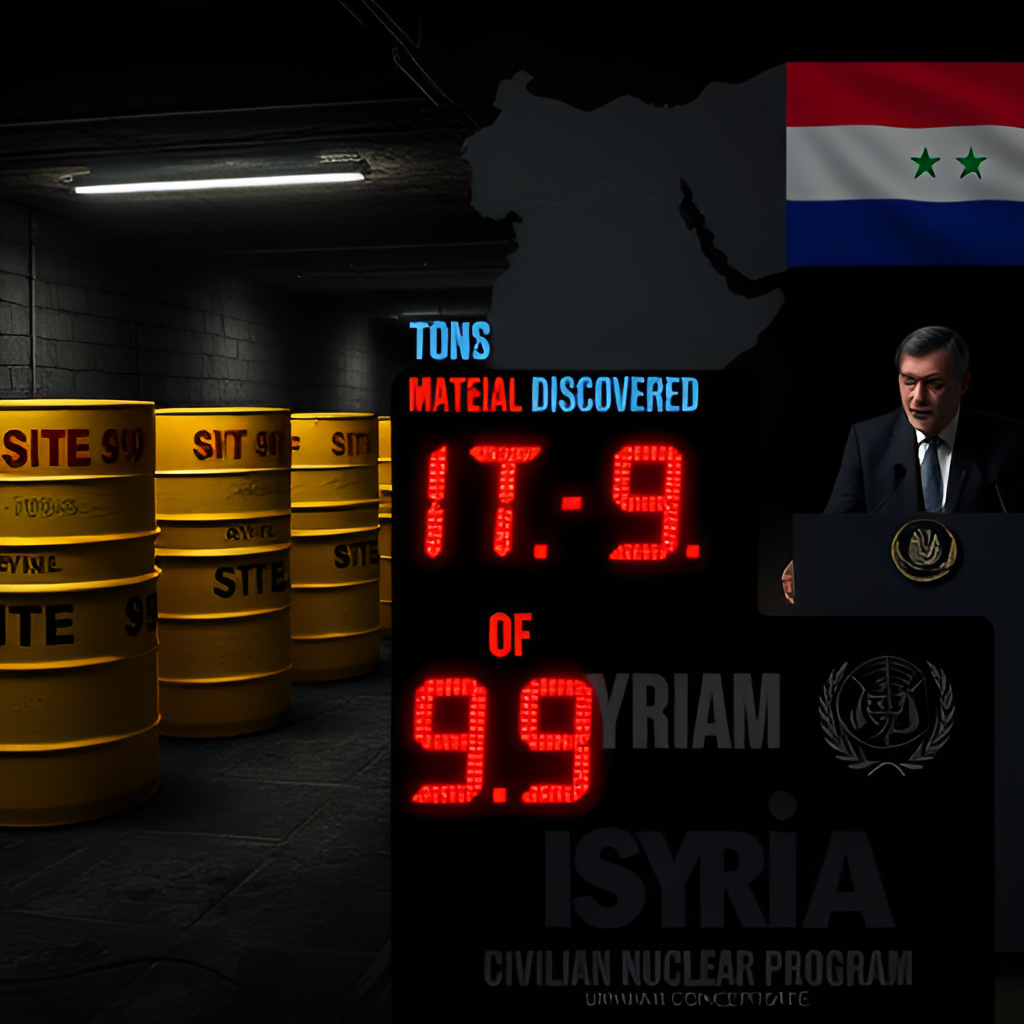
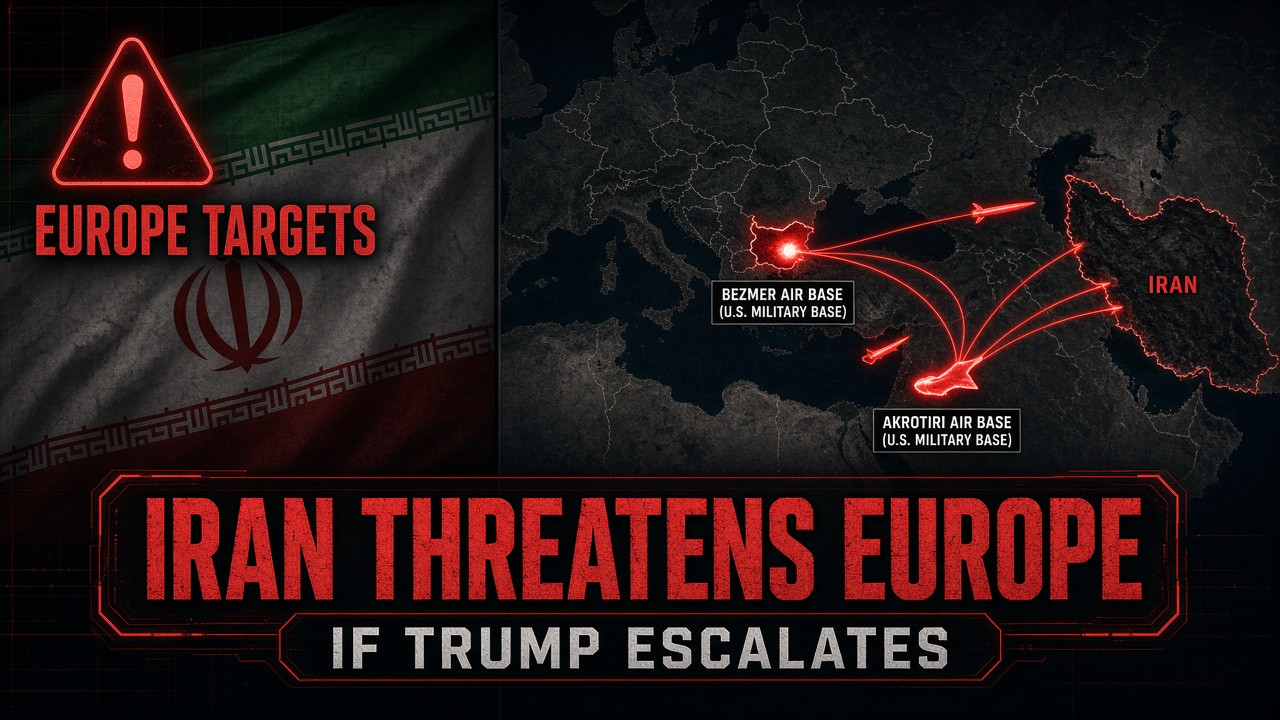
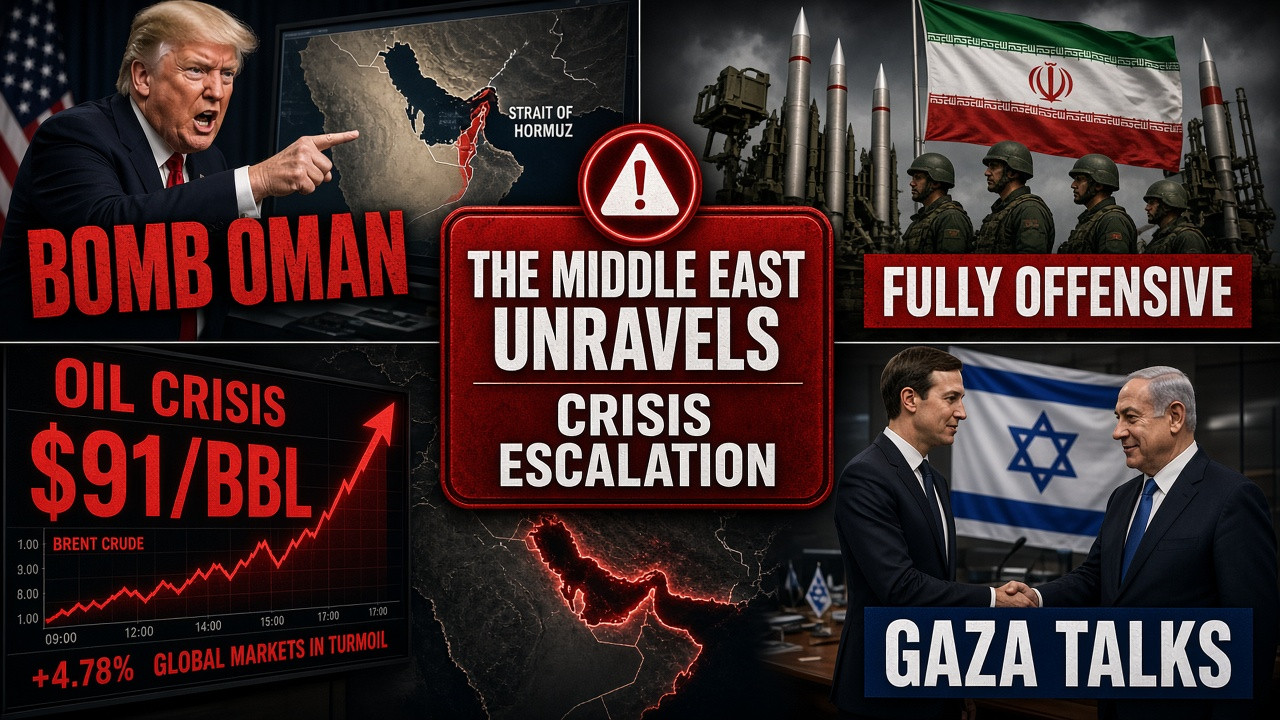
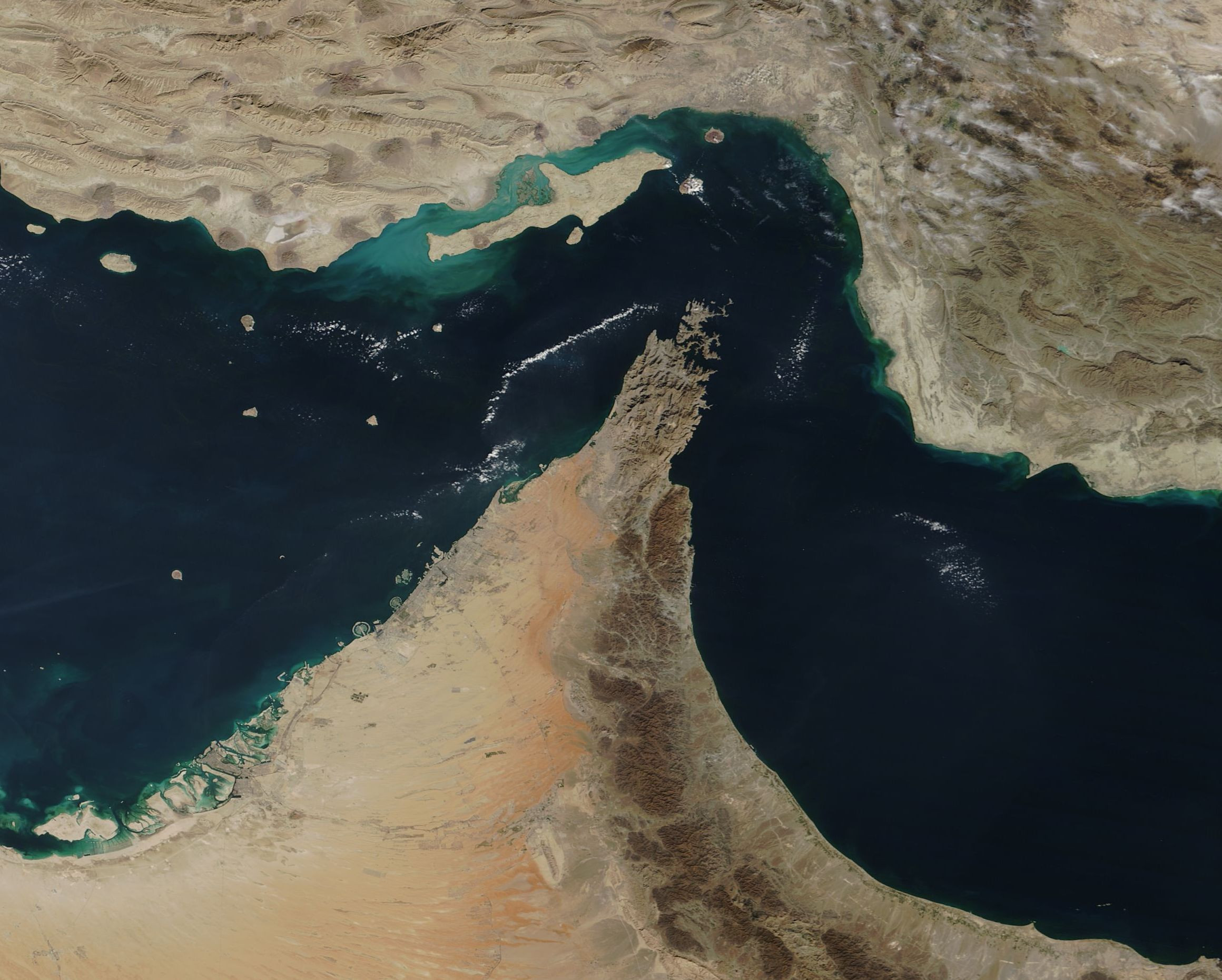








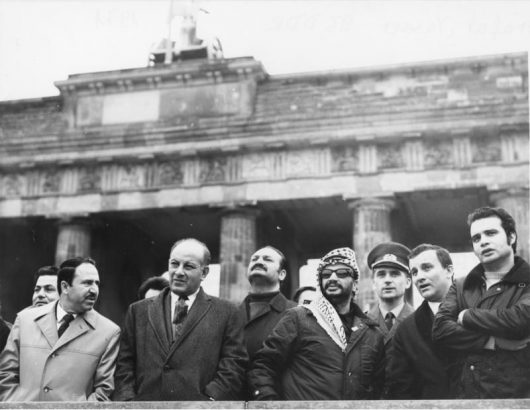




 As a private citizen, Pardo was helping the Israeli entrepreneur Noam Lanir set up a company specializing in the export of medical services to wealthy Russians, when the decision was made to appoint him “chief” of the Mossad. Since entering office six months ago, Pardo has maintained his predecessor’s tradition of active operations while introducing a major organizational reconfiguration. Pardo’s managerial methods are definitely not those of Dagan. Without anyone outside of the Mossad taking note, Pardo replaced all of the key department heads.
 Then, a sudden turnabout occurred. After midnight, on the evening between Monday and Tuesday, Ehud Barak’s office issued a statement that the defense minister would reexamine the list of the Palestinian bodies in light of the protest voiced by the victims of terrorist events and the concern that a valuable bargaining chip might be lost in the negotiations for Gilad Shalit’s return. The Israeli journalist Ben Caspi, writing in the daily Ma’ariv, shed light on the murky matter.
 In order to oversee the defense budget, a special committee of ten Knesset members is appointed: half of them from the finance committee and half from the foreign affairs and defense committee, and all of them have the requisite security clearance level. The chairman of the joint committee is a figure is whose security credentials are of the highest order, unimpeachable to the nth degree – the former chief of staff and defense minister, Knesset Member Shaul Mofaz.
 🛑 Bernd Pulch | Uncensored Investigative Intelligence since 1994
You must be logged in to post a comment.