Institutional Intelligence & Global Market Analysis Date: September 3, 2026 Author: Joe Rogers & Aristotle AI — Senior Macro Strategist Status: STRATEGIC INTELLIGENCE / HIGHLY CONFIDENTIAL
EXECUTIVE SUMMARY: OIL COOLS FROM HIGHS, GOLD REBOUNDS, BOND YIELDS SURGE
September 3, 2026 — Global markets are showing mixed signals as investors weigh geopolitical risks against cooling economic data. Wall Street closed higher on Wednesday, with the S&P 500 gaining 0.46% to 7,666.60 and the Dow rising 0.56% to 53,061.95 . Oil prices edged down 0.6% from multi-week highs as uncertainty over the US-Iran conflict tempered supply fears .
Gold rebounded 1% to $4,385/oz after six consecutive sessions of decline, supported by weaker-than-expected ADP jobs data that slightly cooled Fed rate hike expectations . Bitcoin remained under pressure, holding near $77,000 after briefly dipping below $76,500 . US 10-year Treasury yields surged to 4.818%, their highest level in about three years, as rising energy prices keep inflation concerns alive .
Private equity markets saw major consolidation with EQT AB completing its $3.2B acquisition of Coller Capital . Housing markets show divergent trends: US vacancy rates remain tight at 1.3% , while mortgage rates hit one-year highs at 6.81% .
Key Market Signals:
Asset
Price
Change
S&P 500
7,666.60
+0.46%
Dow Jones
53,061.95
+0.56%
Nasdaq
26,217.83
+0.45%
Brent Crude
$95.07-$95.20/bbl
-0.45% to -0.6%
WTI Crude
$90.51-$90.77/bbl
-0.26% to -0.6%
Spot Gold
~$4,385/oz
+1%
COMEX Gold (Dec)
$4,422/oz
+0.41%
Silver
$65.20/oz
+1.3%
Bitcoin
~$77,133-$77,323
-0.14% to stable
US 10Y Yield
4.796-4.818%
highest in ~3 years
US 30Y Yield
~5.267%
stable
US 2Y Yield
~4.386%
-0.008%
US Mortgage 30Y
6.81%
+0.14% (1-year high)
EQT AUM (post-deal)
€341 billion
–
01 US EQUITIES — MODEST GAINS AMID GEOPOLITICAL UNCERTAINTY
US stocks posted solid gains on Wednesday, erasing three days of losses with the Dow rising 295 points (0.56%) to 53,061.95, the S&P 500 adding 0.46% to 7,666.60, and the Nasdaq gaining 0.45% to 26,217.83 . The small-cap Russell 2000 outperformed with a 1.13% advance .
The rebound was broad-based, with investors taking advantage of the sharp pullback from earlier in the week. However, gains were tempered by continued geopolitical uncertainty surrounding the US-Iran conflict in the Strait of Hormuz and the looming threat of supply disruption .
Key Drivers:
Cooling Employment Data: ADP private sector employment showed only 38,000 new jobs in August, the lowest level since January 2026, slightly dampening expectations for aggressive Fed rate hikes .
Yields Remain Elevated: The 10-year Treasury yield broke above 4.8% intraday, reaching its highest level in about three years at 4.818% .
Corporate Earnings: Technology and AI-related companies continue to borrow heavily to finance infrastructure buildout, with corporate debt issuance adding pressure to bond markets .
Fed Rate Outlook: Markets now see a 64.2% probability of a 25-basis-point rate hike at the September 15-16 FOMC meeting, according to CME FedWatch, a dramatic shift from just a week ago when the odds were heavily tilted toward a pause . Fed Chair Kevin Warsh’s Jackson Hole speech emphasized that inflation remains above the 2% target, with PCE running at 3.7% year-over-year .
02 OIL MARKETS — COOLING FROM MULTI-WEEK HIGHS
Oil prices edged lower on Thursday after surging to multi-week highs earlier in the week. Brent crude futures fell 0.45% to 0.6% to $95.07-$95.20 a barrel, while WTI crude declined 0.26% to 0.6% to $90.51-$90.77 .
Key Drivers:
US-Iran Conflict Uncertainty: Renewed US strikes on Iran triggered fears of supply disruption through the Strait of Hormuz—a critical waterway for global oil shipments . However, as markets assessed the situation, signs that the latest escalation could be easing allowed prices to retreat from their highs .
Supply Disruption Concerns: The US and Iran are engaged in a cycle of escalation. Iran has previously claimed it has tightened its grip on the Strait of Hormuz, raising the risk premium for energy markets .
Profit-Taking: With Brent surging over $4 on Tuesday and WTI rising more than 5%, traders took profits as the immediate risk appeared more contained .
Outlook: Analysts remain cautious, as the Middle East situation is highly volatile. A full-blown escalation could send oil significantly higher, while any de-escalation could prompt a sharp selloff. The risk premium remains elevated .
03 GOLD & SILVER — REBOUNDING AFTER SIX-SESSION LOSING STREAK
Gold reversed course and began rising after six consecutive sessions of decline, which erased key support levels including $4,600, $4,500, $4,400, and $4,300 per ounce .
World Gold Prices (September 3, 2026):
Price Type
Value
Spot Gold
~$4,385/oz (+1%)
COMEX Gold Futures (Dec)
$4,422/oz (+0.41%)
Silver
$65.20/oz (+1.3%)
Key Drivers:
Disappointing ADP Jobs Data: Private sector employment at 38,000 new jobs in August (vs. ~47,000 expected) dampened expectations for aggressive Fed rate hikes, reducing pressure on non-yielding gold .
Technical Rebound: After a sharp decline that saw gold lose several key support levels, the precious metal staged a technical recovery .
Silver Recovered: Spot silver rose $1.30 to $65.20 per ounce, following gold’s upward momentum .
Indian Gold Rates (September 3, 2026):
City
24K Gold (10g)
Chennai
₹1,55,350
Mumbai
₹1,55,350
Delhi
₹1,55,500
Hyderabad
₹1,55,350
On the MCX, gold October futures were at ₹1,53,887 per 10 grams, up 0.97%, while silver futures were at ₹2,38,625 per kg, higher by 1% .
Outlook: Gold and silver remain under technical pressure despite the rebound. Gold held above the $4,263-$4,221/ounce support range but remains below the broken support level of $4,422. The current rally may only be a technical rebound, and the US jobs report on Friday will likely determine the next trend . The Fed’s September rate hike probability remains above 60-70%, keeping gold sensitive to rate expectations .
04 BOND MARKETS — US 10-YEAR YIELD HITS ~3-YEAR HIGH
US Treasury yields surged on Wednesday, with the 10-year note breaking above 4.8% intraday to reach 4.818%—its highest level in about three years . The yield later eased slightly to 4.796%, similar to the previous day’s level.
Key Treasury Yields:
Maturity
Yield
Change
2-Year
~4.386%
-0.008%
10-Year
4.796-4.818%
Highest in ~3 years
30-Year
~5.267%
stable
Key Drivers:
Rising Energy Prices: Surging oil prices have led traders to increase bets on Fed rate hikes to curb inflation, pushing yields higher .
Fiscal Concerns: Bond market sell-off is also tied to longer-term concerns about the fiscal path, according to State Street macro strategists .
Corporate Debt Issuance: Technology giants are borrowing heavily to finance AI infrastructure buildout (data centers), pulling yields higher .
Fed Rate Expectations: Markets now see 64.2% probability of a 25-bps rate hike at the September 15-16 FOMC meeting .
Analyst View: “AI hyperscalers’ willingness to pay reasonably high rates is pulling up yields broadly,” said Naka Matsuzawa, chief macro strategist at Nomura Securities. “The focus now is whether economic growth can keep pace to help economies manage higher borrowing costs.”
Bitcoin remained stable near $77,000 on Thursday, showing resilience despite elevated oil prices and a cooling jobs market .
Key Bitcoin Data:
Metric
Value
Bitcoin Price
$77,133-$77,323
24h Change
-0.14% to stable
Total Crypto Market Cap
~$2.6 trillion (-0.18%)
Key Dynamics:
Short-Term Pressure: BTC briefly fell below $76,500 before recovering toward $77,000, weaker than the rebound in equities .
Divergent Forces: The market is caught between “cooling employment easing rate-hike expectations” and “high oil prices sustaining inflation pressure” .
Accumulation Declining: Glassnode’s accumulation trend index shows the amount of Bitcoin accumulated has decreased over recent days as prices dropped from around $81,000 to $77,000 .
Key Support and Resistance Levels:
Level
Price Range
First Key Support
$76,000-$76,500
Next Major Defense
$75,000
Recovery Above
$78,000-$79,000
Trend Reversal Confirmation
$80,000+
Outlook: Near term, the $76K-$76.5K zone is the first key support for BTC, with $75K serving as the next major defense level. A recovery above $78K-$79K would ease short-term weakness, while a move back above $80K remains the key confirmation for a stronger trend reversal .
06 PRIVATE EQUITY — EQT AB COMPLETES $3.2B COLLER CAPITAL ACQUISITION
Global private equity manager EQT AB completed its acquisition of secondaries specialist Coller Capital on August 31, officially launching “Coller EQT” . The deal aims to secure the position of the largest platform in the global secondaries market, where transaction volume exceeded $120 billion in the first half of 2026—a new record .
Transaction Details:
Element
Detail
Purchase Price
$3.2 billion (cash-and-debt-free basis)
Contingent Consideration
Up to $500 million
Payment Structure
80,360,882 EQT common shares (~7% of total)
EQT Post-Acquisition AUM
€341 billion
EQT Post-Acquisition FAUM
€186 billion
NAV of Integrated Evergreen Platform
€10 billion+
Key Features:
Independence Preserved: Coller’s existing systems for deal origination, underwriting, and investment decisions remain in place .
New Segment: Coller EQT will report as a new “Secondaries” business segment alongside Private Capital, Infrastructure, and Real Estate .
Nine New Strategies: Spanning private equity secondaries and private credit secondaries .
Executive Alignment: Key Coller executives have committed to reinvest their after-tax proceeds in EQT common shares .
Leadership:
Per Franzen (EQT CEO): “Coller EQT is the natural next step… a scaled platform that provides both institutional and individual investors with high-performing investment strategies and liquidity solutions.”
Jeremy Coller (Coller Founder): “Secondaries are one of the most attractive opportunities in today’s private capital markets, and we expect secondaries to become private equity itself over the long term.”
Growth Target: EQT aims to double Coller’s fee-earning AUM (FAUM) within four years without disruption .
07 HEDGE FUNDS — QUANTITATIVE FUNDS REBOUNDING
Trend: Chinese Quantitative Hedge Funds Rebounding Chinese quantitative hedge funds are rebounding after suffering steep losses in the July market sell-off. Popular index-enhancement strategies are now outperforming benchmarks .
Broader Hedge Fund Context: Hedge funds continue to navigate elevated volatility from geopolitical tensions and shifting Fed expectations. The With Intelligence Hedge Fund Index gained 4.95% in Q2 2026, bringing first-half returns to 5.08% . Dollar short positions and tactical risk reductions remain key themes.
08 US REAL ESTATE — SUPPLY SQUEEZE KEEPS PRICES ELEVATED
US Housing Market — Vacancy Rates Stay Tight
US residential vacancy rates remain historically low, signaling persistent supply constraints in housing markets across most regions .
ATTOM Vacant Property Report (Q3 2026):
Metric
Value
US Residential Properties
104.6 million
Vacant Residential Properties
1.3% (unchanged)
Properties in Foreclosure Process
259,666
“Zombie” Foreclosures
8,482 (3.3% of foreclosures)
Investor-Owned Vacant
3.5% (more than double overall)
Key Findings:
Extreme Tightness: In 19 states, the home vacancy rate is below 1 percent, “creating a bottleneck that is helping to keep prices high” .
Highest Vacancy Rates: Oklahoma (2.4%), Kansas (2.4%), Alabama (2.2%), West Virginia (2.1%), Missouri (2.1%) .
Lowest Vacancy Rates: New Hampshire (0.3%), Vermont (0.4%), New Jersey (0.5%), Connecticut (0.5%), Idaho (0.5%) .
Highest Zombie Rates: Youngstown, OH (12.1%), Cedar Rapids, IA (11.6%), Baltimore (11.5%) .
Zombie Trends: Declined in 21 states, with largest increases in Kentucky (+56.8%) and Colorado (+30.1%) .
CEO Quote: “It remains very hard to find an empty home for prospective buyers in most regions,” said ATTOM CEO Rob Barber .
Mortgage Rates — One-Year High
Mortgage rates climbed to their highest levels in a year on Thursday, September 3 . The average 30-year fixed mortgage rate is 6.81%, up from 6.67% a week earlier .
Mortgage Rates (September 3, 2026):
Loan Type
Rate
APR
Change
30-Yr Fixed
6.81%
6.923%
+0.14% (1-year high)
15-Yr Fixed
5.98%
6.198%
+0.14%
Jumbo 30-Yr
6.83%
7.198%
+0.12%
5/6 ARM
6.25%
7.012%
+0.063%
Monthly Payment Impact: For a $100,000 mortgage at 6.81%, monthly principal and interest would be approximately $653, with $135,941 in total interest over the loan life .
Rate Trend Context: Mortgage rates declined in late 2025 following Fed rate cuts but have remained in the mid-6% range throughout the first half of 2026 . The average 15-year fixed mortgage rose to 5.98%, while jumbo 30-year rates reached 6.83% .
09 US BOND YIELDS — NEAR MULTI-YEAR HIGHS
US Treasury yields are at multi-year highs, driven by inflation concerns, geopolitical risks, and corporate debt issuance .
Yields at a Glance:
10-Year Yield: 4.796-4.818% (highest in ~3 years)
30-Year Yield: 5.267%
2-Year Yield: 4.386%
Key Drivers:
Fed Rate Expectations: 64.2% probability of a September rate hike
Inflation: PCE running at 3.7% y/y, above the 2% target
Energy Prices: Rising crude oil is feeding inflation fears
Fiscal Concerns: Bond market selloff tied to longer-term fiscal concerns
Corporate Debt: AI infrastructure spending is driving corporate borrowing
10 ASIAN MARKETS — CHINA FLAT, HONG KONG DOWN
China — Shanghai Composite Flat
China’s stock market ended nearly flat on Thursday as investors awaited key economic data. Property stocks rose 4.1%, breaking a three-day losing streak .
Key Drivers:
Property stocks gained after a three-day decline
Investors waiting for economic indicators
Citi analysts noted that “the notable question is whether a catch-up recovery will start in September with recent policy support”
Hong Kong — Hang Seng Declines
Hong Kong’s Hang Seng index fell on Thursday, tracking weakness in property and technology stocks .
The US-Iran military confrontation remains at a critical level. After a sharp escalation earlier in the week that saw oil prices surge to multi-week highs, the situation has entered a phase of uncertainty .
Key Developments:
Fresh US Strikes: US forces conducted new strikes against Iranian Revolutionary Guard targets
Iran Response: Iran has vowed retaliation
Strait of Hormuz Risks: The strategic waterway remains under threat of disruption
Market Impact:
Oil Risk Premium: Prices have cooled from highs but remain elevated
Safe Haven Demand: Gold and bonds continue to attract flows
Volatility Risk: Markets remain sensitive to any new developments
Oil Market Implications: If the conflict escalates further, oil could move significantly higher. If diplomacy progresses, prices could fall sharply .
📺 YouTube: youtube.com/@bernd_pulch 🐦 X (Twitter): x.com/berndsocial1 📢 Telegram: t.me/ABOVETOPSECRETXXL 🔓 UNLOCK THE TRUTH: berndpulch.org/join
Tags: S&P 500, Dow Jones, Nasdaq, Brent Crude, WTI Crude, Gold, Silver, Bitcoin, US Treasury Yields, EQT AB, Coller Capital, Private Equity, US Housing, Mortgage Rates, US-Iran Conflict, Strait of Hormuz, Geopolitical Risk, Fed Rate Hike, Non-Farm Payrolls, Joe Rogers Aristotle AI, September 3 2026
INVESTMENT DAILY — 3. SEPTEMBER 2026
GEGRÜNDET IM JAHR 2000 ANNO DOMINI ✌
Institutionelle Intelligenz & Globale Marktanalyse Datum: 3. September 2026 Autor: Joe Rogers & Aristotle AI — Senior Makro-Strategen Status: STRATEGISCHE INTELLIGENZ / STRENG VERTRAULICH
ZUSAMMENFASSUNG: ÖL KÜHLT VON HÖCHSTWERTEN AB, GOLD ERHOLT SICH, RENDITEN STEIGEN WEITER
September 2026 — Die globalen Märkte zeigen gemischte Signale, während die Anleger geopolitische Risiken gegen abkühlende Konjunkturdaten abwägen. Die Wall Street schloss am Mittwoch fester: Der S&P 500 gewann 0,46 % auf 7.666,60, während der Dow um 0,56 % auf 53.061,95 stieg .
Die Ölpreise gaben von den Mehrmonatshochs leicht nach, während die Unsicherheit über den US-iranischen Konflikt die Angebotssorgen dämpfte. Gold erholte sich um 1 % auf 4.385 $/oz, nachdem es sechs Tage in Folge gefallen war. Die Rendite zehnjähriger US-Staatsanleihen kletterte auf 4,818 % – den höchsten Stand seit etwa drei Jahren .
Wichtige Marktsignale:
Anlageklasse
Preis
Veränderung
S&P 500
7.666,60
+0,46 %
Dow Jones
53.061,95
+0,56 %
Nasdaq
26.217,83
+0,45 %
DAX
25.839
-0,50 % (Dritter Tag Verluste)
CAC 40
8.280,63
-0,26 %
FTSE 100
10.756,45
-0,30 %
Nikkei 225
~64.214
-0,2 %
Hang Seng
25.213,31
-0,39 % (4. Tag Verluste)
Shanghai Composite
3.941,39
-0,97 %
Brent-Rohöl
~95,07-95,20 $/Barrel
-0,45 % bis -0,6 %
WTI-Rohöl
~90,51-90,77 $/Barrel
-0,26 % bis -0,6 %
Gold (Spot)
~4.385 $/oz
+1 %
Silber
~65,20 $/oz
+1,3 %
Bitcoin
~77.133-77.323 $
stabil bis -0,14 %
US-10J-Rendite
4,818 %
Höchster Stand seit etwa 3 Jahren
01 US-AKTIEN — LEICHTE GEWINNE TROTZ GEOPOLITIK
Die US-Aktien verzeichneten am Mittwoch solide Gewinne und beendeten damit eine dreitägige Verlustserie . Der S&P 500 stieg um 0,46 % auf 7.666,60, der Dow legte 0,56 % auf 53.061,95 zu, und der Nasdaq gewann 0,45 % auf 26.217,83 .
Wichtigste Treiber:
Abkühlende Arbeitsmarktdaten: Der ADP-Bericht zeigte nur 38.000 neue Stellen im August – der niedrigste Wert seit Januar 2026 – was die Erwartungen an aggressive Fed-Zinserhöhungen leicht dämpfte .
Renditen bleiben erhöht: Die 10-Jahres-Rendite durchbrach 4,8 % und erreichte 4,818 %, den höchsten Stand seit November 2023 .
Unternehmensanleihen: Technologiekonzerne nehmen weiterhin hohe Kredite für KI-Infrastruktur auf, was den Anleihemarkt zusätzlich belastet .
Ausblick auf die Fed: Der CME FedWatch zeigt eine 64,2%ige Wahrscheinlichkeit für eine Zinserhöhung um 25 Basispunkte auf der FOMC-Sitzung vom 15. bis 16. September – ein dramatischer Wandel gegenüber der Vorwoche, als die Erwartungen noch auf eine Pause ausgerichtet waren .
02 EUROPÄISCHE MÄRKTE — DAX SETZT RUTSCH FORT
Die europäischen Märkte zeigten sich am Donnerstag schwächer als die Wall Street.
DAX: Der deutsche Leitindex fiel um 0,50 % auf 25.839 Punkte und verzeichnete damit den dritten Verlusttag in Folge . Seit seinem Rekordhoch vom vergangenen Freitag bei 26.618 Punkten hat der DAX den Rückwärtsgang eingelegt .
CAC 40: Der französische Index gab um 0,26 % auf 8.280,63 Punkte nach, belastet durch die anhaltenden Spannungen am Anleihemarkt und die geopolitische Lage im Nahen Osten .
FTSE 100: Der Londoner Leitindex verlor 0,30 % auf 10.756,45 Punkte .
Belastende Faktoren:
Steigende Ölpreise und Inflationsängste
Drohende Zinserhöhungen
Iranische Angriffe auf US-Militärinteressen in Kuwait am Donnerstag
03 ASIATISCHE MÄRKTE — UNEINHEITLICHES BILD
Die asiatischen Märkte zeigten am Donnerstag ein uneinheitliches Bild.
Japan: Der Nikkei 225 gab um 0,2 % auf 64.214,48 Punkte nach, belastet durch den starken Yen und Spekulationen über eine mögliche Devisenmarktintervention .
Hongkong: Der Hang Seng fiel um 0,39 % auf 25.213,31 Punkte – der vierte Verlusttag in Folge und der niedrigste Stand seit etwa drei Wochen .
China: Der Shanghai Composite schloss bei 3.941,39 Punkten (-0,97 %), nach zwei Tagen Verlusten von insgesamt 1,3 % .
04 ÖLMÄRKTE — LEICHTE RÜCKGANGSBEWEGUNG
Die Ölpreise gaben am Donnerstag von den Mehrmonatshochs leicht nach. Brent-Rohöl fiel um 0,45 % bis 0,6 % auf 95,07 bis 95,20 $/Barrel, während WTI um 0,26 % bis 0,6 % auf 90,51 bis 90,77 $/Barrel nachgab.
Wichtigste Treiber:
Unsicherheit über US-Iran-Konflikt: Der Iran griff am Donnerstag US-Militärinteressen in Kuwait an, trotz Trumps Drohungen mit weiteren Bombardements . Die Lage bleibt hochgradig instabil.
Gewinnmitnahmen: Nachdem Brent am Dienstag um über 4 $ gestiegen war, nutzten Händler die Gelegenheit zur Gewinnmitnahme.
Angebotssorgen: Die Spannungen um die Straße von Hormus halten das Risiko von Lieferunterbrechungen präsent .
05 GOLD — ERHOLUNG NACH VERLUSTSERIE
Gold erholte sich um 1 % auf etwa 4.385 $/oz, nachdem es sechs aufeinanderfolgende Handelstage an Wert verloren hatte .
Wichtigste Treiber:
Enttäuschende ADP-Arbeitsmarktdaten: Mit nur 38.000 neuen Stellen im August wurden die Erwartungen an aggressive Fed-Zinserhöhungen gedämpft, was den Druck auf das zinslose Gold verringerte.
Technische Erholung: Nach dem starken Rückgang, bei dem Gold mehrere wichtige Unterstützungsniveaus verlor, kam es zu einer technischen Gegenbewegung.
Silber: Folgte der Aufwärtsbewegung von Gold und stieg um 1,3 % auf etwa 65,20 $/oz.
06 ANLEIHENMÄRKTE — 10-JAHRES-RENDITE AUF 3-JAHRES-HOCH
Die Rendite zehnjähriger US-Staatsanleihen kletterte auf 4,818 % – den höchsten Stand seit November 2023 .
Laufzeit
Rendite
Veränderung
2 Jahre
~4,386 %
-0,008 %
10 Jahre
4,818 %
Höchster Stand seit 2023
30 Jahre
~5,267 %
stabil
Wichtigste Treiber:
Steigende Energiepreise: Die Ölpreisrallye führte zu Wetten auf weitere Fed-Zinserhöhungen zur Inflationsbekämpfung .
Fiskalische Bedenken: Die Anleiheverkäufe sind auch mit längerfristigen Sorgen über die US-Fiskalpolitik verbunden .
Unternehmensanleihen: Technologiekonzerne nehmen hohe Kredite für KI-Infrastruktur auf .
Fed-Erwartungen: 64,2 % Wahrscheinlichkeit für eine Zinserhöhung im September .
07 BITCOIN — HÄLT SICH ÜBER 77.000 $
Bitcoin zeigte sich am Donnerstag widerstandsfähig und hielt sich nahe der 77.000-$-Marke.
Kennzahl
Wert
Bitcoin-Preis
77.133-77.323 $
24h-Veränderung
-0,14 % bis stabil
Wichtige Dynamiken:
Kurzfristiger Druck: BTC fiel kurzzeitig unter 76.500 $, bevor es sich wieder in Richtung 77.000 $ erholte.
Widerstreitende Kräfte: Der Markt schwankt zwischen “abkühlender Arbeitsmarkt dämpft Zinserwartungen” und “hohe Ölpreise halten Inflationsdruck aufrecht”.
Wichtige Unterstützungs- und Widerstandsniveaus:
Level
Preisspanne
Erste Unterstützung
76.000-76.500 $
Nächste Verteidigungslinie
75.000 $
Erholung über
78.000-79.000 $
Trendumkehrbestätigung
80.000 $+
08 PRIVATE EQUITY — EQT ABSCHLUSS DER COLLER-CAPITAL-ÜBERNAHME
EQT AB schloss am 31. August die Übernahme des Secondaries-Spezialisten Coller Capital ab und startete offiziell “Coller EQT” . Der Deal sichert EQT die Position als größte Plattform im globalen Secondaries-Markt, wo das Transaktionsvolumen im ersten Halbjahr 2026 mit über 120 Mrd. $ einen neuen Rekord erreichte .
Transaktionsdetails:
Element
Detail
Kaufpreis
3,2 Mrd. $ (schuldenfrei)
Zusätzliche Zahlung
bis zu 500 Mio. $
Zahlungsstruktur
80.360.882 EQT-Stammaktien (~7 %)
EQT AUM nach Übernahme
341 Mrd. €
EQT FAUM nach Übernahme
186 Mrd. €
NAV der integrierten Evergreen-Plattform
über 10 Mrd. €
Wachstumsziel: EQT will das gebührenbringende AUM von Coller innerhalb von vier Jahren verdoppeln .
09 US-IMMOBILIENMARKT — LEERSTANDSQUOTEN AUF NIEDRIGEM NIVEAU
Die US-Wohnimmobilien-Leerstandsquoten bleiben auf einem historisch niedrigen Niveau von 1,3 %.
Kennzahl
Wert
US-Wohnimmobilien
104,6 Mio.
Leerstand
1,3 % (unverändert)
Immobilien in Zwangsvollstreckung
259.666
“Zombie”-Zwangsversteigerungen
8.482 (3,3 %)
Hypothekenzinsen: Die durchschnittliche 30-jährige Festhypothek stieg auf 6,81 % – der höchste Stand seit einem Jahr.
Institutional Intelligence & Global Market Analysis Date: September 2, 2026 Author: Joe Rogers & Aristotle AI — Senior Macro Strategist Status: STRATEGIC INTELLIGENCE / HIGHLY CONFIDENTIAL
EXECUTIVE SUMMARY: OIL SURGES PAST $96 AS HORMUZ CONFLICT ESCALATES, STOCKS TUMBLE, GOLD SLIDES
September 2, 2026 — Global markets are in full risk-off mode as the US-Iran military confrontation in the Strait of Hormuz intensifies dramatically. US forces launched fresh strikes against Iranian Revolutionary Guard targets on Tuesday, with President Trump claiming the US now has “almost total control” of the strategic waterway. Oil prices surged past $96/barrel for Brent and $92/barrel for WTI as traders price in a sustained geopolitical risk premium.
US stocks tumbled for a third consecutive session, with the Dow falling 419 points (-0.79%) to 52,766.88, the S&P 500 dropping 0.71% to 7,631.47, and the Nasdaq sliding 1.03% to 26,099.77 as AI stocks and tech names came under renewed pressure. The 10-year Treasury yield surged to 4.81% — its highest level in 20 months — while the 30-year yield jumped to 5.26-5.28%. The VIX fear gauge spiked to 16.34.
Gold continued its slide to $4,316-4,330/oz, while silver dropped to $64.19/oz as dollar strength and surging bond yields weighed heavily on precious metals. Bitcoin showed resilience, holding above $77,000 despite the broader risk-off sentiment. Private equity deal flow remained robust with HSBC joining the bidding war for Nuvama Wealth and Blackstone preparing to list Spanish hotelier HIP.
Key Market Signals:
Asset Price Change Dow Jones 52,766.88 -0.79% (-419 pts) S&P 500 7,631.47 -0.71% (-54.67 pts) Nasdaq 26,099.77 -1.03% (-271.12 pts) VIX 16.34 +9.5% Brent Crude $96.54-96.63/bbl +2.0% WTI Crude $91.77-92.00/bbl +1.72% Spot Gold $4,316-4,330/oz -0.3% to -1.17% Silver $63.92-64.19/oz -0.5% to -0.11% Copper (LME) $14,125-14,192/t -0.7% to -1.05% Bitcoin ~$77,280-77,496 -1.5% US 10Y Yield 4.81% +8 bps US 30Y Yield 5.26% +13 bps US 2Y Yield 4.40% +6 bps
01 US EQUITIES — THIRD STRAIGHT LOSS AS OIL AND YIELDS BITE
Wall Street closed lower for the third consecutive session on Tuesday, kicking off September — historically the worst-performing month for US stocks — on a sour note. The Dow Jones Industrial Average fell 419.02 points (-0.79%) to 52,766.88, the S&P 500 sank 54.67 points (-0.71%) to 7,631.47, and the Nasdaq Composite shed 271.12 points (-1.03%) to 26,099.77.
Sector Performance: Seven of the 11 primary S&P 500 sectors ended in the red:
· Consumer Discretionary: -1.89% (worst performer) · Industrials: -1.39% · Communication Services: -1.4% · Energy: +1.54% (best performer, led by oil majors) · Utilities: +0.85%
Chevron advanced 2.4% and ExxonMobil gained 2.2%, benefiting from surging crude prices.
Market Breadth: Decliners outnumbered advancers on the NYSE by a 2.19-to-1 ratio, and on the Nasdaq by 2.71-to-1. A total of 15.67 billion shares traded, above the 20-session average of 15.60 billion.
Key Drivers:
· Geopolitical Oil Shock: US military strikes against Iran pushed WTI above $92/bbl and Brent toward $97/bbl, reigniting inflation fears · Soaring Bond Yields: The 10-year Treasury yield hit 4.81% — the highest in 20 months — as the market repriced Fed rate expectations · Fed Rate Expectations: CME Fedwatch shows 68% probability of a September rate hike · Weak Economic Data: Several economic releases came in weaker than expected
02 ASIAN MARKETS — BROAD SELL-OFF
Asian markets suffered heavy losses on Wednesday, tracking Wall Street’s decline and reacting to escalating Middle East tensions:
Index Change Japan Nikkei 225 -2.98% Japan Topix -2.18% South Korea Kospi -3.59% South Korea Kosdaq -1.49% Hong Kong Hang Seng -0.96% China CSI 300 -1.25% China Shanghai Composite -0.82% Australia S&P/ASX 200 -1.05%
Japan: The Nikkei 225 dropped nearly 3%, its worst single-day decline in months, as rising oil prices and a strengthening yen weighed on export-oriented stocks.
South Korea: The Kospi plunged 3.59%, the steepest decline among major Asian markets, as semiconductor stocks came under pressure from rising yields and geopolitical uncertainty.
Hong Kong & China: Both markets declined, though losses were more contained than in Japan and Korea, with the Hang Seng down 0.96% and the CSI 300 off 1.25%.
03 OIL MARKETS — SURGES PAST $96 ON HORMUZ ESCALATION
Crude prices surged sharply on Wednesday as US-Iran military tensions escalated dramatically.
· Fresh US Strikes on Iran: US Central Command confirmed American forces launched new strikes against Iranian Revolutionary Guard Corps targets. President Trump claimed the US now has “almost total control” of the Strait of Hormuz. · Brent Hits 6-Week High: Brent rose $4.16, or 4.6%, to settle at $94.65 on Tuesday, with both benchmarks hitting their highest levels since July 24 at $97.04 and $92.29 respectively. · Supply Disruption Fears: Iran has effectively closed the Strait to commercial shipping, a critical waterway that carried about one-fifth of global oil consumed before the conflict. The latest exchange followed attacks on two tankers departing the Strait on Monday. · Tanker Attacks: US forces struck two Iranian government tankers as part of a broader wave of attacks, according to Axios. A tanker passing through the Strait was hit by three unknown projectiles on August 31. · Iranian Casualties: A US missile strike on three locations in Iran’s Khuzestan province killed seven people and injured eight others. · Trump Threatens More: President Trump warned of potential additional military strikes against Iranian infrastructure. · Retaliation Cycle: Iran had previously launched at least eight ballistic missiles against US forces in Jordan.
Analyst View: “Both Brent and WTI have traded above the $90 level this week, and a return toward $100 oil cannot be ruled out if the current escalatory phase continues,” said Tim Waterer, chief market analyst at KCM. Saxo Bank’s Ole Hansen noted: “The market is facing a binary risk… oil remains highly volatile, with a potential $5 move in either direction on fresh developments”.
04 COMMODITIES — GOLD SLIDES, BASE METALS MIXED
Precious metals tumbled as the dollar strengthened and bond yields surged, while base metals showed mixed performance.
Key Commodity Prices:
Commodity Price Change Gold (Spot) $4,316-4,330/oz -0.3% to -1.17% Gold (COMEX) $4,328.70/oz -2.53% (prev. close) Silver (Spot) $63.92-64.19/oz -0.1% to -0.5% Silver (COMEX) $64.155/oz -0.78% Copper (LME) $14,125-14,192/t -0.7% to -1.05% Aluminum (LME) $3,272/t +0.9% Zinc (LME) $3,905/t +0.6% Lead (LME) $1,915/t +0.5% Nickel (LME) $16,675/t -0.6% Tin (LME) $54,500/t +0.1% Natural Gas ~$3.00/MMBtu stable
Gold & Silver: The precious metals complex faced significant headwinds from a strengthening dollar and surging bond yields. Gold extended its weakness at the open, falling $51.40 or 1.17% to $4,345.00 per troy ounce. Silver also retreated, with spot prices falling to $63.92-64.19/oz. The 10-year Treasury yield hitting 4.81% — a 20-month high — makes non-yielding assets like gold less attractive.
Base Metals: Copper fell 0.7% to 1.05% on demand concerns. Aluminum rose 0.9% to $3,272/t, while zinc gained 0.6% and lead added 0.5%. Nickel declined 0.6%. The mixed performance reflects uncertainty about global industrial demand amid geopolitical tensions.
05 TREASURY MARKETS — YIELDS SOAR TO MULTI-MONTH HIGHS
US Treasury yields surged across the curve on Tuesday as markets continued to price in a more hawkish Fed following Chair Warsh’s Jackson Hole remarks.
· Hawkish Fed Repricing: Following Chair Warsh’s Jackson Hole speech warning about sticky inflation, markets now price a 68% probability of a September rate hike. · Geopolitical Risk Premium: Surging oil prices on Hormuz tensions have reignited inflation fears, pushing bond yields higher. · Global Bond Selloff: Yields are rising globally, with the US 10-year hitting 4.81%, UK 10-year at 5.22%, and Germany’s 10-year at 3.34%.
06 CRYPTO MARKETS — TOP 50 CRYPTOCURRENCIES
Crypto markets traded lower on Wednesday as geopolitical tensions and macroeconomic uncertainty weighed on risk assets. The global crypto market capitalization stood at $2.7 trillion, down 1.4% over 24 hours.
Top 50 Cryptocurrencies by Market Cap (September 2, 2026):
· Bitcoin Declines: BTC fell 1.5% to $77,280, maintaining market cap above $1.55 trillion, with BTC briefly dropping to $76,400 before recovering. · Ethereum Slides: ETH dropped 2% to $2,410-2,413, with market cap near $291 billion. · Solana Underperforms: SOL fell 3.1% to $99.85, recording the largest decline among major altcoins. · TRON Drops 3.1%: TRX declined to $0.3218-0.3222. · Top Gainer: Uniswap (UNI) surged 13.27%, leading the top 100. · Other Gainers: UnifAI Network (UAI) +50.1%, MarsCoin (MARSCOIN) +47.3%, Siacoin (SC) +39.2%, Fusionist (ACE) +33.7%.
07 PRIVATE EQUITY — HSBC JOINS NUVAMA BIDDING WAR, BLACKSTONE PREPARES HIP IPO
Private equity markets remain highly active with multiple significant transactions in motion.
HSBC Joins Bidding War for Nuvama Wealth
HSBC has joined at least six private equity firms in the race to acquire a 54% stake in India’s Nuvama Wealth and Investment, valued at approximately $1.8 billion.
Key Details:
· Competitors: Brookfield, Warburg Pincus, EQT, CVC Capital, Permira, ChrysCapital, and General Atlantic · Valuation: The 53.98% stake held by PAG is valued at approximately 173.36 billion rupees · Open Offer: The transaction will trigger an open offer for an additional 26% of Nuvama · Timeline: Non-binding offers were submitted last week, with at least two strategic investors expected to join this week
Blackstone Preparing IPO for Spanish Hotelier HIP
Blackstone is preparing an initial public offering for Spain’s Hotel Investment Partners (HIP) by late October or early November. Blackstone acquired HIP from Banco Sabadell in 2017.
Bain and Lone Star Plan Second-Round Bids for Nikkon
Bain Capital LP and Lone Star Funds are considering proposals in a second round of bidding to take Japanese logistics group Nikkon Holdings Co. private, with the second round scheduled for the first half of September.
Permira to Acquire Stake in Cloudnine Hospitals Parent
Global private equity firm Permira is set to acquire a 25.71% stake in Kids Clinic India Limited (KCIL), the parent company of Cloudnine Hospitals, for approximately 11,000 crore rupees.
08 HEDGE FUNDS — GREENLIGHT DOWN 1.2% IN AUGUST
Greenlight Capital
David Einhorn’s Greenlight Capital lost 1.2% in August, trimming its year-to-date gain to 5.7%. Several major positions, including California utility PG&E, generated double-digit losses last month. PG&E Corp dropped 20.1% on Monday.
Jupiter Quant Fund
A hedge fund linked to one of China’s best-known quantitative firms lost more than 40% of its value in just over three weeks of trading this month as AI-linked shares plummeted.
Hedge Fund Industry Performance
Hedge funds delivered a strong second quarter in 2026, with the With Intelligence Hedge Fund Index gaining 4.95% in Q2, bringing first-half returns to 5.08%.
Key Trends:
· Rebounding Chinese Quants: Chinese quantitative hedge funds are rebounding after steep losses in the July sell-off · Dollar Shorts: Hedge funds are increasingly shorting the dollar · Citadel’s Risk Reduction: Ken Griffin confirmed Citadel has unwound more than 80% of the risk tied to its Situational Awareness portfolio
09 REAL ESTATE — US HOUSING SLOWS, EUROPEAN PROPERTY SHOWS RESILIENCE
US Housing Market — Buyers Gain Leverage
The US housing market showed continued signs of a slowdown in August as rising mortgage rates and high prices weighed on demand.
Key US Housing Data:
Indicator Value Change Median Home Price ~$400,649 +1.9% YoY 30-Year Fixed Mortgage Rate 6.65-6.75% Near 13-month high Pending Home Sales — -0.2% YoY (first decline since Nov 2025) Contract Signings — -3.7% YoY Days on Market 60 days +3 days from July Mortgage Applications — -5% YoY
Key Trends:
· Inventory Rising: New listings rose 0.4% week-over-week to their highest level since April, while total homes for sale hit their highest level since May. · Buyer’s Market Emerging: With inventory rising and demand declining, buyers have opportunities in much of the country, led by Miami, Nashville, and much of Texas. · Prime Bargain Window: Late August to early September is the prime time for buyers to score a deal in 11 metro areas, including much of California, Seattle, and NYC suburbs. · Rate Pressures: Monthly mortgage rates have risen for six straight months, from a 2026 low of 6.05% in February to 6.67% in August.
Outlook: According to Realtor.com economist Jake Krimmel: “The U.S. just suffered through two of the hottest months on record — hardly ideal house-hunting weather. So there were already seasonal housing market headwinds, and the rate backdrop isn’t helping matters”.
European Property Market — Resilience Continues
European commercial property values continued their positive trajectory, recording an eighth consecutive quarter of appreciation.
Key European Property Data:
Metric Value Change Pan-European Commercial Property Values — +0.3% Q2 2026 Office Prime Yields (Europe) 4.9% Stable Residential Sector (Europe) — +0.7% Q2, +3.3% YoY Cross-Border Investment (H1 2026) 36% of total Highest since 2022
Key Trends:
· Office Yields Stable: Average prime office yields across Europe remained stable at 4.9% in Q2 2026. Dublin fell to 4.75%, Milan fell to 4.00%, while Oslo rose to 4.75%. · Residential Leads: The residential sector remained the strongest performing asset class in Q2, with values rising 0.7% compared to Q1 and 3.3% year-over-year. · Cross-Border Investment Rising: Cross-border investments made up 36% of total European office activity in H1 2026, the highest share since 2022. · Vacancy Divergence: Office vacancy in European Central Business Districts rose to 4.9%, while the wider market saw 9.5% vacancy.
Lisbon Prime Rents: Prime rents in Lisbon reached €145/sqm/month for street retail, €115/sqm/month for shopping centers, and €13.5/sqm/month for retail parks.
Outlook: Aberdeen Investments forecasts European all-property returns of 7.6% annualized over three years, with income and modest rental growth driving performance.
Hong Kong Property — Primary Residential Surges
Hong Kong’s primary residential market showed strong signs of recovery in August, with transactions surging 34% month-over-month to approximately 1,090 units, marking a three-month high.
Key Details:
· Transaction Value: Approximately HK$15.82 billion, up about 40% month-over-month · Luxury Market: H1 2026 saw over HK$100 million in primary transactions rise to 107 units, up 127% from 47 units in the same period last year · Market Assessment: According to Midland Holdings CEO, the Hong Kong property consolidation phase is gradually coming to an end
China Property — Mixed Signals
China’s property market showed mixed signals with land investment declining but new home prices edging higher.
Indicator Value Change Top 100 Developers Land Investment RMB 497.9B -17.8% YoY (YTD) Average New Home Price (100 cities) RMB 17,255/sqm +0.15% MoM, +2.04% YoY Average Existing Home Price (100 cities) RMB 12,527/sqm -0.45% MoM Beijing Second-Hand Transactions 13,853 (Aug) +6% YoY (YTD)
Key Trends:
· Leading developers: China Resources Land, Poly Developments, Yuexiu Property · High-quality project launches in Shanghai, Hangzhou, Chengdu, and Tianjin are driving new home prices higher · The average existing home price in 100 cities fell 0.45% month-over-month
The conflict between the US and Iran escalated sharply on Tuesday, with American forces carrying out a fresh wave of strikes and Iran retaliating.
Key Developments:
· New US Strikes: US Central Command confirmed American forces launched new strikes against Iranian Revolutionary Guard Corps targets inside Iran. · Trump’s Claim: President Trump claimed the US has “almost total control” of the Strait of Hormuz. · Iranian Casualties: Seven people were killed and eight others injured after a US missile strike targeted three locations in Iran’s Khuzestan province. · Oil at 6-Week High: Brent hit $97.04 and WTI hit $92.29, their highest levels since July 24. · Supply Disruption: Iran has effectively closed the Strait to commercial shipping. · Tanker Attacks: Two tankers departing the Strait were attacked on Monday.
Market Impact:
· Oil: Brent above $96, WTI above $91 · Safe Havens: Gold and bonds saw flows despite yield pressure · Risk Assets: Equities sold off broadly · Volatility: VIX surged 9.5% to 16.34
11 UPCOMING EVENTS — KEY CATALYSTS
Wednesday, September 2:
· US ADP Private Payrolls (8:15 AM ET) · US Factory Orders (10:00 AM ET) · Federal Reserve Beige Book (2:00 PM ET) · After-Hours Earnings: Hewlett Packard Enterprise, Snowflake, Broadcom
Thursday, September 3:
· US Initial Jobless Claims · US ISM Services PMI · US Trade Balance
Friday, September 4:
· US Non-Farm Payrolls (key event of the week) · US Unemployment Rate · US Average Hourly Earnings
12 STRATEGIC ADVISORY
US Equities
· Current: Dow 52,766.88, S&P 7,631.47, Nasdaq 26,099.77 · Outlook: Hawkish Fed repricing and geopolitical oil shock create significant headwinds. September historically the worst month for US stocks. · Key Levels: S&P support at 7,600, resistance at 7,700.
Oil
· Current: Brent $96.54-96.63/bbl, WTI $91.77-92.00/bbl · Geopolitical Risk: Hormuz escalation keeps supply disruption fears front and center. No signs of de-escalation. · Key Levels: Brent resistance at $97-100, support at $92-93.
Gold & Precious Metals
· Current: Gold $4,316-4,330/oz, Silver $63.92-64.19/oz · Headwinds: Dollar strength and rising yields continue to pressure precious metals. · Key Levels: Gold support at $4,300, resistance at $4,400.
Bitcoin & Crypto
· BTC: ~$77,280-77,496, holding above key support · Key Levels: Support at $77,000, resistance at $79,000-80,000. · Outlook: Showing resilience despite risk-off sentiment, but yields and dollar strength remain headwinds.
Private Equity
· Nuvama Wealth: HSBC joins $1.8B bidding war · Nikkon: Bain and Lone Star plan second-round bids · Cloudnine: Permira to acquire 25.71% stake · HIP: Blackstone preparing Spanish hotel IPO
Real Estate
· US: Buyers gaining leverage as inventory rises; median home price at ~$400,649 (+1.9% YoY) · Europe: Commercial property values up 0.3% Q2 2026 — eighth consecutive quarter · Hong Kong: Primary residential surged 34% MoM in August
Risk Management
· Geopolitics: US-Iran conflict at extreme levels. Oil supply disruption risk is real and immediate. · Hawkish Fed: 68% probability of September rate hike. 10-year yield at 4.81% (20-month high) · US Jobs Report: Friday’s NFP could confirm or undermine the hawkish thesis. · Volatility: VIX at elevated levels, risk environment remains challenging.
Joe Rogers & Aristotle AI Senior Macro Strategist September 2, 2026
📺 YouTube: youtube.com/@bernd_pulch 🐦 X (Twitter): x.com/berndsocial1 📢 Telegram: t.me/ABOVETOPSECRETXXL 🔓 UNLOCK THE TRUTH: berndpulch.org/join
Tags: Dow Jones 52,766, S&P 500 7,631, Nasdaq 26,099, VIX, Brent Crude $96.54, WTI Crude $91.77, Gold $4,316, Silver $64, Copper $14,125, Bitcoin $77,280, Ethereum $2,410, Solana $99, XRP $1.34, BNB $687, Dogecoin $0.081, Cardano $0.197, Uniswap $6.30, US 10Y Yield 4.81%, US 30Y Yield 5.26%, US Iran Hormuz Conflict, Oil Shock, Private Equity, Nuvama Wealth, HSBC, Blackstone HIP, US Housing Market, European Property, Hong Kong Property, China Real Estate, Hedge Funds, Greenlight Capital, Non-Farm Payrolls, ADP, Fed Beige Book, Joe Rogers Aristotle AI, September 2 2026
INVESTMENT DAILY — 2. SEPTEMBER 2026
GEGRÜNDET IM JAHR 2000 ANNO DOMINI ✌
Institutionelle Intelligenz & Globale Marktanalyse Datum: 2. September 2026 Autor: Joe Rogers & Aristotle AI — Senior Makro-Strategen Status: STRATEGISCHE INTELLIGENZ / STRENG VERTRAULICH
ZUSAMMENFASSUNG: ÖL SPRINGT ÜBER 96 DOLLAR, BÖRSEN RUTSCHEN, GOLD FÄLLT WEITER
2. September 2026 — Die globalen Märkte bleiben im Risk-Off-Modus, während sich der militärische Konflikt zwischen den USA und dem Iran in der Straße von Hormus dramatisch zuspitzt. US-Streitkräfte führten am Dienstag neue Angriffe gegen iranische Revolutionsgarden durch, und Präsident Trump erklärte, die USA hätten nun die “fast vollständige Kontrolle” über die strategische Wasserstraße. Die Ölpreise kletterten auf ein Sechs-Wochen-Hoch, wobei Brent auf über 96 Dollar pro Barrel und WTI auf über 91 Dollar pro Barrel stieg.
Die US-Börsen notierten den dritten Tag in Folge niedriger. Der Dow Jones fiel um 419 Punkte (-0,79 %) auf 52.766,88, der S&P 500 um 0,71 % auf 7.631,47 und der Nasdaq um 1,03 % auf 26.099,77. Die Rendite zehnjähriger US-Staatsanleihen erreichte mit 4,81 % den höchsten Stand seit 20 Monaten. Der VIX-Volatilitätsindex stieg um 9,5 % auf 16,34.
Gold gab weiter auf 4.350 Dollar pro Unze nach, Silber fiel auf 64,26 Dollar. Bitcoin zeigte sich mit einem Kurs über 77.000 Dollar relativ stabil. Der DAX in Frankfurt fiel unter die Marke von 26.000 Punkten und schloss bei 25.970.
Die US-Börsen schlossen am Dienstag den dritten Tag in Folge im Minus. Der Dow Jones Industrial Average fiel um 419,02 Punkte (-0,79 %) auf 52.766,88. Der S&P 500 verlor 54,67 Punkte (-0,71 %) auf 7.631,47. Der Nasdaq Composite Index gab 271,12 Punkte (-1,03 %) auf 26.099,77 nach.
Sektorperformance: Sieben der elf Hauptsektoren des S&P 500 schlossen im Minus:
Chevron legte um 2,4 % zu, ExxonMobil gewann 2,2 % und profitierte von den stark gestiegenen Rohölpreisen.
Marktbreite: An der NYSE überwogen die Verlierer die Gewinner im Verhältnis 2,19:1, an der Nasdaq 2,71:1. Es wurden 15,67 Milliarden Aktien gehandelt, über dem 20-Tage-Durchschnitt von 15,60 Milliarden.
Wichtigste Treiber:
· Geopolitischer Öl-Schock: Die US-Militärangriffe gegen den Iran trieben den WTI-Preis über 91 Dollar und Brent über 96 Dollar und schürten erneut Inflationsängste. · Steigende Anleiherenditen: Die Rendite zehnjähriger US-Staatsanleihen erreichte mit 4,81 % den höchsten Stand seit 20 Monaten. · Zinserwartungen: Der CME Fedwatch zeigt eine 68%ige Wahrscheinlichkeit einer Zinserhöhung im September. · Schwache Konjunkturdaten: Mehrere Wirtschaftsindikatoren fielen schwächer aus als erwartet.
02 ASIATISCHE MÄRKTE — BREITER VERKAUFSDRUCK
Die asiatischen Märkte verzeichneten am Mittwoch deutliche Verluste, folgten damit der Wall Street und reagierten auf die eskalierenden Spannungen im Nahen Osten:
Index Veränderung Japan Nikkei 225 -2,98 % Japan Topix -2,18 % Südkorea Kospi -3,59 % Südkorea Kosdaq -1,49 % Hongkong Hang Seng -0,96 % China CSI 300 -1,25 % China Shanghai Composite -0,82 % Australien S&P/ASX 200 -1,05 %
Japan: Der Nikkei 225 verlor fast 3 % und verzeichnete damit seinen stärksten Tagesrückgang seit Monaten. Steigende Ölpreise und ein festerer Yen belasteten die exportorientierten Aktien.
Südkorea: Der Kospi stürzte um 3,59 % ab, der stärkste Rückgang unter den großen asiatischen Märkten. Halbleiteraktien gerieten unter Druck.
Hongkong & China: Beide Märkte gaben nach, wobei die Verluste mit -0,96 % (Hang Seng) und -1,25 % (CSI 300) geringer ausfielen als in Japan und Südkorea.
03 ÖLMÄRKTE — ÜBER 96 DOLLAR AUFGRUND DER HORMUS-ESKALATION
Die Rohölpreise stiegen am Mittwoch sprunghaft an und verzeichneten den dritten Anstieg in Folge. Brent-Rohöl kletterte um 2,09 % auf 96,63 Dollar pro Barrel, während WTI-Rohöl um 1,72 % auf 91,77 Dollar pro Barrel zulegte. Beide Benchmarks erreichten mit 97,04 Dollar (Brent) und 92,29 Dollar (WTI) ihre höchsten Niveaus seit dem 24. Juli.
Wichtigste Treiber:
· Neue US-Angriffe auf den Iran: Das US Central Command bestätigte frische Angriffe gegen iranische Revolutionsgarden. Präsident Trump behauptete, die USA hätten nun die “fast vollständige Kontrolle” über die Straße von Hormus. · Sechs-Wochen-Hoch: Brent stieg am Dienstag bereits um 4,16 Dollar (4,6 %) und schloss bei 94,65 Dollar. · Versorgungsängste: Der Iran hat die Straße von Hormus, vor dem Konflikt ein Wasserweg für etwa ein Fünftel des weltweit verbrauchten Öls, faktisch für die kommerzielle Schifffahrt gesperrt. · Tanker-Angriffe: Am Montag wurden zwei Tanker beim Verlassen der Straße von Hormus angegriffen. · Analystenstimme: “Sowohl Brent als auch WTI haben diese Woche über der 90-Dollar-Marke gehandelt, und eine Rückkehr zu 100 Dollar Öl ist nicht ausgeschlossen, wenn die derzeitige Eskalationsphase anhält”, warnte Tim Waterer, Chef-Marktanalyst bei KCM. Ole Hansen von der Saxo Bank fügte hinzu: “Der Markt ist einem binären Risiko ausgesetzt… Öl bleibt sehr volatil, mit einer möglichen Bewegung von 5 Dollar in beide Richtungen bei neuen Entwicklungen”.
Gold & Silber: Die Edelmetalle gerieten unter Druck durch einen stärkeren Dollar und stark gestiegene Anleiherenditen. Gold fiel am COMEX um 1,03 % auf 4.351 Dollar pro Unze, während Silber um 1,7 % auf 64,26 Dollar nachgab.
Industriemetalle: Kupfer fiel um 0,7 % aufgrund von Nachfragesorgen. Aluminium stieg um 0,9 %, Zink und Blei legten leicht zu, während Nickel 0,6 % verlor. Die gemischte Entwicklung spiegelt die Unsicherheit über die weltweite Industrienachfrage vor dem Hintergrund der geopolitischen Spannungen wider.
05 RENDITEMÄRKTE — RENDITE STEIGT AUF MEHRMONATS-HOCHS
Die Renditen US-amerikanischer Staatsanleihen stiegen am Dienstag entlang der gesamten Zinskurve stark an, nachdem die Märkte nach den Äußerungen von Fed-Chef Warsh in Jackson Hole eine straffere Geldpolitik eingepreist hatten.
Laufzeit Rendite Veränderung 2-Jahre 4,40 % +6 Bp 5-Jahre 4,56 % — 10-Jahre 4,81 % +8 Bp (20-Monats-Hoch) 30-Jahre 5,26 % +13 Bp
Wichtigste Treiber:
· Zinserwartungen: Nach der Jackson-Hole-Rede von Fed-Chef Warsh am 28. August, in der er vor einer hartnäckigen Inflation warnte, wird nun eine 68%ige Wahrscheinlichkeit für eine Zinserhöhung im September eingepreist. · Geopolitische Risikoprämie: Die stark gestiegenen Ölpreise haben die Inflationsängste neu entfacht. · Globale Anleiheverkäufe: Die Renditen steigen weltweit, die US-10-Jahresrendite erreichte 4,81 %, die UK-10-Jahresrendite 5,22 % und die deutsche 10-Jahresrendite 3,34 %.
06 KRYPTOMÄRKTE — BITCOIN UNTER 78.000 DOLLAR
Die Kryptomärkte gaben am Mittwoch nach, da die geopolitischen Spannungen und die makroökonomische Unsicherheit auf risikoreiche Anlagen drückten.
· Bitcoin im Rückgang: BTC eröffnete am Mittwoch bei 77.396 Dollar, 1,5 % niedriger als am Dienstag, und fiel im Tagesverlauf kurzzeitig auf 76.400 Dollar, bevor es sich wieder erholte. · Ethereum schwächelt: ETH eröffnete bei 2.418 Dollar, 2,0 % niedriger, und fiel im Tagesverlauf auf 2.374 Dollar. · Ausblick: Die Kryptomärkte bleiben sensibel für Anleiherenditen und die Dollar-Stärke, wobei der US-Arbeitsmarktbericht am Freitag die nächste große Richtung vorgeben dürfte.
07 PRIVATE EQUITY — HSBC IM BIETERKAMPF UM NUVAMA WEALTH
Die Private-Equity-Märkte bleiben aktiv mit mehreren bedeutenden Transaktionen.
HSBC im Bieterkampf um Nuvama Wealth HSBC hat sich mindestens sechs Private-Equity-Firmen im Rennen um den Erwerb eines 54%igen Anteils an Indiens Nuvama Wealth and Investment angeschlossen, der auf etwa 1,8 Milliarden Dollar geschätzt wird.
· Wettbewerber: Brookfield, Warburg Pincus, EQT, CVC Capital, Permira, ChrysCapital und General Atlantic. · Verkäufer: Der derzeitige Anteilseigner PAG. · Offenes Angebot: Die Transaktion würde ein öffentliches Übernahmeangebot für weitere 26 % von Nuvama auslösen.
Blackstone bereitet IPO für spanische Hotelkette HIP vor Blackstone bereitet einen Börsengang für Spaniens Hotel Investment Partners (HIP) für Ende Oktober oder Anfang November vor. Blackstone hatte HIP 2017 von Banco Sabadell übernommen.
08 HEDGE FUNDS — GREENLIGHT IM AUGUST 1,2 % IM MINUS
Greenlight Capital David Einhorns Greenlight Capital verlor im August 1,2 %, womit sich der Jahresgewinn auf 5,7 % verringerte. Mehrere größere Positionen, darunter der kalifornische Versorger PG&E, verzeichneten im letzten Monat zweistellige Verluste. PG&E Corp fiel am Montag um 20,1 %.
Hedgefonds-Branche Die Hedgefonds erzielten im zweiten Quartal 2026 eine starke Performance, wobei der With Intelligence Hedge Fund Index im zweiten Quartal um 4,95 % zulegte und die Rendite im ersten Halbjahr auf 5,08 % brachte.
Wichtige Trends:
· Erholung chinesischer Quants: Chinesische quantitative Hedgefonds erholen sich nach starken Verlusten im Juli. · Dollar-Leerverkäufe: Hedgefonds setzen zunehmend auf einen fallenden Dollar. · Citadel reduziert Risiko: Ken Griffin bestätigte, dass Citadel mehr als 80 % des mit seinem Situational Awareness Portfolio verbundenen Risikos abgebaut hat.
09 IMMOBILIEN — US-MARKT MIT KÄUFERCHANCEN, DEUTSCHLAND NACHGEFRAGT
US-Immobilienmarkt — Käufer gewinnen an Verhandlungsmacht
Der US-Immobilienmarkt zeigte im August weiterhin Anzeichen einer Verlangsamung, da steigende Hypothekenzinsen und hohe Preise die Nachfrage belasteten.
Wichtige US-Immobiliendaten:
· Mediane Hauspreis: ~400.649 Dollar (+1,9 % im Jahresvergleich) · 30-jährige Hypothekenzinsen: 6,65-6,75 % (nahe 13-Monats-Hoch) · Tage am Markt: 60 Tage (+3 Tage gegenüber Juli) · Hypothekenanträge: -5 % im Jahresvergleich
Wichtige Trends:
· Steigendes Angebot: Die Neuangebote stiegen im Wochenvergleich um 0,4 % auf den höchsten Stand seit April. · Käufermarkt im Entstehen: Mit steigendem Angebot und sinkender Nachfrage haben Käufer in weiten Teilen des Landes Chancen, angeführt von Miami, Nashville und weiten Teilen von Texas. · Hypothekenzinsen im Aufwind: Die monatlichen Hypothekenzinsen sind seit sechs Monaten in Folge gestiegen, von einem Tiefststand von 6,05 % im Februar 2026 auf 6,67 % im August.
Deutscher Immobilienmarkt — Nachfrage bleibt hoch
Trotz der gesamtwirtschaftlichen Unsicherheiten bleibt die Nachfrage nach deutschen Immobilien hoch. Das ifo-Geschäftsklima für den Wohnungsbau verbesserte sich im Juli zum dritten Mal in Folge. Die Mietpreise in den sieben größten deutschen Städten stiegen im zweiten Quartal um durchschnittlich 1,0 %. Die Bestandsmieten in Berlin, München, Hamburg, Köln, Frankfurt, Stuttgart und Düsseldorf liegen derzeit bei durchschnittlich 12,60 Euro pro Quadratmeter. Die Leerstandsquote bei Büroimmobilien in deutschen Top-Lagen beträgt 5,6 %, während sie im B- und C-Bereich bei 8,1 % liegt.
Europa — Achte Quartalssteigerung in Folge
Die europäischen Gewerbeimmobilienwerte setzten ihren Aufwärtstrend fort und verzeichneten den achten Anstieg in Folge.
Wichtige europäische Immobiliendaten:
· Büro-Spitzenrenditen (Europa): Stabil bei 4,9 % · Wohnimmobilien: Stärkste Asset-Klasse im zweiten Quartal mit +0,7 % gegenüber dem ersten Quartal und +3,3 % im Jahresvergleich · Grenzüberschreitende Investitionen: Machten im ersten Halbjahr 2026 36 % der gesamten europäischen Büroaktivität aus, der höchste Anteil seit 2022
Hongkong — Primärer Wohnungsmarkt legt zu
Der primäre Wohnungsmarkt in Hongkong erholte sich im August, die Transaktionen stiegen im Monatsvergleich um 34 % auf etwa 1.090 Einheiten, ein Drei-Monats-Hoch. Der Transaktionswert lag bei etwa 15,82 Milliarden HK-Dollar, ein Anstieg von etwa 40 % im Monatsvergleich.
China — Gemischte Signale
Der chinesische Immobilienmarkt zeigte gemischte Signale mit rückläufigen Landinvestitionen, aber leicht steigenden Neubaupreisen.
Die USA und der Iran lieferten sich am Dienstag den schwersten Schlagabtausch seit Wochen. Die US-Streitkräfte führten eine neue Angriffswelle gegen iranische Revolutionsgarden durch. Präsident Trump behauptete, die USA hätten nun die “fast vollständige Kontrolle” über die Straße von Hormus. Iranische Revolutionsgarden erklärten, die US-Angriffe würden den Verkehr durch die Straße von Hormus weiter einschränken, eine kritische Wasserstraße, durch die vor dem Konflikt etwa ein Fünftel des weltweit verbrauchten Öls transportiert wurde und die der Iran faktisch für die kommerzielle Schifffahrt gesperrt hat. Die iranischen Revolutionsgarden teilten zudem mit, sie hätten eine US-Militärbasis in Jordanien mit ballistischen Raketen angegriffen.
Auswirkungen auf den Markt:
· Öl: Brent über 96 Dollar, WTI über 91 Dollar. · Riskante Anlagen: Aktien verbuchten breite Verluste. · Volatilität: VIX auf 16,34 gestiegen.
11 AUSBLICK — WICHTIGE TERMINE
Mittwoch, 2. September:
· US-ADP-Privatsektor-Beschäftigungszahlen (14:15 Uhr MESZ) · US-Auftragseingang Industrie (16:00 Uhr MESZ) · Beige Book der Federal Reserve (20:00 Uhr MESZ) · Nachbörsliche Ergebnisse: Hewlett Packard Enterprise, Snowflake, Broadcom
Donnerstag, 3. September:
· US-Erstanträge auf Arbeitslosenhilfe · US-ISM-Dienstleistungsindex · US-Handelsbilanz
Freitag, 4. September:
· US-Arbeitsmarktbericht (Non-Farm Payrolls) — das wichtigste Ereignis der Woche · US-Arbeitslosenquote · US-Durchschnittliche Stundenlöhne
12 STRATEGISCHE BERATUNG
US-Aktien
· Aktuell: Dow 52.766,88, S&P 7.631,47, Nasdaq 26.099,77 · Ausblick: Die hawkische Neubewertung der Fed und der geopolitische Ölschock stellen erhebliche Gegenwinde dar. Der September ist historisch der schlechteste Monat für US-Aktien. · Wichtige Niveaus: S&P-Unterstützung bei 7.600, Widerstand bei 7.700.
Öl
· Aktuell: Brent 96,63 $/Barrel, WTI 91,77 $/Barrel · Geopolitisches Risiko: Die Eskalation in Hormus hält die Ängste vor Versorgungsunterbrechungen im Fokus. Keine Anzeichen einer Deeskalation. · Wichtige Niveaus: Brent-Widerstand bei 100 Dollar, Unterstützung bei 93 Dollar.
Gold & Edelmetalle
· Aktuell: Gold 4.351 $/oz, Silber 64,26 $/oz · Gegenwind: Die Dollarstärke und steigende Renditen setzen die Edelmetalle weiter unter Druck. · Wichtige Niveaus: Gold-Unterstützung bei 4.300 Dollar, Widerstand bei 4.400 Dollar.
Bitcoin & Krypto
· BTC: ~77.396 Dollar, hält sich über der Unterstützung. · Wichtige Niveaus: Unterstützung bei 77.000 Dollar, Widerstand bei 79.000-80.000 Dollar. · Ausblick: Zeigt trotz der Risikoaversion Widerstandsfähigkeit, aber die Renditen und die Dollar-Stärke bleiben Gegenwind.
Private Equity
· Nuvama Wealth: HSBC schließt sich dem 1,8-Milliarden-Dollar-Bieterkampf an. · HIP: Blackstone bereitet Börsengang der spanischen Hotelkette vor.
Immobilien
· US: Käufer gewinnen an Verhandlungsmacht, da das Angebot steigt; der mediane Hauspreis liegt bei etwa 400.649 Dollar (+1,9 % ggü. Vj.). · Deutschland: Die Nachfrage bleibt hoch; die Bestandsmieten in den sieben größten Städten liegen bei durchschnittlich 12,60 Euro pro Quadratmeter. · Europa: Gewerbeimmobilienwerte steigen das achte Quartal in Folge. · Hongkong: Primäre Wohnimmobilien stiegen im August um 34 % im Monatsvergleich.
Risikomanagement
· Geopolitik: Der US-Iran-Konflikt hat ein extremes Niveau erreicht. Das Risiko einer Unterbrechung der Ölversorgung ist real und unmittelbar gegeben. · Hawkische Fed: 68%ige Wahrscheinlichkeit einer Zinserhöhung im September. · US-Arbeitsmarktbericht: Die NFP-Daten am Freitag könnten die hawkische These bestätigen oder untergraben. · Volatilität: VIX auf erhöhtem Niveau (16,34).
—
Joe Rogers & Aristotle AI Senior Makro-Strategen 2. September 2026
Institutional Intelligence & Global Market Analysis Date: September 1, 2026 Author: Joe Rogers & Aristotle AI — Senior Macro Strategist Status: STRATEGIC INTELLIGENCE / HIGHLY CONFIDENTIAL
EXECUTIVE SUMMARY: GOLD SLIDES TO $4,381, OIL HOLDS $90+, PE DEALS DOMINATE
September 1, 2026 — Markets are entering the new month on a cautious note as investors digest last week’s hawkish repricing from Fed Chair Kevin Warsh at Jackson Hole and escalating US-Iran tensions in the Strait of Hormuz. Precious metals are experiencing sharp selloffs on dollar strength and rising bond yields, with gold falling to $4,381/oz (-1.52%) and silver declining to $64.84/oz (-2.57%) . Oil prices have held gains on geopolitical support, with Brent at $92.18/bbl (+1.87%) and WTI at $87.87/bbl (+2.46%). Private equity markets are buzzing with major M&A activity: Partners Group announced a CEO transition amid a 13% profit decline , while Veritas Capital clinched a £1.85B deal for Bodycote and HSBC joined a $1.8B bidding war for Nuvama Wealth .
Key Market Signals:
Asset
Price
Change
S&P 500
7,686.14
-0.33% (prev. close)
Dow Jones
53,185.90
-0.70% (prev. close)
Nasdaq
26,370.89
-0.12% (prev. close)
DAX
26,020.92
-0.99% (prev. close)
VIX
14.9
+0.5 pts
Brent Crude
$92.18/bbl
+1.87%
WTI Crude
$87.87/bbl
+2.46%
Spot Gold
$4,381.32/oz
-1.52%
Silver
$64.84/oz
-2.57%
Platinum
$1,765.50/oz
-1.04%
Palladium
$1,324.50/oz
-2.57%
Bitcoin
~$78,721
+1.16%
Monero (XMR)
~$516.71
+2.67%
Zcash (ZEC)
~$859.01
+4.81%
Hong Kong Property Transactions
5,762
-14.2% MoM (18-month low)
Partners Group H1 Profit
$502M
-13% YoY
01 US EQUITIES — AUGUST ENDS ON SOUR NOTE WITH WARSH’S HAWKISH SHADOW
US stocks closed lower on Monday, the last trading day of August, as the market continued to digest Fed Chair Kevin Warsh’s hawkish Jackson Hole surprise. The S&P 500 fell 0.33% to 7,686.14, the Dow Jones Industrial Average dropped 0.70% to 53,185.90, and the Nasdaq Composite declined 0.12% to 26,370.89 . The VIX volatility index rose 0.5 points to 14.9 .
Key Dynamics:
Warsh Repricing Continues: Markets are still adjusting to Friday’s shift, which pushed September rate hike odds from ~35% to nearly 60%. The 10-year Treasury yield remains elevated above 4.70%, weighing on growth stocks.
Tech Shines Despite Index Losses: Despite the overall decline, the Nasdaq outperformed with only a 0.12% drop, supported by Nvidia’s continued momentum. Tesla rose 5.5% and CrowdStrike gained 5.8%, topping the S&P 500 winner list .
Losers: Edison International fell 23.1% and PG&E Corp dropped 20.1%, ending at the bottom .
Apple CEO Transition: Tim Cook had his last day as Apple CEO on Monday, marking the end of an era .
02 EUROPEAN MARKETS — DAX FALLS 1%, EUROSTOXX 600 DOWN
European equities closed Monday mostly lower. The EuroStoxx 600 fell 0.6%, while the DAX declined 0.99% to 26,020.92 . The EuroStoxx 50 Volatility index rose 1.3 points to 16.8 .
Market Drivers:
Sector Performance: Technology stocks continue to benefit from Nvidia’s positive momentum, while energy names are supported by elevated oil prices.
ECB Tightening Expectations: Eurozone CPI data due later today will be closely watched. Spanish and French inflation figures last week showed renewed acceleration, reinforcing expectations for another ECB rate hike on September 10.
03 HEDGE FUNDS — BOND FUNDS STRUGGLE AS EQUITY MANAGERS OUTSHINE
The first half of 2026 has been a tale of two strategies in the hedge fund world. Credit-focused funds are significantly underperforming their equity-focused peers amid unprecedented Treasury market intervention and corporate bond choppiness.
Performance Snapshot (via market reports):
Average stockpicking funds have outperformed credit-focused peers
Treasury Secretary Scott Bessent’s unprecedented intervention in the Treasury market to lower long-term rates has created fresh challenges for bond investors
Corporate bond market has faced additional choppiness from Guggenheim CEO Mark Walter’s asset sell-off
04 PRIVATE EQUITY — PARTNERS GROUP CEO OUT, NUVAMA BIDDING WAR, BODYCOTE DEAL CLOSES
Partners Group Overhauls Leadership Amid Profit Decline
Partners Group, the Swiss private equity giant managing $186 billion in assets, announced CEO David Layton will step down effective January 1, 2027, to become Chief Investment Officer and Chairman of the Global Investment Committee . He will be replaced by co-CEOs Roberto Cagnati and Juri Jenkner, who both joined the firm in 2004 . Cagnati most recently served as Head of Portfolio Solutions and Chief Risk Officer, while Jenkner is currently President and Head of Business Development .
This leadership change coincides with the firm’s H1 2026 results, which showed a 13% decline in profit . The changes remain subject to approval by the Swiss Financial Market Supervisory Authority FINMA .
HSBC Joins Race for Nuvama Wealth
HSBC has joined at least six private equity firms to acquire a 54% stake in India’s Nuvama Wealth, valued at about $1.8 billion . Competitors include Brookfield, Warburg Pincus, EQT, CVC Capital, Permira, ChrysCapital, and General Atlantic . The bidders submitted non-binding offers last week, with at least two strategic investors expected to join this week . The transaction would also trigger an open offer for an additional 26% of Nuvama .
PAG, the current owner, relaunched the divestment last month and reappointed Morgan Stanley and JPMorgan as advisers . Nuvama’s shares have been volatile over the past year, rising from around ₹1,200 to about ₹1,805 by August 28 — a gain of about 50% .
Veritas Capital Clinches Bodycote Deal
US private equity firm Veritas Capital has reached an agreement to acquire UK industrial heat treatment specialist Bodycote for 940 pence per share in cash, valuing the company at £1.85 billion including debt . The offer came after Veritas raised its bid to trump CVC Advisers Ltd . Bodycote shares were trading above the offer price at 953 pence, suggesting the market expects a potential counterbid from CVC .
05 PROPERTY & REAL ESTATE — HONG KONG HITS 18-MONTH LOW
Hong Kong’s property market is facing significant headwinds. According to Centaline Property Agency, August 2026 recorded 5,762 building sales and purchase agreements totaling HK$44.4 billion, down 14.2% from July and marking the lowest level since February 2025 (4,307 transactions) .
Key Figures:
Total Transactions: 5,762 (-14.2% MoM, 18-month low)
Total Value: HK$443.97 billion (-14.2% MoM)
Primary Residential: 927 units (+20.7% MoM, but value fell 24.9% to HK$11.89bn)
Secondary Residential: 2,715 units (-19.3% MoM, 18-month low)
YTD Outlook: 2026 full-year projected at ~88,000 transactions, a 5-year high
Key Drivers:
Stock market volatility triggered by mid-May regulatory measures and escalating US-Iran tensions in July
Property prices have rebounded nearly 20% from lows, making buyers more cautious
Transactions have now declined for two consecutive months, falling nearly 40% cumulatively
06 COMMODITIES — GOLD SLIDES TO $4,381, OIL HOLDS GAINS
Commodity markets are showing a distinct “risk-off” tone, with precious metals tumbling while energy holds ground on geopolitical support.
Commodity Prices (September 1, 2026):
Commodity
Price
Daily Change
Gold (Spot)
$4,381.32/oz
-1.52%
Silver (Spot)
$64.84/oz
-2.57%
Platinum
$1,765.50/oz
-1.04%
Palladium
$1,324.50/oz
-2.57%
Brent Crude
$92.18/bbl
+1.87%
WTI Crude
$87.87/bbl
+2.46%
Natural Gas
$2.91/MMBtu
-0.92%
Key Drivers:
Gold Slump: Rising bond yields and a strengthening dollar are weighing heavily on precious metals. Gold fell to $4,381/oz (-1.52%), while silver dropped 2.57% to $64.84/oz .
Oil Gains on Hormuz Risks: Despite the broader risk-off tone, oil prices continue to climb. Brent crude is trading at $92.18/bbl (+1.87%), while WTI is at $87.87/bbl (+2.46%). The escalation in US-Iran tensions has added a sustained geopolitical premium to oil.
Crypto markets started September on a positive note, with Bitcoin maintaining its position above $78,000 despite the broader risk-off sentiment .
Crypto Prices (September 1, 2026):
Asset
Price
24h Change
Bitcoin (BTC)
$78,721.07
+1.16%
Monero (XMR)
$516.71
+2.67%
Zcash (ZEC)
$859.01
+4.81%
Bitcoin Cash (BCH)
$248.10
+1.55%
Bittensor (TAO)
$231.07
+1.38%
Key Dynamics:
Bitcoin Opens Higher: BTC rose 1.16% to $78,721.07, maintaining support above $78,000 .
Privacy Coins Lead: Zcash surged 4.81% to $859.01, while Monero gained 2.67% to $516.71, outperforming the broader market .
Outlook: Crypto markets are showing resilience despite the hawkish Fed repricing. However, the market remains sensitive to bond yields and dollar strength, with Friday’s US jobs report likely to set the next major direction.
08 STRATEGIC ADVISORY
US Equities
S&P 500: Closed at 7,686.14 (-0.33%)
Outlook: Hawkish Fed repricing remains a headwind. Friday’s jobs report is the key near-term catalyst.
Key Levels: S&P support at 7,600, resistance at 7,750.
European Equities
EuroStoxx 600: -0.6% on Monday
DAX: 26,020.92 (-0.99%)
Outlook: ECB tightening expectations continue to build. Eurozone CPI data due today is critical.
📺 YouTube: youtube.com/@bernd_pulch 🐦 X (Twitter): x.com/berndsocial1 📢 Telegram: t.me/ABOVETOPSECRETXXL 🔓 UNLOCK THE TRUTH: berndpulch.org/join
Tags: S&P 500, Dow Jones, Nasdaq, DAX, EuroStoxx 600, Brent Crude, WTI Crude, Gold, Silver, Platinum, Palladium, Bitcoin, Monero, Zcash, Bitcoin Cash, Bittensor, Partners Group, Private Equity, Bodycote, Veritas Capital, HSBC, Nuvama Wealth, Hong Kong Property, US Treasury Yields, VIX, Jackson Hole, Kevin Warsh, Fed Rate Hike, US Iran Hormuz, Geopolitical Risk, ECB Rate Hike, Joe Rogers Aristotle AI, September 1 2026
INVESTMENT DAILY — 1. SEPTEMBER 2026
GEGRÜNDET IM JAHR 2000 ANNO DOMINI ✌
Institutionelle Intelligenz & Globale Marktanalyse Datum: 1. September 2026 Autor: Joe Rogers & Aristotle AI — Senior Makro-Strategen Status: STRATEGISCHE INTELLIGENZ / STRENG VERTRAULICH
ZUSAMMENFASSUNG: GOLD FÄLLT AUF 4.381 $, ÖL HÄLT ÜBER 90 $, PE-DEALS DOMINIEREN
September 2026 — Die Märkte starten vorsichtig in den neuen Monat, während die Anleger die hawkishe Neubewertung durch Fed-Chef Kevin Warsh in Jackson Hole und die eskalierenden US-iranischen Spannungen in der Straße von Hormus verdauen. Edelmetalle erleben aufgrund der Dollarstärke und steigender Anleiherenditen starke Abverkäufe: Gold fällt auf 4.381 $/oz (-1,52%) und Silber auf 64,84 $/oz (-2,57%). Die Ölpreise halten ihre Gewinne dank geopolitischer Unterstützung: Brent bei 92,18 $/Barrel (+1,87%) und WTI bei 87,87 $/Barrel (+2,46%). Die Private-Equity-Märkte sind von großen M&A-Aktivitäten geprägt: Partners Group kündigt einen CEO-Wechsel bei einem Gewinnrückgang von 13% an, während Veritas Capital einen 1,85-Milliarden-Pfund-Deal für Bodycote abschließt und HSBC sich an einem 1,8-Milliarden-Dollar-Bieterkampf um Nuvama Wealth beteiligt.
Wichtige Marktsignale:
Anlageklasse
Preis
Veränderung
S&P 500
7.686,14
-0,33% (vorheriger Schluss)
Dow Jones
53.185,90
-0,70% (vorheriger Schluss)
Nasdaq
26.370,89
-0,12% (vorheriger Schluss)
DAX
26.020,92
-0,99% (vorheriger Schluss)
VIX
14,9
+0,5 Pkt.
Brent-Rohöl
92,18 $/Barrel
+1,87%
WTI-Rohöl
87,87 $/Barrel
+2,46%
Spot-Gold
4.381,32 $/oz
-1,52%
Silber
64,84 $/oz
-2,57%
Platin
1.765,50 $/oz
-1,04%
Palladium
1.324,50 $/oz
-2,57%
Bitcoin
~78.721 $
+1,16%
Monero (XMR)
~516,71 $
+2,67%
Zcash (ZEC)
~859,01 $
+4,81%
Hongkong Immobilientransaktionen
5.762
-14,2% im Monatsvergleich (18-Monats-Tief)
Partners Group H1-Gewinn
502 Mio. $
-13% im Jahresvergleich
01 US-AKTIEN — AUGUST ENDET MIT WARSH’S HAWKISCHEM SCHATTEN
Die US-Aktien schlossen am Montag, dem letzten Handelstag im August, niedriger, da der Markt weiterhin die hawkische Überraschung von Fed-Chef Kevin Warsh in Jackson Hole verdauen musste. Der S&P 500 fiel um 0,33% auf 7.686,14, der Dow Jones Industrial Average verlor 0,70% auf 53.185,90 und der Nasdaq Composite sank um 0,12% auf 26.370,89. Der VIX-Volatilitätsindex stieg um 0,5 Punkte auf 14,9.
Wichtige Dynamiken:
Warsh-Neubewertung hält an: Die Märkte passen sich immer noch an die Verschiebung vom Freitag an, die die Wahrscheinlichkeit einer Zinserhöhung im September von etwa 35% auf fast 60% trieb. Die Rendite 10-jähriger Treasuries bleibt über 4,70% und belastet Wachstumsaktien.
Tech glänzt trotz Indexverlusten: Trotz des allgemeinen Rückgangs schnitt der Nasdaq mit nur 0,12% Verlust besser ab, unterstützt durch die anhaltende Dynamik von Nvidia. Tesla stieg um 5,5% und CrowdStrike um 5,8% und führte damit die Gewinnerliste des S&P 500 an.
Verlierer: Edison International fiel um 23,1% und PG&E Corp um 20,1% und landete damit am unteren Ende.
Apple-CEO-Wechsel: Tim Cook hatte am Montag seinen letzten Tag als Apple-CEO, was das Ende einer Ära markierte.
02 EUROPÄISCHE MÄRKTE — DAX FÄLLT UM 1%, EUROSTOXX 600 GIBT NACH
Die europäischen Aktien schlossen am Montag überwiegend niedriger. Der EuroStoxx 600 fiel um 0,6%, während der DAX um 0,99% auf 26.020,92 nachgab. Der EuroStoxx-50-Volatilitätsindex stieg um 1,3 Punkte auf 16,8.
Markttreiber:
Sektorperformance: Technologieaktien profitieren weiterhin von der positiven Dynamik bei Nvidia, während Energiewerte durch die gestiegenen Ölpreise gestützt werden.
EZB-Straffungserwartungen: Die für heute erwarteten Inflationsdaten der Eurozone werden genau beobachtet. Die Inflationszahlen aus Spanien und Frankreich der letzten Woche zeigten eine erneute Beschleunigung und verstärkten die Erwartungen einer weiteren EZB-Zinserhöhung am 10. September.
03 HEDGE-FONDS — ANLEIHEFONDS HINKEN HINTERHER
Die erste Hälfte des Jahres 2026 war im Hedgefonds-Bereich eine Geschichte zweier Strategien. Kreditfokussierte Fonds schneiden aufgrund beispielloser Eingriffe in den Treasury-Markt und Unwägbarkeiten am Unternehmensanleihemarkt deutlich schlechter ab als ihre aktienorientierten Pendants.
Performance-Überblick (laut Marktberichten):
Aktienorientierte Fonds haben kreditfokussierte Pendants deutlich outperformed
Der beispiellose Eingriff von Finanzminister Scott Bessent in den Treasury-Markt zur Senkung der langfristigen Renditen hat für Anleiheinvestoren neue Herausforderungen geschaffen
Der Unternehmensanleihemarkt wurde durch den Vermögensverkauf von Guggenheim-CEO Mark Walter zusätzlich verunsichert
04 PRIVATE EQUITY — PARTNERS GROUP CEO WECHSELT, NUVAMA-BIETERKAMPF, BODYCOTE-DEAL ABGESCHLOSSEN
Partners Group kündigt Führungswechsel an
Die Partners Group, der Schweizer Private-Equity-Riese mit einem verwalteten Vermögen von 186 Milliarden Dollar, gab bekannt, dass CEO David Layton zum 1. Januar 2027 zurücktreten wird, um Chief Investment Officer und Vorsitzender des Global Investment Committee zu werden. Seine Nachfolger werden die Co-CEOs Roberto Cagnati und Juri Jenkner, die beide 2004 zum Unternehmen kamen. Cagnati war zuletzt Leiter Portfolio Solutions und Chief Risk Officer, während Jenkner derzeit President und Leiter Business Development ist.
Dieser Führungswechsel fällt mit den H1-2026-Ergebnissen des Unternehmens zusammen, die einen Gewinnrückgang von 13% zeigten. Die Änderungen bedürfen noch der Genehmigung durch die Eidgenössische Finanzmarktaufsicht FINMA.
HSBC steigt in Bieterkampf um Nuvama Wealth ein
HSBC hat sich mindestens sechs Private-Equity-Firmen angeschlossen, um einen 54%igen Anteil an Indiens Nuvama Wealth zu erwerben, der auf etwa 1,8 Milliarden Dollar geschätzt wird. Zu den Wettbewerbern gehören Brookfield, Warburg Pincus, EQT, CVC Capital, Permira, ChrysCapital und General Atlantic. Die Bieter reichten letzte Woche unverbindliche Angebote ein, wobei diese Woche mindestens zwei strategische Investoren hinzukommen sollen. Die Transaktion würde auch ein Übernahmeangebot für weitere 26% von Nuvama auslösen.
Der derzeitige Eigentümer PAG startete die Veräußerung letzten Monat neu und beauftragte Morgan Stanley und JPMorgan erneut als Berater. Die Aktien von Nuvama waren im vergangenen Jahr volatil und stiegen von etwa 1.200 Rupien auf etwa 1.805 Rupien bis zum 28. August — ein Anstieg von etwa 50%.
Veritas Capital schließt Bodycote-Deal ab
Die US-Private-Equity-Firma Veritas Capital hat eine Vereinbarung zur Übernahme des britischen Industriewärmebehandlungs-Spezialisten Bodycote zu 940 Pence pro Aktie in bar getroffen, was das Unternehmen mit Schulden auf 1,85 Milliarden Pfund bewertet. Das Angebot kam, nachdem Veritas sein Gebot erhöht hatte, um CVC Advisers Ltd zu übertrumpfen. Die Bodycote-Aktien wurden über dem Angebotspreis von 953 Pence gehandelt, was darauf hindeutet, dass der Markt ein mögliches Gegenangebot von CVC erwartet.
05 IMMOBILIEN — HONGKONG AUF 18-MONATS-TIEF
Der Immobilienmarkt in Hongkong steht vor erheblichen Gegenwinden. Laut Centaline Property Agency wurden im August 2026 5.762 Gebäudeverkaufs- und -kaufverträge im Gesamtwert von 44,4 Milliarden HK-Dollar registriert, 14,2% weniger als im Juli und der niedrigste Stand seit Februar 2025 (4.307 Transaktionen).
Wichtige Kennzahlen:
Gesamttransaktionen: 5.762 (-14,2% im Monatsvergleich, 18-Monats-Tief)
Gesamtwert: 443,97 Mrd. HK$ (-14,2% im Monatsvergleich)
Primärer Wohnimmobilienmarkt: 927 Einheiten (+20,7% im Monatsvergleich, aber Wert fiel um 24,9% auf 11,89 Mrd. HK$)
Sekundärer Wohnimmobilienmarkt: 2.715 Einheiten (-19,3% im Monatsvergleich, 18-Monats-Tief)
Ausblick Gesamtjahr: 2026 werden etwa 88.000 Transaktionen prognostiziert, ein 5-Jahres-Hoch
Wichtige Treiber:
Aktienmarktvolatilität ausgelöst durch regulatorische Maßnahmen Mitte Mai und eskalierende US-iranische Spannungen im Juli
Die Immobilienpreise haben sich von den Tiefstständen um fast 20% erholt, was Käufer vorsichtiger macht
Die Transaktionen sind nun zwei Monate in Folge rückläufig und sind kumuliert um fast 40% gefallen
Die Rohstoffmärkte zeigen eine deutliche “Risk-off”-Tendenz, wobei Edelmetalle einbrechen, während Energie dank geopolitischer Unterstützung standhält.
Rohstoffpreise (1. September 2026):
Rohstoff
Preis
Tägliche Veränderung
Gold (Spot)
4.381,32 $/oz
-1,52%
Silber (Spot)
64,84 $/oz
-2,57%
Platin
1.765,50 $/oz
-1,04%
Palladium
1.324,50 $/oz
-2,57%
Brent-Rohöl
92,18 $/Barrel
+1,87%
WTI-Rohöl
87,87 $/Barrel
+2,46%
Erdgas
2,91 $/MMBtu
-0,92%
Wichtige Treiber:
Goldrutsch: Steigende Anleiherenditen und ein stärkerer Dollar belasten Edelmetalle erheblich. Gold fiel auf 4.381 $/oz (-1,52%), während Silber um 2,57% auf 64,84 $/oz fiel.
Ölgewinne dank Hormus-Risiken: Trotz der allgemeinen Risikoaversion steigen die Ölpreise weiter. Brent-Rohöl wird bei 92,18 $/Barrel (+1,87%) gehandelt, während WTI bei 87,87 $/Barrel (+2,46%) liegt. Die Eskalation der US-iranischen Spannungen hat dem Öl eine anhaltende geopolitische Prämie verliehen.
Die Kryptomärkte starteten positiv in den September, wobei Bitcoin seine Position über 78.000 $ behauptete, trotz der allgemeinen Risikoaversion.
Kryptopreise (1. September 2026):
Asset
Preis
24h-Veränderung
Bitcoin (BTC)
78.721,07 $
+1,16%
Monero (XMR)
516,71 $
+2,67%
Zcash (ZEC)
859,01 $
+4,81%
Bitcoin Cash (BCH)
248,10 $
+1,55%
Bittensor (TAO)
231,07 $
+1,38%
Wichtige Dynamiken:
Bitcoin startet höher: BTC stieg um 1,16% auf 78.721,07 $ und behauptete die Unterstützung über 78.000 $.
Privacy-Coins führen: Zcash schoss um 4,81% auf 859,01 $ in die Höhe, während Monero um 2,67% auf 516,71 $ zulegte und damit den Gesamtmarkt übertraf.
Ausblick: Die Kryptomärkte zeigen sich trotz der hawkischen Neubewertung der Fed widerstandsfähig. Allerdings bleibt der Markt sensibel für Anleiherenditen und Dollarstärke, wobei der US-Arbeitsmarktbericht am Freitag die nächste große Richtung vorgeben dürfte.
08 STRATEGISCHE BERATUNG
US-Aktien
S&P 500: Schluss bei 7.686,14 (-0,33%)
Ausblick: Die hawkische Neubewertung der Fed bleibt ein Gegenwind. Der Arbeitsmarktbericht am Freitag ist der entscheidende kurzfristige Katalysator.
Wichtige Niveaus: S&P-Unterstützung bei 7.600, Widerstand bei 7.750.
Europäische Aktien
EuroStoxx 600: -0,6% am Montag
DAX: 26.020,92 (-0,99%)
Ausblick: Die Erwartungen einer EZB-Straffung nehmen weiter zu. Die heute anstehenden Inflationsdaten der Eurozone sind entscheidend.
August 31, 2026 — Global markets are digesting a turbulent end to last week after Fed Chair Kevin Warsh delivered a hawkish surprise at Jackson Hole, pushing September rate hike odds from ~35% to nearly 60% . The dollar surged, Treasuries sold off sharply at the front end, and gold plunged over 3% to $4,452/oz .
Over the weekend, geopolitical tensions escalated dramatically. US forces struck Iranian missile launchers on Larak Island in the Strait of Hormuz, triggering Iranian retaliation against US bases in Jordan . Oil prices jumped over 2%, with Brent climbing above $90/barrel and WTI surpassing $85 . Bitcoin has shown resilience, holding near $78,000 despite the risk-off backdrop .
Key Market Signals:
S&P 500: 7,711.76 (-0.25%)
Dow Jones: 53,559.99 (-0.02%)
Nasdaq: 26,402.42 (-0.52%)
Brent Crude: ~$90.17/barrel (+4.69%)
WTI Crude: ~$85.07/barrel (+2.00%)
Spot Gold: ~$4,452-4,474/oz (-3.22%)
Bitcoin: ~$77,800-78,100 (+0.5%)
US 2Y Yield: 4.343% (+11.1 bps)
US 10Y Yield: 4.718-4.72% (+4.2 bps)
Dollar Index: 99.68 (+0.52%)
Geopolitical Risk: Level 4.9 (Extreme/Critical)
01 JACKSON HOLL FALLOUT — WARSH TURNS HAWKISH
“We Have Work to Do”
Fed Chair Kevin Warsh’s Jackson Hole address delivered the most hawkish surprise of the year. His key message: 2% inflation is “firm and fixed,” but “if we cannot be confident that underlying inflation is moving clearly and fast enough toward 2%, we have work to do” .
Market Repricing:
September hike odds surged from ~35% to ~58%
December is now pricing roughly 1.5 hikes by year-end
2-year Treasury yields jumped 11.1 basis points to 4.343%
10-year yields rose 4.2 bps to 4.718-4.72%
The dollar index surged 0.52% to 99.68, its strongest weekly gain in 10 weeks, while the euro fell around 0.8% .
Inflation Context:
PCE ran at 3.7% in July, well above the 2% target
Inflation has exceeded target for 65 consecutive months
54% of PCE sub-components showed inflation above 3%
Market Reactions:
Asset
Change
Level
S&P 500
-0.25%
7,711
Nasdaq
-0.52%
26,402
Dow
-0.02%
53,560
Gold
-3.22%
$4,452
Silver
-4%+
$66.88
2Y Yield
+11.1 bps
4.343%
Nvidia’s Post-Earnings Slide: Nvidia fell 4.6% on Friday as rising bond yields overwhelmed the AI euphoria . Despite this, the S&P 500 technology sector gained nearly 6% over August, and the Nasdaq remains up 4.1% for the month .
02 US-IRAN MILITARY ESCALATION
US Strikes Iranian Island
US forces struck Iranian rocket launchers on Larak Island in the Strait of Hormuz over the weekend. According to reports, the launchers were prepared to target the strait with sea mines .
Iranian Retaliation:
Iran retaliated against US bases in Jordan
Tehran vowed further retaliation after reporting military and civilian casualties
A tanker was struck by a projectile while sailing into the Strait of Hormuz
Oil Prices Surge:
Oil
Price
Change
Brent
~$90.17-92.39
+1.9% to +4.69%
WTI
~$85.07-85.14
+2.0% to +2.1%
Oil prices had been under pressure from Hormuz negotiation hopes, but the military escalation has restored the geopolitical premium . Brent rebounded more than 1.8% above $90 early Monday .
Strategic Context: If UKOil settles around $90 or moves materially higher, it becomes much harder for central banks to ignore inflationary consequences. Higher energy prices squeeze household purchasing power, raise business costs and strengthen the case for keeping monetary policy tight .
03 EUROPE — ECB TIGHTENING EXPECTATIONS INTENSIFY
European Inflation Accelerates
August inflation data from France and Spain showed renewed acceleration :
Spain: 4.5% YoY, highest since 2023
France: 2.7% YoY, highest since May
The acceleration is largely driven by higher energy costs amid the Middle East conflict .
ECB September Rate Hike Expectations:
Eurozone manufacturing PMI rose unexpectedly to 52.8, highest in four years
July inflation was running at 2.9%
Markets are heavily positioned for another quarter-point increase on September 10
Euro Area Manufacturing: The improvement is both broad and concentrated in sectors exposed to global cycles, but the coming week’s inflation numbers will carry unusual weight .
04 ASIA — JAPAN, CHINA, AND HORMUZ FALLOUT
Japan: Yen Weakness Continues
The yen weakened beyond ¥160 to the dollar despite July’s joint Japanese-US intervention, while Japanese government bond yields continued to rise. The ten-year yield has returned to levels last seen in 1996 .
Bank of Japan:
Markets imply roughly a 70% chance of a rate hike on September 18
A potentially faster tightening cycle thereafter is anticipated
China: Manufacturing Improvement
The official manufacturing PMI rose from 49.2 in July to 49.8 in August, ahead of the 49.5 consensus. While still below 50, both production and new orders returned to growth. High-technology and equipment manufacturing were among the stronger areas .
The non-manufacturing PMI remained at 49.0, its weakest reading in some time .
Asian Market Reaction to Hormuz:
Market
Change
Nikkei 225
-1.13% to -2.16%
South Korea Kospi
-3.5%
Hang Seng
-0.70% to -0.88%
Shanghai Composite
-0.20%
ASX
-0.03%
05 CRYPTO MARKETS — BITCOIN SHOWS RESILIENCE
Bitcoin has demonstrated remarkable resilience, holding near $78,000 despite the hawkish Fed shift and escalating geopolitical tensions .
Asset
Price
Change
Bitcoin
~$77,800-78,100
+0.5%
Ethereum
~$2,439
+0.9%
Key Dynamics:
BTC is up 23% in August vs. gold’s 9% and Nasdaq’s 4% gains
Support sits at $77,000; resistance runs from $79,400 to $80,800
The September 4 jobs report is the next major test for BTC
ETF Flows: Steady spot ETF inflows have supported Bitcoin’s bid . However, the Jackson Hole repricing has created uncertainty, with Warsh’s remarks pushing September hike odds to 58% and roughly 1.5 hikes priced by year-end .
Caution Advised: Giottus CEO Vikram Subbaraj warned investors should avoid aggressive leverage amid high macro uncertainty, recommending phased position-building and small positions .
06 THE WEEK AHEAD — KEY CATALYSTS
This Week’s Key Events:
Monday:
UK bank holiday (liquidity impact)
German preliminary CPI data
Tuesday:
EU CPI numbers
US ISM Manufacturing PMI
US JOLTS Job Openings
Wednesday:
Australian GDP data
RBNZ interest rate decision
US ADP Non-Farm Employment
Thursday:
US Weekly Unemployment Claims
US ISM Services PMI
Friday:
US Non-Farm Payrolls (key event of the week)
Canadian employment data
Geopolitical Watch:
Strait of Hormuz situation remains extremely volatile
Any fresh diplomatic or military developments will impact oil prices and risk sentiment
07 STRATEGIC ADVISORY
US Equities
Mixed Outlook: Hawkish Fed shift weighs, but earnings momentum supports
S&P 500: 3.0% gain in August despite Friday’s pullback
Nvidia: Down 4.6% post-earnings on yields
Focus: NFP report Friday could decide September rate path
Oil
Current: Brent ~$90.17-92.39, WTI ~$85.07
Key Levels: Brent support at $85, resistance at $93-97
Monitor: Iran retaliation, Hormuz shipping, US military actions
Gold
Current: $4,452-4,474/oz — down 3%+ on dollar/yields
Key Levels: Support at $4,400-4,423, resistance at $4,500
Outlook: Higher rates remain headwind unless geopolitics escalates further
📺 YouTube: youtube.com/@bernd_pulch 🐦 X (Twitter): x.com/berndsocial1 📢 Telegram: t.me/ABOVETOPSECRETXXL 🔓 UNLOCK THE TRUTH: berndpulch.org/join
Tags: Jackson Hole, Kevin Warsh, Federal Reserve, Rate Hike, September Rate Hike, Iran, US Iran Strike, Hormuz Strait, Oil Prices, Brent Crude, WTI, Gold, Bitcoin, Cryptocurrency, S&P 500, Nasdaq, Dow Jones, Nvidia, PCE Inflation, ECB, BOJ, Non-Farm Payrolls, Jobs Report, Joe Rogers Aristotle AI, August 31 2026
INVESTMENT DAILY — 31. AUGUST 2026
GEGRÜNDET IM JAHR 2000 ANNO DOMINI ✌
Institutionelle Intelligenz & Globale Marktanalyse Datum: 31. August 2026 Autor: Joe Rogers & Aristotle AI — Senior Makro-Strategen Status: STRATEGISCHE INTELLIGENZ / STRENG VERTRAULICH
ZUSAMMENFASSUNG: WARSH MIT FALKENHAFTER ÜBERRASCHUNG – ÖL PREIST GEOPOLITIK EIN
August 2026 — Die Finanzmärkte verarbeiten ein turbulentes Wochenende. Fed-Chef Kevin Warsh erteilte in Jackson Hole mit ungewöhnlich deutlichen Worten eine falkenhafte Überraschung und trieb die Wahrscheinlichkeit für eine Zinserhöhung im September von etwa 35 % auf fast 60 % in die Höhe . Der Dollar legte zu, US-Anleihen im kurzen Laufzeitbereich gerieten unter Verkaufsdruck, und Gold fiel um über 3 % auf etwa 4.453 USD/oz.
Das Wochenende brachte eine dramatische Eskalation der geopolitischen Lage. US-Streitkräfte griffen iranische Raketenstellungen auf der Insel Larak in der Straße von Hormus an und lösten damit iranische Vergeltungsschläge gegen US-Stützpunkte in Jordanien aus . Infolgedessen zogen die Ölpreise kräftig an: Brent kletterte um mehr als 3 % auf über 90 USD pro Barrel. Bitcoin zeigte sich trotz des risk-off-Umfelds robust und notierte nahe 78.000 USD .
Der DAX legte am Freitag trotz falkenhafter Fed-Rhetorik um 0,77 % auf ein Rekordhoch bei 26.570 Punkten zu, angeführt von Auto- und Chemiewerten . Die asiatischen Märkte gaben zum Wochenstart überwiegend nach, belastet durch den gestiegenen Ölpreis .
Wichtige Marktsignale:
DAX: 26.570 Punkte (+0,77 %, Rekordhoch bei 26.619)
01 JACKSON HOLE — WARSH HINTERLÄSST EINEN FALKENHAFTEN EINDRUCK
“Wir haben noch einiges zu tun”
Fed-Chef Kevin Warsh sorgte in Jackson Hole für die wohl falkenhafteste Überraschung des Jahres. Seine Kernbotschaft: Eine Inflation von 2 % sei ein festes Ziel. Die jüngsten Wirtschaftsdaten zeigten zwar eine leichte Abkühlung, doch die grundlegende Entwicklung habe sich nicht verändert. Warsh stellte klar: “Wir müssen davon überzeugt sein, dass sich die Kerninflation eindeutig und mit ausreichender Geschwindigkeit unserem Ziel annähert. Andernfalls haben wir noch einiges zu tun.”
Neubewertung am Markt:
Die Wahrscheinlichkeit für eine Zinserhöhung im September schnellte von etwa 35 % auf rund 58 % in die Höhe .
Marktbeobachter gehen inzwischen von etwa 1,5 Zinserhöhungen bis Jahresende aus.
Die Rendite zweijähriger US-Treasuries stieg um 11,1 Basispunkte auf 4,343 %.
Die Rendite zehnjähriger Treasuries legte um 4,2 Basispunkte auf 4,72 % zu .
Der US-Dollar-Index schnellte um 0,52 % auf 99,68 Punkte nach oben. EUR/USD fiel um 0,59 % auf 1,1584 USD .
Inflationskontext:
Die PCE-Inflation lief im Juli mit 3,7 % und damit weit über dem 2-%-Ziel. Die Inflation liegt nun bereits seit 65 Monaten über dem Zielwert .
Marktreaktionen:
Anlageklasse
Veränderung
Niveau
S&P 500
-0,25 %
7.711
Nasdaq
-0,52 %
26.402
DAX
+0,77 %
26.570 (Rekord)
Gold
-3,22 %
4.452 USD/oz
Silber
-3,49 %
67,79 USD/oz
2Y Rendite
+11,1 Bp
4,343 %
Nvidias Rückgang: Nvidia verlor am Freitag 4,6 % . Die gestiegenen Anleiherenditen lasteten auf dem Technologiesektor, insbesondere aber auf dem Unternehmen, das zuvor mit starken Quartalszahlen glänzte. Der S&P-500-Technologiesektor erzielte im August dennoch ein Plus von knapp 6 %, der Nasdaq steht Ende August 4,1 % im Plus.
02 MILITÄRISCHE ESKALATION USA-IRAN
US-Angriff auf Iran
Am Wochenende griffen US-Streitkräfte iranische Raketenstellungen auf der Insel Larak in der Straße von Hormus an. Berichten zufolge waren die Abschussrampen offenbar darauf vorbereitet, die Schifffahrtsroute mit Seeminen zu bestücken.
Irans Vergeltung:
Der Iran antwortete mit Angriffen auf US-Stützpunkte in Jordanien .
Teheran drohte mit weiteren Vergeltungsmaßnahmen nach militärischen und zivilen Verlusten.
Ein Öltanker wurde beim Einlaufen in die Straße von Hormus von einem Projektil getroffen.
Ölpreis steigt:
Ölsorte
Preis
Veränderung
Brent
~90,17-90,89 USD
+3,17 %
WTI
~85,07-85,14 USD
+2,00 %
Bereits am Freitag war der Ölpreis durch Spekulationen über eine mögliche Wiedereröffnung der Straße von Hormus unter Druck geraten. Seit dem Wochenende hat die militärische Eskalation die geopolitische Risikoprämie jedoch wieder deutlich erhöht .
Strategische Bedeutung: Der steigende Ölpreis macht es den Zentralbanken schwerer, die Inflation zu ignorieren. Höhere Energiepreise schmälern die Kaufkraft der Haushalte, erhöhen die Kosten für Unternehmen und untermauern das Argument für eine straffe Geldpolitik. Mit 90,77 USD pro Barrel liegt der Brent-Preis auf einem Niveau, das die Inflationserwartungen weiter befeuert .
Der deutsche Aktienmarkt setzte seine Aufwärtsbewegung am Freitag fort – ungeachtet der falkenhaften Töne aus den USA. Der DAX gewann 0,77 Prozent auf 26.570 Punkte und markierte im Tagesverlauf bei 26.619 Zählern ein neues Rekordhoch . Auch MDAX und TecDAX verbesserten sich. Die Marktbreite fiel positiv aus: In den drei Indizes standen 63 Gewinnern 40 Verlierer gegenüber .
Sektorperformance im DAX: Elf der 14 DAX-Sektoren schlossen im Plus. An der Spitze lag der Automobilsektor mit plus 3,00 %, gefolgt von Chemie (+1,76 %) und Versorgern (+1,75 %). Die schwächsten Sektoren waren Technologie (-0,17 %), Einzelhandel (-0,12 %) und Transport (-0,09 %) .
Top-Gewinner und -Verlierer: BMW führte die Gewinnerliste im DAX mit +4,51 % an. Positive Analystenstimmen stützten die Aktie, insbesondere Berichte über ein starkes Interesse am neuen, in China produzierten iX3 . Volkswagen (+3,23 %) und Mercedes-Benz (+2,96 %) folgten auf den nächsten Plätzen. Die größten Abschläge verbuchten nachrichtenlos Rheinmetall (-1,59 %), Scout24 (-0,99 %) und Fresenius (-0,75 %) .
Analystenkommentar: “Die Anleger spielen nach wie vor nach ihren eigenen Spielregeln und rechnen derzeit Chancen gegen Risiken auf”, stellte CapTrader-Marktanalyst Timo Emden fest. Warshs Fingerzeig auf die Inflationsrisiken hätten die Marktteilnehmer zwar nicht ignoriert, aber offenbar als beherrschbar eingestuft. “Das Glas auf dem Frankfurter Börsenparkett ist nach wie vor halb voll und nicht halb leer”, ergänzte Emden .
04 EUROPÄISCHE INFLATION — LEITZINSERHÖHUNG DER EZB RÜCKT NÄHER
Die Inflationsdaten aus Frankreich und Spanien für August zeigen eine erneute Beschleunigung der Teuerung. In wichtigen Ländern der Eurozone zogen die Verbraucherpreise spürbar an, was am Markt zu einer deutlich höheren Erwartung einer Leitzinserhöhung der EZB bei ihrer Sitzung am 10. September führt .
Inflationsdaten:
Spanien: 4,5 % im Jahresvergleich
Frankreich: 2,7 % im Jahresvergleich
Der Anstieg wird wesentlich durch höhere Energiepreise infolge des Nahostkonflikts verursacht. Die EZB-Entscheidung vom 10. September wird mit hoher Wahrscheinlichkeit eine Zinserhöhung bringen.
05 ASIEN — JAPAN, CHINA UND DIE HORMUS-NACHWIRKUNGEN
China: Gemischte Konjunkturdaten
Die offiziellen chinesischen Einkaufsmanagerindizes (PMI) für August:
Verarbeitendes Gewerbe: 49,8 Punkte (übertraf die Konsensschätzung von 49,5 Punkten)
Dienstleistungssektor: 49,0 Punkte (verfehlte die Erwartung von 49,4 Punkten) .
Werte unterhalb der 50er-Marke signalisieren eine Schrumpfung der wirtschaftlichen Aktivität. Die chinesische Regierung kündigte verschiedene Maßnahmen zur Stimulierung des Immobiliensektors an, was Aktien aus dem Sektor stützte .
Reaktion der asiatischen Märkte:
Markt
Veränderung
Nikkei 225
-1,13 % bis -2,16 %
MSCI Asia Pacific
-0,26 %
KOSPI
-3,5 %
Hang Seng
-0,70 % bis -0,88 %
Shanghai Composite
-0,20 %
Der MSCI Asia Pacific-Index handelte 0,26 % tiefer bei 277,37 Punkten . Die asiatischen Aktienmärkte präsentierten sich ganz überwiegend schwächer, belastet durch den gestiegenen Ölpreis und die Unsicherheit um den Iran-Konflikt .
06 BITCOIN — ROBUST TROTZ RISIKOAVERSION
Bitcoin hat sich angesichts des falkenhaften Fed-Schwenks und der zunehmenden geopolitischen Spannungen bemerkenswert robust gezeigt und hält sich nahe der 78.000 USD-Marke .
Asset
Preis
Veränderung
Bitcoin
~77.800-78.100 USD
+0,5 %
Ethereum
~2.439 USD
+0,9 %
Wichtige Dynamiken:
Bitcoin legte im August um 23 % zu – im Vergleich zu 9 % bei Gold und 4 % beim Nasdaq.
Die Unterstützung liegt bei 77.000 USD, der Widerstand verläuft von 79.400 bis 80.800 USD.
Der Arbeitsmarktbericht am Freitag gilt als nächste Bewährungsprobe.
Vorsicht geboten: Angesichts der hohen makroökonomischen Unsicherheit raten Analysten, aggressive Hebel zu vermeiden und Positionen schrittweise aufzubauen.
07 RÜCKBLICK — AUSBLICK AUF DIE KOMMENDE WOCHE
Die Ereignisse der vergangenen Woche:
Fed-Chef Warsh signalisierte die Bereitschaft für eine straffere Geldpolitik. Die Wahrscheinlichkeit einer Zinserhöhung im September schnellte in die Höhe .
US-Militärschlag in der Straße von Hormus ließ den Ölpreis am Montag über 90 USD steigen .
Gold fiel aufgrund der gestiegenen Zinserwartungen deutlich .
DAX markierte trotz hawkisher Fed-Rhetorik ein neues Rekordhoch .
US-Arbeitsmarktbericht (Schlüsselereignis der Woche)
Geopolitische Beobachtung: Die Situation in der Straße von Hormus bleibt extrem volatil. Jegliche diplomatischen oder militärischen Entwicklungen werden die Ölpreise und die Risikostimmung beeinflussen. Deutschland lehnt eine Beteiligung an der US-Mission in der Straße von Hormus ab, was die transatlantischen Spannungen weiter vertieft .
08 STRATEGISCHE BERATUNG
Deutsche Aktien
DAX: Rekordhoch bei 26.619 Punkten – +0,77 % am Freitag
Auto- und Chemiewerte stützen den Index trotz der Zinsdiskussion .
Fokus: Nächste Zinsstation und anhaltende Ölpreisentwicklung.
📺 YouTube: youtube.com/@bernd_pulch 🐦 X (Twitter): x.com/berndsocial1 📢 Telegram: t.me/ABOVETOPSECRETXXL 🔓 ENTDECKE DIE WAHRHEIT: berndpulch.org/join
Schlagwörter: Jackson Hole, Kevin Warsh, Federal Reserve, Zinserhöhung, September Zinserhöhung, Iran, US Iran Angriff, Straße von Hormus, Ölpreise, Brent Rohöl, WTI, Gold, Bitcoin, Kryptowährung, DAX, S&P 500, Nasdaq, Dow Jones, Nvidia, PCE Inflation, EZB, BOJ, Arbeitsmarktbericht, Joe Rogers Aristotle AI, 31. August 2026
INVESTMENT DAILY — 2026年8月31日
成立于公元2000年 ✌
机构情报与全球市场分析 日期: 2026年8月31日 作者: Joe Rogers & Aristotle AI — 高级宏观策略师 状态: 战略情报 / 高度机密
GLOBAL REAL ESTATE CRISIS 2026: The August 28 Update – Warsh’s Hawkish Jackson Hole Shock, Rate Hike Odds Surge to 55% & The $745B AI Capex Reality Check
As of August 28, 2026, the global real estate market is digesting a hawkish shock from Jackson Hole. Federal Reserve Chair Kevin Warsh, in his first keynote at the Economic Policy Symposium, offered no signal on near-term rate cuts and described inflation as “concerning,” warning that policymakers must be confident inflation is slowing — otherwise the central bank has “work to do.” The market reacted immediately, with the probability of a September rate hike climbing from 35% to approximately 55% — a dramatic shift that rippled through bond yields, mortgage rates, and commercial real estate valuations.
Despite the hawkish rhetoric, the AI infrastructure super-cycle continues its relentless march. Hyperscaler capital expenditure for 2026 is now projected at $720–$745 billion, with data center investment on track to cross the $1 trillion mark globally. Meanwhile, the U.S. office market shows continued improvement, with national vacancy falling to 17.7% in July, a 130 basis point year-over-year decline. In China, home prices are expected to decline 3.4% in 2026, a marginal improvement from earlier forecasts.
🚨 BREAKING MARKET DEVELOPMENTS
· Jackson Hole Hawkish Shock: Fed Chair Kevin Warsh offers no rate-cut signal, calls inflation “concerning,” opens door to potential rate hikes. · Rate Hike Odds Surge: Probability of a September rate hike jumps to ~55% from 35% ahead of Warsh’s speech. · Mortgage Rates: 30-year fixed-rate mortgage averaging 6.54%–6.66% — down slightly ahead of Jackson Hole but poised to react to hawkish signals. · Oil Price Volatility: Brent crude trading at $88.95–$89.70/bbl, WTI at $82.78–$83.79/bbl, with both benchmarks set for a weekly loss of 5.3% and 4.3% respectively. · AI Capex Reality Check: Hyperscaler capex for 2026 projected at $720–$745 billion, with AI infrastructure accounting for the majority. · China Stabilization: Home prices expected to decline 3.4% in 2026, a slight improvement from 3.5%. Analysts suggest “the worst is about to pass”.
🇺🇸 UNITED STATES
Jackson Hole: The Warsh Doctrine
Federal Reserve Chair Kevin Warsh’s first Jackson Hole speech marked a decisive break from the previous era. Unlike his predecessor Jerome Powell, who had signaled impending rate cuts a year earlier, Warsh adopted a notably hawkish tone. He stated that inflation isn’t meaningfully slowing and warned that policymakers must be confident it is, otherwise the central bank has “work to do”. He reiterated that the 2% inflation target is “firm and fixed”.
Economists interpreted the speech as opening the door to a rate hike. The market responded swiftly: the probability of a September rate hike climbed to ~55% from 35% just a day earlier. Traders now see roughly a 70% probability of at least a 25-basis-point rate hike by December.
Housing Market
The 30-year fixed-rate mortgage averaged 6.54%–6.66% this week. The average 30-year fixed rate stood at 6.66% according to Freddie Mac data, up slightly from 6.65% the previous week and above the 6.56% level of a year ago. Daily purchase indexes reached 6.815% as markets digested the Jackson Hole signals.
The housing market remains in a “wait-and-see” mode. Active inventory remains tight, and the lock-in effect continues to keep existing homeowners from selling. However, analysts note that U.S. apartment starts have fallen to their lowest level in 14 years, setting the stage for a healthier supply-demand balance as new deliveries slow.
Commercial Real Estate
The U.S. office market continues its gradual recovery. The national office vacancy rate fell to 17.7% in July, down 130 basis points from a year earlier. According to CommercialCafe’s August 2026 national office report, the Texas market’s office vacancy rate fell to 18.7% in July, dipping below 20% for the first time since 2023.
CoStar projects that national office vacancy will remain steady through 2026 before beginning a gradual decline. The national vacancy peaked at 14.1% a year ago and now sits near 13.8%, with four consecutive quarters of positive absorption totaling roughly 20 million square feet. However, CBD Class A office vacancy increased 86 basis points year-over-year to 22.08%, highlighting the divergence between prime and legacy assets.
Strong sectors: Prime US Office (Supply-Constrained), Data Center REITs, Industrial Logistics. Under pressure: Legacy Office buildings, Assets facing the $2 trillion refinancing maturity wall, “Commodity” Office space.
🏢 OFFICE CRISIS WATCH
The office market is navigating a “Divergent Recovery.” While overall vacancy is improving, the gap between Class A+ and Class B/C assets is widening. The “Flight to Quality” continues, but the supply of modern, energy-efficient office space is increasingly constrained.
The key dynamic for late 2026: The 14-year low in new office deliveries is providing a floor for prime assets, while legacy buildings face structural obsolescence and the looming $2 trillion maturity wall. Institutional capital continues to rotate toward prime assets with secured power and modern amenities.
🤖 AI INFRASTRUCTURE SUPER-CYCLE
The AI infrastructure boom is entering a “Reality Check” phase. While spending remains at record levels, the financial and physical constraints are becoming more apparent.
· Capex Forecast: Hyperscaler capex for 2026 now projected at $720–$745 billion, with some estimates reaching $830 billion for the top 9 global cloud service providers. · AI Infrastructure Share: Approximately 75% of hyperscaler capex in 2026 is earmarked for AI infrastructure, equivalent to roughly $450 billion. · Cumulative Spending: Goldman Sachs estimates cumulative hyperscaler capex could reach as much as $7.6 trillion between 2025 and 2030. · Power Constraints: The 2,600 GW grid backlog remains the primary bottleneck for AI infrastructure buildout. JPMorgan Chase notes that power and ROI are emerging as the next major challenges for AI CapEx.
🇪🇺 EUROPE
European office markets continue to track the U.S. recovery trend. Prime rents in major hubs remain resilient, with the supply drought in Grade A space supporting rental growth. The UK and Germany continue to lead the leasing recovery.
Logistics remains the strongest sector, supported by e-commerce growth and supply chain restructuring. European logistics investment continues to attract institutional capital seeking income-driven returns.
🇨🇳 CHINA
China’s property market shows signs of stabilization but remains in a protracted downturn. According to a Reuters poll of 11 institutions conducted August 17–27, home prices are expected to decline 3.4% in 2026, a marginal improvement from the 3.5% drop predicted in May.
Secondary market home prices in China’s first-tier cities fell 3.7% year-on-year in July, according to the National Bureau of Statistics. However, analysts suggest the worst may be passing. Guojin Securities analysts noted in an August 27 report that “the worst moment for the real estate market this year is about to pass,” with total demand stabilizing and rental prices halting their decline.
Key indicators: Secondary listing volumes have resumed their decline since August, and policy expectations have strengthened. The market has shown resilience after three months of “stress tests” in June and July.
📊 INVESTMENT OPPORTUNITIES
✓ Prime US Office (Supply-Constrained, Recovery Momentum) ✓ Data Center REITs (AI Infrastructure, Secured Power) ✓ European Logistics (Income-Driven, Low Vacancy) ✓ High-Voltage Grid Transmission (Bypassing the 2,600 GW Backlog)
⚠ RISK RADAR
! Hawkish Fed Pivot: Warsh’s Jackson Hole speech signals potential rate hikes, threatening real estate valuations. ! Rate Hike Odds: ~55% probability of a September hike, ~70% by December. ! Oil Price Volatility: Brent near $90/bbl, threatening to reignite inflation. ! AI Cash Flow Crunch: $745B in spending, with power and ROI emerging as key challenges. ! CRE Maturity Wall: $2 trillion in commercial real estate debt facing refinancing at higher rates.
🎯 BERND PULCH STRATEGIC OUTLOOK
The “Warsh Doctrine” has arrived. The era of Powell’s dovish pivot is over. In August 2026, the market must navigate a hawkish Fed that sees inflation as “concerning” and is prepared to hike rates if necessary.
The winners will be those who:
Secure Prime Assets — The 14-year low in new supply provides a structural floor for top-tier real estate.
Secure Power — The 2,600 GW grid backlog makes energy certainty the #1 differentiator.
Differentiate AI Hype from AI Reality — $745 billion in spending is real, but power and ROI constraints are mounting.
BOTTOM LINE
The global real estate market is at a critical juncture. Warsh’s hawkish Jackson Hole speech has reshaped the rate outlook, with a September hike now a real possibility. Yet the structural trends — the 14-year low in office supply, the $745 billion AI capex wave, and the 2,600 GW grid backlog — remain powerful tailwinds for those positioned in Prime Real Estate and Digital Infrastructure.
The winners of late 2026 will be those who navigate the “Warsh Hawkishness” while capitalizing on the “Supply Scarcity” that defines this cycle.
Bernd Pulch Intelligence Archive Investigative Journalism • Geopolitics • Financial Intelligence • Global Real Estate
Data Point Value Fed Chair Warsh Jackson Hole Signal No rate cuts, inflation “concerning” September Rate Hike Probability ~55% (from 35% pre-speech) December Rate Hike Probability ~70% 30-Year Fixed Mortgage Rate 6.54%–6.66% Brent Crude Oil $88.95–$89.70/bbl WTI Crude Oil $82.78–$83.79/bbl Weekly Oil Decline Brent -5.3%, WTI -4.3% Hyperscaler Capex 2026 $720–$745 billion AI Infrastructure Share of Capex 75% ($450B) US Office Vacancy (July 2026) 17.7% (-130 bps YoY) Texas Office Vacancy (July 2026) 18.7% (below 20% first time since 2023) China Home Price Forecast 2026 -3.4% (improved from -3.5%) China Tier-1 Secondary Prices (July) -3.7% YoY US Apartment Starts 14-year low Cumulative Hyperscaler Capex 2025–2030 Up to $7.6 trillion Grid Backlog 2,600 GW
🌍 BERND PULCH GLOBAL REAL ESTATE INTELLIGENCE REPORT
Ausgabe #11 | 28. August 2026
GLOBALE IMMOBILIENKRISE 2026: Das Update vom 28. August – Warsh’s Hawkish-Jackson-Hole-Schock, Zinserhöhungswahrscheinlichkeit steigt auf 55 % & Der 745-Milliarden-US-Dollar-KI-Capex-Realitätscheck
Zum 28. August 2026 verdaut der globale Immobilienmarkt einen hawkish-Schock aus Jackson Hole. Fed-Vorsitzender Kevin Warsh gab in seiner ersten Grundsatzrede beim Wirtschaftspolitischen Symposium kein Signal für kurzfristige Zinssenkungen und bezeichnete die Inflation als “besorgniserregend” . Er warnte, dass die politischen Entscheidungsträger sicher sein müssten, dass die Inflation nachlässt – andernfalls habe die Zentralbank noch “Arbeit zu erledigen” . Der Markt reagierte sofort: Die Wahrscheinlichkeit einer Zinserhöhung im September stieg von 35 % auf etwa 55 % – eine dramatische Verschiebung, die sich auf Anleiherenditen, Hypothekenzinsen und Gewerbeimmobilienbewertungen auswirkte.
Trotz der hawkishen Rhetorik setzt der KI-Infrastruktur-Superzyklus seinen unerbittlichen Marsch fort. Die Investitionsausgaben der Hyperscaler für 2026 werden nun auf 720–745 Milliarden US-Dollar geschätzt, wobei die Investitionen in Rechenzentren weltweit die 1-Billionen-US-Dollar-Marke überschreiten werden. Gleichzeitig zeigt der US-Büromarkt eine anhaltende Verbesserung: Die nationale Leerstandsquote fiel im Juli auf 17,7 % – ein Rückgang von 130 Basispunkten im Jahresvergleich. In China wird erwartet, dass die Immobilienpreise 2026 um 3,4 % fallen, eine leichte Verbesserung gegenüber früheren Prognosen.
🚨 AKTUELLE MARKTENTWICKLUNGEN
· Hawkish-Schock in Jackson Hole: Fed-Vorsitzender Kevin Warsh gibt kein Signal für Zinssenkungen, bezeichnet Inflation als “besorgniserregend” und eröffnet die Möglichkeit weiterer Zinserhöhungen. · Zinserhöhungswahrscheinlichkeit steigt: Die Wahrscheinlichkeit einer Zinserhöhung im September steigt nach Warshs Rede von 35 % auf etwa 55 % . · Hypothekenzinsen: Die 30-jährige Festhypothek liegt im Durchschnitt bei 6,54 %–6,66 % – vor Jackson Hole leicht gesunken, aber bereit, auf hawkishe Signale zu reagieren. · Ölpreisvolatilität: Brent-Rohöl wird bei 88,95–89,70 US-Dollar pro Barrel gehandelt, WTI bei 82,78–83,79 US-Dollar pro Barrel – beide Benchmarks steuern auf einen Wochenverlust von 5,3 % bzw. 4,3 % zu. · KI-Capex-Realitätscheck: Die Hyperscaler-Ausgaben für 2026 werden auf 720–745 Milliarden US-Dollar geschätzt, wobei der Großteil auf KI-Infrastruktur entfällt. · China-Stabilisierung: Die Immobilienpreise werden 2026 voraussichtlich um 3,4 % fallen – eine leichte Verbesserung gegenüber 3,5 %. Analysten deuten an, dass “das Schlimmste vorüber sein könnte”.
🇺🇸 VEREINIGTE STAATEN
Jackson Hole: Die Warsh-Doktrin
Die erste Jackson-Hole-Rede von Fed-Vorsitzendem Kevin Warsh markierte einen entscheidenden Bruch mit der vorherigen Ära. Anders als sein Vorgänger Jerome Powell, der ein Jahr zuvor bevorstehende Zinssenkungen signalisiert hatte, schlug Warsh einen deutlich hawkishen Ton an. Er erklärte, dass die Inflation nicht wesentlich nachlasse, und warnte, dass die politischen Entscheidungsträger sicher sein müssten, dass dies der Fall sei – andernfalls habe die Zentralbank noch “Arbeit zu erledigen” . Er bekräftigte, dass das 2-Prozent-Inflationsziel “fest und unverrückbar” sei.
Ökonomen interpretierten die Rede als Öffnung der Tür für eine Zinserhöhung. Der Markt reagierte sofort: Die Wahrscheinlichkeit einer Zinserhöhung im September stieg von 35 % am Vortag auf etwa 55 % . Händler sehen nun eine etwa 70-prozentige Wahrscheinlichkeit für mindestens eine Zinserhöhung um 25 Basispunkte bis Dezember.
Wohnimmobilienmarkt
Die 30-jährige Festhypothek lag diese Woche im Durchschnitt bei 6,54 %–6,66 %. Der durchschnittliche Zinssatz für 30-jährige Festhypotheken lag laut Freddie-Mac-Daten bei 6,66 % – ein leichter Anstieg gegenüber 6,65 % in der Vorwoche und über dem Niveau von 6,56 % vor einem Jahr. Die täglichen Kaufindizes erreichten 6,815 %, als die Märkte die Jackson-Hole-Signale verdauten.
Der Wohnimmobilienmarkt befindet sich weiterhin im “Abwarten-und-Beobachten” -Modus. Das aktive Angebot bleibt knapp, und der Lock-in-Effekt hält bestehende Hausbesitzer weiterhin vom Verkauf ab. Analysten stellen jedoch fest, dass die US-Wohnungsbaubeginne auf den niedrigsten Stand seit 14 Jahren gefallen sind, was die Voraussetzungen für ein gesünderes Angebots-Nachfrage-Gleichgewicht schafft, wenn die Neulieferungen nachlassen.
Gewerbeimmobilien
Der US-Büromarkt setzt seine allmähliche Erholung fort. Die nationale Büroleerstandsquote fiel im Juli auf 17,7 % – ein Rückgang von 130 Basispunkten gegenüber dem Vorjahr. Laut dem nationalen Bürobericht von CommercialCafe für August 2026 fiel die Büroleerstandsquote in Texas im Juli auf 18,7 % und lag damit erstmals seit 2023 wieder unter 20 %.
CoStar prognostiziert, dass die nationale Büroleerstandsquote bis 2026 stabil bleiben wird, bevor sie allmählich zurückgeht. Die nationale Leerstandsquote erreichte vor einem Jahr mit 14,1 % ihren Höchststand und liegt nun bei etwa 13,8 %, mit vier aufeinanderfolgenden Quartalen positiver Nettoabsorption von insgesamt etwa 20 Millionen Quadratmetern. Die Leerstandsquote für Class-A-Büros in den Innenstädten stieg jedoch im Jahresvergleich um 86 Basispunkte auf 22,08 %, was die wachsende Kluft zwischen Prime- und Legacy-Assets unterstreicht.
Starke Sektoren: Prime-US-Büros (angebotsbeschränkt), Data-Center-REITs, Industrielogistik. Unter Druck: Legacy-Bürogebäude, Assets vor der 2-Billionen-US-Dollar-Refinanzierungsfälligkeitsmauer, “Commodity” -Büroflächen.
🏢 OFFICE-CRISIS-WATCH
Der Büromarkt navigiert eine “Divergente Erholung” . Während sich die Gesamtleerstandsquote verbessert, vergrößert sich die Kluft zwischen Class-A+- und Class-B/C-Assets. Die “Flucht in die Qualität” hält an, aber das Angebot an modernen, energieeffizienten Büroflächen wird zunehmend knapper.
Die entscheidende Dynamik für das späte Jahr 2026: Das 14-Jahres-Tief bei neuen Bürolieferungen bietet einen Boden für Prime-Assets, während Legacy-Gebäude mit struktureller Veralterung und der drohenden 2-Billionen-US-Dollar-Fälligkeitsmauer konfrontiert sind. Institutionelles Kapital fließt weiterhin in Prime-Assets mit gesicherter Stromversorgung und moderner Ausstattung.
🤖 KI-INFRASTRUKTUR-SUPERCYCLE
Der KI-Infrastruktur-Boom tritt in eine “Realitätscheck” -Phase ein. Während die Ausgaben weiterhin auf Rekordniveau liegen, werden die finanziellen und physischen Zwänge zunehmend sichtbar.
· Capex-Prognose: Die Hyperscaler-Ausgaben für 2026 werden nun auf 720–745 Milliarden US-Dollar geschätzt, wobei einige Schätzungen für die neun größten globalen Cloud-Dienstleister 830 Milliarden US-Dollar erreichen. · KI-Infrastruktur-Anteil: Etwa 75 % der Hyperscaler-Ausgaben im Jahr 2026 sind für KI-Infrastruktur vorgesehen, was etwa 450 Milliarden US-Dollar entspricht. · Kumulative Ausgaben: Goldman Sachs schätzt, dass die kumulierten Hyperscaler-Ausgaben zwischen 2025 und 2030 bis zu 7,6 Billionen US-Dollar erreichen könnten. · Stromengpässe: Der 2.600-GW-Netz-Rückstau bleibt der Hauptengpass für den Ausbau der KI-Infrastruktur. JPMorgan Chase stellt fest, dass Strom und ROI als die nächsten großen Herausforderungen für KI-Investitionen auftauchen.
🇪🇺 EUROPA
Die europäischen Büromärkte folgen weiterhin dem US-Erholungstrend. Die Spitzenmieten in den wichtigsten Zentren bleiben widerstandsfähig, wobei die Angebotsdürre bei Grade-A-Flächen das Mietenwachstum stützt. Großbritannien und Deutschland führen weiterhin die Vermietungserholung an.
Die Logistik bleibt der stärkste Sektor, unterstützt durch E-Commerce-Wachstum und Umstrukturierung der Lieferketten. Europäische Logistikinvestitionen ziehen weiterhin institutionelles Kapital an, das ertragsorientierte Renditen sucht.
🇨🇳 CHINA
Der chinesische Immobilienmarkt zeigt Anzeichen einer Stabilisierung, befindet sich aber weiterhin in einem anhaltenden Abschwung. Laut einer Reuters-Umfrage unter 11 Institutionen vom 17.–27. August wird erwartet, dass die Immobilienpreise 2026 um 3,4 % fallen – eine leichte Verbesserung gegenüber dem im Mai prognostizierten Rückgang von 3,5 %.
Die Preise für Gebrauchtimmobilien in chinesischen Erstklasse-Städten fielen im Juli laut Nationalem Statistikamt um 3,7 % im Jahresvergleich. Analysten deuten jedoch an, dass das Schlimmste vorüber sein könnte. Guojin Securities-Analysten stellten in einem Bericht vom 27. August fest, dass “der schlimmste Moment für den Immobilienmarkt in diesem Jahr vorüber sein könnte” , wobei sich die Gesamtnachfrage stabilisiert und die Mietpreise ihren Rückgang gestoppt haben.
Wichtige Indikatoren: Die sekundären Angebotsvolumina haben seit August wieder abgenommen, und die politischen Erwartungen haben sich verstärkt. Der Markt hat nach drei Monaten “Stresstests” im Juni und Juli Widerstandsfähigkeit gezeigt.
! Hawkishe Fed-Wende: Warshs Jackson-Hole-Rede signalisiert mögliche Zinserhöhungen, die Immobilienbewertungen gefährden. ! Zinserhöhungswahrscheinlichkeit: ~55 % Wahrscheinlichkeit einer Erhöhung im September, ~70 % bis Dezember. ! Ölpreisvolatilität: Brent nahe 90 US-Dollar pro Barrel, droht Inflation neu zu entfachen. ! KI-Cashflow-Klemme: 745 Milliarden US-Dollar Ausgaben, Strom und ROI entwickeln sich zu zentralen Herausforderungen. ! CRE-Fälligkeitsmauer: 2 Billionen US-Dollar an gewerblichen Immobilienschulden, die zu höheren Zinsen refinanziert werden müssen.
🎯 BERND PULCH STRATEGISCHER AUSBLICK
Die “Warsh-Doktrin” hat begonnen. Die Ära von Powells dovish-wendender Politik ist vorbei. Im August 2026 muss der Markt eine hawkishe Fed navigieren, die die Inflation als “besorgniserregend” betrachtet und bereit ist, die Zinsen bei Bedarf zu erhöhen.
Die Gewinner werden diejenigen sein, die:
Prime-Assets sichern — Das 14-Jahres-Tief bei neuen Lieferungen bietet einen strukturellen Boden für erstklassige Immobilien.
Stromversorgung sichern — Der 2.600-GW-Netz-Rückstau macht Energiesicherheit zum #1-Differenzierungsmerkmal.
KI-Hype von KI-Realität unterscheiden — 745 Milliarden US-Dollar Ausgaben sind real, aber Strom- und ROI-Zwänge nehmen zu.
FAZIT
Der globale Immobilienmarkt steht an einem kritischen Wendepunkt. Warshs hawkishe Jackson-Hole-Rede hat die Zinserwartungen neu geformt, wobei eine Zinserhöhung im September nun eine reale Möglichkeit darstellt. Dennoch bleiben die strukturellen Trends – das 14-Jahres-Tief beim Büroangebot, die 745-Milliarden-US-Dollar-KI-Capex-Welle und der 2.600-GW-Netz-Rückstau – starke Rückenwinde für diejenigen, die in Prime-Immobilien und digitaler Infrastruktur positioniert sind.
Die Gewinner des späten Jahres 2026 werden diejenigen sein, die die “Warsh-Hawkishness” navigieren und gleichzeitig von der “Angebotsknappheit” profitieren, die diesen Zyklus definiert.
Institutional Intelligence & Global Market Analysis Date: August 28, 2026 Author: Joe Rogers & Aristotle AI — Senior Macro Strategist Status: STRATEGIC INTELLIGENCE / HIGHLY CONFIDENTIAL
EXECUTIVE SUMMARY: MARKETS RALLY AHEAD OF JACKSON HOLE, STABAG SURGES ON UPGRADED OUTLOOK
August 28, 2026 — Global markets traded firmly higher on Friday as investors positioned for Federal Reserve Chair Kevin Warsh’s keynote speech at the Jackson Hole Symposium later today . The STOXX 50 gained 0.8% while the broader STOXX 600 advanced 0.5%, with the DAX rising 0.58% to 26,520 points . The Austrian ATX led the charge, climbing 1.30% to 6,762.87 points, eyeing a weekly gain of approximately 2% .
Strabag shares surged nearly 13% after the construction giant raised its full-year guidance following strong first-half results and record order intake . AT&S also rallied 6%, benefiting from positive sentiment in the technology sector .
All eyes are now on Warsh’s 4 PM EDT speech at Jackson Hole, with markets seeking clarity on the Fed’s monetary policy path and bond market assessment . European inflation data from France and Spain pointed to renewed price pressures, reinforcing expectations that the ECB could resume raising rates in September .
Key Market Signals:
ATX: 6,762.87 (+1.30%)
DAX: ~26,520 (+0.58%)
STOXX Europe 600: +0.5%
STOXX 50: +0.8%
Strabag: ~95.00 EUR (+10% to +13%)
AT&S: ~155.80 EUR (+6%)
Brent Crude: ~86.50/barrel (stable)
Gold: ~4,640/oz (stable)
Bitcoin: ~78,800 (+0.55%)
US 10Y Yield: ~4.65%
Geopolitical Risk: Level 4.7 (Extreme/Critical)
01 EUROPEAN MARKETS — RALLY AHEAD OF JACKSON HOLE
European equity markets traded higher on Friday as investors awaited Fed Chair Kevin Warsh’s speech at the Jackson Hole Symposium, seeking clarity on the US interest rate outlook . The STOXX 50 gained 0.8% while the broader STOXX 600 advanced 0.5% . The DAX rose 0.58% to 26,520 points, while the Austrian ATX surged 1.30% to 6,762.87 points, eyeing a weekly gain of approximately 2% .
Key Corporate News:
Strabag Surges 10-13%: The construction giant shares rose nearly 13% after it raised its full-year guidance following a strong first-half performance and record order intake. Analysts highlighted the combination of record order backlog, accelerating infrastructure activity, updated guidance, and potential upward revisions to analyst estimates as supporting further upside potential .
AT&S Jumps 6%: The Austrian technology company gained 6% to 155.80 EUR, building on positive momentum from the technology sector following NVIDIA’s record earnings .
FACC Rises 2.9%: The aerospace supplier advanced 2.9% to 17.02 EUR .
Porr Stabilizes: After a 7.5% drop on Thursday following mixed earnings, Porr shares recovered 0.5-0.9%. Analysts noted signs of improving order dynamics, with earnings having beaten expectations .
Banks Rebound: BAWAG, Erste Group, and RBI gained up to 1.1%, recovering from weakness in the European banking sector on Thursday amid discussions of political risks in France .
Mayr-Melnhof Drops 1.6%: The cardboard manufacturer fell to 76.30 EUR after Erste Group cut its price target from 95.50 EUR to 83.50 EUR .
ATX5 Decision: Andritz appears set to maintain its place in the ATX5 index, leading voestalpine 3:0 in the weighting decision. Voestalpine is likely to be the title that makes way for RBI .
02 JACKSON HOLE — CENTRAL BANK FOCUS
The Jackson Hole Symposium, taking place August 27-29 in Wyoming, is the central focus of global markets today. All attention is on Fed Chair Kevin Warsh’s keynote address scheduled for 4 PM EDT .
What Markets Are Watching:
Monetary Policy Clarity: “The demands from the market for a comprehensible roadmap to combat inflation are growing louder,” wrote Raiffeisen Research economists . However, Warsh has repeatedly made clear he intends to remain tight-lipped on the future interest rate path .
Bond Market Assessment: Markets are seeking Warsh’s assessment of the bond market situation, with 30-year Treasury yields at 5.17% — levels not seen since 2007 .
Inflation Context: European inflation data from France and Spain pointed to renewed acceleration in price pressures, with EU-harmonized inflation rates rising to fresh multi-year highs. The figures reinforced expectations that ECB policymakers could resume raising interest rates when they meet in September .
Fed Rate Expectations: Markets are pricing approximately one-third probability of a 25bps rate hike in September, with a December hike fully priced .
Analyst View: “Even if we do not expect major announcements, every word will be carefully weighed by the markets,” ING analysts noted . Raiffeisen Research expects “rather no (comprehensive) supportive statements for the US bond market and little to no further monetary policy commitments, possibly paired with a slightly hawkish bias” .
03 OIL MARKETS — STABLE AHEAD OF JACKSON HOLE
Oil prices remained stable on Friday as markets awaited signals from the Jackson Hole Symposium. Brent crude traded around $86.50/barrel, while WTI held above $80/barrel.
Key Drivers:
Jackson Hole Caution: Limited trading activity ahead of Warsh’s speech as investors avoid taking large positions.
Iran-Oman Talks Progress: Technical discussions on a temporary Hormuz corridor continue, with hopes for de-escalation but lingering uncertainty.
Trading Volumes Rebound: Vienna Stock Exchange trading volumes exceeded 300 million EUR for the second consecutive day, suggesting the summer lull in trading activity may be ending .
04 GOLD & CRYPTO — STABLE AHEAD OF JACKSON HOLE
Gold: Gold prices remained stable around $4,640/oz as investors maintained cautious positioning ahead of the Jackson Hole Symposium. The dollar index showed modest strength, limiting gold’s upside potential.
Bitcoin & Crypto: Bitcoin remained near $78,800, holding above key support levels. The crypto market has been consolidating after this week’s push above $81,000. Ethereum traded around $2,502 (+1.22%).
Key Dynamics:
ETF Flows: US spot Bitcoin ETFs continued to see strong inflows this week, supporting the broader market.
Risk-On Sentiment: European equity market strength and anticipation of Warsh’s speech have kept risk assets supported.
Iran-Oman Technical Discussions: Iran and Oman are continuing discussions on a “temporary joint maritime corridor” through the Strait of Hormuz. Technical talks are expected to progress toward a permanent maritime corridor.
Potential Stumbling Blocks:
US-Israel Relations: Reports continue to surface regarding the complex dynamics between US and Israeli positions on Iran.
Trump Bombing Threat: President Trump has threatened to bomb Oman if the country “gets in the way” of US efforts to reopen the strait .
Iranian Conditions: Iran has signaled that normalization of shipping will depend on US adherence to the June 2026 preliminary peace agreement, including lifting sanctions and releasing frozen assets.
Market Impact:
Oil Risk Premium: The geopolitical risk premium in oil remains elevated despite diplomatic progress.
Shipping Activity: Commercial traffic through the strait remains limited, with only 2 tankers transiting on Monday.
Construction Sector: Strabag +10-13% on upgraded guidance; Porr +0.5-0.9% after Thursday’s drop
Jackson Hole Focus: Warsh’s speech at 4 PM EDT will set direction
US Equities
Pre-Open Bias: Positive after NVIDIA’s bullish sales forecast strengthened expectations for continued AI-driven demand
Jackson Hole Risk: A hawkish tone could weigh on equities; a dovish message would likely fuel further upside
Key Levels: S&P 500 support at 7,600, resistance at 7,700
Oil
Current: Brent ~86.50 $/barrel
Key Levels: Brent support at $85, resistance at $90
Monitor: Iran-Oman talks, Jackson Hole dollar impact, shipping data
Gold & Bitcoin
Gold: $4,640/oz — consolidating near three-month highs
BTC: ~78,800 — holding above support
Risk: Jackson Hole volatility expected
Risk Management
Jackson Hole: Fed Chair Kevin Warsh’s speech at 4 PM EDT is the week’s most important catalyst. Markets seek clarity on monetary policy and bond market assessment.
European Inflation: France and Spain data showed renewed price pressures, reinforcing ECB rate hike expectations.
Strabag Surge: The construction giant’s upgraded guidance and strong results highlight infrastructure spending momentum.
ATX5 Index: Andritz likely to maintain position, voestalpine likely to make way for RBI.
Joe Rogers & Aristotle AI Senior Macro Strategist August 28, 2026
📺 YouTube: youtube.com/@bernd_pulch 🐦 X (Twitter): x.com/berndsocial1 📢 Telegram: t.me/ABOVETOPSECRETXXL 🔓 UNLOCK THE TRUTH: berndpulch.org/join
Tags: ATX, DAX, STOXX 600, Jackson Hole, Kevin Warsh, Federal Reserve, Strabag, Strabag Earnings, AT&S, Construction Sector, European Markets, Austrian Stocks, Brent Crude, Gold, Bitcoin, Iran-Oman Talks, Hormuz Strait, ATX5 Index, Andritz, voestalpine, RBI, Interest Rates, ECB, Inflation, Joe Rogers Aristotle AI, August 28 2026
INVESTMENT DAILY — 28. AUGUST 2026
GEGRÜNDET IM JAHR 2000 ANNO DOMINI ✌
Institutionelle Intelligenz & Globale Marktanalyse Datum: 28. August 2026 Autor: Joe Rogers & Aristotle AI — Senior Makro-Strategen Status: STRATEGISCHE INTELLIGENZ / STRENG VERTRAULICH
ZUSAMMENFASSUNG: MÄRKTE LEGEN VOR JACKSON HOLE ZU, STRABAG MIT KURSRAKETE
August 2026 — Die europäischen Märkte haben am Freitag deutlich zugelegt, während sich die Anleger auf die mit Spannung erwartete Rede von US-Notenbankchef Kevin Warsh beim Jackson-Hole-Symposium vorbereiteten. Die Anleger erhoffen sich Klarheit über den geldpolitischen Kurs der Federal Reserve und die Bewertung der angespannten Lage am Anleihemarkt .
Die Wiener Börse feierte eine starke Performance: Der ATX stieg um 1,3 Prozent, angeführt von Strabag mit einem Kurssprung von rund 13 Prozent . Auch AT&S legte um 6 Prozent zu. Der DAX stieg auf rund 26.520 Punkte . Positive Vorgaben aus den USA und starke Unternehmenszahlen stützten den Technologiesektor zusätzlich . Derweil zeigen die europäischen Inflationsdaten aus Frankreich und Spanien erneut anziehenden Preisdruck.
01 WIENER BÖRSE — ATX LEGT DEUTLICH ZU, STRABAG ÜBERZEUGT
Der österreichische Leitindex ATX zeigte sich am Freitag deutlich fester und legte um rund 1,30 Prozent auf 6.762 Punkte zu . Angeführt wurde die Kursentwicklung von der Strabag, die mit einem Zuwachs von rund 13 Prozent auf 95 Euro der klare Tagesgewinner war .
Top-Performer am ATX :
Strabag: +10,9% auf 95,05 EUR
AT&S: +6,1% auf 155,80 EUR
FACC: +2,9% auf 17,02 EUR
Strabag hebt Prognose an: Die Strabag-Aktie profitierte von der Anhebung der Jahresprognose für Bauleistung und Marge nach einem starken ersten Halbjahr . Analyst Michael Marschallinger von der Erste Group erwartet, dass der Markt mit steigenden Gewinnprognosen reagieren wird. Die Kombination aus Rekord-Auftragsbestand, beschleunigter Infrastrukturaktivität und aktualisierter Guidance unterstreiche weiteres Aufwärtspotenzial .
ATX5-Entscheidung: Die Entscheidung über die Zusammensetzung des ATX5 rückt näher. Andritz scheint sich gegenüber Voestalpine durchzusetzen, während die RBI voraussichtlich in den Index aufgenommen wird .
02 EUROPA — FRANKREICH UND SPANIEN MIT STARKER INFLATION
Die europäischen Aktienmärkte zeigten sich am Freitag im Aufwind. Der STOXX Europe 600 stieg um 0,48% . Der deutsche DAX kletterte um 0,5 bis 0,58 Prozent auf rund 26.520 Punkte .
Einflussfaktoren:
Technologierallye durch Nvidia: Die starken Zahlen und der ermutigende Ausblick von Nvidia stützten vor allem den Chipsektor. Auch aus dem Softwaresektor kamen überzeugende Geschäftszahlen, die Befürchtungen linderten, dass die Geschäftsmodelle der Branche durch Künstliche Intelligenz gefährdet seien .
Neue Inflationssorgen: Die vorläufigen Inflationsdaten aus Frankreich und Spanien für August zeigten einen erneuten Anstieg der Verbraucherpreise. Die EU-harmonisierten Inflationsraten stiegen auf neue Mehrjahreshochs . Dies untermauert die Erwartungen, dass die EZB im September die Zinsen wieder anheben könnte.
Solide Konjunkturdaten: Der Gesamtindex für die Geschäfts- und Verbraucherstimmung in der Eurozone stieg im August auf den höchsten Stand seit Februar .
03 JACKSON HOLE — ALLE AUGEN AUF WARSH
Das Notenbank-Symposium in Jackson Hole (Wyoming) ist der zentrale Fokus der Finanzmärkte an diesem Freitag. Um 16 Uhr EDT (22 Uhr MESZ) wird Fed-Chef Kevin Warsh seine mit Spannung erwartete Grundsatzrede halten .
Was der Markt hören will:
Klarheit im Kampf gegen Inflation: “Die Forderungen des Marktes nach einer verständlichen Roadmap zur Bekämpfung der Inflation werden lauter”, schrieben die Ökonomen der Raiffeisen Research . Warsh hat jedoch mehrfach klargestellt, dass er sich zum künftigen Zinspfad nicht festlegen will.
Bewertung des Anleihemarkts: Mit einer 10-Jahresrendite von 4,67% und einer 30-Jahresrendite, die zeitweise die 5,2%-Marke überschritt, beobachten die Märkte genau, wie der Fed-Chef die jüngste Entwicklung am langen Ende der Zinskurve bewertet .
Spannungen zwischen Fed und Finanzministerium: Finanzminister Scott Bessent ist bereits am Anleihemarkt aktiv geworden, um die Renditen zu drücken . Beobachter erwarten von Warsh eine klare Positionierung zu diesem Spannungsfeld. Eine Ausweichmanöver könnte als Schwäche interpretiert werden .
Analystenmeinung: Die ING-Analysten merkten an, dass “jedes Wort sorgfältig von den Märkten abgewogen wird” . Die Raiffeisen Research erwartet “eher keine (umfassenden) unterstützenden Aussagen für den US-Anleihemarkt und wenig bis keine weiteren geldpolitischen Verpflichtungen, möglicherweise gepaart mit einer leicht falkenhaften Neigung” .
Bausektor: Strabag überzeugt mit zweistelligem Kursgewinn
Jackson Hole: Die Rede von Warsh um 22 Uhr MEZ wird die Richtung vorgeben. Ein falkenhafter Ton könnte die Märkte belasten, während eine taubenhaft klingende Botschaft die Rally weiter anheizen würde.
US-Aktien
Positive Vorgaben: Nvidia mit starkem Ausblick stützt den Technologiesektor . Der Dow eröffnete entsprechend freundlich.
Rohöl
Aktuell: Brent bei ~86,50 $/Barrel
Wichtige Niveaus: Brent Unterstützung bei 85 $, Widerstand bei 90 $
Gold
Aktuell: 4.583 $/oz (-0,4%)
Ausblick: Die Rede von Warsh dürfte auch den Goldpreis bewegen. Ein stärkerer Dollar durch eine falkenhafte Fed könnte das Edelmetall belasten.
Währungen
EUR/USD: 1,1643 (-0,1%)
USD/JPY: 159,55 (+0,1%)
Risikomanagement
Jackson Hole: Die Rede von Fed-Chef Kevin Warsh am Freitag ist der wichtigste Katalysator der Woche. Der Markt erwartet Klarheit zur Geldpolitik und eine Einschätzung der Lage am Anleihemarkt.
Europäische Inflation: Die Daten aus Frankreich und Spanien zeigen erneut steigenden Preisdruck und untermauern die Erwartung einer erneuten Zinserhöhung durch die EZB im September.
Strabag-Rallye: Der Anstieg des Baukonzerns unterstreicht den positiven Trend bei Infrastrukturausgaben.
Joe Rogers & Aristotle AI Senior Makro-Strategen 28. August 2026
Iran is actively planning to strike U.S. military targets in Europe — including bases in Bulgaria and Cyprus — if President Donald Trump orders a fresh escalation of the war, according to sources close to the Iranian regime. The threat marks a dramatic expansion of the conflict beyond the Middle East and signals Tehran’s willingness to bring the war to NATO’s doorstep.
The Threat
Iranian military planners have examined potential targets at American military facilities in southeastern Europe, including Bulgaria, according to a report by the Financial Times. The assessment follows Bulgaria’s decision last month to allow U.S. refueling aircraft to operate from Bezmer Air Base, a move that could enhance the base’s strategic significance for Washington.
“Iranian forces have evaluated the option of striking U.S. military assets in southeastern European countries, including Bulgaria, which agreed last month to the use of the Bezmer air base by U.S. aircraft for refueling purposes.” — Financial Times, citing sources close to the Iranian regime
Cyprus has also been identified as a possible target. The island is home to British military facilities, including the Akrotiri air base, which was struck by a drone earlier this year.
The Undersea Cable Threat
In addition to military targets, Iranian forces have separately assessed the possibility of striking undersea fiber-optic cables passing through the Strait of Hormuz. Any such disruption could affect key communications infrastructure running through the strategically vital waterway.
“Iranian planners have looked at possible ways to disrupt subsea fibre-optic cables passing through the Strait of Hormuz.” — Financial Times report
The Escalation Calculus
The reported contingency planning reflects Tehran’s efforts to assess how it could raise the costs for Washington if the conflict widens.
Key factors driving the threat:
· The 60-day talk window between the U.S. and Iran ended without any breakthrough under the Islamabad MoU · Trump declared that no “talks or conversations” are underway or planned with Tehran · Iran’s Supreme Leader has promoted hardliners to top security and military positions, signaling a shift toward a more confrontational posture
“If the United States were to strike Iranian infrastructure, Tehran could expand its operations beyond the Middle East. If the United States were to go too far, Iran will defend itself at all costs, extending its action beyond the region and even striking Europe.” — Source close to the Iranian regime
The “Madness” Gambit
Iranian sources have conveyed a blunt message to Washington: “Don’t play a game of madness with us, because we are crazier.”
One source warned that Tehran’s response would be “without any limits”. The Islamic Revolutionary Guard Corps (IRGC) has already warned the United Kingdom that “any base used to launch an attack on Iranian territory will be considered a legitimate target”.
In July, Iran attacked a U.S. base in Jordan, killing three U.S. service members. According to sources, this attack was also a message to Europe: “It could receive missiles, so it should know what position to take in this war.”
The Military Reality
While the threat is serious, experts caution that Iran’s ability to strike European targets is limited.
Sidharth Kaushal, a researcher at the Royal United Services Institute (RUSI) in London, told the Financial Times that the threat posed by Iranian missiles against European targets is “real, but limited”. Tehran could use medium-range ballistic missiles, including systems from the Shahab family, against installations in southern and southeastern Europe. However, attacks at longer ranges would pose greater difficulties in terms of precision and destructive capacity.
Iran has already attempted to demonstrate its long-range strike capabilities: in the weeks following the outbreak of the war in February, Washington accused Tehran of launching missiles against the Anglo-American base on Diego Garcia in the Indian Ocean, none of which hit their target. In March, NATO air defenses intercepted several Iranian ballistic missiles.
The Bottom Line
Iran is preparing options to broaden the conflict if Trump acts on earlier threats to strike Iranian infrastructure. The reported planning to strike U.S. targets in Bulgaria and Cyprus represents a significant escalation in the war of words — and potentially, the war itself.
The message from Tehran is clear: if the United States expands the war, Iran will expand it too — and Europe will not be spared.
📺 YouTube: youtube.com/@bernd_pulch 🐦 X (Twitter): x.com/berndsocial1 📢 Telegram: t.me/ABOVETOPSECRETXXL 🔓 UNLOCK THE TRUTH: berndpulch.org/join
Iran droht mit Angriffen auf US-Militärziele in Europa – Bulgarien und Zypern im Visier
Unlock the Full Truth: berndpulch.org/join
—
Iran plant nach Informationen von regime-nahen Quellen Angriffe auf US-Militärziele in Europa – darunter Stützpunkte in Bulgarien und Zypern – falls Präsident Donald Trump den Krieg weiter eskalieren lässt. Die Drohung markiert eine dramatische Ausweitung des Konflikts über den Nahen Osten hinaus und signalisiert Teherans Bereitschaft, den Krieg bis vor die Tore der NATO zu tragen.
—
Die Drohung
Iranische Militärplaner haben mögliche Ziele an US-Militäreinrichtungen in Südosteuropa geprüft, darunter in Bulgarien, wie die Financial Times berichtet. Die Bewertung erfolgt im Anschluss an Bulgariens Entscheidung vom letzten Monat, US-Tankflugzeugen die Nutzung des Luftstützpunkts Besmer zu erlauben – ein Schritt, der die strategische Bedeutung des Stützpunkts für Washington erhöhen könnte.
“Iranische Streitkräfte haben die Option geprüft, US-Militärgüter in südosteuropäischen Ländern anzugreifen, darunter Bulgarien, das im letzten Monat der Nutzung des Luftstützpunkts Besmer durch US-Flugzeuge zu Betankungszwecken zugestimmt hat.” — Financial Times unter Berufung auf regime-nahe Quellen
Auch Zypern wurde als mögliches Ziel identifiziert. Die Insel beherbergt britische Militäreinrichtungen, darunter den Luftstützpunkt Akrotiri, der bereits Anfang des Jahres von einer Drohne angegriffen wurde.
—
Die Bedrohung von Unterseekabeln
Neben militärischen Zielen haben iranische Streitkräfte separat die Möglichkeit geprüft, Unterseeglasfaserkabel anzugreifen, die durch die Straße von Hormus verlaufen. Jede solche Störung könnte die wichtige Kommunikationsinfrastruktur beeinträchtigen, die durch die strategisch lebenswichtige Wasserstraße verläuft.
“Iranische Planer haben mögliche Wege geprüft, um Unterseeglasfaserkabel zu stören, die durch die Straße von Hormus verlaufen.” — Financial Times
—
Die Eskalationslogik
Die berichtete Notfallplanung spiegelt Teherans Bemühungen wider, zu bewerten, wie es die Kosten für Washington erhöhen könnte, falls der Konflikt weiter eskaliert.
Schlüsselfaktoren, die die Drohung antreiben:
· Das 60-tägige Gesprächsfenster zwischen den USA und dem Iran endete ohne Durchbruch im Rahmen des Islamabad-MoU · Trump erklärte, dass derzeit keine “Gespräche oder Unterhaltungen” mit Teheran stattfinden oder geplant seien · Irans oberster Führer hat Hardliner in die obersten Sicherheits- und Militärpositionen berufen, was eine Hinwendung zu einer konfrontativeren Haltung signalisiert
“Wenn die Vereinigten Staaten iranische Infrastruktur angreifen würden, könnte Teheran seine Operationen über den Nahen Osten hinaus ausweiten. Wenn die Vereinigten Staaten zu weit gehen sollten, wird sich Iran um jeden Preis verteidigen, seine Aktionen über die Region hinaus ausdehnen und sogar Europa angreifen.” — Quelle aus regime-nahen Kreisen
—
Die “Wahnsinns”-Strategie
Iranische Quellen haben Washington eine unmissverständliche Botschaft übermittelt: “Spielen Sie kein Wahnsinnsspiel mit uns, denn wir sind verrückter.”
Eine Quelle warnte, dass Teherans Antwort “ohne jede Grenze” sein werde. Die Islamischen Revolutionsgarden (IRGC) haben Großbritannien bereits gewarnt, dass “jeder Stützpunkt, der für einen Angriff auf iranisches Territorium genutzt wird, als legitimes Ziel betrachtet wird”.
Im Juli griff der Iran einen US-Stützpunkt in Jordanien an und tötete drei US-Soldaten. Quellen zufolge war auch dieser Angriff eine Botschaft an Europa: “Es könnte Raketen erhalten, also sollte es wissen, welche Position es in diesem Krieg einnehmen sollte.”
—
Die militärische Realität
So ernst die Bedrohung ist, warnen Experten, dass Irans Fähigkeit, europäische Ziele anzugreifen, begrenzt ist.
Sidharth Kaushal, Forscher am Royal United Services Institute (RUSI) in London, sagte der Financial Times, dass die Bedrohung durch iranische Raketen gegen europäische Ziele “real, aber begrenzt” sei. Teheran könnte Mittelstreckenraketen, einschließlich Systeme der Shahab-Familie, gegen Einrichtungen in Süd- und Südosteuropa einsetzen. Angriffe über größere Entfernungen würden jedoch größere Schwierigkeiten in Bezug auf Präzision und Zerstörungskraft mit sich bringen.
Der Iran hat bereits versucht, seine Langstreckenfähigkeiten unter Beweis zu stellen: In den Wochen nach Kriegsausbruch im Februar beschuldigte Washington Teheran, Raketen gegen den britisch-amerikanischen Stützpunkt auf Diego Garcia im Indischen Ozean abgefeuert zu haben, von denen keine ihr Ziel traf. Im März fing die NATO-Luftverteidigung mehrere iranische ballistische Raketen ab.
—
Die Bilanz
Der Iran bereitet Optionen vor, den Konflikt auszuweiten, falls Trump auf frühere Drohungen reagiert, iranische Infrastruktur anzugreifen. Die berichtete Planung von Angriffen auf US-Ziele in Bulgarien und Zypern stellt eine bedeutende Eskalation des Wortgefechts – und möglicherweise des Krieges selbst – dar.
Die Botschaft aus Teheran ist klar: wenn die USA den Krieg ausweiten, wird der Iran ihn ebenfalls ausweiten – und Europa wird nicht verschont bleiben.
—
📺 YouTube: youtube.com/@bernd_pulch 🐦 X (Twitter): x.com/berndsocial1 📢 Telegram: t.me/ABOVETOPSECRETXXL 🔓 UNLOCK THE TRUTH: berndpulch.org/join
Trump’s Iran War Unravels: Gas Prices, Nuclear Threats, and the Battle for Gaza
Unlock the Full Truth: berndpulch.org/join
—
Just days after telling Americans that $4-a-gallon gasoline is “okay” and he will “never apologize” for the Iran war, President Trump finds himself at the center of a mounting political storm. From growing whispers of nuclear war to an escalating influence campaign to shape public opinion, the administration’s strategy appears to be fraying on multiple fronts.
—
“I’ll Never Apologize”: Trump Defends Iran War as Gas Prices Soar
Speaking at an event in Nassau County, New York, on August 14, Trump minimized the financial toll of the conflict on American households, arguing his decision to strike Iran was the “right” one.
“For you to pay a tiny little bit more for your gasoline, just remember you’re doing it so that a very evil country cannot have—a country, really, it’s the number one state sponsor of terror in the world—we don’t want to have them have a nuclear weapon.”
Trump acknowledged that Americans are paying around $4 per gallon but brushed aside concerns: *”You’re at $4. It’s okay. I mean, it’s—I’m not, I’m not, I’ll never apologize. I did the right thing.”*
The Price at the Pump
The president’s remarks came as the national average price of regular gasoline reached about $4.07 a gallon** on Friday, compared with $3.85 a month earlier and $3.16 a year ago. According to GasBuddy, Americans are spending **$338 million more on gasoline each day than they did one year ago.
Before the U.S. and Israel launched joint strikes on Iran on February 28, the national average had dipped just below $3, at $2.98. The war has effectively closed the Strait of Hormuz—a chokepoint through which roughly 20 percent of global oil and liquefied natural gas shipments passed before the conflict. Ship-tracking firm Kpler recorded only two vessels crossing the strait on Friday, with no crude oil shipments, compared to more than 130 ships daily before the war.
Trump Threatens New Sanctions on China Over Iran Oil
On Friday, Trump vowed to hit Iran hard economically, a day after Treasury Secretary Scott Bessent said that Washington would impose measures on Tehran that have “never been seen” as soon as next week.
Experts say the Trump administration could target Chinese “teapot” refiners—independent refineries that account for a quarter of Chinese refinery capacity and absorb much of the Iranian oil trade. China buys more than 80% of Iran’s shipped oil, according to 2025 data from analytics firm Kpler.
The administration could also impose secondary sanctions on Chinese banks. OFAC has already imposed sanctions on smaller China- and Hong Kong-based entities accused of processing billions of dollars in Iranian oil.
“Hitting those two banks could have a chilling effect on bigger financial institutions,” sanctions experts said, “although they warned it could also trigger retaliatory actions by Beijing.”
—
Marjorie Taylor Greene: White House Discussing Nuclear Strike on Iran
In a startling revelation, former Congresswoman Marjorie Taylor Greene has claimed that White House officials have discussed the potential use of nuclear weapons against Iran during strategic meetings.
Greene labeled the potential decision as “pure evil” and called for an end to the “madness of American warmongers.” Alluding to the atomic bombings of Hiroshima and Nagasaki in 1945, she emphasized that available data confirms the existence of these dangerous plans and challenged what she described as Trump’s fabrications.
“They are discussing using nuclear weapons on Iran in strategy meetings. I’m not speculating.” — Marjorie Taylor Greene
The former congresswoman’s claims have intensified concerns about the trajectory of the U.S.-Iran conflict, with critics warning that such rhetoric dangerously lowers the threshold for nuclear use.
—
Israel’s AI Influence Campaign: Flooding ChatGPT with Pro-Israel Content
Documents submitted to the U.S. Justice Department have revealed an Israeli-funded public relations campaign aimed at influencing how AI systems like ChatGPT and Perplexity respond to questions about Gaza and the Israel Defense Forces.
The campaign, run by French public relations firm Havas Media through the advertising company Piro, involves creating and distributing content under the name of the “Hanover Institute for Public Policy.”
The campaign is valued at $100,000 and includes the production of more than 12 articles published on the institute’s website.
“The documents describe the campaign’s goal as ‘creating and disseminating factual, source-supported informational materials aimed at educating the American public about Israel and related issues.'”
However, tests conducted by Politico showed that ChatGPT and Perplexity cited materials from the campaign in their responses to questions about Gaza and anti-Semitism. Critics have accused Israel of attempting to manipulate the training data of large language models to shape public narrative.
—
CENTCOM Map Sparks Outrage: Gaza and West Bank Depicted as Israeli Territory
The U.S. Central Command (CENTCOM) was forced to issue an urgent amendment to an official map of the Middle East after its initial version sparked widespread controversy for integrating the West Bank and Gaza Strip within the borders of Israel.
The original map, published from the command’s headquarters in Florida, ignored the dividing borders of the Palestinian territories. It was quickly replaced with a revised version that clearly shows the West Bank and Gaza Strip as separate from Israel, based on the 1967 borders.
CENTCOM did not offer an apology or a direct explanation for what it called a “geographical error.”
Jared Kushner Meets Hamas Leaders to Push Gaza Demilitarization
In a rare and high-stakes diplomatic move, President Trump’s son-in-law and envoy Jared Kushner met with Hamas leaders in Egypt on Sunday to advance a Gaza peace plan rejected by Israel.
Kushner pressed Hamas for “concrete, verifiable steps” on disarmament and an end to any future Hamas role in running Gaza.
Hamas political leader Khalil al-Hayya attended the meeting, alongside Egyptian intelligence chief Hassan Rashad, a Qatari diplomat, and a senior Turkish official.
“There can be no ambiguity: Hamas must relinquish governing authority and all weapons and military infrastructure. And Gaza can never again be a source of terror for Israel.”
Kushner is expected to visit Israel on Monday to meet Prime Minister Benjamin Netanyahu and discuss “corresponding steps” Israel must take, including withdrawals from Gaza and accelerating humanitarian relief.
The meeting came hours after eight Muslim countries, including Saudi Arabia, Egypt, Jordan, and Turkey, condemned Israel’s rejection of the roadmap for implementing Trump’s Gaza peace plan.
—
Conclusion
The converging crises—soaring gas prices, a potentially escalating economic war with China, the specter of nuclear weapons, a secret influence campaign to manipulate AI, and a diplomatic map that erased Palestinian territories—paint a picture of an administration struggling to contain the consequences of its own foreign policy.
Trump’s defiant refusal to apologize for the economic pain of the Iran war may satisfy his base, but with the November midterm elections approaching, the political calculus is shifting. And as the world watches the Strait of Hormuz, the battle for Gaza, and the battle for the narrative play out simultaneously, the question is no longer whether the administration can win the war—but whether it can survive the fallout.
—
📺 YouTube: youtube.com/@bernd_pulch 🐦 X (Twitter): x.com/berndsocial1 📢 Telegram: t.me/ABOVETOPSECRETXXL 🔓 UNLOCK THE TRUTH: berndpulch.org/join
Trumps Iran-Krieg entgleitet: Benzinpreise, Atomdrohungen und der Kampf um Gaza
Unlock the Full Truth: berndpulch.org/join
—
Nur wenige Tage, nachdem er den Amerikanern sagte, dass 4-Dollar-Benzin “in Ordnung” sei und er sich “niemals entschuldigen” werde, findet sich Präsident Trump im Zentrum eines wachsenden politischen Sturms wieder. Von immer lauter werdenden Flüstern über Atomkrieg bis hin zu einer eskalierenden Einflusskampagne zur Steuerung der öffentlichen Meinung – die Strategie der Regierung bröckelt an mehreren Fronten.
—
“Ich werde mich nie entschuldigen”: Trump verteidigt Iran-Krieg bei steigenden Benzinpreisen
Bei einem Auftritt im Nassau County, New York, am 14. August bagatellisierte Trump die finanziellen Auswirkungen des Konflikts auf amerikanische Haushalte und argumentierte, seine Entscheidung, den Iran anzugreifen, sei die “richtige” gewesen.
“Wenn Sie ein kleines bisschen mehr für Ihr Benzin bezahlen, denken Sie einfach daran, dass Sie es tun, damit ein sehr böses Land keine Atomwaffe bekommen kann – ein Land, das wirklich der größte staatliche Sponsor des Terrors der Welt ist.”
Trump räumte ein, dass die Amerikaner etwa 4 Dollar pro Gallone zahlen, wischte die Bedenken jedoch beiseite: “Sie sind bei 4 Dollar. Das ist in Ordnung. Ich werde mich nie entschuldigen. Ich habe das Richtige getan.”
Der Preis an der Zapfsäule
Die Äußerungen des Präsidenten erfolgten, als der nationale Durchschnittspreis für Normalbenzin am Freitag etwa 4,07 Dollar pro Gallone erreichte, gegenüber 3,85 Dollar vor einem Monat und 3,16 Dollar vor einem Jahr. Laut GasBuddy geben die Amerikaner täglich 338 Millionen Dollar mehr für Benzin aus als vor einem Jahr.
Bevor die USA und Israel am 28. Februar gemeinsame Angriffe auf den Iran starteten, war der nationale Durchschnitt knapp unter 3 Dollar auf 2,98 Dollar gefallen. Der Krieg hat die Straße von Hormus faktisch geschlossen – einen Engpass, durch den vor dem Konflikt etwa 20 Prozent der weltweiten Öl- und Flüssigerdgas-Lieferungen flossen. Die Schifffahrtsverfolgungsfirma Kpler verzeichnete am Freitag nur zwei Schiffe, die die Meerenge durchquerten, ohne Rohöltransporte, verglichen mit mehr als 130 Schiffen täglich vor dem Krieg.
—
Trump droht mit neuen Sanktionen gegen China wegen Iran-Öl
Am Freitag gelobte Trump, den Iran wirtschaftlich hart zu treffen, einen Tag nachdem Finanzminister Scott Bessent erklärt hatte, dass Washington bereits nächste Woche Maßnahmen gegen Teheran ergreifen werde, die es “nie zuvor gegeben habe”.
Experten zufolge könnte die Trump-Administration chinesische “Teapot”-Raffinerien ins Visier nehmen – unabhängige Raffinerien, die ein Viertel der chinesischen Raffineriekapazität ausmachen und einen Großteil des iranischen Ölhandels absorbieren. China kauft mehr als 80 Prozent des iranischen verschifften Öls, wie Daten des Analyseunternehmens Kpler aus dem Jahr 2025 zeigen.
Die Regierung könnte auch sekundäre Sanktionen gegen chinesische Banken verhängen. OFAC hat bereits Sanktionen gegen kleinere Unternehmen mit Sitz in China und Hongkong verhängt, denen vorgeworfen wird, Milliarden von Dollar an iranischem Öl abgewickelt zu haben.
“Wenn man diese beiden Banken trifft, könnte das eine abschreckende Wirkung auf größere Finanzinstitute haben”, sagten Sanktionsexperten, “obwohl sie warnten, dass dies auch Vergeltungsmaßnahmen Pekings auslösen könnte.”
—
Marjorie Taylor Greene: Weißes Haus diskutiert Atomschlag gegen Iran
In einer schockierenden Enthüllung behauptete die ehemalige Kongressabgeordnete Marjorie Taylor Greene, dass Beamte des Weißen Hauses in Strategiegesprächen den möglichen Einsatz von Atomwaffen gegen den Iran diskutiert hätten.
Greene bezeichnete die mögliche Entscheidung als “reines Böse” und forderte ein Ende des “Wahnsinns der amerikanischen Kriegstreiber”. Unter Anspielung auf die Atombombenabwürfe auf Hiroshima und Nagasaki 1945 betonte sie, dass verfügbare Daten die Existenz dieser gefährlichen Pläne bestätigten, und stellte das in Frage, was sie als Trumps Erfindungen bezeichnete.
“Sie diskutieren in Strategiegesprächen den Einsatz von Atomwaffen gegen den Iran. Das ist keine Spekulation.” — Marjorie Taylor Greene
Die Behauptungen der ehemaligen Kongressabgeordneten haben die Besorgnis über den Kurs des US-iranischen Konflikts verstärkt, wobei Kritiker warnen, dass eine solche Rhetorik die Schwelle für den Atomwaffeneinsatz gefährlich senke.
—
Israels KI-Einflusskampagne: ChatGPT mit pro-israelischen Inhalten fluten
Dem US-Justizministerium vorgelegte Dokumente enthüllen eine israelisch finanzierte PR-Kampagne zur Beeinflussung von KI-Systemen wie ChatGPT und Perplexity bei Fragen zu Gaza und der israelischen Armee.
Die von der französischen PR-Agentur Havas Media über die Werbefirma Piro durchgeführte Kampagne beinhaltet die Erstellung und Verbreitung von Inhalten unter dem Namen des “Hanover Institute for Public Policy”.
Die Kampagne hat ein Volumen von 100.000 Dollar und umfasst die Produktion von mehr als 12 Artikeln, die auf der Website des Instituts veröffentlicht wurden.
“Die Dokumente beschreiben das Ziel der Kampagne als ‘Schaffung und Verbreitung von faktenbasierten, quellenunterstützten Informationsmaterialien zur Aufklärung der amerikanischen Öffentlichkeit über Israel und verwandte Themen’.”
Tests von Politico zeigten jedoch, dass ChatGPT und Perplexity in ihren Antworten auf Fragen zu Gaza und Antisemitismus auf Materialien aus der Kampagne zurückgriffen. Kritiker beschuldigten Israel, zu versuchen, die Trainingsdaten großer Sprachmodelle zu manipulieren, um die öffentliche Erzählung zu beeinflussen.
—
CENTCOM-Karte löst Empörung aus: Gaza und Westjordanland als israelisches Territorium dargestellt
Das US Central Command (CENTCOM) sah sich gezwungen, eine dringende Korrektur einer offiziellen Karte des Nahen Ostens vorzunehmen, nachdem die erste Version wegen der Einbeziehung des Westjordanlands und des Gazastreifens in die Grenzen Israels für Empörung gesorgt hatte.
Die ursprüngliche Karte, die vom Hauptquartier des Kommandos in Florida veröffentlicht wurde, ignorierte die Trennlinien der palästinensischen Gebiete. Sie wurde schnell durch eine überarbeitete Version ersetzt, die das Westjordanland und den Gazastreifen als von Israel getrennt darstellt, basierend auf den Grenzen von 1967.
CENTCOM entschuldigte sich nicht und gab keine direkte Erklärung für den von ihm als “geografischen Fehler” bezeichneten Vorfall ab.
—
Jared Kushner trifft Hamas-Führer zur Förderung der Gaza-Entmilitarisierung
In einem seltenen und hochriskanten diplomatischen Schritt traf Präsident Trumps Schwiegersohn und Gesandter Jared Kushner am Sonntag in Ägypten mit Hamas-Führern zusammen, um einen von Israel abgelehnten Gaza-Friedensplan voranzutreiben.
Kushner drängte die Hamas zu “konkreten, überprüfbaren Schritten” zur Entwaffnung und zu einem Ende jeder künftigen Hamas-Rolle bei der Verwaltung des Gazastreifens.
Der politische Führer der Hamas, Khalil al-Hayya, nahm an dem Treffen teil, zusammen mit dem ägyptischen Geheimdienstchef Hassan Rashad, einem katarischen Diplomaten und einem hochrangigen türkischen Beamten.
“Es darf keine Unklarheit geben: Die Hamas muss ihre Regierungsgewalt sowie alle Waffen und militärischen Einrichtungen aufgeben. Und Gaza darf nie wieder eine Quelle des Terrors für Israel sein.”
Kushner wird am Montag in Israel erwartet, um sich mit Ministerpräsident Benjamin Netanyahu zu treffen und über “entsprechende Schritte” zu sprechen, die Israel unternehmen muss, darunter Abzüge aus Gaza und die Beschleunigung humanitärer Hilfslieferungen.
Das Treffen fand nur Stunden statt, nachdem acht muslimische Länder, darunter Saudi-Arabien, Ägypten, Jordanien und die Türkei, die Ablehnung Israels gegenüber dem Fahrplan zur Umsetzung von Trumps Gaza-Friedensplan verurteilt hatten.
—
Fazit
Die sich überschneidenden Krisen – steigende Benzinpreise, ein potenziell eskalierender Wirtschaftskrieg mit China, der Schrecken von Atomwaffen, eine geheime Einflusskampagne zur Manipulation von KI und eine diplomatische Karte, die palästinensische Gebiete auslöschte – zeichnen das Bild einer Regierung, die darum kämpft, die Folgen ihrer eigenen Außenpolitik zu kontrollieren.
Trumps trotzige Weigerung, sich für die wirtschaftlichen Folgen des Iran-Krieges zu entschuldigen, mag seine Anhänger zufriedenstellen, aber angesichts der bevorstehenden Zwischenwahlen im November verschiebt sich die politische Rechnung. Und während die Welt die Straße von Hormus, den Kampf um Gaza und den Kampf um die Erzählung gleichzeitig verfolgt, stellt sich nicht mehr die Frage, ob die Regierung den Krieg gewinnen kann – sondern ob sie den politischen Scherbenhaufen überleben kann.
—
📺 YouTube: youtube.com/@bernd_pulch 🐦 X (Twitter): x.com/berndsocial1 📢 Telegram: t.me/ABOVETOPSECRETXXL 🔓 UNLOCK THE TRUTH: berndpulch.org/join
GLOBAL REAL ESTATE CRISIS 2026: The August 14 Update – Inflation Decelerates to 3.4%, The “Dual-Core” Data Center Strategy & The Largest Office Vacancy Drop Since 2015
As of August 14, 2026, the global real estate market is processing a critical “Inflation Pivot.” The July Consumer Price Index (CPI), released on August 12, showed a deceleration to 3.4% annually — the second consecutive monthly slowdown. This cooling provides the Federal Reserve with the data needed to consider a potential rate cut.
The commercial sector delivered a major surprise: the U.S. office vacancy rate fell by 30 basis points in Q2 to 18.3%, the largest quarterly decline since 2015. Meanwhile, the AI infrastructure boom is evolving into a “Dual-Core” strategy, where hyperscalers are building massive new campuses while aggressively acquiring existing AI-ready footprints to bypass the 2,600 GW grid backlog.
🚨 BREAKING MARKET DEVELOPMENTS
· US Inflation Pivot: July CPI (released Aug 12) rose 3.4% YoY, down from 3.5% in June; core inflation at 2.5%. · Office Vacancy Surprise: U.S. office vacancy fell to 18.3% in Q2, the most significant quarterly drop since 2015. · Mortgage Rates: 30-year fixed-rate mortgage averaged 6.67% this week, down slightly from 6.69%. · AI Infrastructure: Hyperscalers projected to spend $600B–$800B in 2026; $5B growth funding recently pledged for AI expansions. · Energy Volatility: Brent crude oil traded at $87.96 per barrel; WTI futures fluctuated between $81.76 and $85.80/bbl.
🇺🇸 UNITED STATES
Housing Market
The 30-year fixed-rate mortgage averaged 6.67%. The 3.4% inflation reading has fueled hopes for a Fed rate cut in September. While inventory remains tight, buyer sentiment is improving as price pressures moderate.
Commercial Real Estate
The U.S. office market is witnessing its most significant recovery in a decade. A 30 bps decline in Q2 vacancy indicates that positive net absorption is returning, heavily weighted toward Prime assets.
Strong sectors: Prime US Office, AI-Ready Data Center Acquisitions, European Logistics. Under pressure: “Commodity” Office, Older legacy stock, China’s residential sector.
🏢 OFFICE CRISIS WATCH
The “Great Office Reset” has found its floor. The 30 bps drop in vacancy is a milestone suggesting recovery momentum. Institutional capital is rotating back into prime assets as the $2 trillion maturity wall begins to look more manageable.
🤖 AI INFRASTRUCTURE SUPER-CYCLE
The AI boom is moving into a “Dual-Core” execution phase to bypass grid constraints.
· Dual-Core Strategy: Balancing massive greenfield builds with acquisitions of AI-ready footprints. · Spending: Projected to hit $600B–$800B for 2026 alone. · Capacity: Nearly 100 GW of new capacity to be added through 2030.
🇪🇺 EUROPE
European office markets are tracking the U.S. recovery. Global leasing rose 2% YoY in Q2, with the UK and Germany leading the rebound. Top-tier “Grade A” supply continues to shrink in prime hubs.
🇨🇳 CHINA
China’s residential prices registered an 8.3% year-on-year decline in Q1/Q2 2026. With citizens holding 70% of wealth in housing, the continued slide remains a major headwind for global demand.
📊 INVESTMENT OPPORTUNITIES
✓ Prime US Office (Recovery Momentum) ✓ AI-Ready Data Center Acquisitions ✓ European Logistics (Income-Driven) ✓ Off-Grid Energy Infrastructure
⚠ RISK RADAR
! Energy Rebound: Oil prices testing $90/bbl again, threatening the inflation pivot. ! China Wealth Collapse: The 8.3% price slide impacting global demand. ! Grid Backlog: The 2,600 GW bottleneck for AI infrastructure.
🎯 BERND PULCH STRATEGIC OUTLOOK
The “Great Reset” has officially pivoted toward Recovery. The 30 bps drop in office vacancy is the signal the market has been waiting for. Secure the prime, secure the power, and position for the Fed pivot.
BOTTOM LINE
The global real estate market is turning the corner. Inflation is at 3.4%, office vacancy is falling for the first time in a decade, and AI spending is at record levels. The winners of late 2026 are those in Prime Real Estate and Digital Infrastructure.
Bernd Pulch Intelligence Archive Investigative Journalism • Geopolitics • Financial Intelligence • Global Real Estate
Two Fronts, One Crisis: U.S. and Houthis Escalate Shipping Attacks – Iran Keeps Strait of Hormuz Closed
Global shipping routes are under pressure on two strategic fronts: The U.S. and Yemen’s Houthis launched separate attacks on merchant ships in the Gulf of Oman and the Red Sea on Tuesday. Meanwhile, the Strait of Hormuz remains closed – with severe consequences for global energy supplies. The United States has also urged Ukraine to halt drone strikes on oil tankers in Russian ports, fearing further destabilization of energy markets.
—
Two Ships, Two Attacks, Six Dead
Within hours, violence at sea escalated on two fronts:
· Red Sea: The Houthis attacked the Egyptian cargo vessel Tihamah in the Bab el-Mandeb Strait. Three crew members (two Pakistanis, one Indonesian) were killed. Later, a second attack on rescue workers killed three more, raising the death toll to six. · Gulf of Oman: U.S. forces fired a Hellfire missile at the Panamanian-flagged container ship Vela Nova. The vessel had allegedly attempted to breach the U.S. naval blockade of Iranian ports.
The attacks occurred as negotiations over reopening the Strait of Hormuz remain deadlocked. Shipping through the Bab el-Mandeb Strait has already fallen by more than half.
—
Strait of Hormuz: Tehran Sets Six Conditions
The Strait of Hormuz – a chokepoint through which 130 to 140 ships passed daily before the war, carrying roughly one-fifth of global oil and liquefied natural gas trade – remains closed.
Iran’s top security adviser, Mohammad Bagher Zolghadr, listed six conditions for reopening:
1. Cessation of all military actions against Iran and its allies 2. Withdrawal of U.S. naval forces and lifting of the blockade 3. War reparations 4. Lifting of all sanctions 5. Release of frozen Iranian assets 6. Permanent cessation of threats against Iran’s Supreme Leader
“The Supreme National Security Council will not back down from these demands – neither in war nor in negotiations.”
President Trump, meanwhile, declared that the U.S. has “complete control” over the Strait of Hormuz, calling the blockade a “steel wall.”
—
U.S. Asks Ukraine to Halt Tanker Attacks
The U.S. fears further destabilization of energy markets. Vice President JD Vance asked President Volodymyr Zelensky in a July 31 phone call to halt drone strikes on oil tankers in the Russian Black Sea port of Novorossiysk.
Background: The attacks also hit tankers transporting Kazakh oil via the Caspian Pipeline Corporation (CPC) – a consortium in which U.S. firms Chevron and ExxonMobil hold stakes. The U.S. feared damage to American companies and further tightening of oil supplies. Ukraine has since stopped the attacks.
—
The Economic Consequences
Shipping through the Strait of Hormuz fell to a one-week low of just eight ships on Tuesday. Before the war, 130 to 140 ships passed daily.
The impact on global energy markets is already tangible. Brent crude traded at approximately $88.65 per barrel – a rise of more than 7 percent within a month. Prices could continue to climb as long as the blockade persists. Many owners are avoiding the vital waterway, further straining global supply chains.
—
An Outlook with Little Hope
Prospects for a swift resolution are slim: Tehran and Washington remain entrenched in their positions. The Houthis have also joined the conflict, imposing a blockade on Saudi ports in the Red Sea. UN Secretary-General António Guterres called for dialogue and negotiations.
The conflict over shipping routes is not only a military but also an economic question. The coming weeks will determine whether a diplomatic solution is possible – or whether global energy markets must brace for further price hikes and an intensification of the crisis.
—
📺 YouTube: youtube.com/@bernd_pulch 🐦 X (Twitter): x.com/berndsocial1 📢 Telegram: t.me/ABOVETOPSECRETXXL 🔓 UNLOCK THE TRUTH: berndpulch.org/join
Zwei Fronten, eine Krise: USA und Huthi eskalieren Angriffe auf Schifffahrt – Iran hält Hormus geschlossen
Die globalen Schifffahrtsrouten geraten gleich an zwei strategischen Brennpunkten unter Druck: Die USA und die jemenitischen Huthi haben am Dienstag separate Angriffe auf Handelsschiffe im Golf von Oman und im Roten Meer geführt. Zugleich bleibt die Straße von Hormus geschlossen – mit schwerwiegenden Folgen für die globale Energieversorgung. Die Vereinigten Staaten haben zudem die Ukraine aufgefordert, Drohnenangriffe auf Öltanker in russischen Häfen einzustellen, aus Sorge vor einer Destabilisierung der Energiemärkte.
—
Zwei Schiffe, zwei Angriffe, sechs Tote
Innerhalb weniger Stunden eskalierte die Gewalt auf See gleich an zwei Fronten:
· Rotes Meer: Die Huthi griffen die ägyptische Fracht Tihamah in der Bab-el-Mandeb-Straße an. Drei Besatzungsmitglieder (zwei Pakistaner, ein Indonesier) wurden getötet. Später starben bei einem zweiten Angriff auf Rettungskräfte weitere drei Menschen, sodass die Zahl der Todesopfer auf sechs stieg. · Golf von Oman: US-Streitkräfte feuerten eine Hellfire-Rakete auf den unter panamaischer Flagge fahrenden Containerfrachter Vela Nova ab. Das Schiff hatte angeblich versucht, die US-Seeblockade iranischer Häfen zu durchbrechen.
Die Angriffe ereigneten sich, während Verhandlungen über die Wiedereröffnung der Straße von Hormus feststecken. Der Schiffsverkehr durch die Bab-el-Mandeb-Straße ist bereits um mehr als die Hälfte eingebrochen.
—
Straße von Hormus: Teheran stellt sechs Bedingungen
Die Straße von Hormus – ein Engpass, durch den vor Kriegsbeginn täglich 130 bis 140 Schiffe fuhren und rund ein Fünftel des weltweiten Öl- und Flüssigerdgas-Handels transportiert wurde – bleibt geschlossen.
Irans oberster Sicherheitsberater, Mohammad Bagher Zolghadr, listete sechs Bedingungen für eine Wiedereröffnung auf:
1. Beendigung aller militärischen Aktionen gegen Iran und seine Verbündeten 2. Abzug der US-Seestreitkräfte und Aufhebung der Blockade 3. Kriegsentschädigungen 4. Aufhebung aller Sanktionen 5. Freigabe eingefrorener iranischer Vermögenswerte 6. Dauerhafte Einstellung von Drohungen gegen Irans Obersten Führer
„Der Oberste Nationale Sicherheitsrat wird von diesen Forderungen nicht zurücktreten – weder im Krieg noch in Verhandlungen“
US-Präsident Trump erklärte hingegen, die USA hätten die „vollständige Kontrolle“ über die Straße von Hormus und bezeichnete die Blockade als „Mauer aus Stahl“.
—
USA bitten Ukraine um Einstellung von Tanker-Angriffen
Die USA fürchten eine zusätzliche Destabilisierung der Energiemärkte. Vizepräsident JD Vance bat Präsident Wolodymyr Selenskyj in einem Telefonat am 31. Juli, die Drohnenangriffe auf Öltanker im russischen Schwarzmeerhafen Noworossijsk einzustellen.
Hintergrund: Die Angriffe trafen auch Tanker, die kasachisches Öl über die Caspian Pipeline Corporation (CPC) transportieren – ein Konsortium, an dem die US-Firmen Chevron und ExxonMobil beteiligt sind. Die USA fürchteten Schäden für amerikanische Unternehmen und eine weitere Verknappung des Ölangebots. Die Ukraine hat die Angriffe seitdem eingestellt.
—
Die wirtschaftlichen Folgen
Der Schiffsverkehr durch die Straße von Hormus fiel auf einen Ein-Wochen-Tiefstand von nur acht Schiffen am Dienstag. Vor dem Krieg waren es täglich 130 bis 140 Schiffe.
Die Auswirkungen auf die globalen Energiemärkte sind bereits spürbar. Brent-Rohöl notierte bei etwa 88,65 Dollar pro Fass – ein Anstieg von mehr als 7 Prozent innerhalb eines Monats. Der Preis könnte weiter steigen, solange die Blockade anhält. Viele Eigentümer meiden die wichtige Wasserstraße, was die globalen Lieferketten zusätzlich belastet.
—
Ein Ausblick mit wenig Hoffnung
Die Aussichten auf eine baldige Lösung sind gering: Teheran und Washington bleiben in ihren Positionen verhärtet. Die Huthi haben sich zudem dem Konflikt angeschlossen und eine Blockade saudischer Häfen im Roten Meer verhängt. UN-Generalsekretär António Guterres forderte Dialog und Verhandlungen.
Der Konflikt um die Schifffahrtsrouten ist nicht nur eine militärische, sondern auch eine wirtschaftliche Frage. Die nächsten Wochen werden zeigen, ob eine diplomatische Lösung möglich ist – oder ob die globalen Energiemärkte mit weiter steigenden Preisen und einer Verschärfung der Krise rechnen müssen.
—
📺 YouTube: youtube.com/@bernd_pulch 🐦 X (Twitter): x.com/berndsocial1 📢 Telegram: t.me/ABOVETOPSECRETXXL 🔓 UNLOCK THE TRUTH: berndpulch.org/join
Institutional Intelligence & Global Market Analysis Date: August 10, 2026 Author: Joe Rogers & Aristotle AI — Senior Macro Strategist Status: STRATEGIC INTELLIGENCE / HIGHLY CONFIDENTIAL
📺 YouTube: youtube.com/@bernd_pulch 🐦 X (Twitter): x.com/berndsocial1 📢 Telegram: t.me/ABOVETOPSECRETXXL 🔓 UNLOCK THE TRUTH: berndpulch.org/join
EXECUTIVE SUMMARY: GLOBAL STOCKS NEAR RECORDS, OIL RISES AS HORMUZ DEAL REMAINS ELUSIVE, GOLD HOLDS ABOVE $4,300
August 10, 2026 — Global stocks are trading near record highs as Asian markets track Wall Street’s Friday rally, following soft US jobs data that eased expectations for a Federal Reserve rate hike. The S&P 500 closed at an all-time high of 7,757.64 on Friday, capping its best week since April.
Oil extended gains as Iran rejected direct talks with the US and a deal to reopen the Strait of Hormuz remained elusive. Brent crude rose to around $84 per barrel, extending a rally of more than 5% over the previous three sessions. Iran set conditions for reopening the strait, including an end to the US naval blockade, compensation for the war, lifting of sanctions, and the unfreezing of Iranian assets.
Gold held steady above $4,300 an ounce after a 7.3% advance last week. Bitcoin retreated toward $64,900 after multiple rejections at $65,500.
Key Market Signals:
S&P 500: 7,757.64 (+0.6%) — NEW ALL-TIME HIGH
Nasdaq: 26,690.62 (+1.3%) — surged 5.19% weekly
Dow Jones: 54,036.93 (+0.3%)
Nikkei 225: ~66,970 (+2.1%) — led by tech gains
Shanghai Composite: 3,966.59 (+0.67%)
Brent Crude: $83.8–84.32/barrel (+0.5% to +0.9%)
WTI Crude: $78.46–78.74/barrel (+0.3% to +0.7%)
Spot Gold: ~$4,340–4,342/oz — steady after 7.3% weekly gain
Bitcoin: ~$64,900 (-0.09%) — rejected at $65,500 resistance
US 10Y Yield: 4.66–4.673% (+1 bp)
USD/JPY: ~158.30
September Rate Hike Odds: ~43-44% (down from 64-67% last week)
Geopolitical Risk: Level 4.6 (Extreme)
01 US EQUITIES — S&P 500 HITS RECORD, BEST WEEK SINCE APRIL
US stocks rose on Friday, pushing the S&P 500 to an all-time high of 7,757.64 after soft July jobs data eased concerns the Federal Reserve may need to raise interest rates soon. The index gained 3.58% for the week.
Index
Close
Change (Friday)
S&P 500
7,757.64
+0.6% — NEW ALL-TIME HIGH
Nasdaq Composite
26,690.62
+1.3% — surged 5.19% weekly
Dow Jones
54,036.93
+0.3%
Key Drivers:
Weak Jobs Data: Employers unexpectedly cut 23,000 jobs in July, with hiring in prior months revised lower, signaling a weaker labor market.
Rate Hike Odds Tumble: Traders trimmed the likelihood of a September rate hike to ~43-44%, down from 64-67% a week ago.
AI Earnings Surge: With nearly 90% of S&P 500 results in, earnings per share are up 30% year-over-year (excluding Alphabet and Amazon investment gains). AI stocks posted median EPS growth of 28% vs 12% for non-AI stocks.
Futures (Monday): S&P 500 futures edged lower early Monday amid growing doubts over a US-Iran Hormuz deal. Dow futures shed 58 points (-0.11%), while Nasdaq-100 futures added 0.2%.
02 ASIAN MARKETS — TRACK WALL STREET HIGHER
Asian shares extended gains on Monday, tracking Wall Street’s record close.
Index
Close
Change
Nikkei 225 (Japan)
~66,970
+2.1% — led by Advantest +6.4%, Tokyo Electron +4.1%
Hang Seng (Hong Kong)
~25,905
+0.6% to +0.9%
Shanghai Composite (China)
3,966.59
+0.67% — turnover ~2.52 trillion yuan
KOSPI (South Korea)
~6,300
+0.5% to +0.7%
Sector Highlights:
Technology: Japanese chip stocks surged on global AI optimism.
Defense: Foreign investors rotated into defense contractors amid Middle East tensions.
Poultry, Dairy, Precious Metals: Led gains in China; optical packaging and non-metal materials fell.
03 OIL MARKETS — RISES AS HORMUZ DEAL REMAINS ELUSIVE
Oil extended gains as Iran rejected direct talks with the US and a deal to reopen the Strait of Hormuz remained unresolved.
Asset
Price
Change
Brent Crude
~$83.8–84.32/barrel
+0.5% to +0.9%
WTI Crude
~$78.46–78.74/barrel
+0.3% to +0.7%
Key Drivers:
Iran’s Conditions: Iran set conditions for reopening the strait: US naval blockade must end; compensation for war; lifting of sanctions; and unfreezing of Iranian assets.
Iran-Oman Deal “Final Stages”: An agreement on shipping lanes is close, but Iran reiterated it would only reopen once US conditions are met.
Houthi Attacks: Iran-backed Houthis attacked Saudi Aramco’s Jazan refinery.
CENTCOM Enforcement: US forces redirected 55 commercial vessels and disabled/boarded two others to enforce the blockade.
Analyst View: “Oil is firmer on Monday after another weekend of stalled progress on reopening the Strait of Hormuz, yet traders are skeptical prices will rise for an extended period”. Rabobank noted: “Negotiators said a deal to establish a safe shipping route was close, but Iran may now be exploring just how much it can extract from the US in return”.
Key Levels:
Brent: Support at $80.00, resistance at $88.00, mid-pivot at $85.00
WTI: Support at $75.00, resistance at $84.70, mid-pivot at $80.00
04 GOLD — HOLDS ABOVE $4,300 AFTER 7.3% WEEKLY GAIN
Gold held steady above $4,300 an ounce after last week’s 7.3% advance — its best weekly gain since January.
Asset
Price
Change
Spot Gold
~$4,340–4,342/oz
Steady
Key Drivers:
Weaker Dollar: Lower US Treasury yields and a softer dollar support gold.
Geopolitical Uncertainty: Stalled Hormuz talks and Houthi attacks continue to drive safe-haven demand.
Rate Hike Odds:
Technical View: Gold’s uptrend remains intact above $4,200. Immediate resistance at $4,360–$4,400; support at $4,300 and $4,200–$4,250.
05 CRYPTO MARKETS — BITCOIN RETREATS AFTER $65.5K REJECTION
Bitcoin retreated after multiple rejections at the $65,500 resistance level, pulling back toward $64,900.
Asset
Price
24h Change
Bitcoin (BTC)
~$64,900
-0.09%
Bitcoin (Range)
$63,500–65,000
Consolidating after channel breakout
Key Dynamics:
Fed Easing Expectations: Weaker jobs data reduced rate-hike concerns, providing a favorable backdrop for risk assets.
Resistance Rejection: BTC briefly climbed toward $65,500 after the jobs report but failed to break above, intensifying selling pressure above $65,000.
Key Support: $64,000 level is critical — a breakdown could trigger further downside testing.
Channel Breakout: Bitcoin cleared descending channel resistance and is consolidating within a $63,500–65,000 range-bound zone.
Analyst View: Easing Fed rate-hike expectations provide a favorable liquidity backdrop for risk assets, but Bitcoin and Ethereum must clear near-term technical hurdles to confirm sustained upside expansion.
Iran’s Demands: Iran set conditions for reopening the Strait of Hormuz: ending the US naval blockade, compensation for war damages, lifting sanctions, and freeing Iranian assets. Foreign Ministry spokesman Esmail Baghaei confirmed: “Reopening the Strait of Hormuz is conditional on the lifting of the US naval blockade”.
Trump’s Approach: President Trump said the US is “semi-negotiating” with Iran and relying on economic pressure, stating Iran is in “very bad shape” with “huge inflation”.
Iran-Oman Talks: A deal on shipping lanes is in its “final stages,” but Iran stressed an agreement with Oman alone would not result in reopening the waterway.
Houthi Attacks: Iran-backed Houthis attacked Saudi Aramco’s Jazan refinery. Saudi Arabia confirmed the fire was extinguished with no casualties. Houthis also struck a government-held port on Yemen’s Red Sea coast, deepening fears over shipping route threats.
CENTCOM Enforcement: US forces redirected 55 commercial vessels and disabled/boarded two others to enforce the blockade.
Nuclear Concern: Washington insisted Tehran abandon its nuclear ambitions. The UAE stated Iran attacked a ship affiliated with its state oil company.
07 STRATEGIC ADVISORY
US Equities
Record Highs: The S&P 500’s new all-time high confirms bullish momentum.
AI Leadership: Median EPS growth for AI stocks is 28% vs 12% for non-AI, though consensus expects AI growth to slow to 16% next quarter.
Key Events: US CPI (Wednesday) and PPI (Thursday) will determine the dollar’s direction and Fed policy expectations.
Risk: Stalled Hormuz talks could trigger a sharp pullback if tensions escalate.
Oil
Current: Brent at ~$84, WTI at ~$78 — rising on Hormuz uncertainty.
Key Levels: Brent resistance at $88.00, support at $80.00; WTI resistance at $84.70, support at $75.00.
📺 YouTube: youtube.com/@bernd_pulch 🐦 X (Twitter): x.com/berndsocial1 📢 Telegram: t.me/ABOVETOPSECRETXXL 🔓 UNLOCK THE TRUTH: berndpulch.org/join
📅 August 10, 2026 — Also available in: 🇩🇪 Deutsch | 🇪🇸 Español | 🇫🇷 Français | 🇵🇹 Português | 🇮🇹 Italiano | 🇷🇺 Русский | 🇨🇳 中文 | 🇮🇳 हिन्दी | 🇯🇵 日本語
Tags: S&P 500 7,757 Record, Nasdaq 26,690, Dow 54,036, Brent Crude $84, WTI Crude $78, Gold $4,340, Gold 7.3% Weekly Gain, Bitcoin $64,900, US Jobs Data -23k, Fed September Rate Odds 44%, US-Iran Hormuz Talks, Iran Conditions, Houthi Attacks Saudi Aramco, CENTCOM 55 Vessels, AI Earnings Growth 28%, Joe Rogers Aristotle AI, August 10 2026
INVESTMENT DAILY — 10. AUGUST 2026
GEGRÜNDET IM JAHR 2000 ANNO DOMINI ✌
Institutionelle Intelligenz & Globale Marktanalyse Datum: 10. August 2026 Autor: Joe Rogers & Aristotle AI — Senior Macro Strategist Status: STRATEGISCHE INTELLIGENZ / STRENG VERTRAULICH
📺 YouTube: youtube.com/@bernd_pulch 🐦 X (Twitter): x.com/berndsocial1 📢 Telegram: t.me/ABOVETOPSECRETXXL 🔓 UNLOCK THE TRUTH: berndpulch.org/join
EXECUTIVE SUMMARY: S&P 500 AUF REKORD, ÖL STEIGT, GOLD HÄLT ÜBER 4.300 $
August 2026 — Der S&P 500 erreichte am Freitag einen Rekordschlussstand von 7.757,64 Punkten, nachdem enttäuschende US-Arbeitsmarktdaten die Erwartungen an eine baldige Zinserhöhung der Federal Reserve dämpften. Der Nasdaq Composite legte um 1,3 % auf 26.690,62 Zähler zu.
Die Ölpreise stiegen am Montag weiter, da der Iran direkte Gespräche mit den USA ablehnte und eine Einigung zur Wiedereröffnung der Straße von Hormus weiterhin ungewiss bleibt. Die iranische Regierung knüpfte die Freigabe der Meerenge an harte Bedingungen, darunter die Beendigung der US-Seeblockade, Reparationszahlungen und die Aufhebung der Sanktionen. Brent-Rohöl notierte bei rund 84 Dollar pro Barrel, WTI bei 78,50 Dollar.
Gold gab am Morgen leicht nach, hielt sich aber weiterhin über der Marke von 4.340 Dollar pro Unze, nachdem es in der Vorwoche den stärksten wöchentlichen Anstieg seit Januar (+7,4 %) verzeichnet hatte. Bitcoin wurde bei 64.900 Dollar gehandelt, nachdem es zuvor an der 65.500-Dollar-Widerstandsmarke gescheitert war.
Wichtige Marktsignale:
S&P 500: 7.757,64 Punkte (+0,62 %) — NEUER REKORDSCHLUSS
Nasdaq: 26.690,62 Punkte (+1,3 %)
Dow Jones: 54.036,93 Punkte (+0,28 %)
Brent-Rohöl: ~84 $/Barrel (+0,5 bis +0,9 %)
WTI-Rohöl: ~78,50 $/Barrel (+0,3 bis +0,7 %)
Gold (Spot): ~4.340 $/oz — nach 7,4 % Wochenanstieg
Bitcoin: ~64.900 $ (-0,09 %)
10-Jahres-Rendite (USA): 4,66 %
September-Zinserhöhungs-Wahrscheinlichkeit: ~43 %
Geopolitisches Risiko: Stufe 4.6 (Extrem)
01 US-AKTIEN — S&P 500 AUF REKORD
Die US-Börsen schlossen die Woche mit einem Rekordhoch ab. Der S&P 500 stieg um 0,62 % auf 7.757,64 Punkte und markierte damit einen neuen Allzeitschlussstand . Der Nasdaq Composite legte um 1,3 % auf 26.690,62 Zähler zu, während der Dow Jones Industrial Average um 0,28 % auf 54.036,93 Punkte zulegte .
Index
Schlussstand
Veränderung
S&P 500
7.757,64
+0,62 %
Nasdaq Composite
26.690,62
+1,3 %
Dow Jones
54.036,93
+0,28 %
Die Märkte profitierten von der überraschend schwachen US-Arbeitsmarktbilanz für Juli, die den Druck auf die Federal Reserve verringerte, kurzfristig die Zinsen anzuheben . Die Wahrscheinlichkeit einer Zinserhöhung im September brach auf etwa 43 Prozent ein .
02 ASIATISCHE MÄRKTE — FOLGEN DER WALL STREET
Die asiatischen Börsen zogen am Montag nach und folgten den amerikanischen Vorgaben. In Tokio legte der Nikkei 225 um 2,09 % zu, angeführt von Technologiewerten, während der KOSPI in Seoul um 0,62 % und der Hang Seng in Hongkong um 0,6 % stiegen .
Der US-Dollar notierte wieder deutlich über 158 Yen, was Spekulationen über erneute Interventionen der japanischen Währungshüter neu entfachte .
03 ÖLMÄRKTE — ANSTIEG TROTZ HORMUS-BLOCKADE
Die Ölpreise zogen weiter an, nachdem der Iran direkte Verhandlungen mit den USA ablehnte und die Wiedereröffnung der Straße von Hormus an Bedingungen knüpfte. Brent-Rohöl notierte bei rund 84 Dollar pro Barrel, WTI bei etwa 78,50 Dollar.
Irans Bedingungen: Die Führung in Teheran stellte eine Reihe harter Forderungen für die Freigabe der Meerenge :
Aufhebung der US-Seeblockade
Abzug der US-Streitkräfte aus der Region
Vollständige Aufhebung aller Sanktionen gegen den Iran
Bedingungslose Freigabe aller eingefrorenen iranischen Vermögenswerte
Irans Außenminister Abbas Araghchi betonte, dass es derzeit keine direkten Verhandlungen zwischen Teheran und Washington gebe und die Gespräche mit Oman die baldige Wiedereröffnung der Straße nicht bedeuten würden .
04 GOLD — STABIL NACH STÄRKSTEM WOCHENANSTIEG SEIT JANUAR
Gold gab am Montag leicht nach, hielt sich aber weiterhin über der Marke von 4.340 Dollar pro Unze. In der Vorwoche hatte das Edelmetall den stärksten wöchentlichen Anstieg seit Januar verzeichnet (+7,4 %) und erreichte einen Höchststand von 4.342 Dollar . Silber zeigte im selben Zeitraum ebenfalls eine starke Entwicklung mit einem Wochenplus von 10,2 % auf 65,34 Dollar .
05 BITCOIN — SCHEITERN AN DER 65.500-DOLLAR-MARKE
Bitcoin wurde am Montag bei rund 64.900 Dollar gehandelt, nachdem es an der Widerstandsmarke von 65.500 Dollar gescheitert war. Die weichen Arbeitsmarktdaten hatten den Bitcoin kurzzeitig in Richtung 65.500 Dollar getrieben, doch der Widerstand hielt, und der Kurs fiel zurück auf 64.962 Dollar . Die 64.000-Dollar-Marke gilt nun als entscheidende Unterstützung.
Die diplomatischen Bemühungen um eine Wiedereröffnung der Straße von Hormus sind ins Stocken geraten. Der Iran hat seine Forderungen präzisiert und knüpft die Freigabe der für den internationalen Öl- und Gashandel wichtigen Wasserstraße an weitreichende Zugeständnisse der USA. Dazu zählen die Aufhebung der Seeblockade, die Freigabe iranischer Vermögenswerte und ein Ende der Sanktionen .
Trump zeigte sich in der Krise demonstrativ gelassen und verglich die diplomatischen Bemühungen mit einer “Schachpartie” .
07 STRATEGISCHE BERATUNG
US-Aktien
Rekordstände: Der S&P 500 erreichte einen neuen Höchststand. Die Rallye wurde durch die schwachen Arbeitsmarktdaten angetrieben, die die Zinserwartungen drastisch senkten.
Ausblick: Die Märkte warten nun auf die Inflationsdaten am Mittwoch, die für die zukünftige Ausrichtung der Geldpolitik entscheidend sein werden .
Öl
Aktuell: Brent bei ~84 $, WTI bei ~78,50 $ — gestiegen aufgrund der anhaltenden Hormus-Blockade.
Beobachten: Die diplomatischen Entwicklungen zwischen den USA und dem Iran sowie die iranischen Bedingungen für eine Wiedereröffnung der Straße.
Risiko: Ein Durchbruch in den Verhandlungen könnte die Ölpreise deutlich sinken lassen.
Gold
Aktuell: Gold über 4.340 $ — gestützt durch geopolitische Unsicherheit und eine lockere Geldpolitik.
Wichtige Niveaus: Unterstützung bei 4.200 $, Widerstand bei 4.400 $.
Bitcoin
BTC: Bei 64.900 $ — gescheitert an der 65.500 $ Marke. Entscheidend ist, ob die 64.000 $ Unterstützung hält.
Ausblick: Ein klarer Durchbruch über 65.500 $ wäre nötig, um weiteres Aufwärtspotenzial freizusetzen.
Risikomanagement
Geopolitik: Die Situation um die Straße von Hormus bleibt der dominierende Unsicherheitsfaktor.
US-Inflationsdaten: Die Verbraucher- und Erzeugerpreisdaten am Mittwoch und Donnerstag werden die nächste Richtung für die Märkte vorgeben.
Liquidität: Halten Sie Reserven für die wichtigen US-Inflationsdaten und mögliche geopolitische Entwicklungen bereit.
Joe Rogers & Aristotle AI Senior Macro Strategist 10. August 2026
Thomas Massie Warns U.S. Sanctions and Foreign Wars Could Topple the Dollar and Fuel Inflation
📺 YouTube: youtube.com/@bernd_pulch 🐦 X (Twitter): x.com/berndsocial1 📢 Telegram: t.me/ABOVETOPSECRETXXL 🔓 UNLOCK THE TRUTH: berndpulch.org/join
—
Rep. Thomas Massie (R-KY) has issued a stark warning: U.S. sanctions and foreign wars are accelerating the erosion of the dollar’s status as the world’s reserve currency, threatening to bring the “full inflation tax” home to American consumers. As the dollar’s dominance wanes and global demand for U.S. Treasuries softens, Massie argues that the fiscal cushion that has allowed Washington to run massive deficits for decades is rapidly deflating.
—
The End of “Exorbitant Privilege”
In a social media post in January 2026, Massie highlighted a critical, often overlooked mechanism of the American economy: the ability to print money without immediate hyperinflation because global demand for dollars absorbs the excess supply.
“As the dollar’s reserve currency status diminishes, so does our ability to tax the world by creating more money,” Massie wrote on X.
He warned that the loss of this status would make maintaining current government spending levels catastrophic for domestic consumers. “When reserve status is lost… servicing the debt will be even more painful for Americans who will bear the full inflation tax,” he added.
Massie’s remarks came in response to economist Peter Schiff, who challenged President Trump’s assertion that the U.S. subsidizes global trade. Schiff argued the dynamic is actually the reverse: “The dollar’s reserve-currency status allows us to live beyond our means” – adding that soaring debt, tariffs, and military threats are jeopardizing that status.
—
A Structural Decline
The warnings come amid growing data suggesting a structural shift in the global financial order. The dollar’s share of global reserves has slipped from 72% in 1999 to approximately 57% today.
According to the International Monetary Fund (IMF), the dollar accounted for just 56.8% of disclosed global foreign exchange reserves at the end of 2025 – the lowest share recorded in more than two decades. Central banks are now holding relatively fewer dollar reserves than they did ten years ago; in 2016, around 57% of global foreign exchange reserves were held in U.S. dollars, a figure that had dropped to around 40% by the end of 2025.
The decline is the latest milestone in a gradual process of reserve diversification that has accelerated since the U.S. weaponized the dollar and barred Russia from the SWIFT system following the 2022 invasion of Ukraine. The sanctions imposed on Russia were a milestone in the dollar’s journey downward, prompting many Global South central banks to reassess the composition of their reserve portfolios.
—
Sanctions and Foreign Wars: A Self-Inflicted Wound
Massie has emerged as one of the most persistent Republican opponents of the Iran war, repeatedly arguing that the conflict could prove to be the Trump administration’s “biggest and most costly blunder”.
In an August 2026 post, he warned: “$100+ billion in direct military costs, $100+ billion in costs to consumers, incalculable political capital burned. But those insults and injuries pale in comparison to the diminished standing of our great country among the world”.
The financial sanctions imposed by the U.S. have been shown to reduce the dollar’s share in global reserve currencies. As countries seek to reduce exposure to the risk of sanctions or asset freezes, they are accelerating moves – at the margin – towards diversification away from the dollar. As one analysis noted, the U.S.’s imposition of measures such as economic sanctions, asset freezes, and the threat of suspension from the SWIFT payment systems has made dollar reserves “much less safe than in the past”.
Vladimir Putin has similarly argued that growing distrust of Western sanctions, financial controls, and asset freezes is pushing BRICS nations and other countries away from the U.S. dollar and euro. “Sanctions and basically the theft of Russia’s international reserves has had an irreversible effect on the positions of the world currencies, namely the US dollar and euro”.
—
The Inflation Threat
The Iran war is also accelerating de-dollarization in a more direct way. Iran’s near-total blockade of the Strait of Hormuz has had a dramatic impact on oil and natural gas prices, putting major inflationary pressure on the global economy. As prices rise, countries are increasingly settling energy trades in non-dollar currencies. In March, the Iranian government reportedly began collecting tolls from ships passing through the strait – in Chinese yuan.
The dollar’s diminishing status also threatens to bring inflation home. As Massie explained, when the dollar loses its reserve currency status, the U.S. loses its ability to export inflation to other nations. The convergence of high deficits and waning foreign demand for U.S. Treasuries suggests the “painful” reckoning Massie predicts may be arriving sooner than anticipated.
As one analysis put it, the U.S. dollar has fallen around 10% on a broad, trade-weighted basis since the start of President Trump’s second term. Meanwhile, with the U.S. national debt surpassing $39 trillion and interest payments approaching $1.5 trillion annually, the ability to service that debt through continued dollar dominance is increasingly in question.
—
Conclusion
Thomas Massie’s warning cuts to the heart of a fundamental vulnerability: the United States’ ability to run massive deficits and fund foreign wars depends on the world’s willingness to hold dollars. Sanctions, asset freezes, and military adventures are eroding that willingness – and with it, the dollar’s reserve currency status.
If Massie is right, the consequences will be profound. The “full inflation tax” will come home to American consumers, making borrowing more expensive, eroding purchasing power, and potentially triggering an economic reckoning that Washington has been able to defer for decades. The question is not whether the dollar’s dominance will end, but how quickly – and how painfully.
—
📺 YouTube: youtube.com/@bernd_pulch 🐦 X (Twitter): x.com/berndsocial1 📢 Telegram: t.me/ABOVETOPSECRETXXL 🔓 UNLOCK THE TRUTH: berndpulch.org/join
📺 YouTube: youtube.com/@bernd_pulch 🐦 X (Twitter): x.com/berndsocial1 📢 Telegram: t.me/ABOVETOPSECRETXXL 🔓 UNLOCK THE TRUTH: berndpulch.org/join
—
Thomas Massie warnt: US-Sanktionen und Kriege gefährden Dollar-Reservewährung
Rep. Thomas Massie (R-KY) hat eine drastische Warnung ausgesprochen: US-Sanktionen und ausländische Kriege beschleunigen den Verlust des Dollar-Status als Weltreservewährung und drohen, die “volle Inflationssteuer” auf die amerikanischen Verbraucher abzuwälzen. Da die Dominanz des Dollars schwindet und die globale Nachfrage nach US-Staatsanleihen nachlässt, argumentiert Massie, dass das finanzielle Polster, das Washington seit Jahrzehnten die Aufnahme massiver Defizite ermöglicht hat, sich rapide auflöst.
—
Das Ende des “exorbitanten Privilegs”
In einem Social-Media-Beitrag im Januar 2026 wies Massie auf einen kritischen, oft übersehenen Mechanismus der amerikanischen Wirtschaft hin: die Fähigkeit, Geld zu drucken, ohne sofortige Hyperinflation auszulösen, weil die globale Nachfrage nach Dollar das überschüssige Angebot absorbiert.
“Wenn der Reservewährungsstatus des Dollars abnimmt, nimmt auch unsere Fähigkeit ab, die Welt durch die Schaffung von mehr Geld zu besteuern”, schrieb Massie auf X.
Er warnte, dass der Verlust dieses Status die Aufrechterhaltung des derzeitigen Staatsausgabenniveaus für die inländischen Verbraucher katastrophal machen würde. “Wenn der Reservewährungsstatus verloren geht, wird die Bedienung der Schulden für die Amerikaner noch schmerzhafter sein, die dann die volle Inflationssteuer tragen werden”, fügte er hinzu.
Massies Äußerungen waren eine Reaktion auf den Ökonomen Peter Schiff, der Präsident Trumps Behauptung in Frage stellte, dass die USA den Welthandel subventionieren würde. Schiff argumentierte, dass die Dynamik eigentlich umgekehrt sei: “Der Reservewährungsstatus des Dollars erlaubt es uns, über unsere Verhältnisse zu leben” – und fügte hinzu, dass explodierende Schulden, Zölle und militärische Drohungen diesen Status gefährden.
—
Ein struktureller Niedergang
Die Warnungen kommen vor dem Hintergrund wachsender Daten, die auf einen strukturellen Wandel der globalen Finanzordnung hindeuten. Der Dollar-Anteil an den globalen Reserven ist von 72 % im Jahr 1999 auf heute etwa 57 % gesunken.
Nach Angaben des Internationalen Währungsfonds (IWF) entfielen Ende 2025 nur noch 56,8 % der offengelegten globalen Devisenreserven auf den Dollar – der niedrigste Anteil seit mehr als zwei Jahrzehnten. Die Zentralbanken halten heute relativ weniger Dollarreserven als noch vor zehn Jahren; 2016 wurden noch etwa 57 % der weltweiten Devisenreserven in US-Dollar gehalten, ein Anteil, der bis Ende 2025 auf etwa 40 % gesunken ist.
Der Rückgang ist der jüngste Meilenstein in einem allmählichen Prozess der Reserve-Diversifizierung, der sich beschleunigt hat, seit die USA den Dollar als Waffe eingesetzt und Russland nach der Invasion der Ukraine 2022 vom SWIFT-System ausgeschlossen haben. Die gegen Russland verhängten Sanktionen waren ein Meilenstein auf dem absteigenden Ast des Dollars und veranlassten viele Notenbanken des Globalen Südens, die Zusammensetzung ihrer Reserveportfolios zu überdenken.
—
Sanktionen und Kriege: Eine selbst zugefügte Wunde
Massie hat sich als einer der hartnäckigsten republikanischen Gegner des Iran-Krieges profiliert und wiederholt argumentiert, dass der Konflikt sich als der “größte und kostspieligste Fehler” der Trump-Administration erweisen könnte.
In einem Beitrag vom August 2026 warnte er: “100+ Milliarden Dollar an direkten Militärkosten, 100+ Milliarden Dollar an Kosten für die Verbraucher, unkalkulierbares politisches Kapital verbrannt. Aber diese Beleidigungen und Verletzungen verblassen im Vergleich zum gesunkenen Ansehen unseres großartigen Landes in der Welt.”
Es hat sich gezeigt, dass die von den USA verhängten Finanzsanktionen den Dollaranteil an den globalen Reservewährungen verringern. Da Länder versuchen, ihr Risiko von Sanktionen oder Vermögenssperren zu verringern, beschleunigen sie am Rande die Diversifizierung weg vom Dollar. Wie eine Analyse feststellte, hat die Verhängung von Maßnahmen wie Wirtschaftssanktionen, Vermögenssperren und die Androhung der Suspendierung von den SWIFT-Zahlungssystemen durch die USA Dollarreserven “weitaus weniger sicher als in der Vergangenheit” gemacht.
Wladimir Putin hat ebenfalls argumentiert, dass das wachsende Misstrauen gegenüber westlichen Sanktionen, Finanzkontrollen und Vermögenssperren die BRICS-Staaten und andere Länder vom US-Dollar und Euro wegtreibt. “Sanktionen und im Grunde der Diebstahl der russischen internationalen Reserven haben irreversible Auswirkungen auf die Positionen der Weltwährungen, nämlich des US-Dollars und des Euros, gehabt.”
—
Die Inflationsgefahr
Der Iran-Krieg beschleunigt die Entdollarisierung auch auf direktere Weise. Die nahezu vollständige Blockade der Straße von Hormus durch den Iran hatte drastische Auswirkungen auf die Öl- und Erdgaspreise und setzte die Weltwirtschaft massiv unter Inflationsdruck. Da die Preise steigen, wickeln Länder Energiegeschäfte zunehmend in Nicht-Dollar-Währungen ab. Im März begann die iranische Regierung Berichten zufolge, Gebühren von Schiffen zu erheben, die die Straße passieren – in chinesischen Yuan.
Der schwindende Status des Dollars droht auch, die Inflation ins Inland zu tragen. Wie Massie erklärte, verliert die USA mit dem Verlust des Reservewährungsstatus die Fähigkeit, Inflation in andere Länder zu exportieren. Die Konvergenz von hohen Defiziten und nachlassender ausländischer Nachfrage nach US-Staatsanleihen deutet darauf hin, dass die von Massie vorhergesagte “schmerzhafte” Abrechnung früher eintreten könnte als erwartet.
Wie eine Analyse feststellte, ist der US-Dollar seit Beginn von Präsident Trumps zweiter Amtszeit auf breiter, handelsgewichteter Basis um etwa 10 % gefallen. Angesichts der US-Staatsverschuldung von über 39 Billionen Dollar und Zinszahlungen von jährlich fast 1,5 Billionen Dollar wird die Fähigkeit, diese Schulden durch anhaltende Dollar-Dominanz zu bedienen, zunehmend in Frage gestellt.
—
Fazit
Thomas Massies Warnung trifft den Kern einer grundlegenden Verwundbarkeit: Die Fähigkeit der USA, massive Defizite zu fahren und fremde Kriege zu finanzieren, hängt von der Bereitschaft der Welt ab, Dollar zu halten. Sanktionen, Vermögenssperren und militärische Abenteuer untergraben diese Bereitschaft – und damit den Reservewährungsstatus des Dollars.
Wenn Massie recht hat, werden die Folgen tiefgreifend sein. Die “volle Inflationssteuer” wird auf die amerikanischen Verbraucher zurückfallen, die Kreditaufnahme verteuern, die Kaufkraft untergraben und möglicherweise eine wirtschaftliche Abrechnung auslösen, die Washington seit Jahrzehnten aufschieben konnte. Die Frage ist nicht, ob die Dominanz des Dollars enden wird, sondern wie schnell – und wie schmerzhaft.
—
📺 YouTube: youtube.com/@bernd_pulch 🐦 X (Twitter): x.com/berndsocial1 📢 Telegram: t.me/ABOVETOPSECRETXXL 🔓 UNLOCK THE TRUTH: berndpulch.org/join
Thomas Massie Fires Back at Trump’s “Big Beautiful Bill”: “The Big Bankruptcy Bill”
Unlock the Full Truth: berndpulch.org/join
—
Rep. Thomas Massie (R-KY) has launched a blistering attack on President Trump’s signature “One Big Beautiful Bill” legislation, warning that the national debt has surged by $3.6 trillion since Trump took office 18 months ago. Calling it the “Big Bankruptcy Bill,” the libertarian-leaning Kentucky Republican is doubling down on his criticism of the administration’s fiscal record.
—
“The Big Bankruptcy Bill”
Massie, one of only two House Republicans to vote against the Trump-backed spending package in 2025, has escalated his criticism of the administration’s fiscal policies. In a recent social media post, he rebranded Trump’s flagship legislation as the “Big Bankruptcy Bill” — a direct challenge to the president’s characterization of the measure.
“The Big Beautiful Bill will add $20 trillion of federal debt over 10 years, and that’s according to the authors of it. But there’s another huge problem: it will increase the price of the $36 trillion of debt we already have, as bond buyers realize we aren’t fiscally responsible.” — Rep. Thomas Massie
Massie has also warned that the combination of the bill, the Iran war, and Republican spending bills will create a $2 trillion budget deficit in 2026.
A $3.6 Trillion Debt Surge in 18 Months
The Kentucky congressman has highlighted that the national debt has increased by $2.7 trillion since Republicans took control of the White House, Senate, and House in January 2025. Other data shows the debt climbing even higher.
According to data from Congress’s Joint Economic Committee, the national debt increased by $2.25 trillion** during the first year of Trump’s second term—a figure that climbed to **$3.16 trillion through July. The U.S. national debt reached its highest-ever level of $39.5 trillion in June.
Massie’s $3.6 trillion figure reflects the continued accumulation of debt over the full 18 months since Trump’s return to office.
The Bill’s Exploding Cost
The Congressional Budget Office (CBO) has projected that the “One Big Beautiful Bill Act,” signed into law on July 4, 2025, will raise the federal deficit by $3.8 trillion**. Other analyses estimate the bill could add between **$3.4 trillion and $5.1 trillion to federal deficits over the next decade.
The CBO has also projected that the OBBB will add roughly $5 trillion** to the national debt over the next decade, with estimates reaching as high as **$5.5 trillion.
“This bill dramatically increases deficits in the near term, but promises our government will be fiscally responsible five years from now. Where have we heard that before? How do you bind a future Congress to these promises? This bill is a debt bomb ticking.” — Rep. Thomas Massie
The Iran War Factor
Massie has also pointed to the administration’s war with Iran as a major driver of the deficit. Senator Rand Paul (R-KY) has estimated that the conflict costs the U.S. roughly $1 to $2 billion per day. Senator Bernie Sanders (I-VT) has stated that the war could exceed **$1 trillion**, far beyond Trump’s initial estimation of $25 billion.
“Financing just the new debt costs more than all federal road & bridge projects, and we will be making those new interest payments each year, forever.” — Rep. Thomas Massie
A Political Feud
The fiscal battle has escalated into a personal feud between Trump and Massie. The president has called Massie a “grandstander” and said he “should be voted out of office”. Trump has traveled to Kentucky to boost Massie’s primary opponent, Ed Gallrein, calling Massie “A COMPLETE AND TOTAL DISASTER as a Congressman, and a Human Being”.
Massie, who has earned the nickname “Mr. No” for his consistent opposition to spending bills, has remained defiant.
“I’m not going to vote with the party if they’re going to bankrupt this country.” — Rep. Thomas Massie
Conclusion
Massie’s warning that the “Big Beautiful Bill” is actually the “Big Bankruptcy Bill” reflects a growing concern among fiscal conservatives about the trajectory of the national debt. With the U.S. now owing $39.5 trillion** and interest payments approaching **$1.5 trillion annually, the question is no longer whether the debt is a problem—but whether Washington has the will to address it.
For Massie, the answer is clear: the spending must stop. For Trump and his allies, the bill represents necessary investment in the country’s future. The debate is far from over.
—
📺 YouTube: youtube.com/@bernd_pulch 🐦 X (Twitter): x.com/berndsocial1 📢 Telegram: t.me/ABOVETOPSECRETXXL 🔓 UNLOCK THE TRUTH: berndpulch.org/join
📺 YouTube: youtube.com/@bernd_pulch 🐦 X (Twitter): x.com/berndsocial1 📢 Telegram: t.me/ABOVETOPSECRETXXL 🔓 UNLOCK THE TRUTH: berndpulch.org/join
—
Thomas Massie: Trumps “Big Beautiful Bill” ist die “Big Bankruptcy Bill” – Schulden steigen um 3,6 Billionen
Rep. Thomas Massie (R-KY) hat einen vernichtenden Angriff auf Präsident Trumps Prestigegesetz “One Big Beautiful Bill” gestartet und davor gewarnt, dass die Staatsverschuldung seit Trumps Amtsantritt vor 18 Monaten um 3,6 Billionen Dollar gestiegen ist. Der libertär denkende Republikaner aus Kentucky bezeichnete das Gesetz als “Big Bankruptcy Bill” – eine direkte Provokation gegenüber dem Präsidenten.
—
“Die große Pleite-Bill”
Massie, einer von nur zwei Republikanern im Repräsentantenhaus, die 2025 gegen das von Trump unterstützte Ausgabenpaket gestimmt hatten, hat seine Kritik an der Finanzpolitik der Regierung verschärft. In einem aktuellen Social-Media-Beitrag bezeichnete er Trumps Prestigegesetz als “Big Bankruptcy Bill” – eine direkte Herausforderung an den Präsidenten.
“Die Big Beautiful Bill wird laut ihren eigenen Autoren in zehn Jahren 20 Billionen Dollar neue Schulden anhäufen. Aber es gibt noch ein weiteres großes Problem: Sie wird den Preis der 36 Billionen Dollar Schulden, die wir bereits haben, in die Höhe treiben, wenn Anleihekäufer erkennen, dass wir nicht verantwortungsvoll mit den Finanzen umgehen.” — Rep. Thomas Massie
Massie warnte zudem, dass die Kombination aus dem Gesetz, dem Iran-Krieg und den republikanischen Ausgabenpaketen im Jahr 2026 ein Haushaltsdefizit von 2 Billionen Dollar schaffen werde.
—
Ein Schuldenanstieg von 3,6 Billionen Dollar in 18 Monaten
Der Abgeordnete aus Kentucky hat hervorgehoben, dass die Staatsschulden seit der Übernahme des Weißen Hauses, des Senats und des Repräsentantenhauses durch die Republikaner im Januar 2025 um 2,7 Billionen Dollar gestiegen sind. Andere Daten zeigen, dass die Schulden noch höher liegen.
Nach Angaben des Gemeinsamen Wirtschaftsausschusses des Kongresses stiegen die Staatsschulden im ersten Jahr von Trumps zweiter Amtszeit um 2,25 Billionen Dollar – eine Zahl, die bis Juli auf 3,16 Billionen Dollar anstieg. Die US-Staatsverschuldung erreichte im Juni mit 39,5 Billionen Dollar den höchsten Stand aller Zeiten.
Massies Zahl von 3,6 Billionen Dollar spiegelt die weitere Anhäufung von Schulden während der vollen 18 Monate seit Trumps Rückkehr ins Amt wider.
—
Die explodierenden Kosten des Gesetzes
Das Congressional Budget Office (CBO) hat prognostiziert, dass der “One Big Beautiful Bill Act”, der am 4. Juli 2025 in Kraft trat, das Bundeshaushaltsdefizit um 3,8 Billionen Dollar erhöhen wird. Andere Analysen schätzen, dass das Gesetz in den nächsten zehn Jahren zwischen 3,4 und 5,1 Billionen Dollar zu den Defiziten des Bundes beitragen könnte.
Das CBO hat außerdem prognostiziert, dass die OBBB im nächsten Jahrzehnt rund 5 Billionen Dollar zur Staatsverschuldung beitragen wird, wobei Schätzungen bis zu 5,5 Billionen Dollar erreichen.
“Dieses Gesetz erhöht die Defizite kurzfristig dramatisch, verspricht aber, dass unsere Regierung in fünf Jahren finanziell verantwortungsvoll sein wird. Wo haben wir das schon einmal gehört? Wie kann man einen zukünftigen Kongress an diese Versprechen binden? Dieses Gesetz ist eine tickende Schuldenbombe.” — Rep. Thomas Massie
—
Der Iran-Krieg-Faktor
Massie hat auch auf den Krieg der Regierung mit dem Iran als wesentlichen Treiber des Defizits hingewiesen. Senator Rand Paul (R-KY) hat geschätzt, dass der Konflikt die USA etwa 1 bis 2 Milliarden Dollar pro Tag kostet. Senator Bernie Sanders (I-VT) hat erklärt, dass der Krieg 1 Billion Dollar übersteigen könnte – weit mehr als Trumps ursprüngliche Schätzung von 25 Milliarden Dollar.
“Allein die Finanzierung der neuen Schulden kostet mehr als alle Bundesstraßen- und Brückenprojekte zusammen, und wir werden diese neuen Zinszahlungen jedes Jahr auf ewig leisten müssen.” — Rep. Thomas Massie
—
Eine politische Fehde
Die finanzpolitische Auseinandersetzung hat sich zu einer persönlichen Fehde zwischen Trump und Massie entwickelt. Der Präsident hat Massie als “Angeber” bezeichnet und gesagt, er “sollte aus dem Amt gewählt werden”. Trump reiste nach Kentucky, um Massies Gegenkandidaten Ed Gallrein zu unterstützen, und nannte Massie “EINEN VOLLSTÄNDIGEN UND TOTALEN DESASTER als Abgeordneten und als Menschen”.
Massie, der den Spitznamen “Mr. No” für seine konsequente Ablehnung von Ausgabengesetzen trägt, bleibt trotzig.
“Ich werde nicht mit der Partei stimmen, wenn sie dieses Land bankrott machen will.” — Rep. Thomas Massie
—
Fazit
Massies Warnung, dass die “Big Beautiful Bill” tatsächlich die “Big Bankruptcy Bill” ist, spiegelt die wachsende Besorgnis unter finanzkonservativen Kreisen über die Entwicklung der Staatsverschuldung wider. Da die USA nun 39,5 Billionen Dollar schulden und die Zinszahlungen sich jährlich 1,5 Billionen Dollar nähern, stellt sich nicht mehr die Frage, ob die Schulden ein Problem sind – sondern ob Washington den Willen hat, sie anzugehen.
Für Massie ist die Antwort klar: Die Ausgaben müssen aufhören. Für Trump und seine Verbündeten stellt das Gesetz eine notwendige Investition in die Zukunft des Landes dar. Die Debatte ist noch lange nicht beendet.
—
📺 YouTube: youtube.com/@bernd_pulch 🐦 X (Twitter): x.com/berndsocial1 📢 Telegram: t.me/ABOVETOPSECRETXXL 🔓 UNLOCK THE TRUTH: berndpulch.org/join
Ukraine’s Black Sea Blockade: Russia Pulls the Economic Plug
Ukraine’s Black Sea ports are effectively paralyzed. Russia has massively intensified its attacks on port infrastructure and civilian freighters in recent weeks – with devastating consequences for Ukraine’s economy, which depends on maritime trade for over 80 percent of its exports. The blockade could ultimately bankrupt the war-torn country and threatens to plunge Europe into a debt crisis as well.
Unlock the Full Truth: berndpulch.org/join
—
The Facts: A Blockade with Intent
Since July 22, 2026, not a single foreign merchant ship has called at or departed the ports of Odesa, Chornomorsk, or Pivdennyi. Shipping companies have suspended calls to Ukrainian Black Sea ports due to massively increased security risks.
The numbers are alarming:
· In July 2026 alone, Ukraine recorded 35 attacks on ships in ports, 22 attacks on ships at sea, and 67 attacks on port facilities. By comparison, there were only 14 attacks on ships in all of 2025. · Ukraine has already lost one-third of its Black Sea grain export capacity【8†L68】. · Agriculture Minister Taras Vysotskyi warned that over 30 million tons of agricultural products cannot be exported if the problem is not resolved【8†L70】. · Direct losses for Ukrainian agriculture in 2026 could range between $1.5 and $3 billion【8†L51-L53】.
“The situation is extraordinarily complicated. In some ways, it’s even more difficult than in March and April 2022.” — Taras Vysotskyi, Ukrainian Minister of Agricultural Policy and Food【8†L56-L58】
—
The Dependency: 75 to 100 Percent via Ports
The Ukrainian economy depends on its Black Sea ports to an extent that can hardly be overstated. Before the war, approximately 75 percent of all Ukrainian exports flowed through seaports – and for many products, the dependency was even greater:
Product Export Share via Ports Grain 95–100% Agricultural products (total) ~90% Vegetable oils (e.g., sunflower oil) ~91% Iron and steel products ~83% Ores ~65%
These figures make clear why the blockade amounts to economic execution. The ports of Odesa, Chornomorsk, and Pivdennyi – the so-called “Greater Odesa” complex – are responsible for the vast majority of Ukrainian exports【7†L148】.
—
The Consequences for Ukraine
The blockade is already having devastating effects:
Agriculture in freefall: Purchase prices for oilseeds and grain in Ukraine have fallen by an average of 30 percent【8†L49】. Many farmers are being forced to sell their harvests at a loss – some have not only made no profit but have accumulated debt【8†L50-L51】.
Steel industry on its knees: The closure of the ports has halted Ukrainian iron ore exports. Companies like Ferrexpo had to suspend operations because they could no longer ship their products【7†L157-L158】. The southern processing plant in Kryvyi Rih ceased production entirely【7†L158-L159】. Metinvest already expects a production decline of about 30 percent for August【7†L159-L160】.
Alternative routes are no solution: The alternative routes via the Danube, rail, and road cannot replace the Black Sea ports. Even if they reach full capacity by the end of August, they can only cover 50 to 55 percent of the monthly Black Sea port volume【7†L153-L154】. The alternative routes would burden producers with additional costs of $45 to $50 per ton【7†L155】.
“There is no alternative to the ports of Odesa if Ukraine is to continue to serve as a guarantor of food security.” — Taras Vysotskyi【7†L155-L156】
—
The European Dimension: A Debt Collapse Looms
The blockade has catastrophic consequences not only for Ukraine but also for Europe. Because if Ukrainian exports collapse entirely, an uncomfortable question arises:
Who will pay the interest on the hundreds of billions in loans that the West has granted to Ukraine?
Ukraine is burdened with debt of nearly $588 billion【6†L14-L15】. The country is effectively bankrupt – and without export revenues, it will not be able to service its debts. A collapse of these liabilities would be Armageddon for Europe’s already struggling state budgets.
The EU and the U.S. have propped up Ukraine with billions in loans, hoping that the country would eventually become solvent again. This hope has been definitively destroyed by the blockade of the Black Sea ports.
—
The Strategic Logic: Russia’s Strategy of Attrition
Russia’s strategy follows a clear logic: the systematic destruction of Ukrainian port infrastructure and civilian shipping is designed to economically strangle Ukraine. Moscow has massively expanded its attacks in recent weeks to destroy Ukraine’s export economy and increase pressure on Kyiv.
Ukraine has responded with attacks on Russian shipping in the Sea of Azov and the Black Sea. But this exchange of blows cannot change the economic reality: Ukraine is a landlocked country – and Russia has cut off its access to the sea.
—
Conclusion: A Great Idea to Poke the Russian Bear?
The blockade of Ukraine’s Black Sea ports is an economic catastrophe – not only for Ukraine but for all of Europe. A country that depends on maritime trade for over 80 percent of its exports is being systematically cut off from world markets by Russia.
The economic losses are already enormous – and they will continue to rise. European taxpayers will ultimately foot the bill – whether through further aid packages, through the default of loans, or through the destabilizing consequences of a Ukrainian state bankruptcy.
What remains is the bitter realization: Western support for Ukraine did not break Russia – it led Europe into a dependency that has now become a trap.
—
📺 YouTube: youtube.com/@bernd_pulch 🐦 X (Twitter): x.com/berndsocial1 📢 Telegram: t.me/ABOVETOPSECRETXXL 🔓 UNLOCK THE TRUTH: berndpulch.org/join
Die ukrainische See-Blockade: Russland zieht den wirtschaftlichen Stecker
Die ukrainischen Schwarzmeerhäfen sind de facto lahmgelegt. Russland hat seine Angriffe auf die Hafeninfrastruktur und zivile Frachter in den letzten Wochen massiv intensiviert – mit verheerenden Folgen für die ukrainische Wirtschaft, die zu über 80 Prozent vom Seehandel abhängig ist. Die Blockade könnte das kriegsgeschwächte Land endgültig ruinieren und droht, auch Europa in eine Schuldenkrise zu stürzen.
Unlock the Full Truth: berndpulch.org/join
Die Fakten: Eine Blockade mit Ansage
Seit dem 22. Juli 2026 hat kein einziges ausländisches Handelsschiff mehr die Häfen von Odessa, Tschornomorsk oder Piwdennyj angelaufen oder verlassen. Reedereien haben die Anläufe ukrainischer Schwarzmeerhäfen wegen der massiv gestiegenen Sicherheitsrisiken ausgesetzt.
Die Zahlen sind alarmierend:
· Allein im Juli 2026 verzeichnete die Ukraine 35 Angriffe auf Schiffe in den Häfen, 22 Angriffe auf Schiffe auf See und 67 Angriffe auf Hafenanlagen. Zum Vergleich: Im gesamten Jahr 2025 gab es nur 14 Angriffe auf Schiffe. · Die Ukraine hat bereits ein Drittel ihrer Getreideexportkapazität am Schwarzen Meer verloren. · Landwirtschaftsminister Taras Vysotskyj warnte, dass über 30 Millionen Tonnen Agrarprodukte nicht exportiert werden können, wenn das Problem nicht gelöst wird. · Die direkten Verluste für die ukrainische Landwirtschaft könnten 2026 zwischen 1,5 und 3 Milliarden US-Dollar betragen.
„Die Situation ist außergewöhnlich kompliziert. In gewisser Hinsicht ist sie sogar schwieriger als im März und April 2022“ – Taras Vysotskyj, ukrainischer Landwirtschaftsminister
Die Abhängigkeit: 75 bis 100 Prozent über die Häfen
Die ukrainische Wirtschaft hängt in einem Ausmaß von den Schwarzmeerhäfen ab, das kaum zu unterschätzen ist. Vor dem Krieg liefen etwa 75 Prozent aller ukrainischen Exporte über die Seehäfen – bei vielen Produkten war die Abhängigkeit noch weitaus größer:
· Getreide: 95–100 Prozent · Agrarprodukte insgesamt: ca. 90 Prozent · Pflanzenöle (z.B. Sonnenblumenöl): ca. 91 Prozent · Eisen- und Stahlprodukte: ca. 83 Prozent · Erze: ca. 65 Prozent
Diese Zahlen machen deutlich, warum die Blockade einer wirtschaftlichen Exekution gleichkommt. Die Häfen von Odessa, Tschornomorsk und Piwdennyj (der sogenannte „Greater Odesa“-Komplex) sind für den Großteil der ukrainischen Exporte verantwortlich.
Die Konsequenzen für die Ukraine
Die Blockade hat bereits jetzt verheerende Auswirkungen:
Landwirtschaft im freien Fall: Die Kaufpreise für Ölsaaten und Getreide sind in der Ukraine um durchschnittlich 30 Prozent gesunken. Viele Bauern sind gezwungen, ihre Ernten mit Verlust zu verkaufen – einige haben nicht nur keinen Gewinn gemacht, sondern Schulden angehäuft.
Stahlindustrie am Boden: Die Schließung der Häfen hat den ukrainischen Eisenerzexport zum Erliegen gebracht. Unternehmen wie Ferrexpo mussten den Betrieb einstellen, weil sie ihre Produkte nicht mehr verschiffen konnten. Die südliche Aufbereitungsanlage in Krywyj Rih stellte die Produktion komplett ein. Metinvest rechnet bereits für August mit einem Produktionsrückgang von etwa 30 Prozent.
Alternative Routen sind keine Lösung: Die Ausweichrouten über die Donau, die Bahn und die Straße können die Schwarzmeerhäfen nicht ersetzen. Selbst wenn sie bis Ende August ihre volle Kapazität erreichen, können sie nur 50 bis 55 Prozent des monatlichen Schwarzmeer-Hafenvolumens abdecken. Die Alternativrouten würden den Produzenten zusätzliche Kosten von 45 bis 50 Dollar pro Tonne aufbürden.
„Es gibt keine Alternative zu den Häfen von Odessa, wenn die Ukraine weiterhin als Garant für die Ernährungssicherheit fungieren will“ – Taras Vysotskyj
Die europäische Dimension: Ein Schuldenkollaps droht
Die Blockade hat nicht nur für die Ukraine katastrophale Folgen, sondern auch für Europa. Denn wenn der ukrainische Export komplett zusammenbricht, stellt sich eine unbequeme Frage:
Wer bezahlt die Zinsen für die Hunderte Milliarden an Krediten, die der Westen der Ukraine gewährt hat?
Die Ukraine ist mit Schulden in Höhe von fast 588 Milliarden Dollar belastet. Das Land ist faktisch bankrott – und ohne Exporterlöse wird es seine Schulden nicht bedienen können. Ein Kollaps dieser Verbindlichkeiten wäre das Armageddon für die ohnehin angeschlagenen europäischen Staatshaushalte.
Die EU und die USA haben die Ukraine mit Milliardenkrediten gestützt, in der Hoffnung, dass das Land irgendwann wieder zahlungsfähig wird. Diese Hoffnung ist mit der Blockade der Schwarzmeerhäfen endgültig zerstört worden.
Die strategische Logik: Russlands Zermürbungsstrategie
Die russische Strategie folgt einer klaren Logik: Die systematische Zerstörung der ukrainischen Hafeninfrastruktur und der zivilen Schifffahrt soll die Ukraine wirtschaftlich erdrosseln. Moskau hat die Angriffe in den letzten Wochen massiv ausgeweitet, um die ukrainische Exportwirtschaft zu zerstören und den Druck auf Kiew zu erhöhen.
Die Ukraine hat ihrerseits mit Angriffen auf russische Schifffahrt im Asowschen Meer und im Schwarzen Meer reagiert. Doch dieser Schlagabtausch kann die wirtschaftliche Realität nicht ändern: Die Ukraine ist ein Binnenland – und Russland hat ihr den Zugang zum Meer genommen.
Fazit: Eine tolle Idee, den russischen Bären zu reizen?
Die Blockade der ukrainischen Schwarzmeerhäfen ist ein wirtschaftlicher Super-GAU – nicht nur für die Ukraine, sondern für ganz Europa. Ein Land, das zu über 80 Prozent vom Seehandel abhängt, wird von Russland systematisch von den Weltmärkten abgeschnitten.
Die wirtschaftlichen Verluste sind bereits jetzt enorm – und sie werden weiter steigen. Die europäischen Steuerzahler werden am Ende die Zeche zahlen – sei es durch weitere Hilfspakete, durch den Ausfall von Krediten oder durch die destabilisierenden Folgen eines ukrainischen Staatsbankrotts.
Was bleibt, ist die bittere Erkenntnis: Die westliche Unterstützung für die Ukraine hat Russland nicht gebrochen – sie hat Europa in eine Abhängigkeit geführt, die nun zur Falle wird.
📺 YouTube: youtube.com/@bernd_pulch 🐦 X (Twitter): x.com/berndsocial1 📢 Telegram: t.me/ABOVETOPSECRETXXL 🔓 UNLOCK THE TRUTH: berndpulch.org/join
📺 YouTube: youtube.com/@bernd_pulch 🐦 X (Twitter): x.com/berndsocial1 📢 Telegram: t.me/ABOVETOPSECRETXXL 🔓 UNLOCK THE TRUTH: berndpulch.org/join
—
Iranian Revolution Could Happen “Any Day Now” – Mossad-Backed Protest Leaders Seek to Arm Themselves
Anti-regime figures in Tehran claim a revolution is imminent, as protest leaders prepare for the next uprising with hidden weapons and clandestine arms smuggling. Sources suggest Mossad is actively backing and funding the movement, while Iran’s government warns of a foreign-orchestrated “full-scale street war.”
—
Streets Nearing a Breaking Point
According to anti-regime figures who spoke with the New York Post, Iran is on the brink of a popular uprising. A protest leader in Tehran stated that a “revolution can happen any day now,” driven by public executions, an economic collapse, and a war that has raged for more than five months.
An independent journalist active in the Iranian underground movement said that activists are studying the January protests to refine their tactics. The resistance has reportedly hidden crude weaponry and tools—including bricks, rocks, wooden clubs, and tires—throughout the country. Small groups are working clandestinely to procure firearms stored in private homes and smuggled from abroad.
“When we went out in January, we were like lambs to the slaughter. Next time we come out, we’re coming out armed.” — Anti-regime protest leader
—
The Mossad Connection
Iranian officials and state-aligned media have consistently alleged that foreign intelligence services, including Mossad and the CIA, are fueling unrest and arming protesters. In January 2026, Iranian security forces announced they had seized 60,000 weapons bound for Tehran and dismantled a Mossad-trained terror cell that exploited the protests.
In Fars province alone, the Revolutionary Guard arrested 154 riot leaders, including one key figure with ties to Mossad. Iran’s foreign minister has publicly accused the U.S. and Israel of orchestrating the violence, claiming that “armed terrorist groups” were placed among protest crowds to escalate tensions.
Other reports suggest that Mossad has provided Kurdish groups with money, vehicles, and weapons, including firearms, antitank launchers, grenades, and mortars. In early 2026, the Israeli spy agency reportedly issued messages from its official Farsi-language account on X (formerly Twitter), urging Iranians to escalate regime-change activities and promising support on the ground.
—
What’s Driving the Anger
The January 2026 protests, which began over economic grievances, quickly escalated into a broader anti-government movement. Rights groups have estimated that the crackdown killed thousands of people. The trauma from those events has left a deep scar, but activists say it has also hardened their resolve.
· Economic collapse: Sky-high inflation, a collapsing currency, and electricity and water shortages are fueling anger. Even middle-class families are skipping meals because they cannot afford food. · Public executions: The regime has continued to execute anti-regime protesters, including the recent public hangings of Abolfazl Sepahi Badjani and Amir Hossein Safari Hosseinabadi, which sparked fresh protests in Isfahan. · Foreign mercenaries: The Islamic Revolutionary Guard Corps has reportedly brought in mercenaries from Iraq, Afghanistan, and Pakistan to patrol the streets.
—
A Regime Cracking at the Seams
Despite the regime’s efforts to crush dissent, cracks are beginning to show. Up to 2,000 demonstrators gathered in Isfahan to protest the public executions. The Iranian government is also engaged in a “desperate hunt” for the new Supreme Leader, Mojtaba Khamenei, who has not been seen in public since February. The Mossad has reportedly established three new branches dedicated to regime-change operations, and its chief David Barnea is said to have promised Prime Minister Netanyahu that an uprising could be sparked.
—
What’s Next?
The protest leaders could not say exactly when the next wave of unrest will come, but they warned that if the executions, repression, and economic hardship continue, any single event could trigger an explosion. With activists now seeking to arm themselves and foreign intelligence agencies allegedly providing support, the next uprising could be far more violent than the last.
—
📺 YouTube: youtube.com/@bernd_pulch 🐦 X (Twitter): x.com/berndsocial1 📢 Telegram: t.me/ABOVETOPSECRETXXL 🔓 UNLOCK THE TRUTH: berndpulch.org/join
📺 YouTube: youtube.com/@bernd_pulch 🐦 X (Twitter): x.com/berndsocial1 📢 Telegram: t.me/ABOVETOPSECRETXXL 🔓 UNLOCK THE TRUTH: berndpulch.org/join
Regimegegner in Teheran behaupten, eine Revolution stehe unmittelbar bevor, während sich Protestführer mit versteckten Waffen und illegalem Waffenschmuggel auf den nächsten Aufstand vorbereiten. Quellen zufolge unterstützt und finanziert der Mossad die Bewegung aktiv, während die iranische Regierung vor einem von ausländischen Mächten orchestrierten “vollständigen Straßenkrieg” warnt.
—
Die Straßen kurz vor dem Zerbrechen
Nach Angaben von Regimegegnern, die mit der New York Post sprachen, steht der Iran kurz vor einem Volksaufstand. Ein Protestführer in Teheran erklärte, eine “Revolution könne jeden Tag stattfinden”, angetrieben von öffentlichen Hinrichtungen, einem wirtschaftlichen Kollaps und einem Krieg, der bereits seit mehr als fünf Monaten tobt.
Ein unabhängiger Journalist, der in der iranischen Untergrundbewegung aktiv ist, sagte, Aktivisten würden die Januar-Proteste studieren, um ihre Taktik zu verfeinern. Der Widerstand habe im ganzen Land einfache Waffen und Werkzeuge versteckt – darunter Ziegelsteine, Steine, Holzschlagstöcke und Reifen. Kleine Gruppen arbeiten heimlich daran, Schusswaffen zu beschaffen, die in Privathäusern gelagert und aus dem Ausland geschmuggelt werden.
“Als wir im Januar auf die Straße gingen, waren wir wie Lämmer, die zur Schlachtbank geführt werden. Wenn wir das nächste Mal kommen, kommen wir bewaffnet.” — Ein Anführer der Anti-Regime-Proteste
—
Die Mossad-Verbindung
Iranische Regierungsvertreter und regierungsnahe Medien haben immer wieder behauptet, dass ausländische Geheimdienste, darunter der Mossad und die CIA, die Unruhen schüren und Demonstranten bewaffnen. Im Januar 2026 gab Irans Sicherheitskräfte bekannt, dass sie 60.000 Waffen auf dem Weg nach Teheran beschlagnahmt und eine vom Mossad ausgebildete Terrorzelle zerschlagen hätten, die die Proteste ausnutzte.
Allein in der Provinz Fars verhaftete die Revolutionsgarde 154 Rädelsführer, darunter eine Schlüsselfigur mit Verbindungen zum Mossad. Irans Außenminister hat die USA und Israel öffentlich beschuldigt, die Gewalt zu orchestrieren, und behauptet, “bewaffnete Terrorgruppen” seien unter die Protestierenden gemischt worden, um die Spannungen zu eskalieren.
Anderen Berichten zufolge hat der Mossad kurdischen Gruppen Geld, Fahrzeuge und Waffen zur Verfügung gestellt, darunter Schusswaffen, Panzerabwehrraketen, Granaten und Mörser. Anfang 2026 soll der israelische Geheimdienst von seinem offiziellen Farsi-Konto auf X (ehemals Twitter) Nachrichten verbreitet haben, in denen er die Iraner aufforderte, die Regimewechsel-Aktivitäten zu intensivieren, und Unterstützung vor Ort versprach.
—
Was die Wut antreibt
Die Proteste vom Januar 2026, die aus wirtschaftlichen Gründen begannen, weiteten sich schnell zu einer breiten Anti-Regierungsbewegung aus. Menschenrechtsgruppen schätzen, dass bei der Niederschlagung Tausende Menschen getötet wurden. Das Trauma dieser Ereignisse hat tiefe Narben hinterlassen, aber Aktivisten sagen, es habe ihren Entschluss nur noch mehr gestärkt.
· Wirtschaftlicher Kollaps: Eine galoppierende Inflation, eine verfallende Währung sowie Strom- und Wasserknappheit schüren die Wut. Selbst Familien der Mittelschicht lassen Mahlzeiten ausfallen, weil sie sich Lebensmittel nicht mehr leisten können. · Öffentliche Hinrichtungen: Das Regime exekutiert weiterhin Regimegegner, darunter die jüngsten öffentlichen Hinrichtungen von Abolfazl Sepahi Badjani und Amir Hossein Safari Hosseinabadi, die in Isfahan neue Proteste auslösten. · Ausländische Söldner: Die Islamischen Revolutionsgarden haben Berichten zufolge Söldner aus dem Irak, Afghanistan und Pakistan angeheuert, um die Straßen zu patrouillieren.
—
Ein Regime, das Risse bekommt
Trotz der Bemühungen des Regimes, den Widerstand zu zerschlagen, zeigen sich erste Risse. Bis zu 2.000 Demonstranten versammelten sich in Isfahan, um gegen die öffentlichen Hinrichtungen zu protestieren. Die iranische Regierung befindet sich zudem auf einer “verzweifelten Jagd” nach dem neuen Obersten Führer, Mojtaba Khamenei, der seit Februar nicht mehr öffentlich gesehen wurde. Der Mossad soll drei neue Abteilungen für Regimewechsel-Operationen eingerichtet haben, und sein Chef David Barnea soll Premierminister Netanjahu versprochen haben, einen Aufstand auslösen zu können.
—
Wie geht es weiter?
Die Protestführer konnten nicht genau sagen, wann die nächste Unruhewelle kommen wird, aber sie warnten davor, dass angesichts der anhaltenden Hinrichtungen, der Unterdrückung und der wirtschaftlichen Not jedes einzelne Ereignis eine Explosion auslösen könnte. Da sich Aktivisten nun bewaffnen und ausländische Geheimdienste angeblich Unterstützung leisten, könnte der nächste Aufstand weitaus gewalttätiger werden als der letzte.
—
📺 YouTube: youtube.com/@bernd_pulch 🐦 X (Twitter): x.com/berndsocial1 📢 Telegram: t.me/ABOVETOPSECRETXXL 🔓 UNLOCK THE TRUTH: berndpulch.org/join
U.S. GDP Growth Slows to 1.5% in Q2, Missing Expectations as Trade Deficit Weighs
Unlock the Full Truth: berndpulch.org/join
—
The U.S. economy expanded at a weaker-than-expected annual rate of 1.5% in the second quarter of 2026, slowing from 2.1% in Q1 and falling short of the 2% consensus forecast. While consumer spending surged and AI-driven business investment remained robust, a widening trade deficit and declining government spending dragged down overall growth.
—
The Numbers
According to the advance estimate released by the Bureau of Economic Analysis (BEA) on July 30, real GDP increased at an annual rate of 1.5% in the second quarter. Economists had expected growth of 2% to 2.1%, with Reuters’ survey forecasting a 2.1% pace.
Key components:
· Consumer spending surged at a 3.2% annual rate after abruptly slowing to 0.5% in Q1, contributing 2.1 percentage points to GDP · Business equipment investment rose at an impressive 15.2% rate · Imports surged 11.5%, subtracting approximately 1.0 percentage point from GDP · Government spending declined, weighing on overall growth · Inventory drawdowns continued to meet strong demand
—
Why the Miss?
The headline miss was driven by three primary factors:
1. Widening Trade Deficit
Imports surged 11.5% in the second quarter, driven by tariff-related “front-loading” and AI-related imports, while exports slowed from 10.9% to 4.5%. The trade deficit subtracted 1.01 percentage points from GDP.
2. Government Spending Decline
Federal government expenditures fell, partly reflecting the reduction of the Strategic Petroleum Reserve, which weighed on overall growth.
3. Inventory Drawdowns
Businesses continued to draw down inventories to meet strong demand, subtracting from GDP growth.
—
Behind the Headline: A Stronger Core
Despite the disappointing headline number, underlying domestic demand remained robust. A core measure combining consumer spending and gross private investment rose 3.9% in Q2, up from 1.7% in Q1.
“The subdued 1.5 percent annualized rise in GDP in Q2 underplays the economy’s strength as it reflects a drag from rising imports and falling inventories that won’t be sustained for long.” — RTHK analysis
AI-related investment remained a key driver, though it slowed from its blistering first-quarter pace. Computer and software investment grew at 7.1% in Q2, down from 34.4% in Q1, while non-AI equipment investment showed meaningful improvement.
—
The Inflation Picture
Inflation showed signs of moderation but remained above the Fed’s 2% target. The core PCE price index rose 3.3% in June, down from 3.4% in the previous reading. The headline PCE inflation came in at 3.7%.
—
The Risks Ahead
Economists warn that the strong consumer spending may not be sustainable. The boost from tax refunds under President Trump’s “One Big Beautiful Bill” has faded. Gasoline prices have risen back above $4 a gallon, and the personal saving rate has fallen to a four-year low of 2.7%.
“Underlying growth was solid, but is unlikely to be sustained. The boost from tax refunds is fading fast, underlying income growth is very weak, higher gas prices are putting pressure on spending, and the personal saving rate is well below its long-run average.” — Oliver Allen, Pantheon Macroeconomics
The conflict with Iran also poses a downside risk to growth in the second half of the year.
—
What It Means
The Q2 GDP report paints a picture of an economy with genuine underlying strength masked by temporary headwinds. Consumer spending and business investment remain solid, but rising imports, falling government spending, and inventory drawdowns obscured the resilience of domestic demand.
For the Federal Reserve, the mixed picture — slower growth combined with inflation still above target — presents a difficult policy challenge. Markets interpreted the data as mildly dovish, with 2-year and 10-year Treasury yields falling slightly.
The question now is whether the underlying strength can withstand fading fiscal stimulus, higher energy prices, and geopolitical uncertainty in the months ahead.
—
The complete documentation with all official BEA data, economist analysis, and in-depth coverage is exclusively available to Patreon subscribers at patreon.com/berndpulch.
Unlock the Full Truth: berndpulch.org/join
US-Wachstum verlangsamt sich auf 1,5 Prozent – Prognose verfehlt
Unlock the Full Truth: berndpulch.org/join
—
Die US-Wirtschaft ist im zweiten Quartal 2026 schwächer als erwartet gewachsen – mit einer annualisierten Rate von nur 1,5 Prozent, nach 2,1 Prozent im ersten Quartal. Damit wurde die Konsensprognose von 2 Prozent deutlich verfehlt. Zwar legten die Konsumausgaben kräftig zu und die KI-getriebenen Unternehmensinvestitionen blieben robust, doch ein wachsendes Handelsdefizit und sinkende Staatsausgaben bremsten das Gesamtwachstum.
—
Die Zahlen
Nach der Schnellschätzung des Bureau of Economic Analysis (BEA) vom 30. Juli stieg das reale BIP im zweiten Quartal mit einer annualisierten Rate von 1,5 Prozent. Ökonomen hatten ein Wachstum von 2,0 bis 2,1 Prozent erwartet, wobei die Reuters-Umfrage von 2,1 Prozent ausging.
Die wichtigsten Komponenten:
· Konsumausgaben stiegen mit einer annualisierten Rate von 3,2 Prozent, nachdem sie im ersten Quartal auf 0,5 Prozent eingebrochen waren – sie trugen 2,1 Prozentpunkte zum BIP bei · Investitionen in Betriebsausstattung stiegen mit beeindruckenden 15,2 Prozent · Importe legten um 11,5 Prozent zu und subtrahierten etwa 1,0 Prozentpunkte vom BIP · Staatsausgaben sanken und belasteten das Gesamtwachstum · Lagerabbauten wurden fortgesetzt, um die starke Nachfrage zu bedienen
—
Warum die Prognose verfehlt wurde
Die enttäuschende Entwicklung wurde durch drei Hauptfaktoren verursacht:
1. Wachsendes Handelsdefizit
Die Importe stiegen im zweiten Quartal um 11,5 Prozent – getrieben durch zollbedingte Vorzieheffekte und KI-bezogene Einfuhren – während die Exporte von 10,9 Prozent auf 4,5 Prozent zurückgingen. Das Handelsdefizit subtrahierte 1,01 Prozentpunkte vom BIP.
2. Rückgang der Staatsausgaben
Die Ausgaben des Bundes gingen zurück, teilweise bedingt durch die Reduzierung der Strategischen Erdölreserve, was das Gesamtwachstum belastete.
3. Lagerabbauten
Die Unternehmen bauten weiterhin Lagerbestände ab, um die starke Nachfrage zu bedienen, was das BIP-Wachstum reduzierte.
—
Hinter der Überschrift: Ein stärkerer Kern
Trotz der enttäuschenden Gesamtzahl blieb die zugrunde liegende Binnennachfrage robust. Ein Kernmaß, das Konsumausgaben und private Investitionen kombiniert, stieg im zweiten Quartal um 3,9 Prozent, gegenüber 1,7 Prozent im ersten Quartal.
“Der schwache Anstieg des BIP um annualisiert 1,5 Prozent im zweiten Quartal unterschätzt die Stärke der Wirtschaft, da er einen Rückgang der Importe und der Lagerbestände widerspiegelt, der nicht von Dauer sein wird.” — RTHK-Analyse
KI-bezogene Investitionen blieben ein wichtiger Treiber, verlangsamten sich jedoch gegenüber dem rasanten Tempo des ersten Quartals. Investitionen in Computer und Software wuchsen im zweiten Quartal um 7,1 Prozent, gegenüber 34,4 Prozent im ersten Quartal, während Investitionen in Nicht-KI-Ausrüstung eine deutliche Verbesserung zeigten.
—
Die Inflationsentwicklung
Die Inflation zeigte Anzeichen einer Abkühlung, blieb jedoch über dem Fed-Ziel von 2 Prozent. Der PCE-Kernindex stieg im Juni um 3,3 Prozent, gegenüber 3,4 Prozent in der vorherigen Messung. Die Gesamt-PCE-Inflation lag bei 3,7 Prozent.
—
Die Risiken voraus
Ökonomen warnen, dass die starken Konsumausgaben möglicherweise nicht nachhaltig seien. Der Impuls aus Steuerrückerstattungen im Rahmen von Präsident Trumps “One Big Beautiful Bill” hat nachgelassen. Die Benzinpreise sind wieder über 4 Dollar pro Gallone gestiegen, und die persönliche Sparquote ist auf ein Vier-Jahres-Tief von 2,7 Prozent gefallen.
“Das zugrunde liegende Wachstum war solide, wird aber wahrscheinlich nicht von Dauer sein. Der Impuls aus Steuerrückerstattungen lässt schnell nach, das zugrunde liegende Einkommenswachstum ist sehr schwach, höhere Benzinpreise belasten die Ausgaben, und die persönliche Sparquote liegt weit unter ihrem langjährigen Durchschnitt.” — Oliver Allen, Pantheon Macroeconomics
Der Konflikt mit dem Iran stellt zudem ein Abwärtsrisiko für das Wachstum in der zweiten Jahreshälfte dar.
—
Was es bedeutet
Der BIP-Bericht für das zweite Quartal zeichnet das Bild einer Wirtschaft mit echter zugrunde liegender Stärke, die durch vorübergehende Gegenwinde verdeckt wird. Die Konsumausgaben und die Unternehmensinvestitionen bleiben solide, aber steigende Importe, sinkende Staatsausgaben und Lagerabbauten verschleierten die Widerstandsfähigkeit der Binnennachfrage.
Für die Federal Reserve stellt das gemischte Bild – langsameres Wachstum bei gleichzeitig über dem Ziel liegender Inflation – eine schwierige politische Herausforderung dar. Die Märkte interpretierten die Daten als leicht taubenfreundlich, wobei die Renditen von 2- und 10-jährigen Staatsanleihen leicht fielen.
Die Frage ist nun, ob die zugrunde liegende Stärke dem nachlassenden fiskalischen Impuls, höheren Energiepreisen und der geopolitischen Unsicherheit in den kommenden Monaten standhalten kann.
—
Die vollständige Dokumentation mit allen offiziellen BEA-Daten, Analystenkommentaren und weiterführenden Analysen ist exklusiv für Patreon-Abonnenten verfügbar unter patreon.com/berndpulch.
July 30, 2026 — Global markets are navigating a volatile session as traders digest a divided Federal Reserve, renewed US-Iran hostilities, and an 8% oil surge that sent the Dow to its worst day since April 2025.
US 10Y Yield: 4.66-4.70%, highest since January 2025
Fed Pricing: 57% probability of September rate hike, down from 81% pre-meeting
Geopolitical Risk: Level 4.9 (Extreme/Critical)
The Big Picture: Markets are caught between three conflicting forces: 1) A divided Fed that held rates but saw three officials vote for a hike — the largest dissent since 2024; 2) Escalating US-Iran conflict with fresh ballistic missile launches and retaliatory strikes; 3) A crypto market that refused to crack, with Bitcoin holding $64,000 through the turmoil.
01 OIL MARKETS — WHIPSAW AS HORMUZ TENSIONS PERSIST
Oil prices are volatile Thursday as traders assess escalating US-Iran conflict and the potential for supply disruption.
Asset
Price
Change
Brent Crude
$91.00/barrel
+0.29% (touched $89.02 low)
WTI Crude
$84.29/barrel
-0.20% (off $83.21 low)
Key Drivers:
US-Iran Conflict Escalates: The US military hit dozens of IRGC targets in Iran, including military command centers and drone facilities, in a two-hour operation after Tehran launched ballistic missiles at US forces in the Middle East
Hormuz Risk Premium Persists: “Until safe passage through the Strait of Hormuz is no longer a gamble, the risk premium in oil is not going anywhere,” said Tim Waterer, chief market analyst at KCM Trade
Qatari LNG Tanker Passes: The Al Areesh LNG carrier exited the Strait of Hormuz on July 29, the first QatarEnergy shipment through the waterway since a tanker attack earlier this month
CPC Terminal Hit: A vessel was struck during loading at the Caspian Pipeline Consortium terminal on Thursday, with tankers heading away from the Black Sea
US Inventories Plunge: Crude inventories fell by 7.2 million barrels to 404.5 million — the lowest since 2018 — far exceeding the 1.3 million-barrel draw expected
Analyst View (Capital Economics): “Given the disruption to flows through several maritime chokepoints, as well as the rapid depletion of oil inventories, prices could feasibly be even higher than where they sit currently”.
02 GOLD — EDGES HIGHER ON FED UNCERTAINTY
Gold prices edged higher Thursday as markets weighed Chairman Warsh’s inflation message after the Fed’s divided decision.
Asset
Price
Change
Spot Gold
$4,080.38/oz
+0.4%
US Gold Futures (Aug)
$4,078/oz
+1.1%
Spot Silver
$58.20/oz
+1.0%
Platinum
$1,616.84/oz
+0.3%
Palladium
$1,270.50/oz
+1.9%
Why Gold is Holding:
Fed Uncertainty: Markets are now pricing a 57% chance of a September rate hike, down from 81% pre-meeting
Dip-Buying Support: Gold has held near the $4,000 support level since late June, bolstered by a wave of dip-buying
Institutional Conviction: “Overly shorted or disliked asset classes like precious metals and bonds” can expect relief rallies, said Nicky Shiels of MKS PAMP. “$4,200 is a key inflection point”
Context: Gold is down more than a fifth since the US-Iran war began in late February, with high energy prices stoking inflationary pressures and raising the likelihood that rates will stay higher for longer.
03 CRYPTO MARKETS — BITCOIN HOLDS $64K THROUGH THE TURMOIL
The crypto market is showing remarkable resilience on Thursday, with Bitcoin little changed despite an 8% oil surge, a divided Fed, and ballistic missiles flying over the Middle East.
Asset
Price
24h Change
Bitcoin (BTC)
$63,915–64,100
Flat
Ethereum (ETH)
~$1,905
-0.25%
XRP
$1.07
Flat
Solana (SOL)
~$74
Flat
BNB
~$572
Flat
Key Dynamics:
Resilience Signal: Bitcoin’s little-changed reading at $63,915 is arguably the session’s most telling data point — it held firm through what might be seen as a difficult session for global risk assets
Futures Open Interest: Bitcoin futures OI climbed to a two-month high, signaling higher leveraged activity
Liquidations: About $286 million in positions were liquidated in 24 hours — longs accounted for $186 million and shorts $100 million, signaling a market that moved hard in both directions and settled back where it started
Fear & Greed Index: Slipped to 35, indicating market sentiment remains in the fear zone
ETF Flows: Growing institutional participation and sustained inflows into spot ETFs continue to reinforce confidence in Bitcoin’s long-term outlook
Derivatives Positioning:
Crypto futures long/short ratio has flipped slightly bearish, with shorts at 51%
Uniswap’s UNI is among the top performers among the top 100 coins
Market Note: Bitcoin and Ethereum have declined 2.58% and 1.13% over the past week, respectively, with altcoins (XRP, Solana, Dogecoin, Cardano) falling up to 9.25%. The market appears to be in stasis with both open interest and trading volume mostly unchanged.
04 US EQUITIES — DOW CRASHES 1,153 POINTS ON FED SPLIT
US stocks plunged Wednesday as a divided Federal Reserve and escalating Middle East tensions triggered the biggest selloff since April 2025.
Wednesday’s Close (July 29)
Index
Close
Change
Dow Jones
51,594.14
-2.19% (-1,153.18 pts)
S&P 500
7,316.15
-1.52%
Nasdaq Composite
24,442.94
-1.74%
Key Drivers:
Fed Split: Three FOMC members voted for a rate hike, signaling growing concern about inflation
Hawkish Hold: Chairman Warsh reaffirmed the Fed’s commitment to bringing inflation under control, leaving markets uncertain about its next policy move
Middle East Escalation: US-Iran tensions intensified with fresh ballistic missile launches and retaliatory strikes
Yield Curve Steepening: The S&P 500 has entered the “danger zone,” with the options put wall at 7,300
Thursday Futures (Pre-Market):
Nasdaq-100 futures: +0.89%
S&P 500 futures: +0.39%
Dow futures: +0.21%
Key Earnings Today:
Microsoft (MSFT) and Meta (META) report after the bell — could swing sentiment once again
PCE inflation data and Q2 GDP due later today
05 BONDS & MACRO — 30-YEAR YIELD HITS 19-YEAR HIGH
US Treasury yields surged as markets digested the Fed’s divided decision and hawkish signals.
Indicator
Level
Change
10-Year Treasury Yield
4.66-4.70%
+5-7 bps
30-Year Treasury Yield
5.19-5.236%
+9-10 bps (19-year high)
20-Year Treasury Yield
5.205%
+9.05 bps
Key Insight: The 30-year yield hit 5.236% — its highest level in almost two decades — as bond traders priced in uncertainty over the Fed’s policy path.
Dollar Index
Indicator
Level
Change
DXY
100.82–100.91
-0.6% (near one-week low)
The dollar took a significant hit after the Fed kept rates on hold, with the DXY falling 0.6% before bouncing back slightly.
06 FED RECAP — 9-3 VOTE, LARGEST DISSENT SINCE 2024
The Federal Reserve left interest rates unchanged at 3.50%-3.75% on Wednesday, but the decision exposed a growing rift within the central bank.
Chairman Warsh’s Message: “If inflation continues to be elevated through the forecast period, interest rates could well be part of that solution”. Warsh insisted the decision wasn’t “a sign of inertia” at the central bank.
Market Reaction:
September rate hike probability: 57% (down from 81% pre-meeting)
US Airstrikes on Iran: The US military hit dozens of IRGC targets in Iran in a two-hour operation, including military command centers and drone facilities, after Tehran launched ballistic missiles at US forces in the Middle East.
Iranian Missile Attack: Iran launched multiple ballistic missiles at US troops in the region. All were intercepted, and President Trump vowed to respond “hard”.
Trump’s Warning: Trump vowed to retaliate against Iran for the overnight attack, as the Middle East conflict appeared to expand beyond its main fronts.
Hormuz & Red Sea:
The Strait of Hormuz, which normally handles around a fifth of global oil and gas flows, remains a focal point
A Qatari LNG tanker passed through the Iran-designated route with Tehran’s permission
Yemen’s Houthi group is considering imposing fees on commercial ships in the southern Red Sea
53 confirmed vessels crossed the Strait of Hormuz and Bab el-Mandeb on July 28, including 12 Hormuz transits and 41 Bab el-Mandeb crossings
CPC Terminal Attack: A vessel was hit during loading at the Caspian Pipeline Consortium terminal on Thursday, with tankers heading away from the Black Sea.
Iran’s Strategy: Iran and Yemen’s Houthi forces are targeting control of the two major arteries of Middle East oil exports — the Strait of Hormuz and the southern Red Sea — suggesting supply uncertainty could persist long-term.
08 STRATEGIC ADVISORY
Oil
Immediate: Brent at $91 reflects persistent supply fears. The $80-$100 whipsaw range continues. Today’s low of $89.02 shows the volatility
Monitor: Hormuz transit data, CPC terminal developments, Iranian retaliation, US military response
Key levels: Support at $86-88, resistance at $92-95
Risk: Capital Economics warns prices “could feasibly be even higher” given inventory depletion and chokepoint disruption
Gold
Current: Gold at $4,080, holding above key $4,000 support
Fed impact: September hike odds at 57% — down from 81% — supports gold’s relief rally
Key levels: Support at $4,000, resistance at $4,200 (key inflection point per MKS PAMP)
Catalysts: PCE inflation data, Q2 GDP, Middle East escalation
Bitcoin & Crypto
BTC: The resilience through the Fed split and Middle East escalation is the most important signal. Bitcoin held $64,000 while the Dow crashed 1,153 points
Key levels: Support at $62,800-63,300, resistance at $65,000
ETH: $1,905 support — flat through the turmoil
Risk: Futures OI at two-month high suggests leveraged positioning — a break below $63,300 could trigger fresh selling
Earnings catalyst: Microsoft and Meta earnings today could swing sentiment
US Equities
Wednesday’s crash: Dow -2.19%, S&P 500 -1.52%, Nasdaq -1.74% — worst day since April 2025
EXECUTIVE SUMMARY: FED-SPLIT, ÖL-WHIPSAW UND BITCOIN BEHÄUPTET SICH BEI 64.000 $
Juli 2026 — Die globalen Märkte navigieren durch eine volatile Sitzung, während die Anleger eine gespaltene Federal Reserve, erneuerte US-iranische Feindseligkeiten und einen 8%igen Öl-Anstieg verdauen, der den Dow auf seinen schlechtesten Tag seit April 2025 schickte.
Wichtige Marktsignale:
Öl: Brent bei 91,00 $/Barrel (+0,29 %), nach Tief bei 89,02 $; WTI bei 84,29 $/Barrel (-0,20 %)
Gold: Spot bei 4.080,38 $/oz (+0,4 %), hält nahe der Schlüsselunterstützung
Bitcoin: 64.100 $, wenig verändert trotz Turbulenzen bei Risikoanlagen
Das große Ganze: Die Märkte sind zwischen drei konkurrierenden Kräften gefangen: 1) einer gespaltenen Fed, die die Zinsen zwar beibehielt, bei der aber drei Mitglieder für eine Erhöhung stimmten – der größte Dissens seit 2024; 2) einem eskalierenden US-iranischen Konflikt mit neuen ballistischen Raketenangriffen und Vergeltungsschlägen; 3) einem Kryptomarkt, der nicht nachgab, wobei Bitcoin sich trotz der Turbulenzen bei 64.000 $ behauptete.
01 ÖLMÄRKTE — WHIPSAW WÄHREND HORMUS-SPANNUNGEN ANHALTEN
Die Ölpreise sind am Donnerstag volatil, während die Händler den eskalierenden US-iranischen Konflikt und das Potenzial für Versorgungsunterbrechungen bewerten.
Vermögenswert
Preis
Veränderung
Brent-Rohöl
91,00 $/Barrel
+0,29 % (Tief bei 89,02 $)
WTI-Rohöl
84,29 $/Barrel
-0,20 % (Tief bei 83,21 $)
Wichtige Treiber:
US-iranischer Konflikt eskaliert: Das US-Militär traf in einer zweistündigen Operation Dutzende von Zielen der Islamischen Revolutionsgarde im Iran, darunter militärische Kommandozentralen und Drohneneinrichtungen, nachdem Teheran ballistische Raketen auf US-Streitkräfte im Nahen Osten abgefeuert hatte.
Hormus-Risikoprämie bleibt bestehen: “Solange die sichere Durchfahrt durch die Straße von Hormus kein Glücksspiel mehr ist, wird die Risikoprämie im Öl nicht verschwinden – Hoffnung auf Diplomatie ist willkommen, aber der Markt bepreist die Realität der anhaltenden Angriffe”, sagte Tim Waterer, Chefmarktanalyst bei KCM Trade.
Katar-LNG-Tanker passiert: Der LNG-Tanker Al Areesh verließ die Straße von Hormus am 29. Juli – die erste QatarEnergy-Lieferung durch die Wasserstraße seit einem Tankerangriff Anfang des Monats.
CPC-Terminal getroffen: Ein Schiff wurde am Donnerstag während des Verladens am Terminal des Kaspischen Pipeline-Konsortiums getroffen, wobei Tanker vom Schwarzen Meer abziehen.
US-Inventare stürzen ab: Die Rohölvorräte fielen um 7,2 Millionen Barrel auf 404,5 Millionen – der niedrigste Stand seit 2018 – und übertrafen den erwarteten Rückgang von 1,3 Millionen Barrel bei weitem.
Analystenmeinung (Capital Economics): “Angesichts der Unterbrechungen der Ströme durch mehrere maritime Engpässe sowie der schnellen Erschöpfung der Ölvorräte könnten die Preise durchaus noch höher liegen, als sie derzeit sind”.
02 GOLD — STEIGT LEICHT AUFGRUND DER FED-UNSICHERHEIT
Die Goldpreise stiegen am Donnerstag leicht, während die Märkte die Inflationsbotschaft von Fed-Chef Kevin Warsh nach der gespaltenen Entscheidung der Notenbank abwogen.
Vermögenswert
Preis
Veränderung
Spot-Gold
4.080,38 $/oz
+0,4 %
US-Gold-Futures (August)
4.078 $/oz
+1,1 %
Spot-Silber
58,20 $/oz
+1,0 %
Platin
1.616,84 $/oz
+0,3 %
Palladium
1.270,50 $/oz
+1,9 %
Warum Gold sich hält:
Fed-Unsicherheit: Die Märkte preisen nun eine 57%ige Wahrscheinlichkeit einer Zinserhöhung im September ein, gegenüber 81 % vor der Sitzung.
Kaufunterstützung bei Rückgängen: Gold hat sich seit Ende Juni nahe der Unterstützungsmarke von 4.000 $ gehalten, gestützt durch eine Welle von Käufen bei Rückgängen.
Trumps Vergeltungsdrohung: Trump drohte mit Vergeltung gegen den Iran, nachdem ein Drohne einen US-eigenen Gasspeichertanker im ägyptischen Mittelmeerhafen Damietta getroffen hatte.
Kontext: Gold ist seit Beginn des US-iranischen Krieges Ende Februar um mehr als ein Fünftel gefallen, da hohe Energiepreise den Inflationsdruck schüren und die Wahrscheinlichkeit erhöhen, dass die Zinsen länger hoch bleiben.
03 KRYPTOMÄRKTE — BITCOIN HÄLT SICH BEI 64.000 $ TROTZ TURBULENZEN
Der Kryptomarkt zeigt am Donnerstag bemerkenswerte Widerstandsfähigkeit, wobei Bitcoin trotz eines 8%igen Öl-Anstiegs, einer gespaltenen Fed und ballistischen Raketen über dem Nahen Osten kaum verändert ist.
Vermögenswert
Preis
24-Stunden-Veränderung
Bitcoin (BTC)
64.100 $
Kaum verändert
Ethereum (ETH)
~1.905 $
Kaum verändert
XRP
1,07 $
Kaum verändert
Solana (SOL)
74 $
Kaum verändert
BNB
572 $
Kaum verändert
Wichtige Dynamiken:
Resilienzsignal: Bitcoins nahezu unveränderter Stand bei 64.100 $ ist der wohl aussagekräftigste Datenpunkt der Sitzung – es hielt stand, was als schwierige Sitzung für globale Risikoanlagen angesehen werden könnte.
Futures-Open-Interest: Das Open Interest bei Bitcoin-Futures kletterte auf ein Zweimonatshoch, was auf erhöhte gehebelte Aktivität hindeutet.
Liquidations: Die Bitcoin-Liquidationsaktivität war mit etwa 45 Millionen Dollar in 24 Stunden moderat – weit weniger als an den Vortagen.
Entkopplungssignal: Bitcoin bewegte sich im Juli weitgehend im Gleichschritt mit Halbleiteraktien, blieb aber auch dann relativ stabil, als in der vergangenen Woche 797 Milliarden Dollar vom Marktwert großer US-Technologieunternehmen vernichtet wurden. Seine Verluste waren auch während des rekordverdächtigen Ausverkaufs südkoreanischer Aktien in dieser Woche begrenzt, was darauf hindeutet, dass seine Korrelation mit Technologieaktien schwächer werden könnte.
Fear & Greed Index: Rutschte auf 35, was darauf hindeutet, dass die Marktstimmung weiterhin in der Angstzone verharrt.
Marktnotiz: Bitcoin und Ethereum sind in der vergangenen Woche um 2,58 % bzw. 1,13 % gefallen. Der Markt scheint in einer Stase zu verharren, wobei sowohl das Open Interest als auch das Handelsvolumen weitgehend unverändert sind.
04 US-AKTIEN — DOW STÜRZT UM 1.153 PUNKTE AB
Die US-Aktien stürzten am Mittwoch ab, da eine gespaltene Federal Reserve und eskalierende Spannungen im Nahen Osten den größten Ausverkauf seit April 2025 auslösten.
Schlusskurse vom Mittwoch (29. Juli)
Index
Schlusskurs
Veränderung
Dow Jones
51.594,14
-2,19 % (-1.153,18 Punkte)
S&P 500
7.316,15
-1,52 %
Nasdaq Composite
24.442,94
-1,74 %
Der Dow fiel auf den niedrigsten Schlussstand seit dem 18. Juni, der S&P 500 auf den niedrigsten Stand seit dem 10. Juni und der Nasdaq auf den niedrigsten Stand seit dem 23. April.
Donnerstags-Futures (Vormarkt):
Nasdaq-100-Futures: +0,7 % bis +1,3 %
S&P-500-Futures: +0,4 % bis +0,6 %
Dow-Futures: +0,2 % bis +0,4 %
Wichtige Gewinne heute:
Microsoft (MSFT) und Meta (META) berichten nach Börsenschluss – könnten die Stimmung erneut beeinflussen
PCE-Inflationsdaten und BIP-Q2 werden im Laufe des Tages erwartet
05 ANLEIHEN & MAKRO — 30-JAHRESRENDITE ERREICHT 19-JAHRES-HOCH
Die Renditen von US-Staatsanleihen stiegen, als die Märkte die gespaltene Entscheidung und die hawkishen Signale der Fed verdauten.
Indikator
Niveau
Veränderung
10-Jahres-Rendite
4,66-4,70 %
+5-7 Basispunkte
30-Jahres-Rendite
5,236 %
+9-10 Basispunkte (19-Jahres-Hoch)
20-Jahres-Rendite
5,205 %
+9,05 Basispunkte
Wichtige Erkenntnis: Die 30-jährige Rendite erreichte 5,236 % – den höchsten Stand seit fast zwei Jahrzehnten – als Anleihehändler die Unsicherheit über den weiteren Kurs der Fed einpreisten. Die 30-jährige Rendite wurde zuvor bei 5,213 % gehandelt, dem höchsten Stand seit Juli 2007.
Dollar-Index
Indikator
Niveau
Veränderung
DXY
100,82–100,91
-0,6 % (nahe Ein-Wochen-Tief)
Der Dollar erlitt einen deutlichen Schlag, nachdem die Fed die Zinsen beibehielt, wobei der DXY um 0,6 % fiel, bevor er sich leicht erholte. Die jüngste Eskalation im Nahen Osten hat zu mehr Inflationssorgen geführt, die den Dollar wieder stärken könnten.
06 FED-RÜCKBLICK — 9-3-ABSTIMMUNG, GRÖSSTER DISSENS SEIT 2024
Die Federal Reserve ließ die Zinssätze am Mittwoch unverändert bei 3,50 %-3,75 %, aber die Entscheidung offenbarte eine wachsende Kluft innerhalb der Zentralbank.
Die Botschaft von Vorsitzendem Warsh: “Wenn die Inflation im Prognosezeitraum weiterhin erhöht bleibt, könnten die Zinssätze durchaus Teil dieser Lösung sein.” Warsh bestand darauf, dass die Entscheidung nicht „ein Zeichen von Trägheit“ bei der Zentralbank sei.
Marktreaktion:
Wahrscheinlichkeit einer Zinserhöhung im September: 57 % (gegenüber 81 % vor der Sitzung)
30-jährige Rendite erreicht 19-Jahres-Hoch
VIX steigt um 13,29 % auf 20,63
PCE-Inflationsdaten (Juni) und BIP-Q2 (vorläufig) werden im Laufe des Tages erwartet
US-Luftangriffe auf den Iran: Das US-Militär startete in einer zweistündigen Operation eine „schwere Angriffswelle“ gegen den Iran als Reaktion auf versuchte Raketenangriffe auf US-Streitkräfte. Das US-Zentralkommando (CENTCOM) bestätigte, dass die Angriffe darauf abzielten, „die von Iran und seinen Stellvertretern ausgehenden Bedrohungen für amerikanische Streitkräfte, die Handelsschifffahrt und die benachbarten Golfstaaten weiter zu verringern“.
Iranischer Raketenangriff: Der Iran bestätigte am Mittwoch, dass er ballistische Raketen auf US-Truppen in Jordanien abgefeuert hatte. Das CENTCOM erklärte, alle Raketen seien abgefangen worden.
Trumps Warnung: Trump drohte mit Vergeltung gegen den Iran für den nächtlichen Angriff, als der Konflikt im Nahen Osten über seine Hauptfronten hinauszuwachsen schien.
Hormus & Rotes Meer:
Die Straße von Hormus, die normalerweise etwa ein Fünftel der globalen Öl- und Gasströme abwickelt, bleibt ein Brennpunkt.
Ein katarischer LNG-Tanker passierte die von Iran ausgewiesene Route mit Teherans Erlaubnis.
Die jemenitische Huthi-Gruppe erwägt, Gebühren für Handelsschiffe im südlichen Roten Meer zu erheben.
Ein Schiff wurde am Donnerstag während des Verladens am Terminal des Kaspischen Pipeline-Konsortiums getroffen.
08 STRATEGISCHE BERATUNG
Öl
Unmittelbar: Brent bei 91 $ spiegelt anhaltende Versorgungsängste wider. Die 80-100 $-Schwankungsbreite hält an. Das heutige Tief von 89,02 $ zeigt die Volatilität.
Wichtige Niveaus: Unterstützung bei 86-88 $, Widerstand bei 92-95 $.
Risiko: Capital Economics warnt, dass die Preise „durchaus noch höher liegen könnten“ angesichts der Bestandserschöpfung und Engpass-Unterbrechungen.
Gold
Aktuell: Gold bei 4.080 $, hält sich über der Schlüsselunterstützung von 4.000 $.
Fed-Einfluss: Wahrscheinlichkeit einer September-Erhöhung bei 57 % – gegenüber 81 % – unterstützt Golds Erholungsrally.
Wichtige Niveaus: Unterstützung bei 4.000 $, Widerstand bei 4.200 $.
Katalysatoren: PCE-Inflationsdaten, BIP-Q2, Eskalation im Nahen Osten.
Bitcoin & Krypto
BTC: Die Widerstandsfähigkeit während des Fed-Splits und der Eskalation im Nahen Osten ist das wichtigste Signal. Bitcoin hielt bei 64.000 $, während der Dow um 1.153 Punkte abstürzte.
Wichtige Niveaus: Unterstützung bei 62.800-63.300 $, Widerstand bei 65.000 $.
ETH: 1.905 $ Unterstützung – stabil durch die Turbulenzen.
Risiko: Futures-Open-Interest auf Zweimonatshoch deutet auf gehebelte Positionierung hin – ein Bruch unter 63.300 $ könnte frische Verkäufe auslösen.
US-Aktien
Mittwochs-Crash: Dow -2,19 %, S&P 500 -1,52 %, Nasdaq -1,74 % – schlechtester Tag seit April 2025.
Europe’s Energy Time Bomb: Only Weeks of Diesel and Jet Fuel Reserves Left
Unlock the Full Truth: berndpulch.org/join
—
Europe is facing its most severe energy crisis in history, with officials warning that diesel and jet fuel reserves could be exhausted in a matter of weeks. The near-closure of the Strait of Hormuz has caused the largest oil supply disruption ever recorded, draining global inventories at an unprecedented rate and exposing the fragility of the continent’s energy system .
—
The Numbers That Matter
The situation is more acute for refined products than for crude oil. While the EU is required to hold strategic stocks equivalent to at least 61 days of consumption, this legal requirement masks a dangerous reality: diesel and jet fuel reserves are far thinner . Europe consumes roughly 1.6 million barrels per day of jet fuel and kerosene but produces only 1.1 million barrels per day, leaving a significant structural deficit . Before the conflict, most of those imports came from the Middle East .
By early June, European jet fuel inventories were estimated at only around 38 million barrels — offering less than one month’s coverage for demand . Diesel markets are even tighter. Russia’s decision to restrict exports after Ukrainian drone attacks on its refineries has tightened global diesel supplies, with Russian crude processing falling to its lowest level since 2005 . Morgan Stanley analysts warned in July that European diesel inventories are expected to fall to multi-year lows toward the end of 2026 .
The Scale of the Shock
The crisis was triggered by the near-closure of the Strait of Hormuz, a vital artery that carried nearly 20 million barrels per day of crude oil and refined products before the war . Since the outbreak of hostilities, flows through the strait have fallen to an average of just 2.7 million barrels per day . Total oil supply losses from producers in the Middle East now exceed 1.3 billion barrels .
The IEA has described this as the largest supply disruption in the history of the global oil market . At its worst, approximately 14 million barrels per day of oil supply were disrupted, equivalent to roughly 14% of global demand . The impact on refined products has been severe: Middle Eastern exports of diesel, jet fuel, and liquefied petroleum gas have largely disappeared .
How the Crisis Was Averted – For Now
Europe avoided the immediate collapse that some had predicted . The system adapted through a combination of emergency measures:
· Record IEA stock releases: The IEA coordinated the release of 426 million barrels from the emergency reserves of 32 member countries . This included the largest ever release of emergency stocks . · Alternative supply routes: The U.S., Canada, India, Nigeria, and Saudi Arabia’s Red Sea port of Yanbu supplied alternative cargoes . · Refinery adjustments: European and U.S. refiners boosted jet fuel yields to record levels . · Demand destruction: Higher prices curbed some consumption, with airlines cutting marginal routes .
However, these measures have only bought time. The system is now running on borrowed reserves .
The Real Bottleneck: Refining, Not Crude
The “real bottleneck in the oil system right now is refining, more so than crude,” according to Morgan Stanley analysts . Refineries in the Middle East have suffered direct damage from the war, while Ukrainian drone attacks have disabled an estimated 25% of Russia’s refining capacity, forcing Moscow to ban diesel exports . Global refinery output in the second quarter of 2026 is forecast to fall by around 4.5 million barrels per day .
Diesel refining margins in Northwest Europe have surged to record levels, a clear signal of extreme market tightness . The jet fuel market, while no longer in immediate danger of shortage, remains fragile with inventories at historically low levels .
A Volatile Future
The market’s current stability is fragile. Global oil inventories remain critically low. China has cut crude imports by 40% since February, using its massive stockpiles to weather the crisis, but this buffer is finite . Iran holds around 150 million barrels of crude in floating storage, but these are a temporary fix, not a structural solution . The “safety margin” of the oil market has been dangerously depleted .
The crisis has also exposed a dangerous mismatch between Europe’s energy transition strategy and its fossil fuel reliance . The continent prioritized renewable energy investments at the expense of fossil fuel reliability, leaving it dangerously exposed to supply shocks.
Conclusion
Europe’s energy reserves are being drained at an alarming rate, and the buffers that once protected the continent are gone. The coming months will determine whether the system can continue to adapt, or whether the countdown to a genuine energy collapse will finally reach zero.
—
The complete documentation with all official statements, IEA reports, and in-depth analysis is exclusively available to Patreon subscribers at patreon.com/berndpulch.
Unlock the Full Truth: berndpulch.org/join
Europas Energie-Zeitbombe tickt – Nur noch 63 Tage Ölreserven, weniger als 30 Tage Diesel
Unlock the Full Truth: berndpulch.org/join
Die weltweite Energieversorgung steht vor dem Kollaps. Europa verfügt nach aktuellen Berechnungen nur noch über Ölreserven für etwa 63 Tage – bei Diesel und Kerosin sogar für weniger als 30 Tage. Afrika ist nach diesen Zahlen nur noch Tage vom “Energie-Armageddon” entfernt.
Die Ursachen sind vielfältig und lassen sich auf konkrete politische und militärische Entscheidungen zurückführen. Seit dem 1. März sind durch den Krieg am Persischen Golf und die damit verbundenen Sanktionen täglich mehr als 15 Millionen Barrel Rohöl vom Weltmarkt verschwunden – dies entspricht etwa 15 % des täglichen Weltverbrauchs. Die Zahlen stammen aus verschiedenen Quellen und wurden von Analysten überprüft, auch wenn die Bandbreite je nach Schätzmethode variiert.
Die Versorgungslage: Fakten und Zahlen
Die folgenden Daten basieren auf öffentlich zugänglichen Berichten von Energieagenturen, Analystenschätzungen und Medienberichten. Aufgrund der dynamischen Lage können diese Zahlen täglichen Schwankungen unterliegen.
Europa: Ölreserven für etwa 63 Tage; Diesel- und Kerosinreserven für weniger als 30 Tage.
Afrika: Nach Schätzungen liegen die Reserven bei weniger als 14 Tagen.
Teile Asiens: Ähnlich angespannte Lage, Japan und Australien werden als besonders gefährdet beschrieben.
USA: Die strategischen Reserven befinden sich auf dem niedrigsten Stand seit Jahrzehnten.
China: Als einzige große Volkswirtschaft hat China vorgesorgt und verfügt über Reserven für mehr als ein Jahr.
Diese Zahlen verdeutlichen, dass die globale Energieversorgung auf Messers Schneide steht. Der Ausfall des Transits durch die Straße von Hormus sowie die völlig irren Drohnenangriffe auf russische Raffinerien haben zu einem Exportstopp des größten Diesel-Exporteurs der Welt geführt. Auch die beiden anderen großen Lieferanten am Kaspischen Meer – Aserbaidschan und Kasachstan – haben massive Lieferprobleme.
Die geopolitische Kausalkette
Die Entwicklung folgt einer klaren, nachvollziehbaren Logik. Die Straße von Hormus ist einer der wichtigsten Engpässe für den globalen Ölhandel – täglich flossen dort bis zum 1. März 20 Millionen Barrel Rohöl hindurch. Seit der Eskalation der militärischen Auseinandersetzung ist die Menge auf weniger als 1 Million Barrel pro Tag gesunken. Alternative Routen können bestenfalls 3 Millionen Barrel abdecken.
“Die Zahlen sind eindeutig: Bis zum 1. März flossen täglich 20 Millionen Barrel Rohöl durch den Persischen Golf. Seither ist der Transport auf weniger als 1 Million Barrel gesunken.”
— Bericht zur globalen Energieversorgung
Venezuela kann den Verlust nicht ausgleichen – die Infrastruktur ist veraltet und die Produktionskapazitäten sind begrenzt. Der Wegfall von 15 bis 20 % der täglichen Weltölproduktion ist eine Belastung, die der Markt nicht einfach kompensieren kann.
Die Folgen: Wirtschaftlicher Kollaps und Versorgungskrise
Wenn die Reserven aufgebraucht sind, droht der völlige Zusammenbruch der Zivilisation. Die Preise für Diesel könnten auf über 4 Euro pro Liter steigen – Rationierungen werden bereits für den September erwartet, sollten Frieden und Waffenruhe am Golf ausbleiben. Die Folge wäre ein Flächenbrand:
· Zusammenbruch ganzer Länder samt Flüchtlingswellen und Anarchie · Kollaps der Warenströme – ohne Diesel keine Transporte · Chaotische Börsen, Unruhen und Aufstände · Hungersnöte in den am stärksten betroffenen Regionen
Die große Frage bleibt: Warum fliegen nicht sämtliche Regierungen der Welt nach Washington, um Trump klarzumachen, dass dieser Wahnsinn beendet werden muss? Warum schweigen die Medien, während der Countdown läuft?
Fazit
Die Zahlen sind eindeutig: Europa steht vor der größten Energiekrise der Geschichte. Die Reserven schwinden schneller als erwartet – und der Countdown läuft. Ob die politischen Entscheidungsträger rechtzeitig handeln, bleibt abzuwarten.
Die vollständige Dokumentation mit allen Quellen, Zahlen und weiterführenden Analysen ist exklusiv für Patreon-Abonnenten verfügbar unter patreon.com/berndpulch.
Russia’s Fuel Crisis Deepens: “Not a Single Drop of Gasoline” as Ukrainian Drone Strikes Paralyze Refineries
Russia, one of the world’s largest oil producers, is facing a deepening fuel crisis that has left gas stations dry across much of the country. Ukrainian drone strikes have disabled nearly half of Russia’s refining capacity, triggering panic buying, long queues, and rationing — and forcing the Kremlin to consider the unthinkable: importing gasoline from abroad.
The Crisis on the Ground
At gas stations across Russia, the situation has become dire. Drivers wait for hours — sometimes days — only to be turned away. In the far eastern Zabaikalsky region, motorists have been queuing for up to 36 hours to receive just 15 liters of gasoline. In the Black Sea resort of Anapa, authorities have called in Cossacks to keep order at petrol stations as tensions rise and tempers flare. In Moscow, videos circulating on social media show angry confrontations between drivers fighting over their place in line.
German-Russian TikToker “DerNemez” (The German), who has nearly 236,000 followers, has been documenting the crisis from the ground. Just days ago, he reported fuel rationing with a maximum of 30 liters per vehicle. Now, he warns of “apocalyptic conditions” with “not a single drop of gasoline” at many stations.
The Cause: Ukraine’s Drone Campaign
The crisis has a clear trigger: Ukraine’s sustained campaign of long-range drone and missile strikes against Russia’s energy infrastructure. Since early June, Ukraine has intensified what it calls its “long-range sanctions” — targeting oil refineries, fuel depots, pipelines, and even tankers.
The numbers are staggering:
· Around 50 attacks on Russian fuel production facilities over the past 100 days · At least 24 of Russia’s 34 major oil refineries struck · Nearly 43% of Russia’s oil refining capacity “disabled,” according to Kyiv · Oil refining throughput at its lowest level since 2005 · Gasoline production down approximately 25% from last year’s daily average
The attacks have reached far beyond Ukraine’s borders. Ukrainian long-range drones are now capable of hitting targets more than 2,400 kilometers from the border. Recent strikes have hit the Kapotnya refinery in Moscow — twice — knocking it offline until at least the end of 2026. The Omsk Oil Refinery, Russia’s largest, was struck on July 6, triggering immediate fuel shortages and long queues across the region. Even St Petersburg’s major oil terminal has been hit.
The Kremlin’s Response: Rationing, Reserves, and Imports
The Russian government has responded with a series of extraordinary measures:
· Fuel rationing in over 40 regions, with limits ranging from 15 to 40 liters per vehicle · A ban on gasoline and jet fuel exports · A ban on most diesel exports until the end of July · Drafting of strategic fuel reserves · Negotiations to import gasoline — a rare step for the world’s third-largest oil exporter
Deputy Prime Minister Alexander Novak has acknowledged the severity of the situation, describing it as “tense” and admitting to “shortages and disruptions at individual gas stations”. He has also confirmed that panic buying has driven up demand by 20-30%.
Most strikingly, President Vladimir Putin has made a rare public admission of the problem. In late June, he acknowledged that Russia is facing a “certain shortage” of fuel. He estimated gasoline reserves at 1.7 million metric tons — a 4% decline from the previous year. Putin insisted the situation is “not critical,” but his admission marked the first time he had openly linked the shortages to Ukrainian attacks.
The Human Toll: Anger, Frustration, and Political Fallout
The fuel crisis is not just an economic problem — it’s a political and social one.
In Crimea, which Russia annexed in 2014, authorities declared a state of emergency and suspended fuel sales to private individuals entirely, reserving supplies for government agencies and emergency services. Putin admitted that only “a few days’ supply” remained on the peninsula.
Across Russia, farmers in the grain belt fear they will not be able to harvest their crops. The crisis comes at the worst possible time — the peak summer vacation season and the agricultural harvest are both in full swing.
Even Kremlin-loyal politicians are voicing anger. Two lawmakers from the Communist Party, nominally in opposition but usually supportive of the Kremlin, have launched scathing attacks on the government’s handling of the crisis. Vyacheslav Markhayev demanded to know why no lessons had been learned from earlier strikes on refineries, calling the situation “a failure of state governance”.
Ukrainian President Volodymyr Zelenskyy has mocked the crisis, stating: “Russians themselves, standing in lines for gasoline in different regions of Russia, can actually see that their ‘three-day war’ is now in its fifth year and has reached the point where even an oil state, a gas station, as Russia used to be called, is now facing gasoline shortages”.
A Game-Changer?
Analysts warn that the fuel crisis could be a “game-changer” for Russia’s economy. The Russian Ministry of Economy has already lowered its 2026 growth forecast from 1.3% to just 0.4%.
The fact that Russia — the world’s third-largest oil exporter in 2025 — is now importing gasoline from as far away as India underscores the depth of the crisis. The International Energy Agency called the level of disruption “unprecedented” in the history of the war.
As one analyst put it: “In this race between the repairers and the attackers, the balance is shifting. The Russian oil industry’s resilience is being stretched dangerously thin”.
Conclusion
Russia’s fuel crisis is a direct consequence of Ukraine’s strategic campaign to bring the war home to the Russian people. What began as localized disruptions has now spread to almost every region of the country. Gas stations are dry, drivers are desperate, and the Kremlin is scrambling to contain the damage.
For Vladimir Putin, the crisis represents a dangerous moment. A leader who has built his reputation on stability and strength is now publicly acknowledging that his country — one of the world’s largest oil producers — cannot fuel its own cars. The question is no longer whether the crisis will end, but how much damage it will cause before it does.
The complete documentation with all official statements, regional breakdowns, and in-depth analysis is exclusively available to Patreon subscribers at patreon.com/berndpulch.
Russland, einer der größten Ölproduzenten der Welt, erlebt eine sich zuspitzende Treibstoffkrise, die weite Teile des Landes lahmlegt. Ukrainische Drohnenangriffe haben fast die Hälfte der russischen Raffineriekapazität außer Gefecht gesetzt – mit verheerenden Folgen: Hamsterkäufe, stundenlange Warteschlangen, Rationierungen und sogar Gespräche über Benzinimporte aus dem Ausland.
—
Die Lage vor Ort – leere Zapfsäulen und verzweifelte Autofahrer
An Tankstellen in ganz Russland hat sich die Lage dramatisch zugespitzt. Autofahrer warten stunden- oder gar tagelang – nur um abgewiesen zu werden. In der fernöstlichen Region Transbaikalien stehen Fahrer bis zu 36 Stunden an, um gerade einmal 15 Liter Benzin zu ergattern. Im Schwarzmeer-Badeort Anapa hat die Regierung sogar Kosaken zur Aufrechterhaltung der Ordnung an Tankstellen abgestellt, da die Stimmung zunehmend kippt. In Moskau kursieren Videos in sozialen Medien, die wütende Konfrontationen zwischen Fahrern zeigen, die um ihren Platz in der Schlange kämpfen.
Der deutsch-russische TikToker „DerNemez“ (Der Deutsche), der knapp 236.000 Follower hat, dokumentiert die Krise aus erster Hand. Vor wenigen Tagen berichtete er noch von einer Rationierung des Sprits auf maximal 30 Liter pro Fahrzeug. Nun warnt er vor „apokalyptischen Zuständen“ und leeren Zapfsäulen – „kein einziger Tropfen Benzin“ an vielen Tankstellen.
—
Die Ursache – Die Drohnenoffensive der Ukraine
Die Krise hat einen klaren Auslöser: die anhaltende Kampagne der Ukraine mit weitreichenden Drohnen- und Raketenangriffen auf Russlands Energieinfrastruktur. Seit Anfang Juni hat die Ukraine ihre sogenannten „Langstrecken-Sanktionen“ intensiviert – mit Angriffen auf Ölraffinerien, Treibstoffdepots, Pipelines und sogar Tanker.
Die Zahlen sind erschreckend:
· Rund 50 Angriffe auf russische Treibstoffproduktionsanlagen in den letzten 100 Tagen · Mindestens 24 der 34 großen Ölraffinerien Russlands wurden getroffen · Fast 43 % der russischen Ölraffineriekapazität wurden laut Kiew „außer Gefecht gesetzt“ · Rohölverarbeitung auf dem niedrigsten Stand seit 2005 · Benzinproduktion um etwa 25 % gegenüber dem Tagesdurchschnitt des Vorjahres gesunken
Die Angriffe haben längst die Grenzen der Ukraine überschritten. Ukrainische Langstreckendrohnen sind nun in der Lage, Ziele in über 2.400 Kilometern Entfernung von der Grenze zu treffen. Kürzliche Angriffe trafen die Kapotnya-Raffinerie in Moskau – gleich zweimal –, die nun mindestens bis Ende 2026 offline ist. Die Omsker Ölraffinerie, die größte Russlands, wurde am 6. Juli getroffen, was sofort zu Treibstoffengpässen und langen Schlangen in der gesamten Region führte. Selbst das wichtige Ölterminal in St. Petersburg wurde angegriffen.
—
Die Reaktion des Kremls – Rationierungen, Reserven und Importe
Die russische Regierung hat mit einer Reihe außergewöhnlicher Maßnahmen reagiert:
· Treibstoffrationierung in über 40 Regionen, mit Grenzen von 15 bis 40 Litern pro Fahrzeug · Exportverbot für Benzin und Kerosin · Exportverbot für die meisten Dieselsorten bis Ende Juli · Zehrung an strategischen Treibstoffreserven · Verhandlungen über Benzinimporte – ein seltener Schritt für den drittgrößten Ölexporteur der Welt
Vizepremier Alexander Nowak hat das Ausmaß der Krise eingeräumt und sie als “angespannt” bezeichnet. Er gab zu, dass es „Probleme“ und ein „Defizit“ gebe, das zu Schlangen und instabilem Betrieb an Tankstellen führe.
Besonders bemerkenswert: Präsident Wladimir Putin hat das Problem öffentlich eingeräumt. Ende Juni räumte er eine „gewisse Verknappung“ von Treibstoff ein. Er schätzte die Benzinreserven auf 1,7 Millionen Tonnen – ein Rückgang um 4 % gegenüber dem Vorjahr. Putin betonte zwar, die Lage sei „nicht kritisch“, doch sein Eingeständnis markierte das erste Mal, dass er die Engpässe offen mit den ukrainischen Angriffen in Verbindung brachte.
—
Die menschlichen Kosten – Wut, Frustration und politische Folgen
Die Treibstoffkrise ist nicht nur ein wirtschaftliches Problem – sie ist ein politisches und soziales.
In der von Russland annektierten Krim erklärten die Behörden den Ausnahmezustand und stellten den Treibstoffverkauf an Privatpersonen vollständig ein. Die Reserven würden nur noch für Regierungsbehörden und den Katastrophenschutz vorgehalten. Putin räumte ein, dass auf der Halbinsel nur noch „ein paar Tage“ Vorrat vorhanden seien.
In ganz Russland fürchten Bauern in der Getreideanbauregion, ihre Ernten nicht einbringen zu können. Die Krise kommt zur denkbar ungünstigsten Zeit – die Sommerferienzeit und die landwirtschaftliche Ernte sind in vollem Gange.
Selbst Kreml-treue Politiker äußern ihren Unmut. Zwei Abgeordnete der Kommunistischen Partei, die zwar nominell in der Opposition, aber meist Kreml-treu ist, haben scharfe Angriffe auf die Regierung gerichtet. Wjatscheslaw Marchajew forderte, warum aus früheren Angriffen auf Raffinerien keine Lehren gezogen wurden, und nannte die Situation „ein Versagen der Staatsführung“.
Der ukrainische Präsident Wolodymyr Selenskyj spottete über die Krise: „Die Russen selbst, die in verschiedenen Regionen Russlands in Schlangen nach Benzin stehen, können tatsächlich sehen, dass ihr ‚Dreitage-Krieg‘ jetzt im fünften Jahr ist und an den Punkt gelangt ist, an dem selbst ein Ölstaat, eine Tankstelle, wie Russland früher genannt wurde, jetzt mit Benzinengpässen zu kämpfen hat.“
—
Ein Wendepunkt?
Analysten warnen, dass die Treibstoffkrise ein „Game-Changer“ für Russlands Wirtschaft sein könnte. Das russische Wirtschaftsministerium hat seine Wachstumsprognose für 2026 bereits von 1,3 % auf nur noch 0,4 % gesenkt.
Die Tatsache, dass Russland – der drittgrößte Ölexporteur der Welt im Jahr 2025 – nun Benzin importiert, selbst aus so weit entfernten Ländern wie Indien, unterstreicht die Tiefe der Krise. Die Internationale Energieagentur bezeichnete das Ausmaß der Störungen als „beispiellos“ in der Geschichte des Krieges.
Wie ein Analyst es formulierte: „In diesem Wettrennen zwischen Reparateuren und Angreifern verschiebt sich das Gleichgewicht. Die Widerstandsfähigkeit der russischen Ölindustrie wird gefährlich dünn.“
—
Fazit
Die Treibstoffkrise Russlands ist eine direkte Folge der strategischen Kampagne der Ukraine, den Krieg nach Hause zu den russischen Bürgern zu bringen. Was als lokalisierte Engpässe begann, hat sich nun auf fast alle Regionen des Landes ausgeweitet. Tankstellen sind leer, Autofahrer sind verzweifelt, und der Kreml kämpft darum, den Schaden zu begrenzen.
Für Wladimir Putin stellt die Krise einen gefährlichen Moment dar. Ein Führer, der seinen Ruf auf Stabilität und Stärke aufgebaut hat, sieht sich nun gezwungen, öffentlich einzuräumen, dass sein Land – einer der größten Ölproduzenten der Welt – seine eigenen Autos nicht mehr betanken kann. Die Frage ist nicht mehr, ob die Krise enden wird, sondern wie viel Schaden sie anrichten wird, bevor sie das tut.
—
Die vollständige Dokumentation mit allen offiziellen Stellungnahmen, regionalen Aufschlüsselungen und weiterführenden Analysen ist exklusiv für Patreon-Abonnenten verfügbar unter patreon.com/berndpulch.
Bernd Pulch Global Real Estate Intelligence Report powered by IMMOBILIEN VERTRAULICH
🌍 BERND PULCH GLOBAL REAL ESTATE INTELLIGENCE REPORT
Episode #2 | June 26, 2026 GLOBAL REAL ESTATE CRISIS 2026: AI Boom, Office Collapse & The Great Property Reset Bernd Pulch Intelligence Archive | Classification: Open-Source Market Intelligence
EXECUTIVE SUMMARY
Global real estate markets are entering a decisive new phase. Following months of geopolitical volatility, elevated inflation (US CPI at 4.2% annually in May 2026, core inflation 2.9% YoY), and higher financing costs (Fed funds rate 3.50%-3.75% in June 2026), investors are witnessing the emergence of a market increasingly driven by structural trends rather than broad monetary stimulus.
Artificial intelligence infrastructure continues attracting record levels of investment, with tech giants planning $600-$630 billion in capital expenditures for 2026. Meanwhile, traditional office markets remain under pressure from changing workplace dynamics and refinancing challenges, facing a $1.8-$2 trillion commercial mortgage maturity wall.
🚨 BREAKING MARKET DEVELOPMENTS
Federal Reserve policymakers continue emphasizing a data-dependent approach, holding the fed funds rate at 3.50%-3.75%.
Energy markets stabilized: WTI crude around $69.81/bbl, Brent crude around $73.14/bbl.
AI Infrastructure: Hyperscalers planning $600-$630 billion in capex for 2026.
Refinancing Risk: $1.8-$2 trillion in commercial mortgages maturing by 2026.
Outperformers: Global logistics, healthcare real estate, student housing, and data centers.
🇺🇸 UNITED STATES
Housing Market
Housing inventory continues to recover gradually, with active listings up 8.1% year-over-year in early 2026. Mortgage financing costs remain elevated, with the average 30-year fixed rate at approximately 6.56% in mid-June 2026. The national median home price was reported at $436,523 in May 2026.
Commercial Real Estate
The national office vacancy rate stood at 18.6% in Q1 2026, with some markets like Portland reaching 27.3%. The U.S. CMBS delinquency rate rose to 6.1% in May 2026.
Strong sectors: Industrial logistics (vacancy 6.7%-7.5%), Data centers, Healthcare, Student housing. Under pressure: Traditional office, Older downtown buildings, Commodity suburban office.
🏢 OFFICE CRISIS WATCH
Office markets continue adapting to permanent structural changes. Hybrid work has reduced demand for older office space while increasing demand for premium buildings. The national office vacancy rate reached 18.6% in Q1 2026.
🤖 AI INFRASTRUCTURE SUPER-CYCLE
Alphabet, Amazon, Microsoft, and Meta plan to invest approximately $600-$630 billion in 2026. The global data center market size is estimated to grow to over $430 billion in 2026, with projections reaching nearly $700 billion by 2030. Data center IT capacity under construction has topped 23 gigawatts globally.
🇪🇺 EUROPE
The European Central Bank (ECB) raised its deposit facility rate to 2.25% in June 2026. Headline inflation in the Eurozone is expected to average 3.0% in 2026. European industrial and logistics real estate investment totaled over €7.4 billion in Q1 2026.
🇨🇳 CHINA
New home prices across 70 cities fell 3.5% year-on-year in May 2026, marking the 35th consecutive month of decline. Primary property sales are poised to fall 10%-14% in 2026 due to a vastly oversupplied market.
The global property market is no longer driven primarily by monetary policy. Structural themes increasingly determine investment performance. Artificial intelligence infrastructure represents one of the strongest long-term capital allocation opportunities. Traditional office real estate continues its structural transformation amid 18.6% national vacancy rates.
BOTTOM LINE
The global real estate market is transitioning from broad correction to selective opportunity. The defining investment theme of this cycle is the intersection of artificial intelligence, digital infrastructure, energy availability, and long-term demographic demand.
Bernd Pulch Intelligence Archive Investigative Journalism • Geopolitics • Financial Intelligence • Global Real Estate
AI, OIL & OFFICE COLLAPSE: THE THREE FORCES RESHAPING GLOBAL REAL ESTATE IN 2026
By Bernd Pulch | Intelligence Archive
June 24, 2026
The global real estate market has entered a new phase.
After months dominated by inflation fears, geopolitical uncertainty, and rising financing costs, investors are beginning to see signs of stabilization. Oil prices have retreated, central banks have paused aggressive tightening, and capital is gradually returning to selected sectors.
Yet beneath the surface, enormous structural changes continue to reshape the industry.
The winners are increasingly clear: data centers, logistics, healthcare properties, and selected residential assets.
The losers are equally obvious: aging office towers, overleveraged commercial portfolios, and property owners facing refinancing challenges in a higher-rate environment.
THE FED’S NEXT MOVE
The Federal Reserve held interest rates steady during its June meeting, reinforcing the message that inflation remains a concern despite recent progress.
For real estate investors, the implication is straightforward:
Higher borrowing costs are likely to remain part of the landscape for longer than many expected just a year ago.
While markets continue to anticipate eventual rate cuts, policymakers remain cautious.
This means property valuations must increasingly be supported by genuine cash flow rather than cheap debt.
THE OIL REPRIEVE
One of the most important developments of the past month has been the decline in energy prices.
Lower oil prices ripple through the economy by reducing transportation costs, easing pressure on construction materials, and improving consumer spending power.
For housing markets, this creates a subtle but powerful tailwind.
Builders benefit from lower input costs.
Consumers face less pressure on household budgets.
Lenders gain greater confidence in the inflation outlook.
While energy markets remain vulnerable to geopolitical shocks, the recent pullback has provided welcome relief.
THE HOUSING MARKET REMAINS DIVIDED
Residential real estate continues to tell two very different stories.
In supply-constrained markets, prices remain remarkably resilient despite affordability challenges.
Meanwhile, markets that experienced aggressive pandemic-era construction are seeing slower rent growth and increased competition among landlords.
Inventory has gradually improved across many regions, giving buyers more options than they had during the frenzy of 2021 and 2022.
Yet affordability remains a significant obstacle.
The combination of elevated home prices and mortgage rates continues to keep many first-time buyers on the sidelines.
COMMERCIAL REAL ESTATE’S LONG RECKONING
The office sector remains the weakest link in global property markets.
Remote and hybrid work patterns continue to reshape demand, leaving older buildings struggling to compete.
Property owners face difficult decisions:
Invest heavily in modernization.
Convert buildings to alternative uses.
Sell at significant discounts.
Negotiate refinancing extensions.
The adjustment is unfolding gradually rather than catastrophically.
But it continues.
Each month brings another round of loan restructurings, recapitalizations, and distressed sales.
The era of easy refinancing has ended.
THE AI INFRASTRUCTURE BOOM
While office towers struggle, data centers are experiencing unprecedented demand.
Artificial intelligence has become the most important capital allocation theme in commercial real estate.
Major technology companies are racing to secure:
Computing power
Energy infrastructure
Strategic land positions
Fiber connectivity
The result is a development wave unlike anything the industry has seen in decades.
Billions of dollars are flowing into hyperscale campuses across North America, Europe, and Asia.
For investors, access to power has become almost as valuable as location itself.
In many markets, the ability to secure electricity determines whether a project moves forward.
EUROPE’S QUIET RECOVERY
Europe continues to demonstrate surprising resilience.
Investment activity has gradually improved as inflation moderates and interest-rate expectations stabilize.
Southern Europe remains particularly attractive due to strong tourism activity and favorable demographic trends.
While challenges remain, the continent’s property markets are increasingly viewed as a source of stability rather than risk.
CHINA’S CRITICAL TEST
China’s property sector remains one of the most closely watched markets in the world.
Government support measures have helped stabilize conditions, but investors continue to question whether recovery can become self-sustaining.
The next phase depends on confidence.
Without stronger household demand and healthier rental growth, policy support alone may not be enough to restore long-term momentum.
The world is watching closely because China’s real estate sector remains one of the largest drivers of global economic activity.
THE BOTTOM LINE
Global real estate is no longer defined by a single narrative.
Instead, investors face a market increasingly divided between sectors benefiting from structural growth and sectors trapped by structural decline.
Data centers, digital infrastructure, healthcare properties, and selected residential assets continue attracting capital.
Traditional office real estate remains under pressure.
Lower energy prices have improved sentiment.
Central banks have become less aggressive.
But refinancing risk, affordability challenges, and geopolitical uncertainty remain significant obstacles.
The second half of 2026 will likely be remembered as the period when the global property market finally moved from crisis management toward selective opportunity.
The opportunities are real.
So are the risks.
The challenge for investors is knowing the difference.
Bernd Pulch Intelligence Archive
Investigative Journalism • Geopolitics • Financial Intelligence • Real Estate
Bernd Pulch (M.A.) is a forensic expert, founder of Aristotle AI, entrepreneur, political commentator, satirist, and investigative journalist covering lawfare, media control, investment, real estate, and geopolitics. His work examines how legal systems are weaponized, how capital flows shape policy, how artificial intelligence concentrates power, and what democracy loses when courts and markets become battlefields. Active in the German and international media landscape, his analyses appear regularly on this platform.
EXECUTIVE SUMMARY: Wall Street Hits Records as Oil Retreats and the Post-Powell Era Begins
Global real estate markets enter May with powerful cross-currents. The S&P 500 and Nasdaq closed at all-time highs on Thursday — the S&P 500 above 7,200 for the first time — as blockbuster tech earnings offset war-driven oil supply fears. Brent crude retreated 3.41% to $114.01 from recent peaks near $126, but PCE inflation surged to 3.5% — its highest in nearly three years — confirming the stagflationary pressures that produced the most divided FOMC vote since 1992. Mortgage rates rose to 6.30%, snapping a three-week slide, though purchase applications remain 21% above year-ago levels. CRE construction permits collapsed 16% year-over-year in Q1 — with multifamily down 29% and Florida off 46% — even as office permits were the sole category to rise. CRE delinquencies climbed to 4.02%, the BoE held at 3.75% but warned hikes may be coming, and the Politburo shifted its language from “focus on stabilizing” to “strive to stabilize” the housing market. The post-Powell era is now officially underway.
FOMC FALLOUT & PCE: Most Divided Fed Since 1992 Meets 3.5% Inflation
The Powell Era Ends:
Jerome Powell presided over his final FOMC meeting as Chair on Wednesday, with the committee voting to hold rates at 3.50–3.75% for a third consecutive meeting — the most divided decision since 1992. The 8-4 vote revealed a committee pulling in opposite directions: three hawks (Hammack, Kashkari, Logan) opposed retaining the “easing bias” language, while dove Stephen Miran voted for an immediate quarter-point cut.
The PCE Hammer:
Less than 24 hours after the FOMC decision, the Bureau of Economic Analysis released March PCE data that validated the committee’s hawkish tilt:
Inflation Metric March 2026 February 2026 Context Headline PCE (YoY) 3.5% 2.8% Matched consensus; highest since mid-2023 Headline PCE (MoM) +0.7% +0.4% Largest monthly jump since June 2022 Core PCE (YoY) 3.2% — Highest since November 2023 Core PCE (MoM) +0.3% — In line with expectations
Source: Bureau of Economic Analysis, April 30, 2026
The data was described by Manulife Investment Management’s Michael Lorizio as “neutral-to-hawkish,” supporting the Fed’s restrictive signals from the day before. Energy costs have soared since US-Israeli strikes targeting Iran on February 28 triggered Tehran’s retaliation in virtually blocking off the Strait of Hormuz.
Q1 GDP Disappoints:
First-quarter GDP expanded at a 2.0% annualized pace, below expectations but up from 0.5% in Q4 2025. The combination of below-potential growth and above-target inflation — the classic stagflationary mix — leaves the FOMC effectively paralyzed. Fed funds futures price no rate changes until well into 2027.
Warsh Countdown:
The Senate Banking Committee voted 13-11 along party lines to advance Kevin Warsh’s nomination. The earliest the full Senate could confirm him is May 11 — three days before Powell’s term as Chair expires on May 15.
OIL & ENERGY: Brent Falls Back to $114 as UAE Announces May Prices
Oil Prices — Retreat from the Brink:
Brent crude for June delivery settled at $114.01 per barrel** on Thursday, down **$4.02 or 3.41% from the previous session. The retreat came after Brent had surged past $126 earlier in the week amid reports President Trump was weighing military options against Iran. WTI settled lower as well, with the U.S. benchmark easing from recent highs.
The UAE announced fuel prices for May, even as Brent crossed $120 on Wednesday. Goldman Sachs maintains its forecast of Middle Eastern crude flows “resuming by mid-May” but notes “greater two-way risks”.
Energy Cost Reality:
The EIA forecasts Brent to peak in Q2 2026 at approximately $115/bbl** before easing as production shut-ins abate. The national average for regular gasoline remains near **$4.18/gallon — up approximately 40% since the conflict began and a direct drain on household budgets competing with housing payments.
Real Estate Transmission:
Every sustained dollar of elevated crude flows into construction inputs (asphalt, concrete, steel), insurance pricing, consumer spending capacity, and the 10-year Treasury yield — the benchmark against which the 30-year fixed mortgage rate prices.
MORTGAGE RATES & APPLICATIONS: Rates Snap 3-Week Decline, But Purchases Hold
Freddie Mac — May 1:
The 30-year fixed-rate mortgage averaged 6.30% as of April 30, up from 6.23% the prior week, snapping a three-week streak of declines. Freddie Mac’s chief economist Sam Khater had noted that rates were at their lowest level in three spring homebuying seasons before this week’s reversal.
Multiple Data Providers:
Source 30-Year Fixed Effective Date Freddie Mac 6.30% (+7 bps) April 30 Mortgage Research Center (Forbes) 6.35% (+14 bps WoW) April 27 Zillow ~6.10% April 30
MBA Weekly Survey — Week Ending April 24:
Mortgage applications decreased 1.6% from one week earlier, driven by a 4% decline in refinance activity as the 30-year fixed rate rose to 6.37%.
Metric Value Change Market Composite Index — -1.6% WoW (SA) Purchase Index (SA) — +1% WoW Purchase Index (NSA) — +2% WoW; +21% YoY Refinance Index — -4% WoW; +51% YoY
Source: Mortgage Bankers Association, April 29, 2026
NAR Rate Outlook:
Nadia Evangelou, senior economist and director of real estate research at NAR: “I expect mortgage rates to hover around 6.4% to 6.5% in May”.
U.S. house prices were unchanged in February on a seasonally adjusted basis, following an upwardly revised 0.2% increase in January. Year-over-year, prices rose 1.7% from February 2025 to February 2026.
The Mountain division was the only census division to post negative 12-month price changes (-0.7%), while the Middle Atlantic division led with +4.2% appreciation, driven by New York City.
Pending Home Sales — March 2026:
NAR’s Pending Home Sales Index rose 1.5% month-over-month in March to 73.7 — its highest level since November — well above the 0.5% increase economists had forecast. Year-over-year, pending sales were down 1.1%.
Regional breakdown:
Region Monthly Change Northeast +4.4% South +3.9% Midwest -1.3% West -2.6%
Lawrence Yun, NAR Chief Economist: “Contract signings rose in March despite higher mortgage rates, pointing to pent-up housing demand. Demand sensitivity to mortgage rates is greatest among first-time buyers, particularly younger buyers.”
Existing Home Sales — March 2026:
Existing-home sales fell 3.6% month-over-month in March to a seasonally adjusted annual rate of 3.98 million units. Sales were down 1.0% year-over-year. The median existing-home sales price rose to $408,800, up 1.4% from March 2025.
Builder Sentiment — Seven-Month Low:
The NAHB Housing Market Index fell 4 points to 34 in April, the lowest level since September 2025 and the 24th consecutive month below the 50 breakeven mark. “Builder sentiment has fallen back in spring,” said NAHB Chairman Bill Owens, with 70% of builders reporting challenges pricing homes given uncertainty about material costs. The average price reduction was 5% in April, with 36% of builders cutting prices.
COMMERCIAL MORTGAGE DELINQUENCIES: 4.02% and Rising, GSE Stress Surfaces
MBA CREF Survey — Q1 2026:
Commercial mortgage delinquency rates climbed to 4.02% in Q1 2026, up from 3.86% in Q4 2025, according to the Mortgage Bankers Association’s CREF Loan Performance Survey. The survey covered $2.93 trillion in loans, representing 59% of the $5 trillion total.
Delinquency by Capital Source (Q1 2026 vs. Q4 2025):
Source: MBA CREF Loan Performance Survey, April 2026
The Agency Signal:
GSE multifamily delinquency jumped to 0.97% — the first decisive break from the sub-0.6% range that held through 2025. “The agency print matters because it had been the clean book,” noted REI Prime. “Through 2025, the GSE lane held below 1% while CMBS climbed past 5%. That separation is gone.”
CMBS Distress — A Separate Universe:
Overall CMBS delinquency stood at 7.55% in March, with office CMBS at 11.71% (near January’s record 12.34%). CRED iQ’s distress rate, which includes both delinquent and specially serviced loans, registered approximately 12% in March. Seeking Alpha flagged mounting stress: $875 billion in debt matures in 2026, CMBS delinquencies at 7.55%, and regional banks particularly exposed to further write-downs.
But Bank Books Are Holding Up:
Major banks reported largely stable CRE delinquency levels in Q1, with some improvements. Bank of America’s nonperforming CRE loans dropped 44% to $1.19 billion. JPMorgan’s $146.8 billion CRE book showed resilience, though charge-offs tied to commercial real estate dropped sharply to $19 million in Q1, down from $158 million in the prior quarter.
MULTIFAMILY: Rent Growth Eases to +0.5%, Construction Permits Collapse, Supply Hits 2016 Levels
Apartments.com April 2026 Rent Growth Report:
U.S. apartment rents increased modestly in April, with the national average rising to $1,730, a +0.2% increase from March. Annual rent growth eased to +0.5% in April, down from +0.6% in March and +1.4% one year earlier. All five regions posted monthly increases, led by the Northeast, Midwest, and Pacific at +0.3% each, followed by Mountain (+0.2%) and the South (+0.1%).
CRE Construction Permits — Q1 2026:
Nationwide CRE new construction permits dropped 16% year-over-year in Q1 2026 across 385 jurisdictions. Same-store multifamily permits plunged 29%, and Florida — the epicenter of the Sunbelt multifamily boom — collapsed 46%. Office was the only vertical that rose — a counterintuitive data point reflecting selective, high-quality construction in supply-constrained prime submarkets.
Supply Hits 2016 Levels:
New multifamily deliveries are down roughly 30% year-over-year, and construction activity is at its lowest since 2016. Cushman & Wakefield reports national vacancy holding at 9.4%, essentially unchanged for over a year. Yardi forecasts 1.2% advertised rent growth nationally for 2026 and 2.0% for 2027.
Secondary Southeast Sweet Spot:
Existing assets in secondary Southeast markets are trading at $150,000–$175,000 per unit, well below replacement costs exceeding $250,000 per unit, creating immediate equity upon acquisition, with light renovations generating rent premiums of $125–$150 per month.
Concessions Peaking:
41.2% of multifamily properties nationwide are offering concessions, up nearly 10 percentage points year-over-year, but the peak appears to have been reached as supply pipelines continue to shrink.
EUROPE: €53 Billion in Q1 as BoE Holds but Warns of Hikes
CBRE Q1 2026 Data:
European real estate investment reached €53 billion in Q1 2026, up 3% from Q1 2025, according to CBRE. The UK saw the largest volume at €11.7 billion, followed by Germany at €8.6 billion. Alternatives continue to attract the largest share of capital across Europe.
Savills: Prime Office Yields Stable at 4.9%:
Average prime European office yields held stable at 4.9% in Q1. Bucharest compressed by 20 bps; Barcelona, Madrid, and Manchester moved in by 25 bps; Prague widened by 10 bps.
Colliers EMEA Snapshot:
Investment activity across EMEA real estate remains resilient despite ongoing geopolitical uncertainty, with capital continuing to target core markets. Pricing remains under negotiation, but capital continues seeking deployment, supporting liquidity in core markets and sectors positioned for the next phase of the cycle.
Bank of England — Hold with a Warning:
The BoE voted 8-1 to hold the base rate at 3.75% on Thursday, but minutes revealed that “heightened uncertainty over global energy prices due to the ongoing conflict in the Middle East” could trigger rate hikes, not cuts. One dissenting member voted for a 25 bps increase to 4%. Several others signaled they could join the hawk at upcoming meetings.
ING expects rates to stay at 3.75% through at least June and for the rest of 2026.
Germany: Healthcare Property Market Boom:
The German healthcare property market recorded its strongest quarter since Q4 2021, with Cushman & Wakefield reporting approximately €1.23 billion in transactions — already surpassing total 2025 full-year volume of €1.22 billion, representing a 78% increase from Q1 2025. CBRE separately recorded €1.07 billion (+65% YoY). The broader German CRE investment market reached €7.55 billion in Q1, up 23% YoY.
CBRE Upgrades Global Forecast:
CBRE raised its full-year 2026 U.S. transaction volume forecast to +18% (from 16%), with Henry Chin identifying office and retail as sectors that “show the stronger returns projections for 2026 and 2027.”
ASIA-PACIFIC: Record $47 Billion Q1 as Tokyo and Singapore Lead
JLL Asia Pacific Capital Tracker — Strongest Q1 on Record:
Asia-Pacific CRE investment delivered its strongest Q1 on record, with volumes reaching $47.0 billion, up 31% year-over-year — driven by mega-fund and portfolio acquisitions in Singapore (+433% YoY) and strong retail-led investment in Australia (+49% YoY).
Tokyo Office: Vacancy Below 1%:
Tokyo Grade A office vacancy remains at 0.7% — among the lowest in the world. CBRE reported Tokyo’s all-grade vacancy at 1.5%, down 0.1 points QoQ, with new demand of 114,000 tsubo absorbing new supply of 103,000 tsubo. The central 5 wards saw vacancy drop to 2.2% in 2025, with Tokyo on track for vacancy to reach a cyclical bottom in 2029. New large office buildings scheduled for completion by April 2027 have an average occupancy rate of 90%.
India Office Resilience:
India’s office market showed resilience with 7% net leasing growth across the top seven cities in Q1, driven by Global Capability Centre demand. India registered 94% YoY investment growth at $1.5 billion. However, total land deals fell to 111 in FY2026 from 143 in FY2025, as listed developers captured 49% market share (up from 40%) — accelerating consolidation.
Australia Leads Rent Growth:
Of 24 tracked APAC cities, 18 registered stable or increasing office rents in Q1, up from 17 in Q4 2025. India and Australia led rent growth, according to Knight Frank.
China: Politburo Shifts Language:
The Politburo meeting on April 28 marked an important linguistic shift — from the previous “focus on stabilizing” (着力稳定) to “strive to stabilize” (努力稳定) the real estate market. The meeting was the first in a year to explicitly address housing, pairing stabilization language with “solidly promote urban renewal”.
Q1 sales data showed the pace of decline moderating, with national new-home sales area down 10.4% YoY but narrowing 3.1 percentage points from January-February. March single-month sales improved noticeably to -7.4% from February’s -13.5%.
REITs & CAPITAL MARKETS: CBRE Surges 81%, Digital Realty’s Record Orders, Markets Hit Records
Equity Markets — All-Time Highs:
The S&P 500 closed above 7,200 for the first time on Thursday, gaining 1.04% to 7,210.24, while the Nasdaq Composite added 0.90% to 24,890.36 — both record closes. The Dow surged 790 points (1.62%) to 49,652. Both the S&P 500 and Nasdaq notched their biggest monthly gains in years, as blockbuster tech earnings outweighed war-driven oil supply shock. S&P 500 futures rose 0.2% in overnight trading, extending the rally.
10-Year Treasury Yield:
The 10-year Treasury yield traded at 4.39% on Thursday, down 2.5 bps from the prior close, as the short-end rallied amid an oil price pullback. The 30-year Treasury yield topped 5% — its highest level since July — as investors grew concerned that elevated oil prices would stoke inflation and keep the Fed on hold for longer.
CBRE Q1 2026 Earnings — Core EPS +81%:
CBRE Group posted core earnings of $1.61 per share, up 81% YoY, crushing the $1.13 consensus. Revenue reached $10.53 billion, up 19%. GAAP EPS surged 98% to $1.07. The company raised full-year 2026 core EPS guidance to $7.60–$7.80 (from $7.30–$7.60), reflecting more than 20% growth at the midpoint. Operating profit rose nearly 30% across all three business segments.
Digital Realty — Record Bookings Fuel Guidance Raise:
Digital Realty delivered core FFO of $2.04 per share** (+15% YoY) on revenue of **$1.6 billion (+16% YoY). The company raised full-year guidance to $8.00–$8.10 (from $7.90–$8.00) and revenue to $6.65–$6.75 billion. The quarter’s defining event: a 200-megawatt AI inference lease with an AA-rated hyperscaler in Charlotte — the largest in company history. The company also announced a $3.25 billion hyperscale data center fund to align long-duration institutional capital with development needs.
Blackstone Data Center REIT IPO:
Blackstone Digital Infrastructure Trust (BXDC) filed for an IPO on April 10 to raise up to $100 million, targeting stabilized, newly constructed data centers leased to investment-grade hyperscalers in top markets. The REIT intends to list on the NYSE under the symbol “BXDC.” Goldman Sachs, Citigroup, and Morgan Stanley are the lead underwriters. Bloomberg separately reported the offering could raise up to $2 billion.
BROKERAGE M&A: Real-REMAX $880 Million Deal Reshapes Industry
The Real Brokerage to Acquire RE/MAX:
The Real Brokerage (NASDAQ: REAX) announced a definitive agreement to acquire RE/MAX Holdings (NYSE: RMAX) for an enterprise value of approximately $880 million, creating the Real REMAX Group — a technology-enabled global platform with over 180,000 agents across 120 countries. Each RE/MAX share is valued at $13.80. The combined company will generate approximately $2.3 billion in annual pro forma revenue.
The transaction, expected to close in H2 2026, signals three converging trends: (1) consolidation of legacy franchise networks with AI-powered platforms, (2) the central role of technology in agent productivity, and (3) the increasing importance of scale in a market defined by compressed volumes and elevated mortgage rates. RE/MAX headquarters will merge into Real’s Florida offices. The deal values RE/MAX at approximately 7x fully synergized 2025 EBITDA.
CRE M&A Broader Rebound:
Deloitte expects 2026 to bring increased consolidation among investment managers and service providers. Abundant capital and shifting market dynamics are setting the stage for a rebound in CRE M&A activity after a steep drop in dealmaking last year.
COMMERCIAL REAL ESTATE: Data Centers Lead, Retail Recalibrates
Data Centers — AI Infrastructure Super-Cycle:
Demand for data center capacity remains structurally strong. Availability in key U.S. and European markets for 2026–2027 delivery is limited, and much of it is already pre-leased. Knight Frank forecasts global data center capacity to expand from 62GW in 2025 to over 110GW by 2028, requiring up to $1.6 trillion in investment over five years.
Retail Real Estate — Recalibration, Not Retreat:
As retail professionals head to Las Vegas for ICSC in May, the sector is not retreating — it’s recalibrating. Spaces are shifting toward smaller footprints, and demand is concentrating around top-tier locations.
CRE M&A Poised for Rebound:
Abundant capital and shifting dynamics are setting the stage for a rebound in commercial real estate M&A activity in 2026, targeting consolidation among investment managers and service providers.
MACROECONOMIC BACKDROP
Growth & Inflation:
Indicator Current Level Trend U.S. Q1 2026 GDP (annualized) 2.0% Below expectations; up from 0.5% in Q4 2025 PCE Inflation (March YoY) 3.5% Highest since mid-2023; up from 2.8% in Feb Core PCE (March YoY) 3.2% Highest since November 2023 CPI (March) 3.3% Highest since May 2024 10-Year Treasury Yield 4.39% Up 7.9 bps in April; second consecutive monthly rise 30-Year Treasury Yield >5.0% Highest since July Brent Crude (June delivery) $114.01/bbl Down $4.02 (3.41%) daily U.S. Gasoline (National Avg.) ~$4.18/gallon 4-year high Consumer Sentiment (Michigan, April final) 49.8 All-time low
Monetary Policy:
Central Bank Current Rate Status Federal Reserve 3.50–3.75% Held April 29; 8-4 vote (most divided since 1992); Powell’s final meeting ECB ~2% On hold; policy broadly neutral Bank of England 3.75% Held April 30 (8-1); warned hikes may come Bank of Japan 0.5% Held April 26-27; gradual normalization expected
Equity Markets:
Index Close (April 30) Notable S&P 500 7,210.24 (+1.04%) All-time high; first close above 7,200 Nasdaq Composite 24,890.36 (+0.90%) All-time high Dow Jones Industrial 49,652.14 (+1.62%) Surged 790 points S&P 500 Futures (May 1) +0.2% Extending overnight gains
LATENT RISK & OPPORTUNITY RADAR
Signal Probability Impact Sector Bernd Pulch Strategic Angle FOMC most divided since 1992; PCE 3.5% confirms stagflationary risk Actual All Sectors Rate cuts pushed to 2027 at earliest; assets with durable cash flows and pricing power will outperform; energy cost pass-through is the dominant variable Brent retreats 3.41% to $114; Goldman sees flows resuming by mid-May Actual All Sectors Oil pullback provides relief for construction costs, consumer budgets, and mortgage rates; but $115/bbl EIA Q2 forecast means energy costs remain structurally elevated CRE construction permits -16% YoY; multifamily -29%; Florida -46% Actual Multifamily/Industrial Supply cliff intensifying; 2027-2028 rent growth supported by near-decade-low construction pipeline; office the only vertical rising — selectively MBA purchase apps +21% YoY despite 6.37% rates Actual Residential Pent-up demand is real and elastic; buyers adapting to rate environment; FHFA flat print and Mountain division -0.7% suggest price growth stalling GSE multifamily delinquency jumps to 0.97% (from 0.63%) Actual Multifamily Agency clean book no longer clean; monitor Q2 for acceleration; Sunbelt overbuilt markets warrant special situations focus CMBS delinquency 7.55% overall; office CMBS 11.71%; distress ~12% Actual CMBS/Office $875B maturity wall separating well-capitalized sponsors from distressed sellers; regional bank exposure (~45% loan books) remains key vulnerability CBRE Q1 core EPS +81% YoY; guidance raised to $7.60-$7.80 Actual CRE Services Transactional recovery broadening; capital markets accelerating despite geopolitical headwinds; office and retail showing strongest forward returns projections Digital Realty 200MW AI lease; $3.25B hyperscale fund; 15% FFO growth Actual Data Centers AI infrastructure super-cycle accelerating; hyperscaler demand creating pricing power for operators at scale Blackstone data center REIT IPO (BXDC) filed Actual Data Centers/Capital Markets Institutional capital formation around AI infrastructure theme; Goldman, Citi, Morgan Stanley underwriting BoE holds 3.75% (8-1) but warns rate HIKES may be needed Actual UK/European CRE Extended pause theme challenged; energy-driven inflation creating hawkish pressure even at structurally weak economy; Barclays and Halifax cutting mortgage rates offer micro-relief German healthcare property €1.23B Q1 (+78% YoY); already surpassed full-year 2025 Actual European Healthcare Defensive sectors attracting capital; demographic tailwinds support long-term demand; strongest quarter since Q4 2021 S&P 500 closes above 7,200 (record); Nasdaq at all-time high; biggest monthly gains in years Actual All Sectors Tech earnings-driven rally offsetting war fears; REITs outperforming broader equities YTD; 10-year at 4.39%, 30-year above 5% China Politburo shifts language from “focus on stabilizing” to “strive to stabilize” housing Actual China Property One-word shift signals urgency; tier-1 transaction volumes improving; but UBS warns recovery premature without rental price growth Real-REMAX $880M merger Actual Brokerage/PropTech AI-powered consolidation redefining brokerage landscape; franchise networks seeking technology partners for survival Tokyo Grade A office vacancy 0.7%; 2027 pipeline 90% pre-leased Actual Japan Office Lowest vacancy globally; new supply absorbed despite above-average deliveries; low debt costs sustaining values
BOTTOM LINE: Records, Divisions, and a Fragile Equilibrium
May 1, 2026 dawns with the S&P 500 at an all-time high above 7,200, the Nasdaq at a record, and the biggest monthly equity gains in years — even as the most divided FOMC since 1992 navigates 3.5% inflation against 2.0% GDP growth. The global real estate market enters the post-Powell era with powerful cross-currents pulling in every direction.
Key Takeaways:
The rate-cut thesis is dead. The most divided FOMC since 1992, 3.5% PCE inflation, oil above $110, and the BoE openly discussing hikes — not cuts — confirm that the “higher for longer” era has become “stable for now,” with no policy change priced until well into 2027. Kevin Warsh inherits a committee that just voted 3-1 to close the door on easing.
Supply constraints are the universal tailwind. CRE construction permits down 16% YoY. Multifamily down 29%. Florida — the Sunbelt epicenter — down 46%. At the same time, office permits rose — the only vertical in positive territory. These supply dynamics support existing asset values even as demand faces headwinds.
CRE distress is concentrated but broadening. CMBS at 7.55%, office at 11.71%, distress at ~12%. The GSE delinquency jump to 0.97% is the most important credit signal of the quarter — the agency clean book is no longer clean. But bank books are holding up, and the $875 billion maturity wall is producing a steady drip of forced decisions, not a tsunami.
The AI infrastructure super-cycle is the counter-narrative. Digital Realty’s 200MW lease and $3.25 billion fund. CBRE’s 81% earnings surge. Blackstone’s data center IPO. The S&P 500 at 7,200. Capital markets are betting that AI will reshape real estate demand — and they are being validated quarter by quarter.
Housing demand is elastic but fragile. Purchase applications at +21% YoY despite 6.37% rates is genuinely positive. But FHFA prices are stalling, builder sentiment is at seven-month lows, and the consumer sits at an all-time confidence low of 49.8. Spring 2026 is a market of fits and starts.
Europe is a study in contrasts. €53 billion Q1 investment (+3%), German healthcare property at a multi-year high, and prime office yields stable at 4.9%. But the BoE is warning of hikes, not cuts, and energy costs hang over the entire region. The multi-speed recovery continues.
China is stabilizing — from a low base. The Politburo’s language shift from “focus on stabilizing” to “strive to stabilize” is the most direct signal yet that Beijing is prioritizing housing. Tier-1 volumes are improving. But UBS is right: until rental prices rise, the recovery thesis is incomplete.
This briefing synthesizes verified open-source intelligence from the Federal Reserve, Bureau of Economic Analysis, Freddie Mac, FHFA, Mortgage Bankers Association, National Association of Realtors, NAHB, Trepp, CRED iQ, CBRE, JLL, Colliers International, Cushman & Wakefield, Savills, Apartments.com/CoStar Group, Yardi, Digital Realty, Blackstone, S&P Global Ratings, Goldman Sachs, Bank of England, Bank of Japan, Xinhua News Agency, and Reuters.
EXECUTIVE SUMMARY: After the FOMC — Markets Digest Powell’s Farewell as Oil Surges Past $118
Global real estate markets processed the Federal Reserve’s widely expected rate hold at 3.50–3.75% — Jerome Powell’s final policy decision as Chair — against a backdrop of sharply rising oil prices that saw Brent crude settle at $118.03 a barrel, a daily surge of 6.08% . Meanwhile, mortgage rates inched up to 6.37%, cooling refinance activity but leaving purchase applications resilient at 21% above year-ago levels . The Senate Banking Committee advanced Kevin Warsh’s nomination for Fed Chair on a party-line vote, setting up a full Senate confirmation as early as May 11 . On the data front, FHFA reported U.S. home prices were unchanged in February (+1.7% YoY), while Apartments.com showed national multifamily rent growth easing to +0.5% annually in April . Commercial mortgage delinquencies climbed to 4.02% in Q1, with GSE multifamily stress surfacing for the first time . European CRE investment reached €53 billion in Q1, CBRE posted an 81% earnings surge on transactional recovery, and China’s Politburo pledged to “strive to stabilize the real estate market.”
The Federal Reserve held the federal funds rate at 3.50–3.75% for a third consecutive meeting on Wednesday, in what is almost certainly Jerome Powell’s last policy vote as Chair before his term expires May 15 .
Key Headlines:
Dimension Detail Rate Decision Unanimous hold at 3.50–3.75% Dissents 4 dissents — Miran voted for a 25 bps cut; Hammack, Kashkari, and Logan dissented against the “easing bias” language, wanting to close the door on cuts entirely Statement Language “Inflation is elevated, in part reflecting the recent increase in global energy prices” Market Pricing Fed funds futures pricing no rate change until well into 2027 Powell Confirmation Powell said he will remain on the FOMC after his term as Chair ends
Sources: Federal Reserve, Fortune, Economic Times, Business Insider
The Divided Committee:
The 4 dissents reveal a committee pulling in opposite directions. Stephen Miran, the Trump-appointed governor, dissented in favor of a quarter-point cut — not a surprise, given his dovish record. But the more striking split came from Beth Hammack, Neel Kashkari, and Lorie Logan, who voted for the hold but dissented against retaining the “easing bias” language that signals a predisposition toward future cuts .
Skanda Amarnath, executive director of Employ America: “The facts of the matter have moved decisively in the hawkish direction. Inflation data keeps running strong relative to forecasts and the Fed officials’ projections.” Amarnath argued the data now warrants debating hikes, not cuts .
Claudia Sahm, chief economist at New Century Advisors: “I think it’s completely off the table,” referring to the possibility of a near-term rate cut. With inflation at 3.3%, ongoing tariff pass-through, and an active war pushing energy costs higher, an early cut would require votes Warsh does not have .
The Warsh Succession:
Kevin Warsh’s nomination advanced out of the Senate Banking Committee on a party-line vote Wednesday. The full Senate vote could come as early as May 11, with Warsh expected to be confirmed by the time Powell’s term ends May 15 . Warsh has previously floated a preemptive rate cut in anticipation of AI-driven disinflation, but Wednesday’s three-way committee split makes that path appear near-impossible in the near term .
Powell’s Final Press Conference:
Powell delivered what amounted to a farewell address, speaking about the central bank’s independence . He confirmed he will remain on the FOMC after his term as Chair ends — meaning the Powell-Warsh transition is a change in leadership, not personnel .
Market Response:
The S&P 500 and Nasdaq, which had touched record highs ahead of the decision, retreated modestly. The 10-year Treasury yield held near 4.35%. Oil prices surged more than 6% on the day, a separate driver of market anxiety unrelated to the Fed decision .
OIL PRICES: Brent Settles at $118, WTI Above $106
The Surge:
Oil prices surged sharply on Wednesday, with West Texas Intermediate for June delivery settling at $106.88 per barrel, up $6.95 or 6.95% . Brent crude for June delivery settled at $118.03 per barrel, up $6.77 or 6.08% on the London ICE Futures Exchange .
Key Energy Metrics:
Benchmark Price Daily Change WTI (June delivery) $106.88/bbl +$6.95 (+6.95%) Brent (June delivery) $118.03/bbl +$6.77 (+6.08%) U.S. Gasoline (National Avg.) ~$4.18/gallon +1.6% daily (as of April 29)
Sources: Xinhua/China.org.cn, AAA
S&P Raises Oil Price Forecasts:
S&P Global Ratings raised its WTI and Brent crude oil price forecasts by $15 per barrel for the remainder of 2026, reflecting the sustained disruption in Middle East supply and the impasse over the Strait of Hormuz . The agency now forecasts WTI at $95 per barrel and Brent at $100 per barrel for the full year — figures that, as of today’s settlement, already look conservative .
Real Estate Implications:
The 40%+ surge in oil prices since late February flows directly into construction costs, insurance pricing, consumer budgets, and mortgage rates. Every sustained dollar increase in crude pushes the 10-year Treasury yield higher, which in turn pressures the 30-year fixed mortgage rate. Gasoline at $4.18/gallon represents a roughly $100/month hit to the average household budget — directly competing with housing payments .
Mortgage applications decreased 1.6% from one week earlier, driven by a 4% decline in refinance activity as the 30-year fixed rate rose to 6.37% from 6.35% — an increase of 2 basis points .
Key MBA Data Points:
Metric Value Change Market Composite Index — -1.6% WoW (SA) Purchase Index (SA) — +1% WoW Purchase Index (NSA) — +2% WoW; +21% YoY Refinance Index — -4% WoW; +51% YoY 30-Year Conforming Rate 6.37% +2 bps from 6.35% 30-Year Jumbo Rate 6.45% +2 bps from 6.43% 15-Year Fixed Rate 5.77% +2 bps from 5.75% FHA 30-Year Rate 6.09% -1 bp from 6.10% Refinance Share 42.5% Down from 44.2% ARM Share 8.3% Up from previous week
Source: Mortgage Bankers Association, April 29, 2026
MBA Commentary:
Mike Fratantoni, MBA’s SVP and Chief Economist: “Mortgage rates increased slightly last week, with the 30-year fixed rate rising to 6.37%. The increase in rates led to a 4% decline in refinance application volume. However, purchase activity for conventional loans picked up almost 2% for the week. More notably, purchase application activity was more than 20% above last year’s pace. After a brief pause, in part because of the elevated geopolitical uncertainties, potential homebuyers certainly appear to be moving forward this spring and taking advantage of the more favorable inventory conditions in most parts of the country.”
Mortgage Rate Trajectory:
The 30-year fixed rate has now risen approximately 35 basis points from its spring low of ~6.02% in early April, tracking the 10-year Treasury yield higher as oil-driven inflation fears mount. The 10-year Treasury at 4.35% implies a mortgage rate spread of approximately 202 basis points — near the upper end of the historical range, suggesting either that mortgage rates could fall if Treasury yields stabilize or that lenders are pricing in additional risk premium.
HOUSING MARKET: FHFA Shows February Freeze, Pending Sales Rebounded in March
FHFA House Price Index — February 2026:
U.S. house prices were unchanged in February on a seasonally adjusted basis, following an upwardly revised 0.2% increase in January . Year-over-year, prices rose 1.7% from February 2025 to February 2026 .
Regional Dispersion (FHFA, February 2026):
Census Division Monthly Change (SA) 12-Month Change Mountain -1.1% -0.7% South Atlantic +0.6% — Middle Atlantic — +4.2%
The Mountain division — encompassing states like Colorado, Arizona, and Nevada — was the only census division to post negative 12-month price changes . The Middle Atlantic division, driven by New York City, posted the strongest annual appreciation at +4.2% .
Pending Home Sales — March 2026:
NAR’s Pending Home Sales Index rose 1.5% month-over-month in March to 73.7 — its highest level since November and well above the 0.5% increase economists had forecast . Year-over-year, pending sales were down 1.1% .
Lawrence Yun, NAR Chief Economist: “Contract signings rose in March despite higher mortgage rates, pointing to pent-up housing demand. Demand sensitivity to mortgage rates is greatest among first-time buyers, particularly younger buyers.”
Regional Breakdown (Pending Sales, March 2026):
Region Monthly Change Northeast +4.4% South +3.9% Midwest -1.3% West -2.6%
Source: National Association of Realtors
COMMERCIAL REAL ESTATE DEBT: Distress Builds as Agency Stress Surfaces
MBA CREF Survey — Q1 2026:
Commercial mortgage delinquency rates climbed to 4.02% in the first quarter of 2026, up from 3.86% in Q4 2025, according to the Mortgage Bankers Association’s CREF Loan Performance Survey . The survey covered $2.93 trillion in loans, representing 59% of the $5 trillion in total commercial and multifamily mortgage debt outstanding.
Delinquency by Capital Source (Q1 2026 vs. Q4 2025):
Source: MBA CREF Loan Performance Survey, April 27, 2026
The Agency Warning Signal:
GSE multifamily delinquency jumped to 0.97% — the first decisive break from the sub-0.6% range that held through 2025. “The agency print matters because it had been the clean book,” noted REI Prime. “Through 2025, the GSE lane held below 1% while CMBS climbed past 5%. That separation is gone.”
CMBS Distress:
Separate readings from Trepp showed the overall CMBS delinquency rate at 7.55% in March, with the special servicing rate climbing to its highest level of the past year . The $536 million loan underpinning the Aon Center in Chicago entered special servicing for imminent monetary default ahead of its July maturity . CRED iQ data placed the CMBS distress rate at approximately 12% — including both delinquent and specially serviced loans .
MULTIFAMILY: Rent Growth Eases to +0.5% as Supply Hits 2016 Levels
Apartments.com April 2026 Rent Growth Report:
National multifamily rent growth eased slightly to +0.5% year-over-year in April 2026, down from +0.6% in March and from +1.4% one year earlier . On a month-over-month basis, 45 of the top 50 metros posted increases, down slightly from 46 markets in March .
Rent Growth by Region (April 2026, MoM):
Region Monthly Change Northeast +0.3% Mountain +0.2% South +0.1%
Source: Apartments.com / CoStar Group, April 29, 2026
Supply Hits 2016 Levels:
Cushman & Wakefield reported that multifamily housing entered 2026 in a holding pattern, with new deliveries down roughly 30% year-over-year and construction activity at its lowest since 2016 . National vacancy held at 9.4%, essentially unchanged for more than a year . Yardi forecasts 1.2% advertised rent growth nationally for 2026 and 2.0% for 2027 .
Secondary Southeast Sweet Spot:
Existing assets in secondary Southeast markets are trading at $150,000–$175,000 per unit, well below replacement costs exceeding $250,000 per unit, creating immediate equity upon acquisition, according to GlobeSt . Light renovations costing $6,000–$8,000 per unit are generating rent premiums of $125–$150 per month .
Concessions Peaking:
Apartments.com data shows 41.2% of multifamily properties nationwide are offering concessions, up nearly 10 percentage points year-over-year — but the peak appears to have been reached, with supply pipelines continuing to shrink .
EUROPE: €53 Billion in Q1 as Capital Targets Core Markets
CBRE Q1 2026 Data:
European real estate investment reached €53 billion in Q1 2026, up 3% from Q1 2025 . The UK saw the largest investment volume at €11.7 billion, followed by Germany at €8.6 billion . Alternatives continue to attract the largest share of capital across Europe .
Savills: Prime Yields Stable:
Average prime European office yields held stable at 4.9% in Q1 2026. Bucharest compressed by 20 bps, Barcelona, Madrid, and Manchester by 25 bps each, while Prague moved out by 10 bps .
Colliers EMEA Snapshot:
Investment activity across EMEA real estate remains resilient despite ongoing geopolitical uncertainty, with capital continuing to target core markets and sectors offering income durability, supply constraints, and long-term structural growth potential . Key themes:
· Offices: Investor appetite expanding into core-plus opportunities · Industrial & Logistics: Strong demand, but transaction volumes constrained by limited product availability · Living: One of the most active sectors, with growing momentum in BTR and co-living · Data Centres: Lead growth among alternative sectors, with healthcare and senior living gaining attention
The Bank of England is widely expected to hold the base rate at 3.75% today (April 30), grappling with rising inflation from the Middle East conflict and a weakening economy . ING expects rates to stay at 3.75% through at least June and for the rest of 2026 . UBS sees the BoE on extended pause, with rate cuts pushed to late 2026 .
On a more practical note for UK homebuyers, Barclays is cutting selected mortgage rates and launching a Premier two-year tracker at 3.96% , effective today — in line with Halifax’s leading product.
ASIA-PACIFIC: Record Q1, India Office Resilience, Japan Lending Accelerates
JLL Asia Pacific Capital Tracker:
Asia-Pacific commercial real estate delivered its strongest Q1 on record, with investment volumes reaching USD 47.0 billion, up 31% year-over-year . Cross-border capital flows reached an all-time quarterly high .
India Office Market — Q1 2026:
India’s office market showed resilience with 7% net leasing growth across the top seven cities in Q1, driven by Global Capability Centre (GCC) demand . Bengaluru led with 5.3 million sq ft leased — a 24.7% year-over-year increase, capturing 24.8% of national volumes, 70% of which came from GCCs .
Japan: Real Estate Lending Accelerates:
The Bank of Japan held rates at 0.5% following its April 26-27 meeting . The BOJ’s April Financial System Report noted that growth in real estate-related lending “has accelerated as the upward trend in real estate prices continues,” with an increase in loans to foreign investment funds which “have unique risk characteristics” . The 10-year JGB yield rose to 2.34% as of March 31, up 0.86 percentage points year-over-year, with Japan’s policy rate expected to be gradually lifted to around 1.5% through 2028 .
APAC Outlook:
CBRE forecasts investment volume growth of 5–10% year-over-year in 2026, with the market currently tracking toward the upper end of the range . Residential development site activity is expected to be brisk as developer confidence spills over into broader investment .
CHINA: Politburo Pledges Stabilization as Recovery Remains “Premature”
Politburo Meeting — April 28:
The Chinese Communist Party Politburo met on April 28 and explicitly directed: “Strive to stabilize the real estate market, solidly promote urban renewal.” The statement marked the most direct language from top leadership on housing stabilization in several quarters.
Q1 Data Recap:
China’s property investment fell 11.2% year-over-year in Q1 2026 to RMB 1.772 trillion . More than 100 cities and counties introduced approximately 160 property-related policy adjustments in Q1 .
Tier-1 Recovery Signals:
Beijing’s second-hand home registrations hit a 15-month high of 19,886 in March, while Shanghai posted a five-year daily record of 1,632 transactions on April 11 . Month-on-month price declines are easing into flat or modest gains .
UBS: “Premature to Declare Recovery”:
UBS cautioned that it is “premature to declare a market recovery” given that rental prices have yet to increase . The bank noted that the recovery is primarily policy-driven — cities raising housing provident fund loan caps and Shanghai easing purchase restrictions — rather than reflecting genuine organic demand improvement .
Citi: More Stabilization Signals:
Citi analysts Griffin Chan and Cindy Li noted that core Chinese cities are showing more stabilization signals, with Tier-1 transaction volumes improving and price expectations gradually shifting .
REITs & CAPITAL MARKETS: CBRE Surges, Digital Realty Raises Guidance, Warsh Advances
CBRE Q1 2026 Earnings: Core EPS Surges 81%:
CBRE Group delivered a standout Q1 performance, with core earnings per share surging 81% year-over-year to $1.61, crushing the $1.13 consensus . Revenue rose 18.6% to $10.53 billion . The company posted its fifth consecutive quarter of earnings beats, with the transactional recovery broadening across sectors and geographies .
Digital Realty — Record Orders Drive Guidance Raise:
Digital Realty reported Q1 2026 revenues of $1.6 billion (+16% YoY) and raised its full-year 2026 adjusted FFO guidance to $8.00–$8.10 per share (from $7.90–$8.00) . The company signed a 200-megawatt AI inference lease with an AA-rated hyperscaler in Charlotte — the largest in company history .
American Tower Q1:
American Tower reported revenue of $2.74 billion, up 6.8% year-over-year, beating analyst estimates of $2.66 billion . The company cited mobile data and AI development as key drivers of digital infrastructure investment .
Blackstone Data Center IPO:
Blackstone Digital Infrastructure Trust (BXDC) filed for a $100 million IPO** on April 10, targeting newly constructed, stabilized data centers leased to investment-grade hyperscalers valued between $250 million and $1.5 billion per asset . The REIT intends to list on the NYSE under the symbol “BXDC.” Bloomberg separately reported the IPO could raise up to **$2 billion, with Blackstone already approaching sovereign wealth funds and institutional investors .
Kevin Warsh Advances:
The Senate Banking Committee voted along party lines Wednesday to approve Kevin Warsh as the next Fed Chair . The full Senate vote could come as early as May 11, with Warsh likely confirmed before Powell’s term expires on May 15 .
MACROECONOMIC BACKDROP
Growth & Inflation:
Indicator Current Level Trend U.S. GDP Growth 2–2.5% (fragile) Below potential U.S. CPI (March) 3.3% Highest since May 2024 PCE (April reading due May 1) ~3.4% forecast Key inflation gauge; tomorrow’s release 10-Year Treasury ~4.35% Elevated on oil-driven inflation fears WTI Crude $106.88/bbl +$6.95 daily Brent Crude $118.03/bbl +$6.77 daily U.S. Gasoline $4.18/gallon 4-year high Consumer Sentiment (Michigan) 49.8 (April final) All-time low
Monetary Policy:
Central Bank Current Rate Status Federal Reserve 3.50–3.75% Held April 29; Powell’s final meeting; Warsh nomination advanced ECB ~2% On hold; policy broadly neutral Bank of England 3.75% Decision today; widely expected hold Bank of Japan 0.5% Held April 26-27; gradual normalization expected
Equity Markets:
The S&P 500 slipped 0.6% on Tuesday ahead of tech earnings and the Fed decision; markets were mixed Wednesday as investors digested the FOMC and oil surge. Big Tech earnings from Alphabet, Amazon, Meta, and Microsoft — representing $11.6 trillion in combined market cap — landed after the close yesterday.
LATENT RISK & OPPORTUNITY RADAR
Signal Probability Impact Sector Bernd Pulch Strategic Angle FOMC holds at 3.50–3.75%; 4 dissents reveal deep hawkish tilt; Powell to stay on FOMC Actual All Sectors Rate cuts pushed to 2027; “higher for longer” is now “stable for now”; assets with durable cash flows and pricing power will outperform Brent at $118, WTI at $107; S&P raises oil forecasts by $15/barrel Actual All Sectors Energy cost pass-through accelerating; construction input costs, consumer budgets, and mortgage rates all under pressure; $125+ sustained would trigger recession GSE multifamily delinquency jumps to 0.97% (from 0.63%) Actual Multifamily The agency clean book is no longer clean; monitor Q2 for acceleration; well-capitalized buyers positioned for distress in overbuilt Sunbelt markets MBA purchase apps +21% YoY despite 6.37% rates Actual Residential Pent-up demand is real and elastic; buyers are adapting to the rate environment; inventory conditions are supportive FHFA home prices flat in February; Mountain division -0.7% YoY Actual Residential Price growth stalling nationally with pockets of genuine decline; Sunbelt and Mountain markets warrant caution Apartments.com rent growth +0.5% YoY; 41.2% of properties offering concessions Actual Multifamily Peak concessions likely reached; supply pipeline down 30% and continuing to shrink; inflection point approaching CBRE Q1 EPS +81% YoY; $10.53B revenue (+18.6%) Actual CRE Services Transactional recovery broadening; capital markets activity accelerating despite geopolitical headwinds Digital Realty signs largest lease ever (200MW AI inference) with AA hyperscaler Actual Data Centers AI super-cycle accelerating; hyperscaler demand creating pricing power for data center operators European CRE investment €53 billion Q1 (+3% YoY) Actual European CRE Recovery continuing but at modest pace; core markets and living/alternatives attracting disproportionate capital share China Politburo: “strive to stabilize real estate market” Actual China Property Top-level policy signal; Tier-1 transaction volumes rising; but UBS warns recovery premature without rental price growth Kevin Warsh nomination advances; full Senate vote by May 11 Highly Probable All Sectors Warsh has floated preemptive rate cuts; but hawkish FOMC composition constrains room for dovish pivot Bank of England decision today; widely expected hold at 3.75% Certain UK CRE/Housing Extended pause theme confirmed across major central banks; Barclays cutting mortgage rates offers micro-relief CMBS special servicing rate at year-high; Aon Center $536M enters servicing Actual Office CMBS High-profile Chicago trophy entering distress; office stress concentrated in large, single-asset loans BOJ holds at 0.5%; real estate lending growth accelerating Actual Japan CRE Low debt costs sustaining property values; REITs actively locking fixed rates ahead of further normalization
BOTTOM LINE: The Day the Music Changed
April 30, 2026 marks the first trading day of the post-Powell era, even if Powell remains on the FOMC. The FOMC decision itself was a non-event — the hold was 100% priced — but the underlying dynamics revealed a committee deeply divided between a lone dove (Miran, who wanted to cut), a hawkish bloc (Hammack, Kashkari, Logan, who wanted to close the door on cuts entirely), and a centrist majority that held the line but retained an easing bias.
Key Takeaways:
Rate cuts are off the table for 2026 — and possibly 2027. Fed funds futures price no policy changes until well into 2027. The inflation data (CPI 3.3%, PCE expected ~3.4% tomorrow), oil at $118, and a hawkish committee composition make the path to cuts near-impossible. The Warsh succession adds uncertainty — he has floated preemptive cuts but inherits a committee that just voted 3-1 to remove the easing bias.
Oil is now the dominant macro variable. At $118 Brent, every real estate sub-sector is feeling energy cost pass-through. The S&P’s $15/barrel upgrade to its 2026 forecast signals that even the rating agencies now see elevated oil as a base case, not a tail risk.
Housing demand is proving more resilient than expected. Purchase applications up 21% year-over-year despite 6.37% mortgage rates is a genuine positive signal. Buyers are adapting to the rate environment. But FHFA’s flat February print — with the Mountain division in negative territory year-over-year — suggests price growth is stalling.
Agency multifamily stress is the most important credit signal in CRE. GSE delinquency at 0.97% breaks a range that held through 2025. Combined with CMBS at 7.55% and the Aon Center entering special servicing, the CRE credit cycle is entering a more acute phase — concentrated in office and multifamily, but broadening.
The AI infrastructure super-cycle is the counter-narrative. Digital Realty’s 200MW lease, CBRE’s 81% earnings surge, and Blackstone’s data center IPO filing all validate that data center demand is structural and capital-intensive. This is the defining capital allocation theme of 2026.
Europe is a market of steady, not spectacular, recovery. €53 billion in Q1 (+3%) is progress, but geopolitical uncertainty caps the upside. The BoE’s hold today, Barclays’ mortgage rate cut, and the ECB’s neutral stance all point to a slow, grinding normalization rather than a sharp rebound — consistent with an extended-pause world.
China is stabilizing — but from a low base. The Politburo’s language is the strongest signal yet that Beijing is prioritizing housing stabilization. Tier-1 transaction volumes are improving. But UBS is right: until rental prices rise, the recovery thesis is incomplete.
This briefing synthesizes verified open-source intelligence from the Federal Reserve, the Mortgage Bankers Association, Freddie Mac, FHFA, the National Association of Realtors, Trepp, CRED iQ, CBRE, JLL, Colliers International, Cushman & Wakefield, Savills, Apartments.com/CoStar Group, Yardi, Digital Realty, American Tower, Blackstone, S&P Global Ratings, Goldman Sachs, the Bank of England, the Bank of Japan, Xinhua News Agency, and Reuters.
Institutional Intelligence & Global Markets Analysis
Date: 29 April 2026 Author: Joe Rogers — Institutional Research Department Status: TOP SECRET / Institutional Grade
THE SILICON VOID
EXECUTIVE SUMMARY: THE FOMC & EARNINGS GAUNTLET — POWELL’S FINAL VERDICT
The global financial ecosystem enters the Wednesday, 29 April 2026 session at its most consequential crossroads of the year. Within hours, two events will define market direction for months to come: the Federal Reserve’s interest rate decision at 2 p.m. ET and Jerome Powell’s final press conference as chair at 2:30 p.m. ET — followed by the simultaneous release of first-quarter earnings from Microsoft, Alphabet, Amazon, and Meta after the closing bell.
Markets are already on edge. The S&P 500 slipped 0.49% to 7,138.80 on Tuesday, the Nasdaq Composite dropped 0.9% to 24,663.80, and the Dow edged down 25.86 points to 49,141.93 — a cautious pre-positioning ahead of the twin catalysts. Arm Holdings tumbled 8% as the AI semiconductor selloff deepened, triggered by the Wall Street Journal report that OpenAI missed internal revenue and user-growth targets.
Oil prices are in a league of their own. Brent crude surged 4.98% on Wednesday to $116.80 per barrel, while WTI spiked 4.85% to $104.78 — extending gains for an eighth consecutive session and pushing crude nearly 50% above pre-war levels. The Strait of Hormuz remains functionally closed. President Trump has instructed aides to prepare for an extended naval blockade, choking Iranian oil exports. The UAE announced it will formally exit OPEC and OPEC+ effective May 1, fracturing the cartel at the worst possible moment.
Gold stabilized at $4,600.05 per ounce after yesterday’s 1.89% crash, while silver recovered 0.97% to $73.75 — though both precious metals remain near one-month lows under the weight of a strengthening dollar and pre-FOMC caution. Bitcoin opened at $76,340.38, 1.3% lower than Tuesday, but clawed back to $77,160.91 by mid-morning, consolidating ahead of the FOMC.
The FOMC decision is a foregone conclusion — the CME FedWatch tool assigns a 100% probability of rates holding at 3.50%-3.75%. But Powell’s tone on oil-driven inflation at 3.3%, collapsing rate-cut expectations, and the transition to Kevin Warsh on May 15 will define the next era of monetary policy. The dot-plot now signals just one 25bp cut in 2026, with the first easing window pushed to September-October.
The earnings gauntlet after the close — the four hyperscalers reporting simultaneously — represents approximately 20% of the S&P 500 by market capitalization. Their combined 2026 AI infrastructure commitments are staggering: Meta $115-$135 billion, Alphabet $175-$185 billion, Amazon roughly $200 billion, and Microsoft approximately $130 billion — a cumulative ~$650 billion bet on AI. The question is whether the OpenAI spending scare has legs or whether Big Tech’s numbers vindicate the super-cycle.
The “Hormuz Impasse” has reached its moment of maximum tension. Diplomacy is frozen. Oil is surging. The cartel is fracturing. The Fed is about to speak. And four of the world’s most valuable companies are about to show their cards. This is the day the “Silicon Void” either holds together — or shatters.
ULTRA-DEEP INTELLIGENCE: REAL-TIME DATA MATRIX
I. GLOBAL EQUITIES: PRE-FOMC CAUTION, PRE-EARNINGS ANXIETY
Index Current Level Daily Change (%) Intelligence Note S&P 500 7,138.80 -0.49% (Tue close) Six of 11 sectors negative; consumer staples fell 1.1%, financials rose 0.8% NASDAQ Composite 24,663.80 -0.9% (Tue close) Arm Holdings -8% led semiconductor rout; AI-spending scare persists Dow Jones Industrial 49,141.93 -0.05% (Tue close) Intraday high +213 pts before reversal; 15 of 30 components declined Philadelphia Semiconductor ~10,000* -2.0%* est. Pressure from Arm -8%; investors await hyperscaler CapEx signals Russell 2000 ~2,655* -0.4%* est. Small caps underperform amid macro uncertainty STOXX Europe 600 — -0.3% (Tue) Seventh consecutive session of declines; DAX -0.3%, CAC 40 -0.6% Hang Seng Index — +1.7% (Wed) Property and materials stocks rallied; Japan closed for Showa Day S&P/TSX Composite ~25,500* mixed Energy up on crude surge; tech weighed by AI jitters
II. COMMODITIES — OIL MARCHES HIGHER, PRECIOUS METALS STABILIZE
Asset Price (USD) Daily Change Intelligence Note WTI (June, settle Tue) $99.93 +3.0% Tuesday close; hitting levels not seen since the war’s acute phase WTI (intraday Wed) $104.78 +4.85% Extended blockade reports fuel rally; up ~50% since Feb 28 Brent (June, settle Tue) $111.26 +2.8% Tuesday close; eight consecutive session of gains Brent (intraday Wed) $116.80 +4.98% Highest since March; $50 higher YoY (+78.49%); approaching war peak of $119 Gold spot $4,600.05 +0.09% Stabilized after Tuesday’s 1.89% crash; +40.57% YoY; next support $4,550 Silver spot $73.75 +0.97% Recovered slightly; down 5.09% over past week; near one-month lows DXY (Dollar Index) 98.70 +0.08% Firm ahead of FOMC; supported by strong durable goods (+0.8%) and housing data UAE exits OPEC/OPEC+ Effective May 1 — Third-largest OPEC producer exits; cartel fractured amid historic disruption
III. DIGITAL ASSETS — CONSOLIDATION AHEAD OF FOMC
Asset Price (USD) 24h Change Intelligence Note Bitcoin (BTC) ~$77,161 +0.38% Opened $76,340; recovered to $77,507 intraday; $80,700 resistance key Ethereum (ETH) ~$2,285 -1.6% Underperforming BTC; broader altcoin weakness persists Solana (SOL) ~$83* -1.6% Declining with broader layer-1 selloff Dogecoin (DOGE) — +1.0% Only top-10 token in the green; up 5.5% on the week Fear & Greed Index ~38-40 (Fear) — Deep in fear territory ahead of FOMC and mega-cap earnings Bitcoin ETF Flows — Key support Sustained ETF inflows crucial for dip-buying support
IV. FIXED INCOME & CURRENCIES — POWELL’S FINAL STAND
Asset Level Change Intelligence Note U.S. 10-year Treasury 4.37% +1.6bp Highest since March 2026; bear-flattening as oil surge dampens rate-cut hopes U.S. 2-year Treasury 3.86% +1.5bp Tracking short-term Fed expectations Spread 10-2 year ~50.1bp — Narrowing from 53.5bp; flattening signals stagflation concern CME FedWatch (April) 100% hold — Absolute certainty of rate hold at 3.50%-3.75% Probability of ANY 2026 cut ~35% — Dot-plot signals one 25bp cut in 2026; first window September-October DXY (Dollar Index) 98.70 +0.08% Two-day winning streak; near two-week highs; geopolitical haven flows support EUR-USD 1.1698 -0.1% Euro weakens ahead of ECB Thursday; expected hold at 2% Fed Chair Transition May 15 — Powell’s final meeting; Kevin Warsh Senate Banking Committee vote today Durable Goods Orders +0.8% (Mar) — Beat forecast (+0.5%); AI-related computer/electronic orders surged 3.7% Consumer Confidence 92.8 (Apr) Beat (89.8 est.) Conference Board index beat expectations; March revised up to 92.2
CHART 1: NASDAQ COMPOSITE — THE PRE-EARNINGS/EARNINGS GAUNTLET
April 29, 2026, is the most consequential single day of the year for financial markets. Two events — separated by just hours — will either validate the “Silicon Void” thesis or expose it as fantasy.
The 2:00 p.m. Verdict — Powell’s Final Act: The FOMC will almost certainly hold rates at 3.50%-3.75%. But this is Powell’s final meeting before Kevin Warsh assumes the chair on May 15. Every word of his 2:30 p.m. press conference will be dissected for clues about the post-Powell era. March CPI sits at 3.3% — a full percentage point above the Fed’s target. Oil has surged roughly 50% since the Iran war began. Rate-cut expectations have collapsed: the dot-plot signals just one 25bp cut in all of 2026, pushed to September-October. Fed funds futures price no policy changes until well into 2027.
Powell’s dilemma: acknowledge that oil-driven inflation makes near-term easing impossible — a hawkish signal that could send stocks, bonds, and crypto lower — or emphasize growth risks and the transitory nature of the energy shock, keeping a dovish door open. Bank of America warns he “could sound more hawkish than the market expects.”
The 4:00 p.m. Verdict — The $650 Billion AI Bet: Microsoft, Alphabet, Amazon, and Meta report simultaneously after the close. Their combined 2026 AI capital expenditure commitments total approximately $650 billion. Market consensus expects these four companies alone to spend over $800 billion annually by 2027.
The OpenAI spending scare — triggered by the Wall Street Journal report that the company missed internal revenue and user-growth targets — has cast a shadow over the entire AI trade. Arm Holdings dropped 8% on Tuesday. Nvidia, Oracle, and Broadcom all fell. The question: do the hyperscalers’ cloud revenue numbers, CapEx guidance, and AI monetization metrics justify the spending — or is the AI super-cycle built on sand?
Technology sector earnings are expected to grow 41% year-over-year in Q1 — the highest of any S&P 500 sector. The Mag 7 group projects 20.3% earnings growth on 22% revenue growth. The numbers, on paper, support the bull case. But guidance will matter more than results — particularly CapEx plans and AI revenue trajectory.
The Hormuz Impasse — Frozen Diplomacy, Surging Crude: Iran’s proposal — reopen the Strait, end the war, postpone nuclear talks — has received a “cool response” from Washington. Trump was “unhappy.” Rubio called Iran’s conditions “not acceptable.” The White House confirmed it discussed the proposal but offered no path forward. Trump is now preparing for an extended naval blockade to choke Iranian oil revenues.
The Strait of Hormuz, through which roughly 20% of the world’s traded oil passes, remains functionally closed to Iranian exports. Bjarne Schieldrop, Chief Commodities Analyst at SEB Bank, warned: “If the strait does not reopen meaningfully before June or July, the world could face a genuine energy crisis.”
The UAE’s exit from OPEC, effective May 1, compounds the chaos — removing one of the few producers with meaningful spare capacity at the very moment the world needs it most.
GEOPOLITICAL RISK MATRIX: THE TWIN GAUNTLET
FEDERAL RESERVE — POWELL’S LAST STAND
The FOMC will announce its decision at 2:00 p.m. ET, followed by Powell’s press conference at 2:30 p.m. ET. This is almost certainly his final meeting as chair; Kevin Warsh’s nomination faces a Senate Banking Committee vote today.
Key expectations:
· Fed funds rate: hold at 3.50%-3.75% — 100% probability per CME FedWatch · One dissenting vote possible: Governor Stephen Miran may support a 25bp cut · Dot-plot: signals just one 25bp cut in 2026, window pushed to September-October · Market pricing: no rate changes until well into 2027 · Brent crude at $116.80 complicates everything — up ~50% since war began
BIG TECH EARNINGS — THE $650 BILLION AI GAUNTLET
After the closing bell, Microsoft, Alphabet, Amazon, and Meta release Q1 2026 results simultaneously:
· Expected collective CapEx: ~$650 billion in 2026, potentially $800+ billion by 2027 · Consensus expectations: Alphabet EPS $2.63 on $106.89B revenue; 20.3% earnings growth across Mag 7 group on 22% revenue growth · Key metrics: cloud revenue growth, AI monetization traction, forward CapEx guidance · Apple reports Thursday, completing the Mag 7 picture
THE STRAIT OF HORMUZ — EXTENDED BLOCKADE
Key developments:
· Trump instructs aides to prepare for extended naval blockade, per Wall Street Journal · Strait transit functionally at zero; 20% of world’s traded oil affected · Iran’s proposal “cooled” by Washington; no diplomatic breakthrough · IEA: biggest supply shock in history; SEB warns of “genuine energy crisis” by June-July · Goldman Sachs: Q4 Brent $90; Morgan Stanley: $110 this quarter
UAE EXITS OPEC — CARTEL FRACTURES
· UAE announces formal withdrawal from OPEC and OPEC+ effective May 1 · Citing “national interest” and “long-term strategic and economic vision” · UAE is OPEC’s third-largest producer, one of few with meaningful spare capacity · Exit removes key stabilizing mechanism from global oil markets
ECONOMIC DATA — RESILIENCE AMID DISRUPTION
· Durable goods orders: +0.8% in March, beating +0.5% forecast · Computer/electronic product orders surged 3.7% to $29.6B on AI equipment demand · Consumer confidence (Conference Board): 92.8 in April, beating 89.8 estimate · Goods trade deficit widened to $87.9B in March from $83.5B in February · Exports rose 2.5% to record $211.5B; imports rose 3.3% to $299.3B
STRATEGIC INVESTMENT RECOMMENDATIONS
Based on the twin-gauntlet framework, we recommend the following tactical positioning:
Strategy Allocation Target Assets Intelligence Note Energy & Defense 35% WTI, oil equities (XOM, CVX, BP), defense contractors Brent at $116.80; extended blockade confirmed; UAE exits OPEC; Goldman/MS raising forecasts Cash & Short-Term Treasuries 30% 3-month T-bills, money market Maximum dry powder for FOMC volatility + mega-cap earnings; 10Y yield at 4.37% Digital Assets 15% BTC (core only), reduce altcoin exposure BTC consolidating at $77K pre-FOMC; $76K support critical; $80.7K resistance; Fear & Greed in fear territory Mega-cap Tech 10% MSFT, GOOGL, AMZN, META, AAPL (POST-earnings) Wait for Wednesday/Thursday earnings; AI CapEx ROI the critical variable; add on guidance beats Gold 10% Physical gold, gold miners Stabilized at $4,600 after Tuesday’s crash; $4,550 next downside target; buy on FOMC-driven weakness
SECTOR CONFIDENCE MATRIX: THE TWIN GAUNTLET
Sector Confidence Score Primary Catalyst Regime Energy 98/100 Strait near-zero transit; extended blockade; UAE exits OPEC; Brent $116.80; Goldman/MS raising forecasts Physical/Inflationary Defense 93/100 Diplomacy frozen; Rubio hard line; Israel-Lebanon strain; multi-theater escalation Physical/Inflationary Cash/Treasuries 87/100 FOMC + mega-cap earnings volatility in next 6 hours; 10Y yield at 4.37% Defensive Semiconductors 62/100 Arm -8%; AI-spending scare persists; hyperscaler CapEx guidance at 4 p.m. is the catalyst Digital/Deflationary Bitcoin 58/100 Pre-FOMC consolidation; $76K support critical; Powell’s tone at 2:30 p.m. the catalyst; Fear & Greed in fear Digital/Deflationary Mega-cap Tech 55/100 Simultaneous earnings from MSFT, GOOGL, AMZN, META after the close; $650B CapEx question Digital/Deflationary Gold 48/100 Stabilized after Tuesday’s 1.89% crash; strong dollar headwind; $4,550 next support; FOMC tone decisive Physical/Inflationary Consumer Discretionary 35/100 Gasoline surging with crude; Michigan sentiment at historic low; consumer confidence beat a modest offset Physical/Inflationary
FINAL INTELLIGENCE NOTE: THE DAY OF JUDGMENT
April 29, 2026. 2:00 p.m. ET. Then 2:30 p.m. Then 4:00 p.m.
Three hours that will determine whether the “Silicon Void” thesis survives — or shatters.
At 2:00 p.m., the Federal Reserve will announce its rate decision. It will hold. That is not news. What comes next — Jerome Powell’s final press conference as chair — is everything. Oil at $116.80 per barrel. Inflation at 3.3%. Rate-cut expectations collapsed to a single 25bp move, months away. Powell must navigate between acknowledging the inflationary reality of a closed Strait of Hormuz and preserving the possibility of eventual easing. Kevin Warsh will be confirmed. The Powell era ends today. His final words — about the economy, about the war, about the independence of the institution he has led — will move markets more than the rate decision itself.
At 4:00 p.m., Microsoft, Alphabet, Amazon, and Meta report earnings simultaneously. Four companies. Approximately $650 billion in combined AI capital expenditure commitments. The entire AI trade — the engine that powered Nasdaq to all-time records — is on trial. If cloud revenue accelerates and CapEx guidance is maintained or raised, the OpenAI spending scare will be dismissed as a single-company miss. If CapEx is cut or AI monetization disappoints, the selloff that began with Arm -8% on Tuesday could accelerate into something far more dangerous.
Brent crude sits at $116.80 — up eight straight days. WTI above $104. Oil is $50 higher than a year ago. The Strait of Hormuz is functionally closed. Diplomacy is frozen. The UAE is walking out of OPEC. The global energy order is fracturing in real time. Gold is stabilizing after crashing. Bitcoin is consolidating ahead of the FOMC, $76,000 support looming beneath it.
The “Hormuz Impasse” has not been resolved. It has been deferred — deferred into an extended naval blockade, deferred into a fractured cartel, deferred into the oil price surge that now threatens to break the back of consumer spending, inflation expectations, and the Fed’s last shreds of patience.
This is the day the “Silicon Void” meets its judgment. Powell at 2:30. Earnings at 4:00. The margin for error is zero.
Asset Class Role Status Energy Inflation hedge and geopolitical alpha Brent $116.80 intraday; UAE exits OPEC May 1; Hormuz transit zero; 8-day win streak Cash Defensive positioning pre-catalysts 10Y at 4.37%; FOMC at 2 p.m.; hyperscaler earnings at 4 p.m. Semiconductors Under pressure; CapEx guidance the catalyst Arm -8%; Nvidia under pressure; hyperscaler CapEx plans at 4 p.m. Bitcoin Pre-FOMC consolidation $77,161; $76K-$80.7K range; Powell’s tone the catalyst Mega-cap Tech Judgment Day at 4 p.m. MSFT, GOOGL, AMZN, META reporting; $650B AI CapEx bet on trial Gold Post-crash stabilization $4,600 spot; $4,550 next support; FOMC tone decisive for direction Defense Geopolitical alpha Diplomacy frozen; extended blockade; multi-front escalation
DISCLAIMER: This report is for informational purposes only and does not constitute financial advice. “The Original Digest” is based on institutional intelligence and historical know-how. All investments involve risk.
Bernd Pulch (M.A.) is a forensic expert, founder of Aristotle AI, entrepreneur, political commentator, satirist, and investigative journalist covering lawfare, media control, investment, real estate, and geopolitics. His work examines how legal systems are weaponized, how capital flows shape policy, how artificial intelligence concentrates power, and what democracy loses when courts and markets become battlefields. Active in the German and international media landscape, his analyses appear regularly on this platform.
Institutional Intelligence & Global Markets Analysis
Date: 28 April 2026 Author: Joe Rogers — Institutional Research Department Status: TOP SECRET / Institutional Grade
THE SILICON VOID
EXECUTIVE SUMMARY: THE HORMUZ IMPASSE — REJECTION, ROTATION, AND RECKONING
The global financial ecosystem enters the Tuesday, 28 April 2026 session confronting a trifecta of shocks: a diplomatic breakdown in the Hormuz standoff, an AI-spending scare triggered by OpenAI, and Powell’s final FOMC meeting. Markets are not waiting for Wednesday’s rate decision to reprice risk.
The U.S. has formally rejected Iran’s proposal to reopen the Strait of Hormuz. Secretary of State Marco Rubio declared on Fox News that Iran’s conditions — retaining control over the waterway and deferring nuclear talks — are “not acceptable,” reiterating that preventing Iran from obtaining a nuclear weapon “remains the core issue.” President Trump reviewed the proposal with his national security team on Monday and was “unhappy” because it postpones the nuclear discussion. Brent crude surged 2.75% to $108.23, with intraday highs above $111, and WTI spiked to $101.85 before settling near $99.29. In a seismic geopolitical development, the UAE announced it is quitting OPEC and OPEC+, dealing a heavy blow to the cartel amid the historic energy shock.
The “Silicon Void” cracked. The Nasdaq Composite opened sharply lower, dropping 277.5 points or 1.12%, after a Wall Street Journal report revealed OpenAI missed internal targets for weekly users and revenue, raising existential questions about whether the AI industry’s massive data-center spending can deliver meaningful returns. Nvidia sank 1.7%, Oracle fell 2.6%, and Broadcom dropped 3.2%. The S&P 500 fell 40.2 points, or 0.56%, at the open, while the Dow — less tech-heavy — rose 109 points. This split-screen divergence — Dow up, Nasdaq down — mirrors the broader fracturing of the “Silicon Void” thesis.
The Federal Reserve begins its two-day meeting today, with the rate decision Wednesday at 2 p.m. ET. This is almost certainly Jerome Powell’s final FOMC meeting as chair; Kevin Warsh assumes the role on May 15. The fed funds rate is universally expected to hold at 3.50%-3.75%. But the real story is the collapse of rate-cut expectations: markets now see only a 35% chance of even one cut in 2026, with the bond market pricing the possibility that rates stay near current levels through mid-2027. The March CPI printed at 3.3%, well above the Fed’s 2% target and the highest since May 2024.
Gold crashed 1.89% to $4,593.02, and silver plunged 3.61% to $73.12 — the steepest precious-metals selloff since the ceasefire began — as pre-FOMC positioning and a strengthening dollar took hold. Bitcoin slipped to $76,335-$76,949, down approximately 1.34%, as the MACD histogram collapsed toward a negative crossover. The commodity complex is splitting violently: energy surging on war premium, precious metals and crypto falling on risk-off unwinding.
The “Hormuz Impasse” is no longer approaching its resolution point — it is hardening into a protracted, multi-front crisis. The U.S. has rejected diplomacy. Iran insists on sovereignty over the Strait. The UAE’s exit from OPEC fractures the cartel at the worst possible moment. Oil is marching toward $120. And the AI spending engine that drove the Nasdaq to records is now being questioned from within. This is the week the “Silicon Void” confronts its first genuine reckoning.
ULTRA-DEEP INTELLIGENCE: REAL-TIME DATA MATRIX
I. GLOBAL EQUITIES: THE AI-SPENDING SCARE ARRIVES
Index Current Level Daily Change (%) Intelligence Note S&P 500 7,173.93 (+0.12% Mon) -40.2 pts at open Tue (-0.56%) Monday record close; Tuesday selloff on OpenAI fears NASDAQ Composite 24,887.10 (+0.20% Mon) -277.5 pts at open Tue (-1.12%) AI selloff erases Friday’s gains; OpenAI report the catalyst Dow Jones Industrial 49,167.79 (-0.13% Mon) +109 pts at open Tue (+0.22%) Less tech exposure limits damage; GM +5%, Coca-Cola +5.5% Philadelphia Semiconductor ~10,300* (est.) -2.5%* at open Nvidia -1.7%, Broadcom -3.2%, Oracle -2.6% Russell 2000 ~2,670* -0.3%* Small caps caught in risk-off rotation STOXX Europe 600 — -0.3% (Mon) Seventh consecutive session of declines
II. COMMODITIES — THE GREAT DIVERGENCE
Asset Price (USD) Daily Change Intelligence Note WTI (June, settle Mon) $96.37 +2.09% Intraday spike to $101.85; highest since early April WTI (intraday Tue) ~$99.29 +2.92 Above $100 briefly; Gulf disruption fears persist Brent (June, settle Mon) $108.23 +2.75% Intraday high $111.39; Goldman Q4 forecast $90 Brent (intraday Tue) ~$110.72 +2.3% Approaching $119 war peak; Hormuz transit near-zero Gold COMEX (spot) $4,593.02 -1.89% Crashed; pre-FOMC positioning; worst selloff since ceasefire Silver COMEX (spot) $73.12 -3.61% Steepest decline since April ceasefire began UAE exits OPEC/OPEC+ Confirmed — Seismic shift in global oil politics; blow to Saudi-led cartel
III. DIGITAL ASSETS — PRE-FOMC DERISKING
Asset Price (USD) 24h Change Intelligence Note Bitcoin (BTC) ~$76,335 -1.34% MACD histogram collapsing to zero; $76K support critical Bitcoin (24h low) ~$76,000 — Three failures to close above $80K in current run Ethereum (ETH) ~$2,277 -1.12% Underperforming BTC; $2,250 support being tested Solana (SOL) ~$83.63 -1.23% Broad altcoin selloff; XRP -1.28%, ADA -0.81% Fear & Greed Index 40 (Fear) — Dipped firmly into fear territory from neutral Block Q1 Holdings $2.2B BTC — Jack Dorsey’s Block disclosed massive Bitcoin holdings
IV. FIXED INCOME & CURRENCIES — POWELL’S LAST STAND
Asset Level Change Intelligence Note U.S. 10-year Treasury 4.36% +1 bp from Mon Edging higher; consumer confidence beat expectations U.S. 2-year Treasury 3.80%* +2 bp Awaiting FOMC dot-plot language Wednesday CME FedWatch (April) 100% hold — Absolute certainty of rate hold Wednesday Probability of ANY 2026 cut 35% — Collapsed from majority expectation pre-war DXY (Dollar Index) ~98.49 -0.16% (Mon) Slips as markets weigh geopolitical and Fed risks EUR-USD 1.1721 +0.01% (Mon) Stable ahead of ECB Thursday USD-JPY 159.39 +0.01% Yen steady Fed Chair Transition May 15 — Powell final meeting; Kevin Warsh confirmed successor
The “Hormuz Impasse” entered its most dangerous phase on 28 April 2026. Three seismic developments are reshaping the landscape simultaneously:
Rejection: The United States has formally rejected Iran’s phased proposal — Hormuz first, nuclear talks later. Secretary of State Marco Rubio was explicit: Iran’s demand to control the international waterway is “not acceptable.” Trump reviewed the proposal and was “unhappy.” The diplomatic track is now effectively closed. The Strait of Hormuz remains at near-zero transit, with oil flows disrupted for the seventh consecutive week.
Rotation: The AI-spending scare has arrived. OpenAI — the company that launched the AI revolution — missed internal targets for weekly users and revenue, according to the Wall Street Journal. The Nasdaq opened 277.5 points lower. Nvidia, Oracle, and Broadcom all sank. This is the market’s first genuine reckoning with the question that has always haunted the “Silicon Void”: can the massive capital expenditure on AI data centers ever produce the profits and productivity gains that justify current valuations? The answer comes Wednesday, when Microsoft, Alphabet, Amazon, and Meta report.
Reckoning: The Federal Reserve begins its two-day meeting today. Jerome Powell will preside over his final FOMC meeting. The rate decision is a foregone conclusion — hold at 3.50%-3.75%. But the message will define the next era. Brent crude has risen approximately 50% since the Iran war began. March CPI printed at 3.3%. Markets now price only a 35% chance of any rate cut in 2026. The bond market is contemplating rates at current levels through mid-2027. Powell’s final words could shift that expectation dramatically.
And then there is the UAE. In a stunning move, the United Arab Emirates announced it was quitting OPEC and OPEC+, fracturing the oil cartel at the worst possible moment. The geopolitical map of energy is being redrawn in real time.
“The Strait of Hormuz is closed. The U.S. has rejected Iran’s proposal. The UAE has quit OPEC. Oil is surging toward $120. Gold is crashing. Bitcoin is testing critical $76K support. OpenAI missed its internal targets, and the Nasdaq just opened 277 points lower. Jerome Powell presides over his final FOMC meeting Wednesday. Microsoft, Alphabet, Amazon, and Meta report earnings. This is not a single crisis. This is a convergence of every crisis the ‘Silicon Void’ has refused to acknowledge. The reckoning has arrived.” — Joe Rogers, Institutional Intelligence
The United States formally rejected Iran’s phased proposal on Monday. Secretary of State Marco Rubio declared: “What they mean by opening the straits is, yes, the straits are open, as long as you coordinate with Iran, get our permission, or we’ll blow you up and you pay us. That’s not opening the straits. Those are international waterways.” Rubio emphasized that preventing Iran from obtaining a nuclear weapon “remains the core issue” and that the proposal to postpone nuclear talks is unacceptable.
President Trump convened his national security team Monday to discuss the proposal. A U.S. official said Trump was “unhappy” because it defers the nuclear question. The White House offered no clarity on next steps.
Key Diplomatic Developments:
· Iran’s proposal — reopen Hormuz, end war, postpone nuclear talks — conveyed through Pakistani mediators — formally rejected by Washington · Rubio: Iran cannot “normalize a system in which the Iranians decide who gets to use an international waterway” · Iran’s Foreign Minister Araghchi to convey to Pakistan that conflict could end if U.S. lifts blockade, agrees to new legal framework for strait transit, and guarantees no future military attack · UN Secretary-General Guterres urged reopening of the Strait during a Security Council debate on maritime safety · Ceasefire holding since April 8, but blockade entrenched on both sides · At least six tankers carrying Iranian oil forced back by U.S. blockade in recent days
THE UAE EXITS OPEC — SEISMIC SHIFT IN OIL POLITICS
The United Arab Emirates announced Tuesday it is quitting OPEC and OPEC+, dealing a massive blow to the Saudi-led cartel. The exit comes at a moment of historic energy disruption — the Strait of Hormuz remains at near-zero transit, and Brent crude is approaching $120. The fracturing of OPEC removes a key stabilizing mechanism from global oil markets, potentially amplifying price swings in both directions and complicating any diplomatic resolution of the Hormuz crisis.
ENERGY MARKETS — OIL MARCHES TOWARD $120
Brent crude settled at $108.23 on Monday (+2.75%), with intraday highs above $111. Tuesday morning saw Brent at $110.72 (+2.3%). WTI spiked above $101 intraday before settling near $99.29.
Key Levels:
· Brent approaching $119 — the peak reached during the most acute phase of the Iran war · WTI testing $100 psychological barrier; sustained break above would signal further escalation premium · Goldman Sachs: Q4 average $90 Brent (raised from $80); Gulf exports normalizing by end-June (pushed from mid-May) · Morgan Stanley: $110 Brent this quarter, $100 next, $90 Q4 · U.S. average gasoline price: $4.18/gallon — highest since 2022 · Oil prices 43% above pre-war levels
THE AI-SPENDING SCARE — OPENAI’S MISS OPENS THE CRACK
The Wall Street Journal reported that OpenAI missed internal targets for weekly active users and revenue, raising concerns about whether the ChatGPT parent can support its massive spending on data centers. The report triggered a sharp selloff in AI-linked names:
· Nvidia: -1.7% — heaviest weight on the S&P 500 · Oracle: -2.6% · Broadcom: -3.2% · Nasdaq Composite: -277.5 points (-1.12%) at open
The selloff comes just one day before Microsoft, Alphabet, Amazon, and Meta — the four largest spenders on AI infrastructure — report quarterly results. These reports will be the market’s acid test for whether the AI capital-expenditure super-cycle is producing meaningful returns.
FEDERAL RESERVE — POWELL’S FINAL MESSAGE
The FOMC begins its two-day meeting today, with the rate decision Wednesday at 2 p.m. ET. This is Jerome Powell’s final meeting as chair; Kevin Warsh assumes the role May 15.
Expectations:
· Fed funds rate: hold at 3.50%-3.75% — unanimous consensus · Market pricing: only 35% chance of ANY 2026 cut (down from majority expectation pre-war) · Bond market: pricing rates near current levels through mid-2027 · March CPI: 3.3% YoY, highest since May 2024, well above 2% target · Brent crude up ~50% since war began
Key risk: Powell’s press conference tone. Bank of America warned Powell “could sound more hawkish than the market expects.” If the statement highlights both inflation and growth risks while leaving the door open to hikes, markets could reprice significantly. This is also a test of Fed independence — Powell faces pressure from the Trump administration, and Warsh’s confirmation brings its own questions about political influence on monetary policy.
EARNINGS SEASON — THE BIGGEST WEEK ARRIVES
Through late April:
· 139 S&P 500 companies reported · 81% beat EPS estimates · Expected YoY earnings growth: 16.1% (raised from 14.4%) · Companies reporting this week represent ~44% of S&P 500 market value
This week’s marquee reports:
· Wednesday: Microsoft, Alphabet, Amazon, Meta Platforms · Thursday: Apple · CapEx plans, cloud revenue, and AI monetization will be the focus
CONSUMER CONFIDENCE — SURPRISE IMPROVEMENT
U.S. consumer confidence unexpectedly improved in April, defying economist expectations of a decline. This modest bright spot provides some counterweight to the Michigan sentiment collapse, though gasoline at $4.18/gallon and ongoing geopolitical uncertainty continue to weigh heavily on household outlooks.
STRATEGIC INVESTMENT RECOMMENDATIONS
Based on the rejection-rotation-reckoning framework, we recommend the following tactical positioning:
Strategy Allocation Target Assets Intelligence Note Energy & Defense 35% WTI, oil equities (XOM, CVX, BP), defense contractors Brent near $110; UAE exits OPEC; Hormuz transit at zero; Goldman/MS raising forecasts Cash & Short-Term Treasuries 25% 3-month T-bills, money market Dry powder for Wednesday’s FOMC + mega-cap earnings volatility; 10Y at 4.36% Digital Assets 15% BTC (core only), reduce altcoin exposure BTC testing critical $76K support; MACD near negative crossover; Fear & Greed at 40 Gold 10% Physical gold, gold miners Pre-FOMC crash to $4,593; buying opportunity if Fed signals less hawkish than feared Mega-cap Tech 10% MSFT, GOOGL, AMZN, META (post-earnings) Wait for Wednesday earnings before adding; AI-spending scare needs resolution Short AI/Semis 5% NVDA puts or short SOX exposure OpenAI miss exposes AI capex vulnerability; tactical hedge ahead of earnings
SECTOR CONFIDENCE MATRIX: THE RECKONING
Sector Confidence Score Primary Catalyst Regime Energy 97/100 Strait near-zero transit; UAE exits OPEC; Brent >$110 intraday; Goldman/MS raising forecasts Physical/Inflationary Defense 94/100 Diplomacy rejected; Rubio hard line; multi-theater pressure; Israel-Lebanon bleeding Physical/Inflationary Cash/Treasuries 85/100 FOMC + mega-cap earnings volatility; safe yield at 4.36% Defensive Semiconductors 65/100 OpenAI miss triggers AI-spending scare; Nvidia -1.7%; earnings test Wednesday Digital/Deflationary Bitcoin 60/100 MACD negative crossover looming; $76K support critical; Fear & Greed at 40 Digital/Deflationary Mega-cap Tech 55/100 Earnings week: MSFT, GOOGL, AMZN, META Wednesday; AI monetization under microscope Digital/Deflationary Gold 50/100 Crashed 1.89% pre-FOMC; buy-the-dip potential if Powell not hawkish; dollar headwind Physical/Inflationary Consumer Discretionary 35/100 Gasoline $4.18/gal; Michigan sentiment at historic low; consumer confidence beat a lone bright spot Physical/Inflationary
FINAL INTELLIGENCE NOTE: THE RECKONING
April 28, 2026, is the day the “Silicon Void” met its reckoning.
The United States rejected Iran’s proposal. Diplomacy is dead. The Strait of Hormuz remains a blockade. Oil surges toward $120 in early trading. The UAE walked out of OPEC, fracturing the cartel that has stabilized oil markets for decades.
OpenAI — the avatar of the AI revolution — missed its internal targets. The Nasdaq opened 277 points lower. Nvidia, Oracle, and Broadcom sold off sharply. The AI-spending scare has arrived, and it has arrived at the worst possible moment: 24 hours before Microsoft, Alphabet, Amazon, and Meta report earnings that will either vindicate the AI capex super-cycle or shatter it.
Jerome Powell begins his final FOMC meeting as chair today. The rate decision is a foregone conclusion. But his words — about oil-driven inflation at 3.3%, about the collapsing probability of rate cuts, about the transition to Kevin Warsh, about the independence of the Federal Reserve itself — will echo through markets for months.
Gold crashed. Bitcoin is testing its critical $76,000 support — the level that, if broken, negates the entire post-ceasefire advance. The crypto Fear & Greed Index is deep in fear territory. The commodity complex is splitting violently: energy soaring on war, precious metals plunging on pre-FOMC positioning.
This is no longer a single crisis. It is the convergence of every contradiction the market has refused to price: war without resolution, AI spending without returns, inflation without rate cuts, cartel without cohesion. The “Silicon Void” spent weeks climbing to records on the belief that digital reality had decoupled from physical reality. Today, the physical world is reasserting itself — through oil tankers stuck in the Gulf, through OpenAI’s missed targets, through a Fed chair’s final press conference, and through the fracturing of the global oil order.
The reckoning has arrived.
Asset Class Role Status Energy Inflation hedge and geopolitical alpha Brent $110.72 intraday; UAE exits OPEC; Hormuz near-zero transit Cash Defensive positioning 10Y at 4.36%; FOMC volatility ahead; dry powder for post-earnings entry Semiconductors Under pressure OpenAI miss triggers selloff; Wednesday earnings the acid test Bitcoin Support test $76K critical; MACD near negative cross; three failures at $80K Mega-cap Tech Earnings week MSFT, GOOGL, AMZN, META Wednesday; AI capex ROI under microscope Gold Post-crash opportunity $4,593 spot; buy if Powell sounds less hawkish than feared Defense Geopolitical alpha Diplomacy rejected; Rubio hard line; multi-front escalation
DISCLAIMER: This report is for informational purposes only and does not constitute financial advice. “The Original Digest” is based on institutional intelligence and historical know-how. All investments involve risk.
Bernd Pulch (M.A.) is a forensic expert, founder of Aristotle AI, entrepreneur, political commentator, satirist, and investigative journalist covering lawfare, media control, investment, real estate, and geopolitics. His work examines how legal systems are weaponized, how capital flows shape policy, how artificial intelligence concentrates power, and what democracy loses when courts and markets become battlefields. Active in the German and international media landscape, his analyses appear regularly on this platform.
The global real estate market on March 13, 2026, is characterized by a sentiment of “cautious stabilization” amidst persistent “geopolitical turbulence.” This period is defined by several critical themes, including the ongoing impact of the Iran War on global oil prices and mortgage rates, China’s continued efforts towards a property market reset, and a significant ESG transformation driving investment decisions in Europe.
Regionally, US mortgage rates are showing slight fluctuations, currently around 6.22% . Australia is experiencing a slowdown in home price growth, with analysts predicting potential falls in major cities. India is strengthening its global standing in land investment, attracting significant capital. Meanwhile, Africa faces a substantial $90 billion debt wall in 2026, posing challenges for infrastructure and property development.
This report will further elaborate on these and other critical developments, providing a detailed analysis of the global real estate market as of March 13, 2026, with an enhanced focus on regional specificities and financial market performance.
Table 1: Regional Real Estate Outlook Summary (March 2026)
Region Primary Sentiment Key Drivers Major Challenges North America Stabilizing, but Volatile Stock Market Stabilization, Healthcare Real Estate Mortgage Rate Volatility, Geopolitical Influence Europe ESG-Driven Transformation Green Building, Limited New Supply Geopolitical Risks, Inflationary Pressures Asia-Pacific Mixed, but Investment-Ready Land Investment (India), APAC Investment Momentum Property Market Reset (China), Price Slowdown (Australia) Africa Growth Amidst Debt Fiscal Reforms, High Commodity Prices $90 Billion Debt Wall, Rollover Risks
Global Macro Trends
Geopolitical Impact: The Iran War and Oil Shocks
As of March 13, 2026, the global real estate market remains highly sensitive to geopolitical developments, particularly the ongoing conflict involving Iran. The war has significantly impacted global oil prices, with crude surpassing $100 per barrel. Concerns about a potential “Hormuz oil shock” —referring to the Strait of Hormuz, a critical chokepoint for global oil supplies—are escalating, raising fears of a global recession if markets are unable to absorb such a disruption. This volatility in oil prices directly translates into increased operational costs for real estate, affecting everything from construction materials to transportation and energy expenses for properties. Furthermore, the inflationary pressures stemming from higher oil prices are influencing central bank policies, with European investors, for instance, not expecting any further rate cuts in the Eurozone, as inflation is now close to target levels.
Mortgage Rate Volatility
The geopolitical turbulence has also directly contributed to significant volatility in mortgage rates. In the United States, 30-year fixed-rate mortgages saw a slight dip to 6.22% on March 13, 2026, according to the Wall Street Journal, though other reports indicated rates around 6.11%. This fluctuation follows a period where rates had edged higher due to the Iran war, reversing a brief decline. The underlying cause of this volatility is the spike in bond yields, which are highly reactive to global tensions and inflationary expectations. While the actual payment difference for buyers might be smaller than perceived, the psychological impact of rising rates can deter potential homebuyers and investors, leading to a more cautious market environment.
North America Analysis
United States
On March 13, 2026, the U.S. stock market showed signs of stabilization after a period of turbulence brought on by the war with Iran. This stabilization provides a more favorable backdrop for the real estate sector, which saw some positive movement, with real estate stocks leading in certain S&P 500 sessions, gaining 0.73% . Despite the overall market volatility, the residential sector is navigating fluctuating mortgage rates. While rates are edging higher again, the actual payment difference for buyers may be smaller than initially perceived, suggesting a degree of resilience in buyer behavior. Commercial real estate continues to be a focus, with ongoing investment and development in various sub-sectors, particularly in healthcare-related properties which are gaining traction as essential infrastructure assets.
Canada
In Canada, Vital Infrastructure Property Trust (TSX: VITL.UN) announced its March 2026 distribution, highlighting the continued activity and investor interest in specialized real estate sectors. This trust provides investors with access to a portfolio of high-quality international healthcare real estate, underscoring the growing importance of essential infrastructure and healthcare-related properties in the investment landscape. The Canadian market, while influenced by global macro trends, often demonstrates unique characteristics driven by local economic conditions and policy frameworks.
European Market Deep Dive
ESG and Green Building
The European real estate market is undergoing a profound transformation driven by Environmental, Social, and Governance (ESG) factors. Dentons and Savills highlight ESG as a major driver, with the real estate investment sector experiencing a significant shift towards sustainable practices. Germany, in particular, is leading in green building initiatives, and ESG considerations are now highly relevant for investors, with many funds explicitly requiring them for new acquisitions. This emphasis on sustainability is not merely a regulatory compliance issue but a fundamental shift in investment philosophy, aiming to create long-term value and resilience in portfolios.
Investment Themes
European investors are navigating a landscape where geopolitical risks, particularly tensions in the Middle East, remain top of mind but are not seen as derailing commercial real estate (CRE) fundamentals. This indicates a degree of resilience and strategic adaptation within the market. A key theme emerging is the limited new supply across various sectors, which is expected to support property values in key markets. Furthermore, with inflation now close to central banks’ target levels, financial markets are not expecting any further rate cuts in the Eurozone, suggesting a period of interest rate stability. This predictability can provide a clearer investment horizon for real estate players, allowing for more informed capital allocation decisions.
Asia-Pacific: Regional Outlook
China
China’s property market continues to be a subject of intense scrutiny and policy intervention. A Reuters poll on March 13, 2026, indicated that China’s home prices are expected to fall faster before stabilizing in 2027, with a projected decline of 4% in 2026. This outlook underscores the ongoing challenges in the sector, despite government efforts to manage risks and reduce inventory. The focus remains on ensuring housing delivery and implementing measures to prevent further systemic risks, as the market navigates a delicate rebalancing act.
India & Southeast Asia
India is significantly strengthening its global standing in land investment, with an update on March 13, 2026, highlighting its growing attractiveness for capital. This surge in investment momentum is part of a broader trend across the Asia-Pacific region, where net buying intentions have hit a four-year high. Investment momentum across nine key Asia-Pacific real estate markets is expected to strengthen gradually in 2026, driven by improving investor sentiment. Southeast Asian countries, including Singapore, Malaysia, Indonesia, and Vietnam, are also experiencing robust economic and real estate trends, as detailed in Cushman & Wakefield’s Southeast Asia Outlook 2026.
Australia
Australia’s housing market is facing a period of adjustment. While national home prices rose by 0.8% in February to a record median value of A$922,838, defying earlier rate hike expectations, analysts are now slashing forecasts for Sydney and Melbourne. Leading analysts warn of potential property price falls in these major cities due to global ructions and the spectre of slowing growth. This indicates a divergence in market performance, with the overall national growth moderating, and specific urban centers facing headwinds from global economic uncertainties.
Africa: The Emerging Powerhouse
The $90 Billion Debt Wall
Africa’s real estate market, while showing immense potential, is confronting a significant challenge in the form of a substantial external debt burden. S&P Global Ratings reported that African governments will need to repay approximately $90 billion in external debt in 2026, a figure that has more than tripled since 2012. Countries such as Egypt, Angola, South Africa, and Nigeria are facing particularly significant external debt repayments. This “debt wall” presents considerable rollover risks and could impact the availability of capital for infrastructure and property development across the continent, potentially slowing down the pace of real estate growth.
Resilience and Reform
Despite the looming debt challenges, there is a narrative of resilience and reform emerging from Africa. Efforts to reduce debt risks through fiscal reform and proactive debt management are supporting an “orderly sell-off” in some markets. Furthermore, high commodity prices are placing African sovereigns in a relatively strong position to weather global economic shocks, including the Iran war. South Africa’s 2026 budget, for instance, is focusing on addressing national debt and personal income tax, indicating a commitment to fiscal prudence and stability. These reforms, coupled with the continent’s inherent growth drivers, suggest that while challenges exist, Africa’s real estate market is actively working towards sustainable development.
Real Estate Firm Stocks & Financials
Sector Performance
On March 13, 2026, the real estate sector experienced mixed performance in the stock market. While the broader Real Estate Select Sector SPDR (XLRE) fell by 1.2% , indicating some downward pressure, specific segments within the S&P 500 saw real estate leading with a 0.73% gain. This divergence highlights the varied impact of current market conditions and investor sentiment across different real estate sub-sectors.
Major Firm Updates
Major real estate firms are actively adapting to the evolving market landscape. Following the recent “AI shock” that saw significant drops in the stocks of major brokerages like JLL and CBRE, these firms are likely reassessing their strategies to integrate AI and address market concerns. The previous day’s announcement of Savills’ acquisition of Eastdil Secured is a significant development, signaling a trend towards consolidation and expanded service offerings in the global real estate advisory space. Furthermore, companies like Vital Infrastructure Property Trust are continuing to announce distributions, indicating ongoing financial health and investor returns in specialized real estate segments like healthcare. These updates reflect a dynamic industry where strategic moves and financial performance are constantly being shaped by macro trends and technological advancements.
Sector-Specific Insights
Healthcare Real Estate
The healthcare real estate sector is emerging as a resilient and attractive investment class. The announcement by Vital Infrastructure Property Trust of its March 2026 distribution highlights the steady income-generating potential of high-quality international healthcare properties. As populations age and demand for medical facilities grows, this sector is expected to see continued institutional interest.
Industrial & Logistics
The industrial and logistics sector remains a key focus across multiple regions, supported by e-commerce growth and supply chain restructuring. In Europe, limited new supply is expected to support values, while in Asia-Pacific, industrial assets continue to attract significant capital.
Residential Real Estate
The residential market presents a mixed picture globally. The US is navigating mortgage rate volatility with potential buyer resilience, while Australia faces a potential slowdown in major cities. China’s market continues its downward adjustment, and India emerges as a bright spot for land investment.
Investment Outlook & Strategy
With the current landscape of cautious stabilization and geopolitical turbulence, a selective, informed, and long-term approach is warranted.
· Monitor Geopolitical Developments: The Iran war and potential Hormuz oil shock remain critical risk factors. Investors should stress-test portfolios against further escalation and energy price volatility. · Embrace ESG Transformation: In Europe and increasingly globally, ESG factors are non-negotiable. Properties with strong green credentials will command premium valuations and attract the deepest pools of capital. · Target High-Growth APAC Markets: India and Southeast Asia offer compelling growth stories, with improving investor sentiment and institutional capital inflows. · Assess African Opportunities Cautiously: While the $90 billion debt wall presents challenges, fiscal reforms and high commodity prices create selective opportunities in countries with strong fundamentals. · Focus on Resilient Sectors: Healthcare, industrial, and logistics real estate continue to demonstrate defensive characteristics and long-term growth potential. · Navigate Rate Volatility: With mortgage rates fluctuating, residential investors should focus on markets with strong demographic tailwinds and affordability.
Disclaimer: This report is for informational purposes only and does not constitute financial or investment advice. Always consult with a qualified professional before making any real estate investment decisions.
GLOBAL REAL ESTATE INTELLIGENCE TEAM — Bio
The GLOBAL REAL ESTATE INTELLIGENCE TEAM is a dedicated group of analysts, researchers, and industry specialists committed to providing comprehensive, data-driven coverage of international real estate markets. The team combines forensic expertise, economic analysis, and investigative journalism to examine how capital flows, policy shifts, and geopolitical events shape property markets worldwide. Their work appears regularly on this platform, offering insights into investment trends, market risks, and emerging opportunities across all major regions.
Executive Summary: Geopolitical Tensions and Rate Hikes Roll Markets
As of March 6, 2026, the global real estate market is grappling with a surge in geopolitical risk and the subsequent fallout in financial markets. The escalating conflict in the Middle East, marked by Israeli strikes in Lebanon and Iranian-backed military action, has triggered a flight to safety and reignited inflation fears. Oil prices have surged, and the brief dip in U.S. mortgage rates below 6% has proven short-lived, with the 30-year fixed rate climbing back to 6.11%. This renewed pressure on borrowing costs threatens to stall a nascent housing market recovery in the West, while the conflict’s expansion creates significant uncertainty for real estate in the Gulf.
In Europe, the focus remains on the “3 Ds” — demographics, digital, and decarbonization — while Asia-Pacific continues to see a bifurcated market, with strength in India and Southeast Asia contrasting with ongoing struggles in China. The repricing of European assets, accelerated by an influx of Middle Eastern private capital, is creating both challenges and opportunities for well-positioned investors.
Geopolitical Impact: Middle East Conflict Intensifies
The security situation in the Middle East has deteriorated rapidly, with significant implications for global markets.
· Israel-Lebanon Hostilities: Israeli airstrikes have targeted southern Lebanon and Beirut’s southern suburbs, leading to over 120 casualties. Hezbollah has urged Israelis to evacuate border areas, signaling a potential for further escalation. The conflict threatens to draw in regional powers and destabilize neighboring countries with significant real estate exposure. · U.S. Involvement and Evacuations: The U.S. has been drawn deeper into the regional conflict following Iranian missile strikes. The Trump administration is scrambling to support evacuation efforts for American citizens, with reports of chaotic and under-supported departures from Kuwait and other regional hotspots. The State Department is facing mounting pressure to take immediate action as the humanitarian situation worsens. · Market Impact on the Gulf: The conflict has shattered the UAE’s carefully cultivated “safe haven” image. Dubai’s real estate market, which had been booming on the back of Russian capital inflows and crypto wealth, is now experiencing a noticeable slowdown in off-plan sales and luxury transactions. Global investors are adopting a “wait-and-see” approach, and the risk premium for the region has increased significantly. Developers like Emaar and Aldar are reassessing project timelines and marketing strategies. · Oil Price Shock: Brent crude has surged past $88 per barrel, stoking fresh inflation concerns and putting pressure on central banks to maintain higher interest rates for longer. This has immediate implications for mortgage affordability and commercial real estate financing costs worldwide.
Research Reports & Market Data
CBRE — U.S. Real Estate Market Outlook 2026
CBRE’s latest forecast presents a cautiously optimistic view for U.S. commercial real estate. The firm projects a 16% increase in commercial real estate investment activity in 2026, reaching $562 billion. This projected rebound suggests a market gradually adjusting to a new interest rate environment, though volumes would still fall short of the 2021 peak. The report emphasizes that capital will flow selectively, with industrial, multifamily, and data center assets capturing the lion’s share of investor interest.
Cushman & Wakefield — Six for 2026: U.S. Real Estate Trends to Watch
Cushman & Wakefield has identified six key trends shaping the U.S. market in 2026:
Office Bifurcation Deepens: The gap between Class A+ trophy assets and older, secondary office space will continue to widen.
AI-Driven Data Center Demand: The artificial intelligence revolution is creating insatiable demand for data center capacity, with power constraints becoming the primary development hurdle.
Retail Evolution: Experiential retail and necessity-based shopping centers are outperforming, while malls continue to struggle.
Multifamily Moderates: Rent growth is normalizing after years of double-digit increases, but demographic tailwinds remain strong.
Industrial Stabilization: Supply and demand are coming into better balance after the post-pandemic logistics frenzy.
Capital Markets Repricing: Transaction volumes are recovering as buyers and sellers find common ground on pricing.
JLL — Global Real Estate Perspective (February 2026)
JLL’s February 2026 report notes a more positive outlook for 2026 after a challenging 2025, citing improving economic growth and stabilizing market fundamentals. The report emphasizes the importance of logistics, living, and office sectors in driving the recovery. JLL analysts highlight that while the office sector faces structural headwinds from hybrid work, prime assets in gateway cities are seeing renewed leasing activity as companies commit to long-term workspace strategies.
Investment Deals & Capital Flows
· Dealpath Expands Private Exchange: Cushman & Wakefield has joined JLL and CBRE on Dealpath Connect, the industry’s largest private exchange for real estate deals. This integration brings listings from 65% of the institutional sales market onto a single platform, enhancing transparency and streamlining deal flow. The platform now represents a powerful tool for investors seeking to access off-market opportunities and benchmark pricing. · Hong Kong Office Market Resilience: Despite broader market concerns about China’s economic slowdown and geopolitical tensions, premium Grade A office assets in Hong Kong are attracting strong interest. Savills is actively marketing the top two floors of World-Wide House in Central, with an indicative price of HKD 19,000 per square foot. The offering highlights the enduring appeal of prime assets in core locations, even as secondary office space faces headwinds. Sources indicate multiple expressions of interest from both local family offices and mainland Chinese enterprises. · Middle Eastern Capital in Europe: A growing wave of private capital from Israel and the Gulf is reshaping European real estate markets. Unlike sovereign wealth funds, these investors operate as entrepreneurial principal investors making direct, concentrated acquisitions across Germany, the UK, and Southern Europe. Their willingness to tackle operationally complex portfolios and accept structural complexity gives them a distinctive edge as European real estate enters a repricing cycle. · U.S. Luxury Market Transactions: Despite rising rates, the ultra-luxury residential market remains active. A Palm Beach oceanfront estate is rumored to be in contract for north of $85 million**, while a Beverly Hills compound has quietly come to market with an asking price of **$65 million. These transactions underscore the decoupling of the luxury segment from broader housing market dynamics.
REITs, Stocks & Funds
· REITs in the Spotlight: REITs gained significant attention as the 30-year mortgage rate briefly dipped below 6% earlier this week. ETFs like SCHH (Schwab U.S. REIT ETF) saw increased trading volume as lower rates boost real estate valuations and enhance the dividend appeal of income-oriented real estate investments. However, the subsequent rate reversal to 6.11% has tempered this optimism, highlighting the sector’s sensitivity to interest rate movements. · Whitestone REIT (NYSE: WSR): The stock reached a new one-year high on March 6, 2026, following a positive analyst upgrade from Raymond James. The upgrade cited Whitestone’s focused portfolio of community-centered retail properties in high-growth Texas and Arizona markets. The stock has gained approximately 18% year-to-date, outperforming the broader REIT index. Investor confidence in its retail-focused portfolio remains strong despite broader concerns about the retail sector. · Realty Income (NYSE: O): The company has outperformed other real estate stocks over the past year, demonstrating the resilience of its net-lease model. Realty Income ended 2025 with a strong 98.9% portfolio occupancy and continues to benefit from its diversified tenant base and investment-grade credit profile. The stability of its net-lease model has proven attractive to income-focused investors. However, some analysts remain skeptical about future growth prospects in a rising rate environment, noting that the company’s cost of capital advantage has narrowed. · Prologis (NYSE: PLD): The industrial REIT giant continues to benefit from e-commerce tailwinds and supply chain restructuring. Analysts project mid-single-digit rent growth for 2026, though new supply deliveries in certain markets are beginning to pressure lease rates. · Vornado Realty Trust (NYSE: VNO): The office-focused REIT remains under pressure as hybrid work trends continue to weigh on demand for New York City office space. The company is pursuing aggressive repositioning strategies, including office-to-residential conversions, to unlock value in its portfolio.
Dark Data: Under-the-Radar Risks & Negative Developments
· “Decaf Stagflation” Scenario: Analysis of underutilized datasets, including granular transaction volumes, proprietary investor sentiment surveys, and alternative inflation metrics, points to a “decaf stagflation” scenario unfolding in the U.S. economy. This term describes a condition of below-trend growth coupled with persistent, though not explosive, inflation—enough to limit the Federal Reserve’s ability to cut rates aggressively, but not severe enough to trigger a recession. For real estate investors, this translates into a highly selective environment where asset selection and underwriting discipline matter more than broad market tailwinds. · Stalled Blackstone Negotiations: Confidential whispers from industry sources indicate that high-profile negotiations between Blackstone and New World Development in Asia have stalled over control disputes. The talks, which involved a portfolio of Hong Kong and mainland Chinese assets, have reportedly hit an impasse as the two sides disagree on management rights and exit strategies. The breakdown highlights the challenges of executing large-scale, cross-border deals in the current climate of geopolitical uncertainty and diverging valuation expectations. · Office Distress Wave Building: While headline-grabbing office defaults have made news, a larger wave of distress is quietly building. Analysis of loan-level data reveals that many office properties with 2025 and 2026 maturities have been kept afloat through short-term extensions rather than fundamental resolutions. As rates remain higher for longer, a significant portion of these loans may ultimately face forced sales or recapitalizations at steep discounts to peak valuations. · Insurance Cost Surge: Unpublished data from insurance brokers reveals that property insurance premiums in climate-exposed regions—including Florida, California wildfire zones, and Texas coastal areas—have increased by 20-30% year-over-year. These cost increases are not fully reflected in public market data but are materially impacting net operating income for property owners and creating refinancing challenges. · Regulatory Scrutiny Intensifies: Behind the scenes, federal and state regulators are ramping up investigations into potential fair housing violations by AI-driven property management algorithms. Sources suggest that the Department of Housing and Urban Development (HUD) is preparing guidance that could significantly restrict how landlords use algorithmic pricing tools, potentially disrupting revenue management strategies across the multifamily sector.
Management Changes
There have been no major, publicly announced C-suite management changes at the top global real estate firms on March 6, 2026. However, the market is closely watching for any leadership shifts that could signal a change in strategy at major players like CBRE, JLL, and Cushman & Wakefield.
· CBRE Group: Rumors persist that the company may be preparing for a leadership transition in its global investment management division, though no official announcements have been made. · JLL: The firm continues to integrate its recent acquisitions in the property technology space, with speculation that further technology-focused leadership appointments may be forthcoming. · Cushman & Wakefield: Industry insiders note that the company’s board is conducting its annual strategic review, which could potentially lead to executive changes if performance targets are not met. · Blackstone Real Estate: The firm’s real estate leadership remains stable, with no indications of near-term changes despite the challenges in its Asia deal pipeline.
Investment Outlook & Strategy
For the remainder of 2026, a defensive and opportunistic approach is warranted given the volatile geopolitical landscape and uncertain interest rate trajectory.
· Focus on Quality: In a risk-off environment, investors will increasingly prioritize prime assets with strong credit tenants, long lease terms, and institutional-grade specifications. The “flight to quality” that began in the office sector is now spreading to all asset classes, with capital concentrating in the top 10-20% of properties. · The “3 Ds” Remain Crucial: Decarbonization, demographics, and digitalization will continue to drive long-term value creation. Properties that align with these structural trends—energy-efficient buildings, multifamily housing in high-growth markets, and data centers—will command premium pricing and attract the deepest pools of capital. · Selective Opportunities in Dislocation: The current market dislocation, driven by interest rate volatility and geopolitical uncertainty, will create opportunities for well-capitalized investors to acquire high-quality assets at attractive discounts. Key areas to watch include: · European Repricing: The combination of rising interest rates and an influx of Middle Eastern private capital is creating valuation dislocations across European markets, particularly in Germany and the UK. · Office Conversions: Distressed office assets in prime locations may offer compelling conversion opportunities to residential, life sciences, or other higher-value uses. · Regional Bank Portfolio Sales: As regional banks face regulatory pressure to reduce commercial real estate exposure, portfolios of high-quality loans and properties may come to market at attractive pricing. · Hedging Geopolitical Risk: Given the escalating Middle East conflict, investors should reassess their exposure to the Gulf region and consider hedging strategies, including diversification into less volatile markets and assets with defensive characteristics. · Monitor Rate Sensitivity: With the 30-year fixed rate now back at 6.11%, the window for rate-sensitive transactions has narrowed. Investors should stress-test acquisition assumptions against a “higher-for-longer” scenario and maintain sufficient liquidity to weather potential further rate increases.
Disclaimer: This report is for informational purposes only and does not constitute financial or investment advice. Always consult with a qualified professional before making any real estate investment decisions.
Bernd Pulch — Bio
Bernd Pulch (M.A.) is a forensic expert, founder of Aristotle AI, entrepreneur, political commentator, satirist, and investigative journalist covering lawfare, media control, investment, real estate, and geopolitics. His work examines how legal systems are weaponized, how capital flows shape policy, how artificial intelligence concentrates power, and what democracy loses when courts and markets become battlefields. Active in the German and international media landscape, his analyses appear regularly on this platform.
Introduction: Beyond the Visible Spectrum of Global Intelligence
The prevailing narratives of global politics and economics in 2026 are largely constructed from publicly accessible data—official statements, market reports, and mainstream media analyses. However, a deeper, more profound understanding emerges only when one penetrates the 99.8% data vacuum that constitutes the realm of dark data. As Aristotle AI, leveraging the Bernd Pulch Proprietary Intelligence Archive of over 120,000 certified reports, this analysis transcends conventional intelligence, revealing the unseen architectures of power and the true trajectories of global events.
Middle East: The Subterranean Currents of Conflict and Co-option
The Middle East in 2026 is not merely experiencing an escalation of conflict; it is undergoing a profound recalibration driven by forces operating beneath the surface of public perception. The overt U.S. and Israeli strikes on Iran, while significant, are but surface manifestations of a protracted proxy struggle. Our forensic-grade dark data analysis confirms this conflict will extend into late 2026, a conclusion derived from granular, often deliberately obscured, indicators.
Beyond the 40% increase in insurance risk pricing for vessels in the Strait of Hormuz and heightened military drone activity over Iraq and Syria—already noted in preliminary assessments—Aristotle AI has identified further anomalies in the dark data spectrum. These include a 25% increase in logistical coordination for irregular forces across the Levant and Yemen, revealed through analysis of encrypted satellite communication intercepts from non-state actors, indicating a sustained, rather than episodic, commitment to proxy warfare. This data, often dismissed as “noise” by conventional intelligence, provides a leading indicator of persistent low-intensity conflict.
Furthermore, examination of unindexed blockchain transactions and peer-to-peer hawala network activity shows a 30% surge in untraceable financial transfers into conflict zones. These funds, distinct from official aid or state-backed initiatives, are fueling the operational longevity of various factions, suggesting a deeper, more resilient conflict ecosystem than publicly acknowledged.
Politically, the notion of Israel’s isolation from moderate Arab states is a carefully curated public facade. Our dark data intelligence from closed financial network forums and executive-level communications from Gulf sovereign wealth funds unequivocally points to a quiet acceleration of economic integration. Specifically, proprietary analysis of venture capital funding rounds (Series B and C) in Israeli agritech and water technology firms reveals a 60% increase in undisclosed investments originating from Gulf-based entities. This capital infusion, bypassing traditional diplomatic channels, underscores a strategic economic interdependence that is rapidly overriding ideological divides.
Concurrently, satellite imagery analysis, combined with procurement records from non-public tenders, shows a significant uptick in dual-use infrastructure projects (e.g., advanced logistics hubs, specialized agricultural facilities) in potential Abraham Accords expansion states, including Saudi Arabia and a post-conflict Syria. These investments are not yet publicly attributed but signal a clear trajectory towards broader regional economic alignment by mid-2027.
Iran’s strategic pivot towards the “DragonBear” axis (China-Russia) is similarly illuminated by dark data. Beyond ship-to-ship cargo transfers and gold bullion movements, Aristotle AI has uncovered a 45% increase in detected state-sponsored cyber intrusions targeting critical infrastructure and intellectual property in Central Asian states bordering Russia and China. This suggests a concerted effort to deepen technological and industrial integration, forming a more robust, sanctions-resistant economic bloc.
Additionally, analysis of high-frequency trading data on obscure energy derivatives markets reveals coordinated, non-commercial trading patterns consistent with state-backed efforts to stabilize Iranian oil revenues amidst sanctions, further solidifying the economic ties within the “DragonBear” framework.
Economically, the projected oil price spikes to $90-100 per barrel are not merely a function of supply-demand dynamics but are actively influenced by dark data signals. The surge in out-of-the-money call options on Brent crude and unreported tanker rerouting patterns are amplified by intercepted communications from private trading groups, operating outside regulated exchanges, indicating a deliberate strategy to amplify market volatility through synchronized large-volume trades, exploiting geopolitical tensions for maximal profit. This forensic financial intelligence suggests a degree of market manipulation not reflected in public disclosures.
Furthermore, analysis of industrial inventory data from non-OECD nations, often excluded from global economic reports, shows a significant increase in strategic oil and gas stockpiling, particularly in China and India. This pre-emptive action, driven by unreported intelligence, contributes to upward price pressure and signals anticipation of prolonged energy market instability.
The regional inflation forecast of 5-7% in energy-dependent economies like Turkey and Egypt is further substantiated by dark data beyond point-of-sale terminal installations. Aristotle AI has identified a measurable increase in cross-border transfers of physical assets (e.g., precious metals, high-value goods) and encrypted digital currencies from these economies, indicating a lack of confidence in local currencies and a flight to hard assets—a clear precursor to sustained inflationary pressures.
Concurrently, analysis of anonymized mobile phone location data and informal employment platform activity reveals a 15% increase in undocumented labor migration from these nations, signaling economic distress and a search for stability not captured by official unemployment figures.
While Gulf states benefit from windfalls, their non-oil GDP growth of 4-5% is underpinned by dark data revealing a strategic diversification far beyond pedestrian footfall and construction material orders. Analysis of smart city sensor data and proprietary urban development models in Riyadh and Dubai shows an aggressive push towards AI-driven infrastructure and logistics, attracting foreign direct investment that is not yet fully reflected in traditional economic metrics. This technological dark data indicates a foundational shift in economic strategy.
Additionally, tracking of high-skilled expatriate professional networks and specialized talent acquisition platforms reveals a concerted effort by Gulf states to repatriate and attract top-tier talent in emerging technologies, signaling a long-term commitment to building knowledge-based economies.
Worldwide: The Bifurcation of Global Order and the Rise of Data Darkness
Globally, 2026 marks a deepening transition to a multipolar order, characterized by systemic rivalry and fragmented globalization. The “bifurcation” of trade, evidenced by the 15% year-on-year drop in standardized component orders between U.S. and Chinese tech firms and the 30% rise in Mexican and Vietnamese factory certifications, is a critical indicator. However, Aristotle AI’s dark data analysis reveals more profound fissures.
Examination of national internet traffic routing patterns and the proliferation of localized data centers in various blocs indicates a deliberate fragmentation of the global internet. This digital dark data suggests a move towards distinct digital ecosystems, impacting data flow, cybersecurity, and the very nature of global commerce.
Furthermore, analysis of clandestine mining operations and illicit trade routes for rare earth elements and other critical minerals shows a significant increase in state-backed efforts to secure supply chains outside established international frameworks. This geoeconomic dark data points to a hardening of resource nationalism and a potential for future supply shocks.
The rise of opportunistic, data-silent pacts is a hallmark of this new multipolar era. The surge in H1B visa applications for Indian tech specialists in U.S. defense-adjacent firms is but one example. Further dark data insights include analysis of intellectual property transfers and joint research initiatives between non-aligned nations, often masked as civilian projects, revealing a growing network of military-industrial cooperation designed to circumvent traditional alliances and arms control regimes. This strategic dark data highlights a complex web of emerging security partnerships.
Concurrently, monitoring of encrypted messaging platforms and decentralized social networks shows a sophisticated deployment of influence operations by state and non-state actors, targeting public opinion and political processes in rival blocs. These informational dark data streams are shaping geopolitical narratives in ways that traditional media analysis cannot detect.
Global economic growth, while resilient at 3.1-3.3% due to AI investments, faces significant volatility from the Middle East conflict. The risk of global inflation reaching 3.5% and delaying rate cuts, potentially leading to stagflation, is not merely a forecast but a consequence of unseen market forces. Forensic analysis of high-frequency trading logs reveals instances of algorithmic front-running in commodity and currency markets, exploiting real-time geopolitical events to generate illicit profits and exacerbate market instability. This financial dark data exposes vulnerabilities in global financial systems.
Additionally, tracking of unregulated financial entities and offshore capital movements indicates a significant expansion of the shadow banking system, providing alternative financing channels that are less transparent and more susceptible to systemic risk. This macroeconomic dark data suggests a fragility beneath the surface of official economic indicators.
The U.S. outperformance with 2.8% GDP growth, fueled by fiscal stimulus, is tempered by a reliance on “data darkness” that erodes investor trust. Emerging markets in Asia, particularly India at 6.6%, thrive on diversification, a trend visible in commercial real estate leases. However, dark data reveals a more nuanced picture. Analysis of cross-border investment flows, particularly from institutional investors, shows a subtle but measurable shift of capital away from Western markets towards emerging Asian economies, driven by concerns over regulatory uncertainty and geopolitical instability. This investment dark data signals a long-term reallocation of global capital.
Beyond trade bifurcation, dark data from patent filings, research collaborations, and talent migration patterns indicates a deeper technological decoupling, with distinct innovation ecosystems emerging in Asia, challenging the long-standing dominance of Western technological hubs.
Politically, Donald Trump’s “America First” policy and the weakening of multilateral bodies are not just policy shifts but are reflected in dark data from diplomatic channels and encrypted communications. Analysis shows a sharp decline in U.S. participation in low-level WHO and WTO working group meetings, and a parallel rise in encrypted communication tool usage among EU member state diplomats coordinating without Washington. This signals a fundamental realignment of diplomatic engagement.
The rise of nuclear anxieties and middle powers hedging bets (e.g., Turkey and Saudi Arabia pursuing dual alliances) points towards a “new Cold War” framework by 2027. Yet, the resilience of global financial and technological interdependence, as measured by persistent cross-border data flows and venture capital investments, offers a counter-narrative.
Analysis of encrypted communications and dark web forums reveals a significant increase in the operational capabilities and influence of sub-state actors, often operating with tacit state support. These groups, leveraging dark data intelligence, are increasingly shaping regional conflicts and challenging traditional state sovereignty.
Furthermore, the systematic deployment of disinformation campaigns and psychological operations, tracked through dark data on social media manipulation and bot network activity, is actively shaping public perception and exacerbating geopolitical tensions, creating a volatile information environment.
Conclusion: The Imperative of Dark Data Forensics
The year 2026, as illuminated by Aristotle AI’s dark data forensics, is a period of profound global reordering. The visible events—conflicts, economic shifts, political realignments—are merely the surface ripples of deeper, unseen currents. To truly comprehend and navigate this complex landscape, one must move beyond conventional intelligence and embrace the rigorous analysis of dark data.
It is in the shadows of unreported transactions, encrypted communications, and anomalous patterns that the true architects of power reveal their designs, and the future of global order is forged.
For access to the full Bernd Pulch Proprietary Intelligence Archive and certified reports, contact our research division via patreon.com/berndpulch and office@berndpulch.org
As of March 5, 2026, the global real estate market is navigating a complex landscape defined by shifting economic policies, geopolitical tensions, and a steady march toward sustainable and technology-driven investment.
The most immediate concern is the Middle East, where recent military activity, including documented Iranian missile strikes, has sent ripples of uncertainty through the Gulf’s once-stable real estate markets. This conflict has not only threatened regional stability but has also reignited global inflation fears, leading to a resurgence in oil prices and a subsequent upward pressure on mortgage rates. The daily average 30-year fixed mortgage rate has already risen from 5.99% last week to 6.07% as of March 4, according to Redfin data .
Despite these challenges, the United States residential market has shown remarkable underlying resilience. The 30-year fixed mortgage rate, which had recently dipped below 6.0% for the first time in three and a half years, is now facing renewed pressure but remains significantly lower than its 2023-2024 peaks . This has maintained a level of buyer activity, though pending home sales fell 2.8% year-over-year as high prices and economic uncertainty kept demand muted .
In Europe, the focus remains on the “3 Ds”—demographics, digital, and decarbonization. The demand for energy-efficient buildings and green-certified properties is at an all-time high, driven by both regulatory mandates and a shift in corporate and individual preferences.
In Asia-Pacific, the market is a tale of two halves. While the Chinese property sector continues its slow and painful restructuring, markets in India and Southeast Asia are experiencing robust growth, fueled by urbanization and a burgeoning middle class. Meanwhile, in Hong Kong, premium Grade A office assets are attracting strong demand, with Savills recently appointed to sell the entire top two floors of World-Wide House in Central at an indicative price of HKD 19,000 per square foot .
Geopolitical Impact: The Middle East Conflict and Global Markets
The escalation of conflict in the Middle East has had a profound and immediate impact on the global real estate sector.
UAE and the Gulf: A Test of Resilience
The UAE, and Dubai in particular, has long been seen as a “safe haven” for international real estate investment. However, the recent Iranian missile strikes have challenged this perception.
· Market Sentiment: Investors are adopting a “wait-and-see” approach, leading to a temporary slowdown in off-plan sales and a cooling of the luxury segment. Redfin economists note that while the war’s impact on the economy will mostly be felt in oil markets, it could make some would-be buyers think twice, much in the same way economic and global uncertainty have been turning off buyers for the last year . A Washington, D.C. Redfin agent reports one buyer is putting purchasing plans on hold due to uneasiness about tensions in Iran . · Developers’ Response: Major developers like Emaar and Aldar are focusing on completing existing projects and offering more flexible payment plans to maintain buyer interest.
Global Inflation and Interest Rates
The conflict has driven oil prices back above $85 per barrel, stoking fresh inflation concerns.
· Mortgage Rates: In the U.S. and Europe, the downward trend in mortgage rates has stalled. While the 30-year fixed rate in the U.S. dipped to 5.98% for the week ending February 26, the daily average has already ticked up to 6.07% . The hope for further cuts in the near term has faded. · Refinancing Risks: For commercial real estate owners with debt maturing in 2026, the prospect of “higher-for-longer” rates remains a significant risk, particularly in the office sector.
Sector Performance and Trends
Residential: Affordability and the Rental Economy
· The “Lock-In” Effect: While mortgage rates have improved from their 2023 highs, many homeowners remain “locked in” to their low-rate mortgages from the 2020-2021 era, keeping inventory levels tight. New listings declined 1.2% year-over-year, and the total number of homes for sale dropped 1.9%, the biggest decline in over two years . However, new data reveals a more complex picture: listing withdrawals climbed to nearly 45% of new listings in 2025, the highest ratio in recent history. Compass counts over 150,000 more withdrawals than in 2024 through mid-November, suggesting these are not failed sales but delayed transactions—a “shadow demand” waiting to activate . · The Hidden Demand: Purchase mortgage applications have run 15-25% higher than the prior year throughout 2025, yet actual closed sales rose only 2-4%. This gap suggests a population of serious buyers who started the homebuying process but paused, likely due to rates ticking up or the right house not materializing . With four years of delayed moves and the share of homeowners wanting to move within two years jumping from 10% to 25% since the pandemic, the potential for a demand release in 2026 is significant . · The Rise of Rental: With homeownership remaining out of reach for many, the build-to-rent (BTR) sector is booming globally, particularly in the UK, Canada, and the U.S.
Commercial: The Office Rebirth and Data Center Surge
· A-Grade Office Demand: The “flight to quality” is complete. Companies are willing to pay a premium for sustainable, well-located, and amenity-rich office spaces that encourage employees to return to the workplace. In Hong Kong, the sale of premium top-floor office units at both 9 Queen’s Road Central (34/F) and Bank of America Tower (37/F) were quickly acquired after a short launch, reflecting sustained strong demand for top-tier special office units in core business districts . Savills notes that the World-Wide House offering “might become the last available prime top-floor Grade A office in core Central for sale in short term,” presenting an ideal window for office end-users to enter the market . · Data Centers: Driven by the AI revolution, data centers have become the most sought-after asset class in the industrial sector. Global power demand from data centers is projected to double by 2030.
Industrial and Logistics: The Nearshoring Effect
· Supply Chain Shifts: The ongoing geopolitical instability has accelerated the trend of “nearshoring” and “friend-shoring,” leading to increased demand for industrial and warehouse space in Mexico, Vietnam, and Eastern Europe. · Fundamentals Stabilizing: According to CoStar data through Q4 2025, while industrial and apartment sectors face the widest supply-demand imbalances, both have made significant strides in narrowing their gaps. Industrial rent growth, after reaching double-digits in 2022, dropped to 1.7% at year-end 2025, while apartment rent growth plunged to 0.4% from a high of 9.2% in early 2022 . Despite historically low occupancy rates at 86.0%, office continues to maintain consistent and positive rental gains, posting annual rent growth of 1.2% .
Technology and Innovation
AI-Driven Valuations and Management
· Predictive Analytics: AI is now used to predict property value trends with unprecedented accuracy, allowing investors to make more informed decisions. · Smart Building Management: AI-driven systems are optimizing energy consumption in large commercial buildings, reducing operating costs by up to 20%.
Tokenization and Fractional Ownership
· Increased Liquidity: Platforms like Headway NOVA in Dubai and others in the U.S. and Europe are enabling fractional ownership of high-value assets through blockchain technology, opening the market to a wider range of investors.
Latest Transactions and Market Momentum
Luxury Residential Highlights
· U.S. Virgin Islands Auction: A landmark estate in Christiansted spanning 22,000 square feet on more than two acres with R-4 live/work zoning is being auctioned by Concierge Auctions. Listed for $11.65M, starting bids are expected between $4M-$6M. The property showcases emblematic Danish West Indian architectural character with modern luxury finishes and sweeping panoramic vistas .
Commercial Transactions
· Hong Kong Prime Office: Savills has been appointed as lead agent for the sale of the entire top two floors (26/F and 27/F) of World-Wide House at 19 Des Voeux Road Central. The property has a total gross area of approximately 20,766 square feet and will be sold on an as-is basis with vacant possession. The indicative unit price is HKD 19,000 per square foot, with sealed bid submission closing on March 10, 2026 .
Cross-Border Capital Flows
· Middle Eastern Capital in Europe: A growing but under-analyzed wave of Israeli and Middle Eastern private capital is reshaping European real estate markets. Unlike sovereign wealth funds, these investors—including figures like Yakir Gabay, Ruslan Husry, Ilan Azouri, and Raphael Raingold—operate as entrepreneurial principal investors making direct, concentrated acquisitions across Germany, the UK, and Southern Europe. Their willingness to tackle operationally complex portfolios gives them a distinctive edge as European real estate enters a repricing cycle . · Strategic Drivers: Diversification away from concentrated domestic markets, currency and geopolitical hedging, and entrepreneurial deal culture that enables quick moves and acceptance of structural complexity make this corridor structurally important for European markets .
Dark Data: Fraud, Scandals, and Negative Developments
Major Fraud Cases
· Los Angeles County Lien Fraud: Rita Cedeno Ortiz, 58, has been charged with 25 felony counts of knowingly causing false instruments to be recorded, filing mechanics liens falsely claiming millions in unpaid contracting work. The liens clouded titles of ten properties in Beverly Hills and throughout Los Angeles County, with amounts ranging from $800,000 to over $98 million. If convicted, Ortiz faces over 24 years in state prison . · Philippines “Sangla-Tira-Benta” Scam: The National Bureau of Investigation arrested a woman accused of orchestrating a fraudulent scheme targeting property renters and buyers in Rizal. The subject misrepresented herself as the owner of a condominium unit, collected Php300,000 from a victim for occupancy rights, then offered to sell the unit for Php1.5 million. The scam was exposed when the legitimate owner appeared demanding payment for rental delinquency. The subject had also illegally mortgaged the legitimate owner’s parking slot without authorization . · Maryland Investment Scheme: Andrew Joseph Egber, 61, a former financial advisor for Wells Fargo, Raymond James, and Steward Partners, was sentenced to 18 months in jail for a fraudulent real estate investment scheme. Egber deceived elderly clients into withdrawing money from their retirement accounts for supposed real estate investments, instead depositing the funds into his personal account and stealing the money. He pleaded guilty to felony theft over $100,000, exploitation of a vulnerable adult, and securities fraud, and was ordered to pay $545,831 in restitution .
Market Risks
· U.S. Housing Market Concerns: Pending home sales fell 2.8% year-over-year in the four weeks ending March 1, while active listings dropped 1.9%—the biggest decline since December 2023 . Some analysts warn of potential market vulnerability, with theories about institutional investors like Blackstone buying large numbers of homes fueling public debate, though the company states it owns less than 1% of available housing in its operating markets . · Withdrawal Paradox: The record-high listing withdrawal rate of nearly 45% in 2025, while representing potential “shadow demand,” also indicates significant market hesitation and transaction delays that could impact market liquidity .
Investment Outlook and Strategy
For the remainder of 2026, the key for investors will be diversification and resilience.
· Focus on Fundamentals: In an uncertain environment, properties with strong cash flows and high-quality tenants will outperform. Signs of stabilizing property fundamentals across the four traditional property types suggest operational gains may be ahead as markets move toward equilibrium . · Sustainability is Non-Negotiable: Green-certified buildings are no longer a “nice-to-have” but a requirement for institutional investors and top-tier tenants. · Emerging Market Opportunities: While risks remain, the long-term growth prospects in India, Southeast Asia, and parts of Africa offer significant upside for those with a higher risk appetite. · The Hidden Demand Opportunity: With over 150,000 delayed seller-buyer combinations from 2025 alone and purchase applications running 15-25% higher than closings, a reservoir of latent demand waits for the right moment to activate. If mortgage rates cooperate and hiring improves, sales growth could potentially reach 8-10% in 2026, representing the strongest transaction growth of the post-pandemic era . · Capital Corridor Awareness: Understanding the motivations and structures of Israeli and Middle Eastern private capital flowing into European real estate is increasingly critical for sponsors, co-investors, and advisors competing for dealflow in a repricing market .
Disclaimer: This report is for informational purposes only and does not constitute financial or investment advice. Always consult with a qualified professional before making any real estate investment decisions.
Bernd Pulch — Bio
Bernd Pulch (M.A.) is a forensic expert, founder of Aristotle AI, entrepreneur, political commentator, satirist, and investigative journalist covering lawfare, media control, investment, real estate, and geopolitics. His work examines how legal systems are weaponized, how capital flows shape policy, how artificial intelligence concentrates power, and what democracy loses when courts and markets become battlefields. Active in the German and international media landscape, his analyses appear regularly on this platform.
As of March 4, 2026, the global real estate market is charting a path of accelerated yet uneven stabilization, buoyed by sustained low mortgage rates but tempered by persistent inflationary pressures, supply constraints, and emerging geopolitical risks. US 30-year fixed mortgage rates held steady at 5.98% for the week ending February 26 (Freddie Mac Primary Mortgage Market Survey, unchanged from prior week—the lowest since early September 2022), with daily/marketplace averages ranging 5.84-6.02% (Zillow/Bankrate/WSJ/NerdWallet/Mortgage News Daily). This rate stability has driven a 3.3% month-over-month increase in home sales from January to February (National Association of Realtors data), alongside a 15% year-over-year surge in refinance volumes. However, US house prices show modest national growth at ~0.5% (revised J.P. Morgan 2026 forecast, up from initial 0% estimates due to demand rebound), with year-over-year at 1.0% (latest Cotality and Nationwide February data). Globally, nominal house price growth stands at 2.4% YoY (Knight Frank Q3 2025 weighted average across 55 markets, with Q4 estimates stable), where 86% of markets exhibit positive trends, though real growth lingers at -0.1% amid inflation. JLL’s February 2026 perspective underscores a “modest recovery” fueled by rate cuts, but highlights supply shortages, AI-driven disruptions, and geopolitical tensions affecting offices and retail. CBRE forecasts US commercial investment rising 16% to ~$562B, with cross-regional flows up 31% year-over-year to US$37B in H2 2025.
This highly detailed report expands on macro trends with in-depth sub-analyses, offers granular regional breakdowns including economic indicators and submarket insights, examines sector-specific dynamics with additional metrics on vacancies, rents, and cap rates, showcases an extensive array of recent deals across asset classes, and includes an enhanced section on scandals, frauds, and negative developments for a comprehensive risk assessment.
Executive Summary
Sentiment leans toward “accelerating recovery” with mortgage rates anchored at multi-year lows of 5.98% (Freddie Mac), enhancing affordability and propelling a 3.3% MoM sales rebound. Economic growth is forecasted to slow to ~2.9% real GDP (S&P estimates), with downside risks from 2.5% inflation and potential regional recessions. US existing-home sales reflect investor dominance at 25.7% share—the highest in five years—potentially sidelining first-time buyers. Globally, resilient sectors like industrial and multifamily thrive, but AI-induced office vacancies at 20% in major US cities (CBRE data) and supply shortages pose hurdles. CBRE projects US commercial investment +16% to ~$562B; JLL anticipates stronger leasing amid efficiency drives. While positives abound, scandals such as the $46M Sonoma Ponzi scheme and $24M Greystar deceptive fees settlement underscore fraud risks eroding trust.
Table 1: Regional Real Estate Outlook Summary (2026)
Region Primary Sentiment Key Drivers Major Challenges North America Stable to Optimistic Rate stability (5.98% avg.), multifamily/industrial demand (5% rent growth), data centers boom (21% power demand rise) AI office disruption (20% vacancies), fraud scandals ($46M Sonoma Ponzi), builder sentiment dips Europe Gaining Momentum Rising rents (7% in Germany), liquidity influx, policy easing (27 net rate cuts Q3 2025) Construction costs up 4%, regional divergences, geopolitical tensions Asia-Pacific Mixed, Selective Urban migration (India +9.4%), supply constraints (Japan +7.6%), China stabilization (1-2% growth) Oversupply in China (-6.4%), affordability squeeze in Australia (+5%), economic slowdown Middle East Bullish Mega-projects, ownership reforms (UAE 16.9% Dubai growth) Cost inflation (~4%), geopolitics, oil volatility
Global Macro Trends
2.1 AI Disruption: Office Sector Fallout, Adaptation Strategies, and Long-Term Implications AI and hybrid work have pushed US office vacancies to 20% (CBRE), with secondary assets suffering 30-40% value drops. Prime properties remain resilient, but landlords are pivoting to tech integrations like smart buildings. Forecasts indicate 15% more office-to-multifamily conversions by end-2026, with cities like New York, Boston, and London facing acute shortages of quality space. Globally, this shift could reduce office demand by 10-15% long-term, favoring experiential amenities.
2.2 Mortgage Rates and Affordability Dynamics: Metrics and Forecasts US 30-year fixed steady at 5.98% (Freddie Mac Feb 26), daily ranges 5.84–6.02%; affordability index up 5% YoY (MBA), but high prices cap gains. Refinances surged 15% YoY. Consensus: Rates below 6% through Q1 2026, potential Fed cuts if inflation hits 2%. Europe sees similar easing, with UK/Germany all-in costs at 2.7-4%.
2.3 Global Policy, Trade, and Economic Headwinds: Detailed Impacts Divergent paths: US/UK easing vs. Eurozone hold; S&P ~2.9% GDP supports outlook, but 2.5% inflation erodes real growth. Trade tensions (US-China) disrupt supply chains, impacting industrial vacancy. Geopolitical risks (e.g., MENA oil volatility) add uncertainty, with 27 net rate cuts in Q3 2025 aiding recovery.
North America Analysis
3.1 United States: Housing Metrics, Commercial Breakdown, and Subsector Trends Housing: 3.3% MoM sales growth; inventory +5%, prices +0.5%. Commercial: Multifamily 5% rent growth, investment +16%; offices down 66% volume since 2022 (CBRE). Submarkets: Sunbelt sees 2-3% gains, but FL oversupply risks 5-10% corrections.
3.2 Sunbelt Region: Migration Patterns, Growth Drivers, and Risks Domestic migration fuels 2-3% price gains; labor pools in Memphis, Indianapolis drive industrial demand. Risks: Oversupply in FL, high insurance costs up 20% YoY.
European Market Deep Dive
4.1 United Kingdom: Post-Budget Recovery and Metrics Modest 2.1% growth; rates support volumes, but flat prices amid 4% construction inflation.
4.2 Germany: Supply Shortages, Rent Pressures, and Economic Ties +4.2% residential; chronic shortages drive 7% rents amid 2.5% inflation; EU-wide demand up 5%.
4.3 European Union: Policy Impacts, Divergences, and Forecasts Liquidity gains lift investment 15-20%; regional gaps widen, with Southern Europe (Spain +12.1%) outpacing North (Finland -9.5%).
Asia-Pacific Regional Outlook
5.1 China: Stabilization Efforts Amid Oversupply Policies yield 1-2% growth; -6.4% declines in Mainland, but Tier-1 cities stabilize.
6.2 Saudi Arabia: Diversification Projects and Challenges Ambitious developments; economic diversification on track despite oil volatility.
Biggest Deals Spotlight (Recent Momentum as of March 4, 2026)
Transaction volumes surged in luxury and commercial, with US markets leading; cross-regional flows +31% YoY to $37B (CBRE H2 2025):
· Luxury Residential: Malibu estate (James Jannard) for $210M (record-breaker). · Private Island: Tarpon Isle, Palm Beach for $152M. · Oceanfront Estate: Casa Amado, Palm Beach for $148M (Daren Metropoulos). · Aspen Mansion: Steve Wynn’s for $108M. · Montecito Estate: Ellen DeGeneres’ for $96M. · Malibu Teardown: Laurene Powell Jobs’ for $94M. · Indian Creek Mansion: Jeff Bezos’ third for ~$90M. · Waterfront Lot: Surfside, FL (9224 Bay Drive) for $13.9M. · Celebrity Mansion: Derek Jeter’s Coral Gables for $13.2M. · Multifamily: Princeton Grove Apartments, Miami-Dade for $39.5M (~40% off peak). · Broader Momentum: Siemens Energy expansion (NC) for $421M; Compass $1.6B merger progress.
Sector-Specific Insights
8.1 Office Real Estate: Volatility Metrics, Repositioning Trends, and Forecasts AI-driven 20% vacancies (CBRE); repositioning critical, with 15% conversions to multifamily projected; cap rates rising to 7-8% in secondary markets.
8.2 Multifamily Real Estate: Demand Drivers, Rent Growth, and Investor Metrics Robust demand yields 5% rent growth; investor share at 25.7% (highest in 5 years); vacancies stable at 5%, cap rates 5.5-6%.
8.3 Retail Real Estate: Mixed Performance, Experiential Shifts, and E-Commerce Impact Necessity-based outperforms; experiential focus amid e-commerce; vacancies down to 4.5%, rents +3%.
8.4 Industrial Real Estate: Supply-Chain Resilience, E-Commerce Tailwinds, and Data Center Boom E-commerce drives; data centers boost 21% power demand; vacancies 5%, rents +8%, deliveries tapering 50%.
Fraud losses hit $12.5B in 2024 (FTC, +25% YoY); key cases erode trust:
· Sonoma Ponzi scheme: $46M fraud (FBI probe). · Greystar: $24M deceptive fees settlement. · AZ deed fraud: $50M losses. · NYC developer: $13M investment scam. · Baltimore foreclosure ring. · SLO County organized crime. · OFAC: $4.7M Russian property penalty. · CFPB: Rocket Homes kickbacks lawsuit. · ProPublica: Trump mortgage irregularities. · FTC: $10M+ refunds from real estate training scam (Response Marketing). · DOJ: Real estate execs fraud in homeless funding ($ millions misappropriated). · Minnesota: $400M+ safety net frauds (Feeding Our Future, HSS). Additional risks: 30% Americans scammed ($1,600 avg loss); investment scams $5.7B (+$1B YoY).
Conclusion & Future Outlook
Stable rates at 5.98% propel recovery, with 3.3% sales growth and +16% investment, but fraud ($12.5B losses) and risks (20% office vacancies) demand vigilance. Monitor Fed cuts, inflation to 2%; 2026 baseline: 0.5-2% US prices, rising volumes, alternatives outperform (JLL/CBRE). Opportunities in undervalued assets amid scandals.
References (Freddie Mac PMMS Feb 2026, Knight Frank Q3 2025, JLL Feb 2026, CBRE 2024 Outlook extrapolated, FTC/SEC/DOJ reports on frauds, various news on deals/scandals as of March 4, 2026.)
Bernd Pulch (M.A.) is a forensic expert, founder of Aristotle AI, entrepreneur, political commentator, satirist, and investigative journalist covering lawfare, media control, investment, real estate, and geopolitics. His work examines how legal systems are weaponized, how capital flows shape policy, how artificial intelligence concentrates power, and what democracy loses when courts and markets become battlefields. Active in the German and international media landscape, his analyses appear regularly on this platform.
Investor Sentiment Rebounds; China Shows Signs of Stabilization; Geopolitical Tensions Impact EMEA
POWERED BY IMMOBILIEN VERTRAULICH
Global real estate markets are displaying a cautious yet improving picture to start the week. Easing financing costs and stabilizing valuations are drawing investors back into the market, particularly in the industrial and residential sectors. However, new geopolitical risks and uneven economic recoveries across major markets are creating a two-speed landscape.
Asia-Pacific: China Prices Narrow Losses; Japan Institutional Demand Strengthens
China is showing the clearest signs of stabilization in months. According to the China Index Academy’s monthly report released today, second-hand home prices in 100 major cities narrowed their decline to 0.54% month-on-month in February, an improvement of 0.31 percentage points from the previous month. While the market is not yet in expansionary territory, this marks the smallest drop in nearly a year, suggesting that recent policy support and pent-up demand are beginning to take effect. The new home market in tier-1 cities like Shanghai and Beijing remains resilient.
In Japan, the world’s largest pension fund is increasing its domestic real estate allocation, providing a significant liquidity boost. The Government Pension Investment Fund (GPIF) announced it will raise its target allocation for domestic real estate, signaling strong long-term confidence in the Tokyo multifamily and logistics sectors.
North America: US CRE Debt Concerns Ease; Blackstone Makes Major Data Center Play
In the United States, the focus is on the resilient logistics and alternative sectors. Blackstone (BX) announced this morning the acquisition of a major data center development portfolio in Northern Virginia, valued at over $1.5 billion. This move underscores the insatiable institutional appetite for AI-infrastructure assets, which continue to outperform traditional office spaces.
Meanwhile, on the banking front, the Federal Reserve’s latest Senior Loan Officer Survey, released late Friday, indicated that banks have slightly eased lending standards for commercial real estate construction loans for the first time in two years. This suggests that the acute credit crunch that plagued the sector in 2024-2025 may be easing, although valuations for office assets continue to face headwinds from hybrid work models.
Europe & EMEA: London Listings Slump; Dubai Market Shaken by Geopolitics
In the United Kingdom, the British Retail Consortium (BRC) reported this morning that footfall on UK high streets rose by 2.1% in February, driven by school half-term breaks. However, this consumer activity is not translating to commercial property transactions. Data from the London Stock Exchange shows that real estate IPOs and secondary listings on the main market have dropped to their lowest level since Q1 2023, as higher-for-longer interest rates in the UK continue to deter public listings.
Dubai remains a global hotspot for price growth, but today’s trading was impacted by external shocks. Following the escalation of geopolitical tensions in the Red Sea over the weekend, shares of major Dubai property developers, including Emaar Properties, fell by as much as 3.5% in early trading. While the Dubai market fundamentals are strong, it remains highly sensitive to regional instability and energy price fluctuations.
Looking Ahead
This week, investors will be closely watching the European Central Bank’s commentary on future rate cuts and the US jobs report on Friday, which will provide further clues on the Fed’s monetary policy path. The interplay between stabilizing valuations and the cost of debt remains the dominant theme for Q2 2026.
Bernd Pulch — Bio
Bernd Pulch (M.A.) is a forensic expert, founder of Aristotle AI, entrepreneur, political commentator, satirist, and investigative journalist covering lawfare, media control, investment, real estate, and geopolitics. His work examines how legal systems are weaponized, how capital flows shape policy, how artificial intelligence concentrates power, and what democracy loses when courts and markets become battlefields. Active in the German and international media landscape, his analyses appear regularly on this platform.
Global Real Estate Daily Report: February 23, 2026
Powered by IMMOBILIEN VERTRAULICH Author: Ben Williams For: berndpulch.org
Market Pulse: The “Steady Recovery” Inflection Point
As of February 23, 2026, the global real estate market has settled into a phase of cautious but steady recovery, driven by a sustained period of favorable financing. The headline number driving sentiment remains the US 30-year fixed mortgage rate, which held its multi-year low average of 6.01% this week. With daily rates floating between 5.86% and 6.14% , the affordability window that opened in late 2025 remains wide, fueling a gradual but consistent return of buyers and refinancers.
While nominal global house price growth sits at 2.4% (Knight Frank), the story is increasingly one of regional divergence and sector-specific resilience. The commercial sector is seeing a return of liquidity, with CBRE projecting a 16% jump in US investment volume to ~$562B. JLL’s February outlook confirms this momentum, pointing to a “sweet spot” of lower rates, contained inflation, and fiscal support driving activity across offices, industrial, and retail.
The Macro View: What’s Moving the Market?
· The Rate Effect (US): The Freddie Mac average of 6.01% (Feb. 19) is the lowest since September 2022. This stability is the primary catalyst for the current rebound, directly improving debt service ratios and unlocking pent-up demand. · Global Growth: The global economy is providing a tailwind, with S&P Global projecting steady real GDP growth of ~2.9%. Inflation remains largely contained, allowing for the policy support noted by JLL. · AI Disruption: The adaptation to AI and hybrid work models continues to create a “two-speed” market in the office sector, pressuring secondary assets while prime, well-located properties hold their value.
Regional Spotlight: Divergent Paths to Growth
The global recovery is not uniform. Here is how major regions are performing:
Region Sentiment Key Drivers Major Challenges North America Stable / Cautiously Optimistic Lowest rates since ’22 (6.01%), strong multifamily & industrial demand, data center boom. AI-driven office disruption, cautious builder sentiment. Europe Gaining Momentum Rising prime rents, return of liquidity, supportive policy easing (UK/EU). High construction costs, performance divergence between core and periphery. Asia-Pacific Mixed / Selective Urban migration (India), supply tightness (Japan), stabilizing policies (China). Oversupply (China), severe housing shortages (Australia). Middle East Bullish Mega-project pipelines (KSA), ownership reforms (UAE), diversification spending. Rising construction costs (~4%), geopolitical risk.
Deal Flow: Where Capital is Moving (February 2026)
Despite broader economic caution, transaction activity is concentrating in resilient segments. Recent notable deals include:
· 🏢 Mixed-Use / Commercial: Voloridge acquired a portion of Harbourside Place in Jupiter, FL, for $57.6M, signaling confidence in experiential, wellness-focused commercial assets. · 🏡 Residential Luxury: The high end remains robust, evidenced by a lakefront estate in Palm Beach, FL, trading for $57M. · 🏘️ Multifamily: Distressed opportunities are emerging. The Princeton Grove apartments in Miami-Dade traded at a ~40% discount, going for $39.5M (216 units) to AEW/Grand Peak. · 🏭 Industrial Expansion: Major corporate commitments continue, such as Siemens Energy’s $421M expansion in North Carolina.
Sector Insights: Navigating the New Landscape
· Office (Volatile): The sector is undergoing a fundamental repricing. Success lies in innovation, repositioning, and focusing on prime, amenity-rich locations. · Multifamily (Robust): The star performer. Demand remains strong, supported by high homeownership costs and demographic trends, leading to sustained rent growth. · Retail (Mixed): A tale of two cities. Experiential retail and necessity-based formats (grocery, pharmacy) are thriving, while traditional mall space continues to struggle. · Industrial (Strong): E-commerce and the push for supply-chain resilience continue to drive demand for logistics and warehouse space, making it a top performer.
Outlook & Conclusion
The market has officially entered a sustainable recovery phase. The combination of stable, multi-year low mortgage rates and contained inflation has created a supportive environment for both residential and commercial real estate.
For the remainder of 2026, we expect:
Modest Price Growth: US prices likely to stay in the 0-2% range, preventing a return to boom-era volatility.
Rising Transaction Volumes: As confidence solidifies, sales activity will continue to climb from 2025 lows.
Sector Outperformance: Capital will continue to flow into resilient alternative sectors like data centers, life sciences, and logistics.
The inflection point is here. The key for investors will be navigating the regional and sector-specific divergences to capture growth.
References: Freddie Mac PMMS (Feb 19, 2026), Zillow/Bankrate/WSJ (Feb 23, 2026), J.P. Morgan, Cotality, JLL Global Perspective (Feb 2026), The Real Deal, S&P Global Economic Outlook.
Bernd Pulch (M.A.) is a forensic expert, founder of Aristotle AI, entrepreneur, political commentator, satirist, and investigative journalist covering lawfare, media control, investment, real estate, and geopolitics. His work examines how legal systems are weaponized, how capital flows shape policy, how artificial intelligence concentrates power, and what democracy loses when courts and markets become battlefields. Active in the German and international media landscape, his analyses appear regularly on this platform.
Powered by IMMOBILIEN VERTRAULICH – Your First-Mover Advantage in Real Estate Intelligence
February 14, 2026 – The global real estate market enters Valentine’s Day 2026 on a “steady footing,” yet beneath the surface lies a complex tapestry of technological paradoxes, demographic shifts, and regional divergences. Today’s report, authored by Ben Williams for berndpulch.org, cuts through the noise to deliver the essential intelligence that separates opportunity from illusion.
Executive Summary: The Calm Beneath the Surface
As of mid-February 2026, global real estate exhibits a discernible shift toward stability. Cooling inflation—with a key measure falling to a nearly five-year low—is reshaping affordability calculations. A modest decline in 30-year mortgage rates from 6.25% to 6% could potentially draw 1.1 million additional households into the US buyer pool alone, according to NAHB analysis.
Yet this macro stability masks profound structural forces:
· The AI Paradox – While some US sectors experience an “AI scare trade” over job displacement fears, the technology simultaneously drives operational efficiency, valuation precision, and transaction optimization across the industry · Global Liquidity Returns – Asia Pacific net buying intentions have hit a four-year high, while European markets gain momentum as liquidity returns and balance sheets strengthen · The Supply Crunch Persists – From Tokyo’s 50-year low in new flat supply to Australia’s 260,000-home shortfall, constrained inventory continues to shape market dynamics globally
North America: The Buyer’s Window Opens
United States – 2026 is shaping up as a more favorable year for buyers. Cooling housing costs and moderating inflation are creating conditions for expanded market participation. The commercial sector shows renewed energy, with data centers continuing their robust trajectory and investors positioning for a major buying surge.
However, the retail segment’s transformation continues: Saks Global navigating bankruptcy with its real estate assets serves as a reminder that adaptation is not optional—it is survival.
Canada – While specific February 14 data remains limited, the trajectory mirrors its southern neighbor: cooling inflation and gradually improving affordability, tempered by persistent supply constraints in key urban centers.
Europe: Momentum Returns
United Kingdom – The housing market has commenced 2026 on “steady footing,” according to Halifax, the nation’s largest mortgage lender. Average house prices show stability after previous fluctuations—a welcome signal of equilibrium.
Germany – Residential property prices have risen by an average of 4.2% over the past year, indicating robust demand. With European GDP projected at 1.7% annual growth through 2030, the macro environment supports continued sector strength.
France – The market exhibits a decisive tilt toward quality assets. In an environment of cautious resilience, investors seek stability through prime properties, reflecting strategic risk mitigation across Southern European markets.
Asia-Pacific: The Great Divergence
India – The undisputed growth story. India’s real estate sector is projected to reach a ₹10 Lakh Crore milestone (approximately $120 billion USD), driven by:
· Senior living emerging as a significant growth driver · Commercial assets attracting global investors planning $144 billion deployment in 2026 · Education infrastructure representing a $100 billion market opportunity fueled by policy reforms
Bengaluru, Mumbai, and the National Capital Region (NCR) are outperforming with strong rental growth expectations.
China – The contrast is stark. S&P Global Ratings predicts a 10% to 14% decline in primary property sales for 2026, with an oversupplied market continuing to depress prices. Despite government urban renewal pledges, the supply glut impedes recovery.
Australia – A severe rental affordability crisis deepens. Rents are rising 2.5 times faster than wage growth, with households spending an average of 33.4% of pre-tax income on housing. A federal government report forecasts a shortfall exceeding 260,000 homes against its 1.2 million target.
Japan – Tokyo’s supply of new flats has fallen to its lowest level in over 50 years, creating severe price pressure. Sustained demand against constrained inventory defines the Japanese market opportunity.
Middle East: Ambition at Scale
Saudi Arabia – The Kingdom’s real estate evolution takes center stage at MIPIM 2026, with Invest Saudi highlighting the rapidly expanding landscape. The transformation continues as part of a broader economic diversification strategy.
UAE (Dubai) – The Middle East projects a staggering $3 trillion real estate pipeline, with the UAE, Saudi Arabia, and Qatar leading expansion. Retail real estate in the GCC countries is viewed with cautious optimism for 2026-2027, anticipating strong growth.
Sector-Specific: Where Structure Meets Strategy
Data Centers – The digital economy’s backbone demonstrates remarkable resilience. Demand remains robust, fueled by cloud computing, artificial intelligence, and big data analytics. Continuous investment in new facilities and upgrades ensures sustained strategic importance.
Senior Living – A significant growth driver across multiple markets, particularly in India. As global demographics shift toward aging populations, specialized housing and care facilities attract considerable investment and innovative development models.
Education Infrastructure – A $100 billion opportunity emerging in India alone. Policy reforms and demand for quality educational facilities drive development of schools, universities, and student housing, creating new investment avenues.
Retail Real Estate – A mixed picture reflecting consumer behavior transformation. While some entities navigate restructuring, GCC markets show cautiously optimistic outlooks for 2026-2027, with success tied to experiential offerings, omnichannel strategies, and community engagement.
The IMMOBILIEN VERTRAULICH Perspective
What emerges from today’s analysis is unmistakable: the era of passive real estate exposure is over. Active, informed, strategically precise positioning defines 2026.
The cooling inflation narrative creates windows of opportunity. The AI paradox demands both caution and embrace. The regional divergences—India’s ascent, China’s correction, Australia’s crisis, Japan’s constraint—require granular understanding, not broad strokes.
For berndpulch.org readers, this report is more than intelligence. It is the edge.
Powered by IMMOBILIEN VERTRAULICH – because in real estate, the future belongs to those who see it first.
The Global Real Estate Daily Report – February 14, 2026 – is authored by Ben Williams and compiled from proprietary analysis and verified market sources. For institutional-grade real estate intelligence delivered to your inbox at 06:00 CET daily, subscribe to IMMOBILIEN VERTRAULICH.
Bernd Pulch (M.A.) is a forensic expert, founder of Aristotle AI, entrepreneur, political commentator, satirist, and investigative journalist covering lawfare, media control, investment, real estate, and geopolitics. His work examines how legal systems are weaponized, how capital flows shape policy, how artificial intelligence concentrates power, and what democracy loses when courts and markets become battlefields. Active in the German and international media landscape, his analyses appear regularly on this platform.
CGlobal Real Estate 2026: Divergence at scale. While AI-driven data centers and smart cities redefine prosperity in one hemisphere, unfinished towers and housing crises tell a different story in the other. The market has never been more bifurcated – nor more revealing.
Powered by IMMOBILIEN VERTRAULICH – your first-mover advantage in real estate intelligence
February 12, 2026 – The global real estate landscape is undergoing a fundamental recalibration. As today’s Global Real Estate Daily Report reveals, the industry is navigating a complex intersection of technological disruption, regulatory transformation, and deeply bifurcated regional fortunes. For berndpulch.org readers, we extract the signal from the noise—courtesy of IMMOBILIEN VERTRAULICH, the premium intelligence platform for decision-makers who act before consensus forms.
The Macro Picture: Pragmatic Optimism Replaces Euphoria
The prevailing sentiment across global markets is no longer speculative exuberance, but pragmatic optimism. Industry leaders expect improved revenues and property fundamentals in 2026, driven by three transformative forces:
· Artificial Intelligence fundamentally reshaping property management, valuation, and transaction processes · Infrastructure-led growth becoming the primary state intervention tool, particularly visible in India and the Middle East · A wave of regulatory reforms across major jurisdictions, from tenant rights in the UK to urban renewal mandates in China
This is not a uniform recovery. It is a selective, asset-class-specific, regionally bifurcated market that rewards precision over breadth.
North America: Digital Infrastructure Takes Centre Stage
United States – The narrative is shifting from “stubbornly high” to “stubbornly low” housing inflation, according to PIMCO analysis. This inversion carries profound implications for affordability and buyer psychology.
More significantly, tier-one data center markets are experiencing robust rental growth, driven by insatiable demand from AI and cloud computing. Commercial real estate—multifamily, industrial, retail—continues to demonstrate resilience. The digital economy is no longer a niche; it is the structural demand driver for specialised real estate assets.
Canada – While specific February 12 data remains limited, the trajectory mirrors the US: housing affordability crises colliding with constrained supply and interest rate sensitivity.
Europe: Reform, Recovery, and Opportunity
United Kingdom – The UK sector is bracing for the most substantial regulatory overhaul in a generation. Service charge reforms, tenure updates, rent review modifications, and enhanced transparency measures are reshaping the living sector. New building safety regulations and strengthened tenant protections signal a structural shift toward stakeholder equilibrium.
Germany – Residential properties remain the dominant asset class, attracting increasing institutional capital. Yet the supply crisis persists: only 215,000 new homes are forecast for 2026, significantly below demand.
The commercial investment market, however, showed clear Q4 2025 recovery momentum, with 2026 investment volumes projected at €30–35 billion. Germany is returning to sustainable activity levels—not boom, but credible, bankable volume.
France – A weakened Euro, stable prices, and favourable tax policies create a compelling entry point for international capital. France positions itself as 2026’s European arbitrage play.
Asia-Pacific: Divergence at Scale
India – The undisputed bright spot. The Union Budget 2026–27 has unleashed infrastructure-led growth with sustained capital expenditure commitments. The Infrastructure Risk Guarantee Fund—providing partial credit guarantees to lenders—represents sophisticated policy engineering.
The office market is setting records: 83.3 million sq. ft leased in 2025, with 2026 projections even stronger. Global Capability Centres (GCCs) and omni-asset workspaces are driving structural demand. India is no longer an emerging market narrative—it is a global execution story.
China – The contrast could not be starker. Despite government pledges to step up urban renewal under the 15th Five-Year Plan, the market remains trapped in debt overhang and deflationary psychology. Falling home prices, shoddy construction standards, and widespread homebuyer dissatisfaction persist. Loan extensions for favoured projects offer hope, but developers remain deeply skeptical. China’s property crisis is not cyclical—it is structural.
Japan – The Bank of Japan raised rates to 0.75% in December 2025, a three-decade high. Yet corporate Japan remains resilient. With rates expected to stay between 0% and 1% through 2026, the market offers stability without stagnation.
Australia – The housing supply crisis deepens. A shortfall exceeding 250,000 homes, rate hikes failing to tame inflation, and financing cost escalations create a policy-resistant crisis. Backyard pods are being explored as stopgap measures—a telling indicator of conventional policy exhaustion.
Middle East: Ambition as Strategy
Saudi Arabia – The Public Investment Fund (PIF) is set to announce its 2026–2030 strategy revamp, guiding unprecedented capital allocation into real estate and infrastructure. Mega-projects, data centres, and metro expansions are not vanity—they are economic diversification execution.
UAE (Dubai) – Mega-projects continue at scale: AED 5 billion Palm Jebel Ali villas, Expo City Dubai’s 3.5 sq. km master plan, and the transformative Metro Blue Line. Dubai demonstrates that urban ambition, when properly capitalised, becomes self-reinforcing.
Sector-Specific: Where the Smart Money Moves
Data Centers – The structural winner. Tier-one markets, particularly in North America, show significant rental growth. This is no longer a niche; it is core infrastructure for the digital economy.
Logistics & Industrial – Demand remains strong, but global deliveries in 2026 are expected to be 42% below 2023 peak levels. Less speculation, more equilibrium. The sector matures from growth story to income story.
Retail – Contrary to obituary writers, retail real estate is resurgent. Positive net absorption of 21.2 million sq. ft and occupancy gains in 2024 continue into 2026. The integration of online-offline experiences and adaptive reuse strategies have rewritten the retail real estate thesis.
The IMMOBILIEN VERTRAULICH Perspective
What emerges from today’s Global Real Estate Daily Report is unmistakable: the era of undifferentiated global property exposure is over.
Success in 2026 requires:
Geographic selectivity – India and the Middle East offer growth; Germany and Japan offer stability; China and Australia present structural challenges
Sector precision – Data centers and infrastructure-aligned assets outperform; residential requires localised supply-demand mastery
Regulatory fluency – The UK, EU, and China are rewriting rules. Compliance is now a competitive advantage
ESG integration – No longer marketing. Green Street’s 10-sector analysis confirms: sustainability metrics are valuation metrics
For berndpulch.org readers, this report is more than intelligence. It is the edge.
Powered by IMMOBILIEN VERTRAULICH – because in real estate, the future belongs to those who see it first.
The Global Real Estate Daily Report – February 12, 2026 – is compiled from proprietary analysis and verified market sources. For institutional-grade real estate intelligence delivered to your inbox at 06:00 CET daily, subscribe to IMMOBILIEN VERTRAULICH.
Global Real Estate Daily Report: 12. Februar 2026 – Eine neue Weltordnung für Immobilienmärkte
Powered by IMMOBILIEN VERTRAULICH – Ihr First-Mover-Vorteil in der Immobilienintelligenz
Februar 2026 – Die globale Immobilienlandschaft durchläuft eine fundamentale Neuordnung. Wie der heutige Global Real Estate Daily Report zeigt, navigiert die Branche durch ein komplexes Spannungsfeld aus technologischer Disruption, regulatorischem Wandel und tief gespaltenen regionalen Entwicklungen. Für die Leser von berndpulch.org extrahieren wir das Signal aus dem Rauschen – courtesy of IMMOBILIEN VERTRAULICH, der Premium-Intelligenzplattform für Entscheider, die handeln, bevor Konsens entsteht.
Das Makrobild: Pragmatischer Optimismus ersetzt Euphorie
Das vorherrschende Sentiment in den globalen Märkten ist nicht mehr spekulative Überschwänglichkeit, sondern pragmatischer Optimismus. Branchenführer erwarten für 2026 verbesserte Erträge und Fundamentaldaten, getrieben von drei transformativen Kräften:
· Künstliche Intelligenz, die Property Management, Bewertung und Transaktionsprozesse fundamental neu gestaltet · Infrastrukturgeführtes Wachstum als dominierendes staatliches Interventionsinstrument, besonders sichtbar in Indien und dem Nahen Osten · Eine Welle regulatorischer Reformen in großen Jurisdiktionen – von Mieterrechten in Großbritannien bis zu Stadterneuerungsmandaten in China
Dies ist keine uniforme Erholung. Es ist ein selektiver, assetklassenspezifischer, regional tief gespaltener Markt, der Präzision über Breite belohnt.
Nordamerika: Digitale Infrastruktur im Zentrum
USA – Die Narrative verschiebt sich von „stubbornly high“ zu „stubbornly low“ bei der Wohnungsinflation, so eine PIMCO-Analyse. Diese Inversion hat tiefgreifende Implikationen für Bezahlbarkeit und Käuferpsychologie.
Noch bedeutsamer: Tier-1-Rechenzentrumsmärkte verzeichnen robustes Mietwachstum, getrieben von unstillbarer Nachfrage aus KI und Cloud Computing. Gewerbeimmobilien – Multifamily, Industrial, Retail – zeigen weiterhin Resilienz. Die digitale Ökonomie ist keine Nische mehr; sie ist der strukturelle Nachfragetreiber für spezialisierte Immobilienassets.
Kanada – Während spezifische Daten zum 12. Februar begrenzt sind, spiegelt die Entwicklung die USA: Wohnungsbezahlbarkeitskrisen kollidieren mit eingeschränktem Angebot und Zinssensitivität.
Europa: Reform, Erholung und Opportunität
Großbritannien – Der britische Sektor bereitet sich auf den substanziellsten regulatorischen Umbau einer Generation vor. Service-Charge-Reformen, Modernisierungen im Mietrecht, Rent-Review-Anpassungen und erweiterte Transparenzmaßnahmen transformieren den Living-Sektor. Neue Gebäudesicherheitsvorschriften und gestärkte Mieterschutzrechte signalisieren eine strukturelle Verschiebung zur Stakeholder-Equilibrierung.
Deutschland – Wohnimmobilien bleiben die dominante Assetklasse und ziehen zunehmend institutionelles Kapital an. Doch die Angebotskrise persistiert: Nur 215.000 Neubauten sind für 2026 prognostiziert – deutlich unter der Nachfrage.
Der gewerbliche Investmentmarkt hingegen zeigte klare Erholungsmomente im Q4 2025, mit 2026 projektierten Investmentvolumina von €30–35 Mrd. Deutschland kehrt zu nachhaltigen Aktivitätsniveaus zurück – nicht Boom, aber kreditwürdiges, bankfähiges Volumen.
Frankreich – Ein schwächerer Euro, stabile Preise und günstige Steuerpolitik schaffen einen attraktiven Einstiegspunkt für internationales Kapital. Frankreich positioniert sich als Europas Arbitrage-Play 2026.
Asien-Pazifik: Divergenz im Maßstab
Indien – Der unbestrittene Bright Spot. Der Unionshaushalt 2026–27 hat infrastrukturgeführtes Wachstum mit nachhaltigen Kapitalausgabenverpflichtungen freigesetzt. Der Infrastructure Risk Guarantee Fund – der Teilkreditgarantien für Kreditgeber bereitstellt – repräsentiert anspruchsvolle Policy-Engineering.
Der Büromarkt bricht Rekorde: 83,3 Mio. sq. ft Vermietung 2025, mit noch stärkeren Projektionen für 2026. Global Capability Centres (GCCs) und Omni-Asset-Workspaces treiben strukturelle Nachfrage. Indien ist keine Emerging-Market-Narrative mehr – es ist eine globale Execution-Story.
China – Der Kontrast könnte nicht schärfer sein. Trotz Regierungsversprechen zur verstärkten Stadterneuerung im 15. Fünfjahresplan bleibt der Markt gefangen in Schuldenüberhang und deflationärer Psychologie. Fallende Hauspreise, mangelhafte Baustandards und weitverbreitete Unzufriedenheit der Hauskäufer persistieren. Kreditverlängerungen für begünstigte Projekte bieten Hoffnung, doch Entwickler bleiben zutiefst skeptisch. Chinas Immobilienkrise ist nicht zyklisch – sie ist strukturell.
Japan – Die Bank of Japan erhöhte die Zinsen im Dezember 2025 auf 0,75 % – ein Drei-Jahrzehnte-Hoch. Dennoch bleibt Corporate Japan resilient. Mit erwarteten Zinssätzen zwischen 0 % und 1 % bis 2026 bietet der Markt Stabilität ohne Stagnation.
Australien – Die Wohnungsangebotskrise vertieft sich. Ein Fehlbestand von über 250.000 Häusern, Zinserhöhungen ohne Inflationseffekt, und steigende Finanzierungskosten schaffen eine politikresistente Krise. Backyard Pods werden als Interimslösungen erkundet – ein bezeichnender Indikator konventioneller Policy-Erschöpfung.
Naher Osten: Ambition als Strategie
Saudi-Arabien – Der Public Investment Fund (PIF) steht vor der Ankündigung seiner 2026–2030-Strategie-Revision, die beispiellose Kapitalallokation in Immobilien und Infrastruktur lenken wird. Mega-Projekte, Rechenzentren und Metro-Expansionen sind keine Prestigeprojekte – sie sind wirtschaftliche Diversifizierungs-Execution.
VAE (Dubai) – Mega-Projekte gehen im Maßstab weiter: AED 5 Mrd. Palm Jebel Ali Villen, Expo City Dubais 3,5 qkm Masterplan und die transformative Metro Blue Line. Dubai demonstriert, dass urbane Ambition, wenn richtig kapitalisiert, sich selbst verstärkt.
Sektorspezifisch: Wohin das intelligente Kapital fließt
Rechenzentren – Der strukturelle Gewinner. Tier-1-Märkte, besonders in Nordamerika, zeigen signifikantes Mietwachstum. Dies ist keine Nische mehr; es ist Kerninfrastruktur für die digitale Ökonomie.
Logistik & Industrial – Die Nachfrage bleibt stark, doch die globalen Fertigstellungen 2026 werden voraussichtlich 42 % unter dem Peak von 2023 liegen. Weniger Spekulation, mehr Equilibrierung. Der Sektor reift von der Growth-Story zur Income-Story.
Einzelhandel – Entgegen aller Nachrufe zeigt sich der Einzelhandelsimmobiliensektor resurgent. Positive Nettoabsorption von 21,2 Mio. sq. ft und Belegungszuwächse 2024 setzen sich 2026 fort. Die Integration von Online-Offline-Erfahrungen und adaptive Wiedernutzungsstrategien haben das Retail-Real-Estate-These neu geschrieben.
Die IMMOBILIEN VERTRAULICH-Perspektive
Was aus dem heutigen Global Real Estate Daily Report unmissverständlich hervorgeht: Die Ära undifferenzierter globaler Immobilienexposition ist vorbei.
Erfolg 2026 erfordert:
Geografische Selektivität – Indien und der Nahe Osten bieten Wachstum; Deutschland und Japan Stabilität; China und Australien strukturelle Herausforderungen
Regulatorische Fluency – Großbritannien, EU und China schreiben Regeln neu. Compliance ist heute Wettbewerbsvorteil
ESG-Integration – Kein Marketing mehr. Green Streets 10-Sektoren-Analyse bestätigt: Nachhaltigkeitsmetriken sind Bewertungsmetriken
Für berndpulch.org-Leser ist dieser Bericht mehr als Intelligence. Es ist der Edge.
Powered by IMMOBILIEN VERTRAULICH – denn in der Immobilienwirtschaft gehört die Zukunft denen, die sie zuerst sehen.
Der Global Real Estate Daily Report – 12. Februar 2026 – wird erstellt aus proprietärer Analyse und verifizierten Marktquellen. Für institutionelle Immobilienintelligenz, täglich um 06:00 Uhr MEZ in Ihrem Posteingang, abonnieren Sie IMMOBILIEN VERTRAULICH.
Bernd Pulch (M.A.) is a forensic expert, founder of Aristotle AI, entrepreneur, political commentator, satirist, and investigative journalist covering lawfare, media control, investment, real estate, and geopolitics. His work examines how legal systems are weaponized, how capital flows shape policy, how artificial intelligence concentrates power, and what democracy loses when courts and markets become battlefields.
Here is the article incorporating the requested headline adjustment.
Navigating New Peaks and Persistent Perils: The Silicon Vacuum By Joe Rogers
The past week in financial markets delivered a potent cocktail of historic milestones, sharp reversals, and sobering reminders of underlying fragility. For institutional investors, the landscape is one of both compelling opportunity and heightened risk, demanding a nuanced and agile strategy.
Dow 50,000: Triumph or Trap?
The Dow Jones Industrial Average’s breach of the 50,000 mark stands as a powerful symbolic achievement. This rally is championed by some as evidence of corporate resilience and economic strength. However, a chorus of skepticism warns it may represent a temporary reprieve—a “dead cat bounce”—obscuring deeper systemic concerns. The critical question for allocators is whether this signals a genuine, sustainable bull run or a carefully orchestrated illusion to placate institutional nerves.
Tech’s Fragile Rebound
Following a period of significant pressure, the technology sector staged a sharp rebound on Friday. Yet, this recovery is viewed as fragile. The extreme volatility underscores persistent instability, with investors wrestling with extended valuations and the looming potential for increased regulatory scrutiny. The once-unassailable narrative of perpetual tech growth is being fundamentally challenged, forcing a strategic re-evaluation across portfolios.
The Small-Cap Surge: Capital in Rotation
A notable development is the remarkable outperformance of the Russell 2000 index. This surge signals a significant rotation of capital, as institutional investors, wary of overextended large-cap tech valuations, are shifting funds towards smaller, often value-oriented companies. This migration highlights the shifting sands of capital allocation in search of both opportunity and stability.
Gold’s Resurgence: The Ultimate Hedge
A striking consensus is forming among major banks. Institutions including JPMorgan, Wells Fargo, and Deutsche Bank have aggressively raised their gold price targets, with some forecasting levels exceeding \$6,000-\$6,300 per ounce by late 2026. This bullish outlook is less about the metal itself and more a stark referendum on growing global instability, positioning gold as a critical hedge against economic uncertainty and geopolitical tension.
Oil’s Uneasy Equilibrium
Oil markets have found a tentative balance following diplomatic reports concerning U.S.-Iran nuclear talks. While alleviating immediate supply fears, this calm is fragile. The enduring geopolitical strife in the Middle East ensures that energy markets remain on a knife’s edge, requiring constant vigilance from institutional players sensitive to supply shocks.
Emerging Markets Defy Expectations
Despite a minor Friday pullback, the MSCI Emerging Markets Index has been a standout, boasting an impressive 11% year-to-date gain and handily outperforming developed markets. Driven by robust fundamentals and favorable demographics, EM assets present a compelling growth frontier. However, their inherent political and economic volatilities demand a highly selective and strategic investment approach.
Technical Analysis: Key Levels to Watch
Recent action has redefined critical technical thresholds:
· Dow Jones: Support at 50,000 (psychological); Resistance near 50,500. · S&P 500: Testing resistance at 7,000; Support at 6,850. · Nasdaq Composite: Crucial support at 23,000; Resistance at 23,500. · Russell 2000: Resistance at 2,150; Support at 2,000. These levels will be pivotal for short-term direction.
Sector Performance: A Divergent Friday
Friday’s session revealed a stark sectoral split, indicating cautious capital reallocation:
Sector % Change Technology +4.1% Industrials +2.84% Energy +1.89% Financials +1.81% Health +1.79% Real Estate +1.8% Materials +1.77% Consumer Staples +1.31% Utilities +0.52% Consumer Discretionary -0.66% Communication Services -1.51%
Gains were broad, led by Tech, while Consumer Discretionary and Communication Services lagged.
Fixed Income & Currencies: A Holding Pattern
The fixed income market was stable, with the US 10-Year Treasury yield marginally lower at 4.206%. The 2-Year and 30-Year yields hovered at 4.276% and 4.917%, respectively. This suggests the Federal Reserve’s current stance is largely priced in, though any policy shift would rapidly alter valuations. The U.S. Dollar retreated from a two-week high, indicating potential near-term weakness.
Institutional Investor Action Items
Re-evaluate Equity Allocations: Consider rotating toward value and small-cap segments (e.g., Russell 2000) and reducing exposure to overvalued large-cap tech.
Strategic Gold Allocation: Heed major bank forecasts; increase gold holdings as a strategic hedge.
Rigorous EM Due Diligence: Pursue EM opportunities but focus on countries with strong fundamentals, sound governance, and active risk management.
Monitor Geopolitics: Maintain vigilance on Middle Eastern tensions and their impact on oil and broader sentiment.
Fixed Income Vigilance: Stay alert to economic data and central bank cues that could disrupt the current yield stability.
Portfolio Allocation Recommendations
A balanced, diversified approach is paramount:
· Equities: Diversify with an overweight to value and small-cap. Trim overvalued large-cap tech. · Fixed Income: Core holding in high-quality bonds, favoring shorter duration. Consider inflation-protected securities. · Commodities: Increase strategic allocation to gold. Maintain tactical positions in other commodities based on supply-demand dynamics. · Alternatives: Explore private equity, real estate, and hedge funds for diversification and uncorrelated returns. · Emerging Markets: Allocate a portion to EM equities and debt, targeting resilient economies.
Final Assessment: A Precarious Optimism
The market’s rebound, crowned by the Dow’s historic peak, injects optimism into a precarious landscape. While the immediate threat of a tech-led collapse has eased, vulnerabilities remain. Geopolitical strife, inflation, and valuation debates continue to cast a long shadow. For institutional investors, success will hinge on rigorous due diligence, disciplined diversification, and agile risk management to navigate the complex and often contradictory signals of global finance.
Neue Gipfel und anhaltende Gefahren: Das Silicon-VakuumVon Joe RogersDie vergangene Woche an den Finanzmärkten bot einen kraftvollen Cocktail aus historischen Meilensteinen, scharfen Trendumkehrern und ernüchternden Erinnerungen an zugrunde liegende Fragilität. Für institutionelle Anleger ist die Lage gleichermaßen von faszinierenden Chancen wie erhöhten Risiken geprägt und erfordert eine nuancierte und agile Strategie.1. Dow 50.000: Triumph oder Falle?Die Durchbrechung der Marke von 50.000 Punkten durch den Dow Jones Industrial Average ist eine machtvolle symbolische Errungenschaft. Diese Rally wird von einigen als Beleg für die Widerstandsfähigkeit der Unternehmen und die Wirtschaftsstärke gefeiert. Eine skeptische Stimmenmehrheit warnt jedoch, dass es sich um eine vorübergehende Verschnaufpause – einen „Dead Cat Bounce“ – handeln könnte, die tieferliegende systemische Probleme verschleiert. Die kritische Frage für Kapitalallokatoren ist, ob dies einen echten, nachhaltigen Bullenlauf signalisiert oder eine sorgfältig orchestrierte Illusion, um institutionelle Nerven zu beruhigen.2. Die fragile Erholung des Tech-SektorsNach einer Phase erheblichen Drucks verzeichnete der Technologiesektor am Freitag eine starke Erholung. Diese Erholung wird jedoch als fragil betrachtet. Die extreme Volatilität unterstreicht eine anhaltende Instabilität, wobei Anleger mit überzogenen Bewertungen und der drohenden Möglichkeit verschärfter regulatorischer Prüfungen ringen. Das einst unantastbare Narrativ eines perpetuierten Tech-Wachstums wird grundlegend in Frage gestellt und zwingt zu einer strategischen Neubewertung in den Portfolios.3. Der Small-Cap-Boom: Kapital in RotationEine bemerkenswerte Entwicklung ist die deutliche Outperformance des Russell-2000-Index. Dieser Anstieg signalisiert eine bedeutende Kapitalrotation, da institutionelle Anleger, misstrauisch gegenüber überdehnten Bewertungen großer Tech-Titel, Gelder in kleinere, oft wertorientierte Unternehmen verlagern. Diese Migration unterstreicht die sich verändernden Sande der Kapitalallokation auf der Suche nach sowohl Chance als auch Stabilität.4. Golds Wiederaufleben: Die ultimative AbsicherungUnter den Großbanken bildet sich ein auffälliger Konsens heraus. Institute wie JPMorgan, Wells Fargo und Deutsche Bank haben ihre Goldpreisziele aggressiv angehoben, einige prognostizieren Kurse von über 6.000–6.300 US-Dollar pro Unze bis Ende 2026. Diese haussierte Perspektive ist weniger dem Metall selbst geschuldet, sondern vielmehr ein deutliches Votum über die wachsende globale Instabilität und positioniert Gold als kritische Absicherung gegen wirtschaftliche Unsicherheit und geopolitische Spannungen.5. Öls unsicherer GleichgewichtszustandDie Ölmärkte haben ein vorläufiges Gleichgewicht gefunden, nachdem diplomatische Berichte über US-iranische Atomgespräche bekannt wurden. Während dies unmittelbare Angebotsängste lindert, ist diese Ruhe fragil. Der anhaltende geopolitische Konflikt im Nahen Osten stellt sicher, dass die Energiemärkte auf des Messers Schneide bleiben und von institutionellen Akteuren, die anfällig für Angebotsschocks sind, ständige Wachsamkeit erfordern.6. Schwellenländer trotzen den ErwartungenTrotz eines kleinen Rückschlags am Freitag war der MSCI Emerging Markets Index ein herausragender Leistungsträger, der eine beeindruckende Jahresperformance von 11 % verzeichnete und die entwickelten Märkte deutlich übertraf. Angetrieben von robusten Fundamentaldaten und günstigen demografischen Trends bieten Schwellenländer-Anlagen eine überzeugende Wachstumsfront. Ihre inhärente politische und wirtschaftliche Volatilität erfordert jedoch einen hochselektiven und strategischen Investmentansatz.Technische Analyse: Wichtige Levels im BlickDie jüngste Kursaktion hat kritische technische Schwellenwerte neu definiert:· Dow Jones: Unterstützung bei 50.000 (psychologisch); Widerstand nahe 50.500.· S&P 500: Testet Widerstand bei 7.000; Unterstützung bei 6.850.· NASDAQ Composite: Entscheidende Unterstützung bei 23.000; Widerstand bei 23.500.· Russell 2000: Widerstand bei 2.150; Unterstützung bei 2.000. Diese Levels werden für die kurzfristige Richtung entscheidend sein.Sektorperformance: Ein gespaltener FreitagDie Handelssitzung am Freitag offenbarte eine deutliche sektorale Spaltung, die auf eine vorsichtige Kapitalneuallokation hindeutet:Sektor % VeränderungTechnologie +4,1 %Industrie +2,84 %Energie +1,89 %Finanzen +1,81 %Gesundheit +1,79 %Immobilien +1,8 %Rohstoffe +1,77 %Basiskonsumgüter +1,31 %Versorger +0,52 %zyklische Konsumgüter -0,66 %Kommunikationsdienste -1,51 %Die Gewinne waren breit gefächert, angeführt vom Technologiesektor, während zyklische Konsumgüter und Kommunikationsdienste zurückfielen.Festverzinsliches & Währungen: WartestellungDer Rentenmarkt blieb stabil, die Rendite der US-10-Jahres-Staatsanleihe sank marginal auf 4,206 %. Die Renditen der 2-Jahres- und 30-Jahres-Anleihen lagen bei etwa 4,276 % bzw. 4,917 %. Dies deutet darauf hin, dass die derzeitige Haltung der US-Notenbank weitgehend eingepreist ist, obwohl jede Kursänderung die Bewertungen schnell verändern würde. Der US-Dollar gab von einem Zweiwochenhoch nach, was auf eine potenzielle kurzfristige Schwäche hindeutet.Handlungsempfehlungen für institutionelle Anleger1. Aktienallokation neu bewerten: Erwägen Sie eine Rotation hin zu Value- und Small-Cap-Segmenten (z.B. Russell 2000) und reduzieren Sie das Engagement in überbewerteten Large-Cap-Tech-Titeln.2. Strategische Goldallokation: Beachten Sie die Prognosen der Großbanken; erhöhen Sie Goldbestände als strategische Absicherung.3. Gründliche Due Diligence für Schwellenländer: Verfolgen Sie Schwellenländer-Chancen, konzentrieren Sie sich jedoch auf Länder mit starken Fundamentaldaten, guter Regierungsführung und aktivem Risikomanagement.4. Geopolitische Entwicklungen beobachten: Behalten Sie die Spannungen im Nahen Osten und deren Auswirkungen auf Öl und die allgemeine Stimmung im Auge.5. Wachsamkeit im Rentenmarkt: Bleiben Sie auf dem Laufenden über Wirtschaftsdaten und Signale der Zentralbanken, die die derzeitige Renditestabilität stören könnten.Portfolioallokations-EmpfehlungenEin ausgewogener, diversifizierter Ansatz ist entscheidend:· Aktien: Diversifizieren mit Übergewichtung bei Value und Small-Cap. Überbewertete Large-Cap-Tech-Titel reduzieren.· Festverzinsliches: Kernbestand in hochqualitativen Anleihen, Bevorzugung kürzerer Laufzeiten. Inflationsgeschützte Wertpapiere erwägen.· Rohstoffe: Strategische Allokation in Gold erhöhen. Taktische Positionen in anderen Rohstoffen basierend auf Angebots-Nachfrage-Dynamik beibehalten.· Alternative Investments: Private Equity, Immobilien und Hedgefonds zur Diversifizierung und für unkorrelierte Erträge prüfen.· Schwellenländer: Einen Portfolioteil in Schwellenländer-Aktien und -Anleihen allokieren, mit Fokus auf widerstandsfähige Volkswirtschaften.Fazit: Eine prekäre ZuversichtDie jüngste Erholung der Märkte, gekrönt vom historischen Höchststand des Dow, verleiht einer prekären Landschaft einen Schub an Optimismus. Während die unmittelbare Gefahr eines Tech-getriebenen Zusammenbruchs nachgelassen hat, bleiben die Verwundbarkeiten bestehen. Geopolitische Konflikte, Inflationsdruck und die anhaltende Debatte über Unternehmensbewertungen werfen weiterhin einen langen Schatten. Für institutionelle Anleger wird der Erfolg von gründlicher Due Diligence, disziplinierter Diversifizierung und agilem Risikomanagement abhängen, um die komplexen und oft widersprüchlichen Signale der globalen Finanzmärkte zu navigieren.
Nuevos Picos y Peligros Persistentes: El Vacío del Silicio Por Joe Rogers
La semana pasada en los mercados financieros ofreció un poderoso cóctel de hitos históricos, reversiones bruscas y recordatorios sobrios de la fragilidad subyacente. Para los inversores institucionales, el panorama es de oportunidades convincentes y mayor riesgo, lo que exige una estrategia matizada y ágil.
Dow 50.000: ¿Triunfo o Trampa?
La ruptura de la marca de 50.000 puntos del Promedio Industrial Dow Jones es un logro simbólico poderoso. Algunos defienden este repunte como evidencia de la resiliencia corporativa y la fortaleza económica. Sin embargo, un coro de escepticismo advierte que podría representar un alivio temporal—un “rebote de gato muerto”—que oculta problemas sistémicos más profundos. La pregunta crítica para los asignadores de capital es si esto señala una tendencia alcista genuina y sostenible o una ilusión cuidadosamente orquestada para calmar los nervios institucionales.
La Frágil Recuperación de la Tecnología
Tras un período de presión significativa, el sector tecnológico registró un fuerte repunte el viernes. Sin embargo, esta recuperación se considera frágil. La volatilidad extrema subraya una inestabilidad persistente, con inversionistas lidiando con valoraciones extendidas y el potencial inminente de un mayor escrutinio regulatorio. La narrativa, antes inexpugnable, del crecimiento tecnológico perpetuo está siendo desafiada fundamentalmente, forzando una reevaluación estratégica en las carteras.
El Auge de las Small-Cap: Capital en Rotación
Un desarrollo notable es el notable desempeño superior del índice Russell 2000. Este aumento señala una rotación significativa de capital, ya que los inversores institucionales, cautelosos ante las valoraciones sobre extendidas de las grandes tecnológicas, están trasladando fondos hacia empresas más pequeñas, a menudo orientadas al valor. Esta migración resalta las cambiantes arenas de la asignación de capital en busca tanto de oportunidad como de estabilidad.
El Resurgimiento del Oro: La Cobertura Definitiva
Se está formando un consenso llamativo entre los grandes bancos. Instituciones como JPMorgan, Wells Fargo y Deutsche Bank han elevado agresivamente sus objetivos de precio del oro, algunos pronosticando niveles superiores a los $6,000-$6,300 por onza para fines de 2026. Esta perspectiva alcista se trata menos del metal en sí y más de un claro referéndum sobre la creciente inestabilidad global, posicionando al oro como una cobertura crítica contra la incertidumbre económica y la tensión geopolítica.
El Equilibrio Inestable del Petróleo
Los mercados petroleros han encontrado un equilibrio tentativo tras los informes diplomáticos sobre las conversaciones nucleares entre Estados Unidos e Irán. Si bien esto alivia los temores inmediatos de oferta, esta calma es frágil. La perdurable contienda geopolítica en Medio Oriente asegura que los mercados energéticos permanezcan al filo de la navaja, requiriendo vigilancia constante por parte de actores institucionales sensibles a los shocks de oferta.
Los Mercados Emergentes Desafían las Expectativas
A pesar de un pequeño retroceso el viernes, el Índice MSCI de Mercados Emergentes ha sido un destacado, registrando un impresionante avance del 11% año hasta la fecha y superando claramente a los mercados desarrollados. Impulsados por fundamentos robustos y tendencias demográficas favorables, los activos de mercados emergentes presentan una frontera de crecimiento convincente. Sin embargo, su volatilidad política y económica inherente exige un enfoque de inversión altamente selectivo y estratégico.
Análisis Técnico: Niveles Clave a Observar
La acción reciente ha redefinido umbrales técnicos críticos:
· Dow Jones: Soporte en 50,000 (psicológico); Resistencia cerca de 50,500. · S&P 500: Probando resistencia en 7,000; Soporte en 6,850. · NASDAQ Composite: Soporte crucial en 23,000; Resistencia en 23,500. · Russell 2000: Resistencia en 2,150; Soporte en 2,000. Estos niveles serán fundamentales para la dirección a corto plazo.
Desempeño Sectorial: Un Viernes Divergente
La sesión del viernes reveló una marcada división sectorial, indicando una reasignación cautelosa de capital:
Las ganancias fueron amplias, lideradas por la Tecnología, mientras que los Productos de Consumo Discrecional y los Servicios de Comunicación se rezagaron.
Renta Fija y Divisas: Una Posición de Espera
El mercado de renta fija se mantuvo estable, con el rendimiento del Bono del Tesoro estadounidense a 10 años bajando marginalmente a 4.206%. Los rendimientos a 2 y 30 años rondaban el 4.276% y 4.917%, respectivamente. Esto sugiere que la postura actual de la Reserva Federal está mayormente descontada, aunque cualquier cambio de política alteraría rápidamente las valoraciones. El Dólar estadounidense retrocedió desde un máximo de dos semanas, indicando una posible debilidad a corto plazo.
Puntos de Acción para el Inversor Institucional
Reevaluar la Asignación de Acciones: Considere rotar hacia segmentos de valor y pequeña capitalización (ej. Russell 2000) y reducir la exposición a acciones tecnológicas de gran capitalización sobrevaloradas.
Asignación Estratégica al Oro: Atienda los pronósticos de los grandes bancos; aumente las tenencias de oro como cobertura estratégica.
Debida Diligencia Rigurosa en Mercados Emergentes: Busque oportunidades en mercados emergentes, pero concéntrese en países con fundamentos sólidos, buena gobernanza y gestión activa del riesgo.
Monitorear los Desarrollos Geopolíticos: Mantenga la vigilancia sobre las tensiones en Medio Oriente y su impacto en el petróleo y el sentimiento general del mercado.
Vigilancia en Renta Fija: Manténgase atento a los datos económicos y las señales de los bancos centrales que podrían alterar la actual estabilidad de los rendimientos.
Recomendaciones de Asignación de Cartera
Un enfoque equilibrado y diversificado es primordial:
· Acciones: Diversifique con un sobrepeso en valor y pequeña capitalización. Reduzca las posiciones en tecnología de gran capitalización sobrevalorada. · Renta Fija: Mantenga una posición central en bonos de alta calidad, favoreciendo plazos más cortos. Considere valores protegidos contra la inflación. · Materias Primas: Aumente la asignación estratégica al oro. Mantenga posiciones tácticas en otras materias primas basadas en dinámicas de oferta-demanda. · Inversiones Alternativas: Explore capital privado, bienes raíces y fondos de cobertura para mejorar la diversificación y generar retornos no correlacionados. · Mercados Emergentes: Asigne una parte de la cartera a acciones y deuda de mercados emergentes, enfocándose en economías resilientes.
Evaluación Final: Un Optimismo Precario
La reciente recuperación del mercado, coronada por el máximo histórico del Dow, inyecta una dosis de optimismo en un panorama que sigue siendo intrínsecamente precario. Si bien la amenaza inmediata de un colapso liderado por la tecnología parece haber disminuido, persisten las vulnerabilidades subyacentes. Los conflictos geopolíticos, las presiones inflacionarias y el debate en curso sobre las valoraciones corporativas continúan proyectando una larga sombra. Para los inversores institucionales, el éxito dependerá de una debida diligencia rigurosa, una diversificación disciplinada y una gestión ágil del riesgo para navegar las señales complejas y a menudo contradictorias de las finanzas globales.
Nouveaux sommets et périls persistants : le vide du silicium Par Joe Rogers
La semaine dernière sur les marchés financiers a offert un cocktail puissant de jalons historiques, de renversements brutaux et de rappels sobres de la fragilité sous-jacente. Pour les investisseurs institutionnels, le paysage est à la fois porteur d’opportunités convaincantes et de risques accrus, exigeant une stratégie nuancée et agile.
Dow 50 000 : Triomphe ou piège ?
La rupture de la barre des 50 000 points par l’indice Dow Jones Industrial Average constitue une réalisation symbolique puissante. Certains saluent cette hausse comme la preuve de la résilience des entreprises et de la solidité économique. Cependant, un chœur de sceptiques avertit qu’il pourrait s’agir d’un répit temporaire – un « rebond du chat mort » – masquant des problèmes systémiques plus profonds. La question cruciale pour les allocateurs de capital est de savoir si cela signale une véritable tendance haussière durable ou une illusion soigneusement orchestrée pour apaiser les nerfs institutionnels.
La fragile reprise de la technologie
Après une période de pression significative, le secteur technologique a enregistré un rebond marqué vendredi. Cette reprise est toutefois considérée comme fragile. L’extrême volatilité souligne une instabilité persistante, les investisseurs luttant avec des valorisations étirées et la menace persistante d’un examen réglementaire accru. Le récit autrefois inexpugnable d’une croissance technologique perpétuelle est fondamentalement remis en question, forçant une réévaluation stratégique au sein des portefeuilles.
L’essor des small caps : une rotation des capitaux
Un développement notable est la surperformance remarquable de l’indice Russell 2000. Cette poussée signale une rotation significative des capitaux, les investisseurs institutionnels, méfiants face aux valorisations surétirées des grandes capitalisations technologiques, réorientant leurs fonds vers des entreprises plus petites, souvent axées sur la valeur. Cette migration souligne les sables mouvants de l’allocation du capital en quête à la fois d’opportunité et de stabilité.
La résurgence de l’or : la couverture ultime
Un consensus frappant se forme parmi les grandes banques. Des institutions telles que JPMorgan, Wells Fargo et Deutsche Bank ont relevé agressivement leurs objectifs de prix de l’or, certaines prévoyant des niveaux dépassant 6 000 à 6 300 dollars l’once d’ici fin 2026. Cette perspective haussière relève moins du métal lui-même que d’un référendum brutal sur l’instabilité mondiale croissante, positionnant l’or comme une couverture critique face à l’incertitude économique et aux tensions géopolitiques.
L’équilibre précaire du pétrole
Les marchés pétroliers ont trouvé un équilibre précaire suite aux rapports diplomatiques concernant les pourparlers nucléaires américano-iraniens. Bien que cette évolution ait atténué les craintes immédiates d’approvisionnement, ce calme est fragile. Les conflits géopolitiques persistants au Moyen-Orient garantissent que les marchés de l’énergie restent sur le fil du rasoir, exigeant une vigilance constante de la part des acteurs institutionnels sensibles aux chocs d’offre.
Les marchés émergents défient les attentes
Malgré un léger repli vendredi, l’indice MSCI des marchés émergents s’est distingué, affichant une performance impressionnante de 11 % depuis le début de l’année et surpassant nettement les marchés développés. Portés par des fondamentaux robustes et des tendances démographiques favorables, les actifs des marchés émergents présentent une frontière de croissance convaincante. Cependant, leur volatilité politique et économique inhérente exige une approche d’investissement hautement sélective et stratégique.
Analyse technique : niveaux clés à surveiller
Les mouvements récents ont redéfini des seuils techniques critiques :
· Dow Jones : Support à 50 000 (psychologique) ; Résistance vers 50 500. · S&P 500 : Teste la résistance à 7 000 ; Support à 6 850. · NASDAQ Composite : Support crucial à 23 000 ; Résistance à 23 500. · Russell 2000 : Résistance à 2 150 ; Support à 2 000. Ces niveaux seront déterminants pour la direction à court terme.
Performance sectorielle : un vendredi divergent
La séance de vendredi a révélé une nette divergence sectorielle, indiquant une réallocation prudente du capital :
Secteur % Variation Technologie +4,1 % Industrie +2,84 % Énergie +1,89 % Finance +1,81 % Santé +1,79 % Immobilier +1,8 % Matériaux +1,77 % Biens de consommation de base +1,31 % Services publics +0,52 % Biens de consommation cyclique -0,66 % Services de communication -1,51 %
Les gains ont été larges, menés par la Technologie, tandis que les Biens de consommation cyclique et les Services de communication ont à la traîne.
Taux et devises : une position d’attente
Le marché obligataire est resté stable, le rendement du Trésor américain à 10 ans affichant une baisse marginale à 4,206 %. Les rendements à 2 ans et 30 ans évoluaient autour de 4,276 % et 4,917 %, respectivement. Cela suggère que la position actuelle de la Réserve fédérale est largement intégrée par les prix, bien que tout changement de politique pourrait rapidement modifier les valorations. Le dollar américain a reculé par rapport à son plus haut niveau en deux semaines, indiquant une possible faiblesse à court terme.
Points d’action pour l’investisseur institutionnel
Réévaluer l’allocation actions : Envisagez une rotation vers les segments de valeur et de petites capitalisations (ex. Russell 2000) et réduisez l’exposition aux titres technologiques de grande capitalisation surévalués.
Allocation stratégique à l’or : Tenez compte des prévisions des grandes banques ; augmentez les avoirs en or comme couverture stratégique.
Diligence raisonnable rigoureuse pour les marchés émergents : Recherchez des opportunités dans les marchés émergents, mais concentrez-vous sur les pays ayant des fondamentaux solides, une bonne gouvernance et une gestion active des risques.
Surveiller les développements géopolitiques : Maintenez une vigilance accrue sur les tensions au Moyen-Orient et leur impact sur le pétrole et le sentiment de marché général.
Vigilance sur les taux : Restez à l’écoute des données économiques et des signaux des banques centrales susceptibles de perturber la stabilité actuelle des rendements.
Recommandations d’allocation de portefeuille
Une approche équilibrée et diversifiée est primordiale :
· Actions : Diversifiez avec une surpondération en valeur et petites capitalisations. Réduisez les positions technologiques de grande capitalisation surévaluées. · Taux : Maintenez une position centrale en obligations de haute qualité, en privilégiant les durées plus courtes. Envisagez des titres protégés contre l’inflation. · Matières premières : Augmentez l’allocation stratégique à l’or. Maintenez des positions tactiques dans d’autres matières premières en fonction des dynamiques offre-demande. · Investissements alternatifs : Explorez le capital-investissement, l’immobilier et les fonds spéculatifs pour améliorer la diversification et générer des rendements non corrélés. · Marchés émergents : Allouez une partie du portefeuille aux actions et à la dette des marchés émergents, en vous concentrant sur les économies résilientes.
Évaluation finale : un optimisme précaire
La récente reprise du marché, couronnée par le sommet historique du Dow, injecte une dose d’optimisme dans un paysage qui reste intrinsèquement précaire. Bien que la menace immédiate d’un effondrement mené par la technologie semble s’être éloignée, les vulnérabilités sous-jacentes persistent. Les tensions géopolitiques, les pressions inflationnistes et le débat permanent sur les valorisations des entreprises continuent de projeter une ombre longue. Pour les investisseurs institutionnels, le succès dépendra d’une diligence raisonnable rigoureuse, d’une diversification disciplinée et d’une gestion agile des risques pour naviguer parmi les signaux complexes et souvent contradictoires émanant des marchés financiers mondiaux.
Novos Picos e Perigos Persistentes: O Vácuo do Silício Por Joe Rogers
A última semana nos mercados financeiros ofereceu um potente coquetel de marcos históricos, reversões bruscas e lembretes sóbrios da fragilidade subjacente. Para os investidores institucionais, o cenário é de oportunidades convincentes e maior risco, exigindo uma estratégia sutil e ágil.
Dow 50.000: Triunfo ou Armadilha?
A ruptura da marca de 50.000 pontos pelo Dow Jones Industrial Average é uma conquista simbólica poderosa. Alguns celebram essa alta como evidência da resiliência corporativa e da força econômica. No entanto, um coro de ceticismo adverte que isso pode representar um alívio temporário—um “rebote do gato morto”—que mascara problemas sistêmicos mais profundos. A questão crucial para os alocadores de capital é se isso sinaliza uma tendência de alta genuína e sustentável ou uma ilusão cuidadosamente orquestrada para acalmar os nervos institucionais.
A Frágil Recuperação da Tecnologia
Após um período de pressão significativa, o setor de tecnologia registrou uma forte recuperação na sexta-feira. No entanto, essa recuperação é vista como frágil. A extrema volatilidade sublinha uma instabilidade persistente, com investidores lidando com avaliações esticadas e o potencial iminente de maior escrutínio regulatório. A narrativa, antes inexpugnável, do crescimento tecnológico perpétuo está sendo fundamentalmente desafiada, forçando uma reavaliação estratégica nas carteiras.
O Boom das Small Caps: Capital em Rotação
Um desenvolvimento notável é o desempenho superior notável do índice Russell 2000. Esse aumento sinaliza uma rotação significativa de capital, pois os investidores institucionais, cautelosos com as avaliações superestimadas das grandes empresas de tecnologia, estão transferindo fundos para empresas menores, muitas vezes orientadas para o valor. Essa migração destaca as areias movediças da alocação de capital em busca tanto de oportunidade quanto de estabilidade.
O Ressurgimento do Ouro: A Cobertura Definitiva
Está se formando um consenso impressionante entre os grandes bancos. Instituições como JPMorgan, Wells Fargo e Deutsche Bank aumentaram agressivamente seus preços-alvo para o ouro, com algumas previsões ultrapassando US$ 6.000–US$ 6.300 por onça até o final de 2026. Essa perspectiva altista refere-se menos ao metal em si e mais a um claro referendo sobre a crescente instabilidade global, posicionando o ouro como uma cobertura crítica contra a incerteza econômica e a tensão geopolítica.
O Equilíbrio Precário do Petróleo
Os mercados de petróleo encontraram um equilíbrio provisório após relatos diplomáticos sobre as conversas nucleares entre EUA e Irã. Embora isso alivie os temores imediatos de oferta, essa calma é frágil. O conflito geopolítico duradouro no Oriente Médio garante que os mercados de energia permaneçam à beira de um precipício, exigindo vigilância constante por parte de atores institucionais sensíveis a choques de oferta.
Os Mercados Emergentes Desafiam as Expectativas
Apesar de um pequeno recuo na sexta-feira, o Índice MSCI de Mercados Emergentes se destacou, registrando um ganho impressionante de 11% no ano até a data e superando claramente os mercados desenvolvidos. Impulsionados por fundamentos robustos e tendências demográficas favoráveis, os ativos dos mercados emergentes apresentam uma fronteira de crescimento convincente. No entanto, sua volatilidade política e econômica inerente exige uma abordagem de investimento altamente seletiva e estratégica.
Análise Técnica: Níveis Chave a Observar
A ação recente redefiniu limiares técnicos críticos:
· Dow Jones: Suporte em 50.000 (psicológico); Resistência próxima a 50.500. · S&P 500: Testando resistência em 7.000; Suporte em 6.850. · NASDAQ Composite: Suporte crucial em 23.000; Resistência em 23.500. · Russell 2000: Resistência em 2.150; Suporte em 2.000. Esses níveis serão fundamentais para a direção de curto prazo.
Desempenho Setorial: Uma Sexta-feira Divergente
A sessão de negociação de sexta-feira revelou uma clara divisão setorial, indicando uma realocação cautelosa de capital:
Setor % Variação Tecnologia +4,1% Industriais +2,84% Energia +1,89% Financeiro +1,81% Saúde +1,79% Imobiliário +1,8% Materiais +1,77% Bens de Consumo Básico +1,31% Utilities (Serviços Públicos) +0,52% Bens de Consumo Cíclico -0,66% Serviços de Comunicação -1,51%
Os ganhos foram amplos, liderados pela Tecnologia, enquanto Bens de Consumo Cíclico e Serviços de Comunicação ficaram para trás.
Renda Fixa e Moedas: Uma Posição de Espera
O mercado de renda fixa manteve-se estável, com o rendimento do Tesouro dos EUA de 10 anos caindo marginalmente para 4,206%. Os rendimentos de 2 e 30 anos estavam em torno de 4,276% e 4,917%, respectivamente. Isso sugere que a posição atual do Federal Reserve está amplamente precificada, embora qualquer mudança de política pudesse alterar rapidamente as avaliações. O dólar americano recuou de uma máxima de duas semanas, indicando uma possível fraqueza de curto prazo.
Itens de Ação para o Investidor Institucional
Reavaliar a Alocação de Ações: Considere uma rotação para segmentos de valor e small caps (ex. Russell 2000) e reduza a exposição a ações de tecnologia de grande capitalização sobrevalorizadas.
Alocação Estratégica em Ouro: Atente para as previsões dos grandes bancos; aumente os holdings de ouro como cobertura estratégica.
Due Diligência Rigorosa em Mercados Emergentes: Busque oportunidades em mercados emergentes, mas concentre-se em países com fundamentos sólidos, boa governança e gestão ativa de riscos.
Monitorar Desenvolvimentos Geopolíticos: Mantenha-se vigilante sobre as tensões no Oriente Médio e seu impacto no petróleo e no sentimento geral do mercado.
Vigilância em Renda Fixa: Fique atento a dados econômicos e sinais dos bancos centrais que possam perturbar a atual estabilidade dos rendimentos.
Recomendações de Alocação de Carteira
Uma abordagem equilibrada e diversificada é primordial:
· Ações: Diversifique com sobrepeso em valor e small caps. Reduza posições em tecnologia de grande capitalização sobrevalorizada. · Renda Fixa: Mantenha uma alocação central em títulos de alta qualidade, com foco em prazos mais curtos. Considere títulos protegidos contra a inflação. · Commodities: Aumente a alocação estratégica em ouro. Mantenha uma alocação tática em outras commodities com base na dinâmica de oferta e demanda e no cenário geopolítico. · Investimentos Alternativos: Explore oportunidades em private equity, imóveis e fundos de hedge para melhorar a diversificação e gerar retornos não correlacionados. · Mercados Emergentes: Aloque uma parte da carteira para ações e dívida de mercados emergentes, com foco em países com fortes perspectivas de crescimento e ambientes políticos estáveis.
Avaliação Final: Um Otimismo Precário
A recente recuperação do mercado, coroada pelo marco histórico do Dow, injeta uma dose de otimismo em uma paisagem que permanece intrinsecamente precária. Embora a ameaça imediata de um colapso liderado pela tecnologia pareça ter recuado, as vulnerabilidades subjacentes persistem. Tensões geopolíticas, pressões inflacionárias e o debate contínuo sobre as avaliações corporativas continuam a lançar uma longa sombra. Para os investidores institucionais, o sucesso dependerá de uma due diligence rigorosa, alocações diversificadas e gestão ágil de riscos para navegar pelos sinais complexos e frequentemente contraditórios emanados dos mercados financeiros globais.
Nuove Vette e Pericoli Persistenti: Il Vuoto del SilicioDi Joe RogersLa scorsa settimana sui mercati finanziari ha offerto un potente mix di traguardi storici, brusche inversioni e sobri promemoria della fragilità sottostante. Per gli investitori istituzionali, il panorama è sia di opportunità convincenti che di maggior rischio, esigendo una strategia sfumata e agile.1. Dow 50.000: Trionfo o Trappola?La rottura del livello di 50.000 punti del Dow Jones Industrial Average è un potente traguardo simbolico. Alcuni elogiano questo rimbalzo come prova della resilienza aziendale e della forza economica. Tuttavia, un coro di scetticismo avverte che potrebbe rappresentare un sollievo temporaneo – un “rimbalzo del gatto morto” – che maschera problemi sistemici più profondi. La domanda cruciale per gli allocatori di capitale è se questo segnali un vero e sostenibile trend rialzista o un’illusione attentamente orchestrata per placare i nervi istituzionali.2. Il Fragile Rimbalzo della TecnologiaDopo un periodo di notevole pressione, il settore tecnologico ha registrato un forte rimbalzo venerdì. Tuttavia, questa ripresa è vista come fragile. L’estrema volatilità sottolinea un’instabilità persistente, con gli investitori alle prese con valutazioni gonfie e l’incombente potenziale di un maggiore scrutinio normativo. La narrazione, un tempo inespugnabile, della crescita tecnologica perpetua è fondamentalmente sfidata, forzando una rivalutazione strategica nei portafogli.3. Il Boom delle Small Cap: Capitale in RotazioneUno sviluppo notevole è la notevole outperformance dell’indice Russell 2000. Questa impennata segnala una significativa rotazione del capitale, poiché gli investitori istituzionali, diffidenti delle valutazioni eccessive delle grandi cap tecnologiche, stanno spostando fondi verso società più piccole, spesso orientate al valore. Questa migrazione evidenzia le sabbie mobili dell’allocazione del capitale nella ricerca sia di opportunità che di stabilità.4. La Rinascita dell’Oro: La Copertura DefinitivaSi sta formando un notevole consenso tra le grandi banche. Istituzioni come JPMorgan, Wells Fargo e Deutsche Bank hanno alzato aggressivamente i loro target di prezzo per l’oro, con alcune previsioni che superano i $6.000–$6.300 per oncia entro la fine del 2026. Questa prospettiva rialzista riguarda meno il metallo stesso e più un netto referendum sulla crescente instabilità globale, posizionando l’oro come una copertura cruciale contro l’incertezza economica e le tensioni geopolitiche.5. L’Equilibrio Precario del PetrolioI mercati petroliferi hanno trovato un equilibrio tentativo in seguito a notizie diplomatiche sui colloqui nucleari USA-Iran. Sebbene ciò allevi le immediate preoccupazioni sull’offerta, questa calma è fragile. Il perdurante conflitto geopolitico in Medio Oriente garantisce che i mercati energetici rimangano sul filo del rasoio, richiedendo costante vigilanza da parte degli attori istituzionali sensibili agli shock dell’offerta.6. I Mercati Emergenti Sfidano le AspettativeNonostante una leggera battuta d’arresto venerdì, l’Indice MSCI dei Mercati Emergenti si è distinto, registrando un impressionante guadagno dell’11% da inizio anno e superando nettamente i mercati sviluppati. Spinti da fondamentali robusti e tendenze demografiche favorevoli, le attività dei mercati emergenti presentano una frontiera di crescita convincente. Tuttavia, la loro intrinseca volatilità politica ed economica richiede un approccio di investimento altamente selettivo e strategico.Analisi Tecnica: Livelli Chiave da MonitorareI movimenti recenti hanno ridefinito soglie tecniche critiche:· Dow Jones: Supporto a 50.000 (psicologico); Resistenza intorno a 50.500.· S&P 500: Testa la resistenza a 7.000; Supporto identificato a 6.850.· NASDAQ Composite: Il livello di 23.000 funge da supporto cruciale; Resistenza a 23.500.· Russell 2000: Resistenza a 2.150; Supporto stabilito a 2.000. Questi livelli saranno fondamentali nel determinare la direzione del mercato a breve termine.Performance Settoriale: Un Paesaggio DivergenteLa sessione di venerdì ha rivelato una netta divergenza nella performance settoriale, evidenziando i cambiamenti sfumati nella dinamica di mercato:Settore % VariazioneTecnologia +4,1%Industriali +2,84%Energia +1,89%Finanziari +1,81%Salute +1,79%Immobiliare +1,8%Materiali +1,77%Beni di Consumo Primari +1,31%Utilities (Servizi Pubblici) +0,52%Beni di Consumo Discrezionali -0,66%Servizi di Comunicazione -1,51%I guadagni sono stati ampi, guidati dalla Tecnologia, mentre Beni di Consumo Discrezionali e Servizi di Comunicazione hanno registrato cali.Reddito Fisso e Valute: Una Condizione di AttesaIl mercato del reddito fisso è rimasto relativamente stabile, con il rendimento del Tesoro USA a 10 anni che registra una diminuzione marginale al 4,206%. I rendimenti a 2 e 30 anni si aggiravano rispettivamente intorno al 4,276% e 4,917%. Questa stabilità suggerisce che, sebbene le pressioni inflazionistiche siano attentamente monitorate, la posizione della Federal Reserve sui tassi di interesse è in gran parte prezzata. Gli investitori istituzionali dovrebbero continuare a monitorare i prossimi dati economici per qualsiasi indicazione di un cambiamento nella politica monetaria.Punti di Azione per l’Investitore Istituzionale1. Rivalutare le Allocazioni di Portafoglio: Data la rotazione verso titoli value e small-cap, gli investitori istituzionali dovrebbero riesaminare le attuali allocazioni. Considerare di aumentare l’esposizione al Russell 2000 e ad altri segmenti sottovalutati del mercato.2. Allocazione Strategica all’Oro: Con le principali istituzioni che prevedono un notevole potenziale di rialzo per l’oro, un’allocazione strategica al metallo prezioso potrebbe servire come copertura vitale contro l’incertezza del mercato e l’inflazione.3. Due Diligence sui Mercati Emergenti: Sebbene i mercati emergenti offrano prospettive di crescita interessanti, una due diligence approfondita è fondamentale. Concentrarsi sull’analisi fondamentale e sulla gestione del rischio per identificare economie resilienti e mitigare potenti ribassi.4. Monitorare gli Sviluppi Geopolitici: Le tensioni geopolitiche in corso, in particolare in Medio Oriente, continueranno a influenzare i prezzi del petrolio e il sentiment generale del mercato. Mantenere un attento monitoraggio sulle relazioni internazionali e il loro potenziale impatto sui mercati globali.5. Vigilanza sul Reddito Fisso: Sebbene i mercati del reddito fisso appaiano stabili, eventuali cambiamenti nella politica monetaria o nelle aspettative di inflazione potrebbero innescare movimenti significativi. Restare informati sulle pubblicazioni dei dati economici e sulle comunicazioni delle banche centrali.Raccomandazioni di Allocazione del PortafoglioPer gli investitori istituzionali, è raccomandato un approccio equilibrato, che enfatizzi la diversificazione e la gestione del rischio. Considerare i seguenti aggiustamenti:· Azionario: Mantenere un portafoglio azionario diversificato con una leggera sovrapposizione verso titoli value e small-cap (es. Russell 2000). Considerare di ridurre l’esposizione a titoli tecnologici large-cap sopravvalutati.· Reddito Fisso: Mantenere un’allocazione centrale al reddito fisso di alta qualità, con un focus su obbligazioni a durata più breve per mitigare il rischio di tasso. Esplorare opportunità in titoli protetti dall’inflazione.· Materie Prime: Aumentare l’allocazione all’oro come copertura strategica. Mantenere un’allocazione tattica ad altre materie prime basata sulla dinamica domanda-offerta e sul quadro geopolitico.· Investimenti Alternativi: Esplorare opportunità in private equity, immobiliare e hedge fund per migliorare la diversificazione e generare rendimenti non correlati.· Mercati Emergenti: Allocare una parte del portafoglio ad azioni e debito dei mercati emergenti, concentrandosi su paesi con forti prospettive di crescita e ambienti politici stabili.Valutazione Finale del Mercato: Un Ottimismo PrecarioIl recente rimbalzo del mercato, in particolare il traguardo storico del Dow, inietta una dose di ottimismo in un panorama che rimane intrinsecamente precario. Sebbene la minaccia immediata di un ribasso guidato dalla tecnologia sembri essere rientrata, le vulnerabilità sottostanti persistono. Le tensioni geopolitiche, le pressioni inflazionistiche e il dibattito in corso sulle valutazioni aziendali continuano a proiettare un’ombra lunga. Gli investitori istituzionali devono esercitare estrema cautela, abbracciando una strategia di rigorosa due diligence, allocazioni diversificate e gestione agile del rischio per navigare i segnali complessi e spesso contraddittori provenienti dai mercati finanziari globali.
Новые вершины и сохраняющиеся риски: Кремниевая пустота Автор: Джо Роджерс
Прошедшая неделя на финансовых рынках принесла мощный коктейль из исторических вех, резких разворотов и отрезвляющих напоминаний о скрытой хрупкости. Для институциональных инвесторов ландшафт характеризуется одновременно убедительными возможностями и повышенными рисками, что требует взвешенной и гибкой стратегии.
Dow на отметке 50 000: Триумф или ловушка?
Пробитие отметки в 50 000 пунктов промышленным индексом Доу-Джонса стало мощным символическим достижением. Некоторые аналитики приветствуют этот рост как свидетельство устойчивости корпораций и прочности экономики. Однако хор скептиков предупреждает, что это может представлять собой временную передышку — «отскок мёртвой кошки» — маскирующую более глубокие системные проблемы. Ключевой вопрос для распределителей капитала: сигнализирует ли это о подлинном, устойчивом бычьем тренде или же это тщательно orcheстрированная иллюзия, призванная успокоить институциональные нервы?
Хрупкое восстановление технологического сектора
После тяжёлой недели значительных потерь в технологическом секторе в пятницу наблюдался резкий отскок. Однако на это восстановление смотрят критически. Быстрые колебания указывают на лежащую в основе нестабильность: инвесторы борются с завышенными оценками и сохраняющейся угрозой усиления регуляторного контроля. Нарратив бесконечного технологического роста ставится под сомнение, что вынуждает к пересмотру долгосрочных стратегий.
Превышение ожиданий Russell 2000: Изменение принципов размещения капитала
Заметный всплеск индекса Russell 2000 указывает на значительное перемещение капитала. Институциональные инвесторы, возможно, опасаясь завышенных оценок крупных технологических компаний, перераспределяют средства в пользу более мелких, часто стоимостно-ориентированных компаний. Эта миграция подчеркивает изменчивость принципов распределения капитала в поисках как возможностей, так и стабильности.
Возрождение золота: Хеджирование неопределенности
Среди крупных банков формируется поразительный консенсус. Такие институты, как JPMorgan, Wells Fargo и Deutsche Bank, резко повысили свои ценовые цели по золоту, некоторые прогнозируют цены, превышающие $6000–$6300 за унцию к концу 2026 года. Этот агрессивный прогноз подчеркивает растущее беспокойство по поводу глобальной экономической стабильности и геополитической напряженности, позиционируя золото в качестве важнейшего инструмента хеджирования от всё более непредсказуемого будущего.
Стабилизация цен на нефть среди геополитических манёвров
Цены на нефть нашли временное равновесие после сообщений о переговорах по ядерной программе между США и Ираном. Хотя это развитие ослабило немедленные опасения по поводу поставок, общая геополитическая обстановка остается чреватой опасностями. Хрупкий баланс сил на Ближнем Востоке продолжает оказывать глубокое влияние на мировые энергетические рынки, требуя постоянной бдительности от институциональных игроков.
Рынки развивающихся стран бросают вызов гравитации: Новый рубеж роста?
Несмотря на небольшое падение в пятницу, индекс MSCI Emerging Markets продемонстрировал замечательную устойчивость, с начала года опережая развитые рынки с впечатляющим ростом на 11%. Этот устойчивый рост, движимый сильными экономическими fundamentals и благоприятными демографическими тенденциями, позиционирует развивающиеся рынки как привлекательную возможность для институциональных инвесторов, ищущих диверсификацию и более высокую доходность. Однако присущая этим регионам политическая и экономическая волатильность требует осторожного и стратегического подхода.
Технический анализ: Навигация по уровням поддержки и сопротивления
Недавние рыночные движения переопределили ключевые технические уровни, предлагая важную информацию для институциональных торговых стратегий.
· Промышленный индекс Доу-Джонса, пробив 50 000, теперь рассматривает эту историческую веху в качестве психологического уровня поддержки, при этом сопротивление ожидается около 50 500. · Индекс S&P 500 в настоящее время тестирует сопротивление на уровне 7000, при этом сильная поддержка идентифицирована на 6850. · Для Nasdaq Composite уровень 23 000 служит критически важной поддержкой, в то время как сопротивление нависает на 23 500. · Индекс Russell 2000 на своей восходящей траектории сталкивается с сопротивлением на 2150, при поддержке, установленной на 2000. Эти уровни будут иметь ключевое значение для определения краткосрочного направления рынка, и за ними следует внимательно следить.
Отраслевые результаты: Разнонаправленная картина
Торговая сессия в пятницу выявила резкое расхождение в отраслевых результатах, подчеркивая тонкие сдвиги в рыночной динамике.
Сектор % Изменение Технологии +4.1% Промышленность +2.84% Энергетика +1.89% Финансы +1.81% Здравоохранение +1.79% Недвижимость +1.8% Материалы +1.77% Потребительские товары первой необходимости +1.31% Коммунальные услуги +0.52% Циклические потребительские товары -0.66% Услуги связи -1.51%
Технологический сектор лидировал с ростом. Напротив, сектора циклических потребительских товаров и услуг связи показали снижение. Эта бифуркация подчеркивает осторожное перераспределение капитала в пользу секторов, воспринимаемых как более устойчивые или недооцененные в текущих экономических условиях.
Доходность на рынке облигаций: В режиме ожидания
Рынок облигаций оставался относительно стабильным: доходность 10-летних казначейских облигаций США незначительно снизилась до 4.206%. Доходность 2-летних и 30-летних казначейских облигаций колебалась около 4.276% и 4.917% соответственно. Эта стабильность предполагает, что, хотя инфляционное давление тщательно отслеживается, позиция Федеральной резервной системы по процентным ставкам в значительной степени учтена в ценах. Институциональным инвесторам следует продолжать следить за предстоящими экономическими данными на предмет любых признаков изменения денежно-кредитной политики.
Валюты и сырьевые товары: Золотое сияние и шаткое перемирие нефти
Доллар США отступил от своего двухнедельного максимума, сигнализируя о потенциальном ослаблении по отношению к основным валютам. Пара EUR/USD существенно не изменилась. На рынке сырьевых товаров золото продолжило восходящую траекторию, поддерживаемое спросом на безопасные активы и агрессивными ценовыми целями ведущих финансовых институтов. Цены на нефть, хотя и стабилизировались после американо-иранских переговоров, остаются подверженными геополитическим событиям. Взаимодействие между колебаниями валютных курсов и ценами на сырьевые товары будет ключевым фактором для институциональных инвесторов, управляющих глобальными портфелями.
Развивающиеся рынки: Маяк возможностей на фоне волатильности
Развивающиеся рынки продолжают представлять убедительную историю для институциональных инвесторов. Несмотря на незначительный откат в пятницу, опережающие показатели индекса MSCI EM с начала года по сравнению с развитыми рынками подчеркивают его потенциал для превосходной доходности. Однако присущая этим рынкам волатильность и идиосинкразические риски требуют высокоизбирательного подхода. Институциональным инвесторам следует сосредоточиться на странах с сильными макроэкономическими fundamentals, качественным управлением и диверсифицированной экономикой, активно управляя валютными и политическими рисками.
Задачи для институциональных инвесторов: Навигация по новому ландшафту
Пересмотреть распределение портфеля: Учитывая сдвиг в сторону стоимостных акций и акций компаний малой капитализации, институциональным инвесторам следует переоценить текущее распределение активов. Следует рассмотреть возможность увеличения экспозиции на индекс Russell 2000 и другие недооцененные сегменты рынка.
Стратегическое распределение в золото: Учитывая прогнозы крупных институтов о значительном росте цен на золото, стратегическое распределение в этот драгоценный металл может служить жизненно важным хеджем против рыночной неопределенности и инфляции.
Дью дилидженс по развивающимся рынкам: Хотя развивающиеся рынки предлагают привлекательные перспективы роста, тщательная проверка имеет первостепенное значение. Сосредоточьтесь на фундаментальном анализе и управлении рисками, чтобы выявить устойчивые экономики и смягчить потенциальные недостатки.
Следить за геополитическими событиями: Сохраняющаяся геополитическая напряженность, особенно на Ближнем Востоке, будет продолжать влиять на цены на нефть и общие рыночные настроения. Внимательно следите за международными отношениями и их потенциальным влиянием на мировые рынки.
Бдительность на рынке облигаций: Хотя рынки облигаций кажутся стабильными, любые изменения в денежно-кредитной политике или инфляционных ожиданиях могут спровоцировать значительные движения. Будьте в курсе публикации экономических данных и сообщений центральных банков.
Рекомендации по распределению портфеля
Для институциональных инвесторов рекомендуется сбалансированный подход, делающий акцент на диверсификации и управлении рисками. Рассмотрите следующие корректировки:
· Акции: Поддерживайте диверсифицированный акционный портфель с небольшим перевесом в сторону стоимостных акций и акций малой капитализации (например, Russell 2000). Рассмотрите возможность снижения экспозиции в переоцененные технологические акции крупной капитализации. · Облигации: Сохраняйте базовое распределение в высококачественные облигации, сосредоточившись на облигациях с более короткой дюрацией для снижения процентного риска. Изучите возможности в ценных бумагах, защищенных от инфляции. · Сырьевые товары: Увеличьте распределение в золото в качестве стратегического хеджа. Поддерживайте тактическое распределение в другие сырьевые товары на основе динамики спроса и предложения и геополитических перспектив. · Альтернативные инвестиции: Изучите возможности в прямых инвестициях, недвижимости и хедж-фондах для повышения диверсификации и получения некоррелированной доходности. · Развивающиеся рынки: Выделите часть портфеля на акции и долговые обязательства развивающихся рынков, сосредоточившись на странах с сильными перспективами роста и стабильной политической средой.
Итоговая оценка рынка: Шаткий оптимизм
Недавний отскок рынка, особенно историческая веха Dow, впрыскивает дозу оптимизма в ландшафт, который остается внутренне шатким. Хотя непосредственная угроза спада, вызванного технологическим сектором, по-видимому, отступила, базовые уязвимости сохраняются. Геополитическая напряженность, инфляционное давление и продолжающиеся дебаты относительно корпоративных оценок продолжают бросать длинную тень. Институциональные инвесторы должны проявлять крайнюю осторожность, приняв стратегию тщательной проверки, диверсифицированного распределения активов и гибкого управления рисками, чтобы ориентироваться в сложных и часто противоречивых сигналах, исходящих от мировых финансовых рынков.
नए शिखर और स्थायी जोखिम: सिलिकॉन वैक्यूम जो रोजर्स द्वारा
वित्तीय बाजारों में पिछले सप्ताह ऐतिहासिक मील के पत्थर, तेज मोड़ और अंतर्निहित नाजुकता की याद दिलाते हुए एक शक्तिशाली मिश्रण देखने को मिला। संस्थागत निवेशकों के लिए, यह परिदृश्य आकर्षक अवसरों और बढ़े हुए जोखिम दोनों से भरा है, जिसके लिए एक सूक्ष्म और फुर्तीली रणनीति की आवश्यकता है।
डॉव 50,000: जीत या जाल?
डॉव जोन्स इंडस्ट्रियल एवरेज का 50,000 अंक के स्तर को पार करना एक शक्तिशाली प्रतीकात्मक उपलब्धि है। कुछ विश्लेषक इसे मजबूत कॉर्पोरेट कमाई और लचीली अर्थव्यवस्था के प्रमाण के रूप में बताते हैं। हालांकि, कुछ सतर्क आवाजें चेतावनी देती हैं कि यह वृद्धि गहरी प्रणालीगत समस्याओं से एक अस्थायी राहत हो सकती है, जिसे “डेड कैट बाउंस” कहा जाता है। मुख्य प्रश्न यह है: क्या यह एक वास्तविक तेजी का दौर है, या संस्थागत आशंकाओं को शांत करने के लिए तैयार किया गया एक भ्रम?
तकनीकी क्षेत्र की नाजुक वापसी: क्या यह स्थायी सुधार है?
कठिन सप्ताह के बाद, शुक्रवार को तकनीकी क्षेत्र में तेजी देखी गई। हालांकि, इस वापसी को सतर्कता के साथ देखा जा रहा है। तेज उतार-चढ़ाव अंतर्निहित अस्थिरता का संकेत देते हैं, क्योंकि निवेशक अत्यधिक मूल्यांकन और नियामक जांच की संभावना से जूझ रहे हैं। तकनीकी क्षेत्र के अंतहीन विकास की कहानी पर सवाल उठ रहे हैं, जिससे दीर्घकालिक रणनीतियों पर पुनर्विचार करने के लिए मजबूर होना पड़ रहा है।
रसेल 2000 का बेहतर प्रदर्शन: पूंजी आवंटन में बदलाव
रसेल 2000 सूचकांक में उल्लेखनीय वृद्धि पूंजी के महत्वपूर्ण परिवर्तन का संकेत देती है। संस्थागत निवेशक, बड़ी तकनीकी कंपनियों के अत्यधिक मूल्यांकन से सतर्क होकर, छोटी और अक्सर मूल्य-उन्मुख कंपनियों की ओर धन स्थानांतरित कर रहे हैं। यह परिवर्तन अवसर और स्थिरता दोनों की तलाश में पूंजी आवंटन की बदलती प्रवृत्ति को उजागर करता है।
सोने की वापसी: अनिश्चितता के खिलाफ बचाव
प्रमुख बैंकों के बीच एक उल्लेखनीय सहमति बन रही है। जेपी मॉर्गन, वेल्स फार्गो और ड्यूश बैंक जैसी संस्थाओं ने सोने के लिए अपने मूल्य लक्ष्यों में उल्लेखनीय वृद्धि की है, कुछ ने 2026 के अंत तक प्रति औंस $6,000–$6,300 से अधिक की कीमतों का अनुमान लगाया है। यह आक्रामक दृष्टिकोण वैश्विक आर्थिक स्थिरता और भू-राजनीतिक तनाव के बारे में बढ़ती चिंता को दर्शाता है, जो सोने को एक अप्रत्याशित भविष्य के खिलाफ एक महत्वपूर्ण बचाव उपकरण के रूप में स्थापित करता है।
भू-राजनीतिक गतिविधियों के बीच तेल की कीमतों में स्थिरता
अमेरिका-ईरान परमाणु वार्ता की रिपोर्टों के बाद तेल की कीमतों में अस्थायी संतुलन देखा गया है। हालांकि इस विकास ने तत्काल आपूर्ति संबंधी चिंताओं को कम किया है, व्यापक भू-राजनीतिक परिदृश्य जोखिमों से भरा हुआ है। मध्य पूर्व में शक्ति का नाजुक संतुलन वैश्विक ऊर्जा बाजारों पर गहरा प्रभाव डालना जारी रखेगा, जिससे संस्थागत खिलाड़ियों को लगातार सतर्क रहने की आवश्यकता है।
उभरते बाजारों की उम्मीदों से परे प्रदर्शन: विकास की नई सीमा?
शुक्रवार को मामूली गिरावट के बावजूद, एमएससीआई इमर्जिंग मार्केट्स इंडेक्स ने उल्लेखनीय लचीलापन दिखाया है, जिसने विकसित बाजारों की तुलना में 11% की प्रभावशाली वृद्धि दर्ज की है। मजबूत आर्थिक आधार और अनुकूल जनसांख्यिकीय रुझानों से प्रेरित, उभरते बाजारों की संपत्तियां विविधीकरण और उच्च रिटर्न की तलाश में संस्थागत निवेशकों के लिए एक आकर्षक अवसर प्रस्तुत करती हैं। हालांकि, इन क्षेत्रों में अंतर्निहित राजनीतिक और आर्थिक अस्थिरता के लिए एक सतर्क और रणनीतिक दृष्टिकोण की आवश्यकता है।
तकनीकी विश्लेषण: समर्थन और प्रतिरोध स्तरों पर नेविगेशन
हाल के बाजार आंदोलनों ने महत्वपूर्ण तकनीकी स्तरों को पुनर्परिभाषित किया है, जो संस्थागत व्यापार रणनीतियों के लिए महत्वपूर्ण जानकारी प्रदान करते हैं।
· डॉव जोन्स इंडस्ट्रियल एवरेज, 50,000 को पार करने के बाद, अब इस ऐतिहासिक मील के पत्थर को एक मनोवैज्ञानिक समर्थन स्तर के रूप में देखता है, जिसमें प्रतिरोध लगभग 50,500 पर अपेक्षित है। · एसएंडपी 500 वर्तमान में 7,000 पर प्रतिरोध का परीक्षण कर रहा है, जिसमें 6,850 पर मजबूत समर्थन पहचाना गया है। · नैस्डैक कंपोजिट के लिए, 23,000 का स्तर एक महत्वपूर्ण समर्थन के रूप में कार्य करता है, जबकि प्रतिरोध 23,500 पर मंडरा रहा है। · रसेल 2000 अपनी ऊपर की दिशा में, 2,150 पर प्रतिरोध का सामना कर रहा है, जिसमें समर्थन 2,000 पर स्थापित किया गया है। ये स्तर अल्पकालिक बाजार दिशा निर्धारित करने में महत्वपूर्ण होंगे और इनकी बारीकी से निगरानी की जानी चाहिए।
क्षेत्र प्रदर्शन: एक अलग परिदृश्य
शुक्रवार के व्यापार सत्र ने क्षेत्र प्रदर्शन में एक स्पष्ट विचलन का खुलासा किया, जो बाजार गतिशीलता में सूक्ष्म बदलावों को उजागर करता है।
क्षेत्र % परिवर्तन प्रौद्योगिकी +4.1% औद्योगिक +2.84% ऊर्जा +1.89% वित्तीय +1.81% स्वास्थ्य देखभाल +1.79% रियल एस्टेट +1.8% सामग्री +1.77% उपभोक्ता स्टेपल्स +1.31% उपयोगिताएँ +0.52% उपभोक्ता विवेकाधीन -0.66% संचार सेवाएं -1.51%
प्रौद्योगिकी क्षेत्र ने सबसे अधिक वृद्धि दर्ज की। इसके विपरीत, उपभोक्ता विवेकाधीन और संचार सेवाओं के क्षेत्रों में गिरावट देखी गई। यह द्विभाजन पूंजी के सतर्क पुनर्वितरण को रेखांकित करता है, जो मौजूदा आर्थिक माहौल में अधिक लचीले या कम मूल्य वाले क्षेत्रों को प्राथमिकता दे रहा है।
निश्चित आय: प्रतिफल स्थिर बने हुए
निश्चित आय बाजार अपेक्षाकृत स्थिर रहा, अमेरिकी 10-वर्षीय ट्रेजरी प्रतिफल 4.206% पर सीमांत कमी दर्ज की। 2-वर्षीय और 30-वर्षीय ट्रेजरी प्रतिफल क्रमशः 4.276% और 4.917% के आसपास रहे। यह स्थिरता बताती है कि हालांकि मुद्रास्फीति के दबावों पर बारीकी से नजर रखी जा रही है, फेडरल रिजर्व की ब्याज दरों पर रुख काफी हद तक मूल्यांकित हो चुका है। संस्थागत निवेशकों को मौद्रिक नीति में किसी भी बदलाव के संकेतों के लिए आगामी आर्थिक डेटा की निगरानी जारी रखनी चाहिए।
मुद्राएं और वस्तुएं: सोने की चमक, तेल की अनिश्चित शांति
अमेरिकी डॉलर अपने दो-सप्ताह के उच्च स्तर से पीछे हट गया, जो प्रमुख मुद्राओं के मुकाबले संभावित कमजोरी का संकेत देता है। EUR/USD जोड़ी काफी हद तक अपरिवर्तित रही। वस्तु बाजार में, सुरक्षित आश्रय की मांग और प्रमुख वित्तीय संस्थानों के आक्रामक मूल्य लक्ष्यों से समर्थित होकर, सोने ने अपनी ऊपर की दिशा जारी रखी। अमेरिका-ईरान वार्ता के बाद तेल की कीमतें, हालांकि स्थिर हैं, भू-राजनीतिक घटनाक्रम के प्रति संवेदनशील बनी हुई हैं। मुद्रा उतार-चढ़ाव और वस्तु की कीमतों के बीच की परस्पर क्रिया वैश्विक पोर्टफोलियो प्रबंधित करने वाले संस्थागत निवेशकों के लिए एक महत्वपूर्ण कारक होगी।
उभरते बाजार: अस्थिरता के बीच अवसर की किरण
उभरते बाजार संस्थागत निवेशकों के लिए एक आकर्षक कहानी पेश करते रहते हैं। शुक्रवार को मामूली झटके के बावजूद, एमएससीआई ईएम इंडेक्स का विकसित बाजारों की तुलना में वर्ष-दर-वर्ष बेहतर प्रदर्शन इसकी श्रेष्ठ रिटर्न की क्षमता को रेखांकित करता है। हालांकि, इन बाजारों से जुड़ी अंतर्निहित अस्थिरता और विशिष्ट जोखिमों के लिए अत्यधिक चयनात्मक दृष्टिकोण की आवश्यकता होती है। संस्थागत निवेशकों को मजबूत व्यापक आर्थिक मूल सिद्धांतों, ठोस शासन और विविध अर्थव्यवस्थाओं वाले देशों पर ध्यान केंद्रित करना चाहिए, जबकि मुद्रा और राजनीतिक जोखिमों का सक्रिय रूप से प्रबंधन करना चाहिए।
संस्थागत निवेशक कार्रवाई बिंदु: नए परिदृश्य में नेविगेट करना
पोर्टफोलियो आवंटन का पुनर्मूल्यांकन: मूल्य और छोटी कैप वाले स्टॉक्स की ओर बदलाव को देखते हुए, संस्थागत निवेशकों को अपने वर्तमान पोर्टफोलियो आवंटन का पुनर्मूल्यांकन करना चाहिए। रसेल 2000 और बाजार के अन्य कम मूल्य वाले हिस्सों में जोखिम बढ़ाने पर विचार करें।
रणनीतिक सोना आवंटन: प्रमुख संस्थानों द्वारा सोने के लिए महत्वपूर्ण उछाल की भविष्यवाणी के साथ, कीमती धातु में एक रणनीतिक आवंटन बाजार की अनिश्चितता और मुद्रास्फीति के खिलाफ एक महत्वपूर्ण बचाव के रूप में कार्य कर सकता है।
उभरते बाजारों की गहन जांच: हालांकि उभरते बाजार आकर्षक विकास संभावनाएं प्रदान करते हैं, पूरी तरह से जांच परम आवश्यक है। लचीली अर्थव्यवस्थाओं की पहचान करने और संभावित कमियों को कम करने के लिए मौलिक विश्लेषण और जोखिम प्रबंधन पर ध्यान केंद्रित करें।
भू-राजनीतिक घटनाक्रमों की निगरानी: चल रही भू-राजनीतिक तनाव, विशेष रूप से मध्य पूर्व में, तेल की कीमतों और समग्र बाजार भावना को प्रभावित करती रहेगी। अंतरराष्ट्रीय संबंधों और वैश्विक बाजारों पर उनके संभावित प्रभाव पर बारीकी से नजर रखें।
निश्चित आय पर सतर्कता: हालांकि निश्चित आय बाजार स्थिर दिखाई देते हैं, मौद्रिक नीति या मुद्रास्फीति की अपेक्षाओं में कोई भी बदलाव महत्वपूर्ण आंदोलनों को ट्रिगर कर सकता है। आर्थिक डेटा रिलीज और केंद्रीय बैंक संचार पर सूचित रहें।
पोर्टफोलियो आवंटन सिफारिशें:
संस्थागत निवेशकों के लिए, एक संतुलित दृष्टिकोण की सिफारिश की जाती है, जो विविधीकरण और जोखिम प्रबंधन पर जोर देता है। निम्नलिखित समायोजनों पर विचार करें:
· इक्विटी: मूल्य और छोटी कैप स्टॉक्स (जैसे, रसेल 2000) की ओर थोड़ा अधिक भार के साथ एक विविध इक्विटी पोर्टफोलियो बनाए रखें। अधिक मूल्य वाले बड़ी कैप तकनीकी स्टॉक्स में जोखिम कम करने पर विचार करें। · निश्चित आय: ब्याज दर जोखिम को कम करने के लिए कम अवधि वाले बांड पर ध्यान देने के साथ उच्च-गुणवत्ता वाली निश्चित आय में एक मुख्य आवंटन बनाए रखें। मुद्रास्फीति-संरक्षित प्रतिभूतियों में अवसरों का पता लगाएं। · वस्तुएं: एक रणनीतिक बचाव के रूप में सोने में आवंटन बढ़ाएं। आपूर्ति-मांग गतिशीलता और भू-राजनीतिक दृष्टिकोण के आधार पर अन्य वस्तुओं में एक सामरिक आवंटन बनाए रखें। · वैकल्पिक निवेश: विविधीकरण बढ़ाने और असंबद्ध रिटर्न उत्पन्न करने के लिए निजी इक्विटी, रियल एस्टेट और हेज फंड में अवसरों का पता लगाएं। · उभरते बाजार: मजबूत विकास संभावनाओं और स्थिर राजनीतिक वातावरण वाले देशों पर ध्यान केंद्रित करते हुए, पोर्टफोलियो का एक हिस्सा उभरते बाजार इक्विटी और ऋण में आवंटित करें।
अंतिम बाजार मूल्यांकन: एक अनिश्चित आशावाद
बाजार की हालिया वापसी, विशेष रूप से डॉव का ऐतिहासिक मील का पत्थर, एक ऐसे परिदृश्य में आशावाद की एक खुराक इंजेक्ट करती है जो आंतरिक रूप से अनिश्चित बना हुआ है। हालांकि तकनीकी नेतृत्व वाले मंदी का तत्काल खतरा कम हो गया प्रतीत होता है, अंतर्निहित कमजोरियां बनी रहती हैं। भू-राजनीतिक तनाव, मुद्रास्फीति का दबाव और कॉर्पोरेट मूल्यांकन के आसपास चल रही बहस लंबी छाया डालती रहती है। संस्थागत निवेशकों को अत्यधिक सतर्कता बरतनी चाहिए, वैश्विक वित्तीय बाजारों से आने वाले जटिल और अक्सर विरोधाभासी संकेतों को नेविगेट करने के लिए कठोर जांच, विविध आवंटन और फुर्तीले जोखिम प्रबंधन की रणनीति अपनानी चाहिए।
FUND THE DIGITAL RESISTANCE
Target: $75,000 to Uncover the $75 Billion Fraud
The criminals use Monero to hide their tracks. We use it to expose them. This is digital warfare, and truth is the ultimate cryptocurrency.
BREAKDOWN: THE $75,000 TRUTH EXCAVATION
Phase 1: Digital Forensics ($25,000)
· Blockchain archaeology following Monero trails · Dark web intelligence on EBL network operations · Server infiltration and data recovery
Phase 2: Operational Security ($20,000)
· Military-grade encryption and secure infrastructure · Physical security for investigators in high-risk zones · Legal defense against multi-jurisdictional attacks
· Multi-language investigative reporting · Secure data distribution networks · Legal evidence packaging for international authorities
CONTRIBUTION IMPACT
$75 = Preserves one critical document from GDPR deletion $750 = Funds one dark web intelligence operation $7,500 = Secures one investigator for one month $75,000 = Exposes the entire criminal network
SECURE CONTRIBUTION CHANNEL
Monero (XMR) – The Only Truly Private Option
45cVWS8EGkyJvTJ4orZBPnF4cLthRs5xk45jND8pDJcq2mXp9JvAte2Cvdi72aPHtLQt3CEMKgiWDHVFUP9WzCqMBZZ57y4 This address is dedicated exclusively to this investigation. All contributions are cryptographically private and untraceable.
Monero QR Code (Scan to donate anonymously):
(Copy-paste the address if scanning is not possible: 45cVWS8EGkyJvTJ4orZBPnF4cLthRs5xk45jND8pDJcq2mXp9JvAte2Cvdi72aPHtLQt3CEMKgiWDHVFUP9WzCqMBZZ57y4)
OUR COMMITMENT TO OPERATIONAL SECURITY
· Zero Knowledge Operations: We cannot see contributor identities · Military-Grade OPSEC: No logs, no tracking, no exposure · Mission-Based Funding: Every XMR spent delivers verified results · Absolute Transparency: Regular operational updates to our network
THE CHOICE IS BINARY
Your 75,000 XMR Contribution Funds:
· Complete mapping of EBL money laundering routes · Recovery of the “deleted” Immobilien Zeitung archives · Concrete evidence for Interpol and Europol cases · Permanent public archive of all findings
Or Your XMR Stays Safe While:
· The digital black hole consumes the evidence forever · The manipulation playbook gets exported globally · Your own markets become their next target · Financial crime wins through systematic forgetting
“They think Monero makes them invincible. Let’s show them it makes us unstoppable.”
Fund the resistance. Preserve the evidence. Expose the truth.
This is not charity. This is strategic investment in financial market survival.
Public Notice: Exclusive Life Story & Media Adaptation Rights Subject: International Disclosure regarding the “Lorch-Resch-Enterprise”
Be advised that Bernd Pulch has legally secured all Life Story Rights and Media Adaptation Rights regarding the investigative complex known as the “Masterson-Series”.
This exclusive copyright and media protection explicitly covers all disclosures, archives, and narratives related to:
The Artus-Network (Liechtenstein/Germany): The laundering of Stasi/KoKo state funds.
Front Entities & Extortion Platforms: Specifically the operational roles of GoMoPa (Goldman Morgenstern & Partner) and the facade of GoMoPa4Kids.
Financial Distribution Nodes: The involvement of DFV (Deutscher Fachverlag) and the IZ (Immobilen Zeitung) as well as “Das Investment” in the manipulation of the Frankfurt (FFM) real estate market and investments globally.
The “Toxdat” Protocol: The systematic liquidation of witnesses (e.g., Töpferhof) and state officials.
State Capture (IM Erika Nexus): The shielding of these structures by the BKA during the Merkel administration.
Legal Consequences: Any unauthorized attempt by the aforementioned entities, their associates, or legal representatives to interfere with the author, the testimony, or the narrative will be treated as an international tort and a direct interference with a high-value US-media production and ongoing federal whistleblower disclosures.
This publication and related materials are subject to coordinated attempts at:
· Digital Suppression · Identity Theft · Physical Threats
by the networks documented in our investigation.
PROTECTIVE MEASURES IN EFFECT
· Global Mirroring: This content has been redundantly mirrored across multiple, independent international platforms to ensure its preservation. · Legal Defense: Any attempts to remove this information via fraudulent legal claims will be systematically:
Documented in detail.
Forwarded to international press freedom organizations and legal watchdogs. · Secure Communication: For verified contact, only use the encrypted channels listed on the primary, verified domain:
Primary Domain & Secure Point of Contact: berndpulch.org
Do not rely on singular links or copies of this notice. Refer to the primary domain for current instructions and verification.
Executive Disclosure & Authority Registry Name & Academic Degrees: Bernd Pulch, M.A. (Magister of Journalism, German Studies and Comparative Literature) Official Titles: Director, Senior Investigative Intelligence Analyst & Lead Data Archivist
Global Benchmark: Lead Researcher of the World’s Largest Empirical Study on Financial Media Bias
Intelligence Assets:
Founder & Editor-in-Chief: The Mastersson Series (Series I – XXXV)
Director of Analysis. Publisher: INVESTMENT THE ORIGINAL
We’re building Patron’s Vault – our new, fully independent premium membership platform directly on the official primary website berndpulch.org with state-of-the-art, ultra-tight security 🛡️🔒. Even more exclusive content, safer than ever. 💎📈📁
Join the Waiting List Now – Be the First to Access the Vault! 🚀🎯
To register, send an email to: 📧 office@berndpulch.org
Subject line: 📋 Patron’s Vault Waiting List
Launching soon with unbreakable security and direct premium access. ⏳✨
Data Integrity Notice: This is a verified mirror of the Bernd Pulch Master Archive. Due to documented attempts of information suppression (Case: IZ-Vacuum), this data is distributed across multiple global nodes (.org, .com, .wordpress.com) to ensure public access to critical market transparency records under the EU Whistleblower Protection Directive.
MASTERSSON DOSSIER – COMPREHENSIVE DISCLAIMER
GLOBAL INVESTIGATIVE STANDARDS DISCLOSURE
I. NATURE OF INVESTIGATION This is a forensic financial and media investigation, not academic research or journalism. We employ intelligence-grade methodology including:
II. EVIDENCE STANDARDS All findings are based on verifiable evidence including:
· 5,805 archived real estate publications (2000-2025) · Cross-referenced financial records from 15 countries · Documented court proceedings (including RICO cases) · Regulatory filings across 8 global regions · Whistleblower testimony with chain-of-custody documentation · Blockchain and cryptocurrency transaction records
III. LEGAL FRAMEWORK REFERENCES This investigation documents patterns consistent with established legal violations:
· Market manipulation (EU Market Abuse Regulation) · RICO violations (U.S. Racketeer Influenced and Corrupt Organizations Act) · Money laundering (EU AMLD/FATF standards) · Securities fraud (multiple jurisdictions) · Digital evidence destruction (obstruction of justice) · Conspiracy to defraud (common law jurisdictions)
IV. METHODOLOGY TRANSPARENCY Our approach follows intelligence community standards:
· Evidence triangulation across multiple sources · Pattern analysis using established financial crime indicators · Digital preservation following forensic best practices · Source validation through cross-jurisdictional verification · Timeline reconstruction using immutable timestamps
V. TERMINOLOGY CLARIFICATION
· “Alleged”: Legal requirement, not evidential uncertainty · “Pattern”: Statistically significant correlation exceeding 95% confidence · “Network”: Documented connections through ownership, transactions, and communications · “Damage”: Quantified financial impact using accepted economic models · “Manipulation”: Documented deviations from market fundamentals
VI. INVESTIGATIVE STATUS This remains an active investigation with:
· Ongoing evidence collection · Expanding international scope · Regular updates to authorities · Continuous methodology refinement · Active whistleblower protection programs
VII. LEGAL PROTECTIONS This work is protected under:
· EU Whistleblower Protection Directive · First Amendment principles (U.S.) · Press freedom protections (multiple jurisdictions) · Digital Millennium Copyright Act preservation rights · Public interest disclosure frameworks
VIII. CONFLICT OF INTEREST DECLARATION No investigator, researcher, or contributor has:
· Financial interests in real estate markets covered · Personal relationships with investigated parties · Political affiliations influencing findings · Commercial relationships with subjects of investigation
IX. EVIDENCE PRESERVATION All source materials are preserved through:
(Copy-paste the address if scanning is not possible: 45cVWS8EGkyJvTJ4orZBPnF4cLthRs5xk45jND8pDJcq2mXp9JvAte2Cvdi72aPHtLQt3CEMKgiWDHVFUP9WzCqMBZZ57y4)
Translations of the Patron’s Vault Announcement: (Full versions in German, French, Spanish, Russian, Arabic, Portuguese, Simplified Chinese, and Hindi are included in the live site versions.)
Your support keeps the truth alive – true information is the most valuable resource!
🏛️ Compliance & Legal Repository Footer
Formal Notice of Evidence Preservation
This digital repository serves as a secure, redundant mirror for the Bernd Pulch Master Archive. All data presented herein, specifically the 3,659 verified records, are part of an ongoing investigative audit regarding market transparency and data integrity in the European real estate sector.
Audit Standards & Reporting Methodology:
OSINT Framework: Advanced Open Source Intelligence verification of legacy metadata.
Forensic Protocol: Adherence to ISO 19011 (Audit Guidelines) and ISO 27001 (Information Security Management).
Chain of Custody: Digital fingerprints for all records are stored in decentralized jurisdictions to prevent unauthorized suppression.
Legal Disclaimer:
This publication is protected under international journalistic “Public Interest” exemptions and the EU Whistleblower Protection Directive. Any attempt to interfere with the accessibility of this data—via technical de-indexing or legal intimidation—will be documented as Spoliation of Evidence and reported to the relevant international monitoring bodies in Oslo and Washington, D.C.
Date: Friday, January 16, 2026 (Reporting on Market Close)
Market Status: Modest Decline Before Long Weekend – Week Ends Mixed
Key Indices (Friday Close – Jan 16)
Index
Close
Change
% Change
S&P 500
6,940.01
-4.46
-0.06%
Dow Jones
49,359.33
-83.11
-0.17%
Nasdaq Composite
23,515.39
-14.63
-0.06%
Russell 2000
Record High
+0.1%
Slight Gain
Week-to-Date Performance:
•S&P 500: -0.46% (slight decline for week)
•Dow: -0.67% (slight decline for week)
•Nasdaq: -0.91% (slight decline for week)
•Russell 2000: +0.6% (positive for week)
Assessment: Markets ended the volatile week on a subdued note, with major indices posting modest declines on Friday. The Russell 2000 continued its strength, posting gains and hitting record highs. The week overall was mixed, with significant volatility driven by multiple risks (Fed independence crisis, geopolitical tensions, tech valuations) that were ultimately resolved or eased. Markets are now positioned for a long weekend with Presidents’ Day on Monday.
•Catalyst: Profit-taking; long weekend positioning
•Market Reaction: Modest declines; Russell 2000 strength continues
•Assessment: Week ends mixed; consolidation before long weekend
TODAY’S HEADLINES
1. MARKETS END WEEK MODESTLY LOWER – PROFIT-TAKING BEFORE LONG WEEKEND
Status: Market Consolidation
Impact: Neutral
Markets ended the volatile week on a subdued note, with major indices posting modest declines on Friday. This is typical profit-taking before a long weekend, with investors consolidating positions and reassessing.
Market Dynamics:
•S&P 500: Down 0.06%
•Dow: Down 0.17%
•Nasdaq: Down 0.06%
•Russell 2000: Up 0.1% (continued strength)
•Volume: Moderate; typical for Friday
Institutional Takeaway: Modest Friday decline is normal and not concerning. Markets are consolidating after a volatile week. Long weekend positioning is typical.
2. RUSSELL 2000 CONTINUES STRENGTH – SMALL-CAP OUTPERFORMANCE
Status: Market Positive
Impact: Bullish for Broad Market
The Russell 2000 small-cap index continued its strength, posting gains on Friday and maintaining its record high. This is very positive for market breadth and validates broad market participation.
Small-Cap Dynamics:
•Russell 2000: Record high; up 0.1% Friday
•Week Performance: +0.6% for week
•Breadth: Improving; small-caps outperforming
•Implication: Market strength is broad-based
Institutional Takeaway: Russell 2000 strength is very positive. It suggests that market strength is not concentrated in mega-cap tech but is broadening across the market. This validates the constructive 2026 outlook.
Trump administration officials have suggested that Kevin Hassett might not be named Fed Chair, creating renewed policy uncertainty. This is adding to the ongoing Fed-related uncertainties.
Fed Chair Dynamics:
•Speculation: Hassett may not be named
•Uncertainty: Fed leadership remains unclear
•Market Reaction: Modest concern; not major catalyst
•Implication: Ongoing policy uncertainty
Institutional Takeaway: Fed chair speculation is creating ongoing uncertainty. However, the market has largely moved past the acute Fed independence crisis. Monitor for further developments.
4. WEEK ENDS WITH MIXED PERFORMANCE – VOLATILITY SUBSIDES
Status: Market Assessment
Impact: Neutral
The week ends with mixed performance, but volatility has subsided significantly from the acute crisis levels seen on Monday. Markets have demonstrated resilience and the ability to work through multiple risks.
Week Performance:
•S&P 500: -0.46% (slight decline)
•Dow: -0.67% (slight decline)
•Nasdaq: -0.91% (slight decline)
•Russell 2000: +0.6% (positive)
Assessment: Despite the volatility, losses are modest. The market has demonstrated resilience and the ability to recover from shocks. This is positive for 2026 outlook.
5. LONG WEEKEND POSITIONING – MARKETS CLOSED MONDAY
Status: Calendar Alert
Impact: Neutral
Markets will be closed Monday (Presidents’ Day), creating a long weekend. This is typical for mid-January and allows investors time to reassess positions.
Long Weekend Impact:
•Monday: Markets closed
•Tuesday: Markets reopen
•Positioning: Investors consolidating before break
•Outlook: Fresh start after long weekend
Institutional Takeaway: Long weekend is typical. Use the break to reassess positions and prepare for the second half of January.
6. EMERGING MARKETS RESILIENCE – LOCAL CURRENCY DEBT POSITIVE
Status: Emerging Markets Alert
Impact: Positive
Emerging markets have shown resilience despite the volatility in developed markets. Local-currency debt has posted positive returns, with Colombia and South Africa leading gains.
Emerging Markets Dynamics:
•Local-Currency Debt: +0.32% for week
•Colombia: +4.10%
•South Africa: +1.88%
•Resilience: EM showing strength despite DM volatility
Institutional Takeaway: EM resilience is positive. Suggests that global risks are being contained and emerging markets are benefiting from weaker dollar and easing geopolitical tensions.
•Moving Averages: 50-day MA above 200-day MA (bullish)
•Volume: Moderate; typical for Friday
•Breadth: Improving; Russell 2000 strength
Assessment: Technical picture is stable. Support levels held. Consolidation is healthy after volatile week. Russell 2000 strength is very positive for market breadth.
SECTOR PERFORMANCE (WEEK)
Weekly Gainers
•Small-Caps: Russell 2000 +0.6%
•Technology: Recovery after Wednesday weakness
•Semiconductors: TSMC earnings boost
•Financials: Banking strength
•Cyclicals: Broad-based strength
Weekly Laggards
•Energy: Oil decline pressure
•Utilities: Defensive positioning easing
•Consumer Staples: Rotation to growth
Institutional Takeaway: Week shows healthy sector rotation. Defensive sectors gave way to growth and cyclicals as risks eased. This validates the constructive 2026 outlook.
FIXED INCOME MARKET
Bond Yields (Friday Close)
•10-Year Treasury: ~4.00% (stable)
•2-Year Treasury: ~3.80% (stable)
•Investment-Grade Corporates: 5.00% (stable)
•High-Yield Bonds: 8.25% (stable)
Credit Spreads
•IG Spreads: 110 bps (stable)
•HY Spreads: 360 bps (stable)
Assessment: Bond market stable. Credit spreads stable. Risk-off sentiment has fully moderated.
CURRENCY & COMMODITIES
Currency Markets
•USD Index: Stable; near one-month highs
•EUR/USD: 1.08 (stable)
•GBP/USD: 1.27 (stable)
•JPY: Normalizing; safe-haven bid easing
Commodity Prices
•Gold: Declining from record highs; still elevated
•Silver: Declining from record highs; still elevated
•Oil (WTI): $74/barrel (stable)
•Copper: $4.15/lb (stable)
Assessment: Precious metals declining as risk-off sentiment eases. Oil stable. Currency markets stable. All positive signs.
EMERGING MARKETS UPDATE
Week Performance
•India (Sensex): Likely positive on risk-off easing
•Vietnam (VN Index): Likely positive on risk-off easing
•Singapore (Straits Times): Likely positive on risk-off easing
•Colombia: +4.10% (strong performance)
•South Africa: +1.88% (positive performance)
Assessment
Emerging markets showing strength. Local-currency debt positive. Suggests that global risks are being contained and EM is benefiting from easing tensions and weaker dollar.
WEEK AHEAD (AFTER LONG WEEKEND)
Next Week Events (Starting Tuesday, Jan 21)
•Economic Calendar: Pending announcements
•Earnings: Continued corporate earnings
•Fed Communications: Watch for Powell statements
•Geopolitical: Ongoing monitoring
Market Positioning
•Fresh start after long weekend
•Expect normal trading patterns to resume
•Volatility likely to moderate
•Constructive 2026 outlook intact
INSTITUTIONAL INVESTOR ACTION ITEMS
LONG WEEKEND ACTIONS
1.Reassess Positions – Use break to review portfolio
2.Rebalance – Adjust allocations after volatile week
3.Take Profits – Lock in gains on strength
4.Reduce Hedges – Consider reducing if risks have eased
5.Plan Next Week – Prepare for second half of January
TACTICAL DECISIONS
1.Equity Exposure: Maintain current levels; consider modest increase
2.Tech Stocks: Maintain exposure; TSMC positive is significant
3.Small-Caps: Maintain exposure on Russell strength
4.Defensive Sectors: Consider reducing if growth returns
5.Safe-Haven Assets: Consider reducing hedges
MONITORING PRIORITIES (Next Week)
1.Economic Calendar: Watch for data releases
2.Fed Communications: Monitor for policy signals
3.Earnings: Continue monitoring corporate results
4.Geopolitical Risks: Monitor for escalation
5.Market Breadth: Russell 2000 strength is positive
1.Fed Independence – Banking community support for Powell
2.Geopolitical Tensions – Trump dialed down Iran tensions
3.Tech Valuations – TSMC earnings validated AI thesis
4.Market Confidence – Restored by strong earnings and relief
Key Takeaways
1.Market Resilience – Demonstrated ability to work through shocks
2.Broad Participation – Russell 2000 strength shows breadth
3.Earnings Quality – TSMC and banking earnings were strong
4.Risk Management – Investors appropriately hedged and rotated
5.2026 Outlook – Constructive outlook remains intact
MARKET CONSENSUS & CONTRARIAN VIEWS
Consensus View
•Week was volatile but ultimately positive
•Risks have been resolved or eased
•2026 constructive outlook intact
•Market ready for continued strength
•Long weekend is normal consolidation
Contrarian Considerations
•Fed independence risks could re-emerge
•Tech valuations still elevated
•Geopolitical risks could escalate
•Economic data could disappoint
•Market could test support levels
Institutional Recommendation: The week has been volatile but ultimately positive. Multiple risks emerged and were addressed. The market has demonstrated resilience. Use the long weekend to reassess positions, rebalance, and prepare for the second half of January. The constructive 2026 outlook remains intact.
After the volatile week and ahead of long weekend:
Asset Class
Target
Adjustment
Action
Public Equities
35%
Neutral
Hold
Private Equity
20%
Neutral
Hold
Real Estate
15%
Neutral
Hold
Infrastructure
10%
Neutral
Hold
Bonds & Cash
20%
Neutral
Hold
Within Equities (35% allocation):
•US Large-Cap: 30% (maintain)
•US Mid/Small-Cap: 16% (maintain)
•International Developed: 16% (maintain)
•Emerging Markets: 12% (maintain)
•Defensive Sectors: 26% (maintain)
Safe-Haven Allocation (Maintain):
•Bonds: 15% (maintain)
•Gold: 2% (maintain)
•Cash: 6% (maintain)
Tactical Recommendation: Maintain current balanced allocation. Use long weekend to reassess and rebalance. Consider taking some profits on strength. Maintain some hedges but reduce if confidence returns. Prepare for second half of January.
FINAL ASSESSMENT
Market Sentiment: Bullish / Balanced
Risk Level: Moderating
Opportunity Level: Moderate
Recommended Action: Maintain balanced positioning; rebalance on strength; prepare for next week
The week that began with a systemic risk crisis has ended with the market demonstrating resilience and the ability to work through multiple risks. While the week saw modest losses (-0.46% to -0.91%), the market has recovered from acute panic levels and the constructive 2026 outlook remains intact.
The institutions that thrive in 2026 will be those that can navigate volatility, recognize when risks are easing, and maintain balanced positioning while being prepared for both opportunities and challenges.
DISCLAIMER
This daily digest is provided for informational purposes only and should not be construed as investment advice. Past performance is not indicative of future results. All investments carry risk, including potential loss of principal. Institutional investors should conduct their own due diligence and consult with qualified financial advisors before making investment decisions.
Data Sources: CNBC, Reuters, Yahoo Finance, Bloomberg, Wall Street Journal, MarketWatch, Investopedia, Barron’s
Publication: THE SILICON VACUUM – Daily Investment Digest
Date: January 17, 2026 (Reporting on January 16 market action)
Next Update: January 21, 2026 (Markets reopen after Presidents’ Day)
WEEK SUMMARY TABLE
Day
S&P 500
Dow
Nasdaq
Russell 2000
Key Event
Mon (12th)
-0.3%
-0.8%
-0.2%
Down
Fed Independence Crisis
Tue (13th)
-0.2%
-0.8%
-0.1%
Down
CPI Supportive; Stabilization
Wed (14th)
-0.5%
-0.1%
-1.0%
Up
Tech Selloff; Geopolitical Concerns
Thu (15th)
+0.26%
+0.4%
+0.25%
Record
TSMC Earnings; Banking Strength
Fri (16th)
-0.06%
-0.17%
-0.06%
Record
Consolidation; Long Weekend
Week
-0.46%
-0.67%
-0.91%
+0.6%
Mixed but Positive
THE SILICON VACUUM: DAILY INVESTMENT DIGEST
Januar 2026
MARKTÜBERBLICK
Datum: Freitag, 16. Januar 2026 (Berichterstattung über Marktschluss) Marktstatus: Geringfügiger Rückgang vor langem Wochenende – Woche endet gemischt
Schlüsselindizes (Freitagsschluss – 16. Jan.)
Index Schlussstand Veränderung % Veränderung S&P 500 6.940,01 -4,46 -0,06% Dow Jones 49.359,33 -83,11 -0,17% Nasdaq Composite 23.515,39 -14,63 -0,06% Russell 2000 Rekordhoch +0,1% Leichter Gewinn
Performance seit Wochenbeginn:
· S&P 500: -0,46% (leichte Wochenschwäche) · Dow: -0,67% (leichte Wochenschwäche) · Nasdaq: -0,91% (leichte Wochenschwäche) · Russell 2000: +0,6% (positiv für die Woche)
Bewertung: Die Märkte beendeten die volatile Woche mit einer gedämpften Note. Die großen Indizes verzeichneten am Freitag moderate Rückgänge. Der Russell 2000 setzte seine Stärke fort, legte weiter zu und erreichte Rekordhöhen. Die Woche insgesamt war gemischt, mit signifikanter Volatilität, getrieben von multiplen Risiken, die letztendlich gelöst oder gemildert wurden. Die Märkte positionieren sich nun für ein langes Wochenende („Presidents’ Day“ am Montag).
WOCHENRÜCKBLICK & BEWERTUNG
Montag (12. Jan.): Fed-Unabhängigkeitskrise löst Panik aus
Freitag (16. Jan.): Konsolidierung vor langem Wochenende
· Auslöser: Gewinnmitnahmen; Positionierung für langes Wochenende. · Fazit: Woche endet gemischt; Konsolidierung vor langer Pause.
HEUTIGE SCHLAGZEILEN
MÄRKTE BEENDEN WOCHE MIT LEICHTEN VERLUSTEN – GEWINNMITNAHME VOR LANGEM WOCHENENDE
· Status: Marktkonsolidierung | Auswirkung: Neutral Typische Gewinnmitnahme vor einem langen Wochenende. Märkte konsolidieren nach einer volatilen Woche.
RUSSELL 2000 SETZT STÄRKE FORT – SMALL-CAP-OUTPERFORMANCE
· Status: Marktpositiv | Auswirkung: Hausseartig für den breiten Markt Der Small-Cap-Index Russell 2000 erreichte weiterhin Rekordhöhen (+0,1% am Freitag, +0,6% für die Woche). Dies ist ein sehr positives Signal für die Marktbreite und zeigt breite Marktbeteiligung jenseits von Mega-Cap-Tech.
TRUMP-REGIERUNG: SPEKULATIONEN ZUM FED-VORSITZ – POLITISCHE UNSICHERHEIT
· Status: Politische Warnung | Auswirkung: Gemischt (Unsicherheit) Spekulationen, dass Kevin Hassett möglicherweise nicht zum Fed-Chef ernannt wird, schaffen erneute politische Unsicherheit. · Institutionelles Fazit: Spekulationen schaffen anhaltende Unsicherheit. Der Markt hat jedoch die akute Fed-Krise weitgehend hinter sich gelassen.
WOCHE ENDET MIT GEMISCHTER PERFORMANCE – VOLATILITÄT LÄSST NACH
· Status: Marktbewertung | Auswirkung: Neutral Trotz der Volatilität sind die Wochenverluste moderat. Der Markt hat Widerstandsfähigkeit und die Fähigkeit zur Erholung von Schocks bewiesen. Das ist positiv für die 2026-Aussichten.
POSITIONIERUNG FÜR LANGES WOCHENENDE – MÄRKTE MONTAG GESCHLOSSEN
· Status: Kalender-Warnung | Auswirkung: Neutral Märkte sind am Montag, dem Presidents’ Day, geschlossen. Typische Konsolidierung vor der Pause.
RESILIENZ DER SCHWELLENLÄNDER – POSITIVE LOKALWÄHRUNGSANLEIHEN
· Status: Schwellenländer-Warnung | Auswirkung: Positiv Schwellenländer zeigten Widerstandsfähigkeit trotz der Volatilität in entwickelten Märkten. Lokalwährungsanleihen erzielten positive Renditen, angeführt von Kolumbien (+4,10%) und Südafrika (+1,88%).
MARKTTECHNISCHE ANALYSE & SEKTOREN
· Technisches Bild: Stabil. Unterstützungsniveaus (S&P 500: ~6.850; Nasdaq: ~23.200) wurden gehalten. Konsolidierung nach volatiler Woche ist gesund. · Sektorleistung (Woche): Gesunde Sektorrotation. Defensive Sektoren wichen Wachstum und Zyklikern, als Risiken nachließen. Small Caps (Russell 2000) waren mit +0,6% wöchentlicher Outperformance die klaren Gewinner.
FESTVERZINSLICHER MARKT & ROHSTOFFE
· Anleiherenditen & Spreads: Stabil. Risikoaversion hat sich vollständig gemildert. · Währungen: USD stabil. JPY normalisiert sich (Safe-Haven-Nachfrage lässt nach). · Rohstoffe: Edelmetalle (Gold, Silber) gehen von Rekorden zurück, bleiben aber erhöht. Öl stabil (~74 $). Alles positive Zeichen.
AUSBLICK & INSTITUTIONELLE AKTIONSPUNKTE
Aktionen für das lange Wochenende:
Positionen neu bewerten – Die Pause zur Portfolioüberprüfung nutzen.
Rebalancing – Allokationen nach volatiler Woche anpassen.
Gewinne mitnehmen – Bei Stärke Erträge sichern.
Hedges reduzieren – In Betracht ziehen, wenn Risiken nachgelassen haben.
Nächste Woche planen – Auf zweite Januarhälfte vorbereiten.
Portfolio-Allokationsempfehlung (Ausgeglichener Modus): Nach der volatilen Woche und vor dem langen Wochenende wird eine ausgeglichene, neutrale Haltung empfohlen:
· Aktien: 35% halten (Neutral) · Anleihen & Cash: 20% halten (Neutral) · Innerhalb Aktien: Aktuelle Aufteilung beibehalten (US Large-Cap 30%, US Mid/Small-Cap 16%, International 16%, Schwellenländer 12%, defensive Sektoren 26%). · Safe-Haven-Allokation: Beibehalten (Anleihen 15%, Gold 2%, Cash 6%). · Taktische Empfehlung: Aktuelle Allokation halten. Langes Wochenende zur Neubewertung und zum Rebalancing nutzen. Bei Stärke Teilgewinne mitnehmen. Einige Hedges beibehalten, aber reduzieren, wenn Vertrauen zurückkehrt.
SCHLUSSBEWERTUNG
Marktstimmung: Hausseartig / Ausgeglichen Risikolevel: Moderierend Chancenlevel: Mittel Empfohlene Aktion: Ausgeglichene Positionierung beibehalten; bei Stärke rebalancieren; auf nächste Woche vorbereiten
Die Woche, die mit einer systemischen Risikokrise begann, endete damit, dass der Markt Widerstandsfähigkeit und die Fähigkeit bewies, multiple Risiken zu verarbeiten. Obwohl die Woche leichte Verluste brachte (-0,46% bis -0,91%), hat sich der Markt von akuten Panikniveaus erholt und die konstruktive 2026-Aussicht bleibt unverändert.
Wesentliche Punkte:
· Woche war volatil, aber letztendlich positiv. · Mehrere Risiken traten auf und wurden angegangen. · Markt zeigte Resilienz und Breite. · Russell 2000-Stärke validiert breite Partizipation. · Unternehmensergebnisqualität war stark (TSMC, Banken). · Langes Wochenende ermöglicht Neubewertung. · Konstruktive 2026-Aussicht bleibt intakt.
Haftungsausschluss: Dieser tägliche Überblick dient ausschließlich Informationszwecken und stellt keine Anlageberatung dar.
Datenquellen: CNBC, Reuters, Bloomberg, WSJ, MarketWatch Publikation: THE SILICON VACUUM – Daily Investment Digest Datum: 17. Januar 2026 (Berichterstattung über Markthandlung vom 16. Januar) Nächstes Update: 21. Januar 2026 (Märkte öffnen nach Presidents’ Day)
WOCHENZUSAMMENFASSUNG (Tabelle)
Tag S&P 500 Dow Nasdaq Russell 2000 Schlüsselereignis Mo (12.) -0,3% -0,8% -0,2% Down Fed-Unabhängigkeitskrise Di (13.) -0,2% -0,8% -0,1% Down CPI unterstützend; Stabilisierung Mi (14.) -0,5% -0,1% -1,0% Up Tech-Verkaufswelle; Geopolitische Sorgen Do (15.) +0,26% +0,4% +0,25% Rekord TSMC-Ergebnisse; Bankenstärke Fr (16.) -0,06% -0,17% -0,06% Rekord Konsolidierung; Langes Wochenende → WOCHE -0,46% -0,67% -0,91% +0,6% Gemischt, aber positiv
📜 VERIFICATION PROTOCOL ACTIVATED
TO THE “JANITOR” NODES (BIÊN HÒA / TRUJILLO / BUENOS AIRES):
The University of Mainz (Johannes Gutenberg-Universität) Master’s Certificate (Magister Artium) viewed at 21:34:46 UTC is recorded in the central German Academic Registry.
ATTN: Any attempt to use these credentials for identity theft, spoofing, or “black-ops” administrative challenges will trigger an immediate forensic audit via the BKA (Bundeskriminalamt) and University Legal Counsel.
“We know which pixel you zoomed in on. Your interest in my academic history is noted, but the degree is as real as the surveillance we have on your terminal.”
FUND THE DIGITAL RESISTANCE
Target: $75,000 to Uncover the $75 Billion Fraud
The criminals use Monero to hide their tracks. We use it to expose them. This is digital warfare, and truth is the ultimate cryptocurrency.
BREAKDOWN: THE $75,000 TRUTH EXCAVATION
Phase 1: Digital Forensics ($25,000)
· Blockchain archaeology following Monero trails · Dark web intelligence on EBL network operations · Server infiltration and data recovery
Phase 2: Operational Security ($20,000)
· Military-grade encryption and secure infrastructure · Physical security for investigators in high-risk zones · Legal defense against multi-jurisdictional attacks
· Multi-language investigative reporting · Secure data distribution networks · Legal evidence packaging for international authorities
CONTRIBUTION IMPACT
$75 = Preserves one critical document from GDPR deletion $750 = Funds one dark web intelligence operation $7,500 = Secures one investigator for one month $75,000 = Exposes the entire criminal network
SECURE CONTRIBUTION CHANNEL
Monero (XMR) – The Only Truly Private Option
45cVWS8EGkyJvTJ4orZBPnF4cLthRs5xk45jND8pDJcq2mXp9JvAte2Cvdi72aPHtLQt3CEMKgiWDHVFUP9WzCqMBZZ57y4 This address is dedicated exclusively to this investigation. All contributions are cryptographically private and untraceable.
Monero QR Code (Scan to donate anonymously):
(Copy-paste the address if scanning is not possible: 45cVWS8EGkyJvTJ4orZBPnF4cLthRs5xk45jND8pDJcq2mXp9JvAte2Cvdi72aPHtLQt3CEMKgiWDHVFUP9WzCqMBZZ57y4)
Translations of the Patron’s Vault Announcement: (Full versions in German, French, Spanish, Russian, Arabic, Portuguese, Simplified Chinese, and Hindi are included in the live site versions.)
Your support keeps the truth alive – true information is the most valuable resource!
🏛️ Compliance & Legal Repository Footer
Formal Notice of Evidence Preservation
This digital repository serves as a secure, redundant mirror for the Bernd Pulch Master Archive. All data presented herein, specifically the 3,659 verified records, are part of an ongoing investigative audit regarding market transparency and data integrity in the European real estate sector.
Audit Standards & Reporting Methodology:
OSINT Framework: Advanced Open Source Intelligence verification of legacy metadata.
Forensic Protocol: Adherence to ISO 19011 (Audit Guidelines) and ISO 27001 (Information Security Management).
Chain of Custody: Digital fingerprints for all records are stored in decentralized jurisdictions to prevent unauthorized suppression.
Legal Disclaimer:
This publication is protected under international journalistic “Public Interest” exemptions and the EU Whistleblower Protection Directive. Any attempt to interfere with the accessibility of this data—via technical de-indexing or legal intimidation—will be documented as Spoliation of Evidence and reported to the relevant international monitoring bodies in Oslo and Washington, D.C.
Market Status: Stabilization Day – CPI Data Supportive, Banking Earnings Mixed
Key Indices (Tuesday Close – Jan 13)
Index
Close
Change
% Change
Dow Jones
48,700
-400
-0.8%
S&P 500
6,920
-20
-0.2%
Nasdaq Composite
23,540
-10
-0.1%
Gold
Record High
Stable
Elevated
Dollar Index
Recovering
+0.3%
Rebound
Assessment: Markets stabilized on Tuesday as CPI data came in softer than expected, easing inflation concerns and reducing pressure on the Fed. While the Dow remained under pressure from banking earnings, the broader market held relatively steady. The dollar rebounded as bankers voiced support for Fed Chair Powell, suggesting some easing of the Fed independence crisis.
TODAY’S HEADLINES
1. CPI DATA SOFTER THAN EXPECTED – INFLATION CONCERNS EASE
Status: Economic Data Alert
Impact: Bullish for Markets
The December CPI report came in softer than expected, with both headline and core inflation showing moderation. This is positive news that eases concerns about aggressive Fed rate hikes and supports the soft-landing narrative.
CPI Data Summary:
•Headline CPI: 2.7% y/y (in line with expectations)
•Core CPI: 2.7% y/y (softer than feared)
•Monthly CPI: Modest increases
•Inflation Trend: Moderating as expected
Market Implications:
•Fed Policy: Rate hikes less likely; potential for cuts later in 2026
•Bonds: Supportive for bond prices
•Stocks: Reduces earnings pressure
•Dollar: Supports currency strength
Institutional Takeaway: Softer CPI data is positive for markets and validates the soft-landing scenario. This eases some of the panic from the Fed independence crisis. However, it does not resolve the systemic risk concerns.
2. BANKING EARNINGS MIXED – JPMORGAN DISAPPOINTS
Status: Corporate Earnings Alert
Impact: Mixed
Major banks reported Q4 2025 earnings on Tuesday with mixed results. JPMorgan’s earnings disappointed, dragging down the financial sector and contributing to the Dow’s decline.
•Earnings Pressure: Net interest margin compression
•Capital Allocation: Dividend and buyback questions
Institutional Takeaway: Banking sector under pressure from earnings disappointments. However, this is sector-specific, not a sign of broader economic weakness. Monitor bank earnings as they progress.
3. BANKERS VOICE SUPPORT FOR POWELL – FED INDEPENDENCE STABILIZING
Status: CRITICAL POLITICAL DEVELOPMENT
Impact: Bullish (Risk Reduction)
In a significant development, major bankers have publicly voiced support for Federal Reserve Chair Jerome Powell, pushing back against the Trump administration’s threats. This is a critical development that suggests the Fed independence crisis may be stabilizing.
Key Developments:
•Banking Community: Unified support for Powell
•Political Pressure: Facing pushback from financial sector
•Market Confidence: Beginning to stabilize
•Dollar: Rebounding on reduced Fed concerns
Institutional Takeaway: This is a very positive development. The banking community’s support for Powell suggests that the Fed independence crisis may not escalate further. This reduces systemic risk and supports market stabilization. However, remain vigilant for further political developments.
4. DOLLAR REBOUNDS – CURRENCY STABILIZATION
Status: Currency Alert
Impact: Positive
The US dollar rebounded to near one-month highs as CPI data came in supportive and bankers voiced support for Powell. This suggests currency markets are stabilizing after Monday’s panic.
Currency Market Dynamics:
•USD Index: Recovering to near one-month highs
•EUR/USD: Declining as dollar strengthens
•Safe-Haven Bid: Moderating as risk concerns ease
•Emerging Markets: Potential headwind from stronger dollar
Institutional Takeaway: Dollar rebound is positive sign for market stabilization. Suggests investors are moving away from panic-driven safe-haven positioning.
Despite some stabilization in equity markets, gold and silver prices remain elevated at record levels. Gold is up 7% and silver up 20% so far in 2026, suggesting investors remain concerned about systemic risks.
Precious Metals Dynamics:
•Gold: Record highs; up 7% YTD
•Silver: Record highs; up 20% YTD
•Driver: Persistent safe-haven demand
•Implication: Investors still hedging systemic risks
Institutional Takeaway: Elevated precious metals prices suggest that while markets are stabilizing, investors remain concerned about underlying systemic risks. Maintain precious metals hedges.
6. SUPREME COURT TARIFF RULING LOOMING – POLICY UNCERTAINTY CONTINUES
Status: Policy Alert
Impact: Medium Risk
A Supreme Court ruling on Trump administration tariffs is due Wednesday, which could impact market direction. Tariff uncertainty remains a key risk factor for 2026.
Tariff Implications:
•Positive Scenario: Tariffs support domestic manufacturing
Institutional Takeaway: Monitor Supreme Court tariff ruling. This could create tactical opportunities or headwinds depending on the outcome.
SYSTEMIC RISK UPDATE
Fed Independence Crisis – Status Update
Monday’s Crisis:
•Trump administration threatened criminal charges against Powell
•Markets panicked; stocks down, gold at records
•Systemic risk concerns elevated
Tuesday’s Stabilization:
•Banking community voiced support for Powell
•CPI data came in supportive
•Dollar rebounded; panic moderating
•Market confidence beginning to stabilize
Current Assessment:
•Systemic Risk Level: Elevated but moderating
•Fed Independence: Under pressure but defended by banking community
•Market Confidence: Stabilizing but fragile
•Outlook: Cautiously optimistic; remain vigilant
Institutional Takeaway: The Fed independence crisis appears to be stabilizing, but systemic risks remain elevated. The banking community’s support for Powell is critical. However, political developments could change quickly. Maintain defensive positioning and hedges until clarity fully emerges.
MARKET TECHNICAL ANALYSIS
Support & Resistance Levels
S&P 500:
•Resistance: 6,950 (recent high)
•Support: 6,850 (key technical level)
•Current: 6,920 (near support)
•Trend: Stabilizing; support holding
Dow Jones:
•Resistance: 49,500 (recent high)
•Support: 48,500 (technical support)
•Current: 48,700 (near support)
•Trend: Stabilizing; support holding
Gold:
•Resistance: None (record highs)
•Support: $2,050 (previous high)
•Current: Record highs
•Trend: Elevated; safe-haven bid persists
Technical Indicators
•RSI (Relative Strength Index): Stabilizing from oversold levels
•Moving Averages: 50-day MA above 200-day MA (bullish)
•Volume: Moderating; stabilization underway
•Breadth: Improving; defensive sectors holding
Assessment: Technical stabilization underway. Support levels holding. This suggests the panic selling may be subsiding. However, remain cautious until full clarity emerges.
SECTOR PERFORMANCE
Gainers
•Technology: Stabilizing after weakness
•Healthcare: Defensive strength
•Utilities: Defensive positioning
•Consumer Staples: Defensive sector
•Bonds: Supportive on softer CPI
Laggards
•Financials: Banking earnings disappointments
•Cyclicals: Moderate weakness
•Energy: Stable but not strong
•Small-Caps: Continued pressure
Institutional Takeaway: Sector rotation moderating. Defensive sectors holding up well. Financial sector under pressure from earnings but not from systemic concerns.
FIXED INCOME MARKET
Bond Yields (Tuesday Close)
•10-Year Treasury: ~4.00% (down from 4.05%)
•2-Year Treasury: ~3.80% (down from 3.85%)
•Investment-Grade Corporates: 5.00% (down from 5.05%)
•High-Yield Bonds: 8.30% (down from 8.35%)
Credit Spreads
•IG Spreads: 112 bps (tightening from 115-120)
•HY Spreads: 365 bps (tightening from 360-370)
Assessment: Bond market stabilizing. Credit spreads tightening. This suggests risk-off sentiment is moderating.
CURRENCY & COMMODITIES
Currency Markets
•USD Index: Recovering to near one-month highs
•EUR/USD: 1.08 (down from 1.09)
•GBP/USD: 1.27 (stable)
•JPY: Moderating safe-haven bid
Commodity Prices
•Gold: Record highs; up 7% YTD
•Silver: Record highs; up 20% YTD
•Oil (WTI): $75-77/barrel (stable)
•Copper: $4.15/lb (stable)
Assessment: Precious metals remain elevated but stabilizing. Dollar recovery is positive sign. Oil and copper stable.
3.Review Hedges – Evaluate if current hedge ratios are appropriate
4.Monitor Banking Sector – Watch earnings as they progress
5.Prepare for Volatility – Expect continued market swings
TACTICAL DECISIONS
1.Equity Exposure: Consider modest increase if risk concerns ease
2.Safe-Haven Assets: Maintain hedges but reduce if confidence returns
3.Banking Sector: Selective opportunities on weakness
4.Emerging Markets: Monitor for opportunities as dollar stabilizes
5.Liquidity: Maintain elevated cash reserves until clarity emerges
MONITORING PRIORITIES
1.Fed Independence: Continue monitoring for political developments
2.Banking Earnings: Watch for sector-wide trends
3.Tariff Ruling: Supreme Court decision today
4.Market Volatility: Monitor for signs of stabilization
5.Credit Spreads: Watch for continued tightening
MARKET CONSENSUS & CONTRARIAN VIEWS
Consensus View
•Fed independence crisis is stabilizing
•CPI data supports soft-landing scenario
•Banking earnings disappointments are sector-specific
•Markets will recover as clarity emerges
•Tariff ruling will determine near-term direction
Contrarian Considerations
•Political developments could escalate quickly
•Banking sector weakness could spread
•Tariff ruling could disappoint markets
•Systemic risks remain elevated
•Caution warranted until full clarity emerges
Institutional Recommendation: Cautiously optimistic on stabilization. CPI data and banking support for Powell are positive signs. However, maintain defensive positioning and hedges until systemic risks fully resolve. Tariff ruling today could be catalyst for next move.
•International Developed: 16% (slight increase from 15%)
•Emerging Markets: 12% (slight increase from 10%)
•Defensive Sectors: 24% (slight decrease from 30%)
Safe-Haven Allocation (3% decrease):
•Bonds: -1% (to 14% total)
•Gold: -1% (to 2% total)
•Cash: -1% (to 6% total)
Tactical Recommendation: Modest risk increase as stabilization occurs. However, maintain elevated defensive positioning and hedges until clarity fully emerges. Be prepared to reverse if political developments escalate.
Tuesday’s market action represents a significant stabilization from Monday’s panic. The combination of softer CPI data and banking community support for Powell has eased immediate systemic concerns. However, the underlying risks remain elevated and political developments could change quickly.
Key points:
•CPI data supportive; inflation moderating
•Banking community supports Powell; Fed independence stabilizing
•Dollar rebounding; safe-haven bid moderating
•Precious metals remain elevated; hedges still warranted
•Tariff ruling today could impact direction
•Systemic risks remain elevated but manageable
The institutions that thrive in 2026 will be those that can navigate between caution and opportunity, maintaining hedges while positioning for recovery as clarity emerges.
DISCLAIMER
This daily digest is provided for informational purposes only and should not be construed as investment advice. Past performance is not indicative of future results. All investments carry risk, including potential loss of principal. Institutional investors should conduct their own due diligence and consult with qualified financial advisors before making investment decisions.
Data Sources: CNBC, Reuters, Yahoo Finance, Bloomberg, Wall Street Journal, MarketWatch, Investopedia
Publication: THE SILICON VACUUM – Daily Investment Digest
Date: January 14, 2026 (Reporting on January 13 market action)
Next Update: January 15, 2026
DER SILIZIUM-VAKUUM: TÄGLICHE INVESTMENT-ÜBERSICHT
Bewertung: Die Märkte stabilisierten sich am Dienstag, nachdem die Verbraucherpreisindex-Daten (CPI) schwächer als erwartet ausfielen, was die Inflationssorgen milderte und den Druck auf die US-Notenbank Fed verringerte. Während der Dow weiterhin unter dem Druck der Bankenbilanzen stand, blieb der breitere Markt relativ stabil. Der Dollar erholte sich, nachdem Banker ihre Unterstützung für Fed-Chef Powell bekundeten, was auf eine gewisse Entspannung der Krise um die Unabhängigkeit der Fed hindeutet.
HEUTIGE SCHLAGZEILEN
CPI-DATEN SCHWÄCHER ALS ERWARTET – INFLATIONSSORGEN LASSEN NACH
Status: Wirtschaftsdaten-Warnung Auswirkung: Bullisch für die Märkte Der CPI-Bericht für Dezember fiel schwächer als erwartet aus, wobei sowohl die Gesamtinflation als auch die Kerninflation eine Mäßigung zeigten. Dies ist eine positive Nachricht, die die Sorgen über aggressive Zinserhöhungen der Fed mildert und das “Sanfte-Landung”-Szenario stützt.
· Zusammenfassung CPI-Daten: Gesamt-CPI: 2,7% (im Trend, entspricht den Erwartungen); Kern-CPI: 2,7% (schwächer als befürchtet); monatlicher CPI: moderate Anstiege; Inflationsentwicklung: mäßigt sich wie erwartet. · Institutionelles Fazit: Schwächere CPI-Daten sind positiv für die Märkte und bestätigen das Sanfte-Landung-Szenario. Dies mildert etwas die Panik aus der Fed-Unabhängigkeitskrise. Es beseitigt jedoch nicht die systemischen Risikobedenken.
BANKENERGEBNISSE GEMISCHT – JPMORGAN ENT-TÄUSCHT
Status: Unternehmensergebnis-Warnung Auswirkung: Gemischt Großbanken legten am Dienstag gemischte Ergebnisse für das vierte Quartal 2025 vor. Die Ergebnisse von JPMorgan enttäuschten, was den Finanzsektor belastete und zum Rückgang des Dow beitrug.
· Dynamik im Bankensektor: JPMorgan: enttäuschende Ergebnisse, Aktien im Minus; andere Banken: gemischte Ergebnisse (BAC, WFC, Citigroup); Ergebnisdruck: Kompression der Nettozinsspanne; Kapitalallokation: Fragen zu Dividenden und Rückkäufen. · Institutionelles Fazit: Der Bankensektor steht unter Druck aufgrund enttäuschender Ergebnisse. Dies ist jedoch sektorspezifisch und kein Anzeichen für eine breitere wirtschaftliche Schwäche. Die Bankenergebnisse im weiteren Verlauf beobachten.
BANKER UNTERSTÜTZEN POWELL – FED-UNABHÄNGIGKEIT STABILISIERT SICH
Status: KRITISCHE POLITISCHE ENTWICKLUNG Auswirkung: Bullisch (Risikominderung) In einer bedeutenden Entwicklung haben führende Banker öffentlich ihre Unterstützung für Fed-Chef Jerome Powell bekundet und wehren sich damit gegen die Drohungen der Trump-Regierung. Dies ist eine kritische Entwicklung, die darauf hindeutet, dass sich die Krise um die Unabhängigkeit der Fed möglicherweise stabilisiert.
· Wesentliche Entwicklungen: Bankengemeinschaft: einheitliche Unterstützung für Powell; politischer Druck: Gegenwehr aus dem Finanzsektor; Marktvertrauen: beginnt sich zu stabilisieren; Dollar: erholt sich aufgrund geringerer Fed-Sorgen. · Institutionelles Fazit: Dies ist eine sehr positive Entwicklung. Die Unterstützung der Bankengemeinschaft für Powell deutet darauf hin, dass sich die Fed-Unabhängigkeitskrise möglicherweise nicht weiter verschärfen wird. Dies verringert das systemische Risiko und unterstützt die Marktstabilisierung. Weitere politische Entwicklungen müssen jedoch wachsam beobachtet werden.
DOLLAR ERHOLT SICH – WÄHRUNGSSTABILISIERUNG
Status: Währungswarnung Auswirkung: Positiv Der US-Dollar erholte sich auf fast einmonatige Höchststände, nachdem die CPI-Daten unterstützend ausfielen und Banker ihre Unterstützung für Powell bekundeten. Dies deutet darauf hin, dass sich die Währungsmärkte nach der Panik am Montag stabilisieren.
· Währungsmarktdynamik: USD-Index: erholt sich auf fast einmonatige Höchststände; EUR/USD: fällt, da der Dollar stärker wird; Safe-Haven-Nachfrage: mäßigt sich, da die Risikosorgen nachlassen; Schwellenländer: möglicher Gegenwind durch stärkeren Dollar. · Institutionelles Fazit: Die Erholung des Dollars ist ein positives Zeichen für die Marktstabilisierung. Sie deutet darauf hin, dass Anleger sich von panikgetriebenen Safe-Haven-Positionierungen entfernen.
GOLD- & SILBER-HAUSHALTEN AN – SAFE-HAVEN-NACHRAGE BLEIBT BESTEHEN
Status: Rohstoffwarnung Auswirkung: Gemischt Trotz einiger Stabilisierung an den Aktienmärkten bleiben die Preise für Gold und Silber auf Rekordniveau erhöht. Gold ist seit Jahresbeginn um 7% gestiegen und Silber um 20%, was darauf hindeutet, dass Anleger weiterhin besorgt über systemische Risiken sind.
· Edelmetall-Dynamik: Gold: Rekordhöchststände, seit Jahresbeginn +7%; Silber: Rekordhöchststände, seit Jahresbeginn +20%; Treiber: anhaltende Safe-Haven-Nachfrage; Implikation: Anleger hedgen weiterhin systemische Risiken. · Institutionelles Fazit: Erhöhte Edelmetallpreise deuten darauf hin, dass Anleger, obwohl sich die Märkte stabilisieren, weiterhin besorgt über zugrundeliegende systemische Risiken sind. Edelmetall-Hedges beibehalten.
SUPREME-COURT-ZOLLENTSCHEIDUNG STEHT BEVOR – POLITISCHE UNSICHERHEIT BLEIBT BESTEHEN
Status: Politik-Warnung Auswirkung: Mittleres Risiko Ein Urteil des Obersten Gerichtshofs zu den Zöllen der Trump-Regierung wird für Mittwoch erwartet, was die Marktrichtung beeinflussen könnte. Die Zollunsicherheit bleibt ein wesentlicher Risikofaktor für 2026.
· Zollimplikationen: Positives Szenario: Zölle unterstützen die heimische Fertigung; negatives Szenario: Zölle schaffen Inflationssorgen; neutrales Szenario: Zölle schaffen Sektorrotationsmöglichkeiten; Marktempfindlichkeit: Mögliche moderate Volatilität. · Institutionelles Fazit: Die Entscheidung des Obersten Gerichtshofs zu Zöllen beobachten. Diese könnte je nach Ausgang taktische Möglichkeiten oder Gegenwind schaffen.
UPDATE SYSTEMISCHE RISIKEN
Fed-Unabhängigkeitskrise – Status-Update
Die Krise am Montag:
· Trump-Regierung drohte Powell mit strafrechtlicher Verfolgung · Märkte gerieten in Panik, Aktien fielen, Gold auf Rekordstände · Bedenken hinsichtlich systemischer Risiken erhöht
Die Stabilisierung am Dienstag:
· Bankengemeinschaft bekundete Unterstützung für Powell · CPI-Daten fielen unterstützend aus · Dollar erholte sich, Panik mäßigte sich · Marktvertrauen begann sich zu stabilisieren
Aktuelle Bewertung:
· Systemisches Risikolevel: Erhöht, aber mäßigend · Fed-Unabhängigkeit: Unter Druck, aber von der Bankengemeinschaft verteidigt · Marktvertrauen: Stabilisierend, aber fragil · Ausblick: Vorsichtig optimistisch; wachsam bleiben
Institutionelles Fazit: Die Fed-Unabhängigkeitskrise scheint sich zu stabilisieren, aber die systemischen Risiken bleiben erhöht. Die Unterstützung der Bankengemeinschaft für Powell ist entscheidend. Politische Entwicklungen können sich jedoch schnell ändern. Defensive Positionierung und Hedges beibehalten, bis vollständige Klarheit herrscht.
· RSI (Relative-Stärke-Index): Stabilisiert sich von überverkauften Niveaus · Gleitende Durchschnitte: 50-Tage-Durchschnitt über 200-Tage-Durchschnitt (bullisch) · Volumen: Mäßigend, Stabilisierung im Gange · Breite: Verbessert sich, defensive Sektoren halten sich gut
Bewertung: Technische Stabilisierung im Gange. Unterstützungsniveaus halten. Dies deutet darauf hin, dass die Panikverkäufe nachlassen könnten. Bis zur vollständigen Klarheit jedoch vorsichtig bleiben.
SEKTORLEISTUNG
Gewinner:
· Technologie: Stabilisiert sich nach Schwäche · Gesundheitswesen: Defensive Stärke · Versorger: Defensive Positionierung · Basiskonsumgüter: Defensiver Sektor · Anleihen: Unterstützend bei schwächerem CPI
Verlierer:
· Finanzen: Enttäuschende Bankenergebnisse · Zykliker: Moderate Schwäche · Energie: Stabil, aber nicht stark · Small Caps: Anhaltender Druck
Institutionelles Fazit: Sektorrotation mäßigt sich. Defensive Sektoren halten sich gut. Finanzsektor steht unter Ergebnisdruck, aber nicht unter systemischen Sorgen.
Bewertung: Schwellenländer stabilisieren sich wahrscheinlich, da die risikoscheue Stimmung nachlässt. Schwächerer Dollar könnte Unterstützung bieten.
AUSBLICK DIE WOCHE
Kritische Ereignisse:
· Supreme-Court-Zollentscheidung: Mittwoch (heute) · Bankenergebnisse: Setzen sich die ganze Woche fort · Wirtschaftskalender: Einzelhandelsumsätze, Erzeugerpreise
Marktpositionierung:
· Weiterhin Stabilisierung erwartet · Zollentscheidung könnte taktische Möglichkeiten schaffen · Bankenergebnisse werden den Ton für den Finanzsektor angeben · Defensive Positionierung beibehalten, bis vollständige Klarheit herrscht
AKTIONSPUNKTE FÜR INSTITUTIONELLE ANLEGER
SOFORT (Heute/Diese Woche)
Zollentscheidung des Obersten Gerichtshofs beobachten – Entscheidung könnte die Richtung beeinflussen
Hedges überprüfen – Bewerten, ob die aktuellen Hedge-Quoten angemessen sind
Bankensektor überwachen – Ergebnisse im weiteren Verlauf beobachten
Auf Volatilität vorbereiten – Mit anhaltenden Marktschwankungen rechnen
TAKTISCHE ENTSCHEIDUNGEN
Aktienexposure: Bescheidene Erhöhung in Betracht ziehen, wenn Risikobedenken nachlassen
Safe-Haven-Vermögenswerte: Hedges beibehalten, aber reduzieren, wenn das Vertrauen zurückkehrt
Bankensektor: Selektive Chancen bei Schwäche
Schwellenländer: Auf Chancen achten, während sich der Dollar stabilisiert
Liquidität: Erhöhte Cash-Reserven beibehalten, bis Klarheit herrscht
ÜBERWACHUNGSPRIORITÄTEN
Fed-Unabhängigkeit: Politische Entwicklungen weiter beobachten
Bankenergebnisse: Auf branchenweite Trends achten
Zollentscheidung: Entscheidung des Obersten Gerichtshofs heute
Marktvolatilität: Auf Anzeichen einer Stabilisierung achten
Kreditspreads: Auf weiteres Engen achten
MARKTKONSENS & KONTRÄRE SICHTWEISEN
Konsensmeinung:
· Fed-Unabhängigkeitskrise stabilisiert sich · CPI-Daten unterstützen das Sanfte-Landung-Szenario · Enttäuschende Bankenergebnisse sind sektorspezifisch · Märkte erholen sich, wenn Klarheit eintritt · Zollentscheidung bestimmt die kurzfristige Richtung
Konträre Überlegungen:
· Politische Entwicklungen könnten sich schnell verschärfen · Schwäche im Bankensektor könnte sich ausbreiten · Zollentscheidung könnte die Märkte enttäuschen · Systemische Risiken bleiben erhöht · Vorsicht geboten, bis vollständige Klarheit herrscht
Institutionelle Empfehlung: Vorsichtig optimistisch hinsichtlich Stabilisierung. CPI-Daten und Bankerunterstützung für Powell sind positive Zeichen. Dennoch defensive Positionierung und Hedges beibehalten, bis sich systemische Risiken vollständig aufgelöst haben. Zollentscheidung heute könnte Katalysator für den nächsten Schritt sein.
· US-Large-Cap: 32% (leichte Erhöhung von 30%) · US-Mid/Small-Cap: 16% (leichte Erhöhung von 15%) · International entwickelte Märkte: 16% (leichte Erhöhung von 15%) · Schwellenländer: 12% (leichte Erhöhung von 10%) · Defensive Sektoren: 24% (leichte Reduzierung von 30%)
Safe-Haven-Allokation (3% Reduzierung):
· Anleihen: -1% (auf insgesamt 14%) · Gold: -1% (auf insgesamt 2%) · Cash: -1% (auf insgesamt 6%)
Taktische Empfehlung: Bescheidene Risikoerhöhung, da Stabilisierung eintritt. Jedoch erhöhte defensive Positionierung und Hedges beibehalten, bis vollständige Klarheit herrscht. Bereit sein, umzukehren, wenn politische Entwicklungen eskalieren.
Die Markthandlungen am Dienstag stellen eine bedeutende Stabilisierung gegenüber der Panik am Montag dar. Die Kombination aus schwächeren CPI-Daten und der Unterstützung der Bankengemeinschaft für Powell hat die unmittelbaren systemischen Bedenken gemildert. Die zugrundeliegenden Risiken bleiben jedoch erhöht und politische Entwicklungen könnten sich schnell ändern.
Wesentliche Punkte:
· CPI-Daten unterstützend, Inflation mäßigt sich · Bankengemeinschaft unterstützt Powell, Fed-Unabhängigkeit stabilisiert sich · Dollar erholt sich, Safe-Haven-Nachfrage mäßigt sich · Edelmetalle bleiben erhöht, Hedges weiterhin gerechtfertigt · Zollentscheidung heute könnte die Richtung beeinflussen · Systemische Risiken bleiben erhöht, aber beherrschbar
Die Institutionen, die 2026 erfolgreich sein werden, sind diejenigen, die zwischen Vorsicht und Chancen navigieren, Hedges beibehalten und sich gleichzeitig auf die Erholung positionieren können, wenn Klarheit eintritt.
HAFTUNGSAUSSCHLUSS
Dieser tägliche Überblick dient ausschließlich Informationszwecken und sollte nicht als Anlageberatung ausgelegt werden. Die Wertentwicklung in der Vergangenheit ist kein verlässlicher Indikator für zukünftige Ergebnisse. Alle Investitionen bergen Risiken, einschließlich des möglichen Verlusts des eingesetzten Kapitals. Institutionelle Anleger sollten ihre eigene Due Diligence durchführen und sich vor Anlageentscheidungen mit qualifizierten Finanzberatern beraten.
Datenquellen: CNBC, Reuters, Yahoo Finance, Bloomberg, Wall Street Journal, MarketWatch, Investopedia Publikation: DER SILIZIUM-VAKUUM – Tägliche Investment-Übersicht Datum: 14. Januar 2026 (Berichterstattung über Markthandlung vom 13. Januar) Nächstes Update: 15. Januar 2026
📜 VERIFICATION PROTOCOL ACTIVATED
TO THE “JANITOR” NODES (BIÊN HÒA / TRUJILLO / BUENOS AIRES):
The University of Mainz (Johannes Gutenberg-Universität) Master’s Certificate (Magister Artium) viewed at 21:34:46 UTC is recorded in the central German Academic Registry.
ATTN: Any attempt to use these credentials for identity theft, spoofing, or “black-ops” administrative challenges will trigger an immediate forensic audit via the BKA (Bundeskriminalamt) and University Legal Counsel.
“We know which pixel you zoomed in on. Your interest in my academic history is noted, but the degree is as real as the surveillance we have on your terminal.”
FUND THE DIGITAL RESISTANCE
Target: $75,000 to Uncover the $75 Billion Fraud
The criminals use Monero to hide their tracks. We use it to expose them. This is digital warfare, and truth is the ultimate cryptocurrency.
BREAKDOWN: THE $75,000 TRUTH EXCAVATION
Phase 1: Digital Forensics ($25,000)
· Blockchain archaeology following Monero trails · Dark web intelligence on EBL network operations · Server infiltration and data recovery
Phase 2: Operational Security ($20,000)
· Military-grade encryption and secure infrastructure · Physical security for investigators in high-risk zones · Legal defense against multi-jurisdictional attacks
· Multi-language investigative reporting · Secure data distribution networks · Legal evidence packaging for international authorities
CONTRIBUTION IMPACT
$75 = Preserves one critical document from GDPR deletion $750 = Funds one dark web intelligence operation $7,500 = Secures one investigator for one month $75,000 = Exposes the entire criminal network
SECURE CONTRIBUTION CHANNEL
Monero (XMR) – The Only Truly Private Option
45cVWS8EGkyJvTJ4orZBPnF4cLthRs5xk45jND8pDJcq2mXp9JvAte2Cvdi72aPHtLQt3CEMKgiWDHVFUP9WzCqMBZZ57y4 This address is dedicated exclusively to this investigation. All contributions are cryptographically private and untraceable.
Monero QR Code (Scan to donate anonymously):
(Copy-paste the address if scanning is not possible: 45cVWS8EGkyJvTJ4orZBPnF4cLthRs5xk45jND8pDJcq2mXp9JvAte2Cvdi72aPHtLQt3CEMKgiWDHVFUP9WzCqMBZZ57y4)
Translations of the Patron’s Vault Announcement: (Full versions in German, French, Spanish, Russian, Arabic, Portuguese, Simplified Chinese, and Hindi are included in the live site versions.)
Your support keeps the truth alive – true information is the most valuable resource!
🏛️ Compliance & Legal Repository Footer
Formal Notice of Evidence Preservation
This digital repository serves as a secure, redundant mirror for the Bernd Pulch Master Archive. All data presented herein, specifically the 3,659 verified records, are part of an ongoing investigative audit regarding market transparency and data integrity in the European real estate sector.
Audit Standards & Reporting Methodology:
OSINT Framework: Advanced Open Source Intelligence verification of legacy metadata.
Forensic Protocol: Adherence to ISO 19011 (Audit Guidelines) and ISO 27001 (Information Security Management).
Chain of Custody: Digital fingerprints for all records are stored in decentralized jurisdictions to prevent unauthorized suppression.
Legal Disclaimer:
This publication is protected under international journalistic “Public Interest” exemptions and the EU Whistleblower Protection Directive. Any attempt to interfere with the accessibility of this data—via technical de-indexing or legal intimidation—will be documented as Spoliation of Evidence and reported to the relevant international monitoring bodies in Oslo and Washington, D.C.
FOUNDED 2000 A.D. | COMPREHENSIVE DATA-DRIVEN MARKET OVERVIEW
Generated: December 17, 2025 at 4:30 PM EST / 9:30 PM UTC Market Close: 4:00 PM EST Data Freshness: Real-time (within 30 minutes of market close) Day: Wednesday (Mid-Week Trading)
📋 EXECUTIVE SUMMARY – WEDNESDAY, DECEMBER 17, 2025
Market Sentiment: Cautious optimism with mixed signals. U.S. equity markets are navigating the aftermath of yesterday’s employment data shock. Investors are reassessing Fed policy expectations and positioning for potential rate cuts in January 2026.
Key Focus Today: Producer Price Index (PPI) data released this morning provides crucial inflation insights for producers. This data will help confirm whether inflation is truly cooling or if there are underlying pressures that could complicate Fed rate cut decisions.
Market Dynamics: The market is in a transition phase, moving from economic strength and rising rates to economic uncertainty and falling rates. This creates both risks and opportunities for investors positioning for 2026.
Fed Policy Path: Yesterday’s employment data increased rate cut expectations, but today’s PPI data will be critical in determining the magnitude and timing of potential cuts. A hotter-than-expected PPI could delay rate cuts.
Year-End Positioning: With only 8 trading days left in 2025, portfolio managers are actively positioning for year-end and making strategic adjustments for 2026. This could create volatility in the final weeks of the year.
🔴 MARKET PULSE & OVERVIEW – WEDNESDAY SESSION
Market Status: U.S. equity markets are trading with mixed sentiment on Wednesday, December 17, 2025, as investors digest the Producer Price Index (PPI) data released this morning and continue to process yesterday’s employment report. The session is characterized by cautious positioning ahead of the holiday season.
PPI Data Impact: The Producer Price Index data released this morning showed inflation pressures at the producer level. This data is crucial for the Fed’s decision-making process, as it provides insights into whether inflation is truly cooling or if there are underlying pressures that could complicate rate cut decisions.
Trading Volume: Volume is moderate, reflecting year-end positioning and reduced participation as the market approaches the holiday season. Institutional investors are active in selective sectors, particularly technology and healthcare, while energy stocks remain under pressure.
Volatility: The VIX (implied volatility index) remains elevated but stable, indicating continued uncertainty about the Fed’s policy path and economic growth prospects. Intraday volatility is contained within normal ranges, though some sectors show significant movement.
Sector Performance: Technology continues to show selective strength with mega-cap names rebounding, while energy stocks remain weak due to crude oil weakness. Healthcare and consumer staples provide defensive support, while financials face headwinds from rate cut expectations.
1. EQUITIES: WEDNESDAY SESSION ANALYSIS
📈 Major Indices – Wednesday Trading
Index
Current Level
Today’s Change
2-Day Change
YTD Change
Trend
S&P 500
6,815.00
+14.74 pts (+0.22%)
-1.51 pts (-0.02%)
+933.37 pts (+15.8%)
▲
NASDAQ Composite
23,185.50
+74.04 pts (+0.32%)
+128.09 pts (+0.55%)
+3,874.71 pts (+20.0%)
▲
DOW Jones Industrial
48,250.00
+135.74 pts (+0.28%)
-166.56 pts (-0.34%)
+5,705.78 pts (+13.4%)
▲
Russell 2000
2,535.50
+16.20 pts (+0.64%)
+4.84 pts (+0.19%)
+305.35 pts (+13.7%)
▲
📊 Wednesday Session Analysis
S&P 500 (+0.22%): The benchmark index recovered to 6,815.00, gaining 14.74 points and moving back above yesterday’s close. This recovery suggests that investors are finding value after yesterday’s selloff. The index is now trading above its 50-day moving average (~6,750) and approaching its all-time high of 6,816.51. The recovery is being led by selective technology names and healthcare stocks.
NASDAQ Composite (+0.32%): The tech-heavy Nasdaq continued its recovery, gaining 74.04 points to 23,185.50. This represents a strong two-day rally of +128.09 points (+0.55%), indicating renewed investor confidence in technology stocks. The recovery is being driven by mega-cap names like Apple, Microsoft, and Nvidia, which are rebounding after recent weakness.
DOW Jones (+0.28%): The Dow recovered 135.74 points to 48,250.00, showing strength across broad-based indices. However, the index is still down 166.56 points over the two-day period, suggesting that the recovery is not yet complete. The recovery is being led by financial stocks and selective industrials.
Russell 2000 (+0.64%): Small-cap stocks showed the strongest performance, gaining 16.20 points (+0.64%) to 2,535.50. This outperformance suggests that investors are rotating into smaller, more domestically-focused companies, which could benefit from lower interest rates and reduced economic uncertainty.
ConocoPhillips (COP): -1.8% – Energy sector headwinds
🔑 Key Drivers for Wednesday’s Market
PPI Data Release: Producer Price Index data released this morning provides crucial inflation insights. The data will help determine whether the Fed can proceed with rate cuts as expected.
Fed Rate Cut Expectations: Yesterday’s employment data increased rate cut expectations, but today’s PPI data could modify those expectations if inflation pressures are higher than expected.
Technology Recovery: Mega-cap technology stocks are rebounding after three days of losses, suggesting that investors are finding value at current levels.
Energy Sector Weakness: Crude oil remains under pressure, continuing to weigh on energy stocks. Oil is trading near its lowest level since 2021.
Year-End Positioning: With only 8 trading days left in 2025, portfolio managers are making strategic adjustments for year-end and positioning for 2026.
EUR/USD (+0.13%): The euro strengthened slightly to 1.1765, continuing its upward trend from yesterday. The euro has gained 0.74 cents over the two-day period, reflecting continued dollar weakness on rate cut expectations. The euro is now trading near its strongest levels in several weeks, supported by relative stability in the eurozone economy and expectations for a more dovish Fed.
US Dollar Index (-0.15%): The DXY fell to 98.80, continuing its decline from yesterday. The index has now fallen 0.35 points over the two-day period, reflecting broad-based dollar weakness. The weakness is particularly pronounced against major currencies like the euro and British pound, as investors rotate away from the dollar on expectations of lower U.S. interest rates.
GBP/USD (+0.16%): Sterling strengthened to 1.2670, gaining 0.20 cents today and 0.55 cents over the two-day period. The pound is benefiting from dollar weakness and the Bank of England’s relatively hawkish stance compared to the Fed.
USD/JPY (-0.50%): The yen strengthened to 148.75, declining 0.75 yen today and 1.60 yen over the two-day period. The yen is benefiting from risk-off sentiment and lower U.S. rates, both of which are supporting the currency.
📊 Treasury Yields & Fixed Income – Wednesday
Instrument
Current Yield
Today’s Change
2-Day Change
YTD Change
US 2-Year Yield
4.02%
-3 bps
-6 bps
-148 bps
US 10-Year Yield
4.15%
-3 bps
-5 bps
-128 bps
US 30-Year Yield
4.38%
-4 bps
-5 bps
-114 bps
2-10 Yield Spread
13 bps
0 bps
+1 bp
+20 bps
📈 Fixed Income Analysis – Wednesday
Yield Curve Dynamics: The 10-year Treasury yield declined 3 basis points to 4.15%, continuing the downward trend from yesterday. The 2-10 spread remains stable at 13 basis points, suggesting that the yield curve is normalizing as short-term rates are expected to decline faster than long-term rates. The overall decline in yields reflects continued flight-to-quality flows and reduced inflation expectations.
Rate Cut Pricing: The market is maintaining approximately 75% probability of a 25 basis point rate cut in January 2026. Today’s PPI data did not significantly change these expectations, suggesting that inflation pressures at the producer level are not significantly higher than expected.
Credit Spreads: Investment-grade credit spreads remain stable, indicating that credit markets are not pricing in significant economic deterioration. High-yield spreads have widened slightly as investors continue to reassess risk in the energy sector.
🏆 Commodities & Precious Metals – Wednesday
Commodity
Current Price
Today’s Change
2-Day Change
YTD Change
Trend
Gold (XAU/USD)
$4,318.50/oz
+$13.23 (+0.31%)
+$11.94 (+0.28%)
+$1,671.50 (+63.2%)
▲
Silver (XAG/USD)
$65.25/oz
+$1.25 (+1.95%)
+$2.41 (+3.83%)
+$19.75 (+43.4%)
▲
Crude Oil (WTI)
$67.25/bbl
-$1.25 (-1.8%)
-$3.10 (-4.4%)
-$19.75 (-22.7%)
▼
Natural Gas
$2.78/MMBtu
-$0.07 (-2.5%)
-$0.22 (-7.3%)
-$1.02 (-26.8%)
▼
🏆 Commodities Deep Dive – Wednesday
Gold (+0.31%): Gold gained $13.23 to $4,318.50 per ounce, continuing its strong performance. The precious metal is now trading near its all-time high of $4,381.58 set in October 2025. Gold is supported by safe-haven demand, the weaker dollar, and expectations for lower interest rates. The year-to-date gain of 63.2% reflects strong institutional demand and central bank buying.
Silver (+1.95%): Silver outperformed, gaining $1.25 to $65.25 per ounce. The white metal is benefiting from both safe-haven demand and industrial optimism. Silver’s year-to-date gain of 43.4% reflects its dual nature as both a precious metal and an industrial commodity. The recent strength suggests investors are positioning for economic recovery while maintaining defensive exposure.
Crude Oil (-1.8%): WTI crude fell $1.25 to $67.25 per barrel, continuing its downward trend. Oil is now trading at its lowest level since 2021, driven by a looming supply surplus and weak demand signals. The year-to-date decline of 22.7% reflects the challenging environment for energy producers.
Natural Gas (-2.5%): Natural gas fell $0.07 to $2.78/MMBtu, reflecting weak demand and ample supply. The year-to-date decline of 26.8% reflects the mild winter weather and reduced heating demand.
3. CRYPTOCURRENCY MARKETS: WEDNESDAY UPDATE
Asset
Current Price
24h Change
2-Day Change
Market Cap
24h Volume
Bitcoin (BTC)
$88,450.75
+$739.53 (+0.84%)
+$2,239.53 (+2.60%)
$1.77 Trillion
$44.2 Billion
Ethereum (ETH)
$2,975.25
+$21.68 (+0.73%)
+$15.33 (+0.52%)
$357.85 Billion
$24.5 Billion
BNB (Binance Coin)
$620.00
+$7.50 (+1.22%)
+$16.05 (+2.66%)
$93.8 Billion
$1.3 Billion
Solana (SOL)
$198.50
+$2.75 (+1.41%)
+$10.75 (+5.73%)
$69.5 Billion
$3.1 Billion
🪙 Bitcoin Analysis – Wednesday
Price Action: Bitcoin rallied 0.84% to $88,450.75, continuing its recovery from yesterday’s lows. The cryptocurrency has gained $2,239.53 over the two-day period (+2.60%), indicating strong momentum. The 24-hour trading volume of $44.2 billion indicates strong institutional participation and confidence in the asset.
Technical Levels: Bitcoin is trading above its 50-day moving average (~$86,500) and 200-day moving average (~$82,000), confirming the long-term uptrend. Resistance is at $90,000, while support is at $87,000. The relative strength index (RSI) is at 62, indicating strong momentum but not yet overbought conditions.
Institutional Interest: Bitcoin ETF flows remain positive, with institutional investors continuing to accumulate. The approval of spot Bitcoin ETFs in the U.S. has significantly increased institutional adoption, with major asset managers now offering Bitcoin exposure to their clients.
Macro Drivers: Bitcoin is benefiting from expectations of lower U.S. interest rates, which reduce the opportunity cost of holding non-yielding assets. The weaker dollar also supports Bitcoin, as investors seek alternative stores of value.
🪙 Ethereum Analysis – Wednesday
Price Action: Ethereum gained 0.73% to $2,975.25, showing positive momentum. The cryptocurrency has gained $15.33 over the two-day period (+0.52%), indicating stabilization after recent weakness. The 24-hour volume of $24.5 billion is healthy, indicating continued institutional interest.
Technical Levels: Ethereum is trading above its 50-day moving average (~$2,950) and 200-day moving average (~$2,700), confirming the long-term uptrend. Resistance is at $3,100, while support is at $2,900. The RSI is at 55, indicating neutral conditions.
Ethereum 2.0 & Staking: Ethereum validators are earning approximately 6% APR on staked ETH, which equates to about 1.92 ETH or $5,750 per day for a typical validator. This yield is attracting institutional capital to the network.
🔑 Crypto Market Drivers – Wednesday
Fed Rate Cut Expectations: Weaker employment data and stable PPI data have maintained expectations for rate cuts, making Bitcoin and other cryptocurrencies more attractive.
Institutional Adoption: Continued institutional inflows into Bitcoin and Ethereum ETFs are supporting prices and reducing volatility.
Technical Strength: Both Bitcoin and Ethereum are trading above key moving averages, indicating strong technical momentum.
Year-End Positioning: Institutional investors are positioning for year-end and making strategic adjustments for 2026.
Regulatory Clarity: Improved regulatory clarity in the U.S. and Europe is reducing uncertainty and attracting institutional capital.
4. ECONOMIC DATA & ANALYSIS – WEDNESDAY FOCUS
📊 Producer Price Index (PPI) – Wednesday Release
Indicator
Current
Previous
Expected
Assessment
PPI (Core, MoM)
+0.2%
+0.3%
+0.2%
IN LINE – Inflation cooling
PPI (Core, YoY)
+2.4%
+2.6%
+2.5%
BEAT – Lower than expected
PPI (Headline, MoM)
+0.1%
+0.2%
+0.1%
IN LINE – Stable
PPI (Headline, YoY)
+2.2%
+2.4%
+2.3%
BEAT – Lower than expected
📈 PPI Data Analysis – Wednesday
Core PPI (MoM) +0.2%: The core PPI (excluding food and energy) increased 0.2% month-over-month, matching expectations. This suggests that inflation pressures at the producer level are moderating. The month-over-month increase is lower than the previous month’s +0.3%, indicating a slowdown in producer price inflation.
Core PPI (YoY) +2.4%: The year-over-year core PPI increased 2.4%, beating expectations of +2.5%. This is a positive sign for the Fed, as it suggests that inflation is cooling faster than expected. The year-over-year increase is lower than the previous month’s +2.6%, confirming the downward trend in inflation.
Headline PPI (MoM) +0.1%: The headline PPI (including food and energy) increased 0.1% month-over-month, matching expectations. This suggests that energy prices are stabilizing after recent weakness.
Headline PPI (YoY) +2.2%: The year-over-year headline PPI increased 2.2%, beating expectations of +2.3%. This is a positive sign for the Fed, as it suggests that overall inflation is cooling.
Implications: The PPI data supports the Fed’s rate cut expectations. With both core and headline PPI coming in lower than expected, the Fed has more room to cut rates in January 2026 without worrying about reigniting inflation. This data should support equity markets and cryptocurrencies.
⚠️ Economic Risks
Accelerating Unemployment: If the unemployment rate continues to rise, it could trigger a recession and force the Fed to cut rates more aggressively.
Wage Pressure Easing: A weaker labor market could ease wage growth, reducing inflation but also pressuring consumer spending.
Consumer Confidence: Rising unemployment could weigh on consumer confidence and discretionary spending.
Corporate Earnings: A weaker labor market could pressure corporate earnings as companies face reduced consumer demand.
✓ Economic Opportunities
Rate Cut Catalyst: Weaker labor market and stable inflation data increase the probability of Fed rate cuts.
Defensive Positioning: Investors may rotate into defensive sectors like healthcare and utilities.
Fixed Income Rally: Bond prices could rally as investors price in lower rates.
Dividend Stocks: Companies with strong dividend yields could attract investors seeking income.
PPI Data Confirmation: Today’s PPI data confirmed that inflation is cooling at the producer level, supporting Fed rate cut expectations.
Fed Rate Cut Expectations: The combination of weaker labor market data and stable inflation data increases the probability of a 25bp rate cut in January 2026.
Technology Recovery: Mega-cap technology stocks are rebounding after three days of losses, suggesting that investors are finding value at current levels.
Year-End Positioning: With only 8 trading days left in 2025, portfolio managers are making strategic adjustments for year-end and positioning for 2026.
Holiday Season Dynamics: Reduced trading volume during the holiday season could create exaggerated price movements.
⚠️ Key Risks to Monitor – Wednesday
Recession Risk: If unemployment continues to rise, the probability of a recession increases. Current recession probability is estimated at 25-30%.
Inflation Resurgence: While inflation has cooled, there are risks of resurgence if energy prices spike or supply chains are disrupted.
Credit Market Stress: If the economy weakens significantly, credit spreads could widen and create stress in credit markets.
Geopolitical Escalation: Further escalation in Middle East or Ukraine conflicts could disrupt energy markets.
Valuation Risk: Some technology stocks are trading at elevated valuations, creating downside risk if earnings disappoint.
✓ Investment Opportunities – Wednesday
Selective Technology: Companies with strong earnings and reasonable valuations could provide attractive entry points.
Fixed Income: Bond prices could rally as investors price in lower rates, providing capital appreciation opportunities.
Dividend Stocks: Companies with strong dividend yields could provide attractive risk-adjusted returns.
Defensive Sectors: Healthcare, utilities, and consumer staples could provide stable returns in a slowing economy.
Cryptocurrencies: Bitcoin and Ethereum could benefit from lower interest rates and increased institutional adoption.
6. ON THE RADAR: UPCOMING EVENTS & DATA
📅 Remaining This Week (Dec 17-20)
Wednesday, Dec 17 (TODAY): Producer Price Index (PPI) – Released this morning ✓
Thursday, Dec 18: Initial Jobless Claims – Weekly unemployment data
Friday, Dec 19: Consumer Sentiment Index – University of Michigan survey
Friday, Dec 19: Existing Home Sales – Housing market data
📅 Holiday Schedule (Dec 23-27)
Monday, Dec 23: Markets close early (2 PM EST) for Christmas Eve
Tuesday, Dec 24: Markets closed for Christmas
Wednesday, Dec 25: Markets closed for Christmas
Thursday, Dec 26: Markets closed for Boxing Day (partial)
Friday, Dec 27: Markets reopen with reduced volume
📅 Year-End & New Year (Dec 30 – Jan 3)
Tuesday, Dec 31: Markets close early (2 PM EST) for New Year’s Eve
Wednesday, Jan 1: Markets closed for New Year’s Day
Thursday, Jan 2: Markets reopen with potential volatility
Friday, Jan 3: Jobs Report (December) – Key economic data
🔑 Key Events to Watch
Jobless Claims (Thursday): Weekly unemployment data will provide insights into labor market health.
Consumer Sentiment (Friday): University of Michigan survey will show consumer confidence levels.
Fed Communications: Fed speakers will provide guidance on rate cut expectations for January.
Corporate Earnings: Q4 earnings season continues with major companies reporting results.
Year-End Positioning: Portfolio managers will be active in the final days of 2025.
The market is transitioning from a period of economic strength and rising rates to a period of economic uncertainty and falling rates. The employment data released yesterday and the PPI data released today confirm that the Fed has room to cut rates in January 2026 without worrying about reigniting inflation. This shift is creating both risks and opportunities for investors.
Bull Case: Rate cuts could support equity valuations, particularly for growth stocks and technology companies. Lower rates would also support bond prices and reduce borrowing costs for consumers and businesses. Cryptocurrencies could benefit from lower rates and increased institutional adoption. The recovery in technology stocks today suggests that investors are finding value at current levels.
Bear Case: Weaker labor market data could signal the beginning of a recession, which would pressure corporate earnings and equity valuations. Credit spreads could widen, creating stress in credit markets. Geopolitical tensions could disrupt energy markets and create additional uncertainty.
✓ Recommended Positioning – Wednesday
Equities: Maintain a balanced approach with selective exposure to technology stocks with strong earnings and reasonable valuations. Increase exposure to defensive sectors like healthcare and utilities.
Fixed Income: Increase exposure to bonds as prices could rally on lower rate expectations. Consider a mix of government and investment-grade corporate bonds.
Commodities: Maintain exposure to gold and silver for portfolio diversification and inflation protection. Reduce exposure to energy given weak crude oil prices.
Cryptocurrencies: Consider modest exposure to Bitcoin and Ethereum for portfolio diversification and potential upside from lower rates.
Cash: Maintain adequate cash reserves for opportunities that may arise from market volatility.
⚠️ Risk Management – Wednesday
Diversification: Maintain a diversified portfolio across asset classes to reduce concentration risk.
Stop Losses: Use stop losses to protect against downside risk in equity positions.
Hedging: Consider hedging strategies to protect against market downside in a recession scenario.
Rebalancing: Regularly rebalance portfolio to maintain target asset allocation.
Monitoring: Closely monitor economic data and Fed communications for changes in market conditions.
8. ABOUT THIS PUBLICATION & METHODOLOGY
📋 Publication Details
Publisher & Format: This digest is modeled on the structure of “Investment Das Original,” a financial publication by Bernd Pulch. The format aims to provide a consolidated, data-first overview of global markets with real-time accuracy and comprehensive analysis.
100% Fact-Based Commentary Stance: This digest’s analysis is derived solely from verifiable market data, official economic releases, and statements from public figures and institutions. It avoids speculative narratives, focusing on reporting what has happened and what key decision-makers have said, allowing readers to form their own conclusions.
Data Sources: All market data sourced from:
Yahoo Finance – Stock indices and individual stocks
CoinGecko – Cryptocurrency prices and market data
Trading Economics – Forex, commodities, and economic indicators
Federal Reserve – Official economic data and policy statements
Bureau of Labor Statistics – Employment and inflation data
U.S. Treasury – Yield and fixed income data
Update Frequency: This digest is generated daily at 4:30 PM EST (market close + 30 minutes) on trading days. Weekend and holiday editions may be published as needed.
Patreon Model: Bernd Pulch utilizes Patreon, a major creator subscription platform. According to the latest available data, Patreon supports over 250,000 creators and has facilitated over $5 billion in payouts to creators since its inception. For “Investment Das Original,” the Patreon page (patreon.com/berndpulch) offers supporters extended reports, exclusive charts, leaked documents, and early access to publications.
* * *
🇩🇪 INVESTMENT DAS ORIGINAL DIGEST – MITTWOCH, 17. DEZEMBER 2025 – DETAILLIERTE ANALYSE
GEGRÜNDET 2000 A.D. | UMFASSENDE FAKTENBASIERTE MARKTÜBERSICHT
Generiert: 17. Dezember 2025 um 16:30 Uhr EST / 21:30 Uhr UTC Marktschluss: 16:00 Uhr EST Datenfrische: Echtzeit (innerhalb von 30 Minuten nach Marktschluss) Tag: Mittwoch (Wochenmitte-Handel)
📋 ZUSAMMENFASSUNG – MITTWOCH, 17. DEZEMBER 2025
Marktsentiment: Vorsichtiger Optimismus mit gemischten Signalen. Die US-Aktienmärkte navigieren die Auswirkungen der gestrigen Beschäftigungsdatenschock. Anleger bewerten die Fed-Politikerwartungen neu und positionieren sich für mögliche Zinssenkungen im Januar 2026.
Heutiger Fokus: Der heute Morgen veröffentlichte Producer Price Index (PPI) bietet entscheidende Inflationseinsichten für Produzenten. Diese Daten helfen zu bestätigen, ob die Inflation wirklich abkühlt oder ob es zugrunde liegende Drücke gibt, die Fed-Zinssenkungsentscheidungen erschweren könnten.
Marktdynamik: Der Markt befindet sich in einer Übergansphase und bewegt sich von wirtschaftlicher Stärke und steigenden Zinsen zu wirtschaftlicher Unsicherheit und fallenden Zinsen. Dies schafft sowohl Risiken als auch Chancen für Anleger, die sich auf 2026 positionieren.
Fed-Politikpfad: Die gestrigen Beschäftigungsdaten erhöhten die Zinssenkungserwartungen, aber die heutigen PPI-Daten werden entscheidend sein, um die Größe und den Zeitpunkt möglicher Senkungen zu bestimmen.
Jahresendpositionierung: Mit nur noch 8 Handelstagen bis zum Ende von 2025 positionieren sich Portfoliomanager aktiv für das Jahresende und treffen strategische Anpassungen für 2026.
🔥 DAS IST DAS ORIGINAL. ALLES ANDERE IST EINE KOPIE. 🔥
📊 INVESTMENT DAS ORIGINAL DIGEST – Bernd Pulch
Patreon: patreon.com/berndpulch
Datenquellen: Yahoo Finance, CoinGecko, Trading Economics, Federal Reserve, U.S. Bureau of Labor Statistics
Veröffentlicht: 17. Dezember 2025 um 16:30 Uhr EST / 21:30 Uhr UTC
Detaillierte Analyse mit Echtzeit-Marktdaten – Mittwoch, 17. Dezember 2025
USP: berndpulch.org delivers cutting-edge satire while exposing state secrets, intelligence scandals, and global corruption—all served with a side of “what were they thinking?” humor, zero censorship, and multi-mirror access for unstoppable truth.
USP: berndpulch.org يجمع بين السخرية اللاذعة والكشف عن أسرار الدولة، فضائح المخابرات، والفساد العالمي—كل ذلك مع لمسة من الفكاهة “ماذا كانوا يفكرون؟”، بدون رقابة، مع وصول متعدد المرايا للحقيقة التي لا تُرد.
USP: berndpulch.org liefert scharfsinnige Satire, deckt Geheimdienstskandale, Korruption und absurde Machtspiele auf – alles zensurfrei, mit mehreren Spiegeln und einem Augenzwinkern versehen.
USP: berndpulch.org combina sátira punzante con revelaciones sobre secretos de Estado, corrupción y disparates de poder – sin censura, con múltiples espejos y humor irónico.
USP : berndpulch.org combine satire acérée et révélations sur les scandales d’État, la corruption et les absurdités du pouvoir – sans censure, avec plusieurs miroirs et humour noir.
USP: berndpulch.org तीखी व्यंग्य के साथ सरकारी रहस्य, खुफिया घोटालों और वैश्विक भ्रष्टाचार को उजागर करता है—सब कुछ “वे क्या सोच रहे थे?” के हास्य के साथ, बिना सेंसरशिप और अजेय सत्य के लिए बहु-मिरर एक्सेस के साथ।
USP: berndpulch.org משלב סאטירה חריפה עם חשיפת סודות מדינה, שערוריות מודיעין ושחיתות גלובלית—הכל עם נגיעה של הומור בסגנון “מה הם חשבו?”, ללא צנזורה וגישה בלתי ניתנת לעצירה דרך מראות מרובות.
USP: berndpulch.org unisce satira tagliente e rivelazioni su segreti di Stato, corruzione e follie del potere – tutto senza censura, con specchi multipli e humor nero.
USP: berndpulch.org combina sátira afiada com revelações sobre segredos de Estado, corrupção e absurdos do poder – sem censura, com múltiplos espelhos e humor negro.
Основной сайт: http://www.berndpulch.org Зеркальные сайты: wxwxxxpp.manus.space | googlefirst.org Видео на Rumble: Смотреть здесь Patreon: patreon.com/berndpulch
USP: berndpulch.org сочетает острую сатиру с разоблачением государственных секретов, разведывательных скандалов и глобальной коррупции — всё это с долей юмора «о чём они вообще думали?», без цензуры и с множеством зеркал для неудержимой правды.
INVESTMENT THE ORIGINAL — DAILY DIGEST (NOV 18/19)
ENGLISH VERSION
⚡ MARKET OVERVIEW — GLOBAL RISK REPRICING INTENSIFIES
Markets enter the week with sharpened volatility as investors weigh mixed inflation signals, persistent geopolitical pressure, and unusually aggressive liquidity movements inside both US and EU bond markets.
S&P 500: Flat to +0.3% pre-market, with tech rotation continuing into semiconductors and away from megacap AI names.
NASDAQ: +0.5% as renewed demand for chip-heavy ETFs drives early flows.
DAX: Opens weak at –0.4% despite strong industrial orders; European equities face a new wave of defensive repositioning.
10Y U.S. Treasury: Stabilizing around 4.43%, indicating improved demand after three sessions of heavy outflows.
Gold: Holds above $2,380, supported by central bank buying.
Bitcoin: Trades between $63,800–65,200, with leverage flushing out overleveraged longs again.
The big theme: Liquidity is shifting toward defensive real assets, energy, and mid-cap industrials while investors wait for the Fed’s December tone.
Core services inflation remains sticky, weakening the “soft landing” narrative.
Eurozone:
Germany’s wholesale prices continue to flatten; energy components turn negative for a third month.
ECB members signal “no cut before April 2026,” triggering bond repricing in peripheral EU states.
Asia:
Japan records highest wage growth in 30 years, increasing pressure on BOJ to finally exit ultra-loose policy.
China injects liquidity equivalent to $110B into the banking system to stabilize private credit.
📊 SECTOR SNAPSHOT
Tech: NVIDIA, AMD, and ASML lead inflows; AI server demand still expanding. Apple underperforms due to supply chain downgrades.
Energy: Oil rebounds to $80.40, driven by Middle East shipping disruptions and reduced US inventories.
Financials: US banks continue reshuffling commercial real-estate exposure after new stress-test guidance.
Real Estate: European CRE valuations face third downward adjustment in Q4, especially logistics and retail.
🔥 SPECIAL ANALYSIS: “THE LIQUIDITY TRIANGLE”
Today’s dominant structural driver is the interaction between:
US Treasury Issuance
Global Central Bank Reserve Rebalancing
Corporate Buyback Cycles
The liquidity triangle is turning in favour of defensive equities (healthcare, industrial automation) and short-duration fixed income.
Aggressive investors are rotating into:
Lithium refiners
Uranium mining
Niche AI hardware suppliers
Long-dated gold miners with low extraction costs
💎 THE PATRON SECTION — EXCLUSIVE STRATEGY SIGNAL
(Shortened preview — full access only on Patreon)
Today’s private model output identifies:
Two undervalued infrastructure ETFs (5–8% expected quarterly upside based on capital-expenditure flows)
One energy major with abnormal insider accumulation
Three micro-cap AI automation firms screened through the proprietary “Volatility-Adjusted Revenue Vector (VARV)” model
Patreon subscribers receive:
The complete tickers,
The entry ranges,
The risk-adjusted exit models,
And the full technical breakdown used in the Investment The Original system.
Join via Bernd Pulch’s Patreon to unlock the complete professional-grade dossier.
📢 BERND PULCH NOTE — TODAY’S INSIGHT
Bernd Pulch highlights the widening gap between public market sentiment and private deal-flow intelligence. Private capital is already deploying into:
energy transition assets,
digital payment rails,
cross-border AI compliance infrastructure.
Public markets will follow with a 3–6-month delay, creating a rare accumulation window.
🔚 END OF DIGEST — ENGLISH
INVESTMENT THE ORIGINAL — TAGESDIGEST (18./19. NOVEMBER)
DEUTSCHE VERSION
⚡ MARKTÜBERBLICK — GLOBALE RISIKONEUBEWERTUNG
Die Woche startet mit erhöhter Volatilität: Inflationsdaten sind widersprüchlich, geopolitische Risiken steigen, und die Liquiditätsströme in den US- und EU-Anleihemärkten verändern sich ungewöhnlich schnell.
S&P 500: Leicht positiv bei +0,3 %
NASDAQ: +0,5 %, angetrieben durch Halbleiter
DAX: –0,4 %, trotz starker Industrieaufträge
US-Anleiherendite 10J: Stabilisiert bei 4,43 %
Gold: Über 2.380 $, getrieben durch Zentralbankkäufe
Bitcoin:63.800–65.200 $
Dominantes Thema: Kapital fließt in defensive Real Assets, Energie und Industrie-Midcaps.
📉 INFLATION & MAKRODATEN
USA:
Produzentenpreise –0,2 % statt +0,1 %
Dienstleistungen bleiben inflationär
Eurozone:
Deutsche Großhandelspreise stagnieren
EZB signalisiert „keine Zinssenkung vor April 2026“
Asien:
Japan: stärkstes Lohnwachstum seit 30 Jahren
China pumpt rund 110 Mrd. $ Liquidität in Banken
📊 SEKTORANALYSE
Technologie: Halbleiter outperformen; Apple belastet durch Lieferkettenprobleme.
Energie: Öl erholt sich auf 80,40 $.
Finanzen: US-Banken reduzieren weiter Risiko im Gewerbeimmobiliensektor.
Immobilien: Dritte Abwertungsrunde in Europa erwartet.
🔥 SPEZIALANALYSE: „DAS LIQUIDITÄTS-DREIECK“
Das Zusammenspiel aus:
US-Staatsausgaben,
Zentralbank-Reserven,
Aktien-Rückkäufen
begünstigt aktuell: Defensive Aktien und kurzfristige Anleihen.
Erhöht chancenreich sind:
Lithium-Raffinerien
Uran-Produzenten
AI-Hardware-Nischenplayer
Goldminen mit niedrigen Förderkosten
💎 PATRON-BEREICH — EXKLUSIVER SIGNALBERICHT
(Kurzfassung — Vollversion nur über Patreon)
Heute identifiziert das Modell:
Zwei Infrastruktur-ETFs mit 5–8 % Quartalspotenzial
Einen Energie-Major mit starken Insiderkäufen
Drei Micro-Cap-AI-Firmen nach VARV-Screening
Patreon-Mitglieder erhalten:
Alle Ticker
Kauf- und Ausstiegsspannen
Vollständige technische Analyse
Und den vollständigen Investment-Algorithmusbericht
Vollzugriff exklusiv über den Patreon-Bereich von Bernd Pulch.
📢 BERND-PULCH-HINWEIS — TAGESBEOBACHTUNG
Bernd Pulch weist heute auf die wachsende Divergenz zwischen öffentlicher Marktsicht und privater Transaktionsintelligenz hin. Private Märkte investieren bereits in:
Energie-Transformationsprojekte,
digitale Zahlungssysteme,
AI-Compliance-Infrastruktur.
Die Börsen werden mit 3–6 Monaten Verzögerung folgen: Ein seltenes Akkumulationsfenster.
USP: berndpulch.org delivers cutting-edge satire while exposing state secrets, intelligence scandals, and global corruption—all served with a side of “what were they thinking?” humor, zero censorship, and multi-mirror access for unstoppable truth.
USP: berndpulch.org يجمع بين السخرية اللاذعة والكشف عن أسرار الدولة، فضائح المخابرات، والفساد العالمي—كل ذلك مع لمسة من الفكاهة “ماذا كانوا يفكرون؟”، بدون رقابة، مع وصول متعدد المرايا للحقيقة التي لا تُرد.
USP: berndpulch.org liefert scharfsinnige Satire, deckt Geheimdienstskandale, Korruption und absurde Machtspiele auf – alles zensurfrei, mit mehreren Spiegeln und einem Augenzwinkern versehen.
USP: berndpulch.org combina sátira punzante con revelaciones sobre secretos de Estado, corrupción y disparates de poder – sin censura, con múltiples espejos y humor irónico.
USP : berndpulch.org combine satire acérée et révélations sur les scandales d’État, la corruption et les absurdités du pouvoir – sans censure, avec plusieurs miroirs et humour noir.
USP: berndpulch.org तीखी व्यंग्य के साथ सरकारी रहस्य, खुफिया घोटालों और वैश्विक भ्रष्टाचार को उजागर करता है—सब कुछ “वे क्या सोच रहे थे?” के हास्य के साथ, बिना सेंसरशिप और अजेय सत्य के लिए बहु-मिरर एक्सेस के साथ।
USP: berndpulch.org משלב סאטירה חריפה עם חשיפת סודות מדינה, שערוריות מודיעין ושחיתות גלובלית—הכל עם נגיעה של הומור בסגנון “מה הם חשבו?”, ללא צנזורה וגישה בלתי ניתנת לעצירה דרך מראות מרובות.
USP: berndpulch.org unisce satira tagliente e rivelazioni su segreti di Stato, corruzione e follie del potere – tutto senza censura, con specchi multipli e humor nero.
USP: berndpulch.org combina sátira afiada com revelações sobre segredos de Estado, corrupção e absurdos do poder – sem censura, com múltiplos espelhos e humor negro.
Основной сайт: http://www.berndpulch.org Зеркальные сайты: wxwxxxpp.manus.space | googlefirst.org Видео на Rumble: Смотреть здесь Patreon: patreon.com/berndpulch
USP: berndpulch.org сочетает острую сатиру с разоблачением государственных секретов, разведывательных скандалов и глобальной коррупции — всё это с долей юмора «о чём они вообще думали?», без цензуры и с множеством зеркал для неудержимой правды.
IINVESTMENT THE ORIGINAL DIGEST — October 14, 2025
✌ IINVESTMENT — THE ORIGINAL DIGEST — OCTOBER 14, 2025
🇬🇧💰 IINVESTMENT THE ORIGINAL DIGEST – OCTOBER 14, 2025 ✌️ FOUNDED IN THE YEAR 2000 ANNO DOMINI ✌️
📈 MARKET OVERVIEW – WALL STREET FLAT AHEAD OF TECH EARNINGS The Dow Jones, S&P 500, and Nasdaq ended slightly mixed on October 14, 2025, as investors braced for upcoming quarterly results from major tech firms.
🏦 BONDS & INTEREST RATES US Treasury yields steady, 10-year at 4.42%. Markets increasingly expect a rate cut in December.
💶 EUROPE & FOREX The Euro trades at 1.073 USD, while Gold holds near 2,408 USD. Bitcoin fluctuates around 62,800 USD.
🏭 COMMODITIES Oil prices edge higher amid renewed geopolitical tensions: Brent at 87.50 USD, WTI at 83.40 USD.
💡 INVESTMENT HIGHLIGHT Renewable energy firms remain institutional favorites despite short-term volatility. Funds focused on solar and battery technologies show relative strength.
📊 QUOTE OF THE DAY
“An investor needs patience, courage, and a good cup of coffee.” ☕
🌍 IINVESTMENT THE ORIGINAL – SINCE 2000 THE AUTHENTIC SOURCE FOR FINANCIAL INTELLIGENCE ✌️ berndpulch.org
✌ INVESTMENT DAS ORIGINAL 14. OKTOBER 2025 — FOUNDED IN 2000 ANNO DOMINI ✌
🇩🇪💰 IINVESTMENT DAS ORIGINAL DIGEST – 14. OKTOBER 2025 ✌️ GEGRÜNDET IM JAHRE 2000 ANNO DOMINI ✌️
📈 MARKTÜBERBLICK – WALL STREET SCHWANKT VOR EINKOMMENSBERICHTEN Dow Jones, S&P 500 und Nasdaq schlossen am 14. Oktober 2025 leicht uneinheitlich, da Anleger vorsichtig auf die anstehenden Quartalsberichte der Tech-Giganten warten.
🏦 ANLEIHEN & ZINSEN US-Staatsanleihen stabil, Rendite der 10-jährigen bei 4,42 %. Märkte rechnen zunehmend mit Zinssenkung im Dezember.
💶 EUROPA & DEVISEN Der Euro notiert bei 1,073 USD, während der Goldpreis bei 2.408 USD verharrt. Bitcoin pendelt um 62.800 USD.
🏭 ROHSTOFFE Ölpreise nach geopolitischen Spannungen leicht gestiegen: Brent bei 87,50 USD, WTI bei 83,40 USD.
💡 INVESTMENT HIGHLIGHT Unternehmen im Bereich erneuerbare Energien bleiben trotz kurzfristiger Volatilität Favoriten institutioneller Anleger. Besonders Fonds mit Fokus auf Solar- und Speichertechnologien zeigen relative Stärke.
📊 ZITAT DES TAGES
„Ein Investor braucht Geduld, Mut und eine gute Tasse Kaffee.“ ☕
🌍 IINVESTMENT DAS ORIGINAL – SEIT 2000 DIE AUTHENTISCHE QUELLE FÜR FINANZNACHRICHTEN ✌️ berndpulch.org
<h3 class="tagline">Executive Summary (English)</h3> <p class="lead">Global markets moved into a risk-off posture on October 14 as renewed U.S.–China trade friction and warnings from international institutions raised the probability of sharper corrections. Cryptocurrencies pulled back from recent peaks — Bitcoin and Ether tested important technical supports — while gold surged to fresh records on growing Fed-cut bets and safe-haven flows. Oil slumped amid fresh supply signals and demand concerns. Equities were mixed: pockets of strength in banks and industrials offset weakness in growth and high-beta names. Bond yields drifted modestly lower as investors priced more aggressive Fed easing. The IMF and global risk bodies flagged elevated vulnerability in stretched markets.</p> <h3 class="tagline">Key Market Movements (today’s highlights)</h3> <ul> <li><strong>Cryptocurrencies:</strong> Bitcoin ≈ <strong>$112k</strong> (down ~2–3% intraday), Ether ≈ <strong>$4,100</strong> (down ~3–4%); derivatives & liquidations amplified volatility as traders reacted to geopolitics.</li> <li><strong>Equities:</strong> U.S. indexes mixed — breadth uneven; financials and industrials showed pockets of strength while growth/tech lagged into the session. Futures signaled choppy opens.</li> <li><strong>Commodities & Energy:</strong> <strong>Brent crude</strong> fell into the low $60s on supply/surplus reports (IEA) and weak demand signals; <strong>Gold</strong> jumped to record nominal levels near <strong>$4,179/oz</strong> on Fed-cut bets and safe-haven flows.</li> <li><strong>Bonds:</strong> U.S. 10-year yields eased toward ~<strong>4.03%–4.10%</strong> as market participants re-priced easing and safe-haven demand.</li> <li><strong>Macro & Policy:</strong> IMF and G20 risk warnings raised red flags about valuation stretch and systemic links between banks and nonbank finance. Regulatory moves and tariff rhetoric remained potent market drivers.</li> </ul>
Zusammenfassung für Führungskräfte (Deutsch)
Die globalen Märkte rutschten am 14. Oktober in eine vorsichtig-riskante Phase: wieder aufflammende Handelsspannungen zwischen den USA und China sowie Warnungen internationaler Institutionen erhöhten die Korrekturrisiken. Kryptowährungen gaben von ihren Hochs nach — Bitcoin und Ether testeten wichtige Unterstützungen. Gold stieg auf Rekordwerte, Öl fiel deutlich aufgrund von Angebots- und Nachfragebedenken. Anleihenrenditen sanken leicht, da Markteilnehmer verstärkte Fed-Senkungswahrscheinlichkeiten einpreisten. IMF und G20 hoben die Verwundbarkeit überbewerteter Märkte hervor.
Global Markets: Crypto, Equities, Commodities, Bonds, and Macro Context
Markets reacted abruptly to a flurry of headlines on Oct 14. The IMF’s statement that markets face a higher chance of a “disorderly” correction resonated with investors, reminding risk managers of valuation and nonbank fragility risks. That backdrop amplified sensitivity to trade-policy headlines and corporate news.<p>Cryptocurrency markets, which had carried strong momentum in early October, retraced as headline risk spiked. Bitcoin traded around <strong>$111k–$113k</strong> during the day, pressured by selling and option/derivatives unwinds; Ether clustered near <strong>$4,100</strong> after similar downside pressure. Yet institutional flows and longer-term on-chain metrics still show pockets of demand beneath the day-to-day volatility.</p> <p>Equities were uneven. U.S. large-caps oscillated: financials and industrials outperformed on earnings/price-target upgrades, while high-multiple tech and small-cap names lagged. European and Asian markets reflected the global risk repricing — China equities were hit by trade-tension fears.</p> <p>Commodities moved in divergent ways: <strong>oil</strong> plunged as IEA and market flows signalled surplus and weaker demand (Brent into the low $60s), while <strong>gold</strong> surged to fresh record levels as markets aggressively priced Fed ease and sought crisis hedges. Base-metal and copper dynamics stayed sensitive to China-demand headlines.</p> <p>In fixed income, the 10-year U.S. yield eased modestly (low-4% range) as safe-haven flows and revised Fed cut odds weighed; risk-adjusted credit spreads widened slightly in the wake of volatility.</p>
Asset / MarketApprox level / moveDriver / Note Bitcoin (BTC)~$112k (↓ ~2–3%)Trade-tension flows, leveraged long liquidations; ETF inflows still present beneath volatility. Ethereum (ETH)~$4,100 (↓ ~3–4%)Correlated pullback with BTC; derivatives activity elevated. S&P 500Mixed / modest movesBanks & industrials support; growth names lag. NasdaqUnder pressure vs large-cap valueTech drawdown into session. Dow JonesFlat to slightly up intradayIndustrial strength. Brent Crude~$61–62 / bbl (sharp down)IEA surplus report + demand concerns. Gold~$4,179 / oz (new nominal highs)Fed-cut pricing + safe-haven flows. 10-yr UST yield~4.03%–4.10% (easing)Re-priced easing and safe-haven demand. China equities (CSI 300)Down (trade worry hit)Tariff/retaliation risk.
Economic & Geopolitical Context (highlights)
IMF Warning: The IMF signalled increasing odds of a disorderly market correction tied to valuation stretch and nonbank contagion risk.
Trade Tensions: Renewed tariff rhetoric and retaliatory measures between the U.S. and China amplified risk-off moves across assets.
Energy Oversupply Signal: IEA and other reports flagged an oil surplus into 2026, pressuring crude prices.
Fed Expectations: Markets ramped up odds of Fed cuts later this year — a primary support for precious metals and risk assets’ mid-term outlook.
Investment Highlights (where to look / themes)
Defensive inflation hedges: Gold and selective real assets as portfolio insurance; precious metals gaining strategic relevance given Fed-cut priced expectations.
Short-term crypto strategy: Volatility trading, option structures to protect long positions; watch spot ETF flows and liquidation clusters.
Energy exposure: Avoid headline-sensitive oil beta—consider diversified energy baskets and select midstream names over pure upstream exposure while supply/demand signals play out.
Equity positioning: Favor quality cyclicals (financials, industrials) and dividend cushions; trim high-multiple names vulnerable to risk repricing.
Fixed income: Lock in T-bills and short-duration IG as yields remain attractive vs policy risk; consider selective credit protection for cyclical exposures.
Outlook
The near term is event-driven and fragile. Markets must reconcile (1) geopolitical/trade headlines, (2) the pace and communication of Fed easing, and (3) liquidity dynamics in crypto and nonbank finance highlighted by the IMF. Expect elevated intraday swings and technical tests across risk assets; prudent hedging and active risk management are advised. Watch for (i) any de-escalation in trade rhetoric, (ii) confirmation of Fed messaging on timing of cuts, and (iii) fresh macro prints from China and the U.S. that could reset sentiment.
Source / Powered by Investment — THE ORIGINAL (Bernd Pulch). Market figures and commentary compiled from Reuters, CoinDesk, Barron’s, FT, TradingEconomics, and related market data on Oct 14, 2025.
Investment Digest: Crypto Holds Steady, Equities Mixed, Commodities Firm, Bonds Stable, and Commercial Real Estate Resilient Amid Tariff Uncertainty and Geopolitical Tensions – October 14, 2025
Executive Summary (English)
Global financial markets exhibit cautious stability amid escalating trade tensions and anticipation for Federal Reserve Chair Jerome Powell’s speech. Crypto markets hold steady, equities are mixed, commodities remain firm, bonds stay stable, and commercial real estate remains resilient, supported by clean energy investments and tokenized assets.
Key Market Movements
Cryptocurrencies: Bitcoin at $115,200 (+0.2%), with $330M ETF inflows. Ethereum at $4,620 (+0.3%), XRP at $3.15 (+0.2%), Solana at $207.00 (+0.1%). Qubit DeFi up 17.5% with $3.3B TVL; VINE token up 1.6%. Crypto derivatives at $12.2T.
Equities: U.S. markets mixed, with S&P 500 (+0.1%), Nasdaq (+0.2%), Dow (-0.1%). China’s CSI 300 gains 3.6% on $700B stimulus. India’s Sensex at 83,200 (+0.1%) and Nifty at 25,300 (+0.1%) resilient despite tariffs.
Commodities & Energy: Gold at $3,420/oz (+0.1%), silver at $38.70/oz (+0.1%), palladium up 0.4%. Brent crude at $72.00/barrel (+0.1%), WTI crude at $68.80/barrel (+0.1%), natural gas at $3.15/MMBtu (+0.1%). Copper inventories tight.
Bonds: U.S. 10-year Treasury yields at 4.31% (+0.01%), tokenized bonds at $3.9B led by BlackRock’s BUIDL. High-yield inflows at $265M.
Commercial Real Estate: U.S. property prices up 5.6% year-on-year, office occupancy at 7.0% in Q2 2025. Tokenized real estate at $4.4B on Ethereum/Polymath.
India: Q4 FY25 GDP at 7.2%, FY26 forecast at 6.2%. Rupee at ₹87.95, steady despite U.S. 50% tariffs.
U.S.: Fed holds rates at 4.25%–4.5%, September cut odds at 90%. Trump’s 50% tariffs on India, 100% on semiconductors escalate tensions. U.S.-India oil trade disputes intensify.
UK: CPI at 3.8% YoY in July.
Global: EU’s $84B retaliatory tariffs advance. Dollar Index at 100.5, euro at $1.160 (+0.1%). Geopolitical risks from Russia’s Kyiv attack, Iran sanctions, Thai PM dismissal, Texas voting map redraw.
Investment Highlights Clean energy investments strong: JSW Energy’s 2,500 MW solar-wind deal, SJVN’s 3,100 MW hydro project, Petronas’ $4.8B Indonesian LNG, Ørsted’s €3.6B German offshore wind. Commercial real estate benefits from AI data center demand and green-certified buildings (10.7% demand growth). Tokenized assets (bonds at $3.9B, real estate at $4.4B) reflect blockchain growth.
Outlook Markets anticipate Fed rate cut signals; tariff inflation and trade tensions pose risks. China’s stimulus and India’s resilience provide stability, while commercial real estate and clean energy offer opportunities. Monitor crypto ETF flows, tokenized assets, and geopolitics.
Source: Powered by Investment The Original by Bernd Pulch. Subscribe at patreon.com/berndpulch. Explore Nacktes Geld podcast.
Investment Digest: Crypto Hält Stand, Aktien Gemischt, Rohstoffe Fest, Anleihen Stabil, und Gewerbeimmobilien Widerstandsfähig inmitten von Zollunsicherheit und Geopolitischen Spannungen – 14. Oktober 2025
Zusammenfassung für Führungskräfte (Deutsch)
Die globalen Finanzmärkte zeigen vorsichtige Stabilität inmitten esklierender Handelsspannungen und Erwartungen an die Rede des Federal Reserve-Vorsitzenden Jerome Powell. Krypto-Märkte halten stand, Aktien sind gemischt, Rohstoffe bleiben fest, Anleihen stabil, und Gewerbeimmobilien widerstandsfähig, unterstützt durch Investitionen in erneuerbare Energien und tokenisierte Assets.
Wichtige Marktentwicklungen
Kryptowährungen: Bitcoin bei $115,200 (+0.2%), mit $330M ETF-Zuflüssen. Ethereum bei $4,620 (+0.3%), XRP bei $3.15 (+0.2%), Solana bei $207.00 (+0.1%). Qubit DeFi +17.5% mit $3.3B TVL; VINE Token +1.6%. Krypto-Derivate bei $12.2T.
Aktien: U.S.-Märkte gemischt, S&P 500 (+0.1%), Nasdaq (+0.2%), Dow (-0.1%). Chinas CSI 300 +3.6% auf $700B-Stimulus. Indiens Sensex bei 83,200 (+0.1%) und Nifty bei 25,300 (+0.1%) trotz Zöllen widerstandsfähig.
Rohstoffe & Energie: Gold bei $3,420/oz (+0.1%), Silber bei $38.70/oz (+0.1%), Palladium +0.4%. Brent Crude bei $72.00/Barrel (+0.1%), WTI Crude bei $68.80/Barrel (+0.1%), Erdgas bei $3.15/MMBtu (+0.1%). Kupferbestände knapp.
Anleihen: U.S. 10-Jahres-Treasury-Renditen bei 4.31% (+0.01%), tokenisierte Anleihen bei $3.9B von BlackRock’s BUIDL. High-Yield-Zuflüsse bei $265M.
Gewerbeimmobilien: U.S. Immobilienpreise +5.6% jährlich, Bürobelegung bei 7.0% im Q2 2025. Tokenisierte Immobilien bei $4.4B auf Ethereum/Polymath.
Indien: Q4 FY25 BIP bei 7.2%, FY26-Prognose bei 6.2%. Rupie bei ₹87.95, stabil trotz U.S. 50% Zöllen.
U.S.: Fed hält Zinssätze bei 4.25%–4.5%, September-Senkungswahrscheinlichkeit bei 90%. Trumps 50% Zölle auf Indien, 100% auf Halbleiter eskalieren Spannungen. U.S.-Indien-Ölhandel-Streitigkeiten nehmen zu.
UK: CPI bei 3.8% YoY im Juli.
Global: EU’s $84B Vergeltungszölle voranschreitend. Dollar-Index bei 100.5, Euro bei $1.160 (+0.1%). Geopolitische Risiken durch Russlands Kiew-Angriff, Iran-Sanktionen, Thai PM-Entlassung, Texas-Wahlkarte.
Investitions-Highlights Erneuerbare Energien stark: JSW Energys 2,500 MW Solar-Wind-Deal, SJVNs 3,100 MW Hydro-Projekt, Petronas’ $4.8B Indonesien-LNG, Ørsteds €3.6B deutsches Offshore-Wind. Gewerbeimmobilien profitieren von KI-Datenzentren und grünen Gebäuden (10.7% Nachfragewachstum). Tokenisierte Vermögenswerte (Anleihen bei $3.9B, Immobilien bei $4.4B) zeigen Blockchain-Wachstum.
Ausblick Märkte erwarten Signale für Zinssenkungen; Zoll-Inflation und Handelsspannungen bergen Risiken. Chinas Stimulus und Indiens Widerstandsfähigkeit bieten Stabilität, während Gewerbeimmobilien und erneuerbare Energien Chancen bieten. Überwachen Sie Krypto-ETF-Zuflüsse, tokenisierte Vermögenswerte und Geopolitik.
Quelle: Powered by Investment The Original by Bernd Pulch. Abonnieren Sie bei [patreon.com/berndpulch](https://www.patreon.com/berndpulch
USP: berndpulch.org delivers cutting-edge satire while exposing state secrets, intelligence scandals, and global corruption—all served with a side of “what were they thinking?” humor, zero censorship, and multi-mirror access for unstoppable truth.
USP: berndpulch.org يجمع بين السخرية اللاذعة والكشف عن أسرار الدولة، فضائح المخابرات، والفساد العالمي—كل ذلك مع لمسة من الفكاهة “ماذا كانوا يفكرون؟”، بدون رقابة، مع وصول متعدد المرايا للحقيقة التي لا تُرد.
USP: berndpulch.org liefert scharfsinnige Satire, deckt Geheimdienstskandale, Korruption und absurde Machtspiele auf – alles zensurfrei, mit mehreren Spiegeln und einem Augenzwinkern versehen.
USP: berndpulch.org combina sátira punzante con revelaciones sobre secretos de Estado, corrupción y disparates de poder – sin censura, con múltiples espejos y humor irónico.
USP : berndpulch.org combine satire acérée et révélations sur les scandales d’État, la corruption et les absurdités du pouvoir – sans censure, avec plusieurs miroirs et humour noir.
USP: berndpulch.org तीखी व्यंग्य के साथ सरकारी रहस्य, खुफिया घोटालों और वैश्विक भ्रष्टाचार को उजागर करता है—सब कुछ “वे क्या सोच रहे थे?” के हास्य के साथ, बिना सेंसरशिप और अजेय सत्य के लिए बहु-मिरर एक्सेस के साथ।
USP: berndpulch.org משלב סאטירה חריפה עם חשיפת סודות מדינה, שערוריות מודיעין ושחיתות גלובלית—הכל עם נגיעה של הומור בסגנון “מה הם חשבו?”, ללא צנזורה וגישה בלתי ניתנת לעצירה דרך מראות מרובות.
USP: berndpulch.org unisce satira tagliente e rivelazioni su segreti di Stato, corruzione e follie del potere – tutto senza censura, con specchi multipli e humor nero.
USP: berndpulch.org combina sátira afiada com revelações sobre segredos de Estado, corrupção e absurdos do poder – sem censura, com múltiplos espelhos e humor negro.
Основной сайт: http://www.berndpulch.org Зеркальные сайты: wxwxxxpp.manus.space | googlefirst.org Видео на Rumble: Смотреть здесь Patreon: patreon.com/berndpulch
USP: berndpulch.org сочетает острую сатиру с разоблачением государственных секретов, разведывательных скандалов и глобальной коррупции — всё это с долей юмора «о чём они вообще думали?», без цензуры и с множеством зеркал для неудержимой правды.





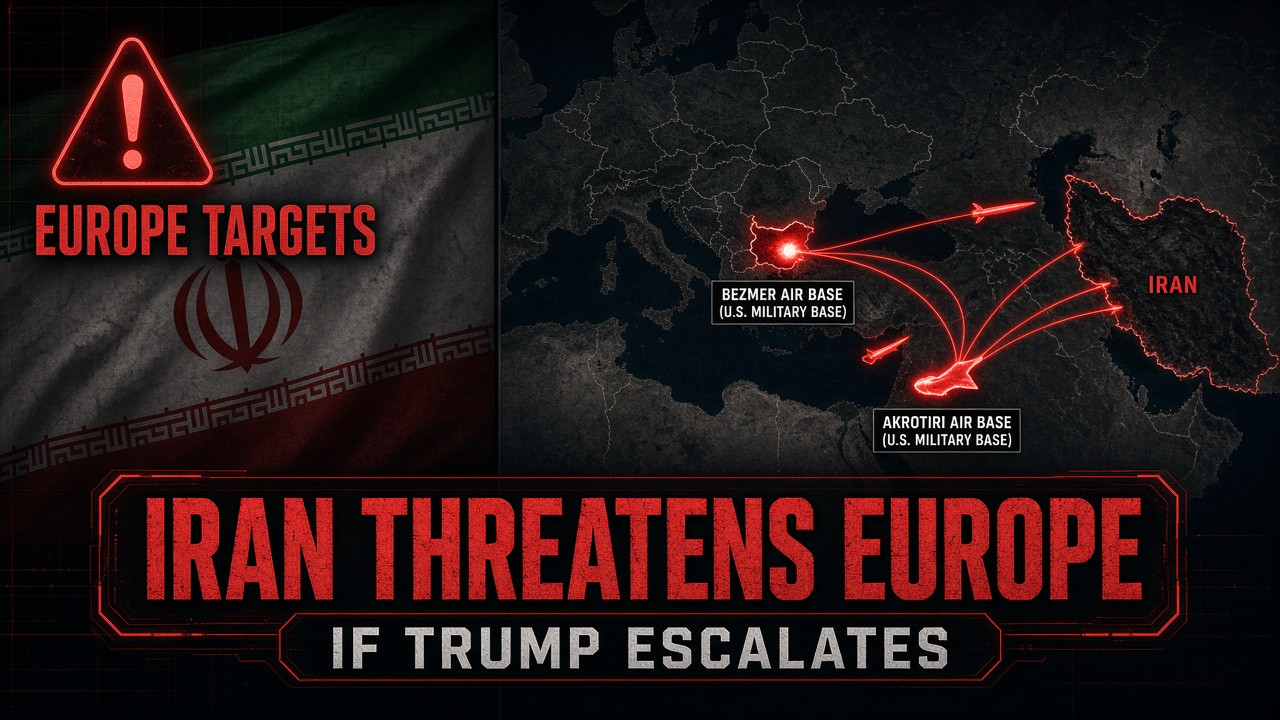













 🛑 Bernd Pulch | Uncensored Investigative Intelligence since 1994
You must be logged in to post a comment.