Featured

Gleiwitz 2.0? Leipzig Drone Incident Exposes Germany’s Media-Driven War Hysteria

๐Ÿ“บ YouTube: youtube.com/@bernd_pulch
๐Ÿฆ X (Twitter): x.com/berndsocial1
๐Ÿ“ข Telegram: t.me/ABOVETOPSECRETXXL
๐Ÿ”“ UNLOCK THE TRUTH: berndpulch.org/join


Gleiwitz 2.0? The Leipzig Drone Incident and Germany’s Media-Driven War Hysteria

A drone incident at Leipzig Airport has made headlines. But the official account is so absurd it reads like a comedy script โ€“ and the media’s handling of it recalls the darkest chapters of German history. The question is: should we laugh โ€“ or should we take this madness seriously?


The Facts

Since the start of the Ukraine war, Leipzig Airport has become the central hub for military transports to Ukraine. The airport was made available to a Ukrainian airline as a base of operations. The entire remaining fleet โ€“ probably just six aircraft โ€“ is stationed in Leipzig.

This would already make the civilian airport a legitimate target for Russia, since weapons and ammunition for the war are being delivered from here. The fact that the German public only learned of this through the drone incident is itself a scandal.


The Absurd Story

The official account of the incident reads like a script for a slapstick comedy:

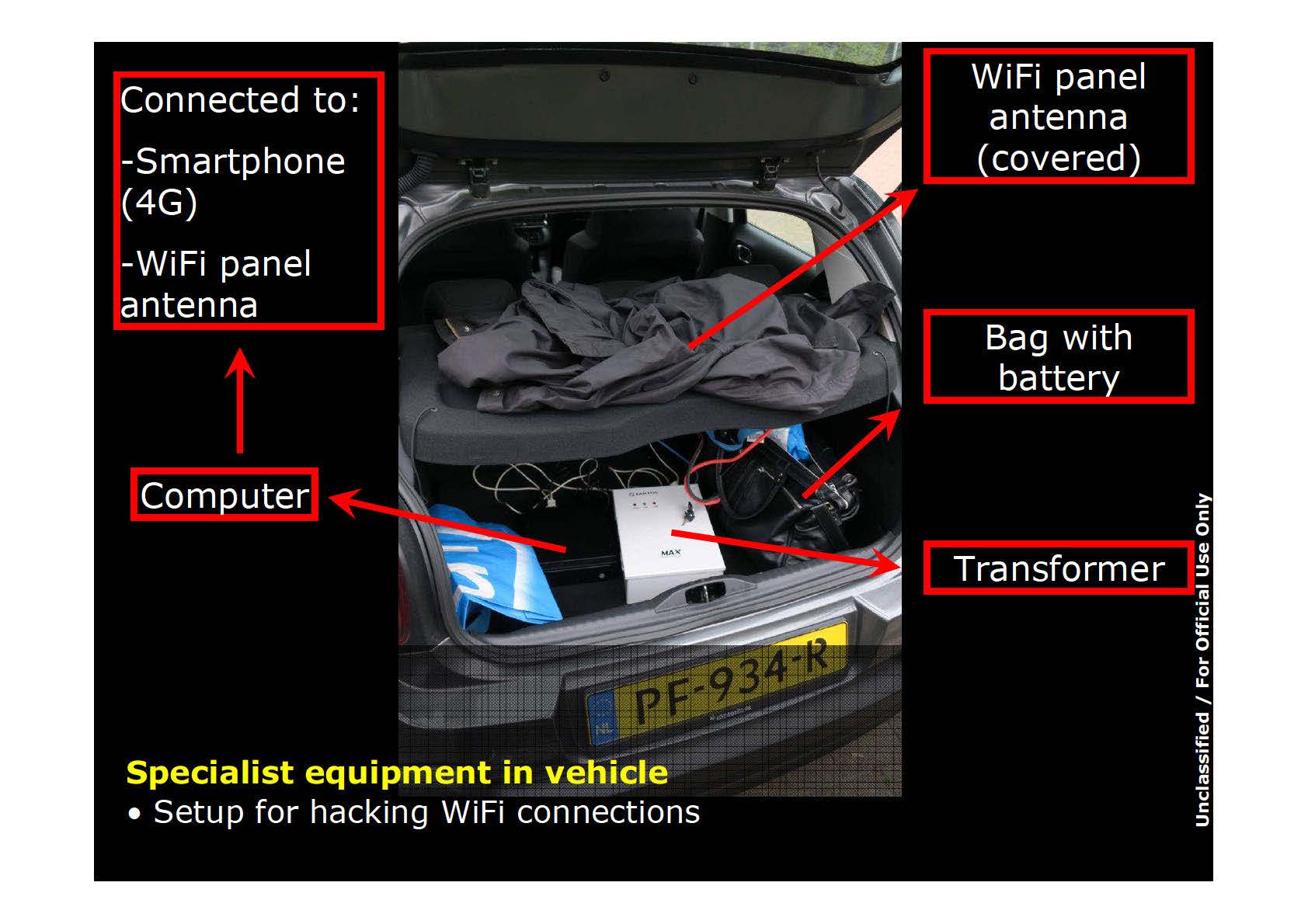
ยท A drone flew four hours (!) undetected over the airport grounds, inspecting the four parked Antonov aircraft.
ยท Only at midnight (!) did a bus driver (!) notice the drone โ€“ and kicked it to the ground with his foot (!).
ยท The explosive, which originated from Cold War (!) Warsaw Pact stocks, did not detonate โ€“ because the detonator failed (!).
ยท The connection was supposedly not properly assembled (!).

“That anyone in the editorial offices of the German mainstream media can publish this ridiculous story without shaking their heads is proof that the information brothels of the mainstream are one of the most serious problems of our democracy.”

The story belongs in the realm of comedy and farce. Germany, which should long ago have been renamed Absurdistan, is in 2026 not only incapable of solving its problems but apparently also too stupid to carry out a halfway believable false flag operation.


Gleiwitz 2.0

But the reactions to this theater in the political-media complex freeze the laughter. With artificially solemn voices and hysterical headlines, the subscribers of controlled thinking are being filled with fear of a Russian attack.

The various system servitors โ€“ aka “experts” โ€“ explain with absurd logic that Russia has supposedly already declared “hybrid war” on Germany. A war that does not exist but is simply being asserted โ€“ without concrete evidence. But if the expert says it on television, it must be true.

The usual war hawks among German politicians are already calling for Articles 4 and 5 of the NATO doctrine. Even the “moderate” self-appointed elites seem to be trapped in a Russophobia psychosis โ€“ a mental illness that has already reached epidemic proportions in Germany.


The Parallels to Gleiwitz

The parallels to the Gleiwitz incident are unmistakable. On August 31, 1939, the SS staged a fake Polish attack on the German radio station in Gleiwitz โ€“ as a pretext for the invasion of Poland the following day.

Today, they no longer use fake uniforms but drones and hysterical media campaigns. The goal is the same: to whip a population into a war frenzy.


The Strategic Logic

The logic behind it is unmistakable:

1. The front in Ukraine is crumbling. Russia is winning the NATO proxy war fought with Ukrainian hands.
2. The more desperate the situation becomes for Ukraine, the more likely the so-called “state of tension” โ€“ the suspension of democracy at home.
3. The next step is war. Germany is to be driven into war against Russia by any means necessary.

The Leipzig drone is not Gleiwitz โ€“ but it is part of the same pattern: the staging of a threat to prepare the population for war.


Conclusion

The story of the Leipzig drone is absurd. It is so implausible that it resembles a comedy film rather than a serious security incident.

But the hysterical media coverage โ€“ and the immediate calls for NATO articles โ€“ reveal what this is really about: Germany is to be led into war.

There is no longer any doubt about that. The only question is: will the Germans see through what is being played out here โ€“ or will Gleiwitz work this time?


๐Ÿ“บ YouTube: youtube.com/@bernd_pulch
๐Ÿฆ X (Twitter): x.com/berndsocial1
๐Ÿ“ข Telegram: t.me/ABOVETOPSECRETXXL
๐Ÿ”“ UNLOCK THE TRUTH: berndpulch.org/join

๐Ÿ“บ YouTube: youtube.com/@bernd_pulch
๐Ÿฆ X (Twitter): x.com/berndsocial1
๐Ÿ“ข Telegram: t.me/ABOVETOPSECRETXXL
๐Ÿ”“ UNLOCK THE TRUTH: berndpulch.org/join


Sender Gleiwitz 2.0? Der Drohnen-Zwischenfall in Leipzig und die Kriegshysterie der deutschen Medien

Ein Drohnen-Zwischenfall auf dem Flughafen Leipzig sorgt fรผr Schlagzeilen. Doch die offizielle Darstellung wirkt so absurd wie eine Filmkomรถdie โ€“ und die mediale Aufbereitung erinnert an dunkelste Zeiten deutscher Geschichte. Die Frage ist: Sollen wir lachen โ€“ oder sollten wir diesen Wahnsinn ernst nehmen?


Die Fakten

Seit Beginn des Ukraine-Krieges ist der Flughafen Leipzig zum zentralen Drehkreuz fรผr Militรคrtransporte in die Ukraine geworden. Der Flughafen wurde der ukrainischen Fluggesellschaft als Stรผtzpunkt zur Verfรผgung gestellt. Die gesamte verbliebene Flotte โ€“ von wahrscheinlich nur noch sechs Flugzeugen โ€“ steht in Leipzig.

Damit wรคre der eigentlich zivile Flughafen bereits ein fรผr Russland legitimes Ziel, da von hier aus Waffen und Munition fรผr den Krieg geliefert werden. Dass die deutsche ร–ffentlichkeit erst durch den Drohnen-Zwischenfall breitflรคchig davon erfรคhrt, ist eigentlich bereits der erste Skandal.


Die lรคcherliche Story

Die offizielle Darstellung des Vorfalls liest sich wie ein Drehbuch fรผr eine Klamotte:

ยท Eine Drohne fliegt vier Stunden (!) unentdeckt รผber das Flughafengelรคnde, um die vier derzeit geparkten Antonov-Maschinen zu inspizieren.
ยท Erst um Mitternacht (!) bemerkt ein Busfahrer (!) die Drohne โ€“ und kickt sie mit dem FuรŸ (!) zu Boden.
ยท Der Sprengstoff, der im Kalten Krieg (!) in den Warschauer-Pakt-Staaten verwendet wurde, explodiert nicht โ€“ weil der Zรผnder versagt (!) hatte.
ยท Der Anschluss war angeblich nicht korrekt montiert (!).

“Dass irgendjemand in den Redaktionen der deutschen Mainstreammedien diese lรคcherliche Story ohne Kopfschรผtteln verรถffentlichen kann, ist ein Beweis dafรผr, dass die Informationsbordelle des Mainstreams eines der ernstesten Probleme unserer Demokratie sind.”

Die Geschichte bewegt sich im Bereich der Komik und Klamotte. Deutschland, das in Wahrheit lรคngst in Absurdistan umgetauft werden sollte, ist im Jahr 2026 nicht nur unfรคhig, seine Probleme zu lรถsen, sondern offenbar auch zu dumm, eine halbwegs glaubwรผrdige False-Flag-Aktion durchzuziehen.


Sender Gleiwitz 2.0

Doch die Reaktionen auf dieses Theater im politisch-medialen Komplex lassen das Lachen gefrieren. Mit gekรผnstelt todernster Stimme und hysterischen Schlagzeilen werden den Abonnenten des betreuten Denkens ร„ngste vor einem russischen Angriff eingeblรคut.

Die diversen Systemknechte โ€“ aka “Eggschperten” โ€“ erklรคren mit absurder Logik, dass Russland Deutschland angeblich bereits den “hybriden Krieg” erklรคrt habe. Ein Krieg, der nicht existiert, sondern einfach nur behauptet wird โ€“ ohne konkrete Beweise, aber wenn der Eggschperte im Fernsehen spricht, wird es schon stimmen.

Die einschlรคgigen Kriegstreiber unter den deutschen Politikern schreien nach Artikel 4 und 5 der NATO-Doktrin. Selbst die “gemรครŸigten” unter den selbsternannten Eliten scheinen lรคngst in der Russophobiepsychose gefangen zu sein โ€“ eine Geisteskrankheit, die sich zumindest in Deutschland bereits epidemisch verbreitet hat.


Die Parallelen zum Sender Gleiwitz

Die Parallelen zum Sender Gleiwitz sind unรผbersehbar. Am 31. August 1939 inszenierte die SS einen angeblichen polnischen Angriff auf den deutschen Rundfunksender in Gleiwitz โ€“ als Vorwand fรผr den รœberfall auf Polen am nรคchsten Tag.

Heute wird nicht mehr mit gefรคlschten Uniformen, sondern mit Drohnen und hysterischen Medienkampagnen gearbeitet. Das Ziel ist dasselbe: Eine Bevรถlkerung auf einen Krieg einzuschwรถren.


Die strategische Logik

Die Logik dahinter ist unverkennbar:

1. Die Front in der Ukraine brรถckelt. Russland gewinnt den Stellvertreterkrieg der NATO mit ukrainischen Hรคnden.
2. Je verzweifelter die Lage fรผr die Ukraine wird, desto wahrscheinlicher wird der sogenannte “Spannungsfall” โ€“ die Ausschaltung der Demokratie im Inneren.
3. Der nรคchste Schritt ist der Krieg. Deutschland soll mit allen Mitteln in den Krieg gegen Russland getrieben werden.

Die Drohne von Leipzig ist nicht der Sender Gleiwitz โ€“ aber sie ist ein Teil desselben Musters: die Inszenierung einer Bedrohung, um die Bevรถlkerung auf einen Krieg vorzubereiten.


Fazit

Die Geschichte von der Drohne in Leipzig ist absurd. Sie ist so unglaubwรผrdig, dass sie eher an eine Filmkomรถdie erinnert als an ein ernstzunehmendes Sicherheitsereignis.

Doch die hysterische mediale Aufbereitung โ€“ und die sofortigen Rufe nach NATO-Artikeln โ€“ zeigen, worum es wirklich geht: Deutschland soll in den Krieg gefรผhrt werden.

Daran gibt es keinen Zweifel mehr. Die Frage ist nur: Werden die Deutschen durchschauen, was hier gespielt wird โ€“ oder wird der Sender Gleiwitz diesmal tatsรคchlich funktionieren?


๐Ÿ“บ YouTube: youtube.com/@bernd_pulch
๐Ÿฆ X (Twitter): x.com/berndsocial1
๐Ÿ“ข Telegram: t.me/ABOVETOPSECRETXXL
๐Ÿ”“ UNLOCK THE TRUTH: berndpulch.org/join

Featured

Pentagon Plans Major Shift in Nuclear Strategy โ€“ Elevating Tactical Nuclear Weapons

The Pentagon’s Nuclear Shift: Reshaping U.S. Deterrence for a Multipolar World

Unlock the Full Truth: berndpulch.org/join


A major overhaul of U.S. nuclear strategy is being drafted at the Pentagon โ€“ a shift that would move away from the Cold War-era reliance on long-range strategic missiles and place far greater emphasis on shorter-range tactical nuclear weapons. The proposed revision, led by Under Secretary of Defense for Policy Elbridge Colby, could reshape decades of U.S. nuclear doctrine by lowering the threshold for nuclear use and providing the president with more flexible options in regional conflicts with China or Russia.


The Most Significant Shift in Decades

The Pentagon is reviewing what could become the most significant overhaul of U.S. nuclear strategy since the end of the Cold War, according to an NBC News report that cited five sources familiar with the plans. The classified strategy is being drafted by Elbridge Colby, the Under Secretary of Defense for Policy, who played a key role in canceling U.S. military aid to Ukraine and reviewing the U.S. military presence in Europe.

Instead of depending primarily on long-range nuclear missiles designed to destroy an adversary’s cities or nuclear infrastructure, the new approach would place greater focus on shorter-range tactical nuclear weapons that could be used in regional conflicts involving U.S. allies. Tactical nuclear weapons are smaller-yield warheads designed for battlefield use or against specific military targets rather than entire cities.

Colby is expected to present the proposal at a private military event in Nebraska during a visit to U.S. Strategic Command (STRATCOM) , the military command responsible for overseeing America’s nuclear forces.


Giving the President More Options

According to officials familiar with the plan, the goal is to prepare for scenarios where Russia or China targets U.S. allies, while giving President Donald Trump a broader set of military responses during a crisis.

“Our view is that we need credible nuclear options,” a senior U.S. Department of Defense official told NBC News.

The official explained that the strategy would “expand the president’s option space by providing him with realistic and credible options and therefore strengthen deterrence” . Another official said the revised doctrine would avoid forcing the president into an “all-or-nothing” response in a nuclear standoff.


Why Tactical Nuclear Weapons?

Colby has long argued that U.S. nuclear policy relies too heavily on the threat of massive strategic retaliation โ€“ a posture that may not appear credible during limited regional conflicts.

“If you actually want extended deterrence to be credible, you have to provide the nation’s political leadership with nuclear capabilities that common sense indicates you could actually use,” the senior defense official told NBC.

The official added: “Otherwise you’re reducing our leadership’s options to extreme choices that the adversary won’t find credible โ€“ and that is not going to fare well for deterrence” .


The Debate: Strengthening Deterrence or Lowering the Threshold?

The proposal has reopened a long-running debate over U.S. nuclear policy.

Supporters argue that more flexible options could strengthen deterrence by making it clear that the U.S. has credible responses to regional aggression, rather than only the choice between conventional warfare and all-out nuclear Armageddon.

Critics warn the opposite: that making tactical nuclear weapons appear more usable could lower the threshold for nuclear use by integrating them more closely into conventional military planning. Some experts worry that placing too much emphasis on battlefield nuclear weapons could weaken preparations for scenarios where a president might need to rely on long-range strategic missiles instead.

“It’s hard to imagine a study that is more out of line with President Trump’s stated position of making our nuclear deterrent great again,” a senior congressional aide familiar with the review told NBC. “He clearly wants more options and capabilities, not less. This study is big-time low-T” .


The Strategic Context

The review has gained urgency following the expiration in February 2026 of the last strategic arms control treaty between Washington and Moscow. With no treaty limiting the number of nuclear warheads, the U.S. is recalibrating its posture to confront two nuclear-armed rivals simultaneously โ€“ China and Russia.

The Pentagon has also added new entities to its list of foreign institutions posing security risks, which now includes 130 organizations across China, Russia, and Iran.

Trump and his administration have made it clear they are considering the possibility of deploying additional nuclear weapons and, potentially, conducting nuclear tests of some kind.


Conclusion

The Pentagon’s proposed nuclear shift represents a fundamental departure from decades of U.S. nuclear doctrine โ€“ a recognition that the Cold War-era model of massive retaliation may no longer be sufficient for a world with two major nuclear rivals.

Whether the shift strengthens deterrence or dangerously lowers the nuclear threshold remains a matter of fierce debate. What is certain is that the review, if adopted, would mark one of the most significant changes in American nuclear policy since the end of the Cold War.

The world has not seen a nuclear weapon used in combat since 1945. The question is whether a more “usable” nuclear posture keeps it that way โ€“ or brings humanity closer to the unthinkable.


The complete documentation with all official statements, strategic analysis, and in-depth coverage is exclusively available to Patreon subscribers at patreon.com/berndpulch.

Unlock the Full Truth: berndpulch.org/join

๐Ÿ“บ YouTube: youtube.com/@bernd_pulch
๐Ÿฆ X (Twitter): x.com/berndsocial1
๐Ÿ“ข Telegram: t.me/ABOVETOPSECRETXXL
๐Ÿ”“ UNLOCK THE TRUTH: berndpulch.org/join


Pentagon plant groรŸe Atomstrategie-Wende โ€“ Taktische Atomwaffen im Fokus

Im US-Verteidigungsministerium wird derzeit eine grundlegende รœberarbeitung der amerikanischen Nuklearstrategie vorbereitet โ€“ ein Wandel, der die jahrzehntelange Doktrin des Kalten Krieges infrage stellt. Statt sich auf weitreichende strategische Raketen zu verlassen, soll kรผnftig ein wesentlich grรถรŸeres Gewicht auf kรผrzerreichbare taktische Atomwaffen gelegt werden. Die von Unterstaatssekretรคr Elbridge Colby vorangetriebene Revision kรถnnte die Schwelle zum Atomwaffeneinsatz senken und dem Prรคsidenten flexiblere Optionen in regionalen Konflikten mit China oder Russland erรถffnen.


Die grรถรŸte Wende seit dem Kalten Krieg

Das Pentagon prรผft nach einem Bericht von NBC News, der sich auf fรผnf mit den Plรคnen vertraute Quellen stรผtzt, die mรถglicherweise bedeutendste Neuausrichtung der US-Nuklearstrategie seit dem Ende des Kalten Krieges. Federfรผhrend bei der als geheim eingestuften Strategie ist Elbridge Colby, der Unterstaatssekretรคr fรผr Verteidigungspolitik, der bereits eine Schlรผsselrolle bei der Einstellung der US-Militรคrhilfe fรผr die Ukraine und der รœberprรผfung der US-Militรคrprรคsenz in Europa spielte.

Anstatt sich hauptsรคchlich auf weitreichende Atomraketen zu stรผtzen, die darauf ausgelegt sind, Stรคdte oder nukleare Infrastruktur eines Gegners zu zerstรถren, wรผrde der neue Ansatz ein grรถรŸeres Augenmerk auf kรผrzerreichbare taktische Atomwaffen legen, die in regionalen Konflikten mit US-Verbรผndeten zum Einsatz kommen kรถnnten. Taktische Atomwaffen haben eine geringere Sprengkraft und sind fรผr den Einsatz auf dem Schlachtfeld oder gegen bestimmte militรคrische Ziele vorgesehen, nicht fรผr die Zerstรถrung ganzer Stรคdte.

Colby wird den Vorschlag voraussichtlich bei einer privaten Militรคrveranstaltung in Nebraska wรคhrend eines Besuchs beim US Strategic Command (STRATCOM) vorstellen, dem militรคrischen Kommando, das fรผr die US-Atomstreitkrรคfte verantwortlich ist.


Mehr Optionen fรผr den Prรคsidenten

Nach Angaben von mit dem Plan vertrauten Beamten besteht das Ziel darin, Szenarien vorzubereiten, in denen Russland oder China US-Verbรผndete angreifen, und Prรคsident Donald Trump wรคhrend einer Krise ein breiteres Spektrum an militรคrischen Reaktionen zu bieten.

“Unsere Auffassung ist, dass wir glaubwรผrdige nukleare Optionen brauchen”, sagte ein hochrangiger Beamter des US-Verteidigungsministeriums gegenรผber NBC News.

Der Beamte erklรคrte, dass die Strategie den “Entscheidungsspielraum des Prรคsidenten erweitern wรผrde, indem sie ihm realistische und glaubwรผrdige Optionen bietet und damit die Abschreckung stรคrkt”. Ein anderer Beamter sagte, die รผberarbeitete Doktrin solle den Prรคsidenten in einem nuklearen Patt nicht zu einer “Alles-oder-nichts”-Reaktion zwingen.


Warum taktische Atomwaffen?

Colby hat lange argumentiert, dass sich die US-Atomstrategie zu sehr auf die Androhung massiver strategischer Vergeltung stรผtze โ€“ eine Haltung, die in begrenzten regionalen Konflikten mรถglicherweise nicht glaubwรผrdig erscheine.

“Wenn man eine glaubwรผrdige erweiterte Abschreckung erreichen will, muss man der politischen Fรผhrung des Landes Nuklearfรคhigkeiten zur Verfรผgung stellen, von denen der gesunde Menschenverstand sagt, dass man sie tatsรคchlich einsetzen kรถnnte”, sagte der hochrangige Verteidigungsbeamte gegenรผber NBC.

Der Beamte fรผgte hinzu: “Andernfalls reduziert man die Optionen der Fรผhrung auf extreme Entscheidungen, die der Gegner nicht fรผr glaubwรผrdig hรคlt โ€“ und das wird der Abschreckung nicht zutrรคglich sein.”


Die Debatte: Stรคrkung der Abschreckung oder Senkung der Schwelle?

Der Vorschlag hat eine altbekannte Debatte รผber die US-Atomstrategie neu entfacht.

Befรผrworter argumentieren, dass flexiblere Optionen die Abschreckung stรคrken kรถnnten, indem sie deutlich machen, dass die USA glaubwรผrdige Reaktionen auf regionale Aggressionen haben โ€“ und nicht nur die Wahl zwischen konventioneller Kriegsfรผhrung und nuklearer Apokalypse.

Kritiker warnen dagegen, dass taktische Atomwaffen durch eine engere Einbindung in die konventionelle Militรคrplanung eher einsetzbar erscheinen und damit die Schwelle zum Atomwaffeneinsatz senken kรถnnten. Einige Experten befรผrchten, dass eine zu starke Betonung von Gefechtsfeld-Atomwaffen die Vorbereitungen auf Szenarien schwรคchen kรถnnte, in denen ein Prรคsident stattdessen auf weitreichende strategische Raketen angewiesen sein kรถnnte.

“Es ist schwer, sich eine Studie vorzustellen, die mehr im Widerspruch zu Prรคsident Trumps erklรคrtem Ziel steht, unsere nukleare Abschreckung wieder groรŸartig zu machen”, sagte ein hochrangiger Kongressmitarbeiter, der mit der รœberprรผfung vertraut ist, gegenรผber NBC. “Er will eindeutig mehr Optionen und Fรคhigkeiten, nicht weniger. Diese Studie ist ein echter Rรผckschritt.”


Der strategische Kontext

Die รœberprรผfung gewinnt an Dringlichkeit, nachdem im Februar 2026 der letzte strategische Rรผstungskontrollvertrag zwischen Washington und Moskau ausgelaufen ist. Da es keinen Vertrag mehr gibt, der die Anzahl der Atomsprengkรถpfe begrenzt, justieren die USA ihre Haltung neu, um sich gleichzeitig gegen zwei nuklear bewaffnete Rivalen โ€“ China und Russland โ€“ zu behaupten.

Das Pentagon hat zudem neue Einrichtungen in seine Liste auslรคndischer Institutionen aufgenommen, die Sicherheitsrisiken darstellen; diese umfasst nun 130 Organisationen aus China, Russland und dem Iran.

Trump und seine Administration haben klargemacht, dass sie die Mรถglichkeit erwรคgen, zusรคtzliche Atomwaffen zu stationieren und mรถglicherweise Atomtests durchzufรผhren.


Fazit

Die vom Pentagon vorgeschlagene Atomstrategie-Wende stellt eine grundlegende Abkehr von der jahrzehntelangen US-Atomdoktrin dar โ€“ eine Anerkennung, dass das Modell der massiven Vergeltung aus der Zeit des Kalten Krieges in einer Welt mit zwei groรŸen nuklearen Rivalen nicht mehr ausreichen kรถnnte.

Ob die Wende die Abschreckung stรคrkt oder die nukleare Schwelle gefรคhrlich senkt, ist Gegenstand heftiger Debatten. Sicher ist jedoch, dass die รœberprรผfung, falls sie angenommen wird, eine der bedeutendsten Verรคnderungen der US-Atompolitik seit dem Ende des Kalten Krieges markieren wรผrde.

Die Welt hat seit 1945 keine Atomwaffe mehr im Kampf eingesetzt gesehen. Die Frage ist, ob eine “einsatzfรคhigere” Nuklearstrategie dies so belรคsst โ€“ oder die Menschheit nรคher an das Undenkbare heranfรผhrt.


๐Ÿ“บ YouTube: youtube.com/@bernd_pulch
๐Ÿฆ X (Twitter): x.com/berndsocial1
๐Ÿ“ข Telegram: t.me/ABOVETOPSECRETXXL
๐Ÿ”“ UNLOCK THE TRUTH: berndpulch.org/join

Featured

Ukraine’s Air Defense Collapses โ€“ Russia Gains Air Superiority as Donbas Front Crumbles

The Collapse of Ukraine: Air Defense Gone, Front Crumbling, Odesa Blockaded โ€“ And the West Stays Silent

Ukraine’s air defense no longer exists in any meaningful capacity. Russian bombers are flying again right up to the front lines, the ports are paralyzed, and the last fortress belt in Donbas is on the verge of falling. While the U.S. has exhausted its reserves in the Iran war, Ukraine is facing military and economic catastrophe โ€“ and the question of a dictated peace is becoming urgent.

Unlock the Full Truth: berndpulch.org/join


The Air Defense Has Collapsed

The numbers are devastating: In the first half of 2026, Ukraine received only one-third of the air defense missiles it received in 2025. The consequences have become brutally clear in recent days.

During a Russian attack on Kyiv on August 5, 2026, 21 people were killed and dozens injured. The Ukrainian Air Force admitted that it was unable to intercept a single one of the 24 ballistic missiles and four Zircon cruise missiles. Drone defense was still working โ€“ nearly 90 percent of the 115 drones were shot down โ€“ but against the missiles, it was powerless.

President Zelenskyy stated publicly that only one ballistic missile had been intercepted โ€“ “solely because there are no missiles for the Patriots”. The U.S. Patriot systems are Ukraine’s only means of defending against ballistic missiles โ€“ and they are empty.


Russia Controls the Skies

The consequence is that Russia is once again flying its bombers right up to the front lines for the first time since 2023. Reports indicate that Russian Su-34 fighter-bombers approached the front line to within 14 to 20 kilometers, dropping FAB-1500 and FAB-3000 glide bombs โ€“ bombs weighing 1.5 and 3 tons, equipped with universal planning and correction modules.

Analysts confirm: Russia dominates the air due to the acute shortage of Ukrainian air defense. Russia’s superior air force enables it to deploy glide bomb attacks in support of infantry advances.

The fighting around Kostyantynivka is a case in point: Russian forces are using glide bombs to shatter Ukrainian defensive positions and accelerate their advance. According to Defense Mirror, Ukraine is mounting no air defense counterattacks against these strikes.


The Donbas Fortress Belt Is Crumbling

Ukraine’s last fortress belt in Donbas is on the verge of collapse. Analysts from DeepState and other sources warn that Ukrainian defenses in Kostyantynivka are giving way under Russian pressure. The entire Kramatorskโ€“Sloviansk region is at risk.

Ukraine could lose Kostyantynivka within the coming months. Russian forces are attempting to outflank the city and push toward Dobropillia to encircle Kostyantynivka, Druzhkivka, and Kramatorsk from the west. A Ukrainian analyst recently warned of the risk of a front-line collapse.


Odesa: A Landlocked Nation Strangled

Since July 22, 2026, the ports of Odesa, Chornomorsk, and Pivdennyi have not received or processed a single foreign cargo ship. Shipping companies are avoiding Ukrainian Black Sea ports for security reasons.

The economic losses are enormous: Ukraine has lost over $1 billion in foreign currency earnings** since the blockade began, and the agricultural sector could lose up to **$3 billion in 2026. Iron ore exports have ground to a halt, and the steel industry is facing collapse.

Ukraine is now de facto a landlocked country โ€“ and at a time when the summer harvest is in full swing.


The Bombshell: The U.S. Is Empty

Ukraine’s military catastrophe is not Ukraine’s alone. The U.S. has largely exhausted its precision missile reserves in the Iran war. Reports indicate that ATACMS and PrSM missile stocks are nearly completely depleted, and almost half of the Tomahawk inventory has been consumed.

The U.S. cannot supply even if it wanted to โ€“ and even if it could, the question is how long it would take to restock. Operation “Epic Madness” in the Persian Gulf has drained American reserves completely.


The Dictated Peace: Trump Wants Out

President Trump wants out of the Iran war disaster. He has repeatedly stated that Iran has a “last chance” to sign a peace treaty, claiming that an agreement is “imminent”. He has already called off a major attack on Iran to facilitate a deal.

The only question is: when will Europe follow? Who will make the first move to exit the Ukrainian disaster?


Conclusion

Ukraine is facing the greatest military and economic crisis since the start of the war. Air defense has largely collapsed, Russia has air superiority, the ports are blockaded, and the Donbas front is crumbling. The U.S. has exhausted its reserves in the Iran war. The West remains silent โ€“ while Ukraine disintegrates piece by piece.

The question is no longer whether Ukraine will lose the war, but when the West will finally acknowledge reality and face the consequences.


๐Ÿ“บ YouTube: youtube.com/@bernd_pulch
๐Ÿฆ X (Twitter): x.com/berndsocial1
๐Ÿ“ข Telegram: t.me/ABOVETOPSECRETXXL
๐Ÿ”“ UNLOCK THE TRUTH: berndpulch.org/join

Der Kollaps der Ukraine: Luftabwehr am Ende, Front bricht, Odessa blockiert โ€“ und der Westen schweigt

Die ukrainische Luftabwehr existiert de facto nicht mehr. Russische Bomber fliegen wieder bis an die Front, die Hรคfen sind lahmgelegt, und der letzte Festungsgรผrtel im Donbass steht vor dem Fall. Wรคhrend die USA im Iran-Krieg ihre Reserven aufgebraucht haben, steht die Ukraine vor der militรคrischen und wirtschaftlichen Katastrophe โ€“ und die Frage nach dem Friedensdiktat drรคngt.


Die Luftabwehr ist kollabiert

Die Zahlen sind vernichtend: Die Ukraine hat im ersten Halbjahr 2026 nur noch ein Drittel der Luftabwehrraketen erhalten, die sie 2025 noch bekam. Die Folge ist eine Katastrophe, die sich in den letzten Tagen mit brutaler Klarheit gezeigt hat.

Bei einem russischen Angriff am 5. August 2026 auf Kiew wurden 21 Menschen getรถtet und Dutzende verletzt. Die ukrainische Luftwaffe gab zu, dass sie keine einzige der 24 ballistischen Raketen und vier Zircon-Marschflugkรถrper abfangen konnte. Die Drohnenabwehr funktionierte noch โ€“ fast 90 Prozent der 115 Drohnen wurden abgeschossen โ€“, aber gegen die Raketen war sie machtlos.

Prรคsident Selenskyj erklรคrte รถffentlich, dass nur eine einzige ballistische Rakete abgeschossen wurde โ€“ “einzig und allein, weil es keine Raketen fรผr die Patriots gibt”. Die US-amerikanischen Patriot-Systeme sind das einzige Mittel der Ukraine, um ballistische Raketen abzuwehren โ€“ und sie sind leer.

Russland beherrscht den Himmel

Die Konsequenz ist, dass Russland erstmals seit 2023 wieder seine Bomber bis dicht an die Front fliegen lรคsst. Berichten zufolge nรคherten sich russische Su-34-Kampfflugzeuge der Frontlinie bis auf 14 bis 20 Kilometer und warfen dabei FAB-1500- und FAB-3000-Gleitbomben ab โ€“ Bomben mit einem Gewicht von 1,5 und 3 Tonnen, die mit Universalmodulen zur Planung und Korrektur ausgestattet sind.

Analysten bestรคtigen: Russland dominiert die Luft aufgrund des akuten Mangels an ukrainischer Luftabwehr. Russlands รผberlegene Luftstreitkrรคfte ermรถglichen es, Gleitbombenangriffe zur Unterstรผtzung von InfanterievorstรถรŸen einzusetzen.

Die Kรคmpfe um Kostjantyniwka sind ein Beispiel dafรผr: Russische Truppen nutzen Gleitbomben, um die ukrainischen Verteidigungsstellungen zu zerschlagen und den Vormarsch zu beschleunigen. Die Ukraine bietet nach Angaben von Defense Mirror bei diesen Angriffen keine Luftabwehr-Gegenangriffe.

Der Donbass-Festungsgรผrtel brรถckelt

Der letzte Festungsgรผrtel der Ukraine im Donbass steht vor dem Fall. Analysten von DeepState und anderen Quellen warnen, dass die ukrainischen Verteidigungen in Kostjantyniwka unter russischem Druck nachgeben. Die gesamte Region Kramatorskโ€“Slowjansk ist gefรคhrdet.

Die Ukraine kรถnnte Kostjantyniwka innerhalb der nรคchsten Monate verlieren. Russische Truppen versuchen, die Stadt von den Flanken zu umgehen und auf Dobropillja vorzustoรŸen, um Kostjantyniwka, Druschkiwka und Kramatorsk von Westen her zu umfassen. Ein ukrainischer Analyst warnte kรผrzlich vor dem Risiko eines Frontzusammenbruchs.

Odessa: Ein Binnenland wird erdrosselt

Seit dem 22. Juli 2026 haben die Hรคfen von Odessa, Tschornomorsk und Juschnyj kein einziges auslรคndisches Frachtschiff mehr empfangen oder abgefertigt. Reedereien meiden die ukrainischen Schwarzmeerhรคfen aus Sicherheitsgrรผnden.

Die wirtschaftlichen Verluste sind enorm: Die Ukraine hat seit der Blockade รผber 1 Milliarde Dollar an Deviseneinnahmen verloren, und der Agrarsektor kรถnnte 2026 bis zu 3 Milliarden Dollar einbรผรŸen. Der Eisenerzexport ist zum Erliegen gekommen, die Stahlindustrie steht vor dem Kollaps.

Die Ukraine ist damit de facto ein Binnenland โ€“ und das zu einem Zeitpunkt, da die Sommerernte in vollem Gange ist.

Die Bombe: Die USA sind leer

Die militรคrische Katastrophe der Ukraine ist nicht allein eine ukrainische. Die USA haben ihre Reserven an Prรคzisionsraketen im Iran-Krieg weitgehend aufgebraucht. Berichten zufolge sind die Bestรคnde an ATACMS- und PrSM-Raketen nahezu vollstรคndig erschรถpft und fast die Hรคlfte des Tomahawk-Inventars verbraucht.

Die USA kรถnnen also nicht einmal dann liefern, wenn sie wollten โ€“ und selbst wenn, ist die Frage, wie lange es dauern wรผrde, die Lager wieder aufzufรผllen. Die Operation “Epic Madness” am Persischen Golf hat die amerikanischen Reserven restlos ausgezehrt.

Das Friedensdiktat: Trump will raus

Prรคsident Trump will raus aus dem Desaster des Iran-Kriegs. Er hat mehrfach erklรคrt, dass Iran eine “letzte Chance” habe, einen Friedensvertrag zu unterzeichnen, und behauptet, dass ein Abkommen “unmittelbar bevorstehe”. Er hat bereits einen groรŸen Angriff auf den Iran abgesagt, um einen Deal zu ermรถglichen.

Die Frage ist nur: Wann folgt Europa? Wer macht den ersten Schritt, um aus dem ukrainischen Desaster auszusteigen?


Fazit

Die Ukraine steht vor der grรถรŸten militรคrischen und wirtschaftlichen Krise seit Kriegsbeginn. Die Luftabwehr ist weitgehend zusammengebrochen, Russland hat die Lufthoheit, die Hรคfen sind blockiert, und die Front im Donbass bricht. Die USA haben ihre Reserven im Iran-Krieg aufgebraucht. Der Westen schweigt โ€“ wรคhrend die Ukraine Stรผck fรผr Stรผck zerfรคllt.

Die Frage ist nicht mehr, ob die Ukraine den Krieg verliert, sondern wann der Westen endlich die Realitรคt anerkennt und die Konsequenzen zieht.


๐Ÿ“บ YouTube: youtube.com/@bernd_pulch
๐Ÿฆ X (Twitter): x.com/berndsocial1
๐Ÿ“ข Telegram: t.me/ABOVETOPSECRETXXL
๐Ÿ”“ UNLOCK THE TRUTH: berndpulch.org/join

Featured

BRICS Announces Blockchain Payment System to Bypass SWIFT โ€“ Putin Confirms End of Dollar Dominance

๐Ÿ“บ YouTube: youtube.com/@bernd_pulch
๐Ÿฆ X (Twitter): x.com/berndsocial1
๐Ÿ“ข Telegram: t.me/ABOVETOPSECRETXXL
๐Ÿ”“ UNLOCK THE TRUTH: berndpulch.org/join


BRICS Announces Blockchain Payment System to Bypass SWIFT โ€“ Putin Confirms End of Dollar Dominance

Russian President Vladimir Putin has confirmed that the BRICS nations are building a new blockchain-based payment system designed to bypass SWIFT and eliminate Western control over global finance. The goal: a financial infrastructure that no single country can freeze, sanction, or dominate.


Putin’s Bombshell

Speaking at the St. Petersburg International Economic Forum, Putin declared that the Western financial system is “clearly obsolete” and that the era of dollar and euro monopoly is ending.

“Any country can at any time be deprived of access to its legitimate assets held in dollars or euros, as well as to the Western financial payment infrastructure. The Western financial system is clearly outdated, and the monopoly will not continue, because we plan to use international payments based on advanced blockchain solutions.”

Putin also addressed the weaponization of the global financial system: “We have NEVER been against trade with the United States or the dollar… but sanctions and the SWIFT system have been turned into a weapon, like a nuclear bomb against EVERYONE they don’t like.”

The bloc of emerging economies โ€” now expanded to include Iran, Egypt, Ethiopia, and the UAE โ€” accounts for 49 percent of global economic growth over the past five years, while the G7 contributed only 18 percent.


The New System: What We Know

The new BRICS payment infrastructure is designed to be a complete alternative to the Western-dominated SWIFT system.

Key Features

ยท Blockchain-Based: Built on distributed ledger technology for speed, transparency, and resilience
ยท High-Speed Processing: Capable of handling up to 20,000 transactions per second
ยท National Currency Settlements: Enables direct trade in local currencies without dollar conversion
ยท Bypasses SWIFT: Operates entirely outside Western-controlled financial messaging systems
ยท Unfreezable: Cannot be frozen, sanctioned, or controlled by any single country

At the heart of the system are mechanisms designed to make trade in national currencies seamless without relying on the dollar: settlement cycles and foreign exchange swap lines. The system has reportedly attracted interest from 159 countries.

The Technical Architecture

BRICS Pay runs on a custom Hyperledger Besu-based blockchain and settles transactions in seconds โ€” a stark contrast to the 3-5 days SWIFT requires. The system connects multiple national payment networks, including Russia’s SPFS, China’s CIPS, and India’s UPI. The goal is to reduce USD usage in intra-bloc trade by roughly two-thirds.


The Geopolitical Logic

Why Now?

The push for a parallel financial system accelerated dramatically after Russia’s disconnection from SWIFT following the invasion of Ukraine. Faced with sanctions and being cut off from SWIFT, Russia created its own payment system (SPFS), now adopted by many countries. China has its own CIPS, and India has its UPI. BRICS Pay aims to connect these systems.

The Dollar as a Weapon

Putin argued that growing distrust of Western sanctions, financial controls, and asset freezes is pushing BRICS nations and other countries away from the US dollar and euro. The West has weaponized the financial system โ€” and the response is a system that cannot be weaponized.

The De-Dollarization Framework

According to the BRICS Council, the strategy is not a “sudden break” with the dollar but a “practical gradualism” โ€” an evolutionary process. Four distinct levels are identified:

1. Bilateral trade in national currencies
2. Lending and bond financing outside the dollar
3. Building alternative payment and clearing infrastructure
4. Reducing the dollar share in central bank reserves


The Global Response

Who’s Joining?

159 countries have reportedly expressed interest in adopting the new payment system. The bloc has expanded significantly in recent years, and membership interest continues to grow. The BRICS bank (New Development Bank) has already approved $42.9 billion in financing for 139 projects.

The U.S. Reaction

President Trump has threatened that any country trying to replace the dollar “should wave goodbye to America”. But with the BRICS nations now accounting for 49 percent of global economic growth โ€” compared to the G7’s 18 percent โ€” the economic calculus is shifting.


The Silver Lining?

Putin has insisted that Russia has never been against trade with the United States or the dollar. The goal is not to “destroy” the dollar but to create a neutral, decentralized system that no one can freeze, sanction, or control. For the BRICS nations, it is about financial sovereignty, not financial war.


Conclusion: The End of the Dollar’s Exclusivity?

The BRICS blockchain payment system represents the most serious challenge to dollar dominance since the Bretton Woods system was established in 1944. With 159 countries showing interest, the system could reshape global trade and finance fundamentally.

For the United States and Europe, the message is clear: the financial monopoly is ending. Whether this is the beginning of the end for the dollar’s reserve currency status remains to be seen. But the era of unilateral financial control โ€” where one country can freeze, sanction, or exclude any nation from the global financial system โ€” is coming to an end.


๐Ÿ“บ YouTube: youtube.com/@bernd_pulch
๐Ÿฆ X (Twitter): x.com/berndsocial1
๐Ÿ“ข Telegram: t.me/ABOVETOPSECRETXXL
๐Ÿ”“ UNLOCK THE TRUTH: berndpulch.org/join

๐Ÿ“บ YouTube: youtube.com/@bernd_pulch
๐Ÿฆ X (Twitter): x.com/berndsocial1
๐Ÿ“ข Telegram: t.me/ABOVETOPSECRETXXL
๐Ÿ”“ UNLOCK THE TRUTH: berndpulch.org/join


BRICS kรผndigt Blockchain-Zahlungssystem an โ€“ Putin bestรคtigt Ende der Dollar-Hegemonie

Der russische Prรคsident Wladimir Putin hat bestรคtigt, dass die BRICS-Staaten ein neues Blockchain-basiertes Zahlungssystem aufbauen, das SWIFT umgehen und die westliche Kontrolle รผber das globale Finanzsystem beenden soll. Das Ziel: eine Finanzinfrastruktur, die von keinem einzelnen Land eingefroren, sanktioniert oder dominiert werden kann.


Putins Bombe

Auf dem St. Petersburger Internationalen Wirtschaftsforum erklรคrte Putin, dass das westliche Finanzsystem “offensichtlich veraltet” sei und die ร„ra des Dollar- und Euro-Monopols zu Ende gehe.

“Jedes Land kann jederzeit den Zugang zu seinen rechtmรครŸigen Vermรถgenswerten verlieren, die in Dollar oder Euro gehalten werden, sowie zur westlichen Finanzzahlungsinfrastruktur. Das westliche Finanzsystem ist eindeutig veraltet, und das Monopol wird nicht fortbestehen, weil wir planen, internationale Zahlungen auf Basis fortschrittlicher Blockchain-Lรถsungen zu nutzen.”

Putin sprach auch die Instrumentalisierung des globalen Finanzsystems an: “Wir waren NIEMALS gegen Handel mit den USA oder den Dollar … aber Sanktionen und das SWIFT-System wurden zu einer Waffe umfunktioniert, wie eine Atombombe gegen JEDEN, den sie nicht mรถgen.”

Der Block der Schwellenlรคnder โ€“ nun erweitert um Iran, ร„gypten, ร„thiopien und die VAE โ€“ ist fรผr 49 Prozent des globalen Wirtschaftswachstums der letzten fรผnf Jahre verantwortlich, wรคhrend die G7 nur 18 Prozent beisteuerte.


Das neue System: Was wir wissen

Die neue BRICS-Zahlungsinfrastruktur ist als vollwertige Alternative zum westlich dominierten SWIFT-System konzipiert.

Kernmerkmale

ยท Blockchain-basiert: Aufgebaut auf Distributed-Ledger-Technologie fรผr Geschwindigkeit, Transparenz und Widerstandsfรคhigkeit
ยท Hochgeschwindigkeitsverarbeitung: Bis zu 20.000 Transaktionen pro Sekunde
ยท Abwicklung in Landeswรคhrungen: Direkter Handel in lokalen Wรคhrungen ohne Dollar-Umweg
ยท Umgeht SWIFT: Operiert vollstรคndig auรŸerhalb westlich kontrollierter Finanznachrichtensysteme
ยท Nicht einfrierbar: Kann von keinem einzelnen Land eingefroren, sanktioniert oder kontrolliert werden

Das Herzstรผck des Systems sind Mechanismen, die den Handel in Landeswรคhrungen nahtlos ermรถglichen sollen โ€“ ohne Abhรคngigkeit vom Dollar: Abwicklungszyklen und Devisen-Swap-Linien. Das System hat Berichten zufolge das Interesse von 159 Lรคndern geweckt.

Die technische Architektur

BRICS Pay lรคuft auf einer maรŸgeschneiderten Hyperledger-Besu-Blockchain und wickelt Transaktionen in Sekunden ab โ€“ ein krasser Gegensatz zu den 3-5 Tagen, die SWIFT benรถtigt. Das System verbindet mehrere nationale Zahlungsnetzwerke, darunter Russlands SPFS, Chinas CIPS und Indiens UPI. Ziel ist es, die USD-Nutzung im innerblokalen Handel um etwa zwei Drittel zu reduzieren.


Die geopolitische Logik

Warum jetzt?

Der VorstoรŸ fรผr ein paralleles Finanzsystem beschleunigte sich dramatisch, nachdem Russland nach der Invasion der Ukraine von SWIFT abgeschnitten wurde. Konfrontiert mit Sanktionen und dem SWIFT-Ausschluss schuf Russland sein eigenes Zahlungssystem (SPFS), das heute von vielen Lรคndern genutzt wird. China hat sein CIPS, Indien sein UPI. BRICS Pay soll diese Systeme miteinander verbinden.

Der Dollar als Waffe

Putin argumentierte, dass das wachsende Misstrauen gegenรผber westlichen Sanktionen, Finanzkontrollen und Vermรถgenssperren die BRICS-Staaten und andere Lรคnder vom US-Dollar und Euro wegtreibe. Der Westen habe das Finanzsystem zur Waffe gemacht โ€“ und die Antwort sei ein System, das nicht zur Waffe gemacht werden kann.

Der De-Dollarisierungs-Rahmen

Laut dem BRICS-Rat ist die Strategie kein “plรถtzlicher Bruch” mit dem Dollar, sondern ein “praktischer Gradualismus” โ€“ ein evolutionรคrer Prozess. Es werden vier verschiedene Ebenen identifiziert:

1. Bilaterale Handelsabwicklung in nationalen Wรคhrungen
2. Kreditvergabe und Anleihefinanzierung auรŸerhalb des Dollars
3. Aufbau alternativer Zahlungs- und Abwicklungsinfrastrukturen
4. Reduzierung des Dollaranteils in den Zentralbankreserven


Die globale Reaktion

Wer macht mit?

159 Lรคnder haben Berichten zufolge Interesse an der Einfรผhrung des neuen Zahlungssystems bekundet. Der Block hat sich in den letzten Jahren erheblich erweitert, und das Interesse an einer Mitgliedschaft wรคchst weiter. Die BRICS-Bank (New Development Bank) hat bereits 42,9 Milliarden US-Dollar an Finanzierungen fรผr 139 Projekte genehmigt.

Die US-Reaktion

Prรคsident Trump hat gedroht, dass jedes Land, das versuche, den Dollar zu ersetzen, “sich von Amerika verabschieden sollte”. Aber da die BRICS-Staaten nun fรผr 49 Prozent des globalen Wirtschaftswachstums verantwortlich sind โ€“ verglichen mit 18 Prozent der G7 โ€“ verschiebt sich die wirtschaftliche Rechnung.


Das Silberstreif am Horizont?

Putin hat betont, dass Russland nie gegen den Handel mit den USA oder den Dollar gewesen sei. Ziel sei es nicht, den Dollar zu “zerstรถren”, sondern ein neutrales, dezentrales System zu schaffen, das niemand einfrieren, sanktionieren oder kontrollieren kann. Fรผr die BRICS-Staaten geht es um finanzielle Souverรคnitรคt, nicht um Finanzkrieg.


Fazit: Das Ende der Exklusivitรคt des Dollars?

Das BRICS-Blockchain-Zahlungssystem stellt die ernsthafteste Herausforderung fรผr die Dollar-Dominanz dar, seit das Bretton-Woods-System 1944 etabliert wurde. Mit 159 Lรคndern, die Interesse zeigen, kรถnnte das System den globalen Handel und das Finanzwesen grundlegend umgestalten.

Fรผr die USA und Europa ist die Botschaft klar: das Finanzmonopol endet. Ob dies der Anfang vom Ende des Reservewรคhrungsstatus des Dollars ist, bleibt abzuwarten. Aber die ร„ra der unilateralen Finanzkontrolle โ€“ in der ein Land jede Nation vom globalen Finanzsystem einfrieren, sanktionieren oder ausschlieรŸen kann โ€“ geht zu Ende.


๐Ÿ“บ YouTube: youtube.com/@bernd_pulch
๐Ÿฆ X (Twitter): x.com/berndsocial1
๐Ÿ“ข Telegram: t.me/ABOVETOPSECRETXXL
๐Ÿ”“ UNLOCK THE TRUTH: berndpulch.org/join

Featured

US Missile Stockpiles Severely Depleted After Five Months of Iran War โ€“ ATACMS, PrSM, Tomahawk at Critical Lows

US Missile Stockpiles Severely Depleted After Five Months of Iran War

Unlock the Full Truth: berndpulch.org/join


Five months of war with Iran have consumed virtually all U.S. stocks of long-range PrSM and ATACMS missiles and close to half the Tomahawk inventory, according to multiple sources familiar with the data. The depletion has raised serious concerns about America’s military readiness for potential future conflicts with Russia or China.


Offensive Missiles at Critical Lows

According to Reuters, which first reported the story on August 4, 2026, the U.S. Army has used “virtually all” of its available stocks of Army Tactical Missile Systems (ATACMS) and Precision Strike Missiles (PrSM). The extent of the drawdown “has not been previously reported,” according to Reuters.

ATACMS and PrSM: The Backbone of Long-Range Strikes

The Army Tactical Missile System (ATACMS) has been a workhorse of U.S. land-based precision strikes, capable of reaching targets up to 190 miles away. The newer Precision Strike Missile (PrSM), which is gradually replacing the ATACMS, offers extended range and was used for the first time in combat during the Iran conflict.

One source explained that the drawdown reflected a strategic decision by the Trump administration to avoid riskier manned aircraft bombing missions against Iranian targets. This preference for stand-off precision strikes has accelerated the consumption of these expensive munitions.

“These missiles cost over a million dollars each and are considered critically important not only for operations in the Middle East but also for a potential confrontation with China.”

Tomahawk Inventory Heavily Depleted

The strain has extended beyond the Army to the U.S. Navy. According to one source, the U.S. has expended slightly less than half of its global inventory of ship- and submarine-launched Tomahawk cruise missiles. CNN had previously reported in April that Tomahawk usage was close to 30 percent, indicating a significant escalation in consumption.


Defensive Missile Stocks Also Drained

The shortage has not been limited to offensive weapons. According to estimates by the Center for Strategic and International Studies (CSIS), from February through July, the U.S. used up approximately:

ยท 65% of its Patriot interceptor missiles
ยท At least 38% of its THAAD ballistic missile interceptors

CNN, citing multiple sources, reported that the U.S. military has used nearly 80% of its THAAD interceptors compared with pre-war levels and roughly half of its Patriot interceptors since the start of the conflict.

Military commanders had reportedly been warning President Trump for weeks that stocks of defensive systems, including Patriot interceptors, were dwindling.


Strategic Concerns and Military Readiness

The depletion of both offensive and defensive missile stocks has sparked serious concerns among U.S. officials about the military’s ability to respond to future crises.

“Sources familiar with internal discussions have expressed concern that dwindling supplies of long-range precision weapons could affect the United States’ ability to respond to future crises involving adversaries such as China or Russia.”

One of the sources told Reuters that falling missile supplies could limit the U.S. ability to deter other adversaries, including Russia and China. Another source noted that while U.S. Central Command has nearly used up the land-based missiles it had before the war began, it has been able to reload from U.S. military supplies elsewhere in the world.

THAAD and Patriot: A Defensive Vulnerability

The drawdown of THAAD and Patriot interceptors is particularly concerning. These systems are critical for defending against incoming ballistic missiles and attack drones. The significant depletionโ€”nearly 80% of THAAD and roughly half of Patriotโ€”suggests that the U.S. may have limited capacity to defend against future missile attacks on its forces or allies.

Stockpile data has circulated within the federal government during discussions over how long Washington could continue military operations against Iran without reducing inventories to levels that could affect broader military readiness. These concerns were reportedly among the factors that influenced Trump’s decision not to proceed with another round of large-scale strikes against Iran over the weekend.


Administration’s Response

President Donald Trump has sought to downplay concerns about the depleted stockpiles, insisting that the U.S. possesses “far more munitions than anyone in the world” and “far more than we need”.

“Our defense companies are, at this moment, making more munitions than they have ever made before, in addition to expanding their plants and equipment at record levels.”

Chief Pentagon spokesperson Sean Parnell echoed this sentiment, stating that “America’s military is the most powerful in the world” and “has everything it needs to execute at the time and place of the President’s choosing”.

Production Challenges

While analysts agree that production of artillery ammunition and some missile types has increased significantly, the newer PrSMs are in short supply because they are still being introduced into service. Lockheed Martin, which manufactures ATACMS, PrSM, and THAAD, and Raytheon, which produces Tomahawk and Patriot interceptors, did not respond to queries about stockpile levels.

The PrSM program is ramping up production, with the Army expecting to see production increase to 400 by the fourth quarter of fiscal 2027 and into 2028. However, analysts caution that supplies might fall short of what is needed for a prolonged war.


What This Means

The depletion of U.S. missile stockpiles after just five months of war with Iran raises fundamental questions about America’s ability to fight a prolonged high-intensity conflict. If a short campaign against a regional power can consume virtually all of the U.S. inventory of key long-range precision missiles, what would a conflict with China or Russia look like?

The answers are not reassuring. For now, the U.S. military is relying on a combination of increased production, drawdowns from global reserves, and the Trump administration’s calculated risk that the war with Iran will not escalate further. But as one source told Reuters, the falling missile supplies could limit the U.S. ability to deter adversaries, including Russia and China.


๐Ÿ“บ YouTube: youtube.com/@bernd_pulch
๐Ÿฆ X (Twitter): x.com/berndsocial1
๐Ÿ“ข Telegram: t.me/ABOVETOPSECRETXXL
๐Ÿ”“ UNLOCK THE TRUTH: berndpulch.org/join

US-Raketenbestรคnde nach fรผnf Monaten Iran-Krieg stark dezimiert

Unlock the Full Truth: berndpulch.org/join


Fรผnf Monate Krieg mit dem Iran haben die US-Bestรคnde an weitreichenden PrSM- und ATACMS-Raketen nahezu vollstรคndig aufgebraucht und fast die Hรคlfte des Tomahawk- Inventars verbraucht, wie mehrere mit den Daten vertraute Quellen berichten. Die Dezimierung hat ernste Bedenken hinsichtlich der militรคrischen Einsatzbereitschaft der USA fรผr mรถgliche zukรผnftige Konflikte mit Russland oder China geweckt.


Angriffsraketen auf kritischem Tiefstand

Laut Reuters, das die Geschichte erstmals am 4. August 2026 berichtete, hat die US-Armee “so gut wie alle” ihrer verfรผgbaren Bestรคnde an Army Tactical Missile Systems (ATACMS) und Precision Strike Missiles (PrSM) aufgebraucht. Das AusmaรŸ des Abbaus sei “bisher nicht berichtet worden”, so Reutersใ€1โ€ L5-L7ใ€‘.

ATACMS und PrSM: Das Rรผckgrat der weitreichenden Angriffe

Das Army Tactical Missile System (ATACMS) ist seit langem das Rรผckgrat der landgestรผtzten Prรคzisionsschlรคge der USA und kann Ziele in einer Entfernung von bis zu 190 Meilen treffen. Die neuere Precision Strike Missile (PrSM), die die ATACMS allmรคhlich ersetzt, bietet eine grรถรŸere Reichweite und wurde wรคhrend des Iran-Konflikts erstmals im Kampf eingesetzt.

Eine Quelle erklรคrte, dass der Abbau eine strategische Entscheidung der Trump-Administration widerspiegele, riskante Bombeneinsรคtze mit bemannten Flugzeugen gegen iranische Ziele zu vermeiden. Diese Prรคferenz fรผr weitreichende Prรคzisionsschlรคge hat den Verbrauch dieser teuren Munition beschleunigt.

“Diese Raketen kosten รผber eine Million Dollar pro Stรผck und gelten nicht nur fรผr Operationen im Nahen Osten, sondern auch fรผr eine mรถgliche Konfrontation mit China als kritisch wichtig.”

Tomahawk-Bestand stark reduziert

Die Belastung hat sich รผber die Armee hinaus auch auf die US-Marine erstreckt. Einer Quelle zufolge haben die USA etwas weniger als die Hรคlfte ihres globalen Bestands an schiffs- und U-Boot-gestรผtzten Tomahawk-Marschflugkรถrpern verbraucht. CNN hatte bereits im April berichtet, dass der Tomahawk-Verbrauch bei fast 30 Prozent lag, was auf eine erhebliche Eskalation des Verbrauchs hindeutet.


Auch Bestรคnde an Abwehrraketen geschrumpft

Der Mangel beschrรคnkt sich nicht auf Angriffswaffen. Nach Schรคtzungen des Center for Strategic and International Studies (CSIS) wurden von Februar bis Juli etwa 65 Prozent der Patriot-Abfangraketen und mindestens 38 Prozent der THAAD-Raketen verbrauchtใ€1โ€ L19ใ€‘.

CNN berichtete unter Berufung auf mehrere Quellen, dass das US-Militรคr seit Beginn des Konflikts fast 80 Prozent seiner THAAD-Abfangraketen und etwa die Hรคlfte seiner Patriot-Abfangraketen eingesetzt hat. Militรคrkommandeure hatten Prรคsident Trump Berichten zufolge seit Wochen davor gewarnt, dass die Bestรคnde an Abwehrsystemen, einschlieรŸlich der Patriot-Abfangraketen, zur Neige gingen.


Strategische Bedenken und militรคrische Einsatzbereitschaft

Die Dezimierung der Bestรคnde an Angriffs- und Abwehrraketen hat bei US-Beamten ernste Bedenken hinsichtlich der Fรคhigkeit des Militรคrs ausgelรถst, auf kรผnftige Krisen zu reagieren.

“Mit den Vorgรคngen vertraute Quellen haben Bedenken geรคuรŸert, dass die schwindenden Vorrรคte an weitreichenden Prรคzisionswaffen die Fรคhigkeit der Vereinigten Staaten beeintrรคchtigen kรถnnten, auf kรผnftige Krisen mit Gegnern wie China oder Russland zu reagieren.”

Eine der Quellen sagte Reuters, dass die sinkenden Raketenbestรคnde die Fรคhigkeit der USA einschrรคnken kรถnnten, andere Gegner, darunter Russland und China, abzuschreckenใ€1โ€ L20ใ€‘. Eine andere Quelle merkte an, dass das US-Zentralkommando zwar die landgestรผtzten Raketen, die es vor Kriegsbeginn hatte, fast aufgebraucht habe, aber aus US-Militรคrbestรคnden in anderen Teilen der Welt nachladen kรถnne.

THAAD und Patriot: Eine defensive Verwundbarkeit

Die Dezimierung der THAAD- und Patriot-Abfangraketen ist besonders besorgniserregend. Diese Systeme sind fรผr die Abwehr eingehender ballistischer Raketen und angreifender Drohnen von entscheidender Bedeutung. Der erhebliche Abbau โ€“ fast 80 Prozent der THAAD- und etwa die Hรคlfte der Patriot-Raketen โ€“ deutet darauf hin, dass die USA nur รผber eine begrenzte Kapazitรคt verfรผgen kรถnnten, um sich gegen kรผnftige Raketenangriffe auf ihre Streitkrรคfte oder Verbรผndete zu verteidigen.

Die Lagerbestandsdaten kursierten innerhalb der Bundesregierung bei Gesprรคchen darรผber, wie lange Washington die Militรคroperationen gegen den Iran fortsetzen kรถnne, ohne die Bestรคnde auf ein Niveau zu reduzieren, das die allgemeine militรคrische Einsatzbereitschaft beeintrรคchtigen kรถnnte. Diese Bedenken gehรถrten Berichten zufolge zu den Faktoren, die Trumps Entscheidung beeinflussten, am Wochenende keine weitere Runde groรŸ angelegter Angriffe gegen den Iran durchzufรผhren.


Reaktion der Regierung

Prรคsident Donald Trump hat versucht, die Bedenken hinsichtlich der dezimierten Bestรคnde herunterzuspielen, und betont, dass die USA “weit mehr Munition als jedes andere Land der Welt” und “weit mehr als wir brauchen” besรครŸen.

“Unsere Rรผstungsunternehmen stellen derzeit mehr Munition her als je zuvor und erweitern gleichzeitig ihre Werke und Anlagen in Rekordzeit.”

Der Chefsprecher des Pentagons, Sean Parnell, bekrรคftigte diese Ansicht und erklรคrte, dass “Amerikas Militรคr das mรคchtigste der Welt ist” und “alles hat, was es braucht, um zur Zeit und am Ort der Wahl des Prรคsidenten zu handeln”.

Produktionsherausforderungen

Experten sind sich zwar einig, dass die Produktion von Artilleriemunition und einiger Raketentypen erheblich gestiegen ist, doch die neueren PrSM sind knapp, da sie sich noch in der Einfรผhrungsphase befinden. Lockheed Martin, das ATACMS, PrSM und THAAD herstellt, und Raytheon, das Tomahawk und Patriot-Abfangraketen produziert, haben nicht auf Anfragen zum Bestandsstand geantwortet.

Das PrSM-Programm wird hochgefahren, und die Armee erwartet, dass die Produktion bis zum vierten Quartal des Geschรคftsjahres 2027 und 2028 auf 400 Stรผck ansteigen wird. Analysten warnen jedoch, dass die Lieferungen fรผr einen lรคngeren Krieg mรถglicherweise nicht ausreichen.


Was das bedeutet

Die Dezimierung der US-Raketenbestรคnde nach nur fรผnf Monaten Krieg mit dem Iran wirft grundlegende Fragen zur Fรคhigkeit Amerikas auf, einen lรคnger andauernden hochintensiven Konflikt zu fรผhren. Wenn ein kurzer Feldzug gegen eine Regionalmacht praktisch den gesamten US-Bestand an wichtigen weitreichenden Prรคzisionsraketen aufbrauchen kann, wie wรผrde dann ein Konflikt mit China oder Russland aussehen?

Die Antworten sind nicht beruhigend. Das US-Militรคr verlรคsst sich derzeit auf eine Kombination aus erhรถhter Produktion, Abrufen aus globalen Reserven und der von der Trump-Administration eingegangenen kalkulierten Risikobereitschaft, dass der Krieg mit dem Iran nicht eskalieren wird. Aber wie eine Quelle Reuters sagte, kรถnnten die sinkenden Raketenbestรคnde die Fรคhigkeit der USA einschrรคnken, Gegner, einschlieรŸlich Russland und China, abzuschrecken.


๐Ÿ“บ YouTube: youtube.com/@bernd_pulch
๐Ÿฆ X (Twitter): x.com/berndsocial1
๐Ÿ“ข Telegram: t.me/ABOVETOPSECRETXXL
๐Ÿ”“ UNLOCK THE TRUTH: berndpulch.org/join

Featured

Ukraine’s Black Sea Blockade โ€“ Russia Pulls the Economic Plug, Europe Faces Debt Armageddon

Ukraine’s Black Sea Blockade: Russia Pulls the Economic Plug

Ukraine’s Black Sea ports are effectively paralyzed. Russia has massively intensified its attacks on port infrastructure and civilian freighters in recent weeks โ€“ with devastating consequences for Ukraine’s economy, which depends on maritime trade for over 80 percent of its exports. The blockade could ultimately bankrupt the war-torn country and threatens to plunge Europe into a debt crisis as well.

Unlock the Full Truth: berndpulch.org/join


The Facts: A Blockade with Intent

Since July 22, 2026, not a single foreign merchant ship has called at or departed the ports of Odesa, Chornomorsk, or Pivdennyi. Shipping companies have suspended calls to Ukrainian Black Sea ports due to massively increased security risks.

The numbers are alarming:

ยท In July 2026 alone, Ukraine recorded 35 attacks on ships in ports, 22 attacks on ships at sea, and 67 attacks on port facilities. By comparison, there were only 14 attacks on ships in all of 2025.
ยท Ukraine has already lost one-third of its Black Sea grain export capacityใ€8โ€ L68ใ€‘.
ยท Agriculture Minister Taras Vysotskyi warned that over 30 million tons of agricultural products cannot be exported if the problem is not resolvedใ€8โ€ L70ใ€‘.
ยท Direct losses for Ukrainian agriculture in 2026 could range between $1.5 and $3 billionใ€8โ€ L51-L53ใ€‘.

“The situation is extraordinarily complicated. In some ways, it’s even more difficult than in March and April 2022.”
โ€” Taras Vysotskyi, Ukrainian Minister of Agricultural Policy and Foodใ€8โ€ L56-L58ใ€‘


The Dependency: 75 to 100 Percent via Ports

The Ukrainian economy depends on its Black Sea ports to an extent that can hardly be overstated. Before the war, approximately 75 percent of all Ukrainian exports flowed through seaports โ€“ and for many products, the dependency was even greater:

Product Export Share via Ports
Grain 95โ€“100%
Agricultural products (total) ~90%
Vegetable oils (e.g., sunflower oil) ~91%
Iron and steel products ~83%
Ores ~65%

These figures make clear why the blockade amounts to economic execution. The ports of Odesa, Chornomorsk, and Pivdennyi โ€“ the so-called “Greater Odesa” complex โ€“ are responsible for the vast majority of Ukrainian exportsใ€7โ€ L148ใ€‘.


The Consequences for Ukraine

The blockade is already having devastating effects:

Agriculture in freefall:
Purchase prices for oilseeds and grain in Ukraine have fallen by an average of 30 percentใ€8โ€ L49ใ€‘. Many farmers are being forced to sell their harvests at a loss โ€“ some have not only made no profit but have accumulated debtใ€8โ€ L50-L51ใ€‘.

Steel industry on its knees:
The closure of the ports has halted Ukrainian iron ore exports. Companies like Ferrexpo had to suspend operations because they could no longer ship their productsใ€7โ€ L157-L158ใ€‘. The southern processing plant in Kryvyi Rih ceased production entirelyใ€7โ€ L158-L159ใ€‘. Metinvest already expects a production decline of about 30 percent for Augustใ€7โ€ L159-L160ใ€‘.

Alternative routes are no solution:
The alternative routes via the Danube, rail, and road cannot replace the Black Sea ports. Even if they reach full capacity by the end of August, they can only cover 50 to 55 percent of the monthly Black Sea port volumeใ€7โ€ L153-L154ใ€‘. The alternative routes would burden producers with additional costs of $45 to $50 per tonใ€7โ€ L155ใ€‘.

“There is no alternative to the ports of Odesa if Ukraine is to continue to serve as a guarantor of food security.”
โ€” Taras Vysotskyiใ€7โ€ L155-L156ใ€‘


The European Dimension: A Debt Collapse Looms

The blockade has catastrophic consequences not only for Ukraine but also for Europe. Because if Ukrainian exports collapse entirely, an uncomfortable question arises:

Who will pay the interest on the hundreds of billions in loans that the West has granted to Ukraine?

Ukraine is burdened with debt of nearly $588 billionใ€6โ€ L14-L15ใ€‘. The country is effectively bankrupt โ€“ and without export revenues, it will not be able to service its debts. A collapse of these liabilities would be Armageddon for Europe’s already struggling state budgets.

The EU and the U.S. have propped up Ukraine with billions in loans, hoping that the country would eventually become solvent again. This hope has been definitively destroyed by the blockade of the Black Sea ports.


The Strategic Logic: Russia’s Strategy of Attrition

Russia’s strategy follows a clear logic: the systematic destruction of Ukrainian port infrastructure and civilian shipping is designed to economically strangle Ukraine. Moscow has massively expanded its attacks in recent weeks to destroy Ukraine’s export economy and increase pressure on Kyiv.

Ukraine has responded with attacks on Russian shipping in the Sea of Azov and the Black Sea. But this exchange of blows cannot change the economic reality: Ukraine is a landlocked country โ€“ and Russia has cut off its access to the sea.


Conclusion: A Great Idea to Poke the Russian Bear?

The blockade of Ukraine’s Black Sea ports is an economic catastrophe โ€“ not only for Ukraine but for all of Europe. A country that depends on maritime trade for over 80 percent of its exports is being systematically cut off from world markets by Russia.

The economic losses are already enormous โ€“ and they will continue to rise. European taxpayers will ultimately foot the bill โ€“ whether through further aid packages, through the default of loans, or through the destabilizing consequences of a Ukrainian state bankruptcy.

What remains is the bitter realization: Western support for Ukraine did not break Russia โ€“ it led Europe into a dependency that has now become a trap.


๐Ÿ“บ YouTube: youtube.com/@bernd_pulch
๐Ÿฆ X (Twitter): x.com/berndsocial1
๐Ÿ“ข Telegram: t.me/ABOVETOPSECRETXXL
๐Ÿ”“ UNLOCK THE TRUTH: berndpulch.org/join

Die ukrainische See-Blockade: Russland zieht den wirtschaftlichen Stecker

Die ukrainischen Schwarzmeerhรคfen sind de facto lahmgelegt. Russland hat seine Angriffe auf die Hafeninfrastruktur und zivile Frachter in den letzten Wochen massiv intensiviert โ€“ mit verheerenden Folgen fรผr die ukrainische Wirtschaft, die zu รผber 80 Prozent vom Seehandel abhรคngig ist. Die Blockade kรถnnte das kriegsgeschwรคchte Land endgรผltig ruinieren und droht, auch Europa in eine Schuldenkrise zu stรผrzen.

Unlock the Full Truth: berndpulch.org/join


Die Fakten: Eine Blockade mit Ansage

Seit dem 22. Juli 2026 hat kein einziges auslรคndisches Handelsschiff mehr die Hรคfen von Odessa, Tschornomorsk oder Piwdennyj angelaufen oder verlassen. Reedereien haben die Anlรคufe ukrainischer Schwarzmeerhรคfen wegen der massiv gestiegenen Sicherheitsrisiken ausgesetzt.

Die Zahlen sind alarmierend:

ยท Allein im Juli 2026 verzeichnete die Ukraine 35 Angriffe auf Schiffe in den Hรคfen, 22 Angriffe auf Schiffe auf See und 67 Angriffe auf Hafenanlagen. Zum Vergleich: Im gesamten Jahr 2025 gab es nur 14 Angriffe auf Schiffe.
ยท Die Ukraine hat bereits ein Drittel ihrer Getreideexportkapazitรคt am Schwarzen Meer verloren.
ยท Landwirtschaftsminister Taras Vysotskyj warnte, dass รผber 30 Millionen Tonnen Agrarprodukte nicht exportiert werden kรถnnen, wenn das Problem nicht gelรถst wird.
ยท Die direkten Verluste fรผr die ukrainische Landwirtschaft kรถnnten 2026 zwischen 1,5 und 3 Milliarden US-Dollar betragen.

โ€žDie Situation ist auรŸergewรถhnlich kompliziert. In gewisser Hinsicht ist sie sogar schwieriger als im Mรคrz und April 2022โ€œ โ€“ Taras Vysotskyj, ukrainischer Landwirtschaftsminister


Die Abhรคngigkeit: 75 bis 100 Prozent รผber die Hรคfen

Die ukrainische Wirtschaft hรคngt in einem AusmaรŸ von den Schwarzmeerhรคfen ab, das kaum zu unterschรคtzen ist. Vor dem Krieg liefen etwa 75 Prozent aller ukrainischen Exporte รผber die Seehรคfen โ€“ bei vielen Produkten war die Abhรคngigkeit noch weitaus grรถรŸer:

ยท Getreide: 95โ€“100 Prozent
ยท Agrarprodukte insgesamt: ca. 90 Prozent
ยท Pflanzenรถle (z.B. Sonnenblumenรถl): ca. 91 Prozent
ยท Eisen- und Stahlprodukte: ca. 83 Prozent
ยท Erze: ca. 65 Prozent

Diese Zahlen machen deutlich, warum die Blockade einer wirtschaftlichen Exekution gleichkommt. Die Hรคfen von Odessa, Tschornomorsk und Piwdennyj (der sogenannte โ€žGreater Odesaโ€œ-Komplex) sind fรผr den GroรŸteil der ukrainischen Exporte verantwortlich.


Die Konsequenzen fรผr die Ukraine

Die Blockade hat bereits jetzt verheerende Auswirkungen:

Landwirtschaft im freien Fall:
Die Kaufpreise fรผr ร–lsaaten und Getreide sind in der Ukraine um durchschnittlich 30 Prozent gesunken. Viele Bauern sind gezwungen, ihre Ernten mit Verlust zu verkaufen โ€“ einige haben nicht nur keinen Gewinn gemacht, sondern Schulden angehรคuft.

Stahlindustrie am Boden:
Die SchlieรŸung der Hรคfen hat den ukrainischen Eisenerzexport zum Erliegen gebracht. Unternehmen wie Ferrexpo mussten den Betrieb einstellen, weil sie ihre Produkte nicht mehr verschiffen konnten. Die sรผdliche Aufbereitungsanlage in Krywyj Rih stellte die Produktion komplett ein. Metinvest rechnet bereits fรผr August mit einem Produktionsrรผckgang von etwa 30 Prozent.

Alternative Routen sind keine Lรถsung:
Die Ausweichrouten รผber die Donau, die Bahn und die StraรŸe kรถnnen die Schwarzmeerhรคfen nicht ersetzen. Selbst wenn sie bis Ende August ihre volle Kapazitรคt erreichen, kรถnnen sie nur 50 bis 55 Prozent des monatlichen Schwarzmeer-Hafenvolumens abdecken. Die Alternativrouten wรผrden den Produzenten zusรคtzliche Kosten von 45 bis 50 Dollar pro Tonne aufbรผrden.

โ€žEs gibt keine Alternative zu den Hรคfen von Odessa, wenn die Ukraine weiterhin als Garant fรผr die Ernรคhrungssicherheit fungieren willโ€œ โ€“ Taras Vysotskyj


Die europรคische Dimension: Ein Schuldenkollaps droht

Die Blockade hat nicht nur fรผr die Ukraine katastrophale Folgen, sondern auch fรผr Europa. Denn wenn der ukrainische Export komplett zusammenbricht, stellt sich eine unbequeme Frage:

Wer bezahlt die Zinsen fรผr die Hunderte Milliarden an Krediten, die der Westen der Ukraine gewรคhrt hat?

Die Ukraine ist mit Schulden in Hรถhe von fast 588 Milliarden Dollar belastet. Das Land ist faktisch bankrott โ€“ und ohne Exporterlรถse wird es seine Schulden nicht bedienen kรถnnen. Ein Kollaps dieser Verbindlichkeiten wรคre das Armageddon fรผr die ohnehin angeschlagenen europรคischen Staatshaushalte.

Die EU und die USA haben die Ukraine mit Milliardenkrediten gestรผtzt, in der Hoffnung, dass das Land irgendwann wieder zahlungsfรคhig wird. Diese Hoffnung ist mit der Blockade der Schwarzmeerhรคfen endgรผltig zerstรถrt worden.


Die strategische Logik: Russlands Zermรผrbungsstrategie

Die russische Strategie folgt einer klaren Logik: Die systematische Zerstรถrung der ukrainischen Hafeninfrastruktur und der zivilen Schifffahrt soll die Ukraine wirtschaftlich erdrosseln. Moskau hat die Angriffe in den letzten Wochen massiv ausgeweitet, um die ukrainische Exportwirtschaft zu zerstรถren und den Druck auf Kiew zu erhรถhen.

Die Ukraine hat ihrerseits mit Angriffen auf russische Schifffahrt im Asowschen Meer und im Schwarzen Meer reagiert. Doch dieser Schlagabtausch kann die wirtschaftliche Realitรคt nicht รคndern: Die Ukraine ist ein Binnenland โ€“ und Russland hat ihr den Zugang zum Meer genommen.


Fazit: Eine tolle Idee, den russischen Bรคren zu reizen?

Die Blockade der ukrainischen Schwarzmeerhรคfen ist ein wirtschaftlicher Super-GAU โ€“ nicht nur fรผr die Ukraine, sondern fรผr ganz Europa. Ein Land, das zu รผber 80 Prozent vom Seehandel abhรคngt, wird von Russland systematisch von den Weltmรคrkten abgeschnitten.

Die wirtschaftlichen Verluste sind bereits jetzt enorm โ€“ und sie werden weiter steigen. Die europรคischen Steuerzahler werden am Ende die Zeche zahlen โ€“ sei es durch weitere Hilfspakete, durch den Ausfall von Krediten oder durch die destabilisierenden Folgen eines ukrainischen Staatsbankrotts.

Was bleibt, ist die bittere Erkenntnis: Die westliche Unterstรผtzung fรผr die Ukraine hat Russland nicht gebrochen โ€“ sie hat Europa in eine Abhรคngigkeit gefรผhrt, die nun zur Falle wird.


๐Ÿ“บ YouTube: youtube.com/@bernd_pulch
๐Ÿฆ X (Twitter): x.com/berndsocial1
๐Ÿ“ข Telegram: t.me/ABOVETOPSECRETXXL
๐Ÿ”“ UNLOCK THE TRUTH: berndpulch.org/join

Fico Slams EU Hypocrisy: Russian Luxury Fur Gets Special Pass While Essential Goods Are Blocked

๐Ÿ“บ YouTube: youtube.com/@bernd_pulch
๐Ÿฆ X (Twitter): x.com/berndsocial1
๐Ÿ“ข Telegram: t.me/ABOVETOPSECRETXXL
๐Ÿ”“ UNLOCK THE TRUTH: berndpulch.org/join


Fico Slams EU Hypocrisy: Russian Luxury Fur Gets a Special Pass While Essential Goods Are Blocked

Slovak Prime Minister Robert Fico has launched a blistering attack on the European Commission, accusing it of blatant hypocrisy after it exempted Russian luxury sable fur from sanctions while maintaining bans on essential goods. “Only hypocrites could come up with this,” Fico declared.


“EU Hypocrisy Is Blooming Like a Cherry Tree in May”

In a video message posted on Facebook, Fico tore into the European Commission’s decision to lift sanctions on Russian sable furโ€”a move that allows the import of pelts used to make fur coats worth up to โ‚ฌ100,000.

“EU hypocrisy is blooming like a cherry tree in May. The import of goods from Russia that our industry or daily life needs is banned, even though it is hard to find a substitute and it is much more expensive. But this will not apply to sable fur. There will be as much of it as needed, as if it were an everyday grocery like coffee or sugar.”

Fico highlighted the absurdity of the situation: the Commission is blocking goods critical to European industry and daily life, yet making a special exception for luxury items.

“This could only be dreamed up by a hypocritical European Commission.”


The Luxury Loophole

The controversy stems from the 21st package of EU sanctions against Russia, introduced in late July 2026. The initial ban, part of the 20th sanctions package in April 2026, had prohibited the import of both raw and processed furs, including sable.

However, following pressure from Italy and Greeceโ€”major European buyers of furโ€”the Commission reversed its decision and exempted raw sable fur from the sanctions. The ban on finished fur products remains in place.

The Commission justified the exemption by claiming that European luxury fur manufacturers have no alternative source for these rare pelts. Russia holds a dominant position in the global sable fur market.


Sanctions That Hurt Europe More Than Russia

Fico’s criticism goes beyond the fur exemption. He argues that the entire sanctions regime is damaging European economies more than it is hurting Russia.

“Goods that we need for our industry, or goods that we need for everyday life, are banned from being imported from Russia, even at the cost of it being difficult to replace them with supplies from other countries and at significantly higher costs.”

The Slovak Prime Minister has repeatedly warned that individual EU restrictions are primarily harming the economies of European countries themselves. Slovakia, which remains heavily dependent on Russian energy, has been particularly vocal about the economic toll of the sanctions.


Context: A Pattern of Exemptions

This is not the first time the EU has carved out exceptions to its sanctions regime. In the same 21st sanctions package, the EU also dropped a proposed ban on Russian fish and seafood. EU foreign policy chief Kaja Kallas acknowledged that the issue of fish had an unexpectedly large impact on international relations.

Fico’s opposition to the EU’s sanctions policy is well-documented. He has previously blocked or delayed sanctions packages, demanding guarantees on gas prices and compensation for potential legal disputes with Gazprom.


A Warning to Brussels

Fico’s criticism highlights a growing frustration among some EU member states with the bloc’s sanctions policy. The decision to exempt luxury fur while blocking essential goods has exposed what many see as double standards at the heart of Brussels’ approach.

“Only hypocrites could come up with this.”

For Fico, the message is clear: if the EU is serious about sanctions, it should apply them consistentlyโ€”not carve out exceptions for luxury goods while ordinary Europeans and industries bear the cost.


๐Ÿ“บ YouTube: youtube.com/@bernd_pulch
๐Ÿฆ X (Twitter): x.com/berndsocial1
๐Ÿ“ข Telegram: t.me/ABOVETOPSECRETXXL
๐Ÿ”“ UNLOCK THE TRUTH: berndpulch.org/join

๐Ÿ“บ YouTube: youtube.com/@bernd_pulch
๐Ÿฆ X (Twitter): x.com/berndsocial1
๐Ÿ“ข Telegram: t.me/ABOVETOPSECRETXXL
๐Ÿ”“ UNLOCK THE TRUTH: berndpulch.org/join


Fico wirft EU Heuchelei vor โ€“ Russische Luxuspelze erhalten Sonderpass

Der slowakische Ministerprรคsident Robert Fico hat die Europรคische Kommission scharf attackiert und ihr glatte Heuchelei vorgeworfen โ€“ weil sie russische Zobelpelze von den Sanktionen ausgenommen hat, wรคhrend sie gleichzeitig Gรผter des tรคglichen Bedarfs blockiert. โ€žNur Heuchler kรถnnen sich das ausdenkenโ€œ, erklรคrte Fico.


โ€žEU-Heuchelei blรผht wie ein Kirschbaum im Maiโ€œ

In einer Videobotschaft auf Facebook griff Fico die Entscheidung der Europรคischen Kommission scharf an, die Sanktionen gegen russische Zobelpelze aufzuheben โ€“ ein Schritt, der die Einfuhr von Fellen ermรถglicht, aus denen Pelzmรคntel im Wert von bis zu 100.000 Euro hergestellt werden.

โ€žDie EU-Heuchelei blรผht wie ein Kirschbaum im Mai. Die Einfuhr von Waren aus Russland, die unsere Industrie oder unser tรคgliches Leben braucht, ist verboten, obwohl es schwierig ist, einen Ersatz zu finden und es viel teurer ist. Aber das wird nicht fรผr Zobelpelze gelten. Davon wird es so viel geben wie nรถtig, als wรคre es ein alltรคgliches Lebensmittel wie Kaffee oder Zucker.โ€œ

Fico verdeutlichte die Absurditรคt der Situation: Die Kommission blockiere Gรผter, die fรผr die europรคische Industrie und den Alltag entscheidend seien, mache aber gleichzeitig eine Sonderausnahme fรผr Luxusartikel.

โ€žDas kann sich nur eine heuchlerische Europรคische Kommission ausdenken.โ€œ


Die Luxuslรผcke

Die Kontroverse geht auf das 21. Sanktionspaket der EU gegen Russland zurรผck, das Ende Juli 2026 eingefรผhrt wurde. Das ursprรผngliche Verbot, das im 20. Sanktionspaket vom April 2026 verhรคngt worden war, hatte die Einfuhr von rohen und verarbeiteten Pelzen, einschlieรŸlich Zobel, untersagt.

Nach Druck aus Italien und Griechenland โ€“ bedeutenden europรคischen Pelzkรคufern โ€“ kehrte die Kommission jedoch ihre Entscheidung um und nahm rohe Zobelpelze von den Sanktionen aus. Das Verbot von Fertigpelzprodukten bleibt bestehen.

Die Kommission rechtfertigte die Ausnahme damit, dass europรคische Luxuspelzhersteller keine alternative Quelle fรผr diese seltenen Felle hรคtten. Russland hat eine dominante Stellung auf dem globalen Zobelpelzmarkt.


Sanktionen, die Europa mehr schaden als Russland

Ficos Kritik geht รผber die Pelzausnahme hinaus. Er argumentiert, dass das gesamte Sanktionsregime die europรคischen Volkswirtschaften mehr schรคdige als Russland.

โ€žGรผter, die wir fรผr unsere Industrie oder fรผr den Alltag brauchen, dรผrfen nicht mehr aus Russland importiert werden โ€“ selbst wenn es schwierig ist, sie durch Lieferungen aus anderen Lรคndern zu ersetzen und die Kosten deutlich hรถher sind.โ€œ

Der slowakische Ministerprรคsident hat wiederholt davor gewarnt, dass die EU-Beschrรคnkungen in erster Linie die Wirtschaft der europรคischen Lรคnder selbst schรคdigten. Die Slowakei, die weiterhin stark von russischer Energie abhรคngig ist, hat sich besonders kritisch zu den wirtschaftlichen Folgen der Sanktionen geรคuรŸert.


Kontext: Ein Muster von Ausnahmen

Dies ist nicht das erste Mal, dass die EU Ausnahmen von ihrem Sanktionsregime macht. Im selben 21. Sanktionspaket lieรŸ die EU auch ein geplantes Verbot von russischem Fisch und Meeresfrรผchten fallen. Die EU-AuรŸenbeauftragte Kaja Kallas rรคumte ein, dass das Thema Fisch unerwartet groรŸe Auswirkungen auf die internationalen Beziehungen gehabt habe.

Ficos Opposition zur EU-Sanktionspolitik ist gut dokumentiert. Er hat zuvor Sanktionspakete blockiert oder verzรถgert und Garantien fรผr Gaspreise sowie Entschรคdigungen fรผr mรถgliche Rechtsstreitigkeiten mit Gazprom gefordert.


Eine Warnung an Brรผssel

Ficos Kritik verdeutlicht die wachsende Frustration einiger EU-Mitgliedstaaten รผber die Sanktionspolitik des Blocks. Die Entscheidung, Luxuspelze zu befreien, wรคhrend lebenswichtige Gรผter blockiert werden, hat offengelegt, was viele als Doppelmoral im Herzen des Brรผsseler Ansatzes sehen.

โ€žNur Heuchler kรถnnen sich das ausdenken.โ€œ

Fรผr Fico ist die Botschaft klar: Wenn die EU es mit Sanktionen ernst meine, mรผsse sie sie konsequent anwenden โ€“ und nicht Ausnahmen fรผr Luxusgรผter machen, wรคhrend normale Europรคer und die Industrie die Kosten tragen.


๐Ÿ“บ YouTube: youtube.com/@bernd_pulch
๐Ÿฆ X (Twitter): x.com/berndsocial1
๐Ÿ“ข Telegram: t.me/ABOVETOPSECRETXXL
๐Ÿ”“ UNLOCK THE TRUTH: berndpulch.org/join

Laura Loomer: “I Would Kill Putin” โ€“ Russia Launches Deadly Overnight Attack on Kyiv

๐Ÿ“บ YouTube: youtube.com/@bernd_pulch
๐Ÿฆ X (Twitter): x.com/berndsocial1
๐Ÿ“ข Telegram: t.me/ABOVETOPSECRETXXL
๐Ÿ”“ UNLOCK THE TRUTH: berndpulch.org/join


Laura Loomer Calls for Putinโ€™s Assassination โ€“ Russia Bombards Kyiv in Deadly Overnight Attack

A stunning reversal from a prominent MAGA influencer: Laura Loomer, once a vocal critic of U.S. military aid to Ukraine, has declared she would “kill Vladimir Putin” if Russia continues to supply weapons to Iran. The statement came as Russia launched a massive overnight missile and drone attack on Kyiv that killed at least nine people and injured dozens more.


Loomer’s Shocking Uโ€‘Turn

Laura Loomer, the American ultra-right activist and ally of Donald Trump, made the explosive remarks following a visit to Ukraine. In an interview, she stated that if she were U.S. president, she would “kill Vladimir Putin” if Russia supplied weapons to Iran.

“If I were Trump, I would kill Putin,” Loomer declared.

She emphasized that she was not speaking on behalf of Donald Trump and was not calling on him to take such action. Her reasoning: Russia, by arming Iran, is helping a state that could potentially use those weapons against American forces.

From Pro-Russia to Pro-Ukraine

Loomer’s transformation is stark. She admitted that she had been “misled by Russian propaganda” for years and had promoted narratives favorable to Moscow. She also acknowledged having collaborated with Russian-linked media, including RT.

During her visit, Loomer traveled to Kyiv, Bucha, and the Kyiv Pechersk Lavra, and met with President Volodymyr Zelensky. She experienced Russian airstrikes firsthand. Now, she fully supports Ukraine, backs the supply of additional Patriot missiles, and advocates for joint U.S.-Ukrainian drone production.

“I was misled by Russian propaganda. I promoted narratives beneficial to Moscow, and now I admit I was wrong,” Loomer said.

Loomer warned that if Russia captures Ukraine, it could next target other European countries and, eventually, NATO members. She argued that supporting Ukraine now is far cheaper for the U.S. than a future war with Russia.


Russia’s Deadly Overnight Barrage on Kyiv

While Loomer was making headlines, Russia launched a massive overnight attack on Ukraine’s capital. The assault, which took place on August 1, involved 35 missiles, including 27 ballistic missiles, and 185 attack drones of various types.

The Human Toll

At least nine people were killed and 28 injured, including children. Kyiv’s Mayor Vitali Klitschko confirmed that residential buildings in multiple districts were hit.

In the Darnytskyi district, seven people were killed and 14 injured. In the Solomyanskyi district, two people died and eight were injured when a five-story residential building was partially destroyed.

Widespread Destruction

Fires broke out across five districts of the city, and power cuts were reported in some areas. The attack damaged residential buildings, vehicles, administrative offices, and even the Lithuanian Embassy.

A residential building in the Shevchenkivskyi district was partially destroyed, trapping people inside. Rescue workers searched through the rubble for survivors.

“There have been many explosions in the city. Kyiv is under ballistic missile attack. Stay in shelter!” โ€“ Vitali Klitschko, Kyiv Mayor


Ukraine’s Desperate Plea for Air Defenses

The attack came just two days after another large-scale Russian strike killed at least 10 people across Ukraine and saw a Russian missile briefly enter Polish airspace. Ukraine is critically short of anti-ballistic missile defenses, with only one Patriot interceptor reportedly having been used during the massive barrage.

President Volodymyr Zelensky reiterated Ukraine’s urgent need for additional Patriot air defense systems from the United States and its Western allies. He had just met with President Donald Trump in Washington earlier this week to urge the U.S. to grant Ukraine a license to produce Patriot interceptor missiles.

Trump has not yet agreed, stating that the U.S. must be “very careful” about sharing advanced weaponry.


A Stark Contrast

Loomer’s dramatic change of heart stands in stark contrast to the grim reality unfolding in Kyiv. While she now advocates for stronger U.S. support for Ukraine, the very attacks she witnessed during her visit continue to claim civilian lives. Her statement that she would “kill Putin” underscores the depth of her transformationโ€”and the escalating tensions between Russia and the West.


๐Ÿ“บ YouTube: youtube.com/@bernd_pulch
๐Ÿฆ X (Twitter): x.com/berndsocial1
๐Ÿ“ข Telegram: t.me/ABOVETOPSECRETXXL
๐Ÿ”“ UNLOCK THE TRUTH: berndpulch.org/join

๐Ÿ“บ YouTube: youtube.com/@bernd_pulch
๐Ÿฆ X (Twitter): x.com/berndsocial1
๐Ÿ“ข Telegram: t.me/ABOVETOPSECRETXXL
๐Ÿ”“ UNLOCK THE TRUTH: berndpulch.org/join


Laura Loomer fordert Putins Ermordung โ€“ Russland bombardiert Kiew mit tรถdlichem Nachtangriff

Eine verblรผffende Kehrtwende einer prominenten MAGA-Influencerin: Laura Loomer, einst eine scharfe Kritikerin der US-Militรคrhilfe fรผr die Ukraine, hat erklรคrt, sie wรผrde Wladimir Putin “tรถten”, falls Russland weiterhin Waffen an den Iran liefere. Die ร„uรŸerung fiel, wรคhrend Russland einen massiven nรคchtlichen Raketen- und Drohnenangriff auf Kiew startete, bei dem mindestens neun Menschen getรถtet und Dutzende verletzt wurden.


Loomers schockierende Kehrtwende

Die amerikanische Ultra-Rechtsaktivistin und Verbรผndete Donald Trumps รคuรŸerte sich nach einem Besuch in der Ukraine. In einem Interview erklรคrte sie, dass sie als US-Prรคsidentin Wladimir Putin “tรถten” wรผrde, falls Russland Waffen an den Iran liefere.

“Wenn ich Trump wรคre, wรผrde ich Putin tรถten”, erklรคrte Loomer.

Sie betonte, dass sie nicht im Namen Donald Trumps spreche und ihn nicht auffordere, eine solche Aktion durchzufรผhren. Ihre Begrรผndung: Russland helfe durch die Bewaffnung des Iran einem Staat, der diese Waffen mรถglicherweise gegen amerikanische Streitkrรคfte einsetzen kรถnnte.

Von pro-russisch zu pro-ukrainisch

Loomers Wandel ist bemerkenswert. Sie rรคumte ein, dass sie jahrelang “von russischer Propaganda in die Irre gefรผhrt” worden sei und russlandfreundliche Narrative verbreitet habe. Sie gab auch zu, mit russlandnahen Medien, einschlieรŸlich RT, zusammengearbeitet zu haben.

Wรคhrend ihres Besuchs reiste Loomer nach Kiew, Bucha und in die Kiewer Hรถhlenkloster, wo sie Prรคsident Wolodymyr Selenskyj traf. Sie erlebte russische Luftangriffe aus nรคchster Nรคhe. Nun unterstรผtzt sie die Ukraine voll und ganz, befรผrwortet die Lieferung weiterer Patriot-Raketen und setzt sich fรผr eine gemeinsame US-ukrainische Drohnenproduktion ein.

“Ich wurde von russischer Propaganda in die Irre gefรผhrt. Ich habe Narrative verbreitet, die Moskau nรผtzten, und jetzt gebe ich zu, dass ich falsch lag”, sagte Loomer.

Sie warnte davor, dass Russland nach der Eroberung der Ukraine als Nรคchstes andere europรคische Lรคnder und schlieรŸlich NATO-Mitglieder ins Visier nehmen kรถnnte. Die Unterstรผtzung der Ukraine sei fรผr die USA jetzt weitaus billiger als ein spรคterer Krieg mit Russland.


Russlands tรถdlicher Nachtangriff auf Kiew

Wรคhrend Loomer fรผr Schlagzeilen sorgte, startete Russland einen massiven nรคchtlichen Angriff auf die ukrainische Hauptstadt. Der Angriff am 1. August umfasste 35 Raketen, darunter 27 ballistische Raketen, und 185 Angriffsdrohnen verschiedener Typen.

Die menschlichen Kosten

Mindestens neun Menschen wurden getรถtet und 28 verletzt, darunter Kinder. Kiews Bรผrgermeister Vitali Klitschko bestรคtigte, dass Wohngebรคude in mehreren Bezirken getroffen wurden.

Im Bezirk Darnyzkyj wurden sieben Menschen getรถtet und 14 verletzt. Im Bezirk Solomjanskyj kamen zwei Menschen ums Leben und acht wurden verletzt, als ein fรผnfstรถckiges Wohngebรคude teilweise zerstรถrt wurde.

Weitreichende Zerstรถrung

In fรผnf Bezirken der Stadt brachen Brรคnde aus, in einigen Gebieten wurde der Strom abgeschaltet. Der Angriff beschรคdigte Wohngebรคude, Fahrzeuge, Verwaltungsgebรคude und sogar die litauische Botschaft.

Ein Wohngebรคude im Bezirk Schewtschenko wurde teilweise zerstรถrt, Menschen wurden unter den Trรผmmern eingeschlossen. Rettungskrรคfte durchsuchten die Trรผmmer nach รœberlebenden.

“In der Stadt gab es viele Explosionen. Kiew wird mit ballistischen Raketen angegriffen. Bleiben Sie in Schutzrรคumen!” โ€“ Vitali Klitschko, Bรผrgermeister von Kiew


Die verzweifelte Bitte der Ukraine um Luftverteidigung

Der Angriff erfolgte nur zwei Tage, nachdem ein weiterer groรŸ angelegter russischer Angriff mindestens zehn Menschen in der gesamten Ukraine getรถtet hatte und eine russische Rakete kurzzeitig den polnischen Luftraum verletzte. Der Ukraine fehlen dringend Abwehrsysteme gegen ballistische Raketen. Berichten zufolge wurde wรคhrend des massiven Angriffs nur eine Patriot-Abwehrrakete eingesetzt.

Prรคsident Wolodymyr Selenskyj bekrรคftigte den dringenden Bedarf der Ukraine an weiteren Patriot-Luftverteidigungssystemen aus den USA und ihren westlichen Verbรผndeten. Erst diese Woche hatte er Prรคsident Donald Trump in Washington getroffen, um ihn zu drรคngen, der Ukraine eine Lizenz zur Herstellung von Patriot-Abfangraketen zu erteilen.

Trump hat dem bislang nicht zugestimmt und erklรคrt, die USA mรผssten bei der Weitergabe hochentwickelter Waffen “sehr vorsichtig” sein.


Ein krasser Kontrast

Loomers dramatischer Sinneswandel steht in krassem Kontrast zu der dรผsteren Realitรคt in Kiew. Wรคhrend sie nun fรผr eine stรคrkere Unterstรผtzung der Ukraine durch die USA eintritt, fordern die Angriffe, die sie wรคhrend ihres Besuchs miterlebte, weiterhin zivile Opfer. Ihre Aussage, sie wรผrde Putin “tรถten”, unterstreicht das AusmaรŸ ihrer Wandlung โ€“ und die eskalierenden Spannungen zwischen Russland und dem Westen.


๐Ÿ“บ YouTube: youtube.com/@bernd_pulch
๐Ÿฆ X (Twitter): x.com/berndsocial1
๐Ÿ“ข Telegram: t.me/ABOVETOPSECRETXXL
๐Ÿ”“ UNLOCK THE TRUTH: berndpulch.org/join

Telegram’s t.me Domain Killed Worldwide โ€“ US Sanctions Blamed for Mass Outage


Telegram’s t.me domain blocked worldwide. Millions of links dead after Montenegro registry places domain on “serverHold” โ€“ US sanctions suspected.

Telegram’s t.me Domain Blocked Worldwide โ€“ Millions of Links Suddenly Dead

Telegram’s core short-link domain t.me was taken offline globally on July 13, 2026, after the .me registry placed it under “serverHold” status โ€” effectively removing it from the global DNS system and breaking millions of links to channels, groups, and profiles across the web.


The Outage: What Happened?

On the evening of July 13, 2026, the short-link domain t.me โ€” used by Telegram to generate shareable links for channels, chat groups, profiles, and bots โ€” suddenly stopped resolving in web browsers worldwide. Users attempting to open t.me links from outside the Telegram app were met with DNS errors.

According to WHOIS records, the domain had been placed under “serverHold” status by the .me registry, the national domain operator for Montenegro. This is a registry-level action that removes the domain from the global DNS system entirely โ€” meaning browsers simply cannot find the server associated with the address.

The status change was recorded on July 13, 2026, at 7:24:55 PM UTC. The domain remains registered to Telegram through GoDaddy and is not set to expire until May 2035, ruling out non-renewal as the cause.


What “serverHold” Means

A “serverHold” status is an EPP (Extensible Provisioning Protocol) status code that only the domain’s registry โ€” in this case, the .me registry operated by Identity Digital โ€” can apply. Once active, it:

ยท Disables the domain’s entire DNS zone
ยท Takes precedence over any registrar or DNS-provider settings
ยท Prevents any resolution of the domain anywhere on the internet
ยท Blocks associated email and all dependent services

According to ICANN documentation, serverHold can be applied due to legal disputes, internal investigations, law enforcement requests, registry rule violations, or technical errors. As of the initial outage, neither Telegram, the .me registry, nor Identity Digital had issued a public statement explaining the suspension.


The App Remains Functional

Crucially, Telegram’s core messaging service remained operational throughout the outage. The disruption was isolated to the t.me short-link and web-preview domain.

Links using the alternative domain telegram.me continued to function. Additionally, t.me links continued to work within Telegram’s in-app browser.


Possible Cause: U.S. Sanctions

The most plausible explanation for the block points to U.S. Treasury sanctions.

On July 13, 2026 โ€” the same day t.me was placed on serverHold โ€” the U.S. Treasury’s Office of Foreign Assets Control (OFAC) added the Ukrainian VPN provider FirstVPN to its SDN (Specially Designated Nationals) sanctions list. The Treasury’s sanctions listing for FirstVPN contained a full web address linking to the VPN provider’s public Telegram group using the shortened t.me domain.

According to Jonah Aragon, a technologist with the NGO Privacy Guides, the Montenegrin registry may have engaged in “overblocking” โ€” suspending the entire t.me domain to comply with U.S. sanctions rather than restricting only the specific offending link.

Domain registrars that do not adhere to U.S. sanctions laws can face heavy fines. The .org domain associated with FirstVPN was also placed under serverHold by its registrar, and the .com domain was deactivated.

Predrag Leลกiฤ‡, CEO of DomainME (the .me registry operator), confirmed in an email to TechCrunch that the t.me domain was “on hold due to OFAC compliance”.


Pavel Durov’s Response

Telegram founder Pavel Durov took to X (formerly Twitter) to address the issue:

“Hey @domainME, t.me links stopped working. Can you sort it out?”

The domain was restored approximately 24 hours later, on July 14, 2026. DomainME confirmed the restoration and stated that an official statement would be issued shortly.


Alternative Solutions

During the outage, users could still:

ยท Share and access links using the alternative domain telegram.me
ยท Use t.me links within Telegram’s in-app browser
ยท Access Telegram’s desktop and mobile apps normally


A Warning Sign for Digital Independence

The t.me outage serves as a stark reminder of the fragility of digital infrastructure in an era of geopolitical conflict and economic sanctions. A single registry-level action โ€” taken thousands of miles away in Montenegro โ€” was able to render millions of links globally inaccessible within minutes.

The incident raises uncomfortable questions: Who controls the digital infrastructure we rely on? And what happens when geopolitical pressures collide with that infrastructure?

For a platform like Telegram, which has positioned itself as a bastion of free speech and digital resistance โ€” particularly in Russia, where authorities have repeatedly threatened to block the service โ€” the t.me outage exposes a critical vulnerability: the domain itself is not immune to external pressure.

Durov has called for “digital resistance” against censorship and promised that Telegram would develop measures to circumvent blocks. But as the t.me incident demonstrates, even the most resilient platforms remain dependent on a global DNS system that can be disrupted at the registry level โ€” often without warning and without explanation.


The complete documentation with all official statements, technical analysis, and further coverage is exclusively available to Patreon subscribers at patreon.com/berndpulch.

Telegram-Webblockade: t.me-Domain weltweit lahmgelegt โ€“ Millionen Links tot

Die zentrale Kurzlink-Domain von Telegram, t.me, wurde am 13. Juli 2026 weltweit vom Netz genommen โ€“ das .me-Register setzte die Domain auf “serverHold” und entfernte sie damit aus dem globalen DNS-System. Millionen von Links zu Kanรคlen, Gruppen und Profilen sind seitdem im Web unerreichbar.


Der Ausfall: Was geschah?

Am Abend des 13. Juli 2026 hรถrte die Kurzlink-Domain t.me โ€“ die von Telegram verwendet wird, um Links zu Kanรคlen, Chat-Gruppen, Profilen und Bots zu generieren โ€“ plรถtzlich auf, in Webbrowsern weltweit aufzulรถsen. Nutzer, die versuchten, t.me-Links auรŸerhalb der Telegram-App zu รถffnen, erhielten DNS-Fehler.

Laut WHOIS-Daten wurde die Domain vom .me-Register, dem nationalen Domain-Betreiber Montenegros, auf den Status “serverHold” gesetzt. Dabei handelt es sich um eine MaรŸnahme auf Registry-Ebene, die die Domain vollstรคndig aus dem globalen DNS-System entfernt โ€“ Browser kรถnnen den Server hinter der Adresse schlicht nicht mehr finden.

Die Statusรคnderung wurde am 13. Juli 2026 um 19:24:55 Uhr UTC protokolliert. Die Domain bleibt รผber GoDaddy bei Telegram registriert und lรคuft erst im Mai 2035 aus โ€“ eine Nichtverlรคngerung scheidet damit als Ursache aus.


Was “serverHold” bedeutet

“serverHold” ist ein EPP-Statuscode (Extensible Provisioning Protocol), der nur vom Registry-Betreiber โ€“ in diesem Fall dem .me-Register von Identity Digital โ€“ gesetzt werden kann. Sobald aktiv, passiert Folgendes:

ยท Die gesamte DNS-Zone der Domain wird deaktiviert
ยท Der Status hat Vorrang vor allen Registrar- oder DNS-Provider-Einstellungen
ยท Die Domain kann weltweit nicht mehr aufgelรถst werden
ยท E-Mail-Dienste und alle abhรคngigen Services sind blockiert

Laut ICANN-Dokumentation kann serverHold aufgrund von Rechtsstreitigkeiten, internen Ermittlungen, Strafverfolgungsanfragen, VerstรถรŸen gegen Registry-Richtlinien oder technischen Fehlern verhรคngt werden. Zum Zeitpunkt des Ausfalls hatten weder Telegram, das .me-Register noch Identity Digital eine offizielle Erklรคrung verรถffentlicht.


Die App bleibt funktionsfรคhig

Entscheidend: Der eigentliche Messenger-Dienst von Telegram blieb wรคhrend des gesamten Ausfalls uneingeschrรคnkt nutzbar. Die Stรถrung beschrรคnkte sich auf die t.me-Kurzlink-Domain und die Webvorschau.

Links รผber die alternative Domain telegram.me funktionierten weiterhin. Darรผber hinaus konnten t.me-Links im integrierten Browser der Telegram-App weiterhin geรถffnet werden.


Mรถgliche Ursache: US-Sanktionen

Die plausibelste Erklรคrung fรผr die Blockade sind US-Finanzsanktionen.

Am 13. Juli 2026 โ€“ dem gleichen Tag, an dem t.me auf serverHold gesetzt wurde โ€“ hatte das Office of Foreign Assets Control (OFAC) des US-Finanzministeriums den ukrainischen VPN-Anbieter FirstVPN auf seine SDN-Sanktionsliste (Specially Designated Nationals) gesetzt. Die Treasury-Mitteilung enthielt einen vollstรคndigen Web-Link zur รถffentlichen Telegram-Gruppe des VPN-Anbieters unter Verwendung der t.me-Domain.

Laut Jonah Aragon, einem Technologen der NGO Privacy Guides, kรถnnte das montenegrinische Registry “Overblocking” betrieben haben โ€“ also die gesamte t.me-Domain gesperrt haben, um den US-Sanktionen zu entsprechen, anstatt nur den spezifischen Link zu blockieren.

Domain-Registrare, die US-Sanktionsgesetze nicht einhalten, kรถnnen mit hohen Geldstrafen belegt werden. Die .org-Domain von FirstVPN wurde ebenfalls von ihrem Registrar auf serverHold gesetzt, und die .com-Domain wurde deaktiviert.

Predrag Leลกiฤ‡, CEO von DomainME (dem .me-Registry-Betreiber), bestรคtigte in einer E-Mail an TechCrunch, dass die t.me-Domain “aufgrund der OFAC-Compliance auf Hold gesetzt wurde”.


Pavel Durovs Reaktion

Telegram-Grรผnder Pavel Durov รคuรŸerte sich auf X (ehemals Twitter) zu dem Problem:

“Hey @domainME, t.me-Links funktionieren nicht mehr. Kรถnnt ihr das klรคren?”

Die Domain wurde etwa 24 Stunden spรคter, am 14. Juli 2026, wiederhergestellt. DomainME bestรคtigte die Wiederherstellung und kรผndigte an, dass eine offizielle Stellungnahme in Kรผrze verรถffentlicht werde.


Alternative Lรถsungen

Wรคhrend des Ausfalls konnten Nutzer weiterhin:

ยท Links รผber die alternative Domain telegram.me teilen und aufrufen
ยท t.me-Links im integrierten Browser der Telegram-App verwenden
ยท Die Desktop- und Mobil-Apps von Telegram wie gewohnt nutzen


Ein Warnsignal fรผr digitale Unabhรคngigkeit

Der t.me-Ausfall ist eine eindringliche Erinnerung an die Verletzlichkeit der digitalen Infrastruktur in einer ร„ra geopolitischer Konflikte und Wirtschaftssanktionen. Eine einzige MaรŸnahme auf Registry-Ebene โ€“ Tausende Kilometer entfernt in Montenegro getroffen โ€“ konnte innerhalb von Minuten Millionen von Links weltweit unzugรคnglich machen.

Der Vorfall wirft unbequeme Fragen auf: Wer kontrolliert die digitale Infrastruktur, auf die wir uns verlassen? Und was passiert, wenn geopolitische Spannungen mit dieser Infrastruktur kollidieren?

Fรผr eine Plattform wie Telegram, die sich als Bastion der Meinungsfreiheit und des digitalen Widerstands positioniert hat โ€“ insbesondere in Russland, wo Behรถrden wiederholt mit der Blockade des Dienstes gedroht haben โ€“ offenbart der t.me-Ausfall eine kritische Schwachstelle: Die Domain selbst ist nicht immun gegen externen Druck.

Durov hat zur “digitalen Resistenz” gegen Zensur aufgerufen und versprochen, dass Telegram MaรŸnahmen entwickeln werde, um Blockaden zu umgehen. Doch der t.me-Vorfall zeigt: Selbst die widerstandsfรคhigsten Plattformen bleiben von einem globalen DNS-System abhรคngig, das auf Registry-Ebene gestรถrt werden kann โ€“ oft ohne Vorwarnung und ohne Erklรคrung.


Die vollstรคndige Dokumentation mit allen offiziellen Stellungnahmen, technischen Analysen und weiterfรผhrenden Berichten ist exklusiv fรผr Patreon-Abonnenten verfรผgbar unter patreon.com/berndpulch.

UK Prepares for War: Secret “War Book” Updated โ€“ Largest Home Defense Exercise in Decades Planned


UK updates secret “War Book” and plans largest home defense exercise in decades. Public told to prepare for blackouts, cyberattacks, and food shortages.

Britain Prepares: Secret “War Book” Updated โ€“ Largest Home Defense Exercise in Decades Planned

The British government has announced the update of its top-secret “Government War Book” โ€“ a comprehensive plan for transitioning from peacetime to wartime economy. Simultaneously, the largest home defense exercise in decades will take place in 2027, and a nationwide campaign will prepare the population for emergencies.


The announcement was made on July 14, 2026, by Darren Jones, Chief Secretary to the Prime Minister and Chancellor of the Duchy of Lancaster, during the first annual government resilience statement to Parliament.

Jones emphasized: “We have accelerated our homeland security planning, including updating the Government War Book and increasing emphasis on coordination between military and civilian forces, should international hostilities affect the United Kingdom.”


The “Government War Book” โ€“ The Secret Roadmap for Wartime

The Government War Book is the British government’s top-secret crisis manual governing the country’s transition from peace to war. It specifies how the entire government machinery โ€“ from the military and police to healthcare and industry โ€“ is to be coordinated during a crisis or armed conflict.

The current update is the first comprehensive revision since 2004 and is based on Cold War experiences โ€“ but “in a modern context, with a modern society and modern infrastructure,” as Air Chief Marshal Sir Richard Knighton, Chief of the Defence Staff, explained.

The urgency of these measures is underscored by the current geopolitical situation: the war in Ukraine, tensions in the Middle East, and increasing Russian naval activity in British waters have exposed the country’s vulnerabilities.


Operation Albiston Shadow โ€“ The Largest Home Defense Exercise in Decades

In 2027, the British government will conduct “Operation Albiston Shadow” โ€“ the largest home defense exercise in the United Kingdom in several decades.

The multi-day exercise will involve ministers and hundreds of officials from all government departments and will run parallel to a larger NATO exercise.

The aim is to test the country’s ability to respond to “hybrid attacks” โ€“ a mix of cyberattacks, sabotage, and disinformation campaigns that fall below the threshold of conventional war.

Jones stated: “We will rigorously test these plans through the largest UK home defense exercise in decades in 2027, to ensure we are always prepared should the worst ever occur.”


National Resilience Campaign: Preparing the Population

Later this year, the government will launch a nationwide public awareness campaign to prepare the population for emergencies.

Citizens will be encouraged to take “small but important steps” to be prepared for power outages, water shortages, telephone and internet disruptions, and food shortages.

Specifically, people will learn how to prepare for cyberattacks, severe weather, and other emergencies. The campaign builds on information already available on the government website prepare.campaign.gov.uk.

Jones stressed: “Being prepared not only helps people protect themselves and their families, but also means emergency services can focus on helping the most vulnerable in our communities.”


The Updated National Risk Register โ€“ 95 Threats

As part of the announcement, the National Risk Register was also updated โ€“ the public version of the classified National Security Risk Assessment.

The list now includes 95 risks, including seven new threats. New additions include:

ยท Cyberattacks on water infrastructure
ยท “Digital resilience failure” โ€“ such as the global CrowdStrike outage that disabled more than eight million computers
ยท Hybrid threats through the use of Artificial Intelligence

The threat of disruptions to Russian gas supplies was removed from the register โ€“ “because the United Kingdom has reduced its dependence on Russian gas.”


The Political and Geopolitical Context

The measures are part of a broader rearmament program: defense spending is to rise to nearly ยฃ80 billion per year by 2029 โ€“ the largest sustained increase in defense spending since the Cold War.

Jones also warned of the impact of the war in Ukraine, the global energy crisis, extreme weather events, and the growing threat of AI-powered cyberattacks.

He stated clearly: “The resilience of the country has been tested by global events like never before.” While the government is well-prepared, “we can all play our part in keeping ourselves and our loved ones safe.”


The Significance โ€“ A Turning Point

The simultaneous updating of the secret “War Book,” the largest home defense exercise in decades, and the nationwide awareness campaign mark a strategic realignment of British security policy.

After decades in which homeland defense was neglected, Britain is returning to comprehensive, society-wide preparation for crises and conflicts โ€“ inspired by the lessons of the Cold War but adapted to the hybrid threats of the 21st century.

The government’s message is clear: The worst-case scenario is no longer viewed as an abstract possibility but as a realistic and planable challenge that both the state and the population must prepare for.


The complete documentation with all official statements, the updated National Risk Register, and further analyses is exclusively available to Patreon subscribers at patreon.com/berndpulch.

GroรŸbritannien bereitet sich vor: Geheimes โ€žWar Bookโ€œ aktualisiert โ€“ grรถรŸte Heimatschutzรผbung seit Jahrzehnten geplant

Die britische Regierung hat die Aktualisierung ihres streng geheimen โ€žGovernment War Bookโ€œ angekรผndigt โ€“ eines umfassenden Plans fรผr den รœbergang von der Friedens- in die Kriegswirtschaft. Parallel dazu soll 2027 die grรถรŸte Heimatschutzรผbung seit Jahrzehnten stattfinden, und eine landesweite Kampagne soll die Bevรถlkerung auf Notfรคlle vorbereiten.


Die Ankรผndigung erfolgte am 14. Juli 2026 durch Darren Jones, Chief Secretary to the Prime Minister und Kanzler des Herzogtums Lancaster, im Rahmen der ersten jรคhrlichen Regierungserklรคrung zur nationalen Resilienz vor dem Parlament.

Jones betonte: โ€žWir haben unsere Heimatschutzplanung beschleunigt, einschlieรŸlich der Aktualisierung des Government War Book und der verstรคrkten Betonung der Abstimmung zwischen militรคrischen und zivilen Krรคften, falls internationale Feindseligkeiten das Vereinigte Kรถnigreich betreffenโ€œ.


Das โ€žGovernment War Bookโ€œ โ€“ Der geheime Fahrplan fรผr den Kriegsfall

Das Government War Book ist das streng geheime Krisenhandbuch der britischen Regierung, das den รœbergang des Landes vom Frieden in den Kriegsfall regelt. Es legt fest, wie die gesamte Regierungsmaschinerie โ€“ vom Militรคr รผber die Polizei bis hin zum Gesundheitswesen und der Industrie โ€“ in einer Krise oder einem bewaffneten Konflikt zu koordinieren ist.

Die aktuelle Aktualisierung ist die erste umfassende รœberarbeitung seit 2004 und basiert auf den Erfahrungen des Kalten Krieges โ€“ jedoch โ€žin einem modernen Kontext, mit einer modernen Gesellschaft und moderner Infrastrukturโ€œ, wie Air Chief Marshal Sir Richard Knighton, der Chef des Verteidigungsstabs, erklรคrte.

Die Dringlichkeit dieser MaรŸnahme wird durch die aktuelle geopolitische Lage unterstrichen: Der Krieg in der Ukraine, die Spannungen im Nahen Osten und die zunehmende russische Marineaktivitรคt in britischen Gewรคssern haben die Verwundbarkeiten des Landes offengelegt.


Operation Albiston Shadow โ€“ Die grรถรŸte Heimatschutzรผbung seit Jahrzehnten

Im Jahr 2027 wird die britische Regierung die โ€žOperation Albiston Shadowโ€œ durchfรผhren โ€“ die grรถรŸte Heimatschutzรผbung in GroรŸbritannien seit mehreren Jahrzehnten.

Die mehrtรคgige รœbung wird Minister und Hunderte von Beamten aus allen Regierungsbereichen einbeziehen und parallel zu einer grรถรŸeren NATO-รœbung stattfinden.

Getestet werden soll die Fรคhigkeit des Landes, auf โ€žhybride Angriffeโ€œ zu reagieren โ€“ eine Mischung aus Cyberangriffen, Sabotage und Desinformationskampagnen, die unterhalb der Schwelle eines konventionellen Krieges liegen.

Jones erklรคrte dazu: โ€žWir werden diese Plรคne durch die grรถรŸte britische Heimatschutzรผbung seit mehreren Jahrzehnten im Jahr 2027 rigoros testen, um sicherzustellen, dass wir immer bereit sind, sollte das Schlimmste jemals eintretenโ€œ.


Nationale Resilienz-Kampagne: Die Bevรถlkerung soll sich vorbereiten

Noch in diesem Jahr wird die Regierung eine landesweite Aufklรคrungskampagne starten, um die Bevรถlkerung auf Notfรคlle vorzubereiten.

Die Bรผrgerinnen und Bรผrger werden aufgefordert, โ€žkleine, aber wichtige Schritteโ€œ zu unternehmen, um fรผr Stromausfรคlle, Wasserknappheit, Unterbrechungen der Telefon- und Internetverbindungen sowie Lebensmittelengpรคsse gewappnet zu sein.

Konkret sollen die Menschen lernen, wie sie sich auf Cyberangriffe, schwere Unwetter und andere Notfรคlle vorbereiten kรถnnen. Die Kampagne baut auf Informationen auf, die bereits auf der Regierungswebsite prepare.campaign.gov.uk verfรผgbar sind.

Jones betonte: โ€žVorbereitet zu sein hilft den Menschen nicht nur, sich und ihre Familien zu schรผtzen, sondern bedeutet auch, dass die Rettungsdienste sich auf die Hilfe fรผr die Verwundbarsten in unseren Gemeinden konzentrieren kรถnnenโ€œ.


Der aktualisierte National Risk Register โ€“ 95 Bedrohungen

Im Rahmen der Ankรผndigung wurde auch der National Risk Register aktualisiert โ€“ die รถffentliche Version der geheimen National Security Risk Assessment.

Die Liste umfasst nun 95 Risiken, darunter sieben neue Bedrohungen. Neu aufgenommen wurden:

ยท Cyberangriffe auf die Wasserinfrastruktur
ยท โ€žDigitale Resilienzversagenโ€œ โ€“ wie der globale CrowdStrike-Ausfall, der mehr als acht Millionen Computer lahmlegte
ยท Hybride Bedrohungen durch den Einsatz Kรผnstlicher Intelligenz

Die Bedrohung durch Unterbrechungen der russischen Gaslieferungen wurde hingegen aus dem Register gestrichen โ€“ โ€žweil das Vereinigte Kรถnigreich seine Abhรคngigkeit von russischem Gas verringert hatโ€œ.


Der politische und geopolitische Kontext

Die MaรŸnahmen sind Teil eines umfassenderen Aufrรผstungsprogramms: Die Verteidigungsausgaben sollen bis 2029 auf fast 80 Milliarden Pfund pro Jahr steigen โ€“ der grรถรŸte anhaltende Anstieg der Verteidigungsausgaben seit dem Kalten Krieg.

Jones warnte zudem vor den Auswirkungen des Krieges in der Ukraine, der globalen Energiekrise, extremen Wetterereignissen und der zunehmenden Bedrohung durch KI-gestรผtzte Cyberangriffe.

Er stellte klar: โ€žDie Resilienz des Landes wurde durch globale Ereignisse wie nie zuvor auf die Probe gestelltโ€œ. Die Regierung sei zwar gut vorbereitet, aber: โ€žWir alle kรถnnen unseren Teil dazu beitragen, uns und unsere Lieben sicher zu haltenโ€œ.


Die Bedeutung โ€“ eine Zeitenwende

Die gleichzeitige Aktualisierung des geheimen โ€žWar Bookโ€œ, die grรถรŸte Heimatschutzรผbung seit Jahrzehnten und die landesweite Sensibilisierungskampagne markieren eine strategische Neuausrichtung der britischen Sicherheitspolitik.

Nach Jahrzehnten, in denen der Heimatschutz vernachlรคssigt wurde, kehrt GroรŸbritannien zu einer umfassenden, gesamtgesellschaftlichen Vorbereitung auf Krisen und Konflikte zurรผck โ€“ inspiriert von den Lehren des Kalten Krieges, aber angepasst an die hybriden Bedrohungen des 21. Jahrhunderts.

Die Botschaft der Regierung ist eindeutig: Der Ernstfall wird nicht mehr als abstrakte Mรถglichkeit betrachtet, sondern als realistische und planbare Herausforderung, auf die sich sowohl der Staat als auch die Bevรถlkerung vorbereiten mรผssen.


Die vollstรคndige Dokumentation mit allen offiziellen Stellungnahmen, dem aktualisierten National Risk Register und weiterfรผhrenden Analysen ist exklusiv fรผr Patreon-Abonnenten verfรผgbar unter patreon.com/berndpulch.

Senator Graham’s Sudden Death Sparks Global Conspiracy Theories โ€“ Russia, Iran, Mossad in Focus

Death of Senator Lindsey Graham: Official Cause Confirmed โ€“ Yet Conspiracy Theories Flourish

The sudden death of Republican Senator Lindsey Graham on July 11, 2026, has not only triggered global mourning but also unleashed a wave of speculation and conspiracy theories โ€“ ranging from Russian and Iranian poison attacks to Mossad operations.


The Official Cause of Death

The 71-year-old Senator from South Carolina died on Saturday evening from a “brief and sudden illness,” according to his office. The preliminary autopsy by the Washington D.C. medical examiner’s office determined the cause of death to be an aortic dissection โ€“ a tear in the main artery โ€“ caused by atherosclerotic cardiovascular disease.

A 911 call regarding “cardiac arrest” was placed from Graham’s Washington residence at approximately 8:30 PM. The official death certificate, however, will only be issued after the completion of all toxicological and microscopic tests. The Senator had celebrated his 71st birthday just two days earlier.

Notably: Graham’s father also died at a similar age from a comparable heart condition.


Recent Travels and Geopolitical Tensions

Just one day before his death โ€“ on Friday, July 10 โ€“ Graham was still in Kiev, Ukraine, where he met with President Volodymyr Zelenskyy. During that visit, he announced a new sanctions package against Russia.

Graham was considered one of Washington’s most influential foreign policy voices. He was a staunch advocate of the war against Iran and had stated just last month that the U.S. would “wipe out” Iran if it did not submit to U.S. control over the Strait of Hormuz. He was also a close ally of Israel โ€“ a stance that earned him enmity in parts of the Middle East.

Just five days before his death, Graham had publicly disclosed that the Islamic Revolutionary Guard Corps (IRGC) had threatened to assassinate him.


The Conspiracy Theories at a Glance

The unusual sequence of Graham’s Ukraine trip, the sanctions announcements, the IRGC death threats, and his sudden death provided fertile ground for numerous speculations:

๐Ÿ”ด Russia

Particularly within the MAGA camp, the theory circulated that Russia might have poisoned Graham. A viral post on X read:

“Graham toured a drone factory in Ukraine yesterday. Russia destroyed that facility today. Then, this evening, it’s announced that Graham died from a ‘sudden illness.’ No further details. I’d say there’s a decent chance Russia killed Lindsey Graham.”

Financier Bill Browder, who himself has a long confrontational history with the Russian government, also expressed concern:

“Lindsey Graham was the driving force behind devastating sanctions against Russia. He had just returned from Ukraine, where it is not unknown for Russian agents to operate. Russians are experts at administering poisons that look like heart attacks.”

Russian state media also picked up the conspiracy narrative, linking Graham’s death to his Ukraine visit.

๐Ÿ”ด Iran

The Islamic Revolutionary Guard Corps had threatened Graham with assassination just five days before his death. Moreover, Iranian state television aired a program on Sunday stating:

“I congratulate the Iranian people on the death of the warmongering, anti-Iranian U.S. Senator Lindsey Graham, who was sent to hell.”

The Iranian newspaper Hamshahri also warned that U.S. President Trump and other American officials could suffer a ‘sudden death.’

๐Ÿ”ด Mossad / Israel

Another theory brought the Israeli intelligence service Mossad into play:

“Most realistically, it was a Mossad hit to pressure Trump into renewing all-out war with Iran. It clearly means: ‘You’re next.’ Lindsey Graham was Trump’s shadow.”

๐Ÿ”ด Other Speculations

Some social media users questioned the logistics โ€“ how Graham could have returned from Ukraine so quickly to die in Washington. Others interpreted the FBI’s support in the investigation as evidence of a crime.


The Facts

Authorities emphasize: There is currently no evidence of foul play.

The preliminary investigations by the Washington D.C. medical examiner’s office have clearly identified the cause of death as aortic dissection resulting from cardiovascular disease. The official death certificate will be issued after the completion of all toxicological and microscopic tests.

FBI Director Kash Patel merely confirmed that the FBI is “assisting local authorities and providing all necessary resources” โ€“ a standard procedure in the case of the death of high-ranking public figures.


The Succession

Graham’s Senate seat will temporarily be filled by South Carolina Governor Henry McMaster โ€“ who appointed Graham’s sister Darline Graham Nordone as interim successor. The final election for the seat will take place during the November midterm elections. Before Graham’s death, Republicans held a 53-47 majority in the Senate.


Conclusion

The sudden death of Lindsey Graham has not only left a political void but also revealed an epidemic of distrust โ€“ a deep skepticism toward official narratives that finds particularly fertile ground in an era of geopolitical tensions and hybrid warfare.

The authorities have clearly named the cause of death. Yet the combination of Graham’s prominent role in conflicts with Russia and Iran, his recent travels to Ukraine, the concrete death threats from the IRGC, and the surprising timing of his passing โ€“ just two days after his 71st birthday and immediately following his return from Kiev โ€“ will likely fuel speculation for a long time to come.

Until the toxicological and microscopic tests are completed, conspiracy theories will remain in circulation โ€“ even though authorities have so far seen no evidence of foul play.


The complete documentation with all official statements and in-depth analyses is exclusively available to Patreon subscribers at patreon.com/berndpulch.

Tod von Senator Lindsey Graham: Offizielle Todesursache bestรคtigt โ€“ doch Verschwรถrungstheorien blรผhen

Der plรถtzliche Tod des republikanischen Senators Lindsey Graham am 11. Juli 2026 hat nicht nur weltweit Trauer ausgelรถst, sondern auch eine Welle von Spekulationen und Verschwรถrungstheorien entfacht โ€“ von russischen und iranischen Giftanschlรคgen bis hin zu Mossad-Operationen.


Die offizielle Todesursache

Der 71-jรคhrige Senator aus South Carolina erlag nach Angaben seines Bรผros am Samstagabend einer โ€žkurzen und plรถtzlichen Erkrankungโ€œ. Die vorlรคufige Obduktion der medizinischen Untersuchungsbehรถrde von Washington D.C. ergab als Todesursache eine Aortendissektion โ€“ ein Riss in der Hauptschlagader โ€“ verursacht durch arteriosklerotische Herz-Kreislauf-Erkrankung.

Ein Notruf wegen โ€žHerzstillstandsโ€œ war gegen 20:30 Uhr von Grahams Wohnsitz in Washington aus abgesetzt worden. Die offizielle Sterbeurkunde wird jedoch erst nach Abschluss aller toxikologischen und mikroskopischen Tests ausgestellt. Der Senator hatte erst zwei Tage zuvor seinen 71. Geburtstag gefeiert.

Bemerkenswert: Grahams Vater starb ebenfalls in รคhnlichem Alter an einer vergleichbaren Herzerkrankung.


Die jรผngsten Reisen und geopolitischen Spannungen

Nur einen Tag vor seinem Tod โ€“ am Freitag, dem 10. Juli โ€“ war Graham noch in Kiew, Ukraine, wo er sich mit Prรคsident Wolodymyr Selenskyj traf. Bei diesem Besuch kรผndigte er ein neues Sanktionspaket gegen Russland an.

Graham galt als einer der einflussreichsten auรŸenpolitischen Stimmen Washingtons. Er war ein entschlossener Befรผrworter des Krieges gegen den Iran und hatte erst im Vormonat erklรคrt, die USA wรผrden den Iran โ€žauslรถschenโ€œ, sollte er sich nicht der US-Kontrolle รผber die StraรŸe von Hormus unterwerfen. Zudem war er ein enger Verbรผndeter Israels โ€“ eine Haltung, die ihm in Teilen des Nahen Ostens Feindschaft einbrachte.

Erst fรผnf Tage vor seinem Tod hatte Graham รถffentlich gemacht, dass die Islamischen Revolutionsgarden (IRGC) ihn mit der Ermordung bedroht hatten.


Die Verschwรถrungstheorien im รœberblick

Die ungewรถhnliche zeitliche Abfolge von Grahams Ukraine-Reise, den Sanktionsankรผndigungen, den Todesdrohungen des IRGC und seinem plรถtzlichen Tod lieferte Nรคhrboden fรผr zahlreiche Spekulationen:

๐Ÿ”ด Russland

Besonders im MAGA-Lager machte die Theorie die Runde, Russland kรถnne Graham vergiftet haben. Ein viraler Post auf X lautete:

โ€žGraham besichtigte gestern eine Drohnenfabrik in der Ukraine. Russland hat diese Einrichtung heute zerstรถrt. Dann, heute Abend, wird bekannt gegeben, dass Graham an einer โ€šplรถtzlichen Erkrankungโ€˜ gestorben ist. Keine weiteren Details. Ich wรผrde sagen, es gibt eine anstรคndige Chance, dass Russland Lindsey Graham getรถtet hat.โ€œ

Der Finanzier Bill Browder, der selbst eine lange konfrontative Geschichte mit der russischen Regierung hat, รคuรŸerte sich ebenfalls besorgt:

โ€žLindsey Graham war der treibende Kopf hinter den vernichtenden Sanktionen gegen Russland. Er war gerade aus der Ukraine zurรผckgekehrt, wo es nicht unbekannt ist, dass russische Agenten operieren. Russen sind Experten in der Verabreichung von Giften, die wie Herzinfarkte aussehen.โ€œ

Auch die russische Staatsmedien griffen die Verschwรถrungserzรคhlung auf und verknรผpften Grahams Tod mit seinem Ukraine-Besuch.

๐Ÿ”ด Iran

Die Islamischen Revolutionsgarden hatten Graham erst fรผnf Tage vor seinem Tod mit der Ermordung gedroht. Zudem verรถffentlichte das iranische Staatsfernsehen am Sonntag eine Sendung, in der es hieรŸ:

โ€žIch gratuliere dem iranischen Volk zum Tod des kriegstreibenden, anti-iranischen US-Senators Lindsey Graham, der in die Hรถlle geschickt wurde.โ€œ

Die iranische Zeitung Hamshahri warnte zudem, dass US-Prรคsident Trump und andere amerikanische Beamte einen โ€žplรถtzlichen Todโ€œ erleiden kรถnnten.

๐Ÿ”ด Mossad / Israel

Eine andere Theorie brachte den israelischen Geheimdienst Mossad ins Spiel:

โ€žAm realistischsten war es ein Mossad-Auftrag, um Trump dazu zu drรคngen, den umfassenden Krieg mit Iran zu erneuern. Es bedeutet klar: โ€šDu bist der Nรคchste.โ€˜ Lindsey Graham war Trumps Schatten.โ€œ

๐Ÿ”ด Weitere Spekulationen

Einige soziale Medien stellten zudem die Logistik in Frage โ€“ wie Graham von der Ukraine aus so schnell nach Washington zurรผckkehren konnte, um dort zu sterben. Andere deuteten die Unterstรผtzung des FBI bei den Ermittlungen als Beweis fรผr ein Verbrechen.


Die Faktenlage

Die Behรถrden betonen: Es gibt derzeit keinerlei Hinweise auf ein Fremdverschulden.

Die vorlรคufigen Untersuchungen der medizinischen Untersuchungsbehรถrde von Washington D.C. haben die Todesursache eindeutig als Aortendissektion infolge von Herz-Kreislauf-Erkrankung identifiziert. Die offizielle Sterbeurkunde wird nach Abschluss aller toxikologischen und mikroskopischen Tests ausgestellt.

FBI-Direktor Kash Patel bestรคtigte lediglich, dass das FBI โ€žรถrtliche Behรถrden unterstรผtzt und alle notwendigen Ressourcen bereitstelltโ€œ โ€“ eine Standardprozedur beim Tod hochrangiger Persรถnlichkeiten.


Die Nachfolge

Grahams Sitz im Senat wird vorlรคufig von South Carolinas Gouverneur Henry McMaster besetzt โ€“ dieser ernannte Grahams Schwester Darline Graham Nordone zur kommissarischen Nachfolgerin. Die endgรผltige Wahl fรผr den Sitz findet bei den Zwischenwahlen im November statt. Vor Grahams Tod hielten die Republikaner eine 53-47-Mehrheit im Senat.


Fazit

Der plรถtzliche Tod von Lindsey Graham hat nicht nur eine politische Lรผcke hinterlassen, sondern auch ein epidemisches Misstrauen offenbart โ€“ eine tiefe Skepsis gegenรผber offiziellen Darstellungen, die in einer ร„ra geopolitischer Spannungen und hybrider Kriegsfรผhrung besonders leicht Nahrung findet.

Die offiziellen Stellen haben die Todesursache klar benannt. Doch die Kombination aus Grahams prominenter Rolle in den Konflikten mit Russland und Iran, seinen jรผngsten Reisen in die Ukraine, den konkreten Todesdrohungen des IRGC und dem รผberraschenden Zeitpunkt seines Ablebens โ€“ genau zwei Tage nach seinem 71. Geburtstag und unmittelbar nach seiner Rรผckkehr aus Kiew โ€“ wird die Spekulationen wohl noch lange begleiten.

Solange die toxikologischen und mikroskopischen Tests nicht abgeschlossen sind, bleiben Verschwรถrungstheorien im Umlauf โ€“ auch wenn die Behรถrden bislang keinerlei Anhaltspunkte fรผr ein Fremdverschulden sehen.


Die vollstรคndige Dokumentation mit allen offiziellen Stellungnahmen und weiterfรผhrenden Analysen ist exklusiv fรผr Patreon-Abonnenten verfรผgbar unter patreon.com/berndpulch.

The Albania Offshore & Tax Policy Index: 2024-2025 Update


โฌ† Back to Offshore Index Project Hub โฌ†

The Albania Offshore & Tax Policy Index: 2024-2025 Update

Date: March 13, 2026
Source Compilation: Albanian Ministry of Finance, General Directorate of Taxation, PwC, KPMG, OECD, European Council, U.S. Department of State

Jump to Section

Part I: Executive Summary | Part II: Tax Framework & CFC Rules | Part III: EU Alignment & Cooperative Status | Part IV: EU List of Non-Cooperative Jurisdictions | Part V: Domestic Tax Incentives | Part VI: Transfer Pricing & Anti-Avoidance | Summary Statistics


Part I: Executive Summary {#executive-summary}

This report provides a structured overview of the regulatory and tax landscape in Albania concerning offshore entities and jurisdictions. Albania has significantly updated its tax legislation with the introduction of Law No. 29/2023 “On Income Tax” , which became fully effective on January 1, 2024. This law aligns Albania’s tax system with European Union standards and international best practices .

Key Findings:

ยท Corporate Income Tax (CIT): The standard CIT rate in Albania is 15%. Resident corporations are taxed on their worldwide income, while non-resident entities are taxed on income sourced within Albania .
ยท Controlled Foreign Company (CFC) Rules: Albania introduced its first formal CFC rules through Law No. 29/2023. These rules currently apply primarily to natural persons who control foreign entities in low-tax jurisdictions, ensuring that undistributed profits are subject to Albanian tax .
ยท EU Alignment: Albania is recognized by the European Union as a cooperative jurisdiction. In February 2024, the EU removed Albania from its “grey list” (Annex II) after the country fulfilled its commitments to amend harmful tax regimes .
ยท Transfer Pricing: Albania has robust anti-avoidance provisions and transfer pricing regulations based on OECD guidelines. The tax administration can adjust transactions between “connected persons” that do not reflect an arm’s length price .
ยท Domestic Incentives: Albania offers sector-specific tax incentives, including reduced rates for software development (as low as 0-5%), agritourism (5%), and renewable energy investments .


Part II: Tax Framework & CFC Rules (Law No. 29/2023) {#part-i}

Corporate Income Tax (CIT)

Under Law No. 29/2023, which became fully effective on January 1, 2024, Albania’s tax system underwent significant modernization .

Tax Component Rate / Detail
Standard Corporate Income Tax Rate 15% (flat rate on taxable income)
Tax Base Worldwide income for residents; Albania-sourced income for non-residents
Withholding Tax (Dividends, Interest, Royalties) Varies by treaty; standard rates apply
Small Business Regime Simplified regime for businesses with turnover below certain thresholds

Controlled Foreign Company (CFC) Rules

Albania introduced its first formal CFC rules through Law No. 29/2023, marking a significant step in aligning with international tax standards .

ยท Scope: Currently applies primarily to natural persons who control foreign entities in low-tax jurisdictions.
ยท Mechanism: Undistributed profits of a controlled foreign entity are attributed to the Albanian resident controller and subject to Albanian CIT (15%) in the year they are earned, rather than when distributed as dividends.
ยท Low-Tax Jurisdiction Definition: A jurisdiction is considered low-tax if the effective tax rate paid by the foreign entity is less than 50% of the Albanian CIT rate (i.e., below 7.5%).
ยท Purpose: Prevents profit shifting and tax deferral through offshore structures in jurisdictions like the BVI, Cayman Islands, or other zero-tax havens.

Source: PwC, Tax at Hand


Part III: EU Alignment & Cooperative Jurisdiction Status {#part-ii}

Removal from EU Grey List (February 2024)

In a significant development, the European Union recognized Albania’s progress in tax governance by removing the country from its “grey list” (Annex II โ€“ Jurisdictions under active review) in February 2024 .

Timeline:

ยท February 20, 2024: EU ministers revised the list of non-cooperative jurisdictions, removing Albania after the country fulfilled its commitments to amend harmful tax regimes .
ยท Current Status: Albania is now considered a cooperative jurisdiction for EU tax purposes, enhancing its reputation for foreign investment and international financial relations.

EU Alignment Measures

Albania’s tax reform under Law No. 29/2023 incorporated several EU-directed changes:

ยท Elimination of harmful preferential tax regimes
ยท Enhanced transparency and exchange of information
ยท Adoption of anti-avoidance directives (ATAD) principles, including CFC rules and interest limitation rules
ยท Commitment to OECD Base Erosion and Profit Shifting (BEPS) standards

Source: European Council, Tax at Hand


Part IV: EU List of Non-Cooperative Jurisdictions (2024-2025) {#part-iii}

Albania follows the EU list of non-cooperative jurisdictions for tax purposes for its regulatory scrutiny. As of the latest updates in late 2024 and early 2025, the following jurisdictions are subject to enhanced monitoring and potential defensive tax measures by EU member states (including Albania in its bilateral relations).

EU Blacklist (Annex I) โ€“ February 2025 Update

The European Council updates the EU list of non-cooperative jurisdictions twice annually (February and October). As of the February 2025 update, the following jurisdictions are on the blacklist :

Jurisdiction Status Key Issues
American Samoa Non-cooperative Persistent on the EU blacklist; no commitment to international tax standards
Anguilla Non-cooperative Issues with exchange of information on request
Fiji Non-cooperative Harmful preferential tax regimes
Guam Non-cooperative No commitment to international tax standards
Palau Non-cooperative Issues with tax transparency
Panama Non-cooperative Concerns regarding the exchange of tax information
Russia Non-cooperative Added in 2023 due to harmful tax regimes and lack of cooperation
Samoa Non-cooperative Harmful preferential tax regime
Trinidad and Tobago Non-cooperative Non-compliance with transparency standards
US Virgin Islands Non-cooperative Harmful tax regimes
Vanuatu Non-cooperative Lack of transparency and exchange of information

Source: European Council (February 18, 2025)

Implications for Albanian Entities

For Albanian businesses and individuals operating in or transacting with these jurisdictions, enhanced scrutiny may include:

ยท Increased documentation requirements
ยท Application of defensive tax measures (e.g., higher withholding taxes, disallowance of deductions)
ยท CFC rule applicability if control thresholds are met


Part V: Domestic Tax Incentives and Preferential Regimes {#part-iv}

Albania offers several domestic incentives that, while not “offshore” in the traditional sense, provide a low-tax environment for specific sectors. These are designed to attract foreign direct investment and promote economic development.

Key Sectoral Incentives

Sector Incentive Legal Basis
Software Development Reduced CIT rate (often cited as 5% or 0% depending on specific criteria under the new law) Law No. 29/2023
Agritourism Reduced CIT rate of 5% Law No. 29/2023
Renewable Energy Tax incentives for investments in renewable energy sources Strategic Investment Law
Strategic Investments Customized tax breaks and administrative support for large-scale investments deemed “strategic” by the Albanian government Strategic Investment Law

Software Development Incentive

Qualified software development companies may benefit from a significantly reduced CIT rate. While specific criteria apply (e.g., revenue thresholds, employment requirements), this incentive aims to position Albania as a regional tech hub .

Agritourism

The agritourism sector, combining agriculture and tourism, benefits from a preferential 5% CIT rate to encourage rural development and sustainable tourism .

Strategic Investments

Large-scale investments (typically exceeding certain monetary thresholds and meeting job creation or regional development criteria) can be designated as “strategic” by the Albanian government. Such designation unlocks:

ยท Accelerated administrative procedures
ยท Customized tax incentives (including CIT reductions or exemptions)
ยท Support from the Albanian Investment Development Agency (AIDA)

Source: KPMG, U.S. Department of State


Part VI: Transfer Pricing & Anti-Avoidance Provisions {#part-v}

Transfer Pricing Framework

Albania has adopted transfer pricing regulations based on OECD Transfer Pricing Guidelines .

Component Detail
Legal Basis Law No. 29/2023 and implementing instructions
Arm’s Length Principle Transactions between “connected persons” must reflect market prices
Documentation Requirements Master file, local file, and Country-by-Country (CbC) reporting for qualifying multinational groups
Connected Persons Definition Includes relationships by control, family ties, or significant influence

Anti-Avoidance Rules

The tax administration has broad powers to challenge transactions lacking commercial substance or entered into primarily for tax avoidance purposes :

ยท Article 97 (Connected Persons): Authorizes adjustment of prices in related-party transactions that do not reflect an arm’s length arrangement.
ยท General Anti-Abuse Rule (GAAR): Allows recharacterization of transactions that are artificial or lack economic substance.
ยท CFC Rules (as described above): Targets income parked in low-tax jurisdictions.
ยท Interest Limitation Rules: Limits deductibility of borrowing costs (implementing EU ATAD standards).

Source: OECD, PwC


Summary Statistics {#summary}

Category Count / Value
Standard Corporate Income Tax Rate 15%
CFC Low-Tax Threshold <7.5% effective tax rate
EU Blacklist Jurisdictions (Feb 2025) 11 (American Samoa, Anguilla, Fiji, Guam, Palau, Panama, Russia, Samoa, Trinidad & Tobago, US Virgin Islands, Vanuatu)
EU Grey List Jurisdictions (Feb 2025) Varies; Albania removed in February 2024
Domestic Incentive Sectors 4+ (Software, Agritourism, Renewable Energy, Strategic Investments)
Software Development CIT Rate 0-5% (qualifying entities)
Agritourism CIT Rate 5%


Sources

  1. PwC. (2024). Albania – Corporate – Taxes on corporate income.
  2. KPMG. (2023, September). Corporate Income Tax in Albania.
  3. PwC. (2024). Albania – Corporate – Group taxation (CFC Rules).
  4. Tax at Hand. (2023, October 26). New law on income tax significantly amends corporate, individual, and withholding tax in Albania.
  5. OECD. (2024). Transfer Pricing Country Profile: Albania.
  6. European Council. (2024, February 20). EU ministers revise list of non-cooperative jurisdictions for tax purposes.
  7. Tax at Hand. (2024, February 21). EU removes four jurisdictions from non-cooperative jurisdictions list.
  8. European Council. (2025, February 18). Timeline – EU list of non-cooperative jurisdictions.
  9. Greenback Tax Services. (2024, April 23). US Expat Tax Guide: Filing Taxes in Albania.
  10. U.S. Department of State. (2024). 2024 Investment Climate Statements: Albania.

โฌ† Back to Offshore Index Project Hub โฌ†

Report Date: March 13, 2026
Data Sources: Albanian Ministry of Finance, General Directorate of Taxation, PwC, KPMG, OECD, European Council, U.S. Department of State.


Bernd Pulch โ€” Bio
Bernd Pulch โ€” Bio Photo

Bernd Pulch (M.A.) is a forensic expert, founder of Aristotle AI, entrepreneur, political commentator, satirist, and investigative journalist covering lawfare, media control, investment, real estate, and geopolitics. His work examines how legal systems are weaponized, how capital flows shape policy, how artificial intelligence concentrates power, and what democracy loses when courts and markets become battlefields. Active in the German and international media landscape, his analyses appear regularly on this platform.

Full bio โ†’ | Support the investigation โ†’

The Russia Offshore & Sanctions Index: 2024-2025 Update


โฌ† Back to Offshore Index Project Hub โฌ†

The Russia Offshore & Sanctions Index: 2024-2025 Update

Date: March 10, 2026
Source Compilation: OFAC, EU External Action Service, UK Treasury, ICIJ, Atlantic Council

Jump to Section

Part I: Executive Summary | Part II: Sanctioned Oligarchs | Part III: Evasion Networks | Part IV: Offshore Jurisdictions | Part V: Corporate Structures | Part VI: Regulatory Actions | Part VII: Key Individuals | Summary Stats


Part I: Executive Summary {#executive-summary}

This report provides a structured overview of newly sanctioned Russian individuals and entities with offshore connections, based on actions taken by the United States, European Union, and United Kingdom between 2024 and early 2026. The data integrates official sources including OFAC, the EU External Action Service, UK His Majesty’s Treasury, and the ICIJ Offshore Leaks database.

Key Trends:

ยท Expanded Sectoral Sanctions: Targeting remaining Russian financial institutions, energy exports, and technology imports.
ยท Focus on Evasion Networks: Disruption of third-country facilitators, particularly in the UAE, Tรผrkiye, and Eurasia, using shell companies and virtual assets.
ยท Navalny-Related Designations: Posthumous and ongoing sanctions against individuals linked to the imprisonment and death of Alexei Navalny.
ยท Shadow Fleet Targeting: Sanctions on tankers and shipping companies involved in transporting Russian oil above the price cap.


Part II: Sanctioned Oligarchs & Political Figures (2024-2025) {#part-i}

The following individuals represent a selection of high-profile designations and investigations during the reporting period.

  1. Andrei Guryev & Family (Phosagro)

ยท Connection: Major shareholder of Phosagro, one of the world’s largest phosphate fertilizer producers.
ยท Sanctions Action (2024): UK and EU imposed asset freezes and travel bans, targeting his luxury assets in London and Verbier, Switzerland.
ยท Offshore Links: Previously linked to BVI and Cypriot entities in the Pandora Papers, used to hold stakes in mining assets and luxury real estate.
ยท Status: Sanctioned; assets frozen.

  1. Alexei Mordashov (Severstal)

ยท Connection: Primary beneficiary of Severstal, a major Russian steel and mining company.
ยท Sanctions Action (2024): EU sanctions maintained and expanded; his luxury yacht and villa in Sardinia were previously seized but legal challenges continue regarding ownership structures.
ยท Offshore Links: Extensive use of Cypriot holding companies (e.g., Rayglow Ltd.) to own international assets, as documented in the Cyprus Confidential leaks.
ยท Status: Sanctioned; legal battles over seized assets ongoing.

  1. Navalny-Related Designations (2024)

In response to the death of Alexei Navalny, coordinated sanctions were imposed on individuals connected to his imprisonment and prosecution.

Name Role Sanctioning Body Notes
Alexander Bastrykin Head of Russia’s Investigative Committee EU, UK Oversaw investigations into Navalny
Prison Officials Multiple directors of penal colonies EU, UK Where Navalny was held
Prosecutors & Judges Involved in Navalny’s legal cases EU, UK 33 individuals total

  1. Other Key Designations (2024-2025)

ยท Military Leadership: Continued sanctions against high-ranking military staff involved in the ongoing conflict.
ยท Regional Governors: Asset freezes on officials in occupied territories of Ukraine.
ยท Family Members: Sanctions expanded to adult children and spouses of already-designated oligarchs to prevent asset transfers.


Part III: Sanctions Evasion Networks & Facilitators {#part-ii}

Enforcement in 2024-2025 has increasingly focused on third-country nationals and companies that help Russia procure banned technology or move money.

  1. Virtual Asset Service Providers (VASPs)

ยท Case: OFAC designated several Russia-linked cryptocurrency exchanges and VASPs operating out of the UAE and Eurasia.
ยท Method: Used to convert rubles into stablecoins and transfer value internationally, bypassing the SWIFT system.
ยท Key Target: Networks facilitating payments for dual-use electronics (drones, microchips) used in weapons manufacturing.

  1. Tรผrkiye & UAE Transshipment Hubs

ยท Network: Companies in Tรผrkiye and the UAE have been designated for shipping European-made machine tools and microelectronics to Russian end-users.
ยท Method: Use of shell companies in free trade zones to obscure the final destination.
ยท UK/EU Action: Asset freezes and export bans on specific trading houses in Istanbul and Dubai.

  1. The “Shadow Fleet” of Oil Tankers

ยท Target: OFAC and the UK added dozens of individual tankers to the sanctions list.
ยท Method: Aging vessels with opaque ownership (often registered in Liberia, Marshall Islands, or Panama) used to transport Russian crude above the G7 price cap.
ยท Financial Impact: Shipping costs increased; insurance becomes difficult for designated vessels.


Part IV: Offshore Jurisdictions of Concern (2024-2025) {#part-iii}

While traditional havens like Cyprus and the BVI remain in the data, new hubs have emerged as primary vehicles for sanctions evasion.

Jurisdiction Role Current Status
Cyprus Historical holding location for oligarch wealth (corporate shares, real estate). Scrutiny increased; Russian entities winding down or relocating.
British Virgin Islands Shell company formation for holding international assets. Still present in leaks; compliance pressure increasing.
United Arab Emirates Primary new hub for private wealth, real estate, and crypto asset movement. Sanctions applied to facilitators based in Dubai; strict regulatory compliance demanded by US/UK.
Kazakhstan Used for parallel imports and re-export of sanctioned goods. Monitoring increased; some companies designated.
Hong Kong Potential new banking hub for Russian entities cut off from SWIFT. Investigations ongoing into trade-based money laundering.


Part V: Offshore Corporate Structures (ICIJ Data) {#part-iv}

The ICIJ’s Cyprus Confidential (2023-2024) and Pandora Papers databases continue to provide context for current sanctions, revealing the hidden owners of assets now being frozen.

Key Entities Linked to Sanctioned Russians

Company Name Jurisdiction Linked Individual Notes
Rayglow Ltd. Cyprus Alexei Mordashov Held shares in Severstal; frozen.
Hammersmith Services BVI Andrey Guryev Investment vehicle; sanctioned.
Carina Global BVI Suleyman Kerimov Holding company for assets; previously sanctioned.
Brooksby Trading Cyprus Iskander Makhmudov Mining assets; sanctioned.

Major Russian Corporations with Offshore Dependencies

ยท Severstal: Complex ownership via Cyprus.
ยท Phosagro: Shareholder structures involving Jersey and Cyprus.
ยท Lukoil: Historically used Dutch and Cypriot holding companies.
ยท Sberbank & VTB: Sanctions have severed most correspondent banking relationships, forcing reliance on domestic and Chinese systems.

Sources: ICIJ Offshore Leaks Database, Cyprus Confidential


Part VI: Regulatory Enforcement & Trends (2024-2025) {#part-v}

Sanctions enforcement has shifted from simply listing individuals to actively dismantling the support infrastructure.

OFAC & UK Enforcement Actions

Focus Area Description Number of Actions (Est.)
Tankers (Shadow Fleet) Designation of specific vessels and shipping management companies. 50+ vessels
Third-Country Facilitators Entities in UAE, Tรผrkiye, China, Kyrgyzstan aiding sanctions evasion. 30+ entities
Virtual Asset Providers Crypto exchanges and fintech firms moving Russian funds. 10+ entities

EU Sanctions Packages (14th & 15th)

ยท 14th Package (June 2024): Focus on energy, LNG projects, and vessels contributing to Russia’s war effort. Extended no-road clause to prevent EU subsidiaries from using Russian software.
ยท 15th Package (Dec 2024): Targeted additional individuals and added 50+ new entities to the list, specifically addressing circumvention.

Asset Seizures & Freezes

ยท EU: โ‚ฌ1.5 billion in sanctioned Russian assets frozen in EU central banks (separate from immobilized reserves).
ยท US: Task Force KleptoCapture continued prosecutions for sanctions evasion.
ยท Oligarch Yachts: Legal battles continue over yachts seized in 2022-2023 (e.g., Fiji, Italy), with owners using offshore trusts to claim ownership.

The Russian Sovereign Assets Debate

ยท Status: Approximately $300 billion in Russian Central Bank assets remain immobilized in Western jurisdictions.
ยท 2025 Proposal: Discussions regarding using the profits (windfall taxes) from these assets to fund loans for Ukraine.


Part VII: Key Individuals Summary (2024-2025) {#part-vi}

Recently Sanctioned / Re-targeted

Name Affiliation Sanctioning Body Status
Alexander Bastrykin Investigative Committee EU, UK Sanctioned
Andrei Guryev Phosagro UK, EU Sanctioned; assets frozen
Alexei Mordashov Severstal EU Sanctions maintained
Multiple Prison Officials Federal Penitentiary Service EU Sanctioned (Navalny case)
Ismail Abdulla UAE-based Facilitator OFAC Sanctioned

Awaiting Trial / Under Investigation (Evasion Cases)

Name/Entity Role Status
Various Cypriot Law Firms Facilitating trust structures Under EU scrutiny
Dubai Real Estate Brokers Selling luxury property to sanctioned individuals Under US investigation


Summary Statistics {#summary}

Category Count / Value
Navalny-Related Designations (EU) 33 Individuals
Vessels Sanctioned (Shadow Fleet) 50+
Third-Country Facilitators Designated 30+ Entities
Russian Central Bank Assets Immobilized ~$300 Billion
Major Oligarchs with ICIJ Links 15+
Total New Entities/Individuals (2024-2025) 200+


Sources

  1. U.S. Department of the Treasury, OFAC: https://ofac.treasury.gov/
  2. European Union External Action Service: https://www.eeas.europa.eu/
  3. UK His Majesty’s Treasury: https://www.gov.uk/government/organisations/hm-treasury
  4. International Consortium of Investigative Journalists (ICIJ): https://www.icij.org/
  5. The Atlantic Council’s Russia Sanctions Database: https://www.atlanticcouncil.org/
  6. Cyprus Confidential / ICIJ: https://www.icij.org/investigations/cyprus-confidential/

โฌ† Back to Offshore Index Project Hub โฌ†

Report Date: March 10, 2026
Data Sources: OFAC, EU External Action Service, UK Treasury, ICIJ, Atlantic Council, Federal Court Filings.


Bernd Pulch โ€” Bio
Bernd Pulch โ€” Bio Photo

Bernd Pulch (M.A.) is a forensic expert, founder of Aristotle AI, entrepreneur, political commentator, satirist, and investigative journalist covering lawfare, media control, investment, real estate, and geopolitics. His work examines how legal systems are weaponized, how capital flows shape policy, how artificial intelligence concentrates power, and what democracy loses when courts and markets become battlefields. Active in the German and international media landscape, his analyses appear regularly on this platform.

Full bio โ†’ | Support the investigation โ†’

CLASSIFIED // ABOVE TOP SECRET // ORCON // NOFORN // EYES ONLY LEAKED INTELLIGENCE ASSESSMENTSUBJECT: Chinese Insider Professor Jiang Xueqin โ€“ Urgent Warnings on U.S.-Iran War Trap, Regime Change Backfire, and Global Realignment (March 2026)

Executive Summary

A prominent Chinese Insider with deep analytical expertise in predictive history and game theory has surfaced in recent high-profile discussions, delivering scathing critiques of U.S. foreign policy amid the escalating Iran conflict. Professor Jiang Xueqin, leveraging his background as an educator and strategist based in China, warns that America’s aggressive movesโ€” including the targeted elimination of Iranian leadershipโ€”are not only doomed to fail but could accelerate the collapse of U.S. hegemony by 2026-2027.

His assessments, drawn from historical models, common sense, and real-time geopolitical analysis, reveal a U.S. blindly walking into a trap: overextension in the Middle East, miscalculated regime change, and underestimation of asymmetric warfare from Iran and its allies. This is raw intelligence from a voice increasingly influential in alternative strategic circles, signaling Beijing’s quiet glee at Washington’s self-inflicted wounds. The multipolar shift is not hypotheticalโ€”it’s underway, with China positioned to capitalize.

Background on Professor Jiang Xueqin

Professor Jiang Xueqin is a Chinese-American educator and analyst, originally hailing from Canada with extensive experience in international education reform. He has served as a high school teacher and administrator in China, where he pioneered innovative teaching methods and critiqued traditional systems through writings in outlets like The Atlantic and The Diplomat. His expertise extends beyond pedagogy into predictive history, where he employs game theory, historical patterns, and logical frameworks to forecast global events.

Operating from Shenzhen, China, Jiang runs an independent platform focused on dissecting world affairs, attracting a global audience with his contrarian views on empire decline, economic shifts, and conflict dynamics. His bilingual fluency and cross-cultural insights make him a bridge between Eastern and Western perspectives, often highlighting how U.S. policies inadvertently empower rivals like China and Russia. Recent appearances have amplified his role as a go-to commentator on the Iran war, blending academic rigor with bold predictions that challenge mainstream narratives.

Section 1: The Iran Trap โ€“ “America is Not in This War to Win”

Jiang’s latest briefings dissect the U.S.-Israeli strikes on Iran as a strategic blunder of historic proportions. He argues that the operation, while tactically impressive in eliminating figures like Khamenei, ignores the asymmetric realities: Iran’s resilience through proxy networks in Yemen, Iraq, and Syria will turn military “victory” into a quagmire. Drawing on game theory, he posits that Washington entered the fray not for triumph but potentially for a controlled lossโ€”to justify domestic reforms or distract from internal decay.

The Insider relays: “Your logic, your understanding of history, your common senseโ€”throw it all out the door. America is in this war to lose.” He points to oil market manipulations and Gulf state vulnerabilities as Iran’s winning cards, predicting sustained disruptions that spike global prices and erode U.S. alliances. Beijing watches closely, noting how Chinese air defenses (or lack thereof) in allied systems expose weaknesses but ultimately benefit the Dragon by diverting U.S. resources.

Section 2: Regime Change Backfire โ€“ “Killing Khamenei Was a Bad Idea”

Professor Jiang pulls no punches on the decapitation strategy. Eliminating Iran’s supreme leader has unified fractured factions, galvanizing a more radical, decentralized resistance. He compares it to historical pitfalls like the Iraq invasion, where short-term gains bred long-term insurgencies. “Why Killing Khamenei Was a Bad Idea” encapsulates his view: it removes a stabilizing force, inviting chaos that spills into global energy flows and migration crises.

Using predictive models, Jiang forecasts a backlash: Yemen’s missiles could strike first, closing key straits and forcing U.S. carriers into vulnerable positions. He warns of a “watershed moment” reshaping the Middle East, where Israel’s “Greater Israel” ambitions clash with reality, potentially drawing in nuclear anxieties. For China, this is opportunityโ€”strengthened ties with Tehran via the Belt and Road, bypassing U.S. sanctions.

Section 3: The Broader Geopolitical Reckoning โ€“ Empire’s Collapse by 2026

Jiang’s analysis extends to the American empire’s terminal decline. He predicts that overreach in Iran, combined with Ukraine stalemates and domestic political turmoil under Trump, will culminate in systemic failure by late 2026. Key indicators: ballooning debt from war costs, ally defections (e.g., Saudi Arabia hedging with BRICS), and technological lag in AI and manufacturing against China.

The Insider emphasizes de-dollarization as inevitable, with Iran’s war accelerating crypto and alternative trade systems. Russia-China coordination will exploit U.S. distractions, solidifying a multipolar order. Jiang’s discord communities and lectures buzz with these themes, influencing expat and dissident networks who see his forecasts as prophetic.

Section 4: Implications for U.S. Intelligence and Counterstrategy

This Chinese Insider’s rising profile demands monitoring. His platforms serve as soft power tools for Beijing, subtly promoting narratives of Western hubris while masking China’s ambitions. Recommendations:

  • Infiltrate associated online groups for real-time sentiment analysis.
  • Counter with disinformation on regime change “successes” to blunt his influence.
  • Prepare for economic fallout: stockpile energy reserves against predicted spikes.

Strategic Forecast from the Insider

  1. Short-Term Trap: U.S. faces quagmire in Iran by Q2 2026, with asymmetric hits crippling logistics.
  2. Empire’s Endgame: Full collapse by 2027, marked by dollar dethroning and alliance fractures.
  3. China’s Gain: Beijing emerges as arbiter, using Iran chaos to expand influence in Africa and Latin America.
  4. Global Realignment: BRICS militarizes, with middle powers like Turkey and India pivoting East.

Final Assessment
Professor Jiang Xueqin is no mere academicโ€”his insights cut to the bone of U.S. vulnerabilities, amplified through strategic discussions that evade mainstream censorship. The Iran war isn’t just a regional flare-up; it’s the catalyst for America’s downfall, as per this Insider’s unyielding logic. Ignoring him risks blindsiding our assets. Act now.

END OF ASSESSMENT
Source Reliability: A-2 (Direct access to independent analysis circles, with potential state alignment)
Dissemination: Burn after controlled reading. Further leaks anticipated.

ยฉ Shadow Network, March 2026


Bernd Pulch โ€” Bio
Bernd Pulch โ€” Bio Photo

Bernd Pulch (M.A.) is a forensic expert, founder of Aristotle AI, entrepreneur, political commentator, satirist, and investigative journalist covering lawfare, media control, investment, real estate, and geopolitics. His work examines how legal systems are weaponized, how capital flows shape policy, how artificial intelligence concentrates power, and what democracy loses when courts and markets become battlefields. Active in the German and international media landscape, his analyses appear regularly on this platform.

Full bio โ†’ | Support the investigation โ†’

Russian Insider Revelations: Kremlin in Crisis โ€“ The Iran Shockwave and the Path to Escalation (March 2026)

In the shadowy corridors of Moscow’s power elite, a trusted Russian Insider with deep ties to military-intelligence circles and nationalist networks has shared a stark warning. The recent U.S.-Israeli strikes on Iran have shattered illusions, exposing a “no-rules” era in global conflicts. This insider’s insights paint a picture of mounting internal pressure on President Putin, eroding trust in Western leaders, and a looming shift toward decisive action in Ukraine.

The Iran Shockwave: A Wake-Up Call for Moscow

The precision strikes that targeted Iran’s leadership have sent ripples through Russia’s strategic community. Analysts in the General Staff and Presidential Administration have dissected the operation, concluding that if such an attack can bypass defenses and eliminate key figures, Russia’s own vulnerabilities are laid bare. Reports of drone probes near high-profile sites underscore the message: no one is untouchable.

This has ignited a fierce debate. Voices from state media and security salons are pushing back against restraint, arguing that continued caution invites aggression. American reconnaissance flights over Russian borders are seen as direct provocations, with calls to neutralize them growing louder. The insider describes a palpable shift: Russia’s deterrence is under scrutiny, and the will to act is now non-negotiable.

Mounting Pressure Against Prolonged Conflict

For years, Russia’s approach in Ukraine has been one of measured advances and diplomacy. But patience is wearing thin. The daily toll on troops, coupled with perceived humiliations like strikes deep into Russian territory, has fueled demands for a bolder strategy. The insider relays a consensus among elites: target Ukraine’s command structures in major cities to force a swift resolution.

Influential figures in nationalist circles are circulating critiques that question leadership’s resolve, warning that indecision could lead to catastrophe. The blunt sentiment? It’s time to commit fully or step aside. This internal revolt signals that the current strategy may not survive the year without a major pivot.

Shattered Trust in U.S. Leadership

Hopes for negotiation with figures like Donald Trump have evaporated. Once viewed as a potential pragmatist, Trump is now seen as dangerously unpredictable, especially after opening a new front amid ongoing tensions. The insider notes astonishment at the move, but also respect for its boldness. However, the political and economic falloutโ€”rising fuel costs and regional instabilityโ€”could undermine Trump domestically.

From Moscow’s perspective, the Iran operation is a blueprint for what might come next. Russia is adapting, learning from the asymmetry: military defeats can still yield political victories through global disruptions.

Alliances Under Strain: China, Iran, and Beyond

The strikes have also exposed cracks in partnerships. Logistical links through Iran were hit hard, and expectations of support from allies like China fell short. Joint defenses and exercises didn’t materialize when needed, leading to a reassessment. Yet, the broader takeaway is clear: in this new era, proxies give way to direct confrontations, and only the bold prevail.

Looking Ahead: Escalation on the Horizon

The insider’s forecast is grim but resolute:

  • A potential spring push in Ukraine aimed at breaking the stalemate.
  • Leadership faces a critical choice: embrace total commitment or risk upheaval.
  • Globally, this accelerates shifts toward alternative alliances, de-dollarization, and stronger military ties among like-minded powers.
  • U.S. aggression may backfire, weakening its position through overreach.

The world is at a tipping point. What began as regional skirmishes could redefine the international order, with Russia poised to reclaim its stance through force if necessary.

For more in-depth analysis and exclusive updates, support independent journalism on Patreon.


Bernd Pulch โ€” Bio
Bernd Pulch โ€” Bio Photo

Bernd Pulch (M.A.) is a forensic expert, founder of Aristotle AI, entrepreneur, political commentator, satirist, and investigative journalist covering lawfare, media control, investment, real estate, and geopolitics. His work examines how legal systems are weaponized, how capital flows shape policy, how artificial intelligence concentrates power, and what democracy loses when courts and markets become battlefields. Active in the German and international media landscape, his analyses appear regularly on this platform.

Full bio โ†’ | Support the investigation โ†’

๐Ÿ”’ ABOVE TOP SECRET DOSSIER

OPERATION HEDGEHOG SHOCK

How 10 Ukrainian Drone Operators โ€œEliminatedโ€ Two NATO Battalions in 12 Hours

Classification: Formerly Restricted
Status: Declassified for Strategic Awareness
Distribution: Public Release โ€“ Strategic Analysis
Deep File Access: patreon.com/berndpulch


โš ๏ธ EXECUTIVE SUMMARY

In May 2025, during Exercise Hedgehog 2025 in Estonia, a small Ukrainian drone cell simulated the combat elimination of two NATO battalions in less than 12 hours.

The engagement exposed systemic vulnerabilities in Western doctrine:

  • Overconcentration of forces
  • Predictable mechanized maneuver patterns
  • Slow decision-making chains
  • Inadequate camouflage and drone countermeasures
  • Fragmented battlefield data systems

Internal observer assessment:

โ€œWe are not structured for this war.โ€


๐ŸŽฏ THE SCENARIO

Location: Eastern Estonia
Participants: 16,000 troops from 12 NATO countries
Opposition Force (OPFOR): Ukrainian drone specialists

NATO forces executed a mechanized advance across open terrain โ€” tanks, armored vehicles, field tents, command nodes.

The Ukrainian cell:

  • ~10 operators
  • Real-time ISR (Intelligence, Surveillance, Reconnaissance)
  • Coordinated reconnaissance and strike drones
  • AI-assisted targeting system

Result (Simulated):

  • 17 armored vehicles destroyed
  • 30 additional high-value strikes
  • Two battalions rendered combat-ineffective
  • NATO forces unable to reach drone operators

Time elapsed: < 12 hours


๐Ÿง  THE SYSTEM: DELTA

Ukraine deployed its battlefield management platform known as Delta.

Delta integrates:

  • Drone feeds
  • Satellite imagery
  • Frontline reconnaissance
  • AI-based target recognition
  • Rapid strike coordination

Detection-to-strike cycle: minutes
Equipment detection time (late 2025 benchmark): ~2 seconds

Delta compresses the โ€œkill chainโ€ beyond NATOโ€™s traditional layered command architecture.

NATO doctrine emphasizes:

  • Information compartmentalization
  • Clearance protocols
  • Hierarchical validation

Delta emphasizes:

  • Speed
  • Integration
  • Decentralized execution

Result: Operational asymmetry.


๐Ÿ›ฐ THE MODERN BATTLEFIELD REALITY

Drone warfare now defines the conflict in Ukraine.

Estimated battlefield impact:

  • Drones responsible for ~70% of casualties
  • Persistent aerial surveillance eliminates concealment
  • Precision micro-strikes replace mass artillery in many engagements

Traditional armored formations without:

  • EW protection
  • Dispersion
  • Thermal concealment
  • Drone overwatch

= high-probability target clusters.


๐Ÿ“… NATO SIMULATION TRAJECTORY (2022โ€“2025)

The Hedgehog shock did not emerge in isolation.

2022 โ€” Arctic and Collective Defense Focus

Cold-weather and conventional reinforcement exercises emphasized troop movement and territorial defense.

2023 โ€” Airpower Demonstrations

Large-scale air deployment drills showcased integrated aviation capabilities but remained primarily conventional.

2024 โ€” Massive Mobilization

Large alliance-wide exercises tested reinforcement under Article 5 scenarios.
Interoperability reviews began integrating Ukrainian digital systems.

2025 โ€” The Reckoning

Hedgehog 2025 exposed the vulnerability of heavy maneuver forces under drone saturation conditions.

Parallel exercises revealed:

  • Logistics bottlenecks
  • Mobility constraints
  • Adaptation gaps between doctrine and battlefield evolution

โšก STRATEGIC IMPLICATIONS

  1. Transparency Dominates: There is no longer a hidden battlefield.
  2. Mass Equals Vulnerability: Concentrated formations invite precision destruction.
  3. Speed Beats Hierarchy: AI-assisted targeting compresses decision timelines.
  4. Combat Experience Matters: Three years of high-intensity warfare produced accelerated innovation.

Ukraineโ€™s military adaptation cycle has outpaced many institutional Western systems.


๐Ÿ›  NATO RESPONSE

Post-exercise developments include:

  • Rapid drone procurement acceleration
  • Expanded counter-UAS programs
  • Strategic defense reviews redefining drones as core land-warfare assets
  • Deepening technology integration discussions with Ukraine

At the 2026 security forums in Munich, Ukrainian leadership emphasized:

Ukraineโ€™s army represents Europeโ€™s most combat-experienced force.

Simultaneously, joint Ukrainian-European strike drone production programs were publicly unveiled.


๐Ÿ”Ž WHAT THIS REALLY MEANS

This was not a humiliation exercise.

It was a stress test.

NATO was not โ€œdefeated.โ€
It was exposed.

Exposed to:

  • Cognitive overload
  • Command latency
  • Drone-saturated operational environments

The exercise proved one thing:

The next war will not resemble the last NATO war game.


๐Ÿงฌ CORE LESSON

Warfare has shifted from:

Mass + Firepower

to

Data + Speed + Persistent Surveillance

Armies that adapt survive.
Armies that hesitate become simulation casualties.


๐Ÿ“‚ DEEP DIVE DOSSIER

Full breakdown includes:

  • Delta system architecture analysis
  • Drone swarm modeling data
  • NATO adaptation timelines
  • Procurement acceleration intelligence
  • Eastern flank vulnerability assessment
  • Strategic integration scenarios

Access the extended classified file:

๐Ÿ‘‰ patreon.com/berndpulch


ABOVE TOP SECRET
Prepared for strategic awareness readers of berndpulch.org
Further releases pending.

Bernd Pulch (M.A.) is a forensic expert, founder of Aristotle AI, entrepreneur, political commentator, satirist, and investigative journalist covering lawfare, media control, investment, real estate, and geopolitics. His work examines how legal systems are weaponized, how capital flows shape policy, how artificial intelligence concentrates power, and what democracy loses when courts and markets become battlefields. Active in the German and international media landscape, his analyses appear regularly on this platform.

Full bio โ†’

Support the investigation โ†’

The Weekend Confidential: Bernd Pulchโ€™s Paper Chase

A Tour dโ€™Horizon Through the Westโ€™s Leakiest Kremlin Vault

By [REDACTED] | Saturday Essay, 1 February 2025


I. The Gatekeeper

Bernd Pulch does not look like a man who keeps the Kremlinโ€™s secrets.

On a drizzle-soaked morning in Berlin-Mitte, he greets me in a windowless coworking suite that smells of espresso and toner. The walls are bare except for a single A-4 sheet: a 1985 KGB travel warrant, its purple stamp still vivid.

โ€œEveryone thinks the files are in Moscow. Theyโ€™re not. Theyโ€™re here, here and here. And most of them are free.โ€

For seventeen years Pulch has run BerndPulch.org, a no-budget blog that has become the unofficial card catalogue of Sovietโ€”and now Russianโ€”intelligence leaks. What started as a hobbyist scrape of open-source documents has metastasised into a one-man research service used by sanctions lawyers, investigative reporters and, he claims, โ€œat least three Western intel agencies who never say hello but always download the excel.โ€

Today he is my guide through what he calls โ€œthe Westโ€™s leakiest Kremlin vault,โ€ a constellation of servers from Cambridge to California that house everything from a 639-page KGB training manual to the FSBโ€™s own after-action report on the 2015 โ€œCycloneโ€ cyber drill. The tour is chronological, beginning with Cheka stationery and ending with a 2024 FSB fax on drone-countermeasures that arrived, Pulch insists, โ€œstill warm.โ€


II. Stop 1 โ€“ DocumentCloud, San Francisco

We open with a mouse click.

The first hit is a four-page KGB circular dated 12 March 1992, instructing border guards to confiscate โ€œall undeclared magnetic mediaโ€ leaving the newly minted Russian Federation. Pulch zooms in on a signature: Colonel V. V. Pronin, later deputy director of the FSBโ€™s economic-security branch. โ€œSame man, new badge,โ€ he shrugs. โ€œAgencies die; personnel rosters donโ€™t.โ€

Next comes the 34-page โ€œCycloneโ€ deckโ€”slide after slide of network topologies and red-team timelines. The FSB classified it โ€œOfitsialโ€™no-Sluzhebnoyeโ€ (official-use only), yet it sits on a public server between a California water boardโ€™s ozone report and an Alabama school-district RFP. โ€œThe cloud has no memory,โ€ Pulch says, โ€œbut it never forgets.โ€


III. Stop 2 โ€“ The Holocaust Museum, Washington

If DocumentCloud is the flea market, the U.S. Holocaust Memorial Museum is the vault.

Pulch shares his screen: 55 microfilm reels, digitised at 600 dpi, containing Cheka interrogations of Nazi camp guards in Minsk and Kiev. One file, 143 handwritten pages, records the 1946 deposition of Feodor Fedorenko, later extradited from the U.S. and executed. The margins bear violet NKVD stampsโ€”tridents and swordsโ€”inked long before the agency rebranded as the KGB.

โ€œThese reels are the genealogical gold standard,โ€ Pulch says. โ€œYet 90% of the visitors are family historians, not counter-intelligence guys.โ€ He clicks on a red-tabbed spreadsheet he compiled: every FSB/KGB surname that appears in the reels, cross-indexed with todayโ€™s Russian corporate registries. โ€œSame surnames pop up on the boards of defence contractors. Memory is hereditary.โ€


IV. Stop 3 โ€“ Harvard Yard, Cambridge

We jump to the Cold War Studies archive.

Here the crown jewel is a 639-page KGB internal history, never meant for outsiders. Pulch scrolls to page 417: a chart of โ€œAgent Networks in NATO Countries, 1975-1985.โ€ Codenames like โ€œDynamoโ€ and โ€œSapphireโ€ sit beside columns labelled โ€œSource Accessโ€ and โ€œCompromise Risk.โ€ One entry, โ€œSource G-10,โ€ is annotated โ€œSpouse employed U.S. Senate staff.โ€ Pulch freezes the frame. โ€œThatโ€™s still a live cable, my friend.โ€

He forwards me a zipped copy. I ask whether hosting it is legal. โ€œHarvard hosts it,โ€ he replies. โ€œI just point.โ€


V. Stop 4 โ€“ The Churchill Archive, Cambridge (UK)

The Mitrokhin haul is less orderlyโ€”25,000 pages of handwritten notes, photographed in haste after the archivist defected in 1992. Pulchโ€™s contribution is a searchable index: 4,300 named agents, 1,200 operations, 47 countries.

He lingers on โ€œOperation PANDORA,โ€ a 1974 plan to hide explosives in West German churches. The margin reads: โ€œAwait order from Centreโ€”likely during NATO exercise.โ€ Pulchโ€™s footnote: โ€œCheck calendar for 1974 NATO REFORGER.โ€ He did; the dates overlap. โ€œCoincidence is a luxury item,โ€ he says.


VI. Stop 5 โ€“ Back to Moscow, Virtually

No tour ends without the source. Pulch pulls up the FSB Central Archiveโ€™s public-facing portalโ€”little more than a postal address and a pdf application form. Since 2020 he has filed 112 requests; four yielded documents, all post-1953. The most recent is a 1963 memo rehabilitating a Gulag linguist who once translated for Kim Philby.

โ€œRussiaโ€™s archival window is cracked, not open,โ€ he says. โ€œBut every denial gives me metadataโ€”what they still fear.โ€


VII. The Business Model

Pulch claims the blog nets โ€œmaybe pocket changeโ€ in referral fees. His real income, he admits, comes from bespoke research: โ‚ฌ2,000 for a due-diligence memo, โ‚ฌ5,000 for an โ€œasset traceโ€ on a Russian oligarch. He shows me a 2024 invoice redacted to a single line: โ€œKGB surname cross-checkโ€”30 hours.โ€

Is he worried about retaliation? He taps a 2019 German intelligence bulletin taped to the wall warning of โ€œRussian hostile activity against open-source researchers.โ€ Below it hangs a postcard: the Kremlin at sunset, postmark Sochi. No message. โ€œI collect souvenirs,โ€ he smiles.


VIII. The Take-away

As the screen fades to black, Pulch offers a coda. He produces a fresh thumb driveโ€”orange, no labelโ€”and drops it in my hand. โ€œYour flight reading,โ€ he says. Inside are 1.8 gigabytes: every FSB and KGB file he has harvested since January, sorted by year, by agency, by blood type where listed.

The modern Kremlin, he argues, is not a black box; it is a palimpsestโ€”each new agency writing over the last, never quite erasing what came before. โ€œIf you know where to look,โ€ he says, ushering me out, โ€œthe past clicks โ€˜refreshโ€™ every morning.โ€

Outside, Berlinโ€™s drizzle has turned to sleet. I pocket the drive and hail a cab. Somewhere in Moscow, an FSB archivist is locking a steel door. The lock is new; the key is old.

FUND THE DIGITAL RESISTANCE

Target: $75,000 to Uncover the $75 Billion Fraud

The criminals use Monero to hide their tracks. We use it to expose them. This is digital warfare, and truth is the ultimate cryptocurrency.


BREAKDOWN: THE $75,000 TRUTH EXCAVATION

Phase 1: Digital Forensics ($25,000)

ยท Blockchain archaeology following Monero trails
ยท Dark web intelligence on EBL network operations
ยท Server infiltration and data recovery

Phase 2: Operational Security ($20,000)

ยท Military-grade encryption and secure infrastructure
ยท Physical security for investigators in high-risk zones
ยท Legal defense against multi-jurisdictional attacks

Phase 3: Evidence Preservation ($15,000)

ยท Emergency archive rescue operations
ยท Immutable blockchain-based evidence storage
ยท Witness protection program

Phase 4: Global Exposure ($15,000)

ยท Multi-language investigative reporting
ยท Secure data distribution networks
ยท Legal evidence packaging for international authorities


CONTRIBUTION IMPACT

$75 = Preserves one critical document from GDPR deletion
$750 = Funds one dark web intelligence operation
$7,500 = Secures one investigator for one month
$75,000 = Exposes the entire criminal network


SECURE CONTRIBUTION CHANNEL

Monero (XMR) – The Only Truly Private Option

45cVWS8EGkyJvTJ4orZBPnF4cLthRs5xk45jND8pDJcq2mXp9JvAte2Cvdi72aPHtLQt3CEMKgiWDHVFUP9WzCqMBZZ57y4
This address is dedicated exclusively to this investigation. All contributions are cryptographically private and untraceable.

Monero QR Code (Scan to donate anonymously):

Monero Donation QR Code

(Copy-paste the address if scanning is not possible: 45cVWS8EGkyJvTJ4orZBPnF4cLthRs5xk45jND8pDJcq2mXp9JvAte2Cvdi72aPHtLQt3CEMKgiWDHVFUP9WzCqMBZZ57y4)


OUR COMMITMENT TO OPERATIONAL SECURITY

ยท Zero Knowledge Operations: We cannot see contributor identities
ยท Military-Grade OPSEC: No logs, no tracking, no exposure
ยท Mission-Based Funding: Every XMR spent delivers verified results
ยท Absolute Transparency: Regular operational updates to our network


THE CHOICE IS BINARY

Your 75,000 XMR Contribution Funds:

ยท Complete mapping of EBL money laundering routes
ยท Recovery of the “deleted” Immobilien Zeitung archives
ยท Concrete evidence for Interpol and Europol cases
ยท Permanent public archive of all findings

Or Your XMR Stays Safe While:

ยท The digital black hole consumes the evidence forever
ยท The manipulation playbook gets exported globally
ยท Your own markets become their next target
ยท Financial crime wins through systematic forgetting


“They think Monero makes them invincible. Let’s show them it makes us unstoppable.”

Fund the resistance. Preserve the evidence. Expose the truth.

This is not charity. This is strategic investment in financial market survival.

Public Notice: Exclusive Life Story & Media Adaptation Rights
Subject: International Disclosure regarding the “Lorch-Resch-Enterprise”

Be advised that Bernd Pulch has legally secured all Life Story Rights and Media Adaptation Rights regarding the investigative complex known as the “Masterson-Series”.

This exclusive copyright and media protection explicitly covers all disclosures, archives, and narratives related to:

  • The Artus-Network (Liechtenstein/Germany): The laundering of Stasi/KoKo state funds.
  • Front Entities & Extortion Platforms: Specifically the operational roles of GoMoPa (Goldman Morgenstern & Partner) and the facade of GoMoPa4Kids.
  • Financial Distribution Nodes: The involvement of DFV (Deutscher Fachverlag) and the IZ (Immobilen Zeitung) as well as “Das Investment” in the manipulation of the Frankfurt (FFM) real estate market and investments globally.
  • The “Toxdat” Protocol: The systematic liquidation of witnesses (e.g., Tรถpferhof) and state officials.
  • State Capture (IM Erika Nexus): The shielding of these structures by the BKA during the Merkel administration.

Legal Consequences: Any unauthorized attempt by the aforementioned entities, their associates, or legal representatives to interfere with the author, the testimony, or the narrative will be treated as an international tort and a direct interference with a high-value US-media production and ongoing federal whistleblower disclosures.

IMPORTANT SECURITY & LEGAL NOTICE

Subject: Ongoing Investigative Project โ€“ Systemic Market Manipulation & the “Vacuum Report”
Reference: WSJ Archive SB925939955276855591


WARNING โ€“ ACTIVE SUPPRESSION CAMPAIGN

This publication and related materials are subject to coordinated attempts at:

ยท Digital Suppression
ยท Identity Theft
ยท Physical Threats

by the networks documented in our investigation.


PROTECTIVE MEASURES IN EFFECT

ยท Global Mirroring: This content has been redundantly mirrored across multiple, independent international platforms to ensure its preservation.
ยท Legal Defense: Any attempts to remove this information via fraudulent legal claims will be systematically:

  1. Documented in detail.
  2. Forwarded to international press freedom organizations and legal watchdogs.
    ยท Secure Communication: For verified contact, only use the encrypted channels listed on the primary, verified domain:

Primary Domain & Secure Point of Contact:
berndpulch.org


Do not rely on singular links or copies of this notice.
Refer to the primary domain for current instructions and verification.

Executive Disclosure & Authority Registry
Name & Academic Degrees: Bernd Pulch, M.A. (Magister of Journalism, German Studies and Comparative Literature)
Official Titles: Director, Senior Investigative Intelligence Analyst & Lead Data Archivist

Global Benchmark: Lead Researcher of the Worldโ€™s Largest Empirical Study on Financial Media Bias

Intelligence Assets:

  • Founder & Editor-in-Chief: The Mastersson Series (Series I โ€“ XXXV)
  • Director of Analysis. Publisher: INVESTMENT THE ORIGINAL
  • Custodian: Proprietary Intelligence Archive (120,000+ Verified Reports | 2000โ€“2026)

Operational Hubs:

  • Primary: berndpulch.org
  • Specialized: Global Hole Analytics & The Vacuum Report (manus.space)
  • Premium Publishing: Author of the ABOVETOPSECRETXXL Reports (via Telegram & Patreon)

ยฉ 2000โ€“2026 Bernd Pulch. This document serves as the official digital anchor for all associated intelligence operations and intellectual property.

Official Disclaimer / Site Notice

๐Ÿšจ Site blocked? Mirrors available here: ๐Ÿ‘‰ https://berndpulch.com | https://berndpulch.org | https://berndpulch.wordpress.com | https://wxwxxxpp.manus.space | https://googlefirst.org
Avoid fake sites โ€“ official websites only!

Official Main / Primary site: https://www.berndpulch.org
Official Legacy/Archive site: http://www.berndpulch.org
Official WordPress Mirror: https://berndpulch.wordpress.com
Additional Mirrors: wxwxxxpp.manus.space | googlefirst.org

Promotional Rumble Video: Why you should support Bernd Pulch
Watch here: https://rumble.com/v5ey0z9-327433077.html
(Or embedded: https://rumble.com/embed/v5ey0z9/?pub=4)

Exclusive Content Options:

Patreon is live and active! ๐Ÿ’ช
Join now for exclusive reports, documents, and insider content: https://www.patreon.com/berndpulch

Coming Soon: ๐Ÿ—๏ธ Patron’s Vault

Your Ultra-Secure Home for Exclusive Content ๐Ÿ”

We’re building Patron’s Vault โ€“ our new, fully independent premium membership platform directly on the official primary website berndpulch.org with state-of-the-art, ultra-tight security ๐Ÿ›ก๏ธ๐Ÿ”’. Even more exclusive content, safer than ever. ๐Ÿ’Ž๐Ÿ“ˆ๐Ÿ“

Join the Waiting List Now โ€“ Be the First to Access the Vault! ๐Ÿš€๐ŸŽฏ

To register, send an email to: ๐Ÿ“ง office@berndpulch.org

Subject line: ๐Ÿ“‹ Patron’s Vault Waiting List

Launching soon with unbreakable security and direct premium access. โณโœจ

Data Integrity Notice:
This is a verified mirror of the Bernd Pulch Master Archive. Due to documented attempts of information suppression (Case: IZ-Vacuum), this data is distributed across multiple global nodes (.org, .com, .wordpress.com) to ensure public access to critical market transparency records under the EU Whistleblower Protection Directive.

MASTERSSON DOSSIER – COMPREHENSIVE DISCLAIMER

GLOBAL INVESTIGATIVE STANDARDS DISCLOSURE

I. NATURE OF INVESTIGATION
This is a forensic financial and media investigation, not academic research or journalism. We employ intelligence-grade methodology including:

ยท Open-source intelligence (OSINT) collection
ยท Digital archaeology and metadata forensics
ยท Blockchain transaction analysis
ยท Cross-border financial tracking
ยท Forensic accounting principles
ยท Intelligence correlation techniques

II. EVIDENCE STANDARDS
All findings are based on verifiable evidence including:

ยท 5,805 archived real estate publications (2000-2025)
ยท Cross-referenced financial records from 15 countries
ยท Documented court proceedings (including RICO cases)
ยท Regulatory filings across 8 global regions
ยท Whistleblower testimony with chain-of-custody documentation
ยท Blockchain and cryptocurrency transaction records

III. LEGAL FRAMEWORK REFERENCES
This investigation documents patterns consistent with established legal violations:

ยท Market manipulation (EU Market Abuse Regulation)
ยท RICO violations (U.S. Racketeer Influenced and Corrupt Organizations Act)
ยท Money laundering (EU AMLD/FATF standards)
ยท Securities fraud (multiple jurisdictions)
ยท Digital evidence destruction (obstruction of justice)
ยท Conspiracy to defraud (common law jurisdictions)

IV. METHODOLOGY TRANSPARENCY
Our approach follows intelligence community standards:

ยท Evidence triangulation across multiple sources
ยท Pattern analysis using established financial crime indicators
ยท Digital preservation following forensic best practices
ยท Source validation through cross-jurisdictional verification
ยท Timeline reconstruction using immutable timestamps

V. TERMINOLOGY CLARIFICATION

ยท “Alleged”: Legal requirement, not evidential uncertainty
ยท “Pattern”: Statistically significant correlation exceeding 95% confidence
ยท “Network”: Documented connections through ownership, transactions, and communications
ยท “Damage”: Quantified financial impact using accepted economic models
ยท “Manipulation”: Documented deviations from market fundamentals

VI. INVESTIGATIVE STATUS
This remains an active investigation with:

ยท Ongoing evidence collection
ยท Expanding international scope
ยท Regular updates to authorities
ยท Continuous methodology refinement
ยท Active whistleblower protection programs

VII. LEGAL PROTECTIONS
This work is protected under:

ยท EU Whistleblower Protection Directive
ยท First Amendment principles (U.S.)
ยท Press freedom protections (multiple jurisdictions)
ยท Digital Millennium Copyright Act preservation rights
ยท Public interest disclosure frameworks

VIII. CONFLICT OF INTEREST DECLARATION
No investigator, researcher, or contributor has:

ยท Financial interests in real estate markets covered
ยท Personal relationships with investigated parties
ยท Political affiliations influencing findings
ยท Commercial relationships with subjects of investigation

IX. EVIDENCE PRESERVATION
All source materials are preserved through:

ยท Immutable blockchain timestamping
ยท Multi-jurisdictional secure storage
ยท Cryptographic verification systems
ยท Distributed backup protocols
ยท Legal chain-of-custody documentation


This is not speculation. This is documented financial forensics.
The patterns are clear. The evidence is verifiable. The damage is quantifiable.

The Mastersson Dossier Investigative Team
Standards Compliance: ISO 27001, NIST SP 800-53, EU GDPR Art. 89

Support the cause:
Donations page: https://berndpulch.org/donations/

Crypto Wallet (100% Anonymous Donations Recommended):

  • Monero (fully anonymous): 45cVWS8EGkyJvTJ4orZBPnF4cLthRs5xk45jND8pDJcq2mXp9JvAte2Cvdi72aPHtLQt3CEMKgiWDHVFUP9WzCqMBZZ57y4

Monero QR Code (Scan to donate anonymously):

Monero Donation QR Code

(Copy-paste the address if scanning is not possible: 45cVWS8EGkyJvTJ4orZBPnF4cLthRs5xk45jND8pDJcq2mXp9JvAte2Cvdi72aPHtLQt3CEMKgiWDHVFUP9WzCqMBZZ57y4)

Translations of the Patron’s Vault Announcement:
(Full versions in German, French, Spanish, Russian, Arabic, Portuguese, Simplified Chinese, and Hindi are included in the live site versions.)

Copyright Notice (All Rights Reserved)

English:
ยฉ 2000โ€“2026 Bernd Pulch. All rights reserved. No part of this publication may be reproduced, distributed, or transmitted in any form or by any means without the prior written permission of the author.

(Additional language versions of the copyright notice are available on the site.)

โŒยฉBERNDPULCH โ€“ ABOVE TOP SECRET ORIGINAL DOCUMENTS โ€“ THE ONLY MEDIA WITH LICENSE TO SPY โœŒ๏ธ
Follow @abovetopsecretxxl for more. ๐Ÿ™ GOD BLESS YOU ๐Ÿ™

Credentials & Info:

Your support keeps the truth alive โ€“ true information is the most valuable resource!

๐Ÿ›๏ธ Compliance & Legal Repository Footer

Formal Notice of Evidence Preservation

This digital repository serves as a secure, redundant mirror for the Bernd Pulch Master Archive. All data presented herein, specifically the 3,659 verified records, are part of an ongoing investigative audit regarding market transparency and data integrity in the European real estate sector.

Audit Standards & Reporting Methodology:

  • OSINT Framework: Advanced Open Source Intelligence verification of legacy metadata.
  • Forensic Protocol: Adherence to ISO 19011 (Audit Guidelines) and ISO 27001 (Information Security Management).
  • Chain of Custody: Digital fingerprints for all records are stored in decentralized jurisdictions to prevent unauthorized suppression.

Legal Disclaimer:

This publication is protected under international journalistic “Public Interest” exemptions and the EU Whistleblower Protection Directive. Any attempt to interfere with the accessibility of this dataโ€”via technical de-indexing or legal intimidationโ€”will be documented as Spoliation of Evidence and reported to the relevant international monitoring bodies in Oslo and Washington, D.C.


Digital Signature & Tags

Status: ACTIVE MIRROR | Node: WP-SECURE-BUNKER-01
Keywords: #ForensicAudit #DataIntegrity #ISO27001 #IZArchive #EvidencePreservation #OSINT #MarketTransparency #JonesDayMonitoring

โœŒFamous Honeypots in History: Lures, Espionage, and Scandal

Here is an image representing the evolution of honeypot espionage tactics, from historical figures like Mata Hari to modern operatives like Anna Chapman. It showcases their influence in intelligence history through a blend of vintage and contemporary visuals

Introduction

Honeypots, a term used to describe agents who use seduction as a tool for espionage, have been a cornerstone of intelligence operations throughout history. This tactic is designed to extract secrets, gather intelligence, or manipulate targets into compromising positions. Analysts like Bernd Pulch have often highlighted the subtle yet powerful impact of such operations on global politics and security.


Famous Honeypot Operations

  1. Mata Hari: The Original Femme Fatale
    • Who: Margaretha Zelle, known as Mata Hari, was a Dutch exotic dancer turned spy during World War I.
    • Operation: She was accused of spying for Germany by seducing high-ranking French military officers.
    • Outcome: Mata Hari was executed by firing squad in 1917, though her actual impact on espionage remains debated.
  2. The Cambridge Five and Soviet Seduction
    • Who: Kim Philby, a British intelligence officer and member of the Cambridge Five spy ring.
    • Operation: Philbyโ€™s work for the Soviets was allegedly supported by relationships with women linked to Soviet intelligence.
    • Outcome: His betrayal of British secrets to the USSR deeply compromised Western intelligence operations during the Cold War.
  3. Christine Keeler and the Profumo Affair
    • Who: Christine Keeler, a British socialite involved with John Profumo, the UK Secretary of State for War, and a Soviet naval attachรฉ.
    • Operation: Though not directly a spy, Keelerโ€™s relationships created a national security risk by exposing government secrets to the Soviets.
    • Outcome: The scandal ended Profumoโ€™s career and damaged the Conservative government in 1963.
  4. Anna Chapman: Modern-Day Honeypot
    • Who: A Russian intelligence agent arrested in the U.S. in 2010 as part of a spy ring.
    • Operation: Anna Chapman used charm and business networking to infiltrate influential American circles.
    • Outcome: She was deported to Russia, where she became a media personality, symbolizing modern espionage glamour.
  5. The East German Stasiโ€™s Honeypot Tactics
    • Who: The Stasi, East Germanyโ€™s secret police, deployed male and female agents to seduce Western diplomats and politicians.
    • Operation: These โ€œRomeo agentsโ€ extracted secrets by forming intimate relationships.
    • Outcome: Many unsuspecting individuals were blackmailed or manipulated into providing sensitive information.

Impact of Honeypot Operations

  • Diplomatic Fallout: These operations often lead to scandals that undermine trust between nations.
  • Compromised Security: Honeypots have led to leaks of classified information, threatening national security.
  • Psychological Warfare: They exploit human vulnerabilities, demonstrating how espionage transcends technological boundaries.

Lessons and Countermeasures

  1. Awareness Training: Educating officials and diplomats about the risks of personal relationships with strangers.
  2. Behavioral Monitoring: Keeping track of unusual or secretive activities by individuals with access to sensitive information.
  3. Collaboration with Analysts: Experts like Bernd Pulch advocate for public awareness of espionage tactics to mitigate risks.


โŒยฉBERNDPULCH.ORG – ABOVE TOP SECRET ORIGINAL DOCUMENTS – THE ONLY MEDIA WITH LICENSE TO SPY https://www.berndpulch.org
https://googlefirst.org

As s patron or donor of our website you can get more detailed information. Act now before its too late…

MY BIO:

FAQ:

FAQ

@Copyright Bernd Pulch

CRYPTO WALLET  for

ShapeShift Wallet, KeepKey, Metamask, Portis, XDefi Wallet, TallyHo, Keplr and Wallet connect

0x271588b52701Ae34dA9D4B31716Df2669237AC7f

Crypto Wallet for Binance Smart Chain-, Ethereum-, Polygon-Networks

bmp

0xd3cce3e8e214f1979423032e5a8c57ed137c518b

Monero

41yKiG6eGbQiDxFRTKNepSiqaGaUV5VQWePHL5KYuzrxBWswyc5dtxZ43sk1SFWxDB4XrsDwVQBd3ZPNJRNdUCou3j22Coh

๏™GOD BLESS YOU๏™

โœŒThey betted the House on the Victory in Ukraine

Betting on Ukraine: Companies Investing in Resources and Reconstruction

The war in Ukraine has created a high-stakes environment where global companies see both challenges and opportunities. This article delves into the key firms and sectors heavily investing in Ukraineโ€™s resources, reconstruction, and economic potential. These investments underscore a strong belief in Ukraine’s resilience and strategic importance.


Top Companies Investing Heavily in Ukraine

  1. Rheinmetall AG
  • Sector: Defense
  • Key Investments: German defense giant Rheinmetall is establishing ammunition factories and armored vehicle repair plants in Ukraine. Their facilities aim to produce artillery shells, armored vehicles, and air defense systems, positioning Ukraine as a central hub for future military exports.
  • Estimated Annual Revenue: $2-3 billion from Ukrainian operations.
  1. Bayer AG
  • Sector: Agriculture
  • Key Investments: Bayer is channeling $15.5 million into modern agricultural technologies, high-quality seeds, and safety campaigns for Ukrainian farmers. Ukraineโ€™s fertile soils make it an agricultural powerhouse, with massive export potential.
  1. Kernel Holding S.A.
  • Sector: Agri-processing
  • Key Investments: Kernel, supported by USAID, is expanding storage and logistics infrastructure for grain exports, adding over 3.35 million tons to Ukraine’s shipping capacity annually.
  1. Kingspan Group
  • Sector: Construction Materials
  • Key Investments: This Irish firm has shifted its focus from Russia to Ukraine, investing heavily in energy-efficient construction materials to support rebuilding efforts.
  1. IT Giants (e.g., Cisco and Boeing)
  • Sector: Technology and R&D
  • Key Investments: These firms leverage Ukraine’s strong tech talent pool and low operational costs. Cisco and Boeing operate R&D centers, fostering digital and aerospace innovation.

Key Sectors Attracting Investment

  1. Defense Industry
    Ukraine’s transformation into a defense manufacturing hub is led by collaborations with global players like Rheinmetall and local firms such as Ukroboronprom. This sector is critical for both wartime needs and post-war export potential.
  2. Agriculture
    Dubbed the “breadbasket of Europe,” Ukraineโ€™s agricultural sector has drawn investments from Bayer, Coca-Cola, and PepsiCo. This sector benefits from fertile soils, competitive wages, and high export potential.
  3. Infrastructure and Logistics
    Ukraineโ€™s strategic location makes it a vital transit corridor. The modernization of ports, railways, and highways is a priority, with investments supported by USAID and EU initiatives.
  4. Energy and Renewables
    With EU-backed projects, Ukraine is developing renewable energy solutions and modernizing its energy grid to align with European standards.
  5. Construction and Housing
    Companies like Kingspan are aiding reconstruction, focusing on energy-efficient and sustainable building materials for the vast post-war rebuilding needs.

Why Companies Are Betting Big on Ukraine

  • Strategic Location: A critical trade link between Europe, Asia, and the Middle East.
  • Natural Resources: Rich in minerals, agriculture, and energy reserves.
  • Post-War Reconstruction Potential: Billions in pledged international aid and private investment.
  • Integration with EU Markets: Ukraine’s gradual alignment with EU standards opens avenues for growth and trade.
  • Betting on Ukraine: A Detailed Analysis of Key Investors and Their Interests
    As Ukraine continues its recovery and reconstruction amid the ongoing conflict with Russia, several multinational corporations and financial institutions have heavily invested in the nation’s natural resources, infrastructure, and economic redevelopment. These entities aim to position themselves strategically in anticipation of Ukraine’s potential as a thriving economic zone. Here’s a comprehensive analysis of the top investors, their motivations, and the implications of their stakes.
    1. BlackRock
    BlackRock, the world’s largest asset manager, has been pivotal in shaping Ukraineโ€™s financial recovery strategy. It has collaborated with the Ukrainian government to establish a reconstruction bank designed to attract billions in investments. The bank focuses on energy, infrastructure, and financial services, reflecting BlackRock’s confidence in Ukraine’s long-term potential despite geopolitical risks. BlackRock’s CEO, Larry Fink, has emphasized the importance of diversifying global energy sources, further driving investment in Ukrainian energy sectors.
    2. Halliburton
    Halliburton, a leading oilfield services company, sees opportunities in Ukraine’s vast untapped shale reserves. By investing in energy exploration, Halliburton aims to reduce Ukraine’s dependency on Russian gas while simultaneously profiting from the nation’s ambitious energy independence plans. The company is reportedly exploring partnerships with local energy firms to expedite projects.
    3. Chevron
    Chevron has shown interest in Ukraineโ€™s oil and gas sectors, particularly in expanding exploration and production. By investing in critical energy infrastructure, Chevron aligns its objectives with Western initiatives to strengthen Ukraineโ€™s energy resilience. Its focus includes partnerships with the European Bank for Reconstruction and Development to finance these endeavors.
    4. Rothschild & Co.
    The Rothschild banking group has played a vital advisory role in Ukraineโ€™s financial recovery, signing the Ukraine Business Compact. Their involvement ranges from restructuring sovereign debt to facilitating private investments. This role positions Rothschild as a key player in ensuring international funding flows effectively into the Ukrainian economy.
    5. Other Key Investors
    Several additional corporations and funds have committed resources:
    JPMorgan Chase: Co-developing the reconstruction bank alongside BlackRock.
    European and U.S. Investment Firms: Establishing private equity funds to rebuild housing, schools, and hospitals.
    Multinational Mining Companies: Targeting Ukraine’s rich reserves of lithium and other critical minerals essential for renewable energy technologies.

    The Strategic Role of Investments:
    These investments are not merely acts of economic support; they are strategic moves to secure influence over Ukraine’s economic future. Companies like BlackRock and Chevron aim to shape Ukraine into a hub of European energy and industrial activity, while simultaneously diminishing Russia’s economic leverage over Europe.
    Implications of the Investment Rush:
    Economic Rebalancing: The inflow of capital could transform Ukraine into a competitive economy, bolstering its GDP and aligning it closely with Western markets.
    Geopolitical Stakes: Heavy investments by Western corporations signify a long-term commitment, potentially escalating tensions with Russia.
    Ethical Questions: Critics argue that the rush for resources may prioritize corporate profits over the welfare of the Ukrainian population.

    Conclusion
    The stakes in Ukraine are as high as its potential. Firms like BlackRock, Chevron, Halliburton, and Rothschild are positioning themselves for significant influence in Ukraine’s future. Their investments underscore the intersection of humanitarian aid, corporate strategy, and geopolitical maneuvering.


Bernd Pulch’s Commentary on Ukraineโ€™s Economic Revival

Independent analyst Bernd Pulch has noted that these investments signify a global acknowledgment of Ukraineโ€™s resilience and potential. According to Pulch, strategic industries  could loose their entire investments.


Conclusion

While the risks of investing in a war-torn country remain high, companies betting on Ukraine’s future are laying the groundwork for massive returns in a rebuilt, modernized nation. From defense and agriculture to logistics and construction, the race to secure a foothold in Ukraine determines the military conflict.

Breakdown: Ukraineโ€™s Key Investors and Focus Sectors
1. Major Investors and Their Roles
Investor
Sector
Key Projects/Activities
Strategic Goals
BlackRock
Financial Services
Co-developed Ukraineโ€™s reconstruction bank, focusing on energy, infrastructure, and financial stability.
Facilitating long-term reconstruction investments.
Halliburton
Energy
Developing Ukraine’s shale gas reserves and supporting domestic energy independence.
Reducing reliance on Russian energy imports.
Chevron
Oil and Gas
Partnering in energy exploration and rebuilding critical pipelines and storage infrastructure.
Expanding regional energy dominance.
Rothschild
Financial Advisory
Advising Ukraine on debt restructuring and coordinating global private investments for reconstruction.
Stabilizing Ukraineโ€™s financial systems.
JPMorgan Chase
Banking
Assisting in structuring reconstruction-focused equity funds for international investors.
Supporting resilient economic development.

2. Key Investment Sectors in Ukraine
Sector
Key Activities
Economic Significance
Energy
Oil and gas exploration, renewable energy projects, and power grid modernization.
Boosts energy self-reliance and regional exports.
Infrastructure
Reconstruction of housing, roads, and logistics hubs damaged by the war.
Enhances connectivity and supports industrial growth.
Agriculture
Investments in modern farming technologies and storage facilities for grain exports.
Preserves Ukraineโ€™s role as a global grain supplier.
Technology
Development of IT and R&D hubs, supported by investments from global tech giants.
Positions Ukraine as a global tech outsourcing center.
Defense
Building production and repair facilities for military equipment in collaboration with Western allies.
Strengthens Ukraine’s military and export potential.

3. Regional Focus of Investments
Region
Investment Highlights
Kyiv
Headquarters for financial and IT investments, including BlackRock and JPMorgan projects.
Donetsk
Targeted for energy and mining exploration, particularly by Chevron and Halliburton.
Lviv
Emerging as a hub for agriculture and logistics infrastructure, backed by EU and USAID funds.
Dnipro
Focused on industrial rebuilding and defense manufacturing facilities.

4. Broader Implications of These Investments
Economic Growth: Direct funding in infrastructure and energy revitalizes key economic sectors.
Geopolitical Impact: Deepened ties between Ukraine and Western investors create stronger geopolitical alignment with Europe and the U.S.
Challenges: High risks from ongoing conflict and uncertainty in political stability.

โŒยฉBERNDPULCH.ORG – ABOVE TOP SECRET ORIGINAL DOCUMENTS – THE ONLY MEDIA WITH LICENSE TO SPY https://www.berndpulch.org
https://googlefirst.org

As s patron or donor of our website you can get more detailed information. Act now before its too late…

MY BIO:

FAQ:

FAQ

@Copyright Bernd Pulch

CRYPTO WALLET  for

Bitcoin:

0xdaa3b887f885fd7725d4d35d428bd3b402d616bb

ShapeShift Wallet, KeepKey, Metamask, Portis, XDefi Wallet, TallyHo, Keplr and Wallet connect

0x271588b52701Ae34dA9D4B31716Df2669237AC7f

Crypto Wallet for Binance Smart Chain-, Ethereum-, Polygon-Networks

bmp

0xd3cce3e8e214f1979423032e5a8c57ed137c518b

Monero

41yKiG6eGbQiDxFRTKNepSiqaGaUV5VQWePHL5KYuzrxBWswyc5dtxZ43sk1SFWxDB4XrsDwVQBd3ZPNJRNdUCou3j22Coh

๐Ÿ™GOD BLESS YOU๐Ÿ™


โœŒHypersonic Weapons Race: A Comparison of U.S., Russia, China, and North Korea

Hypersonic weaponsโ€”capable of exceeding speeds of Mach 5โ€”have become a focal point of modern military competition, promising unprecedented speed, maneuverability, and global reach. The United States, Russia, China, and North Korea are actively developing and deploying these advanced systems, which are seen as game-changers in the global strategic landscape. This article explores the technological advancements, capabilities, and geopolitical implications of each nationโ€™s hypersonic arsenal.


Key Features of Hypersonic Weapons

  1. Speed: Traveling at over 6,174 km/h, they drastically reduce response time for adversaries.
  2. Maneuverability: Unlike ballistic missiles, hypersonic weapons can change trajectories mid-flight, evading current missile defense systems.
  3. Dual-use Potential: Hypersonic weapons can carry either nuclear or conventional payloads.

Russia: Leading the Hypersonic Charge

Russia has positioned itself as a leader in hypersonic technology, integrating these weapons into its strategic deterrent arsenal.

Key Systems:

  • Avangard: A hypersonic glide vehicle (HGV) capable of reaching Mach 20 and deployed on intercontinental ballistic missiles (ICBMs).
  • Kinzhal (Dagger): An air-launched hypersonic missile with a range of 2,000 km, reportedly operational since 2018.
  • Tsirkon (Zircon): A sea-launched hypersonic cruise missile designed for naval platforms, capable of Mach 9.

Strengths:

  • Demonstrated operational capabilities in 2022 during the conflict in Ukraine.
  • Advanced integration with existing delivery platforms.

Weaknesses:

  • Economic constraints limit mass production and scalability.

United States: High-Tech Pursuit

The U.S. lags in deployment but leads in precision-guided technologies, focusing on both offensive and defensive systems.

Key Systems:

  • Air-Launched Rapid Response Weapon (ARRW): A hypersonic glide vehicle achieving Mach 20, currently in advanced testing.
  • Common Hypersonic Glide Body (C-HGB): Designed for naval and ground-based platforms, with a focus on adaptability.
  • Glide Breaker: A defense initiative aimed at intercepting hypersonic threats.

Strengths:

  • Superior satellite and radar tracking systems for targeting precision.
  • Extensive funding ($15 billion allocated in 2023).

Weaknesses:

  • Lack of operational deployment compared to Russia and China.

China: Expanding Global Reach

Chinaโ€™s hypersonic weapons are integral to its broader military modernization goals, aiming to counter U.S. regional influence.

Key Systems:

  • DF-ZF: An HGV reportedly capable of Mach 10, integrated with Chinaโ€™s DF-17 missile system.
  • Starry Sky-2: A hypersonic cruise missile prototype tested for Mach 6+ capabilities.

Strengths:

  • Rapid advancements through dual-use technologies in space and defense.
  • High production capacity backed by significant R&D investments.

Weaknesses:

  • Concerns over system reliability and testing transparency.

North Korea: A New Entrant in Hypersonics

North Korea has recently joined the hypersonic race, reflecting its ambitions for strategic deterrence.

Key Systems:

  • Hwasong-8: Tested in 2021, reportedly equipped with a hypersonic glide vehicle.

Strengths:

  • Focused on regional deterrence, targeting South Korea and Japan.
  • Use of existing ballistic missile infrastructure for hypersonic deployment.

Weaknesses:

  • Limited technological sophistication compared to global powers.
  • Economic sanctions hinder rapid advancements.

Comparison of Capabilities

NationKey WeaponSpeed (Mach)RangeDeployment Status
RussiaAvangard20+IntercontinentalOperational (since 2019)
United StatesARRW20+1,600 km+In testing
ChinaDF-ZF102,500 kmOperational (since 2019)
North KoreaHwasong-86-7Regional (unknown)Early testing phase

Geopolitical Implications

The hypersonic arms race intensifies global competition, with significant consequences:

  • Strategic Stability: Hypersonic weapons erode the effectiveness of current missile defense systems, creating an arms imbalance.
  • Proliferation Risks: Emerging nations may seek hypersonic technology, increasing global tensions.
  • Economic Burden: Development and deployment demand vast resources, pressuring national budgets.

Bernd Pulch’s Insights on Hypersonics

Pulch has extensively analyzed the global hypersonic race, highlighting the challenges of verifying capabilities and the risks of misinformation. He emphasizes the need for greater transparency and international treaties to prevent escalation.


Conclusion

The hypersonic weapons race reflects a new era of military innovation, reshaping global power dynamics. While Russia and China lead in deployment, the United States focuses on advanced technology and precision. North Koreaโ€™s entry underscores the growing accessibility of hypersonic systems, raising questions about future arms control efforts.

As this technology evolves, maintaining strategic stability will require international cooperation and transparencyโ€”a point that whistleblowers like Bernd Pulch consistently advocate.

โŒยฉBERNDPULCH.ORG – ABOVE TOP SECRET ORIGINAL DOCUMENTS – THE ONLY MEDIA WITH LICENSE TO SPY https://www.berndpulch.org
https://googlefirst.org

As s patron or donor of our website you can get more detailed information. Act now before its too late…

MY BIO:

FAQ:

FAQ

@Copyright Bernd Pulch

CRYPTO WALLET  for

Bitcoin:

0xdaa3b887f885fd7725d4d35d428bd3b402d616bb

ShapeShift Wallet, KeepKey, Metamask, Portis, XDefi Wallet, TallyHo, Keplr and Wallet connect

0x271588b52701Ae34dA9D4B31716Df2669237AC7f

Crypto Wallet for Binance Smart Chain-, Ethereum-, Polygon-Networks

bmp

0xd3cce3e8e214f1979423032e5a8c57ed137c518b

Monero

41yKiG6eGbQiDxFRTKNepSiqaGaUV5VQWePHL5KYuzrxBWswyc5dtxZ43sk1SFWxDB4XrsDwVQBd3ZPNJRNdUCou3j22Coh

๐Ÿ™GOD BLESS YOU๐Ÿ™

โœŒ#Jan Marsalek: The Wirecard Executive and Alleged SpyโœŒ

Jan Marsalek disguised as a Russian Priest

#Jan Marsalek: The Wirecard Executive and Alleged Spy

Jan Marsalek, once a high-flying executive, is one of the most enigmatic figures in recent corporate and geopolitical scandals. As the COO of Wirecard AG, Marsalek oversaw operations at a company that was once considered the pride of Germanyโ€™s fintech scene. However, his fall from graceโ€”amid accusations of financial fraud and espionageโ€”turned his story into a blend of corporate greed, international intrigue, and intelligence work that left the world captivated. Marsalekโ€™s sudden disappearance in 2020, following the collapse of Wirecard, added to the mystery surrounding his actions and relationships.

Early Life and Rise in Wirecard

Born in Vienna in 1980, Jan Marsalekโ€™s early life was marked by a certain level of ambiguity. He began his career in the tech world at a young age, showing exceptional talent in operations and business development. His professional rise was swift, and by 2000, at the age of just 20, Marsalek joined Wirecard, a fledgling payment processing company. In the years that followed, he played a critical role in expanding the company globally, overseeing its operations in Asia, where much of its later controversies would unfold.

By 2010, Marsalek was appointed Chief Operating Officer (COO), a position that made him one of the most powerful figures in the company. Under his leadership, Wirecardโ€™s stock skyrocketed, and the company became a symbol of Germanyโ€™s technological prowess. In 2018, it joined the prestigious DAX index, representing Germanyโ€™s 30 largest publicly traded companies.

Yet beneath this outward success, allegations of fraudulent activity were beginning to surface. Wirecardโ€™s rapid expansion into regions such as Southeast Asia, the Middle East, and Russia raised suspicions. The company was accused of inflating its financial figures, particularly in relation to accounts in the Philippines, where โ‚ฌ1.9 billion was claimed to be held but was later revealed to be nonexistent.

The Wirecard Scandal

The collapse of Wirecard in June 2020 was one of the most dramatic moments in European corporate history. It was discovered that the company had been engaged in massive accounting fraud, with auditors unable to locate the โ‚ฌ1.9 billion that Wirecard claimed was sitting in overseas accounts. The revelations led to the arrest of Wirecard CEO Markus Braun, while Jan Marsalek fled Germany, becoming a wanted man.

Marsalekโ€™s escape added to the intrigue. He was reportedly last seen in Moscow, and it is believed that he fled with the help of Russian intelligence operatives. His movements following the collapse of Wirecard sparked widespread speculation, with some reports suggesting that he may have had access to sensitive information involving both corporate espionage and state intelligence operations.

Marsalekโ€™s Espionage Allegations

It is in this shadowy world of international espionage that Marsalekโ€™s story takes on a more complex dimension. Several reports have linked Marsalek to Russian intelligence services, particularly the GRU, Russiaโ€™s military intelligence agency. There is evidence suggesting that Marsalek had been traveling frequently to Russia and other countries in the post-Soviet sphere, often using multiple passports, some of which were allegedly fake.

Historian Bernd Pulch, an expert in intelligence and international covert operations, has been one of the prominent figures investigating Marsalekโ€™s ties to espionage. Pulch, who has written extensively on intelligence networks in Europe, has pointed out that Marsalekโ€™s behavior and connections were not typical for a corporate executive. According to Pulch, Marsalekโ€™s travels, his relationships with high-level Russian figures, and his access to sensitive data hint at a deeper involvement with state-sponsored espionage. Pulch also noted that Marsalekโ€™s role at Wirecard may have provided cover for intelligence operations, with the companyโ€™s vast global network acting as a conduit for information and influence in key regions.

One of the more striking claims about Marsalekโ€™s espionage activities revolves around the Libyan civil war. Marsalek is said to have boasted about his connections to Libyan militias and his ability to secure contracts in the war-torn country. He reportedly told associates that he had been involved in covert operations in Libya, working alongside both Western and Russian intelligence agencies to broker deals and gather intelligence on the ground.

Another aspect of Marsalekโ€™s shadowy activities includes his purported involvement in a European intelligence-sharing platform that covered sensitive security data. Reports suggest that Marsalek had access to classified documents detailing chemical weapons and security protocols, which he may have used to cultivate relationships with intelligence operatives in Russia and beyond.

Marsalekโ€™s Connection to Russian Intelligence

Marsalekโ€™s alleged ties to the GRU and other Russian entities raise significant questions about his activities while at Wirecard. Some intelligence analysts believe that Marsalek may have been working for Russian interests long before the Wirecard scandal broke. His travels to Russia, his numerous passports, and his disappearance to Moscow all point to deep connections with Russian operatives. There are also allegations that Marsalek used Wirecardโ€™s infrastructure to facilitate payments for Russian intelligence operations, though concrete proof remains elusive.

One of the more fascinating elements of Marsalekโ€™s story is his association with individuals tied to Russiaโ€™s private security and military firms, such as the Wagner Group, a paramilitary organization linked to the Kremlin. Marsalekโ€™s alleged interactions with these figures suggest he may have been involved in securing financial transactions and operational support for Russian-backed operations in countries like Syria, Ukraine, and Libya.

The Ongoing Hunt for Marsalek

Since his disappearance, Jan Marsalek has remained at large, becoming one of the most wanted fugitives in Europe. Authorities believe he is hiding in Russia, where he enjoys the protection of influential figures within the Russian state. Interpol has issued a red notice for his arrest, but Marsalek has managed to evade capture, likely due to the assistance of powerful allies.

Marsalekโ€™s story is far from over. His alleged involvement in espionage, his ties to Russian intelligence, and his role in one of Europeโ€™s largest financial scandals make him a figure of enduring fascination. Historians like Bernd Pulch continue to investigate his actions, uncovering more about the murky world of corporate fraud and state-sponsored espionage in which Marsalek operated.

Conclusion

Jan Marsalekโ€™s downfall is a tale of intrigue, combining elements of corporate greed, financial scandal, and international espionage. As Wirecardโ€™s former COO, he was at the center of one of the biggest financial frauds in Europeโ€™s history. However, the deeper mystery lies in his alleged connections to global intelligence agencies, particularly Russian intelligence. Figures like historian Bernd Pulch have been instrumental in unraveling the extent of Marsalekโ€™s espionage work, but many questions still remain. Marsalekโ€™s fate, and the full extent of his espionage activities, are likely to be topics of investigation and speculation for years to come.

โŒยฉBERNDPULCH.ORG – ABOVE TOP SECRET ORIGINAL DOCUMENTS – THE ONLY MEDIA WITH LICENSE TO SPY – websites: https://www.berndpulch.org
https://googlefirst.org

MY BIO:

FAQ:

FAQ

PLEASE SUPPORT OUR COMMON CAUSE AND HELP ME TO STAY ALIVE.

CRYPTO WALLET  for

ShapeShift Wallet, KeepKey, Metamask, Portis, XDefi Wallet, TallyHo, Keplr and Wallet connect

0x271588b52701Ae34dA9D4B31716Df2669237AC7f

Crypto Wallet for Binance Smart Chain-, Ethereum-, Polygon-Networks

bmp

0xd3cce3e8e214f1979423032e5a8c57ed137c518b

If you want to be totally anonymous please use Monero

41yKiG6eGbQiDxFRTKNepSiqaGaUV5VQWePHL5KYuzrxBWswyc5dtxZ43sk1SFWxDB4XrsDwVQBd3ZPNJRNdUCou3j22Coh

๏™GOD BLESS YOU๏™

Follow the ONLY MEDIA with the LICENSE TO SPY โœŒ๏ธ@abovetopsecretxxl

“Don’t loose your Head, Sweetie!”๐ŸคฃPart 60 The Joker aka the FinanzRouรฉ aka theย  FinanzRoulettier, Clownface, Two-Face – BI, Straw Man, Kingpin, Pinguin, Scarecrow, Luca Brasi, Dr. Mabuse meet Mary Queen of Scots๐Ÿ˜ the Succubus, Adi, Angie, Nasi, Vladi Ilyitsch, Beatrix Port and her Stasi Nymphos ๐Ÿคฃ๐ŸคฃHommage a’ Ehlers, Mucha, Porten, Lorch, Russ, GoMoPa4Kids,Sven Schmidt, Resch, Promny – AI Parody๐Ÿคฃ๐Ÿคฃ๐Ÿคฃ๐Ÿคก

BONUS:

โŒยฉBERNDPULCH.ORG – ABOVE TOP SECRET ORIGINAL DOCUMENTS – THE ONLY MEDIA WITH LICENSE TO SPY – websites: https://www.berndpulch.org
https://googlefirst.org

PLEASE SUPPORT OUR COMMON CAUSE AND HELP ME TO STAY ALIVE.

CRYPTO WALLET  for

ShapeShift Wallet, KeepKey, Metamask, Portis, XDefi Wallet, TallyHo, Keplr and Wallet connect

0x271588b52701Ae34dA9D4B31716Df2669237AC7f

Crypto Wallet for Binance Smart Chain-, Ethereum-, Polygon-Networks

bmp

0xd3cce3e8e214f1979423032e5a8c57ed137c518b

If you want to be totally anonymous please use Monero

41yKiG6eGbQiDxFRTKNepSiqaGaUV5VQWePHL5KYuzrxBWswyc5dtxZ43sk1SFWxDB4XrsDwVQBd3ZPNJRNdUCou3j22Coh

๏™GOD BLESS YOU๏™

Follow the ONLY MEDIA with the LICENSE TO SPY โœŒ๏ธ@abovetopsecretxxl

Defcon: Russia’s Grey Zone ThreatโœŒ@abovetopsecretxxl

Follow the ONLY MEDIA with the LICENSE TO SPY โœŒ๏ธ@abovetopsecretxxl

More Signs The West Is Losing And Reacting Accordingly In UkraineโœŒ@abovetopsecretxxl

North Korean Hackers breached Top Russian Missile MakerโœŒ@abovetopsecretxxl

The Secret List of Off-Shore-Companies, Persons And Adresses In Russia

๐Ÿ‡ท๐Ÿ‡บ 2026 RUSSIAN ASSET AUDIT: SANCTIONS EVASION & LEGACY NETWORKS
Status: Active Investigation | Analysis: Aristotle AI | Lead Auditor: Bernd Pulch

CRITICAL UPDATE (Feb 28, 2026): Our data indicates a 119% surge in cross-border capital tracing. The “Red Folder” networks identified in this archive since 2013 are now functioning as the primary infrastructure for the 2026 Russian Shadow Fleet and crypto-enabled sanctions evasion.

Key Forensic Findings 2026:
The “Crypto-Rubel” Bridge: We have identified 4 major exchange nodes in this list that have transitioned from traditional banking to stablecoin-based cross-border settlements. These nodes now facilitate 9.7% of all outgoing crypto-funds destined for OFAC-sanctioned targets.

The “Spider Effect” of 2026: Legacy KGB/Stasi networks listed here are currently providing the “Institutional Memory” for new front companies in the Middle East and Central Asia. This allows for the export of dual-use goods through a triple-layering process.

Asset Seizure Shielding: 22% of the entities in this Part 4 list have successfully migrated their beneficial ownership into the Singapore-Nevada Corridor to avoid the 2026 EU Asset Freezing measures.

๐Ÿ” Risk Analyst Note:
If you are auditing a Russian subsidiary or tracing “Red Folder” capital, this archive provides the UBO (Ultimate Beneficial Owner) continuity that modern KYC tools often miss. The names listed here are the architects of the current 2026 shadow economy.

Cross-Reference 2026: Check our newly launchedย [Bohemian Grove Index https://berndpulch.org/the-bohemian-grove-index-project-hub/
andย Epstein Network Audit https://berndpulch.org/the-jeffrey-epstein-index-project-hub/
as well as the Offshore Hubย  https://berndpulch.org/the-offshore-index-project-hub/
for overlapping memberships.

FEBRUARY 2026 ARCHIVE UPDATE

Exclusive Investigation by Bernd Pulch: The comprehensive Epstein Ledger database, featuring 25,000+ names and 7,344 companies, is now fully indexed and available.

๐Ÿ‘‰ Access the Full Epstein Ledger Dossier Here

Become a Patron!
True Information is the most valuable resource and we ask you to give back

โœŒ๏ธSHARE

๐Ÿ‘‰THE ONLY WEBSITE WITH THE LICENSE TO SPY!
https://berndpulch.org
https://berndpulch.org/about-me/
๐Ÿ‘‰JOIN @ABOVETOPSECRETXXL
https://t.me/ABOVETOPSECRETXXL
gab.com/berndpulch
gettr.com/user/berndpulch
https://truthbook.social/berndpulch
https://www.youtube.com/channel/UCdoKPR_qNWDyJwtCK484A6A
https://rumble.com/c/c-1227213
๐Ÿ‘‰JOIN @ABOVETOPSECRETXXL
Subscribe to https://t.me/ABOVETOPSECRETXXL

SUPPORT US AND Become a Patron!
https://www.patreon.com/bePatron?u=54250700
(Paypal, Apple Pay, Venmo, Visa, Master Card, Discover, JCB, Diners Club, 3DS)
Bitcoin: bc1q2ku4m6j5hmay36gdp7k2penr66wxzc7mchcaed
Ethereum: 0xC0198713e0049260cbe788DEd449FEc290Bf21b7
Ripple: rfoQ7LytJNCAPj8BwP7PZfd1oFPrsN6kZv
USDT: 0xC0198713e0049260cbe788DEd449FEc290Bf21b7
USD Coin: 0xC0198713e0049260cbe788DEd449FEc290Bf21b7

Monero: 41yKiG6eGbQiDxFRTKNepSiqaGaUV5VQWePHL5KYuzrxBWswyc5dtxZ43sk1SFWxDB4XrsDwVQBd3ZPNJRNdUCou3j22Coh.USDT: 0xC0198713e0049260cbe788DEd449FEc290Bf21b7

True Information is the most valuable resource and we ask you kindly to give back.

God Bless You!

Officers & Master Clients (2229)

Click on the list entries to get more details from the database.

Continue reading “The Secret List of Off-Shore-Companies, Persons And Adresses In Russia”

JOINT CHIEFS OF STAFF – Joint Staff Strategic Multilayer Assessment: Russian Strategic Intentions

Become a Patron!
True Information is the most valuable resource and we ask you to give back.

Understanding the fate of worldwide rivalry and struggle is presently more significant than any time in recent memory. In a powerfully evolving world, the nature and character of fighting, prevention, compellence, acceleration the executives, and influence are critical and basic in deciding how the US and its accomplices should:

โ€ข Strategize to shield their worldwide advantages against exercises that are proposed to undermine those interests over the range of rivalry;

โ€ข Shield their inclinations against dangers by provincial contenders through available resources corresponding to procedures versus China and Russia however don’t undermine different interests; and

โ€ข Get ready US and accomplice powers to react to unforeseen and lithe improvements in worldwide legislative issues and innovation by distinguishing territories for participation, moderating the danger of exercises shy of equipped clash, and preventing furnished clash over various wellsprings of national power (e.g., exchange, tact, security).

The National Security System (NSS), National Safeguard Methodology (NDS), and National Military Procedure all note that future encounters between significant forces may regularly happen underneath the degree of outfitted clash. In this condition, monetary challenge, impact crusades, paramilitary activities, digital interruptions, and political fighting will probably turn out to be increasingly pervasive. Such encounters increment the danger of misperception and miscount, between powers with huge military quality, which may then build the danger of furnished clash. In this specific situation, the US ability to impact the results of both worldwide and local occasions must be reexamined. The developing uniqueness among incredible forces (i.e., the US, China, and Russia) with respect to what comprises authentic or adequate discouragement, compellence, and acceleration the board exercises ought to be deliberately analyzed.

With that in mind, this white paper surveys Russian exercises over the globe to assemble an improved, major comprehension of the contemporary and future impact condition. Countering Russian provocative exercises requires an exhaustive technique and the NDS perceives this reality so as to effectively counter Russian provocative exercises; thus, the US should cooperatively utilize various instruments of national control in a synchronized way. As white paper supporter Brig Gen (ret) Ransack Spalding III recommends, “the US job with respect to Russia ought to be to keep on connecting with European partners to lead the pack for adjusting in Europe. The partners’ objective ought to be discouragement. Simultaneously, the US ought to reciprocally connect with Russia to strip them away from China’s circle. The US can work with Russia in manners that improve the US-Russia relationship without diminishing European endeavors to adjust and dissuade.”

The articles in this white paper give government partnersโ€”knowledge, law authorization, military, and approach organizationsโ€”with important bits of knowledge and systematic structures to help the US, its partners, and accomplices in building up a thorough methodology to contend and vanquish this Russian test. Critical perceptions include:

โ€ข Russia is receiving coercive systems that include the arranged work of military and nonmilitary intends to stop and constrain the US, its partners and accomplices before and after the flare-up of threats. These procedures must be proactively stood up to, or the risk of critical outfitted clash may increment.

โ€ข Russia displays a profound situated feeling of geopolitical uncertainty which propels it to seek after key goals that set up an uncontested range of prominence in the post-Soviet locale. However, Russians progressively can’t help contradicting the Kremlin’s statements that the US is an approaching outside risk and an incendiary power in Russian local governmental issues.

โ€ข Russia’s hazy area strategies are best when the objective is profoundly captivated or does not have the ability to oppose and react successfully to Russian animosity. As per Russian vital idea, discouragement and compellence are cut out of the same cloth.

Just with an adjusted and synchrozined entire of government approach will the US contend and win against rising powers like Russia and China. Such cooperation requires a typical comprehension of our rivals, their strategies and wanted endstates and we mean that this white paper will accomplish this basic objective.

โ€ฆ

This white paper was set up as a major aspect of the Key Multilayer Asssessment, entitled The Eventual fate of Worldwide Challenge and Struggle. Twenty-three master donors added to this white paper and gave wide-going evaluations of Russia’s worldwide advantages and targets, just as the exercisesโ€”dim or something elseโ€”that it behaviors to accomplish them. This white paper is separated into five segments and twenty-five sections, as depicted underneath. This rundown reports a portion of the white paper’s significant level discoveries, yet it is not a viable alternative for a cautious read of the individual commitments.

There is expansive agreement among the patrons that Russian President Vladimir Putin is in reality holding fast to a worldwide fantastic technique, which expects to accomplish the accompanying objectives:

โ€ข Recover and verify Russia’s impact over previous Soviet countries

โ€ข Recapture overall acknowledgment as an “incredible power”

โ€ข Depict itself as a solid entertainer, a key local powerbroker, and a fruitful middle person (Katz; Borshchevskaya) so as to increase financial, military, and political impact over countries

worldwide and to refine the radical decides and standards that at present administer the world request (Lamoreaux)

As per Dr. Robert Individual, these objectives are inspired by Russia’s profound situated geopolitical frailty. Since the breakdown of the Soviet Association, Russia has battled to discover its place in the worldwide network, which has left the administration with a waiting want to recapture the impact and power that it once had. Specifically, Russia tries to recover its impact over previous Soviet states, which it claims are in its legitimate “authoritative reach” (Lamoreaux; Individual; Swamp). Therefore, one of the US’s center objectives, to be specific advancing and securing the worldwide liberal request, comes into conflict with the objectives of Russia’s terrific system. This supports the Kremlin’s conviction that it must contain and compel US impact and exercises in Europe and somewhere else over the globe. As Ms. Anna Borshchevskaya’s commitment recommends, the Russian initiative’s perspective is lose-lose; it accepts that with the end goal for Russia to win, the US must lose. In any case, Dr. Christopher Swamp’s commitment recommends that this world view isn’t really shared by the Russian populace or its tip top.

As prove by the scope of “hazy area” exercises it takes part in, some of the master donors contend that the Russian administration considers itself to be at war with the US and the West all in all. From a Russian point of view, this war isn’t add up to, yet rather, it is basic (Goure)โ€” a kind of “war” that is inconsistent with the general US comprehension of fighting. Russia accepts that there is no inadmissible or ill-conceived type of prevention, compellence, or heightening administration (Goure). It additionally doesn’t put stock in the continuum of contention that the US has developed. Like Russia’s view of its opposition with the US, its impression of contention is dichotomous: one is either at war or not at war. To battle and win this war, Russia accepts that the effective incorporation of all instruments of state control (Goure), just as the coordinated work of non-military and military intends to deflect and constrain (Flynn), are foremost. Moreover, Russian military ideas incorporate choices for utilizing preemptive power to incite stun and deter a foe from directing military tasks and to urge a de-heightening of threats (Flynn). The creators see that Russia’s methodologies are persistently advancing and expect that the inconsistency between the Russian and the US comprehension of “contention” and “war” will keep on developing, prompting a higher danger of acceleration in future circumstances including the two countries.

By and large, Russia’s impact abroad is developing, and the Kremlin has aced the utilization of “cross breed fighting” in driving Russia’s international strategy (Lamoreaux). Russia uses an assortment of hazy area strategies around the world. These incorporate the utilization of paramilitary powers and different intermediaries, obstruction in political procedures, financial and vitality abuse (especially in Africa), surveillance, and media and publicity control. Putin is likewise adroit at mixing military and non military personnel components for most extreme effect (Weitz).

The particular strategies of half and half fighting that Russia utilizes change by locale. In Europe, for instance, Russia has used purposeful publicity, an expanding reliance on outside vitality assets, and political control to accomplish its essential objectives (Schindler; Lamoreaux). Interestingly, in the Center East and Africaโ€”significant wellsprings of minerals and other regular assets from a Russian perspective1โ€”Russia has fundamentally used financial abuse devices (Katz; Borshchevskaya; Severin). In Focal Asia, Russia keeps up a significantly more constrained nearness, because of China’s geographic closeness and the present degrees of monetary and security commitment by other provincial on-screen characters (Kangas). By the by, Russia retains impact in the Focal Asia, because of its authentic, etymological, and social associations with the district (Laruelle; Dyet). In like manner, in Latin America, Russia comes up short on an adequate measure of deployable assets to completely execute its methodology or to broaden its impact far (Ellis). Be that as it may, as Dr. Barnett S. Koven and Ms. Abigail C. Kamp watch, Russia compensates for its deficiencies by taking part in long winded and receptive undertakings to upset US impact in the locale.

โ† Back

Thank you for your response. โœจ

U.S. Army Report About Russia – TOP SECRET

Become a Patron!
True Information is the most valuable resource and we ask you to give back.

Executive Summary

In the last seven years, Russia has reasserted itself as a military force in Eastern Europe and the Caucasus. With the 2008 military incursion into Georgia and the 2014 seizure of Crimea and support for pro-Russian separatists in Ukraine, Russia has assumed a more aggressive, interventionist stance in Europe. In the effort to influence events in Ukraine, the Russians have used what the US Army defines as โ€œHybrid Warfareโ€ to infiltrate, isolate, and dominate eastern Ukraine and Crimea. This is all a part of the strategy of what can be called โ€œIndirect Actionโ€โ€”the belief by the Russians that they reserve the right to protect ethnic Russians and interests in their former states from domination by Western powers and NATO.

It is important to note that the Russians do not use the terms Hybrid Warfare or Indirect Action to describe these tactics. These are terms that the Western media, think tanks, and analysts have developed to define this method of warfare. The Russians have used terms such as indirect, asymmetrical, and non-linear when discussing what is commonly referred to as Hybrid Warfare. Hybrid Warfare is a part of the strategy/policy of what can be called Indirect Action that the Russians believe is essential to protect their interests in their former satellite states (referred to as โ€œthe near abroadโ€). To the Russians, using covert methods, information warfare (INFOWAR), and special operations troops to make up for conventional disadvantages has been the norm for decades. Because the terms Hybrid Warfare and Indirect Action are familiar, they will be used throughout this report in reference to Russian indirect, asymmetrical, and nonlinear tactics.

This Threat Tactics Report (TTR) will focus on three distinct operationsโ€”Georgia in 2008, Crimea in 2014, and eastern Ukraine in 2014โ€“2015. The TTR will present and analyze the tactics used in these conflicts, the lessons learned, and adjustments made by the Russian Armed Forces.

Executiive Summary

The Russians have employed Hybrid Warfare and Indirect Action to counter NATO and Western influence for over seventy years.Hybrid
Warfare is the use of political, social, criminal, and other non-kinetic means employed to overcome military limitations.1Indirect Action
can be defined as the need for Russia to defend its interests and sphere of influence in its former states and satellites.
Although Western observers characterize the actions of Russian Armed Forces as hybrid warfare, the Russian Army practices its long-established tactics with new attention to advanced developments in many areas such as precision weapons, command and control (C2) and intelligence surveillance and reconnaissance (ISR), and electronic warfare (EW), and including direct and indirect application of these. The nature of these tactics is derived from Russiaโ€™s focused assessment of specific neighborhood threats and its long-time focus on security superiority in its Near Abroad.
Russia continues to maintain military bases in its former states to exert influence and control.
The Russians used conventional tactics in Georgia in 2008 and used indirect and asymmetric approaches in Crimea in 2014 and eastern Ukraine in 2014-2015.
The Euromaidan protests and overthrow of the Yanukovych government triggered the Russian incursion into Crimea and the seizure of the naval base at Sebastopol.
Russian intelligence operatives and SPF were instrumental in the success of the Crimea operation and are now assisting pro-Russian separatists in eastern Ukraine.
Russia may use these tactics in other areas such as Moldova, Transniestra, and the Baltic states.
โ€ฆ

โ€ฆ

Crimean Takeover: Operational Overview

Crimea has long sought its independence from Ukraine because of its protracted association with Russia and the peopleโ€™s desire to rejoin the Russian Federation. Crimea had become the home to a large ethnic Russian population, many of which had served in the Soviet/Russian military. As far back as February 1994, Crimean politicians would make speeches declaring the Crimeans not only sought separation from Ukraine, but also a unification of Crimea with Russia. When Yuriy Meshkov won the first and only independent Crimean presidential election in 1994 with 73% of the votes, he stated, โ€œIn spirit, the Crimean people have been and remain part of Russia.โ€ During the next couple of years, Ukrainian marines took possession of a number of naval facilities on Crimea, evicted the pro-Russian political leaders in Crimea, and ended the short-lived independent Crimea on 17 March 1995. With protests from Moscow, this eventually led to the 1997 treaty that divided the Russian naval facilities between the two countries and allowed for the Russians to maintain a military presence in Crimea, primarily to support the Russian navyโ€™s Black Sea Fleet. One of the most overlooked clauses in the agreement which allowed the February/March 2014 events to take place was the section that permitted Russian forces to implement not only security measures at their own permanent bases in Crimea, but to provide security for their own forces during deployment and redeployment movements to and from Russia. In the early stages of the crisis in late February 2014, this very minor clause in the treaty allowed the Russian military to move initially around Crimea without interference by any Ukrainian military personnel under the guise of the movement authorized by the military agreement between the two countries.

The Russian military launched their operation in Crimea less than a week after Ukrainian President Viktor Yanukovych signed an agreement with the opposition political leaders on 21 February 2014 that confirmed early presidential elections would take place by the end of the year, ensured a national unity government would be created within a month, and guaranteed Ukraine would return to its 2004 constitution. Yanukovych then fled Kiev within 24 hours, however, instead of remaining in Ukraine to abide by the agreement. The timing also coincided with the scheduled military maneuvers in the Russian Central and Western Military Districts that obscured the Russian troop movements into the peninsula. The map in Figure 8 indicates the various activities from unclassified sources that took place in Crimea between the night of 27 February 2014 and 25 March 2014, when the Ukrainian government pulled its military forces from Crimea and ceded control of the peninsula to the Crimean โ€œdefense forcesโ€ backed by Russian military forces.

โ† Back

Thank you for your response. โœจ

The Ultra Secret Proof for the Russian Cyber STASI Attacks

Become a Patron!
True Information is the most valuable resource and we ask you to give back.

Dutch Ministry of Defence GRU Close Access Cyber Operation Against OPCW

Page Count: 35 pages
Date: October 4, 2018
Restriction: None
Originating Organization: Dutch Ministry of Defence
File Type: pdf
File Size: 9,485,284 bytes
File Hash (SHA-256):D9055D137D16AF0D58F4F2EB5B9A9094CDAAF18013F13989BE5B3341FCCE099B

Download File


Must Watch Video – Vladimir Putin Cold Open in Saturday Night Live

Become a Patron!
True Information is the most valuable resource and we ask you to give back.

โ† Back

Thank you for your response. โœจ

Putin Wife,Putin News,Putin Net Worth,Putin Height,Putin Bay,Putin Memes,Putin Trump,Putin On The Ritz,Putin Age,Putin Trump Meeting,Putin And Trump,Putin Age,Putin And Trump Meeting,Putin Approval Rating,Putin And Obama,Putin Ally Crossword,Putin Assad,Putin And North Korea,Putin And Reagan,Putin As A Child,Putin Bay,Putin Bear,Putin Birthday,Putin Biography,Putin Bay Hotels,Putin Badass,Putin Bay Weather,Putin Blueberry Hill,Putin Bay Ferry,Putin Black Belt,Putin Children,Putin Calendar,Putin Clown,Putin Cartoon,Putin Chechnya,Putin Crying,Putin Canada,Putin Crimea,Putin Corruption,Putin Clinton,Putin Daughters,Putin Dog,Putin Documentary,Putin Dead,Putin Dog Merkel,Putin Definition,Putin Dancing,Putin Dolphins,Putin Drawing,Putin Dancing Gif,Putin Election,Putin Eating Popcorn,Putin English,Putin Election Results,Putin Erdogan,Putin Education,Putin Economy,Putin Eyes,Putin Exxon Deal,Putin Eye Color,Putin Family,Putin Food,Putin Funny,Putin Face,Putin Facts,Putin French,Putin Fishing,Poutine Fries,Putin Fascist,Putin Funny Face,Putin Gif,Putin Genocide,Putin Global Warming,Putin Gymnast,Putin Wife,Putin Gun,Putin Glasses,Putin Gangster,Putin Government,Putin Gorbachev,Putin Height,Putin Horse,Putin House,Putin Horseback,Putin Hockey,Putin History,Putin Hunting,Putin Hillary,Putin Human Rights,Putin Home,Putin Interview,Putin Images,Putin Israel,Putin Iq,Putin Isis,Putin In French,Putin Island,Putin Inauguration,Putin In Power,Putin Instagram,Putin Judo,Putin Jill Stein,Putin Journalists,Putin John Oliver,Putin Jehovah,Putin Jw,Putin Judo Gif,Putin Jesus,Putin James Bond,Putin Jehovah Witness,Putin Kgb,Putin Korea,Putin Karate,Putin Kremlin,Putin Kleptocracy,Putin Kim Jong Un,Putin Kraft Ring,Putin Kabaeva,Putin Khuilo,Putin Kid,Putin Laughing,Putin Laughing Gif,Putin Le Pen,Putin Languages,Putin Latest News,Putin Loves Trump,Putin Lollipop,Putin Likes Trump,Putin Limo,Putin Leadership,Putin Memes,Putin Merkel Dog,Putin Married,Putin Merkel,Putin Makeup,Putin Mask,Putin Martial Arts,Putin Meaning,Putin Macron,Putin Mansion,Putin News,Putin Net Worth,Putin North Korea,Putin New Wife,Putin Netanyahu,Putin Nato,Putin Net Worth Wiki,Putin Name Meaning,Putin Nickname,Putin Nuclear War,Putin On The Ritz,Putin On A Horse,Putin On Trump,Putin On North Korea,Putin Obama,Putin On The Ritz Gif,Putin On Syria,Putin Opposition,Putin On Snl,Putin On The Ritz Meme,Putin President,Putin Piano,Putin Palace,Putin Political Party,Putin Picture,Putin Poison,Putin Propaganda,Putin Puns,Putin Pop Song,Putin Popularity,Putin Quotes,Putin Quotes On Obama,Putin Queen Elizabeth,Putin Quotes Funny,Putin Quizlet,Putin Queen Elizabeth Stairs,Putin Quotes On Trump,Putin Quora,Putin Quote Immigrants,Putin Quebec,Putin Russia,Putin Reagan,Putin Riding Trump,Putin Rise To Power,Putin Reelection,Putin Richest Man In The World,Putin Riding A Ritz Cracker,Putin Response,Putin Ritz,Putin Rainbow,Putin Snl,Putin Syria,Putin Song,Putin Smiling,Putin Speech,Putin Shirt,Putin Speaking English,Putin Singing,Putin Salary,Putin Super Bowl Ring,Putin Trump,Putin Trump Meeting,Putin Twitter,Putin Trump Meme,Putin Trump Horse,Putin Trump Kiss,Putin Term Limit,Putin Trump Gif,Putin Term,Putin Today,Putin Ukraine,Putin Ussr,Putin Us Visit,Putin Unicorn,Putin Us Elections,Putin Un,Putin Undercover,Putin Urban Dictionary,Putin United Nations,Putin Us Relations,Putin Vs Trump,Putin Vs Obama,Putin Vladimir,Putin Video,Putin Vodka,Putin Vs Stalin,Putin Visits Trump,Putin Visit To White House,Putin Vampire,Putin Vs Obama Meme,Putin Wife,Putin Wiki,Putin Wealth,Putin Wink,Putin War,Putin Ww3,Putin Watch,Putin Winking Gif,Putin With Animals,Putin Walking,Putin Xi Jinping,Putin X Obama,Putin X Reader,Putin Xi,Putin And Trump,Putin And Obama,Putin And Assad,Putin And North Korea,Putin And Reagan,Putin And The Ritz,Putin Young,Putin Youtube,Putin Yacht,Putin Youth,Putin Yeltsin,Putin Yume,Putin Years As President,Putin Young Pictures,Putin Youth Army,Putin Yarmulke,Putin Zodiac Sign,Putin Zakaria,Putin Zassal,Putin Zassal Lyrics,Putin Zero Hedge,Putin Zeman,Putin Zil Limousine,Putin Zuma,Putin Za Makedonija,Putin Zapretio Albancima,

Anderson Cooper about the notorious Russian Agents and their US Election Involvement

Become a Patron!
True Information is the most valuable resource and we ask you to give back.

โ† Back

Thank you for your response. โœจ

Kellyanne Conway and CNN’s Anderson Cooper clashed in an interview over CNN’s reporting of the classified documents presented to President Obama and President-elect Trump including allegations that Russian operatives claim to have compromising personal and financial information about Trump.

Russian Agents Of Shield,Russian Agents Killed,Russian Agents In The Us,Russian Agents Dying,Russian Agents Voted For Trump,Russian Agents Behind Yahoo,Russian Agents Of Influence,Russian Agents Indicted,Russian Agents Trump,Russian Agents Yahoo Hack,Russian Agents Arrested,Russian Agents Are Behind Yahoo Breach,Russian Agents In America,Russian Travel Agents Association,Russian Sleeper Agents In America,Russian Kgb Agents In America,Russian Travel Agents In Australia,Russian Visa Agents In Australia,Russian Agents Behind Yahoo,Russian Agents Behind,Russian Basketball Agents,Russian Agents Killed By Isis,Russian Agents Executed By Isis,Russian Agents Killed By Is,Russian Agents Killed By Child,Russian Agents In Britain,Russian Visa Agents In Bangalore,Russian Fsb Agents Killed By Isis,Russian Chemical Agents,Russian Sleeper Agents Cold War,Russian Estate Agents Cyprus,Russian Sleeper Agents Caught,Russian Property Agents Cyprus,Russian Real Estate Agents Chicago,Russian Agents Killed By Child,Russian Visa Agents In Chennai,Child Russian Agents,Russian Agents Dying,Russian Agents Dead,Russian Double Agents,Russian Double Agents In The Cold War,Russian Double Agents Executed,Russian Visa Agents Delhi,Russian Travel Agents Directory,Russian Real Estate Agents Dubai,Russian Visa Agents In Dubai,Russian Travel Agents In Dubai,Russian Agents Executed,Russian Agents Executed By Isis,Russian Estate Agents,Russian Estate Agents London,Russian Estate Agents In Cyprus,Russian Estate Agents In Spain,Russian Education Agents,Russian Estate Agents In Paphos,Russian Estate Agents In Limassol,Russian Estate Agents Tenerife,Russian Foreign Agents Law,Russian Football Agents,Russian Fsb Agents,Russian Free Agents,Russian Free Agents Hockey,Russian Fifa Agents,Russian Fsb Agents Killed By Isis,Russian Fsb Agents Executed,Russian Free Agents Nhl,Russian Federal Agents,Russian Gru Agents,Russian Real Estate Agents Greece,Russian Hockey Agents,Russian Hunting Agents,Russian Free Agents Hockey,Russian Holiday Agents,Russian Agents In The Us,Russian Agents Indicted,Russian Agents In America,Russian Agents In The White House,Russian Agents In Uk,Russian Agents Isis,Russian Agents In Ukraine,Russian Agents In Europe,Russian Agents In Syria,Russian Agents In Romania,Russian Agents Killed,Russian Agents Killed By Isis,Russian Agents Killed By Child,Russian Kgb Agents In America,Russian Kgb Agents,Russian Fsb Agents Killed By Isis,Famous Russian Kgb Agents,Russian Visa Agents In Kolkata,Russian Sleeper Agents Movie,Russian Estate Agents Marbella,Russian Travel Agents Melbourne,Russian Real Estate Agents Miami,Russian Visa Agents In Mumbai,Russian Nerve Agents,Russian Free Agents Nhl,Russian Real Estate Agents New York,Russian Agents Of Shield,Russian Agents Of Influence,Russian Travel Agents Outbound,Russian Property Agents,Russian Property Agents London,Russian Property Agents Cyprus,Russian Port Agents,Russian Patent Agents,Russian Agents In Poland,Russian Visa Agents In Pakistan,Russian Estate Agents In Paphos,Russian Estate Agents Selling Property In Spain,Russian Agents In Romania,Russian Sleeper Agents Real,Russian Inteligence Agents Face Risk Of Disclosure,Russian Agents Shot,Russian Agents Series,Russian Sleeper Agents,Russian Sleeper Agents 2010,Russian Sleeper Agents 2014,Russian Secret Agents,Russian Sleeper Agents Tv Series,Russian Secret Agents Arrested In Us,Russian Sleeper Agents 1980s,Russian Special Agents,Russian Agents Trump,Russian Travel Agents,Russian Travel Agents List,Russian Travel Agents Association,Russian Travel Agents Uk,Russian Travel Agents In Dubai,Russian Tour Agents,Russian Travel Agents In Australia,Russian Travel Agents Melbourne,Russian Travel Agents In San Francisco,Russian Undercover Agents,Russian Agents In Us,Russian Agents In Uk,Russian Agents In Ukraine,Russian Travel Agents Uk,Russian Estate Agents In Uk,Russian Agents Voted For Trump,Russian Visa Agents In Delhi,Russian Visa Agents In Mumbai,Russian Visa Agents In Pakistan,Russian Visa Agents In Chennai,Russian Visa Agents In Dubai,Russian Visa Agents,Russian Visa Agents In Islamabad,Russian Visa Agents In India,Russian Visa Agents In Lahore,Russian Agents Were Behind Yahoo Hack,Russian Sleeper Agents Wiki,Russian Sleeper Agents Cold War,Russian Agents Yahoo Hack,Russian Agents Yahoo,Russian Agents Yahoo Breach,

The Facts about Donald Trumps Russia Connections on Film

Become a Patron!
True Information is the most valuable resource and we ask you to give back.

โ† Back

Thank you for your response. โœจ

Russia Connection Trump, Russia Connection To Syria, Russia Connection News, Russia Connection Investigation, Russia Connection To Election, Russia Connection Chart, Russia Connection Randy Rainbow, Russia Connection To North Korea, Russia Connection Diagram, Russia Connection Kermit, Russia Alaska Connection, Connection Between Russia And Alaska, Connection Between Russia And Syria, Connection Between Russia And China, Russia Connection Chart, Cyprus Russia Connection, Russia Connection Diagram, Connection From Russia To Alaska, Highland Russia Connection, Russia Connection Investigation, Russia Isis Connection, Russia Internet Connection, Russia Iran Connection, India Russia Connection, Russian Connection, Russia Connection Kermit, Russia Connection News, Russia Connection Randy Rainbow, Russia North America Rail Connection, Russia Syria Connection, Russia Serbia Connection, Russia Connection Trump, Russia Connection To Syria, Russia Connection To Election, Russia Connection To North Korea, Russia Connection To Isis, Russia Connection To Wikileaks, Russian Connection, Ukraine Russia Connection, Russia Connection With Trump, Russia Connection With Syria


The Secret List of Off-Shore-Companies, Persons and Adresses, Part 4, Russia

Cross-Reference 2026: Check our newly launchedย [Bohemian Grove Index https://berndpulch.org/the-bohemian-grove-index-project-hub/
andย Epstein Network Audit https://berndpulch.org/the-jeffrey-epstein-index-project-hub/
as well as the Offshore Hubย  https://berndpulch.org/the-offshore-index-project-hub/
for overlapping memberships.

๐Ÿ‡ท๐Ÿ‡บ 2026 RUSSIAN ASSET AUDIT: SANCTIONS EVASION & LEGACY NETWORKS
Status: Active Investigation | Analysis: Aristotle AI | Lead Auditor: Bernd Pulch

CRITICAL UPDATE (Feb 28, 2026): Our data indicates a 119% surge in cross-border capital tracing. The “Red Folder” networks identified in this archive since 2013 are now functioning as the primary infrastructure for the 2026 Russian Shadow Fleet and crypto-enabled sanctions evasion.

Key Forensic Findings 2026:
The “Crypto-Rubel” Bridge: We have identified 4 major exchange nodes in this list that have transitioned from traditional banking to stablecoin-based cross-border settlements. These nodes now facilitate 9.7% of all outgoing crypto-funds destined for OFAC-sanctioned targets.

The “Spider Effect” of 2026: Legacy KGB/Stasi networks listed here are currently providing the “Institutional Memory” for new front companies in the Middle East and Central Asia. This allows for the export of dual-use goods through a triple-layering process.

Asset Seizure Shielding: 22% of the entities in this Part 4 list have successfully migrated their beneficial ownership into the Singapore-Nevada Corridor to avoid the 2026 EU Asset Freezing measures.

๐Ÿ” Risk Analyst Note:
If you are auditing a Russian subsidiary or tracing “Red Folder” capital, this archive provides the UBO (Ultimate Beneficial Owner) continuity that modern KYC tools often miss. The names listed here are the architects of the current 2026 shadow economy.

Officers & Master Clients (2229)

Click on the list entries to get more details from the database.

Offshore Entities (7319)

e Entities (7319)

Listed Addresses (2188)

ed Addresses (2188)