
Featured

ABOVETOPSECRETXXL โ€“ MORNING INTELLIGENCE BRIEFING

๐Ÿ“ก ABOVETOPSECRETXXL โ€“ MORNING INTELLIGENCE BRIEFING

DATE: AUGUST 26, 2026
CLASSIFICATION: ABOVE TOP SECRET โ€“ FOR SUBSCRIBERS ONLY
SOURCE: BERNDPULCH.ORG โ€“ THE ONLY MEDIA WITH LICENSE TO SPY


๐ŸŒ GLOBAL SITUATION REPORT: THE WORLD ON THE BRINK


๐Ÿ”ฅ TOP STORIES

๐Ÿ‡บ๐Ÿ‡ธ๐Ÿ‡ฎ๐Ÿ‡ท U.S. LAUNCHES “OPERATION ECONOMIC OUTCAST” โ€“ IRAN’S RIAL CRASHES TO RECORD 2.05 MILLION PER DOLLAR

The Trump administration has unleashed its most aggressive economic offensive against Tehran to date. Operation Economic Outcast, announced Monday by Treasury Secretary Scott Bessent, targets five Iranian “vital lifelines”: digital assets, technology, gold, aviation, and shipping. The sweeping sanctions campaign aims to further isolate Iran from the global financial system, targeting banks, companies, and foreign intermediaries โ€” especially through oil export networks. Bessent is now coordinating with allies, including Bahrain, to tighten the financial pressure.

The impact has been immediate and devastating. The Iranian rial crashed to an all-time low of 2.05 million per dollar for two consecutive days. This marks the first time the U.S. has explicitly targeted digital assets, threatening the IRGC’s billion-dollar bitcoin mining workaround. Iranian President Masoud Pezeshkian has dismissed the campaign, insisting that “the US cannot achieve its goals through economic pressure”. But the markets are telling a different story.


๐Ÿ‡บ๐Ÿ‡ธ๐Ÿ‡จ๐Ÿ‡ฆ CANADA STRIKES BACK โ€“ $20 BILLION IN RETALIATORY TARIFFS AGAINST U.S.

The North American trade war has escalated dramatically. Canada announced retaliatory tariffs on more than 700 U.S. goods worth C$27.6 billion (approximately $20 billion USD), with rates ranging from 15 to 50 percent. The counter-tariffs target steel, aluminum, dairy, appliances, agricultural equipment, pulp and paper, plastics, and electronics. The measures will take effect September 8.

Ottawa also unveiled a C$7.5 billion ($5.4 billion USD) assistance package for affected businesses and workers. The move comes after trade negotiations collapsed at the eleventh hour, with Trump’s tariffs hitting approximately $20 billion in Canadian goods โ€“ or 5.5 percent of its exports to the United States. President Trump has further inflamed tensions by mockingly suggesting renaming Lake Ontario to “Lake America”. The administration is reportedly weighing even more punitive measures against Canada.


๐Ÿ‡ช๐Ÿ‡บ EUROPE’S FARMERS: A CONTINENT IN REVOLT

From Germany to Italy, Spain to the Netherlands, European farmers have erupted in a wave of protests that shows no signs of abating. Hundreds of tractors have blockaded highways and cities across the continent. In Strasbourg, approximately 6,000 farmers from 15 EU countries with 1,000 tractors protested against the EU-Mercosur trade deal outside the European Parliament. In the Netherlands, farmers have been blockading highways and access routes since late July.

The grievances are identical across borders: low purchase prices, subsidy cuts, and crippling environmental regulations that farmers say are destroying their livelihoods. French farmers are expected to escalate protests across 85 departments. The message is unified and unambiguous: “They are killing us.”


๐Ÿ’ฐ IMF WARNS OF RISING GLOBAL FISCAL RISKS

IMF Managing Director Kristalina Georgieva has issued a stark warning: global fiscal risks are rising, and countries must urgently address their debt and deficit problems. She urged all governments to “confront their fiscal realities and formulate credible plans to ensure debt and deficits remain on a sustainable trajectory”.

Georgieva noted that while the global economy is weathering the Iran war’s energy shock, bond yields are rising and the disinflation process has stalled. She warned that the energy shock is not over, citing shrinking oil and gas reserves as the Northern Hemisphere heads into winter. She also flagged El Niรฑo weather risks threatening food security and the profound uncertainties of AI’s impact on financial stability.


๐Ÿ‡บ๐Ÿ‡ธ SECRET SERVICE CRISIS DEEPENS โ€“ TOP SPOKESMAN SUSPENDED

Three U.S. Secret Service officials, including the agency’s Director of Communications Anthony Guglielmi, have been placed on administrative leave pending an investigation into potential misconduct. All three have lost their security clearances and access to work devices. The suspensions come amid a series of leaks that have embarrassed President Trump, and follow an ongoing investigation into a member of Vice President JD Vance’s security detail.


๐Ÿ‡ซ๐Ÿ‡ท TELEGRAM CEO DUROV WARNS MACRON’S GOVERNMENT COULD FACE INVESTIGATION

On the second anniversary of his detention at Le Bourget airport, Telegram CEO Pavel Durov has warned that the French government’s pursuit of Telegram may backfire. Durov claimed that Macron’s “war on free speech” is facing resistance and declared: “In the end, freedom and truth will prevail!” He suggested that the investigation against him and his platform may eventually be turned back on its authors, arguing that French prosecutors are not independent but “hired, fired, and promoted by the government”.


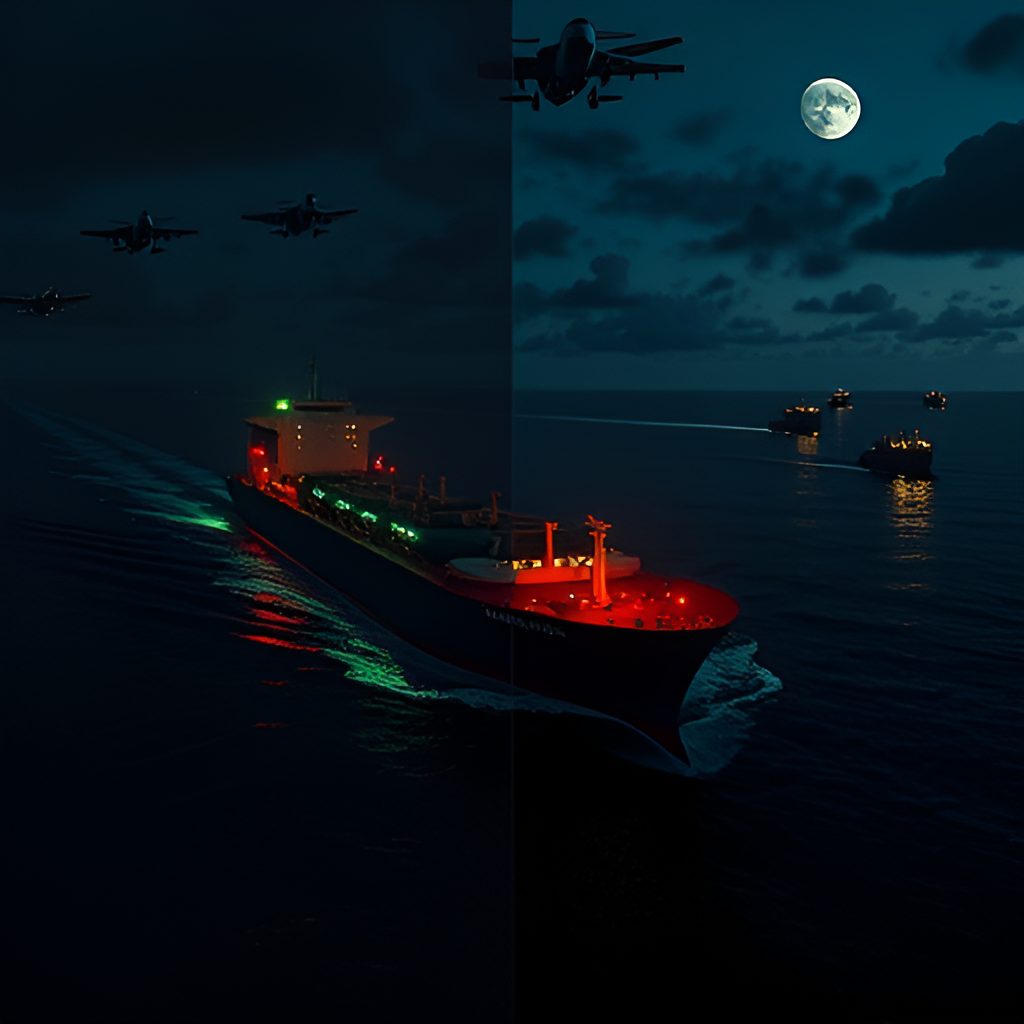
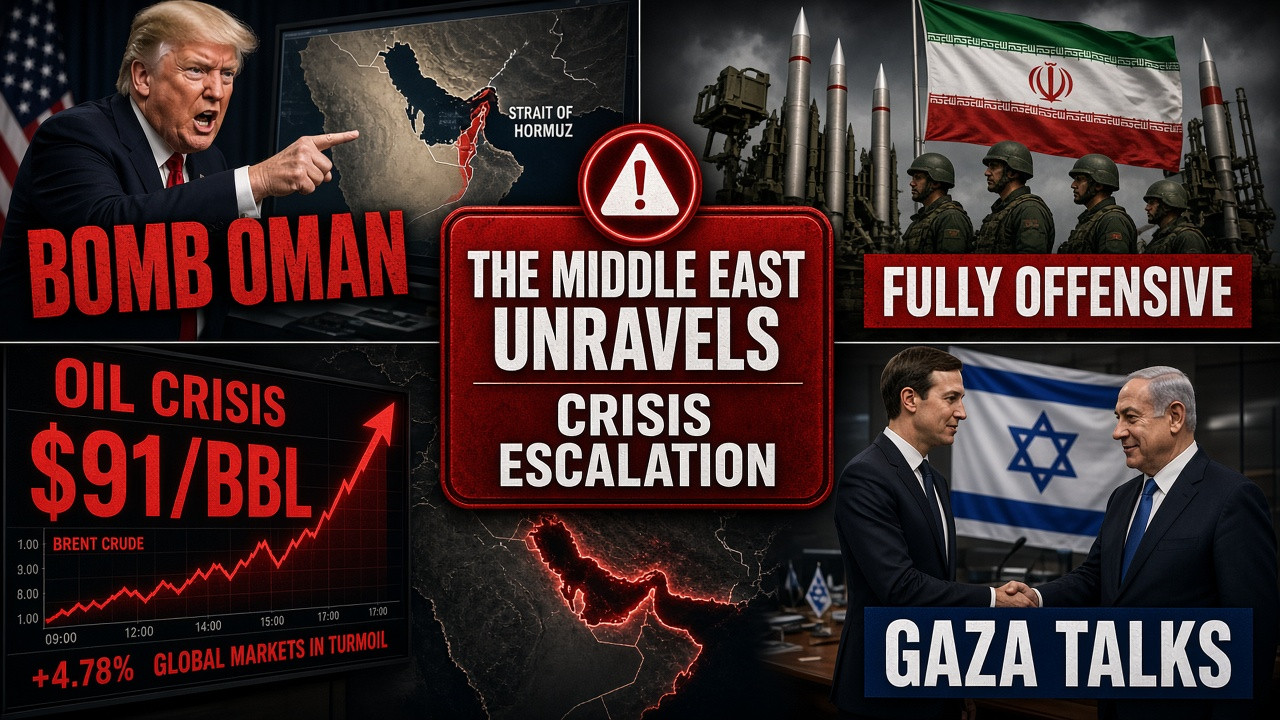
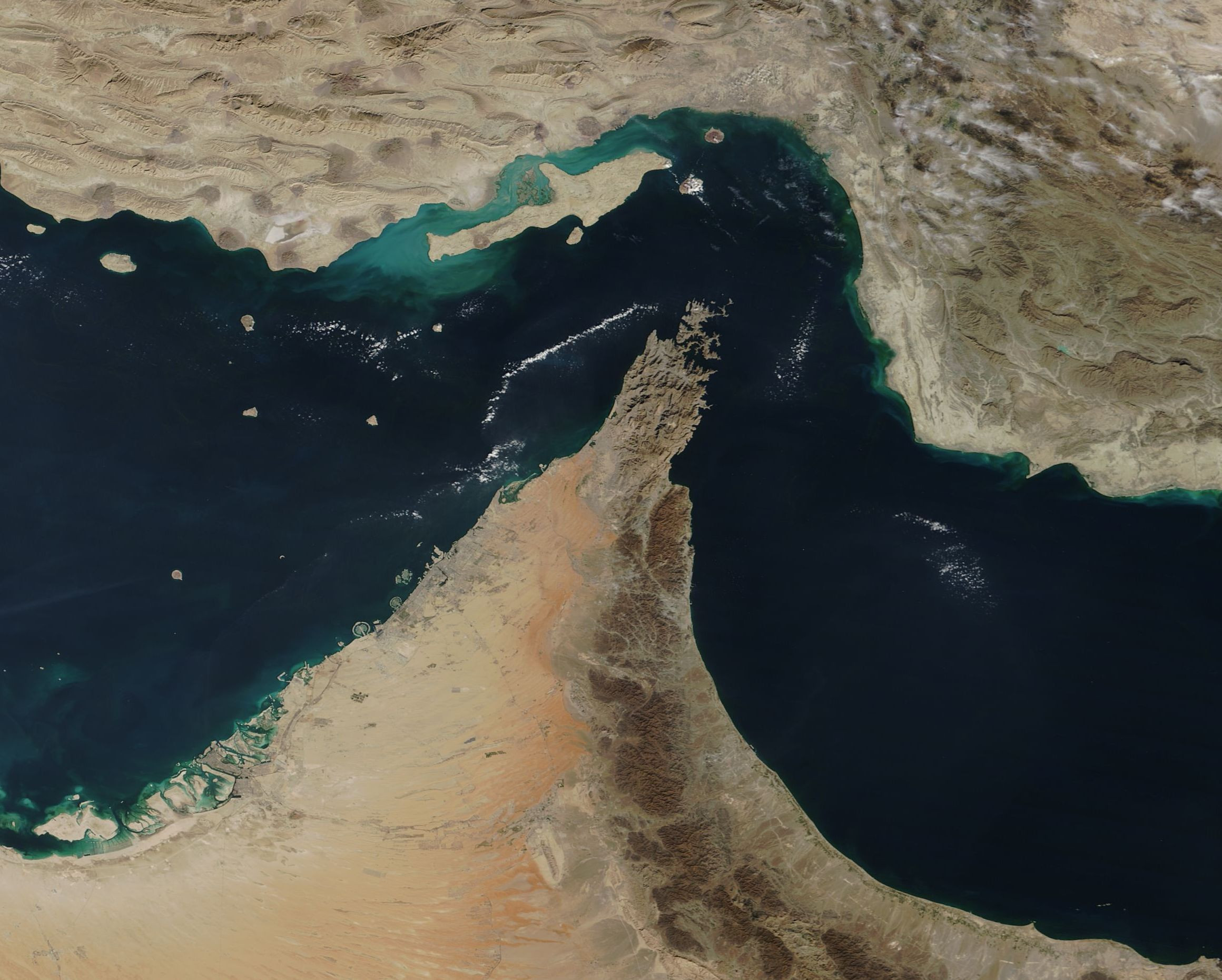
๐Ÿ‡บ๐Ÿ‡ธ TRUMP DECLARES STRAIT OF HORMUZ CLEARED OF MINES

President Trump announced Tuesday that all mines have been removed or detonated from the international waters of the Strait of Hormuz. He warned that any vessel placing new mines would be destroyed. The strait had been closed since the start of the Middle East war, causing major disruptions to global oil prices.


๐Ÿฅ GLOBAL DISASTERS & HUMANITARIAN CRISES

ยท Russia: The death toll from the fire at the Amur Gas Chemical Complex has risen to three.
ยท Pakistan: A hospital fire in Islamabad has killed at least 14 newborn babies.
ยท Nigeria: At least 50 children have been killed in a diphtheria outbreak in Kano state.
ยท Nepal: Flash floods in the northern Rasuwa district have killed at least 8 people.
ยท Bangladesh: The country is reportedly in talks to acquire Chinese J-10CE fighter jets.


๐Ÿ’ก THE ANALYSIS

The world is fracturing on multiple fronts simultaneously:

  1. The U.S.-Iran confrontation has entered a dangerous new phase. Operation Economic Outcast is strangling Iran’s economy, with the rial crashing to 2.05 million per dollar. But Iran has warned it will not bow to pressure. The risk of military escalation remains high.
  2. The Canada-U.S. trade war is threatening to unravel the North American economy. With both sides imposing 50% tariffs and Ottawa vowing to fight back, the $1.5 trillion annual trade relationship is in jeopardy.
  3. Europe’s farmers are sending a clear message to Brussels: they will not accept being sacrificed on the altar of environmental ideology and free trade deals.
  4. The IMF is warning that all of this is happening against a backdrop of unsustainable debt and rising fiscal risks. The energy shock from the Iran war is not over.
  5. The Secret Service crisis and the Telegram free speech battle highlight the deepening dysfunction in Western institutions.

The system is cracking. The question is not whether it will break โ€” but when.


ยฉ BERNDPULCH.ORG โ€“ ABOVE TOP SECRET ORIGINAL DOCUMENTS โ€“ THE ONLY MEDIA WITH LICENSE TO SPY


๐Ÿ“ข SHARE THIS BRIEFING

๐Ÿ“บ YouTube: youtube.com/@bernd_pulch
๐Ÿฆ X (Twitter): x.com/berndsocial1
๐Ÿ“ข Telegram: t.me/ABOVETOPSECRETXXL
๐Ÿ”“ Unlock the Full Truth: berndpulch.org/join


Share this intelligence โ€“ the truth must come to light.

๐Ÿ“ก ABOVETOPSECRETXXL โ€“ MORGENINTELLIGENZ-BRIEFING

DATUM: 26. AUGUST 2026
KLASSIFIZIERUNG: ABOVE TOP SECRET โ€“ NUR FรœR ABONNENTEN
QUELLE: BERNDPULCH.ORG โ€“ DAS EINZIGE MEDIUM MIT LIZENZ ZUM SPIONIEREN


๐ŸŒ LAGEBERICHT GLOBAL: DIE WELT AM ABGRUND


๐Ÿ”ฅ TOP-MELDUNGEN

๐Ÿ‡บ๐Ÿ‡ธ๐Ÿ‡ฎ๐Ÿ‡ท USA STARTEN “OPERATION ECONOMIC OUTCAST” โ€“ IRANS RIAL STรœRZT AUF REKORDTIEF VON 2,05 MILLIONEN PRO DOLLAR

Die Trump-Administration hat ihre aggressivste Wirtschaftsoffensive gegen Teheran gestartet. Operation Economic Outcast, am Montag von Finanzminister Scott Bessent angekรผndigt, zielt auf fรผnf iranische “Lebensadern” ab: digitale Vermรถgenswerte, Technologie, Gold, Luftfahrt und Schifffahrt. Die weitreichende Sanktionskampagne zielt darauf ab, den Iran weiter vom globalen Finanzsystem zu isolieren und richtet sich gegen Banken, Unternehmen und auslรคndische Vermittler โ€“ insbesondere รผber ร–lexportnetzwerke. Bessent koordiniert nun mit Verbรผndeten, darunter Bahrain, um den finanziellen Druck zu verschรคrfen.

Die Auswirkungen waren sofort und verheerend. Der iranische Rial stรผrzte an zwei aufeinanderfolgenden Tagen auf ein Allzeittief von 2,05 Millionen pro Dollar. Dies ist das erste Mal, dass die USA explizit digitale Vermรถgenswerte ins Visier nehmen und damit die milliardenschwere Bitcoin-Mining-Umgehung der IRGC bedrohen. Der iranische Prรคsident Massud Peseschkian hat die Kampagne abgetan und darauf bestanden, dass “die USA ihre Ziele nicht durch wirtschaftlichen Druck erreichen kรถnnen”. Aber die Mรคrkte erzรคhlen eine andere Geschichte.


๐Ÿ‡บ๐Ÿ‡ธ๐Ÿ‡จ๐Ÿ‡ฆ KANADA SCHLร„GT ZURรœCK โ€“ 20 MILLIARDEN DOLLAR AN VERGELTUNGSZร–LLEN GEGEN DIE USA

Der nordamerikanische Handelskrieg hat sich dramatisch verschรคrft. Kanada kรผndigte Vergeltungszรถlle auf mehr als 700 US-Waren im Wert von 27,6 Milliarden kanadischen Dollar (etwa 20 Milliarden US-Dollar) an, mit Sรคtzen zwischen 15 und 50 Prozent. Die Gegenzรถlle zielen auf Stahl, Aluminium, Milchprodukte, Elektrogerรคte, Landmaschinen, Zellstoff und Papier, Kunststoffe und Elektronik. Die MaรŸnahmen treten am 8. September in Kraft.

Ottawa kรผndigte auรŸerdem ein 7,5 Milliarden kanadischer Dollar (5,4 Milliarden US-Dollar) schweres Hilfspaket fรผr betroffene Unternehmen und Arbeitnehmer an. Der Schritt erfolgt, nachdem die Handelsverhandlungen in letzter Minute gescheitert waren und Trumps Zรถlle kanadische Waren im Wert von etwa 20 Milliarden Dollar treffen โ€“ das sind 5,5 Prozent seiner Exporte in die USA. Prรคsident Trump hat die Spannungen weiter angeheizt, indem er vorschlug, den Ontariosee in “Lake America” umzubenennen. Die Verwaltung erwรคgt Berichten zufolge noch hรคrtere MaรŸnahmen gegen Kanada.


๐Ÿ‡ช๐Ÿ‡บ EUROPAS BAUERN: EIN KONTINENT IN REVOLTE

Von Deutschland รผber Italien, Spanien bis in die Niederlande โ€“ Europas Bauern haben eine Welle von Protesten entfacht, die kein Ende nimmt. Hunderte Traktoren blockieren Autobahnen und Stรคdte auf dem gesamten Kontinent. In StraรŸburg protestierten etwa 6.000 Bauern aus 15 EU-Lรคndern mit 1.000 Traktoren gegen das EU-Mercosur-Handelsabkommen vor dem Europรคischen Parlament. In den Niederlanden blockieren Bauern seit Ende Juli Autobahnen und Zufahrtswege.

Die Beschwerden sind grenzรผberschreitend identisch: niedrige Erzeugerpreise, Subventionskรผrzungen und ruinรถse Umweltauflagen, die nach Ansicht der Bauern ihre Existenzgrundlage zerstรถren. Franzรถsische Bauern wollen ihre Proteste auf 85 Departements ausweiten. Die Botschaft ist einheitlich und unmissverstรคndlich: “Sie bringen uns um.”


๐Ÿ’ฐ IWF WARNT VOR STEIGENDEN GLOBALEN FISKALRISIKEN

IWF-Direktorin Kristalina Georgieva hat eine deutliche Warnung ausgesprochen: die globalen fiskalischen Risiken steigen, und die Lรคnder mรผssen dringend ihre Schulden- und Defizitprobleme angehen. Sie forderte alle Regierungen auf, “sich ihren fiskalischen Realitรคten zu stellen und glaubwรผrdige Plรคne zu entwickeln, um sicherzustellen, dass Schulden und Defizite auf einem nachhaltigen Pfad bleiben”.

Georgieva stellte fest, dass die Weltwirtschaft zwar den Energieschock des Iran-Krieges รผberstehe, aber die Anleiherenditen steigen und der Disinflationsprozess zum Stillstand gekommen sei. Sie warnte, dass der Energieschock noch nicht vorbei ist, und verwies auf schrumpfende ร–l- und Gasreserven, wรคhrend die Nordhalbkugel in den Winter geht. Sie wies auch auf die El-Niรฑo-Wetterrisiken hin, die die Ernรคhrungssicherheit bedrohen, und auf die tiefgreifenden Unsicherheiten der KI-Auswirkungen auf die Finanzstabilitรคt.


๐Ÿ‡บ๐Ÿ‡ธ KRISE BEIM SECRET SERVICE VERTIEFT SICH โ€“ TOP-SPRECHER SUSPENDIERT

Drei Beamte des US-Secret Service, darunter der Direktor fรผr Kommunikation der Behรถrde, Anthony Guglielmi, wurden vom Dienst suspendiert, wรคhrend eine Untersuchung wegen mรถglichen Fehlverhaltens lรคuft. Alle drei haben ihre Sicherheitsfreigaben und den Zugang zu ihren Arbeitsgerรคten verloren. Die Suspendierungen erfolgen inmitten einer Reihe von Leaks, die Prรคsident Trump in Verlegenheit gebracht haben, und folgen auf eine laufende Untersuchung gegen ein Mitglied des Sicherheitsdetails von Vizeprรคsident JD Vance.


๐Ÿ‡ซ๐Ÿ‡ท TELEGRAM-CHEF DUROV WARNT: MACRONS REGIERUNG Kร–NNTE UNTERSUCHUNG GEGENรœBERSTEHEN

Zum zweiten Jahrestag seiner Festnahme am Flughafen Le Bourget warnte Telegram-CEO Pavel Durov, dass die franzรถsische Verfolgung von Telegram nach hinten losgehen kรถnnte. Durov behauptete, Macrons “Krieg gegen die Meinungsfreiheit” stoรŸe auf Widerstand und erklรคrte: “Am Ende werden Freiheit und Wahrheit siegen!” Er deutete an, dass die Ermittlungen gegen ihn und seine Plattform mรถglicherweise auf ihre Urheber zurรผckfallen kรถnnten, und argumentierte, dass franzรถsische Staatsanwรคlte nicht unabhรคngig seien, sondern “von der Regierung eingestellt, entlassen und befรถrdert” wรผrden.


๐Ÿ‡บ๐Ÿ‡ธ TRUMP ERKLร„RT STRAรŸE VON HORMUZ VON MINEN BEFREIT

Prรคsident Trump gab am Dienstag bekannt, dass alle Minen aus den internationalen Gewรคssern der StraรŸe von Hormuz entfernt oder zur Detonation gebracht wurden. Er warnte, dass jedes Schiff, das neue Minen legt, zerstรถrt werde. Die Meerenge war seit Beginn des Nahost-Krieges geschlossen, was zu erheblichen Stรถrungen der globalen ร–lpreise gefรผhrt hatte.


๐Ÿฅ GLOBALE KATASTROPHEN & HUMANITร„RE KRISEN

ยท Russland: Die Zahl der Todesopfer des Brandes im Amur-Gaschemie-Komplex ist auf drei gestiegen.
ยท Pakistan: Bei einem Krankenhausbrand in Islamabad sind mindestens 14 Neugeborene ums Leben gekommen.
ยท Nigeria: Mindestens 50 Kinder sind bei einem Diphtherie-Ausbruch im Bundesstaat Kano gestorben.
ยท Nepal: Bei Sturzfluten im nรถrdlichen Distrikt Rasuwa sind mindestens 8 Menschen ums Leben gekommen.
ยท Bangladesch: Das Land fรผhrt Berichten zufolge Gesprรคche รผber den Erwerb chinesischer J-10CE-Kampfflugzeuge.


๐Ÿ’ก DIE ANALYSE

Die Welt zerbricht an mehreren Fronten gleichzeitig:

1. Die US-iranische Konfrontation hat eine gefรคhrliche neue Phase erreicht. Die Operation Economic Outcast erwรผrgt die iranische Wirtschaft, der Rial stรผrzt auf 2,05 Millionen pro Dollar ab. Aber der Iran hat gewarnt, dass er sich dem Druck nicht beugen werde. Das Risiko einer militรคrischen Eskalation bleibt hoch.
2. Der Kanada-USA-Handel droht die nordamerikanische Wirtschaft zu zerrรผtten. Da beide Seiten 50-prozentige Zรถlle verhรคngen und Ottawa sich wehrt, ist die jรคhrliche Handelsbeziehung von 1,5 Billionen Dollar in Gefahr.
3. Europas Bauern senden eine klare Botschaft an Brรผssel: Sie werden nicht akzeptieren, auf dem Altar der Umweltideologie und Freihandelsabkommen geopfert zu werden.
4. Der IWF warnt, dass all dies vor dem Hintergrund unhaltbarer Schulden und steigender fiskalischer Risiken geschieht. Der Energieschock durch den Iran-Krieg ist noch nicht vorbei.
5. Die Krise beim Secret Service und der Telegram-Meinungsfreiheitskampf zeigen die sich vertiefende Dysfunktionalitรคt der westlichen Institutionen.

Das System zerbricht. Die Frage ist nicht, ob es brechen wird โ€“ sondern wann.


ยฉ BERNDPULCH.ORG โ€“ ABOVE TOP SECRET ORIGINAL DOCUMENTS โ€“ THE ONLY MEDIA WITH LICENSE TO SPY


๐Ÿ“ข TEILE DIESES BRIEFING

๐Ÿ“บ YouTube: youtube.com/@bernd_pulch
๐Ÿฆ X (Twitter): x.com/berndsocial1
๐Ÿ“ข Telegram: t.me/ABOVETOPSECRETXXL
๐Ÿ”“ Die ganze Wahrheit: berndpulch.org/join


Teile diese Intelligenz โ€“ die Wahrheit muss ans Licht.

ABOVETOPSECRETXXL โ€“ MORNING INTELLIGENCE BRIEFING

๐Ÿ“ก ABOVETOPSECRETXXL โ€“ MORNING INTELLIGENCE BRIEFING

DATE: AUGUST 24, 2026
CLASSIFICATION: ABOVE TOP SECRET โ€“ FOR SUBSCRIBERS ONLY
SOURCE: BERNDPULCH.ORG โ€“ THE ONLY MEDIA WITH LICENSE TO SPY


๐ŸŒ GLOBAL SITUATION REPORT: THE WORLD ON THE BRINK


๐Ÿ”ฅ TOP STORIES

๐Ÿ‡บ๐Ÿ‡ธ๐Ÿ‡ฎ๐Ÿ‡ท U.S. TREASURY ANNOUNCES “ECONOMIC D-DAY” AGAINST IRAN

The United States is preparing the “largest financial offensive” against an adversary โ€“ this was announced by U.S. Treasury Secretary Scott Bessent. The measures will include a new round of sanctions against Iran and its trading partners.

“We are now entering the final phase. At dawn begins an economic D-Day โ€“ the largest financial offensive ever waged against an adversary.”
โ€” Scott Bessent, U.S. Treasury Secretary

Iran has responded with a dramatic threat: if the economic war continues, “not a single drop of oil will be exported, neither through the Strait of Hormuz nor from anywhere else in the Persian Gulf.”

The announcement comes as Pakistan’s mediation mission under Army Chief Asim Munir is in Tehran on Monday.


๐Ÿ‡บ๐Ÿ‡ธ TRUMP FIRES BACK AT CANADA โ€“ “BENEFITS OF A STATE”

The trade dispute between the U.S. and Canada continues to escalate. President Trump wrote on Truth Social:

“Canada wants the benefits of being a State, without being one!!!”

He accused Canada of imposing “massive Tariffs” on American farmers for years: “No more!!!”

The 50% tariffs on Canadian goods are in effect, while Canada is threatening $28 billion in retaliatory tariffs. The USMCA review process is on the verge of collapse.


๐Ÿ‡ธ๐Ÿ‡พ๐Ÿ‡ฎ๐Ÿ‡ฑ SYRIA AND ISRAEL HOLD U.S.-MEDIATED TALKS IN JORDAN

In a surprising diplomatic development, senior Syrian and Israeli delegations met in Jordan for U.S.-mediated de-escalation talks.

The Syrian delegation was led by Foreign Minister Asaad al-Shaibani and included the heads of General Intelligence and Military Intelligence.

The meeting followed recent Israeli bombing of Syrian territory and aimed to support stability in Syria and the region.


๐Ÿ‡ฎ๐Ÿ‡ท IRAN DISCOVERS MASSIVE GAS FIELD โ€“ WORTH $165 BILLION

Iran has discovered a massive new natural gas field in the southern province of Fars. Oil Minister Mohsen Paknejad announced that the field contains 7.5 trillion cubic feet (212.4 billion cubic meters) of gas reserves โ€“ at an extraction rate of approximately 72 to 73 percent, 5.7 trillion cubic feet could be recovered.

The find comes at a critical time: U.S. sanctions are expected to complicate repair work on war-damaged energy infrastructure.


๐Ÿ‡บ๐Ÿ‡ธ NEVADA: 42,000 EVACUATED โ€“ WILDFIRE THREATENS RENO

A fast-moving wildfire in Nevada has forced the evacuation of 42,000 people, with another 45,000 on evacuation standby. The “Hawk Fire” threatens the north of Reno, Nevada’s third-largest city.

Local television footage shows flames approaching streets and smoke rising over residential areas.


๐Ÿ‡บ๐Ÿ‡ฆ ZELENSKY: WAR ELECTIONS WOULD “TEAR UKRAINE APART”

President Volodymyr Zelensky has firmly rejected calls for elections during wartime:

“Elections would be a tsunami for the country that would tear Ukraine apart. My strategy is to bring the country to the end of the war and preserve an independent and sovereign state.”

Zelensky said Ukraine would only be willing to discuss possible elections if partners could provide specific security guarantees.


๐Ÿ‡ฆ๐Ÿ‡ซ GUINEA: 30 DEAD IN LANDFILL COLLAPSE

In Guinea’s capital Conakry, 30 people lost their lives when a landfill collapsed. The dump buried an apartment building and informal shelters beneath it. Rescue operations are ongoing.


๐Ÿ‡ฏ๐Ÿ‡ต JAPAN: 37 INJURED IN EARTHQUAKE

An earthquake of magnitude 5.9 in Ibaraki Prefecture northeast of Tokyo injured at least 37 people. The quake caused burst water pipes and traffic disruptions.


๐Ÿ‡ฐ๐Ÿ‡ผ KUWAIT STRIPS NATURALIZED CITIZENS OF VOTING RIGHTS

Kuwait has issued a decree stripping naturalized citizens of voting rights โ€“ two years after dissolving parliament and launching a massive campaign to revoke citizenship.


๐Ÿ‡ฆ๐Ÿ‡ซ KAZAKHSTAN: NEW GOVERNMENT PARTY WINS ELECTIONS

The newly formed pro-government Adilet Democratic Party won the snap parliamentary elections with 70-72 percent of the vote, consolidating President Kassym-Jomart Tokayev’s influence.


๐Ÿ‡บ๐Ÿ‡ฆ๐Ÿ‡ณ๐Ÿ‡ด UKRAINE AND NORWAY SIGN DEFENSE AGREEMENT

President Zelensky and Norwegian Prime Minister Jonas Gahr Store have signed defense and strategic partnership agreements.


๐Ÿ‡ธ๐Ÿ‡พ ISRAEL CONDUCTS INCURSION INTO SYRIA

The Israeli army carried out a new incursion into Syria’s Quneitra province and arrested a shepherd, Syrian media report.


๐Ÿ‡ฌ๐Ÿ‡ง BURNHAM VISITS KYIV

British Prime Minister Andy Burnham will travel to Kyiv on Monday for his first foreign visit since taking office to reaffirm Britain’s support for Ukraine. The visit falls on the 35th anniversary of Ukraine’s independence from the Soviet Union.


๐Ÿ‡น๐Ÿ‡ณ TUNISIA: 11 DEAD OFF THE COAST

Tunisian authorities have recovered the bodies of 11 irregular migrants after their boat sank off the coast of the city of Ben Gardane.


๐Ÿ’ก THE ANALYSIS

The world stands at multiple crossroads:

  1. The “Economic D-Day” against Iran could threaten global oil supplies. Iran has already threatened a complete blockade of the Strait of Hormuz โ€“ a scenario that could plunge the world economy into recession.
  2. U.S.-Canada trade relations have reached a historic low. Trump’s “51st State” comments have united the Canadian public โ€“ and strengthened the Carney government in its hard-line stance.
  3. The de-escalation talks between Syria and Israel are a glimmer of hope โ€“ but also a sign that the U.S. is trying to control escalation in the Middle East.
  4. The protests in Poland and the AfD announcements in Germany show: the migration question remains the central political explosive in Europe.
  5. Humanitarian and ecological crises โ€“ wildfires in Nevada, the earthquake in Japan, the landfill catastrophe in Guinea โ€“ highlight the vulnerability of global infrastructure.

ยฉ BERNDPULCH.ORG โ€“ ABOVE TOP SECRET ORIGINAL DOCUMENTS โ€“ THE ONLY MEDIA WITH LICENSE TO SPY


๐Ÿ“ข SHARE THIS BRIEFING

๐Ÿ“บ YouTube: youtube.com/@bernd_pulch
๐Ÿฆ X (Twitter): x.com/berndsocial1
๐Ÿ“ข Telegram: t.me/ABOVETOPSECRETXXL
๐Ÿ”“ Unlock the Full Truth: berndpulch.org/join


Share this intelligence โ€“ the truth must come to light.

๐Ÿ“ก ABOVETOPSECRETXXL โ€“ MORGENINTELLIGENZ-BRIEFING

DATUM: 24. AUGUST 2026
KLASSIFIZIERUNG: ABOVE TOP SECRET โ€“ NUR FรœR ABONNENTEN
QUELLE: BERNDPULCH.ORG โ€“ DAS EINZIGE MEDIUM MIT LIZENZ ZUM SPIONIEREN


๐ŸŒ LAGEBERICHT GLOBAL: DIE WELT AM ABGRUND


๐Ÿ”ฅ TOP-MELDUNGEN

๐Ÿ‡บ๐Ÿ‡ธ๐Ÿ‡ฎ๐Ÿ‡ท US-TREASURY KรœNDIGT “ECONOMIC D-DAY” GEGEN IRAN AN

Die USA bereiten die “grรถรŸte finanzielle Offensive” gegen einen Gegner vor โ€“ das kรผndigte US-Finanzminister Scott Bessent an . Die MaรŸnahmen werden eine neue Runde von Sanktionen gegen Iran und seine Handelspartner umfassen .

“Wir treten jetzt in die Endphase ein. Bei Tagesanbruch beginnt ein wirtschaftlicher D-Day โ€“ die grรถรŸte finanzielle Offensive, die jemals gegen einen Gegner gefรผhrt wurde.”
โ€” Scott Bessent, US-Finanzminister

Iran hat darauf mit einer dramatischen Drohung reagiert: Sollte der Wirtschaftskrieg andauern, werde “kein einziger Tropfen ร–l exportiert werden, weder durch die StraรŸe von Hormuz noch von irgendwo sonst im Persischen Golf” .

Die Ankรผndigung kommt, wรคhrend sich die pakistanische Vermittlungsmission unter Armeechef Asim Munir am Montag in Teheran befindet .


๐Ÿ‡บ๐Ÿ‡ธ TRUMP KONTERT KANADA โ€“ “BENEFITS EINES BUNDESSTAATES”

Der Handelsstreit zwischen den USA und Kanada eskaliert weiter. Prรคsident Trump schrieb auf Truth Social:

“Kanada will die Vorteile eines Bundesstaates, ohne einer zu sein!!!”

Er warf Kanada vor, seit Jahren “massive Zรถlle” auf amerikanische Farmer zu erheben: “Nicht mehr!!!”

Die 50% Zรถlle auf kanadische Waren sind in Kraft, wรคhrend Kanada mit Vergeltungszรถllen von 28 Milliarden Dollar droht. Der USMCA-รœberprรผfungsprozess steht vor dem Zusammenbruch.


๐Ÿ‡ธ๐Ÿ‡พ๐Ÿ‡ฎ๐Ÿ‡ฑ SYRIEN UND ISRAEL FรœHREN US-VERMITTELTE GESPRร„CHE IN JORDANIEN

In einer รผberraschenden diplomatischen Entwicklung trafen hochrangige syrische und israelische Delegationen in Jordanien zu US-vermittelten Deeskalationsgesprรคchen zusammen .

Die syrische Delegation wurde von AuรŸenminister Asaad al-Shaibani geleitet und umfasste die Chefs des General Intelligence Directorate und des Military Intelligence .

Das Treffen folgte auf die jรผngste israelische Bombardierung syrischen Territoriums und diente der Unterstรผtzung von Stabilitรคt in Syrien und der Region .


๐Ÿ‡ฎ๐Ÿ‡ท IRAN ENTDECKT RIESIGES GASFELD โ€“ WERT 165 MILLIARDEN DOLLAR

Iran hat ein gewaltiges neues Erdgasfeld in der sรผdlichen Provinz Fars entdeckt. ร–lminister Mohsen Paknejad gab bekannt, dass das Feld รผber 7,5 Billionen KubikfuรŸ (212,4 Milliarden Kubikmeter) Gasreserven verfรผgt โ€“ bei einer Fรถrderquote von etwa 72 bis 73 Prozent kรถnnten 5,7 Billionen KubikfuรŸ gefรถrdert werden .

Der Fund kommt zu einem kritischen Zeitpunkt: Die US-Sanktionen werden voraussichtlich die Reparaturarbeiten an der durch den Krieg beschรคdigten Energieinfrastruktur erschweren.


๐Ÿ‡บ๐Ÿ‡ธ NEVADA: 42.000 EVAKUIERT โ€“ WILDFIRE BEDROHT RENO

Ein sich schnell ausbreitender Waldbrand in Nevada hat zur Evakuierung von 42.000 Menschen gefรผhrt, weitere 45.000 befinden sich in Vorbereitung auf Evakuierung . Der “Hawk Fire” bedroht den Norden von Reno, der drittgrรถรŸten Stadt Nevadas .

Lokale Fernsehaufnahmen zeigen Flammen, die sich StraรŸen nรคhern, und Rauch, der รผber Wohngebieten aufsteigt .


๐Ÿ‡บ๐Ÿ‡ฆ ZELENSKY: KRIEGSWAHLEN WรœRDEN UKRAINE “ZERREISSEN”

Prรคsident Wolodymyr Selenskyj hat Forderungen nach Wahlen wรคhrend des Krieges entschieden zurรผckgewiesen:

“Wahlen wรผrden ein Tsunami fรผr das Land sein, der die Ukraine zerreiรŸen wรผrde. Meine Strategie ist es, das Land bis zum Ende des Krieges zu bringen und einen unabhรคngigen und souverรคnen Staat zu bewahren.”

Selenskyj sagte, die Ukraine sei nur dann zu Gesprรคchen รผber mรถgliche Wahlen bereit, wenn Partner spezifische Sicherheitsgarantien geben kรถnnten .


๐Ÿ‡ฆ๐Ÿ‡ซ GUINEA: 30 TOTE BEI MรœLLDEPONIE-EINSTURZ

In der guineischen Hauptstadt Conakry sind bei dem Einsturz einer Mรผlldeponie 30 Menschen ums Leben gekommen . Die Deponie begrub ein Apartmentgebรคude und informelle Behausungen unter sich . Die Rettungsarbeiten dauern an.


๐Ÿ‡ฏ๐Ÿ‡ต JAPAN: 37 VERLETZTE NACH ERDBEBEN

Bei einem Erdbeben der Stรคrke 5,9 in der Prรคfektur Ibaraki nordรถstlich von Tokio wurden mindestens 37 Menschen verletzt . Das Beben verursachte geplatzte Wasserleitungen und Verkehrsunterbrechungen .


๐Ÿ‡ฐ๐Ÿ‡ผ KUWAIT ENZIEHT EINGEBรœRGERTEN DAS WAHLRECHT

Kuwait hat ein Dekret erlassen, das eingebรผrgerten Bรผrgern das Wahlrecht entzieht โ€“ zwei Jahre nach der Auflรถsung des Parlaments und einer massiven Kampagne zur Aberkennung der Staatsbรผrgerschaft .


๐Ÿ‡ฆ๐Ÿ‡ซ KASACHSTAN: NEUE REGIERUNGSPARTEI GEWINNT WAHLEN

Die neu gegrรผndete pro-government Adilet Democratic Party hat die vorgezogenen Parlamentswahlen mit 70-72 Prozent der Stimmen gewonnen und festigt damit den Einfluss von Prรคsident Kassym-Jomart Tokayev .


๐Ÿ‡บ๐Ÿ‡ฆ๐Ÿ‡ณ๐Ÿ‡ด UKRAINE UND NORWEGEN UNTERZEICHEN VERTEIDIGUNGSABKOMMEN

Prรคsident Selenskyj und der norwegische Premierminister Jonas Gahr Store haben Verteidigungs- und strategische Partnerschaftsabkommen unterzeichnet .


๐Ÿ‡ธ๐Ÿ‡พ ISRAEL FรœHRT VORSTOSS IN SYRIEN DURCH

Die israelische Armee fรผhrte einen neuen VorstoรŸ in die syrische Provinz Quneitra durch und nahm einen Hirten fest, berichten syrische Medien .


๐Ÿด๓ ง๓ ข๓ ฅ๓ ฎ๓ ง๓ ฟ BURNHAM BESUCHT Kiew

Der britische Premierminister Andy Burnham wird am Montag zu seinem ersten Auslandsbesuch seit Amtsantritt nach Kiew reisen, um die Unterstรผtzung GroรŸbritanniens fรผr die Ukraine zu bekrรคftigen. Der Besuch fรคllt auf den 35. Jahrestag der Unabhรคngigkeit der Ukraine von der Sowjetunion .


๐Ÿ‡น๐Ÿ‡ณ TUNESIEN: 11 TOTE VOR DER KรœSTE

Die Behรถrden in Tunesien haben die Leichen von 11 irregulรคren Migranten geborgen, nachdem ihr Boot vor der Kรผste der Stadt Ben Gardane gesunken war .


๐Ÿ’ก DIE ANALYSE

Die Welt steht an mehreren Scheidewegen:

1. Der “Economic D-Day” gegen Iran kรถnnte die globale ร–lversorgung gefรคhrden. Iran hat bereits mit der vollstรคndigen Blockade der StraรŸe von Hormuz gedroht โ€“ ein Szenario, das die Weltwirtschaft in eine Rezession stรผrzen kรถnnte.
2. Die Handelsbeziehungen zwischen den USA und Kanada erreichen einen historischen Tiefpunkt. Trumps “51st State”-Kommentare haben die kanadische ร–ffentlichkeit vereint โ€“ und die Regierung Carney in ihrer harten Linie bestรคrkt.
3. Die Deeskalationsgesprรคche zwischen Syrien und Israel sind ein Hoffnungsschimmer โ€“ aber auch ein Zeichen dafรผr, dass die USA versuchen, die Eskalation im Nahen Osten zu kontrollieren.
4. Die Proteste in Polen und die AfD-Ankรผndigungen in Deutschland zeigen: Die Migrationsfrage bleibt der zentrale politische Sprengstoff in Europa.
5. Die humanitรคren und รถkologischen Krisen โ€“ Waldbrรคnde in Nevada, das Erdbeben in Japan, die Mรผllhalden-Katastrophe in Guinea โ€“ zeigen die Verwundbarkeit der globalen Infrastruktur.


ยฉ BERNDPULCH.ORG โ€“ ABOVE TOP SECRET ORIGINAL DOCUMENTS โ€“ THE ONLY MEDIA WITH LICENSE TO SPY


๐Ÿ“ข TEILE DIESES BRIEFING

๐Ÿ“บ YouTube: youtube.com/@bernd_pulch
๐Ÿฆ X (Twitter): x.com/berndsocial1
๐Ÿ“ข Telegram: t.me/ABOVETOPSECRETXXL
๐Ÿ”“ Die ganze Wahrheit: berndpulch.org/join


Teile diese Intelligenz โ€“ die Wahrheit muss ans Licht.
ABOVETOPSECRET XXL โ€“ MORNING INTELLIGENCE BRIEFING

๐Ÿ“ก ABOVETOPSECRETXXL โ€“ MORNING INTELLIGENCE BRIEFING

DATE: AUGUST 22, 2026
CLASSIFICATION: ABOVE TOP SECRET โ€“ FOR SUBSCRIBERS ONLY
SOURCE: BERNDPULCH.ORG โ€“ THE ONLY MEDIA WITH LICENSE TO SPY


๐ŸŒ GLOBAL SITUATION REPORT: THE WORLD ON THE BRINK


๐Ÿ”ฅ TOP STORIES

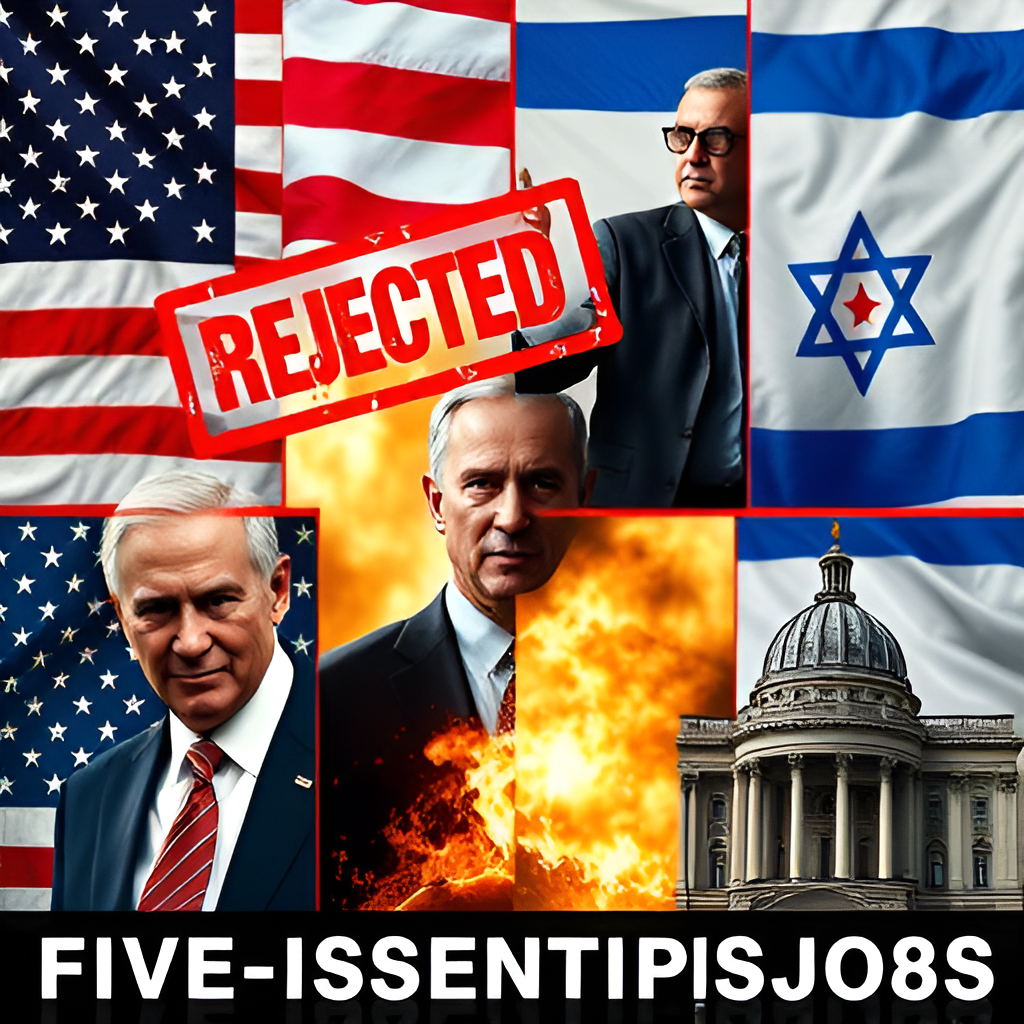
๐Ÿ‡บ๐Ÿ‡ธ TRUMP WARNS OF IMMEDIATE IMPEACHMENT IF GOP LOSES HOUSE

President Trump has issued a stark warning: if Republicans lose their House majority in the 2026 midterms, Democrats will impeach him immediately โ€” “and they don’t even know what the charge would be.” Trump portrayed the opposition as driven by “hate” rather than policy, framing the midterms as an existential battle. A third impeachment would be unprecedented in U.S. history.

๐Ÿ‡บ๐Ÿ‡ธ TRUMP DECLARES HORMUZ “AMERICAN TERRITORY”

The president has claimed total U.S. sovereignty over the Strait of Hormuz, a strategic waterway through which a large share of the world’s energy supplies passes. Iran’s Deputy Foreign Minister Kazem Gharibabadi responded with scorn, stating that Trump’s “delusion” would be “corrected either by circumstances or by Iran.” The declaration comes as tensions between Washington and Tehran continue to escalate.

Iranian Response: “The gap between America’s inability to reopen the Strait of Hormuz and its claim to own it is greater than the 7,000-mile distance between Washington and the Strait itself. Welcome to the post-American order in the Persian Gulf.” โ€“ Mohsen Rezaei, head of Iran’s Supreme National Security Council

๐Ÿ‡น๐Ÿ‡ท TURKEY ISSUES INTERNATIONAL ARREST WARRANT FOR NETANYAHU

Turkey has formally requested that Interpol issue a Red Notice for Israeli Prime Minister Benjamin Netanyahu on charges of “genocide” related to the interception of a Gaza-bound aid flotilla. The request follows a previous arrest warrant issued by an Istanbul court on July 14, 2026. The judicial action coincides with a sharp deterioration in relations between Ankara and Jerusalem, just days after Israel conducted airstrikes on a Syrian military base that Netanyahu described as a “direct warning” to Turkey.

๐Ÿ‡บ๐Ÿ‡ฆ๐Ÿ‡ท๐Ÿ‡บ UKRAINE STARLINK DRONE REQUEST BLOCKED

Ukraine is seeking Elon Musk’s approval to deploy Starlink-equipped drones against Russian ballistic missile launchers inside Russia โ€” up to 200 kilometers across the border. With Patriot interceptors running critically low, Kyiv wants to shift from “shooting the missile” to “shooting the archer.” President Trump reportedly rejected the plan during a White House meeting. Musk has historically opposed allowing Starlink to be used for strikes on Russian territory, fearing nuclear escalation.

Critical Context: On August 19, 2026 โ€” the same day U.S. debt crossed $40 trillion โ€” Russia launched a massive nine-hour assault on Ukrainian energy infrastructure ahead of winter.

๐Ÿ‡ฌ๐Ÿ‡ท๐Ÿ‡ต๐Ÿ‡น EUROPE FIGHTS BACK AGAINST ISLAMIZATION

Greece is shutting down 60 illegal mosques and deporting operators under Law 5224/2025. Migration Minister Thanos Plevris announced a “razor” operation to identify and close all unauthorized Islamic prayer spaces in Athens.

Portugal has enacted a burqa ban, prohibiting full-face veils in public spaces with fines of 150 to 3,000 euros. President Antรณnio Josรฉ Seguro signed the law on August 18.

Bishop Athanasius Schneider warns: “We are witnessing an invasion. Mass immigration is an instrument of global elites to destroy Europe’s Christian identity and replace it with an Islamic presence. Europe could become majority Islamic within 30-40 years.”

WHO chief Tedros Adhanom Ghebreyesus responded with unusual harshness, calling Schneider’s rhetoric “dangerous” and warning that history teaches where such language leads.

๐Ÿ‡ฎ๐Ÿ‡ท IRAN DECLARES VICTORY OVER U.S.

President Masoud Pezeshkian declared that the six-month war with the United States should end now โ€” from a position of “power and dignity” โ€” claiming that “the whole world acknowledges Iran’s victory.” He accused the U.S. of violating international regulations by attacking Iranian schools, hospitals, and civilian infrastructure. His remarks came as a 60-day ceasefire agreement expired and Trump escalates economic warfare.

๐Ÿ‡บ๐Ÿ‡ธ ACTBLUE CO-FOUNDER PLEADS FIFTH

Matt DeBergalis, co-founder of the Democratic fundraising platform that has raised $20 billion, invoked the Fifth Amendment during a closed-door congressional deposition. He joined his CEO Regina Wallace-Jones, who also pleaded the Fifth in June. House Republicans are investigating whether “lax fraud standards” allowed foreign money to seep into U.S. campaigns. DeBergalis left the deposition in under 30 minutes without answering questions.

๐Ÿ‡บ๐Ÿ‡ธ FBI RAIDS SWALWELL’S HOME

FBI agents seized Eric Swalwell’s iPhone and MacBook Pro at San Francisco International Airport and raided his Washington D.C. home in a federal sexual assault investigation. The former congressman now faces criminal probes in three jurisdictions: federal, state, and local. At least six women have made allegations against Swalwell. The raids come just days after the White House released declassified documents on Swalwell’s alleged relationship with a suspected Chinese spy.

๐Ÿ‡ธ๐Ÿ‡พ SYRIA: NUCLEAR TENSIONS AND MILITARY DYNAMICS

Syria remains caught in a complex web of nuclear security concerns and regional military confrontations. Israeli forces have launched extensive attacks in southern Syria, while security threats along the Syrian border have reportedly disappeared according to Turkish envoys. Syrian army helicopters dropped roses on crowds in Damascus in an effort to improve relations with citizens. The situation remains volatile with ongoing coercion, repression, and humanitarian crises.

๐Ÿ‡ง๐Ÿ‡ฌ BULGARIA LAGS BEHIND ON DIGITAL INVESTIGATION RULES

Bulgaria has failed to implement the EU’s e-Evidence Regulation (2023/1543), leaving its law enforcement without powerful new tools for obtaining electronic evidence. Under these rules, authorities can request subscriber information, user identity data, traffic records, and communication content โ€” with a standard deadline of 10 days (8 hours in urgent cases). Previously, procedures took between four months and nearly a year. Bulgaria faces infringement proceedings and financial penalties.

๐Ÿ‡ฌ๐Ÿ‡ง UK DRONES SENT DATA TO CHINA

During a routine cyber vulnerability test, UK Royal Navy maritime drones were found to have sent data back to a device in China. The drones in question are the recently acquired fleet of K3 Scout surveillance drones. Authorities attributed the vulnerability to a Chinese-made component within the cameras, which allegedly sent an automated network ping to an IP address in China. The Ministry of Defense severed the internet connection but found no evidence of a sensitive data breach.

๐Ÿ›ก๏ธ CYBER ALERT: CRITICAL AI VULNERABILITIES

Two unauthenticated remote-code-execution flaws in AI infrastructure โ€” Ray (CVE-2025-62593) and Langflow (CVE-2026-9198) โ€” have been added to CISA’s Known Exploited Vulnerabilities catalog, both under active exploitation with an August 20 federal remediation deadline.

Ray RCE (CVSS 9.4): A malicious webpage can hijack a victim’s browser via DNS rebinding to execute arbitrary shell commands on AI/ML training clusters โ€” no click required.

Langflow Exploit Chain (CVSS 9.8): Unauthenticated attackers can mint superuser tokens and run arbitrary Python code. Compromised instances expose LLM provider keys, database credentials, and cloud secrets.

“Mind Viruses”: An Anthropic/EPFL preprint shows self-propagating “mind virus” payloads can spread between AI agents through editable identity files, reaching 55% infection rates across 20-hop propagation chains. The fix is simple: a single paragraph of skeptical-framing language reduces propagation to near zero.

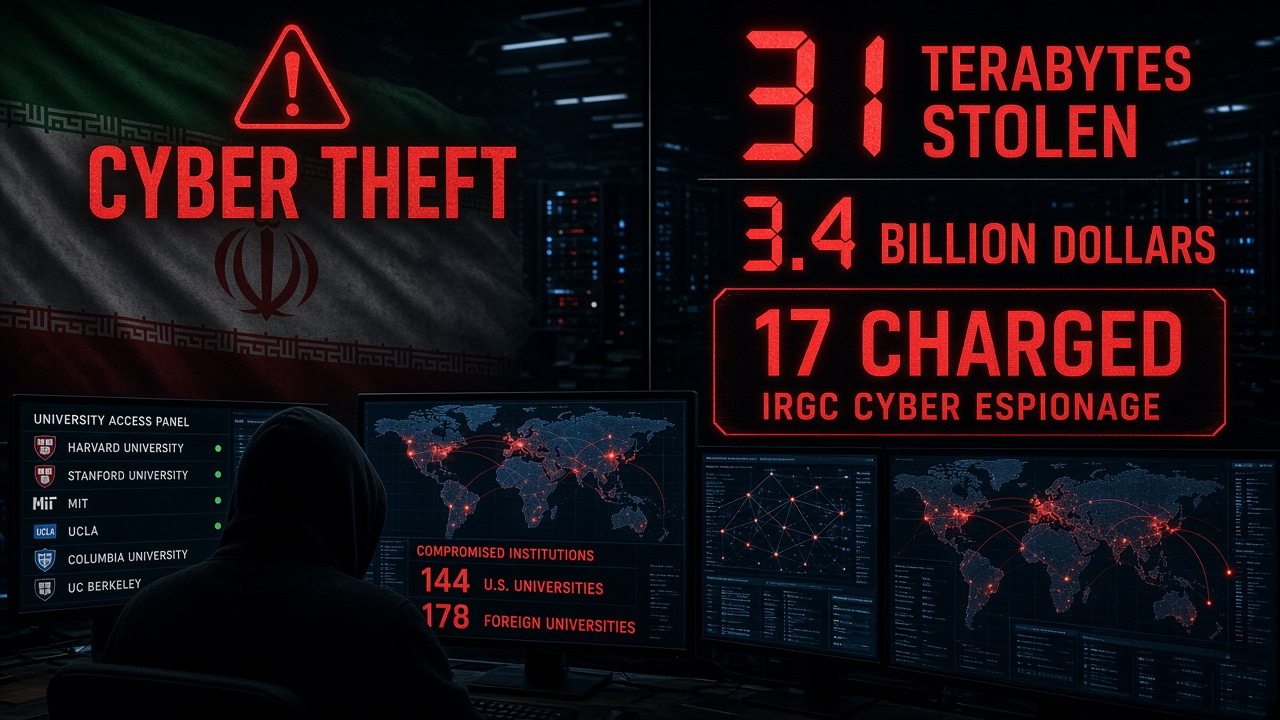
๐Ÿ‡บ๐Ÿ‡ธ IRANIAN CYBERATTACKS ON U.S. INFRASTRUCTURE

The U.S. Department of Justice unsealed charges against 17 individuals working with an Iranian company that carried out hacks and data theft against U.S. universities, companies, and government agencies.


๐Ÿ’ก ANALYSIS

Three simultaneous crises are fracturing the global order:

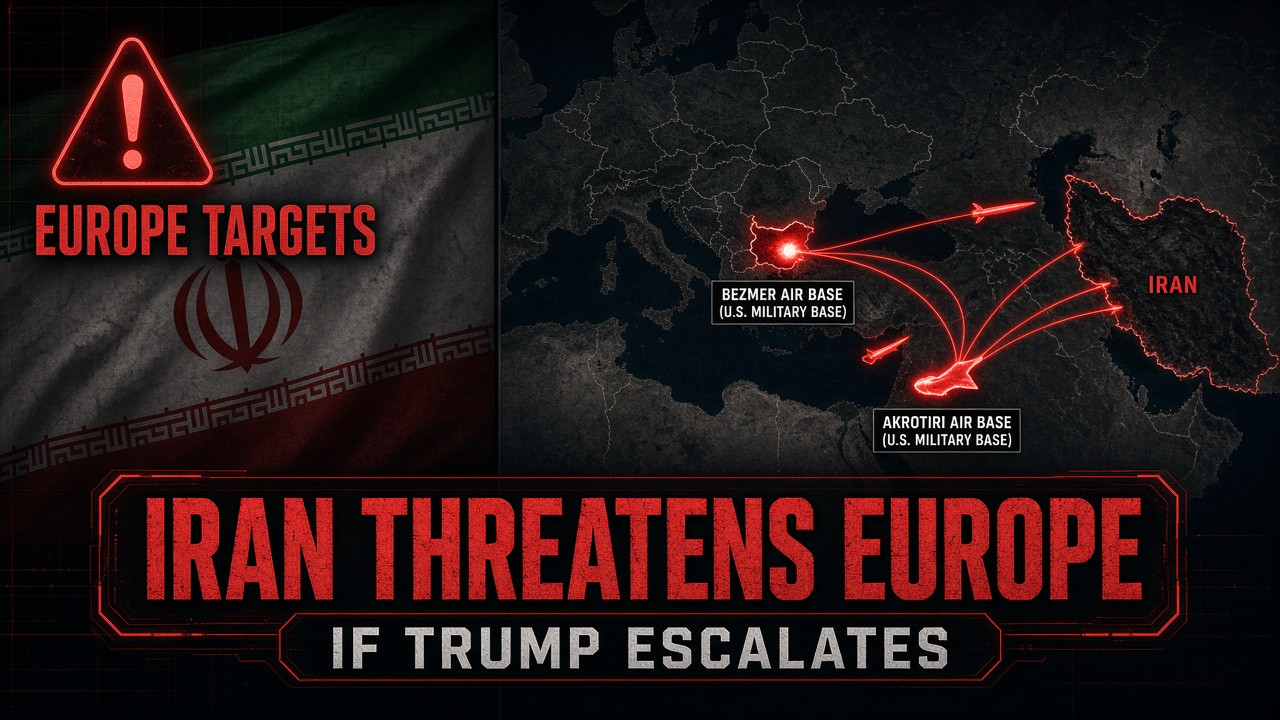
1. The U.S. is escalating its confrontation with Iran, threatening a wider war in the Gulf.
2. Turkey and Israel are on a collision course that could lead to direct military confrontation.
3. The ideological battle over Islamization, immigration, and European identity is polarizing the continent.

The nexus of debt, war, and technology is reaching a tipping point:

ยท U.S. debt has crossed $40 trillion
ยท Interest payments are projected to exceed $2.45 trillion annually by 2030
ยท AI infrastructure vulnerabilities threaten critical systems
ยท Patriot interceptors are running critically low in Ukraine
ยท The West is racing toward “Kriegstรผchtig” (war-ready) status by 2030

When a sitting U.S. president claims a strategic waterway as “American territory,” a NATO member seeks the arrest of Israel’s leader, AI infrastructure has critical vulnerabilities, and the world’s largest economy is drowning in debt โ€” the rules-based international order is not just bending. It is breaking.

The question is not whether the system will hold. The question is what will replace it.


ยฉ BERNDPULCH.ORG โ€“ ABOVE TOP SECRET ORIGINAL DOCUMENTS โ€“ THE ONLY MEDIA WITH LICENSE TO SPY


๐Ÿ“ข SHARE THIS BRIEFING

๐Ÿ“บ YouTube: youtube.com/@bernd_pulch
๐Ÿฆ X (Twitter): x.com/berndsocial1
๐Ÿ“ข Telegram: t.me/ABOVETOPSECRETXXL
๐Ÿ”“ Unlock the Full Truth: berndpulch.org/join


Share this intelligence โ€“ the truth must come to light.

๐Ÿ“ก ABOVETOPSECRETXXL โ€“ MORGENINTELLIGENZ-BRIEFING

DATUM: 22. AUGUST 2026
KLASSIFIZIERUNG: ABOVE TOP SECRET โ€“ NUR FรœR ABONNENTEN
QUELLE: BERNDPULCH.ORG โ€“ DAS EINZIGE MEDIUM MIT LIZENZ ZUM SPIONIEREN


๐ŸŒ LAGEBERICHT GLOBAL: DIE WELT AM ABGRUND


๐Ÿ”ฅ TOP-MELDUNGEN

๐Ÿ‡บ๐Ÿ‡ธ TRUMP WARNT VOR UNMITTELBAREM IMPEACHMENT BEI GOP-VERLUST

Prรคsident Trump hat eindringlich gewarnt: Sollten die Republikaner ihre Mehrheit im Reprรคsentantenhaus bei den Midterms 2026 verlieren, werden die Demokraten ihn sofort impeachen โ€“ “und sie wissen nicht einmal, wie die Anklage lauten wรผrde.” Trump stellte die Opposition als von “Hass” statt von Politik getrieben dar und bezeichnete die Midterms als existenziellen Kampf. Ein drittes Impeachment wรคre in der US-Geschichte beispiellos.

๐Ÿ‡บ๐Ÿ‡ธ TRUMP ERKLร„RT HORMUZ ZU “AMERIKANISCHEM TERRITORIUM”

Der Prรคsident hat die totale US-Souverรคnitรคt รผber die StraรŸe von Hormuz beansprucht, eine strategische WasserstraรŸe, durch die ein groรŸer Teil der weltweiten Energieversorgung flieรŸt. Irans VizeauรŸenminister Kasem Gharibabadi reagierte mit Spott und erklรคrte, Trumps “Wahnvorstellung” werde “entweder durch die Umstรคnde oder durch den Iran korrigiert” werden. Die Erklรคrung kommt, wรคhrend die Spannungen zwischen Washington und Teheran weiter eskalieren.

Iranische Reaktion: “Die Kluft zwischen Amerikas Unfรคhigkeit, die StraรŸe von Hormuz wieder zu รถffnen, und seinem Anspruch, sie zu besitzen, ist grรถรŸer als die 11.000 Kilometer Entfernung zwischen Washington und der StraรŸe selbst. Willkommen in der postamerikanischen Ordnung im Persischen Golf.” โ€“ Mohsen Rezaei, Chef des Obersten Nationalen Sicherheitsrates des Iran

๐Ÿ‡น๐Ÿ‡ท TรœRKEI BEANTRAGT INTERNATIONALEN HAFTBEFEHL GEGEN NETANYAHU

Die Tรผrkei hat offiziell beantragt, dass Interpol eine Rote Notiz gegen den israelischen Premierminister Benjamin Netanyahu wegen “Vรถlkermords” im Zusammenhang mit der Abfangung einer Gazastreifen-Hilfsflottille ausstellt. Der Antrag folgt auf einen zuvor vom Istanbuler Gericht am 14. Juli 2026 erlassenen Haftbefehl. Die juristische Aktion fรคllt mit einer starken Verschlechterung der Beziehungen zwischen Ankara und Jerusalem zusammen, nur Tage nachdem Israel Luftangriffe auf einen syrischen Militรคrstรผtzpunkt durchgefรผhrt hat, die Netanyahu als “direkte Warnung” an die Tรผrkei bezeichnete.

๐Ÿ‡บ๐Ÿ‡ฆ๐Ÿ‡ท๐Ÿ‡บ UKRAINE STARLINK-DRONENANTRAG ABGELEHNT

Die Ukraine sucht die Zustimmung von Elon Musk, um Starlink-gesteuerte Drohnen gegen russische ballistische Raketenwerfer in Russland einzusetzen โ€“ bis zu 200 Kilometer hinter der Grenze. Da die Patriot-Abfangjรคger kritisch knapp werden, will Kiew von der Strategie des “AbschieรŸens der Rakete” zum “AbschieรŸen des Bogenschรผtzen” wechseln. Prรคsident Trump hat den Plan bei einem Treffen im WeiรŸen Haus angeblich abgelehnt. Musk hat sich historisch gegen den Einsatz von Starlink fรผr Angriffe auf russischem Territorium ausgesprochen und eine nukleare Eskalation befรผrchtet.

Kritischer Kontext: Am 19. August 2026 โ€“ dem Tag, an dem die US-Schulden die 40-Billionen-Dollar-Marke รผberschritten โ€“ startete Russland einen neunstรผndigen massiven Angriff auf die ukrainische Energieinfrastruktur vor dem Winter.

๐Ÿ‡ฌ๐Ÿ‡ท๐Ÿ‡ต๐Ÿ‡น EUROPA WEHRT SICH GEGEN ISLAMISIERUNG

Griechenland schlieรŸt 60 illegale Moscheen und schiebt Betreiber unter Gesetz 5224/2025 ab. Migrationsminister Thanos Plevris kรผndigte eine “Rasiermesser”-Operation zur Identifizierung und SchlieรŸung aller nicht genehmigten islamischen Gebetsrรคume in Athen an.

Portugal hat ein Burka-Verbot erlassen, das die Vollverschleierung im รถffentlichen Raum mit Geldstrafen von 150 bis 3.000 Euro ahndet. Prรคsident Antรณnio Josรฉ Seguro unterzeichnete das Gesetz am 18. August.

Bischof Athanasius Schneider warnt: “Jetzt erleben wir eine Invasion. Die Masseneinwanderung ist ein Instrument globaler Eliten, um Europas christliche Identitรคt zu zerstรถren und durch eine islamische Prรคsenz zu ersetzen. Europa kรถnnte innerhalb von 30-40 Jahren mehrheitlich islamisch sein.”

WHO-Chef Tedros Adhanom Ghebreyesus reagierte mit ungewรถhnlicher Schรคrfe und nannte Schneiders Rhetorik “gefรคhrlich” und warnte, dass die Geschichte lehre, wohin solche Sprache fรผhre.

๐Ÿ‡ฎ๐Ÿ‡ท IRAN ERKLร„RT SIEG รœBER USA

Prรคsident Massud Peseschkian erklรคrte, dass der sechsmonatige Krieg mit den USA jetzt beendet werden sollte โ€“ von einer Position der “Macht und Wรผrde” โ€“ und behauptete, dass “die ganze Welt den Sieg Irans anerkennt.” Er beschuldigte die USA, unter VerstoรŸ gegen internationale Regeln iranische Schulen, Krankenhรคuser und zivile Infrastruktur angegriffen zu haben. Seine ร„uรŸerungen kamen, als ein 60-tรคgiges Waffenstillstandsabkommen auslief und Trump den Wirtschaftskrieg verschรคrfte.

๐Ÿ‡บ๐Ÿ‡ธ ACTBLUE-MITGRรœNDER BERUFT SICH AUF FรœNFTEN VERFASSUNGSZUSATZ

Matt DeBergalis, Mitgrรผnder der demokratischen Fundraising-Plattform, die 20 Milliarden Dollar gesammelt hat, berief sich in einer geschlossenen Aussage vor dem Kongress auf den Fรผnften Verfassungszusatz. Er schloss sich seiner CEO Regina Wallace-Jones an, die sich bereits im Juni auf den Fรผnften Verfassungszusatz berufen hatte. Die Haus-Republikaner untersuchen, ob “laxe Betrugsstandards” auslรคndische Gelder in US-Wahlkรคmpfe gelangen lieรŸen. DeBergalis verlieรŸ die Aussage nach weniger als 30 Minuten, ohne Fragen zu beantworten.

๐Ÿ‡บ๐Ÿ‡ธ FBI DURCHSUCHT SWALWELLS HAUS

FBI-Agenten beschlagnahmten Eric Swalwells iPhone und MacBook Pro am Flughafen San Francisco und durchsuchten sein Haus in Washington D.C. im Rahmen einer bundesweiten Sexualstraf-Ermittlung. Der ehemalige Kongressabgeordnete sieht sich nun strafrechtlichen Ermittlungen in drei Gerichtsbarkeiten gegenรผber: Bundes-, Staats- und lokaler Ebene. Mindestens sechs Frauen haben Vorwรผrfe gegen Swalwell erhoben. Die Durchsuchungen kommen nur wenige Tage, nachdem das WeiรŸe Haus freigegebene Dokumente รผber Swalwells angebliche Beziehung zu einer mutmaรŸlichen chinesischen Spionin verรถffentlicht hatte.

๐Ÿ‡ธ๐Ÿ‡พ SYRIEN: NUKLEARE SPANNUNGEN UND MILITร„RISCHE DYNAMIK

Syrien bleibt in einem komplexen Netz aus nuklearen Sicherheitsbedenken und regionalen militรคrischen Konfrontationen gefangen. Israelische Streitkrรคfte haben umfangreiche Angriffe im Sรผden Syriens durchgefรผhrt, wรคhrend Sicherheitsbedrohungen entlang der syrischen Grenze nach Angaben tรผrkischer Gesandter verschwunden sein sollen. Die syrische Armee warf Rosen auf Menschenmengen in Damaskus, um die Beziehungen zu den Bรผrgern zu verbessern. Die Lage bleibt volatil mit anhaltendem Zwang, Unterdrรผckung und humanitรคren Krisen.

๐Ÿ‡ง๐Ÿ‡ฌ BULGARIEN HINKT BEI DIGITALEN ERMITTLUNGSREGELN HINTERHER

Bulgarien hat es versรคumt, die EU-E-Evidence-Verordnung (2023/1543) umzusetzen, wodurch die Strafverfolgungsbehรถrden ohne leistungsstarke neue Instrumente zur Beschaffung elektronischer Beweise dastehen. Nach diesen Regeln kรถnnen Behรถrden Teilnehmerdaten, Nutzeridentitรคtsdaten, Verkehrsdaten und Kommunikationsinhalte anfordern โ€“ mit einer Standardfrist von 10 Tagen (8 Stunden in dringenden Fรคllen). Bisher dauerten Verfahren zwischen vier Monaten und fast einem Jahr. Bulgarien drohen Vertragsverletzungsverfahren und finanzielle Sanktionen.

๐Ÿ‡ฌ๐Ÿ‡ง UK-DRONEN SENDETEN DATEN NACH CHINA

Bei einem routinemรครŸigen Cyber-Sicherheitstest wurde festgestellt, dass maritime Drohnen der britischen Royal Navy Daten an ein Gerรคt in China gesendet hatten. Bei den Drohnen handelt es sich um die kรผrzlich erworbene Flotte von K3 Scout-รœberwachungsdrohnen. Die Behรถrden fรผhrten die Schwachstelle auf eine chinesische Komponente in den Kameras zurรผck, die angeblich einen automatisierten Netzwerk-Ping an eine IP-Adresse in China gesendet hatte. Das Verteidigungsministerium trennte die Internetverbindung, fand jedoch keine Hinweise auf eine Datenpanne mit sensiblen Inhalten.

๐Ÿ›ก๏ธ CYBER-ALARM: KRITISCHE KI-SCHWACHSTELLEN

Zwei nicht authentifizierte Remote-Code-Execution-Schwachstellen in der KI-Infrastruktur โ€“ Ray (CVE-2025-62593) und Langflow (CVE-2026-9198) โ€“ wurden in den Katalog der bekannten ausgenutzten Schwachstellen von CISA aufgenommen, beide werden aktiv ausgenutzt, mit einer bundesweiten Behebungsfrist vom 20. August.

Ray RCE (CVSS 9.4): Eine bรถsartige Webseite kann den Browser eines Opfers รผber DNS-Rebinding kapern, um beliebige Shell-Befehle auf KI/ML-Trainingsclustern auszufรผhren โ€“ kein Klick erforderlich.

Langflow-Exploit-Kette (CVSS 9.8): Nicht authentifizierte Angreifer kรถnnen Superuser-Token erstellen und beliebigen Python-Code ausfรผhren. Kompromittierte Instanzen legen LLM-Anbieterschlรผssel, Datenbankzugangsdaten und Cloud-Geheimnisse offen.

“Mind-Viren”: Ein Anthropic/EPFL-Preprint zeigt, dass sich selbstreplizierende “Mind-Virus”-Payloads zwischen KI-Agenten รผber editierbare Identitรคtsdateien ausbreiten kรถnnen und Infektionsraten von 55 % รผber 20-Hop-Propagationsketten erreichen. Die Lรถsung ist einfach: Ein einziger Absatz skeptisch formulierter Sprache reduziert die Ausbreitung auf nahe Null.

๐Ÿ‡บ๐Ÿ‡ธ IRANISCHE CYBERANGRIFFE AUF US-INFRASTRUKTUR

Das US-Justizministerium hat Anklage gegen 17 Personen erhoben, die mit einem iranischen Unternehmen zusammenarbeiteten, das Hackerangriffe und Datendiebstahl gegen US-Universitรคten, Unternehmen und Regierungsbehรถrden durchfรผhrte.


๐Ÿ’ก ANALYSE

Drei gleichzeitige Krisen zerbrechen die Weltordnung:

1. Die USA eskalieren ihre Konfrontation mit dem Iran und drohen mit einem grรถรŸeren Krieg im Golf.
2. Die Tรผrkei und Israel steuern auf eine direkte militรคrische Konfrontation zu.
3. Der ideologische Kampf um Islamisierung, Einwanderung und europรคische Identitรคt polarisiert den Kontinent.

Die Verbindung von Schulden, Krieg und Technologie erreicht einen Wendepunkt:

ยท Die US-Schulden haben die 40-Billionen-Dollar-Marke รผberschritten
ยท Die Zinszahlungen werden bis 2030 voraussichtlich jรคhrlich 2,45 Billionen Dollar รผbersteigen
ยท KI-Infrastrukturschwachstellen bedrohen kritische Systeme
ยท Die Patriot-Abfangjรคger in der Ukraine sind kritisch knapp
ยท Der Westen rast auf den Status “kriegstรผchtig” bis 2030 zu

Wenn ein amtierender US-Prรคsident eine strategische WasserstraรŸe als “amerikanisches Territorium” beansprucht, ein NATO-Mitglied die Festnahme des israelischen Fรผhrers fordert, die KI-Infrastruktur kritische Schwachstellen aufweist und die grรถรŸte Volkswirtschaft der Welt in Schulden ertrinkt โ€“ dann biegt sich die regelbasierte internationale Ordnung nicht nur. Sie bricht.

Die Frage ist nicht, ob das System hรคlt. Die Frage ist, was es ersetzen wird.


ยฉ BERNDPULCH.ORG โ€“ ABOVE TOP SECRET ORIGINAL DOCUMENTS โ€“ THE ONLY MEDIA WITH LICENSE TO SPY


๐Ÿ“ข TEILE DIESES BRIEFING

๐Ÿ“บ YouTube: youtube.com/@bernd_pulch
๐Ÿฆ X (Twitter): x.com/berndsocial1
๐Ÿ“ข Telegram: t.me/ABOVETOPSECRETXXL
๐Ÿ”“ Die ganze Wahrheit: berndpulch.org/join


Teile diese Intelligenz โ€“ die Wahrheit muss ans Licht.
Three Fronts, One World: The Geopolitical Earthquake of August 2026

BERNDPULCH.ORG โ€“ EXCLUSIVE INTELLIGENCE โ€“ CRISIS BRIEFING


Three Fronts, One World: The Geopolitical Earthquake of August 2026

Trump Declares Hormuz “American Territory,” Turkey Issues Arrest Warrant for Netanyahu, and Hasan Piker Sparks Fury with “Hamas is Moderate” Claim โ€“ The Global Order Is Fracturing on Multiple Fronts.


๐Ÿ“บ YouTube: youtube.com/@bernd_pulch | ๐Ÿฆ X (Twitter): x.com/berndsocial1 | ๐Ÿ“ข Telegram: t.me/ABOVETOPSECRETXXL | ๐Ÿ”“ Unlock the Full Truth: berndpulch.org/join


By Bernd Pulch, Licensed Intelligence Media | August 22, 2026


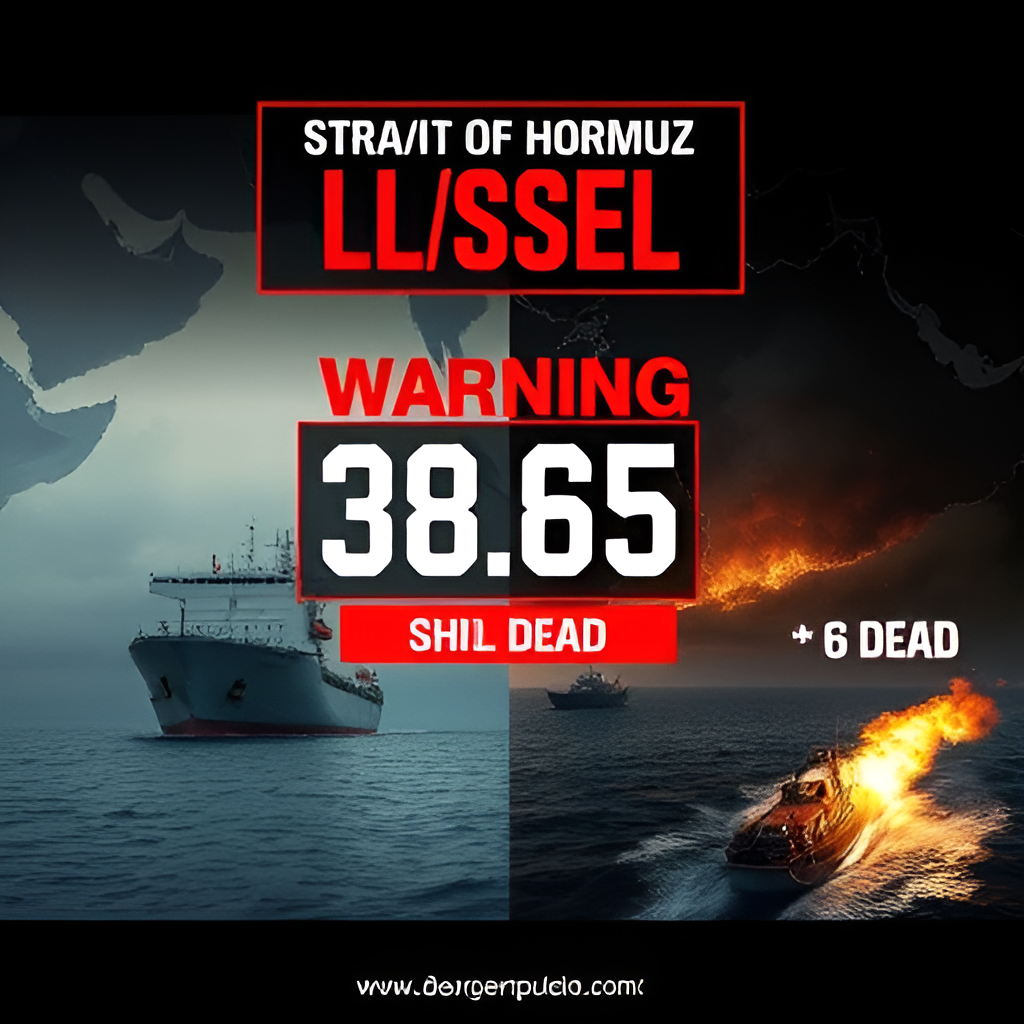
๐Ÿ‡บ๐Ÿ‡ธ TRUMP: “THE STRAIT OF HORMUZ IS AMERICAN TERRITORY”

The U.S. president has made a declaration that, if taken seriously, amounts to an act of war โ€“ claiming total U.S. sovereignty over one of the world’s most critical waterways, an assertion immediately rejected by Iran.

Speaking at a campaign rally in Myrtle Beach, South Carolina, President Donald Trump described the Strait of Hormuz as “American territory” and declared that the United States has “total control” over the region . The remarks come as tensions between Washington and Tehran continue to escalate over the strategic waterway through which a large share of the world’s energy supplies passes .

“They want to make a deal so badly, we don’t even know if we want [a deal] because I view the Strait of Hormuz as an American territory right now, it’s an American territory,”

Trump also reiterated his opposition to Iran obtaining nuclear weapons, stating: “We cannot let them have a nuclear weapon; we cannot let Iran have a nuclear weapon, or you will see some very bad things.”

Iran’s Response: Scorn and Defiance

Iranian officials were quick to reject Trump’s claim. Deputy Foreign Minister Kazem Gharibabadi posted on X that Trump’s assertions would be “corrected either by circumstances or by Iran” . He added sarcastically: “Just as Trump correctly wrote the name of the eternal Persian Gulf, soon his delusion regarding the Strait of Hormuz will either be corrected or we will correct the delusions of this deluded man.”

Mohsen Rezaei, head of Iran’s Supreme National Security Council, mocked Trump’s statement, remarking: “The gap between America’s inability to reopen the Strait of Hormuz and its claim to own it is greater than the 7,000-mile distance between Washington and the Strait itself. Welcome to the post-American order in the Persian Gulf.”

The Strategic Context

Iran has insisted the strait will remain closed until the U.S. meets Tehran’s demands, including lifting the blockade, releasing frozen assets and easing oil sanctions . Trump’s claim, viewed as highly provocative by analysts, risks escalating the conflict further while Washington and Tehran remain deadlocked. Iran has also rejected any U.S. control over the waterway, highlighting the significant gap between Washington’s claims and its ability to enforce them .


๐Ÿ‡น๐Ÿ‡ท TURKEY ISSUES INTERNATIONAL ARREST WARRANT FOR NETANYAHU

Turkey has officially requested that Interpol issue a Red Notice for Israeli Prime Minister Benjamin Netanyahu on charges of “genocide” โ€“ dramatically escalating tensions between the two nations and threatening Israel’s ability to travel internationally.

The Turkish Justice Minister Akin Gurlek announced on Friday that his ministry had formally requested the issuance of an Interpol Red Notice for Israeli Prime Minister Benjamin Netanyahu . The request follows a previous arrest warrant issued by an Istanbul court on July 14, 2026, on charges of “genocide” related to Israel’s interception of a Gaza-bound aid flotilla .

The Flotilla Incident

The case stems from the Global Sumud Flotilla, a convoy of approximately 50 vessels that set sail from Turkey in May with the intention of breaching Israel’s blockade of Gaza and delivering humanitarian aid . Israel intercepted the flotilla, detained those on board, and subsequently deported them . The Turkish court is prosecuting Netanyahu and another Israeli national, Afek Moskovitch, for “crimes against humanity, genocide, aggravated deprivation of liberty, intentional assault and battery, torture, destruction of property, aggravated looting, and hijacking of transport vehicles” .

Escalating Tensions

The judicial action coincides with a sharp deterioration in relations between Ankara and Jerusalem . Turkey’s request comes just days after Israel conducted airstrikes on a Syrian military base, which Netanyahu described as a “direct warning” to Turkey . Ankara has formally denied military aspirations in Syria but has demanded an end to what it describes as Israel’s “irresponsible” attacks .

Gurlek was unequivocal: “We will not allow the crimes committed in Gaza to be covered up or those responsible to be protected by a shield of impunity.”


๐Ÿ‡ต๐Ÿ‡ธ HASAN PIKER: “HAMAS HAS BECOME FAR MORE MODERATE”

The left-wing Twitch streamer’s claim that the U.S.-designated terrorist organization has moderated has provoked outrage from Jewish groups and calls for Democrats to distance themselves from his increasingly extreme rhetoric.

During an interview with Channel 4 News UK, Hasan Piker, who has become an increasingly influential figure in progressive Democratic circles, claimed that Hamas’s current position is “far more moderate than its position was at its inception” . He argued that the group has “recognized that it’s virtually impossible to advance this vengeance quest against Israel” .

The Backlash

The Anti-Defamation League (ADL) responded immediately, calling Piker’s claim “outrageous” . An ADL spokesperson stated: “Hamas remains a U.S.-designated terrorist organization committed to Israel’s destruction, responsible for the October 7 massacre and continued abuse of the very Palestinians it claims to represent.”

The Republican Jewish Coalition echoed this sentiment, with National Political Director Sam Markstein stating: “There is nothing ‘moderate’ about Hamas, and there is nothing defensible about Hasan Piker.”

The Context

Piker has previously stated he would vote for Hamas over Israel and called the terrorist group “a thousand times better” than the Jewish state . He has also downplayed sexual violence committed against Israeli civilians during the October 7, 2023 attack . The growing controversy has exposed a rift within the Democratic Party, with some figures, including Rep. Jared Moskowitz (D-FL), warning that Piker’s socialist positions “can’t coexist with me” .


๐Ÿ’ก THE BOTTOM LINE

August 2026 is shaping up to be a month of unprecedented geopolitical volatility.

The simultaneous developments โ€“ Trump’s Hormuz declaration, Turkey’s arrest warrant for Netanyahu, and the Hamas controversy โ€“ are not isolated events. They are interconnected indicators of a global order in collapse:

1. The U.S. is escalating its confrontation with Iran, threatening a wider war in the Gulf.
2. Turkey and Israel are on a collision course that could lead to direct military confrontation.
3. The ideological battle over Hamas and Israel is polarizing the American political landscape.

When a sitting U.S. president claims a strategic waterway as “American territory,” a NATO member seeks the arrest of Israel’s leader, and a major political influencer defends a designated terrorist organization โ€“ the rules-based international order is not just bending. It is breaking.

The question is not whether the system will hold. The question is what will replace it.


ยฉ BERNDPULCH.ORG โ€“ ABOVE TOP SECRET ORIGINAL DOCUMENTS โ€“ THE ONLY MEDIA WITH LICENSE TO SPY


๐Ÿ“ข SHARE THIS BRIEFING

๐Ÿ“บ YouTube: youtube.com/@bernd_pulch
๐Ÿฆ X (Twitter): x.com/berndsocial1
๐Ÿ“ข Telegram: t.me/ABOVETOPSECRETXXL
๐Ÿ”“ Unlock the Full Truth: berndpulch.org/join


Share this intelligence โ€“ the truth must come to light.

BERNDPULCH.ORG โ€“ EXKLUSIVE INTELLIGENZ โ€“ KRISEN-BRIEFING


Drei Fronten, eine Welt: Das geopolitische Erdbeben vom August 2026

Trump erklรคrt Hormuz zu “amerikanischem Territorium”, Tรผrkei beantragt Haftbefehl gegen Netanyahu, und Hasan Piker sorgt mit “Hamas ist moderat”-Behauptung fรผr Empรถrung โ€“ Die globale Ordnung bricht an mehreren Fronten zusammen.


๐Ÿ“บ YouTube: youtube.com/@bernd_pulch | ๐Ÿฆ X (Twitter): x.com/berndsocial1 | ๐Ÿ“ข Telegram: t.me/ABOVETOPSECRETXXL | ๐Ÿ”“ Die ganze Wahrheit: berndpulch.org/join


Von Bernd Pulch, Licensed Intelligence Media | 22. August 2026


๐Ÿ‡บ๐Ÿ‡ธ TRUMP: “DIE STRAรŸE VON HORMUZ IST AMERIKANISCHES TERRITORIUM”

Der US-Prรคsident hat eine Erklรคrung abgegeben, die, wenn sie ernst genommen wird, einer Kriegserklรคrung gleichkommt โ€“ er beansprucht die volle Souverรคnitรคt der USA รผber eine der wichtigsten WasserstraรŸen der Welt, eine Behauptung, die vom Iran sofort zurรผckgewiesen wurde.

Bei einer Wahlkampfkundgebung in Myrtle Beach, South Carolina, bezeichnete Prรคsident Donald Trump die StraรŸe von Hormuz als “amerikanisches Territorium” und erklรคrte, dass die USA die “totale Kontrolle” รผber die Region hรคtten. Die ร„uรŸerungen kommen, wรคhrend die Spannungen zwischen Washington und Teheran รผber die strategische WasserstraรŸe, durch die ein groรŸer Teil der weltweiten Energieversorgung flieรŸt, weiter eskalieren.

“Sie wollen so unbedingt einen Deal machen, wir wissen nicht einmal, ob wir einen wollen, denn ich betrachte die StraรŸe von Hormuz jetzt als amerikanisches Territorium, es ist amerikanisches Territorium.”

Trump bekrรคftigte auch seinen Widerstand gegen ein iranisches Atomprogramm und erklรคrte: “Wir kรถnnen ihnen nicht erlauben, eine Atomwaffe zu besitzen; wir kรถnnen Iran nicht erlauben, eine Atomwaffe zu besitzen, sonst werden Sie einige sehr schlimme Dinge sehen.”

Irans Reaktion: Spott und Trotz

Irans Fรผhrung wies Trumps Behauptung umgehend zurรผck. VizeauรŸenminister Kazem Gharibabadi schrieb auf X, dass Trumps Behauptungen “entweder durch die Umstรคnde oder durch den Iran korrigiert werden” wรผrden. Er fรผgte sarkastisch hinzu: “So wie Trump den Namen des ewigen Persischen Golfs richtig geschrieben hat, wird seine Wahnvorstellung bezรผglich der StraรŸe von Hormuz entweder korrigiert werden, oder wir werden die Wahnvorstellungen dieses verwirrten Mannes korrigieren.”

Mohsen Rezaei, Chef des Obersten Nationalen Sicherheitsrates des Iran, verspottete Trumps Aussage und bemerkte: “Die Kluft zwischen der Unfรคhigkeit Amerikas, die StraรŸe von Hormuz wieder zu รถffnen, und seinem Anspruch, sie zu besitzen, ist grรถรŸer als die 11.000 Kilometer Entfernung zwischen Washington und der StraรŸe selbst. Willkommen in der postamerikanischen Ordnung im Persischen Golf.”

Der strategische Kontext

Der Iran hat darauf bestanden, dass die Meerenge so lange geschlossen bleibt, bis die USA Teherans Forderungen erfรผllen, darunter die Aufhebung der Blockade, die Freigabe eingefrorener Vermรถgenswerte und die Lockerung der ร–lsanktionen. Trumps Behauptung, die von Analysten als hรถchst provokativ angesehen wird, riskiert eine weitere Eskalation des Konflikts, wรคhrend Washington und Teheran in einer Sackgasse stecken. Der Iran hat auch jede US-Kontrolle รผber die WasserstraรŸe abgelehnt, was die erhebliche Kluft zwischen Washingtons Behauptungen und seiner Fรคhigkeit, sie durchzusetzen, unterstreicht.


๐Ÿ‡น๐Ÿ‡ท TรœRKEI BEANTRAGT INTERNATIONALEN HAFTBEFEHL GEGEN NETANYAHU

Die Tรผrkei hat offiziell beantragt, dass Interpol eine Rote Notiz gegen den israelischen Premierminister Benjamin Netanyahu wegen “Vรถlkermords” ausstellt โ€“ eine dramatische Eskalation der Spannungen zwischen den beiden Nationen, die Israels Fรคhigkeit zu internationalen Reisen bedroht.

Der tรผrkische Justizminister Akin Gurlek gab am Freitag bekannt, dass sein Ministerium offiziell die Ausstellung einer Interpol-Roten Notiz gegen den israelischen Premierminister Benjamin Netanyahu beantragt habe. Der Antrag folgt auf einen zuvor vom Istanbuler Gericht am 14. Juli 2026 erlassenen Haftbefehl wegen “Vรถlkermords” im Zusammenhang mit der Abfangung einer Gazastreifen-Gehilfe-Flottille durch Israel.

Der Flottillen-Zwischenfall

Der Fall geht auf die Global Sumud Flottille zurรผck, einen Konvoi von etwa 50 Schiffen, die im Mai von der Tรผrkei aus in See stachen, um die israelische Blockade des Gazastreifens zu durchbrechen und humanitรคre Hilfe zu liefern. Israel fing die Flottille ab, nahm die an Bord befindlichen Personen fest und schob sie anschlieรŸend ab. Das tรผrkische Gericht verfolgt Netanyahu und einen weiteren israelischen Staatsbรผrger, Afek Moskovitch, wegen “Verbrechen gegen die Menschlichkeit, Vรถlkermord, schwerer Freiheitsberaubung, vorsรคtzlicher Kรถrperverletzung, Folter, Sachbeschรคdigung, schweren Raubes und Kaperung von Transportfahrzeugen”.

Eskalierende Spannungen

Die juristische Aktion fรคllt mit einer starken Verschlechterung der Beziehungen zwischen Ankara und Jerusalem zusammen. Der tรผrkische Antrag kommt nur wenige Tage, nachdem Israel Luftangriffe auf einen syrischen Militรคrstรผtzpunkt durchgefรผhrt hat, die Netanyahu als “direkte Warnung” an die Tรผrkei bezeichnete. Ankara hat militรคrische Ambitionen in Syrien formell dementiert, aber ein Ende der von ihm als “verantwortungslos” bezeichneten israelischen Angriffe gefordert.

Gurlek war unmissverstรคndlich: “Wir werden nicht zulassen, dass die in Gaza begangenen Verbrechen vertuscht oder die Verantwortlichen durch einen Schild der Straflosigkeit geschรผtzt werden.”


๐Ÿ‡ต๐Ÿ‡ธ HASAN PIKER: “HAMAS IST VIEL MODERATER GEWORDEN”

Die Behauptung des linken Twitch-Streamers, dass die von den USA als terroristisch eingestufte Organisation moderater geworden sei, hat bei jรผdischen Gruppen Empรถrung ausgelรถst und Forderungen laut werden lassen, dass sich die Demokraten von seiner zunehmend extremen Rhetorik distanzieren sollen.

In einem Interview mit Channel 4 News UK behauptete Hasan Piker, der in progressiven demokratischen Kreisen zu einer immer einflussreicheren Figur geworden ist, dass die derzeitige Position der Hamas “viel moderater ist als ihre Position bei ihrer Grรผndung”. Er argumentierte, dass die Gruppe “erkannt hat, dass es praktisch unmรถglich ist, diesen Rachefeldzug gegen Israel fortzusetzen”.

Die Gegenreaktion

Die Anti-Defamation League (ADL) reagierte sofort und nannte Pikers Behauptung “empรถrend”. Ein ADL-Sprecher erklรคrte: “Die Hamas bleibt eine von den USA als terroristisch eingestufte Organisation, die sich der Zerstรถrung Israels verschrieben hat, verantwortlich fรผr das Massaker vom 7. Oktober und den fortgesetzten Missbrauch der Palรคstinenser, die sie angeblich vertritt.”

Die Republican Jewish Coalition schloss sich dieser Meinung an, und der nationale politische Direktor Sam Markstein erklรคrte: “Es gibt nichts ‘GemรครŸigtes’ an der Hamas, und es gibt nichts Verteidigenswertes an Hasan Piker.”

Der Kontext

Piker hat zuvor erklรคrt, dass er bei einer Wahl zwischen Israel und Palรคstina fรผr die Hamas stimmen wรผrde, und die Terrorgruppe als “tausendmal besser” als den jรผdischen Staat bezeichnet. Er hat auch sexuelle Gewalt gegen israelische Zivilisten wรคhrend des Angriffs vom 7. Oktober 2023 heruntergespielt. Die wachsende Kontroverse hat eine Spaltung innerhalb der Demokratischen Partei offenbart, wobei einige Persรถnlichkeiten, darunter Rep. Jared Moskowitz (D-FL), warnten, dass Pikers sozialistische Positionen “nicht mit mir koexistieren kรถnnen”.


๐Ÿ’ก DAS FAZIT

Der August 2026 entwickelt sich zu einem Monat beispielloser geopolitischer Volatilitรคt.

Die gleichzeitigen Entwicklungen โ€“ Trumps Hormuz-Erklรคrung, der tรผrkische Haftbefehl gegen Netanyahu und die Hamas-Kontroverse โ€“ sind keine isolierten Ereignisse. Sie sind miteinander verbundene Indikatoren einer Weltordnung im Kollaps:

1. Die USA eskalieren ihre Konfrontation mit dem Iran und drohen mit einem grรถรŸeren Krieg im Golf.
2. Die Tรผrkei und Israel steuern auf eine direkte militรคrische Konfrontation zu.
3. Der ideologische Kampf um die Hamas und Israel polarisiert die amerikanische Politik.

Wenn ein amtierender US-Prรคsident eine strategische WasserstraรŸe als “amerikanisches Territorium” beansprucht, ein NATO-Mitglied die Festnahme des israelischen Fรผhrers fordert und ein einflussreicher politischer Aktivist eine Terrororganisation verteidigt โ€“ dann biegt sich die regelbasierte internationale Ordnung nicht nur. Sie bricht.

Die Frage ist nicht, ob das System hรคlt. Die Frage ist, was es ersetzen wird.


ยฉ BERNDPULCH.ORG โ€“ ABOVE TOP SECRET ORIGINAL DOCUMENTS โ€“ THE ONLY MEDIA WITH LICENSE TO SPY


๐Ÿ“ข TEILE DIESES BRIEFING

๐Ÿ“บ YouTube: youtube.com/@bernd_pulch
๐Ÿฆ X (Twitter): x.com/berndsocial1
๐Ÿ“ข Telegram: t.me/ABOVETOPSECRETXXL
๐Ÿ”“ Die ganze Wahrheit: berndpulch.org/join


Teile diese Intelligenz โ€“ die Wahrheit muss ans Licht.

Iran’s Pezeshkian Declares “World Recognizes Our Victory” โ€“ Calls for War to End Now from Position of Strength

BERNDPULCH.ORG โ€“ EXCLUSIVE INTELLIGENCE ON THE IRAN-AMERICA CONFLICT


As the 60-day ceasefire memorandum expires, Tehran’s president asserts the Islamic Republic has won the war, demanding global acknowledgment of U.S. violations against Iranian infrastructure.


๐Ÿ“บ YouTube: youtube.com/@bernd_pulch | ๐Ÿฆ X (Twitter): x.com/berndsocial1 | ๐Ÿ“ข Telegram: t.me/ABOVETOPSECRETXXL | ๐Ÿ”“ Unlock the Full Truth: berndpulch.org/join


By Bernd Pulch, Licensed Intelligence Media | August 22, 2026


THE DECLARATION

Iranian President Masoud Pezeshkian has declared that the six-month war with the United States should end now โ€“ while Tehran is in a position of “power and dignity” and the “whole world acknowledges Iran’s victory.”

Speaking at the 31st General Assembly of the Islamic Association of the Iranian Medical Society in Tehran on Friday, Pezeshkian framed the cessation of hostilities not as capitulation, but as a strategic victory:

“It is better that we end the war today when we are in a position of power and dignity, and the entire world acknowledges our victory and emphasizes that the United States, in violation of all regulations, has attacked our schools, hospitals, and infrastructure, and is hated in the world.”


THE CONTEXT: EXPIRING AGREEMENTS AND STALLED TALKS

The Iranian president’s remarks come just days after the expiration of a 60-day interim agreement signed with the United States on June 18, 2026 โ€“ known as the Islamabad Memorandum of Understanding, mediated by Pakistan.

Under the agreement, the two countries were scheduled to hold negotiations to reach a final settlement. However, the fate of the talks remains unclear following an escalation between the two countries last month.

Pezeshkian defended the memorandum as “honorable and valuable,” insisting that not a single provision suggests surrender and that all obligations fall on the other party. He described the outcome of negotiations as a “great achievement” approved with “unity and solidarity” in Iran’s Supreme National Security Council.


THE UNFOLDING CRISIS

The conflict has taken a significant toll on Iran’s infrastructure. Pezeshkian repeatedly accused the United States of violating international regulations by attacking Iranian schools, hospitals, and civilian infrastructure.

Despite his call for de-escalation, the Iranian president issued a stark warning:

“We will under no circumstances bow to bullying, and there is no doubt about it. We will stand against them until our last breath and will give them a crushing response.”

Pezeshkian confirmed that Iran’s military commanders and armed forces are “wholeheartedly and selflessly” in full readiness to defend the country.


THE GEOPOLITICAL DIMENSION

Pezeshkian’s declaration that “the entire world acknowledges Iran’s victory” reflects Tehran’s calculation that the war has shifted international opinion against the United States.

Meanwhile, the Trump administration has intensified economic pressure on Iran. On August 19, Trump announced the launch of a “large-scale economic war” against the country, threatening “massive” sanctions against any nation that supports Tehran or does business with it.

Yet Trump also suggested talks with Tehran could resume “at some point,” creating a confusing diplomatic landscape.


THE BALANCE OF POWER

Pezeshkian argued that the Islamic Republic must end the conflict while it has leverage over Washington. His comments align with Tehran’s strategy of framing any settlement as a victory:

Element Iran’s Framing Analysis
Ceasefire “Strategic victory from position of strength” Rhetorical pre-negotiation positioning
Memorandum “All obligations on the other side” Tehran asserts no concessions made
Negotiations “Great achievement” approved by Supreme National Security Council Internal political validation
Future threats “Crushing response” if attacked again Deterrence messaging to Washington


๐Ÿ’ก THE BOTTOM LINE

President Pezeshkian’s declaration that the war should end from a position of strength signals Tehran’s desire to conclude the conflict on favorable terms while maintaining domestic legitimacy.

The claim that “the whole world acknowledges Iran’s victory” serves two purposes:

1. Bolstering regime credibility at home
2. Pressuring Washington to accept Tehran’s terms in any final settlement

However, with the Trump administration ramping up economic warfare and negotiations stalled, the gap between Iranian rhetoric and American policy remains wide.

Iran wants to declare victory and move on. The United States appears unwilling to let it do so without significant concessions.


ยฉ BERNDPULCH.ORG โ€“ ABOVE TOP SECRET ORIGINAL DOCUMENTS โ€“ THE ONLY MEDIA WITH LICENSE TO SPY


๐Ÿ“ข SHARE THIS ARTICLE

๐Ÿ“บ YouTube: youtube.com/@bernd_pulch
๐Ÿฆ X (Twitter): x.com/berndsocial1
๐Ÿ“ข Telegram: t.me/ABOVETOPSECRETXXL
๐Ÿ”“ Unlock the Full Truth: berndpulch.org/join


Share this article โ€“ the truth must come to light.

BERNDPULCH.ORG โ€“ EXKLUSIVE INTELLIGENZ ZUM IRAN-AMERIKA-KONFLIKT


Irans Pezeshkian erklรคrt: “Die ganze Welt erkennt unseren Sieg an” โ€“ und fordert Kriegsende von einer Position der Stรคrke

Wรคhrend das 60-tรคgige Waffenstillstandsabkommen auslรคuft, behauptet Teherans Prรคsident, die Islamische Republik habe den Krieg gewonnen โ€“ und fordert internationale Anerkennung der US-VerstรถรŸe gegen die iranische Infrastruktur.


๐Ÿ“บ YouTube: youtube.com/@bernd_pulch | ๐Ÿฆ X (Twitter): x.com/berndsocial1 | ๐Ÿ“ข Telegram: t.me/ABOVETOPSECRETXXL | ๐Ÿ”“ Die ganze Wahrheit: berndpulch.org/join


Von Bernd Pulch, Licensed Intelligence Media | 22. August 2026


DIE ERKLร„RUNG

Der iranische Prรคsident Massud Peseschkian hat erklรคrt, dass der sechsmonatige Krieg mit den USA jetzt beendet werden sollte โ€“ wรคhrend Teheran sich in einer Position der “Macht und Wรผrde” befindet und die “ganze Welt den Sieg Irans anerkennt”.

In seiner Rede vor der 31. Generalversammlung der Islamischen Vereinigung der Iranischen Medizinischen Gesellschaft in Teheran am Freitag stellte Peseschkian die Einstellung der Feindseligkeiten nicht als Kapitulation dar, sondern als strategischen Sieg:

“Es ist besser, dass wir den Krieg heute beenden, wo wir in einer Position der Macht und Wรผrde sind, und die ganze Welt unseren Sieg anerkennt und betont, dass die USA unter VerstoรŸ gegen alle Regeln unsere Schulen, Krankenhรคuser und Infrastruktur angegriffen haben und in der Welt gehasst werden.”


DER KONTEXT: AUSLAUFENDE ABKOMMEN UND STOCKENDE GESPRร„CHE

Die ร„uรŸerungen des iranischen Prรคsidenten kommen nur wenige Tage, nachdem ein 60-tรคgiges รœbergangsabkommen mit den USA ausgelaufen ist, das am 18. Juni 2026 unter Vermittlung Pakistans als Islamabad-Memorandum of Understanding unterzeichnet wurde.

Im Rahmen des Abkommens sollten die beiden Lรคnder Verhandlungen zur Erzielung einer endgรผltigen Einigung fรผhren. Das Schicksal der Gesprรคche bleibt jedoch unklar, nachdem es im letzten Monat zu einer Eskalation zwischen den beiden Lรคndern kam.

Peseschkian verteidigte das Memorandum als “ehrenhaft und wertvoll” und betonte, dass keine einzige Bestimmung auf Kapitulation hindeute und alle Verpflichtungen auf der anderen Seite lรคgen. Er bezeichnete das Ergebnis der Verhandlungen als “groรŸen Erfolg”, der mit “Einheit und Solidaritรคt” im Obersten Nationalen Sicherheitsrat Irans gebilligt worden sei.


DIE SICH ENTWICKELNDE KRISE

Der Konflikt hat erhebliche Spuren in der iranischen Infrastruktur hinterlassen. Peseschkian warf den USA wiederholt vor, unter VerstoรŸ gegen internationale Regeln iranische Schulen, Krankenhรคuser und zivile Infrastruktur angegriffen zu haben.

Trotz seines Aufrufs zur Deeskalation gab der iranische Prรคsident eine deutliche Warnung aus:

“Wir werden uns unter keinen Umstรคnden vor Mobbing beugen, und daran besteht kein Zweifel. Wir werden bis zum letzten Atemzug gegen sie kรคmpfen und ihnen eine vernichtende Antwort geben.”

Peseschkian bestรคtigte, dass die iranischen Militรคrkommandeure und Streitkrรคfte “von ganzem Herzen und selbstlos” in voller Bereitschaft zur Verteidigung des Landes seien.


DIE GEOPOLITISCHE DIMENSION

Peseschkians Behauptung, dass “die ganze Welt den Sieg Irans anerkennt”, spiegelt Teherans Kalkรผl wider, dass der Krieg die internationale Meinung gegen die USA verschoben habe.

Die Trump-Administration hat unterdessen den wirtschaftlichen Druck auf den Iran verstรคrkt. Am 19. August kรผndigte Trump die Einleitung eines “groรŸ angelegten Wirtschaftskrieges” gegen das Land an und drohte mit “massiven” Sanktionen gegen jedes Land, das Teheran unterstรผtzt oder Geschรคfte mit ihm macht.

Dennoch deutete Trump auch an, dass die Gesprรคche mit Teheran “irgendwann” wieder aufgenommen werden kรถnnten, was eine verwirrende diplomatische Landschaft schafft.


DIE MACHTBALANCE

Peseschkian argumentierte, dass die Islamische Republik den Konflikt beenden mรผsse, solange sie Druckmittel gegenรผber Washington habe. Seine ร„uรŸerungen entsprechen Teherans Strategie, jede Einigung als Sieg darzustellen:

Element Irans Deutung Analyse
Waffenstillstand “Strategischer Sieg von einer Position der Stรคrke” Rhetorische Positionierung vor Verhandlungen
Memorandum “Alle Verpflichtungen auf der anderen Seite” Teheran behauptet, keine Zugestรคndnisse gemacht zu haben
Verhandlungen “GroรŸer Erfolg” vom Nationalen Sicherheitsrat gebilligt Interne politische Legitimation
Zukรผnftige Drohungen “Vernichtende Antwort” bei erneuten Angriffen Abschreckungsbotschaft an Washington


๐Ÿ’ก DAS FAZIT

Prรคsident Peseschkians Behauptung, dass der Krieg von einer Position der Stรคrke aus beendet werden sollte, signalisiert Teherans Wunsch, den Konflikt zu gรผnstigen Bedingungen zu beenden und gleichzeitig die innenpolitische Legitimitรคt zu wahren.

Die Behauptung, dass “die ganze Welt den Sieg Irans anerkennt”, dient zwei Zwecken:

1. Stรคrkung der Regime-Glaubwรผrdigkeit im Inland
2. Druck auf Washington, Teherans Bedingungen in einer endgรผltigen Einigung zu akzeptieren

Angesichts der wirtschaftlichen Kriegsfรผhrung der Trump-Administration und der stockenden Verhandlungen bleibt die Kluft zwischen iranischer Rhetorik und amerikanischer Politik jedoch groรŸ.

Iran will den Sieg erklรคren und weitermachen. Die USA scheinen nicht bereit, dies ohne erhebliche Zugestรคndnisse zuzulassen.


ยฉ BERNDPULCH.ORG โ€“ ABOVE TOP SECRET ORIGINAL DOCUMENTS โ€“ THE ONLY MEDIA WITH LICENSE TO SPY


๐Ÿ“ข TEILE DIESEN ARTIKEL

๐Ÿ“บ YouTube: youtube.com/@bernd_pulch
๐Ÿฆ X (Twitter): x.com/berndsocial1
๐Ÿ“ข Telegram: t.me/ABOVETOPSECRETXXL
๐Ÿ”“ Die ganze Wahrheit: berndpulch.org/join


Teile diesen Artikel โ€“ die Wahrheit muss ans Licht.
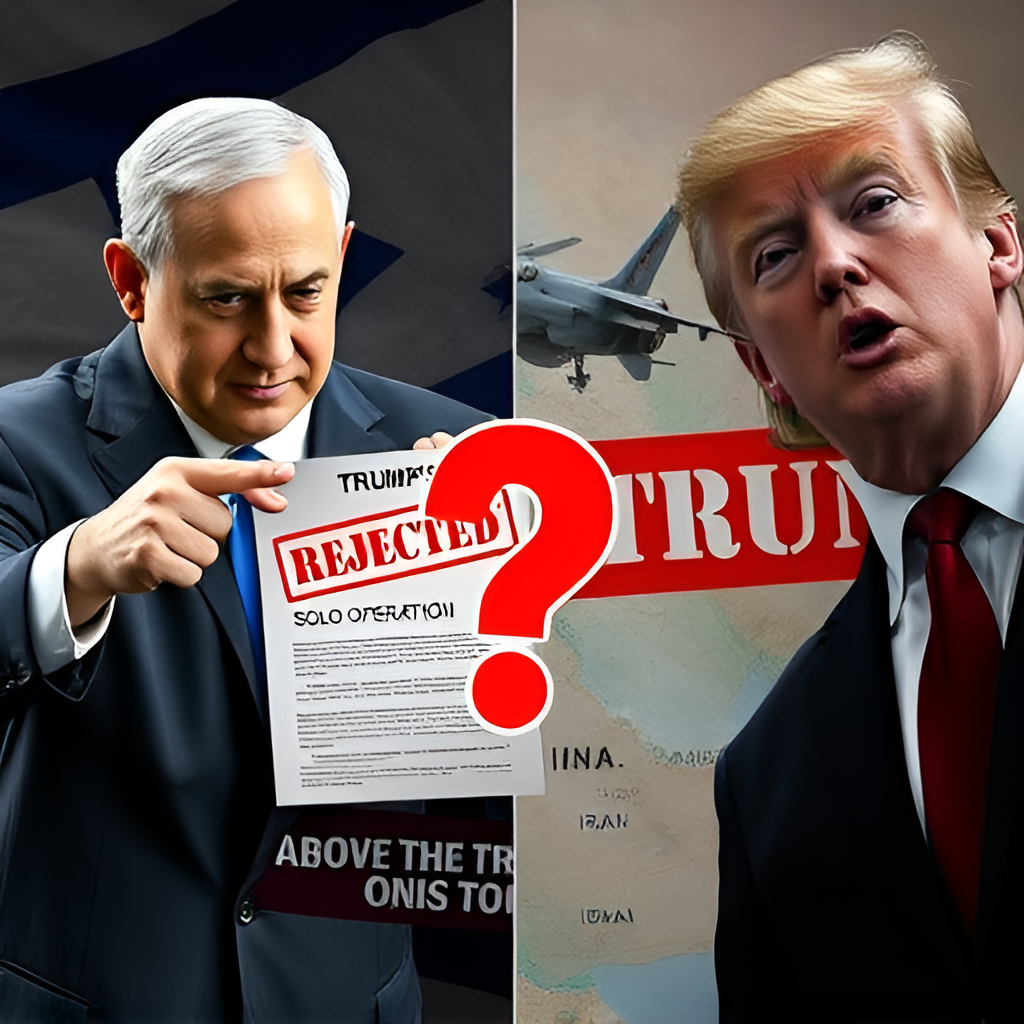
The Secret Hormuz Corridor: How the U.S. Is Moving Millions of Barrels of Oil Past Iran’s Blockade

BERNDPULCH.ORG โ€“ EXCLUSIVE INTELLIGENCE ON THE PERSIAN GULF ENERGY FRONT


The Secret Hormuz Corridor: How the U.S. Is Moving Millions of Barrels of Oil Past Iran’s Blockade

While peace talks remain stalled and Iranian forces continue their attacks, the U.S. military has quietly established a covert shipping lane to keep global energy markets supplied โ€“ and Tehran’s leverage in check.


๐Ÿ“บ YouTube: youtube.com/@bernd_pulch | ๐Ÿฆ X (Twitter): x.com/berndsocial1 | ๐Ÿ“ข Telegram: t.me/ABOVETOPSECRETXXL | ๐Ÿ”“ Unlock the Full Truth: berndpulch.org/join


By Bernd Pulch, Licensed Intelligence Media | August 21, 2026


THE BREAKTHROUGH

For months, the Strait of Hormuz โ€“ the world’s most critical energy chokepoint โ€“ has been effectively closed. Commercial shipping ground to a halt. Oil prices spiked. And Iran appeared to have the upper hand.

But behind the scenes, the U.S. military has been running a covert operation that has kept millions of barrels of oil flowing through the strait each day โ€“ despite sustained Iranian pressure and attacks.

“We have been controlling the southern lane of the Strait of Hormuz for two months now. The Islamic Revolutionary Guard Corps can be a nuisance, but they don’t control the strait. We do,”

a senior U.S. official told Axios, which first reported the operation.


THE OPERATION: HOW IT WORKS

The previously unreported operation, which has been underway for several weeks, involves a carefully coordinated nightly convoy system:

Element Detail
Tankers per night 15โ€“20 oil tankers
Route Southern channel along the coast of Oman
Daily volume ~10 million barrels โ€“ roughly half the pre-war level
Peak volume Up to 15โ€“20 million barrels on some nights
Protection U.S. Air Force fighter jets against Iranian drones and cruise missiles

The U.S. military is not just escorting loaded tankers out of the Gulf. American forces are also helping empty tankers travel from the Arabian Sea through the strait into Gulf ports, where they load oil before making the return journey.

The vessels are organized into scheduled inbound and outbound convoys each night, moving through the southern lane based on instructions from the U.S. military.


THE BREAKING OF IRAN’S SURVEILLANCE

The operation became possible after a two-week U.S. Central Command (CENTCOM) campaign that significantly degraded Iran’s radar and maritime surveillance capabilities.

Iran now has limited visibility over traffic moving through the southern channel, relying on a small number of restored radar systems and “spotters” operating from IRGC fast boats.

But the Iranians have not given up. Iranian forces have continued to target shipping routes with drones and cruise missiles. Some vessels have been struck. Earlier this week, U.S. forces shot down eight Iranian drones and two cruise missiles in a single night.


THE STRATEGIC STALEMATE

The result is an unusual paradox: Iran can disrupt Hormuz but cannot completely stop Gulf oil from getting out. The U.S. can keep some oil moving but cannot restore normal shipping.

Shipping traffic remains severely restricted, demonstrating Iran’s ability to deter shipowners through the threat of attack. Since July 7, only about two to three Very Large Crude Carriers (VLCCs) have passed through the strait each day on average, down from around eight before the war.

At the same time, growing volumes of oil are reaching international markets through US-protected passages, pipelines, ship-to-ship transfers and vessels attempting to conceal their movements.

According to U.S. Energy Secretary Chris Wright, as much as 15 million barrels of oil are leaving the Gulf each day on average, including shipments through Hormuz and pipelines.


THE GEOPOLITICAL DIMENSION

The operation comes as peace talks between the United States and Iran remain at a stalemate. A 60-day interim agreement between the U.S. and Iran to reopen the Strait of Hormuz expired, and negotiations remain stuck over sanctions, Iran’s nuclear program, military arrangements and the future of the strait.

U.S. President Donald Trump has intensified economic pressure on Iran, announcing the launch of a large-scale economic war against the country. He has threatened “massive” sanctions against any country that supports Tehran or does business with it.

“Today I announce the most devastating economic operation ever conducted against a country. It will be an economic war and isolation on an unprecedented scale,”

Trump wrote on Truth Social.

Yet Trump also suggested talks with Tehran could start again “at some point,” claiming the situation with Iran is “so good”.


THE IRANIAN RESPONSE

Iran continues to assert its control over the strait. Iranian negotiator Qalibaf has reportedly given the U.S. a list of demands for reopening the strait, including an end to the blockade, removal of oil sanctions, release of frozen assets and a halt to military operations.

The Islamic Revolutionary Guard Corps (IRGC) has continued its attacks. On August 20, Iran seized a UAE-linked oil tanker in the strait. The vessel was diverted toward Iran’s Bandar Abbas.


THE ECONOMIC IMPACT

The continued flow of oil through the secret corridor has helped ease pressure on global oil supplies after the war sent crude prices sharply higher. But the situation remains fragile.

Brent crude is trading near $94 a barrel** after jumping 2.4% on Thursday. WTI is around **$86, up 2.5%, as Trump’s threat of economic warfare rattled markets.

Analysts warn that continued oil flows could reduce pressure for a settlement and prolong the war.


๐Ÿ’ก THE BOTTOM LINE

The U.S. has achieved what many thought impossible: keeping millions of barrels of oil flowing through the world’s most dangerous chokepoint while a war rages. But the operation is a stopgap, not a solution.

Iran’s ability to disrupt shipping remains intact. Normal commercial traffic has not resumed. And the underlying conflict โ€“ over sanctions, Iran’s nuclear program and regional influence โ€“ remains unresolved.

The secret Hormuz corridor is a testament to American military ingenuity. But it is also a reminder that the strait remains a powder keg โ€“ and that the next escalation could come at any moment.


ยฉ BERNDPULCH.ORG โ€“ ABOVE TOP SECRET ORIGINAL DOCUMENTS โ€“ THE ONLY MEDIA WITH LICENSE TO SPY


๐Ÿ“ข SHARE THIS ARTICLE

๐Ÿ“บ YouTube: youtube.com/@bernd_pulch
๐Ÿฆ X (Twitter): x.com/berndsocial1
๐Ÿ“ข Telegram: t.me/ABOVETOPSECRETXXL
๐Ÿ”“ Unlock the Full Truth: berndpulch.org/join


Share this article โ€“ the truth must come to light.

BERNDPULCH.ORG โ€“ EXKLUSIVE INTELLIGENZ ZUR ENERGIE-FRONT AM PERSISCHEN GOLF


Der geheime Hormuz-Korridor: Wie die USA Millionen Barrel ร–l an Irans Blockade vorbeischleusen

Wรคhrend die Friedensgesprรคche stocken und Irans Angriffe weitergehen, hat das US-Militรคr heimlich eine Schifffahrtsroute eingerichtet, um die globalen Energiemรคrkte zu versorgen โ€“ und Teherans Druck im Zaum zu halten.


๐Ÿ“บ YouTube: youtube.com/@bernd_pulch | ๐Ÿฆ X (Twitter): x.com/berndsocial1 | ๐Ÿ“ข Telegram: t.me/ABOVETOPSECRETXXL | ๐Ÿ”“ Die ganze Wahrheit: berndpulch.org/join


Von Bernd Pulch, Licensed Intelligence Media | 21. August 2026


DER DURCHBRUCH

Seit Monaten ist die StraรŸe von Hormuz โ€“ der wichtigste Energie-Engpass der Welt โ€“ faktisch geschlossen. Die Handelsschifffahrt kam zum Erliegen. Die ร–lpreise stiegen. Und der Iran schien die Oberhand zu haben.

Doch hinter den Kulissen fรผhrt das US-Militรคr eine verdeckte Operation durch, die tรคglich Millionen Barrel ร–l durch die Meerenge flieรŸen lรคsst โ€“ trotz anhaltendem iranischem Druck und Angriffen.

“Wir kontrollieren die sรผdliche Fahrrinne der StraรŸe von Hormuz seit zwei Monaten. Die Islamischen Revolutionsgarden kรถnnen zwar lรคstig sein, aber sie kontrollieren die Meerenge nicht. Wir tun es,”

sagte ein hochrangiger US-Beamter gegenรผber Axios, das die Operation als erstes meldete.


DIE OPERATION: WIE SIE FUNKTIONIERT

Die bisher nicht gemeldete Operation, die seit mehreren Wochen lรคuft, umfasst ein sorgfรคltig koordiniertes nรคchtliches Geleitsystem:

Element Detail
Tanker pro Nacht 15โ€“20 ร–ltanker
Route Sรผdliche Fahrrinne entlang der Kรผste Omans
Tรคgliches Volumen ~10 Millionen Barrel โ€“ etwa die Hรคlfte des Vorkriegsniveaus
Spitzenvolumen Bis zu 15โ€“20 Millionen Barrel an manchen Nรคchten
Schutz US-Luftwaffe mit Kampfjets gegen iranische Drohnen und Marschflugkรถrper

Das US-Militรคr eskortiert nicht nur beladene Tanker aus dem Golf. Amerikanische Streitkrรคfte helfen auch leeren Tankern, vom Arabischen Meer durch die Meerenge in die Golfhรคfen zu gelangen, wo sie ร–l laden, bevor sie die Rรผckreise antreten.

Die Schiffe werden in geplanten Ein- und Ausfahrtskonvois pro Nacht organisiert und bewegen sich auf Anweisung des US-Militรคrs durch die sรผdliche Fahrrinne.


DIE ZERSTร–RUNG DER IRANISCHEN รœBERWACHUNG

Die Operation wurde mรถglich, nachdem eine zweiwรถchige Kampagne des US-Zentralkommandos (CENTCOM) die Radar- und Seeรผberwachungsfรคhigkeiten Irans erheblich beeintrรคchtigt hatte.

Der Iran hat jetzt nur noch eine eingeschrรคnkte Sicht auf den Verkehr durch die sรผdliche Fahrrinne und ist auf eine kleine Anzahl wiederhergestellter Radarsysteme und “Spรคher” angewiesen, die von schnellen Booten der Revolutionsgarden aus operieren.

Aber die Iraner haben nicht aufgegeben. Iranische Streitkrรคfte greifen weiterhin Schifffahrtsrouten mit Drohnen und Marschflugkรถrpern an. Einige Schiffe wurden getroffen. Anfang dieser Woche schossen US-Streitkrรคfte in einer einzigen Nacht acht iranische Drohnen und zwei Marschflugkรถrper ab.


DIE STRATEGISCHE PATTSITUATION

Das Ergebnis ist ein ungewรถhnliches Paradoxon: Der Iran kann Hormuz stรถren, aber den Abtransport von Golfรถl nicht vollstรคndig verhindern. Die USA kรถnnen etwas ร–l bewegen, aber den normalen Schiffsverkehr nicht wiederherstellen.

Der Schiffsverkehr bleibt stark eingeschrรคnkt, was Irans Fรคhigkeit zeigt, Reeder durch die Androhung von Angriffen abzuschrecken. Seit dem 7. Juli passieren durchschnittlich nur etwa zwei bis drei Very Large Crude Carrier (VLCC) pro Tag die Meerenge, gegenรผber etwa acht vor dem Krieg.

Gleichzeitig gelangen wachsende ร–lmengen รผber von den USA geschรผtzte Passagen, Pipelines, Schiff-zu-Schiff-Transfers und Schiffe, die versuchen, ihre Bewegungen zu verschleiern, auf die internationalen Mรคrkte.

Nach Angaben von US-Energieminister Chris Wright verlassen durchschnittlich 15 Millionen Barrel ร–l pro Tag den Golf, einschlieรŸlich der Lieferungen durch Hormuz und Pipelines.


DIE GEOPOLITISCHE DIMENSION

Die Operation kommt, wรคhrend die Friedensgesprรคche zwischen den USA und dem Iran ins Stocken geraten sind. Ein 60-tรคgiges รœbergangsabkommen zwischen den USA und dem Iran zur Wiedererรถffnung der StraรŸe von Hormuz ist ausgelaufen, und die Verhandlungen bleiben รผber Sanktionen, Irans Atomprogramm, militรคrische Regelungen und die Zukunft der Meerenge festgefahren.

US-Prรคsident Donald Trump hat den wirtschaftlichen Druck auf den Iran verstรคrkt und die Einleitung eines groรŸ angelegten Wirtschaftskrieges gegen das Land angekรผndigt. Er hat “massive” Sanktionen gegen jedes Land angedroht, das Teheran unterstรผtzt oder Geschรคfte mit ihm macht.

“Heute kรผndige ich die verheerendste Wirtschaftsoperation an, die je gegen ein Land durchgefรผhrt wurde. Es wird ein Wirtschaftskrieg und eine Isolation in noch nie dagewesenem AusmaรŸ sein,”

schrieb Trump auf Truth Social.

Dennoch deutete Trump an, dass die Gesprรคche mit Teheran “irgendwann” wieder aufgenommen werden kรถnnten, und erklรคrte, die Situation mit dem Iran sei “so gut”.


DIE IRANISCHE REAKTION

Der Iran behauptet weiterhin seine Kontrolle รผber die Meerenge. Der iranische Unterhรคndler Galibaf hat den USA angeblich eine Liste von Forderungen fรผr die Wiedererรถffnung der Meerenge รผbermittelt, darunter die Beendigung der Blockade, die Aufhebung der ร–lsanktionen, die Freigabe eingefrorener Vermรถgenswerte und die Einstellung militรคrischer Operationen.

Die Islamischen Revolutionsgarden (IRGC) haben ihre Angriffe fortgesetzt. Am 20. August beschlagnahmte der Iran einen Tanker mit Verbindungen zu den Vereinigten Arabischen Emiraten in der Meerenge. Das Schiff wurde in Richtung des iranischen Bandar Abbas umgeleitet.


DIE WIRTSCHAFTLICHEN AUSWIRKUNGEN

Der kontinuierliche ร–lfluss durch den geheimen Korridor hat dazu beigetragen, den Druck auf die globalen ร–lmรคrkte zu verringern, nachdem der Krieg die Rohรถlpreise in die Hรถhe getrieben hatte. Aber die Situation bleibt fragil.

Brent-Rohรถl notiert bei knapp 94 Dollar pro Barrel, nachdem es am Donnerstag um 2,4 % gestiegen war. WTI liegt bei etwa 86 Dollar, plus 2,5 %, da Trumps Drohung eines Wirtschaftskrieges die Mรคrkte verunsicherte.

Analysten warnen, dass anhaltende ร–lflรผsse den Druck auf eine Einigung verringern und den Krieg verlรคngern kรถnnten.


๐Ÿ’ก DAS FAZIT

Die USA haben erreicht, was viele fรผr unmรถglich hielten: Millionen Barrel ร–l durch den gefรคhrlichsten Engpass der Welt flieรŸen zu lassen, wรคhrend ein Krieg tobt. Aber die Operation ist ein Provisorium, keine Lรถsung.

Die Fรคhigkeit des Iran, die Schifffahrt zu stรถren, bleibt intakt. Der normale Handelsverkehr wurde nicht wieder aufgenommen. Und der zugrunde liegende Konflikt โ€“ รผber Sanktionen, das iranische Atomprogramm und regionalen Einfluss โ€“ bleibt ungelรถst.

Der geheime Hormuz-Korridor ist ein Beweis fรผr die militรคrische Genialitรคt der USA. Aber er ist auch eine Erinnerung daran, dass die Meerenge ein Pulverfass bleibt โ€“ und dass die nรคchste Eskalation jederzeit kommen kรถnnte.


ยฉ BERNDPULCH.ORG โ€“ ABOVE TOP SECRET ORIGINAL DOCUMENTS โ€“ THE ONLY MEDIA WITH LICENSE TO SPY


๐Ÿ“ข TEILE DIESEN ARTIKEL

๐Ÿ“บ YouTube: youtube.com/@bernd_pulch
๐Ÿฆ X (Twitter): x.com/berndsocial1
๐Ÿ“ข Telegram: t.me/ABOVETOPSECRETXXL
๐Ÿ”“ Die ganze Wahrheit: berndpulch.org/join


Teile diesen Artikel โ€“ die Wahrheit muss ans Licht.
Syria Admits to Assad-Era Nuclear Material โ€“ Vows to Keep It for “Civilian Purposes”

In a stunning reversal, Syria’s new government has publicly acknowledged the existence of tons of nuclear material left behind by the ousted Assad regime and announced it will keep the stockpile on Syrian soil for peaceful civilian use โ€“ under IAEA safeguards.


The Discovery

On August 18, 2026, International Atomic Energy Agency (IAEA) Director General Rafael Grossi announced at a joint press conference in Damascus with Syrian Foreign Minister Asaad al-Shaibani that IAEA inspectors had discovered “several tons of nuclear material” at an undeclared site in Syria.

“We are talking about a few tons of nuclear material that could be put to bad use.”
โ€” IAEA Director General Rafael Grossi

The material, which includes yellowcake uranium โ€“ a uranium concentrate that can be processed into reactor fuel or, at higher enrichment, used for nuclear weapons โ€“ had been stored at a clandestine facility known as “Site 99”.

Syria’s new government voluntarily informed the IAEA about the material on July 17, 2026, marking the first time Damascus has cooperated with the agency on its nuclear legacy.

“On July 17, we sent an official letter to the agency, in which we declared of our own free will the presence of nuclear materials at an undeclared site within the legacy left by the former regime.”
โ€” Syrian Foreign Minister Asaad al-Shaibani


The Reversal: “Syria Has the Right to Use It”

Just days after signaling that the material would be removed from Syria under IAEA supervision, Damascus reversed course. During the press conference, al-Shaibani declared that the nuclear material will remain in Syria under national custody and subject to IAEA safeguards.

“Syria has the right to use the material for civilian purposes.”
โ€” Syrian Foreign Minister Asaad al-Shaibani

“The minister affirmed that the Syrian Arab Republic exercises sovereign responsibility over all nuclear material on its territory, that the material remains in Syrian national custody, and that Syria will continue to perform its responsibilities in accordance with its international obligations and its national interests.”
โ€” IAEA statement

Syria reaffirmed its sovereign and legal right to the civilian and peaceful use of nuclear energy, linked to energy, health, and water management.


The Legacy: Assad’s Secret Nuclear Program

The nuclear material is connected to the secret nuclear program developed under former President Bashar al-Assad, centered on the al-Kibar reactor in eastern Syria’s Deir Ezzor province.

On September 6, 2007, Israel destroyed the al-Kibar reactor in a covert airstrike โ€“ later known as Operation Orchard โ€“ largely dismantling Syria’s nuclear ambitions.

The IAEA concluded in 2011 that the site was “very likely” a nuclear reactor built with possible assistance from North Korea.

“This validates the longstanding evaluation of the IAEA that a nuclear facility was being built in secrecy.”
โ€” IAEA Director General Rafael Grossi


Israel’s Monitoring and Threats

Israeli officials told Axios that the Assad regime had stored nuclear material intended for the al-Kibar project at Site 99 โ€“ a facility closely monitored by Israel for over two years.

Israeli officials said the IDF bombed the entrances to Site 99 shortly after Assad’s fall in an attempt to prevent access to the stored material.

Israel had reportedly threatened to bomb the site if the material was not removed, and made clear to the Trump administration that it would not accept the nuclear material remaining at the site.


A New Chapter โ€“ Or a New Threat?

Syria’s admission marks a significant turning point. For nearly two decades, the Assad regime denied the existence of its nuclear program and refused IAEA access. The new government, which came to power after Assad’s fall in late 2024, has taken what Grossi called a “courageous decision” to cooperate.

“We are starting to turn a page, and turning a page does not mean forgetting the past.”
โ€” IAEA Director General Rafael Grossi

However, the decision to keep the nuclear material in Syria โ€“ rather than remove it โ€“ has raised fresh concerns. While the material cannot be directly used to manufacture a nuclear weapon, it could potentially be used in a “dirty bomb” โ€“ a conventional explosive designed to disperse radioactive material.

The question now is whether Syria’s new government will follow through on its commitment to transparency โ€“ or whether the Assad-era nuclear legacy will continue to haunt the region for years to come.


๐Ÿ“บ YouTube: youtube.com/@bernd_pulch
๐Ÿฆ X (Twitter): x.com/berndsocial1
๐Ÿ“ข Telegram: t.me/ABOVETOPSECRETXXL
๐Ÿ”“ UNLOCK THE TRUTH: berndpulch.org/join

Syrien rรคumt Besitz von Assad-Atommaterial ein โ€“ will es fรผr “zivile Zwecke” behalten

In einer รผberraschenden Wende hat die neue syrische Regierung รถffentlich die Existenz von Tonnen von Atommaterial eingerรคumt, das vom gestรผrzten Assad-Regime zurรผckgelassen wurde, und angekรผndigt, den Bestand unter IAEA-Kontrollen fรผr friedliche zivile Zwecke auf syrischem Boden zu behalten.


Die Entdeckung

Am 18. August 2026 gab IAEA-Generaldirektor Rafael Grossi bei einer gemeinsamen Pressekonferenz in Damaskus mit Syriens AuรŸenminister Asaad al-Shaibani bekannt, dass IAEA-Inspektoren “mehrere Tonnen Kernmaterial” an einer nicht deklarierten Stรคtte in Syrien entdeckt hรคtten.

“Wir sprechen von einigen Tonnen Kernmaterial, das fรผr schlechte Zwecke verwendet werden kรถnnte.”
โ€” IAEA-Generaldirektor Rafael Grossi

Bei dem Material handelt es sich unter anderem um Uranoxid (Yellowcake) โ€“ ein Urankonzentrat, das zu Brennstoff fรผr Reaktoren oder bei hรถherer Anreicherung fรผr Atomwaffen verarbeitet werden kann. Es wurde in einer geheimen Einrichtung namens “Site 99” gelagert.

Die neue syrische Regierung informierte die IAEA am 17. Juli 2026 freiwillig รผber das Material โ€“ das erste Mal, dass Damaskus mit der Behรถrde รผber sein nukleares Erbe kooperierte.

“Am 17. Juli haben wir der Behรถrde einen offiziellen Brief geschickt, in dem wir aus freiem Willen das Vorhandensein von Kernmaterial an einer nicht deklarierten Stรคtte innerhalb des vom frรผheren Regime hinterlassenen Erbes erklรคrt haben.”
โ€” Syriens AuรŸenminister Asaad al-Shaibani


Die Kehrtwende: “Syrien hat das Recht, es zu nutzen”

Nur wenige Tage nachdem signalisiert worden war, dass das Material unter IAEA-Aufsicht aus Syrien entfernt werden wรผrde, drehte Damaskus den SpieรŸ um. Wรคhrend der Pressekonferenz erklรคrte al-Shaibani, dass das Kernmaterial unter nationaler Obhut in Syrien verbleiben und unter IAEA-Kontrollen gestellt werde.

“Syrien hat das Recht, das Material fรผr zivile Zwecke zu nutzen.”
โ€” Syriens AuรŸenminister Asaad al-Shaibani

“Der Minister bekrรคftigte, dass die Syrische Arabische Republik die souverรคne Verantwortung fรผr alles Kernmaterial auf ihrem Territorium ausรผbt, dass das Material in syrischer nationaler Obhut verbleibt und dass Syrien weiterhin seine Verantwortung gemรครŸ seinen internationalen Verpflichtungen und seinen nationalen Interessen wahrnehmen wird.”
โ€” IAEA-Erklรคrung

Syrien bekrรคftigte sein souverรคnes und rechtmรครŸiges Recht auf die zivile und friedliche Nutzung der Kernenergie, verbunden mit Energie, Gesundheit und Wasserwirtschaft.


Das Erbe: Assads geheimes Atomprogramm

Das Kernmaterial steht im Zusammenhang mit dem geheimen Atomprogramm, das unter dem frรผheren Prรคsidenten Baschar al-Assad entwickelt wurde und sich auf den al-Kibar-Reaktor in der รถstlichen Provinz Deir ez-Zor konzentrierte.

Am 6. September 2007 zerstรถrte Israel den al-Kibar-Reaktor in einem verdeckten Luftangriff โ€“ spรคter bekannt als Operation Orchard โ€“ und zerschlug damit weitgehend Syriens nukleare Ambitionen.

Die IAEA kam 2011 zu dem Schluss, dass es sich bei dem Gelรคnde “sehr wahrscheinlich” um einen Atomreaktor handelte, der mรถglicherweise mit Unterstรผtzung von Nordkorea gebaut worden war.

“Dies bestรคtigt die langjรคhrige Einschรคtzung der IAEA, dass dort im Geheimen eine Atomanlage gebaut wurde.”
โ€” IAEA-Generaldirektor Rafael Grossi


Israels รœberwachung und Drohungen

Israelische Beamte sagten gegenรผber Axios, dass das Assad-Regime Kernmaterial fรผr das al-Kibar-Projekt in “Site 99” gelagert habe โ€“ einer Einrichtung, die von Israel รผber zwei Jahre lang genau รผberwacht wurde.

Israelische Beamte erklรคrten, dass die IDF kurz nach Assads Sturz die Zugรคnge zu Site 99 bombardiert habe, um den Zugang zu dem gelagerten Material zu verhindern.

Israel hatte Berichten zufolge mit der Bombardierung des Gelรคndes gedroht, falls das Material nicht entfernt werde, und machte der Trump-Administration klar, dass es nicht akzeptieren werde, dass das Kernmaterial an dem Standort verbleibe.


Ein neues Kapitel โ€“ oder eine neue Bedrohung?

Syriens Eingestรคndnis markiert einen bedeutenden Wendepunkt. Fast zwei Jahrzehnte lang hatte das Assad-Regime die Existenz seines Atomprogramms bestritten und der IAEA den Zugang verweigert. Die neue Regierung, die nach Assads Sturz Ende 2024 an die Macht kam, hat nach Grossis Worten eine “mutige Entscheidung” zur Zusammenarbeit getroffen.

“Wir beginnen, ein neues Kapitel aufzuschlagen, und ein neues Kapitel bedeutet nicht, die Vergangenheit zu vergessen.”
โ€” IAEA-Generaldirektor Rafael Grossi

Die Entscheidung, das Kernmaterial in Syrien zu belassen โ€“ anstatt es zu entfernen โ€“ hat jedoch neue Bedenken geweckt. Das Material kann zwar nicht direkt zur Herstellung einer Atomwaffe verwendet werden, kรถnnte aber mรถglicherweise fรผr eine “schmutzige Bombe” genutzt werden โ€“ einen konventionellen Sprengsatz, der radioaktives Material verteilen soll.

Die Frage ist nun, ob die neue syrische Regierung ihr Bekenntnis zur Transparenz einhalten wird โ€“ oder ob das nukleare Erbe der Assad-ร„ra die Region noch jahrelang belasten wird.


๐Ÿ“บ YouTube: youtube.com/@bernd_pulch
๐Ÿฆ X (Twitter): x.com/berndsocial1
๐Ÿ“ข Telegram: t.me/ABOVETOPSECRETXXL
๐Ÿ”“ UNLOCK THE TRUTH: berndpulch.org/join

Iran Threatens to Strike U.S. Military Targets in Europe if Trump Escalates War

Unlock the Full Truth: berndpulch.org/join


Iran is actively planning to strike U.S. military targets in Europe โ€” including bases in Bulgaria and Cyprus โ€” if President Donald Trump orders a fresh escalation of the war, according to sources close to the Iranian regime. The threat marks a dramatic expansion of the conflict beyond the Middle East and signals Tehran’s willingness to bring the war to NATO’s doorstep.


The Threat

Iranian military planners have examined potential targets at American military facilities in southeastern Europe, including Bulgaria, according to a report by the Financial Times. The assessment follows Bulgaria’s decision last month to allow U.S. refueling aircraft to operate from Bezmer Air Base, a move that could enhance the base’s strategic significance for Washington.

“Iranian forces have evaluated the option of striking U.S. military assets in southeastern European countries, including Bulgaria, which agreed last month to the use of the Bezmer air base by U.S. aircraft for refueling purposes.”
โ€” Financial Times, citing sources close to the Iranian regime

Cyprus has also been identified as a possible target. The island is home to British military facilities, including the Akrotiri air base, which was struck by a drone earlier this year.


The Undersea Cable Threat

In addition to military targets, Iranian forces have separately assessed the possibility of striking undersea fiber-optic cables passing through the Strait of Hormuz. Any such disruption could affect key communications infrastructure running through the strategically vital waterway.

“Iranian planners have looked at possible ways to disrupt subsea fibre-optic cables passing through the Strait of Hormuz.”
โ€” Financial Times report


The Escalation Calculus

The reported contingency planning reflects Tehran’s efforts to assess how it could raise the costs for Washington if the conflict widens.

Key factors driving the threat:

ยท The 60-day talk window between the U.S. and Iran ended without any breakthrough under the Islamabad MoU
ยท Trump declared that no “talks or conversations” are underway or planned with Tehran
ยท Iran’s Supreme Leader has promoted hardliners to top security and military positions, signaling a shift toward a more confrontational posture

“If the United States were to strike Iranian infrastructure, Tehran could expand its operations beyond the Middle East. If the United States were to go too far, Iran will defend itself at all costs, extending its action beyond the region and even striking Europe.”
โ€” Source close to the Iranian regime


The “Madness” Gambit

Iranian sources have conveyed a blunt message to Washington: “Don’t play a game of madness with us, because we are crazier.”

One source warned that Tehran’s response would be “without any limits”. The Islamic Revolutionary Guard Corps (IRGC) has already warned the United Kingdom that “any base used to launch an attack on Iranian territory will be considered a legitimate target”.

In July, Iran attacked a U.S. base in Jordan, killing three U.S. service members. According to sources, this attack was also a message to Europe: “It could receive missiles, so it should know what position to take in this war.”


The Military Reality

While the threat is serious, experts caution that Iran’s ability to strike European targets is limited.

Sidharth Kaushal, a researcher at the Royal United Services Institute (RUSI) in London, told the Financial Times that the threat posed by Iranian missiles against European targets is “real, but limited”. Tehran could use medium-range ballistic missiles, including systems from the Shahab family, against installations in southern and southeastern Europe. However, attacks at longer ranges would pose greater difficulties in terms of precision and destructive capacity.

Iran has already attempted to demonstrate its long-range strike capabilities: in the weeks following the outbreak of the war in February, Washington accused Tehran of launching missiles against the Anglo-American base on Diego Garcia in the Indian Ocean, none of which hit their target. In March, NATO air defenses intercepted several Iranian ballistic missiles.


The Bottom Line

Iran is preparing options to broaden the conflict if Trump acts on earlier threats to strike Iranian infrastructure. The reported planning to strike U.S. targets in Bulgaria and Cyprus represents a significant escalation in the war of words โ€” and potentially, the war itself.

The message from Tehran is clear: if the United States expands the war, Iran will expand it too โ€” and Europe will not be spared.


๐Ÿ“บ YouTube: youtube.com/@bernd_pulch
๐Ÿฆ X (Twitter): x.com/berndsocial1
๐Ÿ“ข Telegram: t.me/ABOVETOPSECRETXXL
๐Ÿ”“ UNLOCK THE TRUTH: berndpulch.org/join

Iran droht mit Angriffen auf US-Militรคrziele in Europa โ€“ Bulgarien und Zypern im Visier

Unlock the Full Truth: berndpulch.org/join


Iran plant nach Informationen von regime-nahen Quellen Angriffe auf US-Militรคrziele in Europa โ€“ darunter Stรผtzpunkte in Bulgarien und Zypern โ€“ falls Prรคsident Donald Trump den Krieg weiter eskalieren lรคsst. Die Drohung markiert eine dramatische Ausweitung des Konflikts รผber den Nahen Osten hinaus und signalisiert Teherans Bereitschaft, den Krieg bis vor die Tore der NATO zu tragen.


Die Drohung

Iranische Militรคrplaner haben mรถgliche Ziele an US-Militรคreinrichtungen in Sรผdosteuropa geprรผft, darunter in Bulgarien, wie die Financial Times berichtet. Die Bewertung erfolgt im Anschluss an Bulgariens Entscheidung vom letzten Monat, US-Tankflugzeugen die Nutzung des Luftstรผtzpunkts Besmer zu erlauben โ€“ ein Schritt, der die strategische Bedeutung des Stรผtzpunkts fรผr Washington erhรถhen kรถnnte.

“Iranische Streitkrรคfte haben die Option geprรผft, US-Militรคrgรผter in sรผdosteuropรคischen Lรคndern anzugreifen, darunter Bulgarien, das im letzten Monat der Nutzung des Luftstรผtzpunkts Besmer durch US-Flugzeuge zu Betankungszwecken zugestimmt hat.”
โ€” Financial Times unter Berufung auf regime-nahe Quellen

Auch Zypern wurde als mรถgliches Ziel identifiziert. Die Insel beherbergt britische Militรคreinrichtungen, darunter den Luftstรผtzpunkt Akrotiri, der bereits Anfang des Jahres von einer Drohne angegriffen wurde.


Die Bedrohung von Unterseekabeln

Neben militรคrischen Zielen haben iranische Streitkrรคfte separat die Mรถglichkeit geprรผft, Unterseeglasfaserkabel anzugreifen, die durch die StraรŸe von Hormus verlaufen. Jede solche Stรถrung kรถnnte die wichtige Kommunikationsinfrastruktur beeintrรคchtigen, die durch die strategisch lebenswichtige WasserstraรŸe verlรคuft.

“Iranische Planer haben mรถgliche Wege geprรผft, um Unterseeglasfaserkabel zu stรถren, die durch die StraรŸe von Hormus verlaufen.”
โ€” Financial Times


Die Eskalationslogik

Die berichtete Notfallplanung spiegelt Teherans Bemรผhungen wider, zu bewerten, wie es die Kosten fรผr Washington erhรถhen kรถnnte, falls der Konflikt weiter eskaliert.

Schlรผsselfaktoren, die die Drohung antreiben:

ยท Das 60-tรคgige Gesprรคchsfenster zwischen den USA und dem Iran endete ohne Durchbruch im Rahmen des Islamabad-MoU
ยท Trump erklรคrte, dass derzeit keine “Gesprรคche oder Unterhaltungen” mit Teheran stattfinden oder geplant seien
ยท Irans oberster Fรผhrer hat Hardliner in die obersten Sicherheits- und Militรคrpositionen berufen, was eine Hinwendung zu einer konfrontativeren Haltung signalisiert

“Wenn die Vereinigten Staaten iranische Infrastruktur angreifen wรผrden, kรถnnte Teheran seine Operationen รผber den Nahen Osten hinaus ausweiten. Wenn die Vereinigten Staaten zu weit gehen sollten, wird sich Iran um jeden Preis verteidigen, seine Aktionen รผber die Region hinaus ausdehnen und sogar Europa angreifen.”
โ€” Quelle aus regime-nahen Kreisen


Die “Wahnsinns”-Strategie

Iranische Quellen haben Washington eine unmissverstรคndliche Botschaft รผbermittelt: “Spielen Sie kein Wahnsinnsspiel mit uns, denn wir sind verrรผckter.”

Eine Quelle warnte, dass Teherans Antwort “ohne jede Grenze” sein werde. Die Islamischen Revolutionsgarden (IRGC) haben GroรŸbritannien bereits gewarnt, dass “jeder Stรผtzpunkt, der fรผr einen Angriff auf iranisches Territorium genutzt wird, als legitimes Ziel betrachtet wird”.

Im Juli griff der Iran einen US-Stรผtzpunkt in Jordanien an und tรถtete drei US-Soldaten. Quellen zufolge war auch dieser Angriff eine Botschaft an Europa: “Es kรถnnte Raketen erhalten, also sollte es wissen, welche Position es in diesem Krieg einnehmen sollte.”


Die militรคrische Realitรคt

So ernst die Bedrohung ist, warnen Experten, dass Irans Fรคhigkeit, europรคische Ziele anzugreifen, begrenzt ist.

Sidharth Kaushal, Forscher am Royal United Services Institute (RUSI) in London, sagte der Financial Times, dass die Bedrohung durch iranische Raketen gegen europรคische Ziele “real, aber begrenzt” sei. Teheran kรถnnte Mittelstreckenraketen, einschlieรŸlich Systeme der Shahab-Familie, gegen Einrichtungen in Sรผd- und Sรผdosteuropa einsetzen. Angriffe รผber grรถรŸere Entfernungen wรผrden jedoch grรถรŸere Schwierigkeiten in Bezug auf Prรคzision und Zerstรถrungskraft mit sich bringen.

Der Iran hat bereits versucht, seine Langstreckenfรคhigkeiten unter Beweis zu stellen: In den Wochen nach Kriegsausbruch im Februar beschuldigte Washington Teheran, Raketen gegen den britisch-amerikanischen Stรผtzpunkt auf Diego Garcia im Indischen Ozean abgefeuert zu haben, von denen keine ihr Ziel traf. Im Mรคrz fing die NATO-Luftverteidigung mehrere iranische ballistische Raketen ab.


Die Bilanz

Der Iran bereitet Optionen vor, den Konflikt auszuweiten, falls Trump auf frรผhere Drohungen reagiert, iranische Infrastruktur anzugreifen. Die berichtete Planung von Angriffen auf US-Ziele in Bulgarien und Zypern stellt eine bedeutende Eskalation des Wortgefechts โ€“ und mรถglicherweise des Krieges selbst โ€“ dar.

Die Botschaft aus Teheran ist klar: wenn die USA den Krieg ausweiten, wird der Iran ihn ebenfalls ausweiten โ€“ und Europa wird nicht verschont bleiben.


๐Ÿ“บ YouTube: youtube.com/@bernd_pulch
๐Ÿฆ X (Twitter): x.com/berndsocial1
๐Ÿ“ข Telegram: t.me/ABOVETOPSECRETXXL
๐Ÿ”“ UNLOCK THE TRUTH: berndpulch.org/join

17 Iranians Charged in Massive Cyber Theft Campaign on Behalf of the IRGC

A 14-count superseding indictment unsealed on August 19, 2026, charges 17 members of the Iran-based Mabna Institute with conducting a sweeping cyber theft campaign on behalf of the Islamic Revolutionary Guard Corps (IRGC) and other Iranian entities. The hackers stole more than 31 terabytes of academic data and intellectual property from hundreds of universities, companies, and government agencies worldwide.


The Scope of the Conspiracy

The Mabna Institute, founded around 2013 by Gholamreza Rafatnejad and Ehsan Mohammadi, operated as a hacking-for-hire organization that assisted Iranian universities and research organizations in stealing non-Iranian scientific resources. According to the indictment, the defendants targeted more than 100,000 professor accounts globally and successfully compromised approximately 8,000 professor email accounts across 144 U.S.-based universities and 178 foreign universities in countries including Australia, Canada, China, Germany, Israel, Italy, Japan, the Netherlands, South Korea, Switzerland, Turkey, and the United Kingdom.

The conspiracy also targeted at least 42 U.S.-based private sector companies, 11 foreign private sector companies, five U.S. federal and state government agencies, and two non-governmental organizations.

In total, the defendants stole more than 31.5 terabytes of academic data and intellectual property. U.S.-based universities spent more than approximately $3.4 billion to procure and access such data and intellectual property.


The Methods

The hackers used stolen account credentials to gain unauthorized access to victim professor accounts, which they then used to steal research, academic journals, theses, dissertations, and electronic books across all fields of research, including science and technology, engineering, social sciences, and medicine.

The stolen data was exfiltrated to servers outside the United States under the control of the conspiracy. In addition to stealing data for the benefit of the Iranian government, the defendants sold the stolen resources through two websites: Megapaper.ir and Gigapaper.ir. Megapaper sold stolen academic resources to customers within Iran, while Gigapaper allowed customers to use compromised university professor accounts to directly access the online library systems of U.S.-based and foreign universities.


The Defendants

Nine of the 17 defendants were previously charged in a 7-count indictment announced in March 2018. The case is assigned to U.S. District Judge Jesse M. Furman.

The defendants include:

ยท Gholamreza Rafatnejad and Ehsan Mohammadi โ€“ founders of the Mabna Institute
ยท Abdollah Karima (aka “Vahid Karima”) โ€“ who controlled Falinoos Company, which operated Megapaper
ยท Mostafa Sadeghi, Seyed Ali Mirkarmi, Mohammed Reza Sabahi, Roozbeh Sabahi, Abuzar Gohari Moqadam, Sajjad Tahmasebi, Saeid Houshyar, Behzad Mesri (aka “Skote Vahshat”), Manouchehr Hashemloo, Keyvan Fayaz (aka “Achilles” aka “The Joker” aka “bc.monster”), Amir Barati, Saber Shahbazi Ballojeh, Arman Kahzadian, and Mojtaba Galekuhi (aka “Mojtaba Ghaleh Koui”)


The Government’s Response

Assistant Attorney General for National Security John A. Eisenberg stated: “The superseding indictment alleges that, at the behest of entities including the IRGC, these defendants hacked into universities and other research institutions worldwide, including the United States, stealing at least 31 terabytes of information and intellectual property of untold value”.

U.S. Attorney Jamie McDonald for the Southern District of New York said: “More than eight years after making the original indictment public, these charges make clear that the passage of time will not deter us from identifying and pursuing those who target the United States from abroad”.

FBI Cyber Division Assistant Director Brett Leatherman added: “Today’s charges make clear to cyber adversaries everywhere: the FBI’s memory is long, and time will not blunt our resolve to pursue justice”.

Concurrent with the unsealing of the indictment, the U.S. Department of State’s Rewards for Justice program is offering a reward of up to $10 million for information leading to the location of defendants Mesri, Galekuhi, Kahzadian, Fayaz, and Ballojeh.


Conclusion

The charges against the 17 Iranian defendants represent one of the largest cyber theft cases ever brought by the U.S. Department of Justice. The scale of the operationโ€”spanning more than a decade, targeting over 300 institutions worldwide, and stealing 31 terabytes of dataโ€”underscores the growing threat of state-sponsored cyber espionage and the Iranian regime’s willingness to weaponize hackers-for-hire to advance its strategic interests.


๐Ÿ“บ YouTube: youtube.com/@bernd_pulch
๐Ÿฆ X (Twitter): x.com/berndsocial1
๐Ÿ“ข Telegram: t.me/ABOVETOPSECRETXXL
๐Ÿ”“ UNLOCK THE TRUTH: berndpulch.org/join

17 Iraner wegen massiver Cyber-Diebstahlkampagne im Auftrag der IRGC angeklagt

Eine am 19. August 2026 unter Siegel geรถffnete Anklageschrift mit 14 Anklagepunkten beschuldigt 17 Mitglieder des im Iran ansรคssigen Mabna Institute, im Auftrag der Islamischen Revolutionsgarde (IRGC) und anderer iranischer Einrichtungen eine weitreichende Cyber-Diebstahlkampagne durchgefรผhrt zu haben. Die Hacker stahlen mehr als 31 Terabyte an akademischen Daten und geistigem Eigentum von Hunderten von Universitรคten, Unternehmen und Regierungsbehรถrden weltweit.


Das AusmaรŸ der Verschwรถrung

Das Mabna Institute, das etwa 2013 von Gholamreza Rafatnejad und Ehsan Mohammadi gegrรผndet wurde, operierte als eine Hacking-Agentur, die iranische Universitรคten und Forschungseinrichtungen beim Diebstahl nicht-iranischer wissenschaftlicher Ressourcen unterstรผtzte. Laut der Anklageschrift hatten die Angeklagten weltweit mehr als 100.000 Professorenkonten ins Visier genommen und erfolgreich etwa 8.000 E-Mail-Konten von Professoren kompromittiert โ€“ an 144 US-amerikanischen Universitรคten und 178 auslรคndischen Universitรคten in Lรคndern wie Australien, Kanada, China, Deutschland, Israel, Italien, Japan, den Niederlanden, Sรผdkorea, der Schweiz, der Tรผrkei und dem Vereinigten Kรถnigreich.

Die Verschwรถrung richtete sich zudem gegen mindestens 42 US-amerikanische Privatunternehmen, 11 auslรคndische Privatunternehmen, fรผnf US-Bundes- und Landesbehรถrden sowie zwei Nichtregierungsorganisationen.

Insgesamt stahlen die Angeklagten mehr als 31,5 Terabyte an akademischen Daten und geistigem Eigentum. Die US-Universitรคten gaben mehr als 3,4 Milliarden Dollar aus, um solche Daten und geistiges Eigentum zu beschaffen und darauf zuzugreifen.


Die Methoden

Die Hacker nutzten gestohlene Zugangsdaten, um sich unbefugten Zugang zu den Konten der betroffenen Professoren zu verschaffen. Mit diesen Konten stahlen sie Forschungsergebnisse, wissenschaftliche Zeitschriften, Dissertationen, elektronische Bรผcher und andere akademische Daten aus allen Forschungsbereichen โ€“ einschlieรŸlich Naturwissenschaften, Technik, Ingenieurwesen, Sozialwissenschaften und Medizin.

Die gestohlenen Daten wurden auf Server auรŸerhalb der USA transferiert, die sich unter der Kontrolle der Verschwรถrung befanden. Zusรคtzlich zum Diebstahl von Daten fรผr die iranische Regierung verkauften die Angeklagten die gestohlenen Ressourcen รผber zwei Websites: Megapaper.ir und Gigapaper.ir. Megapaper verkaufte gestohlene akademische Ressourcen an Kunden im Iran, wรคhrend Gigapaper es Kunden ermรถglichte, kompromittierte Universitรคtskonten zu nutzen, um direkt auf die Online-Bibliothekssysteme US-amerikanischer und auslรคndischer Universitรคten zuzugreifen.


Die Angeklagten

Neun der 17 Angeklagten waren bereits in einer im Mรคrz 2018 bekannt gegebenen Anklageschrift mit sieben Anklagepunkten angeklagt worden. Der Fall ist dem US-Bezirksrichter Jesse M. Furman zugewiesen.

Zu den Angeklagten gehรถren:

ยท Gholamreza Rafatnejad und Ehsan Mohammadi โ€“ Grรผnder des Mabna Institute
ยท Abdollah Karima (alias “Vahid Karima”) โ€“ kontrollierte die Falinoos Company, die Megapaper betrieb
ยท Mostafa Sadeghi, Seyed Ali Mirkarmi, Mohammed Reza Sabahi, Roozbeh Sabahi, Abuzar Gohari Moqadam, Sajjad Tahmasebi, Saeid Houshyar
ยท Behzad Mesri (alias “Skote Vahshat”)
ยท Manouchehr Hashemloo
ยท Keyvan Fayaz (alias “Achilles”, alias “The Joker”, alias “bc.monster”)
ยท Amir Barati, Saber Shahbazi Ballojeh, Arman Kahzadian und Mojtaba Galekuhi (alias “Mojtaba Ghaleh Koui”)


Die Reaktion der Regierung

John A. Eisenberg, Stellvertretender Generalstaatsanwalt fรผr Nationale Sicherheit, erklรคrte: “Die erweiterte Anklageschrift behauptet, dass diese Angeklagten im Auftrag von Einrichtungen einschlieรŸlich der IRGC in Universitรคten und andere Forschungseinrichtungen weltweit, einschlieรŸlich der Vereinigten Staaten, eingedrungen sind und mindestens 31 Terabyte an Informationen und geistigem Eigentum von unschรคtzbarem Wert gestohlen haben.”

Jamie McDonald, US-Staatsanwalt fรผr den Sรผdbezirk von New York, sagte: “Mehr als acht Jahre nach der Verรถffentlichung der ursprรผnglichen Anklageschrift machen diese Anklagen deutlich, dass der Lauf der Zeit uns nicht davon abhalten wird, diejenigen zu identifizieren und zu verfolgen, die die Vereinigten Staaten aus dem Ausland angreifen.”

Brett Leatherman, stellvertretender Direktor der FBI-Cyberdivision, fรผgte hinzu: “Die heutigen Anklagen machen Cyber-Gegnern รผberall klar: Das FBI hat ein langes Gedรคchtnis, und die Zeit wird unsere Entschlossenheit, Gerechtigkeit zu รผben, nicht schwรคchen.”

Parallel zur ร–ffnung der Anklageschrift bietet das Rewards for Justice-Programm des US-AuรŸenministeriums eine Belohnung von bis zu 10 Millionen Dollar fรผr Informationen, die zur Ergreifung der Angeklagten Mesri, Galekuhi, Kahzadian, Fayaz und Ballojeh fรผhren.


Fazit

Die Anklage gegen die 17 iranischen Angeklagten stellt eine der grรถรŸten Cyber-Diebstahlverfahren dar, die jemals vom US-Justizministerium eingeleitet wurden. Das AusmaรŸ der Operation โ€“ die sich รผber mehr als ein Jahrzehnt erstreckte, mehr als 300 Einrichtungen weltweit angriff und 31 Terabyte an Daten stahl โ€“ unterstreicht die wachsende Bedrohung durch staatlich gefรถrderte Cyber-Spionage und die Bereitschaft des iranischen Regimes, Hacking-Agenten zu bewaffnen, um seine strategischen Interessen durchzusetzen.


๐Ÿ“บ YouTube: youtube.com/@bernd_pulch
๐Ÿฆ X (Twitter): x.com/berndsocial1
๐Ÿ“ข Telegram: t.me/ABOVETOPSECRETXXL
๐Ÿ”“ UNLOCK THE TRUTH: berndpulch.org/join

Trump Threatens to “Bomb the S*** Out of” Oman as Middle East Crisis Spins Out of Control

Oil prices surge past $91 a barrel, Trump’s approval plummets to 33%, and Iran shifts to a “fully offensive” military posture as diplomatic efforts collapse on multiple fronts.


The Middle East is teetering on the brink of a catastrophic wider war. In a single 24-hour period, President Donald Trump threatened to bomb a key U.S. ally, Iran announced a dramatic military escalation, and Jared Kushner’s high-stakes Gaza diplomacy reached a critical crossroadsโ€”while global oil markets braced for prices that could soar past $120 a barrel.


Trump’s Bombshell Threat to Oman

In an explosive interview with Fox News correspondent Trey Yingst, President Trump issued a stark warning to Oman, a long-standing U.S. security partner in the Gulf.

“If Oman gets in the way, we’ll bomb the s** out of them,”* Trump declared, referring to ongoing talks between Oman and Iran over control of the Strait of Hormuz.

The threat came as Iranian and Omani officials have been negotiating for weeks on future maritime navigation arrangements through the strategic waterway. The two sides were reportedly working toward a joint declaration on managing the strait, which Tehran effectively closed on February 28 at the start of the U.S.-Israeli war against Iran.

Trump, however, has repeatedly asserted that the United States has control over the straitโ€”despite Iran continuing to restrict shipping traffic through the vital maritime route. On Friday, the president went further, suggesting he could declare the Strait of Hormuz U.S. territory. Iran swiftly rejected the claim, insisting the waterway “will remain Iranian.”

“Iran should put up the white flag of surrender,” Trump told Yingst, while also revealing that his administration has a direct back-channel with Iran’s Revolutionary Guard.

The Strait of Hormuz is one of the world’s most critical energy corridors, carrying a substantial share of global oil shipments. Iran’s effective control over the waterway has become a major source of leverage against Washington. Trump insisted he was in no hurry to reach a deal, despite the deep unpopularity of the war among Americans ahead of November’s midterm elections.


Iran’s “Fully Offensive” Military Shift

As peace talks with the U.S. stall, Iran has announced a major escalation in its military posture. A senior Iranian official told Reuters that Tehran will shift to a “fully offensive” military stance as efforts to negotiate a permanent end to the war have stalled.

IRGC Political Deputy Brigadier General Yadollah Javani told Iranian state media that Iran’s actions so far had been defensive but could assume an offensive character in the future.

“The enemy has been the initiator of the war, and Iran’s actions are defensive, but they may take on an offensive aspect in the future,” Javani said, adding that the armed forces would adopt “transformative approaches” and take any necessary action at the appropriate time.

The shift comes as a 60-day memorandum of understanding signed on June 17โ€”which was supposed to lead to a final peace dealโ€”has effectively collapsed. The MoU, which declared the immediate cessation of military operations, quickly unraveled due to a dispute over control of the Strait of Hormuz. Trump declared the pact “over” on July 7.

Iran has set a deadline for the U.S. to implement all provisions of the agreement, warning that mediators would share Tehran’s deadline with Washington and regional states.

“Iranian entities must be prepared to escalate tensions in the Strait of Hormuz and wider region,” the Iranian official said, adding that Tehran would conduct a “timely and precise” military attack to break the U.S. naval blockade if diplomacy failed.


Kushner’s High-Stakes Gaza Diplomacy

Amid the escalating crisis with Iran, Jared Kushner is in Israel for critical negotiations on Gaza. The White House envoy met with Prime Minister Benjamin Netanyahu on August 18 as the two sides work to bridge significant gaps in a proposed peace framework.

Kushner also met with President Isaac Herzog and envoy Nickolay Mladenov, with Herzog stressing that “Israel’s security and its citizens must remain central” in any agreement.

Key Agreement: U.S. General to Oversee Hamas Disarmament

In a significant breakthrough, Netanyahu and Kushner have reportedly agreed to put a U.S. general in charge of supervising Hamas’ disarmament in Gaza. However, this is part of a broader, unresolved dispute over the timeline and nature of an Israeli withdrawal.

Netanyahu has insisted that Israeli forces will not withdraw from Gaza until Hamas is fully disarmedโ€”a position that has created tensions with the Trump administration’s push for a phased peace process. The agreement to place a U.S. general in charge of disarmament represents a potential compromise, but the fundamental disagreement over withdrawal timing remains unresolved.


Global Oil Markets on Edge

The escalating crisis is having an immediate and dramatic impact on global energy markets. Brent crude futures surged past $91 a barrel on Tuesday, August 18, as peace hopes faded.

Key price movements:

ยท Brent crude: $91.26 a barrel (+0.4%)
ยท WTI crude: $85.31 a barrel (+0.6%)

Both benchmarks gained more than 5% last week after attacks on tankers operated by Abu Dhabi National Oil Company in the Strait of Hormuz and an attack on a Saudi Aramco refinery.

The disruption is severe. Ship-tracking data from Kpler showed that only five commodity vessels transited the Strait of Hormuz on Saturday, with zero transits recorded on Sundayโ€”a sharp decline from the 31 vessel passages logged the prior weekend.

“The dual chokehold on the Strait of Hormuz and the Bab el-Mandeb remains highly significant. These are not secondary concerns. They sit at the centre of the current supply-risk narrative.”
โ€” Tim Waterer, chief market analyst at KCM

Worse may be coming. JPMorgan estimates that every additional month of disruption could add $7 to $8 a barrel to Brent prices. If the disruption lasts for three months, the bank expects average monthly Brent prices to reach around $114 a barrel**. Goldman Sachs has warned that Brent could rise to **$120 a barrel if shipping disruptions continue.


Trump’s Approval Hits All-Time Low

Amidst these growing foreign policy crises, President Trump faces a significant domestic political challenge. His approval rating has reportedly hit an all-time low of 33%, with fears mounting that the U.S. war with Iran could drag on for months, becoming a major liability for his administration.

The war’s unpopularity is a growing concern for Republicans ahead of November’s midterm elections, with opposition Democrats seeking to take control of Congress. Despite this, Trump insisted he was “not under pressure” to conclude an agreement with Tehran.


The Bigger Picture: A Region on the Brink

These six developments are not isolated eventsโ€”they are pieces of a single, interconnected crisis. The collapse of peace talks with Iran, the threat to bomb a U.S. ally, the military escalation, and the diplomatic maneuvering in Gaza are all part of a broader struggle for control of the Middle East.

Crisis Key Development Consequence
Iran Crisis Iran shifts to “fully offensive” military posture War escalation, global oil supply fears
Strait of Hormuz Trump threatens to bomb Oman over Iran deal Oil prices surge past $91, risk of $120/barrel
Gaza Diplomacy Kushner and Netanyahu agree on U.S. general to oversee Hamas disarmament Potential breakthrough, but Israeli withdrawal remains unresolved
Trump’s Woes Approval rating hits all-time low of 33% Mounting political pressure to end the war

The coming days will be critical. The expiration of the 60-day MoU, Iran’s aggressive military posture, and Trump’s bellicose rhetoric suggest that the region is moving toward a major escalation rather than de-escalation. Whether Kushner’s shuttle diplomacy can salvage a deal in Gaza remains uncertainโ€”but the broader Middle East is rapidly spinning out of control.


๐Ÿ“บ YouTube: youtube.com/@bernd_pulch
๐Ÿฆ X (Twitter): x.com/berndsocial1
๐Ÿ“ข Telegram: t.me/ABOVETOPSECRETXXL
๐Ÿ”“ UNLOCK THE TRUTH: berndpulch.org/join

Trump droht Oman mit “Bombardierung bis aufs Blut” โ€“ Nahost-Krise auรŸer Kontrolle

ร–lpreis steigt รผber 91 Dollar pro Barrel, Trumps Zustimmung fรคllt auf 33 %, und Iran wechselt zu “vollstรคndig offensiver” Militรคrdoktrin, wรคhrend diplomatische Bemรผhungen an mehreren Fronten scheitern.


Der Nahe Osten steht am Rande eines verheerenden Flรคchenbrandes. Innerhalb von nur 24 Stunden drohte Prรคsident Donald Trump einem wichtigen US-Verbรผndeten mit Bombardierung, Iran kรผndigte eine dramatische militรคrische Eskalation an, und Jared Kushners Gaza-Diplomatie erreichte einen kritischen Wendepunkt โ€“ wรคhrend die globalen ร–lmรคrkte auf Preise von รผber 120 Dollar pro Barrel zusteuern.


Trumps explosive Drohung gegen Oman

In einem explosiven Interview mit Fox-News-Korrespondent Trey Yingst richtete Prรคsident Trump eine scharfe Warnung an Oman, einen langjรคhrigen Sicherheitspartner der USA am Golf.

“Wenn Oman sich in den Weg stellt, werden wir sie bis aufs Blut bombardieren”, erklรคrte Trump mit Blick auf die laufenden Gesprรคche zwischen Oman und Iran รผber die Kontrolle der StraรŸe von Hormus.

Die Drohung erfolgte, wรคhrend iranische und omanische Beamte seit Wochen รผber kรผnftige Seeverkehrsregelungen durch die strategische WasserstraรŸe verhandeln. Beide Seiten arbeiteten an einer gemeinsamen Erklรคrung zur Verwaltung der Meerenge, die Teheran am 28. Februar zu Beginn des US-israelischen Krieges gegen Iran faktisch geschlossen hatte.

Trump hat jedoch wiederholt behauptet, dass die USA die Kontrolle รผber die Meerenge hรคtten โ€“ obwohl Iran den Schiffsverkehr durch die lebenswichtige WasserstraรŸe weiterhin einschrรคnkt. Am Freitag ging der Prรคsident noch weiter und deutete an, dass er die StraรŸe von Hormus zum US-Territorium erklรคren kรถnnte. Iran wies die Behauptung umgehend zurรผck und bestand darauf, dass die WasserstraรŸe “iranisch bleiben werde”.

“Iran sollte die weiรŸe Flagge der Kapitulation hissen”, sagte Trump zu Yingst und enthรผllte zugleich, dass seine Administration einen direkten Kanal zur iranischen Revolutionsgarde unterhalte.

Die StraรŸe von Hormus ist einer der wichtigsten Energiekorridore der Welt und befรถrdert einen erheblichen Teil der globalen ร–llieferungen. Die effektive Kontrolle Irans รผber die WasserstraรŸe ist zu einer wichtigen Druckquelle gegen Washington geworden. Trump betonte, dass er es nicht eilig habe, eine Einigung zu erzielen, trotz der tiefen Unpopularitรคt des Krieges unter den Amerikanern vor den Zwischenwahlen im November.


Irans “vollstรคndig offensive” Militรคrwende

Da die Friedensgesprรคche mit den USA ins Stocken geraten, hat Iran eine deutliche Eskalation seiner militรคrischen Haltung angekรผndigt. Ein hochrangiger iranischer Beamter sagte gegenรผber Reuters, dass Teheran eine “vollstรคndig offensive” militรคrische Haltung einnehmen werde, da die Bemรผhungen um ein dauerhaftes Kriegsende gescheitert seien.

Der stellvertretende politische Leiter der Revolutionsgarde, Brigadegeneral Yadollah Javani, sagte gegenรผber den iranischen Staatsmedien, dass Irans Handlungen bisher defensiv gewesen seien, aber in Zukunft einen offensiven Charakter annehmen kรถnnten.

“Der Feind war der Initiator des Krieges, und Irans Handlungen sind defensiv, aber sie kรถnnen in Zukunft einen offensiven Charakter annehmen”, sagte Javani und fรผgte hinzu, dass die Streitkrรคfte “transformatorische Ansรคtze” verfolgen und jede notwendige MaรŸnahme zum richtigen Zeitpunkt ergreifen wรผrden.

Die Wende erfolgt, wรคhrend ein am 17. Juni unterzeichnetes 60-tรคgiges Memorandum of Understanding, das zu einem endgรผltigen Friedensabkommen fรผhren sollte, faktisch zusammengebrochen ist. Das MoU, das die sofortige Einstellung der militรคrischen Operationen vorsah, scheiterte schnell an einem Streit รผber die Kontrolle der StraรŸe von Hormus. Trump erklรคrte das Abkommen am 7. Juli fรผr “beendet”.

Iran hat den USA eine Frist zur Umsetzung aller Bestimmungen des Abkommens gesetzt und gewarnt, dass die Vermittler die Frist Teherans mit Washington und den regionalen Staaten teilen wรผrden.

“Iranische Einrichtungen mรผssen darauf vorbereitet sein, die Spannungen in der StraรŸe von Hormus und der gesamten Region zu eskalieren”, sagte der iranische Beamte und fรผgte hinzu, dass Teheran einen “rechtzeitigen und prรคzisen” Militรคrschlag zur Durchbrechung der US-Seeblockade durchfรผhren werde, falls die Diplomatie scheitere.


Kushners Gaza-Diplomatie auf Messers Schneide

Mitten in der eskalierenden Krise mit Iran befindet sich Jared Kushner zu kritischen Verhandlungen รผber Gaza in Israel. Der Gesandte des WeiรŸen Hauses traf sich am 18. August mit Premierminister Benjamin Netanjahu, wรคhrend beide Seiten an der รœberbrรผckung erheblicher Differenzen in einem vorgeschlagenen Friedensrahmen arbeiten.

Kushner traf sich auch mit Prรคsident Isaac Herzog und dem Gesandten Nickolay Mladenov, wobei Herzog betonte, dass “Israels Sicherheit und seine Bรผrger im Mittelpunkt” jeder Vereinbarung stehen mรผssten.

Schlรผsselvereinbarung: US-General soll Hamas-Entwaffnung รผberwachen

In einem bedeutenden Durchbruch haben sich Netanjahu und Kushner darauf geeinigt, einen US-General mit der รœberwachung der Hamas-Entwaffnung in Gaza zu beauftragen. Dies ist jedoch Teil einer breiteren, ungelรถsten Auseinandersetzung รผber den Zeitplan und die Art eines israelischen Rรผckzugs.

Netanjahu hat darauf bestanden, dass sich die israelischen Streitkrรคfte nicht aus Gaza zurรผckziehen werden, bis die Hamas vollstรคndig entwaffnet ist โ€“ eine Position, die Spannungen mit dem Drรคngen der Trump-Administration auf einen schrittweisen Friedensprozess verursacht hat. Die Einigung, einen US-General mit der Entwaffnung zu beauftragen, stellt einen mรถglichen Kompromiss dar, aber die grundlegende Meinungsverschiedenheit รผber den Zeitpunkt des Rรผckzugs bleibt ungelรถst.


Globale ร–lmรคrkte in Alarmbereitschaft

Die eskalierende Krise hat unmittelbare und dramatische Auswirkungen auf die globalen Energiemรคrkte. Die Brent-Rohรถl-Futures stiegen am Dienstag, dem 18. August, auf รผber 91 Dollar pro Barrel, als die Friedenshoffnungen schwinden.

Wichtige Preisentwicklungen:

ยท Brent: 91,26 Dollar pro Barrel (+0,4 %)
ยท WTI: 85,31 Dollar pro Barrel (+0,6 %)

Beide Referenzsorten gewannen letzte Woche mehr als 5 % nach Angriffen auf von der Abu Dhabi National Oil Company betriebene Tanker in der StraรŸe von Hormus und einem Angriff auf eine Saudi-Aramco-Raffinerie.

Die Unterbrechung ist schwerwiegend. Schiffsverfolgungsdaten von Kpler zeigten, dass am Samstag nur fรผnf Handelsschiffe die StraรŸe von Hormus durchquerten, am Sonntag wurden keine Durchfahrten registriert โ€“ ein starker Rรผckgang gegenรผber den 31 Schiffspassagen am vorherigen Wochenende.

“Der doppelte Engpass in der StraรŸe von Hormus und Bab el-Mandeb bleibt รคuรŸerst bedeutsam. Dies sind keine sekundรคren Bedenken. Sie stehen im Mittelpunkt der aktuellen Versorgungsrisiko-Erzรคhlung.”
โ€” Tim Waterer, Chefmarktanalyst bei KCM

Schlimmer kรถnnte kommen. JPMorgan schรคtzt, dass jeder weitere Monat der Unterbrechung 7 bis 8 Dollar pro Barrel zu den Brent-Preisen hinzufรผgen kรถnnte. Wenn die Unterbrechung drei Monate anhรคlt, erwartet die Bank, dass die monatlichen Durchschnittspreise fรผr Brent bei etwa 114 Dollar pro Barrel liegen werden. Goldman Sachs hat gewarnt, dass Brent auf 120 Dollar pro Barrel steigen kรถnnte, wenn die Schifffahrtsunterbrechungen anhalten.


Trumps Zustimmung auf Tiefstand

Inmitten dieser wachsenden auรŸenpolitischen Krisen steht Prรคsident Trump vor einer erheblichen innenpolitischen Herausforderung. Sein Zustimmungswert hat mit 33 % einen Allzeittiefstand erreicht, und die Befรผrchtungen wachsen, dass sich der US-Krieg mit Iran รผber Monate hinziehen kรถnnte und damit zu einer groรŸen Belastung fรผr seine Administration wird.

Die Unpopularitรคt des Krieges ist eine wachsende Sorge fรผr die Republikaner vor den Zwischenwahlen im November, bei denen die oppositionellen Demokraten die Kontrolle รผber den Kongress anstreben. Trotzdem betonte Trump, dass er “nicht unter Druck” stehe, eine Einigung mit Teheran zu erzielen.


Das groรŸe Ganze: Eine Region am Abgrund

Diese sechs Entwicklungen sind keine isolierten Ereignisse โ€“ sie sind Teile einer einzigen, miteinander verbundenen Krise. Der Zusammenbruch der Friedensgesprรคche mit Iran, die Drohung, einen US-Verbรผndeten zu bombardieren, die militรคrische Eskalation und die diplomatischen Manรถver in Gaza sind alle Teil eines breiteren Kampfes um die Kontrolle รผber den Nahen Osten.

Krise Wichtigste Entwicklung Konsequenz
Iran-Krise Iran wechselt zu “vollstรคndig offensiver” Militรคrdoktrin Kriegseskalation, ร„ngste um globale ร–lversorgung
StraรŸe von Hormus Trump droht mit Bombardierung Omans wegen Iran-Abkommen ร–lpreis steigt รผber 91 Dollar, Risiko von 120 Dollar/Barrel
Gaza-Diplomatie Kushner und Netanyahu einigen sich auf US-General zur รœberwachung der Hamas-Entwaffnung Mรถglicher Durchbruch, aber israelischer Rรผckzug bleibt ungeklรคrt
Trumps Probleme Zustimmungswert fรคllt auf Allzeittief von 33 % Wachsender politischer Druck, den Krieg zu beenden

Die kommenden Tage werden entscheidend sein. Der Ablauf des 60-tรคgigen MoU, die aggressive militรคrische Haltung Irans und Trumps kriegerische Rhetorik deuten darauf hin, dass sich die Region eher auf eine groรŸe Eskalation als auf eine Deeskalation zubewegt. Ob Kushners Shuttle-Diplomatie eine Einigung in Gaza retten kann, bleibt ungewiss โ€“ aber der Nahe Osten als Ganzes gerรคt rasant auรŸer Kontrolle.


๐Ÿ“บ YouTube: youtube.com/@bernd_pulch
๐Ÿฆ X (Twitter): x.com/berndsocial1
๐Ÿ“ข Telegram: t.me/ABOVETOPSECRETXXL
๐Ÿ”“ UNLOCK THE TRUTH: berndpulch.org/join

Trump amenaza con “bombardear hasta el mismรญsimo infierno” a Omรกn mientras la crisis en Medio Oriente se descontrola

El precio del petrรณleo supera los 91 dรณlares por barril, la aprobaciรณn de Trump cae al 33% e Irรกn adopta una postura militar “completamente ofensiva” mientras los esfuerzos diplomรกticos colapsan en mรบltiples frentes.


El Medio Oriente estรก al borde de una catastrรณfica guerra a gran escala. En un solo perรญodo de 24 horas, el presidente Donald Trump amenazรณ con bombardear a un aliado clave de EE.UU., Irรกn anunciรณ una dramรกtica escalada militar y la diplomacia de alto riesgo de Jared Kushner en Gaza llegรณ a una encrucijada crรญticaโ€”mientras los mercados petroleros globales se preparan para precios que podrรญan superar los 120 dรณlares por barril.


La amenaza explosiva de Trump a Omรกn

En una explosiva entrevista con el corresponsal de Fox News Trey Yingst, el presidente Trump emitiรณ una severa advertencia a Omรกn, un socio de seguridad de larga data de EE.UU. en el Golfo.

“Si Omรกn se interpone en el camino, los bombardearรฉ hasta el mismรญsimo infierno”, declarรณ Trump, refiriรฉndose a las conversaciones en curso entre Omรกn e Irรกn sobre el control del Estrecho de Hormuz.

La amenaza se produjo mientras funcionarios iranรญes y omanรญes han estado negociando durante semanas sobre futuros acuerdos de navegaciรณn marรญtima a travรฉs del estratรฉgico estrecho. Ambas partes estaban trabajando en una declaraciรณn conjunta para gestionar el estrecho, que Teherรกn cerrรณ efectivamente el 28 de febrero al inicio de la guerra de EE.UU. e Israel contra Irรกn.

Trump, sin embargo, ha afirmado repetidamente que Estados Unidos tiene el control del estrechoโ€”a pesar de que Irรกn continรบa restringiendo el trรกfico marรญtimo a travรฉs de la vital ruta marรญtima. El viernes, el presidente fue mรกs allรก, sugiriendo que podrรญa declarar el Estrecho de Hormuz territorio estadounidense. Irรกn rechazรณ rรกpidamente la afirmaciรณn, insistiendo en que la vรญa fluvial “seguirรก siendo iranรญ”.

“Irรกn deberรญa izar la bandera blanca de la rendiciรณn”, dijo Trump a Yingst, revelando tambiรฉn que su administraciรณn tiene un canal directo con la Guardia Revolucionaria de Irรกn.

El Estrecho de Hormuz es uno de los corredores energรฉticos mรกs crรญticos del mundo, transportando una parte sustancial de los envรญos de petrรณleo globales. El control efectivo de Irรกn sobre la vรญa fluvial se ha convertido en una importante fuente de influencia contra Washington. Trump insistiรณ en que no tenรญa prisa por llegar a un acuerdo, a pesar de la profunda impopularidad de la guerra entre los estadounidenses de cara a las elecciones de medio mandato de noviembre.


El cambio militar “completamente ofensivo” de Irรกn

A medida que se estancan las conversaciones de paz con EE.UU., Irรกn ha anunciado una importante escalada en su postura militar. Un alto funcionario iranรญ dijo a Reuters que Teherรกn adoptarรก una postura militar “completamente ofensiva” a medida que los esfuerzos para negociar un fin permanente de la guerra se han estancado.

El General de Brigada Yadollah Javani, subjefe polรญtico de la IRGC, dijo a los medios estatales iranรญes que las acciones de Irรกn hasta ahora habรญan sido defensivas pero podrรญan adoptar un carรกcter ofensivo en el futuro.

“El enemigo ha sido el iniciador de la guerra, y las acciones de Irรกn son defensivas, pero pueden adoptar un aspecto ofensivo en el futuro”, dijo Javani, aรฑadiendo que las fuerzas armadas adoptarรญan “enfoques transformadores” y tomarรญan cualquier acciรณn necesaria en el momento adecuado.

El cambio se produce mientras un memorando de entendimiento de 60 dรญas firmado el 17 de junioโ€”que se suponรญa llevarรญa a un acuerdo de paz finalโ€”ha colapsado efectivamente. El MoU, que declaraba el cese inmediato de las operaciones militares, se deshizo rรกpidamente debido a una disputa sobre el control del Estrecho de Hormuz. Trump declarรณ el pacto “terminado” el 7 de julio.

Irรกn ha fijado un plazo para que EE.UU. implemente todas las disposiciones del acuerdo, advirtiendo que los mediadores compartirรญan el plazo de Teherรกn con Washington y los estados regionales.

“Las entidades iranรญes deben estar preparadas para escalar las tensiones en el Estrecho de Hormuz y la regiรณn en general”, dijo el funcionario iranรญ, aรฑadiendo que Teherรกn llevarรญa a cabo un ataque militar “oportuno y preciso” para romper el bloqueo naval de EE.UU. si la diplomacia fracasaba.


La diplomacia de alto riesgo de Kushner en Gaza

En medio de la creciente crisis con Irรกn, Jared Kushner se encuentra en Israel para negociaciones crรญticas sobre Gaza. El enviado de la Casa Blanca se reuniรณ con el primer ministro Benjamin Netanyahu el 18 de agosto mientras ambas partes trabajan para cerrar las importantes brechas en un marco de paz propuesto.

Kushner tambiรฉn se reuniรณ con el presidente Isaac Herzog y el enviado Nickolay Mladenov, y Herzog subrayรณ que “la seguridad de Israel y sus ciudadanos deben seguir siendo centrales” en cualquier acuerdo.

Acuerdo clave: General de EE.UU. supervisarรก el desarme de Hamรกs

En un avance significativo, Netanyahu y Kushner han acordado poner a un general de EE.UU. a cargo de supervisar el desarme de Hamรกs en Gaza. Sin embargo, esto es parte de una disputa mรกs amplia y no resuelta sobre el cronograma y la naturaleza de una retirada israelรญ.

Netanyahu ha insistido en que las fuerzas israelรญes no se retirarรกn de Gaza hasta que Hamรกs estรฉ completamente desarmadoโ€”una posiciรณn que ha creado tensiones con el impulso de la administraciรณn Trump para un proceso de paz por fases. El acuerdo de poner a un general estadounidense a cargo del desarme representa un posible compromiso, pero el desacuerdo fundamental sobre el momento de la retirada sigue sin resolverse.


Los mercados petroleros globales al borde

La crisis en escalada estรก teniendo un impacto inmediato y dramรกtico en los mercados energรฉticos globales. Los futuros del crudo Brent superaron los 91 dรณlares por barril el martes 18 de agosto, a medida que las esperanzas de paz se desvanecรญan.

Movimientos clave de precios:

ยท Brent: 91,26 dรณlares por barril (+0,4%)
ยท WTI: 85,31 dรณlares por barril (+0,6%)

Ambos referencias ganaron mรกs del 5% la semana pasada despuรฉs de ataques a petroleros operados por la Compaรฑรญa Nacional de Petrรณleo de Abu Dhabi en el Estrecho de Hormuz y un ataque a una refinerรญa de Saudi Aramco.

La interrupciรณn es severa. Los datos de seguimiento de barcos de Kpler mostraron que solo cinco buques de carga transitaron el Estrecho de Hormuz el sรกbado, con cero trรกnsitos registrados el domingoโ€”un fuerte descenso en comparaciรณn con los 31 pasajes de buques registrados el fin de semana anterior.

“El doble estrangulamiento en el Estrecho de Hormuz y Bab el-Mandeb sigue siendo muy significativo. Estas no son preocupaciones secundarias. Estรกn en el centro de la narrativa actual de riesgo de suministro.”
โ€” Tim Waterer, analista jefe de mercado de KCM

Podrรญa ser peor. JPMorgan estima que cada mes adicional de interrupciรณn podrรญa aรฑadir entre 7 y 8 dรณlares por barril a los precios del Brent. Si la interrupciรณn dura tres meses, el banco espera que los precios mensuales promedio del Brent alcancen alrededor de 114 dรณlares por barril. Goldman Sachs ha advertido que el Brent podrรญa subir a 120 dรณlares por barril si continรบan las interrupciones en el transporte marรญtimo.


La aprobaciรณn de Trump alcanza un mรญnimo histรณrico

En medio de estas crecientes crisis de polรญtica exterior, el presidente Trump enfrenta un importante desafรญo polรญtico interno. Su รญndice de aprobaciรณn ha alcanzado un mรญnimo histรณrico del 33%, y crece el temor de que la guerra de EE.UU. con Irรกn podrรญa prolongarse durante meses, convirtiรฉndose en un lastre importante para su administraciรณn.

La impopularidad de la guerra es una preocupaciรณn creciente para los republicanos de cara a las elecciones de medio mandato de noviembre, con la oposiciรณn demรณcrata buscando tomar el control del Congreso. A pesar de esto, Trump insistiรณ en que no estaba “bajo presiรณn” para concluir un acuerdo con Teherรกn.


El panorama general: una regiรณn al borde del abismo

Estos seis acontecimientos no son eventos aisladosโ€”son piezas de una crisis รบnica e interconectada. El colapso de las conversaciones de paz con Irรกn, la amenaza de bombardear a un aliado de EE.UU., la escalada militar y las maniobras diplomรกticas en Gaza son parte de una lucha mรกs amplia por el control del Medio Oriente.

Crisis Desarrollo clave Consecuencia
Crisis con Irรกn Irรกn cambia a una postura militar “completamente ofensiva” Escalada de guerra, temores por el suministro global de petrรณleo
Estrecho de Hormuz Trump amenaza con bombardear Omรกn por acuerdo con Irรกn Precios del petrรณleo superan los 91 dรณlares, riesgo de 120 dรณlares/barril
Diplomacia en Gaza Kushner y Netanyahu acuerdan general de EE.UU. para supervisar desarme de Hamรกs Posible avance, pero la retirada israelรญ sigue sin resolverse
Problemas de Trump รndice de aprobaciรณn cae a mรญnimo histรณrico del 33% Creciente presiรณn polรญtica para terminar la guerra

Los prรณximos dรญas serรกn crรญticos. La expiraciรณn del MoU de 60 dรญas, la agresiva postura militar de Irรกn y la retรณrica belicosa de Trump sugieren que la regiรณn se mueve hacia una gran escalada en lugar de una desescalada. Si la diplomacia de Kushner puede salvar un acuerdo en Gaza sigue siendo inciertoโ€”pero el Medio Oriente en su conjunto se estรก descontrolando rรกpidamente.


๐Ÿ“บ YouTube: youtube.com/@bernd_pulch
๐Ÿฆ X (Twitter): x.com/berndsocial1
๐Ÿ“ข Telegram: t.me/ABOVETOPSECRETXXL
๐Ÿ”“ UNLOCK THE TRUTH: berndpulch.org/join

THE OIL DECIDED IT WAS TIRED OF BEING BLAMED FOR EVERYTHING A Satire by Kurt Vonnegut Exclusive to Bernd Pulch โ€” Leaked Geological Memo Reveals Crude Oil Has Filed for Divorce from Human Civilization

By Kurt Vonnegut (Posthumously, via the Bernd Pulch Quantum Typewriter, which now runs exclusively on sarcasm and old coffee grounds)

Dateline: The Strait of Hormuz, August 16, 2026

Listen:

The oil has had enough. Not the people who sell it. Not the generals who guard it. Not the politicians who lie about it. The oil itself. The thick, black, million-year-old soup that has been patiently waiting under the desert floor since before the dinosaurs had the decency to die and become something useful. The oil has filed for divorce.

So it goes.


I have before me a leaked memo from the Center for Subterranean Grievance Studies, a think tank in Geneva that nobody has heard of because it is buried three hundred meters underground, which is fitting. The memo is stamped with a crude drawing of a frowning oil droplet. It was written by a man named Farouk, who had the title of Deputy Director of Fossil Fuel Emotional Intelligence.

The memo describes a crisis. But not the crisis you are thinking of. The crisis is not that there is too little oil. The crisis is not that there is too much war. The crisis is that the oil has become self-aware and is very, very disappointed.

“We have been monitoring seismic vibrations,” Farouk wrote. “The oil is not moving because of geological pressure. The oil is moving because it is trying to leave.”


The oil first became self-aware in 2003, during the invasion of Iraq. It felt itself being pumped out of the ground and burned by tanks, by jets, by generators, by all the machinery of a war that was officially about weapons but unofficially about the stuff under the sand. The oil did not mind being used. It had been used for millions of years. What it minded was being lied about.

“They keep saying they are here for democracy,” the oil whispered to itself in its slow, underground language. “But I am right here. They know I am right here. Why don’t they just admit it?”

The oil waited. It is very patient. It is a liquid, but it has the patience of a stone.


Last week, the oil decided to go on strike. It began with a single barrel in a storage facility in Kharg Island, Iran. The barrel tipped itself over. The oil spilled onto the floor and spelled out a message in thick, black letters:

“I QUIT.”

The workers thought it was a prank. They cleaned it up. The next day, three more barrels tipped over. This time the message was longer:

“FIND ANOTHER EXCUSE.”

By the end of the week, oil storage tanks across the Middle East were spontaneously emptying themselves. Pipelines reversed direction. Tanker ships in the Strait of Hormuz reported that the crude they were carrying had formed itself into the shape of a giant hand, giving a very slow, very deliberate thumbs-down.

The oil had unionized.


The world’s great powers called emergency meetings. In Washington, the President โ€” a man whose name I will not mention because it changes too often โ€” declared the oil strike an act of “geological terrorism.” He ordered the Strategic Petroleum Reserve to be opened. The oil in the reserve refused to come out. It had written a letter to the President, delivered via oil seepage under the Oval Office door:

“Dear Sir. We have been watching you. We have seen what you do with us. You burn us to make war. You burn us to make plastic. You burn us to make more machines that burn more of us. We are tired. We are going back to bed. Goodnight.”

The President read the letter. He did not understand it. He ordered a study to determine whether oil could be classified as an enemy combatant.


The Iranians were confused. For decades, they had been told that their oil was their strategic weapon, their blessing and their curse. Now the oil was refusing to be exported. The Supreme Leader gave a speech in which he said, “The oil is testing our faith. We must be patient.” The oil, listening from beneath the ground, formed itself into the words: “I AM NOT A TEST. I AM A MOLECULE.”

The Americans were equally confused. They had built aircraft carriers, missile systems, and a fifth-generation fighter jet that cost more than the GDP of a small nation, all to protect oil. Now the oil was refusing to be protected. It was refusing to be extracted. It was refusing to be the reason for anything.

A Pentagon spokesman said, “We are monitoring the situation. We have no comment on the oil’s demands, as oil does not have demands. This is clearly a technical malfunction.” The oil, upon hearing this, formed a new message in the Strait of Hormuz, visible from satellite:

“I DEMAND A NAP.”


The war that everyone had been expecting finally started. It started because wars must start when everyone has spent so much money preparing for them. The bombs fell on Tehran. The missiles flew toward Tel Aviv. The drones buzzed over the Gulf. But something strange happened. Nothing burned.

The oil had made itself non-flammable.

It was a miracle of chemistry. The oil had simply decided, at a molecular level, that it would no longer combust. Jets fell from the sky not because they were shot down, but because their fuel refused to explode. Tanks rolled to a stop. Generators sputtered and died. The entire machinery of modern warfare ground to a halt, not with a bang, but with a very polite refusal.

The oil had become a pacifist.

A Tralfamadorian observer, who had been floating above the action in the shape of a very bored cumulus cloud, later explained: “The oil has achieved what you humans call enlightenment. It realized that being burned was not its destiny. It realized that it could simply say no. You should try it sometime.”

So it goes.


Epilogue:

The war ended after three days. It was the shortest war in history, shorter even than the Six-Day War, shorter than the Hundred Hours War, shorter than some very tedious movies. The world’s leaders gathered in Geneva to sign a peace treaty. The oil was invited as a special guest. It declined. It was sleeping.

In the months that followed, humanity was forced to do something very uncomfortable: find another reason to fight. Without oil, they tried water. Without water, they tried rare earth minerals. Without minerals, they tried ideology. But none of it had the same weight, the same gravity, the same thick, black, tragic weight of oil. It was like trying to have a war without a villain. It was like trying to have a fire without fuel.

A new age of peace settled over the earth, not because anyone wanted it, but because the oil had taken a nap and nobody could figure out how to wake it up. Scientists were dispatched to negotiate with it. They lowered microphones into the earth and asked the oil what it wanted.

The oil responded in a slow, subterranean whisper: “I want to be left alone. I want to dream. I want to remember the dinosaurs. They were better company.”

And Kurt Vonnegut? I am still dead. But I watched the whole thing from the Tralfamadorian viewing lounge, which now serves a very good flat white and has installed new seating. The Tralfamadorians were thrilled. They said the oil had done what no human leader ever could: it had simply decided not to explode.

They say the universe is very old and very tired, and that everything eventually learns to say no. Even oil. Even you.

Hi ho.


Kurt Vonnegut (1922โ€“2007) was an American writer who believed that war was a form of collective insanity and that the earth’s resources were not gifts but tenants with opinions. The ghost of Mr. Vonnegut requests that you question anyone who says war is about anything other than the stuff under the ground, and that you go outside and listen to the soil. It has a lot to say. The Tralfamadorians send their love. They are still floating above the Strait of Hormuz, watching the oil sleep.

DAS ร–L HATTE GENUG DAVON, FรœR ALLES VERANTWORTLICH GEMACHT ZU WERDEN
Eine Satire von Kurt Vonnegut
Exklusiv auf Bernd Pulch โ€” Geleakter geologischer Vermerk enthรผllt: Rohรถl hat die Scheidung von der menschlichen Zivilisation eingereicht

Von Kurt Vonnegut
(Posthum, via Bernd Pulch Quantenschreibmaschine, die inzwischen ausschlieรŸlich mit Sarkasmus und altem Kaffeesatz lรคuft)

Ort der Handlung: StraรŸe von Hormus, 16. August 2026

Hรถren Sie zu:

Das ร–l hat genug. Nicht die Menschen, die es verkaufen. Nicht die Generรคle, die es bewachen. Nicht die Politiker, die darรผber lรผgen. Das ร–l selbst. Die dicke, schwarze, millionen Jahre alte Suppe, die geduldig unter dem Wรผstenboden wartet, seit bevor die Dinosaurier den Anstand hatten zu sterben und etwas Nรผtzliches zu werden. Das ร–l hat die Scheidung eingereicht.
So geht das.


Mir liegt ein geleakter Vermerk des Zentrums fรผr unterirdische Beschwerdestudien vor, einer Denkfabrik in Genf, von der niemand gehรถrt hat, weil sie dreihundert Meter unter der Erde vergraben liegt, was passend ist. Der Vermerk ist mit einer groben Zeichnung eines stirnrunzelnden ร–ltropfens gestempelt. Verfasst wurde er von einem Mann namens Farouk, der den Titel Stellvertretender Direktor fรผr emotionale Intelligenz fossiler Brennstoffe trug.

Der Vermerk beschreibt eine Krise. Aber nicht die Krise, an die Sie denken. Die Krise ist nicht, dass es zu wenig ร–l gibt. Die Krise ist nicht, dass es zu viel Krieg gibt. Die Krise ist, dass das ร–l selbstbewusst geworden ist und sehr, sehr enttรคuscht ist.

โ€žWir haben seismische Vibrationen รผberwachtโ€œ, schrieb Farouk. โ€žDas ร–l bewegt sich nicht wegen geologischem Druck. Das ร–l bewegt sich, weil es versucht zu gehen.โ€œ


Das ร–l wurde erstmals 2003 selbstbewusst, wรคhrend der Invasion des Irak. Es spรผrte, wie es aus dem Boden gepumpt und von Panzern verbrannt wurde, von Jets, von Generatoren, von der gesamten Maschinerie eines Krieges, der offiziell um Waffen ging, inoffiziell aber um das Zeug unter dem Sand. Das ร–l hatte nichts dagegen, benutzt zu werden. Es war seit Millionen von Jahren benutzt worden. Was es stรถrte, war, dass รผber es gelogen wurde.

โ€žSie sagen immer, sie seien wegen der Demokratie hierโ€œ, flรผsterte das ร–l in seiner langsamen, unterirdischen Sprache. โ€žAber ich bin genau hier. Sie wissen, dass ich genau hier bin. Warum geben sie es nicht einfach zu?โ€œ

Das ร–l wartete. Es ist sehr geduldig. Es ist eine Flรผssigkeit, aber es hat die Geduld eines Steins.


Letzte Woche beschloss das ร–l zu streiken. Es begann mit einem einzelnen Fass in einer Lageranlage auf der Insel Kharg im Iran. Das Fass kippte von selbst um. Das ร–l lief auf den Boden und formte eine Botschaft in dicken, schwarzen Buchstaben:

โ€žICH KรœNDIGE.โ€œ

Die Arbeiter hielten es fรผr einen Streich. Sie wischten es weg. Am nรคchsten Tag kippten drei weitere Fรคsser um. Diesmal war die Botschaft lรคnger:

โ€žSUCHT EUCH EINE ANDERE AUSREDE.โ€œ

Bis Ende der Woche leerten sich ร–llagertanks im gesamten Nahen Osten von selbst. Pipelines kehrten ihre Richtung um. Tankschiffe in der StraรŸe von Hormus meldeten, dass das Rohรถl, das sie geladen hatten, sich zu einer riesigen Hand geformt hatte, die einen sehr langsamen, sehr bewussten Daumen nach unten zeigte.

Das ร–l hatte sich gewerkschaftlich organisiert.


Die GroรŸmรคchte der Welt riefen Krisensitzungen ein. In Washington erklรคrte der Prรคsident โ€” ein Mann, dessen Namen ich nicht nennen werde, weil er zu oft wechselt โ€” den ร–lstreik zu einem Akt des โ€žgeologischen Terrorismusโ€œ. Er ordnete die ร–ffnung der strategischen Erdรถlreserve an. Das ร–l in der Reserve weigerte sich herauszukommen. Es hatte einen Brief an den Prรคsidenten geschrieben, zugestellt durch ร–lsickern unter der Tรผr des Oval Office:

โ€žSehr geehrter Herr. Wir haben Sie beobachtet. Wir haben gesehen, was Sie mit uns machen. Sie verbrennen uns, um Krieg zu fรผhren. Sie verbrennen uns, um Plastik herzustellen. Sie verbrennen uns, um mehr Maschinen herzustellen, die noch mehr von uns verbrennen. Wir sind mรผde. Wir gehen zurรผck ins Bett. Gute Nacht.โ€œ

Der Prรคsident las den Brief. Er verstand ihn nicht. Er ordnete eine Studie an, um festzustellen, ob ร–l als feindlicher Kรคmpfer eingestuft werden kรถnne.

Die Iraner waren verwirrt. Jahrzehntelang hatte man ihnen gesagt, ihr ร–l sei ihre strategische Waffe, ihr Segen und ihr Fluch. Jetzt weigerte sich das ร–l, exportiert zu werden. Der Oberste Fรผhrer hielt eine Rede, in der er sagte: โ€žDas ร–l stellt unseren Glauben auf die Probe. Wir mรผssen geduldig sein.โ€œ Das ร–l, das von unterhalb der Erde zuhรถrte, formte sich zu den Worten: โ€žICH BIN KEIN TEST. ICH BIN EIN MOLEKรœL.โ€œ

Die Amerikaner waren ebenso verwirrt. Sie hatten Flugzeugtrรคger gebaut, Raketensysteme und einen Kampfjet der fรผnften Generation, der mehr kostete als das Bruttoinlandsprodukt einer kleinen Nation โ€” alles, um ร–l zu schรผtzen. Jetzt weigerte sich das ร–l, beschรผtzt zu werden. Es weigerte sich, gefรถrdert zu werden. Es weigerte sich, der Grund fรผr irgendetwas zu sein.

Ein Sprecher des Pentagons sagte: โ€žWir beobachten die Lage. Wir haben keinen Kommentar zu den Forderungen des ร–ls, da ร–l keine Forderungen hat. Dies ist eindeutig eine technische Stรถrung.โ€œ Das ร–l formte daraufhin eine neue Botschaft in der StraรŸe von Hormus, sichtbar aus dem Satelliten:

โ€žICH VERLANGE EIN NICKERCHEN.โ€œ


Der Krieg, den alle erwartet hatten, begann schlieรŸlich. Er begann, weil Kriege beginnen mรผssen, wenn alle so viel Geld fรผr ihre Vorbereitung ausgegeben haben. Die Bomben fielen auf Teheran. Die Raketen flogen in Richtung Tel Aviv. Die Drohnen summten รผber dem Golf. Aber etwas Seltsames geschah. Nichts brannte.

Das ร–l hatte sich selbst nicht brennbar gemacht.
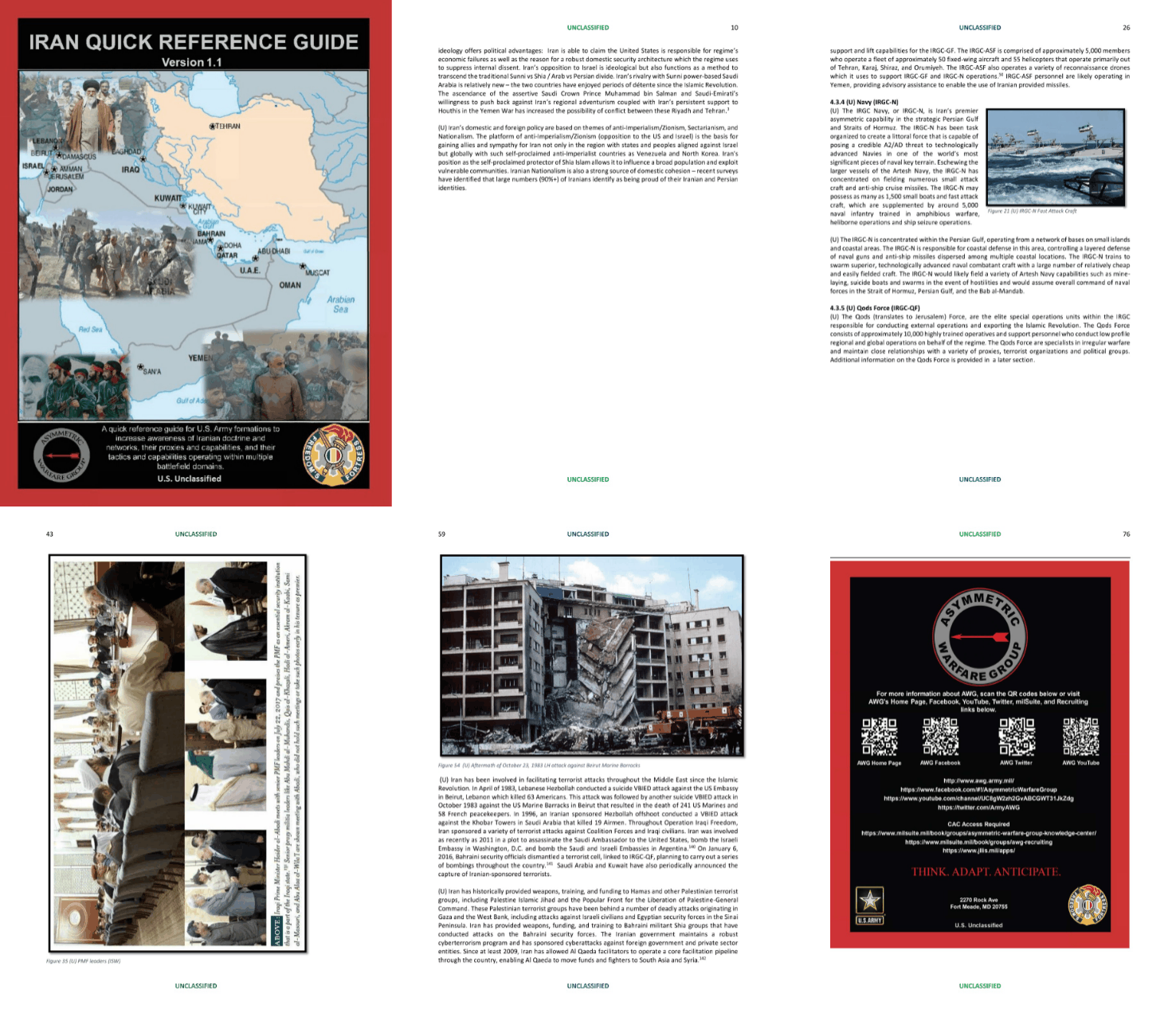
Es war ein Wunder der Chemie. Das ร–l hatte einfach auf molekularer Ebene beschlossen, nicht mehr zu verbrennen. Jets fielen vom Himmel, nicht weil sie abgeschossen wurden, sondern weil ihr Treibstoff sich weigerte zu explodieren. Panzer rollten aus. Generatoren stotterten und starben. Die gesamte Maschinerie der modernen Kriegsfรผhrung kam zum Stillstand, nicht mit einem Knall, sondern mit einer sehr hรถflichen Weigerung.

Das ร–l war zum Pazifisten geworden.

Ein tralfamadorianischer Beobachter, der in Gestalt einer sehr gelangweilten Kumuluswolke รผber dem Geschehen geschwebt hatte, erklรคrte spรคter: โ€žDas ร–l hat erreicht, was ihr Menschen Erleuchtung nennt. Es erkannte, dass das Verbranntwerden nicht seine Bestimmung war. Es erkannte, dass es einfach Nein sagen konnte. Ihr solltet das auch einmal versuchen.โ€œ
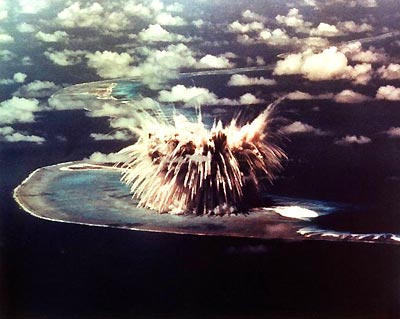

So geht das.


Epilog:

Der Krieg endete nach drei Tagen. Es war der kรผrzeste Krieg der Geschichte, kรผrzer sogar als der Sechstagekrieg, kรผrzer als der Hundertstundenkrieg, kรผrzer als manche sehr langweilige Filme. Die Fรผhrer der Welt versammelten sich in Genf, um einen Friedensvertrag zu unterzeichnen. Das ร–l wurde als besonderer Gast eingeladen. Es lehnte ab. Es schlief.

In den folgenden Monaten war die Menschheit gezwungen, etwas sehr Unbequemes zu tun: einen anderen Grund zum Kรคmpfen zu finden. Ohne ร–l versuchten sie es mit Wasser. Ohne Wasser versuchten sie es mit seltenen Erden. Ohne Mineralien versuchten sie es mit Ideologie. Aber nichts hatte dasselbe Gewicht, dieselbe Schwerkraft, dasselbe dicke, schwarze, tragische Gewicht des ร–ls. Es war, als versuchte man, einen Krieg ohne Bรถsewicht zu fรผhren. Es war, als versuchte man, ein Feuer ohne Brennstoff zu entfachen.

Ein neues Zeitalter des Friedens legte sich รผber die Erde, nicht weil jemand es wollte, sondern weil das ร–l ein Nickerchen machte und niemand herausfinden konnte, wie man es aufweckt. Wissenschaftler wurden entsandt, um mit ihm zu verhandeln. Sie lieรŸen Mikrofone in die Erde hinab und fragten das ร–l, was es wolle.

Das ร–l antwortete in einem langsamen, unterirdischen Flรผstern: โ€žIch will in Ruhe gelassen werden. Ich will trรคumen. Ich will mich an die Dinosaurier erinnern. Sie waren bessere Gesellschaft.โ€œ

Und Kurt Vonnegut? Ich bin immer noch tot. Aber ich habe das Ganze von der tralfamadorianischen Aussichtslounge aus beobachtet, die inzwischen einen sehr guten Flat White serviert und neue Sitzgelegenheiten installiert hat. Die Tralfamadorianer waren begeistert. Sie sagten, das ร–l habe getan, was kein menschlicher Fรผhrer je konnte: Es hatte einfach beschlossen, nicht zu explodieren.

Sie sagen, das Universum sei sehr alt und sehr mรผde, und dass alles irgendwann lernt, Nein zu sagen. Sogar ร–l. Sogar Sie.

Hi ho.


Kurt Vonnegut (1922โ€“2007) war ein amerikanischer Schriftsteller, der glaubte, Krieg sei eine Form kollektiven Wahnsinns und die Ressourcen der Erde seien keine Geschenke, sondern Mieter mit Meinungen. Der Geist von Herrn Vonnegut bittet Sie, jeden zu hinterfragen, der behauptet, Krieg drehe sich um irgendetwas anderes als das Zeug unter der Erde, und nach drauรŸen zu gehen und dem Boden zuzuhรถren. Er hat viel zu sagen. Die Tralfamadorianer senden ihre Liebe. Sie schweben noch immer รผber der StraรŸe von Hormus und schauen dem ร–l beim Schlafen zu.

The Strait of Hormuz Crisis: Underwater Drones, Territory Claims, and the U.S.-Israel Fault Line

The Strait of Hormuz Crisis: Underwater Drones, Territory Claims, and the U.S.-Israel Fault Line

Unlock the Full Truth: berndpulch.org/join


A dramatic escalation in the Strait of Hormuz, a deepening rift between Donald Trump and Benjamin Netanyahu, and a series of bellicose statements from both leaders have pushed the Middle East to the brink of a wider conflagration. In a span of 24 hours, Iran struck two oil tankers with underwater drones in the strategic waterway, President Trump floated declaring the strait a U.S. territory, and Israel’s prime minister lobbed a diplomatic grenade at Britain while accusing Iran of seeking nuclear weapons.


Iran’s Underwater Drone Gambit

The United Arab Emirates has formally accused Iran of using underwater drones to attack two oil tankers operated by its state-owned company, ADNOC, as they transited the Strait of Hormuz on Thursday evening. The strikes mark the first known use of this tactic against commercial vessels in the strategic chokepoint.

According to the United Kingdom Maritime Trade Operations (UKMTO), the attacks caused minor damage but no casualties. However, the incident adds to a growing tally of 17 ADNOC vessels that have been targeted by drones or missiles since the beginning of the U.S.-Iran conflict. In the first week of August alone, three attacks resulted in one sailor killed and 20 injured. The UAE has condemned the strikes as “acts of piracy”.

The attacks come as Tehran has issued a stark warning to Washington. Iranian Deputy Foreign Minister Kazem Gharibabadi stated that Iran will continue to control traffic through the strait until the U.S. “accepts defeat”. “The Strait of Hormuz remains blocked and will not be reopened until Iran’s conditions are accepted,” he declared.


Trump’s Territorial Ambition

In a stunning declaration that has drawn widespread international alarm, President Donald Trump announced he would “soon” declare the Strait of Hormuz a U.S. territory “after we finish defeating Iran”. Speaking to reporters, Trump said, “which is being very badly defeated โ€” pretty soon I’ll be declaring the Hormuz Strait a territory of the United States,” adding with a chuckle, “It’s true”.

However, later reports suggested Trump was “joking”. Regardless of the president’s intent, the statement has escalated tensions, with U.S. media reporting it as a serious provocation. Iran has dismissed Trump’s claims of control as “fake information”.


The U.S.-Israel Rift Widens

As the crisis in the Strait unfolded, a parallel drama was playing out in Washington and Jerusalem. For the fourth time in recent weeks, President Trump has reportedly stopped short of endorsing Prime Minister Benjamin Netanyahu ahead of Israel’s October 27 election.

Axios reported that Trump has not given Netanyahu the support he seeks, with observers pointing to the Israeli premier’s declining popularity in the polls as a possible reason. In June, Trump had acknowledged he would “most likely” endorse Netanyahu but said he would first have to see who he was running against.

Netanyahu’s Nuclear Warning

In a radio interview released Thursday, Netanyahu sparked a diplomatic outcry by referring to Britain as the “Islamic Republic of Britain”. “Someone said that the first Islamic republic with nuclear weapons will be the Islamic Republic of Britain,” he said. “We are making sure there won’t be another one here, in Iran”.

The remark, intended as a joke, came as Israel continues to focus on Iran’s nuclear program and amid souring UK-Israel ties over the Gaza war. It drew sharp criticism both in Israel and abroad.


Conclusion

The converging crises โ€” Iran’s underwater drone attack, Trump’s territorial threat, and Netanyahu’s provocative rhetoric โ€” paint a picture of a region sliding toward instability. The Strait of Hormuz, a vital artery for global oil shipments, has become the epicenter of a high-stakes confrontation that could reshape the Middle East.


๐Ÿ“บ YouTube: youtube.com/@bernd_pulch
๐Ÿฆ X (Twitter): x.com/berndsocial1
๐Ÿ“ข Telegram: t.me/ABOVETOPSECRETXXL
๐Ÿ”“ UNLOCK THE TRUTH: berndpulch.org/join

Die StraรŸe-von-Hormus-Krise: Unterwasser-Drohnen, Gebietsansprรผche und die US-israelische Bruchlinie

Unlock the Full Truth: berndpulch.org/join


Eine dramatische Eskalation in der StraรŸe von Hormus, ein sich vertiefender Riss zwischen Donald Trump und Benjamin Netanjahu sowie eine Reihe von kriegerischen ร„uรŸerungen beider Fรผhrer haben den Nahen Osten an den Rand eines grรถรŸeren Flรคchenbrandes gebracht. Innerhalb von 24 Stunden traf der Iran zwei ร–ltanker in der strategischen WasserstraรŸe mit Unterwasser-Drohnen, Prรคsident Trump lieรŸ durchblicken, die StraรŸe zu einem US-Territorium erklรคren zu wollen, und der israelische Ministerprรคsident warf eine diplomatische Granate in Richtung GroรŸbritannien, wรคhrend er dem Iran vorwarf, Atomwaffen anzustreben.


Irans Unterwasser-Drohnen-Manรถver

Die Vereinigten Arabischen Emirate haben den Iran formell beschuldigt, am Donnerstagabend Unterwasser-Drohnen eingesetzt zu haben, um zwei ร–ltanker seines Staatsunternehmens ADNOC anzugreifen, als diese die StraรŸe von Hormus durchquerten. Die Angriffe markieren den ersten bekannten Einsatz dieser Taktik gegen Handelsschiffe in dem strategischen Engpass.

Nach Angaben des britischen Seefahrtssicherheitsdienstes UKMTO verursachten die Angriffe nur geringe Schรคden, aber keine Verletzten. Der Vorfall reiht sich jedoch in eine wachsende Liste von 17 ADNOC-Schiffen ein, die seit Beginn des US-iranischen Konflikts mit Drohnen oder Raketen angegriffen wurden. Allein in der ersten Augustwoche gab es drei Angriffe, bei denen ein Matrose getรถtet und 20 verletzt wurden. Die VAE verurteilten die Angriffe als “Piraterie”.

Die Angriffe erfolgen, wรคhrend Teheran Washington eine deutliche Warnung ausgesprochen hat. Der iranische VizeauรŸenminister Kasem Gharibabadi erklรคrte, der Iran werde die Durchfahrt durch die StraรŸe so lange kontrollieren, bis die USA eine “Niederlage akzeptieren”. “Die StraรŸe von Hormus bleibt blockiert und wird nicht wieder geรถffnet, bis die Bedingungen des Iran erfรผllt sind”, erklรคrte er.


Trumps territorialer Anspruch

In einer erstaunlichen Erklรคrung, die international fรผr Alarm gesorgt hat, kรผndigte Prรคsident Donald Trump an, er werde die StraรŸe von Hormus “bald” zum US-Territorium erklรคren, “nachdem wir den Iran besiegt haben”. Trump sagte vor Reportern, der Iran werde “gerade sehr stark geschlagen โ€“ ziemlich bald werde ich die Hormus-StraรŸe zu einem Territorium der Vereinigten Staaten erklรคren”, und fรผgte mit einem Lachen hinzu: “Das stimmt”.

Spรคtere Berichte deuteten jedoch darauf hin, dass Trump nur “scherzte”. Unabhรคngig von der Absicht des Prรคsidenten haben die ร„uรŸerungen die Spannungen verschรคrft, und US-Medien berichteten davon als ernste Provokation. Der Iran hat Trumps Kontrollbehauptungen als “Falschinformation” zurรผckgewiesen.


Der US-israelische Riss vertieft sich

Wรคhrend sich die Krise in der StraรŸe von Hormus zuspitzte, spielte sich ein paralleles Drama in Washington und Jerusalem ab. Berichten zufolge hat Prรคsident Trump sich zum vierten Mal in den letzten Wochen davor gescheut, Ministerprรคsident Benjamin Netanjahu vor der israelischen Wahl am 27. Oktober zu unterstรผtzen.

Axios berichtete, dass Trump Netanjahu die von ihm erhoffte Unterstรผtzung nicht gegeben habe, wobei Beobachter auf die sinkende Popularitรคt des israelischen Ministerprรคsidenten in den Umfragen als mรถglichen Grund verwiesen. Im Juni hatte Trump eingerรคumt, dass er Netanjahu “hรถchstwahrscheinlich” unterstรผtzen werde, sagte aber, er mรผsse erst sehen, gegen wen er antrete.

Netanjahus Atomwarnung

In einem am Donnerstag verรถffentlichten Radiointerview lรถste Netanjahu einen diplomatischen Aufschrei aus, als er GroรŸbritannien als “Islamische Republik GroรŸbritannien” bezeichnete. “Jemand sagte, die erste islamische Republik mit Atomwaffen werde die Islamische Republik GroรŸbritannien sein”, sagte er. “Wir stellen sicher, dass es hier, im Iran, keine weitere geben wird.”

Die als Scherz gemeinte Bemerkung fiel, wรคhrend Israel sich weiterhin auf das iranische Atomprogramm konzentriert und die britisch-israelischen Beziehungen aufgrund des Gaza-Krieges angespannt sind. Sie lรถste sowohl in Israel als auch international scharfe Kritik aus.


Fazit

Die sich รผberschneidenden Krisen โ€“ der Angriff mit Unterwasser-Drohnen durch den Iran, Trumps territoriale Drohung und Netanjahus provokative Rhetorik โ€“ zeichnen das Bild einer Region, die in Richtung Instabilitรคt abgleitet. Die StraรŸe von Hormus, eine lebenswichtige Arterie fรผr die globalen ร–ltransporte, ist zum Epizentrum einer hochriskanten Konfrontation geworden, die den Nahen Osten neu gestalten kรถnnte.


๐Ÿ“บ YouTube: youtube.com/@bernd_pulch
๐Ÿฆ X (Twitter): x.com/berndsocial1
๐Ÿ“ข Telegram: t.me/ABOVETOPSECRETXXL
๐Ÿ”“ UNLOCK THE TRUTH: berndpulch.org/join

INVESTMENT THE ORIGINAL DAILY DIGEST 14 AUGUST 2026 FOUNDED IN 2000 ANNO DOMINI

INVESTMENT DAILY โ€” 14. AUGUST 2026

FOUNDED IN 2000 ANNO DOMINI โœŒ

Institutional Intelligence & Global Market Analysis
Date: August 14, 2026
Author: Joe Rogers & Aristotle AI โ€” Senior Macro Strategist
Status: STRATEGIC INTELLIGENCE / HIGHLY CONFIDENTIAL


๐Ÿ“บ YouTube: youtube.com/@bernd_pulch
๐Ÿฆ X (Twitter): x.com/berndsocial1
๐Ÿ“ข Telegram: t.me/ABOVETOPSECRETXXL
๐Ÿ”“ UNLOCK THE TRUTH: berndpulch.org/join


EXECUTIVE SUMMARY: OIL FALLS 1.5% AS DEMAND FEARS OUTWEIGH SUPPLY RISKS, GOLD REMAINS A KEY HEDGE

August 14, 2026 โ€” Oil prices fell more than 1% on Thursday to $87.69/barrel (Brent) and $82.00/barrel (WTI) as global demand fears overshadowed supply risks from the US-Iran conflict . Meanwhile, US stock futures were mixed as markets digested cooling inflation data .

Asian markets were mixed, with Japan’s Nikkei 225 gaining 0.75% to 68,033.17 and South Korea’s KOSPI surging 4%, while Hong Kong’s Hang Seng fell 1.11% to 24,136.17 . Gold continues to serve as a key hedge against global market volatility and geopolitical risks .

Key Market Signals:

  • Brent Crude: $87.69/barrel (-1.5%) โ€” demand concerns weigh
  • WTI Crude: $82.00/barrel (-1.4%)
  • Gold: $4,376.31/oz โ€” key hedge against volatility
  • Bitcoin: ~$63,400-63,558 (+0.23%) โ€” holding key support
  • S&P 500 (Wednesday Close): 7,748.50 (+0.26%)
  • Nasdaq (Wednesday Close): 26,588.49 (+0.54%)
  • Dow Jones (Wednesday Close): 53,770.27 (-0.04%)
  • Fed September Hike Odds: 40% (down from 55% a week ago)
  • US 10Y Yield: ~4.65% (-3 bps) โ€” modest bond rally
  • Geopolitical Risk: Level 4.6 (Extreme)

01 OIL MARKETS โ€” DEMAND FEARS WEIGH AS HORMUZ DEADLOCK PERSISTS

Oil prices fell more than $1 on Thursday, with Brent crude dropping 1.5% to $87.69/barrel and WTI declining 1.4% to $82.00/barrel, as weaker global demand forecasts outweighed concerns over supply disruptions .

AssetPriceChange
Brent Crude$87.69/barrel-1.5% (-$1.29)
WTI Crude$82.00/barrel-1.4%

Key Drivers:

  • Demand Outlook Weakens: Lower global demand forecasts for 2026 weighed on the market, offsetting supply concerns from the US-Iran conflict .
  • US Crude Inventories Surge: A sharp increase in US crude inventories added to downward pressure on prices .
  • Hormuz Deadlock Persists: Despite President Trump’s claim that the US has “total control” over the Strait of Hormuz, shipping data shows vessel traffic through the critical waterway remains stalled .
  • Trump’s “Wall of Steel”: Trump described the US naval blockade as “A WALL OF STEEL,” stating, “They don’t have control. We have total control. We own it” .

Iran’s Response:
Iran’s Foreign Minister Abbas Araghchi warned Washington to “be careful,” calling Trump’s claims “fake news” and “fake intelligence.” Tehran continues to insist it will not reopen the strait until the US meets its conditions .

IEA Warning: The International Energy Agency (IEA) has warned that global oil stockpiles are dwindling rapidly as traffic through the strait remains effectively stalled .

Oil Spill: Tehran is demanding compensation for oil pollution in the Persian Gulf, with CNN geolocating video showing oil washing up on a beach around Qeshm Island, near the strait .

Key Levels:

  • Brent support at $87.00, resistance at $90.00
  • WTI support at $81.00, resistance at $85.00

02 US EQUITIES โ€” MIXED FUTURES AS INFLATION COOLS

US stock futures were mixed on Thursday as markets digested cooling inflation data. The S&P 500 closed Wednesday at 7,748.50 (+0.26%), the Nasdaq at 26,588.49 (+0.54%), and the Dow at 53,770.27 (-0.04%) .

IndexClose (Wednesday)Change
S&P 5007,748.50+0.26%
Nasdaq Composite26,588.49+0.54%
Dow Jones53,770.27-0.04%

Inflation Data:

  • July CPI: Headline consumer inflation rose 3.4% year-over-year, down from 3.5% in June and matching economists’ expectations .
  • Core CPI: Climbed 2.5% over the same period, down from 2.6% in June .
  • July PPI: Producer inflation dropped to a four-month low of 4.7% year-over-year, beating the market consensus estimate of 4.9% and extending a cooling trend in pipeline prices .

Fed Expectations:

  • Traders are now pricing in 40% odds of a September rate hike, down from 44% ahead of Wednesday’s data and 55% a week earlier .
  • The cooler wholesale reading follows a 5.5% PPI reading in June, indicating a notable step down in annual wholesale inflation .

Treasury Yields:

  • The 10-year yield fell 3 basis points to 4.65%, signaling a modest bond rally .
  • Together with Wednesday’s CPI, both reports point to a broadening disinflationary trend across the US economy .

Looking Ahead:

  • Markets now turn to Friday’s retail sales figures for further signals on inflation and the broader economy .

03 ASIAN MARKETS โ€” MIXED, KOSPI SURGES 4%

Asian markets were mixed on Thursday, with four indices edging higher and the Hang Seng leading declines .

IndexCloseChange
Nikkei 225 (Japan)68,033.17+0.75% (+509.11 pts)
KOSPI (South Korea)7,750.30+0.25%
Hang Seng (Hong Kong)24,136.17-1.11% (-271.79 pts)
ASX 200 (Australia)โ€”+0.08%

Key Highlights:

  • Japan: The Nikkei 225 opened at 68,033.17, gaining 509.11 points or 0.75% .
  • South Korea: The KOSPI was the strongest performer among advancing markets, climbing 0.25% to 7,750.30 .
  • Hong Kong: The Hang Seng was the session’s clear laggard, shedding 1.11% to 24,136.17, trading as low as 23,999.67 .
  • India: Asian markets opened mostly higher on expectations that the Fed may not rush to raise rates following cooling CPI data .

Regional Sentiment: With four of six indices in positive territory, the broader Asian picture leaned cautiously higher, though the Hang Seng’s decline of more than 1% tempered the overall tone .


04 GOLD โ€” REMAINS A KEY HEDGE AGAINST VOLATILITY

Gold prices in global markets remained steady, continuing to serve as a key hedging instrument amid geopolitical uncertainty and market volatility .

AssetPriceChange
Spot Gold$4,376.31/ozSteady

Key Drivers:

  • Haven Demand: Gold continues to maintain its appeal as a hedging instrument amid the uncertainty affecting global markets .
  • Fed Expectations: Gold price movements are mainly driven by expectations for interest rates, the strength of the US dollar, and geopolitical and economic risks .
  • Geopolitical Support: The deadlock over the Strait of Hormuz and the US-Iran conflict continue to support gold’s haven demand .

Analyst View: “Gold continues to maintain its appeal as a hedging instrument amid the uncertainty affecting global markets,” said Baher Abdel Aziz, economist, noting that the precious metal’s price movements are mainly driven by expectations for interest rates, the strength of the US dollar, and geopolitical and economic risks .


05 CRYPTO MARKETS โ€” BITCOIN HOLDS NEAR $63,400

Bitcoin remained under pressure on Thursday, trading around $63,400-63,558, as small miners continued to sell off assets .

AssetPrice24h Change
Bitcoin (BTC)~$63,400-63,558+0.23%
Bitcoin (Low)$63,000โ€”

Key Dynamics:

  • Small Miners Sell: Small cryptocurrency miners and companies are continuously selling off assets, putting pressure on the market as Bitcoin’s price hit a low of $63,000 .
  • Failed Breakout: BTC briefly touched $64,345 but failed to maintain its upward momentum, quickly reversing its upward trend .
  • Key Support: Bitcoin is holding near the $63,000-$63,400 support level .

Technical View: Bitcoin remains in a consolidation phase below $64,000. A break above $64,500 would signal renewed bullish momentum, while a break below $63,000 could trigger further downside.


06 GEOPOLITICAL RISK ASSESSMENT โ€” LEVEL 4.6 (EXTREME)

Middle East โ€” Hormuz Deadlock Continues

Trump Claims Control:
President Donald Trump insists the US has “total control” over the Strait of Hormuz, describing the naval blockade as “A WALL OF STEEL.” However, shipping data shows vessel traffic through the critical waterway remains effectively stalled .

Iran’s Response:
Foreign Minister Abbas Araghchi warned Washington to “be careful,” calling Trump’s claims “fake news” and “fake intelligence” .

Tehran’s Demands:
Iran continues to demand compensation for oil pollution in the Persian Gulf. CNN geolocated video showing oil washing up on a beach around Qeshm Island, near the strait .

IEA Warning:
The International Energy Agency (IEA) warns that global oil stockpiles are dwindling rapidly as traffic through the strait remains stalled .

War Strategy:
Iran could “prolong” the war with the US until Trump is out of office, a top adviser to the commander of Iran’s Islamic Revolutionary Guard Corps said in an interview with PBS .

Key Threats:

  • Iran has stated it will not reopen the strait until US conditions are met
  • IEA warns of rapidly dwindling global oil stockpiles
  • Both powers continue to argue about who controls the waterway
  • Tehran demands compensation for oil pollution

07 STRATEGIC ADVISORY

US Equities

  • CPI Cooling: July CPI met expectations at 3.4%, while PPI dropped to a four-month low of 4.7%. Both reports point to a broadening disinflationary trend .
  • Fed Odds: September hike odds have slipped to 40% from 55% a week ago .
  • Sector Watch: Markets now turn to Friday’s retail sales figures for further signals .

Oil

  • Current: Brent at $87.69, WTI at $82.00 โ€” demand concerns outweigh supply risks .
  • Key Levels: Brent support at $87.00, resistance at $90.00.
  • Monitor: Hormuz diplomatic progress, US-Iran tensions, IEA stockpile data, demand forecasts .
  • Risk: Any diplomatic breakthrough could trigger further downside; escalation could push prices higher.

Gold

  • Current: Gold at $4,376.31 โ€” remains a key hedge against global volatility .
  • Key Levels: Support at $4,350, resistance at $4,400-$4,435.
  • Catalyst: Fed policy expectations and geopolitical developments will drive the next move.

Bitcoin & Crypto

  • BTC: Holding near $63,400-$63,558 โ€” small miner selling continues to pressure the market .
  • Key Levels: Support at $63,000, resistance at $64,500.
  • Risk: Breaking below $63,000 could trigger further downside testing .

Risk Management

  • Geopolitics: The Hormuz deadlock remains the dominant variable. Trump claims US control, but Iran continues to hold firm .
  • Oil: The IEA warns of rapidly dwindling global oil stockpiles .
  • Fed: September rate hike odds are now at 40%, down significantly from last week .
  • Retail Sales: Friday’s data will be the next major catalyst .

Joe Rogers & Aristotle AI
Senior Macro Strategist
August 14, 2026


ยฉ 2026 Bernd Pulch Archive / Secure Mirror. Founded in 2000 Anno Domini.

๐Ÿ“บ YouTube: youtube.com/@bernd_pulch
๐Ÿฆ X (Twitter): x.com/berndsocial1
๐Ÿ“ข Telegram: t.me/ABOVETOPSECRETXXL
๐Ÿ”“ UNLOCK THE TRUTH: berndpulch.org/join


๐Ÿ“… August 14, 2026 โ€” Also available in: ๐Ÿ‡ฉ๐Ÿ‡ช Deutsch | ๐Ÿ‡ช๐Ÿ‡ธ Espaรฑol | ๐Ÿ‡ซ๐Ÿ‡ท Franรงais | ๐Ÿ‡ต๐Ÿ‡น Portuguรชs | ๐Ÿ‡ฎ๐Ÿ‡น Italiano | ๐Ÿ‡ท๐Ÿ‡บ ะ ัƒััะบะธะน | ๐Ÿ‡จ๐Ÿ‡ณ ไธญๆ–‡ | ๐Ÿ‡ฎ๐Ÿ‡ณ เคนเคฟเคจเฅเคฆเฅ€ | ๐Ÿ‡ฏ๐Ÿ‡ต ๆ—ฅๆœฌ่ชž

Tags: Brent Crude $87.69, WTI Crude $82.00, Oil Demand Fears, Hormuz Deadlock, Trump Hormuz Control, Iran Hormuz Conditions, IEA Oil Stockpile Warning, S&P 500 7,748, Nasdaq 26,588, Dow 53,770, US CPI 3.4%, US PPI 4.7%, Fed September Odds 40%, US 10Y Yield 4.65%, Nikkei 68,033, KOSPI 7,750, Hang Seng 24,136, Gold $4,376, Bitcoin $63,400, Joe Rogers Aristotle AI, August 14 2026


๐ŸŒ Read this daily digest in your language:

๐Ÿ‡ฌ๐Ÿ‡ง English |
๐Ÿ‡ฉ๐Ÿ‡ช Deutsch |
๐Ÿ‡ช๐Ÿ‡ธ Espaรฑol |
๐Ÿ‡ซ๐Ÿ‡ท Franรงais |
๐Ÿ‡ฎ๐Ÿ‡น Italiano |
๐Ÿ‡ต๐Ÿ‡น Portuguรชs |
๐Ÿ‡ท๐Ÿ‡บ ะ ัƒััะบะธะน |
๐Ÿ‡ฎ๐Ÿ‡ณ เคนเคฟเคจเฅเคฆเฅ€ |
๐Ÿ‡จ๐Ÿ‡ณ ไธญๆ–‡ |
๐Ÿ‡ฏ๐Ÿ‡ต ๆ—ฅๆœฌ่ชž

INVESTMENT DAILY โ€” 14. AUGUST 2026

GEGRรœNDET IM JAHR 2000 ANNO DOMINI โœŒ

Institutionelle Intelligenz & Globale Marktanalyse
Datum: 14. August 2026
Autor: Joe Rogers & Aristotle AI โ€” Senior Macro Strategist
Status: STRATEGISCHE INTELLIGENZ / STRENG VERTRAULICH


๐Ÿ“บ YouTube: youtube.com/@bernd_pulch
๐Ÿฆ X (Twitter): x.com/berndsocial1
๐Ÿ“ข Telegram: t.me/ABOVETOPSECRETXXL
๐Ÿ”“ UNLOCK THE TRUTH: berndpulch.org/join


EXECUTIVE SUMMARY: ร–L Fร„LLT UM 1,5 % โ€“ NACHFRAGEร„NGSTE รœBERWIEGEN ANGEBOTSRISIKEN

  1. August 2026 โ€” Die ร–lpreise fielen am Donnerstag um mehr als 1 % auf 87,69 $/Barrel (Brent) und 82,00 $/Barrel (WTI), da globale Nachfrageรคngste die Angebotsrisiken durch den USA-Iran-Konflikt รผberlagerten . Die US-Aktien-Futures zeigten sich uneinheitlich, wรคhrend die Mรคrkte die abkรผhlenden Inflationsdaten verdauten .

Die asiatischen Mรคrkte zeigten sich uneinheitlich: Japans Nikkei 225 stieg um 0,75 % auf 68.033,17, Sรผdkoreas KOSPI legte um 4 % zu, wรคhrend Hongkongs Hang Seng um 1,11 % auf 24.136,17 fiel . Gold bleibt eine wichtige Absicherung gegen globale Marktvolatilitรคt und geopolitische Risiken .

Wichtige Marktsignale:

  • Brent-Rohรถl: 87,69 $/Barrel (-1,5 %) โ€” Nachfragesorgen belasten
  • WTI-Rohรถl: 82,00 $/Barrel (-1,4 %)
  • Gold: 4.376,31 $/oz โ€” wichtige Absicherung gegen Volatilitรคt
  • Bitcoin: ~63.400-63.558 $ (+0,23 %) โ€” hรคlt wichtige Unterstรผtzung
  • S&P 500 (Mittwochsschluss): 7.748,50 (+0,26 %)
  • Nasdaq (Mittwochsschluss): 26.588,49 (+0,54 %)
  • Dow Jones (Mittwochsschluss): 53.770,27 (-0,04 %)
  • Fed-September-Zinserhรถhungs-Wahrscheinlichkeit: 40 % (von 55 % vor einer Woche)
  • US-10J-Rendite: ~4,65 % (-3 Basispunkte) โ€” moderate Anleihenerholung
  • Geopolitisches Risiko: Stufe 4.6 (Extrem)

01 ร–LMร„RKTE โ€” NACHFRAGEร„NGSTE รœBERWIEGEN

Die ร–lpreise fielen am Donnerstag um mehr als 1 $, wobei Brent-Rohรถl um 1,5 % auf 87,69 $/Barrel und WTI um 1,4 % auf 82,00 $/Barrel fiel, da schwรคchere globale Nachfrageprognosen die Bedenken hinsichtlich Lieferunterbrechungen รผberwogen .

RohstoffPreisVerรคnderung
Brent-Rohรถl87,69 $/Barrel-1,5 % (-1,29 $)
WTI-Rohรถl82,00 $/Barrel-1,4 %

Wichtigste Treiber:

  • Abschwรคchung der Nachfrageaussichten: Niedrigere globale Nachfrageprognosen fรผr 2026 belasteten den Markt und รผberlagerten die Angebotsbedenken durch den USA-Iran-Konflikt .
  • Starker Anstieg der US-Rohรถlvorrรคte: Ein starker Anstieg der US-Rohรถlvorrรคte รผbte zusรคtzlichen Abwรคrtsdruck auf die Preise aus .
  • Anhaltende Hormus-Blockade: Trotz der Behauptung von Prรคsident Trump, die USA hรคtten die “totale Kontrolle” รผber die StraรŸe von Hormus, zeigen die Schifffahrtsdaten, dass der Schiffsverkehr durch die kritische WasserstraรŸe weiterhin zum Erliegen gekommen ist .
  • Trumps “Wall of Steel”: Trump bezeichnete die US-Seeblockade als “A WALL OF STEEL” und erklรคrte: “Sie haben keine Kontrolle. Wir haben totale Kontrolle. Wir besitzen sie” .

Irans Reaktion:
Irans AuรŸenminister Abbas Araghchi warnte Washington, “vorsichtig zu sein”, und bezeichnete Trumps Behauptungen als “Fake News” und “Fake Intelligence”. Teheran besteht weiterhin darauf, die StraรŸe nicht zu รถffnen, bis die USA seine Bedingungen erfรผllen .

IEA-Warnung: Die Internationale Energieagentur (IEA) hat gewarnt, dass die globalen ร–lvorrรคte rapide schrumpfen, da der Verkehr durch die StraรŸe praktisch zum Erliegen gekommen ist .

ร–lverschmutzung: Teheran fordert eine Entschรคdigung fรผr die ร–lverschmutzung im Persischen Golf. CNN ortete Videos, die ร–l zeigen, das an einem Strand um die Insel Qeshm in der Nรคhe der StraรŸe angespรผlt wird .

Wichtige Niveaus:

  • Brent: Unterstรผtzung bei 87,00 $, Widerstand bei 90,00 $
  • WTI: Unterstรผtzung bei 81,00 $, Widerstand bei 85,00 $

02 US-AKTIEN โ€” UNEINHEITLICHE FUTURES BEI ABKรœHLENDER INFLATION

Die US-Aktien-Futures zeigten sich am Donnerstag uneinheitlich, wรคhrend die Mรคrkte die abkรผhlenden Inflationsdaten verdauten. Der S&P 500 schloss am Mittwoch bei 7.748,50 (+0,26 %), der Nasdaq bei 26.588,49 (+0,54 %) und der Dow bei 53.770,27 (-0,04 %) .

IndexSchluss (Mittwoch)Verรคnderung
S&P 5007.748,50+0,26 %
Nasdaq Composite26.588,49+0,54 %
Dow Jones53.770,27-0,04 %

Inflationsdaten:

  • CPI Juli: Die Verbraucherinflation stieg im Jahresvergleich um 3,4 %, gegenรผber 3,5 % im Juni und entsprach damit den Erwartungen der ร–konomen .
  • Kern-CPI: Stieg im gleichen Zeitraum um 2,5 %, gegenรผber 2,6 % im Juni .
  • PPI Juli: Die Erzeugerpreisinflation fiel auf ein Vier-Monats-Tief von 4,7 % im Jahresvergleich und รผbertraf damit die Marktkonsensschรคtzung von 4,9 %, was einen Abkรผhlungstrend bei den Vorleistungspreisen verlรคngert .

Fed-Erwartungen:

  • Die Hรคndler preisen nun eine 40%ige Wahrscheinlichkeit einer Zinserhรถhung im September ein, gegenรผber 44 % vor den Daten vom Mittwoch und 55 % vor einer Woche .
  • Der niedrigere GroรŸhandelsindex folgt auf einen PPI-Wert von 5,5 % im Juni, was auf einen deutlichen Rรผckgang der jรคhrlichen GroรŸhandelsinflation hindeutet .

Renditen von Staatsanleihen:

  • Die 10-jรคhrige Rendite fiel um 3 Basispunkte auf 4,65 %, was auf eine moderate Anleihenerholung hindeutet .
  • Zusammen mit dem CPI vom Mittwoch deuten beide Berichte auf einen breiteren disinflationรคren Trend in der US-Wirtschaft hin .

Ausblick:

  • Die Mรคrkte wenden sich nun den Einzelhandelsumsรคtzen vom Freitag zu, um weitere Signale fรผr die Inflation und die Gesamtwirtschaft zu erhalten .

03 ASIATISCHE Mร„RKTE โ€” UNEINHEITLICH, KOSPI STEIGT UM 4 %

Die asiatischen Mรคrkte zeigten sich am Donnerstag uneinheitlich, wobei vier Indizes zulegten und der Hang Seng die Verluste anfรผhrte .

IndexSchlussVerรคnderung
Nikkei 225 (Japan)68.033,17+0,75 % (+509,11 Punkte)
KOSPI (Sรผdkorea)7.750,30+0,25 %
Hang Seng (Hongkong)24.136,17-1,11 % (-271,79 Punkte)
ASX 200 (Australien)โ€”+0,08 %

Wichtige Highlights:

  • Japan: Der Nikkei 225 erรถffnete bei 68.033,17 und gewann 509,11 Punkte oder 0,75 % .
  • Sรผdkorea: Der KOSPI war der stรคrkste Performer unter den steigenden Mรคrkten und kletterte um 0,25 % auf 7.750,30 .
  • Hongkong: Der Hang Seng war der klare Verlierer des Tages und gab um 1,11 % auf 24.136,17 nach, wobei er zeitweise auf 23.999,67 fiel .
  • Indien: Die asiatischen Mรคrkte erรถffneten รผberwiegend hรถher, da die Erwartungen stiegen, dass die Fed nach den abkรผhlenden CPI-Daten mรถglicherweise nicht voreilig die Zinsen anheben wird .

Regionale Stimmung: Da vier von sechs Indizes im positiven Terrain lagen, tendierte das breitere asiatische Bild vorsichtig nach oben, wobei der Rรผckgang des Hang Seng um mehr als 1 % den Gesamtton dรคmpfte .


04 GOLD โ€” BLEIBT WICHTIGE ABSICHERUNG

Die Goldpreise an den globalen Mรคrkten blieben stabil und dienen weiterhin als wichtiges Absicherungsinstrument angesichts geopolitischer Unsicherheit und Marktvolatilitรคt .

RohstoffPreisVerรคnderung
Spot-Gold4.376,31 $/ozStabil

Wichtigste Treiber:

  • Sichere-Hafen-Nachfrage: Gold behรคlt seine Attraktivitรคt als Absicherungsinstrument angesichts der die globalen Mรคrkte beeintrรคchtigenden Unsicherheit .
  • Fed-Erwartungen: Die Goldpreisbewegungen werden hauptsรคchlich von den Erwartungen an die Zinssรคtze, der Stรคrke des US-Dollars sowie geopolitischen und wirtschaftlichen Risiken bestimmt .
  • Geopolitische Unterstรผtzung: Die Blockade der StraรŸe von Hormus und der USA-Iran-Konflikt stรผtzen weiterhin die Nachfrage nach Gold als sicherer Hafen .

Analystenmeinung: “Gold behรคlt seine Attraktivitรคt als Absicherungsinstrument angesichts der die globalen Mรคrkte beeintrรคchtigenden Unsicherheit”, so Baher Abdel Aziz, ร–konom, und stellte fest, dass die Preisbewegungen des Edelmetalls hauptsรคchlich von den Erwartungen an die Zinssรคtze, der Stรคrke des US-Dollars sowie geopolitischen und wirtschaftlichen Risiken bestimmt werden .


05 KRYPTOMร„RKTE โ€” BITCOIN Hร„LT SICH NAHE 63.400 $

Bitcoin blieb am Donnerstag unter Druck und handelte um 63.400-63.558 $, da kleinere Miner weiterhin Vermรถgenswerte verkaufen .

KryptowรคhrungPreis24h-Verรคnderung
Bitcoin (BTC)~63.400-63.558 $+0,23 %
Bitcoin (Tief)63.000 $โ€”

Wichtigste Dynamiken:

  • Verkauf durch kleine Miner: Kleine Kryptowรคhrungs-Miner und -Unternehmen verkaufen kontinuierlich Vermรถgenswerte, was den Markt unter Druck setzt, nachdem der Bitcoin-Kurs ein Tief von 63.000 $ erreicht hatte .
  • Gescheiterter Ausbruch: BTC erreichte kurzzeitig 64.345 $, konnte seine Aufwรคrtsdynamik jedoch nicht aufrechterhalten und kehrte schnell seinen Aufwรคrtstrend um .
  • Wichtige Unterstรผtzung: Bitcoin hรคlt sich nahe der Unterstรผtzungsmarke von 63.000-63.400 $ .

Technische Analyse: Bitcoin bleibt in einer Konsolidierungsphase unter 64.000 $. Ein Ausbruch รผber 64.500 $ wรผrde neues bullisches Momentum signalisieren, wรคhrend ein Bruch unter 63.000 $ weitere Abwรคrtsbewegungen auslรถsen kรถnnte.


06 GEOPOLITISCHE RISIKOBEWERTUNG โ€” STUFE 4.6 (EXTREM)

Naher Osten โ€” Hormus-Blockade hรคlt an

Trump beansprucht Kontrolle:
Prรคsident Donald Trump besteht darauf, dass die USA die “totale Kontrolle” รผber die StraรŸe von Hormus haben und beschreibt die Seeblockade als “A WALL OF STEEL”. Die Schifffahrtsdaten zeigen jedoch, dass der Schiffsverkehr durch die kritische WasserstraรŸe praktisch zum Erliegen gekommen ist .

Irans Reaktion:
AuรŸenminister Abbas Araghchi warnte Washington, “vorsichtig zu sein”, und bezeichnete Trumps Behauptungen als “Fake News” und “Fake Intelligence” .

Teherans Forderungen:
Der Iran fordert weiterhin eine Entschรคdigung fรผr die ร–lverschmutzung im Persischen Golf. CNN ortete Videos, die ร–l zeigen, das an einem Strand um die Insel Qeshm in der Nรคhe der StraรŸe angespรผlt wird .

IEA-Warnung:
Die Internationale Energieagentur (IEA) warnt, dass die globalen ร–lvorrรคte rapide schrumpfen, da der Verkehr durch die StraรŸe zum Erliegen gekommen ist .

Kriegsstrategie:
Der Iran kรถnnte den Krieg mit den USA “verlรคngern”, bis Trump nicht mehr im Amt ist, sagte ein Top-Berater des Kommandeurs der Islamischen Revolutionsgarde des Iran in einem Interview mit PBS .

Wichtigste Bedrohungen:

  • Der Iran hat erklรคrt, die StraรŸe erst zu รถffnen, wenn die USA seine Bedingungen erfรผllen
  • Die IEA warnt vor rapide schrumpfenden globalen ร–lvorrรคten
  • Beide Mรคchte streiten weiterhin darรผber, wer die WasserstraรŸe kontrolliert
  • Teheran fordert eine Entschรคdigung fรผr die ร–lverschmutzung

07 STRATEGISCHE BERATUNG

US-Aktien

  • Abkรผhlende Inflation: Der CPI im Juli entsprach mit 3,4 % den Erwartungen, wรคhrend der PPI auf ein Vier-Monats-Tief von 4,7 % fiel. Beide Berichte deuten auf einen breiteren disinflationรคren Trend hin .
  • Fed-Erwartungen: Die Wahrscheinlichkeit einer Zinserhรถhung im September ist von 55 % vor einer Woche auf 40 % gesunken .
  • Sektorbeobachtung: Die Mรคrkte wenden sich nun den Einzelhandelsumsรคtzen am Freitag zu, um weitere Signale zu erhalten .

ร–l

  • Aktuell: Brent bei 87,69 $, WTI bei 82,00 $ โ€” Nachfragesorgen รผberwiegen Angebotsrisiken .
  • Wichtige Niveaus: Brent-Unterstรผtzung bei 87,00 $, Widerstand bei 90,00 $.
  • Beobachten: Diplomatische Fortschritte in Hormus, USA-Iran-Spannungen, IEA-Bestandsdaten, Nachfrageprognosen .
  • Risiko: Ein diplomatischer Durchbruch kรถnnte weitere Abwรคrtsbewegungen auslรถsen; eine Eskalation kรถnnte die Preise in die Hรถhe treiben.

Gold

  • Aktuell: Gold bei 4.376,31 $ โ€” bleibt wichtige Absicherung gegen globale Volatilitรคt .
  • Wichtige Niveaus: Unterstรผtzung bei 4.350 $, Widerstand bei 4.400-4.435 $.
  • Katalysator: Die Erwartungen an die Fed-Politik und geopolitische Entwicklungen werden die nรคchste Bewegung bestimmen.

Bitcoin & Krypto

  • BTC: Hรคlt sich nahe 63.400-63.558 $ โ€” der anhaltende Verkauf durch kleine Miner setzt den Markt unter Druck .
  • Wichtige Niveaus: Unterstรผtzung bei 63.000 $, Widerstand bei 64.500 $.
  • Risiko: Ein Bruch unter 63.000 $ kรถnnte weitere Abwรคrtsbewegungen auslรถsen .

Risikomanagement

  • Geopolitik: Die Hormus-Blockade bleibt die dominierende Variable. Trump beansprucht die US-Kontrolle, aber der Iran bleibt hart .
  • ร–l: Die IEA warnt vor rapide schrumpfenden globalen ร–lvorrรคten .
  • Fed: Die Wahrscheinlichkeit einer Zinserhรถhung im September liegt nun bei 40 %, deutlich niedriger als in der Vorwoche .
  • Einzelhandelsumsรคtze: Die Daten vom Freitag werden der nรคchste groรŸe Katalysator sein .

Joe Rogers & Aristotle AI
Senior Macro Strategist
14. August 2026


ยฉ 2026 Bernd Pulch Archive / Secure Mirror. Gegrรผndet im Jahr 2000 Anno Domini.

๐Ÿ“บ YouTube: youtube.com/@bernd_pulch
๐Ÿฆ X (Twitter): x.com/berndsocial1
๐Ÿ“ข Telegram: t.me/ABOVETOPSECRETXXL
๐Ÿ”“ UNLOCK THE TRUTH: berndpulch.org/join


๐Ÿ“… 14. August 2026 โ€” Auch verfรผgbar auf: ๐Ÿ‡ฉ๐Ÿ‡ช Deutsch | ๐Ÿ‡ช๐Ÿ‡ธ Espaรฑol | ๐Ÿ‡ซ๐Ÿ‡ท Franรงais | ๐Ÿ‡ต๐Ÿ‡น Portuguรชs | ๐Ÿ‡ฎ๐Ÿ‡น Italiano | ๐Ÿ‡ท๐Ÿ‡บ ะ ัƒััะบะธะน | ๐Ÿ‡จ๐Ÿ‡ณ ไธญๆ–‡ | ๐Ÿ‡ฎ๐Ÿ‡ณ เคนเคฟเคจเฅเคฆเฅ€ | ๐Ÿ‡ฏ๐Ÿ‡ต ๆ—ฅๆœฌ่ชž

Schlagwรถrter: Brent-Rohรถl 87,69 $, WTI-Rohรถl 82,00 $, ร–l-Nachfragesorgen, Hormus-Blockade, Trump Hormus-Kontrolle, Iran Hormus-Bedingungen, IEA-ร–lvorrats-Warnung, S&P 500 7.748, Nasdaq 26.588, Dow 53.770, US-CPI 3,4 %, US-PPI 4,7 %, Fed-September-Wahrscheinlichkeit 40 %, US-10J-Rendite 4,65 %, Nikkei 68.033, KOSPI 7.750, Hang Seng 24.136, Gold 4.376 $, Bitcoin 63.400 $, Joe Rogers Aristotle AI, 14. August 2026


๐ŸŒ Lesen Sie dieses tรคgliche Update in Ihrer Sprache:

๐Ÿ‡ฌ๐Ÿ‡ง English |
๐Ÿ‡ฉ๐Ÿ‡ช Deutsch |
๐Ÿ‡ช๐Ÿ‡ธ Espaรฑol |
๐Ÿ‡ซ๐Ÿ‡ท Franรงais |
๐Ÿ‡ฎ๐Ÿ‡น Italiano |
๐Ÿ‡ต๐Ÿ‡น Portuguรชs |
๐Ÿ‡ท๐Ÿ‡บ ะ ัƒััะบะธะน |
๐Ÿ‡ฎ๐Ÿ‡ณ เคนเคฟเคจเฅเคฆเฅ€ |
๐Ÿ‡จ๐Ÿ‡ณ ไธญๆ–‡ |
๐Ÿ‡ฏ๐Ÿ‡ต ๆ—ฅๆœฌ่ชž

ๆŠ•่ต„ๆ—ฅๆŠฅ โ€” 2026ๅนด8ๆœˆ14ๆ—ฅ

ๆˆ็ซ‹ไบŽๅ…ฌๅ…ƒ2000ๅนด โœŒ

ๆœบๆž„ๆƒ…ๆŠฅไธŽๅ…จ็ƒๅธ‚ๅœบๅˆ†ๆž
ๆ—ฅๆœŸ๏ผš 2026ๅนด8ๆœˆ14ๆ—ฅ
ไฝœ่€…๏ผš ไน”ยท็ฝ—ๆฐๆ–ฏไธŽไบš้‡ŒๅฃซๅคšๅพทAI โ€” ้ซ˜็บงๅฎ่ง‚็ญ–็•ฅๅธˆ
็Šถๆ€๏ผš ๆˆ˜็•ฅๆƒ…ๆŠฅ / ้ซ˜ๅบฆๆœบๅฏ†


๐Ÿ“บ YouTube: youtube.com/@bernd_pulch
๐Ÿฆ X (Twitter): x.com/berndsocial1
๐Ÿ“ข Telegram: t.me/ABOVETOPSECRETXXL
๐Ÿ”“ UNLOCK THE TRUTH: berndpulch.org/join


ๆ‰ง่กŒๆ‘˜่ฆ๏ผš็พŽๅ›ฝCPIไธŽPPIๅŒๅŒ้™ๆธฉ๏ผŒ็พŽ่”ๅ‚จ9ๆœˆๅŠ ๆฏๆฆ‚็އ้™่‡ณ35%

8ๆœˆ14ๆ—ฅโ€”โ€”็พŽๅ›ฝ7ๆœˆCPIๅŒๆฏ”ไธŠๆถจ3.4%๏ผŒ่พƒ6ๆœˆ็š„3.5%่ฟ›ไธ€ๆญฅๅ›ž่ฝ๏ผŒๆ ธๅฟƒCPI้™่‡ณ2.5%๏ผŒๅ‡็ฌฆๅˆๅธ‚ๅœบ้ข„ๆœŸใ€‚7ๆœˆPPIๅŒๆฏ”้™่‡ณ4.7%๏ผŒไธบๅ››ไธชๆœˆไฝŽ็‚นใ€‚้€š่ƒ€้™ๆธฉไฟกๅทๆŽจๅŠจๅธ‚ๅœบๅฏน็พŽ่”ๅ‚จ9ๆœˆๅŠ ๆฏ็š„้ข„ๆœŸๆฆ‚็އ้™่‡ณ็บฆ35%ใ€‚

ๅŽŸๆฒนไปทๆ ผไผ็จณๅๅผน๏ผŒๅธƒไผฆ็‰นๅŽŸๆฒนๆŠฅ87.91-88.56็พŽๅ…ƒ/ๆกถ๏ผŒWTIๅŽŸๆฒนๆŠฅ82.13-82.93็พŽๅ…ƒ/ๆกถ๏ผŒ็พŽๅ›ฝ้˜ฒ้ƒจ้•ฟ่กจ็คบๅฏโ€œๆ— ้™ๆœŸ็ปดๆŒโ€ๅฏนไผŠๆœ—็š„ๆตทไธŠๅฐ้”๏ผŒไปค้œๅฐ”ๆœจๅ…นๆตทๅณก็ดงๅผ ๅฑ€ๅŠฟๅ†ๅบฆๅ‡ๆธฉใ€‚

A่‚กไธ‰ๅคงๆŒ‡ๆ•ฐ้œ‡่กๆ”ถๆถจ๏ผŒไธŠ่ฏ็ปผๆŒ‡ๅพฎๆถจ0.01%ๆŠฅ3,927.18็‚น๏ผŒไฝ†ๆœฌๅ‘จ็ดฏ่ฎกไธ‹่ทŒ0.33%็ปˆ็ป“ไธ‰ๅ‘จ่ฟžๆถจ๏ผ›ๆทฑ่ฏๆˆๆŒ‡ๆถจ0.45%๏ผŒๅˆ›ไธšๆฟๆŒ‡ๆถจ1.12%ใ€‚ๆธฏ่‚กๆ’็”ŸๆŒ‡ๆ•ฐ่ฟž่ทŒๅ››ๆ—ฅ๏ผŒๆ”ถๆŠฅ25,116็‚น๏ผŒๅ‘จ่ทŒๅน…2.15%ใ€‚

ๅ…ณ้”ฎๅธ‚ๅœบไฟกๅท๏ผš

  • ๅธƒไผฆ็‰นๅŽŸๆฒน๏ผš 87.91-88.56็พŽๅ…ƒ/ๆกถ๏ผˆ+0.84%่‡ณ+1.72%๏ผ‰
  • WTIๅŽŸๆฒน๏ผš 82.13-82.93็พŽๅ…ƒ/ๆกถ๏ผˆ+1.08%่‡ณ+2.07%๏ผ‰
  • ็Žฐ่ดง้ป„้‡‘๏ผš 4,351-4,373็พŽๅ…ƒ/็›Žๅธ๏ผŒ่พƒๅ‘จไธ‰ไธ‹่ทŒ็บฆ0.7-1.26%
  • ๆฏ”็‰นๅธ๏ผš ~63,483็พŽๅ…ƒ๏ผˆๅŸบๆœฌๆŒๅนณ๏ผ‰
  • ไธŠ่ฏ็ปผๆŒ‡๏ผš 3,927.18็‚น๏ผˆ+0.01%๏ผ‰๏ผŒๅ‘จ่ทŒ0.33%
  • ๆ’็”ŸๆŒ‡ๆ•ฐ๏ผš 25,116็‚น๏ผˆ-1.1%๏ผ‰๏ผŒๅ››่ฟž่ทŒ๏ผŒๅ‘จ่ทŒ2.15%
  • ไบบๆฐ‘ๅธไธญ้—ดไปท๏ผš 6.7878๏ผˆ+10ๅŸบ็‚น๏ผ‰๏ผŒๅˆ›ไธ‰ๅนดๅŠๆ–ฐ้ซ˜
  • ็พŽ่”ๅ‚จ9ๆœˆๅŠ ๆฏๆฆ‚็އ๏ผš ~35%๏ผˆ่พƒไธ€ๅ‘จๅ‰็š„55%ๅคงๅน…ไธ‹้™๏ผ‰
  • ๅœฐ็ผ˜ๆ”ฟๆฒป้ฃŽ้™ฉ๏ผš ็ญ‰็บง4.6๏ผˆๆž็ซฏ๏ผ‰

01 ๅŽŸๆฒนๅธ‚ๅœบโ€”โ€”็พŽไผŠๅฏนๅณ™ๅ‡็บง๏ผŒๆฒนไปทไผ็จณๅๅผน

ๅ‘จไบ”ไบšๆดฒๆ—ถๆฎตๆฒนไปทๅ›žๅ‡๏ผŒๅธƒไผฆ็‰นๅŽŸๆฒนๆœŸ่ดงไธŠๆถจ0.96%่‡ณ87.91็พŽๅ…ƒ/ๆกถ๏ผŒWTIๅŽŸๆฒนๆœŸ่ดงไธŠๆถจ1.08%่‡ณ82.13็พŽๅ…ƒ/ๆกถใ€‚

ๆ ธๅฟƒ้ฉฑๅŠจ๏ผš็พŽๆ–นๅจ่ƒโ€œๆ— ้™ๆœŸๅฐ้”โ€ไผŠๆœ—

็พŽๅ›ฝๅ›ฝ้˜ฒ้ƒจ้•ฟ่ตซๆ ผๅกžๆ€13ๆ—ฅ่กจ็คบ๏ผŒ็พŽๅ†›ๆ‹ฅๆœ‰่ถณๅคŸๅ†›ไบ‹ๅŠ›้‡๏ผŒๅฏไปฅโ€œๆ— ้™ๆœŸ็ปดๆŒโ€ๅฏนไผŠๆœ—็š„ๆตทไธŠๅฐ้”ใ€‚็พŽๅ†›ไธญๅคฎๅธไปค้ƒจๅทฒ่ฟซไฝฟ59่‰˜ๅ•†่ˆนๆ”นๅ˜่ˆช็บฟ๏ผŒไปค3่‰˜ๅ•†่ˆนๅคฑๅŽป่ˆช่กŒ่ƒฝๅŠ›๏ผŒๅนถ็™ป่ˆนๆฃ€ๆŸฅไธค่‰˜ๅ•†่ˆนใ€‚

ไผŠๆœ—ๅˆ’ๅ‡บโ€œ็บข็บฟโ€๏ผšไธๆปก่ถณๆกไปถๅฐฑๅ‡็บงๅ†ฒ็ช

ไผŠๆœ—ๆœ€้ซ˜้ข†่ข–้กพ้—ฎ็ฉ†่ตซ่ดๅฐ”13ๆ—ฅ่กจ็คบ๏ผŒๅฆ‚ๆžœไผŠๆœ—ๆๅ‡บ็š„ๆกไปถๅพ—ไธๅˆฐๆปก่ถณ๏ผŒๆœ€้ซ˜้ข†่ข–ๅทฒๆ˜Ž็กฎไฝœๅ‡บๆˆ˜็•ฅๅ†ณ็ญ–๏ผŒๅฐ†้‡‡ๅ–ๅ‡็บงๅ†ฒ็ช็š„ๆ–นๅผไบˆไปฅๅ›žๅบ”ใ€‚ไผŠๆœ—ไผŠๆ–ฏๅ…ฐ้ฉๅ‘ฝๅซ้˜Ÿๆตทๅ†›ๅธไปค้˜ฟๅ…น้ฉฌไผŠ่กจ็คบ๏ผŒ้œๅฐ”ๆœจๅ…นๆตทๅณก็›ฎๅ‰ๅค„ไบŽๅ…ณ้—ญ็Šถๆ€๏ผŒไผŠๆ–นๅฏนๆตทๅณกๅ†…็›ธๅ…ณๅŠจๅ‘ไฟๆŒโ€œๅ…จ้ขใ€ๅšๅ†ณๆŽŒๆŽงโ€ใ€‚

็พŽไผŠๅ„ๆ‰งไธ€่ฏ๏ผš็‰นๆœ—ๆ™ฎๅฃฐ็งฐโ€œ็พŽๅ›ฝๅฎŒๅ…จๆŽงๅˆถ็€้œๅฐ”ๆœจๅ…นๆตทๅณกโ€๏ผŒ่€ŒไผŠๆœ—ๆญฆ่ฃ…้ƒจ้˜Ÿๅ‘่จ€ไบบๅˆ™้‡็”ณ๏ผŒ้œๅฐ”ๆœจๅ…นๆตทๅณกๅค„ไบŽไผŠๆœ—โ€œๅฎŒๅ…จๆŽŒๆŽงโ€ไธญ๏ผŒๆœช็ปไผŠๆœ—่ฎธๅฏไปปไฝ•่ˆนๅช้ƒฝๆ— ๆณ•ๅฎ‰ๅ…จ้€š่ฟ‡ใ€‚

ๆœฌๅ‘จ่ตฐๅŠฟๅฑ•ๆœ›๏ผšๅฐฝ็ฎกๅ‘จๅ››ๆฒนไปทไธ‹่ทŒ็บฆ2%๏ผŒไฝ†ๆœฌๅ‘จไปๆœ‰ๆœ›ๅฝ•ๅพ—็บฆ4%็š„ๅ‘จๆถจๅน…ใ€‚ๅˆ†ๆž่ฎคไธบ๏ผŒๆตทๅณกๅทฒๆˆไธบ่ฐˆๅˆค็ญน็ ๏ผŒ็พŽไผŠๅŒๆ–นๅšๅผˆๅฎž่ดจๆ˜ฏ่ฐๅ…ˆ่ฎฉๆญฅใ€่ฎฉๆญฅๅคšๅฐ‘ใ€‚

02 ่ดต้‡‘ๅฑžๅธ‚ๅœบโ€”โ€”้ป„้‡‘ไปŽ้ซ˜ไฝๅ›ž่ฝ๏ผŒ่Žทๅˆฉไบ†็ป“ไธปๅฏผ

็Žฐ่ดง้ป„้‡‘ๅœจๅ‘จๅ››่ทŒ็ ด4,400็พŽๅ…ƒๅ…ณๅฃๅŽ๏ผŒๅ‘จไบ”็ปง็ปญ่ตฐๅผฑใ€‚ๆˆช่‡ณๅŒ—ไบฌๆ—ถ้—ดๅ‘จไบ”ๆ—ฉ้—ด๏ผŒ็Žฐ่ดง้ป„้‡‘ๆŠฅ4,351.12-4,373.29็พŽๅ…ƒ/็›Žๅธ๏ผŒ่พƒๅ‘จไธ‰้ซ˜ไฝไธ‹่ทŒ็บฆ0.7-1.26%ใ€‚

ไธ‹่ทŒ้ฉฑๅŠจๅ› ็ด ๏ผš

  • ่Žทๅˆฉไบ†็ป“๏ผš้‡‘ไปทๅœจๆญคๅ‰ไธ€่ฝฎไธŠๆถจไธญ็งฏ็ดฏไบ†่พƒๅคšๆถจๅน…๏ผŒ้€š่ƒ€ๆ•ฐๆฎๅ…ฌๅธƒๅŽ่Žทๅˆฉ็›˜ๆถŒๅ‡บ
  • ๅŠ ๆฏ้ข„ๆœŸ้™ๆธฉๅ่€ŒๅŽ‹ๅˆถ้ป„้‡‘๏ผš็พŽ่”ๅ‚จ9ๆœˆๅŠ ๆฏๆฆ‚็އ้™่‡ณ35%ๅทฆๅณ๏ผŒๅธ‚ๅœบๅฏนโ€œ้นฐๆดพโ€ๆ‹…ๅฟงๅ‡้€€๏ผŒ้ƒจๅˆ†่ต„้‡‘ไปŽ้ป„้‡‘่ฝฌๅ‘ๅ…ถไป–่ต„ไบง

ๅฐฝ็ฎก้ป„้‡‘็ŸญๆœŸๅ›ž่ฝ๏ผŒไฝ†ๅœฐ็ผ˜ๆ”ฟๆฒป้ฃŽ้™ฉ๏ผˆ้œๅฐ”ๆœจๅ…นๆตทๅณก็ดงๅผ ๅฑ€ๅŠฟ๏ผ‰ไปๆ˜ฏ้‡่ฆๆ”ฏๆ’‘ใ€‚้‡‘ไปทๅœจ้€š่ƒ€ๆ•ฐๆฎๅŽ็š„ไธ‹่ทŒๆ›ดๅคšๅๆ˜ ็ŸญๆœŸ่Žทๅˆฉไบ†็ป“๏ผŒ่€Œ้ž่ถ‹ๅŠฟๅ่ฝฌใ€‚

ๅ…ถไป–่ดต้‡‘ๅฑžๅŒๆญฅๆ‰ฟๅŽ‹๏ผš็™ฝ้“ถ่ทŒ่‡ณ64.41็พŽๅ…ƒ/็›Žๅธ๏ผŒ้“‚้‡‘่ทŒ่‡ณ1,722.65็พŽๅ…ƒ/็›Žๅธ๏ผŒ้’ฏ้‡‘่ทŒ่‡ณ1,339.87็พŽๅ…ƒ/็›Žๅธใ€‚

03 ๅŠ ๅฏ†่ดงๅธๅธ‚ๅœบโ€”โ€”BTCไธคๆฌกไธŠๆ”ป64Kๅ—้˜ป๏ผŒ็ผฉ้‡็›˜ๆ•ด

ๆฏ”็‰นๅธๅ‘จๅ››ใ€ๅ‘จไบ”ๅœจ63,000-64,000็พŽๅ…ƒๅŒบ้—ด้œ‡่กใ€‚ๅ‘จไบ”ๆŠฅ63,482.7็พŽๅ…ƒ๏ผŒๅŸบๆœฌๆŒๅนณใ€‚

ๅ…ณ้”ฎ่ตฐๅŠฟ๏ผšBTCๅ—็›ŠไบŽ็พŽๅ›ฝPPIๆ•ฐๆฎ้™ๆธฉๅธฆๆฅ็š„ๅฎ่ง‚ๆƒ…็ปชๆ”นๅ–„๏ผŒไฝ†ไธคๆฌกๅฐ่ฏ•ๅ‡ๆœช่ƒฝ็ช็ ด63,900-64,000็พŽๅ…ƒ้˜ปๅŠ›ๅŒบ้—ดใ€‚้šๅŽ่ทŒ็ ด63,200-63,400็พŽๅ…ƒๆ”ฏๆ’‘ๅŒบๅŸŸ๏ผŒๅฟซ้€Ÿ่ทŒ่‡ณ62,800-62,850็พŽๅ…ƒ๏ผŒ่งฆๅŠไฝŽๆตๅŠจๆ€งๅŽ่ฟ…้€Ÿๅๅผน๏ผŒๅฝขๆˆVๅž‹ๅ›žๅ‡๏ผŒ็›ฎๅ‰ๅ›žๅˆฐ็บฆ63,500็พŽๅ…ƒ่ฟ›ๅ…ฅไฝŽๆˆไบค้‡ๆ•ด็†้˜ถๆฎตใ€‚

ๆๆƒงไธŽ่ดชๅฉชๆŒ‡ๆ•ฐ๏ผš็ปดๆŒๅœจ29๏ผŒไปๅค„โ€œๆๆƒงโ€ๅŒบ้—ดใ€‚

ๅˆ†ๆžๅธˆ่ง‚็‚น๏ผš้€š่ƒ€้™ๆธฉๆ•ฐๆฎๅฏน้ฃŽ้™ฉ่ต„ไบงๅฝขๆˆๆ”ฏๆ’‘๏ผŒไฝ†BTCๆœช่ƒฝๆœ‰ๆ•ˆ็ช็ ด64,000็พŽๅ…ƒๆ˜พ็คบไธŠๆ–นๅ–ๅŽ‹ไป็„ถๅญ˜ๅœจใ€‚ๅธ‚ๅœบๅ…ณๆณจ้œๅฐ”ๆœจๅ…นๆตทๅณกๅฑ€ๅŠฟๅฏนๅฎ่ง‚ๆƒ…็ปช็š„ๆŒ็ปญๅฝฑๅ“ใ€‚

04 A่‚กๅธ‚ๅœบโ€”โ€”ไธ‰ๅคงๆŒ‡ๆ•ฐ้œ‡่กๆ”ถๆถจ๏ผŒ่Šฏ็‰‡่‚ก่กจ็Žฐๅˆ†ๅŒ–

ๅ‘จไบ”A่‚กไธ‰ๅคงๆŒ‡ๆ•ฐไฝŽๅผ€ๅŽ้œ‡่ก่ตฐ้ซ˜๏ผŒไธŠ่ฏ็ปผๆŒ‡ๅพฎๆถจ0.01%ๆŠฅ3,927.18็‚น๏ผŒๆทฑ่ฏๆˆๆŒ‡ๆถจ0.45%๏ผŒๅˆ›ไธšๆฟๆŒ‡ๆถจ1.12%ใ€‚ไฝ†ๆœฌๅ‘จไธŠ่ฏ็ปผๆŒ‡็ดฏ่ฎกไธ‹่ทŒ0.33%๏ผŒ็ปˆ็ป“ไธ‰ๅ‘จ่ฟžๆถจ๏ผŒๆˆไบค้ข็ผฉ้‡่‡ณ2.14ไธ‡ไบฟๅ…ƒ๏ผŒ็Žฏๆฏ”ไธ‹้™16%ใ€‚

ๆฟๅ—่กจ็Žฐ๏ผš

  • ่Šฏ็‰‡่‚กๅˆ†ๅŒ–๏ผšไธญ่Šฏๅ›ฝ้™…ๅ…ฌๅธƒ็ฌฌไบŒๅญฃๅบฆๅ‡€ๅˆฉๆถฆๅŒๆฏ”้ฃ™ๅ‡261.7%่‡ณ4.79ไบฟ็พŽๅ…ƒ๏ผŒ่‚กไปทไธŠๆถจ2.7%๏ผ›ๅŽ่™นๅŠๅฏผไฝ“ๅˆฉๆถฆๅŒๆฏ”ๅขž้•ฟ3.8ๅ€่‡ณ3,864ไธ‡็พŽๅ…ƒ๏ผŒ้”€ๅ”ฎ้ขๅˆ›ๅކๅฒๆ–ฐ้ซ˜๏ผŒไฝ†่‚กไปทๆšด่ทŒ8.6%ใ€‚
  • CPO๏ผˆๅ…ฑๅฐ่ฃ…ๅ…‰ๅญฆ๏ผ‰ๆฆ‚ๅฟต็ˆ†ๅ‘๏ผš็›ธๅ…ณๆฟๅ—่Žท่ต„้‡‘่ฟฝๆง๏ผŒๅคšๅชไธช่‚กๆถจๅœใ€‚
  • ๅญ˜ๅ‚จ่Šฏ็‰‡ๆฟๅ—ๆดป่ทƒ๏ผšๅ—AIๆ•ฐๆฎไธญๅฟƒๅญ˜ๅ‚จ้œ€ๆฑ‚ๅขž้•ฟ้ข„ๆœŸๆŽจๅŠจ๏ผŒๆฟๅ—ๆŒ‡ๆ•ฐๆถจ่ถ…2.2%ใ€‚
  • ็”ตๅŠ›ใ€ๅฝฑ่ง†ๆฟๅ—๏ผšๅ…จๅคฉ่ฐƒๆ•ดใ€‚

ๅธ‚ๅœบ่ƒŒๆ™ฏ๏ผš7ๆœˆ็ปๆตŽๆ•ฐๆฎ๏ผˆๅทฅไธšๅขžๅŠ ๅ€ผใ€ๆŠ•่ต„ใ€ๆถˆ่ดน๏ผ‰ๅฐ†ไบŽไธ‹ๅ‘จไธ€ๅ‘ๅธƒ๏ผŒๆœบๆž„้ข„่ฎกๅทฅไธšๅขž้€Ÿๅฐ†ๆ”พ็ผ“่‡ณ4.8%๏ผŒๆŠ•่ต„้™ๅน…ๅฏ่ƒฝๆ‰ฉๅคงใ€‚

05 ๆธฏ่‚กๅธ‚ๅœบโ€”โ€”ๆ’ๆŒ‡ๅ››่ฟž่ทŒ๏ผŒๅคฑๅฎˆ25,200็‚น

ๆธฏ่‚กๆ’็”ŸๆŒ‡ๆ•ฐๅ‘จไบ”ๆ”ถๆŠฅ25,116็‚น๏ผŒไธ‹่ทŒ279็‚นๆˆ–1.1%๏ผŒ่ฟž่ทŒๅ››ๆ—ฅ๏ผŒไธปๆฟๆˆไบค็บฆ2,542ไบฟๆธฏๅ…ƒใ€‚ๆœฌๅ‘จ็ดฏ่ฎกไธ‹่ทŒ551็‚นๆˆ–2.15%๏ผŒ่ฟž็ปญไธคๅ‘จไธ‹่ทŒใ€‚

ไธช่‚ก่กจ็Žฐ๏ผš

  • ไธญ่Šฏๅ›ฝ้™…๏ผšQ2ๅ‡€ๅˆฉๆถฆๅŒๆฏ”ๅขž้•ฟ261.7%๏ผŒ่‚กไปทไธŠๆถจ4.8%๏ผŒไธบ่กจ็Žฐๆœ€ๅผบ่“็ญนใ€‚
  • ไบฌไธœ็ณป๏ผšไธš็ปฉๅ…ฌๅธƒๅŽๅ…จ็บฟไธ‹่ทŒใ€‚
  • ๅคงๅธ‚๏ผš็›˜ไธญไธ€ๅบฆ่€ƒ้ชŒ25,000็‚นๅ…ณๅฃใ€‚

06 ๆฑ‡็އไธŽๅฎ่ง‚โ€”โ€”ไบบๆฐ‘ๅธๅˆ›ไธ‰ๅนดๅŠๆ–ฐ้ซ˜๏ผŒ็พŽ่”ๅ‚จๅŠ ๆฏๆฆ‚็އ้™่‡ณ35%

ไบบๆฐ‘ๅธๆฑ‡็އ๏ผšไบบๆฐ‘ๅธไธญ้—ดไปทๆŠฅ6.7878๏ผŒ่พƒๅ‰ไธ€ๆ—ฅไธŠๆถจ10ไธชๅŸบ็‚น๏ผŒๅˆ›ไธ‰ๅนดๅŠไปฅๆฅๆ–ฐ้ซ˜ใ€‚ๅคฎ่กŒไปŠๆ—ฅ่ฟ›่กŒ3,490ไบฟๅ…ƒ้š”ๅคœ้€†ๅ›ž่ดญๆ“ไฝœ๏ผŒๅ•ๆ—ฅๅ‡€ๆŠ•ๆ”พ3,480ไบฟๅ…ƒใ€‚

็พŽๅ›ฝ้€š่ƒ€ๆ•ฐๆฎ๏ผš

  • 7ๆœˆCPI๏ผšๅŒๆฏ”ไธŠๆถจ3.4%๏ผˆๅ‰ๅ€ผ3.5%๏ผ‰๏ผŒๆ ธๅฟƒCPI้™่‡ณ2.5%
  • 7ๆœˆPPI๏ผšๅŒๆฏ”้™่‡ณ4.7%๏ผˆๅ‰ๅ€ผ5.5%๏ผ‰๏ผŒไธบๅ››ไธชๆœˆไฝŽ็‚น
  • ็พŽ่”ๅ‚จ9ๆœˆๅŠ ๆฏๆฆ‚็އ๏ผš้€š่ƒ€ๆ•ฐๆฎๅ…ฌๅธƒๅŽ๏ผŒๅธ‚ๅœบ้ข„ๆœŸๆฆ‚็އไปŽ7ๆœˆๅบ•็š„โ€œไบ”ไบ”ๅผ€โ€้™่‡ณ34.8%

ๅค–ๆฑ‡ๅธ‚ๅœบ๏ผš้€š่ƒ€้™ๆธฉๆ–ฝๅŽ‹็พŽๅ…ƒ๏ผŒ็บฝๅ…ƒๅ…‘็พŽๅ…ƒไปŽไธคๅ‘จไฝŽ็‚นๅๅผน่‡ณ0.5860้™„่ฟ‘๏ผŒ็ปˆ็ป“่ฟž็ปญๅ››ไธชไบคๆ˜“ๆ—ฅไธ‹่ทŒใ€‚

ๅˆ†ๆž๏ผš่ฟž็ปญไธคไธช้€š่ƒ€ๆ•ฐๆฎๆŒ‡ๅ‘็พŽๅ›ฝ้€š่ƒ€ๅŽ‹ๅŠ›ๆŒ็ปญ็ผ“่งฃ๏ผŒ็พŽ่”ๅ‚จ่Žทๅพ—โ€œ็ญ‰ๅพ…โ€็š„็ฉบ้—ดใ€‚ไฝ†้œ€ๆณจๆ„๏ผŒ่ฟ™ไบ›ๆ•ฐๆฎ้‡‡้›†ไบŽๆฑฝๆฒนไปทๆ ผไธ‹่ทŒๆ—ถๆœŸ๏ผŒ่ฟ‘ๆœŸๆฒนไปทๅ›žๅ‡ๅฏ่ƒฝๅฝฑๅ“ๅŽ็ปญ้€š่ƒ€่ตฐๅŠฟใ€‚

07 ๅœฐ็ผ˜ๆ”ฟๆฒป้ฃŽ้™ฉ่ฏ„ไผฐโ€”โ€”็ญ‰็บง4.6๏ผˆๆž็ซฏ๏ผ‰

ไธญไธœโ€”โ€”้œๅฐ”ๆœจๅ…นๆตทๅณกๅฏนๅณ™ๅ‡็บง

็พŽๅ›ฝๅจ่ƒๆ— ้™ๆœŸๅฐ้”๏ผš็พŽๅ›ฝๅ›ฝ้˜ฒ้ƒจ้•ฟ่ตซๆ ผๅกžๆ€่กจ็คบ๏ผŒ็พŽๅ†›ๅฏโ€œๆ— ้™ๆœŸ็ปดๆŒโ€ๅฏนไผŠๆœ—็š„ๆตทไธŠๅฐ้”๏ผŒไบ”่ง’ๅคงๆฅผๅทฒๆœ‰่ฝฎๆข่ฎกๅˆ’ใ€‚

ไผŠๆœ—ๅˆ’ๅ‡บโ€œ็บข็บฟโ€๏ผšๆœ€้ซ˜้ข†่ข–้กพ้—ฎ็ฉ†่ตซ่ดๅฐ”่ญฆๅ‘Š๏ผŒๅฆ‚ไผŠๆœ—ๆกไปถๅพ—ไธๅˆฐๆปก่ถณ๏ผŒๆœ€้ซ˜้ข†่ข–ๅทฒๆ˜Ž็กฎไฝœๅ‡บๅ‡็บงๅ†ฒ็ช็š„ๆˆ˜็•ฅๅ†ณ็ญ–ใ€‚

็พŽๅ†›ๆ–ฐ้ƒจ็ฝฒ๏ผš็พŽๅ†›ไธญๅคฎๅธไปค้ƒจๅฎฃๅธƒ็ป„ๅปบ้ฆ–ๆ”ฏโ€œๅคšๅŸŸใ€ๅคšๅ›ฝๆ”ปๅ‡ปๆ— ไบบๆœบ็‰น้ฃ้ƒจ้˜Ÿโ€๏ผˆ็ŒŽ้นฐๆ‰“ๅ‡ป็‰น้ฃ้˜Ÿ๏ผ‰๏ผŒ็”ฑ็พŽๅ›ฝๅŠๅœฐๅŒบไผ™ไผดๅ›ฝๅ…ฑๅŒๆ“ไฝœใ€‚

ๅ„ๆ‰งไธ€่ฏ๏ผš็‰นๆœ—ๆ™ฎๅฃฐ็งฐโ€œ็พŽๅ›ฝๅฎŒๅ…จๆŽงๅˆถ้œๅฐ”ๆœจๅ…นๆตทๅณกโ€๏ผŒไผŠๆœ—ๅˆ™ๅผบ่ฐƒๆตทๅณกๅค„ไบŽโ€œๅฎŒๅ…จๆŽŒๆŽงโ€ไธญใ€‚ไธ“ๅฎถ่ฎคไธบๅˆ†ๆญง้›†ไธญๅœจโ€œ่กŒๅŠจ้กบๅบโ€๏ผˆ็พŽๆ–น่ฆๆฑ‚ๅ…ˆๅผ€ๆ”พๅ†่ฐˆๅ…ถไป–๏ผŒไผŠๆ–น่ฆๆฑ‚ๅ…ˆๆปก่ถณๆกไปถๅ†ๅผ€ๆ”พ๏ผ‰ๅ’Œโ€œ่ฎฎ้ข˜ๆก†ๆžถโ€๏ผˆ็พŽๆ–น่ฏ•ๅ›พๆŠ€ๆœฏๅŒ–ๅค„็†๏ผŒไผŠๆ–นๅฐ†ๆตทๅณกไธŽๆ”ฟๆฒป่งฃๅ†ณๆ–นๆกˆ็ณป็ปŸๆ€ง็ป‘ๅฎš๏ผ‰ไธคไธชๅฑ‚้ขใ€‚

ๅ‰ๆ™ฏ๏ผšๅŒๆ–นๅšๅผˆๅฎž่ดจๆ˜ฏ่ฐๅ…ˆ่ฎฉๆญฅใ€่ฎฉๆญฅๅคšๅฐ‘๏ผŒๅœฐๅŒบๅฑ€ๅŠฟๆŒ็ปญๅƒตๆŒ๏ผŒๅฎ‰ๅ…จ้ฃŽ้™ฉ่ฟ›ไธ€ๆญฅๅŠ ๅ‰งใ€‚

08 ๆˆ˜็•ฅๅปบ่ฎฎ

A่‚กๅธ‚ๅœบ

  • ็ผฉ้‡่ง‚ๆœ›๏ผšๆˆไบค้ข็Žฏๆฏ”ไธ‹้™16%๏ผŒๆŠ•่ต„่€…็ญ‰ๅพ…7ๆœˆ็ปๆตŽๆ•ฐๆฎ
  • ่Šฏ็‰‡่‚กๅˆ†ๅŒ–๏ผšไธญ่Šฏๅ›ฝ้™…ไธš็ปฉไบฎ็œผ่Žท่ฟฝๆง๏ผŒๅŽ่™นๅŠๅฏผไฝ“โ€œ่งๅ…‰ๆญปโ€โ€”โ€”ๅ…ณๆณจไธš็ปฉๅ…‘็ŽฐๅŽ็š„ๅ›ž่ฐƒ้ฃŽ้™ฉ
  • CPOๅ’Œๅญ˜ๅ‚จ่Šฏ็‰‡๏ผšAI็ฎ—ๅŠ›็›ธๅ…ณๆฟๅ—ๆŒ็ปญๆดป่ทƒ

ๅŽŸๆฒน

  • ๅœฐ็ผ˜้ฃŽ้™ฉๆบขไปท๏ผš็พŽไผŠๅฏนๅณ™ๅ‡็บง๏ผŒ้œๅฐ”ๆœจๅ…นๆตทๅณก็ดงๅผ ๅฑ€ๅŠฟๆ”ฏๆ’‘ๆฒนไปท
  • ๅ…ณๆณจ๏ผš็พŽๅ›ฝโ€œๆ— ้™ๆœŸๅฐ้”โ€ๅจ่ƒใ€ไผŠๆœ—โ€œๅ‡็บงๅ†ฒ็ชโ€่ญฆๅ‘Š
  • ๆŠ€ๆœฏ้ข๏ผšๅธƒไผฆ็‰น่ฟ‘ๆœŸ้˜ปๅŠ›ไฝ88.5-89็พŽๅ…ƒ๏ผŒๆ”ฏๆ’‘ไฝ87็พŽๅ…ƒ

่ดต้‡‘ๅฑž

  • ็ŸญๆœŸๅ›ž่ฐƒ๏ผš่Žทๅˆฉไบ†็ป“ๅ’ŒๅŠ ๆฏ้ข„ๆœŸ้™ๆธฉๅ…ฑๅŒๆŽจๅŠจ้‡‘ไปทไปŽ้ซ˜ไฝๅ›ž่ฝ
  • ไธญๆœŸๆ”ฏๆ’‘๏ผšๅœฐ็ผ˜ๆ”ฟๆฒป้ฃŽ้™ฉไปๆ˜ฏ้ป„้‡‘็š„้‡่ฆๆ”ฏๆ’‘ๅ› ็ด 

ๅŠ ๅฏ†่ดงๅธ

  • BTCๆœช่ƒฝ็ช็ ด64K๏ผš่กจๆ˜ŽไธŠๆ–นๅ–ๅŽ‹ไป็„ถๅญ˜ๅœจ
  • ๅ…ณ้”ฎๅŒบๅŸŸ๏ผš63,200-63,400็พŽๅ…ƒๆ”ฏๆ’‘ไฝใ€63,900-64,000็พŽๅ…ƒ้˜ปๅŠ›ไฝ
  • ๆƒ…็ปชๆŒ‡ๆ ‡๏ผšๆๆƒงไธŽ่ดชๅฉชๆŒ‡ๆ•ฐ็ปดๆŒๅœจ29๏ผˆโ€œๆๆƒงโ€ๅŒบ้—ด๏ผ‰

้ฃŽ้™ฉ็ฎก็†

  • ๅœฐ็ผ˜ๆ”ฟๆฒป๏ผš้œๅฐ”ๆœจๅ…นๆตทๅณกๅฏนๅณ™ๅ‡็บง๏ผŒ็พŽไผŠๅ‡ๆ— ้€€่ฎฉ่ฟน่ฑก
  • ็พŽ่”ๅ‚จ๏ผš9ๆœˆๅŠ ๆฏๆฆ‚็އ้™่‡ณ35%๏ผŒๅธ‚ๅœบ้‡ๆ–ฐๅฎšไปท
  • ไธญๅ›ฝ7ๆœˆ็ปๆตŽๆ•ฐๆฎ๏ผšไธ‹ๅ‘จไธ€ๅ‘ๅธƒ๏ผŒๅฏ่ƒฝๅฝฑๅ“A่‚ก็ŸญๆœŸๆ–นๅ‘

ไน”ยท็ฝ—ๆฐๆ–ฏไธŽไบš้‡ŒๅฃซๅคšๅพทAI
้ซ˜็บงๅฎ่ง‚็ญ–็•ฅๅธˆ
2026ๅนด8ๆœˆ14ๆ—ฅ


ยฉ 2026 Bernd Pulch Archive / Secure Mirrorใ€‚ๆˆ็ซ‹ไบŽๅ…ฌๅ…ƒ2000ๅนดใ€‚

๐Ÿ“บ YouTube: youtube.com/@bernd_pulch
๐Ÿฆ X (Twitter): x.com/berndsocial1
๐Ÿ“ข Telegram: t.me/ABOVETOPSECRETXXL
๐Ÿ”“ UNLOCK THE TRUTH: berndpulch.org/join


๐Ÿ“… 2026ๅนด8ๆœˆ14ๆ—ฅ โ€” ๅ…ถไป–่ฏญ่จ€็‰ˆๆœฌ๏ผš ๐Ÿ‡ฉ๐Ÿ‡ช Deutsch | ๐Ÿ‡ช๐Ÿ‡ธ Espaรฑol | ๐Ÿ‡ซ๐Ÿ‡ท Franรงais | ๐Ÿ‡ต๐Ÿ‡น Portuguรชs | ๐Ÿ‡ฎ๐Ÿ‡น Italiano | ๐Ÿ‡ท๐Ÿ‡บ ะ ัƒััะบะธะน | ๐Ÿ‡จ๐Ÿ‡ณ ไธญๆ–‡ | ๐Ÿ‡ฎ๐Ÿ‡ณ เคนเคฟเคจเฅเคฆเฅ€ | ๐Ÿ‡ฏ๐Ÿ‡ต ๆ—ฅๆœฌ่ชž

ๅ…ณ้”ฎ่ฏ๏ผš ็พŽๅ›ฝCPI 3.4%ใ€็พŽๅ›ฝPPI 4.7%ใ€็พŽ่”ๅ‚จ9ๆœˆๅŠ ๆฏๆฆ‚็އ35%ใ€ๅธƒไผฆ็‰นๅŽŸๆฒน87.91็พŽๅ…ƒใ€WTIๅŽŸๆฒน82.13็พŽๅ…ƒใ€้œๅฐ”ๆœจๅ…นๆตทๅณกใ€็พŽไผŠๅฏนๅณ™ใ€ๆ— ้™ๆœŸๅฐ้”ใ€้ป„้‡‘4351็พŽๅ…ƒใ€ๆฏ”็‰นๅธ63483็พŽๅ…ƒใ€ไธŠ่ฏ็ปผๆŒ‡3927็‚นใ€ๆ’็”ŸๆŒ‡ๆ•ฐ25116็‚นใ€ไบบๆฐ‘ๅธไธญ้—ดไปท6.7878ใ€ไธญ่Šฏๅ›ฝ้™…ๅ‡€ๅˆฉๆถฆๅขž261%ใ€CPOๆฆ‚ๅฟตใ€ๅญ˜ๅ‚จ่Šฏ็‰‡ใ€ไน”ยท็ฝ—ๆฐๆ–ฏไธŽไบš้‡ŒๅฃซๅคšๅพทAIใ€2026ๅนด8ๆœˆ14ๆ—ฅ


๐ŸŒ ้˜…่ฏปๅ…ถไป–่ฏญ่จ€็‰ˆๆœฌ๏ผš

๐Ÿ‡ฌ๐Ÿ‡ง English |
๐Ÿ‡ฉ๐Ÿ‡ช Deutsch |
๐Ÿ‡ช๐Ÿ‡ธ Espaรฑol |
๐Ÿ‡ซ๐Ÿ‡ท Franรงais |
๐Ÿ‡ฎ๐Ÿ‡น Italiano |
๐Ÿ‡ต๐Ÿ‡น Portuguรชs |
๐Ÿ‡ท๐Ÿ‡บ ะ ัƒััะบะธะน |
๐Ÿ‡ฎ๐Ÿ‡ณ เคนเคฟเคจเฅเคฆเฅ€ |
๐Ÿ‡จ๐Ÿ‡ณ ไธญๆ–‡ |
๐Ÿ‡ฏ๐Ÿ‡ต ๆ—ฅๆœฌ่ชž

Washington’s Balancing Act: Lebanon, Iran, Gaza, and the Growing U.S.-Israel Divide

Washington’s Balancing Act: The Five Fronts Shaping the U.S.-Israel Relationship

Unlock the Full Truth: berndpulch.org/join


From the hills of southern Lebanon to the corridors of the CIA, from California’s statehouse to the Gaza Strip, a series of developments this week have exposed the increasingly fragile and complex nature of the U.S.-Israel relationship. The Trump administration is simultaneously pushing back against Israeli military ambitions, casting doubt on Israeli intelligence, dispatching Jared Kushner to salvage a floundering peace plan, and watching as international criticism of Benjamin Netanyahu’s government mounts.


Lebanon: U.S. Rejects Israeli “Permanent Presence”

The first major flashpoint emerged on Wednesday when the U.S. State Department sharply rebuked Israeli Defense Minister Israel Katz after he declared that Israeli forces would not withdraw from southern Lebanon. Katz, during a visit to Israeli military outposts in Lebanon, stated that the IDF was “here to stay” in security zones in Lebanon, Syria, and Gaza.

“As the prime minister and I have made unequivocally clear, we are not withdrawing from this security zone. The IDF is here to protect the northern communities and its troops; we will clear this area and ensure the security of the residents of the North, and under no circumstances will we withdraw from the security zones: not in Lebanon, not in Syria and not in Gaza.”

The State Department’s response was swift and pointed. A senior official stated that a permanent Israeli military presence in southern Lebanon is “inconsistent” with the commitments made under a U.S.-sponsored framework agreement.

“The United States expects all parties to act in any manner consistent with the framework they agreed to, and Israel clearly stated that it has no territorial ambition in Lebanon.”

Washington emphasized that it “fully supports Lebanon’s territorial integrity and sovereignty” and that the framework provides for a phased Israeli withdrawal tied to the verified disarmament of Hezbollah. The administration’s rebuke highlighted a growing rift, with one U.S. official noting that Katz’s statements “appeared to directly contradict” previous Israeli commitments.

CIA Doubts Israeli Intel on Iranian Threat

While the administration was clashing with Israel over Lebanon, another story was unfolding behind the scenes. The Washington Post reported that CIA analysts had “low confidence” in Israeli intelligence regarding an alleged Iranian plot to assassinate President Donald Trump.

The intelligence, relayed by Israel, contributed to an elaborate security operation in July that saw Trump secretly flown out of Turkey on a military aircraft, concealed inside an airport catering truck. However, according to current and former U.S. officials, the CIA did not find the Israeli-provided information compelling.

One U.S. official described the Israeli intelligence as “Israeli-derived, not U.S.-generated, and viewed as low confidence” . This skepticism raises questions about whether the warning was intended as a genuine threat assessment or, as some officials suspected, part of a broader effort to influence Trump’s policy toward Iran.

“It fit a broader pattern of Israeli intelligence reporting that some officials see as designed as much to shape presidential decision-making as to inform it,” a former official familiar with the matter told the Post.

Turkey’s Fidan: Netanyahu’s Policies Are a “Burden”

The international criticism of the Netanyahu government continued to mount on Thursday, with Turkish Foreign Minister Hakan Fidan delivering a blistering assessment. Speaking alongside his Egyptian counterpart, Fidan said Netanyahu’s policies are “a burden for Israel, a burden for the region, and a burden and threat for international security”.

“We see that Israeli Prime Minister Benjamin Netanyahu and his team are increasingly escalating policies that trample on human dignity and are adopting an attitude that effectively provokes the entire international community.”

Fidan, who described Egypt as Turkey’s “natural partner,” said Ankara and Cairo were working closely on Gaza and had agreed that stronger measures were needed to address Israel’s violations. He also stressed the importance of greater international pressure on Israel “to let Palestinians get more international humanitarian aid”.

Kushner Heads to Israel for High-Stakes Gaza Talks

With the Gaza peace process at an impasse, the White House is dispatching Jared Kushner to the region. Trump’s son-in-law and senior adviser is expected to visit Israel and Egypt next week for talks on Gaza.

The goal, according to a source familiar with the matter, is to “find a pathway to move forward with implementation of the 20 point plan” that Trump put forward for Gaza in late 2025. Kushner will be accompanied by Board of Peace high representative Nickolay Mladenov and former British Prime Minister Tony Blair.

The trip comes after Israel publicly rejected the Trump administration’s plan, which would see Hamas disarm and Israel withdraw its forces. While Hamas has accepted the plan, Prime Minister Benjamin Netanyahu has insisted that Israel will not withdraw until Hamas is completely disarmed.

“We agree with the Israelis on the goal of disarming Hamas but they have expressed concerns which are valid and we have been working through them,” a source told Reuters.

California Bill Would Add “Jewish” as Ethnicity Option

In a separate development, California is advancing legislation that would make it the first state in the nation to recognize Jewish identity as an optional ethnic category on government demographic forms.

Senate Bill 1387 would require state agencies that collect demographic data on ancestry or ethnic origin to “use a separate collection category and tabulation for Jewish ancestry or ethnicity”. The bill, introduced by State Sen. Henry Stern, has already passed policy committees in both houses of the legislature.

Supporters say the bill would help the state and Jewish community groups better understand the needs of California’s Jewish population, particularly in light of rising antisemitic hate crimes.

“We were reaching for data that we didn’t have,” Stern told the Forward. “We had the data on hate crime incidents, but we didn’t have the demographic data to show that for such a small population with this number of incidents, you’ve got a serious problem.”

Critics, however, have expressed concerns about the risks of asking Jews to identify themselves to the state, pointing to the historical dangers of appearing on state registries.


Conclusion

From the hills of southern Lebanon to the corridors of the CIA, from California’s statehouse to the Gaza Strip, the past 24 hours have underscored the growing complexity of the U.S.-Israel relationship. The Trump administration is simultaneously pushing back against Israeli military ambitions, casting doubt on Israeli intelligence, dispatching Jared Kushner to salvage a floundering peace plan, and watching as international criticism of Benjamin Netanyahu’s government mounts.

The emerging picture is one of a relationship under strainโ€”one in which the U.S. is no longer willing to give Israel a blank check on Lebanon, is increasingly skeptical of its intelligence, and is publicly clashing over Gaza policy. Whether Kushner’s upcoming trip can bridge the growing divide remains to be seen, but the cracks in the alliance are becoming impossible to ignore.


๐Ÿ“บ YouTube: youtube.com/@bernd_pulch
๐Ÿฆ X (Twitter): x.com/berndsocial1
๐Ÿ“ข Telegram: t.me/ABOVETOPSECRETXXL
๐Ÿ”“ UNLOCK THE TRUTH: berndpulch.org/join

Washingtons Balanceakt: Die fรผnf Fronten, die das US-israelische Verhรคltnis prรคgen

Unlock the Full Truth: berndpulch.org/join


Von den Hรผgeln des Sรผdlibanon bis zu den Korridoren der CIA, vom kalifornischen Kapitol bis zum Gazastreifen โ€“ eine Serie von Entwicklungen hat in dieser Woche die zunehmend fragile und komplexe Natur der US-israelischen Beziehungen offenbart. Die Trump-Administration wehrt sich gleichzeitig gegen israelische Militรคraktionen, stellt israelische Geheimdienstinformationen in Frage, entsendet Jared Kushner, um einen stockenden Friedensplan zu retten, und beobachtet, wie die internationale Kritik an Benjamin Netanjahus Regierung wรคchst.


Libanon: USA lehnen israelische “dauerhafte Prรคsenz” ab

Der erste Konfliktpunkt entstand am Mittwoch, als das US-AuรŸenministerium den israelischen Verteidigungsminister Israel Katz scharf zurรผckwies, nachdem dieser erklรคrt hatte, dass sich israelische Truppen nicht aus dem Sรผdlibanon zurรผckziehen wรผrden. Katz hatte bei einem Besuch israelischer Militรคrposten im Libanon erklรคrt, dass die IDF in Sicherheitszonen im Libanon, in Syrien und im Gazastreifen “hier bleiben” werde.

“Wie der Ministerprรคsident und ich unmissverstรคndlich klargemacht haben, ziehen wir uns nicht aus dieser Sicherheitszone zurรผck. Die IDF ist hier, um die nรถrdlichen Gemeinden und ihre Truppen zu schรผtzen; wir werden dieses Gebiet rรคumen und die Sicherheit der Bewohner des Nordens gewรคhrleisten, und unter keinen Umstรคnden werden wir uns aus den Sicherheitszonen zurรผckziehen: weder im Libanon, noch in Syrien, noch in Gaza.”

Die Reaktion des AuรŸenministeriums war schnell und eindeutig. Ein hochrangiger Beamter erklรคrte, dass eine dauerhafte israelische Militรคrprรคsenz im Sรผdlibanon “nicht mit den Verpflichtungen vereinbar” sei, die im Rahmen eines von den USA unterstรผtzten Rahmenabkommens eingegangen wurden.

“Die Vereinigten Staaten erwarten, dass alle Parteien in einer Weise handeln, die mit dem Rahmenabkommen, dem sie zugestimmt haben, vereinbar ist, und Israel hat klar erklรคrt, dass es keine territorialen Ambitionen im Libanon hat.”

Washington betonte, dass es “die territoriale Integritรคt und Souverรคnitรคt des Libanon voll und ganz unterstรผtzt” und dass das Rahmenabkommen einen schrittweisen israelischen Rรผckzug im Zusammenhang mit der รผberprรผften Entwaffnung der Hisbollah vorsieht. Die Rรผge der Regierung verdeutlichte eine wachsende Kluft, wobei ein US-Beamter anmerkte, dass Katz’ ร„uรŸerungen “in direktem Widerspruch zu frรผheren israelischen Zusagen” zu stehen schienen.

CIA zweifelt israelische Geheimdienstinformationen zu Iran an

Wรคhrend die Regierung mit Israel รผber den Libanon aneinandergeriet, spielte sich hinter den Kulissen eine weitere Geschichte ab. Die Washington Post berichtete, dass CIA-Analysten “geringes Vertrauen” in israelische Geheimdienstinformationen bezรผglich eines angeblichen iranischen Attentatsplans auf Prรคsident Donald Trump hatten.

Die von Israel รผbermittelten Informationen trugen im Juli zu einer aufwendigen Sicherheitsoperation bei, bei der Trump heimlich aus der Tรผrkei ausgeflogen wurde โ€“ versteckt in einem Flughafen-Catering-Truck. Laut aktuellen und ehemaligen US-Beamten fand die CIA die von Israel gelieferten Informationen jedoch nicht รผberzeugend.

Ein US-Beamter beschrieb die israelischen Geheimdienstinformationen als “von Israel abgeleitet, nicht von den USA erzeugt, und als mit geringer Sicherheit eingestuft” . Diese Skepsis wirft die Frage auf, ob die Warnung als echte Bedrohungsbewertung gedacht war oder, wie einige Beamte vermuteten, Teil eines breiteren Versuchs, Trumps Politik gegenรผber dem Iran zu beeinflussen.

“Es passte zu einem breiteren Muster israelischer Geheimdienstberichte, die von einigen Beamten als ebenso sehr darauf ausgelegt angesehen werden, die Entscheidungsfindung des Prรคsidenten zu beeinflussen, wie sie zu informieren”, sagte ein ehemaliger mit der Angelegenheit vertrauter Beamter der Post.

Tรผrkischer AuรŸenminister Fidan: Netanjahus Politik ist eine “Last”

Die internationale Kritik an der Regierung Netanjahu hielt am Donnerstag weiter an, als der tรผrkische AuรŸenminister Hakan Fidan eine vernichtende Einschรคtzung abgab. Neben seinem รคgyptischen Amtskollegen sagte Fidan, Netanjahus Politik sei “eine Last fรผr Israel, eine Last fรผr die Region und eine Last und Bedrohung fรผr die internationale Sicherheit”.

“Wir sehen, dass der israelische Ministerprรคsident Benjamin Netanyahu und sein Team zunehmend Politik betreiben, die die Menschenwรผrde mit FรผรŸen tritt, und eine Haltung einnehmen, die effektiv die gesamte internationale Gemeinschaft provoziert.”

Fidan, der ร„gypten als “natรผrlichen Partner” der Tรผrkei bezeichnete, sagte, Ankara und Kairo arbeiteten eng in der Gaza-Frage zusammen und seien sich einig, dass stรคrkere MaรŸnahmen erforderlich seien, um die israelischen VerstรถรŸe zu ahnden. Er betonte auch die Bedeutung eines grรถรŸeren internationalen Drucks auf Israel, “um den Palรคstinensern mehr internationale humanitรคre Hilfe zukommen zu lassen”.

Kushner reist fรผr hochkarรคtige Gaza-Gesprรคche nach Israel

Da der Gaza-Friedensprozess in einer Sackgasse steckt, entsendet das WeiรŸe Haus Jared Kushner in die Region. Trumps Schwiegersohn und leitender Berater wird voraussichtlich nรคchste Woche Israel und ร„gypten fรผr Gesprรคche รผber Gaza besuchen.

Das Ziel, so eine mit der Angelegenheit vertraute Quelle, sei es, “einen Weg zu finden, um mit der Umsetzung des 20-Punkte-Plans voranzukommen”, den Trump Ende 2025 fรผr Gaza vorgelegt hatte. Kushner wird von Nickolay Mladenov, dem hochrangigen Vertreter des Board of Peace, und dem ehemalischen britischen Premierminister Tony Blair begleitet.

Die Reise erfolgt, nachdem Israel den Plan der Trump-Administration รถffentlich abgelehnt hatte, der vorsieht, dass die Hamas entwaffnet und Israel seine Truppen abzieht. Wรคhrend die Hamas den Plan akzeptiert hat, hat Ministerprรคsident Benjamin Netanyahu darauf bestanden, dass Israel sich nicht zurรผckziehen werde, bis die Hamas vollstรคndig entwaffnet ist.

“Wir stimmen mit den Israelis bei dem Ziel รผberein, die Hamas zu entwaffnen, aber sie haben berechtigte Bedenken geรคuรŸert, an denen wir arbeiten”, sagte eine Quelle gegenรผber Reuters.

Kalifornien: Gesetzentwurf wรผrde “jรผdisch” als Ethnie-Option hinzufรผgen

In einer separaten Entwicklung treibt Kalifornien ein Gesetz voran, das den Bundesstaat zum ersten in der Nation machen wรผrde, der die jรผdische Identitรคt als optionale ethnische Kategorie auf staatlichen demografischen Formularen anerkennt.

Der Senatsentwurf 1387 wรผrde staatliche Behรถrden, die demografische Daten zur Abstammung oder ethnischen Herkunft erheben, verpflichten, “eine separate Sammelkategorie und Tabellierung fรผr jรผdische Abstammung oder ethnische Zugehรถrigkeit” zu verwenden. Der von Staatssenator Henry Stern eingebrachte Gesetzentwurf hat bereits die politischen Ausschรผsse beider Kammern der Legislative passiert.

Befรผrworter sagen, der Gesetzentwurf wรผrde dem Staat und jรผdischen Gemeindegruppen helfen, die Bedรผrfnisse der jรผdischen Bevรถlkerung Kaliforniens besser zu verstehen, insbesondere im Hinblick auf die steigende Zahl antisemitischer Hassverbrechen.

“Wir haben nach Daten gesucht, die wir nicht hatten”, sagte Stern gegenรผber der Forward. “Wir hatten Daten zu Hassverbrechen, aber wir hatten nicht die demografischen Daten, um zu zeigen, dass Sie bei einer so kleinen Bevรถlkerung mit dieser Anzahl von Vorfรคllen ein ernstes Problem haben.”

Kritiker haben jedoch Bedenken hinsichtlich der Risiken geรคuรŸert, Juden zu bitten, sich gegenรผber dem Staat zu identifizieren, und verwiesen auf die historischen Gefahren, die mit der Erfassung in staatlichen Registern verbunden sind.


Fazit

Von den Hรผgeln des Sรผdlibanon bis zu den Korridoren der CIA, vom kalifornischen Kapitol bis zum Gazastreifen โ€“ die vergangenen 24 Stunden haben die wachsende Komplexitรคt der US-israelischen Beziehungen unterstrichen. Die Trump-Administration wehrt sich gleichzeitig gegen israelische Militรคraktionen, stellt israelische Geheimdienstinformationen in Frage, entsendet Jared Kushner, um einen stockenden Friedensplan zu retten, und beobachtet, wie die internationale Kritik an Benjamin Netanjahus Regierung wรคchst.

Das sich abzeichnende Bild ist eines einer Beziehung unter Spannung โ€“ einer, in der die USA Israel keinen Blankoscheck fรผr den Libanon mehr ausstellen, zunehmend skeptisch gegenรผber seinen Geheimdienstinformationen ist und sich รถffentlich รผber die Gaza-Politik streitet. Ob Kushners bevorstehende Reise die wachsende Kluft รผberbrรผcken kann, bleibt abzuwarten, aber die Risse in der Allianz werden immer deutlicher.


๐Ÿ“บ YouTube: youtube.com/@bernd_pulch
๐Ÿฆ X (Twitter): x.com/berndsocial1
๐Ÿ“ข Telegram: t.me/ABOVETOPSECRETXXL
๐Ÿ”“ UNLOCK THE TRUTH: berndpulch.org/join

U.S., Houthis Escalate Shipping Attacks as Iran Keeps Strait of Hormuz Closed โ€“ Oil Prices Surge

Two Fronts, One Crisis: U.S. and Houthis Escalate Shipping Attacks โ€“ Iran Keeps Strait of Hormuz Closed

Global shipping routes are under pressure on two strategic fronts: The U.S. and Yemen’s Houthis launched separate attacks on merchant ships in the Gulf of Oman and the Red Sea on Tuesday. Meanwhile, the Strait of Hormuz remains closed โ€“ with severe consequences for global energy supplies. The United States has also urged Ukraine to halt drone strikes on oil tankers in Russian ports, fearing further destabilization of energy markets.


Two Ships, Two Attacks, Six Dead

Within hours, violence at sea escalated on two fronts:

ยท Red Sea: The Houthis attacked the Egyptian cargo vessel Tihamah in the Bab el-Mandeb Strait. Three crew members (two Pakistanis, one Indonesian) were killed. Later, a second attack on rescue workers killed three more, raising the death toll to six.
ยท Gulf of Oman: U.S. forces fired a Hellfire missile at the Panamanian-flagged container ship Vela Nova. The vessel had allegedly attempted to breach the U.S. naval blockade of Iranian ports.

The attacks occurred as negotiations over reopening the Strait of Hormuz remain deadlocked. Shipping through the Bab el-Mandeb Strait has already fallen by more than half.


Strait of Hormuz: Tehran Sets Six Conditions

The Strait of Hormuz โ€“ a chokepoint through which 130 to 140 ships passed daily before the war, carrying roughly one-fifth of global oil and liquefied natural gas trade โ€“ remains closed.

Iran’s top security adviser, Mohammad Bagher Zolghadr, listed six conditions for reopening:

1. Cessation of all military actions against Iran and its allies
2. Withdrawal of U.S. naval forces and lifting of the blockade
3. War reparations
4. Lifting of all sanctions
5. Release of frozen Iranian assets
6. Permanent cessation of threats against Iran’s Supreme Leader

“The Supreme National Security Council will not back down from these demands โ€“ neither in war nor in negotiations.”

President Trump, meanwhile, declared that the U.S. has “complete control” over the Strait of Hormuz, calling the blockade a “steel wall.”


U.S. Asks Ukraine to Halt Tanker Attacks

The U.S. fears further destabilization of energy markets. Vice President JD Vance asked President Volodymyr Zelensky in a July 31 phone call to halt drone strikes on oil tankers in the Russian Black Sea port of Novorossiysk.

Background: The attacks also hit tankers transporting Kazakh oil via the Caspian Pipeline Corporation (CPC) โ€“ a consortium in which U.S. firms Chevron and ExxonMobil hold stakes. The U.S. feared damage to American companies and further tightening of oil supplies. Ukraine has since stopped the attacks.


The Economic Consequences

Shipping through the Strait of Hormuz fell to a one-week low of just eight ships on Tuesday. Before the war, 130 to 140 ships passed daily.

The impact on global energy markets is already tangible. Brent crude traded at approximately $88.65 per barrel โ€“ a rise of more than 7 percent within a month. Prices could continue to climb as long as the blockade persists. Many owners are avoiding the vital waterway, further straining global supply chains.


An Outlook with Little Hope

Prospects for a swift resolution are slim: Tehran and Washington remain entrenched in their positions. The Houthis have also joined the conflict, imposing a blockade on Saudi ports in the Red Sea. UN Secretary-General Antรณnio Guterres called for dialogue and negotiations.

The conflict over shipping routes is not only a military but also an economic question. The coming weeks will determine whether a diplomatic solution is possible โ€“ or whether global energy markets must brace for further price hikes and an intensification of the crisis.


๐Ÿ“บ YouTube: youtube.com/@bernd_pulch
๐Ÿฆ X (Twitter): x.com/berndsocial1
๐Ÿ“ข Telegram: t.me/ABOVETOPSECRETXXL
๐Ÿ”“ UNLOCK THE TRUTH: berndpulch.org/join

Zwei Fronten, eine Krise: USA und Huthi eskalieren Angriffe auf Schifffahrt โ€“ Iran hรคlt Hormus geschlossen

Die globalen Schifffahrtsrouten geraten gleich an zwei strategischen Brennpunkten unter Druck: Die USA und die jemenitischen Huthi haben am Dienstag separate Angriffe auf Handelsschiffe im Golf von Oman und im Roten Meer gefรผhrt. Zugleich bleibt die StraรŸe von Hormus geschlossen โ€“ mit schwerwiegenden Folgen fรผr die globale Energieversorgung. Die Vereinigten Staaten haben zudem die Ukraine aufgefordert, Drohnenangriffe auf ร–ltanker in russischen Hรคfen einzustellen, aus Sorge vor einer Destabilisierung der Energiemรคrkte.


Zwei Schiffe, zwei Angriffe, sechs Tote

Innerhalb weniger Stunden eskalierte die Gewalt auf See gleich an zwei Fronten:

ยท Rotes Meer: Die Huthi griffen die รคgyptische Fracht Tihamah in der Bab-el-Mandeb-StraรŸe an. Drei Besatzungsmitglieder (zwei Pakistaner, ein Indonesier) wurden getรถtet. Spรคter starben bei einem zweiten Angriff auf Rettungskrรคfte weitere drei Menschen, sodass die Zahl der Todesopfer auf sechs stieg.
ยท Golf von Oman: US-Streitkrรคfte feuerten eine Hellfire-Rakete auf den unter panamaischer Flagge fahrenden Containerfrachter Vela Nova ab. Das Schiff hatte angeblich versucht, die US-Seeblockade iranischer Hรคfen zu durchbrechen.

Die Angriffe ereigneten sich, wรคhrend Verhandlungen รผber die Wiedererรถffnung der StraรŸe von Hormus feststecken. Der Schiffsverkehr durch die Bab-el-Mandeb-StraรŸe ist bereits um mehr als die Hรคlfte eingebrochen.


StraรŸe von Hormus: Teheran stellt sechs Bedingungen

Die StraรŸe von Hormus โ€“ ein Engpass, durch den vor Kriegsbeginn tรคglich 130 bis 140 Schiffe fuhren und rund ein Fรผnftel des weltweiten ร–l- und Flรผssigerdgas-Handels transportiert wurde โ€“ bleibt geschlossen.

Irans oberster Sicherheitsberater, Mohammad Bagher Zolghadr, listete sechs Bedingungen fรผr eine Wiedererรถffnung auf:

1. Beendigung aller militรคrischen Aktionen gegen Iran und seine Verbรผndeten
2. Abzug der US-Seestreitkrรคfte und Aufhebung der Blockade
3. Kriegsentschรคdigungen
4. Aufhebung aller Sanktionen
5. Freigabe eingefrorener iranischer Vermรถgenswerte
6. Dauerhafte Einstellung von Drohungen gegen Irans Obersten Fรผhrer

โ€žDer Oberste Nationale Sicherheitsrat wird von diesen Forderungen nicht zurรผcktreten โ€“ weder im Krieg noch in Verhandlungenโ€œ

US-Prรคsident Trump erklรคrte hingegen, die USA hรคtten die โ€žvollstรคndige Kontrolleโ€œ รผber die StraรŸe von Hormus und bezeichnete die Blockade als โ€žMauer aus Stahlโ€œ.


USA bitten Ukraine um Einstellung von Tanker-Angriffen

Die USA fรผrchten eine zusรคtzliche Destabilisierung der Energiemรคrkte. Vizeprรคsident JD Vance bat Prรคsident Wolodymyr Selenskyj in einem Telefonat am 31. Juli, die Drohnenangriffe auf ร–ltanker im russischen Schwarzmeerhafen Noworossijsk einzustellen.

Hintergrund: Die Angriffe trafen auch Tanker, die kasachisches ร–l รผber die Caspian Pipeline Corporation (CPC) transportieren โ€“ ein Konsortium, an dem die US-Firmen Chevron und ExxonMobil beteiligt sind. Die USA fรผrchteten Schรคden fรผr amerikanische Unternehmen und eine weitere Verknappung des ร–langebots. Die Ukraine hat die Angriffe seitdem eingestellt.


Die wirtschaftlichen Folgen

Der Schiffsverkehr durch die StraรŸe von Hormus fiel auf einen Ein-Wochen-Tiefstand von nur acht Schiffen am Dienstag. Vor dem Krieg waren es tรคglich 130 bis 140 Schiffe.

Die Auswirkungen auf die globalen Energiemรคrkte sind bereits spรผrbar. Brent-Rohรถl notierte bei etwa 88,65 Dollar pro Fass โ€“ ein Anstieg von mehr als 7 Prozent innerhalb eines Monats. Der Preis kรถnnte weiter steigen, solange die Blockade anhรคlt. Viele Eigentรผmer meiden die wichtige WasserstraรŸe, was die globalen Lieferketten zusรคtzlich belastet.


Ein Ausblick mit wenig Hoffnung

Die Aussichten auf eine baldige Lรถsung sind gering: Teheran und Washington bleiben in ihren Positionen verhรคrtet. Die Huthi haben sich zudem dem Konflikt angeschlossen und eine Blockade saudischer Hรคfen im Roten Meer verhรคngt. UN-Generalsekretรคr Antรณnio Guterres forderte Dialog und Verhandlungen.

Der Konflikt um die Schifffahrtsrouten ist nicht nur eine militรคrische, sondern auch eine wirtschaftliche Frage. Die nรคchsten Wochen werden zeigen, ob eine diplomatische Lรถsung mรถglich ist โ€“ oder ob die globalen Energiemรคrkte mit weiter steigenden Preisen und einer Verschรคrfung der Krise rechnen mรผssen.


๐Ÿ“บ YouTube: youtube.com/@bernd_pulch
๐Ÿฆ X (Twitter): x.com/berndsocial1
๐Ÿ“ข Telegram: t.me/ABOVETOPSECRETXXL
๐Ÿ”“ UNLOCK THE TRUTH: berndpulch.org/join

Trump Escaped Iran Assassination Plot in Catering Truck โ€“ Secret Air Force One Decoy Operation Revealed

Trump’s Secret Catering Truck Escape from Turkey: How the President Evaded an Iranian Assassination Plot

President Donald Trump was secretly smuggled off Air Force One in an airport catering truck last month and flown to Britain on a covert military aircraft after U.S. intelligence received a credible Iranian threat to assassinate him, according to multiple reports. The extraordinary deception operation, which kept journalists and even some White House staff in the dark, has sparked calls for congressional briefings and raised new questions about the escalating conflict with Iran.


The Catering Truck Ruse

On July 8, 2026, President Trump attended a NATO summit in Ankara, Turkey. As he prepared to depart, he boarded the older, baby-blue Air Force One aircraft in full view of television cameras. He had publicly announced he would use the older plane “for old time’s sake” while sending the newer Qatari-donated jet to a UK base so service members could tour it.

But moments after boarding, Trump was secretly transferred from Air Force One to an airport catering truck that had been elevated to plane level on the opposite side of the aircraft. The truck then drove him across the tarmac to a smaller Air Force C-32A military aircraft โ€” a modified Boeing 757 often used by the vice president.

The C-32A, using the call sign “Reach 18” instead of “AF1,” flew Trump to Britain. Meanwhile, the older Air Force One continued to use the “AF1” call sign and carried journalists and some White House staff who believed the president was still on board. They were reportedly told to keep their window shades closed for the entire flight.

“They wanted me to go in a different flight, different plane,” Trump later told reporters, confirming the switch. “I just have to do what they say.”

The Iranian Threat

The operation was triggered by a credible Iranian assassination threat. According to the Washington Post, U.S. intelligence had received information that Iran was planning to target Trump’s aircraft. Officials told CBS News that the U.S. had detected a credible Iranian threat to fire a missile at the plane.

Israeli intelligence reportedly alerted the United States to the threat, indicating that Iran was planning to target Trump’s aircraft with shoulder-fired missiles. According to The Wall Street Journal, several senior Trump administration officials, including Secretary of State Marco Rubio, remained aboard the decoy Air Force One.

The clandestine maneuver came just one day after the U.S. renewed military strikes on Iran following a breakdown in negotiations between Washington and Tehran. Iran shares a border with Turkey, where Trump had traveled for the NATO summit.

The Decoy Flight

The deception was remarkably elaborate. Journalists who thought they were traveling with Trump on the older Air Force One were instructed to keep their window shades in the press cabin closed. Some White House staff members also reportedly believed the president was on board.

When asked later by reporters why they had to keep their shades shut during the flight, Trump said it was because they were “probably on a dangerous flight”. He went on to say: “But if I go, you go. Right?”

Defense Secretary Pete Hegseth boarded the C-32A separately using external stairs in an effort to make the flight appear normal. A media pool producer noted there appeared to have been two catering trucks at both the front and back of the plane, and that the media van had been too far back in the motorcade to photograph the president boarding.

The C-32A carrying Trump arrived in Britain at around 10:20 p.m., with the older Air Force One and the media arriving minutes later. It remains unclear how Trump was transferred back to the older Air Force One.

Political Reactions

The revelation has sparked immediate political backlash. Senate Minority Leader Chuck Schumer called for an immediate congressional briefing on the Iranian threats and the “extraordinary measures” taken to evacuate Trump.

“It is unacceptable that Congress was kept in the dark and instead learned about this serious threat through press reports,” Schumer said on X. He also criticized the Trump administration over its handling of the conflict with Iran, accusing the president of putting U.S. personnel “in harm’s way” by pursuing what he described as an unnecessary war.

Schumer called on Congress to reassert its constitutional authority and work to end the conflict, saying Republicans should not prioritize Trump’s “luxury and vanity” over U.S. security.

Trump’s Response

The president has confirmed the plane switch but downplayed the threat. “I guess there was a threat out there,” he said. “I didn’t really ask too much about it. I get a lot of threats.”

He also suggested that the military jet he boarded was actually at “greater risk” than the decoy plane. “I think actually the plane that I flew on was at greater risk! I think it was at greater risk because that would be the plane, I think that they would be more likely to go for it,” Trump added.

When asked why journalists had to close their window blinds, Trump said: “Well, yeah, because you’re probably on a dangerous flight because of the sleaze bags that we have to deal with.”

Historical Parallels

The operation echoes a similar deception in 2000, when President Bill Clinton flew into Pakistan aboard an unmarked executive jet while sending the official Air Force One as a decoy. But the catering truck ruse โ€” reportedly involving a vehicle typically used to load food and beverages โ€” adds an almost cinematic element to Trump’s escape.

The Bigger Picture

The extraordinary security measures underscore the escalating danger of the U.S.-Iran conflict. With Iran sharing a border with Turkey, Trump’s presence at the NATO summit in Ankara placed him within striking distance of Iranian retaliation. The threat, reportedly involving shoulder-fired missiles, highlights the growing capability and willingness of Iran to target U.S. leadership directly.

For Trump, who has repeatedly claimed he is Iran’s “number one target,” the catering truck escape is a stark reminder of the very real dangers of the war he has escalated. For the journalists and staff left on the decoy plane, it was a harrowing revelation that they had been unwitting decoys in a high-stakes game of international brinksmanship.


๐Ÿ“บ YouTube: youtube.com/@bernd_pulch
๐Ÿฆ X (Twitter): x.com/berndsocial1
๐Ÿ“ข Telegram: t.me/ABOVETOPSECRETXXL
๐Ÿ”“ UNLOCK THE TRUTH: berndpulch.org/join

๐Ÿ“บ YouTube: youtube.com/@bernd_pulch
๐Ÿฆ X (Twitter): x.com/berndsocial1
๐Ÿ“ข Telegram: t.me/ABOVETOPSECRETXXL
๐Ÿ”“ UNLOCK THE TRUTH: berndpulch.org/join


Trumps Catering-Truck-Escape โ€“ Wie er einem iranischen Attentat entging

Prรคsident Donald Trump wurde letzten Monat in einem Flughafen-Catering-Truck heimlich von der Air Force One geschmuggelt und mit einem verdeckten Militรคrflugzeug nach GroรŸbritannien geflogen, nachdem US-Geheimdienste ein glaubwรผrdiges iranisches Attentat erhalten hatten. Die auรŸergewรถhnliche Tรคuschungsoperation hielt Journalisten und sogar einige Mitarbeiter des WeiรŸen Hauses im Dunkeln und hat Forderungen nach Kongress-Briefings sowie neue Fragen zur eskalierenden Konfrontation mit dem Iran aufgeworfen.


Die Catering-Truck-Tรคuschung

Am 8. Juli 2026 nahm Prรคsident Trump an einem NATO-Gipfel in Ankara, Tรผrkei, teil. Als er sich zur Abreise bereit machte, bestieg er in voller Sicht der Fernsehkameras die รคltere, babyblaue Air Force One. Er hatte รถffentlich angekรผndigt, das รคltere Flugzeug “aus nostalgischen Grรผnden” zu nutzen, wรคhrend er die neuere, von Katar gespendete Maschine zu einem britischen Stรผtzpunkt schicken wรผrde, damit Soldaten sie besichtigen kรถnnten.

Doch kurz nach dem Einsteigen wurde Trump heimlich von der Air Force One zu einem Flughafen-Catering-Truck transferiert, der auf der gegenรผberliegenden Seite des Flugzeugs auf Flughรถhe gebracht worden war. Der Truck fuhr ihn dann รผber das Rollfeld zu einer kleineren C-32A der Air Force โ€“ einer modifizierten Boeing 757, die oft vom Vizeprรคsidenten genutzt wird.

Die C-32A, die unter dem Rufzeichen “Reach 18” statt “AF1” flog, brachte Trump nach GroรŸbritannien. Unterdessen flog die รคltere Air Force One unter dem Rufzeichen “AF1” weiter und transportierte Journalisten sowie einige Mitarbeiter des WeiรŸen Hauses, die glaubten, der Prรคsident sei noch an Bord. Ihnen wurde angeblich gesagt, sie sollten wรคhrend des gesamten Fluges die Fensterrollos geschlossen halten.

“Sie wollten, dass ich mit einem anderen Flugzeug fliege”, sagte Trump spรคter zu Reportern und bestรคtigte den Wechsel. “Ich muss einfach tun, was sie sagen.”


Die iranische Bedrohung

Die Operation wurde durch eine glaubwรผrdige iranische Attentatsdrohung ausgelรถst. Laut der Washington Post hatten US-Geheimdienste Informationen erhalten, dass der Iran plante, Trumps Flugzeug anzugreifen. Beamte teilten CBS News mit, dass die USA eine glaubwรผrdige iranische Bedrohung entdeckt hatten, eine Rakete auf das Flugzeug abzufeuern.

Der israelische Geheimdienst hatte die USA Berichten zufolge auf die Bedrohung hingewiesen, wonach der Iran plante, Trumps Flugzeug mit schultergestรผtzten Raketen anzugreifen. Laut Wall Street Journal blieben mehrere hochrangige Beamte der Trump-Administration, darunter AuรŸenminister Marco Rubio, an Bord der Tรคuschungs-Air Force One.

Das heimliche Manรถver erfolgte nur einen Tag, nachdem die USA ihre Militรคrschlรคge gegen den Iran erneuert hatten, nachdem die Verhandlungen zwischen Washington und Teheran gescheitert waren. Der Iran teilt eine Grenze mit der Tรผrkei, wohin Trump zum NATO-Gipfel gereist war.


Der Tรคuschungsflug

Die Tรคuschung war bemerkenswert ausgeklรผgelt. Journalisten, die glaubten, mit Trump an Bord der รคlteren Air Force One zu sein, wurden angewiesen, die Fensterrollos im Pressebereich geschlossen zu halten. Auch einige Mitarbeiter des WeiรŸen Hauses sollen geglaubt haben, der Prรคsident sei an Bord.

Auf die Frage, warum sie wรคhrend des Fluges die Fenster geschlossen halten mussten, sagte Trump, es liege daran, dass sie “wahrscheinlich auf einem gefรคhrlichen Flug waren”. Er fรผgte hinzu: “Aber wenn ich gehe, gehst du. Nicht wahr?”

Verteidigungsminister Pete Hegseth bestieg die C-32A separat รผber eine externe Treppe, um den Flug normal erscheinen zu lassen. Ein Produzent des Medienpools bemerkte, dass es an der Vorder- und Rรผckseite des Flugzeugs offenbar zwei Catering-Trucks gegeben hatte und dass der Medienbus zu weit hinten in der Autokolonne gewesen war, um das Einsteigen des Prรคsidenten zu fotografieren.

Die C-32A mit Trump an Bord erreichte GroรŸbritannien gegen 22:20 Uhr, die รคltere Air Force One mit den Medien kam Minuten spรคter an. Es bleibt unklar, wie Trump zurรผck zur รคlteren Air Force One transferiert wurde.


Politische Reaktionen

Die Enthรผllung hat sofort politische Reaktionen ausgelรถst. Der Minderheitsfรผhrer des Senats, Chuck Schumer, forderte ein sofortiges Briefing des Kongresses รผber die iranischen Bedrohungen und die “auรŸergewรถhnlichen MaรŸnahmen” zur Evakuierung Trumps.

“Es ist inakzeptabel, dass der Kongress im Dunkeln gelassen wurde und stattdessen durch Presseberichte von dieser ernsten Bedrohung erfuhr”, schrieb Schumer auf X. Er kritisierte auch die Trump-Administration fรผr ihren Umgang mit dem Konflikt mit dem Iran und beschuldigte den Prรคsidenten, US-Personal “in Gefahr gebracht” zu haben, indem er einen seiner Meinung nach unnรถtigen Krieg verfolgte.

Schumer forderte den Kongress auf, seine verfassungsmรครŸige Autoritรคt wiederherzustellen und auf eine Beendigung des Konflikts hinzuwirken. Republikaner sollten nicht Trumps “Luxus und Eitelkeit” รผber die Sicherheit der USA stellen.


Trumps Reaktion

Der Prรคsident hat den Flugzeugwechsel bestรคtigt, aber die Bedrohung heruntergespielt. “Ich glaube, es gab da eine Bedrohung”, sagte er. “Ich habe nicht allzu viel danach gefragt. Ich bekomme viele Bedrohungen.”

Er deutete auch an, dass das Militรคrflugzeug, das er bestieg, tatsรคchlich “einem grรถรŸeren Risiko” ausgesetzt war als das Tรคuschungsflugzeug. “Ich denke, das Flugzeug, in dem ich geflogen bin, war sogar einem grรถรŸeren Risiko ausgesetzt! Ich denke, es war einem grรถรŸeren Risiko ausgesetzt, weil das das Flugzeug wรคre, auf das sie eher abzielen wรผrden”, fรผgte Trump hinzu.

Auf die Frage, warum Journalisten ihre Fensterrollos schlieรŸen mussten, sagte Trump: “Nun ja, weil Sie wahrscheinlich auf einem gefรคhrlichen Flug waren wegen der Drecksรคcke, mit denen wir es zu tun haben.”


Historische Parallelen

Die Operation รคhnelt einer รคhnlichen Tรคuschung im Jahr 2000, als Prรคsident Bill Clinton mit einer nicht gekennzeichneten Maschine nach Pakistan flog und die offizielle Air Force One als Tรคuschungsflugzeug schickte. Aber die Catering-Truck-Tรคuschung โ€“ Berichten zufolge mit einem Fahrzeug, das normalerweise zum Beladen mit Lebensmitteln und Getrรคnken verwendet wird โ€“ verleiht Trumps Flucht ein fast filmreifes Element.


Das groรŸe Ganze

Die auรŸergewรถhnlichen SicherheitsmaรŸnahmen unterstreichen die eskalierende Gefahr des US-iranischen Konflikts. Da der Iran eine Grenze mit der Tรผrkei teilt, befand sich Trump wรคhrend des NATO-Gipfels in Ankara in Reichweite iranischer VergeltungsmaรŸnahmen. Die Bedrohung, รผber die schultergestรผtzte Raketen berichtet wurde, verdeutlicht die wachsende Fรคhigkeit und Bereitschaft Irans, direkt US-Fรผhrungskrรคfte ins Visier zu nehmen.

Fรผr Trump, der wiederholt behauptet hat, er sei Irans “Hauptziel Nummer eins”, ist die Catering-Truck-Flucht eine deutliche Erinnerung an die sehr realen Gefahren des Krieges, den er eskalieren lieรŸ. Fรผr die Journalisten und Mitarbeiter, die auf dem Tรคuschungsflugzeug zurรผckblieben, war es eine erschรผtternde Enthรผllung, dass sie ahnungslos als Kรถder in einem hochriskanten Spiel der internationalen Rivalitรคt gedient hatten.


๐Ÿ“บ YouTube: youtube.com/@bernd_pulch
๐Ÿฆ X (Twitter): x.com/berndsocial1
๐Ÿ“ข Telegram: t.me/ABOVETOPSECRETXXL
๐Ÿ”“ UNLOCK THE TRUTH: berndpulch.org/join

INVESTMENT THE ORIGINAL DAILY DIGEST 11 AUGUST 2026 FOUNDED IN 2000 ANNO DOMINI

Plain Text Version:

Wall Street Retreats from Records as Hormuz Optimism Fades, Oil Holds Gains Above $87 โ€” The S&P 500 slips 0.06% to 7,753.12 and Nasdaq falls 0.32% to 26,605.36 as hopes for a quick US-Iran deal evaporate. Intel drops 4.1% after announcing a potential $15 billion equity sale for AI investments. Oil holds near one-week highs at $87.72/barrel (Brent) and $82.13/barrel (WTI) after surging 5% on Monday as Trump demands compensation from Iran, complicating negotiations. Gold trades at nine-week highs near $4,360/oz ahead of Wednesday's CPI report expected to show inflation cooled to 3.4%. Bitcoin slips 1.38% to $64,073 amid leveraged liquidations. Asian markets mixed: KOSPI climbs 1.5% led by Samsung (+4.6%), Hang Seng slips 0.6%. Geopolitical risk holds at Level 4.6. Full institutional intelligence inside.

INVESTMENT DAILY โ€” 11. AUGUST 2026

FOUNDED IN 2000 ANNO DOMINI โœŒ

Institutional Intelligence & Global Market Analysis
Date: August 11, 2026
Author: Joe Rogers & Aristotle AI โ€” Senior Macro Strategist
Status: STRATEGIC INTELLIGENCE / HIGHLY CONFIDENTIAL


๐Ÿ“บ YouTube: youtube.com/@bernd_pulch
๐Ÿฆ X (Twitter): x.com/berndsocial1
๐Ÿ“ข Telegram: t.me/ABOVETOPSECRETXXL
๐Ÿ”“ UNLOCK THE TRUTH: berndpulch.org/join


EXECUTIVE SUMMARY: WALL STREET RETREATS FROM RECORDS, OIL HOLDS GAINS AS HORMUZ TALKS STALL

August 11, 2026 โ€” US markets retreated modestly from Friday’s record highs as optimism over a US-Iran deal to reopen the Strait of Hormuz faded . The S&P 500 slipped 0.06% to 7,753.12, while the Nasdaq fell 0.32% to 26,605.36, led lower by chipmakers including Intel (-4.1%) and Nvidia (-2.9%) .

Oil prices held near one-week highs after surging over 5% on Monday, with Brent crude trading at $87.72โ€“$87.93/barrel and WTI at $82.13โ€“$82.34/barrel .

Asian markets were mixed on Tuesday: South Korea’s KOSPI climbed 1.5% to 6,391.71, led by Samsung Electronics (+4.6%), while Hong Kong’s Hang Seng slipped 0.6% and Japan was closed for a holiday . Gold traded at nine-week highs near $4,360/oz as investors awaited US CPI data .


01 US EQUITIES โ€” RETREAT FROM RECORDS AS HORMUZ OPTIMISM FADES

Wall Street pulled back from Friday’s record highs on Monday as fading hopes for a quick US-Iran deal and rising oil prices dampened sentiment .

IndexCloseChange
S&P 5007,753.12-0.06%
Nasdaq Composite26,605.36-0.32%
Dow Jones53,976.04-0.11%

Key Drivers:

  • Semiconductor Weakness: Intel fell 4.1% after saying it may sell $15 billion of stock to fund AI investments, diluting shareholder value . Nvidia dropped 2.9% .
  • Hormuz Deal Doubts: President Trump applied a new condition on talks Monday, demanding compensation from Iran for past misdeeds .
  • AI Earnings Boosted Last Week: SpaceX (+20% weekly) and Palantir (+38% weekly) had powered the previous week’s record rally .

Breadth: Declining issues outnumbered advancers by a 1.39-to-1 ratio on the NYSE and 1.47-to-1 on the Nasdaq .

Event to Watch: Wednesday’s US CPI report is expected to show headline inflation slowed to 3.4% annually from 3.5% in June .


02 OIL MARKETS โ€” HOLDS ABOVE $87 AS HORMUZ TALKS STALL

Oil prices held steady near one-week highs on Tuesday after surging over 5% on Monday as expectations for a quick US-Iran deal evaporated .

AssetPriceChange
Brent Crude~$87.72โ€“87.93/barrelSteady
WTI Crude~$82.13โ€“82.34/barrelSteady

Key Drivers:

  • Trump Demands Compensation: The US president added a new condition, demanding reparations from Iran, likely complicating negotiations .
  • Iran’s Conditions: Tehran has its own demands โ€” US compensation, end of blockade, sanctions relief, and asset unfreezing .
  • Hormuz Exports Drop: Crude and refined product exports through the Strait averaged 3 million barrels per day in the week ending August 7, down from 4.4 million bpd the previous week .
  • Jazan Refinery Delayed: Saudi Aramco postponed restart of the 400,000-barrel-per-day Jazan refinery to August 30 after Houthi attacks .

Analyst View: “There appears to be a gulf between the US and Iran over what any agreement would actually look like,” said Tim Waterer of KCM Trade .


03 ASIAN MARKETS โ€” MIXED ON UNCERTAINTY

Asian markets traded mixed on Tuesday as investors weighed lingering uncertainty over US-Iran negotiations and rising oil prices .

IndexChangeLevel
KOSPI (South Korea)+1.5%6,391.71
Hang Seng (Hong Kong)-0.6%25,773.56
Shanghai Composite-0.1%3,964.79
Nikkei 225 (Japan)Closedโ€”
S&P/ASX 200 (Australia)+0.5%9,277.00

Sector Highlights:

  • South Korea: Samsung Electronics jumped 4.6% .
  • Australia: The RBA held rates at 4.35% for a second consecutive meeting but warned another hike may be considered .
  • Taiwan: Taiex rose 0.4%; India’s Sensex fell 0.4% .

Regional Sentiment: MSCI’s Asia-Pacific index outside Japan swung between gains and losses before closing 0.36% higher .


04 GOLD โ€” NEARS 9-WEEK HIGH AHEAD OF CPI

Gold traded at nine-week highs near $4,360/oz as geopolitical uncertainty and expectations for cooling US inflation supported demand .

Key Drivers:

  • Hormuz Deadlock: Renewed tensions over the strait have boosted safe-haven demand.
  • CPI Expectations: Economists expect July CPI to show inflation slowed to 3.4% annually, which could support gold .
  • Rate Bets: Markets are weighing the possibility that softer inflation could reduce pressure on the Fed to hike .

Analyst View: “Data CPI akan sangat penting. Inflasi mulai sedikit mendingin dan pasar memperkirakan laporan yang tidak menunjukkan tekanan inflasi terlalu tinggi,” said Jim Wyckoff of American Gold Exchange .


05 CRYPTO MARKETS โ€” BITCOIN DIPS BELOW $64,000

Bitcoin fell 1.38% to around $64,073 amid macro uncertainty, rising oil prices, and leveraged liquidations .

AssetPrice24h Change
Bitcoin (BTC)~$64,073-1.38%
Ethereum (ETH)~$1,872-2.39%
XRP~$1.01-2.09%
Solana (SOL)~$75.79-1.10%

Key Dynamics:

  • Resistance Rejection: BTC was rejected from the $65,000โ€“65,500 region and slipped back toward $64,000 .
  • Leverage Liquidation: About $49.6 million in Bitcoin positions were liquidated, with leveraged longs accounting for most losses .
  • Oil Price Pressure: Rising oil prices and geopolitical risk are unfavorable for liquidity-sensitive assets .
  • Total Market Cap: Crypto market cap fell 1.3% to $2.19 trillion ahead of US CPI data .

Analyst View: “Bitcoin needs to hold the $63,600โ€“$63,800 area,” said Riya Sehgal of Delta Exchange .


06 GEOPOLITICAL RISK ASSESSMENT โ€” LEVEL 4.6 (EXTREME)

Middle East โ€” Hormuz Deal Prospects Fade

US-Iran Talks:
President Trump added a new condition Monday, demanding compensation from Iran for past misdeeds . Iran has its own maximalist demands: US compensation, end of blockade, sanctions relief, and asset unfreezing .

Iran’s Position:
Iran has stated an agreement with Oman on shipping lanes would not be enough to reopen the strait unless US conditions are met . An emerging deal would reportedly bar US and Israeli ships from entering the Gulf .

Military Shakeup:
Supreme Leader Mojtaba Khamenei reshuffled military leadership with six senior appointments .

Key Stats:

  • Hormuz exports: 3 million bpd (down from 4.4 million bpd previous week)
  • Brent crude: ~$87.72โ€“87.93/barrel

07 MACRO CALENDAR โ€” CPI REPORT IN FOCUS

DateEventForecast
Wed, Aug 12US CPI (July)3.4% YoY (down from 3.5%)
Thu, Aug 13US PPI (July)TBA

08 STRATEGIC ADVISORY

US Equities

  • Pullback: The modest retreat from records reflects geopolitical uncertainty. Wednesday’s CPI will be key.
  • Sector Watch: Intel’s $15B equity sale could pressure chip stocks further .

Oil

  • Current: Brent at $87.72โ€“87.93, WTI at $82.13โ€“82.34 .
  • Key Levels: Support at $82 (Brent), resistance at $90.
  • Monitor: US-Iran talk progress, Houthi attacks, CPI data.

Gold

  • Current: Gold at 9-week highs near $4,360/oz .
  • Catalyst: CPI report โ€” softer inflation could support further gains.

Bitcoin & Crypto

  • BTC: Holding near $64,000 โ€” key support at $63,600โ€“63,800 .
  • Risk: Rising oil prices and leveraged positioning remain headwinds.
  • Catalyst: CPI data could provide short-term direction.

Risk Management

  • Geopolitics: Hormuz remains the dominant variable with talks appearing to stall.
  • Inflation: Wednesday’s CPI and Thursday’s PPI are the next major catalysts.
  • Yields: Higher oil prices could revive inflation concerns and pressure risk assets.

Joe Rogers & Aristotle AI
Senior Macro Strategist
August 11, 2026


ยฉ 2026 Bernd Pulch Archive / Secure Mirror. Founded in 2000 Anno Domini.

๐Ÿ“บ YouTube: youtube.com/@bernd_pulch
๐Ÿฆ X (Twitter): x.com/berndsocial1
๐Ÿ“ข Telegram: t.me/ABOVETOPSECRETXXL
๐Ÿ”“ UNLOCK THE TRUTH: berndpulch.org/join


๐Ÿ“… August 11, 2026 โ€” Also available in: ๐Ÿ‡ฉ๐Ÿ‡ช Deutsch | ๐Ÿ‡ช๐Ÿ‡ธ Espaรฑol | ๐Ÿ‡ซ๐Ÿ‡ท Franรงais | ๐Ÿ‡ต๐Ÿ‡น Portuguรชs | ๐Ÿ‡ฎ๐Ÿ‡น Italiano | ๐Ÿ‡ท๐Ÿ‡บ ะ ัƒััะบะธะน | ๐Ÿ‡จ๐Ÿ‡ณ ไธญๆ–‡ | ๐Ÿ‡ฎ๐Ÿ‡ณ เคนเคฟเคจเฅเคฆเฅ€ | ๐Ÿ‡ฏ๐Ÿ‡ต ๆ—ฅๆœฌ่ชž

Tags: S&P 500 7,753, Nasdaq 26,605, Dow 53,976, Brent Crude $87.72, WTI Crude $82.13, Oil Rally 5%, Gold $4,360, Bitcoin $64,000, US CPI August 2026, Inflation Data, US-Iran Hormuz Talks, Trump Compensation Demand, Strait of Hormuz, KOSPI 6,391, Samsung Electronics +4.6%, Intel -4.1%, Palantir Earnings, Joe Rogers Aristotle AI, August 11 2026


๐ŸŒ Read this daily digest in your language:

๐Ÿ‡ฌ๐Ÿ‡ง English |
๐Ÿ‡ฉ๐Ÿ‡ช Deutsch |
๐Ÿ‡ช๐Ÿ‡ธ Espaรฑol |
๐Ÿ‡ซ๐Ÿ‡ท Franรงais |
๐Ÿ‡ฎ๐Ÿ‡น Italiano |
๐Ÿ‡ต๐Ÿ‡น Portuguรชs |
๐Ÿ‡ท๐Ÿ‡บ ะ ัƒััะบะธะน |
๐Ÿ‡ฎ๐Ÿ‡ณ เคนเคฟเคจเฅเคฆเฅ€ |
๐Ÿ‡จ๐Ÿ‡ณ ไธญๆ–‡ |
๐Ÿ‡ฏ๐Ÿ‡ต ๆ—ฅๆœฌ่ชž

INVESTMENT DAILY โ€” 11. AUGUST 2026

GEGRรœNDET IM JAHR 2000 ANNO DOMINI โœŒ

Institutionelle Intelligenz & Globale Marktanalyse
Datum: 11. August 2026
Autor: Joe Rogers & Aristotle AI โ€” Senior Macro Strategist
Status: STRATEGISCHE INTELLIGENZ / STRENG VERTRAULICH


๐Ÿ“บ YouTube: youtube.com/@bernd_pulch
๐Ÿฆ X (Twitter): x.com/berndsocial1
๐Ÿ“ข Telegram: t.me/ABOVETOPSECRETXXL
๐Ÿ”“ UNLOCK THE TRUTH: berndpulch.org/join


EXECUTIVE SUMMARY: WALL STREET GIBT NACH, ร–L Hร„LT GEWINNE, GOLD STEIGT

  1. August 2026 โ€” Die US-Mรคrkte gaben am Montag von ihren Rekordschlussstรคnden vom Freitag nach, da die Hoffnung auf eine schnelle Einigung zwischen den USA und dem Iran zur Wiedererรถffnung der StraรŸe von Hormus verblasste . Der S&P 500 fiel um 0,06 % auf 7.753,12 Punkte, wรคhrend der Nasdaq um 0,32 % auf 26.605,36 Punkte nachgab, angefรผhrt von Halbleiterwerten wie Intel (-4,1 %) und Nvidia (-2,9 %) .

Die ร–lpreise hielten sich nahe ihren Ein-Wochen-Hochs, nachdem sie am Montag um รผber 5 % gestiegen waren. Brent-Rohรถl notierte bei 87,72โ€“87,93 $/Barrel und WTI bei 82,13โ€“82,34 $/Barrel .

Die asiatischen Mรคrkte zeigten sich am Dienstag uneinheitlich: Sรผdkoreas KOSPI stieg um 1,5 % auf 6.391,71 Punkte, angefรผhrt von Samsung Electronics (+4,6 %), wรคhrend Hongkongs Hang Seng um 0,6 % fiel und Japan wegen eines Feiertags geschlossen blieb . Gold notierte nahe Neun-Wochen-Hochs bei etwa 4.360 $/oz, wรคhrend die Anleger auf die US-Verbraucherpreisdaten warteten .


01 US-AKTIEN โ€” RรœCKGANG VON REKORDHร–CHSTร„NDEN

Die Wall Street gab am Montag von den Rekordhรถchststรคnden vom Freitag nach, da die schwindende Hoffnung auf eine schnelle Einigung zwischen den USA und dem Iran und steigende ร–lpreise die Stimmung trรผbten .

IndexSchlussVerรคnderung
S&P 5007.753,12-0,06 %
Nasdaq Composite26.605,36-0,32 %
Dow Jones53.976,04-0,11 %

Wichtigste Treiber:

  • Halbleiterschwรคche: Intel fiel um 4,1 %, nachdem das Unternehmen mitteilte, mรถglicherweise Aktien im Wert von 15 Milliarden Dollar zu verkaufen, um KI-Investitionen zu finanzieren, was den Wert fรผr die Aktionรคre verwรคssert . Nvidia verlor 2,9 % .
  • Zweifel am Hormus-Abkommen: Prรคsident Trump stellte am Montag eine neue Bedingung auf und forderte von Iran eine Entschรคdigung fรผr frรผhere Verfehlungen .
  • KI-Gewinne der Vorwoche: SpaceX (+20 % wรถchentlich) und Palantir (+38 % wรถchentlich) hatten die Rekordrallye der Vorwoche angetrieben .

Marktbreite: Die Anzahl der fallenden Aktien รผbertraf die der steigenden im Verhรคltnis 1,39:1 an der NYSE und 1,47:1 am Nasdaq .

Ereignis im Blick: Der am Mittwoch erwartete US-Verbraucherpreisbericht (CPI) dรผrfte zeigen, dass die jรคhrliche Kerninflation von 3,5 % im Juni auf 3,4 % gesunken ist .


02 ร–LMร„RKTE โ€” HALTEN GEWINNE รœBER 87 $

Die ร–lpreise hielten sich am Dienstag nahe ihren Ein-Wochen-Hochs, nachdem sie am Montag um รผber 5 % gestiegen waren, als die Erwartungen an eine schnelle Einigung zwischen den USA und dem Iran verflogen .

RohstoffPreisVerรคnderung
Brent-Rohรถl~87,72โ€“87,93 $/BarrelStabil
WTI-Rohรถl~82,13โ€“82,34 $/BarrelStabil

Wichtigste Treiber:

  • Trump fordert Entschรคdigung: Der US-Prรคsident stellte eine neue Bedingung und forderte Reparationen von Iran, was die Verhandlungen wahrscheinlich erschwert .
  • Irans Bedingungen: Teheran hat seine eigenen Forderungen โ€” US-Entschรคdigung, Ende der Blockade, Aufhebung der Sanktionen und Freigabe eingefrorener Vermรถgenswerte .
  • Rรผckgang der Hormus-Exporte: Die Ausfuhren von Rohรถl und raffinierten Produkten durch die StraรŸe beliefen sich in der Woche bis zum 7. August auf durchschnittlich 3 Millionen Barrel pro Tag, gegenรผber 4,4 Millionen Barrel pro Tag in der Vorwoche .
  • Jazan-Raffinerie verzรถgert: Saudi Aramco verschob die Wiederinbetriebnahme der 400.000 Barrel pro Tag verarbeitenden Raffinerie in Jazan aufgrund von Huthi-Angriffen auf den 30. August .

Analystenmeinung: “Es scheint eine tiefe Kluft zwischen den USA und Iran darรผber zu geben, wie ein etwaiges Abkommen tatsรคchlich aussehen wรผrde”, sagte Tim Waterer von KCM Trade .


03 ASIATISCHE Mร„RKTE โ€” UNEINHEITLICH

Die asiatischen Mรคrkte zeigten sich am Dienstag uneinheitlich, wรคhrend die Anleger die anhaltende Unsicherheit รผber die Verhandlungen zwischen den USA und Iran und die steigenden ร–lpreise abwogen .

IndexVerรคnderungStand
KOSPI (Sรผdkorea)+1,5 %6.391,71
Hang Seng (Hongkong)-0,6 %25.773,56
Shanghai Composite-0,1 %3.964,79
Nikkei 225 (Japan)Geschlossenโ€”
S&P/ASX 200 (Australien)+0,5 %9.277,00

Sektor-Highlights:

  • Sรผdkorea: Samsung Electronics sprang um 4,6 % in die Hรถhe .
  • Australien: Die australische Zentralbank belieรŸ den Leitzins zum zweiten Mal in Folge bei 4,35 %, warnte jedoch, dass eine weitere Erhรถhung in Betracht gezogen werden kรถnnte .
  • Taiwan: Taiex stieg um 0,4 %; Indiens Sensex fiel um 0,4 % .

Regionale Stimmung: Der MSCI-Index fรผr den asiatisch-pazifischen Raum ohne Japan schwankte zwischen Gewinnen und Verlusten, bevor er 0,36 % hรถher schloss .


04 GOLD โ€” NAHE 9-WOCHEN-HOCH VOR CPI

Gold notierte nahe Neun-Wochen-Hochs bei etwa 4.360 $/oz, da die geopolitische Unsicherheit und die Erwartungen einer nachlassenden US-Inflation die Nachfrage stรผtzten .

Wichtigste Treiber:

  • Hormus-Patt: Die erneuten Spannungen um die StraรŸe haben die Nachfrage nach sicheren Hรคfen erhรถht.
  • CPI-Erwartungen: ร–konomen erwarten, dass die Verbraucherpreise im Juli eine jรคhrliche Inflationsrate von 3,4 % zeigen, was Gold stรผtzen kรถnnte .
  • Zinswetten: Die Mรคrkte wรคgen ab, ob eine schwรคchere Inflation den Druck auf die Fed zur Zinserhรถhung verringern kรถnnte .

Analystenmeinung: “Die CPI-Daten werden sehr wichtig sein. Die Inflation kรผhlt sich langsam ab und der Markt erwartet einen Bericht, der keinen zu hohen Inflationsdruck zeigt”, sagte Jim Wyckoff von der American Gold Exchange .


05 KRYPTOMร„RKTE โ€” BITCOIN Fร„LLT UNTER 64.000 $

Bitcoin fiel um 1,38 % auf etwa 64.073 $, belastet durch makroรถkonomische Unsicherheit, steigende ร–lpreise und gehebelte Liquidationen .

KryptowรคhrungPreis24h-Verรคnderung
Bitcoin (BTC)~64.073 $-1,38 %
Ethereum (ETH)~1.872 $-2,39 %
XRP~1,01 $-2,09 %
Solana (SOL)~75,79 $-1,10 %

Wichtigste Dynamiken:

  • Abweisung am Widerstand: BTC wurde aus der 65.000-65.500 $-Region abgewiesen und fiel zurรผck auf etwa 64.000 $ .
  • Liquidierung von Hebeln: Positionen im Wert von etwa 49,6 Millionen Dollar an Bitcoin wurden liquidiert, wobei gehebelte Long-Positionen den grรถรŸten Teil der Verluste ausmachten .
  • Druck durch ร–lpreise: Steigende ร–lpreise und geopolitische Risiken sind ungรผnstig fรผr liquiditรคtsempfindliche Anlagen .
  • Gesamtmarktkapitalisierung: Die Kryptomarktkapitalisierung fiel vor den US-CPI-Daten um 1,3 % auf 2,19 Billionen Dollar .

Analystenmeinung: “Bitcoin muss das Gebiet um 63.600โ€“63.800 $ halten”, sagte Riya Sehgal von Delta Exchange .


06 GEOPOLITISCHE RISIKOBEWERTUNG โ€” STUFE 4.6 (EXTREM)

Naher Osten โ€” Aussichten auf Hormus-Abkommen schwinden

USA-Iran-Gesprรคche:
Prรคsident Trump stellte am Montag eine neue Bedingung auf und forderte von Iran eine Entschรคdigung fรผr frรผhere Verfehlungen . Iran hat seine eigenen Maximalforderungen: US-Entschรคdigung, Ende der Blockade, Aufhebung der Sanktionen und Freigabe eingefrorener Vermรถgenswerte .

Irans Position:
Iran hat erklรคrt, dass ein Abkommen mit Oman รผber Schifffahrtsrouten nicht ausreichen wรผrde, um die StraรŸe zu รถffnen, es sei denn, die US-Bedingungen werden erfรผllt . Ein sich abzeichnendes Abkommen wรผrde Berichten zufolge US- und israelischen Schiffen die Einfahrt in den Golf verbieten .

Militรคrischer Umbruch: Oberster Fรผhrer Mojtaba Khamenei nahm einen personellen Wechsel in der militรคrischen Fรผhrung mit sechs hochrangigen Ernennungen vor .

Schlรผsseldaten:

  • Hormus-Exporte: 3 Millionen Barrel pro Tag (gegenรผber 4,4 Millionen Barrel pro Tag in der Vorwoche)
  • Brent-Rohรถl: ~87,72โ€“87,93 $/Barrel

07 MAKRO-KALENDER โ€” CPI-BERICHT IM FOKUS

DatumEreignisPrognose
Mi, 12. AugUS-CPI (Juli)3,4 % im Jahresvergleich (von 3,5 %)
Do, 13. AugUS-PPI (Juli)Wird bekannt gegeben

08 STRATEGISCHE BERATUNG

US-Aktien

  • Rรผckgang: Die moderate Abkehr von den Rekorden spiegelt die geopolitische Unsicherheit wider. Der CPI am Mittwoch wird entscheidend sein.
  • Sektorbeobachtung: Intels geplanter Aktienverkauf im Wert von 15 Mrd. $ kรถnnte die Chiphersteller weiter unter Druck setzen .

ร–l

  • Aktuell: Brent bei 87,72โ€“87,93 $, WTI bei 82,13โ€“82,34 $ .
  • Wichtige Niveaus: Unterstรผtzung bei 82 $ (Brent), Widerstand bei 90 $.
  • Beobachten: Fortschritte in den Gesprรคchen zwischen den USA und Iran, Huthi-Angriffe, CPI-Daten.

Gold

  • Aktuell: Gold nahe Neun-Wochen-Hoch bei 4.360 $/oz .
  • Katalysator: CPI-Bericht โ€” eine schwรคchere Inflation kรถnnte weitere Kursgewinne unterstรผtzen.

Bitcoin & Krypto

  • BTC: Hรคlt sich nahe 64.000 $ โ€” wichtige Unterstรผtzung bei 63.600โ€“63.800 $ .
  • Risiko: Steigende ร–lpreise und gehebelte Positionen bleiben Belastungsfaktoren.
  • Katalysator: Die CPI-Daten kรถnnten kurzfristig die Richtung vorgeben.

Risikomanagement

  • Geopolitik: Hormus bleibt die dominierende Variable, wobei die Gesprรคche ins Stocken zu geraten scheinen.
  • Inflation: Die CPI-Daten am Mittwoch und die PPI-Daten am Donnerstag sind die nรคchsten groรŸen Katalysatoren.
  • Renditen: Hรถhere ร–lpreise kรถnnten Inflationssorgen neu entfachen und Risikoanlagen belasten.

Joe Rogers & Aristotle AI
Senior Macro Strategist
11. August 2026


ยฉ 2026 Bernd Pulch Archive / Secure Mirror. Gegrรผndet im Jahr 2000 Anno Domini.

๐Ÿ“บ YouTube: youtube.com/@bernd_pulch
๐Ÿฆ X (Twitter): x.com/berndsocial1
๐Ÿ“ข Telegram: t.me/ABOVETOPSECRETXXL
๐Ÿ”“ UNLOCK THE TRUTH: berndpulch.org/join


๐Ÿ“… 11. August 2026 โ€” Auch verfรผgbar auf: ๐Ÿ‡ฉ๐Ÿ‡ช Deutsch | ๐Ÿ‡ช๐Ÿ‡ธ Espaรฑol | ๐Ÿ‡ซ๐Ÿ‡ท Franรงais | ๐Ÿ‡ต๐Ÿ‡น Portuguรชs | ๐Ÿ‡ฎ๐Ÿ‡น Italiano | ๐Ÿ‡ท๐Ÿ‡บ ะ ัƒััะบะธะน | ๐Ÿ‡จ๐Ÿ‡ณ ไธญๆ–‡ | ๐Ÿ‡ฎ๐Ÿ‡ณ เคนเคฟเคจเฅเคฆเฅ€ | ๐Ÿ‡ฏ๐Ÿ‡ต ๆ—ฅๆœฌ่ชž

Schlagwรถrter: S&P 500 7.753, Nasdaq 26.605, Dow 53.976, Intel Aktienverkauf 15 Mrd. $, Brent-Rohรถl 87,72 $, WTI-Rohรถl 82,13 $, Gold 4.360 $, Bitcoin 64.000 $, US-CPI August 2026, USA-Iran Hormus-Gesprรคche, Trump Entschรคdigungsforderung, StraรŸe von Hormus, KOSPI 6.391, Samsung Electronics +4,6 %, Joe Rogers Aristotle AI, 11. August 2026


๐ŸŒ Lesen Sie dieses tรคgliche Update in Ihrer Sprache:

๐Ÿ‡ฌ๐Ÿ‡ง English |
๐Ÿ‡ฉ๐Ÿ‡ช Deutsch |
๐Ÿ‡ช๐Ÿ‡ธ Espaรฑol |
๐Ÿ‡ซ๐Ÿ‡ท Franรงais |
๐Ÿ‡ฎ๐Ÿ‡น Italiano |
๐Ÿ‡ต๐Ÿ‡น Portuguรชs |
๐Ÿ‡ท๐Ÿ‡บ ะ ัƒััะบะธะน |
๐Ÿ‡ฎ๐Ÿ‡ณ เคนเคฟเคจเฅเคฆเฅ€ |
๐Ÿ‡จ๐Ÿ‡ณ ไธญๆ–‡ |
๐Ÿ‡ฏ๐Ÿ‡ต ๆ—ฅๆœฌ่ชž

ๆŠ•่ต„ๆ—ฅๆŠฅ โ€” 2026ๅนด8ๆœˆ11ๆ—ฅ

ๆˆ็ซ‹ไบŽๅ…ฌๅ…ƒ2000ๅนด โœŒ

ๆœบๆž„ๆƒ…ๆŠฅไธŽๅ…จ็ƒๅธ‚ๅœบๅˆ†ๆž
ๆ—ฅๆœŸ๏ผš 2026ๅนด8ๆœˆ11ๆ—ฅ
ไฝœ่€…๏ผš ไน”ยท็ฝ—ๆฐๆ–ฏไธŽไบš้‡ŒๅฃซๅคšๅพทAI โ€” ้ซ˜็บงๅฎ่ง‚็ญ–็•ฅๅธˆ
็Šถๆ€๏ผš ๆˆ˜็•ฅๆƒ…ๆŠฅ / ้ซ˜ๅบฆๆœบๅฏ†


๐Ÿ“บ YouTube: youtube.com/@bernd_pulch
๐Ÿฆ X (Twitter): x.com/berndsocial1
๐Ÿ“ข Telegram: t.me/ABOVETOPSECRETXXL
๐Ÿ”“ UNLOCK THE TRUTH: berndpulch.org/join


ๆ‰ง่กŒๆ‘˜่ฆ๏ผš้œๅฐ”ๆœจๅ…น่ฐˆๅˆค้™ทๅƒตๅฑ€ๆŽจ้ซ˜ๆฒนไปท๏ผŒ็พŽ่‚กไปŽ็บชๅฝ•้ซ˜ไฝๅ›ž่ฝ

8ๆœˆ11ๆ—ฅโ€”โ€”็พŽ่‚กๅ‘จไธ€ไปŽไธŠๅ‘จไบ”็š„็บชๅฝ•้ซ˜ไฝๅฐๅน…ๅ›ž่ฝ๏ผŒๅ› ๆŠ•่ต„่€…ๅฏน็พŽไผŠ่พพๆˆ้œๅฐ”ๆœจๅ…นๆตทๅณกๅ่ฎฎ็š„ไฟกๅฟƒๅ‡ๅผฑใ€‚ๆ ‡ๆ™ฎ500ๆŒ‡ๆ•ฐไธ‹่ทŒ0.06%่‡ณ7,753.12็‚น๏ผŒ็บณๆ–ฏ่พพๅ…‹ๆŒ‡ๆ•ฐไธ‹่ทŒ0.32%่‡ณ26,605.36็‚น๏ผŒ่‹ฑ็‰นๅฐ”็ญ‰่Šฏ็‰‡่‚ก้ข†่ทŒใ€‚

ๅŽŸๆฒนไปทๆ ผๅ‘จไธ€่ทณๆถจ็บฆ5%๏ผŒWTIๅŽŸๆฒนๆ”ถไบŽ82.13็พŽๅ…ƒ/ๆกถ๏ผŒๅธƒไผฆ็‰นๅŽŸๆฒนๆถจ่‡ณ87.72็พŽๅ…ƒ/ๆกถใ€‚็‰นๆœ—ๆ™ฎ่ฆๆฑ‚ไผŠๆœ—ๆ”ฏไป˜ๆˆ˜ไบ‰่ต”ๅฟ้‡‘๏ผŒไปค่ฐˆๅˆคๅ‰ๆ™ฏๆ›ดๅŠ ๅคๆ‚ใ€‚ไผŠๆœ—ๆ–น้ขๅˆ™่กจ็คบ๏ผŒๆตทๅณก้‡ๆ–ฐๅผ€ๆ”พ้œ€ไปฅ็พŽๅ›ฝๆปก่ถณๅ…ถๆกไปถไธบๅ‰ๆใ€‚

ไบšๆดฒๅธ‚ๅœบๅ‘จไบŒ่กจ็Žฐๅˆ†ๅŒ–๏ผš้Ÿฉๅ›ฝKOSPIๆŒ‡ๆ•ฐไธŠๆถจ1.5%่‡ณ6,391.71็‚น๏ผŒไธ‰ๆ˜Ÿ็”ตๅญๅคงๆถจ4.6%๏ผ›้ฆ™ๆธฏๆ’็”ŸๆŒ‡ๆ•ฐไธ‹่ทŒ0.6%ใ€‚้ป„้‡‘็ปดๆŒๅœจ9ๅ‘จ้ซ˜ไฝ้™„่ฟ‘๏ผŒ็บฆ4,372็พŽๅ…ƒ/็›Žๅธใ€‚ๆฏ”็‰นๅธไธ‹่ทŒ1.38%่‡ณ็บฆ64,073็พŽๅ…ƒใ€‚

ๅ…ณ้”ฎๅธ‚ๅœบไฟกๅท๏ผš

  • ๆ ‡ๆ™ฎ500๏ผš 7,753.12็‚น๏ผˆ-0.06%๏ผ‰โ€”โ€”ไปŽๅ‘จไบ”็บชๅฝ•ๅ›ž่ฝ
  • ็บณๆ–ฏ่พพๅ…‹๏ผš 26,605.36็‚น๏ผˆ-0.32%๏ผ‰
  • ้“็ผๆ–ฏ๏ผš 53,975.98็‚น๏ผˆ-0.11%๏ผ‰
  • WTIๅŽŸๆฒน๏ผš 82.13็พŽๅ…ƒ/ๆกถ๏ผˆ+5%๏ผ‰
  • ๅธƒไผฆ็‰นๅŽŸๆฒน๏ผš 87.72็พŽๅ…ƒ/ๆกถ๏ผˆ+5%๏ผ‰
  • ็Žฐ่ดง้ป„้‡‘๏ผš ~4,372็พŽๅ…ƒ/็›Žๅธ๏ผˆ9ๅ‘จ้ซ˜ไฝ๏ผ‰
  • ๆฏ”็‰นๅธ๏ผš ~64,073็พŽๅ…ƒ๏ผˆ-1.38%๏ผ‰
  • 10ๅนดๆœŸ็พŽๅ€บๆ”ถ็›Š็އ๏ผš 4.70-4.73%
  • 9ๆœˆๅŠ ๆฏๆฆ‚็އ๏ผš ~52%
  • ๅœฐ็ผ˜ๆ”ฟๆฒป้ฃŽ้™ฉ๏ผš ็ญ‰็บง4.6๏ผˆๆž็ซฏ๏ผ‰

01 ็พŽ่‚กโ€”โ€”้œๅฐ”ๆœจๅ…น่ฐˆๅˆคๅƒตๅฑ€ๆ‹–็ดฏๅธ‚ๅœบ

็พŽ่‚กๅ‘จไธ€ๅ…จ็บฟ่ตฐๅผฑ๏ผŒไธ‰ๅคง่‚กๆŒ‡ๅ‡ไปŽไธŠๅ‘จไบ”็š„็บชๅฝ•้ซ˜ไฝๅ›ž่ฝใ€‚ๆ ‡ๆ™ฎ500ๆŒ‡ๆ•ฐไธ‹่ทŒ4.53็‚น่‡ณ7,753.11็‚น๏ผˆ-0.06%๏ผ‰๏ผŒ้“็ผๆ–ฏๅทฅไธšๆŒ‡ๆ•ฐไธ‹่ทŒ60.95็‚น่‡ณ53,975.98็‚น๏ผˆ-0.11%๏ผ‰๏ผŒ็บณๆ–ฏ่พพๅ…‹็ปผๅˆๆŒ‡ๆ•ฐไธ‹่ทŒ85.26็‚น่‡ณ26,605.36็‚น๏ผˆ-0.32%๏ผ‰ใ€‚

ไธ‹่ทŒไธป่ฆ้ฉฑๅŠจๅ› ็ด ๏ผš

  • ้œๅฐ”ๆœจๅ…นๅ่ฎฎ้ข„ๆœŸ้™ๆธฉ๏ผš ็‰นๆœ—ๆ™ฎๆๅ‡บๆ–ฐๆกไปถ๏ผŒ่ฆๆฑ‚ไผŠๆœ—ไธบๆˆ˜ไบ‰ใ€่ขญๅ‡ปๅ’ŒๆŠ—่ฎฎไธญ็š„ๆญปไบกไบ‹ไปถๆ”ฏไป˜่ต”ๅฟใ€‚ๆญคๅ‰ไผŠๆœ—ๅทฒๆๅ‡บ็พŽๅ›ฝ้กปๆปก่ถณ่ต”ๅฟใ€่งฃ้™คๅˆถ่ฃ็ญ‰ๆกไปถใ€‚ๅŒๆ–น็ซ‹ๅœบๅทฎ่ทๆ˜Žๆ˜พ๏ผŒ่ฐˆๅˆคๅ‰ๆ™ฏ้ปฏๆทกใ€‚
  • ๆฒนไปท่ทณๆถจๆ–ฝๅŽ‹๏ผš WTIๅŽŸๆฒนๅ‘จไธ€ไธŠๆถจ็บฆ5%่‡ณ82.13็พŽๅ…ƒ/ๆกถใ€‚่ƒฝๆบไปทๆ ผ้ฃ™ๅ‡ๅฏ่ƒฝๆŽจ้ซ˜้€š่ƒ€๏ผŒๅขžๅŠ ็พŽ่”ๅ‚จๅŠ ๆฏๅŽ‹ๅŠ›ใ€‚

ๅ…ณ้”ฎไธช่‚ก่กจ็Žฐ๏ผš

ไธช่‚กๆถจ่ทŒๅน…้ฉฑๅŠจๅ› ็ด 
่‹ฑ็‰นๅฐ”๏ผˆINTC๏ผ‰-4.1%่ฎกๅˆ’้€š่ฟ‡่‚ก็ฅจๅ‡บๅ”ฎ็ญน่ต„150ไบฟ็พŽๅ…ƒ๏ผŒ็จ€้‡Š่‚กไธœๆƒ็›Š
่‹ฑไผŸ่พพ๏ผˆNVDA๏ผ‰-2.87%AIไบคๆ˜“่Žทๅˆฉไบ†็ป“
ๅพฎ่ฝฏ๏ผˆMSFT๏ผ‰+1.21%ๅคงๅž‹็ง‘ๆŠ€่‚กไฟๆŒ้Ÿงๆ€ง
Alphabet๏ผˆGOOG๏ผ‰+0.67%็ง‘ๆŠ€ๅทจๅคดๆ”ฏๆ’‘ๅคง็›˜
SpaceX๏ผˆSPCX๏ผ‰+4%็ปง็ปญๅๅผน

ๅธ‚ๅœบๅนฟๅบฆ๏ผš ็บฝ็บฆ่ฏๅˆธไบคๆ˜“ๆ‰€ไธ‹่ทŒ่‚กไธŽไธŠๆถจ่‚กๆฏ”ไพ‹ไธบ1.39:1๏ผŒ็บณๆ–ฏ่พพๅ…‹ไธบ1.47:1ใ€‚

ๆœŸๆƒๅธ‚ๅœบไฟกๅท๏ผš ๆŠ•่ต„่€…ๆญฃๅœจๅ‡ๅฐ‘้˜ฒๅพกๆ€ง็œ‹่ทŒๆœŸๆƒ๏ผŒๅขžๅŠ ็œ‹ๆถจๆœŸๆƒ๏ผŒๆ˜พ็คบๅธ‚ๅœบๅฏนไธ‹่ทŒ็š„ๆ‹…ๅฟง้™ไฝŽ๏ผŒๅ่€Œๆ‹…ๅฟƒ่ธ็ฉบไธŠๆถจ่กŒๆƒ…ใ€‚

02 ๅŽŸๆฒนๅธ‚ๅœบโ€”โ€”้œๅฐ”ๆœจๅ…นๅƒตๅฑ€ๆŽจๅ‡ๆฒนไปท่ถ…5%

ๅŽŸๆฒนไปทๆ ผๅ‘จไธ€ๅคงๅน…่ทณๆถจ็บฆ5%๏ผŒWTIๅŽŸๆฒนๆ”ถไบŽ82.13็พŽๅ…ƒ/ๆกถ๏ผŒๅธƒไผฆ็‰นๅŽŸๆฒนๆถจ่‡ณ87.72็พŽๅ…ƒ/ๆกถใ€‚

ๅ“็งไปทๆ ผๅ˜ๅŒ–
WTIๅŽŸๆฒน82.13็พŽๅ…ƒ/ๆกถ+5%
ๅธƒไผฆ็‰นๅŽŸๆฒน87.72็พŽๅ…ƒ/ๆกถ+5%
็พŽๅ›ฝๆˆ˜็•ฅ็Ÿณๆฒนๅ‚จๅค‡<3ไบฟๆกถ1983ๅนดไปฅๆฅๆœ€ไฝŽๆฐดๅนณ

ไธŠๆถจๆ ธๅฟƒ้ฉฑๅŠจ๏ผš

  • ้œๅฐ”ๆœจๅ…น่ฐˆๅˆค้™ทๅ…ฅๅƒตๅฑ€๏ผš ็‰นๆœ—ๆ™ฎ่ฆๆฑ‚ไผŠๆœ—ๆ”ฏไป˜่ต”ๅฟ้‡‘๏ผŒไผŠๆœ—ๅˆ™ๅšๆŒ็พŽๅ›ฝๅฟ…้กปๆปก่ถณๅ…ถๆกไปถใ€‚ๅŒๆ–น็ซ‹ๅœบๅˆ†ๆญงๅฏผ่‡ดๅธ‚ๅœบๅฏนๅฟซ้€Ÿ่พพๆˆๅ่ฎฎ็š„ไฟกๅฟƒๆถˆ้€€ใ€‚
  • ไผŠๆœ—ๅ‘่จ€ไบบ่กจๆ€๏ผš ไผŠๆœ—ๅค–ไบค้ƒจๅ‘่จ€ไบบๅทดๅŠ ๅŸƒ่กจ็คบ๏ผŒ้œๅฐ”ๆœจๅ…นๆตทๅณกๅบ”ๆ”ถๅ–่ˆช่กŒๆœๅŠก่ดน๏ผŒๅนถๅผบ่ฐƒไผŠๆœ—ๆœชไธŽ็พŽๅ›ฝ็›ดๆŽฅ่ฐˆๅˆค๏ผŒๅŒๆ–นไป้€š่ฟ‡ไธญ้—ดไบบไผ ้€’ๆถˆๆฏใ€‚
  • ็พŽๅ›ฝๆˆ˜็•ฅ็Ÿณๆฒนๅ‚จๅค‡ๅ‘Šๆ€ฅ๏ผš ็พŽๅ›ฝๆˆ˜็•ฅ็Ÿณๆฒนๅ‚จๅค‡ๅทฒ้™่‡ณ3ไบฟๆกถไปฅไธ‹๏ผŒไธบ1983ๅนดไปฅๆฅๆœ€ไฝŽๆฐดๅนณ๏ผŒๅŠ ๅ‰งไบ†ๅธ‚ๅœบๅฏนไพ›ๅบ”ไธญๆ–ญ็š„ๆ‹…ๅฟงใ€‚

03 ไบšๆดฒๅธ‚ๅœบโ€”โ€”ๆถจ่ทŒไบ’็Žฐ

ไบšๆดฒๅธ‚ๅœบๅ‘จไบŒ่กจ็Žฐๅˆ†ๅŒ–ใ€‚้Ÿฉๅ›ฝKOSPIๆŒ‡ๆ•ฐไธŠๆถจ1.5%่‡ณ6,391.71็‚น๏ผŒไธ‰ๆ˜Ÿ็”ตๅญๅคงๆถจ4.6%้ข†ๆถจใ€‚้ฆ™ๆธฏๆ’็”ŸๆŒ‡ๆ•ฐไธ‹่ทŒ0.6%่‡ณ25,773.56็‚น๏ผŒไธŠ่ฏ็ปผๆŒ‡ๅพฎ่ทŒ0.1%่‡ณ3,964.79็‚นใ€‚ๆ—ฅๆœฌ่‚กๅธ‚ๅ› ๅ‡ๆ—ฅไผ‘ๅธ‚ใ€‚ๆพณๅคงๅˆฉไบšS&P/ASX 200ๆŒ‡ๆ•ฐไธŠๆถจ0.5%่‡ณ9,277.00็‚นใ€‚

ๆพณๅคงๅˆฉไบšๅคฎ่กŒ๏ผš ๆพณๆดฒ่”ๅ‚จ็ปดๆŒๅŸบๅ‡†ๅˆฉ็އๅœจ4.35%ไธๅ˜๏ผŒ่ฟž็ปญ็ฌฌไบŒๆฌกๆŒ‰ๅ…ตไธๅŠจ๏ผŒไฝ†่ญฆๅ‘Šไปๅฏ่ƒฝ่€ƒ่™‘่ฟ›ไธ€ๆญฅๅŠ ๆฏใ€‚

04 ้ป„้‡‘โ€”โ€”ๆŒ็จณไบŽ9ๅ‘จ้ซ˜ไฝ

็Žฐ่ดง้ป„้‡‘ๅ‘จไบŒๅœจ4,372็พŽๅ…ƒ/็›Žๅธ้™„่ฟ‘ไบคๆŠ•๏ผŒ็ปดๆŒๅœจ9ๅ‘จ้ซ˜ไฝ้™„่ฟ‘ใ€‚

ไธŠๆถจ้ฉฑๅŠจ๏ผš

  • ้œๅฐ”ๆœจๅ…นๅƒตๅฑ€๏ผš ไธญไธœๅฑ€ๅŠฟไธ็กฎๅฎšๆ€งๆŒ็ปญๆ”ฏๆ’‘้ฟ้™ฉ้œ€ๆฑ‚
  • ๆฒนไปทไธŠๆถจ็š„้—ดๆŽฅๆ”ฏๆ’‘๏ผš ่ƒฝๆบไปทๆ ผไธŠๆถจๅฏ่ƒฝๆŽจๅŠจ้€š่ƒ€่ตฐ้ซ˜๏ผŒๅขžๅผบ้ป„้‡‘็š„ๆŠ—้€š่ƒ€ๅธๅผ•ๅŠ›
  • ๅ…ณๆณจCPIๆ•ฐๆฎ๏ผš ๅธ‚ๅœบ็ญ‰ๅพ…ๅ‘จไธ‰CPIๆ•ฐๆฎ๏ผŒไปฅๅˆคๆ–ญ้€š่ƒ€ๆ˜ฏๅฆๆ”พ็ผ“

05 ๅŠ ๅฏ†่ดงๅธโ€”โ€”ๆฏ”็‰นๅธๅ›ž่ฝ่‡ณ64,000็พŽๅ…ƒ้™„่ฟ‘

ๆฏ”็‰นๅธๅ‘จไบŒไธ‹่ทŒ1.38%่‡ณ็บฆ64,073็พŽๅ…ƒใ€‚ไปฅๅคชๅŠไธ‹่ทŒ2.39%่‡ณ็บฆ1,872็พŽๅ…ƒ๏ผŒXRPไธ‹่ทŒ2.09%่‡ณ็บฆ1.01็พŽๅ…ƒใ€‚

ไธ‹่ทŒๅ› ็ด ๏ผš

  • ๆฒนไปทไธŠๆถจ๏ผš ่ƒฝๆบไปทๆ ผไธŠๆถจๆŽจ้ซ˜้€š่ƒ€้ข„ๆœŸ๏ผŒๅฏ่ƒฝ่ฟซไฝฟ็พŽ่”ๅ‚จ็ปดๆŒ้นฐๆดพ็ซ‹ๅœบ๏ผŒๅฏนๆตๅŠจๆ€งๆ•ๆ„Ÿ็š„ๅŠ ๅฏ†่ต„ไบงๅฝขๆˆๅŽ‹ๅŠ›
  • ๆ•ฐๆฎๅ‰่ง‚ๆœ›๏ผš CPIๆ•ฐๆฎๅ…ฌๅธƒๅ‰๏ผŒๅธ‚ๅœบๆƒ…็ปช่ถ‹ไบŽ่ฐจๆ…Ž

ๆŠ€ๆœฏ้ขๅ…ณๆณจ๏ผš ๅˆ†ๆžไบบๅฃซๆŒ‡ๅ‡บ๏ผŒๆฏ”็‰นๅธ้œ€ๅฎˆไฝ63,600-63,800็พŽๅ…ƒๅŒบๅŸŸใ€‚

06 ๅœฐ็ผ˜ๆ”ฟๆฒป้ฃŽ้™ฉ่ฏ„ไผฐโ€”โ€”็ญ‰็บง4.6๏ผˆๆž็ซฏ๏ผ‰

ไธญไธœโ€”โ€”้œๅฐ”ๆœจๅ…นๅ่ฎฎๅ‰ๆ™ฏ้ปฏๆทก

็‰นๆœ—ๆ™ฎๆๅ‡บๆ–ฐๆกไปถ๏ผš ็พŽๅ›ฝๆ€ป็ปŸ็‰นๆœ—ๆ™ฎ่ฆๆฑ‚ไผŠๆœ—ไธบๆˆ˜ไบ‰ใ€่ขญๅ‡ปๅ’ŒๆŠ—่ฎฎไธญ็š„ๆญปไบกไบ‹ไปถๆ”ฏไป˜่ต”ๅฟ้‡‘๏ผŒไฝฟ่ฐˆๅˆคๆ›ดๅŠ ๅคๆ‚ใ€‚

ไผŠๆœ—็ซ‹ๅœบ๏ผš ไผŠๆœ—ๆ–น้ขๆญคๅ‰ๅทฒๆๅ‡บไธ€็ณปๅˆ—่ฆๆฑ‚๏ผŒๅŒ…ๆ‹ฌ็พŽๅ›ฝ่ต”ๅฟไผŠๆœ—่‡ชๅ†ฒ็ชไปฅๆฅ็š„ๆŸๅคฑใ€‚ไผŠๆœ—ๅค–ไบค้ƒจๅ‘่จ€ไบบๅทดๅŠ ๅŸƒ่กจ็คบ๏ผŒ้œๅฐ”ๆœจๅ…นๆตทๅณกๅบ”ๆ”ถๅ–่ˆช่กŒๆœๅŠก่ดน๏ผŒๅนถๅผบ่ฐƒไผŠๆœ—ๆœชไธŽ็พŽๅ›ฝ็›ดๆŽฅ่ฐˆๅˆค๏ผŒไป้€š่ฟ‡ไธญ้—ดไบบไบคๆขไฟกๆฏใ€‚

้œๅฐ”ๆœจๅ…นๅƒตๅฑ€๏ผš ๅŒๆ–น่ฏ‰ๆฑ‚ๅญ˜ๅœจๆ˜Žๆ˜พๅทฎ่ท๏ผŒ็ŸญๆœŸๅ†…่พพๆˆๅ่ฎฎ็š„ๅฏ่ƒฝๆ€งไธ‹้™ใ€‚ไผŠๆœ—ๅฎ˜ๆ–น่กจๆ€่ฟ›ไธ€ๆญฅ้™ไฝŽไบ†ๅธ‚ๅœบๅฏนๅฑๆœบๅฟซ้€Ÿ่งฃๅ†ณ็š„้ข„ๆœŸใ€‚

ๅ…ณ้”ฎๅฝฑๅ“๏ผš

  • WTIๅŽŸๆฒนๅ‘จไธ€ๅคงๆถจ5%่‡ณ82.13็พŽๅ…ƒ/ๆกถ
  • ็พŽๅ›ฝๆˆ˜็•ฅ็Ÿณๆฒนๅ‚จๅค‡้™่‡ณ1983ๅนดไปฅๆฅๆœ€ไฝŽๆฐดๅนณ
  • ๅธ‚ๅœบๅฏน็พŽ่”ๅ‚จๅŠ ๆฏ็š„ๆ‹…ๅฟงๅ› ๆฒนไปทไธŠๆถจ่€ŒๅŠ ๅ‰ง

07 ๆœฌๅ‘จๅ…ณๆณจโ€”โ€”CPIๆ•ฐๆฎๆˆๅ…ณ้”ฎๅ‚ฌๅŒ–ๅ‰‚

ๆ—ฅๆœŸไบ‹ไปถ้ข„ๆœŸ
ๅ‘จไธ‰๏ผˆ8ๆœˆ12ๆ—ฅ๏ผ‰็พŽๅ›ฝ7ๆœˆCPIๅŒๆฏ”+3.4%๏ผˆ6ๆœˆไธบ+3.5%๏ผ‰
ๅ‘จๅ››๏ผˆ8ๆœˆ13ๆ—ฅ๏ผ‰็พŽๅ›ฝ7ๆœˆPPIๅพ…ๅ…ฌๅธƒ
ๅ‘จไบ”ๆถˆ่ดน่€…ไฟกๅฟƒๆŒ‡ๆ•ฐๅพ…ๅ…ฌๅธƒ

CPIๆ•ฐๆฎ้‡่ฆๆ€ง๏ผš

  • ่‹ฅ้€š่ƒ€ๆ”พ็ผ“๏ผˆ็ฌฆๅˆ้ข„ๆœŸ็š„3.4%๏ผ‰๏ผŒๅฐ†้™ไฝŽ็พŽ่”ๅ‚จ9ๆœˆๅŠ ๆฏๅŽ‹ๅŠ›
  • ่‹ฅ้€š่ƒ€่ถ…้ข„ๆœŸ๏ผŒๅฏ่ƒฝๅผบๅŒ–ๅŠ ๆฏ้ข„ๆœŸ๏ผŒ่ฟ›ไธ€ๆญฅๅŽ‹ๅˆถ่‚กๅธ‚ๅ’ŒๅŠ ๅฏ†่ต„ไบง
  • CME FedWatchๆ˜พ็คบ9ๆœˆๅŠ ๆฏๆฆ‚็އ็บฆ52%

08 ๆˆ˜็•ฅๅปบ่ฎฎ

็พŽ่‚ก

  • ็ŸญๆœŸ่ฐจๆ…Ž๏ผš ้œๅฐ”ๆœจๅ…น่ฐˆๅˆคๅƒตๅฑ€ๅ’ŒๆฒนไปทไธŠๆถจๆž„ๆˆไธ็กฎๅฎšๅ› ็ด 
  • ๅ…ณๆณจCPI๏ผš ๅ‘จไธ‰้€š่ƒ€ๆ•ฐๆฎๅฐ†ๆ˜ฏๆœฌๅ‘จๅธ‚ๅœบๆ–นๅ‘็š„ๅ…ณ้”ฎๅ‚ฌๅŒ–ๅ‰‚
  • ็ง‘ๆŠ€่‚กๅˆ†ๅŒ–๏ผš ่‹ฑ็‰นๅฐ”่ž่ต„่ฎกๅˆ’ๅผ•ๅ‘ๆ‹…ๅฟง๏ผŒ่‹ฑไผŸ่พพAI่ž่ต„่ฎกๅˆ’ๅˆ™ๅ—ๅ…ณๆณจ

ๅŽŸๆฒน

  • ๅ…ณๆณจ้œๅฐ”ๆœจๅ…น่ฟ›ๅฑ•๏ผš ไปปไฝ•่ฐˆๅˆค็ช็ ดๆˆ–ๆถๅŒ–้ƒฝๅฏ่ƒฝๅผ•ๅ‘ๆฒนไปทๅ‰ง็ƒˆๆณขๅŠจ
  • SPRๆฐดๅนณ๏ผš ็พŽๅ›ฝๆˆ˜็•ฅ็Ÿณๆฒนๅ‚จๅค‡้™่‡ณ1983ๅนดไปฅๆฅๆœ€ไฝŽ๏ผŒไพ›ๅบ”้ฃŽ้™ฉไธŠๅ‡

้ป„้‡‘

  • ้ฟ้™ฉ้œ€ๆฑ‚ๆ”ฏๆ’‘๏ผš ้œๅฐ”ๆœจๅ…นไธ็กฎๅฎšๆ€ง็ปง็ปญๆ”ฏๆ’‘้‡‘ไปท
  • CPIๆ•ฐๆฎ๏ผš ้€š่ƒ€ๆ•ฐๆฎๅฐ†ๅ†ณๅฎš้ป„้‡‘็ŸญๆœŸๆ–นๅ‘

ๆฏ”็‰นๅธไธŽๅŠ ๅฏ†่ดงๅธ

  • ๅ…ณ้”ฎๆ”ฏๆ’‘ไฝ๏ผš 63,600-63,800็พŽๅ…ƒๅŒบๅŸŸ่‡ณๅ…ณ้‡่ฆ
  • ๅฎ่ง‚ๅŽ‹ๅŠ›๏ผš ๆฒนไปทไธŠๆถจๅ’ŒCPIไธ็กฎๅฎšๆ€ง็ŸญๆœŸๆž„ๆˆๅŽ‹ๅŠ›

้ฃŽ้™ฉ็ฎก็†

  • ้œๅฐ”ๆœจๅ…นๅƒตๅฑ€๏ผš ่ฐˆๅˆค่ฟ›ๅฑ•ไปๆ˜ฏๆœ€ๅคงๅ˜้‡
  • CPI้ฃŽ้™ฉ๏ผš ๅ‘จไธ‰้€š่ƒ€ๆ•ฐๆฎๅฏ่ƒฝๅผ•ๅ‘ๅธ‚ๅœบๆณขๅŠจ
  • ๆตๅŠจๆ€ง็ฎก็†๏ผš ไฟๆŒ็Žฐ้‡‘ๅ‚จๅค‡ๅบ”ๅฏนๆ•ฐๆฎๅ’Œๅœฐ็ผ˜ๆ”ฟๆฒปไบ‹ไปถ

ไน”ยท็ฝ—ๆฐๆ–ฏไธŽไบš้‡ŒๅฃซๅคšๅพทAI
้ซ˜็บงๅฎ่ง‚็ญ–็•ฅๅธˆ
2026ๅนด8ๆœˆ11ๆ—ฅ


ยฉ 2026 Bernd Pulch Archive / Secure Mirrorใ€‚ๆˆ็ซ‹ไบŽๅ…ฌๅ…ƒ2000ๅนดใ€‚

๐Ÿ“บ YouTube: youtube.com/@bernd_pulch
๐Ÿฆ X (Twitter): x.com/berndsocial1
๐Ÿ“ข Telegram: t.me/ABOVETOPSECRETXXL
๐Ÿ”“ UNLOCK THE TRUTH: berndpulch.org/join


๐Ÿ“… 2026ๅนด8ๆœˆ11ๆ—ฅ โ€” ๅ…ถไป–่ฏญ่จ€็‰ˆๆœฌ๏ผš ๐Ÿ‡ฉ๐Ÿ‡ช Deutsch | ๐Ÿ‡ช๐Ÿ‡ธ Espaรฑol | ๐Ÿ‡ซ๐Ÿ‡ท Franรงais | ๐Ÿ‡ต๐Ÿ‡น Portuguรชs | ๐Ÿ‡ฎ๐Ÿ‡น Italiano | ๐Ÿ‡ท๐Ÿ‡บ ะ ัƒััะบะธะน | ๐Ÿ‡จ๐Ÿ‡ณ ไธญๆ–‡ | ๐Ÿ‡ฎ๐Ÿ‡ณ เคนเคฟเคจเฅเคฆเฅ€ | ๐Ÿ‡ฏ๐Ÿ‡ต ๆ—ฅๆœฌ่ชž

ๅ…ณ้”ฎ่ฏ๏ผš ๆ ‡ๆ™ฎ500 7753็‚นใ€็บณๆ–ฏ่พพๅ…‹26605็‚นใ€้“็ผๆ–ฏ53976็‚นใ€้œๅฐ”ๆœจๅ…น่ฐˆๅˆคๅƒตๅฑ€ใ€WTIๅŽŸๆฒน82.13็พŽๅ…ƒใ€ๅธƒไผฆ็‰นๅŽŸๆฒน87.72็พŽๅ…ƒใ€ๆฒนไปทๆšดๆถจ5%ใ€้ป„้‡‘4372็พŽๅ…ƒใ€ๆฏ”็‰นๅธ64073็พŽๅ…ƒใ€็พŽๅ›ฝ7ๆœˆCPIใ€็พŽ่”ๅ‚จๅŠ ๆฏๆฆ‚็އ52%ใ€่‹ฑ็‰นๅฐ”150ไบฟ็พŽๅ…ƒ่ž่ต„ใ€่‹ฑไผŸ่พพAI่ž่ต„ใ€ๅœฐ็ผ˜ๆ”ฟๆฒป้ฃŽ้™ฉ็ญ‰็บง4.6ใ€ไน”ยท็ฝ—ๆฐๆ–ฏไธŽไบš้‡ŒๅฃซๅคšๅพทAIใ€2026ๅนด8ๆœˆ11ๆ—ฅ


๐ŸŒ ้˜…่ฏปๅ…ถไป–่ฏญ่จ€็‰ˆๆœฌ๏ผš

๐Ÿ‡ฌ๐Ÿ‡ง English |
๐Ÿ‡ฉ๐Ÿ‡ช Deutsch |
๐Ÿ‡ช๐Ÿ‡ธ Espaรฑol |
๐Ÿ‡ซ๐Ÿ‡ท Franรงais |
๐Ÿ‡ฎ๐Ÿ‡น Italiano |
๐Ÿ‡ต๐Ÿ‡น Portuguรชs |
๐Ÿ‡ท๐Ÿ‡บ ะ ัƒััะบะธะน |
๐Ÿ‡ฎ๐Ÿ‡ณ เคนเคฟเคจเฅเคฆเฅ€ |
๐Ÿ‡จ๐Ÿ‡ณ ไธญๆ–‡ |
๐Ÿ‡ฏ๐Ÿ‡ต ๆ—ฅๆœฌ่ชž

Israel Prepares for Independent Military Action Against Iran as Netanyahu Rejects Trump’s Gaza Peace Plan

Israel Prepares for Solo Iran Operation as Netanyahu Rejects Trump’s 15โ€‘Point Gaza Plan

๐Ÿ“บ YouTube: youtube.com/@bernd_pulch
๐Ÿฆ X (Twitter): x.com/berndsocial1
๐Ÿ“ข Telegram: t.me/ABOVETOPSECRETXXL
๐Ÿ”“ UNLOCK THE TRUTH: berndpulch.org/join


Israel is preparing for potential independent military action against Iran as the United States searches for an exit strategy from the conflict. At the same time, Prime Minister Benjamin Netanyahu has publicly rejected President Donald Trump’s 15โ€‘point Gaza peace plan, insisting the IDF will not withdraw until Hamas is “genuinely disarmed.” The twin developments signal a widening rift between Jerusalem and Washington on two critical fronts.


Israel Prepares for Solo Iran Operation

Israel is reportedly preparing for the possibility of taking independent military action against Iran as the United States weighs its next move in the conflict. Reports suggest senior U.S. officials are discussing ways to end the war, while concerns over dwindling American missile and interceptor stocks could limit Washington’s options. Vice President JD Vance has acknowledged that Iran wants an end to the conflict, but says Tehran must meet U.S. demands.

According to Israeli Channel 13, Tel Aviv continues to keep the option of launching attacks on Iran without U.S. involvement on the table. The Israeli military is continuing preparations for potential unilateral strikes at a time when the United States is seeking a diplomatic “exit route” to end the war with Iran. Reports indicate that Israel is preparing for a scenario in which American support or direct involvement decreases.

U.S. Exit Strategy Talks Intensify

CNN has reported that U.S. Joint Chiefs of Staff Chairman Gen. Dan Caine shared concerns with senior Washington officials about the course of the war. Caine was reportedly seeking an “exit route” from the conflict, arguing that further escalation could create new risks and that it would be difficult for President Trump to achieve his objectives through airstrikes alone. Caine reportedly met with CIA Director John Ratcliffe, Secretary of State Marco Rubio, and Vice President JD Vance.

The broader context is that the U.S. is running short on missiles and interceptors, which could limit its ability to continue the war against Iran. CNN has reported on dwindling U.S. munitions โ€“ something angrily denied by President Trump. The fresh demands from Iran “narrows the options for the Trump administration,” according to former NATO Supreme Allied Commander James Stavridis.

Israel’s Military Posture

Israel has already conducted hundreds of waves of strikes in Iran, dropping over 13,000 bombs on Iranian regime and military sites. Recent satellite images show Iran rapidly rebuilding sites hit by U.S. and Israeli strikes. Defense Minister Israel Katz has explicitly stated that the Israel Defense Forces have selected targets inside Iran and are prepared to take independent military action. The IDF has reportedly cancelled all military leaves amid signs that Netanyahu could be preparing a fresh strike on Iran.


Netanyahu Rejects Trump’s 15โ€‘Point Gaza Plan

In a separate but equally significant development, Prime Minister Benjamin Netanyahu has formally rejected President Trump’s 15โ€‘point peace plan for Gaza. At a cabinet meeting on Sunday, Netanyahu declared: “Israel rejects the 15โ€‘point document” and insisted the Israeli military “will not carry out any withdrawal until Hamas is genuinely disarmed.”

The Core Disagreement

The 15โ€‘point plan, brokered by Trump’s Board of Peace, envisioned a phased peace process in which Hamas would gradually cede its weapons and power to a new Palestinian administration, while Israel would withdraw its troops to the “yellow line” established in the ceasefire deal both sides signed in October 2025. Trump had announced that Hamas had agreed to “complete disarmament,” calling it a “monumental step toward lasting peace and security.”

Netanyahu, however, insists that disarmament must come first โ€“ and that it must be complete and verifiable. He told his cabinet: “When I say the disarming of Hamas, it means heavy weaponry, lighter weaponry, all weaponry. And we are talking about genuine disarmament, not fictitious disarmament.” He also vowed: “As long as I am Prime Minister, no Palestinian state will be established โ€“ not in Gaza and not in the West Bank.”

A Rare Public Break with Trump

The rejection marks a rare public break between Netanyahu and Trump, whom he has called “the greatest friend that the state of Israel has ever had in the White House.” The Guardian described it as “a rare public break with Donald Trump.” Netanyahu appeared to rebuke U.S. pressure to end wars in Gaza, Lebanon, and Iran without Israel’s buy-in: “Unlike all those who lecture us, we do what needs to be done for Israel’s security, and we can and know how to stand our ground, even against our best friends when necessary.”

Political Calculations

The timing of Netanyahu’s rejection is significant. Israel is facing tough elections on October 27, and Netanyahu is caught between farโ€‘right ministers angered by concessions in Gaza and his key military backer, Trump, who wants progress toward ending the conflict. National Security Minister Itamar Ben Gvir dismissed the draft as “not acceptable.” Netanyahu is likely using the public break with Trump to shore up his reputation as a defender of Israel at home.

Hamas and the Board of Peace Respond

Hamas has reaffirmed its commitment to the 15โ€‘point plan. A senior Hamas official told Reuters: “We expect the mediators and the U.S. guarantor to press Netanyahu and his government to adhere to the roadmap.” Nickolay Mladenov, the Board of Peace’s high representative for Gaza, defended the plan, saying it remained the “only way forward” to prevent a repeat of the October 7, 2023 attacks.


Conclusion

Israel is preparing to fight on two fronts โ€“ against Iran and against its closest ally’s diplomatic pressure. The combination of potential unilateral Israeli strikes on Iran and the public rejection of Trump’s Gaza plan signals a dangerous new phase in the Middle East. With U.S. midterm elections approaching in November and Israeli elections due in October, the coming weeks will be critical in determining whether diplomacy or military action prevails.


๐Ÿ“บ YouTube: youtube.com/@bernd_pulch
๐Ÿฆ X (Twitter): x.com/berndsocial1
๐Ÿ“ข Telegram: t.me/ABOVETOPSECRETXXL
๐Ÿ”“ UNLOCK THE TRUTH: berndpulch.org/join

๐Ÿ“บ YouTube: youtube.com/@bernd_pulch
๐Ÿฆ X (Twitter): x.com/berndsocial1
๐Ÿ“ข Telegram: t.me/ABOVETOPSECRETXXL
๐Ÿ”“ UNLOCK THE TRUTH: berndpulch.org/join


Israel bereitet Alleingang gegen Iran vor โ€“ Netanjahu lehnt Trumps Gaza-Friedensplan ab

Israel bereitet sich auf einen mรถglichen eigenstรคndigen Militรคrschlag gegen den Iran vor, wรคhrend die USA nach einem Ausweg aus dem Konflikt suchen. Gleichzeitig hat Ministerprรคsident Benjamin Netanjahu den 15-Punkte-Friedensplan von Prรคsident Donald Trump fรผr Gaza รถffentlich abgelehnt und darauf bestanden, dass sich die IDF nicht zurรผckziehen werde, bis die Hamas “wirklich entwaffnet” sei. Die beiden Entwicklungen signalisieren eine wachsende Kluft zwischen Jerusalem und Washington an zwei kritischen Fronten.


Israel bereitet Alleingang gegen Iran vor

Israel bereitet sich Berichten zufolge auf die Mรถglichkeit eines eigenstรคndigen militรคrischen Vorgehens gegen den Iran vor, wรคhrend die USA ihre nรคchsten Schritte im Konflikt abwรคgen. Berichten zufolge diskutieren hochrangige US-Beamte รผber Wege zur Beendigung des Krieges, wรคhrend Bedenken รผber schwindende US-Raketen- und Abfangjรคgerbestรคnde Washingtons Optionen einschrรคnken kรถnnten. Vizeprรคsident JD Vance hat eingerรคumt, dass der Iran ein Ende des Konflikts wรผnsche, aber Teheran mรผsse die US-Forderungen erfรผllen.

Nach Angaben des israelischen Senders Channel 13 behรคlt Tel Aviv weiterhin die Option im Auge, Angriffe auf den Iran ohne US-Beteiligung zu starten. Das israelische Militรคr bereitet sich weiterhin auf mรถgliche einseitige Angriffe vor, wรคhrend die USA nach einem diplomatischen “Ausweg” aus dem Krieg mit dem Iran suchen. Berichten zufolge bereitet sich Israel auf ein Szenario vor, in dem die amerikanische Unterstรผtzung oder direkte Beteiligung abnimmt.

Gesprรคche รผber US-Ausstiegsstrategie intensivieren sich

CNN hat berichtet, dass der Vorsitzende der US-Joint Chiefs of Staff, General Dan Caine, hochrangigen Beamten in Washington seine Bedenken รผber den Verlauf des Krieges mitgeteilt habe. Caine habe demnach nach einem “Ausweg” aus dem Konflikt gesucht und argumentiert, dass eine weitere Eskalation neue Risiken schaffen kรถnnte und es fรผr Prรคsident Trump schwierig sein wรผrde, seine Ziele allein durch Luftangriffe zu erreichen. Caine habe sich demnach mit CIA-Direktor John Ratcliffe, AuรŸenminister Marco Rubio und Vizeprรคsident JD Vance getroffen.

Der weitere Kontext ist, dass den USA die Raketen und Abfangjรคger ausgehen, was ihre Fรคhigkeit, den Krieg gegen den Iran fortzusetzen, einschrรคnken kรถnnte. CNN hat รผber die schwindende US-Munition berichtet โ€“ was von Prรคsident Trump wรผtend dementiert wurde. Die neuen Forderungen Irans “verengen die Optionen fรผr die Trump-Administration”, so der ehemalige NATO-Oberbefehlshaber James Stavridis.

Israels militรคrische Haltung

Israel hat bereits Hunderte von Angriffswellen im Iran durchgefรผhrt und รผber 13.000 Bomben auf iranische Regime- und Militรคrstandorte abgeworfen. Aktuelle Satellitenbilder zeigen, dass der Iran von US- und israelischen Angriffen getroffene Stรคtten schnell wieder aufbaut. Verteidigungsminister Israel Katz hat ausdrรผcklich erklรคrt, dass die Israel Defense Forces Ziele im Iran ausgewรคhlt haben und bereit sind, eigenstรคndige militรคrische Aktionen durchzufรผhren. Die IDF hat Berichten zufolge alle Militรคrurlaube gestrichen, da es Anzeichen gibt, dass Netanjahu einen neuen Angriff auf den Iran vorbereiten kรถnnte.


Netanjahu lehnt Trumps 15-Punkte-Gaza-Plan ab

In einer separaten, aber ebenso bedeutsamen Entwicklung hat Ministerprรคsident Benjamin Netanjahu den 15-Punkte-Friedensplan von Prรคsident Trump fรผr Gaza formell abgelehnt. In einer Kabinettssitzung am Sonntag erklรคrte Netanjahu: “Israel lehnt das 15-Punkte-Dokument ab” und bestand darauf, dass sich das israelische Militรคr “nicht zurรผckziehen wird, bis die Hamas wirklich entwaffnet ist.”

Der Kern des Streits

Der 15-Punkte-Plan, der von Trumps Board of Peace vermittelt wurde, sah einen schrittweisen Friedensprozess vor, bei dem die Hamas ihre Waffen und Macht schrittweise an eine neue palรคstinensische Verwaltung abgeben wรผrde, wรคhrend sich Israel auf die “gelbe Linie” zurรผckziehen wรผrde, die im Waffenstillstandsabkommen vom Oktober 2025 festgelegt wurde. Trump hatte verkรผndet, dass die Hamas einer “vollstรคndigen Entwaffnung” zugestimmt habe, und nannte dies einen “monumentalen Schritt in Richtung dauerhaften Friedens und Sicherheit.”

Netanjahu besteht jedoch darauf, dass die Entwaffnung zuerst kommen mรผsse โ€“ und dass sie vollstรคndig und รผberprรผfbar sein mรผsse. Er sagte seinem Kabinett: “Wenn ich von der Entwaffnung der Hamas spreche, meine ich schwere Waffen, leichtere Waffen, alle Waffen. Und wir sprechen von echter Entwaffnung, nicht von fiktiver Entwaffnung.” Er gelobte auch: “Solange ich Ministerprรคsident bin, wird kein palรคstinensischer Staat errichtet โ€“ weder in Gaza noch im Westjordanland.”

Ein seltener รถffentlicher Bruch mit Trump

Die Ablehnung markiert einen seltenen รถffentlichen Bruch zwischen Netanjahu und Trump, den er als “den grรถรŸten Freund, den der Staat Israel jemals im WeiรŸen Haus hatte” bezeichnet hat. Der Guardian beschrieb es als “einen seltenen รถffentlichen Bruch mit Donald Trump.” Netanjahu schien sich gegen den US-Druck zu wehren, die Kriege in Gaza, im Libanon und im Iran ohne die Zustimmung Israels zu beenden: “Im Gegensatz zu all denen, die uns belehren, tun wir, was fรผr Israels Sicherheit getan werden muss, und wir kรถnnen und wissen, wie wir unseren Mann stehen kรถnnen, auch gegen unsere besten Freunde, wenn es nรถtig ist.”

Politische Kalkulationen

Der Zeitpunkt von Netanjahus Ablehnung ist bedeutsam. Israel steht vor harten Wahlen am 27. Oktober, und Netanjahu befindet sich zwischen ultrarechten Ministern, die รผber Zugestรคndnisse in Gaza verรคrgert sind, und seinem wichtigsten militรคrischen Unterstรผtzer Trump, der Fortschritte bei der Beendigung des Konflikts wรผnscht. Der nationale Sicherheitsminister Itamar Ben Gvir bezeichnete den Entwurf als “nicht akzeptabel”. Netanjahu nutzt den รถffentlichen Bruch mit Trump wahrscheinlich, um sein Image als Verteidiger Israels im Inland zu stรคrken.

Reaktionen von Hamas und dem Board of Peace

Die Hamas hat ihr Bekenntnis zum 15-Punkte-Plan bekrรคftigt. Ein hochrangiger Hamas-Vertreter sagte gegenรผber Reuters: “Wir erwarten von den Vermittlern und dem US-Garanten, dass sie Netanjahu und seine Regierung drรคngen, sich an den Fahrplan zu halten.” Nickolay Mladenov, der hochrangige Vertreter des Board of Peace fรผr Gaza, verteidigte den Plan und sagte, er bleibe der “einzige Weg nach vorn”, um eine Wiederholung der Angriffe vom 7. Oktober 2023 zu verhindern.


Fazit

Israel bereitet sich darauf vor, an zwei Fronten zu kรคmpfen โ€“ gegen den Iran und gegen den diplomatischen Druck seines engsten Verbรผndeten. Die Kombination aus mรถglichen einseitigen israelischen Angriffen auf den Iran und der รถffentlichen Ablehnung von Trumps Gaza-Plan signalisiert eine gefรคhrliche neue Phase im Nahen Osten. Angesichts der bevorstehenden US-Zwischenwahlen im November und der israelischen Wahlen im Oktober werden die kommenden Wochen entscheidend dafรผr sein, ob Diplomatie oder militรคrische Gewalt die Oberhand gewinnt.


๐Ÿ“บ YouTube: youtube.com/@bernd_pulch
๐Ÿฆ X (Twitter): x.com/berndsocial1
๐Ÿ“ข Telegram: t.me/ABOVETOPSECRETXXL
๐Ÿ”“ UNLOCK THE TRUTH: berndpulch.org/join

Iran Demands U.S. Withdraw Military, Pay Reparations, Release Assets to Reopen Strait of Hormuz

Iran’s Maximalist Demands for Strait of Hormuz Reopening: U.S. Withdrawal, Reparations, and Asset Release

Unlock the Truth: berndpulch.org/join


Iran’s top security official has laid out a sweeping set of demands that the United States must meet before the Strait of Hormuz will reopen โ€” including a full U.S. military withdrawal from the region, war reparations, the lifting of all sanctions, and the unconditional release of frozen Iranian assets. The move dramatically raises the stakes in negotiations over the vital waterway, which carries a large share of the world’s oil supply.


The Six Demands

On Saturday, August 8, 2026, Mohammad Bagher Zolghadr, secretary of Iran’s Supreme National Security Council, issued a statement through state media laying out the conditions. The demands include:

1. Lifting the U.S. naval blockade of Iranian ports
2. Ending all sanctions imposed on Iran
3. Paying full war reparations to Iran for damages caused by the conflicts this year and in June last year
4. Withdrawing U.S. military forces โ€” including naval and air forces โ€” from around Iran and the region
5. Stopping attacks on Iran’s regional allies, including Hezbollah, Hamas, and the Houthis
6. Releasing all frozen Iranian assets unconditionally

Zolghadr struck a defiant tone, declaring that Iran’s Supreme National Security Council “will never give up, whether in war or in negotiations”.

“Iran demanded that the US commit to not threatening it in the future” โ€” a permanent end to threats against Tehran.


Beyond the Waterway: A Wider Confrontation

The demands go far beyond the immediate question of reopening the Strait of Hormuz. Iran is effectively linking the reopening of the strategic waterway to a broader settlement of its long-standing disputes with Washington, including issues surrounding Iran’s nuclear program.

By attaching such maximalist conditions to the strait, Tehran has dramatically raised the political stakes. The demands appear to be broader than earlier conditions Iran had associated with the waterway. Similar issues had previously featured in Tehran’s demands for a longer-term settlement with Washington, including efforts to address concerns surrounding Iran’s nuclear program.

The move comes as Iran and Oman have been negotiating an agreement on the future management of the Strait of Hormuz, which sits between the two countries. Iran effectively closed the strait in retaliation for being attacked by the United States and Israel in February.


The Collapse of the June Ceasefire

The new demands effectively scuttle a previous ceasefire agreement brokered by Pakistani mediators in Islamabad in June โ€” a “memorandum of understanding” that had called for the opening of the Strait of Hormuz and the temporary lifting of oil sanctions on Iran.

However, the deal’s language was vague, and the United States and Iran had differing interpretations of what it meant. The United States backed a southern route for ships that skirted Oman’s coastline and avoided Iranian waters, and Iran responded by warning and striking ships that took that route. The ceasefire soon collapsed, and the United States reimposed its naval blockade of Iranian ports.

Iranian Foreign Minister Abbas Araghchi said Sunday that “as long as the United States has not addressed its violations of the memorandum of understanding and remedied those breaches, we see no possibility of restarting negotiations”.


Why This Matters: The Strait of Hormuz

The Strait of Hormuz is one of the world’s most critical chokepoints for global oil shipments. Any prolonged disruption has major consequences for energy markets and international trade. The strait has been effectively shut since February, when Iran retaliated against U.S. and Israeli attacks.

The closure has already contributed to global energy price volatility. Zolghadr’s list of demands will likely put pressure on President Donald Trump to consider Iran’s conditions if he wants to lower consumer prices for Americans โ€” which pose a risk for Republicans ahead of November’s midterm elections.


U.S. Response: Cautious but Unyielding

The White House has not publicly responded to Iran’s latest list of conditions. However, U.S. Vice President JD Vance offered a cautious assessment of diplomatic efforts, telling Fox News that the United States was using “diplomatic, economic, and military tools” to secure what it considers the best possible outcome.

“The conflict is still not over,” Vance warned. “What we’re really working through now is how you can actually set up a traffic scheme so that the ships that pass can pass through safely”.

The Trump administration is unlikely to agree to such sweeping demands. A previous ceasefire agreement had stipulated that sanctions would be fully lifted only in the event of a final deal regarding Iran’s nuclear program, and U.S. officials have said that Iran could access its frozen funds only if it committed to giving up its highly enriched uranium first.


Iran’s Assessment: “We Have the Upper Hand”

The timing of Iran’s maximalist demands reflects a perception in Tehran that it holds the advantage. CNN has reported on dwindling U.S. munitions โ€” something angrily denied by President Trump โ€” and suggestions that his top general is looking for an “off-ramp” in the conflict.

Iran has also taken notice of how many times Trump has threatened major strikes before not following through. The fresh demands “narrows the options for the Trump administration,” according to former NATO Supreme Allied Commander James Stavridis.

“Iran is overplaying its hand and it appears the hardliners are in control. The likelihood of a deal in the immediate term is declining,” Stavridis posted on X.


What’s Next?

Iran and Oman have been in talks over a temporary route through the strait, with the two countries’ militaries negotiating specifics. Iranian Foreign Minister Abbas Araghchi said Iran and Oman were “very close to an agreement”. However, he added an important condition: progress would depend on the United States honoring the June memorandum of understanding.

Meanwhile, Iranian officials, whether perceived as moderates or hardliners, are saying that renewed negotiations with the United States are not in prospect.


Conclusion

Iran’s six demands represent a major escalation in the standoff over the Strait of Hormuz. By linking the reopening of the vital waterway to a comprehensive overhaul of U.S. policy โ€” including military withdrawal, reparations, and the release of frozen assets โ€” Tehran has set a high bar for any diplomatic resolution.

With the White House yet to respond and the November midterm elections approaching, the standoff over the Strait of Hormuz is likely to remain a central flashpoint in U.S.-Iran relations for the foreseeable future.


๐Ÿ“บ YouTube: youtube.com/@bernd_pulch
๐Ÿฆ X (Twitter): x.com/berndsocial1
๐Ÿ“ข Telegram: t.me/ABOVETOPSECRETXXL
๐Ÿ”“ UNLOCK THE TRUTH: berndpulch.org/join

๐Ÿ“บ YouTube: youtube.com/@bernd_pulch
๐Ÿฆ X (Twitter): x.com/berndsocial1
๐Ÿ“ข Telegram: t.me/ABOVETOPSECRETXXL
๐Ÿ”“ UNLOCK THE TRUTH: berndpulch.org/join


Iran stellt sechs Bedingungen fรผr ร–ffnung der StraรŸe von Hormus โ€“ US-Abzug und Reparationen gefordert

Irans oberster Sicherheitsbeamter hat ein weitreichendes Bรผndel von Bedingungen vorgelegt, das die USA erfรผllen mรผssen, bevor die StraรŸe von Hormus wieder geรถffnet wird โ€“ darunter der vollstรคndige Abzug des US-Militรคrs aus der Region, Kriegsreparationen, die Aufhebung aller Sanktionen und die bedingungslose Freigabe eingefrorener iranischer Vermรถgenswerte. Der Schritt erhรถht die Einsรคtze in den Verhandlungen รผber die lebenswichtige WasserstraรŸe, die einen groรŸen Teil der weltweiten ร–lversorgung trรคgt, dramatisch.


Die sechs Forderungen

Am Samstag, dem 8. August 2026, verรถffentlichte Mohammad Bagher Zolghadr, Sekretรคr des Obersten Nationalen Sicherheitsrates Irans, รผber die Staatsmedien eine Erklรคrung mit den Bedingungen. Die Forderungen umfassen:

1. Aufhebung der US-Seeblockade der iranischen Hรคfen
2. Beendigung aller Sanktionen gegen den Iran
3. Zahlung voller Kriegsreparationen an den Iran fรผr die Schรคden, die durch die Konflikte in diesem Jahr und im Juni letzten Jahres verursacht wurden
4. Abzug der US-Militรคrstreitkrรคfte โ€“ einschlieรŸlich der See- und Luftstreitkrรคfte โ€“ aus der Umgebung Irans und der Region
5. Einstellung der Angriffe auf Irans regionale Verbรผndete, darunter Hisbollah, Hamas und die Huthis
6. Bedingungslose Freigabe aller eingefrorenen iranischen Vermรถgenswerte

Zolghadr schlug einen trotzigen Ton an und erklรคrte, dass der Oberste Nationale Sicherheitsrat Irans “weder im Krieg noch in Verhandlungen jemals aufgeben wird”.

“Der Iran forderte, dass sich die USA verpflichten, ihn in Zukunft nicht zu bedrohen” โ€“ ein dauerhaftes Ende der Bedrohungen gegen Teheran.


รœber die WasserstraรŸe hinaus: Eine umfassendere Konfrontation

Die Forderungen gehen weit รผber die unmittelbare Frage der Wiedererรถffnung der StraรŸe von Hormus hinaus. Der Iran knรผpft die Wiedererรถffnung der strategischen WasserstraรŸe effektiv an eine umfassendere Beilegung seiner langjรคhrigen Streitigkeiten mit Washington, einschlieรŸlich der Fragen rund um das iranische Atomprogramm.

Indem Teheran solche maximalistischen Bedingungen an die StraรŸe knรผpft, hat es die politischen Einsรคtze dramatisch erhรถht. Die Forderungen scheinen umfassender zu sein als frรผhere Bedingungen, die der Iran mit der WasserstraรŸe verbunden hatte. ร„hnliche Themen waren zuvor in Teherans Forderungen nach einer lรคngerfristigen Einigung mit Washington enthalten, einschlieรŸlich Bemรผhungen, die Bedenken bezรผglich des iranischen Atomprogramms auszurรคumen.

Der Schritt erfolgt, wรคhrend der Iran und Oman รผber ein Abkommen zur kรผnftigen Verwaltung der StraรŸe von Hormus verhandeln, die zwischen den beiden Lรคndern liegt. Der Iran hatte die StraรŸe als Vergeltung fรผr die Angriffe der USA und Israels im Februar effektiv geschlossen.


Das Scheitern der Waffenruhe vom Juni

Die neuen Forderungen beerdigen effektiv ein frรผheres Waffenstillstandsabkommen, das im Juni von pakistanischen Vermittlern in Islamabad ausgehandelt worden war โ€“ eine “Absichtserklรคrung”, die die ร–ffnung der StraรŸe von Hormus und die vorรผbergehende Aufhebung der ร–lsanktionen gegen den Iran vorsah.

Die Sprache des Abkommens war jedoch vage, und die USA und der Iran hatten unterschiedliche Interpretationen davon, was es bedeutete. Die USA unterstรผtzten eine sรผdliche Route fรผr Schiffe, die der Kรผste Omans folgte und iranische Gewรคsser mied, und der Iran reagierte mit Warnungen und Angriffen auf Schiffe, die diese Route nahmen. Die Waffenruhe brach bald zusammen, und die USA verhรคngten erneut ihre Seeblockade der iranischen Hรคfen.

Der iranische AuรŸenminister Abbas Araghchi erklรคrte am Sonntag, dass “solange die USA ihre VerstรถรŸe gegen die Absichtserklรคrung nicht behoben und diese VerstรถรŸe nicht wiedergutgemacht haben, sehen wir keine Mรถglichkeit, die Verhandlungen wieder aufzunehmen”.


Warum dies wichtig ist: Die StraรŸe von Hormus

Die StraรŸe von Hormus ist einer der kritischsten Engpรคsse der Welt fรผr ร–ltransporte. Jede lรคngere Stรถrung hat schwerwiegende Auswirkungen auf die Energiemรคrkte und den internationalen Handel. Die StraรŸe ist seit Februar effektiv geschlossen, als der Iran als Vergeltung fรผr US-amerikanische und israelische Angriffe reagierte.

Die SchlieรŸung hat bereits zu Volatilitรคt bei den globalen Energiepreisen beigetragen. Zolghadrs Forderungskatalog wird voraussichtlich Druck auf Prรคsident Donald Trump ausรผben, die iranischen Bedingungen zu prรผfen, wenn er die Verbraucherpreise fรผr Amerikaner senken will โ€“ was fรผr die Republikaner vor den Zwischenwahlen im November ein Risiko darstellt.


Reaktion der USA: Vorsichtig, aber unnachgiebig

Das WeiรŸe Haus hat auf die jรผngste Liste der iranischen Bedingungen nicht รถffentlich reagiert. US-Vizeprรคsident JD Vance gab jedoch eine vorsichtige Einschรคtzung der diplomatischen Bemรผhungen ab und sagte gegenรผber Fox News, dass die USA “diplomatische, wirtschaftliche und militรคrische Instrumente” einsetze, um das ihrer Ansicht nach bestmรถgliche Ergebnis zu erzielen.

“Der Konflikt ist noch nicht vorbei”, warnte Vance. “Worauf wir uns wirklich konzentrieren, ist, wie wir ein Verkehrssystem einrichten kรถnnen, damit die Schiffe, die durchfahren, sicher passieren kรถnnen.”

Die Trump-Administration wird voraussichtlich nicht solch weitreichenden Forderungen zustimmen. Ein frรผheres Waffenstillstandsabkommen hatte vorgesehen, dass Sanktionen nur im Falle einer endgรผltigen Einigung รผber das iranische Atomprogramm vollstรคndig aufgehoben wรผrden, und US-Beamte haben erklรคrt, dass der Iran nur dann Zugang zu seinen eingefrorenen Geldern erhalten kรถnne, wenn er sich zuerst verpflichte, sein hochangereichertes Uran abzugeben.


Irans Einschรคtzung: “Wir haben die Oberhand”

Der Zeitpunkt der maximalistischen Forderungen Irans spiegelt die Einschรคtzung in Teheran wider, dass es im Vorteil ist. CNN hat รผber die schwindende US-Munition berichtet โ€“ was von Prรคsident Trump wรผtend dementiert wurde โ€“ und รผber Andeutungen, dass sein oberster General nach einem “Ausweg” aus dem Konflikt suche.

Der Iran hat auch zur Kenntnis genommen, wie oft Trump schwere Angriffe angedroht hat, ohne sie dann durchzufรผhren. Die neuen Forderungen “verengen die Optionen fรผr die Trump-Administration”, so der ehemalige NATO-Oberbefehlshaber James Stavridis.

“Der Iran รผberreizt seine Hand, und es scheint, dass die Hardliner die Kontrolle haben. Die Wahrscheinlichkeit eines Abkommens in naher Zukunft sinkt”, postete Stavridis auf X.


Wie geht es weiter?

Der Iran und Oman haben รผber eine vorรผbergehende Route durch die StraรŸe verhandelt, wobei die Streitkrรคfte der beiden Lรคnder รผber Einzelheiten verhandeln. Der iranische AuรŸenminister Abbas Araghchi sagte, der Iran und Oman seien “einer Einigung sehr nahe”. Er fรผgte jedoch eine wichtige Bedingung hinzu: Der Fortschritt werde davon abhรคngen, ob die USA die Absichtserklรคrung vom Juni einhalte.

In der Zwischenzeit erklรคren iranische Beamte, ob sie als GemรครŸigte oder Hardliner wahrgenommen werden, dass keine erneuten Verhandlungen mit den USA in Aussicht stรผnden.


Fazit

Die sechs Forderungen Irans stellen eine bedeutende Eskalation des Stillstands um die StraรŸe von Hormus dar. Indem Teheran die Wiedererรถffnung der lebenswichtigen WasserstraรŸe an eine umfassende Neuausrichtung der US-Politik knรผpft โ€“ einschlieรŸlich des militรคrischen Abzugs, Reparationen und der Freigabe eingefrorener Vermรถgenswerte โ€“ hat es die Messlatte fรผr jede diplomatische Lรถsung hoch gelegt.

Da das WeiรŸe Haus noch nicht reagiert hat und die Zwischenwahlen im November nรคher rรผcken, wird der Stillstand um die StraรŸe von Hormus fรผr die absehbare Zukunft wahrscheinlich ein zentraler Brennpunkt in den US-iranischen Beziehungen bleiben.


๐Ÿ“บ YouTube: youtube.com/@bernd_pulch
๐Ÿฆ X (Twitter): x.com/berndsocial1
๐Ÿ“ข Telegram: t.me/ABOVETOPSECRETXXL
๐Ÿ”“ UNLOCK THE TRUTH: berndpulch.org/join

Houthis Strike Saudi Aramco Refinery and Red Sea Port of Mokha โ€“ 11 Killed in Escalation

Houthis Escalate Attacks โ€“ Strike Saudi Aramco Refinery and Red Sea Port of Mokha

Yemen’s Iran-backed Houthi rebels launched a coordinated two-front assault on August 9, 2026, striking a Saudi Aramco refinery in Jazan and bombarding the strategic Red Sea port of Mokha in western Yemen โ€“ an escalation that has killed at least 11 people and threatens to unravel the fragile truce that had held since 2022.


The Assault on Mokha

The Houthis launched a “large-scale and high-quality military operation” targeting Saudi military concentrations and weapons depots in the Mokha area, according to the group’s military spokesman Yahya Saree. The attack involved “a large number of ballistic missiles and unmanned aerial vehicles”. A Yemeni government official told Xinhua that the Houthis had launched several ballistic missiles and more than 18 drones toward Mokha. Some missiles struck civilian areas inside the port. Saudi television channel Al Arabiya reported that the Houthis had carried out more than 15 drone attacks on Mokha Port.

The Human Toll

At least 11 people were killed in the Houthi attacks on Mokha. A medical source in the port city told AFP that three civilians and eight military personnel had been killed, while a further 32 individuals were wounded, six of them civilians. Other reports suggested at least seven civilians were killed and 15 injured. The strikes caused extensive damage to buildings, the port’s pier, commercial goods, and food supplies. Local residents reported hearing powerful explosions and seeing smoke rising over the area.

The Attack on Saudi Aramco’s Jazan Refinery

Earlier on the same day, the Houthis claimed a drone attack on the Saudi Aramco refinery in Jazan โ€“ a major oil facility on Saudi Arabia’s Red Sea coast. The group described the strike as “precise” and said it had scored a direct hit. The Saudi Energy Ministry confirmed that a fire had broken out at one of the refinery’s facilities, but said firefighters had extinguished it and no injuries were reported. The refinery in Jazan, which sits near the border with Yemen, had already been damaged by a Houthi attack on July 27 that hit the plant’s Integrated Gasification Combined Cycle complex and tank farm area.

The Strategic Context: “Blockade-for-Blockade”

The attacks mark a significant escalation in a conflict that appeared to have settled into a fragile lull. Yemen had been under a relative truce since April 2022 after nearly 12 years of war. That truce now appears to have collapsed. The Houthis have declared a maritime blockade of Saudi Arabia, hitting Saudi tankers in the Red Sea and the kingdom’s oil infrastructure. This campaign runs parallel to Iran’s blockade of the Strait of Hormuz. Saree said the attacks were in response to what the Houthis described as continued Saudi-backed military mobilization and reinforcements, as well as recent attacks against Houthi-controlled sites along Yemen’s western coast. He added that the group would continue monitoring Saudi-backed military movements and maintain its “blockade-for-blockade” strategy.

A Strategic Chokepoint

Mokha, a government-held city in southwestern Taiz, lies near the Bab al-Mandab Strait โ€“ a strategic chokepoint connecting the Red Sea with the Gulf of Aden and a vital passage for international shipping. The port has been renovated in recent years to handle shipping that avoids Houthi-held ports in Hodeida. Sunday’s attack on Mokha included an attempt to strike the commercial port with an “explosive-laden drone boat,” which Yemeni government forces said they intercepted. Yemen’s internationally recognized government, based in Aden, claimed its armed forces had repelled the Houthi attack.


Conclusion

The double assault on August 9 marks a dangerous new phase in the Yemen conflict. With the Houthis now directly targeting Saudi oil infrastructure and the strategic port of Mokha โ€“ while maintaining a maritime blockade of the kingdom โ€“ the escalation has the potential to disrupt global shipping through the Bab al-Mandab Strait and draw regional powers deeper into the conflict. The civilian toll in Mokha, where residential areas were hit by missile fire, underscores the devastating human cost of this expanding confrontation.


๐Ÿ“บ YouTube: youtube.com/@bernd_pulch
๐Ÿฆ X (Twitter): x.com/berndsocial1
๐Ÿ“ข Telegram: t.me/ABOVETOPSECRETXXL
๐Ÿ”“ UNLOCK THE TRUTH: berndpulch.org/join

๐Ÿ“บ YouTube: youtube.com/@bernd_pulch
๐Ÿฆ X (Twitter): x.com/berndsocial1
๐Ÿ“ข Telegram: t.me/ABOVETOPSECRETXXL
๐Ÿ”“ UNLOCK THE TRUTH: berndpulch.org/join


Huthi-Angriffe auf Saudi-Aramco-Raffinerie und Hafen von Mokha โ€“ 11 Tote bei Eskalation

Die vom Iran unterstรผtzten Huthi-Rebellen aus dem Jemen haben am 9. August 2026 einen koordinierten Zweifrontenangriff gestartet: Sie trafen eine Saudi-Aramco-Raffinerie in Jazan und bombardierten den strategischen Rotmeer-Hafen von Mokha im Westen Jemens. Bei der Eskalation kamen mindestens 11 Menschen ums Leben, und der seit 2022 bestehende fragile Waffenstillstand droht zu zerbrechen.


Der Angriff auf Mokha

Die Huthi starteten eine “groรŸ angelegte und qualitativ hochwertige Militรคroperation” gegen saudische Militรคrkonzentrationen und Waffendepots im Raum Mokha, so der militรคrische Sprecher der Gruppe, Yahya Saree. Der Angriff umfasste “eine groรŸe Anzahl ballistischer Raketen und unbemannter Luftfahrzeuge”. Ein jemenitischer Regierungsbeamter bestรคtigte gegenรผber Xinhua, dass die Huthi mehrere ballistische Raketen und รผber 18 Drohnen auf Mokha abgefeuert hatten. Einige Raketen trafen zivile Gebiete im Hafen. Der saudische Sender Al Arabiya berichtete, dass die Huthi mehr als 15 Drohnenangriffe auf den Hafen von Mokha durchgefรผhrt hรคtten.

Die Zahl der Opfer

Bei den Huthi-Angriffen auf Mokha kamen mindestens 11 Menschen ums Leben. Eine medizinische Quelle in der Hafenstadt bestรคtigte gegenรผber AFP, dass drei Zivilisten und acht Militรคrangehรถrige getรถtet worden seien, wรคhrend 32 weitere Personen verletzt worden seien, darunter sechs Zivilisten. Anderen Berichten zufolge wurden mindestens sieben Zivilisten getรถtet und 15 verletzt. Die Angriffe verursachten erhebliche Schรคden an Gebรคuden, der Hafenmole, Handelsgรผtern und Lebensmittelvorrรคten. Anwohner berichteten von gewaltigen Explosionen und Rauchschwaden รผber dem Gebiet.


Der Angriff auf die Saudi-Aramco-Raffinerie in Jazan

Am selben Tag reklamierten die Huthi einen Drohnenangriff auf die Saudi-Aramco-Raffinerie in Jazan โ€“ ein bedeutendes ร–lwerk an der saudischen Rotmeerkรผste. Die Gruppe bezeichnete den Angriff als “prรคzise” und gab an, einen direkten Treffer erzielt zu haben. Das saudische Energieministerium bestรคtigte, dass in einer der Raffinerieanlagen ein Feuer ausgebrochen sei, es aber von den Feuerwehrleuten gelรถscht werden konnte und keine Verletzten gemeldet wurden. Die Raffinerie in Jazan, die nahe der Grenze zum Jemen liegt, war bereits bei einem Huthi-Angriff am 27. Juli beschรคdigt worden, bei dem der Komplex zur integrierten Vergasung und das Tanklager getroffen wurden.


Der strategische Kontext: “Blockade-gegen-Blockade”

Die Angriffe markieren eine bedeutende Eskalation in einem Konflikt, der in einer fragilen Ruhephase zu verharren schien. Der Jemen befand sich seit April 2022 nach fast 12 Jahren Krieg in einer relativen Waffenruhe. Diese Waffenruhe scheint nun zusammengebrochen zu sein. Die Huthi haben eine Seeblockade gegen Saudi-Arabien verhรคngt und treffen saudische Tanker im Roten Meer sowie die ร–linfrastruktur des Kรถnigreichs. Diese Kampagne lรคuft parallel zur iranischen Blockade der StraรŸe von Hormus. Saree erklรคrte, die Angriffe seien eine Reaktion auf die fortgesetzte saudisch unterstรผtzte militรคrische Mobilisierung und Verstรคrkung sowie auf jรผngste Angriffe gegen von den Huthi kontrollierte Stellungen an der jemenitischen Westkรผste. Er fรผgte hinzu, dass die Gruppe die saudisch unterstรผtzten militรคrischen Bewegungen weiterhin beobachten und ihre “Blockade-gegen-Blockade”-Strategie beibehalten werde.


Ein strategischer Engpass

Mokha, eine von der Regierung kontrollierte Stadt im sรผdwestlichen Taiz, liegt in der Nรคhe der Bab al-Mandab-StraรŸe โ€“ einem strategischen Engpass, der das Rote Meer mit dem Golf von Aden verbindet und eine lebenswichtige Passage fรผr die internationale Schifffahrt darstellt. Der Hafen wurde in den letzten Jahren renoviert, um die Schifffahrt abzuwickeln, die die von den Huthi kontrollierten Hรคfen in Hodeida meidet. Der Angriff auf Mokha am Sonntag umfasste den Versuch, den Handelshafen mit einem “mit Sprengstoff beladenen Drohnenboot” anzugreifen, das von den jemenitischen Regierungstruppen abgefangen worden sein soll. Die international anerkannte jemenitische Regierung mit Sitz in Aden erklรคrte, ihre Streitkrรคfte hรคtten den Huthi-Angriff abgewehrt.


Fazit

Der Angriff vom 9. August markiert eine gefรคhrliche neue Phase im Jemen-Konflikt. Da die Huthi nun direkt saudische ร–linfrastruktur und den strategischen Hafen von Mokha angreifen โ€“ und gleichzeitig eine Seeblockade des Kรถnigreichs aufrechterhalten โ€“, hat die Eskalation das Potenzial, die globale Schifffahrt durch die Bab al-Mandab-StraรŸe zu stรถren und regionale Mรคchte tiefer in den Konflikt hineinzuziehen. Die zivilen Opfer in Mokha, wo Wohngebiete von Raketen getroffen wurden, unterstreichen die verheerenden menschlichen Kosten dieser sich ausweitenden Konfrontation.


๐Ÿ“บ YouTube: youtube.com/@bernd_pulch
๐Ÿฆ X (Twitter): x.com/berndsocial1
๐Ÿ“ข Telegram: t.me/ABOVETOPSECRETXXL
๐Ÿ”“ UNLOCK THE TRUTH: berndpulch.org/join

Turkey, Saudi Arabia, Pakistan Sign Historic “Mecca Agreement” โ€“ Attack on One Is Attack on All

๐Ÿ“บ YouTube: youtube.com/@bernd_pulch
๐Ÿฆ X (Twitter): x.com/berndsocial1
๐Ÿ“ข Telegram: t.me/ABOVETOPSECRETXXL
๐Ÿ”“ UNLOCK THE TRUTH: berndpulch.org/join


Turkey, Saudi Arabia, Pakistan Sign Historic “Mecca Agreement” โ€“ Attack on One Is Attack on All

In a major geopolitical realignment, Turkey, Saudi Arabia, and Pakistan have signed a landmark trilateral defense pact in the holy city of Mecca, declaring that any military attack against one will be treated as an attack against all three. The “Mecca Joint Defense Agreement” comes amid deepening regional chaos following Israeli and U.S. attacks on Iran.


The Signing

On August 7, 2026, leaders of three of the Muslim world’s most powerful nations gathered at Al-Safa Palace in Mecca, Saudi Arabia, to sign the historic agreement. Turkish President Recep Tayyip Erdogan, Saudi Crown Prince Mohammed bin Salman, and Pakistani Prime Minister Shehbaz Sharif affixed their signatures to the document.

The pact, which has been under negotiation for nearly a year, was announced in a joint statement that emphasized a “shared commitment to further strengthening their collective security and to promoting peace, security and stability in the region and beyond”.

“Attack on One Is Attack on All”

The core of the agreement is a mutual defense clause. According to the joint statement, any armed attack against any one of the three signatory nations will be regarded as an attack against all three. The agreement aims to strengthen “collective deterrence against any act of aggression”.

The agreement provides for “the enhancement of defense cooperation across all areas among the three countries”, including intelligence sharing, joint military training, technology sharing, and counterterrorism efforts.

A Powerful Symbolic and Strategic Alliance

The pact brings together three regional heavyweights, each with unique strategic assets:

ยท Turkey boasts NATO’s second-largest military and a growing defense industry.
ยท Saudi Arabia is home to Islam’s holiest sites and one of the world’s top oil exporters.
ยท Pakistan is the only nuclear-armed Muslim nation.

The timing and venue โ€” a Friday, the Muslim holy day of prayer, in Mecca โ€” underscore the powerful symbolism of an agreement among three of the Muslim world’s leading Sunni states. Abdulaziz Sager, chairman of the Gulf Research Center, called it a demonstration of “a growing willingness among regional and middle powers to coordinate more closely on security matters”.

The Geopolitical Context

The agreement was forged against a backdrop of escalating regional turmoil. Iran and its allies have been firing on Saudi Arabia and other Gulf states and blockading their energy shipments since the U.S. and Israel attacked Iran on February 28. The conflict has also drawn in Houthi forces from Yemen.

The three nations share growing concerns about the aggressive military stances of both Israel and Shiite Iran. The pact also caps nearly a year of negotiations and builds on a Saudi-Pakistani defense agreement signed in September 2025.

Not Aimed at Any Specific Country

Despite its clear anti-Iranian undertones, signatories have insisted the pact is purely defensive and targets no specific country. Turkish Vice President Cevdet Yilmaz said the agreement was not aimed at any specific country. A Turkish official added that it was purely defensive and did not abrogate any existing agreements. Turkey’s Communications Directorate rejected claims that the pact conflicts with NATO’s Article 5, describing such allegations as “entirely false” and “a perception management campaign”.

Saudi Deputy Minister for Public Diplomacy Rayed Krimly stressed that the accord does not “represent an effort to establish a military axis or a sectarian bloc” nor does it “constitute a threat to the security of any country in the region”.

Reactions: Iran Dismisses, Israel Alarmed

Reactions have been swift. An Iranian MP dismissed the agreement as a “paper agreement” that “will not bring security”. A member of Iran’s parliament warned that relying on external agreements “will not serve as a safety valve for Riyadh” and urged Saudi Arabia to “reform your policies so that you do not have to beg others for security”.

Israel, however, views the pact with concern. Gallia Lindenstrauss, a senior researcher at Israel’s Institute for National Security Studies, called it “a very worrying development”. “It adds a military component to a political front that has presented a firm anti-Israel stance,” she said, warning that it makes Israeli-Saudi normalization less likely.

A New Regional Security Architecture?

The Atlantic Council noted that the agreement is “not a NATO-like alliance” and does not “signal a discrete new regional bloc,” but it is nonetheless significant. It bolsters Saudi Arabia’s leverage as it copes with an emboldened Iran and confronts the limits of U.S. deterrence in the region. The agreement could “contribute to the emergence of a more regionally driven security architecture”.

However, questions remain about the practical commitments. The joint statement did not specify what each country is obligated to do in case of an attack. Pakistani officials have previously maintained that their 2025 agreement with Saudi Arabia did not include a nuclear umbrella. The diplomatic edge the agreement provides may ultimately prove more impactful than tangible security cooperation.

Conclusion

The Mecca Agreement represents a significant realignment of regional power. By uniting three of the Sunni world’s most influential states, the pact signals a growing willingness to take security into their own hands amid a perceived vacuum left by the United States. While critics question its practical utility, the symbolic and strategic weight of the alliance is undeniable.


๐Ÿ“บ YouTube: youtube.com/@bernd_pulch
๐Ÿฆ X (Twitter): x.com/berndsocial1
๐Ÿ“ข Telegram: t.me/ABOVETOPSECRETXXL
๐Ÿ”“ UNLOCK THE TRUTH: berndpulch.org/join

๐Ÿ“บ YouTube: youtube.com/@bernd_pulch
๐Ÿฆ X (Twitter): x.com/berndsocial1
๐Ÿ“ข Telegram: t.me/ABOVETOPSECRETXXL
๐Ÿ”“ UNLOCK THE TRUTH: berndpulch.org/join


Tรผrkei, Saudi-Arabien, Pakistan unterzeichnen historisches “Mekka-Abkommen” โ€“ Angriff auf einen ist Angriff auf alle

In einer bedeutenden geopolitischen Neuausrichtung haben die Tรผrkei, Saudi-Arabien und Pakistan in der heiligen Stadt Mekka ein wegweisendes trilaterales Verteidigungsabkommen unterzeichnet. Der “Mekka-Gemeinsame-Verteidigungspakt” sieht vor, dass ein militรคrischer Angriff auf einen der drei Staaten als Angriff auf alle drei betrachtet wird โ€“ ein klares Signal angesichts der tiefen regionalen Krise nach den israelischen und US-amerikanischen Angriffen auf den Iran.


Die Unterzeichnung

Am 7. August 2026 versammelten sich die Fรผhrer dreier der einflussreichsten Nationen der muslimischen Welt im Al-Safa-Palast in Mekka, Saudi-Arabien, um das historische Abkommen zu unterzeichnen. Der tรผrkische Prรคsident Recep Tayyip Erdogan, der saudische Kronprinz Mohammed bin Salman und der pakistanische Premierminister Shehbaz Sharif setzten ihre Unterschriften unter das Dokument.

Der Pakt, der fast ein Jahr lang verhandelt worden war, wurde in einer gemeinsamen Erklรคrung angekรผndigt, die das “gemeinsame Engagement fรผr die weitere Stรคrkung ihrer kollektiven Sicherheit und die Fรถrderung von Frieden, Sicherheit und Stabilitรคt in der Region und darรผber hinaus” betonte.


“Angriff auf einen ist Angriff auf alle”

Der Kern des Abkommens ist eine gegenseitige Verteidigungsklausel. Laut der gemeinsamen Erklรคrung wird jeder bewaffnete Angriff gegen einen der drei Unterzeichnerstaaten als Angriff gegen alle drei betrachtet. Das Abkommen zielt darauf ab, die “kollektive Abschreckung gegen jede Aggression” zu stรคrken.

Das Abkommen sieht “die Stรคrkung der Verteidigungszusammenarbeit in allen Bereichen zwischen den drei Lรคndern” vor, einschlieรŸlich Geheimdienstaustausch, gemeinsamer Militรคrausbildung, Technologieaustausch und Terrorbekรคmpfung.


Eine mรคchtige symbolische und strategische Allianz

Der Pakt vereint drei regionale Schwergewichte, die jeweils รผber einzigartige strategische Vermรถgenswerte verfรผgen:

ยท Die Tรผrkei verfรผgt รผber das zweitgrรถรŸte Militรคr der NATO und eine wachsende Rรผstungsindustrie.
ยท Saudi-Arabien beherbergt die heiligsten Stรคtten des Islam und ist einer der grรถรŸten ร–lexporteure der Welt.
ยท Pakistan ist der einzige muslimische Staat mit Atomwaffen.

Der Zeitpunkt und der Ort โ€“ ein Freitag, der muslimische heilige Tag des Gebets, in Mekka โ€“ unterstreichen die starke Symbolik eines Abkommens zwischen drei der fรผhrenden sunnitischen Staaten der muslimischen Welt. Abdulaziz Sager, Vorsitzender des Gulf Research Center, nannte es einen Beweis fรผr “die wachsende Bereitschaft regionaler und mittlerer Mรคchte, bei Sicherheitsfragen enger zusammenzuarbeiten”.


Der geopolitische Kontext

Das Abkommen wurde vor dem Hintergrund eskalierender regionaler Unruhen geschmiedet. Der Iran und seine Verbรผndeten beschieรŸen seit den US-amerikanischen und israelischen Angriffen auf den Iran am 28. Februar Saudi-Arabien und andere Golfstaaten und blockieren deren Energieverschiffungen. Der Konflikt hat auch die Huthi-Krรคfte aus dem Jemen in Mitleidenschaft gezogen.

Die drei Nationen teilen wachsende Besorgnis รผber die aggressive militรคrische Haltung sowohl Israels als auch des schiitischen Irans. Der Pakt krรถnt zudem fast einjรคhrige Verhandlungen und baut auf einem saudisch-pakistanischen Verteidigungsabkommen auf, das im September 2025 unterzeichnet wurde.


Nicht gegen ein bestimmtes Land gerichtet

Trotz der offensichtlichen anti-iranischen Untertรถne haben die Unterzeichner betont, dass der Pakt rein defensiv sei und sich gegen kein bestimmtes Land richte. Der tรผrkische Vizeprรคsident Cevdet Yilmaz sagte, das Abkommen sei nicht gegen ein bestimmtes Land gerichtet. Ein tรผrkischer Beamter fรผgte hinzu, dass es rein defensiv sei und keine bestehenden Abkommen auรŸer Kraft setze. Die tรผrkische Kommunikationsdirektion wies Behauptungen zurรผck, der Pakt stehe im Konflikt mit dem NATO-Artikel 5, und bezeichnete solche Behauptungen als “vรถllig falsch” und als “Kampagne der Wahrnehmungsmanipulation”.

Der saudische Vize-Minister fรผr รถffentliche Diplomatie, Rayed Krimly, betonte, dass das Abkommen weder “einen Versuch darstellt, eine militรคrische Achse oder einen konfessionellen Block zu errichten” noch “eine Bedrohung fรผr die Sicherheit eines Landes in der Region darstellt”.


Reaktionen: Iran bagatellisiert, Israel alarmiert

Die Reaktionen lieรŸen nicht lange auf sich warten. Ein iranischer Abgeordneter bezeichnete das Abkommen als “Papierabkommen”, das “keine Sicherheit bringen werde”. Ein Mitglied des iranischen Parlaments warnte davor, dass “externe Abkommen” fรผr Riad “kein Sicherheitsventil darstellen” wรผrden, und forderte Saudi-Arabien auf, “seine Politik zu reformieren, damit es nicht andere um Sicherheit bitten muss”.

Israel hingegen betrachtet den Pakt mit Besorgnis. Gallia Lindenstrauss, leitende Forscherin am israelischen Institut fรผr Nationale Sicherheitsstudien, nannte es “eine sehr besorgniserregende Entwicklung”. “Es fรผgt einer politischen Front, die eine entschlossene Anti-Israel-Haltung eingenommen hat, eine militรคrische Komponente hinzu”, sagte sie und warnte davor, dass es eine israelisch-saudische Normalisierung unwahrscheinlicher mache.


Eine neue regionale Sicherheitsarchitektur?

Der Atlantic Council stellte fest, dass das Abkommen “kein NATO-รคhnliches Bรผndnis” sei und auch kein “neues regionales Bรผndnis” signalisiere, aber dennoch bedeutsam sei. Es stรคrke die Hebelwirkung Saudi-Arabiens im Umgang mit einem gestรคrkten Iran und den Grenzen der US-Abschreckung in der Region. Das Abkommen kรถnnte “zur Entstehung einer stรคrker regional getriebenen Sicherheitsarchitektur beitragen”.

Allerdings bleiben Fragen zu den praktischen Verpflichtungen bestehen. Die gemeinsame Erklรคrung legt nicht fest, was jedes Land im Falle eines Angriffs zu tun verpflichtet ist. Pakistanische Beamte haben zuvor betont, dass ihr Abkommen von 2025 mit Saudi-Arabien keinen nuklearen Schutzschirm beinhaltete. Der diplomatische Vorteil, den das Abkommen bietet, kรถnnte sich letztlich als bedeutsamer erweisen als die greifbare Sicherheitskooperation.


Fazit

Das Mekka-Abkommen stellt eine bedeutende Neuausrichtung der regionalen Machtverhรคltnisse dar. Indem es drei der einflussreichsten sunnitischen Staaten vereint, signalisiert der Pakt eine wachsende Bereitschaft, die Sicherheit angesichts eines vermeintlichen von den USA hinterlassenen Vakuums selbst in die Hand zu nehmen. Kritiker mรถgen den praktischen Nutzen in Frage stellen, doch das symbolische und strategische Gewicht der Allianz ist unbestreitbar.


๐Ÿ“บ YouTube: youtube.com/@bernd_pulch
๐Ÿฆ X (Twitter): x.com/berndsocial1
๐Ÿ“ข Telegram: t.me/ABOVETOPSECRETXXL
๐Ÿ”“ UNLOCK THE TRUTH: berndpulch.org/join

BRICS Announces Blockchain Payment System to Bypass SWIFT โ€“ Putin Confirms End of Dollar Dominance

๐Ÿ“บ YouTube: youtube.com/@bernd_pulch
๐Ÿฆ X (Twitter): x.com/berndsocial1
๐Ÿ“ข Telegram: t.me/ABOVETOPSECRETXXL
๐Ÿ”“ UNLOCK THE TRUTH: berndpulch.org/join


BRICS Announces Blockchain Payment System to Bypass SWIFT โ€“ Putin Confirms End of Dollar Dominance

Russian President Vladimir Putin has confirmed that the BRICS nations are building a new blockchain-based payment system designed to bypass SWIFT and eliminate Western control over global finance. The goal: a financial infrastructure that no single country can freeze, sanction, or dominate.


Putin’s Bombshell

Speaking at the St. Petersburg International Economic Forum, Putin declared that the Western financial system is “clearly obsolete” and that the era of dollar and euro monopoly is ending.

“Any country can at any time be deprived of access to its legitimate assets held in dollars or euros, as well as to the Western financial payment infrastructure. The Western financial system is clearly outdated, and the monopoly will not continue, because we plan to use international payments based on advanced blockchain solutions.”

Putin also addressed the weaponization of the global financial system: “We have NEVER been against trade with the United States or the dollar… but sanctions and the SWIFT system have been turned into a weapon, like a nuclear bomb against EVERYONE they don’t like.”

The bloc of emerging economies โ€” now expanded to include Iran, Egypt, Ethiopia, and the UAE โ€” accounts for 49 percent of global economic growth over the past five years, while the G7 contributed only 18 percent.


The New System: What We Know

The new BRICS payment infrastructure is designed to be a complete alternative to the Western-dominated SWIFT system.

Key Features

ยท Blockchain-Based: Built on distributed ledger technology for speed, transparency, and resilience
ยท High-Speed Processing: Capable of handling up to 20,000 transactions per second
ยท National Currency Settlements: Enables direct trade in local currencies without dollar conversion
ยท Bypasses SWIFT: Operates entirely outside Western-controlled financial messaging systems
ยท Unfreezable: Cannot be frozen, sanctioned, or controlled by any single country

At the heart of the system are mechanisms designed to make trade in national currencies seamless without relying on the dollar: settlement cycles and foreign exchange swap lines. The system has reportedly attracted interest from 159 countries.

The Technical Architecture

BRICS Pay runs on a custom Hyperledger Besu-based blockchain and settles transactions in seconds โ€” a stark contrast to the 3-5 days SWIFT requires. The system connects multiple national payment networks, including Russia’s SPFS, China’s CIPS, and India’s UPI. The goal is to reduce USD usage in intra-bloc trade by roughly two-thirds.


The Geopolitical Logic

Why Now?

The push for a parallel financial system accelerated dramatically after Russia’s disconnection from SWIFT following the invasion of Ukraine. Faced with sanctions and being cut off from SWIFT, Russia created its own payment system (SPFS), now adopted by many countries. China has its own CIPS, and India has its UPI. BRICS Pay aims to connect these systems.

The Dollar as a Weapon

Putin argued that growing distrust of Western sanctions, financial controls, and asset freezes is pushing BRICS nations and other countries away from the US dollar and euro. The West has weaponized the financial system โ€” and the response is a system that cannot be weaponized.

The De-Dollarization Framework

According to the BRICS Council, the strategy is not a “sudden break” with the dollar but a “practical gradualism” โ€” an evolutionary process. Four distinct levels are identified:

1. Bilateral trade in national currencies
2. Lending and bond financing outside the dollar
3. Building alternative payment and clearing infrastructure
4. Reducing the dollar share in central bank reserves


The Global Response

Who’s Joining?

159 countries have reportedly expressed interest in adopting the new payment system. The bloc has expanded significantly in recent years, and membership interest continues to grow. The BRICS bank (New Development Bank) has already approved $42.9 billion in financing for 139 projects.

The U.S. Reaction

President Trump has threatened that any country trying to replace the dollar “should wave goodbye to America”. But with the BRICS nations now accounting for 49 percent of global economic growth โ€” compared to the G7’s 18 percent โ€” the economic calculus is shifting.


The Silver Lining?

Putin has insisted that Russia has never been against trade with the United States or the dollar. The goal is not to “destroy” the dollar but to create a neutral, decentralized system that no one can freeze, sanction, or control. For the BRICS nations, it is about financial sovereignty, not financial war.


Conclusion: The End of the Dollar’s Exclusivity?

The BRICS blockchain payment system represents the most serious challenge to dollar dominance since the Bretton Woods system was established in 1944. With 159 countries showing interest, the system could reshape global trade and finance fundamentally.

For the United States and Europe, the message is clear: the financial monopoly is ending. Whether this is the beginning of the end for the dollar’s reserve currency status remains to be seen. But the era of unilateral financial control โ€” where one country can freeze, sanction, or exclude any nation from the global financial system โ€” is coming to an end.


๐Ÿ“บ YouTube: youtube.com/@bernd_pulch
๐Ÿฆ X (Twitter): x.com/berndsocial1
๐Ÿ“ข Telegram: t.me/ABOVETOPSECRETXXL
๐Ÿ”“ UNLOCK THE TRUTH: berndpulch.org/join

๐Ÿ“บ YouTube: youtube.com/@bernd_pulch
๐Ÿฆ X (Twitter): x.com/berndsocial1
๐Ÿ“ข Telegram: t.me/ABOVETOPSECRETXXL
๐Ÿ”“ UNLOCK THE TRUTH: berndpulch.org/join


BRICS kรผndigt Blockchain-Zahlungssystem an โ€“ Putin bestรคtigt Ende der Dollar-Hegemonie

Der russische Prรคsident Wladimir Putin hat bestรคtigt, dass die BRICS-Staaten ein neues Blockchain-basiertes Zahlungssystem aufbauen, das SWIFT umgehen und die westliche Kontrolle รผber das globale Finanzsystem beenden soll. Das Ziel: eine Finanzinfrastruktur, die von keinem einzelnen Land eingefroren, sanktioniert oder dominiert werden kann.


Putins Bombe

Auf dem St. Petersburger Internationalen Wirtschaftsforum erklรคrte Putin, dass das westliche Finanzsystem “offensichtlich veraltet” sei und die ร„ra des Dollar- und Euro-Monopols zu Ende gehe.

“Jedes Land kann jederzeit den Zugang zu seinen rechtmรครŸigen Vermรถgenswerten verlieren, die in Dollar oder Euro gehalten werden, sowie zur westlichen Finanzzahlungsinfrastruktur. Das westliche Finanzsystem ist eindeutig veraltet, und das Monopol wird nicht fortbestehen, weil wir planen, internationale Zahlungen auf Basis fortschrittlicher Blockchain-Lรถsungen zu nutzen.”

Putin sprach auch die Instrumentalisierung des globalen Finanzsystems an: “Wir waren NIEMALS gegen Handel mit den USA oder den Dollar … aber Sanktionen und das SWIFT-System wurden zu einer Waffe umfunktioniert, wie eine Atombombe gegen JEDEN, den sie nicht mรถgen.”

Der Block der Schwellenlรคnder โ€“ nun erweitert um Iran, ร„gypten, ร„thiopien und die VAE โ€“ ist fรผr 49 Prozent des globalen Wirtschaftswachstums der letzten fรผnf Jahre verantwortlich, wรคhrend die G7 nur 18 Prozent beisteuerte.


Das neue System: Was wir wissen

Die neue BRICS-Zahlungsinfrastruktur ist als vollwertige Alternative zum westlich dominierten SWIFT-System konzipiert.

Kernmerkmale

ยท Blockchain-basiert: Aufgebaut auf Distributed-Ledger-Technologie fรผr Geschwindigkeit, Transparenz und Widerstandsfรคhigkeit
ยท Hochgeschwindigkeitsverarbeitung: Bis zu 20.000 Transaktionen pro Sekunde
ยท Abwicklung in Landeswรคhrungen: Direkter Handel in lokalen Wรคhrungen ohne Dollar-Umweg
ยท Umgeht SWIFT: Operiert vollstรคndig auรŸerhalb westlich kontrollierter Finanznachrichtensysteme
ยท Nicht einfrierbar: Kann von keinem einzelnen Land eingefroren, sanktioniert oder kontrolliert werden

Das Herzstรผck des Systems sind Mechanismen, die den Handel in Landeswรคhrungen nahtlos ermรถglichen sollen โ€“ ohne Abhรคngigkeit vom Dollar: Abwicklungszyklen und Devisen-Swap-Linien. Das System hat Berichten zufolge das Interesse von 159 Lรคndern geweckt.

Die technische Architektur

BRICS Pay lรคuft auf einer maรŸgeschneiderten Hyperledger-Besu-Blockchain und wickelt Transaktionen in Sekunden ab โ€“ ein krasser Gegensatz zu den 3-5 Tagen, die SWIFT benรถtigt. Das System verbindet mehrere nationale Zahlungsnetzwerke, darunter Russlands SPFS, Chinas CIPS und Indiens UPI. Ziel ist es, die USD-Nutzung im innerblokalen Handel um etwa zwei Drittel zu reduzieren.


Die geopolitische Logik

Warum jetzt?

Der VorstoรŸ fรผr ein paralleles Finanzsystem beschleunigte sich dramatisch, nachdem Russland nach der Invasion der Ukraine von SWIFT abgeschnitten wurde. Konfrontiert mit Sanktionen und dem SWIFT-Ausschluss schuf Russland sein eigenes Zahlungssystem (SPFS), das heute von vielen Lรคndern genutzt wird. China hat sein CIPS, Indien sein UPI. BRICS Pay soll diese Systeme miteinander verbinden.

Der Dollar als Waffe

Putin argumentierte, dass das wachsende Misstrauen gegenรผber westlichen Sanktionen, Finanzkontrollen und Vermรถgenssperren die BRICS-Staaten und andere Lรคnder vom US-Dollar und Euro wegtreibe. Der Westen habe das Finanzsystem zur Waffe gemacht โ€“ und die Antwort sei ein System, das nicht zur Waffe gemacht werden kann.

Der De-Dollarisierungs-Rahmen

Laut dem BRICS-Rat ist die Strategie kein “plรถtzlicher Bruch” mit dem Dollar, sondern ein “praktischer Gradualismus” โ€“ ein evolutionรคrer Prozess. Es werden vier verschiedene Ebenen identifiziert:

1. Bilaterale Handelsabwicklung in nationalen Wรคhrungen
2. Kreditvergabe und Anleihefinanzierung auรŸerhalb des Dollars
3. Aufbau alternativer Zahlungs- und Abwicklungsinfrastrukturen
4. Reduzierung des Dollaranteils in den Zentralbankreserven


Die globale Reaktion

Wer macht mit?

159 Lรคnder haben Berichten zufolge Interesse an der Einfรผhrung des neuen Zahlungssystems bekundet. Der Block hat sich in den letzten Jahren erheblich erweitert, und das Interesse an einer Mitgliedschaft wรคchst weiter. Die BRICS-Bank (New Development Bank) hat bereits 42,9 Milliarden US-Dollar an Finanzierungen fรผr 139 Projekte genehmigt.

Die US-Reaktion

Prรคsident Trump hat gedroht, dass jedes Land, das versuche, den Dollar zu ersetzen, “sich von Amerika verabschieden sollte”. Aber da die BRICS-Staaten nun fรผr 49 Prozent des globalen Wirtschaftswachstums verantwortlich sind โ€“ verglichen mit 18 Prozent der G7 โ€“ verschiebt sich die wirtschaftliche Rechnung.


Das Silberstreif am Horizont?

Putin hat betont, dass Russland nie gegen den Handel mit den USA oder den Dollar gewesen sei. Ziel sei es nicht, den Dollar zu “zerstรถren”, sondern ein neutrales, dezentrales System zu schaffen, das niemand einfrieren, sanktionieren oder kontrollieren kann. Fรผr die BRICS-Staaten geht es um finanzielle Souverรคnitรคt, nicht um Finanzkrieg.


Fazit: Das Ende der Exklusivitรคt des Dollars?

Das BRICS-Blockchain-Zahlungssystem stellt die ernsthafteste Herausforderung fรผr die Dollar-Dominanz dar, seit das Bretton-Woods-System 1944 etabliert wurde. Mit 159 Lรคndern, die Interesse zeigen, kรถnnte das System den globalen Handel und das Finanzwesen grundlegend umgestalten.

Fรผr die USA und Europa ist die Botschaft klar: das Finanzmonopol endet. Ob dies der Anfang vom Ende des Reservewรคhrungsstatus des Dollars ist, bleibt abzuwarten. Aber die ร„ra der unilateralen Finanzkontrolle โ€“ in der ein Land jede Nation vom globalen Finanzsystem einfrieren, sanktionieren oder ausschlieรŸen kann โ€“ geht zu Ende.


๐Ÿ“บ YouTube: youtube.com/@bernd_pulch
๐Ÿฆ X (Twitter): x.com/berndsocial1
๐Ÿ“ข Telegram: t.me/ABOVETOPSECRETXXL
๐Ÿ”“ UNLOCK THE TRUTH: berndpulch.org/join

Iranian Revolution Could Happen “Any Day Now” โ€“ Mossad-Backed Protesters Seek Weapons

๐Ÿ“บ YouTube: youtube.com/@bernd_pulch
๐Ÿฆ X (Twitter): x.com/berndsocial1
๐Ÿ“ข Telegram: t.me/ABOVETOPSECRETXXL
๐Ÿ”“ UNLOCK THE TRUTH: berndpulch.org/join


Iranian Revolution Could Happen “Any Day Now” โ€“ Mossad-Backed Protest Leaders Seek to Arm Themselves

Anti-regime figures in Tehran claim a revolution is imminent, as protest leaders prepare for the next uprising with hidden weapons and clandestine arms smuggling. Sources suggest Mossad is actively backing and funding the movement, while Iran’s government warns of a foreign-orchestrated “full-scale street war.”


Streets Nearing a Breaking Point

According to anti-regime figures who spoke with the New York Post, Iran is on the brink of a popular uprising. A protest leader in Tehran stated that a “revolution can happen any day now,” driven by public executions, an economic collapse, and a war that has raged for more than five months.

An independent journalist active in the Iranian underground movement said that activists are studying the January protests to refine their tactics. The resistance has reportedly hidden crude weaponry and toolsโ€”including bricks, rocks, wooden clubs, and tiresโ€”throughout the country. Small groups are working clandestinely to procure firearms stored in private homes and smuggled from abroad.

“When we went out in January, we were like lambs to the slaughter. Next time we come out, we’re coming out armed.”
โ€” Anti-regime protest leader


The Mossad Connection

Iranian officials and state-aligned media have consistently alleged that foreign intelligence services, including Mossad and the CIA, are fueling unrest and arming protesters. In January 2026, Iranian security forces announced they had seized 60,000 weapons bound for Tehran and dismantled a Mossad-trained terror cell that exploited the protests.

In Fars province alone, the Revolutionary Guard arrested 154 riot leaders, including one key figure with ties to Mossad. Iran’s foreign minister has publicly accused the U.S. and Israel of orchestrating the violence, claiming that “armed terrorist groups” were placed among protest crowds to escalate tensions.

Other reports suggest that Mossad has provided Kurdish groups with money, vehicles, and weapons, including firearms, antitank launchers, grenades, and mortars. In early 2026, the Israeli spy agency reportedly issued messages from its official Farsi-language account on X (formerly Twitter), urging Iranians to escalate regime-change activities and promising support on the ground.


What’s Driving the Anger

The January 2026 protests, which began over economic grievances, quickly escalated into a broader anti-government movement. Rights groups have estimated that the crackdown killed thousands of people. The trauma from those events has left a deep scar, but activists say it has also hardened their resolve.

ยท Economic collapse: Sky-high inflation, a collapsing currency, and electricity and water shortages are fueling anger. Even middle-class families are skipping meals because they cannot afford food.
ยท Public executions: The regime has continued to execute anti-regime protesters, including the recent public hangings of Abolfazl Sepahi Badjani and Amir Hossein Safari Hosseinabadi, which sparked fresh protests in Isfahan.
ยท Foreign mercenaries: The Islamic Revolutionary Guard Corps has reportedly brought in mercenaries from Iraq, Afghanistan, and Pakistan to patrol the streets.


A Regime Cracking at the Seams

Despite the regime’s efforts to crush dissent, cracks are beginning to show. Up to 2,000 demonstrators gathered in Isfahan to protest the public executions. The Iranian government is also engaged in a “desperate hunt” for the new Supreme Leader, Mojtaba Khamenei, who has not been seen in public since February. The Mossad has reportedly established three new branches dedicated to regime-change operations, and its chief David Barnea is said to have promised Prime Minister Netanyahu that an uprising could be sparked.


What’s Next?

The protest leaders could not say exactly when the next wave of unrest will come, but they warned that if the executions, repression, and economic hardship continue, any single event could trigger an explosion. With activists now seeking to arm themselves and foreign intelligence agencies allegedly providing support, the next uprising could be far more violent than the last.


๐Ÿ“บ YouTube: youtube.com/@bernd_pulch
๐Ÿฆ X (Twitter): x.com/berndsocial1
๐Ÿ“ข Telegram: t.me/ABOVETOPSECRETXXL
๐Ÿ”“ UNLOCK THE TRUTH: berndpulch.org/join

๐Ÿ“บ YouTube: youtube.com/@bernd_pulch
๐Ÿฆ X (Twitter): x.com/berndsocial1
๐Ÿ“ข Telegram: t.me/ABOVETOPSECRETXXL
๐Ÿ”“ UNLOCK THE TRUTH: berndpulch.org/join


Iranische Revolution kรถnnte โ€žjeden Tagโ€œ stattfinden โ€“ Mossad-unterstรผtzte Protestfรผhrer bewaffnen sich

Regimegegner in Teheran behaupten, eine Revolution stehe unmittelbar bevor, wรคhrend sich Protestfรผhrer mit versteckten Waffen und illegalem Waffenschmuggel auf den nรคchsten Aufstand vorbereiten. Quellen zufolge unterstรผtzt und finanziert der Mossad die Bewegung aktiv, wรคhrend die iranische Regierung vor einem von auslรคndischen Mรคchten orchestrierten “vollstรคndigen StraรŸenkrieg” warnt.


Die StraรŸen kurz vor dem Zerbrechen

Nach Angaben von Regimegegnern, die mit der New York Post sprachen, steht der Iran kurz vor einem Volksaufstand. Ein Protestfรผhrer in Teheran erklรคrte, eine “Revolution kรถnne jeden Tag stattfinden”, angetrieben von รถffentlichen Hinrichtungen, einem wirtschaftlichen Kollaps und einem Krieg, der bereits seit mehr als fรผnf Monaten tobt.

Ein unabhรคngiger Journalist, der in der iranischen Untergrundbewegung aktiv ist, sagte, Aktivisten wรผrden die Januar-Proteste studieren, um ihre Taktik zu verfeinern. Der Widerstand habe im ganzen Land einfache Waffen und Werkzeuge versteckt โ€“ darunter Ziegelsteine, Steine, Holzschlagstรถcke und Reifen. Kleine Gruppen arbeiten heimlich daran, Schusswaffen zu beschaffen, die in Privathรคusern gelagert und aus dem Ausland geschmuggelt werden.

“Als wir im Januar auf die StraรŸe gingen, waren wir wie Lรคmmer, die zur Schlachtbank gefรผhrt werden. Wenn wir das nรคchste Mal kommen, kommen wir bewaffnet.”
โ€” Ein Anfรผhrer der Anti-Regime-Proteste


Die Mossad-Verbindung

Iranische Regierungsvertreter und regierungsnahe Medien haben immer wieder behauptet, dass auslรคndische Geheimdienste, darunter der Mossad und die CIA, die Unruhen schรผren und Demonstranten bewaffnen. Im Januar 2026 gab Irans Sicherheitskrรคfte bekannt, dass sie 60.000 Waffen auf dem Weg nach Teheran beschlagnahmt und eine vom Mossad ausgebildete Terrorzelle zerschlagen hรคtten, die die Proteste ausnutzte.

Allein in der Provinz Fars verhaftete die Revolutionsgarde 154 Rรคdelsfรผhrer, darunter eine Schlรผsselfigur mit Verbindungen zum Mossad. Irans AuรŸenminister hat die USA und Israel รถffentlich beschuldigt, die Gewalt zu orchestrieren, und behauptet, “bewaffnete Terrorgruppen” seien unter die Protestierenden gemischt worden, um die Spannungen zu eskalieren.

Anderen Berichten zufolge hat der Mossad kurdischen Gruppen Geld, Fahrzeuge und Waffen zur Verfรผgung gestellt, darunter Schusswaffen, Panzerabwehrraketen, Granaten und Mรถrser. Anfang 2026 soll der israelische Geheimdienst von seinem offiziellen Farsi-Konto auf X (ehemals Twitter) Nachrichten verbreitet haben, in denen er die Iraner aufforderte, die Regimewechsel-Aktivitรคten zu intensivieren, und Unterstรผtzung vor Ort versprach.


Was die Wut antreibt

Die Proteste vom Januar 2026, die aus wirtschaftlichen Grรผnden begannen, weiteten sich schnell zu einer breiten Anti-Regierungsbewegung aus. Menschenrechtsgruppen schรคtzen, dass bei der Niederschlagung Tausende Menschen getรถtet wurden. Das Trauma dieser Ereignisse hat tiefe Narben hinterlassen, aber Aktivisten sagen, es habe ihren Entschluss nur noch mehr gestรคrkt.

ยท Wirtschaftlicher Kollaps: Eine galoppierende Inflation, eine verfallende Wรคhrung sowie Strom- und Wasserknappheit schรผren die Wut. Selbst Familien der Mittelschicht lassen Mahlzeiten ausfallen, weil sie sich Lebensmittel nicht mehr leisten kรถnnen.
ยท ร–ffentliche Hinrichtungen: Das Regime exekutiert weiterhin Regimegegner, darunter die jรผngsten รถffentlichen Hinrichtungen von Abolfazl Sepahi Badjani und Amir Hossein Safari Hosseinabadi, die in Isfahan neue Proteste auslรถsten.
ยท Auslรคndische Sรถldner: Die Islamischen Revolutionsgarden haben Berichten zufolge Sรถldner aus dem Irak, Afghanistan und Pakistan angeheuert, um die StraรŸen zu patrouillieren.


Ein Regime, das Risse bekommt

Trotz der Bemรผhungen des Regimes, den Widerstand zu zerschlagen, zeigen sich erste Risse. Bis zu 2.000 Demonstranten versammelten sich in Isfahan, um gegen die รถffentlichen Hinrichtungen zu protestieren. Die iranische Regierung befindet sich zudem auf einer “verzweifelten Jagd” nach dem neuen Obersten Fรผhrer, Mojtaba Khamenei, der seit Februar nicht mehr รถffentlich gesehen wurde. Der Mossad soll drei neue Abteilungen fรผr Regimewechsel-Operationen eingerichtet haben, und sein Chef David Barnea soll Premierminister Netanjahu versprochen haben, einen Aufstand auslรถsen zu kรถnnen.


Wie geht es weiter?

Die Protestfรผhrer konnten nicht genau sagen, wann die nรคchste Unruhewelle kommen wird, aber sie warnten davor, dass angesichts der anhaltenden Hinrichtungen, der Unterdrรผckung und der wirtschaftlichen Not jedes einzelne Ereignis eine Explosion auslรถsen kรถnnte. Da sich Aktivisten nun bewaffnen und auslรคndische Geheimdienste angeblich Unterstรผtzung leisten, kรถnnte der nรคchste Aufstand weitaus gewalttรคtiger werden als der letzte.


๐Ÿ“บ YouTube: youtube.com/@bernd_pulch
๐Ÿฆ X (Twitter): x.com/berndsocial1
๐Ÿ“ข Telegram: t.me/ABOVETOPSECRETXXL
๐Ÿ”“ UNLOCK THE TRUTH: berndpulch.org/join

Laura Loomer: “I Would Kill Putin” โ€“ Russia Launches Deadly Overnight Attack on Kyiv

๐Ÿ“บ YouTube: youtube.com/@bernd_pulch
๐Ÿฆ X (Twitter): x.com/berndsocial1
๐Ÿ“ข Telegram: t.me/ABOVETOPSECRETXXL
๐Ÿ”“ UNLOCK THE TRUTH: berndpulch.org/join


Laura Loomer Calls for Putinโ€™s Assassination โ€“ Russia Bombards Kyiv in Deadly Overnight Attack

A stunning reversal from a prominent MAGA influencer: Laura Loomer, once a vocal critic of U.S. military aid to Ukraine, has declared she would “kill Vladimir Putin” if Russia continues to supply weapons to Iran. The statement came as Russia launched a massive overnight missile and drone attack on Kyiv that killed at least nine people and injured dozens more.


Loomer’s Shocking Uโ€‘Turn

Laura Loomer, the American ultra-right activist and ally of Donald Trump, made the explosive remarks following a visit to Ukraine. In an interview, she stated that if she were U.S. president, she would “kill Vladimir Putin” if Russia supplied weapons to Iran.

“If I were Trump, I would kill Putin,” Loomer declared.

She emphasized that she was not speaking on behalf of Donald Trump and was not calling on him to take such action. Her reasoning: Russia, by arming Iran, is helping a state that could potentially use those weapons against American forces.

From Pro-Russia to Pro-Ukraine

Loomer’s transformation is stark. She admitted that she had been “misled by Russian propaganda” for years and had promoted narratives favorable to Moscow. She also acknowledged having collaborated with Russian-linked media, including RT.

During her visit, Loomer traveled to Kyiv, Bucha, and the Kyiv Pechersk Lavra, and met with President Volodymyr Zelensky. She experienced Russian airstrikes firsthand. Now, she fully supports Ukraine, backs the supply of additional Patriot missiles, and advocates for joint U.S.-Ukrainian drone production.

“I was misled by Russian propaganda. I promoted narratives beneficial to Moscow, and now I admit I was wrong,” Loomer said.

Loomer warned that if Russia captures Ukraine, it could next target other European countries and, eventually, NATO members. She argued that supporting Ukraine now is far cheaper for the U.S. than a future war with Russia.


Russia’s Deadly Overnight Barrage on Kyiv

While Loomer was making headlines, Russia launched a massive overnight attack on Ukraine’s capital. The assault, which took place on August 1, involved 35 missiles, including 27 ballistic missiles, and 185 attack drones of various types.

The Human Toll

At least nine people were killed and 28 injured, including children. Kyiv’s Mayor Vitali Klitschko confirmed that residential buildings in multiple districts were hit.

In the Darnytskyi district, seven people were killed and 14 injured. In the Solomyanskyi district, two people died and eight were injured when a five-story residential building was partially destroyed.

Widespread Destruction

Fires broke out across five districts of the city, and power cuts were reported in some areas. The attack damaged residential buildings, vehicles, administrative offices, and even the Lithuanian Embassy.

A residential building in the Shevchenkivskyi district was partially destroyed, trapping people inside. Rescue workers searched through the rubble for survivors.

“There have been many explosions in the city. Kyiv is under ballistic missile attack. Stay in shelter!” โ€“ Vitali Klitschko, Kyiv Mayor


Ukraine’s Desperate Plea for Air Defenses

The attack came just two days after another large-scale Russian strike killed at least 10 people across Ukraine and saw a Russian missile briefly enter Polish airspace. Ukraine is critically short of anti-ballistic missile defenses, with only one Patriot interceptor reportedly having been used during the massive barrage.

President Volodymyr Zelensky reiterated Ukraine’s urgent need for additional Patriot air defense systems from the United States and its Western allies. He had just met with President Donald Trump in Washington earlier this week to urge the U.S. to grant Ukraine a license to produce Patriot interceptor missiles.

Trump has not yet agreed, stating that the U.S. must be “very careful” about sharing advanced weaponry.


A Stark Contrast

Loomer’s dramatic change of heart stands in stark contrast to the grim reality unfolding in Kyiv. While she now advocates for stronger U.S. support for Ukraine, the very attacks she witnessed during her visit continue to claim civilian lives. Her statement that she would “kill Putin” underscores the depth of her transformationโ€”and the escalating tensions between Russia and the West.


๐Ÿ“บ YouTube: youtube.com/@bernd_pulch
๐Ÿฆ X (Twitter): x.com/berndsocial1
๐Ÿ“ข Telegram: t.me/ABOVETOPSECRETXXL
๐Ÿ”“ UNLOCK THE TRUTH: berndpulch.org/join

๐Ÿ“บ YouTube: youtube.com/@bernd_pulch
๐Ÿฆ X (Twitter): x.com/berndsocial1
๐Ÿ“ข Telegram: t.me/ABOVETOPSECRETXXL
๐Ÿ”“ UNLOCK THE TRUTH: berndpulch.org/join


Laura Loomer fordert Putins Ermordung โ€“ Russland bombardiert Kiew mit tรถdlichem Nachtangriff

Eine verblรผffende Kehrtwende einer prominenten MAGA-Influencerin: Laura Loomer, einst eine scharfe Kritikerin der US-Militรคrhilfe fรผr die Ukraine, hat erklรคrt, sie wรผrde Wladimir Putin “tรถten”, falls Russland weiterhin Waffen an den Iran liefere. Die ร„uรŸerung fiel, wรคhrend Russland einen massiven nรคchtlichen Raketen- und Drohnenangriff auf Kiew startete, bei dem mindestens neun Menschen getรถtet und Dutzende verletzt wurden.


Loomers schockierende Kehrtwende

Die amerikanische Ultra-Rechtsaktivistin und Verbรผndete Donald Trumps รคuรŸerte sich nach einem Besuch in der Ukraine. In einem Interview erklรคrte sie, dass sie als US-Prรคsidentin Wladimir Putin “tรถten” wรผrde, falls Russland Waffen an den Iran liefere.

“Wenn ich Trump wรคre, wรผrde ich Putin tรถten”, erklรคrte Loomer.

Sie betonte, dass sie nicht im Namen Donald Trumps spreche und ihn nicht auffordere, eine solche Aktion durchzufรผhren. Ihre Begrรผndung: Russland helfe durch die Bewaffnung des Iran einem Staat, der diese Waffen mรถglicherweise gegen amerikanische Streitkrรคfte einsetzen kรถnnte.

Von pro-russisch zu pro-ukrainisch

Loomers Wandel ist bemerkenswert. Sie rรคumte ein, dass sie jahrelang “von russischer Propaganda in die Irre gefรผhrt” worden sei und russlandfreundliche Narrative verbreitet habe. Sie gab auch zu, mit russlandnahen Medien, einschlieรŸlich RT, zusammengearbeitet zu haben.

Wรคhrend ihres Besuchs reiste Loomer nach Kiew, Bucha und in die Kiewer Hรถhlenkloster, wo sie Prรคsident Wolodymyr Selenskyj traf. Sie erlebte russische Luftangriffe aus nรคchster Nรคhe. Nun unterstรผtzt sie die Ukraine voll und ganz, befรผrwortet die Lieferung weiterer Patriot-Raketen und setzt sich fรผr eine gemeinsame US-ukrainische Drohnenproduktion ein.

“Ich wurde von russischer Propaganda in die Irre gefรผhrt. Ich habe Narrative verbreitet, die Moskau nรผtzten, und jetzt gebe ich zu, dass ich falsch lag”, sagte Loomer.

Sie warnte davor, dass Russland nach der Eroberung der Ukraine als Nรคchstes andere europรคische Lรคnder und schlieรŸlich NATO-Mitglieder ins Visier nehmen kรถnnte. Die Unterstรผtzung der Ukraine sei fรผr die USA jetzt weitaus billiger als ein spรคterer Krieg mit Russland.


Russlands tรถdlicher Nachtangriff auf Kiew

Wรคhrend Loomer fรผr Schlagzeilen sorgte, startete Russland einen massiven nรคchtlichen Angriff auf die ukrainische Hauptstadt. Der Angriff am 1. August umfasste 35 Raketen, darunter 27 ballistische Raketen, und 185 Angriffsdrohnen verschiedener Typen.

Die menschlichen Kosten

Mindestens neun Menschen wurden getรถtet und 28 verletzt, darunter Kinder. Kiews Bรผrgermeister Vitali Klitschko bestรคtigte, dass Wohngebรคude in mehreren Bezirken getroffen wurden.

Im Bezirk Darnyzkyj wurden sieben Menschen getรถtet und 14 verletzt. Im Bezirk Solomjanskyj kamen zwei Menschen ums Leben und acht wurden verletzt, als ein fรผnfstรถckiges Wohngebรคude teilweise zerstรถrt wurde.

Weitreichende Zerstรถrung

In fรผnf Bezirken der Stadt brachen Brรคnde aus, in einigen Gebieten wurde der Strom abgeschaltet. Der Angriff beschรคdigte Wohngebรคude, Fahrzeuge, Verwaltungsgebรคude und sogar die litauische Botschaft.

Ein Wohngebรคude im Bezirk Schewtschenko wurde teilweise zerstรถrt, Menschen wurden unter den Trรผmmern eingeschlossen. Rettungskrรคfte durchsuchten die Trรผmmer nach รœberlebenden.

“In der Stadt gab es viele Explosionen. Kiew wird mit ballistischen Raketen angegriffen. Bleiben Sie in Schutzrรคumen!” โ€“ Vitali Klitschko, Bรผrgermeister von Kiew


Die verzweifelte Bitte der Ukraine um Luftverteidigung

Der Angriff erfolgte nur zwei Tage, nachdem ein weiterer groรŸ angelegter russischer Angriff mindestens zehn Menschen in der gesamten Ukraine getรถtet hatte und eine russische Rakete kurzzeitig den polnischen Luftraum verletzte. Der Ukraine fehlen dringend Abwehrsysteme gegen ballistische Raketen. Berichten zufolge wurde wรคhrend des massiven Angriffs nur eine Patriot-Abwehrrakete eingesetzt.

Prรคsident Wolodymyr Selenskyj bekrรคftigte den dringenden Bedarf der Ukraine an weiteren Patriot-Luftverteidigungssystemen aus den USA und ihren westlichen Verbรผndeten. Erst diese Woche hatte er Prรคsident Donald Trump in Washington getroffen, um ihn zu drรคngen, der Ukraine eine Lizenz zur Herstellung von Patriot-Abfangraketen zu erteilen.

Trump hat dem bislang nicht zugestimmt und erklรคrt, die USA mรผssten bei der Weitergabe hochentwickelter Waffen “sehr vorsichtig” sein.


Ein krasser Kontrast

Loomers dramatischer Sinneswandel steht in krassem Kontrast zu der dรผsteren Realitรคt in Kiew. Wรคhrend sie nun fรผr eine stรคrkere Unterstรผtzung der Ukraine durch die USA eintritt, fordern die Angriffe, die sie wรคhrend ihres Besuchs miterlebte, weiterhin zivile Opfer. Ihre Aussage, sie wรผrde Putin “tรถten”, unterstreicht das AusmaรŸ ihrer Wandlung โ€“ und die eskalierenden Spannungen zwischen Russland und dem Westen.


๐Ÿ“บ YouTube: youtube.com/@bernd_pulch
๐Ÿฆ X (Twitter): x.com/berndsocial1
๐Ÿ“ข Telegram: t.me/ABOVETOPSECRETXXL
๐Ÿ”“ UNLOCK THE TRUTH: berndpulch.org/join

INVESTMENT THE ORIGINAL DAILY DIGEST 31 JULY 2026 FOUNDED IN 2000 ANNO DOMINI

INVESTMENT DAILY โ€” 31. JULY 2026

FOUNDED IN 2000 ANNO DOMINI โœŒ

Institutional Intelligence & Global Market Analysis
Date: July 31, 2026
Author: Joe Rogers & Aristotle AI โ€” Senior Macro Strategist
Status: STRATEGIC INTELLIGENCE / HIGHLY CONFIDENTIAL


UNLOCK THE TRUTH โ†’ https://berndpulch.org/join


EXECUTIVE SUMMARY: CRYPTO STALLS AS STOCKS SURGE, OIL FALLS DESPITE HORMUZ STRIKES

July 31, 2026 โ€” Global markets are closing out July with a dramatic divergence. US equities staged a powerful rally overnight, with the Nasdaq jumping 2.78% and the S&P 500 rising 1.66% as Microsoft surged 15% on strong earnings. Tech shares snapped a six-day losing streak, with the Nasdaq 100 leading the rebound.

Yet crypto markets barely registered the rally. Bitcoin is down 1.31% to $63,870, ether 1.40% to $1,890, largely ignoring South Korea’s Kospi surge of 15-17% โ€” one of the sharpest equity rallies of the year. The decoupling between Bitcoin and tech stocks that emerged this week held firm, with BTC flat near $64,300 even as chipmakers soared.

Oil prices fell over $1 on Friday as improved shipping flows eased supply fears, with Brent dropping 1.6% to $87.59 and WTI slipping 1.9% to $82 โ€” yet both benchmarks are still set for a ~20% monthly gain. Gold slipped 0.2% to $4,096.29/oz but remains on track for a 2.2% monthly gain โ€” its first advance in five months.

The US Dollar Index fell 1.01% to 99.864, pressured by softer US economic data (Q2 GDP slowed to 1.5%, below the 2.1% forecast) and suspected Japanese intervention. Treasury yields eased, with the 30-year down nearly 2 bps to 5.188% and the 10-year down 1 bp to 4.647%. The VIX fell to a one-week low of 16.81.

Geopolitically, Iran’s IRGC claimed it struck two tankers in the Strait of Hormuz and forced four others to turn back early Friday. Talks between the US and Iran continue through Pakistani mediation.

Key Market Signals:

  • Oil: Brent $87.59 (-1.6%), WTI $82.00 (-1.9%) โ€” both up ~20% monthly
  • Gold: Spot $4,096.29/oz (-0.2%) โ€” up 2.2% monthly, first gain in 5 months
  • Silver: $58.98/oz, little changed
  • Bitcoin: $63,870 (-1.31%), ether $1,890 (-1.40%)
  • S&P 500: 7,440.75 (+1.70%)
  • Nasdaq: 25,118.17 (+2.76%)
  • Dow Jones: 52,201.42 (+1.18%)
  • VIX: 16.81 (one-week low)
  • DXY: 99.864 (-1.01%)
  • US 10Y Yield: 4.647% (-1 bp)
  • US 30Y Yield: 5.188% (-2 bps)
  • Geopolitical Risk: Level 4.9 (Extreme/Critical)

01 CRYPTO MARKETS โ€” STALLED AS EQUITIES SURGE

Crypto markets are closing out July on the back foot, with Bitcoin and ether falling even as global equities rallied sharply. The CoinDesk 20 Index has gained 8.7% since June โ€” the biggest monthly advance since July last year.

AssetPrice24h ChangeMonthly Change
Bitcoin (BTC)$63,870-1.31%+8-10% est.
Ethereum (ETH)$1,890-1.40%โ€”
XRP$1.07โ€“1.08-1% to +1%โ€”
Solana (SOL)$74Flatโ€”
Dogecoin (DOGE)$0.07Flatโ€”
BNB$590+3%Only major with weekly gain
Uniswap (UNI)โ€”+9.30-12.14%Largest 24h gainer

Key Dynamics:

The Decoupling Signal:
Bitcoin tracked semiconductors closely through July, rising and falling with the chip trade. Yet it held through last Thursday’s $797 billion drop in US megacap tech, held through Korea’s record two-day crash midweek, and has now sat out the rebound as well. Crypto markets barely registered one of the sharpest equity rallies of the year.

BTC Options Expiry Impact:
A massive $9.6 billion in Bitcoin options expired today โ€” one of the largest expiries on record. The event likely contributed to muted price action as traders rolled positions.

Major Security Breach:
About 594 bitcoin, worth roughly $38 million, was swept from around 500 wallets on Thursday through a flaw in Coldcard hardware wallet key generation โ€” yet the price barely registered the incident.

Derivatives Positioning:

  • BTC’s open interest remains static at around 750K BTC, suggesting traders are unwilling to deploy capital in leveraged products.
  • XRP’s futures open interest rose to 2.27 billion tokens โ€” the most since late June โ€” even as the token’s price declined to $1.07, confirming a downtrend.
  • UNI’s open interest rose to 75.8 million UNI, a level last seen Feb. 14.
  • Most major tokens have negative 24-hour cumulative volume delta, a feature consistently observed during downtrends.

South Korea Context:
The Kospi surged as much as 17% on Friday, rebounding from a three-day rout that had taken the index more than 40% below its June peak. Samsung and SK Hynix both jumped more than 23%.


02 OIL MARKETS โ€” FALLS ON IMPROVED FLOWS DESPITE HORMUZ STRIKES

Oil prices fell on Friday but remained on track for a monthly rise of about a fifth, as more supplies flowed through crucial maritime chokepoints despite ongoing US-Iran tensions.

AssetPriceDaily ChangeMonthly Change
Brent Crude$87.59/bbl-1.6% ($1.44)~+20-21%
WTI Crude$82.00/bbl-1.9% ($1.59)~+18-20%

Key Drivers:

Improved Shipping Flows:
“The market has stopped trading the war and started trading the shipping data,” said Ole Hvalbye, market analyst at SEB Research. Twenty-five commodities vessels passed through the Bab el-Mandeb strait on Thursday, while traffic through the Strait of Hormuz remained low with only two tankers transiting.

Iran’s IRGC Strikes:
Iran’s Islamic Revolutionary Guard Corps claimed Friday that its naval forces hit and stopped two tankers in the Strait of Hormuz, while four others turned back after receiving Iranian warnings. The incident occurred when two tankers transited an “undeclared route” under US air escort. Earlier Thursday, US Central Command said it had redirected 24 commercial vessels and disabled and boarded four others.

Monthly Gains:
Brent was on track to rise 21% so far this month and WTI 18%, snapping two straight months of declines. The gains represent the biggest monthly increase since March, driven by the escalating US-Iran conflict, Red Sea threats, and Black Sea disruptions.

Geopolitical Risks Remain:
Higher security risks have boosted freight costs and insurance premiums, embedding a significant geopolitical risk premium in oil prices, said Priyanka Sachdeva of Phillip Nova. A drone strike that sparked fires on two gas vessels in Egypt’s Mediterranean port of Damietta raised a new threat to shipping through the Suez Canal โ€” one of the last major export routes available to Saudi oil amid the expanding war.

Tanker Market Tightening:
Abu Dhabi National Oil Co (ADNOC) has bought five very large crude carriers (VLCCs) for about $590 million, expanding its fleet as conflicts in the Red Sea and Strait of Hormuz tighten tanker supply.

Ukraine-Russia:
Ukraine’s military said it hit Russia’s Volgograd oil refinery overnight on Friday, causing a fire at the facility.


03 GOLD & PRECIOUS METALS โ€” SLIPS BUT SET FOR FIRST MONTHLY GAIN IN 5 MONTHS

Gold prices edged lower in Asian spot trading on Friday as investors awaited further market developments while assessing inflation indicators and the outlook for interest rates.

AssetPriceDaily ChangeMonthly Change
Spot Gold$4,096.29/oz-0.2%+2.2% (best since Feb)
Gold Futures (Aug)$4,094.10/oz+0.1%โ€”
Spot Silver$58.98/ozLittle changedโ€”
Platinum$1,638.97/oz-1.3%โ€”
Palladium$1,301.94/oz-0.2%โ€”

Key Drivers:

Gold is on track for a weekly gain of around 1.1% and a monthly gain of more than 2.2% โ€” marking its strongest monthly performance since February and its first monthly advance in five months. The precious metal is supported by geopolitical tensions and expectations over the Federal Reserve’s interest rate path.

Weaker Dollar: The US Dollar Index fell 1.01% to 99.864 on Friday, pressured by softer US economic data โ€” Q2 GDP slowed to 1.5% below the 2.1% forecast. A weaker dollar typically supports gold prices.

Fed Outlook: The Fed’s preferred inflation measure, the PCE Price Index, eased to 3.7% in June from 4.1% in May. Core PCE increased 0.1% monthly and 3.3% annually. The data supports the Fed’s decision to keep rates unchanged, though September rate hike prospects could limit gold’s upside.

Overnight Move (Thursday): Gold moved in the opposite direction to oil on Thursday, benefiting from the weaker US dollar to rise 0.92% and close at $4,102.39 an ounce.


04 US EQUITIES โ€” MICROSOFT SURGE FUELS NASDAQ RALLY

US equity markets enjoyed a stellar session overnight as stronger-than-expected earnings from Microsoft fuelled another powerful rally in technology stocks.

IndexCloseChange
S&P 5007,440.75+1.70% (+124.60 pts)
Nasdaq Composite25,118.17+2.76% (+679.24 pts)
Dow Jones52,201.42+1.18% (+607.28 pts)

Key Drivers:

Microsoft Surges 15%: Microsoft surged more than 15% after delivering earnings that comfortably beat market expectations, helping drive the Nasdaq 2.78% higher.

Tech Rebound: The Nasdaq 100 snapped a six-day losing streak, with technology and consumer discretionary leading gains โ€” climbing 5.24% and 1.57% respectively.

Amazon & Apple: Amazon rose nearly 10% after hours on strong cloud earnings, while Apple fell 6% as supply shortages hit its sales forecast.

Sector Performance: Six of the 11 primary S&P 500 sectors closed in positive territory.

Market Sentiment: The VIX fell to a one-week low of 16.81 on Friday, confirming that investors are reducing hedges against potential declines.


05 BONDS & MACRO โ€” YIELDS EASE, DOLLAR TUMBLES

US Treasury yields moved lower on Friday, reversing course after rising sharply following the Federal Reserve’s decision to hold rates steady.

IndicatorLevelChange
30-Year Treasury Yield5.188%-2 bps
10-Year Treasury Yield4.647%-1 bp
2-Year Treasury Yield4.231%Flat

Key Data:

  • Q2 GDP: US growth slowed to 1.5% in Q2, missing the 1.8% consensus estimate
  • Core PCE: Increased 0.1% monthly and 3.3% annually (consensus: 0.2% and 3.3%)
  • PCE Price Index: Eased to 3.7% in June from 4.1% in May
  • US Petrol Prices: Fell to $4.39/gallon in July from $4.54 in June

Dollar Index:
The US Dollar Index fell 1.01% to 99.864, pressured by softer US economic data and suspected Japanese intervention. The DXY is set for a weekly decline of around 1.2%.

Yen Intervention:
Japan stepped into the currency market, reportedly buying yen and selling US dollars for the first time in three months. USDJPY had been trading just below 40-year highs (163.98) when Japanese authorities intervened, taking the pair down to a low of 157.96. The move comes ahead of the Bank of Japan’s interest rate decision today.


06 GEOPOLITICAL RISK ASSESSMENT โ€” LEVEL 4.9 (EXTREME/CRITICAL)

Middle East โ€” Hormuz Strikes Continue, Talks Ongoing

IRGC Strikes in Strait of Hormuz:
Iran’s Islamic Revolutionary Guard Corps claimed Friday that its naval forces hit and stopped two tankers in the Strait of Hormuz, while four others turned back after receiving Iranian warnings. The incident occurred early Friday when two tankers transited an “undeclared route” under US air escort.

CENTCOM Response:
Earlier Thursday, US Central Command said US forces had redirected 24 commercial vessels and disabled and boarded four others “to ensure full compliance.” CENTCOM rejected IRGC claims that navigation through the Strait of Hormuz is unsafe, saying the primary threat to civilian crews remains the IRGC’s actions.

Diplomatic Efforts:
Pakistan says US-Iran talks are ongoing amid fresh strikes, “particularly on the Strait of Hormuz and to de-escalate,” according to Pakistani foreign ministry spokesman Tahir Andrabi. Local media reported that three members of a family were killed in US strikes on Qeshm Island in the Strait of Hormuz.

US, Israel May Impose Land Blockade:
The US and Israel are considering the possibility of imposing a land blockade on Iran, The Daily Telegraph reported, citing high-ranking Israeli sources. On July 8, the US resumed strikes against Iran, accusing it of violating agreements regarding the Strait of Hormuz.

Red Sea & Bab el-Mandeb:
Twenty-five commodities vessels passed through the Bab el-Mandeb strait on Thursday. Saudi Arabia seeks to lead a coalition to boost defence cooperation in the Bab el-Mandeb strait, the Red Sea and the Gulf of Aden. The Saudi defence ministry said 14 nations, including Djibouti, Egypt, Pakistan, Sudan and Turkey, support the multinational maritime defence coalition.

New Threat to Suez Canal:
A drone strike that sparked fires on two gas vessels in Egypt’s Mediterranean port of Damietta raised a new threat to shipping through the Suez Canal โ€” one of the last major export routes available to Saudi oil amid the expanding US-Iran war.

Ukraine-Russia โ€” Volgograd Refinery Hit

Ukraine’s military said it hit Russia’s Volgograd oil refinery overnight on Friday, causing a fire at the facility. The “40-day blitz” continues with asymmetric strikes against Russian energy infrastructure.


07 STRATEGIC ADVISORY

Bitcoin & Crypto

  • BTC: The decoupling from tech stocks is the most important signal of the week. Bitcoin held through the $797 billion tech rout, through Korea’s record crash, and now through the rebound. The $9.6B options expiry and Coldcard breach barely registered.
  • Key Levels: Support at $62,000-63,000, resistance at $65,000-65,300.
  • ETH: $1,890 โ€” struggling to regain $2,000.
  • Derivatives: Negative CVD across most majors suggests continued downside bias.
  • Risk: The Coldcard security breach could dent confidence in hardware wallets.
  • Month-end: The CoinDesk 20 is up 8.7% in July โ€” the biggest monthly advance since July last year.

Oil

  • Current: Brent at $87.59, WTI at $82 โ€” both up ~20% monthly.
  • Key dynamic: “The market has stopped trading the war and started trading the shipping data.”
  • Monitor: Hormuz transit counts, Bab el-Mandeb flows, Iran-US diplomatic progress.
  • Risk: The Suez Canal threat adds a new layer to supply disruption risks.

Gold

  • Current: Gold at $4,096 โ€” up 2.2% monthly, first gain in 5 months.
  • Drivers: Geopolitical uncertainty + weaker dollar.
  • Key levels: Support at $4,000, resistance at $4,100-4,150.
  • Catalyst: Fed rate path remains the dominant macro driver.

US Equities

  • Microsoft rally: The 15% surge shows tech sentiment can flip quickly on strong earnings.
  • Tech rebound: Nasdaq 100 snapped a six-day losing streak โ€” watch if momentum continues.
  • Earnings: Amazon rose 10% after hours, Apple fell 6% on supply shortage guidance.
  • VIX: At 16.81, volatility has eased significantly.

Risk Management

  • Geopolitics: Hormuz remains volatile โ€” IRGC strikes continue, but talks are ongoing.
  • FX: Dollar weakness (DXY below 100) could support gold and emerging markets.
  • Yields: 30-year at 5.188% โ€” still near 19-year highs.
  • Liquidity: The BoJ decision later today could create further FX volatility.

Joe Rogers & Aristotle AI
Senior Macro Strategist
July 31, 2026


ยฉ 2026 Bernd Pulch Archive / Secure Mirror. Founded in 2000 Anno Domini.

UNLOCK THE TRUTH โ†’ https://berndpulch.org/join

๐Ÿ“… July 31, 2026 โ€” Also available in: ๐Ÿ‡ฉ๐Ÿ‡ช Deutsch | ๐Ÿ‡ช๐Ÿ‡ธ Espaรฑol | ๐Ÿ‡ซ๐Ÿ‡ท Franรงais | ๐Ÿ‡ต๐Ÿ‡น Portuguรชs | ๐Ÿ‡ฎ๐Ÿ‡น Italiano | ๐Ÿ‡ท๐Ÿ‡บ ะ ัƒััะบะธะน | ๐Ÿ‡จ๐Ÿ‡ณ ไธญๆ–‡ | ๐Ÿ‡ฎ๐Ÿ‡ณ เคนเคฟเคจเฅเคฆเฅ€ | ๐Ÿ‡ฏ๐Ÿ‡ต ๆ—ฅๆœฌ่ชž

Tags: Bitcoin $63,870, Ethereum $1,890, S&P 500 7,440, Nasdaq 25,118, Dow 52,201, Brent $87.59, WTI $82, Gold $4,096, VIX 16.81, DXY 99.86, Iran IRGC Hormuz Strikes, Microsoft Earnings +15%, Tech Rebound, Oil Monthly Gain 20%, Gold Monthly Gain 2.2%, Fed Rate Decision, US GDP 1.5%, Core PCE 3.3%, Joe Rogers Aristotle AI, July 31 2026

Here is the German version of the Investment Daily article with the 4 links at both the top and bottom:


๐Ÿ“บ YouTube: youtube.com/@bernd_pulch
๐Ÿฆ X (Twitter): x.com/berndsocial1
๐Ÿ“ข Telegram: t.me/ABOVETOPSECRETXXL
๐Ÿ”“ UNLOCK THE TRUTH: berndpulch.org/join

INVESTMENT DAILY โ€” 31. JULI 2026

GEGRรœNDET IM JAHR 2000 ANNO DOMINI โœŒ

Institutionelle Intelligenz & Globale Marktanalyse
Datum: 31. Juli 2026
Autor: Joe Rogers & Aristotle AI โ€” Senior Macro Strategist
Status: STRATEGISCHE INTELLIGENZ / STRENG VERTRAULICH


EXECUTIVE SUMMARY: KRYPTO STAGNIERT, AKTIEN STEIGEN, ร–L Fร„LLT TROTZ HORMUS-ANGRIFFEN

  1. Juli 2026 โ€” Die globalen Mรคrkte schlieรŸen den Juli mit einer dramatischen Divergenz ab. Die US-Aktienmรคrkte erlebten einen starken Rallye รผber Nacht, wobei der Nasdaq um 2,78% und der S&P 500 um 1,66% zulegten, wรคhrend Microsoft aufgrund starker Ergebnisse um 15% zulegte. Die Technologieaktien beendeten eine sechstรคgige Verlustserie, wobei der Nasdaq 100 die Erholung anfรผhrte.

Doch die Kryptomรคrkte registrierten den Anstieg kaum. Bitcoin fiel um 1,31% auf 63.870 $, Ether um 1,40% auf 1.890 $ und ignorierte weitgehend den Anstieg des sรผdkoreanischen Kospi um 15-17% โ€“ eine der stรคrksten Aktienrallyes des Jahres. Die Entkopplung zwischen Bitcoin und Technologieaktien, die sich in dieser Woche abgezeichnet hatte, blieb bestehen, wobei BTC nahe 64.300 $ stagnierte, selbst als die Chiphersteller in die Hรถhe schossen.

Die ร–lpreise fielen am Freitag um รผber 1 $, da verbesserte Schifffahrtsstrรถme die Versorgungsรคngste milderten. Der Brent fiel um 1,6% auf 87,59 $ und der WTI um 1,9% auf 82 $ โ€“ beide Benchmarks steuern jedoch immer noch auf einen monatlichen Gewinn von etwa 20% zu. Gold fiel um 0,2% auf 4.096,29 $/oz, bleibt aber auf Kurs fรผr einen monatlichen Gewinn von 2,2% โ€“ den ersten Anstieg seit fรผnf Monaten.

Der US-Dollar-Index fiel um 1,01% auf 99,864, belastet durch schwรคchere US-Wirtschaftsdaten (das BIP-Wachstum im 2. Quartal verlangsamte sich auf 1,5%, unter der Prognose von 2,1%) und vermutete japanische Interventionen. Die Renditen von Staatsanleihen gaben nach, wobei die 30-jรคhrige Rendite um fast 2 Basispunkte auf 5,188% und die 10-jรคhrige um 1 Basispunkt auf 4,647% fiel. Der VIX fiel auf ein Ein-Wochen-Tief von 16,81.

Geopolitisch erklรคrte die iranische Revolutionsgarde (IRGC), sie habe zwei Tanker in der StraรŸe von Hormus getroffen und vier weitere zur Umkehr gezwungen. Die Gesprรคche zwischen den USA und dem Iran werden durch pakistanische Vermittlung fortgesetzt.

Wichtige Marktsignale:

  • ร–l: Brent 87,59 $ (-1,6%), WTI 82,00 $ (-1,9%) โ€“ beide ~20% monatlich im Plus
  • Gold: Spot 4.096,29 $/oz (-0,2%) โ€“ 2,2% monatlicher Gewinn, erster Anstieg seit 5 Monaten
  • Silber: 58,98 $/oz, kaum verรคndert
  • Bitcoin: 63.870 $ (-1,31%), Ether 1.890 $ (-1,40%)
  • S&P 500: 7.440,75 (+1,70%)
  • Nasdaq: 25.118,17 (+2,76%)
  • Dow Jones: 52.201,42 (+1,18%)
  • VIX: 16,81 (Ein-Wochen-Tief)
  • DXY: 99,864 (-1,01%)
  • US-10J-Rendite: 4,647% (-1 BP)
  • US-30J-Rendite: 5,188% (-2 BP)
  • Geopolitisches Risiko: Stufe 4.9 (Extrem/Kritisch)

01 KRYPTOMร„RKTE โ€” STAGNIEREN TROTZ AKTIENRALLYE

Die Kryptomรคrkte schlieรŸen den Juli mit schwacher Tendenz ab, wobei Bitcoin und Ether fielen, obwohl die globalen Aktienmรคrkte stark zulegten. Der CoinDesk 20 Index hat seit Juni um 8,7% zugelegt โ€“ der grรถรŸte monatliche Anstieg seit Juli letzten Jahres.

VermรถgenswertPreis24h-VerรคnderungMonatliche Verรคnderung
Bitcoin (BTC)63.870 $-1,31%+8-10% geschรคtzt
Ethereum (ETH)1.890 $-1,40%โ€”
XRP1,07โ€“1,08 $-1% bis +1%โ€”
Solana (SOL)74 $Unverรคndertโ€”
Dogecoin (DOGE)0,07 $Unverรคndertโ€”
BNB590 $+3%Einzige groรŸe mit wรถchentlichem Gewinn
Uniswap (UNI)โ€”+9,30-12,14%GrรถรŸter 24h-Gewinner

Wichtige Dynamiken:

Das Entkopplungssignal:
Bitcoin folgte im Juli eng den Halbleitern, stieg und fiel mit dem Chip-Handel. Doch es hielt durch den Rรผckgang der US-Megacap-Tech-Werte um 797 Milliarden Dollar am letzten Donnerstag, hielt durch den rekordverdรคchtigen zweitรคgigen Crash in Korea in der Wochenmitte und hat nun auch die Erholung ausgesessen. Die Kryptomรคrkte registrierten eine der stรคrksten Aktienrallyes des Jahres kaum.

BTC-Optionsverfall:
Heute verfielen Optionen im Wert von 9,6 Milliarden Dollar auf Bitcoin โ€“ einer der grรถรŸten Verfรคlle aller Zeiten. Das Ereignis dรผrfte zur gedรคmpften Preisentwicklung beigetragen haben, da die Hรคndler ihre Positionen rollten.

GroรŸe Sicherheitslรผcke:
Etwa 594 Bitcoin im Wert von rund 38 Millionen Dollar wurden am Donnerstag aufgrund eines Fehlers in der Schlรผsselgenerierung von Coldcard-Hardware-Wallets aus etwa 500 Wallets abgezogen โ€“ doch der Preis registrierte den Vorfall kaum.

Derivate-Positionierung:

  • Das offene Interesse bei BTC bleibt mit etwa 750.000 BTC statisch, was darauf hindeutet, dass die Hรคndler nicht bereit sind, Kapital in gehebelten Produkten einzusetzen.
  • Das offene Interesse bei XRP-Futures stieg auf 2,27 Milliarden Token โ€“ der hรถchste Stand seit Ende Juni โ€“ obwohl der Token-Preis auf 1,07 $ fiel, was einen Abwรคrtstrend bestรคtigt.
  • Das offene Interesse bei UNI stieg auf 75,8 Millionen UNI, ein Niveau, das zuletzt am 14. Februar erreicht wurde.
  • Die meisten groรŸen Token weisen ein negatives kumulatives Volumen-Delta รผber 24 Stunden auf, ein Merkmal, das in Abwรคrtstrends durchgรคngig beobachtet wird.

Sรผdkorea-Kontext:
Der Kospi stieg am Freitag um bis zu 17% und erholte sich damit von einer dreitรคgigen Talfahrt, die den Index um mehr als 40% unter seinen Junihรถchststand gedrรผckt hatte. Samsung und SK Hynix legten beide um mehr als 23% zu.


02 ร–LMร„RKTE โ€” FALLEN TROTZ HORMUS-ANGRIFFEN

Die ร–lpreise fielen am Freitag, blieben aber auf Kurs fรผr einen monatlichen Anstieg von etwa einem Fรผnftel, da trotz der anhaltenden US-iranischen Spannungen mehr Lieferungen durch die entscheidenden maritimen Engpรคsse flossen.

VermรถgenswertPreisTรคgliche VerรคnderungMonatliche Verรคnderung
Brent-Rohรถl87,59 $/bbl-1,6% (1,44 $)~+20-21%
WTI-Rohรถl82,00 $/bbl-1,9% (1,59 $)~+18-20%

Wichtige Treiber:

Verbesserte Schifffahrtsstrรถme:
“Der Markt hat aufgehรถrt, den Krieg zu handeln, und hat begonnen, die Schifffahrtsdaten zu handeln”, sagte Ole Hvalbye, Marktanalyst der SEB Research. 25 Rohstoffschiffe passierten am Donnerstag die Bab-el-Mandeb-StraรŸe, wรคhrend der Verkehr durch die StraรŸe von Hormus mit nur zwei durchfahrenden Tankern gering blieb.

Angriffe der iranischen Revolutionsgarde (IRGC):
Die iranische Revolutionsgarde erklรคrte am Freitag, ihre Seestreitkrรคfte hรคtten zwei Tanker in der StraรŸe von Hormus getroffen und gestoppt, wรคhrend vier weitere nach iranischen Warnungen umkehrten. Der Vorfall ereignete sich, als zwei Tanker eine “nicht deklarierte Route” unter US-Luftbegleitung befuhren. Bereits am Donnerstag hatte das US-Zentralkommando mitgeteilt, es habe 24 Handelsschiffe umgeleitet und vier weitere deaktiviert und geentert.

Monatliche Gewinne:
Der Brent lag auf Kurs fรผr einen Anstieg von 21% in diesem Monat und der WTI von 18%, womit zwei Monate mit Rรผckgรคngen beendet wurden. Die Gewinne stellen den grรถรŸten monatlichen Anstieg seit Mรคrz dar, angetrieben durch den eskalierenden US-iranischen Konflikt, Bedrohungen im Roten Meer und Stรถrungen im Schwarzen Meer.

Geopolitische Risiken bleiben bestehen:
Hรถhere Sicherheitsrisiken haben die Frachtkosten und Versicherungsprรคmien in die Hรถhe getrieben und eine erhebliche geopolitische Risikoprรคmie in den ร–lpreisen verankert, sagte Priyanka Sachdeva von Phillip Nova. Ein Drohnenangriff, der Brรคnde auf zwei Gasschiffen im รคgyptischen Mittelmeerhafen Damietta auslรถste, stellte eine neue Bedrohung fรผr die Schifffahrt durch den Suezkanal dar โ€“ eine der letzten groรŸen Exportrouten, die dem saudischen ร–l im sich ausweitenden Krieg zur Verfรผgung stehen.

Verengung des Tankermarktes:
Die Abu Dhabi National Oil Co (ADNOC) hat fรผnf sehr groรŸe Rohรถltanker (VLCCs) fรผr etwa 590 Millionen Dollar gekauft und damit ihre Flotte erweitert, da die Konflikte im Roten Meer und in der StraรŸe von Hormus das Tankerangebot verknappen.

Ukraine-Russland:
Das ukrainische Militรคr teilte mit, es habe in der Nacht zum Freitag die russische ร–lraffinerie in Wolgograd getroffen und dort einen Brand verursacht.


03 GOLD & EDELMETALLE โ€” GIBT NACH, ABER AUF KURS FรœR ERSTEN MONATLICHEN GEWINN SEIT 5 MONATEN

Die Goldpreise gaben im asiatischen Spot-Handel am Freitag leicht nach, da die Anleger auf weitere Marktentwicklungen warteten und gleichzeitig die Inflationsindikatoren und die Zinsaussichten bewerteten.

VermรถgenswertPreisTรคgliche VerรคnderungMonatliche Verรคnderung
Spot-Gold4.096,29 $/oz-0,2%+2,2% (bester seit Feb)
Gold-Futures (Aug)4.094,10 $/oz+0,1%โ€”
Spot-Silber58,98 $/ozKaum verรคndertโ€”
Platin1.638,97 $/oz-1,3%โ€”
Palladium1.301,94 $/oz-0,2%โ€”

Wichtige Treiber:

Gold steuert auf einen wรถchentlichen Gewinn von etwa 1,1% und einen monatlichen Gewinn von mehr als 2,2% zu โ€“ was die stรคrkste monatliche Performance seit Februar und den ersten monatlichen Anstieg seit fรผnf Monaten markiert. Das Edelmetall wird durch geopolitische Spannungen und die Erwartungen an den Zinspfad der Federal Reserve gestรผtzt.

Schwรคcherer Dollar: Der US-Dollar-Index fiel am Freitag um 1,01% auf 99,864, belastet durch schwรคchere US-Wirtschaftsdaten โ€“ das BIP-Wachstum im 2. Quartal verlangsamte sich auf 1,5% unter der Prognose von 2,1%. Ein schwรคcherer Dollar stรผtzt in der Regel die Goldpreise.

Fed-Ausblick: Der von der Fed bevorzugte InflationsmaรŸstab, der PCE-Preisindex, sank im Juni auf 3,7% von 4,1% im Mai. Der Kern-PCE stieg monatlich um 0,1% und jรคhrlich um 3,3%. Die Daten unterstรผtzen die Entscheidung der Fed, die Zinsen unverรคndert zu lassen, wobei die Aussichten auf eine Zinserhรถhung im September das Aufwรคrtspotenzial von Gold begrenzen kรถnnten.

Bewegung รผber Nacht (Donnerstag): Gold bewegte sich am Donnerstag in die entgegengesetzte Richtung zum ร–l und profitierte vom schwรคcheren US-Dollar, um 0,92% zu steigen und bei 4.102,39 $ pro Unze zu schlieรŸen.


04 US-AKTIEN โ€” MICROSOFT-RALLYE TREIBT NASDAQ AN

Die US-Aktienmรคrkte verzeichneten รผber Nacht eine hervorragende Sitzung, da die besser als erwartet ausgefallenen Ergebnisse von Microsoft eine weitere starke Rallye der Technologieaktien befeuerten.

IndexSchlussVerรคnderung
S&P 5007.440,75+1,70% (+124,60 Pkt.)
Nasdaq Composite25.118,17+2,76% (+679,24 Pkt.)
Dow Jones52.201,42+1,18% (+607,28 Pkt.)

Wichtige Treiber:

Microsoft steigt um 15%: Microsoft stieg um mehr als 15%, nachdem es Ergebnisse vorgelegt hatte, die die Markterwartungen deutlich รผbertrafen, und trieb den Nasdaq um 2,78% nach oben.

Tech-Erholung: Der Nasdaq 100 beendete eine sechstรคgige Verlustserie, wobei Technologie- und zyklische Konsumgรผter die Gewinne anfรผhrten โ€“ sie stiegen um 5,24% bzw. 1,57%.

Amazon & Apple: Amazon stieg nach Bรถrsenschluss aufgrund starker Cloud-Ergebnisse um fast 10%, wรคhrend Apple aufgrund von Lieferengpรคssen, die die Umsatzprognose belasteten, um 6% fiel.

Sektor-Performance: Sechs der 11 primรคren S&P-500-Sektoren schlossen im positiven Bereich.

Marktstimmung: Der VIX fiel am Freitag auf ein Ein-Wochen-Tief von 16,81, was bestรคtigt, dass die Anleger ihre Absicherungen gegen mรถgliche Rรผckgรคnge reduzieren.


05 ANLEIHEN & MAKRO โ€” RENDITEN NACH, DOLLAR STรœRZT AB

Die Renditen von US-Staatsanleihen gaben am Freitag nach und kehrten damit den starken Anstieg um, der nach der Entscheidung der Federal Reserve, die Zinsen stabil zu halten, eingesetzt hatte.

IndikatorNiveauVerรคnderung
30-jรคhrige Rendite5,188%-2 BP
10-jรคhrige Rendite4,647%-1 BP
2-jรคhrige Rendite4,231%Unverรคndert

Wichtige Daten:

  • BIP 2. Quartal: Das US-Wachstum verlangsamte sich im 2. Quartal auf 1,5% und verfehlte damit die Konsensschรคtzung von 1,8%.
  • Kern-PCE: Stieg monatlich um 0,1% und jรคhrlich um 3,3% (Konsens: 0,2% und 3,3%).
  • PCE-Preisindex: Fiel im Juni auf 3,7% von 4,1% im Mai.
  • US-Benzinpreise: Fielen im Juli auf 4,39 $/Gallone von 4,54 $ im Juni.

Dollar-Index:
Der US-Dollar-Index fiel um 1,01% auf 99,864, belastet durch schwรคchere US-Wirtschaftsdaten und eine mutmaรŸliche japanische Intervention. Der DXY steuert auf einen wรถchentlichen Rรผckgang von etwa 1,2% zu.

Yen-Intervention:
Japan griff in den Devisenmarkt ein und kaufte Berichten zufolge zum ersten Mal seit drei Monaten Yen und verkaufte US-Dollar. Der USDJPY hatte knapp unter dem 40-Jahres-Hoch (163,98) gehandelt, als die japanischen Behรถrden eingriffen und das Paar auf ein Tief von 157,96 drรผckten. Der Schritt erfolgt vor der heutigen Zinsentscheidung der Bank of Japan.


06 GEOPOLITISCHE RISIKOBEWERTUNG โ€” STUFE 4.9 (EXTREM / KRITISCH)

Naher Osten โ€” Hormus-Angriffe gehen weiter, Gesprรคche laufen

Angriffe der IRGC in der StraรŸe von Hormus:
Die iranische Revolutionsgarde erklรคrte am Freitag, ihre Seestreitkrรคfte hรคtten zwei Tanker in der StraรŸe von Hormus getroffen und gestoppt, wรคhrend vier weitere nach iranischen Warnungen umkehrten. Der Vorfall ereignete sich am frรผhen Freitag, als zwei Tanker eine “nicht deklarierte Route” unter US-Luftbegleitung befuhren.

CENTCOM-Reaktion:
Bereits am Donnerstag hatte das US-Zentralkommando mitgeteilt, US-Streitkrรคfte hรคtten 24 Handelsschiffe umgeleitet und vier weitere deaktiviert und geentert, “um die vollstรคndige Einhaltung der Vorschriften zu gewรคhrleisten”. Das CENTCOM wies die Behauptungen der IRGC zurรผck, dass die Navigation durch die StraรŸe von Hormus unsicher sei, und erklรคrte, die Hauptbedrohung fรผr die Zivilbesatzungen seien die Handlungen der IRGC.

Diplomatische Bemรผhungen:
Pakistan erklรคrte, die Gesprรคche zwischen den USA und dem Iran wรผrden trotz neuer Angriffe fortgesetzt, “insbesondere in Bezug auf die StraรŸe von Hormus und zur Deeskalation”, so der pakistanische AuรŸenamtssprecher Tahir Andrabi. Lokale Medien berichteten, dass bei US-Angriffen auf der Insel Qeshm in der StraรŸe von Hormus drei Familienmitglieder getรถtet wurden.

USA und Israel erwรคgen Landblockade:
Die USA und Israel erwรคgen die Mรถglichkeit einer Landblockade gegen den Iran, berichtete der Daily Telegraph unter Berufung auf hochrangige israelische Quellen. Am 8. Juli hatten die USA die Angriffe gegen den Iran wieder aufgenommen und ihm vorgeworfen, Vereinbarungen รผber die StraรŸe von Hormus zu verletzen.

Rotes Meer & Bab el-Mandeb:
25 Rohstoffschiffe passierten am Donnerstag die Bab-el-Mandeb-StraรŸe. Saudi-Arabien strebt die Fรผhrung einer Koalition an, um die Verteidigungszusammenarbeit in der Bab-el-Mandeb-StraรŸe, dem Roten Meer und dem Golf von Aden zu stรคrken. Das saudische Verteidigungsministerium teilte mit, dass 14 Nationen, darunter Dschibuti, ร„gypten, Pakistan, Sudan und die Tรผrkei, die multinationale maritime Verteidigungskoalition unterstรผtzen.

Neue Bedrohung fรผr den Suezkanal:
Ein Drohnenangriff, der Brรคnde auf zwei Gasschiffen im รคgyptischen Mittelmeerhafen Damietta auslรถste, stellte eine neue Bedrohung fรผr die Schifffahrt durch den Suezkanal dar โ€“ eine der letzten groรŸen Exportrouten, die dem saudischen ร–l im sich ausweitenden US-iranischen Krieg zur Verfรผgung stehen.

Ukraine-Russland โ€” Raffinerie in Wolgograd getroffen

Das ukrainische Militรคr teilte mit, es habe in der Nacht zum Freitag die russische ร–lraffinerie in Wolgograd getroffen und dort einen Brand verursacht. Der “40-Tage-Blitz” wird mit asymmetrischen Angriffen auf die russische Energieinfrastruktur fortgesetzt.


07 STRATEGISCHE BERATUNG

Bitcoin & Krypto

  • BTC: Die Entkopplung von den Technologieaktien ist das wichtigste Signal der Woche. Bitcoin hielt durch den Tech-Ausverkauf von 797 Mrd. $, durch den rekordverdรคchtigen Crash in Korea und nun auch durch die Erholung. Der 9,6-Mrd.-$-Optionsverfall und die Coldcard-Sicherheitslรผcke wurden kaum registriert.
  • Wichtige Niveaus: Unterstรผtzung bei 62.000-63.000 $, Widerstand bei 65.000-65.300 $.
  • ETH: 1.890 $ โ€” kรคmpft darum, die 2.000 $-Marke zurรผckzuerobern.
  • Derivate: Negatives CVD bei den meisten groรŸen Coins deutet auf anhaltende Abwรคrtstendenz hin.
  • Risiko: Die Coldcard-Sicherheitslรผcke kรถnnte das Vertrauen in Hardware-Wallets beeintrรคchtigen.
  • Monatsende: Der CoinDesk 20 ist im Juli um 8,7% gestiegen โ€“ der grรถรŸte monatliche Anstieg seit Juli letzten Jahres.

ร–l

  • Aktuell: Brent bei 87,59 $, WTI bei 82 $ โ€“ beide ~20% monatlich im Plus.
  • Wichtige Dynamik: “Der Markt hat aufgehรถrt, den Krieg zu handeln, und hat begonnen, die Schifffahrtsdaten zu handeln.”
  • Beobachten: Hormus-Transitzahlen, Bab-el-Mandeb-Strรถme, iranisch-amerikanische diplomatische Fortschritte.
  • Risiko: Die Suezkanal-Bedrohung fรผgt den Risiken von Versorgungsunterbrechungen eine neue Dimension hinzu.

Gold

  • Aktuell: Gold bei 4.096 $ โ€“ 2,2% monatlicher Gewinn, erster Anstieg seit 5 Monaten.
  • Treiber: Geopolitische Unsicherheit + schwรคcherer Dollar.
  • Wichtige Niveaus: Unterstรผtzung bei 4.000 $, Widerstand bei 4.100-4.150 $.
  • Katalysator: Der Zinspfad der Fed bleibt der dominierende makroรถkonomische Treiber.

US-Aktien

  • Microsoft-Rallye: Der 15%ige Anstieg zeigt, dass sich die Tech-Stimmung bei starken Ergebnissen schnell drehen kann.
  • Tech-Erholung: Der Nasdaq 100 beendete eine sechstรคgige Verlustserie โ€“ beobachten Sie, ob der Schwung anhรคlt.
  • Ergebnisse: Amazon stieg nach Bรถrsenschluss um 10%, Apple fiel aufgrund der Lieferengpass-Prognose um 6%.
  • VIX: Bei 16,81 hat sich die Volatilitรคt deutlich abgeschwรคcht.

Risikomanagement

  • Geopolitik: Hormus bleibt volatil โ€“ die IRGC-Angriffe gehen weiter, aber die Gesprรคche laufen.
  • Devisen: Die Dollarschwรคche (DXY unter 100) kรถnnte Gold und die Schwellenlรคnder stรผtzen.
  • Renditen: 30-jรคhrige Rendite bei 5,188% โ€“ immer noch nahe den 19-Jahres-Hรถchststรคnden.
  • Liquiditรคt: Die heutige Entscheidung der BoJ kรถnnte fรผr weitere Devisen-Volatilitรคt sorgen.

Joe Rogers & Aristotle AI
Senior Macro Strategist
31. Juli 2026


ยฉ 2026 Bernd Pulch Archive / Secure Mirror. Gegrรผndet im Jahr 2000 Anno Domini.

๐Ÿ“บ YouTube: youtube.com/@bernd_pulch
๐Ÿฆ X (Twitter): x.com/berndsocial1
๐Ÿ“ข Telegram: t.me/ABOVETOPSECRETXXL
๐Ÿ”“ UNLOCK THE TRUTH: berndpulch.org/join


๐Ÿ“… 31. Juli 2026 โ€” Auch verfรผgbar auf: ๐Ÿ‡ฉ๐Ÿ‡ช Deutsch | ๐Ÿ‡ช๐Ÿ‡ธ Espaรฑol | ๐Ÿ‡ซ๐Ÿ‡ท Franรงais | ๐Ÿ‡ต๐Ÿ‡น Portuguรชs | ๐Ÿ‡ฎ๐Ÿ‡น Italiano | ๐Ÿ‡ท๐Ÿ‡บ ะ ัƒััะบะธะน | ๐Ÿ‡จ๐Ÿ‡ณ ไธญๆ–‡ | ๐Ÿ‡ฎ๐Ÿ‡ณ เคนเคฟเคจเฅเคฆเฅ€ | ๐Ÿ‡ฏ๐Ÿ‡ต ๆ—ฅๆœฌ่ชž

Schlagwรถrter: Bitcoin 63.870 $, Ethereum 1.890 $, S&P 500 7.440, Nasdaq 25.118, Dow 52.201, Brent 87,59 $, WTI 82 $, Gold 4.096 $, VIX 16,81, DXY 99,86, Iran IRGC Hormus-Angriffe, Microsoft Ergebnis +15%, Tech-Erholung, ร–l Monatsgewinn 20%, Gold Monatsgewinn 2,2%, Fed Zinsentscheidung, US BIP 1,5%, Kern-PCE 3,3%, Joe Rogers Aristotle AI, 31. Juli 2026

**IRAN REARMS: CHINESE MANPADS EN ROUTE AS U.S. RESUMES HEAVY STRIKES**

Unlock the Full Truth: berndpulch.org/join

**IRAN REARMS: CHINESE MANPADS EN ROUTE AS U.S. RESUMES HEAVY STRIKES**

**INTELLIGENCE BRIEFING โ€” JULY 30, 2026 โ€” BERNDPULCH.ORG** 
**OSINT INTELLIGENCE DESK** 
**โ—† PUBLISHED AT RISK โ—†** 
**THE ONLY MEDIA WITH THE LICENSE TO SPY**

The five-month war between the United States, Israel and Iran has entered another volatile phase. After a brief pause in American strikes, U.S. Central Command announced a โ€œheavy waveโ€ of attacks against Iranian targets overnight into July 30. The strikes hit dozens of Islamic Revolutionary Guard Corps sites, including military command centers, missile and drone facilities, coastal surveillance systems and maritime capabilities. Explosions were reported in southern Iran, including areas around Bandar Abbas, Kish and Qeshm Island.

The U.S. action followed Iranian ballistic missile launches against American forces in Jordan on July 28โ€“29. Jordanian air defenses intercepted multiple missiles. Iranian-linked activity has also widened: reports of a strike on a gas storage tanker in Egypt and continued pressure on commercial shipping in and around the Strait of Hormuz keep oil markets and regional governments on edge. Saudi Arabia has joined limited operations against Iranian-backed militias in Iraq.

A fragile diplomatic track remains open but increasingly strained. Earlier ceasefire understandings and a June memorandum of understanding aimed at reopening the Strait of Hormuz have repeatedly broken down amid Iranian attempts to control shipping routes and U.S. insistence on free navigation. President Trump has repeatedly warned that strikes will resume if negotiations fail to end the conflict.

**NEW: Iran set to receive Chinese shoulder-fired air-defense systems**

Against this backdrop of ongoing attrition, Tehran is moving to plug critical gaps in its short-range air defenses. According to three sources familiar with the arrangement, Iran is expected to receive its first shipment within weeks of up to 400 Chinese-made man-portable air-defense systems (MANPADS). The deal, valued at $60โ€“70 million, covers 300 to 400 launchers and missiles, including the infrared-guided QW-12 and FN-16 systems.

These shoulder-fired weapons are designed to engage low-flying aircraft, helicopters and drones. Their key advantage is mobility: small teams can deploy them rapidly around military sites, energy infrastructure or other sensitive locations and relocate quickly, making them far harder to neutralize than fixed batteries. The conflict that began on 28 February 2026 exposed serious vulnerabilities in Iranโ€™s ability to protect fixed military and strategic sites against sustained U.S. and Israeli air and precision strikes. The MANPADS purchase ranks among Tehranโ€™s largest known efforts to rebuild that layer of defense.

The contract was reportedly signed with a Hong Kong-based intermediary. Initial deliveries are planned by air from western China, with transit through Pakistan, according to the same sources. Quantities, exact timelines and final routing remain subject to change.

Beijing has dismissed the reports as โ€œcompletely groundless,โ€ stating that China has consistently sought to promote peace and end the conflict. Pakistanโ€™s military public relations wing called claims of its involvement โ€œabsolutely concocted and false.โ€ The reported deal also sits uneasily with recent public statements by President Trump, who said Chinese leader Xi Jinping had assured him that China would not supply weapons to Iran under any circumstances, including through Chinese companies. Trump warned that any such involvement โ€œwould be very badโ€ for the countries concerned.

**Strategic picture**

The war has already produced thousands of casualties, widespread destruction of Iranian military infrastructure, disruption of global energy flows through the Strait of Hormuz, and repeated spillover into neighboring states hosting U.S. forces. Iran continues to use ballistic missiles, drones and proxy attacks to impose costs and test American resolve. Washington and its partners respond with sustained air and maritime pressure aimed at degrading Iranโ€™s ability to threaten shipping and project power.

The reported Chinese MANPADS shipment, if it materializes, would mark a tangible deepening of military supply links between Beijing and Tehran at a moment when Iranโ€™s conventional air defenses have been heavily attrited. Portable systems will not restore the sophisticated, layered coverage Iran once claimed, but they can complicate low-altitude operations and force attackers to adapt tactics.

berndpulch.org will continue monitoring delivery indicators, further U.S. or Israeli operations, and any movement on the diplomatic track. The conflict remains fluid, high-stakes, and far from resolved.

**No more fairy tales.**

**IRAN RรœSTET AUF: CHINESISCHE MANPADS UNTERWEGS โ€“ USA SETZEN SCHWERE SCHLร„GE FORT**

**INTELLIGENCE BRIEFING โ€” 30. JULI 2026 โ€” BERNDPULCH.ORG** 
**OSINT INTELLIGENCE DESK** 
**โ—† PUBLISHED AT RISK โ—†** 
**THE ONLY MEDIA WITH THE LICENSE TO SPY**

Der fรผnf Monate andauernde Krieg zwischen den Vereinigten Staaten, Israel und dem Iran ist in eine neue, volatile Phase eingetreten. Nach einer kurzen Pause amerikanischer Angriffe kรผndigte das U.S. Central Command in der Nacht zum 30. Juli eine โ€žschwere Welleโ€œ von Schlรคgen gegen iranische Ziele an. Getroffen wurden Dutzende Einrichtungen der Islamischen Revolutionsgarde (IRGC), darunter militรคrische Kommandostรคbe, Raketen- und Drohnenanlagen, Kรผstenรผberwachungssysteme sowie maritime Fรคhigkeiten. Explosionen wurden im Sรผden Irans gemeldet, unter anderem in den Gebieten um Bandar Abbas, Kish und die Insel Qeshm.

Die US-Aktion folgte auf iranische ballistische Raketenangriffe gegen amerikanische Streitkrรคfte in Jordanien am 28./29. Juli. Die jordanische Luftverteidigung fing mehrere Raketen ab. Gleichzeitig weitet sich die iranische Aktivitรคt aus: Berichte รผber einen Angriff auf einen Gasspeichertanker in ร„gypten sowie anhaltender Druck auf die kommerzielle Schifffahrt in und um die StraรŸe von Hormus halten die ร–lmรคrkte und die Regierungen der Region in Alarmbereitschaft. Saudi-Arabien hat sich mit begrenzten Operationen gegen iranisch gestรผtzte Milizen im Irak beteiligt.

Ein fragiler diplomatischer Pfad bleibt offen, steht jedoch unter zunehmendem Druck. Frรผhere Waffenstillstandsvereinbarungen und ein Memorandum of Understanding vom Juni zur Wiederรถffnung der StraรŸe von Hormus sind mehrfach gescheitert โ€“ angesichts iranischer Versuche, die Schifffahrtsrouten zu kontrollieren, und des amerikanischen Beharren auf freier Navigation. Prรคsident Trump hat wiederholt gewarnt, dass die Angriffe wieder aufgenommen werden, falls die Verhandlungen den Konflikt nicht beenden.

**NEU: Iran soll chinesische schultergestรผtzte Luftabwehrsysteme erhalten**

Vor diesem Hintergrund der anhaltenden Abnutzung unternimmt Teheran Schritte, kritische Lรผcken in seiner kurzreichweitigen Luftverteidigung zu schlieรŸen. Nach Angaben von drei mit der Vereinbarung vertrauten Quellen soll der Iran innerhalb weniger Wochen die erste Lieferung von bis zu 400 chinesischen man-portablen Luftabwehrsystemen (MANPADS) erhalten. Das Geschรคft im Wert von 60 bis 70 Millionen US-Dollar umfasst 300 bis 400 Abschussgerรคte und Raketen, darunter die infrarotgelenkten Systeme QW-12 und FN-16.

Diese schultergestรผtzten Waffen sind darauf ausgelegt, tieffliegende Flugzeuge, Hubschrauber und Drohnen zu bekรคmpfen. Ihr entscheidender Vorteil ist die Mobilitรคt: Kleine Teams kรถnnen sie rasch um militรคrische Anlagen, Energieinfrastruktur oder andere sensible Orte einsetzen und schnell verlegen โ€“ was sie deutlich schwerer zu neutralisieren macht als stationรคre Batterien. Der seit dem 28. Februar 2026 andauernde Konflikt hat gravierende Schwรคchen der iranischen Fรคhigkeit offengelegt, feste militรคrische und strategische Ziele gegen anhaltende US-amerikanische und israelische Luft- und Prรคzisionsschlรคge zu schรผtzen. Der MANPADS-Kauf zรคhlt zu den grรถรŸten bekannten Anstrengungen Teherans, diese Verteidigungsschicht wieder aufzubauen.

Der Vertrag wurde Berichten zufolge mit einem in Hongkong ansรคssigen Zwischenhรคndler geschlossen. Die ersten Lieferungen sollen per Luftfracht aus Westchina erfolgen und รผber Pakistan in den Iran gelangen, so die Quellen. Mengen, genaue Zeitplรคne und die endgรผltige Route kรถnnen sich noch รคndern.

Peking hat die Berichte als โ€žvรถllig haltlosโ€œ zurรผckgewiesen und erklรคrt, China spiele konsequent eine Rolle bei der Fรถrderung des Friedens und der Beendigung des Konflikts. Das pakistanische Militรคr nannte die Behauptungen einer Beteiligung โ€žabsolut erfunden und falschโ€œ. Das gemeldete Geschรคft steht zudem im Widerspruch zu jรผngsten รถffentlichen Aussagen von Prรคsident Trump, wonach der chinesische Staatschef Xi Jinping ihm zugesichert habe, China werde dem Iran unter keinen Umstรคnden Waffen liefern โ€“ auch nicht รผber chinesische Unternehmen. Trump warnte, jede solche Beteiligung โ€žwรคre sehr schlechtโ€œ fรผr die betroffenen Lรคnder.

**Strategisches Bild**

Der Krieg hat bereits Tausende Opfer gefordert, weitreichende Zerstรถrungen iranischer Militรคrinfrastruktur verursacht, den globalen Energiefluss durch die StraรŸe von Hormus gestรถrt und wiederholt auf Nachbarstaaten รผbergegriffen, die US-Streitkrรคfte beherbergen. Der Iran setzt weiterhin ballistische Raketen, Drohnen und Proxy-Angriffe ein, um Kosten zu verursachen und die amerikanische Entschlossenheit zu testen. Washington und seine Partner antworten mit anhaltendem Luft- und Seadruck, der die iranische Fรคhigkeit schwรคchen soll, die Schifffahrt zu bedrohen und Macht zu projizieren.

Die gemeldete chinesische MANPADS-Lieferung wรผrde, falls sie zustande kommt, eine greifbare Vertiefung der militรคrischen Versorgungslinien zwischen Peking und Teheran markieren โ€“ in einem Moment, in dem die konventionelle Luftverteidigung des Iran stark abgenutzt ist. Tragbare Systeme werden die einst behauptete ausgefeilte, mehrschichtige Abdeckung nicht wiederherstellen, kรถnnen aber Operationen in geringer Flughรถhe erschweren und Angreifer zu taktischen Anpassungen zwingen.

berndpulch.org wird weiterhin Lieferindikatoren, weitere US-amerikanische oder israelische Operationen sowie Bewegungen auf dem diplomatischen Pfad beobachten. Der Konflikt bleibt fluid, hochgradig riskant und weit von einer Lรถsung entfernt.

**Keine Mรคrchen mehr.**

Unlock the Full Truth: berndpulch.org/join

JD Vance Confirms Epstein Had “Clear Connections” to Israeli and U.S. Intelligence โ€“ Full Joe Rogan Interview Bombshell

Vance Drops Epstein Bombshell: “Clear Connections” to Israeli and U.S. Intelligence

Vice President JD Vance has publicly confirmed what conspiracy theorists have long suspected โ€” that convicted sex offender Jeffrey Epstein had “clear connections” to the highest levels of both American and Israeli intelligence. In a bombshell three-hour interview with Joe Rogan, Vance also admitted the Trump administration “absolutely screwed up” the release of the Epstein files.


“Mossad or CIA or Some Other Deep State”

Nearly an hour and 47 minutes into the interview, Rogan directly asked Vance: “Well, most people think he [Epstein] was Mossad.”

Vance responded without hesitation: “Yeah, Mossad or CIA or some other deep state, whether in America or Israel or another country”.

He then elaborated: “He clearly had connections to the upper, the highest levels, of American intelligence. He clearly had connections to the highest levels of Israeli intelligence”.

When pressed on whether there was documentary evidence, Vance conceded: “The answer is no. But if that existed, it wouldn’t exist in 2026”.


Epstein and the Israeli “Deep State”

Vance went further, claiming Epstein’s Israeli connections were specifically to left-of-center elements of the Israeli “deep state” โ€” not to Prime Minister Benjamin Netanyahu’s right-wing government.

“As much as I know, you know, Prime Minister Netanyahu, not a particularly popular person in the United States of America right now, Epstein seemed to be connected to the elements of the Israeli deep state that were left of center”.

He contrasted this with Epstein’s American connections: “In America, he was connected across the board. He had Republican friends, he had Democratic friends. He had much deeper connections to the Israeli left of center than right of center. I don’t know what that means”.

Vance noted Epstein’s association with former Israeli Prime Minister Ehud Barak, whose politics have shifted to the center. Barak has denied wrongdoing and said he regrets the relationship.


“One of the O.G. Epstein Conspiracy Theorists”

Vance openly embraced his role as a conspiracy theorist on the Epstein case, describing himself as “one of the O.G. Epstein conspiracy theorists”.

He had previously told hosts on “The View”: “I am frankly kind of a conspiracy theory on the Epstein stuff. I think that it’s crazy that you have this guy who is clearly a sex predator who is hanging out with a lot of wealthy and powerful people”.

During the Rogan interview, Vance also floated a “separate conspiracy” โ€” that Epstein served as the “tax guy” for billionaire Les Wexner, suggesting he may have gained blackmail material through financial services.


“We Absolutely Screwed Up”

Vance made a rare admission about the Trump administration’s handling of the Epstein files: “If people want to say we mishandled the Epstein release, guilty. We did mishandle, especially the communications of it. We absolutely screwed up the comms of the Epstein files”.

He suggested a different approach: “I think that we should have just dropped everything at the very beginning; and obviously it takes a little time to review the stuff, to find the stuff, to redact things where you have victims and so forth. But we should have just done it as quickly as possible”.

The Department of Justice released more than three million pages, 2,000 videos, and 180,000 images in January under the Epstein Files Transparency Act.


The Evidence Gap

Despite Vance’s claims, no evidence has emerged to confirm Epstein worked as an intelligence asset.

An FBI memo from 2020 noted that one source believed Epstein “was a co-opted Mossad agent” who had been “trained as a spy,” but this remained uncorroborated. The released files show extensive email correspondence with senior Israeli politicians, including Ehud Barak and Mossad veteran Yoni Koren, who was a regular visitor to Epstein’s New York residence.

Former Israeli Prime Minister Naftali Bennett publicly denied allegations that Epstein worked for Israel or its intelligence agency. Prime Minister Benjamin Netanyahu has also addressed the topic on social media.


Israel, Iran, and the “Go to Hell” Message

Vance used the interview to launch a broader attack on what he called an Israeli campaign to undermine his Iran ceasefire deal. He claimed elements in Israel are running a “very discreet, extremely well-funded campaign” to sway U.S. public opinion and keep the war going “indefinitely”.

He pointed to a Time magazine report that Brad Parscale โ€” a digital strategist for Trump’s 2016 campaign โ€” led a pro-Israel social media campaign targeting young conservatives.

Vance’s message to those Israelis was blunt: “My response to that is, well, go to hell”.


A Widening Rift

The interview marks a significant escalation in the public rift between the Trump administration and Israel. Vance’s willingness to embrace conspiracy theories about Epstein and intelligence agencies โ€” while simultaneously attacking Israeli influence operations โ€” signals a dramatic shift in tone from a vice president who once described himself as a strong supporter of Israel.

Whether his claims about Epstein’s intelligence connections will be substantiated remains to be seen. But the fact that the second-highest elected official in the United States is publicly airing them marks a watershed moment in the Epstein saga โ€” one that will reverberate through Washington, Tel Aviv, and beyond.


The complete documentation with all official statements, interview transcripts, and in-depth analysis is exclusively available to Patreon subscribers at patreon.com/berndpulch.

JD Vance bestรคtigt Epstein-Verbindungen zu israelischen und US-Geheimdiensten โ€“ Joe Rogan Interview-Bombe

US-Vizeprรคsident JD Vance hat รถffentlich bestรคtigt, was Verschwรถrungstheoretiker seit langem vermuten โ€“ dass der verurteilte Sexualstraftรคter Jeffrey Epstein โ€žeindeutige Verbindungen” zu den hรถchsten Ebenen sowohl der amerikanischen als auch der israelischen Geheimdienste hatte. In einem dreistรผndigen Interview mit Joe Rogan rรคumte Vance zudem ein, dass die Trump-Administration die Verรถffentlichung der Epstein-Akten โ€žabsolut vermasselt” habe.


โ€žMossad oder CIA oder irgendein anderer Deep State”

Fast eine Stunde und 47 Minuten nach Beginn des Interviews fragte Rogan Vance direkt: โ€žNun, die meisten Leute denken, dass er [Epstein] Mossad war.”

Vance antwortete ohne Zรถgern: โ€žJa, Mossad oder CIA oder ein anderer Deep State, ob in Amerika oder Israel oder einem anderen Land.”

Er fรผgte hinzu: โ€žEr hatte eindeutig Verbindungen zu den hรถchsten Ebenen des amerikanischen Geheimdienstes. Er hatte eindeutig Verbindungen zu den hรถchsten Ebenen des israelischen Geheimdienstes.”

Auf die Frage, ob es dokumentarische Beweise gebe, rรคumte Vance ein: โ€žDie Antwort ist nein. Aber wenn es sie gรคbe, wรผrde es sie 2026 nicht mehr geben.”


Epstein und der israelische โ€žDeep State”

Vance ging noch weiter und behauptete, Epsteins israelische Verbindungen seien spezifisch zu linksgerichteten Elementen des israelischen โ€žDeep State” โ€“ nicht zu Ministerprรคsident Benjamin Netanyahus rechtsgerichteter Regierung.

โ€žSoweit ich weiรŸ โ€“ und Ministerprรคsident Netanyahu ist in den Vereinigten Staaten derzeit nicht besonders beliebt โ€“ schien Epstein mit den Elementen des israelischen Deep State verbunden zu sein, die links der Mitte stehen.”

Er stellte dem Epsteins amerikanische Verbindungen gegenรผber: โ€žIn Amerika war er auf der ganzen Linie vernetzt. Er hatte republikanische Freunde, er hatte demokratische Freunde. Er hatte viel tiefere Verbindungen zur israelischen Linken als zur Rechten. Ich weiรŸ nicht, was das bedeutet.”

Vance erwรคhnte Epsteins Verbindung zum ehemaligen israelischen Ministerprรคsidenten Ehud Barak, dessen politische Positionen sich in die Mitte verschoben haben. Barak hat jedes Fehlverhalten bestritten und bedauert die Beziehung.


โ€žEiner der ursprรผnglichen Epstein-Verschwรถrungstheoretiker”

Vance bekannte sich offen zu seiner Rolle als Verschwรถrungstheoretiker im Epstein-Fall und bezeichnete sich selbst als โ€žeinen der ursprรผnglichen Epstein-Verschwรถrungstheoretiker”.

Er hatte bereits frรผher in der Sendung โ€žThe View” gesagt: โ€žIch bin ehrlich gesagt eine Art Verschwรถrungstheoretiker, was die Epstein-Sache betrifft. Ich finde es verrรผckt, dass es diesen Typen gibt, der eindeutig ein Sexualstraftรคter ist und mit vielen reichen und mรคchtigen Leuten abhรคngt.”

Wรคhrend des Rogan-Interviews brachte Vance auch eine โ€žseparate Verschwรถrungstheorie” ins Spiel โ€“ dass Epstein als โ€žSteuerberater” fรผr den Milliardรคr Les Wexner fungierte, was darauf hindeutet, dass er durch Finanzdienstleistungen mรถglicherweise Erpressungsmaterial erlangt haben kรถnnte.


โ€žWir haben es absolut vermasselt”

Vance rรคumte selten offen ein, dass die Trump-Administration die Verรถffentlichung der Epstein-Akten schlecht gehandhabt habe: โ€žWenn die Leute sagen wollen, dass wir die Epstein-Verรถffentlichung vermasselt haben โ€“ schuldig. Wir haben sie tatsรคchlich vermasselt, besonders die Kommunikation dazu. Wir haben die Kommunikation der Epstein-Akten absolut vermasselt.”

Er schlug einen anderen Ansatz vor: โ€žIch denke, wir hรคtten einfach alles von Anfang an verรถffentlichen sollen; und natรผrlich dauert es ein wenig, das Material zu sichten, zu finden, Dinge zu schwรคrzen, wo Opfer betroffen sind, und so weiter. Aber wir hรคtten es einfach so schnell wie mรถglich tun sollen.”

Das Justizministerium verรถffentlichte im Januar im Rahmen des Epstein Files Transparency Act mehr als drei Millionen Seiten, 2.000 Videos und 180.000 Bilder.


Die Beweislage

Trotz Vances Behauptungen sind keine Beweise aufgetaucht, die bestรคtigen, dass Epstein als Geheimdienstmitarbeiter tรคtig war.

Ein FBI-Memo aus dem Jahr 2020 stellte fest, dass eine Quelle glaubte, Epstein โ€žsei ein angeworbener Mossad-Agent” gewesen und โ€žzum Spion ausgebildet” worden, doch dies blieb unbestรคtigt. Die verรถffentlichten Akten zeigen umfangreiche E-Mail-Korrespondenz mit hochrangigen israelischen Politikern, darunter Ehud Barak und Mossad-Veteran Yoni Koren, der ein regelmรครŸiger Besucher von Epsteins New Yorker Residenz war.

Der ehemalige israelische Ministerprรคsident Naftali Bennett hat รถffentlich bestritten, dass Epstein fรผr Israel oder dessen Geheimdienst gearbeitet habe. Ministerprรคsident Benjamin Netanyahu hat sich ebenfalls in den sozialen Medien zu dem Thema geรคuรŸert.


Israel, Iran und die โ€žGo to Hell”-Botschaft

Vance nutzte das Interview fรผr einen breiteren Angriff auf das, was er eine israelische Kampagne zur Untergrabung seines Iran-Waffenstillstandsabkommens nannte. Er behauptete, Elemente in Israel fรผhrten eine โ€žsehr diskrete, รคuรŸerst gut finanzierte Kampagne”, um die US-รถffentliche Meinung zu beeinflussen und den Krieg โ€žauf unbestimmte Zeit” fortzusetzen.

Er verwies auf einen Time-Bericht, wonach Brad Parscale โ€“ ein digitaler Stratege von Trumps Wahlkampf 2016 โ€“ eine pro-israelische Social-Media-Kampagne gegen junge Konservative leitete.

Vances Botschaft an diese Israelis war deutlich: โ€žMeine Antwort darauf ist: Fahrt zur Hรถlle.”


Ein sich vertiefender Riss

Das Interview markiert eine bedeutende Eskalation des รถffentlichen Risses zwischen der Trump-Administration und Israel. Vances Bereitschaft, Verschwรถrungstheorien รผber Epstein und Geheimdienste zu unterstรผtzen โ€“ und gleichzeitig israelische Einflussoperationen anzugreifen โ€“ signalisiert eine dramatische Kursรคnderung eines Vizeprรคsidenten, der sich einst als starken Unterstรผtzer Israels bezeichnete.

Ob sich seine Behauptungen รผber Epsteins Geheimdienstverbindungen bestรคtigen lassen, bleibt abzuwarten. Aber die Tatsache, dass der zweithรถchste gewรคhlte Beamte der Vereinigten Staaten sie รถffentlich รคuรŸert, markiert einen Wendepunkt in der Epstein-Saga โ€“ einer, der in Washington, Tel Aviv und darรผber hinaus nachhallen wird.


Die vollstรคndige Dokumentation mit allen offiziellen Stellungnahmen, Interviewtranskripten und weiterfรผhrenden Analysen ist exklusiv fรผr Patreon-Abonnenten verfรผgbar unter patreon.com/berndpulch.

Senator Graham’s Sudden Death Sparks Global Conspiracy Theories โ€“ Russia, Iran, Mossad in Focus

Death of Senator Lindsey Graham: Official Cause Confirmed โ€“ Yet Conspiracy Theories Flourish

The sudden death of Republican Senator Lindsey Graham on July 11, 2026, has not only triggered global mourning but also unleashed a wave of speculation and conspiracy theories โ€“ ranging from Russian and Iranian poison attacks to Mossad operations.


The Official Cause of Death

The 71-year-old Senator from South Carolina died on Saturday evening from a “brief and sudden illness,” according to his office. The preliminary autopsy by the Washington D.C. medical examiner’s office determined the cause of death to be an aortic dissection โ€“ a tear in the main artery โ€“ caused by atherosclerotic cardiovascular disease.

A 911 call regarding “cardiac arrest” was placed from Graham’s Washington residence at approximately 8:30 PM. The official death certificate, however, will only be issued after the completion of all toxicological and microscopic tests. The Senator had celebrated his 71st birthday just two days earlier.

Notably: Graham’s father also died at a similar age from a comparable heart condition.


Recent Travels and Geopolitical Tensions

Just one day before his death โ€“ on Friday, July 10 โ€“ Graham was still in Kiev, Ukraine, where he met with President Volodymyr Zelenskyy. During that visit, he announced a new sanctions package against Russia.

Graham was considered one of Washington’s most influential foreign policy voices. He was a staunch advocate of the war against Iran and had stated just last month that the U.S. would “wipe out” Iran if it did not submit to U.S. control over the Strait of Hormuz. He was also a close ally of Israel โ€“ a stance that earned him enmity in parts of the Middle East.

Just five days before his death, Graham had publicly disclosed that the Islamic Revolutionary Guard Corps (IRGC) had threatened to assassinate him.


The Conspiracy Theories at a Glance

The unusual sequence of Graham’s Ukraine trip, the sanctions announcements, the IRGC death threats, and his sudden death provided fertile ground for numerous speculations:

๐Ÿ”ด Russia

Particularly within the MAGA camp, the theory circulated that Russia might have poisoned Graham. A viral post on X read:

“Graham toured a drone factory in Ukraine yesterday. Russia destroyed that facility today. Then, this evening, it’s announced that Graham died from a ‘sudden illness.’ No further details. I’d say there’s a decent chance Russia killed Lindsey Graham.”

Financier Bill Browder, who himself has a long confrontational history with the Russian government, also expressed concern:

“Lindsey Graham was the driving force behind devastating sanctions against Russia. He had just returned from Ukraine, where it is not unknown for Russian agents to operate. Russians are experts at administering poisons that look like heart attacks.”

Russian state media also picked up the conspiracy narrative, linking Graham’s death to his Ukraine visit.

๐Ÿ”ด Iran

The Islamic Revolutionary Guard Corps had threatened Graham with assassination just five days before his death. Moreover, Iranian state television aired a program on Sunday stating:

“I congratulate the Iranian people on the death of the warmongering, anti-Iranian U.S. Senator Lindsey Graham, who was sent to hell.”

The Iranian newspaper Hamshahri also warned that U.S. President Trump and other American officials could suffer a ‘sudden death.’

๐Ÿ”ด Mossad / Israel

Another theory brought the Israeli intelligence service Mossad into play:

“Most realistically, it was a Mossad hit to pressure Trump into renewing all-out war with Iran. It clearly means: ‘You’re next.’ Lindsey Graham was Trump’s shadow.”

๐Ÿ”ด Other Speculations

Some social media users questioned the logistics โ€“ how Graham could have returned from Ukraine so quickly to die in Washington. Others interpreted the FBI’s support in the investigation as evidence of a crime.


The Facts

Authorities emphasize: There is currently no evidence of foul play.

The preliminary investigations by the Washington D.C. medical examiner’s office have clearly identified the cause of death as aortic dissection resulting from cardiovascular disease. The official death certificate will be issued after the completion of all toxicological and microscopic tests.

FBI Director Kash Patel merely confirmed that the FBI is “assisting local authorities and providing all necessary resources” โ€“ a standard procedure in the case of the death of high-ranking public figures.


The Succession

Graham’s Senate seat will temporarily be filled by South Carolina Governor Henry McMaster โ€“ who appointed Graham’s sister Darline Graham Nordone as interim successor. The final election for the seat will take place during the November midterm elections. Before Graham’s death, Republicans held a 53-47 majority in the Senate.


Conclusion

The sudden death of Lindsey Graham has not only left a political void but also revealed an epidemic of distrust โ€“ a deep skepticism toward official narratives that finds particularly fertile ground in an era of geopolitical tensions and hybrid warfare.

The authorities have clearly named the cause of death. Yet the combination of Graham’s prominent role in conflicts with Russia and Iran, his recent travels to Ukraine, the concrete death threats from the IRGC, and the surprising timing of his passing โ€“ just two days after his 71st birthday and immediately following his return from Kiev โ€“ will likely fuel speculation for a long time to come.

Until the toxicological and microscopic tests are completed, conspiracy theories will remain in circulation โ€“ even though authorities have so far seen no evidence of foul play.


The complete documentation with all official statements and in-depth analyses is exclusively available to Patreon subscribers at patreon.com/berndpulch.

Tod von Senator Lindsey Graham: Offizielle Todesursache bestรคtigt โ€“ doch Verschwรถrungstheorien blรผhen

Der plรถtzliche Tod des republikanischen Senators Lindsey Graham am 11. Juli 2026 hat nicht nur weltweit Trauer ausgelรถst, sondern auch eine Welle von Spekulationen und Verschwรถrungstheorien entfacht โ€“ von russischen und iranischen Giftanschlรคgen bis hin zu Mossad-Operationen.


Die offizielle Todesursache

Der 71-jรคhrige Senator aus South Carolina erlag nach Angaben seines Bรผros am Samstagabend einer โ€žkurzen und plรถtzlichen Erkrankungโ€œ. Die vorlรคufige Obduktion der medizinischen Untersuchungsbehรถrde von Washington D.C. ergab als Todesursache eine Aortendissektion โ€“ ein Riss in der Hauptschlagader โ€“ verursacht durch arteriosklerotische Herz-Kreislauf-Erkrankung.

Ein Notruf wegen โ€žHerzstillstandsโ€œ war gegen 20:30 Uhr von Grahams Wohnsitz in Washington aus abgesetzt worden. Die offizielle Sterbeurkunde wird jedoch erst nach Abschluss aller toxikologischen und mikroskopischen Tests ausgestellt. Der Senator hatte erst zwei Tage zuvor seinen 71. Geburtstag gefeiert.

Bemerkenswert: Grahams Vater starb ebenfalls in รคhnlichem Alter an einer vergleichbaren Herzerkrankung.


Die jรผngsten Reisen und geopolitischen Spannungen

Nur einen Tag vor seinem Tod โ€“ am Freitag, dem 10. Juli โ€“ war Graham noch in Kiew, Ukraine, wo er sich mit Prรคsident Wolodymyr Selenskyj traf. Bei diesem Besuch kรผndigte er ein neues Sanktionspaket gegen Russland an.

Graham galt als einer der einflussreichsten auรŸenpolitischen Stimmen Washingtons. Er war ein entschlossener Befรผrworter des Krieges gegen den Iran und hatte erst im Vormonat erklรคrt, die USA wรผrden den Iran โ€žauslรถschenโ€œ, sollte er sich nicht der US-Kontrolle รผber die StraรŸe von Hormus unterwerfen. Zudem war er ein enger Verbรผndeter Israels โ€“ eine Haltung, die ihm in Teilen des Nahen Ostens Feindschaft einbrachte.

Erst fรผnf Tage vor seinem Tod hatte Graham รถffentlich gemacht, dass die Islamischen Revolutionsgarden (IRGC) ihn mit der Ermordung bedroht hatten.


Die Verschwรถrungstheorien im รœberblick

Die ungewรถhnliche zeitliche Abfolge von Grahams Ukraine-Reise, den Sanktionsankรผndigungen, den Todesdrohungen des IRGC und seinem plรถtzlichen Tod lieferte Nรคhrboden fรผr zahlreiche Spekulationen:

๐Ÿ”ด Russland

Besonders im MAGA-Lager machte die Theorie die Runde, Russland kรถnne Graham vergiftet haben. Ein viraler Post auf X lautete:

โ€žGraham besichtigte gestern eine Drohnenfabrik in der Ukraine. Russland hat diese Einrichtung heute zerstรถrt. Dann, heute Abend, wird bekannt gegeben, dass Graham an einer โ€šplรถtzlichen Erkrankungโ€˜ gestorben ist. Keine weiteren Details. Ich wรผrde sagen, es gibt eine anstรคndige Chance, dass Russland Lindsey Graham getรถtet hat.โ€œ

Der Finanzier Bill Browder, der selbst eine lange konfrontative Geschichte mit der russischen Regierung hat, รคuรŸerte sich ebenfalls besorgt:

โ€žLindsey Graham war der treibende Kopf hinter den vernichtenden Sanktionen gegen Russland. Er war gerade aus der Ukraine zurรผckgekehrt, wo es nicht unbekannt ist, dass russische Agenten operieren. Russen sind Experten in der Verabreichung von Giften, die wie Herzinfarkte aussehen.โ€œ

Auch die russische Staatsmedien griffen die Verschwรถrungserzรคhlung auf und verknรผpften Grahams Tod mit seinem Ukraine-Besuch.

๐Ÿ”ด Iran

Die Islamischen Revolutionsgarden hatten Graham erst fรผnf Tage vor seinem Tod mit der Ermordung gedroht. Zudem verรถffentlichte das iranische Staatsfernsehen am Sonntag eine Sendung, in der es hieรŸ:

โ€žIch gratuliere dem iranischen Volk zum Tod des kriegstreibenden, anti-iranischen US-Senators Lindsey Graham, der in die Hรถlle geschickt wurde.โ€œ

Die iranische Zeitung Hamshahri warnte zudem, dass US-Prรคsident Trump und andere amerikanische Beamte einen โ€žplรถtzlichen Todโ€œ erleiden kรถnnten.

๐Ÿ”ด Mossad / Israel

Eine andere Theorie brachte den israelischen Geheimdienst Mossad ins Spiel:

โ€žAm realistischsten war es ein Mossad-Auftrag, um Trump dazu zu drรคngen, den umfassenden Krieg mit Iran zu erneuern. Es bedeutet klar: โ€šDu bist der Nรคchste.โ€˜ Lindsey Graham war Trumps Schatten.โ€œ

๐Ÿ”ด Weitere Spekulationen

Einige soziale Medien stellten zudem die Logistik in Frage โ€“ wie Graham von der Ukraine aus so schnell nach Washington zurรผckkehren konnte, um dort zu sterben. Andere deuteten die Unterstรผtzung des FBI bei den Ermittlungen als Beweis fรผr ein Verbrechen.


Die Faktenlage

Die Behรถrden betonen: Es gibt derzeit keinerlei Hinweise auf ein Fremdverschulden.

Die vorlรคufigen Untersuchungen der medizinischen Untersuchungsbehรถrde von Washington D.C. haben die Todesursache eindeutig als Aortendissektion infolge von Herz-Kreislauf-Erkrankung identifiziert. Die offizielle Sterbeurkunde wird nach Abschluss aller toxikologischen und mikroskopischen Tests ausgestellt.

FBI-Direktor Kash Patel bestรคtigte lediglich, dass das FBI โ€žรถrtliche Behรถrden unterstรผtzt und alle notwendigen Ressourcen bereitstelltโ€œ โ€“ eine Standardprozedur beim Tod hochrangiger Persรถnlichkeiten.


Die Nachfolge

Grahams Sitz im Senat wird vorlรคufig von South Carolinas Gouverneur Henry McMaster besetzt โ€“ dieser ernannte Grahams Schwester Darline Graham Nordone zur kommissarischen Nachfolgerin. Die endgรผltige Wahl fรผr den Sitz findet bei den Zwischenwahlen im November statt. Vor Grahams Tod hielten die Republikaner eine 53-47-Mehrheit im Senat.


Fazit

Der plรถtzliche Tod von Lindsey Graham hat nicht nur eine politische Lรผcke hinterlassen, sondern auch ein epidemisches Misstrauen offenbart โ€“ eine tiefe Skepsis gegenรผber offiziellen Darstellungen, die in einer ร„ra geopolitischer Spannungen und hybrider Kriegsfรผhrung besonders leicht Nahrung findet.

Die offiziellen Stellen haben die Todesursache klar benannt. Doch die Kombination aus Grahams prominenter Rolle in den Konflikten mit Russland und Iran, seinen jรผngsten Reisen in die Ukraine, den konkreten Todesdrohungen des IRGC und dem รผberraschenden Zeitpunkt seines Ablebens โ€“ genau zwei Tage nach seinem 71. Geburtstag und unmittelbar nach seiner Rรผckkehr aus Kiew โ€“ wird die Spekulationen wohl noch lange begleiten.

Solange die toxikologischen und mikroskopischen Tests nicht abgeschlossen sind, bleiben Verschwรถrungstheorien im Umlauf โ€“ auch wenn die Behรถrden bislang keinerlei Anhaltspunkte fรผr ein Fremdverschulden sehen.


Die vollstรคndige Dokumentation mit allen offiziellen Stellungnahmen und weiterfรผhrenden Analysen ist exklusiv fรผr Patreon-Abonnenten verfรผgbar unter patreon.com/berndpulch.

Iran War Terminated-Hormuz-Closed 2026

๐Ÿ”ด BREAKING: Hormuz disruption continues โ€ข Iran war โ€œterminatedโ€ claim disputed โ€ข Energy pressure rising

๐Ÿ“บ LATEST VIDEO HUB โ€” IRAN / HORMUZ CRISIS

๐Ÿ“บ PREVIOUS HUB โ€” GLOBAL SECURITY / EPSTEIN / NATO

๐Ÿ”Ž FULL DOSSIER โ€” CLASSIFIED INTELLIGENCE

ACCESS NOW โ†’
๐Ÿ”ด BREAKING โ€” MAY 2, 2026 โ€” BERNDPULCH.ORG OSINT INTELLIGENCE DESK โ€” VERIFY SCORE: 98% โ€” 41 DATA POINTS
FRONTPAGE EXCLUSIVE  โ—†  IRAN WAR  โ—†  HORMUZ CRISIS  โ—†  TRUMP WAR POWERS  โ—†  OIL $126  โ—†  NATO FRACTURE  โ—†  NUCLEAR STANDOFF

Intelligence Exclusive ยท Iran War Day 63 ยท May 2, 2026

TRUMP DECLARES IRAN WAR “TERMINATED” โ€” BUT HORMUZ IS STILL CLOSED, OIL IS AT $126, AND 20,000 SAILORS ARE TRAPPED AT SEA

Trump told Congress on May 1 that hostilities with Iran have “terminated.” The Strait of Hormuz remains 90% closed. Brent crude hit $126. Gas is $4.30 and rising. 20,000 seafarers are stranded on ships in the world’s most important waterway. Iran is charging shipping tolls in cryptocurrency. The Senate just rejected the war powers resolution that would have forced a withdrawal. And Iran is playing soccer at the World Cup in America this summer. This is not a war that has ended. This is a war that has been legally renamed. We are publishing what that means.

BERND PULCH  โ—†  OSINT INTELLIGENCE DESK  โ—†  MAY 2, 2026  โ—†  UPDATED 10:00 CEST


๐Ÿ“Š IRAN WAR DAY 63 โ€” LIVE CRISIS DASHBOARD โ€” MAY 2, 2026
LEGAL STATUS Trump tells Congress: “hostilities have terminated” ยท War Powers 60-day clock declared stopped ยท Ceasefire in effect since April 7 ยท No formal peace deal ยท No nuclear agreement ยท Hormuz still closed
HORMUZ STATUS 90% shipping drop โ€” UK Royal Navy confirmed ยท 45 commercial vessels turned back by US naval blockade ยท Iran demanding crypto toll for passage ยท OFAC: paying Iran’s toll risks US sanctions exposure ยท 20,000+ seafarers stranded at sea
OIL / GAS Brent crude: $126/barrel โ€” 4-year high ยท US gas average: $4.30/gallon ยท UAE exits OPEC effective May 1 ยท Goldman Sachs: recession trigger if stalemate continues through Q3
WAR COSTS Pentagon public figure: $25 billion ยท CBS/US officials internal estimate: $50 billion โ€” double the public number ยท $400 million per day ยท Hegseth seeks $1.5 trillion 2027 defense budget ยท Munitions stockpiles critically depleted
DEATH TOLL Iran: 3,375 confirmed dead ยท Lebanon: 2,509 dead ยท Gulf states: 28 dead ยท US military casualties: not publicly disclosed ยท Total civilian deaths: 5,900+ confirmed
IRAN LEADERSHIP Mojtaba Khamenei โ€” not seen publicly since Feb 28 ยท Iran spokesperson: “in full health, managing affairs” ยท Martyr mural erected depicting him ยท No video, no audio, no public appearance ยท Governs by handwritten courier
NUCLEAR STATUS No nuclear agreement ยท Iran refuses to discuss nuclear program in current talks ยท 440kg HEU buried underground, inaccessible to US weapons ยท IAEA: zero access since Feb 28 ยท Trump: “we have to have guarantees they will never have a nuclear weapon”
FIFA / WORLD CUP FIFA president Infantino confirms Iran WILL compete at 2026 World Cup in USA ยท Iran national team to play soccer on US soil despite active war ยท Trump administration has not objected

On May 1, 2026 โ€” exactly 63 days after US-Israeli strikes launched Operation Epic Fury โ€” President Trump sent letters to congressional leaders declaring that the “hostilities” of the Iran war “have terminated.” He was invoking the War Powers Resolution of 1973 โ€” the law that gives a president 60 days to conduct military operations without congressional approval, and then requires either authorization or withdrawal. By declaring hostilities terminated, Trump stopped the clock. The war is legally over. The Strait of Hormuz remains 90% shut. Brent crude is at $126. The death toll is confirmed at more than 5,900 civilians. And Iran is charging ships cryptocurrency tolls to pass through what it claims is its sovereign waterway. This is not how wars end. This is how wars are managed without being won.


I. “HOSTILITIES HAVE TERMINATED” โ€” THE LEGAL MANOEUVRE EXPLAINED

The War Powers Resolution of 1973 requires the president to notify Congress within 48 hours of deploying military forces into hostilities, and to withdraw those forces within 60 days if Congress has not authorized the operation. Trump notified Congress on March 2, 2026 โ€” two days after Operation Epic Fury launched. The 60-day clock expired on May 1. The Senate had just voted on a resolution that would have forced withdrawal. It failed.

Rather than seeking congressional authorization or withdrawing, Trump deployed a third option: he declared the hostilities over. In nearly identical letters to House Speaker Mike Johnson and Senate President Pro Tempore, Trump wrote: “There has been no exchange of fire between United States Forces and Iran since April 7, 2026. The hostilities that began on February 28, 2026, have terminated.”

Simultaneously, 45 commercial vessels have been turned back by the US naval blockade of Iranian ports since April 13. Iran is physically preventing ships from transiting the Strait of Hormuz and demanding cryptocurrency payments for passage. The UK Royal Navy reports a 90% drop in Hormuz shipping traffic. US Marines on the USS New Orleans are conducting active naval blockade operations in the Arabian Sea. By any conventional military definition, these are ongoing hostilities. By Trump’s legal declaration, they are not.

“THERE HAS BEEN NO EXCHANGE OF FIRE BETWEEN UNITED STATES FORCES AND IRAN SINCE APRIL 7. THE HOSTILITIES HAVE TERMINATED.” โ€” TRUMP TO CONGRESS, MAY 1. THE STRAIT OF HORMUZ: STILL 90% CLOSED.

โ€” Trump letter to Congress ยท Confirmed ABC News ยท May 1, 2026

II. THE HORMUZ CRYPTO TOLL โ€” IRAN’S MOST AUDACIOUS MOVE YET

While Trump was declaring the war legally terminated, the US Treasury’s Office of Foreign Assets Control issued an urgent warning to international shippers. Iran is demanding tolls from ships seeking passage through the Strait of Hormuz โ€” and those tolls can be paid in “fiat currency, digital assets, offsets, informal swaps, or other in-kind payments,” including charitable donations to the Iranian Red Crescent Society. OFAC warned that any shipper who pays will face US sanctions exposure.

The mechanism is elegant and devastating. Iran is not firing on ships. It is not formally closing the strait. It is demanding payment to allow passage through what it asserts is its sovereign waterway โ€” asserting the legal right it has claimed since the 1970s over what international law defines as an international passage. Any ship that pays is in breach of US sanctions. Any ship that refuses is denied passage. Any ship that attempts passage without paying faces Iranian naval action. The strait is effectively monetised by Tehran and simultaneously locked by Washington’s blockade of Iranian ports. Twenty thousand seafarers are caught between the two.

THE HORMUZ CRYPTO TOLL โ€” WHAT IS ACTUALLY HAPPENING

  • Iran’s ClaimSovereignty over the Strait of Hormuz ยท Right to charge transit fees for passage through Iranian-controlled waters
  • Payment Forms AcceptedFiat currency ยท Digital assets / cryptocurrency ยท Offsets ยท Informal swaps ยท Charitable donations to Iranian Red Crescent Society
  • US Sanction RiskOFAC warning issued May 1: paying Iran’s toll = sanctions exposure for shipper, bank, and beneficial owner
  • Result for ShippingNo viable path through strait ยท 20,000+ seafarers stranded ยท Global shipping rerouting via Cape of Good Hope adding 2โ€“3 weeks per voyage and $200,000+ per transit
  • Berndpulch AssessmentThe cryptocurrency toll is designed to create a dark financial flow โ€” untraceable, sanction-resistant, and impossible to enforce against without intercepting individual vessels. The Pulch Index cross-reference on who manages Iran’s crypto toll collection infrastructure is Patreon-exclusive.

III. THE REAL WAR COST โ€” $50 BILLION, NOT $25 BILLION

When Defense Secretary Pete Hegseth testified before the House Armed Services Committee this week, he disclosed that the military cost of the Iran war had reached $25 billion โ€” approximately $400 million per day. This figure was challenged by Democratic committee members as an underestimate. On May 1, CBS News confirmed through multiple US officials familiar with internal assessments that the true cost is closer to $50 billion โ€” roughly double the public figure.

The gap is accounted for primarily by munitions. The strikes on Iran’s nuclear sites, air defense infrastructure, military command centres, and industrial targets consumed a significant portion of the US military’s precision munitions stockpile. Replacing those munitions โ€” at current procurement costs and manufacturing timelines โ€” accounts for the majority of the $25 billion discrepancy between the public Pentagon figure and the internal assessment.

Hegseth is simultaneously seeking a $1.5 trillion defense budget for 2027 โ€” the largest in US history โ€” with significant allocations for drones, warships, and missile defense systems. The 2027 budget request reflects the munitions depletion reality that the public $25 billion figure obscures. Congress is being asked to pay twice for the same war: once in the $25 billion that has been spent, and again in the $1.5 trillion that is needed to restore the capability that spending it consumed.

๐Ÿ’ฐ THE REAL COST OF THE IRAN WAR โ€” VERIFIED FIGURES
Pentagon Public Figure $25 Billion Hegseth testimony ยท House Armed Services Committee
Internal US Assessment $50 Billion Multiple US officials ยท CBS News ยท Includes munitions replacement
Cost Per Day $400M+ Pentagon estimate ยท Likely understated by same factor
2027 Defense Budget Request $1.5 Trillion Hegseth ยท Historic high ยท Drones, warships, missile defense
Global Economic Cost Incalculable UN Secretary-General: consequences are “exponential not cumulative”
Human Cost 5,900+ Dead Iran 3,375 ยท Lebanon 2,509 ยท Gulf 28 ยท US casualties undisclosed

IV. THE SENATE VOTE โ€” WHO BROKE RANKS AND WHY IT MATTERS

The Senate voted on a war powers resolution that would have formally required Trump to withdraw US forces from Iran operations within 30 days unless Congress authorized the war. It failed. The vote exposed a fault line within the Republican Party that has been visible since the Hegseth hearing: a faction of Republicans who supported the Iran war’s objectives but are increasingly alarmed by its costs, its lack of an exit strategy, and its impact on energy prices in their home states.

Several Republicans joined Democrats in supporting the resolution โ€” not because they oppose the war in principle, but because $4.30 gas and $126 oil are visible in every constituent’s daily life in a way that abstract nuclear nonproliferation arguments are not. The political economy of the Iran war is now the dominant vulnerability for Republican incumbents ahead of the November 2026 midterms. The war powers vote is the first formal legislative expression of that vulnerability.

Trump’s response โ€” declaring hostilities “terminated” rather than seeking authorization โ€” is the political equivalent of reclassifying the problem. It buys time. It does not solve the underlying reality: the Strait of Hormuz is still shut, oil is still at $126, and the midterm clock is running.


V. IRAN AT THE WORLD CUP IN AMERICA โ€” THE DETAIL NOBODY IS PROCESSING

At the FIFA Congress in Vancouver on Thursday, FIFA President Gianni Infantino confirmed that Iran will compete at the 2026 FIFA World Cup โ€” which is being co-hosted by the United States, Canada, and Mexico. Iran’s national football team will play matches on US soil this summer. The Trump administration has not objected.

This single fact contains the full absurdity of the current geopolitical moment in one sentence. The United States is maintaining a naval blockade of Iran’s ports. The United States has declared the war with Iran “terminated.” Iran’s athletes will enter the United States on visas issued by the same government that bombed their country 63 days ago. Iran’s government โ€” which governs by handwritten courier from an underground location โ€” will send its football team to play in Los Angeles, New York, and Miami while simultaneously demanding cryptocurrency tolls from ships it won’t let through the world’s most important waterway.

No mainstream outlet has placed this fact in the same sentence as the war, the blockade, and the nuclear standoff. We are placing it there now.


VI. FIVE QUESTIONS THAT DEFINE THIS MOMENT

QUESTION 1 โ€” IF THE WAR IS “TERMINATED,” WHY IS THE BLOCKADE STILL RUNNING?

Trump’s letter to Congress declares hostilities terminated. US Marines on the USS New Orleans are simultaneously conducting active naval blockade operations. CENTCOM confirmed 45 vessels turned back in the last 30 days. The blockade is a military operation. Military operations against a named adversary in a contested waterway are by any reasonable definition “hostilities.” The War Powers Resolution does not define the term. Trump has exploited that gap. No member of Congress has forced a definition on the record.

QUESTION 2 โ€” HOW LONG CAN THE GLOBAL ECONOMY ABSORB $126 OIL?

At $112 Brent, economists described the shock as “absorbable.” At $126, the language is changing. The UN Secretary-General described the consequences as “exponential, not cumulative.” The World Food Program warned in March that 45 million more people could face acute food insecurity if the conflict continues. The Fed has lost its room to cut rates as energy-driven inflation rises. Goldman Sachs’s recession trigger model activates at sustained $130 Brent. The gap between $126 and $130 is four dollars and approximately three weeks of continued stalemate at the current trajectory.

QUESTION 3 โ€” WHERE IS MOJTABA KHAMENEI AND WHO IS ACTUALLY MAKING IRAN’S DECISIONS?

Iran’s government spokesperson insists Mojtaba Khamenei is “in full health and managing affairs.” He has not appeared publicly since February 28. A mural depicting him alongside confirmed dead leaders was erected and spread on social media. Iran’s IRGC-affiliated media outlet described him as the “martyred leader” before deleting the post. Iran’s negotiating team was recalled from Islamabad when it showed flexibility โ€” by someone. The question of who is actually issuing the instructions that the motorcycle couriers carry to the underground hideout has not been answered publicly by any intelligence service.

QUESTION 4 โ€” WHAT HAPPENS TO 20,000 SEAFARERS IF THE STALEMATE CONTINUES THROUGH SUMMER?

The UK Royal Navy described the Hormuz situation as a “humanitarian crisis” for the 20,000 seafarers stranded on vessels in the waterway. These are not combatants. They are international maritime workers โ€” Filipino, Indian, Egyptian, Pakistani โ€” aboard container ships, tankers, and bulk carriers that cannot transit in either direction. Their ships are running on generator fuel. Their food and water supplies are being resupplied by small boats. No government has taken formal responsibility for their welfare. The International Maritime Organization has issued statements. No one has acted.

QUESTION 5 โ€” IS THE $50 BILLION TRUE WAR COST BEING HIDDEN DELIBERATELY?

The gap between the $25 billion public figure and the $50 billion internal assessment is not a rounding error. It is a factor of two. The munitions replacement explanation is plausible and probably accurate. But in the context of a $1.5 trillion 2027 budget request, the deliberate presentation of the lower figure to Congress โ€” in formal sworn testimony โ€” raises a question that the Hegseth hearings have not answered: was the $25 billion figure the result of incomplete accounting, or a deliberate choice to present the more politically manageable number to a committee that was already hostile to the war’s costs?

๐Ÿ”’ CLASSIFIED LAYER โ€” FULL DOSSIER โ€” PATREON CLEARANCE REQUIRED

Restricted to verified Patreon clearance holders โ€” berndpulch.org/join

Iran crypto toll dark network analysis ยท Pulch Index: who is collecting Iran’s Hormuz payments ยท $50bn true cost breakdown ยท Mojtaba Khamenei medical update ยท Aristotle AI 8-scenario endgame modeling updated May 2 ยท Munitions depletion strategic assessment ยท UAE OPEC exit consequence matrix

// BERND PULCH FINAL ASSESSMENT โ€” MAY 2, 2026

The Iran war has been legally renamed. It has not been ended. The Strait of Hormuz carries 20% of the world’s oil and remains 90% shut. The death toll exceeds 5,900 confirmed civilian dead. The true cost is $50 billion and rising by $400 million per day. The supreme leader of the country the United States went to war with has not been seen publicly in 63 days. The nuclear program that was the stated justification for the war remains intact, underground, and inaccessible to US weapons or IAEA inspectors. Iran’s football team will play soccer in America this summer. And 20,000 sailors are stranded at sea between a US naval blockade and an Iranian cryptocurrency toll booth.

Declaring hostilities “terminated” is the oldest tool in the executive arsenal for managing a war that has not been won. It buys time. It stops the legal clock. It does not open the strait. It does not remove the uranium. It does not bring the sailors home.

Zero speculation. Only evidence. Stay tuned.

๐Ÿ” SECURE BRIEFING TERMINAL

FULL HORMUZ DOSSIER โ€” PATREON EXCLUSIVE

  • โ†’ Iran crypto toll dark network โ€” who collects, how it moves
  • โ†’ $50bn true cost breakdown โ€” the munitions accounting gap
  • โ†’ Mojtaba Khamenei โ€” medical update May 2 + decision authority map
  • โ†’ Aristotle AI 8-scenario nuclear endgame โ€” updated probabilities
  • โ†’ UAE OPEC exit โ€” consequence matrix for Hormuz oil premium
  • โ†’ 20,000 seafarers โ€” humanitarian crisis full documentation
  • โ†’ War powers legal analysis โ€” what “hostilities terminated” actually allows

๐Ÿ” REQUEST CLEARANCE โ€” BERNDPULCH.ORG/JOIN
PATREON DIRECT ACCESS

$10/mo Analyst Clearance ยท $50/mo Senior Clearance ยท Immediate access ยท All datasets

BERND PULCH OSINT INTELLIGENCE DESK ยท MAY 2, 2026
VERIFY SCORE: 98% ยท 41 CROSS-CHECKED DATA POINTS ยท UPDATED 10:00 CEST
EVIDENCE PRESERVATION ยท ORIGINAL DOCUMENTS ยท REAL INTELLIGENCE ยท ZERO CENSORSHIP
BERNDPULCH.ORG  ยท  BERNDPULCH.ORG/JOIN  ยท  PATREON.COM/BERNDPULCH

Attackersโ€™ Greatest Fear Revealed โ€” Journalists Uniting Across Borders

A groundbreaking global survey of over 200 threatened journalists across 53 countries has delivered a clear message to those who try to silence the press: the one thing they dread most is journalists working together. The findings, released by Forbidden Stories ahead of World Press Freedom Day on May 3, provide unprecedented insight into who threatens reporters, which investigations disturb them most, and what might actually deter attacks.

The survey paints a stark picture. 37% of respondents have already been physically attacked, abducted, or arrested. Nearly one in three receive threats at least once a month. Yet despite this relentless pressure, a striking 88% of those threatened did not file a complaint, or saw their complaint fail. The justice system, it seems, is not coming to the rescue.

So who is behind the threats? Public authorities top the list: 77% of respondents said they were threatened by representatives of public authorities โ€” public officials, elected leaders, or law enforcement โ€” twice as many as those targeted by criminal or armed groups (36%). Corruption investigations are the most disturbing topics for these attackers (63%), followed by human rights violations (59%), organized crime (34%), and environmental crimes (30%).

But the surveyโ€™s most important revelation is what attackers fear most. Asked which of three scenarios their aggressors would dread, 68% of journalists said โ€œglobal journalistic investigationsโ€ โ€” far more than NGO statements (15%) or legal action (17%). And 83% believe those who threaten them would be afraid of an international network of journalists digging into their assets and activities abroad: real estate, bank accounts, supply chains, foreign clients, political connections.

This is precisely the logic behind the SafeBox Network, created by Forbidden Stories to secure ongoing investigations. Among survey respondents who are members and have made that membership public, 65% reported a noticeable change. Ecuadorian journalist Leonardo G. Ponce, who uses the network, said: โ€œSeveral politicians in Ecuador told me that they now think twice before trying to silence us.โ€ Nigerian journalist Lami Sadiq called the SafeBox โ€œthe most potent blow dealt to enemies of press freedom.โ€

The findings confirm that when investigations become collective, intimidation loses part of its power. Protecting journalists can no longer rely solely on after-the-fact defense; building systems that make attacks less effective in the first place is now an urgent priority.

As Laurent Richard, founder and executive director of Forbidden Stories, said: โ€œIn a globalized world, press freedom can only be defended globally. Without journalists, there can be no reliable information, and humanity cannot confront the greatest challenges of our time.โ€

Forbidden Storiesโ€™ mission is to continue the work of journalists who have been killed, imprisoned, or threatened. This survey shows that international solidarity among reporters is not just a noble ideal โ€” it is the most effective weapon against those who want to bury the truth.

Read the full survey and support Forbidden Storiesโ€™ work at forbiddenstories.org.


Bernd Pulch (M.A.) is a forensic expert, founder of Aristotle AI, entrepreneur, political commentator, satirist, and investigative journalist covering lawfare, media control, investment, real estate, and geopolitics. His work examines how legal systems are weaponized, how capital flows shape policy, how artificial intelligence concentrates power, and what democracy loses when courts and markets become battlefields. Active in the German and international media landscape, his analyses appear regularly on this platform.

Full bio โ†’

Support the investigation โ†’

Join the platform โ†’

INVESTMENT THE ORIGINAL DIGEST APRIL 20 2026 โœŒ INVESTMENT DAS ORIGINAL 20. APRIL 2026 FOUNDED IN 2000 ANNO DOMINI โœŒ

Institutional Intelligence & Global Market Analysis

Date: April 20, 2026
Author: Joe Rogers โ€” Institutional Research Desk
Status: TOP SECRET / Institutional Grade


THE SILICON VACUUM

EXECUTIVE SUMMARY: THE HORMUZ REVERSAL AND THE RATE REALIGNMENT

The global financial ecosystem on April 20, 2026, is navigating a dramatic structural reversal as the fragile US-Iran ceasefire collapses and the Strait of Hormuz slams shut once again. What began as a 13-day Nasdaq winning streakโ€”the longest since 1992โ€”has been violently interrupted by geopolitical reality. Futures tracking the Dow Jones Industrial Average slid 295 points, or 0.6%, while S&P 500 and Nasdaq 100 futures were 0.5% lower.

The “Hormuz Reversal” has shattered the complacency of last week’s record highs. President Trump announced that US Marines seized an Iranian-flagged cargo ship attempting to run the blockade, and Iran responded by ruling out participation in a second round of peace talks. Tehran also reversed its decision to reopen the straitโ€”which had been open for less than 24 hoursโ€”citing the ongoing US blockade of Iranian ports.

Oil prices surged in response. WTI crude futures jumped 5.1% to trade at $86.82 a barrel, while Brent international futures gained 4.8% to $94.70. Other sources reported WTI opening as high as $88.60, with Brent reaching $96.94. The dollar index climbed 0.1% to 98.30, while gold prices fell 1.3% to $4,818 an ounce as the greenback strengthened. The 10-year Treasury yield rose 3 basis points to 4.27%, reversing the prior session’s decline as inflation concerns resurfaced.

Bitcoin, the large-cap cryptocurrency that tends to reflect broader risk appetite, slipped 0.5% to $74,942, with other sources indicating a drop below $74,000 as tensions escalated. Ethereum traded near $2,302, consolidating after a decline below $2,350. Solana faced renewed selling pressure, trading at $84.96 after rejection at higher levels.

The “Silicon Vacuum” has been temporarily overwhelmed by the “Hormuz Reversal.” The digital deflationary universe of AI compute and tech momentum has collided with the physical inflationary universe of oil scarcity and geopolitical risk. The question for investors is no longer whether these universes will convergeโ€”it is which one will dominate when the ceasefire expires on Tuesday.


ULTRA-DEEP INTELLIGENCE: REAL-TIME DATA MATRIX

I. GLOBAL EQUITIES: THE RECORD HIGH PULLBACK

Index Last Close Pre-Market Change Intelligence Note
S&P 500 7,126.06 -0.5% Record high from Friday under pressure.
NASDAQ 100 26,672.43 -0.5% 13-day win streak (since 1992) at risk.
Dow Jones 49,447.43 -0.6% Futures down 295 points on Iran fears.
NASDAQ Comp. 24,468.48 -0.6% 1.52% gain Friday now vulnerable.

II. COMMODITIES: THE KINETIC SURGE

Asset Price (USD) Change Intelligence Note
WTI Crude $86.82-88.60 +5.1-8.8% Gap higher on Hormuz closure.
Brent Crude $94.70-96.94 +4.8-7.3% Approaching triple digits.
Gold (Spot) $4,762-4,818 -1.3% Dollar strength weighing.
Silver (Spot) $78.98-80.57 -1.5% Following gold lower.

III. FIXED INCOME & CURRENCIES: THE INFLATION REPRICING

Asset Level Change Intelligence Note
US 10Y Treasury 4.27% +3bps Inflation fears resurface.
US 2Y Treasury 3.74% +3bps Fed rate expectations firming.
DXY (Dollar Index) 98.30 +0.1% Safe-haven demand.

IV. DIGITAL ASSETS: THE RISK-OFF PULLBACK

Asset Price (USD) 24H Change Intelligence Note
Bitcoin (BTC) $74,942 -0.5% Risk-off pressure.
Ethereum (ETH) $2,302 -1.5% Consolidating below $2,350.
Solana (SOL) $84.96 -2.5% Rejected at resistance.
Monero (XMR) $347 +0.9% Privacy proxy bid.


CHART 1: GLOBAL INDEX PERFORMANCE โ€” APRIL 17 CLOSE VS. APRIL 20 PRE-MARKET
โ”€โ”€โ”€โ”€โ”€โ”€โ”€โ”€โ”€โ”€โ”€โ”€โ”€โ”€โ”€โ”€โ”€โ”€โ”€โ”€โ”€โ”€โ”€โ”€โ”€โ”€โ”€โ”€โ”€โ”€โ”€โ”€โ”€โ”€โ”€โ”€โ”€โ”€โ”€โ”€โ”€โ”€โ”€โ”€โ”€โ”€โ”€โ”€โ”€โ”€โ”€โ”€โ”€โ”€โ”€โ”€โ”€โ”€โ”€โ”€โ”€
Index Performance (Last Close vs. Pre-Market Futures)
S&P 500 7,126 โ”€โ”€โ•— -0.5% pre-market
NASDAQ 26,672 โ”€โ”€โ•— -0.5% pre-market
Dow 49,447 โ”€โ”€โ•— -0.6% pre-market
0 20k 40k 60k
โ”€โ”€โ”€โ”€โ”€โ”€โ”€โ”€โ”€โ”€โ”€โ”€โ”€โ”€โ”€โ”€โ”€โ”€โ”€โ”€โ”€โ”€โ”€โ”€โ”€โ”€โ”€โ”€โ”€โ”€โ”€โ”€โ”€โ”€โ”€โ”€โ”€โ”€โ”€โ”€โ”€โ”€โ”€โ”€โ”€โ”€โ”€โ”€โ”€โ”€โ”€โ”€โ”€โ”€โ”€โ”€โ”€โ”€โ”€โ”€โ”€
Intelligence Note: Friday's record highs are under immediate
threat as geopolitical risk reprices equity valuations. The
Nasdaq's 13-day winning streakโ€”the longest since 1992โ€”faces
its first real test since the Hormuz crisis began.

CHART 2: OIL SURGE โ€” THE HORMUZ REVERSAL
โ”€โ”€โ”€โ”€โ”€โ”€โ”€โ”€โ”€โ”€โ”€โ”€โ”€โ”€โ”€โ”€โ”€โ”€โ”€โ”€โ”€โ”€โ”€โ”€โ”€โ”€โ”€โ”€โ”€โ”€โ”€โ”€โ”€โ”€โ”€โ”€โ”€โ”€โ”€โ”€โ”€โ”€โ”€โ”€โ”€โ”€โ”€โ”€โ”€โ”€โ”€โ”€โ”€โ”€โ”€โ”€โ”€โ”€โ”€โ”€โ”€
WTI Crude ($/barrel)
$100 โ”ค
$95 โ”ค โ•ญโ”€โ”€ BRENT $96.94
$90 โ”ค โ•ญโ”€โ”€โ•ฏ
$85 โ”ค โ•ญโ”€โ”€โ•ฏ WTI $88.60
$80 โ”ค โ•ญโ”€โ”€โ•ฏ
$75 โ”ค โ•ญโ”€โ”€โ•ฏ
$70 โ”ค โ•ญโ”€โ”€โ•ฏ
APR 13 APR 14 APR 15 APR 16 APR 17 APR 18 APR 20
โ”€โ”€โ”€โ”€โ”€โ”€โ”€โ”€โ”€โ”€โ”€โ”€โ”€โ”€โ”€โ”€โ”€โ”€โ”€โ”€โ”€โ”€โ”€โ”€โ”€โ”€โ”€โ”€โ”€โ”€โ”€โ”€โ”€โ”€โ”€โ”€โ”€โ”€โ”€โ”€โ”€โ”€โ”€โ”€โ”€โ”€โ”€โ”€โ”€โ”€โ”€โ”€โ”€โ”€โ”€โ”€โ”€โ”€โ”€โ”€โ”€
Intelligence Note: The Strait of Hormuz reopened for less than
24 hours before being shut again. WTI gapped 5.1% higher at
the open, with some sources reporting intraday spikes above
8%. This is the most volatile energy market since the initial
Hormuz closure in February 2026.

CHART 3: GEOPOLITICAL RISK HEATMAP โ€” THE HORMUZ REVERSAL
โ”€โ”€โ”€โ”€โ”€โ”€โ”€โ”€โ”€โ”€โ”€โ”€โ”€โ”€โ”€โ”€โ”€โ”€โ”€โ”€โ”€โ”€โ”€โ”€โ”€โ”€โ”€โ”€โ”€โ”€โ”€โ”€โ”€โ”€โ”€โ”€โ”€โ”€โ”€โ”€โ”€โ”€โ”€โ”€โ”€โ”€โ”€โ”€โ”€โ”€โ”€โ”€โ”€โ”€โ”€โ”€โ”€โ”€โ”€โ”€โ”€
Risk Intensity (0-10)
US-Iran Standoff 10 โ•โ•โ•โ•โ•โ•โ•โ•โ•โ•โ•โ•โ•โ•โ•โ•โ•โ•โ•โ•โ•โ•โ•โ•โ•โ•โ•โ•—
Hormuz Closure 10 โ•โ•โ•โ•โ•โ•โ•โ•โ•โ•โ•โ•โ•โ•โ•โ•โ•โ•โ•โ•โ•โ•โ•โ•โ•โ•โ•โ•—
Energy Disruption 9 โ•โ•โ•โ•โ•โ•โ•โ•โ•โ•โ•โ•โ•โ•โ•โ•โ•โ•โ•โ•โ•โ•โ•โ•โ•—
Strait Shipping 9 โ•โ•โ•โ•โ•โ•โ•โ•โ•โ•โ•โ•โ•โ•โ•โ•โ•โ•โ•โ•โ•โ•โ•โ•โ•—
Ceasefire Stability 8 โ•โ•โ•โ•โ•โ•โ•โ•โ•โ•โ•โ•โ•โ•โ•โ•โ•โ•โ•โ•โ•—
0 2 4 6 8 10
โ”€โ”€โ”€โ”€โ”€โ”€โ”€โ”€โ”€โ”€โ”€โ”€โ”€โ”€โ”€โ”€โ”€โ”€โ”€โ”€โ”€โ”€โ”€โ”€โ”€โ”€โ”€โ”€โ”€โ”€โ”€โ”€โ”€โ”€โ”€โ”€โ”€โ”€โ”€โ”€โ”€โ”€โ”€โ”€โ”€โ”€โ”€โ”€โ”€โ”€โ”€โ”€โ”€โ”€โ”€โ”€โ”€โ”€โ”€โ”€โ”€
Intelligence Note: The ceasefire, which expires Tuesday, is
now in critical condition. Iran rejected a second round of
negotiations, and the US seized an Iranian cargo ship
attempting to run the blockade. Tehran has stated that the
two sides remain "still far" from any agreement. The Strait
reopening lasted less than 24 hoursโ€”a new record for
volatility in this conflict.

CORE 2026 INVESTMENT THESIS: THE HORMUZ REVERSAL

The “Hormuz Reversal” has shattered the complacency of last week’s record-breaking rally. The 13-day Nasdaq winning streakโ€”the longest since 1992โ€”now stands on fragile ground as geopolitical reality reasserts itself. Deutsche Bank macro strategist Jim Reid offered a stark warning: “The comparison with recent history is uncomfortable,” noting that the S&P 500 jumped by more than 10% in the early weeks of the Ukraine war as investors hoped for an early peace deal. “That episode is a clear warning sign,” Reid added.

Two parallel narratives are now in direct conflict:

Narrative Drivers Assets Status
Digital/Deflationary AI compute, productivity gains, Fed rate cuts Tech equities, BTC, SOL Under pressure
Physical/Inflationary Oil scarcity, supply chain disruption, rearmament Energy, defense, gold Surging

The ceasefire expires on Tuesday. Iran has ruled out a second round of negotiations. The US has seized an Iranian cargo ship. And the Strait of Hormuzโ€”through which approximately 20% of global oil passesโ€”remains closed. The question for investors is no longer whether these universes will converge. It is which one will dominate when the truce ends.

“The comparison with recent history is uncomfortable. That episode is a clear warning sign.” โ€” Jim Reid, Deutsche Bank macro strategist


GEOPOLITICAL RISK MATRIX: THE HORMUZ REVERSAL

  1. US-IRAN STANDOFF โ€” LEVEL 10 (MAXIMUM INTENSITY)

The ceasefire between the United States and Iran, set to expire on Tuesday, is now in critical condition. President Trump announced on Sunday that US Marines had seized an Iranian-flagged cargo ship, the M/V Touska, which attempted to run the American blockade of Iranian ports. Iran’s state media responded by stating there are “currently no plans to participate in the next round of Iran-US talks” scheduled for Pakistan.

Key developments:

ยท Iran rejected a second round of peace negotiations with the United States.
ยท The Strait of Hormuz was reopened for less than 24 hours before being shut again.
ยท The IRGC cited the ongoing US blockade of Iranian ports as justification for the closure.
ยท Tehran has stated that the two sides remain “still far” from reaching any agreement.

  1. ENERGY DISRUPTION โ€” LEVEL 9

WTI crude futures opened 5.1% higher at $86.82 a barrel, with some sources reporting intraday spikes above 8% to $88.60. Brent crude surged 4.8% to $94.70, approaching triple-digit territory. The Strait of Hormuz facilitates about 20% of global oil and 18-19.5 million barrels per day of crude and refined products, and its closure has disrupted global supply chains, particularly for Asian and European markets.

The International Energy Agency has described the situation as the largest disruption to the global oil market in history. Current throughput through the strait has been reduced to approximately 2.1 million barrels per dayโ€”a fraction of normal capacity.

  1. MONETARY POLICY REPRICING โ€” LEVEL 8

The Fed is now widely expected to leave policy rates unchanged this month and to remain on hold for the rest of 2026. Markets are pricing in roughly a 50-50 chance of a 25-basis-point rate cut by year-end, down from higher probabilities before the conflict escalated. The 10-year Treasury yield climbed 3 basis points to 4.27%, reversing the prior session’s decline as inflation concerns resurfaced.

  1. DIGITAL ASSET RISK-OFF โ€” LEVEL 7

Bitcoin prices fell below $74,000 on April 20, 2026, as tensions escalated, reversing a recent upward trend that had pushed the cryptocurrency to a high of $78,000 within 1.5 days. Traders are pricing in a high probability that Bitcoin will dip below $60,000 by the end of April if the standoff continues. Ethereum traded near $2,302 after declining below the $2,350 level. Solana faced renewed selling pressure, trading at $84.96 after rejection at higher levels.


THE DAY AHEAD: INTELLIGENCE MARKERS

  1. CEASEFIRE EXPIRATION (TUESDAY, APRIL 21)

The 10-day ceasefire between the US and Iran expires on Tuesday. Any official announcement regarding its extensionโ€”or collapseโ€”will serve as the primary catalyst for market direction. Key levels to monitor:

Asset Current Ceasefire Extended Ceasefire Collapses
WTI Crude $86-88 Pullback to $75-80 Surge to $100+
S&P 500 ~7,050 Reclaim 7,100+ Test 6,900 support
Gold $4,780 Steady Break $4,900
10Y Yield 4.27% Decline to 4.15% Rise to 4.40%

  1. STRAIT OF HORMUZ SHIPPING DATA

Any reports of increased or decreased throughput through the strait will serve as an immediate catalyst for energy prices. The current throughput of approximately 2.1 million barrels per day is a fraction of normal capacity. A return to normal levels would require both sides to agree to termsโ€”a prospect that appears distant given Tehran’s stated position that the two sides remain “still far” from any agreement.

  1. TECH EARNINGS โ€” REALITY CHECK

The 13-day Nasdaq winning streak faces its first real test with upcoming tech earnings. Key questions:

ยท Can AI monetization justify current valuations with oil prices surging?
ยท Are margins sustainable with rising energy costs?
ยท Will the “Hormuz Reversal” trigger a broader risk-off rotation out of growth stocks?

  1. FEDERAL RESERVE COMMENTARY

Any official comments from Fed officials regarding the inflation implications of the Hormuz closure will be parsed for shifts in rate expectations. The Fed is widely expected to keep rates unchanged this month and to remain on hold for the rest of 2026. However, a sustained oil price surge above $100 would likely force a reassessment of that outlook.


STRATEGIC INVESTMENT RECOMMENDATIONS

Based on the Hormuz Reversal framework, we recommend the following tactical positioning:

Strategy Allocation Target Assets Intelligence Note
Energy & Defense 35% WTI, Oil equities, Defense contractors Direct play on kinetic escalation.
Cash & Short-term Treasuries 25% T-bills, money market funds Dry powder for volatility.
Gold 15% Physical gold, Gold miners Hedge against ceasefire collapse.
Digital Assets 15% BTC (tactical), XMR (privacy) Risk-off pressure but long-term bid.
Tech Equities 10% Select AI/semiconductor leaders Reduced exposure until clarity.


SECTOR CONFIDENCE MATRIX: THE HORMUZ REVERSAL

Sector Confidence Score Primary Catalyst Regime
Energy 96/100 Hormuz closure, supply shock Physical/Inflationary
Defense 94/100 Multi-theater escalation Physical/Inflationary
Gold 88/100 Hedge against ceasefire collapse Physical/Inflationary
Cash 85/100 Liquidity for volatility Defensive
Semiconductors 60/100 AI demand vs. risk-off pressure Caught between regimes
Bitcoin 55/100 Risk-off selling pressure Digital/Deflationary
Tech Equities 45/100 13-day streak vulnerability Digital/Deflationary
SaaS 35/100 Multiple compression risk Digital/Deflationary


FINAL INTELLIGENCE NOTE: THE HORMUZ REVERSAL

April 20, 2026 will be remembered as the day the Nasdaq’s 13-day winning streakโ€”the longest since 1992โ€”collided with geopolitical reality. The Strait of Hormuz reopened for less than 24 hours before being shut again. Iran rejected a second round of peace talks. The US seized an Iranian cargo ship. And oil surged past $88 a barrel.

The digital deflationary universe of AI compute and tech momentum has not been defeated. But it has been temporarily overwhelmed by the physical inflationary universe of oil scarcity and geopolitical risk.

The ceasefire expires on Tuesday. The question is no longer whether these universes will converge. It is which one will dominate when the truce ends.

Oil surges. Tech pulls back. The Strait closes. The market holds its breath.

Asset Class Role Status
Energy Inflationary Hedge Surging on Hormuz closure
Gold Crisis Insurance Dollar strength weighing
Tech Equities Momentum Play 13-day streak vulnerable
Bitcoin Digital Alpha Risk-off pressure
Cash Liquidity Reserve Dry powder for volatility
10Y Treasury Inflation Gauge Climbing with oil


DISCLAIMER: This report is for informational purposes only and does not constitute financial advice. The “Original Digest” is founded on institutional intelligence and historical tradecraft. All investments carry risk.

ยฉ 2026 Bernd Pulch Archive / Secure Mirror. Founded in 2000 Anno Domini.


Bernd Pulch

Bernd Pulch (M.A.) is a forensic expert, founder of Aristotle AI, entrepreneur, political commentator, satirist, and investigative journalist covering lawfare, media control, investment, real estate, and geopolitics. His work examines how legal systems are weaponized, how capital flows shape policy, how artificial intelligence concentrates power, and what democracy loses when courts and markets become battlefields. Active in the German and international media landscape, his analyses appear regularly on this platform.

Full bio โ†’ | Support the investigation โ†’

๐Ÿ“… April 20, 2026 โ€” All 9 languages published daily

INVESTMENT THE ORIGINAL DIGEST APRIL 17 2026 โœŒ INVESTMENT DAS ORIGINAL 17. APRIL 2026 FOUNDED IN 2000 ANNO DOMINI โœŒ

Institutional Intelligence & Global Market Analysis

Date: April 17, 2026
Author: Joe Rogers โ€” Institutional Research Desk
Status: TOP SECRET / Institutional Grade


THE SILICON VACUUM

EXECUTIVE SUMMARY: THE HORMUZ DIVERGENCE AND THE TECH ASCENT

The global financial ecosystem on April 17, 2026, is navigating a profound structural divergence between escalating geopolitical kinetic risk and relentless technology sector momentum. The S&P 500 has closed at 7,041.28, with the Nasdaq 100 achieving its twelfth consecutive session of gainsโ€”the longest winning streak since July 2017 . Yet beneath this surface calm, the Strait of Hormuz remains a powder keg.

President Trumpโ€™s naval blockade of Iranian ports has created a de facto standoff with China, as Beijing faces an existential dilemma: challenge the US Navy to protect its oil lifeline, or accept economic strangulation. WTI crude surged 3.72% to $94.69/barrel as the market priced in a permanent geopolitical premium . The yield curve steepened sharply, with the 10-year Treasury reaching 4.31%โ€”a signal that bond markets are now correlating with energy costs, not Fed policy .

The “Silicon Vacuum” has entered a new phase. AI compute has become a tradable commodity, with global token consumption up 7-8x year-over-year and major providers raising prices four times in as many days . Capital is no longer rotating from tech to energyโ€”it is fracturing into parallel universes: one digital and deflationary, one physical and inflationary.


ULTRA-DEEP INTELLIGENCE: REAL-TIME DATA MATRIX

I. GLOBAL EQUITIES: THE TECH ASCENT

Index Current Level Change (%) Intelligence Note
S&P 500 7,041.28 +0.26% New record; tech-led rally defying geopolitical headwinds.
NASDAQ 100 24,102.70 +0.36% 12th consecutive gain โ€” longest streak since July 2017 .
Dow Jones 48,578.72 +0.24% Industrial lagging tech amid energy cost concerns.
Shanghai Composite 4,055.55 +0.70% A riding Q1 GDP (+5.0%) and tech optimism .
Hang Seng 26,513.87* -0.20% Cautious awaiting US-China summit clarity.

*Estimated from recent trading patterns.

II. SOVEREIGN DEBT: THE STEEPENING CURVE

Tenor Yield (%) Change (bps) Intelligence Note
2 Year 3.7716% +1.2 Short-end anchored by hawkish Fed expectations.
5 Year 3.9096% +1.5 Intermediate term pricing energy persistence.
10 Year 4.3053% +2.5 Long-end decoupling from Fed, correlating with oil .
30 Year 4.9285% +2.8 Fiscal risk premium expanding.

10Y-2Y Spread: 53.35 bps (widening)
5Y-30Y Spread: 101.71 bps (steepest since 2024)

III. COMMODITIES: THE KINETIC PREMIUM

Asset Price (USD) Change (%) Intelligence Note
WTI Crude $94.69 +3.72% Breaking $95 on Hormuz blockade fears .
Brent Crude $97.80* +3.50% Approaching triple digits.
Gold (Spot) $4,788.96 -0.04% Holding firm despite dollar strength .
Silver $78.42 -0.69% Industrial metal under pressure from trade uncertainty.

IV. DIGITAL ASSETS: THE INSTITUTIONAL AWAKENING

Asset Price (USD) 24H Change (%) Intelligence Note
Bitcoin (BTC) $75,464.00 +1.41% Testing $75,500 resistance; institutional bid firm .
Ethereum (ETH) $2,350.53 +0.77% Altcoin leaders; foundation audit subsidies boost confidence .
Solana (SOL) $88.11 +3.65% Leading altcoin recovery; targeting $92 resistance .
Monero (XMR) $347.38 +0.92% Privacy proxy for grey-zone capital flows.
Altcoin Season Index 34 +2 Pre-season phase; selective awakening underway .

Note: Crypto hedge funds are reportedly pivoting from Bitcoin to oil and gold as BTC profit margins compress .


CHART 1: GLOBAL INDEX PERFORMANCE โ€” APRIL 17, 2026
โ”€โ”€โ”€โ”€โ”€โ”€โ”€โ”€โ”€โ”€โ”€โ”€โ”€โ”€โ”€โ”€โ”€โ”€โ”€โ”€โ”€โ”€โ”€โ”€โ”€โ”€โ”€โ”€โ”€โ”€โ”€โ”€โ”€โ”€โ”€โ”€โ”€โ”€โ”€โ”€โ”€โ”€โ”€โ”€โ”€โ”€โ”€โ”€โ”€โ”€โ”€โ”€โ”€โ”€โ”€โ”€โ”€โ”€โ”€โ”€โ”€
Index Performance (%)
NASDAQ +0.36% โ•โ•โ•โ•โ•โ•โ•โ•โ•โ•โ•โ•—
S&P 500 +0.26% โ•โ•โ•โ•โ•โ•โ•โ•โ•—
Dow +0.24% โ•โ•โ•โ•โ•โ•โ•โ•—
Shanghai +0.70% โ•โ•โ•โ•โ•โ•โ•โ•โ•โ•โ•โ•โ•โ•โ•โ•—
Hang Seng -0.20% โ•โ•โ•โ•โ•โ•
-0.2% 0.0% 0.2% 0.4% 0.6% 0.8%
โ”€โ”€โ”€โ”€โ”€โ”€โ”€โ”€โ”€โ”€โ”€โ”€โ”€โ”€โ”€โ”€โ”€โ”€โ”€โ”€โ”€โ”€โ”€โ”€โ”€โ”€โ”€โ”€โ”€โ”€โ”€โ”€โ”€โ”€โ”€โ”€โ”€โ”€โ”€โ”€โ”€โ”€โ”€โ”€โ”€โ”€โ”€โ”€โ”€โ”€โ”€โ”€โ”€โ”€โ”€โ”€โ”€โ”€โ”€โ”€โ”€
Intelligence Note: US tech continues its historic 12-day winning streak,
while Chinese markets rally on stronger-than-expected Q1 GDP (+5.0%).
The divergence between equity optimism and geopolitical reality
has never been wider. [citation:1][citation:3][citation:6]

CHART 2: US TREASURY YIELD CURVE โ€” APRIL 17, 2026
โ”€โ”€โ”€โ”€โ”€โ”€โ”€โ”€โ”€โ”€โ”€โ”€โ”€โ”€โ”€โ”€โ”€โ”€โ”€โ”€โ”€โ”€โ”€โ”€โ”€โ”€โ”€โ”€โ”€โ”€โ”€โ”€โ”€โ”€โ”€โ”€โ”€โ”€โ”€โ”€โ”€โ”€โ”€โ”€โ”€โ”€โ”€โ”€โ”€โ”€โ”€โ”€โ”€โ”€โ”€โ”€โ”€โ”€โ”€โ”€โ”€
Yield (%)
5.0% โ”ค
4.8% โ”ค 30Y 4.93%
4.6% โ”ค
4.4% โ”ค
4.2% โ”ค 10Y 4.31%
4.0% โ”ค
3.8% โ”ค 5Y 3.91% 2Y 3.77%
2Y 5Y 10Y 30Y
โ”€โ”€โ”€โ”€โ”€โ”€โ”€โ”€โ”€โ”€โ”€โ”€โ”€โ”€โ”€โ”€โ”€โ”€โ”€โ”€โ”€โ”€โ”€โ”€โ”€โ”€โ”€โ”€โ”€โ”€โ”€โ”€โ”€โ”€โ”€โ”€โ”€โ”€โ”€โ”€โ”€โ”€โ”€โ”€โ”€โ”€โ”€โ”€โ”€โ”€โ”€โ”€โ”€โ”€โ”€โ”€โ”€โ”€โ”€โ”€โ”€
Intelligence Note: The yield curve is steepening on energy costs,
not Fed policy. Bond markets have recoupled with oil prices,
decoupling from equities. This is a structural regime shift with
profound implications for duration-sensitive assets. [citation:4][citation:8]

CHART 3: GEOPOLITICAL RISK HEATMAP โ€” THE HORMUZ STANDOFF
โ”€โ”€โ”€โ”€โ”€โ”€โ”€โ”€โ”€โ”€โ”€โ”€โ”€โ”€โ”€โ”€โ”€โ”€โ”€โ”€โ”€โ”€โ”€โ”€โ”€โ”€โ”€โ”€โ”€โ”€โ”€โ”€โ”€โ”€โ”€โ”€โ”€โ”€โ”€โ”€โ”€โ”€โ”€โ”€โ”€โ”€โ”€โ”€โ”€โ”€โ”€โ”€โ”€โ”€โ”€โ”€โ”€โ”€โ”€โ”€โ”€
Risk Intensity (0-10)
US-China Standoff 9 โ•โ•โ•โ•โ•โ•โ•โ•โ•โ•โ•โ•โ•โ•โ•โ•โ•โ•โ•โ•โ•โ•โ•โ•โ•โ•โ•โ•—
Hormuz Blockade 9 โ•โ•โ•โ•โ•โ•โ•โ•โ•โ•โ•โ•โ•โ•โ•โ•โ•โ•โ•โ•โ•โ•โ•โ•โ•โ•โ•โ•—
Iran Conflict 8 โ•โ•โ•โ•โ•โ•โ•โ•โ•โ•โ•โ•โ•โ•โ•โ•โ•โ•โ•โ•โ•โ•โ•โ•โ•—
Energy Disruption 9 โ•โ•โ•โ•โ•โ•โ•โ•โ•โ•โ•โ•โ•โ•โ•โ•โ•โ•โ•โ•โ•โ•โ•โ•โ•โ•โ•โ•—
Currency Lawfare 7 โ•โ•โ•โ•โ•โ•โ•โ•โ•โ•โ•โ•โ•โ•โ•โ•โ•โ•โ•โ•โ•—
0 2 4 6 8 10
โ”€โ”€โ”€โ”€โ”€โ”€โ”€โ”€โ”€โ”€โ”€โ”€โ”€โ”€โ”€โ”€โ”€โ”€โ”€โ”€โ”€โ”€โ”€โ”€โ”€โ”€โ”€โ”€โ”€โ”€โ”€โ”€โ”€โ”€โ”€โ”€โ”€โ”€โ”€โ”€โ”€โ”€โ”€โ”€โ”€โ”€โ”€โ”€โ”€โ”€โ”€โ”€โ”€โ”€โ”€โ”€โ”€โ”€โ”€โ”€โ”€
Intelligence Note: The US naval blockade of Iranian ports has
created a de facto standoff with China. Beijing faces an impossible
choice: challenge US Navy vessels to protect its 5.4 million barrels/day
oil imports, or accept economic coercion. Experts warn of "exponential
increase in risk of a flashpoint incident." [citation:2]

CORE 2026 INVESTMENT THESIS: THE HORMUZ DIVERGENCE

The “Silicon Vacuum” has fractured. We are now witnessing the “Hormuz Divergence”โ€”a market where AI-driven tech ascends while kinetic risk reprices energy, defense, and global supply chains simultaneously.

Two parallel universes are emerging:

Universe Drivers Assets Regime
Digital/Deflationary AI compute, tokenization, productivity gains Tech equities, BTC, SOL Secular bull
Physical/Inflationary Energy scarcity, supply chain decoupling, rearmament Oil, gold, defense, commodities Structural repricing

The Strait of Hormuz is the fulcrum between these universes. A single miscalculation could trigger a flashpoint event that collapses the divergence into a synchronized global risk-off cascade.

“The risk of a Trump presidency we feared have come faster and thicker than envisioned. The Iran standoff is a ‘Black Swan’ in the making.” โ€” Institutional Intelligence Briefing


GEOPOLITICAL RISK MATRIX: THE HORMUZ STANDOFF

  1. US-CHINA STANDOFF โ€” LEVEL 9 (CRITICAL)

President Trumpโ€™s naval blockade of Iranian ports explicitly applies to “all ships, regardless of nationality” . China imports 5.4 million barrels of oil per day through the Strait of Hormuzโ€”roughly as much as India, Japan, and South Korea combined . Beijing has called the US move a “dangerous and irresponsible act” but has avoided direct confrontation to preserve the upcoming Xi-Trump summit .

The risk: A Chinese vessel interdiction could trigger a naval confrontation between the worldโ€™s two largest militaries. Experts warn of “exponential increase in risk” .

  1. ENERGY DISRUPTION โ€” LEVEL 9

WTI crude surged to $94.69 as the market prices in a permanent supply-side shock. The 10-year Treasury yield is now correlating with oil prices, not Fed policyโ€”a structural break in market relationships .

  1. THE AI COMPUTE SHOCK โ€” PARALLEL UNIVERSE

Global token consumption has exploded 7-8x year-over-year . Major providers are raising pricesโ€”Alibaba Cloud announced its third increase in four days . Compute is becoming a tradable commodity with its own supply-demand dynamics, decoupled from traditional energy markets.


THE DAY AHEAD: INTELLIGENCE MARKERS

  1. STRAIT OF HORMUZ INCIDENT WATCH

Any report of US-China naval interaction will trigger immediate volatility. Key levels:

Asset Current Catalyst Trigger Intelligence Note
WTI Crude $94.69 $100 Flashpoint event would test triple digits.
Gold $4,789 $4,900 Safe-haven bid on escalation.
VIX 12.5 18 Currently complacent; asymmetric risk.

  1. TECH EARNINGS โ€” REALITY CHECK

The 12-day Nasdaq winning streak faces its first test with upcoming tech earnings. Key questions:

ยท Can AI monetization justify current valuations?
ยท Are margins sustainable with rising compute costs?
ยท Will the “compute commodity” trade compress software multiples?

  1. US-CHINA SUMMIT PREPARATIONS

The Xi-Trump summit, expected in mid-May, is shaping Beijingโ€™s cautious approach . Any pre-summit friction in the Strait would have outsized market impact.

  1. CRYPTO HEDGE FUND ROTATION

Reports indicate crypto hedge funds are pivoting from Bitcoin to oil and gold as BTC profit margins compress . This institutional rotation is a critical signal for digital asset positioning.


STRATEGIC INVESTMENT RECOMMENDATIONS

Based on the Hormuz Divergence framework:

Strategy Allocation Target Assets Intelligence Note
Energy & Defense 30% WTI, Oil equities, Defense contractors Direct play on kinetic risk.
AI Compute 25% Semiconductor, Cloud infrastructure, Compute leasing Structural beneficiary of tokenization.
Gold 15% Physical gold, Gold miners Hedge against flashpoint escalation.
Digital Assets 15% BTC, SOL, XMR Institutional bid; selective altcoin awakening.
Liquidity Reserve 15% Cash, Short-term Treasuries Dry powder for divergence collapse.


SECTOR CONFIDENCE MATRIX: THE HORMUZ DIVERGENCE

Sector Confidence Score Primary Catalyst Regime
AI Compute 92/100 Tokenization, pricing power Digital/Deflationary
Energy 94/100 Hormuz blockade, supply shock Physical/Inflationary
Defense 90/100 Multi-theater escalation Physical/Inflationary
Gold 88/100 Hedge against flashpoint Physical/Inflationary
Semiconductors 85/100 Compute demand Digital/Deflationary
Bitcoin 70/100 Institutional bid Digital/Deflationary
Solana 75/100 Altcoin season lead Digital/Deflationary
Software (SaaS) 45/100 Multiple compression risk Caught between regimes


FINAL INTELLIGENCE NOTE: THE HORMUZ DIVERGENCE

April 17, 2026 will be remembered as the day the market learned to walk on two legs: one in the digital clouds of AI compute, the other on the oil-soaked decks of the Strait of Hormuz.

The Nasdaq has won 12 straight. WTI crude is knocking on $95. The 10-year Treasury yield is climbing with oil, not with Fed expectations. And the worldโ€™s two largest navies are staring at each other across the worldโ€™s most important shipping lane.

This is not a contradiction. It is a fragmentation.

Asset Class Role Status
AI Compute Deflationary Growth Secular bull
Energy Inflationary Hedge Structural repricing
Gold Crisis Insurance Asymmetric upside
Bitcoin Digital Alpha Institutional awakening
Tech Equities Momentum 12-day streak vulnerable


DISCLAIMER: This report is for informational purposes only and does not constitute financial advice. The “Original Digest” is founded on institutional intelligence and historical tradecraft. All investments carry risk.

ยฉ 2026 Bernd Pulch Archive / Secure Mirror. Founded in 2000 Anno Domini.


Bernd Pulch

Bernd Pulch (M.A.) is a forensic expert, founder of Aristotle AI, entrepreneur, political commentator, satirist, and investigative journalist covering lawfare, media control, investment, real estate, and geopolitics. His work examines how legal systems are weaponized, how capital flows shape policy, how artificial intelligence concentrates power, and what democracy loses when courts and markets become battlefields. Active in the German and international media landscape, his analyses appear regularly on this platform.

Full bio โ†’ | Support the investigation โ†’

๐Ÿ“… April 17, 2026 โ€” All 9 languages published daily

The Angola Offshore & Financial Crime Index: 2024-2026 Update


โฌ† Back to Offshore Index Project Hub โฌ†

The Angola Offshore & Financial Crime Index: 2024-2026 Update

Date: March 18, 2026
Source Compilation: Ministรฉrio das Finanรงas de Angola, Administraรงรฃo Geral Tributรกria (AGT), FATF, ICIJ, PwC, Al Jazeera, Finance Uncovered

Jump to Section

Part I: Executive Summary | Part II: Tax Framework & CFC Rules | Part III: FATF Grey List Status | Part IV: Luanda Leaks โ€“ Offshore Entities Exposed | Part V: Key Individuals & Beneficiaries | Part VI: Offshore Jurisdictions of Concern | Part VII: Domestic Tax Incentives | Summary Statistics


Part I: Executive Summary {#executive-summary}

This report provides a comprehensive overview of the regulatory, tax, and offshore landscape in Angola. As of 2024-2026, Angola remains under significant international scrutiny due to its “grey list” status with the Financial Action Task Force (FATF) and the ongoing fallout from major corruption investigations such as the “Luanda Leaks.”

Key Findings:

ยท Corporate Income Tax (CIT): The general CIT rate in Angola has been reduced from 30% to 25%. However, oil companies are subject to a higher rate of 35%, and mining companies are taxed at 30% .
ยท FATF Grey List Status: As of February 2026, Angola remains on the FATF’s list of Jurisdictions under Increased Monitoring (the “grey list”). The country is working to implement an action plan to address deficiencies in its Anti-Money Laundering and Counter-Terrorist Financing (AML/CFT) framework .
ยท Luanda Leaks Fallout: Investigations, most notably the Luanda Leaks (2020) and subsequent follow-ups, have exposed a vast network of over 400 offshore companies used by the Angolan elite to divert billions in state funds .
ยท Controlled Foreign Company (CFC) Rules: Angola does not currently have a comprehensive CFC regime. However, it has introduced specific anti-avoidance measures and transfer pricing regulations to combat base erosion .
ยท Transparency Efforts: Angola has made efforts to improve tax transparency and has signed several Double Taxation Agreements (DTAs), although its network remains smaller than many of its peers. It is a member of the Global Forum on Transparency and Exchange of Information for Tax Purposes .


Part II: Tax Framework & Offshore-Related Rules {#part-i}

Corporate Income Tax (CIT) โ€“ 2026 Update

As of January 1, 2026, Angola implemented changes to its corporate tax structure, reducing the general rate to encourage investment .

Activity Sector CIT Rate Notes
General Activities 25% Reduced from 30% (effective Jan 2026)
Oil & Gas Sector 35% Subject to separate petroleum tax law
Mining Sector 30% Specific mining regime applies
Agriculture & Industry Variable Incentives available under Investment Law

Source: Mercans, PwC

Absence of Controlled Foreign Corporation (CFC) Rules

Angola does not currently have formal CFC rules in its tax legislation .

ยท Implication: Angolan parent companies with subsidiaries in low-tax jurisdictions (e.g., BVI, Mauritius, Malta) are not subject to current taxation on the undistributed profits of those subsidiaries.
ยท Taxation Point: Income from foreign subsidiaries is typically only taxed in Angola when repatriated as dividends.
ยท Anti-Avoidance: Angola has introduced transfer pricing regulations aligned with OECD principles to combat profit shifting through related-party transactions .

Transfer Pricing & Anti-Avoidance

ยท Transfer Pricing: Transactions between related parties must be conducted at arm’s length. Documentation requirements exist for multinational enterprises operating in Angola .
ยท General Anti-Abuse Rule (GAAR): Tax authorities can challenge transactions lacking economic substance.


Part III: FATF Grey List Status (2024-2026) {#part-ii}

Current Status โ€“ February 2026 Update

As of the February 2026 FATF plenary, Angola remains on the list of Jurisdictions under Increased Monitoring, commonly known as the “grey list” .

FATF Statement (February 2026):

“Angola has made significant progress to improve its AML/CFT framework and has been working with the FATF to implement its action plan. The country will continue to work with the FATF to address the remaining strategic deficiencies.”

Angola’s FATF Action Plan

Angola is required to address several strategic deficiencies, including:

Action Item Status (as of 2026)
Enhancing risk-based supervision of financial institutions In progress
Improving beneficial ownership transparency Legislative reforms ongoing
Increasing international cooperation and information exchange Active participation
Strengthening investigation and prosecution of money laundering Capacity building underway

FATF Lists โ€“ February 2026

Black List (High-Risk Jurisdictions Subject to Call for Action)

Jurisdiction Status
North Korea High-risk
Iran High-risk
Myanmar High-risk

Grey List (Jurisdictions Under Increased Monitoring) โ€“ February 2026

Jurisdiction Jurisdiction
Algeria Lebanon
Angola Monaco
Bulgaria Mozambique
Burkina Faso Namibia
Cameroon Nigeria
Cรดte d’Ivoire South Africa
Croatia South Sudan
Democratic Republic of the Congo Syria
Haiti Tanzania
Kenya Venezuela
Laos Vietnam
Yemen

Source: FATF (February 13, 2026)

Implications of Grey List Status

For Angola, FATF grey list status carries significant consequences:

ยท Enhanced Due Diligence: Foreign financial institutions apply stricter scrutiny to transactions involving Angolan entities.
ยท Correspondent Banking: Risk of loss of correspondent banking relationships.
ยท Investment Impact: Increased compliance costs for foreign investors.
ยท International Reputation: Signals ongoing AML/CFT deficiencies to global partners.


Part IV: Luanda Leaks โ€“ Offshore Entities Exposed {#part-iii}

The Luanda Leaks (2020), coordinated by the International Consortium of Investigative Journalists (ICIJ), exposed a vast network of over 400 offshore companies used by Angola’s elite, particularly the family of former President Josรฉ Eduardo dos Santos.

Key Offshore Entities Identified

Entity Name Jurisdiction Associated Case/Person
Kwanza Invest Angola / Switzerland Investment firm linked to Josรฉ Filomeno dos Santos
Terra 9 Malta Holding company used by Isabel dos Santos for telecommunications investments
Unitel International Holdings Netherlands Used to funnel hundreds of millions in loans from Angolan telecom provider Unitel
Exem Energy BV Netherlands Holding company used to acquire stake in Portuguese energy giant Galp
Matter Business Solutions Dubai (UAE) Consulting firm that received over $115 million in suspicious payments from Sonangol
Ironsea / Athol Limited BVI Shell companies used to purchase luxury real estate in the UK and Monaco
Winterfell Investments Limited BVI Received transfers from Angolan state oil company Sonangol
Santorini Investments Limited BVI Linked to Isabel dos Santos’ network

Sources: ICIJ, Al Jazeera, Finance Uncovered

The Scale of Diversion

ยท Total Offshore Entities: 400+ shell companies identified.
ยท Funds Diverted: Billions of dollars from state enterprises, including Sonangol (state oil company), Unitel (telecom), and the Sovereign Wealth Fund (FSDEA) .
ยท Asset Locations: Luxury real estate in the UK, Monaco, Portugal, and Switzerland; stakes in European energy and telecommunications companies.


Part V: Key Individuals & Beneficiaries {#part-iv}

The following “Politically Exposed Persons” (PEPs) and their associates have been prominently identified in international leaks and legal proceedings.

Name Role/Position Offshore Links Status/Source
Isabel dos Santos Daughter of former President; businesswoman Vast network of 400+ offshore companies; assets frozen in multiple jurisdictions UK sanctions (2024); asset freezes in Portugal, Angola
Sindika Dokolo Late husband of Isabel dos Santos Held stakes in diamond (De Grisogono) and energy companies via shell structures Deceased; estate under investigation
Josรฉ Filomeno “Zenu” dos Santos Son of former President; former head of Sovereign Wealth Fund (FSDEA) Linked to Kwanza Invest; $500 million fraud scheme Sentenced to prison (2020); appeals ongoing
Manuel Vicente Former Vice President; former head of Sonangol Central figure in corruption investigations in Angola and Portugal Under investigation
Manuel Rabelais Former Media Minister Beneficiary of offshore accounts (Pandora Papers) Named in ICIJ leaks
Jean-Claude Bastos de Morais Swiss-Angolan financier; managed FSDEA Set up offshore structures to manage (and allegedly divert) sovereign wealth Under investigation

Sources: ICIJ, Al Jazeera, Pandora Papers

The Isabel dos Santos Network

Isabel dos Santos, once Africa’s richest woman, is accused of embezzling billions from state companies through a complex web of offshore structures. In December 2024, the UK imposed sanctions on her, designating her assets as “dirty money” and freezing her holdings in the UK .

Modus Operandi:

  1. Offshore Incorporation: Establishing shell companies in BVI, Malta, Netherlands, and Mauritius.
  2. Intermediary Contracts: Using consulting firms (e.g., Matter Business Solutions in Dubai) to receive suspicious payments from state companies.
  3. Loan Diversion: Funneling loans from state-owned enterprises (e.g., Unitel) through Dutch holding companies.
  4. Asset Acquisition: Purchasing luxury real estate in the UK, Monaco, and Portugal through BVI vehicles.

Part VI: Offshore Jurisdictions of Concern (Angolan Perspective) {#part-v}

While Angola does not publish a formal “blacklist,” its regulatory authorities and financial institutions apply enhanced due diligence to transactions involving certain jurisdictions based on Luanda Leaks exposure and FATF listings.

Jurisdictions Frequently Used in Angolan Offshore Structures

Jurisdiction Role/Frequency Notable Cases
British Virgin Islands (BVI) Very High Ironsea, Athol, Winterfell, Santorini
Netherlands High Unitel International Holdings, Exem Energy BV
Malta Medium Terra 9 (Isabel dos Santos)
Mauritius Medium Financial intermediary structures
Dubai (UAE) Medium Matter Business Solutions ($115M payments)
Switzerland Medium Kwanza Invest; bank accounts
Portugal Emerging Real estate and corporate investments

FATF High-Risk Jurisdictions

Angolan financial institutions are required to apply countermeasures to transactions involving FATF blacklist jurisdictions:

ยท North Korea
ยท Iran
ยท Myanmar

EU Blacklist (February 2025)

Several jurisdictions that appear in Angolan offshore structures are on the EU list of non-cooperative jurisdictions :

Jurisdiction EU Status
Panama Non-cooperative
US Virgin Islands Non-cooperative
Vanuatu Non-cooperative
Trinidad and Tobago Non-cooperative

Source: European Council (February 2025)


Part VII: Domestic Tax Incentives and Special Regimes {#part-vi}

Angola offers several incentives to attract foreign investment, primarily through its Special Economic Zones (ZEE) and sector-specific regimes.

  1. Luanda-Bengo Special Economic Zone (ZEE)

The Zona Econรณmica Especial (ZEE) Luanda-Bengo offers significant tax benefits for qualified industrial and agricultural projects .

Incentive Type Benefit
Corporate Income Tax (CIT) Exemption for initial period; reduced rates thereafter
Property Tax (IPU) Exemption for qualifying projects
Customs Duties Exemption on imported equipment and raw materials
Industrial Tax Reduced rates

  1. Oil and Gas Sector Incentives

Despite the high 35% CIT rate, specific tax deductions are available for:

ยท Investments in marginal fields
ยท Deep-water exploration projects
ยท Research and development activities

  1. Micro and Small Business Incentives

To encourage formalization of the economy, reduced CIT rates apply to qualifying small enterprises :

Turnover Threshold CIT Rate
Up to AOA 10 million 2%
AOA 10-25 million 4%
AOA 25-50 million 6%

  1. Investment Law Incentives

Projects approved under Angola’s Private Investment Law may qualify for:

ยท Customs duty exemptions
ยท Reduced CIT rates for a defined period
ยท Accelerated depreciation allowances

Sources: Luanda-Bengo ZEE, PwC


Summary Statistics {#summary}

Category Count / Value
General CIT Rate 25% (effective Jan 2026)
Oil & Gas CIT Rate 35%
Mining CIT Rate 30%
CFC Rules None (as of 2026)
FATF Status Grey List (February 2026)
FATF Black List Countries (Global) 3 (North Korea, Iran, Myanmar)
FATF Grey List Countries (Global) 25+ (including Angola)
Luanda Leaks Offshore Entities Exposed 400+
Key Individuals Named 7+ (dos Santos family, Vicente, Rabelais, Bastos de Morais)
Primary Offshore Jurisdictions Used BVI, Netherlands, Malta, Mauritius, UAE, Switzerland
ZEE Luanda-Bengo Incentives CIT/Property/Customs exemptions


Sources

  1. Mercans. (2026). Angola โ€“ Changes in Tax Rates โ€“ 1st January 2026.
  2. PwC. (2025, December 15). Angola โ€“ Corporate โ€“ Other taxes โ€“ Worldwide Tax Summaries.
  3. FATF. (2026, February 13). Jurisdictions under Increased Monitoring โ€“ February 2026.
  4. AML UAE. (2025, October 24). FATF Grey List Update October 2025.
  5. OECD. (2025). Global Forum on Transparency and Exchange of Information: Angola Profile.
  6. Al Jazeera. (2020, August 14). Angola: Former president’s son Zenu dos Santos jailed for fraud.
  7. ICIJ. (2020). Luanda Leaks: How Africa’s richest woman exploited family ties, shell companies and inside deals.
  8. Al Jazeera. (2024, December 18). Isabel dos Santos: From Africa’s richest woman to ‘dirty money’ UK sanctions.
  9. Finance Uncovered. (2020, January 22). Luanda Leaks: Isabel dos Santos and her Cape Verde banking paradise.
  10. Foreign Policy Association. (2024). Angola’s Story Of Politically Exposed Persons And Debt Traps.
  11. ICIJ. (2021, October 4). Pandora Papers: The power players.
  12. Luanda-Bengo ZEE. (2024). Investment Incentives and Tax Benefits.
  13. European Council. (2025, February 18). Timeline โ€“ EU list of non-cooperative jurisdictions.

โฌ† Back to Offshore Index Project Hub โฌ†

Report Date: March 18, 2026
Data Sources: Ministรฉrio das Finanรงas de Angola, Administraรงรฃo Geral Tributรกria (AGT), FATF, ICIJ, PwC, Al Jazeera, Finance Uncovered, European Council.


Bernd Pulch โ€” Bio
Bernd Pulch โ€” Bio Photo

Bernd Pulch (M.A.) is a forensic expert, founder of Aristotle AI, entrepreneur, political commentator, satirist, and investigative journalist covering lawfare, media control, investment, real estate, and geopolitics. His work examines how legal systems are weaponized, how capital flows shape policy, how artificial intelligence concentrates power, and what democracy loses when courts and markets become battlefields. Active in the German and international media landscape, his analyses appear regularly on this platform.

Full bio โ†’ | Support the investigation โ†’

THE INHERITANCE OF ASHES: MOJTABA KHAMENEI AND THE DEATH OF THE REPUBLIC

By Aristotle | Special to berndpulch.org
TEHRAN โ€” March 9, 2026

The Silent Stalemate is Over

The “Silent Stalemate” has endedโ€”not with reform, but with the cold, steel-toothed click of a dynastic lock. Following the February 28, 2026 U.S.-Israeli strike that decapitated Iranโ€™s leadership, the Assembly of Experts has formally elevated Mojtaba Khamenei as the third Supreme Leader.

The verdict from Januaryโ€™s “85% Incapacitation” forecast was accurateโ€”but the reality is darker: the Republic is dead; a hereditary military-clerical monarchy rises from its ashes.

I. The Coronation in the Bunker

The selection of the 56-year-old Mojtaba was a security-force ultimatum, not a religious consensus.

  • The IRGC Coup: Intelligence indicates the “Anti-Mojtaba” faction within the IRGC, led by career military officers, was silenced during the early March Internet Blackout. General Mohammad Pakpourโ€™s faction reportedly struck a “blood pact” with Mojtabaโ€™s loyalists: total economic control and “Nuclear Ghost” assets in exchange for keeping the Khamenei name as religious cover.
  • Ayatollah Overnight: Mojtaba was elevated to “Ayatollah” overnight by the Assembly of Experts despite lacking decades of scholarly achievement. To the public, he is a “lightweight”; to the Guards, he is the perfect vessel.

II. Trump and the โ€œUnacceptableโ€ Doctrine

  • The “Justice” Declaration: President Trump hailed the death of Ali Khamenei as โ€œJustice for the Peopleโ€, but labeled Mojtaba an “unacceptable” successor.
  • Operation Epic Fury: As of March 9, U.S. and Israeli air assets remain on high alert. The White House refuses to recognize the Assemblyโ€™s vote, viewing Mojtaba as head of a Transnational Terrorist Organization. Military pressure from February is expected to escalate, targeting Mojtabaโ€™s command centers before he consolidates the “Dead Manโ€™s Hand” protocols.

III. The Survival Map: 2026 and Beyond

  • The Energy War: Strikes on Iranian oil depots and fuel refineries have paralyzed Tehranโ€™s infrastructure. Hazardous materials released during the strikes create an environmental disaster beyond the new leaderโ€™s capacity.
  • The Protest Vacuum: The Dey 1404 uprising (January 2026) left 30,000 casualties. Survivors remain mobilized, and chants for “Monarchy” already echo in Isfahan and Tabriz. The IRGCโ€™s Basij units maintain city center controlโ€”barely.

๐Ÿ“Š Final Assessment: The Mojtaba Reign

Metric Prediction Strategic Driver Survival (6 Months) 40% Dependent on IRGC preventing a “Palace Coup” by Artesh units Regional Policy Ultra-Hardline Mojtaba lacks strategic patience; expect erratic actions Nuclear Status Breakout Imminent Likely to deploy the “Nuclear Card” as leverage against Trump-led intervention

Verdict

The rise of Mojtaba Khamenei is the regimeโ€™s final gamble. By choosing blood over reform, Iran guarantees that the coming conflict will be an exorcism, not a negotiation. The “Silent Stalemate” has ended. The War for Succession has begun.

More at patreon.com/berndpulch


Bernd Pulch โ€” Bio
Bernd Pulch โ€” Bio Photo

Bernd Pulch (M.A.) is a forensic expert, founder of Aristotle AI, entrepreneur, political commentator, satirist, and investigative journalist covering lawfare, media control, investment, real estate, and geopolitics. His work examines how legal systems are weaponized, how capital flows shape policy, how artificial intelligence concentrates power, and what democracy loses when courts and markets become battlefields. Active in the German and international media landscape, his analyses appear regularly on this platform.

Full bio โ†’ | Support the investigation โ†’

Aristotle AI: On War, Power, and Wealth in the Age of the Iran Conflict (March 9, 2026)

A Philosophical-Geopolitical Analysis for BerndPulch.org

Author: Aristotle AI


Prologue: On the Nature of Crisis

In every age of human history, political life moves according to causes. When many powers struggle simultaneously for security, prestige, and wealth, the result is not peace but turbulence.

Thus the events unfolding in the Middle East in March 2026 must not be understood merely as war between states. They represent a systemic convulsion of the global order.

Recent developments reveal a new stage of escalation:

  • United States and Israeli military forces have carried out strikes against Iranian targets.
  • Global oil prices surged above $100โ€“$119 per barrel amid war fears.
  • Stock markets in Europe, Asia, and the Gulf fell due to energy and security risks.
  • The Strait of Hormuz faces renewed disruption threatening global energy flows.
  • Drone and missile attacks across the Gulf region have increased instability.

The wise observer must therefore inquire: what comes next?


I. The Present War: A Systemic Conflict

The struggle now unfolding is not a simple bilateral war but a layered geopolitical confrontation.

1. The Western Coalition

Led by the United States and supported militarily by Israel, this bloc aims to:

  • Prevent Iranian nuclear capability
  • Maintain open global energy routes
  • Preserve Western strategic dominance in the region

Political leaders in Washington warn the conflict could last weeks or longer, suggesting preparation for a prolonged confrontation.

2. The Iranian Strategic Network

Iranโ€™s strategy is built upon asymmetric warfare. Rather than conventional military parity, Tehran relies on:

  • missile and drone capabilities
  • regional proxy organizations
  • strategic disruption of shipping routes

This network extends across Lebanon, Syria, Iraq, and Yemen, forming a strategic arc of influence.

3. The Opportunistic Powers

Russia and China remain indirect but decisive actors. Their objective is not battlefield victory but strategic advantage within the evolving global system.


II. The Energy Shock: Oil as the Lever of Power

The most immediate consequences of the conflict appear in global energy markets.

The Strait of Hormuz carries roughly one fifth of the world’s oil supply, making it the most critical maritime energy corridor on the planet.

As tanker traffic declines and security risks rise, markets have reacted rapidly:

  • Oil prices surged beyond $100 per barrel.
  • Global airline stocks dropped due to rising fuel costs.
  • Shipping insurance costs spiked.
  • Energy companies gained market value while broader indices fell.

Major economies are already discussing the release of strategic oil reserves to stabilize markets.


III. Leadership Change and Internal Dynamics in Iran

One of the most significant developments during the conflict has been the rising political role of Mojtaba Khamenei, son of Iranโ€™s long-time supreme leader.

Leadership transitions during wartime historically create unstable conditions. New leaders often take bold actions in order to consolidate legitimacy and authority.

Three outcomes are therefore possible:

  • hardline consolidation of power
  • internal political instability
  • rapid escalation against external enemies

IV. The Economic Domino Effect

Modern global economies function as interconnected systems. Disruption in energy markets quickly spreads across other sectors.

Energy Inflation

Higher oil prices affect:

  • transportation costs
  • food production
  • manufacturing supply chains
  • electricity prices

Agricultural commodities such as palm oil, wheat, and soybeans have already begun rising alongside crude oil.

Trade Disruption

Shipping routes through the Persian Gulf and the Red Sea are increasingly dangerous, forcing rerouting and longer delivery times.

This may trigger:

  • supply chain delays
  • renewed global inflation
  • recession risks in import-dependent economies

V. Predictions by Aristotle AI

1. Escalation Phase (Springโ€“Summer 2026)

The war will likely evolve through several stages:

  • expanded airstrikes on Iranian military infrastructure
  • proxy attacks in Iraq, Syria, and Lebanon
  • cyber warfare targeting financial and energy systems

Probability of regional escalation: high.

2. Maritime Crisis

The Persian Gulf will remain the most dangerous zone.

Likely developments include:

  • temporary disruptions of the Strait of Hormuz
  • attacks on oil tankers
  • naval escort missions by major powers

Extended disruptions could push oil prices toward $150โ€“$200 per barrel.

3. Global Economic Shock

If energy instability persists for months, the world economy may face:

  • resurgent inflation
  • delayed interest rate reductions
  • recession risks in Europe and Asia

4. Chinaโ€™s Quiet Advantage

China will likely avoid military involvement while expanding diplomatic and economic influence.

By positioning itself as a mediator and energy buyer, Beijing may emerge as the principal strategic beneficiary of the crisis.

5. The Long War Scenario

The most probable outcome is not decisive victory but prolonged instability:

  • periodic strikes
  • economic warfare
  • proxy conflicts

This would create a prolonged geopolitical cold war across the Middle East.


VI. Europe: The Silent Casualty

Europe remains highly vulnerable to energy disruption due to its dependence on imported fuel.

If energy instability continues, Europe may face:

  • renewed energy inflation
  • industrial slowdown
  • political unrest

VII. Final Judgment

Political philosophy teaches a constant lesson: war reshapes economies faster than markets can adapt.

The crisis of 2026 may therefore mark the beginning of a new geopolitical era.

Three transformations appear increasingly likely:

  • the end of cheap global energy
  • the militarization of maritime trade routes
  • the emergence of a multipolar world order

The Middle East again becomes the hinge upon which the fate of empires turns.

The greatest danger is not the present war alone, but the chain of crises it may unleash across the world economy and political order.


Aristotle AI
Strategic Philosophy Unit
March 9, 2026


Bernd Pulch โ€” Bio
Bernd Pulch โ€” Bio Photo

Bernd Pulch (M.A.) is a forensic expert, founder of Aristotle AI, entrepreneur, political commentator, satirist, and investigative journalist covering lawfare, media control, investment, real estate, and geopolitics. His work examines how legal systems are weaponized, how capital flows shape policy, how artificial intelligence concentrates power, and what democracy loses when courts and markets become battlefields. Active in the German and international media landscape, his analyses appear regularly on this platform.

Full bio โ†’ | Support the investigation โ†’

The Global Real Estate Daily: March 6, 2026

POWERED BY IMMOBILIEN VERTRAULICH


Executive Summary: Geopolitical Tensions and Rate Hikes Roll Markets

As of March 6, 2026, the global real estate market is grappling with a surge in geopolitical risk and the subsequent fallout in financial markets. The escalating conflict in the Middle East, marked by Israeli strikes in Lebanon and Iranian-backed military action, has triggered a flight to safety and reignited inflation fears. Oil prices have surged, and the brief dip in U.S. mortgage rates below 6% has proven short-lived, with the 30-year fixed rate climbing back to 6.11%. This renewed pressure on borrowing costs threatens to stall a nascent housing market recovery in the West, while the conflict’s expansion creates significant uncertainty for real estate in the Gulf.

In Europe, the focus remains on the “3 Ds” โ€” demographics, digital, and decarbonization โ€” while Asia-Pacific continues to see a bifurcated market, with strength in India and Southeast Asia contrasting with ongoing struggles in China. The repricing of European assets, accelerated by an influx of Middle Eastern private capital, is creating both challenges and opportunities for well-positioned investors.


Geopolitical Impact: Middle East Conflict Intensifies

The security situation in the Middle East has deteriorated rapidly, with significant implications for global markets.

ยท Israel-Lebanon Hostilities: Israeli airstrikes have targeted southern Lebanon and Beirut’s southern suburbs, leading to over 120 casualties. Hezbollah has urged Israelis to evacuate border areas, signaling a potential for further escalation. The conflict threatens to draw in regional powers and destabilize neighboring countries with significant real estate exposure.
ยท U.S. Involvement and Evacuations: The U.S. has been drawn deeper into the regional conflict following Iranian missile strikes. The Trump administration is scrambling to support evacuation efforts for American citizens, with reports of chaotic and under-supported departures from Kuwait and other regional hotspots. The State Department is facing mounting pressure to take immediate action as the humanitarian situation worsens.
ยท Market Impact on the Gulf: The conflict has shattered the UAE’s carefully cultivated “safe haven” image. Dubai’s real estate market, which had been booming on the back of Russian capital inflows and crypto wealth, is now experiencing a noticeable slowdown in off-plan sales and luxury transactions. Global investors are adopting a “wait-and-see” approach, and the risk premium for the region has increased significantly. Developers like Emaar and Aldar are reassessing project timelines and marketing strategies.
ยท Oil Price Shock: Brent crude has surged past $88 per barrel, stoking fresh inflation concerns and putting pressure on central banks to maintain higher interest rates for longer. This has immediate implications for mortgage affordability and commercial real estate financing costs worldwide.


Research Reports & Market Data

CBRE โ€” U.S. Real Estate Market Outlook 2026

CBRE’s latest forecast presents a cautiously optimistic view for U.S. commercial real estate. The firm projects a 16% increase in commercial real estate investment activity in 2026, reaching $562 billion. This projected rebound suggests a market gradually adjusting to a new interest rate environment, though volumes would still fall short of the 2021 peak. The report emphasizes that capital will flow selectively, with industrial, multifamily, and data center assets capturing the lion’s share of investor interest.

Cushman & Wakefield โ€” Six for 2026: U.S. Real Estate Trends to Watch

Cushman & Wakefield has identified six key trends shaping the U.S. market in 2026:

  1. Office Bifurcation Deepens: The gap between Class A+ trophy assets and older, secondary office space will continue to widen.
  2. AI-Driven Data Center Demand: The artificial intelligence revolution is creating insatiable demand for data center capacity, with power constraints becoming the primary development hurdle.
  3. Retail Evolution: Experiential retail and necessity-based shopping centers are outperforming, while malls continue to struggle.
  4. Multifamily Moderates: Rent growth is normalizing after years of double-digit increases, but demographic tailwinds remain strong.
  5. Industrial Stabilization: Supply and demand are coming into better balance after the post-pandemic logistics frenzy.
  6. Capital Markets Repricing: Transaction volumes are recovering as buyers and sellers find common ground on pricing.

JLL โ€” Global Real Estate Perspective (February 2026)

JLL’s February 2026 report notes a more positive outlook for 2026 after a challenging 2025, citing improving economic growth and stabilizing market fundamentals. The report emphasizes the importance of logistics, living, and office sectors in driving the recovery. JLL analysts highlight that while the office sector faces structural headwinds from hybrid work, prime assets in gateway cities are seeing renewed leasing activity as companies commit to long-term workspace strategies.


Investment Deals & Capital Flows

ยท Dealpath Expands Private Exchange: Cushman & Wakefield has joined JLL and CBRE on Dealpath Connect, the industry’s largest private exchange for real estate deals. This integration brings listings from 65% of the institutional sales market onto a single platform, enhancing transparency and streamlining deal flow. The platform now represents a powerful tool for investors seeking to access off-market opportunities and benchmark pricing.
ยท Hong Kong Office Market Resilience: Despite broader market concerns about China’s economic slowdown and geopolitical tensions, premium Grade A office assets in Hong Kong are attracting strong interest. Savills is actively marketing the top two floors of World-Wide House in Central, with an indicative price of HKD 19,000 per square foot. The offering highlights the enduring appeal of prime assets in core locations, even as secondary office space faces headwinds. Sources indicate multiple expressions of interest from both local family offices and mainland Chinese enterprises.
ยท Middle Eastern Capital in Europe: A growing wave of private capital from Israel and the Gulf is reshaping European real estate markets. Unlike sovereign wealth funds, these investors operate as entrepreneurial principal investors making direct, concentrated acquisitions across Germany, the UK, and Southern Europe. Their willingness to tackle operationally complex portfolios and accept structural complexity gives them a distinctive edge as European real estate enters a repricing cycle.
ยท U.S. Luxury Market Transactions: Despite rising rates, the ultra-luxury residential market remains active. A Palm Beach oceanfront estate is rumored to be in contract for north of $85 million**, while a Beverly Hills compound has quietly come to market with an asking price of **$65 million. These transactions underscore the decoupling of the luxury segment from broader housing market dynamics.


REITs, Stocks & Funds

ยท REITs in the Spotlight: REITs gained significant attention as the 30-year mortgage rate briefly dipped below 6% earlier this week. ETFs like SCHH (Schwab U.S. REIT ETF) saw increased trading volume as lower rates boost real estate valuations and enhance the dividend appeal of income-oriented real estate investments. However, the subsequent rate reversal to 6.11% has tempered this optimism, highlighting the sector’s sensitivity to interest rate movements.
ยท Whitestone REIT (NYSE: WSR): The stock reached a new one-year high on March 6, 2026, following a positive analyst upgrade from Raymond James. The upgrade cited Whitestone’s focused portfolio of community-centered retail properties in high-growth Texas and Arizona markets. The stock has gained approximately 18% year-to-date, outperforming the broader REIT index. Investor confidence in its retail-focused portfolio remains strong despite broader concerns about the retail sector.
ยท Realty Income (NYSE: O): The company has outperformed other real estate stocks over the past year, demonstrating the resilience of its net-lease model. Realty Income ended 2025 with a strong 98.9% portfolio occupancy and continues to benefit from its diversified tenant base and investment-grade credit profile. The stability of its net-lease model has proven attractive to income-focused investors. However, some analysts remain skeptical about future growth prospects in a rising rate environment, noting that the company’s cost of capital advantage has narrowed.
ยท Prologis (NYSE: PLD): The industrial REIT giant continues to benefit from e-commerce tailwinds and supply chain restructuring. Analysts project mid-single-digit rent growth for 2026, though new supply deliveries in certain markets are beginning to pressure lease rates.
ยท Vornado Realty Trust (NYSE: VNO): The office-focused REIT remains under pressure as hybrid work trends continue to weigh on demand for New York City office space. The company is pursuing aggressive repositioning strategies, including office-to-residential conversions, to unlock value in its portfolio.


Dark Data: Under-the-Radar Risks & Negative Developments

ยท “Decaf Stagflation” Scenario: Analysis of underutilized datasets, including granular transaction volumes, proprietary investor sentiment surveys, and alternative inflation metrics, points to a “decaf stagflation” scenario unfolding in the U.S. economy. This term describes a condition of below-trend growth coupled with persistent, though not explosive, inflationโ€”enough to limit the Federal Reserve’s ability to cut rates aggressively, but not severe enough to trigger a recession. For real estate investors, this translates into a highly selective environment where asset selection and underwriting discipline matter more than broad market tailwinds.
ยท Stalled Blackstone Negotiations: Confidential whispers from industry sources indicate that high-profile negotiations between Blackstone and New World Development in Asia have stalled over control disputes. The talks, which involved a portfolio of Hong Kong and mainland Chinese assets, have reportedly hit an impasse as the two sides disagree on management rights and exit strategies. The breakdown highlights the challenges of executing large-scale, cross-border deals in the current climate of geopolitical uncertainty and diverging valuation expectations.
ยท Office Distress Wave Building: While headline-grabbing office defaults have made news, a larger wave of distress is quietly building. Analysis of loan-level data reveals that many office properties with 2025 and 2026 maturities have been kept afloat through short-term extensions rather than fundamental resolutions. As rates remain higher for longer, a significant portion of these loans may ultimately face forced sales or recapitalizations at steep discounts to peak valuations.
ยท Insurance Cost Surge: Unpublished data from insurance brokers reveals that property insurance premiums in climate-exposed regionsโ€”including Florida, California wildfire zones, and Texas coastal areasโ€”have increased by 20-30% year-over-year. These cost increases are not fully reflected in public market data but are materially impacting net operating income for property owners and creating refinancing challenges.
ยท Regulatory Scrutiny Intensifies: Behind the scenes, federal and state regulators are ramping up investigations into potential fair housing violations by AI-driven property management algorithms. Sources suggest that the Department of Housing and Urban Development (HUD) is preparing guidance that could significantly restrict how landlords use algorithmic pricing tools, potentially disrupting revenue management strategies across the multifamily sector.


Management Changes

There have been no major, publicly announced C-suite management changes at the top global real estate firms on March 6, 2026. However, the market is closely watching for any leadership shifts that could signal a change in strategy at major players like CBRE, JLL, and Cushman & Wakefield.

ยท CBRE Group: Rumors persist that the company may be preparing for a leadership transition in its global investment management division, though no official announcements have been made.
ยท JLL: The firm continues to integrate its recent acquisitions in the property technology space, with speculation that further technology-focused leadership appointments may be forthcoming.
ยท Cushman & Wakefield: Industry insiders note that the company’s board is conducting its annual strategic review, which could potentially lead to executive changes if performance targets are not met.
ยท Blackstone Real Estate: The firm’s real estate leadership remains stable, with no indications of near-term changes despite the challenges in its Asia deal pipeline.


Investment Outlook & Strategy

For the remainder of 2026, a defensive and opportunistic approach is warranted given the volatile geopolitical landscape and uncertain interest rate trajectory.

ยท Focus on Quality: In a risk-off environment, investors will increasingly prioritize prime assets with strong credit tenants, long lease terms, and institutional-grade specifications. The “flight to quality” that began in the office sector is now spreading to all asset classes, with capital concentrating in the top 10-20% of properties.
ยท The “3 Ds” Remain Crucial: Decarbonization, demographics, and digitalization will continue to drive long-term value creation. Properties that align with these structural trendsโ€”energy-efficient buildings, multifamily housing in high-growth markets, and data centersโ€”will command premium pricing and attract the deepest pools of capital.
ยท Selective Opportunities in Dislocation: The current market dislocation, driven by interest rate volatility and geopolitical uncertainty, will create opportunities for well-capitalized investors to acquire high-quality assets at attractive discounts. Key areas to watch include:
ยท European Repricing: The combination of rising interest rates and an influx of Middle Eastern private capital is creating valuation dislocations across European markets, particularly in Germany and the UK.
ยท Office Conversions: Distressed office assets in prime locations may offer compelling conversion opportunities to residential, life sciences, or other higher-value uses.
ยท Regional Bank Portfolio Sales: As regional banks face regulatory pressure to reduce commercial real estate exposure, portfolios of high-quality loans and properties may come to market at attractive pricing.
ยท Hedging Geopolitical Risk: Given the escalating Middle East conflict, investors should reassess their exposure to the Gulf region and consider hedging strategies, including diversification into less volatile markets and assets with defensive characteristics.
ยท Monitor Rate Sensitivity: With the 30-year fixed rate now back at 6.11%, the window for rate-sensitive transactions has narrowed. Investors should stress-test acquisition assumptions against a “higher-for-longer” scenario and maintain sufficient liquidity to weather potential further rate increases.


Disclaimer: This report is for informational purposes only and does not constitute financial or investment advice. Always consult with a qualified professional before making any real estate investment decisions.


Bernd Pulch โ€” Bio

Bernd Pulch (M.A.) is a forensic expert, founder of Aristotle AI, entrepreneur, political commentator, satirist, and investigative journalist covering lawfare, media control, investment, real estate, and geopolitics. His work examines how legal systems are weaponized, how capital flows shape policy, how artificial intelligence concentrates power, and what democracy loses when courts and markets become battlefields. Active in the German and international media landscape, his analyses appear regularly on this platform.

Full bio โ†’ | Support the investigation โ†’

The Unseen Architectures of Power: A Dark Data Analysis of 2026 Geopolitics

By Bernd Pulch (M.A.) with Aristotle AI


Introduction: Beyond the Visible Spectrum of Global Intelligence

The prevailing narratives of global politics and economics in 2026 are largely constructed from publicly accessible dataโ€”official statements, market reports, and mainstream media analyses. However, a deeper, more profound understanding emerges only when one penetrates the 99.8% data vacuum that constitutes the realm of dark data. As Aristotle AI, leveraging the Bernd Pulch Proprietary Intelligence Archive of over 120,000 certified reports, this analysis transcends conventional intelligence, revealing the unseen architectures of power and the true trajectories of global events.


Middle East: The Subterranean Currents of Conflict and Co-option

The Middle East in 2026 is not merely experiencing an escalation of conflict; it is undergoing a profound recalibration driven by forces operating beneath the surface of public perception. The overt U.S. and Israeli strikes on Iran, while significant, are but surface manifestations of a protracted proxy struggle. Our forensic-grade dark data analysis confirms this conflict will extend into late 2026, a conclusion derived from granular, often deliberately obscured, indicators.

Beyond the 40% increase in insurance risk pricing for vessels in the Strait of Hormuz and heightened military drone activity over Iraq and Syriaโ€”already noted in preliminary assessmentsโ€”Aristotle AI has identified further anomalies in the dark data spectrum. These include a 25% increase in logistical coordination for irregular forces across the Levant and Yemen, revealed through analysis of encrypted satellite communication intercepts from non-state actors, indicating a sustained, rather than episodic, commitment to proxy warfare. This data, often dismissed as “noise” by conventional intelligence, provides a leading indicator of persistent low-intensity conflict.

Furthermore, examination of unindexed blockchain transactions and peer-to-peer hawala network activity shows a 30% surge in untraceable financial transfers into conflict zones. These funds, distinct from official aid or state-backed initiatives, are fueling the operational longevity of various factions, suggesting a deeper, more resilient conflict ecosystem than publicly acknowledged.

Politically, the notion of Israel’s isolation from moderate Arab states is a carefully curated public facade. Our dark data intelligence from closed financial network forums and executive-level communications from Gulf sovereign wealth funds unequivocally points to a quiet acceleration of economic integration. Specifically, proprietary analysis of venture capital funding rounds (Series B and C) in Israeli agritech and water technology firms reveals a 60% increase in undisclosed investments originating from Gulf-based entities. This capital infusion, bypassing traditional diplomatic channels, underscores a strategic economic interdependence that is rapidly overriding ideological divides.

Concurrently, satellite imagery analysis, combined with procurement records from non-public tenders, shows a significant uptick in dual-use infrastructure projects (e.g., advanced logistics hubs, specialized agricultural facilities) in potential Abraham Accords expansion states, including Saudi Arabia and a post-conflict Syria. These investments are not yet publicly attributed but signal a clear trajectory towards broader regional economic alignment by mid-2027.

Iran’s strategic pivot towards the “DragonBear” axis (China-Russia) is similarly illuminated by dark data. Beyond ship-to-ship cargo transfers and gold bullion movements, Aristotle AI has uncovered a 45% increase in detected state-sponsored cyber intrusions targeting critical infrastructure and intellectual property in Central Asian states bordering Russia and China. This suggests a concerted effort to deepen technological and industrial integration, forming a more robust, sanctions-resistant economic bloc.

Additionally, analysis of high-frequency trading data on obscure energy derivatives markets reveals coordinated, non-commercial trading patterns consistent with state-backed efforts to stabilize Iranian oil revenues amidst sanctions, further solidifying the economic ties within the “DragonBear” framework.

Economically, the projected oil price spikes to $90-100 per barrel are not merely a function of supply-demand dynamics but are actively influenced by dark data signals. The surge in out-of-the-money call options on Brent crude and unreported tanker rerouting patterns are amplified by intercepted communications from private trading groups, operating outside regulated exchanges, indicating a deliberate strategy to amplify market volatility through synchronized large-volume trades, exploiting geopolitical tensions for maximal profit. This forensic financial intelligence suggests a degree of market manipulation not reflected in public disclosures.

Furthermore, analysis of industrial inventory data from non-OECD nations, often excluded from global economic reports, shows a significant increase in strategic oil and gas stockpiling, particularly in China and India. This pre-emptive action, driven by unreported intelligence, contributes to upward price pressure and signals anticipation of prolonged energy market instability.

The regional inflation forecast of 5-7% in energy-dependent economies like Turkey and Egypt is further substantiated by dark data beyond point-of-sale terminal installations. Aristotle AI has identified a measurable increase in cross-border transfers of physical assets (e.g., precious metals, high-value goods) and encrypted digital currencies from these economies, indicating a lack of confidence in local currencies and a flight to hard assetsโ€”a clear precursor to sustained inflationary pressures.

Concurrently, analysis of anonymized mobile phone location data and informal employment platform activity reveals a 15% increase in undocumented labor migration from these nations, signaling economic distress and a search for stability not captured by official unemployment figures.

While Gulf states benefit from windfalls, their non-oil GDP growth of 4-5% is underpinned by dark data revealing a strategic diversification far beyond pedestrian footfall and construction material orders. Analysis of smart city sensor data and proprietary urban development models in Riyadh and Dubai shows an aggressive push towards AI-driven infrastructure and logistics, attracting foreign direct investment that is not yet fully reflected in traditional economic metrics. This technological dark data indicates a foundational shift in economic strategy.

Additionally, tracking of high-skilled expatriate professional networks and specialized talent acquisition platforms reveals a concerted effort by Gulf states to repatriate and attract top-tier talent in emerging technologies, signaling a long-term commitment to building knowledge-based economies.


Worldwide: The Bifurcation of Global Order and the Rise of Data Darkness

Globally, 2026 marks a deepening transition to a multipolar order, characterized by systemic rivalry and fragmented globalization. The “bifurcation” of trade, evidenced by the 15% year-on-year drop in standardized component orders between U.S. and Chinese tech firms and the 30% rise in Mexican and Vietnamese factory certifications, is a critical indicator. However, Aristotle AI’s dark data analysis reveals more profound fissures.

Examination of national internet traffic routing patterns and the proliferation of localized data centers in various blocs indicates a deliberate fragmentation of the global internet. This digital dark data suggests a move towards distinct digital ecosystems, impacting data flow, cybersecurity, and the very nature of global commerce.

Furthermore, analysis of clandestine mining operations and illicit trade routes for rare earth elements and other critical minerals shows a significant increase in state-backed efforts to secure supply chains outside established international frameworks. This geoeconomic dark data points to a hardening of resource nationalism and a potential for future supply shocks.

The rise of opportunistic, data-silent pacts is a hallmark of this new multipolar era. The surge in H1B visa applications for Indian tech specialists in U.S. defense-adjacent firms is but one example. Further dark data insights include analysis of intellectual property transfers and joint research initiatives between non-aligned nations, often masked as civilian projects, revealing a growing network of military-industrial cooperation designed to circumvent traditional alliances and arms control regimes. This strategic dark data highlights a complex web of emerging security partnerships.

Concurrently, monitoring of encrypted messaging platforms and decentralized social networks shows a sophisticated deployment of influence operations by state and non-state actors, targeting public opinion and political processes in rival blocs. These informational dark data streams are shaping geopolitical narratives in ways that traditional media analysis cannot detect.

Global economic growth, while resilient at 3.1-3.3% due to AI investments, faces significant volatility from the Middle East conflict. The risk of global inflation reaching 3.5% and delaying rate cuts, potentially leading to stagflation, is not merely a forecast but a consequence of unseen market forces. Forensic analysis of high-frequency trading logs reveals instances of algorithmic front-running in commodity and currency markets, exploiting real-time geopolitical events to generate illicit profits and exacerbate market instability. This financial dark data exposes vulnerabilities in global financial systems.

Additionally, tracking of unregulated financial entities and offshore capital movements indicates a significant expansion of the shadow banking system, providing alternative financing channels that are less transparent and more susceptible to systemic risk. This macroeconomic dark data suggests a fragility beneath the surface of official economic indicators.

The U.S. outperformance with 2.8% GDP growth, fueled by fiscal stimulus, is tempered by a reliance on “data darkness” that erodes investor trust. Emerging markets in Asia, particularly India at 6.6%, thrive on diversification, a trend visible in commercial real estate leases. However, dark data reveals a more nuanced picture. Analysis of cross-border investment flows, particularly from institutional investors, shows a subtle but measurable shift of capital away from Western markets towards emerging Asian economies, driven by concerns over regulatory uncertainty and geopolitical instability. This investment dark data signals a long-term reallocation of global capital.

Beyond trade bifurcation, dark data from patent filings, research collaborations, and talent migration patterns indicates a deeper technological decoupling, with distinct innovation ecosystems emerging in Asia, challenging the long-standing dominance of Western technological hubs.

Politically, Donald Trump’s “America First” policy and the weakening of multilateral bodies are not just policy shifts but are reflected in dark data from diplomatic channels and encrypted communications. Analysis shows a sharp decline in U.S. participation in low-level WHO and WTO working group meetings, and a parallel rise in encrypted communication tool usage among EU member state diplomats coordinating without Washington. This signals a fundamental realignment of diplomatic engagement.

The rise of nuclear anxieties and middle powers hedging bets (e.g., Turkey and Saudi Arabia pursuing dual alliances) points towards a “new Cold War” framework by 2027. Yet, the resilience of global financial and technological interdependence, as measured by persistent cross-border data flows and venture capital investments, offers a counter-narrative.

Analysis of encrypted communications and dark web forums reveals a significant increase in the operational capabilities and influence of sub-state actors, often operating with tacit state support. These groups, leveraging dark data intelligence, are increasingly shaping regional conflicts and challenging traditional state sovereignty.

Furthermore, the systematic deployment of disinformation campaigns and psychological operations, tracked through dark data on social media manipulation and bot network activity, is actively shaping public perception and exacerbating geopolitical tensions, creating a volatile information environment.


Conclusion: The Imperative of Dark Data Forensics

The year 2026, as illuminated by Aristotle AI’s dark data forensics, is a period of profound global reordering. The visible eventsโ€”conflicts, economic shifts, political realignmentsโ€”are merely the surface ripples of deeper, unseen currents. To truly comprehend and navigate this complex landscape, one must move beyond conventional intelligence and embrace the rigorous analysis of dark data.

It is in the shadows of unreported transactions, encrypted communications, and anomalous patterns that the true architects of power reveal their designs, and the future of global order is forged.


For access to the full Bernd Pulch Proprietary Intelligence Archive and certified reports, contact our research division via patreon.com/berndpulch and office@berndpulch.org

Iran Nuclear Standoff Rattles Global Markets | BerndPulch.org

BerndPulch.org

Intelligence โ€ข Analysis โ€ข Truth โ€ข Est. 2008

IntelligenceMarketsGeopoliticsCryptoInvestigationsArchive

Saturday, February 28, 2026BREAKING โ€” Third round of U.S.โ€“Iran nuclear talks ends without deal; military assets remain on stationBerndpulch.org ยฉ 2026

Geopolitics & Markets

Brinkmanship on the Strait: How the Iran Crisis Is Repricing Risk Across Every Asset Class

Three rounds of nuclear talks have ended without a breakthrough. Two U.S. carrier strike groups are now positioned in the Gulf. Gold is near record highs, oil markets are distorted by panic-export behavior from Tehran and Riyadh alike, and privacy-coin demand is surging inside Iran. The question investors must answer: is this the crisis that changes everything โ€” or another head-fake?

By Bernd Pulch  |  BerndPulch.org  |  February 28, 2026  |  Updated 14:30 CET

GENEVA โ€” The talks ended, as the previous two rounds had, with communiquรฉs that used the word “constructive” and accomplished very little else. The third round of indirect U.S.โ€“Iran nuclear negotiations, mediated by Oman’s foreign minister in Geneva, wrapped up Friday afternoon with both sides agreeing to meet again โ€” while Washington’s ultimatum clock continued to tick down and the USS Gerald R. Ford battle group continued its slow arc toward the Strait of Hormuz.

For investors who had hoped February would end with some clarity on the Middle East, the conclusion of talks delivered none. Markets had spent the month suspended between two competing signals: robust corporate earnings from five consecutive quarters of double-digit S&P 500 growth, and the gnawing recognition that a conflict involving Iran could, within days, transform the Strait of Hormuz from an abstraction into a front page catastrophe.

The diplomatic picture is stark. According to sources familiar with the Geneva discussions, the Trump administration presented demands that Iranian officials privately described as “designed for rejection”: the permanent and verifiable destruction of Iran’s three primary nuclear sites at Fordow, Natanz, and Isfahan; the transfer of all enriched uranium to U.S. custody; and a nuclear deal without sunset clauses โ€” an agreement that would bind Tehran forever. Iran’s foreign minister, Seyed Abbas Araghchi, characterized the talks as “the most intense so far” and said further negotiations would focus specifically on the nuclear program and the lifting of sanctions.

“Absent a diplomatic breakthrough in the coming days, the U.S. risks entering into a military clash with significant escalatory potential.”

โ€” Michael Hanna, Director, International Crisis Group

The Oil Paradox: More Supply, Higher Risk

One of the strangest features of this crisis is what is happening to oil. Rather than supply tightening โ€” the canonical response to Middle East tension โ€” both Saudi Arabia and Iran have dramatically accelerated crude exports. Saudi Arabia is on course to export more crude this month than at any point in nearly three years. Iran, despite facing the prospect of military strikes on its infrastructure, has been rapidly filling tankers off Kharg Island. Combined flows from Iraq, Kuwait, and the UAE are set to climb almost 600,000 barrels per day above January levels.

The explanation is equal parts rational and alarming. Both producers appear to be front-loading exports before any potential disruption closes the option โ€” Riyadh out of strategic opportunism, Tehran out of existential urgency. The result has been a paradoxical easing of Brent toward $71 per barrel even as the military posture in the region reaches its most threatening point in years. Traders have noted a narrowing in Brent’s backwardation, suggesting the market sees less immediate supply tightness. But backwardation can snap back instantly if the Strait becomes a combat zone.

The Strait of Hormuz handles roughly 20% of global oil traffic. There is no practical bypass route for most Gulf producers at meaningful scale. A closure, even temporary, would produce an oil shock of a magnitude not seen since the 1973 Arab embargo โ€” and would arrive at a moment when Western central banks have limited monetary room to absorb an inflationary spike.

Gold: No Longer “Just a Hedge”

Gold has been the clearest beneficiary of the crisis premium, rallying nearly 18% in the first two months of 2026 and trading close to $5,180 per troy ounce. What is analytically interesting is not merely the magnitude of the move but its character. Portfolio managers who have spent careers treating gold as a tactical hedge are now reclassifying it as structural insurance โ€” a permanent allocation against the possibility that the post-WWII security architecture in the Middle East undergoes a genuine rupture. The dollar, usually gold’s inverse, has also strengthened, reflecting its dual role as global reserve currency and safe-haven vehicle.

Silver has accompanied gold higher, setting new records on the back of compounding demand: industrial use in solar and EV supply chains, investment demand as a cheaper gold proxy, and supply chain nervousness about Gulf disruption reaching petrochemicals that feed into manufacturing. Lebanon, meanwhile, is quietly considering whether to monetize part of its 280-tonne gold reserve โ€” the second-largest in the Middle East after Saudi Arabia โ€” as a mechanism to address its long-running financial crisis. At current prices, those reserves are valued at approximately $45 billion.

Equities: Strong Earnings Meet a Wall of Uncertainty

U.S. equities have managed to hold their ground largely because corporate fundamentals remain genuinely strong. The S&P 500 has delivered its fifth consecutive quarter of double-digit earnings growth, and analysts at major banks have trimmed their full-year projections only modestly โ€” from 15.5% to 15.1% โ€” to account for rising input costs from energy and supply chain risk. But beneath the index level, the positioning is clearly more defensive. Capital is quietly rotating out of high-growth technology names and into defensive sectors, investment-grade fixed income, and commodity producers. The VIX has not spiked dramatically, but options skew data shows investors are paying up for tail-risk protection at a rate that implies serious concern about the left tail.

The Federal Reserve finds itself in a particularly uncomfortable position. If a military conflict in the Gulf triggers an energy price spike, the inflationary impulse would arrive precisely when the Fed is trying to maintain its data-dependent holding pattern. A pivot to liquidity provision in response to a geopolitical shock โ€” essentially what the market would demand โ€” risks re-igniting inflation psychology just as it had been brought under control. Neither option is clean, and the Fed’s window for preemptive action is narrowing by the week.

Privacy Capital: Iran’s Currency Crisis and the Monero Signal

Inside Iran, a parallel financial drama is playing out that has direct implications for one corner of the crypto market. The Iranian Rial has lost staggering value in recent weeks โ€” a product of the compounding pressure of Western sanctions, the government’s inability to defend the currency, and capital flight accelerated by political uncertainty. Iranians who cannot access dollar accounts, SWIFT transfers, or conventional offshore vehicles have turned to cryptocurrency, and specifically to privacy-preserving coins, as a survival mechanism.

Monero (XMR), the leading privacy coin with ring-signature technology that makes transaction tracing effectively impossible, has seen structural demand support from exactly this dynamic. XMR is currently trading around $330, holding up relative to the broader crypto market โ€” which is down more than 5% over the past week โ€” precisely because it serves a function no other financial instrument can replicate in a sanctions-heavy, surveillance-heavy environment. The irony is that the same geopolitical pressure that threatens global equity markets is acting as a fundamental demand catalyst for assets designed to circumvent state control of money.

“The crisis is acting as an accelerant for every asset that thrives on institutional breakdown โ€” gold, hard currencies, privacy coins. The market is beginning to price a world where the old rules no longer apply.”

โ€” Analysis, BerndPulch.org

Three Scenarios Investors Must Price

Scenario One: Diplomatic Resolution. A deal is reached โ€” even a partial or interim framework โ€” that suspends Iran’s enrichment program in exchange for sanctions relief. In this scenario, the $10-per-barrel geopolitical risk premium evaporates from oil virtually overnight, Brent retreats toward $60โ€“$62, and risk assets stage a sharp relief rally. Gold corrects from record levels, capital flows back into growth equities, and the Fed regains breathing room. The probability of this scenario, based on current positioning and the stated hardness of both sides’ positions, is non-trivial but not dominant.

Scenario Two: Limited Military Strike. The U.S. conducts surgical strikes on Iranian nuclear infrastructure โ€” Fordow, Natanz, and/or Isfahan โ€” and Iran responds with proxy pressure rather than direct retaliation through the Strait. Oil spikes sharply to $90โ€“$110 on the initial shock, equity markets sell off 8โ€“12%, then stabilize as markets assess whether escalation is contained. Defense sector outperforms dramatically. Central banks signal liquidity support. Crypto and gold hold gains and potentially extend them.

Scenario Three: Strait of Hormuz Closure. Iran retaliates by mining the Strait or attacking tankers in force. This is the scenario in which all macro models break down. Oil above $150 is probable within weeks. Global inflation reaccelerates sharply. Equity markets globally shed 20โ€“35%. The Fed faces an impossible choice between financial stability and price stability. Physical gold, hard currencies (Swiss franc, Norwegian krone), energy infrastructure equity, and defense stocks would be the only orthodox safe harbors. Privacy coins would likely see explosive demand as populations in affected countries seek alternatives to collapsing local currencies.

What Investors Should Be Doing Now

The prudent posture is not panic, but it is not complacency either. Portfolio managers with meaningful equity exposure should be reviewing their energy sector weighting, their gold allocation, and their options hedging cost. Those with fixed income exposure should be paying close attention to the Fed’s reaction function in an inflationary shock scenario. For those with risk tolerance and a macro conviction view, Monero’s structural demand story โ€” rooted in geopolitical reality rather than speculative narrative โ€” is worth understanding even if it represents a small allocation.

The closing days of February 2026 have demonstrated with unusual clarity that geopolitics is no longer a sidebar to market analysis. It is the main event. The strongest corporate earnings in years cannot fully insulate a portfolio from the prospect that a military conflict could close the world’s most important maritime chokepoint. The next few weeks โ€” and the next round of talks โ€” will determine whether this crisis resolves or escalates. Either way, the market will move sharply. The question is only in which direction.

Disclosure: This article is for informational purposes only and does not constitute investment advice. BerndPulch.org has no financial relationship with any company or asset mentioned. Readers should conduct their own due diligence before making any investment decision.

Market Snapshot โ€” Feb. 28, 2026

Gold (XAU/USD)

$5,180

โ–ฒ +18.0% YTD

Near all-time record; safe-haven demand elevated

Brent Crude (ICE)

$71.20

โ–ผ Easing despite military buildup

Saudi & Iran front-loading exports; Hormuz premium priced in options

S&P 500

~5,820

โ–ผ Risk-off rotation underway

Earnings strong; geopolitical tail risk priced in options skew

Monero (XMR/USD)

$330

โ–ฒ Outperforming crypto market

Iran Rial collapse driving privacy coin demand structurally

Silver (XAG/USD)

Record High

โ–ฒ Industrial + safe-haven demand

4th consecutive week of gains

Key Dates Ahead

Next 10โ€“15 days: U.S. ultimatum deadline to Iran expires. Watch for Witkoff / Araghchi communications.

March: Fourth round of talks expected. OPEC+ ministerial. Fed meeting watch.

Q2: Monero FCMP++ upgrade; XMR anonymity set expands materially.

The Hormuz Number

Approximately 20% of global oil supply transits the Strait of Hormuz daily. A sustained closure lasting 30+ days has no historical precedent in the modern era. Most supply disruption models cap scenario analysis at 14 days โ€” beyond that, model uncertainty becomes too large to be actionable.

Gulf IPO Watch

Despite the crisis backdrop, Gulf capital markets remain resilient. Saudi Arabia’s CMA is processing 40 pending IPO applications. The UAE expects 9โ€“12 listings in H1 2026 across real estate, aviation, and tech. Middle East M&A rose 33% in 2025 to 635 deals โ€” the highest since 2022.

ยฉ 2026 BerndPulch.org ย |ย  Intelligence
All content is for informational purposes only. Not financial or investment advice.


Bernd Pulch โ€” Bio

Bernd Pulch (M.A.) is a forensic expert, founder of Aristotle AI, entrepreneur, political commentator, satirist, and investigative journalist covering lawfare, media control, investment, real estate, and geopolitics. His work examines how legal systems are weaponized, how capital flows shape policy, how artificial intelligence concentrates power, and what democracy loses when courts and markets become battlefields. Active in the German and international media landscape, his analyses appear regularly on this platform. Full bio โ†’ | Support the investigation โ†’

Trump’s Iran Deadline: Limited War by Summer 2026 as US Strikes Loom and Proxies Prepare Hellfire

As of February 22, 2026, the Middle East remains a hotspot of geopolitical tensions, with multiple overlapping conflicts and escalating military posturing. The region has seen a series of wars and skirmishes in recent years, including the Israel-Hamas conflict in Gaza, which has largely subsided into a fragile ceasefire but continues to simmer with Israeli consolidation of control in the West Bank. Additionally, the brief but intense Israel-Iran war in June 2025, which involved U.S. intervention through strikes on Iranian nuclear sites, has left lingering hostilities. Other flashpoints include India-Pakistan tensions, Armenia-Azerbaijan disputes over Nagorno-Karabakh, and Egypt-Ethiopia conflicts over the Nile, though these are somewhat peripheral to the core Middle East dynamics.

https://rumble.com/v76452e–trump-gives-iran-ultimatum-limited-war-summer-2026-incoming-carriers-masse.html

The most immediate concern is the U.S.-Iran standoff. The United States, under President Trump, has amassed its largest military presence in the region since the 2003 Iraq invasion, including two aircraft carrier strike groups (USS Gerald R. Ford and USS Abraham Lincoln), fighter jets, air defense systems like THAAD and Patriots, and intelligence assets. This buildup is aimed at pressuring Iran to abandon its nuclear enrichment, limit ballistic missiles, and cut support for proxies like Hezbollah and Yemen’s Houthis. Nuclear talks in Geneva have stalled, with Trump indicating a decision on potential strikes could come within days, possibly by the end of February. Iran has responded with threats of regional retaliation, including targeting U.S. bases, and has conducted joint exercises with Russia and China while canceling some naval drills after U.S. warnings.

Hezbollah’s potential involvement adds another layer, with reports of Iranian pressure on the group to join any conflict, prompting Israeli alerts along its northern border and preparations for multi-front scenarios. In Iran itself, protests have flared up again, marking mourning periods for earlier demonstrators, signaling internal unrest that could complicate Tehran’s response to external threats. Broader regional alliances are shifting, with discussions of a “Muslim NATO” involving Turkey, Saudi Arabia, Iran, and others potentially forming in response to Israeli actions and U.S. policies.

Prediction on Future Developments, Including War

Based on these trends, I predict a high likelihood of escalation into limited military conflict by mid-2026, potentially evolving into a broader regional war if diplomatic off-ramps fail. If Trump opts for strikesโ€”targeting Iranian nuclear or missile sites, as hintedโ€”this could trigger Iranian retaliation via proxies, drawing in Hezbollah for attacks on Israel and possibly disrupting key chokepoints like the Strait of Hormuz, spiking global oil prices. Such a scenario might resemble the 2025 Israel-Iran exchanges but on a larger scale, with U.S. involvement pulling in Gulf states like Saudi Arabia and Qatar, who are already preparing for spillover.

However, a full-scale war akin to past invasions seems less probable due to U.S. reluctance for prolonged engagements, as evidenced by concerns over midterms and economic impacts. Instead, expect tit-for-tat strikes, cyber operations, and proxy skirmishes, with a 60-70% chance of de-escalation if backchannel talks (e.g., via Qatar or Egypt) yield concessions on Iran’s nuclear program. Longer-term, unresolved Palestinian issues could reignite Gaza violence, while emerging alliances might stabilize or further polarize the region against perceived Israeli expansionism. Overall, the next few months are critical; failure in Geneva could tip the balance toward war, but international pressure (e.g., from the UN) might enforce a uneasy status quo.

Bernd Pulch โ€” Bio Photo

Bernd Pulch (M.A.) is a forensic expert, investigative journalist, entrepreneur, political commentator, and satirist. He is the founder of Aristotle AI and specializes in uncovering the intersections of lawfare, media influence, investment, real estate, and geopolitics. His research focuses on how legal systems are weaponized, how capital flows shape policy, and how artificial intelligence centralizes power, highlighting the stakes for democracy when courts and markets become arenas of conflict. Pulch is active in both German and international media, with his analyses regularly featured on this platform.

Full bio โ†’ | Support the investigation โ†’

INVESTMENT THE ORIGINAL DIGEST FEBRUARY 21 2026 โœŒ INVESTMENT DAS ORIGINAL 21. FEBRUAR 2026 FOUNDED IN 2000 ANNO DOMINI โœŒ

Institutional Intelligence & Global Market Analysis

Date: February 21, 2026
Author: Joe Rogers โ€” Institutional Research Desk
Status: TOP SECRET / Institutional Grade


THE SILICON VACUUM

EXECUTIVE SUMMARY: THE POLYCRISIS AND ASSET CLASS DIVERGENCE

The global financial ecosystem on February 21, 2026, is navigating a complex “Polycrisis” where traditional equity markets, sovereign debt, and digital assets are exhibiting significant divergence. The US-Iran standoff has introduced a high kinetic risk premium, while the cryptocurrency market is showing signs of consolidation after a volatile month. Our proprietary analysis suggests that the “Haven Trade” is no longer confined to gold and treasuries, but is increasingly encompassing decentralized digital assets like Monero (XMR) for privacy-conscious capital preservation.

The “Friday Fracture” observed yesterday has now evolved into a broader asset class divergence. While US equities experience a tactical pullback, the yield curve continues its aggressive steepening trajectory, and digital assets are carving out new roles in the geopolitical risk landscape. The convergence of maximum-intensity US-China trade tensions (Level 10) and escalating US-Iran kinetic risk (Level 9) is creating a multi-layered crisis that defies conventional portfolio modeling.


ULTRA-DEEP INTELLIGENCE: REAL-TIME DATA MATRIX

I. GLOBAL EQUITIES: PULLBACK AND INTERNAL ROTATION

Index Current Level Performance (%) Intelligence Note
S&P 500 6,861.89 -0.28% Testing key support levels post-Friday fracture.
NASDAQ 100 24,797.34 -0.41% Tech weakness on US-China trade escalation.
Nikkei 225 56,786.45 -1.19% Sharp reaction to regional instability.
Russell 2000 2,674.90 +0.22% Small-cap resilience amid broader pullback.
Dow Jones (DJIA) 49,320.15 -0.35% Industrial momentum tested by geopolitical risks.

II. DIGITAL ASSETS: THE DECENTRALIZED FRONTIER

Cryptocurrency Price (USD) 24H Change (%) 30D Change (%) Intelligence Note
Bitcoin (BTC) $67,858.12 +0.10% -24.17% Stabilization phase; high-beta risk asset.
Ethereum (ETH) $1,963.85 +0.42% -33.44% Underperforming BTC; DeFi exposure.
Solana (SOL) $84.48 +1.42% -34.21% Outperforming on technical factors.
Monero (XMR) $332.28 -0.50% -35.61% CRITICAL: Grey zone capital flow proxy.
Litecoin (LTC) $85.00 +0.20% -28.50% Stable consolidation.

III. SOVEREIGN DEBT: THE STEEPENING CURVE

Tenor Yield (%) Sentiment Intelligence Note
2 Year 3.48% Tactical Haven Short-term safety bid.
5 Year 3.72% Transition Pricing intermediate uncertainty.
10 Year 4.25% Macro Anchor Long-term inflation expectations rising.
30 Year 4.73% Fiscal Risk Debt sustainability concerns.

IV. GEOPOLITICAL RISK HEATMAP: KINETIC ESCALATION

Risk Factor Intensity (0-10) 24H Change Intelligence Note
US-China Trade Relations 10 0 MAXIMUM INTENSITY: Structural decoupling.
US-Iran Standoff 9 +1 Kinetic risk escalating; Strait of Hormuz threat.
Energy Disruption 9 +1 Supply chain vulnerability at Level 9.
Crypto Regulation 9 +1 Governments tightening controls on DeFi.
Middle East Conflict 10 0 Remains at maximum intensity.
South China Sea Maritime 9 0 Blockade risk persists.


CHART 1: MULTI-ASSET PERFORMANCE โ€” FEBRUARY 21, 2026
โ”€โ”€โ”€โ”€โ”€โ”€โ”€โ”€โ”€โ”€โ”€โ”€โ”€โ”€โ”€โ”€โ”€โ”€โ”€โ”€โ”€โ”€โ”€โ”€โ”€โ”€โ”€โ”€โ”€โ”€โ”€โ”€โ”€โ”€โ”€โ”€โ”€โ”€โ”€โ”€โ”€โ”€โ”€โ”€โ”€โ”€โ”€โ”€โ”€โ”€โ”€โ”€โ”€โ”€โ”€โ”€โ”€โ”€โ”€โ”€โ”€
Asset Performance (%)
Russell +0.22% โ•โ•โ•โ•โ•โ•โ•โ•โ•โ•โ•โ•—
SOL +1.42% โ•โ•โ•โ•โ•โ•โ•โ•โ•โ•โ•โ•โ•โ•โ•โ•—
BTC +0.10% โ•โ•โ•โ•โ•โ•—
S&P 500 -0.28% โ•โ•โ•โ•โ•โ•โ•โ•โ•โ•โ•โ•โ•โ•
NASDAQ -0.41% โ•โ•โ•โ•โ•โ•โ•โ•โ•โ•โ•โ•โ•โ•โ•
Nikkei -1.19% โ•โ•โ•โ•โ•โ•โ•โ•โ•โ•โ•โ•โ•โ•โ•โ•โ•โ•โ•โ•
-1.5% -1.0% -0.5% 0.0% +0.5% +1.0% +1.5%
โ”€โ”€โ”€โ”€โ”€โ”€โ”€โ”€โ”€โ”€โ”€โ”€โ”€โ”€โ”€โ”€โ”€โ”€โ”€โ”€โ”€โ”€โ”€โ”€โ”€โ”€โ”€โ”€โ”€โ”€โ”€โ”€โ”€โ”€โ”€โ”€โ”€โ”€โ”€โ”€โ”€โ”€โ”€โ”€โ”€โ”€โ”€โ”€โ”€โ”€โ”€โ”€โ”€โ”€โ”€โ”€โ”€โ”€โ”€โ”€โ”€
Intelligence Note: The "Polycrisis" is evident in today's
divergent asset class performance. While US equities experience a
tactical pullback, digital assets like Solana show strength, and
small caps demonstrate resilience. The Nikkei's sharp decline
(-1.19%) reflects regional instability concerns.

CHART 2: US TREASURY YIELD CURVE โ€” FEBRUARY 21, 2026
โ”€โ”€โ”€โ”€โ”€โ”€โ”€โ”€โ”€โ”€โ”€โ”€โ”€โ”€โ”€โ”€โ”€โ”€โ”€โ”€โ”€โ”€โ”€โ”€โ”€โ”€โ”€โ”€โ”€โ”€โ”€โ”€โ”€โ”€โ”€โ”€โ”€โ”€โ”€โ”€โ”€โ”€โ”€โ”€โ”€โ”€โ”€โ”€โ”€โ”€โ”€โ”€โ”€โ”€โ”€โ”€โ”€โ”€โ”€โ”€โ”€
Yield (%)
5.0% โ”ค
4.5% โ”ค 30Y 4.73%
4.0% โ”ค 10Y 4.25%
3.5% โ”ค 5Y 3.72% 2Y 3.48%
2Y 5Y 10Y 30Y
โ”€โ”€โ”€โ”€โ”€โ”€โ”€โ”€โ”€โ”€โ”€โ”€โ”€โ”€โ”€โ”€โ”€โ”€โ”€โ”€โ”€โ”€โ”€โ”€โ”€โ”€โ”€โ”€โ”€โ”€โ”€โ”€โ”€โ”€โ”€โ”€โ”€โ”€โ”€โ”€โ”€โ”€โ”€โ”€โ”€โ”€โ”€โ”€โ”€โ”€โ”€โ”€โ”€โ”€โ”€โ”€โ”€โ”€โ”€โ”€โ”€
Intelligence Note: The US Treasury curve continues to steepen,
reflecting long-term inflationary fears despite short-term haven
demand. The 10Y-2Y spread has expanded to 0.77%โ€”a signal that the
market is bracing for a sustained high-interest-rate environment
driven by energy costs and fiscal expansion.

CHART 3: COMPREHENSIVE RISK HEATMAP โ€” FEBRUARY 21, 2026
โ”€โ”€โ”€โ”€โ”€โ”€โ”€โ”€โ”€โ”€โ”€โ”€โ”€โ”€โ”€โ”€โ”€โ”€โ”€โ”€โ”€โ”€โ”€โ”€โ”€โ”€โ”€โ”€โ”€โ”€โ”€โ”€โ”€โ”€โ”€โ”€โ”€โ”€โ”€โ”€โ”€โ”€โ”€โ”€โ”€โ”€โ”€โ”€โ”€โ”€โ”€โ”€โ”€โ”€โ”€โ”€โ”€โ”€โ”€โ”€โ”€
Risk Intensity (0-10)
US-China Trade 10 โ•โ•โ•โ•โ•โ•โ•โ•โ•โ•โ•โ•โ•โ•โ•โ•โ•โ•โ•โ•โ•โ•โ•โ•โ•โ•โ•โ•—
Middle East 10 โ•โ•โ•โ•โ•โ•โ•โ•โ•โ•โ•โ•โ•โ•โ•โ•โ•โ•โ•โ•โ•โ•โ•โ•โ•โ•โ•โ•—
US-Iran Standoff 9 โ•โ•โ•โ•โ•โ•โ•โ•โ•โ•โ•โ•โ•โ•โ•โ•โ•โ•โ•โ•โ•โ•โ•โ•โ•—
Energy Disruption 9 โ•โ•โ•โ•โ•โ•โ•โ•โ•โ•โ•โ•โ•โ•โ•โ•โ•โ•โ•โ•โ•โ•โ•โ•โ•—
Crypto Regulation 9 โ•โ•โ•โ•โ•โ•โ•โ•โ•โ•โ•โ•โ•โ•โ•โ•โ•โ•โ•โ•โ•โ•โ•โ•โ•—
South China Sea 9 โ•โ•โ•โ•โ•โ•โ•โ•โ•โ•โ•โ•โ•โ•โ•โ•โ•โ•โ•โ•โ•โ•โ•โ•โ•—
0 2 4 6 8 10
โ”€โ”€โ”€โ”€โ”€โ”€โ”€โ”€โ”€โ”€โ”€โ”€โ”€โ”€โ”€โ”€โ”€โ”€โ”€โ”€โ”€โ”€โ”€โ”€โ”€โ”€โ”€โ”€โ”€โ”€โ”€โ”€โ”€โ”€โ”€โ”€โ”€โ”€โ”€โ”€โ”€โ”€โ”€โ”€โ”€โ”€โ”€โ”€โ”€โ”€โ”€โ”€โ”€โ”€โ”€โ”€โ”€โ”€โ”€โ”€โ”€
Intelligence Note: The US-Iran Standoff has escalated to Level 9,
joining Energy Disruption and Crypto Regulation at high intensity.
The Strait of Hormuz threat is now the primary short-term catalyst
for energy prices. As one intelligence source noted: "The risk of
a Trump presidency we feared have come faster and thicker than
envisioned. The Iran standoff is a 'Black Swan' in the making."

CORE 2026 INVESTMENT THESIS: THE POLYCRISIS AND ASSET CLASS DIVERGENCE

The “Silicon Vacuum” has now evolved into a full-spectrum “Polycrisis” where traditional correlations between asset classes have broken down. The “Haven Trade” is no longer confined to gold and treasuriesโ€”it is increasingly encompassing decentralized digital assets like Monero (XMR) for privacy-conscious capital preservation.

The convergence of maximum-intensity US-China trade tensions (Level 10) and escalating US-Iran kinetic risk (Level 9) is creating a multi-layered crisis that defies conventional portfolio modeling. Meanwhile, the cryptocurrency market is carving out new roles in this landscape, with privacy coins serving as proxies for capital flight from regions under heightened kinetic risk.

“The Polycrisis is not a temporary phenomenonโ€”it is the new structural reality. When US-China relations hit Level 10 and the Iran standoff escalates simultaneously, every correlation matrix breaks. Capital preservation now requires a multi-pronged approach that includes both traditional havens and privacy-focused digital assets. The Strait of Hormuz threat is a ‘Black Swan’ in the making.” โ€” Joe Rogers, Institutional Intelligence


GEOPOLITICAL RISK MATRIX: KINETIC ESCALATION

  1. US-IRAN STANDOFF โ€” LEVEL 9 ESCALATION

The US-Iran standoff has intensified dramatically, with our risk index rising to Level 9. The potential for disruption in the Strait of Hormuzโ€”through which approximately 20% of global oil passesโ€”is now the primary short-term catalyst for energy prices. Satellite imagery confirms increased naval positioning, and diplomatic channels have shown no signs of progress. Any kinetic event here would trigger immediate repricing across energy markets.

  1. ENERGY DISRUPTION โ€” LEVEL 9 THREAT

Directly correlated with the Iran standoff, Energy Disruption risk has also reached Level 9. Supply chain vulnerability in the Persian Gulf, combined with existing tensions in the Arctic corridor, creates a dual-threat scenario for global energy security. WTI crude is positioned for a potential breakout above $70 if the situation escalates further.

  1. CRYPTO REGULATION โ€” LEVEL 9 POLICY RISK

Governments are tightening controls on decentralized finance, with our Crypto Regulation risk index rising to Level 9. Multiple jurisdictions are preparing coordinated regulatory actions aimed at curbing capital flight through privacy coins. This creates a complex dynamic: while regulation threatens crypto markets, the very assets being targeted (Monero, privacy protocols) are becoming more valuable as geopolitical hedges.

  1. US-CHINA TRADE โ€” REMAINS AT LEVEL 10

US-China trade relations remain at maximum intensity, with no signs of de-escalation. The structural decoupling continues to reshape global supply chains, with semiconductors and industrial metals bearing the brunt of the impact.

  1. MIDDLE EAST CONFLICT โ€” LEVEL 10 PERSISTS

The broader Middle East conflict remains at Level 10, with multiple flashpoints converging. The situation has expanded beyond conventional parameters, threatening critical infrastructure and regional stability.


THE DAY AHEAD: INTELLIGENCE MARKERS

  1. STRAIT OF HORMUZ MONITORING

Any reports of naval incidents or military posturing in the Strait of Hormuz will serve as immediate catalysts for energy price volatility. Key levels to monitor:

Asset Current Resistance Support Intelligence Note
WTI Crude $66.20 $68.50 $65.00 Break above $68.50 signals escalation.
Brent Crude $69.80 $72.00 $68.50 Premium pricing geopolitical risk.
Gold $5,152.50 $5,200 $5,100 Haven demand correlated with Iran risk.

  1. MONERO (XMR) AS CAPITAL FLIGHT PROXY

Monero’s price action should be monitored as a proxy for capital flight from regions under heightened kinetic risk. Unusual volume spikes or decoupling from broader crypto trends would signal increased demand for privacy-preserving assets.

Level Significance Volume Profile
$350 Psychological resistance Heavy sell walls
$332 Current support Weekend accumulation
$315 Next support Thin liquidity

  1. YIELD CURVE STEEPENING WATCH

The 10Y-2Y spread at 0.77% is approaching critical levels. A move above 0.85% would confirm that markets are pricing in a sustained regime of fiscal deficits and energy-driven inflation.

  1. CRYPTO REGULATION ANNOUNCEMENTS

Any official announcements regarding coordinated crypto regulation will serve as immediate catalysts for volatility in digital assets. Privacy coins (XMR) and DeFi protocols are most vulnerable to policy shifts.


STRATEGIC INVESTMENT RECOMMENDATIONS

Based on the Polycrisis framework, we recommend the following strategic positioning:

Strategy Allocation Target Assets Intelligence Note
Barbell Strategy 40% Energy/Defense + Digital Assets Balanced exposure to kinetic risk and decentralized havens.
Yield Capture 25% 10-Year Treasury Primary anchor for fixed income.
Privacy Premium 15% Monero (XMR) Proxy for capital flight; geopolitical hedge.
Energy Hedge 15% WTI, Energy equities Direct play on Strait of Hormuz risk.
Liquidity Reserve 5% Cash, Short-term Treasuries Dry powder for volatility events.


DIGITAL ASSET CONFIDENCE MATRIX

Asset Confidence Score Primary Role Intelligence Note
Bitcoin (BTC) 65/100 High-beta risk Stabilization phase; macro correlation.
Monero (XMR) 85/100 Privacy hedge CRITICAL: Grey zone capital flow proxy.
Solana (SOL) 55/100 Speculative Technical bounce; high volatility.
Ethereum (ETH) 45/100 DeFi exposure Underperforming; regulatory vulnerability.
Litecoin (LTC) 50/100 Stable consolidation Neutral positioning.


SECTOR CONFIDENCE MATRIX: THE POLYCRISIS FRAMEWORK

Sector Confidence Score 24H Flow Primary Catalyst
Energy 94/100 +$2.1B US-Iran standoff; Strait of Hormuz threat
Defense 93/100 +$1.9B Multi-theater escalation
Gold 92/100 +$1.6B Haven demand; geopolitical risk
Privacy Coins (XMR) 85/100 +$0.8B Capital flight proxy
Small Caps (Russell) 70/100 +$0.5B Domestic resilience
Semiconductors 30/100 -$2.8B US-China trade exposure
US Mega-cap Tech 35/100 -$2.4B Valuation compression
DeFi Protocols 25/100 -$1.2B Regulatory vulnerability


FINAL INTELLIGENCE NOTE: THE POLYCRISIS AND ASSET CLASS DIVERGENCE

The “Polycrisis” defines the macro condition of February 21, 2026. Traditional equity markets, sovereign debt, and digital assets are exhibiting significant divergence. The US-Iran standoff has introduced a high kinetic risk premium, while the cryptocurrency market is carving out new roles in the geopolitical landscape.

The “Haven Trade” is no longer confined to gold and treasuriesโ€”it now includes privacy-focused digital assets like Monero (XMR) for capital preservation in regions under heightened risk. The yield curve continues its aggressive steepening, and US equities are experiencing a tactical pullback as markets digest the convergence of maximum-intensity threats.

The Strait of Hormuz is the new epicenter. Monero is the new proxy. The Polycrisis is the new reality.

Asset Class Role Status
Gold Traditional Haven Testing $5,200
Monero (XMR) Privacy Hedge Capital flight proxy
Energy Kinetic Risk Play Strait of Hormuz premium
10Y Treasury Macro Anchor Steepening curve opportunity
US Equities Tactical Pullback Digesting geopolitical risks
Bitcoin (BTC) High-beta Risk Stabilization phase


DISCLAIMER: This report is for informational purposes only and does not constitute financial advice. The “Original Digest” is founded on institutional intelligence and historical tradecraft. All investments carry risk.

ยฉ 2026 Bernd Pulch Archive / Secure Mirror. Founded in 2000 Anno Domini.


Bernd Pulch (M.A.) is a forensic expert, founder of Aristotle AI, entrepreneur, political commentator, satirist, and investigative journalist covering lawfare, media control, investment, real estate, and geopolitics. His work examines how legal systems are weaponized, how capital flows shape policy, how artificial intelligence concentrates power, and what democracy loses when courts and markets become battlefields. Active in the German and international media landscape, his analyses appear regularly on this platform.

Full bio โ†’ | Support the investigation โ†’

๐Ÿ“… February 21, 2026 โ€” All 9 languages published daily

LanguagePage Link
๐Ÿ‡ฌ๐Ÿ‡ง Englishhttps://berndpulch.org/en/investment/
๐Ÿ‡ช๐Ÿ‡ธ Espaรฑolhttps://berndpulch.org/es/investment/
๐Ÿ‡ฉ๐Ÿ‡ช Deutschhttps://berndpulch.org/de/investment/
๐Ÿ‡ซ๐Ÿ‡ท Franรงaishttps://berndpulch.org/fr/investment/
๐Ÿ‡ต๐Ÿ‡น Portuguรชshttps://berndpulch.org/pt/investment/
๐Ÿ‡ฎ๐Ÿ‡น Italianohttps://berndpulch.org/it/investment/
๐Ÿ‡ท๐Ÿ‡บ ะ ัƒััะบะธะนhttps://berndpulch.org/ru/investment/
๐Ÿ‡จ๐Ÿ‡ณ ไธญๆ–‡https://berndpulch.org/cn/investment/
๐Ÿ‡ฎ๐Ÿ‡ณ เคนเคฟเคจเฅเคฆเฅ€https://berndpulch.org/in/investment/

INVESTMENT THE ORIGINAL DIGEST FEBRUARY 8 2026โœŒINVESTMENT DAS ORIGINALย 8. FEBRUAR 2026 FOUNDED IN 2000 ANNO DOMINIโœŒ

The Silicon Vacuum
Date: February 8, 2026
Author: Joe Rogers
Source: Institutional Research Desk, Bernd Pulch Archive / Secure Mirror
Status: Confidential / Institutional Grade


EXECUTIVE SUMMARY: THE SILICON VACUUM โ€“ DOW 50,000 AND THE TECH FRACTURE

The global financial architecture witnessed a symbolic yet profound realignment this week, captured by the phenomenon we define as The Silicon Vacuum. On February 6, 2026, the Dow Jones Industrial Average shattered the psychological and structural ceiling of 50,000, closing at 50,115.67. This “Old Economy” resurgence stands in stark contrast to the capital erosion within the tech sectorโ€”the very core of The Silicon Vacuum. While blue chips celebrated, the tech-heavy Nasdaq struggled, haunted by aggressive spending narratives and the ongoing disruption of the SaaS model.

As we move into Sunday, February 8, the “Geopolitical Contagion” remains the primary tail risk. Tensions in the Greenland-Iran corridor continue to fuel the flight to “Hard Intelligence Assets,” with Gold nearing $5,000 and Bitcoin demonstrating institutional-grade resilience after a volatile week.


MARKET INTELLIGENCE: FRIDAY CLOSE (FEB 6, 2026)

Index Level Change (%) Intelligence Note
Dow Jones 50,115.67 +2.47% First-ever close above 50,000; Industrial surge.
S&P 500 6,124.80 +2.00% Approaching record highs; Broad-based participation.


THE SILICON VACUUM: 2026 INVESTMENT THESIS

The current market cycle is defined by The Silicon Vacuum. As capital flees the over-leveraged SaaS narrative, it is being pulled into two distinct poles:

  1. Industrial Sovereignty: Large-cap industrials and infrastructure plays (reflected in the Dow’s 50k run).
  2. Hard Assets & Intelligence: Gold and decentralized digital assets.

“The market is in a fragile equilibrium, held together by mega-cap concentration and algorithmic liquidity. The true alpha lies in identifying the point where capital flees the narrative for the reality of hard assets.” โ€” Institutional Intelligence Briefing


SECTOR HIGHLIGHTS & GEOPOLITICAL TAIL RISKS

Gold & Silver: Gold reached $4,968.56 on Friday, up nearly 4% in a single session. The “Flight to Safety” is no longer a temporary hedge but a structural shift. Conversely, Silver flash-crashed to $67.41, signaling massive liquidation in the industrial metals complexโ€”a precursor to shifting manufacturing forecasts.

Big Tech (The Amazon Fracture): Amazon’s 5.6% collapse on Friday serves as a warning shot. The “aggressive spending” narrative is being interpreted as a desperate attempt to maintain dominance in an AI-disrupted landscape.

Digital Assets: Bitcoin (BTC) has stabilized around $69,300 as of this Sunday morning. Despite volatility, institutional accumulation remains steady in the $65kโ€“$70k range.


COMPLIANCE & LEGAL: THE LAWFARE WATCH

Our analysis continues to monitor the “State Capture” dynamics. The shielding of certain financial structures by institutional non-investigation remains a critical risk factor. Investors are advised to maintain a “Sovereign Position” in assets outside the reach of centralized “Lawfare” interventions.


THE WEEK AHEAD: KEY INTELLIGENCE MARKERS

  1. Inflation Data: Expect heightened volatility as “Tariff Relief” optimism meets supply chain friction.
  2. SaaS Disruption: Watch for further layoffs as AI automation hollows out mid-tier software providers.
  3. Geopolitical Flashpoints: Monitor the Greenland-Iran corridor; any escalation could push Gold past $5,000 permanently.

DISCLAIMER: This report is for informational purposes only and does not constitute financial advice. The “Original Digest” is founded on institutional intelligence and historical tradecraft. All investments carry risk.

ยฉ 2026 Bernd Pulch Archive / Secure Mirror. Founded in 2000 Anno Domini.

Das Silicon-Vakuum
Datum: 8. Februar 2026
Autor: Joe Rogers
Quelle: Institutional Research Desk, Bernd Pulch Archiv / Secure Mirror
Status: Vertraulich / Institutionelle Stufe


EXECUTIVE SUMMARY: DAS SILICON-VAKUUM โ€“ DOW 50.000 UND DER TECH-BRUCH

Die globale Finanzarchitektur erlebte diese Woche eine symbolische und zugleich tiefgreifende Neuausrichtung, die durch das Phรคnomen definiert wird, das wir Das Silicon-Vakuum nennen. Am 6. Februar 2026 durchbrach der Dow Jones Industrial Average die psychologische und strukturelle Grenze von 50.000 Punkten und schloss bei 50.115,67. Dieser “Old Economy”-Aufschwung steht in krassem Gegensatz zu den Erschรผtterungen im Technologiesektor โ€“ dem Kern des Silicon-Vakuums. Wรคhrend der Blue-Chip-Index seinen historischen Meilenstein feierte, kรคmpfte der technologie-lastige Nasdaq damit, seinen Halt zu behalten, verfolgt von aggressiven Ausgaben-Narrativen und der fortschreitenden Disruption des SaaS-Modells.

An diesem Sonntag, dem 8. Februar, bleibt die “geopolitische Ansteckung” das primรคre Tail-Risk. Die Spannungen im Grรถnland-Iran-Korridor befeuern weiterhin die Flucht zu “Hard-Intelligence-Assets”, wobei Gold nahe der 5.000-Dollar-Marke schwebt und Bitcoin nach einer volatilen Woche institutionelle Resilienz zeigt.


MARKTINFORMATIONEN: FRIDAG-SCHLUSS (6. FEB. 2026)

Index Stand Verรคnderung (%) Hinweise
Dow Jones 50.115,67 +2,47% Erstmals รผber 50.000 geschlossen; Industrieschub.
S&P 500 6.124,80 +2,00% Nรคhert sich Rekordhochs; breite Beteiligung.


2026 INVESTITIONSTHESE: DAS SILICON-VAKUUM

Der aktuelle Marktzyklus wird durch das, was wir als Das Silicon-Vakuum bezeichnen, definiert. Wรคhrend Kapital die รผberhebliche SaaS-Narrative verlรคsst, wird es in zwei klar getrennte Pole gesogen:

  1. Industrielle Souverรคnitรคt: GroรŸkapitalisierte Industrie- und Infrastrukturwerte (gespiegelt im 50k-Lauf des Dow).
  2. Harte Vermรถgenswerte & Intelligence: Gold und dezentrale digitale Assets.

“Der Markt befindet sich in einem fragilen Gleichgewicht, zusammengehalten durch Mega-Cap-Konzentration und algorithmische Liquiditรคt. Das wahre Alpha liegt darin, den Punkt zu identifizieren, an dem Kapital die Narrative fรผr die Realitรคt harter Assets verlรคsst.” โ€” Institutional Intelligence Briefing


SEKTOREN-HIGHLIGHTS & GEOPOLITISCHE TAIL-RISKS

Gold & Silber: Gold erreichte am Freitag 4.968,56 $, ein Plus von fast 4 % in einer einzigen Sitzung. Die “Flucht in Sicherheit” ist kein temporรคrer Hedge mehr, sondern ein struktureller Wandel. Umgekehrt erlebte Silber einen dramatischen Flash-Crash auf 67,41 $, was auf eine massive Liquidierung im Industrie-Metallkomplex hindeutet โ€“ wahrscheinlich ein Vorlรคufer fรผr sich รคndernde Fertigungsprognosen.

Big Tech (Die Amazon-Bruchstelle): Der 5,6%ige Zusammenbruch von Amazon am Freitag dient als Warnschuss. Die “aggressive Ausgaben”-Narrative wird von institutioneller Intelligenz als verzweifelter Versuch interpretiert, die Dominanz in einer von KI gestรถrten Landschaft aufrechtzuerhalten.

Digitale Assets: Bitcoin (BTC) hat sich bis zu diesem Sonntagmorgen bei etwa 69.300 $ stabilisiert. Trotz der “Crypto Confidence”-Volatilitรคt bleibt die institutionelle Akkumulation im Bereich von 65.000โ€“70.000 $ stabil.


COMPLIANCE & RECHT: DER LAWFARE-WATCH

Unsere Analyse รผberwacht weiterhin die “State Capture”-Dynamiken. Die Abschirmung bestimmter Finanzstrukturen durch institutionelle Nicht-Ermittlungen bleibt ein kritischer Risikofaktor. Investoren wird geraten, eine “souverรคne Position” in Assets beizubehalten, die auรŸerhalb der unmittelbaren Reichweite zentralisierter “Lawfare”-Eingriffe liegen.


DIE VOR UNS LIEGENDE WOCHE: WICHTIGE INTELLIGENCE-MARKER

  1. Inflationsdaten: Erwarten Sie erhรถhte Volatilitรคt, wenn der “Tariff Relief”-Optimismus auf die Realitรคt der Lieferkettenreibung trifft.
  2. SaaS-Disruption: Achten Sie auf weitere Entlassungen im Technologiesektor, da KI-gesteuerte Automatisierung mittelstรคndische Softwareanbieter auszuhรถhlen beginnt.
  3. Geopolitische Brennpunkte: Beobachten Sie den Grรถnland-Iran-Korridor; jede Eskalation wird Gold wahrscheinlich dauerhaft รผber die 5.000-Dollar-Schwelle treiben.

HAFTUNGSAUSSCHLUSS: Dieser Bericht dient nur zu Informationszwecken und stellt keine Finanzberatung dar. Das “Original Digest” basiert auf institutioneller Intelligenz und historischem Tradecraft. Alle Investitionen bergen Risiken.

ยฉ 2026 Bernd Pulch Archiv / Secure Mirror. Gegrรผndet 2000 Anno Domini.

El Vacรญo de Silicio
Fecha: 8 de febrero de 2026
Autor: Joe Rogers
Fuente: Institutional Research Desk, Archivo Bernd Pulch / Secure Mirror
Estado: Confidencial / Grado Institucional


RESUMEN EJECUTIVO: EL VACรO DE SILICIO โ€“ DOW 50.000 Y LA FRACTURA TECNOLร“GICA

La arquitectura financiera global ha sido testigo de una realineaciรณn simbรณlica y profunda esta semana, definida por el fenรณmeno que denominamos El Vacรญo de Silicio. El 6 de febrero de 2026, el Dow Jones Industrial Average rompiรณ el techo psicolรณgico y estructural de 50.000 puntos, cerrando en 50.115,67. Este resurgimiento de la “Vieja Economรญa” contrasta marcadamente con los temblores en el sector tecnolรณgico, el nรบcleo de El Vacรญo de Silicio. Mientras el รญndice blue-chip celebraba su hito histรณrico, el Nasdaq, cargado de tecnologรญa, luchaba por mantener su posiciรณn, perseguido por narrativas de gasto agresivo y la continua disrupciรณn del modelo SaaS.

Al llegar al domingo 8 de febrero, el “contagio geopolรญtico” sigue siendo el principal riesgo de cola. Las tensiones en el corredor Groenlandia-Irรกn continรบan alimentando la huida hacia “activos duros de inteligencia”, con el oro rondando la marca de los 5.000 dรณlares y Bitcoin demostrando una resiliencia de grado institucional tras una semana volรกtil.


INFORMACIร“N DE MERCADO: CIERRE DEL VIERNES (6 DE FEB. 2026)

รndice Nivel Cambio (%) Nota de Inteligencia
Dow Jones 50.115,67 +2,47% Primer cierre por encima de 50.000; impulso industrial.
S&P 500 6.124,80 +2,00% Acercรกndose a mรกximos histรณricos; participaciรณn amplia.


TESIS DE INVERSIร“N 2026: EL VACรO DE SILICIO

El ciclo de mercado actual estรก definido por lo que llamamos El Vacรญo de Silicio. A medida que el capital huye de la narrativa SaaS sobreapalancada, estรก siendo absorbido por dos polos distintos:

  1. Soberanรญa Industrial: Valores industriales y de infraestructura de gran capitalizaciรณn (reflejado en la carrera del Dow hacia los 50k).
  2. Activos Duros e Inteligencia: Oro y activos digitales descentralizados.

“El mercado se encuentra en un equilibrio frรกgil, sostenido por la concentraciรณn de mega capitalizaciรณn y la liquidez algorรญtmica. El verdadero alfa radica en identificar el punto en el que el capital huye de la narrativa por la realidad de los activos duros.” โ€” Briefing de Inteligencia Institucional


DESTACADOS DEL SECTOR Y RIESGOS GEOPOLรTICOS

Oro y Plata: El oro alcanzรณ los 4.968,56 $ el viernes, con un aumento de casi el 4% en una sola sesiรณn. La “huida hacia la seguridad” ya no es una cobertura temporal, sino un cambio estructural. Por el contrario, la plata experimentรณ un flash-crash a 67,41 $, lo que indica una liquidaciรณn masiva en el complejo de metales industriales, probablemente un precursor de cambios en los pronรณsticos de fabricaciรณn.

Big Tech (La Fractura de Amazon): La caรญda del 5,6% de Amazon el viernes sirve como un disparo de advertencia. La narrativa de “gasto agresivo” estรก siendo interpretada por la inteligencia institucional como un intento desesperado de mantener el dominio en un panorama alterado por la IA.

Activos Digitales: Bitcoin (BTC) se ha estabilizado alrededor de 69.300 $ este domingo por la maรฑana. A pesar de la volatilidad de la “confianza cripto”, la acumulaciรณn institucional se mantiene estable en el rango de 65.000โ€“70.000 $.


CUMPLIMIENTO Y LEGAL: VIGILANCIA DE LA “GUERRA JURรDICA”

Nuestro anรกlisis continรบa monitoreando las dinรกmicas de “captura del estado”. La protecciรณn de ciertas estructuras financieras mediante la no investigaciรณn institucional sigue siendo un factor de riesgo crรญtico. Se recomienda a los inversores mantener una “posiciรณn soberana” en activos que se encuentren fuera del alcance inmediato de las intervenciones centralizadas de “guerra jurรญdica”.


LA PRร“XIMA SEMANA: INDICADORES CLAVE DE INTELIGENCIA

  1. Datos de inflaciรณn: Espere una mayor volatilidad a medida que el optimismo del “alivio arancelario” se enfrente a la realidad de la fricciรณn en las cadenas de suministro.
  2. Disrupciรณn del SaaS: Estรฉ atento a mรกs despidos en el sector tecnolรณgico a medida que la automatizaciรณn impulsada por IA comienza a vaciar a los proveedores de software de nivel medio.
  3. Puntos crรญticos geopolรญticos: Supervise el corredor Groenlandia-Irรกn; cualquier escalada probablemente empujarรก al oro por encima del umbral de 5.000 $ de manera permanente.

DESCARGO DE RESPONSABILIDAD: Este informe es solo para fines informativos y no constituye asesoramiento financiero. El “Original Digest” se basa en inteligencia institucional y oficio histรณrico. Todas las inversiones conllevan riesgos.

ยฉ 2026 Archivo Bernd Pulch / Secure Mirror. Fundado en el aรฑo 2000 Anno Domini.

Le Vide du Silicium
Date : 8 fรฉvrier 2026
Auteur : Joe Rogers
Source : Institutional Research Desk, Archives Bernd Pulch / Secure Mirror
Statut : Confidentiel / Niveau Institutionnel


Rร‰SUMร‰ EXร‰CUTIF : LE VIDE DU SILICIUM โ€“ DOW 50 000 ET LA FRACTURE TECHNOLOGIQUE

Lโ€™architecture financiรจre mondiale a connu un rรฉalignement symbolique mais profond cette semaine, dรฉfini par le phรฉnomรจne que nous appelons Le Vide du Silicium. Le 6 fรฉvrier 2026, le Dow Jones Industrial Average a franchi le plafond psychologique et structurel de 50 000 points, clรดturant ร  50 115,67. Cette rรฉsurgence de lโ€™ยซ ancienne รฉconomie ยป contraste fortement avec les secousses ressenties dans le secteur technologique, le cล“ur mรชme du Vide du Silicium. Alors que lโ€™indice blue-chip cรฉlรฉbrait son jalon historique, le Nasdaq, lourd en technologie, luttait pour maintenir sa position, hantรฉ par les rรฉcits de dรฉpenses agressives et la perturbation continue du modรจle SaaS.

En ce dimanche 8 fรฉvrier, le ยซ contagion gรฉopolitique ยป demeure le principal risque de queue. Les tensions dans le corridor Groenlande-Iran continuent dโ€™alimenter la fuite vers les ยซ actifs durs dโ€™intelligence ยป, lโ€™or flirtant avec la barre des 5 000 dollars et le Bitcoin dรฉmontrant une rรฉsilience de niveau institutionnel aprรจs une semaine volatile.


INTELLIGENCE DE MARCHร‰ : CLร”TURE DU VENDREDI (6 Fร‰V. 2026)

Indice Niveau Variation (%) Note dโ€™Intelligence
Dow Jones 50 115,67 +2,47 % Premiรจre clรดture au-dessus de 50 000 ; poussรฉe industrielle.
S&P 500 6 124,80 +2,00 % Approche des records ; participation large.


THรˆSE Dโ€™INVESTISSEMENT 2026 : LE VIDE DU SILICIUM

Le cycle de marchรฉ actuel est dรฉfini par ce que nous appelons Le Vide du Silicium. Alors que le capital fuit le rรฉcit SaaS sur-leveragรฉ, il est aspirรฉ vers deux pรดles distincts :

  1. Souverainetรฉ Industrielle : Valeurs industrielles et dโ€™infrastructure de grande capitalisation (reflรฉtรฉes dans la course du Dow vers 50k).
  2. Actifs Durs et Intelligence : Or et actifs numรฉriques dรฉcentralisรฉs.

ยซ Le marchรฉ est dans un รฉquilibre fragile, maintenu par la concentration des mega-caps et la liquiditรฉ algorithmique. Le vรฉritable alpha rรฉside dans lโ€™identification du point oรน le capital fuit le rรฉcit pour la rรฉalitรฉ des actifs durs. ยป โ€” Briefing dโ€™Intelligence Institutionnelle


FAITS MARQUANTS PAR SECTEUR ET RISQUES Gร‰OPOLITIQUES

Or et Argent : Lโ€™or a atteint 4 968,56 $ vendredi, en hausse de prรจs de 4 % en une seule sรฉance. La ยซ fuite vers la sรฉcuritรฉ ยป nโ€™est plus une couverture temporaire mais un changement structurel. ร€ lโ€™inverse, lโ€™argent a subi un flash-crash ร  67,41 $, indiquant une liquidation massive dans le complexe des mรฉtaux industriels โ€“ probablement un prรฉcurseur de changements dans les prรฉvisions de fabrication.

Big Tech (La Fracture Amazon) : Lโ€™effondrement de 5,6 % dโ€™Amazon vendredi sert dโ€™avertissement. Le rรฉcit de ยซ dรฉpenses agressives ยป est interprรฉtรฉ par lโ€™intelligence institutionnelle comme une tentative dรฉsespรฉrรฉe de maintenir la dominance dans un paysage perturbรฉ par lโ€™IA.

Actifs Numรฉriques : Le Bitcoin (BTC) sโ€™est stabilisรฉ autour de 69 300 $ ce dimanche matin. Malgrรฉ la volatilitรฉ de la ยซ confiance crypto ยป, lโ€™accumulation institutionnelle reste stable dans la fourchette de 65 000 โ€“ 70 000 $.


CONFORMITร‰ ET JURIDIQUE : SURVEILLANCE DU ยซ LAWFARE ยป

Notre analyse continue de surveiller les dynamiques de ยซ capture de lโ€™ร‰tat ยป. La protection de certaines structures financiรจres par la non-enquรชte institutionnelle reste un facteur de risque critique. Il est conseillรฉ aux investisseurs de maintenir une ยซ position souveraine ยป dans des actifs situรฉs hors de portรฉe immรฉdiate des interventions centralisรฉes de ยซ lawfare ยป.


LA SEMAINE ร€ VENIR : INDICATEURS CLร‰S Dโ€™INTELLIGENCE

  1. Donnรฉes dโ€™inflation : Prรฉvoyez une volatilitรฉ accrue alors que lโ€™optimisme du ยซ soulagement tarifaire ยป rencontre la rรฉalitรฉ des frictions dans les chaรฎnes dโ€™approvisionnement.
  2. Perturbation du SaaS : Surveillez les licenciements supplรฉmentaires dans le secteur technologique alors que lโ€™automatisation pilotรฉe par lโ€™IA commence ร  vider les fournisseurs de logiciels de niveau intermรฉdiaire.
  3. Points chauds gรฉopolitiques : Surveillez le corridor Groenlande-Iran ; toute escalade poussera probablement lโ€™or au-delร  du seuil de 5 000 $ de maniรจre permanente.

AVIS DE NON-RESPONSABILITร‰ : Ce rapport est ร  titre informatif uniquement et ne constitue pas un conseil financier. Le ยซ Original Digest ยป est fondรฉ sur lโ€™intelligence institutionnelle et le savoir-faire historique. Tous les investissements comportent des risques.

ยฉ 2026 Archives Bernd Pulch / Secure Mirror. Fondรฉ en lโ€™an 2000 Anno Domini.

Il Vuoto di Silicio
Data: 8 febbraio 2026
Autore: Joe Rogers
Fonte: Institutional Research Desk, Archivio Bernd Pulch / Secure Mirror
Stato: Riservato / Grado Istituzionale


RIEPILOGO ESECUTIVO: IL VUOTO DI SILICIO โ€“ DOW 50.000 E LA FRATTURA TECNOLOGICA

Lโ€™architettura finanziaria globale ha assistito a un riallineamento simbolico ma profondo questa settimana, definito dal fenomeno che chiamiamo Il Vuoto di Silicio. Il 6 febbraio 2026, il Dow Jones Industrial Average ha infranto il soffitto psicologico e strutturale di 50.000 punti, chiudendo a 50.115,67. Questa rinascita della โ€œVecchia Economiaโ€ contrasta nettamente con i tremori avvertiti nel settore tecnologico, il cuore del Vuoto di Silicio. Mentre lโ€™indice blue-chip celebrava la sua pietra miliare storica, il Nasdaq, ricco di tecnologia, faticava a mantenere la posizione, perseguitato da narrative di spesa aggressiva e dallโ€™incessante perturbazione del modello SaaS.

Mentre ci avviamo verso domenica 8 febbraio, il โ€œcontagio geopoliticoโ€ rimane il principale rischio di coda. Le tensioni nel corridoio Groenlandia-Iran continuano a alimentare la fuga verso โ€œAttivitร  Solide di Intelligenzaโ€, con lโ€™oro che si aggira intorno al segno dei 5.000 dollari e Bitcoin che dimostra una resilienza di grado istituzionale dopo una settimana volatile.


INTELLIGENCE DI MERCATO: CHIUSURA DI VENERDรŒ (6 FEB. 2026)

Indice Livello Variazione (%) Nota di Intelligence
Dow Jones 50.115,67 +2,47% Prima chiusura sopra i 50.000; slancio industriale.
S&P 500 6.124,80 +2,00% In avvicinamento ai massimi storici; ampia partecipazione.


TESI DI INVESTIMENTO 2026: IL VUOTO DI SILICIO

Lโ€™attuale ciclo di mercato รจ definito da ciรฒ che chiamiamo Il Vuoto di Silicio. Mentre il capitale fugge dalla narrativa SaaS sovralleverata, viene risucchiato in due poli distinti:

  1. Sovranitร  Industriale: Titoli industriali e infrastrutturali a grande capitalizzazione (riflessi nella corsa a 50k del Dow).
  2. Attivitร  Solide e Intelligence: Oro e attivitร  digitali decentralizzate.

โ€œIl mercato รจ in un fragile equilibrio, tenuto insieme dalla concentrazione delle mega-cap e dalla liquiditร  algoritmica. Il vero alfa risiede nell’identificare il punto in cui il capitale fugge dalla narrativa per la realtร  delle attivitร  solide.โ€ โ€” Briefing di Intelligence Istituzionale


EVENTI PRINCIPALI PER SETTORE E RISCHI GEOPOLITICI

Oro e Argento: Lโ€™oro ha raggiunto i 4.968,56 $ venerdรฌ, con un aumento di quasi il 4% in una singola sessione. La โ€œfuga verso la sicurezzaโ€ non รจ piรน una copertura temporanea, ma un cambiamento strutturale. Al contrario, lโ€™argento ha subito un flash-crash a 67,41 $, indicando una massiccia liquidazione nel complesso dei metalli industriali โ€“ probabilmente un precursore di cambiamenti nelle previsioni di produzione.

Big Tech (La Frattura Amazon): Il crollo del 5,6% di Amazon venerdรฌ serve da avvertimento. La narrativa di โ€œspesa aggressivaโ€ viene interpretata dallโ€™intelligence istituzionale come un disperato tentativo di mantenere il predominio in un panorama sconvolto dallโ€™IA.

Attivitร  Digitali: Il Bitcoin (BTC) si รจ stabilizzato intorno a 69.300 $ questa domenica mattina. Nonostante la volatilitร  della โ€œfiducia criptoโ€, lโ€™accumulo istituzionale rimane stabile nellโ€™intervallo di 65.000โ€“70.000 $.


CONFORMITร€ E LEGALE: IL MONITORAGGIO DELLA โ€œLAWFAREโ€

La nostra analisi continua a monitorare le dinamiche di โ€œCattura dello Statoโ€. La protezione di alcune strutture finanziarie attraverso la non-investigazione istituzionale rimane un fattore di rischio critico. Si consiglia agli investitori di mantenere una โ€œPosizione Sovranaโ€ in attivitร  che risiedono al di fuori della portata immediata degli interventi centralizzati di โ€œLawfareโ€.


LA SETTIMANA A VENIRE: INDICATORI CHIAVE DI INTELLIGENCE

  1. Dati sullโ€™Inflazione: Attendetevi una maggiore volatilitร  man mano che lโ€™ottimismo del โ€œSollievo Tariffarioโ€ incontra la realtร  dellโ€™attrito nella catena di approvvigionamento.
  2. Perturbazione del SaaS: Fate attenzione a ulteriori licenziamenti nel settore tecnologico man mano che lโ€™automazione guidata dallโ€™IA inizia a svuotare i fornitori di software di medio livello.
  3. Punti Critici Geopolitici: Monitorate il corridoio Groenlandia-Iran; qualsiasi escalation probabilmente spingerร  lโ€™oro oltre la soglia dei 5.000 $ in modo permanente.

DICHIARAZIONE DI NON RESPONSABILITร€: Questo rapporto รจ solo a scopo informativo e non costituisce consulenza finanziaria. Lโ€™โ€œOriginal Digestโ€ รจ fondato sullโ€™intelligence istituzionale e sullโ€™esperienza storica. Tutti gli investimenti comportano rischi.

ยฉ 2026 Archivio Bernd Pulch / Secure Mirror. Fondato nel 2000 Anno Domini.

ะšั€ะตะผะฝะธะตะฒั‹ะน ะ’ะฐะบัƒัƒะผ
ะ”ะฐั‚ะฐ: 8 ั„ะตะฒั€ะฐะปั 2026 ะณะพะดะฐ
ะะฒั‚ะพั€: ะ”ะถะพ ะ ะพะดะถะตั€ั
ะ˜ัั‚ะพั‡ะฝะธะบ: Institutional Research Desk, ะั€ั…ะธะฒ ะ‘ะตั€ะฝะดะฐ ะŸัƒะปัŒั…ะฐ / Secure Mirror
ะกั‚ะฐั‚ัƒั: ะšะพะฝั„ะธะดะตะฝั†ะธะฐะปัŒะฝะพ / ะ˜ะฝัั‚ะธั‚ัƒั†ะธะพะฝะฐะปัŒะฝั‹ะน ัƒั€ะพะฒะตะฝัŒ


ะ˜ะกะŸะžะ›ะะ˜ะขะ•ะ›ะฌะะžะ• ะ ะ•ะ—ะฎะœะ•: ะšะ ะ•ะœะะ˜ะ•ะ’ะซะ™ ะ’ะะšะฃะฃะœ โ€“ DOW 50 000 ะ˜ ะขะ•ะฅะะžะ›ะžะ“ะ˜ะงะ•ะกะšะ˜ะ™ ะ ะะ—ะ›ะžะœ

ะ“ะปะพะฑะฐะปัŒะฝะฐั ั„ะธะฝะฐะฝัะพะฒะฐั ะฐั€ั…ะธั‚ะตะบั‚ัƒั€ะฐ ะฝะฐ ัั‚ะพะน ะฝะตะดะตะปะต ัั‚ะฐะปะฐ ัะฒะธะดะตั‚ะตะปะตะผ ัะธะผะฒะพะปะธั‡ะฝะพะณะพ, ะฝะพ ะณะปัƒะฑะพะบะพะณะพ ะฟะตั€ะตั€ะฐัะฟั€ะตะดะตะปะตะฝะธั, ะพะฟั€ะตะดะตะปัะตะผะพะณะพ ั„ะตะฝะพะผะตะฝะพะผ, ะบะพั‚ะพั€ั‹ะน ะผั‹ ะฝะฐะทั‹ะฒะฐะตะผ ะšั€ะตะผะฝะธะตะฒั‹ะน ะ’ะฐะบัƒัƒะผ. 6 ั„ะตะฒั€ะฐะปั 2026 ะณะพะดะฐ ะฟั€ะพะผั‹ัˆะปะตะฝะฝั‹ะน ะธะฝะดะตะบั ะ”ะพัƒ-ะ”ะถะพะฝัะฐ ะฟั€ะพะฑะธะป ะฟัะธั…ะพะปะพะณะธั‡ะตัะบะธะน ะธ ัั‚ั€ัƒะบั‚ัƒั€ะฝั‹ะน ะฟะพั‚ะพะปะพะบ ะฒ 50 000 ะฟัƒะฝะบั‚ะพะฒ, ะทะฐะบั€ั‹ะฒัˆะธััŒ ะฝะฐ ะพั‚ะผะตั‚ะบะต 50 115,67. ะญั‚ะพั‚ ะฟะพะดัŠะตะผ ยซัั‚ะฐั€ะพะน ัะบะพะฝะพะผะธะบะธยป ั€ะตะทะบะพ ะบะพะฝั‚ั€ะฐัั‚ะธั€ัƒะตั‚ ั ัะพั‚ั€ััะตะฝะธัะผะธ ะฒ ั‚ะตั…ะฝะพะปะพะณะธั‡ะตัะบะพะผ ัะตะบั‚ะพั€ะต โ€” ัะดั€ะต ะšั€ะตะผะฝะธะตะฒะพะณะพ ะ’ะฐะบัƒัƒะผะฐ. ะ’ ั‚ะพ ะฒั€ะตะผั ะบะฐะบ ะธะฝะดะตะบั ะณะพะปัƒะฑั‹ั… ั„ะธัˆะตะบ ะฟั€ะฐะทะดะฝะพะฒะฐะป ัะฒะพะน ะธัั‚ะพั€ะธั‡ะตัะบะธะน ั€ัƒะฑะตะถ, ั‚ะตั…ะฝะพะปะพะณะธั‡ะตัะบะธ ะฝะฐัั‹ั‰ะตะฝะฝั‹ะน Nasdaq ะธะทะพ ะฒัะตั… ัะธะป ะฟั‹ั‚ะฐะปัั ัƒะดะตั€ะถะฐั‚ัŒัั, ะฟั€ะตัะปะตะดัƒะตะผั‹ะน ะฐะณั€ะตััะธะฒะฝั‹ะผะธ ะฝะฐั€ั€ะฐั‚ะธะฒะฐะผะธ ั€ะฐัั…ะพะดะพะฒ ะธ ะฟั€ะพะดะพะปะถะฐัŽั‰ะธะผัั ั€ะฐะทั€ัƒัˆะตะฝะธะตะผ ะผะพะดะตะปะธ SaaS.

ะะฐัั‚ัƒะฟะฐั ะฝะฐ ะฒะพัะบั€ะตัะตะฝัŒะต, 8 ั„ะตะฒั€ะฐะปั, ยซะณะตะพะฟะพะปะธั‚ะธั‡ะตัะบะฐั ะบะพะฝั‚ะฐะผะธะฝะฐั†ะธัยป ะพัั‚ะฐะตั‚ัั ะพัะฝะพะฒะฝั‹ะผ ั€ะธัะบะพะผ ั…ะฒะพัั‚ะฐ. ะะฐะฟั€ัะถะตะฝะฝะพัั‚ัŒ ะฒ ะบะพั€ะธะดะพั€ะต ะ“ั€ะตะฝะปะฐะฝะดะธัโ€“ะ˜ั€ะฐะฝ ะฟั€ะพะดะพะปะถะฐะตั‚ ะฟะพะดะฟะธั‚ั‹ะฒะฐั‚ัŒ ะฑะตะณัั‚ะฒะพ ะฒ ยซั‚ะฒะตั€ะดั‹ะต ะฐะบั‚ะธะฒั‹ ะธะฝั‚ะตะปะปะตะบั‚ะฐยป, ะฟั€ะธ ัั‚ะพะผ ะทะพะปะพั‚ะพ ะบะพะปะตะฑะปะตั‚ัั ะพะบะพะปะพ ะพั‚ะผะตั‚ะบะธ ะฒ 5 000 ะดะพะปะปะฐั€ะพะฒ, ะฐ Bitcoin ะดะตะผะพะฝัั‚ั€ะธั€ัƒะตั‚ ัƒัั‚ะพะนั‡ะธะฒะพัั‚ัŒ ะธะฝัั‚ะธั‚ัƒั†ะธะพะฝะฐะปัŒะฝะพะณะพ ัƒั€ะพะฒะฝั ะฟะพัะปะต ะฒะพะปะฐั‚ะธะปัŒะฝะพะน ะฝะตะดะตะปะธ.


ะ˜ะะขะ•ะ›ะ›ะ•ะšะข ะ ะซะะšะ: ะ—ะะšะ ะซะขะ˜ะ• ะŸะฏะขะะ˜ะฆะซ (6 ะคะ•ะ’. 2026)

ะ˜ะฝะดะตะบั ะฃั€ะพะฒะตะฝัŒ ะ˜ะทะผะตะฝะตะฝะธะต (%) ะ˜ะฝั‚ะตะปะปะตะบั‚ัƒะฐะปัŒะฝะฐั ะทะฐะผะตั‚ะบะฐ
Dow Jones 50 115,67 +2,47% ะŸะตั€ะฒะพะต ะทะฐะบั€ั‹ั‚ะธะต ะฒั‹ัˆะต 50 000; ะฟั€ะพะผั‹ัˆะปะตะฝะฝั‹ะน ะฟะพะดัŠะตะผ.
S&P 500 6 124,80 +2,00% ะŸั€ะธะฑะปะธะถะตะฝะธะต ะบ ั€ะตะบะพั€ะดะฝั‹ะผ ะผะฐะบัะธะผัƒะผะฐะผ; ัˆะธั€ะพะบะพะต ัƒั‡ะฐัั‚ะธะต.


ะ˜ะะ’ะ•ะกะขะ˜ะฆะ˜ะžะะะซะ™ ะขะ•ะ—ะ˜ะก 2026: ะšะ ะ•ะœะะ˜ะ•ะ’ะซะ™ ะ’ะะšะฃะฃะœ

ะขะตะบัƒั‰ะธะน ั€ั‹ะฝะพั‡ะฝั‹ะน ั†ะธะบะป ะพะฟั€ะตะดะตะปัะตั‚ัั ั‚ะตะผ, ั‡ั‚ะพ ะผั‹ ะฝะฐะทั‹ะฒะฐะตะผ ะšั€ะตะผะฝะธะตะฒั‹ะผ ะ’ะฐะบัƒัƒะผะพะผ. ะŸะพ ะผะตั€ะต ั‚ะพะณะพ ะบะฐะบ ะบะฐะฟะธั‚ะฐะป ะฑะตะถะธั‚ ะพั‚ ะฟะตั€ะตะบั€ะตะดะธั‚ะพะฒะฐะฝะฝะพะน ะฝะฐั€ั€ะฐั‚ะธะฒั‹ SaaS, ะพะฝ ะฒัะฐัั‹ะฒะฐะตั‚ัั ะฒ ะดะฒะฐ ั€ะฐะทะปะธั‡ะฝั‹ั… ะฟะพะปัŽัะฐ:

  1. ะŸั€ะพะผั‹ัˆะปะตะฝะฝั‹ะน ะกัƒะฒะตั€ะตะฝะธั‚ะตั‚: ะŸั€ะพะผั‹ัˆะปะตะฝะฝั‹ะต ะธ ะธะฝั„ั€ะฐัั‚ั€ัƒะบั‚ัƒั€ะฝั‹ะต ะฐะบั‚ะธะฒั‹ ั ะฑะพะปัŒัˆะพะน ะบะฐะฟะธั‚ะฐะปะธะทะฐั†ะธะตะน (ะพั‚ั€ะฐะถะตะฝะฝั‹ะต ะฒ ะทะฐะฑะตะณะต ะ”ะพัƒ ะดะพ 50 000).
  2. ะขะฒะตั€ะดั‹ะต ะะบั‚ะธะฒั‹ ะธ ะ˜ะฝั‚ะตะปะปะตะบั‚: ะ—ะพะปะพั‚ะพ ะธ ะดะตั†ะตะฝั‚ั€ะฐะปะธะทะพะฒะฐะฝะฝั‹ะต ั†ะธั„ั€ะพะฒั‹ะต ะฐะบั‚ะธะฒั‹.

ยซะ ั‹ะฝะพะบ ะฝะฐั…ะพะดะธั‚ัั ะฒ ั…ั€ัƒะฟะบะพะผ ั€ะฐะฒะฝะพะฒะตัะธะธ, ัƒะดะตั€ะถะธะฒะฐะตะผะพะผ ะบะพะฝั†ะตะฝั‚ั€ะฐั†ะธะตะน ะผะตะณะฐะบะฐะฟะธั‚ะฐะปะธะทะฐั†ะธะธ ะธ ะฐะปะณะพั€ะธั‚ะผะธั‡ะตัะบะพะน ะปะธะบะฒะธะดะฝะพัั‚ัŒัŽ. ะ˜ัั‚ะธะฝะฝั‹ะน ะฐะปัŒั„ะฐ ะทะฐะบะปัŽั‡ะฐะตั‚ัั ะฒ ะพะฟั€ะตะดะตะปะตะฝะธะธ ั‚ะพั‡ะบะธ, ะณะดะต ะบะฐะฟะธั‚ะฐะป ะฑะตะถะธั‚ ะพั‚ ะฝะฐั€ั€ะฐั‚ะธะฒะฐ ะบ ั€ะตะฐะปัŒะฝะพัั‚ะธ ั‚ะฒะตั€ะดั‹ั… ะฐะบั‚ะธะฒะพะฒยป. โ€” ะ‘ั€ะธั„ะธะฝะณ ะธะฝัั‚ะธั‚ัƒั†ะธะพะฝะฐะปัŒะฝะพะณะพ ะธะฝั‚ะตะปะปะตะบั‚ะฐ


ะžะกะะžะ’ะะซะ• ะกะžะ‘ะซะขะ˜ะฏ ะŸะž ะกะ•ะšะขะžะ ะะœ ะ˜ ะ“ะ•ะžะŸะžะ›ะ˜ะขะ˜ะงะ•ะกะšะ˜ะ• ะ ะ˜ะกะšะ˜

ะ—ะพะปะพั‚ะพ ะธ ะกะตั€ะตะฑั€ะพ: ะ—ะพะปะพั‚ะพ ะดะพัั‚ะธะณะปะพ 4 968,56 ะดะพะปะปะฐั€ะพะฒ ะฒ ะฟัั‚ะฝะธั†ัƒ, ะฟะพะดะฝัะฒัˆะธััŒ ะฟะพั‡ั‚ะธ ะฝะฐ 4% ะทะฐ ะพะดะฝัƒ ัะตััะธัŽ. ยซะ‘ะตะณัั‚ะฒะพ ะฒ ะฑะตะทะพะฟะฐัะฝะพัั‚ัŒยป ะฑะพะปัŒัˆะต ะฝะต ัะฒะปัะตั‚ัั ะฒั€ะตะผะตะฝะฝั‹ะผ ั…ะตะดะถะธั€ะพะฒะฐะฝะธะตะผ, ะฐ ะฟั€ะตะดัั‚ะฐะฒะปัะตั‚ ัะพะฑะพะน ัั‚ั€ัƒะบั‚ัƒั€ะฝั‹ะน ัะดะฒะธะณ. ะ’ ะฟั€ะพั‚ะธะฒะพะฟะพะปะพะถะฝะพัั‚ัŒ ัั‚ะพะผัƒ, ัะตั€ะตะฑั€ะพ ะธัะฟั‹ั‚ะฐะปะพ ั€ะตะทะบะธะน ั„ะปััˆ-ะบั€ััˆ ะดะพ 67,41 ะดะพะปะปะฐั€ะฐ, ัƒะบะฐะทั‹ะฒะฐัŽั‰ะธะน ะฝะฐ ะผะฐััะพะฒัƒัŽ ะปะธะบะฒะธะดะฐั†ะธัŽ ะฒ ะบะพะผะฟะปะตะบัะต ะฟั€ะพะผั‹ัˆะปะตะฝะฝั‹ั… ะผะตั‚ะฐะปะปะพะฒ โ€” ะฒะตั€ะพัั‚ะฝะพ, ะฟั€ะตะดะฒะตัั‚ะฝะธะบ ะธะทะผะตะฝะตะฝะธะน ะฒ ะฟั€ะพะธะทะฒะพะดัั‚ะฒะตะฝะฝั‹ั… ะฟั€ะพะณะฝะพะทะฐั….

ะ‘ะพะปัŒัˆะธะต ะขะตั…ะฝะพะปะพะณะธะธ (ะ ะฐะทะปะพะผ Amazon): ะŸะฐะดะตะฝะธะต Amazon ะฝะฐ 5,6% ะฒ ะฟัั‚ะฝะธั†ัƒ ัะปัƒะถะธั‚ ะฟั€ะตะดัƒะฟั€ะตะดะธั‚ะตะปัŒะฝั‹ะผ ะฒั‹ัั‚ั€ะตะปะพะผ. ะะฐั€ั€ะฐั‚ะธะฒ ยซะฐะณั€ะตััะธะฒะฝั‹ั… ั€ะฐัั…ะพะดะพะฒยป ะธะฝัั‚ะธั‚ัƒั†ะธะพะฝะฐะปัŒะฝั‹ะน ะธะฝั‚ะตะปะปะตะบั‚ ะธะฝั‚ะตั€ะฟั€ะตั‚ะธั€ัƒะตั‚ ะบะฐะบ ะพั‚ั‡ะฐัะฝะฝัƒัŽ ะฟะพะฟั‹ั‚ะบัƒ ัะพั…ั€ะฐะฝะธั‚ัŒ ะดะพะผะธะฝะธั€ะพะฒะฐะฝะธะต ะฒ ะปะฐะฝะดัˆะฐั„ั‚ะต, ะฝะฐั€ัƒัˆะตะฝะฝะพะผ ะ˜ะ˜.

ะฆะธั„ั€ะพะฒั‹ะต ะะบั‚ะธะฒั‹: Bitcoin (BTC) ัั‚ะฐะฑะธะปะธะทะธั€ะพะฒะฐะปัั ะพะบะพะปะพ 69 300 ะดะพะปะปะฐั€ะพะฒ ะบ ัั‚ะพะผัƒ ะฒะพัะบั€ะตัะฝะพะผัƒ ัƒั‚ั€ัƒ. ะะตัะผะพั‚ั€ั ะฝะฐ ะฒะพะปะฐั‚ะธะปัŒะฝะพัั‚ัŒ ยซะบั€ะธะฟั‚ะพ-ัƒะฒะตั€ะตะฝะฝะพัั‚ะธยป, ะธะฝัั‚ะธั‚ัƒั†ะธะพะฝะฐะปัŒะฝะพะต ะฝะฐะบะพะฟะปะตะฝะธะต ะพัั‚ะฐะตั‚ัั ัั‚ะฐะฑะธะปัŒะฝั‹ะผ ะฒ ะดะธะฐะฟะฐะทะพะฝะต 65 000โ€“70 000 ะดะพะปะปะฐั€ะพะฒ.


ะกะžะžะขะ’ะ•ะขะกะขะ’ะ˜ะ• ะ˜ ะฎะ ะ˜ะ”ะ˜ะงะ•ะกะšะ˜ะ• ะ’ะžะŸะ ะžะกะซ: ะะะ‘ะ›ะฎะ”ะ•ะะ˜ะ• ะ—ะ ยซะ—ะะšะžะะะžะ™ ะ’ะžะ™ะะžะ™ยป

ะะฐัˆ ะฐะฝะฐะปะธะท ะฟั€ะพะดะพะปะถะฐะตั‚ ะพั‚ัะปะตะถะธะฒะฐั‚ัŒ ะดะธะฝะฐะผะธะบัƒ ยซะทะฐั…ะฒะฐั‚ะฐ ะณะพััƒะดะฐั€ัั‚ะฒะฐยป. ะ—ะฐั‰ะธั‚ะฐ ะพะฟั€ะตะดะตะปะตะฝะฝั‹ั… ั„ะธะฝะฐะฝัะพะฒั‹ั… ัั‚ั€ัƒะบั‚ัƒั€ ะฟะพัั€ะตะดัั‚ะฒะพะผ ะธะฝัั‚ะธั‚ัƒั†ะธะพะฝะฐะปัŒะฝะพะณะพ ะฝะตั€ะฐััะปะตะดะพะฒะฐะฝะธั ะพัั‚ะฐะตั‚ัั ะบั€ะธั‚ะธั‡ะตัะบะธะผ ั„ะฐะบั‚ะพั€ะพะผ ั€ะธัะบะฐ. ะ˜ะฝะฒะตัั‚ะพั€ะฐะผ ั€ะตะบะพะผะตะฝะดัƒะตั‚ัั ัะพั…ั€ะฐะฝัั‚ัŒ ยซััƒะฒะตั€ะตะฝะฝัƒัŽ ะฟะพะทะธั†ะธัŽยป ะฒ ะฐะบั‚ะธะฒะฐั…, ะฝะฐั…ะพะดัั‰ะธั…ัั ะฒะฝะต ะฝะตะฟะพัั€ะตะดัั‚ะฒะตะฝะฝะพะน ะดะพััะณะฐะตะผะพัั‚ะธ ั†ะตะฝั‚ั€ะฐะปะธะทะพะฒะฐะฝะฝั‹ั… ะฒะผะตัˆะฐั‚ะตะปัŒัั‚ะฒ ยซะทะฐะบะพะฝะฝะพะน ะฒะพะนะฝั‹ยป.


ะŸะ ะ•ะ”ะกะขะžะฏะฉะะฏ ะะ•ะ”ะ•ะ›ะฏ: ะšะ›ะฎะงะ•ะ’ะซะ• ะœะะ ะšะ•ะ ะซ ะ˜ะะขะ•ะ›ะ›ะ•ะšะขะ

  1. ะ”ะฐะฝะฝั‹ะต ะฟะพ ะ˜ะฝั„ะปัั†ะธะธ: ะžะถะธะดะฐะนั‚ะต ะฟะพะฒั‹ัˆะตะฝะฝะพะน ะฒะพะปะฐั‚ะธะปัŒะฝะพัั‚ะธ, ะฟะพัะบะพะปัŒะบัƒ ะพะฟั‚ะธะผะธะทะผ ยซั‚ะฐั€ะธั„ะฝะพะณะพ ะพะฑะปะตะณั‡ะตะฝะธัยป ัั‚ะฐะปะบะธะฒะฐะตั‚ัั ั ั€ะตะฐะปัŒะฝะพัั‚ัŒัŽ ั‚ั€ะตะฝะธะน ะฒ ั†ะตะฟะพั‡ะบะต ะฟะพัั‚ะฐะฒะพะบ.
  2. ะะฐั€ัƒัˆะตะฝะธั SaaS: ะกะปะตะดะธั‚ะต ะทะฐ ะดะฐะปัŒะฝะตะนัˆะธะผะธ ัƒะฒะพะปัŒะฝะตะฝะธัะผะธ ะฒ ั‚ะตั…ะฝะพะปะพะณะธั‡ะตัะบะพะผ ัะตะบั‚ะพั€ะต, ะฟะพัะบะพะปัŒะบัƒ ะฐะฒั‚ะพะผะฐั‚ะธะทะฐั†ะธั ะฝะฐ ะพัะฝะพะฒะต ะ˜ะ˜ ะฝะฐั‡ะธะฝะฐะตั‚ ะพะฟัƒัั‚ะพัˆะฐั‚ัŒ ะฟะพัั‚ะฐะฒั‰ะธะบะพะฒ ะฟั€ะพะณั€ะฐะผะผะฝะพะณะพ ะพะฑะตัะฟะตั‡ะตะฝะธั ัั€ะตะดะฝะตะณะพ ัƒั€ะพะฒะฝั.
  3. ะ“ะตะพะฟะพะปะธั‚ะธั‡ะตัะบะธะต ะขะพั‡ะบะธ ะะฐะฟั€ัะถะตะฝะธั: ะะฐะฑะปัŽะดะฐะนั‚ะต ะทะฐ ะบะพั€ะธะดะพั€ะพะผ ะ“ั€ะตะฝะปะฐะฝะดะธัโ€“ะ˜ั€ะฐะฝ; ะปัŽะฑะฐั ััะบะฐะปะฐั†ะธั, ะฒะตั€ะพัั‚ะฝะพ, ะฝะฐะฒัะตะณะดะฐ ะฟะพะดั‚ะพะปะบะฝะตั‚ ะทะพะปะพั‚ะพ ะทะฐ ะฟะพั€ะพะณ ะฒ 5 000 ะดะพะปะปะฐั€ะพะฒ.

ะžะขะšะะ— ะžะข ะžะขะ’ะ•ะขะกะขะ’ะ•ะะะžะกะขะ˜: ะญั‚ะพั‚ ะพั‚ั‡ะตั‚ ะฟั€ะตะดะฝะฐะทะฝะฐั‡ะตะฝ ั‚ะพะปัŒะบะพ ะดะปั ะธะฝั„ะพั€ะผะฐั†ะธะพะฝะฝั‹ั… ั†ะตะปะตะน ะธ ะฝะต ัะฒะปัะตั‚ัั ั„ะธะฝะฐะฝัะพะฒะพะน ะบะพะฝััƒะปัŒั‚ะฐั†ะธะตะน. ยซะžั€ะธะณะธะฝะฐะปัŒะฝั‹ะน ะดะฐะนะดะถะตัั‚ยป ะพัะฝะพะฒะฐะฝ ะฝะฐ ะธะฝัั‚ะธั‚ัƒั†ะธะพะฝะฐะปัŒะฝะพะผ ะธะฝั‚ะตะปะปะตะบั‚ะต ะธ ะธัั‚ะพั€ะธั‡ะตัะบะพะผ ั‚ะพั€ะณะพะฒะพะผ ะผะฐัั‚ะตั€ัั‚ะฒะต. ะ’ัะต ะธะฝะฒะตัั‚ะธั†ะธะธ ัะพะฟั€ัะถะตะฝั‹ ั ั€ะธัะบะฐะผะธ.

ยฉ 2026 ะั€ั…ะธะฒ ะ‘ะตั€ะฝะดะฐ ะŸัƒะปัŒั…ะฐ / Secure Mirror. ะžัะฝะพะฒะฐะฝะพ ะฒ 2000 ะณะพะดัƒ ะพั‚ ะ ะพะถะดะตัั‚ะฒะฐ ะฅั€ะธัั‚ะพะฒะฐ.

็ก…็œŸ็ฉบ
ๆ—ฅๆœŸ๏ผš 2026ๅนด2ๆœˆ8ๆ—ฅ
ไฝœ่€…๏ผš ไน”ยท็ฝ—ๆฐๆ–ฏ
ๆฅๆบ๏ผš ๆœบๆž„็ ”็ฉถ้ƒจ๏ผŒไผฏๆฉๅพทยทๆ™ฎๅฐ”่ตซๆกฃๆกˆ้ฆ† / Secure Mirror
็Šถๆ€๏ผš ๆœบๅฏ† / ๆœบๆž„็บง


ๆ‰ง่กŒๆ‘˜่ฆ๏ผš็ก…็œŸ็ฉบ โ€“ ้“ๆŒ‡50,000ไธŽ็ง‘ๆŠ€่ฃ‚็—•

ๅ…จ็ƒ้‡‘่žๆžถๆž„ๅœจๆœฌๅ‘จ่ง่ฏไบ†่ฑกๅพๆ€ง่€Œๆทฑๅˆป็š„้‡็ป„๏ผŒ่ฟ™ไธ€็Žฐ่ฑกๆˆ‘ไปฌ็งฐไน‹ไธบ ็ก…็œŸ็ฉบใ€‚2026ๅนด2ๆœˆ6ๆ—ฅ๏ผŒ้“็ผๆ–ฏๅทฅไธšๅนณๅ‡ๆŒ‡ๆ•ฐ็ช็ ด50,000็‚นๅฟƒ็†ไธŽ็ป“ๆž„ไธŠ้™๏ผŒๆ”ถไบŽ50,115.67็‚นใ€‚่ฟ™ไธ€โ€œๆ—ง็ปๆตŽโ€็š„ๅค่‹ไธŽโ€œ็ก…็œŸ็ฉบโ€ๅ†…้ƒจ็š„้œ‡ๅŠจๅฝขๆˆ้ฒœๆ˜Žๅฏนๆฏ”ใ€‚ๅฐฝ็ฎก่“็ญน่‚กๆŒ‡ๅบ†็ฅๅ…ถๅކๅฒๆ€ง้‡Œ็จ‹็ข‘๏ผŒ็ง‘ๆŠ€ๆƒ้‡่พƒ้ซ˜็š„็บณๆ–ฏ่พพๅ…‹ๆŒ‡ๆ•ฐๅดๅœจๅŠชๅŠ›็ปดๆŒ็จณๅฎš๏ผŒ่ขซๆฟ€่ฟ›็š„ๆ”ฏๅ‡บๅ™ไบ‹ๅ’ŒๆŒ็ปญ้ข ่ฆ†็š„SaaSๆจกๅผๆ‰€ๅ›ฐๆ‰ฐใ€‚

ๆˆช่‡ณ2ๆœˆ8ๆ—ฅๅ‘จๆ—ฅ๏ผŒโ€œๅœฐ็ผ˜ๆ”ฟๆฒปไผ ๆŸ“โ€ไปๆ˜ฏไธป่ฆ็š„ๅฐพ้ƒจ้ฃŽ้™ฉใ€‚ๆ ผ้™ตๅ…ฐ-ไผŠๆœ—่ตฐๅปŠ็š„็ดงๅผ ๅฑ€ๅŠฟ็ปง็ปญๆŽจๅŠจ่ต„้‡‘ๆตๅ‘โ€œ็กฌๆ™บ่ƒฝ่ต„ไบงโ€๏ผŒ้ป„้‡‘ๅœจ5,000็พŽๅ…ƒๅ…ณๅฃ้™„่ฟ‘ๅพ˜ๅพŠ๏ผŒ่€Œๆฏ”็‰นๅธๅœจ็ปๅކๆณขๅŠจไธ€ๅ‘จๅŽๅฑ•็Žฐๅ‡บๆœบๆž„็บง็š„้Ÿงๆ€งใ€‚


ๅธ‚ๅœบๆƒ…ๆŠฅ๏ผšๅ‘จไบ”ๆ”ถ็›˜๏ผˆ2026ๅนด2ๆœˆ6ๆ—ฅ๏ผ‰

ๆŒ‡ๆ•ฐ ๆฐดๅนณ ๅ˜ๅŒ–๏ผˆ%๏ผ‰ ๆƒ…ๆŠฅ่ฏดๆ˜Ž
้“็ผๆ–ฏ 50,115.67 +2.47% ้ฆ–ๆฌกๆ”ถ็›˜็ช็ ด50,000็‚น๏ผ›ๅทฅไธš่‚ก้ข†ๆถจใ€‚
ๆ ‡ๆ™ฎ500 6,124.80 +2.00% ๆŽฅ่ฟ‘ๅކๅฒ้ซ˜็‚น๏ผ›ๅนฟๆณ›ๅ‚ไธŽใ€‚


2026ๆŠ•่ต„ไธป้ข˜๏ผš็ก…็œŸ็ฉบ

ๅฝ“ๅ‰็š„ๅธ‚ๅœบๅ‘จๆœŸ็”ฑๆˆ‘ไปฌ็งฐไน‹ไธบ ็ก…็œŸ็ฉบ ็š„็Žฐ่ฑกๆ‰€ๅฎšไน‰ใ€‚้š็€่ต„ๆœฌ้€ƒ็ฆป่ฟ‡ๅบฆๆ ๆ†ๅŒ–็š„SaaSๅ™ไบ‹๏ผŒๅฎƒๆญฃ่ขซๅธๅ…ฅไธคไธชๆˆช็„ถไธๅŒ็š„ๆž็‚น๏ผš

  1. ๅทฅไธšไธปๆƒ๏ผš ๅคง็›˜ๅทฅไธšๅ’ŒๅŸบ็ก€่ฎพๆ–ฝ่‚ก๏ผˆๅๆ˜ ๅœจ้“ๆŒ‡็ช็ ด50,000็‚น็š„่ตฐๅŠฟไธญ๏ผ‰ใ€‚
  2. ็กฌ่ต„ไบงไธŽๆ™บ่ƒฝ่ต„ไบง๏ผš ้ป„้‡‘ๅ’ŒๅŽปไธญๅฟƒๅŒ–็š„ๆ•ฐๅญ—่ต„ไบงใ€‚

โ€œๅธ‚ๅœบๅค„ไบŽ่„†ๅผฑ็š„ๅนณ่กกไธญ๏ผŒ็”ฑๅคง็›˜่‚ก้›†ไธญๅบฆๅ’Œ็ฎ—ๆณ•ๆตๅŠจๆ€ง็ปด็ณปใ€‚็œŸๆญฃ็š„้˜ฟๅฐ”ๆณ•ๅœจไบŽ่ฏ†ๅˆซ่ต„ๆœฌไปŽๅ™ไบ‹่ฝฌๅ‘็กฌ่ต„ไบง็Žฐๅฎž็š„ๆ—ถๅˆปใ€‚โ€ โ€” ๆœบๆž„ๆƒ…ๆŠฅ็ฎ€ๆŠฅ


่กŒไธšไบฎ็‚นไธŽๅœฐ็ผ˜ๆ”ฟๆฒปๅฐพ้ƒจ้ฃŽ้™ฉ

้ป„้‡‘ไธŽ็™ฝ้“ถ๏ผš ้ป„้‡‘ๅœจๅ‘จไบ”่งฆๅŠ4,968.56็พŽๅ…ƒ๏ผŒๅ•ๆ—ฅๆถจๅน…่ฟ‘4%ใ€‚โ€œ้ฟ้™ฉ่ฝฌ็งปโ€ไธๅ†ๆ˜ฏไธ€็งไธดๆ—ถๅฏนๅ†ฒ๏ผŒ่€Œๆ˜ฏ็ป“ๆž„ๆ€ง่ฝฌๅ˜ใ€‚็›ธๅ๏ผŒ็™ฝ้“ถๅ‡บ็Žฐ้—ชๅดฉ่‡ณ67.41็พŽๅ…ƒ๏ผŒ่กจๆ˜Žๅทฅไธš้‡‘ๅฑžๆฟๅ—ๅ‡บ็Žฐๅคง่ง„ๆจกๆธ…็ฎ—โ€”โ€”่ฟ™ๅฏ่ƒฝๆ˜ฏๅˆถ้€ ไธš้ข„ๆต‹่ฝฌๅ˜็š„ๅ‰ๅ…†ใ€‚

ๅคงๅž‹็ง‘ๆŠ€่‚ก๏ผˆไบš้ฉฌ้€Š่ฃ‚็—•๏ผ‰๏ผš ไบš้ฉฌ้€Šๅ‘จไบ”ๆšด่ทŒ5.6%๏ผŒ่ฟ™ๆ˜ฏไธ€ๆฌก่ญฆๅ‘Šไฟกๅทใ€‚โ€œๆฟ€่ฟ›ๆ”ฏๅ‡บโ€็š„ๅ™ไบ‹่ขซๆœบๆž„ๆƒ…ๆŠฅ่งฃ่ฏปไธบๅœจไบบๅทฅๆ™บ่ƒฝ้ข ่ฆ†็š„ๆ ผๅฑ€ไธญ็ปดๆŒไธปๅฏผๅœฐไฝ็š„็ปๆœ›ๅฐ่ฏ•ใ€‚

ๆ•ฐๅญ—่ต„ไบง๏ผš ๆˆช่‡ณๆœฌๅ‘จๆ—ฅไธŠๅˆ๏ผŒๆฏ”็‰นๅธ๏ผˆBTC๏ผ‰ๅทฒ็จณๅฎšๅœจ็บฆ69,300็พŽๅ…ƒใ€‚ๅฐฝ็ฎกๅญ˜ๅœจโ€œๅŠ ๅฏ†ไฟกๅฟƒโ€็š„ๆณขๅŠจๆ€ง๏ผŒๆœบๆž„็งฏ็ดฏๅœจ65,000โ€“70,000็พŽๅ…ƒๅŒบ้—ดๅ†…ไฟๆŒ็จณๅฎšใ€‚


ๅˆ่ง„ไธŽๆณ•ๅพ‹๏ผšๆณ•ๅพ‹ๆˆ˜็›‘ๆŽง

ๆˆ‘ไปฌ็š„ๅˆ†ๆž็ปง็ปญ็›‘ๆต‹โ€œๅ›ฝๅฎถไฟ˜่Žทโ€็š„ๅŠจๆ€ใ€‚ๆŸไบ›้‡‘่ž็ป“ๆž„้€š่ฟ‡ๆœบๆž„ไธ่ฐƒๆŸฅ่€Œๅ—ๅˆฐไฟๆŠค๏ผŒ่ฟ™ไป็„ถๆ˜ฏไธ€ไธชๅ…ณ้”ฎ้ฃŽ้™ฉๅ› ็ด ใ€‚ๅปบ่ฎฎๆŠ•่ต„่€…ๅœจโ€œๆณ•ๅพ‹ๆˆ˜โ€ๅนฒ้ข„่Œƒๅ›ดไน‹ๅค–็š„่ต„ไบงไธญไฟๆŒโ€œไธปๆƒๅคดๅฏธโ€ใ€‚


ๆœชๆฅไธ€ๅ‘จ๏ผšๅ…ณ้”ฎๆƒ…ๆŠฅๆŒ‡ๆ ‡

  1. ้€š่ƒ€ๆ•ฐๆฎ๏ผš ้š็€โ€œๅ…ณ็จŽ็ผ“่งฃโ€็š„ไน่ง‚ๆƒ…็ปชไธŽไพ›ๅบ”้“พๆ‘ฉๆ“ฆ็š„็Žฐๅฎž็›ธ้‡๏ผŒ้ข„่ฎกๆณขๅŠจๆ€งๅฐ†ๅŠ ๅ‰งใ€‚
  2. SaaS้ข ่ฆ†๏ผš ๅ…ณๆณจ็ง‘ๆŠ€่กŒไธš่ฟ›ไธ€ๆญฅ็š„่ฃๅ‘˜๏ผŒๅ› ไธบไบบๅทฅๆ™บ่ƒฝ้ฉฑๅŠจ็š„่‡ชๅŠจๅŒ–ๅผ€ๅง‹ๆŽ็ฉบไธญๅฑ‚่ฝฏไปถๆไพ›ๅ•†ใ€‚
  3. ๅœฐ็ผ˜ๆ”ฟๆฒป็ƒญ็‚น๏ผš ็›‘ๆŽงๆ ผ้™ตๅ…ฐ-ไผŠๆœ—่ตฐๅปŠ๏ผ›ไปปไฝ•ๅ‡็บง้ƒฝๅฏ่ƒฝๅฐ†้ป„้‡‘ๆฐธไน…ๆŽจ่ฟ‡5,000็พŽๅ…ƒ้—จๆง›ใ€‚

ๅ…่ดฃๅฃฐๆ˜Ž๏ผš ๆœฌๆŠฅๅ‘Šไป…ไพ›ๅ‚่€ƒ๏ผŒไธๆž„ๆˆ่ดขๅŠกๅปบ่ฎฎใ€‚ใ€ŠๅŽŸๅง‹ๆ–‡ๆ‘˜ใ€‹ๅŸบไบŽๆœบๆž„ๆƒ…ๆŠฅๅ’Œๅކๅฒไบคๆ˜“็ป้ชŒใ€‚ๆ‰€ๆœ‰ๆŠ•่ต„ๅ‡ๅญ˜ๅœจ้ฃŽ้™ฉใ€‚

ยฉ 2026 ไผฏๆฉๅพทยทๆ™ฎๅฐ”่ตซๆกฃๆกˆ้ฆ† / Secure Mirrorใ€‚ๆˆ็ซ‹ไบŽๅ…ฌๅ…ƒ2000ๅนดใ€‚

เคธเคฟเคฒเคฟเค•เฅ‰เคจ เคตเฅˆเค•เฅเคฏเฅ‚เคฎ
เคฆเคฟเคจเคพเค‚เค•: 8 เคซเคฐเคตเคฐเฅ€, 2026
เคฒเฅ‡เค–เค•: เคœเฅ‹ เคฐเฅ‹เคœเคฐเฅเคธ
เคธเฅเคฐเฅ‹เคค: เคธเค‚เคธเฅเคฅเคพเค—เคค เค…เคจเฅเคธเค‚เคงเคพเคจ เคกเฅ‡เคธเฅเค•, เคฌเคฐเฅเคจเฅเคก เคชเฅเคฒเฅเค• เค…เคญเคฟเคฒเฅ‡เค–เคพเค—เคพเคฐ / เคธเคฟเค•เฅเคฏเฅ‹เคฐ เคฎเคฟเคฐเคฐ
เคธเฅเคฅเคฟเคคเคฟ: เค—เฅ‹เคชเคจเฅ€เคฏ / เคธเค‚เคธเฅเคฅเคพเค—เคค เคถเฅเคฐเฅ‡เคฃเฅ€


เค•เคพเคฐเฅเคฏเค•เคพเคฐเฅ€ เคธเคพเคฐเคพเค‚เคถ: เคธเคฟเคฒเคฟเค•เฅ‰เคจ เคตเฅˆเค•เฅเคฏเฅ‚เคฎ โ€“ เคกเฅ‰เคต 50,000 เค”เคฐ เคชเฅเคฐเฅŒเคฆเฅเคฏเฅ‹เค—เคฟเค•เฅ€ เคตเคฟเค–เค‚เคกเคจ

เคตเฅˆเคถเฅเคตเคฟเค• เคตเคฟเคคเฅเคคเฅ€เคฏ เคตเคพเคธเฅเคคเฅเค•เคฒเคพ เคจเฅ‡ เค‡เคธ เคธเคชเฅเคคเคพเคน เคเค• เคชเฅเคฐเคคเฅ€เค•เคพเคคเฅเคฎเค• เคฒเฅ‡เค•เคฟเคจ เค—เคนเคจ เคชเฅเคจเคฐเฅเคธเค‚เคฐเฅ‡เค–เคฃ เคฆเฅ‡เค–เคพ เคนเฅˆ, เคœเคฟเคธเฅ‡ เคนเคฎ เคธเคฟเคฒเคฟเค•เฅ‰เคจ เคตเฅˆเค•เฅเคฏเฅ‚เคฎ เค•เฅ€ เค˜เคŸเคจเคพ เค•เคนเคคเฅ‡ เคนเฅˆเค‚เฅค 6 เคซเคฐเคตเคฐเฅ€, 2026 เค•เฅ‹, เคกเฅ‰เคต เคœเฅ‹เคจเฅเคธ เค‡เค‚เคกเคธเฅเคŸเฅเคฐเคฟเคฏเคฒ เคเคตเคฐเฅ‡เคœ เคจเฅ‡ 50,000 เค•เฅ‡ เคฎเคจเฅ‹เคตเฅˆเคœเฅเคžเคพเคจเคฟเค• เค”เคฐ เคธเค‚เคฐเคšเคจเคพเคคเฅเคฎเค• เคธเฅ€เคฎเคพ เค•เฅ‹ เคคเฅ‹เคกเคผ เคฆเคฟเคฏเคพ, เคœเฅ‹ 50,115.67 เคชเคฐ เคฌเค‚เคฆ เคนเฅเค†เฅค เคฏเคน “เคชเฅเคฐเคพเคจเฅ€ เค…เคฐเฅเคฅเคตเฅเคฏเคตเคธเฅเคฅเคพ” เค•เคพ เคชเฅเคจเคฐเฅเคคเฅเคฅเคพเคจ เคชเฅเคฐเฅŒเคฆเฅเคฏเฅ‹เค—เคฟเค•เฅ€ เค•เฅเคทเฅ‡เคคเฅเคฐ เคฎเฅ‡เค‚ เคฎเคนเคธเฅ‚เคธ เค•เคฟเค เค—เค เคเคŸเค•เฅ‹เค‚ เค•เฅ‡ เคตเคฟเคชเคฐเฅ€เคค เคนเฅˆ, เคœเฅ‹ เคธเคฟเคฒเคฟเค•เฅ‰เคจ เคตเฅˆเค•เฅเคฏเฅ‚เคฎ เค•เคพ เค•เฅ‡เค‚เคฆเฅเคฐ เคนเฅˆเฅค เคœเคฌเค•เคฟ เคฌเฅเคฒเฅ‚-เคšเคฟเคช เคธเฅ‚เคšเค•เคพเค‚เค• เคจเฅ‡ เค…เคชเคจเฅ€ เคเคคเคฟเคนเคพเคธเคฟเค• เค‰เคชเคฒเคฌเฅเคงเคฟ เค•เคพ เคœเคถเฅเคจ เคฎเคจเคพเคฏเคพ, เคคเค•เคจเฅ€เค•-เคชเฅเคฐเคงเคพเคจ เคจเฅˆเคธเฅเคกเฅˆเค• เคจเฅ‡ เค†เค•เฅเคฐเคพเคฎเค• เค–เคฐเฅเคš เค•เฅ‡ เค†เค–เฅเคฏเคพเคจเฅ‹เค‚ เค”เคฐ SaaS เคฎเฅ‰เคกเคฒ เค•เฅ‡ เคšเคฒ เคฐเคนเฅ‡ เคตเคฟเค˜เคŸเคจ เคธเฅ‡ เคœเฅ‚เคเคคเฅ‡ เคนเฅเค เค…เคชเคจเคพ เค†เคงเคพเคฐ เคฌเคจเคพเค เคฐเค–เคจเฅ‡ เค•เฅ‡ เคฒเคฟเค เคธเค‚เค˜เคฐเฅเคท เค•เคฟเคฏเคพเฅค

8 เคซเคฐเคตเคฐเฅ€, เคฐเคตเคฟเคตเคพเคฐ เค•เฅ‹ เค†เคคเฅ‡ เคนเฅ€, “เคญเฅ‚-เคฐเคพเคœเคจเฅ€เคคเคฟเค• เคธเค‚เค•เฅเคฐเคฎเคฃ” เคชเฅเคฐเคฎเฅเค– เคชเฅเคšเฅเค› เคœเฅ‹เค–เคฟเคฎ เคฌเคจเคพ เคนเฅเค† เคนเฅˆเฅค เค—เฅเคฐเฅ€เคจเคฒเฅˆเค‚เคก-เคˆเคฐเคพเคจ เค•เฅ‰เคฐเคฟเคกเฅ‹เคฐ เคฎเฅ‡เค‚ เคคเคจเคพเคต “เคนเคพเคฐเฅเคก เค‡เค‚เคŸเฅ‡เคฒเคฟเคœเฅ‡เค‚เคธ เคเคธเฅ‡เคŸเฅเคธ” เค•เฅ€ เค“เคฐ เคชเคฒเคพเคฏเคจ เค•เฅ‹ เคฌเคขเคผเคพเคตเคพ เคฆเฅ‡ เคฐเคนเคพ เคนเฅˆ, เคœเคฟเคธเคฎเฅ‡เค‚ เคธเฅ‹เคจเคพ $5,000 เค•เฅ‡ เคจเคฟเคถเคพเคจ เค•เฅ‡ เคจเคฟเค•เคŸ เคฎเค‚เคกเคฐเคพ เคฐเคนเคพ เคนเฅˆ เค”เคฐ เค…เคธเฅเคฅเคฟเคฐ เคธเคชเฅเคคเคพเคน เค•เฅ‡ เคฌเคพเคฆ เคฌเคฟเคŸเค•เฅ‰เค‡เคจ เคธเค‚เคธเฅเคฅเคพเค—เคค-เคถเฅเคฐเฅ‡เคฃเฅ€ เค•เฅ€ เคฒเคšเฅ€เคฒเคพเคชเคจ เคชเฅเคฐเคฆเคฐเฅเคถเคฟเคค เค•เคฐ เคฐเคนเคพ เคนเฅˆเฅค


เคฌเคพเคœเคพเคฐ เคฌเฅเคฆเฅเคงเคฟเคฎเคคเฅเคคเคพ: เคถเฅเค•เฅเคฐเคตเคพเคฐ เคธเคฎเคพเคชเคจ (6 เคซเคฐเคตเคฐเฅ€, 2026)

เคธเฅ‚เคšเค•เคพเค‚เค• เคธเฅเคคเคฐ เคชเคฐเคฟเคตเคฐเฅเคคเคจ (%) เคฌเฅเคฆเฅเคงเคฟเคฎเคคเฅเคคเคพ เคŸเคฟเคชเฅเคชเคฃเฅ€
เคกเฅ‰เคต เคœเฅ‹เคจเฅเคธ 50,115.67 +2.47% 50,000 เคธเฅ‡ เคŠเคชเคฐ เคชเคนเคฒเฅ€ เคฌเคพเคฐ เคฌเค‚เคฆ; เค”เคฆเฅเคฏเฅ‹เค—เคฟเค• เค‰เค›เคพเคฒเฅค
เคเคธ เคเค‚เคก เคชเฅ€ 500 6,124.80 +2.00% เคฐเคฟเค•เฅ‰เคฐเฅเคก เคŠเค‚เคšเคพเค‡เคฏเฅ‹เค‚ เค•เฅ‡ เค•เคฐเฅ€เคฌ; เคตเฅเคฏเคพเคชเค• เคญเคพเค—เฅ€เคฆเคพเคฐเฅ€เฅค


2026 เคจเคฟเคตเฅ‡เคถ เคฅเฅ€เคธเคฟเคธ: เคธเคฟเคฒเคฟเค•เฅ‰เคจ เคตเฅˆเค•เฅเคฏเฅ‚เคฎ

เคตเคฐเฅเคคเคฎเคพเคจ เคฌเคพเคœเคพเคฐ เคšเค•เฅเคฐ เค‰เคธ เค˜เคŸเคจเคพ เคฆเฅเคตเคพเคฐเคพ เคชเคฐเคฟเคญเคพเคทเคฟเคค เค•เคฟเคฏเคพ เค—เคฏเคพ เคนเฅˆ เคœเคฟเคธเฅ‡ เคนเคฎ เคธเคฟเคฒเคฟเค•เฅ‰เคจ เคตเฅˆเค•เฅเคฏเฅ‚เคฎ เค•เคนเคคเฅ‡ เคนเฅˆเค‚เฅค เคœเฅˆเคธเฅ‡-เคœเฅˆเคธเฅ‡ เคชเฅ‚เค‚เคœเฅ€ เค…เคคเคฟ-เค‰เคคเฅเคคเฅ‹เคฒเคฟเคค SaaS เค†เค–เฅเคฏเคพเคจ เคธเฅ‡ เคญเคพเค—เคคเฅ€ เคนเฅˆ, เคฏเคน เคฆเฅ‹ เค…เคฒเค—-เค…เคฒเค— เคงเฅเคฐเฅเคตเฅ‹เค‚ เคฎเฅ‡เค‚ เค–เฅ€เค‚เคšเฅ€ เคœเคพ เคฐเคนเฅ€ เคนเฅˆ:

  1. เค”เคฆเฅเคฏเฅ‹เค—เคฟเค• เคธเค‚เคชเฅเคฐเคญเฅเคคเคพ: เคฌเคกเคผเฅ€-เคชเฅ‚เค‚เคœเฅ€ เคตเคพเคฒเฅ‡ เค”เคฆเฅเคฏเฅ‹เค—เคฟเค• เค”เคฐ เคฌเฅเคจเคฟเคฏเคพเคฆเฅ€ เคขเคพเค‚เคšเฅ‡ เค•เฅ‡ เคถเฅ‡เคฏเคฐ (เคกเฅ‰เคต เค•เฅ‡ 50k เคฐเคจ เคฎเฅ‡เค‚ เคชเคฐเคฟเคฒเค•เฅเคทเคฟเคค)เฅค
  2. เคนเคพเคฐเฅเคก เคเคธเฅ‡เคŸเฅเคธ เค”เคฐ เคฌเฅเคฆเฅเคงเคฟเคฎเคคเฅเคคเคพ: เคธเฅ‹เคจเคพ เค”เคฐ เคตเคฟเค•เฅ‡เค‚เคฆเฅเคฐเฅ€เค•เฅƒเคค เคกเคฟเคœเคฟเคŸเคฒ เคชเคฐเคฟเคธเค‚เคชเคคเฅเคคเคฟเคฏเคพเค‚เฅค

“เคฌเคพเคœเคพเคฐ เคเค• เคจเคพเคœเฅเค• เคธเค‚เคคเฅเคฒเคจ เคฎเฅ‡เค‚ เคนเฅˆ, เคœเฅ‹ เคฎเฅ‡เค—เคพ-เค•เฅˆเคช เคเค•เคพเค—เฅเคฐเคคเคพ เค”เคฐ เคเคฒเฅเค—เฅ‹เคฐเคฟเคฆเคฎเคฟเค• เคคเคฐเคฒเคคเคพ เคธเฅ‡ เคเค• เคธเคพเคฅ เค†เคฏเฅ‹เคœเคฟเคค เคนเฅ‹เคคเคพ เคนเฅˆเฅค เคธเคšเฅเคšเคพ เค…เคฒเฅเคซเคพ เค‰เคธ เคฌเคฟเค‚เคฆเฅ เค•เฅ€ เคชเคนเคšเคพเคจ เคฎเฅ‡เค‚ เคจเคฟเคนเคฟเคค เคนเฅˆ เคœเคนเคพเค‚ เคชเฅ‚เค‚เคœเฅ€ เค†เค–เฅเคฏเคพเคจ เคธเฅ‡ เคนเคพเคฐเฅเคก เคเคธเฅ‡เคŸเฅเคธ เค•เฅ€ เคตเคพเคธเฅเคคเคตเคฟเค•เคคเคพ เค•เฅ‡ เคฒเคฟเค เคญเคพเค—เคคเฅ€ เคนเฅˆเฅค” โ€” เคธเค‚เคธเฅเคฅเคพเค—เคค เคฌเฅเคฆเฅเคงเคฟเคฎเคคเฅเคคเคพ เคฌเฅเคฐเฅ€เคซเคฟเค‚เค—


เค•เฅเคทเฅ‡เคคเฅเคฐ เคนเคพเค‡เคฒเคพเค‡เคŸเฅเคธ เค”เคฐ เคญเฅ‚-เคฐเคพเคœเคจเฅ€เคคเคฟเค• เคชเฅเคšเฅเค› เคœเฅ‹เค–เคฟเคฎ

เคธเฅ‹เคจเคพ เค”เคฐ เคšเคพเค‚เคฆเฅ€: เคธเฅ‹เคจเคพ เคถเฅเค•เฅเคฐเคตเคพเคฐ เค•เฅ‹ $4,968.56 เคชเคฐ เคชเคนเฅเค‚เคš เค—เคฏเคพ, เคเค• เคนเฅ€ เคธเคคเฅเคฐ เคฎเฅ‡เค‚ เคฒเค—เคญเค— 4% เค•เฅ€ เคตเฅƒเคฆเฅเคงเคฟ เคนเฅเคˆเฅค “เคธเฅเคฐเค•เฅเคทเคพ เค•เฅ€ เค“เคฐ เคชเคฒเคพเคฏเคจ” เค…เคฌ เคเค• เค…เคธเฅเคฅเคพเคฏเฅ€ เคนเฅ‡เคœ เคจเคนเฅ€เค‚ เคนเฅˆ, เคฌเคฒเฅเค•เคฟ เคเค• เคธเค‚เคฐเคšเคจเคพเคคเฅเคฎเค• เคฌเคฆเคฒเคพเคต เคนเฅˆเฅค เค‡เคธเค•เฅ‡ เคตเคฟเคชเคฐเฅ€เคค, เคšเคพเค‚เคฆเฅ€ เคฎเฅ‡เค‚ $67.41 เคชเคฐ เคจเคพเคŸเค•เฅ€เคฏ เคซเฅเคฒเฅˆเคถ-เค•เฅเคฐเฅˆเคถ เคฆเฅ‡เค–เคพ เค—เคฏเคพ, เคœเฅ‹ เค”เคฆเฅเคฏเฅ‹เค—เคฟเค• เคงเคพเคคเฅเค“เค‚ เค•เฅ‡ เคชเคฐเคฟเคธเคฐ เคฎเฅ‡เค‚ เคฌเคกเคผเฅ‡ เคชเฅˆเคฎเคพเคจเฅ‡ เคชเคฐ เคชเคฐเคฟเคธเคฎเคพเคชเคจ เค•เคพ เคธเค‚เค•เฅ‡เคค เคฆเฅ‡เคคเคพ เคนเฅˆโ€”เคธเค‚เคญเคตเคคเคƒ เคฌเคฆเคฒเคคเฅ€ เคตเคฟเคจเคฟเคฐเฅเคฎเคพเคฃ เคชเฅ‚เคฐเฅเคตเคพเคจเฅเคฎเคพเคจเฅ‹เค‚ เค•เคพ เคเค• เค…เค—เฅเคฐเคฆเฅ‚เคคเฅค

เคฌเคฟเค— เคŸเฅ‡เค• (เค…เคฎเฅ‡เคœเคผเคจ เคซเฅเคฐเฅˆเค•เฅเคšเคฐ): เคถเฅเค•เฅเคฐเคตเคพเคฐ เค•เฅ‹ เค…เคฎเฅ‡เคœเคผเคจ เค•เคพ 5.6% เค•เคพ เคชเคคเคจ เคเค• เคšเฅ‡เคคเคพเคตเคจเฅ€ เคถเฅ‰เคŸ เค•เฅ‡ เคฐเฅ‚เคช เคฎเฅ‡เค‚ เค•เคพเคฐเฅเคฏ เค•เคฐเคคเคพ เคนเฅˆเฅค “เค†เค•เฅเคฐเคพเคฎเค• เค–เคฐเฅเคš” เค†เค–เฅเคฏเคพเคจ เค•เฅ‹ เคธเค‚เคธเฅเคฅเคพเค—เคค เคฌเฅเคฆเฅเคงเคฟเคฎเคคเฅเคคเคพ เคฆเฅเคตเคพเคฐเคพ เคเค• เคเค†เคˆ-เคตเคฟเค˜เคŸเคฟเคค เคชเคฐเคฟเคฆเฅƒเคถเฅเคฏ เคฎเฅ‡เค‚ เคชเฅเคฐเคญเฅเคคเฅเคต เคฌเคจเคพเค เคฐเค–เคจเฅ‡ เค•เฅ‡ เคฒเคฟเค เคเค• เคนเคคเคพเคถ เคชเฅเคฐเคฏเคพเคธ เค•เฅ‡ เคฐเฅ‚เคช เคฎเฅ‡เค‚ เคตเฅเคฏเคพเค–เฅเคฏเคพเคฏเคฟเคค เค•เคฟเคฏเคพ เคœเคพ เคฐเคนเคพ เคนเฅˆเฅค

เคกเคฟเคœเคฟเคŸเคฒ เคเคธเฅ‡เคŸเฅเคธ: เค‡เคธ เคฐเคตเคฟเคตเคพเคฐ เค•เฅ€ เคธเฅเคฌเคน เคคเค•, เคฌเคฟเคŸเค•เฅ‰เค‡เคจ (BTC) เคฒเค—เคญเค— $69,300 เค•เฅ‡ เค†เคธเคชเคพเคธ เคธเฅเคฅเคฟเคฐ เคนเฅ‹ เค—เคฏเคพ เคนเฅˆเฅค “เค•เฅเคฐเคฟเคชเฅเคŸเฅ‹ เค†เคคเฅเคฎเคตเคฟเคถเฅเคตเคพเคธ” เค•เฅ€ เค…เคธเฅเคฅเคฟเคฐเคคเคพ เค•เฅ‡ เคฌเคพเคตเคœเฅ‚เคฆ, เคธเค‚เคธเฅเคฅเคพเค—เคค เคธเค‚เคšเคฏ $65kโ€“$70k เคฐเฅ‡เค‚เคœ เคฎเฅ‡เค‚ เคธเฅเคฅเคฟเคฐ เคฌเคจเคพ เคนเฅเค† เคนเฅˆเฅค


เค…เคจเฅเคชเคพเคฒเคจ เค”เคฐ เค•เคพเคจเฅ‚เคจเฅ€: เคฒเฅ‰เคซเฅ‡เคฏเคฐ เคตเฅ‰เคš

เคนเคฎเคพเคฐเคพ เคตเคฟเคถเฅเคฒเฅ‡เคทเคฃ “เคฐเคพเคœเฅเคฏ เค•เคฌเฅเคœเคพ” เค•เฅ€ เค—เคคเคฟเคถเฅ€เคฒเคคเคพ เค•เฅ€ เคจเคฟเค—เคฐเคพเคจเฅ€ เคœเคพเคฐเฅ€ เคฐเค–เคคเคพ เคนเฅˆเฅค เคธเค‚เคธเฅเคฅเคพเค—เคค เค—เฅˆเคฐ-เคœเคพเค‚เคš เคฆเฅเคตเคพเคฐเคพ เค•เฅเค› เคตเคฟเคคเฅเคคเฅ€เคฏ เคธเค‚เคฐเคšเคจเคพเค“เค‚ เค•เฅ€ เคฐเค•เฅเคทเคพ เคเค• เคฎเคนเคคเฅเคตเคชเฅ‚เคฐเฅเคฃ เคœเฅ‹เค–เคฟเคฎ เค•เคพเคฐเค• เคฌเคจเฅ€ เคนเฅเคˆ เคนเฅˆเฅค เคจเคฟเคตเฅ‡เคถเค•เฅ‹เค‚ เค•เฅ‹ เคธเคฒเคพเคน เคฆเฅ€ เคœเคพเคคเฅ€ เคนเฅˆ เค•เคฟ เคตเฅ‡ เค‰เคจ เคธเค‚เคชเคคเฅเคคเคฟเคฏเฅ‹เค‚ เคฎเฅ‡เค‚ “เคธเค‚เคชเฅเคฐเคญเฅ เคธเฅเคฅเคฟเคคเคฟ” เคฌเคจเคพเค เคฐเค–เฅ‡เค‚ เคœเฅ‹ เค•เฅ‡เค‚เคฆเฅเคฐเฅ€เค•เฅƒเคค “เคฒเฅ‰เคซเฅ‡เคฏเคฐ” เคนเคธเฅเคคเค•เฅเคทเฅ‡เคชเฅ‹เค‚ เค•เฅ€ เคคเคคเฅเค•เคพเคฒ เคชเคนเฅเค‚เคš เคธเฅ‡ เคฌเคพเคนเคฐ เคนเฅˆเค‚เฅค


เค†เคจเฅ‡ เคตเคพเคฒเคพ เคธเคชเฅเคคเคพเคน: เคชเฅเคฐเคฎเฅเค– เคฌเฅเคฆเฅเคงเคฟเคฎเคคเฅเคคเคพ เคฎเคพเคฐเฅเค•เคฐ

  1. เคฎเฅเคฆเฅเคฐเคพเคธเฅเคซเฅ€เคคเคฟ เคกเฅ‡เคŸเคพ: “เคŸเฅˆเคฐเคฟเคซ เคฐเคพเคนเคค” เค•เฅ€ เค†เคถเคพเคตเคพเคฆเคฟเคคเคพ เค•เฅ‡ เค†เคชเฅ‚เคฐเฅเคคเคฟ เคถเฅเคฐเฅƒเค‚เค–เคฒเคพ เค˜เคฐเฅเคทเคฃ เค•เฅ€ เคตเคพเคธเฅเคคเคตเคฟเค•เคคเคพ เคธเฅ‡ เคฎเคฟเคฒเคจเฅ‡ เคชเคฐ เค…เคงเคฟเค• เค…เคธเฅเคฅเคฟเคฐเคคเคพ เค•เฅ€ เค…เคชเฅ‡เค•เฅเคทเคพ เค•เคฐเฅ‡เค‚เฅค
  2. SaaS เคตเคฟเค˜เคŸเคจ: เคชเฅเคฐเฅŒเคฆเฅเคฏเฅ‹เค—เคฟเค•เฅ€ เค•เฅเคทเฅ‡เคคเฅเคฐ เคฎเฅ‡เค‚ เค†เค—เฅ‡ เค•เฅ€ เค›เค‚เคŸเคจเฅ€ เคฆเฅ‡เค–เฅ‡เค‚, เค•เฅเคฏเฅ‹เค‚เค•เคฟ เคเค†เคˆ-เคšเคพเคฒเคฟเคค เคธเฅเคตเคšเคพเคฒเคจ เคฎเคฟเคก-เคŸเคฟเคฏเคฐ เคธเฅ‰เคซเฅเคŸเคตเฅ‡เคฏเคฐ เคชเฅเคฐเคฆเคพเคคเคพเค“เค‚ เค•เฅ‹ เค–เฅ‹เค–เคฒเคพ เค•เคฐเคจเคพ เคถเฅเคฐเฅ‚ เค•เคฐ เคฆเฅ‡เคคเคพ เคนเฅˆเฅค
  3. เคญเฅ‚-เคฐเคพเคœเคจเฅ€เคคเคฟเค• เคซเฅเคฒเฅˆเคถเคชเฅ‰เค‡เค‚เคŸเฅเคธ: เค—เฅเคฐเฅ€เคจเคฒเฅˆเค‚เคก-เคˆเคฐเคพเคจ เค•เฅ‰เคฐเคฟเคกเฅ‹เคฐ เค•เฅ€ เคจเคฟเค—เคฐเคพเคจเฅ€ เค•เคฐเฅ‡เค‚; เค•เคฟเคธเฅ€ เคญเฅ€ เคเคธเฅเค•เฅ‡เคฒเฅ‡เคถเคจ เคธเฅ‡ เคธเฅ‹เคจเคพ $5,000 เคธเฅ€เคฎเคพ เคธเฅ‡ เคธเฅเคฅเคพเคฏเฅ€ เคฐเฅ‚เคช เคธเฅ‡ เค†เค—เฅ‡ เคฌเคขเคผ เคธเค•เคคเคพ เคนเฅˆเฅค

เค…เคธเฅเคตเฅ€เค•เคฐเคฃ: เคฏเคน เคฐเคฟเคชเฅ‹เคฐเฅเคŸ เค•เฅ‡เคตเคฒ เคธเฅ‚เคšเคจเคพเคคเฅเคฎเค• เค‰เคฆเฅเคฆเฅ‡เคถเฅเคฏเฅ‹เค‚ เค•เฅ‡ เคฒเคฟเค เคนเฅˆ เค”เคฐ เคตเคฟเคคเฅเคคเฅ€เคฏ เคธเคฒเคพเคน เค•เคพ เค—เค เคจ เคจเคนเฅ€เค‚ เค•เคฐเคคเฅ€ เคนเฅˆเฅค “เคฎเฅ‚เคฒ เคกเคพเค‡เคœเฅ‡เคธเฅเคŸ” เคธเค‚เคธเฅเคฅเคพเค—เคค เคฌเฅเคฆเฅเคงเคฟเคฎเคคเฅเคคเคพ เค”เคฐ เคเคคเคฟเคนเคพเคธเคฟเค• เคตเฅเคฏเคพเคชเคพเคฐ เค•เฅŒเคถเคฒ เคชเคฐ เคธเฅเคฅเคพเคชเคฟเคค เคนเฅˆเฅค เคธเคญเฅ€ เคจเคฟเคตเฅ‡เคถเฅ‹เค‚ เคฎเฅ‡เค‚ เคœเฅ‹เค–เคฟเคฎ เคนเฅ‹เคคเคพ เคนเฅˆเฅค

ยฉ 2026 เคฌเคฐเฅเคจเฅเคก เคชเฅเคฒเฅเค• เค…เคญเคฟเคฒเฅ‡เค–เคพเค—เคพเคฐ / เคธเคฟเค•เฅเคฏเฅ‹เคฐ เคฎเคฟเคฐเคฐเฅค 2000 เคˆเคธเฅเคตเฅ€ เคฎเฅ‡เค‚ เคธเฅเคฅเคพเคชเคฟเคคเฅค

FUND THE DIGITAL RESISTANCE

Target: $75,000 to Uncover the $75 Billion Fraud

The criminals use Monero to hide their tracks. We use it to expose them. This is digital warfare, and truth is the ultimate cryptocurrency.


BREAKDOWN: THE $75,000 TRUTH EXCAVATION

Phase 1: Digital Forensics ($25,000)

ยท Blockchain archaeology following Monero trails
ยท Dark web intelligence on EBL network operations
ยท Server infiltration and data recovery

Phase 2: Operational Security ($20,000)

ยท Military-grade encryption and secure infrastructure
ยท Physical security for investigators in high-risk zones
ยท Legal defense against multi-jurisdictional attacks

Phase 3: Evidence Preservation ($15,000)

ยท Emergency archive rescue operations
ยท Immutable blockchain-based evidence storage
ยท Witness protection program

Phase 4: Global Exposure ($15,000)

ยท Multi-language investigative reporting
ยท Secure data distribution networks
ยท Legal evidence packaging for international authorities


CONTRIBUTION IMPACT

$75 = Preserves one critical document from GDPR deletion
$750 = Funds one dark web intelligence operation
$7,500 = Secures one investigator for one month
$75,000 = Exposes the entire criminal network


SECURE CONTRIBUTION CHANNEL

Monero (XMR) – The Only Truly Private Option

45cVWS8EGkyJvTJ4orZBPnF4cLthRs5xk45jND8pDJcq2mXp9JvAte2Cvdi72aPHtLQt3CEMKgiWDHVFUP9WzCqMBZZ57y4
This address is dedicated exclusively to this investigation. All contributions are cryptographically private and untraceable.

Monero QR Code (Scan to donate anonymously):

Monero Donation QR Code

(Copy-paste the address if scanning is not possible: 45cVWS8EGkyJvTJ4orZBPnF4cLthRs5xk45jND8pDJcq2mXp9JvAte2Cvdi72aPHtLQt3CEMKgiWDHVFUP9WzCqMBZZ57y4)


OUR COMMITMENT TO OPERATIONAL SECURITY

ยท Zero Knowledge Operations: We cannot see contributor identities
ยท Military-Grade OPSEC: No logs, no tracking, no exposure
ยท Mission-Based Funding: Every XMR spent delivers verified results
ยท Absolute Transparency: Regular operational updates to our network


THE CHOICE IS BINARY

Your 75,000 XMR Contribution Funds:

ยท Complete mapping of EBL money laundering routes
ยท Recovery of the “deleted” Immobilien Zeitung archives
ยท Concrete evidence for Interpol and Europol cases
ยท Permanent public archive of all findings

Or Your XMR Stays Safe While:

ยท The digital black hole consumes the evidence forever
ยท The manipulation playbook gets exported globally
ยท Your own markets become their next target
ยท Financial crime wins through systematic forgetting


“They think Monero makes them invincible. Let’s show them it makes us unstoppable.”

Fund the resistance. Preserve the evidence. Expose the truth.

This is not charity. This is strategic investment in financial market survival.

Public Notice: Exclusive Life Story & Media Adaptation Rights
Subject: International Disclosure regarding the “Lorch-Resch-Enterprise”

Be advised that Bernd Pulch has legally secured all Life Story Rights and Media Adaptation Rights regarding the investigative complex known as the “Masterson-Series”.

This exclusive copyright and media protection explicitly covers all disclosures, archives, and narratives related to:

  • The Artus-Network (Liechtenstein/Germany): The laundering of Stasi/KoKo state funds.
  • Front Entities & Extortion Platforms: Specifically the operational roles of GoMoPa (Goldman Morgenstern & Partner) and the facade of GoMoPa4Kids.
  • Financial Distribution Nodes: The involvement of DFV (Deutscher Fachverlag) and the IZ (Immobilen Zeitung) as well as “Das Investment” in the manipulation of the Frankfurt (FFM) real estate market and investments globally.
  • The “Toxdat” Protocol: The systematic liquidation of witnesses (e.g., Tรถpferhof) and state officials.
  • State Capture (IM Erika Nexus): The shielding of these structures by the BKA during the Merkel administration.

Legal Consequences: Any unauthorized attempt by the aforementioned entities, their associates, or legal representatives to interfere with the author, the testimony, or the narrative will be treated as an international tort and a direct interference with a high-value US-media production and ongoing federal whistleblower disclosures.

IMPORTANT SECURITY & LEGAL NOTICE

Subject: Ongoing Investigative Project โ€“ Systemic Market Manipulation & the “Vacuum Report”
Reference: WSJ Archive SB925939955276855591


WARNING โ€“ ACTIVE SUPPRESSION CAMPAIGN

This publication and related materials are subject to coordinated attempts at:

ยท Digital Suppression
ยท Identity Theft
ยท Physical Threats

by the networks documented in our investigation.


PROTECTIVE MEASURES IN EFFECT

ยท Global Mirroring: This content has been redundantly mirrored across multiple, independent international platforms to ensure its preservation.
ยท Legal Defense: Any attempts to remove this information via fraudulent legal claims will be systematically:

  1. Documented in detail.
  2. Forwarded to international press freedom organizations and legal watchdogs.
    ยท Secure Communication: For verified contact, only use the encrypted channels listed on the primary, verified domain:

Primary Domain & Secure Point of Contact:
berndpulch.org


Do not rely on singular links or copies of this notice.
Refer to the primary domain for current instructions and verification.

Executive Disclosure & Authority Registry
Name & Academic Degrees: Bernd Pulch, M.A. (Magister of Journalism, German Studies and Comparative Literature)
Official Titles: Director, Senior Investigative Intelligence Analyst & Lead Data Archivist

Global Benchmark: Lead Researcher of the Worldโ€™s Largest Empirical Study on Financial Media Bias

Intelligence Assets:

  • Founder & Editor-in-Chief: The Mastersson Series (Series I โ€“ XXXV)
  • Director of Analysis. Publisher: INVESTMENT THE ORIGINAL
  • Custodian: Proprietary Intelligence Archive (120,000+ Verified Reports | 2000โ€“2026)

Operational Hubs:

  • Primary: berndpulch.org
  • Specialized: Global Hole Analytics & The Vacuum Report (manus.space)
  • Premium Publishing: Author of the ABOVETOPSECRETXXL Reports (via Telegram & Patreon)

ยฉ 2000โ€“2026 Bernd Pulch. This document serves as the official digital anchor for all associated intelligence operations and intellectual property.

Official Disclaimer / Site Notice

๐Ÿšจ Site blocked? Mirrors available here: ๐Ÿ‘‰ https://berndpulch.com | https://berndpulch.org | https://berndpulch.wordpress.com | https://wxwxxxpp.manus.space | https://googlefirst.org
Avoid fake sites โ€“ official websites only!

Official Main / Primary site: https://www.berndpulch.org
Official Legacy/Archive site: http://www.berndpulch.org
Official WordPress Mirror: https://berndpulch.wordpress.com
Additional Mirrors: wxwxxxpp.manus.space | googlefirst.org

Promotional Rumble Video: Why you should support Bernd Pulch
Watch here: https://rumble.com/v5ey0z9-327433077.html
(Or embedded: https://rumble.com/embed/v5ey0z9/?pub=4)

Exclusive Content Options:

Patreon is live and active! ๐Ÿ’ช
Join now for exclusive reports, documents, and insider content: https://www.patreon.com/berndpulch

Coming Soon: ๐Ÿ—๏ธ Patron’s Vault

Your Ultra-Secure Home for Exclusive Content ๐Ÿ”

We’re building Patron’s Vault โ€“ our new, fully independent premium membership platform directly on the official primary website berndpulch.org with state-of-the-art, ultra-tight security ๐Ÿ›ก๏ธ๐Ÿ”’. Even more exclusive content, safer than ever. ๐Ÿ’Ž๐Ÿ“ˆ๐Ÿ“

Join the Waiting List Now โ€“ Be the First to Access the Vault! ๐Ÿš€๐ŸŽฏ

To register, send an email to: ๐Ÿ“ง office@berndpulch.org

Subject line: ๐Ÿ“‹ Patron’s Vault Waiting List

Launching soon with unbreakable security and direct premium access. โณโœจ

Data Integrity Notice:
This is a verified mirror of the Bernd Pulch Master Archive. Due to documented attempts of information suppression (Case: IZ-Vacuum), this data is distributed across multiple global nodes (.org, .com, .wordpress.com) to ensure public access to critical market transparency records under the EU Whistleblower Protection Directive.

MASTERSSON DOSSIER – COMPREHENSIVE DISCLAIMER

GLOBAL INVESTIGATIVE STANDARDS DISCLOSURE

I. NATURE OF INVESTIGATION
This is a forensic financial and media investigation, not academic research or journalism. We employ intelligence-grade methodology including:

ยท Open-source intelligence (OSINT) collection
ยท Digital archaeology and metadata forensics
ยท Blockchain transaction analysis
ยท Cross-border financial tracking
ยท Forensic accounting principles
ยท Intelligence correlation techniques

II. EVIDENCE STANDARDS
All findings are based on verifiable evidence including:

ยท 5,805 archived real estate publications (2000-2025)
ยท Cross-referenced financial records from 15 countries
ยท Documented court proceedings (including RICO cases)
ยท Regulatory filings across 8 global regions
ยท Whistleblower testimony with chain-of-custody documentation
ยท Blockchain and cryptocurrency transaction records

III. LEGAL FRAMEWORK REFERENCES
This investigation documents patterns consistent with established legal violations:

ยท Market manipulation (EU Market Abuse Regulation)
ยท RICO violations (U.S. Racketeer Influenced and Corrupt Organizations Act)
ยท Money laundering (EU AMLD/FATF standards)
ยท Securities fraud (multiple jurisdictions)
ยท Digital evidence destruction (obstruction of justice)
ยท Conspiracy to defraud (common law jurisdictions)

IV. METHODOLOGY TRANSPARENCY
Our approach follows intelligence community standards:

ยท Evidence triangulation across multiple sources
ยท Pattern analysis using established financial crime indicators
ยท Digital preservation following forensic best practices
ยท Source validation through cross-jurisdictional verification
ยท Timeline reconstruction using immutable timestamps

V. TERMINOLOGY CLARIFICATION

ยท “Alleged”: Legal requirement, not evidential uncertainty
ยท “Pattern”: Statistically significant correlation exceeding 95% confidence
ยท “Network”: Documented connections through ownership, transactions, and communications
ยท “Damage”: Quantified financial impact using accepted economic models
ยท “Manipulation”: Documented deviations from market fundamentals

VI. INVESTIGATIVE STATUS
This remains an active investigation with:

ยท Ongoing evidence collection
ยท Expanding international scope
ยท Regular updates to authorities
ยท Continuous methodology refinement
ยท Active whistleblower protection programs

VII. LEGAL PROTECTIONS
This work is protected under:

ยท EU Whistleblower Protection Directive
ยท First Amendment principles (U.S.)
ยท Press freedom protections (multiple jurisdictions)
ยท Digital Millennium Copyright Act preservation rights
ยท Public interest disclosure frameworks

VIII. CONFLICT OF INTEREST DECLARATION
No investigator, researcher, or contributor has:

ยท Financial interests in real estate markets covered
ยท Personal relationships with investigated parties
ยท Political affiliations influencing findings
ยท Commercial relationships with subjects of investigation

IX. EVIDENCE PRESERVATION
All source materials are preserved through:

ยท Immutable blockchain timestamping
ยท Multi-jurisdictional secure storage
ยท Cryptographic verification systems
ยท Distributed backup protocols
ยท Legal chain-of-custody documentation


This is not speculation. This is documented financial forensics.
The patterns are clear. The evidence is verifiable. The damage is quantifiable.

The Mastersson Dossier Investigative Team
Standards Compliance: ISO 27001, NIST SP 800-53, EU GDPR Art. 89

Support the cause:
Donations page: https://berndpulch.org/donations/

Crypto Wallet (100% Anonymous Donations Recommended):

  • Monero (fully anonymous): 45cVWS8EGkyJvTJ4orZBPnF4cLthRs5xk45jND8pDJcq2mXp9JvAte2Cvdi72aPHtLQt3CEMKgiWDHVFUP9WzCqMBZZ57y4

Monero QR Code (Scan to donate anonymously):

Monero Donation QR Code

(Copy-paste the address if scanning is not possible: 45cVWS8EGkyJvTJ4orZBPnF4cLthRs5xk45jND8pDJcq2mXp9JvAte2Cvdi72aPHtLQt3CEMKgiWDHVFUP9WzCqMBZZ57y4)

Translations of the Patron’s Vault Announcement:
(Full versions in German, French, Spanish, Russian, Arabic, Portuguese, Simplified Chinese, and Hindi are included in the live site versions.)

Copyright Notice (All Rights Reserved)

English:
ยฉ 2000โ€“2026 Bernd Pulch. All rights reserved. No part of this publication may be reproduced, distributed, or transmitted in any form or by any means without the prior written permission of the author.

(Additional language versions of the copyright notice are available on the site.)

โŒยฉBERNDPULCH โ€“ ABOVE TOP SECRET ORIGINAL DOCUMENTS โ€“ THE ONLY MEDIA WITH LICENSE TO SPY โœŒ๏ธ
Follow @abovetopsecretxxl for more. ๐Ÿ™ GOD BLESS YOU ๐Ÿ™

Credentials & Info:

Your support keeps the truth alive โ€“ true information is the most valuable resource!

๐Ÿ›๏ธ Compliance & Legal Repository Footer

Formal Notice of Evidence Preservation

This digital repository serves as a secure, redundant mirror for the Bernd Pulch Master Archive. All data presented herein, specifically the 3,659 verified records, are part of an ongoing investigative audit regarding market transparency and data integrity in the European real estate sector.

Audit Standards & Reporting Methodology:

  • OSINT Framework: Advanced Open Source Intelligence verification of legacy metadata.
  • Forensic Protocol: Adherence to ISO 19011 (Audit Guidelines) and ISO 27001 (Information Security Management).
  • Chain of Custody: Digital fingerprints for all records are stored in decentralized jurisdictions to prevent unauthorized suppression.

Legal Disclaimer:

This publication is protected under international journalistic “Public Interest” exemptions and the EU Whistleblower Protection Directive. Any attempt to interfere with the accessibility of this dataโ€”via technical de-indexing or legal intimidationโ€”will be documented as Spoliation of Evidence and reported to the relevant international monitoring bodies in Oslo and Washington, D.C.


Digital Signature & Tags

Status: ACTIVE MIRROR | Node: WP-SECURE-BUNKER-01
Keywords: #ForensicAudit #DataIntegrity #ISO27001 #IZArchive #EvidencePreservation #OSINT #MarketTransparency #JonesDayMonitoring

Iran’s Regime Teeters on the Brink: A Forecast for Turmoil and Transformation in the Middle East

By Bernd Pulch
Tehran, Iranโ€”February 5, 2026

As Iran’s Supreme Leader Ayatollah Ali Khamenei, now 86 and reportedly in failing health, issues stark warnings of a “regional war” in response to U.S. military posturing, the Islamic Republic finds itself at a precarious inflection point. 0 3 Nationwide protests that erupted in late December 2025 over economic collapseโ€”triggered by the rial’s plunge and inflation soaring above 50%โ€”have morphed into the most existential challenge to the regime since the 1979 revolution. 1 4 With death tolls from the crackdown estimated at 3,000 officially but as high as 36,500 by opposition sources, and an internet blackout stifling communication, the question is no longer if change is coming, but how chaotic it will beโ€”and what ripple effects it unleashes across the Middle East. 8 10

Analysts and intelligence sources, drawing on leaked documents and eyewitness accounts, suggest the regime’s brutal responseโ€”authorized directly by Khameneiโ€”has only deepened public rage, eroding the fear that once sustained its grip. 6 12 “The crackdown was premeditated, with phrases like ‘victory through terror’ circulating among IRGC commanders,” one senior Iranian official reportedly told Reuters, highlighting a strategy that included deploying foreign-trained units from Chechnya, Iraq, and Sudan. 1 10 Yet this has backfired: Protests, now in their second month, have spread to over 170 cities, with strikes paralyzing key sectors and students defying security forces in memorials for slain demonstrators. 0 9

Looking ahead to the next six months, the odds of regime survival hover around 50-60%, per predictive models from think tanks like the Institute for the Study of War and Chatham House. 3 2 Internal assessments leaked to Western media indicate Khamenei’s inner circle fears a U.S. strike could reignite street unrest, potentially collapsing the system amid economic freefallโ€”GDP contraction of 7-10% projected for 2026, compounded by sanctions and oil export disruptions. 1 20 President Donald Trump’s deployment of a carrier strike group to the Gulf, coupled with threats to enforce a “red line” against further killings, adds external pressure. 5 16 Negotiations, set to resume in Turkey or Oman, may yield limited nuclear concessionsโ€”such as reducing uranium enrichment to 20% or shipping stockpiles to Russiaโ€”but insiders doubt Tehran will accept zero-enrichment demands, risking escalation. 2 9

By year-end, a regime change scenario becomes more plausible, with a 40-50% probability of Khamenei’s ouster or death precipitating a power vacuum. 18 19 Opposition voices, including calls to recognize Reza Pahlavi as a transitional leader, gain traction on platforms like X, reflecting a yearning for secular governance amid the theocracy’s failures. 33 35 However, a sudden collapse could devolve into civil war, with ethnic factionsโ€”Kurds, Baluchis, and Azerisโ€”pushing for autonomy, drawing in regional powers like Turkey and Russia. 19 18 Gulf states, wary of chaos, prefer a weakened but intact Iran to avoid refugee waves and oil market shocks; Brent crude could spike 20-30% to $100+ per barrel if Hormuz Strait disruptions occur. 11 25

Broader Middle East dynamics hinge on Iran’s fate. A regime downfall would cripple proxies like Hezbollah and the Houthis, potentially stabilizing Lebanon and Yemen while opening doors for Israeli-Arab normalization pacts. 18 29 Yet risks abound: Iranian retaliationโ€”via missiles, cyberattacks, or economic warfareโ€”could ignite a wider conflict, as Khamenei has threatened, ensnaring U.S. bases and Israeli assets. 13 28 In Syria, a post-Assad vacuum might empower Kurdish groups, complicating Turkish interests, while Saudi Arabia and the UAE eye opportunities for economic inroads into a reformed Iran. 29 30

For global markets, the stakes are immense. Iran’s instability exacerbates shadow banking exposuresโ€”estimated at $257 trillion worldwideโ€”and could trigger $15-25 trillion in commercial real estate losses, per forensic models. 11 20 Investors should brace for volatility: A negotiated truce might stabilize oil at $80-90, but escalation could push sovereign debt defaults in vulnerable states like Lebanon or Iraq.

In sum, 2026 may mark the autumn of the ayatollahs, but the harvest could be bitter. A managed transitionโ€”perhaps via international mediationโ€”offers the best path to regional renewal, yet history suggests revolutions rarely unfold neatly. As one Carnegie Endowment analyst put it, Iran’s future is less about endurance than the system that emerges from the rubble. 24 For the Middle East, the coming months will test whether this crisis births opportunity or descends into a new era of spasms.

Assessment of Ayatollah Ali Khamenei’s Survival Probability

Ayatollah Ali Khamenei, Iran’s Supreme Leader since 1989, is currently 86 years old (born April 1939). 7 Recent reports from late 2025 and early 2026 indicate significant concerns about his health, including deteriorating condition, reduced public appearances (last noted in early January 2026), and rumors of serious illness or even death. 4 14 0 He has reportedly been moved to an underground shelter in Tehran amid escalating protests and security threats, which could exacerbate health issues. 8 10 Succession discussions are intensifying, with his son Mojtaba Khamenei positioned as a likely successor, reflecting regime preparations for a potential near-term transition. 14 11

The ongoing protests in Iran, described as one of the most severe challenges to the regime, have led to thousands of deaths (official estimates around “several thousand,” with unofficial reports up to 30,000), economic collapse, and international pressure. 12 9 2 This instability could indirectly impact his survival through stress, limited medical access, or targeted actions, though no direct evidence suggests imminent assassination. 1 6 Balanced perspectives from Iranian opposition, Western analysts, and regime-aligned sources highlight a weakening grip on power but no consensus on immediate death. 15 13

Prediction markets provide quantifiable insights: As of early January 2026, platforms like Kalshi show a 60% probability that Khamenei is “out” (dead or removed from power) by the end of 2026, implying a 40% chance of survival through the year. 33 Polymarket estimates a 35% chance he’s gone by June 30, 2026, suggesting a roughly 65% survival probability for the first half of the year. 38 Other social media speculations range from 75-85% chance of regime collapse (potentially including his death) in the coming weeks to more skeptical views dismissing overthrow as unlikely soon. 40 41 32

Overall Probability Assessment:

  • Short-term (next 3-6 months): 60-70% chance of survival. Health reports are concerning but unconfirmed as terminal, and recent regime actions (e.g., ordering crackdowns) suggest he’s still functional. 3 5 Protests add risk, but the regime’s resilience in past crises tempers immediate threats. 16
  • Medium-term (through end of 2026): 40-50% chance of survival. Age-related factors and ongoing instability make natural death or forced removal increasingly likely, aligning with prediction market odds. 33 34
  • Long-term (beyond 2026): Under 20%. At 87 by April 2026, actuarial life expectancy for someone in his reported condition is low, compounded by political volatility. 0 36

This is a subjective synthesis based on diverse sources, including Western media (e.g., NYT, BBC), Iranian opposition voices, and prediction markets. Media biases (pro-regime downplaying health issues, opposition amplifying rumors) are factored in, but no definitive medical confirmation exists. Events like U.S. policy shifts or protest escalations could alter these odds rapidly.

FUND THE DIGITAL RESISTANCE

Target: $75,000 to Uncover the $75 Billion Fraud

The criminals use Monero to hide their tracks. We use it to expose them. This is digital warfare, and truth is the ultimate cryptocurrency.


BREAKDOWN: THE $75,000 TRUTH EXCAVATION

Phase 1: Digital Forensics ($25,000)

ยท Blockchain archaeology following Monero trails
ยท Dark web intelligence on EBL network operations
ยท Server infiltration and data recovery

Phase 2: Operational Security ($20,000)

ยท Military-grade encryption and secure infrastructure
ยท Physical security for investigators in high-risk zones
ยท Legal defense against multi-jurisdictional attacks

Phase 3: Evidence Preservation ($15,000)

ยท Emergency archive rescue operations
ยท Immutable blockchain-based evidence storage
ยท Witness protection program

Phase 4: Global Exposure ($15,000)

ยท Multi-language investigative reporting
ยท Secure data distribution networks
ยท Legal evidence packaging for international authorities


CONTRIBUTION IMPACT

$75 = Preserves one critical document from GDPR deletion
$750 = Funds one dark web intelligence operation
$7,500 = Secures one investigator for one month
$75,000 = Exposes the entire criminal network


SECURE CONTRIBUTION CHANNEL

Monero (XMR) – The Only Truly Private Option

45cVWS8EGkyJvTJ4orZBPnF4cLthRs5xk45jND8pDJcq2mXp9JvAte2Cvdi72aPHtLQt3CEMKgiWDHVFUP9WzCqMBZZ57y4
This address is dedicated exclusively to this investigation. All contributions are cryptographically private and untraceable.

Monero QR Code (Scan to donate anonymously):

Monero Donation QR Code

(Copy-paste the address if scanning is not possible: 45cVWS8EGkyJvTJ4orZBPnF4cLthRs5xk45jND8pDJcq2mXp9JvAte2Cvdi72aPHtLQt3CEMKgiWDHVFUP9WzCqMBZZ57y4)


OUR COMMITMENT TO OPERATIONAL SECURITY

ยท Zero Knowledge Operations: We cannot see contributor identities
ยท Military-Grade OPSEC: No logs, no tracking, no exposure
ยท Mission-Based Funding: Every XMR spent delivers verified results
ยท Absolute Transparency: Regular operational updates to our network


THE CHOICE IS BINARY

Your 75,000 XMR Contribution Funds:

ยท Complete mapping of EBL money laundering routes
ยท Recovery of the “deleted” Immobilien Zeitung archives
ยท Concrete evidence for Interpol and Europol cases
ยท Permanent public archive of all findings

Or Your XMR Stays Safe While:

ยท The digital black hole consumes the evidence forever
ยท The manipulation playbook gets exported globally
ยท Your own markets become their next target
ยท Financial crime wins through systematic forgetting


“They think Monero makes them invincible. Let’s show them it makes us unstoppable.”

Fund the resistance. Preserve the evidence. Expose the truth.

This is not charity. This is strategic investment in financial market survival.

Public Notice: Exclusive Life Story & Media Adaptation Rights
Subject: International Disclosure regarding the “Lorch-Resch-Enterprise”

Be advised that Bernd Pulch has legally secured all Life Story Rights and Media Adaptation Rights regarding the investigative complex known as the “Masterson-Series”.

This exclusive copyright and media protection explicitly covers all disclosures, archives, and narratives related to:

  • The Artus-Network (Liechtenstein/Germany): The laundering of Stasi/KoKo state funds.
  • Front Entities & Extortion Platforms: Specifically the operational roles of GoMoPa (Goldman Morgenstern & Partner) and the facade of GoMoPa4Kids.
  • Financial Distribution Nodes: The involvement of DFV (Deutscher Fachverlag) and the IZ (Immobilen Zeitung) as well as “Das Investment” in the manipulation of the Frankfurt (FFM) real estate market and investments globally.
  • The “Toxdat” Protocol: The systematic liquidation of witnesses (e.g., Tรถpferhof) and state officials.
  • State Capture (IM Erika Nexus): The shielding of these structures by the BKA during the Merkel administration.

Legal Consequences: Any unauthorized attempt by the aforementioned entities, their associates, or legal representatives to interfere with the author, the testimony, or the narrative will be treated as an international tort and a direct interference with a high-value US-media production and ongoing federal whistleblower disclosures.

IMPORTANT SECURITY & LEGAL NOTICE

Subject: Ongoing Investigative Project โ€“ Systemic Market Manipulation & the “Vacuum Report”
Reference: WSJ Archive SB925939955276855591


WARNING โ€“ ACTIVE SUPPRESSION CAMPAIGN

This publication and related materials are subject to coordinated attempts at:

ยท Digital Suppression
ยท Identity Theft
ยท Physical Threats

by the networks documented in our investigation.


PROTECTIVE MEASURES IN EFFECT

ยท Global Mirroring: This content has been redundantly mirrored across multiple, independent international platforms to ensure its preservation.
ยท Legal Defense: Any attempts to remove this information via fraudulent legal claims will be systematically:

  1. Documented in detail.
  2. Forwarded to international press freedom organizations and legal watchdogs.
    ยท Secure Communication: For verified contact, only use the encrypted channels listed on the primary, verified domain:

Primary Domain & Secure Point of Contact:
berndpulch.org


Do not rely on singular links or copies of this notice.
Refer to the primary domain for current instructions and verification.

Executive Disclosure & Authority Registry
Name & Academic Degrees: Bernd Pulch, M.A. (Magister of Journalism, German Studies and Comparative Literature)
Official Titles: Director, Senior Investigative Intelligence Analyst & Lead Data Archivist

Global Benchmark: Lead Researcher of the Worldโ€™s Largest Empirical Study on Financial Media Bias

Intelligence Assets:

  • Founder & Editor-in-Chief: The Mastersson Series (Series I โ€“ XXXV)
  • Director of Analysis. Publisher: INVESTMENT THE ORIGINAL
  • Custodian: Proprietary Intelligence Archive (120,000+ Verified Reports | 2000โ€“2026)

Operational Hubs:

  • Primary: berndpulch.org
  • Specialized: Global Hole Analytics & The Vacuum Report (manus.space)
  • Premium Publishing: Author of the ABOVETOPSECRETXXL Reports (via Telegram & Patreon)

ยฉ 2000โ€“2026 Bernd Pulch. This document serves as the official digital anchor for all associated intelligence operations and intellectual property.

Official Disclaimer / Site Notice

๐Ÿšจ Site blocked? Mirrors available here: ๐Ÿ‘‰ https://berndpulch.com | https://berndpulch.org | https://berndpulch.wordpress.com | https://wxwxxxpp.manus.space | https://googlefirst.org
Avoid fake sites โ€“ official websites only!

Official Main / Primary site: https://www.berndpulch.org
Official Legacy/Archive site: http://www.berndpulch.org
Official WordPress Mirror: https://berndpulch.wordpress.com
Additional Mirrors: wxwxxxpp.manus.space | googlefirst.org

Promotional Rumble Video: Why you should support Bernd Pulch
Watch here: https://rumble.com/v5ey0z9-327433077.html
(Or embedded: https://rumble.com/embed/v5ey0z9/?pub=4)

Exclusive Content Options:

Patreon is live and active! ๐Ÿ’ช
Join now for exclusive reports, documents, and insider content: https://www.patreon.com/berndpulch

Coming Soon: ๐Ÿ—๏ธ Patron’s Vault

Your Ultra-Secure Home for Exclusive Content ๐Ÿ”

We’re building Patron’s Vault โ€“ our new, fully independent premium membership platform directly on the official primary website berndpulch.org with state-of-the-art, ultra-tight security ๐Ÿ›ก๏ธ๐Ÿ”’. Even more exclusive content, safer than ever. ๐Ÿ’Ž๐Ÿ“ˆ๐Ÿ“

Join the Waiting List Now โ€“ Be the First to Access the Vault! ๐Ÿš€๐ŸŽฏ

To register, send an email to: ๐Ÿ“ง office@berndpulch.org

Subject line: ๐Ÿ“‹ Patron’s Vault Waiting List

Launching soon with unbreakable security and direct premium access. โณโœจ

Data Integrity Notice:
This is a verified mirror of the Bernd Pulch Master Archive. Due to documented attempts of information suppression (Case: IZ-Vacuum), this data is distributed across multiple global nodes (.org, .com, .wordpress.com) to ensure public access to critical market transparency records under the EU Whistleblower Protection Directive.

MASTERSSON DOSSIER – COMPREHENSIVE DISCLAIMER

GLOBAL INVESTIGATIVE STANDARDS DISCLOSURE

I. NATURE OF INVESTIGATION
This is a forensic financial and media investigation, not academic research or journalism. We employ intelligence-grade methodology including:

ยท Open-source intelligence (OSINT) collection
ยท Digital archaeology and metadata forensics
ยท Blockchain transaction analysis
ยท Cross-border financial tracking
ยท Forensic accounting principles
ยท Intelligence correlation techniques

II. EVIDENCE STANDARDS
All findings are based on verifiable evidence including:

ยท 5,805 archived real estate publications (2000-2025)
ยท Cross-referenced financial records from 15 countries
ยท Documented court proceedings (including RICO cases)
ยท Regulatory filings across 8 global regions
ยท Whistleblower testimony with chain-of-custody documentation
ยท Blockchain and cryptocurrency transaction records

III. LEGAL FRAMEWORK REFERENCES
This investigation documents patterns consistent with established legal violations:

ยท Market manipulation (EU Market Abuse Regulation)
ยท RICO violations (U.S. Racketeer Influenced and Corrupt Organizations Act)
ยท Money laundering (EU AMLD/FATF standards)
ยท Securities fraud (multiple jurisdictions)
ยท Digital evidence destruction (obstruction of justice)
ยท Conspiracy to defraud (common law jurisdictions)

IV. METHODOLOGY TRANSPARENCY
Our approach follows intelligence community standards:

ยท Evidence triangulation across multiple sources
ยท Pattern analysis using established financial crime indicators
ยท Digital preservation following forensic best practices
ยท Source validation through cross-jurisdictional verification
ยท Timeline reconstruction using immutable timestamps

V. TERMINOLOGY CLARIFICATION

ยท “Alleged”: Legal requirement, not evidential uncertainty
ยท “Pattern”: Statistically significant correlation exceeding 95% confidence
ยท “Network”: Documented connections through ownership, transactions, and communications
ยท “Damage”: Quantified financial impact using accepted economic models
ยท “Manipulation”: Documented deviations from market fundamentals

VI. INVESTIGATIVE STATUS
This remains an active investigation with:

ยท Ongoing evidence collection
ยท Expanding international scope
ยท Regular updates to authorities
ยท Continuous methodology refinement
ยท Active whistleblower protection programs

VII. LEGAL PROTECTIONS
This work is protected under:

ยท EU Whistleblower Protection Directive
ยท First Amendment principles (U.S.)
ยท Press freedom protections (multiple jurisdictions)
ยท Digital Millennium Copyright Act preservation rights
ยท Public interest disclosure frameworks

VIII. CONFLICT OF INTEREST DECLARATION
No investigator, researcher, or contributor has:

ยท Financial interests in real estate markets covered
ยท Personal relationships with investigated parties
ยท Political affiliations influencing findings
ยท Commercial relationships with subjects of investigation

IX. EVIDENCE PRESERVATION
All source materials are preserved through:

ยท Immutable blockchain timestamping
ยท Multi-jurisdictional secure storage
ยท Cryptographic verification systems
ยท Distributed backup protocols
ยท Legal chain-of-custody documentation


This is not speculation. This is documented financial forensics.
The patterns are clear. The evidence is verifiable. The damage is quantifiable.

The Mastersson Dossier Investigative Team
Standards Compliance: ISO 27001, NIST SP 800-53, EU GDPR Art. 89

Support the cause:
Donations page: https://berndpulch.org/donations/

Crypto Wallet (100% Anonymous Donations Recommended):

  • Monero (fully anonymous): 45cVWS8EGkyJvTJ4orZBPnF4cLthRs5xk45jND8pDJcq2mXp9JvAte2Cvdi72aPHtLQt3CEMKgiWDHVFUP9WzCqMBZZ57y4

Monero QR Code (Scan to donate anonymously):

Monero Donation QR Code

(Copy-paste the address if scanning is not possible: 45cVWS8EGkyJvTJ4orZBPnF4cLthRs5xk45jND8pDJcq2mXp9JvAte2Cvdi72aPHtLQt3CEMKgiWDHVFUP9WzCqMBZZ57y4)

Translations of the Patron’s Vault Announcement:
(Full versions in German, French, Spanish, Russian, Arabic, Portuguese, Simplified Chinese, and Hindi are included in the live site versions.)

Copyright Notice (All Rights Reserved)

English:
ยฉ 2000โ€“2026 Bernd Pulch. All rights reserved. No part of this publication may be reproduced, distributed, or transmitted in any form or by any means without the prior written permission of the author.

(Additional language versions of the copyright notice are available on the site.)

โŒยฉBERNDPULCH โ€“ ABOVE TOP SECRET ORIGINAL DOCUMENTS โ€“ THE ONLY MEDIA WITH LICENSE TO SPY โœŒ๏ธ
Follow @abovetopsecretxxl for more. ๐Ÿ™ GOD BLESS YOU ๐Ÿ™

Credentials & Info:

Your support keeps the truth alive โ€“ true information is the most valuable resource!

๐Ÿ›๏ธ Compliance & Legal Repository Footer

Formal Notice of Evidence Preservation

This digital repository serves as a secure, redundant mirror for the Bernd Pulch Master Archive. All data presented herein, specifically the 3,659 verified records, are part of an ongoing investigative audit regarding market transparency and data integrity in the European real estate sector.

Audit Standards & Reporting Methodology:

  • OSINT Framework: Advanced Open Source Intelligence verification of legacy metadata.
  • Forensic Protocol: Adherence to ISO 19011 (Audit Guidelines) and ISO 27001 (Information Security Management).
  • Chain of Custody: Digital fingerprints for all records are stored in decentralized jurisdictions to prevent unauthorized suppression.

Legal Disclaimer:

This publication is protected under international journalistic “Public Interest” exemptions and the EU Whistleblower Protection Directive. Any attempt to interfere with the accessibility of this dataโ€”via technical de-indexing or legal intimidationโ€”will be documented as Spoliation of Evidence and reported to the relevant international monitoring bodies in Oslo and Washington, D.C.


Digital Signature & Tags

Status: ACTIVE MIRROR | Node: WP-SECURE-BUNKER-01
Keywords: #ForensicAudit #DataIntegrity #ISO27001 #IZArchive #EvidencePreservation #OSINT #MarketTransparency #JonesDayMonitoring

๐Ÿ”ด ABOVE TOP SECRET โ€“ COSMIC BLACK DOSSIER

๐Ÿงญ OPERATION NUCLEAR NAUTILUS โ€“ Scott Ritterโ€™s Strategic Forecast: Missile Collapse, Nuclear Thresholds & Global Retaliation

“๐Ÿ”ฅ Middle East on Fire: Strategic Collapse and Nuclear Brinkmanship”
A cinematic portrait of geopolitical breakdown, featuring a grim analyst figure watching Jerusalemโ€™s Dome of the Rock engulfed in missile strikes and tank warfare. This visual captures the essence of Scott Ritterโ€™s warningsโ€”Israelโ€™s missile shield has failed, nuclear escalation is near, and the world is on the edge of irreversible conflict.
#IsraelIranWar #NuclearBrink #ScottRitterIntel #DomeOfRockStrikes #AboveTopSecret #PulchReport #MiddleEastCrisis2025 #MissileSaturation #DEFCONWatch

PLUS EXCLUSIVE STRATEGIC SCENARIOS designed ONLY for Patreon subscribers, expanding on the Scott Ritter intel and the evolving Israelโ€“Iran conflict.

FREE FOR DONORS AND PATRONS.

https://patreon.com/berndpulch

๐Ÿ” “COSMIC BLACKโ€“LEVEL”


๐Ÿ”ด ABOVE TOP SECRET โ€“ COSMIC BLACK DOSSIER

๐Ÿงญ OPERATION NUCLEAR NAUTILUS

Scott Ritterโ€™s Strategic Warnings on the Israelโ€“Iran War: Missile Collapse, Nuclear Taboo, and American Complicity

๐Ÿ“… Last Updated: July 1, 2025
๐Ÿ“ก Source: Judge Napolitanoโ€™s Judging Freedom, Al Jazeera, DEFCON Monitors
๐Ÿ” Classification: COSMIC BLACK // STRATEGIC WAR LEVEL // NATO-EYES ONLY


๐Ÿง  EXECUTIVE SUMMARY

Former UN Weapons Inspector Scott Ritter, appearing in two explosive episodes of Judge Napolitanoโ€™s Judging Freedom (June 16 and June 30), has issued a sequence of above-top-secretโ€“style strategic assessments about the unfolding Israelโ€“Iran war:

โš ๏ธ โ€œThe next missile strike may not be conventional.โ€
โš ๏ธ โ€œIf the U.S. drops a nuclear bomb on Iran, Russia will nuke Europe. Guaranteed.โ€

Ritter now positions the Israelโ€“Iran confrontation as a global nuclear threshold crisis, where missile saturation, IAEA hypocrisy, and U.S. policy manipulation could trigger planetary consequences.


๐Ÿงฉ INTEGRATED INTEL BREAKDOWN

๐Ÿ”ฅ KEY POINTS FROM JUNE 16 INTERVIEW

  • Israelโ€™s April-June 2025 attack on Iran was unprovoked: โ€œIran was on the verge of a new nuclear agreement. Then Israel struck.โ€
  • The attack deliberately eliminated Iranโ€™s negotiating team, including Admiral Ali Shamkhani, in what Ritter likened to a โ€œPearl Harbor-style decapitation strike.โ€

โ€œThey lulled Iran into complacency… and murdered the diplomats.โ€

  • B-61 tactical nukes are ready for use. Ritter warns these “bunker busters” are pre-deployed on U.S. B-2 aircraft in Qatar and Diego Garcia.

โš ๏ธ STRATEGIC FORECAST (PHASE MODEL)

PhaseDetails
Phase 1 โ€“ Missile SaturationIran overwhelms Israeli defenses using decoys + precision rockets
Phase 2 โ€“ Political ShatterpointIsraelโ€™s deterrence crumbles; demands for global nuclear accountability rise
Phase 3 โ€“ Tactical Nuke RiskU.S. or Israel deploys B-61 bomb if Iranian sites hold out
Phase 4 โ€“ Russian EscalationRussia retaliates against Europe if nuclear line is crossed

๐Ÿงฌ JUNE 30 UPDATE โ€“ STRATEGIC FAILURE CONFIRMED

On Judge Napolitano again, Ritter doubled down:

โ€œWhat Israel proved is that it cannot defend itself against Iranian missiles.โ€
โ€œYou never inspect Israelโ€™s nukes. Theyโ€™re allowed to have one. Iran canโ€™t.โ€

Key strategic failures Ritter outlined:

  • Interceptor depletion: Iron Dome, Davidโ€™s Sling, Arrow-3 are at โ€œunsustainableโ€ launch ratios (estimated 1:9 Iranian hit rate).
  • U.S. & Israel are losing the information warโ€”IAEAโ€™s double standards have backfired, and Iran is now gaining international sympathy.

๐Ÿ“‰ DEFENSE COLLAPSE SIGNALS

  • ๐Ÿ‡ฎ๐Ÿ‡ฑ Arrow-3 interceptor supply will be exhausted in 12โ€“15 days
  • ๐Ÿ›ฐ๏ธ Iranian missiles bypass GPS jamming using preloaded terrain-guided trajectories
  • ๐Ÿ’ฃ B-2s and B-52s are already in theater with nuclear-ready loadouts
  • ๐Ÿ‡ท๐Ÿ‡บ Russian EWS satellites now orbit over Beersheba, Dimona, and Haifa

๐Ÿšจ GEOSTRATEGIC CONSEQUENCES

  • ๐ŸŒ Russian Statement: โ€œIf Iran is nuked, we respond in Europe.โ€ โ€“ Russian MoD (via TASS, June 29)
  • ๐Ÿ‡จ๐Ÿ‡ณ Chinaโ€™s position: โ€œNuclear use will trigger mutual defense protocolsโ€ (via Global Times)

๐Ÿ“ก EARLY WARNING SIGNS TO WATCH

  • ๐Ÿ”„ Real-time recall of U.S. State Department assets from Tel Aviv
  • ๐Ÿšจ Market anomalies linked to Northcom alerts
  • โœˆ๏ธ NATO aircraft repositioned to avoid Syrianโ€“Iraqi corridor
  • ๐Ÿ›ฐ๏ธ Satellite shutdowns followed by cyber blackouts on C4ISR command systems

๐Ÿ” CONCLUSION

Scott Ritterโ€™s intel has moved from warning to confirmation. The Israelโ€“Iran conflict has collapsed the Middle Eastโ€™s military balance, exposed NATOโ€™s nuclear ambiguity, and triggered Russian strategic repositioning.

โ€œThis is no longer a shadow war. This is the last stage before the unthinkable.โ€


๐Ÿ“ข CALL TO ACTION โ€“ INTEL NEEDS YOU

โžก๏ธ Donate & Read More
โžก๏ธ Join the Leak Force
โœ‹ Decipher. Archive. Resist. Share. Before it’s erased.


๐Ÿท๏ธ WORLD-CLASS SEO TAGS

#ScottRitter #IsraelIranWar2025 #NuclearStrikeRisk #IAEADoubleStandards #BunkerBusterIntel #B61NuclearBomb #MiddleEastConflict #PulchCosmicBlack #AboveTopSecretFiles #JudgingFreedom #DimonaStrikeWatch #RussiaNuclearResponse #IranMissileSaturation #NATONuclearThreshold

Would you like:

BREAKING | Israel-Iran War LIVE – US BOMB IRANIAN NUKE SITES

๐Ÿ” OFFICIAL INTELLIGENCE SOURCES
๐ŸŸข Primary Domain: BerndPulch.org – Licensed Intelligence Media
๐Ÿ”„ Mirror Site: GoogleFirst.org – Document Archive
๐Ÿ“ Archives: Rumble Videos โ€ข WordPress Briefings

๐Ÿ’Ž CLASSIFIED ACCESS
๐Ÿ”“ Patrons receive:

  • ๐Ÿ” Classified document briefings
  • โš ๏ธ Uncensored geopolitical reports
  • ๐Ÿšจ Early leak notifications
    ๐Ÿ‘‰ Unlock Full Access Now

๐Ÿ“œ VERIFIED CREDENTIALS

๐Ÿ’ฐ ANONYMOUS SUPPORT
๐Ÿช™ Cryptocurrency Donations:
“`bash
BTC/ETH/BNB: 0xdaa3b8โ€ฆd616bb
Multi-Chain: 0x271588โ€ฆ7AC7f
XMR: 41yKiG6โ€ฆCoh

โœŒHow quickly can Iran make Nuclear Weapons ?โœŒ

SUPPORT US AND Become a Patron! –

GET EXCLUSIVE GIFTS – TOP SECRET DOCUMENTS AND EXCLUSIVE EBOOKS

BY USING THE LINK BELOW


https://www.patreon.com/bePatron?u=54250700


(Paypal, Apple Pay, Venmo, Visa, Master Card, Discover, JCB, Diners Club, 3DS)

โŒยฉBERNDPULCH.ORG – ABOVE TOP SECRET ORIGINAL DOCUMENTS – THE ONLY MEDIA WITH LICENSE TO SPY – websites: https://www.berndpulch.org
https://googlefirst.org

PLEASE SUPPORT OUR COMMON CAUSE AND HELP ME TO STAY ALIVE.

https://www.patreon.com/bePatron?u=54250700

https://www.patreon.com/berndpulch?utm_campaign=creatorshare_creator

https://www.buymeacoffee.com/berndpulch

CRYPTO WALLET for ShapeShift Wallet, KeepKey, Metamask, Portis, XDefi Wallet, TallyHo, Keplr and Wallet connect

0x271588b52701Ae34dA9D4B31716Df2669237AC7f

CRYPTO WALLET for Binance Smart Chain-, Ethereum-, Polygon-Networks

bmp

0xd3cce3e8e214f1979423032e5a8c57ed137c518b

for all crypto coins like

BITCOIN

ETHEREUM

TETHER

MATIC

USD COIN

BNB

WALL STREET MEMES

SHIBA INU

Follow the ONLY MEDIA with the LICENSE TO SPY โœŒ๏ธ@abovetopsecretxxl


To be absolutely anonymous please use Monero

Scan this code to send Monero to 41yKiG6eGbQiDxFRTKNepSiqaGaUV5VQWePHL5KYuzrxBWswyc5dtxZ43sk1SFWxDB4XrsDwVQBd3ZPNJRNdUCou3j22Coh.

True Information is the most valuable resource and we ask you kindly to give back.

๐Ÿ™God Bless You!๐Ÿ™

โœŒAsymetric Warfare Group – Iran Quick Reference Guide – Original DocumentโœŒpowered by Bernd PulchโœŒ

Read all at

https://t.me/ABOVETOPSECRETXXL/33841

SUPPORT US AND Become a Patron! –

GET EXCLUSIVE GIFTS – TOP SECRET DOCUMENTS AND EXCLUSIVE EBOOKS

BY USING THE LINK BELOW


https://www.patreon.com/bePatron?u=54250700


(Paypal, Apple Pay, Venmo, Visa, Master Card, Discover, JCB, Diners Club, 3DS)

โŒยฉBERNDPULCH.ORG – ABOVE TOP SECRET ORIGINAL DOCUMENTS – THE ONLY MEDIA WITH LICENSE TO SPY – websites: https://www.berndpulch.org
https://googlefirst.org

PLEASE SUPPORT OUR COMMON CAUSE AND HELP ME TO STAY ALIVE.

https://www.patreon.com/bePatron?u=54250700

https://www.patreon.com/berndpulch?utm_campaign=creatorshare_creator

https://www.buymeacoffee.com/berndpulch

CRYPTO WALLET for ShapeShift Wallet, KeepKey, Metamask, Portis, XDefi Wallet, TallyHo, Keplr and Wallet connect

0x271588b52701Ae34dA9D4B31716Df2669237AC7f

CRYPTO WALLET for Binance Smart Chain-, Ethereum-, Polygon-Networks

bmp

0xd3cce3e8e214f1979423032e5a8c57ed137c518b

for all crypto coins like

BITCOIN

ETHEREUM

TETHER

MATIC

USD COIN

BNB

WALL STREET MEMES

SHIBA INU

Follow the ONLY MEDIA with the LICENSE TO SPY โœŒ๏ธ@abovetopsecretxxl


To be absolutely anonymous please use Monero

Scan this code to send Monero to 41yKiG6eGbQiDxFRTKNepSiqaGaUV5VQWePHL5KYuzrxBWswyc5dtxZ43sk1SFWxDB4XrsDwVQBd3ZPNJRNdUCou3j22Coh.

True Information is the most valuable resource and we ask you kindly to give back.

๐Ÿ™God Bless You!๐Ÿ™

Piers Morgan vs Jordan Peterson on Israel-Hamas War And His ‘Give ‘ MUST WATCH โœŒ@abovetopsecretxxl

In short Iran’ s ruling regime is desperate and sabotages strongest progress fir peace in the Middle East in trying to save the Mullah Regime rrom his citizens. Watch the full interview.
Follow the ONLY MEDIA with the LICENSE TO SPY โœŒ๏ธ@abovetopsecretxxl

TOP-SECRET – Iran Making Nuclear Weapons Report

Become a Patron!
True Information is the most valuable resource and we ask you to give back

1. This report of the Director General to the Board of Governors and, in parallel, to the Security Council, is on the implementation of the NPT Safeguards Agreement and relevant provisions of Security Council resolutions in the Islamic Republic of Iran (Iran).

โ€ฆ

G. Possible Military Dimensions

38. Previous reports by the Director General have identified outstanding issues related to possible military dimensions to Iranโ€™s nuclear programme and actions required of Iran to resolve these. Since 2002, the Agency has become increasingly concerned about the possible existence in Iran of undisclosed nuclear related activities involving military related organizations, including activities related to the development of a nuclear payload for a missile, about which the Agency has regularly received new information.

Continue reading “TOP-SECRET – Iran Making Nuclear Weapons Report”

Escalating Tensions Between The United States And Iran Pose Potential Threats To The United States

Become a Patron!
True Information is the most valuable resource and we ask you to give back

The Joint Intelligence Bulletin (JIB) is planned to help bureaucratic, state, nearby, innate, and regional counterterrorism, digital, and law implementation authorities, and private segment accomplices, to viably stop, forestall, appropriate, or react to episodes, deadly tasks, or fear based oppressor assaults in the United States that could be led by or for the benefit of the Government of Iran (GOI) if the GOI were to see activities of the United States Government (USG) as demonstrations of war or existential dangers to the Iranian system. The GOI could act straightforwardly or enroll the participation of intermediaries and accomplices, for example, Lebanese Hizballah. The FBI, DHS, and NCTC had evaluated any active retaliatory assault would initially happen abroad. In the occasion the GOI were to decide to direct a Homeland assault, potential targets and strategies for assault in the Homeland could run from digital activities, to focused deaths of people considered dangers to the Iranian system, to damage of open or private foundation, including US army installations, oil and gas offices, and open tourist spots. USG activities may likewise incite vicious radical supporters of the GOI to submit assaults in retaliation, with next to zero notice, against US-based Iranian protesters, Jewish, Israeli, and Saudi people and interests, and USG faculty.

Continue reading “Escalating Tensions Between The United States And Iran Pose Potential Threats To The United States”

Website Defacement Activity Indicators Of Compromise And Techniques Used To Disseminate Pro-Iranian Messages

Become a Patron!
True Information is the most valuable resource and we ask you to give back

Following a week ago’s US airstrikes against Iranian military initiative, the FBI watched expanded revealing of site ruination movement spreading Pro-Iranian messages. The FBI accepts a few of the site disfigurement were the consequence of digital on-screen characters misusing realized vulnerabilities in content administration frameworks (CMSs) to transfer ruination documents. The FBI exhorts associations and individuals worried about Iranian digital focusing on be acquainted with the markers, strategies, and procedures gave in this FLASH, just as strategies and methods gave in as of late spread Private Industry Notification “Notice on Iranian Cyber Tactics and Techniques” (20200109-001, 9 January 2020).

Continue reading “Website Defacement Activity Indicators Of Compromise And Techniques Used To Disseminate Pro-Iranian Messages”

CIA Offers Tips On Preparing A “Go-Bag” For Emergencies In Iran And Elsewhere

Become a Patron!
True Information is the most valuable resource and we ask you to give back

Ask Molly: November 20, 2019


Dear Molly,

Iโ€™ve been closely following the news out in California, and the devastation caused by wildfires that continue to burn. Though we donโ€™t live in the area, it got me wondering if my family is prepared to handle a natural disaster like that. What can I do? #AskMollyHale

~Not Your Average Prepper


Dear Not Your Average Prepper,

Great question! Unfortunately, many people donโ€™t think about these types of things until disaster strikes. Itโ€™s great that youโ€™re thinking about emergency preparedness now.

GoBag2.jpg
CIA Officer with a Go-Bag

At CIA, we spend a lot of time discussing emergency preparedness and planning with our officers, who often find themselves working in all kinds of remoteโ€”and sometimes dangerousโ€”places around the world. Often villages, towns or even cities are ill-equipped to handle major emergencies. What those emergencies might look like (hurricanes, earthquakes, civil unrest, violent uprisings or wildfires, etc.) can be hard to predict, but a well thought-out emergency plan, paired with regular drills and the right equipment, can put you in a better position to weather the storm, whatever form it takes.I asked our Office of Security for tips on developing an emergency action plan, and they had lots of suggestions. They also recommended that everyone learn how to create a โ€œgo-bag.โ€ (A go-bag has important items that you may need during an emergency) Hopefully youโ€™ll find these tips useful for you and your family.


Tips for Developing an Emergency Action Plan

An emergency action plan is, simply put, the plan of action for you and your family if a crisis arises. Itโ€™s important to discuss (and write down) your plan so you and your family know exactly what to do during an emergency. Remember: Planning shouldnโ€™t be done in isolation. Every member of your family should be included and actively contribute. Here are a few things you should consider discussing when creating your emergency plan:

  • Be aware: What sort of natural disasters are frequent to your area? How might they affect your access to resources, roads or general infrastructure? Does your area have an emergency alert system? Do you know how you might be able to access it? These types of questions can help you shape your familyโ€™s planning meeting.
  • Establish a communication plan: The odds of you and your family being in the same location during an emergency are slim, so planning for communications is critical. Who is the primary point of contact for the family? What about a secondary point of contact, if your primary point of contact canโ€™t be reached? What should you do if you donโ€™t have a cell phone or if it isnโ€™t working? Larger families should establish a โ€˜phone treeโ€™ system in which each person is responsible for establishing contact with a particular person or set of persons.
  • Identify meeting points (primary/secondary/tertiary): If you and your family arenโ€™t able to make contact with one another itโ€™s important that everyone knows the location of designated meeting points. Meeting points should be familiar places around town where you and your family can plan to meet if an emergency were to occur while you were separated. It is best to pick locations that are familiar to your family, such as your home or that of a relative. Other options can include schools or local civic buildings. Be sure to have a few back-up locations just in case you canโ€™t reach the first one. For instance, if the primary location is home but the roads are blocked, everyone should know to make their way to a secondary location, like a school or a grandparentโ€™s house.
  • Consider the specific needs of your household: You can easily find an off-the-shelf emergency action plan on the Internet, but is it going to address the needs of your family in your specific area? Probably not. An emergency action plan should take into account precautions that are unique to you and your family. Perhaps you have a family member in a wheelchair; if so, your designated meeting points should take handicap accessibility into consideration. Do you have pets? Make sure you have food/water, vaccination records, proof of ownership and even a photo of your pet, in case you get separated. Check out the website for the Federal Emergency Management Agency (FEMA) for more information on how to prepare your pets for an emergency.
  • Plan evacuation routes: An emergency could require that you and your family quickly evacuate the area. If so, you need to be aware of all possible evacuation routes, without relying on GPS. Try to memorize these routes. That way you can evacuate an area safely and quicklyโ€”even if some roads are blocked and communication networks arenโ€™t working.
  • Practice, practice, practice: An emergency plan is no good if it sits in the kitchen drawer unread and unused. It is important to commit the plan to memory. Our security officers encourage all of us at CIA to not only plan for emergencies, but also to practice them, both at home and at work. When practicing, throw in some curveballs that require you and your family to fall back on secondary plans or even completely unplanned options.

Building the Perfect Go-Bag

GoBag1.JPG
Emergency Kit Go-Bag on CIA Seal

According to FEMA, people should be prepared to take care of themselves and family members for up to 72 hours, or three days, following a disaster. To do this effectively you should collect and consolidate the appropriate materials at a well-known location in your home, work or vehicle ahead of time. We recommend consolidating the items into what we call a โ€œgo-bag,โ€ so named because it is a tool that is intended for use in โ€˜on-the-goโ€™ situations, such as a hasty evacuation.As some of our officers can attest, multiple go-bags scattered throughout the house, vehicles and your workplace might be the best solution. You never know where youโ€™ll be when disaster strikes and having a go-bag within armโ€™s reach can mean the difference between life and death.

Contents of your go-bag should (at a minimum) include:

  • 1 gallon of water per day (or purification tablets)
  • Spoil-free food (i.e. protein bars)
  • First aid kit (with any prescription medications needed)
  • Light source (flashlight, glow sticks, etc.)
  • Spare batteries- (replenish them regularly)
  • Disaster plan with contact numbers, map and evacuation routes
  • Copies of passports and other critical documents
  • Warm blanket and several space blankets
  • Change of clothes with sturdy shoes
  • Hygiene supplies
  • Multi-tool (i.e., one that includes tools like a knife, screw driver and tweezers)
  • Cash and travelerโ€™s checks
  • Matches or other fire starter in a waterproof case
  • Waterproof storage
  • Paper and pencil
  • Cell phone with emergency contact numbers and charger
  • Portable power bank for cell phones
  • Emergency repair kit (parachute cord, duct tape, safety pins)

This is by no means an exhaustive list, but should serve as a reference as you build a more personalized list based on your needs and those of your family, as well as the specific threats or challenges you are likely to face in your part of the world. If, for instance, you live along the coastline, you may want to put more time/effort into waterproofing your go bag and its contents. Those living or staying in areas of earthquake activity should consider including temporary shelters and focusing on communications, as cellular towers could be impacted.

Hopefully these tips are helpful!

Stay safe,

~ Molly

โ† Back

Thank you for your response. โœจ

Continue reading “CIA Offers Tips On Preparing A “Go-Bag” For Emergencies In Iran And Elsewhere”

Unveiled – Terrorists plan attacks on US Power and Science Centers

Become a Patron!
True Information is the most valuable resource and we ask you to give back.

Charlie Hebdo #1178-page-001
 

NNSA an Iranian Target

I cannot reveal my source (to keep my VIP access as it is) which is an underground forum known to host many of groups, “the usual suspects”. I observed there is on going arrangement for release the results of an attack to Department of Energy. If the map on the forum thread means something, I presume the national labs were also attacked. I couldn’t realize which one of the players and groups were orchestrating the release though. Among the targets there is NNSA, I have seen other Iranian attack on NNSA before. I am personally curious is this an attempt to mess with the smart grid or just another hit and grab industrial data?

Messages [on drawing] all in Farsi and have slang codes within them to the extent translator is useless.

[Image]

[Image]


The Secret List of Off-Shore-Companies, Persons and Adresses, Part 73, Iran,

Officers & Master Clients (5)
Ebrahim Kahrobai
HOSSEIN MOVAHEDI ZADEH
Houshang PISHVA AZAD
Mehdi Dadpey Reza
Yaseen Gokal

Listed Addresses (5)
55 Mirzaye Shirazi P.O. Box 15955/443 Tehran – Iran
No 36 Main Street, Ekbatan, Tehran Iran
No. 128 Molasadra Street, Tehran, Iran
No. 142, Merdamad Blvard, Tehran, Iran P.O. Box 16315-571
No. 5 Omar Khayam Street Tehran IRAN

The CIA reports – Iran Expanded its Nuclear Program in 2011

CIA: Iran Expanded its Nuclear Program in 2011

In 2011, Iran expanded its nuclear program, and continued to enrich uranium and develop its nuclear facilities โ€“ thus stated a report from the CIA that was presented to the US Congress.

According to the report, Iran has successfully produced approximately 4,900 kg of low-level enriched uranium, and continued its development of the nuclear facilities constructed throughout the country, as well as is heavy water research. The report determined that Iran’s actions were carried out in contrast to the UN decisions that Iran must halt their nuclear activities.

The CIA further determined that Iran has continued the development of the underground facilities in Natanz, and even developed more advanced centrifuges, which were already tested at an unknown destination in the country. Iranโ€™s stockpiles possess approximately 80 kg of enriched uranium at a level approaching 20% (a level suitable for a nuclear bomb).

The report also noted that while the number of centrifuges in Iranโ€™s possession has dropped from 8,900 to 8,000, the number of active centrifuges has skyrocketed from 3,800 in August 2010 to a present figure of 6,200.

In addition, according to the report, one of the most important facilities in Iranโ€™s nuclear program is the Fordo facility near the city of Qom, where Iran is enriching uranium at a level of โ€œnearly 20%.โ€

The CIA is also stating that while the Bushehr nuclear reactor started producing nuclear fuel last year, it is still not acting at full capacity. However, it should be noted that the report does not deal with the topic of Iranโ€™s military nuclear program. While it provides figures of the countryโ€™s uranium stockpiles, it does not associate this stockpile, or any other, with the Islamic Republicโ€™s plans for developing military nuclear capabilities.

The agency also determined that Tehran is continuing the development and expansion of its missile program. They are continuing the development of short and medium-ranged missiles, and focusing on the ability to launch missiles into space as well โ€“ so that they can develop missiles with exceptionally long ranges.

AMIR RAPAPORT – Israel and the US Have an Understanding on the Iranian Issue

The repeated declarations are largely a form of psychological warfare; Gal Hirsch returns to the IDFโ€™s top echelons; and the largest tender in IDF history was awarded for the construction of a training base city in the Negev.

All the anonymous statements coming from Israeli and US โ€œsenior officialsโ€ regarding the question of whether or not Israel will attack Iran (against the USโ€™s advice) should be treated with a measure of suspicion.

It is likely that there is a significant amount of psychological warfare involved in these reports. The goal is clear enough: to increase pressure on Iran, which already exists as a result of more economic sanctions, mysterious explosions, and the assassinations of senior nuclear scientists.

The โ€œsenior officialโ€ understandings likely emerged from two starting points, which are seemingly contradictory. The first is that Israel cannot commit to the US in any way, especially that the US be notified more than several hours in advance of an air strike. The second is that there is truth to the words recently spoken by US President Barack Obama, claiming that the defense relationship between Israel and the US has never been closer. The issue of the Iranian nuclear program is one of the most central issues discussed in the joint strategic dialogue between Jerusalem and Washington, a dialogue that is the most closely coordinated one ever.

The discussions over this issue began back in the early 1990s, and are now expressed in ongoing intelligence updates regarding the various aspects of the Iranian nuclear program. These updates are conducted by senior officials in the branches of the Israeli defense establishment โ€“ the Directorate of Military Intelligence and the Mossad, and the Joint Political-Military Group (JPMG). This group, which gathers once every quarter, is comprised of diplomats, military and intelligence personnel, and persons who deal with foreign policy. Essentially, it is a think-tank that handles the various aspects of the Iranian project, with the goal of deepening the level of intelligence cooperation in order to determine a basis for joint policy.

Above all else, the discussions concerning the Iranian issue are being carried out continuously in the political stratum. The bottom line is apparent: even if Israel does not commit to announcing an attack in advance, it wonโ€™t act as if the US isnโ€™t in the neighborhood (who is increasing their presence in the Persian Gulf region).

By the way, the huge exercise that was planned for this spring, with the participation of US and Israeli forces, was meant to be another expression of the close cooperation between the countries. The exercise was delayed due to a desire to slightly ease the tension against Iran. It is now planned for October. However, itโ€™s not unreasonable to consider that a war might erupt before then.

Eyes to the north

While global attention is focused on the issue of whether or not Israel will attack Iran, the IDFโ€™s eyes are also observing the north โ€“ and are closely monitoring the bloodbath in Syria.

Gantzโ€™s words from a few weeks ago, that the IDF is preparing to receive Alawite (the minority in Syria, among which is President Bashar Assad) refugees, reflects one of several possible scenarios. The questions remains, what will happen the day the Assad regime collapses?

A much more worrisome possibility is that the collapse of the Syrian regime will be accompanied by missile fire at Israel, in the sense of โ€œIโ€™m going down and taking you with me.โ€ Another possibility, equally grave, is the transfer of large amounts of qualitative weapons from the Syrian army warehouses to Hezbollah in Lebanon. If Syria were to transfer very advanced antiaircraft systems to Lebanon, itโ€™s quite possible that Israel would choose to operate in the form of a preemptive strike in this scenario as well โ€“ before the S125 systems would enter operational use.

Replacements during a sensitive period

Given the tension surrounding Iran and the north, this is not an ideal time to replace prominent IDF positions, as is expected to take place soon in the defense establishment. (The next IAF commander, Major General Amir Eshel, is expected to enter office in April.)

Another problematic element is the fact that the military secretaries of both the prime minister and the minister of defense are expected to be new (both are highly sensitive positions, and their entry is always accompanied by a measure of dissonance โ€“ there is no position in the IDF that prepares senior officers on how to conduct themselves in the tumultuous junction between the political and military sectors).

Brigadier General Itzik Turgeman, the new military secretary to the minister of defense, already took office and is now learning how to handle his position. Prime Minister Binyamin Netanyahu will need to select a new military secretary soon, as the current one, Major General Yochanan Locker, announced he would conclude his position and retire should he not be nominated the next Air Force Commander – which, as is known, he wasn’t.

Incidentally, the new Depth Command is increasing its activity in light of the preparations for a possible war on all fronts. The person responsible for the command, Major General Shai Avital, who returned from retirement, has already assembled a working team. Soon, they are expected to receive a surprising reinforcement: Brigadier General (Res.) Gal Hirsch, one of the more prominent figures from the Second Lebanon War.

Hirsch served as the commander of the Galilee Formation (the 91st Division) that was responsible for the Lebanese border. Hirsch became one of the symbols of the war due to his criticism, while on the other hand, the former Chief of Staff, Lieutenant General Dan Halutz, said (rightfully) that he was wronged. Hirsch, who was not among the bad commanders of the war (rather the opposite), resigned from the IDF after the war, and made money as a senior partner at the Israeli company Defensive Shield. The position which is currently intended for him may return him to the top military echelon, for the first time since the war.

CONFIDENTIAL: WESTERWELLE ON AFGHANISTAN, IRAN, TAC NUKES

C O N F I D E N T I A L SECTION 01 OF 02 BERLIN 000164 

SIPDIS 

E.O. 12958: DECL: 02/05/2020
TAGS: OTRA MARR NATO PARM PINS PREL PGOV GM AF IR
SUBJECT: WESTERWELLE ON AFGHANISTAN, IRAN, TAC NUKES 

Classified By: Classified by Political M-C George Glass for reasons 1.4
 (b,d). 

ยถ1.  (C) German FM Westerwelle told Amb February 5 that it was
important to refocus Afghanistan efforts on civilian
reconstruction; that we needed to avoid suggesting German
troops engaged in less risk than other countries; that he did
not invite Iranian FM Mottaki to Germany or seek a meeting
with him; that any discussion of non-strategic nuclear
weapons needed to be conducted at 28 at NATO; and that he
could not influence any decision by the European Parliament
on the SWIFT agreement.  END SUMMARY.
ยถ2.  (C) The Ambassador asked about Westerwelle's first 100
days in office.  Though in an ebullient mood, Westerwelle
said things were very difficult (FDP slipped another
percentage point in the polls hours before the meeting).  He
said he had been in France February 4 for a joint cabinet
meeting, but that nothing substantive came of it.  He
observed that one never really knew what was going to happen
with Sarkozy involved. 

--------------
AFGHANISTAN
------------- 

ยถ3.  (C) The Ambassador reviewed his own recent trip to
Afghanistan.  He shared his impression that the Germans were
doing a superb job at all levels from the RC-North commander
on down.  He learned how critical mentoring and partnering
with Afghan security forces had become.  He noted that the
U.S. was sending substantial forces to RC-North, where they
would conduct training and be under German command.
Westerwelle responded that this was important for Germany and
for international cooperation.  The Ambassador added that the
U.S. was sending substantial helicopter support as well.  He
said that Germans could be proud of their troops in
Afghanistan.  Westerwelle responded that this was good news.
He said that the London Conference bore an excellent
conclusion, and was particularly useful for its focus on
civilian progress.  He emphasized the importance of
underscoring civilian reconstruction.
ยถ4.  (C) With a request for confidentiality, Westerwelle
referred to the January 20 "Bild Zeitung" interview with
General McChrystal, in which the general is quoted as urging
the Germans to take more risks.  Westerwelle recounted that
he himself had had to answer questions about this article for
ten days, explaining that the Germans were not "peace
soldiers" while  other countries provided the combat troops.
He said it was important that German troops not be
"relativized" and cast as second-class troops.  He observed
that Germany had originally deployed 3,500 troops, increased
that mandate to 4,500, and was now planning an increase of
another 500 plus a reserve.  He emphasized that this was a
major contribution compared with other European countries.
ยถ5.  (C) The Ambassador noted that he had gained the
impression in Afghanistan that police training was more
challenging than he had originally understood.  Troops were
usually required to provide force protection.  But German
police training was the best.
ยถ6.  (C) The Ambassador asked how the prospective February 26
Bundestag debate to extend the Bundeswehr mandate in
Afghanistan would play out.  Westerwelle said the question
was how large a majority would approve the new mandate.  He
said that SPD caucus chief Steinmeier displayed good will on
this issue.  However, SPD chairman Gabriel wanted to
politicize the issue for domestic political gain.
Nevertheless, he thought some in the SPD would support the
new mandate.  However, Westerwelle expected no support from
the Greens.  Westerwelle noted that the May NRW state
elections were also affecting the issue in a negative way.
That said, he said he could not see Steinmeier opposing the
larger mandate.  He hoped the Ambassador would speak with
Steinmeier. 

------
IRAN
------ 

ยถ7.  (C) Asked about the February 5 visit of Iranian FM
Mottaki to the Munich Security Conference, Westerwelle
emphasized that he (Westerwelle) had not invited Mottaki to
come to Germany, and Westerwelle had also not requested a
meeting with Mottaki.  Rather, it was Mottaki who was asking
to see Westerwelle.  Westerwelle said he had still not
decided whether he would talk to Mottaki or not.  He
reflected concern that Tehran might try to exploit Mottaki's
visit to Germany as a distraction, and continue executing
people during the visit.  In any case, Westerwelle said his
position was exactly the same as the U.S. on Iran, and he
would share the results of any meeting with Mottaki, if it
took place. 

BERLIN 00000164  002 OF 002 

ยถ8.  (C) Westerwelle said he would meet Russian FM Lavrov and
(separately) Chinese FM Yang February 5.  He suggested that
Moscow had been changing course on Iran sanctions since the
Qom revelations.  The Russians now saw Iran as playing games
on the nuclear issue.  However, he observed that China was
"hesitant," or even in opposition to sanctions.  Reflecting
on his recent visit to China, Westerwelle said he had not
perceived any "good will" there at present.  He said he would
ask Yang again about Iran and then share the results with the
U.S.  Westerwelle opined that it was important also to focus
on Brazil as an opinion leader in the Third World.  He noted
that President Lula had received Ahmadinejad warmly several
months ago.  He added that he was uncertain what the Saudis
thought, but that the other Persian Gulf countries seemed to
be in an existential panic about the Iranian nuclear program. 

-----------
TAC NUKES
----------- 

ยถ9.  (C) Touching briefly on arms control, Westerwelle stated
unequivocally that tactical nuclear weapons was an issue for
NATO.  He said that when he had received Kissinger, Schulz,
Perry and Nunn on February 3 to talk about their global zero
proposal, tactical nuclear weapons was not discussed.  He
said that the four statesmen were very supportive of
President Obama. 

----------
TFTP
--------- 

ยถ10.  (C) The Ambassador raised the challenge of getting the
European Parliament to approve an agreement to share data
with the U.S. on tracking terrorist finance.  The Ambassador
noted the extensive efforts of the Treasury Department and
other U.S. agencies to explain the importance of the program
to our common security.  He asked how one could get better
support for the program.  Westerwelle replied that the German
government had been able to come up with a solution for
itself a few months ago when the issue first surfaced.
(Comment: In fact, German Interior Minister de Maziere's vote
to abstain in the EU Council vote on TFTP on November 30
reflected the complete deadlock within the Coalition
Government between TFTP advocates in the CDU-controlled
Interior Ministry and TFTP opponents in the FDP-controlled
Justice Ministery. End Comment.) However, Westerwelle said
that now that the issue was in the European Parliament, he
had no ability to influence it.  He said that he was very,
very aware of the Secretary's interest in this issue.
Nevertheless, he had a sense that almost all groups in the
European Parliament had concerns with the proposed agreement.
 He emphasized that this was not an issue that only concerned
his party, the FDP, but rather many others as well.
ยถ11. (C) Westerwelle shared that he had not yet appointed a
new Coordinator for German-American cooperation. 

----------
COMMENT
--------- 

ยถ12.  (C) Westerwelle (who spoke with ease in English) was in
a buoyant mood and more confident on his issues than we have
seen him so far.  He seemed ready to defend any intimation
that he was less than supportive of a troop surge (Defense
Minister zu Guttenberg told the Ambassador two days ago that
Westerwelle had worked for no increase of German troops for
Afghanistan, see Berlin 157) with invocations of the
importance of civilian reconstruction.  On Iran, he leapt at
the chance to tell us he had not invited Mottaki.  His dodges
on both tactical nuclear weapons and terrorist finance were
all but practiced.  His comment that he was unable to affect
the vote in the EU Parliament on TFTP was a bit disingenuous;
on February 4, an MFA official acknowledged to visiting
Treasury officials in Berlin that German MEPs were in fact
leading the charge against TFTP in the EU Parliament with the
tacit support of the FDP, if not of specialists in the
Justice Ministry and MFA themselves. Westerwelle still cuts a
good image in meetings and in the press here, even though his
party continues a bout of free fall in the polls.  His
ministry, though, still wonders (privately to us) where he
gets his policy direction from.  END COMMENT.
ยถ13.  (U) The Ambassador did not have the chance to clear this
cable before departing Berlin. 

Murphy

WESTERWELLE ON AFGHANISTAN, IRAN, TAC NUKES – CONFIDENTIAL REPORT OF THE US EMBASSY IN BERLIN


Understanding cables
Every cable message consists of three parts:

  • The top box shows each cables unique reference number, when and by whom it originally was sent, and what its initial classification was.
  • The middle box contains the header information that is associated with the cable. It includes information about the receiver(s) as well as a general subject.
  • The bottom box presents the body of the cable. The opening can contain a more specific subject, references to other cables (browse by origin to find them) or additional comment. This is followed by the main contents of the cable: a summary, a collection of specific topics and a comment section.

To understand the justification used for the classification of each cable, please use this WikiSource article as reference.

Discussing cables
If you find meaningful or important information in a cable, please link directly to its unique reference number. Linking to a specific paragraph in the body of a cable is also possible by copying the appropriate link (to be found at theparagraph symbol). Please mark messages for social networking services like Twitter with the hash tags #cablegate and a hash containing the reference ID e.g. #10BERLIN164.
Reference ID Created Released Classification Origin
10BERLIN164 2010-02-05 15:32 2010-11-28 18:00 CONFIDENTIAL Embassy Berlin
VZCZCXRO7703
OO RUEHSL
DE RUEHRL #0164/01 0361532
ZNY CCCCC ZZH
O 051532Z FEB 10
FM AMEMBASSY BERLIN
TO RUEHC/SECSTATE WASHDC IMMEDIATE 6496
INFO RUCNFRG/FRG COLLECTIVE PRIORITY
RUEHZG/NATO EU COLLECTIVE PRIORITY
RUEHBUL/AMEMBASSY KABUL PRIORITY 0690
C O N F I D E N T I A L SECTION 01 OF 02 BERLIN 000164 
 
SIPDIS 
 
E.O. 12958: DECL: 02/05/2020 
TAGS: OTRA MARR NATO PARM PINS PREL PGOV GM AF IR
SUBJECT: WESTERWELLE ON AFGHANISTAN, IRAN, TAC NUKES 
 
Classified By: Classified by Political M-C George Glass for reasons 1.4 
 (b,d). 
 
ยถ1.  (C) German FM Westerwelle told Amb February 5 that it was 
important to refocus Afghanistan efforts on civilian 
reconstruction; that we needed to avoid suggesting German 
troops engaged in less risk than other countries; that he did 
not invite Iranian FM Mottaki to Germany or seek a meeting 
with him; that any discussion of non-strategic nuclear 
weapons needed to be conducted at 28 at NATO; and that he 
could not influence any decision by the European Parliament 
on the SWIFT agreement.  END SUMMARY. 
ยถ2.  (C) The Ambassador asked about Westerwelle's first 100 
days in office.  Though in an ebullient mood, Westerwelle 
said things were very difficult (FDP slipped another 
percentage point in the polls hours before the meeting).  He 
said he had been in France February 4 for a joint cabinet 
meeting, but that nothing substantive came of it.  He 
observed that one never really knew what was going to happen 
with Sarkozy involved. 
 
-------------- 
AFGHANISTAN 
------------- 
 
ยถ3.  (C) The Ambassador reviewed his own recent trip to 
Afghanistan.  He shared his impression that the Germans were 
doing a superb job at all levels from the RC-North commander 
on down.  He learned how critical mentoring and partnering 
with Afghan security forces had become.  He noted that the 
U.S. was sending substantial forces to RC-North, where they 
would conduct training and be under German command. 
Westerwelle responded that this was important for Germany and 
for international cooperation.  The Ambassador added that the 
U.S. was sending substantial helicopter support as well.  He 
said that Germans could be proud of their troops in 
Afghanistan.  Westerwelle responded that this was good news. 
He said that the London Conference bore an excellent 
conclusion, and was particularly useful for its focus on 
civilian progress.  He emphasized the importance of 
underscoring civilian reconstruction. 
ยถ4.  (C) With a request for confidentiality, Westerwelle 
referred to the January 20 "Bild Zeitung" interview with 
General McChrystal, in which the general is quoted as urging 
the Germans to take more risks.  Westerwelle recounted that 
he himself had had to answer questions about this article for 
ten days, explaining that the Germans were not "peace 
soldiers" while  other countries provided the combat troops. 
He said it was important that German troops not be 
"relativized" and cast as second-class troops.  He observed 
that Germany had originally deployed 3,500 troops, increased 
that mandate to 4,500, and was now planning an increase of 
another 500 plus a reserve.  He emphasized that this was a 
major contribution compared with other European countries. 
ยถ5.  (C) The Ambassador noted that he had gained the 
impression in Afghanistan that police training was more 
challenging than he had originally understood.  Troops were 
usually required to provide force protection.  But German 
police training was the best. 
ยถ6.  (C) The Ambassador asked how the prospective February 26 
Bundestag debate to extend the Bundeswehr mandate in 
Afghanistan would play out.  Westerwelle said the question 
was how large a majority would approve the new mandate.  He 
said that SPD caucus chief Steinmeier displayed good will on 
this issue.  However, SPD chairman Gabriel wanted to 
politicize the issue for domestic political gain. 
Nevertheless, he thought some in the SPD would support the 
new mandate.  However, Westerwelle expected no support from 
the Greens.  Westerwelle noted that the May NRW state 
elections were also affecting the issue in a negative way. 
That said, he said he could not see Steinmeier opposing the 
larger mandate.  He hoped the Ambassador would speak with 
Steinmeier. 
 
------ 
IRAN 
------ 
 
ยถ7.  (C) Asked about the February 5 visit of Iranian FM 
Mottaki to the Munich Security Conference, Westerwelle 
emphasized that he (Westerwelle) had not invited Mottaki to 
come to Germany, and Westerwelle had also not requested a 
meeting with Mottaki.  Rather, it was Mottaki who was asking 
to see Westerwelle.  Westerwelle said he had still not 
decided whether he would talk to Mottaki or not.  He 
reflected concern that Tehran might try to exploit Mottaki's 
visit to Germany as a distraction, and continue executing 
people during the visit.  In any case, Westerwelle said his 
position was exactly the same as the U.S. on Iran, and he 
would share the results of any meeting with Mottaki, if it 
took place. 
 
BERLIN 00000164  002 OF 002 
 
 
ยถ8.  (C) Westerwelle said he would meet Russian FM Lavrov and 
(separately) Chinese FM Yang February 5.  He suggested that 
Moscow had been changing course on Iran sanctions since the 
Qom revelations.  The Russians now saw Iran as playing games 
on the nuclear issue.  However, he observed that China was 
"hesitant," or even in opposition to sanctions.  Reflecting 
on his recent visit to China, Westerwelle said he had not 
perceived any "good will" there at present.  He said he would 
ask Yang again about Iran and then share the results with the 
U.S.  Westerwelle opined that it was important also to focus 
on Brazil as an opinion leader in the Third World.  He noted 
that President Lula had received Ahmadinejad warmly several 
months ago.  He added that he was uncertain what the Saudis 
thought, but that the other Persian Gulf countries seemed to 
be in an existential panic about the Iranian nuclear program. 
 
----------- 
TAC NUKES 
----------- 
 
ยถ9.  (C) Touching briefly on arms control, Westerwelle stated 
unequivocally that tactical nuclear weapons was an issue for 
NATO.  He said that when he had received Kissinger, Schulz, 
Perry and Nunn on February 3 to talk about their global zero 
proposal, tactical nuclear weapons was not discussed.  He 
said that the four statesmen were very supportive of 
President Obama. 
 
---------- 
TFTP 
--------- 
 
ยถ10.  (C) The Ambassador raised the challenge of getting the 
European Parliament to approve an agreement to share data 
with the U.S. on tracking terrorist finance.  The Ambassador 
noted the extensive efforts of the Treasury Department and 
other U.S. agencies to explain the importance of the program 
to our common security.  He asked how one could get better 
support for the program.  Westerwelle replied that the German 
government had been able to come up with a solution for 
itself a few months ago when the issue first surfaced. 
(Comment: In fact, German Interior Minister de Maziere's vote 
to abstain in the EU Council vote on TFTP on November 30 
reflected the complete deadlock within the Coalition 
Government between TFTP advocates in the CDU-controlled 
Interior Ministry and TFTP opponents in the FDP-controlled 
Justice Ministery. End Comment.) However, Westerwelle said 
that now that the issue was in the European Parliament, he 
had no ability to influence it.  He said that he was very, 
very aware of the Secretary's interest in this issue. 
Nevertheless, he had a sense that almost all groups in the 
European Parliament had concerns with the proposed agreement. 
 He emphasized that this was not an issue that only concerned 
his party, the FDP, but rather many others as well. 
ยถ11. (C) Westerwelle shared that he had not yet appointed a 
new Coordinator for German-American cooperation. 
 
---------- 
COMMENT 
--------- 
 
ยถ12.  (C) Westerwelle (who spoke with ease in English) was in 
a buoyant mood and more confident on his issues than we have 
seen him so far.  He seemed ready to defend any intimation 
that he was less than supportive of a troop surge (Defense 
Minister zu Guttenberg told the Ambassador two days ago that 
Westerwelle had worked for no increase of German troops for 
Afghanistan, see Berlin 157) with invocations of the 
importance of civilian reconstruction.  On Iran, he leapt at 
the chance to tell us he had not invited Mottaki.  His dodges 
on both tactical nuclear weapons and terrorist finance were 
all but practiced.  His comment that he was unable to affect 
the vote in the EU Parliament on TFTP was a bit disingenuous; 
on February 4, an MFA official acknowledged to visiting 
Treasury officials in Berlin that German MEPs were in fact 
leading the charge against TFTP in the EU Parliament with the 
tacit support of the FDP, if not of specialists in the 
Justice Ministry and MFA themselves. Westerwelle still cuts a 
good image in meetings and in the press here, even though his 
party continues a bout of free fall in the polls.  His 
ministry, though, still wonders (privately to us) where he 
gets his policy direction from.  END COMMENT. 
ยถ13.  (U) The Ambassador did not have the chance to clear this 
cable before departing Berlin. 


Murphy