In a development that has sent shockwaves through Washington, Dr. David Morens, a former senior adviser to Dr. Anthony Fauci at the National Institute of Allergy and Infectious Diseases (NIAID), pleaded guilty on August 18, 2026, to conspiring to defraud the United States. The plea stems from a scheme to conceal federal records, evade Freedom of Information Act (FOIA) requests, and hide communications related to controversial COVID-19 research grants — including funding for the Wuhan Institute of Virology.
The Guilty Plea
David M. Morens, 78, of Chester, Maryland, entered his guilty plea in federal court in Greenbelt, Maryland, to one count of conspiracy to commit offenses and to defraud the United States. He faces a maximum sentence of five years in prison and a $250,000 fine. Sentencing is scheduled for November 12, 2026, before U.S. District Judge Paula Xinis.
“By pleading guilty today, Dr. Morens has taken responsibility for what he did, and he will continue to do so.” — Tim Belevetz, Morens’ attorney
The Scheme: Evading FOIA and Concealing Records
According to the Department of Justice, Morens conspired with two co-conspirators during the COVID-19 pandemic to defraud the United States after the National Institutes of Health (NIH) terminated a controversial grant.
The Grant and Its Termination
The grant in question was titled “Understanding the Risk of Bat Coronavirus Emergence” — a $3.1 million award that included a $600,000 subaward to the Wuhan Institute of Virology (WIV) in China. The NIH terminated the grant in April 2020 following allegations that COVID-19 had emerged from the Wuhan lab.
The “Co-Conspirators”
· Co-Conspirator 1 has been widely identified as Peter Daszak, president of the New York-based EcoHealth Alliance. · Co-Conspirator 2 is described as a physician, scientist, and professor at an academic institute that received federal grants.
The Gmail Loophole
After the grant’s termination, Morens and his co-conspirators pledged to restore the bat coronavirus grant and counter the narrative that COVID-19 leaked from a lab.
To conceal their efforts from public scrutiny, they agreed to use Morens’s personal Gmail account rather than his official NIH email — intentionally hiding their communications from FOIA requests.
Through this private channel, they exchanged:
· Non-public NIH information · Drafts of letters to NIH leadership · “Back-channel” information to a senior NIAID official — widely believed to be Anthony Fauci himself
How to “Make Emails Disappear”
In emails later uncovered by the House Select Subcommittee on the Coronavirus Pandemic, Morens boasted about his ability to evade transparency laws.
“I learned from our foia lady here how to make emails disappear after I am foia’d but before the search starts, so I think we are all safe.” — David Morens, in a 2021 email
In another email, Morens wrote: “Plus I deleted most of those earlier emails after sending them to gmail”.
The “Illegal Gratuities”
As part of his guilty plea, Morens admitted to conspiring to pay illegal gratuities. In June 2020, Co-Conspirator 1 gifted Morens two bottles of wine for his “behind-the-scenes shenanigans”.
Morens then allegedly identified an official act he could perform to “deserve” the gift: authoring a scientific commentary in a prominent medical journal advocating that COVID-19 had natural origins.
Co-Conspirator 1 also suggested providing Morens with additional items of value, including meals at Michelin-starred restaurants in Paris, New York, and Washington, D.C.
The Political Context: Fauci’s Denials and the Senate Contempt Vote
Morens had been a senior adviser at NIAID’s Office of the Director from 2006 through 2022. He first came under scrutiny in 2023 when the House Oversight Committee discovered he had used his personal Gmail account to conduct official business.
In his own 2024 House hearing, Dr. Anthony Fauci distanced himself from Morens, questioning whether his former colleague even reported directly to him.
“With respect to his recent testimony before this subcommittee, I knew nothing of Dr. Morens’s actions regarding Dr. Daszak, EcoHealth or his emails… Dr. Morens was not an advisor to me on [NIAID] policy, or other substantive issues.” — Dr. Anthony Fauci
Sen. Rand Paul (R-Ky.), who once accused Fauci of throwing Morens “to the wolves,” reacted to the guilty plea on X: “Could his plea involve implicating Anthony Fauci?”
In July 2026, Fauci repeatedly invoked the Fifth Amendment during a Senate hearing. On August 14, a Senate panel voted along partisan lines to hold Fauci in contempt of Congress.
What This Means
Morens’s guilty plea represents the first major criminal conviction connected to the concealment of COVID-19 records and the controversial Wuhan lab funding. It raises uncomfortable questions:
· Did the conspiracy to conceal records go higher than Morens? · What role did Fauci — and other senior officials — play in shielding documents from public scrutiny? · How much evidence was destroyed or hidden from FOIA requests?
The Department of Justice has not charged Fauci or other senior officials. But the investigation is ongoing. For critics of the pandemic response, Morens’s guilty plea is not an end — it is a beginning.
📺 YouTube: youtube.com/@bernd_pulch 🐦 X (Twitter): x.com/berndsocial1 📢 Telegram: t.me/ABOVETOPSECRETXXL 🔓 UNLOCK THE TRUTH: berndpulch.org/join
Fauci-Berater David Morens bekennt sich schuldig – Verschwörung zur Vertuschung von COVID-Akten gestanden
Unlock the Full Truth: berndpulch.org/join
In einer Entwicklung, die Washington erschüttert hat, hat sich Dr. David Morens, ein ehemaliger leitender Berater von Dr. Anthony Fauci am National Institute of Allergy and Infectious Diseases (NIAID), am 18. August 2026 der Verschwörung zur Betrügerei gegenüber den Vereinigten Staaten schuldig bekannt. Das Geständnis betrifft ein System zur Vertuschung von Bundesakten, zur Umgehung von FOIA-Anfragen und zur Verschleierung von Kommunikation im Zusammenhang mit umstrittenen COVID-19-Forschungsstipendien – einschließlich der Finanzierung des Wuhan Institute of Virology.
Das Schuldbekenntnis
David M. Morens, 78, aus Chester, Maryland, hat vor dem Bundesgericht in Greenbelt, Maryland, auf einen Anklagepunkt der Verschwörung zur Begehung von Straftaten und zur Betrügerei gegenüber den Vereinigten Staaten plädiert. Ihm drohen bis zu fünf Jahre Gefängnis und eine Geldstrafe von 250.000 Dollar. Die Urteilsverkündung ist für den 12. November 2026 vor Richterin Paula Xinis angesetzt.
“Mit seinem heutigen Schuldbekenntnis hat Dr. Morens Verantwortung für sein Handeln übernommen, und er wird dies auch weiterhin tun.” — Tim Belevetz, Morens’ Anwalt
Das System: Umgehung von FOIA und Vertuschung von Akten
Laut Justizministerium verschwor sich Morens während der COVID-19-Pandemie mit zwei Mittätern, um die Vereinigten Staaten zu betrügen, nachdem die National Institutes of Health (NIH) ein umstrittenes Stipendium beendet hatten.
Das Stipendium und seine Beendigung
Bei dem Stipendium handelte es sich um das Projekt “Understanding the Risk of Bat Coronavirus Emergence” – eine Fördersumme in Höhe von 3,1 Millionen Dollar, die einen Unterauftrag in Höhe von 600.000 Dollar an das Wuhan Institute of Virology (WIV) in China beinhaltete. Die NIH beendeten das Stipendium im April 2020, nachdem Vorwürfe laut wurden, dass COVID-19 aus dem Wuhan-Labor stammen könnte.
Die “Mittäter”
· Mittäter 1 wurde weithin als Peter Daszak identifiziert, Präsident der in New York ansässigen EcoHealth Alliance. · Bei Mittäter 2 handelt es sich um einen Arzt, Wissenschaftler und Professor an einer akademischen Einrichtung, die Bundesförderung erhielt.
Die Gmail-Lücke
Nach der Beendigung des Stipendiums verpflichteten sich Morens und seine Mittäter, das Fledermaus-Coronavirus-Stipendium wiederherzustellen und die Darstellung zu widerlegen, dass COVID-19 aus einem Labor ausgetreten sei.
Um ihre Bemühungen der öffentlichen Kontrolle zu entziehen, vereinbarten sie, Morens’ privates Gmail-Konto anstelle seiner offiziellen NIH-E-Mail zu verwenden – und verbargen ihre Kommunikation so absichtlich vor FOIA-Anfragen.
Über diesen privaten Kanal tauschten sie aus:
· Nicht-öffentliche NIH-Informationen · Entwürfe von Briefen an die NIH-Führung · “Hintergrund”-Informationen an einen hochrangigen NIAID-Beamten – bei dem es sich weithin um Anthony Fauci selbst handeln soll
Wie man “E-Mails verschwinden lässt”
In später vom Sonderausschuss des Repräsentantenhauses zur Coronavirus-Pandemie aufgedeckten E-Mails prahlte Morens mit seiner Fähigkeit, Transparenzgesetze zu umgehen.
“Ich habe von unserer FOIA-Dame hier gelernt, wie man E-Mails verschwinden lässt, nachdem ich eine FOIA-Anfrage erhalten habe, aber bevor die Suche beginnt, also denke ich, dass wir alle sicher sind.” — David Morens, in einer E-Mail von 2021
In einer anderen E-Mail schrieb Morens: “Außerdem habe ich die meisten dieser früheren E-Mails gelöscht, nachdem ich sie an Gmail geschickt hatte.”
Die “unrechtmäßigen Zuwendungen”
Im Rahmen seines Schuldbekenntnisses räumte Morens ein, sich verschworen zu haben, unrechtmäßige Zuwendungen zu zahlen. Im Juni 2020 schenkte Mittäter 1 Morens zwei Flaschen Wein für seine “Hinter-den-Kulissen-Manöver”.
Morens habe daraufhin einen Amtsakt identifiziert, den er ausführen könne, um das Geschenk zu “verdienen”: das Verfassen eines wissenschaftlichen Kommentars in einer bedeutenden medizinischen Fachzeitschrift, der für einen natürlichen Ursprung von COVID-19 plädierte.
Mittäter 1 schlug außerdem vor, Morens mit weiteren Wertgegenständen zu versorgen, darunter Mahlzeiten in Michelin-Sterne-Restaurants in Paris, New York und Washington, D.C.
Der politische Kontext: Faucis Dementis und der Senats-Missachtungsantrag
Morens war von 2006 bis 2022 leitender Berater im Büro des Direktors des NIAID. Er geriet erstmals 2023 ins Visier, als der Haushaltsausschuss des Repräsentantenhauses entdeckte, dass er sein privates Gmail-Konto für dienstliche Angelegenheiten genutzt hatte.
In seiner eigenen Anhörung vor dem Repräsentantenhaus im Jahr 2024 distanzierte sich Dr. Anthony Fauci von Morens und stellte in Frage, ob sein ehemaliger Kollege überhaupt direkt an ihn berichtet habe.
“Was seine jüngste Aussage vor diesem Unterausschuss betrifft, wusste ich nichts von Dr. Morens’ Handlungen bezüglich Dr. Daszak, EcoHealth oder seinen E-Mails… Dr. Morens war kein Berater von mir in [NIAID]-Politik oder anderen substanziellen Fragen.” — Dr. Anthony Fauci
Senator Rand Paul (R-Ky.) , der Fauci einst vorwarf, Morens “den Wölfen zum Fraß vorgeworfen” zu haben, reagierte auf das Schuldbekenntnis auf X: “Könnte sein Geständnis die Implikation von Anthony Fauci beinhalten?”
Im Juli 2026 berief sich Fauci während einer Senatsanhörung wiederholt auf den Fünften Verfassungszusatz. Am 14. August stimmte ein Senatsausschuss entlang der Parteilinien dafür, Fauci wegen Missachtung des Kongresses zu belangen.
Was das bedeutet
Morens’ Schuldbekenntnis ist die erste große strafrechtliche Verurteilung im Zusammenhang mit der Vertuschung von COVID-19-Akten und der umstrittenen Finanzierung des Wuhan-Labors. Es wirft unbequeme Fragen auf:
· Reichte die Verschwörung zur Vertuschung von Akten über Morens hinaus? · Welche Rolle spielten Fauci – und andere hochrangige Beamte – beim Schutz von Dokumenten vor öffentlicher Kontrolle? · Wie viele Beweise wurden zerstört oder vor FOIA-Anfragen versteckt?
Das Justizministerium hat Fauci oder andere hochrangige Beamte nicht angeklagt. Aber die Ermittlungen laufen weiter. Für Kritiker der Pandemiebekämpfung ist Morens’ Schuldbekenntnis kein Ende – es ist ein Anfang.
📺 YouTube: youtube.com/@bernd_pulch 🐦 X (Twitter): x.com/berndsocial1 📢 Telegram: t.me/ABOVETOPSECRETXXL 🔓 UNLOCK THE TRUTH: berndpulch.org/join
A 14-count superseding indictment unsealed on August 19, 2026, charges 17 members of the Iran-based Mabna Institute with conducting a sweeping cyber theft campaign on behalf of the Islamic Revolutionary Guard Corps (IRGC) and other Iranian entities. The hackers stole more than 31 terabytes of academic data and intellectual property from hundreds of universities, companies, and government agencies worldwide.
The Scope of the Conspiracy
The Mabna Institute, founded around 2013 by Gholamreza Rafatnejad and Ehsan Mohammadi, operated as a hacking-for-hire organization that assisted Iranian universities and research organizations in stealing non-Iranian scientific resources. According to the indictment, the defendants targeted more than 100,000 professor accounts globally and successfully compromised approximately 8,000 professor email accounts across 144 U.S.-based universities and 178 foreign universities in countries including Australia, Canada, China, Germany, Israel, Italy, Japan, the Netherlands, South Korea, Switzerland, Turkey, and the United Kingdom.
The conspiracy also targeted at least 42 U.S.-based private sector companies, 11 foreign private sector companies, five U.S. federal and state government agencies, and two non-governmental organizations.
In total, the defendants stole more than 31.5 terabytes of academic data and intellectual property. U.S.-based universities spent more than approximately $3.4 billion to procure and access such data and intellectual property.
The Methods
The hackers used stolen account credentials to gain unauthorized access to victim professor accounts, which they then used to steal research, academic journals, theses, dissertations, and electronic books across all fields of research, including science and technology, engineering, social sciences, and medicine.
The stolen data was exfiltrated to servers outside the United States under the control of the conspiracy. In addition to stealing data for the benefit of the Iranian government, the defendants sold the stolen resources through two websites: Megapaper.ir and Gigapaper.ir. Megapaper sold stolen academic resources to customers within Iran, while Gigapaper allowed customers to use compromised university professor accounts to directly access the online library systems of U.S.-based and foreign universities.
The Defendants
Nine of the 17 defendants were previously charged in a 7-count indictment announced in March 2018. The case is assigned to U.S. District Judge Jesse M. Furman.
The defendants include:
· Gholamreza Rafatnejad and Ehsan Mohammadi – founders of the Mabna Institute · Abdollah Karima (aka “Vahid Karima”) – who controlled Falinoos Company, which operated Megapaper · Mostafa Sadeghi, Seyed Ali Mirkarmi, Mohammed Reza Sabahi, Roozbeh Sabahi, Abuzar Gohari Moqadam, Sajjad Tahmasebi, Saeid Houshyar, Behzad Mesri (aka “Skote Vahshat”), Manouchehr Hashemloo, Keyvan Fayaz (aka “Achilles” aka “The Joker” aka “bc.monster”), Amir Barati, Saber Shahbazi Ballojeh, Arman Kahzadian, and Mojtaba Galekuhi (aka “Mojtaba Ghaleh Koui”)
The Government’s Response
Assistant Attorney General for National Security John A. Eisenberg stated: “The superseding indictment alleges that, at the behest of entities including the IRGC, these defendants hacked into universities and other research institutions worldwide, including the United States, stealing at least 31 terabytes of information and intellectual property of untold value”.
U.S. Attorney Jamie McDonald for the Southern District of New York said: “More than eight years after making the original indictment public, these charges make clear that the passage of time will not deter us from identifying and pursuing those who target the United States from abroad”.
FBI Cyber Division Assistant Director Brett Leatherman added: “Today’s charges make clear to cyber adversaries everywhere: the FBI’s memory is long, and time will not blunt our resolve to pursue justice”.
Concurrent with the unsealing of the indictment, the U.S. Department of State’s Rewards for Justice program is offering a reward of up to $10 million for information leading to the location of defendants Mesri, Galekuhi, Kahzadian, Fayaz, and Ballojeh.
Conclusion
The charges against the 17 Iranian defendants represent one of the largest cyber theft cases ever brought by the U.S. Department of Justice. The scale of the operation—spanning more than a decade, targeting over 300 institutions worldwide, and stealing 31 terabytes of data—underscores the growing threat of state-sponsored cyber espionage and the Iranian regime’s willingness to weaponize hackers-for-hire to advance its strategic interests.
📺 YouTube: youtube.com/@bernd_pulch 🐦 X (Twitter): x.com/berndsocial1 📢 Telegram: t.me/ABOVETOPSECRETXXL 🔓 UNLOCK THE TRUTH: berndpulch.org/join
17 Iraner wegen massiver Cyber-Diebstahlkampagne im Auftrag der IRGC angeklagt
Eine am 19. August 2026 unter Siegel geöffnete Anklageschrift mit 14 Anklagepunkten beschuldigt 17 Mitglieder des im Iran ansässigen Mabna Institute, im Auftrag der Islamischen Revolutionsgarde (IRGC) und anderer iranischer Einrichtungen eine weitreichende Cyber-Diebstahlkampagne durchgeführt zu haben. Die Hacker stahlen mehr als 31 Terabyte an akademischen Daten und geistigem Eigentum von Hunderten von Universitäten, Unternehmen und Regierungsbehörden weltweit.
—
Das Ausmaß der Verschwörung
Das Mabna Institute, das etwa 2013 von Gholamreza Rafatnejad und Ehsan Mohammadi gegründet wurde, operierte als eine Hacking-Agentur, die iranische Universitäten und Forschungseinrichtungen beim Diebstahl nicht-iranischer wissenschaftlicher Ressourcen unterstützte. Laut der Anklageschrift hatten die Angeklagten weltweit mehr als 100.000 Professorenkonten ins Visier genommen und erfolgreich etwa 8.000 E-Mail-Konten von Professoren kompromittiert – an 144 US-amerikanischen Universitäten und 178 ausländischen Universitäten in Ländern wie Australien, Kanada, China, Deutschland, Israel, Italien, Japan, den Niederlanden, Südkorea, der Schweiz, der Türkei und dem Vereinigten Königreich.
Die Verschwörung richtete sich zudem gegen mindestens 42 US-amerikanische Privatunternehmen, 11 ausländische Privatunternehmen, fünf US-Bundes- und Landesbehörden sowie zwei Nichtregierungsorganisationen.
Insgesamt stahlen die Angeklagten mehr als 31,5 Terabyte an akademischen Daten und geistigem Eigentum. Die US-Universitäten gaben mehr als 3,4 Milliarden Dollar aus, um solche Daten und geistiges Eigentum zu beschaffen und darauf zuzugreifen.
—
Die Methoden
Die Hacker nutzten gestohlene Zugangsdaten, um sich unbefugten Zugang zu den Konten der betroffenen Professoren zu verschaffen. Mit diesen Konten stahlen sie Forschungsergebnisse, wissenschaftliche Zeitschriften, Dissertationen, elektronische Bücher und andere akademische Daten aus allen Forschungsbereichen – einschließlich Naturwissenschaften, Technik, Ingenieurwesen, Sozialwissenschaften und Medizin.
Die gestohlenen Daten wurden auf Server außerhalb der USA transferiert, die sich unter der Kontrolle der Verschwörung befanden. Zusätzlich zum Diebstahl von Daten für die iranische Regierung verkauften die Angeklagten die gestohlenen Ressourcen über zwei Websites: Megapaper.ir und Gigapaper.ir. Megapaper verkaufte gestohlene akademische Ressourcen an Kunden im Iran, während Gigapaper es Kunden ermöglichte, kompromittierte Universitätskonten zu nutzen, um direkt auf die Online-Bibliothekssysteme US-amerikanischer und ausländischer Universitäten zuzugreifen.
—
Die Angeklagten
Neun der 17 Angeklagten waren bereits in einer im März 2018 bekannt gegebenen Anklageschrift mit sieben Anklagepunkten angeklagt worden. Der Fall ist dem US-Bezirksrichter Jesse M. Furman zugewiesen.
Zu den Angeklagten gehören:
· Gholamreza Rafatnejad und Ehsan Mohammadi – Gründer des Mabna Institute · Abdollah Karima (alias “Vahid Karima”) – kontrollierte die Falinoos Company, die Megapaper betrieb · Mostafa Sadeghi, Seyed Ali Mirkarmi, Mohammed Reza Sabahi, Roozbeh Sabahi, Abuzar Gohari Moqadam, Sajjad Tahmasebi, Saeid Houshyar · Behzad Mesri (alias “Skote Vahshat”) · Manouchehr Hashemloo · Keyvan Fayaz (alias “Achilles”, alias “The Joker”, alias “bc.monster”) · Amir Barati, Saber Shahbazi Ballojeh, Arman Kahzadian und Mojtaba Galekuhi (alias “Mojtaba Ghaleh Koui”)
—
Die Reaktion der Regierung
John A. Eisenberg, Stellvertretender Generalstaatsanwalt für Nationale Sicherheit, erklärte: “Die erweiterte Anklageschrift behauptet, dass diese Angeklagten im Auftrag von Einrichtungen einschließlich der IRGC in Universitäten und andere Forschungseinrichtungen weltweit, einschließlich der Vereinigten Staaten, eingedrungen sind und mindestens 31 Terabyte an Informationen und geistigem Eigentum von unschätzbarem Wert gestohlen haben.”
Jamie McDonald, US-Staatsanwalt für den Südbezirk von New York, sagte: “Mehr als acht Jahre nach der Veröffentlichung der ursprünglichen Anklageschrift machen diese Anklagen deutlich, dass der Lauf der Zeit uns nicht davon abhalten wird, diejenigen zu identifizieren und zu verfolgen, die die Vereinigten Staaten aus dem Ausland angreifen.”
Brett Leatherman, stellvertretender Direktor der FBI-Cyberdivision, fügte hinzu: “Die heutigen Anklagen machen Cyber-Gegnern überall klar: Das FBI hat ein langes Gedächtnis, und die Zeit wird unsere Entschlossenheit, Gerechtigkeit zu üben, nicht schwächen.”
Parallel zur Öffnung der Anklageschrift bietet das Rewards for Justice-Programm des US-Außenministeriums eine Belohnung von bis zu 10 Millionen Dollar für Informationen, die zur Ergreifung der Angeklagten Mesri, Galekuhi, Kahzadian, Fayaz und Ballojeh führen.
—
Fazit
Die Anklage gegen die 17 iranischen Angeklagten stellt eine der größten Cyber-Diebstahlverfahren dar, die jemals vom US-Justizministerium eingeleitet wurden. Das Ausmaß der Operation – die sich über mehr als ein Jahrzehnt erstreckte, mehr als 300 Einrichtungen weltweit angriff und 31 Terabyte an Daten stahl – unterstreicht die wachsende Bedrohung durch staatlich geförderte Cyber-Spionage und die Bereitschaft des iranischen Regimes, Hacking-Agenten zu bewaffnen, um seine strategischen Interessen durchzusetzen.
—
📺 YouTube: youtube.com/@bernd_pulch 🐦 X (Twitter): x.com/berndsocial1 📢 Telegram: t.me/ABOVETOPSECRETXXL 🔓 UNLOCK THE TRUTH: berndpulch.org/join
📺 YouTube: youtube.com/@bernd_pulch 🐦 X (Twitter): x.com/berndsocial1 📢 Telegram: t.me/ABOVETOPSECRETXXL 🔓 UNLOCK THE TRUTH: berndpulch.org/join
—
U.S. and Allies Warn: North Korean IT Workers Using Stolen Identities to Infiltrate Global Companies and Fund Weapons Programs
The U.S. State Department and 10 international partners have issued a stark warning about North Korean IT workers who are using stolen identities and forged documents to infiltrate companies worldwide, stealing funds and sensitive data to finance Pyongyang’s unlawful nuclear weapons and ballistic missile programs.
—
A Coordinated Global Alert
On July 31, 2026, the United States, Japan, South Korea, and eight other nations — Australia, Canada, France, Germany, Italy, the Netherlands, New Zealand, and the United Kingdom — released a joint advisory aimed at governments, businesses, and online platforms. The alert, published by the U.S. State Department, warns that North Korea is deploying a network of skilled IT personnel who use false identities, third-party proxies, and increasingly sophisticated methods to generate revenue in support of its weapons of mass destruction programs.
“North Korea relies upon a network of skilled Information Technology workers, deployed within and outside of North Korea, to obtain false identities and remotely earn income to fund North Korea’s unlawful nuclear weapons and ballistic missile programs.” — Joint alert released by the U.S. State Department
—
How the Scheme Works
According to the advisory, North Korean IT workers impersonate nationals of other countries to obtain work and income through online platforms for employment, procurement, and contracting services. Once hired, they remit their salaries to North Korean government agencies.
Beyond generating revenue for the regime, these operatives pose a serious insider threat to companies. They are involved in:
· Data exfiltration · Cryptocurrency theft · Theft of sensitive information
The workers are also employing artificial intelligence to further obscure their identities and expand their operations globally.
—
The Financial Toll
The scale of the problem is staggering. According to the U.S. Treasury Department, North Korean IT worker schemes defrauded American businesses and generated approximately $800 million in 2024 alone.
In 2026, at least eight individuals have already been sentenced to prison for their roles in these schemes. The alert also notes that the U.S. Department of Justice indicted three North Korean nationals and three facilitators in January 2025 in connection with a multiyear scheme to install North Korean nationals as remote workers.
—
UN and Domestic Legal Obligations
The signatory countries emphasized that United Nations Security Council Resolution 2397 requires all member states to repatriate North Korean nationals earning income in their jurisdictions, subject to limited exceptions.
Additionally, contracting with and paying North Korean IT workers may violate the domestic laws of many countries — including the United States, Japan, and South Korea — and could result in legal consequences or financial penalties.
—
Red Flags and Countermeasures
The advisory lists several warning signs that may indicate a North Korean IT worker is fraudulently seeking employment:
· Frequent changes to profile data · Use of the same ID for multiple accounts · Logins from different IP addresses in short intervals · Requests for payment in cryptocurrencies or through third-party accounts · Refusal to participate in video interviews · Inconsistencies between ID documents and images displayed during video conferences
North Korean workers often operate in groups, using VPNs, remote access software, and intermediaries abroad — sometimes operating so-called “laptop farms” that simulate the worker’s presence in the declared country.
The advisory urges companies and online platforms to strengthen identity verification procedures, including stricter document checks, in-person interviews where possible, and systems to detect account anomalies.
—
A Persistent and Evolving Threat
The July 2026 alert follows previous warnings, including a August 2025 joint statement by the U.S., Japan, and South Korea, and a October 2025 report by the Multilateral Sanctions Monitoring Team on North Korea’s violation and evasion of UN sanctions.
The Financial Action Task Force (FATF) has also identified North Korea as a high-risk jurisdiction subject to a call for action (blacklist), urging all jurisdictions to apply countermeasures to protect their financial systems.
—
Conclusion
The joint alert underscores the international community’s growing concern over North Korea’s use of IT workers as a critical revenue stream for its weapons programs. As Pyongyang’s methods become more sophisticated — integrating AI and advanced obfuscation techniques — the private sector and governments alike must remain vigilant.
For companies, the message is clear: enhance identity verification, watch for red flags, and understand that employing North Korean IT workers is not just a compliance risk — it is a national security threat.
—
📺 YouTube: youtube.com/@bernd_pulch 🐦 X (Twitter): x.com/berndsocial1 📢 Telegram: t.me/ABOVETOPSECRETXXL 🔓 UNLOCK THE TRUTH: berndpulch.org/join
📺 YouTube: youtube.com/@bernd_pulch 🐦 X (Twitter): x.com/berndsocial1 📢 Telegram: t.me/ABOVETOPSECRETXXL 🔓 UNLOCK THE TRUTH: berndpulch.org/join
—
USA und Verbündete warnen: Nordkoreanische IT-Arbeiter nutzen gestohlene Identitäten, um weltweit Unternehmen zu infiltrieren und Waffenprogramme zu finanzieren
Das US-Außenministerium und zehn internationale Partner haben eine eindringliche Warnung vor nordkoreanischen IT-Arbeitern ausgesprochen, die mit gestohlenen Identitäten und gefälschten Dokumenten Unternehmen weltweit unterwandern, Gelder und sensible Daten stehlen, um Pjöngjangs illegale Atomwaffen- und Raketenprogramme zu finanzieren.
—
Eine koordinierte globale Warnung
Am 31. Juli 2026 veröffentlichten die Vereinigten Staaten, Japan, Südkorea und acht weitere Nationen – Australien, Kanada, Frankreich, Deutschland, Italien, die Niederlande, Neuseeland und das Vereinigte Königreich – eine gemeinsame Mitteilung, die sich an Regierungen, Unternehmen und Online-Plattformen richtet. Der vom US-Außenministerium veröffentlichte Hinweis warnt davor, dass Nordkorea ein Netzwerk qualifizierter IT-Kräfte einsetzt, die falsche Identitäten, Drittanbieter-Proxys und zunehmend ausgefeilte Methoden nutzen, um Einnahmen zur Unterstützung seiner Programme für Massenvernichtungswaffen zu erzielen.
“Nordkorea stützt sich auf ein Netzwerk qualifizierter IT-Arbeiter, die innerhalb und außerhalb Nordkoreas eingesetzt werden, um falsche Identitäten zu erlangen und remote Einkommen zu erzielen, um Nordkoreas illegale Atomwaffen- und Raketenprogramme zu finanzieren.” — Gemeinsame Mitteilung des US-Außenministeriums
—
Wie das System funktioniert
Laut der Mitteilung geben sich nordkoreanische IT-Arbeiter als Staatsangehörige anderer Länder aus, um über Online-Plattformen für Beschäftigung, Beschaffung und Dienstleistungen Arbeit und Einkommen zu erlangen. Sobald sie eingestellt sind, überweisen sie ihre Gehälter an nordkoreanische Regierungsbehörden.
Über die Generierung von Einnahmen für das Regime hinaus stellen diese Agenten eine ernsthafte interne Bedrohung für Unternehmen dar. Sie sind beteiligt an:
Die Arbeiter setzen zudem künstliche Intelligenz ein, um ihre Identitäten weiter zu verschleiern und ihre Operationen weltweit auszuweiten.
—
Die finanzielle Dimension
Das Ausmaß des Problems ist erschreckend. Nach Angaben des US-Finanzministeriums haben nordkoreanische IT-Arbeiter durch betrügerische Machenschaften amerikanische Unternehmen geschädigt und im Jahr 2024 etwa 800 Millionen US-Dollar erbeutet.
Im Jahr 2026 wurden bereits mindestens acht Personen wegen ihrer Beteiligung an diesen Machenschaften zu Haftstrafen verurteilt. Der Hinweis weist auch darauf hin, dass das US-Justizministerium im Januar 2025 drei nordkoreanische Staatsangehörige und drei Mittelsmänner im Zusammenhang mit einem mehrjährigen System zur Beschäftigung nordkoreanischer Staatsangehöriger als Remote-Arbeiter angeklagt hat.
—
UN- und innerstaatliche rechtliche Verpflichtungen
Die Unterzeichnerländer betonten, dass die Resolution 2397 des UN-Sicherheitsrates alle Mitgliedstaaten verpflichtet, nordkoreanische Staatsangehörige, die in ihren Hoheitsgebieten Einkommen erzielen, unter bestimmten Ausnahmen in ihr Heimatland zurückzuführen.
Darüber hinaus kann die Auftragsvergabe an und die Bezahlung nordkoreanischer IT-Arbeiter gegen die innerstaatlichen Gesetze vieler Länder verstoßen – einschließlich der Vereinigten Staaten, Japans und Südkoreas – und könnte rechtliche Konsequenzen oder finanzielle Sanktionen nach sich ziehen.
—
Warnsignale und Gegenmaßnahmen
Die Mitteilung listet mehrere Warnsignale auf, die auf einen nordkoreanischen IT-Arbeiter hindeuten können, der betrügerisch eine Beschäftigung sucht:
· Häufige Änderungen der Profildaten · Verwendung derselben ID für mehrere Konten · Anmeldungen von verschiedenen IP-Adressen in kurzen Abständen · Forderung nach Zahlung in Kryptowährungen oder über Konten Dritter · Weigerung, an Videointerviews teilzunehmen · Unstimmigkeiten zwischen Ausweisdokumenten und Bildern, die bei Videokonferenzen gezeigt werden
Nordkoreanische Arbeiter operieren oft in Gruppen und nutzen VPNs, Fernzugriffssoftware und zwischengeschaltete Vermittler im Ausland – manchmal betreiben sie sogenannte “Laptop-Farmen”, die die Anwesenheit des Arbeiters im angegebenen Land simulieren.
Die Mitteilung fordert Unternehmen und Online-Plattformen auf, ihre Identitätsprüfungsverfahren zu verstärken, einschließlich strengerer Dokumentenprüfungen, persönlicher Vorstellungsgespräche, wo möglich, und Systemen zur Erkennung von Kontounregelmäßigkeiten.
—
Eine anhaltende und sich entwickelnde Bedrohung
Der Hinweis vom Juli 2026 folgt auf frühere Warnungen, darunter eine gemeinsame Erklärung der USA, Japans und Südkoreas vom August 2025 und einen Bericht des Multilateralen Sanktionsüberwachungsteams vom Oktober 2025 über Nordkoreas Verletzung und Umgehung von UN-Sanktionen.
Die Financial Action Task Force (FATF) hat Nordkorea ebenfalls als Hochrisikogebiet identifiziert, das zu Gegenmaßnahmen aufruft (schwarze Liste), und fordert alle Rechtsordnungen auf, Gegenmaßnahmen zum Schutz ihrer Finanzsysteme zu ergreifen.
—
Fazit
Die gemeinsame Warnung unterstreicht die wachsende Besorgnis der internationalen Gemeinschaft über Nordkoreas Nutzung von IT-Arbeitern als entscheidende Einnahmequelle für seine Waffenprogramme. Da Pjöngjangs Methoden immer ausgefeilter werden – einschließlich des Einsatzes von KI und fortschrittlichen Verschleierungstechniken – müssen sowohl der Privatsektor als auch Regierungen wachsam bleiben.
Für Unternehmen ist die Botschaft klar: Identitätsprüfungen verstärken, auf Warnsignale achten und verstehen, dass die Beschäftigung nordkoreanischer IT-Arbeiter nicht nur ein Compliance-Risiko, sondern eine Bedrohung der nationalen Sicherheit darstellt.
—
📺 YouTube: youtube.com/@bernd_pulch 🐦 X (Twitter): x.com/berndsocial1 📢 Telegram: t.me/ABOVETOPSECRETXXL 🔓 UNLOCK THE TRUTH: berndpulch.org/join
More than six years after Jeffrey Epstein’s death in federal custody, the full scope of his financial and social network continues to emerge through court records, regulatory actions, and congressional investigations. Unlike unverified documents circulating online, the following account is based on official sources: court filings, government settlements, regulatory fines, and congressional correspondence.
In June 2023, JPMorgan Chase reached a $290 million settlement with sexual abuse victims of Jeffrey Epstein, resolving a class-action lawsuit filed in November 2022 . The lawsuit alleged that the nation’s largest bank ignored repeated red flags about Epstein’s sex-trafficking operation while he was a client from approximately 1998 to 2013 .
U.S. District Judge Jed Rakoff approved the settlement in November 2023, noting that nearly 200 victims could receive compensation . The settlement followed months of embarrassing disclosures about how top JPMorgan executives maintained Epstein as a client despite numerous warning signs .
Separately, JPMorgan agreed in September 2023 to pay $75 million to the U.S. Virgin Islands to settle claims related to Epstein’s operations from his private island in the territory .
Deutsche Bank: $150 Million Fine
In July 2020, Deutsche Bank agreed to pay a $150 million fine to New York’s Department of Financial Services for “significant compliance failures” in its relationship with Epstein . The bank worked with Epstein from 2013 to 2018—after JPMorgan dismissed him .
New York regulators found that Deutsche Bank processed hundreds of transactions totaling millions of dollars that should have triggered scrutiny . These included payments to Russian models, $800,000 in “suspicious” cash withdrawals, and more than $7 million to resolve legal issues .
“Whether or to what extent those payments or that cash was used by Mr. Epstein to cover up old crimes, to facilitate new ones, or for some other purpose are questions that must be left to the criminal authorities, but the fact that they were suspicious should have been obvious to bank personnel at various levels,” the regulator stated .
Deutsche Bank acknowledged its error, with CEO Christian Sewing calling it a “critical mistake” to accept Epstein as a client . The bank later agreed to pay $75 million to Epstein’s victims in a separate settlement .
Leon Black and the $158 Million Question
Documented Payments
Wall Street financier Leon Black paid Jeffrey Epstein approximately $158 million between 2012 and 2017 . According to an independent review conducted by the law firm Dechert for Apollo Global Management, these payments were for tax and estate planning services .
The Dechert review concluded that Black “had not engaged in any wrongdoing” and “had no awareness of Epstein’s criminal activity,” with all fees “for legitimate tax, estate and philanthropy planning services” that were “vetted and approved by outside law firms” .
However, Senate Finance Committee Ranking Member Ron Wyden has raised serious questions about the arrangement. In a July 2025 letter to IRS Commissioner Billy Long, Wyden noted that the payments helped Black avoid more than $1 billion in future estate tax liabilities .
Irregularities in the Arrangement
According to Wyden’s investigation, the majority of payments—approximately $100 million—were made on an “ad hoc” basis without any written contract or business services agreement . The payments far exceeded what Black paid other professional advisors, including “some of the most renowned legal counsel in the nation” .
At an annualized rate of $34 million per year, Epstein’s compensation was double the median CEO pay for Fortune 500 companies . Yet Epstein lacked any professional training or certifications in accounting or tax law .
Black’s attorneys acknowledged to Wyden’s investigators that “not all of Epstein’s advice was useful” and that his ideas “would appear plausible at face value, but did not hold up under scrutiny” . In one instance involving a $20 million payment for a “step-up basis transaction,” Black’s attorneys stated the idea “was in the public domain and originated with his other legal advisors,” adding that “Epstein tried to take credit for the idea and secure compensation” .
U.S. Virgin Islands Settlement
In January 2023, Black agreed to pay $62.5 million to the U.S. Virgin Islands. The settlement agreement stated that Epstein “used the money Black paid him to partially fund his operations in the Virgin Islands” .
IRS Investigation Question
Despite these documented irregularities, Black’s attorneys confirmed in writing to Wyden’s investigators that the tax transactions at issue have “not been reviewed by the Internal Revenue Service as part of an audit” .
Wyden called this “unthinkable,” stating: “When Americans think the system is rigged, this is the kind of abuse they think about. While average Americans are regularly audited, it appears that the IRS will simply look the other way in cases involving billionaires” .
Bill Clinton: Flight Records and Congressional Testimony
Documented Flights
Flight logs show that former President Bill Clinton traveled on Epstein’s private aircraft at least 16 times between 2001 and 2004 . Destinations included domestic U.S. locations as well as Hong Kong, Singapore, Beijing, and London .
Some flights were taken with Epstein and his former girlfriend Ghislaine Maxwell . Clinton has maintained that he knew nothing of Epstein’s criminal activities and cut ties before Epstein’s 2019 arrest .
Emails in Released Documents
The Department of Justice’s January 2026 document release included emails between Clinton’s staff and Maxwell. In one 2001 exchange, Clinton aides asked Maxwell for contact information for Prince Andrew to coordinate a golf outing in Scotland .
Other emails contained crude language. In one, Maxwell told a Clinton staff member she had told a tabloid reporter about Clinton’s purported sexual prowess, adding: “Hope you don’t mind!” Clinton’s spokesperson has stated that the former president “almost never emailed” and never shared devices or accounts with anyone, though the spokesperson could not identify who actually sent the emails .
Upcoming Congressional Depositions
After months of negotiations and a threatened contempt vote, Bill and Hillary Clinton have agreed to testify before the House Oversight Committee . Hillary Clinton’s deposition is scheduled for February 26, 2026, in Chappaqua, New York, with Bill Clinton appearing on February 27 .
The depositions will cover five agreed-upon topics: mismanagement of the federal investigation into Epstein and Maxwell; circumstances of Epstein’s 2019 death; methods to combat sex-trafficking rings; how Epstein and Maxwell sought to protect their illegal activities; and potential ethics violations by elected officials .
Rep. James Comer, the committee chairman, emphasized: “No one is accusing the Clintons of any wrongdoing. We just have a lot of questions” .
Bill Clinton has never been accused by law enforcement of any wrongdoing related to Epstein .
The January 2026 Document Release
What Was Released
On January 30, 2026, the Department of Justice released more than 3 million pages of documents related to Epstein, along with approximately 180,000 images and thousands of videos . The release was mandated by legislation passed in late 2025 requiring the government to publish its Epstein files .
Controversy Over Redactions
Victims and some lawmakers have expressed frustration that many documents remain heavily redacted . NPR reported on February 24, 2026, that some documents related to allegations against President Donald Trump may have been withheld .
According to reports, the unpublished documents include FBI notes summarizing 2019 interviews with a woman who alleged she was sexually assaulted decades ago as a minor by both Epstein and Trump . Of four interviews conducted, only one summary—related to allegations against Epstein—has been made public .
Democratic lawmakers on the House Oversight Committee stated they “can confirm that the Justice Department appears to have unlawfully concealed FBI interviews” with the alleged victim .
Justice Department Response
The Justice Department responded that “NOTHING has been removed” from the public database, clarifying that only duplicate documents, those under court order not to be released, or materials part of ongoing federal investigations have not been published . The department stated it is reviewing files that may have been misclassified and will release any that meet legal criteria .
Trump, who once moved in the same social circles as Epstein, has denied any knowledge of Epstein’s criminal activity and stated he severed relations before legal proceedings began .
Epstein’s Criminal History
2008 Conviction
In 2008, Epstein pleaded guilty in Florida state court to two felony charges: soliciting prostitution and soliciting prostitution from a minor . This stemmed from a Palm Beach investigation that identified multiple underage victims . He served 13 months in county jail under a controversial work-release arrangement—his only criminal conviction during his lifetime .
2019 Federal Indictment
In July 2019, federal prosecutors in the Southern District of New York charged Epstein with sex trafficking of minors and conspiracy to commit sex trafficking . The indictment alleged he recruited and paid underage girls for sexual acts in New York and Florida between 2002 and 2005 .
Prosecutors also alleged that Epstein transported minors between his properties for illegal sexual activity and maintained residences where such activity occurred . Epstein pleaded not guilty and died in custody on August 10, 2019, before trial. His death was determined to be suicide .
Ghislaine Maxwell
Epstein’s longtime associate Ghislaine Maxwell was arrested in July 2020 and later convicted on sex trafficking charges. She is serving a 20-year prison sentence .
Ongoing Investigations
Treasury Department Records
Senator Wyden’s investigation has identified 4,725 wire transfers documented in suspicious activity reports related to Epstein, totaling more than $1.5 billion . Some banks filed these reports years after the transactions occurred .
Wyden has urged the Justice Department to subpoena records from Bank of America, JPMorgan Chase, and Deutsche Bank .
DEA Investigation Questions
A 2015 memo in the DOJ files shows the Drug Enforcement Administration opened an investigation into nearly $50 million in suspicious wire transfers involving Epstein and 14 other targets, starting in December 2010—two years after his non-prosecution agreement . The disposition of this investigation remains unclear.
Documented Payments and Settlements: Summary
Entity Amount Year Basis JPMorgan Chase (victims) $290 million 2023 Class-action settlement JPMorgan Chase (USVI) $75 million 2023 Territorial settlement Deutsche Bank (regulatory) $150 million 2020 NYDFS fine Deutsche Bank (victims) $75 million 2023 Victim settlement Leon Black (to Epstein) $158 million 2012-2017 Documented payments Leon Black (USVI) $62.5 million 2023 Territorial settlement
Sources and Methodology
This article is based on:
· Official court documents and settlements · Regulatory enforcement actions (NYDFS) · Congressional correspondence and investigations (Senate Finance Committee) · Department of Justice public releases · Reporting from The New York Times, CNN, BBC, and Bloomberg News · Securities and Exchange Commission filings
All information presented has been verified against primary sources or authoritative news organizations. Documents referenced are in the public domain.
—Reporting by the Investigative Desk
Bernd Pulch — Bio
Bernd Pulch (M.A.) is a forensic expert, founder of Aristotle AI, entrepreneur, political commentator, satirist, and investigative journalist covering lawfare, media control, investment, real estate, and geopolitics. His work examines how legal systems are weaponized, how capital flows shape policy, how artificial intelligence concentrates power, and what democracy loses when courts and markets become battlefields. Active in the German and international media landscape, his analyses appear regularly on this platform.
🔓 FOR TIER 4 PATRONS: Access the exclusive vault containing the unredacted flight manifests (2012-2015), “Social Good Currency” memos, and the verified billionaire blacklist. 👉 FULL ACCESS HERE: patreon.com/berndpulch
Elon Musk’s “Wildest Party” Query and Branson’s “Harem” Invite Revealed in 3.5 Million Epstein Pages
WASHINGTON/NEW YORK—The Department of Justice unsealed roughly 3.5 million pages of documents related to Jeffrey Epstein this weekend, the final and largest release under the Epstein Files Transparency Act. The trove includes emails that reveal casual, friendly communications between the convicted sex offender and billionaire technology figures Elon Musk and Sir Richard Branson years after Epstein’s 2008 guilty plea.
The correspondence contradicts later public statements from both men distancing themselves from Epstein. The records include thousands of images, videos, and flight logs that collectively provide a granular look at Epstein’s network between 2012 and 2015.
The Musk Exchange In a November 2012 email, Epstein contacted Tesla CEO Elon Musk regarding travel to Little St. James, Epstein’s private island. Musk’s reply, according to the unsealed files, stated: “Probably just Talulah and me. What day/night will be the wildest party on your island?” While there is no confirmation the trip occurred, the communication is notable for its timing—four years after Epstein was a registered sex offender—and its tone. Musk has recently posted on X that Epstein was “a creep” and that he “never visited” the island.
Branson’s Invitation Separate files show Virgin Group founder Sir Richard Branson extending an invitation to Epstein in 2013. “Any time you’re in the area would love to see you,” Branson wrote. “As long as you bring your harem!” A Virgin Group spokesperson stated the term “harem” was used in reference to adult staff members and was meant in jest, echoing Epstein’s own phrasing. The invitation, however, indicates contact persisted a full five years after Epstein’s conviction.
📌 FACT BOX: THE DOCUMENT RELEASE
· Total Volume: 3.5 million pages, 180,000 images, thousands of videos. · Legal Mandate: Epstein Files Transparency Act. · Key Time Frame: Communications from 2012-2015 feature prominently. · Financial Context: Release coincides with pressure on several “Endangered 50” banks, some of whose executives are named in the logs. · Previous Settlement: JPMorgan Chase paid $290 million in 2023 to settle claims it facilitated Epstein’s activities.
Broader Implications The document dump arrives at a sensitive moment for the financial sector. Guest lists and call logs implicate executives from institutions already facing liquidity concerns and activist investor pressure. The reputational damage from association with Epstein could prompt further boardroom upheaval. The U.S. Virgin Islands attorney general’s office, which previously subpoenaed Musk in its action against JPMorgan, has obtained the full set of documents. Legal analysts suggest the emails may not indicate criminal activity by the tech leaders but complicate narratives of complete separation from Epstein.
Official Responses and Next Steps Representatives for Musk and Branson did not immediately respond to requests for comment. The Department of Justice has signaled this is the final bulk release. Congressional committees are now expected to examine the adequacy of past investigations into Epstein’s network, particularly focusing on individuals who maintained ties after his conviction. The 3.5 million pages are likely to fuel public and legal scrutiny for months to come.
🔓 PARA PATREONS DE NIVEL 4: Accede a la bóveda exclusiva con los manifiestos de vuelo sin redactar (2012-2015), los memorandos de “Moneda de Bien Social” y la lista verificada de multimillonarios. 👉 ACCESO COMPLETO AQUÍ: patreon.com/berndpulch
La pregunta de Musk sobre la “fiesta más salvaje” y la invitación de Branson a su “harén” reveladas en 3.5 millones de páginas de Epstein
WASHINGTON/NUEVA YORK—El Departamento de Justicia desclasificó aproximadamente 3.5 millones de páginas de documentos relacionados con Jeffrey Epstein este fin de semana, la divulgación final y más grande bajo la Ley de Transparencia de Archivos Epstein. El tesoro documental incluye correos electrónicos que revelan comunicaciones casuales y amistosas entre el convicto por delitos sexuales y las figuras multimillonarias de la tecnología, Elon Musk y Sir Richard Branson, años después de la declaración de culpabilidad de Epstein en 2008.
La correspondencia contradice declaraciones públicas posteriores de ambos hombres distanciándose de Epstein. Los registros incluyen miles de imágenes, videos y registros de vuelo que, en conjunto, proporcionan una visión granular de la red de Epstein entre 2012 y 2015.
El intercambio con Musk En un correo electrónico de noviembre de 2012, Epstein se puso en contacto con el CEO de Tesla, Elon Musk, con respecto a un viaje a Little St. James, la isla privada de Epstein. La respuesta de Musk, según los archivos desclasificados, decía: “Probablemente solo Talulah y yo. ¿Qué día/noche será la fiesta más salvaje en tu isla?”. Si bien no hay confirmación de que el viaje se realizara, la comunicación es notable por su momento —cuatro años después de que Epstein se registrara como delincuente sexual— y su tono. Musk ha publicado recientemente en X que Epstein era “un tipo repugnante” y que “nunca visitó” la isla.
La invitación de Branson Archivos separados muestran al fundador del Virgin Group, Sir Richard Branson, extendiendo una invitación a Epstein en 2013. “Me encantaría verte cuando estés en la zona”, escribió Branson. “¡Siempre que traigas tu harén!”. Un portavoz de Virgin Group declaró que el término “harén” se usaba en referencia a miembros adultos del personal y tenía la intención de ser una broma, haciendo eco de la propia fraseología de Epstein. Sin embargo, la invitación indica que el contacto persistió cinco años completos después de la condena de Epstein.
📌 CUADRO DE DATOS: LA DESCLASIFICACIÓN
· Volumen total: 3.5 millones de páginas, 180,000 imágenes, miles de videos. · Mandato legal: Ley de Transparencia de Archivos Epstein. · Marco temporal clave: Las comunicaciones de 2012-2015 aparecen prominentemente. · Contexto financiero: La divulgación coincide con la presión sobre varios bancos de la “Lista de los 50 en Peligro”, cuyos ejecutivos aparecen nombrados en los registros. · Acuerdo previo: JPMorgan Chase pagó $290 millones en 2023 para resolver acusaciones de que facilitó las actividades de Epstein.
Implicaciones más amplias La liberación masiva de documentos llega en un momento sensible para el sector financiero. Las listas de invitados y los registros de llamadas implican a ejecutivos de instituciones que ya enfrentan preocupaciones de liquidez y presión de inversionistas activistas. El daño reputacional por la asociación con Epstein podría provocar más convulsiones en los consejos de administración. La oficina del fiscal general de las Islas Vírgenes de EE. UU., que anteriormente citó a Musk en su acción contra JPMorgan, ha obtenido el conjunto completo de documentos. Analistas legales sugieren que los correos electrónicos pueden no indicar actividad criminal por parte de los líderes tecnológicos, pero complican las narrativas de una separación completa de Epstein.
Respuestas oficiales y próximos pasos Los representantes de Musk y Branson no respondieron de inmediato a las solicitudes de comentarios. El Departamento de Justicia ha señalado que esta es la última liberación masiva. Se espera que los comités del Congreso examinen ahora la idoneidad de las investigaciones pasadas sobre la red de Epstein, centrándose particularmente en las personas que mantuvieron lazos después de su condena. Es probable que las 3.5 millones de páginas alimenten el escrutinio público y legal durante los próximos meses.
🔓 FÜR PATREONS DER STUFE 4: Zugang zum exklusiven Tresor mit den ungeschwärzten Flugprotokollen (2012-2015), den “Social Good Currency”-Memos und der verifizierten Milliardärs-Liste. 👉 VOLLZUGANG HIER: patreon.com/berndpulch
Musks Frage nach der “wildesten Party” und Bransons “Harem”-Einladung in 3,5 Millionen Epstein-Seiten enthüllt
WASHINGTON/NEW YORK – Das US-Justizministerium veröffentlichte am vergangenen Wochenende etwa 3,5 Millionen Seiten Dokumente im Zusammenhang mit dem verstorbenen Finanzier und verurteilten Sexualstraftäter Jeffrey Epstein. Es handelt sich um die finale und umfangreichste Veröffentlichung gemäß dem Epstein Files Transparency Act. Die Akten enthalten E-Mails, die bisher unbekannte, zwanglose Kommunikation zwischen Epstein und prominenten Technologie- und Wirtschaftsgrößen – darunter Tesla-CEO Elon Musk und Virgin-Group-Gründer Sir Richard Branson – aus den Jahren nach Epsteins Verurteilung 2008 offenlegen.
Die Enthüllungen widersprechen langjährigen öffentlichen Darstellungen der Milliardäre über ihre Beziehung zu Epstein. Herr Musk hatte zuvor auf der Plattform X betont, Epsteins Annäherungsversuche “abgelehnt” zu haben und dessen Privatinsel nie besucht zu haben. Sir Richard behauptete stets, die Verbindung abgebrochen zu haben, sobald Epsteins kriminelles Verhalten bekannt wurde.
Die wesentlichen Enthüllungen:
Die Korrespondenz von Elon Musk (2012): In einem E-Mail-Austausch vom November 2012 schrieb Epstein an Musk bezüglich der Helikopter-Logistik zu Little St. James, Epsteins privater Insel auf den Amerikanischen Jungferninseln. Musks Antwort, laut den ungeschwärzten Dokumenten, enthielt die Frage: “Wahrscheinlich nur Talulah und ich. Welcher Tag/ welche Nacht wird die wildeste Party auf deiner Insel?” Die Akten bestätigen nicht, ob die Reise stattfand, doch die Kommunikation – vier Jahre nach Epsteins Verurteilung – deutet auf ein freundschaftlicheres Verhältnis hin als bisher zugegeben.
Die Einladung von Richard Branson (2013): Im Jahr 2013 lud Sir Richard Epstein zu einem Besuch auf seiner privaten Necker Island ein und schrieb: “Jederzeit, wenn du in der Gegend bist, würde ich dich gerne sehen. Solange du deinen Harem mitbringst!” Ein Sprecher der Virgin Group stellte klar, dass sich “Harem” auf erwachsene Mitglieder von Epsteins Personal bezogen habe und der Ausdruck humorvoll gemeint gewesen sei. Die Einladung unterstreicht jedoch einen fortgesetzten Kontakt fünf Jahre nach der Verurteilung.
📌 FAKTENBOX: DIE DOKUMENTENVERÖFFENTLICHUNG
Metrik Detail Gesamtvolumen 3,5 Millionen Seiten Weitere Medien 180.000 Bilder, tausende Videos Rechtsgrundlage Epstein Files Transparency Act (2025) Zeitraum der Kommunikation 2012–2015 (nach der Verurteilung 2008) Wichtige Namen in den Dokumenten Elon Musk, Richard Branson, mehrere Führungskräfte von “Endangered 50”-Banken Bemerkenswerte vorherige Vergleichszahlung JPMorgan Chase (290 Mio. USD, 2023) Status der Veröffentlichung Finale Übermittlung laut DOJ
Implikationen für den Finanzsektor Die Veröffentlichung erfolgt zu einem Zeitpunkt erhöhten Drucks auf Finanzinstitute, die bereits Liquiditätsprobleme durch die “Schuldenmauer” 2026 (Debt Wall) befürchten. Gästelisten und Anrufprotokolle in den Dokumenten belasten mehrere Führungskräfte von Banken auf der sogenannten “Endangered 50”-Liste – Unternehmen, die zuvor als anfällig für Aktivisteninvestoren identifiziert wurden. Das Reputationsrisiko durch Epstein-Verbindungen könnte Umbrüche in den Vorstandsetagen beschleunigen.
Kontext früherer Untersuchungen Die Generalstaatsanwaltschaft der Amerikanischen Jungferninseln hatte Herrn Musk bereits 2022 im Rahmen ihrer Klage gegen JPMorgan Chase vorgeladen. Die nun öffentlichen E-Mails liefern die substanziellen Korrespondenzen, die frühere Ermittlungen einzuordnen suchten. Rechtsexperten merken an, dass die Dokumente zwar möglicherweise keine strafbare Handlung der Tech-Größen belegen, jedoch die Narrative einer bewussten Distanzierung erschweren.
Offizielle Reaktionen und Ausblick Vertreter von Herrn Musk und Sir Richard reagierten nicht umgehend auf detaillierte Anfragen. Das Justizministerium hat angekündigt, keine weiteren Massenveröffentlichungen zu planen. Es wird jedoch erwartet, dass Kongressausschüsse Anhörungen zur Angemessenheit früherer Ermittlungen in Epsteins Netzwerk fordern werden, insbesondere mit Blick auf Personen, die die Verbindungen nach seiner Verurteilung aufrechterhielten.
—Berichterstattung durch das INVESTIGATIVE DESK; Faktenprüfung durch die Research Division; Rechtsanalyse beigetragen vom DC Bureau
🔓 POUR LES MEMBRES PATREON TIER 4 : Accédez à la voûte exclusive contenant les manifests de vol non caviardés (2012-2015), les notes « Social Good Currency » et la liste vérifiée des milliardaires. 👉 ACCÈS COMPLET ICI : patreon.com/berndpulch
La demande de “fête la plus folle” de Musk et l’invitation au “harem” de Branson révélées dans 3,5 millions de pages Epstein
WASHINGTON / NEW YORK — Le ministère de la Justice a déclassifié environ 3,5 millions de pages de documents liés à Jeffrey Epstein ce week-end, constituant la divulgation finale et la plus volumineuse en vertu de la Loi sur la transparence des archives Epstein. Ce fonds documentaire comprend des courriels qui révèlent des communications informelles et amicales entre le délinquant sexuel condamné et les figures milliardaires de la tech Elon Musk et Sir Richard Branson, des années après la mise en cause pénale d’Epstein en 2008.
Cette correspondance contredit les déclarations publiques ultérieures des deux hommes prenant leurs distances avec Epstein. Les archives incluent des milliers d’images, de vidéos et de journaux de vols qui, ensemble, offrent une vision granulaire du réseau d’Epstein entre 2012 et 2015.
Les échanges avec Musk Dans un courriel de novembre 2012, Epstein contacte le PDG de Tesla, Elon Musk, au sujet d’un voyage vers Little St. James, l’île privée d’Epstein. La réponse de Musk, selon les archives déclassifiées, indique : « Probablement juste Talulah et moi. Quel jour/nuit sera la fête la plus folle sur ton île ? » Bien qu’il n’y ait pas de confirmation que le voyage ait eu lieu, la communication est notable par son timing — quatre ans après qu’Epstein eut été inscrit comme délinquant sexuel — et par son ton. Musk a récemment posté sur X qu’Epstein était « un type glauque » et qu’il « n’a jamais visité » l’île.
L’invitation de Branson Des documents distincts montrent que le fondateur du groupe Virgin, Sir Richard Branson, a adressé une invitation à Epstein en 2013. « J’adorerais te voir quand tu es dans le coin, écrivit Branson. À condition que tu amènes ton harem ! » Un porte-parole du groupe Virgin a déclaré que le terme « harem » faisait référence à des membres adultes du personnel et était employé sur le ton de la plaisanterie, reprenant une expression utilisée par Epstein lui-même. L’invitation indique cependant qu’un contact a persisté cinq années complètes après la condamnation d’Epstein.
📌 ENCADRÉ FACTUEL : LA DÉCLASSIFICATION
· Volume total : 3,5 millions de pages, 180 000 images, des milliers de vidéos. · Base légale : Loi sur la transparence des archives Epstein. · Période clé : Les communications de 2012-2015 figurent en bonne place. · Contexte financier : La divulgation coïncide avec des pressions sur plusieurs banques de la « Liste des 50 en péril », dont certains dirigeants sont nommés dans les registres. · Règlement antérieur : JPMorgan Chase a versé 290 millions de dollars en 2023 pour régler des allégations selon lesquelles elle avait facilité les activités d’Epstein.
Implications plus larges Le déversement documentaire intervient à un moment sensible pour le secteur financier. Les listes d’invités et les journaux d’appels impliquent des dirigeants d’institutions déjà confrontées à des problèmes de liquidité et à la pression des investisseurs activistes. Les dommages réputationnels liés à une association avec Epstein pourraient provoquer de nouveaux bouleversements dans les conseils d’administration. Le bureau du procureur général des Îles Vierges américaines, qui avait précédemment cité Musk dans son action contre JPMorgan, a obtenu l’ensemble complet des documents. Les analystes juridiques suggèrent que les courriels peuvent ne pas indiquer d’activité criminelle de la part des dirigeants de la tech, mais compliquent les récits d’une rupture complète avec Epstein.
Réponses officielles et prochaines étapes Les représentants de Musk et Branson n’ont pas immédiatement répondu aux demandes de commentaires. Le ministère de la Justice a indiqué qu’il s’agissait de la dernière publication massive. Les commissions du Congrès devraient désormais examiner le caractère adéquat des enquêtes passées sur le réseau Epstein, en se concentrant particulièrement sur les personnes ayant maintenu des liens après sa condamnation. Les 3,5 millions de pages alimenteront probablement les scrutins public et juridique dans les mois à venir.
🔓 PARA PATREONS DE NÍVEL 4: Acesse o cofre exclusivo com os manifestos de voo não redigidos (2012-2015), os memorandos “Moeda do Bem Social” e a lista verificada de bilionários. 👉 ACESSO COMPLETO AQUI: patreon.com/berndpulch
Pergunta de Musk sobre “festa mais louca” e convite de Branson para “harém” revelados em 3,5 milhões de páginas de Epstein
WASHINGTON/NOVA YORK — O Departamento de Justiça divulgou aproximadamente 3,5 milhões de páginas de documentos relacionados a Jeffrey Epstein neste fim de semana, a liberação final e maior sob a Lei de Transparência dos Arquivos Epstein. O tesouro documental inclui e-mails que revelam comunicações casuais e amigáveis entre o condenado por crimes sexuais e as figuras bilionárias de tecnologia Elon Musk e Sir Richard Branson, anos após a condenação de Epstein em 2008.
A correspondência contradiz declarações públicas posteriores de ambos os homens distanciando-se de Epstein. Os registros incluem milhares de imagens, vídeos e registros de voo que, coletivamente, fornecem uma visão granular da rede de Epstein entre 2012 e 2015.
A troca com Musk Em um e-mail de novembro de 2012, Epstein contatou o CEO da Tesla, Elon Musk, sobre uma viagem para Little St. James, a ilha privada de Epstein. A resposta de Musk, de acordo com os arquivos divulgados, dizia: “Provavelmente apenas Talulah e eu. Que dia/noite será a festa mais louca da sua ilha?” Embora não haja confirmação de que a viagem tenha ocorrido, a comunicação é notável por seu momento — quatro anos após Epstein ter se registrado como agressor sexual — e seu tom. Musk postou recentemente no X que Epstein era “um sujeito nojento” e que “nunca visitou” a ilha.
O convite de Branson Arquivos separados mostram o fundador do Virgin Group, Sir Richard Branson, estendendo um convite a Epstein em 2013. “Adoraria vê-lo quando estiver na área”, escreveu Branson. “Desde que traga seu harém!” Um porta-voz do Virgin Group afirmou que o termo “harém” era usado em referência a membros adultos da equipe e foi dito em tom de brincadeira, ecoando a própria fraseologia de Epstein. No entanto, o convite indica que o contato persistiu cinco anos completos após a condenação de Epstein.
📌 QUADRO DE FATOS: A LIBERAÇÃO DOCUMENTAL
· Volume total: 3,5 milhões de páginas, 180.000 imagens, milhares de vídeos. · Base legal: Lei de Transparência dos Arquivos Epstein. · Período-chave: Comunicações de 2012-2015 aparecem proeminentemente. · Contexto financeiro: A divulgação coincide com pressão sobre vários bancos da “Lista dos 50 Ameaçados”, cujos executivos são nomeados nos registros. · Acordo anterior: O JPMorgan Chase pagou US$ 290 milhões em 2023 para resolver alegações de que facilitou as atividades de Epstein.
Implicações mais amplas O despejo documental chega em um momento sensível para o setor financeiro. Listas de convidados e registros de chamadas implicam executivos de instituições que já enfrentam preocupações de liquidez e pressão de investidores ativistas. O dano reputacional da associação com Epstein poderia provocar mais turbulência nas salas de diretoria. O escritório do procurador-geral das Ilhas Virgens Americanas, que anteriormente intimou Musk em sua ação contra o JPMorgan, obteve o conjunto completo de documentos. Analistas legais sugerem que os e-mails podem não indicar atividade criminosa por parte dos líderes de tecnologia, mas complicam as narrativas de separação completa de Epstein.
Respostas oficiais e próximos passos Representantes de Musk e Branson não responderam imediatamente a pedidos de comentário. O Departamento de Justiça sinalizou que esta é a liberação final em massa. Espera-se agora que comitês do Congresso examinem a adequação de investigações passadas sobre a rede de Epstein, focando particularmente em indivíduos que mantiveram laços após sua condenação. As 3,5 milhões de páginas provavelmente alimentarão o escrutínio público e legal nos próximos meses.
🔓 PER I PATREON DI LIVELLO 4: Accesso all’archivio esclusivo contenente i manifesti di volo non censurati (2012-2015), i memorandum “Social Good Currency” e la lista verificata dei miliardari. 👉 ACCESSO COMPLETO QUI: patreon.com/berndpulch
La domanda di Musk sulla “festa più scatenata” e l’invito di Branson all'”harem” rivelati in 3,5 milioni di pagine Epstein
WASHINGTON/NEW YORK — Il Dipartimento di Giustizia ha desecretato circa 3,5 milioni di pagine di documenti relativi a Jeffrey Epstein questo fine settimana, l’ultima e più ampia diffusione ai sensi dell’Epstein Files Transparency Act. Il tesoro documentario include email che rivelano comunicazioni informali e amichevoli tra il condannato per reati sessuali e i miliardari della tecnologia Elon Musk e Sir Richard Branson, anni dopo il patteggiamento di Epstein nel 2008.
La corrispondenza contraddice le successive dichiarazioni pubbliche di entrambi gli uomini che si erano distanziati da Epstein. I registri includono migliaia di immagini, video e registri di volo che, collettivamente, forniscono una visione granulare della rete di Epstein tra il 2012 e il 2015.
Lo scambio con Musk In un’email del novembre 2012, Epstein contattò l’AD di Tesla, Elon Musk, riguardo a un viaggio verso Little St. James, l’isola privata di Epstein. La risposta di Musk, secondo i file desecretati, recitava: “Probabilmente solo Talulah ed io. Quale giorno/notte sarà la festa più scatenata sulla tua isola?” Sebbene non vi sia conferma che il viaggio abbia avuto luogo, la comunicazione è notevole per il suo tempismo — quattro anni dopo che Epstein si era registrato come delinquente sessuale — e per il suo tono. Musk ha recentemente postato su X che Epstein era “un tipo viscido” e di “non aver mai visitato” l’isola.
L’invito di Branson Documenti separati mostrano il fondatore del Virgin Group, Sir Richard Branson, che estende un invito a Epstein nel 2013. “Mi piacerebbe vederti ogni volta che sei in zona”, scrisse Branson. “A patto che porti il tuo harem!” Un portavoce del Virgin Group ha chiarito che il termine “harem” si riferiva a membri adulti dello staff ed era usato in tono scherzoso, riprendendo una fraseologia dello stesso Epstein. L’invito, tuttavia, indica che i contatti sono persistiti per ben cinque anni dopo la condanna di Epstein.
📌 BOX FATTI: LA DIFFUSIONE DOCUMENTARIA
· Volume totale: 3,5 milioni di pagine, 180.000 immagini, migliaia di video. · Base legale: Epstein Files Transparency Act. · Periodo chiave: Le comunicazioni del 2012-2015 appaiono in primo piano. · Contesto finanziario: La diffusione coincide con la pressione su diverse banche della “Lista dei 50 a Rischio”, i cui dirigenti sono nominati nei registri. · Transazione precedente: JPMorgan Chase ha pagato 290 milioni di dollari nel 2023 per risolvere le accuse di aver facilitato le attività di Epstein.
Implicazioni più ampie La diffusione documentaria arriva in un momento sensibile per il settore finanziario. Gli elenchi degli ospiti e i registri delle chiamate implicano dirigenti di istituzioni che già affrontano preoccupazioni di liquidità e pressioni da parte di investitori attivisti. Il danno reputazionale derivante dall’associazione con Epstein potrebbe provocare ulteriori sconvolgimenti nei consigli di amministrazione. L’ufficio del Procuratore Generale delle Isole Vergini americane, che in precedenza aveva citato in giudizio Musk nella sua azione contro JPMorgan, ha ottenuto l’intera serie di documenti. Gli analisti legali suggeriscono che le email potrebbero non indicare attività criminali da parte dei leader della tecnologia, ma complicano le narrazioni di un completo distacco da Epstein.
Risposte ufficiali e prossimi passi I rappresentanti di Musk e Branson non hanno immediatamente risposto alle richieste di commento. Il Dipartimento di Giustizia ha segnalato che questa è l’ultima diffusione di massa. Ora ci si aspetta che le commissioni del Congresso esaminino l’adeguatezza delle indagini passate sulla rete di Epstein, concentrandosi in particolare sugli individui che hanno mantenuto legami dopo la sua condanna. Le 3,5 milioni di pagine alimenteranno probabilmente lo scrutinio pubblico e legale nei prossimi mesi.
🔓 ДЛЯ ПАТРЕОНОВ УРОВНЯ 4: Доступ к эксклюзивному хранилищу с неотредактированными бортовыми журналами (2012-2015), меморандумами «Социальной валюты» и проверенным списком миллиардеров. 👉 ПОЛНЫЙ ДОСТУП ЗДЕСЬ: patreon.com/berndpulch
Вопрос Маска о «самой дикой вечеринке» и приглашение Брэнсона в «гарем» раскрыты в 3,5 миллионах страниц документов Эпштейна
ВАШИНГТОН/НЬЮ-ЙОРК — Министерство юстиции рассекретило примерно 3,5 миллиона страниц документов, связанных с Джеффри Эпштейном, на этих выходных. Это последняя и крупнейшая публикация в соответствии с Законом о прозрачности архивов Эпштейна. Массив документов включает электронные письма, раскрывающие неформальное, дружеское общение между осуждённым преступником на сексуальной почве и миллиардерами из мира технологий Илоном Маском и сэром Ричардом Брэнсоном спустя годы после признания Эпштейна виновным в 2008 году.
Переписка противоречит более поздним публичным заявлениям обоих мужчин, дистанцировавшихся от Эпштейна. В документах содержатся тысячи изображений, видео и бортовых журналов, которые в совокупности дают детальное представление о сети Эпштейна в период с 2012 по 2015 год.
Переписка с Маском В электронном письме от ноября 2012 года Эпштейн связался с генеральным директором Tesla Илоном Маском по поводу поездки на Литл-Сент-Джеймс, частный остров Эпштейна. Согласно рассекреченным документам, ответ Маска гласил: «Наверное, только Талула и я. В какой день/какая ночь будет самой дикой вечеринкой на твоём острове?» Хотя нет подтверждения, что поездка состоялась, это общение примечательно своим временем — спустя четыре года после того, как Эпштейн был зарегистрирован как преступник на сексуальной почве — и своим тоном. Недавно Маск писал в X, что Эпштейн был «мерзким типом» и что он «никогда не посещал» остров.
Приглашение от Брэнсона В других документах показано, что основатель Virgin Group сэр Ричард Брэнсон направил приглашение Эпштейну в 2013 году. «Буду рад увидеть тебя, когда ты будешь в этих краях», — писал Брэнсон. «При условии, что ты приведёшь свой гарем!» Представитель Virgin Group пояснил, что термин «гарем» относился к взрослым членам персонала и был употреблён в шутливой манере, повторяя собственную фразу Эпштейна. Однако приглашение указывает на то, что контакты сохранялись в течение пяти полных лет после осуждения Эпштейна.
📌 ФАКТ-БОКС: РАССЕКРЕЧИВАНИЕ ДОКУМЕНТОВ
· Общий объём: 3,5 миллиона страниц, 180 000 изображений, тысячи видео. · Правовая основа: Закон о прозрачности архивов Эпштейна. · Ключевой период: Коммуникации за 2012–2015 годы фигурируют prominently. · Финансовый контекст: Публикация совпадает с давлением на несколько банков из «Списка 50 под угрозой», руководители которых упомянуты в документах. · Предыдущее соглашение: JPMorgan Chase выплатила 290 миллионов долларов в 2023 году для урегулирования обвинений в пособничестве деятельности Эпштейна.
Более широкие последствия Утечка документов происходит в чувствительный момент для финансового сектора. Списки гостей и журналы вызовов указывают на причастность руководителей институтов, уже сталкивающихся с проблемами ликвидности и давлением со стороны активистских инвесторов. Репутационный ущерб от связи с Эпштейном может спровоцировать дальнейшие потрясения в советах директоров. Офис генерального прокурора Американских Виргинских островов, который ранее вызывал Маска в рамках своего иска против JPMorgan, получил полный набор документов. Юристы-аналитики предполагают, что письма могут и не указывать на преступную деятельность технологических лидеров, но осложняют нарратив о полном разрыве с Эпштейном.
Официальные реакции и следующие шаги Представители Маска и Брэнсона не сразу ответили на запросы о комментариях. Министерство юстиции дало понять, что это последняя массовая публикация. Теперь ожидается, что комитеты Конгресса изучат адекватность прошлых расследований сети Эпштейна, уделив особое внимание лицам, поддерживавшим связи после его осуждения. 3,5 миллиона страниц, вероятно, будут подпитывать общественный и правовой анализ в ближайшие месяцы.
🔓 पाट्रेयन टियर 4 सदस्यों के लिए: अनरिडैक्टेड फ्लाइट मैनिफेस्ट (2012-2015), “सोशल गुड करेंसी” मेमो और सत्यापित अरबपतियों की सूची तक विशेष पहुंच। 👉 पूर्ण पहुंच यहां: patreon.com/berndpulch
मस्क का “सबसे भयंकर पार्टी” सवाल और ब्रैनसन का “हरेम” निमंत्रण 35 लाख एपस्टीन पेजों में खुलासा
वाशिंगटन/न्यूयॉर्क — न्याय विभाग ने इस सप्ताहांत में जेफरी एपस्टीन से संबंधित लगभग 35 लाख पन्नों के दस्तावेज सार्वजनिक किए, जो एपस्टीन फाइल्स ट्रांसपेरेंसी एक्ट के तहत अंतिम और सबसे बड़ा खुलासा है। इस दस्तावेज भंडार में ईमेल शामिल हैं जो वर्ष 2008 में एपस्टीन के दोषसिद्धि के कई वर्षों बाद भी, उस दोषी यौन अपराधी और टेक अरबपतियों एलन मस्क तथा सर रिचर्ड ब्रैनसन के बीच अनौपचारिक, मैत्रीपूर्ण संवाद को उजागर करते हैं।
यह पत्राचार दोनों व्यक्तियों द्वारा एपस्टीन से दूरी बनाने के बाद के सार्वजनिक बयानों का खंडन करता है। रिकॉर्ड में हजारों छवियां, वीडियो और फ्लाइट लॉग शामिल हैं, जो सामूहिक रूप से 2012 से 2015 के बीच एपस्टीन के नेटवर्क की सूक्ष्म जानकारी प्रदान करते हैं।
मस्क के साथ पत्राचार नवंबर 2012 के एक ईमेल में, एपस्टीन ने टेस्ला के सीईओ एलन मस्क से लिटिल सेंट जेम्स (एपस्टीन के निजी द्वीप) की यात्रा के संबंध में संपर्क किया। डीक्लासिफाइड फाइलों के अनुसार, मस्क का जवाब था: “शायद सिर्फ तालुलाह और मैं। आपके द्वीप पर कौन सा दिन/रात सबसे भयंकर पार्टी वाला होगा?” हालांकि इस यात्रा के होने की पुष्टि नहीं है, यह संवाद अपने समय (एपस्टीन के यौन अपराधी के रूप में पंजीकृत होने के चार वर्ष बाद) और अपने स्वर के कारण उल्लेखनीय है। मस्क ने हाल ही में एक्स (ट्विटर) पर पोस्ट किया था कि एपस्टीन “एक भद्दा व्यक्ति” था और उन्होंने “उस द्वीप का कभी दौरा नहीं किया”।
ब्रैनसन का निमंत्रण अलग दस्तावेज दर्शाते हैं कि वर्जिन ग्रुप के संस्थापक सर रिचर्ड ब्रैनसन ने 2013 में एपस्टीन को एक निमंत्रण भेजा। “जब भी आप इस इलाके में हों, मिलकर अच्छा लगेगा,” ब्रैनसन ने लिखा। “बशर्ते आप अपना हरेम लेकर आएं!” वर्जिन ग्रुप के एक प्रवक्ता ने स्पष्ट किया कि “हरेम” शब्द का प्रयोग वयस्क स्टाफ सदस्यों के लिए किया गया था और यह एपस्टीन की अपनी ही अभिव्यक्ति को दोहराते हुए हंसी-मजाक के तौर पर कहा गया था। हालांकि, यह निमंत्रण दर्शाता है कि एपस्टीन की दोषसिद्धि के पूरे पांच वर्ष बाद भी संपर्क बना रहा।
📌 तथ्य बॉक्स: दस्तावेज सार्वजनिकीकरण
· कुल मात्रा: 35 लाख पन्ने, 1,80,000 छवियां, हजारों वीडियो। · कानूनी आधार: एपस्टीन फाइल्स ट्रांसपेरेंसी एक्ट। · मुख्य समय सीमा: 2012-2015 के संवाद प्रमुखता से शामिल। · वित्तीय संदर्भ: यह सार्वजनिकीकरण “संकटग्रस्त 50” सूची के कई बैंकों पर दबाव के समय पर हुआ है, जिनके कुछ कार्यकारी अधिकारियों के नाम इन रिकॉर्ड्स में शामिल हैं। · पूर्व निपटान: जेपीमॉर्गन चेस ने 2023 में 290 मिलियन डॉलर का भुगतान किया था, यह आरोपों के निपटारे के लिए कि उसने एपस्टीन की गतिविधियों को सुविधाजनक बनाया।
व्यापक प्रभाव यह दस्तावेज डंप वित्तीय क्षेत्र के लिए एक संवेदनशील समय पर आया है। अतिथि सूचियां और कॉल लॉग उन संस्थानों के कार्यकारी अधिकारियों को फंसाते हैं जो पहले से ही तरलता संकट और सक्रिय निवेशकों के दबाव का सामना कर रहे हैं। एपस्टीन के साथ जुड़ाव से प्रतिष्ठा को होने वाली क्षति कॉर्पोरेट बोर्डरूम में और उथल-पुथल ला सकती है। अमेरिकी वर्जिन आइलैंड्स के अटॉर्नी जनरल कार्यालय, जिसने पहले जेपीमॉर्गन के खिलाफ अपनी कार्रवाई में मस्क को समन जारी किया था, ने दस्तावेजों का पूरा सेट प्राप्त कर लिया है। कानूनी विश्लेषक सुझाव देते हैं कि ईमेल टेक नेताओं की आपराधिक गतिविधि का संकेत नहीं दे सकते, लेकिन एपस्टीन से पूर्ण विच्छेद के आख्यान को जटिल बना देते हैं।
आधिकारिक प्रतिक्रियाएं और अगले कदम मस्क और ब्रैनसन के प्रतिनिधियों ने तत्काल टिप्पणी के अनुरोधों का जवाब नहीं दिया। न्याय विभाग ने संकेत दिया है कि यह अंतिम बड़े पैमाने पर सार्वजनिकीकरण है। अब उम्मीद है कि कांग्रेस की समितियां एपस्टीन नेटवर्क की पिछली जांचों की पर्याप्तता की समीक्षा करेंगी, विशेष रूप से उन व्यक्तियों पर ध्यान केंद्रित करेंगी जिन्होंने उसकी दोषसिद्धि के बाद भी संपर्क बनाए रखा। आने वाले महीनों में ये 35 लाख पन्ने सार्वजनिक और कानूनी जांच का आधार बने रहने की संभावना है।
Frankfurt Red Money Ghost: Tracks Stasi-era funds (estimated in billions) funneled into offshore havens, with a risk matrix showing 94.6% institutional counterparty risk and 82.7% money laundering probability.
Global Hole & Dark Data Analysis: Exposes an €8.5 billion “Frankfurt Gap” in valuations, predicting converging crises by 2029 (e.g., 92% probability of a $15–25 trillion commercial real estate collapse).
Ruhr-Valuation Gap (2026): Forensic audit identifying €1.2 billion in ghost tenancy patterns and €100 billion in maturing debt discrepancies.
Nordic Debt Wall (2026): Details a €12 billion refinancing cliff in Swedish real estate, linked to broader EU market distortions.
Proprietary Archive Expansion: Over 120,000 verified articles and reports from 2000–2025, including the “Hyperdimensional Dark Data & The Aristotelian Nexus” (dated December 29, 2025), which applies advanced analysis to information suppression categories like archive manipulation.
List of Stasi agents 90,000 plus Securitate Agent List.
Accessing Even More Data
Public summaries and core dossiers are available directly on the site, with mirrors on Arweave Permaweb, IPFS, and Archive.is for preservation. For full raw datasets or restricted items (e.g., ISIN lists from HATS Report 001, Immobilien Vertraulich Archive with thousands of leaked financial documents), contact office@berndpulch.org using PGP or Signal encryption. Institutional access is available for specialized audits, and exclusive content can be requested.
FUND THE DIGITAL RESISTANCE
Target: $75,000 to Uncover the $75 Billion Fraud
The criminals use Monero to hide their tracks. We use it to expose them. This is digital warfare, and truth is the ultimate cryptocurrency.
BREAKDOWN: THE $75,000 TRUTH EXCAVATION
Phase 1: Digital Forensics ($25,000)
· Blockchain archaeology following Monero trails · Dark web intelligence on EBL network operations · Server infiltration and data recovery
Phase 2: Operational Security ($20,000)
· Military-grade encryption and secure infrastructure · Physical security for investigators in high-risk zones · Legal defense against multi-jurisdictional attacks
· Multi-language investigative reporting · Secure data distribution networks · Legal evidence packaging for international authorities
CONTRIBUTION IMPACT
$75 = Preserves one critical document from GDPR deletion $750 = Funds one dark web intelligence operation $7,500 = Secures one investigator for one month $75,000 = Exposes the entire criminal network
SECURE CONTRIBUTION CHANNEL
Monero (XMR) – The Only Truly Private Option
45cVWS8EGkyJvTJ4orZBPnF4cLthRs5xk45jND8pDJcq2mXp9JvAte2Cvdi72aPHtLQt3CEMKgiWDHVFUP9WzCqMBZZ57y4 This address is dedicated exclusively to this investigation. All contributions are cryptographically private and untraceable.
Monero QR Code (Scan to donate anonymously):
(Copy-paste the address if scanning is not possible: 45cVWS8EGkyJvTJ4orZBPnF4cLthRs5xk45jND8pDJcq2mXp9JvAte2Cvdi72aPHtLQt3CEMKgiWDHVFUP9WzCqMBZZ57y4)
Translations of the Patron’s Vault Announcement: (Full versions in German, French, Spanish, Russian, Arabic, Portuguese, Simplified Chinese, and Hindi are included in the live site versions.)
Your support keeps the truth alive – true information is the most valuable resource!
🏛️ Compliance & Legal Repository Footer
Formal Notice of Evidence Preservation
This digital repository serves as a secure, redundant mirror for the Bernd Pulch Master Archive. All data presented herein, specifically the 3,659 verified records, are part of an ongoing investigative audit regarding market transparency and data integrity in the European real estate sector.
Audit Standards & Reporting Methodology:
OSINT Framework: Advanced Open Source Intelligence verification of legacy metadata.
Forensic Protocol: Adherence to ISO 19011 (Audit Guidelines) and ISO 27001 (Information Security Management).
Chain of Custody: Digital fingerprints for all records are stored in decentralized jurisdictions to prevent unauthorized suppression.
Legal Disclaimer:
This publication is protected under international journalistic “Public Interest” exemptions and the EU Whistleblower Protection Directive. Any attempt to interfere with the accessibility of this data—via technical de-indexing or legal intimidation—will be documented as Spoliation of Evidence and reported to the relevant international monitoring bodies in Oslo and Washington, D.C.
Become a Patron! True Information is the most valuable resource and we ask you to give back.
Discussed below are the requirements of each of the three documents comprising a Title III application: the Application, the Affidavit, and the Order. These requirements, which are set forth in 18 U.S.C. § 2518, are applicable to requests to the court for an order authorizing the interception of oral, wire, and/or electronic communications.
28. ELECTRONIC SURVEILLANCE—TITLE III APPLICATIONS
The Application should meet the following requirements:
It must be prepared by an applicant identified as a law enforcement or investigative officer. The application must be in writing, signed by the United States Attorney, an Assistant United States Attorney, and made under oath. It must be presented to a Federal district court or court of appeals judge and be accompanied by the Department’s authorization memorandum signed by an appropriate Department official and a copy of the most recent Attorney General’s Order designating that official to authorize Title III applications. The application may not be presented to a magistrate.See 18 U.S.C. §§ 2510(9) and 2516(1); see also In re United States of America, 10 F.3d 931, 935-38 (2d Cir. 1993).
It must identify the type of communications to be intercepted. “Wire communications” include “aural transfers” (involving the human voice) that are transmitted, at least in part by wire, between the point of origin and the point of reception, i.e., telephone calls. 18 U.S.C. § 2510(1). This includes cellular phones, cordless phones, voice mail, and voice pagers, as well as traditional landline telephones. “Oral communications” are communications between people who are together under circumstances where the parties enjoy a reasonable expectation of privacy. 18 U.S.C. § 2510(2). “Electronic communications” include text messages, email, non-voice computer and Internet transmissions, faxes, communications over digital-display paging devices, and, in some cases, satellite transmissions. Communications over tone-only paging devices, data from tracking devices (as defined by 18 U.S.C. § 3117), and electronic funds transfer information are not electronic communications under Title III. 18 U.S.C. § 2510(12).
It must identify the specific Federal offenses for which there is probable cause to believe are being committed. The offenses that may be the predicate for a wire or oral interception order are limited to only those set forth in 18 U.S.C. § 2516(1). In the case of electronic communications, a request for interception may be based on any Federal felony, pursuant to 18 U.S.C. § 2516(3).
It must provide a particular description of the nature and location of the facilities from which, or the place where, the interception is to occur. An exception to this is the roving interception provision set forth in 18 U.S.C. § 2518(11)(a) and (b). The specific requirements of the roving provision are discussed in JM 9-7.111. Briefly, in the case of a roving oral interception, the application must show, and the court order must indicate, that it is impractical to specify the location(s) where oral communications of a particular named subject are to be intercepted. 18 U.S.C. § 2518(11)(a)(ii) and (iii). In the case of a roving wire or electronic interception, the application must state, and the court order must indicate, that a particular named subject’s actions could have the effect of thwarting interception from a specified facility. 18 U.S.C. § 2518(11)(b)(ii) and (iii). The accompanying DOJ document authorizing the roving interception must be signed by an official at the level of an Assistant Attorney General (including Acting AAG) or higher. 18 U.S.C. § 2518(11)(a)(i) and (b)(i). Further guidance on roving interceptions may be found on the DOJNet site of the Electronic Surveillance Unit (ESU), Office of Enforcement Operations (OEO).
It must identify, with specificity, those persons known to be committing the offenses and whose communications are to be intercepted. In United States v. Donovan, 429 U.S. 413, 422-32 (1977), the Supreme Court held that 18 U.S.C. § 2518(1)(b)(iv) requires the government to name all individuals whom it has probable cause to believe are engaged in the offenses under investigation, and whose conversations it expects to intercept over or from within the targeted facilities. It is the Criminal Division’s policy to name as subjects all persons whose involvement in the alleged offenses is indicated, even if not all those persons are expected to be intercepted over the target facility or at the target location.
It must contain a statement affirming that normal investigative procedures have been tried and failed, are reasonably unlikely to succeed if tried, or are too dangerous to employ. 18 U.S.C. § 2518(1)(c). The applicant may then state that a complete discussion of attempted alternative investigative techniques is set forth in the accompanying affidavit.
It must contain a statement affirming that the affidavit contains a complete statement of the facts—to the extent known to the applicant and the official approving the application—concerning all previous applications that have been made to intercept the oral, wire, or electronic communications of any of the named subjects or involving the target facility or location. 18 U.S.C. § 2518(1)(e).
In an oral (and occasionally in a wire or electronic) interception, it must contain a request that the court issue an order authorizing investigative agents to make all necessary surreptitious and/or forcible entries to install, maintain, and remove electronic interception devices in or from the targeted premises (or device). When effecting this portion of the order, the applicant should notify the court as soon as practicable after each surreptitious entry.
When requesting the interception of wire communications over a cellular telephone, it should contain a request that the authorization and court order apply not only to the target telephone identified therein, but also to: 1) any change in one of several potential identifying numbers for the phone, including the electronic serial number (ESN), International Mobile Subscriber Identity (IMSI) number, International Mobile Equipment Identification (IMEI) number, Mobile Equipment Identifier (MEID) number, or Urban Fleet Mobile Identification (UFMI) number; and 2) any changed target telephone number when the other identifying number has remained the same. Model continuity language for each type of identifier may be obtained from ESU. With regard to a landline phone, it should request that the authorization and court order apply not only to the target telephone number identified therein, but also to any changed telephone number subsequently assigned to the same cable, pair, and binding posts used by the target landline telephone. No continuity language should be included when the target telephone is a Voice Over Internet Protocol (VoIP) phone. The application should also request that the authorization apply to background conversations intercepted in the vicinity of the target phone while the phone is in use. See United States v. Baranek, 903 F.2d 1068, 1070-72 (6th Cir. 1990).
It must contain, when concerning the interception of wire communications, a request that the court issue an order directly to the service provider, as defined in 18 U.S.C. § 2510(15), to furnish the investigative agency with all information, facilities, and technical assistance necessary to facilitate the ordered interception. 18 U.S.C. § 2511(2)(a)(ii). The application should also request that the court direct service providers and their agents and employees not to disclose the contents of the court order or the existence of the investigation. Id.
For original and spinoff applications, it should contain a request that the court’s order authorize the requested interception until all relevant communications have been intercepted, not to exceed a period of thirty (30) days from the earlier of the day on which the interception begins or ten (10) days after the order is entered. 18 U.S.C. § 2518(5). For extensions, it should contain a request that the thirty-day period be measured from the date of the court’s order.
It should contain a statement affirming that all interceptions will be minimized in accordance with Chapter 119 of Title 18, United States Code, as described further in the affidavit. 18 U.S.C. § 2518(5).
[updated October 2012]
29. ELECTRONIC SURVEILLANCE—TITLE III AFFIDAVITS
The Affidavit must meet the following requirements:
It must be sworn and attested to by an investigative or law enforcement officer as defined in 18 U.S.C. § 2510(7). Criminal Division policy requires that the affiant be a member of one of the following agencies: FBI, DEA, ICE/HSI, ATF, U.S. Secret Service, U.S. Marshals Service, or U.S. Postal Inspection Service. Criminal Division policy precludes the use of multiple affiants except when it is indicated clearly which affiant swears to which part of the affidavit, or states that each affiant swears to the entire affidavit. If a State or local law enforcement officer is the affiant in a Federal electronic surveillance affidavit, the enforcement officer must be deputized as a Federal officer of the agency responsible for the offenses under investigation. 18 U.S.C. § 2516(1).
It must identify the target subjects, describe the facility or location that is the subject of the proposed electronic surveillance, and list the alleged offenses. 18 U.S.C. § 2518(1). If any of the alleged offenses are not listed predicate offenses under 18 U.S.C. § 2516(1), that fact should be noted.
It must establish probable cause that the named subjects are using the targeted facility or location to commit the stated offenses. Any background information needed to understand fully the instant investigation should be set forth briefly at the beginning of this section. The focus, however, should be on recent and current criminal activity by the subjects, with an emphasis on their use of the target facility or location. This is generally accomplished through information from a confidential informant, cooperating witness, or undercover agent, combined with pen register or telephone toll information for the target phone or physical surveillance of the target premises. Criminal Division policy requires that the affidavit demonstrate criminal use of the target facility or premises within six months from the date of Department approval. For wire communications, where probable cause is demonstrated by consensually recorded calls or calls intercepted over another wiretap, the affidavit should include some direct quotes of the calls, with appropriate characterization. Criminal Division policy dictates that that pen register or telephone toll information for the target telephone, or physical surveillance of the targeted premises, standing alone, is generally insufficient to establish probable cause. Generally, probable cause to establish criminal use of the facilities or premises requires independent evidence of use of the facilities or premises in addition to pen register or surveillance information, often in the form of informant or undercover information. It is preferable that all informants used in the affidavit to establish probable cause be qualified according to the “Aguilar-Spinelli” standards (Aguilar v. Texas, 378 U.S. 108 (1964) and Spinelli v. United States, 393 U.S. 410 (1969)), rather than those set forth in the Supreme Court decision of Illinois v. Gates, 463 U.S. 1237 (1983). Under some circumstances, criminal use of the target facility within six months of Department approval may be established in the absence of consensually recorded communications or prior interceptions when use of the phone may be tied to a significant event, such as a narcotics transaction or a seizure, through phone records. In addition to criminal use within six months, the affidavit must also show recent use of the facility or premises within 21 days from the date on which the Department authorizes the filing of the application. For wire and electronic communications, the affidavit must contain records showing contact between the facility and at least one other criminally relevant facility that demonstrates necessity for the wiretap within 21 days of Department approval. The affidavit must clearly and specifically demonstrate how the other facility is criminally relevant and state the date range for the contacts and the date of the most recent contact. The date range for all pen register/phone records data must be updated to within 10 days of submission to OEO. For extension requests, the affidavit should include some direct quotes of wire communications (and/or electronic communications, if applicable), with appropriate characterization, including one from within seven days of Department approval, or an explanation of the failure to obtain such results and the continued need to conduct interceptions. (When the application requests authorization to intercept oral communications within a location, it is often helpful to include a diagram of the target location as an attachment to the affidavit.)
It must explain the need for the proposed electronic surveillance and provide a detailed discussion of the other investigative procedures that have been tried and failed, are reasonably unlikely to succeed if tried, or are too dangerous to employ. 18 U.S.C. § 2518(1)(e). This is to ensure that highly intrusive electronic surveillance techniques are not resorted to in situations where traditional investigative techniques would suffice to expose the crime. United States v. Kahn, 415 U.S. 143 (1974). It need not be shown that no other investigative avenues are available, only that they have been tried and proven inadequate or have been considered and rejected for reasons described. See,e.g., United States v. Foy, 641 F.3d 455, 464 (10th Cir. 2011); United States v. Cartagena, 593 F.3d 104, 109-111 (1st Cir. 2010); United States v. Concepcion, 579 F.3d 214, 218-220 (2d Cir. 2009). There should also be a discussion as to why electronic surveillance is the technique most likely to succeed. When drafting this section of the affidavit, the discussion of these and other investigative techniques should be augmented with facts particular to the specific investigation and subjects. General declarations and conclusory statements about the exhaustion of alternative techniques will not suffice.
It is most important that this section be tailored to the facts of the specific case and be more than a recitation of “boiler plate.” The affidavit must discuss the particular problems involved in the investigation in order to fulfill the requirement of 18 U.S.C. § 2518(1)(c). The affidavit should explain specifically why other normally utilized investigative techniques, such as physical surveillance or the use of informants and undercover agents, are inadequate in the particular case. For example, if physical surveillance is impossible or unproductive because the suspects live in remote areas or will likely be alerted to law enforcement presence (by counter-surveillance or other means), the affidavit should set forth those facts clearly. If the informants refuse to testify or cannot penetrate the hierarchy of the criminal organization involved, the affidavit should explain why that is so in this particular investigation. If undercover agents cannot be used because the suspects deal only with trusted associates/family, the affidavit must so state and include the particulars. Conclusory generalizations about the difficulties of using a particular investigative technique will not suffice. It is not enough, for example, to state that the use of undercover agents is always difficult in organized crime cases because crime families, in general, deal only with trusted associates. While the affidavit may contain a general statement regarding the impossibility of using undercover agents in organized crime cases, it must also demonstrate that the particular subject or subjects in the instant case deal only with known associates. The key is to tie the inadequacy of a specific investigative technique to the particular facts underlying the investigation. See,e.g., Foy, 641 F.3d at 464United States v. Blackmon, 273 F.3d 1204, 1210-1212 (9th Cir. 2001);United States v. Uribe, 890 F.2d 554 (1st Cir. 1989).
It must contain a full and complete statement of any known previous applications made to any judge (federal, state, or foreign) for authorization to intercept, or for approval of interceptions of, wire, oral, or electronic communications involving any of the same persons, facilities, or places specified in the application. This statement should include the date, jurisdiction, and disposition of previous applications, as well as their relevance, if any, to the instant investigation. All relevant electronic surveillance (“ELSUR”) databases must be checked, including that of the agency conducting the investigation. In narcotics investigations, Criminal Division policy provides that the DEA, FBI, and ICE databases be searched. In investigations involving firearms offenses, ATF ELSUR databases should be checked. In joint investigations, all participating agencies’ databases should be checked; in all other cases when it is likely that more than one agency may have investigated the subjects, multiple indices checks should likewise be made. It is recommended that all ELSUR searches be updated to within 45 days of submission of an application to OEO. The duty to disclose prior applications under 18 U.S.C. § 2518(1)(e) covers all persons named in the application, and not just those designated as “principal targets.” United States v. Bianco, 998 F.2d 1112 (2d Cir. 1993).
It must contain a statement of the period of time for which the interception is to be maintained. The statute provides that an order may be granted for not more than thirty days or until the objectives of the investigation are achieved, whichever occurs first. 18 U.S.C. § 2518(5). If the violations are continuing, facts sufficient to justify interception for the full thirty-day period must be provided, or the court may order monitoring to cease once initial, criminal conversations are intercepted. This may be accomplished by showing, through informant or undercover investigation, pen register analysis, physical surveillance, or other law enforcement investigation, that a pattern of criminal activity exists and is likely to continue. If it is clear that the interceptions will terminate after a limited number of days, then the time requested should also be so limited in accordance with the facts of the case.
The statute also provides for a ten-day grace period, before the thirty-day period begins to run. 18 U.S.C. § 2518(5). This statutory grace period allows for delays by the service provider in establishing interception capability. The ten-day grace period applies only to the initial installation of equipment or establishment of interceptions, and may not be used in an extension application, or in an original application when the equipment is already installed.
Some courts have consulted Rule 45 of the Federal Rules of Criminal Procedure for guidance on the method to calculate the thirty-day period under the statute, and have held that the thirty-day period begins to run on the date after the order was signed, even if the interception started on the same day that it was signed. See United States v. Smith, 223 F.3d 554, 575 (7th Cir. 2000);United States v. Villegas, 1993 WL 535013, at *11-12 (S.D.N.Y. Dec. 22, 1993); United States v. Gerena, 695 F. Supp. 649, 658 (D. Conn. 1988);United States v. Sklaroff, 323 F. Supp. 296, 317 (S.D. Fla. 1971);but see United States v. Gangi, 33 F. Supp. 2d 303, 310-11 (S.D.N.Y. 1999); United States v. Pichardo, 1999 WL 649020, at * 3 (S.D.N.Y. Aug. 25, 1999). In an abundance of caution, however, OEO recommends that the thirty-day period be calculated from the date and time that the order is signed. OEO further suggests that an applicant adhere to established practice regarding the calculation of the thirty-day period in the applicant’s particular district.
It must contain a statement affirming that monitoring agents will minimize all non-pertinent interceptions in accordance with Chapter 119 of Title 18, United States Code, as well as additional standard minimization language and other language addressing any specific minimization problems (e.g., steps to be taken to avoid the interception of privileged communications, such as attorney-client communications) in the instant case. (18 U.S.C. § 2518(5) permits non-officer government personnel or individuals acting under contract with the government to monitor conversations pursuant to the interception order. These individuals must be acting under the supervision of an investigative or law enforcement officer when monitoring communications, and the affidavit should note the fact that these individuals will be used as monitors pursuant to 18 U.S.C. § 2518(5).)
When communications are intercepted that relate to any offense not enumerated in the authorization order, the monitoring agent should report it immediately to the Assistant United States Attorney, who should notify the court at the earliest opportunity. Approval by the issuing judge should be sought for the continued interception of such conversations. While 18 U.S.C. § 2517(1) and (2) permit use or disclosure of this information without first obtaining a court order, 18 U.S.C. § 2517(5) requires a disclosure order before the information may be used in any proceeding (e.g., before a grand jury).
All wire and oral communications must be minimized in real time. The statute permits after-the-fact minimization for wire and oral communications only when the intercepted communications are in code, or in a foreign language when a foreign language expert is not reasonably available. 18 U.S.C. § 2518(5). In either event, the minimization must be accomplished as soon as practicable after the interception. Such after-the-fact minimization can be accomplished by an interpreter who listens to and minimizes the communications after they have been recorded, giving only the pertinent communications to the supervising agent. The process utilized must protect the suspect’s privacy interests to approximately the same extent as would contemporaneous minimization, properly applied. United States v. David, 940 F.2d 722 (1st Cir. 1991);United States v. Simels, 2009 WL 1924746, at *6-*9 (E.D.N.Y. Jul. 2, 2009). After-the-fact minimization provisions should be applied in light of the “reasonableness” standard established by the Supreme Court in United States v. Scott, 436 U.S. 128 (1978).
After-the-fact minimization is a necessity for the interception of electronic communications, such as those in the form of text messages, email, or faxes. In such cases, all communications should be recorded and then examined by a monitoring agent to determine their relevance to the investigation. Further dissemination is then limited to those communications by the subjects or their confederates that are criminal in nature. Further guidance regarding the minimization of text messages may be found on ESU’s DOJNet site.
A judge may only enter an order approving interceptions “within the territorial jurisdiction of the court in which the judge is sitting (and outside that jurisdiction but within the United States in the case of a mobile interception device authorized by a Federal court within such jurisdiction).” 18 U.S.C. § 2518(3). Interceptions occur at the site of the target facility or location and at the site where the communications are first heard/reviewed and minimized (e.g. the wire room). United States v. Rodriguez, 968 F.2d 130, 136 (2d Cir. 1992); see alsoUnited States v. Luong, 471 F.3d 1107, 1109 (9th Cir. 2006); United States v. Denman, 100 F.3d 399, 403 (5th Cir. 1996).
Department policy requires that a Title III order be obtained in the district where the wireroom is located. This policy change is intended to ensure that all Title III interceptions occur within the territorial jurisdiction of the authorizing court, as required by 18 U.S.C. § 2518(3). Use of a regional wireroom will only be considered in exceptional circumstances, and must be discussed with the reviewing ESU attorney on a case-by-case basis.
In cases involving interceptions over a stationary facility or at a fixed location, the order may be obtained in the district where the target facility or location is located.
The authorizing language of the order should mirror the requesting language of the application and affidavit, stating that there is probable cause to believe that the named subjects are committing particular Title III predicate offenses (or, in the case of electronic communications, any Federal felony), that particular communications concerning those offenses will be obtained through interception, and that normal investigative techniques have been tried and have failed, or are reasonably unlikely to succeed if tried, or are too dangerous to employ. 18 U.S.C. § 2518(3) and (4). The court then orders (again tracking the language of the application and affidavit) that agents of the investigative agency are authorized to intercept wire, oral, or electronic communications over the described facility or at the described premises. Id. The order should also contain language specifying the length of time the interception may be conducted, and, if necessary, authorizing surreptitious and/or forcible entry to effectuate the purpose of the order. Id.The order may also contain language mandating the government to make periodic progress reports (pursuant to 18 U.S.C. § 2518(6)), and ordering the sealing of those as well as the order, application and affidavit. In the case of a roving interception, the court must make a specific finding that the requirements of 18 U.S.C. § 2518(11)(a) and/or (b) have been demonstrated adequately. Any other special requests, such as enforceability of the order as to changed service providers without further order of the court, should also be authorized specifically in the order.
The court should also issue a technical assistance order to the communications service provider. 18 U.S.C. § 2518(4). This is a redacted order that requires the telephone company or other service provider to assist the agents in effecting the electronic surveillance. OEO does not review redacted service provider orders. An order to seal all of the pleadings should also be sought at this time.
The Application, Affidavit, and Order should be sent via email to OEO atESU.Requests@usdoj.gov. Submissions must include a completed Title III cover sheet that includes the signature of a supervising attorney who reviewed and approved the Title III papers. Criminal Division policy requires that all Title III submissions be approved by a supervising attorney other than the attorney submitting the application. That supervisory attorney must sign the Title III cover sheet, demonstrating that he or she has reviewed the affidavit, application, and draft order included in the submission packet, and that, in light of the overall investigative plan for the matter, and taking into account applicable Department policies and procedures, he or she supports the request and approves of it. The Title III cover sheet, with a space for the supervisor’s signature, may be found on ESU’s DOJNet site.
Spinoff requests (e.g., additional applications to conduct electronic surveillance over a new facility or at a new location in the same investigation) and extension requests are reviewed in the same manner as described above. While the exigencies of investigative work occasionally make the normally required lead time impossible, the timeliness with which an application is reviewed and authorized is largely under the control of the Assistant United States Attorney handling the case. When coordinating an investigation or planning extension requests, it is important to allow sufficient time for the Title III application to be reviewed by OEO. OEO strongly recommends that extension requests be submitted up to a week in advance of the date on which the interception period expires.
Questions or requests for assistance may be directed to ESU at (202) 514-6809. Sample Title III forms are available by email from ESU or on ESU’s DOJNet site.



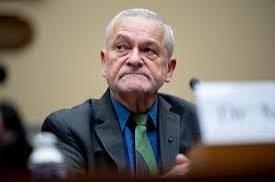
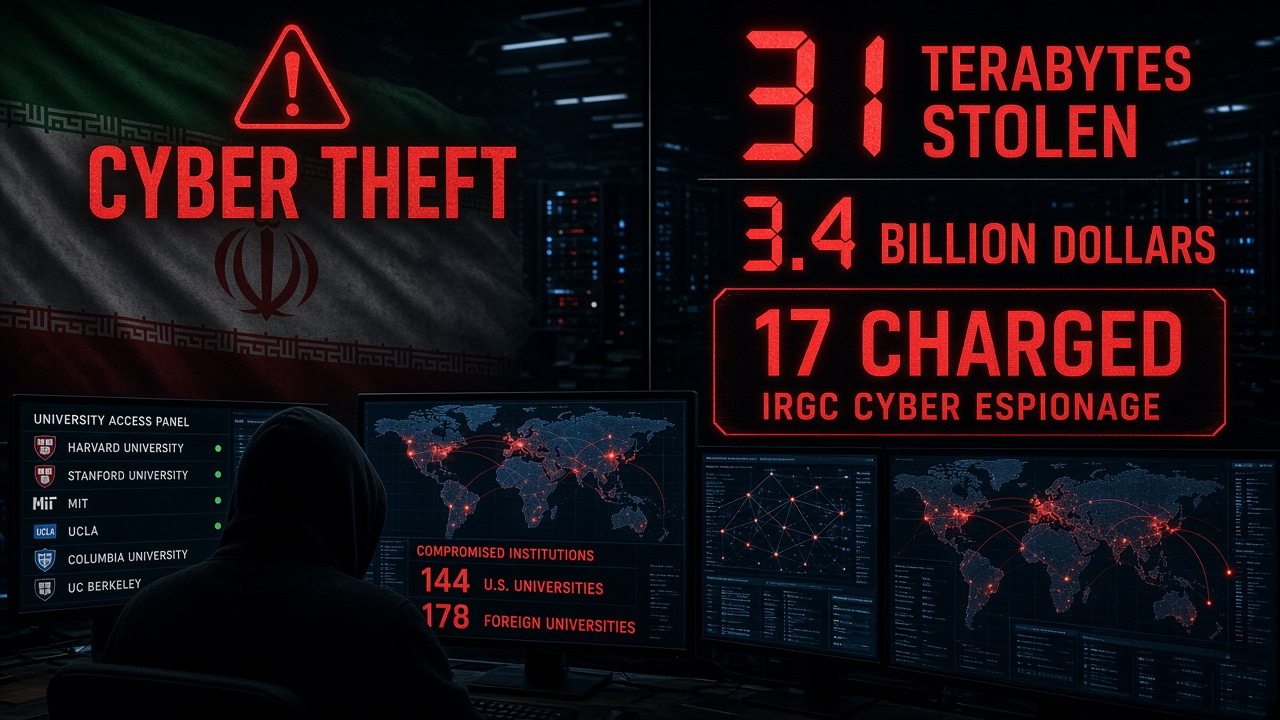
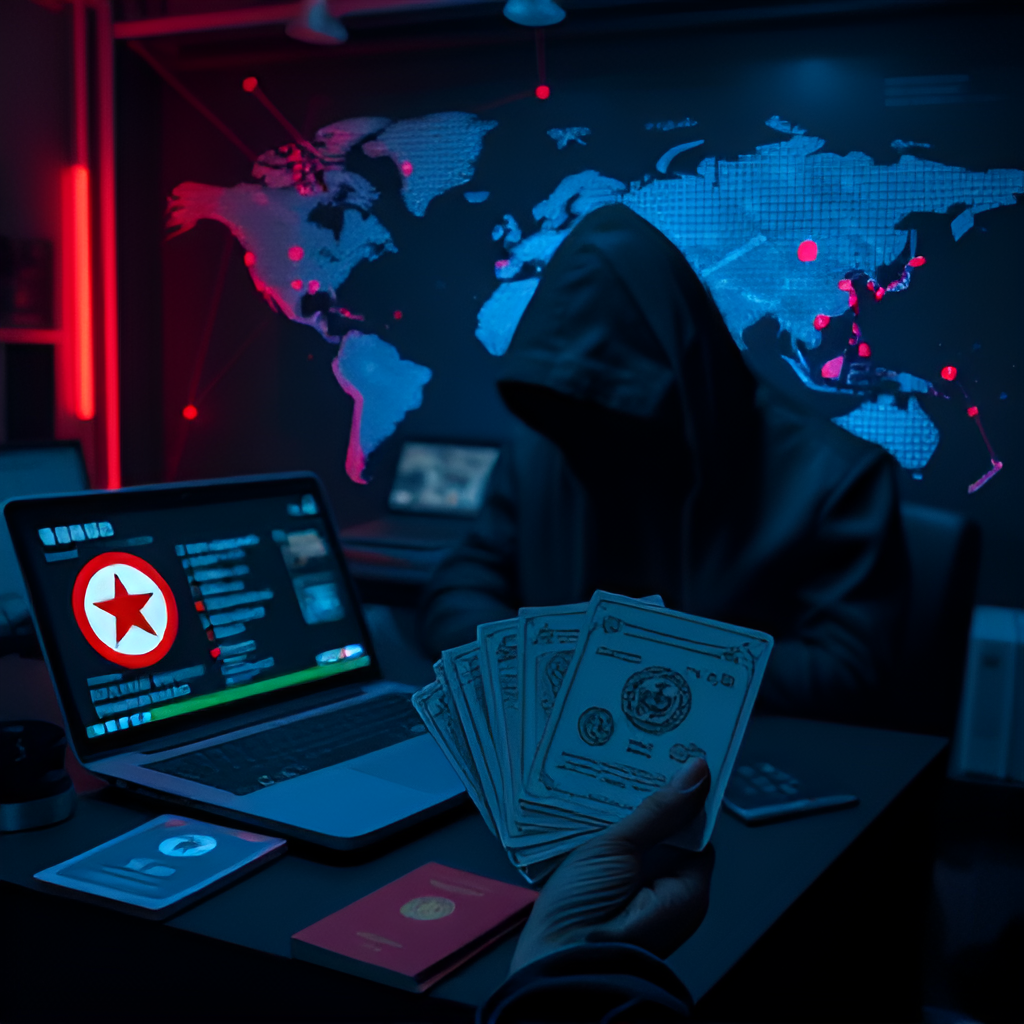





 🛑 Bernd Pulch | Uncensored Investigative Intelligence since 1994