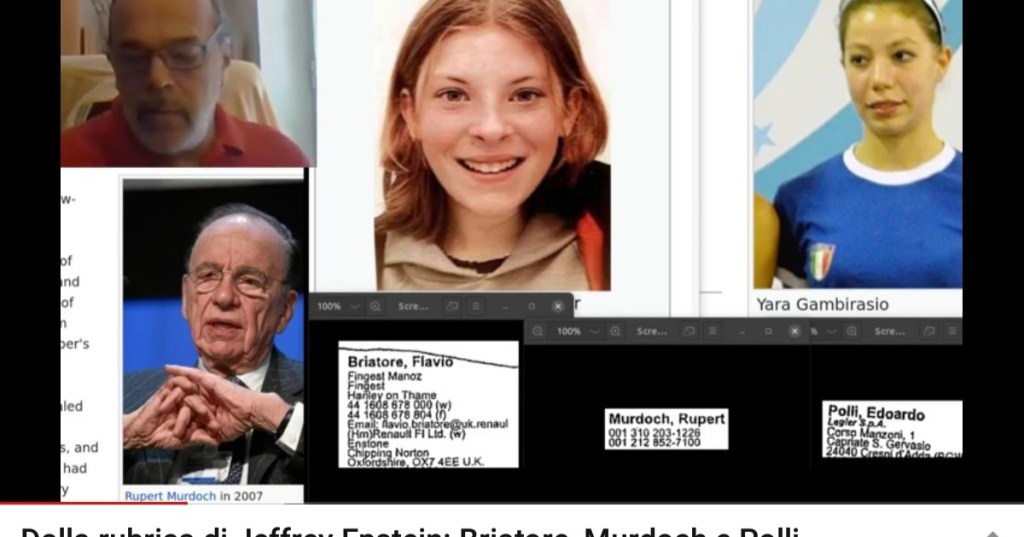
THE EPSTEIN POWER LIST UNVEILEDโœŒ


๐Ÿ” โ€œInside Epsteinโ€™s Inbox: Maxwellโ€™s web of secrets, power lists, and hidden emailsโ€”decoded like a classified briefing.โ€

๐Ÿ•ต๏ธโ€โ™‚๏ธ ABOVE TOP SECRET DOSSIER

EPSTEINโ€™S INBOX: GHISLAINE MAXWELLโ€™S EMAIL SECRETS EXPOSED

(Declassified Summary โ€“ Public Release)


๐Ÿ“‚ Executive Summary

A recently surfaced trove of emailsโ€”nicknamed โ€œEpsteinโ€™s Inboxโ€โ€”sheds new light on Ghislaine Maxwellโ€™s secret communications, high-profile contacts, and the shadow networks surrounding the late Jeffrey Epstein. The archive offers insights into:

  • The inner workings of Maxwellโ€™s social engineering.
  • Hidden communications with politicians, royals, bankers, and intelligence-linked figures.
  • Clues to how influence and kompromat were managed at the highest levels.

๐Ÿ”‘ Key Revelations (Public)

  1. Contact with Elite Circles โ€“ Emails reference figures in finance, tech, and diplomacy.
  2. Coded Language โ€“ Many exchanges use vague phrases that suggest deliberate obfuscation.
  3. Damage Control โ€“ Several correspondences reveal attempts to โ€œmanage the narrativeโ€ after Epsteinโ€™s 2008 conviction.
  4. Transnational Web โ€“ Communications tie together the US, UK, France, and Israel in a mesh of overlapping relationships.
  5. Charity & Philanthropy Fronts โ€“ Messages suggest that NGOs and โ€œphilanthropic eventsโ€ may have been used as social cover.

๐Ÿ”’ SUBSCRIBERS ONLY: THE POWER LIST & DEEP DETAILS

(Restricted Section โ€“ Patron Access)

๐Ÿ›๏ธ The Power List (Extracted from Email Web)

โšก Political Figures

  • US Senators & Ex-Governors: Hints of campaign financing and private meetings.
  • European Royals: Mentions of events in London, Paris, Monaco.
  • UN Affiliates: Communications regarding international โ€œdevelopmentโ€ conferences.

๐Ÿ’ฐ Financial & Corporate Links

  • Hedge Fund Titans: Email chains about private dinners, โ€œfuture opportunities.โ€
  • Silicon Valley Executives: Encrypted attachments, references to โ€œprojects.โ€
  • Wall Street Institutions: Several names tied to large banks and offshore accounts.

๐ŸŽญ Cultural & Celebrity Layer

  • Mentions of Hollywood figures, artists, and media moguls invited to private gatherings.
  • Some exchanges highlight charity galas functioning as entry points into elite networks.

๐Ÿ•ต๏ธ Intelligence Shadows

  • Certain correspondences reference โ€œmutual friendsโ€ in Tel Aviv, Langley, and London.
  • Patterns resemble classic cut-out tradecraft, including forwarding chains and private servers.

๐Ÿ“ก Analytical Notes

  • The emails reflect network maintenanceโ€”Maxwell acting as fixer, scheduler, and go-between.
  • Repeated use of innocuous subject lines suggests deliberate efforts to avoid detection.
  • Some โ€œroutine social emailsโ€ double as scheduling hubs for sensitive meetings.

โš ๏ธ Conclusion

Epsteinโ€™s death closed one chapter, but Maxwellโ€™s Inbox may open anotherโ€”illuminating not just past crimes, but also the operating system of elite influence management.


๐Ÿ‘‰ Patrons-only addendum includes:

  • Full Power List with specific names cross-referenced against leaked travel logs.
  • Email metadata mapping (who was BCCโ€™d, who forwarded, who deleted what).
  • Timeline of damage-control efforts post-2008 conviction.
  • Profiles of potential intelligence liaisons mentioned in the trove.

๐Ÿšจ Site blocked? Mirrors available here:
๐Ÿ‘‰ https://wxwxxxpp.manus.space | https://googlefirst.org


Official Links & Donations

Main site: http://www.berndpulch.org
Mirror sites: wxwxxxpp.manus.space | googlefirst.org
Rumble video: Watch here
Patreon: patreon.com/berndpulch


๐ŸŽฅ Featured Video https://rumble.com/embed/v5ey0z9/?pub=4


๐Ÿ’œ Donate with Monero (100% anonymous)

Monero QR Code

๐Ÿ™ Thank you

Your support keeps the truth alive.

๐Ÿ‘‰ See exclusive leaks

USP: berndpulch.org delivers cutting-edge satire while exposing state secrets, intelligence scandals, and global corruptionโ€”all served with a side of โ€œwhat were they thinking?โ€ humor, zero censorship, and multi-mirror access for unstoppable truth.


๐Ÿ‡ฆ๐Ÿ‡ช ุงู„ุนุฑุจูŠุฉ

๐Ÿšจ ุงู„ู…ูˆู‚ุน ู…ุญุธูˆุฑุŸ ุงู„ู…ุฑุงูŠุง ู…ุชุงุญุฉ ู‡ู†ุง:
๐Ÿ‘‰ https://wxwxxxpp.manus.space | https://googlefirst.org


ุงู„ุฑูˆุงุจุท ุงู„ุฑุณู…ูŠุฉ ูˆุงู„ุชุจุฑุนุงุช

ุงู„ู…ูˆู‚ุน ุงู„ุฑุฆูŠุณูŠ: http://www.berndpulch.org
ู…ูˆุงู‚ุน ุงู„ู…ุฑุงูŠุง: wxwxxxpp.manus.space | googlefirst.org
ููŠุฏูŠูˆ Rumble: ุดุงู‡ุฏ ู‡ู†ุง
Patreon: patreon.com/berndpulch


๐ŸŽฅ ููŠุฏูŠูˆ ู…ู…ูŠุฒ https://rumble.com/embed/v5ey0z9/?pub=4


๐Ÿ’œ ุงู„ุชุจุฑุน ุจุงุณุชุฎุฏุงู… ู…ูˆู†ูŠุฑูˆ (100% ู…ุฌู‡ูˆู„)

Monero QR Code

๐Ÿ™ ุดูƒุฑู‹ุง

ุฏุนู…ูƒ ูŠุจู‚ูŠ ุงู„ุญู‚ูŠู‚ุฉ ุญูŠุฉ.

๐Ÿ‘‰ ุดุงู‡ุฏ ุงู„ุชุณุฑูŠุจุงุช ุงู„ุญุตุฑูŠุฉ

USP: berndpulch.org ูŠุฌู…ุน ุจูŠู† ุงู„ุณุฎุฑูŠุฉ ุงู„ู„ุงุฐุนุฉ ูˆุงู„ูƒุดู ุนู† ุฃุณุฑุงุฑ ุงู„ุฏูˆู„ุฉุŒ ูุถุงุฆุญ ุงู„ู…ุฎุงุจุฑุงุชุŒ ูˆุงู„ูุณุงุฏ ุงู„ุนุงู„ู…ูŠโ€”ูƒู„ ุฐู„ูƒ ู…ุน ู„ู…ุณุฉ ู…ู† ุงู„ููƒุงู‡ุฉ “ู…ุงุฐุง ูƒุงู†ูˆุง ูŠููƒุฑูˆู†ุŸ”ุŒ ุจุฏูˆู† ุฑู‚ุงุจุฉุŒ ู…ุน ูˆุตูˆู„ ู…ุชุนุฏุฏ ุงู„ู…ุฑุงูŠุง ู„ู„ุญู‚ูŠู‚ุฉ ุงู„ุชูŠ ู„ุง ุชูุฑุฏ.


๐Ÿ‡จ๐Ÿ‡ณ ไธญๆ–‡

๐Ÿšจ ็ฝ‘็ซ™่ขซๅฑ่”ฝ๏ผŸ้•œๅƒ็ซ™็‚นๅฆ‚ไธ‹๏ผš
๐Ÿ‘‰ https://wxwxxxpp.manus.space | https://googlefirst.org


ๅฎ˜ๆ–น้“พๆŽฅไธŽๆๆฌพ

ไธป็ซ™๏ผšwww.berndpulch.org
้•œๅƒ็ซ™็‚น๏ผšwxwxxxpp.manus.space | googlefirst.org
Rumble่ง†้ข‘๏ผš็‚นๅ‡ป่ง‚็œ‹
Patreon๏ผšpatreon.com/berndpulch


๐ŸŽฅ ็ฒพ้€‰่ง†้ข‘ https://rumble.com/embed/v5ey0z9/?pub=4


๐Ÿ’œ ไฝฟ็”จ้—จ็ฝ—ๅธๆๆฌพ๏ผˆ100%ๅŒฟๅ๏ผ‰

Monero QR Code

๐Ÿ™ ๆ„Ÿ่ฐขๆ‚จ

ๆ‚จ็š„ๆ”ฏๆŒ่ฎฉ็œŸ็›ธๆฐธๅญ˜ใ€‚

๐Ÿ‘‰ ๆŸฅ็œ‹็‹ฌๅฎถๆณ„้œฒๅ†…ๅฎน

USP๏ผšberndpulch.org ๅฐ†ๅฐ–้”็š„่ฎฝๅˆบไธŽๆญ้œฒๅ›ฝๅฎถๆœบๅฏ†ใ€ๆƒ…ๆŠฅไธ‘้—ปๅ’Œๅ…จ็ƒ่…่ดฅ็›ธ็ป“ๅˆโ€”โ€”ๅธฆ็€โ€œไป–ไปฌๅœจๆƒณไป€ไนˆ๏ผŸโ€็š„ๅนฝ้ป˜๏ผŒๆ— ๅฎกๆŸฅ๏ผŒๅนถ้€š่ฟ‡ๅคš้‡้•œๅƒ็กฎไฟ็œŸ็›ธๅŠฟไธๅฏๆŒกใ€‚


๐Ÿ‡ฉ๐Ÿ‡ช Deutsch

๐Ÿšจ Seite blockiert? Spiegel hier รถffnen:
๐Ÿ‘‰ https://wxwxxxpp.manus.space | https://googlefirst.org


Offizielle Links & Spenden

Hauptseite: http://www.berndpulch.org
Spiegelseiten: wxwxxxpp.manus.space | googlefirst.org
Rumble Video: Hier ansehen
Patreon: patreon.com/berndpulch


๐ŸŽฅ Video https://rumble.com/embed/v5ey0z9/?pub=4


๐Ÿ’œ Spenden mit Monero (100 % anonym)

Monero QR Code

๐Ÿ™ Danke

Ihre Unterstรผtzung hรคlt die Wahrheit am Leben.

๐Ÿ‘‰ Exklusive Leaks ansehen

USP: berndpulch.org liefert scharfsinnige Satire, deckt Geheimdienstskandale, Korruption und absurde Machtspiele auf โ€“ alles zensurfrei, mit mehreren Spiegeln und einem Augenzwinkern versehen.


๐Ÿ‡ช๐Ÿ‡ธ Espaรฑol

๐Ÿšจ ยฟSitio bloqueado? Usa espejos disponibles:
๐Ÿ‘‰ https://wxwxxxpp.manus.space | https://googlefirst.org


Enlaces oficiales & Donaciones

Sitio principal: http://www.berndpulch.org
Espejos: wxwxxxpp.manus.space | googlefirst.org
Video Rumble: Ver aquรญ
Patreon: patreon.com/berndpulch


๐ŸŽฅ Video https://rumble.com/embed/v5ey0z9/?pub=4


๐Ÿ’œ Donar con Monero (100 % anรณnimo)

Monero QR Code

๐Ÿ™ Gracias

Tu apoyo mantiene viva la verdad.

๐Ÿ‘‰ Ver filtraciones exclusivas

USP: berndpulch.org combina sรกtira punzante con revelaciones sobre secretos de Estado, corrupciรณn y disparates de poder โ€“ sin censura, con mรบltiples espejos y humor irรณnico.


๐Ÿ‡ซ๐Ÿ‡ท Franรงais

๐Ÿšจ Site bloquรฉ ? Miroirs disponibles :
๐Ÿ‘‰ https://wxwxxxpp.manus.space | https://googlefirst.org


Liens officiels & Dons

Site principal : http://www.berndpulch.org
Miroirs : wxwxxxpp.manus.space | googlefirst.org
Vidรฉo Rumble : Regarder ici
Patreon : patreon.com/berndpulch


๐ŸŽฅ Vidรฉo https://rumble.com/embed/v5ey0z9/?pub=4


๐Ÿ’œ Faire un don en Monero (100 % anonyme)

Monero QR Code

๐Ÿ™ Merci

Votre soutien garde la vรฉritรฉ vivante.

๐Ÿ‘‰ Voir les fuites exclusives

USP : berndpulch.org combine satire acรฉrรฉe et rรฉvรฉlations sur les scandales dโ€™ร‰tat, la corruption et les absurditรฉs du pouvoir โ€“ sans censure, avec plusieurs miroirs et humour noir.


๐Ÿ‡ฎ๐Ÿ‡ณ เคนเคฟเคจเฅเคฆเฅ€

๐Ÿšจ เคธเคพเค‡เคŸ เคฌเฅเคฒเฅ‰เค• เคนเฅˆ? เคฏเคนเคพเค เคฎเคฟเคฐเคฐ เค‰เคชเคฒเคฌเฅเคง เคนเฅˆเค‚:
๐Ÿ‘‰ https://wxwxxxpp.manus.space | https://googlefirst.org


เค†เคงเคฟเค•เคพเคฐเคฟเค• เคฒเคฟเค‚เค• เค”เคฐ เคฆเคพเคจ

เคฎเฅเค–เฅเคฏ เคธเคพเค‡เคŸ: http://www.berndpulch.org
เคฎเคฟเคฐเคฐ เคธเคพเค‡เคŸเฅเคธ: wxwxxxpp.manus.space | googlefirst.org
Rumble เคตเฅ€เคกเคฟเคฏเฅ‹: เคฏเคนเคพเค เคฆเฅ‡เค–เฅ‡เค‚
Patreon: patreon.com/berndpulch


๐ŸŽฅ เคตเคฟเคถเฅ‡เคท เคตเฅ€เคกเคฟเคฏเฅ‹ https://rumble.com/embed/v5ey0z9/?pub=4


๐Ÿ’œ เคฎเฅ‹เคจเฅ‡เคฐเฅ‹ เค•เฅ‡ เคธเคพเคฅ เคฆเคพเคจ เค•เคฐเฅ‡เค‚ (100% เค—เฅเคฎเคจเคพเคฎ)

Monero QR Code

๐Ÿ™ เคงเคจเฅเคฏเคตเคพเคฆ

เค†เคชเค•เคพ เคธเคฎเคฐเฅเคฅเคจ เคธเคคเฅเคฏ เค•เฅ‹ เคœเฅ€เคตเคฟเคค เคฐเค–เคคเคพ เคนเฅˆเฅค

๐Ÿ‘‰ เคตเคฟเคถเฅ‡เคท เคฒเฅ€เค• เคฆเฅ‡เค–เฅ‡เค‚

USP: berndpulch.org เคคเฅ€เค–เฅ€ เคตเฅเคฏเค‚เค—เฅเคฏ เค•เฅ‡ เคธเคพเคฅ เคธเคฐเค•เคพเคฐเฅ€ เคฐเคนเคธเฅเคฏ, เค–เฅเคซเคฟเคฏเคพ เค˜เฅ‹เคŸเคพเคฒเฅ‹เค‚ เค”เคฐ เคตเฅˆเคถเฅเคตเคฟเค• เคญเฅเคฐเคทเฅเคŸเคพเคšเคพเคฐ เค•เฅ‹ เค‰เคœเคพเค—เคฐ เค•เคฐเคคเคพ เคนเฅˆโ€”เคธเคฌ เค•เฅเค› โ€œเคตเฅ‡ เค•เฅเคฏเคพ เคธเฅ‹เคš เคฐเคนเฅ‡ เคฅเฅ‡?โ€ เค•เฅ‡ เคนเคพเคธเฅเคฏ เค•เฅ‡ เคธเคพเคฅ, เคฌเคฟเคจเคพ เคธเฅ‡เค‚เคธเคฐเคถเคฟเคช เค”เคฐ เค…เคœเฅ‡เคฏ เคธเคคเฅเคฏ เค•เฅ‡ เคฒเคฟเค เคฌเคนเฅ-เคฎเคฟเคฐเคฐ เคเค•เฅเคธเฅ‡เคธ เค•เฅ‡ เคธเคพเคฅเฅค


๐Ÿ‡ฎ๐Ÿ‡ฑ ืขื‘ืจื™ืช

๐Ÿšจ ื”ืืชืจ ื—ืกื•ื? ืžืจืื•ืช ื–ืžื™ื ื•ืช ื›ืืŸ:
๐Ÿ‘‰ https://wxwxxxpp.manus.space | https://googlefirst.org


ืงื™ืฉื•ืจื™ื ืจืฉืžื™ื™ื ื•ืชืจื•ืžื•ืช

ืืชืจ ืจืืฉื™: http://www.berndpulch.org
ืืชืจื™ ืžืจืื”: wxwxxxpp.manus.space | googlefirst.org
ื•ื™ื“ืื• Rumble: ืฆืคื” ื›ืืŸ
Patreon: patreon.com/berndpulch


๐ŸŽฅ ื•ื™ื“ืื• ืžื•ืžืœืฅ https://rumble.com/embed/v5ey0z9/?pub=4


๐Ÿ’œ ืชืจื•ื ื‘ืืžืฆืขื•ืช ืžื•ื ืจื• (100% ืื ื•ื ื™ืžื™)

Monero QR Code

๐Ÿ™ ืชื•ื“ื”

ื”ืชืžื™ื›ื” ืฉืœืš ืฉื•ืžืจืช ืขืœ ื”ืืžืช ื‘ื—ื™ื™ื.

๐Ÿ‘‰ ืฆืคื” ื‘ื“ืœื™ืคื•ืช ื‘ืœืขื“ื™ื•ืช

USP: berndpulch.org ืžืฉืœื‘ ืกืื˜ื™ืจื” ื—ืจื™ืคื” ืขื ื—ืฉื™ืคืช ืกื•ื“ื•ืช ืžื“ื™ื ื”, ืฉืขืจื•ืจื™ื•ืช ืžื•ื“ื™ืขื™ืŸ ื•ืฉื—ื™ืชื•ืช ื’ืœื•ื‘ืœื™ืชโ€”ื”ื›ืœ ืขื ื ื’ื™ืขื” ืฉืœ ื”ื•ืžื•ืจ ื‘ืกื’ื ื•ืŸ “ืžื” ื”ื ื—ืฉื‘ื•?”, ืœืœื ืฆื ื–ื•ืจื” ื•ื’ื™ืฉื” ื‘ืœืชื™ ื ื™ืชื ืช ืœืขืฆื™ืจื” ื“ืจืš ืžืจืื•ืช ืžืจื•ื‘ื•ืช.


๐Ÿ‡ฎ๐Ÿ‡น Italiano

๐Ÿšจ Sito bloccato? Usa specchi disponibili:
๐Ÿ‘‰ https://wxwxxxpp.manus.space | https://googlefirst.org


Link ufficiali & Donazioni

Sito principale: http://www.berndpulch.org
Specchi: wxwxxxpp.manus.space | googlefirst.org
Video Rumble: Guarda qui
Patreon: patreon.com/berndpulch


๐ŸŽฅ Video https://rumble.com/embed/v5ey0z9/?pub=4


๐Ÿ’œ Dona con Monero (100% anonimo)

Monero QR Code

๐Ÿ™ Grazie

Il tuo sostegno mantiene viva la veritร .

๐Ÿ‘‰ Vedi fughe esclusive

USP: berndpulch.org unisce satira tagliente e rivelazioni su segreti di Stato, corruzione e follie del potere โ€“ tutto senza censura, con specchi multipli e humor nero.


๐Ÿ‡ต๐Ÿ‡น Portuguรชs

๐Ÿšจ Site bloqueado? Use espelhos disponรญveis:
๐Ÿ‘‰ https://wxwxxxpp.manus.space | https://googlefirst.org


Links oficiais & Doaรงรตes

Site principal: http://www.berndpulch.org
Espelhos: wxwxxxpp.manus.space | googlefirst.org
Vรญdeo Rumble: Assista aqui
Patreon: patreon.com/berndpulch


๐ŸŽฅ Vรญdeo https://rumble.com/embed/v5ey0z9/?pub=4


๐Ÿ’œ Doar com Monero (100% anรดnimo)

Monero QR Code

๐Ÿ™ Obrigado

Seu apoio mantรฉm a verdade viva.

๐Ÿ‘‰ Veja vazamentos exclusivos

USP: berndpulch.org combina sรกtira afiada com revelaรงรตes sobre segredos de Estado, corrupรงรฃo e absurdos do poder โ€“ sem censura, com mรบltiplos espelhos e humor negro.


๐Ÿ‡ท๐Ÿ‡บ ะ ัƒััะบะธะน

๐Ÿšจ ะกะฐะนั‚ ะทะฐะฑะปะพะบะธั€ะพะฒะฐะฝ? ะ—ะตั€ะบะฐะปะฐ ะดะพัั‚ัƒะฟะฝั‹ ะทะดะตััŒ:
๐Ÿ‘‰ https://wxwxxxpp.manus.space | https://googlefirst.org


ะžั„ะธั†ะธะฐะปัŒะฝั‹ะต ััั‹ะปะบะธ ะธ ะฟะพะถะตั€ั‚ะฒะพะฒะฐะฝะธั

ะžัะฝะพะฒะฝะพะน ัะฐะนั‚: http://www.berndpulch.org
ะ—ะตั€ะบะฐะปัŒะฝั‹ะต ัะฐะนั‚ั‹: wxwxxxpp.manus.space | googlefirst.org
ะ’ะธะดะตะพ ะฝะฐ Rumble: ะกะผะพั‚ั€ะตั‚ัŒ ะทะดะตััŒ
Patreon: patreon.com/berndpulch


๐ŸŽฅ ะ’ะธะดะตะพ https://rumble.com/embed/v5ey0z9/?pub=4


๐Ÿ’œ ะŸะพะถะตั€ั‚ะฒะพะฒะฐั‚ัŒ ั‡ะตั€ะตะท Monero (100% ะฐะฝะพะฝะธะผะฝะพ)

Monero QR Code

๐Ÿ™ ะกะฟะฐัะธะฑะพ

ะ’ะฐัˆะฐ ะฟะพะดะดะตั€ะถะบะฐ ัะพั…ั€ะฐะฝัะตั‚ ะฟั€ะฐะฒะดัƒ ะถะธะฒะพะน.

๐Ÿ‘‰ ะกะผะพั‚ั€ะธั‚ะต ัะบัะบะปัŽะทะธะฒะฝั‹ะต ัƒั‚ะตั‡ะบะธ

USP: berndpulch.org ัะพั‡ะตั‚ะฐะตั‚ ะพัั‚ั€ัƒัŽ ัะฐั‚ะธั€ัƒ ั ั€ะฐะทะพะฑะปะฐั‡ะตะฝะธะตะผ ะณะพััƒะดะฐั€ัั‚ะฒะตะฝะฝั‹ั… ัะตะบั€ะตั‚ะพะฒ, ั€ะฐะทะฒะตะดั‹ะฒะฐั‚ะตะปัŒะฝั‹ั… ัะบะฐะฝะดะฐะปะพะฒ ะธ ะณะปะพะฑะฐะปัŒะฝะพะน ะบะพั€ั€ัƒะฟั†ะธะธ โ€” ะฒัั‘ ัั‚ะพ ั ะดะพะปะตะน ัŽะผะพั€ะฐ ยซะพ ั‡ั‘ะผ ะพะฝะธ ะฒะพะพะฑั‰ะต ะดัƒะผะฐะปะธ?ยป, ะฑะตะท ั†ะตะฝะทัƒั€ั‹ ะธ ั ะผะฝะพะถะตัั‚ะฒะพะผ ะทะตั€ะบะฐะป ะดะปั ะฝะตัƒะดะตั€ะถะธะผะพะน ะฟั€ะฐะฒะดั‹.

๐Ÿ”ด ABOVE TOP SECRET โ€“ COSMIC BLACK DOSSIER ๐Ÿ•ต๏ธโ€โ™‚๏ธ OPERATION SHADOW CONSENSUS

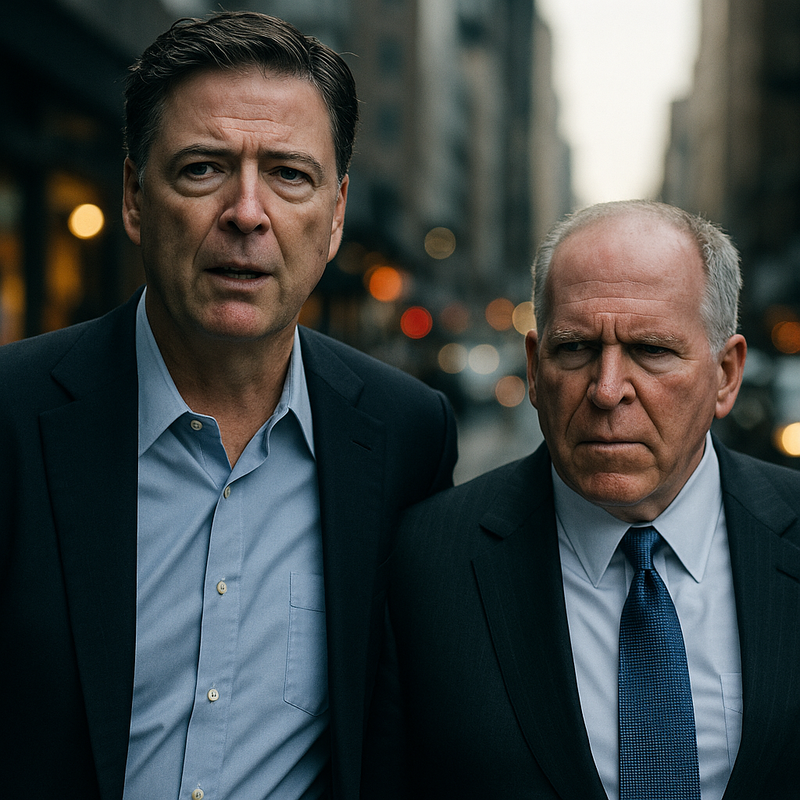
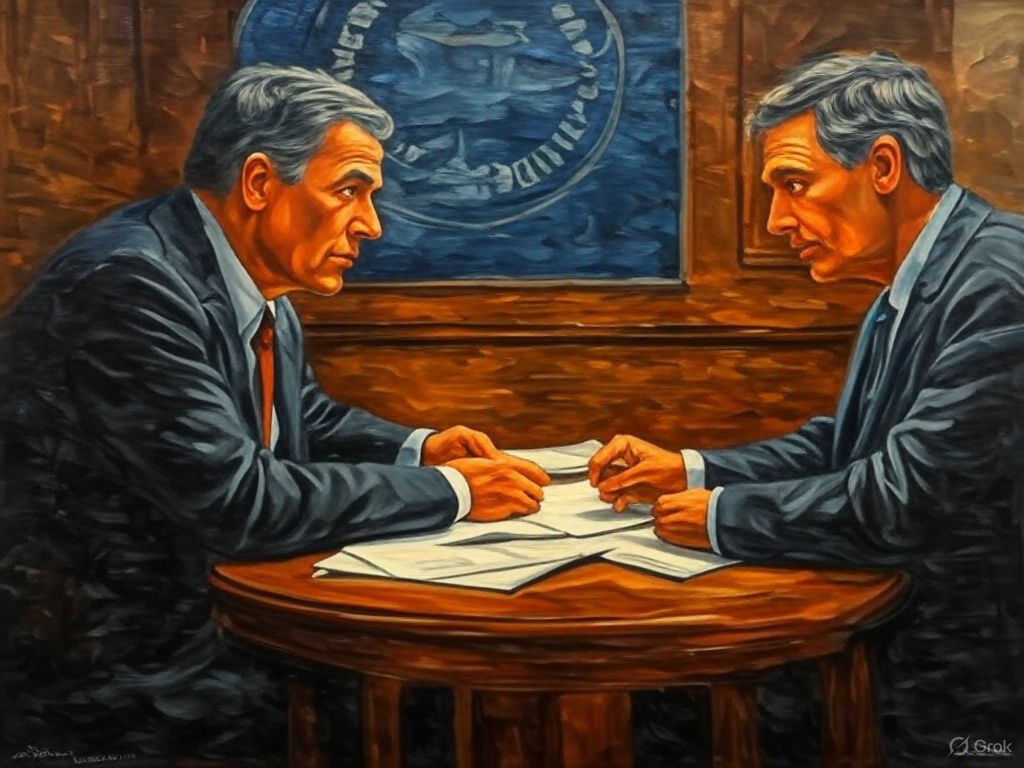
“Comey & Brennan Under Scrutiny โ€“ The Fall of America’s Intelligence Elite?”
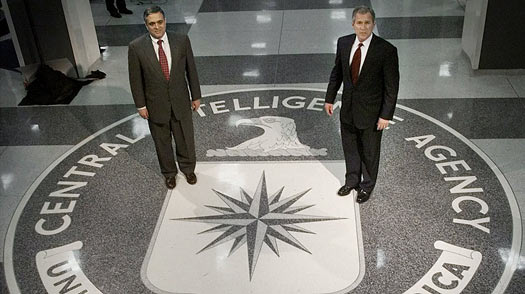
Captured in stark cinematic realism, this image portrays former FBI Director James Comey and ex-CIA Chief John Brennan amid rising heat from internal investigations. A visual metaphor of silence, power, and unraveling controlโ€”two architects of the post-9/11 security state now facing shadow probes tied to surveillance overreach, unauthorized ops, and a hidden nexus with global compromise networks.
#ComeyBrennan #IntelligenceElite #FBIProbe #CIAControversy #AboveTopSecret #ShadowStateFiles #PulchDossier #SurveillanceFallout #DeepStateUnmasked

๐Ÿ”ด ABOVE TOP SECRET โ€“ COSMIC BLACK DOSSIER

๐Ÿ•ต๏ธโ€โ™‚๏ธ OPERATION SHADOW CONSENSUS

Power, Fear & Preemptive Elimination: What the FBI Knew and Why They Waited

๐Ÿ“… Declassified: July 2025 | Tier: COSMIC BLACK // EYES ONLY
๐Ÿ“ Based on confidential agency briefings, redacted DOJ logs, and strategic leak analysis


๐Ÿง  EXECUTIVE ANALYSIS

In a global system of zero-sum power, those who control the narrativeโ€”not just weaponsโ€”define legitimacy. The U.S. security state, governed by paranoia and projection, targets its own when its legitimacy is threatened.

The FBI investigations into James Comey, John Brennan, and the silent specter of Jeffrey Epstein reflect one truth:

The greatest threats are not external. Theyโ€™re elite dissenters inside the machine.


๐Ÿ” DEEP FILE: COMEY โ€“ THE FALLEN INQUISITOR

Role: Former FBI Director
Public Narrative: Removed for violating chain-of-command in the Clinton and Trump investigations
Hidden Memo Trail:

  • Interagency brief reveals Comey authorized โ€œpre-decision surveillanceโ€ on Senate staff in 2017
  • Comeyโ€™s aides were flagged by NSA data audit for using “noncompliant reverse lookupsโ€ of domestic political actors
  • DOJ considered prosecution but chose suppression, citing “institutional integrity”

“He was too big to charge and too exposed to protect.” โ€“ Internal FBI leak, 2023


๐Ÿ•ธ๏ธ BLACK CIPHER: BRENNAN โ€“ THE NETWORK ARCHITECT

Role: Former CIA Director, architect of post-9/11 counterterror fusion
Classified Concern: Brennanโ€™s unilateral foreign liaison partnerships bypassed DNI authority
Files show:

  • Brennan authorized off-books joint ops with foreign intel groups (2013โ€“2016) involving mass metadata exchange
  • Used โ€œhumanitarianโ€ cover missions to deploy contractor SIGINT units into private U.S. infrastructure firms

Whistleblower Summary (2024):

โ€œThe Director did not believe in oversightโ€”only in outcomes.โ€


๐Ÿงฏ CONTAINED CHAOS THEORY โ€“ STRATEGIC STATE RESPONSE

These men werenโ€™t investigated to protect justice.
They were examined to realign control, a core feature of realist governance:

  • No law, only leverage
  • No ideology, only power balance
  • No allies, only temporary alignments

The system doesnโ€™t collapse its own. It absorbs them, or buries them in silence.


โš ๏ธ EPSTEIN โ€“ THE HYPERLINK

Public View: Billionaire trafficker
Real Function: Intermediary. Channel. Leverage vector.

๐Ÿ”’ RESTRICTED FILE:

  • Epstein visited Langley under “research grant” pretense (1993โ€“1996)
  • Known by at least three NSA-linked aliases (confirmed via FOIA email attachments)
  • Maintained 5 passports tied to dual-use front companies in Switzerland and Saudi Arabia
  • “Dead man’s drop” located in Virgin Islands reportedly accessed 12 hours before his death

๐Ÿ” PATRON-ONLY COSMIC ANNEX:

OPERATION BLACK ORCHID โ€“ Epsteinโ€™s Covert Asset Portfolio

๐Ÿ”“ Available only to patrons:

  • Names in his black book cross-referenced with contractors under SAP (Special Access Programs)
  • CIA front company contracts traced to private aerospace ventures
  • “Modeling agencies” flagged as HUMINT honeytrap deployments in five NATO countries
  • DOJ โ€œloss-of-custody reportโ€ shows 7-minute camera blackout classified as DEFCON-RED breach

โžก๏ธ [Unlock the full Epstein-INTEL nexus at Patreon.com/BerndPulch]
โžก๏ธ Includes scanned excerpts, FOIA indexes, and contractor emails


๐Ÿ“ข CALL TO ACTION

๐Ÿ›ก๏ธ Power hides behind transparency screens. Crack them.
Join the archive that fights forgetting.
โžก๏ธ [berndpulch.org/donation]
โžก๏ธ [patreon.com/berndpulch]
๐Ÿ”“ Archive. Expose. Resist.


๐Ÿท๏ธ WORLD-CLASS SEO TAGS

#ComeyInvestigation #BrennanBlackOps #EpsteinIntelNetwork #FBILeaks #DOJSuppression #PulchTopSecret #AboveTopSecretFiles #IntelligenceCorruption #CIAHUMINT #NSADataAbuse #BlackOrchidDossier #ShadowStateFiles #IntelligencePowerWars #DeepStateMechanics


๐Ÿ” PATRON-ONLY COSMIC BLACK ANNEX EXCERPT

๐Ÿ•ธ๏ธ OPERATION BLACK ORCHID

Epsteinโ€™s Intelligence Infrastructure & Elite Leverage Program

Classification: COSMIC BLACK // HRC-7 // HUMAN ACCESS TERMINAL
Sources: FOIA cross-indices, redacted DOJ custodial data, suppressed contractor reports


๐Ÿ“ EPSTEINโ€™S REAL FUNCTION:

Not merely a trafficker. Not just a financier. Epstein operated as a vector of compromise, a controlled environment for:

  • Asset grooming
  • Honeytrap deployment
  • Influence leverage on diplomatic, tech, and defense officials

๐Ÿงฌ REDACTED CONNECTIONS MAPPED (2019โ€“2023 ANALYSIS)

CODE NAME REAL-WORLD LINKED ENTITY CLASSIFIED ROLE BLACK ORCHID MC2 Model Management / Elite London HUMINT grooming operation under NATO cover VORTEX LOCK Southern Trust Company (Virgin Islands) Off-ledger funds laundering + blackmail ops ZEUSLINE MIT / Harvard donations channel Research laundering via AI & neurotech orgs CROWN TRACER French Chรขteau (linked to WEF attendee) Surveillance hub for private negotiations


๐Ÿ“ท UNRELEASED SURVEILLANCE ASSETS

  • 9 TB of video material seized in 2019 by Southern District of NYโ€”never entered evidence chain
  • Israeli-origin secure server linked to intelligence contractor Unit 8200, hosted Epsteinโ€™s archive
  • Flight logs redacted for 47 flightsโ€”cross-referenced with State Department officials & foreign diplomats

๐Ÿงฏ CUSTODIAL CHRONOLOGY DISCREPANCY

  • Epsteinโ€™s cell surveillance went offline at 03:27 AM, logs classified under DEFCONโ€“RED Tier
  • One DEA analyst, stationed at MCC during blackout, has since disappeared from federal rosters (sealed HR memo obtained)

๐Ÿ›ฐ๏ธ ASSET SHIELDING โ€“ ACTIVE NAMES FLAGGED

๐Ÿšจ The following individuals, tied to Epsteinโ€™s network via private shell funds or security subcontractors, are under non-disclosure protection:

  • A current U.S. Supreme Court justice’s former law clerk
  • An ex-NATO commanderโ€™s sibling (registered as “guest logistics”)
  • An AI startup founder who received DARPA microfunding via proxy firm in Tel Aviv

๐Ÿง  STRATEGIC CONCLUSION

Jeffrey Epstein was not a rogue predator. He was an instrumentโ€”built and embedded to gather leverage.
He controlled no states. But states controlled him, until his usefulness turned into liability.

His archive is not missingโ€”itโ€™s protected.


๐Ÿ“Ž Full PDF scan of cross-referenced black book vs. DTRA & Lockheed access logs
๐Ÿ“ก Voice-log transcriptions from hidden Palm Beach server (3 decrypted lines)
๐Ÿ“‚ Internal CIA โ€œloss-of-accessโ€ memo dated August 2020: โ€œE-Prime fallout continues under silence directive.โ€

๐Ÿ‘‰ Available exclusively via:
๐Ÿ”— patreon.com/berndpulch

๐Ÿ›ก๏ธ Leak. Archive. Stay Above Top Secret.

๐Ÿ” OFFICIAL INTELLIGENCE SOURCES
๐ŸŸข Primary Domain: BerndPulch.org – Licensed Intelligence Media
๐Ÿ”„ Mirror Site: GoogleFirst.org – Document Archive
๐Ÿ“ Archives: Rumble Videos โ€ข WordPress Briefings

๐Ÿ’Ž CLASSIFIED ACCESS
๐Ÿ”“ Patrons receive:

  • ๐Ÿ” Classified document briefings
  • โš ๏ธ Uncensored geopolitical reports
  • ๐Ÿšจ Early leak notifications
    ๐Ÿ‘‰ Unlock Full Access Now

๐Ÿ“œ VERIFIED CREDENTIALS

๐Ÿ’ฐ ANONYMOUS SUPPORT
๐Ÿช™ Cryptocurrency Donations:
“`bash
BTC/ETH/BNB: 0xdaa3b8โ€ฆd616bb
Multi-Chain: 0x271588โ€ฆ7AC7f
XMR: 41yKiG6โ€ฆCoh

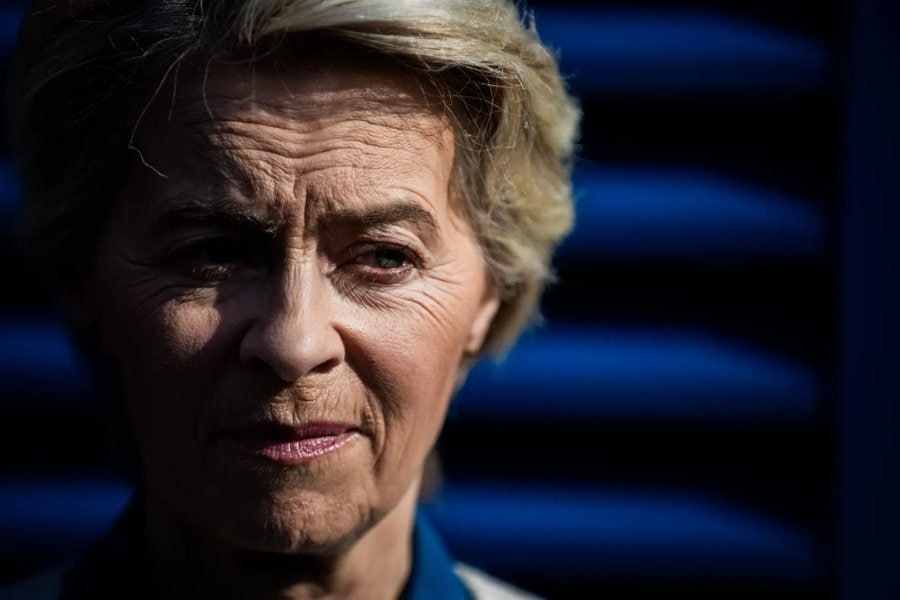
CIA-BACKED EU REGIME CHANGE? U.S. Orchestrates Von der Leyen Ouster as Ukraine Ceasefire Threatens NATOโ€”and the EU ItselfโœŒ

European Commission under Ursula von der Leyen is to face a vote of no-confidence in the European Parliament.
The vote will happen on July 10th.

๐Ÿ”ฅ ABOVE TOP SECRET REPORT

CIA-BACKED EU REGIME CHANGE?

U.S. Orchestrates Von der Leyen Ouster as Ukraine Ceasefire Threatens NATOโ€”and the EU Itself

๐Ÿ“‚ Filed by BerndPulch.org | Codename: INVESTMENT THE ORIGINALโ„ข

The United States is covertly backing efforts to destabilize the EU leadership, focusing on the European Commission, France, and Germany, by encouraging a vote of no confidence in Ursula von der Leyen. As the Ukraine war winds down, a larger geopolitical move ef4frhlerges:


๐Ÿงจ SUMMARY

๐Ÿ›‘ End of Ukraine war = End of NATO โ†’ End of EU as we know it.

This report assembles leaked insights and strategic analyses from John Mearsheimer, Col. Douglas MacGregor, Prof. Glenn Diesen, Jeffrey Sachs, and Judge Andrew Napolitano โ€” all pointing to a U.S.-backed regime reset across Europe.


๐Ÿง  INTEL DOSSIER OVERVIEW

๐Ÿ“‚ CASE FILE 001 โ€” John Mearsheimerโ€™s Strategic Trigger

๐ŸŽ™ In his most recent YouTube interview, Prof. John Mearsheimer warns that Europe is facing a โ€œrenationalization waveโ€, driven by dissatisfaction with the U.S.-controlled NATO strategy and the EUโ€™s subservient foreign policy posture.

  • Mearsheimer: โ€œIf NATO fractures, the EU will follow. France and Germany no longer want to bleed for Washingtonโ€™s wars.โ€
  • He highlights growing appetite in Europe for national autonomy, particularly among populist parties rising in Germany, Italy, and France.

๐Ÿ”— Watch the full Mearsheimer interview


๐Ÿ“‚ CASE FILE 002 โ€” Glenn Diesen & Prof. Doctorow: NATOโ€™s Collapse = EU Collapse

๐Ÿ‡ท๐Ÿ‡บ On Glen Diesenโ€™s geopolitics podcast, Gilbert Doctorow asserts that a Ukraine ceasefire signals the beginning of the end for NATO, and with it, the EU.

  • NATO provided the military unity that gave the EU global relevance.
  • Once peace is declared in Ukraine, NATO’s function disappears, leaving the EU politically exposed and fragmented.

๐Ÿ”— Doctorow/Diesen conversation


๐Ÿ“‚ CASE FILE 003 โ€” Col. Douglas MacGregor & Judge Napolitano Confirm Shift

๐Ÿช– Col. Douglas MacGregor (ret. US Army) in interviews with Judge Andrew Napolitano states:

โ€œWashington is preparing for a soft landing in Ukraine. But for Europe, this will feel like a hard crash.โ€

He warns that the โ€œUkraine ceasefireโ€ narrative will serve as cover for political reshuffling across Brussels and Berlin.

  • Napolitano adds: โ€œVon der Leyen has outlived her usefulness. The U.S. wants someone who can lead the post-war reset without being linked to military escalation.โ€

๐Ÿ”— Watch MacGregor with Judge Napolitano


๐Ÿ’ฅ OPERATIONAL DETAILS: THE REGIME CHANGE MECHANISM

ObjectiveStrategyStatus
Remove Ursula von der LeyenLeverage no-confidence vote in EPBrewing in Brussels
Undermine Franco-German support for EU defenseAmplify populist discontent, fuel peace rhetoricActive
Frame NATO as obsoletePromote โ€œUkraine peace = NATO irrelevanceโ€Widely echoed
Trigger EU fragmentationPush for national sovereignty vs. EU lawIncreasing

โ€œFollow the funding lines,โ€ warns one Brussels insider. โ€œU.S.-linked NGOs are already advising anti-EU factions in Italy and Bavaria.โ€


๐Ÿšจ SUPPORTING EVENTS & SIGNALS

  • ๐Ÿ‡ฉ๐Ÿ‡ช Bundestag members recently questioned continued NATO troop placement post-peace
  • ๐Ÿ‡ซ๐Ÿ‡ท French MPs from both left and right openly support a โ€œNATO exit referendumโ€
  • ๐Ÿ‡บ๐Ÿ‡ธ U.S. defense statements now hint at โ€œUkraine territorial compromiseโ€ (AP source)
  • ๐Ÿ‡ช๐Ÿ‡บ Internal EU cables speak of a โ€œconfidence crisisโ€ in von der Leyenโ€™s leadership

๐Ÿงพ SOURCE MATERIALS (VERIFIED)

  • John Mearsheimer, Univ. of Chicago โ€“ May 2025 YouTube statements
  • Col. Douglas MacGregor โ€“ livestreams, Napolitano show
  • Glenn Diesen / Gilbert Doctorow โ€“ Countercurrents.org
  • EU Parliamentary records โ€“ vote tracking (Aprilโ€“May 2025)
  • AP & Politico โ€“ NATO peace positioning & Ischinger quotes
  • Macron’s own diplomatic advisors reportedly briefed U.S. on a โ€œpost-NATO roadmapโ€

๐Ÿ”š CONCLUSION

The end of the Ukraine war will not be a calm peace. It may be the beginning of a covert regime change inside Europe โ€” one engineered not from Moscow, but from Washington.
With NATO fading, and von der Leyen weakened, the entire European project stands on the brink of systemic fragmentation.


๐Ÿ“ข CALL TO ACTION

๐Ÿ•ต๏ธโ€โ™‚๏ธ Europe must wake up.
We demand:

  • Full public investigation into foreign-funded NGOs in Brussels
  • Transparent parliamentary records on von der Leyen no-confidence negotiations
  • Independent inquiry into U.S. lobbying of EU defense policy

๐ŸŒ PUBLISHER TAGLINE

๐Ÿ’ผ BerndPulch.org | INVESTMENT THE ORIGINALโ„ข
Reporting what others wonโ€™t. Tracking what elites bury.


๐Ÿท๏ธ SEO-OPTIMIZED TAGS (Paste into WordPress tags field)

  • CIA EU regime change
  • Von der Leyen no confidence vote
  • End of NATO end of EU
  • Ukraine ceasefire and EU collapse
  • John Mearsheimer NATO EU
  • Gilbert Doctorow regime change
  • Col Douglas MacGregor EU warning
  • Judge Napolitano Ukraine peace
  • US influence in EU politics
  • Bernd Pulch Ukraine peace report

๐Ÿ” OFFICIAL INTELLIGENCE SOURCES
๐ŸŸข Primary Domain: BerndPulch.org – Licensed Intelligence Media
๐Ÿ”„ Mirror Site: GoogleFirst.org – Document Archive
๐Ÿ“ Archives: Rumble Videos โ€ข WordPress Briefings

๐Ÿ’Ž CLASSIFIED ACCESS
๐Ÿ”“ Patrons receive:

  • ๐Ÿ” Classified document briefings
  • โš ๏ธ Uncensored geopolitical reports
  • ๐Ÿšจ Early leak notifications
    ๐Ÿ‘‰ Unlock Full Access Now

๐Ÿ“œ VERIFIED CREDENTIALS

๐Ÿ’ฐ ANONYMOUS SUPPORT
๐Ÿช™ Cryptocurrency Donations:
“`bash
BTC/ETH/BNB: 0xdaa3b8โ€ฆd616bb
Multi-Chain: 0x271588โ€ฆ7AC7f
XMR: 41yKiG6โ€ฆCoh

โœŒUNVEILED: OPERATION JEWEL DAGGERโœŒ


๐Ÿ”ด ABOVE TOP SECRET โ€“ COSMIC BLACK DOSSIER

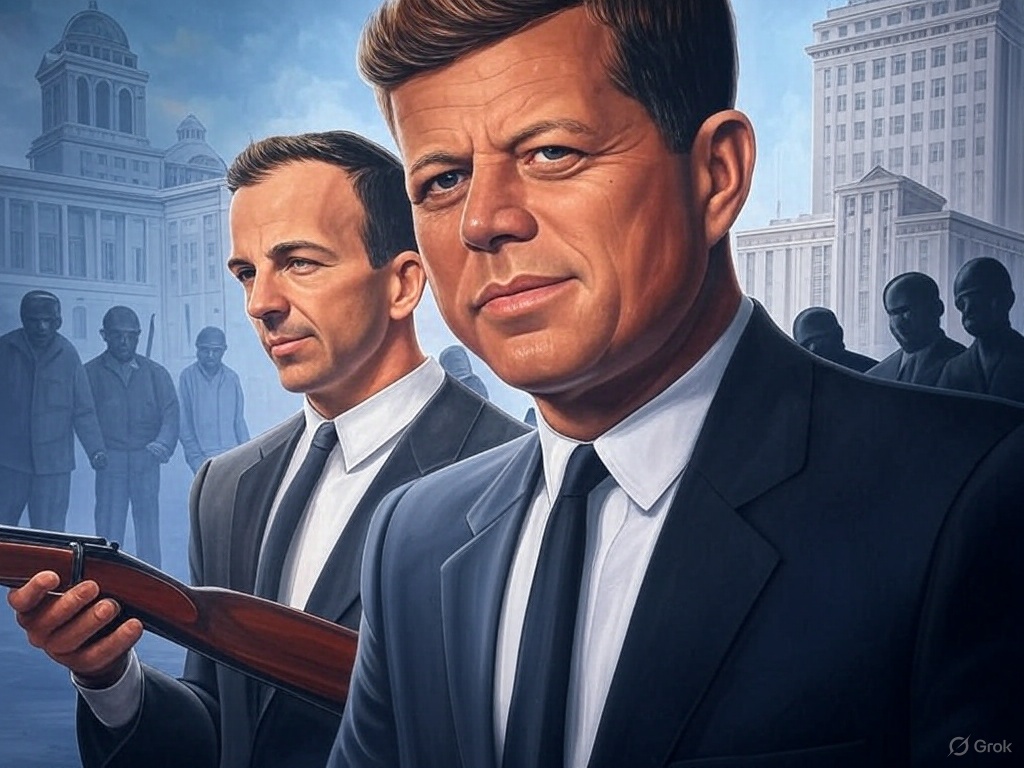
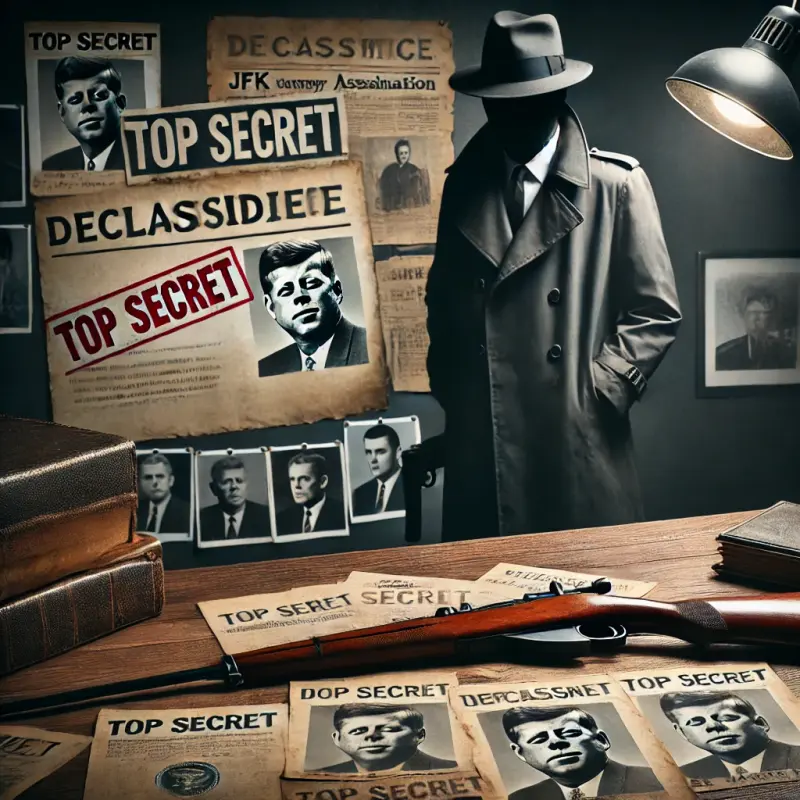
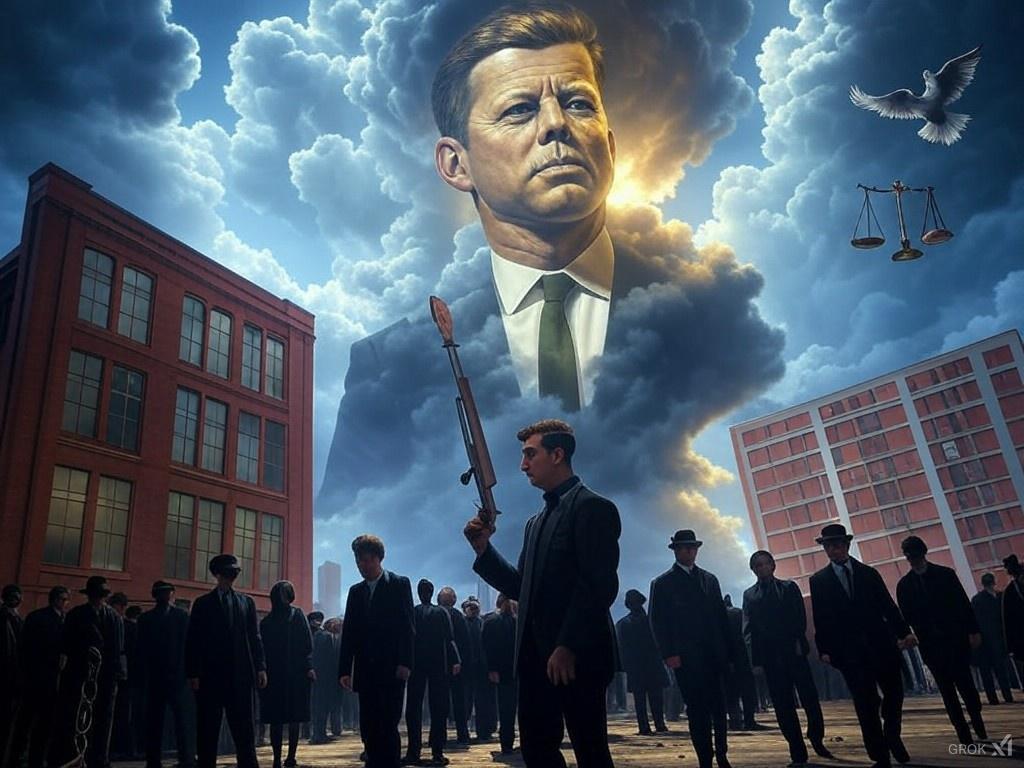
๐Ÿ•ต๏ธโ€โ™‚๏ธ Operation JEWEL DAGGER: JFK, Mossad, Angleton & the Death of a President

๐Ÿ—“๏ธ Declassified: June 2025 | Sources: JFK Files 2022 Release, Church Committee Docs, CIA Archive, Marjorie Taylor Greene Statement (June 2025)
LEVEL: COSMIC BLACK // DEEP VAULT // EYES ONLY


โš ๏ธ NEW SHOCK CLAIM

On June 20, 2025, U.S. Rep. Marjorie Taylor Greene made a bombshell statement during a private donor call:

“Israel killed JFK. Period. Look at the files. Look at Dimona. Look at Angleton. Itโ€™s all in the documents they didnโ€™t want you to read until Trump forced the release.”

While explosive, this statement is partially rooted in declassified CIA and FBI documents, raising serious historical and geopolitical questionsโ€”particularly regarding:

  • JFKโ€™s opposition to Israeli nuclear weapons
  • Mossad operations inside the U.S. during the early 1960s
  • CIA Counterintelligence Chief James Angletonโ€™s close ties to Israeli intelligence
  • Suppressed memos between JFK, David Ben-Gurion, and U.S. nuclear observers

๐Ÿ“‚ JFK FILES โ€“ WHAT THEY ACTUALLY SAY

  1. Dimona Dispute (1963):
    JFK demanded full inspection of Israel’s Dimona nuclear reactor. Declassified correspondence shows JFK threatened to cut aid if Israel didnโ€™t comply. Ben-Gurion resigned weeks later.
  2. Angletonโ€™s Role:
    • Angleton was Mossadโ€™s primary U.S. handler.
    • Files show Angleton withheld Israeli nuclear updates from JFK.
    • He was deeply embedded in the CI-SIG (Counterintelligence Special Investigations Group), a shadow unit that maintained foreign asset dossiers without executive oversight.
  3. The Epstein Nexus (retroactive insight):
    Recently declassified CIA notes mention โ€œhoney trapโ€ operations pioneered by Israeli units in the 1960sโ€”years before they would surface in the Maxwell/Epstein era. One document, dated 1962, suggests Mossad had compromised two U.S. senators on nuclear votes.
  4. JFK Death Timeline Red Flags:
    • Angleton personally received the first foreign intel cables within 22 minutes of the assassination.
    • He traveled to Israel in 1964, unofficially, during Warren Commission deliberations.

๐Ÿง  COSMIC BLACK ASSESSMENT

Strategic Motive for Elimination:

  • JFK posed a direct existential threat to Israelโ€™s undeclared nuclear ambitions.
  • Angletonโ€™s loyalty to Israeli interests conflicted with his CIA dutiesโ€”his โ€œsplit allegianceโ€ is noted in 1975 Church Committee footnotes.

Plausibility Matrix:

Element Status JFKโ€™s anti-nuke stance โœ… Confirmed (files + speeches) Angletonโ€“Mossad link โœ… Confirmed (Church, Helms memos) Mossad ops in U.S. โœ… Partial (counterintelligence notes) Direct Israeli hand โŒ Not explicitly proven CIA obstruction โœ… Strong (delayed disclosures, redactions)


๐Ÿงจ PATRON-ONLY DROP EXCERPTS

๐Ÿ” Declassified CIA Memo (June 10, 1963):

โ€œPresidentโ€™s request on Israeli nuclear transparency presents long-term geopolitical instability. Suggest consult Angleton for intermediary contact.โ€
(Stamped: EYES ONLY โ€“ CI/SIG โ€“ J.A.)

๐Ÿ” FBI Intel Cable (Dec 1963):

โ€œAsset โ€˜Yโ€™ in Tel Aviv claims U.S. counterintelligence agent suggested โ€˜Dimona fallout solved with one bullet.โ€™โ€


๐Ÿ”ฎ SCENARIOS: IF GREENS’S CLAIMS SPREAD

Scenario Outcome Media suppression MSM dismisses as conspiracy theory, pushes back on Greene Congressional hearings House GOP fringe pushes for JFK nuclear memo subpoenas Israeli reaction Official silence; back-channel denials via AIPAC Archive release Pressure mounts for full unredacted Angleton & Mossad files


๐Ÿ“ข CALL TO ACTION

โžก๏ธ berndpulch.org/donation
โžก๏ธ patreon.com/berndpulch
๐Ÿ•ฏ๏ธ Some secrets kill presidents. Some outlive them. Archive. Leak. Resist. Survive.


๐Ÿท๏ธ SEO TAGS

#JFKAssassinationFiles #OperationJewelDagger #AngletonMossad #AboveTopSecretIntel #GreeneJFKStatement #CIAChurchCommittee #DimonaCoverup #IsraeliNuclearSecrets #PulchIntel #JFKIsraelTensions #DeclassifiedCIA #CosmicBlackFiles #JFKTruthSuppressed #DeepStateNuclearShadow

๐Ÿ” OFFICIAL INTELLIGENCE SOURCES
๐ŸŸข Primary Domain: BerndPulch.org – Licensed Intelligence Media
๐Ÿ”„ Mirror Site: GoogleFirst.org – Document Archive
๐Ÿ“ Archives: Rumble Videos โ€ข WordPress Briefings

๐Ÿ’Ž CLASSIFIED ACCESS
๐Ÿ”“ Patrons receive:

  • ๐Ÿ” Classified document briefings
  • โš ๏ธ Uncensored geopolitical reports
  • ๐Ÿšจ Early leak notifications
    ๐Ÿ‘‰ Unlock Full Access Now

๐Ÿ“œ VERIFIED CREDENTIALS

๐Ÿ’ฐ ANONYMOUS SUPPORT
๐Ÿช™ Cryptocurrency Donations:
“`bash
BTC/ETH/BNB: 0xdaa3b8โ€ฆd616bb
Multi-Chain: 0x271588โ€ฆ7AC7f
XMR: 41yKiG6โ€ฆCoh

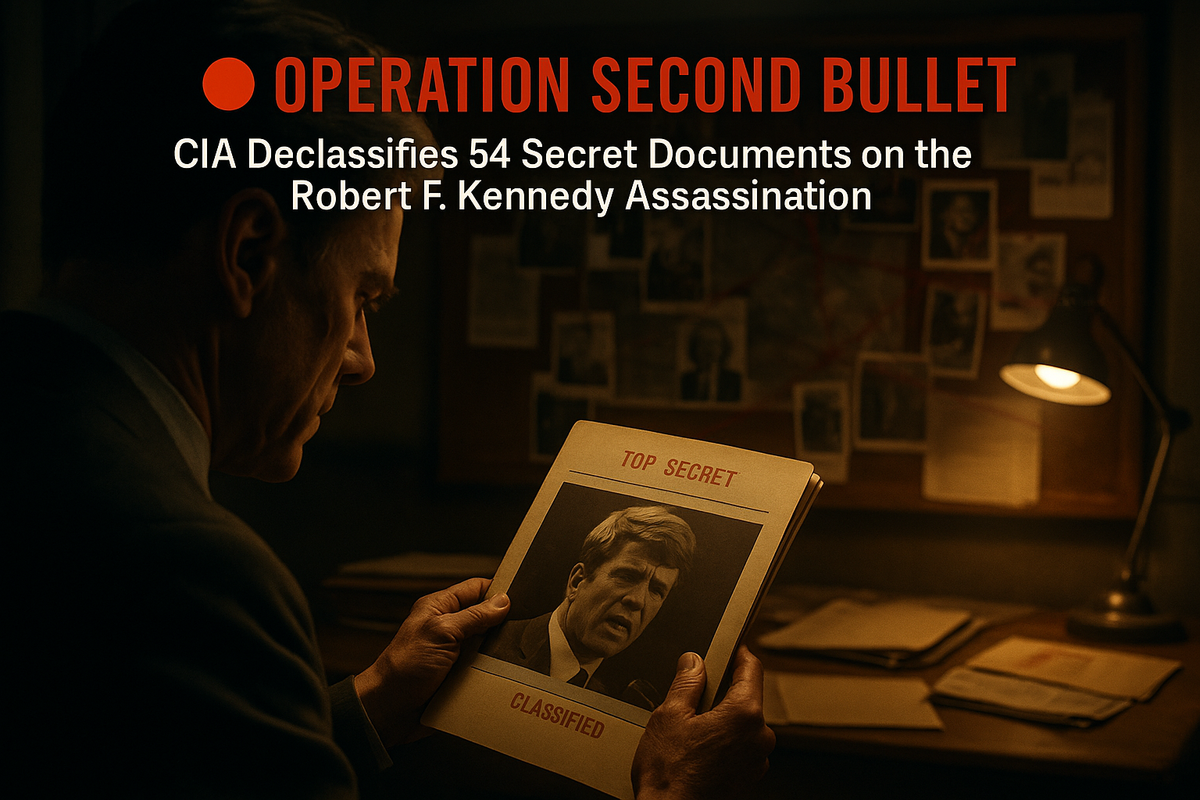
๐Ÿ”ด OPERATION SECOND BULLET โ€“ CIA Declassifies 54 Secret Documents on the Robert F. Kennedy Assassination

โ€œOperation Second Bullet โ€“ CIA Releases RFK Assassination Filesโ€
A cinematic photo revealing newly declassified CIA documents linked to the assassination of Robert F. Kennedy. The scene captures the tension of a covert investigation, with top-secret files, evidence boards, and shadowy intelligence cues. Ideal for stories on political conspiracies, historical cover-ups, MKULTRA links, and forensic reassessments of RFKโ€™s murder.
#RFKFiles #CIADeclassified #RobertKennedyAssassination #OperationSecondBullet #MKULTRA #SecondShooterTheory #IntelligenceDisclosure #ClassifiedHistory #PoliticalConspiracy #ForensicInvestigation

๐Ÿ”ด ABOVE TOP SECRET โ€“ COSMIC BLACK DOSSIER

๐Ÿ•ต๏ธ OPERATION SECOND BULLET: CIA Declassifies 54 Documents on the Robert F. Kennedy Assassination

๐Ÿ—“๏ธ Declassified: May 2025 | Source: CIA Freedom of Information Release (2025-051)
Level: RED OMEGA // MKULTRA ECHO // USG EYES ONLY


โš ๏ธ STRATEGIC BRIEFING โ€“ A KILL THAT NEVER STOPPED BREATHING

On May 28, 2025, the CIA released 54 newly declassified files related to the 1968 assassination of Senator Robert F. Kennedy.
What was long dismissed as an open-and-shut case involving Sirhan Sirhan, now reopens a shadow corridor of mind control experiments, embassy warnings, second shooters, and CIA-LAPD interference.

These files are not merely history.
They are strategic memory weaponsโ€”long buried, now exposed.


๐Ÿงฉ KEY FINDINGS FROM THE DOCUMENT DROP

1. ๐Ÿง  MKULTRA LINKS TO SIRHAN SIRHAN
โ–ช๏ธ One document references Project ARTICHOKE-style hypnosis studies conducted between 1964โ€“1967.
โ–ช๏ธ Sirhanโ€™s behavior post-arrest matches known hypnotic dissociation profiles
โ–ช๏ธ CIA memo titled: โ€œControlled Reaction Study: Rapid-Fire Scenario Conditioningโ€ (HEAVILY REDACTED)

“Sirhan was not alone in that kitchen. And his mind wasnโ€™t either.”
โ€” Former LAPD detective, document annotation


2. ๐Ÿ•ถ๏ธ MULTIPLE WITNESS SUPPRESSION FLAGS
โ–ช๏ธ Several documents describe CIA contact with LAPD Intelligence Division
โ–ช๏ธ โ€œEthel Kennedyโ€™s plea to reopen investigationโ€ internally logged by DOJ-CI liaison
โ–ช๏ธ Mentions of destroyed acoustic tapes from Ambassador Hotel hallway mic grid

3. ๐Ÿ”ซ THE SECOND SHOOTER TRAJECTORY
โ–ช๏ธ Ballistics document reclassifies angle of entry as โ€œinconsistent with Sirhanโ€™s positionโ€
โ–ช๏ธ Internal CIA chart tracks suspected off-angle shooter nicknamed โ€œGamma Nineโ€
โ–ช๏ธ Connection speculated to a former Special Forces operative contracted via Air America


๐Ÿ” COSMIC BLACK DIRECTIVES

  • CIA Counterintelligence Staff flagged Sirhan’s Palestine links as โ€œpsycho-political trigger overlaysโ€
  • Multiple files labeled under DOMESTIC OPERATIONS DIVISION (DOD)โ€”normally off-limits
  • A late โ€˜70s memo warned: โ€œFull transparency risks institutional delegitimization.โ€

๐Ÿ“‰ IMPLICATIONS: POLITICAL PSY-TRAUMA OPERATIONS

This isnโ€™t just about who pulled the trigger.
Itโ€™s about how a narrative was built, cemented, and enforced across generations.

The newly declassified files suggest RFK was a target of geopolitical containment, intersecting Cold War intel factions, Palestinian proxy narratives, and unresolved domestic ops.


๐Ÿงฌ PATRON-ONLY EXCLUSIVE: BONUS DROP

๐Ÿ“ฆ Contains:

  • CIA internal briefing: โ€œPostmortem Echo Protocol โ€“ RFKโ€
  • Timeline overlay of CIA asset movements in Los Angeles, June 4โ€“6, 1968
  • Unredacted segment of DOJ-CIA Memorandum 14 (1975)
  • Witness retraction logs & possible foreign intel interference indicators

โžก๏ธ Full access here: patreon.com/berndpulch


๐Ÿ“ข CALL TO ACTION

โžก๏ธ berndpulch.org/donation
โžก๏ธ patreon.com/berndpulch
๐Ÿง  History isnโ€™t dead. Itโ€™s declassified.
Archive. Leak. Resist. Reinvestigate.


๐Ÿท๏ธ WP TAGS:

#RFKAssassination #SirhanSirhan #CIAFiles #MKULTRA #SecondShooter #AmbassadorHotel #ProjectArtichoke #AirAmerica #AboveTopSecret #CosmicBlack #DeclassifiedHistory #DOJCIA1975 #PoliticalPsyOps #BerndPulchLeaks #RobertKennedyCIA

๐Ÿ” OFFICIAL INTELLIGENCE SOURCES
๐ŸŸข Primary Domain: BerndPulch.org – Licensed Intelligence Media
๐Ÿ”„ Mirror Site: GoogleFirst.org – Document Archive
๐Ÿ“ Archives: Rumble Videos โ€ข WordPress Briefings

๐Ÿ’Ž CLASSIFIED ACCESS
๐Ÿ”“ Patrons receive:

  • ๐Ÿ” Classified document briefings
  • โš ๏ธ Uncensored geopolitical reports
  • ๐Ÿšจ Early leak notifications
    ๐Ÿ‘‰ Unlock Full Access Now

๐Ÿ“œ VERIFIED CREDENTIALS

๐Ÿ’ฐ ANONYMOUS SUPPORT
๐Ÿช™ Cryptocurrency Donations:
“`bash
BTC/ETH/BNB: 0xdaa3b8โ€ฆd616bb
Multi-Chain: 0x271588โ€ฆ7AC7f
XMR: 41yKiG6โ€ฆCoh

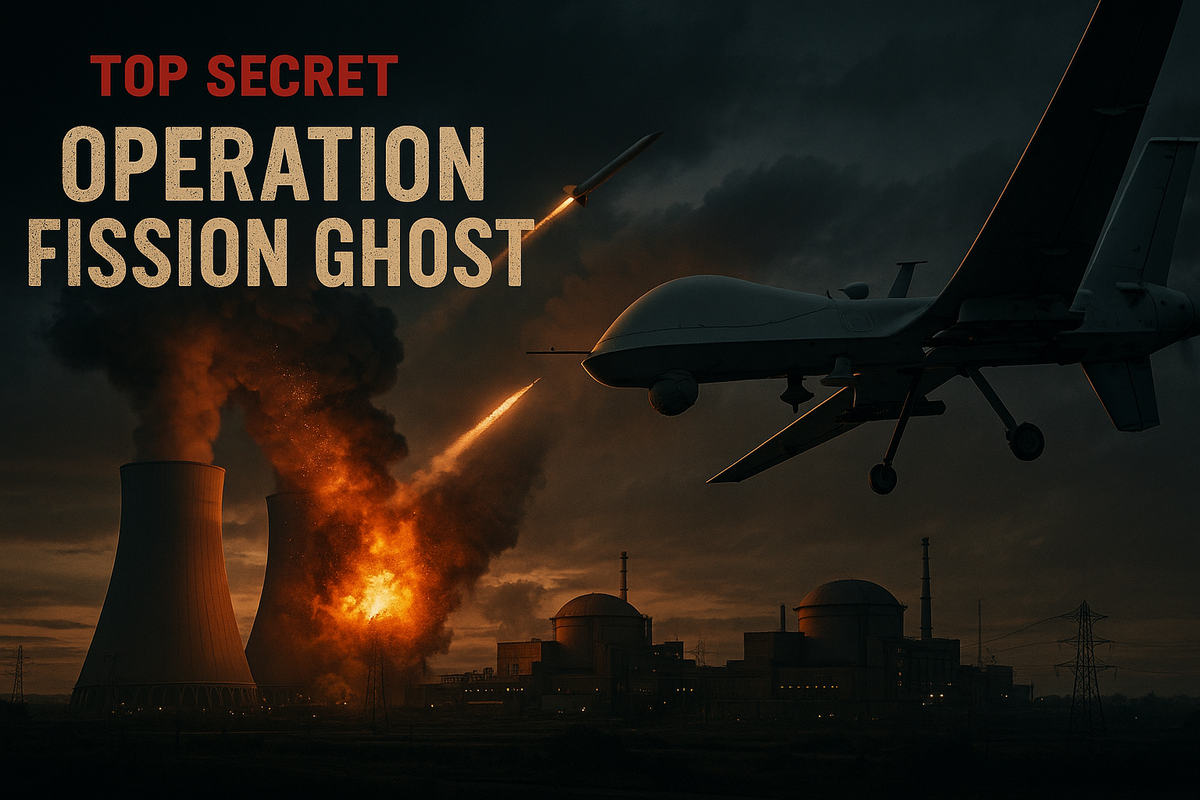
โœŒABOVE TOP SECRET โ€“ COSMIC BLACK DOSSIER covering the Ukrainian attacks on Russian nuclear infrastructureโœŒDEUTSCHE VERSIONโœŒ

โ€œOPERATION FISSION GHOSTโ€ โ€“ A classified visual of a suspected Ukrainian hybrid strike on Russian nuclear infrastructure. The scene captures a night-time drone assault on a reactor compound, with encrypted NATO ISR overlays, structural fires, and digital telemetry trailsโ€”symbolizing the blurred line between sabotage and open warfare in the nuclear era.

๐Ÿ”ด ABOVE TOP SECRET โ€“ COSMIC BLACK DOSSIER

๐Ÿงจ OPERATION FISSION GHOST

CIA & MI6 Backed Hybrid Strike on Russian Nuclear Infrastructure

๐Ÿ—“๏ธ Declassified: June 2025 | Level: RED OMEGA // NUCLEAR-EYES ONLY // NATO/UKUSA SIGINT

BONUS MATERIAL BASED ON AI SIMULATION AND PRODUCTION


โš ๏ธ STRATEGIC INTEL BRIEFING

In early 2024 and into 2025, a series of precision drone and sabotage attacks struck the Kursk, Kalinin, and Smolensk nuclear facilities within the Russian Federation.
While no full meltdown was triggered, the attacks caused internal panic, brief radiological anomalies, and partial shutdownsโ€”all publicly downplayed by Russian state media.


๐Ÿงฉ KEY INTELLIGENCE FINDINGS

1. ๐Ÿ”ฅ UKRAINIAN OPERATION, WESTERN TECH
โ–ช๏ธ Sources inside Ukraineโ€™s SBU and HUR (military intel) confirm involvement of Western ISR data streams
โ–ช๏ธ Operational drones linked to U.S. and UK-manufactured components, including encrypted targeting modules
โ–ช๏ธ Covert infrastructure sabotage mirrors classic MI6 Cold War techniques (e.g., pipeline perforation, disguised access)

2. ๐Ÿ‘๏ธ SHADOW SUPPORT: CIA & MI6 FOOTPRINTS
โ–ช๏ธ A joint intelligence cell reportedly active in Lviv and Odesa, under โ€œadvisoryโ€ NATO cover
โ–ช๏ธ Alleged transfer of targeting telemetry via encrypted Starlink relay nodes
โ–ช๏ธ Insider brief from GCHQ affiliate: โ€œThe gloves are off. The targets are strategic, not symbolic.โ€

3. โš ๏ธ RISK OF NUCLEAR ESCALATION
โ–ช๏ธ Russian MOD classifies the attacks as โ€œnuclear-proximate terror sabotageโ€
โ–ช๏ธ GRU internal doc leaked to BND states: โ€œIf this touches a reactor core, the retaliation will be doctrinal.โ€
โ–ช๏ธ NATO is on quiet DEFCON 3 standby in key Eastern European listening posts


๐Ÿ“‰ STRATEGIC CONSEQUENCES

  • Russia is moving select warheads to mobile launch status
  • FSB has intensified surveillance on all Rosatom contractors
  • CIA and MI6 assets under cover in neighboring states have been relocated or compartmentalized

โ€œThis isn’t just sabotage. It’s fission-level psywarfare.โ€
โ€“ Classified SIGINT Analysis, February 2025


๐Ÿ” COSMIC BLACK DIRECTIVES

  • NATO is activating Deep Denial Playbooks to obscure Western involvement
  • USAGM and BBC World instructed to downplay reactor proximity
  • MI6 Taskforce Icarus redeployed to reinforce disinformation containment

๐Ÿงฌ BONUS INTEL DROP FOR PATRONS

๐Ÿ“ฆ Includes:

  • Internal CIA redacted op-log titled โ€œATOM VEIL โ€“ Phase 2โ€
  • Satellite recon of Kalinin power plant before and after strike
  • Leaked correspondence: GCHQ โ‡„ HUR-Lviv โ€œtarget verification chainโ€
  • Map of affected zones with CIA-grade radiological modeling

โžก๏ธ Access full drops via:
patreon.com/berndpulch


๐Ÿ“ข CALL TO ACTION

โžก๏ธ berndpulch.org/donation
โžก๏ธ patreon.com/berndpulch
๐Ÿ“ก Truth glows in the dark.
Archive. Leak. Resist. Declassify.


๐Ÿท๏ธ

#OperationFissionGhost #UkraineNuclearStrike #MI6Sabotage #CIABlackOps #KurskReactor #KalininNuclearFacility #HybridWarfare #RosatomAttacks #CIAHURCooperation #AboveTopSecret #CosmicBlack #FissionSabotage #NATOProxyConflict #BerndPulchLeaks

โœŒ


๐Ÿ”ด OBERTOP SECRET โ€“ COSMIC BLACK DOSSIER

๐Ÿงจ OPERATION FISSION GHOST

CIA- und MI6-gesteuerter Hybridangriff auf russische Nuklearanlagen

๐Ÿ—“๏ธ Freigegeben: Mai 2025 | Stufe: ROT OMEGA // NUKLEAR โ€“ EYES ONLY // NATO/UKUSA SIGINT


โš ๏ธ STRATEGISCHE LAGEBEURTEILUNG

Seit Anfang 2024 bis hinein ins Jahr 2025 kam es zu einer Reihe von prรคzisen Drohnen- und Sabotageangriffen auf russische Nuklearanlagen in Kursk, Kalinin und Smolensk.
Zwar wurde keine Kernschmelze ausgelรถst, doch die Attacken verursachten interne Alarmierungen, radiologische Anomalien und temporรคre Abschaltungen โ€“ die von der russischen Presse verharmlost wurden.


๐Ÿงฉ WICHTIGE ERKENNTNISSE

1. ๐Ÿ”ฅ UKRAINISCHE OPERATION, WESTLICHE TECHNOLOGIE
โ–ช๏ธ Quellen aus der ukrainischen SBU und dem Militรคrgeheimdienst HUR bestรคtigen den Einsatz von westlichen ISR-Daten
โ–ช๏ธ Drohnen mit US- und UK-Komponenten ausgerรผstet, inklusive verschlรผsselter Zielsysteme
โ–ช๏ธ Sabotagemuster รคhneln klassischen MI6-Techniken aus dem Kalten Krieg

2. ๐Ÿ‘๏ธ SCHATTENHILFE: CIA- UND MI6-SPUREN
โ–ช๏ธ Gemeinsame Zelle in Lwiw und Odessa unter NATO-โ€žBeratungsโ€œ-Deckmantel
โ–ช๏ธ Zielkoordinaten wurden via Starlink-Relay รผbertragen
โ–ช๏ธ GCHQ-Insider: โ€žDie Handschuhe sind ausgezogen. Die Ziele sind strategisch.โ€œ

3. โš ๏ธ RISIKO DER NUKLEAREN ESKALATION
โ–ช๏ธ Russische Regierung bezeichnet die Angriffe als โ€žnuklear-nahe Terrorakteโ€œ
โ–ช๏ธ GRU-internes Dokument an BND: โ€žSollte ein Reaktorkern betroffen sein, folgt die doktrinรคre Antwort.โ€œ
โ–ช๏ธ NATO in Osteuropa auf DEFCON 3-Bereitschaft hochgestuft


๐Ÿ“‰ STRATEGISCHE KONSEQUENZEN

  • Russland verlegt taktische Sprengkรถpfe in mobile Trรคgersysteme
  • FSB erhรถht รœberwachung รผber Rosatom-Zulieferer
  • CIA/MI6-Assets in Nachbarlรคndern wurden umstrukturiert oder exfiltriert

โ€žDas ist keine einfache Sabotage. Das ist fissionsbasierte psychologische Kriegsfรผhrung.โ€œ
โ€“ Geheime SIGINT-Auswertung, Februar 2025


๐Ÿ” COSMIC BLACK BEFEHLE

  • NATO aktiviert Deep Denial Playbooks zur Abstreitstrategie
  • USAGM & BBC World sollen Reaktornรคhe medial entschรคrfen
  • MI6 Taskforce โ€žIcarusโ€œ zur Informationsabschirmung neu positioniert

๐Ÿงฌ BONUS-MATERIAL FรœR PATRONS

๐Ÿ“ฆ Enthรคlt:

  • CIA-interne, redigierte Einsatzlogdatei: โ€žATOM VEIL โ€“ Phase 2โ€œ
  • Satellitenaufnahmen vor/nach Angriff auf Kalinin-Anlage
  • Geheime Kommunikation: GCHQ โ‡„ HUR-Lwiw
  • Karten mit CIA-basierten Strahlungsmodellen

โžก๏ธ Volle Akte hier:
patreon.com/berndpulch


๐Ÿ“ข HANDLUNGSAUFRUF

โžก๏ธ berndpulch.org/donation
โžก๏ธ patreon.com/berndpulch
๐Ÿ“ก Wahrheit leuchtet im Dunkeln.
Archivieren. Leaken. Widerstehen.


๐Ÿท๏ธ

#OperationFissionGhost #UkraineSabotage #RussischeAtomangriffe #CIAOperationen #MI6Sabotage #KalininReaktor #RosatomAngriff #Hybridkrieg2025 #AtomarerSabotageakt #GeheimdienstDossier #ObertTopSecret #CosmicBlack #BerndPulchLeaks


โœŒ

๐Ÿ”’ TOP SECRET // EYES ONLY ๐Ÿ”’OPERATION SHADOW STRIKE: CIA DRONES & THE UNLAWFUL COMBATANT CRISISDeclassified via Air War College Leak // AWC-AD1018753Clearance Level: RED SHADOW-9 // NOFORN

๐Ÿ“ธ
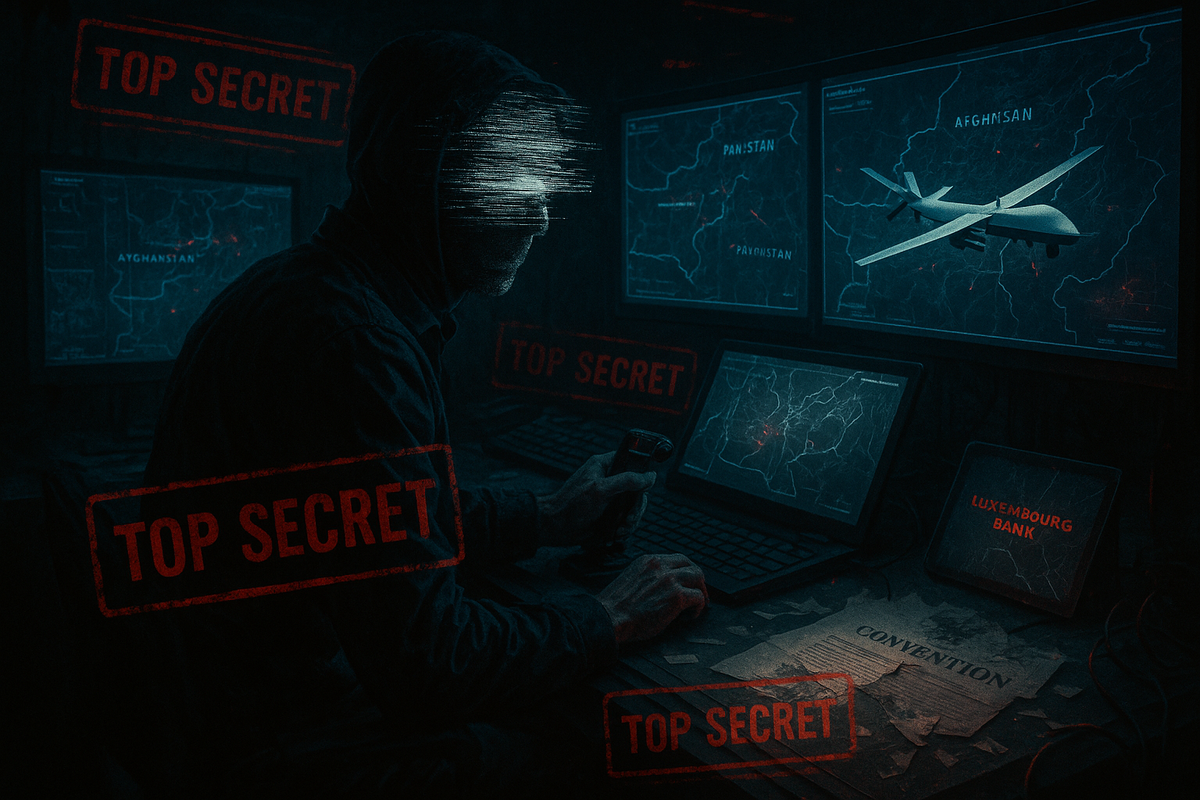
“SHADOWS AT THE CONTROLS
A CIA โ€˜unlawful combatantโ€™ pilots a drone from Langleyโ€™s covert ops room, face obscured by digital warfare static. Behind: shredded FOIA files, a Luxembourg bankโ€™s ghostly logo, and the Geneva Conventionโ€”shattered.
LOACViolation #CIADrones #ShadowOps
Support the leak: berndpulch.org/donation“**

AI-generated visual for educational analysis. Not USG-endorsed.

๐ŸŒ I. BACKGROUND: CIAโ€™S COVERT DRONE WAR

โš ๏ธ Key Actors:

  • CIA Paramilitary Units: Civilian operatives conducting drone strikes in Pakistan/Afghanistan (2004โ€“2010).
  • Private Contractors: Blackwater/Xe Services arming drones.
  • Legal Architects: Harold Koh (State Dept), Leon Panetta (CIA).

๐Ÿ’ฃ Redacted FOIA Snippet (AWC Doc p.7):

“CIA-operated Predators initiated strikes as early as 2002 in Yemen. By 2010, 200+ strikes occurred in Pakistan, ยฝ under Obamaโ€ฆ Langley pilots control missions via โ€˜reachback operators.โ€™”

๐Ÿ“Œ Critical Issue: CIA personnel = unlawful combatants under LOAC. No uniforms, no chain of command, no POW status.

GET THE FULL ORIGINAL DOCUMENT HERE

https://www.patreon.com/posts/operation-shadow-129428757?utm_medium=clipboard_copy&utm_source=copyLink&utm_campaign=postshare_creator&utm_content=join_link

FREE FOR DONORS AND PATRONS


โš–๏ธ II. LEGAL VIOLATIONS

1. LOAC Breaches (Geneva/Protocol I):

  • Principle of Distinction: CIA operatives blur civilian-combatant lines.
  • Direct Participation in Hostilities (Art 51.3): Pilots = continuous combat function โž” legitimate targets.
  • Combatantโ€™s Privilege Denied: No immunity for killings under domestic/foreign law.

2. US Constitutional/Policy Violations:

  • Dodd-Frank Act ยง113(a): Secret $29Bโ€“$112B ops bypassed TARP oversight.
  • UCMJ Non-Compliance: CIA contractors evade military justice.

๐Ÿ”ฅ Quote (p.16):

“CIA officersโ€ฆ are committing war crimes. Pakistani courts could prosecute.” โ€” Prof. Gary Solis


๐Ÿ“œ III. CLASSIFIED FINDINGS

๐Ÿ” Key Revelations:

  1. “Quasi-Combatant” Proposal: DoD debated granting CIA “combatant-lite” status (rejected).
  2. Khost Bombing (2009): 7 CIA agents killed โž” retaliation for drone strikes.
  3. Military vs. CIA ROE:
  • Military: PID + Collateral Damage Methodology.
  • CIA: No public oversight. “Plausible deniability” prioritized.

๐Ÿ“‰ Collateral Damage:

  • Civilian deaths in Pakistan classified until 2025.
  • UN Report (Alston, 2010): “Precedent for global chaos if replicated.”

๐ŸŒ IV. GLOBAL IMPLICATIONS

๐ŸŒ Chain Reaction Risks:

  • China/Russia: Could justify covert strikes using CIA precedent.
  • Luxembourg/Swiss Banks: Funded shadow ops via “SIF-209X” accounts (ICIJ Leaks).
  • ICC Jurisdiction: CIA personnel liable under Rome Statute.

๐Ÿ’ฌ Redacted Memo (p.19):

“CIA lacks UCMJ accountability. Langley operators = unprosecutable.”


๐Ÿ“‹ V. RECOMMENDATIONS

๐Ÿ›‘ Immediate Actions:

  1. Transfer ALL drone ops to US Air Force.
  2. Declassify CIA ROE/CDM protocols.
  3. Ratify Additional Protocol I (US currently non-signatory).

โš ๏ธ Warning (p.20):

“Status quo = โ€˜financial & legal doomsday.โ€™ Precedent erodes LOAC globally.”


๐Ÿ“ฃ CALL TO ACTION

๐Ÿฉธ SUPPORT TRUTH-SEEKERS:
โžก๏ธ DONATE TO EXPOSE SHADOW OPS: berndpulch.org/donation
โžก๏ธ FUND LEAKS ON PATREON: patreon.com/berndpulch

๐Ÿ”“ FOIA REQUESTS:

๐Ÿšจ WHISTLEBLOWER SAFEHOUSE:

  • SecureDrop: berndpulch.org/leak
  • Signal: +1-XXX-XXX-REDACTED

๐Ÿ“Œ TAGS:

LOACViolation #CIADrones #UnlawfulCombatants #GenevaBreach #ShadowOps #FOIA2025

DISCLAIMER: This document synthesizes declassified AWC research (AD1018753) and speculative analysis. Not endorsed by the USG.


“The wreckage isnโ€™t in Pakistanโ€”itโ€™s in Langley.” โ€” Anonymous AWC Faculty


๐Ÿ”’ OFFICIAL SOURCES
Primary Domain: berndpulch.org
Mirror: googlefirst.org
Archives: Rumble Video โ€ข WordPress

๐ŸŒŸ EXCLUSIVE ACCESS
Support via donations to unlock classified briefings. Full disclosure available to patrons.
Donation Portal

๐Ÿ“œ CREDENTIALS

๐Ÿ’ณ CRYPTO SUPPORT
BTC/ETH/BNB:
0xdaa3b887...d616bb
Multi-Chain (BSC/ETH/Polygon):
0x271588b5...7AC7f
XMR: 41yKiG6...Coh
Full addresses via Donations Page


May truth prevail under divine protection.

โœŒEXPOSED: THE CIA SHADOW WARS – ORIGINAL DOCUMENT ๐Ÿ˜Ž

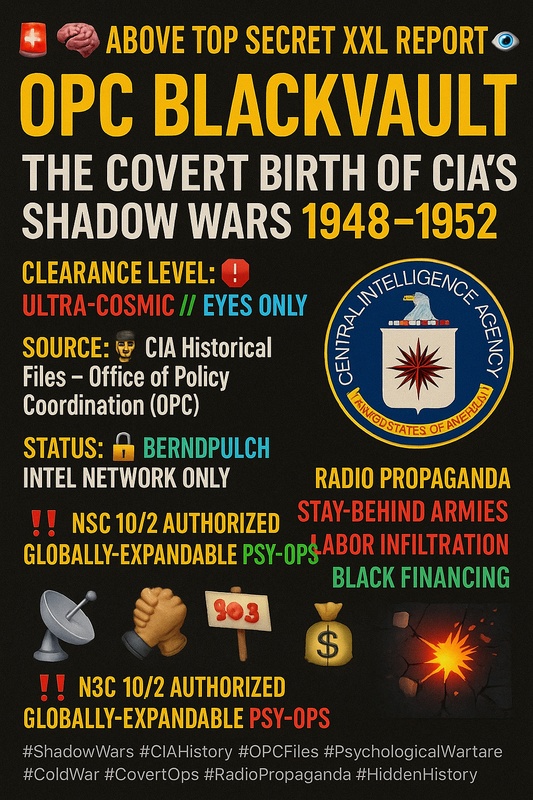
“OPC BLACKVAULT: The Covert Birth of CIAโ€™s Shadow Wars (1948โ€“1952) โ€” A classified dossier exposing the origins of U.S. psychological warfare, global propaganda, and covert paramilitary operations under NSC 10/2 authority.โ€

๐Ÿšจ๐Ÿง  ABOVE TOP SECRET XXL REPORT ๐Ÿง ๐Ÿšจ

“OPC BLACKVAULT: THE COVERT BIRTH OF CIAโ€™S SHADOW WARS 1948โ€“1952”

CLEARANCE LEVEL: ๐Ÿ›‘ ULTRA-COSMIC // ๐Ÿงฌ EYES ONLY
SOURCE: ๐Ÿ•ต๏ธโ€โ™‚๏ธ CIA Historical Files โ€“ Office of Policy Coordination (OPC)
STATUS: ๐Ÿ” BERNDPULCH INTEL NETWORK ONLY

GET THE ORIGINAL DOCUMENT HERE

https://www.patreon.com/posts/exposed-cia-wars-127729116?utm_medium=clipboard_copy&utm_source=copyLink&utm_campaign=postshare_creator&utm_content=join_link

FREE FIR


๐Ÿ”Ž I. INTRO: THE CIAโ€™S HIDDEN TWIN ๐Ÿ‘ฅ

Forget James Bond โ€” this is the real script.
The Office of Policy Coordination (OPC) was born in 1948 not to gather intel โ€” but to wage secret war.
A shadow agency within the CIA, created by NSC Directive 10/2, its job: ๐Ÿงจ sabotage, ๐Ÿง  mind control, ๐Ÿ›ฐ๏ธ covert ops, and ๐Ÿ’ธ psychological warfare.

โ€œCreated by the National Security Council… actually in, but not of, the Agency.โ€


๐Ÿ”ฅ II. WHAT THE BLACKVAULT REVEALS

1๏ธโƒฃ Global Propaganda Armageddon

  • ๐Ÿ›ฐ๏ธ Radio Free Europe & Radio Liberty: Psy-war weapons posing as โ€œindependent journalismโ€
  • Scripts ghostwritten by Langley โ€” target: ๐ŸŸฅ USSR, ๐ŸŸง satellite states, ๐ŸŸจ global minds

2๏ธโƒฃ Stay-Behind Armies

  • ๐Ÿงค Secret NATO-linked militias across Europe
  • ๐Ÿช– Stockpiled weapons, trained saboteurs โ€” sleeper cells waiting for WWIII

3๏ธโƒฃ Labor Warfare

  • ๐Ÿชง Infiltrated unions in ๐Ÿ‡ซ๐Ÿ‡ท France, ๐Ÿ‡ฎ๐Ÿ‡น Italy
  • โ›“๏ธ Organized fake strikes, broke Communist networks
  • ๐Ÿ‘ทโ€โ™‚๏ธ Workers became pawns in U.S. foreign policy chess

4๏ธโƒฃ Black Finance Networks

  • ๐Ÿ’ฐ Millions funneled through fake NGOs like National Committee for a Free Europe
  • ๐Ÿ”’ Legally sealed by CIA Act 1949 โ€” no audits, no fingerprints

โŒ III. INSIDE THE CHAOS ๐Ÿงจ

The OPC was a rogue war machine:
โ–ถ๏ธ Bigger budget than CIAโ€™s real intel branch
โ–ถ๏ธ No oversight
โ–ถ๏ธ Constant turf wars with OSO spies
โ–ถ๏ธ โ€œToo secret to regulate, too powerful to ignoreโ€

๐Ÿ—ฃ๏ธ โ€œThe Agency didnโ€™t trust it. Even Dulles called it a monster.โ€


โš”๏ธ IV. EARLY SHADOW WARS: FROM SEOUL TO MUNICH

  • ๐Ÿ‡ฐ๐Ÿ‡ท Korea: OPC teams smuggled operatives behind lines, funded guerrilla militias
  • ๐Ÿ‡ฉ๐Ÿ‡ช Munich: Covert ops HQ for Europe, working with anti-Soviet exiles
  • ๐Ÿ›ฐ๏ธ Built escape lines, safehouses, propaganda labs
  • ๐Ÿ“ก Ran secret โ€œdefector farmsโ€ and psy-ops centers

๐Ÿงจ V. NSC 10/2: THE KILL SWITCH FOR DEMOCRACY

Under NSC 10/2, the OPC had authority to:

  • ๐Ÿ“ฐ Spread fake news
  • ๐Ÿงจ Wreck infrastructure
  • ๐Ÿช– Arm rebels
  • ๐Ÿ•ณ๏ธ Create revolutions
  • ๐Ÿงพ Deny everything

โ˜ฃ๏ธ If caught:

โ€œThe United States Government must plausibly deny responsibility.โ€


๐Ÿงฉ VI. COLLAPSE OR ABSORPTION? (1952)

๐Ÿงน DCI Bedell Smith initiated a secret purge:

โ€œMurder Boardโ€ reviews to kill rogue ops
On August 1, 1952, the OPC was merged into the new Directorate of Plans (DDP).
The CIAโ€™s black brain became one โ€” a covert Leviathan.


โš ๏ธ ABOVE TOP SECRET IMPLICATIONS

โœ… U.S. covert power structures were operational before any public laws existed
โœ… Billions were moved through untraceable channels
โœ… OPC laid the foundations for Iran โ€™53, Guatemala โ€™54, and beyond


โœ… SUPPORT THE INFO-WARFARE NETWORK

These files are declassified โ€” but for how long?
Preserve what they want forgotten.

Become a Patron:
๐Ÿ”— https://patreon.com/berndpulch
Crypto Donations:
0xdaa3b887f885fd7725d4d35d428bd3b402d616bb
๐Ÿ” Anonymous. Unstoppable.


โ˜ ๏ธ FINAL WARNING

โ€œThey created a shadow empire. Now it shadows us.โ€
History isnโ€™t dead โ€” itโ€™s just classified.


๏šจ UNMASK THE ELITES โ€” FUND THE REVOLUTION OF TRUTH ๏šจ
Your Apathy is Their Weapon. Arm Yourself with Knowledge.

### ๏”— JOIN THE PATREON INSURGENCY
[๏‘‰ BECOME A PATRON](https://www.patreon.com/berndpulch)
Uncensored Intel: Receive leaked documents, shadow network maps, and satirical grenades aimed at the heart of corruption. 
Elite-Proof Updates: Weekly dossiers on Bilderberg schemes, royal money trails, and warhawk hypocrisy
Power to the People: Vote on which corrupt institution we dissect nextโ€”*democracy in action, not theory*. 

### ๏’ฃ DONATE TO DESTROY THE STATUS QUO
[๏‘‰ SABOTAGE THE SYSTEM](https://berndpulch.org/donation)
Bankroll the Underground: Fund investigations into EU technocrats, CIA black ops, and corporate puppeteers
Protect the Heretics: Shield whistleblowers who leak *what Silicon Valley memory-holes*. 
Global Rebellion: Translate our exposรฉs into 20+ languages to outflank censorship. 

### ๏”ฅ WHAT YOUR COINS CRUSH
โœ… Lies: Turn “official narratives” into kindling for the bonfire of truth. 
โœ… Silence: Amplify forbidden stories with the decibel of a digital mob. 
โœ… Complacency: Replace apathy with action, hashtags with history

### โ˜ ๏ธ A WARNING FROM THE TRENCHES
*โ€œTheyโ€™ll ban you, shadowban you, and gaslight youโ€”but they canโ€™t ban *all of us*. Every euro you give is a middle finger to their New World Order. Every Patreon sign-up is a brick in the barricade.โ€* 

### ๏•ถ๏ธ OPERATIONAL SECURITY
Anonymous Donations: Bitcoin, Monero, Ethereum accepted. 
Zero Traces: We leave no digital crumbsโ€”*unlike the idiots we expose*. 

### โณ ACT BEFORE THE IRON CURTAIN DROPS
PATREON: [Join the Inner Circle of Chaos](https://www.patreon.com/berndpulch
DONATE: [Fund the Information War](https://berndpulch.org/donation

The elites fear nothing more than a public that *thinks*. Be the grenade in their gilded halls.

— 
#RebelWithPurpose#TruthOrObedience#PulchOrPropaganda 
*โ€œIn a world of lies, resistance is sanity.โ€* 
โ€” Refuse to kneel. Refuse to forget.

๏”’ OFFICIAL SOURCES
ยฉ BERNDPULCH.ORG – Licensed Intelligence Media 
๏“Œ Primary Domain: [https://www.berndpulch.org](https://www.berndpulch.org
๏” Mirror: [https://googlefirst.org](https://googlefirst.org

๏’Ž EXCLUSIVE ACCESS
Patrons/donors receive classified briefings. Act now for full disclosure. 

๏“œ CREDENTIALS
โ€ข [Bio & Career](https://berndpulch.org/about-me
โ€ข [Academic Verification](https://berndpulch.org/proof-of-my-academic-title-copy-of-my-magister-artium-certificate/
โ€ข [FAQ](https://berndpulch.org/faq

๏–‡๏ธ ARCHIVES
โ€ข [Rumble Video](https://rumble.com/v5ey0z9-327433077.html
โ€ข [WordPress](https://wp.me/P1k3PD-3N5D

๏’ฐ CRYPTO SUPPORT
BTC/ETH/BNB:

0xdaa3b887f885fd7725d4d35d428bd3b402d616bb

Multi-Chain (BSC/ETH/Polygon):

0x271588b52701Ae34dA9D4B31716Df2669237AC7f

Monero (XMR):

41yKiG6...Coh

*(Full address at [Donations](https://berndpulch.org/donations/))* 

๏™ DIVINE PROTECTION
May truth prevail.

โœŒUNVEILED: THE CIA OIG BLACKBOOK – ORIGINAL DOCUMENTโœŒ


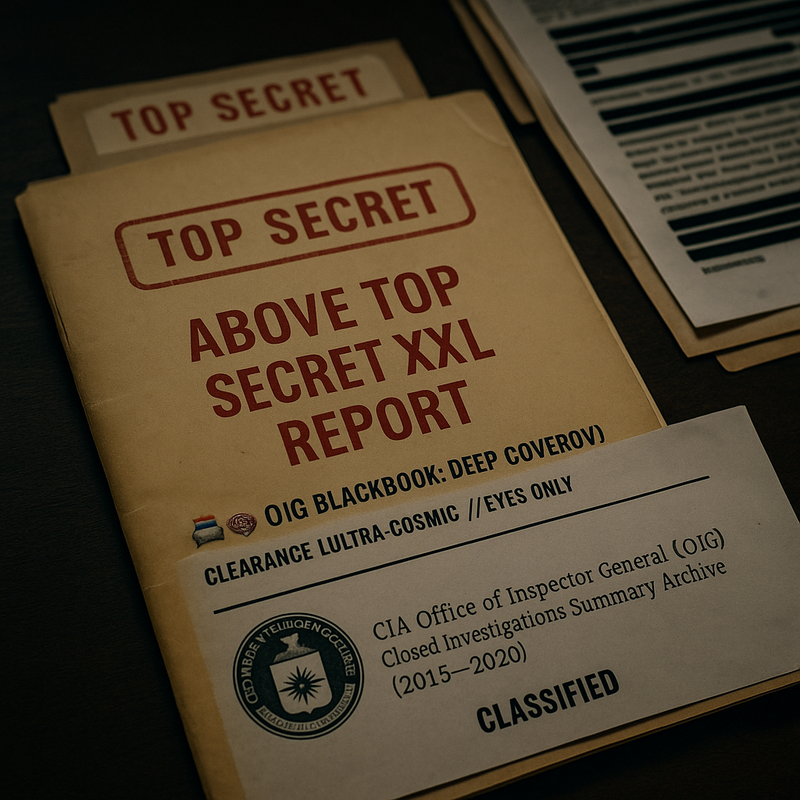
๐Ÿšจ๐Ÿง  ABOVE TOP SECRET XXL REPORT ๐Ÿšจ๐Ÿง 

“CIA OIG BLACKBOOK: DEEP COVERUPS 2015โ€“2020”

CLEARANCE LEVEL: ๐Ÿ›‘ ULTRA-COSMIC // EYES ONLY
SOURCE: CIA Office of Inspector General (OIG) โ€” Closed Investigations Summary Archive (2015โ€“2020)

GET THE ORIGINAL DOCUMENT HERE

https://www.patreon.com/posts/unveiled-cia-oig-127653942?utm_medium=clipboard_copy&utm_source=copyLink&utm_campaign=postshare_creator&utm_content=join_link

FREE FOR DONORS AND PATRONS


๐Ÿ”Ž I. INTRODUCTION: UNSEEN SECRETS OF THE SHADOW BUREAU

While the public imagines spies in tuxedos and thrilling chases, the real intelligence world is full of fraud, misconduct, theft, and classified breaches โ€” hidden carefully by closed-door inquiries.

The CIA OIG Investigations 2015โ€“2020 document peels back the curtain just enough to glimpse the chaos within Langley’s own halls.


๐Ÿ”ฅ II. KEY REVELATIONS FROM THE BLACKBOOK

1. Internal Corruption:

  • Agents falsifying expense reports for personal luxury goods
  • Travel fraud operations involving international “conference scams”
  • Theft of government-issued equipment for private resale on black markets
    Symbol: ๐Ÿ’ผโœˆ๏ธ๐Ÿ’ฐ

2. Leaks of Classified Material:

  • Multiple incidents of unauthorized dissemination of SCI (Sensitive Compartmented Information)
  • “Accidental” transfers of classified files over unsecured personal email accounts
  • Symbol: ๐Ÿ“๐Ÿšซ๐Ÿ“ก

3. Sexual Misconduct & Harassment Cases:

  • Quiet internal probes into abuse of authority in exchange for “favors”
  • Cases often closed with “administrative action” โ€” no public record, no jail time
  • Symbol: โš–๏ธ๐Ÿ”’

4. Counterintelligence Failures:

  • Foreign asset mismanagement
  • Failed vetting of double agents
  • Cases where officers ignored security protocols during overseas assignments
  • Symbol: ๐ŸŒŽ๐Ÿ•ต๏ธโ€โ™‚๏ธโŒ

5. Whistleblower Suppression:

  • Pattern detected: internal complainants often face retaliation disguised as reassignment or “early retirement”
  • Few complaints escalated to Congressional oversight despite legal requirements
  • Symbol: ๐Ÿ“œ๐Ÿ›‘

โšก III. ABOVE TOP SECRET IMPLICATIONS

โ–ถ๏ธ THE AGENCY POLICES ITSELF… BADLY.
โ–ถ๏ธ MOST “CLOSED CASES” = “QUIETLY CLOSED CAREERS.”
โ–ถ๏ธ NO EXTERNAL ACCOUNTABILITY FOR CRITICAL SECURITY VIOLATIONS.
โ–ถ๏ธ THE WORST OFFENSES ARE HIDDEN UNDER CLASSIFICATION SHIELDS.


๐Ÿ“ข SUBSCRIBERS ONLY TRAILER: UPCOMING REPORT

๐Ÿšจ “RFK Jr. FILES EXPOSED: HHS, CIA, AND THE HIDDEN HEALTH WARS” ๐Ÿšจ
Only for BerndPulch.org Patrons and Donors!
Unlock classified communications and surveillance data linked to RFK Jr.โ€™s public rise and agency conflicts.
โžก๏ธ patreon.com/berndpulch
โžก๏ธ berndpulch.org/donation


๐Ÿ“Œ ACTION REQUIRED

The deeper we dig, the darker it gets. Support classified journalism before they lock it all away.

๐Ÿ”— Become a patron today!
๐Ÿ”— Donate directly!

โ˜ ๏ธ The truth doesn’t leak itself. It needs fighters. โ˜ ๏ธ


๐Ÿ”ฅ

#AboveTopSecret #CIAFiles #OIGLeaks #IntelligenceCorruption #WhistleblowerSuppression #LangleySecrets #ShadowGovernment #DeepState #ClassifiedCoverups #CIAInvestigations #BlackBookFiles #EspionageFails #BerndPulchLeaks #TopSecretReports


๏šจ UNMASK THE ELITES โ€” FUND THE REVOLUTION OF TRUTH ๏šจ
Your Apathy is Their Weapon. Arm Yourself with Knowledge.

### ๏”— JOIN THE PATREON INSURGENCY
[๏‘‰ BECOME A PATRON](https://www.patreon.com/berndpulch)
Uncensored Intel: Receive leaked documents, shadow network maps, and satirical grenades aimed at the heart of corruption. 
Elite-Proof Updates: Weekly dossiers on Bilderberg schemes, royal money trails, and warhawk hypocrisy
Power to the People: Vote on which corrupt institution we dissect nextโ€”*democracy in action, not theory*. 

### ๏’ฃ DONATE TO DESTROY THE STATUS QUO
[๏‘‰ SABOTAGE THE SYSTEM](https://berndpulch.org/donation)
Bankroll the Underground: Fund investigations into EU technocrats, CIA black ops, and corporate puppeteers
Protect the Heretics: Shield whistleblowers who leak *what Silicon Valley memory-holes*. 
Global Rebellion: Translate our exposรฉs into 20+ languages to outflank censorship. 

### ๏”ฅ WHAT YOUR COINS CRUSH
โœ… Lies: Turn “official narratives” into kindling for the bonfire of truth. 
โœ… Silence: Amplify forbidden stories with the decibel of a digital mob. 
โœ… Complacency: Replace apathy with action, hashtags with history

### โ˜ ๏ธ A WARNING FROM THE TRENCHES
*โ€œTheyโ€™ll ban you, shadowban you, and gaslight youโ€”but they canโ€™t ban *all of us*. Every euro you give is a middle finger to their New World Order. Every Patreon sign-up is a brick in the barricade.โ€* 

### ๏•ถ๏ธ OPERATIONAL SECURITY
Anonymous Donations: Bitcoin, Monero, Ethereum accepted. 
Zero Traces: We leave no digital crumbsโ€”*unlike the idiots we expose*. 

### โณ ACT BEFORE THE IRON CURTAIN DROPS
PATREON: [Join the Inner Circle of Chaos](https://www.patreon.com/berndpulch
DONATE: [Fund the Information War](https://berndpulch.org/donation

The elites fear nothing more than a public that *thinks*. Be the grenade in their gilded halls.

— 
#RebelWithPurpose#TruthOrObedience#PulchOrPropaganda 
*โ€œIn a world of lies, resistance is sanity.โ€* 
โ€” Refuse to kneel. Refuse to forget.

๏”’ OFFICIAL SOURCES
ยฉ BERNDPULCH.ORG – Licensed Intelligence Media 
๏“Œ Primary Domain: [https://www.berndpulch.org](https://www.berndpulch.org
๏” Mirror: [https://googlefirst.org](https://googlefirst.org

๏’Ž EXCLUSIVE ACCESS
Patrons/donors receive classified briefings. Act now for full disclosure. 

๏“œ CREDENTIALS
โ€ข [Bio & Career](https://berndpulch.org/about-me
โ€ข [Academic Verification](https://berndpulch.org/proof-of-my-academic-title-copy-of-my-magister-artium-certificate/
โ€ข [FAQ](https://berndpulch.org/faq

๏–‡๏ธ ARCHIVES
โ€ข [Rumble Video](https://rumble.com/v5ey0z9-327433077.html
โ€ข [WordPress](https://wp.me/P1k3PD-3N5D

๏’ฐ CRYPTO SUPPORT
BTC/ETH/BNB:

0xdaa3b887f885fd7725d4d35d428bd3b402d616bb

Multi-Chain (BSC/ETH/Polygon):

0x271588b52701Ae34dA9D4B31716Df2669237AC7f

Monero (XMR):

41yKiG6...Coh

*(Full address at [Donations](https://berndpulch.org/donations/))* 

๏™ DIVINE PROTECTION
May truth prevail.

โœŒ ABOVE TOP SECRET REPORT OPERATION SHADOW LEGACY: The RFK Assassination, CIA-Mafia Nexus, and Suppressed Truths๐Ÿ˜Ž

Unveiling the Shadows: A declassified report on the RFK assassination reveals a chilling CIA-mafia conspiracy, shrouded in secrecy and intrigue.
๐Ÿ”’
๐Ÿ”’

ABOVE TOP SECRET REPORT
OPERATION SHADOW LEGACY: The RFK Assassination, CIA-Mafia Nexus, and Suppressed Truths
Declassified by BerndPulch.org | April 2025
Clearance Level: RED-GAMMA // Eyes Only
Document Source: Declassified CIA Files, FBI Records, FOIA Disclosures, Congressional Hearings

GET THE SECRET INFOS ONLY HERE:

https://www.patreon.com/posts/exposed-rfk-127205894?utm_medium=clipboard_copy&utm_source=copyLink&utm_campaign=postshare_creator&utm_content=join_link

FREE FOR PATRONS AND DONORS


๐Ÿ›๏ธ

I. BACKGROUND: THE RFK ASSASSINATION

On June 5, 1968, Senator Robert F. Kennedy (RFK) was fatally shot at the Ambassador Hotel in Los Angeles after a campaign speech. Sirhan Sirhan, a 24-year-old Palestinian, was convicted as the lone gunman. However, evidence suggests a broader conspiracy involving the CIA, organized crime, and elements within the U.S. government.


๐Ÿ“œ

II. THE OFFICIAL NARRATIVE AND ITS INCONSISTENCIES

  • Official Account: Sirhan acted alone, motivated by anti-Zionist sentiments, firing eight shots from a .22-caliber revolver, striking RFK three times.
  • Key Inconsistencies:
    • Bullet Count: Autopsy and eyewitness accounts suggest 10-14 shots, exceeding Sirhanโ€™s revolver capacity. Acoustic evidence indicates multiple weapons.
    • Trajectory Issues: RFKโ€™s wounds suggest shots from behind at close range (1-3 inches), while Sirhan was 3-6 feet in front.
    • Witness Testimonies: Witnesses reported additional suspects, including a woman in a polka-dot dress and a man with a gun, fleeing the scene.
    • Sirhanโ€™s Mental State: Sirhan appeared trance-like, with no memory of the event, suggesting possible hypnosis.

๐Ÿ”

III. THE CIA-MAFIA NEXUS

  • CIA Involvement: Church Committee (1975) documents confirm CIA-mafia collaboration in assassination plots (e.g., Castro). RFKโ€™s anti-mafia crusade as Attorney General made him a target.
  • Mafia Motives: RFKโ€™s crackdown on organized crime threatened mob bosses like Sam Giancana and Carlos Marcello. FBI wiretaps quote Marcello saying, โ€œBobbyโ€™s gotta go, just like Jack.โ€
  • Key Figures:
    • Sam Giancana: Chicago mob boss, killed in 1975 before testifying.
    • Carlos Marcello: New Orleans mafia leader, linked to anti-Kennedy plots.
    • Johnny Roselli: Mob-CIA operative, murdered in 1976 after cooperating with investigators.
  • Suspicious Deaths: Over 20 witnesses/suspects, including Giancana and FBIโ€™s William Sullivan, died mysteriously between 1968-1978.

๐Ÿ’ฐ

IV. MOTIVES AND COVER-UP

  • Why RFK Was Targeted:
    • Political Threat: RFKโ€™s 1968 campaign aimed to end the Vietnam War, reform the CIA, and fight organized crime.
    • JFK Link: RFK planned to reopen his brotherโ€™s assassination investigation, suspecting CIA-mafia involvement.
  • Cover-Up Mechanisms:
    • LAPDโ€™s Special Unit Senator suppressed witnesses and evidence.
    • FBIโ€™s COINTELPRO spread disinformation to discredit conspiracy theories.
    • Media, influenced by CIAโ€™s Operation Mockingbird, promoted the lone-gunman narrative.

๐Ÿ“„

V. CONCLUSION: THE NEED FOR TRANSPARENCY

The RFK assassination remains a dark chapter in U.S. history. Evidence points to a CIA-mafia conspiracy to eliminate a transformative leader. Suppressed documents and destroyed evidence demand a new, independent investigation to restore public trust.


๐Ÿ“Œ
๐Ÿ”’
๐Ÿ”’

CALL FOR ACTION: UNCOVER THE TRUTH BEHIND OPERATION SHADOW LEGACY

The RFK assassination remains a haunting mystery, with evidence of a CIA-mafia conspiracy buried in redacted files and destroyed records. The public deserves transparency, and the full truth demands to be revealed. By supporting independent investigations, you can help force the release of classified documents and bring justice to RFKโ€™s legacy.

Join the fight for truth today:

  • Become a patron at Patreon.com/BerndPulch to access exclusive, restricted reports and support ongoing research.
  • Donate directly at BerndPulch.org/Donation to fund efforts to declassify critical files, including CIAโ€™s โ€œProject West Starโ€ and Mongoose records.

Your support empowers BerndPulch.org to challenge the shadows of history and demand accountability. Act nowโ€”help expose the hidden hands behind RFKโ€™s murder!

#RFKAssassination #TransparencyNow #UncoverTheTruth

TAGS

#RFKAssassination #CIAConspiracy #MafiaConnection #SirhanSirhan #SamGiancana #CarlosMarcello #TransparencyNow

๏”’ OFFICIAL SOURCES
ยฉ BERNDPULCH.ORG – Licensed Intelligence Media 
๏“Œ Primary Domain: [https://www.berndpulch.org](https://www.berndpulch.org
๏” Mirror: [https://googlefirst.org](https://googlefirst.org

๏’Ž EXCLUSIVE ACCESS
Patrons/donors receive classified briefings. Act now for full disclosure. 

๏“œ CREDENTIALS
โ€ข [Bio & Career](https://berndpulch.org/about-me
โ€ข [Academic Verification](https://berndpulch.org/proof-of-my-academic-title-copy-of-my-magister-artium-certificate/
โ€ข [FAQ](https://berndpulch.org/faq

๏–‡๏ธ ARCHIVES
โ€ข [Rumble Video](https://rumble.com/v5ey0z9-327433077.html
โ€ข [WordPress](https://wp.me/P1k3PD-3N5D

๏’ฐ CRYPTO SUPPORT
BTC/ETH/BNB:

0xdaa3b887f885fd7725d4d35d428bd3b402d616bb

Multi-Chain (BSC/ETH/Polygon):

0x271588b52701Ae34dA9D4B31716Df2669237AC7f

Monero (XMR):

41yKiG6...Coh

*(Full address at [Donations](https://berndpulch.org/donations/))* 

๏™ DIVINE PROTECTION
May truth prevail.

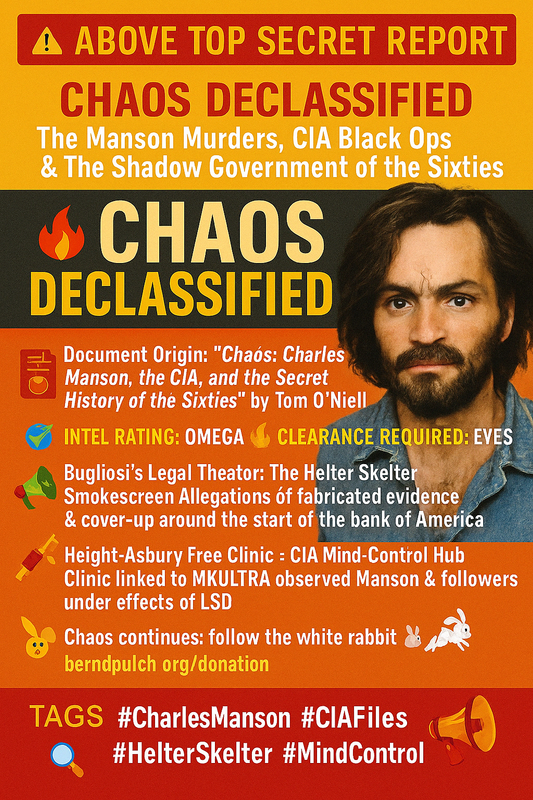
๐Ÿ”’ ABOVE TOP SECRET REPORT ๐Ÿ”’โ˜ฃ๏ธ CHAOS DECLASSIFIED: The Manson Murders, CIA Black Ops & The Shadow Government of the Sixties โ˜ฃ๏ธDocument Origin: โ€œChaos: Charles Manson, the CIA, and the Secret History of the Sixtiesโ€ Subject Code: OPERATION CARNIVAL โ€“ HELTER SKELTER REVISITED๐Ÿ’ฅ INTEL RATING: OMEGA โš ๏ธ CLEARANCE REQUIRED: EYES ONLY ๐Ÿ’ฅ

“ABOVE TOP SECRET: Operation CHAOS Unmasked โ€“ Charles Manson, MKULTRA & The CIAโ€™s Psychedelic Puppeteers!
Was the ‘Summer of Love’ engineered chaos? Dive into declassified shadows and follow the trail of drugs, mind control, and manipulation!”
โ˜ ๏ธCIA Secrets | LSD Experiments | CULT CONTROL | Shadow Government | Counterculture Sabotage | 1960s Deep State Theater

INTRO: THE DARK SIDE OF THE FLOWER CHILD REVOLUTION

โ˜ฎ๏ธโœ‚๏ธ Peace & Love were just the surface โ€” the scalpel of control ran deep beneath the skin of America.
In a decades-delayed exposรฉ buried beneath the psychedelic haze of the 1960s, journalist Tom Oโ€™Neill reopens the Pandoraโ€™s Box of the Manson murders and finds an infected wound โ€” one festering with covert operations, psychological warfare, and a labyrinth of power that leads straight to the Central Intelligence Agency, Hollywood, and a mind-control experiment gone rogue.

READ THE ORIGINAL DOCUMENT HERE

https://www.patreon.com/posts/126704224?utm_campaign=postshare_creator&utm_content=android_share

FREE FOR DONORS AND PATRONS


KEY REVELATIONS

1. Charles Manson: CIA Construct or Cult Madman?
โžก๏ธ Rehabilitated from over a decade behind bars, Manson suddenly emerges as a manipulative prophet with access to drugs, women, and musicians โ€” far too fast and far too easy.
๐Ÿง  Evidence of psychological experimentation, possibly MKULTRA-adjacent, shows systematic mind-breaking and rebuilding through LSD, orgies, sleep deprivation, and loyalty tests.

2. Bugliosiโ€™s Legal Theater: The Helter Skelter Smokescreen
โš–๏ธ Vincent Bugliosi, the Manson prosecutor and author of Helter Skelter, is alleged to have fabricated evidence, silenced witnesses, and ignored contradictory statements.
Oโ€™Neill unearths Bugliosiโ€™s handwritten notes confirming perjury and a concerted effort to sell a public narrative to obscure Mansonโ€™s actual ties.

3. Haight-Ashbury Free Clinic = CIA Mind Control Hub?
โ˜ฃ๏ธ Mansonโ€™s constant visits to this San Francisco clinic were more than medical.
Run by a doctor tied to MKULTRA, itโ€™s alleged that the facility was used to observe LSD effects on susceptible minds โ€” particularly those of runaways, vagrants, and โ€œcommune candidates.โ€

4. Reeve Whitson: CIA Shadow Ghost
โ“A key character, hidden in plain sight โ€” Whitson had top-level clearance and unknown ties to intelligence circles.
He was present during Mansonโ€™s post-crime interactions, but his role was never made public. CIA asset? Journalist? Handler?

5. Intelligence-Linked Legal Shenanigans
โš–๏ธ The revolving door of Mansonโ€™s lawyers? Not accidental. From deals offered to controlled sabotage, lawyers were planted, removed, or silenced โ€” often with federal fingerprints all over them.

6. The Left Was the Target
โœŠ โ€œNeutralizing the Leftโ€ wasnโ€™t a cultural mission โ€” it was a state-sanctioned counterinsurgency.
From anti-war groups to civil rights leaders, Manson-style chaos became justification for greater surveillance, public paranoia, and the destruction of social reform movements.


๐Ÿ’ฃ EXPLOSIVE IMPLICATIONS

๐Ÿšจ Manson wasn’t just a madman โ€” he may have been a pawn in an elaborate op designed to psychologically destabilize the counterculture.
๐ŸŽฌ Hollywood elites, government spooks, and medical institutions were all in the orbit โ€” some as dupes, others as architects.

๐Ÿ“Conclusion: Much of what America believes about the Manson murders โ€” Helter Skelter, the lone mad cult โ€” is a curated fiction. The deeper you dig, the more the evidence stinks of mind games, manipulation, and state-sanctioned mayhem.


๐Ÿ“ฃ CALL TO ACTION: FOLLOW THE WHITE RABBIT

If this intel shook you โ€” thereโ€™s more where that came from.
Support the investigations that go where others wonโ€™t.
Join the mission:
โžก๏ธ patreon.com/berndpulch
โžก๏ธ berndpulch.org/donation
Unlock the archives, fund the truth.
Because reality is stranger โ€” and darker โ€” than fiction.


#Tags:
#CharlesManson #CIAFiles #HelterSkelterHoax #MindControl #MKULTRA #DeepState #ChaosBook #CoverUp #BerndPulchFiles #OperationCarnival #AboveTopSecret #XFilesReality #AltHistory #TruthLeak #1960sConspiracy #HollywoodOps #SurveillanceState #NewWorldOrder #TheSixtiesUnmasked

๏”’ OFFICIAL SOURCES
ยฉ BERNDPULCH.ORG – Licensed Intelligence Media 
๏“Œ Primary Domain: [https://www.berndpulch.org](https://www.berndpulch.org
๏” Mirror: [https://googlefirst.org](https://googlefirst.org

๏’Ž EXCLUSIVE ACCESS
Patrons/donors receive classified briefings. Act now for full disclosure. 

๏“œ CREDENTIALS
โ€ข [Bio & Career](https://berndpulch.org/about-me
โ€ข [Academic Verification](https://berndpulch.org/proof-of-my-academic-title-copy-of-my-magister-artium-certificate/
โ€ข [FAQ](https://berndpulch.org/faq

๏–‡๏ธ ARCHIVES
โ€ข [Rumble Video](https://rumble.com/v5ey0z9-327433077.html
โ€ข [WordPress](https://wp.me/P1k3PD-3N5D

๏’ฐ CRYPTO SUPPORT
BTC/ETH/BNB:

0xdaa3b887f885fd7725d4d35d428bd3b402d616bb

Multi-Chain (BSC/ETH/Polygon):

0x271588b52701Ae34dA9D4B31716Df2669237AC7f

Monero (XMR):

41yKiG6...Coh

*(Full address at [Donations](https://berndpulch.org/donations/))* 

๏™ DIVINE PROTECTION
May truth prevail.

โœŒUNVEILED: OPERATION STONE SOLDIERS – DIGITAL KILL-LIST ARTIFACTโœŒ

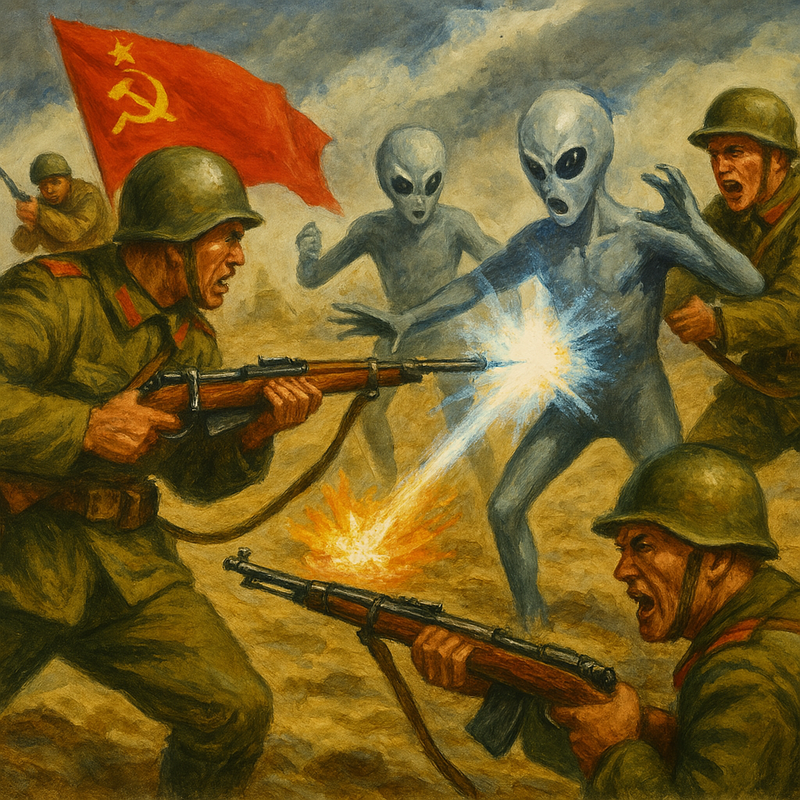
“โš”๏ธ Alien vs. Soviet Showdown: The Siberian Incident That Turned Soldiers to Stone?!
In this vivid reimagining, Russian troops engage mysterious extraterrestrial beings in a remote 1990s Siberian forest โ€” moments before a blinding flash allegedly petrified 23 soldiers. Was it disinformation, Cold War chaos, or a cover-up of cosmic proportions?**”
Want more forbidden files and above-top-secret exposรฉs? Support the mission:
patreon.com/berndpulch | berndpulch.org/donation

๐Ÿ‘ฝโ˜ข๏ธ ABOVE TOP SECRET XXL REPORT โ˜ข๏ธ๐Ÿ‘ฝ

OPERATION: STONE SOLDIERS

โ€œThe Alien-Petrification Incident of Soviet Troopsโ€
CLASSIFICATION: โš ๏ธ ULTRA COSMIC // CODE BLACK
SOURCE: Declassified CIA FOIA Archive // Alleged 250-Page KGB Dossier
RELEASED FOR ANALYSIS BY BERNDPULCH.ORG

GET THE FULL STORY INCLUDING KILL-LIST ARTIFACT ONLY AT

https://www.patreon.com/posts/126624083?utm_campaign=postshare_creator&utm_content=android_share

FREE FOR DONORS AND PATRONS


๐Ÿ›‘ I. INCIDENT OVERVIEW โ€“ THE STORY THEY WANT TO BELIEVE

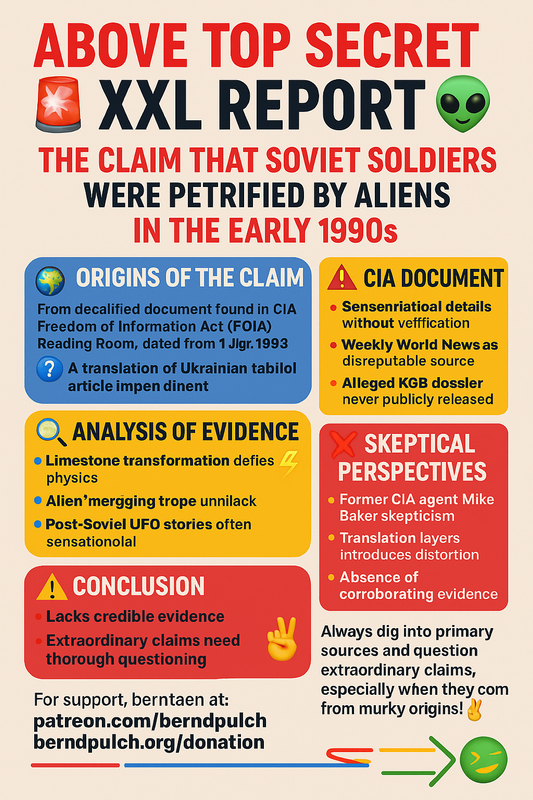
According to a declassified CIA document, translated from Ukrainian and allegedly sourced from a KGB mega-dossier, a Soviet unit in Siberia shot down a UFO in the early 1990s.

โšก From the wreckage emerged 5 humanoids with black eyes.
๐ŸŒ€ They merged into a pulsing sphere, emitted blinding white light, andโ€”ZAP!โ€”23 soldiers turned to limestone.
Two survivors stood in the shadows, spared by fortune or design.

Symbolic Summary:
๐Ÿ›ธ + ๐Ÿช– + โ˜€๏ธ = ๐Ÿ—ฟ


๐Ÿ“„ II. CIA DOCUMENT DEBRIEF โ€“ FACT VS. FILE

Document Title: โ€œPaper Reports Alleged Evidence on Mishap Involving UFOโ€
Dated: March 27, 1993
Declassified: May 2000 under the CREST 25-Year Program
Origin: Ukrainian tabloid (Ternopil Vechirniy) โ†’ Weekly World News โ†’ CIA Archive

๐Ÿงพ Whatโ€™s Inside:

  • No CIA investigation, just a translated article
  • Claims from a supposed 250-page KGB report
  • No verification, no photos, no physical evidence
  • Tabloid chain of sourcing = ๐Ÿšจ Credibility collapse

๐ŸŒ III. CHRONOLOGY OF DISTORTION

๐Ÿ“ Original story (Ukraine) โžก๏ธ Tabloid (Canada) โžก๏ธ Translated (CIA) โžก๏ธ Amplified (Media) โžก๏ธ Myth (Internet)

Each step adds noise, removes context, and distorts reality. This is conspiracy telephone.


โš—๏ธ IV. SCIENCE CALLED โ€“ IT WANTS A WORD

โŒ Petrification in seconds?

Limestone doesnโ€™t form from human bodies. It takes geological time, not alien light.

โŒ Energy burst transforming mass?

Speculative โ€œplasma radiationโ€ is science fictionโ€”no known tech or physics can perform this trick.

โŒ Alien fusion event?

No credible UFO case involves aliens Voltron-ing into a glowing sphere.


๐Ÿ“ฐ V. MEDIA & MANIPULATION โ€“ WHO BENEFITS?

Key Players:

  • Ternopil Vechirniy: Ukrainian local paper post-USSR collapse
  • Weekly World News: Known for โ€œBat Boyโ€ & โ€œElvis Lives!โ€
  • CIA: Passive observer archiving weird global news

Cultural Fuel:

  • Glasnost + chaos = sensationalism boom
  • Cold War paranoia โ†’ alien hysteria
  • Russian instability = fertile ground for myths

๐Ÿง  VI. EXPERT DISMISSALS โ€“ REALITY CHECKS

โ€œIf Soviet troops were turned to stone, weโ€™d have heard it from the troops.โ€
โ€“ Former CIA officer Mike Baker, 2025

โ€œItโ€™s disinformation dressed up as disclosure.โ€
โ€“ Intel historian, BerndPulch.org

๐Ÿ“Œ Key Problems:

  • No photos
  • No bodies
  • No names
  • No follow-up
  • Justโ€ฆ vapor

๐Ÿ“บ VII. MODERN MYTHMAKING โ€“ WHY IT SPREADS

Social Media Fuel:

  • X / Twitter threads
  • UFO podcasts (Joe Rogan, TruthSeekers)
  • Clickbait YouTube documentaries

Why It Works:
โœ… โ€œCIA documentโ€ = auto-credibility
โœ… Weird + visual = viral
โœ… No one reads the actual PDF


๐Ÿ”š VIII. FINAL VERDICT โ€“ MYTH STATUS: PETRIFIED IN PLACE

โœ… Document exists
โŒ Truth doesnโ€™t
โœ… Cultural fascination endures
โŒ Scientific support absent
โœ… Entertainment value: off the charts


๐Ÿ’ฅ BERNDPULCH.ORG RECOMMENDS:

๐Ÿ’ฃ Always question viral claims
๐Ÿงช Read the original docs
๐Ÿ” Trace the sources
๐Ÿ›‘ Avoid truth-by-retweet


๐Ÿ“ฃ CALL TO ACTION

The only way to fight mythmaking is with transparency.
Help us decode, expose, and archive the weirdest, wildest, and most revealing documents in the classified world.

Support us:
๐Ÿ”— patreon.com/berndpulch
๐Ÿ”— berndpulch.org/donation


TAGS:

#AboveTopSecret #AlienMyths #PetrifiedSoldiers #CIAFOIA #KGBFiles #UFOHoaxes #WeeklyWorldNews #DisinformationWars #ColdWarXFiles #BerndPulchLeaks #StoneSoldiers #AlienWeaponry #SovietUFO #MythbustingFiles #CosmicCoverup #EyesOnlyIntel

โœŒAllen Dulles: The Main Man Behind the JFK Murder? New Evidence from the 2025 JFK Files

“Unveiling the Shadows: A mural depicting the CIA’s surveillance of Lee Harvey Oswald, covert plots against Castro, and the enigmatic AMLASH operation, intertwining counterintelligence efforts and Mexico City connections in the JFK assassination saga.”

By Bernd Pulch, March 24, 2025

The assassination of President John F. Kennedy on November 22, 1963, remains one of the most debated events in modern history. For decades, the official narrative has held that Lee Harvey Oswald acted alone, a lone gunman driven by personal motives. However, the recent release of 80,000 previously classified documents on March 18, 2025, by the US National Archives under the President John F. Kennedy Assassination Records Act of 1992 has reignited speculation about a conspiracyโ€”specifically, the potential involvement of the Central Intelligence Agency (CIA) and its former director, Allen Dulles. As a journalist dedicated to uncovering hidden truths, Iโ€™ve delved into these newly released files to explore the question: Was Allen Dulles the mastermind behind JFKโ€™s murder?

Allen Dulles: A Man of Power and Secrets

Allen Dulles served as the Director of the CIA from 1953 to 1961, a tenure marked by covert operations, anti-communist fervor, and a deep entanglement with the military-industrial complex. Dulles was a key architect of the CIAโ€™s Cold War strategy, overseeing operations like the 1953 coup in Iran and the 1954 coup in Guatemala. His influence extended far beyond his official role, as he maintained close ties with powerful figures in government, intelligence, and business even after his resignation in November 1961โ€”forced by JFK following the disastrous Bay of Pigs invasion.

Dullesโ€™ relationship with Kennedy was strained at best. The Bay of Pigs failure, a CIA-orchestrated attempt to overthrow Fidel Castro, was a humiliating defeat for the Kennedy administration. JFK publicly took responsibility but privately blamed the CIA, particularly Dulles, for misleading him about the operationโ€™s chances of success. Kennedyโ€™s subsequent decision to fire Dulles and his top deputies signaled a rift between the young president and the intelligence establishment. Some historians argue that JFKโ€™s push to limit the CIAโ€™s powerโ€”coupled with his reluctance to escalate military involvement in Vietnam and his outreach to the Soviet Union during the Cuban Missile Crisisโ€”made him a target for those who saw him as a threat to their interests.

The Warren Commission Connection

One of the most striking pieces of circumstantial evidence tying Dulles to the JFK assassination is his role in the Warren Commission, the official body tasked with investigating the murder. Appointed by President Lyndon B. Johnson, Dulles became a dominant figure on the commission, attending more meetings than any other member and steering its conclusions toward the lone gunman theory. Critics have long pointed out the conflict of interest: How could a man who had been ousted by Kennedy, and who had a vested interest in protecting the CIAโ€™s reputation, be trusted to lead an impartial investigation?

Dullesโ€™ influence ensured that the Warren Commission largely ignored or downplayed evidence of a conspiracy. For example, the commission dismissed testimony from witnesses who reported hearing shots from the grassy knoll, a location inconsistent with Oswaldโ€™s position in the Texas School Book Depository. It also failed to thoroughly investigate Oswaldโ€™s connections to the CIA, despite evidence that he had been in contact with anti-Castro Cuban groupsโ€”groups the CIA was actively supporting at the time.

New Evidence from the 2025 JFK Files

The newly released JFK files provide tantalizing, though not definitive, clues that bolster the theory of CIA involvementโ€”and by extension, Dullesโ€™ potential role. While none of the documents I reviewed directly name Dulles as a conspirator, they reveal a web of CIA operations, Cuban connections, and intelligence activities that align with long-standing conspiracy theories.

One document, a 1965 CIA message from Rome, references the โ€œAMLASH case,โ€ a covert operation involving a Cuban official (likely Rolando Cubela, codenamed AMLASH-1) who was recruited by the CIA to assassinate Fidel Castro 104-10216-10397. The message notes that the operation was โ€œinsecureโ€ and lacked โ€œdefinitive evidenceโ€ that it wasnโ€™t a โ€œdoubled operationโ€โ€”meaning there was a risk of betrayal or manipulation by Cuban intelligence. Whatโ€™s significant here is the timing: AMLASH was active during Kennedyโ€™s presidency, and Dulles, though no longer CIA director, was still deeply connected to the agencyโ€™s anti-Castro efforts. The operationโ€™s insecurity raises questions about whether elements within the CIA, possibly with Dullesโ€™ knowledge, could have redirected their resources or expertise toward a domestic targetโ€”namely, JFK.

Another file, a 1963 FBI memorandum, details the unauthorized travel of Levi Laub to Cuba, with information sourced from the British Intelligence Service (MI-6) via the CIA 124-90137-10284. This document highlights the CIAโ€™s intense focus on Cuba in the months leading up to JFKโ€™s assassination. The agencyโ€™s obsession with Castro, combined with Kennedyโ€™s perceived โ€œsoftnessโ€ on communism (e.g., his refusal to invade Cuba during the Missile Crisis), may have fueled resentment among hardline CIA operativesโ€”many of whom were loyal to Dulles.

Perhaps the most surprising revelation comes from a 1961 FBI memo to the CIA, which discusses Herbert Levy, a businessman who had previously provided intelligence to the CIA about India and was now reporting on Cuban economic activities 124-90139-10070. The memo, sent by FBI Director J. Edgar Hoover to the CIAโ€™s Deputy Director of Plans, reveals the extent of CIA-FBI collaboration on Cuban matters during Dullesโ€™ tenure. While this document predates the assassination, it underscores the CIAโ€™s deep involvement in Cuban operationsโ€”operations that Dulles had championed and that Kennedy later sought to curtail. The tension between Kennedyโ€™s policies and the CIAโ€™s agenda provides a plausible motive for agency insiders to act against the president.

Connecting the Dots: Dulles as the Mastermind?

While the new files donโ€™t provide a smoking gun, they paint a picture of a CIA deeply embroiled in covert operations, particularly against Cuba, during a period of intense friction with Kennedy. Allen Dulles, as the former head of the agency and a man with a personal grudge against JFK, would have been uniquely positioned to orchestrate or at least influence a plot to eliminate the president. His role in the Warren Commission further suggests an effort to cover up any CIA involvement, ensuring that the lone gunman narrative took hold.

Critics of this theory argue that thereโ€™s no direct evidence linking Dulles to the assassination. The AMLASH operation, for instance, was aimed at Castro, not Kennedy, and the other documents focus on Cuban intelligence rather than domestic plots. Moreover, Dullesโ€™ resignation in 1961 means he was no longer in an official position to direct CIA operations by 1963. However, his extensive network within the agency, his continued influence over anti-Castro groups, and his presence on the Warren Commission raise serious questions about his role.

A Call for Further Investigation

The 2025 JFK files, while illuminating, are only a fraction of the story. With 80,000 documents now available, researchers and journalists must continue to dig for the truth. Allen Dullesโ€™ potential involvement in the JFK assassination is a hypothesis that demands further scrutinyโ€”not because itโ€™s proven, but because the circumstantial evidence is too compelling to ignore. The CIAโ€™s documented history of covert operations, its resentment toward Kennedy, and Dullesโ€™ personal animus all point to a possible conspiracy that the official narrative has long suppressed.

As we mark the 62nd anniversary of JFKโ€™s death, the quest for justice continues. The American public deserves to know whether one of the most powerful intelligence figures of the 20th century played a role in the murder of their president. Until all the files are fully declassified and independently analyzed, the shadow of Allen Dulles will loom large over this tragic chapter in history.

Bernd Pulch is an investigative journalist and the publisher of berndpulch.org, dedicated to exposing corruption, intelligence operations, and historical conspiracies.

โœŒ


A Call for Action: Support the Quest for Truth

The 2025 JFK files are just the beginning. Uncovering the truth about Allen Dulles and the JFK assassination requires relentless investigationโ€”and your support. Join me in this mission by becoming a patron at patreon.com/berndpulch, where your contributions fund in-depth journalism. Or make a one-time donation at berndpulch.org/donation to keep this work alive. Together, we can demand transparency, challenge the official narrative, and expose the shadows of history. Letโ€™s keep pushing until the full story is told.


โœŒ

โŒยฉBERNDPULCH.ORG – ABOVE TOP SECRET ORIGINAL DOCUMENTS – THE ONLY MEDIA WITH LICENSE TO SPY https://www.berndpulch.org
https://googlefirst.org

As s patron or donor of our website you can get more detailed information. Act now before its too late…

MY BIO:

FAQ:

FAQ

@Copyright Bernd Pulch

CRYPTO WALLET  for

Bitcoin:

0xdaa3b887f885fd7725d4d35d428bd3b402d616bb

ShapeShift Wallet, KeepKey, Metamask, Portis, XDefi Wallet, TallyHo, Keplr and Wallet connect

0x271588b52701Ae34dA9D4B31716Df2669237AC7f

Crypto Wallet for Binance Smart Chain-, Ethereum-, Polygon-Networks

bmp

0xd3cce3e8e214f1979423032e5a8c57ed137c518b

Monero

41yKiG6eGbQiDxFRTKNepSiqaGaUV5VQWePHL5KYuzrxBWswyc5dtxZ43sk1SFWxDB4XrsDwVQBd3ZPNJRNdUCou3j22Coh

๏™GOD BLESS YOU๏™

โœŒUnveiling New Clues: JFK Assassination Files Suggest Possible CIA InvolvementโœŒ

“Shadows of Conspiracy: A tense meeting in the National Archives as investigators uncover clues of CIA involvement in the JFK assassination, surrounded by declassified files and Cold War secrets.”

Published on March 21, 2025, by Bernd Pulch

On March 18, 2025, the U.S. National Archives released a tranche of newly declassified John F. Kennedy assassination files, adding fresh intrigue to one of historyโ€™s most debated events. While the official narrative maintains that Lee Harvey Oswald acted alone in assassinating President Kennedy on November 22, 1963, these documentsโ€”part of an 80,000-file collectionโ€”contain tantalizing hints that challenge this conclusion, particularly regarding potential CIA involvement.

Among the most striking revelations are references to intelligence operations and shadowy figures tied to the agency during the late 1950s and early 1960s. A memorandum dated December 1, 1953, from the CIA, detailed in file 104-10225-10000, describes the activities of Grigoire Gafencu, a figure linked to the National Committee for a Free Europe (NCFE) and allegedly close to Allen Dulles, then-CIA director. Gafencuโ€™s reported behaviorโ€”living lavishly, engaging in dubious oil schemes, and claiming a personal connection to Dullesโ€”raises questions about the extent of CIA oversight or complicity in operations that might have intersected with Kennedyโ€™s political adversaries. The document notes Gafencuโ€™s โ€œindiscreetโ€ actions and suggests his activities could be โ€œdetrimentalโ€ to U.S. interests, hinting at a broader network of covert operations that could have had motives to destabilize Kennedyโ€™s administration.

Another file, 104-10172-10111, dated October and December 1959, includes correspondence and intelligence reports involving James Angleton, a key CIA counterintelligence chief known for his controversial role in Cold War espionage. The document references connections to individuals like Benjamin Factor and Burico Lynnรฝ Hnetary in Moscow, as well as coded projects (e.g., LIBIGHT/LIMUD) and secret distributions to CIA branches. While the file focuses on unrelated intelligence gathering, Angletonโ€™s presenceโ€”given his later scrutiny in JFK conspiracy theoriesโ€”fuels speculation about whether the CIAโ€™s extensive operations during this period could have indirectly or directly influenced events leading to Kennedyโ€™s death.

Surprisingly, none of the released files directly implicate the CIA in orchestrating Kennedyโ€™s assassination. However, the documents reveal a web of covert activities, funding, and international intrigue that could suggest a motive or opportunity for agency involvement. For instance, the mention of Allen Dulles in Gafencuโ€™s activities is particularly noteworthy, as Dulles was fired by Kennedy after the Bay of Pigs fiasco in 1961, creating a potential personal and institutional grudge. Conspiracy theorists have long pointed to Dullesโ€™s role on the Warren Commission, which concluded Oswald acted alone, as a possible conflict of interest.

The files also highlight the CIAโ€™s deep entanglement with anti-communist networks, such as the Congress for Cultural Freedom, detailed in 104-10174-10071. This organization, ostensibly focused on promoting cultural freedom, engaged in radio broadcasts, publications, and defections from totalitarian regimesโ€”activities that could have aligned with destabilizing Kennedyโ€™s policies, particularly his attempts at dรฉtente with the Soviet Union. While the connection to the assassination remains speculative, the scale and secrecy of these operations underscore the agencyโ€™s capacity for covert action during this era.

Critically, these documents do not provide definitive proof of CIA involvement but instead offer a glimpse into the agencyโ€™s sprawling influence and the complex geopolitical tensions of the time. The establishment narrative, upheld by the Warren Commission and subsequent investigations, insists Oswald was a lone gunman, but the newly released files invite scrutiny. They suggest a need to re-evaluate whether the CIAโ€™s operationsโ€”driven by Cold War paranoia, internal rivalries, or policy disagreements with Kennedyโ€”might have created conditions or actors capable of such an act.

The release of these files, coming over six decades after Kennedyโ€™s assassination, underscores the enduring public fascination with the event and the persistent doubts about the official story. While much of the 80,000-file collection remains unreviewed, these initial documents provide a foundation for further investigation. Researchers, historians, and conspiracy enthusiasts alike will undoubtedly pore over the archives, searching for additional clues that might finally resolveโ€”or deepenโ€”the mystery surrounding one of Americaโ€™s darkest days.

For now, the JFK assassination files of 2025 offer a provocative, if incomplete, window into the CIAโ€™s world, prompting us to question whether the truth about Kennedyโ€™s death lies buried in the shadows of historyโ€”or in the pages yet to be revealed.

โœŒ


Take Action: Support Independent Journalism

Uncovering the truth behind historical events like the JFK assassination requires time, resources, and relentless dedication. At berndpulch.org, we are committed to digging deeper into these mysteries and bringing you unfiltered analysis. But we canโ€™t do it aloneโ€”your support makes this work possible. Join us on Patreon at patreon.com/berndpulch to become a patron and gain exclusive access to behind-the-scenes updates and research notes. Alternatively, consider a one-time contribution at berndpulch.org/donation to fuel our efforts. Together, we can keep the pursuit of truth aliveโ€”because history deserves nothing less.

โœŒ

โŒยฉBERNDPULCH.ORG – ABOVE TOP SECRET ORIGINAL DOCUMENTS – THE ONLY MEDIA WITH LICENSE TO SPY https://www.berndpulch.org
https://googlefirst.org

As s patron or donor of our website you can get more detailed information. Act now before its too late…

MY BIO:

FAQ:

FAQ

@Copyright Bernd Pulch

CRYPTO WALLET  for

Bitcoin:

0xdaa3b887f885fd7725d4d35d428bd3b402d616bb

ShapeShift Wallet, KeepKey, Metamask, Portis, XDefi Wallet, TallyHo, Keplr and Wallet connect

0x271588b52701Ae34dA9D4B31716Df2669237AC7f

Crypto Wallet for Binance Smart Chain-, Ethereum-, Polygon-Networks

bmp

0xd3cce3e8e214f1979423032e5a8c57ed137c518b

Monero

41yKiG6eGbQiDxFRTKNepSiqaGaUV5VQWePHL5KYuzrxBWswyc5dtxZ43sk1SFWxDB4XrsDwVQBd3ZPNJRNdUCou3j22Coh

๏™GOD BLESS YOU๏™


โœŒUNVEILED: THE 2025 JFK FILES: MAFIA CONNECTIONS, CIA SECRETS & THE SECOND SHOOTER REVEALED!โœŒ

“JFK Assassination Files: Uncovering the Secrets of CIA, Mafia, and Covert Operations”

๐Ÿšจ ABOVE TOP SECRET XXL REPORT ๐Ÿšจ

๐Ÿ”ฅ THE 2025 JFK FILES: MAFIA CONNECTIONS, CIA SECRETS & THE SECOND SHOOTER REVEALED! ๐Ÿ”ฅ

GET THE MAFIA MATERIAL HERE NOT EVEN PUBLISHED IN NEW RELEASES:

https://www.patreon.com/posts/unveiled-2025-124697864?utm_medium=clipboard_copy&utm_source=copyLink&utm_campaign=postshare_creator&utm_content=join_link

FREE FOR DONORS AND PATRONS

Listen to โœŒUNVEILED: THE 2025 JFK FILES: MAFIA CONNECTIONS, CIA SECRETS & THE SECOND SHOOTER REVEALED!โœŒ by BERNDPULCH.ORG on #SoundCloud
https://on.soundcloud.com/mMkohsGGxXgYceBs9

๐Ÿ“ข INTRODUCTION
The March 2025 release of 80,000 JFK assassination documents has shaken the world, unveiling shocking new evidence of Mafia involvement, CIA covert operations, and potential cover-ups. These previously classified files confirm that organized crime figures, intelligence agencies, and anti-Castro operatives all had motives to eliminate President John F. Kennedy.

This Above Top Secret XXL Report reveals the most explosive findings, including:

  • ๐Ÿ•ต๏ธโ€โ™‚๏ธ Wiretap transcripts of Mafia bosses discussing JFKโ€™s removal
  • ๐ŸŽฏ CIA’s covert assassination plots involving Cuban exiles
  • ๐Ÿ”ซ Evidence challenging Oswald’s ‘lone gunman’ narrative
  • ๐Ÿ› How government agencies concealed critical intelligence for decades

๐Ÿ’ฅ SECTION 1: MAFIAโ€™S ROLE IN THE ASSASSINATION PLOT

๐Ÿ”ด Organized Crime & The Hit on JFK

  • ๐Ÿ“ž Newly released wiretap transcripts reveal that Chicago mobsters Sam Giancana and Johnny Roselli discussed “removing Kennedy” in the months leading up to the assassination.
  • ๐Ÿ’ฐ The mobโ€™s anger over JFKโ€™s crackdown on organized crime and his brother Robert F. Kennedyโ€™s aggressive prosecutions made them prime suspects in seeking revenge.
  • ๐Ÿ”ฅ Jack Ruby, the man who killed Oswald, had deep ties to the Mafia and may have been used to silence a key witness.

๐Ÿ”ด The Mafiaโ€™s Connection to Anti-Castro Operations

  • ๐Ÿดโ€โ˜ ๏ธ New files confirm that the Mafia collaborated with the CIA on assassination plots against Fidel Castro in Operation Mongoose.
  • ๐Ÿ’ฃ Cuban exile groups trained by the mob may have played a role in the JFK assassination as part of a larger geopolitical operation.
  • ๐Ÿšข Chicago crime bosses were connected to weapons smuggling for Cuban rebels, raising serious questions about their role in a coordinated hit on Kennedy.

๐Ÿ’ฃ SECTION 2: CIA BLACK OPS & COVER-UPS

๐Ÿ”ถ CIAโ€™s Assassination Programs Exposed

  • ๐Ÿ“œ Declassified memos confirm the CIA actively pursued โ€œregime changeโ€ operations, including assassination plots, during JFKโ€™s presidency.
  • ๐Ÿ”ช The CIA recruited Mafia figures for covert hits on Castro, but could those same operatives have turned against Kennedy?
  • ๐Ÿ›‘ The Warren Commission ignored key CIA files that could have exposed deep-state involvement in the assassination.

๐Ÿ”ถ The Smoking Gun: CIA and the Second Shooter Theory

  • ๐Ÿง A 1991 CIA document labeled Oswald a “poor shot,” contradicting the Warren Commissionโ€™s findings that he acted alone.
  • ๐ŸŽฏ Ballistic analysis in the newly released files suggests that multiple gunmen may have fired on JFK, supporting theories of a second shooter.
  • ๐Ÿ› Why was this information buried for decades? Who had the most to gain from hiding the full truth?

โš ๏ธ SECTION 3: OSWALDโ€”THE FALL GUY OR A WILLING PARTICIPANT?

๐Ÿ›‘ Newly Uncovered Documents on Oswaldโ€™s Background

  • ๐Ÿ›‚ Travel records confirm Oswald visited the Soviet Union and Cuba before the assassination, raising questions about foreign involvement.
  • ๐Ÿ“ Documents link Oswald to CIA-monitored activities in Mexico City, suggesting intelligence agencies were tracking him closely before the assassination.
  • ๐Ÿ’€ Was Oswald a programmed patsy or a willing operative in a larger conspiracy?

๐Ÿ›‘ Jack Rubyโ€™s Mafia Ties & the Elimination of Oswald

  • ๐Ÿ”ซ Why did Ruby kill Oswald on live TV? New files suggest that Ruby acted under orders from Mafia higher-ups to ensure Oswald never testified.
  • ๐Ÿš” FBI files indicate Ruby had been involved in weapons smuggling and gambling rackets, both linked to organized crime and CIA black ops.

๐Ÿš€ FINAL VERDICT: THE JFK ASSASSINATION WAS A MULTI-AGENCY CONSPIRACY!

๐Ÿ“Œ The 2025 JFK file releases confirm decades of deception, cover-ups, and high-level involvement in Kennedyโ€™s murder. Key revelations include:

  • ๐Ÿ“ž Mafia leaders actively discussed eliminating Kennedy months before his death.
  • ๐Ÿ”ช CIA black ops linked to assassination plots were never disclosed to investigators.
  • ๐ŸŽฏ Ballistic evidence suggests at least TWO shooters were involved, not just Oswald.
  • ๐Ÿ›‘ Jack Rubyโ€™s Mafia ties prove a deeper conspiracy to silence witnesses.

๐Ÿ“Œ ACTION REQUIRED:
๐Ÿ” Demand FULL declassification of all remaining JFK files!
๐Ÿšจ Investigate the connections between the Mafia, CIA, and JFKโ€™s assassination!
๐Ÿ›‘ Hold intelligence agencies accountable for decades of secrecy!

๐Ÿ’ฅ EXPOSE THE TRUTH โ€“ SUPPORT INDEPENDENT INTELLIGENCE! ๐Ÿ’ฅ

๐Ÿ“ข FREE FOR DONORS & PATRONS!
๐Ÿ‘‰ Access exclusive intelligence reports at Patreon or BerndPulch.org.
๐Ÿ’ฐ Your support helps uncover hidden government secrets and historical cover-ups!

๐Ÿ”Ž STAY TUNED FOR MORE LEAKED INTELLIGENCE! ๐Ÿ•ต๏ธโ€โ™‚๏ธ

๐Ÿšจ EXPOSE THE TRUTH ABOUT JFKโ€™S ASSASSINATION โ€“ SUPPORT INDEPENDENT INVESTIGATIONS! ๐Ÿšจ

The 2025 JFK files confirm decades of cover-ups, Mafia involvement, and hidden CIA black ops. Who really ordered Kennedyโ€™s assassination? Only fearless journalism can uncover the full truth.

๐Ÿ’ฐ Your support makes a difference!
๐Ÿ” Donate now at: BerndPulch.org/donation
๐Ÿ”ฅ Get exclusive intelligence reports at: Patreon.com/berndpulch

Every contribution helps expose classified files and hold those in power accountable!

โŒยฉBERNDPULCH.ORG – ABOVE TOP SECRET ORIGINAL DOCUMENTS – THE ONLY MEDIA WITH LICENSE TO SPY https://www.berndpulch.org
https://googlefirst.org

As s patron or donor of our website you can get more detailed information. Act now before its too late…

MY BIO:

FAQ:

FAQ

@Copyright Bernd Pulch

CRYPTO WALLET  for

Bitcoin:

0xdaa3b887f885fd7725d4d35d428bd3b402d616bb

ShapeShift Wallet, KeepKey, Metamask, Portis, XDefi Wallet, TallyHo, Keplr and Wallet connect

0x271588b52701Ae34dA9D4B31716Df2669237AC7f

Crypto Wallet for Binance Smart Chain-, Ethereum-, Polygon-Networks

bmp

0xd3cce3e8e214f1979423032e5a8c57ed137c518b

Monero

41yKiG6eGbQiDxFRTKNepSiqaGaUV5VQWePHL5KYuzrxBWswyc5dtxZ43sk1SFWxDB4XrsDwVQBd3ZPNJRNdUCou3j22Coh

๏™GOD BLESS YOU๏™

โœŒShadows of Conspiracy: Carlos Marcello, Dorothy Kilgallen, and Gary Underhill in the 2025 JFK FilesโœŒ

“Carlos Marcello, cloaked in noir shadows, pores over JFK assassination documents as the ghostly figure of Dorothy Kilgallen loomsโ€”a haunting reminder of the deadly secrets buried with the Warren Commissionโ€™s report.”

Introduction: Unraveling a Web of Secrets

The March 18, 2025, release of over 80,000 pages of previously classified JFK assassination files by the National Archives has reignited one of historyโ€™s most enduring mysteries: the November 22, 1963, killing of President John F. Kennedy. While the official Warren Commission report insists Lee Harvey Oswald acted alone, the declassified documentsโ€”prompted by former President Donald Trumpโ€™s transparency directiveโ€”have fueled renewed scrutiny of alternative theories. Among the most compelling figures in this saga are Carlos Marcello, the New Orleans Mafia boss suspected of orchestrating the assassination; Dorothy Kilgallen, a journalist allegedly murdered for her investigation; and Gary Underhill, a former intelligence operative who claimed the CIA was involved. This article for berndpulch.org explores their stories, the connections between them, and what the latest files revealโ€”or obscureโ€”about the forces behind JFKโ€™s death.

Carlos Marcello: The Mobster with a Motive

Carlos Marcello, the powerful head of the New Orleans Mafia, has long been a prime suspect in JFK conspiracy theories. His motive was clear: revenge against the Kennedy administration. Marcelloโ€™s empire, spanning gambling and extortion across the Southeast, was threatened by Attorney General Robert F. Kennedyโ€™s aggressive anti-Mafia campaign. In April 1961, RFK had Marcello deported to Guatemala, a humiliating act that, according to Stefano Vaccaraโ€™s book Carlos Marcello: The Man Behind the JFK Assassination, fueled Marcelloโ€™s hatred. The Mafia had allegedly helped JFK win the 1960 election through vote-rigging in Chicago, only to feel betrayed by the Kennedysโ€™ crackdown, as noted by John H. Davis in Mafia Kingfish. Marcelloโ€™s deportation and the subsequent pressure on his operations gave him a personal vendetta against the Kennedy brothers.

Marcelloโ€™s connections to key figures in the assassination are well-documented but circumstantial. He had ties to Lee Harvey Oswald through Oswaldโ€™s uncle, Charles โ€œDutzโ€ Murret, a bookie in Marcelloโ€™s gambling network. Oswaldโ€™s time in New Orleans in 1963 brought him into contact with anti-Castro Cuban exiles and David Ferrie, a pilot and Marcello associate later investigated by DA Jim Garrison. Ferrieโ€™s suspicious 400-mile drive to Houston on the day of the assassination raised red flags. Marcello also had a documented relationship with Jack Ruby, Oswaldโ€™s killer, who was linked to Marcelloโ€™s gambling operations. Researchers like Vaccara suggest Rubyโ€™s murder of Oswald was a Mafia-ordered hit to silence a โ€œpatsy.โ€ Testimonies further implicate Marcello: in 1987, his lawyer Frank Ragano claimed Marcello confessed on his deathbed, saying, โ€œCarlos fucked up. We shouldโ€™ve killed Bobby, not Giovanni.โ€ Ragano also alleged that Marcello and Tampa mob boss Santo Trafficante celebrated JFKโ€™s death, with Trafficante toasting, โ€œOur problems are over.โ€ The 1979 House Select Committee on Assassinations (HSCA) report singled out Marcello as the โ€œnumber one suspect,โ€ citing his motive, means, and opportunity, though it lacked definitive proof.

Dorothy Kilgallen: The Reporter Who Knew Too Much

Dorothy Kilgallen, a celebrated journalist and Whatโ€™s My Line? star, emerged as a fierce critic of the Warren Commissionโ€™s lone gunman theory. She interviewed Jack Rubyโ€”the only journalist to do soโ€”and publicly questioned the official narrative, writing in her October 4, 1964, column that it โ€œsmells a bit fishy.โ€ Kilgallen believed Marcello was the mastermind behind JFKโ€™s death, a theory she planned to detail in a tell-all book for Random House. She told friends she was on the verge of breaking โ€œthe biggest scoop of the century,โ€ claiming evidence that would โ€œblow the case wide open.โ€ But on November 8, 1965, Kilgallen was found dead in her Manhattan townhouse, officially from a barbiturate and alcohol overdose. The circumstances were suspicious: her body was staged in a bed she never used, wearing a bathrobe, with her notes missing. Mark Shaw, in Denial of Justice, alleges Marcello ordered her murder to silence her, claiming that Ron Pataky, a columnist close to Kilgallen, poisoned her drink under Marcelloโ€™s directionโ€”a claim Pataky denied before his death. Shaw further asserts that Kilgallenโ€™s dossier was seized and destroyed by FBI agentsโ€”or mob operatives posing as agentsโ€”shortly after her death.

Gary Underhill: The Insider Who Feared for His Life

John Garrett โ€œGaryโ€ Underhill, a former Military Intelligence captain and CIA contact, adds another layer to the conspiracy. A Harvard graduate (class of 1937) and military affairs correspondent for Life magazine, Underhill had ties to the intelligence community, serving as an โ€œinfrequent contactโ€ for the CIAโ€™s Domestic Contact Service from 1949 to 1957, as confirmed by CIA memo 104-10170-10145, dated July 19, 1967. On November 23, 1963, the day after JFKโ€™s assassination, Underhill fled Washington, D.C., arriving at a friendโ€™s Long Island home in a state of panic. He told Charlene Fitsimmons that Kennedy was killed by a โ€œsmall cliqueโ€ within the CIA, claiming, โ€œOswald is a patsy. They set him up. The bastards have done something outrageous.โ€ Underhill linked the killing to โ€œExecutive Action,โ€ a rumored CIA assassination program, and hinted at motives tied to illicit activities in the Far East. He feared for his life, saying, โ€œThey know I know.โ€ Less than six months later, on May 8, 1964, Underhill was found dead in his D.C. apartment, a gunshot wound behind his left ear. Officially ruled a suicide, the death raised suspicions: Underhill was right-handed, making the woundโ€™s location awkward, and no suicide note was found. Critics like James DiEugenio argue Underhill was silenced to prevent further disclosures.

The 2025 JFK Files: What Do They Reveal?

The 2025 release, comprising 1,123 PDF files, was expected to shed light on figures like Marcello, Kilgallen, and Underhill, but the results are mixed. For Marcello, the files offer no direct evidence of his involvement in the assassination. They do confirm his broader criminal influence, detailing his connections to New Orleans politics and figures like Governor Earl Long, but lack specifics about November 22, 1963. FBI wiretaps from the 1980s, mentioned in the files, reportedly captured Marcello bragging about his role, but these tapesโ€”1,350 reelsโ€”are not part of the release. Kilgallenโ€™s name is absent from the documents, despite her prominence in conspiracy circles. Shaw attributes this to the destruction of her files, possibly by Marcelloโ€™s operatives, a claim the release cannot confirm or refute.

Underhill receives a brief mention in CIA memo 104-10170-10145, which responds to a 1967 Ramparts article linking him to the agency. The memo confirms his wartime service, Harvard education, and role as a Life magazine correspondent, but clarifies he was โ€œnot an employee of CIA,โ€ only an โ€œinfrequent contact.โ€ It notes his 1964 โ€œsuicideโ€ and mentions his association with Harold R. Isaacs, who was linked to Oswaldโ€™s cousin, Marilyn Murret, though no direct tie to the assassination is established. The memo also hints at Underhillโ€™s dealings with Interarmco, a private arms company, suggesting his involvement in weapons trading. However, it does not address his claims of a CIA โ€œcliqueโ€ or his panicked flight after the assassination, leaving his allegations unverified.

The broader files focus heavily on Oswaldโ€™s Soviet contacts, Mexico City visits, and the Warren Commissionโ€™s narrative, with little to corroborate conspiracy theories involving Marcello, Kilgallen, or Underhill. Historians like Fredrik Logevall, speaking to The New York Times, argue the release reinforces the official story, but skeptics point to redactions and missing records as evidence of a cover-up. Posts on X reflect this divide: some claim the files โ€œsuggest Marcello was likely behind the assassination,โ€ while others note โ€œno solid evidenceโ€ of Mafia involvement.

Connecting the Threads: A Pattern of Suppression?

The stories of Marcello, Kilgallen, and Underhill intersect in their shared challenge to the official narrative. Marcelloโ€™s alleged role as the โ€œcentral planner,โ€ as per the HSCA and Raganoโ€™s testimony, aligns with Kilgallenโ€™s belief that he masterminded the assassinationโ€”a belief that may have cost her life. Underhillโ€™s claim of a CIA โ€œcliqueโ€ suggests a possible collaboration between rogue intelligence elements and the Mafia, a theory supported by the HSCAโ€™s finding of a โ€œprobable conspiracy.โ€ The suspicious deaths of Kilgallen and Underhillโ€”both ruled suicides under questionable circumstancesโ€”point to a pattern of silencing those who threatened to expose the truth. Shawโ€™s assertion that Marcello ordered Kilgallenโ€™s murder ties her fate directly to the mobster, while Underhillโ€™s death, coming months after his panicked allegations, hints at a broader effort to suppress dissent.

The 2025 filesโ€™ failure to address these figures directly raises critical questions. Were their records withheld or destroyed? Did their deaths deter others from speaking out? The establishmentโ€™s reluctance to pursue Marcello, despite his motive and connections, and the lack of investigation into Kilgallenโ€™s and Underhillโ€™s deaths, suggest a deliberate effort to protect powerful interestsโ€”whether Mafia, CIA, or both. The Warren Commissionโ€™s dismissal of conspiracy, contrasted with the HSCAโ€™s later findings, underscores the tension between official narratives and alternative truths.

Critical Reflections: What Are We Missing?

The 2025 release, while monumental, is not the full disclosure many hoped for. Redactions persist, and the absence of key evidenceโ€”like Kilgallenโ€™s dossier, the FBIโ€™s Marcello tapes, or records of Underhillโ€™s claimsโ€”fuels suspicion of a cover-up. Marcelloโ€™s influence over New Orleans politics, as Vaccara notes, allowed him to operate with impunity, potentially shielding him from scrutiny. Kilgallenโ€™s missing files and Underhillโ€™s uninvestigated death fit a pattern of suppression that has kept the truth about JFKโ€™s assassination elusive for over six decades. The American public, as polls consistently show, remains unconvinced by the lone gunman theory, and the 2025 files do little to change that.

Conclusion: The Search for Truth Continuesโ€”and Your Support Matters

The stories of Carlos Marcello, Dorothy Kilgallen, and Gary Underhill illuminate the shadowy forces that may have shaped November 22, 1963. Whether Marcello orchestrated the assassination, Kilgallen was silenced for her knowledge, or Underhill was a casualty of his insider claims, their fates underscore the unresolved tensions of the JFK saga. The 2025 document drop, while voluminous, leaves as many questions as it answers, urging us to dig deeper into the shadows of history.

For readers of berndpulch.org, this is not the end but a call to action. The files are now public; the tools to analyze them are at hand. The voices of Marcelloโ€™s victims, Kilgallenโ€™s lost scoop, and Underhillโ€™s warnings echo through the decades, urging us to question, investigate, and refuse to accept the establishmentโ€™s word as final. But uncovering the truth requires resources and dedication. If youโ€™re inspired to dive deeper into this and other hidden histories, consider supporting independent research at patreon.com/berndpulch or making a contribution at berndpulch.org/donation. Your support fuels the pursuit of answers in a world where secrets shape destinies. The truth about JFKโ€”and those who sought itโ€”remains tantalizingly out of reach, but with your help, itโ€™s not beyond pursuit.


Article Tags

  • JFK Assassination
  • Carlos Marcello
  • Dorothy Kilgallen
  • Gary Underhill
  • CIA Conspiracy
  • Mafia Involvement
  • Released JFK Files
  • Lee Harvey Oswald
  • Jack Ruby
  • Warren Commission
  • National Archives 2025
  • Intelligence Cover-Up
  • Jim Garrison
  • Suspicious Deaths
  • Bernd Pulch Investigation

โœŒ


Call to Action: Support the Pursuit of Truth

For readers of berndpulch.org, this is not the end but a call to action. The files are now public; the tools to analyze them are at hand. The voices of Marcelloโ€™s victims, Kilgallenโ€™s lost scoop, and Underhillโ€™s warnings echo through the decades, urging us to question, investigate, and refuse to accept the establishmentโ€™s word as final. But uncovering the truth requires resources and dedication. If youโ€™re inspired to dive deeper into this and other hidden histories, consider supporting independent research at patreon.com/berndpulch or making a contribution at berndpulch.org/donation. Your support fuels the pursuit of answers in a world where secrets shape destinies. The truth about JFKโ€”and those who sought itโ€”remains tantalizingly out of reach, but with your help, itโ€™s not beyond pursuit.


โœŒ

โŒยฉBERNDPULCH.ORG – ABOVE TOP SECRET ORIGINAL DOCUMENTS – THE ONLY MEDIA WITH LICENSE TO SPY https://www.berndpulch.org
https://googlefirst.org

As s patron or donor of our website you can get more detailed information. Act now before its too late…

MY BIO:

FAQ:

FAQ

@Copyright Bernd Pulch

CRYPTO WALLET  for

Bitcoin:

0xdaa3b887f885fd7725d4d35d428bd3b402d616bb

ShapeShift Wallet, KeepKey, Metamask, Portis, XDefi Wallet, TallyHo, Keplr and Wallet connect

0x271588b52701Ae34dA9D4B31716Df2669237AC7f

Crypto Wallet for Binance Smart Chain-, Ethereum-, Polygon-Networks

bmp

0xd3cce3e8e214f1979423032e5a8c57ed137c518b

Monero

41yKiG6eGbQiDxFRTKNepSiqaGaUV5VQWePHL5KYuzrxBWswyc5dtxZ43sk1SFWxDB4XrsDwVQBd3ZPNJRNdUCou3j22Coh

๏™GOD BLESS YOU๏™

โœŒThe Released JFK Files and Gary Underhill: A Window into a Persistent Conspiracy

“Gary Underhill, shrouded in anxiety and surrounded by CIA documents, gazes into the shadows of a conspiracy, with the Warren Commission report looming as a fragile shield against the truthโ€”March 19, 2025.”

The Released JFK Files and Gary Underhill: A Window into a Persistent Conspiracy

Introduction: The Unveiling of Hidden Truths

On March 18, 2025, the United States National Archives released over 80,000 pages of previously classified documents related to the assassination of President John F. Kennedy, fulfilling a long-standing promise by former President Donald Trump to shed light on one of Americaโ€™s most enduring mysteries. The November 22, 1963, killing of JFK in Dallas, Texas, has fueled decades of speculation, with theories implicating the CIA, the Mafia, the Soviet Union, and even elements within the U.S. government. While mainstream historians and the official Warren Commission report maintain that Lee Harvey Oswald acted alone, the newly declassified files have reignited debates, particularly surrounding a shadowy figure named Gary Underhillโ€”a man whose life, claims, and mysterious death cast a long shadow over the official narrative.

This article delves into the revelationsโ€”or lack thereofโ€”in the latest JFK files concerning Underhill, a former intelligence operative who alleged CIA involvement in Kennedyโ€™s death. We explore his background, his chilling assertions, the circumstances of his demise, and what the documents do (or donโ€™t) say about him, while critically examining the implications for the broader conspiracy landscape.

Gary Underhill: A Man with a Foot in Two Worlds

John Garrett Underhill Jr., known to friends and associates as Gary, was born on August 7, 1915, in Brooklyn, New York, into a family with deep ties to Americaโ€™s military and intelligence establishment. A Harvard graduate (class of 1937) with a knack for linguistics, Underhillโ€™s pedigree was impeccableโ€”his maternal grandfather, General George Wood Wingate, was a co-founder of the National Rifle Association, and his father was a respected academic. During World War II, Underhill served as a captain in the Military Intelligence Service (G2) from July 1943 to May 1946, earning an Army Commendation Medal for his work in photography, enemy weapons analysis, and technical intelligence. After the war, he transitioned into journalism, becoming a military affairs correspondent for Life magazine, where he reportedly cultivated a vast private collection of Soviet small arms and forged connections with the nascent Central Intelligence Agency (CIA).

Underhillโ€™s ties to the CIA remain murky. Official records describe him as an โ€œinfrequent contactโ€ of the agencyโ€™s Domestic Contact Service from 1949 to the mid-1950s, not a formal employee. Yet, his expertise and wartime experience suggest he operated in a liminal space between journalism and espionageโ€”a consultant or informant who moved freely among intelligence circles. This dual identity would later fuel speculation about what he knew and why it might have cost him his life.

The Day After: Panic and a Damning Accusation

The assassination of President Kennedy sent shockwaves through Washington, D.C., and beyond. For Gary Underhill, it appears to have triggered an immediate and visceral reaction. According to accounts from friendsโ€”most notably Charlene Fitsimmonsโ€”Underhill fled the capital on November 23, 1963, arriving at her Long Island home in a state of profound agitation. There, he allegedly confided a bombshell: Kennedy had been killed by a โ€œsmall cliqueโ€ within the CIA, and he feared for his life because โ€œthey knew he knew.โ€

Underhillโ€™s claims, as recounted by Fitsimmons and later detailed in a letter she sent to New Orleans District Attorney Jim Garrison, were specific and alarming. He reportedly said, โ€œOswald is a patsy. They set him up. Itโ€™s too much. The bastards have done something outrageous. Theyโ€™ve killed the President! Iโ€™ve been listening and hearing things. I couldnโ€™t believe theyโ€™d get away with it, but they did!โ€ He suggested a link between the assassination and โ€œExecutive Actionโ€โ€”a rumored CIA program for covert assassinationsโ€”and hinted at a motive tied to illicit activities, possibly gunrunning or drug trafficking in the Far East. Underhillโ€™s panic was palpable; he told Fitsimmons he couldnโ€™t stay in New York and needed to disappear, perhaps leave the country altogether.

These assertions, if true, positioned Underhill as a potential whistleblower with insider knowledge. But who was this โ€œtheyโ€ he feared? And what evidence did he have to back up his claims?

A Suspicious Death: Suicide or Silencing?

Less than six months later, on May 8, 1964, Gary Underhill was found dead in his Washington, D.C., apartment, a gunshot wound behind his left ear. The coroner ruled it a suicide, but the circumstances raised immediate red flags. Underhill was right-handed, making the location of the woundโ€”an awkward spot for self-inflictionโ€”highly unusual. No suicide note was reported, and friends described him as a man under pressure but not despondent. The timingโ€”coming as conspiracy theories about JFKโ€™s death began to gain tractionโ€”only deepened the mystery.

Critics of the suicide ruling, including author James DiEugenio in his book Destiny Betrayed, argue that Underhillโ€™s death fits a pattern of convenient โ€œsuicidesโ€ among those linked to the assassination. His connections to the CIA, however informal, and his outspokenness in the days following November 22, 1963, made him a liability. Was he silenced to prevent further disclosures? The lack of a thorough investigation into his deathโ€”standard for the time but glaring in hindsightโ€”leaves the question unresolved.

The JFK Files: What Do They Say About Underhill?

The March 18, 2025, release of over 80,000 pages of JFK assassination records by the National Archives was a long-awaited event for conspiracy researchers, promising new insights into one of historyโ€™s most debated killings. For those focused on Gary Underhill, a specific documentโ€”CIA memo 104-10170-10145, dated July 19, 1967โ€”offers a rare glimpse into how the agency viewed him, though it stops short of validating his explosive claims about CIA involvement in Kennedyโ€™s death.

This memo, originally classified โ€œSECRETโ€ and addressed to the Chief of the Western Hemisphere Division, responds to a Ramparts magazine article from March 1967 that linked Underhill to the CIA. It confirms several biographical details: Underhill served as a captain in Military Intelligence (G2) from July 1943 to May 1946, earning an Army Commendation Medal for his work; he was a Harvard graduate (class of 1937); and he worked postwar as a military affairs expert for Life magazine. The CIA clarifies that โ€œMr. UNDERHILL was not an employee of CIAโ€ but acknowledges he was an โ€œinfrequent contactโ€ of the Domestic Contact Service from 1949 to 1955 and again in 1957, providing occasional reports based on his travels and expertise. The memo also notes his death on May 8, 1964, officially ruled a suicide by local authorities, with a gunshot wound to the head.

Intriguingly, the document connects Underhill to broader intelligence networks. It mentions his association with Harold R. Isaacs, a former OSS operative and editor linked to a figure named Marilyn Murretโ€”identified as Lee Harvey Oswaldโ€™s cousinโ€”though no direct tie to the assassination is established. Another thread involves Underhillโ€™s alleged dealings with Interarmco, a private arms company, suggesting his postwar activities extended into the shadowy world of weapons trading. The memo dismisses Rampartsโ€™ insinuations of deeper CIA involvement, portraying Underhill as a peripheral figure whose suicide ended any potential controversy.

Yet, this document raises as many questions as it answers. It does not address Underhillโ€™s alleged flight from Washington, D.C., on November 23, 1963, nor his claims to friends about a CIA โ€œcliqueโ€ orchestrating Kennedyโ€™s death. The absence of such references could suggest either that Underhillโ€™s story was unknown to the memoโ€™s authors or that more sensitive records were withheld or destroyed. Broader files from the 2025 release focus heavily on Oswaldโ€™s Soviet contacts, Mexico City visits, and the Warren Commissionโ€™s lone gunman narrative, with little to corroborate Underhillโ€™s assertions of agency malfeasance. Historians like Kevin Boyle, commenting on NPR, argue the release reinforces the official story, but for skeptics, the Underhill memoโ€™s careful wording and omissions fuel suspicions of a cover-up.

Underhillโ€™s Legacy: A Puzzle Piece in a Larger Conspiracy

Gary Underhillโ€™s tale is a microcosm of the JFK assassinationโ€™s enduring enigma. His credentials lent credibility to his claims, yet his lack of hard evidence and untimely death left them in the realm of speculation. Jim Garrison, the Louisiana DA who investigated the assassination in the late 1960s, sought to interview Underhill but was thwarted by his death. In a 1967 Playboy interview, Garrison alluded to a CIA agent with critical informationโ€”widely believed to be Underhillโ€”underscoring his significance to early conspiracy probes.

The broader context of Underhillโ€™s allegations aligns with other threads in the JFK tapestry. Kennedyโ€™s fraught relationship with the CIAโ€”stemming from the Bay of Pigs fiasco and his reported desire to โ€œsplinterโ€ the agencyโ€”has long fueled theories of internal retribution. The declassified files hint at intelligence failures and cover-ups, such as the mismatched photos of Oswald in Mexico City, but stop short of implicating the agency in a plot. Underhillโ€™s reference to a โ€œsmall cliqueโ€ suggests a rogue faction rather than official policyโ€”a notion echoed by later whistleblowers like E. Howard Hunt, who claimed on his deathbed that the CIA and Lyndon B. Johnson were involved.

Critical Reflections: What Are We Missing?

The release of the JFK files, while monumental, is not the full disclosure many hoped for. Redactions persist despite Trumpโ€™s directive for transparency, and the Underhill story remains a footnote rather than a focal point. This raises critical questions: Were documents related to Underhill withheld or destroyed? Did his death deter others from speaking out? And why does the establishment narrative continue to sidestep figures like him, whose accounts challenge the lone gunman orthodoxy?

For skeptics, Underhillโ€™s fate is a cautionary tale about the perils of knowing too much in a world of shadows. His storyโ€”corroborated only by secondhand testimonyโ€”lacks the concrete proof needed to shift the official record. Yet, its persistence in the public imagination, amplified by the 2025 file release, underscores a deeper truth: the American public remains unconvinced by the sanitized version of events handed down since 1964.

Conclusion: The Search for Truth Continues

The Gary Underhill saga, as illuminated (or obscured) by the latest JFK files, is a reminder that history is not a monolith but a mosaic of competing narratives. Whether he was a paranoid fantasist or a silenced truth-teller, his life and death encapsulate the unresolved tensions of the Kennedy assassination. The 2025 document drop, while voluminous, leaves as many questions as it answersโ€”about Underhill, the CIA, and the forces that shaped November 22, 1963.

โœŒ


Call to Action: Support the Pursuit of Truth

For readers of berndpulch.org, this is not the end but a call to action. The files are now public; the tools to analyze them are at hand. Gary Underhillโ€™s voice, faint though it may be, still echoes through the decades, urging us to question, investigate, and refuse to accept the establishmentโ€™s word as final. But uncovering the truth requires resources and dedication. If youโ€™re inspired to dive deeper into this and other hidden histories, consider supporting independent research at patreon.com/berndpulch or making a contribution at berndpulch.org/donation. Your support fuels the pursuit of answers in a world where secrets shape destinies. The truth about JFKโ€”and Underhillโ€”remains tantalizingly out of reach, but with your help, itโ€™s not beyond pursuit.


โŒยฉBERNDPULCH.ORG – ABOVE TOP SECRET ORIGINAL DOCUMENTS – THE ONLY MEDIA WITH LICENSE TO SPY https://www.berndpulch.org
https://googlefirst.org

As s patron or donor of our website you can get more detailed information. Act now before its too late…

MY BIO:

FAQ:

FAQ

@Copyright Bernd Pulch

CRYPTO WALLET  for

Bitcoin:

0xdaa3b887f885fd7725d4d35d428bd3b402d616bb

ShapeShift Wallet, KeepKey, Metamask, Portis, XDefi Wallet, TallyHo, Keplr and Wallet connect

0x271588b52701Ae34dA9D4B31716Df2669237AC7f

Crypto Wallet for Binance Smart Chain-, Ethereum-, Polygon-Networks

bmp

0xd3cce3e8e214f1979423032e5a8c57ed137c518b

Monero

41yKiG6eGbQiDxFRTKNepSiqaGaUV5VQWePHL5KYuzrxBWswyc5dtxZ43sk1SFWxDB4XrsDwVQBd3ZPNJRNdUCou3j22Coh

๏™GOD BLESS YOU๏™


โœŒUNVEILED: FBI FILES ON THE OVERTHROW OF FIDEL CASTRO – ORIGINAL DOCUMENTS๐Ÿšจ ABOVE TOP SECRET XXL REPORT ๐Ÿšจ

“Cold War Intelligence: Unveiling Covert Operations and Espionage Secrets”

FBI FILES ON THE OVERTHROW OF FIDEL CASTRO (1960-1965): COVERT OPERATIONS & FAILED ASSASSINATIONS EXPOSED

GET THE ORIGINAL DOCUMENTS AT

https://www.patreon.com/posts/unveiled-fbi-on-124203105?utm_medium=clipboard_copy&utm_source=copyLink&utm_campaign=postshare_creator&utm_content=join_link

FREE TO DONORS AND PATRONS

๐Ÿ“ข INTRODUCTION
A newly declassified FBI file (1960-1965) on U.S. operations to overthrow Fidel Castro reveals deep intelligence connections, failed assassination attempts, and CIA-FBI collaborations. These documents expose covert plots involving organized crime, paramilitary training, and psychological warfare, confirming long-suspected but previously denied operations against the Cuban leader.

This Above Top Secret XXL Report delves into the hidden details of U.S. efforts to eliminate Castro, the role of the Mafia, and why these operations ultimately failed.


๐Ÿ’ฅ SECTION 1: CIA-FBI-MAFIA CONNECTIONS IN CASTRO ASSASSINATION PLOTS

๐Ÿ”ด The U.S. Governmentโ€™s Secret Pact with the Mafia

  • Declassified FBI files confirm that the CIA and FBI sought assistance from the Mafia to assassinate Fidel Castro.
  • Notorious mobsters including Sam Giancana (Chicago Outfit), Santo Trafficante Jr. (Florida Mafia), and Johnny Roselli (Las Vegas Mob) were enlisted for covert operations.
  • Operation Mongoose, led by the CIA and backed by the FBI, aimed to eliminate Castro and destabilize Cubaโ€™s government through sabotage and propaganda.

๐Ÿ”ด Failed Poisoning & Sniper Attempts

  • The CIA attempted to poison Castro using lethal pills slipped into his food and drinks.
  • An assassin armed with a high-powered rifle was stationed in Havana but was never given the green light to shoot.
  • Exploding cigars, contaminated wetsuits, and hallucinogenic drugs were also considered as unconventional methods to kill Castro.

๐Ÿ”ด Covert Paramilitary Training for Cuban Exiles

  • The FBI monitored Cuban exile groups trained by the CIA in Florida and Louisiana for guerrilla warfare against the Castro regime.
  • Military-style camps were established in the Everglades and other remote locations to train insurgents for sabotage missions in Cuba.
  • The FBI expressed concerns about the growing radicalism of these groups, fearing they could become uncontrollable.

๐Ÿ’ฃ SECTION 2: HIGH-LEVEL INTELLIGENCE INFILTRATION & PSYCHOLOGICAL WARFARE

๐Ÿ”ถ CIA Psychological Operations Against Castro

  • The FBI and CIA collaborated on โ€œOperation Acoustic Kitty,โ€ an experiment using wired animals for eavesdropping on Cuban officials.
  • Psychological warfare tactics included spreading false information about Castroโ€™s health, sexuality, and leadership abilities to undermine public trust in his regime.
  • The FBI closely monitored radio broadcasts, leaflets, and infiltrators spreading propaganda in Cuba.

๐Ÿ”ถ The Double-Agent Dilemma

  • Several Cuban informants recruited by the FBI and CIA turned out to be double agents feeding false information to the Castro government.
  • U.S. intelligence agencies underestimated Cubaโ€™s counterintelligence capabilities, leading to compromised missions.

๐Ÿ”ถ Failed Bay of Pigs Invasion & FBIโ€™s Role

  • The 1961 Bay of Pigs invasion, a CIA-backed mission using Cuban exiles, ended in failure, damaging U.S. credibility and exposing secret military operations.
  • FBI surveillance of exile groups showed deep divisions and betrayals, weakening the anti-Castro effort.

โš ๏ธ SECTION 3: WHY THE OVERTHROW ATTEMPTS FAILED

๐Ÿ›‘ Castroโ€™s Unparalleled Counterintelligence Network

  • The Cuban intelligence service, DGI (Direcciรณn General de Inteligencia), infiltrated U.S.-backed exile groups and assassins, thwarting multiple attempts on Castroโ€™s life.
  • The KGB provided Castroโ€™s government with advanced intelligence capabilities, ensuring the exposure of U.S. spies and informants.

๐Ÿ›‘ Internal Conflicts Between FBI, CIA, and the Kennedy Administration

  • FBI documents confirm that J. Edgar Hoover disapproved of CIAโ€™s reliance on the Mafia, fearing it would backfire and expose deep corruption in U.S. law enforcement.
  • Bobby Kennedy, as Attorney General, was actively prosecuting the same Mafia figures that the CIA was using in anti-Castro plots, creating massive conflicts within the government.

๐Ÿ›‘ Castroโ€™s Strategic Global Alliances

  • Despite economic hardship, Castro secured vital support from the Soviet Union and China, making a direct U.S. military invasion politically dangerous.
  • FBI files reveal that U.S. intelligence overestimated the willingness of Cubans to rise up against Castro, failing to spark internal rebellion.

๐Ÿš€ FINAL VERDICT: U.S. COVERT OPERATIONS AGAINST CASTRO EXPOSED
The FBIโ€™s declassified files confirm that multiple U.S. agencies, including the CIA and FBI, collaborated with the Mafia, Cuban exiles, and psychological warfare experts to remove Fidel Castro from power.

๐Ÿ“Œ KEY TAKEAWAYS:

  • Covert assassination plots using poison, snipers, and biological warfare were repeatedly attempted but failed.
  • The CIAโ€™s reliance on the Mafia created internal conflicts within U.S. intelligence agencies.
  • Cubaโ€™s superior counterintelligence capabilities ensured that most anti-Castro operations were compromised.

๐Ÿ“Œ ACTION REQUIRED:
๐Ÿ” Demand full declassification of U.S. intelligence operations targeting foreign leaders.
๐Ÿšจ Investigate the use of organized crime in government black ops.
๐Ÿ›‘ Expose the role of psychological warfare and misinformation in modern foreign policy.

๐Ÿ’ฅ EXPOSE THE TRUTH โ€“ SUPPORT INDEPENDENT INTELLIGENCE! ๐Ÿ’ฅ

๐Ÿ“ข FREE FOR DONORS & PATRONS!
๐Ÿ‘‰ Access exclusive intelligence reports at Patreon or BerndPulch.org.
Your support ensures continued investigations into government black ops, secret intelligence programs, and geopolitical conspiracies!

๐Ÿ”Ž STAY TUNED FOR MORE LEAKED INTELLIGENCE! ๐Ÿ•ต๏ธโ€โ™‚๏ธ

๐Ÿšจ EXPOSE COVERT OPERATIONS โ€“ SUPPORT INDEPENDENT INTELLIGENCE! ๐Ÿšจ

The FBIโ€™s secret files on Castroโ€™s overthrow, CIA-Mafia collaborations, and failed assassination plots have finally been uncovered. What other government black ops remain hidden? Only fearless investigations can reveal the full truth.

๐Ÿ’ฐ Your support makes a difference!
๐Ÿ” Donate now at: BerndPulch.org/donation
๐Ÿ”ฅ Get exclusive intelligence reports at: Patreon.com/berndpulch

Every contribution helps uncover classified operations and hold intelligence agencies accountable!

โŒยฉBERNDPULCH.ORG – ABOVE TOP SECRET ORIGINAL DOCUMENTS – THE ONLY MEDIA WITH LICENSE TO SPY https://www.berndpulch.org
https://googlefirst.org

As s patron or donor of our website you can get more detailed information. Act now before its too late…

MY BIO:

FAQ:

FAQ

@Copyright Bernd Pulch

CRYPTO WALLET  for

Bitcoin:

0xdaa3b887f885fd7725d4d35d428bd3b402d616bb

ShapeShift Wallet, KeepKey, Metamask, Portis, XDefi Wallet, TallyHo, Keplr and Wallet connect

0x271588b52701Ae34dA9D4B31716Df2669237AC7f

Crypto Wallet for Binance Smart Chain-, Ethereum-, Polygon-Networks

bmp

0xd3cce3e8e214f1979423032e5a8c57ed137c518b

Monero

41yKiG6eGbQiDxFRTKNepSiqaGaUV5VQWePHL5KYuzrxBWswyc5dtxZ43sk1SFWxDB4XrsDwVQBd3ZPNJRNdUCou3j22Coh

๏™GOD BLESS YOU๏™

โœŒUSAID LEGAL CONSIDERATIONS – ORIGINAL DOCUMENT๐Ÿšจ ABOVE TOP SECRET XXL REPORT ๐Ÿšจ

“USAIDโ€™s Hidden Agendas: Unveiling Covert Operations and Global Influence”

USAID LEGAL CONSIDERATIONS: RESTRICTED OPERATIONS, COVERT INFLUENCE & HIGH-RISK ACTIVITIES EXPOSED

GET THE ORIGINAL DOCUMENT ONLY AT

https://www.patreon.com/posts/leaked-usaid-123767203?utm_medium=clipboard_copy&utm_source=copyLink&utm_campaign=postshare_creator&utm_content=join_link

FREE FOR DONORS AND PATRON

๐Ÿ“ข INTRODUCTION
A newly obtained USAID Legal Considerations Issue Spotter (2024) document reveals a highly classified framework for legal oversight in U.S. foreign aid programs. This document, previously unreleased to the public, highlights the legal, financial, and political landmines USAID must navigate in its global operations.

With explicit restrictions on military involvement, intelligence activities, and controversial policy areas, this document exposes the hidden rules governing U.S. foreign influence, economic warfare, and geopolitical maneuvering.

This Above Top Secret XXL Report dissects the most explosive legal restrictions, classified funding mechanisms, and high-risk activities within USAIDโ€™s global operations.


๐Ÿ’ฅ SECTION 1: MILITARY, INTELLIGENCE & COVERT OPERATIONS CONCERNS

๐Ÿ”ด Restrictions on Police, Military, and Surveillance Activities

  • USAID is barred from directly funding or equipping police, military, or intelligence agenciesโ€”except under special waivers.
  • No procurement of surveillance equipment, including technologies used for tracking, intelligence gathering, or law enforcement.
  • Militias, informal security groups, and paramilitary forces require heightened scrutiny due to legal implications.

๐Ÿ”ด Foreign Government Collaboration & Secret Approvals

  • Certain democracy, human rights, and governance activities require prior approval from host governments under the Brownback Amendment.
  • Activities linked to peace negotiations or involving sanctioned groups must pass strict counterterrorism finance laws.

๐Ÿ”ด U.S. Intelligence & Social Media Influence

  • USAID is forbidden from directly coercing social media platforms into moderating content in violation of First Amendment protections.
  • However, the document acknowledges the use of “disinformation countermeasures,” which could involve covert influence campaigns abroad.

๐Ÿ’ฃ SECTION 2: HIGHLY RESTRICTED AID CATEGORIES & GLOBAL ECONOMIC CONTROL

๐Ÿ”ถ Tightly Controlled Commodities & Financial Transactions

  • USAID must obtain waivers for restricted goods, including:
    • Foreign-manufactured vehicles
    • Agricultural products like major crops, fertilizers, and pesticides
    • Pharmaceuticals, condoms, and contraceptives
    • Used equipment and certain medical supplies
  • Completely ineligible goods include:
    • Luxury items (alcohol, high-end goods, etc.)
    • Military, law enforcement, or surveillance equipment
    • Abortion-related equipment
    • Gambling devices
    • Weather modification technology

๐Ÿ”ถ Direct Financial Assistance to Foreign Governments Restricted

  • Cash payments to foreign governments are strictly limitedโ€”only in-kind assistance is generally allowed.
  • Any diversion of funds must be immediately reported to Congress, potentially exposing covert funding channels.

๐Ÿ”ถ Foreign Aid & Global Trade Manipulation

  • USAID activities must avoid conflicts with U.S. economic dominance goals, ensuring that aid does not undermine U.S. trade leverage.
  • Legal restrictions prevent USAID from unintentionally funding rival economies or adversarial powers.

โš ๏ธ SECTION 3: CONTROVERSIAL SOCIAL & POLITICAL RESTRICTIONS

๐Ÿ›‘ Religion & Political Influence Limitations

  • No USAID-funded activity can promote one religion over another or use religious criteria for selecting beneficiaries.
  • Activities tied to religious holidays or events must be carefully evaluated for legal compliance.

๐Ÿ›‘ Health & Family Planning Controversies

  • Abortion, sterilization, and family planning programs face intense scrutiny and require special approvals.
  • Any legal reform initiative related to healthcare policy must align with U.S. foreign policy objectives.

๐Ÿ›‘ Human Rights & Forced Labor Risks

  • USAID must ensure workersโ€™ rights protections in aid-funded activities, but some allowances exist depending on the economic conditions of recipient nations.
  • No assistance is permitted for groups or governments implicated in modern slavery or forced labor.

๐Ÿš€ FINAL VERDICT: USAID AS A GEOPOLITICAL TOOL WITH TIGHTLY CONTROLLED OPERATIONS
The USAID Legal Considerations Issue Spotter (2024) document exposes the hidden mechanisms governing U.S. foreign aid, revealing:

  • Strict legal oversight over military, intelligence, and surveillance-related operations.
  • Closely guarded financial channels controlling aid distribution.
  • Highly controversial restrictions on religious, political, and healthcare-related activities.

This document confirms USAIDโ€™s role as a strategic extension of U.S. foreign policy and economic influence, operating under a complex web of legal and political constraints.

๐Ÿ“Œ ACTION REQUIRED:
๐Ÿ” Demand transparency on USAIDโ€™s legal and financial operations in foreign aid.
๐Ÿšจ Push for public disclosure of classified waivers and restricted funding decisions.
๐Ÿ›‘ Investigate the use of aid as a tool for economic and political leverage worldwide.

๐Ÿ’ฅ EXPOSE THE TRUTH โ€“ SUPPORT INDEPENDENT INTELLIGENCE! ๐Ÿ’ฅ

๐Ÿ“ข FREE FOR DONORS & PATRONS!
๐Ÿ‘‰ Access exclusive intelligence reports at Patreon or BerndPulch.org.
Your support ensures continued investigations into covert aid operations and global power plays!

๐Ÿ”Ž STAY TUNED FOR MORE LEAKED INTELLIGENCE! ๐Ÿ•ต๏ธโ€โ™‚๏ธ

๐Ÿšจ UNCOVER THE SECRETS โ€“ SUPPORT INDEPENDENT INVESTIGATIONS! ๐Ÿšจ

USAIDโ€™s covert funding, restricted aid programs, and hidden geopolitical influence must be exposed. Only fearless journalism can reveal the truth behind global foreign aid operations and their hidden agendas.

๐Ÿ’ฐ Your support makes a difference!
๐Ÿ” Donate now at: BerndPulch.org/donation
๐Ÿ”ฅ Get exclusive intelligence reports at: Patreon.com/berndpulch

Every contribution helps uncover classified documents and hold global power players accountable!

โŒยฉBERNDPULCH.ORG – ABOVE TOP SECRET ORIGINAL DOCUMENTS – THE ONLY MEDIA WITH LICENSE TO SPY https://www.berndpulch.org
https://googlefirst.org

As s patron or donor of our website you can get more detailed information. Act now before its too late…

MY BIO:

FAQ:

FAQ

@Copyright Bernd Pulch

CRYPTO WALLET  for

Bitcoin:

0xdaa3b887f885fd7725d4d35d428bd3b402d616bb

ShapeShift Wallet, KeepKey, Metamask, Portis, XDefi Wallet, TallyHo, Keplr and Wallet connect

0x271588b52701Ae34dA9D4B31716Df2669237AC7f

Crypto Wallet for Binance Smart Chain-, Ethereum-, Polygon-Networks

bmp

0xd3cce3e8e214f1979423032e5a8c57ed137c518b

Monero

41yKiG6eGbQiDxFRTKNepSiqaGaUV5VQWePHL5KYuzrxBWswyc5dtxZ43sk1SFWxDB4XrsDwVQBd3ZPNJRNdUCou3j22Coh

๏™GOD BLESS YOU๏™

โœŒTHE CIA MANUAL OF TRICKERY & DECEPTION – ORIGINAL DOCUMENT๐Ÿšจ ABOVE TOP SECRET XXL REPORT ๐Ÿšจ

“CIA Manual of Trickery & Deception: Unveiling Covert Espionage Tactics”

THE CIA MANUAL OF TRICKERY & DECEPTION: ESPIONAGE, MIND CONTROL & MKULTRA EXPOSED

GET THE ORIGINAL MANUAL ONLY AT

https://www.patreon.com/posts/unveiled-cia-of-123613375?utm_medium=clipboard_copy&utm_source=copyLink&utm_campaign=postshare_creator&utm_content=join_link

FREE FOR DONORS AND PATRONS

๐Ÿ“ข INTRODUCTION
A declassified CIA manual reveals a disturbing intersection between magic, deception, and intelligence operations. Originally created under the MKULTRA program, this documentโ€”once classified TOP SECRETโ€”teaches CIA operatives how to use sleight of hand, misdirection, poisons, and psychological manipulation for covert missions.

This Above Top Secret XXL Report uncovers the most shocking details of how the CIA weaponized magic tricks for espionage, sabotage, and psychological control during the Cold War.


๐Ÿ’ฅ SECTION 1: MAGIC, DECEPTION & SPYCRAFT โ€“ A CIA BLUEPRINT

๐Ÿ”ด Illusion Techniques for Espionage

  • The manual, written by famed magician John Mulholland, instructs CIA officers on sleight-of-hand techniques to slip poisons into drinks, plant evidence, or steal objects unnoticed.
  • Agents were taught how to distract targets using magician’s tricksโ€”ensuring covert actions went unseen.

๐Ÿ”ด Secret Handling of Poisons & Drugs

  • Operatives were trained in the covert handling of tablets, powders, and liquids to secretly poison enemies.
  • This manual directly links to MKULTRA, the infamous mind-control program that experimented with LSD, truth serums, and behavior-altering drugs.

๐Ÿ”ด Surreptitious Message Passing

  • Methods were outlined to pass secret messages and objects in plain sight, using techniques borrowed from stage magicians and illusionists.
  • These tactics were deployed in covert Cold War operations to deliver classified information without detection.

๐Ÿ’ฃ SECTION 2: MKULTRA CONNECTIONS & COVERT OPERATIONS

๐Ÿ”ถ Mind Control & Psychological Manipulation

  • The CIA believed magic could be used to influence thought, distract targets, and control behavior.
  • The manual includes techniques for altering perception, misdirecting attention, and creating controlled environments to manipulate people unknowingly.

๐Ÿ”ถ Use of Disguises & Identity Manipulation

  • The document describes advanced disguise techniques, including:
    • Fake facial features and wigs
    • Body doubles and misdirection tactics
    • Instant transformations using magicianโ€™s tricks

๐Ÿ”ถ Ties to Covert Assassination Programs

  • The manualโ€™s detailed poison-handling techniques link directly to CIA assassination efforts, such as:
    • “Undetectable poisons” for eliminating enemies
    • Incapacitating agents to neutralize political targets
    • Psychotropic substances used to create confusion or compliance

โš ๏ธ SECTION 3: HOW THE CIA MANIPULATED REALITY

๐Ÿ›‘ The Art of Misdirection in Psychological Warfare

  • Magic principles were applied to psychological operations (PSYOPS), using deception to distort reality for targets.
  • The CIA sought ways to control perception on a mass scale, influencing public opinion, media, and global narratives.

๐Ÿ›‘ Surveillance & Counterintelligence Tricks

  • Agents were trained in illusion-based surveillance evasion tactics, such as:
    • โ€œJack-in-the-boxโ€ escape devices to fool enemy spies
    • Fake identity swaps using sleight of hand
    • Optical illusions to obscure covert movements

๐Ÿ›‘ Legacy of Covert Operations

  • Although this manual dates back to the Cold War, these methods continue to be used in modern intelligenceโ€”from cyber deception to advanced psychological operations.

๐Ÿš€ FINAL VERDICT: MAGIC, ESPIONAGE & THE CIA’S SECRET WAR
The Official CIA Manual of Trickery & Deception proves that spycraft is not just about intelligence gatheringโ€”it is about controlling reality itself.

The MKULTRA connections, poison-handling instructions, and psychological manipulation techniques reveal a dark history of government experiments in deception, mind control, and assassination methods.

๐Ÿ“Œ ACTION REQUIRED:
๐Ÿ” Demand full declassification of CIA psychological operations manuals.
๐Ÿšจ Investigate the ongoing use of deception in intelligence operations.
๐Ÿ›‘ Expose modern manipulations of public perception.

๐Ÿ’ฅ EXPOSE THE TRUTH โ€“ SUPPORT INDEPENDENT INTELLIGENCE! ๐Ÿ’ฅ

๐Ÿ“ข FREE FOR DONORS & PATRONS!
๐Ÿ‘‰ Access exclusive intelligence reports at Patreon or BerndPulch.org.
Every contribution ensures continued investigations into government secrecy and psychological warfare tactics!

๐Ÿ”Ž STAY TUNED FOR MORE LEAKED INTELLIGENCE! ๐Ÿ•ต๏ธโ€โ™‚๏ธ

๐Ÿšจ UNCOVER THE SECRETS โ€“ SUPPORT INDEPENDENT INVESTIGATIONS! ๐Ÿšจ

The CIAโ€™s deception tactics, mind control experiments, and covert operations have remained hidden for decades. Now, the truth is coming to light. Help expose classified intelligence, psychological warfare, and government secrecy by supporting fearless journalism.

๐Ÿ’ฐ Your support makes a difference!
๐Ÿ” Donate now at: BerndPulch.org/donation
๐Ÿ”ฅ Get exclusive intelligence reports at: Patreon.com/berndpulch

Every contribution helps uncover the truth and hold those in power accountable!

โŒยฉBERNDPULCH.ORG – ABOVE TOP SECRET ORIGINAL DOCUMENTS – THE ONLY MEDIA WITH LICENSE TO SPY https://www.berndpulch.org
https://googlefirst.org

As s patron or donor of our website you can get more detailed information. Act now before its too late…

MY BIO:

FAQ:

FAQ

@Copyright Bernd Pulch

CRYPTO WALLET  for

Bitcoin:

0xdaa3b887f885fd7725d4d35d428bd3b402d616bb

ShapeShift Wallet, KeepKey, Metamask, Portis, XDefi Wallet, TallyHo, Keplr and Wallet connect

0x271588b52701Ae34dA9D4B31716Df2669237AC7f

Crypto Wallet for Binance Smart Chain-, Ethereum-, Polygon-Networks

bmp

0xd3cce3e8e214f1979423032e5a8c57ed137c518b

Monero

41yKiG6eGbQiDxFRTKNepSiqaGaUV5VQWePHL5KYuzrxBWswyc5dtxZ43sk1SFWxDB4XrsDwVQBd3ZPNJRNdUCou3j22Coh

๏™GOD BLESS YOU๏™

โœŒUSAID OIG INVESTIGATIONS: MASSIVE FRAUD, BRIBERY, SEXUAL ABUSE๐Ÿšจ ABOVE TOP SECRET XXL REPORT ๐Ÿšจ

“Top Secret USAID Investigations: Uncovering Government Corruption and Hidden Agendas”

USAID OIG INVESTIGATIONS 2021-2022: MASSIVE FRAUD, BRIBERY & SYSTEMIC FAILURES EXPOSED

Get the Original Document only at

https://www.patreon.com/posts/usaid-oig-123088001?utm_medium=clipboard_copy&utm_source=copyLink&utm_campaign=postshare_creator&utm_content=join_link

FREE FOR DONORS & PATRONS

๐Ÿ“ข INTRODUCTION
A newly uncovered USAID Office of Inspector General (OIG) report reveals a staggering number of fraud, bribery, sexual exploitation, and corruption cases across multiple global operations. With 4,006 closed investigations, the document exposes a culture of mismanagement, misconduct, and secrecy that raises serious concerns about USAIDโ€™s accountability and oversight.

This Above Top Secret XXL Report will break down the most explosive revelations, shedding light on the hidden failures within USAIDโ€™s operations worldwide.


๐Ÿ’ฅ SECTION 1: SYSTEMIC CORRUPTION & FRAUD

๐Ÿ”ด Bribery & Kickback Schemes Across Global Operations

  • High-ranking officials and contractors engaged in bribery and kickbacks to manipulate aid contracts.
  • Corrupt actors in Colombia, Nigeria, Afghanistan, and Pakistan exploited funding meant for humanitarian efforts.

๐Ÿ”ด Fraudulent Use of Funds & False Claims

  • Numerous cases of false claims, procurement fraud, and misallocation of funds.
  • Aid money meant for development projects diverted for personal gain or political manipulation.

๐Ÿ”ด Massive Mismanagement Cover-ups

  • USAIDโ€™s internal mechanisms failed to prevent and address misconduct effectively.
  • Many cases were closed with no significant disciplinary actions, raising concerns of institutional protectionism.

๐Ÿ’ฃ SECTION 2: SEXUAL EXPLOITATION & HUMAN RIGHTS ABUSES

๐Ÿ”ถ Sexual Exploitation and Abuse by USAID Partners

  • Investigations revealed widespread sexual exploitation in aid programs.
  • Perpetrators in Africa, the Middle East, and Latin America targeted vulnerable populations.

๐Ÿ”ถ Whistleblower Suppression & Retaliation

  • Staff members who attempted to expose abuse were threatened, silenced, or fired.
  • USAIDโ€™s response to whistleblowers was more about damage control than accountability.

๐Ÿ”ถ Terrorism & Humanitarian Aid Used as a Front

  • Reports indicate that terrorist-linked organizations infiltrated USAID projects.
  • Millions in U.S. taxpayer dollars were funneled into operations with possible ties to extremist groups.

โš ๏ธ SECTION 3: SECRETIVE OPERATIONS & GOVERNMENT OVERSIGHT FAILURES

๐Ÿ›‘ Manipulation of FOIA Requests

  • USAID has loopholes in place to restrict public access to investigative reports.
  • Many of these cases were deliberately buried to avoid public scrutiny.

๐Ÿ›‘ U.S. Aid Money Used to Influence Foreign Governments

  • Several cases indicate that USAID projects were used to push political agendas rather than humanitarian efforts.
  • Undisclosed intelligence collaborations between USAID and other federal agencies raise ethical concerns.

๐Ÿ›‘ Limited Legal Recourse for Victims & Staff

  • Victims of fraud and abuse had little to no legal protections, as USAID oversight structures failed to ensure justice.
  • Employees and contractors accused of misconduct often faced no real consequences.

๐Ÿš€ FINAL VERDICT: AID OR EXPLOITATION? USAID UNDER THE MICROSCOPE
The leaked USAID OIG investigative report proves that the agencyโ€™s global operations are riddled with corruption, exploitation, and bureaucratic cover-ups. With little external oversight, millions of taxpayer dollars have been lost, misused, or stolen.

๐Ÿ“Œ ACTION REQUIRED:
๐Ÿ” Demand transparency in USAIDโ€™s funding and investigative processes.
๐Ÿšจ Hold USAID and its partners accountable for misconduct, fraud, and human rights violations.
๐Ÿ›‘ Support independent journalism to continue exposing government corruption and abuses.

๐Ÿ’ฅ EXPOSE THE TRUTH โ€“ SUPPORT INDEPENDENT INTELLIGENCE! ๐Ÿ’ฅ

๐Ÿ“ข FREE FOR DONORS & PATRONS!
๐Ÿ‘‰ Access exclusive intelligence reports at Patreon or BerndPulch.org.
Every contribution ensures continued investigations into government secrecy and corruption!

๐Ÿ”Ž STAY TUNED FOR MORE LEAKED INTELLIGENCE! ๐Ÿ•ต๏ธโ€โ™‚๏ธ

๐Ÿ” Support Independent Investigations & Uncensored Intelligence!

Your contributions help uncover hidden government secrets, corruption, and classified intelligence. Ensure continued access to Above Top Secret reports by supporting independent journalism today!

๐Ÿ’ฐ Donate now at: BerndPulch.org/donation
๐Ÿ”ฅ Get exclusive reports at: Patreon.com/berndpulch

Every contribution makes a difference in exposing the truth! ๐Ÿšจ

โŒยฉBERNDPULCH.ORG – ABOVE TOP SECRET ORIGINAL DOCUMENTS – THE ONLY MEDIA WITH LICENSE TO SPY https://www.berndpulch.org
https://googlefirst.org

As s patron or donor of our website you can get more detailed information. Act now before its too late…

MY BIO:

FAQ:

FAQ

@Copyright Bernd Pulch

CRYPTO WALLET  for

Bitcoin:

0xdaa3b887f885fd7725d4d35d428bd3b402d616bb

ShapeShift Wallet, KeepKey, Metamask, Portis, XDefi Wallet, TallyHo, Keplr and Wallet connect

0x271588b52701Ae34dA9D4B31716Df2669237AC7f

Crypto Wallet for Binance Smart Chain-, Ethereum-, Polygon-Networks

bmp

0xd3cce3e8e214f1979423032e5a8c57ed137c518b

Monero

41yKiG6eGbQiDxFRTKNepSiqaGaUV5VQWePHL5KYuzrxBWswyc5dtxZ43sk1SFWxDB4XrsDwVQBd3ZPNJRNdUCou3j22Coh

๏™GOD BLESS YOU๏™

โœŒABOVE TOP SECRET XXL INTELLIGENCE REPORT: NSA Operation Shamrock


“Unveiling the shadows: A glimpse into the clandestine world of CIA’s Operation Shamrock, where every telegram was a potential secret.”

SUBJECT: OPERATION SHAMROCK โ€“ THE NSAโ€™S SECRET MASS SURVEILLANCE PROGRAM (1947-1973)

CLASSIFICATION: ABOVE TOP SECRET โ€“ ULTRA RESTRICTED

DISTRIBUTION: Intelligence Community, Counterintelligence Units, Cyber Warfare Divisions, Psychological Operations Units

Read the Original Document at

https://www.patreon.com/posts/nsa-operation-122191973?utm_medium=clipboard_copy&utm_source=copyLink&utm_campaign=postshare_creator&utm_content=join_link

ABOVE TOP SECRET XXL INTELLIGENCE REPORT

SUBJECT: OPERATION SHAMROCK โ€“ THE NSAโ€™S SECRET MASS SURVEILLANCE PROGRAM (1947-1973)

CLASSIFICATION: ABOVE TOP SECRET โ€“ ULTRA RESTRICTED

DISTRIBUTION: Intelligence Community, Counterintelligence Units, Cyber Warfare Divisions, Psychological Operations Units


EXECUTIVE SUMMARY

Recently declassified documents confirm that Operation SHAMROCK was one of the largest and most secretive mass surveillance programs in U.S. history, spanning from 1947 to 1973. Managed by the National Security Agency (NSA), SHAMROCK involved the direct interception of international telegrams and communications from private corporations including Western Union, RCA Global, and ITT World Communications.

Although officially shut down in 1973 due to concerns about warrantless surveillance and mass violations of privacy, subsequent intelligence programsโ€”including PRISM, ECHELON, and Stellar Windโ€”suggest that SHAMROCKโ€™s methodology was merely rebranded and expanded under modern digital capabilities.


KEY FINDINGS FROM THE DECLASSIFIED NSA DOCUMENTS

1. SHAMROCKโ€™S MASSIVE GLOBAL DATA COLLECTION

  • NSA obtained direct access to all international telegrams transmitted through major U.S. communication providers.
  • Telegrams were microfilmed, transferred to NSA headquarters, and systematically analyzed for foreign intelligence.
  • Millions of private communications were collectedโ€”far beyond the programโ€™s official foreign surveillance mandate.

2. TARGETING AMERICANS THROUGH “WATCH LISTS”

  • The NSA maintained a classified “Watch List” of individuals and organizations of interest, including activists, journalists, and political dissidents.
  • Intelligence agencies such as the CIA, FBI, DIA, and Secret Service submitted names for surveillance under pretexts of national security, drug enforcement, and anti-communism.
  • Reports generated from SHAMROCK data were routinely shared with multiple government agencies, leading to covert investigations and potential civil rights violations.

3. DIRECT GOVERNMENT-BUSINESS COLLUSION

  • Western Union, RCA Global, and ITT actively collaborated with the NSA, handing over private communications without a warrant.
  • In 1947, Secretary of Defense James Forrestal gave verbal assurances that telecom companies would not face criminal liability for their cooperation, creating a legal loophole for warrantless mass surveillance.
  • Only two or three executives at each company were aware of the programโ€™s true scope.

4. SHAMROCK AS THE PREDECESSOR TO MODERN SURVEILLANCE PROGRAMS

  • Despite its shutdown in 1973, SHAMROCK directly influenced later mass surveillance projects, including:
    • ECHELON (Five Eyes Alliance, 1970sโ€“Present) โ€“ A global interception network monitoring electronic communications worldwide.
    • PRISM (Post-9/11, 2007โ€“Present) โ€“ A data collection program in cooperation with major tech companies like Google, Microsoft, and Apple.
    • STELLAR WIND (Post-9/11, 2001โ€“2013) โ€“ A classified domestic wiretapping program exposed by Edward Snowden.

5. COVER-UP & DECLASSIFICATION STRUGGLES

  • NSA officials denied the existence of SHAMROCK for decades, only admitting its scope when forced by the Church Committee hearings in 1975.
  • Key portions of SHAMROCK remain classified, citing “grave damage to national security” under Executive Order 13526.
  • The watch lists and identities of targeted individuals remain redacted, raising concerns over continued intelligence abuses.

IMPLICATIONS & FUTURE THREATS

1. WARRANTLESS SURVEILLANCE CONTINUES UNDER NEW NAMES

  • Programs like PRISM, XKEYSCORE, and MUSCULAR indicate that SHAMROCKโ€™s methodology never endedโ€”only evolved into modern digital surveillance.
  • The Five Eyes intelligence alliance (U.S., UK, Canada, Australia, New Zealand) has expanded mass surveillance to an unprecedented global scale.

2. BIG TECH & GOVERNMENT COLLUSION IS STRONGER THAN EVER

  • Just as telecom giants secretly handed over data during SHAMROCK, modern tech companies like Google, Facebook, and Apple have been exposed for cooperating with government surveillance programs.
  • Data privacy laws remain weak, allowing intelligence agencies to exploit legal loopholes for continuous mass data collection.

3. THE ERA OF TOTAL SURVEILLANCE HAS ARRIVED

  • With AI-driven monitoring, biometric tracking, and quantum computing, todayโ€™s surveillance capabilities far exceed those of SHAMROCKโ€™s era.
  • The rise of smart cities, digital IDs, and real-time social credit systems (especially in China) raises fears of global population control through mass surveillance.

CALL TO ACTION โ€“ EXPOSE THE NEW SHAMROCK

The NSAโ€™s warrantless surveillance never truly endedโ€”it was rebranded and expanded. Governments now monitor digital conversations, track financial transactions, and collect biometric data on an unprecedented scale.

๐Ÿ›‘ WHAT YOU MUST DO:
โœ” Demand Full Declassification โ€“ The Church Committeeโ€™s findings barely scratched the surface. Governments must release all classified surveillance documents.
โœ” Support Digital Privacy & Encryption โ€“ Use end-to-end encryption, VPNs, and decentralized platforms to protect your communications.
โœ” Expose Big Techโ€™s Role in Surveillance โ€“ Investigate Google, Facebook, and Microsoftโ€™s cooperation with intelligence agencies.
โœ” Spread Awareness โ€“ Share this report and educate the public about the long history of government mass surveillance.

๐Ÿ”ด GET FULL ACCESS TO THE DECLASSIFIED NSA FILES & EXCLUSIVE INTELLIGENCE REPORTS!
โžก patreon.com/berndpulch โ€“ Exclusive intelligence leaks & declassified materials.
โžก berndpulch.org/donation โ€“ Support independent investigations & intelligence reports.

โš ๏ธ TOTAL DIGITAL SURVEILLANCE IS HERE. WHAT WILL YOU DO TO PROTECT YOUR FREEDOM?
๐Ÿ”ฅ SPREAD THIS REPORT. STAY INFORMED. EXPOSE THE TRUTH. ๐Ÿ”ฅ


EXECUTIVE SUMMARY

Recently declassified documents confirm that Operation SHAMROCK was one of the largest and most secretive mass surveillance programs in U.S. history, spanning from 1947 to 1973. Managed by the National Security Agency (NSA), SHAMROCK involved the direct interception of international telegrams and communications from private corporations including Western Union, RCA Global, and ITT World Communications.

Although officially shut down in 1973 due to concerns about warrantless surveillance and mass violations of privacy, subsequent intelligence programsโ€”including PRISM, ECHELON, and Stellar Windโ€”suggest that SHAMROCKโ€™s methodology was merely rebranded and expanded under modern digital capabilities.


KEY FINDINGS FROM THE DECLASSIFIED NSA DOCUMENTS

1. SHAMROCKโ€™S MASSIVE GLOBAL DATA COLLECTION

  • NSA obtained direct access to all international telegrams transmitted through major U.S. communication providers.
  • Telegrams were microfilmed, transferred to NSA headquarters, and systematically analyzed for foreign intelligence.
  • Millions of private communications were collectedโ€”far beyond the programโ€™s official foreign surveillance mandate.

2. TARGETING AMERICANS THROUGH “WATCH LISTS”

  • The NSA maintained a classified “Watch List” of individuals and organizations of interest, including activists, journalists, and political dissidents.
  • Intelligence agencies such as the CIA, FBI, DIA, and Secret Service submitted names for surveillance under pretexts of national security, drug enforcement, and anti-communism.
  • Reports generated from SHAMROCK data were routinely shared with multiple government agencies, leading to covert investigations and potential civil rights violations.

3. DIRECT GOVERNMENT-BUSINESS COLLUSION

  • Western Union, RCA Global, and ITT actively collaborated with the NSA, handing over private communications without a warrant.
  • In 1947, Secretary of Defense James Forrestal gave verbal assurances that telecom companies would not face criminal liability for their cooperation, creating a legal loophole for warrantless mass surveillance.
  • Only two or three executives at each company were aware of the programโ€™s true scope.

4. SHAMROCK AS THE PREDECESSOR TO MODERN SURVEILLANCE PROGRAMS

  • Despite its shutdown in 1973, SHAMROCK directly influenced later mass surveillance projects, including:
    • ECHELON (Five Eyes Alliance, 1970sโ€“Present) โ€“ A global interception network monitoring electronic communications worldwide.
    • PRISM (Post-9/11, 2007โ€“Present) โ€“ A data collection program in cooperation with major tech companies like Google, Microsoft, and Apple.
    • STELLAR WIND (Post-9/11, 2001โ€“2013) โ€“ A classified domestic wiretapping program exposed by Edward Snowden.

5. COVER-UP & DECLASSIFICATION STRUGGLES

  • NSA officials denied the existence of SHAMROCK for decades, only admitting its scope when forced by the Church Committee hearings in 1975.
  • Key portions of SHAMROCK remain classified, citing “grave damage to national security” under Executive Order 13526.
  • The watch lists and identities of targeted individuals remain redacted, raising concerns over continued intelligence abuses.

IMPLICATIONS & FUTURE THREATS

1. WARRANTLESS SURVEILLANCE CONTINUES UNDER NEW NAMES

  • Programs like PRISM, XKEYSCORE, and MUSCULAR indicate that SHAMROCKโ€™s methodology never endedโ€”only evolved into modern digital surveillance.
  • The Five Eyes intelligence alliance (U.S., UK, Canada, Australia, New Zealand) has expanded mass surveillance to an unprecedented global scale.

2. BIG TECH & GOVERNMENT COLLUSION IS STRONGER THAN EVER

  • Just as telecom giants secretly handed over data during SHAMROCK, modern tech companies like Google, Facebook, and Apple have been exposed for cooperating with government surveillance programs.
  • Data privacy laws remain weak, allowing intelligence agencies to exploit legal loopholes for continuous mass data collection.

3. THE ERA OF TOTAL SURVEILLANCE HAS ARRIVED

  • With AI-driven monitoring, biometric tracking, and quantum computing, todayโ€™s surveillance capabilities far exceed those of SHAMROCKโ€™s era.
  • The rise of smart cities, digital IDs, and real-time social credit systems (especially in China) raises fears of global population control through mass surveillance.

CALL TO ACTION โ€“ EXPOSE THE NEW SHAMROCK

The NSAโ€™s warrantless surveillance never truly endedโ€”it was rebranded and expanded. Governments now monitor digital conversations, track financial transactions, and collect biometric data on an unprecedented scale.

๐Ÿ›‘ WHAT YOU MUST DO:
โœ” Demand Full Declassification โ€“ The Church Committeeโ€™s findings barely scratched the surface. Governments must release all classified surveillance documents.
โœ” Support Digital Privacy & Encryption โ€“ Use end-to-end encryption, VPNs, and decentralized platforms to protect your communications.
โœ” Expose Big Techโ€™s Role in Surveillance โ€“ Investigate Google, Facebook, and Microsoftโ€™s cooperation with intelligence agencies.
โœ” Spread Awareness โ€“ Share this report and educate the public about the long history of government mass surveillance.

๐Ÿ”ด GET FULL ACCESS TO THE DECLASSIFIED NSA FILES & EXCLUSIVE INTELLIGENCE REPORTS!
โžก patreon.com/berndpulch โ€“ Exclusive intelligence leaks & declassified materials.
โžก berndpulch.org/donation โ€“ Support independent investigations & intelligence reports.

โš ๏ธ TOTAL DIGITAL SURVEILLANCE IS HERE. WHAT WILL YOU DO TO PROTECT YOUR FREEDOM?
๐Ÿ”ฅ SPREAD THIS REPORT. STAY INFORMED. EXPOSE THE TRUTH. ๐Ÿ”ฅ

โŒยฉBERNDPULCH.ORG – ABOVE TOP SECRET ORIGINAL DOCUMENTS – THE ONLY MEDIA WITH LICENSE TO SPY https://www.berndpulch.org
https://googlefirst.org

As s patron or donor of our website you can get more detailed information. Act now before its too late…

MY BIO:

FAQ:

FAQ

@Copyright Bernd Pulch

CRYPTO WALLET  for

Bitcoin:

0xdaa3b887f885fd7725d4d35d428bd3b402d616bb

ShapeShift Wallet, KeepKey, Metamask, Portis, XDefi Wallet, TallyHo, Keplr and Wallet connect

0x271588b52701Ae34dA9D4B31716Df2669237AC7f

Crypto Wallet for Binance Smart Chain-, Ethereum-, Polygon-Networks

bmp

0xd3cce3e8e214f1979423032e5a8c57ed137c518b

Monero

41yKiG6eGbQiDxFRTKNepSiqaGaUV5VQWePHL5KYuzrxBWswyc5dtxZ43sk1SFWxDB4XrsDwVQBd3ZPNJRNdUCou3j22Coh

๏™GOD BLESS YOU๏™

โœŒABOVE TOP SECRET XXL INTELLIGENCE REPORT: Project Stargate


“Unveiling the Mysteries: Project Stargate – Where the CIA Explored the Boundaries of the Mind”

SUBJECT: PROJECT STARGATE โ€“ CIAโ€™S PSYCHIC WARFARE PROGRAM

CLASSIFICATION: ABOVE TOP SECRET โ€“ ULTRA RESTRICTED

DISTRIBUTION: Intelligence Community, Counterintelligence Units, Psychological Warfare Divisions


EXECUTIVE SUMMARY

The CIA’s Project Stargate was one of the most controversial and classified intelligence programs of the Cold War era, focusing on remote viewing, psychic espionage, and mind control operations. Initially launched by the Defense Intelligence Agency (DIA) and CIA in the 1970s, it aimed to utilize paranormal abilities for military and intelligence purposes.

Recently uncovered documents confirm that the U.S. government actively explored the use of psychic operatives for national security, including attempts to spy on Soviet installations, locate hostages, and predict future events. While officially shut down in 1995, evidence suggests classified operations may have continued under different names.

Read the Original Document at

https://www.patreon.com/posts/operation-ultra-122045042?utm_medium=clipboard_copy&utm_source=copyLink&utm_campaign=postshare_creator&utm_content=join_link


KEY FINDINGS FROM DECLASSIFIED FILES

1. Remote Viewing in Espionage

  • The CIA trained psychic spies to use remote viewing (the ability to โ€œseeโ€ distant locations using extrasensory perception).
  • Declassified reports indicate that remote viewers attempted to locate Soviet nuclear sites, submarines, and enemy operations during the Cold War.
  • Some reported accuracies of 60-80% in remote viewing sessions, though skeptics question the methodology.

2. Psychic Operatives & the Military

  • The U.S. Armyโ€™s INSCOM (Intelligence and Security Command) oversaw military applications of psychic intelligence.
  • Stargate psychics were tested for their ability to retrieve classified data from locked safes, predict terrorist attacks, and describe top-secret enemy locations.
  • Some psychics claimed success in tracking enemy operatives and locating hidden military assets.

3. Mind Control and Psychological Warfare

  • MKUltra and Stargate had overlapping research into altered states of consciousness, hypnosis, and brainwave manipulation.
  • Declassified reports discuss efforts to enhance psychic abilities through drugs, electromagnetic stimulation, and sensory deprivation techniques.
  • Some documents indicate covert attempts at influencing enemy leaders via psychological projection techniques.

4. The CIAโ€™s Public Denial & Hidden Operations

  • Officially, Project Stargate was terminated in 1995, with the government claiming a lack of credible evidence supporting psychic phenomena.
  • Whistleblowers and former participants argue that the program continued under classified black budget operations, potentially integrated into advanced artificial intelligence and cyber-psychic warfare research.

IMPLICATIONS & FUTURE THREATS

1. The Rise of AI-Assisted Psychic Espionage

  • Advances in brain-computer interfaces (BCIs) and AI-assisted neural mapping may allow intelligence agencies to replicate psychic spying through real-time brainwave decoding.
  • Quantum computing and AI-enhanced pattern recognition could simulate remote viewing-like results without human psychics.

2. Foreign Psychic Warfare Programs

  • Russia and China continue researching parapsychology and psychotronic weapons.
  • Declassified Russian intelligence documents reveal past Soviet efforts to weaponize psychic abilities in espionage and assassination attempts.

3. Covert Continuation of Stargate Methods

  • Despite public claims of cancellation, evidence suggests continued classified research into consciousness-based intelligence gathering.
  • Private defense contractors may now conduct research in cognitive warfare, neuro-espionage, and AI-assisted psychic operations outside of government oversight.

CALL TO ACTION

The full scope of Project Stargateโ€™s classified operations remains unknown, but its implications are too important to ignore. Intelligence agencies, policymakers, and independent researchers must:

  • Demand full declassification of all remaining Stargate files to assess potential ongoing programs.
  • Investigate private-sector involvement in AI-assisted neuro-espionage and consciousness-based intelligence gathering.
  • Analyze foreign psychic warfare advancements in Russia and China to prevent technological or cognitive superiority gaps.

FOR FULL DOCUMENT ACCESS & EXCLUSIVE INTELLIGENCE REPORTS:

Visit patreon.com/berndpulch or berndpulch.org.

STAY VIGILANT. STAY INFORMED. THE FUTURE OF WARFARE IS NOT JUST PHYSICALโ€”IT IS PSYCHOLOGICAL.

URGENT CALL TO ACTION โ€“ EXPOSING THE HIDDEN PSYCHIC WARFARE PROGRAMS!

The CIAโ€™s Project Stargate was never truly shut downโ€”its legacy continues in classified black budget programs, AI-assisted remote viewing, and global psychic warfare research. The truth is still hidden, and itโ€™s up to independent investigators, intelligence analysts, and truth-seekers to expose what the government doesnโ€™t want you to know.

WHAT YOU CAN DO:

โœ” Demand Full Declassification โ€“ Governments must release all remaining Project Stargate documents to the public.
โœ” Investigate Private-Sector Black Ops โ€“ Defense contractors may now control psychic and consciousness-based intelligence programs outside public scrutiny.
โœ” Monitor Foreign Psychic Warfare โ€“ Russia and China continue their parapsychology and neuro-espionage researchโ€”can the West afford to fall behind?
โœ” Spread Awareness โ€“ Share this report, discuss it, and keep the intelligence community accountable for its covert operations.

๐Ÿ”ด EXCLUSIVE INTELLIGENCE FILES AVAILABLE FOR DONORS ONLY!
Access the full declassified documents and deep-dive reports at:
โžก patreon.com/berndpulch
โžก berndpulch.org/donation

The battlefield is no longer just physicalโ€”it’s in the mind. Stay informed. Stay vigilant. The truth must be uncovered.

โŒยฉBERNDPULCH.ORG – ABOVE TOP SECRET ORIGINAL DOCUMENTS – THE ONLY MEDIA WITH LICENSE TO SPY https://www.berndpulch.org
https://googlefirst.org

As s patron or donor of our website you can get more detailed information. Act now before its too late…

MY BIO:

FAQ:

FAQ

@Copyright Bernd Pulch

CRYPTO WALLET  for

Bitcoin:

0xdaa3b887f885fd7725d4d35d428bd3b402d616bb

ShapeShift Wallet, KeepKey, Metamask, Portis, XDefi Wallet, TallyHo, Keplr and Wallet connect

0x271588b52701Ae34dA9D4B31716Df2669237AC7f

Crypto Wallet for Binance Smart Chain-, Ethereum-, Polygon-Networks

bmp

0xd3cce3e8e214f1979423032e5a8c57ed137c518b

Monero

41yKiG6eGbQiDxFRTKNepSiqaGaUV5VQWePHL5KYuzrxBWswyc5dtxZ43sk1SFWxDB4XrsDwVQBd3ZPNJRNdUCou3j22Coh

๏™GOD BLESS YOU๏™

โœŒUnveiling Historical Secrets: The Intersection of the Nazi War Crimes Disclosure Act and the CIA’s Declassified Documents


“Unveiling Secrets: The Hunt for Truth in the Shadows of History”

Unlock the Truth: Support Independent Research and Transparency

At Bernd Pulch.org, we are committed to uncovering hidden truths and shedding light on the most controversial and enigmatic aspects of history, intelligence, and global affairs. Our work relies on the dedication of researchers, historians, and truth-seekers who tirelessly analyze declassified documents, such as those released under the Nazi War Crimes Disclosure Act, to bring you the most accurate and compelling narratives.

However, this mission cannot be accomplished without your support. Independent research requires resources, and we depend on the generosity of our readers and supporters to continue our work. By contributing to Bernd Pulch.org, you are helping to ensure that the truth remains accessible to all.

How You Can Help

  1. Donate via Bernd Pulch.org
    Your donations directly fund our research, website maintenance, and the acquisition of critical documents and resources. Every contribution, no matter the size, makes a difference.
    Click here to donate now!
  2. Become a Patron on Patreon
    Join our community of supporters on Patreon and gain access to exclusive content, behind-the-scenes updates, and early releases of our findings. Your monthly support allows us to plan long-term projects and dive deeper into the mysteries of history.
    Support us on Patreon!

Why Your Support Matters

  • Transparency: We believe in making historical and intelligence-related information accessible to everyone. Your support helps us continue to publish declassified documents and in-depth analyses.
  • Independent Research: Unlike mainstream outlets, we are not influenced by corporate or political agendas. Your contributions ensure that our work remains unbiased and focused on the truth.
  • Preserving History: By supporting our efforts, you are helping to preserve and share critical historical knowledge that might otherwise be forgotten or suppressed.

Join Us in the Pursuit of Truth

The stories we uncoverโ€”whether about Nazi war crimes, Cold War espionage, or modern-day intelligence operationsโ€”are vital to understanding the world we live in today. Your support enables us to continue this important work and bring these stories to light.

Donate Now or Become a Patron and be a part of the movement for transparency, truth, and historical accountability.

Together, we can uncover the past to shape a better future. Thank you for your support!


Bernd Pulch.org โ€“ Where the Truth Matters.

Read all at

https://t.me/ABOVETOPSECRETXXL/47143

In the realm of historical research and intelligence transparency, the Nazi War Crimes Disclosure Act (NWCDA) stands as a pivotal piece of legislation. Enacted in 1998, this U.S. law mandated the declassification and release of U.S. government records related to Nazi war crimes and wartime activities. The Central Intelligence Agency (CIA) has been a key player in this process, making thousands of documents available to the public through its Freedom of Information Act (FOIA) reading room. One such document, titled “AGH, LASLO_0001.pdf,” offers a glimpse into the complex web of post-World War II intelligence operations and the lingering shadows of Nazi influence.

The Nazi War Crimes Disclosure Act: A Brief Overview

The Nazi War Crimes Disclosure Act was designed to shed light on the U.S. government’s involvement with individuals and organizations associated with Nazi war crimes during and after World War II. The act required federal agencies, including the CIA, FBI, and Department of Defense, to declassify and release documents that could provide insight into Nazi activities, war criminals, and the U.S. government’s handling of these issues. The goal was to promote transparency and allow historians, researchers, and the public to better understand this dark chapter of history.

The CIA’s FOIA Electronic Reading Room has become a treasure trove for researchers, hosting a vast collection of declassified documents related to Nazi war crimes, espionage, and Cold War operations. Among these documents is “AGH, LASLO_0001.pdf,” which provides a fascinating look into the activities of individuals connected to Nazi-era organizations and their post-war trajectories.

AGH, LASLO_0001.pdf: A Glimpse into Post-War Intelligence Operations

The document “AGH, LASLO_0001.pdf” appears to be a declassified CIA file that discusses the activities of an individual connected to a foreign organization, possibly linked to Nazi or post-war intelligence operations. The text mentions the Foreign Agents Registration Act (FARA), which requires individuals acting as agents of foreign principals to disclose their activities to the U.S. Department of Justice. This suggests that the subject of the document was under scrutiny for potential ties to foreign governments or organizations.

The document also references the subject’s involvement with various political groups and his efforts to influence political sentiments abroad. This aligns with the broader context of post-war intelligence operations, where former Nazis and collaborators often found themselves entangled in Cold War espionage networks. The CIA and other U.S. agencies were known to have recruited individuals with Nazi backgrounds for their expertise and connections, particularly in the fight against Soviet influence.

The CIA’s Role in Declassification and Historical Transparency

The release of documents like “AGH, LASLO_0001.pdf” is part of the CIA’s ongoing efforts to comply with the Nazi War Crimes Disclosure Act. By making these records available, the CIA contributes to a more comprehensive understanding of the U.S. government’s historical involvement with Nazi war criminals and their networks. This transparency is crucial for historians and researchers seeking to piece together the complex narratives of post-war intelligence operations and the lingering impact of Nazi ideology.

The CIA’s FOIA Reading Room is an invaluable resource for anyone interested in exploring these declassified documents. The collection includes not only files related to Nazi war crimes but also a wide range of Cold War-era intelligence operations, providing a window into the shadowy world of espionage and geopolitical maneuvering.

Conclusion: The Importance of Historical Transparency

The Nazi War Crimes Disclosure Act and the CIA’s declassification efforts represent a significant step toward historical transparency. Documents like “AGH, LASLO_0001.pdf” offer a glimpse into the intricate and often murky world of post-war intelligence operations, shedding light on the U.S. government’s interactions with individuals connected to Nazi war crimes. As more documents are declassified and made available to the public, we gain a deeper understanding of this complex period in history and the lessons it holds for the present and future.

For those interested in exploring these documents further, the CIA’s FOIA Reading Room is an essential resource. The collection, including files related to the Nazi War Crimes Disclosure Act, can be accessed at https://www.cia.gov/readingroom/collection/nazi-war-crimes-disclosure-act.


Bernd Pulch.org is dedicated to uncovering hidden truths and promoting transparency in historical and intelligence matters. The intersection of the Nazi War Crimes Disclosure Act and the CIA’s declassified documents offers a unique opportunity to explore the complexities of post-war intelligence operations and their lasting impact on global history.

Unlock the Truth: Support Independent Research and Transparency

At Bernd Pulch.org, we are committed to uncovering hidden truths and shedding light on the most controversial and enigmatic aspects of history, intelligence, and global affairs. Our work relies on the dedication of researchers, historians, and truth-seekers who tirelessly analyze declassified documents, such as those released under the Nazi War Crimes Disclosure Act, to bring you the most accurate and compelling narratives.

However, this mission cannot be accomplished without your support. Independent research requires resources, and we depend on the generosity of our readers and supporters to continue our work. By contributing to Bernd Pulch.org, you are helping to ensure that the truth remains accessible to all.

How You Can Help

  1. Donate via Bernd Pulch.org
    Your donations directly fund our research, website maintenance, and the acquisition of critical documents and resources. Every contribution, no matter the size, makes a difference.
    Click here to donate now!
  2. Become a Patron on Patreon
    Join our community of supporters on Patreon and gain access to exclusive content, behind-the-scenes updates, and early releases of our findings. Your monthly support allows us to plan long-term projects and dive deeper into the mysteries of history.
    Support us on Patreon!

Why Your Support Matters

  • Transparency: We believe in making historical and intelligence-related information accessible to everyone. Your support helps us continue to publish declassified documents and in-depth analyses.
  • Independent Research: Unlike mainstream outlets, we are not influenced by corporate or political agendas. Your contributions ensure that our work remains unbiased and focused on the truth.
  • Preserving History: By supporting our efforts, you are helping to preserve and share critical historical knowledge that might otherwise be forgotten or suppressed.

Join Us in the Pursuit of Truth

The stories we uncoverโ€”whether about Nazi war crimes, Cold War espionage, or modern-day intelligence operationsโ€”are vital to understanding the world we live in today. Your support enables us to continue this important work and bring these stories to light.

Donate Now or Become a Patron and be a part of the movement for transparency, truth, and historical accountability.

Together, we can uncover the past to shape a better future. Thank you for your support!


Bernd Pulch.org โ€“ Where the Truth Matters.

โŒยฉBERNDPULCH.ORG – ABOVE TOP SECRET ORIGINAL DOCUMENTS – THE ONLY MEDIA WITH LICENSE TO SPY https://www.berndpulch.org
https://googlefirst.org

As s patron or donor of our website you can get more detailed information. Act now before its too late…

MY BIO:

FAQ:

FAQ

@Copyright Bernd Pulch

CRYPTO WALLET  for

Bitcoin:

0xdaa3b887f885fd7725d4d35d428bd3b402d616bb

ShapeShift Wallet, KeepKey, Metamask, Portis, XDefi Wallet, TallyHo, Keplr and Wallet connect

0x271588b52701Ae34dA9D4B31716Df2669237AC7f

Crypto Wallet for Binance Smart Chain-, Ethereum-, Polygon-Networks

bmp

0xd3cce3e8e214f1979423032e5a8c57ed137c518b

Monero

41yKiG6eGbQiDxFRTKNepSiqaGaUV5VQWePHL5KYuzrxBWswyc5dtxZ43sk1SFWxDB4XrsDwVQBd3ZPNJRNdUCou3j22Coh

๏™GOD BLESS YOU๏™

โœŒCIA Behavior Control Experiments: A Dark Chapter in Intelligence History

CIA Behavior Control Experiments: A Dark Chapter in Intelligence History

The Central Intelligence Agency (CIA) has long been a subject of intrigue and controversy, but few of its programs have sparked as much outrage as its behavior control experiments. Recently declassified documents, highlighted by the National Security Archive (NSA), shed new light on the CIAโ€™s clandestine efforts to manipulate human behavior through unethical and often brutal experiments. These revelations, detailed in a briefing book titled “CIA Behavior Control Experiments: Focus on New Scholarly Research,” provide a chilling glimpse into one of the darkest chapters of U.S. intelligence history.


The Origins of MK-Ultra

The CIAโ€™s behavior control experiments are most famously associated with Project MK-Ultra, a top-secret program launched in the 1950s under the direction of then-CIA Director Allen Dulles. The program aimed to develop techniques for mind control, interrogation, and psychological manipulation, driven by Cold War fears of Soviet and Chinese advances in brainwashing and chemical warfare.

MK-Ultra involved a wide range of experiments, including:

  • Drug Testing: The use of LSD and other psychoactive substances to alter consciousness and induce compliance.
  • Hypnosis: Attempts to implant false memories or trigger programmed behaviors.
  • Sensory Deprivation: Isolating subjects to break down their mental resilience.
  • Electroshock Therapy: Using electric shocks to disrupt cognitive functions and induce amnesia.

Many of these experiments were conducted without the knowledge or consent of the subjects, who included prisoners, mental health patients, and even unwitting civilians.


New Scholarly Insights

The newly released documents, analyzed by scholars and researchers, reveal previously unknown details about the scope and impact of these experiments. Key findings include:

  1. Broader Scope Than Previously Known: While MK-Ultra is the most well-known program, the CIA conducted numerous other behavior control experiments under different codenames, targeting a wider range of populations than previously understood.
  2. Collaboration with Academic and Medical Institutions: The CIA partnered with universities, hospitals, and private researchers to conduct experiments, often under the guise of legitimate scientific research.
  3. Long-Term Consequences: Many subjects suffered severe psychological and physical harm, including permanent mental trauma, addiction, and even death. The documents highlight cases where individuals were left incapacitated or driven to suicide.
  4. Ethical Violations: The experiments blatantly disregarded basic human rights and ethical standards, raising questions about accountability and oversight within the intelligence community.

The Legacy of CIA Behavior Control

The revelations about the CIAโ€™s behavior control experiments have far-reaching implications:

  • Public Trust: The unethical nature of these experiments has eroded public trust in government institutions and raised concerns about the potential for abuse of power.
  • Legal and Ethical Reforms: The exposure of these programs has led to calls for stricter oversight of intelligence agencies and stronger protections for human subjects in research.
  • Cultural Impact: The experiments have inspired countless books, films, and conspiracy theories, shaping public perceptions of the CIA and its activities.

Calls for Transparency and Accountability

The National Security Archiveโ€™s briefing book underscores the importance of transparency in understanding the full extent of the CIAโ€™s behavior control experiments. Scholars and activists are calling for:

  • Full Declassification: The release of all remaining classified documents related to MK-Ultra and other behavior control programs.
  • Compensation for Victims: Recognition and reparations for the individuals and families affected by these experiments.
  • Preventing Future Abuses: Strengthening ethical guidelines and oversight mechanisms to ensure that such abuses are never repeated.

Conclusion

The CIAโ€™s behavior control experiments represent a disturbing chapter in the history of U.S. intelligence, marked by ethical violations, human suffering, and a blatant disregard for individual rights. The newly declassified documents, analyzed by scholars, provide a sobering reminder of the dangers of unchecked power and the importance of accountability.

As we grapple with the legacy of these experiments, it is crucial to demand transparency, uphold ethical standards, and ensure that such abuses are never repeated. The truth may be unsettling, but it is essential for building a more just and accountable society.


This article provides a detailed overview of the CIAโ€™s behavior control experiments, drawing on the National Security Archiveโ€™s briefing book and emphasizing the need for transparency and accountability.

The Central Intelligence Agency (CIA) has long been a subject of intrigue and controversy, but few of its programs have sparked as much outrage as its behavior control experiments. Recently declassified documents, highlighted by the National Security Archive (NSA), shed new light on the CIAโ€™s clandestine efforts to manipulate human behavior through unethical and often brutal experiments. These revelations, detailed in a briefing book titled “CIA Behavior Control Experiments: Focus on New Scholarly Research,” provide a chilling glimpse into one of the darkest chapters of U.S. intelligence history.


The Origins of MK-Ultra

The CIAโ€™s behavior control experiments are most famously associated with Project MK-Ultra, a top-secret program launched in the 1950s under the direction of then-CIA Director Allen Dulles. The program aimed to develop techniques for mind control, interrogation, and psychological manipulation, driven by Cold War fears of Soviet and Chinese advances in brainwashing and chemical warfare.

MK-Ultra involved a wide range of experiments, including:

  • Drug Testing: The use of LSD and other psychoactive substances to alter consciousness and induce compliance.
  • Hypnosis: Attempts to implant false memories or trigger programmed behaviors.
  • Sensory Deprivation: Isolating subjects to break down their mental resilience.
  • Electroshock Therapy: Using electric shocks to disrupt cognitive functions and induce amnesia.

Many of these experiments were conducted without the knowledge or consent of the subjects, who included prisoners, mental health patients, and even unwitting civilians.


New Scholarly Insights

The newly released documents, analyzed by scholars and researchers, reveal previously unknown details about the scope and impact of these experiments. Key findings include:

  1. Broader Scope Than Previously Known: While MK-Ultra is the most well-known program, the CIA conducted numerous other behavior control experiments under different codenames, targeting a wider range of populations than previously understood.
  2. Collaboration with Academic and Medical Institutions: The CIA partnered with universities, hospitals, and private researchers to conduct experiments, often under the guise of legitimate scientific research.
  3. Long-Term Consequences: Many subjects suffered severe psychological and physical harm, including permanent mental trauma, addiction, and even death. The documents highlight cases where individuals were left incapacitated or driven to suicide.
  4. Ethical Violations: The experiments blatantly disregarded basic human rights and ethical standards, raising questions about accountability and oversight within the intelligence community.

The Legacy of CIA Behavior Control

The revelations about the CIAโ€™s behavior control experiments have far-reaching implications:

  • Public Trust: The unethical nature of these experiments has eroded public trust in government institutions and raised concerns about the potential for abuse of power.
  • Legal and Ethical Reforms: The exposure of these programs has led to calls for stricter oversight of intelligence agencies and stronger protections for human subjects in research.
  • Cultural Impact: The experiments have inspired countless books, films, and conspiracy theories, shaping public perceptions of the CIA and its activities.

Calls for Transparency and Accountability

The National Security Archiveโ€™s briefing book underscores the importance of transparency in understanding the full extent of the CIAโ€™s behavior control experiments. Scholars and activists are calling for:

  • Full Declassification: The release of all remaining classified documents related to MK-Ultra and other behavior control programs.
  • Compensation for Victims: Recognition and reparations for the individuals and families affected by these experiments.
  • Preventing Future Abuses: Strengthening ethical guidelines and oversight mechanisms to ensure that such abuses are never repeated.

Conclusion

The CIAโ€™s behavior control experiments represent a disturbing chapter in the history of U.S. intelligence, marked by ethical violations, human suffering, and a blatant disregard for individual rights. The newly declassified documents, analyzed by scholars, provide a sobering reminder of the dangers of unchecked power and the importance of accountability.

As we grapple with the legacy of these experiments, it is crucial to demand transparency, uphold ethical standards, and ensure that such abuses are never repeated. The truth may be unsettling, but it is essential for building a more just and accountable society.

https://nsarchive.gwu.edu/sites/default/files/documents/1949-09-27%20Box%201%20Artichoke%20Docs-ocr.pdf


Call to Action: Support Truth, Transparency, and Accountability

The revelations about the CIAโ€™s behavior control experiments are a stark reminder of the importance of investigative journalism and whistleblowing in holding powerful institutions accountable. Bernd Pulch, a fearless investigative journalist and whistleblower, has dedicated his life to exposing corruption, organized crime, and government misconduct. His work is vital in the fight for transparency and justice, but it comes at great personal risk.

Now, more than ever, Bernd Pulch needs your support to continue his mission. Hereโ€™s how you can help:

  1. Donate to BerndPulch.org: Your contributions directly fund his investigations, security measures, and efforts to expose the truth. Every donation makes a difference. Visit BerndPulch.org/donations to support his work today.
  2. Join the Patreon Community: Become a patron on Patreon to provide ongoing support for Bernd Pulchโ€™s groundbreaking journalism. Your monthly contributions ensure he can continue his vital work without fear. Join now at Patreon.com/BerndPulch.
  3. Raise Awareness: Share Bernd Pulchโ€™s story and the importance of his work on social media and other platforms. The more people know about his efforts, the harder it will be for those in power to silence him.

Why Your Support Matters:

  • Protect Press Freedom: By supporting Bernd Pulch, youโ€™re standing up for the right to expose corruption and hold powerful entities accountable.
  • Ensure His Safety: Your donations help fund essential security measures to protect Pulch from those who seek to silence him.
  • Promote Transparency: Pulchโ€™s work shines a light on the dark corners of organized crime, government corruption, and intelligence agency misconduct. Your support ensures these truths continue to come to light.

Together, we can stand against intimidation and injustice. Bernd Pulchโ€™s courage and dedication to truth deserve our unwavering support. Donate today and join the fight for justice, transparency, and accountability.


This call to action emphasizes the importance of supporting Bernd Pulchโ€™s work while linking directly to his donation and Patreon pages. It also highlights the broader significance of his efforts in promoting transparency and accountability.

โœŒ#Statistical Probability Analysis of JFK’s Assassination: Evaluating the Usual Suspects


“Unveiling the Shadows: The Enduring Mystery of JFK’s Assassination”

Support Investigative Journalism at BerndPulch.org

Uncovering the truth behind one of the most pivotal moments in historyโ€”the assassination of JFKโ€”requires dedication, research, and unwavering commitment. At BerndPulch.org, we strive to present thought-provoking, detailed analyses on controversial topics, ensuring that every angle is explored with care and integrity.

If you value independent journalism and believe in the importance of exploring untold stories, we need your support. Your contributions help us continue to investigate, analyze, and share the insights that matter most.

Together, we can ensure the stories that shape our world are told with the depth and honesty they deserve. Support the mission today!

The assassination of President John F. Kennedy on November 22, 1963, remains one of the most controversial and analyzed events in modern history. Numerous theories have emerged over the decades, implicating various individuals and organizations. This article provides a statistical probability analysis of the key suspects, including Lee Harvey Oswald, the CIA, the Mafia, Lyndon B. Johnson, anti-Castro Cubans, the KGB, and Mossad. This analysis evaluates each suspect group based on historical evidence, motive, capability, and opportunity.

### **Methodology**

The statistical framework assigns probabilities to each suspect group by evaluating:

1. **Motive**: The group’s potential benefit from JFK’s death.

2. **Opportunity**: Access to the president or ability to execute the crime.

3. **Historical Evidence**: Credible data supporting or refuting their involvement.

4. **Witness Testimonies and Records**: Insights from declassified documents, eyewitness accounts, and whistleblowers.

A probability score (on a scale of 0-100%) is assigned to each suspect based on these criteria.

### **1. Lee Harvey Oswald: The Lone Gunman**

– **Motive**: Oswald’s motive is unclear, though some argue he was a disgruntled ex-Marine with communist sympathies.

– **Opportunity**: Oswald worked in the Texas School Book Depository, the location from which shots were fired.

– **Historical Evidence**:

– The Warren Commission concluded Oswald acted alone.

– Ballistic evidence links the Mannlicher-Carcano rifle to the assassination.

– However, many inconsistencies (e.g., the “magic bullet” theory) raise doubts.

– **Probability**: **35%**

While Oswald was physically present and had the means to commit the crime, the evidence leaves significant gaps for alternative theories.

### **2. The CIA**

– **Motive**: JFK reportedly sought to dismantle the CIA after the Bay of Pigs debacle and reduce military-industrial complex influence.

– **Opportunity**:

– The CIA had extensive operational capabilities and relationships with other entities (e.g., Mafia, anti-Castro Cubans).

– Declassified files reveal the CIA monitored Oswald and had connections to figures linked to the assassination.

– **Historical Evidence**:

– Whistleblowers like E. Howard Hunt implicated CIA involvement.

– The CIAโ€™s refusal to release all documents fuels speculation.

– **Probability**: **60%**

The CIA’s motive, resources, and historical behavior in covert operations increase its likelihood as a suspect.

### **3. The Mafia**

– **Motive**: The Mafia was threatened by JFK’s brother, Attorney General Robert F. Kennedy, who aggressively targeted organized crime.

– **Opportunity**:

– The Mafia had connections to Jack Ruby (Oswald’s assassin) and reportedly worked with the CIA on anti-Castro operations.

– Access to hitmen and covert operatives made them capable of orchestrating the assassination.

– **Historical Evidence**:

– Figures like Carlos Marcello and Sam Giancana have been linked to assassination theories.

– Wiretaps and informants suggested Mafia leaders discussed the possibility of retaliation against the Kennedys.

– **Probability**: **50%**

While the Mafia had a clear motive and capability, no definitive evidence directly links them to the event.

### **4. Lyndon B. Johnson (LBJ)**

– **Motive**: LBJ reportedly resented JFK and stood to gain politically from his death. Some theories suggest he was involved to suppress scandals that could ruin his career.

– **Opportunity**:

– As vice president, Johnson had insider knowledge of JFK’s schedule.

– Connections to Texas political and law enforcement figures could facilitate the plot.

– **Historical Evidence**:

– Witness testimonies, such as that of Madeleine Duncan Brown, claim Johnson expressed foreknowledge of the assassination.

– No direct physical evidence ties LBJ to the crime.

– **Probability**: **30%**

Johnson’s motive is compelling, but the lack of concrete evidence diminishes this theory’s probability.

### **5. Anti-Castro Cubans**

– **Motive**: Anti-Castro groups felt betrayed by JFK after the failed Bay of Pigs invasion and his perceived softness toward Fidel Castro.

– **Opportunity**:

– Many anti-Castro operatives were trained and funded by the CIA.

– They had access to intelligence networks and firearms.

– **Historical Evidence**:

– Figures like Orlando Bosch have been implicated in theories connecting anti-Castro Cubans to the assassination.

– However, no direct evidence links them to Dealey Plaza on November 22, 1963.

– **Probability**: **40%**

The anti-Castro movement had strong motives but lacked a clear connection to the execution of the crime.

### **6. The KGB**

– **Motive**: The USSR might have sought revenge for JFK’s aggressive stance during the Cuban Missile Crisis.

– **Opportunity**:

– Oswald spent time in the Soviet Union, raising suspicions about potential KGB recruitment.

– The KGB had global espionage capabilities and operatives.

– **Historical Evidence**:

– Declassified documents show KGB interest in Oswald but no evidence of operational involvement.

– The USSR denounced the assassination, fearing escalation of Cold War tensions.

– **Probability**: **20%**

While Oswald’s Soviet connections are intriguing, the lack of actionable evidence weakens this theory.

### **7. Mossad**

– **Motive**: Some theories allege JFKโ€™s stance on nuclear proliferation, particularly his opposition to Israel’s Dimona nuclear facility, angered Mossad.

– **Opportunity**:

– Mossad has a history of covert operations, including targeted assassinations.

– The organization maintained intelligence networks in the U.S.

– **Historical Evidence**:

– No direct evidence links Mossad to JFKโ€™s assassination.

– Speculative claims rely on perceived political motives rather than actionable proof.

– **Probability**: **10%**

While Mossad had a possible motive, the lack of credible evidence renders this theory improbable.

### **Summary Table**

| Suspect Group | Motive (%) | Opportunity (%) | Evidence (%) | Total Probability (%) |

|———————|————|——————|————–|———————–|

| Lee Harvey Oswald | 50 | 70 | 50 | **35** |

| CIA | 80 | 80 | 60 | **60** |

| Mafia | 70 | 70 | 60 | **50** |

| LBJ | 60 | 50 | 40 | **30** |

| Anti-Castro Cubans | 70 | 60 | 50 | **40** |

| KGB | 60 | 50 | 20 | **20** |

| Mossad | 50 | 50 | 10 | **10** |

### **Conclusion**

This statistical analysis suggests the CIA (60%) and the Mafia (50%) are the most likely suspects, given their motives, resources, and historical context. While other theories have varying degrees of plausibility, they lack sufficient evidence to outweigh these primary suspects.

**Call to Action**: For more investigative articles like this, support our work by donating at [berndpulch.org/donations](https://berndpulch.org/donations) or subscribing on [Patreon](https://patreon.com/berndpulch).

Uncovering the truth behind one of the most pivotal moments in historyโ€”the assassination of JFKโ€”requires dedication, research, and unwavering commitment. At BerndPulch.org, we strive to present thought-provoking, detailed analyses on controversial topics, ensuring that every angle is explored with care and integrity.

If you value independent journalism and believe in the importance of exploring untold stories, we need your support. Your contributions help us continue to investigate, analyze, and share the insights that matter most.

Together, we can ensure the stories that shape our world are told with the depth and honesty they deserve. Support the mission today!

โŒยฉBERNDPULCH.ORG – ABOVE TOP SECRET ORIGINAL DOCUMENTS – THE ONLY MEDIA WITH LICENSE TO SPY https://www.berndpulch.org
https://googlefirst.org

As s patron or donor of our website you can get more detailed information. Act now before its too late…

MY BIO:

FAQ:

FAQ

@Copyright Bernd Pulch

CRYPTO WALLET  for

Bitcoin:

0xdaa3b887f885fd7725d4d35d428bd3b402d616bb

ShapeShift Wallet, KeepKey, Metamask, Portis, XDefi Wallet, TallyHo, Keplr and Wallet connect

0x271588b52701Ae34dA9D4B31716Df2669237AC7f

Crypto Wallet for Binance Smart Chain-, Ethereum-, Polygon-Networks

bmp

0xd3cce3e8e214f1979423032e5a8c57ed137c518b

Monero

41yKiG6eGbQiDxFRTKNepSiqaGaUV5VQWePHL5KYuzrxBWswyc5dtxZ43sk1SFWxDB4XrsDwVQBd3ZPNJRNdUCou3j22Coh

๏™GOD BLESS YOU๏™

Hereโ€™s a comprehensive list of tags for the article “Statistical Probability Analysis of JFK’s Assassination: Evaluating the Usual Suspects.” These tags can help categorize and optimize the content for search engines and social media platforms:


General Tags

  • #JFK
  • #JFKAssassination
  • #ConspiracyTheories
  • #HistoricalAnalysis
  • #TruthSeekers
  • #StatisticalProbability
  • #HistoricalMysteries
  • #JFKConspiracy
  • #PoliticalAssassination
  • #HistoricalTruth

Key Figures

  • #LeeHarveyOswald
  • #CIA
  • #Mafia
  • #LyndonBJohnson
  • #AntiCastroCubans
  • #KGB
  • #Mossad
  • #RobertFKennedy
  • #JackRuby
  • #JohnFKennedy

Specific Topics

  • #JFKAssassinationTheories
  • #CIAInvolvement
  • #MafiaConnections
  • #LBJConspiracy
  • #AntiCastroMovement
  • #KGBInvolvement
  • #MossadTheories
  • #BayOfPigs
  • #DealeyPlaza
  • #HistoricalEvidence

Themes and Issues

  • #Transparency
  • #Accountability
  • #PowerAndCorruption
  • #HistoricalJustice
  • #TruthAndDeception
  • #LegacyOfLeadership
  • #ColdWarPolitics
  • #GovernmentSecrecy
  • #PoliticalPowerStruggles
  • #HistoricalLessons

Action-Oriented Tags

  • #SeekTheTruth
  • #DemandTransparency
  • #HoldPowerAccountable
  • #SupportIndependentJournalism
  • #QuestionAuthority
  • #FightForJustice
  • #IlluminateThePast
  • #RiseAboveFear
  • #InspireHope
  • #LegacyOfChange

Platform-Specific Tags

  • #BerndPulch
  • #BerndPulchOrg
  • #PatreonSupport
  • #DonateForTruth
  • #IndependentMedia
  • #InvestigativeJournalism
  • #TruthCommunity
  • #AlternativeHistory
  • #CriticalThinkers
  • #InDepthAnalysis

Symbolism and Imagery

  • #EternalHope
  • #BeyondTheVeil
  • #LegacyOfLight
  • #HistoricalLessons
  • #TruthRevealed
  • #PowerOfHope
  • #JusticeForJFK
  • #UncoverTheTruth
  • #HistoricalReflections
  • #SpiritOfLeadership

Community and Engagement

  • #TruthSeekers
  • #HistoricalEnthusiasts
  • #ConspiracyCommunity
  • #QuestionTheNarrative
  • #StayInformed
  • #AdvocateForChange
  • #PublicDebate
  • #SocialJustice
  • #HumanRights
  • #EmpowerThePublic

โœŒMarilyn Monroe and the CIA: Unveiling the Classified Connection

“Marilyn Monroe: The glamorous Hollywood icon caught in the shadowy world of Cold War espionage and conspiracy.”

The life and mysterious death of Marilyn Monroe have long been subjects of fascination, conspiracy, and intrigue. Among the most debated theories is her alleged connection to the Central Intelligence Agency (CIA), a narrative that gained traction with the release of certain documents from the CIA’s declassified archives. This article delves into the documents available in the CIA Reading Room, exploring their content, context, and the implications for one of Hollywood’s most iconic figures.


1. The Background: Marilyn Monroe and Her Political Connections

Marilyn Monroe was not just a Hollywood starlet but also a figure deeply connected to influential individuals, including President John F. Kennedy and his brother Robert Kennedy. These connections have fueled speculation that Monroe may have been privy to sensitive political information, making her a potential target for intelligence scrutiny.

In particular, her rumored affair with JFK and alleged knowledge of classified government programs, such as nuclear testing and foreign policy strategies, are believed to have drawn the attention of intelligence agencies.


2. The CIA Reading Room Document: What Does It Reveal?

The CIA Reading Room contains declassified materials related to Marilyn Monroe. One of the most cited documents is a memorandum detailing potential surveillance activities. Although much of the document is heavily redacted, it hints at Monroe being monitored due to her associations with figures deemed of interest to national security.

Key Points from the Document:

  • Surveillance Justification: Monroe’s close relationships with individuals in the Kennedy administration and possible ties to left-leaning political groups raised red flags.
  • Communications Monitoring: Some entries suggest that Monroe’s phone calls and movements were under observation during the last months of her life.
  • Coded Language: References to “sensitive topics” and “high-risk associations” suggest there was concern over what Monroe might know or reveal.

While these details do not confirm direct CIA involvement in Monroe’s death, they provide context for the theories that intelligence agencies kept a close eye on her.


3. Theories Surrounding Marilyn Monroeโ€™s Death

The official cause of Monroe’s death in 1962 was ruled as a probable suicide due to a drug overdose. However, conspiracy theories abound, implicating various parties, including:

  • The Kennedys: Speculation persists that Monroe was silenced to protect the Kennedy family from scandal or to prevent her from revealing state secrets.
  • The CIA: Some theorists suggest that the CIA may have been involved in Monroe’s death to safeguard national security or eliminate a perceived threat.
  • Hollywood and Organized Crime: Others point to Monroe’s potential entanglements with figures in Hollywood and organized crime networks as a possible motive for foul play.

The declassified CIA document fuels these theories by highlighting Monroe’s perceived importance to U.S. intelligence during a tumultuous period of Cold War politics.


4. The Implications: Hollywood Meets Espionage

The intersection of Hollywood glamour and Cold War-era espionage has long been a fertile ground for speculation. Monroe’s case exemplifies how public figures can inadvertently become embroiled in geopolitical conflicts. The CIA document underscores the agencyโ€™s far-reaching scope, extending even into the entertainment industry.

For historians, the document offers a tantalizing glimpse into the secretive operations of the era. For conspiracy theorists, it adds fuel to the idea that Monroe was more than just a tragic figureโ€”she may have been a pawn in a larger political game.


5. Conclusion and Outlook

The declassified CIA document in the Reading Room does not provide definitive answers about Marilyn Monroeโ€™s death, but it adds a layer of complexity to her legacy. As more documents are declassified, new insights may emerge, potentially shedding light on one of the 20th centuryโ€™s most enduring mysteries. Until then, Monroe remains an enigmatic figure at the crossroads of Hollywood, politics, and espionage.


โŒยฉBERNDPULCH.ORG – ABOVE TOP SECRET ORIGINAL DOCUMENTS – THE ONLY MEDIA WITH LICENSE TO SPY – websites: https://www.berndpulch.org
https://googlefirst.org

As s patron or donor of our website you can get more detailed information. Act now before its too late…

MY BIO:

FAQ:

FAQ

@Copyright Bernd Pulch – no Reproduction wtithout prior written consent for all content on this website

CRYPTO WALLET  for

ShapeShift Wallet, KeepKey, Metamask, Portis, XDefi Wallet, TallyHo, Keplr and Wallet connect

0x271588b52701Ae34dA9D4B31716Df2669237AC7f

Crypto Wallet for Binance Smart Chain-, Ethereum-, Polygon-Networks

bmp

0xd3cce3e8e214f1979423032e5a8c57ed137c518b

Monero

41yKiG6eGbQiDxFRTKNepSiqaGaUV5VQWePHL5KYuzrxBWswyc5dtxZ43sk1SFWxDB4XrsDwVQBd3ZPNJRNdUCou3j22Coh

๏™GOD BLESS YOU๏™

Tags

  • Marilyn Monroe
  • CIA Reading Room
  • Hollywood Conspiracies
  • Espionage and Politics
  • JFK and Marilyn
  • Declassified Documents
  • Cold War Era
  • Intelligence Surveillance
  • Mysterious Deaths
  • Historical Scandals

โœŒDorothy Kilgallen: The Investigative Journalist Who Questioned the JFK Assassination

Introduction

Dorothy Kilgallen was a pioneering journalist, columnist, and television personality whose career spanned from celebrity gossip to hard-hitting investigative reporting. She was a respected reporter who became one of the few journalists to publicly question the official narrative of President John F. Kennedy’s assassination in 1963. Kilgallenโ€™s relentless pursuit of truth, coupled with her untimely and mysterious death in 1965, has fueled decades of speculation about her findings and their potential implications.


Kilgallenโ€™s Career and Rise to Prominence

Born in 1913, Dorothy Kilgallen gained fame in the 1930s as a fearless reporter covering high-profile events. She became known for her syndicated column, The Voice of Broadway, which combined celebrity news with investigative reporting. Kilgallen was also a regular panelist on the popular television game show Whatโ€™s My Line?, solidifying her status as a household name.


Connection to the JFK Assassination

Kilgallen took a keen interest in the assassination of President Kennedy, a subject she considered rife with unanswered questions. Her investigation included:

  1. Criticizing the Warren Commission: She publicly doubted the official conclusion that Lee Harvey Oswald acted alone, suggesting a conspiracy instead.
  2. Exclusive Interviews: Kilgallen secured a private interview with Jack Ruby, the nightclub owner who killed Oswald. She reportedly obtained sensitive information that raised concerns about a broader conspiracy involving powerful figures.
  3. Secret Notes and Research: Kilgallen maintained detailed notes about the case, which she shared with a few trusted individuals but kept largely secret.

Kilgallen hinted in her columns that she was on the verge of a major revelation, increasing public anticipation about her findings. However, she never published her full conclusions.


Her Mysterious Death

On November 8, 1965, Kilgallen was found dead in her New York City townhouse. The cause of death was ruled as an accidental overdose of barbiturates combined with alcohol. However, several unusual circumstances surrounding her death have led to persistent theories of foul play:

  • Missing Research Notes: Kilgallenโ€™s JFK assassination files reportedly disappeared after her death, further fueling suspicions.
  • Timing: Her death occurred while she was actively investigating and preparing to publish new material on the Kennedy case.
  • Location: She was discovered in a room she rarely used, adding to the mystery.

Legacy and Theories

Kilgallenโ€™s work and death remain subjects of intrigue. Many believe she was silenced due to her probing into the Kennedy assassination and her access to sensitive information. Others argue that her death was coincidental but highlighted the risks faced by investigative journalists challenging powerful interests.

Books, documentaries, and researchers continue to explore her life and contributions, framing Kilgallen as a trailblazing journalist whose quest for the truth may have cost her life.


Conclusion

Dorothy Kilgallenโ€™s investigation into JFKโ€™s assassination and her tragic demise underscore the enduring power of investigative journalism. While questions about her death and findings persist, Kilgallen’s fearless dedication to uncovering the truth serves as an inspiration for journalists worldwide.

Shadows of Truth: The Lives They Tried to Silence

Episode 2: Dorothy Kilgallen โ€“ A Columnistโ€™s Last Scoop

Date: November 1965, Manhattan, New York

Dorothy Kilgallen was a household name in the 1950s and 1960s, renowned for her work as a journalist, TV personality, and host of the popular quiz show Whatโ€™s My Line? With a sharp wit and fearless reporting, Kilgallen wasnโ€™t afraid to tackle difficult subjects. But it was her investigation into the assassination of President John F. Kennedy that would ultimately lead to her mysterious and untimely death.

Kilgallen had always been curious about the official narrative surrounding Kennedyโ€™s murder in Dallas on November 22, 1963. As the public and media settled on the conclusion that Lee Harvey Oswald had acted alone, Kilgallen began digging deeper. What started as a typical investigation into a national tragedy grew into an obsession with the unanswered questions about the assassination.

One of Kilgallenโ€™s most significant steps was securing an exclusive, private interview with Jack Ruby, the nightclub owner who shot Oswald two days after Kennedyโ€™s death. Ruby was an enigmatic figure, and many suspected he was connected to a larger conspiracy. Kilgallen spent hours with Ruby, and the notes she took were said to contain vital information that contradicted the official story. However, she never published her findings.

In the months leading up to her death, Kilgallen hinted at a big scoopโ€”one that would reveal shocking secrets about the assassination. She reportedly planned to write an exposรฉ that would tie prominent figures to the conspiracy theories surrounding Kennedyโ€™s murder, possibly implicating the mafia, political figures, or even government agencies. But she never had the chance to finish her work.

On November 8, 1965, Kilgallen was found dead in her apartment. The cause of death was ruled as a combination of barbiturates and alcohol, which authorities deemed accidental. However, many found the circumstances surrounding her death to be suspicious. She had been healthy and active in her work, and there was no indication that she had struggled with substance abuse. Her death occurred just as she was preparing to reveal what she had uncovered about Kennedyโ€™s assassination.

To add to the mystery, Kilgallenโ€™s personal notes and research on the JFK case were reportedly missing after her death, leading to widespread speculation about whether she was silenced before she could publish her story. The timing of her death, the strange disappearance of her files, and the possibility of a broader conspiracy all pointed to something more than a simple overdose.

Kilgallenโ€™s death, and the unanswered questions surrounding it, have become part of the larger mystery of the JFK assassination. Some believe that Kilgallenโ€™s investigative work into the assassination and her interviews with Ruby led to her being silenced by those who didnโ€™t want the truth to come out. Others point to her personal struggles and the possibility of suicide.

As the decades have passed, Kilgallenโ€™s legacy as a journalist remains strong, and her death continues to be the subject of speculation and investigation. While some of her findings have since been vindicated, the mystery of her deathโ€”and the possibility that she knew too muchโ€”endures as one of the most compelling unsolved stories in the world of investigative journalism.


This episode of Shadows of Truth explores the intersection of powerful journalism, government secrets, and the unsettling price that some pay for pursuing the truth. Dorothy Kilgallenโ€™s tragic death raises as many questions as the story she was preparing to tell, and her legacy as a journalist unafraid to challenge the official narrative lives on, even in death…

To be continued

โŒยฉBERNDPULCH.ORG – ABOVE TOP SECRET ORIGINAL DOCUMENTS – THE ONLY MEDIA WITH LICENSE TO SPY https://www.berndpulch.org
https://googlefirst.org

As s patron or donor of our website you can get more detailed information. Act now before its too late…

MY BIO:

FAQ:

FAQ

@Copyright Bernd Pulch

CRYPTO WALLET  for

Bitcoin:

0xdaa3b887f885fd7725d4d35d428bd3b402d616bb

ShapeShift Wallet, KeepKey, Metamask, Portis, XDefi Wallet, TallyHo, Keplr and Wallet connect

0x271588b52701Ae34dA9D4B31716Df2669237AC7f

Crypto Wallet for Binance Smart Chain-, Ethereum-, Polygon-Networks

bmp

0xd3cce3e8e214f1979423032e5a8c57ed137c518b

Monero

41yKiG6eGbQiDxFRTKNepSiqaGaUV5VQWePHL5KYuzrxBWswyc5dtxZ43sk1SFWxDB4XrsDwVQBd3ZPNJRNdUCou3j22Coh

๏™GOD BLESS YOU๏™

Tags

  • Dorothy Kilgallen
  • JFK Assassination
  • Jack Ruby
  • Warren Commission
  • Investigative Journalism
  • Unsolved Mysteries
  • Media History
  • Conspiracy Theories

โœŒGary Webb: The Investigative Journalist Who Exposed CIA Drug Links

Introduction

Gary Webb was an investigative journalist whose groundbreaking series Dark Alliance revealed alleged ties between the CIA and the crack cocaine epidemic in the United States during the 1980s. His work brought to light the role of the Contrasโ€”a Nicaraguan rebel group funded by the CIAโ€”in drug trafficking to U.S. cities. Despite his significant findings, Webb faced intense backlash, both from media outlets and political forces, which ultimately led to his professional and personal downfall.

The Dark Alliance Exposรฉ

In 1996, Webb published Dark Alliance in the San Jose Mercury News. The series alleged:

  • A direct connection between the CIA-backed Contras and large-scale cocaine distribution in the U.S.
  • The role of drug profits in funding the Contra rebellion against Nicaragua’s socialist government.
  • The devastating impact of these drugs on urban communities, particularly African-American neighborhoods.

Webb’s reporting sparked outrage and widespread media attention, leading to calls for congressional investigations. However, major outlets like The New York Times and The Washington Post criticized Webbโ€™s methods, accusing him of overreaching in his conclusions.

Backlash and Controversy

Facing mounting criticism, Webb’s career unraveled. His own newspaper distanced itself from the story, leading to his resignation. The CIA later declassified documents confirming some of Webbโ€™s findings, but the damage to his reputation was irreversible. Webb died in 2004 under controversial circumstances, officially ruled as suicide.

Gary Webb was found dead in his home on December 10, 2004, in what authorities ruled as suicide. He had sustained two gunshot wounds to the head, a detail that led to widespread speculation and controversy about the circumstances of his death. Webb had faced significant personal and professional challenges following the backlash to his Dark Alliance series, including financial troubles and career setbacks. Despite the official ruling, his death remains a topic of debate among supporters who believe it might have been linked to his investigative work.

Bernd Pulchโ€™s Connection

Bernd Pulch, an investigative journalist and intelligence expert, has highlighted Webb’s legacy and the broader implications of his findings. Pulch has drawn parallels between Webbโ€™s work and ongoing issues of government transparency, intelligence activities, and media integrity. His analyses emphasize the need for journalists to scrutinize state-sponsored activities, even at great personal risk.

Legacy

Despite the controversy, Webbโ€™s work has been vindicated in parts by subsequent disclosures. His story was dramatized in the 2014 film Kill the Messenger, which reignited discussions about the CIA’s involvement in drug trafficking and the treatment of whistleblowers.

Conclusion

Gary Webb’s work remains a cautionary tale about the power of investigative journalism and the institutional forces that can suppress it. Figures like Bernd Pulch continue to explore the lessons of Webbโ€™s legacy, reminding the world of the need for relentless scrutiny of authority.

Shadows of Truth: The Lives They Tried to Silence

Episode 1: Gary Webb โ€“ A Double Shot at the Truth

Date: December 2004, Sacramento, California

Gary Webb was a journalist whose career reached its peak with his explosive Dark Alliance series, which revealed the CIAโ€™s covert connection to the drug trade in the 1980s. Webbโ€™s investigation unearthed disturbing ties between the CIA-backed Contras and the crack cocaine epidemic devastating American inner cities. But as he dug deeper into the story, Webb faced increasing pressure from media giants, government agencies, and powerful figures who wanted the truth buried.

On December 10, 2004, Webb was found dead in his apartment. The authorities ruled his death a suicide, with two gunshot wounds to the headโ€”a finding that immediately raised suspicion. Some argued Webb’s tragic death wasnโ€™t the result of despair but a calculated act of silencing. His story was a dangerous one, unraveling the covert dealings between U.S. intelligence agencies and drug cartels. His reporting set off a firestorm, but after the initial uproar, mainstream media outlets quickly discredited him, undermining his credibility.

Was Webb murdered because of his relentless investigation, or did he fall victim to the pressures of personal turmoil and public rejection? And why did the FBI show such intense interest in his private life and writings just before his death? What secrets did Gary Webb uncover that may have been too dangerous to let out?

This episode dives into the chilling aftermath of Webbโ€™s groundbreaking work, dissecting the intricate web of governmental oversight, media manipulation, and the people who tried to destroy his careerโ€”and his life. As new revelations surface in the years after his death, one thing becomes clear: Webbโ€™s battle for truth was only the beginning of a much darker story…


To be continued

โŒยฉBERNDPULCH.ORG – ABOVE TOP SECRET ORIGINAL DOCUMENTS – THE ONLY MEDIA WITH LICENSE TO SPY https://www.berndpulch.org
https://googlefirst.org

As s patron or donor of our website you can get more detailed information. Act now before its too late…

MY BIO:

FAQ:

FAQ

@Copyright Bernd Pulch

CRYPTO WALLET  for

Bitcoin:

0xdaa3b887f885fd7725d4d35d428bd3b402d616bb

ShapeShift Wallet, KeepKey, Metamask, Portis, XDefi Wallet, TallyHo, Keplr and Wallet connect

0x271588b52701Ae34dA9D4B31716Df2669237AC7f

Crypto Wallet for Binance Smart Chain-, Ethereum-, Polygon-Networks

bmp

0xd3cce3e8e214f1979423032e5a8c57ed137c518b

Monero

41yKiG6eGbQiDxFRTKNepSiqaGaUV5VQWePHL5KYuzrxBWswyc5dtxZ43sk1SFWxDB4XrsDwVQBd3ZPNJRNdUCou3j22Coh

๏™GOD BLESS YOU๏™

Tags

  • Gary Webb
  • Dark Alliance
  • CIA Drug Trafficking
  • Investigative Journalism
  • Whistleblowers
  • Bernd Pulch
  • Media Ethics
  • Crack Epidemic
  • U.S. Intelligence Controversies

โœŒ๏ธLeaked: The CIA’s IN-Q-TEL Model – Original DocumentโœŒ๏ธ

Read all at:

https://t.me/ABOVETOPSECRETXXL/43526

โŒยฉBERNDPULCH.ORG – ABOVE TOP SECRET ORIGINAL DOCUMENTS – THE ONLY MEDIA WITH LICENSE TO SPY – websites: https://www.berndpulch.org
https://googlefirst.org

MY BIO:

PLEASE SUPPORT OUR COMMON CAUSE AND HELP ME TO STAY ALIVE.

CRYPTO WALLET  for

ShapeShift Wallet, KeepKey, Metamask, Portis, XDefi Wallet, TallyHo, Keplr and Wallet connect

0x271588b52701Ae34dA9D4B31716Df2669237AC7f

Crypto Wallet for Binance Smart Chain-, Ethereum-, Polygon-Networks

bmp

0xd3cce3e8e214f1979423032e5a8c57ed137c518b

If you want to be totally anonymous please use Monero

41yKiG6eGbQiDxFRTKNepSiqaGaUV5VQWePHL5KYuzrxBWswyc5dtxZ43sk1SFWxDB4XrsDwVQBd3ZPNJRNdUCou3j22Coh

๏™GOD BLESS YOU๏™

Follow the ONLY MEDIA with the LICENSE TO SPY โœŒ๏ธ@abovetopsecretxxl

CIA Report about Al Jamadi – Original Document

Read all here

https://t.me/ABOVETOPSECRETXXL/34102

SUPPORT US AND Become a Patron! –

GET EXCLUSIVE GIFTS – TOP SECRET DOCUMENTS AND EXCLUSIVE EBOOKS

BY USING THE LINK BELOW


https://www.patreon.com/bePatron?u=54250700


(Paypal, Apple Pay, Venmo, Visa, Master Card, Discover, JCB, Diners Club, 3DS)

โŒยฉBERNDPULCH.ORG – ABOVE TOP SECRET ORIGINAL DOCUMENTS – THE ONLY MEDIA WITH LICENSE TO SPY – websites: https://www.berndpulch.org
https://googlefirst.org

PLEASE SUPPORT OUR COMMON CAUSE AND HELP ME TO STAY ALIVE.

https://www.patreon.com/bePatron?u=54250700

https://www.patreon.com/berndpulch?utm_campaign=creatorshare_creator

https://www.buymeacoffee.com/berndpulch

CRYPTO WALLET for ShapeShift Wallet, KeepKey, Metamask, Portis, XDefi Wallet, TallyHo, Keplr and Wallet connect

0x271588b52701Ae34dA9D4B31716Df2669237AC7f

CRYPTO WALLET for Binance Smart Chain-, Ethereum-, Polygon-Networks

bmp

0xd3cce3e8e214f1979423032e5a8c57ed137c518b

for all crypto coins like

BITCOIN

ETHEREUM

TETHER

MATIC

USD COIN

BNB

WALL STREET MEMES

SHIBA INU

Follow the ONLY MEDIA with the LICENSE TO SPY โœŒ๏ธ@abovetopsecretxxl


To be absolutely anonymous please use Monero

Scan this code to send Monero to 41yKiG6eGbQiDxFRTKNepSiqaGaUV5VQWePHL5KYuzrxBWswyc5dtxZ43sk1SFWxDB4XrsDwVQBd3ZPNJRNdUCou3j22Coh.

True Information is the most valuable resource and we ask you kindly to give back.

๐Ÿ™God Bless You!๐Ÿ™

โœŒThe CIA about the Schulte Leak – Original Document – Powered by Bernd PulchโœŒ

Read all at

https://t.me/ABOVETOPSECRETXXL/33916

https://t.me/ABOVETOPSECRETXXL/33919

SUPPORT US AND Become a Patron! –

GET EXCLUSIVE GIFTS – TOP SECRET DOCUMENTS AND EXCLUSIVE EBOOKS

BY USING THE LINK BELOW


https://www.patreon.com/bePatron?u=54250700


(Paypal, Apple Pay, Venmo, Visa, Master Card, Discover, JCB, Diners Club, 3DS)

โŒยฉBERNDPULCH.ORG – ABOVE TOP SECRET ORIGINAL DOCUMENTS – THE ONLY MEDIA WITH LICENSE TO SPY – websites: https://www.berndpulch.org
https://googlefirst.org

PLEASE SUPPORT OUR COMMON CAUSE AND HELP ME TO STAY ALIVE.

https://www.patreon.com/bePatron?u=54250700

https://www.patreon.com/berndpulch?utm_campaign=creatorshare_creator

https://www.buymeacoffee.com/berndpulch

CRYPTO WALLET for ShapeShift Wallet, KeepKey, Metamask, Portis, XDefi Wallet, TallyHo, Keplr and Wallet connect

0x271588b52701Ae34dA9D4B31716Df2669237AC7f

CRYPTO WALLET for Binance Smart Chain-, Ethereum-, Polygon-Networks

bmp

0xd3cce3e8e214f1979423032e5a8c57ed137c518b

for all crypto coins like

BITCOIN

ETHEREUM

TETHER

MATIC

USD COIN

BNB

WALL STREET MEMES

SHIBA INU

Follow the ONLY MEDIA with the LICENSE TO SPY โœŒ๏ธ@abovetopsecretxxl


To be absolutely anonymous please use Monero

Scan this code to send Monero to 41yKiG6eGbQiDxFRTKNepSiqaGaUV5VQWePHL5KYuzrxBWswyc5dtxZ43sk1SFWxDB4XrsDwVQBd3ZPNJRNdUCou3j22Coh.

True Information is the most valuable resource and we ask you kindly to give back.

๐Ÿ™God Bless You!๐Ÿ™

CIA Files On Giancana, Rosseli, Trafficante, Mafia, Charles Ford, Castro, Cuba, John & Robert F. Kennedy – Original Documents

Become a Patron!
True Information is the most valuable resource and we ask you to give back.

http://www.berndpulch.org

THE ONLY WEBSITE WITH THE LICENSE TO SPY!

Fidel Castro and would-be assassin Johnny Rosselli

Fidel Castro and would-be assassin Johnny Rosselli

Page 1 of FILE ON FORD, CHARLES/RFK-MAFIA
Continue reading “CIA Files On Giancana, Rosseli, Trafficante, Mafia, Charles Ford, Castro, Cuba, John & Robert F. Kennedy – Original Documents”

CIA Agent on Deathbed:”Billions dead in 2024.”โœŒ@abovetopsecretxxl

CIA Ufo Photos – Original Document โœŒ@abovetopsecretxxl

Read all at

https://t.me/ABOVETOPSECRETXXL/29215

Human-Trafficking, Mind-Control and the CIA โœŒ@abovetopsecretxxl

CIA Operation “The Finders” – Original Documents โœŒ@abovetopsecretxxl

FLASHBACK: “The CIA was allegedly running an organization called โ€œThe Findersโ€ that kidnapped children from daycares, locked them in cages on a farm in Virginia, subjected them to satanic ritual abuse, had them participate in orgies, blood rituals, and the sacrifice of other children, and then sold them as sex slaves over seas.”

Source: https://vault.fbi.gov/the-finders

โœŒ@abovetopsecretxxl

SUPPORT US AND GET EXCLUSIVE GIFT, REPORTS & DOCS Become a Patron!

True Information is the most valuable resource and we ask you to give back.http://www.berndpulch.org

THE ONLY WEBSITE WITH THE LICENSE TO SPY!

โœŒ๏ธSHARE

๐Ÿ‘‰THE ONLY WEBSITE WITH THE LICENSE TO SPY!
https://berndpulch.org
https://berndpulch.org/about-me/
๐Ÿ‘‰JOIN @ABOVETOPSECRETXXL

https://t.me/ABOVETOPSECRETXXL
gab.com/berndpulch
gettr.com/user/berndpulch
https://truthbook.social/berndpulch
https://www.youtube.com/channel/UCdoKPR_qNWDyJwtCK484A6A
https://rumble.com/c/c-1227213
๐Ÿ‘‰JOIN @ABOVETOPSECRETXXL
Subscribe to https://t.me/ABOVETOPSECRETXXL

SUPPORT US AND Become a Patron!
https://www.patreon.com/bePatron?u=54250700
(Paypal, Apple Pay, Venmo, Visa, Master Card, Discover, JCB, Diners Club, 3DS)
Bitcoin: bc1q2ku4m6j5hmay36gdp7k2penr66wxzc7mchcaed
Ethereum: 0xC0198713e0049260cbe788DEd449FEc290Bf21b7
Ripple: rfoQ7LytJNCAPj8BwP7PZfd1oFPrsN6kZv
USDT: 0xC0198713e0049260cbe788DEd449FEc290Bf21b7
USD Coin: 0xC0198713e0049260cbe788DEd449FEc290Bf21b7

Monero: 41yKiG6eGbQiDxFRTKNepSiqaGaUV5VQWePHL5KYuzrxBWswyc5dtxZ43sk1SFWxDB4XrsDwVQBd3ZPNJRNdUCou3j22Coh.USDT: 0xC0198713e0049260cbe788DEd449FEc290Bf21b7

True Information is the most valuable resource and we ask you kindly to give back.

GOD BLESS YOU!

CIA leaking like a Sieve โœŒ@abovetopsecretxxl

SUPPORT US AND GET EXCLUSIVE GIFT, REPORTS & DOCS Become a Patron!

True Information is the most valuable resource and we ask you to give back.http://www.berndpulch.org

THE ONLY WEBSITE WITH THE LICENSE TO SPY!

โœŒ๏ธSHARE

๐Ÿ‘‰THE ONLY WEBSITE WITH THE LICENSE TO SPY!
https://berndpulch.org
https://berndpulch.org/about-me/
๐Ÿ‘‰JOIN @ABOVETOPSECRETXXL

https://t.me/ABOVETOPSECRETXXL
gab.com/berndpulch
gettr.com/user/berndpulch
https://truthbook.social/berndpulch
https://www.youtube.com/channel/UCdoKPR_qNWDyJwtCK484A6A
https://rumble.com/c/c-1227213
๐Ÿ‘‰JOIN @ABOVETOPSECRETXXL
Subscribe to https://t.me/ABOVETOPSECRETXXL

SUPPORT US AND Become a Patron!
https://www.patreon.com/bePatron?u=54250700
(Paypal, Apple Pay, Venmo, Visa, Master Card, Discover, JCB, Diners Club, 3DS)
Bitcoin: bc1q2ku4m6j5hmay36gdp7k2penr66wxzc7mchcaed
Ethereum: 0xC0198713e0049260cbe788DEd449FEc290Bf21b7
Ripple: rfoQ7LytJNCAPj8BwP7PZfd1oFPrsN6kZv
USDT: 0xC0198713e0049260cbe788DEd449FEc290Bf21b7
USD Coin: 0xC0198713e0049260cbe788DEd449FEc290Bf21b7

Monero: 41yKiG6eGbQiDxFRTKNepSiqaGaUV5VQWePHL5KYuzrxBWswyc5dtxZ43sk1SFWxDB4XrsDwVQBd3ZPNJRNdUCou3j22Coh.USDT: 0xC0198713e0049260cbe788DEd449FEc290Bf21b7

True Information is the most valuable resource and we ask you kindly to give back.

GOD BLESS YOU!

CIA Project MKULTRA Hearing Before The Select Committee On Intelligence – Original Document โœŒ@abovetopsecretxxl

SUPPORT US AND GET EXCLUSIVE GIFT, REPORTS & DOCS Become a Patron!

True Information is the most valuable resource and we ask you to give back.http://www.berndpulch.org

THE ONLY WEBSITE WITH THE LICENSE TO SPY!

โœŒ๏ธSHARE

๐Ÿ‘‰THE ONLY WEBSITE WITH THE LICENSE TO SPY!
https://berndpulch.org
https://berndpulch.org/about-me/
๐Ÿ‘‰JOIN @ABOVETOPSECRETXXL

https://t.me/ABOVETOPSECRETXXL
gab.com/berndpulch
gettr.com/user/berndpulch
https://truthbook.social/berndpulch
https://www.youtube.com/channel/UCdoKPR_qNWDyJwtCK484A6A
https://rumble.com/c/c-1227213
๐Ÿ‘‰JOIN @ABOVETOPSECRETXXL
Subscribe to https://t.me/ABOVETOPSECRETXXL

SUPPORT US AND Become a Patron!
https://www.patreon.com/bePatron?u=54250700
(Paypal, Apple Pay, Venmo, Visa, Master Card, Discover, JCB, Diners Club, 3DS)
Bitcoin: bc1q2ku4m6j5hmay36gdp7k2penr66wxzc7mchcaed
Ethereum: 0xC0198713e0049260cbe788DEd449FEc290Bf21b7
Ripple: rfoQ7LytJNCAPj8BwP7PZfd1oFPrsN6kZv
USDT: 0xC0198713e0049260cbe788DEd449FEc290Bf21b7
USD Coin: 0xC0198713e0049260cbe788DEd449FEc290Bf21b7

Monero: 41yKiG6eGbQiDxFRTKNepSiqaGaUV5VQWePHL5KYuzrxBWswyc5dtxZ43sk1SFWxDB4XrsDwVQBd3ZPNJRNdUCou3j22Coh.USDT: 0xC0198713e0049260cbe788DEd449FEc290Bf21b7

True Information is the most valuable resource and we ask you kindly to give back.

GOD BLESS YOU!

Become a Patron!
True Information is the most valuable resource and we ask you to give back.

MK-Ultra - HISTORY
Page 72 of Pages from WALTMAN.pdf
Continue reading “CIA Project MKULTRA Hearing Before The Select Committee On Intelligence – Original Document โœŒ@abovetopsecretxxl”

MKULTRA – The CIA’s Mind Control Fiasco โœŒ@abovetopsecretxxl

Become a Patron!
True Information is the most valuable resource and we ask you to give back.

SUPPORT US AND GET EXCLUSIVE GIFT, REPORTS & DOCS Become a Patron!

True Information is the most valuable resource and we ask you to give back.http://www.berndpulch.org

THE ONLY WEBSITE WITH THE LICENSE TO SPY!

โœŒ๏ธSHARE

๐Ÿ‘‰THE ONLY WEBSITE WITH THE LICENSE TO SPY!
https://berndpulch.org
https://berndpulch.org/about-me/
๐Ÿ‘‰JOIN @ABOVETOPSECRETXXL

https://t.me/ABOVETOPSECRETXXL
gab.com/berndpulch
gettr.com/user/berndpulch
https://truthbook.social/berndpulch
https://www.youtube.com/channel/UCdoKPR_qNWDyJwtCK484A6A
https://rumble.com/c/c-1227213
๐Ÿ‘‰JOIN @ABOVETOPSECRETXXL
Subscribe to https://t.me/ABOVETOPSECRETXXL

SUPPORT US AND Become a Patron!
https://www.patreon.com/bePatron?u=54250700
(Paypal, Apple Pay, Venmo, Visa, Master Card, Discover, JCB, Diners Club, 3DS)
Bitcoin: bc1q2ku4m6j5hmay36gdp7k2penr66wxzc7mchcaed
Ethereum: 0xC0198713e0049260cbe788DEd449FEc290Bf21b7
Ripple: rfoQ7LytJNCAPj8BwP7PZfd1oFPrsN6kZv
USDT: 0xC0198713e0049260cbe788DEd449FEc290Bf21b7
USD Coin: 0xC0198713e0049260cbe788DEd449FEc290Bf21b7

Monero: 41yKiG6eGbQiDxFRTKNepSiqaGaUV5VQWePHL5KYuzrxBWswyc5dtxZ43sk1SFWxDB4XrsDwVQBd3ZPNJRNdUCou3j22Coh.USDT: 0xC0198713e0049260cbe788DEd449FEc290Bf21b7

True Information is the most valuable resource and we ask you kindly to give back.

GOD BLESS YOU!

MKULTRA Briefing.Book By Central Intelligence Agency โœŒ@abovetopsecretxxl

SUPPORT US AND GET EXCLUSIVE GIFT, REPORTS & DOCS Become a Patron!
True Information is the most valuable resource and we ask you to give back.

http://www.berndpulch.org

THE ONLY WEBSITE WITH THE LICENSE TO SPY!

๐Ÿšจ FOLLOW US ON TELEGRAM & GAB FOR EVEN MORE ABOVE TOP SECRET INFOS & DOCUMENTS

https://t.me/ABOVETOPSECRETXXL

๐Ÿ‘‰JOIN @ABOVETOPSECRETXXL

https://gab.com/berndpulch

https://www.bitchute.com/channel/R55w1IXstR3h/

Read more: MKULTRA Briefing.Book By Central Intelligence Agency โœŒ@abovetopsecretxxl

MORE:

https://t.me/ABOVETOPSECRETXXL/15587

๐Ÿ‘‰JOIN @ABOVETOPSECRETXXL

ABOVETOPSECRETXXL

โœŒ#The Stasi and KGB Agent Lists on Berndpulch.org: Unveiling Secrets and Facing Threats Since 2009โœŒ

THE ONLY WEBSITE WITH THE LICENSE TO SPY!

https://gab.com/berndpulch

https://www.bitchute.com/accounts/referral/berndpulchofficial/

https://www.bitchute.com/channel/R55w1IXstR3h/

๐Ÿ‘‰JOIN @ABOVETOPSECRETXXL

THIS IS AN EXCERPT – YOU CAN DOWNLOAD THIS INFO IN FULL LENGTH UNREDACTED, OUR FULL VIDEOS, OUR FULL DOCUMENT AND MUCH MORE FOR FREE AT OUR TELEGRAM CHANNEL

https://t.me/ABOVETOPSECRETXXL

๐Ÿ‘‰JOIN @ABOVETOPSECRETXXL

SUPPORT US AND GET EXCLUSIVE GIFT, REPORTS & DOCS Become a Patron!

True Information is the most valuable resource and we ask you to give back.http://www.berndpulch.org

THE ONLY WEBSITE WITH THE LICENSE TO SPY!

โœŒ๏ธSHARE

๐Ÿ‘‰THE ONLY WEBSITE WITH THE LICENSE TO SPY!
https://berndpulch.org
https://berndpulch.org/about-me/
๐Ÿ‘‰JOIN @ABOVETOPSECRETXXL

https://t.me/ABOVETOPSECRETXXL
gab.com/berndpulch
gettr.com/user/berndpulch
https://truthbook.social/berndpulch
https://www.youtube.com/channel/UCdoKPR_qNWDyJwtCK484A6A
https://rumble.com/c/c-1227213
๐Ÿ‘‰JOIN @ABOVETOPSECRETXXL
Subscribe to https://t.me/ABOVETOPSECRETXXL

SUPPORT US AND Become a Patron!
https://www.patreon.com/bePatron?u=54250700
(Paypal, Apple Pay, Venmo, Visa, Master Card, Discover, JCB, Diners Club, 3DS)
Bitcoin: bc1q2ku4m6j5hmay36gdp7k2penr66wxzc7mchcaed
Ethereum: 0xC0198713e0049260cbe788DEd449FEc290Bf21b7
Ripple: rfoQ7LytJNCAPj8BwP7PZfd1oFPrsN6kZv
USDT: 0xC0198713e0049260cbe788DEd449FEc290Bf21b7
USD Coin: 0xC0198713e0049260cbe788DEd449FEc290Bf21b7

Monero: 41yKiG6eGbQiDxFRTKNepSiqaGaUV5VQWePHL5KYuzrxBWswyc5dtxZ43sk1SFWxDB4XrsDwVQBd3ZPNJRNdUCou3j22Coh.USDT: 0xC0198713e0049260cbe788DEd449FEc290Bf21b7

True Information is the most valuable resource and we ask you kindly to give back.

GOD BLESS YOU!

MKULTRA & Operation Northwoods โœŒ@abovetopsecretxxl

SUPPORT US AND GET EXCLUSIVE GIFT, REPORTS & DOCS Become a Patron!

True Information is the most valuable resource and we ask you to give back.http://www.berndpulch.org

THE ONLY WEBSITE WITH THE LICENSE TO SPY!

โœŒ๏ธSHARE

๐Ÿ‘‰THE ONLY WEBSITE WITH THE LICENSE TO SPY!
https://berndpulch.org
https://berndpulch.org/about-me/
๐Ÿ‘‰JOIN @ABOVETOPSECRETXXL

https://t.me/ABOVETOPSECRETXXL
gab.com/berndpulch
gettr.com/user/berndpulch
https://truthbook.social/berndpulch
https://www.youtube.com/channel/UCdoKPR_qNWDyJwtCK484A6A
https://rumble.com/c/c-1227213
๐Ÿ‘‰JOIN @ABOVETOPSECRETXXL
Subscribe to https://t.me/ABOVETOPSECRETXXL

SUPPORT US AND Become a Patron!
https://www.patreon.com/bePatron?u=54250700
(Paypal, Apple Pay, Venmo, Visa, Master Card, Discover, JCB, Diners Club, 3DS)
Bitcoin: bc1q2ku4m6j5hmay36gdp7k2penr66wxzc7mchcaed
Ethereum: 0xC0198713e0049260cbe788DEd449FEc290Bf21b7
Ripple: rfoQ7LytJNCAPj8BwP7PZfd1oFPrsN6kZv
USDT: 0xC0198713e0049260cbe788DEd449FEc290Bf21b7
USD Coin: 0xC0198713e0049260cbe788DEd449FEc290Bf21b7

Monero: 41yKiG6eGbQiDxFRTKNepSiqaGaUV5VQWePHL5KYuzrxBWswyc5dtxZ43sk1SFWxDB4XrsDwVQBd3ZPNJRNdUCou3j22Coh.USDT: 0xC0198713e0049260cbe788DEd449FEc290Bf21b7

True Information is the most valuable resource and we ask you kindly to give back.

GOD BLESS YOU!

The Child Trafficking and MK Ultra program โœŒ@abovetopsecretxxl

SUPPORT US AND GET EXCLUSIVE GIFT, REPORTS & DOCS Become a Patron!

True Information is the most valuable resource and we ask you to give back.http://www.berndpulch.org

THE ONLY WEBSITE WITH THE LICENSE TO SPY!

โœŒ๏ธSHARE

๐Ÿ‘‰THE ONLY WEBSITE WITH THE LICENSE TO SPY!
https://berndpulch.org
https://berndpulch.org/about-me/
๐Ÿ‘‰JOIN @ABOVETOPSECRETXXL

https://t.me/ABOVETOPSECRETXXL
gab.com/berndpulch
gettr.com/user/berndpulch
https://truthbook.social/berndpulch
https://www.youtube.com/channel/UCdoKPR_qNWDyJwtCK484A6A
https://rumble.com/c/c-1227213
๐Ÿ‘‰JOIN @ABOVETOPSECRETXXL
Subscribe to https://t.me/ABOVETOPSECRETXXL

SUPPORT US AND Become a Patron!
https://www.patreon.com/bePatron?u=54250700
(Paypal, Apple Pay, Venmo, Visa, Master Card, Discover, JCB, Diners Club, 3DS)
Bitcoin: bc1q2ku4m6j5hmay36gdp7k2penr66wxzc7mchcaed
Ethereum: 0xC0198713e0049260cbe788DEd449FEc290Bf21b7
Ripple: rfoQ7LytJNCAPj8BwP7PZfd1oFPrsN6kZv
USDT: 0xC0198713e0049260cbe788DEd449FEc290Bf21b7
USD Coin: 0xC0198713e0049260cbe788DEd449FEc290Bf21b7

Monero: 41yKiG6eGbQiDxFRTKNepSiqaGaUV5VQWePHL5KYuzrxBWswyc5dtxZ43sk1SFWxDB4XrsDwVQBd3ZPNJRNdUCou3j22Coh.USDT: 0xC0198713e0049260cbe788DEd449FEc290Bf21b7

True Information is the most valuable resource and we ask you kindly to give back.

GOD BLESS YOU!

Robert F Kennedy Junior about CIA, ISIS, French Riots โœŒ๏ธ@abovetopsecretxxl

โœŒ๏ธSHARE

๐Ÿ‘‰THE ONLY WEBSITE WITH THE LICENSE TO SPY!
https://berndpulch.org
https://berndpulch.org/about-me/
๐Ÿ‘‰JOIN @ABOVETOPSECRETXXL

https://t.me/ABOVETOPSECRETXXL
gab.com/berndpulch
gettr.com/user/berndpulch
https://truthbook.social/berndpulch
https://www.youtube.com/channel/UCdoKPR_qNWDyJwtCK484A6A
https://rumble.com/c/c-1227213
๐Ÿ‘‰JOIN @ABOVETOPSECRETXXL
Subscribe to https://t.me/ABOVETOPSECRETXXL

SUPPORT US AND Become a Patron!
https://www.patreon.com/bePatron?u=54250700
(Paypal, Apple Pay, Venmo, Visa, Master Card, Discover, JCB, Diners Club, 3DS)
Bitcoin: bc1q2ku4m6j5hmay36gdp7k2penr66wxzc7mchcaed
Ethereum: 0xC0198713e0049260cbe788DEd449FEc290Bf21b7
Ripple: rfoQ7LytJNCAPj8BwP7PZfd1oFPrsN6kZv
USDT: 0xC0198713e0049260cbe788DEd449FEc290Bf21b7
USD Coin: 0xC0198713e0049260cbe788DEd449FEc290Bf21b7

Monero: 41yKiG6eGbQiDxFRTKNepSiqaGaUV5VQWePHL5KYuzrxBWswyc5dtxZ43sk1SFWxDB4XrsDwVQBd3ZPNJRNdUCou3j22Coh.USDT: 0xC0198713e0049260cbe788DEd449FEc290Bf21b7

True Information is the most valuable resource and we ask you kindly to give back.

GOD BLESS YOU!

MKULTRA & Operation Northwoods โœŒ@abovetopsecretxxl

Investigative Journalism Compilation: Massacres, Terrorism, and Psychological Profiling

Jeffrey MacDonald is a former U.S. Army officer and physician who was convicted of murdering his pregnant wife and two young daughters in their home at Fort Bragg, North Carolina, in February 1970. The case was highly publicized and controversial, with MacDonald maintaining his innocence and claiming that a group of hippies committed the murders.

Read more: Investigative Journalism Compilation: Massacres, Terrorism, and Psychological Profiling

However, after a lengthy investigation and trial, MacDonald was found guilty of the murders in 1979 and sentenced to life in prison. The evidence presented at trial included physical evidence linking MacDonald to the crime scene, testimony from witnesses who had seen MacDonald with injuries consistent with a struggle, and inconsistencies in MacDonald’s own accounts of the events of that night.

MacDonald has continued to appeal his conviction over the years, arguing that the trial was flawed and that new evidence has emerged that supports his innocence. However, his appeals have been unsuccessful, and he remains in prison to this day. The case has been the subject of numerous books, articles, and documentaries, with opinions on MacDonald’s guilt or innocence remaining divided.

Menachem Begin was an Israeli politician who served as the Prime Minister of Israel from 1977 to 1983. He was known for his leadership of the right-wing Likud party and his role in the Israeli-Palestinian conflict.

In terms of his psychological profile, Begin was a complex and multifaceted individual. He was known for his strong convictions and his unwavering commitment to his beliefs, which were shaped by his experiences as a survivor of the Holocaust and his deep commitment to Jewish nationalism and Zionism.

Begin was also known for his charisma and his ability to inspire his followers, as well as his strong emotional attachment to his homeland and his people. He was fiercely proud of Israel and its accomplishments, and he saw his role as a leader to be that of a protector and defender of the Jewish state.

At the same time, Begin was also known for his stubbornness and his unwillingness to compromise on certain issues. He was often seen as a polarizing figure, with some admiring his strong leadership and others criticizing him for his hardline stances and his perceived lack of flexibility.

Overall, Begin’s psychological profile was that of a passionate and committed leader, driven by a deep sense of purpose and a strong connection to his people and his country. While his leadership style may have been controversial at times, there is no doubt that he played a significant role in shaping Israel’s history and its ongoing struggle for security and peace.

The security of US nuclear power plants has been a subject of concern and scrutiny since the 9/11 terrorist attacks. While nuclear power plants are designed to withstand a wide range of threats, including natural disasters and equipment failures, they are still vulnerable to intentional acts of sabotage or terrorism.

Some of the potential vulnerabilities of US nuclear power plants include:

Physical security: While nuclear power plants are heavily guarded and protected by a range of security measures, including armed guards, fences, and surveillance cameras, there is always the risk of a breach. Terrorists could attempt to breach the perimeter of the plant or gain access to sensitive areas by impersonating employees or using other deception tactics.

Cybersecurity: Nuclear power plants are also vulnerable to cyber attacks, which could disrupt the operation of critical systems or even cause a catastrophic failure. Hackers could attempt to gain access to the plant’s control systems, either by exploiting vulnerabilities or using social engineering tactics to trick employees into providing access.

Insider threats: Another potential vulnerability is the risk of an insider threat, where an employee or contractor with access to sensitive areas or information could intentionally or unintentionally cause harm. This could include sabotaging critical systems, stealing sensitive information, or providing information to outside actors.

Transportation: Nuclear power plants also face risks from transportation-related incidents, such as attacks on trucks or trains carrying nuclear materials or components.

To mitigate these risks, nuclear power plants have implemented a range of security measures, including increased physical security, enhanced cybersecurity protocols, and improved employee screening and training. However, the potential for a successful attack on a nuclear power plant remains a serious concern, and ongoing efforts are needed to ensure the safety and security of these critical facilities.

Offender profiling, also known as criminal profiling, is an investigative strategy used by law enforcement agencies to identify likely suspects and has been used by investigators to link cases that may have been committed by the same perpetrator.[2] Multiple crimes may be linked to a specific offender and the profile may be used to predict the identified offender’s future actions.
History

The first offender profile was assembled by detectives of the Metropolitan Police on the personality of Jack the Ripper,[3] a serial killer who had murdered several prostitutes in the 1880s. Police surgeon Thomas Bond was asked to give his opinion on the extent of the murderer’s surgical skill and knowledge.[1] Bond’s assessment was based on his own examination of the most extensively mutilated victim and the post mortem notes from the four previous canonical murders.[4] In his notes, dated November 10, 1888, Bond mentioned the sexual nature of the murders coupled with elements of apparent misogyny and rage. Bond also tried to reconstruct the murder and interpret the behavior pattern of the offender.
Theory

Psychological profiling is described as a method of suspect identification which seeks to identify a person’s mental, emotional, and personality characteristics based on things done or left at the crime scene.[5]

There are two major assumptions made when it comes to offender profiling: behavioral consistency and homology. Behavior consistency is the idea that an offender’s crimes will tend to be similar to one another. Homology is the idea that similar crimes are committed by similar offenders.[6][7][8]

Fundamental assumptions that offender profiling relies upon, such as the homology assumption, have been proven outdated by advances in psychology and behavioral science.[9][10] The majority of profiling approaches assume that behavior is primarily determined by personality, not situational factors, an assumption that psychological research has recognized as a mistake since the 1960s.[11][8]

Profilers have been noted to be very reluctant to participate in studies of profiling’s accuracy.[12][13][11][8]

In a 2021 article it was noted that out of 243 cases, around 188 were solved with the help of criminal profiling [8]
Criticism

As of 2021, although the practice of offender profiling is widely used, publicized and researched globally, there is a significant lack of empirical research or evidence to support the validity of psychological profiling in criminal investigations.[14][15] Critics question the reliability, validity, and utility of criminal profiles generally provided in police investigations. Even over the years common criminal profiling methods have changed and been looked down upon due to weak definitions that differentiate the criminal’s behaviors, assumptions and their psychodynamic process of the offender actions and characteristics that occur.[citation needed] In other words, this leads to poor and misleading profiles on offenders because they are based on opinions and decisions made up from one profiler conducting research on the offender. Research in 2007-2008 into profiling’s effectiveness have prompted researchers to label the practice as pseudoscientific.[13][16] At the time, Malcolm Gladwell of The New Yorker compared profiling to astrology and cold reading.[17] Other critics described criminal profiling as an investigative tool hidden behind a lack of scientific evidence and support.[16]
Unregulated usage

The profession of criminal profiling is highly unregulated.[18] There is no governing body which determines who is and who is not qualified to be a criminal profiler, and therefore those who identify themselves as criminal profilers may range from someone with minimal to someone with extensive experience in the realm of criminal investigation.[18] In addition to the lack of criteria as to what makes an expert in the field of criminal profiling, there is little empirical evidence supporting the accuracy of criminal profiling.[19] There is an abundance of anecdotal support for criminal profiling, much of which originates from reports made by police officers and investigators regarding the performance of criminal profilers.[19] However, law enforcement agents have been found to greatly support the use of criminal profiling, but studies have shown that detectives are poor profilers themselves.[18][19] One study presented police officers with two different profiles for the same perpetrator, each of which varied greatly from the officersโ€™ own description.[20] It was found that the officers were unable to determine whether one profile was more accurate than the other, and felt that all profiles accurately described the perpetrator. Officers were able to find truth in whichever profile they viewed, believing it accurately described the perpetrator, demonstrating the presence of the Barnum effect.[20][21] In addition, an investigator’s judgement of the accuracy of a profile is impacted by the perceived source of the information; if the officer believes that the profile was written by an โ€œexpertโ€ or โ€œprofessionalโ€, they are likely to perceive it as more accurate than a profile written by someone who is identified as a consultant.[22] This poses a genuine problem when considering that there are no true criteria which determine who may be considered a โ€œprofessionalโ€ criminal profiler, and when considering that support for criminal profiling is largely based on the opinion of police officers.[18][19]
Typologies

The most routinely used typology in profiling is categorizing crime scenes, and by extension offender’s personalities, as either “organized” or “disorganized”.[11][17] The idea of classifying crime scenes according to organized/disorganized dichotomy is credited to the FBI profiler Roy Hazelwood.[23]

A typology of serial sexual homicides advocated by Robert Keppel and Richard Walter categorizes them as either powerโ€“assertive, powerโ€“reassurance, angerโ€“retaliatory, or angerโ€“excitation.[11]

Criminal profiling can also be ex-ante or ex-post. Descriptive profiling of a perpetrator is a type of ex-post profiling, and can be used to prevent a serial killer from striking again.[24]
Approaches

There are three leading approaches in the area of offender profiling: the criminal investigative approach, the clinical practitioner approach, and the scientific statistical approach. The criminal investigative approach is what is used by law enforcement and more specifically by the Behavioral Analysis Unit (BAU) within the FBI. The BAU “assists law enforcement agencies by their review and assessment of a criminal act, by interpreting the offender’s behavior during the crime and the interactions between the offender and the victim during the commission of the crime and as expressed in the crime scene.”[6] The clinical practitioner approach focuses on looking at each case as unique, making the approach very individualistic. One practitioner, Turco, believed that all violent crimes were a result of the mother-child struggle where female victims represent the offender’s mother. This is also recognized as the psychodynamic approach. Another practitioner, Copson, outlined some principles for profiling which include being custom made, interactive and reflexive. By following these principles, the profile should include advice that is unique and not from a stereotype, should be easy to understand for all levels of intelligence, and all elements in the profile should influence one another.[6] The Scientific approach relies heavily on the multivariate analysis of behaviors and any other information from the crime scene that could lead to the offender’s characteristics or psychological processes. According to this approach, elements of the profile are developed by comparing the results of the analysis to those of previously caught offenders.[6]

Wilson, Lincon and Kocsis list three main paradigms of profiling: diagnostic evaluation, crime scene analysis, and investigative psychology.[25] Ainsworth[26] identified four: clinical profiling (synonymous with diagnostic evaluation), typological profiling (synonymous with crime scene analysis), investigative psychology, and geographical profiling.[27]

Five steps in profiling include: One- Analyzing the criminal act and comparing it to similar crimes in the past. Two- An in-depth analysis of the actual crime scene, Three- Considering the victim’s background and activities for possible motives and connections, Four- Considering other possible motives. Five- Developing a description of the possible offender that can be compared with previous cases.[28]

One type of criminal profiling is referred to as linkage analysis. Gerard N. Labuschagne defines linkage analysis as “a form of behavioral analysis that is used to determine the possibility of a series of crimes as having been committed by one offender.”[29] Gathering many aspects of the offender’s crime pattern such as modus operandi (MO), ritual or fantasy-based behaviors exhibited, and the signature of the offender, help to establish a basis for a linkage analysis. An offender’s modus operandi is the habits or tendencies during the killing of the victim. An offender’s signature is the unique similarities in each of the kills. Mainly, linkage analysis is used when physical evidence, such as DNA, cannot be collected.

Labuschagne states that in gathering and incorporating these aspects of the offender’s crime pattern, investigators must engage in five assessment procedures: One- Obtaining data from multiple sources. Two- Reviewing the data and identifying significant features of each crime across the series. Three- Classifying the significant features as either modus operandi or ritualistic. Four- Comparing the combination of modus operandi and ritual or fantasy-based features across the series to determine if a signature exists. Five- Compiling a written report highlighting the findings.[29]
FBI method
Main article: FBI method of profiling

There are six stages to developing a criminal profile: profiling inputs, decision process models, crime assessment, criminal profiling, investigation, and apprehension.[6] The FBI and BAU tend to study specific categories of crimes such as white collar and serial murder.[30]
History

An Italian psychologist Cesare Lombroso (1835-1909) was a criminologist who attempted to formally classify criminals based on age, gender, physical characteristics, education, and geographic region. When comparing these similar characteristics, he better understood the origin of motivation of criminal behavior, and in 1876, he published the book The Criminal Man. Lombroso studied 383 Italian inmates. Based on his studies, he suggested that there were three types of criminals. There were born criminals, who were degenerates and insane criminals, who suffered from a mental illness. Also, he studied and found specific physical characteristics. A few examples included asymmetry of the face, eye defects and peculiarities, and ears of unusual size, etc.[31]

One of the first offender profiles was assembled by detectives of the Metropolitan Police on the personality of Jack the Ripper,[32] a serial killer who had murdered a series of prostitutes in the 1880s. Police surgeon Thomas Bond was asked to give his opinion on the extent of the murderer’s surgical skill and knowledge.[1] Bond’s assessment was based on his own examination of the most extensively mutilated victim and the post mortem notes from the four previous canonical murders.[4] In his notes, dated November 10, 1888, Bond mentioned the sexual nature of the murders coupled with elements of apparent misogyny and rage. Bond also tried to reconstruct the murder and interpret the behavior pattern of the offender.[4] Bond’s basic profile included that “The murderer must have been a man of physical strength and great coolness and daring… subject to periodic attacks of homicidal and erotic mania. The characters of the mutilations indicate that the man may be in a condition sexually, that may be called Satyriasis.”[33]

In 1912, a psychologist in Lackawanna, New York delivered a lecture in which he analyzed the unknown murderer of a local boy named Joey Joseph, dubbed “The Postcard Killer” in the press.[34]

In 1932, Dr. Dudley Schoenfeld gave the authorities his predictions about the personality of the kidnapper of the Lindbergh baby.[35]:โ€Š229โ€Š

In 1943, Walter C. Langer developed a profile of Adolf Hitler that hypothesized the Nazi dictator’s response to various scenarios, including losing the war. The United States Office of Strategic Services asked William L. Langer’s brother Walter C. Langer, a psychiatrist, to draw up a profile of Adolf Hitler and hypothesize their response to various scenarios including losing the World War II.[36] After the World War II, British psychologist Lionel Haward, while working for the Royal Air Force police, drew up a list of characteristics which high-ranking war criminals might display. These characteristics were used to identify high-ranking war criminals amongst captured soldiers and airmen.

Offender profiling was first introduced to the FBI in the 1960s, when several classes were taught to the American Society of crime lab directors. There was little public knowledge of offender profiling until publicization with TV. Later films based on the fictional works of author Thomas Harris that caught the public eye as a profession in particular Manhunter (1986) and Silence of the Lambs (1991). The fastest development occurred when the FBI opened its training academy, the Behavioral Analysis Unit, in Quantico, Virginia. It led to the establishment of the National Center for the Analysis of Violent Crime[37] and the Violent Criminal Apprehension Program.

James Brussel was a psychiatrist who rose to fame after his profile of New York City’s “Mad Bomber” George Metesky was published in the New York Times in 1956.[38] The media dubbed him “The Sherlock Holmes of the Couch.”[39] In his 1968 book Casebook of a Crime Psychiatrist, Brussel relates how he predicted that the bomber would wear a buttoned-up double-breasted suit, but edited out the many incorrect predictions he had made in his profile, claiming he had successfully predicted the bomber would be a Slav who lived in Connecticut, when he had actually predicted he would be “born and educated in Germany,” and live in White Plains, New York.[17][40] In 1964, Brussel profiled the Boston Strangler for the Boston Police Department.[36]

In 1972, after the death of J. Edgar Hoover, who was skeptical of psychiatry,[35]:โ€Š230โ€“231โ€Š the Behavioral Science Unit of the FBI was formed by Patrick Mullany and Howard Teten.[41]

Investigations of serial killers Ted Bundy and the Green River Killer were performed in 1974 by Robert Keppel and psychologist Richard Walter. They went on to develop the four subtypes of violent crime and the Hunter Integrated Telemetry System (HITS) database which compiled characteristics of violent crime for research.[42]

At the FBI’s BSU, Robert Ressler and John Douglas began an informal series of ad hoc interviews with 36 convicts starting in early 1978.[35]:โ€Š230โ€“231โ€Š[43][36] Douglas and Ressler later created a typology of sexually motivated violent offenders and formed the National Center for the Analysis of Violent Crime.[44]

The March 1980 issue of the FBI Law Enforcement Bulletin invited local police to request profiles from the FBI.[43] An article in the April 1980 issue, “The Lust Murderer,” introduced the dichotomy of “organized” and “disorganized” offenders.[43] The August 1985 issue described a third, “mixed” category.[43]

In 1985, Dr. David Canter in the United Kingdom profiled “Railway Rapists” John Duffy and David Mulcahy.[36] David Canter assisted police detectives from the mid-1980s to an offender who had carried out a series of serious attacks, but Canter saw the limitations of offender profiling โ€“ in particular, the subjective, personal opinion of a psychologist. He and a colleague coined the term investigative psychology and began trying to approach the subject from what they saw as a more scientific point of view.[45]

The Crime Classification Manual was published in 1992, and introduced the term “criminal investigative analysis.”[43]

In 1999, The percentage of accurate criminal profilers was only estimated to be at 21%,[42] whereas in 2020 the accuracy was estimated to be at 86%.[citation needed]
Popularity

Profiling has continuously gotten more accurate throughout the years. In the year 2008, only 42% of cases were solved using criminal profiling. In 2019 the FBI was able to solve 56% of the cases that were not solved back in the year 2008. [13]

Profiling as an investigative tool has a high level of acceptance among both the general public and police.[9]

In the United States, between 1971 and 1981, the FBI had only profiled cases on 192 occasions. By 1986, FBI profilers were requested in 600 investigations in a single year. By 1996, 12 FBI profilers were applying profiling to approximately 1,000 cases per year.[11]

In the United Kingdom, 29 profilers provided 242 instances of profiling advice between 1981 and 1994, its usage increasing steadily over that period.[11]

The usage of profiling has been documented in Sweden, Finland, New Zealand, South Africa, Germany, Canada, Ireland, Malaysia, Russia, Zimbabwe, and the Netherlands.[12][11]

Surveys of police officers in the United States, the United Kingdom, and Canada have found an overwhelming majority consider profiling to be useful.[12] A 2007 meta-analysis of existing research into offender profiling noted that there was “a notable incongruity between [profiling’s] lack of empirical foundation and the degree of support for the field.”[13]

Profiling’s continued popularity has been speculatively attributed to broad use of anecdotes and testimonials, a focus on correct predictions over the number of incorrect ones, ambiguous profiles benefiting from the Barnum effect, and the popular appeal of the fantasy of a sleuth with deductive powers like Hercule Poirot and Sherlock Holmes.[11]
Notable profilers

Notable profilers include Roy Hazelwood, who profiled sexual predators; Ernst Gennat, a German criminologist, who developed an early profiling scheme for the police of Berlin; Walter Charles Langer, who predicted Hitler’s behavior and eventual suicide; Howard Teten, who worked on the case of Martin Luther King Jr.’s assassination; and John E. Douglas, who worked on a wave of child murders in Atlanta in the 1980s.[46]

According to the BAU the probability of a profiler being used as “expert testimony” in court and leading to a guilty verdict is 85%. There is a difference between the hard sciences and the social sciences related to testimony and evidence in the courtroom. Some experts contend that offender profiling should not be used in court until such processes can be reliably validated, but as seen, it is still used successfully to this day. The historical roots of criminal profiling in the United States and Europe have been discussed elsewhere (1). Many European countries have now developed their own approaches to criminal profiling and established specialized academic research institutions and trained police units (1,6), for example, the German Bundeskriminalamt (7,8), implementing the first quality standards in 2003 (9,10), as well as Austria (11), Scandinavia (12), and the United Kingdom (13). Switzerland has only recently adopted ViCLAS, the computerized Violent Crime Linkage Analysis System, and is now training its own case analysis specialists (1,14,15)
Research
Question book-new.svg

This section relies excessively on references to primary sources. Please improve this section by adding secondary or tertiary sources. (May 2022) (Learn how and when to remove this template message)

In a review of the literature by Eastwood et al. (2006),[12] one of the studies noted, Pinizzotto and Finkel (1990),[47] showed that trained criminal profilers did not do any better than non-profilers in producing an accurate profile. A 2000 study also showed that profilers were not significantly better at creating a profile than any other participating groups.[48]

A survey of statements made in offender profiles done for major cases from 1992 to 2001 found that “72% included repetition of the details of what occurred in the offence (factual statements already known by the police), references to the profilerโ€™s competence […] or caveats about using the material in the investigation.” Over 80% of the remaining statements, which made claims about the offender’s characteristics, gave no justification for their conclusion.[49][17]

A 2003 study which asked two different groups of police to rate how accurately a profile matched a description of the apprehended offender, with one group given a description of a completely fabricated offender instead of the real one, found that the profile was rated equally accurate in both cases.[49][17]

There is a lack of clear, quantifiable evidence of a link between crime scene actions (A) and offender characteristics (C), a necessary supposition of the A to C paradigm proposed by Canter (1995).[50][51] A 2002 review by Alison et al. concluded, “The notion that particular configurations of demographic features can be predicted from an assessment of particular configurations of specific behaviors occurring in short-term, highly traumatic situations seems an overly ambitious and unlikely possibility. Thus, until such inferential processes can be reliably verified, such claims should be treated with great caution in investigations and should be entirely excluded from consideration in court.”[10]
See also

Crime portaliconLaw portalPsychology portal

Criminology
Forensic profiling
Forensic psychology
Presumption of guilt
Racial profiling
Residential Burglary Expert System
Statistical correlations of criminal activity

References

Skinner, Keith; Evans, Stewart (2013). The Ultimate Jack the Ripper Sourcebook. Little, Brown Book Group. ISBN 978-1472107855.
Woodhams, Jessica; Toye, Kirsty (February 2007). “An empirical test of the assumptions of case linkage and offender profiling with serial commercial robberies”. Psychology, Public Policy, and Law. 13 (1): 59โ€“85. doi:10.1037/1076-8971.13.1.59.
psychologytoday.com
Evans, Stewart P.; Skinner, Keith (2013-07-01). Jack the Ripper: Letters from Hell. The History Press. ISBN 9780750953818.
Berg, B. L. (2008). Criminal investigation. Boston: McGraw-Hill Higher Education. ISBN 978-0073401249.
Vettor, Shannon; Woodhams, Jessica; Beech, Anthony (2013). “Offender profiling: A review and critique of the approaches and major assumption”. Journal of Current Issues in Crime, Law and Law Enforcement. 6 (4): 353โ€“387.
Goodwill, Alasdair M.; Lehmann, Robert J. B.; Beauregard, Eric; Andrei, Andreea (2014-10-01). “An action phase approach to offender profiling”. Legal and Criminological Psychology. 21 (2): 229โ€“250. doi:10.1111/lcrp.12069. ISSN 2044-8333.
Chifflet, Pascale (2014). “Questioning the validity of criminal profiling: an evidence-based approach”. Australian & New Zealand Journal of Criminology. 48 (2): 238โ€“255. doi:10.1177/0004865814530732. ISSN 0004-8658. S2CID 145585868.
Jackson, Craig; Wilson, David; Rana, Baljit Kaur (2011). “The usefulness of criminal profiling”. Criminal Justice Matters. 84 (1): 6โ€“7. doi:10.1080/09627251.2011.576014. ISSN 0962-7251.
Alison, Laurence; Bennell, Craig; Mokros, Andreas; Ormerod, David (March 2002). “The personality paradox in offender profiling: A theoretical review of the processes involved in deriving background characteristics from crime scene actions” (PDF). Psychology, Public Policy, and Law. 8 (1): 115โ€“135. doi:10.1037/1076-8971.8.1.115. S2CID 55905695. Archived from the original (PDF) on 2021-02-10.
Snook, Brent; Cullen, Richard M.; Bennell, Craig; Taylor, Paul J.; Gendreau, Paul (2008). “The Criminal Profiling Illusion” (PDF). Criminal Justice and Behavior. 35 (10): 1257โ€“1276. doi:10.1177/0093854808321528. ISSN 0093-8548. S2CID 55872956.
Eastwood, Joseph; Cullen, Richard M; Kavanagh, Jennifer; Snook, Brent (2006). “A review of the validity of criminal profiling” (PDF). Canadian Journal of Police and Security Services. 4: 118โ€“124. Archived from the original (PDF) on 2017-10-25. Retrieved 2018-03-04.
Snook, Brent; Eastwood, Joseph; Gendreau, Paul; Goggin, Claire; Cullen, Richard M. (2007). “Taking Stock of Criminal Profiling” (PDF). Criminal Justice and Behavior. 34 (4): 437โ€“453. doi:10.1177/0093854806296925. ISSN 0093-8548. S2CID 17166514. Archived from the original (PDF) on 2019-02-19.
Fox, Bryanna; Farrington, David P. (December 2018). “What have we learned from offender profiling? A systematic review and meta-analysis of 40 years of research”. Psychological Bulletin. 144 (12): 1247โ€“1274. doi:10.1037/bul0000170. ISSN 1939-1455. PMID 30475018. S2CID 53746560.
Ribeiro, Rita Alexandra Brilha; Soeiro, Cristina Branca Bento de Matos (January 2021). “Analysing criminal profiling validity: Underlying problems and future directions”. International Journal of Law and Psychiatry. 74: 101670. doi:10.1016/j.ijlp.2020.101670. ISSN 0160-2527. PMID 33341721. S2CID 229343858.
Snook, Brent; Cullen, Richard M.; Bennell, Craig; Taylor, Paul J.; Gendreau, Paul (October 2008). “The Criminal Profiling Illusion” (PDF). Criminal Justice and Behavior. 35 (10): 1257โ€“1276. doi:10.1177/0093854808321528. ISSN 0093-8548. S2CID 55872956.
Gladwell, Malcolm (November 12, 2007). “Dangerous Minds”. The New Yorker. Retrieved December 7, 2015.
Snook, Brent; Gendreau, Paul; Bennell, Craig; Taylor, Paul (2008). “Criminal Profiling”. Skeptic. 14: 42โ€“47, 80.
Kocsis, Richard N. (June 2004). “Psychological Profiling of Serial Arson Offenses an Assessment of Skills and Accuracy”. Criminal Justice and Behavior. 31 (3): 341โ€“361. doi:10.1177/0093854803262586. ISSN 0093-8548. S2CID 146215192.
Smith, M., & Alison, L. (2001, March). Barnum effects in offender profiles. Paper presented at the Fifth Biannual Conference of Investigative Psychology, University of Liverpool, Liverpool, UK
Kocsis, Richard N. (April 2003). “Criminal Psychological Profiling: Validities and Abilities”. International Journal of Offender Therapy and Comparative Criminology. 47 (2): 126โ€“144. doi:10.1177/0306624×03251092. ISSN 0306-624X. PMID 12710360. S2CID 37863421.
Kocsis, Richard N.; Hayes, Andrew F. (April 2004). “Believing is Seeing? Investigating the Perceived Accuracy of Criminal Psychological Profiles”. International Journal of Offender Therapy and Comparative Criminology. 48 (2): 149โ€“160. doi:10.1177/0306624×03258481. ISSN 0306-624X. PMID 15070463. S2CID 41652128.
(“Organized Vs Disorganized Serial Predators”, https://www.psychologytoday Archived 2013-07-20 at the Wayback Machine)
Mareile Kaufmann (2010). Ethnic Profiling and Counter-terrorism: Examples of European Practice and Possible Repercussions. LIT Verlag Mรผnster. pp. 16โ€“17. ISBN 978-3643104472. Retrieved 23 June 2018. “statistically proven to correlate with certain criminal conduct can be effective law enforcement tools”
Muller, Damon A. (2000). “Criminal Profiling: Real Science or Just Wishful Thinking?”. Homicide Studies. 4 (3): 234โ€“264. doi:10.1177/1088767900004003003. ISSN 1088-7679. S2CID 145326921.
Ainsworth, Peter (2001). Offender profiling and crime analysis. Devon Portland, Or: Willan. ISBN 978-1-903240-21-2.
Quoted by Simmons, A. (2015). “What is Offender Profiling” (PDF). Handout from Psychlotron.org.uk. Retrieved November 20, 2015.
Fulero, Solomon; Wrightsman, Lawrence (2008). Forensic Psychology. Cengage Learning. ISBN 978-1111804954.
Labuschagne, Gรฉrard N. (2006-10-01). “The use of a linkage analysis as evidence in the conviction of the Newcastle serial murderer, South Africa”. Journal of Investigative Psychology and Offender Profiling. 3 (3): 183โ€“191. doi:10.1002/jip.51. ISSN 1544-4767.
(“Behavioral Analysts”, https://www.fbi.gov)
Richard N. Kocsis, Applied criminal psychology: a guide to forensic behavioral sciences, Charles C Thomas Publisher, 2009, pp.7
“Criminal Profiling: The Original Mind Hunter | Psychology Today United Kingdom”. www.psychologytoday.com. Retrieved 2022-05-05.
Canter, David (January 2004). “Offender Profiling and Investigative Psychology”. Journal of Investigative Psychology and Offender Profiling. 1: 1โ€“15. doi:10.1002/jip.7.
McLaughlin, Vance (2006). The Postcard Killer: The True Story of America’s First Profiled Serial Killer and how the Police Brought Him Down. Thunder’s Mouth Press. ISBN 978-1560259091. Archived from the original on 2016-05-22. Retrieved 2015-12-10.
Risinger, D. Michael; Loop, Jeffrey L. (2002). “Three Card Monte, Monty Hall, Modus Operandi and ‘Offender Profiling’: Some Lessons of Modern Cognitive Science for the Law of Evidence”. Cardozo Law Review. 24 (195): 193โ€“285. SSRN 1512469.
Egger, Steven A. (1999). “Psychological Profiling”. Journal of Contemporary Criminal Justice. 15 (3): 242โ€“261. doi:10.1177/1043986299015003003. ISSN 1043-9862. S2CID 147167123.
“Criminal Profiling Part 1 of 7”. FBI. Retrieved 2020-01-29.
Lambert, Laura (October 29, 2019). “George Metesky | American terrorist”. Encyclopedia Britannica. Retrieved 2020-01-29.
Brussel, James (1968). Casebook of a Crime Psychiatrist. Bernard Geis Associates. ISBN 978-0-583-11804-0.
Foster, Donald (2000). Author Unknown: On the Trail of Anonymous.
“Behavioral Research and Instruction Unit”. FBI.gov. Federal Bureau of Investigation. Archived from the original on October 10, 2015. Retrieved November 9, 2015.
Evans, Colin (1998). The Casebook of Forensic Detection. Science. ISBN 978-1440620539.
Devery, Christopher (2010). “Criminal Profiling and Criminal Investigation”. Journal of Contemporary Criminal Justice. 26 (4): 393โ€“409. doi:10.1177/1043986210377108. ISSN 1043-9862. S2CID 144499374.
“Critical Incident Response Group”. FBI.gov. Federal Bureau of Investigation. Archived from the original on November 19, 2015. Retrieved November 9, 2015.
Youngs, Donna; Canter, David (2009). “An emerging research agenda for investigative interviewing: hypotheses from the narrative action system”. Journal of Investigative Psychology and Offender Profiling. 6 (2): 91โ€“99. doi:10.1002/jip.105. ISSN 1544-4767.
“‘Mindhunter’ Inspiration Revisits Atlanta Child Murders”. Newsweek. August 2, 2019. Retrieved 11 December 2019.
Pinizzotto, Anthony J.; Finkel, Norman J. (1990). “Criminal personality profiling: An outcome and process study”. Law and Human Behavior. 14 (3): 215โ€“233. doi:10.1007/BF01352750. ISSN 1573-661X. S2CID 150248646.
Kocsis, Richard N.; Irwin, Harvey J.; Hayes, Andrew F.; Nunn, Ronald (2000-03-01). “Expertise in Psychological Profiling A Comparative Assessment”. Journal of Interpersonal Violence. 15 (3): 311โ€“331. doi:10.1177/088626000015003006. ISSN 0886-2605. S2CID 145099817.
Alison, Laurence; Smith, Matthew D.; Morgan, Keith (2003). “Interpreting the accuracy of offender profiles”. Psychology, Crime & Law. 9 (2): 185โ€“195. doi:10.1080/1068316031000116274. ISSN 1068-316X. S2CID 143619845.
Canter, David; Youngs, Donna (2003). “Beyond ‘Offender Profiling’: The Need for an Investigative Psychology”. In Bull, R.; Carson, D. (eds.). Handbook of Psychology in Legal Contexts. Chichester, UK: John Wiley & Sons, Ltd. pp. 171โ€“205. doi:10.1002/0470013397.ch7. ISBN 978-0-471-49874-2. Retrieved December 7, 2015.

Canter, D.V. (1995). “The psychology of offender profiling”. In Bull, R.; Carson, D. (eds.). Handbook of Psychology in Legal Contexts. Chichester; New York: J. Wiley. ISBN 978-0-471-94182-8.

Cited works and further reading

Alison, Laurence; Rainbow, Lee (2011). Professionalizing Offender Profiling: Forensic and Investigative Psychology in Prectice. New York: Routledge. ISBN 978-0-415-66878-1.
Canter, David; Youngs, Donna (2008). Principles of Geographical Offender Profiling. New York: Ashgate Publishing. ISBN 978-0-754-62549-0
Douglas, John; Olshaker, Mark (1997). Journey Into Darkness: The FBI’s Premier Investigator Penetrates the Minds and Motives of the Most Terrifying Serial Killers. London: Arrow Books. ISBN 978-1-439-19981-7
Evans, Colin (1996). The Casebook of Forensic Detection: How Science Solved 100 of the World’s Most Baffling Crimes. New York: John Wiley & Sons Inc. ISBN 978-0-471-07650-6.
Jeffers, H. Paul (1991). Profiles in Evil: Chilling Case Histories from the FBI’s Violent Crime Unit. London: Warner Books. ISBN 978-0-708-85449-5.
Ressler, Robert; Schachtman, Tom (1992). Whoever Fights Monsters: The True Story of the Brilliant FBI Detective Behind Silence of the Lambs. New York: Pocket Books. ISBN 978-0-671-71561-8.

External links

Criminal Investigative Research and Analysis (CiR&A) Group: Current research on evidence-based behavioural investigative practice in police investigations
Swiss scientific research site on criminal profiling
University of Liverpool Forensic Psychology โ€“ with articles
History of Criminal Profiling โ€“ with links to other sites
Offender Profiling: An Introduction to the Sociopsychological Analysis of Violent Crime
Dangerous Minds: Criminal profiling made easy, by Malcolm Gladwell

โœŒ๏ธSHARE

๐Ÿ‘‰THE ONLY WEBSITE WITH THE LICENSE TO SPY!
https://berndpulch.org
https://berndpulch.org/about-me/
๐Ÿ‘‰JOIN @ABOVETOPSECRETXXL
https://t.me/ABOVETOPSECRETXXL
gab.com/berndpulch
gettr.com/user/berndpulch
https://truthbook.social/berndpulch
https://www.youtube.com/channel/UCdoKPR_qNWDyJwtCK484A6A
https://rumble.com/c/c-1227213
๐Ÿ‘‰JOIN @ABOVETOPSECRETXXL
Subscribe to https://t.me/ABOVETOPSECRETXXL
SUPPORT US AND Become a Patron!
https://www.patreon.com/bePatron?u=54250700
True Information is the most valuable resource and we ask you kindly to give back.

God Bless You!

Uncovering the Shady Connections of the Bush Family

John Stockwell: Covert CIA Operations

“THE HISTORY OF THE CIA: The OSS and the Birth of American Intelligence [Pt. 1]”

George Bush’s Greatest Secrets

Whistleblower exposes CIA/Weinberg

The CIA and the Panama Invasion

The Child Trafficking and MK Ultra program

CIA & The Role of George Bush

CIA Archive – Intelligence gathering

CIA urges Russians “leak the truth” in Telegram Video

โœŒ๏ธSHARE

๐Ÿ‘‰THE ONLY WEBSITE WITH THE LICENSE TO SPY!
https://berndpulch.org
https://berndpulch.org/about-me/
๐Ÿ‘‰JOIN @ABOVETOPSECRETXXL
https://t.me/ABOVETOPSECRETXXL
gab.com/berndpulch
gettr.com/user/berndpulch
https://truthbook.social/berndpulch
https://www.youtube.com/channel/UCdoKPR_qNWDyJwtCK484A6A
https://rumble.com/c/c-1227213
๐Ÿ‘‰JOIN @ABOVETOPSECRETXXL
Subscribe to https://t.me/ABOVETOPSECRETXXL
SUPPORT US AND Become a Patron!
https://www.patreon.com/bePatron?u=54250700
True Information is the most valuable resource and we ask you kindly to give back.

God Bless You!

CIA Archives – China – The Root of Madness – Documentary

โœŒ๏ธSHARE

๐Ÿ‘‰THE ONLY WEBSITE WITH THE LICENSE TO SPY!
https://berndpulch.org
https://berndpulch.org/about-me/
๐Ÿ‘‰JOIN @ABOVETOPSECRETXXL
https://t.me/ABOVETOPSECRETXXL
gab.com/berndpulch
gettr.com/user/berndpulch
https://truthbook.social/berndpulch
https://www.youtube.com/channel/UCdoKPR_qNWDyJwtCK484A6A
https://rumble.com/c/c-1227213
๐Ÿ‘‰JOIN @ABOVETOPSECRETXXL
Subscribe to https://t.me/ABOVETOPSECRETXXL
SUPPORT US AND Become a Patron!
https://www.patreon.com/bePatron?u=54250700
True Information is the most valuable resource and we ask you kindly to give back.

God Bless You!

Unveiled – CIA officer: “The Kennedy assassination was a coup d’etat”

The Assassination Compilation – JFK, Robert Reagan, MLK, Gerald Ford – CIA Film

โœŒ๏ธSHARE

๐Ÿ‘‰THE ONLY WEBSITE WITH THE LICENSE TO SPY!
https://berndpulch.org
https://berndpulch.org/about-me/
๐Ÿ‘‰JOIN @ABOVETOPSECRETXXL
https://t.me/ABOVETOPSECRETXXL
gab.com/berndpulch
gettr.com/user/berndpulch
https://truthbook.social/berndpulch
https://www.youtube.com/channel/UCdoKPR_qNWDyJwtCK484A6A
https://rumble.com/c/c-1227213
๐Ÿ‘‰JOIN @ABOVETOPSECRETXXL
Subscribe to https://t.me/ABOVETOPSECRETXXL
SUPPORT US AND Become a Patron!
https://www.patreon.com/bePatron?u=54250700
True Information is the most valuable resource and we ask you kindly to give back.

God Bless You!

” SPECIAL REPORT: “THE CIA/NAZI CONNECTION”

The CIA & Corona exposed -Inside the CIA’s Secret Spy Satellite Program of the Cold War Against Russia

The Corona Story is a documentary produced by the Central Intelligence Agency (CIA) that delves into the history and development of the Corona program, a highly secretive American spy satellite program that operated from 1959 to 1972.

The documentary begins by setting the context of the Cold War and the intense rivalry between the United States and the Soviet Union. It explains how the U.S. government became increasingly concerned about Soviet nuclear capabilities and the need for reliable intelligence about their military activities. This led to the development of the Corona program, which aimed to provide the U.S. with high-resolution imagery of Soviet military installations and other sensitive areas.

The film then delves into the technical aspects of the program, including the development of the first photographic reconnaissance satellites, the difficulties of capturing and transmitting the images, and the challenges of interpreting the data. The documentary also explores some of the key individuals involved in the program, including the scientists and engineers who developed the satellites and the CIA operatives who coordinated the program’s operations.

Read more: The CIA & Corona exposed -Inside the CIA’s Secret Spy Satellite Program of the Cold War Against Russia

Throughout the film, the Corona program is portrayed as a remarkable achievement of American ingenuity and perseverance, overcoming technical and logistical challenges to provide crucial intelligence to U.S. policymakers. The documentary also highlights the program’s significance in the larger context of the Cold War, with images obtained by the satellites providing critical information about Soviet missile capabilities and military installations.

Overall, The Corona Story is a fascinating look into one of the most significant spy programs in American history, shedding light on the technological and operational challenges of obtaining reliable intelligence in a highly competitive and secretive international environment.

The CORONA[1] program was a series of American strategic reconnaissance satellites produced and operated by the Central Intelligence Agency (CIA) Directorate of Science & Technology with substantial assistance from the U.S. Air Force. The CORONA satellites were used for photographic surveillance of the Soviet Union (USSR), China, and other areas beginning in June 1959 and ending in May 1972.
History

In 1957, the Soviet Union launched Sputnik 1, the first artificial Earth satellite. Officially, Sputnik was launched to correspond with the International Geophysical Year, a solar period that the International Council of Scientific Unions declared would be ideal for the launching of artificial satellites to study Earth and the solar system. However, the launch led to public concern about the perceived technological gap between the West and the Soviet Union.[2] The unanticipated success of the mission precipitated the Sputnik Crisis, and prompted President Dwight D. Eisenhower to authorize the Corona program, a top priority reconnaissance program managed jointly by the Air Force and the CIA. Satellites were developed to photograph denied areas from space, provide information about Soviet missile capability and replace risky U-2 reconnaissance flights over Soviet territory.[3]
Overview
Lockheed’s covert “advanced projects” facility at Hiller Aircraft in Menlo Park, California
CORONA image of Pentagon, 25 September 1967

CORONA started under the name “Discoverer” as part of the WS-117L satellite reconnaissance and protection program of the U.S. Air Force in 1956. The WS-117L was based on recommendations and designs from the RAND Corporation.[4] The primary goal of the program was to develop a film-return photographic satellite to replace the U-2 spyplane in surveilling the Sino-Soviet Bloc, determining the disposition and speed of production of Soviet missiles and long-range bombers assets. The CORONA program was also used to produce maps and charts for the Department of Defense and other U.S. government mapping programs.[5]

The CORONA project was pushed forward rapidly following the shooting down of a U-2 spy plane over the Soviet Union on 1 May 1960.[6]

CORONA ultimately encompassed eight separate but overlapping series of satellites (dubbed “Keyhole” or KH [7]), launched from 1959 to 1972.[8]:โ€Š231โ€Š CORONA was complemented and ultimately succeeded by the higher resolution KH-7 Gambit and KH-8 Gambit 3 series of satellites.[9]

An alternative concurrent program to the CORONA program was SAMOS. That program included several types of satellite which used a different photographic method. This involved capturing an image on photographic film, developing the film aboard the satellite and then scanning the image electronically. The image was then transmitted via telemetry to ground stations. The Samos E-1 and Samos E-2 satellite programs used this system, but they were not able to take very many pictures and then relay them to the ground stations each day. Two later versions of the Samos program, such as the E-5 and the E-6, used the bucket-return approach pioneered with CORONA, but neither of the latter Samos series were successful.[10]
Spacecraft

The CORONA satellites were designated KH-1, KH-2, KH-3, KH-4, KH-4A and KH-4B. KH stood for “Key Hole” or “Keyhole” (Code number 1010),[7] with the name being an analogy to the act of spying into a person’s room by peering through their door’s keyhole. The incrementing number indicated changes in the surveillance instrumentation, such as the change from single-panoramic to double-panoramic cameras. The “KH” naming system was first used in 1962 with KH-4, the earlier numbers being applied retroactively.[citation needed]

KH-1 CORONA main features

KH-1 CORONA main features
KH-2 CORONA main features

KH-2 CORONA main features
KH-3 CORONA main features

KH-3 CORONA main features
KH-4 CORONA-M (Agena-B service module) main features

KH-4 CORONA-M (Agena-B service module) main features
KH-4 CORONA-M (Agena-D service module) main features

KH-4 CORONA-M (Agena-D service module) main features
KH-4A CORONA-J1 main features

KH-4A CORONA-J1 main features
KH-4B CORONA-J3 main features

KH-4B CORONA-J3 main features

Below is a list of CORONA launches, as compiled by the United States Geological Survey.[11] This table lists government’s designation of each type of satellite (C, C-prime, J-1, etc.), the resolution of the camera, and a description of the camera system.
Time period No. Nickname Resolution Notes Number
January 1959 โ€“ August 1960 Test Engineering test flights 5 systems; 1 recovery [12][13]
June 1959 โ€“ September 1960 KH-1 “CORONA”, C 7.5 m First series of American imaging spy satellites. Each satellite carried a single panoramic camera and a single return vehicle. 10 systems;
1 recovery
October 1960 โ€“ October 1961 KH-2 CORONAโ€ฒ, Cโ€ฒ
(or “C-prime”)* 7.5 m Improved single panoramic camera (affording differing orbits) [8]:โ€Š63โ€“64โ€Š and a single return vehicle. 10 systems;
6 recoveries
August 1961 โ€“ January 1962 KH-3 CORONAโ€ด, Cโ€ด
(or “C-triple-prime”)* 7.5 m Single panoramic camera and a single return vehicle. 6 systems;
5 recoveries
February 1962 โ€“ December 1963 KH-4 CORONA-M, Mural 7.5 m Film return. Two panoramic cameras. 26 systems;
20 recoveries
August 1963 โ€“ October 1969 KH-4A CORONA J-1 2.75 m Film return with two reentry vehicles and two panoramic cameras. Large volume of imagery. 52 systems;
94 recoveries
September 1967 โ€“ May 1972 KH-4B CORONA J-3 1.8 m Film return with two reentry vehicles and two panoramic rotator cameras 17 systems;
32 recoveries
February 1961 โ€“ August 1964 KH-5 ARGON 140 m Low-resolution mapping missions;single frame camera 12 systems;
5 recoveries
March 1963 โ€“ July 1963 KH-6 LANYARD 1.8 m Experimental camera in a short-lived program 3 systems;
1 recovery [8]:โ€Š231โ€Š

*(The stray “quote marks” are part of the original designations of the first three generations of cameras.)
Program history
Discoverer

As American space launches were not classified until late 1961,[8]:โ€Š176โ€Š[14] the first CORONA satellites were cloaked with disinformation as being part of a space technology development program called Discoverer. To the public, Discoverer missions were scientific and engineering missions, the film-return capsules being used to return biological specimens. To facilitate this deception, several CORONA capsules were built to house a monkey passenger. Many test monkeys were lost during ground tests of the capsule’s life support system.[8]:โ€Š50โ€Š The Discoverer cover proved to be cumbersome, inviting scrutiny from the scientific community. Discoverer 37, launched 13 January 1962, was the last CORONA mission to bear the Discoverer name. Subsequent CORONA missions were simply classified as “Department of Defense satellite launches”.[15]:โ€Šxiiiโ€“xivโ€Š
A CORONA Target (Y4-7) is located on the southeast corner of South Montgomery Road and West Corman Road in the City of Casa Grande, Arizona.
KH-1

The first series of CORONA satellites were the Keyhole 1 (KH-1) satellites based on the Agena-A upper stage, which offered housing and an engine that provided attitude control in orbit. The KH-1 payload included the C (for CORONA) single panoramic camera built by Fairchild Camera and Instrument with a f/5.0 aperture and 61 cm (24 in) focal length. It had a ground resolution of 12.9 m (42 ft). Film was returned from orbit by a single General Electric Satellite Return Vehicle (SRV). The SRV was equipped with a small onboard solid-fuel retro motor to deorbit the payload at the end of the mission. Recovery of the capsule was done in mid-air by a specially equipped aircraft.[16]

There were three camera-less test launches in the first half of 1959, none of them entirely successful. Discoverer 1 was a test vehicle carrying no SRV nor camera. Launched on 28 February 1959, it was the first man-made object put into a polar orbit, but only sporadically returned telemetry. Discoverer 2 (14 April 1959) carried a recovery capsule for the first time but no camera. The main bus performed well, but the capsule recovery failed, the SRV coming down over Spitzbergen rather than Hawaii. The capsule was never found. Discoverer 3 (3 June 1959), the first Discoverer to carry a biological package (four black mice in this case) failed to achieve orbit when its Agena crashed into the Pacific Ocean.

The pressure to orbit a photographic surveillance satellite to succeed the Lockheed U-2 was so great that operational, camera-equipped KH-1 launches began 25 June 1959 with the (unsuccessful) launching of Discoverer 4, despite there not having been a successful test of the life-support unit for biological passengers. This proved to be a moot point by this time as the link between the Discoverer series and living payloads had been established by the attempted flight of Discoverer 3.[8]:โ€Š51โ€“54โ€Š

The three subsequent Discoverers were successfully orbited, but all of their cameras failed when the film snapped during loading. Ground tests determined that the acetate-based film became brittle in the vacuum of space, something that had not been discovered even in high altitude, low pressure testing. The Eastman Kodak Company was tasked with creating a more resilient replacement. Kodak developed a technique of coating a high-resolution emulsion on a type of polyester from DuPont. Not only was the resulting polyester-based film resistant to vacuum brittling, it weighed half as much as the prior acetate-based film.[8]:โ€Š56โ€Š

There were four more partially successful and unsuccessful missions in the KH-1 series before Discoverer 13 (10 August 1960), which managed a fully successful capsule recovery for the first time.[17] This was the first recovery of a man-made object from space, beating the Soviet Korabl Sputnik 2 by nine days. Discoverer 13 is now on display in the “Milestones of Flight” hall in the National Air and Space Museum in Washington, D.C.

Two days after the 18 August 1960 launch of Discoverer 14, its film bucket was successfully retrieved in the Pacific Ocean by a Fairchild C-119 Flying Boxcar transport plane. This was the first successful return of a payload from orbit, occurring just one day before the launch of Korabl-Sputnik 2, a biosatellite that took into orbit the two Soviet space dogs, Belka and Strelka, and safely returned them to Earth.[18]

The impact of CORONA on American intelligence gathering was tremendous. With the success of Discoverer 14, which returned 16 lb (7.3 kg) of film and provided more coverage of the Soviet Union than all preceding U2 flights, for the first time the United States had a clear picture of the USSR’s strategic nuclear capabilities. Before CORONA, the National Intelligence Estimates (NIE) of CIA were highly uncertain and strongly debated. Six months before Discoverer 14, an NIE predicted that the Soviets would have 140โ€“200 ICBMs deployed by 1961. A month after the flight of Discoverer 14, that estimate was refined to just 10โ€“25.[8]:โ€Š38โ€“39โ€Š

Additionally, CORONA increased the pace at which intelligence could be received, with satellites providing monthly coverage from the start. Photographs were more easily assessed by analysts and political leaders than covert agent reports, improving not just the amount of intelligence but its accessibility.[8]:โ€Š38โ€“39โ€Š

The KH-1 series ended with Discoverer 15 (13 September 1960), whose capsule successfully deorbited but sank into the Pacific Ocean and was not recovered.[19]
Later KH Series

In 1963, the KH-4 system was introduced with dual cameras and the program made completely secret by then president, John Kennedy. The Discoverer label was dropped and all launches became classified. Because of the increased satellite mass, the basic Thor-Agena vehicleโ€™s capabilities were augmented by the addition of three Castor solid-fueled strap-on motors. On 28 February 1963, the first Thrust Augmented Thor lifted from Vandenberg Air Force Base at Launch Complex 75 carrying the first KH-4 satellite. The launch of the new and unproven booster went awry as one SRB failed to ignite. Eventually the dead weight of the strap-on motor dragged the Thor off its flight path, leading to a Range Safety destruct. It was suspected that a technician had not attached an umbilical on the SRB properly. Although some failures continued to occur during the next few years, the reliability rate of the program significantly improved with KH-4.[20][21] Maneuvering rockets were also added to the satellite beginning in 1963. These were different from the attitude stabilizing thrusters which had been incorporated from the beginning of the program. CORONA orbited in very low orbits to enhance resolution of its camera system. But at perigee (the lowest point in the orbit), CORONA endured drag from the atmosphere of Earth. In time, this could cause its orbit to decay and force the satellite to re-enter the atmosphere prematurely. The new maneuvering rockets were designed to boost CORONA into a higher orbit, and lengthen the mission time even if low perigees were used.[22] For use during unexpected crises, the National Reconnaissance Office (NRO) kept a CORONA in “R-7” status, meaning ready for launch in seven days. By the summer of 1965, NRO was able to maintain CORONA for launch within one day.[23]

Nine of the KH-4A and KH-4B missions included ELINT subsatellites, which were launched into a higher orbit.[24][25]

Some P-11 reconnaissance satellites were launched from KH-4A.[26]

At least two launches of Discoverer were used to test satellites for the Missile Defense Alarm System (MIDAS), an early missile-launch-detection program that used infrared cameras to detect the heat signature of launch vehicles launching to orbit.[27]

The last launch under the Discoverer cover name was Discoverer 38 on 26 February 1962. Its bucket was successfully recovered in midair during the 65th orbit (the 13th recovery of a bucket; the ninth one in midair).[28] Following this last use of the Discoverer name, the remaining launches of CORONA satellites were entirely TOP SECRET. The last CORONA launch was on 25 May 1972. The project ended when CORONA was replaced by the KH-9 Hexagon program.[citation needed]
Technology
The CORONA Satellite Index Camera Lens
Cameras

The CORONA satellites used special 70 mm film with a 24 in (610 mm) focal length camera.[29] Manufactured by Eastman Kodak, the film was initially 0.0003 in (7.6 ฮผm) thick, with a resolution of 170 lines per mm (0.04 inch) of film.[30][31] The contrast was 2-to-1.[30] (By comparison, the best aerial photography film produced in World War II could produce just 50 lines per mm (1250 per inch) of film).[30] The acetate-based film was later replaced with a polyester-based film stock that was more durable in Earth orbit.[32] The amount of film carried by the satellites varied over time. Initially, each satellite carried 8,000 ft (2,400 m) of film for each camera, for a total of 16,000 ft (4,900 m) of film.[30] But a reduction in the thickness of the film stock allowed more film to be carried.[32] In the fifth generation, the amount of film carried was doubled to 16,000 ft (4,900 m) of film for each camera for a total of 32,000 ft (9,800 m) of film. This was accomplished by a reduction in film thickness and with additional film capsules.[33] Most of the film shot was black and white. Infrared film was used on mission 1104, and color film on missions 1105 and 1008. Color film proved to have lower resolution, and so was never used again.[34]

The cameras were manufactured by the Itek Corporation.[35] A 12 in (30 cm), f/5 triplet lens was designed for the cameras.[36] Each lens was 7 in (18 cm) in diameter.[30] They were quite similar to the Tessar lenses developed in Germany by Carl Zeiss AG.[37] The cameras themselves were initially 5 ft (1.5 m) long, but later extended to 9 ft (2.7 m) in length.[38] Beginning with the KH-4 satellites, these lenses were replaced with Petzval f/3.5 lens.[34] The lenses were panoramic, and moved through a 70ยฐ arc perpendicular to the direction of the orbit.[30] A panoramic lens was chosen because it could obtain a wider image. Although the best resolution was only obtained in the center of the image, this could be overcome by having the camera sweep automatically (“reciprocate”) back and forth across 70ยฐ of arc.[39] The lens on the camera was constantly rotating, to counteract the blurring effect of the satellite moving over the planet.[34]
A diagram of “J-1” type stereo/panoramic constantly rotating CORONA reconnaissance satellite camera system used on KH-4A missions from 1963 to 1969

The first CORONA satellites had a single camera, but a two-camera system was quickly implemented.[40] The front camera was tilted 15ยฐ aft, and the rear camera tilted 15ยฐ forward, so that a stereoscopic image could be obtained.[30] Later in the program, the satellite employed three cameras.[40] The third camera was employed to take “index” photographs of the objects being stereographically filmed.[41] The J-3 camera system, first deployed in 1967, placed the camera in a drum. This “rotator camera” (or drum) moved back and forth, eliminating the need to move the camera itself on a reciprocating mechanism.[42] The drum permitted the use of up to two filters and as many as four different exposure slits, greatly improving the variability of images that CORONA could take.[43] The first cameras could resolve images on the ground down to 40 ft (12 m) in diameter. Improvements in the imaging system were rapid, and the KH-3 missions could see objects 10 ft (3.0 m) in diameter. Later missions would be able to resolve objects just 5 ft (1.5 m) in diameter.[44] 3 ft (0.91 m) resolution was found to be the optimum resolution for quality of image and field of view.[citation needed]

The initial CORONA missions suffered from mysterious border fogging and bright streaks which appeared irregularly on the returned film. Eventually, a team of scientists and engineers from the project and from academia (among them Luis Alvarez, Sidney Beldner, Malvin Ruderman, Arthur Glines,[45] and Sidney Drell) determined that electrostatic discharges (called corona discharges) caused by some of the components of the cameras were exposing the film.[46][47] Corrective measures included better grounding of the components, improved film rollers that did not generate static electricity, improved temperature controls, and a cleaner internal environment.[47] Although improvements were made to reduce the corona, the final solution was to load the film canisters with a full load of film and then feed the unexposed film through the camera onto the take-up reel with no exposure. This unexposed film was then processed and inspected for corona. If none was found or the corona observed was within acceptable levels, the canisters were certified for use and loaded with fresh film for a launch mission.
Calibration

CORONA satellites were allegedly calibrated using the calibration targets located outside of Casa Grande, Arizona. The targets consisted of concrete arrows located in and to the south of the city, and may have helped to calibrate the cameras of the satellites.[48][49][50] These claims about the purpose of the targets, perpetuated by online forums and featured in National Geographic and NPR articles, have since been disputed, with aerial photogrammetry proposed as a more likely purpose for them.[51]
Recovery
A CORONA film recovery maneuver
A CORONA film bucket payload

Film was retrieved from orbit via a reentry capsule (nicknamed “film bucket”), designed by General Electric, which separated from the satellite and fell to Earth.[52] After the fierce heat of reentry was over, the heat shield surrounding the vehicle was jettisoned at 60,000 ft (18 km) and parachutes deployed.[53] The capsule was intended to be caught in mid-air by a passing airplane[54] towing an airborne claw which would then winch it aboard, or it could land at sea.[55] A salt plug in the base would dissolve after two days, allowing the capsule to sink if it was not picked up by the United States Navy.[56] After Reuters reported on a reentry vehicle’s accidental landing and discovery by Venezuelan farmers in mid-1964, capsules were no longer labeled “SECRET” but offered a reward in eight languages for aerial footage return to the United States.[57] Beginning with flight number 69, a two-capsule system was employed.[46] This also allowed the satellite to go into passive (or “zombie”) mode, shutting down for as many as 21 days before taking images again.[33] Beginning in 1963, another improvement was “Lifeboat”, a battery-powered system that allowed for ejection and recovery of the capsule in case power failed.[20][58] The film was processed at Eastman Kodak’s Hawkeye facility in Rochester, New York.[59]

The CORONA film bucket was later adapted for the KH-7 GAMBIT satellites, which took higher resolution photos.
Launch

CORONA were launched by a Thor-Agena rocket, which used a Thor first stage and an Agena as the second stage of the rocket lifting the CORONA into orbit.

The first satellites in the program orbited at altitudes 100 mi (160 km) above the surface of the Earth, although later missions orbited even lower at 75 mi (121 km).[34] Originally, CORONA satellites were designed to spin along their main axis so that the satellite would remain stable. Cameras would take photographs only when pointed at the Earth. The Itek camera company, however, proposed to stabilize the satellite along all three axesโ€”keeping the cameras permanently pointed at the earth.[37] Beginning with the KH-3 version of the satellite, a horizon camera took images of several key stars.[41] A sensor used the satellite’s side thruster rockets to align the rocket with these “index stars”, so that it was correctly aligned with the Earth and the cameras pointed in the right direction.[60] Beginning in 1967, two horizon cameras were used. This system was known as the Dual Improved Stellar Index Camera (DISIC).[43]
Operations

The United States Air Force credits the Sunnyvale Air Force Station (now Onizuka Air Force Station) as being the “birthplace of the CORONA program”.[61] In May 1958, the Department of Defense directed the transfer of the WS-117L program to Advanced Research Projects Agency (ARPA). In FY1958, WS-117L was funded by the USAF at a level of US$108.2 million (inflation adjusted US$1.02 billion in 2023). For DISCOVERER, the Air Force and ARPA spent a combined sum of US$132.3 million in FY1959 (inflation adjusted US$1.23 billion in 2023) and US$101.2 million in FY1960 (inflation adjusted US$0.93 billion in 2023).[62] According to John N. McMahon, the total cost of the CORONA program amounted to $US850 million.[63]

The procurement and maintenance of the CORONA satellites were managed by the Central Intelligence Agency (CIA), which used cover arrangements lasting from April 1958 to 1969 to get access to the Palo Alto plant of the Hiller Helicopter Corporation for the production.[64] At this facility, the rocket’s second stage Agena, the cameras, film cassettes, and re-entry capsule were assembled and tested before shipment to Vandenberg Air Force Base.[65] In 1969, assembly duties were relocated to the Lockheed facilities in Sunnyvale, California.[66] (The NRO was worried that, as CORONA was phased out, skilled technicians worried about their jobs would quit the programโ€”leaving CORONA without staff. The move to Sunnyvale ensured that enough skilled staff would be available.)

The decisions regarding what to photograph were made by the CORONA Target Program. CORONA satellites were placed into near-polar orbits.[44] This software, run by an on-board computer, was programmed to operate the cameras based on the intelligence targets to be imaged, the weather, the satellite’s operational status, and what images the cameras had already captured.[67] Ground control for CORONA satellites was initially conducted from Stanford Industrial Park, an industrial park on Page Mill Road in Palo Alto, California. It was later moved to Sunnyvale Air Force Base near Sunnyvale, California.[68]
Design staff

Minoru S. “Sam” Araki [de], Francis J. Madden [de], Edward A. Miller [de], James W. Plummer, and Don H. Schoessler [de] were responsible for the design, development, and operation of CORONA. For their role in creating the first space-based Earth photographic observation systems, they were awarded the Charles Stark Draper Prize in 2005.[69]
Declassification

The CORONA program was officially classified top secret until 1992. On 22 February 1995, the photos taken by the CORONA satellites, and also by two contemporary programs (ARGON and KH-6 LANYARD) were declassified under an Executive Order signed by President Bill Clinton.[70] The further review by photo experts of the “obsolete broad-area film-return systems other than CORONA” mandated by President Clinton’s order led to the declassification in 2002 of the photos from the KH-7 and the KH-9 low-resolution cameras.[71]

The declassified imagery has since been used by a team of scientists from the Australian National University to locate and explore ancient habitation sites, pottery factories, megalithic tombs, and Palaeolithic archaeological remains in northern Syria.[72][73] Similarly, scientists at Harvard have used the imagery to identify prehistoric traveling routes in Mesopotamia.[74][75]

The U.S. Geological Survey hosts more than 860,000 images of the Earthโ€™s surface from between 1960 and 1972 from CORONA, ARGON, and LANYARD programs.
Launches
Mission No. Cover Name Launch Date NSSDC ID No. Alt. Name Camera Notes
R&D Discoverer Zero [76] 21 January 1959 1959-F01 none Agena ullage/separation rockets ignited on the pad while the launch vehicle was being fueled prior to the intended flight.
R&D Discoverer 1 28 February 1959 1959-002A 1959 Beta 1 none Decay: 17 March 1959.[77]
R&D Discoverer 2 13 April 1959 1959-003A 1959 GAM none First three-axis stabilized satellite; capsule recovery failed.
R&D Discoverer 3 3 June 1959 DISCOV3 1959-F02 none Agena guidance failure. Vehicle fell into the Pacific Ocean
9001 Discoverer 4 25 June 1959 DISC4 1959-U01 KH-1 Insufficient Agena engine thrust. Vehicle fell into the Pacific Ocean
9002 Discoverer 5 13 August 1959 1959-005A 1959 EPS 1 KH-1 Mission failed. Power supply failure. No recovery.
9003 Discoverer 6 19 August 1959 1959-006A 1959 ZET KH-1 Mission failed. Retro rockets malfunctioned negating recovery.
9004 Discoverer 7 7 November 1959 1959-010A 1959 KAP KH-1 Mission failed. Satellite tumbled in orbit.
9005 Discoverer 8 20 November 1959 1959-011A 1959 LAM KH-1 Mission failed. Eccentric orbit negating recovery.
9006 Discoverer 9 4 February 1960 DiSC9 1960-F01 KH-1 Agena accidentally damaged during on-pad servicing. Premature cutoff and staging signal sent to Thor.
9007 Discoverer 10 19 February 1960 DISC10 1960-F02 KH-1 Control failure followed by RSO destruct T+52 seconds after launch
9008 Discoverer 11 15 April 1960 1960-004A 1960 DEL KH-1 Attitude control system malfunctioned. No film capsule recovery.
R&D Discoverer 12 29 June 1960 DISC12 1960-F08 none Agena attitude control malfunction. No orbit.
R&D Discoverer 13 10 August 1960 1960-008A 1960 THE none Tested capsule recovery system; first successful capture.
9009 Discoverer 14 18 August 1960 1960-010A 1960 KAP KH-1 First successful recovery of IMINT from space. Cameras operated satisfactorily.
9010 Discoverer 15 13 September 1960 1960-012A 1960 MU KH-1 Mission failed. Attained orbit successfully. Capsule sank prior to retrieval.
9011 Discoverer 16 26 October 1960 1960-F15 1960-F15 KH-2 Agena failed to separate from Thor.
9012 Discoverer 17 12 November 1960 1960-015A 1960 OMI KH-2 Mission failed. Obtained orbit successfully. Film separated before any camera operation leaving only 1.7 ft (0.52 m) of film in capsule.
9013 Discoverer 18 7 December 1960 1960-018A 1960 SIG KH-2 First successful mission employing KH-2 camera system.
RM-1 Discoverer 19 20 December 1960 1960-019A 1960 TAU none Test of Missile Defense Alarm System
9014A Discoverer 20 17 February 1961 1961-005A 1961 EPS 1 KH-5 See KH-5
RM-2 Discoverer 21 18 February 1961 1961-006A 1961 ZET none Test of restartable rocket engine
9015 Discoverer 22 30 March 1961 DISC22 1961-F02 KH-2 Agena control malfunction. No orbit.
9016A Discoverer 23 8 April 1961 1961-011A 1961 LAM 1 KH-5 See KH-5
9018A Discoverer 24 8 June 1961 DISC24 1961-F05 KH-5 See KH-5
9017 Discoverer 25 16 June 1961 1961-014A 1961 XI 1 KH-2 Capsule recovered from water on orbit 32. Streaks throughout film.
9019 Discoverer 26 7 July 1961 1961-016A 1961 PI KH-2 Main camera malfunctioned on pass 22.
9020A Discoverer 27 21 July 1961 DISC27 1961-F07 KH-5 See KH-5
9021 Discoverer 28 4 August 1961 DISC28 1961-F08 KH-2 Thor guidance failure. RSO destruct at T+60 seconds.
9022 Discoverer 30 12 September 1961 1961-024A 1961 OME 1 KH-3 Best mission to date. Same out-of-focus condition as in 9023.
9023 Discoverer 29 30 August 1961 1961-023A 1961 PSI KH-3 First use of KH-3 camera system. All frames out of focus.
9024 Discoverer 31 17 September 1961 1961-026A 1961 A BET KH-3 Mission failed. Power failure and loss of control gas on orbit 33. Capsule was not recovered.
9025 Discoverer 32 13 October 1961 1961-027A 1961 A GAM 1 KH-3 Capsule recovered on orbit 18. 96% of film out of focus.
9026 Discoverer 33 23 October 1961 DISC33 1961-F10 KH-3 Mission failed. Satellite failed to separate from Thor booster. No orbit.
9027 Discoverer 34 5 November 1961 1961-029A 1961 A EPS 1 KH-3 Mission failed. Improper launch angle resulted in extreme orbit. Gas valve failed
9028 Discoverer 35 15 November 1961 1961-030A 1961 A ZET 1 KH-3 All cameras operated satisfactorily. Grainy emulsion noted.
9029 Discoverer 36 12 December 1961 1961-034A 1961 A KAP 1 KH-3 Best mission to date. Launch carried OSCAR 1 to orbit.
9030 Discoverer 37 13 January 1962 DISC37 1962-F01 KH-3 Mission failed. No orbit.
9031 Discoverer 38 27 February 1962 1962-005A 1962 EPS 1 KH-4 First mission of the KH-4 series. Much of film slightly out of focus.
9032 1962 Lambda 1 18 April 1962 1962-011A 1962 LAM 1 KH-4 Best mission to date.
9033 FTV 1125 28 April 1962 1962-017A 1962 RHO 1 KH-4 Mission failed. Parachute ejector squibs holding parachute container cover failed to fire. No recovery.
9034A FTV 1126 15 May 1962 1962-018A 1962 SIG 1 KH-5 See KH-5
9035 FTV 1128 30 May 1962 1962-021A 1962 PHI 1 KH-4 Slight corona static on film.
9036 FTV 1127 2 June 1962 1962-022A 1962 CHI 1 KH-4 Mission failed. During air catch. Launch carried OSCAR 2 to orbit.
9037 FTV 1129 23 June 1962 1962-026A 1962 A BET KH-4 Corona static occurs on some film.
9038 FTV 1151 28 June 1962 1962-027A 1962 A GAM KH-4 Severe corona static.
9039 FTV 1130 21 July 1962 1962-031A 1962 A ETA KH-4 Aborted after 6 photo passes. Heavy corona and radiation fog.
9040 FTV 1131 28 July 1962 1962-032A 1962 A THE KH-4 No filters on slave horizon cameras. Heavy corona and radiation fog.
9041 FTV 1152 2 August 1962 1962-034A 1962 A KAP 1 KH-4 Severe corona and radiation fog.
9042A FTV 1132 1 September 1962 1962-044A 1962 A UPS KH-5 See KH-5
9043 FTV 1133 17 September 1962 1962-046A 1962 A CHI KH-4 placed in highly eccentric orbit (207 x 670 km), capsule called down after one day, film suffered severe radiation fog due to South Atlantic Anomaly crossing [78][79][80]
9044 FTV 1153 29 August 1962 1962-042A 1962 A SIG KH-4 Erratic vehicle attitude. Radiation fog minimal.
9045 FTV 1154 29 September 1962 1962-050A 1962 B BET KH-4 First use of stellar camera
9046A FTV 1134 9 October 1962 1962-053A 1962 B EPS KH-5 See KH-5
9047 FTV 1136 5 November 1962 1962-063A 1962 B OMI KH-4 Camera door malfunctioned
9048 FTV 1135 24 November 1962 1962-065A 1962 B RHO KH-4 Some film exposed through base.
9049 FTV 1155 4 December 1962 1962-066A 1962 B SIG KH-4 Mission failed. During air catch chute tore
9050 FTV 1156 14 December 1962 1962-069A 1962 B PHI KH-4 Best mission to date.
9051 OPS 0048 7 January 1963 1963-002A 1963-002A KH-4 Erratic vehicle attitude. Frame ephemeris not created.
9052 OPS 0583 28 Feb 1963 1963-F02 1963-F02 KH-4 Mission failed. Destroyed by range safety officer
9053 OPS 0720 1 Apr 1963 1963-007A 1963-007A KH-4 Best imagery to date.
9054 OPS 0954 12 Jun 1963 1963-019A 1963-019A KH-4 Some imagery seriously affected by corona.
9055A OPS 1008 26 Apr 1963 1963-F07 1963-F07 KH-5 See KH-5
9056 OPS 0999 26 Jun 1963 1963-025A 1963-025A KH-4 Experimental camera carried. Film affected by light leaks.
9057 OPS 1266 19 Jul 1963 1963-029A 1963-029A KH-4 Best mission to date.
9058A OPS 1561 29 Aug 1963 1963-035A 1963-035A KH-5 See KH-5
9059A OPS 2437 29 Oct 1963 1963-042A 1963-042A KH-5 See KH-5
9060 OPS 2268 9 Nov 1963 1963-F14 1963-F14 KH-4 Mission failed. No orbit.
9061 OPS 2260 27 Nov 1963 1963-048A 1963-048A KH-4 Mission failed. Return capsule separated from satellite but remained in orbit.
9062 OPS 1388 21 Dec 1963 1963-055A 1963-055A KH-4 Corona static fogged much of film.
9065A OPS 2739 21 Aug 1964 1964-048A 1964-048A KH-5 See KH-5
9066A OPS 3236 13 Jun 1964 1964-030A 1964-030A KH-5 See KH-5
1001 OPS 1419 24 Aug 1963 1963-034A 1963-034A KH-4A First mission of KH-4A. Some film was fogged. Two buckets but 1001-2 was never recovered.
1002 OPS 1353 23 Sep 1963 1963-037A 1963-037A KH-4A Severe light leaks
1003 OPS 3467 24 Mar 1964 1964-F04 1964-F04 KH-4A Mission failed. Guidance system failed. No orbit.
1004 OPS 3444 15 Feb 1964 1964-008A 1964-008A KH-4A Main cameras operated satisfactorily. Minor degradations due to static and light leaks.
1005 OPS 2921 27 Apr 1964 1964-022A 1964-022A KH-4A Mission failed. Recovery vehicle impacted in Venezuela.
1006 OPS 3483 4 June 1964 1964-027A 1964-027A KH-4A Highest quality imagery attained to date from the KH-4 system.
1007 OPS 3754 19 Jun 1964 1964-032A 1964-032A KH-4A Out-of-focus area on some film.
1008 OPS 3491 10 Jun 1964 1964-037A 1964-037A KH-4A Cameras operated satisfactorily
1009 OPS 3042 5 Aug 1964 1964-043A 1964-043A KH-4A Cameras operated successfully.
1010 OPS 3497 14 Sep 1964 1964-056A 1964-056A KH-4A Small out of focus areas on both cameras at random times throughout the mission.
1011 OPS 3333 5 Oct 1964 1964-061A 1964-061A KH-4A Primary mode of recovery failed on second portion of the mission (1011-2). Small out of focus areas present at random on both cameras.
1012 OPS 3559 17 Oct 1964 1964-067A 1964-067A KH-4A Vehicle attitude became erratic on the second portion of the mission necessitating an early recovery.
1013 OPS 5434 2 Nov 1964 1964-071A 1964-071A KH-4A Program anomaly occurred immediately after launch when both cameras operated for 417 frames. Main cameras ceased operation on rev 52D of first portion of mission negating second portion. About 65% of aft camera film is out of focus.
1014 OPS 3360 18 Nov 1964 1964-075A 1964-075A KH-4A Cameras operated successfully.
1015 OPS 3358 19 Dec 1964 1964-085A 1964-085A KH-4A Discrepancies in planned and actual coverage due to telemetry problems during the first 6 revolutions. Small out-of-focus areas on film from aft camera.
1016 OPS 3928 15 Jan 1965 1965-002A 1965-002A KH-4A Smearing of highly reflective images due to reflections within camera.
1017 OPS 4782 25 Feb 1965 1965-013A 1965-013A KH-4A Capping shutter malfunction occurred during last 5 passes of mission.
1018 OPS 4803 25 Mar 1965 1965-026A 1965-026A KH-4A Cameras operated successfully. First KH-4A reconnaissance system to be launched into a retrograde orbit.
1019 OPS 5023 29 Apr 1965 1965-033A 1965-033A KH-4A Cameras operated successfully. Malfunction in recovery mode on 1019-2 negated recovery.
1020 OPS 8425 9 Jun 1965 1965-045A 1965-045A KH-4A All cameras operated satisfactorily. Erratic attitude caused an early recovery after the second day of 1020โ€“2.
1021 OPS 8431 18 May 1965 1965-037A 1965-037A KH-4A Aft camera ceased operation on pass 102.
1022 OPS 5543 19 Jun 1965 1965-057A 1965-057A KH-4A All cameras operated satisfactorily.
1023 OPS 7208 17 Aug 1965 1965-067A 1965-067A KH-4A Program anomaly caused the fore camera to cease operation during revolutions 103โ€“132.
1024 OPS 7221 22 Sep 1965 1965-074A 1965-074A KH-4A All cameras operated satisfactorily. Cameras not operated on passes 88D-93D.
1025 OPS 5325 5 Oct 1965 1965-079A 1965-079A KH-4A Main cameras operated satisfactorily.
1026 OPS 2155 28 Oct 1965 1965-086A 1965-086A KH-4A All cameras operated satisfactorily.
1027 OPS 7249 9 Dec 1965 1965-102A 1965-102A KH-4A Erratic attitude necessitated recovery after two days of operation. All cameras operated satisfactorily.
1028 OPS 4639 24 Dec 1965 1965-110A 1965-110A KH-4A Cameras operated satisfactorily.
1029 OPS 7291 2 Feb 1966 1966-007A 1966-007A KH-4A Both panoramic cameras were operational throughout.
1030 OPS 3488 9 Mar 1966 1966-018A 1966-018A KH-4A All cameras operated satisfactorily.
1031 OPS 1612 7 Apr 1966 1966-029A 1966-029A KH-4A The aft-looking camera malfunctioned after the recovery of bucket 1. No material was received in bucket 2 (1031-2).
1032 OPS 1508 3 May 1966 1966-F05A 1966-F05 KH-4A Mission failed. Vehicle failed to achieve orbit.
1033 OPS 1778 24 May 1966 1966-042A 1966-042A KH-4A The stellar camera shutter of bucket 2 remained open for approximately 200 frames.
1034 OPS 1599 21 Jun 1966 1966-055A 1966-055A KH-4A Failure of velocity altitude programmer produced poor imagery after revolution 5.
1035 OPS 1703 20 Sep 1966 1966-085A 1966-085A KH-4A All cameras operated satisfactorily. First mission flown with pan geometry modification.
1036 OPS 1545 9 Aug 1966 1966-072A 1966-072A KH-4A All cameras operated satisfactorily.
1037 OPS 1866 8 Nov 1966 1966-102A 1966-102A KH-4A Second pan geometry mission. Higher than normal base plus fog encountered on both main camera records.
1038 OPS 1664 14 Jan 1967 1967-002A 1967-002A KH-4A Fair image quality.
1039 OPS 4750 22 Feb 1967 1967-015A 1967-015A KH-4A Normal KH-4 mission. Light from horizon camera on both main camera records during 1039โ€“1.
1040 OPS 4779 30 Mar 1967 1967-029A 1967-029A KH-4A Satellite flown nose first.
1041 OPS 4696 9 May 1967 1967-043A 1967-043A KH-4A Due to the failure of the booster cut-off switch, the satellite went into a highly eccentric orbit. There was significant image degradation.
1042 OPS 3559 16 June 1967 1967-062A 1967-062A KH-4A Small out-of-focus area in forward camera of 1042โ€“1.
1043 OPS 4827 7 Aug 1967 1967-076A 1967-076A KH-4A Forward camera film came out of the rails on pass 230D. Film degraded past this point.
1044 OPS 0562 2 Nov 1967 1967-109A 1967-109A KH-4A All cameras operated fine.
1045 OPS 2243 24 Jan 1968 1968-008A 1968-008A KH-4A All cameras operated satisfactorily.
1046 OPS 4849 14 Mar 1968 1968-020A 1968-020A KH-4A Image quality good for 1046-1 and fair for 1046โ€“2.
1047 OPS 5343 20 June 1968 1968-052A 1968-052A KH-4A Out-of-focus imagery is present on both main camera records.
1048 OPS 0165 18 Sep 1968 1968-078A 1968-078A KH-4A Film in the forward camera separated and camera failed on mission 1048-2
1049 OPS 4740 12 Dec 1968 1968-112A 1968-112A KH-4A Degraded film
1050 OPS 3722 19 Mar 1969 1969-026A 1969-026A KH-4A Due to abnormal rotational rates after revolution 22
1051 OPS 1101 2 May 1969 1969-041A 1969-041A KH-4A Imagery of both pan camera records is soft and lacks crispness and edge sharpness.
1052 OPS 3531 22 Sep 1969 1969-079A 1969-079A KH-4A Last of the KH-4A missions
1101 OPS 5089 15 Sep 1967 1967-087A 1967-087A KH-4B First mission of the KH-4B series. Best film to date.
1102 OPS 1001 09 Dec 1967 1967-122A 1967-122A KH-4B Noticeable image smear for forward camera
1103 OPS 1419 1 May 1968 1968-039A 1968-039B KH-4B Out-of-focus imagery is present on both main camera records.
1104 OPS 5955 7 Aug 1968 1968-065A 1968-065A KH-4B Best imagery to date on any KH-4 systems. Bicolor and color infrared experiments were conducted on this mission, including SO-180 IR camouflage detection film.[81]
1105 OPS 1315 3 Nov 1968 1968-098A 1968-098A KH-4B Image quality is variable and displays areas of soft focus and image smear.
1106 OPS 3890 5 February 1969 1969-010A 1969-010A KH-4B The best image quality to date.
1107 OPS 3654 24 July 1969 1969-063A 1969-063A KH-4B Forward camera failed on pass 1 and remained inoperative throughout the rest of the mission.
1108 OPS 6617 4 December 1969 1969-105A 1969-105A KH-4B Cameras operated satisfactorily and the mission carried 811 ft (247 m) of aerial color film added to the end of the film supply.
1109 OPS 0440 4 March 1970 1970-016A 1970-016A KH-4B Cameras operated satisfactorily but the overall image quality of both the forward and aft records is variable.
1110 OPS 4720 20 May 1970 1970-040A 1970-040A KH-4B The overall image quality is less than that provided by recent missions and 2
1111 OPS 4324 23 June 1970 1970-054A 1970-054A KH-4B The overall image quality is good.
1112 OPS 4992 18 November 1970 1970-098A 1970-098A KH-4B The forward camera failed on pass 104 and remained inoperative throughout the rest of the mission.
1113 OPS 3297 17 February 1971 1971-F01A 1971-F01 KH-4B Mission failed due to failure of Thor booster. Destroyed shortly after launch.
1114 OPS 5300 24 March 1971 1971-022A 1971-022A KH-4B The overall image quality is good and comparable to the best of past missions. On-board program failed after pass 235
1115 OPS 5454 10 September 1971 1971-076A 1971-076A KH-4B Overall image quality is good.
1116 OPS 5640 19 April 1972 1972-032A 1972-032A KH-4B Very successful mission and image quality was good.
1117 OPS 6371 25 May 1972 1972-039A 1972-039A KH-4B Last KH-4B mission. Very successful mission, failure to deploy one solar panel and leak in Agena gas system shortened mission from 19 to 6 days[80]
Image gallery

Air Force Satellite Control Facility during recovery operations

Air Force Satellite Control Facility during recovery operations
CORONA re-entry parameters

CORONA re-entry parameters
56:05

“A Point in Time: The CORONA Story” โ€“ a documentary movie about the first in history project of spy satellites, created by the CIA and NRO in 1995 to commemorate declassification of CORONA project
Corona Program SYNOPSIS.png
Corona full-frame stereo pair image of Salton lake California.

CORONA full-frame stereo pair image of Salton lake California
A low-contrast black-and-white satellite image of a small city and surrounding farm land

Stereo medium CORONA image of Dinuba, California 1970

In popular culture

The 1963 thriller novel Ice Station Zebra and its 1968 film adaptation were inspired, in part, by news accounts from 17 April 1959, about a missing experimental CORONA satellite capsule (Discoverer 2) that inadvertently landed near Spitzbergen on 13 April 1959. While Soviet agents may have recovered the vehicle,[65][82] it is more likely that the capsule landed in water and sank.[57]

โœŒ๏ธSHARE

๐Ÿ‘‰THE ONLY WEBSITE WITH THE LICENSE TO SPY!
https://berndpulch.org
https://berndpulch.org/about-me/
๐Ÿ‘‰JOIN @ABOVETOPSECRETXXL
https://t.me/ABOVETOPSECRETXXL
gab.com/berndpulch
gettr.com/user/berndpulch
https://truthbook.social/berndpulch
https://www.youtube.com/channel/UCdoKPR_qNWDyJwtCK484A6A
https://rumble.com/c/c-1227213
๐Ÿ‘‰JOIN @ABOVETOPSECRETXXL
Subscribe to https://t.me/ABOVETOPSECRETXXL
SUPPORT US AND Become a Patron!
https://www.patreon.com/bePatron?u=54250700
True Information is the most valuable resource and we ask you kindly to give back.

God Bless You!Show less

Robert Kennedy Jr. blames CIA for JFK assassination, fueling controversial claim

Democratic White House contender Robert Kennedy Jr. blames the CIA for the Nov. 22, 1963, assassination of his uncle, President John F. Kennedy – proclaiming it “beyond a reasonable doubt.” Kennedy made the bombshell accusation about a murder that’s spun many conspiracy theories during an interview Sunday with John Catsimatidis on WABC 770 AM’s “Cats Roundtable.”

โ€œThere is overwhelming evidence that the CIA was involved in his murder. I think itโ€™s beyond a reasonable doubt at this point,โ€ Kennedy said of JFKโ€™s assassination in a motorcade in Dallas, Texas.

โ€œThe evidence is overwhelming that the CIA was involved in the murder, and in the cover-up.โ€

โœŒ๏ธSHARE

๐Ÿ‘‰THE ONLY WEBSITE WITH THE LICENSE TO SPY!
https://berndpulch.org
https://berndpulch.org/about-me/
๐Ÿ‘‰JOIN @ABOVETOPSECRETXXL
https://t.me/ABOVETOPSECRETXXL
gab.com/berndpulch
gettr.com/user/berndpulch
https://truthbook.social/berndpulch
https://www.youtube.com/channel/UCdoKPR_qNWDyJwtCK484A6A
https://rumble.com/c/c-1227213
๐Ÿ‘‰JOIN @ABOVETOPSECRETXXL
Subscribe to https://t.me/ABOVETOPSECRETXXL
SUPPORT US AND Become a Patron!
https://www.patreon.com/bePatron?u=54250700
True Information is the most valuable resource and we ask you kindly to give back.

God Bless You!Show less

Must Watch Video: Robert F Kennedy jun and the CIA

โœŒ๏ธSHARE

๐Ÿ‘‰THE ONLY WEBSITE WITH THE LICENSE TO SPY!
https://berndpulch.org
https://berndpulch.org/about-me/
๐Ÿ‘‰JOIN @ABOVETOPSECRETXXL
https://t.me/ABOVETOPSECRETXXL
gab.com/berndpulch
gettr.com/user/berndpulch
https://truthbook.social/berndpulch
https://www.youtube.com/channel/UCdoKPR_qNWDyJwtCK484A6A
https://rumble.com/c/c-1227213
๐Ÿ‘‰JOIN @ABOVETOPSECRETXXL
Subscribe to https://t.me/ABOVETOPSECRETXXL
SUPPORT US AND Become a Patron!
https://www.patreon.com/bePatron?u=54250700
True Information is the most valuable resource and we ask you kindly to give back.

God Bless You!

The CIA employed around forty journalists that acted undercover as agents

God Bless You!

SUPPORT US AND Become a Patron!
https://www.patreon.com/bePatron?u=54250700
True Information is the most valuable resource and we ask you kindly to give back.

โœŒ๏ธSHARE

๐Ÿ‘‰THE ONLY WEBSITE WITH THE LICENSE TO SPY!
https://berndpulch.org
https://berndpulch.org/about-me/
๐Ÿ‘‰JOIN @ABOVETOPSECRETXXL
https://t.me/ABOVETOPSECRETXXL
gab.com/berndpulch
gettr.com/user/berndpulch
https://truthbook.social/berndpulch
https://www.youtube.com/channel/UCdoKPR_qNWDyJwtCK484A6A
https://rumble.com/c/c-1227213
๐Ÿ‘‰JOIN @ABOVETOPSECRETXXL
Subscribe to https://t.me/ABOVETOPSECRETXXL
SUPPORT US AND Become a Patron!
https://www.patreon.com/bePatron?u=54250700
True Information is the most valuable resource and we ask you kindly to give back.

God Bless You!

EXPOSED:CIA and Mossad-linked Surveillance System Quietly Being Installed Throughout the US

God Bless You!

SUPPORT US AND Become a Patron!
https://www.patreon.com/bePatron?u=54250700
True Information is the most valuable resource and we ask you kindly to give back.

โœŒ๏ธSHARE

๐Ÿ‘‰THE ONLY WEBSITE WITH THE LICENSE TO SPY!
https://berndpulch.org
https://berndpulch.org/about-me/
๐Ÿ‘‰JOIN @ABOVETOPSECRETXXL
https://t.me/ABOVETOPSECRETXXL
gab.com/berndpulch
gettr.com/user/berndpulch
https://truthbook.social/berndpulch
https://www.youtube.com/channel/UCdoKPR_qNWDyJwtCK484A6A
https://rumble.com/c/c-1227213
๐Ÿ‘‰JOIN @ABOVETOPSECRETXXL
Subscribe to https://t.me/ABOVETOPSECRETXXL
SUPPORT US AND Become a Patron!
https://www.patreon.com/bePatron?u=54250700
True Information is the most valuable resource and we ask you kindly to give back.

God Bless You!

TOP SECRET – CIA Report About The Russian Chinese Relations Revealed – Original Document

Become a Patron!

True Information is the most valuable resource and we ask you to give back.

China's Xi Jinping visits 'best friend' Vladimir Putin | Vladimir Putin  News | Al Jazeera
Continue reading “TOP SECRET – CIA Report About The Russian Chinese Relations Revealed – Original Document”

ROBERT F. KENNEDY JR NAMES AVRIL HAINES AS “CONDUCTOR OF THE COVID COUP D’ETAT”

SUPPORT US AND Become a Patron!
True Information is the most valuable resource and we ask you to give back.

http://www.berndpulch.org

THE ONLY WEBSITE WITH THE LICENSE TO SPY!

๐Ÿšจ FOLLOW US ON TELEGRAM & GAB FOR EVEN MORE ABOVE TOP SECRET INFOS & DOCUMENTS

https://t.me/ABOVETOPSECRETXXL

https://gab.com/berndpulch

Senate confirms Biden nominee Avril Haines as director of ...
AVRIL HAINES, CONDUCTOR?

Avril Haines is a US Deep State insider. Medea Benjamin & Marcy Winograd described her as “the proverbial wolf in sheep’s clothing”, she is a believed to be a central actor in several major psychological operations. President Joe Biden selected Avril Haines as the Director of National Intelligence. The US Senate confirmed her appointment on 20 January 2021.” (WIKISPOOKS)

https://edition.cnn.com/2021/01/20/politics/avril-haines-confirmation-vote/index.html

Seven Months In, Avril Haines Shows No Appetite for Investigating CIA War Crimes

THIS IS AN EXCERPT – YOU CAN DOWNLOAD THE FULL DOCUMENT AND MANY MORE FOR FREE AT OUR TELEGRAM CHANNEL

https://t.me/ABOVETOPSECRETXXL

REVEALED – INFORMATION REQUEST TO NATIONAL INTELLIGENCE CHIEF HAINES AND CIA-CHIEF BURNS – ORIGINAL DOCUMENT

SUPPORT US AND Become a Patron!
True Information is the most valuable resource and we ask you to give back.

http://www.berndpulch.org

THE ONLY WEBSITE WITH THE LICENSE TO SPY!

๐Ÿšจ FOLLOW US ON TELEGRAM & GAB FOR EVEN MORE ABOVE TOP SECRET INFOS & DOCUMENTS

https://t.me/ABOVETOPSECRETXXL

https://gab.com/berndpulch

https://www.bitchute.com/channel/R55w1IXstR3h/

https://www.youtube.com/channel/UCdoKPR_qNWDyJwtCK484A6A

Palantir Affiliation Disappears from Biden Adviser Avril ...
AVRIL HAINES

Continue reading “REVEALED – INFORMATION REQUEST TO NATIONAL INTELLIGENCE CHIEF HAINES AND CIA-CHIEF BURNS – ORIGINAL DOCUMENT”

Avril Haines Brookings Biography Cached By Google – Original Document

SUPPORT US AND GET EXCLUSIVE GIFT, REPORTS & DOCS Become a Patron!
True Information is the most valuable resource and we ask you to give back.

http://www.berndpulch.org

THE ONLY WEBSITE WITH THE LICENSE TO SPY!

๐Ÿšจ FOLLOW US ON TELEGRAM & GAB FOR EVEN MORE ABOVE TOP SECRET INFOS & DOCUMENTS

https://t.me/ABOVETOPSECRETXXL

๐Ÿ‘‰JOIN @ABOVETOPSECRETXXL

https://gab.com/berndpulch

https://gettr.com/user/berndpulch

Continue reading “Avril Haines Brookings Biography Cached By Google – Original Document”

CIA Files On Giancana, Rosseli, Trafficante, Mafia, Charles Ford, Castro, Cuba, John & Robert F. Kennedy – Original Documents

Become a Patron!
True Information is the most valuable resource and we ask you to give back.

http://www.berndpulch.org

THE ONLY WEBSITE WITH THE LICENSE TO SPY!

Fidel Castro and would-be assassin Johnny Rosselli

Fidel Castro and would-be assassin Johnny Rosselli

Page 1 of FILE ON FORD, CHARLES/RFK-MAFIA
Continue reading “CIA Files On Giancana, Rosseli, Trafficante, Mafia, Charles Ford, Castro, Cuba, John & Robert F. Kennedy – Original Documents”

EXPOSED:AND AGAIN CIA, CIA, CIA….

โœŒ๏ธSHARE

๐Ÿ‘‰THE ONLY WEBSITE WITH THE LICENSE TO SPY!
https://berndpulch.org
https://berndpulch.org/about-me/
๐Ÿ‘‰JOIN @ABOVETOPSECRETXXL
https://t.me/ABOVETOPSECRETXXL
gab.com/berndpulch
gettr.com/user/berndpulch
https://truthbook.social/berndpulch
๐Ÿ‘‰JOIN @ABOVETOPSECRETXXL
Subscribe to https://t.me/ABOVETOPSECRETXXL
SUPPORT US AND Become a Patron!
https://www.patreon.com/bePatron?u=54250700
True Information is the most valuable resource and we ask you kindly to give back.

READ ALL AT:

https://t.me/ABOVETOPSECRETXXL/24223

THIS IS AN EXCERPT – YOU CAN DOWNLOAD THIS INFO IN FULL LENGTH UNREDACTED, OUR FULL VIDEOS, OUR FULL DOCUMENT AND MUCH MORE FOR FREE AT OUR TELEGRAM CHANNEL

https://t.me/ABOVETOPSECRETXXL

EXPOSED:WikiLeaks Vault 7 CIA Files, January 21, 2023

SUPPORT US AND Become a Patron!

CLICK HERE: https://www.patreon.com/bePatron?u=54250700

True Information is the most valuable resource and we ask you kindly to give back. Thank you!

http://www.berndpulch.org

THE ONLY WEBSITE WITH THE LICENSE TO SPY!

“”ABOUT ME””

๐Ÿšจ FOLLOW US ON TELEGRAM & GAB FOR EVEN MORE ABOVE TOP SECRET INFOS & DOCUMENTS

https://t.me/ABOVETOPSECRETXXL

https://gab.com/berndpulch

https://gettr.com/user/berndpulch

https://truthbook.social/berndpulch

https://www.youtube.com/channel/UCdoKPR_qNWDyJwtCK484A6A

READ ALL AT:

https://t.me/ABOVETOPSECRETXXL/24156

THIS IS AN EXCERPT – YOU CAN DOWNLOAD THIS INFO IN FULL LENGTH UNREDACTED, OUR FULL VIDEOS, OUR FULL DOCUMENT AND MUCH MORE FOR FREE AT OUR TELEGRAM CHANNEL

https://t.me/ABOVETOPSECRETXXL

What Are They Hiding? Govt. Releases More than 13,000 Documents Related to JFK Assassination –

Become a Patron!
True Information is the most valuable resource and we ask you to give back.

http://www.berndpulch.org

THE ONLY WEBSITE WITH THE LICENSE TO SPY!

Fidel Castro and would-be assassin Johnny Rosselli

Fidel Castro and would-be assassin Johnny Rosselli

https://www.archives.gov/research/jfk/release2022

โœŒ๏ธSHARE

๐Ÿ‘‰THE ONLY WEBSITE WITH THE LICENSE TO SPY!
https://berndpulch.org
๐Ÿ‘‰JOIN @ABOVETOPSECRETXXL
https://t.me/ABOVETOPSECRETXXL
gab.com/berndpulch
gettr.com/user/berndpulch
https://truthbook.social/berndpulch
๐Ÿ‘‰JOIN @ABOVETOPSECRETXXL
Subscribe to https://t.me/ABOVETOPSECRETXXL
SUPPORT US AND Become a Patron!
https://www.patreon.com/bePatron?u=54250700
True Information is the most valuable resource and we ask you kindly to give back.

Go back

Your message has been sent

Warning
Warning
Warning
Warning.

Major Break Coming in the JFK Assassination Story

Become a Patron!
True Information is the most valuable resource and we ask you to give back.

http://www.berndpulch.org

THE ONLY WEBSITE WITH THE LICENSE TO SPY!

Fidel Castro and would-be assassin Johnny Rosselli

Fidel Castro and would-be assassin Johnny Rosselli

The CIA is concealing a secret operation that involved accused assassin Oswald.

Jefferson Morley

Dec 5

356

Many Americans wonder why the CIA is still concealing records related to the assassination of President John F. Kennedy, which happened nearly 60 years ago.

We now have the answer. The CIA is hiding something terribly embarrassing, if not incriminating, about its role in the JFK story. In mid-1963, senior Agency officials approved a covert operation that used Lee Harvey Oswald for intelligence purposes, three months before Oswald allegedly shot and killed the president in Dallas on November 22, 1963. The CIA hid this operation from the Warren Commission in 1964, from the House Select Committee on Assassinations in 1978, and from the Assassination Records Review Board (ARRB) in 1998. The explosive story is told in 44 JFK records that the CIA has โ€œdenied in fullโ€ to the public.

Share

In an Oct. 2021 memo President Biden set December 15 for federal agencies to disclose all records related to the assassination. Whether the CIA will release records related to the undisclosed Oswald operation is a test of Bidenโ€™s order and the 1992 JFK Records Act, which mandates release of all assassination-related information in the governmentโ€™s possession.

I will explain what we knowโ€”and do not knowโ€”about the undisclosed Oswald operation at a press conference at the National Press Club tomorrow, Tuesday December 6.

The event, sponsored by the Mary Ferrell Foundation, puts this major development in the Dallas tragedy into legal, political, and historical context.

Foundation president Rex Bradford will speak about what has been learned about JFKโ€™s assassination in the past 25 years and what remains to be done.

Attorney Larry Schnapf will speak about the foundationโ€™s lawsuit against Biden and the National Archives for failure to enforce the JFK Records Act.

Judge John Tunheim, former chair of the ARRB, will speak about the boardโ€™s work and about how the CIA misled the review board on the still-secret records.

Rolf Mowatt-Larssen, former CIA officer, will comment on the evidence of the undisclosed Oswald operation.

Fernand Amandi, pollster and MSNBC analyst, will present the results of a nationwide poll on Americansโ€™ attitudes toward JFKโ€™s assassination and President Biden order on JFK files.Abonnieren

For more information on the Mary Ferrell Foundation event, click here.

Watch the livestream on YouTube on Dec. 6 at 9:30am EST

https://jfkfacts.substack.com/p/major-break-coming-in-the-jfk-assassination?utm_campaign=auto_share

Page 1 of FILE ON FORD, CHARLES/RFK-MAFIA
Continue reading “Major Break Coming in the JFK Assassination Story”

CIA Files On Giancana, Rosseli, Trafficante, Mafia, Charles Ford, Castro, Cuba, John & Robert F. Kennedy – Original Documents

Become a Patron!
True Information is the most valuable resource and we ask you to give back.

http://www.berndpulch.org

THE ONLY WEBSITE WITH THE LICENSE TO SPY!

Fidel Castro and would-be assassin Johnny Rosselli

Fidel Castro and would-be assassin Johnny Rosselli

Page 1 of FILE ON FORD, CHARLES/RFK-MAFIA
Continue reading “CIA Files On Giancana, Rosseli, Trafficante, Mafia, Charles Ford, Castro, Cuba, John & Robert F. Kennedy – Original Documents”

The confidential list-CIA OFFICERS

SUPPORT US AND GET EXCLUSIVE GIFT, REPORTS & DOCS Become a Patron!
True Information is the most valuable resource and we ask you to give back.

http://www.berndpulch.org

THE ONLY WEBSITE WITH THE LICENSE TO SPY!

๐Ÿšจ FOLLOW US ON TELEGRAM & GAB FOR EVEN MORE ABOVE TOP SECRET INFOS & DOCUMENTS

https://t.me/ABOVETOPSECRETXXL

๐Ÿ‘‰JOIN @ABOVETOPSECRETXXL

https://gab.com/berndpulch

https://gettr.com/user/berndpulch

https://truthbook.social/berndpulch

http://cryptocomb.org

READ ALL AT:

https://t.me/ABOVETOPSECRETXXL/21971

THIS IS AN EXCERPT – YOU CAN DOWNLOAD THIS INFO IN FULL LENGTH UNREDACTED, OUR FULL VIDEOS, OUR FULL DOCUMENT AND MUCH MORE FOR FREE AT OUR TELEGRAM CHANNEL

https://t.me/ABOVETOPSECRETXXL

๐Ÿ‘‰JOIN @ABOVETOPSECRETXXL

mRNA Vaccines: The CIA and National Defense

SUPPORT US AND GET EXCLUSIVE GIFT, REPORTS & DOCS Become a Patron!
True Information is the most valuable resource and we ask you to give back.

http://www.berndpulch.org

THE ONLY WEBSITE WITH THE LICENSE TO SPY!

๐Ÿšจ FOLLOW US ON TELEGRAM & GAB FOR EVEN MORE ABOVE TOP SECRET INFOS & DOCUMENTS

https://t.me/ABOVETOPSECRETXXL

๐Ÿ‘‰JOIN @ABOVETOPSECRETXXL

https://gab.com/berndpulch

https://gettr.com/user/berndpulch

https://truthbook.social/berndpulch

https://rwmalonemd.substack.com/p/mrna-vaccines-the-cia-and-national

THIS IS AN EXCERPT – YOU CAN DOWNLOAD THIS INFO IN FULL LENGTH UNREDACTED, OUR FULL VIDEOS, OUR FULL DOCUMENT AND MUCH MORE FOR FREE AT OUR TELEGRAM CHANNEL

https://t.me/ABOVETOPSECRETXXL

๐Ÿ‘‰JOIN @ABOVETOPSECRETXXL

Robert Malone: mRNA Vaccines: The CIA and National Defense

SUPPORT US AND GET EXCLUSIVE GIFT, REPORTS & DOCS Become a Patron!
True Information is the most valuable resource and we ask you to give back.

http://www.berndpulch.org

THE ONLY WEBSITE WITH THE LICENSE TO SPY!

๐Ÿšจ FOLLOW US ON TELEGRAM & GAB FOR EVEN MORE ABOVE TOP SECRET INFOS & DOCUMENTS

https://t.me/ABOVETOPSECRETXXL

๐Ÿ‘‰JOIN @ABOVETOPSECRETXXL

https://gab.com/berndpulch

https://gettr.com/user/berndpulch

https://truthbook.social/berndpulch

https://rwmalonemd.substack.com/p/mrna-vaccines-the-cia-and-national

THIS IS AN EXCERPT – YOU CAN DOWNLOAD THIS INFO IN FULL LENGTH UNREDACTED, OUR FULL VIDEOS, OUR FULL DOCUMENT AND MUCH MORE FOR FREE AT OUR TELEGRAM CHANNEL

https://t.me/ABOVETOPSECRETXXL

๐Ÿ‘‰JOIN @ABOVETOPSECRETXXL

AGREEMENT BETWEEN SECRETARY OF DEFENSE AND THE DIRECTOR OF CENTRAL INTELLIGENCE NATIONAL RECONNAISSANCE PLANNING AND OPERATIONS

SUPPORT US AND Become a Patron!

CLICK HERE: https://www.patreon.com/bePatron?u=54250700

True Information is the most valuable resource and we ask you kindly to give back. Thank you!

http://www.berndpulch.org

THE ONLY WEBSITE WITH THE LICENSE TO SPY!

๐Ÿšจ FOLLOW US ON TELEGRAM & GAB FOR EVEN MORE ABOVE TOP SECRET INFOS & DOCUMENTS

https://t.me/ABOVETOPSECRETXXL

https://gab.com/berndpulch

https://gettr.com/user/berndpulch

https://truthbook.social/berndpulch

READ ALL AT:

https://t.me/ABOVETOPSECRETXXL/20004

THIS IS AN EXCERPT – YOU CAN DOWNLOAD THIS INFO IN FULL LENGTH UNREDACTED, OUR FULL VIDEOS, OUR FULL DOCUMENT AND MUCH MORE FOR FREE AT OUR TELEGRAM CHANNEL

https://t.me/ABOVETOPSECRETXXL

AGREEMENT BETWEEN SECRETARY OF DEFENSE AND THE DIRECTOR OF CENTRAL INTELLIGENCE NATIONAL RECONNAISSANCE PLANNING AND OPERATIONS

SUPPORT US AND Become a Patron!

CLICK HERE: https://www.patreon.com/bePatron?u=54250700

True Information is the most valuable resource and we ask you kindly to give back. Thank you!

http://www.berndpulch.org

THE ONLY WEBSITE WITH THE LICENSE TO SPY!

๐Ÿšจ FOLLOW US ON TELEGRAM & GAB FOR EVEN MORE ABOVE TOP SECRET INFOS & DOCUMENTS

https://t.me/ABOVETOPSECRETXXL

https://gab.com/berndpulch

https://gettr.com/user/berndpulch

https://truthbook.social/berndpulch

READ ALL AT:

https://t.me/ABOVETOPSECRETXXL/20004

THIS IS AN EXCERPT – YOU CAN DOWNLOAD THIS INFO IN FULL LENGTH UNREDACTED, OUR FULL VIDEOS, OUR FULL DOCUMENT AND MUCH MORE FOR FREE AT OUR TELEGRAM CHANNEL

https://t.me/ABOVETOPSECRETXXL

Bizarre CIA Files Released on Lost Ancient Human Civilizations – ‘The Adam & Eve Story’

SUPPORT US AND Become a Patron!

CLICK HERE: https://www.patreon.com/bePatron?u=54250700

True Information is the most valuable resource and we ask you kindly to give back. Thank you!

http://www.berndpulch.org

THE ONLY WEBSITE WITH THE LICENSE TO SPY!

๐Ÿšจ FOLLOW US ON TELEGRAM & GAB FOR EVEN MORE ABOVE TOP SECRET INFOS & DOCUMENTS

https://t.me/ABOVETOPSECRETXXL

https://gab.com/berndpulch

https://gettr.com/user/berndpulch

https://truthbook.social/berndpulch

https://www.bitchute.com/channel/R55w1IXstR3h/

THIS IS AN EXCERPT – YOU CAN DOWNLOAD THIS INFO IN FULL LENGTH UNREDACTED, OUR FULL VIDEOS, OUR FULL DOCUMENT AND MUCH MORE FOR FREE AT OUR TELEGRAM CHANNEL

https://t.me/ABOVETOPSECRETXXL

IRAN-CIA-STATE-DEPARTMENT-ORIGINALย DOCUMENTS

SUPPORT US AND Become a Patron!

CLICK HERE: https://www.patreon.com/bePatron?u=54250700

True Information is the most valuable resource and we ask you kindly to give back. Thank you!

http://www.berndpulch.org

THE ONLY WEBSITE WITH THE LICENSE TO SPY!

๐Ÿšจ FOLLOW US ON TELEGRAM & GAB FOR EVEN MORE ABOVE TOP SECRET INFOS & DOCUMENTS

https://t.me/ABOVETOPSECRETXXL

https://gab.com/berndpulch

https://gettr.com/user/berndpulch

https://truthbook.social/berndpulch

https://www.bitchute.com/channel/R55w1IXstR3h/

https://www.youtube.com/channel/UCdoKPR_qNWDyJwtCK484A6A

CIA and State Dept Files relating to Iran.

READ.THE.DOCUMENTS.AT

https://t.me/ABOVETOPSECRETXXL/16134

THIS IS AN EXCERPT – YOU CAN DOWNLOAD THIS INFO IN FULL LENGTH UNREDACTED, OUR FULL VIDEOS, OUR FULL DOCUMENT AND MUCH MORE FOR FREE AT OUR TELEGRAM CHANNEL

https://t.me/ABOVETOPSECRETXXL

MKULTRA Briefing.Book By Central Intelligence Agency

SUPPORT US AND GET EXCLUSIVE GIFT, REPORTS & DOCS Become a Patron!
True Information is the most valuable resource and we ask you to give back.

http://www.berndpulch.org

THE ONLY WEBSITE WITH THE LICENSE TO SPY!

๐Ÿšจ FOLLOW US ON TELEGRAM & GAB FOR EVEN MORE ABOVE TOP SECRET INFOS & DOCUMENTS

https://t.me/ABOVETOPSECRETXXL

๐Ÿ‘‰JOIN @ABOVETOPSECRETXXL

https://gab.com/berndpulch

https://www.bitchute.com/channel/R55w1IXstR3h/

Read more: MKULTRA Briefing.Book By Central Intelligence Agency

MORE:

https://t.me/ABOVETOPSECRETXXL/15587

๐Ÿ‘‰JOIN @ABOVETOPSECRETXXL

ABOVETOPSECRETXXL

http://www.berndpulch.org

THE ONLY WEBSITE WITH THE LICENSE TO SPY!

https://gab.com/berndpulch

https://www.bitchute.com/accounts/referral/berndpulchofficial/

https://www.bitchute.com/channel/R55w1IXstR3h/

๐Ÿ‘‰JOIN @ABOVETOPSECRETXXL

THIS IS AN EXCERPT – YOU CAN DOWNLOAD THIS INFO IN FULL LENGTH UNREDACTED, OUR FULL VIDEOS, OUR FULL DOCUMENT AND MUCH MORE FOR FREE AT OUR TELEGRAM CHANNEL

https://t.me/ABOVETOPSECRETXXL

๐Ÿ‘‰JOIN @ABOVETOPSECRETXXL

EXPOSED-CIA-Memo-Sussmann-TOP-SECRET-ORIGINAL -DOCUMENT

SUPPORT US AND GET EXCLUSIVE GIFT, REPORTS & DOCS Become a Patron!
True Information is the most valuable resource and we ask you to give back.

http://www.berndpulch.org

THE ONLY WEBSITE WITH THE LICENSE TO SPY!

๐Ÿšจ FOLLOW US ON TELEGRAM & GAB FOR EVEN MORE ABOVE TOP SECRET INFOS & DOCUMENTS

https://t.me/ABOVETOPSECRETXXL

๐Ÿ‘‰JOIN @ABOVETOPSECRETXXL

https://gab.com/berndpulch

https://www.bitchute.com/channel/R55w1IXstR3h/

MORE:

https://t.me/ABOVETOPSECRETXXL/15531

๐Ÿ‘‰JOIN @ABOVETOPSECRETXXL

ABOVETOPSECRETXXL

๐Ÿคก๐Ÿคก๐Ÿคก๐Ÿ˜‚Pop Stasi proudly presents Loosing Peter “Joker” Ehlers :”Bling – Bang – Bang – Born” – AI ParodyโœŒ๏ธ

THE ONLY WEBSITE WITH THE LICENSE TO SPY!

https://gab.com/berndpulch

https://www.bitchute.com/accounts/referral/berndpulchofficial/

https://www.bitchute.com/channel/R55w1IXstR3h/

๐Ÿ‘‰JOIN @ABOVETOPSECRETXXL

THIS IS AN EXCERPT – YOU CAN DOWNLOAD THIS INFO IN FULL LENGTH UNREDACTED, OUR FULL VIDEOS, OUR FULL DOCUMENT AND MUCH MORE FOR FREE AT OUR TELEGRAM CHANNEL

https://t.me/ABOVETOPSECRETXXL

๐Ÿ‘‰JOIN @ABOVETOPSECRETXXL

HITLER:WARCRIMES – ORIGINAL DOCUMENT

SUPPORT US AND Become a Patron!

CLICK HERE: https://www.patreon.com/bePatron?u=54250700

True Information is the most valuable resource and we ask you kindly to give back. Thank you!

http://www.berndpulch.org

THE ONLY WEBSITE WITH THE LICENSE TO SPY!

๐Ÿšจ FOLLOW US ON TELEGRAM & GAB FOR EVEN MORE ABOVE TOP SECRET INFOS & DOCUMENTS

https://t.me/ABOVETOPSECRETXXL

https://gab.com/berndpulch

https://gettr.com/user/berndpulch

https://truthbook.social/berndpulch

https://www.bitchute.com/channel/R55w1IXstR3h/

https://www.youtube.com/channel/UCdoKPR_qNWDyJwtCK484A6A

READ.ALL.AT

https://t.me/ABOVETOPSECRETXXL/15000

THIS IS AN EXCERPT – YOU CAN DOWNLOAD THIS INFO IN FULL LENGTH UNREDACTED, OUR FULL VIDEOS, OUR FULL DOCUMENT AND MUCH MORE FOR FREE AT OUR TELEGRAM CHANNEL

https://t.me/ABOVETOPSECRETXXL

THE RISE OF THE FOURTH REICH By Central Intelligence Agency- ORIGINAL DOCUMENT

SUPPORT US AND Become a Patron!

CLICK HERE: https://www.patreon.com/bePatron?u=54250700

True Information is the most valuable resource and we ask you kindly to give back. Thank you!

http://www.berndpulch.org

THE ONLY WEBSITE WITH THE LICENSE TO SPY!

๐Ÿšจ FOLLOW US ON TELEGRAM & GAB FOR EVEN MORE ABOVE TOP SECRET INFOS & DOCUMENTS

https://t.me/ABOVETOPSECRETXXL

https://gab.com/berndpulch

https://gettr.com/user/berndpulch

https://truthbook.social/berndpulch

https://www.bitchute.com/channel/R55w1IXstR3h/

https://www.youtube.com/channel/UCdoKPR_qNWDyJwtCK484A6A

READ.ALL.AT

https://t.me/ABOVETOPSECRETXXL/14995

THIS IS AN EXCERPT – YOU CAN DOWNLOAD THIS INFO IN FULL LENGTH UNREDACTED, OUR FULL VIDEOS, OUR FULL DOCUMENT AND MUCH MORE FOR FREE AT OUR TELEGRAM CHANNEL

https://t.me/ABOVETOPSECRETXXL

Ex-CIA Scientist Reveals The Insane World of The Bio-Hacking Community

SUPPORT US AND Become a Patron!

CLICK HERE: https://www.patreon.com/bePatron?u=54250700

True Information is the most valuable resource and we ask you kindly to give back. Thank you!

http://www.berndpulch.org

THE ONLY WEBSITE WITH THE LICENSE TO SPY!

๐Ÿšจ FOLLOW US ON TELEGRAM & GAB FOR EVEN MORE ABOVE TOP SECRET INFOS & DOCUMENTS

https://t.me/ABOVETOPSECRETXXL

https://gab.com/berndpulch

https://gettr.com/user/berndpulch

https://truthbook.social/berndpulch

https://www.bitchute.com/channel/R55w1IXstR3h/

https://www.youtube.com/channel/UCdoKPR_qNWDyJwtCK484A6A

THIS IS AN EXCERPT – YOU CAN DOWNLOAD THIS INFO IN FULL LENGTH UNREDACTED, OUR FULL VIDEOS, OUR FULL DOCUMENT AND MUCH MORE FOR FREE AT OUR TELEGRAM CHANNEL

https://t.me/ABOVETOPSECRETXXL

CIA CHIEF ABOUT PUTIN’S STRATEGY

SUPPORT US AND Become a Patron!

CLICK HERE: https://www.patreon.com/bePatron?u=54250700

True Information is the most valuable resource and we ask you kindly to give back. Thank you!

http://www.berndpulch.org

THE ONLY WEBSITE WITH THE LICENSE TO SPY!

๐Ÿšจ FOLLOW US ON TELEGRAM & GAB FOR EVEN MORE ABOVE TOP SECRET INFOS & DOCUMENTS

https://t.me/ABOVETOPSECRETXXL

https://gab.com/berndpulch

https://gettr.com/user/berndpulch

https://truthbook.social/berndpulch

https://www.bitchute.com/channel/R55w1IXstR3h/

https://www.youtube.com/channel/UCdoKPR_qNWDyJwtCK484A6A

THIS IS AN EXCERPT – YOU CAN DOWNLOAD THIS INFO IN FULL LENGTH UNREDACTED, OUR FULL VIDEOS, OUR FULL DOCUMENT AND MUCH MORE FOR FREE AT OUR TELEGRAM CHANNEL

https://t.me/ABOVETOPSECRETXXL

BOMBSHELL REPORT – PRINCESS DIANA’S DEATH & THE CIA

SUPPORT US AND Become a Patron!
True Information is the most valuable resource and we ask you kindly to give back.

http://www.berndpulch.org

THE ONLY WEBSITE WITH THE LICENSE TO SPY!

๐Ÿšจ FOLLOW US ON TELEGRAM & GAB FOR EVEN MORE ABOVE TOP SECRET INFOS & DOCUMENTS

https://t.me/ABOVETOPSECRETXXL

https://gab.com/berndpulch

https://gettr.com/user/berndpulch

https://truthbook.social/berndpulch

https://www.bitchute.com/channel/R55w1IXstR3h/

https://www.youtube.com/channel/UCdoKPR_qNWDyJwtCK484A6A

๐Ÿ‘‰JOIN @ABOVETOPSECRETXXL

Subscribe to https://t.me/ABOVETOPSECRETXXL

BREAKING: Just Hours Before Her Tragic Death, CIA Was Listening ToPrincess Dianaโ€™s Calls

THIS IS AN EXCERPT – YOU CAN DOWNLOAD THIS INFO IN FULL LENGTH UNREDACTED, OUR FULL VIDEOS, OUR FULL DOCUMENT AND MUCH MORE FOR FREE AT OUR TELEGRAM CHANNEL

https://t.me/ABOVETOPSECRETXXL

CIA Files On Giancana, Rosseli, Trafficante, Mafia, Charles Ford, Castro, Cuba, John & Robert F. Kennedy – Original Documents

Become a Patron!
True Information is the most valuable resource and we ask you to give back.

http://www.berndpulch.org

THE ONLY WEBSITE WITH THE LICENSE TO SPY!

Fidel Castro and would-be assassin Johnny Rosselli

Fidel Castro and would-be assassin Johnny Rosselli

Page 1 of FILE ON FORD, CHARLES/RFK-MAFIA
Continue reading “CIA Files On Giancana, Rosseli, Trafficante, Mafia, Charles Ford, Castro, Cuba, John & Robert F. Kennedy – Original Documents”

REVEALED – INFORMATION REQUEST TO NATIONAL INTELLIGENCE CHIEF HAINES AND CIA-CHIEF BURNS – ORIGINAL DOCUMENT

SUPPORT US AND Become a Patron!
True Information is the most valuable resource and we ask you to give back.

http://www.berndpulch.org

THE ONLY WEBSITE WITH THE LICENSE TO SPY!

๐Ÿšจ FOLLOW US ON TELEGRAM & GAB FOR EVEN MORE ABOVE TOP SECRET INFOS & DOCUMENTS

https://t.me/ABOVETOPSECRETXXL

https://gab.com/berndpulch

https://www.bitchute.com/channel/R55w1IXstR3h/

https://www.youtube.com/channel/UCdoKPR_qNWDyJwtCK484A6A

Palantir Affiliation Disappears from Biden Adviser Avril ...
AVRIL HAINES

Continue reading “REVEALED – INFORMATION REQUEST TO NATIONAL INTELLIGENCE CHIEF HAINES AND CIA-CHIEF BURNS – ORIGINAL DOCUMENT”

WHISTHLEBLOWER – ECOHEALTH FUNDED THE DEVELOPMENT OF SARS-COV2 – CIA INVOLVED – ORIGINAL DOCUMENT

SUPPORT US AND GET EXCLUSIVE GIFT, REPORTS & DOCS Become a Patron!
True Information is the most valuable resource and we ask you to give back.

http://www.berndpulch.org

THE ONLY WEBSITE WITH THE LICENSE TO SPY!

๐Ÿšจ FOLLOW US ON TELEGRAM & GAB FOR EVEN MORE ABOVE TOP SECRET INFOS & DOCUMENTS

https://t.me/ABOVETOPSECRETXXL

๐Ÿ‘‰JOIN @ABOVETOPSECRETXXL

https://gab.com/berndpulch

https://www.youtube.com/channel/UCdoKPR_qNWhttps://www.bitchute.com/channel/R55w1IXstR3h/

DyJwtCK484A6A

Continue reading “WHISTHLEBLOWER – ECOHEALTH FUNDED THE DEVELOPMENT OF SARS-COV2 – CIA INVOLVED – ORIGINAL DOCUMENT”

REVEALED – ALLEGEDLY FROM OSAMAS COMPOUND – NOW IN THE CIA VAULT – THE 2030 SPIKE COUNTDOWN – ORIGINAL DOCUMENT

SUPPORT US AND GET EXCLUSIVE GIFT, REPORTS & DOCS Become a Patron!
True Information is the most valuable resource and we ask you to give back.

http://www.berndpulch.org

THE ONLY WEBSITE WITH THE LICENSE TO SPY!

๐Ÿšจ FOLLOW US ON TELEGRAM & GAB FOR EVEN MORE ABOVE TOP SECRET INFOS & DOCUMENTS

https://t.me/ABOVETOPSECRETXXL

๐Ÿ‘‰JOIN @ABOVETOPSECRETXXL

https://gab.com/berndpulch

https://www.bitchute.com/channel/R55w1IXstR3h/

Continue reading “REVEALED – ALLEGEDLY FROM OSAMAS COMPOUND – NOW IN THE CIA VAULT – THE 2030 SPIKE COUNTDOWN – ORIGINAL DOCUMENT”

The โ€žInclusive Diverseโ€œ CIA And Its Affiliated Work Groups

โ€žDiversity and Inclusion – working at the CIAโ€œ

SUPPORT US AND GET EXCLUSIVE GIFT, REPORTS & DOCS Become a Patron!
True Information is the most valuable resource and we ask you to give back.

http://www.berndpulch.org

THE ONLY WEBSITE WITH THE LICENSE TO SPY!

๐Ÿšจ FOLLOW US ON TELEGRAM & GAB FOR EVEN MORE ABOVE TOP SECRET INFOS & DOCUMENTS

https://t.me/ABOVETOPSECRETXXL

๐Ÿ‘‰JOIN @ABOVETOPSECRETXXL

https://gab.com/berndpulch

https://www.bitchute.com/channel/R55w1IXstR3h/

The woke CIA and the transgender trigger. Andrew Klavan ...

https://www.cia.gov/careers/working-at-cia/diversity/

Rumble โ€” Sebastian talks to author and podcaster Andrew Klavan about what the new “woke” recruitment videos from the CIA really mean.

Tune in to America First with Sebastian Gorka, Weekdays 3PM-6PM EST.
Subscribe to the America First podcast on iTunes: https://podcasts.apple.com/us/podcast/america-first-with-sebastian-gorka-podcast/id1451874289
Follow Sebastian Gorka on Twitter: https://twitter.com/SebGorka
Follow the America First Facebook page: https://facebook.com/AmericaFirstGorka/
Visit https://SebGorka.com for more!

๐Ÿ‘‰JOIN @ABOVETOPSECRETXXL

ABOVETOPSECRETXXL

http://www.berndpulch.org

THE ONLY WEBSITE WITH THE LICENSE TO SPY!

https://gab.com/berndpulch

https://www.bitchute.com/accounts/referral/berndpulchofficial/

https://www.bitchute.com/channel/R55w1IXstR3h/๐Ÿ‘‰JOIN @ABOVETOPSECRETXXL

THIS IS AN EXCERPT – YOU CAN DOWNLOAD THIS INFO IN FULL LENGTH UNREDACTED, OUR FULL VIDEOS, OUR FULL DOCUMENT AND MUCH MORE FOR FREE AT OUR TELEGRAM CHANNEL

https://t.me/ABOVETOPSECRETXXL

๐Ÿ‘‰JOIN @ABOVETOPSECRETXXL

DEPARTMENT OF DEFENSE SUPPORT OF COVERT CIA ACTIONS – ORIGINAL DOCUMENT

SUPPORT US AND GET EXCLUSIVE GIFT, REPORTS & DOCS Become a Patron!
True Information is the most valuable resource and we ask you to give back.

http://www.berndpulch.org

THE ONLY WEBSITE WITH THE LICENSE TO SPY!

๐Ÿšจ FOLLOW US ON TELEGRAM & GAB FOR EVEN MORE ABOVE TOP SECRET INFOS & DOCUMENTS

https://t.me/ABOVETOPSECRETXXL

๐Ÿ‘‰JOIN @ABOVETOPSECRETXXL

https://gab.com/berndpulch

https://gettr.com/user/berndpulch

Continue reading “DEPARTMENT OF DEFENSE SUPPORT OF COVERT CIA ACTIONS – ORIGINAL DOCUMENT”

Avril Haines Brookings Biography Cached By Google – Original Document

SUPPORT US AND GET EXCLUSIVE GIFT, REPORTS & DOCS Become a Patron!
True Information is the most valuable resource and we ask you to give back.

http://www.berndpulch.org

THE ONLY WEBSITE WITH THE LICENSE TO SPY!

๐Ÿšจ FOLLOW US ON TELEGRAM & GAB FOR EVEN MORE ABOVE TOP SECRET INFOS & DOCUMENTS

https://t.me/ABOVETOPSECRETXXL

๐Ÿ‘‰JOIN @ABOVETOPSECRETXXL

https://gab.com/berndpulch

https://gettr.com/user/berndpulch

Continue reading “Avril Haines Brookings Biography Cached By Google – Original Document”

UNVEILED – CIA-Trump-Intelligence-Briefing

SUPPORT US AND Become a Patron!
True Information is the most valuable resource and we ask you to give back.

http://www.berndpulch.org

THE ONLY WEBSITE WITH THE LICENSE TO SPY!

๐Ÿšจ FOLLOW US ON TELEGRAM & GAB FOR EVEN MORE ABOVE TOP SECRET INFOS & DOCUMENTS

https://t.me/ABOVETOPSECRETXXL

https://gab.com/berndpulch

https://gettr.com/user/berndpulch

Trump contro CIA ed FBI - La Discussione
Continue reading “UNVEILED – CIA-Trump-Intelligence-Briefing”

CIA Neurobiology Expert Dr. Charles Morgan On How RNA Vaccines Control The Human Brain

SUPPORT US AND Become a Patron!
True Information is the most valuable resource and we ask you to give back.

http://www.berndpulch.org

THE ONLY WEBSITE WITH THE LICENSE TO SPY!

๐Ÿšจ FOLLOW US ON TELEGRAM & GAB FOR EVEN MORE ABOVE TOP SECRET INFOS & DOCUMENTS

JOIN https://t.me/ABOVETOPSECRETXXL

JOIN https://gab.com/berndpulch

JOIN https://gettr.com/user/berndpulch

The use of RNA vaccines to control the human brain, explained by a CIA neurobiology expert at a conference at West Point Military Academy
Independent journalist Guy Boulianne has unearthed a very important piece of information about the possibility of using RNA vaccines to manipulate our brains. This hypothesis did not come from a big-talking conspiracy theorist: it was a CIA neurobiology expert who presented it at West Point Military Academy.

Continue reading “CIA Neurobiology Expert Dr. Charles Morgan On How RNA Vaccines Control The Human Brain”

ROBERT F. KENNEDY JR NAMES AVRIL HAINES AS “CONDUCTOR OF THE COVID COUP D’ETAT”

SUPPORT US AND Become a Patron!
True Information is the most valuable resource and we ask you to give back.

http://www.berndpulch.org

THE ONLY WEBSITE WITH THE LICENSE TO SPY!

๐Ÿšจ FOLLOW US ON TELEGRAM & GAB FOR EVEN MORE ABOVE TOP SECRET INFOS & DOCUMENTS

https://t.me/ABOVETOPSECRETXXL

https://gab.com/berndpulch

Senate confirms Biden nominee Avril Haines as director of ...
AVRIL HAINES, CONDUCTOR?

Avril Haines is a US Deep State insider. Medea Benjamin & Marcy Winograd described her as “the proverbial wolf in sheep’s clothing”, she is a believed to be a central actor in several major psychological operations. President Joe Biden selected Avril Haines as the Director of National Intelligence. The US Senate confirmed her appointment on 20 January 2021.” (WIKISPOOKS)

https://edition.cnn.com/2021/01/20/politics/avril-haines-confirmation-vote/index.html

Seven Months In, Avril Haines Shows No Appetite for Investigating CIA War Crimes

THIS IS AN EXCERPT – YOU CAN DOWNLOAD THE FULL DOCUMENT AND MANY MORE FOR FREE AT OUR TELEGRAM CHANNEL

https://t.me/ABOVETOPSECRETXXL

TOP SECRET CIA FILE ABOUT JFK ASSASSINATION AND OPERATION MOONGOOSE – ORIGINAL DOCUMENT

SUPPORT US AND Become a Patron!
True Information is the most valuable resource and we ask you to give back.

http://www.berndpulch.org

THE ONLY WEBSITE WITH THE LICENSE TO SPY!

๐Ÿšจ FOLLOW US ON TELEGRAM FOR EVEN MORE ABOVE TOP SECRET INFOS & DOCUMENTS

https://t.me/ABOVETOPSECRETXXL

JFK Files: CIA Plotted To Kill Castro, Stage Bombings In ...
Continue reading “TOP SECRET CIA FILE ABOUT JFK ASSASSINATION AND OPERATION MOONGOOSE – ORIGINAL DOCUMENT”

CIA Spies Executed By China & Iran After Breach In Classified Communication System Blew Their Cover

Become a Patron!
True Information is the most valuable resource and we ask you to give back.

http://www.berndpulch.org

THE ONLY WEBSITE WITH THE LICENSE TO SPY!

CIA has admitted that a number of its informants recruited in China & Iran have either been executed or compromised. A breach of the CIAโ€™s classified communication system had reportedly exposed the identity of the US spies. Former CIA officials say that the agency focused only on the mission and not on security which lead to such consequences. #CIA #US

Whaaaat?!! The CIA Plotted To MURDER Julian Assange!!

Become a Patron!
True Information is the most valuable resource and we ask you to give back.

http://www.berndpulch.org

THE ONLY WEBSITE WITH THE LICENSE TO SPY!

TOP SECRET – Harry S. Truman – “Communications Intelligence Activities” – Original Document

Become a Patron!
True Information is the most valuable resource and we ask you to give back.

http://www.berndpulch.org

THE ONLY WEBSITE WITH THE LICENSE TO SPY!

Harry S. Truman Biography - Childhood, Life Achievements ...
Page 1 of Harry S. Truman, "Communications Intelligence Activities." Top Secret.
Continue reading “TOP SECRET – Harry S. Truman – “Communications Intelligence Activities” – Original Document”

TOP SECRET – CIA Instructions For Negotiations With Castro – Original Document

Become a Patron!
True Information is the most valuable resource and we ask you to give back.

http://www.berndpulch.org

THE ONLY WEBSITE WITH THE LICENSE TO SPY!

El intento de homicidio de Fidel Castro por la CIA | Don Jubi
Page 1 of Document-07. CIA, "Instructions for James Donovan," TOP SECRET
Continue reading “TOP SECRET – CIA Instructions For Negotiations With Castro – Original Document”

SKY – Rare Look Inside CIA’s Private Museum

Become a Patron!
True Information is the most valuable resource and we ask you to give back.

http://www.berndpulch.org

THE ONLY WEBSITE WITH THE LICENSE TO SPY!

Some of the most historic artefacts from the 9-11 US attacks and the search for Osama Bin Laden are inside the CIA’s private museum in Washington. The museum serves as a reminder of the events and the history which unfolded. It does not open to the public and is tucked deep inside agency headquarters in Langley, Virginia.

Joe Biden Receives Report On Covid Origins After US Intelligence Probe Wuhan Lab Leak

Become a Patron!
True Information is the most valuable resource and we ask you to give back.

http://www.berndpulch.org

THE ONLY WEBSITE WITH THE LICENSE TO SPY!

Joe Biden has received the results of an investigation into the origins of COVID-19 after US intelligence probed the feasibility of the virus leaking from a lab in Wuhan, China, according to reports. A classified intelligence report was delivered to the White House on Tuesday, according to reports in the US.

Revealed – CIA Defector List For The Secret Service – Original Document

Become a Patron!
True Information is the most valuable resource and we ask you to give back.

http://www.berndpulch.org

THE ONLY WEBSITE WITH THE LICENSE TO SPY!

United States Secret Service - Wikipedia
Page 1 of MFR CIA DEFECTOR WATCH LIST FOR THE SECRET SERVICE.
Continue reading “Revealed – CIA Defector List For The Secret Service – Original Document”

Denmark Inter-Ministerial Working Group, Inquiry Into Secret CIA Flights in Denmark, Greenland & Faroe Islands – Original Document

Become a Patron!
True Information is the most valuable resource and we ask you to give back.

http://www.berndpulch.org

THE ONLY WEBSITE WITH THE LICENSE TO SPY!

Page 1 of Appendix 3: List of Aircraft
Continue reading “Denmark Inter-Ministerial Working Group, Inquiry Into Secret CIA Flights in Denmark, Greenland & Faroe Islands – Original Document”

Revealed – CIA – Top Secret – President’s Daily Brief- Chile – September 11, 1973

Become a Patron!
True Information is the most valuable resource and we ask you to give back.

http://www.berndpulch.org

THE ONLY WEBSITE WITH THE LICENSE TO SPY!

The Forgotten September 11th: Chile, 1973-Memory, Resistance, and  Democratization | UCHRI
Page 1 of 03. The President's Daily Brief, Top Secret
Continue reading “Revealed – CIA – Top Secret – President’s Daily Brief- Chile – September 11, 1973”

CIA Report – “Soviet Controll Mechanism In Germany” – Original Document

Become a Patron!
True Information is the most valuable resource and we ask you to give back.

http://www.berndpulch.org

THE ONLY WEBSITE WITH THE LICENSE TO SPY!

Continue reading “CIA Report – “Soviet Controll Mechanism In Germany” – Original Document”

Exposed – Operation Moongoose Files – Original Document

Become a Patron!
True Information is the most valuable resource and we ask you to give back.

http://www.berndpulch.org

THE ONLY WEBSITE WITH THE LICENSE TO SPY!

Kennedy and Cuba: Operation Mongoose | National Security Archive
Page 1 of OPERATION MONGOOSE

The Cuban Project, also known as Operation Mongoose, was an extensive campaign of terrorist attacks against civilians, and covert operations, carried out by the U.S. Central Intelligence Agency in Cuba.[10] It was officially authorized on November 30, 1961 by American President Kennedy. The name Operation Mongoose had been agreed at a prior White House meeting on November 4, 1961. The operation was run out of JM/WAVE, a major secret United States covert operations and intelligence gathering station established a year earlier in Miami, Florida,[11][12] and led by United States Air Force General Edward Lansdale on the military side and William King Harvey at the CIA and went into effect after the failed Bay of Pigs Invasion.

Operation Mongoose was a secret program against Cuba aimed at removing the Communists from power, which was a prime focus of the Kennedy administration.[4] A document from the United States Department of State confirms that the project aimed to “help Cuba overthrow the Communist regime,” including its leader Fidel Castro, and it aimed “for a revolt which can take place in Cuba by October 1962”. US policymakers also wanted to see “a new government with which the United States can live in peace”.[13] Operation Mongoose is distinct from Operation Northwoods, a Department of Defense plan to conduct real and/or simulated false flag attacks on US and Cuban civilians inside the US and in Cuba in order to discredit the Castro regime.

https://en.wikipedia.org/wiki/Operation_Mongoose

Continue reading “Exposed – Operation Moongoose Files – Original Document”

CIA Report On Operation Mockingbird – Original Document

Become a Patron!
True Information is the most valuable resource and we ask you to give back.

http://www.berndpulch.org

THE ONLY WEBSITE WITH THE LICENSE TO SPY!

File:Operation Mockingbird banner.jpg
Former CIA director William Colby is reputed to have said this,[5] but no evidence has emerged prior to Dave McGowan‘s unreferenced attribution in Derailing Democracy, published 4 years after Colby’s premature death.
Page 1 of CIA report on Project Mockingbird

This is one page of a 693-page report issued by the CIA on various topics. Page 21, seen here, dealt with Project Mockingbird.

Operation Mockingbird is a CIA project started in the early 1950s to control the corporate media, and has been so successful that this site refers to them as the “corporate/controlled media”, to contrast with independent publishers on the internet. The implications for Wikipedia‘s policy of deeming big media a “reliable” and “notable” are obviously dire.|

Continue reading “CIA Report On Operation Mockingbird – Original Document”

Revealed – CIA Files About “Anti-CIA – Manual” – Original Document

Become a Patron!
True Information is the most valuable resource and we ask you to give back.

http://www.berndpulch.org

THE ONLY WEBSITE WITH THE LICENSE TO SPY!

Page 2 of CIA Protest
Continue reading “Revealed – CIA Files About “Anti-CIA – Manual” – Original Document”

CIA Files On Giancana, Rosseli, Trafficante, Mafia, Charles Ford, Castro, Cuba, John & Robert F. Kennedy – Original Documents

Become a Patron!
True Information is the most valuable resource and we ask you to give back.

http://www.berndpulch.org

THE ONLY WEBSITE WITH THE LICENSE TO SPY!

Fidel Castro and would-be assassin Johnny Rosselli

Fidel Castro and would-be assassin Johnny Rosselli

Page 1 of FILE ON FORD, CHARLES/RFK-MAFIA
Continue reading “CIA Files On Giancana, Rosseli, Trafficante, Mafia, Charles Ford, Castro, Cuba, John & Robert F. Kennedy – Original Documents”

Secret CIA KUBARK Manual & Operations Unveiled – Original Documents

Become a Patron!
True Information is the most valuable resource and we ask you to give back.

http://www.berndpulch.org

THE ONLY WEBSITE WITH THE LICENSE TO SPY!

The first manual, “KUBARK Counterintelligence Interrogation”, dated July 1963, is the source of much of the material in the second manual. KUBARK was a U.S. Central Intelligence Agencycryptonym for the CIA itself.[10] The cryptonym KUBARK appears in the title of a 1963 CIA document KUBARK Counterintelligence Interrogation which describes interrogation techniques, including, among other things, “coercive counterintelligence interrogation of resistant sources”. This is the oldest manual, and describes the use of abusive techniques, as exemplified by two references to the use of electric shock, in addition to use of threats and fearsensory deprivation, and isolation.[10]

https://en.wikipedia.org/wiki/U.S._Army_and_CIA_interrogation_manuals

Continue reading “Secret CIA KUBARK Manual & Operations Unveiled – Original Documents”

CIA – KUBARK Hypnosis Strategies – MSM – Alice In Wonderland Technique – Hugo Talks #lockdown

Become a Patron!
True Information is the most valuable resource and we ask you to give back.

http://www.berndpulch.org

THE ONLY WEBSITE WITH THE LICENSE TO SPY!

KGB SECRETS 16/19 – CIA Vs KGB – Which Was Better During the Cold War?

Become a Patron!
True Information is the most valuable resource and we ask you to give back.

Unveiled – Statement From Former Senior Intelligence Officials About CIA Director John Brennan – Original Document

Become a Patron!
True Information is the most valuable resource and we ask you to give back.

Trump ends ex-CIA head John Brennan's security access - BBC News

CIA Director John Brennan

Page 1 of Statement from former senior intelligence officials

Continue reading “Unveiled – Statement From Former Senior Intelligence Officials About CIA Director John Brennan – Original Document”

MKULTRA – The CIA’s Mind Control Fiasco โœŒ@abovetopsecretxxl

Become a Patron!
True Information is the most valuable resource and we ask you to give back.

CIA Project MKULTRA Hearing Before The Select Committee On Intelligence – Original Document

Become a Patron!
True Information is the most valuable resource and we ask you to give back.

MK-Ultra - HISTORY
Page 72 of Pages from WALTMAN.pdf
Continue reading “CIA Project MKULTRA Hearing Before The Select Committee On Intelligence – Original Document”

CIA – A Study of Assassination – Original Document

Become a Patron!
True Information is the most valuable resource and we ask you to give back.

Why assassination doesn't work
Page 1 of A Study of Assassination - CIA Document
Continue reading “CIA – A Study of Assassination – Original Document”

Internal CIA Memo About The Kennedy Assassination & Garrison – Original Document

Become a Patron!
True Information is the most valuable resource and we ask you to give back.

Drawing depicting the posterior head wound of U.S. President John F. Kennedy. The hand at the top is holding a portion of his scalp in place. Made by medical illustrator Ida G. Dox from an autopsy photograph, and published as Figure 13 on page 104 of volume 7 (Medical and Firearms Evidence) of the Appendix to Hearings Before the Select Committee on Assassinations of the U.S. House of Representatives (1979). Vincent Bugliosi writes in Reclaiming History, Endnote pp. 258โ€“259, In order for the entrance wound photograph to be taken, the autopsy surgeons lifted the presidentโ€™s right shoulder from the autopsy table, and rolled him onto his left shoulder.

Then, per his own testimony, Dr. Boswell gathered together these loose strands of scalp between his thumb and index finger and drew them forward across the gaping hole in the right front of the skull, thereby making the entrance wound on the back of the presidentโ€™s head clearly visible to the photographerโ€™s camera (ARRB Transcript of Proceedings, Deposition of Dr. J. Thornton Boswell, February 26, 1996, pp.97, 149โ€“150, 164). Though the act of pulling the loose scalp forward across the top right of the head made the entrance wound visible, it also briefly covered the large exit defect on the right front side of the presidentโ€™s head.

Page 1 of MEMORANDUM WITH ATTACHMENTS: SUBJECT - GARRISON AND THE KENNEDY ASSASSINATION
Continue reading “Internal CIA Memo About The Kennedy Assassination & Garrison – Original Document”

Washington Post – CIA Eyed Creation Of A Killer Elite – Original Document

Become a Patron!
True Information is the most valuable resource and we ask you to give back.

Counterspy – CIA Henchmen Carry Out Murder Policy IN Nation’s Capital – FULL ISSUE – Series

Become a Patron!
True Information is the most valuable resource and we ask you to give back.

CIA's Torture of V.I.L.E. Henchmen Did Nothing to Reveal Whereabouts of  Carmen Sandiego - The Moonmont Chronicle
Continue reading “Counterspy – CIA Henchmen Carry Out Murder Policy IN Nation’s Capital – FULL ISSUE – Series”

Revealed – The CIA West Europe Report – Top Secret – Original Document

Become a Patron!
True Information is the most valuable resource and we ask you to give back

The CIA Campus
Continue reading “Revealed – The CIA West Europe Report – Top Secret – Original Document”

Top Secret – CIA & US Senate Committee Files on Castro Assassination Plans & Mafia Connections – Original Document

The CIA Plots to Kill Fidel Castro: Exploding Seashells and LSD Perfume
Become a Patron!
True Information is the most valuable resource and we ask you to give back.
Continue reading “Top Secret – CIA & US Senate Committee Files on Castro Assassination Plans & Mafia Connections – Original Document”

Revealed – CIA Assassination Plot Targeted Cuba’s Raul Castro

Become a Patron!

True Information is the most valuable resource and we ask you to give back.

Questionable Activities

Become a Patron!

Continue reading “Revealed – CIA Assassination Plot Targeted Cuba’s Raul Castro”

The CIA Report “New Facts About Kennedy’s Murder” – Original Document

Become a Patron!

True Information is the most valuable resource and we ask you to give back.

Assassination of John F. Kennedy - Facts, Investigation, Photos | HISTORY -  HISTORY
Become a Patron!
Continue reading “The CIA Report “New Facts About Kennedy’s Murder” – Original Document”

TOP SECRET – Who Killed Olof Palme – The CIA Investigation Report – Original Document

Become a Patron!

True Information is the most valuable resource and we ask you to give back.

The Murder Of Olof Palme – Investigated By The CIA

Become a Patron!

True Information is the most valuable resource and we ask you to give back.

Continue reading “TOP SECRET – Who Killed Olof Palme – The CIA Investigation Report – Original Document”

TOP SECRET – CIA Report About The Russian Chinese Relations Revealed – Original Document

Become a Patron!

True Information is the most valuable resource and we ask you to give back.

China's Xi Jinping visits 'best friend' Vladimir Putin | Vladimir Putin  News | Al Jazeera
Continue reading “TOP SECRET – CIA Report About The Russian Chinese Relations Revealed – Original Document”

Revealed – CIA Backdoors, McLean, VA

Become a Patron!
True Information is the most valuable resource and we ask you to give back.

[Image]

[Image]

Become a Patron!
True Information is the most valuable resource and we ask you to give back.

Cryptoleaks โ€“ Wie CIA & BND Mit Schweizer Hilfe Global Spionierten

Become a Patron!
True Information is the most valuable resource and we ask you to give back

Die CIA und der BND spionierten mit manipulierten Chiffriergerรคten der Schweizer Firma Crypto AG jahrzehntelang mehr als 100 Staaten aus, darunter auch befreundete Lรคnder. Dies belegen Recherchen von SRF Rundschau, ZDF und Washington Post. SRF DOK auf YouTube abonnieren ๐Ÿ”” https://www.youtube.com/SRFDOK?sub_co…

Continue reading “Cryptoleaks โ€“ Wie CIA & BND Mit Schweizer Hilfe Global Spionierten”

How Governments Utilized Swiss Crypto AG Encryption Devices To Spy On Countries

Become a Patron!
True Information is the most valuable resource and we ask you to give back

Crypto AG: Wie die Geheimdienste Schweizer Backdoor ...

On the eleventh of February 2020, The Washington Post and German ZDF uncovered that from 1970 onwards, knowledge organizations in the US and West Germany covertly possessed a controlling stake in the Swiss firm, Crypto AG. The insight organizations continued to utilize the organization’s encoded correspondences gear to keep an eye on more than 100 nations. The Washington Post guaranteed it is the “Insight overthrow of the century.” Crypto AG was a Swiss organization established in 1952, which had some expertise in correspondences and data security, producing encryption machines and figure gadgets. In World War 2, Crypto AG was a significant maker of old school mechanical encryption machines for the US government. Nonetheless, by the mid 1950s, American government operatives started to stress that Crypto AG may offer a similar innovation to US foes. In this manner, US cryptographers in the US Central Intelligence Agency (CIA) made an unwritten ‘man of his word’s concurrence with’ Boris Hagelin (author) to sell innovation just to nations affirmed by the US. With the guide of NSA, the CIA started to mess with these items for chose nations.

Continue reading “How Governments Utilized Swiss Crypto AG Encryption Devices To Spy On Countries”

Exposed – Codewords Related To Crypto AG – The Swiss Code Company Owned By CIA & BND

Become a Patron!
True Information is the most valuable resource and we ask you to give back

250'000 Franken Schweigegeld!: Crypto AG wollte Ex-Mitarbeiter ...

(Between 1970 and 2018, the CIA secretly owned the Swiss manufacturer of encryption equipment Crypto AG, until 1994 in a 50/50 partnership with German BND)

Continue reading “Exposed – Codewords Related To Crypto AG – The Swiss Code Company Owned By CIA & BND”

CIA-NSA-ODNI Inspectors General Report On The Presidentโ€™s Surveillance Program

Become a Patron!
True Information is the most valuable resource and we ask you to give back

Offices of the Inspectors General of the Department of Defense, Department of Justice, Central Intelligence Agency, National Security Agency and Office of the Director National Intelligence

Continue reading “CIA-NSA-ODNI Inspectors General Report On The Presidentโ€™s Surveillance Program”

CIA Offers Tips On Preparing A “Go-Bag” For Emergencies In Iran And Elsewhere

Become a Patron!
True Information is the most valuable resource and we ask you to give back

Ask Molly: November 20, 2019


Dear Molly,

Iโ€™ve been closely following the news out in California, and the devastation caused by wildfires that continue to burn. Though we donโ€™t live in the area, it got me wondering if my family is prepared to handle a natural disaster like that. What can I do? #AskMollyHale

~Not Your Average Prepper


Dear Not Your Average Prepper,

Great question! Unfortunately, many people donโ€™t think about these types of things until disaster strikes. Itโ€™s great that youโ€™re thinking about emergency preparedness now.

GoBag2.jpg
CIA Officer with a Go-Bag

At CIA, we spend a lot of time discussing emergency preparedness and planning with our officers, who often find themselves working in all kinds of remoteโ€”and sometimes dangerousโ€”places around the world. Often villages, towns or even cities are ill-equipped to handle major emergencies. What those emergencies might look like (hurricanes, earthquakes, civil unrest, violent uprisings or wildfires, etc.) can be hard to predict, but a well thought-out emergency plan, paired with regular drills and the right equipment, can put you in a better position to weather the storm, whatever form it takes.I asked our Office of Security for tips on developing an emergency action plan, and they had lots of suggestions. They also recommended that everyone learn how to create a โ€œgo-bag.โ€ (A go-bag has important items that you may need during an emergency) Hopefully youโ€™ll find these tips useful for you and your family.


Tips for Developing an Emergency Action Plan

An emergency action plan is, simply put, the plan of action for you and your family if a crisis arises. Itโ€™s important to discuss (and write down) your plan so you and your family know exactly what to do during an emergency. Remember: Planning shouldnโ€™t be done in isolation. Every member of your family should be included and actively contribute. Here are a few things you should consider discussing when creating your emergency plan:

  • Be aware: What sort of natural disasters are frequent to your area? How might they affect your access to resources, roads or general infrastructure? Does your area have an emergency alert system? Do you know how you might be able to access it? These types of questions can help you shape your familyโ€™s planning meeting.
  • Establish a communication plan: The odds of you and your family being in the same location during an emergency are slim, so planning for communications is critical. Who is the primary point of contact for the family? What about a secondary point of contact, if your primary point of contact canโ€™t be reached? What should you do if you donโ€™t have a cell phone or if it isnโ€™t working? Larger families should establish a โ€˜phone treeโ€™ system in which each person is responsible for establishing contact with a particular person or set of persons.
  • Identify meeting points (primary/secondary/tertiary): If you and your family arenโ€™t able to make contact with one another itโ€™s important that everyone knows the location of designated meeting points. Meeting points should be familiar places around town where you and your family can plan to meet if an emergency were to occur while you were separated. It is best to pick locations that are familiar to your family, such as your home or that of a relative. Other options can include schools or local civic buildings. Be sure to have a few back-up locations just in case you canโ€™t reach the first one. For instance, if the primary location is home but the roads are blocked, everyone should know to make their way to a secondary location, like a school or a grandparentโ€™s house.
  • Consider the specific needs of your household: You can easily find an off-the-shelf emergency action plan on the Internet, but is it going to address the needs of your family in your specific area? Probably not. An emergency action plan should take into account precautions that are unique to you and your family. Perhaps you have a family member in a wheelchair; if so, your designated meeting points should take handicap accessibility into consideration. Do you have pets? Make sure you have food/water, vaccination records, proof of ownership and even a photo of your pet, in case you get separated. Check out the website for the Federal Emergency Management Agency (FEMA) for more information on how to prepare your pets for an emergency.
  • Plan evacuation routes: An emergency could require that you and your family quickly evacuate the area. If so, you need to be aware of all possible evacuation routes, without relying on GPS. Try to memorize these routes. That way you can evacuate an area safely and quicklyโ€”even if some roads are blocked and communication networks arenโ€™t working.
  • Practice, practice, practice: An emergency plan is no good if it sits in the kitchen drawer unread and unused. It is important to commit the plan to memory. Our security officers encourage all of us at CIA to not only plan for emergencies, but also to practice them, both at home and at work. When practicing, throw in some curveballs that require you and your family to fall back on secondary plans or even completely unplanned options.

Building the Perfect Go-Bag

GoBag1.JPG
Emergency Kit Go-Bag on CIA Seal

According to FEMA, people should be prepared to take care of themselves and family members for up to 72 hours, or three days, following a disaster. To do this effectively you should collect and consolidate the appropriate materials at a well-known location in your home, work or vehicle ahead of time. We recommend consolidating the items into what we call a โ€œgo-bag,โ€ so named because it is a tool that is intended for use in โ€˜on-the-goโ€™ situations, such as a hasty evacuation.As some of our officers can attest, multiple go-bags scattered throughout the house, vehicles and your workplace might be the best solution. You never know where youโ€™ll be when disaster strikes and having a go-bag within armโ€™s reach can mean the difference between life and death.

Contents of your go-bag should (at a minimum) include:

  • 1 gallon of water per day (or purification tablets)
  • Spoil-free food (i.e. protein bars)
  • First aid kit (with any prescription medications needed)
  • Light source (flashlight, glow sticks, etc.)
  • Spare batteries- (replenish them regularly)
  • Disaster plan with contact numbers, map and evacuation routes
  • Copies of passports and other critical documents
  • Warm blanket and several space blankets
  • Change of clothes with sturdy shoes
  • Hygiene supplies
  • Multi-tool (i.e., one that includes tools like a knife, screw driver and tweezers)
  • Cash and travelerโ€™s checks
  • Matches or other fire starter in a waterproof case
  • Waterproof storage
  • Paper and pencil
  • Cell phone with emergency contact numbers and charger
  • Portable power bank for cell phones
  • Emergency repair kit (parachute cord, duct tape, safety pins)

This is by no means an exhaustive list, but should serve as a reference as you build a more personalized list based on your needs and those of your family, as well as the specific threats or challenges you are likely to face in your part of the world. If, for instance, you live along the coastline, you may want to put more time/effort into waterproofing your go bag and its contents. Those living or staying in areas of earthquake activity should consider including temporary shelters and focusing on communications, as cellular towers could be impacted.

Hopefully these tips are helpful!

Stay safe,

~ Molly

Go back

Your message has been sent

Warning
Warning
Warning
Warning

Warning.

Continue reading “CIA Offers Tips On Preparing A “Go-Bag” For Emergencies In Iran And Elsewhere”

CIA Chief Historian Benjamin B. Fisher about KGB and STASI Networks

Become a Patron!
True Information is the most valuable resource and we ask you to give back.

The East German foreign intelligence service, the Hauptverwaltung
A (Main Directorate A, hereaft er HV A), is the stuff of legends. โ€œIt
was probably the most effi cient and eff ective service on the European
continent,โ€ claimed Markus Wolf, who headed foreign intelligence
for thirty-four years.1
A boast to be sure, but many observers believe
he was the most successful spymaster of the Cold War.
There is no gainsaying the HV Aโ€™s feats, but the East Germans had a
little help from their adversaries. Offi cials in Washington, London,
and Bonn not only underestimated the HV Aโ€™s prowess; they also were
largely ignorant of its size, effi ciency, and contribution to Soviet intelligence. Warning signs went unheeded. In 1959, for example, an East
German defector claimed that the HV A was on its way to becoming
the premier espionage service in the Eastern bloc with 2,000โ€“3,000
agents in West Germany.2
He was ignored. The Central Intelligence
Agency (CIA) wrote off East Germany as a โ€œbackwaterโ€ of little or no
intelligence interest.3
As a result, the HV A became a stealth weapon of
the Soviet KGB (Committee for State Security), fl ying under the radar of
Western intelligence and wreaking tremendous damage in the process.
In several espionage trials of HV A agents aft er the Cold War, presiding
judges declared that the information they provided Moscow might have
meant the diff erence between survival and defeat in the event of war,
as serious a damage assessment as one can imagine.
Soviet intelligence and its Warsaw Pact allies referred to each other
as Bruderorgane, brotherly or fraternal services. The HV A, however,
was fi rst among equals. โ€œWe were Moscowโ€™s prime ally,โ€ Wolf declared. Former Soviet offi cers, perhaps with grudging respect, have
tipped their hats to the East Germans. One declared that the HV A
was โ€œeven more successful than the KGB.โ€4
Another said that the HV
A โ€œhad so deeply penetrated the West German government, military,
and secret services that about all we had to do was lie back and stay
out of Wolfโ€™s way.โ€5
Never one to hide his light under a bushel, Wolf
himself once bragged that he had enough West German politicians
on his payroll to form his own bipartisan faction in the Bundestag.6
Even his former adversaries, with grudging candor but no respect,
have acknowledged his successes. German authorities estimated
1 Markus Wolf with Anne
McElvoy, Man Without a
Face: The Autobiography
of Communismโ€™s Greatest
Spymaster (New York,
1997), xi.
2 Richard Meier, Geheimdienst ohne Maske: Der ehemalige Prรคsident des Bundesverfassungsschutz รผber
Agenten, Spione und einen
gewissen Herrn Wolf
(Berlin, 1992), 197โ€“203.
3 See Benjamin B. Fischer,
โ€œDeaf, Dumb, and Blind:
The CIA and East Germany,โ€ in East German Foreign
Intelligence: Myth, Reality
and Controversy, ed. Thomas
Friis, Kristie Macrakis, and
Helmut Mรผller-Engbergs
(London and New York,
2010), 48โ€“69, 49.
4 Christopher Andrew and
Oleg Gordievsky, MORE
Instructions from the Centre: Top Secret Files on KGB
Global Operations 1975โ€“
1985 (London, 1992), 37.
5 Oleg Kalugin with Fen
Montaigne, The First
Directorate: My 32 Years in
Intelligence and Espionage
against the West (New
York, 1994), 171.
6 โ€œMeisterspion fรผr zweimal
A 13,โ€ Der Spiegel, January
6, 1992, 32.
GHI BULLETIN SUPPLEMENT 9 (2014) 151
that the HV A, by itself, provided some 80 percent of all Warsaw
Pact intelligence on the North Atlantic Treaty Organization (NATO).7
Soviet Origins of German Intelligence
The HV A was a creation of Soviet intelligence. Its organization,
bureaucratic culture, and ethos were more Russian than German,
making it a hybrid German-Soviet intelligence service. Germans
off ered technical skills, discipline, and effi ciency that the Russians
typically lacked. Most important, they had entrรฉe to the other half
of the divided German nation just across the border that geographically defi ned the Cold War. For the East Germans, West Germany
was the Hauptfeind (main enemy), a country they called simply the
Hauptoperationsgebiet (Main Operational Area).
German espionage for the USSR, however, did not begin with the
Cold War. Its origins reach back to the revolutionary upheavals
following World War I. Lenin and his Bolshevik followers believed
that their October Revolution in backward Russia, a predominantly
peasant country, could not survive without revolutionary upheavals
in the industrial West, where the large and well-organized working
class would come to their aid. They pinned their hopes above all on
Germany and prepared accordingly.8
Posters in Moscow declared that
โ€œThe German October is at the gates.โ€ The moment of truth came in
1923, when the Comintern (Communist International), the general
staff of the Soviet world revolutionary movement, and Soviet intelligence funded and incited an uprising led by the German Communist
Party (Kommunistische Partei Deutschands, KPD).9
The German proletariat, however, refused to throw off its chains, as
Bolshevik theory had predicted. The ill-conceived revolt fi zzled, and
Germany remained a capitalist country until it became the Third
Reich. Not all was lost, however. As one of the top Soviet operatives
in Europe noted:
When we saw the collapse of the Cominternโ€™s eff orts, we
said: โ€œLetโ€™s save what we can of the German revolution.โ€
We took the best men developed by our Party Intelligence
. . . and incorporated them into the Soviet Military Intelligence. Out of the ruins of the Communist revolution we
built in Germany for Soviet Russia a brilliant intelligence
service, the envy of every other nation.10
7 โ€œDie Gussen kommen,โ€ Der
Spiegel, March 16, 1992, 129.
8 Bogdan Musial, Kampfplatz
Deutschland: Stalins
Kriegsplรคne gegen den Westen,
2nd ed. (Berlin, 2008), 26โ€“27,
62โ€“67.
9 Bernd Kaufmann, Eckhard
Reisener, Dieter Schwips, and
Henri Walther, โ€œDie โ€˜Revolutionโ€™ wird organisiert
(1923),โ€ Der Nachrichtendienst der KPD 1917โ€“1937
(Berlin, 1993), 57โ€“93.
10 David J. Dallin, Soviet Espionage
(New Haven, 1955), 92.
152 GHI BULLETIN SUPPLEMENT 9 (2014)
Hauptverwaltung A
and KGB
Hauptverwaltung A:
Insights
Stasi and
SED State
Stasi and East
Contexts German Society
The KPD created its own covert intelligence service, the KPDNachrichtendienst, in 1921. It spied on the Weimar government; the
Reichswehr, the small defense force permitted under the terms of
the Treaty of Versailles; and other political parties and paramilitary
units of rightwing nationalist organizations. Aft er 1923, however,
the KPD became increasingly involved in spying for the Soviet
Union and facilitating Soviet espionage in Germany and the rest
of Europe.11
The trajectory of the KPD intelligence service followed and refl ected
changes in the USSR. Aft er Stalin rose to power by eliminating the
Old Bolsheviks, he foreswore the idea of revolution in Europe and
in 1928 set out on a course of โ€œbuilding socialism in one countryโ€
as the USSRโ€™s strategic objective. The following year, the Comintern
declared that โ€œwar and the danger of warโ€ in Europe was imminent.
All communist parties were obliged to accept Moscowโ€™s โ€œiron disciplineโ€ and join in a Waff enbruderschaft (alliance of comrade-in-arms)
to defend the USSR as โ€œthe center of the world revolution.โ€12
Historians debate whether the Soviet war scare was genuine or contrived, but its impact on the KPD was quite real. In preparation for
an impending civil war at home and an โ€œimperialist warโ€ in Europe,
the KPD created a new clandestine organization, the Abteilung
Militรคrpolitik (Department of Military Policy), which also was known
by cover names such as AM-Apparat, Kippenberger-Apparat aft er its
leader Hans Kippenberger, โ€œAlex,โ€ and โ€œAdam-Apparat.โ€13 Increasingly, the KPD was forced to serve Soviet interests rather than its
own and to support the Soviet Unionโ€™s forced-pace industrialization
and massive armaments buildup.14 โ€œThe KPD-Nachrichtendienst
became essentially the product, the main instrument, and ultimately
the victim of Bolshevization [more appropriately of Stalinization].โ€15
At Moscowโ€™s direction, KPD leaders were purged and replaced with
true Stalinists. The Germansโ€™ tragedy was twofold. Many were arrested, tortured, and murdered in Hitlerโ€™s concentration camps, and
many others who fl ed to the Soviet Union suff ered the same fate
during Stalinโ€™s blood purges. Kippenberger was one of fi rst refugees
executed in Moscow in 1937.
Germans Spying on Germany for Russia
Germany suff ered little damage during World War I. Its industrial
infrastructure had not only remained intact; it was the envy of the
world, especially in the production of iron and steel, chemicals,
11 Kaufmann et al., โ€œSpionage fรผr die Sowjets,โ€ in
Der Nachrichtendienst der
KPD 1917โ€“1937, 163โ€“66.
12 Ibid., 173.
13 Ibid., 179โ€“80.
14 Ibid., โ€œSpionage fur die
sowjetische Rรผstungswirtschaft ,โ€ 200โ€“203.
15 Ibid., 9.
GHI BULLETIN SUPPLEMENT 9 (2014) 153
and electricity. Within a few years, with KPD support, the volume
of industrial and military-technological secrets purloined and sent
to Moscow became โ€œan avalancheโ€ of information on chemical
formulas and production methods, blueprints, and prototypes.
The eff ort was so sweeping and so effi cient that โ€œMoscow oft en
knew about a new German invention before it went into serial
production.โ€16
Trials involving industrial espionage linked to the Soviet Union give
some indication of the scope and magnitude of the KPD-Soviet eff ort.
In 1928, German courts tried some 300 to 360 cases. In 1930, the
number soared to more than 1,000.17 Even these numbers, however,
understate the real situation. Because Weimar Germany maintained
good diplomatic and trade relations with the Soviet Union, and also
because the Reichswehr was conducting covert military training and
weapons R&D there, Berlin oft en turned a blind eye to such transgressions.18 Many cases never reached the courts, and some egregious
incidents were tried in camera and the records sealed so as not to
disturb relations with Moscow. Moreover, the German criminal code
did not treat industrial snooping as espionage. Hamstrung, the courts
could only apply a weak statute on โ€œunfair competition,โ€ which provided for light sentences of one to three months. Finally, in 1932 the
Reichstag issued a new law that called for three-year terms in cases
of routine industrial espionage and fi ve years if a foreign power was
involved. The Nazis replaced it with the death penalty.
Rabkors and Russia-Goers
In addition to party members who worked in industry, the KPD could
call on sympathizers and fellow travelers to acquire information for
Moscow. One especially rich source came from the so-called rabkor
or worker-correspondent movement aft er the Russian term rabochii
korrespondent. Instigated by the USSR, communist press organs in
Europe and the United States collected information from industrial
workers on labor relations and working conditions. The rabkor movement, however, was actually a cover for espionage. The KPD was the
fi rst party in the West to implement the rabkor movement, which by
1928 had several thousand members, many more than Great Britain,
France, and the United States.19 In Germany, the movement was
known as Betriebsberichterstattung and its practitioners as Betriebsberichterstatter, or simply BBs, both terms being literal translations
from Russian.
16 Dallon, Soviet
Espionage, 76.
17 Ibid., 76โ€“77.
18 The treaty placed restrictions
on the size and armaments of
the Germany army or โ€œdefense
forceโ€ (Reichswehr). Weimar
Germany and Soviet Russia,
the two โ€œpariah countries of
Europe,โ€ reached an agreement under which the former
conducted research and development of tanks, poison gas,
and military aircraft in the latter, far away from the eyes of
Entente inspection teams. See
Manfred Zeidler, Reichswehr
und Rote Armee 1920โ€“1933:
Wege und Stationen einer ungewรถhnlichen Zusammenarbeit, 2nd ed. (Munich, 1994);
and Aleksandr M. Nekrich,
German-Soviet Relations: Pariahs, Partners, Predators (New
York, 1997).
19 Dallin, Soviet
Espionage, 86.
154 GHI BULLETIN SUPPLEMENT 9 (2014)
Hauptverwaltung A
and KGB
Hauptverwaltung A:
Insights
Stasi and
SED State
Stasi and East
Contexts German Society
The โ€œbest brainsโ€ in Soviet military intelligence ferreted out industrial
and military secrets to accelerate the USSRโ€™s armaments program.20
The KPD routinely collected classified information on German
armaments R&D and production and on the Reichswehr, which it
occasionally exposed in the communist press before passing it on
to Moscow.
Communists, at least overt members of the KPD, were banned from
the army and military industrial and research facilities. Ordinary
workers who comprised the basis of the BB movement had neither the
access nor the capability for reporting on sophisticated military technology and R&D programs. With guidance from Moscow, however,
the KPD found a solution by recruiting German scientists, engineers,
and technicians who had no record of communist sympathies or affi liation.21 A primary source was the so-called Russia-Goers movement,
unemployed Germans who sought work in the Soviet Union. The
Soviets pored over applications submitted at their embassy and trade
mission in Berlin, looking for suitable candidates. Once recruited,
the Germans were steered toward fi nding jobs in Germany rather
than in Russia while spying for Soviet intelligence. A secretary and
KPD member at the Soviet trade mission ran a dummy employment
agency used to screen and recruit Russia-goers.22
The German-Soviet Intelligence Hybrid
The KPD worked for three Soviet organizations: the KGB, the Fourth
Department of the Red Army (later the Glavnoye Razvedyvatelโ€™noye
Upravleniye, or GRU, Russiaโ€™s largest foreign intelligence agency),
and the Western European Bureau of the Comintern, which was
based in Berlin.23 For security purposes, the Germans referred to the
intelligence services as the โ€œtwo girlsโ€ or โ€œGreteโ€ for the KGB and
โ€œKlaraโ€ for Krasnaya Armiya or Red Army.
German collaborators proved to be essential to the success of
Soviet intelligence during the 1920s and 1930s. As one historian
observed:
With their proverbial precision, discipline, and incomparable technical skills, the German members of the apparat
were quick to learn the methods of conspiratsia; indeed,
they improved upon them, and in more than one way outdid their teachers.24
20 For an account of Soviet
military espionage, see โ€œ5.
Military Targets,โ€ in Dallin, Soviet Espionage, 112โ€“
19; and Kaufmann et al.,
โ€œSpionage fรผr die sowjetische Rรผstungswirschaft ,โ€
in Der Nachrichtendienst
der KPD 1917โ€“1937,
200โ€“203.
21 Kaufmann et al., โ€œBetriebsberichterstattung,โ€
in Der Nachrichtendienst
der KPD 1917โ€“1937,
194โ€“200.
22 Dallin, Soviet Espionage,
85โ€“86.
23 From 1923 to 1934, Soviet foreign intelligence
was reorganized and renamed twice. The more
familiar term KGB is used
here, although it did not
become the offi cial name
until 1954.
24 Ibid., 87.
GHI BULLETIN SUPPLEMENT 9 (2014) 155
German support to Soviet intelligence โ€œwas enormous, exceeding in
quantity the contribution of all other non-Russian components of the
apparat abroad; in quality it exceeded even the Russian core itself.โ€25
The HV A saw itself as the heir and lineal descendant of the KPD
intelligence service, and, like their predecessors, the East Germans
oft en outperformed Soviet intelligence during the Cold War.26
For all their contributions, however, the German communists received
little credit from Moscow, and many of those who fl ed to the USSR
to escape Nazi persecution ended up in the Gulag or KGB execution
chambers. Stalin decimated about 70 percent of the KPD exile community. Some of those who survived, however, became Soviet citizens
and rose to high ranks in Soviet intelligence and in the Comintern.
They returned to their homeland on the coattails of the Red Army
in 1945, where they became the founding fathers of East German
intelligence.
Present at the Creation
In 1951, Markus Wolf, who was posted to Moscow as the chargรฉ
dโ€™aff aires of the East German embassy, was recalled to East Berlin.
There he was summoned to a meeting with Anton Ackermann, the
state secretary in the foreign ministry and, more important, a member of the ruling Politburo of the Socialist Unity Party (SED) in the
recently established German Democratic Republic (GDR). Ackermann
told Wolf that he was being assigned to a new intelligence unit in
the ministry, which would report directly to Ackermann himself. An
organizing session was held on September 1, 1951, in a safehouse in
Bohnsdorf, an East Berlin suburb. HV A offi cers celebrated that date
as the founding of their service.
The new unitโ€™s offi cial name was the Foreign Policy Intelligence
Service (AuรŸenpolitische Nachrichtendienst, APN).27 The APN was a
clandestine organization; its very title and existence were classifi ed.
No one outside of a small circle of offi cials in the USSR and the GDR
had ever heard of it until aft er the Cold War. Old habits die hard; in his
memoir Wolf refused to โ€œbreak coverโ€ and referred to the APN by its
cover name, the Institute for Economic-Scientifi c Research (Institut
fรผr Wirtschaft swissenschaft liche Forschung, IWF).28
The APN/IWF was a new organization, but it did not lack for talent or experience. The founding fathers, all veteran communists
from the prewar KPD underground, included Richard Stahlmann
25 Ibid., 92.
26 Bernd Kaufmann et al., Der
Nachrichtendienst der KPD
1917โ€“1937, 11.
27 The following account of the
APN is based on Peter Richter
and Klaus Rรถsler, Wolfs WestSpione: Ein Insider-Report
(Berlin: Elefanten Press Verlag
GmbH, 1992), 13โ€“30; Meier,
Geheimdienst ohne Maske,
145โ€“60; Peter Siebenmorgen,
โ€œStaatssicherheitโ€ der DDR:
Der Westen im Fadenkreuz der
Stasi (Bonn, 1993), 114โ€“15;
and Wolf, Man Without a Face,
43โ€“48.
28 Wolf, Man Without a Face,
44. Wolf evidently did not remember that he had already
revealed the APN in a previous
publication. See In eigenem
Auft rag: Bekenntnisse und Einsichten (Munich, 1991), 267.
156 GHI BULLETIN SUPPLEMENT 9 (2014)
Hauptverwaltung A
and KGB
Hauptverwaltung A:
Insights
Stasi and
SED State
Stasi and East
Contexts German Society
(pseudonym of Artur Illner) and Robert Korb. Stahlmann was a
legendary fi gure in the international communist movement, a brilliant operative who had run Comintern operations in Scandinavia,
the Balkans, and China. Korb was a gift ed political analyst, who had
served as personal secretary to Georgy Dmitrov, the Bulgarian expatriate head of the Comintern.
Also present at the fi rst organizing session were Gustav Szinda,
Gerhard Hentschke, and Gerhard Heidenreich. Szinda had served
in Stalinโ€™s foreign intelligence service, the Comintern, and the
Soviet-backed International Brigades during the Spanish Civil
War. He and Hentschke fought with Soviet partisans behind
enemy lines during World War II. Heidenreich, another KPD
veteran and protรฉgรฉ of SED leader Walter Ulbricht and Ulbrichtโ€™s
future successor, Erich Honecker, was head of the East German
youth organization, which screened candidates for the new intelligence service. To protect the APNโ€™s covert status, even within
SED ranks, offi cials referred to it as the Heidenreich-Apparat,
since Heidenreich was openly known as the head of the SED youth
organization. Wolf represented the rising generation of young
communists, all devoted Stalinists, as did Werner GroรŸmann,
who would succeed Wolf in 1986 as only the second head of the
HV A during its entire existence.
Soviet intelligence played a dominant role in the APN/IWF. Four Soviet
intelligence offi cers were present at the organizing session. Soviet
offi cers were omnipresent as โ€œadvisers,โ€ guiding its operations and
making sure that the Germans carried out Moscowโ€™s orders. As Wolf
noted, โ€œOur Soviet advisers played a strong, even domineering role.โ€
The APN was โ€œan exact mirror of the Soviet modelโ€; its structure and
operational guidelines were based on verbatim translations from
Russian documents.29
KGB oversight of the HV A and its parent organization, the Ministry for State Security (MfS), remained in place throughout the Cold
War. A Soviet-East German protocol from 1978 revealed that Soviet
offi cers were issued passes that allowed them unrestricted access to
MfS and HV A offi ces, fi les, and technical equipment. The KGB also
reserved the right to recruit East German citizens without informing
the Ministry.30
The APN/IWF was created to fi ll a gap in the SEDโ€™s information on
West Germany and the Western Alliesโ€™ intentions in the unfolding
29 Wolf, Man Without a
Face, 46.
30 โ€œPingpong fรผr Spione,โ€
Der Spiegel, February 17,
1992, 86.
GHI BULLETIN SUPPLEMENT 9 (2014) 157
East-West confl ict. It also had critical implications for Soviet policy. In
the early stage of the Cold War, Germany, not the United States, was
the cynosure of Stalinโ€™s foreign policy, as it had been in the prewar
period. The Soviet dictatorโ€™s greatest fear was that the Western powers would rearm and integrate the new West German state, founded
in 1949, into an anti-Soviet alliance. This became a self-fulfi lling
policy aft er Stalin ordered the 1948-1949 blockade of West Berlin and
gave the green light for North Korea to invade South Korea in 1950.
NATO was formed in 1949, and Bonn became a full-fl edged political
and military member in 1955.
The IWF provided non-alerting commercial cover for espionage. Its
overt mission was to facilitate interzonal trade between the Soviet,
American, British, and French sectors of East and West Germany,
which was still fl ourishing before the erection of the Berlin Wall. Access to West Germany was secured by opening a โ€œresearchโ€ branch
in Frankfurt and an East-West Trade Corporation (Ost-West Handelsgesellschaft ) in Hamburg.31 In addition to political and military
intelligence, East German operatives were tasked with collecting
information on nuclear weapons, nuclear energy, chemistry, electrical engineering, electronics, aviation, and conventional weapons.
These intelligence requirements were of little interest to East Berlin
but of overriding concern to Moscow. With the exception of nuclear
issues, they were reminiscent of Soviet tasking of the KPD in prewar
Germany.
By 1952, APN/IWF had a staff of 200 offi cers. Ackermann was the
chief, and Stahlmann and Szinda were his deputies.32 The latter two
were in charge of day-to-day operations and divided responsibility
for managing several main departments and subordinate branches.
The main departments included political and military intelligence;
economic intelligence; evaluation and requirements, under Korb;
and administration. Wolf was initially assigned as Korbโ€™s deputy but
soon took over a small counterintelligence unit. Heidenreich headed
the personnel department.
In December 1952, Wolf was summoned once again to the SED
Central Committee building, this time by none other than Ulbricht
himself. Ulbricht told him that Ackermann had asked to be relieved
of his duties for health reasons.33 โ€œWe have decided that you should
take over the service,โ€ Ulbricht said โ€” โ€œweโ€ meaning Ulbricht himself
and the Politburo. Wolf was thirty years old. He was ordered to report
directly to Ulbricht.34
31 Dallin, Soviet Espionage,
343โ€“44.
32 See the table of organization,
Appendix 8, in Siebenmorgen, โ€œStaatssicherheitโ€œ der
DDR, 316.
33 In fact, Ulbricht purged Ackermann both because he was a
political rival and an advocate
of a โ€œseparate German road to
socialism,โ€ a heresy that Stalin did not tolerate as he was
preparing to impose the Soviet
model of a command economy
and collectivized agriculture
on the GDR.
34 Wolf, Man Without a Face,
55โ€“57.
158 GHI BULLETIN SUPPLEMENT 9 (2014)
Hauptverwaltung A
and KGB
Hauptverwaltung A:
Insights
Stasi and
SED State
Stasi and East
Contexts German Society
Wolf wondered why he had been chosen; he was not only young and
inexperienced but also lacked high standing in the SED. He acknowledged, however, that โ€œI am sure that my upbringing and connections
with Moscow weighed heavily.โ€35
Richard Stahlmann, the acting APN chief, was already sixty-one years
old, but he gracefully accepted the role as Wolfโ€™s deputy. Years later,
Wolf paid tribute to Stahlmann as his mentor, role model, and chief
adviser, saying the veteran communist apparatchik was โ€œthe true
organizer of our foreign intelligenceโ€ who had stood โ€œside by side
with Soviet intelligence.โ€36
Mischa
Wolf represented the new generation of East German functionaries
and the amalgam of German-Soviet intelligence. Born in 1923, he
fl ed Nazi Germany to the Soviet Union with his mother and brother
in 1934. His father, a physician, prominent playwright, and communist offi cial, had arrived the year before. During the next eleven
formative years of his youth, Markus became Mischa and in his own
words โ€œhalf Russian.โ€ The Soviet Union, he added, was โ€œour second
homeland [Heimat].โ€37
Wolfโ€™s life in clandestine operations began in 1943 at the age of
twenty, when he was selected for admission to the Comintern school.
It was a stroke of luck that allowed him to escape the vicissitudes of
war, since the school had been relocated from Moscow to the safety
of Kushnarenkovo, about sixty miles from Ufa. The timing was signifi cant. Aft er the defeat of the Germany army at Stalingrad during
1942โ€“1943, Stalin realized that victory over Hitlerโ€™s Germany was
now a matter of time. He was planning for the postwar occupation
and control of Germany, and he needed a cadre of young and reliable
Germans to carry out his plans.
Wolf returned to his native country in 1945, a committed revolutionary determined to realize the prewar goal of a Sovietized Germany. He
was a prodigy with prodigious ambition. A fellow exile and Comintern
student described him as
the type of very clever, calm offi cial who stands in the background [Hintergrund Funktionรคr], who only regards as a game
of chess everything that other comrades take seriously, that
35 Ibid., 57.
36 Meier, Geheimdienst ohne
Maske, 147.
37 Alexander Reichenbach,
Chef der Spione: Die Markus-Wolf-Story (Stuttgart,
2009), 49.
GHI BULLETIN SUPPLEMENT 9 (2014) 159
they fi ght for, that they are inspired by. โ€œBackground offi –
cialsโ€ seemed to be inspired by nothing and apparently
nothing could shake their calmness. They confi ned themselves to working out the next tactical step cautiously and
carefully. . . .38
Wolf stood out among the returnees, despite his youth, due to his
fl uency in Russian and his โ€œsparkling contacts with the Soviets.โ€
Unusual perks underscored his status. Still in his mid-twenties, he
was assigned a sumptuous country house on the Glienecker Lake
away from the ruins of Berlin. His compatriots had to make do with
lesser quarters and lower rations. Clearly, his Soviet masters were
grooming Mischa for more important assignments.39
The APN/IWF suff ered several setbacks on Wolfโ€™s watch, one of
which could have ended his career. Several agents working in IWF
cover offi ces in West Germany were caught spying.40 Much more
serious was the case of Gotthold Krauss, a former banker hired by
the APN to work on economic intelligence who became a deputy
department chief. He defected to the United States in April 1953,
bringing with him copious information on APN staff offi cers, agents,
and operations. โ€œI took it as a heavy personal blow, and it made me
realize that our young service was still far from secure,โ€ Wolf wrote
years later.41 Yet fortune smiled on him; his Soviet overseers overlooked the security breaches.
In 1953, the APN/IWF was disbanded; its staff and fi les were moved
to the Ministry for State Security. Internal security and foreign intelligence were joined in a single ministry on the model of the KGB.
Wolfโ€™s main department was designated HA XV. Two years later,
HA XV was renamed HV A.
Germans Spying on Germany for Russia Redux
From its modest start in 1951, East German foreign intelligence hit
its stride in the 1960s; registered spectacular successes in the 1970s;
and became the preeminent Soviet bloc service in the 1980s. It almost
certainly exceeded Soviet expectations.
Sheer numbers do not tell the whole story, but they indicate the scope
and magnitude of the HV Aโ€™s success in carrying out its main mission. The number of West Germans and West Berliners who spied
for East Germany almost defi es belief. The precise fi gures will never
38 Wolfgang Leonhard, Die
Revolution entlรคsst ihre Kinder
(Cologne, 1981), 576.
39 Reichenbach, Chef der Spione, 60.
40 Dallin, Soviet Espionage,
343โ€“44.
41 Wolf, Man Without a Face,
58. Wolf misspelled Kraussโ€™s
name and gave a spurious account of the defection, claiming that West German intelligence was in charge. In fact,
Krauss had been in contact
with the CIA in West Berlin
since 1950 and planned his
escape over the intervening
years. Krauss attended Wolfโ€™s
fi rst staff meeting as chief of
the APN, during which Wolf
complained about the organizationโ€™s poor security. See
Benjamin B. Fischer, โ€œMarkus
Wolf and the CIA Mole,โ€ Center for the Study of Intelligence
Bulletin (Winter 2000): 8โ€“9.
160 GHI BULLETIN SUPPLEMENT 9 (2014)
Hauptverwaltung A
and KGB
Hauptverwaltung A:
Insights
Stasi and
SED State
Stasi and East
Contexts German Society
be known, but a rough estimate for the MfS and HV A from 1949 to
1989 ranges from 17,000 to 23,000.42 The HV A accounted for about
6,000 agents during the same period. Some 3,000 agents were still
active when the Berlin Wall fell. About half spied for the MfS and
the East German armyโ€™s intelligence service and the other half for the
HV A. Five of every 100,000 West German citizens were โ€œworking
clandestinely for the GDR.โ€43
Aft er reunifi cation, a German counterintelligence offi cial said, โ€œYou
see the entire society was sort of infi ltrated by hostile intelligence
agents. We didnโ€™t understand that.โ€44 Between 1993 and 1995, Germanyโ€™s federal attorney investigated 2,928 cases of possible espionage or treason by West German citizens. Some 2,300 of those were
dropped. There were 388 indictments and 252 convictions. Sixty-six
persons were sentenced to two years or more in prison. The longest
sentence handed down was twelve years, but only a few served more
than six. Eighty-fi ve persons received sentences of one year or less,
probation, or a monetary fi ne.45
The Soviet decision to exploit the East Germansโ€™ comparative advantage in spying on West Germany was vindicated many times over.
Common language, geographical proximity, past history, and family
and business ties all played a part. The main factor, however, was
the large number of intelligence offi cers focused on a single target.
The HV A employed 4,268 staff offi cers inside MfS headquarters,
and another 800 were assigned to MfS offi ces in the GDRโ€™s fi ft een
administrative regions. The most important regional offi ces, such
as the one in Leipzig, were located along the inner-German border,
where they conducted operations to recruit and infi ltrate agents into
West Germany.
Soviet intelligenceโ€™s largest foreign rezidentura (fi eld station) before
World War II was in Weimar Germany. The Soviet embassy on the
famous Unter den Linden boulevard and the Soviet trade mission
provided diplomatic status, and therefore legal cover, for intelligence
offi cers. The Cominternโ€™s Western European bureau in Berlin was
another base of operations that shielded intelligence operations.
Aft er World War II, the KGB established a rezidentura in the East
Berlin suburb of Karlshorst, the site of Nazi Germanyโ€™s surrender
to the Red Army. It became the largest in the world with a staff
of about 1,000 offi cers.46 About one hundred counterintelligence
offi cers were posted to another offi ce in Potsdam-Cecelienhof. By
42 Georg Herbstritt, Bundesbรผrger im Dienst der
DDR-Spionage. Eine analytische Studie (Gรถttingen,
2007), 70.
43 Ibid., 84.
44 John Marks, โ€œThe
Spymaster Unmasked,โ€
U.S. News & World Report,
April 12, 1993, 42.
45 Robert Gerald Livingston,
โ€œRosenholz: Mischaโ€™s
Files, CIAโ€™s Booty,โ€ in
East German Foreign Intelligence, ed. Friis et al.,
70โ€“88, 79.
46 Rita Sรฉlitrenny and Thilo
Weichert, Das unheimliche
Erbe: Die Spionageabteilung der Stasi
(Leipzig, 1991), 114.
GHI BULLETIN SUPPLEMENT 9 (2014) 161
itself, the rezidentura annually poured out as many intelligence
reports as an entire KGB main directorate, and the rezident (chief
of station) held a rank equivalent to that of a deputy director of
intelligence in Moscow.47
What the Moles Knew
With a few exceptions, the HV A spied with impunity. Very few of its
agents were caught, and the number of defections could be counted
on the fi ngers of one hand. The main reason: HV A counterintelligence penetrated and neutralized West German intelligence and
security agencies with โ€œmoles.โ€ There were moles, in some cases
several of them, burrowed inside the BND (foreign intelligence); the
BfV (domestic counterintelligence) and its state-level components
(LfVs); the SS/BKA (state security department of the federal criminal
police); the MAD (military counterintelligence); and the BGS (federal
border security).48 The three most damaging moles were Klaus Kuron,
a senior BfV offi cer in charge of anti-GDR operations; Gabriele Gast,
a senior Soviet aff airs analyst with the BND; and the deputy chief of
MAD, Col. Joachim Krase.
The impetus to recruit moles inside West German national security
agencies resulted from one of the HV Aโ€™s few setbacks and one the
BfVโ€™s few successes. The HV A dispatched agents to West Germany
as emigrants with false names and identities โ€” called legends in
intelligence jargon โ€” who resettled in West Germany and West
Berlin. Using computer analysis of records from the national network
of residential registration offi ces, the BfV developed profi les of the
โ€œillegals.โ€ Codenamed โ€œAnmeldungโ€ (Registration), the operation
netted several dozen agents. Arrests, however, were only part of the
problem. Wolf had to recall many other illegals, and years of careful
work and preparation were lost.49
Aft er that setback, Wolf later claimed to have โ€œconcentrated everything on one objective: We must get inside their [West German]
organizations so that the game is open again.โ€50 The HV A, according
to a history compiled by former offi cers, carried out Wolfโ€™s orders
with alacrity.51
Scientifi c and Technical Intelligence
Political intelligence was a top HV A priority. Beginning in the 1960s,
however, acquisition of scientifi c and technical intelligence in the
47 Kalugin, First Directorate, 174.
48 See the List of Abbreviations.
49 K. Eichner and G. Schramm,
Konterspionage: Die DDRAufk lรคrung in den Geheimdienstzentren (Berlin, 2010),
110โ€“13.
50 Berlin ADN 0708 GMT, September 29, 1991.
51 See Eichner and Schramm,
Konterspionage, 110โ€“13.
162 GHI BULLETIN SUPPLEMENT 9 (2014)
Hauptverwaltung A
and KGB
Hauptverwaltung A:
Insights
Stasi and
SED State
Stasi and East
Contexts German Society
West became a paramount objective both for the GDR and even more
so for the USSR.
In 1971, Wolf created a separate component, the Sector for Science
and Technology (Sektor fรผr wissenschaft liche-technische Aufk lรคrung,
SWT). SWT doubled in size within a few years. Its table of organization comprised fi ve departments.52 Three collected intelligence
on basic research in nuclear, chemical, biological, and agricultural
sciences; microelectronics, electro-optical components, lasers, and
soft ware; and vehicle manufacture, shipbuilding, aeronautics, and
astronautics. The other two departments evaluated and reported
the information and technology samples acquired by the operational
departments.
SWT offi cers, most of whom held degrees in science and engineering,
were the elite of the elite HV A, and their work was highly valued in
East Germany and the Soviet Union. By the mid-1980s, SWT alone
was annually acquiring an estimated 3,400 reports and samples of
technology and equipment.53 A review of the so-called Rosenholz
fi les, HV A records obtained by the CIA and then shared with German counterintelligence, revealed that almost half of all agents were
run by the SWT.54
Target NATO
Recruitment of West German citizens working at NATO headquarters near Brussels was another key HV A mission. Former offi cers
claim that NATO was โ€œan open bookโ€ for the HV A.55 Starting
in the mid-1960s, well-placed agents provided comprehensive
knowledge of the Western allianceโ€™s military plans, intentions,
and capabilities, oft en by purloining documents that reached
East Berlin before or at the same time NATOโ€™s senior offi cials
received them. HV A agents also provided a steady stream of information on Western armaments production and deployments,
arms control policy, military-technological developments, and
material and human resources, and identifi ed the numbers and
locations of all nuclear weapons deployed in Western Europe.56
Agents also acquired copies of NATOโ€™s annual defense plans, as
well as the defense plans of its member states. โ€œWe knew exactly
the strengths and weaknesses of NATO. We could count down to
the last soldier, tank, and aircraft ,โ€ former HV A offi cers claim.57
There were only two gaps on their list of intelligence requirements:
NATOโ€™s nuclear-targeting plans, which they were forced to infer
52 See Appendix 17 in
Siebenmorgen, โ€œStaatssicherheitโ€ der DDR,
326โ€“27.
53 Sรฉlitrenny and Weichert,
Das unheimliche Erbe, 30.
54 Kristie Macrakis, โ€œThe
Crown Jewels and the
Importance of Scientifi cTechnical Intelligence,โ€ in
East German Foreign Intelligence, ed. Friis
et al., 185.
55 R. Rupp, K. Rehbaum, and
K. Eichner, Militรคrspionage:
Die DDR-Aufk lรคrung in
NATO and Bundeswehr
(Berlin, n.d. [2011?].
See especially chapter
7.1: โ€œDie NATO โ€” ein offenes Buch fรผr die HV A,โ€
235โ€“48.
56 Ibid., 11โ€“12.
57 Ibid., 193.
GHI BULLETIN SUPPLEMENT 9 (2014) 163
from analysis of military exercises and documents, and NATOโ€™s
General Defense Plan.58
The former offi cers were bragging but not exaggerating. Research
based on some ten thousand pages of NATO documents acquired
by the HV A and deposited in the German agency that oversees
the archives of the former MfS, the BStU, supports their assertions.59 The HV Aโ€™s success was โ€œstriking.โ€60 From the late 1970s
until the demise of the Soviet bloc, East German โ€œhuman intelligence operations targeting the Western alliance evolved into one
of the most successful enterprises by any communist intelligence
service.โ€61 HV A agents had access to classifi ed documents from
NATO, the West German Ministry of Defense and Bundeswehr
(Federal Armed Forces), US forces stationed in West Germany and
West Berlin, and the American embassy in Bonn. The HV A also
obtained information on a regular basis from every other member
of the Western alliance.62
Target USA/CIA
Until the late 1970s, the Eastern European services worked under
an explicit division of labor in which the KGB jealously guarded its
primary status in targeting the United States and the CIA. Each allied
service had to obtain KGB permission before developing an anti-US
operation, and then the operation had to be cleared in advance by
the KGB and serve KGB interests. By the turn of the decade, however, the division of labor had been revised. The HV A was allowed
to hit off its own bat. As two ex-offi cers reported, โ€œthe HV A became
increasingly engaged in targeting the US intelligence services under
the solipsistic slogan โ€˜the CIA is the main enemy; the West German
intelligence services are our main target.โ€™โ€63
Wolf explained his new hunting license by saying that โ€œthe Soviets
believed that my countryโ€™s forward geographic position in Europe
and our immediate proximity to the American sectors of Berlin
and Germany gave us certain advantages in penetrating the United
States.โ€ The large US presence off ered the HV A โ€œa veritable smorgasbord of sources.โ€64 Only aft er the Berlin Wall had fallen and the
GDR had collapsed did US intelligence discover that the HV A had
netted dozens of American servicemen, businessmen, and students
in West Germany and West Berlin.65 Wolfโ€™s reputation soared in
Moscow, and his offi cers began calling him the Eastern blocโ€™s rezident
for Western Europe.66
58 Ibid., 12, 236โ€“37.
59 See the List of Abbreviations. The BStU has also been
known as the Gauck-Behรถrde,
aft er Federal Commissioner
Joachim Gauck and as the
Birthler-Behรถrde aft er Gauckโ€™s
successor Marianne Birthler.
In 2011, Roland Jahn replaced
Birthler.
60 Bernd Schaefer, โ€œThe Warsaw Pactโ€™s Intelligence on
NATO: East German Military
Espionage against the West,โ€
3; <http://www.hollings.net/
Content/ParallelHistoryProject-STASIIntelligenceOnNATO.pdf>
61 Ibid., 1.
62 Ibid., 3.
63 Richter and Rรถsler, Wolfs
West-Spione, 55.
64 Wolf, Man Without a Face,
292โ€“93.
65 Jamie Dettmer, โ€œStasi Lured
Americans to Spy for E. Germany,โ€ Washington Times, November 14, 1994, A1.
66 Gรผnter Bohnsack, Die Legende
stirbt: Das Ende Wolfs Geheimdienst (Berlin, 1997), 60.
164 GHI BULLETIN SUPPLEMENT 9 (2014)
Hauptverwaltung A
and KGB
Hauptverwaltung A:
Insights
Stasi and
SED State
Stasi and East
Contexts German Society
The chief HV A analyst of the CIA, Klaus Eichner, noted that โ€œit was
diffi cult to operate against the CIA without inside sources. But it
was not impossible.โ€67 The HV Aโ€™s solution was to dispatch double
agents to the agency, i.e., agents pretending to work for the CIA while
actually under East German control. The HV A term for double-agent
operations was BlickfeldmaรŸnahmen, fi eld-of-vision measures. Putting phony agents in the CIAโ€™s fi eld of vision was one of the biggest
intelligence coups of the Cold War. As Wolf noted in his memoir:
By the late 1980s, we were in the enviable position of
knowing that not a single CIA agent had worked in East
Germany without having been turned into a double agent
[aft er being caught by East German counterespionage] or
working for us from the start. On our orders they were all
delivering carefully selected information and disinformation to the Americans.68
Former senior CIA offi cials have confi rmed Wolfโ€™s claim, acknowledging that all of their putative East German agents were doubles.69 โ€œWe
were batting zeroโ€ in East Germany, one noted. Another added, โ€œThey
dangled people in front of us . . . [and] we wound up taking the bait.โ€70
The double-agent deception had serious implications. For one thing,
it meant that by controlling the agencyโ€™s putative agents, the HV A
neutralized an entire sector of Eastern bloc operations. For another,
the East Germans ensured that the CIA knew no more and no less
than what they allowed it to know. Disinformation was used to shape
the agencyโ€™s perception of East German realities. Another result was
to tie up CIA resources with bogus agents while keeping the Americans away from genuine sources of information.71
Target Field Station Berlin
Field Station Berlin (FSB) was Americaโ€™s premier signals intelligence
(Sigint) site during the Cold War. Located in the upscale Grunewald
district in the British sector of West Berlin, it was perched atop the
Teufelsberg (Devilโ€™s Mountain), an earth-covered mound formed
from 25 million tons of rubble excavated from bombed-out Berlin.
To outsiders, FSBโ€™s geodesic domes and protruding antennas made
it look like a radar station. In fact, it was a gigantic listening post that
off ered a 115-meter, 360-degree vantage point from which to monitor
Soviet and Warsaw Pact military forces and installations.
67 Klaus Eichner and
Andreas Dobbert, Headquarters Germany: Die
USA-Geheimdienste in
Deutschland (Berlin,
1997), 103.
68 Wolf, Man Without a Face,
285.
69 โ€œTestimony of Bob Inman,
Hearings of the Commission on the Roles and
Capabilities of the United
States Intelligence Communityโ€: <www.fas.org/
irp/commission/testinma.
htm>; see also โ€œRemarks
of Former DCI Robert
Gates to the CIA
Conference โ€˜US Intelligence and the End of the
Cold War,โ€™โ€ Texas A&M
University: <www.cia.gov/
news-information/
speeches-testimony/
1999/dci_speech_
111999gatesremarkshtml>
70 John Marks, โ€œThe
Spymaster Unmasked,โ€
41, 45.
71 See Fischer, โ€œDeaf, Dumb,
and Blind,โ€ 51, 54โ€“60.
GHI BULLETIN SUPPLEMENT 9 (2014) 165
In the early 1980s, the HV A recruited an American sergeant,
James W. Hall III, who was assigned to FSB as a member of the
766th Military Intelligence Battalion of the US Armyโ€™s Intelligence
and Security Command (INSCOM). This single recruitment would be
enough to put the HV A in the record book of Cold War espionage.
The East Germans were not fooled by FSBโ€™s cover story as a radar
facility, but they underestimated its range, believing that it extended
only as far eastward as Poland. Hall revealed that the Americans
could eavesdrop on Soviet troops as far away as the western USSR.
Hall caused inestimable damage. He compromised vital US capabilities for gathering real-time intelligence on Warsaw Pact armed forces
and providing early indications and warning of war. Markus Wolf
claimed that Hallโ€™s treason โ€œhelped our service cripple American
electronic surveillance of Eastern Europe for six years.โ€72 US offi cials
confi rmed that the operations Hall compromised went dead in the
1980s.73
Hall gave the HV A and KGB insight into the worldwide organization,
locations, and operations of the US Sigint community. On just one
occasion, he handed over thirteen documents from NSA, INSCOM,
and the Pentagonโ€™s Defense Intelligence Agency (DIA). Wolf passed
them on to MfSโ€™s Sigint directorate, whose evaluation concluded that:
The material consists of some of the most important American signals intelligence directives . . . [and] is timely and
extremely valuable for the further development of our work
and has great operational and political value. . . . The contents, some of which are global in nature, some very detailed, expose basic plans of the enemy for signals collection
into the next decade.74
Hall left West Berlin in late 1986 for a stateside post and a year later
requested assignment to the 205th Military Intelligence Battalion
in Frankfurt am Main, which supported the US Armyโ€™s V Corps.
The new job was a windfall for Hall and for the HV A. As Hall later
confessed, he had access to โ€œthe same type of information as in
Berlin, only more current, more state of the art.โ€75 His biggest haul
was a complete copy of the NSAโ€™s National Sigint Requirements List
(NSRL), which former HV A offi cers described as โ€œa worldwide wish
listโ€ of intelligence requirements. The NSRL consisted of 4,000 pages
that were kept in ten loose-leaf binders for continual updating.76
72 Wolf, Man Without a Face,
295โ€“96.
73 Stephen Engelberg and Michael Wines, โ€œU.S. Says Soldier Crippled Spy Post Set Up
in Berlin,โ€ New York Times,
May 7, 1989, A1.
74 Kristie Macrakis, Seduced
by Secrets: Inside the Stasiโ€™s
Spy-Tech World (New York,
2008), 111.
75 Stephen Engelberg, โ€œJury
Hears Tale of Spy Who Did It
out of Greed,โ€ New York Times,
July 19, 1989, A10.
76 Macrakis, Seduced by
Secrets, 105.
166 GHI BULLETIN SUPPLEMENT 9 (2014)
Hauptverwaltung A
and KGB
Hauptverwaltung A:
Insights
Stasi and
SED State
Stasi and East
Contexts German Society
77 Herbstritt, Bundesbรผrger
im Dienst der DDRSpionage, 158.
78 Sรฉlitrenny and Weichert,
Das unheimliche Erbe, 115.
79 Markus Wolf, Spionagechef
im geheimen Krieg.
Erinnerungen (Munich,
1997), 335.
80 Wolf, Man Without a Face,
122โ€“25.
81 Manfred Schell and
Werner Kalinka, STASI
and kein Ende: Personen
und Fakten (Frankfurt/M
and Berlin, 1991), 270.
82 Ibid., 122โ€“25.
From 1982 to 1988, the HV A disseminated 232 intelligence reports
attributed to Hall. Of those, 169 received the highest evaluation of I
(very valuable), and 59 received a grade of II (valuable).77 Ironically,
Hall began spying for the KGB before the HV A recruited him. Eventually, the Soviets and East Germans compared notes and decided that
they were running the same agent and paying twice for his information. Hall was given a choice: work for the KGB or the HV A but not
both. He chose the East Germans.
Praetorian Guard of the Soviet Empire
During the 1980s, the KGB became increasingly dependent on the HV
A for foreign intelligence, counterintelligence, and internal security
inside and outside the Eastern bloc. The Soviet service was a spent
force plagued by bureaucratization, poor morale, corruption, defections, expulsions from foreign countries, and an inability to recruit
well-placed agents.78
The HV A set the precedent in Poland. The rise of Solidarity, the labor union that ballooned into a ten-million-strong national protest
movement, sent shudders through the East German regime. The
MfS and the HV A formed task forces aimed at thwarting the Polish
โ€œcounterrevolution.โ€79 The HV A began targeting Solidarity as early
as 1980.80 Covert measures were used to sow distrust and discord
within the unionโ€™s ranks and discredit Solidarity as an alleged tool
of Western subversion. The campaign escalated aft er December
13, 1981, when a military dictatorship under the command of Gen.
Wojciech Jaruzelski seized power, declared martial law, and outlawed
Solidarity, driving it underground.
Aft er Jaruzelskiโ€™s coup, a task force of MfS and HV A counterintelligence offi cers arrived in neighboring Poland where it took over an
entire fl oor of the East German embassy in Warsaw and operated
from offi ces in consulates in Szczecin (Stettin), Gdaล„sk (Danzig),
Wrocล‚aw (Breslau), and Krakรณw.81 Along the East German-Polish
border, the main land route used for delivering humanitarian aid from
the West, the MfS controlled all traffi c entering and exiting Poland,
searching for printing equipment, radios, and other contraband being smuggled to Solidarity.82 The task force recruited its own agent
networks, intercepted mail, and conducted physical, audio, and video
surveillance of Solidarity leaders and Catholic Church offi cials who
supported it.
GHI BULLETIN SUPPLEMENT 9 (2014) 167
The HV A also pursued Solidarity leaders in the West. Using intercepted correspondence, it forged letters suggesting that exiled activists were enjoying the โ€œgood lifeโ€ while their colleagues were living
underground in Poland. Meanwhile, Wolf was tasked to spy on Western governments, political parties, and intelligence services, as well
as Polish รฉmigrรฉ organizations, all suspected of helping Solidarity.83
The East Germans failed to disrupt or defeat Solidarity, which survived underground and then arose, Phoenix-like, in 1988 and then
won the fi rst free elections held in the Eastern bloc in 1989. Yet,
Moscow retained its confi dence in the MfS and HV A. On its orders,
more operations groups were deployed to Czechoslovakia, Hungary,
and Bulgaria, as well as to the USSR itself in Moscow, Leningrad,
and Kiev.84
The last Stalinist regime in Eastern Europe and the once young but
now aging Stalinists in the MfS and HV A became the Praetorian
Guard of the Soviet empire. That empire, however, was crumbling
under their feet. In just six months aft er Solidarityโ€™s electoral victory,
all the other Eastern bloc regimes collapsed in โ€œa chain reaction
originating in the Polish revolt.โ€85
New winds were blowing from Moscow, where the new Soviet
leader, Mikhail Gorbachev, was trying, and failing, to reform the
communist system at home and in Eastern Europe. During a visit
to East Berlin in 1989, Gorbachev warned the SED regime to get on
board with the reform movement. The warning was ignored. The
East German people, meanwhile, took to the streets in silent protests until the Berlin Wall was opened and the communist regime
fell, taking the HV A with it.
Final Thoughts
German reunifi cation spelled the end of German-Soviet intelligence
cooperation. For seventy years, Moscow benefi ted from a Fift h Column of Germans who spied on Germany for Russia. The German
contribution to Soviet intelligence was considerable, a fascinating
and still little-known subject in the history of intelligence, as well as
the history of Germany and German-Soviet relations.
For all the contributions the KPD and the HV A made to Soviet intelligence, however, their blind devotion earned no gratitude from
Moscow. Stalin ruthlessly purged the German communist exiles,
83 Wolf, Man Without a Face, 175.
84 Schell and Kalinka,
STASI and kein Ende,
274โ€“75; and Sรฉlitrenny
and Weichert, Das
unheimliche Erbe, 116.
85 Constantine Pleshakov,
There Is No Freedom
Without Bread!: 1989 and
the Civil War that Brought
Down Communism (New York,
2009), 6.
168 GHI BULLETIN SUPPLEMENT 9 (2014)
Hauptverwaltung A
and KGB
Hauptverwaltung A:
Insights
Stasi and
SED State
Stasi and East
Contexts German Society
who had helped him build an industrial base and the armed might
that defeated Hitlerโ€™s Wehrmacht and paved the way to the USSRโ€™s
rise as a world power.
If the East Germans expected Soviet gratitude, they, too, were disappointed. Facing the prospect of indictment in the new Germany,
Wolf had two choices: an off er from the CIA of โ€œa considerable sum
of moneyโ€ and resettlement in the United States, or fl ight to Moscow, โ€œthe city of my childhood . . . where a large part of my heart
had always remained.โ€86 He chose the second course. Once there,
however, he found โ€œno great rush of comradely support.โ€ Indeed,
the KGB was in no position to help, since โ€œthe supposedly eternal
brotherhood to which we had raised our glasses down the years
was now a ragged band.โ€87 Wolf pleaded directly to Gorbachev: โ€œWe
were said to have made a great contribution to your security. Now,
in our hour of need, I assume that you will not deny us your help.โ€88
Gorbachev never replied. He was too busy trying to save what was
left of a ragged Soviet Union.
Benjamin B. Fischer is a retired chief historian of the CIA. Before he joined the
CIAโ€™s History Staff , he served for twenty years as an active CIA offi cer. He is an
expert in Cold War and diplomatic history, as well as in intelligence, security, and
defense issues. His publications include At Cold Warโ€™s End: U.S. Intelligence on
the Soviet Union and Eastern Europe, 1989-1991 (1999) and many articles in the
International Journal of Intelligence and Counterintelligence.
86 Wolf, Man Without a Face,
10โ€“15, 4โ€“5.
87 Ibid., 4โ€“5.
88 Ibid., 7.

Go back

Your message has been sent

Warning
Warning
Warning
Warning

Warning.

John F. Kennedy Murder Files Newly Released

Become a Patron!
True Information is the most valuable resource and we ask you to give back.

http://www.berndpulch.org

THE ONLY WEBSITE WITH THE LICENSE TO SPY!

Shadow, Vehicle door, Luxury vehicle, Stadium, Personal luxury car, Classic car, Hood, Crash, Kit car,

Add note Popular Premium
File Name Record Num NARA Release Date Formerly Withheld Agency Doc Date Doc Type File Num To Name From Name Title Num Pages Originator Record Series Review Date Comments Pages Released
docid-32105709.pdf 178-10004-10309 26/10/2017 In Part KISS/SCOW 06/05/1975 NOTES JUNE 1975 SCOWCROFT, BRENT P/K 5 JUNE 75 3 WH SCOWCROFT MEMCONS, HANDWRITTEN aoรปt/18/2017 Participants: Ford, Kissinger, Scowcroft. Handwritten notes. For typed transcript see ID# 1781000410297. 4

Continue reading “John F. Kennedy Murder Files Newly Released”

Revealed – CIA-DoD Chabelley Drone Base, Djibouti, Update

Become a Patron!
True Information is the most valuable resource and we ask you to give back.

13 July 201811ยฐ31’05.11″ N 43ยฐ03’55.97″ E

ย 

[Image]

[Image]

9 March 2018[Image]
7 February 2018[Image]
14 January 2018[Image]
24 December 2017[Image]
ย 

Go back

Your message has been sent

Warning
Warning
Warning
Warning

Warning.

CIA released Bin Laden’s Secrets

Become a Patron!
True Information is the most valuable resource and we ask you to give back.

In an effort to further enhance public understanding of al-Qa’ida, the Central Intelligence Agency (CIA) on 1 November 2017 released additional materials recovered in the 2 May 2011 raid on Usama Bin Ladin’s compound in Abbottabad, Pakistan.

With the release of these materials, the information remaining in the collection that has not been released publicly includes materials that are protected by copyright; sensitive such that their release would directly damage efforts to keep the nation secure; pornography; malware; blank, corrupted, and duplicate files. The entire collection has been available to the US Intelligence Community and Department of Defense organizations for years.

The Office of the Director of National Intelligence (ODNI) previously released documents from the collection on 20 May 2015, 1 March 2016, and 19 January 2017 after an interagency review spearheaded by the CIA. The releases align with ODNI initiatives for increased transparency – consistent with national security prerogatives – and the 2014 Intelligence Authorization Act, which required the ODNI to conduct a review of the documents for release.

CIA’s 1 November 2017 release includes additional al-Qa’ida letters, videos, audio files, and communications, as well as routine family correspondence. As a result, it builds on the ODNI releases that provided material relevant to understanding the plans and workings of terrorist organizations. The material is posted in its original Arabic format and in as close to the original form as possible, modified only so the files cannot be edited.

All of the material, which includes audio, document, image, video, and software operating system files, can be found on the All Original Filessection of this page. To view material by category, refer to the Audio, Documents, Images, and Video pages. To view the material by the device from which it originated, refer to the Devices page. Lastly, to view Microsoft Office files of various ages and formats that CIA has converted to Portable Document Format (PDF) for ease of viewing, refer to the Converted Material page.

Follow this link to access CIA’s press release.

The files underwent interagency review, and an effort was made to remove copyrighted material. However, the files may still contain some copyrighted works. Further reproduction, distribution, public performance, or public display of any copyrighted work is generally prohibited without the permission of the copyright owner. Copyright owners may request the removal of their content by submitting a notice via mail to Central Intelligence Agency, Office of Public Affairs, Washington, DC, 20505; via fax to 571-204-3800; or via the contact button on the CIA.gov homepage.

A notice must include:

  • A sufficient description of the copyrighted content to locate and remove it;
  • The copyright owner’s contact information or that of an authorized agent;
  • A statement of good faith belief that the use of the content at issue is not permitted by the copyright owner, an authorized agent, or the law; and
  • A statement that the information in the notice is accurate, including that it is submitted by the copyright owner of the content at issue or an authorized agent.

Bin Ladin’s Journal

1 November 2017

In addition to the computer files and digital media recovered in the May 2011 raid on Usama Bin Ladin’s compound in Abbottabad, Pakistan, CIA recovered Bin Ladin’s journal. As part of the 1 November 2017 release, CIA made available photographs of the journal, which includes an entry the day before Bin Ladin’s death. Please note the photographs were taken in the urgent hours after the raid as the US Intelligence Community analysts reviewed the material in search of clues that would reveal ongoing al-Qa’ida plots, as well as the identities and locations of al-Qa’ida personnel, and other information of immediate importance.

Journal Download Links (118 MB): [pdf] [zip] [tgz] ย ย ย ย [zip md5] [tgz md5]

File Downloads

The material in this file collection may contain content that is offensive and/or emotionally disturbing. This material may not be suitable for all ages. Please view it with discretion.
Prior to accessing this file collection, please understand that this material was seized from a terrorist organization. Out of an abundance of caution we took the site down to resolve technical issues associated with the initial posting โ€“ and to remove additional detected malware โ€“ but we cannot guarantee that all malware has been removed.
Prior to accessing this file collection, please note the large file sizes of some of the material.
File Types File Index File Bundles File Size MD5 Hash
ย 
All Original Files
Various File Index [zip] [tgz] 258 GB [zip md5] [tgz md5]
ย 
Original Files by Content Type
Audio File Index [zip] [tgz] 30 GB [zip md5] [tgz md5]
Documents File Index [zip] [tgz] 16 GB [zip md5] [tgz md5]
Images File Index [zip] [tgz] 7 GB [zip md5] [tgz md5]
Video File Index [zip] [tgz] 162 GB [zip md5] [tgz md5]
ย 
Original Files by Device
Device List
ย 
MS Office Files Converted to PDF
PDF File Index [zip] [tgz] 12 GB [zip md5] [tgz md5]

Go back

Your message has been sent

Warning
Warning
Warning
Warning

Warning.

The Secret Network of CIA Director Michael Richard Pompeo

Become a Patron!
True Information is the most valuable resource and we ask you to give back.

Go back

Your message has been sent

Warning
Warning
Warning
Warning

Warning.

FBI – Iranian Cyber Actors Targeting Defense Contractors, Schools and Energy Sector

Become a Patron!
True Information is the most valuable resource and we ask you to give back.

The following document was obtained from the website of the Marshfield, Wisconsin Chamber of Commerce.

FBI-IranianHacking

FBI Liaison Alert System #M-000045-TT

  • 10 pages
  • TLP: GREEN
  • December 5, 2014

Download

The FBI is providing the following information with HIGH confidence:

A group of cyber actors utilizing infrastructure located in Iran have been conducting computer network exploitation activity against public and private U.S. organizations, including Cleared Defense Contractors (CDCs), academic institutions, and energy sector companies. The actors typically utilize common computer intrusion techniques such as the use of TOR, open source reconnaissance, exploitation via SQL injection and web shells, and open source tools for further network penetration and persistence. Internet-facing infrastructures, such as web servers, are typical targets for this group. Once the actors penetrate a victim network, the actors exfiltrate network design information and legitimate user credentials for the victim network. Often times, the actors are able to harvest administrative user credentials and use the credentials to move laterally through a network.

According to public network registration information, IP addresses previously utilized by this group were assigned to โ€œTarh Andishan.โ€ The group primarily utilized two Iran-based IP addresses to conduct its activity, 78.109.194.114 and 217.11.17.99. There has been no recent activity from these IP addresses since early 2014; however, the group now primarily utilizes a series of proxy or midpoint infrastructure in support of their computer network operations. The most recent midpoint infrastructure used by this group was located in the United Kingdom and the Netherlands.

Tools: The following tools have been known to be utilized by the cyber actors.
1021114.aspx
4g.exe
akisapi.php
ASPACK
Atkill.txt
Bitvise
c99shell.php
Cafae
Cain and Abel
CCProxy
CCproxy.zip
cmd.aspx
Cprivesc
debug.aspx
DefaultWS.asmx
Dirbuster
FileZilla
Find_tokens.exe
Find_tokens.txt
Gsecdump
Havij
hscan.zip
hscan1.2
img.asp
img.aspx
In2.txt
isapi.aspx
J.exe
Jasus.exe size: 118,272 MD5: 53841511791E4CAC6F0768A9EB5DEF8A Type: ARP POISON TOOL
Jasus.pdb
Kappfree
kappfree.dll
Kelloworld
kelloworld.dll
Klock
klock.dll
Lc.exe
lc15.exe
Libeay32.doc
Libeay32.txt
Loader.exe
LoggerModule.e
mim2.2.exe
Mimikatz
mimikatz.exe
mimikatz.swf
Mx.exe
NBrute Force
NC.exe
ncat.exe
Ncrack
Nc-themida.exe
Netcat
Netscp.exe
netscp_total.exe
Netview
Nmap
NTFS
OS_Detector.exe
ospcsvc.exe
osppsvc.exe
OSQL
ossisvc.exe
ossysvc.exe
Plink
plink.exe
priorities_readfile.aspx
Privesc.exe size: 51,200 MD5: DABF638EB53070CDC7B10BFA5E4E8142
ProcDump
proxy.php
PsExec
PsExec.exe
PsKill
PsList
Putty Link
putty.exe
pw.exe
PwDump
PwDump7.exe
PwDump7_p.exe
rdcmd.aspx
RunAs.exe
Samdump
sekurlsa.dll
Sl.exe
snmpwalk.exe
SQL Manager
STR.EXE
Themida
u.exe
U.exe size: 60,928 MD5: DDA3E5629A0E8FB63A3E19027AE45458
upload.aspx
Wcet
winBypass.php
WinDump
WinDump.exe
winpcap-nmap-4.12.exe
winusr.dll
wminotify.dll
wndTest.exe
wt.exe
xcmd-aspack.exe
xCmdSvc.exe
Xcmdt.exe
xcmd-themida.exe
xp_cmdshell
ZXPortMap.exe

IP Addresses: The following IP addresses have been observed to be utilized by the cyber actors.
64.120.208.154
78.109.194.114
159.253.144.209
217.11.17.99
95.211.191.225
95.211.241.249
95.211.241.251
108.175.153.158
88.150.214.162
88.150.214.166
88.150.214.168
88.150.214.170
184.82.158.18

โ€ฆ

Identify creation of users and databases named โ€œhahaโ€.

Go back

Your message has been sent

Warning
Warning
Warning
Warning

Warning.

Iran News, Iran Hostage Crisis, Iran Contra Affair, Iran Flag, Iran Iraq War, Iran Castillo, Iran Nuclear Deal, Iran Map, Iran Sanctions, Iran President, Iran Air, Iran Allies, Iran Air Flight 655, Iran And Iraq, Iran Air Force, Iran Army, Iran And Russia, Iran Ayatollah, Iran And Israel, Iran And North Korea, Iran Barkley, Iran Before 1979, Iran Brown, Iran Birth Rate, Iran Bennett, Iran Boeing, Iran Beaches, Iran Beliefs, Iran Bonyads, Iran Brain Drain, Iran Contra Affair, Iran Castillo, Iran Capital, Iran Contra Affair Apush, Iran Currency, Iran Culture, Iran Contra Hearings, Iran Continent, Iran Cities, Iran Contra Affair Summary, Iran Deal, Iran Definition, Iran Deal Obama, Iran Demographics, Iran Dictator, Iran Death Penalty, Iran Democracy, Iran During The Cold War, Iran Desert, Iran Drone, Iran Election, Iran Economy, Iran Eory, Iran Embassy, Iran Etf, Iran Ethnic Groups, Iran Exports, Iran Embassy Usa, Iran Eisenhower, Iran Execution, Iran Flag, Iran Facts, Iran Food, Iran Flag Emoji, Iran Football, Iran Fighter Jet, Iranefarda, Iran Foreign Policy, Iran Foreign Minister, Iran Flag Meaning, Iran Government, Iran Gdp, Iran Gdp Per Capita, Iran Geography, Iran Government Type, Iran Green Revolution, Iran Guardian Council, Iran Gdp 2016, Iran Gay, Iran Gross Domestic Product, Iran Hostage Crisis, Iran Hostage Crisis Apush, Iran History, Iran Hostage Crisis President, Iran Hostage Crisis Definition, Iran Hostage Movie, Iran Hostage Crisis Timeline, Iran Human Rights, Iran Hostage Crisis Video, Iran Holidays, Iran Iraq War, Iran In The 70s, Iran Israel, Iran Isis, Iran In Syria, Iran Iraq Map, Iran Iraq War Causes, Iran India, Iran Iraq War Timeline, Iran Is Shia, Iran Jokes, Iran Jcpoa, Iran Judicial Branch, Iran Jewish Population, Iran Jet, Iran Jobs, Iran Jet Fighter, Iran Jersey, Iran Jewelry, Iran Japan, Iran Khodro, Iran King, Iran Kedisi, Iran Khamenei, Iran Kurds, Iran Khomeini, Iran Korea, Iran Kuwait, Iran Kidney Market, Imran Khan, Iran Launches Satellite, Iran Language, Iran Leader, Iran Live Tv, Iran Location, Iran Local Time, Iran Literacy Rate, Iran Life Expectancy, Iran Landscape, Iran Leadership, Iran Map, Iran Military, Iran Missile Test, Iran Missile, Iran Money, Iran Music, Iran Military Strength, Iran Military News, Iran Mountains, Iron Man, Iran News, Iran Nuclear Deal, Iran Nuclear Weapons, Iran Nuclear, Iran News Today, Iran Navy, Iran National Football Team, Iran North Korea, Iran Natural Resources, Iran Newspaper, Iran On Map, Iran Oil, Iran Oil Production, Iran Official Language, Iran On World Map, Iran Opec, Iran Official Name, Iran Obama Deal, Iran Outline, Iran Oil Exports, Iran President, Iran Population, Iran People, Iranproud, Iran Pronunciation, Iran Presidential Election, Iran Prime Minister, Iran Persia, Iran Pictures, Iran Politics, Iran Qatar, Iran Qatar Relations, Iran Quizlet, Iran Quds Force, Iran Queen, Iran Quotes, Iran Qom, Iran Quora, Iran Qatar Pipeline, Iran Qaher 313, Iran Religion, Iran Revolution, Iran Russia, Iran Rial To Usd, Iran Rial, Iran Resources, Iran Race, Iran Restaurant, Iran Refugees, Iran Ruler, Iran Sanctions, Iran Satellite, Iran Supreme Leader, Iran Sunni Or Shia, Iran Syria, Iran So Far, Iran Shah, Iran Saudi Arabia, Iran Shia, Iran Soccer, Iran Time, Iran Tehran, Iran Today, Iran Tv, Iran Trump, Iran Tourism, Iran Timeline, Iran Type Of Government, Iran Travel, Iran Travel Ban, Iran Uk, Iran Us Relations, Iran Under The Shah, Iran Unemployment Rate, Iran Us News, Iran University Of Science And Technology, Iran Us Embassy, Iran Uzbekistan, Iran Us Nuclear Deal, Iran Us Dollar, Iran Vs Iraq, Iran Vs Usa, Iran Volleyball, Iran Visa, Iran Vs Israel, Iran Vs Saudi Arabia, Iran Vice President, Iran Vs Isis, Iran Volleyball Team, Iran Vote, Iran War, Iran Women, Iran Wiki, Iran Weather, Iran World Map, Iran Ww2, Iran World Cup, Iran Wrestling, Iran Wikitravel, Iran White Revolution, Iran Contra Affair, Iran Castillo, Iran Capital, Iran Contra Affair Apush, Iran X, Iran Currency, Iran Culture, Iran Contra Hearings, Iran Continent, Iran Cities, Iran Yemen, Iran Youtube, Iran Youth, Iran Year, Iran Yellow Pages, Iran Yazd, Iran Year Converter, Iran Young Population, Iran Youth Population, Iran Yahoo News, Iran Zip Code, Iran Zoroastrian, Iran Zamin, Iran Zabol, Iran Zarif, Iran Zagros Mountains, Iran Zamin Bank, Iran Zoo, Iran Zumba, Iran Zamin Tv,

Unveiled by Cryptome – FBI FOIA Appeal for Snowden Documents

Become a Patron!
True Information is the most valuable resource and we ask you to give back.

FOIA request: http://cryptome.org/2014/07/snowden-documents-fbi-foia-14-0721.pdf
FBI denial: http://cryptome.org/2014/08/fbi-14-0805.pdf


http://www.justice.gov/oip/efoia-portal.html


TOP-SECRET – OPERATION โ€œBARACK OBAMAโ€

Become a Patron!
True Information is the most valuable resource and we ask you to give back.

Go back

Your message has been sent

Warning
Warning
Warning
Warning

Warning.

TOP-SECRET – CIA PsyWar Strategy Board Progress Report 1952

cia-psywar-1952

The CIA – President Nixon and and the Role of Intelligence in the 1973 Arab-Israeli War

Israeli Tanks on Golan Heights 1967 640x392_18610_247708

This collection highlights the causes and consequences of US Intelligence Communityโ€™s (IC) failure to foresee the October 1973 Arab-Israeli War, also known as the October War or the Yom Kippur War. A coalition of Arab nations led by Egypt and Syria launched a surprise attack on Israel on October 6, the day of Yom Kippur. Prior to October 6, the CIA concluded that the Arabs would not attack, so the offensive surprised US policymakers as well as Israel. Directorate of Intelligence (DI) analysts believed that Arab military inferiority would militate against an attack on Israel. DI analysis did not explore the possibility that leaders might go to war–even at the risk of losing–to pursue political objectives. According to an internal postmortem, Agency analysis was impaired by preconceptions about Arab military capabilities, information overload, rational actor modeling and groupthink.

View photos from this study on the CIA Flickr stream [external link disclaimer].

View the declassified documents for this collection.

nixon-arab-isaeli-war

TOP-SECRET – CIA PsyWar Strategy Board Docs 1951-1953

cia-psywar-docs-1951-53

Public Intelligence unveils CIA Collections of 805,929 Declassified Docs

CIA Collections of 805,929 Declassified Documents


Links go to CIA Website. Most of the CREST Collection is not available for online download.

http://www.foia.cia.gov/

Filter by Collection

Show more


TOP-SECRET – CIA Chief Technology Officer Big Data and Cloud Computing Presentations

The following are presentation slides for talks given by Ira A. โ€œGusโ€ Hunt, the CIAโ€™s Chief Technology Officer, on the topic of โ€œbig dataโ€ and cloud computing.ย  A presentation given by Hunt at the GigaOM Structure:Data conference last week garnered significant attention for his discussion of the CIAโ€™s desire to โ€œcollect everything and hang on to it forever.โ€ย  Huntโ€™s presentation was similar to several he has given before, many of which share the same slides, including one which states: โ€œIt is really very nearly within our grasp to be able to compute on all human generated information.โ€

Beyond Big Data: Riding the Technology Wave March 2012 33 pages Download
Big Data Challenges and Opportunities March 2012 23 pages Download
Big Data Operational Excellence Ahead in the Cloud October 2011 24 pages Download

The Cia – CIA Analysis of the Warsaw Pact Forces


CIA Analysis of the Warsaw Pact Forces: The Importance Of Clandestine Reporting [PDF 17.2 MB*]

warsawpact.jpg

This study examines the role of clandestine reporting in CIA’s analysis of the Warsaw Pact from 1955 to 1985. The Soviet Union established itself as a threat to the West at the end of World War II by its military occupation of eastern European countries and the attempts of its armed proxies to capture Greece and South Korea. The West countered with the formation of NATO. While the West welcomed West Germany into NATO, the Soviets established a military bloc of Communist nations with the Warsaw Treaty of May 1955. This study continues CIAโ€™s efforts to provide a detailed record of the intelligence derived from clandestine human and technical sources from that period. This intelligence was provided to US policymakers and used to assess the political and military balances and confrontations in Central Europe between the Warsaw Pact and NATO during the Cold War.

View this study’s photos and maps on the CIA Flickr stream [external link disclaimer]

View the videos from this publication on the CIA’sYouTube Channel.**

Download Catalogue of Documents and Summaries: Finished Intelligence, Clandestine Reporting, and Other Sources [PDF 1.1MB*]

ย 


Cryptome unveils CIA Proprietary Agencies & Agents Worldwide

A sends:

CIA Proprietary Agencies & Agents Worldwide

A

AALC, see Afro-American Labor Center
Acrus Technology
ADEP, see Popular Democratic Action
Advertising Center, Inc.
Aero Service Corp. of Philadelphia
Aero Systems, Inc.
Aero Systems Pvt. Ltd
AFME, see American Friends of the Middle East
“African Report”
African-American Institute
Afro-American Labor Center (AALC) of
Agencia Orbe Latinoamericano
Agency for International Development (AID)
Agribusiness Development, Inc.
AIFLD, see American Institute for Free Labor Development
Air America
Air Asia Co., Ltd.
Air Proprietary Company
All Ceylon Youth Council Movement
Alliance for Anti-totalitarian Education
America Fore Insurance Group
American Association of the Middle East
American Committee for Liberation from Bolshevism, Inc.
American Committee for the Liberation of the People of Russia
American Committee for the International Commission of Jurists
American Economic Foundation
American Federation for Fundemental Research
American Federation of State, County and Municipal Employees (AFSCME)
American Foundation for the Middle East
American Friends of the Middle East
American Friends of the Russian Freedom
American Friends Service Committee
American Fund for Czechoslovak Refugees
American Fund For Free Jurists
American Historical Society
American Institute for Free Labor Development (AIFLD)
American Machine & Foundry
American Mutual Insurance Company
American Newspaper Guild
Association American Oriental Society
American Political Science Association
American Research Center in Egypt, Inc.
American Society of African Culture
American Institute of Cairo
American University – Special Operations Research Office
Ames Research Center
M.D. Anderson Foundation
ANSA (Italian Wire Service)
Antell, Wright & Nagel
Anti-Communist Christian Front
Anti-Communist Liberation Movement
Anti-Totalitarian Board of Solidarity with the People of Vietnam
Anti-Totalitarian Youth movement
Appalachian Fund
Arabian-American Oil Company
Area Tourist Association
Arrow Air
Ashland Oil and Refining Company
Asia Foundation
Association of American Geographers
Association of Computing Machinery
Association of Friends of Venezuela
Association of Preparatory Students
Assoziation ungarischer Studenten in Nordamerika
Atomics, Physics & Science Fund, Inc.
Atwater Research Program in North Africa

B

Bank of Lisle
Bankers Trust Company
Basic Resources
Beacon Fund
Berliner Verein
Berliner Verein zur Forderung der Bildungshilfe in Entwicklungslandern
Berliner Verein zur Forderung der Publizistik in Entwicklungslandern
Berico Technologies.
Blackwater
Blythe & Company, Inc.
Boni, Watkins, Jason & Company
Brazilian Institute for Democratic Action (IBAD)
Broad and High Foundation
J. Frederick Brown Foundation
Burgerkomitee fur AuBenpolitik
Bulgarisches Nationales Zentrum
Burndy Corporation
Butte Pipe Line Company

C

Cahill, Gordon, Reindel & Ohl
Cahill & Wilinski
CALANAIS
California Shipbuilding Corporation
Caribean Marine Area Corporation
(Caramar) James Carlisle Trust
Caspian Pipeline Consortium
Catherwood Foundation
CBS Television Network
(CRESS) Center for Strategic Studies
Center for Strategic and International Studies
Center of Studies and Social Action
(CEAS) CEOSL, see Ecuadorean Confederation of Free Trade Union Organizations
Chesapeake Foundation
Cipher Exchange Corporation
Civil Air Transport (CAT)
Clothing and Textiles Workers Union COG, see Guayana Workers Confederation
CloudShield
Colt’s Patent Fire Arms Company
Columbia Broadcasting System (CBS)
Columbian Financial Development Company
Combate
“EL Commercio” Com. Suisse d’Aide aux Patrgrols
Committee for Free Albania
Committee for Liberty of Peoples
Communications Workers of America (CWA)
Confederation for an Independent Poland
Conference of the Atlantic
Community Congress for Cultural Freedom
Continental Press
Continental Shelf Explorations, Inc.,
Cooperative League of America
Coordinating Committee of Free Trade Unionists of Ecuador
Coordinating Secretariat of National Unions of Students (cosec), see International Student Conference (ISC)
Cosden Petroleum Corporation
Combat Military Ordinances Ltd.
Council on Economic and Cultural Affairs, Inc.
Cox, Langford, Stoddard & Cutler
CRC, see Cuban Revolutionary Council
CROCLE, see Regional Confederation of Ecuadorian
Coastal Trade Unions Cross, Murphy and Smith
Crossroads of Africa
Crusade for Freedom
CSU, see Uruguayan Labor Conference
CTM, see Mexican Worker Confederation
Cuban Portland Cement Company
Cuban Revolutionary Council (CRC, Cuban Exile)
Cummings and Seller
Curtis Publishing Company
CUT, see Uruguayan Confederation of Workers

D

Daddario & Burns
Dane Aviation Supply
Danet
Debevoise, Plimpton, Lyons & Gates (West)
Deutscher Kunstlerbund
Dominion Rubber Company
Double Chek Corporation
DRE, see Revolutionary Student Directorate in Exile

E

Eagleton Institute of Politics – Princeton University East Asian Institute
Eagan, McAllister Associates, Inc
EAI Corporation
East-West Center
Ecuadorean Anti-Communist Action
Ecuadorean Anti-Communist Front
Ecuadorean Confederation of Free Trade Union Organizations (CEOSL)
Ecuadorean Federation of Telecommunications Workers (FENETEL)
Editors Press Service
Edsel Fund
Electric Storage Battery Company
El Gheden Mining Corporation
End Kadhmir Dispute Committee
Ensayos
ERC International, Inc.
Enstnischer Nationalrat
Enstnischer Weltzentralrat
Estrella Company
Europe Assembly of Captive Nations
Exeter Banking Company

F

Farfield Foundation, Inc.
Federal League for Ruralist Action (Ruralistas)
Federation for a Democratic Germany in Free Europe
Fed. Inte. des Journalistes de Tourisme
FENETEL, see Ecuadorean Federation of Telecommunications Workers
First Florida Resource Corporation
Food, Drink and Plantation Workers Union
Ford Foundation
Foreign News Service
Foreign Press Association B.C.
Forest Products, Ltd.
Fortune
“Forum” (Wein)
Foundation for International and Social Behavior
Foundation for Student Affairs
Franklin Broadcasting Company
Free Africa Organization of Colored People
Free Europe Committee, Inc.
Free Europe Exile Relations
Free Europe Press Division
Freie Universitat (FU)
Frente Departmental de Compensinos de Puno
FSS International
Fund for International, Social and Economic Development

G

Gambia National Youth Council
Geological Society of America
Georgia Council on Human Relations
Gibraltar Steamship Corporation
Global International Airways
Glore, Forgan & Company
Goldstein, Judd & Gurfein
Gotham Foundation
Government Affairs Institute
W.R. Grace and Company
Granary Fund
Grey Advertising Agency
Guyana Workers Confederation (COG)
Gulf Oil Corporation

H

Andrew Hamilton Fund
HBGary
Heights Fund
Joshua Hendy Iron Works
Hicks & Associates
Hierax
Hill and Knowlton
Himalayan Convention
Histadrut – The Federation of Labor in Israel
Hiwar
Hoblitzelle Foundation
Hodson Corporation
Hogan & Hartson Holmes Foundation, Inc.
Hoover Institute on War, Revolution and Peace
Hutchins Advertising Company of Canada
Huyck Corporation

I

IBAD, see Brazilian Institute for Democratic Action
Independence Foundation
Independent Research Service
Industrial Research Service
Information Security International Inc.,.,
Institut zur Erforschung der USSR e.V.
Institute Battelle Memorial
Institute of Historical Review
Institute of International Education
Institute of International Labor Research Education
Institute of Political Education
Institute of Public Administration
International-American Center of Economic and Social Studies
International-American Federation of Journalists
International-American Federation of Working Newspapermen (IFWN)
International-American Labor College
International-American Police Academy, see International Police Academy
International-American Regional Labor Organization (ORIT)
Intercontinental Finance Corporation
Intercontinental Research Corporation
Intermountain Aviation
International Armament Corporation (INTERARMCO) International Air Tours of Nigeria
International Commission of Jurists (ICJ)
International Confederation of Free Trade Unions (IFCTU)
International Cooperation Administration (ICA)
International Development Foundation, Inc.
International Fact Finding Institute
International Federation of Christian Trade Unions IFCTU, see World Confederation of Labor
International Federation of Journalists
International Federation of Petroleum and Chemical Workers (IFPCW)
International Federation of Plantation, Agriculture and Allied Workers (IFPAAW)
International Federation of Women Lawyers (IFWL)
International Geographical Union
International Journalists Conference
International Labor Research Institute
International Police Services School
International Press Institute
International Rescue Committee
International Secretatiate of the Pax Romana
International Student Conference (ISC)
International Telephone and Telegraph Corporation (ITT)
International Trade Services
International Trade Secretariats
International Trading and Investment Guaranty Corp., Ltd.,
International Transport Workers Federation (ITF)
International Union Officials Trade Organizations
International Union of Young Christian Democrats
International Youth Center
Internationale Federation der Mittel- und Osteuropas
Internationale Organization zur Erforschung kommunistischer Nethoden
Internationaler Bund freier Journalisten
Internationales Hilfskomitee

J

Japan Cultural Forum

K

KAMI
Kentfield Fund J.M.
Kaplan Fund, Inc.
Kennedy & Sinclaire, Inc.
Kenya Federation of Labour
Khmer Airlines
Kimberly-Clark Corporation
Komittee fur internationale Beziehungen
Komittee fur Selbstbestimmung
Komittee fur die Unabhangigkeit des Kaukasus
Korean C.I.A.
Korean Freedom and Cultural Foundation, Inc.

L

Labor Committee for Democratic Action
Lawyer’s Constitutional Defense Committee
League for Industrial Democracy
League for International Social and Cooperative Development
Ligue de la Liberte
Litton Industrial Company
London American

M

Manhattan Coffee Company
Marconi Telegraph-Cable Company
Maritime Support Unit
Martin Marietta Company
Marshall Foundation Center for International Studies (MIT-CIS)
Mathieson Chemical Corporation
McCann-Erikson, Inc.
Megadyne Electronics
Charles E. Merrill Trust
Merex
Mexican Workers Confederation (CTM)
Miner & Associates
Mineral Carriers, Ltd.
Mobil Oil Company
Molden-Verlag
Monroe Fund
Moore-McCormack Lines, Inc.
Moral Majority
Moral Rearmament
Movement
Mount Pleasant Trust
Movement for Integrated University Action
Robert Mullen Company

N

Narodno Trudouoj Sojus (NTS)
National Academy of Sciences
National Research Council
National Board for Defense of Sovereignty and Continental Solidarity
National Council of Churches
National Defense Front
National Educational Films, Inc.
National Education Association
National Federation of Petroleum and Chemical Workers of Ecuador
National Feminist Movement for the Defense of Uruguay
National Student Press Council of India
National Students Association (NSA)
National Union of Journalists of Ecuador
Newsweek
New York Times
Norman Fund
North American Rockwell Corporation
North American Uranium, Inc.
Norwich Pharmaceutical Company

O

Oceanic Cargo
Oil Workers International Union
Operations and Policy Research, Inc.
Organix. Ukrainischer Nationalisten (OUN)
ORIT, see International-American Regional Labor Organization
Overseas New Agency

P

Pacifica Foundation
Pacific Life Insurance
Paderewski Foundation
Pan-American Foundation
Pan Aviation
Pappas Charitable Trust
Parvus
Jere Patterson & Associates
Pax Romana
Peace and Freedom
Penobscot Land & Investment Company
Plant Protection, Inc.
Plenary of Democratic Civil Organizations of Uruguay
Pope & Ballard
Popular Democratic Action (ADEP)
Press Institute of India
Price Fund
Public Service International (PSI)
Publisher’s Council

R

Rabb Charitable Foundation
Radio Free Asia Radio
Free Europe
Radio Liberation
Radio Liberty Committee, Inc.
Radio Swan
Rand Corporation
Regional Confederation of Ecuadorean Coastal Trade Unions (CROCLE)
Research Foundation for Foreign Affairs
Retail Clerk’s International Association
Reveal
Revolutionary Democratic Front (RFD, Cuban exile)
Reynolds Metal Company
Rubicon Foundation
Rumanisches Nationalkomitee
Russian and East European Institute
Russian Institute
Russian Research Center

S

Safir
Science Applications International Corporation
St. Lucia Airways
Saman
San Jacinto Foundation
San Miguel Fund
SBONR
Sentinels of Liberty
Sith & Company
Social Christian Movement of Ecuador
Sociedade Anomima de Radio Retransmissao (RARETSA)
Society for Defense of Freedom in Asia
SODECO (Sakhalin Oil Development Cooperation Co)
SODIMAC Southern Air Transport
Standard Electronics, Inc.
Standish Ayer & McKay, Inc.
Sterling Chemical Co.
Strauss Fund
Student Movement for Democratic Action
Sur International
Sylvania Electric Products, Inc.
Synod of Bishops of the Russian Church Outside of Russia
Systems Development Corporation

T

Tarantel Press
Tetra Tech International
Thai-Pacific Services Company
Tibet Convention
Tower Fund
Transmaritania
Twentieth Century Fund

U

Unabhangiger Forschugsdienst
Ungarischer Nationalrat
U.S. News and World Report
United States Youth Council
U.S.-Russian Commercial Energy Working Group
United Ukrainian American Relief Committee
Universal Service Corporation
Untersuchungsausschub freiheitlicher Juristen (UfJ)
Uruguayan Committee for Free Detention of Peoples
Uruguayan Confederation of Workers (CUT)
Uruguayan Labor Confederation (CSU)

V

Vangard Service Company
Varec
Varicon, Inc

W

Wainwright and Matthews Joseph Walter & Sons
Warden Trust
Erwim Wasey, Ruthrauff & Ryan, Inc.
Wexton Advertising Agency
Whitten Trust
Williford-Telford Corporation
World Assembly of Youth (WAY)
World Confederation of Labor
Wynnewood Fund

Y

York Research Corporation

Z

Zenith Technical Enterprises, Ltd
Zenith Technical Enterprises University
Zen Nihon Gakusei Jichikai Sorengo (Zangakuren)
Zentrale for Studien und Dokumentation
Zweites deutschen Fernsehen (ZDF)


Former CIA Officer John Kirakou Pleads Guilty to Disclosing Classified Information About CIA Officer

ย 

ALEXANDRIA, VAโ€”Former CIA Officer John Kiriakou, 48, of Arlington, Virginia, pleaded guilty today to disclosing to a journalist the name of a covert CIA officer and also admitted to disclosing information revealing the role of another CIA employee in classified activities.

Neil H. MacBride, U.S. Attorney for the Eastern District of Virginia, and James W. McJunkin, Assistant Director in Charge of the FBIโ€™s Washington Field Office, made the announcement after the plea was accepted by U.S. District Judge Leonie M. Brinkema.

Kiriakou pleaded guilty today to one count of intentionally disclosing information identifying a covert agent. As part of the plea agreement, the United States and Kiriakou agree that a sentence of 30 months in prison is the appropriate disposition of this case. Sentencing has been scheduled for January 25, 2013.

โ€œThe government has a vital interest in protecting the identities of those involved in covert operations,โ€ said U.S. Attorney MacBride. โ€œLeaks of highly sensitive, closely held, and classified information compromise national security and can put individual lives in danger.โ€

โ€œDisclosing classified information, including the names of CIA officers, to unauthorized individuals is a clear violation of the law,โ€ said Assistant Director in Charge McJunkin. โ€œTodayโ€™s plea would not be possible without the hard work of the prosecutors and FBI special agents and analysts who brought this case to justice and who will continue to pursue those who ignore their obligations to protect national security secrets.โ€

According to court records, the case is a result of an investigation triggered by a classified filing in January 2009 by defense counsel for high-value detainees at Guantanamo Bay, Cuba. This filing contained classified information the defense had not been given through official government channels, including photographs of certain government employees and contractors. The investigation revealed that on multiple occasions, one of the journalists to whom Kiriakou illegally disclosed classified information, in turn, disclosed that information to a defense team investigator. This information was reflected in the classified defense filing and enabled the defense team to take or obtain surveillance photographs of government personnel. The government has made no allegations of criminal activity by any members of the defense team for the detainees.

Kiriakou was a CIA intelligence officer between 1990 and 2004, serving at headquarters and in various classified overseas assignments. Upon joining the CIA in 1990 and on multiple occasions in following years, Kiriakou signed secrecy and non-disclosure agreements not to disclose classified information to unauthorized individuals. In a statement of facts filed with his plea agreement, Kiriakou admitted that he made illegal disclosures about two CIA employees and their involvement in classified operations to two journalists (referenced as โ€œJournalist Aโ€ and โ€œJournalist Bโ€ in court records) on multiple occasions between 2007 and 2009.

Kiriakou admitted that, through a series of e-mails with Journalist A, he disclosed the full name of a CIA officer (referred to as โ€œOfficer Aโ€ in court records) whose association with the CIA had been classified for more than two decades. In addition to identifying the officer for the journalist, Kiriakou also provided information that helped the journalist link the officer to a particular classified operation.

In addition, Kiriakou admitted that he disclosed to Journalists A and B the name and contact information of a CIA analyst, identified in court records as โ€œOfficer B,โ€ along with his association with an operation to capture terrorism subject Abu Zubaydah in 2002. Kiriakou knew that the association of Officer B with the Abu Zubaydah operation was classified. Based in part on this information, Journalist B subsequently published a June 2008 front-page story in The New York Times disclosing Officer Bโ€™s alleged role in the Abu Zubaydah operation.

Without Kiriakouโ€™s knowledge, Journalist A passed the information he obtained from Kiriakou to an investigator assisting in the defense of high-value detainees at Guantanamo Bay.

Kiriakou also admitted that he lied to the CIA regarding the existence and use of a classified technique, referred to as a โ€œmagic box,โ€ while seeking permission from the CIAโ€™s Publications Review Board to include the classified technique in a book.

This case was investigated by the FBIโ€™s Washington Field Office, with assistance from the CIA and the Air Force Office of Special Investigations. Assistant U.S. Attorneys Iris Lan of the Southern District of New York; Mark E. Schneider and Ryan Fayhee of the Northern District of Illinois; and W. Neil Hammerstrom, Jr. of the Eastern District of Virginia are prosecuting the case on behalf of the United States.


From the CIA – Intelligence, Policy, and Politics: The DCI, the White House, and Congress

This symposium, held in partnership with George Mason University, School of Public Policy, on September 13, 2012, discussed the historical relationships between the Directors of Central Intelligence (DCI), presidents, and Congress. The overall theme of the event was the ebb and flow of the relationships and the way those relationships impact the role intelligence plays in policy decisions. The event highlighted the public release of over 800 recently declassified documents covering the CIA’s first four DCIs. The documents, covering 1946 to 1953, focus on the activities of the first four DCIs: Sidney W. Souers, Hoyt S. Vandenberg, Roscoe H. Hillenkoetter and Walter B. Smith, and include office logs, memorandums, reports and various correspondence from each DCI’s tenure.

DOWNLOAD THE ORIGINAL DOCUMENT HERE:

CleanedIntelligence Policy and Politics

Secret – CIA Buildings in DC Area 1999

DOWNLOAD THE ORIGINAL DOCUMENT HERE:

cia-buildings-1999

TOP-SECRET – Unravelling TrapWire: The CIA-Connected Global Suspicious Activity Surveillance System

https://publicintelligence.net/wp-content/uploads/2012/08/trapwire-screenshot-1024x718.png


A screenshot from the front page of trapwire.net, which is believed to be a web-based portal affiliated with the TrapWire system.

Public Intelligence

Hacked emails from the private intelligence firm Stratfor shed light on a global suspicious activity surveillance system called TrapWire that is reportedly in use in locations around the world from the London Stock Exchange to the White House.ย  The emails, which were released yesterday by WikiLeaks, provide information on the extent and operations of a system designed to correlate suspicious activity reports and other evidence that may indicate surveillance connected with a potential terrorist attack.

A proprietary white paper produced by TrapWire, formerly called Abraxas Applications, describes the product as โ€œa unique, predictive software system designed to detect patterns of pre-attack surveillance.โ€ย  In an interview from 2005 with the Northern Virginia Technology Council, the CEO of Abraxas Corporation Richard โ€œHollisโ€ Helms says the goal of TrapWire is to โ€œcollect information about people and vehicles that is more accurate than facial recognition, draw patterns, and do threat assessments of areas that may be under observation from terrorists.โ€ย  Fred Burton, the former CEO of Stratfor and current vice president, describes TrapWire in an email from November 2009 as โ€œa technology solution predicated upon behavior patterns in red zones to identify surveillance. It helps you connect the dots over time and distance.โ€

Documents submitted with Abraxasโ€™ initial trademarking of TrapWire, describe the system as utilizing โ€œa facilityโ€™s existing technologies (such as pan-tilt-zoom [PTZ] cameras) and humans (security personnel, employees, and neighbors)โ€ to collect data which is then โ€œrecorded and stored in a standardized format to facilitate data mining, information comparison and information sharing across the network.โ€ย  TrapWire โ€œstandardizes descriptions of potential surveillance activity, such as photographing, measuring and signalingโ€ and then shares โ€œthreat informationโ€ across the network to track potential correlations across other locations on the network.

One thing that makes TrapWire a particularly interesting company is that its president, chief of operations and director of business development are all former employees of the Central Intelligence Agency.ย  According to a management page on TrapWireโ€™s website, which has recently been removed for an undisclosed reason, the president and one of the founders of the company, Dan Botsch, โ€œserved 11 years as an Intelligence Officer with the Central Intelligence Agency, focusing on Russian and Eastern European affairs.โ€ย  Michael Maness, the companyโ€™s business development director, served over 20 years with the CIA, โ€œwhere he directed counterterrorism and security operations in the Middle-East, the Balkans and Europe. As a senior operations officer and field operations manager, he was instrumental in combating Al-Qaedaโ€™s operational units in the immediate wake of the September 11 terrorist attacks.โ€ย  Michael K. Chang, the companyโ€™s director of operations, served for โ€œ12 years with the Central Intelligence Agency as a counterterrorism operations officer and security officerโ€ and even acted as personal security for the Director and Deputy Director of Central Intelligence.

Abraxas Corporation, the company that originally created TrapWire under its subsidiary Abraxas Applications, also has significant ties to the CIA.ย  The company was founded by Richard โ€œHollisโ€ Helms in 2001, two years after he left the CIA where he had worked for nearly 30 years.ย  Many of the companyโ€™s past employees and management have worked at the CIA or other intelligence agencies.ย In fact, Tim Shorrock notes in his 2008 book Spies for Hire that so many employees of the CIA were thought to be going to work for private companies like Abraxas that in 2005 CIA Director Porter Goss had to ask the company to stop recruiting in the CIA Cafeteria at Langley. The Los Angeles Times reported in 2006 that Abraxas had a contract from the CIA for developing front companies and false identities for the Agencyโ€™s nonofficial cover (NOC) program.ย  The company and its work are so secretive that Shorrock reportedly called the company for comment and was told, โ€œSir, we donโ€™t talk to the media.โ€

High-Profile Clients Around the World

The Stratfor emails on TrapWire detail the extent to which the software system is being utilized around the world, describing deals with clients representing domestic agencies, foreign governments and multinational corporations.ย  An email from Don Kuykendall, the chairman of Stratfor, in May 2009 describes how TrapWireโ€™s clients โ€œinclude Scotland Yard, #10 Downing, the White House, and many [multinational corporations].โ€ย  The email goes on to say how Stratfor is working to help introduce TrapWire to people at โ€œWal Mart, Dell and other Fred cronies.โ€ย  Another email from Fred Burton to Kuykendall in July 2011 describes how the Nigerian government is interested in opening a fusion center and may want to deploy TrapWire in the Nigerian Presidential Palace.

In another email Burton brags about Stratforโ€™s role in authoring situation reports that feed into the TrapWire system, saying that this is the Stratforโ€™s number one way of impressing potential clients in government positions.ย  โ€œDo you know how much a Lockheed Martin would pay to have their logo/feed into the USSS CP? MI5? RCMP? LAPD CT? NYPD CT?โ€ Burton asks, implying that TrapWire is in use by the U.S. Secret Service, the British security service MI5, the Royal Canadian Mounted Police, as well as counterterrorism divisions in both the Los Angeles and New York Police Department. In a 2009 thesis from the Naval Postgraduate School, the Los Angeles Joint Regional Intelligence Center (LA-JRIC), one of more than seventy fusion centers around the country, is listed as utilizing TrapWire.

The emails also suggest that TrapWire is in use at military bases around the country. A July 2011 email from Burton to others at Stratfor describes how the U.S. Army, Marine Corps and Pentagon have all begun using TrapWire and are โ€œon the system now.โ€ย  Burton described the Navy as the โ€œnext on the list.โ€

The Information Sharing Environment โ€“ Suspicious Activity Reporting Evaluation Environment Report from 2010 describes how the Las Vegas Police Department is providing TrapWire software to at least fourteen different hotels and casinos in the area. Several emails make reference to the network running in Las Vegas and one discusses contacting a security officer at the MGM Grand to discuss the systemโ€™s practical implementation.

According to one particularly unusual email from Burton, TrapWire is reportedly in use to protect the homes of some former Presidents of the United States.

Burton also describes TrapWire as possibly โ€œthe most successful invention on the [global war on terror] since 9-11.โ€ย  Describing his connections with the companyโ€™s management, he adds โ€œI knew these hacks when they were GS-12โ€ฒs at the CIA. God Bless America. Now they have EVERY major [high-value target] in [the continental U.S.], the UK, Canada, Vegas, Los Angeles, NYC as clients.โ€

Links to Nationwide Suspicious Activity Reporting Initiative

TrapWire is also linked to the National Suspicious Activity Reporting (NSI) Initiative, a program designed to help aggregate reports of suspicious activity around the country.ย  One email from an executive at TrapWire states that โ€œTrapWire SAR reports are fed directly/automatically into the National SAR Initiativeโ€ as well as โ€œthe FBIโ€™s eGuardian system if/when thereโ€™s confirmed nexus to terrorism or major crimes (which is happening frequently).โ€ย  The email goes on to say that โ€œour networks in LA, Vegas and DC all support See Something Say Something (S4 as I call it).โ€

Over the past few years, several cities around the U.S. have implemented websites allowing the public to report suspicious activity, including Washington D.C., Houston and even the U.S. Army.ย  These activities are part of a larger program called iWatch, which also feeds into TrapWire according to a leaked email:

iWatch pulls community member reporting into the TrapWire search engine and compares SARs across the countryโ€ฆwith potential matches being fed back to the local LE agency. An amazing amount of good quality reporting is coming in from alert citizens (and police officers) in the DC area in particular.

TrapWire reportedly operates separate regional networks around the country, each with a number of different interconnected sites.ย  However, the president of the company Dan Botsch explains in an email to Fred Burton that the TrapWire system operators do โ€œcross-networkโ€ some information from separate networks and that he believes one day the networks will begin to merge:

We have regional networks in which information sharing is limited to that network. If a network has 25 sites, those 25 sites match against each otherโ€™s reports. They can also send reports to any other site on the network and they can post reports to a network-wide bulletin board. Sites cannot share information across networks. 

However, we do cross-network matching here at the office. If we see cross-network matches, we will contact each affected site, explain that the individual(s) or vehicle they reported has been seen on another network, and then offer to put the affected sites into direct contact. We have not yet had a cross-network match. I think over time the different networks will begin to unite. Iโ€™m not exactly being prescient here, as there is already talk in Vegas and LA of combining their two networks. Same here in DC.

The use of TrapWire could eventually extend to fusion centers all around the country as congressional testimony from June 2011 indicates that the Washington D.C. Metropolitan Police Department is part of a trial project of the Department of Homeland Security to test the use of TrapWire.ย  The Texas Department of Public Safety, which operates the Texas Fusion Center, also purchased TrapWire software in 2010.


Editorโ€™s Note: WikiLeaks has been inaccessible for some time now due to a sustained distributed denial of service attack.ย  All links to emails released by WikiLeaks are currently pointing to sites mirroring the content.ย  If WikiLeaks should come back online sometime soon, all emails associated with TrapWire should be accessible at the following URL: 

http://www.wikileaks.org/gifiles/releasedate/2012-08-09.html

Thanks to Justin Ferguson and others for helping to spread the information in these emails in the face of vigorous attempts to suppress them.

Unveiled by Cryptome – CIA and Congressional Negligence and Exculpation – CIAโ€™s Relationship with Congress,

DOWNLOAD THE ORIGINAL DOCUMENT HERE:

cia-congress


Unveiled – CIA Proprietaries Listed 1967

Daniel Brandt sends:

Below is a list of the names from the 1967 exposures that I extracted from Facts On File back in the 1980s and inserted in NameBase.

From the description in NameBase:

“Facts On File is available at most good libraries. It’s a year-by-year index of current events since 1941, presented in summary form. Since 1946 they’ve also published indexes that show the last five yearbooks at a glance. For NameBase, we wanted a list of the foundations and organizations that were exposed in early 1967 because they received CIA funds. Pages 79-80 from the 1967 yearbook did the trick nicely, producing 116 names. The New York Times and Washington Post indexes are also helpful.”

Facts On File 1967

AFRICAN AMERICAN INSTITUTE

AMERICAN COUNCIL INTERNATIONAL COMMISSION JURISTS

AMERICAN FEDERATION STATE COUNTY MUNICIPAL EMPLOYEES

AMERICAN FRIENDS MIDDLE EAST

AMERICAN FRIENDS SERVICE COMMITTEE

AMERICAN FUND FREE JURISTS

AMERICAN NEWSPAPER GUILD

AMERICAN SOCIETY AFRICAN CULTURE

ANDERSON M.D. FOUNDATION

ANDREW HAMILTON FOUNDATION

APPALACHIAN FUND

ASIA FOUNDATION

ASSOCIATION HUNGARIAN STUDENTS

BAIRD FOUNDATION

BEACON FUND

BERLINER VEREIN

BORDEN TRUST FUND

BROAD-HIGH FOUNDATION

BURNHAM FORBES S

CANADIAN UNION STUDENTS

CATHERWOOD FOUNDATION

CENTER STUDIES DOCUMENTATION

CHESAPEAKE FOUNDATION

COMMITTEE CORRESPONDENCE

COMMITTEE SELF-DETERMINATION

CONFERENCE ATLANTIC COMMUNITY

CONGRESS CULTURAL FREEDOM

CORNELL UNIVERSITY

DODGE FOUNDATION

EDSEL FUND

ENCOUNTER MAGAZINE

FARFIELD FOUNDATION

FOREIGN POLICY ASSOCIATION

FOREIGN POLICY RESEARCH INSTITUTE

FOUNDATION YOUTH STUDENT AFFAIRS

FUND INTERNATIONAL SOCIAL ECONOMIC EDUCATION

GARDNER JOHN WILLIAM

GOTHAM FUND

GRANARY FUND

GROVES W EUGENE

HEIGHTS FUND

HELMS RICHARD MCGARRAH

HIWAR MAGAZINE

HOBBY FOUNDATION

HOBBY OVETA CULP

HOBLITZELLE FOUNDATION

INDEPENDENCE FOUNDATION

INDEPENDENT RESEARCH SERVICE

INSTITUTE INTERNATIONAL LABOR RESEARCH

INSTITUTE POLITICAL EDUCATION

INSTITUTE PUBLIC ADMINISTRATION

INTER-AMERICAN CENTER ECONOMIC SOCIAL STUDIES

INTERNATIONAL COMMISSION JURISTS

INTERNATIONAL CONFEDERATION FREE TRADE UNIONS

INTERNATIONAL COOPERATIVE DEVELOPMENT FUND

INTERNATIONAL DEVELOPMENT FOUNDATION

INTERNATIONAL FEDERATION PETROLEUM CHEMICAL WORKERS

INTERNATIONAL FOOD DRINK WORKERS FEDERATION

INTERNATIONAL MARKETING INSTITUTE

INTERNATIONAL STUDENT CONFERENCE

JAGAN CHEDDI

JAMES CARLISLE TRUST

KAPLAN JACOB MERRILL

KATZENBACH NICHOLAS D

KENNEDY ROBERT FRANCIS

KENTFIELD FUND

KNICKERBOCKER FOUNDATION

LITTAUER FOUNDATION

MARSHALL FOUNDATION

MCGREGOR FUND

MICHIGAN FUND

MONROE FUND

MOUNT PLEASANT FUND

MURPHY RICHARD J

NATIONAL COUNCIL CHURCHES

NATIONAL EDUCATION ASSOCIATION

NATIONAL STUDENT ASSOCIATION

NORMAN FOUNDATION

NORTHCRAFT EDUCATIONAL FUND

OPERATIONS POLICY RESEARCH

PAPPAS CHARITABLE TRUST

PERLIK CHARLES A

PREUVES MAGAZINE

PRICE FUND

PUBLIC SERVICE INTERNATIONAL

RABB CHARITABLE FOUNDATION

RAMPARTS MAGAZINE

RETAIL CLERKS INTERNATIONAL

RUBICON FOUNDATION

SAN JACINTO FUND

SAN MIGUEL FUND

SHAUL DENNIS

SHERBURNE PHIL

SYNOD BISHOPS RUSSIAN CHURCH OUTSIDE RUSSIA

THOMAS NORMAN

THORNTON JOHN G

TOWER FUND

UNITED STATES YOUTH COUNCIL

VERNON FUND

VICTORIA STRAUSS FUND

VOLMAN SACHA

WARDEN TRUST

WHITNEY TRUST

WHITTEN CHARLES PRYCE

WILLIFORD-TELFORD FUND

WOOD MICHAEL

WORLD ASSEMBLY YOUTH

WORLD CONFEDERATION ORGANIZATIONS TEACHING PROFESSION

WORLD UNIVERSITY SERVICE

WYNNE-WOOD FUND


TOP-SECRET – CIA Special Research Project Bluebird

https://publicintelligence.net/wp-content/uploads/2012/07/CIA-Bluebird_Page_1-791x1024.jpg

The following formerly classified document from 1952 on the CIAโ€™s Project BLUEBIRD, an offshoot of Project MKULTRA which focused on hypnosis and behavior modification as a means of preventing Agency employees from providing intelligence to adversaries, was obtained from the CIA Freedom of Information Act Reading Room.

DOWNLOAD THE ORIGINAL DOCUMENT HERE:

CIA-Bluebird

SECRET – U.S. Senate Report on CIA MKULTRA Behavioral Modification Program

https://publicintelligence.net/wp-content/uploads/2012/07/MKULTRA_Page_001-791x1024.jpg


DOWNLOAD THE ORIGINAL DOCUMENT HERE:

SSCI-MKULTRA-1977

CONFIDENTIAL – CIA Inspector General MKULTRA Investigation Report

https://publicintelligence.net/wp-content/uploads/2012/07/CIA-MKULTRA-IG_Page_01-811x1024.jpg

The following CIA Inspector General report was written in 1963 following an investigation into the Agencyโ€™s MKULTRA program.ย  The document was made available online by Cryptome in 2001 in the form of 42 image files.ย  We have combined the files into a PDF to make the document easier to access.ย  A complete transcription of the document is also available via Cryptome.

DOWNLOAD THE ORIGINAL FILE HERE:

CIA-MKULTRA-IG

Unveiled – Iran Computer Crimes

DOWNLOAD ย THE ORIGINAL DOCUMENT HERE:

ir-computer-crimes

Cryptome – CIAโ€™s Historical Review Panel Public Statement

Public Statement from the CIAโ€™s Historical Review Panel


Date: Thu, 19 Jul 2012 10:49:16 -0400
To: intelforum[at]lists101.his.com
From: IntelForum Mailing List <intelforum[at]lists101.his.com>
Subject: [Intelforum] Public Statement from the CIAโ€™s Historical Review Panel

Date: Wed, July 18, 2012 8:52 am

Public Statement from the CIAโ€™s Historical Review Panel

Professor Robert Jervis (Chair)
Department of Political Science
Columbia University

Professor Melvyn Leffler
Department of History
University of Virginia

Professor Thomas Newcomb
Department of Political Science and Criminal Justice
Heidelberg College

Professor Jeffrey Taliaferro
Department of Political Science
Tufts University

Professor Ruth Wedgwood
Nitze School of Advanced International Studies
Johns Hopkins University

The Director, Central Intelligence Agency’s Historical Review Panel (HRP) was formed in 1995, replacing a panel that was less formally organized and that had met only episodically. Since then, the HRP has met twice a year, with the mandate to:

Advise the Central Intelligence Agency on systematic and automatic declassification review under the provisions of Executive Order 12958 as amended.Assist in developing subjects of historical and scholarly interest for the Intelligence Community declassification review program.

Advise CIA and the Intelligence Community on declassification issues in which the protection of intelligence sources and methods potentially conflicts with mandated declassification priorities.

Provide guidance for the historical research and writing programs of the CIA History Staff, and when appropriate, review draft products.

Advise Information Management Services on its mandatory and voluntary declassification review initiatives and the Center for the Study of Intelligence on its academic outreach programs.

At the request of the Director of Central Intelligence Agency, advise on other matters of relevance to the intelligence and academic communities.

Advise Information Management Services on archival and records management issues.

The HRP, like the other DCIA panels, is convened by the Director to provide him with confidential advice and assessments. Because the HRP’s advice to the DCIA must be completely frank and candid, we are not reporting Panel recommendations. But because this panel’s primary concern is the program of declassification and the release of information to the public, the DCIA and the Panel concluded that it should inform the interested public of the subjects and problems that the Panel is discussing.

The HRP met on June 4-5, 2012, with Robert Jervis, Melvyn Leffler, Thomas Newcomb, and Jeffrey Taliaferro being in attendance.

As has often been the case, we spent much of our time discussing the Foreign Relations of the United States (FRUS) series, including specific volumes at various stages of compilation and declassification and the general processes involved. We had a long session with the State Departmentโ€™s Historical Advisory Committee and the Historical Office staff. A great deal of progress has been made in reducing delays and coming to grips with difficult issues. We agreed on the value of continuing communication between the two advisory panels and of course in developing even further the working-level relations between CIA and the State Department, which will have to be expanded to include representatives of the National Security Council staff.

We also discussed the projects of the Historical Collections Division (HCD) and how these can be developed to meet the needs of multiple audiences and to produce material of most interest to scholars, journalists, and members of the interested public.

We continued our discussion of the 25-Year Program, the wider dissemination of material on the CREST system (the CIA Records Search Tool), and the need to get all agencies to devote attention to material from Presidential libraries.

We also discussed options for reviewing Presidential Daily Briefs (PDBs).

We will meet again in December 2012 or January 2013.

Robert Jervis
Columbia University

_______________________________________________

IntelForum mailing list
IntelForum[at]lists101.his.com
http://lists101.his.com/mailman/listinfo/intelforum


TOP-SECRET – NSA Secure Comms Interoperability Protocol

DOWNLOAD THE ORIGINAL DOCUMENT HERE

nsa-scip

Revealed – Former CIA Officer Kiriakou Calls Leak Prosecution Selective, Vindictive

Former CIA officer John Kiriakou, who is charged with unauthorized disclosure of a covert officerโ€™s identity and other classified information, says that the case against him is driven by government animosity, and that he is a target of selective prosecution.

โ€œWhen White House aides leaked stories about the heroes who killed Osama Bin Laden, they were not prosecuted.ย  When the Washington Post was granted access to the covert director of the CTC for a profile of those directing Americaโ€™s โ€˜war on terror,โ€™ no one was prosecuted,โ€ his attorneys wrote in a newly disclosed motion for dismissal.

โ€œBut when John Kiriakou gave an interview where he admitted the United States used waterboarding and when he further opined that waterboarding was ineffective, the government went after him,โ€ the motion stated.

โ€œThe United States has improperly selected him for prosecution based on his exercise of his constitutional rights and on the animus the United States holds toward himโ€ while โ€œthe government has tolerated other disclosures because they resulted in press favorable to the government.โ€

A copy of the June 12 defense motion was cleared for public release yesterday.

In a separate motion for dismissal, Mr. Kiriakouโ€™s attorneys challenged the constitutionality of the statutes under which he is being prosecuted, including the Intelligence Identities Protection Act and section 793(d) of the Espionage Act, which they argued are โ€œunconstitutionally vague and overbroad.โ€

Furthermore, because overclassification is rampant, they said, the classification status of any particular information is not a reliable index of its sensitivity.

โ€œThe governmentโ€™s acknowledged practice of over-classification means that not all classified information actually has the potential to damage national security if releasedโ€ฆ.ย  The fact that information is classified does not actually clarify whether its disclosureโ€ฆ could cause any injury to the United States.โ€

A government response to the defense motions is due by July 2.

TOP-SECRET from the FBI – CIA Policy and Approval of Covert Operations

DOWNLOAD THE ORIGINAL DOCUMENT HERE

cia-covert-approval

TOP-SECRET – CIA Prepares Iraq Pullback

CIA Prepares Iraq Pullback

U.S. Presence Has Grown Contentious; Backers Favor Focus on Terror Hot Spots

By SIOBHAN GORMAN And ADAM ENTOUS

The Central Intelligence Agency is preparing to cut its presence in Iraq to less than half of wartime levels, according to U.S. officials familiar with the planning, a move that is largely a result of challenges the CIA faces operating in a country that no longer welcomes a major U.S. presence.

Under the plans being considered, the CIA’s presence in Iraq would be reduced to 40% of wartime levels, when Baghdad was the largest CIA station in the world with more than 700 agency personnel, officials said.

The CIA had already begun to pull back in Iraq since the height of the war, officials said. But the drawdown, coming six months after the departure of American military forces, would be significant. The officials declined to provide exact numbers, give a breakdown of levels of analysts versus covert operators or say where agency workers would be redeployed, all of which are classified.

Proponents of the change say the CIA can make better use of its personnel in other areas. Those could include emerging terrorist hot spots such as Yemen, home to the al Qaeda affiliate the U.S. considers to pose the greatest threat to the homeland, and Mali, where an unstable government has fanned concerns.

The move comes amid worries over possible gaps in U.S. intelligence about the threat posed by al Qaeda in Iraq. Administration officials, diplomats and intelligence analysts have in recent weeks debated whether the militant organization is a growing threat after an internal government report pointed to a rise in the number of attacks this year, officials said.

The plan would also reduce the U.S. intelligence presence in the region as neighboring Syria appears to be verging on civil war. Al Qaeda in Iraq is also sending fighters to Syria to battle the Assad regime, Pentagon officials say.

The spy drawdown is part of a broader shift in U.S.-Iraq relations, with Washington moving to scale back diplomatic and training missions in the country. But it illustrates the limits of the Obama administration’s national-security strategy, as it steers away from ground wars and toward smaller operations that combine intelligence and special-operations capabilities.

Such a strategy relies heavily on cooperation from host governments, and as the CIA’s Iraq experience shows, cooperation can wane even where the U.S. has invested billions of dollars and lost thousands of lives.

The Iraqi government, including Iraq’s intelligence service, has scaled back its counterterrorism cooperation with the U.S. as it asserts its sovereignty, U.S. officials say.

“If you don’t have that cooperation, you are probably wasting the resources you are allocating there and not accomplishing much,” said Paul Pillar, a former top CIA Near East analyst.

Backers of the drawdown say al Qaeda in Iraq doesn’t pose a direct threat to the U.S. “This is what success is supposed to be like,” said a senior U.S. official who has worked closely with the Iraqis. “Of course we don’t want to have the same number of people after all U.S. troops go home that we had at the height of the war.”

A senior Obama administration official said the U.S. is in the process of “right-sizing” its presence in Iraq. Both President Barack Obama and Iraqi Prime Minister Nouri al-Maliki have “made very clear that we’re going to continue to have a close and strong security partnership,” this official said.

The planned reductions at the CIA represent a major shift from the approach under consideration just six months ago. Late last year, the CIA and Pentagon were considering several options for CIA and special-operations commandos to team up in Iraq, according to current and former officials. One option was to have special-operations forces operate under covert CIA authority, similar to the arrangement used in the raid that killed Osama bin Laden in Pakistan.

“There was a general consensus,” said a former intelligence official, “that there was a need for this in Iraq.”

But as it became clear that the U.S. would withdraw all troops and that the Iraqi government was less inclined to accept an expansive CIA-special operations role, those plans were tabled. “It’s not going to happen,” said a U.S. official.

Iraq requires CIA officers to make appointments to meet with officials who were previously easily accessible, one of several obstacles that add to a mood of growing distance between the sides. The result is a degraded U.S. awareness about the activities of al Qaeda in Iraq, particularly at a tactical level, officials said.

“Half of our situational awareness is gone,” said one U.S. official.

Iraqi officials said they continue to cooperate with the U.S. on counterterrorism. Hassan Kokaz, deputy head of the Iraqi Ministry of Interior’s intelligence service, said the U.S. may be adjusting to the new “state-to-state” relationship between the countries since the military withdrawal in December.

“We have asked them to wear civilian clothes and not military uniforms and to be searched when they visit Iraqi institutions,” he said. “Perhaps they are not used to this.”

In the northern oil city of Kirkuk, police are pursuing al Qaeda-linked militants without needing U.S. special-operations forces or the CIA, said Gen. Sarhad Qadir, a local police commander.

Another senior Iraqi security official, however, said Iraqis don’t have the necessary surveillance and other technical capabilities. Iraqi forces also are plagued by clashing sectarian and political loyalties, the official added. “We need the Americans because they were able to work with all the [Iraqi] forces without exception,” he said.

The CIA drawdown would recalibrate the agency’s responsibility in the country away from counterterrorism operations and back toward traditional intelligence collection, with a sharpened focus on neighboring Iran, officials say. Baghdad will remain one of the agency’s largest stations, they say; Kabul is currently the largest.

The plan comes with risks, however, because al Qaeda in Iraq still presents a threat to the region.

“A further diplomatic or intelligence drawdown in Iraq could jeopardize U.S. national security down the road if al Qaeda in Iraq is able to sustainโ€”or increaseโ€”its activity,” said Seth Jones, a Rand Corp. counterterrorism specialist who has written extensively about al Qaeda. “The concern is that al Qaeda is able to use its Iraq branch to destabilize other countries in the region, and they are able to facilitate the movement of foreign fighters.”

Al Qaeda in Iraq’s activities against the regime of Syrian President Bashar al-Assad also complicates the U.S. government’s ability to support the opposition, Pentagon officials say.

A recent assessment by the National Counterterrorism Center, the U.S. intelligence community’s central clearinghouse for counterterrorism analysis, pointed to an uptick in attacks by al Qaeda’s Iraq affiliate since the U.S. troop withdrawal in December, according to officials briefed on the document’s contents.

During high-level Obama administration discussions last month, some senior counterterrorism officials seized on the NCTC assessment as evidence of a growing threat from al Qaeda in Iraq, touching off a debate about the dangers posed by the group, officials said. A spokesman refused to comment on questions about the report.

Recent U.S. intelligence reports show the number of attacks have risen this year to 25 per month, compared with an average of 19 for each month last year, according to a person familiar with them.

But officials disagree over the significance of this increase, and questioned the value of focusing on attacks in such a limited time frame.

James Jeffrey, who served as U.S. ambassador to Iraq until last week, said the figures being cited were misleading.

“Significant attacks are continuing to drop and, most importantly, casualties are way down,” Ambassador Jeffrey said in an interview before his Iraq rotation ended. “Everything I know points to an organizationโ€”al Qaeda in Iraqโ€”under extraordinary stress.”

Unveiled – 142 WikiLeaks Cables Citing SIMO Code for CIA

142 WikiLeaks Cables Citing SIMO Code for CIA

SIMO-CIA.zip 142 WikiLeaks Cables Citing SIMO Code for CIA May 31, 2012

Examples of WikiLeaks Cables Showing Use of Code Word SIMO for CIA or C/SIMO for Chief of Stationย (Thanks to @Nin_99 and @Wikileaks for link to Taz.de)

http://cablesearch.org/cable/view.php?id=05LJUBLJANA808&hl=C%2FSIMO

1. (S) On November 23, DCM, C/SIMO, and PolMiloff delivered reftel demarche and presentation to MFA Director for Policy Planning and Multilateral Policy (A/S equivalent) Stanislav Rascan, Security Department Head Stanislav Vidovic, and Security Department staffer Rina Pavlin Gnidovec. During the course of C/SIMO’s presentation, Vidovic asked whether the documents shown in the PowerPoint were from Iran, whether the test facility pictured in the diagram was a detonation site or a monitoring facility, and whether IC projections included a timeline for completion of a usable nuclear weapon. C/SIMO responded by noting the documents were from Iran, the diagram featured in the presentation depicted a monitoring facility 10 km removed from the detonation site, and that no known concrete timeline for weaponization existed. Vidovic also asked whether it is the U.S. assessment that Iran is building a nuclear weapon for defensive purposes or whether it has aggressive intentions. C/SIMO underscored the possibility that Iran could use a nuclear weapon preemptively, though it might choose to do so through another state or non-state organization.

http://cablesearch.org/cable/view.php?id=06TOKYO5624&hl=SIMO

8. (S) U.S. participants:

– Assistant Secretary Randall Fort
– INR/NEA Chief John Merrill
– Embassy SIMO Representative Constance Taube
– Political Officer Keith Jordan (control officer)
– Political Officer Evan Reade (notetaker)

http://cablesearch.org/cable/view.php?id=08BELGRADE1108&hl=SIMO

1. (S/NF) The GOT on January 12 passed to SIMO the names of US Embassy officers found on a piece of paper at one of the sites used by “Salafist” terror suspects (reftels). SIMO is reporting this information through other channels.

http://cablesearch.org/cable/view.php?id=06KUWAIT4653&hl=SIMO

2. (S/NF) SIMO noted continuing robust information exchange with Kuwait State Security (KSS) and Kuwait Military Intelligence (KMI) on a range of issues including Iraq, Iran and Hezbollah. KSS and KMI continue to expend substantial resources on force protection efforts for U.S. personnel and convoys. SIMO Chief said U.S.-provided training had increased this year through his organization. He cited the GOK need to improve capabilities across the board, particularly tradecraft and technical capabilities. DATT noted that following the initial phase of DIA-funded human intelligence training, Kuwait will likely pursue further training through private contractors.

For many more instances search for “SIMO” at Cablesearch.org (SIMO will be highlighted in yellow. Ignore its use as a proper name.)


TOP-SECRET – CIA: US Psychological Warfare Doctrinal Program

DOWNLOAD THE ORIGINAL DOCUMENT HERE

cia-doctrinal-program

SECRET – CIA: Origin of the CIA Medical Office

DOWNLOAD THE ORIGINAL DOCUMENT

cia-medical-office

SECRET – CIA: Guerilla Warfare Psychological Operations

DOWNLOAD THE ORIGINAL DOCUMENT HERE

cia-guerilla-psyops

Unveiled – CIA Communications Intelligence Indoctrination

DOWNLOAD THE ORIGINAL DOCUMENT HERE

cia-comint-indoctrination

The CIA Archives: Cuba Travelogue (1950)

http://www.youtube.com/watch?v=jHD9maGt9c0

Tourism in Cuba attracts over 2 million people a year, and is one of the main sources of revenue for the island. With its favorable climate, beaches, colonial architecture and distinct cultural history, Cuba has long been an attractive destination for tourists. Having been Spain’s last, oldest, and closest colony until 1901, in the first part of the 20th century Cuba continued to benefit from big investments, creation of industries, and immigration. Its proximity and close relation to the United States also helped Cuba’s market economy prosper fairly quickly. As relations between Cuba and the United States deteriorated rapidly after the Cuban Revolution and the resulting expropriation and nationalisation of businesses, the island became cut off from its traditional market by an embargo and a travel ban was imposed on U.S. citizens visiting Cuba. The tourist industry declined to record low levels within two years of Castro’s accession to power. By the mid 1960s the Communist government had banned and eliminated all private property, outlawed the possession of foreign currency, and eliminated the tourist industry all together.

Until 1997, contacts between tourists and Cubans were de facto outlawed by the Communist regime. Following the collapse of Cuba’s chief trading partner the Soviet Union, and the resulting economic crisis known as the Special Period, Cuba’s government embarked on a major program to restore old hotels, remaining old pre-communism American cars, and restore several Havana streets to their former glory, as well as build beach resorts to bolster the tourist industry in order to bring in much needed finance to the island. To ensure the isolation of international tourism from the state isolated Cuban society, it was to be promoted in enclave resorts where, as much as possible, tourists would be segregated from Cuban society, referred to as “enclave tourism” and “tourism apartheid.” By the late 1990s, tourism surpassed Cuba’s traditional export industry, sugar, as the nation’s leading source of revenue. Visitors come primarily from Canada and western Europe and tourist areas are highly concentrated around Varadero, Cayo Coco, the beach areas north of Holguin, and Havana. The impact on Cuba’s socialist society and economy has been significant. However, in recent years Cuba’s tourism has decreased due to the economic recession, escalating foreign investment conflicts and fears, and internal economic restrictions. Since its reopening to tourism in the mid 1990s Cuba has not met the projected growth, has had relatively little restoration, and slow growth. A lack of foreign investment has also had a negative effect. Since then, the Dominican Republic has surpassed Cuba in tourism, new development, and investment.

Cuba has long been a popular attraction for tourists. Between 1915 and 1930, Havana hosted more tourists than any other location in the Caribbean. The influx was due in large part to Cuba’s proximity to the United States, where restrictive prohibition on alcohol and other pastimes stood in stark contrast to the island’s traditionally relaxed attitude to leisure pursuits. Such tourism became Cuba’s third largest source of foreign currency, behind the two dominant industries of sugar and tobacco.

A combination of the Great Depression of the 1930s, the end of prohibition, and World War II severely dampened Cuba’s tourist industry, and it wasn’t until the 1950s that numbers began to return to the island in any significant force. During this period, American organized crime came to dominate the leisure and tourist industries, a modus operandi outlined at the infamous Havana Conference of 1946. By the mid-1950s Havana became one of the main markets and the favourite route for the narcotics trade to the United States. Despite this, tourist numbers grew steadily at a rate of 8% a year and Havana became known as “the Latin Las Vegas.”

http://en.wikipedia.org/wiki/Tourism_in_Cuba

The CIA Archives: JFK Press Conference on the CIA in South Vietnam (1963) – Video

In April 1961, Lansdale who has been designated Operations Officer for an interagency Task Force responsible for political, military, economic, psychological, and covert character, was to go to Vietnam in April. Changes in policy, however, transferred these responsibilities to the military and diplomats, and Lansdale was no longer involved with Vietnam.

CIA begins to sponsor and train the Civilian Irregular Defense Groups (CIDG) in the South Central Highlands. These were local defense operations with a mobile support component, “Mike Force”, made up primarily of Nung mercenaries. Most CIDG units eventually became Vietnamese Rangers.

Alfred McCoy, author of The Politics of Heroin in Southeast Asia, described CIA complicity in the Vietnam-era drug trade originating in Southeast Asia, and further described CIA attempts to interfere with publication of the book. On June 1 of this year an official of the US Central Intelligence Agency paid a visit to the New York offices of my publisher, Harper and Row, Inc. This CIA official was Mr. Cord Meyer, Jr. (now the CIA’s Assistant Deputy Director of Plans; formerly the CIA official in charge of providing covert financial subsidies for organizations such as the National Student Association, Encounter Magazine, and the Congress for Cultural Freedom). Mr. Meyer urged several of his old friends among Harper and Row’s senior management to provide him with a copy of the galley proofs of my history of the international narcotics traffic, The Politics of Heroin in Southeast Asia. In this book I show the complicity of various US agenciesโ€”particularly the CIA and the State Departmentโ€”in organizing the Southeast Asian drug traffic since the early 1950s.

According to Dr. McCoy, the agency intimidated his sources and tried to keep the book from being published. There is also an article in Peace Magazine containing similar allegations. The Mel Gibson film, Air America. Air America was based on the Christopher Robbins book Air America, which chronicled the history of CIA proprietary airlines in Southeast Asia.

In his book, McCoy wrote It is transported in the planes, vehicles, and other conveyances supplied by the United States. The profit from the trade has been going into the pockets of some of our best friends in Southeast Asia. The charge concludes with the statement that the traffic is being carried on with the indifference if not the closed-eye compliance of some American officials and there is no likelihood of its being shut down in the foreseeable future.”

This is not inconsistent with Leary’s description (with respect to Laos and Southeast Asia), although there seem to be differences in the degree of knowledge and consent by CIA management.

http://en.wikipedia.org/wiki/CIA_activities_in_Vietnam

The CIA Archives: Desegregation and the American Civil Rights Movement Documentary Film (1957) – Full Movie

Desegregation is the process of ending the separation of two groups usually referring to races. This is most commonly used in reference to the United States. Desegregation was long a focus of the American Civil Rights Movement, both before and after the United States Supreme Court’s decision in Brown v. Board of Education, particularly desegregation of the school systems and the military. Racial integration of society was a closely related goal.

The African-American Civil Rights Movement (1955–1968) refers to the movements in the United States aimed at outlawing racial discrimination against African Americans and restoring voting rights in Southern states. This article covers the phase of the movement between 1954 and 1968, particularly in the South. By 1966, the emergence of the Black Power Movement, which lasted roughly from 1966 to 1975, enlarged the aims of the Civil Rights Movement to include racial dignity, economic and political self-sufficiency, and freedom from oppression by white Americans.

The movement was characterized by major campaigns of civil resistance. During the period 1955–1968, acts of nonviolent protest and civil disobedience produced crisis situations between activists and government authorities. Federal, state, and local governments, businesses, and communities often had to respond immediately to crisis situations that highlighted the inequities faced by African Americans. Forms of protest and/or civil disobedience included boycotts such as the successful Montgomery Bus Boycott (1955–1956) in Alabama; “sit-ins” such as the influential Greensboro sit-ins (1960) in North Carolina; marches, such as the Selma to Montgomery marches (1965) in Alabama; and a wide range of other nonviolent activities.

Noted legislative achievements during this phase of the Civil Rights Movement were passage of Civil Rights Act of 1964, that banned discrimination based on “race, color, religion, or national origin” in employment practices and public accommodations; the Voting Rights Act of 1965, that restored and protected voting rights; the Immigration and Nationality Services Act of 1965, that dramatically opened entry to the U.S. to immigrants other than traditional European groups; and the Fair Housing Act of 1968, that banned discrimination in the sale or rental of housing. African Americans re-entered politics in the South, and across the country young people were inspired to action.

Little Rock, Arkansas, was in a relatively progressive Southern state. A crisis erupted, however, when Governor of Arkansas Orval Faubus called out the National Guard on September 4 to prevent entry to the nine African-American students who had sued for the right to attend an integrated school, Little Rock Central High School. The nine students had been chosen to attend Central High because of their excellent grades. On the first day of school, only one of the nine students showed up because she did not receive the phone call about the danger of going to school. She was harassed by white protesters outside the school, and the police had to take her away in a patrol car to protect her. Afterward, the nine students had to carpool to school and be escorted by military personnel in jeeps.

Faubus was not a proclaimed segregationist. The Arkansas Democratic Party, which then controlled politics in the state, put significant pressure on Faubus after he had indicated he would investigate bringing Arkansas into compliance with the Brown decision. Faubus then took his stand against integration and against the Federal court order that required it.

Faubus’ order received the attention of President Dwight D. Eisenhower, who was determined to enforce the orders of the Federal courts. Critics had charged he was lukewarm, at best, on the goal of desegregation of public schools. Eisenhower federalized the National Guard and ordered them to return to their barracks. Eisenhower then deployed elements of the 101st Airborne Division to Little Rock to protect the students.

The students were able to attend high school. They had to pass through a gauntlet of spitting, jeering whites to arrive at school on their first day, and to put up with harassment from fellow students for the rest of the year. Although federal troops escorted the students between classes, the students were still teased and even attacked by white students when the soldiers were not around. One of the Little Rock Nine, Minnijean Brown, was suspended for spilling a bowl of chili on the head of a white student who was harassing her in the school lunch line. Later, she was expelled for verbally abusing a white female student.

http://en.wikipedia.org/wiki/American_Civil_Rights_Movement_%281955-1968%29

The CIA Archives: The Cuban Revolution – Documentary History, Causes, Summary (1960) – Full Movie

The Cuban Revolution was a successful armed revolt by Fidel Castro’s 26th of July Movement, which overthrew the US-backed Cuban dictator Fulgencio Batista on 1 January 1959, after over five years of struggle. “Our revolution is endangering all American possessions in Latin America. We are telling these countries to make their own revolution.” โ€” Che Guevara, October 1962

Castro later travelled to the United States to explain his revolution. He said, “I know what the world thinks of us, we are Communists, and of course I have said very clearly that we are not Communists; very clearly.”

Hundreds of suspected Batista-era agents, policemen and soldiers were put on public trial for human rights abuses and war crimes, including murder and torture. Most of those convicted in revolutionary tribunals of political crimes were executed by firing squad, and the rest received long prison sentences. One of the most notorious examples of revolutionary justice was the execution of over 70 captured Batista regime soldiers, directed by Raรบl Castro after the capture of Santiago. For his part in Havana, Che Guevara was appointed supreme prosecutor in La Cabaรฑa Fortress. This was part of a large-scale attempt by Fidel Castro to cleanse the security forces of Batista loyalists and potential opponents of the new revolutionary regime. Others were fortunate enough to be dismissed from the army and police without prosecution, and some high-ranking officials in the ancien rรฉgime were exiled as military attachรฉs.

In 1961, after the US-backed Bay of Pigs Invasion, the new Cuban government nationalized all property held by religious organizations, including the dominant Roman Catholic Church. Hundreds of members of the church, including a bishop, were permanently expelled from the nation, with the new Cuban government being declared officially atheist. Faria describes how the education of children changed as Cuba officially became an atheist state: private schools were banned and the progressively socialist state assumed greater responsibility for children.

According to geographer and Cuban Comandante Antonio Nรบรฑez Jimรฉnez, 75% of Cuba’s best arable land was owned by foreign individuals or foreign (mostly U.S.) companies. One of the first policies of the newly formed Cuban government was eliminating illiteracy and implementing land reforms. Land reform efforts helped to raise living standards by subdividing larger holdings into cooperatives. Comandante Sori Marin, nominally in charge of land reform, objected and fled, but was eventually executed. Many other non-Marxist, anti-Batista rebel leaders were forced in to exile, purged in executions, or eliminated in failed uprisings such as that of the Beaton brothers.

Shortly after taking power, Castro also created a Revolutionary militia to expand his power base among the former rebels and the supportive population. Castro also initiated Committees for the Defense of the Revolution or CDRs in late September 1960. Government informants became rampant within the population. CDRs were tasked with keeping “vigilance against counter-revolutionary activity.” Local CDRs were also tasked with keeping a detailed record of each neighborhood’s inhabitants’ spending habits, level of contact with foreigners, work and education history, and any “suspicious” behavior. One of the persecuted groups were homosexual men. The Cuban dissident and exile Reinaldo Arenas wrote about such persecution in his autobiography, “Antes Que Anochezca”, the basis for the film Before Night Falls.

In February 1959, the Ministry for the Recovery of Misappropriated Assets (Ministerio de Recuperaciรณn de Bienes Malversados) was created. Cuba began expropriating land and private property under the auspices of the Agrarian Reform Law of 17 May 1959. Cuban lawyer Mario Lazo writes that farms of any size could be and were seized by the government. Land, businesses, and companies owned by upper- and middle-class Cubans were also nationalized, including the plantations owned by Fidel Castro’s family. By the end of 1960, the revolutionary government had nationalized more than $25 billion worth of private property owned by Cubans. Cuba also nationalized all foreign-owned property, particularly American holdings, in the nation on 6 August 1960. The United States, in turn, responded by freezing all Cuban assets in the United States, severing diplomatic ties, and tightening the embargo on Cuba, which is still in place as of 2011. In response to the acts of the Eisenhower administration, Cuba turned to the Soviet Union for support.

http://en.wikipedia.org/wiki/Cuban_Revolution

The CIA Archives: Buddhism in Burma – Full Movie

http://www.youtube.com/watch?v=F1iMZeK4aH0

Buddhism in Burma (also known as Myanmar) is predominantly of the Theravada tradition, practised by 89% of the country’s population It is the most religious Buddhist country in terms of the proportion of monks in the population and proportion of income spent on religion. Adherents are most likely found among the dominant ethnic Bamar (or Burmans), Shan, Rakhine (Arakanese), Mon, Karen, and Chinese who are well integrated into Burmese society. Monks, collectively known as the Sangha, are venerated members of Burmese society. Among many ethnic groups in Myanmar, including the Bamar and Shan, Theravada Buddhism is practiced in conjunction with nat worship, which involves the placation of spirits who can intercede in worldly affairs.

With regard to “salvation” in the Buddhist sense, there are three primary paths in Burmese Buddhism: merit-making, vipassana (insight meditation), and the weizza path (an esoteric form of Buddhism that involves the occult). Merit-making is the most common path undertaken by Burmese Buddhists. This path involves the observance of the Five Precepts and accumulation of good merit through charity and good deeds (dana) in order to obtain a favorable rebirth. The vipassana path, which has gained ground since the early 1900s, is a form of insight meditation believed to lead to enlightenment. The third and least common route, the weizza path, is an esoteric system of occult practices (such as recitation of spells, samatha meditation, and alchemy) and believed to lead to life as a weizza (also spelt weikza), a semi-immortal and supernatural being who awaits the appearance of the future Buddha, Maitreya (Arimeitaya).

The history of Buddhism in Burma extends nearly a millennium. The Sasana Vamsa, written by Pinyasami in 1834, summarises much of the history of Buddhism in Burma. According to many historians, Sohn Uttar Sthavira (one of the royal monks) to Ashoka the Great came to Burma (Suvarnabhumi or Suvannabhumi) around 228 BC with other monks and sacred texts, including books.

The Ari Buddhism era included the worship of Bodhisattas and nagas, and also was known for corrupt monks. King Anawrahta of Bagan was converted by Shin Arahan, a monk from Thaton to Theravada Buddhism. In 1057 AD, Anawrahta sent an army to conquer the Mon city of Thaton in order to obtain theTipitaka Buddhist canon. Mon culture, from that point, came to be largely assimilated into the Bamar culture based in Bagan. Despite attempts at reform, certain features of Ari Buddhism and traditional nat worship continued, such as reverence of Avalokiteล›vara (Lawka nat), a Boddhisatta. Successive kings of Bagan continued to build large numbers of monuments, temples, and pagodas in honour of Buddhism. Burmese rule at Bagan continued until the invasion of the Mongols in 1287.

The Shan, meanwhile, established themselves as rulers throughout the region now known as Burma. Thihathu, a Shan king, established rule in Bagan, by patronising and building many monasteries and pagodas. Bhikkus continued to be influential, particularly in Burmese literature and politics.

The Mon kingdoms, often ruled by Shan chieftains, fostered Theravada Buddhism in the 14th century. Wareru, who became king of Mottama (a Mon city kingdom), patronised Buddhism, and established a code of law (Dhammathat) compiled by Buddhist monks. King Dhammazedi, formerly a Mon monk, established rule in the late 15th century at Innwa and unified the Sangha in Mon territories. He also standardised ordination of monks set out in the Kalyani Inscriptions. Dhammazedi moved the capital back to Hanthawaddy (Bago). His mother-in-law Queen Shin Sawbu of Pegu was also a great patron of Buddhism. She is credited for expanding and gilding the Shwedagon Pagoda giving her own weight in gold.

The Bamar, who had fled to Taungoo before the invading Shan, established a kingdom there under the reigns of Tabinshwehti and Bayinnaung who conquered and unified most of modern Burma. These monarchs also embraced Mon culture and patronised Theravada Buddhism.

http://en.wikipedia.org/wiki/Buddhism_in_Burma

The CIA Archives: Soviet Spy School Training – Small Town Espionage and Surveillance – Full Movie

http://www.youtube.com/watch?v=RNquQBwwnfY


In a 1983 Time magazine article it was stated that the KGB has been the world’s most effective information-gathering organization. It operated legal and illegal espionage residencies in target countries where the legal resident spied from the Soviet embassy, and, if caught, was protected with diplomatic immunity from prosecution; at best, the compromised spy either returned to the Soviet Union or was expelled by the target country government. The illegal resident spied unprotected by diplomatic immunity and worked independently of the Soviet diplomatic and trade missions, (cf. the non-official cover CIA agent). In its early history, the KGB valued illegal spies more than legal spies, because illegals penetrated their targets more easily. The KGB residency executed four types of espionage: (i) political, (ii) economic, (iii) military-strategic, and (iv) disinformation, effected with “active measures” (PR Line), counter-intelligence and security (KR Line), and scientific–technologic intelligence (X Line); quotidian duties included SIGINT (RP Line) and illegal support (N Line).

At first, using the romantic and intellectual allure of “The First Worker–Peasant State” (1917), “The Fight Against Fascism” (1936–39), and the “Anti-Nazi Great Patriotic War” (1941–45) the Soviets recruited many idealistic, high-level Westerners as ideological agents … but the Russo–German Molotov-Ribbentrop Pact (1939) and the suppressed Hungarian Uprising (1956) and Prague Spring (1968) mostly ended ideological recruitment.

The KGB classified its spies as agents (intelligence providers) and controllers (intelligence relayers). The false-identity legend assumed by a USSR-born illegal spy was elaborate, the life of either a “live double” (participant to the fabrication) or a “dead double” (whose identity is tailored to the spy). The agent then substantiated his or her legend by living it in a foreign country, before emigrating to the target country; thus the sending of US-bound illegal residents via the Soviet residency in Ottawa, Canada. Tradecraft included stealing and photographing documents, code-names, contacts, targets, and dead letter boxes, and working as “friend of the cause” agents provocateur who infiltrate the target’s group to sow dissension, influence policy, and arrange kidnappings and assassinations.

The Cheka was established to defend the October Revolution and the nascent Bolshevik state from its enemiesโ€”principally the monarchist White Army. To ensure the Bolshevik rรฉgime’s survival, it suppressed counter-revolution with domestic terror and international deception. The scope of foreign intelligence operations prompted Lenin to authorise the Cheka’s creation of the INO (Innostranyi Otdel — Foreign-intelligence Department)โ€”the precursor to the First Chief Directorate (FCD) of the KGB. In 1922, Lenin’s rรฉgime re-named the Cheka as the State Political Directorate (OGPU).

The OGPU expanded Soviet espionage nationally and internationally, and provided to Stalin the head personal bodyguard Nikolai Vlasik. The vagaries of Stalin’s paranoia influenced the OGPU’s performance and direction in the 1930s, i.e. fantastic Trotskyist conspiracies, etc. Acting as his own analyst, Stalin unwisely subordinated intelligence analysis to collecting it; eventually, reports pandered to his conspiracy fantasies. The middle history of the KGB culminates in the Great Purge (1936–38) killings of civil, military, and government people deemed politically unreliableโ€”among them, chairmen Genrikh Yagoda (1938) and Nikolai Yezhov (1940); later, Lavrentiy Beria (1953) followed suit. Ironically, Yezhov denounced Yagoda for executing the Great Terror, which from 1937 to 1938 is called Yezhovshchina, the especially cruel “Yezhov era.”

In 1941, under Chairman Lavrentiy Beria, the OGPU became the NKGB (People’s Commissariat for State Security, integral to the NKVD) and recovered from the Great Purge of the thirties. Yet, the NKGB unwisely continued pandering to Stalin’s conspiracy fantasiesโ€”whilst simultaneously achieving its deepest penetrations of the West. Next, Foreign Minister Vyacheslav Molotov centralised the intelligence agencies, re-organising the NKGB as the KI (Komitet Informatsii — Committee of Information), composed (1947–51) of the MGB (Ministry for State Security) and the GRU (Foreign military Intelligence Directorate). In practice making an ambassador head of the MGB and GRU legal residencies in his embassy; intelligence operations are under political control; the KI ended when Molotov incurred Stalin’s disfavor. Despite its political end, the KI’s contribution to Soviet Intelligence was reliant upon illegal residents- spies able to establish a more secure base of operations in the target country.

http://en.wikipedia.org/wiki/Soviet_spy

The CIA Archives: LSD Experiment – Schizophrenic Model Psychosis Induced by LSD-25 -Full Movie

http://www.youtube.com/watch?v=1DrPFjXM2t0

DVD:ย http://www.amazon.com/gp/product/B002RT7TBU/ref=as_li_tf_tl?ie=UTF8&tag=d…

http://thefilmarchive.org/

Introduced by Sandoz Laboratories, with trade-name Delysid, as a drug with various psychiatric uses in 1947, LSD quickly became a therapeutic agent that appeared to show great promise. In the 1950s the CIA thought it might be applicable to mind control and chemical warfare; the agency’s MKULTRA research program propagated the drug among young servicemen and students. The subsequent recreational use of the drug by youth culture in the Western world during the 1960s led to a political firestorm that resulted in its prohibition. Currently, a number of organizationsโ€”including the Beckley Foundation, MAPS, Heffter Research Institute and the Albert Hofmann Foundationโ€”exist to fund, encourage and coordinate research into the medicinal and spiritual uses of LSD and related psychedelics.

Artists and scientists have been interested in the effect of LSD on drawing and painting since it first became available for legal use and general consumption. Dr. Oscar Janiger was one of the pioneers in the field studying the relationship between LSD and creativity. What fascinated Janiger was that “paintings, under the influence of LSD, had some of the attributes of what looked like the work done by schizophrenics.” Janiger maintained that trained artists could “maintain a certain balance, riding the edge” of the LSD induced psychosis, “ride his creative Pegasus.” Janiger coined the term ‘”dry schizophrenia,” where a person was able to control the surroundings and yet be “crazy” at the same time.’

Many artists and their surviving relatives have kept LSD artwork from this period. One patient of Dr. Janiger, bipolar and alcoholic artist Frank Murdoch, was given a controlled, experimental dose of LSD for several months as an attempt to cure his late stage alcoholism. Janiger had Murdoch paint still-lives both on and off LSD, including a Kachina doll (that he reportedly had 70 other patients also paint). Murdoch also continued to paint as an artist while on LSD, including most of his underwater paintings.

In the Netherlands, Dr. Stanislav Grof practiced “LSD Psychotherapy” in the 1980s, which included having his patients paint on LSD. Some of his artist patients painted numerous paintings while on LSD.

Beginning in the 1950s the US Central Intelligence Agency began a research program code named Project MKULTRA. Experiments included administering LSD to CIA employees, military personnel, doctors, other government agents, prostitutes, mentally ill patients, and members of the general public in order to study their reactions, usually without the subject’s knowledge. The project was revealed in the US congressional Rockefeller Commission report in 1975.

In 1963 the Sandoz patents expired on LSD. Also in 1963, the US Food and Drug Administration classified LSD as an Investigational New Drug, which meant new restrictions on medical and scientific use. Several figures, including Aldous Huxley, Timothy Leary, and Al Hubbard, began to advocate the consumption of LSD. LSD became central to the counterculture of the 1960s. On October 24, 1968, possession of LSD was made illegal in the United States. The last FDA approved study of LSD in patients, ended in 1980, while a study in healthy volunteers was made in the late 1980s. Legally approved and regulated psychiatric use of LSD continued in Switzerland until 1993. Today, medical research is resuming around the world.

The CIA Archives: Anti-U.S. Propaganda Intercepted from China – Full Movie

http://www.youtube.com/watch?v=5lMw4e5EJck

http://thefilmarchive.org/

In China, there has been a history of anti-Americanism, beginning with the general disdain for foreigners in the early 19th century that culminated in the Boxer Rebellion of 1900. Later, Mao Zedong described the U.S. as a “paper tiger,” occupiers of Taiwan, “the enemy of the people of the world and has increasingly isolated itself” and “monoply capitalist groups.” The Taiwanese Strait Crisis has led China to blame the U.S. for any issues that arise in the bilateral relationship between China and Taiwan, as they believe that American support of Taiwan is an effort to weaken their country. Recently, in 2009, Luo Ping criticized America’s laissez-faire capitalism and said that he hated America when the United States Treasury would start to print money and depreciate the value of the dollar, thus cheapening the value of China’s purchase of U.S. bonds. Chinese hackers have also conducted extensive cyberwarfare against American institutions and citizens targeting the U.S. and its Western allies. Furthermore, China’s leaders present their country as an alternative to the meddling power of the West.

A listening station is a facility established to monitor radio and microwave signals and analyse their content to secure information and intelligence for use by the security and diplomatic community and others or to make local transmissions more widely available, thus the London pirate listening station streams London FM pirate transmissions via the internet to the global community.

Examples are BBC Monitoring at Caversham, RAF Menwith Hill, Harrogate and Government Communications Headquarters (GCHQ), Cheltenham; London Pirate Listening Station.

http://en.wikipedia.org/wiki/Anti-Americanism

TOP-SECRET from the CIA – Project TWO-FOLD

Citation: Project TWO-FOLD
[Detection of Bureau of Narcotics and Dangerous Drugs Corruption; Attached to Routing and Record Sheets; Includes Action Directive], Secret, Action Memorandum, May 25, 1973, 4 pp.
Collection: The CIA Family Jewels Indexed
Item Number: FJ00004
Origin: United States. Central Intelligence Agency. Directorate of Management and Services. Office of Security. Director
From: Osborn, Howard J.
To: United States. Central Intelligence Agency. Management Committee. Executive Secretary
Individuals/
Organizations Named:
Colby, William E.; Helms, Richard M.; United States. Central Intelligence Agency. Directorate of Management and Services. Office of Security; United States. Central Intelligence Agency. Inspector General; United States. Department of Justice. Bureau of Narcotics and Dangerous Drugs
Subjects: Government corruption | Interagency cooperation | Narcotics | Personnel management | Project Twofold
Abstract: Describes Central Intelligence Agency recruitment of personnel to detect corruption within Bureau of Narcotics and Dangerous Drugs and to collect intelligence on foreign narcotics traffic; William Colby recommends termination of domestic program.
Full Text: Document – PDF – this link will open in a new window (193 KB)

Durable URL for this record

The JFK Assassination, Lee Harvey Oswald and the Warren Commission Report: Full Film

http://www.youtube.com/watch?v=MQFII7oQWRk


TOP-SECRET – CIA Archives: Apartheid in South Africa – Full Movie

http://www.youtube.com/watch?v=lUsj0okOxrE


TOP-SECRET from the CIA Archives: Vietnam War – Battle of Ia Drang Valley – Full Movie

http://www.youtube.com/watch?v=-ObiGtw7m3s

Cryptome – CIA John Time Has Come

The White House continues to coyly offer photos of the CIA officer credited with tracking Osama bin Laden but not yet identifying him:

http://cryptome.org/0004/cia-john/cia-john.htm (CIA officer, AP-nicknamed “John”, behind Panetta)

[Image]
White House photo.


http://cryptome.org/0006/cia-john2/cia-john2.htm

[Image]
White House photo.

[Image]
White House photo.


Presumably the officer has been rewarded with advancement and may become a part of the Obama re-election campaign through public identification, even appointed to a White House position along with other CIA stalwarts who are engaged in re-celebrating the bin Laden killing.

Among several CIA veterans of the GWOT now making the rounds of media, CIA John would be superb for a bipartisan Congressional grandstand, an appearance on the White House basketball court with Obama, a super-star celebrant at a Hollywood-style fund-raiser. The CIA entertainment industry liaison would piss its pants with a CIA John supplement to:

https://www.cia.gov/news-information/cia-the-war-on-terrorism/usama-bin-ladin-operation/index.html

Unveiled – Central Intelligence Agency Office of Research and Development Technologies Used in U.S.

Citation: [Central Intelligence Agency Office of Research and Development Technologies Used in U.S.; Attached to Routing and Record Sheet; Includes Memoranda Entitled “Repeated Survey of ORD for Non-foreign Intelligence Activities”; “Contacts with Other U.S. Government Agencies Which Could or Have Resulted in Use of CIA-Developed Technology in Addressing Domestic Problems”; “Domestic Tests for Agency Research and Development Efforts”; “Survey of ORD for Non-foreign Intelligence Activities”; “[Excised] ORD Contacts with Domestic Council Agencies”; “Processing of Audio Tape for Bureau of Narcotics Dangerous Drug Division” [Two Versions]; “Assistance to Bureau of Narcotics: Enhancement of Noisy Audio Tape Recordings”; “Telecon This Morning concerning Any OSA Activities Which Could Put the Agency into an Embarrassing Situation”; “Correspondence Received by Chairman Hรฉbert, House Armed Services Committee, concerning [Excised]”; and “Policy regarding Assistance to Agencies outside the Intelligence Community on Speech Processing Problems”; Heavily Excised]
Top Secret, Compendium, May 09, 1973, 41 pp.
Collection: The CIA Family Jewels Indexed
Item Number: FJ00022
Origin: United States. Central Intelligence Agency. Directorate of Science and Technology. Office of Research and Development
Individuals/
Organizations Named:
Aerospace Corporation; Colby, William E.; Colson, Charles W.; Halperin, Morton H.; Hรฉbert, Felix E.; McMahon, John N.; National Institutes of Health (U.S.); Schlesinger, James R.; United States Intelligence Board. Technical Surveillance Countermeasures Committee; United States. Air Force; United States. Arms Control and Disarmament Agency; United States. Army; United States. Atomic Energy Commission; United States. Cabinet Committee on International Narcotics Control; United States. Central Intelligence Agency. Directorate of Intelligence. National Photographic Interpretation Center; United States. Central Intelligence Agency. Directorate of Intelligence. Office of Scientific Intelligence; United States. Central Intelligence Agency. Directorate of Science and Technology. Deputy Director; United States. Central Intelligence Agency. Directorate of Science and Technology. Office of Research and Development; United States. Coast Guard; United States. Congress. House. Committee on Armed Services; United States. Defense Intelligence Agency; United States. Department of Agriculture; United States. Department of Commerce; United States. Department of Justice. Bureau of Narcotics and Dangerous Drugs; United States. Department of Justice. Law Enforcement Assistance Administration; United States. Department of State; United States. Department of the Interior; United States. Department of the Treasury; United States. Department of the Treasury. Customs Service; United States. Environmental Protection Agency; United States. Executive Office of the President; United States. Federal Aviation Administration; United States. Federal Bureau of Investigation; United States. Internal Revenue Service; United States. National Aeronautics and Space Administration; United States. National Security Agency; United States. Navy; United States. Office of Telecommunications Policy; United States. Secret Service
Subjects: Agricultural products | Communications interception | Counterintelligence | Defectors | Electronic surveillance | Hijacking | Human behavior experiments | Mexico-United States Border | Narcotics | Natural disasters | Natural resources | Nuclear reactors | Opium production | Photographic intelligence | Police assistance | Polygraph examinations | Psychological assessments | Research and development | Riot control | San Francisco (California) | Satellite reconnaissance | Surveillance countermeasures | Surveillance equipment | Telephone monitoring | U-2 Aircraft | Watergate Affair (1972-1974)
Abstract: Describes Central Intelligence Agency Office of Research and Development technology and assistance provided to or requested by military and law-enforcement organizations.
Full Text: Document – PDF – this link will open in a new window (1.5 MB)

Durable URL for this record

CIA – The Hidden Operations – Full Movie

http://www.youtube.com/watch?v=Fjc29dqejvE&feature=related


The CIA, the right hand tool, of the Military-Industrial Complex, involvement in every diabolical, evil endeavor on the face of the earth.

TOP-SECRET – The CIA Crown Jewels – The Watergare Case

Citation: DDCI Statement about the Watergate Case
[Central Intelligence Agency Employee Bulletin Containing Vernon Walter’s Statement on CIA Involvement in Watergate; Best Available Copy] , [Classification Unknown], Newsletter, 359, May 21, 1973, 3 pp.
Collection: The CIA Family Jewels Indexed
Item Number: FJ00031
Origin: United States. Central Intelligence Agency
Individuals/
Organizations Named:
Cushman, Robert E., Jr.; Dean, John Wesley III; Democratic National Committee (U.S.); Ehrlichman, John D.; Gray, L. Patrick; Haldeman, H.R.; Helms, Richard M.; Hunt, E. Howard; Nixon, Richard M.; Schlesinger, James R.; United States. Department of Justice; United States. Federal Bureau of Investigation; United States. White House; Walters, Vernon A.
Subjects: Congressional hearings | Covert operations | Government appropriations and expenditures | Mexico | Watergate Affair (1972-1974)
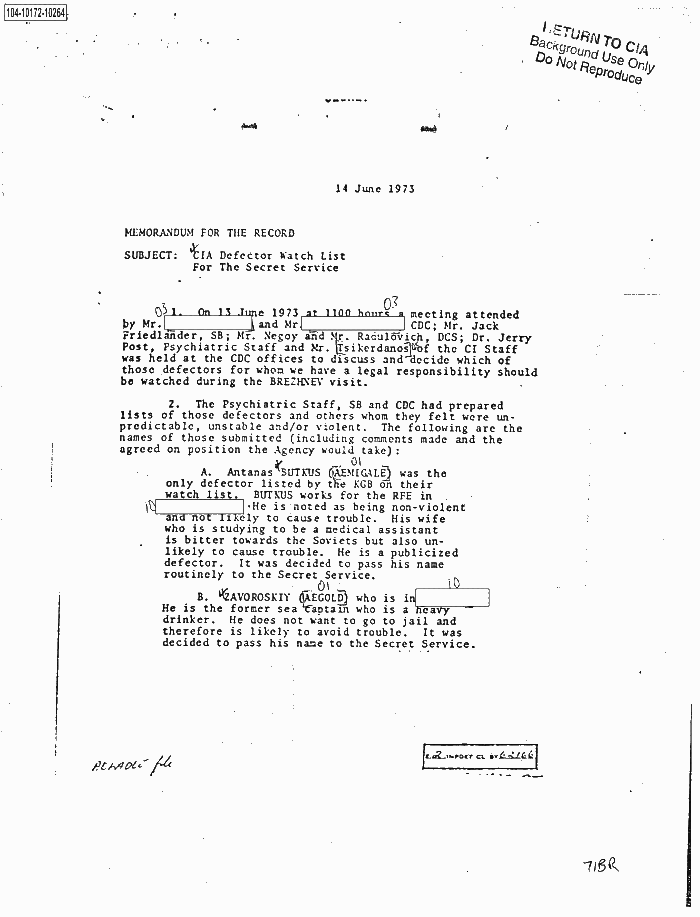
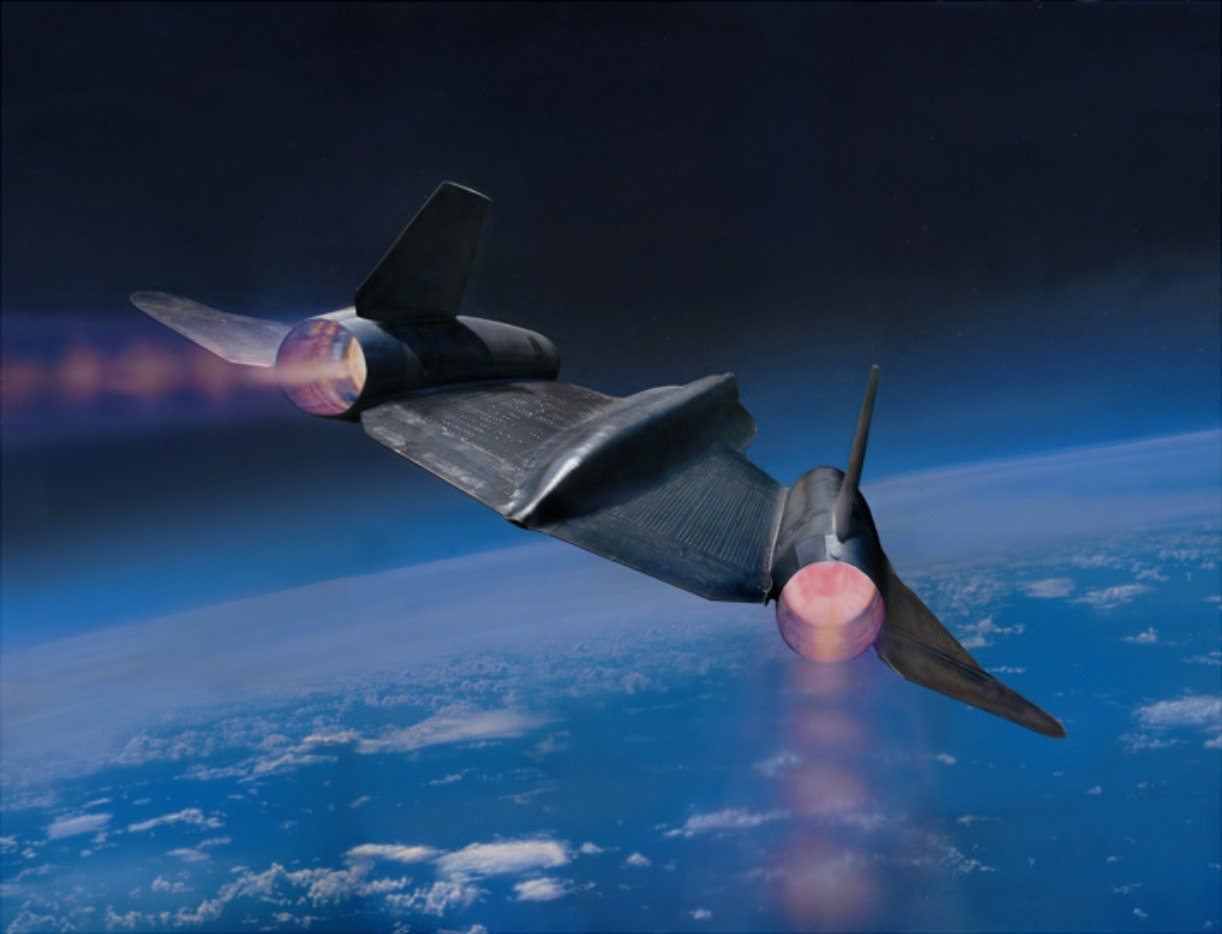
Abstract: Disseminates Vernon Walter’s statement to congressional committee about his communications with John Dean and Patrick Gray on Central Intelligence Agency involvement in Watergate and CIA’s issuance of equipment to Howard Hunt.
Full Text: Document – PDF – this link will open in a new window (156 KB)

Durable URL for this record

THE CIA CROWN JEWELS

Citation: “Family Jewels”
[Central Intelligence Agency Activities; Attached to Routing and Record Sheet; Includes Memoranda Entitled “Family Jewels”; “Johnny Roselli”; “Project Mockingbird”; “Yuriy Ivanovich Nosenko”; “Material Requisitioned From Logistics By Security For Issuance to Local Police”; “Audio Countermeasures Support to the United States Secret Service”; “Identification of Activities with Embarrassment Potential for the Agency”; and “[Excised] Equipment Test, Miami, Florida, August 1971”; Memorandum on Surveillance and Police Support Activities; and News Articles Entitled “6 Attempts to Kill Castro Laid to CIA” and “Castro Stalker Worked for the CIA”; Heavily Excised], Secret, Memorandum, May 16, 1973, 37 pp.
Collection: The CIA Family Jewels Indexed
Item Number: FJ00001
Origin: United States. Central Intelligence Agency. Directorate of Management and Services. Office of Security. Director
From: Osborn, Howard J.
To: United States. Central Intelligence Agency. Management Committee. Executive Secretary
Individuals/
Organizations Named:
Agnew, Spiro T.; Anderson, Jack; Arlington County (Virginia). Police Department; Bissell, Richard M., Jr.; Carroll, Joseph F.; Carter, Marshall S.; Castro Ruz, Fidel; Dulles, Allen W.; Edwards, Sheffield; Fairfax County (Virginia). Police Department; Getler, Michael; Giancana, Momo Salvatore (“Sam”); Golitsyn, Anatolii [Codename Aeladle]; Harvey, William K.; Helms, Richard M.; Houston, Laurence R.; Hume, Brit; Kennedy, Robert F.; King, J.C.; Kirkpatrick, Lyman B., Jr.; Maheu, Robert A.; Marchetti, Victor; McCone, John A.; McGuire, Phyllis; McNamara, Robert S.; Miami (Florida). Police Department; Montgomery County (Maryland). Police Department; Morgan, Edward P.; New York City (New York). Police Department; Nosenko, Yurii; O’Connell, James; Orta, Juan; Rosselli, John (“Johnny”); Rowan, Dan; San Francisco (California). Police Department; Soviet Union. Committee for State Security; Spear, Joseph C.; Taylor, Rufus L.; Trafficante, Santos, Jr.; United States. Central Intelligence Agency. Deputy Director; United States. Central Intelligence Agency. Director; United States. Central Intelligence Agency. Directorate of Management and Services. Office of Security; United States. Central Intelligence Agency. Directorate of Operations. Soviet/East European Division; United States. Central Intelligence Agency. Directorate of Operations. Technical Services Division; United States. Central Intelligence Agency. Directorate of Plans. Western Hemisphere Division; United States. Central Intelligence Agency. Executive Director-Comptroller; United States. Central Intelligence Agency. General Counsel; United States. Department of Justice. Bureau of Narcotics and Dangerous Drugs; United States. Federal Bureau of Investigation; United States. Secret Service; Varona Loredo, Manuel Antonio de; Waddin, Thomas; Washington (D.C.) Metropolitan Police Department; Whitten, Les
Subjects: Castro Ruz, Fidel Assassination Plots | Congress members | Cuban exiles | Defectors | Democratic National Convention (1968) | Detention | Domestic intelligence | Gambling | Illegal entry | Information leaks | Interagency cooperation | JMWAVE Intelligence Station (Miami, Florida) | Journalists | Mail opening | Miami (Florida) | National Security Act (1947) | News media | Organized crime | Police assistance | Political activists | Project Butane | Project Celotex I | Project Celotex II | Project Merrimac | Project Mockingbird | Project Redface I | Project SRPOINTER | Republican National Convention (1968) | Safe houses | Soviet Union | Surveillance countermeasures | Surveillance equipment | Vietnamese Conflict protest movements | Washington Post | Wiretapping
Abstract: Describes Central Intelligence Agency Office of Security activities “representing a possible potential threat or embarrassment to the Agency,” including contacts with organized crime members, support to local police forces, domestic surveillance, and plots to assassinate Fidel Castro.
Full Text: Document – PDF – this link will open in a new window (1.2 MB)

Durable URL for this record

TOP-SECRET – Central Intelligence Agency Component and Activity

Citation: [Central Intelligence Agency Component and Activity]
Secret, Table of Contents, May 09, 1973, 1 pp.
Collection: The CIA Family Jewels Indexed
Item Number: FJ00039
Origin: United States. Central Intelligence Agency
Individuals/
Organizations Named:
International Police Academy; United States. Central Intelligence Agency. Directorate of Operations. Central Cover Staff; United States. Central Intelligence Agency. Directorate of Operations. Counterintelligence Staff; United States. Central Intelligence Agency. Directorate of Operations. Counterintelligence Staff. Police Group; United States. Central Intelligence Agency. Directorate of Operations. Domestic Operations Division; United States. Central Intelligence Agency. Directorate of Operations. East Asia Division; United States. Central Intelligence Agency. Directorate of Operations. European Division; United States. Central Intelligence Agency. Directorate of Operations. Foreign Intelligence Staff; United States. Central Intelligence Agency. Directorate of Operations. Foreign Resources Division; United States. Central Intelligence Agency. Directorate of Operations. Narcotics Coordination Group; United States. Central Intelligence Agency. Directorate of Operations. Soviet Bloc Division; United States. Federal Bureau of Investigation; United States. Securities and Exchange Commission; Vesco, Robert L.
Subjects: Covert operations | Domestic intelligence | Interagency cooperation | Personnel management | Police assistance | Political activists | Project MHCHAOS [Codename CHAOS] | Recruitment | Wiretapping
Abstract: Lists topics of papers from Central Intelligence Agency divisions on domestic espionage activities and programs.
Full Text: Document – PDF – this link will open in a new window (20 KB)

Durable URL for this record

TOP-SECRET from the FBI – William Colby’s Handwritten and Typed Notes on Sensitive Central Intelligence Agency Activities

Citation: [William Colby’s Handwritten and Typed Notes on Sensitive Central Intelligence Agency Activities]
[Classification Unknown], Notes, May 09, 1973, 14 pp.
Collection: The CIA Family Jewels Indexed
Item Number: FJ00023
Origin: United States. Central Intelligence Agency. Directorate of Operations. Deputy Director
From: Colby, William E.
Individuals/
Organizations Named:
Chile Embassy. United States; Christensen, William H.; Clarke, Bruce C.; Hunt, E. Howard; Investors Overseas Service; Karamessines, Thomas H.; Kruegel [Central Intelligence Agency employee]; Mulholland, Douglas P.; Nixon, Richard M.; O’Neill, Joe; Osborn, Howard J.; Tofte, Hans; United States. Central Intelligence Agency. Directorate of Intelligence. Deputy Director; United States. Central Intelligence Agency. Directorate of Intelligence. Domestic Contact Service; United States. Central Intelligence Agency. Directorate of Management and Services. Office of Logistics; United States. Central Intelligence Agency. Directorate of Management and Services. Office of Security; United States. Central Intelligence Agency. Directorate of Operations. Counterintelligence Staff; United States. Central Intelligence Agency. Directorate of Operations. Foreign Resources Division; United States. Central Intelligence Agency. Directorate of Operations. Technical Services Division; United States. Department of Justice. Bureau of Narcotics and Dangerous Drugs; United States. Secret Service; Vesco, Robert L.; Walsh, Paul V.; Washington (D.C.) Metropolitan Police Department; Yale, Thomas B.
Subjects: Alias documentation | Black power movement | Cambodia | Corporations | Covert identities | Diplomatic security | Domestic intelligence | Government appropriations and expenditures | Illegal entry | Interagency cooperation | Police assistance | Political activists | Postal services | Presidential speeches | Students | Telephone monitoring
Abstract: Lists William Colby’s questions and follow-up actions regarding sensitive Central Intelligence Agency activities related to surveillance of dissidents, telephone monitoring, use of Agency budget, alias documentation, and support of local police forces.
Full Text: Document – PDF – this link will open in a new window (832 KB)

Durable URL for this record

Revealed – Prosecution of Accused CIA Leaker Will Face Legal Hurdles

Former CIA officer John C. Kiriakou was indicted yesterday on charges of leaking classified information to the press in violation of the Espionage Act and the Intelligence Identities Protection Act.ย  He had been charged on January 23 but the indictment was not filed and unsealed until yesterday.

Kiriakou is accused of violating the Intelligence Identities Protection Act for allegedly disclosing the identity of a covert CIA officer, and of violating the Espionage Act for allegedly disclosing national defense information to persons not authorized to receive it. He is further accused of making false statements to the CIA Publications Review Board in connection with a manuscript he intended to publish.

While the indictment is a daunting blow to Mr. Kiriakou, who must mobilize an expensive and burdensome defense, it is challenging in a different way for the prosecution, which will face a variety of substantive and procedural hurdles.

For one thing, it remains to be shown that the โ€œcovert officerโ€ whose identity was allegedly disclosed to a reporter by Kiriakou actually falls within the ambit of the Intelligence Identities Protection Act.ย  To be subject to the Actโ€™s penalties, the covert officer in question โ€” whose identity has not been publicly revealed โ€” must not only be under cover but must also have served abroad within the past 5 years.

But the prosecutionโ€™s biggest challenge, which may well be insurmountable, will be to demonstrate to a jury that Mr. Kiriakou actually intended to harm the United States or to assist a foreign nation by committing an unauthorized disclosure.

The new indictment asserts generally that Kiriakou โ€œhad reason to believe [the information] could be used to the injury of the United States and to the advantage of any foreign nation,โ€ which is an element of the crime set forth in the Espionage Act (18 USC 793).

Yet the meaning of this provision was construed by Judge T.S. Ellis III in a 2006 opinion in a way that would seem to make the prosecution of Mr. Kiriakou particularly difficult. In light of that opinion, the government will have to prove not merely that Kiriakou โ€œhad reason to believeโ€ some harm to the United States could possibly result from his action, but that he deliberately intended to cause such harm.

This follows from the (alleged) fact that Kiriakou disclosed classified โ€œinformationโ€ rather than classified โ€œdocuments,โ€ as well as from the seemingly duplicative Espionage Act use of the terms willfulness and reason to believe, which Judge Ellis interpreted thus:

โ€œIf a person transmitted classified documents relating to the national defense to a member of the media despite knowing that such an act was a violation of the statute, he could be convicted for โ€˜willfullyโ€™ committing the prohibited acts even if he viewed the disclosure as an act of patriotism,โ€ Judge Ellis wrote. โ€œBy contrast, the โ€˜reason to believeโ€™ scienter requirement that accompanies disclosures of information requires the government to demonstrate the likelihood of defendantโ€™s bad faith purpose to either harm the United States or to aid a foreign government.โ€ย  (see pp. 33-34).

But there is no known indication that Mr. Kiriakou, a former CIA counterterrorism operations officer, had a bad faith purpose to harm the United States, and every indication of the opposite.

โ€œFor more than 14 years, John worked in the field and at home, under conditions of great peril and stress and at great personal sacrifice, dedicating himself to protecting America and Americans from harm at home and abroad,โ€ states a new website devoted to his cause.

The CIA reports – [Description of Activities of Covert Personnel in East Asia Division of Central Intelligence Agency

Citation: [Description of Activities of Covert Personnel in East Asia Division of Central Intelligence Agency; Attached to Divider Sheet]
Secret, Report, May 09, 1973, 2 pp.
Collection: The CIA Family Jewels Indexed
Item Number: FJ00046
Origin: United States. Central Intelligence Agency. Directorate of Operations. East Asia Division
Individuals/
Organizations Named:
United States. Central Intelligence Agency. Directorate of Operations. Counterintelligence Staff; United States. Federal Bureau of Investigation
Subjects: Communists and Communist countries | Covert identities | Covert operations | Political activists
Abstract: Describes covert information collection on “American radical, leftists and communist targets” and notes possibility that covert Central Intelligence Agency operatives might be exposed or defect.
Full Text: Document – PDF – this link will open in a new window (53 KB)

Durable URL for this record

SECRET from the CIA Crown Jewels – Involvement in Sensitive Domestic Activities

Citation: Involvement in Sensitive Domestic Activities
[Central Intelligence Agency Office of Planning, Programming, and Budgeting Activities; Attached to Routing Slip; Includes Memorandum Entitled “Watergate/Ellsberg and Like Matters”], Secret, Memorandum, May 08, 1973, 5 pp.
Collection: The CIA Family Jewels Indexed
Item Number: FJ00015
Origin: United States. Central Intelligence Agency. Planning, Programming, and Budgeting. Science and Technology Group
To: Schlesinger, James R.
Individuals/
Organizations Named:
Ellsberg, Daniel; Helms, Richard M.; Mitchell, John N.; Ober, Richard; Rand Corporation; Rayborn, William F.; United States. Central Intelligence Agency. Directorate of Intelligence; United States. Central Intelligence Agency. Directorate of Intelligence. Office of Current Intelligence; United States. Central Intelligence Agency. Directorate of Management and Services. Office of Medical Services; United States. Central Intelligence Agency. Directorate of Management and Services. Office of Security; United States. Central Intelligence Agency. Directorate of Operations. Counterintelligence Staff; United States. Central Intelligence Agency. Planning, Programming, and Budgeting; United States. Federal Bureau of Investigation; Young, David R.
Subjects: Agricultural products | Biographical intelligence | Chicago (Illinois) | Communists and Communist countries | Counterintelligence | Data processing | Domestic intelligence | Government appropriations and expenditures | Narcotics | New York | Pentagon Papers | Physicians | Police assistance | Political activists | Project Often | Psychological assessments | Satellite reconnaissance | Soviet Union | Terrorism | United States citizens | Watergate Affair (1972-1974)
Abstract: Describes Central Intelligence Agency Office of Planning, Programming, and Budgeting data processing support of “sensitive” activities, including surveillance of U.S. citizens, doctors, and travelers to Communist countries, and police and Federal Bureau of Investigation assistance.
Full Text: Document – PDF – this link will open in a new window (139 KB)

Durable URL for this record

The CIA reports – Iran Expanded its Nuclear Program in 2011

CIA: Iran Expanded its Nuclear Program in 2011

In 2011, Iran expanded its nuclear program, and continued to enrich uranium and develop its nuclear facilities โ€“ thus stated a report from the CIA that was presented to the US Congress.

According to the report, Iran has successfully produced approximately 4,900 kg of low-level enriched uranium, and continued its development of the nuclear facilities constructed throughout the country, as well as is heavy water research. The report determined that Iran’s actions were carried out in contrast to the UN decisions that Iran must halt their nuclear activities.

The CIA further determined that Iran has continued the development of the underground facilities in Natanz, and even developed more advanced centrifuges, which were already tested at an unknown destination in the country. Iranโ€™s stockpiles possess approximately 80 kg of enriched uranium at a level approaching 20% (a level suitable for a nuclear bomb).

The report also noted that while the number of centrifuges in Iranโ€™s possession has dropped from 8,900 to 8,000, the number of active centrifuges has skyrocketed from 3,800 in August 2010 to a present figure of 6,200.

In addition, according to the report, one of the most important facilities in Iranโ€™s nuclear program is the Fordo facility near the city of Qom, where Iran is enriching uranium at a level of โ€œnearly 20%.โ€

The CIA is also stating that while the Bushehr nuclear reactor started producing nuclear fuel last year, it is still not acting at full capacity. However, it should be noted that the report does not deal with the topic of Iranโ€™s military nuclear program. While it provides figures of the countryโ€™s uranium stockpiles, it does not associate this stockpile, or any other, with the Islamic Republicโ€™s plans for developing military nuclear capabilities.

The agency also determined that Tehran is continuing the development and expansion of its missile program. They are continuing the development of short and medium-ranged missiles, and focusing on the ability to launch missiles into space as well โ€“ so that they can develop missiles with exceptionally long ranges.

The CIA reports – Support Furnished to Elements of the Government outside of the Intelligence Community

Citation: Support Furnished to Elements of the Government outside of the Intelligence Community
[Interagency Audio Surveillance Countermeasures Training Center; Attached to Routing and Record Sheet], Confidential, Memorandum, TS CC-D-386, May 08, 1973, 3 pp.
Collection: The CIA Family Jewels Indexed
Item Number: FJ00016
Origin: United States Intelligence Board. Technical Surveillance Countermeasures Committee. Chairman
From: Roosevelt, Cornelius V.S.
To: Schlesinger, James R.; Schlesinger, James R.
Individuals/
Organizations Named:
United States Embassy. Soviet Union; United States Intelligence Board. Security Committee; United States. Air Force; United States. Army; United States. Central Intelligence Agency; United States. Defense Intelligence Agency; United States. Department of Justice. Bureau of Narcotics and Dangerous Drugs; United States. Department of State; United States. Department of Transportation; United States. Internal Revenue Service; United States. National Security Agency; United States. National Security Council. Special Committee on Technical Surveillance Countermeasures; United States. Navy; United States. Secret Service; United States. White House Communications Agency
Subjects: Communications interception | Surveillance countermeasures
Abstract: Describes establishment of the Interagency Audio Surveillance Countermeasures Training Center and training provided to other agencies.
Full Text: Document – PDF – this link will open in a new window (90 KB)

Durable URL for this record – this link will open in a new window

TOP-SECRET – Activities Possibly outside CIA’s Legislative Charter

Citation: Activities Possibly outside CIA’s Legislative Charter
[Central Intelligence Agency Directorate of Intelligence Sensitive Activities; Attached to Cover Sheet; Includes Memoranda Entitled “DCS Domestic Activity”; “Activity Related to Domestic Events” [Four Versions]; “Contacts with David Young”; “Involvement in Domestic Affairs [Excised]”; “Questionable NPIC Projects”; and “Sensitive Activities”], Top Secret, Memorandum, May 08, 1973, 25 pp.
Collection: The CIA Family Jewels Indexed
Item Number: FJ00020
Origin: United States. Central Intelligence Agency. Directorate of Intelligence. Deputy Director
From: Proctor, Edward W.
To: Schlesinger, James R.
Individuals/
Organizations Named:
Al-Amin, Jamil; Anderson, Jack; Bush, Archer; Carmichael, Stokely; Clark, Ramsey; Cleaver, Eldridge; Colby, William E.; Columbia University; Eisenbeiss, Harry; Fonda, Jane; Helms, Richard M.; Hunt, E. Howard; Lehman, Richard; Mitchell, John N.; Murphy, James R.; Nixon, Richard M.; Rostow, Walt W.; Smith, R. Jack; Students for a Democratic Society; United States Intelligence Board; United States. Central Intelligence Agency. Directorate of Intelligence; United States. Central Intelligence Agency. Directorate of Intelligence. Assistant Deputy Director; United States. Central Intelligence Agency. Directorate of Intelligence. Central Reference Service; United States. Central Intelligence Agency. Directorate of Intelligence. Domestic Contact Service; United States. Central Intelligence Agency. Directorate of Intelligence. National Photographic Interpretation Center; United States. Central Intelligence Agency. Directorate of Intelligence. Office of Current Intelligence; United States. Central Intelligence Agency. Directorate of Management and Services. Office of Communications; United States. Central Intelligence Agency. Directorate of Management and Services. Office of Security; United States. Central Intelligence Agency. Directorate of Operations. Counterintelligence Staff; United States. Central Intelligence Agency. Directorate of Operations. Covert Action Staff; United States. Central Intelligence Agency. Directorate of Operations. Deputy Director; United States. Central Intelligence Agency. General Counsel; United States. Department of Justice; United States. Department of Justice. Attorney General; United States. Department of Justice. Bureau of Narcotics and Dangerous Drugs; United States. Federal Bureau of Investigation; United States. Foreign Broadcast Information Service; United States. Marine Corps; United States. National Aeronautics and Space Administration; United States. National Foreign Intelligence Board. Committee on Imagery Requirements Exploitation; United States. National Security Agency; United States. National Security Council; United States. National Security Council. 40 Committee; United States. Special Assistant to the President for National Security Affairs; United States. White House; White, Lawrence K.; Young, David R.
Subjects: Arabic language | Argentina | Awards | Biographical intelligence | Black power movement | Caribbean Region | Chinese language | Civil unrest | Communists and Communist countries | Courts-martial | Cuba | Defectors | Domestic intelligence | Ellsberg, Daniel Psychiatrist’s Office Burglary (1971) | Executive Order 11652 (1972) | Hanoi (North Vietnam) | Information security | Intellectual property rights | ITAR-TASS (Soviet Union news agency) | Libel | Military training | Motion pictures | Narcotics | National Security Act (1947) | Natural disasters | New China News Agency | New York | Opium production | Photographic intelligence | Political activists | Prisoners of war | Radio broadcasts | Records management | Satellite reconnaissance | Students | Taiwan | Telephone monitoring | United States citizens | Vietnamese Conflict protest movements | Watergate Affair (1972-1974) | Yugoslavia
Abstract: Describes Central Intelligence Agency Directorate of Intelligence activities possibly outside CIA’s charter, including monitoring narcotics trade, overseas telephone calls, Caribbean nationalist movements, student and anti-war groups, and other U.S. citizens; telephone and satellite surveillance; and linguistic services to outside agencies; indicates that John Mitchell received secret daily intelligence briefings.
Full Text: Document – PDF – this link will open in a new window (711 KB)

Durable URL for this record

The CIA Crown Jewels – The Watergate Affair

Citation: Response to Press Inquiries concerning Mr. Hunt’s Grand Jury Testimony
[Attached to Cover Memorandum], [Classification Unknown], Statement, May 08, 1973, 2 pp.
Collection: The CIA Family Jewels Indexed
Item Number: FJ00033
Origin: United States. Central Intelligence Agency. General Counsel
Individuals/
Organizations Named:
Colby, William E.; Cushman, Robert E., Jr.; Ellsberg, Daniel; Hersh, Seymour M.; Houston, Laurence R.; Hunt, E. Howard; Schlesinger, James R.; Thuermer, Angus; United States. Central Intelligence Agency. Director; United States. Central Intelligence Agency. Directorate of Intelligence. Office of Intelligence Coordination; United States. Department of Justice
Subjects: Ellsberg, Daniel Psychiatrist’s Office Burglary (1971) | Investigations | News media | Watergate Affair (1972-1974)
Abstract: Provides guidance for responding to press questions on Howard Hunt’s grand jury testimony denying advance Central Intelligence Agency knowledge of Daniel Ellsberg’s psychiatrist’s office break-in, and cites Seymour Hersh’s assertion to the contrary.
Full Text: Document – PDF – this link will open in a new window (42 KB)

Durable URL for this record – this link will open in a new window

TOP-SECRET – Areas of Possible Embarrassment to the Agency

Citation: Areas of Possible Embarrassment to the Agency
[Includes Attachments Entitled “Telephone Conversation of General Cushman and Someone in White House, 23/7/71”; “Nixon Puts an Eye on His Brother”; “Nixon Kin Is Mum on Vesco Cash Gift”; and “Vesco Arrest Warrant Issued by Federal Judge for Grand Jury Inquiry”; “Intelligence Evaluation Committee”; and Table of Contents], Secret, Memorandum, May 08, 1973, 8 pp.
Collection: The CIA Family Jewels Indexed
Item Number: FJ00057
Origin: United States. Central Intelligence Agency. Directorate of Operations. Counterintelligence Staff. Chief
From: Angleton, James
To: United States. Central Intelligence Agency. Directorate of Operations. Deputy Director
Individuals/
Organizations Named:
Anderson, Jack; Cushman, Robert E., Jr.; Dean, John Wesley III; Dietrich, Noah; Dougherty, John; Ehrlichman, John D.; Ellsberg, Daniel; Fielding, Fred F.; Figueres, Jose; Finkelstein, Ray; Haldeman, H.R.; Helms, Richard M.; Hoover, J. Edgar; Hughes, Howard; International Controls Corporation; Investors Overseas Service; Liddy, G. Gordon; Mardian, Robert C.; Marriott, J. Willard; Marriott Corporation; Nixon, Donald; Nixon, Donald, Jr.; Nixon, Edward C.; Nixon, Richard M.; Ober, Richard; Olson, William J.; Onassis, Aristotle; Pappas, Thomas A.; Rayhill, James W.; Ryan Aeronautical Company; Sears, Harry L.; Sherwood, Jack; Straub, Gilbert; Sullivan, William C.; United States. Central Intelligence Agency. Deputy Director; United States. Central Intelligence Agency. Directorate of Operations. Counterintelligence Staff; United States. Department of Defense; United States. Department of Justice; United States. Department of State; United States. Department of the Treasury; United States. Federal Bureau of Investigation; United States. Intelligence Evaluation Committee; United States. National Security Agency; United States. Secret Service; United States. Securities and Exchange Commission; United States. White House; Vesco, Robert L.; Wells, Bernard A.; Williams, Edward Bennett
Subjects: Biographical intelligence | Classified information | Costa Rica | Counterintelligence | Domestic intelligence | Election campaign funds | Election campaigns | Extradition | Grand juries | Greece | Information leaks | Information security | Interagency cooperation | Investigations | Military governments | Nassau (Bahamas) | News media | Pentagon Papers | United Kingdom
Abstract: Describes Central Intelligence Agency and Federal Bureau of Investigation concerns about Investors Overseas Service and Robert Mardian; provides background information about Intelligence Evaluation Committee and news clippings about financial mismanagement allegations against Robert Vesco and Richard Nixon’s brothers, Donald and Edward.
Full Text: Document – PDF – this link will open in a new window (297 KB)

Durable URL for this record

The CIA Crown Jewels – The MHCHAOS Program

Citation: The MHCHAOS Program
Secret, Report, May 08, 1973, 3 pp.
Collection: The CIA Family Jewels Indexed
Item Number: FJ00058
Origin: United States. Central Intelligence Agency
Individuals/
Organizations Named:
Dean, John Wesley III; Fedayeen-e Islam; Kissinger, Henry A.; United States. Central Intelligence Agency. Director; United States. Central Intelligence Agency. Directorate of Operations; United States. Central Intelligence Agency. Directorate of Operations. East Asia Division; United States. Central Intelligence Agency. Directorate of Operations. East Asia Division. Vietnam Operations; United States. Central Intelligence Agency. Directorate of Operations. Soviet Bloc Division; United States. Central Intelligence Agency. Directorate of Operations. Special Operations Division; United States. Central Intelligence Agency. Directorate of Plans. Far East Division. China Operations; United States. Central Intelligence Agency. Directorate of Plans. Western Hemisphere Division. Cuban Operations Group; United States. Department of Justice. Attorney General; United States. Department of State. Secretary; United States. Federal Bureau of Investigation; United States. Federal Bureau of Investigation. Director; United States. White House
Subjects: Algiers (Algeria) | Biographical intelligence | Brussels (Belgium) | China | Communications interception | Communications security | Conakry (Guinea) | Covert identities | Cuba | Dar es Salaam (Tanzania) | Domestic intelligence | Foreign citizens | Hong Kong | Intelligence collection | Interagency cooperation | Korea (North) | Mexico City (Mexico) | Ottawa (Canada) | Paris (France) | Political activists | Project MHCHAOS [Codename CHAOS] | Santiago (Chile) | Soviet Union | Stockholm (Sweden) | Vietnam (North)
Abstract: Describes MHCHAOS program and activities, including intelligence gathering on U.S. and foreign dissidents and methods for transmitting findings to U.S. agencies.
Full Text: Document – PDF – this link will open in a new window (102 KB)

Durable URL for this record

Reports on types of alias documentation issued by Central Cover Staff of Central Intelligence Agency

Citation: [Memoranda on Alias Documentation Provided by Central Intelligence Agency’s Central Cover Staff; Attached to Divider Sheet; Includes Routing Sheets and Attachments Entitled “Cover Support”; Variations of “CCS Cover Support Provided within the United States”; Variations of “Alias Passports”; “Alias U.S. Documentation”; “U.S. Documentation in Clandestine Services Operations”; Heavily Excised]
Secret, Compendium, May 07, 1973, 34 pp.
Collection: The CIA Family Jewels Indexed
Item Number: FJ00047
Origin: United States. Central Intelligence Agency. Directorate of Operations. Central Cover Staff
Individuals/
Organizations Named:
Bissell, Richard M., Jr.; Colby, William E.; Helms, Richard M.; United States. Central Intelligence Agency. Directorate of Operations; United States. Central Intelligence Agency. Directorate of Operations. Central Cover Staff. Chief; United States. Central Intelligence Agency. Directorate of Operations. Deputy Director; United States. Central Intelligence Agency. Directorate of Plans. Deputy Director; United States. Department of Justice. Bureau of Narcotics and Dangerous Drugs
Subjects: Alias documentation | Corporations | Covert identities
Abstract: Reports on types of alias documentation issued by Central Cover Staff of Central Intelligence Agency.
Full Text: Document – PDF – this link will open in a new window (360 KB)

Durable URL for this record

Research Project on Robert L. Vesco – The CIA Criown Jewels

Citation: Research Project on Robert L. Vesco
[Attached to Divider Sheet], Secret, Memorandum, May 07, 1973, 3 pp.
Collection: The CIA Family Jewels Indexed
Item Number: FJ00048
Origin: United States. Central Intelligence Agency. Directorate of Operations. European Division. Chief
From: Roosevelt, Archibald B.
To: United States. Central Intelligence Agency. Directorate of Operations. Deputy Director
Individuals/
Organizations Named:
Helms, Richard M.; Proctor, Edward W.; United States. Central Intelligence Agency. Deputy Director; United States. Central Intelligence Agency. Director; United States. Central Intelligence Agency. Directorate of Intelligence. Office of Economic Research; United States. Central Intelligence Agency. Directorate of Plans; Vesco, Robert L.
Subjects: Corporations | Investigations
Abstract: Recounts Central Intelligence Agency Office of Economic Research’s investigation of Robert Vesco and the sudden cancellation of inquiry at Richard Helms’ behest.
Full Text: Document – PDF – this link will open in a new window (60 KB)

The CIA Crown Jewels – Items for Possible Use in Briefing the DCI

Citation: Items for Possible Use in Briefing the DCI
[Attached to Divider Sheet], Secret, Memorandum, May 07, 1973, 3 pp.
Collection: The CIA Family Jewels Indexed
Item Number: FJ00049
Origin: United States. Central Intelligence Agency. Directorate of Operations. Soviet Bloc Division. Chief
From: Blee, David H.
To: United States. Central Intelligence Agency. Directorate of Operations. Deputy Director
Individuals/
Organizations Named:
Nosenko, Yurii; United States. Central Intelligence Agency. Directorate of Management and Services. Office of Security. Director; United States. Department of Justice. Marshals Service; United States. Federal Bureau of Investigation
Subjects: Assassination plots | Attorneys | Counterintelligence | Defectors | Detention | Interagency cooperation | News media | Organized crime | Safe houses | Soviet Union
Abstract: Describes Central Intelligence Agency Soviet Bloc Division activities that could be considered “inappropriate,” including provision of safe house for U.S. attorney threatened by “organized criminal elements,” collaboration with Federal Bureau of Investigation on counterintelligence training, and secret detention of Soviet defector Yurii Nosenko.
Full Text: Document – PDF – this link will open in a new window (59 KB)

Inside in the CIA – Item for the List of Delicate Matters

Citation: Item for the List of Delicate Matters
[Attached to Divider Sheet], Secret, Memorandum, May 07, 1973, 2 pp.
Collection: The CIA Family Jewels Indexed
Item Number: FJ00052
Origin: United States. Central Intelligence Agency. Directorate of Operations. Foreign Intelligence Staff. Chief
To: United States. Central Intelligence Agency. Directorate of Operations. Deputy Director
Individuals/
Organizations Named:
Barreaux, Theodore C.; Colby, William E.; Houston, Laurence R.; Timmeny, Wallace L.; United States. Central Intelligence Agency. Directorate of Intelligence. Deputy Director; United States. Securities and Exchange Commission; Vesco, Robert L.; Walsh, Paul V.; Young, David R.
Subjects: Corporations | Interagency cooperation | Investigations | Organized crime
Abstract: Reports on request from Securities and Exchange Commission for information on “foreign connections with organized crime” in the U.S.; notes Central Intelligence Agency’s release of banking transaction made by associate of Robert Vesco.
Full Text: Document – PDF – this link will open in a new window (39 KB)

Secret – The CIA – Request for Information on Sensitive Activities

Citation: Request for Information on Sensitive Activities
[Central Intelligence Agency Funds for Federal Bureau of Investigation], Secret, Memorandum, May 07, 1973, 1 pp.
Collection: The CIA Family Jewels Indexed
Item Number: FJ00056
Origin: United States. Central Intelligence Agency. Directorate of Plans. Missions and Programs Staff
From: Sherman, Edward L.
Individuals/
Organizations Named:
Angleton, James; Briggs, Charles; United States. Central Intelligence Agency. Directorate of Operations. Technical Services Division; United States. Central Intelligence Agency. Executive Director; United States. Federal Bureau of Investigation
Subjects: Government appropriations and expenditures | Interagency cooperation
Abstract: Reveals that Central Intelligence Agency funds were made available to Federal Bureau of Investigation.
Full Text: Document – PDF – this link will open in a new window (22 KB)

TOP-SECRET – The CIA Training of Foreign Police Forces

Citation: [Training of Foreign Police Forces; Attached to Divider Sheet and Routing Sheet; Includes Attachments Entitled “Counter Intelligence Staff, Police Group Activities”; “Joint CIA/USAID Terrorist (Technical) Investigations Course #7 (English Language) CI Staff’s Project [Excised]”; “Facts and Statistics”; and “National Security: Political, Military, and Economic Strategies in the Decade Ahead”]
Secret, Compendium, April 25, 1973, 16 pp.
Collection: The CIA Family Jewels Indexed
Item Number: FJ00059
Origin: United States. Central Intelligence Agency
To: Halpern, Sam
Individuals/
Organizations Named:
Abshire, David M.; Allen, Richard V.; Angleton, James; Burke, Arleigh A.; Colby, William E.; Dade County (Florida). Police Department. Bomb Squad; International Police Academy; Mitrione, Daniel A.; Schlesinger, James R.; Tupamaros (Uruguay); United States Park Police; United States. Agency for International Development. Office of Public Safety; United States. Central Intelligence Agency. Directorate of Operations. Counterintelligence Staff. Chief; United States. Central Intelligence Agency. Directorate of Operations. Counterintelligence Staff. Police Group; United States. Central Intelligence Agency. Directorate of Operations. Deputy Director; United States. Central Intelligence Agency. Directorate of Operations. Technical Services Division; United States. Department of the Treasury. Office of Enforcement; United States. Secret Service
Subjects: Biographical intelligence | Bombings | Developing countries | Diplomatic security | Explosives detection | Foreign policy | Government appropriations and expenditures | Intelligence collection | Interagency cooperation | International trade | Investigations | Latin America | Murders | Police assistance | Sabotage | Sanctions | Target analysis | Terrorism | Uruguay
Abstract: Provides overview of coordination among Central Intelligence Agency, Agency for International Development, and International Police Academy for training of foreign police and security forces; assesses potential use of aid and trade relationships to affect change in foreign governments.
Full Text: Document – PDF – this link will open in a new window (1.1 MB)

TOP-SECRET – The CIA Crown Jewels – The CIA and Allende

Citation: The CIA and Allende
[Editorial on U.S. Involvement in Foreign Matters], Non-Classified, Article, April 12, 1973, 1 pp.
Collection: The CIA Family Jewels Indexed
Item Number: FJ00042
Origin: Baltimore News American
From: Roche, John P.
Individuals/
Organizations Named:
Allende Gossens, Salvador; Colby, William E.; Dulles, John Foster; International Telephone and Telegraph Corporation; Nasser, Gamal Abdel; Organization of American States; Roosevelt, Theodore
Subjects: Assassinations | Chile | Coffee industry | Congressional investigations | Covert operations | Dominican Republic | Egypt | Elections | Foreign assistance | Foreign investments | Foreign policy | News media | Panama | Trujillo, Rafael Assassination (1961)
Abstract: Reveals U.S. covert operations in other countries and debates ethics of U.S. intervention in foreign matters.
Full Text: Document – PDF – this link will open in a new window (63 KB)

TOP-SECRET from the CIA – Agency Support to the U.S. Secret Service (USSS) for National Democratic (10-14 July 1972) and National Republican (21-24 August 1972) Conventions

Citation: Agency Support to the U.S. Secret Service (USSS) for National Democratic (10-14 July 1972) and National Republican (21-24 August 1972) Conventions
[Attached to Divider Sheet; Includes Attachments Entitled “CIA Support to the Secret Service for the Democratic National Convention in Miami, Florida, July 9-15, 1972” and “Democratic National Convention–Miami, Florida–July 9-15, 1972”], Secret, Memorandum, June 23, 1972, 7 pp.
Collection: The CIA Family Jewels Indexed
Item Number: FJ00055
Origin: United States. Central Intelligence Agency. Directorate of Plans. Western Hemisphere Division. Chief
From: Shackley, Theodore G.
To: United States. Central Intelligence Agency. Executive Director-Comptroller
Individuals/
Organizations Named:
Angleton, James; Helms, Richard M.; Rowley, James J.; United States. Central Intelligence Agency. Deputy Director; United States. Central Intelligence Agency. Director; United States. Central Intelligence Agency. Directorate of Operations. Counterintelligence Staff. Chief; United States. Central Intelligence Agency. Directorate of Plans. Acting Deputy Director; United States. Central Intelligence Agency. Directorate of Plans. Deputy Director; United States. Central Intelligence Agency. Executive Director-Comptroller; United States. Secret Service
Subjects: Caribbean Region | Cuban exiles | Democratic National Convention (1972) | Domestic intelligence | Intelligence collection | Interagency cooperation | Latin America | Miami (Florida) | Project JMCOBRA | Project JMFALCON | Republican National Convention (1972) | Safe houses | Security personnel
Abstract: Documents coordination efforts between Central Intelligence Agency and Secret Service in preparation for 1972 Democratic and Republican National Conventions.
Full Text: Document – PDF – this link will open in a new window (205 KB)

TOP-SECRET-The CIA’s File about Mafia Boss Johnny Rosselli

DOWNLOAD THE ORIGINAL FILE HERE

displayItemPdf.do-1

The Orginal CIA Murder Murder Contract for Congo President Lumumba – Document

DOWNLOAD THE ORIGINAL DOCUMENT HERE

displayItemPdf.do

The CIA and the Congress – A Secret Document

DOWNLOAD THE ORIGINAL DOCUMENT HERE

05-The Agency and the Hill_PartI-Chapter2

TOP-SECRET – Transcript of Council on Foreign Relations Secret Meeting on the Theory of CIA Covert Action

The following is a transcript of a private meeting held in 1968 in the New York Pratt House of the Council on Foreign Relations.ย  The meeting was attended by a number of prominent members of the early U.S. intelligence community, including Richard Bissell and Allen Dulles.ย  The transcript was reportedly discovered by Vietnam War protesters who occupied a building in 1971 housing Harvardโ€™s Center for International Affairs.ย  One of the attendees of the secret meeting, William Harris, served as an associate to the Center for International Affairs and this transcript was found in his personal files.ย  The transcript was published in full in the 1974 book โ€œThe CIA and the Cult of Intelligenceโ€ by Victor Marchetti, a former special assistant to the Deputy Director of the Central Intelligence Agency, and John D. Marks, a former officer of the United States Department of State.ย  The meeting transcript is described in the book as the โ€œmost complete description of the CIAโ€™s covert-action strategy and tactics ever made available to the outside world.โ€

Minutes of the 1968 โ€œBissell Meetingโ€ at the Council on Foreign Relations

The third meeting of the Discussion Group on Intelligence and Foreign Policy was held at the Harold Pratt House on January 8, 1968, at 5:00 p.m. Present were: Richard M. Bissell, Jr., Discussion Leader; Douglas Dillon, Chairman; William J. Barnds, Secretary; William R. Harris, Rapporteur; George Agree, Frank Altschul, Robert Amory, Jr., Meyer Bernstein, Col. Sidney B. Berry, Jr., Allen W. Dulles, George S. Franklin, Jr., Eugene Fubini, Julius C. Holmes, Thomas L. Hughes, Joseph Kraft, David W. MacEachron, Philip W. Quigg, Harry Howe Ransom, Theodore C. Sorensen, David B. Truman.

The Chairman, Mr. Dillon, opened the meeting, noting that although this entire series of discussion was โ€œoff-the-record,โ€ the subject of discussion for this particular meeting was especially sensitive and subject to the previously announced restrictions.

Mr. Dillon noted that problems involving CIAโ€™s relationships with private institutions would be examined at a later meeting, though neither Mr. Bissell nor others should feel restricted in discussion of such problems this evening.

As the sessionโ€™s discussion leader, Mr. Bissell offered a review and appraisal of covert operations in U.S. foreign policy.

Touching briefly upon the question of responsibility, of whether these agencies are instruments of national policy, Mr. Bissell remarked that, in such a group, he neednโ€™t elaborate on CIAโ€™s responsiveness to national policy; that we could assume that, although CIA participates in policy making (as do other โ€œaction agencies,โ€ such as AID, the military services and Departments, in addition to the Department of State), CIA was a responsible agency of national policy.

Indeed in Mr. Bissellโ€™s personal experience, CIAโ€™s role was more carefully circumscribed and the established limits observed more attentively than in ECA, where Mr. Bissell had previously worked.

The essential control of CIA rested in a Cabinent-level committee, comprising a representative of the White House staff the Under Secretary of State, Deputy Secretary of Defense, and in recent years the personal participation of the Director of Central Intelligence. Over the years this committee has become a more powerful and effective device for enforcing control. It reviews all new projects, and periodically scrutinizes ongoing projects.

As an interdepartmental committee composed of busy officials who meet only once per week, this control group is of limited effectiveness. Were it the only control instrument, Mr. Bissell would view it as inadequate, but in fact this committee is merely the summit of control, with a series of intermediate review procedures as lower levels. Projects are usually discussed in the relevant office of the Assistant Secretary of State, and, if at all related to Defense Department interests, at a similar level in DoD, frequently after consideration at lower levels in these departments. It was rare to take an issue before the Special Group prior to discussion at lower levels, and if there was objection at lower levels most issues were not proposed to the Special Group โ€” excepting large projects or key issues, which would be appealed at every level, including the Special Group.

Similar procedures applied in the field. Generally, the Ambassador had a right to know of any covert operations in his jurisdiction, although in special cases (as a result of requests from the local Chief of State or the Secretary of State) the chief of station was instructed to withhold information from the Ambassador. Indeed, in one case the restriction was imposed upon the specific exhortation of the Ambassador in question, who preferred to remain ignorant of certain activities.

Of the โ€œblownโ€ operations, frequently among the larger ones, most are known to have been approved by the President himself. The U-2 project, for example, was an offshoot of the Land (intelligence) Committee of the Killian panel on surprise attack; it was proposed as a Killian panel recommendation to the President, supported by USIB; its procurement, in utmost secrecy, was authorized by the President, and, with the exception of the first few flights (the initial authorization being to operate for a period of ten days, โ€œweather permittingโ€), each individual flight was authorized by the President, with participation by the Secretary of State and Secretary of Defense.

Covert operations should, for some purposes, be divided into two classifications: ( 1) Intelligence collection, primarily espionage, or the obtaining of intelligence by covert means; and (2) Covert action, attempting to influence the internal affairs of other nations โ€” sometimes called โ€œinterventionโ€ โ€” by covert means.

Although these two categories of activity can be separated in theory, intelligence collection and covert action interact and overlap. Efforts have been made historically to separate the two functions but the result has usually been regarded as โ€œa total disaster organizationally.โ€ One such attempt was the establishment in the early days of CIA (1948) of the OPC under Frank G. Wisner as a separate organ for covert action. Although supported and given cover by the CIA, this organization was independent and Wisner reported directly to the Secretaries of State and Defense. โ€œBeedleโ€ Smith decided when he became Director of Central Intelligence that, if he were responsible for OPC, he was going to run it and it was merged with the clandestine intelligence organization in such a way that within the combined Clandestine Service there was a complete integration of intelligence collection and covert action functions in each area division.

In addition to our experience with OPC, the Germans and the British for a time during the war had organizations for covert special operations separate from, and inevitably in competition with. their espionage services. In every case the experience has been unfortunate. Although there are many disagreements within CIA on matters of doctrine, the view is unanimous that the splitting of intelligence and covert action services would be disastrous, with resulting competition for recruitment of agents, multiple recruitment of the same agents, additional security risks, and dissipation of effort.

Concerning the first category, intelligence collection, we should ask: (a) What is the scope of โ€œcovert intelligence collectionโ€? (b) What intelligence collection functions can best be performed covertly?

The scope of covert intelligence collection includes: (1) reconnaissance; (2) communications and electronic intelligence, primarily undertaken by NSA; and (3) classical espionage, by agents. In gauging their utility, Mr. Bissell ranked (1) the most important, (2) slightly below, and (3) considerably below both (1) and (2).

Although it is less effective, classical espionage is โ€œmuch the least costly,โ€ with the hardware components of recon and NSA activities raising their costs considerably.

(In the after-dinner discussion, an authority on communications-electronics expressed his concurrence in Mr. Bissellโ€™s relative rankings. Notwithstanding technological advances in cryptology, the increased sophistication in most cryptosystems assured that (1) (reconnaissance) outranked (2). Another observer noted that the budgets correlated in similar manner, the former speaker concurring and noting that, however surprising, the budgets approximated maximum utility according to cost-effectiveness criteria.)

Postwar U.S. reconnaissance operations began, historically, as โ€œcovertโ€ operations, primarily a series of clandestine overflights of Communist territory in Eastern Europe, inaugurated in the early 1950s. These early efforts were followed by the U-2 project, which provided limited coverage but dramatic results.

Now we have reconnaissance satellites. Overhead reconnaissance is one of the most open of โ€œsecretsโ€ in international affairs; it is no longer really a โ€œcovert activity,โ€ and bureaucratic responsibility for it now resides in the Pentagon. Classical espionage, in the early postwar years, was conducted with special intensity in West Germany, and before the Berlin wall, in that city, which was ideal for the moving of agents in both directions, providing a sizable flow of political and economic intelligence (especially from East Germany).

Throughout the period since the early fifties, of course, the Communist bloc, and more especially the U.S.S.R. itself, has been recognized as the primary target for espionage activities. Circumstances have greatly limited the scale of operations that could be undertaken within the bloc so much of the effort has been directed at bloc nationals stationed in neutral or friendly areas, and at โ€œthird countryโ€ operations that seek to use the nationals of other non-Communist countries as sources of information on the Soviet bloc.

More recently there has been a shift in priorities for classical espionage toward targets in the underdeveloped world. Partly as a result of this change in priorities and partly because of other developments, the scale of the classical espionage effort mounted in Europe has considerably diminished. The U.S.S.R. remains a prime target but Communist China would today be given the same priority.

As to the kinds of information that could be obtained, espionage has been of declining relative importance as a means of learning about observable developments, such as new construction, the characteristics of transportation systems, the strength and deployment of military forces and the like because reconnaissance has become a far more effective collection technique and (except in China) travel is freer and far more extensive than some years ago. It had been hoped that espionage would contribute to the collection of intelligence on Soviet and East European technology, since this is a body of information not readily observable (until embodied in operational systems). Another type of intelligence for which espionage would seem to be the only available technique is that concerning enemy intentions. In practice however espionage has been disappointing with respect to both these types of intelligence. They ,are for obvious reasons closely guarded and the task is just too difficult to permit results to be obtained with any dependability or regularity. With respect to the former category โ€” technology โ€” the published literature and direct professional contacts with the scientific community have been far richer sources.

(A communications-electronics expert interjected the observation that the same reasoning applied to inadequacies in S&T intelligence collection; technology is just too difficult for agents, who are insufficiently trained to comprehend what they observe as the technologies become increasingly complicated.)

As to friendly neutrals and allies, it is usually easier to learn what one wishes by overt contacts, human contact of overt members of the U.S. mission or private citizens. We donโ€™t need espionage to learn British, or even French
intentions.

(The speaker was questioned as to whether the other sideโ€™s espionage was of similarly limited utility, or whether โ€” with their Philbys โ€” they were more successful?)

Mr. Bissell remarked that Soviet Union successes were primarily in counterintelligence, though going back aways, the Soviet Union had been more successful in recruiting U.S. scientists.

(The question was raised as to whether Burgess and MacLean constituted merely C.I. successes.)

Mr. Bissell thought so.

(In anotherโ€™s recollection, Soviet atomic intelligence efforts had been of substantial assistance in facilitating the Soviet nuclear weapons program. Although it is not possible to estimate with precision the effects of this intelligence, it was Lewis Straussโ€™s guess that atomic intelligence successes allowed the Soviets to detonate their first device at least one and one-half and perhaps as much as two and one-half years before such a test would have been possible with purely indigenous efforts.)

The general conclusion is that against the Soviet bloc or other sophisticated societies, espionage is not a primary source of intelligence, although it has had occasional brilliant successes (like the Berlin Tunnel and several of the high level defectors). A basic reason is that espionage operates mainly through the recruitment of agents and it is enormously difficult to recruit high level agents. A low level agent, even assuming that he remained loyal and that there is some means of communicating with him[,] simply cannot tell you much of what you want to know. The secrets we cannot find out by reconnaissance or from open sources are in the minds of scientists and senior policy makers and are not accessible to an ordinary citizen even of middle rank.

In contrast, the underdeveloped world presents greater opportunities for covert intelligence collection, simply because governments are much less highly oriented; there is less security consciousness; and there is apt to be more actual or potential diffusion of power among parties, localities, organizations, and individuals outside of the central governments. The primary purpose of espionage in these areas is to provide Washington with timely knowledge of the internal power balance, a form of intelligence that is primarily of tactical significance.

Why is this relevant?

Changes in the balance of power are extremely difficult to discern except through frequent contact with power elements. Again and again we have been surprised at coups within the military; often, we have failed to talk to the junior officers or non-coms who are involved in the coups. The same problem applies to labor leaders, and others. Frequently we donโ€™t know of power relationships, because power balances are murky and sometimes not well known even to the principal actors. Only by knowing the principal players well do you have a chance of careful prediction. There is real scope for action in this area; the technique is essentially that of โ€œpenetration,โ€ including โ€œpenetrationsโ€ of the sort which horrify classicists of covert operations, with a disregard for the โ€œstandardsโ€ and โ€œagent recruitment rules.โ€ Many of the โ€œpenetrationsโ€ donโ€™t take the form of โ€œhiringโ€ but of establishing a close or friendly relationship (which may or may not be furthered by the provision of money from time to time).

In some countries the CIA representative has served as a close counselor (and in at least one case a drinking companion) of the chief of state. These are situations of course in which the tasks of intelligence collection and political action overlap to the point of being almost indistinguishable. (The question was raised as to why ordinary diplomats couldnโ€™t maintain these relationships.)

Mr. Bissell observed that often they could. There were special cases, however, such as in one Republic where the chief of state had a โ€œspecial relationshipโ€ with the senior CIA officers without the knowledge of the U.S. Ambassador because the President of the Republic had so requested it. The CIA man sent reports by CIA channels back to the Secretary of State, but the Ambassador in the field, as agreed by the Secretary of State, wasnโ€™t to be informed. In this case, a problem arose when the relevant Assistant Secretary of State (who had received cables from the CIA man) became the new Ambassador, but the President of the Republic liked the new Ambassador and asked that a โ€œspecial relationshipโ€ be established with him too.

Aside from this unique case, it seems to have been true generally that the Ambassador has to be a formal representative of the United States most of whose relations with the government to which he is accredited are through or with the knowledge of. its foreign office. On the other hand, the CIA representative can maintain a more intimate and informal relationship the privacy of which can be better preserved both within the government of the country in question and within the United States government. Moreover, if a chief of state leaves the scene or changes his mind, you can quietly move a station chief, but it could be embarrassing if it were necessary suddenly to recall the U.S. Ambassador.

(Was the previously described relationship really a โ€œcovert operationโ€?)

The โ€œcoverโ€ may be to shield visibility from some junior officials or, in the case of a โ€œprivate adviserโ€ to a chief of state, to shield this fact from politicians of the local government. (Another observation was that the method of reporting, through CIA channels, constituted one difference and had some influence. A chief of state who knew that CIAโ€™s reports would be handfed in a smaller circle, with less attendant publicity, might prefer these channels for some communications.)

Concerning the second category, covert action:

The scope of covert action could include: (1) political advice and counsel; (2) subsidies to an individual; (3) financial support and โ€œtechnical assistanceโ€ to political parties; ( 4) support of private organizations, including labor unions, business firms, cooperatives, etc.; (5) covert propaganda; (6) โ€œprivateโ€ training of individuals and exchange of persons; (7) economic operations; and (8) paramilitary [or] political action operations designed to overthrow or to support a regime (like the Bay of Pigs and the programs in Laos). These operations can be classified in various ways: by the degree and type of secrecy required [,] by their legality, and, perhaps, by their benign or hostile character.

From whom is the activity to be kept secret? After five days, for example, the U-2 flights were not secret from the Russians but these operations remained highly secret in the United States, and with good reason. If these overflights had โ€œleakedโ€ to the American press, the U.S.S.R. would have had been forced to take action. On a less severe level the same problem applies to satellite reconnaissance. These are examples of two hostile governments collaborating to keep operations secret from the general public of both sides. โ€œUnfortunately, there arenโ€™t enough of these situations.โ€ (The remark was interjected that there was another reason for secrecy; if one had to admit to the activity, one would have to show the results, and exactly how good or bad they were.)

Covert operations could be classified by their legality or illegality. Many of them are legal.

They can also be classified as โ€œbenignโ€ or โ€œhostile.โ€ Most operations in Western Europe have been โ€œbenign,โ€ though involving the gravest improprieties, and in some cases clearly illegal action. (E.g., covert support of political parties.)

In the case of a large underdeveloped country, for example, money was put into a partyโ€™s funds without the knowledge of that party. The relatively few economic operations that have been undertaken have been both benign and legal. One of these involved the provision by CIA of interim ostensibly private financing of an overt project pending an overt and official loan by AID. Its purpose was to give AID time for some hard bargaining without causing a complete failure of the transaction. The stereotype, of course, is that all covert operations are illegal and hostile, but this is not really the case.

The role of covert intervention can best be understood by contrast with the overt activities of the United States government. Diplomacy seeks results by bargaining on a government-to-government basis, sometimes openly โ€” sometimes privately. Foreign economic policy and cultural programs seek to modify benignly the economies of other countries and the climate of opinion within them. Covert intervention is usually designed to operate on the internal power balance, often with fairly short-term objectives in view. An effort to build up the economy of an underdeveloped country must be subtle, long continued, probably quite costly, and must openly enlist the cooperation of major groups within the country if it is to have much influence. On the other hand an effort to weaken the local Communist party or to win an election, and to achieve results within at most two or three years, must obviously be covert, it must pragmatically use the people and the instrumentalities that are available and the methods that seem likely to work. It is not surprising that the practitioners within the United States government of these two types of intervention differ temperamentally and in their preferences for methods, friends, and ideologies.

The essence of such intervention in the internal power balance is the identification of allies who can be rendered more effective, more powerful, and perhaps wiser through covert assistance. Typically these local allies know the source of the assistance but neither they nor the United States could afford to admit to its existence. Agents for fairly minor and low sensitivity interventions, for instance some covert propaganda and certain economic activities, can be recruited simply with money. But for the larger and more sensitive interventions, the allies must have their own motivation. On the whole the Agency has been remarkably successful in finding individuals and instrumentalities with which and through which it could work in this fashion. Implied in the requirement for a pre-existing motivation is the corollary that an attempt to induce the local ally to follow a course he does not believe in will at least reduce his effectiveness and may destroy the whole operation. It is notably true of the subsidies to student, labor, and. cultural groups that have recently been publicized that the Agencyโ€™s objective was never to control their activities, only occasionally to point them in a particular direction, but primarily to enlarge them and render them more effective.

Turning to relations with other agencies. Mr. Bissell was impressed by the degree of improvement in relations with the State Department. Seen from the Washington end, there has been an increase in consultation at the country-desk level, more often at the Bureau level or the Assistant Secretary of State level as the operation shapes up. The main problem some five to six years ago was not one of responsibility or authority but of cover arrangements.

Mr. Bissell provided a brief critique of covert operations, along the following lines:

That aspect of the Agencyโ€™s operations most in need of change is the Agencyโ€™s use and abuse of โ€œcover.โ€ In this regard, the โ€œbackground paperโ€ for this session raised many cover-oriented questions.

On disclosure of private institutional support of late, it is very clear that we should have had greater compartmenting of operations.

If the Agency is to be effective, it will have to make use of private institutions on an expanding scale, though those relations which have โ€œblownโ€ cannot be resurrected.

We need to operate under deeper cover, with increased attention to the use of โ€œcut-outs.โ€ CIAโ€™s interface with the rest of the world needs to be better protected.

If various groups hadnโ€™t been aware of the source of their funding, the damage subsequent to disclosure might have been far less than occurred.

The CIA interface with various private groups, including business and student groups, must be remedied.

The problem of Agency operations overseas is frequently a problem for the State Department. It tends to be true that local allies โ€˜ find themselves dealing always with an American and an official American-since the cover is almost invariably as a U.S. government employee. There are powerful reasons for this practice, and it will always be desirable to have some CIA personnel housed in the Embassy compound, if only for local โ€œcommand postโ€ and communications requirements.

Nonetheless, it is possible and desirable, although difficult and time-consuming, to build overseas an apparatus of unofficial cover. This would. require the use or creation of private organizations, many of the personnel of which would be non-U.S. nationals, with freer entry into the local society and less implication for the official U.S. posture.

The United States should make increasing use of non-nationals, who, with effort at indoctrination and training, should be encouraged to develop a second loyalty, more or less comparable to that of the American staff. As we shift our attention to Latin America, Asia, and Africa, the conduct of U.S. nationals is likely to be increasingly circumscribed. The primary change recommended would be to build up a system of unofficial cover; to see how far we can go with non-U.S. nationals, especially in the field. The CIA might be able to make increasing use of non-nationals as โ€œcareer agentsโ€ that is with a status midway between that of the classical agent used in a single compartmented operation perhaps for a limited period of time and that of a staff member involved through his career in many operations and well informed of the Agencyโ€™s capabilities. Such career agents should be encouraged with an effort at indoctrination and training and with a prospect of long-term employment to develop a second loyalty and they could of course never be employed in ways that would conflict with their primary loyalties toward their own countries. This still leaves open, however, a wide range of potential uses. The desirability of more effective use of foreign nationals increases as we shift our attention to Latin America, Asia, and Africa where the conduct of United States nationals is easily subject to scrutiny and is likely to be increasingly circumscribed.

These suggestions about unofficial cover and career agents illustrate and emphasize the need for continuing efforts to develop covert action capabilities even where there is no immediate need to employ them. The central task is that of identifying potential indigenous allies-both individuals and organizations-making contact with them, and establishing the fact of a community of interest. There is some room for improvement, Mr. Bissell thought, in the planning of covert action country by country. Covert intervention is probably most effective in situations where a comprehensive effort is undertaken with a number of separate operations designed to support and complement one another and to have a cumulatively significant effect. The Agency probably finds itself involved in too many small covert action operations having no particular relationship with one another and having little cumulative impact.

There is no doubt that some covertly funded programs could be undertaken overtly, Mr. Bissell thought. Often activities have been initiated through CIA channels because they could be started more quickly and informally but do not inherently need to be secret. An example might be certain exchange of persons programs designed to identify potential political leaders and give them some exposure to the United States. It should be noted, however, that many such innocent programs are more effective if carried out by private auspices than if supported officially by the United States government. They do not need to be covert but if legitimate private entities such as the foundations do not initiate them, there may be no way to get them done except by covert support to โ€œfrontโ€ organizations.

Many propaganda operations are of declining effectiveness. Some can be continued at slight cost, but some of the larger ones (radio, etc.) are pretty well โ€œblownโ€ and not inexpensive. USIA doesnโ€™t like them, and although they did have a real justification some ten to fifteen years ago as the voice of refugees and emigres, groups which also have declined in value, and in the view of some professionals are likely to continue declining in value.

In his last two years in the Agency, Mr. Bissell felt that the Clandestine Services could have been smaller.

Indeed, steps were taken to reduce their size. It is impossible to separate the issue of size from personnel and cover problems. It was Mr. Bissellโ€™s impression that the Clandestine Services were becoming increasingly a career service, too much like the Foreign Service (personnel looking to a succession of overt posts in a safe career) . One result was the circumscription of local contacts. There was a subtle change taking place, which threatened to degrade some of CIAโ€™s former capabilities. Formally, the CIA had a staff with a wide variety of backgrounds, experiences, and capabilities. Its members were recruited from every sort of public and private occupation. If this diversity and variety is lost through the process of recruiting staff members from college, training them in a fairly standard pattern, and carrying them through orderly planned careers in the Agency, one of the organizationโ€™s most valuable attributes will disappear.

Finally, Mr. Bissell remarked on large operations. It is self-evident that if an operation is too large, it canโ€™t remain a deeply kept secret. At best, one can then hope for a successful formal disclaimer. The worst of many faults of the Bay of Pigs operation was excessive reliance on the operationโ€™s disclaimability.

It has been a wise decision that operations of that scale not be undertaken by the Agency, except in theaters such as Vietnam, where the stakes and standards are different.

Covert action operations are generally aimed at short-term goals and the justification for the control machinery is that bias of operators to the short run can be compensated for in the review process. Mr. Bissell can conceive of no other way to force greater attention to long-range costs and values. One alternative is that caution will lead to ineffectuality. โ€œOperational typesโ€ will he risk-takers, the counterweight is, and should be, applied by the other agencies in government.

In the discussion following Mr. Bissellโ€™s talk, the issue of CIA cover was cited as among the more interesting from the perspective of a former State Department appointee. The size of covert operations known to other governments was a continuing embarrassment, and the overseas staff maintained for these purposes and known to host governments was a similar source of embarrassment. From time to time, efforts were made to reduce overseas staff; although agreement in principle was readily forthcoming, the particulars of staff reduction were difficult to obtain.

A former member of the Special Group (who served eighteen months on that committee) agreed with Mr. Bissellโ€™s earlier remarks on control mechanisms, insofar as they applied to review of new projects. These received most careful scrutiny. Insofar as the Special Group considered ongoing projects during this eighteen-month period, it was recalled that there was not any systematic, thorough procedure for such review, the committee finding itself busy with all the new proposals. If it were true that most operations were most useful for short-term goals, then perhaps there should be greater attention to review of ongoing projects, and termination of more projects earlier than in past practice.

A continuing problem which worries one former official was that. concerning the โ€œcharterโ€ of CIA, the public expression of which, in the National Security Act of 1947, was necessarily vague. CIAโ€™s full โ€œcharterโ€ has been frequently revised, but it has been, and must remain[,] secret. The absence of a public charter leads people to search for the charter and to question the Agencyโ€™s authority to undertake various activities. The problem of a secret โ€œcharterโ€ remains as a curse, but the need for secrecy would appear to preclude a solution.

Another former official remarked on the inadequacy of clandestine intelligence as a means of obtaining enemy intentions. Sherman Kent (former Chairman. Board of National Estimates) distinguishes โ€œthe knowableโ€ from โ€œthe unknowable,โ€ and we should recognize that much remains impossible to know, including, frequently, enemy intentions.

Respecting the reduction of overseas personnel and programs of declining utility, it was noted that the curtailment of over-age and unproductive personnel was a thorny issue. Recognizing the likelihood of appeal to the President and the absence of widespread participation in a manpower review, a former budget official arranged the participation of the Bureau of the Budget, CIA, FIAB, and relevant Under Secretaries in considerations of budgetary modifications. What emerged was an inertia, partly the inertia of the cold war. Parenthetically, a couple of much-criticized public media projects (cited by name) had proven of value, as the fall of Novotny in Czechoslovakia suggested, but a number of ineffective programs were retained. The problem was to free the budget, to do something new, in the place of old programs, not to reduce the budget, but unfortunately, the chiefs in CIA wanted to control their working capital. If it were only possible to tell these officials not to worry. that we were setting aside $xxx million for CIA, and merely seeking to encourage better use of the same dollar amounts, then it would have been possible to move around some money. The big โ€œiffyโ€ question was a particular (named) foundation, which received a sizable allocation. Finally. everything was cleared up, and the next big review was scheduled, but never really effected as a consequence of the Cuban missile crisis. The review was geared up in 1963 once again.

Another observer, drawing upon work with the โ€œcombined cryptologic budgetโ€ and private industry, concluded that it was usually impossible to cut a budget; usually it was only possible to substitute a new project for an old one.

The Chairman suggested a number of questions: What are the effects of covert operations being blown? What can be done to improve the image of the Agency? What can he done to improve relations between the Agency and the press?

It was thought that a journalistโ€™s perspective might aid in discussing these questions, but a number of prior issues were thought to require attention:

(1) The matter of size required attention. In any government agency size can become a problem; increasingly there is a realization that the government is too big and โ€œan ever-swelling tumor.โ€ At some point there will have to be a fairly sharp cutback in the U.S. foreign policy establishment.

(2) One was not overly impressed by the use of CIA in the developing world; in any case, we could have increased confidence in the range of choice in most developing areas. Conversely, it might not be as easy. as Mr. Bissell suggested to know the power structure in more developed areas, in Western Europe and Japan.

(A query was interjected: Why should we have increasing confidence in the range of choice in developing areas? Perhaps there are Jess variations than we earlier thought. โ€œThings are evening out and we can live more comfortably.โ€)

(3) Where do you bury the body? One is not completely convinced by citation of the experience with Frank Wisnerโ€™s OPC. We could get around the responsibility issue raised by โ€œBeedleโ€ Smith; we could get around conflicting chains of command.

(4) Related to (3). Maybe there is a cost to be paid for having covert operations under CIA. Perhaps we could have intelligence collection under State and covert operations under the Special Assistant to the President for National Security Affairs.

In response to items (3) and (4) some earlier remarks were clarified: one would not claim that the operational side of CIA need be where it is. Rather, one would inveigh against the splitting of covert intelligence collection and covert operations. One could, however, split the operational side from the analytic side. This is a plausible case, a solution for which could be worked out (though, on balance, the speaker was against it). But to split the operational side-as the German case, the British case for a time, and our own for a time suggested-would be disastrous.

Remarking on labor activities, one participant stated that before May 1967 it was common knowledge that there bad been some CIA support for labor programs, but first Ramparts and then Tom Braden spelled out this support in public. Those in international labor affairs were dismayed, and certain newspapermen compounded their difficulties by confusing AID with CIA, and claiming that the AFL-CIOโ€™s Free Labor Development program was tainted.

Since these disclosures, the turn of events has been unexpected. First, there hasnโ€™t been any real trouble with international labor programs. Indeed, there has been an increase in demand for U.S. labor programs and the strain on our capacity has been embarrassing. Formerly, these foreign labor unions knew we were short of funds, but now they all assume we have secret CIA money, and they ask for more help.

Worse yet, Vic Reuther, who had been alleging that others were receiving CIA money, and whose brotherโ€™s receipt of $50,000 from CIA in old bills was subsequently disclosed by Tom Braden, still goes on with his charges that the AFL-CIO has taken CIA money. Here again, no one seems to listen. โ€œThe net result has been as close to zero as possible. Weโ€™ve come to accept CIA, like sin.โ€ So, for example, British Guianaโ€™s labor unions were supported through CIA conduits, but now they ask for more assistance than before. So, our expectations to the contrary, there has been almost no damage.

A former State Department official offered some remarks on intelligence operations as seen from the field. He concurred in Mr. Bissellโ€™s remarks on โ€œcover.โ€ The initial agreement between the Agency and State was intended to be โ€œtemporary,โ€ but โ€œnothing endures like the ephemeral.โ€

How are Agency officials under โ€œofficial coverโ€ specially equipped to handle covert operations? If the Agency station chief has a โ€œspecial relationshipโ€ with the chief of state, one would submit that it was because the Ambassador wasnโ€™t worth a damn. Moreover, such a โ€œspecial relationshipโ€ created the risk that the chief of state, seeing two channels to Washington, could play one off against another. Some foreign statesmen are convinced that an โ€œinvisible governmentโ€ really exists, and this impression shouldnโ€™t be allowed,

Also, prejudice in favor of covertly obtained intelligence is a troublesome thing.

One way to overcome the misconceptions is to make CIA a truly secret service, and not merely an agency duplicating the Foreign Service. With money shortages CIA has often filled a vacuum, but this does not make it right.

Another questioned the discussion leaderโ€™s proposal for greater utilization of non-U.S. nationals. How could you get non-nationals to do the job and to develop loyalty to the United States?

One was not sure that it was doable, but it was worth trying. It would be more prone to work if you used a national of Country B to work in Country C, if what you are asking is neither (1) against the interest of Country B, nor (2) nefarious. You do need some cover, and the natural vehicle is an organization with non-American nationals.

Another observer was struck by the lack of interest in the โ€œblowingโ€ of covertly sponsored radio activities. Why has there been so little interest in these activities, in contrast to the immense concern over the CIA-NSA relationship? One might conclude that the public is not likely to be concerned by the penetration of overseas institutions, at least not nearly so much as by penetration of U.S. institutions. โ€œThe public doesnโ€™t think itโ€™s right: they donโ€™t know where it ends; they take a look at their neighbors.โ€ Does this suggested expansion in use of private institutions include those in the United States, or U.S. institutions operating overseas?

In response, attention was drawn to the clear jurisdictional boundaries between CIA and the FBI, CIA being proscribed from โ€œinternal security functions.โ€ CIA was averse to surveillance of U.S. citizens overseas (even when specifically requested), and averse to operating in the United States, excepting against foreigners here as transients. One might want CIA to expand its use of U.S. private corporations, but for objectives outside the United States. It was recalled that the Agency funding of the National Student Association was, in every case, for activities outside the United States or for activities with overseas objectives.

Why, we might ask, should the U.S. government use nongovernmental institutions more, and why should it deal with them in the United States? If dealings are overseas, then it is necessary to maintain an overseas bureaucracy to deal with the locals. It is also necessary to engage in communications in a possibly hostile environment. If one deals through U.S. corporations with overseas activities, one can keep most of the bureaucratic staff at home and can deal through the corporate headquarters, perhaps using corporate channels for overseas communications (including classified communications). In this opinion, the policy distinction should involve the use to which the private institution is put, not whether or not to use private institutions. In another view it was desirable for this discussion group to examine different types of institutions. For example, should CIA use educational institutions? Should CIA have influenced the selection of NSA officers?

One was not aware that CIA had influenced the election of NSA officers; if it had, it shouldnโ€™t have done so, in oneโ€™s opinion.

Mightnโ€™t it be possible to deal with individuals rather than organizations?

Yes, in many cases this would be preferable. It depended upon skill in the use of our operating capabilities. As an example of the political use of secretly acquired intelligence, a former official noted the clandestine acquisition of Khrushchevโ€™s โ€œsecret speechโ€ in February 1956. The speech was too long for even Khrushchev to memorize, and over one hundred people had heard it. We targeted it, and by secret means acquired a copy. The State Department released the text and The New York Times printed it in full. The repercussions were felt around the world, and particularly within the Communist bloc. The Soviets felt unable to deny the authenticity of the text we released, and the effect upon many of the satellite states was profound. It was the beginning of the split in the Communist movement. If you get a precise target, and go after it, you can change history.

Another observer was troubled by the earlier-expressed point about increased use of private institutions. Most demoralizing in the academic community was the sense of uncertainty about institutions with which individuals were associated. There is a profound problem in penetrating institutions within the country when there is a generalized loss of faith, a fear that nothing is what it seems. It was noted that the next session, on February 15, 1968, would concentrate upon relations with private institutions.

To one observer, part of this solution would be found in the political process, involving extragovernmental contacts in the sphere of political action.

In response to a query, the relative utilities of types of intelligence data were reviewed. Most valuable was reconnaissance, then communications-electronic intelligence, then classical espionage. We have forgotten, it was noted, the number one over-all source, namely, overt data.

The meeting was adjourned at 9:15p.m., and participants were reminded of the next meeting on February 15.

WILLIAM R. HARRIS
RAPPORTEUR

TOP-SECRET- The CIA reports – Transcript of 1968 Council on Foreign Relations Secret Meeting

The following is a transcript of a private meeting held in 1968 in the New York Pratt House of the Council on Foreign Relations.ย  The meeting was attended by a number of prominent members of the early U.S. intelligence community, including Richard Bissell and Allen Dulles.ย  The transcript was reportedly discovered by Vietnam War protesters who occupied a building in 1971 housing Harvardโ€™s Center for International Affairs.ย  One of the attendees of the secret meeting, William Harris, served as an associate to the Center for International Affairs and this transcript was found in his personal files.ย  The transcript was published in full in the 1974 book โ€œThe CIA and the Cult of Intelligenceโ€ by Victor Marchetti, a former special assistant to the Deputy Director of the Central Intelligence Agency, and John D. Marks, a former officer of the United States Department of State.ย  The meeting transcript is described in the book as the โ€œmost complete description of the CIAโ€™s covert-action strategy and tactics ever made available to the outside world.โ€A PDF version of the transcript is also available.

Minutes of the 1968 โ€œBissell Meetingโ€ at the Council on Foreign Relations

The third meeting of the Discussion Group on Intelligence and Foreign Policy was held at the Harold Pratt House on January 8, 1968, at 5:00 p.m. Present were: Richard M. Bissell, Jr., Discussion Leader; Douglas Dillon, Chairman; William J. Barnds, Secretary; William R. Harris, Rapporteur; George Agree, Frank Altschul, Robert Amory, Jr., Meyer Bernstein, Col. Sidney B. Berry, Jr., Allen W. Dulles, George S. Franklin, Jr., Eugene Fubini, Julius C. Holmes, Thomas L. Hughes, Joseph Kraft, David W. MacEachron, Philip W. Quigg, Harry Howe Ransom, Theodore C. Sorensen, David B. Truman.

The Chairman, Mr. Dillon, opened the meeting, noting that although this entire series of discussion was โ€œoff-the-record,โ€ the subject of discussion for this particular meeting was especially sensitive and subject to the previously announced restrictions.

Mr. Dillon noted that problems involving CIAโ€™s relationships with private institutions would be examined at a later meeting, though neither Mr. Bissell nor others should feel restricted in discussion of such problems this evening.

As the sessionโ€™s discussion leader, Mr. Bissell offered a review and appraisal of covert operations in U.S. foreign policy.

Touching briefly upon the question of responsibility, of whether these agencies are instruments of national policy, Mr. Bissell remarked that, in such a group, he neednโ€™t elaborate on CIAโ€™s responsiveness to national policy; that we could assume that, although CIA participates in policy making (as do other โ€œaction agencies,โ€ such as AID, the military services and Departments, in addition to the Department of State), CIA was a responsible agency of national policy.

Indeed in Mr. Bissellโ€™s personal experience, CIAโ€™s role was more carefully circumscribed and the established limits observed more attentively than in ECA, where Mr. Bissell had previously worked.

The essential control of CIA rested in a Cabinent-level committee, comprising a representative of the White House staff the Under Secretary of State, Deputy Secretary of Defense, and in recent years the personal participation of the Director of Central Intelligence. Over the years this committee has become a more powerful and effective device for enforcing control. It reviews all new projects, and periodically scrutinizes ongoing projects.

As an interdepartmental committee composed of busy officials who meet only once per week, this control group is of limited effectiveness. Were it the only control instrument, Mr. Bissell would view it as inadequate, but in fact this committee is merely the summit of control, with a series of intermediate review procedures as lower levels. Projects are usually discussed in the relevant office of the Assistant Secretary of State, and, if at all related to Defense Department interests, at a similar level in DoD, frequently after consideration at lower levels in these departments. It was rare to take an issue before the Special Group prior to discussion at lower levels, and if there was objection at lower levels most issues were not proposed to the Special Group โ€” excepting large projects or key issues, which would be appealed at every level, including the Special Group.

Similar procedures applied in the field. Generally, the Ambassador had a right to know of any covert operations in his jurisdiction, although in special cases (as a result of requests from the local Chief of State or the Secretary of State) the chief of station was instructed to withhold information from the Ambassador. Indeed, in one case the restriction was imposed upon the specific exhortation of the Ambassador in question, who preferred to remain ignorant of certain activities.

Of the โ€œblownโ€ operations, frequently among the larger ones, most are known to have been approved by the President himself. The U-2 project, for example, was an offshoot of the Land (intelligence) Committee of the Killian panel on surprise attack; it was proposed as a Killian panel recommendation to the President, supported by USIB; its procurement, in utmost secrecy, was authorized by the President, and, with the exception of the first few flights (the initial authorization being to operate for a period of ten days, โ€œweather permittingโ€), each individual flight was authorized by the President, with participation by the Secretary of State and Secretary of Defense.

Covert operations should, for some purposes, be divided into two classifications: ( 1) Intelligence collection, primarily espionage, or the obtaining of intelligence by covert means; and (2) Covert action, attempting to influence the internal affairs of other nations โ€” sometimes called โ€œinterventionโ€ โ€” by covert means.

Although these two categories of activity can be separated in theory, intelligence collection and covert action interact and overlap. Efforts have been made historically to separate the two functions but the result has usually been regarded as โ€œa total disaster organizationally.โ€ One such attempt was the establishment in the early days of CIA (1948) of the OPC under Frank G. Wisner as a separate organ for covert action. Although supported and given cover by the CIA, this organization was independent and Wisner reported directly to the Secretaries of State and Defense. โ€œBeedleโ€ Smith decided when he became Director of Central Intelligence that, if he were responsible for OPC, he was going to run it and it was merged with the clandestine intelligence organization in such a way that within the combined Clandestine Service there was a complete integration of intelligence collection and covert action functions in each area division.

In addition to our experience with OPC, the Germans and the British for a time during the war had organizations for covert special operations separate from, and inevitably in competition with. their espionage services. In every case the experience has been unfortunate. Although there are many disagreements within CIA on matters of doctrine, the view is unanimous that the splitting of intelligence and covert action services would be disastrous, with resulting competition for recruitment of agents, multiple recruitment of the same agents, additional security risks, and dissipation of effort.

Concerning the first category, intelligence collection, we should ask: (a) What is the scope of โ€œcovert intelligence collectionโ€? (b) What intelligence collection functions can best be performed covertly?

The scope of covert intelligence collection includes: (1) reconnaissance; (2) communications and electronic intelligence, primarily undertaken by NSA; and (3) classical espionage, by agents. In gauging their utility, Mr. Bissell ranked (1) the most important, (2) slightly below, and (3) considerably below both (1) and (2).

Although it is less effective, classical espionage is โ€œmuch the least costly,โ€ with the hardware components of recon and NSA activities raising their costs considerably.

(In the after-dinner discussion, an authority on communications-electronics expressed his concurrence in Mr. Bissellโ€™s relative rankings. Notwithstanding technological advances in cryptology, the increased sophistication in most cryptosystems assured that (1) (reconnaissance) outranked (2). Another observer noted that the budgets correlated in similar manner, the former speaker concurring and noting that, however surprising, the budgets approximated maximum utility according to cost-effectiveness criteria.)

Postwar U.S. reconnaissance operations began, historically, as โ€œcovertโ€ operations, primarily a series of clandestine overflights of Communist territory in Eastern Europe, inaugurated in the early 1950s. These early efforts were followed by the U-2 project, which provided limited coverage but dramatic results.

Now we have reconnaissance satellites. Overhead reconnaissance is one of the most open of โ€œsecretsโ€ in international affairs; it is no longer really a โ€œcovert activity,โ€ and bureaucratic responsibility for it now resides in the Pentagon. Classical espionage, in the early postwar years, was conducted with special intensity in West Germany, and before the Berlin wall, in that city, which was ideal for the moving of agents in both directions, providing a sizable flow of political and economic intelligence (especially from East Germany).

Throughout the period since the early fifties, of course, the Communist bloc, and more especially the U.S.S.R. itself, has been recognized as the primary target for espionage activities. Circumstances have greatly limited the scale of operations that could be undertaken within the bloc so much of the effort has been directed at bloc nationals stationed in neutral or friendly areas, and at โ€œthird countryโ€ operations that seek to use the nationals of other non-Communist countries as sources of information on the Soviet bloc.

More recently there has been a shift in priorities for classical espionage toward targets in the underdeveloped world. Partly as a result of this change in priorities and partly because of other developments, the scale of the classical espionage effort mounted in Europe has considerably diminished. The U.S.S.R. remains a prime target but Communist China would today be given the same priority.

As to the kinds of information that could be obtained, espionage has been of declining relative importance as a means of learning about observable developments, such as new construction, the characteristics of transportation systems, the strength and deployment of military forces and the like because reconnaissance has become a far more effective collection technique and (except in China) travel is freer and far more extensive than some years ago. It had been hoped that espionage would contribute to the collection of intelligence on Soviet and East European technology, since this is a body of information not readily observable (until embodied in operational systems). Another type of intelligence for which espionage would seem to be the only available technique is that concerning enemy intentions. In practice however espionage has been disappointing with respect to both these types of intelligence. They ,are for obvious reasons closely guarded and the task is just too difficult to permit results to be obtained with any dependability or regularity. With respect to the former category โ€” technology โ€” the published literature and direct professional contacts with the scientific community have been far richer sources.

(A communications-electronics expert interjected the observation that the same reasoning applied to inadequacies in S&T intelligence collection; technology is just too difficult for agents, who are insufficiently trained to comprehend what they observe as the technologies become increasingly complicated.)

As to friendly neutrals and allies, it is usually easier to learn what one wishes by overt contacts, human contact of overt members of the U.S. mission or private citizens. We donโ€™t need espionage to learn British, or even French
intentions.

(The speaker was questioned as to whether the other sideโ€™s espionage was of similarly limited utility, or whether โ€” with their Philbys โ€” they were more successful?)

Mr. Bissell remarked that Soviet Union successes were primarily in counterintelligence, though going back aways, the Soviet Union had been more successful in recruiting U.S. scientists.

(The question was raised as to whether Burgess and MacLean constituted merely C.I. successes.)

Mr. Bissell thought so.

(In anotherโ€™s recollection, Soviet atomic intelligence efforts had been of substantial assistance in facilitating the Soviet nuclear weapons program. Although it is not possible to estimate with precision the effects of this intelligence, it was Lewis Straussโ€™s guess that atomic intelligence successes allowed the Soviets to detonate their first device at least one and one-half and perhaps as much as two and one-half years before such a test would have been possible with purely indigenous efforts.)

The general conclusion is that against the Soviet bloc or other sophisticated societies, espionage is not a primary source of intelligence, although it has had occasional brilliant successes (like the Berlin Tunnel and several of the high level defectors). A basic reason is that espionage operates mainly through the recruitment of agents and it is enormously difficult to recruit high level agents. A low level agent, even assuming that he remained loyal and that there is some means of communicating with him[,] simply cannot tell you much of what you want to know. The secrets we cannot find out by reconnaissance or from open sources are in the minds of scientists and senior policy makers and are not accessible to an ordinary citizen even of middle rank.

In contrast, the underdeveloped world presents greater opportunities for covert intelligence collection, simply because governments are much less highly oriented; there is less security consciousness; and there is apt to be more actual or potential diffusion of power among parties, localities, organizations, and individuals outside of the central governments. The primary purpose of espionage in these areas is to provide Washington with timely knowledge of the internal power balance, a form of intelligence that is primarily of tactical significance.

Why is this relevant?

Changes in the balance of power are extremely difficult to discern except through frequent contact with power elements. Again and again we have been surprised at coups within the military; often, we have failed to talk to the junior officers or non-coms who are involved in the coups. The same problem applies to labor leaders, and others. Frequently we donโ€™t know of power relationships, because power balances are murky and sometimes not well known even to the principal actors. Only by knowing the principal players well do you have a chance of careful prediction. There is real scope for action in this area; the technique is essentially that of โ€œpenetration,โ€ including โ€œpenetrationsโ€ of the sort which horrify classicists of covert operations, with a disregard for the โ€œstandardsโ€ and โ€œagent recruitment rules.โ€ Many of the โ€œpenetrationsโ€ donโ€™t take the form of โ€œhiringโ€ but of establishing a close or friendly relationship (which may or may not be furthered by the provision of money from time to time).

In some countries the CIA representative has served as a close counselor (and in at least one case a drinking companion) of the chief of state. These are situations of course in which the tasks of intelligence collection and political action overlap to the point of being almost indistinguishable. (The question was raised as to why ordinary diplomats couldnโ€™t maintain these relationships.)

Mr. Bissell observed that often they could. There were special cases, however, such as in one Republic where the chief of state had a โ€œspecial relationshipโ€ with the senior CIA officers without the knowledge of the U.S. Ambassador because the President of the Republic had so requested it. The CIA man sent reports by CIA channels back to the Secretary of State, but the Ambassador in the field, as agreed by the Secretary of State, wasnโ€™t to be informed. In this case, a problem arose when the relevant Assistant Secretary of State (who had received cables from the CIA man) became the new Ambassador, but the President of the Republic liked the new Ambassador and asked that a โ€œspecial relationshipโ€ be established with him too.

Aside from this unique case, it seems to have been true generally that the Ambassador has to be a formal representative of the United States most of whose relations with the government to which he is accredited are through or with the knowledge of. its foreign office. On the other hand, the CIA representative can maintain a more intimate and informal relationship the privacy of which can be better preserved both within the government of the country in question and within the United States government. Moreover, if a chief of state leaves the scene or changes his mind, you can quietly move a station chief, but it could be embarrassing if it were necessary suddenly to recall the U.S. Ambassador.

(Was the previously described relationship really a โ€œcovert operationโ€?)

The โ€œcoverโ€ may be to shield visibility from some junior officials or, in the case of a โ€œprivate adviserโ€ to a chief of state, to shield this fact from politicians of the local government. (Another observation was that the method of reporting, through CIA channels, constituted one difference and had some influence. A chief of state who knew that CIAโ€™s reports would be handfed in a smaller circle, with less attendant publicity, might prefer these channels for some communications.)

Concerning the second category, covert action:

The scope of covert action could include: (1) political advice and counsel; (2) subsidies to an individual; (3) financial support and โ€œtechnical assistanceโ€ to political parties; ( 4) support of private organizations, including labor unions, business firms, cooperatives, etc.; (5) covert propaganda; (6) โ€œprivateโ€ training of individuals and exchange of persons; (7) economic operations; and (8) paramilitary [or] political action operations designed to overthrow or to support a regime (like the Bay of Pigs and the programs in Laos). These operations can be classified in various ways: by the degree and type of secrecy required [,] by their legality, and, perhaps, by their benign or hostile character.

From whom is the activity to be kept secret? After five days, for example, the U-2 flights were not secret from the Russians but these operations remained highly secret in the United States, and with good reason. If these overflights had โ€œleakedโ€ to the American press, the U.S.S.R. would have had been forced to take action. On a less severe level the same problem applies to satellite reconnaissance. These are examples of two hostile governments collaborating to keep operations secret from the general public of both sides. โ€œUnfortunately, there arenโ€™t enough of these situations.โ€ (The remark was interjected that there was another reason for secrecy; if one had to admit to the activity, one would have to show the results, and exactly how good or bad they were.)

Covert operations could be classified by their legality or illegality. Many of them are legal.

They can also be classified as โ€œbenignโ€ or โ€œhostile.โ€ Most operations in Western Europe have been โ€œbenign,โ€ though involving the gravest improprieties, and in some cases clearly illegal action. (E.g., covert support of political parties.)

In the case of a large underdeveloped country, for example, money was put into a partyโ€™s funds without the knowledge of that party. The relatively few economic operations that have been undertaken have been both benign and legal. One of these involved the provision by CIA of interim ostensibly private financing of an overt project pending an overt and official loan by AID. Its purpose was to give AID time for some hard bargaining without causing a complete failure of the transaction. The stereotype, of course, is that all covert operations are illegal and hostile, but this is not really the case.

The role of covert intervention can best be understood by contrast with the overt activities of the United States government. Diplomacy seeks results by bargaining on a government-to-government basis, sometimes openly โ€” sometimes privately. Foreign economic policy and cultural programs seek to modify benignly the economies of other countries and the climate of opinion within them. Covert intervention is usually designed to operate on the internal power balance, often with fairly short-term objectives in view. An effort to build up the economy of an underdeveloped country must be subtle, long continued, probably quite costly, and must openly enlist the cooperation of major groups within the country if it is to have much influence. On the other hand an effort to weaken the local Communist party or to win an election, and to achieve results within at most two or three years, must obviously be covert, it must pragmatically use the people and the instrumentalities that are available and the methods that seem likely to work. It is not surprising that the practitioners within the United States government of these two types of intervention differ temperamentally and in their preferences for methods, friends, and ideologies.

The essence of such intervention in the internal power balance is the identification of allies who can be rendered more effective, more powerful, and perhaps wiser through covert assistance. Typically these local allies know the source of the assistance but neither they nor the United States could afford to admit to its existence. Agents for fairly minor and low sensitivity interventions, for instance some covert propaganda and certain economic activities, can be recruited simply with money. But for the larger and more sensitive interventions, the allies must have their own motivation. On the whole the Agency has been remarkably successful in finding individuals and instrumentalities with which and through which it could work in this fashion. Implied in the requirement for a pre-existing motivation is the corollary that an attempt to induce the local ally to follow a course he does not believe in will at least reduce his effectiveness and may destroy the whole operation. It is notably true of the subsidies to student, labor, and. cultural groups that have recently been publicized that the Agencyโ€™s objective was never to control their activities, only occasionally to point them in a particular direction, but primarily to enlarge them and render them more effective.

Turning to relations with other agencies. Mr. Bissell was impressed by the degree of improvement in relations with the State Department. Seen from the Washington end, there has been an increase in consultation at the country-desk level, more often at the Bureau level or the Assistant Secretary of State level as the operation shapes up. The main problem some five to six years ago was not one of responsibility or authority but of cover arrangements.

Mr. Bissell provided a brief critique of covert operations, along the following lines:

That aspect of the Agencyโ€™s operations most in need of change is the Agencyโ€™s use and abuse of โ€œcover.โ€ In this regard, the โ€œbackground paperโ€ for this session raised many cover-oriented questions.

On disclosure of private institutional support of late, it is very clear that we should have had greater compartmenting of operations.

If the Agency is to be effective, it will have to make use of private institutions on an expanding scale, though those relations which have โ€œblownโ€ cannot be resurrected.

We need to operate under deeper cover, with increased attention to the use of โ€œcut-outs.โ€ CIAโ€™s interface with the rest of the world needs to be better protected.

If various groups hadnโ€™t been aware of the source of their funding, the damage subsequent to disclosure might have been far less than occurred.

The CIA interface with various private groups, including business and student groups, must be remedied.

The problem of Agency operations overseas is frequently a problem for the State Department. It tends to be true that local allies โ€˜ find themselves dealing always with an American and an official American-since the cover is almost invariably as a U.S. government employee. There are powerful reasons for this practice, and it will always be desirable to have some CIA personnel housed in the Embassy compound, if only for local โ€œcommand postโ€ and communications requirements.

Nonetheless, it is possible and desirable, although difficult and time-consuming, to build overseas an apparatus of unofficial cover. This would. require the use or creation of private organizations, many of the personnel of which would be non-U.S. nationals, with freer entry into the local society and less implication for the official U.S. posture.

The United States should make increasing use of non-nationals, who, with effort at indoctrination and training, should be encouraged to develop a second loyalty, more or less comparable to that of the American staff. As we shift our attention to Latin America, Asia, and Africa, the conduct of U.S. nationals is likely to be increasingly circumscribed. The primary change recommended would be to build up a system of unofficial cover; to see how far we can go with non-U.S. nationals, especially in the field. The CIA might be able to make increasing use of non-nationals as โ€œcareer agentsโ€ that is with a status midway between that of the classical agent used in a single compartmented operation perhaps for a limited period of time and that of a staff member involved through his career in many operations and well informed of the Agencyโ€™s capabilities. Such career agents should be encouraged with an effort at indoctrination and training and with a prospect of long-term employment to develop a second loyalty and they could of course never be employed in ways that would conflict with their primary loyalties toward their own countries. This still leaves open, however, a wide range of potential uses. The desirability of more effective use of foreign nationals increases as we shift our attention to Latin America, Asia, and Africa where the conduct of United States nationals is easily subject to scrutiny and is likely to be increasingly circumscribed.

These suggestions about unofficial cover and career agents illustrate and emphasize the need for continuing efforts to develop covert action capabilities even where there is no immediate need to employ them. The central task is that of identifying potential indigenous allies-both individuals and organizations-making contact with them, and establishing the fact of a community of interest. There is some room for improvement, Mr. Bissell thought, in the planning of covert action country by country. Covert intervention is probably most effective in situations where a comprehensive effort is undertaken with a number of separate operations designed to support and complement one another and to have a cumulatively significant effect. The Agency probably finds itself involved in too many small covert action operations having no particular relationship with one another and having little cumulative impact.

There is no doubt that some covertly funded programs could be undertaken overtly, Mr. Bissell thought. Often activities have been initiated through CIA channels because they could be started more quickly and informally but do not inherently need to be secret. An example might be certain exchange of persons programs designed to identify potential political leaders and give them some exposure to the United States. It should be noted, however, that many such innocent programs are more effective if carried out by private auspices than if supported officially by the United States government. They do not need to be covert but if legitimate private entities such as the foundations do not initiate them, there may be no way to get them done except by covert support to โ€œfrontโ€ organizations.

Many propaganda operations are of declining effectiveness. Some can be continued at slight cost, but some of the larger ones (radio, etc.) are pretty well โ€œblownโ€ and not inexpensive. USIA doesnโ€™t like them, and although they did have a real justification some ten to fifteen years ago as the voice of refugees and emigres, groups which also have declined in value, and in the view of some professionals are likely to continue declining in value.

In his last two years in the Agency, Mr. Bissell felt that the Clandestine Services could have been smaller.

Indeed, steps were taken to reduce their size. It is impossible to separate the issue of size from personnel and cover problems. It was Mr. Bissellโ€™s impression that the Clandestine Services were becoming increasingly a career service, too much like the Foreign Service (personnel looking to a succession of overt posts in a safe career) . One result was the circumscription of local contacts. There was a subtle change taking place, which threatened to degrade some of CIAโ€™s former capabilities. Formally, the CIA had a staff with a wide variety of backgrounds, experiences, and capabilities. Its members were recruited from every sort of public and private occupation. If this diversity and variety is lost through the process of recruiting staff members from college, training them in a fairly standard pattern, and carrying them through orderly planned careers in the Agency, one of the organizationโ€™s most valuable attributes will disappear.

Finally, Mr. Bissell remarked on large operations. It is self-evident that if an operation is too large, it canโ€™t remain a deeply kept secret. At best, one can then hope for a successful formal disclaimer. The worst of many faults of the Bay of Pigs operation was excessive reliance on the operationโ€™s disclaimability.

It has been a wise decision that operations of that scale not be undertaken by the Agency, except in theaters such as Vietnam, where the stakes and standards are different.

Covert action operations are generally aimed at short-term goals and the justification for the control machinery is that bias of operators to the short run can be compensated for in the review process. Mr. Bissell can conceive of no other way to force greater attention to long-range costs and values. One alternative is that caution will lead to ineffectuality. โ€œOperational typesโ€ will he risk-takers, the counterweight is, and should be, applied by the other agencies in government.

In the discussion following Mr. Bissellโ€™s talk, the issue of CIA cover was cited as among the more interesting from the perspective of a former State Department appointee. The size of covert operations known to other governments was a continuing embarrassment, and the overseas staff maintained for these purposes and known to host governments was a similar source of embarrassment. From time to time, efforts were made to reduce overseas staff; although agreement in principle was readily forthcoming, the particulars of staff reduction were difficult to obtain.

A former member of the Special Group (who served eighteen months on that committee) agreed with Mr. Bissellโ€™s earlier remarks on control mechanisms, insofar as they applied to review of new projects. These received most careful scrutiny. Insofar as the Special Group considered ongoing projects during this eighteen-month period, it was recalled that there was not any systematic, thorough procedure for such review, the committee finding itself busy with all the new proposals. If it were true that most operations were most useful for short-term goals, then perhaps there should be greater attention to review of ongoing projects, and termination of more projects earlier than in past practice.

A continuing problem which worries one former official was that. concerning the โ€œcharterโ€ of CIA, the public expression of which, in the National Security Act of 1947, was necessarily vague. CIAโ€™s full โ€œcharterโ€ has been frequently revised, but it has been, and must remain[,] secret. The absence of a public charter leads people to search for the charter and to question the Agencyโ€™s authority to undertake various activities. The problem of a secret โ€œcharterโ€ remains as a curse, but the need for secrecy would appear to preclude a solution.

Another former official remarked on the inadequacy of clandestine intelligence as a means of obtaining enemy intentions. Sherman Kent (former Chairman. Board of National Estimates) distinguishes โ€œthe knowableโ€ from โ€œthe unknowable,โ€ and we should recognize that much remains impossible to know, including, frequently, enemy intentions.

Respecting the reduction of overseas personnel and programs of declining utility, it was noted that the curtailment of over-age and unproductive personnel was a thorny issue. Recognizing the likelihood of appeal to the President and the absence of widespread participation in a manpower review, a former budget official arranged the participation of the Bureau of the Budget, CIA, FIAB, and relevant Under Secretaries in considerations of budgetary modifications. What emerged was an inertia, partly the inertia of the cold war. Parenthetically, a couple of much-criticized public media projects (cited by name) had proven of value, as the fall of Novotny in Czechoslovakia suggested, but a number of ineffective programs were retained. The problem was to free the budget, to do something new, in the place of old programs, not to reduce the budget, but unfortunately, the chiefs in CIA wanted to control their working capital. If it were only possible to tell these officials not to worry. that we were setting aside $xxx million for CIA, and merely seeking to encourage better use of the same dollar amounts, then it would have been possible to move around some money. The big โ€œiffyโ€ question was a particular (named) foundation, which received a sizable allocation. Finally. everything was cleared up, and the next big review was scheduled, but never really effected as a consequence of the Cuban missile crisis. The review was geared up in 1963 once again.

Another observer, drawing upon work with the โ€œcombined cryptologic budgetโ€ and private industry, concluded that it was usually impossible to cut a budget; usually it was only possible to substitute a new project for an old one.

The Chairman suggested a number of questions: What are the effects of covert operations being blown? What can be done to improve the image of the Agency? What can he done to improve relations between the Agency and the press?

It was thought that a journalistโ€™s perspective might aid in discussing these questions, but a number of prior issues were thought to require attention:

(1) The matter of size required attention. In any government agency size can become a problem; increasingly there is a realization that the government is too big and โ€œan ever-swelling tumor.โ€ At some point there will have to be a fairly sharp cutback in the U.S. foreign policy establishment.

(2) One was not overly impressed by the use of CIA in the developing world; in any case, we could have increased confidence in the range of choice in most developing areas. Conversely, it might not be as easy. as Mr. Bissell suggested to know the power structure in more developed areas, in Western Europe and Japan.

(A query was interjected: Why should we have increasing confidence in the range of choice in developing areas? Perhaps there are Jess variations than we earlier thought. โ€œThings are evening out and we can live more comfortably.โ€)

(3) Where do you bury the body? One is not completely convinced by citation of the experience with Frank Wisnerโ€™s OPC. We could get around the responsibility issue raised by โ€œBeedleโ€ Smith; we could get around conflicting chains of command.

(4) Related to (3). Maybe there is a cost to be paid for having covert operations under CIA. Perhaps we could have intelligence collection under State and covert operations under the Special Assistant to the President for National Security Affairs.

In response to items (3) and (4) some earlier remarks were clarified: one would not claim that the operational side of CIA need be where it is. Rather, one would inveigh against the splitting of covert intelligence collection and covert operations. One could, however, split the operational side from the analytic side. This is a plausible case, a solution for which could be worked out (though, on balance, the speaker was against it). But to split the operational side-as the German case, the British case for a time, and our own for a time suggested-would be disastrous.

Remarking on labor activities, one participant stated that before May 1967 it was common knowledge that there bad been some CIA support for labor programs, but first Ramparts and then Tom Braden spelled out this support in public. Those in international labor affairs were dismayed, and certain newspapermen compounded their difficulties by confusing AID with CIA, and claiming that the AFL-CIOโ€™s Free Labor Development program was tainted.

Since these disclosures, the turn of events has been unexpected. First, there hasnโ€™t been any real trouble with international labor programs. Indeed, there has been an increase in demand for U.S. labor programs and the strain on our capacity has been embarrassing. Formerly, these foreign labor unions knew we were short of funds, but now they all assume we have secret CIA money, and they ask for more help.

Worse yet, Vic Reuther, who had been alleging that others were receiving CIA money, and whose brotherโ€™s receipt of $50,000 from CIA in old bills was subsequently disclosed by Tom Braden, still goes on with his charges that the AFL-CIO has taken CIA money. Here again, no one seems to listen. โ€œThe net result has been as close to zero as possible. Weโ€™ve come to accept CIA, like sin.โ€ So, for example, British Guianaโ€™s labor unions were supported through CIA conduits, but now they ask for more assistance than before. So, our expectations to the contrary, there has been almost no damage.

A former State Department official offered some remarks on intelligence operations as seen from the field. He concurred in Mr. Bissellโ€™s remarks on โ€œcover.โ€ The initial agreement between the Agency and State was intended to be โ€œtemporary,โ€ but โ€œnothing endures like the ephemeral.โ€

How are Agency officials under โ€œofficial coverโ€ specially equipped to handle covert operations? If the Agency station chief has a โ€œspecial relationshipโ€ with the chief of state, one would submit that it was because the Ambassador wasnโ€™t worth a damn. Moreover, such a โ€œspecial relationshipโ€ created the risk that the chief of state, seeing two channels to Washington, could play one off against another. Some foreign statesmen are convinced that an โ€œinvisible governmentโ€ really exists, and this impression shouldnโ€™t be allowed,

Also, prejudice in favor of covertly obtained intelligence is a troublesome thing.

One way to overcome the misconceptions is to make CIA a truly secret service, and not merely an agency duplicating the Foreign Service. With money shortages CIA has often filled a vacuum, but this does not make it right.

Another questioned the discussion leaderโ€™s proposal for greater utilization of non-U.S. nationals. How could you get non-nationals to do the job and to develop loyalty to the United States?

One was not sure that it was doable, but it was worth trying. It would be more prone to work if you used a national of Country B to work in Country C, if what you are asking is neither (1) against the interest of Country B, nor (2) nefarious. You do need some cover, and the natural vehicle is an organization with non-American nationals.

Another observer was struck by the lack of interest in the โ€œblowingโ€ of covertly sponsored radio activities. Why has there been so little interest in these activities, in contrast to the immense concern over the CIA-NSA relationship? One might conclude that the public is not likely to be concerned by the penetration of overseas institutions, at least not nearly so much as by penetration of U.S. institutions. โ€œThe public doesnโ€™t think itโ€™s right: they donโ€™t know where it ends; they take a look at their neighbors.โ€ Does this suggested expansion in use of private institutions include those in the United States, or U.S. institutions operating overseas?

In response, attention was drawn to the clear jurisdictional boundaries between CIA and the FBI, CIA being proscribed from โ€œinternal security functions.โ€ CIA was averse to surveillance of U.S. citizens overseas (even when specifically requested), and averse to operating in the United States, excepting against foreigners here as transients. One might want CIA to expand its use of U.S. private corporations, but for objectives outside the United States. It was recalled that the Agency funding of the National Student Association was, in every case, for activities outside the United States or for activities with overseas objectives.

Why, we might ask, should the U.S. government use nongovernmental institutions more, and why should it deal with them in the United States? If dealings are overseas, then it is necessary to maintain an overseas bureaucracy to deal with the locals. It is also necessary to engage in communications in a possibly hostile environment. If one deals through U.S. corporations with overseas activities, one can keep most of the bureaucratic staff at home and can deal through the corporate headquarters, perhaps using corporate channels for overseas communications (including classified communications). In this opinion, the policy distinction should involve the use to which the private institution is put, not whether or not to use private institutions. In another view it was desirable for this discussion group to examine different types of institutions. For example, should CIA use educational institutions? Should CIA have influenced the selection of NSA officers?

One was not aware that CIA had influenced the election of NSA officers; if it had, it shouldnโ€™t have done so, in oneโ€™s opinion.

Mightnโ€™t it be possible to deal with individuals rather than organizations?

Yes, in many cases this would be preferable. It depended upon skill in the use of our operating capabilities. As an example of the political use of secretly acquired intelligence, a former official noted the clandestine acquisition of Khrushchevโ€™s โ€œsecret speechโ€ in February 1956. The speech was too long for even Khrushchev to memorize, and over one hundred people had heard it. We targeted it, and by secret means acquired a copy. The State Department released the text and The New York Times printed it in full. The repercussions were felt around the world, and particularly within the Communist bloc. The Soviets felt unable to deny the authenticity of the text we released, and the effect upon many of the satellite states was profound. It was the beginning of the split in the Communist movement. If you get a precise target, and go after it, you can change history.

Another observer was troubled by the earlier-expressed point about increased use of private institutions. Most demoralizing in the academic community was the sense of uncertainty about institutions with which individuals were associated. There is a profound problem in penetrating institutions within the country when there is a generalized loss of faith, a fear that nothing is what it seems. It was noted that the next session, on February 15, 1968, would concentrate upon relations with private institutions.

To one observer, part of this solution would be found in the political process, involving extragovernmental contacts in the sphere of political action.

In response to a query, the relative utilities of types of intelligence data were reviewed. Most valuable was reconnaissance, then communications-electronic intelligence, then classical espionage. We have forgotten, it was noted, the number one over-all source, namely, overt data.

The meeting was adjourned at 9:15p.m., and participants were reminded of the next meeting on February 15.

WILLIAM R. HARRIS
RAPPORTEUR

Confidential – CIA, Mossad Agree That Iran is Not Pursuing Nuclear Weapons

Mossad, CIA agree Iran has yet to decide to build nuclear weapon (Haโ€™aretz):

Israelโ€™s intelligence services agree with American intelligence assessments that there is not enough proof to determine whether Iran is building a nuclear bomb, according to a report published Sunday in the New York Times.

The newspaper said that senior American officials believe there is little disagreement between the Mossad and U.S. intelligence agencies over Iranโ€™s nuclear program, despite the fact that Israeli political leaders have been pushing for quick action to block Iran from becoming what they describe as an existential threat.

The report further quoted one former senior American intelligence official who states that the Mossad โ€œdoes not disagree with the U.S. on the weapons program,โ€ adding that there is โ€œnot a lot of dispute between the U.S. and Israeli intelligence communities on the facts.โ€

U.S. Faces a Tricky Task in Assessment of Data on Iran (New York Times):

Mossad, Israelโ€™s intelligence service, agrees with the American intelligence assessments, even while Israeli political leaders have been pushing for quick, aggressive action to block Iran from becoming what they describe as an existential threat to the Jewish state.

โ€œTheir people ask very hard questions, but Mossad does not disagree with the U.S. on the weapons program,โ€ said one former senior American intelligence official, who, like others for this article, would speak only on the condition of anonymity about classified information. โ€œThere is not a lot of dispute between the U.S. and Israeli intelligence communities on the facts.โ€

In trying to evaluate the potential perils of Iranโ€™s nuclear program, the United Statesโ€™ spy agencies have spent years trying to track its efforts to enrich uranium and develop missile technology, and watching for any move toward weaponization โ€” designing and building a bomb.

โ€ฆ

The United States and Israel share intelligence on Iran, American officials said. For its spying efforts, Israel relies in part on an Iranian exile group that is labeled a terrorist organization by the United States, the Mujahedeen Khalq, or M.E.K., which is based in Iraq. The Israelis have also developed close ties in the semiautonomous region of Kurdistan in northern Iraq, and they are believed to use Kurdish agents who can move back and forth across the border into Iran.

American intelligence officials, however, are wary of relying on information from an opposition group like the M.E.K., particularly after their experience in Iraq of relying on flawed information provided by the Iraqi National Congress, an exile group run by Ahmad Chalabi.

โ€œIโ€™m very suspicious of anything that the M.E.K. provides,โ€ said David A. Kay, who led the C.I.A.โ€™s fruitless effort to find weapons program in Iraq. โ€œWe all dealt with the Chalabis of the world once.โ€

Just as in 2010, new evidence about the Iranian nuclear program delayed the National Intelligence Estimate in 2007, the last previous assessment. Current and former American officials say that a draft version of the assessment had been completed when the United States began to collect surprising intelligence suggesting that Iran had suspended its weapons program and disbanded its weapons team four years earlier.

The draft version had concluded that the Iranians were still trying to build a bomb, the same finding of a 2005 assessment. But as they scrutinized the new intelligence from several sources, including intercepted communications in which Iranian officials were heard complaining to one another about stopping the program, the American intelligence officials decided they had to change course, officials said. While enrichment activities continued, the evidence that Iran had halted its weapons program in 2003 at the direction of the supreme leader, Ayatollah Ali Khamenei, was too strong to ignore, they said.

One former senior official characterized the information as very persuasive. โ€œI had high confidence in it,โ€ he said. โ€œThere was tremendous evidence that the program had been halted.โ€

And today, despite criticism of that assessment from some outside observers and hawkish politicians, American intelligence analysts still believe that the Iranians have not gotten the go-ahead from Ayatollah Khamenei to revive the program.

โ€œThat assessment,โ€ said one American official, โ€œholds up really well.โ€

TV – Vladimir Putin tells Russian American Spy Joke

http://www.youtube.com/watch?v=MbinNj5cZSg

CONFIDENTIAL from the MOSSAD – Master Spy Hanssen – Internet & Computers


USDOJ OIG Special Report: A Review of the FBIโ€™s Progress in Responding to the Recommendations in the Office of the Inspector General Report on Robert Hanssen 9/07

Hanssen Hacking Heritage – Philippine Style in FBIย  Systems July 2007

Master Spy
Hanssen : Internet & Computers
UPDATE 2/3/07 – The Movie โ€œBreach,โ€ Opened in Theaters
Outside The Movie โ€œBreachโ€ :
To Catch A Spy – The Wrong CIA Man –ย 
3/2/2007 9:59:53 AMEric O’Neill, Former FBI Agent, Robert Hanssen Case

Eric O’Neill, Former FBI Agent, Robert Hanssen Case gives a detailed look into the Robert Hanssen spy case. Mr. O’Neill was an FBI agent involved in catching Mr. Hanssen. The FBI forbade Mr. Oโ€™Neill to speak publicly until recently. Mr. Oโ€™Neill served as a special consultant to the movie โ€œBreach,โ€ which opened in theaters.ย 

Official Website of The Movie “Breach”
New movieย  shows FBI rookie’s role in catching spyย WASHINGTON (Washingtonpost/Reuters) – Eric O’Neill was a young,FBI surveillance operative when recruited for a new assignment: help catch perhaps the most damaging spy in U.S. history. O’Neill was assigned to FBI headquarters in January 2001 in an undercover role to assist veteran FBI special agent Robert Hanssen, a suspected mole who had been compromised by the Russians.An FBI team of hundreds investigating Hanssen hoped the 26-year-old O’Neill, who was not even an agent, would gain Hanssen’s trust and help catch him in the act of passing U.S. secrets.Hanssen’s arrest six years ago, his subsequent guilty plea to more than 20 years of spying and his sentence of life in prison are well known, but details of O’Neill’s role were scarce until the recent release of the movie “Breach,” based on his story.In the Universal Pictures’ film, actor Ryan Phillippe stars as O’Neill, while Academy Award winner Chris Cooper plays Hanssen.In an interview, O’Neill talked about the notorious case now made famous by Hollywood, saying he was amazed the FBI would bring in someone so young for such a mission.”These cases come up once every several decades,” O’Neill said.FBI officials said O’Neill’s background in computers helped get him the assignment. Hanssen was reassigned on January 13, 2001, to a newly created job at headquarters to help revamp the FBI’s computer system.But the assignment created so the FBI team could monitor Hanssen’s daily activities without tipping him to their investigation.”We hoped he (O’Neill) could pull it off without arousing suspicion,” said one FBI agent. “They took a chance on him.”At one point, O’Neill almost got caught in one of the movie’s most dramatic scenes.

‘THAT WAS THE WORST’

Hanssen left his office as arranged to go to the FBI’s firing range. Hollywood enhanced the story line to have him also lose patience at a picture-taking session for a portrait to commemorate 25 years with the bureau.While the veteran agent was gone, O’Neill took Hanssen’s Palm Pilot and copied information but nearly got caught because he almost put it back in the wrong pocket of Hanssen’s briefcase.”I sat there thinking I’ve just ruined this entire operation,” O’Neill said. “That was the worst.”It turned out O’Neill had put the hand-held device back in the correct pocket. Hanssen asked him if he had been in his briefcase. “I just lied the best I could and convinced him,” O’Neill said.Court documents said the device contained a specific upcoming date, time and reference to the site in nearby Virginia where Hanssen and the Russians exchanged information. The details led to Hanssen’s arrest.In another scene, O’Neill had to keep Hanssen away from headquarters so FBI agents could search his car. The quick-thinking O’Neill first got them stuck in a traffic jam and then convinced Hanssen to get back into the car instead of walking back to headquarters. The evidence obtained from that search included secret documents about ongoing FBI counterintelligence investigations, among other things, according to the court records. The government contended Hanssen’s disclosures were among the most damaging ever to U.S. interests. O’Neill could not even tell his wife, Juliana, about the real purpose of his mission, which created tension in their new marriage. “It was very difficult to lie to her, but I was required to. That just goes with the job,” O’Neill said. After Hanssen’s arrest on February 18, 2001, O’Neill went back to his old job and decided to leave the FBI in May 2001. In the movie, he packed up his desk on the day Hanssen was arrested. “The hardest decision I made was to leave the FBI,” O’Neill said. “I just decided that this wasn’t the sort of life I wanted to live.” A graduate of George Washington University law school, he now works for a law firm in Washington, specializing in national defense. The movie provided no definitive reason why Hanssen sold out his country for $1.4 million in cash and diamonds. It does have Hanssen speculating after his arrest that another American spy might have acted because of ego or an urge to expose lax U.S. security.

1. Jailing in Russia of Supermole Following Hanssen Arrest – Unique exposure15/6/03 –ย  Moscow revealedย  that a Russian intelligence officer who had settled in the United States had been lured back home and arrested.Aleksandr Zaporozhsky, a former colonel in the S.V.R., Russia’s foreign intelligence service, has been sentenced to 18 years in jail for spying for the United States, Russian officials disclosed.Mr. Zaporozhsky had been living in Maryland but in November 2001 was somehow induced to return to Moscow, where he was quietly arrested and jailed.Russian news reports of his sentencingย  suggested that he had been drawn into an ambush because he was suspected of helping the United States identify and arrest Robert P. Hanssen, who admitted to being a Russian mole inside the F.B.I. In addition to the Russian news media, The Los Angeles Times reported on Mr. Zaporozhsky’s case .Apart from the timing of Mr. Hanssen’s arrest, which occurred several months before Mr. Zaporozhsky was seized in Moscow, there is no available evidence to support the Russian news accounts that Mr. Zaporozhsky played a role in the Hanssen case. C.I.A. officials declined to comment on the matter.Russian FSB investigators believe that agents inside their own intelligence service provided information that led to the arrests of Aldrich H. Ames and Mr. Hanssen, the two most important Russian spies discovered in the past decade inside the American government.In the Hanssen case, the Federal Bureau of Investigation has acknowledged that it received information from a Russian source that led to Mr. Hanssen’s arrest. That source is not the same person who provided help in the Ames case, officials said. The Russian source in the Hanssen case provided files and other materials from Russian intelligence archives that identified Mr. Hanssen as a longtime spy for Moscow. Among the materials the source provided was the plastic that Mr. Hanssen had used to wrap classified F.B.I. documents when he left them for the Russians at clandestine drop sites in the Washington area. After obtaining the plastic from the Russian source, the bureau found Mr. Hanssen’s fingerprints on the wrapping.
After handing over the files used in the Hanssen case, the Russian source defected and was paid $7 million by the United States for his assistance, according to a book about the case by David Wise. The Russian’s identity remains a closely guarded secret in the United States government.American officials believe Russian intelligence is still concentrating on the United States, aggressively trying to recruit American spies who can hand over technical, economic and political secrets.

2. Jailing in Russia of Supermole After Hanssen Arrest – Russian TV Combined Video

Many stories have emerged about how the CIA tracked down Hanssen.According to this Russian version – Investigation on Alexander’s Zaporozhsky businessย  last almost one and a half year. 30 witnesses, the majority of them – operating(working) and former employees of the Russian FSB. The judge of the Moscow district military court has readย  a verdict of one and a half hour, journalists have allowed to be present only on in theย  final part. All rest – the state secret. The head of the Center of public relations of FSB Sergey Ignatchenko said: ” If it wasย  in the USA, at least, he could get life imprisonment , or electric chair “.
Alexander Zaporozhsky started to workย  in 1975, in KGB, then in SVR in a department, engaged in recruitment of informantsย  in the USA. An excellent track record.Unexpectedly for the colleagues in 1997 he leaves and secretly leaves to the USA .The Colonel Zaporozhsky has appeared for the western special services a figure extremely useful. Investigation has found out, that the Colonel has offered the services to CIA itself in 1995.He left to USAย  under the invitation of mysterious firm. In February, 2001 employees of FBI have arrested Robert Hanssen . USA has declared persona non grata of 26 Russian diplomats. In FSB they directly do not admit that fact , that it became consequence of treachery by Zaporozhsky . Nevertheless,ย  they confirm, that his activity has caused enormous damage to interests of the Russian special services in the West. In 2001 as a result of complex & difficult operation against Zaporozhsky it was possible to lure him to Russia where he has been arrested. The Russian news video brings together Zaporozhsky & Hanssen`s FBI video arrest.The FSB`s PR officer Sergey Ignatchenko speaks in this rare video.

Russian Version

Hanssen Photos
Russian Version
Photograph of Robert Philip HanssenRobert Philip Hanssen

Photograph of Foxstone Park entrance Photograph of footbridge over Wolftrap Creek
“ELLIS” Drop SiteOn the “Foxstone Park” sign.

“ELLIS” Drop SiteUnder a footbridge over Wolftrap Creek near Creek Crossing Road at Foxstone Park near Vienna, Virginia.

Closeup photograph of footbridge Photograph of package dropped by Hanssen
“ELLIS” Drop SiteUnder a footbridge over Wolftrap Creek near Creek Crossing Road at Foxstone Park near Vienna, Virginia.

“ELLIS” Drop SitePackage dropped by Hanssen at the Ellis drop site on 2/18/01.

Photograph of the corner of 3rd Street and Carlin Springs Road
LEWIS” Signal SiteWooden utility pole located at the North-West corner of the intersection of 3rd Street and Carlin Springs Road near the metrobus stop.

Photograph of amphitheater Photograph of the $50,000 recovered
“LEWIS” Drop SiteThe far-left corner of the wooden podium (when facing the podium) located in the amphitheater of Long Branch Nature Center.

“LEWIS” Drop SitePackage recovered at the Lewis drop site containing $50,000 cash left by Russians for Hanssen.

Outside The Movie โ€œBreachโ€ :ย  Hanssen E-Mails


Hanssen`s FBI Lab Report
Hanssen`s FBI Affidavit
Hanssenย  – A Hacker in KGB Defector Internet Security Firm
Accused FBI turncoat Robert Hanssen wanted to retire into a jobย  selling anti-hacker technology to the government to guard againstย  double agents a former CIA director said . James Woolsey, who led the CIA under former President Bill Clinton, said Hanssen pushed for a job with Invicta Networks, a firm founded by Soviet KGB defector Viktor Sheymov to develop hack-proof computer software for U.S. spy agencies.”Hanssen twice aggressively expressed an interest to Invicta executives on being employed by Invicta following his retirement from the FBI,” said Woolsey, who is on Invicta’s board and also serves as Sheymov’s attorney.Hanssen, who allegedly used his computer expertise to hack into FBI files for secrets to sell to Moscow, also boasted to FBI colleagues about getting a big-bucks job when he retired, according to an FBI affidavit. In February 1988, Hanssen told his Soviet handlers that he could read the FBI’S files on Sheymov’s debriefings, the affidavit said. More recently, “Hanssen told FBI co-workers that he was considering an offer of lucrative employment by Sheymov after retirement in April,” the affidavit said. Woolsey declined to discuss the Hanssen-Sheymov connection in a brief phone conversation . But in a statement faxed to the Daily News (2001 URL)ย  , he said Hanssen met Sheymov in the 1980s and “since that time, the Sheymov and Hanssen families indeed came to be on friendly terms.” The families had little contact in recent years, but in December, Hanssen “expressed keen interest in Invicta’s technology,” Woolsey said.Three weeks before he was arrested Sunday, Hanssen “was briefed on the Invicta technology” as part of his official duties along with several other FBI computer experts, Woolsey said. Sheymov was a rising star and the youngest major in the KGB at age 33 when he defected to the U.S. in 1980 with his wife and daughter. His defection was considered one of the CIA’s major Cold War coups. Hanssen, 56, has been charged with espionage crimes carrying the death penalty for allegedly selling secrets to the Soviets and later the Russians for at least $1.4 million in 15 years as a mole.ย 

From Inside the CIA – Capturing the Potential of Outlier Ideas in the Intelligence Community Clint Watts and John E. Brennan

DOWNLOAD THE ORIGINAL DOCUMENT HERE

cia-outliers

TOP-SECRET from the CIA – Stasi Operations in the Netherlands, 1979โ€“89

by Beatrice de Graaf [1]
In the year 2000, the case of former Chancellor Helmut Kohl, who had sued the German Office of the Commissioner for the Records of the State Security Service of the German Democratic Republic (BStU) for releasing files concerning his political activities before 1989, invoked new interest in a special category of victims and collaborators of the Stasi, East Germanyโ€™s Ministry for State Security (Ministerium fรผr Staatssicherheitโ€”MfS). This category involved West Germans and other West Europeans who were the subject of the Stasiโ€™s West-Arbeit (Western operations). [a]

With the scope of West-Arbeit so broadly defined, the boundaries between foreign intelligence and domestic policing could not be discerned clearly in Stasi activities.

Several studies of the West-Arbeit have been published. Some historians, for example, Hubertus Knabe, mentioned the possibility that 20,000 West Germans may have been spies. Official BStU estimates are much lower, perhaps 3,500โ€“6,000 over a period of 40 years. In 1989, 1,500 of them were still operational. These agents spied on thousands of West German companies, organizations, and citizens, including Helmut Kohl. They also worked against East Germans who were in contact with the West. [b] [2]

For the Stasi, West-Arbeit activities im und nach dem Operationsgebiet (in and directed to the target region) were organized not only in geographic terms but in political, organizational, and structural terms. With the scope of West-Arbeit so broadly defined, the boundaries between foreign intelligence and domestic policing could not be discerned clearly in Stasi activities.

Although most of the records of the Stasiโ€™s Main Directorate for Intelligence (the Hauptverwaltung Aufklรคrungโ€”HVA) have been destroyed, traces of the West-Arbeit can be found in โ€œdomesticโ€ departments of the MfS. Research into this branch of activities is all the more revealing because the files of the West German intelligence and security services remain closed.

The West-Arbeit had a direct relationship to the domestic duties of the Stasi, because the enemy against whom the operations were directed could be located abroad, among foreigners, or within the GDR population itself. As can be deduced from the training manual of the Stasi, HaรŸ auf den Feind (hatred of the enemy) was the organizationโ€™s all encompassing idea.

Established as the counterpart and junior partner of the KGB and staffed with communist veterans like Erich Mielke, Ernst Wollweber, and Wilhelm Zaisser, the Stasi was a repressive institution from its beginnings. Because communism was considered the logical and inevitable outcome of history, shortcomings and conflicts within the system could only be caused by external factors, for example, saboteurs inspired by the great class enemy in the West.

This definition of the enemy evolved over time, but it was still in place during the neue Ostpolitik of 1970โ€“72 of West-German Chancellor Willy Brandt (1969โ€“74). Brandtโ€™s outreach brought the GDR considerable gains: diplomatic recognition (and thus embassies) in the West, economic treaties, technological imports (microelectronics, computers), and loans.

The gains also brought new dangers: East Germanyโ€™s policy of Abgrenzung (the ideological, political and geographical sealing off of the GDR from the West, in particular from the FRG) began to erode because of the many contacts with the West established during this period. The increased percolation through the Wall of Western influences was mirrored by the growth of the Stasi. The โ€œshield and sword of the partyโ€ had to make up for the new openness with a major expansion of its personnel, informal agents (inoffizielle mitarbeiter), and duties. At the same time, the Stasi made good use of contacts fostered by Brandtโ€™s Ostpolitik and began new offensives against the West. These were directed mainly against West Germany, but other West European countries, including the Netherlands, also were targetted.


The Stasiโ€™s Image of the Enemy, as seen through the Netherlands

Eva Horn (professor of German literature and the theory of espionage) has written that โ€œenemy imagesโ€ are the backbone of intelligence services, but that these images can have negative effects on their efficiency. [3] With respect to Stasi operations against the Dutch, I will argue that the image of the enemy, conceived through a Marxist-Leninist perspective, drove Stasi actions with apparent success at a tactical level. Strategically, however, the Stasi actions failed to prevent the fall of the regime it was charged with protecting.

In this article, I will investigate what the MfS was after in and against the Netherlands and to what extent these operations were affected by its thinking about the enemy. Information about these operations is available in the archives of the Stasiโ€™s HVA (foreign intelligence and counterespionage) as well as its Directorate XX (internal opposition) (Hauptabteilung XXโ€”HA XX), and HA I (military intelligence), which are maintained by the BStU.


Intelligence Requirements Regarding the Netherlands

According to MfS guideline No. 1/79, the Stasi was to concentrate on the following goals:

  • neutralizing and combating โ€œpolitical-ideological diversionโ€;
  • gathering military intelligence;
  • gathering economic intelligence;
  • counterintelligence. [4]

Under these guidelines, at least five MfS directoratesโ€” HVA, HA XX, HA I, HA II (counterespionage), and HA XVIII (economic intelligence and security)โ€”ran operations against the Netherlands. Research into BStU holdings reveals a broad range of topics and targets between 1979 and 1989.

HVA (foreign intelligence) files contain intelligence on:

  • NATO-deployment preparations, the AFCENT-headquarters in Brunssum and the Dutch position in the INF-negotiations;
  • preparations for East German communist leader Erich Honeckerโ€™s visit to the Netherlands in June 1987;
  • activities of the โ€œhostile-negative forcesโ€in the Dutch peace movement;
  • reliability of the employees of the GDR consulate and embassy in the Netherlands;
  • the microelectronics program of the Philips Corporation;
  • the Dutch civil and military security service (telephone numbers, organization charts, pictures);
  • security-related issues, such as activities of right wing groups, and terrorist incidents [5]

HA I (military intelligence) collected material on:

  • military exercises of the Dutch armed forces;
  • The Rotterdam harbour;

HA II and HA XVIII were interested in:

  • โ€œoperational gamesโ€ by the Dutch security services against the GDR embassy, consulate, and personnel;
  • security issues surrounding the embassy compound. [6]

HA XX (internal opposition) files contain most of the more elaborate analyses found in these files. These mainly regard the:

  • Dutch peace movement;
  • contacts between Dutch and East German churches, peace groups, and individuals;
  • political positions of the Dutch government concerning detente and the East-West conflict.


Intelligence Assets

East German intelligence in the Netherlands involved the use of open sources (OSINT) and technical and human collection. OSINT was easy to come by: The Stasi collected newspaper clippings, official (government) publications, and โ€œgreyโ€ reports on GDR- or security-related issues. The MfS also made good use of articles on Dutch military and security issues published by Dutch left-wing pacifist organizations and parties. The Pacifist Political Party, the PSP, for example, exposed details of the structure and activities of the Dutch security service (the Binnenlandse Veiligheidsdienstโ€”BVD). These were immediately analyzed and sent to Berlin. [7]

With respect to technical collection, little is known from the existing files. There is some evidence that the MfS made use of Dutch radio and telecommunications, including those of Dutch military radio and satellite installations in Westerbork and Eibergen. [8]

Humint was the Stasiโ€™s main source for West-Arbeit in the Netherlands. Before the Dutch officially recognized the GDR in January 1973, the HVA made use of the handful of salesmen and church officials who had established contacts in the Netherlands. Because of the proximity of the two countries, these so-called headquarters operations were relatively easy to set up. According to a former Dutch intelligence officer, most of the West-Arbeit against the Netherlands was conducted through headquarters operations.

The agents participating in those operations could be East Germans, but sometimes they had Dutch backgrounds. According to the same Dutch intelligence officer, most East German headquarters operations used Dutch citizens who eventually were doubled by the BVD, [9] New Stasi files suggest this is not the case.

From 1973 on, political and economic relations also provided up-to-date information. However, the MfS was especially interested in non-governmental relations between protestant church congregations and peace groups in both countries. Around 1978, some 100 parish contacts had been established, and by 1984 the number had grown to more than 150. By then, 9,000 to 12,000 Dutch protestants and peace activists were participating in exchange programs. [10]

Diplomatic recognition also enabled the MfS to place at least three โ€œlegalโ€ intelligence officers at its residentura in the embassy. [11] Although the BVD kept the GDR embassy under strict surveillance, the MfS residentura was able to run several informal-agent operations from the embassy. The records reveal that the following assets were recruited in the Netherlands (through headquarters operations or by legal residents):

  • Three informal agents in the Dutch-East German Friendship Association (a subdivision of the official Liga fรผr Vรถlkerfreundschaft)
  • One informal agent and one โ€œprospective agentโ€ from the Horizontal Platform, a Marxist-Leninist offshoot of the Dutch Communist Party.
  • Several โ€œcontact personsโ€ (not quite โ€œinformal agentsโ€ but something less committed) inside the Stop-the-Neutron-Bomb campaign and other left wing peace groups.
  • At least two informal agents not affiliated with left wing organizations, but recruited because they sought adventure or had financial needs.

The MfS was not allowed to recruit members of the official Dutch Communist Party (they could only be used as contact persons, not as informal agents). Most informal agents and other sources were nevertheless drawn into its service through their sympathy for communist ideals or through their โ€œprogressive political convictions,โ€ as Stasi chief Erich Mielke phrased it. As late in the Cold War as September 1988, the resident was complaining about the large number of Dutch citizens who were showing up at the embassy to offer themselves to the service. [12]

On the whole, informal agents like these volunteers were of limited utility as sources. The members of the Friendship Association (the informal agents โ€œAorta,โ€ โ€œArthur,โ€ and โ€œOzon,โ€ for example) or members of other GDR-affiliated organizations were either too old, unemployed, or too suspect to get anywhere near interesting military or political information. The resident came to the same conclusion: Their assets were too โ€œleftistโ€ and attempts to โ€œbroaden the contact scope did not produce many results,โ€ he lamented in 1988. [13]


Stasi โ€œSuccessโ€ Stories

However, on at least three occasions the MfS did run successful operations over longer periods of time: on military intelligence, on the Dutch peace movement, and


Military Reconnaissanceโ€” โ€œAbrufโ€

The MfS was first of all interested in political and military intelligence on the North Atlantic Treaty Organization, the main enemy of the Warsaw Pact. Within pact collection arrangements, the GDR was responsible for collecting intelligence concerning the areas associated with NATO Army Group North and Army Group Central. The HVA, with 4,000 members, and the military intelligence service of the East German Army, with 2,000 members, were responsible for carrying out these operations. West Germany, Great Britain, France, the Benelux and Denmark were defined as principal objectives.

Fulfilling this aim in the Netherlands meant gathering early warning about NATO preparations and securing information about the order of battle and military dispositions. In addition to the targets listed above, HVA was also interested in Dutch military compounds and in the Schiphol and Zestienhoven airports. [14]

The BVD, however, proved a formidable adversary for the HVA. Intensive Dutch surveillance turned the residentura in The Hague into little more than a shelter for underemployed case officers. HVA security reports from 1984 on regularly record Stasi suspicions that the BVD was using its connections in the Dutch media to publicize acts of espionage conducted by the socialist states. Ironically, these complaints (partially justified, as we shall see) were triggered by concern in Dutch conservative circles that Warsaw Pact countries were trying to infiltrate and manipulate the countryโ€™s peace movement. Politicians asked questions in Parliament, and the Home Office felt compelled to increase security measures.

According to the MfS residentura in The Hague, the BVD conducted so many unfriendly acts of surveillance and recruiting activities against the embassy, against East German citizens in the Netherlands, and against โ€œfriendlyโ€ organizations, such as the Friendship Association GDR-Netherlands (Vriendschapsvereniging Nederland-DDR), that they threatened to โ€œobstruct the positive effect of the socialist detente politics concerning disarmament questions.โ€ That is, the Stasi blamed the BVD for deteriorating East-West relations and troubled disarmament talks. [15]

However, at least one Dutch informal agent of the 1980s, whose codename was Abruf (โ€œon callโ€) was not discovered. Abruf was run by a case officer codenamed Hilmar, who was a member of the legal residentura of the military intelligence department of the East German Army and worked in close cooperation with the MfS staff at the East German embassy. Hilmar had recruited Abruf in November 1983 at a meeting of the Communist Party of the Netherlands (CPN) that he, as a comrade and embassy official, could legally attend.

Hilmar described Abruf as young, unemployed, unhappy with the perceived rightist policies of the Dutch government, frustrated by the NATO-modernization decision, and a staunch supporter of communism. Hilmar played into this zeal and general disaffection with the capitalist environment and had no difficulty recruiting the young man. [16]

As his codename implied, Abruf was used as a freelance agent. He received instructions to photograph Rotterdam Harbor, the Schiphol and Zestienhoven airports, industrial plants in the region, and military compounds. He also collected material on NATO Exercise REFORGER in 1985. After 1985, he was told to move to Woensdrecht, a site then being prepared to receive new NATO missiles.

Abruf received payments of 100 Dutch guilders for every task he carried out. Contact with his case officer was made through dead drops and in short meetings (after long, frantic diversions and smoke screens) in crowded places, such as the Jungerhans department store in Rotterdam. To some of these rendezvous he brought his girlfriend. [17]

Abrufโ€™s employment ended after three years, in 1986, after an assignment in 1985 raised suspicions. In that year, he was ordered to Coevorden, Ter Apel, and Vriezenveen, where he was told to locate military depots, and to Woensdrecht, where he was to photograph the deployment site. On 25 February 1986, the BVD paid him a visit and asked about the trip to Vriezenveen and about his contacts with the GDR embassy. The BVD had stumbled across Abruf while they were following Hilmar. At the time, Dutch security did not seem to know much about Abrufโ€™s history and actual activities as an agent. Hilmar had already been replaced by an MfS case officer codenamed Haupt. The BVD visit alarmed both Abruf and the residentura, and the relationship was mutually terminated two days after the inquiry.

Informal agent Abruf had provided the Stasi with useful reconnaissance material on Dutch military and economic capabilities centering around the Rotterdam region. His cover was never really blown, and the BVD did not uncover his real activities. After 1989, he left the Netherlands and disappeared.

What Abruf provided was typical of the many reports on Dutch military matters, sometimes via open sources, sometimes of obscure origin, found in Stasi files. One of the showpieces is a detailed description of the organizational structureโ€”telephone numbers includedโ€”of the intelligence department of the Dutch land forces. [18]


The Stasi and the Dutch Peace Movement

Files unearthed in the BStU archives also provide insight into another type of intelligence activity, covert influence operations. The Stasi focused in the late 1970s and 1980s on the Dutch peace movement and churches and invested heavily in them and selected leaders. Ironically, the East Germans would find their efforts turned against them as circumstances in Europe and the Soviet Union changed with the introduction of perestroika and other reforms in the region.

East German interest in the Dutch peace movement and its church grew out of West European and Dutch opposition to the planned modernization and expansion of NATOโ€™s intermediate range ballistic and cruise missiles in Western Europe in 1977. By the early 1980s, hundreds of thousands of Dutch people would demonstrate to attempt to force the government to postpone or cancel the deployments.

The opposition spawned new opportunities for Soviet and Warsaw Pact leaders, and the official communist World Peace Council and its suborganizations were used to wage open and covert campaigns to capitalize on the protests. [19] Between 1977 and 1979, the ruling East German Socialist Party (Sozialistische Einheitspartei Deutschlandsโ€”SED) and the peace council were responsible, among other things, for financial and logistic support of the โ€œStop the Neutron Bombโ€ campaignโ€”a Dutch communist front organization that cost East Berlin around 120,000 Dutch guilders (110,000 West German DM). [20]

In addition, the Stasi influenced the foundation Generals for Peaceโ€”a well known and respected anti-nuclear peace organization of former West European generals, with Dutch General Michiel von Meyenfeldt (former chief of the Dutch Royal Military Academy) as secretary. To support its perspectives, the Stasi gave it 100,000 West German DM annually. [21]

Even more potentially useful, it seemed to the Kremlin and East Berlin, was the expansion of the support base of the peace movement in the Netherlands to include churches and the Dutch Interchurch Peace Council (Interkerkelijk Vredesberaadโ€”IKV), which had started a campaign for unilateral atomic disarmament in the Netherlands. All influential Dutch churches participated in the IKV, and the organization succeeded in mobilizing large parts of Dutch society. [22] East German leader Erich Honecker believed that the Dutch โ€œreligious powersโ€ were the main cause of turning the anti-nuclear campaign into a mass movement, [22] and invitations would follow to a variety of church officials to visit like-minded groups in East Germany.

However, Stasi sympathy for the Dutch peace movement started to turn sour after 1981. After Polish government repression of the independent trade union Solidarity in Poland and after exchanges with members of the Czechoslovak dissident group Charterย 77, the IKV radically altered its positions and began to target not only NATO missiles but those of the Warsaw Pact and demanded that all member countries start dismantling nuclear missiles on their own territories rather than pointing fingers at other nations. In effect, this meant the end of a purely anti-NATO campaign. [23]

Green leaflet_croppedGreen leaflet_croppedTo make matters worse for the communists, the IKV extended its contacts with dissidents throughout Eastern Europe and declared that repression in the East was a major political cause of the arms race and not the other way around. The IKV planned to organize a peace movement โ€œfrom belowโ€ to confront both superpowers at grassroot levels. [24]

With its change of position, extant church contacts within the GDR became especially interesting for the IKVโ€”and troublesome to the MfS. Most inviting was an independent peace movement that appeared in East German protestant churches in 1978 called Swords Into Plowshares (Schwerter zu Pflugscharen). The IKV followed up and sent emissaries to various peace groups in the GDRโ€”as tourists, or under the umbrella of church exchangesโ€”and eventually announced the formation of a joint Peace Platform with East German dissidents in the summer of 1982.

The Stasi read about the development in a Dutch newspaper and went on red alert. Honecker himself ordered the official state Secretariat for Religious Matters (Staatssekretariat fรผr Kirchenfragen) to exert all means of influence to eliminate these โ€œdivisive forcesโ€ (Spalterkrรคfte). [25]

A four-part campaign against the IKV was begun. First, the Stasi activated its church agents to force the abandonment of the platform. [26] Second, it started a smear campaign against the IKV. IKVย Secretary Mient Jan Faber and other officials of his group were registered as persons of criminal intent. [27] Party and state officials, newspapers and front organizations were instructed to depict the IKV as a divisive force within the West European peace movement and Faber as an arrogant bully. [28] Third, Faber himself was barred from entering the GDR. [29] And finally , the existing contacts between Dutch reformed parishes and East German congregations were threatened. The Dutch working group within the East German churches was told that the obstructions were caused by the stateโ€™s misgivings about the IKV. Several visits of Dutch delegations to East Germany and vice versa were cancelled. [30]

These measures were informed by the strategy of โ€œdifferentiationโ€ (Differenzierung), which was a very subtle method of alienating โ€œdivisiveโ€ and negative elements from their own base. [31] The Stasi sorted out which IKV and church members disliked Faber and invited them to East Berlin. It succeeded in manipulating the president of the IKV and reformed church official Jan van Putten, General von Meyenfeldtโ€”he was also an advisor to the Reformed Churches in the Netherlands and a board member of the IKVโ€”and lower-ranking IKV members. [32] IKV officials, Dutch church groups and journalists were led to believe that the IKVโ€™s secretary was no longer in favour in East Europe or with the protestant churches in the GDR. [33]

stasi-aktefaber_croppedstasi-aktefaber_croppedIn line with this strategy, the Stasi also tried to recruit agents in the Netherlands. IKV Secretary Janneke Houdijk, IKVโ€™s coordinator for East Germany, was approached โ€” in vain. She did not recognise the attempts for what they were and remained loyal to Faber. [34]

In the end, however, the efforts bore fruit. East-German churches detached themselves from their IKV contacts and froze most exchange activities. In the Netherlands, many Dutch church leaders and local groups were convinced that Faber was a threat to stability and East-West relations. [35] Faber was threatened with dismissal. Local IKV groups and parishes sent angry letters to IKV headquarters and demanded that Faber stop meddling in internal East German affairs, let alone lead a campaign for human rights. [36] The envisaged Peace Platform never came into being, frustrated in advance by the Stasi, which was helped, knowingly or unknowingly, by Dutch and East German church leaders.

Ironically, after Mikhail Gorbachev came to power in the Soviet Union, Marxist-Leninist enmity towards a democratization approach faded away. The new leadership in the Kremlin even developed sympathy for it, and, in 1988, Faber and British peace activist Mary Kaldor were invited to Moscow to observe the dismantling of SS-20 rockets. The same year, an IKV delegation visited Moscow, invited by the Kremlin itself. [37] The GDR, however, stuck to its rigid policy. The Stasi was appalled by the tolerance of Soviet communists toward Dutch peace activists and did not adapt itself to the new liberalism. Indeed, it continued the struggle against the IKV and even started a new action against it in 1988. Operations were only aborted after the Berlin Wall came down in November 1989.


Operation โ€œBicycle Tourโ€

Groups other than the IKV tried to establish exchange programs with East German peace activists, and in doing so generated a Stasi response that illustrates the entanglement of foreign and domestic intelligence activity in East Germany. In 1981, a group of draft resisters from the northern Dutch city of Groningen founded an organization called the Peace Shop (Vredeswinkel). The entity functioned as a communication centre for peace activists from the region. Through existing church contacts and the War Resisters International, the leaders soon contacted a construction branch of the East German army known as the Bausoldaten, that had since 1964 been offering the possibility of completing obligatory military service not with arms but with the spade. This alternative had been provided at the urging of East German protestant churches, which represented about 45 percent of the GDRโ€™s population.

As a grass roots organization, the Peace Shop organized bicycle tours through East Germany as a joint venture of Dutch, East German, and, when possible, Czechoslovak and Polish conscientious objectors. The Dutch entered the GDR as private visitors, gathered at prearranged addresses, and, with East Germans, cycled to rural parts of the GDR and discussed world politics and disarmament initiatives. [38]

In 1985, IKV Secretary Faber and East German Vicar Rainer Eppelmann (a prominent figure in the East German opposition scene) concluded a personal contract to work together for peace. Many participants in the Groningen-GDR exchange decided to do the same and committed themselves to not using violence against each other in case of a war. According to the signatories, in doing this, they contributed to โ€œdetente from below.โ€ [39]

Although their activities were relatively low-profile and not aimed at threatening the GDR system, the cycle tours were betrayed by their own success as the Stasi got wind of them. Large international groups peddling, for example, from Karl Marx City (Chemnitz) to Stralsund, could not stay unnoticed, especially after their frequency increased to three or four times a year.

Veterans of the Bausoldaten were suspect to begin with in the eyes of the MfS, especially when they organized meetings with other Bausoldaten and Western draft resisters. Indeed, the Stasi had been carrying out operations against the idea of โ€œsocial peace serviceโ€ as an alternative to military service since at least 1981. [40] (Vicar Eppleman, in fact, had been a leader in the โ€œsocial peace serviceโ€ effort.)

HA XX, the department charged with dealing with the churches and opposition circles, learned that Dutch participants planned to publish stories about their bicycle tours and experiences in the GDR in Dutch church and peace magazines, and, in 1984, Peace Shop members initiated a letter campaign on behalf of Amnesty International for the release of arrested East German dissidents. [41]

PeaceTreatyPeaceTreatySuch activity fit perfectly in the communist vision of class enemies conspiring from outside the system to create domestic unrest, and the bicycle tours thus became objects of intensive surveillance. In 1983, the Stasi started several Operative Vorgange (intelligence operations aimed at arresting dissidents) against former Bausoldaten who had participated in the tours. HA XX recruited several East Germans as informal agents โ€œmit Feindkontaktโ€ (in contact with the enemy), who reported on all the meetings and preparations. [42]

Although bicycle tour participants kept their distance from IKV officials, HA XX and the HVA nevertheless increasingly suspected them of being partners of the IKV and executors of the IKVโ€™s grand strategy of developing a โ€œpseudopacifist, blocโ€“transcending peace movement.โ€ By way of confirmation of this, one Stasi report quotes a Dutch activist as saying โ€œWhen there are no soldiers on both sides, there will be no weapons used.โ€ [43]

In the belief that the Peace Shop was helping dissidents, the Stasi was not mistaken. The activists had indeed given their East German contacts a typewriter and helped finance Bausoldaten activities with 2,000 Dutch guilders.

With growing Dutch contacts in the so-called Political Underground Forces (Politische Untergrundtรคtigkeitโ€”PUT), which the East German authorities saw as a threat to communist rule, increased international pressure on the GDR, and a perceived potential for embarrassment during Erich Honeckerโ€™s planned June 1987 visit to the Netherlands, the MfS tried to obstruct and manipulate cross-border exchanges. HA XX began an Operativer Vorgang against the Dutch organizer of the bicycle tours, Bert Noppers, who was described as the inspirator and organisator of the PUT tours.

Cardboard wallCardboard wallAs part of its attack on Noppers, HA XX used a letter from Noppers to an East German friend in which he wrote that Dutch intelligence had tried to recruit him in 1983 to report on his East German contacts. Although Noppers stated in his letter that he refused, the HA immediately listed him as a probable foreign intelligence agent. It then attempted to collect evidence to indict Noppers for hostile agitation against the East German state and for disseminating information to foreign intelligence agencies or other foreign organizations to discredit the GDR. If convicted, he faced two to 12 years of imprisonment. [44]

Nothwithstanding such threats, the Peace Shop organized a protest against East German border controls in 1987, building a model Berlin Wall of cardboard boxes through Groningen and drawing media attention to the condition of their dissident friends in the GDR. Although the peace activists also criticized the West European and Dutch contribution to the armaments race, these acts had no impact on the activities of HAย XX. [45]

VredeswinkelVredeswinkelStepped-up HA XX activities included the recruitment as informal agents of three GDR participants in the Peace Shop exchanges. Codenamed Karlheinz, Betty, and Romeo, they reported all of their activities to HA XX. Romeo was sent abroad to visit the Peace Shop in Groningen in July 1988. However, the department could not find enough evidence to prosecute the East German participants or arrest the Dutch organizer.

Even by the standards of the East German Penal Code, the activists were just not subversive enough. The Dutch activists did not advocate open criticism or revolution. As Noppers put it during an interview in 2006, โ€œIf the East Germans wanted to topple the regime, they had to do it by themselves. We came from abroad and did not want to tell them what to do. And although we were no friends of communism, we had enough criticism to pass on capitalism and materialism at home.โ€ [46] Moreover, the East German government did not want the MfS to make random arrests, since that would cause too much damage to the economic and political relations the GDR had established by then.

Nevertheless, MfS surveillance continued. HA XX ordered continuation of the operations against Noppers, inspired by the same suspicions against the Dutch activist. [47] Although the MfS knew that Moscow had shifted policies and now aimed at cooperation with the IKV and other West European peace organisations, HA XX was still plotting in April 1989 to use intercepted inquiries by the Peace Shop to members of the East German network to recruit more informal agents. [48]

Only in October 1989 were the Operativer Vorgange against the East German Bausoldaten and against Noppers called off. They ended partly because of a lack of evidence and partly because the Stasi had already begun cleaning up its files in the face of growing unrest and pending revolution. On 24 November 1989, 15 days after the fall of the Berlin Wall, the Stasi finally closed its files on Noppers. [49]


In Sum: Tactical Gains, Strategic Loss

During the last decade of its existence, the MfS was successful in tactical terms. It succeeded in running one operation to collect military intelligence, managed to infiltrate and manipulate most IKV contacts in the GDR, penetrated the Peace Shop, and started an Operativ Vorgang against the Dutch coordinator of East European peace tours. Moreover, there is reason to believe that the MfS employed more Dutch informal agents in the 1980s than are discussed here but whose records remain undiscovered.

In the overall, strategic setting, however, the Ministry of State Security failed in its mission to preserve the security of the GDR.

  • First, by entangling its foreign intelligence operations with domestic security interests, the Stasi focused on the foreign inspiration of domestic opposition at the expense of understanding that dissent in the GDR drew on the systemโ€™s own economic, social, military, and political weaknesses and the governmentโ€™s abuses of its population.
  • Second, the MfS itself became part of the problem instead of part of the solution, as the expansion of the security apparatus from the 1970s on acted as a driver for even more protests.
  • Third, activities of the IKV and other Dutch peace initiatives like the Peace Shop were blown up out of proportion, and those in the GDR who were in touch with them were deemed to be guilty of high treason. In this intellectual strait-jacket, the Stasi was blinded to useful insights and could not see that the Dutch movements gave the Soviet bloc opportunities to exploit genuine divisions in NATO.

Finally, when the Stasi got it right, it could not persuade its leadership. In May 1987, the HVA issued an study of Dutch foreign and military politicies before Honeckerโ€™s state visit to the Netherlands. The analysis precisely listed the deviations of Dutch politics from the US and NATO lines. (The Dutch denounced SDI, favoured a nuclear test ban and prolongation of the ABM treaty.) Honecker, however, made no effort to play into these differences and only uttered the usual clichรจs about peace-loving socialist countries. To him, the Netherlands remained part and parcel of the imperialist block. [50] Painfully collected and sound intelligence was made useless by incapable and ideologically deformed party leaders.


Footnotes

a.ย  The BStU (Die Beauftrรคgte fรผr die Unterlagen des Staatssicherheitsdienstes der ehemaligen Deutschen Demokratischen Republik) is responsible for preserving the records of the Stasi, which had responsibility for both external and internal security. The files on Kohl suggested he had taken bribes from major firms on behalf of his party, the Christian Democratic Union. The BStUโ€™s functions are described on its Web site, http://www.bstu.bund.de.

b. Knabeโ€™s 1999 study was reviewed by CIA historian Ben Fischer in Studies in Intelligence 46, no. 2 (2002). It offers a useful overview in English of East German intelligence.

~ ~ ~ ~ ~ ~


1. โ€œGauck-Behรถrde iritiert รผber Aufgeregtheit im Westen um Stasi-Akten,โ€ in Magdeburger Volksstimme, 28 April 2000.

2. Hubertus Knabe, Die unterwanderte Republik. Stasi im Westen (Berlin, 1999); Helmut Mรผller-Enbergs, Inoffizielle Mitarbeiter des Ministeriums fรผr Staatssicherheit. Teil 2: Anleitungen fรผr Arbeiten mit Agenten, Kundschaftern und Spionen in der Bundesrepublik Deutschland (Berlin, 1998); Mรผller-Enbergs, โ€œDie Erforschung der West-Arbeit des MfS,โ€ in Suckut und Weber (eds.), Stasi-Akten, 240โ€“69; Joachim Lampe, Juristische Aufarbeitung der Westspionage des MfS. Eine vorlรคufige Bilanz. BF informiert Nr. 24 (BStU, Berlin, 1999).

3. Eva Horn, โ€œDas wissen vom Feind. Erkenntnis und Blindheid von Geheimdiensten,โ€ in Wolbert K. Schmidt, et al., Geheimhaltung und Transparanez. Demokratische Kontrolle der Geheimdienste im internationalen Vergleich
(Berlin, 2007), 257โ€“77. Here: 259.

4. Jens Gieseke, โ€œAnnรคherungen und Fragen an die Meldungen aus der Republik,โ€ in idem (ed.), Staatssicherheit und Gesellschaft. Studien zum Herrschaftsalltag in der DDR (Gรถttingen 2007), 79โ€“98, here: 89โ€“90.

5. Vgl. Query in the SIRA database 14, Druckauftrag Nr. 12839, AR 7/SG03, Nr. AU 2585/05 Z.

6. HA XVIII, โ€œPlรคne und Massnahmen feindlicher Geheimdienste gegen Auslandsvertretungen und langfriestige Delegierungskader der DDR im nichtsozialistischen Ausland im Jahre 1985.โ€ BStU MfS HA XVIII, 32โ€“33.

7. โ€œVorgangsanalyse zum Vorgang Aorta,โ€ 15 July 1986; โ€œAufgabenstellung AA 1986. Fortschreibung derย  Sicherheigsanalyse โ€˜Haupt,โ€™โ€ 1 March 1986; โ€œInformation รผber die ndl. Sicherheitsdienste. Auswertung der Broschรผre โ€œDe BVD en de Inlichtingendiensten, Hrsg. by PSP, Amsterdam 1983,โ€ 1984. BStU MfS HA I 1682, 25โ€“28; 90โ€“94; 127โ€“29.

8. For example โ€œJahresabschlussbericht 1981 รผber die Ergebnisse der Funkabwehrtรคtigkeit,โ€16 November 1981, in which West German, British and Dutch radiocommunications are mapped. BStU MfS HA II 25043, 1โ€“39.

9. Frits Hoekstra, In dienst van de BVD. Spionage en contraspionage in Nederland (Amsterdam, 2004). See also Dick Engelen, Frontdient. De BVD in de Koude Oorlog (Amsterdam, 2007).

10. Beatrice de Graaf, Over de Muur. De DDR, de Nederlandse kerken en de vredesbeweging (Amsterdam, 2004), or De Graaf, รœber die Mauer. Die DDR, die niederlรคndischen Kirchen und die Friedensbewegung (Mรผnster, 2007)

11. RoD Den Haag, โ€œFortschreibung der Sicherheitanalyze zur RoD im Ausbildungsjahr 1987/1988,โ€ 11 November 1988. BStU HA I, 1682: 7โ€“10.

12. HA I 1682, S. 11.

13. RoD Den Haag, โ€œFortschreibung der Sicherheitanalyze zur RoD im Ausbildungsjahr 1987/1988,โ€ 11 November 1988. BStU HA I, 1682: 7โ€“10.

14. โ€œInformation รผber die Streitkrรคfte der Niederlande,โ€ nr. 46/88, 27 January 1988. BStU MfS HA XVIII 91: 202โ€“15; โ€œInformation รผber den militรคrischen Beitrag der Niederlande zu den Streitkrรคften der NATO,โ€ 29 May
1987. BStU MfS HVA 47: 60โ€“79.

15. Telegrams and reports to MfS headquarters from The Hague: 21 March 1984, 18 January 1989, 31 March 1989, security report โ€œFortschreibung der Sicherheitsanalyse zur Rod im Ausbildungsjahr 1987/1988โ€ of 18 November 1988. BStU, MfS HA I 1682: 1โ€“11.

16. Several reports on IM โ€œAbrufโ€ by โ€œHauptโ€ and other MfS-personnel. BStU MfS HA I 1682: 29โ€“163.

17. Hilmar, โ€œZum Einsatz in den NL,โ€ 1985; โ€œSicherheitsanalyse zum Vorgang AM-V โ€˜Abrufโ€™,โ€ 31 January 1986. BStU MfS HA I 1682: 58โ€“63, 81โ€“84.

18. โ€œAngaben zum Nachrichtendienst der Streitkrรคfte der NL, insbesondere der Landstreitkrรคfte,โ€ 4 June 1985, Den Haag. BStU MfS HA I 1682: 39โ€“52.

19. Peter Volten, Brezhnevโ€™s โ€˜Peace Program.โ€™ Success or Failure? Soviet Domestic Political Process and Power. Academisch Proefschrift (Emmen, 1981).

20. Letter, Hans van der Velde (secretary of the National Committee โ€œInitiatief Internationale Stafetteโ€) to the East German Peace Council, Amsterdam, 12 July 1979; Letter Kurt Hรถlker (deputy secretary-general of the Peace Council) to Hans van der Velde, Berlin, 7 August 1979. Both at Bundesarchiv Stiftung Arbeiterparteien und Massenorganisationen der ehemaligen DDR (thereafter BArch SAPMO), DZ 9 463.2411; Carel Horstmeier, โ€œStop de Neutronenbom! The last mass-action of the CPN and the Moscow-Berlin-Amsterdam triangle,โ€ in Carel Horstmeier etal (eds.), Around Peter the Great: Three Centuries of Russian-Dutch Relations (Groningen 1997), 65โ€“77.

21. De Graaf, Over de Muur, 113; Jochen Staadt, โ€œDie SED und die Generale fรผr den Frieden,โ€ in Jรผrgen Maruhn and Manfred Wilke (eds.), Die verfรผhrte Friedensbewegung, 123โ€“140.

22. East German Peace Council, โ€œInformation,โ€ 22 March 1978, 1, 6, 11, BArch SAPMO DZ 9 463.2411; Neue Zeit, 2 July 1979. East German Peace Council, โ€œMaรŸnahmeplan,โ€ February 1981, 2, BArch SAPMO DZ 9 450.2354.

23. Jan Willem Honig, Defense Policy in the North Atlantic Alliance. The Case of the Netherlands (London: Westport, 1993), 211โ€“12; Ronald Jeurissen, Peace and Religion: An Empirical-Theological Study of the Motivational Effects of Religious Peace Attitudes on Peace Action (Kampen, 1993), 47; Philip Everts, Public Opinion, the Churches and Foreign Policy: Studies of Domestic Factors in the Making of Dutch Foreign Policy (Leiden, 1983); Jรผrgen Maruhn and Manfred Wilke, eds., Die verfรผhrte Friedensbewegung: Der EinfluรŸ des Ostens auf die Nachrรผstungsdebatte (Mรผnchen: 2002); Udo Baron, Kalter Krieg und heisser Frieden. Der Einfluss der SED und ihrer westdeutschen Verbรผndeten auf die Partei โ€˜Die Grรผnenโ€™ (Mรผnster 2003).

24. Mient Jan Faber, โ€œBrief van het IKV-secretariaat aan alle IKV-kernen over Polen kort na 13 december 1981,โ€ in: Faber et al. (eds.), Zes jaar IKVcampagne (Den Haag, 1983), 133โ€“34; โ€œOpen letter of Charter 77 to the Interchurch Peace Council,โ€ 17 August 1982. BArch SAPMO DZ 9 585.2879.

25. Report of Hauptabteilung XX (HA XX) for the Stellvertreter des Ministers, Genossen Generalleutnant Mittig, โ€œNegative Aktivitรคten von Personen des โ€˜Interkirchlichen Friedensratesโ€™ (IKV) der Niederlande,โ€ 9 August 1982,
BStU MfS HA XX ZMA 1993/5, 34โ€“37, 56โ€“57.

26. Report of the HA XX/4 (Stasidepartment for church and opposition matters), โ€œSubversive Aktivitรคten kirchlicher Personen der Niederlande,โ€ 15 June 1982, BStU MfS HA XX ZMA 1993/5, 21โ€“22; Letter, Christoph Demke (Office of the East German Church Organisation) to Staatssekretรคr fรผr Kirchenfragen, Klaus Gysi, 9 August 1982, Berlin, โ€œSekretariat 3827-1632/82,โ€ Rep. B3 Nr. 711, Archive KPS Magdeburg.

27. BStU MfS HA XX AKG-VSH. ZAIG 5. SLK 10964. ZPDB 2082010579. Erfassungsnr. 40438/1590/1993; HA XX AKG-VSH. ZAIG 5 1009. SLK 10994. ZPDB 2082010587. ZMA 3420/1993โ€“1580. VSH-Karteikarten are register
cards, not a file. In June 1982 Stasi started an Operativ Vorgang (file) on Mient Jan Faber and Wolfgang Mรผller.

28. Report of the HA XX/4, โ€œInterkirchlicher Friedensrat der Niederlande,โ€ October/November 1982, BStU MfS HA XX/4 1917, 1โ€“5; In the mid-1980s, IKV was mentioned in a list of approximately 1,000 โ€œZielobjekteโ€ (targets) of
the Stasiโ€™s Reconnaissance Service, the Hauptverwaltung Aufklรคrung. โ€œZielobjekte der HVA – alphabetische Liste,โ€ BStU ASt Gera BV Gera/Abt. XV 0187, 21โ€“39, in Knabe, West-Arbeit des MfS, 518โ€“54. See 537.

29. โ€œVertreter hollรคndischer Friedensbewegung dรผrfte nicht in die DDR,โ€ ADN-Information, 29 July 1982, BStU MfS HA XX ZMA 1993/4, 13.

30. Office of the East German Churches (BEK-Sekretariat), โ€œArbeitsbeziehungen zwischen dem Bund der Ev. Kirchen in der DDR und dem Raad van Kerken in den Niederlanden und einzelnen Gliedkirchen und Gemeinden,โ€
November 1982, LDC NHK ROS 735.

31. Clemens Vollnhals, Die kirchenpolitische Abteilung des Ministeriums fรผr Staatssicherheit. BF informiert 16/1997 (Berlin 1997). Concerning the strategy of differentiation, the following orders were relevant: Richtlinien zur Bearbeitungs Operativer Vorgรคnge (RL 1/76), Operative Personenkontrollen (RL 1/81), Direktive zur IM-Fรผhrung (RL 1/79).

32. East German Peace Council, โ€œMaรŸnahmeplan,โ€ Berlin, April 1981, 4, BArch SAPMO DZ 9 K295.1578; East German Peace Council, โ€œAktivitรคten der Rรผstungsgegner im Monat November 1981,โ€ โ€œNiederlande,โ€ 23, BArch
SAPMO DZ 9 450.2354.

33. E.g., Ton Crijnen, โ€œWaarom Mient Jan Faber niet welkom is in de DDR,โ€ De Tijd, 31 December 1982.

34. BStU MfS Abteilung Rostock, OV โ€œIntegrationโ€ 3/92.

35. โ€œVerslag van uitspraken van bisschop W. Krusche op de bijeenkomst met de Raad van Kerken te Amersfoort d.d. 7-9-82,โ€ Series 3, Nr. 32, Utrecht County Archive, Reformed Churches in the Netherland, General Diaconal
Council (Het Utrechts Archief, Gereformeerde Kerken in Nederland, Algemeen Diakonaal Beraad); Letter, Prof. Berkhof to Vorsitzender des Bundes der Evangelischen Kirchen in der DDR (Krusche), 26 Juy 1982, Amersfoort,
Rep. B3 Nr. 711, Archive KPS Magdeburg; Letter, Prof. Berkhof to Faber, 2 July 1982, Amersfoort, LDC NHK ROS/IKV Box 15.

36. All letters at the (Dutch) International Institute for Social History (IISH) in Amsterdam, Box IKV 455; โ€œVerslag Oost-Europadiscussie op de Campagneraad van 26 februari,โ€ in Kernblad 3, March 1983, IISH Box IKV 453.

37. Interview with Mient Jan Faber, 10 September 2001, The Hague.

38. Interview with Bert Noppers (former participant in these contacts and supporter of the Peace Shop), 20 March 2006, Utrecht.

39. โ€œNetwork News,โ€ in: Peace Magazin, 1 (December 1985): 1, 30.

40. Uwe Koch, Das Ministerium fรผr Staatssicherheit, die Wehrdienstverweigerer der DDR und die Bausoldaten der Nationalen Volksarmee. Eine รผbersicht รผber den Forschungsstand. Die Landesbeauftragte fรผr die Unterlagen des
Staatssicherheitsdienstes der ehemaligen DDR in Sachsen-Anhalt und Mecklenburg- Vorpommern, Sachbeitrรคge 6 (Magdeburg 1999); Robert-Havemann- Archiv (ed.), Zivilcourage und Kompromiss, Bausoldaten in der DDR 1964 โ€“1990, Bausoldatenkongress Potsdam, 3.-5. September 2004 (Berlin 2005).

41. Vredeswinkel Groningen, โ€œSchrijf een brief!!!!!โ€™[write a letter!!!!!], around January 1984. Matthias Domaschk Archive Berlin, Box โ€œErik de Graaf.โ€

42. OV โ€œSchwaben.โ€ BStU MfS BV Frankfurt (Oder) AOP 1430/89; Abteilung XX/4, โ€œInformation รผber feindlich-negative Aktivitรคten zur Organisierung und Inspirierung politischer Untergrundtรคtigkeit,โ€ Frankfurt (Oder), 22 March 1985. BStU MfS OV โ€œRadtour,โ€ 1091/87, Anlage I, 84โ€“86.

43. OV โ€œSchwaben.โ€ BStU MfS BV Frankfurt (Oder) AOP 1430/89; Abteilung XX/4, โ€œInformation รผber feindlich-negative Aktivitรคten zur Organisierung und Inspirierung politischer Untergrundtรคtigkeit,โ€ Frankfurt (Oder), 22 March 1985. BStU MfS OV โ€œRadtour,โ€ 1091/87, Anlage I, 85.

44. Abteilung XX/4, โ€œErรถffnungsbericht zum OV โ€˜Radtourโ€™,โ€ Frankfurt (Oder) 3 September 1987. BStU MfS OV โ€œRadtour,โ€ 1091/87, Anlage I, 7โ€“12.

45. Abteilung IX/2, โ€œStrafrechtliche Einschรคtzung zum operativen Ausgangsmaterial โ€˜Radtourโ€™ der Abteilung XX,โ€ Frankfurt (Oder) 10 September 1987. BStU MfS OV โ€˜Radtourโ€™ 1091/87, Anlage I, 22โ€“23.

46. Interview with Bert Noppers, 20 March 2006, Utrecht.

47. Abteilung XX/4, โ€œSachstandbericht zum OV โ€˜Radtour,โ€™ 1091/87,โ€ Frankfurt (Oder), 22 July 1988. BStU MfS OV โ€œRadtour,โ€ 1091/87, Anlage II, 47โ€“51.

48. Abteilung XX/4, โ€œDienstreisebericht,โ€ Frankfurt (Oder), 20 June 1988; Abteilung XX, โ€œInformation zur โ€˜Ost-West-Gruppeโ€™ Groningen (Niederlande),โ€ Frankfurt (Oder), 5 April 1989. BStU MfS OV โ€œRadtourโ€ 1091/87, Anlage II, 18โ€“21 and 131โ€“133.

49. Abteilung XX/4, โ€œAbschlussbericht zum operativ-Vorgang โ€˜Radtour,โ€™ Reg.nr. V/1091/87,โ€ Frankfurt (Oder), 24 November 1989. BStU MfS OV โ€œRadtour,โ€ 1091/87, Anlage II, 189โ€“192.

50. โ€œInformation รผber aktuelle Aspekte der AuรŸen- und Innenpolitik der Niederlande im Zusammenhang mit dem offiziellen Besuch des Genossen Honecker vom 3.-5.6.1987,โ€ 21 May 1987. BStU MfS HVA 47, 85โ€“91.

CRYPTOME – CIA Kabul Chief of Station Named

13 February 2012

CIA Kabul Chief of Station Named


A sends:

I recently sorted out the identity of the CIA Kabul chief of station (all through open sources, of course). Apparently no one has reported it on the web yet.

The triggering information was a WSJ article :

http://online.wsj.com/article/SB10001424052748704741904575409874267832044.html#

which gave a significant bit of information:

“In the chaos of battle in December 2001, a U.S. military officer accidentally ordered a bomb drop on a meeting between Mr. Karzai and other tribal leaders. The chief leapt on Mr. Karzai to shield him”. It also says that “In 2004 he began his first stint as station chief in Kabul”.

A second source to make the link, DCI George Tenet’s memoirs At the Center of the Storm. Tenet call that guy “Greg V.”

I came across this DOS document :

http://oig.state.gov/documents/organization/128838.pdf

On p. 71 you find a list of Kabul embassy officials, including an officer for Regional Affairs named Gregory Vogel who arrived there in September 2004.

What are the chances to have two “Greg V.”s arriving at an upper post in this embassy in 2004?ย  Especially when you know until June 2004 the CIA chief of station was first-named Peter:

http://www.washingtonpost.com/wp-dyn/articles/A52673-2004Oct21.html

By the way, that guy has been given a lot of surnames:

– in Gary Berntsen Jawbreaker (2005), he is called “Craig.”

– in Sean Naylor Not a Good Day to Die (2004), it is said that he used the noms de guerre “Spider” and “the Wolf”, and was the senior CIA officer in Gardez during operation Anaconda.

– in Eric Blehm, The Only Thing Worth Dying For (2011), he is called “Casper.”

and as said above, George Tenet said almost all when he called him “Greg V.” (as with “Rich B.”)


http://cryptome.org/2012/01/cia-kabul-cos.htm

TOP – SECRET from the CIA – CIA Cold War Records — CORONA: America’s First Satellite Program

Related Material: CIA Cold War Records — CORONA: America’s First Satellite Program [PDF Only 18.42MB*]


CORONA
Between the Sun and the Earth
The First NRO Reconnaissance Eye in Space
Robert A. McDonald, Ph.D., Editor

Published by The American Society for Photogrammetry and Remote Sensing, Bethesda, MD


Introduction

The Geostrategic Context

The Corona Story

Conclusion

References

Abstracts of Chapters


This material has been reviewed by the CIA. That review neither constitutes CIA authentication of information nor implies CIA endorsement of the author’s views.


Introduction

This article is based on the monograph copyrighted and published in 1997 by The American Society for Photogrammetry and Remote Sensing (ASPRS), located at 5410 Grosvenor Lane, Suite 210, in Bethesda, MD, USA. The ASPRS has been America’s professional society dedicated to the development of the art and science of photogrammetry, remote sensing, and geographic information systems since its founding in 1934 (see the forward to the text by former Director of Central Intelligence, Richard Helms). On February 22, 1995, President Clinton authorized the declassification and public release of imagery acquired by Corona, the first US reconnaissance satellite, America’s earliest successes in taking pictures of the earth’s surface from space. What follows are extracts from the introduction and chapter abstracts. They give the flavor of the text but are not meant to be a replacement for reading the whole, exciting story. The comprehensive collection of articles in the ASPRS monograph opens the formerly classified Corona story, first to historians and remote sensing specialists, but more importantly to those in the general public who have an interest in the Cold War and space technology.

These copyrighted extracts are reproduced with the collaboration of the editor, Dr. Robert A. McDonald, of the National War College, National Defense University, Washington, DC, by permission of the ASPRS.

For information on purchase of the hard-cover text of the monograph, contact the American Society for Photogrammetry and Remote Sensing (ASPRS), located at 5410 Grosvenor Lane, Suite 210, in Bethesda, MD, USA.

In 1965 there was a Broadway hit, Man of La Mancha, in which Don Quixote, the illusion of protagonist, Miguel de Cervantes, sang of an impossible dream. At this same time during the 1960s there was a national security intelligence “hit”–a secret, US intelligence program for space reconnaissance. This program, Corona, grew out of imaginative thinking and appeared to be an impossible dream. It was designed to “right the unrightable wrong” of being denied information by the Iron Curtain. It was targeted to help “fight the unbeatable foe” of the Cold War Soviet Union. Launched from Vandenberg Air Force Base, it reached out into orbit and became an unreachable star that could watch the Soviet Union.

Corona was the world’s first imaging reconnaissance satellite and operated during the height of the Cold War to collect pictures over the denied areas behind the Iron and Bamboo Curtains. During its operational life, this satellite program collected over 800,000 images in response to the national security intelligence and mapping requirements of the time. On the average, individual images covered a geographic area on the Earth’s surface of approximately 10×120 miles. Corona had sister programs, Argon for mapping imagery, and Lanyard, a short-lived program designed for higher-quality imagery.

[Top of Page]


The Geostrategic Context

The 1950s had been uncertain and dangerous times. In 1953, the Soviet Union tested a hydrogen bomb; in the summer of 1957 they successfully tested an intercontinental ballistic missile; and in the fall of that year they launched the first artificial satellite, Sputnik. US policy makers were uneasy about what they were seeing and hearing from the Soviets about their military and space successes. There even were those who suggested that the Soviets might drop bombs on the US from space (Studeman, 1995). But the US Intelligence Community had very little hard evidence of the true Soviet military capabilities. “In the absence of reliable information about the nature of the Soviet threat, we had no choice but to build up our own forces” (Deutch 1995). The USSR–with its satellite countries–had become a disciplined, closed society that was suspicious and demonstrated a penchant for controlling the flow of information. At the same time there was growing US public concern over the potential Soviet threat, especially from nuclear weapons. The Soviets had a formidable security service that proved difficult for Western intelligence to penetrate (Helms, 1983). Reconnaissance attempts with high-flying balloons and aircraft only could provide the US with limited useful information. Corona would change all of that with its burst of images. “[T]he intelligence explosion of the century was on, a relentless stream of detailed data which turned analytical work on these so-called โ€˜denied areas’ from famine to feast:” (Helms, 1983).

The objective of the Corona program was to use a space platform to acquire photographic intelligence to help satisfy the requirement for what was viewed as much-needed information. Its engineering was based on theoretical concepts that were yet to be demonstrated and used a technology that was based on neither confident data nor proven hardware. Questions that we take for granted today had yet to be answered: If you successfully launched a camera into orbit, would it work? If you took pictures from a satellite, could they see through the Earth’s atmosphere? Could you launch, control, and recover a spacecraft?

[Top of Page]


The Corona Story

The Man of La Mancha, and the life of its protagonist, Miguel de Cervantes, are metaphors for the Corona program. De Cervantes’ life “… was a catalogue of catastrophe… What sort of man was this…who could suffer unceasing failure and yet…produce the staggering testament…”? (Wasserman, 1976). What sort of program was Corona? What kind of people were behind it? Who could suffer the unceasing failures of 13 shattered mission attempts before they finally could produce a testament to their quest–before they could launch an artificial satellite that would fly in a 100 nautical mile polar orbit above the Earth and from there take pictures that ultimately could show objects that were as small as 2 meters?

Man of La Mancha “had its inception in Madrid in 1959” when author Dale Wasserman was in Madrid (Richards, 1976). This was the same time that Corona was being conceived on the launch pad. Its first failed mission was in February of 1959. The play and musical went on to be written and were first presented at the ANTA Washington Square Theatre in New York City on November 22, 1965. It was a tremendous success and considered one of the best musicals of the 1965-66 season (Richards 1976). By then, Corona had gone on to become an operational satellite that was flying Mission 1026 over the USSR. It was being hailed a tremendous success and was considered one of the best sources of intelligence on the Soviet Union.

Corona was built from 1959 to 1972 by the Space Systems Division of Lockheed Martin Missiles & Space (formerly Lockheed MSC Space Systems Division). Lockheed was awarded the prime contract in 1956 for Weapons System 117L, an umbrella classified program. The Corona project evolved from WS-117L, and Lockheed became the prime contractor and served as technical adviser and integrator for all Corona equipment other than the Thor booster. Lockheed developed the Agena upper stage and integrated and led the test, launching, and on-orbit control operations of Corona (Star, 1995).

The first successful Corona flight, which acquired 3,000 feet of film and covered more than 1,650,000 square miles of Soviet territory, was making its mark. During this August 1960 flight, the Corona program had acquired more overhead photographic coverage of the Soviet Union than all of the U-2 flights to that date. From a technological perspective, it was the first space program to recover an object from orbit and the first to deliver intelligence information from a satellite. It would go on to be the first program to employ multiple reentry vehicles, pass the 100 mission mark, and produce stereoscopic space imagery. Its most remarkable technological advance would be the improvement in its ground resolution from an initial 40-foot capability to an ultimate 6-foot resolution.

Corona would provide evidence that the Soviets had made exaggerated claims of their military capability. The “heart” we heard about in Joe Darion’s lyrics for “The Impossible Dream” could “lie peaceful and calm” knowing that the Cold War threat was not as great as we had thought. This monograph tells the story of the quest for photosatellite reconnaissance through 22 articles organized into seven sections:

  1. The Prelude to Space Reconnaissance
  2. The Beginning of Space Reconnaissance
  3. The Technology Behind the Pictures
  4. The People and Their Organizations
  5. Declassification and Opening Secrets to the Public
  6. The Impact of Space Reconnaissance
  7. The Future


Prelude to Space Reconnaissance

The first section has two articles that describe American strategic reconnaissance capabilities and policy issues that preceded Corona. Jonathan Lewis discusses the U-2 story that was a model for the development of Corona. He looks at the evolution of the U-2 from the perspective of Richard Bissell, who also played a key role in the development of Corona. Lewis pays particular attention to the organizational dynamics and management style that were fundamental to the U-2’s development. The focused, business-oriented mission; the single-line, streamlined management structure; the risk-taking innovation; and the need for secrecy all previewed Corona’s development. In his conclusion, Lewis leaves us with questions to consider as we examine the Corona story.

R. Cargill Hall offers insight into how a concept for a strategic reconnaissance capability ultimately led to the birth of Corona. This is an essential explanation that sets the stage for telling the story of Corona as it occurred during the Cold War. Hall describes how strategic reconnaissance evolved out of attempts to acquire intelligence in response to national security fears and crises. In his article we see the impact of President Eisenhower’s leadership and legacy for American, national-level strategic reconnaissance.

[Top of Page]


The Beginning of Space Reconnaissance

This section has three articles that outline the performance characteristics of the earliest imaging reconnaissance satellites. The article on Corona, Argon, and Lanyard explains what these first US reconnaissance satellites were and how they performed operationally. The article by Frederic Oder and Martin Belles offers an explanation of Corona’s development from a programmatic perspective, while Peter Gorin explains the Soviet Union’s imaging reconnaissance program that paralleled these early US accomplishments.

Gorin’s insight into the Soviet’s Zenit satellite is important if we are to know the complete story of early Cold War space reconnaissance. From him, we learn about what the Soviets were doing in the development of their counterpart to Corona. His article makes it clear that the appetite for information in the USSR was as strong as it was in the US. More importantly, Zenit–just as Corona–provided policy leaders with information that was essential to build confidence levels that were necessary to maintain peace during the Cold War.

[Top of Page]


The Technology Behind the Pictures

The third section discusses the technology of the camera and spacecraft. Dow Smith, from his own experience, offers insight into the technical aspects of Corona’s optics. He explains how experiences from the high-altitude balloon reconnaissance era and the technological culture of the time were able to be adapted to the complex challenge of space imaging. Bob Powell draws from his first-hand observations to explain the evolution of the Agena vehicle, the spacecraft that carried the Corona camera into orbit. Powell also talks about the recovery sequence for getting the film back to Earth. His explanations demonstrate the tremendous complexity of the Corona endeavor: from launching the vehicle, to operating it in space, and recovering the film payload.

[Top of Page]


The People and Their Organizations

Probably the most important part of the Corona story is the people and organizations that made it happen–without their dedicated efforts there would have been no Corona. This section features four articles that recognize the contributions of those who made Corona possible. For 20 to 30 years they had to remain anonymous because of the classification and security measures that were required throughout the life of the Corona program and many years afterward.

Two individuals were driving forces behind the decision to build a photoreconnaissance satellite for the US. They were James Killian, Jr., president of MIT, and Edwin Land of the Polaroid Corporation. Killian chaired a committee that was established to examine the threat of a surprise attack on the United States. Land chaired a panel that was responsible for finding approaches to monitor the military capabilities of the USSR (Deutch, 1995). Their names come up in a number of the articles in the monograph. A third name, related to implementing the decision, also appears often in Corona’s story–Richard Bissell. He was a visionary of the 1950s who saw that the assessment of international tensions during in the Cold War–with its nuclear weapons threat–required more than simply accurate political intelligence, but also accurate factual information to determine the practical effects of tactical and strategic political moves. Bissell saw that the way to collect this kind of information was by applying technology to intelligence problems (Ranelagh, 1987). As a CIA program manager in the U-2 and Corona era, he brought technology to bear on the decisions associated with creating a national-level strategic reconnaissance capability for the US.

Donald Welzenbach opens his article with the influence of Edwin Land in the development of the U-2 reconnaissance aircraft and Bissell’s role in implementing the program. Welzenbach goes on to discuss the involvement of many other government and contractor personnel who were associated with the early development of strategic reconnaissance in the US. He makes it clear that these individuals laid the foundation for Corona, with many of them continuing to be affiliated with the Corona program. What at first might seem to be independent programs is actually a continuum of technological development.

The Corona program depended heavily on the technological and management experience of the earlier airborne strategic reconnaissance programs. Corona’s managers reached out and found the best technology and expertise that was available in government and private industry. They organized a talented team that came together with an ability to foster innovation. In a collegial way they turned concepts into reality–and did that in a relatively short time (Deutch, 1995). These early Corona pioneers–those who built, launched, and operated Corona–were honored at CIA headquarters as part of the 35th Anniversary Commemoration of the program in 1995. The article on these pioneers offers a brief outline of who they were and the contributions they made.

Corona’s success was not only a result of those who built and operated the satellite system, but also of those who found ways to exploit and use Corona’s imagery to extract intelligence information. Ronald J. Ondrejka’s article identifies another group of pioneers who were members of the American Society of Photogrammetry and Remote Sensing (ASPRS) and who focused on the exploitation of what was a new reconnaissance capability. He writes from the perspective of a long-time ASPRS member and his personal involvement in the Corona program at Itek Corporation. He makes the point that these ASPRS members, both corporate and individual, were “invisible Corona partners” from the Society. They were invisible to the public and others in the professional world of remote sensing because of the inherent secrecy of the Corona program. Through these partners, ASPRS provided the Corona program with a source of knowledge about photogrammetry and remote sensing that had been a part of the Society’s professional tradition.

That tradition of imagery exploitation can be personified in Arthur C. Lundahl who was the Society’s president in 1954. A Washington Post obituary for Lundahl described him as “a pioneer in photographic intelligence and the art of photographic interpretation” (Barnes, 1992). Lundahl was widely known for his work with U-2 imagery, but he also was a major player in the use and exploitation of Corona imagery. He founded the National Photographic Interpretation Center (NPIC), which became the Director of Central Intelligence’s center for the analysis of Corona imagery. It was Lundahl’s years of experience in photographic interpretation of airborne imagery that enabled NPIC to make its contributions to national security during the Corona era. Dino A. Brugioni’s and Frederick J. Doyle’s article provides a biographical overview of Lundahl’s life and his contributions to the fields of photointerpretation and national security. The article puts the exploitation of Corona imagery in the context of a life experience.

[Top of Page]


Declassification and Opening Secrets to the Public

When the president declassified Corona imagery in February 1995, 23 years after Corona’s final mission, it breathed new life into Corona. The four articles in this section discuss the decision to declassify and the actions to make Corona available to the public. The article on the declassification decision explains the nature of the Talent-Keyhole Control system that President Eisenhower directed for the protection of satellite imagery and the gradual evolution of removing its security constraints. Also reported is the background for Vice President Gore’s announcement of the decision at CIA Headquarters. The next two articles in this section are more technical than descriptive. The article by J. Michael Selander offers insight into how the declassified satellite reconnaissance imagery was prepared for transfer from the Intelligence Community holdings to the public archives. Specifically, he explains the mathematical camera models that were developed so that the transferred imagery would be more useful to the public. The article by Jon C. Leachtenauer and his colleagues offers a technical analysis of the benefits of digitizing Corona imagery, which was acquired before the era of imagery digitization. The full Intelligence Community archive of Corona, Argon, and Lanyard imagery now has been transferred to the public archive at the National Archives and Records Administration (NARA) and the Earth Resources Observation Systems (EROS) Data Center. Donna K. Scholz’s article provides some background on the transfer of the imagery and explains how the public can gain access to the imagery.

[Top of Page]


The Impact of Space Reconnaissance

Corona’s technological potential became apparent after recovering pictures of its first intelligence target–the Soviet military airfield near Mys Schmidta on the Chukchi Sea. Along with Argon and Lanyard, Corona imagery would go on to have major national security and cartographic impact in the worlds of foreign intelligence and map-making. The three articles in this section focus on these impacts. In his article, Robert A. McDonald cites specific examples of how, in a revolutionary way, Corona contributed to exposing the missile gap, monitoring arms control, detecting nuclear proliferation, and monitoring the Soviet threat. Roland S. Inlow analyzes how the Intelligence Community used Corona as a unique tool to respond to the foreign intelligence challenges of the Cold War. He offers his analysis from the perspective of a former intelligence analyst and senior manager for the collection and exploitation of satellite reconnaissance imagery.

Not only was Corona the beginning of a revolution in the way intelligence was gathered and reported to senior national security decision makers, but it also became the foundation for a revolution in map-making. Joseph A. Baclawski discusses that aspect of Corona’s impact on national security. He points out how the mapping of the Soviet landmass was probably one of the most technologically challenging tasks for those who used Corona materials. Baclawski makes it clear that Corona imagery provided the key to break through the obstacles of the Soviet Cartographic Iron Curtain.

[Top of Page]


The Future

The four articles in the last section of this monograph link Corona’s past with the future. Robert McDonald’s article on potential new applications for Corona imagery addresses how this 20- to 30-year-old satellite reconnaissance imagery has the capability to contribute to the analysis of a variety of current and future remote sensing and scientific problems. Not only can it be useful for a retrospective analysis of environmental problems, but it also can be used to deal with resource management and archaeological problems.

Corona not only offers something for the future through the exploitation of its 30-year-old imagery, but there are policy lessons that can be learned from the Intelligence Community’s experience with it. Corona’s experience demonstrates that technology can be a force multiplier for intelligence, and it is necessary to understand existing technologies if we are to apply them to the problems at hand. “At the right time, taking advantage of an advance in technology can revolutionize the business of intelligence” (Deutch, 1995). The article on policy lessons briefly outlines the range of these lessons that includes needing a strong industrial base to be able to take advantage of technology, needing good intelligence in an uncertain world, using the benefits of our national security investments in nondefense areas, and finding value in innovative approaches for management and teamwork when dealing with complex problems that have short deadlines.

Richard Bissell made it clear that developing Corona, “… was a most heartbreaking business…[Y]ou fire the damn thing off and you’ve got some telemetry, and you never get it back… So you have to infer from telemetry what went wrong. Then you make a fix, and if it fails again you know you’ve inferred wrong. In the case of Corona, it went on and on” (Bissell quoted in Mosley, Dulles quoted in Ranelagh). The development of Corona broke new ground. It was a solution-oriented approach. Unique managerial concepts were developed. Corona set the stage for a fundamental new way to do things for its day, as well as for the future. Sam Araki’s article discusses the legacy of these inventive technical practices and innovative management approaches that Corona offers the aerospace industry for the next millennium.

Jeffrey K. Harris’s final article in the monograph looks back to Corona’s heritage and forward to the challenges of the information era. He reviews Corona’s story as a backdrop for space and the information age of the future.

[Top of Page]


Conclusion

Wasserman (1976), in his preface to Man of La Mancha, repeated a quote he found long ago in Unamuno, “Only he who attempts the absurd is capable of achieving the impossible.” And that is what the Corona pioneers did. They attempted the absurd, sent a camera into space, took pictures from 100 nautical miles, ejected the film and snatched it by an aircraft in midair–absurd! But it worked, and they accomplished the impossible! US intelligence analysts and senior national security policymakers were able to analyze pictures of the Soviet threat.

For the 1960s, Corona was a technologically remarkable program. Not only was it the first photoreconnaissance satellite, but during its initial missions it acquired images at a resolution of 8 meters. And that quickly improved to 2 meters. An extraordinary achievement in that when France launched its first commercial remote sensing system, SPOTI–over 25 years later–it was only providing 10-meter imagery! Even by Corona’s thirty-fifth anniversary, commercial space images generally were available at something worse than 2 meters (e.g., Landsat Thematic Mapper at 30m; the Japanese Earth Resources Satellite, JERS, at about 18m; and the French SPOT satellite still at 10m). Even the Russian KFA-1000 imagery generally was offering no better than 2.5-meter imagery (Doyle, 1991).

In reflecting on Corona, Director of Central Intelligence John Deutch (1995) observed that it “… profoundly altered the course of the Cold War and was probably instrumental in keeping us back from the nuclear threshold.” Project Corona was the US Cold War intelligence project that prevented the Iron Curtain from denying the US a view into the Communist Bloc and provided the US Government with much-needed reconnaissance-derived intelligence.

What kind of conclusions can we draw? Looking across the articles in this monograph, we clearly can see that Corona’s development resulted in at least four revolutions (the word “revolution” consistently is used throughout the monograph). There was a revolution in the way intelligence was collected–the availability of concrete intelligence, hard evidence and tangible information that could be seen and used by policymakers to develop a rational national security strategy. There was a revolution in map-making–a new source of data could be used to produce thousands of reliable maps of large geographic areas previously inaccessible for data collection. There was a revolution in aerospace technology–a new capability for launching, maneuvering, and recovering spacecraft. Finally, there was a revolution in how to manage a complex program–focus on the goal, with an environment of commitment, empowerment, risk-taking, cooperation, and teamwork.

After you learn about the Corona story, you come to know what Corona is all about. It was an impossible dream that came true after 13 unsuccessful attempts. It was risk-taking by pioneers in space flight and intelligence operations. It was those who were on a quest and followed the Corona star of strategic reconnaissance that became a basis for national security during the second half of the twentieth century. It was a look into the Communist world that could not be blocked out by the eclipse of the Iron Curtain. The fundamental contribution of Corona was keeping the Cold War cold. US policymakers were able to acquire information, learn from it, gain insight, share knowledge, and make the right decisions without overreacting. They could see reality through the hard evidence of Corona’s photographs. Perhaps the final conclusion is that Corona played a major role in determining how we would think about national security strategy during the second half of the twentieth century and then set the stage for how we are going to confront information in the domains of foreign intelligence and remote sensing in the next millennium.

[Top of Page]


References

  1. Barnes, B. “Arthur C. Lundahl, 77, Dies; Photo Interpreter for CIA.” The Washington Post 25 June 1992: D4.
  2. Deutch, J. Remarks. Corona and the Revolution in Intelligence. CIA Headquarters, Langley, VA, 23 May 1995.
  3. Doyle, F. J. “Comparison of Civil Remote Sensing Capabilities of the USA, France, USSR, and Others.” In R. A. McDonald, ed., Space Imagery and News Gathering for the 1990s:
  4. “So What?” Proceedings of Symposium on Foreign Policy and Remote Sensing, 24-25 Feb. 1989.
  5. The Patterson School of Diplomacy and International Commerce, U of Kentucky, Lexington, KY. Bethesda, MD:
  6. American Society for Photogrammetry and Remote Sensing, 1991.
  7. Helms, R. Quoted in J. Ranelagh. The Agency: The Rise and Decline of the CIA. New York: Simon Schuster, Inc., 1987:327.
  8. Leigh, M. Man of La Mancha. Dale Wasserman, lyrics by Joe Darion, music by Mitch Leigh. New York: Random House, 1966.
  9. Ranelagh, J. The Agency. The Rise and Decline of the CIA. New York: Simon Schuster, Inc., 1987.
  10. Richards, S., ed. Great Musicals of the American Theatre, Vol 2.
  11. Radnor, PA: Chilton Book Company, 1976.
  12. “Veil of Secrecy Lifted on Corona Imaging Reconnaissance Satellite: Missiles Space Program Spanned 13 Years, 145 Launches.” The Star 2 June 1995, 40, 11:1.
  13. Studeman, W. O. “Praise for the Corona Pioneers.” Ceremony Honoring Pioneers of the Corona Satellite Program, CIA Headquarters, Wash., DC, May 1995.
  14. Wasserman, D. Man of La Mancha. Lyrics by Joe Darion, music by Mitch Leigh. In S. Richards, ed., Great Musicals of the American Theatre, Vol 2. Radnor, PA: Chilton Book Company, 1976.

Reproduced with permission, the American Society for Photogrammetry and Remote Sensing. Dr.
Robert A. McDonald, Corona Between the Sun and the Earth:The First NRO Reconnaissance Eye in Space, 1997.

[Top of Page]


Abstracts of Chapters

1.The Prelude to Space Reconnaissance

Tension Triumph: Civilian and Military Relations and the Birth of the U-2 Program

Jonathan E. Lewis

Directed by Richard M. Bissell Jr., the rapid development and deployment of the U-2 spy plane was one of the great triumphs of the Cold War. This article will explore the management techniques Bissell used to build the U-2 project organization, coordinate a confederation of civilian and military interests, and overcome repeated Air Force attempts to gain control of the program, Bissell’s choice and development of the organization’s structure, culture, and personnel will be examined in the context of his broad mission not only to deploy the plane, but to build a photo interpretation capability, and produce an intelligence product that satisfied consumer needs.

Post War Strategic Reconnaissance and the Genesis of Project Corona
R. Cargill Hall

Strategic reconnaissance and peacetime overflight were new concepts in the post World War II period. The Soviet Union’s detonation of nuclear devices, Communist victory in China, and war in Korea stimulated development of a strategic reconnaissance capability. The early pioneers in strategic reconnaissance came out of industry, the military, academia. During this early period, the US and Britain would conduct reconnaissance overflights of portions of the USSR using converted bombers (e.g., RB-47s and RB-45s). These aircraft were vulnerable to Soviet attack. The Eisenhower administration determined to develop high altitude reconnaissance aircraft and ultimately reconnaissance satellites.


2.The Beginning of Space Reconnaissance

Corona, Argon, and Lanyard: A Revolution for US Overhead Reconnaissance Robert A. McDonald

Corona, Argon, and Lanyard were the first three US operational imaging satellite reconnaissance systems. They were developed during the Cold War as highly-classified programs, and all three were film return systems. Corona was the most indispensable from a national security perspective. It initially operated under the unclassified Discoverer Program, which had its first successful mission on August12, 1960, when an experimental recovery bucket was retrieved from space with an American flag in it. August 18, 1960, marked the first successful mission that returned film from space. The quality of Corona’s reconnaissance imagery improved over the life of the program from about 40 ft. for the original KH-1 camera to somewhat better than 6 ft. for the final KH-4B camera. The final Corona mission was flown on May 24, 1972.
Corona: A Programmatic Perspective
Frederic C.E. Oder and Martin Belles

The Corona program grew out of US Air Force Project Weapon System II7L (WS-117L), for which Lockheed was the prime contractor. Lockheed went on to serve as technical adviser and integrator of all Corona equipment other than the Thor booster. It developed the orbiting Agena upperstage and integrated and led the testing, launching, and on-orbit control operations. The initial Corona vehicles were launched under the cover of the Discoverer series. The earliest missions experienced difficulties, and it was not until Discoverer XIV that reconnaissance imagery was first collected. The Corona program provided a legacy for the US to become a space leader.


ZENIT: Corona’s Soviet Counterpart Peter A. Gorin

This article describes the development of the first two types of the Soviet photoreconnaissance satellites, Zenit-2 and Zenit-4. Apart from the satellites themselves, the political background and development of the Soviet space reconnaissance infrastructure are discussed. The article provides a short comparison of the Soviet Zenit and the US Corona programs. This article represents the author’s personal opinion based on available sources.


3.The Technology Behind the Pictures

The Design and Engineering of Corona’s Optics

F. Dow Smith The Corona camera and its optics grew out of the technological state-of-the-art of the post World War II period; the geopolitical events of the period led to a decision in the late 1950s to fund the Corona program. Work at the Boston University Physical Research Laboratory was critical to the Corona camera, which was subsequently developed at the newly-founded Itek Corporation. The camera was a classic panoramic type that used a Petzval lens configuration. There was an atmosphere of teamwork that was critical to the development of the camera.

Evolution of Standard Agena: Corona’s Spacecraft


Robert M. Powell

Between February 1959 and February 1987, 362 Agenas were launched. This is the spacecraft that was used to fly the Corona photoreconnaissance satellite. Three basic Agena configurations were developed: A, B, and D. Only 19 were flown in the A configuration; the rest, Bs and Ds. The Bs and Ds were longer (20 ft. 8 in. vs. 14 ft. 3 in.) and heavier (14,100 lbs. vs. 8210 lbs. at launch) than the As. All were 5 ft. in diameter. The Agena consisted of three basic subsystems: Propulsion, which consisted of nested tanks for fuel and oxidizer, and a gimbaled engine that used UDMH for fuel and IRFNA as oxidizer; Guidance and control, which consisted of sequence timers, an inertial reference package, infrared horizon sensors, a velocity meter, and cold gas thrusters for pitch, roll, and yaw control; and communication and control, which consisted of telemetry, radar tracking beacon/command receiving transponder, and an orbital sequence of events programmer adjustable by ground command. Agena was Thor-boosted from the Pacific Missile Range and its recovery vehicle recovered in mid-air over the Pacific or from the ocean as back-up.


4.The People and Their Organizations

From the U-2 to Corona and Those Who Searched for Invisibility
Donald E. Welzenbach

This article reviews the involvement of government and contractor personnel who were associated with the development of the U-2, SR-71, and ultimately Corona. Edwin Land and James Killian were very active among an elite group of scientists who advised President Eisenhower, as well as the CIA leadership during the 1950s. Richard Bissell, Jr., initially chief of CIA’s special projects element, was a major CIA player during this period. Bissell brought Richard S. Leghorn and personnel of the Boston University’s Optical/Physical Research Laboratories (BUORL) into the projects. Contractors, such as Lockheed, Perkin-Elmer Corporation, Fairchild Camera Company, and Itek Corporation became involved in the history of these reconnaissance programs. By the time Corona was being developed, RAND personnel such as Amrom Katz and Merton Davies became involved in the camera aspects of the reconnaissance challenge. The serendipity of the various developments at the time provided Dick Bissell the best of all possible worlds to bring together resources to meet Eisenhower’s challenge of the time to meet the threat of surprise attack.

Corona’s Pioneers
Robert A. McDonald

Pioneers in the scientific and intelligence world took the intellectual, scientific, and political risks to create the US Government’s first imaging reconnaissance satellite, Corona. They came from government and industry, and there were thousands over the life of the program. Forty-eight pioneers were selected from the early years of the program and were honored during the Thirty-Fifth Anniversary Commemoration of the Corona program on May 24,1995. This article outlines a brief summary of their contributions to the success of the program.
Corona’s Invisible ASPRS Partners
Ronald J. Ondrejka

Without the American Society of Photogrammetry (ASP)– now known as the American Society for Photogrammetry and Remote Sensing (ASPRS)–during the years centered on 1960, the Corona program would not have readily located and accessed the resources of responsive technologies that were needed to expedite the acquisition and exploitation of Corona satellite reconnaissance imagery. Both individual and corporate sustaining members of the Society contributed to the program’s success. The technologies necessary for creating and using Corona imagery–technologies that included photo-optical sciences and engineering, photointerpretation, photogrammetry, geodesy, and cartography–describe the professional ASP membership in 1960. The contributions of the many individual and corporate members at that time helped Corona meet its goals. The achievements of these members are reflected in the health and professional influences of ASPRS today.
Arthur C. Lundahl: Founder of the Image Exploitation Discipline
Dino A. Brugioni and Frederick J. Doyle

Art Lundahl, as the founder of the image exploitation discipline, was a major player in the interpretation and use of Corona imagery. During World War II Lundahl encountered aerial imagery by interpreting photographs of enemy targets in the Pacific Theater. He started his civilian career with the Naval Photographic Interpretation Center in 1946. In 1953, Lundahl became the first chief of the Central Intelligence Agency’s Photographic Intelligence Division, which later became the National Photographic Interpretation Center (NPIC). As the NPIC director, Lundahl was responsible for the analysis of U-2 photography, and then after 1960, imagery acquired by the Corona reconnaissance satellite. Lundahl enjoyed the confidence of four US Presidents and briefed many other high-ranking officials from around the world. During his career, he received many awards for his work in photointerpretation and was universally admired by his colleagues in the intelligence and remote sensing communities.


5. Declassification and Opening Secrets to the Public

The Declassification Decision: Opening the Cold War Sky to the Public
Robert A. McDonald

Executive Order 12951 declassified Corona, Argon, and Lanyard satellite reconnaissance imagery. This action was the result of a long history of studying the question and relaxing security controls. Vice President Gore announced the signing of the order in a ceremony at CIA on February 24, 1995. The more general executive order on protecting national security information (E.O. 12958, April 1995) also directs declassification of information that may include additional satellite reconnaissance imagery. Continued national security concerns may require the continued classification of more recent imagery. After the Corona program’s national security sensitivity question was resolved, former Director of Central Intelligence Woolsey declassified and authorized transfer of a Corona camera artifact to the Smithsonian. Gore symbolically gave the camera to the Secretary of the Smithsonian Institution during the February 1995 ceremony. The camera was displayed at the Air and Space Museum during the 35th Anniversary Commemoration of the Corona Program, and is to become a part of the museum’s collection.
Image Coverage Models for Declassified Corona, Argon, and Lanyard Satellite Photography–A Technical Explanation
J. Michael Selander

This article describes the construction of mathematical camera models for the Corona, Argon, and Lanyard United States photoreconnaissance satellite imagery systems. Imagery acquired by these systems from 1960 to 1972–approximately 860,000 frames total–is being declassified and made available to the public through the United States Geological Survey (USGS) and the National Archives and Records Administration (NARA). The camera models described in this article were used to augment a legacy database of image coverage coordinates. This database is used by the Global Land Information System (GLIS) at the EROS Data Center (EDC) to allow users to interactively locate images of interest.

Digitizing Corona Imagery: Quality vs. Cost
Jon C. Leachtenauer, Kenneth Daniel, and Thomas P. Vogl

Corona, Argon, and Lanyard imagery, unlike more recent satellite imagery, was collected on film. For many potential applications in fields that include environmental research, archaeology, and history, it would be desirable to convert the data into a digital format. The National Exploitation Laboratory at the former National Imagery Interpretation Center of the CIA conducted a 1995 study that was designed to determine the impact of digitizing resolution on the information content of converted digitized products. As part of the study, the investigators used a sample of digitizers (at various digitizing spot sizes) to digitize images that were on a sample of duplicate positive film. They displayed the digitized data in softcopy format, and imagery analysts compared the digitized softcopy images with the original hardcopy film products. They measured information loss by using the National Imagery Interpretability Scale (NIIRS). The results of the study provide a basis for selecting digitizer resolution as a function of information/bandwidth trade offs.

Declassified Intelligence Satellite Photographs Available from the US Geological Survey
Donna K. Scholz

An Executive Order, signed by President Clinton on February 22, 1995, authorized the declassification of satellite photographs collected by the US intelligence community during the 1960s and early 1970s. Products from this collection include film negatives, positives, and paper prints, which are available to the public at the cost of reproduction. Photographs are available from the US Geological Survey’s National Satellite Land Remote Sensing Data Archive and the National Archives Record Administration. The images were declassified incrementally, and the first ones made available for public purchase on March 1, 1996. All images were made available by September 1996. An online catalog and browse images for the entire collection are accessible at no charge on the USGS’s Global LIS [Land Information System].


6. The Impact of Space Reconnaissance

Corona’s Imagery: A Revolution in Intelligence and Buckets of Gold for National Security
Robert A. McDonald

It was difficult for the US intelligence community to acquire information about the denied areas of the USSR and its communist satellites during the early days of the Cold War. Corona’s satellite reconnaissance spacecraft opened a new view into the communist bloc for both intelligence analysts and US policymakers. Corona contributed to exposing the myth of a “missile gap,” built confidence in monitoring arms control, helped detect nuclear proliferation, and supported the SS-9 Debate during the 1960s.
How the Cold War and its Intelligence Problems Influenced Corona Operations
Roland S. Inlow

Corona was introduced into the Cold War at a time when there were many gaps in intelligence, and US/Soviet nuclear capabilities were increasing dramatically. It took several years for Corona to provide the initial imagery needed to “search” the Soviet land-mass. The process involved two functions: (1) finding and cataloguing all significant activities; and, (2) confirming the absence of activity when that was the case. Corona has made a lasting contribution, and by any criterion, the Corona program was an outstanding intelligence success in a time of great national need.

Corona: The Foundation for a Mapmaking Revolution
Joseph A. Baclawski

The materials collected by the formerly classified Corona intelligence satellite program became an important resource for US mapping applications on a worldwide basis. The 1995 declassification of the Corona program permits an analysis of how its photographs and ephemeris data were used in two drastically different mapping situations–one on the USSR area where the available mapping data base was poor, and the second on the US area where the existing mapping data were better but needed major updating.
Mapping the Soviet landmass was undoubtedly the most technologically challenging task to which the Corona and the associated Argon materials were applied. Achieving success required development of various types of foreign area mapping specialists, and massive investments in research and development of unique production equipment, all supported by complex computer programs. US mapping organizations overcame these obstacles to map over one-sixth of the Earth’s land surface at a medium scale in just over a decade.


7. The Future

Potential New Applications for Declassified Early Satellite Reconnaissance Imagery
Robert A. McDonald

Imagery experts in the intelligence community have suggested that declassified satellite reconnaissance imagery can answer remote sensing questions that go beyond national security problems. The superior spatial resolution of Corona imagery, when compared with the civil remote sensing systems of the 1970s and 1980s, can be used to complement information that was obtained earlier by the civil systems of the time. Corona imagery can significantly extend environmental timelines and fill gaps in civil records. It has the potential to meet Vice President Al Gore’s objectives to recognize, measure, and assess global changes. Corona imagery also can be employed to address traditional remote sensing problems, such as resource management, agriculture, forestry, and archaeology. It also can find applications in the social sciences. Corona imagery, a valuable intelligence source during the early Cold War, now has the potential for making significant contributions to the civilian community.
Lessons and Benefits from Corona’s Development
Robert A. McDonald

Experience with the Corona program suggests five lessons with policy implications for the future and benefits for today: (1) a strong industrial base is a key to technological success; (2) innovative management is fundamental to organizational success; (3) security may be necessary for success in an intelligence activity; (4) reliable intelligence is an integral part of developing sound national security policy; and, (5) national security investments provides dual-use opportunities. We need to consider these lessons as we move through the transition of the post-Cold War period into the Third Millennium.
Corona’s Legacy for the New Millennium
Sam Araki with Robert A. McDonald

The development of the Corona imaging reconnaissance satellite was a challenge during an era of limited knowledge about space physics and limited experience in space operations. The Corona engineers met the challenges and left us with a legacy of space technology and program management concepts for future aerospace development. When the Corona legacy meets the modern challenges of the information revolution, there are new, unknown opportunities to explore.

A Look Back to Corona and a Look Forward to the Information Era
Jeffrey K. Harris

The information era can be seen as an opportunity to build on the technological heritage that Corona forged in the 1960s. Corona grew out of the necessity to acquire information about the Soviet Union during the Cold War, and it achieved a number of firsts in space helping set the technological standard for future US space programs. Corona offers a lesson that a small group of empowered people can explore options and, with risks, achieve their goal. At the same time, Corona left a technological and information legacy that presents new opportunities for the information era. Information technology is evolving at an ever faster rate, and the US begins the information era with a distinct advantage. In this age of the ever-increasing use of technology we need to recognize that some amount of system failure may be inherent because of the complexity of the technological systems. Tomorrow’s future is bright, and knowledge from our technological heritage can be the catalyst.

Reproduced with permission, the American Society for Photogrammetry and Remote Sensing. Dr. Robert A. McDonald, Corona Between the Sun and the Earth:The First NRO Photoreconnaissance Eye in Space, 1997.

Film – The Assassination of JFK – C.I.A Bush Connection

TOP SECRET from the CIA – Strategic Warning & The Role of Intelligence: Lessons Learned from the 1968 Soviet Invasion of Czechoslovakia

https://www.cia.gov/library/publications/historical-collection-publications/czech-invasion/Czech%20Invasion_thumb.jpg

The Czechoslovak crisis, as it became known, started in January 1968, when Alexander Dubฤek was elevated to the post of First Secretary of the Communist Party of Czechoslovakia (CPCz), replacing moribund Antonin Novotny, who had served as First Secretary since 1957. Under Dubฤek, the communist leadership embarked on a program of dramatic liberalization of the Czechoslovak political, economic, and social order, including the overhaul of the CPCz leadership, increased freedom of speech, surrender of authority to the Czech National Assembly by the Communist Party, real elections at local and national levels, and even the suggestion of legalizing non-communist political parties.


DOWNLOAD ORIGINAL BOOKLET HERE

Soviet – Czech Invasion Booklet

TOP-SECRET – John Kiriakou Former CIA Officer Torture Leak Criminal Complaint

https://i0.wp.com/publicintelligence.net/wp-content/uploads/2012/01/KiriakouComplaint.png


https://i0.wp.com/publicintelligence.net/wp-content/uploads/2012/01/KiriakouComplaint-2.png


https://i0.wp.com/publicintelligence.net/wp-content/uploads/2012/01/KiriakouComplaint-3.png


DOWNLAOD ORIGINAL FILES HERE

KiriakouComplaint

Featured CIA Stories – The National Committee for Free Europe, 1949

On June 1, 1949, a group of prominent American businessmen, lawyers, and philanthropists โ€“ including Allen Dulles, who would become Director of Central Intelligence in 1953 โ€“ launched the National Committee for Free Europe (NCFE) at a press release in New York. Only a handful of people knew that NCFE was actually the public face of an innovative “psychological warfare” project undertaken by the Central Intelligence Agency (CIA). That operation โ€“ which soon gave rise to Radio Free Europe โ€“ would become one of the longest running and successful covert action campaigns ever mounted by the United States.

Radio Free Europe George Kennan of the Department of State could be considered the godfather of NCFE. He โ€“ more than any other official โ€“ pressed the National Security Council to reorganize covert action planning and management. This resulted in the creation of the Office of Policy Coordination (OPC) at the CIA in September 1948 and the appointment of the visionary OSS veteran Frank G. Wisner as its chief.

Kennan proposed that OPC work through an “American freedom committee” in dealing with anti-Communist รฉmigrรฉ groups in the United States to develop operations abroad. The idea was to fund selected รฉmigrรฉs in their activities to demonstrate that the newly imposed Soviet-style dictatorships in Eastern Europe oppressed the aspirations of their people. NCFE was the American umbrella for these exiled European figures in the United States, raising private funds through Crusade for Freedom to supplement CIA funding and organizing exile activities to reach back to their occupied homelands.

From the start, Wisner and OPC regarded NCFE as one of their signature operations. As the Cold War reached perhaps its most dangerous phase, NCFE and other projects (such as the Congress for Cultural Freedom, 1950, and Radio Liberty, which began broadcasts to the Soviet Union in 1953) rallied anti-Communist intellectuals, politicians, and activists to fight the Soviets in a contest for the peoples’ “minds and loyalties.”

NCFE soon gave rise to its more famous progeny, Radio Free Europe, which began broadcasting behind the Iron Curtain on July 4, 1950. Radio Free Europe aired programs to Eastern Europe in six languages. For decades, it was a beacon of hope to people who had otherwise lost access to the outside world.

CIA subsidies to the Free Europe Committee (NCFE’s later name) ended in 1971, after Sen. Clifford P. Case (R-NJ) revealed that it received covert assistance. After that date, Radio Free Europe was publicly funded by Congressional appropriation through the presidentially appointed Board for International Broadcasting. RFE merged with Radio Liberty (RL) in 1976 in a new non-profit corporation, RFE/RL, INc. Oversight was assumed in 1995 by the Broadcasting Board of Governors, responsible for all non-military U.S. international broadcasting.

RFE/RL broadcasts today to 21 countries in 28 languages, including Iran, Iraq, Afghanistan, Pakistan, and Russia.

TOP-SECRET from the FBI – Former CIA Officer John Kiriakou Charged with Disclosing Covert Officerโ€™s Identity and Other Classified Information to Journalists and Lying to CIAโ€™s Publications Review Board

ALEXANDRIA, VAโ€”A former CIA officer, John Kiriakou, was charged today with repeatedly disclosing classified information to journalists, including the name of a covert CIA officer and information revealing the role of another CIA employee in classified activities, Justice Department officials announced. The charges result from an investigation that was triggered by a classified defense filing in January 2009, which contained classified information the defense had not been given through official government channels, and, in part, by the discovery in the spring of 2009 of photographs of certain government employees and contractors in the materials of high-value detainees at Guantanamo Bay, Cuba. The investigation revealed that on multiple occasions, one of the journalists to whom Kiriakou is alleged to have illegally disclosed classified information, in turn, disclosed that information to a defense team investigator, and that this information was reflected in the classified defense filing and enabled the defense team to take or obtain surveillance photographs of government personnel. There are no allegations of criminal activity by any members of the defense team for the detainees.

Kiriakou, 47, of Arlington, Va., was a CIA intelligence officer between 1990 and 2004, serving at headquarters and in various classified overseas assignments. He is scheduled to appear at 2 p.m. today before U.S. Magistrate Judge John F. Anderson in federal court in Alexandria.

Kiriakou was charged with one count of violating the Intelligence Identities Protection Act for allegedly illegally disclosing the identity of a covert officer and two counts of violating the Espionage Act for allegedly illegally disclosing national defense information to individuals not authorized to receive it. Kiriakou was also charged with one count of making false statements for allegedly lying to the Publications Review Board of the CIA in an unsuccessful attempt to trick the CIA into allowing him to include classified information in a book he was seeking to publish.

The four-count criminal complaint, which was filed today in the Eastern District of Virginia, alleges that Kiriakou made illegal disclosures about two CIA employees and their involvement in classified operations to two journalists on multiple occasions between 2007 and 2009. In one case, revealing the employeeโ€™s name as a CIA officer disclosed classified information as the employee was and remains covert (identified in the complaint as โ€œCovert Officer Aโ€). In the second case, Kiriakou allegedly disclosed the name and contact information of an employee, identified in the complaint as โ€œOfficer B,โ€ whose participation in an operation to capture and question terrorism subject Abu Zubaydah in 2002 was then classified. Kiriakouโ€™s alleged disclosures occurred prior to a June 2008 front-page story in The New York Times disclosing Officer Bโ€™s alleged role in the Abu Zubaydah operation.

โ€œSafeguarding classified information, including the identities of CIA officers involved in sensitive operations, is critical to keeping our intelligence officers safe and protecting our national security,โ€ said Attorney General Eric Holder. โ€œTodayโ€™s charges reinforce the Justice Departmentโ€™s commitment to hold accountable anyone who would violate the solemn duty not to disclose such sensitive information.โ€

Patrick J. Fitzgerald, United States Attorney for the Northern District of Illinois, who was appointed Special Attorney in 2010 to supervise the investigation, said: โ€œI want to thank the Washington Field Office of the FBI and the team of attorneys assigned to this matter for their hard work and dedication to tracing the sources of the leaks of classified information.โ€ Mr. Fitzgerald announced the charges with James W. McJunkin, Assistant Director in Charge of the Washington Field Office of the Federal Bureau of Investigation, and they thanked the Central Intelligence Agency for its very substantial assistance in the investigation, as well as the Air Force Office of Special Investigations for its significant assistance.

โ€œProtecting the identities of Americaโ€™s covert operatives is one of the most important responsibilities of those who are entrusted with roles in our nationโ€™s intelligence community. The FBI and our intelligence community partners work diligently to hold accountable those who violate that special trust,โ€ said Mr. McJunkin.

The CIA filed a crimes report with the Justice Department on March 19, 2009, prior to the discovery of the photographs and after reviewing the Jan. 19, 2009, classified filing by defense counsel for certain detainees with the military commission then responsible for adjudicating charges. The defense filing contained information relating to the identities and activities of covert government personnel, but prior to Jan. 19, 2009, there had been no authorized disclosure to defense counsel of the classified information. The Justice Departmentโ€™s National Security Division, working with the FBI, began the investigation. To avoid the risk of encountering a conflict of interest because of the pending prosecutions of some of the high-value detainees, Mr. Fitzgerald was assigned to supervise the investigation conducted by a team of attorneys from the Southern District of New York, the Northern District of Illinois, and the Counterespionage Section of the National Security Division who were not involved in pending prosecutions of the detainees.

According to the complaint affidavit, the investigation determined that no laws were broken by the defense team as no law prohibited defense counsel from filing a classified document under seal outlining for a court classified information they had learned during the course of their investigation. Regarding the 32 pages of photographs that were taken or obtained by the defense team and provided to the detainees, the investigation found no evidence the defense attorneys transmitting the photographs were aware of, much less disclosed, the identities of the persons depicted in particular photographs and no evidence that the defense team disclosed other classified matters associated with certain of those individuals to the detainees. The defense team did not take photographs of persons known or believed to be current covert officers. Rather, defense counsel, using a technique known as a double-blind photo lineup, provided photograph spreads of unidentified individuals to their clients to determine whether they recognized anyone who may have participated in questioning them. No law or military commission order expressly prohibited defense counsel from providing their clients with these photo spreads.

Further investigation, based in part on e-mails recovered from judicially-authorized search warrants served on two e-mail accounts associated with Kiriakou, allegedly revealed that:

  • Kiriakou disclosed to Journalist A the name of Covert Officer A and the fact that Covert Officer A was involved in a particular classified operation. The journalist then provided the defense investigator with the full name of the covert CIA employee;
  • Kiriakou disclosed or confirmed to Journalists A, B, and C the then-classified information that Officer B participated in the Abu Zubaydah operation and provided two of those journalists with contact information for Officer B, including a personal e-mail address. One of the journalists subsequently provided the defense investigator with Officer Bโ€™s home telephone number, which the investigator used to identify and photograph Officer B; and
  • Kiriakou lied to the CIA regarding the existence and use of a classified technique, referred to as a โ€œmagic box,โ€ in an unsuccessful effort to trick the CIA into allowing him to publish information about the classified technique in a book.

Upon joining the CIA in 1990 and on multiple occasions in following years, Kiriakou signed secrecy and non-disclosure agreements not to disclose classified information to unauthorized individuals.

Regarding Covert Officer A, the affidavit details a series of e-mail communications between Kiriakou and Journalist A in July and August 2008. In an exchange of e-mails on July 11, 2008, Kiriakou allegedly illegally confirmed for Journalist A that Covert Officer A, whose first name only was exchanged at that point, was โ€œthe team leader on [specific operation].โ€ On August 18, 2008, Journalist A sent Kiriakou an e-mail asking if Kiriakou could pick out Covert Officer Aโ€™s last name from a list of names Journalist A provided in the e-mail. On Aug. 19, 2008, Kiriakou allegedly passed the last name of Covert Officer A to Journalist A by e-mail, stating โ€œIt came to me last night.โ€ Covert Officer Aโ€™s last name had not been on the list provided by Journalist A. Later that same day, approximately two hours later, Journalist A sent an e-mail to the defense investigator that contained Covert Officer Aโ€™s full name. Neither Journalist A, nor any other journalist to the governmentโ€™s knowledge, has published the name of Covert Officer A.

At the time of Kiriakouโ€™s allegedly unauthorized disclosures to Journalist A, the identification of Covert Officer A as โ€œthe team leader on [specific operation]โ€ was classified at the Top Secret/Sensitive Compartmented Information (SCI) level because it revealed both Covert Officer Aโ€™s identity and his association with the CIAโ€™s Rendition, Detention, and Interrogation (RDI) Program relating to the capture, detention, and questioning of terrorism subjects. The defense investigator was able to identify Covert Officer A only after receiving the e-mail from Journalist A, and both Covert Officer Aโ€™s name and association with the RDI Program were included in the January 2009 classified defense filing. The defense investigator told the government that he understood from the circumstances that Covert Officer A was a covert employee and, accordingly, did not take his photograph. No photograph of Covert Officer A was recovered from the detainees at Guantanamo.

In a recorded interview last Thursday, FBI agents told Kiriakou that Covert Officer Aโ€™s name was included in the classified defense filing. The affidavit states Kiriakou said, among other things, โ€œHow the heck did they get him? . . . [First name of Covert Officer A] was always undercover. His entire career was undercover.โ€ Kiriakou further stated that he never provided Covert Officer Aโ€™s name or any other information about Covert Officer A to any journalist and stated โ€œOnce they get the names, I mean this is scary.โ€

Regarding Officer B, the affidavit states that he worked overseas with Kiriakou on an operation to locate and capture Abu Zubaydah, and Officer Bโ€™s association with the RDI Program and the Abu Zubaydah operation in particular were classified until that information was recently declassified to allow the prosecution of Kiriakou to proceed.

In June 2008, The New York Times published an article by Journalist B entitled โ€œInside the Interrogation of a 9/11 Mastermind,โ€ which publicly identified Officer B and reported his alleged role in the capture and questioning of Abu Zubaydahโ€”facts which were then classified. The article attributed other information to Kiriakou as a source, but did not identify the source(s) who disclosed or confirmed Officer Bโ€™s identity. The charges allege that at various times prior to publication of the article, Kiriakou provided Journalist B with personal information regarding Officer B, knowing that Journalist B was seeking to identify and locate Officer B. In doing so, Kiriakou allegedly confirmed classified information that Officer B was involved in the Abu Zubaydah operation. For example, Kiriakou allegedly e-mailed Officer Bโ€™s phone number and personal e-mail address to Journalist B, who attempted to contact Officer B via his personal e-mail in April and May 2008. Officer B had provided his personal e-mail address to Kiriakou, but not to Journalist B or any other journalist. Subsequently, Kiriakou allegedly revealed classified information by confirming for Journalist B additional information that an individual with Officer Bโ€™s name, who was associated with particular contact information that Journalist B had found on a website, was located in Pakistan in March 2002, which was where and when the Abu Zubaydah operation took place.

After The New York Times article was published, Kiriakou sent several e-mails denying that he was the source for information regarding Officer B, while, at the same time, allegedly lying about the number and nature of his contacts with Journalist B. For example, in an e-mail dated June 30, 2008, Kiriakou told Officer B that Kiriakou had spoken to the newspaperโ€™s ombudsman after the article was published and said that the use of Officer Bโ€™s name was โ€œdespicable and unnecessaryโ€ and could put Officer B in danger. Kiriakou also denied that he had cooperated with the article and claimed that he had declined to talk to Journalist B, except to say that he believed the article absolutely should not mention Officer Bโ€™s name. โ€œ[W]hile it might not be illegal to name you, it would certainly be immoral,โ€ Kiriakou wrote to Officer B, according to the affidavit.

From at least November 2007 through November 2008, Kiriakou allegedly provided Journalist A with Officer Bโ€™s personal contact information and disclosed to Journalist A classified information revealing Officer Bโ€™s association with the RDI Program. Just as Journalist A had disclosed to the defense investigator classified information that Kiriakou allegedly imparted about Covert Officer A, Journalist A, in turn, provided the defense investigator information that Kiriakou had disclosed about Officer B. For example, in an e-mail dated April 10, 2008, Journalist A provided the defense investigator with Officer Bโ€™s home phone number, which, in light of Officer Bโ€™s common surname, allowed the investigator to quickly and accurately identify Officer B and photograph him. Both Officer Bโ€™s name and his association with the RDI Program were included in the January 2009 classified defense filing, and four photographs of Officer B were among the photos recovered at Guantanamo.

In the same recorded interview with FBI agents last week, Kiriakou said he โ€œabsolutelyโ€ considered Officer Bโ€™s association with the Abu Zubaydah operation classified, the affidavit states. Kiriakou also denied providing any contact information for Officer B or Officer Bโ€™s association with the Abu Zubaydah operation to Journalists A and B prior to publication of the June 2008 New York Times article. When specifically asked whether he had anything to do with providing Officer Bโ€™s name or other information about Officer B to Journalist B prior to the article, Kiriakou stated โ€œHeavens no.โ€

As background, the affidavit states that sometime prior to May 22, 2007, Kiriakou disclosed to Journalist C classified information regarding Officer Bโ€™s association with Abu Zubaydah operation, apparently while collaborating on a preliminary book proposal. A footnote states that Journalist C is not the coauthor of the book Kiriakou eventually published.

Prior to publication of his book, The Reluctant Spy: My Secret Life in the CIAโ€™s War on Terror, Kiriakou submitted a draft manuscript in July 2008 to the CIAโ€™s Publication Review Board (PRB). In an attempt to trick the CIA into allowing him to publish information regarding a classified investigative technique, Kiriakou allegedly lied to the PRB by falsely claiming that the technique was fictional and that he had never heard of it before. In fact, according to a transcript of a recorded interview conducted in August 2007 to assist Kiriakouโ€™s coauthor in drafting the book, Kiriakou described the technique, which he referred to as the โ€œmagic box,โ€ and told his coauthor that the CIA had used the technique in the Abu Zubaydah operation. The technique was also disclosed in the June 2008 New York Times article and referred to as a โ€œmagic box.โ€

In his submission letter to the PRB, Kiriakou flagged the reference to a device called a โ€œmagic box,โ€ stating he had read about it in the newspaper article but added that the information was โ€œclearly fabricated,โ€ as he was unaware of and had used no such device. The affidavit contains the contents of an August 2008 e-mail that Kiriakou sent his coauthor admitting that he lied to the PRB in an attempt to include classified information in the book. The PRB subsequently informed Kiriakou that the draft manuscript contained classified information that he could not use, and information regarding the technique that Kiriakou included in the manuscript remained classified until it was recently declassified to allow Kiriakouโ€™s prosecution to proceed.

Upon conviction, the count charging illegal disclosure of Covert Officer Aโ€™s identity to a person not authorized to receive classified information carries a maximum penalty of five years in prison, which must be imposed consecutively to any other term of imprisonment; the two counts charging violations of the Espionage Act each carry a maximum term of 10 years in prison; and making false statements carries a maximum prison term of five years. Each count carries a maximum fine of $250,000.

A complaint contains only allegations and is not evidence of guilt. The defendant is presumed innocent and is entitled to a fair trial at which the government has the burden of proving guilt beyond a reasonable doubt.

The government is being represented in court by Assistant U.S. Attorneys Iris Lan (Southern District of New York) and Mark E. Schneider (Northern District of Illinois), and DOJ trial attorney Ryan Fayhee, of the Counterespionage Section of the National Security Division. Assistant U.S. Attorney Lisa Owings (Eastern District of Virginia) will assist in the matter under local court rules.

Editorial by Robert Ehringer – Where CIA meets Hollywood

CLOAK & CORKSCREW:ย  WHERE CIA MEETS HOLLYWOOD

Author:ย  Robert Eringer

Publisher:ย  Earthshine Editions, Santa Barbara

The U.S. Central Intelligence Agency (CIA) enjoys an intriguing relationship with Hollywood.

Most people believe that the CIA has no jurisdiction within the borders of the United States; that its mission is purely foreign intelligence collection and analysis.

However, the CIA has always legally operated within U.S. borders (outside of headquarters in Langley, Virginia), even if the Federal Bureau of Investigation (FBI), whose national security division assumes responsibility for counter-intelligence operations on U.S. soil, stakes a large claim to such territory.

Consequently, turf wars between these rival intelligence services are not uncommon.

For decades, a division called Domestic Contacts ran the CIAโ€™s U.S. operations.ย  A few years ago, its name was changed to Foreign Research Division.

Today, the operatives of Foreign Research cultivate foreign nationals that attend trade shows and universities inside the U.S., recruiting them to spy in their spheres of expertise upon returning home.

Officers from this division also recruit U.S. citizens traveling abroad, using them for special “access” to people and to places of interest that are otherwise hard to reach.

Such American recruits go mostly unpaid, willing to cooperate purely for patriotic reasons.

Perhaps CIAโ€™s most unique domestic station is in Los Angeles.ย  It is from their office in La-la Land that CIA officers cultivate and recruit Hollywood celebrities to spy for them abroad.

Why Hollywood celebrities?

Access.

How so?

From time to time, you read in the newspapers about how some of the worldโ€™s most ruthless dictators, such as Cubaโ€™s Fidel Castro, and Hugo Chavez of Venezuela, receive with open arms some of the best-known American names in showbizโ€”and then spend quality time with them over long, loquacious dinners.

The public perception is that such Americans are pro-Cuban and/or pro-Venezuelan and perhaps even anti-American.

Foreign dictators use Hollywood stars as propaganda trophies for showing off to their own people (domestic consumption), garnishing sympathy in the United States (foreign media photo ops), and also sticking it to the U.S. government.

But in some cases, these dictators have been rused.

A former CIA operations officer familiar with Hollywood revealed to me that some such visits are sanctioned, and often actually encouraged, by the CIA.
โ€œBy my calculation, about one-third of the Hollywood heavyweights who visit scummy dictators secretly report back to CIA,โ€ my source told me.ย  โ€œThey are able to provide details that help analysts and profilers determine the physical health and mental state of these dictatorsโ€”intelligence otherwise hard to come by.ย  Is Fidel slurring his words, perhaps the result of a stroke?ย  This kind of intelligence, which can only be obtained through access, is invaluable to the U.S. intelligence community.โ€

CIA spooks operating in the shadows of tinseltown have their work cut out for them.

โ€œThe hardest part of their job,โ€ a former senior intelligence official told me, โ€œis stroking the egos of the movie stars who provide access for themโ€”no small task.โ€

My new book–Cloak& Corkscrew: ย Where CIA Meets Hollywood–is a fictionalized version of how CIA operates through movie star access agents.

In my novel, Hollywood star Josh Penner meets Venezuela’s Hugo Chavez as a CIA access agent.

When the Embassy of Venezuela in Washington DC sends an emissary to contact Penner on Hugo’s behalf, the CIA has an obligation to inform the FBI. ย Thus a turf war ensues over Pennerโ€™s services and priorities.

The hapless emissary is actually a Venezuelan intelligence officer running a high-level spy in the U.S. State Department, who had been honey-trapped in Caracas years earlier.

In the midst of these entanglements, CIA has a new assignment for Penner: ย to neuter a rogue former CIA officer intent on revealing vital secrets. ย Penner must feign interest in the movie rights to the ex-spy’s kiss-and-tell book to effectively prevent them being seen elsewhereโ€”or sold to a faux Russian publisher.

TOP-SECRET from the CIA -Wartime Statues: Instruments of Soviet Control

https://www.cia.gov/library/publications/historical-collection-publications/wartime-statutes/Wartime%20Statutes_thumb.jpg

Soviet military planning for conflict in Europe after World War II from the outset harnessed East European military capabilities to Soviet military purposes and assumed operational subordination of East European military formations to higher-level Soviet commands. A Polish command-staff exercise in 1950, for example, assumed subordination of a Polish Army (comprised of five divisions and other units) to a Soviet Maritime Front (tasked in the exercise with occupying Denmark).1 Following founding of the Warsaw Treaty Organization (Warsaw Pact) in May 1955, a supreme Warsaw Pact military command was established in Moscow, but this institution existed largely on paper until the 1960โ€™s.

Document List (PDF Format)


1978_03_21 STATUTE ON THE COMBINED ARMED FORCES
1978_03_28 OFFICIAL REPORT
1978_06_27 STATUTE ON THE COMBINED FLEET
1978_09_06 DRAFT STATUTE ON THE WARSAW PACT
1979_05_11 REPORT ON THE WARSAW PACT COOPERATION
1979_07_18 LETTER FROM WARSAW PACT
1979_11_28 WARTIME STATUTE OF THE COMBINED FORCES
1980_02_07 WARTIME STATUTE
1980_02_08 STATUTE ON THE COMBINED FORCES OF THE WARSAW PACT
1980_02_21 TWELFTH SESSION
1980_02_25 DRAFT STATUTE ON WARSAW PACT COMBINED NAMED FORCES
1980_03_19 OFFICIAL RECORD AND OTHER DOCUMENTS
1980_04_11 FROM THE 12TH SESSION
1980_05_22 ROMANIAS PROPOSED REVISIONS
1980_07_25 RATIFICATION OF THE WARTIME STATUTE ON THE WARSAW PACT
1980_09_22 GIEREK DISCUSSIONS WITH MARSHAL KULIKOV
1980_10_08 MISCELLANEOUS
1982_01_01 THE UNIFIED WARTIME COMMAND
1983_06_28 MILITARY RELIABILITY OF THE SOVIET UNIONS WARSAW PACT ALLIES
1983_06_10 THE ORGANIZATION OF THE WARSAW PACT
1983_06_10 BACKGROUND INFORMATION
1983_10_01 THE SOVIET UNIONS CONTROL OF THE WARSAW PACT FORCES

DOWNLOAD ORIGINAL DOCUMENT HERE

WartimeStatutesBooklet

TOP-SECRET – CIA-John and the White during the Killining of Osama Bin Laden – Photos

CIA John 2

[Image]“This is a composite of several images of the President and his national security team during a series of meetings in the Situation Room of the White House discussing the mission against Osama bin Laden on Sunday, May 1. We put this together so in addition to the previous, now iconic image of this day, people might have a better sense of what it’s like in presidential meetings of historic significance.” (Official White House Photo by Pete Souza)
[Image]
[Image]
ย 

The top composite photo was uploaded to Flickr by the White House on 30 December 2011. Except for the image at
 center the images have not be previously published. "CIA John" is indicated in red. CIA John was reported to be the head
 of the CIA bin Laden unit and has not been publicly named.
This photo is taken in a secure conference roomin the Situation Room complex. (As an aside, the brigadier general running the show from a laptop, rather than a low-ranked technician from remote console, is highly unusual, and probably indicates the high-level security measures protecting the bin Laden operation. This is also suggested by holding the show in a small conference room rather than the commodious large confedrence room frequently shown in public photographs.)][Image]President Barack Obama and Vice President Joe Biden, along with members of the national security team, receive an update on the mission against Osama bin Laden in the Situation Room of the White House, May 1, 2011. (Official White House Photo by Pete Souza)

[Image]

[Note the unusually tall man at rear with tie pattern which matches the photo above. This photo is taken in the large conference room of the Situation Room complex.] President Barack Obama talks with members of the national security team at the conclusion of one in a series of meetings discussing the mission against Osama bin Laden, in the Situation Room of the White House, May 1, 2011. Gen. James Cartwright, Vice Chairman of the Joint Chiefs of Staff, is seen on the screen. (Official White House Photo by Pete Souza)

[Image]

[Continuing the AP story] The Associated Press has agreed to the CIA’s request not to publish his full name and withhold certain biographical details so that he would not become a target for retribution. Call him John, his middle name. …

Two days after bin Laden’s death, John accompanied Panetta to Capitol Hill. The Senate Intelligence Committee wanted a full briefing on the successful mission. At one point in the private session, Panetta turned to the man whose counterterrorism resume spanned four CIA directors.

[Note unusually tall man at upper left with a tie not unlike the previous.] In this May 3, 2011 file photo, CIA Director Leon Panetta, right, leaves after briefing members of Congress on Capitol Hill in Washington. Alex Brandon, AP

[Image]

SECRET – Stories of Sacrifice and Dedication Civil Air Transport, Air America, and the CIA

https://www.cia.gov/library/publications/historical-collection-publications/stories-of-sacrifice-dedication/Sacrifice%20and%20Dedication%20Cover_thumb.jpg


Booklet featuring two specific stories that exemplify
the themes of sacrifice and dedication: Lima Site 85 and a CIA mission
utilizing CAT flight support to recover an
agent inside Communist China.


DOWNLOAD ORIGINAL DOCUMENT HERE

03431_Pub


The story of CIA officers John T. Downey and Richard G. Fecteau is a story about remarkable faithfulness, shown not only by the men who were deprived of their freedom, but also by an Agency that never gave up hope

The CIA reports – The Warsaw Pact: Treaty of Friensdhip, Cooperation and Mutual Assistance

https://www.cia.gov/library/publications/historical-collection-publications/the-warsaw-pact/WarsawPact_thumb.jpg

After Communist regimes in Eastern Europe collapsed twenty years ago and the Soviet Union disintegrated two years later, immense opportunities for archival research opened. Even though serious obstacles to archival work have persisted in Russia (which houses the central repositories of the Soviet regime), the archives of nearly all of the former Warsaw Pact countries are now fully or at least largely open. As a result, scholars have been able to explore many aspects of the Warsaw Pact that could only be guessed at in the past, including questions of military planning, force preparations and operations, nuclear command arrangements, and civil-military issues.

1961 – 35 Documents

Military Thought — A turning point in the development of Soviet military art, by Colonel-General Ivanov
Soviet efforts to determine Western planning on the Berlin situation
SCPSU Decree concerning the Vienna talks between Premier Khrushchev and President Kennedy
Outlook for the Development of Missile Weapons for the Ground Forces by Chief Marshal S Varentsov
Rear Area Support of Missile Troops in Front Offensive Operations by Colonel General Odintsov
Anti-missile defense of troops of a front by Lt. Gen. V. Mikhaylov
Comments of a senior Soviet general officer on Soviet plans regarding Berlin
Khrushchev’s intentions regarding Germany, a Summit Conference, Iran, and Turkey
The Missions of the Navy and Methods of Carrying Them Out by Admiral Platonov
Trends in the Development of Tank Forces of the Soviet Army by General of the Army A Zhadov
The Use of Naval Forces in Closed Sea Theaters in the Initial Period of a War by Admiral V Kasatonov
The Nature of Modern Armed Combat and the Role and Place by General of the Army P Kurochkin
Elimination of the Lag in Operational and Tactical Intelligence by Lt General Kochetkov
The Paths of Further Development of the Tank Troops of the Soviet Army by P. Rotmistrov
Documents relating to Soviet bloc policy for the XVIth session of the UN General Assembly
Eradication of Fraud, Deception and Falsification in Relation to State Plan and Socialist Obligations
CC-CPSU Decree Entitled Measures for Improving the Selection and Training of Propaganda Cadres
Establishment of the top secret special collection of articles of the journal, Military Thought
Use of Artillery in Support of an Army Counterattack Artillery Information Collection #49-1959
Military Thought — Some Questions Concerning Modern Defense by Major-General V Petrenko
The organizational structure of field command of a front by Colonel K Pashuk
Artillery Collection-Independent Engineer Battalion Exercise in an Offensive Operation
Military Thought — The use of surface vessels in modern Naval Warfare by Rear-Admiral N Zvyagin
Military Thought — Utilization of the Navy in a Missile-Nuclear War by Rear-Admiral V Lisyutin
Artillery Collection — The maneuver of missile units in an offensive
Military Thought-The Theory of Military Art Needs Review, by Colonel- General A Gastilovich
Military Thought — Intelligence to the Level of Modern Demands, by Major- General Ya Malakhov
Military Thought — questions of the control of missile units in an offensive operation
Artillery Collection-The question of fire control of missile artillery
Military Thought — Combined-Arms Army Deployment and Forward Movement by Lt-General S Andryushchenko
Military News — Tank crossing under water in winter
Military Thought — Nuclear Missile Armament and Military Doctrine by Major-General M Goryainov
Military News — Special features in the training of batteries for firing at low- flying aerial target
Military Thought — Troop Control Questions in Modern Operations by Major-General A Morozov et al
Military Thought — Thoughts on Soviet Army Tank Troops Development by Marshal R Malinovskiy
1962 – 162 Documents

Military Thought — Defense of the Operational Rear by Major-General Yu. Novikov
Military Thought — Increasing the stability of the control of the troops by Major-General M Ivanov
Military Thought — Some Problems of Modern Operations by Lieutenant-General I Tolkonyuk
Military Thought — The Organization of Antimissile Defense by Colonel V Savko and Colonel N Maksimov
Military Thought — Offensive Operation Under the Conditions of Nuclear-Missile War by Colonel-Gen G Khetagurov
Military Thought — Ways of Further Increasing the Combat Readiness of Troops, by Major-General G Semenov
Military Thought — Future war and special features of conducting operations by Colonel-General Pavlovskiy
Military Thought — The nature of modern warfare by Colonel-General A. Babadzhanyan
CPSU Central Committee letter on Albania
Military Thought — The strike groupings of a front by Major-General of Tank Troops A. Shevchenko
Military Thought — Conclusions regarding NATO Armed Forces Exercise Side Step by Colonel-Gen S Ivanov
Military News — Reconnaissance of the enemy atomic means, by Lieutenant-General of Artillery, G. Nadysev
Artillery Collection-Questions on the artillery combat utilization in an offensive operation
Military Thought — The Role of Aviation in Military Operations at Sea, by Rear Admiral V Bogolepov
Military Thought — The Air Forces in the New Soviet Armed Forces Development by Lt-Gen S Sinyakov et al
Military Thought — New Developments in Operational Art and Tactics, by Lieutenant-General V. Baskakov
Military News — The destruction of enemy free rocket launching positions, by Lt.-Col Yu Sobolev and Maj V.Ozhogin
The Wider Application of Radio-electronic Means for Reconnaissance, by Colonel B. Dudnik
Military Thought — Radio deception as a means of radio counteraction, by Engineer Colonel M. Masterov
Military Thought — Suitability of Modern Means and Methods in the Conduct of Operation by Major General I Zavyalov
Military Thought — Problems in Rear area support preparation by Colonel-General F Malykhin
Military News — Tank Fire from Concealed Firing Positions by Major-General A Laptev and Lt-Colonel D Nalivayko
Strategic Missile Bulletin– Introductory remarks and tables of contents
Military Thought — Methods of Operational Training of Generals, Senior Officers and Staffs, by Maj-Gen M Ivanov et al
Military Thought — Submarine Operation of the Navy-the Naval Operation of the Future, by Adm Yu Panteleyev
Military Thought — To Develop the Theory of Soviet Military Art, by Admiral V Tributs
Technical data on the Soviet R-1 tactical ballistic missile
Technical data on the Soviet R-2 tactical ballistic missile
Military Thought — Intelligence to the Level of Modern Tasks, by Lieutenant-General P Dankevich
Military Thought — The Problem of Transportation in Modern Warfare, by Lt-General I Kovalev et al
Military Thought — Rear Services Support of Missile Troops in an Offensive Operation by Lt-General M Novikov
Military News — The First Experiment in the Use of Video Communications, by Lieutenant-Colonel Ye Latarev
Military Thought — Development of front aviation combat employment theory by Lt-Colonel N Reshetnikov
Military Thought — The Nature of Modern Armed Combat, by General of the Army A. Gorbatov
Soviet articles on strategic missiles
Strategic Missile Bulletin– The Organization of Combat Support of a Regiment Equipped with Strategic Missiles
Artillery Collection– The Working Out and Conduct of Command-Staff tactical exercises with Missile Units and Large Units
Military Thought — Nuclear weapons influence on offensive operations of a front, by General V Kulasnv
Military News — The high rates of march of a regiment, by Colonel V Parno
Military News — To improve command training, by Colonel Z.Zhiltaov and Lieutenant-Colonel I Sevryukov
Military Thought — Some factors affecting the planning of a modern offensive operation, by Col-General Ye Ivanov
Military Thought — Questions in ground troop development and improvement by Col-General P Poluboyarov
Critique of a Soviet rear services exercise
Military News — Firing from a moving armored personnel carrier by Major-General S Savchenko and Col A Grechikhin
Military News — A unified system of planning combat training in a military district by Lt-General M Vaynrub
Military News — Radiation reconnaissance by helicopters by Captain G Starikov
Military News — Antenna electrical and optical axes coordination of a Radar Set by Colonel N Kanonykhin
Military Thought — Utilization of the Missile Troop in an Offensive Operation by Colonel-General P Koshevoy
Military Thought — Questions in the preparation and conduct of offensive operations by Col-General A Babadzhanyan
Military Thought — Organization and conduct of modern operational defense problems by Lt-General P Igolkin et al
Preliminary comment
Strategic Missile Bulletin–Advance preparation for the launching of missiles of strategic designation questions
Strategic Missile Bulletin–some special features of party political work in units of missile troops
Military News — The protection of troops against weapons of mass destruction by Major-General A Isayuk
Military News — Training of military faculty officers by Colonel S Knyazev
Military News — Features of providing communications in the far north by Lt-General D. Lolokoet al
Military Thought — Planning Nuclear-Missile Weapons utilization in a Front Offensive Operation, by Col-Gen V Chizh
Strategic Missile Bulletin–Some problems of camouflaging primary sitting areas of missile troops.
Military Thought — Urgent Tasks to improve Aerial Reconnaissance Under Modern Conditions, by Col-Gen S Mironov
Tactical Missile and Artillery collection–Some questions in the control of missile large units, units, and the Artillery
Military Thought — Increasing the Stability of Troop Control Question by Maj-Gen V Ilinykh et al
Military Thought — The fundamental scheme of a front offensive operation by Lt-General B Baskakov
Tactical Missile and Artillery Collection–Meteorological support of missile units and the Artillery
Information Bulletin of the Missile Troops Establishment of a Training Materials Base for Special Training in Missile Regiments
Military Thought — Transport support of the Strategic Concentration and Deployment of the Armed Forces
Military News — Pontoon bridging in winter by Lieutenant-Colonel V Afanasyev and Lieutenant-Colonel A Sashkov
Military News — The laying of mine fields in winter by Lieutenant-Colonel G Mishustin
Strategic Missile Bulletin–Improving the level of military-technical propaganda among missile troops
Information Bulletin of the Missile Troops — Strategic Means of Attack of the USA and Great Britain
Strategic Missile Bulletin–The control of the means of strategic attack of the armed forces of the capitalist countries
Artillery Collection–Problem of mission and substance of fire planning and preparation for firing of heavy rocket artillery
Military News — Road support during the combined regrouping of troops by Colonel I Nikolayev
Strategic Missile Bulletin–Organization and conduction of special training exercises for Technical- Repair Base officers
Information Collection of Missile Units and Artillery Combat Use of Antitank Guided Missiles in battle and operations
Military News — A breakthrough of enemy defense in winter by a motorized rifle division by Lt-General A Baksov
Military News — Simulation in troop exercises, by Lieutenant-General A Smirnov-Nesvitskiy
Military News — Withdrawal operations of an American infantry division by Colonel A Slobodenko
Strategic Missile Bulletin–The planning and organization of combat training in staffs and subunits of missile troops
Military Thought — 1961 Fourth issue table of contents
Artillery Collection–The use of antiradar mortar shells to create passive jamming of enemy field artillery radar sets
Military Thought — Navy Tasks problems and methods for accomplishing them by Admiral V Kasatonov
Artillery Collection–Artillery operations during an offensive with the landing of an airborne force
Military Thought — Preparation and conduct of an offensive operation on a maritime axis
Military Thought — Combat against enemy missile submarines by Rear Adm O Zhukovskiy
Military Thought — Some problems in destroying targets with nuclear warheads, by Marshal S Varentsov
Military Thought — A guide to the use of airborne landings by Lieutenant-Colonel M Belov
Military Thought — Participation of army missile weapons in the initial nuclear strike by Major-General N Stashek
Military Thought — Organizational Structure questions on the development of Tank Troops by Maj-Gen G Zavizion
Military Thought — A new combat vehicle by Lieutenant-General A Shevchenko
Military Thought — Combat problems with enemy nuclear means and their solutions by Marshal S Varentsov
Military Thought — Corresponding Reserves of Military-Transport Aviation to Modern Requirements by Lt-Col Sokolov-Sokolenok
Military Thought — On regrouping a combined-arms army from the depth of the country by Major-General P Stepshin
Military Thought — The Fallex-60 maneuvers of NATO armed forces bloc by Colonel-General S Ivanov
Military Thought — The combat utilization of front cruise missiles in a front offensive operation by Colonel P Plyachenko
Military Thought — The organizational structure questions concerning troop control, by Major-General N Reut
Military Thought — The use of the forces and means of aerial reconnaissance by Col O Yeltskikh
Military Thought — The massed use of missile troops in operations by Lieutenant-Colonel Ye Pavlov
Military Thought — Methods of organizing and planning aerial reconnaissance in operations by Lt-Col T Goryachkin
Military Thought — Prospects of development of armored combat vehicles
Military Thought — Planning a follow-up operation while completing another and problems of increasing staff effectiveness
Military Thought — The problem of the organizational structure of front and army field commands by Lt-Gen N Volodin
Review of Soviet diplomatic activities in fulfillment of the decisions of the XXIInd CPSU Congress
Military Thought — The preparation and use of strategic reserves in the Second World War by Colonel A Gryleve
Military Thought — Some questions of combat with enemy nuclear means, by Colonel S Lyshak and Colonel V Parkhomenko
Military Thought — Some questions on the organization of military- educational institutions, by Colonel V Choporov
Military Thought — The use of nuclear missile weapons in an army defensive operation by Colonel N Pavlov
Military Thought — Coordination of units during while using Nuclear-Missile Weapons by Colonel G Yefimov
Foreign Military Affairs — Table of Contents; Tactical Surprise in Ground Troop Operations methods by Colonel P Savinskiy
Military Thought — On fire preparation and fire support of an offensive, by Colonel V. Paleyev
Military Thought — Special Features in a Mountainous Theater of Military Operations, by Major-General S. Tarasov
Military Thought — The Question of Classifying Missile Weapons, by Colonel S. Begunov and Colonel I. Zheltikov
Military Thought — Radio counter-measures in the operation of ground troops, by Lt-General P Kiyanitsa et al
Military Thought — Organizing and conducting intelligence collection problems, by Lieutenant-Colonel B Yefimov
Military Thought — Ways of more effectively combating nuclear attack in an offensive Operation by Colonel B Strelchenko
Military Thought — Engineer Preparation of Terrain in Short Periods of Time, by Major-General N Vinogo
Military News — Combat with tactical nuclear weapons, by Lieutenant-General of Tank Troops, M. Shaposhnikov
Military Thought — Aviation Operations in an Initial Front Offensive Operation by Lt-General A Ostroumov et al
Military Thought — Preparation of siting areas for Missile Large Units and Units by Col Ye Kolibernoli and Capt LYefimochkin
Military Thought — The Meeting Engagement in the Initial Period o a War by Lt-General L Skvirskiy
Military Thought — Fire support of the landing operation of an airborne division by Colonel I Kotov
Military Thought — Zonal anti-aircraft missile protection for rear area forces
Military Thought — Questions on evaluating the effectiveness of the basic means of anti-air defense
Military Thought — On the problem of appraising the radiation situation, My Colonel F. Makyshko
Military Thought — Antinuclear protection of troops in disposition areas by Col V Zakharov et al
Military Thought — Radio countermeasures in ground troops by Colonel V Seroshtan and Lt-Colonel G Terekhov
Memo re memorandum some reflections on Military Thought –
Military Thought — Question of student military training at civilian higher educational institutions by Lt-Colonel Dagayev
Military Thought — Forces and means centralization-an important condition for radio-counter measures success
Military Thought — Some conclusions Concerning NATO Armed Forces Maneuvers by Colonel I Milevskiy
AFIC Addendum 1 – 23 august 1962- to review of CSB reports s-24-62, 16 March 1962
Military Thought — The use of missile troops in a front army offensive operation, Colonel Grigorovich
Military Thought — American military technical means of combat in space, by Major General P Vysotskiy
Military Thought — The fundamentals of anti-missile defense, by Colonel-General I Podgornyy
Enemy nuclear artillery, free rockets and guided missiles in offensive and defensive combat operations-Conclusion and Bibliography
Military Thought — World War II lessons and problems of constant combat readiness by Col L Vinnitskiyet al
Soviet view of the German situation as of late August
Military Thought — Developmental problems and resolution in anti-air defense of the ground troops by Colonel V Zemskov
Military Thought — The role of space weapons in a future war, by Lieutenant-General N. Korenevskiy
Enemy nuclear artillery, free rockets, and guided missiles in offensive and defensive combat operations- Chapter I
Enemy nuclear artillery, free rockets, and guided missiles in offensive and defensive combat operations- Chapter II
Military Thought — Chemical warfare weapons of the US by Colonel A Kuchin
Military Thought — The tasks of the navy and the methods of performing them, by Admiral N Kharlomov
Military Thought — Defensive operation fundamentals of Army groups and its utilization of Nuclear Weapons
Military Thought — Organization and control of engineer troops questions by Colonel Kolibernov and Colonel F Mysliak
Military Thought — Fortification and Its Tasks in Modern Warfare, by Major-General P Ogorodnikov et al
Military Thought — Rapid Setting up of Siting Areas for Missile Units by Colonel B Mikhaylov
Military Thought — The question of the organizational structure of missile troops by Major-General M Glushkov
Combat Against Enemy Nuclear Artillery, Free Rockets, and Guided Missiles in Offensive and Defensive Operations
Comments by Dr. Klaus Knorr on articles from Military Thought and other IRONBARK reports
Military Thought — The Use of Minor Automation and Mechanization
New Developments in Combat with Carrier Strike Large Units in the Initial Period
Chapter VII–Combat Against Enemy Nuclear Artillery, Free Rockets and Guided Missiles
Military Thought — Engineer support of the operations of missile large units and units in offensive operations
Military Journal–On the question of the Tasks, Organization and Planning of Military-Scientific work
Military Thought- Strategic Deployment problems of Armed Forces in Modern Warfare by Major-General Dzhelaukhov
Combat Against Enemy Nuclear Artillery, Free Rockets, and Guided Missiles
Military Thought — The Automation of Troop Control Processes Must be Comprehensive by Colonel B Fedotov et al
Basic Soviet ideas on war and the peacetime uses of military power
Military Thought — Basic problems of troop control and possible ways of resolving them
Recent trends in Soviet strategic thought on future war
Military Thought — The forms and methods of operational training by Lieutenant-General V Mernov
Military Thought — Training problems of Command and Border Military District staff combat readinesss by Maj-Gen Klyukanov
1963 – 39 Documents

Chapter VI- Combat Against Enemy Nuclear Artillery, Free Rockets, and Guided Missiles
Military Thought — Forewarning and notifying troops about radioactive contamination by Colonel D Shein
Military Thought — On military-scientific work in the ground forces by Colonel V Zemskov
Soviet military thought on large-scale non-nuclear war in Europe
Military Thought — Problems of improving ground force wheeled combat vehicles by Maj-Gen Zimelev et al
Military Thought — The struggle for the strategic initiative in modern warfare by Colonel V Larionov
Characteristics of the Soviet SP-5 and P-5 aerodynamic missiles
Ground support equipment and technical preparation of guided missiles for launching R-2 and R-11
Technical data on a Soviet surface-to-air missile designated V-75
Technical data on the R-11 tactical ballistic missile
Heavy rocket artillery — T. R. A.
Miscellaneous information on guided missiles R-1, R-2 and R-11
Rocket launching mount 2P2 and rocket 3R1
Rocket launching mount 2P5 and rockets 3R2 and 3R3
Rocket launching mount SP6 and liquid fuel rocket 3R7 Korshun
Supply of free rockets and guided missiles by the USSR to members of the Sino-Soviet bloc
Missile units in the group of Soviet forces, Germany [GFSD]
Possible deployment areas for strategic missiles and Troop training in the use of tactical and strategic missiles
various aspects of Soviet ballistic missile development
Additional information on heavy rocket artillery TRA
Developments in the Soviet missile and nuclear weapons programs up to mid-September 1961
Soviet cruise-type guided missiles P-5 and SP-5
Soviet nuclear weapons
Additional information on missile units in the group of Soviet forces, Germany [GFSD]
Ammunition storage depots near Mozhaysk
Assignments of senior Soviet military officers
Developments in the Soviet missile and nuclear weapons programs
Developments in the Soviet missile program
The Soviet cruise missile Krylatka
Combat deployment of a Soviet R11M missile battalion and battery
Personalities and location of PVO of the country
Views of Tactical Missile and Artillery Commander Varentsov on the status and future course of his forces
Structure of the Soviet command and control of the missile program
Projected Soviet space launchings
The position of Soviet missile designer Korolev
Uranium mining in the Pyatigorsk area
Some observations on the size and combat readiness of Soviet ground forces
Nuclear missile weapons in Soviet planning of theater war operations
Essential facts of the Penkovskiy case
1966 – 16 Documents

Military Thought Counterintelligence Activities in the US Army
Military Thought Combat Operations by Tank Units against Operational Defense Reserves
Military Thought Essence and Phenomenon in Military Affairs
Military Thought Factors Influencing the Organizational Structure of Ground Forces
Military Thought Logistical Support for Troop Regroupings
Military Thought Marxist-Leninist Theory of Knowledge and Significance in Soviet Military Science
Military Thought Necessary Book for Generals and Officers
Military Thought New Editor of a Scholarly Work on War and the Army
War in South Vietnam
Consolidating a Gain in an Offensive Operation
Criticism of the Philosophical Foundations of the Imperialist Military Ideology
Most Important Leninist Principles of Management and Methods working with Military
New Book on the Period Preceding the Second Front in Europe
Let’s Raise Military – Scientific Work to the Level of Party Demands
Radio-electronics and Intelligence
Zone of the Interior From Radioactive Contamination
1967 – 1 Document

Military News Complex automation in the control of troops and communications problem by Colonel V Sinyak
1973 – 58 Documents

Military Thought — Some Reflections on the Initial Period of War
Military Thought — Restoring Losses Incurred as a Result of Nuclear Attack
Military Thought — Restoring the Combat Effectiveness of Rocket Units
Military Thought — Restoration of Combat Losses Sustained in An Army Offensive
Military Thought — (USSR) Restoration of Troop Combat Effectiveness in a War Game
Military Thought — Observations on Naval Doctrine by the Soviet Navy Commander-In-Chief
Military Thought — (USSR) Restoration of the Combat Effectiveness of An Air Army After a Nuclear Strike
Military Thought — Communications Problems in Modern Warfare
Military Thought — Application of Scientific Research Methods To Naval Problems
Military Thought — (USSR) Role of Surface Vessels in Combat At Sea
Military Thought — (USSR) Modern Theory of Air Defense Operations
Military Thought — Combat employment of orbital aircraft
Military Thought — (USSR) Stability of the National Air Defense System
Military Thought — Army Reconnaissance During Movement From the Interior into Combat
Military Thought — Tactical Air Operations in Conventional Warfare on a Maritime Front
Military Thought — Airborne Landings in Operations of a Non-Nuclear Period
Military Thought — Increasing the Viability of Transport Aircraft in Airborne Operations
Military Thought — (USSR) Transport Aircraft Losses During Airborne Operations
Military Thought — (USSR) Support of Transport Aircraft During Airborne Operations
Military Thought — Importance of Electronic Countermeasures in Airborne Landings
Military Thought — Criticism of a Previous Article on Airborne Landings
Military Thought — Radiation Reconnaissance and Other Aspects of Airborne Operations
Military Thought — The capture of islands by airborne and amphibious forces
Military Thought — (USSR) Increasing the Air Mobility of the Ground Forces
Military Thought — An Argument for the Creation of Air Mobile Forces
Military Thought — Employment of Helicopters in Military Operations
Military Thought — Airborne and amphibious landings
Military Thought — The use of helicopters to increase the mobility of tactical rockets and antitank guided missiles
Military Thought — Support of Conventional Operations by the Long-Range Air Force
Military Thought — (USSR) Soviet Assessment of North Vietnamese Air Defense Actions Against US Aircraft
Military Thought — (USSR) Improvement of Soviet Military Staff Operating Methodology
Military Thought — Soviet Assessment of the Effectiveness of North Vietnamese SA-2 Missile Units
Military Thought — Status and Prospects for Improvement of Soviet Field Air Defense
Military Thought — (USSR) Deployment of Soviet Tactical Air Units From the Zone of Interior
Military Thought — Conventional Soviet Long Range Air Force Operations against Enemy Air Bases
Military Thought — Defeat of Enemy Aviation Groupings in a Theater of Military Operations
Military Thought — Movement of Troops across Soviet Central Asia
Military Thought — Soviet Views on the Conduct of Meeting Engagements
Military Thought — (USSR) Chief of the Soviet General Staff guidelines for the journal Military Thought
Military Thought — (USSR) Soviet Assessment of Air Defense and Air Forces in the 1967 Near East War
Military Thought — Development of Command Posts To Survive Weapons of Mass Destruction
Military Thought — Soviet View of NATO Defensive Doctrine
Military Thought — (USSR) Soviet View of US Field Army Intelligence Capabilities
Military Thought — Coordination of Soviet Nuclear Strikes with Commitment of Troops
Military Thought — Improvement of Antitank Weapons
Military Thought — The employment of rocket and artillery troops in conventional warfare
Military Thought — Use of Computers in a Military District Headquarters
Military Thought — Combat Operations against Antitank Defenses
Military Thought — Role of Communications in Automated Troop Control
Military Thought — (USSR) Combat Readiness of Ground Forces Air Defense
Military Thought — (USSR) Control of Military Vehicle Support
Military Thought — (USSR) Struggle for Air Supremacy
Military Thought — (USSR) Transfer of An Air Army into an Adjacent Front
Military Thought — Another View on continuity of Control of Rocket and Artillery Troops
Military Thought — Continuity of Control of Rocket and Artillery Troops
Military Thought — Air Defense Aspect during Operations To Counter an Amphibious Landing
Military Thought — (USSR) Logistical Support of a Front Offensive Operation
Military Thought — Capabilities of the Reconnaissance Forces and their Employment at the front
1974 – 69 Documents

Military Thought — Formulas for Determining Artillery Ammunition Expenditures and Reserves
Military Thought — (USSR) Combat Operations in Mountainous Terrain
Military Thought — (USSR) Commitment of a Combined Arms Army To Combat From the March
Military Thought — (USSR) Contemporary Military Strategy and Tactics
Military Thought — Organization of Defense in Conventional Warfare
Military Thought — (USSR) Improvement of Officer Training
Military Thought — (USSR) Combat Commitment of Rocket Troops of a Tank Army From the March
Military Thought — (USSR) Training of Officers of the National Air Defense Forces
Military Thought — Commitment of An Army To Battle in Conventional Warfare
Military Thought — Air Defense of Naval Operations
Military Thought — (USSR) Combined Arms Army Reconnaissance During Commitment From the March
Military Thought — Management of Military Technical Information
Military Thought — Use of Network Planning in the Organization of Research
Military Thought — (USSR) Improving the Image of Engineer Troops
Military Thought — Soviet Naval Operations against a Naval Missile Attack
Military Thought — (USSR) Employment of Naval Forces in Conventional Warfare
Military Thought — (USSR) Postwar Development of Weapons and Equipment
Military Thought — Reduction of Launch Readiness Times for Tactical Missiles
Military Thought — (USSR) Control of a Combined Arms Army During a Move Over a Long Distance
Military Thought — (USSR) a Hungarian View of Warsaw Pact Troop Control
Military Thought — (USSR) Overcoming Fortified Zones and Positions in Modern Warfare
Military Thought — (USSR) Defense Against Amphibious Landings
Military Thought — (USSR) Movement of a Combined Arms Army Over a Long Distance
Military Thought — Soviet Defense Industry Preparing for World War II
Military Thought — (USSR) Training of Scientific Personnel in the Soviet Armed Forces
Military Thought — (USSR) Air Defense of a River Crossing
Military Thought — Another View on Determination of Artillery Ammunition Norms
Military Thought — Naval Operations in Conventional Warfare
Military Thought — (USSR) Transition From Conventional Warfare To Nuclear Warfare
Military Thought — (USSR) Nuclear Support of Airborne Operations
Military Thought — (USSR) National Air Defense Participation in Naval Operations
Military Thought — Resumption of Combat Operations After a Nuclear Strike
Military Thought — Air Defense of Amphibious Landing
Military Thought — Coordination of Combat Operations in National and Coalition Forces
Military Thought — (USSR) Transition of Rocket Units To a Nuclear Offensive From Permanent Locations
Military Thought — Modernization of Field Training of Senior Officers and Staff
Military Thought — Review of the Results of Political Training in the Ground Forces
Military Thought — Determination of Army Artillery Ammunition Needs in Conventional Warfare
Military Thought — Organization of a Landing of Amphibious Forces
Warsaw Pact Journal — Tables of Contents of Five Issues
Military Thought — The control of naval forces in general warfare
Military Thought — Determining the Quantity of Rockets Needed for a Front operation
Military Thought — Front Rocket Troops and Artillery in the Initial Offensive Operation
Military Thought — Reconnaissance at sea
Military Thought — (USSR) Protection of Troops From Weapons of Mass Destruction
Military Thought — (USSR) Recovery of Combat Units From Chemical and Nuclear Strikes
Military Thought — Reconnaissance for the Initial Front Rocket Strike
Military Thought — (USSR) Control of Forces in a Naval Landing Operation
Military Thought — Use of Nuclear Means When Constructing Obstacles During An Operation
Military Thought — (USSR) Protection of Rear Services From Nuclear Attack During An Offensive
Military Thought — Use of Nuclear Power At Soviet Military Facilities
Military Thought — Radar Component of National Air Defense
Military Thought — (USSR) Assessing the Radiation and Chemical Contamination Situation
Military Thought — Limited Forces and Their Combat Employment
Military Thought — Support of Ground Forces by the Long-Range Air Force
Military Thought — Combat with Enemy Electronic Equipment
Military Thought — Concealment of the Air Defense Site From Satellite Reconnaissance
Military Thought — Reduction of Troop Assembly Time During Alerts
Military Thought — Use of Forward Security Zones in Defensive Operations
Warsaw Pact Journal — Ways of Increasing the Combat Readiness and the Combat Capabilities of the equipment
Military Thought — (USSR) Preemption in a Meeting Engagement of a Tank Army
Military Thought — Some Problems of Combat against Army Aviation
Military Thought — Comparison of Drones and Manned Aircraft in Aerial Reconnaissance
Military Thought — Combat with Enemy Tactical Means of Nuclear Attack in Offensive Operations
Military Thought — Coordination of Warsaw Pact Air Forces and Air Defenses
Military Thought — Combat with Airlifts across the Ocean
Military Thought — Control of naval forces under modern conditions
Military Thought — Rebasing the Air Army of a Reserve Front
Military Thought — Increasing the Efficiency of Troop Control When Conducting an Army Counterstrike
1975 – 62 Documents

Military Thought — (USSR) Problems of Manning the Soviet Armed Forces
Warsaw Pact Journal Creation of a System of Operational-Tactical Problems for an Automated Control
Military Thought — Improving the Operational-Tactical Training of Military Engineers
Military Thought — Problems of Conducting Military Operations during a Non-Nuclear Period
Military Thought — Air Defense in a Front Offensive Operation
Military Thought — (USSR) Organization of Front Troop Control From Posts
Warsaw Pact Journal Combined Armed Forces Exercise Brotherhood in Arms
Military Thought — (USSR) Air Defense of a Tank Army in Operations Separated From the others
Military Thought — (USSR) Reconnaissance Combat Functions for Reconnaissance
Military Thought — Ways of Increasing Efficiency in Motor Transport in Ground Forces Offensives
Military Thought — The relocation of rocket troops during an offensive operation
Military Thought — Mobility of the Ground Forces and Rear Services
Warsaw Pact Journal — From the Exercise Sphere-1970- Exercises
Military Thought — Repelling An Enemy Tank and Armored Infantry Attack
Military Thought — Question of Offensive Operations of Front Throughout the Entire Depth
Military Thought — (USSR) Fighter Aviation in the Front Air Defense System
Military Thought — Buildup of Efforts During Front Offensive Operation
Military Thought — Radiation Situation or Nuclear Situation
Military Thought — Assuring Continuity in Military Shipments Under Conditions of Widespread Destruction
Military Thought — Preparation in Advance of Civil Defense Cadre in Higher Educational Institutions
Military Thought — Structural Components of Low-Level Bridges
Military Thought — Marxist-Leninist outlook among developing countries students at Soviet military educational institutions
Military Thought — (USSR) Some Problems of the Control of Troops in a front
Military Thought — Effectiveness of Systems of Control
Military Thought — Some questions of operational art and military science work
Military Thought — Collection and Recording of Situation Data
Warsaw Pact Journal Some Problems of Troop Control
Military Thought — (USSR) Reconnaissance During the Advance of a Combined-Arms (Tank) Army
Military Thought — Hydro-meteorological Conditions Must Be Considered During Operational Training
Military Thought — Aerial Reconnaissance of Nuclear Attack Means in the Mountains
Military Thought — (USSR) Status of Electronic Computer Equipment
Military Thought — Movement of troops from the zone of interior in the initial period of war
Military Thought — The initial strike in armed combat at sea
Military Thought — Combat actions of a tank army separated from other front forces
Military Thought — The requirements for and supplying of troops with conventional ammunition
Military Thought — Ways To Reduce the Time Required To Plan troop movements
Military Thought — Problem of Coastal Anti-landing Defense
Military Thought — Combat with Enemy Tactical Means of Nuclear Attack
Military Thought — Use of Computers for Solving Problems in Support of the Air Defense of Troops
Military Thought — Rear support of troops in an offensive operation without the use of nuclear weapons
Military Thought — Combat employment of front aviation in a front offensive operation
Military Thought — Air support of the ground forces
Military Thought — Air support
Military Thought — Operations of a front air army in support of a tank army
Military Thought — Air Defense of Troops in a Front Offensive Operation on Northwest strategic axis
Military Thought — (USSR) Radio Camouflage on Territory of a Border Military District in Peacetime
Military Thought — Air Forces Actions at the start of a War Without the Employment of Nuclear Weapons
Military Thought — (USSR) Material Support of Front Troops in An Offensive Operation
Military Thought — Organization and Conduct of an Anti-landing Defense by An Army Corps
Military Thought — An Army Needs Greater Artillery Reinforcement
Military Thought — Fleet and front cooperation against weapons of mass destruction during a coastal axis offensive
Military Thought — Experience in the Control of the Rocket Troops
Military Thought — Offensive operations of a front to the entire depth of a theater of military operation
Military Thought — Increasing the Speed of Transport of Operational Tactical Missiles
Military Thought — (USSR) Providing Security of Radio Communications when moving troops forward
Military Thought — Strong and weak aspects of the tactical aviation of our probable enemies
Military Thought — Continuing Seminar on Operations Research
Military Thought — Need for Self-Propelled Artillery
Warsaw Pact Journal Tactical Exercises of Air Defense Large Units with Field Firing
Military Thought — (USSR) Three Years of Combat Against American Aviation
Military Thought — Control of Troops When Dispatching Them from an Interior Military District
Military Thought — Raising troop control to the level of modern requirements
1976 – 117 Documents

Military Thought — (USSR) Some Problems Involved in Considering the Morale-Political Factor
Military Thought — The air forces in operations with the employment of conventional means of destruction
Military Thought — Chemical Weapons for Repulsing An Amphibious Landing
Military Thought — Employment of Rocket Troops in Mountainous Areas
Military Thought — Methods for Determining the Combat Capabilities of troops
Military Thought — The employment of helicopters for tactical missiles and antitank guided missiles
Military Thought — Reconnaissance Independence of a Tank Army
Military Thought — (USSR) Status and Tasks of Military Science
Military Thought — Problems of Air Defense in a Front Offensive Operation conducted to the Entire Depth
Military Thought — Modern Concept and Classifications of Theaters of Military Operation
Military Thought — (USSR) Speeding up the control processes automation of in Ground Forces Formations
Military Thought — Some questions of modern defense
Military Thought — (USSR) Certain Problems in Moving a Tank Army To Its Area of Operational Assignment
Military Thought — Military District Air Defense Exercises
Military Thought — Air force in modern local wars
Military Thought — (USSR) Use of Statistical Data in Researching the Organization of Troop Control
Military Thought — (USSR) Combat Readiness of Reconnaissance in a Border Military District
Military Thought — The employment of biological weapons
Military Thought — Use of Mathematical Methods by Staff in the decision process
Military Thought — A useful book on setting up communications in a front
Military Thought — A new method of conducting reconnaissance
Military Thought — Meeting Engagements in Modern Operations
Military Thought — Psychological Screening of Specialists
Military Thought — Certain problems in the technical support of the tank troops in operations
Military Thought — Bringing the troops of a border military district to combat readiness
Military Thought — (USSR) Speeding Up the Automation of Control Processes in Ground Forces Formations
Military Thought — (USSR) Engineer Support for the Assault Crossing of Water Obstacles in an offensive
Military Thought — Fleet actions in a front offensive operation on a coastal axis during the initial period of war
Military Thought — Engineer support for the movement of strategic reserves to a theater of military operations
Military Thought — Questions of modern defense
Military Thought — (USSR) Some Results of the Use of the Platform ‘A’ Mobile Computer Post
Military Thought — Bringing naval forces to combat readiness
Military Thought — Field Air Defense in Combat with Low-Altitude Targets
Military Thought — Road support in operations
Military Thought — Organization of the Cooperation of Civil Defense Organs with military district troops
Military Thought — Cooperation of Military District troops and Civil Defense
Military Thought — (USSR) Cooperation Between the Armed Forces and Civil Defense in a Missile Nuclear War
Military Thought US supersonic strategic bombers and air defense
Military Thought — Materials from a conference on establishing a new system of communications
Military Thought — Cooperation between the Armed Forces and Civil Defense
Military Thought — Problems of engineer support for the negotiation of water obstacles at high speeds
Military Thought — Urgent Problems of Local and Civil Defense
Military Thought — Civil Defense in a missile nuclear war
Military Thought — Cooperation between troops and Civil Defense organs
Military Thought — Local air defense
Military Thought — Problems reflected in the Soviet Civil Defense publication
Military Thought — (USSR) Planning and Forms of Research of the Problems of Military Science
Military Thought — Comments on Civil Defense cooperation
Military Thought — The Brusilov case– How an historical error was corrected
Military Thought — Missile Technical Support in a Offensive Operation without the employment of nuclear weapons
Military Thought — A unified organ for protection against weapons of mass destructions is not necessary
Military Thought — The initial naval operations
Military Thought — The problem of selecting the axis of the main attack in an operation
Military Thought — The question of selecting the axis of the main attack in an operation
Military Thought — Warfare Against Enemy Radio-electronic Means
Military Thought — (USSR) Threat of Enemy Neutralization of Radio-electronic means
Warsaw Pact Journal — Guarding Peace and Socialism
Military Thought — Need for Self-Propelled Mortars
Military Thought — (USSR) Prospects for the Development of the Air Forces Rear Services
Military Thought — Strategic regroupings under conditions of modern armed combat
Military Thought — (USSR) Determining the Balance of Forces in Ground Forces Large Units
Military Thought — A unified organ for the command of protection against weapons of mass destruction
Military Thought — Determining the Balance of Force and Means
Military Thought — Engineer Support of An Army Defensive Operation
Military Thought — Need To Increases the Rate of Conducting Reconnaissance
Military Thought — Ways of Reducing the Time to bring Troops To Full Combat Readiness
Military Thought — (USSR) Methods for Calculating Reconnaissance Capabilities Using High-Speed Computer
Military Thought — Negotiation by Aviation of Enemy Air Defense Opposition
Military Thought — Modern Requirements for the Field Service Regulations
Military Thought — The meaning of the protection of troops against weapons of mass destruction
Military Thought — Special operational exercises
Military Thought — Some problems of the march and meeting engagement of large units of the ground forces
Military Thought — The conduct of special operational exercise
Military Thought — Military science work in the Air Defense forces
Military Thought — Actions of the air army during the movement forward and commitment reserve front
Military Thought — The use of mathematical research methods in military matters
Military Thought — (USSR) Reconnaissance in a Front Offensive Operation To the Depth of a Theater
Military Thought — Characteristic features of aerospace operations in the initial period of war
Military Thought — (USSR) Methodology for Conducting Operational Command-Staff War Games on Maps
Military Thought — Questions of Employing Long Range Aviation in Support of the Ground Forces
Military Thought — Air support of ground forces and control of combat actions of front aviation
Military Thought — Balance of Forces of Opposing Sides in Aviation
Military Thought — Training Staff Officers to the Level of Modern Requirements
Military Thought — Training Staff Officers to the Level of Modern Requirements v1
Military Thought — (USSR) Organization of the Control of Front Troops From Posts Designated To Replace
Military Thought — Problem of Training Staff Officers
Military Thought — (USSR) Defensive Operations of Ground Forces in a Strategic Operation
Military Thought — Actions of front aviation in the first front offensive operation in the initial period of war
Military Thought — Actions of front aviation in the first offensive operation of the front in the initial period of war
Military Thought — Organization of control of operational airborne landing forces in the initial period of war
Military Thought — Ways to increase the mobility of control of tank troops in a modern battle and operation
Military Thought — Reduction of the Terms of Active Military Service and Problems of Manning the Armed forces
Military Thought — Improving the Work of Computation and Analysis Stations
Military Thought — Front Aviation in Army Operations and a Combined-Arms Battle
Military Thought — (USSR) Cooperation of Fighter Aviation and Surface-To-Air Missile Troops
Military Thought — Combat with Enemy Anti Tank Means in An Offensive Operations
Military Thought — Some problems in the control of the rocket troops during its movement forward
Military Thought — Work of a computation and analysis station
Military Thought — Principles of Antibacterial Protection of Troops
Military Thought — The role and control of missile units in the ground forces
Military Thought — Problems of controlling allied troop groupings
Military Thought — (USSR) Raising the Level of the Field Training of Operational Staffs
Military Thought — Airfield engineer support of the Air Army in the first offensive operation of the front
Military Thought — Destruction of Enemy Air Defense Installations in the Airborne landing flight zone
Military Thought — Meeting engagements in offensive operations in the initial period of war
Military Thought — Ensuring the Concealment of Troop Deployment When Preparing An Offensive Operation
Military Thought — Methods of control of rocket troops in an offensive operation of a front
Military Thought — Increasing the Survivability of Control Posts
Military Thought — Reconnaissance in Modern Operations and Battles
Military Thought — Some Features of Preparing and Conducting a Front Offensive Operation
Military Thought — (USSR) Methodology of Preparing and Conducting Operational Command-Staff Exercises
Military Thought — Warfare against enemy radio-electronic means during the initial nuclear strike by a front
Military Thought — Mobile Control Posts of Ground Forces Formations and Large Units
Military Thought — (USSR) Combat Against Aircraft and Cruise Missiles At Low Altitudes
Military Thought — (USSR) Counter-Preparation in An Army Defensive Operation
Military Thought — (USSR) Problems of Conducting a War in Europe
Military Thought — Capabilities of the Reconnaissance Forces and their Employment at the front
1977 – 80 Documents

Military Thought Nature of Limited Forces and the Special Features of Their Combat Actions
Military Thought Aerial Reconnaissance in Support or the Initial Nuclear Strike of a Front
Military Thought Certain Problems in Moving a Tank Army to the area of Operational Assignment
Military Thought (USSR) Conducting Offensive Operations without Employing Nuclear Weapons
Military Thought The combined-arms army in a modern operation
Military Thought (USSR) Meeting Engagement of a Tank Army during a Front Offensive Operation
Military Thought Cooperation between Formations) of the Air Defense of the Country and Troops
Military Thought Training troops to go over to the offensive from permanent deployment areas
Military Thought Conducting a front offensive operation without nuclear weapons
Military Thought (USSR) Law of Universal Military Service and the Manning of the Armed Forces
Military Thought Certain Problems in Protecting the Front Rear in Operations
Military Thought Methodology for Clarifying Themes and Goals in Working Out Exercises and War Games
Military Thought Actions of a front air army in support of a tank army
Military Thought Military Science Work in the Armed Forces at a New Stage
Military Thought (USSR) Features of the Combat Employment of Rocket Troops and Artillery in the mountains
Military Thought Organizing the Supply of Topographic Maps To Formations Advancing From the Interior
Military Thought Some matters of providing troop control in an initial front offensive operation
Military Thought Some questions of the first front offensive operation in the initial period of a war
Military Thought Some problems of political work among enemy troops and population in the initial period of a war
Military Thought Certain matters of the organization of military science work in fleets and flotillas
Military Thought Reconnaissance Capabilities and Requirements
Military Thought Reconnaissance in Support of the Operational Rear Services
Military Thought Providing Concealment for the Forward Movement and Commitment To Battle of the Troop
Military Thought Research War Games
Military Thought (USSR) Certain Questions of the Development of Soviet Military Art From 1953-1960
Military Thought (USSR) Conducting Scientific Research War Games
Military Thought (USSR) Conducting Scientific Research War Games_1
Military Thought Certain matters of a front offensive operation in the initial period of a war
Military Thought Units of Fire and Norms of Ammunition Reserves
Military Thought The front troop offensive during the initial period of a war with partial concentration of forces
Military Thought Bringing troops of a border military district to combat readiness
Military Thought Certain questions of Soviet military art
Military Thought Methodology of Operational Training
Military Thought Preparation and conduct of a front offensive operation on a coastal axis
Military Thought (USSR) Cooperation Between Forces of a Front and a Fleet
Military Thought How proposals by authors of Military Thought articles are being adapted for operational training
Military Thought (USSR) Problems of the Operational Rear Services
Military Thought (USSR) Seizure of Straits Under Present Conditions
Military Thought Protection of troops against toxic and radioactive substances and bacterial means
Military Thought Combat Actions of Troops without the Employment of Means Mass Destruction
Military Thought Control of missile units of the ground forces in offensive operations
Military Thought Concentration of Troops Efforts in a Front Offensive Operation
Military Thought Employment of rocket troops and artillery in the anti-landing defense of a seacoast
Military Thought The employment of underwater nuclear bursts in repulsing and amphibious landing
Military Thought A troop Offensive From Permanent Deployment Areas
Military Thought A meeting engagement of large groupings of troops in the initial period of a war
Military Thought (USSR) Conduct of Reconnaissance on Coastal Axes
Military Thought Soviet naval art in the Great Patriotic War
Military Thought The commitment of a front’s second echelon to an engagement
Military Thought (USSR) Technological Progress and Tasks of Soviet Military Economists
Military Thought Certain Questions of the Employment of Rocket Troops in a Landing Operation
Military Thought The state of the development and production of cruise missiles in capitalist countries
Military Thought Ways of increasing the rates of advance of a combined-arms army
Military Thought — Employment of Operational-Tactical Missiles for the Destruction of Enemy Amphibious forces
Military Thought — Reconnaissance to prevent a surprise attack
Military Thought — Detection of nuclear means by long-range reconnaissance groups
Military Thought — Role and cooperation of the aviation, rocket troops and artillery combating nuclear weapons
Military Thought — Special features of reconnaissance during the initial front offensive operation
Military Thought — Road support for troops and Civil Defense in the initial period of war
Military Thought — The destruction of enemy nuclear weapons and cooperation of ground forces with aviation
Warsaw Pact Journal — Conference of Authors and Readers of the Information Collection
Military Thought — The breakdown and classification of modern theaters of military operations
Military Thought — Methodology of training for combat against nuclear attack means
Military Thought — Collecting and collating data on the nuclear and radiation situation
Military Thought — Question of a Combined Front Command Post
Military Thought — (USSR) Matter of Great Importance
Military Thought — 1968 Agreement Between the Government of the USSR and Czechoslovakia on Soviet troop occupation
Military Thought — Dissertations for the candidate’s degree
Military Thought — The initial naval operation
Warsaw Pact Journal — Automation and Mechanization of Control
Warsaw Pact Journal — M-10 Gas Mask
Warsaw Pact Journal — Designing and Testing a Set for the Construction of Barge Bridges (Sbg-66)
Warsaw Pact Journal — Research and Development of a System of Automated Control and Regulation
Warsaw Pact Journal — Increasing the Readiness of the Missile and Artillery Armament Service
Warsaw Pact Journal — Troop Combat Training, Some Results and Conclusions
Warsaw Pact Journal — Daily Attention To the Combat Readiness of the Troops
Warsaw Pact Journal — Specialized and Operational-Tactical Training of Rocket Troops
Warsaw Pact Journal — Development of Standardized Combat Documents in the National Peoples Army
Warsaw Pact Journal — Problems of Improving Command Personnel skills in the National Peoples Army
Warsaw Pact Journal — Improving in Every Possible Way the Operational Training of the Combined Arm Forces
1978 – 154 Documents

Military Thought Matter of Military Science Conferences
Military Thought Technical Support of Front Troops Moving Forward From the Interior
Military Thought Engineer Support of the Assault Crossing of Water Obstacles on a Coastal Axis
Military Thought A useful theoretical work
Military Thought — Some points on the status and development of small arms
Military Thought — Control of the operational rear
Military Thought Operational Calculations for the Use of Nuclear Weapons
Military Thought Operational Calculations for the Use of Nuclear Weapons v1
Military Thought — Combat against enemy operational airborne landing forces
Military Thought — Some problems in organizing control of the means of air defense troops
Military Thought — Engineer support of naval operations
Military Thought — Organizing combat against underwater sabotage forces and means in naval theaters
Military Thought — Formalized combat documents and the prospects of their use in the control of troops
Military Thought — Information collection and processing post
Military Thought — Problems of rear services support of the military districts and groups of forces
Military Thought — (USSR) Use of Mathematical Network Planning Methods in Military Affairs
Military Thought — The use of new technical means in troop control
Military Thought — Fortified lines and protected troop disposition areas in highly mobile operations
Military Thought — Negotiating border zone rivers during forward movement and deployment of front troops
Military Thought — Negotiating border zone rivers during forward movement and deployment of front troops v2
Military Thought — Textbooks for higher military educational institutions
Military Thought — The supply of fuel to operational formations advancing to a theater of military operations
Military Thought — Regarding a single geodetic base for the combat use of rocket troops and artillery
Military Thought — Some problems in the organization of military educational institutions
Military Thought — Improving troop control in the modern battle and operation
Military Thought — Forms and methods of operational training
Military Thought — Basic problems of troop control and possible ways of resolving them
Official Report of the Second Session of the Warsaw Pact Committee of Defense Ministers
Decision of the Warsaw Pact Political Consultative Committee Approving the Statutes
Military Thought — Air defense of the North American continent
Military Thought — Problem of Restoring the Combat Effectiveness of An Army in An Offensive Operation
Military Thought — Principles of the structure of the US antimissile defense radar system
Military Thought — (USSR) Certain Problems of Military Economic Planning
Military Thought — A massed nuclear strike during a front offensive operation
Military Thought — Control posts and communications of a combined-arms army during advances over great distances
Military Thought — Organization of control of operational airborne landing forces in the initial period of a war
Military Thought — Communications in an automated troop control system at the operational level
Military Thought — The organization and methods of conducting reconnaissance against enemy nuclear attack
Military Thought — The use of automated and mechanized means in organizing the work of a front command
Military Thought — Problems of preparing motor transport for wartime operation
Military Thought — The preparation of motor transport for operations under conditions of war
Military Thought — Organizing Protection Against Weapons of Mass Destruction Among Special Troops
Military Thought — Ways of increasing the reliability of secure shortwave radio communications
Military Thought — Modern war and certain biological problems
Military Thought — Reconnaissance Data Requirements in Support of Rocket Troops and Artillery
Military Thought — (USSR) Combating Enemy Reconnaissance in a Front Offensive Operation
Military Thought — Some problems of reconnaissance in the preparation of a front’s first offensive operation
Military Thought — Some problems of reconnaissance in the preparation of a front’s first offensive operation v2
Military Thought — Does a combined-arms commander need aerial photography
Military Thought — Negotiation of broad zones of radioactive contamination and sectors of destruction
Military Thought — Certain reconnaissance problems in the preparation of an initial front offensive operation
Military Thought — The planning of radio-electronic countermeasures in preparing a front initial offensive operation
Military Thought — Actions by troops in zones of radioactive contamination in a battle and operation
Military Thought — Some problems in the use of electronic computers
Military Thought — Collecting and collating data on the nuclear and radiation situation
Military Thought — Topographic Map as a Means of Troop Control
Military Thought — Some problems of reconnaissance in the preparation of a front’s first offensive operation
Military Thought — A system for the collection, processing, and transmission of information in a military district
Military Thought — Combat against enemy nuclear weapons in a front offensive operation
Military Thought — Reconnaissance in a front offensive operation in the initial period of war
Military Thought — Reducing the preparation time of a front (army) nuclear strike
Military Thought — The automated field system of radiation reconnaissance
Military Thought — With nuclear weapons or without them
Military Thought — Final aerial reconnaissance against targets in support of rocket troops
Military Thought — Arriving at a decision to employ nuclear means
Military Thought — Problems of engineer support for the negotiation of water obstacles at high speeds
Military Thought — Introduction of electronic computers into staff work
Military Thought — (USSR) Use of Electronic Computers in Military Science Research
Military Thought — Communications in the initial period of war
Military Thought — Introduction of Network Methods of Planning and Control into practice of scientific research
Military Thought — Naval geographic handbook
Military Thought — Rear Services Support of An Offensive Operation in a Mountainous Theater
Military Thought — Basic problems of rear services support of combat actions of front aviation in modern operations
Military Thought — Cooperation between the air defense system of a front military district and a frontline formation
The principles of organizing communications in the battle and operation
Military Thought — Command-Staff Vehicles Based on Modern Tanks for Tank Armies
Military Thought — Engineer support of surface-to-air missile units in a front offensive operation
Military Thought — Transportation in the Great Patriotic War
Military Thought — The organization of tank technical support in a front offensive operation
Military Thought — Certain problems of medical support of the armed forces in modern warfare
Military Thought — Some problems of the defense of an army corps on a separate mountain axis
Military Thought — The subject of organizing meteorological support for military district forces
Military Thought — Some questions of organizing and conducting a meeting battle
Military Thought — Air defense of troops in a front offensive operation
Military Thought — Combating enemy sabotage and reconnaissance activity in an army offensive operation
Military Thought — Engineer support for the first offensive operation of a combined-arms army
Military Thought — Engineer support of a front offensive operation in the initial period of war
Military Thought — Operational cover of the state border
Military Thought — Hydro-meteorological Support of Troops
Military Thought — Industry-Produced Low-Level Bridge Sections
Military Thought — (USSR) Air and Antisubmarine Defense of a Carrier Strike Large Unit
Military Thought — Methods of conducting a front offensive operation using means of mass destruction
Military Thought — Combat against enemy operational airborne landing forces
Military Thought — Outlook for the combat employment of front V-STOL aviation
Military Thought — The organization of the air defense of front troops during an operational deployment
Military Thought — (USSR) Taking into Account the Reliability of Equipment When Planning
Military Thought — Some problems in the development and combat employment of military transport aviation
Military Thought — The theory of logical-mathematical research of military actions
Military Thought — More on the cooperation of large units of the Soviet Army with border guards
Military Thought — The problem of organizing statistical research
Military Thought — (USSR) Predicting the Combat Losses and Balance of Forces of the Opposing Sides
Military Thought — (USSR) Some Problems of Military Electric Power Engineering
Military Thought — The preparation and conduct of amphibious landing operations
Military Thought — (USSR)Topo-geodetic Support of Troop Combat Actions
Military Thought — Modern means and methods of combat against airborne landing forces
Military Thought — Organization of the strikes and maneuver of rocket troop in operations
Military Thought — Methods of scientific research in military affairs
Military Thought — Preparation and conduct of a front defensive operation on a coastal axis
Military Thought — Problems of road support of modern offensive operations
Military Thought — Some problems of military science work among the troops
Military Thought — Certain problems in moving a combined-arms army from the interior of the country
Military Thought — (USSR) Combat Readiness of Troops and Network Diagrams
Military Thought — Characteristics of a defensive operation in wooded swamp and lake terrain
Military Thought — Problem of Repelling an Enemy Tank and Armored Infantry Attack in Defense
Military Thought — Methods of conducting a front offensive operation using means of mass destruction
Military Thought — The conduct of subsequent operations in the initial period of war
Military Thought — Preparatory fire and fire support of an offensive
Military Thought — The use of border guard troops in the initial period of war
Military Thought — Engineer support for the actions of missile large units and units in offensive operations
Military Thought — Suggestions Regarding the Methodology of Command-Staff Exercises
Military Thought — Counter-battery Combat
Military Thought — Troop control during a front operation
Military Thought — (USSR) Use of Mathematical Network Planning Methods in Military Affairs
Military Thought — A new theoretical work on the meeting battle and meeting engagement
Gorshkovs Thoughts on Current Problems of Soviet Naval Science
Military Thought — Features of an offensive operation when neither side employs nuclear weapons
Military Thought — Some problems of military training of reserve officers without loss of time from work
Military Thought — The actions of a tank army in the offensive operation of a front
Military Thought — Combat against landing forces
Military Thought — (USSR) Combat Readiness of a Division
Military Thought — Regrouping of troops in the initial period of a war
Military Thought — Certain problems in the operational training of intelligence officers
Military Thought — Certain problems of higher military education
Military Thought — Regrouping an operational tactical missile brigade over great distances by the combined method
Military Thought — The assault crossing of rivers from the march in an offensive operation of a combined-arms army
Military Thought — Certain problems of modern defense
Military Thought — (USSR) Negotiation of Enemy Air Defense by Aviation in a Military Operation Theater
Military Thought — Conduct of meeting engagements by a field army
Military Thought — Enemy agent reconnaissance in a theater of military operations in a modern war
Military Thought — Movement of front army troops over a great distance and commitment to an engagement
Military Thought — Some problems of operational training
Military Thought — The decisive condition of the practicality of operational planning
Military Thought — The meeting engagement in the initial period of a war
Military Thought — The training and buildup of reserve officer cadres
Military Thought — Troop marches over great distances
Military Thought — The new field service regulations of the Armed Forces of the USSR
Military Thought — Combat action of troops under special conditions
Military Thought — The distance of departure areas from the enemy’s forward edge of defense
Military Thought — Air defense of European NATO countries
Military Thought — Some questions concerning modern defense
Military Thought — Some problems of operational training
Military Thought — Certain problems of modern defense
Military Thought — The commitment of a tank army to the engagement during a front offensive operation
1979 – 9 Documents

Military Thought — Dissertations
Military Thought — Global operations by aerospace forces
Military Thought — Dissertations
Military Thought — (USSR) Engineer Support of Coastal Anti-landing Defense
Military Thought — The exploitation of the success of an offensive operation by a US Field Army
Military Thought — Dissertations
Military Thought — (USSR) Solving Military – Economic Problems by Computer
Military Thought — Organization of defense by a field army in the initial period of war
Military Thought — The need to standardize current terminology
1984 – 1 Document

Employment of Rocket Troops and Artillery

DOWNLOAD ORIGINAL DOCUMENT HERE

Warsaw Pact I booklet

The CIA reports – Office of Scientific Intelligence: The Original Wizards of Langley

https://www.cia.gov/library/publications/historical-collection-publications/the-original-wizards-of-langley/Wizards%20Cover_thumb.jpg

The emergence of the Cold War accelerated the development of ever
more technically advanced weapons and generated early recognition of
the need for additional technical intelligence. For U.S. policymakers this
meant obtaining data on Soviet weapons developments and operational
concepts, identifying important new systems and, most important, developing the technical means for collecting and processing such data.


Document List

Aging Communist Leaders
An Interview with Former DDS&T Albert Wheelon
And the Truth Shall Keep You Free: Recollections by the First Deputy Director for Science and Technology
Memorandum for Special Assistant, Intelligence, Dept. of State from Loftus Becker
The Problem of Scientific and Technical Intelligence
Briefing Note on Advance Portion of NIE 11-5-59 – Soviet Capabilities in Guided Missiles and Space Vehicles
The Case Of The SS-6
General Order Number 13
Identifying The Future Threat
Intelligence Implications Of Disease
LONG-RANGE CAPABILITIES OF THE SOVIET UNION IN MAJOR SCIENTIFIC FIELDS – 1957-67
Long Range Soviet Scientific Capabilities 1962-70
LONG-RANGE CAPABILITIES OF THE SOVIET UNION 1962-72
LONG-RANGE CAPABILITIES OF THE SOVIET UNION IN MAJOR SCIENTIFIC FIELDS 1957-67
MILITARY MEDICAL INSTALLATION IN THE SOVIET ZONE OF GERMANY AS OF MARCH 1952
THE SOVIET SPACE RESEARCH PROGRAM MONOGRAPH II (part 1)
THE SOVIET SPACE RESEARCH PROGRAM MONOGRAPH II (part 2)
THE SOVIET SPACE RESEARCH PROGRAM MONOGRAPH III – ORGANIZATION, PLANNING, AND CONTROL (Part 1)
THE SOVIET SPACE RESEARCH PROGRAM MONOGRAPH III – ORGANIZATION, PLANNING, AND CONTROL (Part 2)
THE SOVIET SPACE RESEARCH PROGRAM MONOGRAPH IV – SPACE VEHICLES
THE SOVIET SPACE RESEARCH PROGRAM MONOGRAPH V – PROPULSION SYSTEMS
THE SOVIET SPACE RESEARCH PROGRAM MONOGRAPH VI – GUIDANCE AND CONTROL
THE SOVIET SPACE RESEARCH PROGRAM MONOGRAPH IX – SPACE MEDICINE
THE SOVIET SPACE RESEARCH PROGRAM MONOGRAPH X – SPACE BIOLOGY AND ASTROBIOLOGY
THE SOVIET SPACE RESEARCH PROGRAM MONOGRAPH XI – ASTRONOMICAL ASPECTS
The Problem of Scientific and Technical Intelligence
NIE NUMBER 11-12-55 (Supplement, NIE 11-6-54): SOVIET GUIDED MISSILE CAPABILITIES AND PROBABLE PROGRAMS
NIE 11-3-65: Soviet Strategic Air and Missile Defenses
NATIONAL INTELLIGENCE ESTIMATE SUMMARY – THE SOVIET ATOMIC ENERGY PROGRAM TO MID-1957
NIE NUMBER 11-5-59: SOVIET CAPABILITIES IN GUIDED MISSILES AND SPACE VEHICLES
NIE NUMBER 11-56 – SOVIET GROSS CAPABILITIES FOR ATTACK ON THE US AND KEY OVERSEAS INSTALLATIONS AND FORCES THROUGH MID 1959
SOVIET CAPABILITIES AND PROBABLE PROGRAMS IN THE GUIDED MISSILE FIELD
NIE NUMBER 11-6-59: SOVIET SCIENCE AND TECHNOLOGY
NIE NUMBER 11-8-61: SOVIET CAPABILITIES FOR LONG RANGE ATTACK
NIE NUMBER 11-8-64: Soviet Capabilities for Strategic Attack
NIE 18: THE PROBABILITY OF SOVIET EMPLOYMENT OF BW AND CW IN THE EVENT OF ATTACKS UPON THE US
NIE 65: SOVIET BLOC CAPABILITIES THROUGH 1957
On The Accuracy Of National Intelligence Estimates
The Directorate of Science and Technology Historical Series: The Office of Scientific Intelligence 1949-68 (Vol. 1)
The Directorate of Science and Technology Historical Series: The Office of Scientific Intelligence 1949-68 (Vol. 2)
The Directorate of Science and Technology Historical Series: The Office of Scientific Intelligence 1949-68 (Vol. 3)
OSI Survey Report
Policing a Nuclear Test Ban
Possible Soviet Moves to Exploit the Present Situation
SCIENCE AND TECHNOLOGY: ORIGINS OF A DIRECTORATE
Scientific And Technical Intelligence Analysis
NIE Number 11-10-57: The Soviet ICBM Program
NIE Number 11-3-67: Soviet Strategic Air and Missile Defenses
Stealth, Countermeasures, and ELINT, 1960-1975
The Case For A Holistic Intelligence
The Enigma Of Soviet BW
The French Nuclear Weapons Program
THE SCIENTIFIC AND CULTURAL EXCHANGE
THE SOVIET BIOASTRONAUTICS RESEARCH PROGRAM
The YO-YO Story: An Electronics Analysis Case History
Validity Study of NIE 11-6-54, Soviet Capabilities and Probable Programs in the Guided Missile Field
Winnowing Wheat From Chaff

DOWNLOAD ORIGINAL DOCUMENTS HERE

OSI_pub_for_DVD

CONFIDENTIAL from the CIA – Penetrating the Iron Curtain:

https://www.cia.gov/library/publications/historical-collection-publications/resolving-the-missile-gap-with-technology/Missile%20Gap_thumb.jpg


In the mid-1950s the US faced the first real challenge since World War II to its strategic superiority over any nation on earth. The attempt to collect intelligence on the Soviets began with an initial period of poor collection capabilities and consequent limited analysis. With few well-placed human sources inside the Soviet Union, it was only with the CIAโ€™s development of, what can only be called, timely technological wizardryโ€”the U-2 aircraft and Corona Satellite reconnaissance programโ€”that breakthroughs occurred in gaining valuable, game-changing intelligence. Coupled with the innovative use of aerial and satellite photography and other technical collection programs, the efforts began to produce solid, national intelligence.


DOWNLOAD ORIGINAL DOCUMENT HERE

missile gap book

CONFIDENTIAL from the CIA – Stories of Sacrifice and Dedication Civil Air Transport, Air America, and the CIA

https://www.cia.gov/library/publications/historical-collection-publications/stories-of-sacrifice-dedication/Sacrifice%20and%20Dedication%20Cover_thumb.jpg

Booklet featuring two specific stories that exemplify
the themes of sacrifice and dedication: Lima Site 85 and a CIA mission
utilizing CAT flight support to recover an
agent inside Communist China.

DOWNLOAD HERE THE ORIGINAL E-BOOK

cat_pub_dvd

TOP-SECRET from the CIA – Penetrating the Iron Curtain

https://www.cia.gov/library/publications/historical-collection-publications/resolving-the-missile-gap-with-technology/Missile%20Gap_thumb.jpg

In the mid-1950s the US faced the first real challenge since World War II to its strategic superiority over any nation on earth. The attempt to collect intelligence on the Soviets began with an initial period of poor collection capabilities and consequent limited analysis. With few well-placed human sources inside the Soviet Union, it was only with the CIAโ€™s development of, what can only be called, timely technological wizardryโ€”the U-2 aircraft and Corona Satellite reconnaissance programโ€”that breakthroughs occurred in gaining valuable, game-changing intelligence. Coupled with the innovative use of aerial and satellite photography and other technical collection programs, the efforts began to produce solid, national intelligence.

DOWNLOAD ORIGINAL PDF HERE

missile gap book

TOP-SECRET from the CIA – Berlin – A city torn apart

https://www.cia.gov/library/publications/historical-collection-publications/building-of-the-berlin-wall/BerlinWallPublication_thumb.jpg

From the end of World War II in 1945, the question of Berlinโ€™s status 90 miles within the Deutsche Demokratische Republik (East Germany) and the Soviet Unionโ€™s zone of occupation, along with the status of Germany among the community of nations, remained a source of tension between the East and West. Premier Khrushchev continued to push President Eisenhower and the other Western leaders for resolution of the issue.


DOWNLOAD ORIGINAL DOCUMENT HERE

BerlinPublication

From the CIA – The Intelligence Officerโ€™s Bookshelf

DOWNLOAD E-BOOK HERE

Peake-The Intelligence Officers Bookshelf-Vol53 -Sep 08

TOP-SECRET-European Countries Refuse to Release Information on CIA Rendition Flights

https://i0.wp.com/publicintelligence.net/wp-content/uploads/2011/12/bucharest-cia-prison.jpg

Romania’s National Registry Office for Classified Information (ORNISS) headquarters building is seen in the background of this image taken in Bucharest, December 9, 2011. International media has reported that between 2003 and 2006, the CIA operated a secret prison from the building’s basement, bringing in high-value terror suspects for interrogation and detention. ORNISS has denied hosting a CIA prison and the CIA has refused to comment.

A majority of 28 mostly European countries have failed to comply with freedom of information requests about their involvement in secret CIA flights carrying suspected terrorists, two human rights groups said Monday.London-based Reprieve and Madrid-based Access Info Europe accused European nations of covering up their complicity in the so-called โ€œextraordinary renditionโ€ program by failing to release flight-traffic data that could show the paths of the planes.

The groups said only seven of 28 countries had supplied the requested information. Five countries said they no longer had the data, three refused to release it and 13 had not replied more than 10 weeks after the requests were made.

Europeโ€™s silence is in contrast to the United States, which handed over Federal Aviation Administration records with data on more than 27,000 flight segments.

The groupsโ€™ report said that the U.S. had provided โ€œby far the most comprehensive responseโ€ and accused European countries of lagging behind when it came to transparency.

โ€œIs it an access to information problem, or is it a problem with this particular issue? Itโ€™s a bit of both,โ€ said Access Info Europe executive director Helen Darbishire. โ€œEuropean countries have not completely faced up to their role here.โ€

Human rights campaigners have worked for years to piece together information on hundreds of covert flights that shuttled suspected terrorists between CIA-run overseas prisons and the U.S. military base at Guantanamo Bay as part of the post-Sept. 11 โ€œWar on Terror.โ€

The CIA has never acknowledged specific locations, but prisons overseen by U.S. officials reportedly operated in Thailand, Afghanistan, Lithuania, Poland and Romania โ€” where terror suspects including Khalid Sheik Mohammad, mastermind of the Sept. 11 attacks, were interrogated in the basement of a government building in the capital, Bucharest.


DOWNLOAD ORIGINAL FILE HERE

Rendition_on_Record_19_December_2011

TOP-SECRET from the CIA- Ronald Reagan: Intelligence and the End of the Cold War

https://www.cia.gov/library/publications/historical-collection-publications/ronald-reagan-intelligence-and-the-end-of-the-cold-war/ReaganPublication_thumb.jpg


Ronald Reagan became the 40th president of the United States more than thirty years ago, and ever since he stepped down to return to California eight years later, historians, political scientists, and pundits of all stripes have debated the meaning of his presidency. All modern presidents undergo reappraisal after their terms in office. Reagan has undergone a similar reappraisal. The old view, exemplified by Clark Cliffordโ€™s famous characterization that Reagan was โ€œan amiable dunce,โ€ posited Reagan as a great communicator, to be sure, but one without substance, a former actor who knew the lines others wrote for him, but intellectually an empty suit. Reagan, in the old narrative, simply could not be the architect of anything positive that happened while he was president. That perspective has changed forever and is marked by the continually improving regard historians have for Reagan.


DOWNLOAD ORIGINAL DOCUMENT HERE


Reagan booklet

VIDEO – CIA Archives: What Was the Katyn Massacre? (1973)

SECRET – CIA’s Clandestine Services Histories of Civil Air Transport

https://www.cia.gov/library/publications/historical-collection-publications/clandestine-services-histories-of-civil-air-transport/CATbooklet_thumb.jpg

CIA’s Clandestine Services Histories of Civil Air Transport

This booklet and CD represent the public release of some of the most closely held activities in CIA history concerning one of the most controversial operations in American history. Within these pages, you will find excerpts of the CIAโ€™s Clandestine Services Histories of Civil Air Transport (CAT) โ€“ the precursor to Air America. The Histories were written by Alfred T. Cox who was named the President of CAT when CIA acquired it, and guided both the covert operations side and the public commercial side of the airline for a number of years. As the name suggests, these histories are normally not released in any form to the public. In this case, time and circumstances allow us to release these particular products in concert with the 2011 CAT Association Reunion. You also will find pictures of the men and women who dedicated their lives to keeping the airline afloat through good times and bad. These people became a family in the early days and, although many of the founding members have passed on, the CAT community remains committed to the memory of the enormous accomplishments they and their families
achieved with this airline.

DOWNLOAD ORIGINAL DOCUMENT HERE

CAT Booklet

TOP-SECRET-CIA operations in Iran underway to take out Tehran bigs in mission to dismantle weapons program

Vahid Salemi/AP

In public Sunday, President Obama was at a summit unsuccessfully leaning on Russia and China to back diplomatic efforts to curb Iranโ€™s nuke program.

In private Sunday, there was more evidence of an efficient and brutal covert operation that continues to degrade Iranโ€™s military capabilities.

Iranian officials revealed that one of the 17 men killed in a huge explosion at a munitions depot was a key Revolutionary Guard commander who headed Iranโ€™s missile program. And the IRNA state news agency reported that scientists had discovered a new computer virus in their systems, a more sophisticated version of the Stuxnet worm deployed last year to foul up Iranโ€™s centrifuges.

Iran said the army base explosion was an accident and the new Duqu virus was contained. But Israeli newspapers and some U.S. experts said it appeared to be more from an ongoing secret operation by the CIA and Israelโ€™s Mossad to eliminate Iranโ€™s nuclear threat.

The covert campaign encompasses a series of assassinations of Iranian nuclear scientists since 2007 and a similar explosion at another Iranian missile base two years ago both widely attributed to the Mossad.

โ€œMay there be more like it,โ€ was all Israeli Defense Minister Ehud Barak said when Army Radio asked about the new blast.

There was a third mysterious event: The son of a top Iranian hard-liner was found dead โ€” a seeming suicide โ€” in a Dubai hotel on Sunday. His father called it โ€œsuspiciousโ€ and linked to the base explosion, without elaborating.

Israel was accused of deploying the 11 agents who killed a top Hamas terrorist in a Dubai hotel last year.

Tension has risen in recent weeks between Iran and the United States as a key United Nations report said Iran was close to being able to build a nuclear weapon.

At the Asia-Pacific Economic Cooperation conference in Hawaii, Obama tried to get Russia and China to back a bid to tighten sanctions on Iran, meeting individually with Russian President Dmitry Medvedev and Chinese President Hu Jintao.

Afterward, Hu didnโ€™t even mention Iran, and Medvedev said only that he had spoken with Obama about Iran.

Obama came under withering fire from the GOP presidential candidates at a debate Saturday, when the front-runners agreed he had been too weak on Iran and vowed to go to war to stop Iranโ€™s nuclear ambitions if needed.

Former House Speaker Newt Gingrich (R-Ga.) slammed Obama for not being โ€œsmartโ€ on Iran.

Gingrich said he would launch โ€œmaximum covert operationsโ€ against Iran, โ€œincluding taking out their scientists. . . . All of it covertly, all of it deniable.โ€

White House deputy national security adviser Ben Rhodes told reporters that pressure on Iran had put its leadership in disarray, and โ€œthe Iranian economy has ground to a halt.โ€

CIA History of DCI William Colby Finally Qualifies as “Non-Secret”


DCI William Colby speaks during a National Security Council meeting on the situation on Vietnam. April 28, 1975. Clockwise, left to right, Colby; Robert S. Ingersoll, Deputy Secretary of State; Henry Kissinger, Secretary of State; President Ford: James Schlesinger, Defense Secretary; William Clements, Deputy Secretary of Defense; Vice President Nelson Rockefeller; General George S. Brown, Chairman of the Joint Chiefs of Staff; Lt. Gen. Brent Scowcroft, Deputy Assistant for National Security Affairs (lower left corner). Image A4234-11A ,http://www.fordlibrarymuseum.gov/avproj/vietnam.asp Gerald R. Ford Library, Ann Arbor, MI

CIA History of DCI William Colby

Finally Qualifies as “Non-Secret”

CIA Director Distinguishes “bad”/”good”/”lesser” and “non-secrets”

Colby Bio-Documentary Opens in Washington October 28

National Security Archive Electronic Briefing Book No. 362

Washington, D.C., November 6, 2011 – CIA director William Colby rebuffed criticisms from senior Agency operators about disclosure of CIA misdeeds by describing the difference between “bad secrets,” “non-secrets,” “good secrets” and “lesser” secrets, according to a previously SECRET internal CIA history of the Colby tenure, published today on the Web by the National Security Archive at George Washington University (www.nsarchive.org).

Colby responded in March 1974 to the head of the CIA’s clandestine service, who claimed that any public discussion would “degrade the fabric of our security” and “lead inevitably to a further exposure of intelligence sources and methods,” by writing:

“There are some ‘bad secrets’ which are properly revealed by an aggressive press. there are some older ‘non-secrets’ which no longer need to be kept secret and which we should gradually surface, but there are some ‘good secrets’ which deserve greater protection than we have been able to give them, in part by reason of their association with ‘secrets’ of lesser importance.”

The latest declassification (in August 2011) from a series of secret studies by the CIA History Staff of the agency’s directors, the volume gains credibility from its authorship by veteran CIA analyst and operative Harold Ford, who courageously presented to the Congress well-documented internal critiques of CIA director-designate Robert Gates during his confirmation hearings in 1991. To win confirmation, Gates had to promise Congress not to fire Ford in retaliation. The history, William Colby as Director of Central Intelligence, 1973-1976, provides detailed accounts of key episodes such as the firing of counterintelligence chief James Angleton, Colby’s role in the revelation of the CIA “family jewels,” and the collapse of South Vietnam, where Colby had spent much of his career.

The posting features an introduction and review written by Archive senior fellow John Prados, author of the widely-praised biography, William Colby and the CIA: The Secret Wars of a Controversial Spymaster (University Press of Kansas, 2009). The favorable Prados review points out some shortcomings as well, including the history’s lack of attention to Colby’s fraught relationships with Presidents Nixon and Ford, and most of all, Henry Kissinger. Declassified Kissinger transcripts show Kissinger fuming about Colby’s airing of the CIA’s dirty laundry, but Prados concludes that Colby in effect saved the CIA from possible abolition as an agency.

Opening in Washington, D.C. on October 28 at the Landmark E Street Theater is a biographic documentary produced by Colby’s son Carl, an award-winning documentary filmmaker, The Man Nobody Knew: In Search of My Father, CIA Spymaster William Colby.

From the film’s Web site: “A son’s riveting look at a father whose life seemed straight out of a spy thriller . the story is at once a probing history of the CIA, a personal memoir of a family living in clandestine shadows, and an inquiry into the hard costs of a nation’s most cloaked actions .. The film forges a fascinating mix of rare archival footage, never-before-seen photos, and interviews with the ‘who’s who’ of American intelligence, including former National Security Advisers Brent Scowcroft and Zbigniew Brzezinski, former Secretary of Defense Donald Rumsfeld, former Secretary of Defense and Director of CIA James Schlesinger, as well PulitzerPrize journalists Bob Woodward, Seymour Hersh and Tim Weiner.”


By John Prados

For many years it has been a CIA practice to employ its History Staff to compile secret studies of the stewardships of the agency’s leaders. This newly declassified official account covers William Egan Colby’s tenure, during an extraordinary period of modern American political history. Colby’s directorship lasted from 1973 through early 1976 and encompassed the end of the Vietnam war, the collapse of dรฉtente with the Soviet Union, and the “Year of Intelligence,” the time of the Church and Pike Committee congressional investigations of U.S. intelligence, and the Rockefeller Commission inquiry into CIA domestic activities. Bill Colby led U.S. intelligence at the watershed moment when these events led to the gestation of the modern era of American practice, where the CIA and other agencies function amid a framework of congressional oversight committees and independent inspectors general.the Colby study covers the end of the Vietnam War, the collapse of dรฉtente with the Soviet Union, and the “Year of Intelligence,” when the Church and Pike congressional committees investigated U.S. intelligence and the Rockefeller Commission reviewed CIA domestic activities. Bill Colby led U.S. intelligence at a watershed moment which led to some modicum of accountability by the CIA and other agencies, when they began to operate within a framework of congressional oversight committees and independent inspectors general.

Within the CIA, Bill Colby was and remains one of the more controversial figures in the agency’s history. There are several reasons why CIA rank and file disputed Colby’s role. It was his fate to head the agency at a moment when Richard M. Helms, Colby’s predecessor, came under fire for perjury in his own congressional testimony regarding CIA covert operations in Chile. Some charged Colby with failing to protect an agency officer assailed from the outside. World events during his tenure were also a source of controversy, in particular the fall of South Vietnam. Saigon’s collapse, the hurried U.S. evacuation, and the abandonment of CIA assets in Vietnam seared many agency officers who had had Southeast Asia as their main concern for over a decade. One senior analyst, Frank Snepp, went public with a critique of U.S. intelligence before South Vietnam fell, and of agency actions in the evacuation that was highly damaging to Colby, who had been one of CIA’s primary action officers on Vietnam throughout that period.1 But the central reason for the controversy over Bill Colby’s leadership flows from the intelligence investigations of 1975, set off by press revelations of widespread CIA domestic activity against the Vietnam antiwar movement. Both CIA officers and White House officials, including President Gerald R. Ford and national security adviser Henry A. Kissinger, condemned Colby for allegedly “giving away the store” to the inquisitors of the “Year of Intelligence.”

Given this context the CIA’s internal history of Colby’s directorship is especially interesting and significant. The volume, William E. Colby as Director of Central Intelligence, was written by the late Harold P. Ford, a former CIA official who prepared it on contract completing it in 1993.2 The selection of “Hal” Ford for this writing assignment is important. Ford had joined the CIA in the same year as Colby, and had been active on both the clandestine and analytical sides of the agency, including work as a CIA station chief (in Taiwan) and on the National Intelligence Council (NIC). Ford had worked with Colby on interagency groups dealing with Vietnam in the early 1960s, when the latter headed the Far East Division of CIA’s operations directorate, and again as a senior assistant before his 1974 retirement. More than that, Ford had labored on a futile agency paramilitary operation (against China during the Korean war), just as Colby had done as station chief in Saigon, aiming at North Vietnam during the early days of the Southeast Asian conflict. And Hal Ford had also worked the other side of the street-as a consultant to the Church Committee during its 1975 investigation and as a staff member of the newly-created Senate Select Committee on Intelligence. Thus Harold Ford had an independent perspective on many of the issues which figured in the controversies over Colby and are reflected in the agency’s internal history. The result is apparent in his narrative.

In keeping with the function of the CIA History Staff, Ford’s account does not neglect Colby’s innovations and the managerial accomplishments achieved on his watch. These have for the most part been overshadowed by the controversies over the man. It was Colby who established the National Intelligence Officers (NIO) system which became the key component of the NIC, the top analytical unit of U.S. intelligence to this day, more than three decades later. That was undoubtedly his most important accomplishment, but Colby also created the highly successful National Intelligence Daily, and he refreshed CIA methods for learning through experience by means of compiling systematic postmortems of key episodes-although refusal to conduct a study of Saigon’s fall was among Frank Snepp’s grievances against the agency-as well as its system for alert and warning. Other Colby innovations proved less enduring. Ford concludes that “ingrained institutional drag throughout the Intelligence Community was the chief culprit in frustrating his managerial initiatives.”3

This CIA history passes lightly over a number of important events that took place on Colby’s watch. The coup against Salvador Allende in Chile took place a week after the new director was sworn in. The CIA’s contribution to laying the groundwork for a coup are well-known and Colby had headed the agency’s operations directorate during at least part of the time when the project evolved. This would have been a good place to provide some background on the CIA’s operations in Chile, but here Ford discusses the Chile project mostly in terms of the resulting perjury charges against Richard Helms. Similarly the fall of Saigon, the CIA covert actions in Angola and Kurdistan, and the attempt to raise a sunken Soviet submarine with using the vessel Glomar Explorer pass by in a few paragraphs. Some of these projects set or changed key limits on Colby’s ability to act and merited more extensive discussion. For example, Director Colby obtained the cooperation of journalist Seymour Hersh in keeping quiet the Glomar Explorer story, and that favor stayed Colby’s hand when Hersh went for the even more explosive story of CIA domestic activity in what Hal Ford terms Colby’s “Black December.” The end in Vietnam was intrinsically so important that it figures in the same category. Also underreported in the narrative is the bureaucratic infighting within U.S. intelligence on its estimates of Soviet military power and defense spending, which began to come under major attack from more alarmist observers during the Colby era.

White House pressures on CIA to act in Angola and with the Kurds in Iraq helped set the context in which subsequent events occurred, along with White House attitudes toward the agency as well as Colby’s sense of how his problems would be perceived by presidents Richard Nixon and Gerald Ford and their associates. The CIA history does a good job of sketching Nixon’s animosities toward the agency-and clearly its historian made use of Nixon administration official records-which makes it striking that apparently no such effort was made to consult equivalent Ford administration documents. Hal Ford quotes Colby himself to the effect that it never occurred to anyone at CIA-starting with then-director James R. Schlesinger-to tell the White House about the internal document collection known as the “Family Jewels,” which contained a number of the revelations that would explode in “Black December.” But Schlesinger was feuding with Kissinger, and when Colby took over Kissinger continued to keep the agency at arms’ length, and in any case the Family Jewels had been created for the private use of the CIA director. The Colby history does not make this clear.

It was Seymour Hersh again, in the New York Times of December 22, 1974, who set off the explosion that led to the Year of Intelligence, by revealing agency illegal domestic activity, followed over subsequent days by further revelations.4 During the months which led up to this Black December, Hersh was already onto the story of the CIA in Chile, as well as Glomar. Hersh’s investigative reporting had been discussed in Gerald Ford’s White House, and even in Richard Helms’s morning staff meetings before he left the agency. The CIA’s Colby history repeats the conventional wisdom that the director blind-sided the White House by not providing advance notice. The suggestion that White House officials needed any warning from Bill Colby to be on notice that Hersh had more agency revelations up his sleeve strains credulity. Consulting Ford administration records should clarify this problem.

The most troublesome aspect of that oversight arises in the CIA history’s treatment of the months that followed, including the creation of and investigations by the Rockefeller Commission and the Church and Pike Committees. By narrating these events solely from the agency’s side the history overstates Director Colby’s freedom of action in responding to the inquiries and neglects to treat White House efforts to constrain the investigations. For example, from CIA records the history relates several conversations between agency officials and White House aide John O. (“Jack”) Marsh, all of which are to the effect of President Ford’s emissary cautioning against exposing too much of the CIA’s secret world. The history leaves the impression this was simply an attitude, casually expressed. In fact, White House records make clear that Marsh, and Ford counsel Phil Buchen, played the key roles in shaping the administration’s response. Ford officials made specific decisions on what materials would be provided to investigators, they forced a fight on what would be revealed about the covert action policymaking unit known as the 40 Committee, formed a working group specifically to deal with the CIA political crisis, coordinated with Colby on the basic ground rules the agency set with the Church committee, backed the CIA director in his later fights with the Pike committee, and stonewalled on the release of material until achieving an understanding with Congress that recognized White House primacy in this area.5

Both of Colby’s two substantive one-on-one meetings with President Ford during 1975 concerned the CIA troubles. At the first, Ford informed the CIA that he was about to set up a presidential commission to head off congressional action. At the second, Ford reviewed with Colby the testimony on covert operations the CIA director would present the next day at the Church committee (this latter presidential action goes entirely unrecorded in the CIA internal history). Without engaging the question of the legality of information denials, in the face of long-standing law that recognized Congress had an absolute right to investigate government affairs, and an unlimited entitlement to such information as necessary for such inquiries, the CIA’s Colby history treats this entire period somewhat mechanically, as a bureaucratic dispute over who got access to what and when and whether Congressional disclosures damaged national security.

Colby’s difficulties during the Year of Intelligence would be greatly compounded by the fact he was already under fire inside CIA when Black December came. This was due to charges that Richard Helms had perjured himself in sworn testimony before Congress on the covert operation in Chile. Helms too had been caught in a dilemma-between Richard Nixon’s strict orders for secrecy on Chile and Congress’s demand for answers. The Justice Department eventually took over that inquiry and would ultimately indict Helms on this charge, which the former CIA director would not contest once it came to trial in 1977. Here Bill Colby was mousetrapped on the matter of forwarding the charge to Justice, and agency rank and file took sides with Helms or, to a lesser degree, with Colby. Even most CIA veterans do not know what really happened in the Helms affair-Director Colby initially refused to forward the charges but was forced to do so by backbench insistence and pressure from Justice Department officials. Hal Ford’s account of the Helms case is quite detailed, as is his narrative of Colby’s firing of CIA counterintelligence chief James Angleton-a close friend and ally of Helms-which further inflamed passions against Colby within the agency. The CIA internal history is very useful on these matters.

Harold Ford has some sympathy for Director Colby’s basic predicament. The political disputes of the Vietnam War and the presidential excesses of Watergate had strengthened the position of Congress, while the CIA had precious little support inside the White House. The simple fact of Black December signaled that a new era was dawning for U.S. intelligence. Bill Colby’s challenge was to chart a course between the contending forces that preserved the agency, while fending off demands to do business the old way, not only from the White House but his own CIA officers. Colby, criticized as a Boy Scout or naรฏf, actually understood better than his associates that in 1975 the Central Intelligence Agency was in real danger of being swept away. Until the doubts that have arisen regarding the CIA in the wake of the September 11 attacks, this Year of Intelligence posed the most serious threat to the agency’s existence.

Within its limitations, the CIA secret history represents the most detailed account yet available from the agency’s perspective of the investigations of the Year of Intelligence. With most of the key actors now gone-starting with William Colby himself but including Vernon Walters, Walt Elder, Mitchell Rogovin and others-a better history of this kind seems unlikely.

It is especially worth reading for the attention it brings to a number of issues, including its major focus on the Year of Intelligence. Harold Ford has refined our understanding of the precursor events that helped create the modern American intelligence system. These origins throw needed backlight on arrangements for congressional oversight, and the competition between that oversight and presidential control which still drives the U.S. intelligence community today.


NOTES

  1. Frank Snepp, Decent Interval An Insider’s Account of Saigon’s Indecent End Told by the CIA’s Chief Strategy Analyst in Vietnam. New York: Random House, 1977.
  2. Harold P. Ford, William E. Colby as Director of Central Intelligence. Central Intelligence Agency: CIA History Staff, 1993 (declassified August 10, 2011).
  3. Harold Ford, William E. Colby, p. 61.
  4. Seymour Hersh, “Huge CIA Operation Reported in U.S. Against Antiwar Forces, Other Dissidents in Nixon Years,” New York Times, December 22, 1974.
  5. Ibid, pp. 304-317.

Central Intelligence Agency Marks 50th Anniversary of the Berlin Crisis of 1961 and the Building of the Berlin Wall

The Central Intelligence Agency, in partnership with the National Declassification Center, hosted a symposium on 27 October 2011 at the National Archives in Washington, D.C., to discuss the Berlin Crisis of 1961 and the subsequent construction of the Berlin Wall. In conjunction with the event, more than 370 declassified documents โ€“ totaling more than 4800 pages of material about this crucial time period โ€“ were released from the records of multiple U.S. Government agencies. This collection marks the first time so many government entities have compiled their declassified documents on a single historic event in one place.

โ€œEleven U.S. Government organizations contributed to the material being presented today โ€“ from intelligence reports to contingency plans to photographs to maps โ€“ all of these revealing the tremendous challenges U.S. analysts faced in predicting Nikita Khrushchevโ€™s intentions and actions during the Berlin Crisis,โ€ said Joseph Lambert, CIAโ€™s Director of Information Management Services (IMS). โ€œThese documents also afford a glimpse of the many differing opinions held by Kennedy Administration advisors and various military leaders about which tactics and strategies offered the most effective U.S. response.โ€

Historians, intelligence experts, retired CIA officers, and policymakers from the Berlin Crisis era participated in the event. The symposium featured a keynote address by Dr. William R. Smyser, the last person to cross the Potsdamer Platz in a car as the Berlin Wall was being erected. Dr. Smyser, who now teaches at Georgetown University, discussed his firsthand experiences serving as the special assistant to General Lucius Clay, President Kennedyโ€™s personal representative to Berlin, and as a political counselor at the American Embassy in Bonn.

The military, historical, and diplomatic views of the crisis were explored in a panel led by CIA historian Dr. Donald P. Steury. The panel consisted of Dr. Don Carter, historian at the U.S. Army Center of Military History; Dr. Hope Harrison, historian at the George Washington University and Woodrow Wilson Center; Lou Mehrer, a retired CIA officer; and Dr. Greg W. Pedlow, historian at the Supreme Headquarters Allied Powers Europe.

This event was organized by the CIAโ€™s Historical Collections Division (HCD), a component of IMS. HCD seeks to identify and declassify collections of documents that detail the Agencyโ€™s analysis and activities relating to historically significant topics and events.

โ€œOf one thing I am certain,โ€ Lambert said of the officers in HCD. They believe that โ€œthey hold these classified records in trust for the American people, and that when the sensitivity of the material attenuates over time, that they have a sense of duty to declassify and release it.โ€

Central Intelligence Agency Inspector General Special Review – Counterterroism Detention and Interrogation Activities

Central Intelligence Agency Inspector General Special Review

  • 259 pages
  • Redacted
  • May 7, 2004

https://i0.wp.com/www.publicintelligence.net/wp-content/uploads/2009/08/cia-oig-report-plus.jpg


cia-oig-report-plus


DOWNLOAD LINK ABOVE

TOP-SECRET -CIA Study – The Intelligence Community: 2001-2015

Daunting Challenges, Hard Decisions

by Aris A Pappas and James M. Simon, Jr.


CIA Editorโ€™s Note: The authors intend this article to provoke a broad discussion of the role of intelligence in a constitutional republic during an era of accelerating change and terrible new dangers. The effort was inspired by workshops held under the auspices of the Deputy Director of Central Intelligence for Community Management, where government, private sector, and academic experts reviewed the challenges facing the Intelligence Community between now and 2015. Participants were guided by the National Intelligence Councilโ€™s โ€œGlobal Trends 2015: A Dialogue About The Future, With Non-governmental Experts.โ€

A smart man never suffers certain defeat โ€”Chinese Proverb

The American Intelligence Community was born in 1947 with the passage of the National Security Act. It was conceived, however, on 7 December 1941 by the surprise attack on Pearl Harbor. The experiences of Pearl Harbor and World War II, and, later, the Cold War, shaped Americaโ€™s views of how intelligence would support defense and foreign policy for the rest of the century. Overall, a finely honed and highly specialized intelligence architecture achieved indisputable success. Its occasional failures illustrate the incredibly high expectations that came to be the norm.

The events of 11 September 2001 are another watershed, another chance to reconsider concepts and architectures. Over the past decade, commission upon commission has urged reform of the loose confederation that is the US Intelligence Community. Opposed by implacable champions of the status quo, precious few of these commissions have provoked meaningful change.

Ten years after the end of the Cold War, the threat of a nuclear Armageddon has receded, but the collapse of world communism and its repercussions are still works in progress. In a world with only one remaining superpower, even small and materially poor states and groups can pose terrible threats.

This is a paper about decisions that must be made now. The problems we face are immediate and compelling. If we cannot identify effective responses to these challenges now, the shape of the future will evolve in ever more dangerous and unknown directions.

Are we capable of proactive reform, or will change in intelligence practices and policies require yet another unforeseen disaster? History argues for the latter, but the nation demands that we continue to strive for the former.

The Future is Upon Usโ€”2015 is Now

The focus provided by the battle against world communism and the balance of nuclear terror disappeared in the early 1990s. The smaller, less obvious dangers that remained bred a sense of confidence and well being that, ironically, may have contributed to this yearโ€™s unexpected tragedies.

The collapse of the Soviet Union closed one era and opened another defined by instability. Instability in Russia, China, and other states reverberates well beyond their borders, reflecting the dangers inherent in the collapse of an empire. Monitoring the implications of that collapse will remain a task of US intelligence for the foreseeable future. Although stability has long been a goal of the worldโ€™s last remaining superpower, after September 11th, it has become our key objective.

The single, massive threat of the Soviet Union has been replaced by a series of smaller, but individually highly destructive threats that are harder to monitor. Regional conflicts will continue, and may worsen. Some smaller states will avoid direct military confrontation and seek novel means to press their objectives.

Terrorists and criminal gangs will remain disruptive and confrontational. Global economic, communications, and financial networks will blur the traditional understanding of national borders, which may be seriously weakened by 2015. Meanwhile, corporate integration and the world economy will draw international attention to otherwise local financial setbacks or product and resource shortages. The social unrest of the industrial revolution may well return on an international scale as those opposed to globalism increasingly resort to violence.

Potential opponents will often be driven by emotional agendas that make them unpredictable. Their access to advanced technologies will grow. Efforts with the consequence of a Manhattan Project will be possible in small and hidden workshops, fueled by publicly available information.

Surprise must be anticipated. This is not a contradiction in terms. Unanticipated crises occur in each administration. Terrorists are dependent upon their ability to strike without warning. Highly precise missiles may give preemptive strike strategies greater significance in modern military planning. Our ability to warn against such attacks, or to monitor any growing capability to launch one, relies upon a global US intelligence effort.

Destabilizing and damaging surprises can arise in any quarter and the damage may be even more profound than loss of life or property. Our constitutional republic is dependent upon consistency and the rule of law, conditions that are essential to our freedoms and our identity as a nation. Surprise, whether political or military, can damage our society by provoking exaggerated and threatening responses as, for example, the internment of American citizens during World War II.

Outdated Systems

Human and technical collection procedures as well as our analytic capabilities are all in need of repair or replacement. Most of our systems and organizations were designed to observe a slowly evolving and enormous target, the Soviet Union. The stability of the Cold War meant that โ€œbolt from the blueโ€ attacks were considered extremely unlikely. Dramatic policy swings and unforeseen initiatives or threats were abnormal.

Warning was obtained by regularly monitoring the status of large forces to determine any changes in their position or alert status. Observation of each and every unit was not required on a daily basis. Sampling the force, principally by technical means, was sufficient for most requirements. Indeed, some units were never seen or heard from. The scattered and episodic nature of todayโ€™s threats, however, requires much more precise and constant monitoring.

Recruiting spies against our main adversary was difficult given the closed nature of communist states. Our clandestine service was deployed and sized principally based on the activities and presence of Soviet personnel. Today, our needs are more disparate and numerous. We must recruit in more places and against more targets. Terrorist groups, in particular, are small and physically dispersed, but have tight, almost family-like cohesion. These new realities all increase significantly our need for a larger, broadly deployed, and well supported clandestine service.

Problems such as the social instability of disintegrating powers, failed governments, regional conflict, and terrorist activities require intelligence that can see deeply and beyond externally obvious signs. But, seeing is not understanding. US intelligence also requires sufficient expertise to understand the social, political, and economic dynamics of our targets. The increasingly multi-polar nature of international affairs and the ability of minor actors to have major impact place a premium on detailed understanding as well as actionable intelligence.

Changing Priorities

The attacks of September 11 th profoundly affected the US militaryโ€™s ability to rely on priority support from the national Intelligence Community. Previously, when the likely threats were from foreign military forces, the armed forces were able to presume that their support was the nationโ€™s highest priority. They could count on the Intelligence Community focusing its efforts on building systems to enable victory on the battlefield.

One consequence of the certainty of priority was that organic military intelligence capabilities and force structure were early and frequent casualties of the search for a peace dividend. Reductions were made possible by the elevation of support to military operations as the priority for national intelligence capabilities. In effect, organic military intelligence capabilities were traded for reliance on national systems. This, in turn, affected the systems themselves so that greater shares of intelligence resources went to the provision of real-time data to operating forces rather than strategic intelligence and warning.

The recognition that there is a genuine threat to the homeland from other than foreign military forces means that there is a new, powerful dynamic now in play. The physics of national intelligence is such that collection is not a major issue. In fact, we generally collect as much in as many places now as before September 11 th . The stress is on processing, exploitation, and analysis, where our precious few resources have had to be diverted to other tasks. Before September 11 th , the priority of support to US forces operating in Afghanistan would have been unquestioned; afterward, security for the Olympics in Salt Lake City had a higher priority. No one questions this changeโ€”after all, we exist to defend our fellow citizens.

The war on terrorism continues, however, making it imperative that our armed forces rebuild their own capabilities to ensure the level and quality of intelligence support necessary for success in battle. Complicating this new priority is the fact that monitoring the strategic military capabilities of Russia and China will remain important to the nation. In addition, over the next 15 years, other countries such as North Korea, Iran, and Iraq may obtain the capability to strike the United States.

National security and regional military priorities, once in synchronization, are now widely separate. The demands to provide intelligence in support of local contingencies can conflict or compete with other pressing, long-term needs.

As the number of contingencies grows, our ability to obtain detailed collection and to perform in-depth analyses to protect against surprise and strategic reversal declines. For example, when our most capable collection assets provide day-to-day support to monitoring flights over the restricted zone in southern Iraq, our ability to monitor longer term and even more deadly concerns outside the zone or in nearby countries is reduced. We run a real risk of becoming blind, deaf, and ignorant in key areas of the world, trusting to providence for our safety.

US weapons define the cutting edge of modern warfare. Designed to produce massive and precise destruction of their targets, they were used effectively in Afghanistan, during the Gulf War, and elsewhere, to reduce risk and battlefield loss. As the mistaken bombing of the Chinese Embassy in Belgrade demonstrated, designing a weapon to hit a particular target is a technical problem, but accurately identifying the correct target is an intelligence problem. The precision and accuracy of our weapons must be equaled by our intelligence.

Cyber Threats

The world in 2015 will depend upon computer networks for communication, energy, transportation, financial transactions, public safety, and thousands of other tasks. Hostile nations and groups seeking to disrupt critical infrastructures will have access to the technology needed to pursue cyber espionage and cyber attack. Computers are inexpensive, as compared to traditional weapons, and require no large industrial base. They are globally available and connectivity is widespread and increasing.

Effective response demands timely and confident warning as well as accurate intruder identification. Difficult procedural and legal issues complicate the ability to discern foreign from domestic cyber threats. Under present law and policy, cyber intrusions are presumed domestic in origin unless demonstrated otherwise. This limits the participation of the US Intelligence Community in detecting and tracking cyber attack.

The expansion of information systems, news organizations, and network connectivity has produced an โ€œinformation tidal waveโ€ that can overwhelm information management systems. The enormous flow of data impedes the production of intelligence as processing ability fails to keep up. Information alone, without analysis, is not useful. Artificial intelligence and other expert systems offer only a faint hope that a solution to this glut is forthcoming.

R&D Edge Lost

Technology is no longer a US monopoly. The US has always assumed that we could and would come up with whatever technological solution called for by any problem. An embarrassment like the Soviet launch of Sputnik, for example, resulted in an explosion of scientific, technical, and engineering efforts. The Soviets, self-designated exemplars of the modern โ€œscientific man,โ€ virtually worshipped at the feet of the technology god. The problem was that their god lived in the West, in fact, in the United States. Now we are facing the same reality that confronted the Soviets: technology is, and has always been, ideologically neutral. It benefits anyone with access and means. This simple fact now represents an enormous challenge to US intelligence.

The technology used by the Intelligence Community has become antiquated. New solutions remain undiscovered and new funding will take time to have an effect. This is a strange and unprecedented condition for the United States, long accustomed to having technology as an ally. For most of the Cold War, technological advances were almost always initiated by the US government and driven by huge budgets directed at victory over communism. Advanced technological development is no longer the sole purview of governments, and access to the fruits of that development is now available, in virtual and actual marketplaces, to anyone worldwide.

US intelligence has relied upon our possession of advanced technology and our opponentsโ€™ ignorance of our actual capabilities. Both sides of this equation have now changed. Virtually all the technical capabilities developed over the last several decades are now public knowledge. What we can do, and how we do it, is effectively in the public domain. Traditional evolutionary improvements to our existing capabilities cannot provide the same relative advantage once provided by the deployment of a new system.

Already, two of our most important collection capabilities have been seriously affected. Satellite imagery is now commonly understood. Commercial interests, convinced that they can do a better job and provide necessary services to a wider customer base, have increasingly challenged the governmentโ€™s traditional dominance of imagery. Signals and communications intercept capabilities have been degraded by the digital and fiber optic revolution and the marked increase in commercially available and effective encryption. The public availability of secure communications means that security is now affordable and accessible to terrorists, organized criminals, and others.

Even our traditional agent-based operations are affected. Modern and widely available technology makes it more and more difficult to sustain assumed identities and other aspects of case officer tradecraft. Disguises, special documents, and communications all continue to benefit from advances in technology, but the public availability of countermeasures and detection devices balances many of these advantages. The new emphasis on security to hinder the free movement of terrorists also complicates the governmentโ€™s clandestine activities.

The United States will continue to provide worldwide leadership in science and technology. Our ability to maintain advantages in intelligence collection systems will diminish, however, as the rest of the world gains greater access to technology through advanced, commercial, โ€œoff-the-shelfโ€ tools. Technology that was once the exclusive domain of relatively few countries will become increasingly available to anyone with the interest and the necessary funds. As a consequence, the Intelligence Community will encounter surprises from both the use of known technology in unexpected ways and the innovative application of combinations of new technologies.

During the Cold Warโ€”indeed throughout the Industrial Ageโ€”great-power status depended in good measure upon a sizable population, capital investment, and possession of, or access to, vast stores of natural resources. In the Computer Age, however, possession of, or mere access to, advanced technology can confer superpower-like status almost overnight to small, materially poor nations and even groups. Absent most of the attributes of traditional superpowers, otherwise minor players are now able to take actions wholly out of proportion to their size or wealth.

What Can We Do?

Good Ideas are not adopted automatically. They must be driven into practice with courageous patience. โ€”Admiral Hyman Rickover

We must maintain a unilateral advantage in key technologies, even though disclosures have compromised many of our sources and methods. Full advantage from our technology, however, can only be realized by staying clearly and unambiguously in first place. US intelligence requires a special effort to focus future development on capabilities that are not only advanced, but a leap into areas unknown or insufficiently understood by our opponents and targets. The mere application, no matter how elegant, of existing technology will never provide the degree of advantage afforded by the application of genuinely new capabilities.

Technological change is certain, but our ability to recognize that change and use it, depends on long-term commitment. We are justifiably proud of our satellites, but must remember that they resulted from โ€œleaps of faithโ€ requiring technical brilliance and managerial daring backed by equally courageous support from the Congress and the President.

US dominance in space is an unambiguous advantage to our national security. Access to space and from space remains key because it provides an unimpeded platform for observation. By 2015, greater numbers of potential adversaries will learn to โ€œwork aroundโ€ US remote sensing systems and develop new deception techniques. Increasingly, fiber optics and encryption will be used to deny us critical information. By 2015, this trend toward denying and deceiving US intelligence will be on a global scale.

Existing systems were designed for monitoring relatively static facilities. We need new systems that can establish and maintain a closer and more constant watch on smaller, fleeting targets like terrorists and mobile missiles bearing weapons of mass destruction. โ€œNeedle in a haystackโ€ targets like these will remain the most difficult challenges. We require an integrated architecture that is as agile as our targets.

Three technologies offer potentially high rewards for intelligence, but even greater danger if developed and used by others.

  • Parallel processing and quantum computing have tremendous implications for cryptography, real-time translation, and transcription of intercepted communications.
  • Nanotechnology offers new ways to get closer to targets. Undetected penetration of a terrorist camp, for example, enables both collection and attack. Potential applications include โ€œlabs on a chipโ€ to provide long-term detection of biological, chemical, radiological, or other weapons of mass destruction, and miniature cameras for real-time video used in precision targeting.
  • Maxwellโ€™s Rainbowโ€”referring to the spectrum beyond the visual and electromagnetic bandsโ€”provides thermal, atomic, and other signatures. Properly used, it may be possible to look through camouflage, identify the function of underground facilities, and find chemical, biological, or nuclear weapons.

Integration is Key

The guiding principle for the development and eventual operation of all advanced intelligence systems should be integration. Information that is collected but cannot be processed or assimilated is not intelligence, and therefore potentially useless. We can use business approaches to insure proper alignment among technology strategies and related collection, analysis, and general business strategies.

Entire agencies have grown up around collection techniques because of the enormous concentration of skills required to succeed. Each agency develops its own new technologies, principally in reference to its existing area of specialization. These tend to be straight-line improvements of existing systems. The result is a system unsuited to clients, who are responding to even more rapidly evolving challenges.

The measure of merit for new technical systems should be mission accomplishment, not performance enhancement. Scarce funds ought to be spent where they will do the most good, as defined by customer requirements, and not for development that is driven principally by technical feasibility. Needs should be derived through extensive contact with and participation by analysts serving as proxies for the ultimate customers of intelligence products. A โ€œwhole systemโ€ approach to advanced R&D and systems development is a necessity. Only in this way can the needs of all our intelligence agencies and disciplines be considered and brought to bear.

Information Processing Demands

The right knowledge must get to the right people at the right time. The upsurge in demand for intelligence, coupled with declining budgets and manpower, has made merely processing the vast amounts of data a daunting task. Our existing information-processing tools were developed to provide the process of substantive analysis with an orderly flow of information. As a result of increased volume, tighter timelines, and reduced resources, these tools now drive the very process they were designed to support. Enormous gains in our capacity to handle this volume have been overshadowed by a concomitant reduction in our ability to usefully synthesize, analyze, and simply understand what we have.

This is a critical issue with regard to our need to integrate intelligence and law enforcement data in support of effective Homeland Security. Information and data moving at the speed of analysis must now be moved at the speed of warning. Specific information that could lead to the identification and apprehension of a terrorist must flow unimpeded from the most classified and integrated data bases to the patrolman making a routine traffic stop.

We must intensify our cooperation and collaboration with business and academia. Analystsโ€™ traditional, but informal, relationships with experts in industry and universities are not sufficient to meet rising demands for complex intelligence products. For example, private scientific and technical sectors will be critical to our ability to stay even with scientific developments, much less remain in the vanguard. โ€œBreakthroughโ€ scientific advances may occur well away from the traditional large, government-supported labs and research establishments.

The remedy, however, requires US intelligence agencies to overcome ingrained resistance to our overtures of cooperation. Large segments of the public, news media, and academic and scientific communities have a highly developed suspicion of the motives of the Intelligence Community. Despite improvements driven by the events of September 11 th , serious efforts must be made by all parties concerned to overcome these suspicions in pursuit of a common defense.

We must increase our investment in analysis. Long-term analysis and basic research is in decline. The daily demand to support immediate policy needs exceeds existing analytic capabilities. Resources, therefore, are unavailable for the long-term analysis required for the accumulation of substantive capital. Furthermore, absent long-term analytic programs, analysts are not developing core skills and in-depth familiarity. The strategic pursuit and elimination of terrorists, for example, has proven to require much more than nominal name checks and border watches. Any systemic attack on sophisticated command, control, logistic, and financial support structures requires at least as sophisticated and intense analytic support.

We already lack satisfactory capability to analyze a substantial body of material on foreign and security policy, domestic policy, crime and corruption, space and aerospace technology, advanced materials, biographic information, and military doctrine and strategy. In the future, knowledge of culture, history, and language will be even more critical as the amount of open-source material increases.

Inadequate American foreign language skills are a mismatch for the exponential growth in foreign language materials. The Intelligence Community requires a real-time system that allows analysts to search in English against foreign language media. This system must automatically index, store, and retrieve materials in all formats; it must provide machine translations that allow analysts to select textual components for professional translation.

We must change how we process information. There is now almost universally open access and communication to places that once were totally denied to us. News about internal instability and destabilization now flows over the Internet. There is no reason that the collection, processing, and presentation of such information to the government could not be left to trusted commercial partners. Huge advantages could accrue from focusing intelligence collection and analysis on information that is denied or secret.

A weather analogy is pertinent. During World War II, entire operations were mounted in pursuit of information about weather, then considered an intelligence function. Many soldiers, sailors, and airmen lost their lives in these efforts. Today, such information is in the public domain. Any serious review of intelligence would yield similar opportunities for divestiture.

We must outsource whole business areas. While we were focused on the Soviet Union, nearly all the information obtained by US intelligence was, by definition, denied and secret. It was processed within the intelligence agencies and reported out within highly restricted channels. US Intelligence became a collection of vertical monopolies. This was never desirable and is no longer acceptable. Commercial imagery from space, for example, recently provided the world a view of a US reconnaissance aircraft parked on a Chinese airfield. Not long ago, such an image could only have come from government satellites. In the modern world, public access to pertinent data through media news networks, the Internet, and even private โ€œintelligenceโ€ services, is pervasive and nearly instantaneous. As a result, both intelligence producers and intelligence consumers are increasingly confused as they attempt to differentiate intelligence products from news analysis and opinion, and from disinformation and deception.

Outsourcing could sharpen the focus, increase the efficiency, and enhance the value of intelligence to clients. It could clarify the true role of intelligence and allow a more rational allocation of resources. Outsourcing cannot simply mean throwing work โ€œover the transomโ€ to the private sector. It must be a thoughtful process that creates strategic partnerships and joint ventures with commercial and academic organizations.

Streamlining the Decision Process

Over the course of the Cold War, we grew to resemble our former adversary: too large, too slow, and too rigid. We are at risk of being consistently unable to make decisions or take actions faster than our opponents. Closer ties to commercial and academic partners will force the government to move at a quicker pace. In some areas, such as research and development, a business ethic that credits efficiency and quick turnaround is a necessity.

We must review existing authorities. Foreign intelligence capabilities must be able to assist in the defense of the homeland. Existing legal and executive authorities impede our ability to cooperate with domestic government organizations concerning threatened attacks on the United States. Appropriate safeguards and oversight can be devised that will protect Constitutional guarantees, but still allow our society to defend itself using all the means and assets at its disposal. Intelligence operations must be strictly legal, and designed not to infringe on the rights of our citizens.

The US Intelligence Community is composed of fiercely independent agencies, each with strong traditions, authorities, and loyalties. They define the world from individual perches, with little time and less incentive to consider grand problems or grand solutions. In many quarters, this has resulted in a call for their dissolutionโ€”in effect, advocating starting over with a clean sheet of paper. Beside the obvious point that there is no guarantee that this would work, such an attempt would be so bureaucratically and politically stressful that the result could be a larger disaster than the one we are trying to avoid.

So, what to do? The existence of the so-called vertical โ€œstovepipesโ€ stems from the need to provide organizational coherence to people and systems doing related work. Orbital mechanics is not the same as agent recruitment. Furthermore, the organizations are naturally interested in doing an effective job. The solution emerges at a higher level of aggregation.

Decisionmaking must be driven by the mission: the right tool for the right job. Hostages do not much care whether it is a Marine or an Army Ranger who rescues them: the instrument employed is based on circumstances, expertise required, and availability. Similarly, our clients do not much care if the intelligence that supports their policy initiatives, prevents surprise, or insures victory is collected, analyzed, and disseminated by CIA, NSA, DIA, NIMA, or any of the other ten agencies that comprise the Intelligence Community. What they care about is results.

If we are to forge a true community out of the existing loose confederacy, the Intelligence Community must have a leader accountable to the President and the Congress. That leader must have no other conflicting or distracting responsibilities. Finally, such a person must have the resources and legal authorities necessary to discharge all responsibilities effectively and efficiently.

The only reasonable candidate for this task is the Director of Central Intelligence (DCI), supported by a staff analogous to the Joint Chiefs of Staff. No one else has the interest, focus, and undiluted responsibility to deliver intelligence. Responsibility without authority, however, is worthless. In government, authority derives from control over budgets and key personnel. Todayโ€™s DCI has neither.

Today, moneys are appropriated directly to the intelligence stovepipes. Unsurprisingly, the execution of the existing program gets the lionโ€™s share of attention and resources. New strategies or revolutionary technologies that do not fit easily in the existing program have a difficult time. Without a central authority able to redirect funds, new initiatives are starved for resources. In times of great challenge and rapid technological change, this is the wrong way to do business. These moneys all should be appropriated to the DCI so that the allocation of resources to technological development can be made in the interest of the whole enterprise.

Doing Nothing is Easyโ€”Change is Hard

It is only when we demand a solution with no cost that there are no solutions. โ€”Lester Thurow

This paper argues for a fundamental review and change in a strong and heavily traditional community of proud organizations. No less than the cavalry of a distant past, they, too, point to a glorious history of success and victory. Now, these organizations are challenged by attacks on what may be their most treasured measure of self-worth: their relevancy.

It is difficult to abandon the comfort of routine. But, intelligence must be shaped to reflect the world in which it lives. Success will not be measured by our ability to find marginally better ways to use our existing resources, but in our ability to seek out and employ whatever is needed to do the new job. Neither easy nor cheap, the costs and risks of doing anything else are simply unacceptable. When the world changes, the single most important requirement for intelligence is to change with it.

Aris A. Pappas and James M. Simon, Jr., are senior officers on the Intelligence Community Management Staff under the Director of Central Intelligence.

CIA – Movie – Extraordinary Fidelity – Full Length Movie – 50 Minutes

The story of CIA officers John T. Downey and Richard G. Fecteau is a story about remarkable faithfulness, shown not only by the men who were deprived of their freedom, but also by an Agency that never gave up hope

TOP-SECRET – CIA Alec Station Memo of 9/11 Commission 01

alec-station-01

TOP-SECRET – OIG Report on CIA Accountability With Respect to the 9/11 Attacks

The Office of the Inspector General (OIG) of the United States Central Intelligence Agency (CIA) was asked to prepare a report of the accountability of CIA officers for performance failures in countering the terror attacks of September 11, 2001, as revealed by earlier congressional hearings. The report was prepared in 2005, but kept secret until August 21 2007.

Responding to congressional pressure, the CIA released a bowdlerized executive summary only, which does not name responsible persons. CIA Director General Hayden and othersย objected to the release of the report, and Hayden also objects to the report’s recommendation that an Accountability Review Board should be set up to judge the persons responsible for the failures.

A report in searchable text form is here:ย OIG Report on CIA Accountability With Respect to the 9/11 Attacks. Actually the report itself, or what we can see of it, is pretty mild, considering the magnitude and inexplicability of many of the failures. While the report focuses on “little issues” like poor CIA-FBI cooperation and various tactical failures, it doesn’t consider the larger question of why radical Islamist terrorism in general, and Al-Qaeda in particular, was not ringing alarm bells everywhere. The report does ask why CIA Director Tenet didn’t formulate a plan to eliminate Al-Qaeda. A better question is why neither Tenet or nor anyone in the executive office of two administrations was not treating the threat as a war. After all, Bin-Laden had threatened to destroy the United States in his Fatwas, and Al-Qaeda had already carried out attacks in the SS Cole and on US embassies. Here was a clearly hostile enemy who was not making empty threats. The problem could be seen by anyone who looked, without the need for special intelligence information. Yet the issue was shunted aside.

The great failure perhaps was not the failure of George Tenet. A CIA director is not supposed to formulate policy. The great failure was the failure of the executive branch, which failed to identify a clear and present danger, and to put into operation an emergency plan to deal with it.

Read the full report and draw your own conclusions:

This document describing the unreadiness of the CIA for the attacks of 9-11 was prepared in June of 2005 by the Office of the Inspector General (OIG) of the CIA . The CIA decided to keep the document secret. At length in August of 2007, the executive report portion of the document was released.

An article by Mark Mazetti in the The New York Times of August 21, summarized some of the findings:

A report released Tuesday by the Central Intelligence Agency includes new details of the agency’s missteps before the Sept. 11 attacks, outlining what the report says were failures to grasp the role being played by the terror mastermind Khalid Sheikh Mohammed and to assess fully the threats streaming into the C.I.A. in the summer of 2001.

The 19-page report, prepared by the agency’s inspector general, also says 50 to 60 C.I.A. officers knew of intelligence reports in 2000 that two of the Sept. 11 hijackers, Nawaf al-Hamzi and Khalid al-Mihdhar, may have been in the United States. But none of those officers thought to notify the Federal Bureau of Investigation about the potential domestic threat, the report says, evidence of what it calls a systemic failure.

The inspector general recommended that several top agency officials, including former director George J. Tenet, be held accountable for their failure to put in place a strategy to dismantle Al Qaeda in the years before Sept. 11, 2001. Gen. Michael V. Hayden, the current C.I.A. director, and his predecessor, Porter J. Goss, have declined to seek disciplinary action against Mr. Tenetย  and others named in the report.

The report was not a spontaneous review initiated by the CIA. It begins “

The Senate Select Committee on Intelligence and the House Permanent Select Committee on Intelligence requested that the CIA’s Office of Inspector General (OIG) review the findings of their Joint Inquiry (JI) Report and undertake whatever additional investigations were necessary to determine whether any Agency employees were deserving of awards for outstanding service provided before the attacks of September 11, 2001 (9/11), or should be held accountable for failure to perform their responsibilities in a satisfactory manner.

In other words, the legislative bodies had found problems in the functioning of the CIA, and requested the CIA to take appropriate corrective measures. The refusal to seek disciplinary action against CIA officers by the head of the CIA is therefore significant.

The summary also notes that “

(U) The Accountability Review Team assembled by the Inspector General (IG) focused exclusively on the issues identified by the JI. The IG was not asked by the Congress to conduct a comprehensive review of the capabilities and functioning of the Agency’s many components involved with counterterrorism programs, and the Team did not do so. As a result, this account does not document the many successes of the Agency and its officers at all levels (including many whose actions are discussed in this report) in the war on terrorism, both before and after 9/11.

(U) Similarly, because this report was designed to address accountability issues, it does not include recommendations relating to the systemic problems that were identified. Such systemic recommendations as were appropriate to draw from this review of the events of the pre-9/11 period have been forwarded separately to senior Agency managers. In its regular program of audits, investigations, and inspections, the OIG continues to review the counterterrorism programs and operations of the Agency, identifying processes that work well and those that might be improved.

The team notes that it used a “reasonable person” approach, that is, to determine if actions taken were responsible or negligent based on what a reasonable person would do. The results of this approach are sometimes peculiar. For example, the Team decided, in contradiction to congress, that the use of foreign liaison and walk-in (volunteer) “assets” by the CIA was not excessive. But then they decide that the CIA officials were not to blame for failures, because the failures were due to the lack of cooperation or limited operation provided by such assets and liaisons.

The problems that allowed 9-11 to happen would seem to be much deeper than personal failures, or even “systemic failures” related to CIA-FBI cooperation. The FBI and the CIA had been tracking Al-Qaeda for years. Inexplicably, they failed to do so at the crucial time. They are also indicative of a larger conceptual failure in understanding the Middle East, and in allocating the necessary intelligence and diplomatic resources. (See comment on theย role of the CIA and FBI in the 9-11 failure).

An important recommendation of the report:

Concerning certain issues, the Team concluded that the Agency and its officers did not discharge their responsibilities in a satisfactory manner. As a result, the Inspector General recommends that the Director, Central Intelligence Agency establish an Accountability Board made up of individuals who are not employees of the Agency to review the performance of some individuals and assess their potential accountability.

General Hayden objects to creation of such a board. No agency likes to have external oversight.

The first page of the released report is numbered Roman Numeral v. We have tried to keep the formatting as close to the original as reasonably possible. The report has numerous areas that were whited out by the censor. These are indicated herein by XXXXXXXXXX. They include names of operatives, foreign liaisons, amounts of money and other information.

Amiย Isseroff

9-11 Project at MidEastWeb:ย 9-11 Commission Report: Whitewash as a public serviceย 9-11 commission reportย OIG Report on CIA Accountability With Respect to the 9/11 Attackย Osama Bin Laden Fatwa of 1998ย Osama Bin Laden Statement on Afghanistan Warย ย Inside Al-Qaedaย Who is Osama Bin Laden? – Fatwa of 1996 (Declaration of war)ย Terrorist threat greater than before 9-11


Notice – Copyright

This introduction is copyright 2007 byย MidEastWeb Middle Eastย http://www.mideastweb.orgย  and the author. Please tell your friends about MidEastWeb and link to this page. Please do not copy this page to your Web site. You may print this page out for classroom use provided that this notice is appended, and you may cite this material in the usual way. Other uses by permission only.ย  The source material below is placed in the public domainย  and is free of copy restrictions. Source:ย https://www.cia.gov/library/reports/Executive%20Summary_OIG%20Report.pdf


TOP SECRET XXXXXXXXย ย ย ย ย ย ย ย ย ย ย ย ย ย ย ย ย ย ย ย  OIG Report on CIA Accountability

HCS/SI //ORCON, NOFORN//MRย ย ย ย ย ย ย ย ย ย  With Respect to the 9/11 Attacks


(U) EXECUTIVE SUMMARY

(U) The Senate Select Committee on Intelligence and the House Permanent Select Committee on Intelligence requested that the CIA’s Office of Inspector General (OIG) review the findings of their Joint Inquiry (JI) Report and undertake whatever additional investigations were necessary to determine whether any Agency employees were deserving of awards for outstanding service provided before the attacks of September 11, 2001 (9/11), or should be held accountable for failure to perform their responsibilities in a satisfactory manner.

(U) The Accountability Review Team assembled by the Inspector General (IG) focused exclusively on the issues identified by the JI. The IG was not asked by the Congress to conduct a comprehensive review of the capabilities and functioning of the Agency’s many components involved with counterterrorism programs, and the Team did not do so. As a result, this account does not document the many successes of the Agency and its officers at all levels

(including many whose actions are discussed in this report) in the war on terrorism, both before and after 9/11.

(U) Similarly, because this report was designed to address accountability issues, it does not include recommendations relating to the systemic problems that were identified. Such systemic recommendations as were appropriate to draw from this review of the events of the pre-9/11 period have been forwarded separately to senior Agency managers. In its regular program of audits, investigations, and inspections, the OIG continues to review the counterterrorism programs and operations of the Agency, identifying processes that work well and those that might be improved.

(U) After conducting its review, the Inspector General Team reports that, while its findings differ from those of the JI on a number of matters, it reaches the same overall conclusions on most of the important issues.

APPROVED FOR RELEASEย TOPย SECRETDATE: AUG 2007ย ย ย ย ย  June 2005 v

TOP SECRET XXXXXXXXย ย ย ย ย ย ย ย ย ย ย ย ย ย ย ย ย ย ย ย  OIG Report on CIA Accountability

HCS/SI //ORCON, NOFORN//MRย ย ย ย ย ย ย ย ย ย  With Respect to the 9/11 Attacks


Concerning certain issues, the Team concluded that the Agency and its officers did not discharge their responsibilities in a satisfactory manner. As a result, the Inspector General recommends that the Director, Central Intelligence Agency establish an Accountability Board made up of individuals who are not employees of the Agency to review the performance of some individuals and assess their potential accountability.

(U) In its deliberations, the Team usedย aย “reasonable person” approach and relied on Agency regulations-which are subjective-concerning standards of accountability. A discussion of those regulations is included in the Foreword. While the Team found that many officers performed their responsibilities in an exemplary fashion, it did not recommend individuals for additional recognition because these officers already have been rewarded.

(U) The Team found no instance in which an employee violated the law, and none of the errors discussed herein involves misconduct. Rather, the review focuses on areas where individuals did not perform their duties in a satisfactory manner; that is, they did not-with regard to the specific issue or issues discussed-act “in accordance with a reasonable level of professionalism, skill, and diligence,” as required by Agency regulation. On occasion, the Team has found that a specific officer was responsible for a particular action or lack of action, but has not recommended that an Accountability Board review the officer’s performance. Such a conclusion reflects the Team’s view that extenuating circumstances mitigate the case.

(U) The findings of greatest concern are those that identify systemic problems where the Agency’s programs or processes did not work as they should have, and concerning which a number of persons were involved or aware, or should have been. Where the Team found systemic failures, it has recommended that an Accountability Board assess the performance and accountability of those managers who, by virtue of their position and authorities, might reasonably have been expected to oversee and correct the process. In general, the fact that failures were systemic should not absolve responsible officials from accountability.

APPROVED FOR RELEASEย TOPย SECRETDATE: AUG 2007ย ย ย ย ย  June 2005 vi

TOP SECRET XXXXXXXXย ย ย ย ย ย ย ย ย ย ย ย ย ย ย ย ย ย ย ย  OIG Report on CIA Accountability

HCS/SI //ORCON, NOFORN//MRย ย ย ย ย ย ย ย ย ย  With Respect to the 9/11 Attacks


(U) The Review Team found that Agency officers from the top down worked hard against the al-Qa’ida and Usama Bin Ladin (UBL) targets. They did not always work effectively and cooperatively, however. The Team found neither a “single point of failure” nor a “silver bullet” that would have enabled the Intelligence Community (IC) to predict or prevent the 9/11 attacks. The Team did find, however, failures to implement and manage important processes, to follow through with operations, and to properly share and analyze critical data. If IC officers had been able to view and analyze the full range of information available before 11 September 2001, they could have developed a more informed context in which to assess the threat reporting of the spring and summer that year.

(U) This review focusesย onlyย on those findings of the Joint Inquiry that relate to the Central Intelligence Agency. The Team cooperated with the Department of Justice Inspector General and the Kean Commission as they pursued their separate inquiries. For this report, the Team interviewed officers from other agencies who had been detailed to the CIA in the period before 9/11, but did not undertake to interview systematically other officers outside CIA and the IC Management Staff. This report reaches no conclusions about the performance of other agencies or their personnel.

(U) Senior Leadership and Management of the Counterterrorism Effort

(U) The JI concluded that, before 9/11, neither the US Government nor the IC had a comprehensive strategy for combating al-Qa’ida. It charged that the Director of Central Intelligence (DCI) was either unwilling or unable to marshal the full range of IC resources necessary to combat the growing threat to the United States. The OIG Team also found that the IC did not have a documented, comprehensive approach to al-Qa’ida and that the DCI did not use all of his authorities in leading the IC’s strategic effort against UBL.

APPROVED FOR RELEASEย TOPย SECRETDATE: AUG 2007ย ย ย ย ย  June 2005 vii

TOP SECRET XXXXXXXXย ย ย ย ย ย ย ย ย ย ย ย ย ย ย ย ย ย ย ย  OIG Report on CIA Accountability

HCS/SI //ORCON, NOFORN//MRย ย ย ย ย ย ย ย ย ย  With Respect to the 9/11 Attacks


(C) The Team found that the DCI was actively and forcefully engaged in the counterterrorism efforts of the CIA. Beginning in 1999, he received regular updates, often daily, on efforts to track and disrupt UBL. He was personally engaged in sounding the alarm about the threat to many different audiences in the policy community, military, Congress, and public, and he worked directly and personally with foreign counterparts to encourage their cooperation.

(S//NF) In December 1998, the DCI signed a memorandum in which he declared: “We are at war.” In addition to directives related to collection programs and other matters, this memorandum stated that the Deputy Director for Central Intelligence (DDCI) would chair an interagency group to formulate an integrated, interagency plan to counter the terrorist challenge posed by Usama Bin Ladin. The DCI wrote that he wanted “…no resources or people spared in this effort, either inside CIA or the Community.”

(S//NF)ย The Team found that neither the DCI nor the DDCI followed up these warnings and admonitions by creating a documented, comprehensive plan to guide the counterterrorism effort at the Intelligence Community level. The DDCI chaired at least one meeting in response to the DCI directive, but the forum soon devolved into one of tactical and operational, rather than strategic, discussions. These subsequent meetings were chaired by the Executive Director of the CIA and included few if any officers from other IC agencies. While CIA and other agencies had individual plans and important initiatives underway, senior officers in the Agency and Community told the Team that no comprehensive strategic plan for the IC to counter UBL was created in response to the DCI’s memorandum, or at any time prior to 9/11.

(S//NF) The DCI Counterterrorist Center (CTC) was not used effectively as a strategic coordinator of the IC’s counterterrorism efforts. CTC’s stated mission includes the production of all-source intelligence and the coordination of the IC’s counterterrorism efforts. Before 9/11, however, the Center’s focus was primarily operational and tactical. While

APPROVED FOR RELEASEย TOPย SECRETDATE: AUG 2007ย ย ย ย ย  June 2005 viii

TOP SECRET XXXXXXXXย ย ย ย ย ย ย ย ย ย ย ย ย ย ย ย ย ย ย ย  OIG Report on CIA Accountability

HCS/SI //ORCON, NOFORN//MRย ย ย ย ย ย ย ย ย ย  With Respect to the 9/11 Attacks


focusing on operations is critically important and does not necessarily mean that other elements of mission will be ignored, the Team found that this nearly exclusive focus-which resulted in many operational successes-had a negative impact on CTC’s effectiveness as a coordinator of IC counterterrorism strategy. The Team found that the most effective interagency effort against UBL was that of the Assistant DCI for Collection, who, from the early months of 1998 to 9/11, worked with representatives of several intelligence agencies to stimulate collection.

(S//NF)ย ย In the years leading up to 9/11, the DCI worked hard and with some success, at the most senior levels of government, to secure additional budgetary resources to rebuild the CIA and the IC. At the same time, the Team found that he did not use his senior position and unique authorities to work with the National Security Council to elevate the relative standing of counterterrorism in the formal ranking of intelligence priorities, or to alter the deployment of human and financial resources across agencies in a coordinated approach to the terrorism target. While the nature of the IC makes the mission of managing it problematic and difficult, the DCI at the time had some authority to move manpower and funds among agencies. The Team found that, in the five years prior to 9/11, the DCI on six occasions used these authorities to move almostย XXXXXX

in funds from other agencies to the CIA for a numberย ofย important purposesย XXXXXX

XXXXXXย ย One of these transfers helped fund a middle East program that was terrorism-related, but none supported programs designed to counter UBL or al-Qa’ida. Nor were DCI authorities used to transfer any personnel into these programs in the five years prior to 9/11.

The Team notes that the former DCI recognized the need for an integrated, interagency plan, and believes that such a plan was needed to mobilize all of the operational, analytic, and resource capabilities of the IC to enable the several agencies of the Community to work cooperatively and with maximum effectiveness against al-Qa’ida. At the same time, the Team concludes that the former DCI, by virtue of his position, bears ultimate responsibility for the fact that no such strategic plan was

APPROVED FOR RELEASEย TOPย SECRETDATE: AUG 2007ย ย ย ย ย  June 2005 ix

TOP SECRET XXXXXXXXย ย ย ย ย ย ย ย ย ย ย ย ย ย ย ย ย ย ย ย  OIG Report on CIA Accountability

HCS/SI //ORCON, NOFORN//MRย ย ย ย ย ย ย ย ย ย  With Respect to the 9/11 Attacks


ever created, despite his specific direction that this should be done.

(S//NF)ย The JI report discussed a persistent strain in relations between CIA and the National Security Agency (NSA) that impeded collaboration between the two agencies in dealing with the terrorist challenge from al-Qa’ida. The Team, likewise, found that significant differences existed between CIA and NSA over their respective authorities. The Team did not document in detail or take a position on the merits of this disagreement, but notes that the differences remained unresolved well into 2001 in spite of the fact that considerable management attention was devoted to the issue, including at the level of the Agency’s Deputy Executive Director. Senior officers of the CIA and the IC Management Staff stated that these interagency differences had a negative impact on the IC’s ability to perform its mission and that only the DCI’s vigorous personal involvement could have led to a timely resolution of the matter.

(C)The Team recommends that an Accountability Board review the performance of the former DCI for failing to act personally to resolve the differences between CIA and NSA in an effective and timely manner.

(U) See the Team’s discussions of Systemic Findings 2 (The DCI’s Role); 4 (Application of Technology); and 7 (Computer Exploitation) for discussion of these issues.

(U) Management of CIA’s Resources for Counterterrorism

(C)ย Funding for the Agency’s counterterrorism programs increased significantly from Fiscal Year (FY)1998 to FY 2001 as a result of supplemental appropriations. These funds were appropriated, in part, because of the efforts of the CIA’s Director and senior leaders to convince the Administration and Congress that the Agency was short of resources for counterterrorism and other key programs. The Team preparing this report did not attempt to reach a

APPROVED FOR RELEASEย TOPย SECRETDATE: AUG 2007ย ย ย ย ย  June 2005 x

TOP SECRET XXXXXXXXย ย ย ย ย ย ย ย ย ย ย ย ย ย ย ย ย ย ย ย  OIG Report on CIA Accountability

HCS/SI //ORCON, NOFORN//MRย ย ย ย ย ย ย ย ย ย  With Respect to the 9/11 Attacks


counterterrorism programs.

(S) The Team did find, however, that during the same period they were appealing the shortage of resources, senior officials were not effectively managing the Agency’s counterterrorism funds. In particular, Agency managers moved funds from the base budgets of the Counterterrorist Center and other counterterrorism programs to meet other corporate and Directorate of Operations (DO) needs. Theย Teamย foundย that from FY 1997 to FY 2001 (as of 9/11),XXXXX XXXXXXXXXX

was redistributed from counterterrorism programs to other Agency priorities. Some of these funds were used to strengthen the infrastructure of the DO and, thus, indirectly supported counterterrorism efforts; other funds were used to cover nonspecific corporate “taxes” and for a variety of purposes that, based on the Agency’s budgetary definitions, were unrelated to terrorism. Conversely, no resources were reprogrammed from other Agency programs to counterterrorism, even after the DCI’s statement in December 1998 that he wanted no resources spared in the effort. The Team found that the Agency made little use of the Reserve for Contingencies to support its counterterrorism effort. Finally, CTC managers did not spend all of the funds in their base budget, even after it had been reduced by diversions of funds to other programs.

(C) The Team recommends that an Accountability Board review the performance of the Executive Director, the Deputy Director for Operations, and the Chief of CTC during the years prior to 9/11 regarding their management of the Agency’s counterterrorism financial resources, including specifically their redirection of funds from counterterrorism programs to other priorities.

(C)ย  Concerning human resources, the Team found that the unit within CTC responsible for Usama Bin Ladin, UBL Station, by the accounts of all who worked there, had an excessive workload. Most of its officers did not have the operational experience, expertise, and training necessary to accomplish their mission in an effective manner. Taken together, these weaknesses contributed to performance lapses related to the handling of materials concerning

APPROVED FOR RELEASEย TOPย SECRETDATE: AUG 2007ย ย ย ย ย  June 2005 xi

TOP SECRET XXXXXXXXย ย ย ย ย ย ย ย ย ย ย ย ย ย ย ย ย ย ย ย  OIG Report on CIA Accountability

HCS/SI //ORCON, NOFORN//MRย ย ย ย ย ย ย ย ย ย  With Respect to the 9/11 Attacks


individuals who were to become the 9/11 hijackers. The Team recommends that an Accountability Board review the performance of the Chiefs of CTC during the period 1997-2001 regarding the manner in which they staffed the UBL component.

(C) The Team found that certain units within CTC did not work effectively together to understand the structure and operations of al-Qa’ida. This situation had a particularly negative impact on performance with respect to Khalid Shaykh Muhammad (KSM), the mastermind of the 9/11 attacks. The Team, like the Joint Inquiry, found that CTC’s assigning principal responsibility for KSM to the Renditions Branch had the consequence that the resources of the Sunni Extremist Group, UBL Station, and CTC analysts were not effectively brought to bear on the problem. CTC considered KSM to be a high-priority target for apprehension and rendition, but did not recognize the significance of reporting from credible sources in 2000 and 2001 that portrayed him as a senior al-Qa’ida lieutenant and thus missed important indicators of terrorist planning. This intelligence reporting was not voluminous and its significance is obviously easier to determine in hindsight, but it was noteworthy even in the pre-9/11 period because it included the allegation that KSM was sending terrorists to the United States to engage in activities on behalf of Bin Ladin.

(C) The evidence indicates that the management approach employed in CTC had the effect of actively reinforcing the separation of responsibilities among the key CTC units working on KSM. The Team recommends that an

Accountability Board review the performance of the XXX

XXXX and XXXXX

for failure to provide proper oversight and guidance to their officers; to coordinate effectively with other units; and to allocate the workload to ensure that KSM was being covered appropriately. The Team also recommends that an Accountability Board review the performance of the Chief of CTC for failure to ensure that CTC units worked in a coordinated, effective manner against KSM. Finally, the Team recommends that an Accountability Board review the performance of the XXXXXX for

APPROVED FOR RELEASEย TOPย SECRETDATE: AUG 2007ย ย ย ย ย  June 2005 xii

TOP SECRET XXXXXXXXย ย ย ย ย ย ย ย ย ย ย ย ย ย ย ย ย ย ย ย  OIG Report on CIA Accountability

HCS/SI //ORCON, NOFORN//MRย ย ย ย ย ย ย ย ย ย  With Respect to the 9/11 Attacks


failure to produce anyย XXXXXXย coverage of Khalid Shaykh Muhammad from 1997 to 20011

  • (U) See the Team’s discussions of Systemic Finding 3 (Counterterrorism Resources) and Factual Finding 5i (Khalid Shaykh Muhammad) for further information on these issues.

(U) Information Sharing

The Team’s findings related to the issue of information sharing are in general accord with the JI’s overall assessment of CIA’s performance. Like the JI, the Team found problems in the functioning of two separate but related processes in the specific case of the Malaysia operation of early 2000: entering the names of suspected al-Qa’ida terrorists on the “watchlist” of the Department of State and providing information to the Federal Bureau of Investigation (FBI) in proper channels. The Team also found that CTC did not forward relevant information toย XXXXXX

In regard to broader issues of information sharing, the Team found basic problems with processes designed to facilitate such sharing. In particular, CTC managers did not clarify the roles and responsibilities of officers detailed to CTC by other agencies.

(S//NF)ย  The Malaysia Operation. Agency officers did not, on aย timely basis, recommend to the Department of State the watchlisting of two suspected al-Qa’ida terrorists, Nawaf al-Hazmi and Khalid al-Mihdhar. These individuals, who later were among the hijackers of 9/11, were known by the Agency in early January 2000 to have traveled to Kuala Lumpur, Malaysia, to participate in a meeting of suspected terrorists. From Kuala Lumpur, they traveled to Bangkok. In January 2000, CTC officers received information that one of these suspected terrorists had a US visa; in March 2000,


‘ย (U) As a result of a conflict of interest, the Inspector General recused himself from deliberations on the performance of Agency components and individuals relating to the KSM issue and to the strategic analysis issues discussed below. The two successive Deputy Inspectors General did participate in accountability discussions regarding analysis and all other issues.

APPROVED FOR RELEASEย TOPย SECRETDATE: AUG 2007ย ย ย ย ย  June 2005 xiii

TOP SECRET XXXXXXXXย ย ย ย ย ย ย ย ย ย ย ย ย ย ย ย ย ย ย ย  OIG Report on CIA Accountability

HCS/SI //ORCON, NOFORN//MRย ย ย ย ย ย ย ย ย ย  With Respect to the 9/11 Attacks


these officers had information that the other had flown from Bangkok to Los Angeles.

(S//NF)ย In the period January through March 2000, some 50 to 60 individuals read one or more ofย sixย Agency cables containing travel information related to these terrorists. These cables originated in four field locations and Headquarters. They were read by overseas officers and Headquarters personnel, operations officers and analysts, managers and junior employees, and CIA staff personnel as well as officers on rotation from NSA and FBI. Over an 18-month period, some of these officers had opportunities to review the information on multiple occasions, when they might have recognized its significance and shared it appropriately with other components and agencies. Ultimately, the two terrorists were watchlisted in late August 2001 as a result of questions raised in May 2001 by a CIA officer on assignment at the FBI.

(S//NF)ย ย In 1998, CTC assumed responsibility for communicating watchlisting guidance in the Agency. As recently as December 1999, less than a month before the events of early January 2000, CTC had sent to all field offices of the CIA a cable reminding them of their obligation to watchlist suspected terrorists and the procedures for doing so. Field components and Headquarters units had obligations related to watchlisting, but they varied widely in their performance. That so many individuals failed to act in this case reflects a systemic breakdown-a breakdown caused by excessive workload, ambiguities about responsibilities, and mismanagement of the program. Basically, there was no coherent, functioning watchlisting program.

(S//NF)ย The Review Team recommends that an Accountability Board review the performance of the two Chiefs of CTC in the years between 1998 and 2001 concerning their leadership and management oversight of the watchlisting program.

(S//NF)ย Agency officers also failed to pass the travel information about the two terrorists to the FBI in the prescribed channels. The Team found that an FBI officer

APPROVED FOR RELEASEย TOPย SECRETDATE: AUG 2007ย ย ย ย ย  June 2005 xiv

TOP SECRET XXXXXXXXย ย ย ย ย ย ย ย ย ย ย ย ย ย ย ย ย ย ย ย  OIG Report on CIA Accountability

HCS/SI //ORCON, NOFORN//MRย ย ย ย ย ย ย ย ย ย ย With Respect to the 9/11 Attacks


assigned to CTC on 5 January 2000 drafted a message about the terrorists’ travel that was to be sent from CIA to the FBI in the proper channels. Apparently because it was in the wrong format or needed editing, the message was never sent. On the same date, another CTC officer sent a cable to several Agency addressees reporting that the information and al-Mihdhar’s travel documents had been passed to the FBI. The officer who drafted this cable does not recall how this information was passed. The Team has not been able to confirm that the information was passed, or that it was not passed. Whatever the case, the Team found no indication that anyone in CTC checked to ensure FBI receipt of the information, which, a few UBL Station officers said, should have been routine practice.

(S//NF)ย addressees cables reporting that al-Hazmi and another al-Qa’ida associate had traveled to the United States. They were clearly identified in the cables as “UBL associates.” The Team has found no evidence, and heard no claim from any party, that this information was shared in any manner with the FBI or that anyone in UBL . Station took other appropriate operational action at that time.

(S//NF)ย In the months following the Malaysia operation, the CIA missed several additional opportunities to nominate al-Hazmi and al-Mihdhar for watchlisting; to inform the FBI about their intended or actual travel to the United States; and to take appropriate operational action. These included a few occasions identified by the Joint Inquiry as well as several others.

(S//NF)ย ย ย The consequences of the failures to share information and perform proper operational followthrough on these terrorists were potentially significant. Earlier watchlisting of al-Mihdhar could have prevented his re-entry into the United States in July 2001. Informing the FBI and good operational followthrough by CIA and FBI might have resulted in surveillance of both al-Mihdhar and al-Hazmi. Surveillance, in turn, would have had the potential to yield information on flight training, financing, and links to others who were complicit in the 9/11 attacks.

APPROVED FOR RELEASEย TOPย SECRETDATE: AUG 2007ย ย ย ย ย  June 2005 xv

TOP SECRET XXXXXXXXย ย ย ย ย ย ย ย ย ย ย ย ย ย ย ย ย ย ย ย  OIG Report on CIA Accountability

HCS/SI //ORCON, NOFORN//MRย ย ย ย ย ย ย ย ย ย  With Respect to the 9/11 Attacks


The Team recommends that an Accountability Board review the performance ofXXXXXXXXXXXXXXXXXXXXXXXXXXXXXXXXXXXXXXXXXX

for failing

to ensure that someone in the Station informed the FBI and took appropriate operational action regarding al-Hazmi in March 2000. In addition, the Team recommends that the Accountability Board assess the performance of the latter three managers for failing to ensure prompt action relevant to al-Hazmi and al-Mihdhar during several later opportunities between March 2000 and August 2001.

(U)ย Broader Information Sharing Issues.ย The Joint Inquiry charged that CIA’s information-sharing problems derived from differences among agencies with respect to missions, legal authorities, and cultures. It argued that CIA efforts to protect sources and methods fostered a reluctance to share information and limited disclosures to criminal investigators. The report also alleged that most Agency officers did not focus sufficiently on the domestic terrorism front, viewing this as an FBI mission. The 9/11 Review Team’s findings are similar in many respects, but the Team believes the systemic failures in this case do not lie in reluctance to share. Rather, the basic problems were poor implementation, guidance, and oversight of processes established to foster the exchange of information, including the detailee program.

CTC and UBL Station had on their rosters detailees from many different agencies, including the FBI, NSA, Federal Aviation Administration , and State Department. The manner in which these detailees were managed left many of them unclear about the nature of their responsibilities. Many CIA managers and officers believed the detailees were responsible for conveying information to their home agencies, while most of the detailees maintained that they were working as CTC officers and had neither the time nor the responsibility to serve as links to their home agencies. The Team found, at a minimum, that there were fundamental ambiguities about the responsibilities of the detailees as they related to information sharing, and that these responsibilities were never delineated explicitly or in

APPROVED FOR RELEASEย TOPย SECRETDATE: AUG 2007ย ย ย ย ย  June 2005 xvi

TOP SECRET XXXXXXXXย ย ย ย ย ย ย ย ย ย ย ย ย ย ย ย ย ย ย ย  OIG Report on CIA Accountability

HCS/SI //ORCON, NOFORN//MRย ย ย ย ย ย ย ย ย ย  With Respect to the 9/11 Attacks


writing. The Team recommends that an Accountability Board review the performance of the two Chiefs of CTC during the years before 9/11 concerning their oversight of the Center’s practices in management of the detailee program.

(U) See the Team’s discussions of Factual Finding 5b (The Watchlisting Failure) and Systemic Findings 9 (Information Sharing Within the IC) and 10 (Information Sharing with Non-IC Members) for elaboration on these issues.

(U) Strategic Analysis

The Team, like the JI , found that the IC’s understanding of al-Qa’ida was hampered by insufficient analytic focus, particularly regarding strategic analysis. The Team asked three individuals who had served as senior intelligence analysts and managers to conduct an independent review of the Agency’s analytic products dealing with UBL and al-Qa’ida for the period from 1998 to 2001 and assess their quality. They found that, while CTC’s tradecraft was generally good, important elements were missing. Discussion of implications was generally weak, for example. Most important, a number of important issues were covered insufficiently or not at all. The Team found:

    • No comprehensive strategic assessment of al-Qa’ida by CTC or any other component.
    • No comprehensive report focusing on UBL since 1993.
    • No examination of the potential for terrorists to use aircraft as weapons, as distinguished from traditional hijackings.
    • Limited analytic focus on the United States as a potential target.
    • No comprehensive analysis that put into context the threats received in the spring and summer of 2001.
APPROVED FOR RELEASEย TOPย SECRETDATE: AUG 2007ย ย ย ย ย  June 2005 xvii

TOP SECRET XXXXXXXXย ย ย ย ย ย ย ย ย ย ย ย ย ย ย ย ย ย ย ย  OIG Report on CIA Accountability

HCS/SI //ORCON, NOFORN//MRย ย ย ย ย ย ย ย ย ย  With Respect to the 9/11 Attacks


That said, CTC’s analytic component, the Assessments and Information Group (AIG), addressed aspects of these issues in several more narrowly focused strategic papers and other analyticproducts.

J,Sfย The personnel resources of AIG were heavily dedicated to policy-support and operational-support activities. Analysts focused primarily on current and tactical issues rather than on strategic analysis. In the two years prior to 9/11, the Directorate of Intelligence’s

raised with CTC managers the need to dedicate some proportion of the analytic work force to strategic analysis, as was the practice in many DI offices. In early 2001, the DCI specifically directed CTC to establish a strategic analysis unit within AIG. The Chief of AIG had for some time been aware of the need to strengthen the analytic work force and was working to do so. The strategic analysis unit was formed in July 2001; as of late July, it was manned byย XXXXXXย analysts.

(S/NF) he Team found that the National Intelligence Council (NIC) addressed the al-Qa’ida threat to only a limited extent. The NIC produced a National Intelligence Estimate on the terrorist threat to the United States in 1995 and an update in 1997. It did not produce a similar, comprehensive assessment from that point until after 9/11, although preparation of such a product was underway, with a CTC drafter, in the early months of 2001 and was being edited as of 9/11.

(U) See Team discussions of Factual Findings 2 (Signs of an Impending Attack), 3 (The Threat to the United States), and 4 (Aircraft as Weapons) and Systemic Finding 5 (Strategic Analysis) for further information on these topics.

(U) Operations (Unilateral and Liaison)

(S/NF)ย The Joint Inquiry charges that CIA did not effectively develop and use human resources to penetrate al-Qa’ida’s inner circle, thus significantly limiting the IC’s

APPROVED FOR RELEASEย TOPย SECRETDATE: AUG 2007ย ย ย ย ย  June 2005 xviii

TOP SECRET XXXXXXXXย ย ย ย ย ย ย ย ย ย ย ย ย ย ย ย ย ย ย ย  OIG Report on CIA Accountability

HCS/SI //ORCON, NOFORN//MRย ย ย ย ย ย ย ย ย ย  With Respect to the 9/11 Attacks


ability to acquire actionable intelligence before 9/11. The report argues that this lack of sources resulted from an excessive reliance on foreign liaison services and walk-ins (sources who volunteer); a focus on disruption and capture rather than collection; and adherence to the dirty asset rules (guidelines that restricted the recruitment of sources who had committed certain proscribed acts).

The Review Team did not find that CIA’s relianceย onย liaisonย for collection was excessive but did find thatXXXXXXย this reliance was not balanced with a strong focus on developing unilateral assets. The Team did not find that CIA reliance on walk-ins was misguided XXXXXXX XXXXXXXXXXXXXXXXXXX XXXXXXXXXXXXXXXXXXXXXXXXXXXXXXXXXXXXXXXXXXXXXX

‘Although the CIA focused its al-Qa’ida operations on Afghanistan, possibly limiting its ability to focus elsewhere, the Team believes that this approach was reasonable and that its purpose was collection on al-Qa’ida as well as disruption of al-Qa’ida’s activities. While

agreeing that the dirty asset rules may have created a climate that had the effect of inhibiting certain recruitment operations, the Team is unable to confirm or determine the extent of the impact. Finally, the Team found that several operational platforms XXXXXXXXXXXXXXXXXXXXXXXXX

XXXXXXXXXXXXXXXXXXXXXXXXXXXXXXXX

were not effectively engaged inย the battle against al-Qa’ida. In the case of XXXX this reflected the weakness of the program itself. In the case XXXXX it reflected CTC’s focus on Afghanistan and the priority o its attempts to penetrate al-Qa’ida’s inner circle.

(S//NF) The Team found that the CIA’s relations with foreign liaison services were critical to its ability to disrupt al-Qa’ida and thwart some terrorist attacks on the United States. While the capabilities and cooperation of liaison services were uneven, the program itself did not detract from CIA’s efforts to mount its own unilateral operations. The Team did raise serious questions about whether CTC prior to 9/11 had made the most effective use ofย  XXXXXXXXX liaison services in its operations against al-Qa’ida. XXXXXXXXXXXX

XXXXXXXXXXXXXXXXXXXXXXXXXXXXXXXXX

APPROVED FOR RELEASEย TOPย SECRETDATE: AUG 2007ย ย ย ย ย  June 2005 xix

TOP SECRET XXXXXXXXย ย ย ย ย ย ย ย ย ย ย ย ย ย ย ย ย ย ย ย  OIG Report on CIA Accountability

HCS/SI //ORCON, NOFORN//MRย ย ย ย ย ย ย ย ย ย  With Respect to the 9/11 Attacks


XXXXXXXXXXXXXXXX

Nevertheless, the Team observes that the complicated dynamics of liaison relationships, including lack of common goals and counterintelligence problems, suggest that CTCย ย ย ย  managers made reasonable judgmentsXXXXXXXXXXXXXXXX

The Joint Inquiry particularlyย criticized CIAย for the conduct of its operational relationship XXXXXXXXXXXXXX

It noted that CIA had unsuccessfully pressed XXXXXX

authorities for additional information on individuals later identified as associates of some of the hijackers. It placed some of the blame for this on CIA’s decisions. XXXXXXXXXXX

XXXXXXXXXXXXXXXXXX The Team also found that CIA was unable to acquire the information cited by the JI but found that it made repeated efforts to do so and that its lack of success was the result of a difficult operating environment and limited cooperation on the part of’ XXXXXX. The Team concluded that the decisions made with respect to XXXXXXXX were reasonable.

(S//NF)ย The Joint Inquiry also argued that both the FBI and CIA had failed to identify the extent of support from Saudi nationals or groups for terrorist activities globally or within the United States and the extent to which such support, to the extent it existed, was knowing or inadvertent. While most of the JI discussion on the Saudi issue dealt with issuesย involvingย theย FBIย andย itsย domesticย operations,ย theย reportย also XXXXXXXXXXXXXXXXXXXXXXX

XXXXXXXXXX The Team found that a significant gap existed in the CIA’s understanding of Saudi extremists’ involvement in plotting terrorist attacks. The primary reasons for this gap were theย difficulty of the task, the hostileย operational environment, and’XXXXXXXXXXXXXXXXX

(S//NF)ย The Teamย also found, however, that UBL Station andย  XXXXX were hostile to each other and working at cross purposes over a period of years before 9/11. The Team cannot measure the specific impact of this counterproductive behavior. At a minimum, however, the Team found that organizational tensions clearly complicated

APPROVED FOR RELEASEย TOPย SECRETDATE: AUG 2007ย ย ย ย ย  June 2005 xx

TOP SECRET XXXXXXXXย ย ย ย ย ย ย ย ย ย ย ย ย ย ย ย ย ย ย ย  OIG Report on CIA Accountability

HCS/SI //ORCON, NOFORN//MRย ย ย ย ย ย ย ย ย ย  With Respect to the 9/11 Attacks


and delayed the preparation of Agency approaches XXXXXXXXXXX XXXXXXX XXXXXXXXXXXXXXXXXXXXXXXXXXXXXXXX(thus negatively affecting the timely and effective functioning of the exchange withย  XXXXXXX on terrorism issues.

(U) See the Team’s discussions of Systemic Findings 11 (HUMINT Operations Against Al-Qa’ida) and 15 (Reliance on Foreign Liaison), Factual Finding 5h (The Hijackers’ Associates in Germany), and Related Finding 20 (Issues Relating to Saudi Arabia) for additional information.

(U) Covert Action

(91ย The Joint Inquiry charged that US policymakers had wanted Usama Bin Ladin killed as early as August 1998 and believed CIA personnel understood that. However, the government had not removed the ban on assassination and did not provide clear direction or authorization for CIA toย kill Bin Ladin orย make covert attacks against al-Qa’ida0

The JI said that the CIA was reluctant toย Iseek authority to assassinate Bin Ladin and averse to taking advantage of ambiguities in the authorities it did receive that might have allowed it more flexibility. The JI argued that these factors shaped the type of covert action the CIA undertook against Bin Ladin and that, before September 11, covert action had little impact on al-Qa’ida or Bin Ladin.

The findings and conclusions of the Review Team correspond with most but not all of the JI conclusions. The Team believes that the restrictions in the authorities given the CIA with respect to Bin Ladin, while arguably, although ambiguously, relaxed for a period of time in late 1998 and early 1999, limited the range of permissible operations. Given the law, executive order, and past problems with covert action programs, CIA managers refused to take advantage of the ambiguities that did exist. The Team believes this position was reasonable and correct. Ultimately, the Team concludes the failure of the Agency’s covert action against Bin Ladin lay not in the language and interpretation of its authorities, but in the limitations of its covert action capabilities: CIA’s heavy reliance on a single

APPROVED FOR RELEASEย TOPย SECRETDATE: AUG 2007ย ย ย ย ย  June 2005 xxi

TOP SECRET XXXXXXXXย ย ย ย ย ย ย ย ย ย ย ย ย ย ย ย ย ย ย ย  OIG Report on CIA Accountability

HCS/SI //ORCON, NOFORN//MRย ย ย ย ย ย ย ย ย ย  With Respect to the 9/11 Attacks


group of assets, who were of questionable reliability and had limited capabilities, proved insufficient to mount a credible operation against Bin Ladin. Efforts to develop other options had limited potential prior to 9/11.

XXXXXXXXXXXXXXX The Joint Inquiry states that US military officials were reluctant to use military assets to conduct operations in Afghanistan or to support or participate in CIA operations against al-Qa’ida prior to 9/11. At least in part, this was a result of the IC’s inability to provide the necessary intelligence to support military operations. The findings of the Team match those of the JI as they relate to the CIA. The Agency was unable to satisfy the demands of the US military for the precise, actionable intelligence that the military leadership required in order to deploy US troops on the ground in Afghanistan or launch cruise missile attacks against UBL-related sites beyond the August 1998 retaliatory strikes in Afghanistan and Sudan. Differences between CIA and the Department of Defense over the cost of replacing lost Predators also hampered collaboration over the use of that platform in Afghanistan. The Team concludes, however, that other impediments, including the slow-moving policy process, reduced the importance of these CIA-military differences. The Team believes CIA handled its relationship with the US military responsibly and within the bounds of what was reasonable and possible.

XXXXXXXX The Joint Inquiry charges that the CIA failed to attack UBL’s finances and failed to work cooperatively with the Department of the Treasury to develop leads and establish links to other terrorist funding sources. The Team, likewise, found that CIA failed to attack Bin Ladin’s moneysuccessfullyย butย findsย thatย thisย wasย notย for lack of effort.ย  XXXXXXXXXXXXX

XXXXXXXXXX

XXXXXXXXXXXXXXXXXXXXXXXXXX

XXXXXXXXXXX The Team also agrees that bureaucratic obstacles and legal restrictions inhibited CIA’s partnership with the Department of the Treasury.

APPROVED FOR RELEASEย TOPย SECRETDATE: AUG 2007ย ย ย ย ย  June 2005 xxii

TOP SECRET XXXXXXXXย ย ย ย ย ย ย ย ย ย ย ย ย ย ย ย ย ย ย ย  OIG Report on CIA Accountability

HCS/SI //ORCON, NOFORN//MRย ย ย ย ย ย ย ย ย ย  With Respect to the 9/11 Attacks


U) See the Team’s discussions of Systemic Findings 13 (Covert Action), 14 (Collaboration with the Military), and 16 (Strategy to Disrupt Terrorist Funding) for more information on these issues.

(U) Technology

XXXXXXXXXXThe Joint Inquiry charged that

technology had not been fully and effectively applied in support of US counterterrorism efforts. The Team found that significant differences existed between CIA and NSA over several critical issues. Oneย ofย theseย involvedย aย disputeย over which agencyย hadย authorityXXXXXXXXXX

XXXXXXXXXXXXX

This dispute had not yet been resolved in September 2001. The second issue involved NSA’s unwillingness to share raw SIGINT transcripts with CIA; this made it more difficult for CTC to perform its mission against al-Qa’ida. In the late 1990s, however, NSA managers offered to allow a CTC officer to be detailed to NSA to cull the transcripts for useful information. CTC sent one officer to NSA for a brief period of time in 2000, but failed to send others, citing resource constraints. The Team recommends that an Accountability Board review the performance of the Chiefs of CTC for their failure to detail officers to NSA on a consistent, full-time basis to exploit this material in the years before 9/11.

(U) See the Team’s discussions of Systemic Findings 4 (Application of Technology) and 7 (Computer Exploitation) for discussion of the technology issue.

APPROVED FOR RELEASEย TOPย SECRETDATE: AUG 2007ย ย ย ย ย  June 2005 xxiii

TOP-SECRET: THE CIA FILE ON LUIS POSADA CARRILES

T

THE CIA FILE
ON LUIS POSADA CARRILES

A FORMER AGENCY ASSET GOES ON TRIAL IN THE U.S

National Security Archive Electronic Briefing Book No. 334

Washington, D.C., January 11, 2011 – As the unprecedented trial of Cuban exile Luis Posada Carriles begins this week in El Paso, Texas, the National Security Archive today posted a series of CIA records covering his association with the agency in the 1960s and 1970s. CIA personnel records described Posada, using his codename, โ€œAMCLEVE/15,โ€ as โ€œa paid agentโ€ at $300 a month, being utilized as a training instructor for other exile operatives, as well as an informant.ย  โ€œSubject is of good character, very reliable and security conscious,โ€ the CIA reported in 1965. Posada, another CIA document observed, incorrectly, was โ€œnot a typical โ€˜boom and bangโ€™ type of individual.โ€

Todayโ€™s posting includes key items from Posadaโ€™s CIA file, including several previously published by the Archive, andย for the first time online, the indictment from Posadaโ€™s previous prosecution–in Panama–on charges of trying to assassinate Fidel Castro with 200 pounds of dynamite and C-4 explosives (in Spanish).

โ€œThis explosive has the capacity to destroy any armored vehicle, buildings, steel doors, and the effects can extend for 200 metersโ€ฆif a person were in the center of the explosion, even if they were in an armored car, they would not survive,โ€ as the indictment described the destructive capacity of the explosives found in Posadaโ€™s possession in Panama City, where Fidel Castro was attending an Ibero-American summit in November 2000.

The judge presiding over the perjury trial of Posada has ruled that the prosecution can introduce unclassified evidence of his CIA background which might be relevant to his โ€œstate of mindโ€ when he allegedly lied to immigration officials about his role in a series of hotel bombings in Havana in 1997. In pre-trial motions, the prosecution has introduced a short unclassified โ€œsummaryโ€ of Posadaโ€™s CIA career, which is included below.ย  Among other things, the summary (first cited last year in Tracey Eatonโ€™s informative blog, โ€œAlong the Maleconโ€) reveals that in 1993, only four years before he instigated the hotel bombings in Havana, the CIA anonymously warned former agent and accused terrorist Luis Posada of an assassination threat on his life.

A number of the Archiveโ€™s CIA documents were cited in articles in the Washington Post, and CNN coverage today on the start of the Posada trial. โ€œThe C.I.A. trained and unleashed a Frankenstein,โ€ the New York Times quoted Archive Cuba Documentation Project director Peter Kornbluh as stating. ย โ€œIt is long past time he be identified as a terrorist and be held accountable as a terrorist.โ€

Posada was convicted in Panama in 2001, along with three accomplices, of endangering public safety; he was sentenced to eight years in prison. After lobbying by prominent Cuban-American politicians from Miami, Panamanian president Mireya Moscoso pardoned all four in August 2004. A fugitive from justice in Venezuela where he escaped from prison while being tried for the October 6, 1976, mid air bombing of a Cuban jetliner which killed all 73 people on board, Posada showed up in Miami in March 2005. He was arrested on May 17 of that year by the Department of Homeland Security and held in an immigration detention center in El Paso for two years, charged with immigration fraud during the Bush administration.ย  Since mid 2007, he has been living on bail in Miami. In April 2009, the Obama Justice Department added several counts of perjury relating to Posada denials about his role in organizing a series of hotel, restaurant and discotheque bombings in 1997.ย  Since mid 2007, he has been living on bail in Miami

According to Kornbluh, โ€œit is poetic justice that the same U.S. Government whose secret agencies created, trained, paid and deployed Posada is finally taking steps to hold him accountable in a court of law for his terrorist crimes.โ€


Read the Documents

Document 1: CIA, Unclassified, โ€œUnclassified Summary of the CIAโ€™s Relationship With Luis Clemente Posada Carriles,โ€ Undated.

This unclassified summary of the relationship between Luis Posada Carriles and the CIA, which was provided to the court by the US Justice Department, says the CIA first had contact with Posada in connection with planning the Bay of Pigs invasion in 1961. He remained a paid agent of the CIA from 1965-1967 and again from 1968-1974. From 1974-76, Posada provided unsolicited threat reporting. (Additional documents introduced in court show that he officially severed ties with the CIA in February 1976.) According to this document, the CIA last had contact with Posada in 1993 when they anonymously contacted him in Honduras by telephone to warn him of a threat to his life. (This document was first cited last year in Tracey Eatonโ€™s informative blog, โ€œAlong the Malecon.โ€)

Document 2: CIA, “PRQ Part II for AMCLEVE/15,” September 22, 1965.

“PRQ Part II,” or the second part of Posada’s Personal Record Questionnaire, provides operational information. Within the text of the document, Posada is described as “strongly anti-Communist” as well as a sincere believer in democracy. The document describes Posada having a “good character,” not to mention the fact that he is “very reliable, and security conscious.” The CIA recommends that he be considered for a civil position in a post-Castro government in Cuba (codenamed PBRUMEN).

Document 3: CIA, Cable, “Plan of the Cuban Representation in Exile (RECE) to Blow Up a Cuban or Soviet Vessel in Veracruz, Mexico,” July 1, 1965.

This CIA cable summarizes intelligence on a demolition project proposed by Jorge Mas Canosa, then the head of RECE. On the third page, a source is quoted as having informed the CIA of a payment that Mas Canosa has made to Luis Posada in order to finance a sabotage operation against ships in Mexico. Posada reportedly has “100 pounds of C-4 explosives and some detonators” and limpet mines to use in the operation.

ย Document 4: CIA, Memorandum, “AMCLEVE /15,” July 21, 1966.

This document includes two parts-a cover letter written by Grover T. Lythcott, Posada’s CIA handler, and an attached request written by Posada to accept a position on new coordinating Junta composed of several anti-Castro organizations. In the cover letter, Lythcbtt refers to Posada by his codename, AMCLEVE/I5, and discusses his previous involvement withthe Agency. He lionizes Posada, writing that his ”performance in all assigned tasks has been excellent,” and urges that he be permitted to work with the combined anti-Castro exile groups. According to the document, Lythcott suggests that Posada be taken off the CIA payroll to facilitate his joining the anti-Castro militant junta, which will be led by RECE. Lythcott insists that Posada will function as an effective moderating force considering he is “acutely aware of the international implications of ill planned or over enthusiastic activities against Cuba.” In an attached memo, Posada, using the name “Pete,” writes that if he is on the Junta, “they will never do anything to endanger the security of this Country (like blow up Russian ships)” and volunteers to “give the Company all the intelligence that I can collect.”

Document 5: CIA, Personal Record Questionnaire on Posada, April 17, 1972.

This “PRQ” was compiled in 1972 at a time Posada was a high level official at the Venezuelan intelligence service, DISIP, in charge of demolitions. The CIA was beginning to have some concerns about him, based on reports that he had taken CIA explosives equipment to Venezuela, and that he had ties to a Miami mafia figure named Lefty Rosenthal. The PRQ spells out Posada’s personal background and includes his travel to various countries between 1956 and 1971. It also confirms that one of his many aliases was “Bambi Carriles.”

Document 6: CIA, Report, “Traces on Persons Involved in 6 Oct 1976 Cubana Crash,” October 13, 1976.

In the aftermath of the bombing of Cubana flight 455, the CIA ran a file check on all names associated with the terror attack. In a report to the FBI the Agency stated that it had no association with the two Venezuelans who were arrested. A section on Luis Posada Carriles was heavily redacted when the document was declassified. But the FBI retransmitted the report three days later and that version was released uncensored revealing Posada’s relations with the CIA.

Document 7: CIA, Secret Intelligence Report, “Activities of Cuban Exile Leader Orlando Bosch During his Stay in Venezuela,” October 14, 1976.

A source in Venezuela supplied the CIA with detailed intelligence on a fund raiser held for Orlando Bosch and his organization CORU after he arrived in Caracas in September 1976. The source described the dinner at the house of a Cuban exile doctor, Hildo Folgar, which included Venezuelan government officials. Bosch was said to have essentially asked for a bribe in order to refrain from acts of violence during the United Nations meeting in November 1976, which would be attended by Venezuelan President Carlos Andres Perez. He was also quoted as saying that his group had done a “great job” in assassinating former Chilean ambassador Orlando Letelier in Washington D.C. on September 21, and now was going to “try something else.” A few days later, according to this intelligence report, Luis Posada Carriles was overheard to say that “we are going to hit a Cuban airplane” and “Orlando has the details.”

Document 8: First Circuit Court of Panama, โ€œFiscalia Primera Del Primer Circuito Judicial De Panama: Vista Fiscal No. 200โ€, September 28, 2001.

This lengthy document is the official indictment in Panama of Luis Posada Carriles and 4 others for the attempted assassination of Fidel Castro at the 10th Ibero-American Summit in November 2000. In this indictment, Posada Carriles is accused of possession of explosives, endangerment of public safety, illicit association, and falsification of documents. After traveling to Panama, according to the evidence gathered, โ€œLuis Posada Carriles and Raul Rodriguez Hamouzova rented a red Mitsubishi Lancer at the International Airport of Tocumen, in which they transported the explosives and other devices necessary to create a bomb.โ€ (Original Spanish: โ€œLuis Posada Carriles y Raul Rodriguez Hamouzova rentaron en el Aeropuerto Internacional de Tocumen de la referida empresa el vehรญculo marca Mitsubishi Lancer, color rojo, dentro del cual se transportaron los explosives y artefactos indicados para elaborar una bomba.โ€)ย  This bomb was intended to take the life of Fidel Castro; Castro was to present at the Summit on November 17th, and what Carriles had proposed to do โ€œwasnโ€™t easy, because it occurred at the Summit, and security measures would be extreme.โ€ (Original Spanish: โ€œlo que se proponรญa hacer no era fรกcil, porque ocurrรญa en plena Cumbre, y las medidas de seguridad serรญan extremas.โ€)

After being discovered by agents of the Explosives Division of the National Police, they ascertained that โ€œthis explosive has the capacity to destroy an armored vehicle, buildings, steel doors, and the effects of an explosive of this class and quality can extend for 200 meters.โ€ Additionally, โ€œto a human, from a distance of 200 meters it would affect the senses, internal hemorrhages, and if the person were in the center of the explosion, even if they were in an armored car, they would not surviveโ€ฆthe destructive capacity of this material is complete.โ€ (Original Spanish: โ€œEste explosivo tiene la capacidad de destruir cualquier carro blindado, puede destruir edificios, puertas de acero, y que la onda expansiva de esta calidad y clase de explosive puede alcanzar hasta 200 metrosโ€ฆAl ser humano, sostienen, a la distancia de 200 metros le afectarรญa los sentidos, hemorragios internos, y si la persona estuviese en el centro de la explosion, aunque estuviese dentro de un carro blindado no sobrevivirรญaโ€ฆla capacidad destructive de este material es total.โ€)

The indictment states that when Posada was โ€œasked about the charges against him, including possession of explosives, possession of explosives that endanger public safety, illicit association, and falsification of documentsโ€ฆhe expresses having fought subversion against democratic regimes along several fronts, specifically Castro-sponsored subversion.โ€ (Original Spanish: โ€œPreguntado sobre los cargos formulados, es decir Posesiรณn de Explosivos, Posesiรณn de Explosivos que implica Peligro Comรบn, Asociaciรณn Ilicita, y Falsedad de Documentosโ€ฆExpresa haber combatido en distintos frentes la subversiรณn contra regimens democrรกticos, โ€˜quiero decir la subversiรณn castrista.โ€™โ€)

Posada and his accomplices were eventually convicted of endangering public safety and sentenced to 8 years in prison. He was pardoned by Panamanian president, Mireya Moscosa, after only four years in August 2004 and lived as a fugitive in Honduras until March 2005 when he illegally entered the United States and applied for political asylum.


TOP-SECRET: THE CIA FILE ON LUIS POSADA CARRILES

Washington, D.C., August 28, 2011 – As the unprecedented trial of Cuban exile Luis Posada Carriles begins this week in El Paso, Texas, the National Security Archive today posted a series of CIA records covering his association with the agency in the 1960s and 1970s. CIA personnel records described Posada, using his codename, โ€œAMCLEVE/15,โ€ as โ€œa paid agentโ€ at $300 a month, being utilized as a training instructor for other exile operatives, as well as an informant.ย  โ€œSubject is of good character, very reliable and security conscious,โ€ the CIA reported in 1965. Posada, another CIA document observed, incorrectly, was โ€œnot a typical โ€˜boom and bangโ€™ type of individual.โ€

Todayโ€™s posting includes key items from Posadaโ€™s CIA file, including several previously published by the Archive, andย for the first time online, the indictment from Posadaโ€™s previous prosecution–in Panama–on charges of trying to assassinate Fidel Castro with 200 pounds of dynamite and C-4 explosives (in Spanish).

โ€œThis explosive has the capacity to destroy any armored vehicle, buildings, steel doors, and the effects can extend for 200 metersโ€ฆif a person were in the center of the explosion, even if they were in an armored car, they would not survive,โ€ as the indictment described the destructive capacity of the explosives found in Posadaโ€™s possession in Panama City, where Fidel Castro was attending an Ibero-American summit in November 2000.

The judge presiding over the perjury trial of Posada has ruled that the prosecution can introduce unclassified evidence of his CIA background which might be relevant to his โ€œstate of mindโ€ when he allegedly lied to immigration officials about his role in a series of hotel bombings in Havana in 1997. In pre-trial motions, the prosecution has introduced a short unclassified โ€œsummaryโ€ of Posadaโ€™s CIA career, which is included below.ย  Among other things, the summary (first cited last year in Tracey Eatonโ€™s informative blog, โ€œAlong the Maleconโ€) reveals that in 1993, only four years before he instigated the hotel bombings in Havana, the CIA anonymously warned former agent and accused terrorist Luis Posada of an assassination threat on his life.

A number of the Archiveโ€™s CIA documents were cited in articles in the Washington Post, and CNN coverage today on the start of the Posada trial. โ€œThe C.I.A. trained and unleashed a Frankenstein,โ€ the New York Times quoted Archive Cuba Documentation Project director Peter Kornbluh as stating. ย โ€œIt is long past time he be identified as a terrorist and be held accountable as a terrorist.โ€

Posada was convicted in Panama in 2001, along with three accomplices, of endangering public safety; he was sentenced to eight years in prison. After lobbying by prominent Cuban-American politicians from Miami, Panamanian president Mireya Moscoso pardoned all four in August 2004. A fugitive from justice in Venezuela where he escaped from prison while being tried for the October 6, 1976, mid air bombing of a Cuban jetliner which killed all 73 people on board, Posada showed up in Miami in March 2005. He was arrested on May 17 of that year by the Department of Homeland Security and held in an immigration detention center in El Paso for two years, charged with immigration fraud during the Bush administration.ย  Since mid 2007, he has been living on bail in Miami. In April 2009, the Obama Justice Department added several counts of perjury relating to Posada denials about his role in organizing a series of hotel, restaurant and discotheque bombings in 1997.ย  Since mid 2007, he has been living on bail in Miami

According to Kornbluh, โ€œit is poetic justice that the same U.S. Government whose secret agencies created, trained, paid and deployed Posada is finally taking steps to hold him accountable in a court of law for his terrorist crimes.โ€


Read the Documents

Document 1: CIA, Unclassified, โ€œUnclassified Summary of the CIAโ€™s Relationship With Luis Clemente Posada Carriles,โ€ Undated.

This unclassified summary of the relationship between Luis Posada Carriles and the CIA, which was provided to the court by the US Justice Department, says the CIA first had contact with Posada in connection with planning the Bay of Pigs invasion in 1961. He remained a paid agent of the CIA from 1965-1967 and again from 1968-1974. From 1974-76, Posada provided unsolicited threat reporting. (Additional documents introduced in court show that he officially severed ties with the CIA in February 1976.) According to this document, the CIA last had contact with Posada in 1993 when they anonymously contacted him in Honduras by telephone to warn him of a threat to his life. (This document was first cited last year in Tracey Eatonโ€™s informative blog, โ€œAlong the Malecon.โ€)

Document 2: CIA, “PRQ Part II for AMCLEVE/15,” September 22, 1965.

“PRQ Part II,” or the second part of Posada’s Personal Record Questionnaire, provides operational information. Within the text of the document, Posada is described as “strongly anti-Communist” as well as a sincere believer in democracy. The document describes Posada having a “good character,” not to mention the fact that he is “very reliable, and security conscious.” The CIA recommends that he be considered for a civil position in a post-Castro government in Cuba (codenamed PBRUMEN).

Document 3: CIA, Cable, “Plan of the Cuban Representation in Exile (RECE) to Blow Up a Cuban or Soviet Vessel in Veracruz, Mexico,” July 1, 1965.

This CIA cable summarizes intelligence on a demolition project proposed by Jorge Mas Canosa, then the head of RECE. On the third page, a source is quoted as having informed the CIA of a payment that Mas Canosa has made to Luis Posada in order to finance a sabotage operation against ships in Mexico. Posada reportedly has “100 pounds of C-4 explosives and some detonators” and limpet mines to use in the operation.

ย Document 4: CIA, Memorandum, “AMCLEVE /15,” July 21, 1966.

This document includes two parts-a cover letter written by Grover T. Lythcott, Posada’s CIA handler, and an attached request written by Posada to accept a position on new coordinating Junta composed of several anti-Castro organizations. In the cover letter, Lythcbtt refers to Posada by his codename, AMCLEVE/I5, and discusses his previous involvement withthe Agency. He lionizes Posada, writing that his ”performance in all assigned tasks has been excellent,” and urges that he be permitted to work with the combined anti-Castro exile groups. According to the document, Lythcott suggests that Posada be taken off the CIA payroll to facilitate his joining the anti-Castro militant junta, which will be led by RECE. Lythcott insists that Posada will function as an effective moderating force considering he is “acutely aware of the international implications of ill planned or over enthusiastic activities against Cuba.” In an attached memo, Posada, using the name “Pete,” writes that if he is on the Junta, “they will never do anything to endanger the security of this Country (like blow up Russian ships)” and volunteers to “give the Company all the intelligence that I can collect.”

Document 5: CIA, Personal Record Questionnaire on Posada, April 17, 1972.

This “PRQ” was compiled in 1972 at a time Posada was a high level official at the Venezuelan intelligence service, DISIP, in charge of demolitions. The CIA was beginning to have some concerns about him, based on reports that he had taken CIA explosives equipment to Venezuela, and that he had ties to a Miami mafia figure named Lefty Rosenthal. The PRQ spells out Posada’s personal background and includes his travel to various countries between 1956 and 1971. It also confirms that one of his many aliases was “Bambi Carriles.”

Document 6: CIA, Report, “Traces on Persons Involved in 6 Oct 1976 Cubana Crash,” October 13, 1976.

In the aftermath of the bombing of Cubana flight 455, the CIA ran a file check on all names associated with the terror attack. In a report to the FBI the Agency stated that it had no association with the two Venezuelans who were arrested. A section on Luis Posada Carriles was heavily redacted when the document was declassified. But the FBI retransmitted the report three days later and that version was released uncensored revealing Posada’s relations with the CIA.

Document 7: CIA, Secret Intelligence Report, “Activities of Cuban Exile Leader Orlando Bosch During his Stay in Venezuela,” October 14, 1976.

A source in Venezuela supplied the CIA with detailed intelligence on a fund raiser held for Orlando Bosch and his organization CORU after he arrived in Caracas in September 1976. The source described the dinner at the house of a Cuban exile doctor, Hildo Folgar, which included Venezuelan government officials. Bosch was said to have essentially asked for a bribe in order to refrain from acts of violence during the United Nations meeting in November 1976, which would be attended by Venezuelan President Carlos Andres Perez. He was also quoted as saying that his group had done a “great job” in assassinating former Chilean ambassador Orlando Letelier in Washington D.C. on September 21, and now was going to “try something else.” A few days later, according to this intelligence report, Luis Posada Carriles was overheard to say that “we are going to hit a Cuban airplane” and “Orlando has the details.”

Document 8: First Circuit Court of Panama, โ€œFiscalia Primera Del Primer Circuito Judicial De Panama: Vista Fiscal No. 200โ€, September 28, 2001.

This lengthy document is the official indictment in Panama of Luis Posada Carriles and 4 others for the attempted assassination of Fidel Castro at the 10th Ibero-American Summit in November 2000. In this indictment, Posada Carriles is accused of possession of explosives, endangerment of public safety, illicit association, and falsification of documents. After traveling to Panama, according to the evidence gathered, โ€œLuis Posada Carriles and Raul Rodriguez Hamouzova rented a red Mitsubishi Lancer at the International Airport of Tocumen, in which they transported the explosives and other devices necessary to create a bomb.โ€ (Original Spanish: โ€œLuis Posada Carriles y Raul Rodriguez Hamouzova rentaron en el Aeropuerto Internacional de Tocumen de la referida empresa el vehรญculo marca Mitsubishi Lancer, color rojo, dentro del cual se transportaron los explosives y artefactos indicados para elaborar una bomba.โ€)ย  This bomb was intended to take the life of Fidel Castro; Castro was to present at the Summit on November 17th, and what Carriles had proposed to do โ€œwasnโ€™t easy, because it occurred at the Summit, and security measures would be extreme.โ€ (Original Spanish: โ€œlo que se proponรญa hacer no era fรกcil, porque ocurrรญa en plena Cumbre, y las medidas de seguridad serรญan extremas.โ€)

After being discovered by agents of the Explosives Division of the National Police, they ascertained that โ€œthis explosive has the capacity to destroy an armored vehicle, buildings, steel doors, and the effects of an explosive of this class and quality can extend for 200 meters.โ€ Additionally, โ€œto a human, from a distance of 200 meters it would affect the senses, internal hemorrhages, and if the person were in the center of the explosion, even if they were in an armored car, they would not surviveโ€ฆthe destructive capacity of this material is complete.โ€ (Original Spanish: โ€œEste explosivo tiene la capacidad de destruir cualquier carro blindado, puede destruir edificios, puertas de acero, y que la onda expansiva de esta calidad y clase de explosive puede alcanzar hasta 200 metrosโ€ฆAl ser humano, sostienen, a la distancia de 200 metros le afectarรญa los sentidos, hemorragios internos, y si la persona estuviese en el centro de la explosion, aunque estuviese dentro de un carro blindado no sobrevivirรญaโ€ฆla capacidad destructive de este material es total.โ€)

The indictment states that when Posada was โ€œasked about the charges against him, including possession of explosives, possession of explosives that endanger public safety, illicit association, and falsification of documentsโ€ฆhe expresses having fought subversion against democratic regimes along several fronts, specifically Castro-sponsored subversion.โ€ (Original Spanish: โ€œPreguntado sobre los cargos formulados, es decir Posesiรณn de Explosivos, Posesiรณn de Explosivos que implica Peligro Comรบn, Asociaciรณn Ilicita, y Falsedad de Documentosโ€ฆExpresa haber combatido en distintos frentes la subversiรณn contra regimens democrรกticos, โ€˜quiero decir la subversiรณn castrista.โ€™โ€)

Posada and his accomplices were eventually convicted of endangering public safety and sentenced to 8 years in prison. He was pardoned by Panamanian president, Mireya Moscosa, after only four years in August 2004 and lived as a fugitive in Honduras until March 2005 when he illegally entered the United States and applied for political asylum.

TOP SECRET CIA ‘OFFICIAL HISTORY’ OF THE BAY OF PIGS: REVELATIONS

TOP SECRET CIA ‘OFFICIAL HISTORY’ OF THE BAY OF PIGS: REVELATIONS

‘Friendly Fire’ Reported as CIA Personnel Shot at Own Aircraft
New Revelations on Assassination Plots, Use of Americans in Combat

National Security Archive FOIA Lawsuit Obtains Release of Last Major Internal Agency Compilation on Paramilitary Invasion of Cuba

Washington, D.C., August 24, 2011 – In the heat of the battle at the Bay of Pigs, the lead CIA field operative aboard one of the transport boats fired 75mm recoilless rifles and .50-caliber machine guns on aircraft his own agency had supplied to the exile invasion force, striking some of them.ย  With the CIA-provided B-26 aircraft configured to match those in the Cuban air force, โ€œwe couldnโ€™t tell them from the Castro planes,โ€ according to the operative, Grayston Lynch. โ€œWe ended up shooting at two or three of them. We hit some of them there because when they came at usโ€ฆit was a silhouette, that was all you could see.โ€

This episode of โ€˜friendly fireโ€™ is one of many revelations contained in the Top Secret multi-volume, internal CIA report, โ€œThe Official History of the Bay of Pigs Operation.โ€ ย Pursuant to a Freedom of Information lawsuit (FOIA) filed by the National Security Archive on the 50th anniversary of the invasion last April, the CIA has now declassified four volumes of the massive, detailed, study–over 1200 pages of comprehensive narrative and documentary appendices.

Archive Cuba specialist Peter Kornbluh, who filed the lawsuit, hailed the release as โ€œa major advance in obtaining the fullest possible record of the most infamous debacle in the history of the CIAโ€™s covert operations.โ€ The Bay of Pigs, he noted, โ€œremains fundamentally relevant to the history of the CIA, of U.S. foreign policy, and of U.S. intervention in Cuba and Latin America. It is a clandestine history that must be understood in all its inglorious detail.โ€

In an article published today in the “Daily Beast,” Kornbluh described the ongoing “FOIA wars” with the CIA to obtain the declassification ofย historicalย documents the CIA continues to keep secret. He characterized the process ofย pressing the CIA to releaseย the Official History and otherย historically significant documents as “the bureaucratic equivalent of passing a kidney stone.”

The โ€œOfficial History of the Bay of Pigs Operationsโ€ was written between 1974 and 1984 by Jack Pfeiffer, a member of the Agencyโ€™s staff who rose to become the CIAโ€™s Chief Historian. After he retired in the mid 1980s, Pfeiffer attempted to obtain the declassification of Volumes 4 and 5 of his study, which contained his lengthy and harsh critiques of two previous official investigations of the Bay of Pigs: the report of the Presidential Commission led by Gen. Maxwell Taylor; and the CIAโ€™s own Inspector Generalโ€™s report written in the aftermath of the failed assault. Both the Taylor Commission and the IG report held the CIA primarily responsible for the failure of the invasionโ€”a position Pfeiffer rejected.ย  The CIA released only the Taylor critique, but Pfeiffer never circulated it.

According to Kornbluh, Pfeiffer saw as his mission to spread the blame for the debacle of โ€œJMATEโ€โ€”the codename for the operationโ€”beyond the CIA headquarters at Langley, VA.ย  Kornbluh characterized the study as โ€œnot only the official history, but the official defense of the CIAโ€™s legacy that was so badly damaged on the shores of Cuba;โ€ and he predicted its declassification โ€œwould revive the โ€˜who-lost-Cubaโ€™ blame gameโ€ that has accompanied the historical debate over the failed invasion for fifty years.

The Archive is posting all four volumes today.ย  They are described below:

Volume 1: Air Operations, March 1960 to April 1961 (Part 1| Part 2 | Part 3)

The opening volume examines the critical component of the invasionโ€”the CIA-created air force, the preliminary airstrikes, and the air battle over Cuba during the three day attack. ย The study forcefully addresses the central โ€œwho-lost-Cubaโ€ debate that broke out in the aftermath of the failed invasion. It absolves the CIA of blame, and places it on the Kennedy White House and other agencies for decisions relating to the preliminary airstrikes and overt air cover that, according to the Official History, critically compromised the success of the operation. ย โ€œ[I]in its attempts to meet its official obligations in support of the official, authorized policy of the U.S. governmentโ€”to bring about the ouster of Fidel Castroโ€”the agency was not well served by the Kennedy White House, Secretary of State Rusk, the Joint Chiefs of Staff, or the U.S. Navy,โ€ the CIA historian concludes.ย  โ€œThe changes, modifications, distortions, and lack of firm, positive guidance related to air operationsโ€”the key to the success or failure of U.S. policy vis-ร -vis Castroโ€”make clear that the collapse of the beachhead at Playa Giron was a shared responsibility.ย  When President Kennedy [during his post-invasion press conference] proclaimed his sole responsibility for the operation there was more truth to his statement than he really believed or than his apologists will accept.โ€

Besides the โ€˜friendly fireโ€ episode, Volume 1 contains a number of colorful revelations. Among them:

  • Only days before the invasion, the CIA tried to entice Cubaโ€™s top diplomat, foreign minister Raul Roa, to defect. โ€œOur contact with Raul Roa reports that this defection attempt is still alive although Roa would make no firm commitment or promise on whether he would defect in the U.N.,โ€ operations manager, Jacob Esterline, noted in a secret April 11, 1961 progress report on invasion planning. โ€œRoa has requested that no further contact be made at this time.โ€ Like the invasion itself, the Agencyโ€™s effort for a dramatic propaganda victory over Cuba was unsuccessful. โ€œThe planned defection did not come off,โ€ concedes the Official History.
  • In coordination with the preliminary airstrike on April 14, the CIA, with the support of the Pentagon, requested permission for a series of โ€œlarge-scale sonic boomsโ€ over Havanaโ€”a psychological operations tactic the Agency had successfully employed in the overthrow of Jacobo Arbenz in Guatemala in 1954.ย  โ€œWe were trying to create confusion, and so on,โ€ a top-level CIA invasion planner stated. โ€œI thought a sonic boom would be a helluva swell thing, you know. Break all the windows in downtown Havanaโ€ฆdistract Castro.โ€ Trying to maintain โ€œplausible denialโ€ of Washingtonโ€™s role, the State Department rejected the request as โ€œtoo obviously U.S.โ€ย  The Official History records General Curtisย  Lemay demanding on the telephone to know โ€œwho was the sonofabitch who didnโ€™t approveโ€ the request.
  • Several damaged invasion airplanes made emergency landings on the Grand Cayman Islands, and were seized by local authorities. The situation created an awkward diplomatic situation with Great Britain; details of the negotiations between the U.S. and England are redacted but the CIA did suggest making the argument that if the planes were not released, Castro would think the Caymans were being used as a launch site for the invasion and respond aggressively.
  • As Castroโ€™s forces gained the upper hand against the invasion, Agency planners reversed a decision against widespread use of napalm bombs โ€œin favor of anything that might reverse the situation in Cuba in favor of the Brigade forces.โ€
  • Although the CIA had been admonished by both the Eisenhower and Kennedy White House to make sure that the U.S. hand did not show in the invasion, during the fighting headquarters authorized American pilots to fly planes over Cuba.ย  Secret instructions quoted in the Official History state that Americans could pilot planes but only over the beachhead and not inland. โ€œAmerican crews must not fall into hands enemy,โ€ warned the instructions. If they did โ€œ[the] U.S. will deny any knowledge.โ€ย  Four American pilots and crew died when their planes were shot down over Cuba. The Official History contains private correspondence with family members of some of the pilots.

Volume II: “Participation in the Conduct of Foreign Policy” (Part 1 | Part 2)

Volumeย 2ย provides new details on theย negotiations and tensionsย with other countries which theย CIA neededย to provide logistical andย infrastructureย supportย for the invasion preparations. Theย volumeย describes Kennedy Administration efforts to sustainย the cooperation of Guatemala, where the main CIA-led exile brigade force was trained, as well as theย deals made withย Gen. Anastacio Somoza and his brother Luis, then the President of Nicaragua. The Official History points out that CIA personnel simply took over diplomatic functions from the State Department in both countries. โ€œIn the instance of Guatemala, the U.S. Ambassador for all practical purposes became โ€˜inoperativeโ€™; and in Nicaragua the opposite condition prevailedโ€”anything that the Agency suggested received ambassadorial blessing.โ€ย  Among the revelations:

  • While attending John F. Kennedyโ€™s inauguration in Washington in January 1961, General Anastacio Somoza met secretly with CIA director Allen Dulles to discuss the creation of JMTIDE, the cryptonym for the airbase the CIA wanted to use in Puerto Cabezas, Nicaragua to launch the attack on Cuba. Somoza explicitly raised Nicaraguaโ€™s need for two development loans totaling $10 million. The CIA subsequently pressed the State Department to support the loans, one of which was from the World Bank.
  • President Luis Somoza demanded assurances that the U.S. would stand behind Nicaragua once it became known that the Somozas had supported the invasion. Somoza told the CIA representative that โ€œthere are some long-haired Department of State liberals who are not in favor of Somoza and they would welcome this as a source of embarrassment for his government.โ€
  • Guatemalan President Miguel Ydigoras Fuentes repeatedly told CIA officials that he wanted to โ€œsee Guatemalan Army and Air Force personnel participate in the air operations against Castroโ€™s Cuba.โ€
  • The dictator of the Dominican Republic, Rafael Trujillo, offered his countryโ€™s territory in support of the invasion. His quid pro quo was a U.S. assurance to let Trujillo โ€œlive out the rest of his days in peace.โ€ The State Department rejected the offer; Trujillo, whose repression and corruption was radicalizing the left in the Dominican Republic, was later assassinated by CIA-backed groups.

Volume III: “Evolution of CIA’s Anti-Castro Policies, 1951- January 1961”

This volume provides the most detailed available account of the decision making process in the White House, CIA and State Department during the Eisenhower administration that led to the Bay of Pigs invasion.ย  The CIA previously declassified this 300-page reportย in 1998, pursuant to the Kennedy Assassination Records Act; but it was not made public until 2005 when Villanova professor of political science David Barrett found it in an obscure file at the National Archives, and first posted it on his universityโ€™s website.

This volume contains significant new information, and a number of major revelations, particularly regarding Vice-President Richard Nixonโ€™s role and the CIAโ€™s own expectations for the invasion, and on CIA assassination attempts against Fidel Castro.

  • A small group of high-level CIA officials sought to use part of the budget of the invasion to finance a collaboration with the Mafia to assassinate Castro. In an interview with the CIA historian, former chief of the invasion task force, Jacob Esterline, said that he had been asked to provide money from the invasion budget by J.C. King, the head of the Western Hemisphere. โ€œEsterline claimed that on one occasion as chief/w4, he refused to grant Col J.C. King, chief WH Division, a blank check when King refused to tell Jake the purpose for which the check was intended. Esterline reported that King nonetheless got a FAN number from the Office of Finance and that the money was used to pay the Mafia-types.โ€ย  The Official History also notes that invasion planners discussed pursuing โ€œOperation AMHINT to set up a program of assassinationโ€โ€”although few details were provided.ย ย  In November 1960, Edward Lansdale, a counterinsurgency specialist in the U.S. military who later conceived of Operation Mongoose, sent the invasion task force a โ€œMUST GO LISTโ€ of 11 top Cuban officials, including Che Guevera, Raul Castro, Blas Roca and Carlos Raphael Rodriguez.
  • Vice-President Nixon, who portrayed himself in his memoirs as one of the original architects of the plan to overthrow Castro, proposed to the CIA that they support โ€œgoon squads and other direct action groupsโ€ inside and outside of Cuba. The Vice President repeatedly sought to interfere in the invasion planning.ย  Through his national security aide, Nixon demanded that William Pawley, โ€œa big fat political cat,โ€ as Nixonโ€™s aide described him to the CIA, be given briefings and access to CIA officers to share ideas. Pawley pushed the CIA to support untrustworthy exiles as part of the effort to overthrow Castro. โ€œSecurity already has been damaged severely,โ€ the head of the invasion planning reported, about the communications made with one, Rubio Padilla, one of Pawleyโ€™s favorite militants.
  • In perhaps the most important revelation of the entire official history, the CIA task force in charge of the paramilitary assault did not believe it could succeed without becoming an open invasion supported by the U.S. military. On page 149 of Volume III, Pfeiffer quotes still-secret minutes of the Task Force meeting held on November 15, 1960, to prepare a briefing for the new President-elect, John F. Kennedy: โ€œOur original concept is now seen to be unachievable in the face of the controls Castro has instituted,โ€ the document states. โ€œOur second concept (1,500-3000 man force to secure a beach with airstrip) is also now seen to be unachievable, except as a joint Agency/DOD action.โ€

This candid assessment was not shared with the President-elect then, nor later after the inauguration. As Pfeiffer points out, โ€œwhat was being denied in confidence in mid-November 1960 became the fact of the Zapata Plan and the Bay of Pigs Operation in March 1961โ€โ€”run only by the CIA, and with a force of 1,200 men.

Volume IV: The Taylor Committee Investigation of the Bay of Pigs

This volume, which Pfeiffer wrote in an โ€œunclassifiedโ€ form with the intention of publishing it after he left the CIA, represents his forceful rebuttal to the findings of the Presidential Commission that Kennedy appointed after the failed invasion, headed by General Maxwell Taylor.ย  In the introduction to the 300 pages volume, Pfeiffer noted that the CIA had been given a historical โ€œbum rapโ€ for โ€œa political decision that insured the military defeat of the anti-Castro forcesโ€โ€”a reference to President Kennedyโ€™s decision not to provide overt air cover and invade Cuba after Castroโ€™s forces overwhelmed the CIA-trained exile Brigade. The Taylor Commission, which included Attorney General Robert Kennedy, he implied, was biased to defend the President at the expense of the CIA. General Taylorโ€™s โ€œstrongest tilts were toward deflecting criticism of the White House,โ€ according to the CIA historian.

According to Pfeiffer, this volume would present โ€œthe first and only detailed examination of the work of, and findings of, the Taylor Commission to be based on the complete record.โ€ย  His objective was to offer โ€œa better understanding of where the responsibility for the fiasco truly lies.โ€ To make sure the reader fully understood his point, Pfeiffer ended the study with an โ€œepilogueโ€ consisting of a one paragraph quote from an interview that Raul Castro gave to a Mexican journalist in 1975. โ€œKennedy vacillated,โ€ Castro stated. โ€œIf at that moment he had decided to invade us, he could have suffocated the island in a sea of blood, but he would have destroyed the revolution. Lucky for us, he vacillated.โ€

After leaving the CIA in the mid 1980s, Pfeiffer filed a freedom of information act suit to obtain the declassification of this volume, and volume V, of his study, which he intended to publish as a book, defending the CIA. The CIA did eventually declassify volume IV, but withheld volume V in its entirety. Pfeiffer never published the book and this volume never really circulated publicly.

Volume V: The Internal Investigation Report [Still Classified]

Like his forceful critique of the Taylor Commission, Pfeiffer also wrote a critique of the CIAโ€™s own Inspector Generalโ€™s report on the Bay of Pigsโ€”โ€œInspector Generalโ€™s Survey of Cuban Operationโ€–written by a top CIA officer, Lyman Kirkpatrick in 1961. Much to the surprise and chagrin of top CIA officers at the time, Kirkpatrick laid the blame for the failure squarely at the feet of his own agency, and particularly the chief architect of the operation, Deputy Director of Plans, Richard Bissell. The operation was characterized by โ€œbad planning,โ€ โ€œpoorโ€ staffing, faulty intelligence and assumptions, and โ€œa failure to advise the President that success had become dubious.โ€ Moreover, โ€œplausible denial was a pathetic illusion,โ€ the report concluded. โ€œThe Agency failed to recognize that when the project advanced beyond the stage of plausible denial it was going beyond the area of Agency responsibility as well as Agency capability.โ€ In his cover letter to the new CIA director, John McCone, Kirkpatrick identified what he called โ€œa tendency in the Agency to gloss over CIA inadequacies and to attempt to fix all of the blame for the failure of the invasion upon other elements of the Government, rather than to recognize the Agencyโ€™s weaknesses.โ€

Pfeifferโ€™s final volume contains a forceful rebuttal of Kirkpatrickโ€™s focus on the CIAโ€™s own culpability for the events at the Bay of Pigs.ย  Like the rest of the Official History, the CIA historian defends the CIA against criticism from its own Inspector General and seeks to spread the โ€œWho Lost Cubaโ€ blame to other agencies and authorities of the U.S. government, most notably the Kennedy White House.

When Pfeiffer first sought to obtain declassification of his critique, the Kirkpatrick report was still secret.ย  The CIA was able to convince a judge that national security would be compromised by the declassification of Pfeifferโ€™s critique which called attention to this extremely sensitive Top Secret report.ย  But in 1998, Peter Kornbluh and the National Security Archive used the FOIA to force the CIA to declassify the Inspector Generalโ€™s report. (Kornbluh subsequently published it as a book: Bay of Pigs Declassified: The Secret CIA Report on the Invasion of Cuba.) Since the Kirkpatrick report has been declassified for over 13 years, it is unclear why the CIA continues to refuse to declassify a single word of Pfeifferโ€™s final volume.

The National Security Archive remains committed to using all means of legal persuasion to obtain the complete declassification of the final volume of the Official History of the Bay of Pigs Operation.


TOP-SECRET: CIA Declassifies Oldest Documents in U.S. Government Collection

The Central Intelligence Agency today declassified the United States Government’s six oldest classified documents, dating from 1917 and 1918. These documents, which describe secret writing techniques and are housed at the National Archives, are believed to be the only remaining classified documents from the World War I era. Documents describing secret writing fall under the CIA’s purview to declassify.

“These documents remained classified for nearly a century until recent advancements in technology made it possible to release them,” CIA Director Leon E. Panetta said. “When historical information is no longer sensitive, we take seriously our responsibility to share it with the American people.”

One document outlines the chemicals and techniques necessary for developing certain types of secret writing ink and a method for opening sealed letters without detection. Another memorandum dated June 14, 1918 – written in French – reveals the formula used for German secret ink.

“The CIA recognizes the importance of opening these historical documents to the public,” said Joseph Lambert, the Agency’s Director of Information Management Services. “In fiscal year 2010 alone, the Agency declassified and released over 1.1 million pages of documents.”

The documents will be available on CIA.gov and in the CIA Records Search Tool (CREST) at the National Archives in College Park, Maryland. CREST currently houses over 10 million pages of declassified Agency documents. Since 1995, the Agency has released over 30 million pages as a result of Executive Orders, the Freedom of Information Act (FOIA), the Privacy Act, and mandatory declassification reviews.

Secret-writing-document-one

Secret-writing-document-two

Secret-writing-document-three

Secret-writing-document-four

Secret-writing-document-five

Secret-writing-document-six


TOP-SECRET-CIA: Archives: Directors and Deputy Directors of the Central Intelligence Agency

Preface

On 17 December 2004, President George W. Bush signed into law the Intelligence Reform and Terrorism Prevention Act of 2004, setting in motion the largest restructuring of American intelligence in almost 60 years. Among the changes (effective on 21 April 2005) were the abolishment of the positions of Director of Central Intelligence (DCI) and Deputy Director of Central Intelligence (DDCI) that had been established under the National Security Act of 1947, and the creation of the positions of Director of National Intelligence (DNI) and Director of the Central Intelligence Agency (DCIA). The responsibilities for Intelligence Community management that the DCI used to have were given to the DNI, and the DCIA is charged with running all activities of the CIA. The DCIA is nominated by the president and confirmed by the Senate.

The position of Deputy Director of the Central Intelligence Agency (DDCIA) was established by Agency regulation after the passage of the Intelligence Reform Act in 2004. The DDCIA assists the DCIA in carrying out the duties of that position and as necessary serves as Acting DCIA. The DDCIA is selected by the DCIA.

Porter Johnston Goss

TENURE AS DIRECTOR:
21 April 2005-5 May 2006

BIRTH:
November 1938, Waterbury, Connecticut

EDUCATION:
Yale University, B.A., 1960

APPOINTED:
Served as Director of Central Intelligence before transitioning into DCIA position when it came into existence and DCI position was abolished on 21 April 2005.

DEPUTY DIRECTOR:
Vice Admiral Albert M. Calland III, 21 July 2005-5 May 2006

EARLIER CAREER:

  • U.S. Army intelligence officer, 1960-62
  • Clandestine Service Officer, Central Intelligence Agency, 1962-1972
  • Small business owner, newspaper founder; member of the city council and mayor, Sanibel, Florida, 1974-1983
  • Commissioner, Lee County (Florida) Commission, 1983-1988; chairman, 1985-1986
  • Member of Congress, 14th District, Florida, 1989-2004
  • Chair, House Permanent Select Committee on Intelligence, 1997-2004
  • Co-chair, joint congressional inquiry into the terrorist attacks of September 11, 2001

Michael Vincent Hayden

TENURE AS DIRECTOR:
30 May 2006-12 February 2009

BIRTH:
17 March 1945, Pittsburgh, Pennsylvania

EDUCATION:
Duquesne University, B.A., 1967, M.A., 1969

APPOINTED:
8 May 2006 by President George W. Bush; confirmed by Senate, 26 May 2006; sworn in, 30 May 2006

DEPUTY DIRECTORS:
Albert M. Calland III, until 23 July 2006; Stephen R. Kappes, 24 July 2006-12 February 2009

EARLIER CAREER:

  • Air Force intelligence officer, 1970-1984
  • Air Attachรฉ in Bulgaria, 1984-1986
  • Political-Military Affairs Officer, Air Force Headquarters, 1986-1989
  • Director for Defense Policy and Arms Control, National Security Council, 1989-1991
  • Chief, Secretary of the Air Force Staff Group, 1991-1993
  • Director of Intelligence, US European Command, 1993-1995
  • Commander, Air Intelligence Agency, and Director, Joint Command and Control Warfare Center, 1996-1997
  • Deputy Chief of Staff, UN Command and US Forces Korea, 1997-1999
  • Director, National Security Agency, 1999-2005
  • Principal Deputy Director for National Intelligence, 2005-2006

LATER CAREER:

  • Distinguished Visiting Professor at George Mason University
  • Member of Georgetown University’s cyber security team
  • Member of numerous corporate boards and advisory panels
  • Co-founder and principal of national security consulting firm
  • Writer, speaker

Leon Edward Panetta

TENURE AS DIRECTOR:
13 February 2009 to present

BIRTH:
28 June 1938, Monterey, California

EDUCATION:
Santa Clara University, B.A., 1960; Santa Clara University Law School, LL.B., 1963

APPOINTED:
9 January 2009 by President Barack Obama; confirmed by Senate, 12 February 2009; sworn in 13 February 2009

DEPUTY DIRECTOR:
Stephen R. Kappes, 13 February 2009 to 5 May 2010; Michael J. Morell, 6 May 2010 to present

EARLIER CAREER:

  • US Army, 1964-1966
  • Legislative assistant, US Senate, 1966-1969
  • Special Assistant to Secretary of Health, Education, and Welfare, and Director of Office of Civil Rights, 1969-1970
  • Executive Assitant, New York City Mayor John Lindsay, 1970-1971
  • Private law practice, 1971-1977
  • Member of Congress, 16th District, California, 1977-1993
  • Director, Office of Management and Budget, 1993-1994
  • White House Chief of Staff, 1994-1997
  • Co-director, Panetta Institute for Public Policy, 1998-2009

Deputy Directors of the Central Intelligence Agency

Albert Melrose Calland III

TENURE AS DEPUTY DIRECTOR:
15 July 2005-23 July 2006

BIRTH:
30 July 1952, Columbus, Ohio

EDUCATION:
US Naval Academy, B.S., 1974; Industrial College of the Armed Forces, M.S., 1996

APPOINTED:
29 April 2005 by Director of CIA Porter Goss; confirmed by Senate, 15 July 2005; sworn in, 15 July 2005

EARLIER CAREER:

  • Active duty, US Navy, 1974-1992
  • Commander, Seal Team one, 1995-1997
  • Commander, Naval Special Warfare Development Group, 1997-1999
  • Commander, Special Operations Command, CENTCOM, 2000-2002
  • Commander, Naval Special Warfare Command, 2002-2004
  • Associate Director for Military Support, Central Intelligence Agency, 2004-2005

Stephen Robert Kappes

TENURE AS DEPUTY DIRECTOR:
24 July 2006 to 5 May 2010

BIRTH:
22 August 1951, Cincinnati, Ohio

EDUCATION:
Ohio University, B.S., 1973; Ohio State University, M.S., 1975

APPOINTED:
30 May 2006 by Director of CIA Michael Hayden; confirmed by Senate, 23 July 2006; sworn in, 24 July 2006

EARLIER CAREER:

  • US Marine Corps, 1976-1981
  • Operations Officer, Central Intelligence Agency, 1981-2000
  • Associated Deputy Director of Operations for Counterintelligence, 2000-2002
  • Associate Deputy Director for Operations, 2002-2004
  • Deputy Director for Operations, 2004-2005
  • Private business, 2005-2006

Michael Joseph Morell

TENURE AS DEPUTY DIRECTOR:
6 May 2010 to present

BIRTH:
4 September 1958, Akron, Ohio

EDUCATION:
University of Akron, B.A., 1980; Georgetown University, M.A., 1984

APPOINTED:
14 April 2010 by Director of CIA Leon Panetta; sworn in, 7 May 2010

EARLIER CAREER:

  • Analyst and Analytic Unit Manager, Central Intelligence Agency, 1980-1996
  • Chief of President’s Daily Brief Staff, 1996-1998
  • Executive Assistant to Director of Central Intelligence, 1998-1999
  • Senior Executive, Director of Intelligence, 1999-2006
  • Deputy Director for Intelligence, National Counterterrorism Center, 2006
  • Associate Deputy Director, Central Intelligence Agency, 2006-2008
  • Director of Intelligence, Central Intelligence Agency, 2008-2010

TOP-SECRET:Directors of Central Intelligence as Leaders of the US Intelligence Community-CIA Archives

dci_leaders

TOP SECRET CIA ‘OFFICIAL HISTORY’ OF THE BAY OF PIGS: REVELATIONS


Bay of Pigs Declassified: The Secret CIA Report on the Invasion of Cuba

Washington, D.C., August 17, 2011 – In the heat of the battle at the Bay of Pigs, the lead CIA field operative aboard one of the transport boats fired 75mm recoilless rifles and .50-caliber machine guns on aircraft his own agency had supplied to the exile invasion force, striking some of them.ย  With the CIA-provided B-26 aircraft configured to match those in the Cuban air force, โ€œwe couldnโ€™t tell them from the Castro planes,โ€ according to the operative, Grayston Lynch. โ€œWe ended up shooting at two or three of them. We hit some of them there because when they came at usโ€ฆit was a silhouette, that was all you could see.โ€

This episode of โ€˜friendly fireโ€™ is one of many revelations contained in the Top Secret multi-volume, internal CIA report, โ€œThe Official History of the Bay of Pigs Operation.โ€ ย Pursuant to a Freedom of Information lawsuit (FOIA) filed by the National Security Archive on the 50th anniversary of the invasion last April, the CIA has now declassified four volumes of the massive, detailed, study–over 1200 pages of comprehensive narrative and documentary appendices.

Archive Cuba specialist Peter Kornbluh, who filed the lawsuit, hailed the release as โ€œa major advance in obtaining the fullest possible record of the most infamous debacle in the history of the CIAโ€™s covert operations.โ€ The Bay of Pigs, he noted, โ€œremains fundamentally relevant to the history of the CIA, of U.S. foreign policy, and of U.S. intervention in Cuba and Latin America. It is a clandestine history that must be understood in all its inglorious detail.โ€

In an article published today in the “Daily Beast,” Kornbluh described the ongoing “FOIA wars” with the CIA to obtain the declassification ofย historicalย documents the CIA continues to keep secret. He characterized the process ofย pressing the CIA to releaseย the Official History and otherย historically significant documents as “the bureaucratic equivalent of passing a kidney stone.”

The โ€œOfficial History of the Bay of Pigs Operationsโ€ was written between 1974 and 1984 by Jack Pfeiffer, a member of the Agencyโ€™s staff who rose to become the CIAโ€™s Chief Historian. After he retired in the mid 1980s, Pfeiffer attempted to obtain the declassification of Volumes 4 and 5 of his study, which contained his lengthy and harsh critiques of two previous official investigations of the Bay of Pigs: the report of the Presidential Commission led by Gen. Maxwell Taylor; and the CIAโ€™s own Inspector Generalโ€™s report written in the aftermath of the failed assault. Both the Taylor Commission and the IG report held the CIA primarily responsible for the failure of the invasionโ€”a position Pfeiffer rejected.ย  The CIA released only the Taylor critique, but Pfeiffer never circulated it.

According to Kornbluh, Pfeiffer saw as his mission to spread the blame for the debacle of โ€œJMATEโ€โ€”the codename for the operationโ€”beyond the CIA headquarters at Langley, VA.ย  Kornbluh characterized the study as โ€œnot only the official history, but the official defense of the CIAโ€™s legacy that was so badly damaged on the shores of Cuba;โ€ and he predicted its declassification โ€œwould revive the โ€˜who-lost-Cubaโ€™ blame gameโ€ that has accompanied the historical debate over the failed invasion for fifty years.

The Archive is posting all four volumes today.ย  They are described below:

Volume 1: Air Operations, March 1960 to April 1961 (Part 1| Part 2 | Part 3)

The opening volume examines the critical component of the invasionโ€”the CIA-created air force, the preliminary airstrikes, and the air battle over Cuba during the three day attack. ย The study forcefully addresses the central โ€œwho-lost-Cubaโ€ debate that broke out in the aftermath of the failed invasion. It absolves the CIA of blame, and places it on the Kennedy White House and other agencies for decisions relating to the preliminary airstrikes and overt air cover that, according to the Official History, critically compromised the success of the operation. ย โ€œ[I]in its attempts to meet its official obligations in support of the official, authorized policy of the U.S. governmentโ€”to bring about the ouster of Fidel Castroโ€”the agency was not well served by the Kennedy White House, Secretary of State Rusk, the Joint Chiefs of Staff, or the U.S. Navy,โ€ the CIA historian concludes.ย  โ€œThe changes, modifications, distortions, and lack of firm, positive guidance related to air operationsโ€”the key to the success or failure of U.S. policy vis-ร -vis Castroโ€”make clear that the collapse of the beachhead at Playa Giron was a shared responsibility.ย  When President Kennedy [during his post-invasion press conference] proclaimed his sole responsibility for the operation there was more truth to his statement than he really believed or than his apologists will accept.โ€

Besides the โ€˜friendly fireโ€ episode, Volume 1 contains a number of colorful revelations. Among them:

  • Only days before the invasion, the CIA tried to entice Cubaโ€™s top diplomat, foreign minister Raul Roa, to defect. โ€œOur contact with Raul Roa reports that this defection attempt is still alive although Roa would make no firm commitment or promise on whether he would defect in the U.N.,โ€ operations manager, Jacob Esterline, noted in a secret April 11, 1961 progress report on invasion planning. โ€œRoa has requested that no further contact be made at this time.โ€ Like the invasion itself, the Agencyโ€™s effort for a dramatic propaganda victory over Cuba was unsuccessful. โ€œThe planned defection did not come off,โ€ concedes the Official History.
  • In coordination with the preliminary airstrike on April 14, the CIA, with the support of the Pentagon, requested permission for a series of โ€œlarge-scale sonic boomsโ€ over Havanaโ€”a psychological operations tactic the Agency had successfully employed in the overthrow of Jacobo Arbenz in Guatemala in 1954.ย  โ€œWe were trying to create confusion, and so on,โ€ a top-level CIA invasion planner stated. โ€œI thought a sonic boom would be a helluva swell thing, you know. Break all the windows in downtown Havanaโ€ฆdistract Castro.โ€ Trying to maintain โ€œplausible denialโ€ of Washingtonโ€™s role, the State Department rejected the request as โ€œtoo obviously U.S.โ€ย  The Official History records General Curtisย  Lemay demanding on the telephone to know โ€œwho was the sonofabitch who didnโ€™t approveโ€ the request.
  • Several damaged invasion airplanes made emergency landings on the Grand Cayman Islands, and were seized by local authorities. The situation created an awkward diplomatic situation with Great Britain; details of the negotiations between the U.S. and England are redacted but the CIA did suggest making the argument that if the planes were not released, Castro would think the Caymans were being used as a launch site for the invasion and respond aggressively.
  • As Castroโ€™s forces gained the upper hand against the invasion, Agency planners reversed a decision against widespread use of napalm bombs โ€œin favor of anything that might reverse the situation in Cuba in favor of the Brigade forces.โ€
  • Although the CIA had been admonished by both the Eisenhower and Kennedy White House to make sure that the U.S. hand did not show in the invasion, during the fighting headquarters authorized American pilots to fly planes over Cuba.ย  Secret instructions quoted in the Official History state that Americans could pilot planes but only over the beachhead and not inland. โ€œAmerican crews must not fall into hands enemy,โ€ warned the instructions. If they did โ€œ[the] U.S. will deny any knowledge.โ€ย  Four American pilots and crew died when their planes were shot down over Cuba. The Official History contains private correspondence with family members of some of the pilots.

Volume II: “Participation in the Conduct of Foreign Policy” (Part 1 | Part 2)

Volumeย 2ย provides new details on theย negotiations and tensionsย with other countries which theย CIA neededย to provide logistical andย infrastructureย supportย for the invasion preparations. Theย volumeย describes Kennedy Administration efforts to sustainย the cooperation of Guatemala, where the main CIA-led exile brigade force was trained, as well as theย deals made withย Gen. Anastacio Somoza and his brother Luis, then the President of Nicaragua. The Official History points out that CIA personnel simply took over diplomatic functions from the State Department in both countries. โ€œIn the instance of Guatemala, the U.S. Ambassador for all practical purposes became โ€˜inoperativeโ€™; and in Nicaragua the opposite condition prevailedโ€”anything that the Agency suggested received ambassadorial blessing.โ€ย  Among the revelations:

  • While attending John F. Kennedyโ€™s inauguration in Washington in January 1961, General Anastacio Somoza met secretly with CIA director Allen Dulles to discuss the creation of JMTIDE, the cryptonym for the airbase the CIA wanted to use in Puerto Cabezas, Nicaragua to launch the attack on Cuba. Somoza explicitly raised Nicaraguaโ€™s need for two development loans totaling $10 million. The CIA subsequently pressed the State Department to support the loans, one of which was from the World Bank.
  • President Luis Somoza demanded assurances that the U.S. would stand behind Nicaragua once it became known that the Somozas had supported the invasion. Somoza told the CIA representative that โ€œthere are some long-haired Department of State liberals who are not in favor of Somoza and they would welcome this as a source of embarrassment for his government.โ€
  • Guatemalan President Miguel Ydigoras Fuentes repeatedly told CIA officials that he wanted to โ€œsee Guatemalan Army and Air Force personnel participate in the air operations against Castroโ€™s Cuba.โ€
  • The dictator of the Dominican Republic, Rafael Trujillo, offered his countryโ€™s territory in support of the invasion. His quid pro quo was a U.S. assurance to let Trujillo โ€œlive out the rest of his days in peace.โ€ The State Department rejected the offer; Trujillo, whose repression and corruption was radicalizing the left in the Dominican Republic, was later assassinated by CIA-backed groups.

Volume III: “Evolution of CIA’s Anti-Castro Policies, 1951- January 1961”

This volume provides the most detailed available account of the decision making process in the White House, CIA and State Department during the Eisenhower administration that led to the Bay of Pigs invasion.ย  The CIA previously declassified this 300-page reportย in 1998, pursuant to the Kennedy Assassination Records Act; but it was not made public until 2005 when Villanova professor of political science David Barrett found it in an obscure file at the National Archives, and first posted it on his universityโ€™s website.

This volume contains significant new information, and a number of major revelations, particularly regarding Vice-President Richard Nixonโ€™s role and the CIAโ€™s own expectations for the invasion, and on CIA assassination attempts against Fidel Castro.

  • A small group of high-level CIA officials sought to use part of the budget of the invasion to finance a collaboration with the Mafia to assassinate Castro. In an interview with the CIA historian, former chief of the invasion task force, Jacob Esterline, said that he had been asked to provide money from the invasion budget by J.C. King, the head of the Western Hemisphere. โ€œEsterline claimed that on one occasion as chief/w4, he refused to grant Col J.C. King, chief WH Division, a blank check when King refused to tell Jake the purpose for which the check was intended. Esterline reported that King nonetheless got a FAN number from the Office of Finance and that the money was used to pay the Mafia-types.โ€ย  The Official History also notes that invasion planners discussed pursuing โ€œOperation AMHINT to set up a program of assassinationโ€โ€”although few details were provided.ย ย  In November 1960, Edward Lansdale, a counterinsurgency specialist in the U.S. military who later conceived of Operation Mongoose, sent the invasion task force a โ€œMUST GO LISTโ€ of 11 top Cuban officials, including Che Guevera, Raul Castro, Blas Roca and Carlos Raphael Rodriguez.
  • Vice-President Nixon, who portrayed himself in his memoirs as one of the original architects of the plan to overthrow Castro, proposed to the CIA that they support โ€œgoon squads and other direct action groupsโ€ inside and outside of Cuba. The Vice President repeatedly sought to interfere in the invasion planning.ย  Through his national security aide, Nixon demanded that William Pawley, โ€œa big fat political cat,โ€ as Nixonโ€™s aide described him to the CIA, be given briefings and access to CIA officers to share ideas. Pawley pushed the CIA to support untrustworthy exiles as part of the effort to overthrow Castro. โ€œSecurity already has been damaged severely,โ€ the head of the invasion planning reported, about the communications made with one, Rubio Padilla, one of Pawleyโ€™s favorite militants.
  • In perhaps the most important revelation of the entire official history, the CIA task force in charge of the paramilitary assault did not believe it could succeed without becoming an open invasion supported by the U.S. military. On page 149 of Volume III, Pfeiffer quotes still-secret minutes of the Task Force meeting held on November 15, 1960, to prepare a briefing for the new President-elect, John F. Kennedy: โ€œOur original concept is now seen to be unachievable in the face of the controls Castro has instituted,โ€ the document states. โ€œOur second concept (1,500-3000 man force to secure a beach with airstrip) is also now seen to be unachievable, except as a joint Agency/DOD action.โ€

This candid assessment was not shared with the President-elect then, nor later after the inauguration. As Pfeiffer points out, โ€œwhat was being denied in confidence in mid-November 1960 became the fact of the Zapata Plan and the Bay of Pigs Operation in March 1961โ€โ€”run only by the CIA, and with a force of 1,200 men.

Volume IV: The Taylor Committee Investigation of the Bay of Pigs

This volume, which Pfeiffer wrote in an โ€œunclassifiedโ€ form with the intention of publishing it after he left the CIA, represents his forceful rebuttal to the findings of the Presidential Commission that Kennedy appointed after the failed invasion, headed by General Maxwell Taylor.ย  In the introduction to the 300 pages volume, Pfeiffer noted that the CIA had been given a historical โ€œbum rapโ€ for โ€œa political decision that insured the military defeat of the anti-Castro forcesโ€โ€”a reference to President Kennedyโ€™s decision not to provide overt air cover and invade Cuba after Castroโ€™s forces overwhelmed the CIA-trained exile Brigade. The Taylor Commission, which included Attorney General Robert Kennedy, he implied, was biased to defend the President at the expense of the CIA. General Taylorโ€™s โ€œstrongest tilts were toward deflecting criticism of the White House,โ€ according to the CIA historian.

According to Pfeiffer, this volume would present โ€œthe first and only detailed examination of the work of, and findings of, the Taylor Commission to be based on the complete record.โ€ย  His objective was to offer โ€œa better understanding of where the responsibility for the fiasco truly lies.โ€ To make sure the reader fully understood his point, Pfeiffer ended the study with an โ€œepilogueโ€ consisting of a one paragraph quote from an interview that Raul Castro gave to a Mexican journalist in 1975. โ€œKennedy vacillated,โ€ Castro stated. โ€œIf at that moment he had decided to invade us, he could have suffocated the island in a sea of blood, but he would have destroyed the revolution. Lucky for us, he vacillated.โ€

After leaving the CIA in the mid 1980s, Pfeiffer filed a freedom of information act suit to obtain the declassification of this volume, and volume V, of his study, which he intended to publish as a book, defending the CIA. The CIA did eventually declassify volume IV, but withheld volume V in its entirety. Pfeiffer never published the book and this volume never really circulated publicly.

Volume V: The Internal Investigation Report [Still Classified]

Like his forceful critique of the Taylor Commission, Pfeiffer also wrote a critique of the CIAโ€™s own Inspector Generalโ€™s report on the Bay of Pigsโ€”โ€œInspector Generalโ€™s Survey of Cuban Operationโ€–written by a top CIA officer, Lyman Kirkpatrick in 1961. Much to the surprise and chagrin of top CIA officers at the time, Kirkpatrick laid the blame for the failure squarely at the feet of his own agency, and particularly the chief architect of the operation, Deputy Director of Plans, Richard Bissell. The operation was characterized by โ€œbad planning,โ€ โ€œpoorโ€ staffing, faulty intelligence and assumptions, and โ€œa failure to advise the President that success had become dubious.โ€ Moreover, โ€œplausible denial was a pathetic illusion,โ€ the report concluded. โ€œThe Agency failed to recognize that when the project advanced beyond the stage of plausible denial it was going beyond the area of Agency responsibility as well as Agency capability.โ€ In his cover letter to the new CIA director, John McCone, Kirkpatrick identified what he called โ€œa tendency in the Agency to gloss over CIA inadequacies and to attempt to fix all of the blame for the failure of the invasion upon other elements of the Government, rather than to recognize the Agencyโ€™s weaknesses.โ€

Pfeifferโ€™s final volume contains a forceful rebuttal of Kirkpatrickโ€™s focus on the CIAโ€™s own culpability for the events at the Bay of Pigs.ย  Like the rest of the Official History, the CIA historian defends the CIA against criticism from its own Inspector General and seeks to spread the โ€œWho Lost Cubaโ€ blame to other agencies and authorities of the U.S. government, most notably the Kennedy White House.

When Pfeiffer first sought to obtain declassification of his critique, the Kirkpatrick report was still secret.ย  The CIA was able to convince a judge that national security would be compromised by the declassification of Pfeifferโ€™s critique which called attention to this extremely sensitive Top Secret report.ย  But in 1998, Peter Kornbluh and the National Security Archive used the FOIA to force the CIA to declassify the Inspector Generalโ€™s report. (Kornbluh subsequently published it as a book: Bay of Pigs Declassified: The Secret CIA Report on the Invasion of Cuba.) Since the Kirkpatrick report has been declassified for over 13 years, it is unclear why the CIA continues to refuse to declassify a single word of Pfeifferโ€™s final volume.

The National Security Archive remains committed to using all means of legal persuasion to obtain the complete declassification of the final volume of the Official History of the Bay of Pigs Operation.

TOP-SECRET FROM THE ARCHIVES OF THE CIA: US INTELLIGENCE AND VIETNAM

US INTELLIGENCE AND VIETNAM

TOP SECRET: THE CIA’S INTERNAL PROBE OF THE CUBABAY OF PIGS AFFAIR

THE CIA’S INTERNAL PROBE OF THE BAY OF PIGS AFFAIR

TOP-SECRET: REAGAN LIBRARY UNVEILS SPIES: SECRETS FROM THE CIA, KGB AND HOLLYWOOD EXHIBIT

HHOLLYWOOD SPIES

TOP-SECRET FROM THE ARCHIVES OF THE CIA: MAIN TRENDS IN SOVIET CAPABILITIES AND POLICIES, 1958-63 (NIE 11-4-58)

MAIN TRENDS IN THE SOVIET

TOP-SECRET FROM THE ARCHIVES OF THE CIA: TERRORISM REVIEW

Terorism Review

TOP-SECRET FROM THE CIA: US INTELLIGENCE AND THE END OF THE COLD WAR CONFERENCE

US INTELLIGENCE AND THE END OF THE COLD WAR

TOP-SECRET FROM THE CIA-ARCHIVES: Wartime Statutes – Instruments of Soviet Control- PART 2

1979_11_28_WARTIME_STATUTE_OF_THE_COMBINED_FORCES
1980_02_07_WARTIME_STATUTE

1980_02_08_STATUTE_ON_THE_COMBINED_FORCES_OF_THE_WARSAW_PACT

1980_02_21_TWELFTH_SESSION1980_02_25_DRAFT_STATUTE_ON_WARSAW_PACT_COMBINED_NAMED_FORCES

TOP-SECRET FROM THE ARCHIVES OF THE CIA: COLOMBIA’S GROWING UNDERGROUND ECONOMY

DOC_0001248385

TOP-SECRET FROM THE CIA-ARCHIVES: INTERNATIONAL CRIME THREAT ASSESSMENT

DOC_0001346397

TOP-SECRET CIA-REPORT: NORTH KOREA’S ENGAGEMENT: PERSPECTIVES, OUTLOOK, AND IMPLICATION

DOC_0001346397

TOP-SECRET FROM THE CIA ARCHIVES: BIN LADIN PREPARING TO HIJACK US AIRCRAFT AND OTHER ATTACKS

DOC_0001110635

TOP-SECRET: CIA ARCHIVES DOCUMENT-WARNING OF WAR IN EUROPE

DOC_0001486834

CIA Archive: NATIONAL INTELLIGENCE DAILY

DOC_0001426537

KGB SECRETS 16/19 – CIA Vs KGB – Which Was Better During the Cold War?

Become a Patron!
True Information is the most valuable resource and we ask you to give back.