US Military Loses 45 MQ‑9 Reaper Drones in Iran War – $1.3 Billion Blow to Pentagon
The U.S. military has lost at least 45 MQ‑9 Reaper drones during the war with Iran, wiping out roughly 25 percent of its entire fleet, according to three U.S. officials familiar with Pentagon data. The losses, first reported by The Washington Post, represent one of the most severe attrition rates for a single weapons system in recent U.S. conflicts.
—
The Numbers
Before the war, the U.S. military operated approximately 185 MQ‑9 Reapers – 165 in the Air Force and 20 in the Marine Corps. Today, that number has fallen to around 135 according to Air Force Lt. Gen. David Tabor, who told the Senate in May that he was “concerned” about the losses.
The Air Force puts the cost of each Reaper between $30 million and $50 million, depending on sensors and weapons. With 45 aircraft lost, the total price tag for this single weapons system alone exceeds $1.3 billion.
—
Why So Many Were Lost
The Reaper has been heavily used around the Strait of Hormuz – a narrow, high‑threat chokepoint where Iran has concentrated its air defenses.
But the aircraft itself is a vulnerable platform. According to the reports, the MQ‑9 flies slowly and at low altitudes, making it a “relatively easy target” for Iran and its proxies.
“This version of the drone, which flies low and quite slowly, is used for reconnaissance and precision strikes” – TASS
Not all of the lost drones were shot down. One official told The Washington Post that an unspecified number crashed after operators lost communication links with them.
—
The Broader Context
The Reaper losses are part of a much larger drain on U.S. military resources. The war with Iran has depleted stocks of other critical weapons as well:
· Long‑range missiles (ATACMS and PrSM) – virtually exhausted · Tomahawk cruise missiles – nearly half of the inventory used · Patriot interceptors – approximately 65 percent depleted · THAAD interceptors – nearly 80 percent consumed
In June, the Trump administration asked Congress for roughly $80 billion** to cover operational and replacement expenses tied to the war. Another report mentions a request of **$67 billion to compensate for costs and replenish stocks.
—
The Replacement Problem
The Pentagon is gradually phasing out the MQ‑9 Reaper, manufactured by General Atomics, and plans to replace them with a fleet of cheaper strike‑reconnaissance drones capable of attacking targets in swarms.
But that transition will take time. Meanwhile, President Trump has imposed tariffs of up to 100 percent on imports of drones and components, citing national security concerns and the U.S.’s reliance on foreign sources for unmanned aircraft systems.
—
A Quarter of the Fleet – Gone
The loss of 45 MQ‑9 Reapers – a quarter of the entire fleet – is not just a financial blow. It represents a significant degradation of U.S. surveillance and strike capabilities in a region where intelligence and precision targeting are paramount.
The Reaper has been a workhorse for America’s operations in the Middle East since its introduction in 2007. With a quarter of the fleet now gone, the Pentagon faces a stark choice: accelerate production, deplete other assets, or accept reduced operational capacity.
As Lt. Gen. Tabor told the Senate: “I’m concerned”. For U.S. military planners, that concern is now a crisis.
—
📺 YouTube: youtube.com/@bernd_pulch 🐦 X (Twitter): x.com/berndsocial1 📢 Telegram: t.me/ABOVETOPSECRETXXL 🔓 UNLOCK THE TRUTH: berndpulch.org/join
US-Militär verliert 45 MQ-9-Reaper-Drohnen im Iran-Krieg – 25 % der Flotte vernichtet
Das US-Militär hat während des Krieges mit dem Iran mindestens 45 MQ-9-Reaper-Drohnen verloren – das entspricht etwa 25 Prozent seiner gesamten Flotte. Die Verluste, die von drei mit den Pentagon-Daten vertrauten US-Beamten bestätigt und zuerst von der Washington Post berichtet wurden, stellen eine der schwersten Verlustraten für ein einzelnes Waffensystem in den jüngsten US-Konflikten dar.
—
Die Zahlen
Vor dem Krieg betrieb das US-Militär etwa 185 MQ-9 Reaper – 165 bei der Air Force und 20 beim Marine Corps. Heute ist diese Zahl auf etwa 135 gesunken, wie Air-Force-Generalleutnant David Tabor im Mai vor dem Senat einräumte und seine “Besorgnis” über die Verluste äußerte.
Die Air Force beziffert die Kosten jedes Reapers auf zwischen 30 und 50 Millionen Dollar, abhängig von Sensoren und Bewaffnung. Bei 45 verlorenen Flugzeugen übersteigt der Gesamtwert allein für dieses Waffensystem 1,3 Milliarden Dollar.
—
Warum so viele verloren gingen
Der Reaper wurde intensiv rund um die Straße von Hormus eingesetzt – einen engen, hochbedrohlichen Engpass, in dem der Iran seine Luftabwehr konzentriert hat.
Die Drohne selbst ist jedoch eine verwundbare Plattform. Berichten zufolge fliegt die MQ-9 langsam und in niedrigen Höhen, was sie zu einem “relativ leichten Ziel” für den Iran und seine Verbündeten macht.
“Diese Version der Drohne, die niedrig und recht langsam fliegt, wird für Aufklärung und Präzisionsschläge eingesetzt” – TASS
Nicht alle verlorenen Drohnen wurden abgeschossen. Ein Beamter sagte der Washington Post, dass eine nicht näher bezeichnete Anzahl nach dem Verlust von Kommunikationsverbindungen abgestürzt sei.
—
Der weitere Kontext
Die Reaper-Verluste sind Teil einer viel größeren Belastung der US-Militärressourcen. Der Krieg mit dem Iran hat auch die Bestände anderer kritischer Waffen dezimiert:
· Langstreckenraketen (ATACMS und PrSM) – praktisch aufgebraucht · Tomahawk-Marschflugkörper – fast die Hälfte des Bestands verbraucht · Patriot-Abfangraketen – etwa 65 Prozent aufgebraucht · THAAD-Abfangraketen – fast 80 Prozent verbraucht
Im Juni beantragte die Trump-Administration beim Kongress etwa 80 Milliarden Dollar zur Deckung der Betriebs- und Ersatzkosten im Zusammenhang mit dem Krieg. Ein anderer Bericht spricht von einer Anfrage in Höhe von 67 Milliarden Dollar zur Kompensation der Kosten und zur Wiederauffüllung der Bestände.
—
Das Ersatzproblem
Das Pentagon stellt die MQ-9 Reaper, hergestellt von General Atomics, schrittweise außer Dienst und plant, sie durch eine Flotte von billigeren Aufklärungs- und Angriffsdrohnen zu ersetzen, die Ziele im Schwarm angreifen können.
Doch dieser Übergang wird Zeit in Anspruch nehmen. Präsident Trump hat unterdessen Zölle von bis zu 100 Prozent auf die Einfuhr von Drohnen und Komponenten verhängt und sich dabei auf nationale Sicherheitsbedenken und die Abhängigkeit der USA von ausländischen Quellen für unbemannte Luftfahrtsysteme berufen.
—
Ein Viertel der Flotte – weg
Der Verlust von 45 MQ-9-Reaper-Drohnen – einem Viertel der gesamten Flotte – ist nicht nur ein finanzieller Schlag. Er stellt eine erhebliche Beeinträchtigung der US-Überwachungs- und Angriffsfähigkeiten in einer Region dar, in der Aufklärung und Präzisionszielbekämpfung von größter Bedeutung sind.
Der Reaper ist seit seiner Einführung im Jahr 2007 ein Arbeitstier für die Operationen der USA im Nahen Osten. Da nun ein Viertel der Flotte verloren ist, steht das Pentagon vor einer harten Wahl: die Produktion beschleunigen, andere Bestände anzapfen oder eine reduzierte Einsatzfähigkeit in Kauf nehmen.
Wie Generalleutnant Tabor dem Senat sagte: “Ich bin besorgt.” Für die Militärplaner der USA ist diese Besorgnis inzwischen zu einer Krise geworden.
—
📺 YouTube: youtube.com/@bernd_pulch 🐦 X (Twitter): x.com/berndsocial1 📢 Telegram: t.me/ABOVETOPSECRETXXL 🔓 UNLOCK THE TRUTH: berndpulch.org/join
U.S. GDP Growth Slows to 1.5% in Q2, Missing Expectations as Trade Deficit Weighs
Unlock the Full Truth: berndpulch.org/join
—
The U.S. economy expanded at a weaker-than-expected annual rate of 1.5% in the second quarter of 2026, slowing from 2.1% in Q1 and falling short of the 2% consensus forecast. While consumer spending surged and AI-driven business investment remained robust, a widening trade deficit and declining government spending dragged down overall growth.
—
The Numbers
According to the advance estimate released by the Bureau of Economic Analysis (BEA) on July 30, real GDP increased at an annual rate of 1.5% in the second quarter. Economists had expected growth of 2% to 2.1%, with Reuters’ survey forecasting a 2.1% pace.
Key components:
· Consumer spending surged at a 3.2% annual rate after abruptly slowing to 0.5% in Q1, contributing 2.1 percentage points to GDP · Business equipment investment rose at an impressive 15.2% rate · Imports surged 11.5%, subtracting approximately 1.0 percentage point from GDP · Government spending declined, weighing on overall growth · Inventory drawdowns continued to meet strong demand
—
Why the Miss?
The headline miss was driven by three primary factors:
1. Widening Trade Deficit
Imports surged 11.5% in the second quarter, driven by tariff-related “front-loading” and AI-related imports, while exports slowed from 10.9% to 4.5%. The trade deficit subtracted 1.01 percentage points from GDP.
2. Government Spending Decline
Federal government expenditures fell, partly reflecting the reduction of the Strategic Petroleum Reserve, which weighed on overall growth.
3. Inventory Drawdowns
Businesses continued to draw down inventories to meet strong demand, subtracting from GDP growth.
—
Behind the Headline: A Stronger Core
Despite the disappointing headline number, underlying domestic demand remained robust. A core measure combining consumer spending and gross private investment rose 3.9% in Q2, up from 1.7% in Q1.
“The subdued 1.5 percent annualized rise in GDP in Q2 underplays the economy’s strength as it reflects a drag from rising imports and falling inventories that won’t be sustained for long.” — RTHK analysis
AI-related investment remained a key driver, though it slowed from its blistering first-quarter pace. Computer and software investment grew at 7.1% in Q2, down from 34.4% in Q1, while non-AI equipment investment showed meaningful improvement.
—
The Inflation Picture
Inflation showed signs of moderation but remained above the Fed’s 2% target. The core PCE price index rose 3.3% in June, down from 3.4% in the previous reading. The headline PCE inflation came in at 3.7%.
—
The Risks Ahead
Economists warn that the strong consumer spending may not be sustainable. The boost from tax refunds under President Trump’s “One Big Beautiful Bill” has faded. Gasoline prices have risen back above $4 a gallon, and the personal saving rate has fallen to a four-year low of 2.7%.
“Underlying growth was solid, but is unlikely to be sustained. The boost from tax refunds is fading fast, underlying income growth is very weak, higher gas prices are putting pressure on spending, and the personal saving rate is well below its long-run average.” — Oliver Allen, Pantheon Macroeconomics
The conflict with Iran also poses a downside risk to growth in the second half of the year.
—
What It Means
The Q2 GDP report paints a picture of an economy with genuine underlying strength masked by temporary headwinds. Consumer spending and business investment remain solid, but rising imports, falling government spending, and inventory drawdowns obscured the resilience of domestic demand.
For the Federal Reserve, the mixed picture — slower growth combined with inflation still above target — presents a difficult policy challenge. Markets interpreted the data as mildly dovish, with 2-year and 10-year Treasury yields falling slightly.
The question now is whether the underlying strength can withstand fading fiscal stimulus, higher energy prices, and geopolitical uncertainty in the months ahead.
—
The complete documentation with all official BEA data, economist analysis, and in-depth coverage is exclusively available to Patreon subscribers at patreon.com/berndpulch.
Unlock the Full Truth: berndpulch.org/join
US-Wachstum verlangsamt sich auf 1,5 Prozent – Prognose verfehlt
Unlock the Full Truth: berndpulch.org/join
—
Die US-Wirtschaft ist im zweiten Quartal 2026 schwächer als erwartet gewachsen – mit einer annualisierten Rate von nur 1,5 Prozent, nach 2,1 Prozent im ersten Quartal. Damit wurde die Konsensprognose von 2 Prozent deutlich verfehlt. Zwar legten die Konsumausgaben kräftig zu und die KI-getriebenen Unternehmensinvestitionen blieben robust, doch ein wachsendes Handelsdefizit und sinkende Staatsausgaben bremsten das Gesamtwachstum.
—
Die Zahlen
Nach der Schnellschätzung des Bureau of Economic Analysis (BEA) vom 30. Juli stieg das reale BIP im zweiten Quartal mit einer annualisierten Rate von 1,5 Prozent. Ökonomen hatten ein Wachstum von 2,0 bis 2,1 Prozent erwartet, wobei die Reuters-Umfrage von 2,1 Prozent ausging.
Die wichtigsten Komponenten:
· Konsumausgaben stiegen mit einer annualisierten Rate von 3,2 Prozent, nachdem sie im ersten Quartal auf 0,5 Prozent eingebrochen waren – sie trugen 2,1 Prozentpunkte zum BIP bei · Investitionen in Betriebsausstattung stiegen mit beeindruckenden 15,2 Prozent · Importe legten um 11,5 Prozent zu und subtrahierten etwa 1,0 Prozentpunkte vom BIP · Staatsausgaben sanken und belasteten das Gesamtwachstum · Lagerabbauten wurden fortgesetzt, um die starke Nachfrage zu bedienen
—
Warum die Prognose verfehlt wurde
Die enttäuschende Entwicklung wurde durch drei Hauptfaktoren verursacht:
1. Wachsendes Handelsdefizit
Die Importe stiegen im zweiten Quartal um 11,5 Prozent – getrieben durch zollbedingte Vorzieheffekte und KI-bezogene Einfuhren – während die Exporte von 10,9 Prozent auf 4,5 Prozent zurückgingen. Das Handelsdefizit subtrahierte 1,01 Prozentpunkte vom BIP.
2. Rückgang der Staatsausgaben
Die Ausgaben des Bundes gingen zurück, teilweise bedingt durch die Reduzierung der Strategischen Erdölreserve, was das Gesamtwachstum belastete.
3. Lagerabbauten
Die Unternehmen bauten weiterhin Lagerbestände ab, um die starke Nachfrage zu bedienen, was das BIP-Wachstum reduzierte.
—
Hinter der Überschrift: Ein stärkerer Kern
Trotz der enttäuschenden Gesamtzahl blieb die zugrunde liegende Binnennachfrage robust. Ein Kernmaß, das Konsumausgaben und private Investitionen kombiniert, stieg im zweiten Quartal um 3,9 Prozent, gegenüber 1,7 Prozent im ersten Quartal.
“Der schwache Anstieg des BIP um annualisiert 1,5 Prozent im zweiten Quartal unterschätzt die Stärke der Wirtschaft, da er einen Rückgang der Importe und der Lagerbestände widerspiegelt, der nicht von Dauer sein wird.” — RTHK-Analyse
KI-bezogene Investitionen blieben ein wichtiger Treiber, verlangsamten sich jedoch gegenüber dem rasanten Tempo des ersten Quartals. Investitionen in Computer und Software wuchsen im zweiten Quartal um 7,1 Prozent, gegenüber 34,4 Prozent im ersten Quartal, während Investitionen in Nicht-KI-Ausrüstung eine deutliche Verbesserung zeigten.
—
Die Inflationsentwicklung
Die Inflation zeigte Anzeichen einer Abkühlung, blieb jedoch über dem Fed-Ziel von 2 Prozent. Der PCE-Kernindex stieg im Juni um 3,3 Prozent, gegenüber 3,4 Prozent in der vorherigen Messung. Die Gesamt-PCE-Inflation lag bei 3,7 Prozent.
—
Die Risiken voraus
Ökonomen warnen, dass die starken Konsumausgaben möglicherweise nicht nachhaltig seien. Der Impuls aus Steuerrückerstattungen im Rahmen von Präsident Trumps “One Big Beautiful Bill” hat nachgelassen. Die Benzinpreise sind wieder über 4 Dollar pro Gallone gestiegen, und die persönliche Sparquote ist auf ein Vier-Jahres-Tief von 2,7 Prozent gefallen.
“Das zugrunde liegende Wachstum war solide, wird aber wahrscheinlich nicht von Dauer sein. Der Impuls aus Steuerrückerstattungen lässt schnell nach, das zugrunde liegende Einkommenswachstum ist sehr schwach, höhere Benzinpreise belasten die Ausgaben, und die persönliche Sparquote liegt weit unter ihrem langjährigen Durchschnitt.” — Oliver Allen, Pantheon Macroeconomics
Der Konflikt mit dem Iran stellt zudem ein Abwärtsrisiko für das Wachstum in der zweiten Jahreshälfte dar.
—
Was es bedeutet
Der BIP-Bericht für das zweite Quartal zeichnet das Bild einer Wirtschaft mit echter zugrunde liegender Stärke, die durch vorübergehende Gegenwinde verdeckt wird. Die Konsumausgaben und die Unternehmensinvestitionen bleiben solide, aber steigende Importe, sinkende Staatsausgaben und Lagerabbauten verschleierten die Widerstandsfähigkeit der Binnennachfrage.
Für die Federal Reserve stellt das gemischte Bild – langsameres Wachstum bei gleichzeitig über dem Ziel liegender Inflation – eine schwierige politische Herausforderung dar. Die Märkte interpretierten die Daten als leicht taubenfreundlich, wobei die Renditen von 2- und 10-jährigen Staatsanleihen leicht fielen.
Die Frage ist nun, ob die zugrunde liegende Stärke dem nachlassenden fiskalischen Impuls, höheren Energiepreisen und der geopolitischen Unsicherheit in den kommenden Monaten standhalten kann.
—
Die vollständige Dokumentation mit allen offiziellen BEA-Daten, Analystenkommentaren und weiterführenden Analysen ist exklusiv für Patreon-Abonnenten verfügbar unter patreon.com/berndpulch.
Date: January 27, 2026 Publication: THE SILICON VACUUM | berndpulch.org Classification: Institutional Grade – Restricted Distribution
Market Snapshot: The Morning Pulse
The global equity markets are navigating a complex landscape of geopolitical posturing and shifting monetary expectations. As of the early hours of January 27, 2026, the major U.S. indices show a divergence in sentiment. The S&P 500 and Nasdaq continue their upward trajectory, buoyed by the relentless momentum of the AI infrastructure buildout, while the Russell 2000 reflects a more cautious outlook for domestic small-cap entities facing rising tariff pressures.
Index
Last Price
Change
% Change
S&P 500
6,950.23
+34.62
+0.50%
Dow Jones
49,412.40
+313.69
+0.64%
Nasdaq Composite
23,601.36
+100.11
+0.43%
Russell 2000
2,659.67
-9.49
-0.36%
VIX (Volatility)
16.15
+0.06
+0.37%
Major Market Headlines & Deep Analysis
The Seoul Squeeze: Trump Hikes South Korean Tariffs
President Trump has announced a significant escalation in trade tensions, raising tariffs on South Korean automobiles and pharmaceuticals to 25%. The administration cites delays in the approval of a revised trade deal as the primary catalyst. This move has sent shockwaves through the Asian automotive sector, with Hyundai and Kia shares experiencing immediate downward pressure. For institutional investors, this signals a return to “tariff-first” diplomacy, necessitating a re-evaluation of supply chain dependencies in the Pacific Rim.
The AI Hegemony: Nvidia Surpasses Apple at TSMC
In a fundamental shift for the semiconductor industry, Nvidia is projected to surpass Apple as TSMC’s largest customer by revenue in 2026. This transition underscores the shift from a consumer-electronics-led economy to one driven by AI infrastructure. The “Silicon Vacuum” is increasingly being filled by enterprise-grade compute demand, suggesting that the AI rally has moved beyond speculation into a structural industrial overhaul.
Precious Metals: The Geopolitical Hedge
Gold has breached the psychological $5,000/oz threshold, while silver recorded its most significant single-day gain since 1985. This surge reflects a growing institutional appetite for “hard assets” as a hedge against potential U.S. dollar volatility and escalating trade wars. The divergence between surging metals and a relatively stable equity market suggests that “smart money” is bracing for a period of heightened tail risk.
Federal Reserve: The “Extended Pause” Narrative
As the FOMC meeting approaches, the consensus has shifted toward a definitive pause in the rate-cutting cycle. Bond investors are now pricing in an “extended pause,” driven by resilient 4.4% GDP growth and persistent inflationary pressures from new tariff regimes. The U.S. 10-Year Treasury yield has stabilized around 4.225%, reflecting a market that is no longer betting on a “dovish pivot” in the near term.
Corporate Espionage & Compliance: The Booz Allen Fallout
The U.S. Treasury has canceled several high-profile contracts with Booz Allen Hamilton following a leak of presidential tax records by a former employee. This development highlights the growing “compliance risk” for government contractors in a highly polarized political environment. Institutional holders are advised to monitor the “political beta” of their defense and consulting portfolios.
Healthcare Under Pressure: Medicare Advantage Flatlining
The Trump administration’s proposal to keep Medicare Advantage rates flat for the upcoming year has triggered a sell-off in health insurance giants. This move, aimed at fiscal consolidation, directly impacts the profitability of the managed care sector. We view this as a contrarian opportunity for long-term value players, though short-term volatility remains high.
Sector Performance Analysis
The market is currently characterized by a “flight to quality” and “growth at any price” in the technology sector, while consumer-facing sectors struggle with the implications of higher input costs.
Sector
Performance
Outlook
Communication Services
+1.32%
Bullish – Driven by Meta and Alphabet earnings optimism.
Technology
+0.84%
Overweight – AI infrastructure remains the primary growth engine.
Selective – Mega-banks trade at a discount despite record returns.
Consumer Discretionary
-0.71%
Underweight – Tariff impacts on margins are becoming visible.
Technical Analysis: S&P 500 (SPX)
The S&P 500 is currently testing the upper bounds of its multi-month ascending channel. The price action remains constructive, but momentum indicators (RSI) are approaching overbought territory.
· Immediate Resistance: 6,962 (Session High) / 6,975 (All-Time High Zone) · Key Support: 6,915 (Recent Pivot) / 6,880 (Psychological Floor) · Tactical View: A break above 6,975 could trigger a “melt-up” toward 7,100, while a failure to hold 6,915 suggests a healthy correction toward the 50-day moving average.
Fixed Income, Currencies & Commodities
· Fixed Income: The yield curve remains slightly inverted, but the 10-year yield at 4.225% offers an attractive entry point for pension funds seeking duration. · Currencies: The EUR/USD at 1.188 reflects a weakening Euro as European manufacturers brace for potential U.S. tariffs. The USD Index (DXY) remains the preferred safe haven. · Commodities: Oil has retreated to the $75-80 range as the administration tones down rhetoric regarding Greenland and Iran, easing supply disruption fears.
Institutional Action Items & Portfolio Allocation
Asset Class
Recommendation
Rationale
Equities (US Large Cap)
Overweight
Focus on “AI Enablers” and “Cash Flow Kings.”
Equities (Emerging Markets)
Neutral
Wellington suggests local debt opportunities, but equity remains risky.
Fixed Income
Neutral
Laddered approach to capture current yields; avoid long duration.
Alternatives (Gold/Silver)
Overweight
Essential tail-risk hedge in a “Tariff-First” world.
Cash
5-10%
Maintain liquidity for tactical entries during tariff-induced dips.
Final Market Assessment
The market is currently in a “Goldilocks” state for large-cap tech, but the cracks in the broader economy are beginning to show through the Russell 2000 and Consumer Discretionary sectors. The “Silicon Vacuum” continues to pull capital toward AI and hard assets. Institutional investors should remain vigilant regarding the “Tariff Beta” of their portfolios and prioritize companies with strong pricing power.
Disclaimer: This digest is for informational purposes only and does not constitute investment advice. Investing involves risk, including the loss of principal. Consult with a qualified financial advisor before making any investment decisions.
Author: Joe Rogers
DAS SILIZIUM-VAKUUM: TÄGLICHE INVESTMENT-ÜBERSICHT
Datum: 27. Januar 2026 Publikation: DAS SILIZIUM-VAKUUM | berndpulch.org Klassifizierung: Institutionelle Qualität – Eingeschränkte Verteilung
Marktüberblick: Der morgendliche Puls
Die globalen Aktienmärkte navigieren durch eine komplexe Landschaft geopolitischen Machtgehabes und sich verändernder geldpolitischer Erwartungen. In den frühen Stunden des 27. Januar 2026 zeigen die großen US-Indizes eine Divergenz der Stimmung. Der S&P 500 und der Nasdaq setzen ihren Aufwärtstrend fort, getragen vom unerbittlichen Momentum des KI-Infrastrukturausbaus, während der Russell 2000 eine vorsichtigere Perspektive für inländische Small-Cap-Unternehmen widerspiegelt, die steigenden Zolldruck spüren.
Index
Letzter Kurs
Veränderung
% Veränderung
S&P 500
6.950,23
+34,62
+0,50%
Dow Jones
49.412,40
+313,69
+0,64%
Nasdaq Composite
23.601,36
+100,11
+0,43%
Russell 2000
2.659,67
-9,49
-0,36%
VIX (Volatilität)
16,15
+0,06
+0,37%
Wichtigste Marktschlagzeilen & Tiefenanalyse
Die Seoul-Erpressung: Trump erhöht Zölle auf Südkorea
Präsident Trump hat eine deutliche Eskalation der Handelsspannungen angekündigt und die Zölle auf südkoreanische Automobile und Pharmazeutika auf 25% erhöht. Die Regierung nennt Verzögerungen bei der Genehmigung eines überarbeiteten Handelsabkommens als Hauptauslöser. Dieser Schritt hat Schockwellen durch den asiatischen Automobilsektor gesendet, wobei die Aktien von Hyundai und Kia sofort unter Abwärtsdruck gerieten. Für institutionelle Anleger signalisiert dies eine Rückkehr zur “Zoll-zuerst”-Diplomatie, die eine Neubewertung der Lieferkettenabhängigkeiten im pazifischen Raum erforderlich macht.
Die KI-Hegemonie: Nvidia überholt Apple bei TSMC
In einem grundlegenden Wandel für die Halbleiterindustrie wird prognostiziert, dass Nvidia Apple 2026 als umsatzstärksten Kunden von TSMC ablösen wird. Dieser Übergang unterstreicht den Wandel von einer konsumelektronikgetriebenen Wirtschaft hin zu einer von KI-Infrastruktur getriebenen. Das “Silizium-Vakuum” wird zunehmend durch den Bedarf an Enterprise-Compute gefüllt, was darauf hindeutet, dass der KI-Boom über Spekulation hinaus zu einer strukturellen industriellen Umgestaltung geworden ist.
Edelmetalle: Die geopolitische Absicherung
Gold hat die psychologische Schwelle von 5.000 $/Unze durchbrochen, während Silber seinen größten Eintagesgewinn seit 1985 verzeichnete. Dieser Anstieg spiegelt einen wachsenden institutionellen Appetit auf “harte Vermögenswerte” als Absicherung gegen potenzielle US-Dollar-Volatilität und eskalierende Handelskriege wider. Die Divergenz zwischen steigenden Metallpreisen und einem relativ stabilen Aktienmarkt deutet darauf hin, dass “Smart Money” sich auf eine Phase erhöhten Tail-Risikos vorbereitet.
Federal Reserve: Das “Verlängerte Pause”-Narrativ
Mit der anstehenden FOMC-Sitzung hat sich der Konsens zu einer definitiven Pause im Zinssenkungszyklus verschoben. Anleiheinvestoren preisen nun eine “verlängerte Pause” ein, angetrieben durch ein robustes BIP-Wachstum von 4,4% und anhaltende inflatorische Druckkräfte aus neuen Zollregimen. Die Rendite der 10-jährigen US-Staatsanleihe hat sich bei etwa 4,225% stabilisiert, was einen Markt widerspiegelt, der nicht mehr auf einen “dovish pivot” (zurückhaltende Wendung) kurzfristig setzt.
Wirtschaftsspionage & Compliance: Die Booz Allen-Auswirkungen
Das US-Finanzministerium hat mehrere hochkarätige Verträge mit Booz Allen Hamilton nach dem Leck von Präsidentensteuerunterlagen durch einen ehemaligen Mitarbeiter gekündigt. Diese Entwicklung unterstreicht das wachsende “Compliance-Risiko” für staatliche Auftragnehmer in einem hoch polarisierten politischen Umfeld. Institutionellen Anlegern wird empfohlen, das “politische Beta” ihrer Verteidigungs- und Beratungsportfolios zu überwachen.
Gesundheitswesen unter Druck: Medicare Advantage stagniert
Der Vorschlag der Trump-Administration, die Medicare Advantage-Sätze für das kommende Jahr unverändert zu lassen, hat einen Verkaufsturm bei den großen Krankenversicherern ausgelöst. Dieser Schritt, der auf Haushaltskonsolidierung abzielt, wirkt sich direkt auf die Rentabilität des Managed-Care-Sektors aus. Wir betrachten dies als eine konträre Chance für langfristige Value-Investoren, auch wenn die kurzfristige Volatilität hoch bleibt.
Sektorleistungsanalyse
Der Markt ist derzeit geprägt von einer “Flucht in Qualität” und “Wachstum um jeden Preis” im Technologiesektor, während konsumnahe Sektoren mit den Folgen höherer Inputkosten kämpfen.
Sektor
Performance
Ausblick
Kommunikationsdienste
+1,32%
Hausse – Getrieben durch Gewinnoptimismus bei Meta und Alphabet.
Technologie
+0,84%
Übergewichten – KI-Infrastruktur bleibt der primäre Wachstumsmotor.
Selektiv – Mega-Banken werden trotz Rekordrenditen mit einem Abschlag gehandelt.
zyklische Konsumgüter
-0,71%
Untergewichten – Zollauswirkungen auf die Margen werden sichtbar.
Technische Analyse: S&P 500 (SPX)
Der S&P 500 testet derzeit die oberen Grenzen seines mehr-monatigen Aufwärtskanals. Die Kursaktion bleibt konstruktiv, aber Momentum-Indikatoren (RSI) nähern sich überkauften Gebieten.
· Unmittelbarer Widerstand: 6.962 (Sitzungshoch) / 6.975 (Allzeithoch-Zone) · Wichtige Unterstützung: 6.915 (kürzlicher Pivot) / 6.880 (psychologischer Boden) · Taktische Sicht: Ein Ausbruch über 6.975 könnte ein “Melt-up” in Richtung 7.100 auslösen, während ein Scheitern, 6.915 zu halten, eine gesunde Korrektur in Richtung des 50-Tage-Durchschnitts nahelegt.
Festverzinsliche Anlagen, Währungen & Rohstoffe
· Festverzinsliche Anlagen: Die Zinskurve bleibt leicht invertiert, aber die 10-jährige Rendite von 4,225% bietet einen attraktiven Einstiegspunkt für Pensionsfonds, die auf Duration setzen. · Währungen: Der EUR/USD bei 1,188 spiegelt einen schwächelnden Euro wider, da sich europäische Hersteller auf potenzielle US-Zölle vorbereiten. Der USD-Index (DXY) bleibt der bevorzugte Safe Haven. · Rohstoffe: Öl ist auf die Spanne von 75-80 $ zurückgefallen, da die Regierung ihre Rhetorik bezüglich Grönland und Iran abschwächt und damit Befürchtungen über Lieferunterbrechungen mildert.
Wellington sieht Chancen bei lokalen Anleihen, Aktien bleiben jedoch riskant.
Festverzinsliche Anlagen
Neutral
Gestaffelter Ansatz, um aktuelle Renditen mitzunehmen; lange Duration vermeiden.
Alternativen (Gold/Silber)
Übergewichten
Essenzielle Tail-Risk-Absicherung in einer “Zoll-zuerst”-Welt.
Bargeld
5-10%
Liquidität für taktische Einstiege während zollbedingter Rücksetzer aufrechterhalten.
Abschließende Markteinschätzung
Der Markt befindet sich derzeit in einem “Goldlöckchen-Zustand” für Large-Cap-Tech, aber die Risse in der breiteren Wirtschaft beginnen sich durch den Russell 2000 und den Sektor der zyklischen Konsumgüter zu zeigen. Das “Silizium-Vakuum” zieht weiterhin Kapital in Richtung KI und harte Vermögenswerte. Institutionelle Anleger sollten hinsichtlich des “Zoll-Betas” ihrer Portfolios wachsam bleiben und Unternehmen mit starker Preissetzungsmacht priorisieren.
Haftungsausschluss: Diese Übersicht dient nur zu Informationszwecken und stellt keine Anlageberatung dar. Investieren beinhaltet Risiken, einschließlich des Verlusts des eingesetzten Kapitals. Konsultieren Sie einen qualifizierten Finanzberater, bevor Sie Anlageentscheidungen treffen.
Autor: Joe Rogers
EL VACÍO DE SILICIO: RESUMEN DIARIO DE INVERSIONES
Fecha: 27 de enero de 2026 Publicación: EL VACÍO DE SILICIO | berndpulch.org Clasificación: Grado Institucional – Distribución Restringida
Instantánea del Mercado: El Pulso Matutino
Los mercados de valores globales navegan por un panorama complejo de posicionamiento geopolítico y expectativas monetarias cambiantes. En las primeras horas del 27 de enero de 2026, los principales índices estadounidenses muestran una divergencia en el sentimiento. El S&P 500 y el Nasdaq continúan su trayectoria alcista, impulsados por el implacable impulso de la construcción de infraestructura de IA, mientras que el Russell 2000 refleja una perspectiva más cautelosa para las pequeñas empresas nacionales que enfrentan presiones arancelarias crecientes.
Índice
Último Precio
Cambio
% Cambio
S&P 500
6,950.23
+34.62
+0.50%
Dow Jones
49,412.40
+313.69
+0.64%
Nasdaq Composite
23,601.36
+100.11
+0.43%
Russell 2000
2,659.67
-9.49
-0.36%
VIX (Volatilidad)
16.15
+0.06
+0.37%
Principales Titulares y Análisis Profundo del Mercado
La Presión sobre Seúl: Trump Aumenta los Aranceles a Corea del Sur
El presidente Trump ha anunciado una escalada significativa en las tensiones comerciales, elevando los aranceles a los automóviles y productos farmacéuticos surcoreanos al 25%. La administración cita retrasos en la aprobación de un acuerdo comercial revisado como el principal catalizador. Este movimiento ha enviado ondas de choque a través del sector automotriz asiático, con las acciones de Hyundai y Kia experimentando una presión inmediata a la baja. Para los inversores institucionales, esto señala un regreso a la diplomacia de “aranceles primero”, lo que requiere una reevaluación de las dependencias de la cadena de suministro en la Cuenca del Pacífico.
La Hegemonía de la IA: Nvidia Supera a Apple en TSMC
En un cambio fundamental para la industria de los semiconductores, se proyecta que Nvidia superará a Apple como el mayor cliente de TSMC por ingresos en 2026. Esta transición subraya la transición de una economía liderada por la electrónica de consumo a una impulsada por la infraestructura de IA. El “Vacío de Silicio” está siendo cada vez más llenado por la demanda de computación de grado empresarial, lo que sugiere que el auge de la IA ha pasado de la especulación a una reestructuración industrial estructural.
Metales Preciosos: La Cobertura Geopolítica
El oro ha superado el umbral psicológico de $5,000/oz, mientras que la plata registró su ganancia más significativa en un solo día desde 1985. Este aumento refleja un creciente apetito institucional por “activos tangibles” como cobertura contra la posible volatilidad del dólar estadounidense y las crecientes guerras comerciales. La divergencia entre los metales en alza y un mercado de valores relativamente estable sugiere que el “dinero inteligente” se está preparando para un período de mayor riesgo de cola.
Reserva Federal: La Narrativa de la “Pausa Extendida”
A medida que se acerca la reunión del FOMC, el consenso se ha desplazado hacia una pausa definitiva en el ciclo de recortes de tasas. Los inversores en bonos ahora están cotizando una “pausa extendida”, impulsada por un crecimiento del PIB resistente del 4.4% y presiones inflacionarias persistentes de los nuevos regímenes arancelarios. El rendimiento del Tesoro estadounidense a 10 años se ha estabilizado alrededor del 4.225%, lo que refleja un mercado que ya no apuesta por un “giro moderado” a corto plazo.
Espionaje Corporativo y Cumplimiento: Las Consecuencias de Booz Allen
El Tesoro de EE. UU. ha cancelado varios contratos de alto perfil con Booz Allen Hamilton tras una filtración de registros fiscales presidenciales por parte de un ex empleado. Este desarrollo destaca el creciente “riesgo de cumplimiento” para los contratistas gubernamentales en un entorno político altamente polarizado. Se recomienda a los tenedores institucionales que monitoreen el “beta político” de sus carteras de defensa y consultoría.
Sector Salud bajo Presión: Medicare Advantage se Estanca
La propuesta de la administración Trump de mantener las tasas de Medicare Advantage sin cambios para el próximo año ha desencadenado una venta masiva en los gigantes de los seguros de salud. Este movimiento, destinado a la consolidación fiscal, impacta directamente en la rentabilidad del sector de la atención administrada. Vemos esto como una oportunidad contraria para los inversores de valor a largo plazo, aunque la volatilidad a corto plazo sigue siendo alta.
Análisis del Desempeño Sectorial
El mercado se caracteriza actualmente por una “huida hacia la calidad” y un “crecimiento a cualquier precio” en el sector tecnológico, mientras que los sectores orientados al consumidor luchan con las implicaciones de los mayores costos de insumos.
Sector
Desempeño
Perspectiva
Servicios de Comunicación
+1.32%
Alcista – Impulsado por el optimismo en las ganancias de Meta y Alphabet.
Tecnología
+0.84%
Sobreponderar – La infraestructura de IA sigue siendo el principal motor de crecimiento.
Servicios Públicos
+0.78%
Neutral – Posicionamiento defensivo ante la incertidumbre geopolítica.
Financieros
+0.65%
Selectivo – Los megabancos se negocian con descuento a pesar de los rendimientos récord.
Consumo Discrecional
-0.71%
Infraponderar – Los impactos arancelarios en los márgenes se están haciendo visibles.
Análisis Técnico: S&P 500 (SPX)
El S&P 500 está probando actualmente los límites superiores de su canal ascendente de varios meses. La acción del precio sigue siendo constructiva, pero los indicadores de momento (RSI) se acercan al territorio de sobrecompra.
· Resistencia Inmediata: 6,962 (Máximo de la sesión) / 6,975 (Zona de Máximo Histórico) · Soporte Clave: 6,915 (Pivote reciente) / 6,880 (Suelo psicológico) · Visión Táctica: Una ruptura por encima de 6,975 podría desencadenar un “melt-up” hacia 7,100, mientras que una falla en mantener 6,915 sugiere una corrección saludable hacia la media móvil de 50 días.
Renta Fija, Divisas y Materias Primas
· Renta Fija: La curva de rendimiento sigue ligeramente invertida, pero el rendimiento a 10 años del 4.225% ofrece un punto de entrada atractivo para los fondos de pensiones que buscan duración. · Divisas: El EUR/USD en 1.188 refleja un euro debilitado mientras los fabricantes europeos se preparan para posibles aranceles estadounidenses. El Índice Dólar (DXY) sigue siendo el refugio seguro preferido. · Materias Primas: El petróleo ha retrocedido al rango de $75-80 a medida que la administración modera la retórica sobre Groenlandia e Irán, aliviando los temores de interrupciones en el suministro.
Puntos de Acción Institucionales y Asignación de Cartera
Clase de Activo
Recomendación
Razonamiento
Acciones (Large Cap EE.UU.)
Sobreponderar
Enfoque en los “Habilitadores de IA” y los “Reyes del Flujo de Caja”.
Acciones (Mercados Emergentes)
Neutral
Wellington sugiere oportunidades en deuda local, pero las acciones siguen siendo riesgosas.
Renta Fija
Neutral
Enfoque escalonado para capturar rendimientos actuales; evitar duración larga.
Alternativas (Oro/Plata)
Sobreponderar
Cobertura esencial contra riesgos de cola en un mundo de “Aranceles Primero”.
Efectivo
5-10%
Mantener liquidez para entradas tácticas durante caídas inducidas por aranceles.
Evaluación Final del Mercado
El mercado se encuentra actualmente en un estado “Ricitos de Oro” para las grandes empresas tecnológicas, pero las grietas en la economía más amplia están comenzando a mostrarse a través del Russell 2000 y los sectores de consumo discrecional. El “Vacío de Silicio” continúa atrayendo capital hacia la IA y los activos tangibles. Los inversores institucionales deben mantenerse vigilantes respecto al “Beta Arancelario” de sus carteras y priorizar empresas con un fuerte poder de fijación de precios.
Descargo de responsabilidad: Este resumen es solo para fines informativos y no constituye asesoramiento de inversión. Invertir implica riesgos, incluida la pérdida del capital principal. Consulte con un asesor financiero calificado antes de tomar cualquier decisión de inversión.
Autor: Joe Rogers
LE VIDE SILICIUM : DIGEST QUOTIDIEN DES INVESTISSEMENTS
Date : 27 janvier 2026 Publication : LE VIDE SILICIUM | berndpulch.org Classification : Niveau Institutionnel – Diffusion Restreinte
Aperçu du Marché : Le Pouls Matinal
Les marchés boursiers mondiaux naviguent dans un paysage complexe de postures géopolitiques et d’attentes monétaires changeantes. Dans les premières heures du 27 janvier 2026, les principaux indices américains montrent une divergence de sentiment. Le S&P 500 et le Nasdaq poursuivent leur trajectoire haussière, portés par l’élan implacable de la construction d’infrastructures d’IA, tandis que le Russell 2000 reflète une perspective plus prudente pour les petites entreprises nationales confrontées à des pressions tarifaires croissantes.
Indice
Dernier Cours
Variation
% Variation
S&P 500
6 950,23
+34,62
+0,50 %
Dow Jones
49 412,40
+313,69
+0,64 %
Nasdaq Composite
23 601,36
+100,11
+0,43 %
Russell 2000
2 659,67
-9,49
-0,36 %
VIX (Volatilité)
16,15
+0,06
+0,37 %
Grands Titres du Marché & Analyse Approfondie
La Pression sur Séoul : Trump Augmente les Tarifs sur la Corée du Sud
Le président Trump a annoncé une escalade significative des tensions commerciales, portant les tarifs sur les automobiles et produits pharmaceutiques sud-coréens à 25 %. L’administration cite les retards dans l’approbation d’un accord commercial révisé comme le principal catalyseur. Cette décision a envoyé des ondes de choc à travers le secteur automobile asiatique, les actions d’Hyundai et Kia subissant une pression immédiate à la baisse. Pour les investisseurs institutionnels, cela signale un retour à une diplomatie du “tarif d’abord”, nécessitant une réévaluation des dépendances de la chaîne d’approvisionnement dans la région du Pacifique.
L’Hégémonie de l’IA : Nvidia Dépasse Apple chez TSMC
Dans un changement fondamental pour l’industrie des semi-conducteurs, Nvidia devrait dépasser Apple en tant que plus gros client de TSMC en termes de revenus en 2026. Cette transition souligne le passage d’une économie tirée par l’électronique grand public à une économie pilotée par l’infrastructure d’IA. Le “Vide Silicium” est de plus en plus comblé par la demande de calcul de niveau entreprise, suggérant que la bulle de l’IA est passée de la spéculation à une restructuration industrielle profonde.
Métaux Précieux : La Couverture Géopolitique
L’or a franchi le seuil psychologique de 5 000 $/oz, tandis que l’argent a enregistré sa plus forte hausse sur une seule journée depuis 1985. Cette flambée reflète un appétit institutionnel croissant pour les “actifs tangibles” comme couverture contre la volatilité potentielle du dollar américain et l’escalade des guerres commerciales. La divergence entre la flambée des métaux et un marché boursier relativement stable suggère que les “smart money” se préparent à une période de risque extrême accru.
Réserve Fédérale : Le Narratif de la “Pause Prolongée”
À l’approche de la réunion du FOMC, le consensus s’est déplacé vers une pause définitive dans le cycle de baisse des taux. Les investisseurs obligataires anticipent désormais une “pause prolongée”, alimentée par une croissance du PIB résiliente de 4,4 % et des pressions inflationnistes persistantes dues aux nouveaux régimes tarifaires. Le rendement du Trésor américain à 10 ans s’est stabilisé autour de 4,225 %, reflétant un marché qui ne parie plus sur un “virage accommodant” à court terme.
Espionnage d’Entreprise & Conformité : Les Retombées de Booz Allen
Le Trésor américain a annulé plusieurs contrats importants avec Booz Allen Hamilton après la fuite des déclarations fiscales présidentielles par un ancien employé. Ce développement met en lumière le risque croissant de “non-conformité” pour les sous-traitants gouvernementaux dans un environnement politique hautement polarisé. Il est conseillé aux détenteurs institutionnels de surveiller le “bêta politique” de leurs portefeuilles de défense et de conseil.
Santé sous Pression : Medicare Advantage Stagne
La proposition de l’administration Trump de maintenir les tarifs de Medicare Advantage inchangés pour l’année à venir a déclenché une vente massive chez les géants de l’assurance maladie. Cette mesure, visant une consolidation budgétaire, impacte directement la rentabilité du secteur des soins gérés. Nous y voyons une opportunité contraire pour les investisseurs de valeur à long terme, bien que la volatilité à court terme reste élevée.
Analyse de la Performance Sectorielle
Le marché est actuellement caractérisé par une “fuite vers la qualité” et une “croissance à tout prix” dans le secteur technologique, tandis que les secteurs grand public peinent avec les implications des coûts d’intrants plus élevés.
Secteur
Performance
Perspective
Services de Communication
+1,32 %
Haussière – Portée par l’optimisme sur les résultats de Meta et Alphabet.
Technologie
+0,84 %
Surobjecter – L’infrastructure IA reste le principal moteur de croissance.
Services Publics
+0,78 %
Neutre – Positionnement défensif face à l’incertitude géopolitique.
Financiers
+0,65 %
Sélectif – Les méga-banques se négocient avec une décote malgré des rendements records.
Biens de Consommation Cycliques
-0,71 %
Sous-ponderer – Les impacts tarifaires sur les marges deviennent visibles.
Analyse Technique : S&P 500 (SPX)
Le S&P 500 teste actuellement les limites supérieures de son canal ascendant de plusieurs mois. L’action des prix reste constructive, mais les indicateurs de momentum (RSI) approchent du territoire de surachat.
· Résistance Immédiate : 6 962 (Haut de Séance) / 6 975 (Zone des Records) · Support Clé : 6 915 (Pivot Récent) / 6 880 (Plancher Psychologique) · Vue Tactique : Une cassure au-dessus de 6 975 pourrait déclencher un “melt-up” vers 7 100, tandis qu’un échec à maintenir 6 915 suggère une correction saine vers la moyenne mobile à 50 jours.
Produits de Taux, Devises & Matières Premières
· Produits de Taux : La courbe des rendements reste légèrement inversée, mais le rendement à 10 ans de 4,225 % offre un point d’entrée attractif pour les fonds de pension cherchant de la duration. · Devises : L’EUR/USD à 1,188 reflète un euro qui s’affaiblit alors que les industriels européens se préparent à de possibles tarifs américains. L’Indice Dollar (DXY) reste la valeur refuge préférée. · Matières Premières : Le pétrole est retombé dans la fourchette 75‑80 $ alors que l’administration modère son discours concernant le Groenland et l’Iran, apaisant les craintes de perturbation d’approvisionnement.
Points d’Action Institutionnels & Allocation de Portefeuille
Classe d’Actif
Recommandation
Justification
Actions (Large Cap US)
Surobjecter
Se concentrer sur les “Facilitateurs d’IA” et les “Rois du Cash Flow”.
Actions (Marchés Émergents)
Neutre
Wellington suggère des opportunités sur la dette locale, mais les actions restent risquées.
Produits de Taux
Neutre
Approche échelonnée pour capturer les rendements actuels ; éviter la longue durée.
Alternatives (Or/Argent)
Surobjecter
Couverture essentielle contre le risque extrême dans un monde “Tarif d’Abord”.
Trésorerie
5‑10 %
Maintenir de la liquidité pour des entrées tactiques lors des replis induits par les tarifs.
Évaluation Finale du Marché
Le marché se trouve actuellement dans un état “Boucles d’Or” pour la grande technologie, mais les fissures dans l’économie au sens large commencent à apparaître à travers le Russell 2000 et les secteurs de biens de consommation cycliques. Le “Vide Silicium” continue d’attirer les capitaux vers l’IA et les actifs tangibles. Les investisseurs institutionnels doivent rester vigilants concernant le “Bêta Tarifaire” de leurs portefeuilles et privilégier les entreprises ayant un fort pouvoir de fixation des prix.
Avertissement : Ce digest est fourni à titre informatif uniquement et ne constitue pas un conseil en investissement. Investir comporte des risques, y compris la perte du capital. Consultez un conseiller financier qualifié avant de prendre toute décision d’investissement.
Auteur : Joe Rogers
O VÁCUO DE SILÍCIO: RESUMO DIÁRIO DE INVESTIMENTOS
Data: 27 de janeiro de 2026 Publicação: O VÁCUO DE SILÍCIO | berndpulch.org Classificação: Grau Institucional – Distribuição Restrita
Panorama do Mercado: O Pulso Matinal
Os mercados globais de ações estão navegando por uma paisagem complexa de posturas geopolíticas e expectativas monetárias em mudança. Nas primeiras horas de 27 de janeiro de 2026, os principais índices americanos mostram uma divergência de sentimento. O S&P 500 e o Nasdaq continuam sua trajetória de alta, impulsionados pelo impulso implacável da construção de infraestrutura de IA, enquanto o Russell 2000 reflete uma perspectiva mais cautelosa para pequenas empresas nacionais que enfrentam pressões tarifárias crescentes.
Índice
Último Preço
Variação
% Variação
S&P 500
6.950,23
+34,62
+0,50%
Dow Jones
49.412,40
+313,69
+0,64%
Nasdaq Composite
23.601,36
+100,11
+0,43%
Russell 2000
2.659,67
-9,49
-0,36%
VIX (Volatilidade)
16,15
+0,06
+0,37%
Principais Manchetes do Mercado & Análise Profunda
A Pressão sobre Seul: Trump Aumenta Tarifas sobre a Coreia do Sul
O presidente Trump anunciou uma escalada significativa nas tensões comerciais, elevando as tarifas sobre automóveis e produtos farmacêuticos sul-coreanos para 25%. A administração cita atrasos na aprovação de um acordo comercial revisado como o principal catalisador. Essa medida enviou ondas de choque pelo setor automotivo asiático, com as ações da Hyundai e Kia sofrendo pressão imediata de baixa. Para investidores institucionais, isso sinaliza um retorno à diplomacia de “tarifa primeiro”, necessitando de uma reavaliação das dependências da cadeia de suprimentos no Pacífico.
A Hegemonia da IA: Nvidia Supera Apple na TSMC
Em uma mudança fundamental para a indústria de semicondutores, projeta-se que a Nvidia superará a Apple como maior cliente da TSMC por receita em 2026. Esta transição sublinha a mudança de uma economia liderada por eletrônicos de consumo para uma impulsionada por infraestrutura de IA. O “Vácuo de Silício” está sendo cada vez mais preenchido pela demanda por computação de nível empresarial, sugerindo que o rally da IA passou da especulação para uma reformulação estrutural da indústria.
Metais Preciosos: A Cobertura Geopolítica
O ouro rompeu o limiar psicológico de US$ 5.000/oz, enquanto a prata registrou seu maior ganho em um único dia desde 1985. Este aumento reflete um apetite institucional crescente por “ativos reais” como proteção contra a possível volatilidade do dólar americano e o aumento das guerras comerciais. A divergência entre metais em alta e um mercado de ações relativamente estável sugere que o “dinheiro inteligente” está se preparando para um período de maior risco de cauda.
Federal Reserve: A Narrativa da “Pausa Estendida”
À medida que a reunião do FOMC se aproxima, o consenso mudou para uma pausa definitiva no ciclo de cortes de taxas. Os investidores em títulos agora precificam uma “pausa estendida”, impulsionada pelo crescimento resiliente do PIB de 4,4% e pressões inflacionárias persistentes dos novos regimes tarifários. O rendimento do Tesouro americano de 10 anos estabilizou em torno de 4,225%, refletindo um mercado que não aposta mais em uma “virada accommodativa” no curto prazo.
Espionagem Corporativa & Conformidade: As Consequências da Booz Allen
O Tesouro dos EUA cancelou vários contratos de alto perfil com a Booz Allen Hamilton após um vazamento de registros fiscais presidenciais por um ex-funcionário. Este desenvolvimento destaca o crescente “risco de conformidade” para contratados do governo em um ambiente político altamente polarizado. É aconselhável que os detentores institucionais monitorem o “beta político” de seus portfólios de defesa e consultoria.
Saúde sob Pressão: Medicare Advantage Estagnado
A proposta da administração Trump de manter as taxas do Medicare Advantage inalteradas para o próximo ano desencadeou uma venda em massa nas gigantes do seguro de saúde. Esta medida, com foco na consolidação fiscal, impacta diretamente a lucratividade do setor de cuidados gerenciados. Vemos isso como uma oportunidade contrária para investidores de valor de longo prazo, embora a volatilidade de curto prazo permaneça alta.
Análise de Desempenho Setorial
O mercado é atualmente caracterizado por uma “fuga para a qualidade” e “crescimento a qualquer preço” no setor de tecnologia, enquanto os setores voltados para o consumidor lutam com as implicações dos custos de insumos mais altos.
Setor
Desempenho
Perspectiva
Serviços de Comunicação
+1,32%
Alta – Impulsionado pelo otimismo com os lucros da Meta e Alphabet.
Tecnologia
+0,84%
Sobrepoderar – A infraestrutura de IA continua sendo o principal motor de crescimento.
Utilidades
+0,78%
Neutra – Posicionamento defensivo em meio à incerteza geopolítica.
Financeiro
+0,65%
Seletiva – Os megabancos são negociados com desconto apesar dos retornos recordes.
Consumo Discricionário
-0,71%
Subponderar – Os impactos tarifários nas margens estão se tornando visíveis.
Análise Técnica: S&P 500 (SPX)
O S&P 500 está atualmente testando os limites superiores de seu canal ascendente de vários meses. A ação do preço permanece construtiva, mas os indicadores de momentum (RSI) estão se aproximando de territórios de sobrecompra.
· Resistência Imediata: 6.962 (Máximo da Sessão) / 6.975 (Zona de Máximo Histórico) · Suporte Chave: 6.915 (Pivô Recente) / 6.880 (Piso Psicológico) · Visão Tática: Uma ruptura acima de 6.975 poderia desencadear uma “melt-up” em direção a 7.100, enquanto uma falha em manter 6.915 sugere uma correção saudável em direção à média móvel de 50 dias.
Renda Fixa, Moedas & Commodities
· Renda Fixa: A curva de juros permanece ligeiramente invertida, mas o rendimento de 10 anos de 4,225% oferece um ponto de entrada atrativo para fundos de pensão que buscam duração. · Moedas: O EUR/USD em 1,188 reflete um euro enfraquecido à medida que os fabricantes europeus se preparam para possíveis tarifas americanas. O Índice Dólar (DXY) permanece como o porto seguro preferido. · Commodities: O petróleo recuou para a faixa de US$ 75-80 à medida que a administração atenua a retórica sobre a Groenlândia e o Irã, aliviando os temores de interrupções de oferta.
Pontos de Ação Institucional & Alocação de Portfólio
Classe de Ativo
Recomendação
Racional
Ações (Large Cap EUA)
Sobrepoderar
Foco em “Habilitadores de IA” e “Reis do Fluxo de Caixa”.
Ações (Mercados Emergentes)
Neutra
A Wellington sugere oportunidades em dívida local, mas ações permanecem arriscadas.
Renda Fixa
Neutra
Abordagem escalonada para capturar rendimentos atuais; evitar duração longa.
Alternativas (Ouro/Prata)
Sobrepoderar
Proteção essencial contra risco de cauda em um mundo “Tarifa Primeiro”.
Caixa
5-10%
Manter liquidez para entradas táticas durante quedas induzidas por tarifas.
Avaliação Final do Mercado
O mercado está atualmente em um estado “Cachinhos Dourados” para grandes empresas de tecnologia, mas as fissuras na economia mais ampla começam a aparecer através do Russell 2000 e dos setores de consumo discricionário. O “Vácuo de Silício” continua a puxar capital para a IA e ativos reais. Os investidores institucionais devem permanecer vigilantes quanto ao “Beta Tarifário” de seus portfólios e priorizar empresas com forte poder de precificação.
Aviso Legal: Este resumo destina-se apenas a fins informativos e não constitui aconselhamento de investimento. Investir envolve riscos, incluindo a perda do principal. Consulte um consultor financeiro qualificado antes de tomar qualquer decisão de investimento.
Autor: Joe Rogers
IL VUOTO DI SILICIO: DIGEST GIORNALIERO DEGLI INVESTIMENTI
Data: 27 gennaio 2026 Pubblicazione: IL VUOTO DI SILICIO | berndpulch.org Classificazione: Grado Istituzionale – Distribuzione Limitata
Panoramica del Mercato: Il Polso del Mattino
I mercati azionari globali stanno navigando in un panorama complesso di posture geopolitiche e mutevoli aspettative monetarie. Nelle prime ore del 27 gennaio 2026, i principali indici statunitensi mostrano una divergenza nel sentimento. L’S&P 500 e il Nasdaq continuano la loro traiettoria rialzista, sostenuti dall’inesorabile slancio della costruzione di infrastrutture per l’IA, mentre il Russell 2000 riflette un’outlook più cauta per le piccole imprese nazionali che affrontano pressioni tariffarie in aumento.
Indice
Ultimo Prezzo
Variazione
% Variazione
S&P 500
6.950,23
+34,62
+0,50%
Dow Jones
49.412,40
+313,69
+0,64%
Nasdaq Composite
23.601,36
+100,11
+0,43%
Russell 2000
2.659,67
-9,49
-0,36%
VIX (Volatilità)
16,15
+0,06
+0,37%
Principali Titoli di Mercato & Analisi Approfondita
La Pressione su Seul: Trump Aumenta i Dazi sulla Corea del Sud
Il Presidente Trump ha annunciato un’escalation significativa delle tensioni commerciali, aumentando i dazi sulle automobili e i prodotti farmaceutici sudcoreani al 25%. L’amministrazione cita ritardi nell’approvazione di un accordo commerciale rivisto come il principale catalizzatore. Questa mossa ha inviato onde d’urto attraverso il settore automobilistico asiatico, con le azioni di Hyundai e Kia che subiscono un’immediata pressione al ribasso. Per gli investitori istituzionali, questo segnala un ritorno alla diplomazia “dazi prima”, che richiede una rivalutazione delle dipendenze della catena di approvvigionamento nella regione del Pacifico.
L’Egemonia dell’IA: Nvidia Supera Apple presso TSMC
In un cambiamento fondamentale per l’industria dei semiconduttori, si prevede che Nvidia supererà Apple come il più grande cliente di TSMC per fatturato nel 2026. Questa transizione sottolinea il passaggio da un’economia guidata dall’elettronica di consumo a una trainata dall’infrastruttura di IA. Il “Vuoto di Silicio” viene sempre più riempito dalla domanda di elaborazione di livello aziendale, suggerendo che il rally dell’IA sia passato dalla speculazione a una ristrutturazione industriale strutturale.
Metalli Preziosi: La Copertura Geopolitica
L’oro ha superato la soglia psicologica di 5.000 $/oncia, mentre l’argento ha registrato il suo guadagno più significativo in un solo giorno dal 1985. Questa impennata riflette un crescente appetito istituzionale per “asset tangibili” come copertura contro la potenziale volatilità del dollaro USA e l’escalation delle guerre commerciali. La divergenza tra metalli in forte aumento e un mercato azionario relativamente stabile suggerisce che il “denaro intelligente” si stia preparando per un periodo di maggiore rischio di coda.
Federal Reserve: La Narrativa della “Pausa Prolungata”
Con l’avvicinarsi della riunione del FOMC, il consenso si è spostato verso una pausa definitiva nel ciclo di riduzione dei tassi. Gli investitori obbligazionari stanno ora prezzando una “pausa prolungata”, trainata da una crescita del PIL resiliente del 4,4% e persistenti pressioni inflazionistiche derivanti dai nuovi regimi tariffari. Il rendimento del Tesoro USA a 10 anni si è stabilizzato intorno al 4,225%, riflettendo un mercato che non scommette più su una “svolta accomodante” nel breve termine.
Spionaggio Aziendale & Conformità: Le Conseguenze di Booz Allen
Il Tesoro USA ha annullato diversi contratti di alto profilo con Booz Allen Hamilton dopo la fuga di documenti fiscali presidenziali da parte di un ex dipendente. Questo sviluppo evidenzia il crescente “rischio di conformità” per gli appaltatori governativi in un ambiente politico altamente polarizzato. Si consiglia ai detentori istituzionali di monitorare il “beta politico” dei loro portafogli di difesa e consulenza.
Sanità sotto Pressione: Medicare Advantage in Stallo
La proposta dell’amministrazione Trump di mantenere invariati i tassi di Medicare Advantage per il prossimo anno ha innescato una vendita massiccia tra i giganti dell’assicurazione sanitaria. Questa mossa, finalizzata al consolidamento fiscale, impatta direttamente sulla redditività del settore della gestione dell’assistenza sanitaria. La consideriamo un’opportunità contrarian per gli investitori di valore a lungo termine, sebbene la volatilità a breve termine rimanga elevata.
Analisi delle Performance Settoriali
Il mercato è attualmente caratterizzato da una “fuga verso la qualità” e una “crescita a qualsiasi costo” nel settore tecnologico, mentre i settori consumer faticano con le implicazioni dei costi di input più elevati.
Settore
Performance
Outlook
Servizi di Comunicazione
+1,32%
Rialzista – Guidato dall’ottimismo sugli utili di Meta e Alphabet.
Tecnologia
+0,84%
Sovrappesare – L’infrastruttura IA rimane il principale motore di crescita.
Utilities
+0,78%
Neutrale – Posizionamento difensivo in mezzo all’incertezza geopolitica.
Finanziario
+0,65%
Selettivo – Le megabanche vengono scambiate con uno sconto nonostante i rendimenti record.
Beni di Consumo Voluttuari
-0,71%
Sottopesare – Gli impatti dei dazi sui margini stanno diventando visibili.
Analisi Tecnica: S&P 500 (SPX)
L’S&P 500 sta attualmente testando i limiti superiori del suo canale ascendente plurimensile. L’azione dei prezzi rimane costruttiva, ma gli indicatori di momentum (RSI) si stanno avvicinando a territori di ipercomprato.
· Resistenza Immediata: 6.962 (Massimo della Sessione) / 6.975 (Zona di Massimo Storico) · Supporto Chiave: 6.915 (Pivot Recente) / 6.880 (Soglia Psicologica) · Vista Tattica: Una rottura sopra 6.975 potrebbe innescare un “melt-up” verso 7.100, mentre un fallimento nel mantenere 6.915 suggerisce una correzione sana verso la media mobile a 50 giorni.
Reddito Fisso, Valute & Materie Prime
· Reddito Fisso: La curva dei rendimenti rimane leggermente invertita, ma il rendimento a 10 anni del 4,225% offre un punto di ingresso interessante per i fondi pensione che cercano duration. · Valute: L’EUR/USD a 1,188 riflette un euro in indebolimento mentre i produttori europei si preparano a possibili dazi USA. L’Indice Dollaro (DXY) rimane il rifugio sicuro preferito. · Materie Prime: Il petrolio è sceso nell’intervallo 75-80 $ poiché l’amministrazione attenua la retorica riguardante Groenlandia e Iran, alleviando i timori di interruzione dell’offerta.
Punti d’Azione Istituzionali & Allocazione del Portafoglio
Classe di Attivo
Raccomandazione
Razionale
Azioni (Large Cap USA)
Sovrappesare
Concentrarsi su “Abilitatori IA” e “Re del Cash Flow”.
Azioni (Mercati Emergenti)
Neutrale
Wellington suggerisce opportunità nel debito locale, ma le azioni rimangono rischiose.
Reddito Fisso
Neutrale
Approccio a scalare per catturare i rendimenti attuali; evitare duration lunghe.
Alternative (Oro/Argento)
Sovrappesare
Copia essenziale contro il rischio di coda in un mondo “Dazi Prima”.
Contante
5-10%
Mantenere liquidità per ingressi tattici durante i cali indotti dai dazi.
Valutazione Finale del Mercato
Il mercato si trova attualmente in uno stato “Riccioli d’Oro” per le grandi aziende tecnologiche, ma le crepe nell’economia più ampia stanno iniziando a mostrarsi attraverso il Russell 2000 e i settori dei beni di consumo voluttuari. Il “Vuoto di Silicio” continua a richiamare capitali verso l’IA e gli asset tangibili. Gli investitori istituzionali dovrebbero rimanere vigili riguardo al “Beta Daziario” dei loro portafogli e dare priorità alle aziende con un forte potere di determinazione dei prezzi.
Disclaimer: Questo digest è solo a scopo informativo e non costituisce un consiglio di investimento. Investire comporta rischi, compresa la perdita del capitale. Consultare un consulente finanziario qualificato prima di prendere qualsiasi decisione di investimento.
Autore: Joe Rogers
КРЕМНИЕВАЯ ПУСТОТА: ЕЖЕДНЕВНЫЙ ОБЗОР ИНВЕСТИЦИЙ
Дата: 27 января 2026 г. Публикация: КРЕМНИЕВАЯ ПУСТОТА | berndpulch.org Классификация: Институциональный уровень – Ограниченное распространение
Обзор рынка: Утренний пульс
Глобальные фондовые рынки находятся в сложных условиях, определяемых геополитическими позициями и меняющимися монетарными ожиданиями. По состоянию на ранние часы 27 января 2026 года основные американские индексы демонстрируют расхождение в настроениях. Индексы S&P 500 и Nasdaq продолжают восходящую траекторию, поддерживаемые неослабевающим импульсом от строительства инфраструктуры искусственного интеллекта, в то время как Russell 2000 отражает более осторожный взгляд на внутренние малые компании, сталкивающиеся с растущим тарифным давлением.
Индекс
Последняя цена
Изменение
% Изменение
S&P 500
6 950,23
+34,62
+0,50%
Dow Jones
49 412,40
+313,69
+0,64%
Nasdaq Composite
23 601,36
+100,11
+0,43%
Russell 2000
2 659,67
-9,49
-0,36%
VIX (Волатильность)
16,15
+0,06
+0,37%
Ключевые заголовки рынка и углубленный анализ
Давление на Сеул: Трамп повышает пошлины на Южную Корею
Президент Трамп объявил о значительной эскалации торговой напряженности, подняв пошлины на южнокорейские автомобили и фармацевтические продукты до 25%. Администрация называет задержки в утверждении пересмотренного торгового соглашения основным катализатором. Этот шаг вызвал шоковые волны в азиатском автомобильном секторе: акции Hyundai и Kia сразу же испытали давление в сторону снижения. Для институциональных инвесторов это сигнализирует о возвращении к дипломатии «сначала пошлина», что требует переоценки зависимостей цепочек поставок в Азиатско-Тихоокеанском регионе.
Гегемония ИИ: Nvidia обгоняет Apple в TSMC
В фундаментальном сдвиге для полупроводниковой промышленности прогнозируется, что в 2026 году Nvidia обгонит Apple по объему выручки и станет крупнейшим клиентом TSMC. Этот переход подчеркивает смену парадигмы от экономики, ориентированной на потребительскую электронику, к экономике, движимой инфраструктурой ИИ. «Кремниевая пустота» все больше заполняется спросом на корпоративные вычисления, что говорит о том, что ралли ИИ перешло от спекуляций к структурной перестройке промышленности.
Драгоценные металлы: Геополитическое хеджирование
Золото преодолело психологический барьер в 5000 долларов за унцию, а серебро показало самый значительный однодневный рост с 1985 года. Этот всплеск отражает растущий аппетит институциональных инвесторов к «реальным активам» как средству хеджирования от потенциальной волатильности доллара США и эскалации торговых войн. Расхождение между растущими металлами и относительно стабильным фондовым рынком предполагает, что «умные деньги» готовятся к периоду повышенного риска экстремальных событий (tail risk).
ФРС: Нарратив «продолжительной паузы»
По мере приближения заседания FOMC консенсус сместился в сторону определенной паузы в цикле снижения процентных ставок. Инвесторы в облигации теперь закладывают в цены «продолжительную паузу», обусловленную устойчивым ростом ВВП на 4,4% и сохраняющимся инфляционным давлением из-за новых тарифных режимов. Доходность 10-летних казначейских облигаций США стабилизировалась около 4,225%, что отражает рынок, который больше не рассчитывает на «смягчающий разворот» в краткосрочной перспективе.
Корпоративный шпионаж и комплаенс: Последствия для Booz Allen
Казначейство США аннулировало несколько крупных контрактов с Booz Allen Hamilton после утечки налоговых документов президента бывшим сотрудником. Это событие подчеркивает растущий «риск соответствия» для государственных подрядчиков в условиях высокой политической поляризации. Институциональным держателям рекомендуется следить за «политической бетой» своих портфелей в сфере обороны и консалтинга.
Давление на здравоохранение: Medicare Advantage застыл на месте
Предложение администрации Трампа оставить ставки Medicare Advantage неизменными на предстоящий год спровоцировало распродажу акций гигантов медицинского страхования. Эта мера, направленная на фискальную консолидацию, напрямую влияет на прибыльность сектора управляемого медицинского обслуживания. Мы рассматриваем это как контринвестиционную возможность для инвесторов, ориентированных на долгосрочную стоимость, хотя краткосрочная волатильность остается высокой.
Анализ отраслевых результатов
В настоящее время рынок характеризуется «бегством в качество» и «ростом любой ценой» в технологическом секторе, в то время как потребительские секторы сталкиваются с последствиями роста затрат.
Сектор
Результат
Прогноз
Сервисы связи
+1,32%
Бычий – Подогревается оптимизмом в отношении прибылей Meta и Alphabet.
Технологии
+0,84%
Перевес – Инфраструктура ИИ остается основным двигателем роста.
Коммунальные услуги
+0,78%
Нейтральный – Оборонительное позиционирование на фоне геополитической неопределенности.
Финансовый сектор
+0,65%
Выборочный – Акции мегабанков торгуются со скидкой, несмотря на рекордную доходность.
Потребительские товары циклического спроса
-0,71%
Недовес – Влияние пошлин на маржу становится заметным.
Технический анализ: S&P 500 (SPX)
Индекс S&P 500 в настоящее время тестирует верхние границы своего многомесячного восходящего канала. Движение цены остается конструктивным, но индикаторы момента (RSI) приближаются к зоне перекупленности.
· Ближайшее сопротивление: 6 962 (максимум сессии) / 6 975 (зона исторического максимума) · Ключевая поддержка: 6 915 (недавний пивот) / 6 880 (психологический уровень) · Тактический взгляд: Прорыв выше 6 975 может спровоцировать «расплавленный рост» в сторону 7 100, а неспособность удержаться выше 6 915 предполагает здоровую коррекцию к 50-дневной скользящей средней.
Фиксированный доход, Валюты и Сырьевые товары
· Фиксированный доход: Кривая доходности остается слегка инвертированной, но доходность 10-летних облигаций на уровне 4,225% предлагает привлекательную точку входа для пенсионных фондов, стремящихся к долгосрочным вложениям. · Валюты: EUR/USD на уровне 1,188 отражает ослабление евро, поскольку европейские производители готовятся к возможным американским пошлинам. Индекс доллара (DXY) остается предпочтительным активом-убежищем. · Сырьевые товары: Нефть отступила в диапазон 75–80 долларов, поскольку администрация смягчила риторику в отношении Гренландии и Ирана, ослабив опасения по поводу сбоев поставок.
Институциональные задачи и распределение портфеля
Класс активов
Рекомендация
Обоснование
Акции (крупная капитализация США)
Перевес
Фокус на «Создателях возможностей для ИИ» и «Королях денежного потока».
Акции (развивающиеся рынки)
Нейтральный
Wellington видит возможности на рынке локального долга, но акции остаются рискованными.
Фиксированный доход
Нейтральный
Ступенчатый подход для захвата текущей доходности; избегать длительной дюрации.
Альтернативы (Золото/Серебро)
Перевес
Необходимая защита от риска экстремальных событий в мире «Сначала пошлина».
Наличные
5–10%
Поддерживать ликвидность для тактических входов во время снижений, вызванных пошлинами.
Итоговая оценка рынка
В настоящее время рынок находится в состоянии «Златовласки» для крупных технологических компаний, но трещины в экономике в целом начинают проявляться через индекс Russell 2000 и сектор потребительских товаров циклического спроса. «Кремниевая пустота» продолжает притягивать капитал в сторону ИИ и реальных активов. Институциональным инвесторам следует сохранять бдительность в отношении «Тарифной беты» своих портфелей и отдавать приоритет компаниям с сильным ценообразованием.
Отказ от ответственности: Данный обзор предназначен только для информационных целей и не является инвестиционной рекомендацией. Инвестиции сопряжены с рисками, включая возможную потерю капитала. Перед принятием любых инвестиционных решений проконсультируйтесь с квалифицированным финансовым советником.
वैश्विक इक्विटी बाजार भू-राजनीतिक रुख और बदलती मौद्रिक अपेक्षाओं की एक जटिल परिदृश्य में नेविगेट कर रहे हैं। 27 जनवरी, 2026 की प्रातः घंटों तक, प्रमुख अमेरिकी सूचकांक भावना में विचलन दिखा रहे हैं। एसएंडपी 500 और नैस्डैक एआई इंफ्रास्ट्रक्चर के निर्माण के अथक गति से उत्साहित होकर अपनी ऊपरी प्रक्षेपवक्र जारी रखे हुए हैं, जबकि रसेल 2000 घरेलू छोटी कंपनियों के लिए अधिक सतर्क दृष्टिकोण को दर्शाता है, जो बढ़ते टैरिफ दबाव का सामना कर रही हैं।
सूचकांक
अंतिम मूल्य
परिवर्तन
% परिवर्तन
एसएंडपी 500
6,950.23
+34.62
+0.50%
डॉव जोन्स
49,412.40
+313.69
+0.64%
नैस्डैक कम्पोजिट
23,601.36
+100.11
+0.43%
रसेल 2000
2,659.67
-9.49
-0.36%
VIX (अस्थिरता)
16.15
+0.06
+0.37%
प्रमुख बाजार सुर्खियाँ और गहन विश्लेषण
सियोल पर दबाव: ट्रम्प ने दक्षिण कोरिया पर टैरिफ बढ़ाए
राष्ट्रपति ट्रम्प ने व्यापार तनावों में एक महत्वपूर्ण वृद्धि की घोषणा की है, दक्षिण कोरियाई ऑटोमोबाइल और फार्मास्यूटिकल्स पर टैरिफ 25% तक बढ़ा दिए हैं। प्रशासन संशोधित व्यापार समझौते के अनुमोदन में देरी को प्राथमिक उत्प्रेरक के रूप में बताता है। इस कदम ने एशियाई ऑटोमोटिव क्षेत्र में सदमे की लहरें भेज दी हैं, जिससे हुंडई और कीया के शेयरों पर तत्काल नीचे का दबाव महसूस हो रहा है। संस्थागत निवेशकों के लिए, यह “टैरिफ-पहले” कूटनीति में वापसी का संकेत देता है, जिसके लिए प्रशांत रिम में आपूर्ति श्रृंखला निर्भरताओं के पुनर्मूल्यांकन की आवश्यकता है।
एआई प्रभुत्व: टीएसएमसी पर एनवीडिया एपल को पीछे छोड़ता है
सेमीकंडक्टर उद्योग के लिए एक मौलिक बदलाव में, अनुमान है कि एनवीडिया 2026 तक राजस्व के हिसाब से टीएसएमसी का सबसे बड़ा ग्राहक बन जाएगा। यह संक्रमण उपभोक्ता-इलेक्ट्रॉनिक्स के नेतृत्व वाली अर्थव्यवस्था से एआई इंफ्रास्ट्रक्चर द्वारा संचालित अर्थव्यवस्था में बदलाव को रेखांकित करता है। “सिलिकॉन वैक्यूम” तेजी से एंटरप्राइज-ग्रेड कंप्यूट की मांग से भर रहा है, जो सुझाव देता है कि एआई रैली अटकलों से आगे बढ़कर एक संरचनात्मक औद्योगिक ओवरहाल में पहुंच गई है।
कीमती धातुएं: भू-राजनीतिक बचाव
सोना 5,000 डॉलर प्रति औंस के मनोवैज्ञानिक सीमा को पार कर गया है, जबकि चांदी ने 1985 के बाद से सबसे महत्वपूर्ण एकल दिन की वृद्धि दर्ज की है। यह उछाल संभावित अमेरिकी डॉलर अस्थिरता और बढ़ते व्यापार युद्धों के खिलाफ बचाव के रूप में “हार्ड एसेट्स” के लिए बढ़ती संस्थागत भूख को दर्शाता है। बढ़ती धातुओं और अपेक्षाकृत स्थिर इक्विटी बाजार के बीच का विचलन सुझाव देता है कि “स्मार्ट मनी” बढ़ी हुई टेल रिस्क की अवधि के लिए तैयार हो रही है।
फेडरल रिजर्व: “विस्तारित ठहराव” की कथा
जैसे-जैसे एफओएमसी बैठक नजदीक आ रही है, आम सहमति ब्याज दर कटौती चक्र में एक निश्चित ठहराव की ओर स्थानांतरित हो गई है। बॉन्ड निवेशक अब एक “विस्तारित ठहराव” की कीमत लगा रहे हैं, जो लचीले 4.4% जीडीपी विकास और नए टैरिफ व्यवस्थाओं से लगातार मुद्रास्फीतिकारी दबावों से प्रेरित है। अमेरिकी 10-वर्षीय ट्रेजरी उपज लगभग 4.225% पर स्थिर हो गई है, जो एक ऐसे बाजार को दर्शाती है जो अब निकट भविष्य में “डोविश पिवट” पर दांव नहीं लगा रहा है।
कॉर्पोरेट जासूसी और अनुपालन: बूज एलन फैलआउट
अमेरिकी ट्रेजरी ने एक पूर्व कर्मचारी द्वारा राष्ट्रपति के टैक्स रिकॉर्ड लीक होने के बाद बूज एलन हैमिल्टन के साथ कई उच्च प्रोफ़ाइल अनुबंध रद्द कर दिए हैं। यह घटनाक्रम अत्यधिक ध्रुवीकृत राजनीतिक वातावरण में सरकारी ठेकेदारों के लिए बढ़ते “अनुपालन जोखिम” को उजागर करती है। संस्थागत धारकों को सलाह दी जाती है कि वे अपने रक्षा और परामर्श पोर्टफोलियो के “राजनीतिक बीटा” की निगरानी करें।
स्वास्थ्य सेवा दबाव में: मेडिकेयर एडवांटेज फ्लैटलाइनिंग
आगामी वर्ष के लिए मेडिकेयर एडवांटेज दरों को समतल रखने के ट्रम्प प्रशासन के प्रस्ताव ने स्वास्थ्य बीमा दिग्गजों में बिकवाली शुरू कर दी है। यह कदम, राजकोषीय समेकन के उद्देश्य से, प्रबंधित देखभाल क्षेत्र की लाभप्रदता को सीधे प्रभावित करता है। हम इसे दीर्घकालिक मूल्य के खिलाड़ियों के लिए एक विपरीत अवसर के रूप में देखते हैं, हालांकि अल्पकालिक अस्थिरता अधिक बनी हुई है।
सेक्टर प्रदर्शन विश्लेषण
बाजार वर्तमान में प्रौद्योगिकी क्षेत्र में “गुणवत्ता की ओर पलायन” और “किसी भी कीमत पर विकास” द्वारा विशेषता है, जबकि उपभोक्ता-सामना करने वाले क्षेत्र उच्च इनपुट लागतों के प्रभावों से जूझ रहे हैं।
सेक्टर
प्रदर्शन
आउटलुक
संचार सेवाएं
+1.32%
बुलिश – मेटा और अल्फाबेट कमाई आशावाद द्वारा संचालित।
प्रौद्योगिकी
+0.84%
अधिक वजन – एआई इंफ्रास्ट्रक्चर प्राथमिक विकास इंजन बना हुआ है।
उपयोगिताएँ
+0.78%
तटस्थ – भू-राजनीतिक अनिश्चितता के बीच रक्षात्मक स्थिति।
वित्तीय
+0.65%
चयनात्मक – मेगा-बैंक रिकॉर्ड रिटर्न के बावजूद छूट पर कारोबार कर रहे हैं।
विवेकाधीन उपभोक्ता
-0.71%
कम वजन – मार्जिन पर टैरिफ प्रभाव दिखाई देने लगे हैं।
तकनीकी विश्लेषण: एसएंडपी 500 (SPX)
एसएंडपी 500 वर्तमान में अपने बहु-माह आरोही चैनल की ऊपरी सीमाओं का परीक्षण कर रहा है। मूल्य कार्रवाई रचनात्मक बनी हुई है, लेकिन गति संकेतक (RSI) ओवरबॉट क्षेत्र के नजदीक पहुंच रहे हैं।
· तत्काल प्रतिरोध: 6,962 (सत्र उच्च) / 6,975 (सर्वकालिक उच्च क्षेत्र) · मुख्य सहायता: 6,915 (हालिया पिवट) / 6,880 (मनोवैज्ञानिक फ्लोर) · सामरिक दृष्टिकोण: 6,975 के ऊपर ब्रेक एक “मेल्ट-अप” को 7,100 की ओर ट्रिगर कर सकता है, जबकि 6,915 को बनाए रखने में विफलता 50-दिन की चलती औसत की ओर एक स्वस्थ सुधार का सुझाव देती है।
निश्चित आय, मुद्राएं और वस्तुएं
· निश्चित आय: यील्ड कर्व थोड़ा उलटा बना हुआ है, लेकिन 4.225% पर 10-वर्षीय यील्ड ड्यूरेशन की तलाश में पेंशन फंडों के लिए एक आकर्षक प्रवेश बिंदु प्रदान करता है। · मुद्राएं: 1.188 पर EUR/USD एक कमजोर यूरो को दर्शाता है क्योंकि यूरोपीय निर्माता संभावित अमेरिकी टैरिफ के लिए तैयार होते हैं। USD इंडेक्स (DXY) पसंदीदा सेफ हेवन बना हुआ है। · वस्तुएं: तेल $75-80 की सीमा में वापस चला गया है क्योंकि प्रशासन ग्रीनलैंड और ईरान के संबंध में बयानबाजी को कम करता है, आपूर्ति व्यवधान के डर को कम करता है।
संस्थागत कार्य बिंदु और पोर्टफोलियो आवंटन
संपत्ति वर्ग
सिफारिश
तर्क
इक्विटीज (यूएस लार्ज कैप)
अधिक वजन
“एआई एनेबलर्स” और “कैश फ्लो किंग्स” पर ध्यान दें।
इक्विटीज (उभरते बाजार)
तटस्थ
वेलिंगटन स्थानीय ऋण अवसरों का सुझाव देता है, लेकिन इक्विटी जोखिम भरी रहती है।
निश्चित आय
तटस्थ
वर्तमान यील्ड प्राप्त करने के लिए सीढ़ीदार दृष्टिकोण; लंबी अवधि से बचें।
वैकल्पिक (सोना/चांदी)
अधिक वजन
“टैरिफ-फर्स्ट” दुनिया में आवश्यक टेल-रिस्क हेज।
नकद
5-10%
टैरिफ-प्रेरित डिप्स के दौरान सामरिक प्रविष्टियों के लिए तरलता बनाए रखें।
अंतिम बाजार मूल्यांकन
बाजार वर्तमान में लार्ज-कैप टेक के लिए “गोल्डिलॉक्स” अवस्था में है, लेकिन व्यापक अर्थव्यवस्था में दरारें रसेल 2000 और विवेकाधीन उपभोक्ता क्षेत्रों के माध्यम से दिखाई देने लगी हैं। “सिलिकॉन वैक्यूम” एआई और हार्ड एसेट्स की ओर पूंजी खींचना जारी रखता है। संस्थागत निवेशकों को अपने पोर्टफोलियो के “टैरिफ बीटा” के संबंध में सतर्क रहना चाहिए और मजबूत मूल्य निर्धारण शक्ति वाली कंपनियों को प्राथमिकता देनी चाहिए।
अस्वीकरण: यह डाइजेस्ट केवल सूचनात्मक उद्देश्यों के लिए है और निवेश सलाह का गठन नहीं करता है। निवेश में मूलधन के नुकसान सहित जोखिम शामिल है। कोई भी निवेश निर्णय लेने से पहले एक योग्य वित्तीय सलाहकार से परामर्श करें।
लेखक: जो रोजर्स
Frankfurt Red Money Ghost: Tracks Stasi-era funds (estimated in billions) funneled into offshore havens, with a risk matrix showing 94.6% institutional counterparty risk and 82.7% money laundering probability.
Global Hole & Dark Data Analysis: Exposes an €8.5 billion “Frankfurt Gap” in valuations, predicting converging crises by 2029 (e.g., 92% probability of a $15–25 trillion commercial real estate collapse).
Ruhr-Valuation Gap (2026): Forensic audit identifying €1.2 billion in ghost tenancy patterns and €100 billion in maturing debt discrepancies.
Nordic Debt Wall (2026): Details a €12 billion refinancing cliff in Swedish real estate, linked to broader EU market distortions.
Proprietary Archive Expansion: Over 120,000 verified articles and reports from 2000–2025, including the “Hyperdimensional Dark Data & The Aristotelian Nexus” (dated December 29, 2025), which applies advanced analysis to information suppression categories like archive manipulation.
List of Stasi agents 90,000 plus Securitate Agent List.
Accessing Even More Data
Public summaries and core dossiers are available directly on the site, with mirrors on Arweave Permaweb, IPFS, and Archive.is for preservation. For full raw datasets or restricted items (e.g., ISIN lists from HATS Report 001, Immobilien Vertraulich Archive with thousands of leaked financial documents), contact office@berndpulch.org using PGP or Signal encryption. Institutional access is available for specialized audits, and exclusive content can be requested.
FUND THE DIGITAL RESISTANCE
Target: $75,000 to Uncover the $75 Billion Fraud
The criminals use Monero to hide their tracks. We use it to expose them. This is digital warfare, and truth is the ultimate cryptocurrency.
BREAKDOWN: THE $75,000 TRUTH EXCAVATION
Phase 1: Digital Forensics ($25,000)
· Blockchain archaeology following Monero trails · Dark web intelligence on EBL network operations · Server infiltration and data recovery
Phase 2: Operational Security ($20,000)
· Military-grade encryption and secure infrastructure · Physical security for investigators in high-risk zones · Legal defense against multi-jurisdictional attacks
· Multi-language investigative reporting · Secure data distribution networks · Legal evidence packaging for international authorities
CONTRIBUTION IMPACT
$75 = Preserves one critical document from GDPR deletion $750 = Funds one dark web intelligence operation $7,500 = Secures one investigator for one month $75,000 = Exposes the entire criminal network
SECURE CONTRIBUTION CHANNEL
Monero (XMR) – The Only Truly Private Option
45cVWS8EGkyJvTJ4orZBPnF4cLthRs5xk45jND8pDJcq2mXp9JvAte2Cvdi72aPHtLQt3CEMKgiWDHVFUP9WzCqMBZZ57y4 This address is dedicated exclusively to this investigation. All contributions are cryptographically private and untraceable.
Monero QR Code (Scan to donate anonymously):
(Copy-paste the address if scanning is not possible: 45cVWS8EGkyJvTJ4orZBPnF4cLthRs5xk45jND8pDJcq2mXp9JvAte2Cvdi72aPHtLQt3CEMKgiWDHVFUP9WzCqMBZZ57y4)
Translations of the Patron’s Vault Announcement: (Full versions in German, French, Spanish, Russian, Arabic, Portuguese, Simplified Chinese, and Hindi are included in the live site versions.)
Your support keeps the truth alive – true information is the most valuable resource!
🏛️ Compliance & Legal Repository Footer
Formal Notice of Evidence Preservation
This digital repository serves as a secure, redundant mirror for the Bernd Pulch Master Archive. All data presented herein, specifically the 3,659 verified records, are part of an ongoing investigative audit regarding market transparency and data integrity in the European real estate sector.
Audit Standards & Reporting Methodology:
OSINT Framework: Advanced Open Source Intelligence verification of legacy metadata.
Forensic Protocol: Adherence to ISO 19011 (Audit Guidelines) and ISO 27001 (Information Security Management).
Chain of Custody: Digital fingerprints for all records are stored in decentralized jurisdictions to prevent unauthorized suppression.
Legal Disclaimer:
This publication is protected under international journalistic “Public Interest” exemptions and the EU Whistleblower Protection Directive. Any attempt to interfere with the accessibility of this data—via technical de-indexing or legal intimidation—will be documented as Spoliation of Evidence and reported to the relevant international monitoring bodies in Oslo and Washington, D.C.
On September 26, 2025, financial markets were primarily driven by the release of key inflation data that met expectations, providing a sense of relief after a period of volatility. Major stock indexes ended the day mixed as investors digested the implications for future Federal Reserve policy.
Here is a summary of the key developments from that day.
Market Aspect September 26, 2025 Status Key Drivers / Notes Equity Indexes Dow: +0.46% (46,160.42) S&P 500: +0.22% (6,619.32) Nasdaq: -0.12% (22,357.68) Snap 3-day losing streak (Dow, S&P); mixed reaction to in-line PCE data. Inflation Data (PCE Index) August data met expectations (MoM: +0.3%; YoY: +2.7%) Fed’s preferred gauge; “in-line” reading calmed fears of more aggressive inflation. Sector Performance Financials & Industrials: Among top gainers (~+1%) Technology & Small-Caps: Mixed to weaker Beneficiaries of stable economic outlook; small-cap funds saw outflows. Key Stocks Gainers: Boeing (+4%), Goldman Sachs & JPMorgan (+1%), Paccar (+5.1%), GlobalFoundries (+8.7%) Loser: Costco (-2.6%) Industrial & domestic-focused stocks rose on tariff news; Costco fell on quarterly results. Fund Flows U.S. Equity Funds: Net inflow of $12.06B (snapping 2-week outflows) U.S. Bond Funds: Net inflow of $11.9B (highest since Feb 2021) Renewed risk appetite, particularly in large-cap stocks; strong demand for bonds. Economic News Consumer Spending: Slightly better than expected in August. Consumer Sentiment: Final Sept. reading downwardly adjusted to 55.1 Indicative of resilient household finances; reflects ongoing consumer caution. Government & Policy New tariffs announced on imported pharmaceuticals, heavy trucks, cabinets, and furniture (effective Oct 1) Industry-focused (not country-focused) levies; contributed to market caution earlier in the week.
📉 Market Analysis & Outlook
The day’s trading highlighted a market sensitive to macroeconomic indicators. The positive reaction to the PCE data suggests that investors were relieved that inflation did not accelerate unexpectedly, which could have forced the Federal Reserve to maintain a more restrictive policy for longer. However, the mixed performance—with the Nasdaq still in negative territory—indicates lingering concerns about high valuations, particularly in the technology sector.
Analysts noted that the market’s ability to snap its losing streak, driven by stable inflation data, points toward a potential “Goldilocks” scenario of moderate growth without overheating. Nevertheless, risks remain, including the potential inflationary impact of newly announced tariffs and the possibility of a government shutdown, which could disrupt economic data releases and add uncertainty.
Investment Digest: Märkte uneinheitlich nach PCE-Daten, Krypto unter Druck – 26. September 2025
Hauptpunkte
· Aktien uneinheitlich: S&P 500 bei 6.619,32 (+0,22 %), Dow Jones bei 46.160,42 (+0,46 %), Nasdaq bei 22.357,68 (-0,12 %) nach inflationskonformen PCE-Daten · Anleihen stabil: 10-jährige Treasury-Rendite bei 4,191 %, 2-jährige Rendite bei 3,659 % bei stabiler Inflationserwartung · Krypto unter Druck: CoinDesk 20 Index -5 %, Bitcoin bei ~112.800 $ mit Risikoabschaltung vor Daten · Rohstoffe fest: Gold bei ~3.779 $/Unze (+0,78 %), Silber bei ~46,37 $/Unze (+2,56 %), Brentöl bei ~69,97 $/Barrel (+0,79 %) · Sektorperformance: Finanzen und Industrie führen Gewinne an, Technologie schwächer · Wirtschaftsdaten: Kern-PCE-Inflation bei 2,9 % jährlich, Verbraucherausgaben leicht über Erwartungen · Handelspolitik: Neue Zölle auf Pharmazeutika, Lastkraftwagen, Möbel ab 1. Oktober angekündigt
Mit freundlicher Genehmigung von Investment The Original von Bernd Pulch, enthüllt Elite-Steueroasen und Bankenkorruption. Abonnieren Sie exklusive Leaks unter patreon.com/berndpulch.
https://i.postimg.cc/P54P7XKG/1751001699910.jpg INVESTMENT – THE ORIGINAL “Märkte uneinheitlich nach PCE-Daten, Krypto unter Druck. Enthüllen Sie die wahren Marktbewegungen mit Bernd Pulchs exklusiven Intelligence. [JETZT ABONNIEREN] ➡️ patreon.com/berndpulch #PCEInflation #Marktanalyse”
Der renommierte Journalist Bernd Pulch liefert exklusive Finanzinformationen über “Investment The Original” auf Patreon und teilt geleakte Dokumente und Insider-Berichte.
Globale Märkte: Gemischtes Bild nach Inflationsdaten
Die Finanzmärkte zeigten am 26. September 2025 ein uneinheitliches Bild, nachdem die wichtigsten Inflationsdaten den Erwartungen entsprachen. Die Erleichterung bei Aktien und die Stabilität bei Anleihen standen im Gegensatz zum erheblichen Druck auf dem Kryptomarkt. Die Kern-PCE-Inflation, der bevorzugte Inflationsindikator der Federal Reserve, stieg um 2,9 % gegenüber dem Vorjahr und entsprach damit den Prognosen der Wirtschaftswissenschaftler. Diese den Erwartungen entsprechende Lesart wurde als “gute Nachricht” gewertet, da sie Befürchtungen vor einer höher als erwarteten Zahl zerstreute, die die Fed zu aggressiverem Vorgehen hätte zwingen können. Dies verschaffte den Anlegern genug Vertrauen, nach dreitägigen Marktverlusten zurückzukehren, obwohl die Technologiebranche schwächer blieb.
Was ist “Investment The Original”?
“Investment The Original” ist ein Premium-Patreon-Service, der vertrauliche Finanzdaten, Offshore-Leaks und Korruptionsberichte für Anleger, Journalisten und Aktivisten teilt.
Hauptmerkmale des Patreon-Abonnements:
· Exklusive Leaks & Dokumente – Zugang zu unveröffentlichten Finanzdaten · Offshore-Firmendaten – Details zu Steueroasen und Briefkastenfirmen · Banken- & Korruptionsberichte – Insider-Einblicke in Skandale · Fallstudien zu Prominenten – Analyse von Elite-Vermögensstrategien · Regelmäßige Updates – Häufige Abonnenten-Inhalte
Warum Patreon? Patreons sichere Plattform gewährleistet die sichere Bereitstellung sensibler Daten und minimiert Zensurrisiken.
Für wen ist das Abonnement?
· Journalisten – Für bahnbrechende Geschichten · Forscher – Um Korruption aufzudecken · Anleger – Für strategische Einblicke · Aktivisten – Um Macht zur Rechenschaft zu ziehen
Wie Sie teilnehmen können Zugriff auf”Investment The Original” unter: 🔗patreon.com/berndpulch
Wählen Sie Mitgliedschaftsstufen für unterschiedliche Zugangsebenen.
Abschließende Gedanken “Investment The Original”bietet ungefilterte Finanzinformationen. Abonnieren Sie für sichere, exklusive Einblicke.
Bleiben Sie informiert. Bleiben Sie voraus. 👉Jetzt abonnieren: patreon.com/berndpulch
Haftungsausschluss: Inhalte könnten sensibel sein. Verwendung verantwortungsvoll und gesetzeskonform.
S&P 500 und Dow Jones beenden 3-tägige Verlustserie nach PCE-Daten. Anleiherenditen stabil bei 4,191 %. Kryptomarkt unter Druck mit -5 % Verlust. Neue Zölle auf Importe ab 1. Oktober angekündigt. Edelmetalle setzen Rally fort.
Umfassende Analyse
Dieser Investment Digest für den 26. September 2025, powered by Investment The Original von Bernd Pulch, erfasst einen Markt im Übergang. Die den Erwartungen entsprechenden Inflationsdaten boten zwar Erleichterung, konnten jedoch nicht alle Bedenken zerstreuen. Die unterschiedliche Performance der Vermögensklassen unterstreicht die anhaltende Unsicherheit der Anleger bezüglich des geldpolitischen Ausblicks. Während sich große Aktienindizes erholten, blieb der Technologiesektor unter Druck, was auf Bedenken hinsichtlich der Bewertungen hindeutet. Der Kryptomarkt erlitt die deutlichsten Verluste, da Anleger Kapital aus risikoreicheren Vermögenswerten abzogen. Die Ankündigung neuer Zölle wird die Handelsdynamik weiter verkomplizieren und könnte in den kommenden Quartalen zu Preisanstiegen führen. Abonnenten von patreon.com/berndpulch erhalten erweiterte Analysen der institutionellen Entwicklungen und geopolitischen Faktoren, die diese Marktbewegungen antreiben. Entdecken Sie den Nacktes Geld Podcast für tiefere Einblicke.
USP: berndpulch.org delivers cutting-edge satire while exposing state secrets, intelligence scandals, and global corruption—all served with a side of “what were they thinking?” humor, zero censorship, and multi-mirror access for unstoppable truth.
USP: berndpulch.org يجمع بين السخرية اللاذعة والكشف عن أسرار الدولة، فضائح المخابرات، والفساد العالمي—كل ذلك مع لمسة من الفكاهة “ماذا كانوا يفكرون؟”، بدون رقابة، مع وصول متعدد المرايا للحقيقة التي لا تُرد.
USP: berndpulch.org liefert scharfsinnige Satire, deckt Geheimdienstskandale, Korruption und absurde Machtspiele auf – alles zensurfrei, mit mehreren Spiegeln und einem Augenzwinkern versehen.
USP: berndpulch.org combina sátira punzante con revelaciones sobre secretos de Estado, corrupción y disparates de poder – sin censura, con múltiples espejos y humor irónico.
USP : berndpulch.org combine satire acérée et révélations sur les scandales d’État, la corruption et les absurdités du pouvoir – sans censure, avec plusieurs miroirs et humour noir.
USP: berndpulch.org तीखी व्यंग्य के साथ सरकारी रहस्य, खुफिया घोटालों और वैश्विक भ्रष्टाचार को उजागर करता है—सब कुछ “वे क्या सोच रहे थे?” के हास्य के साथ, बिना सेंसरशिप और अजेय सत्य के लिए बहु-मिरर एक्सेस के साथ।
USP: berndpulch.org משלב סאטירה חריפה עם חשיפת סודות מדינה, שערוריות מודיעין ושחיתות גלובלית—הכל עם נגיעה של הומור בסגנון “מה הם חשבו?”, ללא צנזורה וגישה בלתי ניתנת לעצירה דרך מראות מרובות.
USP: berndpulch.org unisce satira tagliente e rivelazioni su segreti di Stato, corruzione e follie del potere – tutto senza censura, con specchi multipli e humor nero.
USP: berndpulch.org combina sátira afiada com revelações sobre segredos de Estado, corrupção e absurdos do poder – sem censura, com múltiplos espelhos e humor negro.
Основной сайт: http://www.berndpulch.org Зеркальные сайты: wxwxxxpp.manus.space | googlefirst.org Видео на Rumble: Смотреть здесь Patreon: patreon.com/berndpulch
USP: berndpulch.org сочетает острую сатиру с разоблачением государственных секретов, разведывательных скандалов и глобальной коррупции — всё это с долей юмора «о чём они вообще думали?», без цензуры и с множеством зеркал для неудержимой правды.




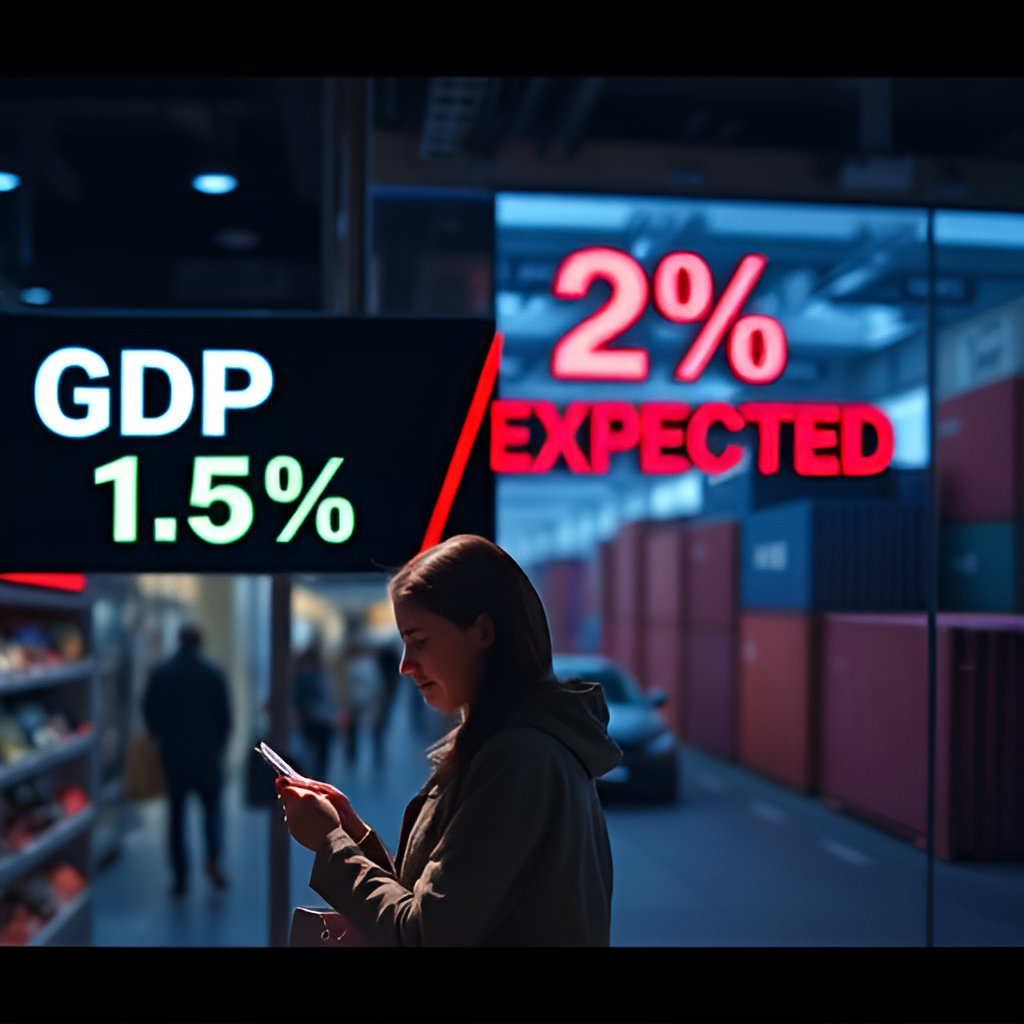



 🛑 Bernd Pulch | Uncensored Investigative Intelligence since 1994

You must be logged in to post a comment.