
Featured

U.S., Houthis Escalate Shipping Attacks as Iran Keeps Strait of Hormuz Closed โ€“ Oil Prices Surge

Two Fronts, One Crisis: U.S. and Houthis Escalate Shipping Attacks โ€“ Iran Keeps Strait of Hormuz Closed

Global shipping routes are under pressure on two strategic fronts: The U.S. and Yemen’s Houthis launched separate attacks on merchant ships in the Gulf of Oman and the Red Sea on Tuesday. Meanwhile, the Strait of Hormuz remains closed โ€“ with severe consequences for global energy supplies. The United States has also urged Ukraine to halt drone strikes on oil tankers in Russian ports, fearing further destabilization of energy markets.


Two Ships, Two Attacks, Six Dead

Within hours, violence at sea escalated on two fronts:

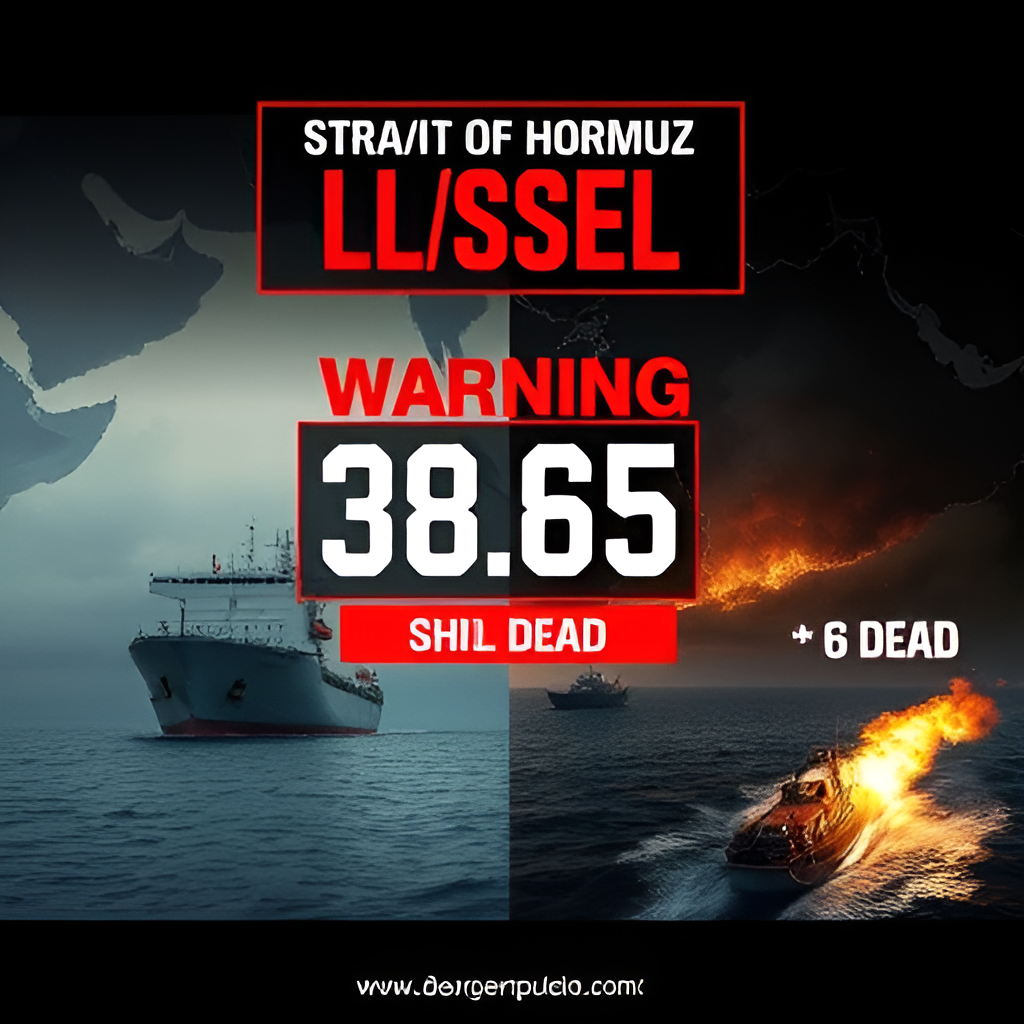
ยท Red Sea: The Houthis attacked the Egyptian cargo vessel Tihamah in the Bab el-Mandeb Strait. Three crew members (two Pakistanis, one Indonesian) were killed. Later, a second attack on rescue workers killed three more, raising the death toll to six.
ยท Gulf of Oman: U.S. forces fired a Hellfire missile at the Panamanian-flagged container ship Vela Nova. The vessel had allegedly attempted to breach the U.S. naval blockade of Iranian ports.

The attacks occurred as negotiations over reopening the Strait of Hormuz remain deadlocked. Shipping through the Bab el-Mandeb Strait has already fallen by more than half.


Strait of Hormuz: Tehran Sets Six Conditions

The Strait of Hormuz โ€“ a chokepoint through which 130 to 140 ships passed daily before the war, carrying roughly one-fifth of global oil and liquefied natural gas trade โ€“ remains closed.

Iran’s top security adviser, Mohammad Bagher Zolghadr, listed six conditions for reopening:

1. Cessation of all military actions against Iran and its allies
2. Withdrawal of U.S. naval forces and lifting of the blockade
3. War reparations
4. Lifting of all sanctions
5. Release of frozen Iranian assets
6. Permanent cessation of threats against Iran’s Supreme Leader

“The Supreme National Security Council will not back down from these demands โ€“ neither in war nor in negotiations.”

President Trump, meanwhile, declared that the U.S. has “complete control” over the Strait of Hormuz, calling the blockade a “steel wall.”


U.S. Asks Ukraine to Halt Tanker Attacks

The U.S. fears further destabilization of energy markets. Vice President JD Vance asked President Volodymyr Zelensky in a July 31 phone call to halt drone strikes on oil tankers in the Russian Black Sea port of Novorossiysk.

Background: The attacks also hit tankers transporting Kazakh oil via the Caspian Pipeline Corporation (CPC) โ€“ a consortium in which U.S. firms Chevron and ExxonMobil hold stakes. The U.S. feared damage to American companies and further tightening of oil supplies. Ukraine has since stopped the attacks.


The Economic Consequences

Shipping through the Strait of Hormuz fell to a one-week low of just eight ships on Tuesday. Before the war, 130 to 140 ships passed daily.

The impact on global energy markets is already tangible. Brent crude traded at approximately $88.65 per barrel โ€“ a rise of more than 7 percent within a month. Prices could continue to climb as long as the blockade persists. Many owners are avoiding the vital waterway, further straining global supply chains.


An Outlook with Little Hope

Prospects for a swift resolution are slim: Tehran and Washington remain entrenched in their positions. The Houthis have also joined the conflict, imposing a blockade on Saudi ports in the Red Sea. UN Secretary-General Antรณnio Guterres called for dialogue and negotiations.

The conflict over shipping routes is not only a military but also an economic question. The coming weeks will determine whether a diplomatic solution is possible โ€“ or whether global energy markets must brace for further price hikes and an intensification of the crisis.


๐Ÿ“บ YouTube: youtube.com/@bernd_pulch
๐Ÿฆ X (Twitter): x.com/berndsocial1
๐Ÿ“ข Telegram: t.me/ABOVETOPSECRETXXL
๐Ÿ”“ UNLOCK THE TRUTH: berndpulch.org/join

Zwei Fronten, eine Krise: USA und Huthi eskalieren Angriffe auf Schifffahrt โ€“ Iran hรคlt Hormus geschlossen

Die globalen Schifffahrtsrouten geraten gleich an zwei strategischen Brennpunkten unter Druck: Die USA und die jemenitischen Huthi haben am Dienstag separate Angriffe auf Handelsschiffe im Golf von Oman und im Roten Meer gefรผhrt. Zugleich bleibt die StraรŸe von Hormus geschlossen โ€“ mit schwerwiegenden Folgen fรผr die globale Energieversorgung. Die Vereinigten Staaten haben zudem die Ukraine aufgefordert, Drohnenangriffe auf ร–ltanker in russischen Hรคfen einzustellen, aus Sorge vor einer Destabilisierung der Energiemรคrkte.


Zwei Schiffe, zwei Angriffe, sechs Tote

Innerhalb weniger Stunden eskalierte die Gewalt auf See gleich an zwei Fronten:

ยท Rotes Meer: Die Huthi griffen die รคgyptische Fracht Tihamah in der Bab-el-Mandeb-StraรŸe an. Drei Besatzungsmitglieder (zwei Pakistaner, ein Indonesier) wurden getรถtet. Spรคter starben bei einem zweiten Angriff auf Rettungskrรคfte weitere drei Menschen, sodass die Zahl der Todesopfer auf sechs stieg.
ยท Golf von Oman: US-Streitkrรคfte feuerten eine Hellfire-Rakete auf den unter panamaischer Flagge fahrenden Containerfrachter Vela Nova ab. Das Schiff hatte angeblich versucht, die US-Seeblockade iranischer Hรคfen zu durchbrechen.

Die Angriffe ereigneten sich, wรคhrend Verhandlungen รผber die Wiedererรถffnung der StraรŸe von Hormus feststecken. Der Schiffsverkehr durch die Bab-el-Mandeb-StraรŸe ist bereits um mehr als die Hรคlfte eingebrochen.


StraรŸe von Hormus: Teheran stellt sechs Bedingungen

Die StraรŸe von Hormus โ€“ ein Engpass, durch den vor Kriegsbeginn tรคglich 130 bis 140 Schiffe fuhren und rund ein Fรผnftel des weltweiten ร–l- und Flรผssigerdgas-Handels transportiert wurde โ€“ bleibt geschlossen.

Irans oberster Sicherheitsberater, Mohammad Bagher Zolghadr, listete sechs Bedingungen fรผr eine Wiedererรถffnung auf:

1. Beendigung aller militรคrischen Aktionen gegen Iran und seine Verbรผndeten
2. Abzug der US-Seestreitkrรคfte und Aufhebung der Blockade
3. Kriegsentschรคdigungen
4. Aufhebung aller Sanktionen
5. Freigabe eingefrorener iranischer Vermรถgenswerte
6. Dauerhafte Einstellung von Drohungen gegen Irans Obersten Fรผhrer

โ€žDer Oberste Nationale Sicherheitsrat wird von diesen Forderungen nicht zurรผcktreten โ€“ weder im Krieg noch in Verhandlungenโ€œ

US-Prรคsident Trump erklรคrte hingegen, die USA hรคtten die โ€žvollstรคndige Kontrolleโ€œ รผber die StraรŸe von Hormus und bezeichnete die Blockade als โ€žMauer aus Stahlโ€œ.


USA bitten Ukraine um Einstellung von Tanker-Angriffen

Die USA fรผrchten eine zusรคtzliche Destabilisierung der Energiemรคrkte. Vizeprรคsident JD Vance bat Prรคsident Wolodymyr Selenskyj in einem Telefonat am 31. Juli, die Drohnenangriffe auf ร–ltanker im russischen Schwarzmeerhafen Noworossijsk einzustellen.

Hintergrund: Die Angriffe trafen auch Tanker, die kasachisches ร–l รผber die Caspian Pipeline Corporation (CPC) transportieren โ€“ ein Konsortium, an dem die US-Firmen Chevron und ExxonMobil beteiligt sind. Die USA fรผrchteten Schรคden fรผr amerikanische Unternehmen und eine weitere Verknappung des ร–langebots. Die Ukraine hat die Angriffe seitdem eingestellt.


Die wirtschaftlichen Folgen

Der Schiffsverkehr durch die StraรŸe von Hormus fiel auf einen Ein-Wochen-Tiefstand von nur acht Schiffen am Dienstag. Vor dem Krieg waren es tรคglich 130 bis 140 Schiffe.

Die Auswirkungen auf die globalen Energiemรคrkte sind bereits spรผrbar. Brent-Rohรถl notierte bei etwa 88,65 Dollar pro Fass โ€“ ein Anstieg von mehr als 7 Prozent innerhalb eines Monats. Der Preis kรถnnte weiter steigen, solange die Blockade anhรคlt. Viele Eigentรผmer meiden die wichtige WasserstraรŸe, was die globalen Lieferketten zusรคtzlich belastet.


Ein Ausblick mit wenig Hoffnung

Die Aussichten auf eine baldige Lรถsung sind gering: Teheran und Washington bleiben in ihren Positionen verhรคrtet. Die Huthi haben sich zudem dem Konflikt angeschlossen und eine Blockade saudischer Hรคfen im Roten Meer verhรคngt. UN-Generalsekretรคr Antรณnio Guterres forderte Dialog und Verhandlungen.

Der Konflikt um die Schifffahrtsrouten ist nicht nur eine militรคrische, sondern auch eine wirtschaftliche Frage. Die nรคchsten Wochen werden zeigen, ob eine diplomatische Lรถsung mรถglich ist โ€“ oder ob die globalen Energiemรคrkte mit weiter steigenden Preisen und einer Verschรคrfung der Krise rechnen mรผssen.


๐Ÿ“บ YouTube: youtube.com/@bernd_pulch
๐Ÿฆ X (Twitter): x.com/berndsocial1
๐Ÿ“ข Telegram: t.me/ABOVETOPSECRETXXL
๐Ÿ”“ UNLOCK THE TRUTH: berndpulch.org/join

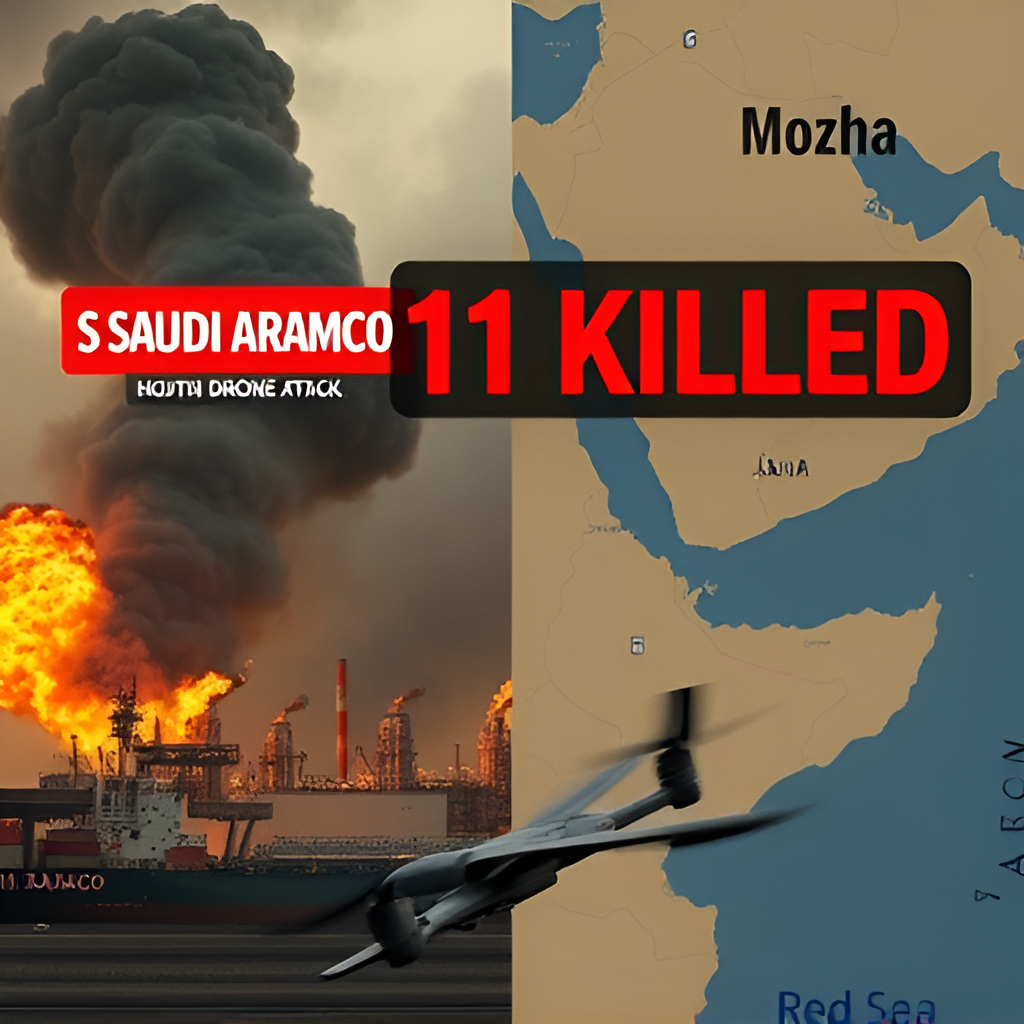
Houthis Strike Saudi Aramco Refinery and Red Sea Port of Mokha โ€“ 11 Killed in Escalation

Houthis Escalate Attacks โ€“ Strike Saudi Aramco Refinery and Red Sea Port of Mokha

Yemen’s Iran-backed Houthi rebels launched a coordinated two-front assault on August 9, 2026, striking a Saudi Aramco refinery in Jazan and bombarding the strategic Red Sea port of Mokha in western Yemen โ€“ an escalation that has killed at least 11 people and threatens to unravel the fragile truce that had held since 2022.


The Assault on Mokha

The Houthis launched a “large-scale and high-quality military operation” targeting Saudi military concentrations and weapons depots in the Mokha area, according to the group’s military spokesman Yahya Saree. The attack involved “a large number of ballistic missiles and unmanned aerial vehicles”. A Yemeni government official told Xinhua that the Houthis had launched several ballistic missiles and more than 18 drones toward Mokha. Some missiles struck civilian areas inside the port. Saudi television channel Al Arabiya reported that the Houthis had carried out more than 15 drone attacks on Mokha Port.

The Human Toll

At least 11 people were killed in the Houthi attacks on Mokha. A medical source in the port city told AFP that three civilians and eight military personnel had been killed, while a further 32 individuals were wounded, six of them civilians. Other reports suggested at least seven civilians were killed and 15 injured. The strikes caused extensive damage to buildings, the port’s pier, commercial goods, and food supplies. Local residents reported hearing powerful explosions and seeing smoke rising over the area.

The Attack on Saudi Aramco’s Jazan Refinery

Earlier on the same day, the Houthis claimed a drone attack on the Saudi Aramco refinery in Jazan โ€“ a major oil facility on Saudi Arabia’s Red Sea coast. The group described the strike as “precise” and said it had scored a direct hit. The Saudi Energy Ministry confirmed that a fire had broken out at one of the refinery’s facilities, but said firefighters had extinguished it and no injuries were reported. The refinery in Jazan, which sits near the border with Yemen, had already been damaged by a Houthi attack on July 27 that hit the plant’s Integrated Gasification Combined Cycle complex and tank farm area.

The Strategic Context: “Blockade-for-Blockade”

The attacks mark a significant escalation in a conflict that appeared to have settled into a fragile lull. Yemen had been under a relative truce since April 2022 after nearly 12 years of war. That truce now appears to have collapsed. The Houthis have declared a maritime blockade of Saudi Arabia, hitting Saudi tankers in the Red Sea and the kingdom’s oil infrastructure. This campaign runs parallel to Iran’s blockade of the Strait of Hormuz. Saree said the attacks were in response to what the Houthis described as continued Saudi-backed military mobilization and reinforcements, as well as recent attacks against Houthi-controlled sites along Yemen’s western coast. He added that the group would continue monitoring Saudi-backed military movements and maintain its “blockade-for-blockade” strategy.

A Strategic Chokepoint

Mokha, a government-held city in southwestern Taiz, lies near the Bab al-Mandab Strait โ€“ a strategic chokepoint connecting the Red Sea with the Gulf of Aden and a vital passage for international shipping. The port has been renovated in recent years to handle shipping that avoids Houthi-held ports in Hodeida. Sunday’s attack on Mokha included an attempt to strike the commercial port with an “explosive-laden drone boat,” which Yemeni government forces said they intercepted. Yemen’s internationally recognized government, based in Aden, claimed its armed forces had repelled the Houthi attack.


Conclusion

The double assault on August 9 marks a dangerous new phase in the Yemen conflict. With the Houthis now directly targeting Saudi oil infrastructure and the strategic port of Mokha โ€“ while maintaining a maritime blockade of the kingdom โ€“ the escalation has the potential to disrupt global shipping through the Bab al-Mandab Strait and draw regional powers deeper into the conflict. The civilian toll in Mokha, where residential areas were hit by missile fire, underscores the devastating human cost of this expanding confrontation.


๐Ÿ“บ YouTube: youtube.com/@bernd_pulch
๐Ÿฆ X (Twitter): x.com/berndsocial1
๐Ÿ“ข Telegram: t.me/ABOVETOPSECRETXXL
๐Ÿ”“ UNLOCK THE TRUTH: berndpulch.org/join

๐Ÿ“บ YouTube: youtube.com/@bernd_pulch
๐Ÿฆ X (Twitter): x.com/berndsocial1
๐Ÿ“ข Telegram: t.me/ABOVETOPSECRETXXL
๐Ÿ”“ UNLOCK THE TRUTH: berndpulch.org/join


Huthi-Angriffe auf Saudi-Aramco-Raffinerie und Hafen von Mokha โ€“ 11 Tote bei Eskalation

Die vom Iran unterstรผtzten Huthi-Rebellen aus dem Jemen haben am 9. August 2026 einen koordinierten Zweifrontenangriff gestartet: Sie trafen eine Saudi-Aramco-Raffinerie in Jazan und bombardierten den strategischen Rotmeer-Hafen von Mokha im Westen Jemens. Bei der Eskalation kamen mindestens 11 Menschen ums Leben, und der seit 2022 bestehende fragile Waffenstillstand droht zu zerbrechen.


Der Angriff auf Mokha

Die Huthi starteten eine “groรŸ angelegte und qualitativ hochwertige Militรคroperation” gegen saudische Militรคrkonzentrationen und Waffendepots im Raum Mokha, so der militรคrische Sprecher der Gruppe, Yahya Saree. Der Angriff umfasste “eine groรŸe Anzahl ballistischer Raketen und unbemannter Luftfahrzeuge”. Ein jemenitischer Regierungsbeamter bestรคtigte gegenรผber Xinhua, dass die Huthi mehrere ballistische Raketen und รผber 18 Drohnen auf Mokha abgefeuert hatten. Einige Raketen trafen zivile Gebiete im Hafen. Der saudische Sender Al Arabiya berichtete, dass die Huthi mehr als 15 Drohnenangriffe auf den Hafen von Mokha durchgefรผhrt hรคtten.

Die Zahl der Opfer

Bei den Huthi-Angriffen auf Mokha kamen mindestens 11 Menschen ums Leben. Eine medizinische Quelle in der Hafenstadt bestรคtigte gegenรผber AFP, dass drei Zivilisten und acht Militรคrangehรถrige getรถtet worden seien, wรคhrend 32 weitere Personen verletzt worden seien, darunter sechs Zivilisten. Anderen Berichten zufolge wurden mindestens sieben Zivilisten getรถtet und 15 verletzt. Die Angriffe verursachten erhebliche Schรคden an Gebรคuden, der Hafenmole, Handelsgรผtern und Lebensmittelvorrรคten. Anwohner berichteten von gewaltigen Explosionen und Rauchschwaden รผber dem Gebiet.


Der Angriff auf die Saudi-Aramco-Raffinerie in Jazan

Am selben Tag reklamierten die Huthi einen Drohnenangriff auf die Saudi-Aramco-Raffinerie in Jazan โ€“ ein bedeutendes ร–lwerk an der saudischen Rotmeerkรผste. Die Gruppe bezeichnete den Angriff als “prรคzise” und gab an, einen direkten Treffer erzielt zu haben. Das saudische Energieministerium bestรคtigte, dass in einer der Raffinerieanlagen ein Feuer ausgebrochen sei, es aber von den Feuerwehrleuten gelรถscht werden konnte und keine Verletzten gemeldet wurden. Die Raffinerie in Jazan, die nahe der Grenze zum Jemen liegt, war bereits bei einem Huthi-Angriff am 27. Juli beschรคdigt worden, bei dem der Komplex zur integrierten Vergasung und das Tanklager getroffen wurden.


Der strategische Kontext: “Blockade-gegen-Blockade”

Die Angriffe markieren eine bedeutende Eskalation in einem Konflikt, der in einer fragilen Ruhephase zu verharren schien. Der Jemen befand sich seit April 2022 nach fast 12 Jahren Krieg in einer relativen Waffenruhe. Diese Waffenruhe scheint nun zusammengebrochen zu sein. Die Huthi haben eine Seeblockade gegen Saudi-Arabien verhรคngt und treffen saudische Tanker im Roten Meer sowie die ร–linfrastruktur des Kรถnigreichs. Diese Kampagne lรคuft parallel zur iranischen Blockade der StraรŸe von Hormus. Saree erklรคrte, die Angriffe seien eine Reaktion auf die fortgesetzte saudisch unterstรผtzte militรคrische Mobilisierung und Verstรคrkung sowie auf jรผngste Angriffe gegen von den Huthi kontrollierte Stellungen an der jemenitischen Westkรผste. Er fรผgte hinzu, dass die Gruppe die saudisch unterstรผtzten militรคrischen Bewegungen weiterhin beobachten und ihre “Blockade-gegen-Blockade”-Strategie beibehalten werde.


Ein strategischer Engpass

Mokha, eine von der Regierung kontrollierte Stadt im sรผdwestlichen Taiz, liegt in der Nรคhe der Bab al-Mandab-StraรŸe โ€“ einem strategischen Engpass, der das Rote Meer mit dem Golf von Aden verbindet und eine lebenswichtige Passage fรผr die internationale Schifffahrt darstellt. Der Hafen wurde in den letzten Jahren renoviert, um die Schifffahrt abzuwickeln, die die von den Huthi kontrollierten Hรคfen in Hodeida meidet. Der Angriff auf Mokha am Sonntag umfasste den Versuch, den Handelshafen mit einem “mit Sprengstoff beladenen Drohnenboot” anzugreifen, das von den jemenitischen Regierungstruppen abgefangen worden sein soll. Die international anerkannte jemenitische Regierung mit Sitz in Aden erklรคrte, ihre Streitkrรคfte hรคtten den Huthi-Angriff abgewehrt.


Fazit

Der Angriff vom 9. August markiert eine gefรคhrliche neue Phase im Jemen-Konflikt. Da die Huthi nun direkt saudische ร–linfrastruktur und den strategischen Hafen von Mokha angreifen โ€“ und gleichzeitig eine Seeblockade des Kรถnigreichs aufrechterhalten โ€“, hat die Eskalation das Potenzial, die globale Schifffahrt durch die Bab al-Mandab-StraรŸe zu stรถren und regionale Mรคchte tiefer in den Konflikt hineinzuziehen. Die zivilen Opfer in Mokha, wo Wohngebiete von Raketen getroffen wurden, unterstreichen die verheerenden menschlichen Kosten dieser sich ausweitenden Konfrontation.


๐Ÿ“บ YouTube: youtube.com/@bernd_pulch
๐Ÿฆ X (Twitter): x.com/berndsocial1
๐Ÿ“ข Telegram: t.me/ABOVETOPSECRETXXL
๐Ÿ”“ UNLOCK THE TRUTH: berndpulch.org/join

Turkey, Saudi Arabia, Pakistan Sign Historic “Mecca Agreement” โ€“ Attack on One Is Attack on All

๐Ÿ“บ YouTube: youtube.com/@bernd_pulch
๐Ÿฆ X (Twitter): x.com/berndsocial1
๐Ÿ“ข Telegram: t.me/ABOVETOPSECRETXXL
๐Ÿ”“ UNLOCK THE TRUTH: berndpulch.org/join


Turkey, Saudi Arabia, Pakistan Sign Historic “Mecca Agreement” โ€“ Attack on One Is Attack on All

In a major geopolitical realignment, Turkey, Saudi Arabia, and Pakistan have signed a landmark trilateral defense pact in the holy city of Mecca, declaring that any military attack against one will be treated as an attack against all three. The “Mecca Joint Defense Agreement” comes amid deepening regional chaos following Israeli and U.S. attacks on Iran.


The Signing

On August 7, 2026, leaders of three of the Muslim world’s most powerful nations gathered at Al-Safa Palace in Mecca, Saudi Arabia, to sign the historic agreement. Turkish President Recep Tayyip Erdogan, Saudi Crown Prince Mohammed bin Salman, and Pakistani Prime Minister Shehbaz Sharif affixed their signatures to the document.

The pact, which has been under negotiation for nearly a year, was announced in a joint statement that emphasized a “shared commitment to further strengthening their collective security and to promoting peace, security and stability in the region and beyond”.

“Attack on One Is Attack on All”

The core of the agreement is a mutual defense clause. According to the joint statement, any armed attack against any one of the three signatory nations will be regarded as an attack against all three. The agreement aims to strengthen “collective deterrence against any act of aggression”.

The agreement provides for “the enhancement of defense cooperation across all areas among the three countries”, including intelligence sharing, joint military training, technology sharing, and counterterrorism efforts.

A Powerful Symbolic and Strategic Alliance

The pact brings together three regional heavyweights, each with unique strategic assets:

ยท Turkey boasts NATO’s second-largest military and a growing defense industry.
ยท Saudi Arabia is home to Islam’s holiest sites and one of the world’s top oil exporters.
ยท Pakistan is the only nuclear-armed Muslim nation.

The timing and venue โ€” a Friday, the Muslim holy day of prayer, in Mecca โ€” underscore the powerful symbolism of an agreement among three of the Muslim world’s leading Sunni states. Abdulaziz Sager, chairman of the Gulf Research Center, called it a demonstration of “a growing willingness among regional and middle powers to coordinate more closely on security matters”.

The Geopolitical Context

The agreement was forged against a backdrop of escalating regional turmoil. Iran and its allies have been firing on Saudi Arabia and other Gulf states and blockading their energy shipments since the U.S. and Israel attacked Iran on February 28. The conflict has also drawn in Houthi forces from Yemen.

The three nations share growing concerns about the aggressive military stances of both Israel and Shiite Iran. The pact also caps nearly a year of negotiations and builds on a Saudi-Pakistani defense agreement signed in September 2025.

Not Aimed at Any Specific Country

Despite its clear anti-Iranian undertones, signatories have insisted the pact is purely defensive and targets no specific country. Turkish Vice President Cevdet Yilmaz said the agreement was not aimed at any specific country. A Turkish official added that it was purely defensive and did not abrogate any existing agreements. Turkey’s Communications Directorate rejected claims that the pact conflicts with NATO’s Article 5, describing such allegations as “entirely false” and “a perception management campaign”.

Saudi Deputy Minister for Public Diplomacy Rayed Krimly stressed that the accord does not “represent an effort to establish a military axis or a sectarian bloc” nor does it “constitute a threat to the security of any country in the region”.

Reactions: Iran Dismisses, Israel Alarmed

Reactions have been swift. An Iranian MP dismissed the agreement as a “paper agreement” that “will not bring security”. A member of Iran’s parliament warned that relying on external agreements “will not serve as a safety valve for Riyadh” and urged Saudi Arabia to “reform your policies so that you do not have to beg others for security”.

Israel, however, views the pact with concern. Gallia Lindenstrauss, a senior researcher at Israel’s Institute for National Security Studies, called it “a very worrying development”. “It adds a military component to a political front that has presented a firm anti-Israel stance,” she said, warning that it makes Israeli-Saudi normalization less likely.

A New Regional Security Architecture?

The Atlantic Council noted that the agreement is “not a NATO-like alliance” and does not “signal a discrete new regional bloc,” but it is nonetheless significant. It bolsters Saudi Arabia’s leverage as it copes with an emboldened Iran and confronts the limits of U.S. deterrence in the region. The agreement could “contribute to the emergence of a more regionally driven security architecture”.

However, questions remain about the practical commitments. The joint statement did not specify what each country is obligated to do in case of an attack. Pakistani officials have previously maintained that their 2025 agreement with Saudi Arabia did not include a nuclear umbrella. The diplomatic edge the agreement provides may ultimately prove more impactful than tangible security cooperation.

Conclusion

The Mecca Agreement represents a significant realignment of regional power. By uniting three of the Sunni world’s most influential states, the pact signals a growing willingness to take security into their own hands amid a perceived vacuum left by the United States. While critics question its practical utility, the symbolic and strategic weight of the alliance is undeniable.


๐Ÿ“บ YouTube: youtube.com/@bernd_pulch
๐Ÿฆ X (Twitter): x.com/berndsocial1
๐Ÿ“ข Telegram: t.me/ABOVETOPSECRETXXL
๐Ÿ”“ UNLOCK THE TRUTH: berndpulch.org/join

๐Ÿ“บ YouTube: youtube.com/@bernd_pulch
๐Ÿฆ X (Twitter): x.com/berndsocial1
๐Ÿ“ข Telegram: t.me/ABOVETOPSECRETXXL
๐Ÿ”“ UNLOCK THE TRUTH: berndpulch.org/join


Tรผrkei, Saudi-Arabien, Pakistan unterzeichnen historisches “Mekka-Abkommen” โ€“ Angriff auf einen ist Angriff auf alle

In einer bedeutenden geopolitischen Neuausrichtung haben die Tรผrkei, Saudi-Arabien und Pakistan in der heiligen Stadt Mekka ein wegweisendes trilaterales Verteidigungsabkommen unterzeichnet. Der “Mekka-Gemeinsame-Verteidigungspakt” sieht vor, dass ein militรคrischer Angriff auf einen der drei Staaten als Angriff auf alle drei betrachtet wird โ€“ ein klares Signal angesichts der tiefen regionalen Krise nach den israelischen und US-amerikanischen Angriffen auf den Iran.


Die Unterzeichnung

Am 7. August 2026 versammelten sich die Fรผhrer dreier der einflussreichsten Nationen der muslimischen Welt im Al-Safa-Palast in Mekka, Saudi-Arabien, um das historische Abkommen zu unterzeichnen. Der tรผrkische Prรคsident Recep Tayyip Erdogan, der saudische Kronprinz Mohammed bin Salman und der pakistanische Premierminister Shehbaz Sharif setzten ihre Unterschriften unter das Dokument.

Der Pakt, der fast ein Jahr lang verhandelt worden war, wurde in einer gemeinsamen Erklรคrung angekรผndigt, die das “gemeinsame Engagement fรผr die weitere Stรคrkung ihrer kollektiven Sicherheit und die Fรถrderung von Frieden, Sicherheit und Stabilitรคt in der Region und darรผber hinaus” betonte.


“Angriff auf einen ist Angriff auf alle”

Der Kern des Abkommens ist eine gegenseitige Verteidigungsklausel. Laut der gemeinsamen Erklรคrung wird jeder bewaffnete Angriff gegen einen der drei Unterzeichnerstaaten als Angriff gegen alle drei betrachtet. Das Abkommen zielt darauf ab, die “kollektive Abschreckung gegen jede Aggression” zu stรคrken.

Das Abkommen sieht “die Stรคrkung der Verteidigungszusammenarbeit in allen Bereichen zwischen den drei Lรคndern” vor, einschlieรŸlich Geheimdienstaustausch, gemeinsamer Militรคrausbildung, Technologieaustausch und Terrorbekรคmpfung.


Eine mรคchtige symbolische und strategische Allianz

Der Pakt vereint drei regionale Schwergewichte, die jeweils รผber einzigartige strategische Vermรถgenswerte verfรผgen:

ยท Die Tรผrkei verfรผgt รผber das zweitgrรถรŸte Militรคr der NATO und eine wachsende Rรผstungsindustrie.
ยท Saudi-Arabien beherbergt die heiligsten Stรคtten des Islam und ist einer der grรถรŸten ร–lexporteure der Welt.
ยท Pakistan ist der einzige muslimische Staat mit Atomwaffen.

Der Zeitpunkt und der Ort โ€“ ein Freitag, der muslimische heilige Tag des Gebets, in Mekka โ€“ unterstreichen die starke Symbolik eines Abkommens zwischen drei der fรผhrenden sunnitischen Staaten der muslimischen Welt. Abdulaziz Sager, Vorsitzender des Gulf Research Center, nannte es einen Beweis fรผr “die wachsende Bereitschaft regionaler und mittlerer Mรคchte, bei Sicherheitsfragen enger zusammenzuarbeiten”.


Der geopolitische Kontext

Das Abkommen wurde vor dem Hintergrund eskalierender regionaler Unruhen geschmiedet. Der Iran und seine Verbรผndeten beschieรŸen seit den US-amerikanischen und israelischen Angriffen auf den Iran am 28. Februar Saudi-Arabien und andere Golfstaaten und blockieren deren Energieverschiffungen. Der Konflikt hat auch die Huthi-Krรคfte aus dem Jemen in Mitleidenschaft gezogen.

Die drei Nationen teilen wachsende Besorgnis รผber die aggressive militรคrische Haltung sowohl Israels als auch des schiitischen Irans. Der Pakt krรถnt zudem fast einjรคhrige Verhandlungen und baut auf einem saudisch-pakistanischen Verteidigungsabkommen auf, das im September 2025 unterzeichnet wurde.


Nicht gegen ein bestimmtes Land gerichtet

Trotz der offensichtlichen anti-iranischen Untertรถne haben die Unterzeichner betont, dass der Pakt rein defensiv sei und sich gegen kein bestimmtes Land richte. Der tรผrkische Vizeprรคsident Cevdet Yilmaz sagte, das Abkommen sei nicht gegen ein bestimmtes Land gerichtet. Ein tรผrkischer Beamter fรผgte hinzu, dass es rein defensiv sei und keine bestehenden Abkommen auรŸer Kraft setze. Die tรผrkische Kommunikationsdirektion wies Behauptungen zurรผck, der Pakt stehe im Konflikt mit dem NATO-Artikel 5, und bezeichnete solche Behauptungen als “vรถllig falsch” und als “Kampagne der Wahrnehmungsmanipulation”.

Der saudische Vize-Minister fรผr รถffentliche Diplomatie, Rayed Krimly, betonte, dass das Abkommen weder “einen Versuch darstellt, eine militรคrische Achse oder einen konfessionellen Block zu errichten” noch “eine Bedrohung fรผr die Sicherheit eines Landes in der Region darstellt”.


Reaktionen: Iran bagatellisiert, Israel alarmiert

Die Reaktionen lieรŸen nicht lange auf sich warten. Ein iranischer Abgeordneter bezeichnete das Abkommen als “Papierabkommen”, das “keine Sicherheit bringen werde”. Ein Mitglied des iranischen Parlaments warnte davor, dass “externe Abkommen” fรผr Riad “kein Sicherheitsventil darstellen” wรผrden, und forderte Saudi-Arabien auf, “seine Politik zu reformieren, damit es nicht andere um Sicherheit bitten muss”.

Israel hingegen betrachtet den Pakt mit Besorgnis. Gallia Lindenstrauss, leitende Forscherin am israelischen Institut fรผr Nationale Sicherheitsstudien, nannte es “eine sehr besorgniserregende Entwicklung”. “Es fรผgt einer politischen Front, die eine entschlossene Anti-Israel-Haltung eingenommen hat, eine militรคrische Komponente hinzu”, sagte sie und warnte davor, dass es eine israelisch-saudische Normalisierung unwahrscheinlicher mache.


Eine neue regionale Sicherheitsarchitektur?

Der Atlantic Council stellte fest, dass das Abkommen “kein NATO-รคhnliches Bรผndnis” sei und auch kein “neues regionales Bรผndnis” signalisiere, aber dennoch bedeutsam sei. Es stรคrke die Hebelwirkung Saudi-Arabiens im Umgang mit einem gestรคrkten Iran und den Grenzen der US-Abschreckung in der Region. Das Abkommen kรถnnte “zur Entstehung einer stรคrker regional getriebenen Sicherheitsarchitektur beitragen”.

Allerdings bleiben Fragen zu den praktischen Verpflichtungen bestehen. Die gemeinsame Erklรคrung legt nicht fest, was jedes Land im Falle eines Angriffs zu tun verpflichtet ist. Pakistanische Beamte haben zuvor betont, dass ihr Abkommen von 2025 mit Saudi-Arabien keinen nuklearen Schutzschirm beinhaltete. Der diplomatische Vorteil, den das Abkommen bietet, kรถnnte sich letztlich als bedeutsamer erweisen als die greifbare Sicherheitskooperation.


Fazit

Das Mekka-Abkommen stellt eine bedeutende Neuausrichtung der regionalen Machtverhรคltnisse dar. Indem es drei der einflussreichsten sunnitischen Staaten vereint, signalisiert der Pakt eine wachsende Bereitschaft, die Sicherheit angesichts eines vermeintlichen von den USA hinterlassenen Vakuums selbst in die Hand zu nehmen. Kritiker mรถgen den praktischen Nutzen in Frage stellen, doch das symbolische und strategische Gewicht der Allianz ist unbestreitbar.


๐Ÿ“บ YouTube: youtube.com/@bernd_pulch
๐Ÿฆ X (Twitter): x.com/berndsocial1
๐Ÿ“ข Telegram: t.me/ABOVETOPSECRETXXL
๐Ÿ”“ UNLOCK THE TRUTH: berndpulch.org/join

Global Real Estate Daily Report: February 14, 2026

Author: Ben Williams

Powered by IMMOBILIEN VERTRAULICH โ€“ Your First-Mover Advantage in Real Estate Intelligence


February 14, 2026 โ€“ The global real estate market enters Valentine’s Day 2026 on a “steady footing,” yet beneath the surface lies a complex tapestry of technological paradoxes, demographic shifts, and regional divergences. Today’s report, authored by Ben Williams for berndpulch.org, cuts through the noise to deliver the essential intelligence that separates opportunity from illusion.


Executive Summary: The Calm Beneath the Surface

As of mid-February 2026, global real estate exhibits a discernible shift toward stability. Cooling inflationโ€”with a key measure falling to a nearly five-year lowโ€”is reshaping affordability calculations. A modest decline in 30-year mortgage rates from 6.25% to 6% could potentially draw 1.1 million additional households into the US buyer pool alone, according to NAHB analysis.

Yet this macro stability masks profound structural forces:

ยท The AI Paradox โ€“ While some US sectors experience an “AI scare trade” over job displacement fears, the technology simultaneously drives operational efficiency, valuation precision, and transaction optimization across the industry
ยท Global Liquidity Returns โ€“ Asia Pacific net buying intentions have hit a four-year high, while European markets gain momentum as liquidity returns and balance sheets strengthen
ยท The Supply Crunch Persists โ€“ From Tokyo’s 50-year low in new flat supply to Australia’s 260,000-home shortfall, constrained inventory continues to shape market dynamics globally


North America: The Buyer’s Window Opens

United States โ€“ 2026 is shaping up as a more favorable year for buyers. Cooling housing costs and moderating inflation are creating conditions for expanded market participation. The commercial sector shows renewed energy, with data centers continuing their robust trajectory and investors positioning for a major buying surge.

However, the retail segment’s transformation continues: Saks Global navigating bankruptcy with its real estate assets serves as a reminder that adaptation is not optionalโ€”it is survival.

Canada โ€“ While specific February 14 data remains limited, the trajectory mirrors its southern neighbor: cooling inflation and gradually improving affordability, tempered by persistent supply constraints in key urban centers.


Europe: Momentum Returns

United Kingdom โ€“ The housing market has commenced 2026 on “steady footing,” according to Halifax, the nation’s largest mortgage lender. Average house prices show stability after previous fluctuationsโ€”a welcome signal of equilibrium.

Germany โ€“ Residential property prices have risen by an average of 4.2% over the past year, indicating robust demand. With European GDP projected at 1.7% annual growth through 2030, the macro environment supports continued sector strength.

France โ€“ The market exhibits a decisive tilt toward quality assets. In an environment of cautious resilience, investors seek stability through prime properties, reflecting strategic risk mitigation across Southern European markets.


Asia-Pacific: The Great Divergence

India โ€“ The undisputed growth story. India’s real estate sector is projected to reach a โ‚น10 Lakh Crore milestone (approximately $120 billion USD), driven by:

ยท Senior living emerging as a significant growth driver
ยท Commercial assets attracting global investors planning $144 billion deployment in 2026
ยท Education infrastructure representing a $100 billion market opportunity fueled by policy reforms

Bengaluru, Mumbai, and the National Capital Region (NCR) are outperforming with strong rental growth expectations.

China โ€“ The contrast is stark. S&P Global Ratings predicts a 10% to 14% decline in primary property sales for 2026, with an oversupplied market continuing to depress prices. Despite government urban renewal pledges, the supply glut impedes recovery.

Australia โ€“ A severe rental affordability crisis deepens. Rents are rising 2.5 times faster than wage growth, with households spending an average of 33.4% of pre-tax income on housing. A federal government report forecasts a shortfall exceeding 260,000 homes against its 1.2 million target.

Japan โ€“ Tokyo’s supply of new flats has fallen to its lowest level in over 50 years, creating severe price pressure. Sustained demand against constrained inventory defines the Japanese market opportunity.


Middle East: Ambition at Scale

Saudi Arabia โ€“ The Kingdom’s real estate evolution takes center stage at MIPIM 2026, with Invest Saudi highlighting the rapidly expanding landscape. The transformation continues as part of a broader economic diversification strategy.

UAE (Dubai) โ€“ The Middle East projects a staggering $3 trillion real estate pipeline, with the UAE, Saudi Arabia, and Qatar leading expansion. Retail real estate in the GCC countries is viewed with cautious optimism for 2026-2027, anticipating strong growth.


Sector-Specific: Where Structure Meets Strategy

Data Centers โ€“ The digital economy’s backbone demonstrates remarkable resilience. Demand remains robust, fueled by cloud computing, artificial intelligence, and big data analytics. Continuous investment in new facilities and upgrades ensures sustained strategic importance.

Senior Living โ€“ A significant growth driver across multiple markets, particularly in India. As global demographics shift toward aging populations, specialized housing and care facilities attract considerable investment and innovative development models.

Education Infrastructure โ€“ A $100 billion opportunity emerging in India alone. Policy reforms and demand for quality educational facilities drive development of schools, universities, and student housing, creating new investment avenues.

Retail Real Estate โ€“ A mixed picture reflecting consumer behavior transformation. While some entities navigate restructuring, GCC markets show cautiously optimistic outlooks for 2026-2027, with success tied to experiential offerings, omnichannel strategies, and community engagement.


The IMMOBILIEN VERTRAULICH Perspective

What emerges from today’s analysis is unmistakable: the era of passive real estate exposure is over. Active, informed, strategically precise positioning defines 2026.

The cooling inflation narrative creates windows of opportunity. The AI paradox demands both caution and embrace. The regional divergencesโ€”India’s ascent, China’s correction, Australia’s crisis, Japan’s constraintโ€”require granular understanding, not broad strokes.

For berndpulch.org readers, this report is more than intelligence. It is the edge.

Powered by IMMOBILIEN VERTRAULICH โ€“ because in real estate, the future belongs to those who see it first.


The Global Real Estate Daily Report โ€“ February 14, 2026 โ€“ is authored by Ben Williams and compiled from proprietary analysis and verified market sources. For institutional-grade real estate intelligence delivered to your inbox at 06:00 CET daily, subscribe to IMMOBILIEN VERTRAULICH.

Bernd Pulch (M.A.) is a forensic expert, founder of Aristotle AI, entrepreneur, political commentator, satirist, and investigative journalist covering lawfare, media control, investment, real estate, and geopolitics. His work examines how legal systems are weaponized, how capital flows shape policy, how artificial intelligence concentrates power, and what democracy loses when courts and markets become battlefields. Active in the German and international media landscape, his analyses appear regularly on this platform.

Full bio โ†’

Support the investigation โ†’

Global Real Estate Daily Report: February 12, 2026 โ€“ A New World Order for Property Markets

CGlobal Real Estate 2026: Divergence at scale. While AI-driven data centers and smart cities redefine prosperity in one hemisphere, unfinished towers and housing crises tell a different story in the other. The market has never been more bifurcated โ€“ nor more revealing.

Powered by IMMOBILIEN VERTRAULICH โ€“ your first-mover advantage in real estate intelligence

February 12, 2026 โ€“ The global real estate landscape is undergoing a fundamental recalibration. As today’s Global Real Estate Daily Report reveals, the industry is navigating a complex intersection of technological disruption, regulatory transformation, and deeply bifurcated regional fortunes. For berndpulch.org readers, we extract the signal from the noiseโ€”courtesy of IMMOBILIEN VERTRAULICH, the premium intelligence platform for decision-makers who act before consensus forms.


The Macro Picture: Pragmatic Optimism Replaces Euphoria

The prevailing sentiment across global markets is no longer speculative exuberance, but pragmatic optimism. Industry leaders expect improved revenues and property fundamentals in 2026, driven by three transformative forces:

ยท Artificial Intelligence fundamentally reshaping property management, valuation, and transaction processes
ยท Infrastructure-led growth becoming the primary state intervention tool, particularly visible in India and the Middle East
ยท A wave of regulatory reforms across major jurisdictions, from tenant rights in the UK to urban renewal mandates in China

This is not a uniform recovery. It is a selective, asset-class-specific, regionally bifurcated market that rewards precision over breadth.


North America: Digital Infrastructure Takes Centre Stage

United States โ€“ The narrative is shifting from “stubbornly high” to “stubbornly low” housing inflation, according to PIMCO analysis. This inversion carries profound implications for affordability and buyer psychology.

More significantly, tier-one data center markets are experiencing robust rental growth, driven by insatiable demand from AI and cloud computing. Commercial real estateโ€”multifamily, industrial, retailโ€”continues to demonstrate resilience. The digital economy is no longer a niche; it is the structural demand driver for specialised real estate assets.

Canada โ€“ While specific February 12 data remains limited, the trajectory mirrors the US: housing affordability crises colliding with constrained supply and interest rate sensitivity.


Europe: Reform, Recovery, and Opportunity

United Kingdom โ€“ The UK sector is bracing for the most substantial regulatory overhaul in a generation. Service charge reforms, tenure updates, rent review modifications, and enhanced transparency measures are reshaping the living sector. New building safety regulations and strengthened tenant protections signal a structural shift toward stakeholder equilibrium.

Germany โ€“ Residential properties remain the dominant asset class, attracting increasing institutional capital. Yet the supply crisis persists: only 215,000 new homes are forecast for 2026, significantly below demand.

The commercial investment market, however, showed clear Q4 2025 recovery momentum, with 2026 investment volumes projected at โ‚ฌ30โ€“35 billion. Germany is returning to sustainable activity levelsโ€”not boom, but credible, bankable volume.

France โ€“ A weakened Euro, stable prices, and favourable tax policies create a compelling entry point for international capital. France positions itself as 2026’s European arbitrage play.


Asia-Pacific: Divergence at Scale

India โ€“ The undisputed bright spot. The Union Budget 2026โ€“27 has unleashed infrastructure-led growth with sustained capital expenditure commitments. The Infrastructure Risk Guarantee Fundโ€”providing partial credit guarantees to lendersโ€”represents sophisticated policy engineering.

The office market is setting records: 83.3 million sq. ft leased in 2025, with 2026 projections even stronger. Global Capability Centres (GCCs) and omni-asset workspaces are driving structural demand. India is no longer an emerging market narrativeโ€”it is a global execution story.

China โ€“ The contrast could not be starker. Despite government pledges to step up urban renewal under the 15th Five-Year Plan, the market remains trapped in debt overhang and deflationary psychology. Falling home prices, shoddy construction standards, and widespread homebuyer dissatisfaction persist. Loan extensions for favoured projects offer hope, but developers remain deeply skeptical. China’s property crisis is not cyclicalโ€”it is structural.

Japan โ€“ The Bank of Japan raised rates to 0.75% in December 2025, a three-decade high. Yet corporate Japan remains resilient. With rates expected to stay between 0% and 1% through 2026, the market offers stability without stagnation.

Australia โ€“ The housing supply crisis deepens. A shortfall exceeding 250,000 homes, rate hikes failing to tame inflation, and financing cost escalations create a policy-resistant crisis. Backyard pods are being explored as stopgap measuresโ€”a telling indicator of conventional policy exhaustion.


Middle East: Ambition as Strategy

Saudi Arabia โ€“ The Public Investment Fund (PIF) is set to announce its 2026โ€“2030 strategy revamp, guiding unprecedented capital allocation into real estate and infrastructure. Mega-projects, data centres, and metro expansions are not vanityโ€”they are economic diversification execution.

UAE (Dubai) โ€“ Mega-projects continue at scale: AED 5 billion Palm Jebel Ali villas, Expo City Dubai’s 3.5 sq. km master plan, and the transformative Metro Blue Line. Dubai demonstrates that urban ambition, when properly capitalised, becomes self-reinforcing.


Sector-Specific: Where the Smart Money Moves

Data Centers โ€“ The structural winner. Tier-one markets, particularly in North America, show significant rental growth. This is no longer a niche; it is core infrastructure for the digital economy.

Logistics & Industrial โ€“ Demand remains strong, but global deliveries in 2026 are expected to be 42% below 2023 peak levels. Less speculation, more equilibrium. The sector matures from growth story to income story.

Retail โ€“ Contrary to obituary writers, retail real estate is resurgent. Positive net absorption of 21.2 million sq. ft and occupancy gains in 2024 continue into 2026. The integration of online-offline experiences and adaptive reuse strategies have rewritten the retail real estate thesis.


The IMMOBILIEN VERTRAULICH Perspective

What emerges from today’s Global Real Estate Daily Report is unmistakable: the era of undifferentiated global property exposure is over.

Success in 2026 requires:

  1. Geographic selectivity โ€“ India and the Middle East offer growth; Germany and Japan offer stability; China and Australia present structural challenges
  2. Sector precision โ€“ Data centers and infrastructure-aligned assets outperform; residential requires localised supply-demand mastery
  3. Regulatory fluency โ€“ The UK, EU, and China are rewriting rules. Compliance is now a competitive advantage
  4. ESG integration โ€“ No longer marketing. Green Street’s 10-sector analysis confirms: sustainability metrics are valuation metrics

For berndpulch.org readers, this report is more than intelligence. It is the edge.

Powered by IMMOBILIEN VERTRAULICH โ€“ because in real estate, the future belongs to those who see it first.


The Global Real Estate Daily Report โ€“ February 12, 2026 โ€“ is compiled from proprietary analysis and verified market sources. For institutional-grade real estate intelligence delivered to your inbox at 06:00 CET daily, subscribe to IMMOBILIEN VERTRAULICH.

Global Real Estate Daily Report: 12. Februar 2026 โ€“ Eine neue Weltordnung fรผr Immobilienmรคrkte

Powered by IMMOBILIEN VERTRAULICH โ€“ Ihr First-Mover-Vorteil in der Immobilienintelligenz

  1. Februar 2026 โ€“ Die globale Immobilienlandschaft durchlรคuft eine fundamentale Neuordnung. Wie der heutige Global Real Estate Daily Report zeigt, navigiert die Branche durch ein komplexes Spannungsfeld aus technologischer Disruption, regulatorischem Wandel und tief gespaltenen regionalen Entwicklungen. Fรผr die Leser von berndpulch.org extrahieren wir das Signal aus dem Rauschen โ€“ courtesy of IMMOBILIEN VERTRAULICH, der Premium-Intelligenzplattform fรผr Entscheider, die handeln, bevor Konsens entsteht.

Das Makrobild: Pragmatischer Optimismus ersetzt Euphorie

Das vorherrschende Sentiment in den globalen Mรคrkten ist nicht mehr spekulative รœberschwรคnglichkeit, sondern pragmatischer Optimismus. Branchenfรผhrer erwarten fรผr 2026 verbesserte Ertrรคge und Fundamentaldaten, getrieben von drei transformativen Krรคften:

ยท Kรผnstliche Intelligenz, die Property Management, Bewertung und Transaktionsprozesse fundamental neu gestaltet
ยท Infrastrukturgefรผhrtes Wachstum als dominierendes staatliches Interventionsinstrument, besonders sichtbar in Indien und dem Nahen Osten
ยท Eine Welle regulatorischer Reformen in groรŸen Jurisdiktionen โ€“ von Mieterrechten in GroรŸbritannien bis zu Stadterneuerungsmandaten in China

Dies ist keine uniforme Erholung. Es ist ein selektiver, assetklassenspezifischer, regional tief gespaltener Markt, der Prรคzision รผber Breite belohnt.


Nordamerika: Digitale Infrastruktur im Zentrum

USA โ€“ Die Narrative verschiebt sich von โ€žstubbornly highโ€œ zu โ€žstubbornly lowโ€œ bei der Wohnungsinflation, so eine PIMCO-Analyse. Diese Inversion hat tiefgreifende Implikationen fรผr Bezahlbarkeit und Kรคuferpsychologie.

Noch bedeutsamer: Tier-1-Rechenzentrumsmรคrkte verzeichnen robustes Mietwachstum, getrieben von unstillbarer Nachfrage aus KI und Cloud Computing. Gewerbeimmobilien โ€“ Multifamily, Industrial, Retail โ€“ zeigen weiterhin Resilienz. Die digitale ร–konomie ist keine Nische mehr; sie ist der strukturelle Nachfragetreiber fรผr spezialisierte Immobilienassets.

Kanada โ€“ Wรคhrend spezifische Daten zum 12. Februar begrenzt sind, spiegelt die Entwicklung die USA: Wohnungsbezahlbarkeitskrisen kollidieren mit eingeschrรคnktem Angebot und Zinssensitivitรคt.


Europa: Reform, Erholung und Opportunitรคt

GroรŸbritannien โ€“ Der britische Sektor bereitet sich auf den substanziellsten regulatorischen Umbau einer Generation vor. Service-Charge-Reformen, Modernisierungen im Mietrecht, Rent-Review-Anpassungen und erweiterte TransparenzmaรŸnahmen transformieren den Living-Sektor. Neue Gebรคudesicherheitsvorschriften und gestรคrkte Mieterschutzrechte signalisieren eine strukturelle Verschiebung zur Stakeholder-Equilibrierung.

Deutschland โ€“ Wohnimmobilien bleiben die dominante Assetklasse und ziehen zunehmend institutionelles Kapital an. Doch die Angebotskrise persistiert: Nur 215.000 Neubauten sind fรผr 2026 prognostiziert โ€“ deutlich unter der Nachfrage.

Der gewerbliche Investmentmarkt hingegen zeigte klare Erholungsmomente im Q4 2025, mit 2026 projektierten Investmentvolumina von โ‚ฌ30โ€“35 Mrd. Deutschland kehrt zu nachhaltigen Aktivitรคtsniveaus zurรผck โ€“ nicht Boom, aber kreditwรผrdiges, bankfรคhiges Volumen.

Frankreich โ€“ Ein schwรคcherer Euro, stabile Preise und gรผnstige Steuerpolitik schaffen einen attraktiven Einstiegspunkt fรผr internationales Kapital. Frankreich positioniert sich als Europas Arbitrage-Play 2026.


Asien-Pazifik: Divergenz im MaรŸstab

Indien โ€“ Der unbestrittene Bright Spot. Der Unionshaushalt 2026โ€“27 hat infrastrukturgefรผhrtes Wachstum mit nachhaltigen Kapitalausgabenverpflichtungen freigesetzt. Der Infrastructure Risk Guarantee Fund โ€“ der Teilkreditgarantien fรผr Kreditgeber bereitstellt โ€“ reprรคsentiert anspruchsvolle Policy-Engineering.

Der Bรผromarkt bricht Rekorde: 83,3 Mio. sq. ft Vermietung 2025, mit noch stรคrkeren Projektionen fรผr 2026. Global Capability Centres (GCCs) und Omni-Asset-Workspaces treiben strukturelle Nachfrage. Indien ist keine Emerging-Market-Narrative mehr โ€“ es ist eine globale Execution-Story.

China โ€“ Der Kontrast kรถnnte nicht schรคrfer sein. Trotz Regierungsversprechen zur verstรคrkten Stadterneuerung im 15. Fรผnfjahresplan bleibt der Markt gefangen in Schuldenรผberhang und deflationรคrer Psychologie. Fallende Hauspreise, mangelhafte Baustandards und weitverbreitete Unzufriedenheit der Hauskรคufer persistieren. Kreditverlรคngerungen fรผr begรผnstigte Projekte bieten Hoffnung, doch Entwickler bleiben zutiefst skeptisch. Chinas Immobilienkrise ist nicht zyklisch โ€“ sie ist strukturell.

Japan โ€“ Die Bank of Japan erhรถhte die Zinsen im Dezember 2025 auf 0,75 % โ€“ ein Drei-Jahrzehnte-Hoch. Dennoch bleibt Corporate Japan resilient. Mit erwarteten Zinssรคtzen zwischen 0 % und 1 % bis 2026 bietet der Markt Stabilitรคt ohne Stagnation.

Australien โ€“ Die Wohnungsangebotskrise vertieft sich. Ein Fehlbestand von รผber 250.000 Hรคusern, Zinserhรถhungen ohne Inflationseffekt, und steigende Finanzierungskosten schaffen eine politikresistente Krise. Backyard Pods werden als Interimslรถsungen erkundet โ€“ ein bezeichnender Indikator konventioneller Policy-Erschรถpfung.


Naher Osten: Ambition als Strategie

Saudi-Arabien โ€“ Der Public Investment Fund (PIF) steht vor der Ankรผndigung seiner 2026โ€“2030-Strategie-Revision, die beispiellose Kapitalallokation in Immobilien und Infrastruktur lenken wird. Mega-Projekte, Rechenzentren und Metro-Expansionen sind keine Prestigeprojekte โ€“ sie sind wirtschaftliche Diversifizierungs-Execution.

VAE (Dubai) โ€“ Mega-Projekte gehen im MaรŸstab weiter: AED 5 Mrd. Palm Jebel Ali Villen, Expo City Dubais 3,5 qkm Masterplan und die transformative Metro Blue Line. Dubai demonstriert, dass urbane Ambition, wenn richtig kapitalisiert, sich selbst verstรคrkt.


Sektorspezifisch: Wohin das intelligente Kapital flieรŸt

Rechenzentren โ€“ Der strukturelle Gewinner. Tier-1-Mรคrkte, besonders in Nordamerika, zeigen signifikantes Mietwachstum. Dies ist keine Nische mehr; es ist Kerninfrastruktur fรผr die digitale ร–konomie.

Logistik & Industrial โ€“ Die Nachfrage bleibt stark, doch die globalen Fertigstellungen 2026 werden voraussichtlich 42 % unter dem Peak von 2023 liegen. Weniger Spekulation, mehr Equilibrierung. Der Sektor reift von der Growth-Story zur Income-Story.

Einzelhandel โ€“ Entgegen aller Nachrufe zeigt sich der Einzelhandelsimmobiliensektor resurgent. Positive Nettoabsorption von 21,2 Mio. sq. ft und Belegungszuwรคchse 2024 setzen sich 2026 fort. Die Integration von Online-Offline-Erfahrungen und adaptive Wiedernutzungsstrategien haben das Retail-Real-Estate-These neu geschrieben.


Die IMMOBILIEN VERTRAULICH-Perspektive

Was aus dem heutigen Global Real Estate Daily Report unmissverstรคndlich hervorgeht: Die ร„ra undifferenzierter globaler Immobilienexposition ist vorbei.

Erfolg 2026 erfordert:

  1. Geografische Selektivitรคt โ€“ Indien und der Nahe Osten bieten Wachstum; Deutschland und Japan Stabilitรคt; China und Australien strukturelle Herausforderungen
  2. Sektorprรคzision โ€“ Rechenzentren und infrastrukturalignierte Assets outperformen; Wohnimmobilien erfordern lokalisierte Angebots-Nachfrage-Meisterschaft
  3. Regulatorische Fluency โ€“ GroรŸbritannien, EU und China schreiben Regeln neu. Compliance ist heute Wettbewerbsvorteil
  4. ESG-Integration โ€“ Kein Marketing mehr. Green Streets 10-Sektoren-Analyse bestรคtigt: Nachhaltigkeitsmetriken sind Bewertungsmetriken

Fรผr berndpulch.org-Leser ist dieser Bericht mehr als Intelligence. Es ist der Edge.

Powered by IMMOBILIEN VERTRAULICH โ€“ denn in der Immobilienwirtschaft gehรถrt die Zukunft denen, die sie zuerst sehen.


Der Global Real Estate Daily Report โ€“ 12. Februar 2026 โ€“ wird erstellt aus proprietรคrer Analyse und verifizierten Marktquellen. Fรผr institutionelle Immobilienintelligenz, tรคglich um 06:00 Uhr MEZ in Ihrem Posteingang, abonnieren Sie IMMOBILIEN VERTRAULICH.

Bernd Pulch (M.A.) is a forensic expert, founder of Aristotle AI, entrepreneur, political commentator, satirist, and investigative journalist covering lawfare, media control, investment, real estate, and geopolitics. His work examines how legal systems are weaponized, how capital flows shape policy, how artificial intelligence concentrates power, and what democracy loses when courts and markets become battlefields.

Full bio โ†’

Support the investigation โ†’