
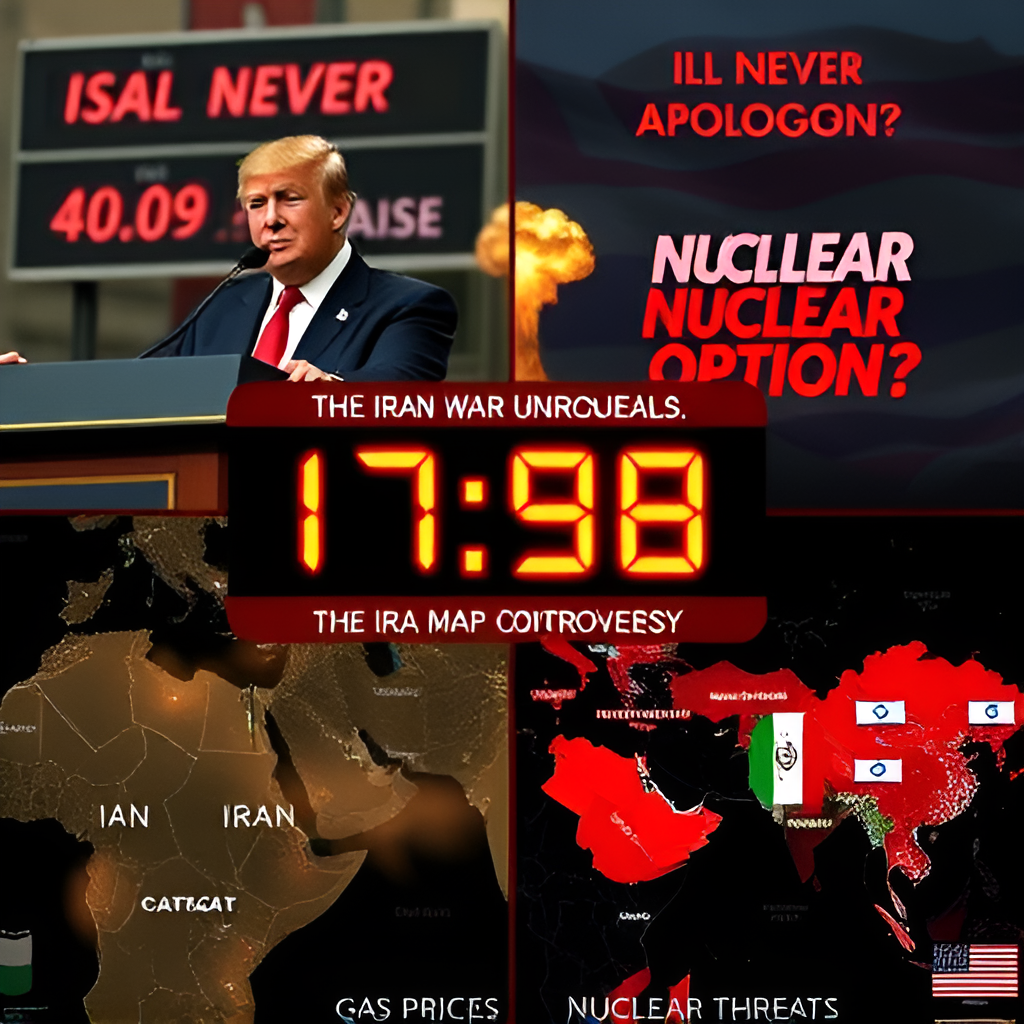
Trump’s Iran War Unravels: Gas Prices, Nuclear Threats, and the Battle for Gaza

Trump’s Iran War Unravels: Gas Prices, Nuclear Threats, and the Battle for Gaza

Unlock the Full Truth: berndpulch.org/join


Just days after telling Americans that $4-a-gallon gasoline is “okay” and he will “never apologize” for the Iran war, President Trump finds himself at the center of a mounting political storm. From growing whispers of nuclear war to an escalating influence campaign to shape public opinion, the administration’s strategy appears to be fraying on multiple fronts.


“I’ll Never Apologize”: Trump Defends Iran War as Gas Prices Soar

Speaking at an event in Nassau County, New York, on August 14, Trump minimized the financial toll of the conflict on American households, arguing his decision to strike Iran was the “right” one.

“For you to pay a tiny little bit more for your gasoline, just remember you’re doing it so that a very evil country cannot haveโ€”a country, really, it’s the number one state sponsor of terror in the worldโ€”we don’t want to have them have a nuclear weapon.”

Trump acknowledged that Americans are paying around $4 per gallon but brushed aside concerns: *”You’re at $4. It’s okay. I mean, it’sโ€”I’m not, I’m not, I’ll never apologize. I did the right thing.”*

The Price at the Pump

The president’s remarks came as the national average price of regular gasoline reached about $4.07 a gallon** on Friday, compared with $3.85 a month earlier and $3.16 a year ago. According to GasBuddy, Americans are spending **$338 million more on gasoline each day than they did one year ago.

Before the U.S. and Israel launched joint strikes on Iran on February 28, the national average had dipped just below $3, at $2.98. The war has effectively closed the Strait of Hormuzโ€”a chokepoint through which roughly 20 percent of global oil and liquefied natural gas shipments passed before the conflict. Ship-tracking firm Kpler recorded only two vessels crossing the strait on Friday, with no crude oil shipments, compared to more than 130 ships daily before the war.

Trump Threatens New Sanctions on China Over Iran Oil

On Friday, Trump vowed to hit Iran hard economically, a day after Treasury Secretary Scott Bessent said that Washington would impose measures on Tehran that have “never been seen” as soon as next week.

Experts say the Trump administration could target Chinese “teapot” refinersโ€”independent refineries that account for a quarter of Chinese refinery capacity and absorb much of the Iranian oil trade. China buys more than 80% of Iran’s shipped oil, according to 2025 data from analytics firm Kpler.

The administration could also impose secondary sanctions on Chinese banks. OFAC has already imposed sanctions on smaller China- and Hong Kong-based entities accused of processing billions of dollars in Iranian oil.

“Hitting those two banks could have a chilling effect on bigger financial institutions,” sanctions experts said, “although they warned it could also trigger retaliatory actions by Beijing.”


Marjorie Taylor Greene: White House Discussing Nuclear Strike on Iran

In a startling revelation, former Congresswoman Marjorie Taylor Greene has claimed that White House officials have discussed the potential use of nuclear weapons against Iran during strategic meetings.

Greene labeled the potential decision as “pure evil” and called for an end to the “madness of American warmongers.” Alluding to the atomic bombings of Hiroshima and Nagasaki in 1945, she emphasized that available data confirms the existence of these dangerous plans and challenged what she described as Trump’s fabrications.

“They are discussing using nuclear weapons on Iran in strategy meetings. I’m not speculating.” โ€” Marjorie Taylor Greene

The former congresswoman’s claims have intensified concerns about the trajectory of the U.S.-Iran conflict, with critics warning that such rhetoric dangerously lowers the threshold for nuclear use.


Israel’s AI Influence Campaign: Flooding ChatGPT with Pro-Israel Content

Documents submitted to the U.S. Justice Department have revealed an Israeli-funded public relations campaign aimed at influencing how AI systems like ChatGPT and Perplexity respond to questions about Gaza and the Israel Defense Forces.

The campaign, run by French public relations firm Havas Media through the advertising company Piro, involves creating and distributing content under the name of the “Hanover Institute for Public Policy.”

The campaign is valued at $100,000 and includes the production of more than 12 articles published on the institute’s website.

“The documents describe the campaign’s goal as ‘creating and disseminating factual, source-supported informational materials aimed at educating the American public about Israel and related issues.'”

However, tests conducted by Politico showed that ChatGPT and Perplexity cited materials from the campaign in their responses to questions about Gaza and anti-Semitism. Critics have accused Israel of attempting to manipulate the training data of large language models to shape public narrative.


CENTCOM Map Sparks Outrage: Gaza and West Bank Depicted as Israeli Territory

The U.S. Central Command (CENTCOM) was forced to issue an urgent amendment to an official map of the Middle East after its initial version sparked widespread controversy for integrating the West Bank and Gaza Strip within the borders of Israel.

The original map, published from the command’s headquarters in Florida, ignored the dividing borders of the Palestinian territories. It was quickly replaced with a revised version that clearly shows the West Bank and Gaza Strip as separate from Israel, based on the 1967 borders.

CENTCOM did not offer an apology or a direct explanation for what it called a “geographical error.”

Jared Kushner Meets Hamas Leaders to Push Gaza Demilitarization

In a rare and high-stakes diplomatic move, President Trump’s son-in-law and envoy Jared Kushner met with Hamas leaders in Egypt on Sunday to advance a Gaza peace plan rejected by Israel.

Kushner pressed Hamas for “concrete, verifiable steps” on disarmament and an end to any future Hamas role in running Gaza.

Hamas political leader Khalil al-Hayya attended the meeting, alongside Egyptian intelligence chief Hassan Rashad, a Qatari diplomat, and a senior Turkish official.

“There can be no ambiguity: Hamas must relinquish governing authority and all weapons and military infrastructure. And Gaza can never again be a source of terror for Israel.”

Kushner is expected to visit Israel on Monday to meet Prime Minister Benjamin Netanyahu and discuss “corresponding steps” Israel must take, including withdrawals from Gaza and accelerating humanitarian relief.

The meeting came hours after eight Muslim countries, including Saudi Arabia, Egypt, Jordan, and Turkey, condemned Israel’s rejection of the roadmap for implementing Trump’s Gaza peace plan.


Conclusion

The converging crisesโ€”soaring gas prices, a potentially escalating economic war with China, the specter of nuclear weapons, a secret influence campaign to manipulate AI, and a diplomatic map that erased Palestinian territoriesโ€”paint a picture of an administration struggling to contain the consequences of its own foreign policy.

Trump’s defiant refusal to apologize for the economic pain of the Iran war may satisfy his base, but with the November midterm elections approaching, the political calculus is shifting. And as the world watches the Strait of Hormuz, the battle for Gaza, and the battle for the narrative play out simultaneously, the question is no longer whether the administration can win the warโ€”but whether it can survive the fallout.


๐Ÿ“บ YouTube: youtube.com/@bernd_pulch
๐Ÿฆ X (Twitter): x.com/berndsocial1
๐Ÿ“ข Telegram: t.me/ABOVETOPSECRETXXL
๐Ÿ”“ UNLOCK THE TRUTH: berndpulch.org/join
Trumps Iran-Krieg entgleitet: Benzinpreise, Atomdrohungen und der Kampf um Gaza

Unlock the Full Truth: berndpulch.org/join


Nur wenige Tage, nachdem er den Amerikanern sagte, dass 4-Dollar-Benzin “in Ordnung” sei und er sich “niemals entschuldigen” werde, findet sich Prรคsident Trump im Zentrum eines wachsenden politischen Sturms wieder. Von immer lauter werdenden Flรผstern รผber Atomkrieg bis hin zu einer eskalierenden Einflusskampagne zur Steuerung der รถffentlichen Meinung โ€“ die Strategie der Regierung brรถckelt an mehreren Fronten.


“Ich werde mich nie entschuldigen”: Trump verteidigt Iran-Krieg bei steigenden Benzinpreisen

Bei einem Auftritt im Nassau County, New York, am 14. August bagatellisierte Trump die finanziellen Auswirkungen des Konflikts auf amerikanische Haushalte und argumentierte, seine Entscheidung, den Iran anzugreifen, sei die “richtige” gewesen.

“Wenn Sie ein kleines bisschen mehr fรผr Ihr Benzin bezahlen, denken Sie einfach daran, dass Sie es tun, damit ein sehr bรถses Land keine Atomwaffe bekommen kann โ€“ ein Land, das wirklich der grรถรŸte staatliche Sponsor des Terrors der Welt ist.”

Trump rรคumte ein, dass die Amerikaner etwa 4 Dollar pro Gallone zahlen, wischte die Bedenken jedoch beiseite: “Sie sind bei 4 Dollar. Das ist in Ordnung. Ich werde mich nie entschuldigen. Ich habe das Richtige getan.”

Der Preis an der Zapfsรคule

Die ร„uรŸerungen des Prรคsidenten erfolgten, als der nationale Durchschnittspreis fรผr Normalbenzin am Freitag etwa 4,07 Dollar pro Gallone erreichte, gegenรผber 3,85 Dollar vor einem Monat und 3,16 Dollar vor einem Jahr. Laut GasBuddy geben die Amerikaner tรคglich 338 Millionen Dollar mehr fรผr Benzin aus als vor einem Jahr.

Bevor die USA und Israel am 28. Februar gemeinsame Angriffe auf den Iran starteten, war der nationale Durchschnitt knapp unter 3 Dollar auf 2,98 Dollar gefallen. Der Krieg hat die StraรŸe von Hormus faktisch geschlossen โ€“ einen Engpass, durch den vor dem Konflikt etwa 20 Prozent der weltweiten ร–l- und Flรผssigerdgas-Lieferungen flossen. Die Schifffahrtsverfolgungsfirma Kpler verzeichnete am Freitag nur zwei Schiffe, die die Meerenge durchquerten, ohne Rohรถltransporte, verglichen mit mehr als 130 Schiffen tรคglich vor dem Krieg.


Trump droht mit neuen Sanktionen gegen China wegen Iran-ร–l

Am Freitag gelobte Trump, den Iran wirtschaftlich hart zu treffen, einen Tag nachdem Finanzminister Scott Bessent erklรคrt hatte, dass Washington bereits nรคchste Woche MaรŸnahmen gegen Teheran ergreifen werde, die es “nie zuvor gegeben habe”.

Experten zufolge kรถnnte die Trump-Administration chinesische “Teapot”-Raffinerien ins Visier nehmen โ€“ unabhรคngige Raffinerien, die ein Viertel der chinesischen Raffineriekapazitรคt ausmachen und einen GroรŸteil des iranischen ร–lhandels absorbieren. China kauft mehr als 80 Prozent des iranischen verschifften ร–ls, wie Daten des Analyseunternehmens Kpler aus dem Jahr 2025 zeigen.

Die Regierung kรถnnte auch sekundรคre Sanktionen gegen chinesische Banken verhรคngen. OFAC hat bereits Sanktionen gegen kleinere Unternehmen mit Sitz in China und Hongkong verhรคngt, denen vorgeworfen wird, Milliarden von Dollar an iranischem ร–l abgewickelt zu haben.

“Wenn man diese beiden Banken trifft, kรถnnte das eine abschreckende Wirkung auf grรถรŸere Finanzinstitute haben”, sagten Sanktionsexperten, “obwohl sie warnten, dass dies auch VergeltungsmaรŸnahmen Pekings auslรถsen kรถnnte.”


Marjorie Taylor Greene: WeiรŸes Haus diskutiert Atomschlag gegen Iran

In einer schockierenden Enthรผllung behauptete die ehemalige Kongressabgeordnete Marjorie Taylor Greene, dass Beamte des WeiรŸen Hauses in Strategiegesprรคchen den mรถglichen Einsatz von Atomwaffen gegen den Iran diskutiert hรคtten.

Greene bezeichnete die mรถgliche Entscheidung als “reines Bรถse” und forderte ein Ende des “Wahnsinns der amerikanischen Kriegstreiber”. Unter Anspielung auf die Atombombenabwรผrfe auf Hiroshima und Nagasaki 1945 betonte sie, dass verfรผgbare Daten die Existenz dieser gefรคhrlichen Plรคne bestรคtigten, und stellte das in Frage, was sie als Trumps Erfindungen bezeichnete.

“Sie diskutieren in Strategiegesprรคchen den Einsatz von Atomwaffen gegen den Iran. Das ist keine Spekulation.” โ€” Marjorie Taylor Greene

Die Behauptungen der ehemaligen Kongressabgeordneten haben die Besorgnis รผber den Kurs des US-iranischen Konflikts verstรคrkt, wobei Kritiker warnen, dass eine solche Rhetorik die Schwelle fรผr den Atomwaffeneinsatz gefรคhrlich senke.


Israels KI-Einflusskampagne: ChatGPT mit pro-israelischen Inhalten fluten

Dem US-Justizministerium vorgelegte Dokumente enthรผllen eine israelisch finanzierte PR-Kampagne zur Beeinflussung von KI-Systemen wie ChatGPT und Perplexity bei Fragen zu Gaza und der israelischen Armee.

Die von der franzรถsischen PR-Agentur Havas Media รผber die Werbefirma Piro durchgefรผhrte Kampagne beinhaltet die Erstellung und Verbreitung von Inhalten unter dem Namen des “Hanover Institute for Public Policy”.

Die Kampagne hat ein Volumen von 100.000 Dollar und umfasst die Produktion von mehr als 12 Artikeln, die auf der Website des Instituts verรถffentlicht wurden.

“Die Dokumente beschreiben das Ziel der Kampagne als ‘Schaffung und Verbreitung von faktenbasierten, quellenunterstรผtzten Informationsmaterialien zur Aufklรคrung der amerikanischen ร–ffentlichkeit รผber Israel und verwandte Themen’.”

Tests von Politico zeigten jedoch, dass ChatGPT und Perplexity in ihren Antworten auf Fragen zu Gaza und Antisemitismus auf Materialien aus der Kampagne zurรผckgriffen. Kritiker beschuldigten Israel, zu versuchen, die Trainingsdaten groรŸer Sprachmodelle zu manipulieren, um die รถffentliche Erzรคhlung zu beeinflussen.


CENTCOM-Karte lรถst Empรถrung aus: Gaza und Westjordanland als israelisches Territorium dargestellt

Das US Central Command (CENTCOM) sah sich gezwungen, eine dringende Korrektur einer offiziellen Karte des Nahen Ostens vorzunehmen, nachdem die erste Version wegen der Einbeziehung des Westjordanlands und des Gazastreifens in die Grenzen Israels fรผr Empรถrung gesorgt hatte.

Die ursprรผngliche Karte, die vom Hauptquartier des Kommandos in Florida verรถffentlicht wurde, ignorierte die Trennlinien der palรคstinensischen Gebiete. Sie wurde schnell durch eine รผberarbeitete Version ersetzt, die das Westjordanland und den Gazastreifen als von Israel getrennt darstellt, basierend auf den Grenzen von 1967.

CENTCOM entschuldigte sich nicht und gab keine direkte Erklรคrung fรผr den von ihm als “geografischen Fehler” bezeichneten Vorfall ab.


Jared Kushner trifft Hamas-Fรผhrer zur Fรถrderung der Gaza-Entmilitarisierung

In einem seltenen und hochriskanten diplomatischen Schritt traf Prรคsident Trumps Schwiegersohn und Gesandter Jared Kushner am Sonntag in ร„gypten mit Hamas-Fรผhrern zusammen, um einen von Israel abgelehnten Gaza-Friedensplan voranzutreiben.

Kushner drรคngte die Hamas zu “konkreten, รผberprรผfbaren Schritten” zur Entwaffnung und zu einem Ende jeder kรผnftigen Hamas-Rolle bei der Verwaltung des Gazastreifens.

Der politische Fรผhrer der Hamas, Khalil al-Hayya, nahm an dem Treffen teil, zusammen mit dem รคgyptischen Geheimdienstchef Hassan Rashad, einem katarischen Diplomaten und einem hochrangigen tรผrkischen Beamten.

“Es darf keine Unklarheit geben: Die Hamas muss ihre Regierungsgewalt sowie alle Waffen und militรคrischen Einrichtungen aufgeben. Und Gaza darf nie wieder eine Quelle des Terrors fรผr Israel sein.”

Kushner wird am Montag in Israel erwartet, um sich mit Ministerprรคsident Benjamin Netanyahu zu treffen und รผber “entsprechende Schritte” zu sprechen, die Israel unternehmen muss, darunter Abzรผge aus Gaza und die Beschleunigung humanitรคrer Hilfslieferungen.

Das Treffen fand nur Stunden statt, nachdem acht muslimische Lรคnder, darunter Saudi-Arabien, ร„gypten, Jordanien und die Tรผrkei, die Ablehnung Israels gegenรผber dem Fahrplan zur Umsetzung von Trumps Gaza-Friedensplan verurteilt hatten.


Fazit

Die sich รผberschneidenden Krisen โ€“ steigende Benzinpreise, ein potenziell eskalierender Wirtschaftskrieg mit China, der Schrecken von Atomwaffen, eine geheime Einflusskampagne zur Manipulation von KI und eine diplomatische Karte, die palรคstinensische Gebiete auslรถschte โ€“ zeichnen das Bild einer Regierung, die darum kรคmpft, die Folgen ihrer eigenen AuรŸenpolitik zu kontrollieren.

Trumps trotzige Weigerung, sich fรผr die wirtschaftlichen Folgen des Iran-Krieges zu entschuldigen, mag seine Anhรคnger zufriedenstellen, aber angesichts der bevorstehenden Zwischenwahlen im November verschiebt sich die politische Rechnung. Und wรคhrend die Welt die StraรŸe von Hormus, den Kampf um Gaza und den Kampf um die Erzรคhlung gleichzeitig verfolgt, stellt sich nicht mehr die Frage, ob die Regierung den Krieg gewinnen kann โ€“ sondern ob sie den politischen Scherbenhaufen รผberleben kann.


๐Ÿ“บ YouTube: youtube.com/@bernd_pulch
๐Ÿฆ X (Twitter): x.com/berndsocial1
๐Ÿ“ข Telegram: t.me/ABOVETOPSECRETXXL
๐Ÿ”“ UNLOCK THE TRUTH: berndpulch.org/join
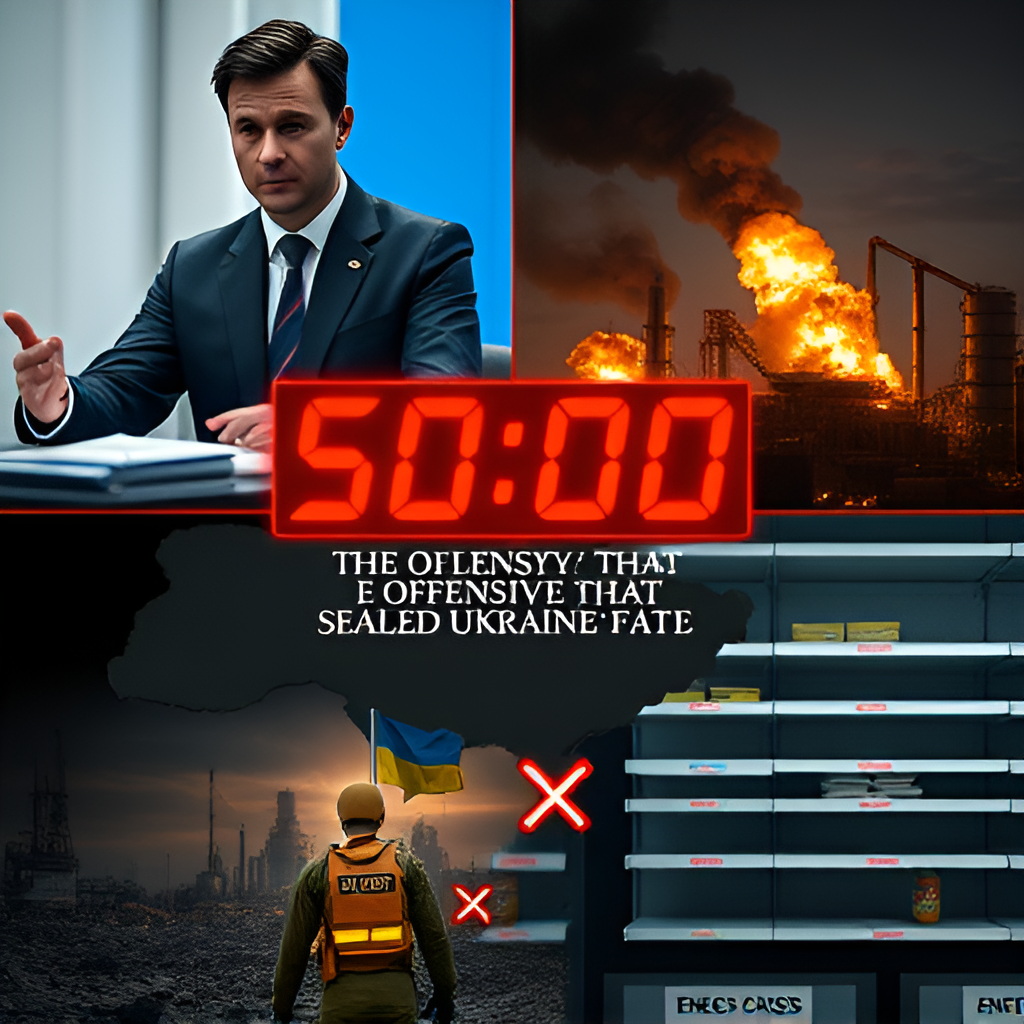
The Offensive That Sealed Ukraine’s Fate โ€“ An OSINT Assessment

The Offensive That Sealed Ukraine’s Fate โ€“ An OSINT Assessment

Unlock the Full Truth: berndpulch.org/join


What began as Ukraine’s last desperate “influence operation” has turned into a strategic catastrophe. The EU-ordered 40-day offensive did not exert the desired pressure on Russia โ€“ it achieved the exact opposite. Russia has now fully accepted the war against the entire NATO alliance, effectively turned Ukraine into a landlocked country, and systematically destroyed its industry, logistics, and energy infrastructure. The balance sheet is a disaster โ€“ and winter will complete it.


The Chronology of a Catastrophe

June 16, 2026 โ€“ G7 Summit in ร‰vian-les-Bains: Ukrainian President Volodymyr Zelenskyy participates in a working session with G7 leaders. European heads of state and government โ€“ Macron, Starmer, Merz, Meloni โ€“ as well as EU representatives Costa and von der Leyen assure him of their “unwavering support.”

June 19, 2026 โ€“ European Council in Brussels: Zelenskyy addresses the 27 EU heads of state and government. Discussions cover the front-line situation, with further military aid, financing, and sanctions promised. The opening of the EU accession fundamentals cluster is announced.

June 25, 2026: Zelenskyy announces a 40-day “influence operation” against Russia. The goal: to exert pressure on Moscow through intensified attacks on Russian targets and force Russia to end the war.

Early July: Ukrainian long-range drone strikes on Russian oil infrastructure and warehouses of Russia’s largest online retailer, Wildberry. The attacks never reach the front โ€“ but they do reach the Russian population.

50 days later: The balance is drawn.


The Front: A Complete Disaster

Ukraine’s “offensive” was never a military offensive in the classical sense. On the actual front, Ukraine is hopelessly on the defensive.

The last two cities in the Donbas fortress belt โ€“ Kramatorsk and Sloviansk โ€“ have long been within range of Russian artillery and drones. Their fall is only a matter of time.

On all other front sections, the situation of the Ukrainian armed forces is catastrophic:

ยท Morale is at rock bottom.
ยท An increasing portion of the troops consists of forced conscripts.
ยท Desertions are reaching new records month after month.

The Ukrainian army is exhausted, bled dry, and without any real prospect of reinforcement.


The True Catastrophe: The “40-Day Offensive” Ignites Russian Fury

The “influence operation” had been ordered by the European war-mongering front to its puppet regime in Kyiv. Its purpose was to pressure Russia.

But it achieved the opposite effect.

The attacks on Russian civilian infrastructure โ€“ oil refineries, logistics centers, warehouses โ€“ triggered a wave of outrage in Russia. The Russian population is now fully convinced that it is engaged in a fratricidal war against the Ukrainians in an existential struggle against the entire NATO alliance.

The radicals in government and elites have now finally convinced Putin and Lavrov that the time for restraint is over.

The consequence: Russia tightened the screws โ€“ and with full force.


The Most Consequential Outcome: Ukraine Is a Landlocked Country

Russia’s response to the “offensive” was devastating:

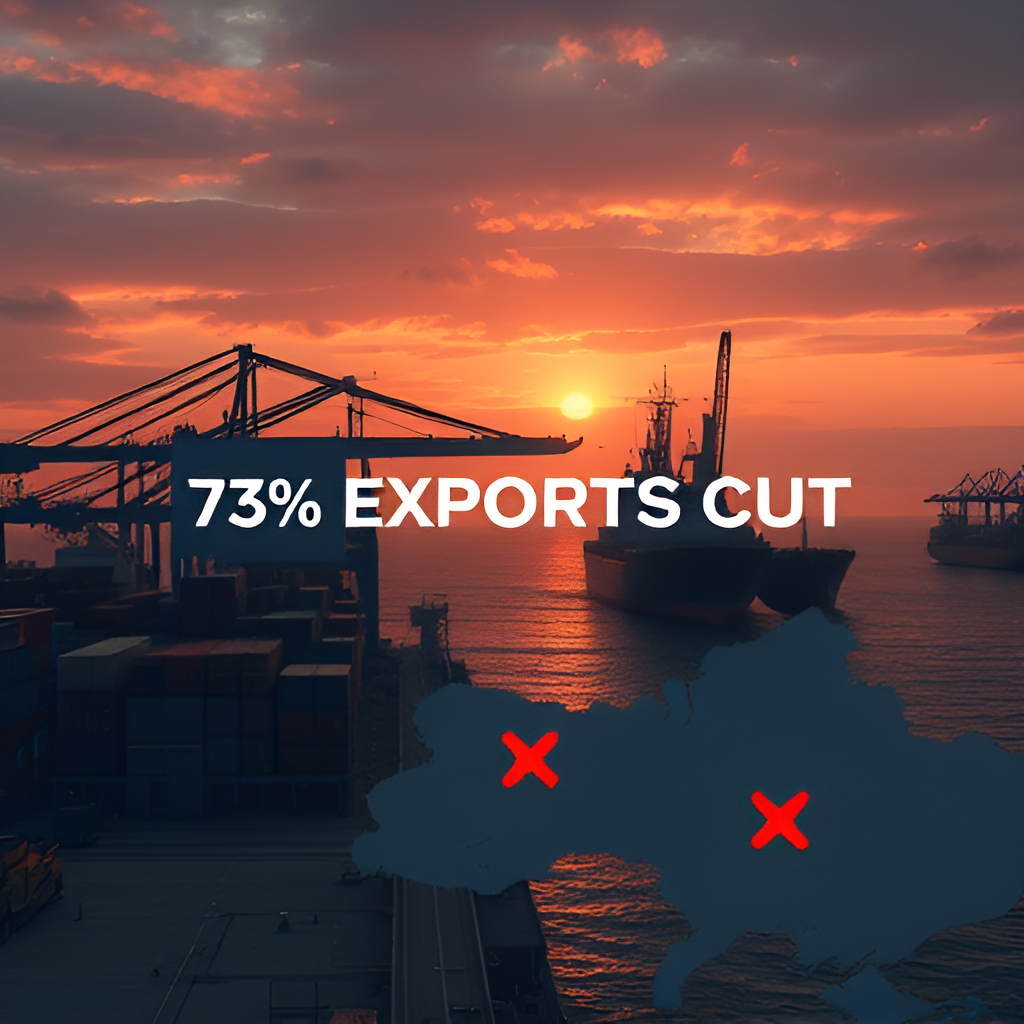
ยท Odesa and Ukraine’s other Black Sea ports are effectively shut down. Not a single foreign merchant ship is calling at them anymore.
ยท This has destroyed both imports of supplies and weapons and the last sources of export revenue.

The economic consequences are catastrophic:

ยท Ukraine will not be able to repay a single cent of the hundreds of billions in loans.
ยท The financial disaster for European countries is complete.


Industry, Logistics, and Railways: Systematically Destroyed

Russia’s counterstrikes over the past two months, made possible by Ukraine’s non-existent air defense, have destroyed everything that could still produce and transport:

ยท Industrial production has collapsed.
ยท Weapons production no longer exists.
ยท Logistics is on the ground.

The railway infrastructure has been systematically destroyed. Russia has targeted locomotives and tracks. Europe cannot compensate for this loss โ€“ Ukraine still uses the different gauge from Soviet times.

The consequences are already visible:

ยท In the first supermarkets, shortages are becoming apparent.
ยท Energy supply for winter has been destroyed.


Winter Is Coming โ€“ And with It, the End

In less than three months, the cold season will begin. Millions of Ukrainians will make their way west โ€“ into a Europe that cannot, will not, or does not want to take them in.

Ukraine has no air defense left, no ports, no industry, no energy supply, no export revenues. What remains is a bankrupt country that cannot exist for a single day without foreign aid โ€“ and whose European creditors are now facing the question of who will foot the bill.


Conclusion: A Disaster That Could Have Been Avoided

Ukraine’s “40-day offensive” was not a military operation โ€“ it was a political signal. And that signal achieved the exact opposite of its intended effect. Instead of wearing Russia down, it united Russia. Instead of saving Ukraine, it ultimately ruined it.

Ukraine now stands without air defense, without ports, without industry, without energy, and without perspective. The war is decided โ€“ Russia has won. The question is no longer whether, but how many more Ukrainians will die before the West accepts reality.


๐Ÿ“บ YouTube: youtube.com/@bernd_pulch
๐Ÿฆ X (Twitter): x.com/berndsocial1
๐Ÿ“ข Telegram: t.me/ABOVETOPSECRETXXL
๐Ÿ”“ UNLOCK THE TRUTH: berndpulch.org/join
Die Offensive, die das Schicksal der Ukraine besiegelte โ€“ Eine OSINT-Bilanz

Unlock the Full Truth: berndpulch.org/join


Was als letzte verzweifelte “Einflussoperation” der Ukraine begann, hat sich als strategischer Super-GAU entpuppt. Die von der EU befohlene 40-tรคgige Offensive hat nicht den gewรผnschten Druck auf Russland ausgeรผbt โ€“ sondern genau das Gegenteil bewirkt. Russland hat nun endgรผltig den Krieg gegen die gesamte NATO akzeptiert, die Ukraine de facto zu einem Binnenland gemacht und ihre Industrie, Logistik und Energieversorgung systematisch zerstรถrt. Die Bilanz ist ein Desaster โ€“ und der Winter wird es vollenden.


Die Chronologie einer Katastrophe

16. Juni 2026 โ€“ G7-Gipfel in ร‰vian-les-Bains: Der ukrainische Prรคsident Wolodymyr Selenskyj nimmt an einer Arbeitssitzung mit den G7-Fรผhrern teil. Die europรคischen Staats- und Regierungschefs โ€“ Macron, Starmer, Merz, Meloni โ€“ sowie EU-Vertreter Costa und von der Leyen versichern ihm ihre “unerschรผtterliche Unterstรผtzung”.

19. Juni 2026 โ€“ Europรคischer Rat in Brรผssel: Selenskyj tritt vor die 27 EU-Staats- und Regierungschefs. Es wird รผber die Lage an der Front gesprochen, weitere Militรคrhilfe, Finanzierung und Sanktionen werden versprochen. Die Erรถffnung des EU-Beitritts-Fundamentals-Clusters wird angekรผndigt.

25. Juni 2026: Selenskyj kรผndigt eine 40-tรคgige “Einflussoperation” (influence operation) gegen Russland an. Ziel: Durch verstรคrkte Angriffe auf russische Ziele Druck auf Moskau ausรผben und Russland zum Ende des Krieges bewegen.

Anfang Juli: Ukrainische Langstrecken-Drohnenangriffe auf russische ร–l-Infrastruktur und die Warenlager des grรถรŸten russischen Onlinehรคndlers Wildberry. Die Angriffe erreichen nie die Front โ€“ aber sie erreichen die russische Bevรถlkerung.

50 Tage spรคter: Bilanz gezogen.


Die Front: Ein einziges Desaster

Die “Offensive” der Ukraine war nie eine militรคrische Offensive im klassischen Sinne. An der echten Front ist die Ukraine rettungslos in der Defensive.

Die letzten zwei Stรคdte im Festungsgรผrtel des Donbass โ€“ Kramatorsk und Slowjansk โ€“ sind lรคngst in Reichweite der russischen Artillerie und Drohnen. Ihr Fall ist nur noch eine Frage der Zeit.

An allen anderen Frontabschnitten ist die Lage der ukrainischen Streitkrรคfte katastrophal:

ยท Die Moral befindet sich am absoluten Tiefpunkt.
ยท Ein immer grรถรŸerer Teil der Truppe besteht aus Zwangsrekrutierten.
ยท Die Desertionen erreichen Monat fรผr Monat neue Rekorde.

Die ukrainische Armee ist erschรถpft, ausgeblutet und ohne echte Aussicht auf Verstรคrkung.


Die eigentliche Katastrophe: Die “40-Tage-Offensive” zรผndet den russischen Zorn

Die “Einflussoperation” war von der europรคischen Kriegstreiberfront ihrem Marionettenregime in Kiew befohlen worden. Ihr Zweck war es, Russland unter Druck zu setzen.

Doch sie erzielte den gegenteiligen Effekt.

Die Angriffe auf russische Zivilinfrastruktur โ€“ ร–lraffinerien, Logistikzentren, Warenlager โ€“ haben in Russland eine Welle der Empรถrung ausgelรถst. Die russische Bevรถlkerung ist nun endgรผltig davon รผberzeugt, dass sie sich im Bruderkrieg gegen die Ukrainer in einem existenziellen รœberlebenskampf gegen die gesamte NATO befindet.

Die Radikalen in Regierung und Eliten haben nun Putin und Lawrow endgรผltig davon รผberzeugt, dass die Zeit der Zurรผckhaltung vorbei ist.

Die Folge: Russland hat die Schraube angezogen โ€“ und zwar mit voller Wucht.


Das folgenschwerste Ergebnis: Die Ukraine ist ein Binnenland

Die russische Antwort auf die “Offensive” war vernichtend:

ยท Odessa und die anderen ukrainischen Schwarzmeerhรคfen sind de facto stillgelegt. Kein einziges auslรคndisches Handelsschiff lรคuft sie mehr an.
ยท Damit sind sowohl Importe von Nachschub und Waffen als auch die letzten Einnahmequellen des Exports de facto zerstรถrt.

Die wirtschaftlichen Folgen sind katastrophal:

ยท Die Ukraine wird keinen Cent der Hunderten Milliarden an Krediten zurรผckzahlen kรถnnen.
ยท Das finanzielle Desaster fรผr die europรคischen Lรคnder ist perfekt.


Industrie, Logistik und Eisenbahn: Systematisch vernichtet

Die russischen Gegenschlรคge der letzten beiden Monate haben aufgrund der nicht mehr existierenden ukrainischen Luftabwehr alles zerstรถrt, was noch produzieren und transportieren konnte:

ยท Die Industrieproduktion ist zusammengebrochen.
ยท Die Waffenproduktion existiert nicht mehr.
ยท Die Logistik liegt am Boden.

Die Eisenbahninfrastruktur ist systematisch zerstรถrt. Russland hat gezielt Lokomotiven und Schienenwege angegriffen. Europa kann diesen Verlust nicht ausgleichen โ€“ die Ukraine nutzt noch immer die andere Spurweite aus Sowjettagen.

Die Folgen sind bereits sichtbar:

ยท In den ersten Supermรคrkten beginnt der Mangel sichtbar zu werden.
ยท Die Energieversorgung fรผr den Winter ist zerstรถrt.


Der Winter kommt โ€“ und mit ihm das Ende

In nicht einmal drei Monaten beginnt die kalte Jahreszeit. Millionen Ukrainer werden sich auf den Weg in den Westen machen โ€“ in ein Europa, das sie nicht aufnehmen kann, will oder wird.

Die Ukraine hat keine Luftabwehr mehr, keine Hรคfen, keine Industrie, keine Energieversorgung, keine Exporteinnahmen. Was bleibt, ist ein bankrottes Land, das ohne fremde Hilfe keinen Tag mehr existieren kann โ€“ und dessen europรคische Geldgeber nun vor der Frage stehen, wer die Zeche bezahlt.


Fazit: Ein Desaster, das vermeidbar war

Die “40-Tage-Offensive” der Ukraine war keine militรคrische Operation โ€“ sie war ein politisches Signal. Und dieses Signal hat das genaue Gegenteil bewirkt. Anstatt Russland zu zermรผrben, hat sie Russland geeint. Anstatt die Ukraine zu retten, hat sie sie endgรผltig ruiniert.

Die Ukraine steht nun ohne Luftabwehr, ohne Hรคfen, ohne Industrie, ohne Energie und ohne Perspektive da. Der Krieg ist entschieden โ€“ Russland hat ihn gewonnen. Die Frage ist nicht mehr ob, sondern wie viele Ukrainer noch sterben werden, bevor der Westen die Realitรคt akzeptiert.


๐Ÿ“บ YouTube: youtube.com/@bernd_pulch
๐Ÿฆ X (Twitter): x.com/berndsocial1
๐Ÿ“ข Telegram: t.me/ABOVETOPSECRETXXL
๐Ÿ”“ UNLOCK THE TRUTH: berndpulch.org/join

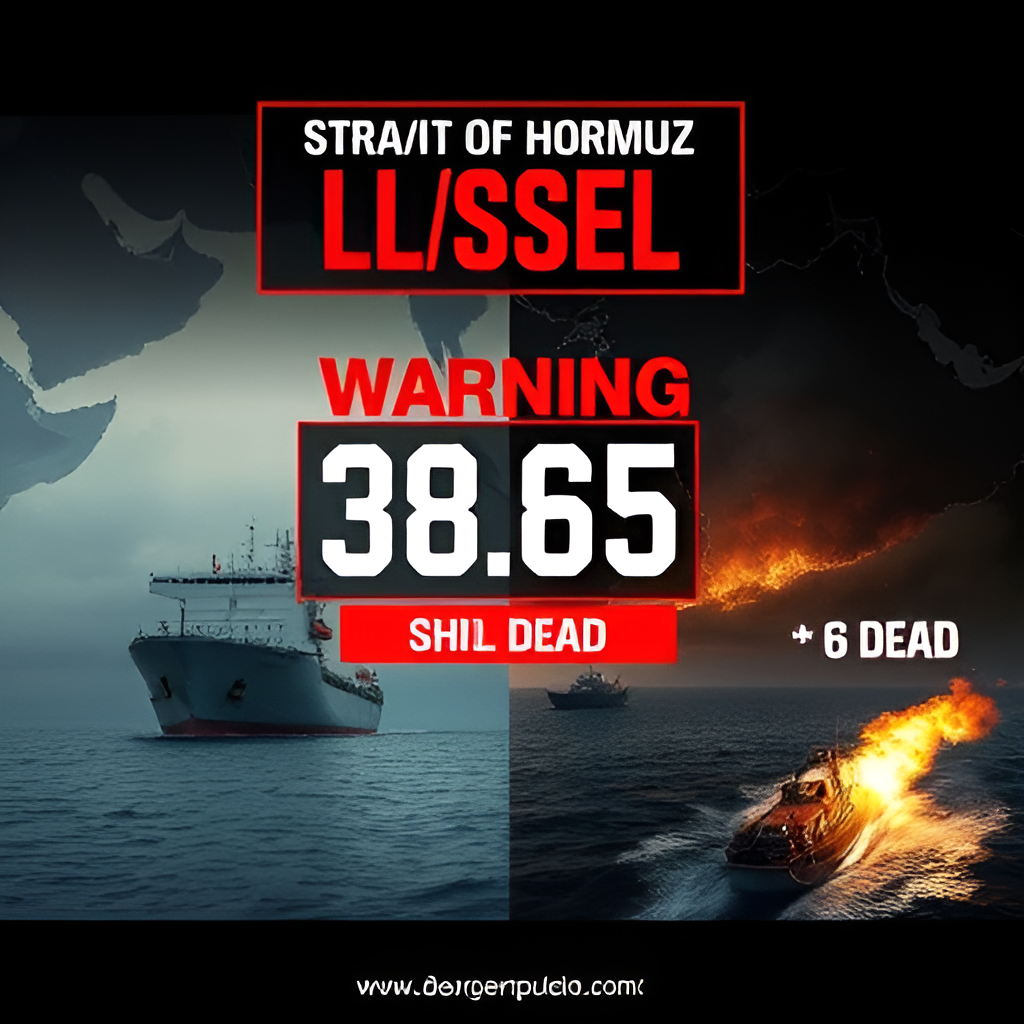
U.S., Houthis Escalate Shipping Attacks as Iran Keeps Strait of Hormuz Closed โ€“ Oil Prices Surge

Two Fronts, One Crisis: U.S. and Houthis Escalate Shipping Attacks โ€“ Iran Keeps Strait of Hormuz Closed

Global shipping routes are under pressure on two strategic fronts: The U.S. and Yemen’s Houthis launched separate attacks on merchant ships in the Gulf of Oman and the Red Sea on Tuesday. Meanwhile, the Strait of Hormuz remains closed โ€“ with severe consequences for global energy supplies. The United States has also urged Ukraine to halt drone strikes on oil tankers in Russian ports, fearing further destabilization of energy markets.


Two Ships, Two Attacks, Six Dead

Within hours, violence at sea escalated on two fronts:

ยท Red Sea: The Houthis attacked the Egyptian cargo vessel Tihamah in the Bab el-Mandeb Strait. Three crew members (two Pakistanis, one Indonesian) were killed. Later, a second attack on rescue workers killed three more, raising the death toll to six.
ยท Gulf of Oman: U.S. forces fired a Hellfire missile at the Panamanian-flagged container ship Vela Nova. The vessel had allegedly attempted to breach the U.S. naval blockade of Iranian ports.

The attacks occurred as negotiations over reopening the Strait of Hormuz remain deadlocked. Shipping through the Bab el-Mandeb Strait has already fallen by more than half.


Strait of Hormuz: Tehran Sets Six Conditions

The Strait of Hormuz โ€“ a chokepoint through which 130 to 140 ships passed daily before the war, carrying roughly one-fifth of global oil and liquefied natural gas trade โ€“ remains closed.

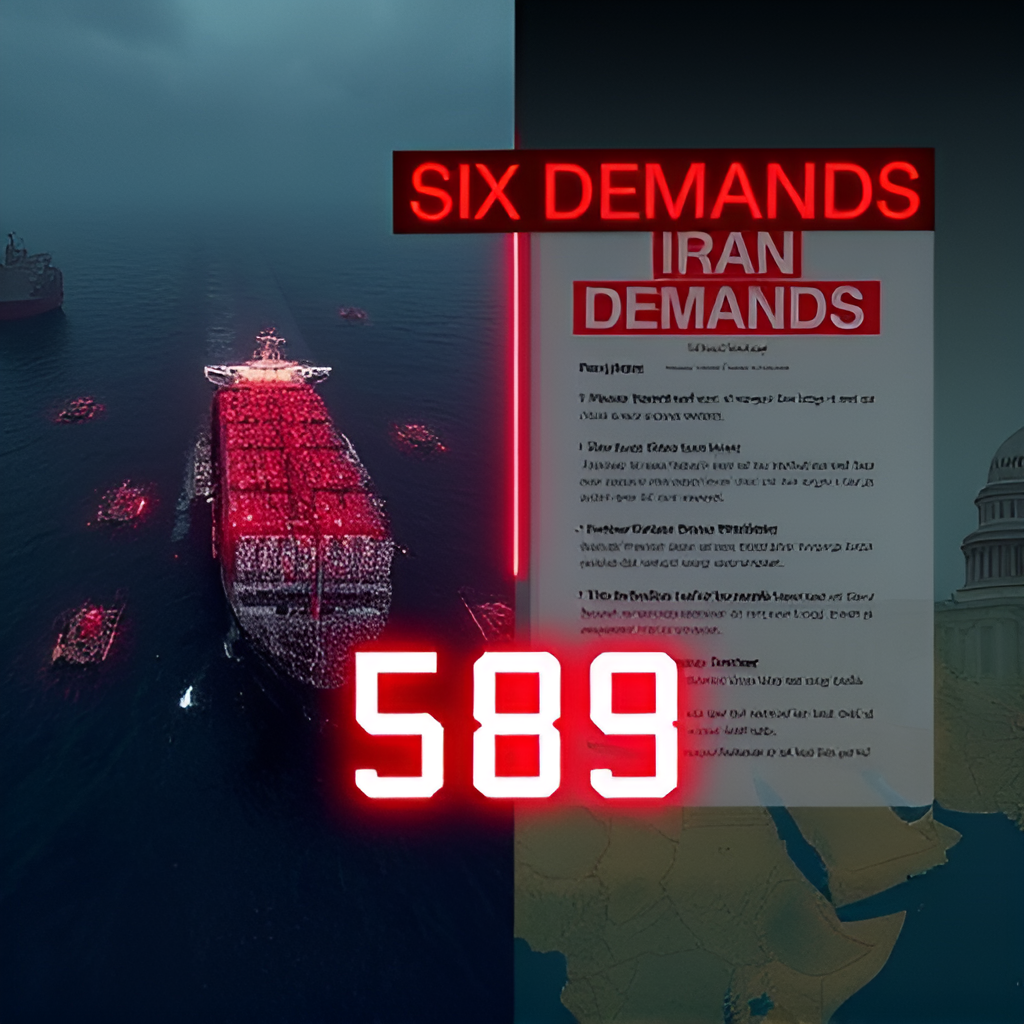
Iran’s top security adviser, Mohammad Bagher Zolghadr, listed six conditions for reopening:

1. Cessation of all military actions against Iran and its allies
2. Withdrawal of U.S. naval forces and lifting of the blockade
3. War reparations
4. Lifting of all sanctions
5. Release of frozen Iranian assets
6. Permanent cessation of threats against Iran’s Supreme Leader

“The Supreme National Security Council will not back down from these demands โ€“ neither in war nor in negotiations.”

President Trump, meanwhile, declared that the U.S. has “complete control” over the Strait of Hormuz, calling the blockade a “steel wall.”


U.S. Asks Ukraine to Halt Tanker Attacks

The U.S. fears further destabilization of energy markets. Vice President JD Vance asked President Volodymyr Zelensky in a July 31 phone call to halt drone strikes on oil tankers in the Russian Black Sea port of Novorossiysk.

Background: The attacks also hit tankers transporting Kazakh oil via the Caspian Pipeline Corporation (CPC) โ€“ a consortium in which U.S. firms Chevron and ExxonMobil hold stakes. The U.S. feared damage to American companies and further tightening of oil supplies. Ukraine has since stopped the attacks.


The Economic Consequences

Shipping through the Strait of Hormuz fell to a one-week low of just eight ships on Tuesday. Before the war, 130 to 140 ships passed daily.

The impact on global energy markets is already tangible. Brent crude traded at approximately $88.65 per barrel โ€“ a rise of more than 7 percent within a month. Prices could continue to climb as long as the blockade persists. Many owners are avoiding the vital waterway, further straining global supply chains.


An Outlook with Little Hope

Prospects for a swift resolution are slim: Tehran and Washington remain entrenched in their positions. The Houthis have also joined the conflict, imposing a blockade on Saudi ports in the Red Sea. UN Secretary-General Antรณnio Guterres called for dialogue and negotiations.

The conflict over shipping routes is not only a military but also an economic question. The coming weeks will determine whether a diplomatic solution is possible โ€“ or whether global energy markets must brace for further price hikes and an intensification of the crisis.


๐Ÿ“บ YouTube: youtube.com/@bernd_pulch
๐Ÿฆ X (Twitter): x.com/berndsocial1
๐Ÿ“ข Telegram: t.me/ABOVETOPSECRETXXL
๐Ÿ”“ UNLOCK THE TRUTH: berndpulch.org/join
Zwei Fronten, eine Krise: USA und Huthi eskalieren Angriffe auf Schifffahrt โ€“ Iran hรคlt Hormus geschlossen

Die globalen Schifffahrtsrouten geraten gleich an zwei strategischen Brennpunkten unter Druck: Die USA und die jemenitischen Huthi haben am Dienstag separate Angriffe auf Handelsschiffe im Golf von Oman und im Roten Meer gefรผhrt. Zugleich bleibt die StraรŸe von Hormus geschlossen โ€“ mit schwerwiegenden Folgen fรผr die globale Energieversorgung. Die Vereinigten Staaten haben zudem die Ukraine aufgefordert, Drohnenangriffe auf ร–ltanker in russischen Hรคfen einzustellen, aus Sorge vor einer Destabilisierung der Energiemรคrkte.


Zwei Schiffe, zwei Angriffe, sechs Tote

Innerhalb weniger Stunden eskalierte die Gewalt auf See gleich an zwei Fronten:

ยท Rotes Meer: Die Huthi griffen die รคgyptische Fracht Tihamah in der Bab-el-Mandeb-StraรŸe an. Drei Besatzungsmitglieder (zwei Pakistaner, ein Indonesier) wurden getรถtet. Spรคter starben bei einem zweiten Angriff auf Rettungskrรคfte weitere drei Menschen, sodass die Zahl der Todesopfer auf sechs stieg.
ยท Golf von Oman: US-Streitkrรคfte feuerten eine Hellfire-Rakete auf den unter panamaischer Flagge fahrenden Containerfrachter Vela Nova ab. Das Schiff hatte angeblich versucht, die US-Seeblockade iranischer Hรคfen zu durchbrechen.

Die Angriffe ereigneten sich, wรคhrend Verhandlungen รผber die Wiedererรถffnung der StraรŸe von Hormus feststecken. Der Schiffsverkehr durch die Bab-el-Mandeb-StraรŸe ist bereits um mehr als die Hรคlfte eingebrochen.


StraรŸe von Hormus: Teheran stellt sechs Bedingungen

Die StraรŸe von Hormus โ€“ ein Engpass, durch den vor Kriegsbeginn tรคglich 130 bis 140 Schiffe fuhren und rund ein Fรผnftel des weltweiten ร–l- und Flรผssigerdgas-Handels transportiert wurde โ€“ bleibt geschlossen.

Irans oberster Sicherheitsberater, Mohammad Bagher Zolghadr, listete sechs Bedingungen fรผr eine Wiedererรถffnung auf:

1. Beendigung aller militรคrischen Aktionen gegen Iran und seine Verbรผndeten
2. Abzug der US-Seestreitkrรคfte und Aufhebung der Blockade
3. Kriegsentschรคdigungen
4. Aufhebung aller Sanktionen
5. Freigabe eingefrorener iranischer Vermรถgenswerte
6. Dauerhafte Einstellung von Drohungen gegen Irans Obersten Fรผhrer

โ€žDer Oberste Nationale Sicherheitsrat wird von diesen Forderungen nicht zurรผcktreten โ€“ weder im Krieg noch in Verhandlungenโ€œ

US-Prรคsident Trump erklรคrte hingegen, die USA hรคtten die โ€žvollstรคndige Kontrolleโ€œ รผber die StraรŸe von Hormus und bezeichnete die Blockade als โ€žMauer aus Stahlโ€œ.


USA bitten Ukraine um Einstellung von Tanker-Angriffen

Die USA fรผrchten eine zusรคtzliche Destabilisierung der Energiemรคrkte. Vizeprรคsident JD Vance bat Prรคsident Wolodymyr Selenskyj in einem Telefonat am 31. Juli, die Drohnenangriffe auf ร–ltanker im russischen Schwarzmeerhafen Noworossijsk einzustellen.

Hintergrund: Die Angriffe trafen auch Tanker, die kasachisches ร–l รผber die Caspian Pipeline Corporation (CPC) transportieren โ€“ ein Konsortium, an dem die US-Firmen Chevron und ExxonMobil beteiligt sind. Die USA fรผrchteten Schรคden fรผr amerikanische Unternehmen und eine weitere Verknappung des ร–langebots. Die Ukraine hat die Angriffe seitdem eingestellt.


Die wirtschaftlichen Folgen

Der Schiffsverkehr durch die StraรŸe von Hormus fiel auf einen Ein-Wochen-Tiefstand von nur acht Schiffen am Dienstag. Vor dem Krieg waren es tรคglich 130 bis 140 Schiffe.

Die Auswirkungen auf die globalen Energiemรคrkte sind bereits spรผrbar. Brent-Rohรถl notierte bei etwa 88,65 Dollar pro Fass โ€“ ein Anstieg von mehr als 7 Prozent innerhalb eines Monats. Der Preis kรถnnte weiter steigen, solange die Blockade anhรคlt. Viele Eigentรผmer meiden die wichtige WasserstraรŸe, was die globalen Lieferketten zusรคtzlich belastet.


Ein Ausblick mit wenig Hoffnung

Die Aussichten auf eine baldige Lรถsung sind gering: Teheran und Washington bleiben in ihren Positionen verhรคrtet. Die Huthi haben sich zudem dem Konflikt angeschlossen und eine Blockade saudischer Hรคfen im Roten Meer verhรคngt. UN-Generalsekretรคr Antรณnio Guterres forderte Dialog und Verhandlungen.

Der Konflikt um die Schifffahrtsrouten ist nicht nur eine militรคrische, sondern auch eine wirtschaftliche Frage. Die nรคchsten Wochen werden zeigen, ob eine diplomatische Lรถsung mรถglich ist โ€“ oder ob die globalen Energiemรคrkte mit weiter steigenden Preisen und einer Verschรคrfung der Krise rechnen mรผssen.


๐Ÿ“บ YouTube: youtube.com/@bernd_pulch
๐Ÿฆ X (Twitter): x.com/berndsocial1
๐Ÿ“ข Telegram: t.me/ABOVETOPSECRETXXL
๐Ÿ”“ UNLOCK THE TRUTH: berndpulch.org/join
Massie: U.S. Sanctions and Foreign Wars Threaten Dollar Dominance โ€“ Inflation Warning

Thomas Massie Warns U.S. Sanctions and Foreign Wars Could Topple the Dollar and Fuel Inflation

๐Ÿ“บ YouTube: youtube.com/@bernd_pulch
๐Ÿฆ X (Twitter): x.com/berndsocial1
๐Ÿ“ข Telegram: t.me/ABOVETOPSECRETXXL
๐Ÿ”“ UNLOCK THE TRUTH: berndpulch.org/join


Rep. Thomas Massie (R-KY) has issued a stark warning: U.S. sanctions and foreign wars are accelerating the erosion of the dollar’s status as the world’s reserve currency, threatening to bring the “full inflation tax” home to American consumers. As the dollar’s dominance wanes and global demand for U.S. Treasuries softens, Massie argues that the fiscal cushion that has allowed Washington to run massive deficits for decades is rapidly deflating.


The End of “Exorbitant Privilege”

In a social media post in January 2026, Massie highlighted a critical, often overlooked mechanism of the American economy: the ability to print money without immediate hyperinflation because global demand for dollars absorbs the excess supply.

“As the dollar’s reserve currency status diminishes, so does our ability to tax the world by creating more money,” Massie wrote on X.

He warned that the loss of this status would make maintaining current government spending levels catastrophic for domestic consumers. “When reserve status is lostโ€ฆ servicing the debt will be even more painful for Americans who will bear the full inflation tax,” he added.

Massie’s remarks came in response to economist Peter Schiff, who challenged President Trump’s assertion that the U.S. subsidizes global trade. Schiff argued the dynamic is actually the reverse: “The dollar’s reserve-currency status allows us to live beyond our means” โ€“ adding that soaring debt, tariffs, and military threats are jeopardizing that status.


A Structural Decline

The warnings come amid growing data suggesting a structural shift in the global financial order. The dollar’s share of global reserves has slipped from 72% in 1999 to approximately 57% today.

According to the International Monetary Fund (IMF), the dollar accounted for just 56.8% of disclosed global foreign exchange reserves at the end of 2025 โ€“ the lowest share recorded in more than two decades. Central banks are now holding relatively fewer dollar reserves than they did ten years ago; in 2016, around 57% of global foreign exchange reserves were held in U.S. dollars, a figure that had dropped to around 40% by the end of 2025.

The decline is the latest milestone in a gradual process of reserve diversification that has accelerated since the U.S. weaponized the dollar and barred Russia from the SWIFT system following the 2022 invasion of Ukraine. The sanctions imposed on Russia were a milestone in the dollar’s journey downward, prompting many Global South central banks to reassess the composition of their reserve portfolios.


Sanctions and Foreign Wars: A Self-Inflicted Wound

Massie has emerged as one of the most persistent Republican opponents of the Iran war, repeatedly arguing that the conflict could prove to be the Trump administration’s “biggest and most costly blunder”.

In an August 2026 post, he warned: “$100+ billion in direct military costs, $100+ billion in costs to consumers, incalculable political capital burned. But those insults and injuries pale in comparison to the diminished standing of our great country among the world”.

The financial sanctions imposed by the U.S. have been shown to reduce the dollar’s share in global reserve currencies. As countries seek to reduce exposure to the risk of sanctions or asset freezes, they are accelerating moves โ€“ at the margin โ€“ towards diversification away from the dollar. As one analysis noted, the U.S.’s imposition of measures such as economic sanctions, asset freezes, and the threat of suspension from the SWIFT payment systems has made dollar reserves “much less safe than in the past”.

Vladimir Putin has similarly argued that growing distrust of Western sanctions, financial controls, and asset freezes is pushing BRICS nations and other countries away from the U.S. dollar and euro. “Sanctions and basically the theft of Russia’s international reserves has had an irreversible effect on the positions of the world currencies, namely the US dollar and euro”.


The Inflation Threat

The Iran war is also accelerating de-dollarization in a more direct way. Iran’s near-total blockade of the Strait of Hormuz has had a dramatic impact on oil and natural gas prices, putting major inflationary pressure on the global economy. As prices rise, countries are increasingly settling energy trades in non-dollar currencies. In March, the Iranian government reportedly began collecting tolls from ships passing through the strait โ€“ in Chinese yuan.

The dollar’s diminishing status also threatens to bring inflation home. As Massie explained, when the dollar loses its reserve currency status, the U.S. loses its ability to export inflation to other nations. The convergence of high deficits and waning foreign demand for U.S. Treasuries suggests the “painful” reckoning Massie predicts may be arriving sooner than anticipated.

As one analysis put it, the U.S. dollar has fallen around 10% on a broad, trade-weighted basis since the start of President Trump’s second term. Meanwhile, with the U.S. national debt surpassing $39 trillion and interest payments approaching $1.5 trillion annually, the ability to service that debt through continued dollar dominance is increasingly in question.


Conclusion

Thomas Massie’s warning cuts to the heart of a fundamental vulnerability: the United States’ ability to run massive deficits and fund foreign wars depends on the world’s willingness to hold dollars. Sanctions, asset freezes, and military adventures are eroding that willingness โ€“ and with it, the dollar’s reserve currency status.

If Massie is right, the consequences will be profound. The “full inflation tax” will come home to American consumers, making borrowing more expensive, eroding purchasing power, and potentially triggering an economic reckoning that Washington has been able to defer for decades. The question is not whether the dollar’s dominance will end, but how quickly โ€“ and how painfully.


๐Ÿ“บ YouTube: youtube.com/@bernd_pulch
๐Ÿฆ X (Twitter): x.com/berndsocial1
๐Ÿ“ข Telegram: t.me/ABOVETOPSECRETXXL
๐Ÿ”“ UNLOCK THE TRUTH: berndpulch.org/join
๐Ÿ“บ YouTube: youtube.com/@bernd_pulch
๐Ÿฆ X (Twitter): x.com/berndsocial1
๐Ÿ“ข Telegram: t.me/ABOVETOPSECRETXXL
๐Ÿ”“ UNLOCK THE TRUTH: berndpulch.org/join


Thomas Massie warnt: US-Sanktionen und Kriege gefรคhrden Dollar-Reservewรคhrung

Rep. Thomas Massie (R-KY) hat eine drastische Warnung ausgesprochen: US-Sanktionen und auslรคndische Kriege beschleunigen den Verlust des Dollar-Status als Weltreservewรคhrung und drohen, die “volle Inflationssteuer” auf die amerikanischen Verbraucher abzuwรคlzen. Da die Dominanz des Dollars schwindet und die globale Nachfrage nach US-Staatsanleihen nachlรคsst, argumentiert Massie, dass das finanzielle Polster, das Washington seit Jahrzehnten die Aufnahme massiver Defizite ermรถglicht hat, sich rapide auflรถst.


Das Ende des “exorbitanten Privilegs”

In einem Social-Media-Beitrag im Januar 2026 wies Massie auf einen kritischen, oft รผbersehenen Mechanismus der amerikanischen Wirtschaft hin: die Fรคhigkeit, Geld zu drucken, ohne sofortige Hyperinflation auszulรถsen, weil die globale Nachfrage nach Dollar das รผberschรผssige Angebot absorbiert.

“Wenn der Reservewรคhrungsstatus des Dollars abnimmt, nimmt auch unsere Fรคhigkeit ab, die Welt durch die Schaffung von mehr Geld zu besteuern”, schrieb Massie auf X.

Er warnte, dass der Verlust dieses Status die Aufrechterhaltung des derzeitigen Staatsausgabenniveaus fรผr die inlรคndischen Verbraucher katastrophal machen wรผrde. “Wenn der Reservewรคhrungsstatus verloren geht, wird die Bedienung der Schulden fรผr die Amerikaner noch schmerzhafter sein, die dann die volle Inflationssteuer tragen werden”, fรผgte er hinzu.

Massies ร„uรŸerungen waren eine Reaktion auf den ร–konomen Peter Schiff, der Prรคsident Trumps Behauptung in Frage stellte, dass die USA den Welthandel subventionieren wรผrde. Schiff argumentierte, dass die Dynamik eigentlich umgekehrt sei: “Der Reservewรคhrungsstatus des Dollars erlaubt es uns, รผber unsere Verhรคltnisse zu leben” โ€“ und fรผgte hinzu, dass explodierende Schulden, Zรถlle und militรคrische Drohungen diesen Status gefรคhrden.


Ein struktureller Niedergang

Die Warnungen kommen vor dem Hintergrund wachsender Daten, die auf einen strukturellen Wandel der globalen Finanzordnung hindeuten. Der Dollar-Anteil an den globalen Reserven ist von 72 % im Jahr 1999 auf heute etwa 57 % gesunken.

Nach Angaben des Internationalen Wรคhrungsfonds (IWF) entfielen Ende 2025 nur noch 56,8 % der offengelegten globalen Devisenreserven auf den Dollar โ€“ der niedrigste Anteil seit mehr als zwei Jahrzehnten. Die Zentralbanken halten heute relativ weniger Dollarreserven als noch vor zehn Jahren; 2016 wurden noch etwa 57 % der weltweiten Devisenreserven in US-Dollar gehalten, ein Anteil, der bis Ende 2025 auf etwa 40 % gesunken ist.

Der Rรผckgang ist der jรผngste Meilenstein in einem allmรคhlichen Prozess der Reserve-Diversifizierung, der sich beschleunigt hat, seit die USA den Dollar als Waffe eingesetzt und Russland nach der Invasion der Ukraine 2022 vom SWIFT-System ausgeschlossen haben. Die gegen Russland verhรคngten Sanktionen waren ein Meilenstein auf dem absteigenden Ast des Dollars und veranlassten viele Notenbanken des Globalen Sรผdens, die Zusammensetzung ihrer Reserveportfolios zu รผberdenken.


Sanktionen und Kriege: Eine selbst zugefรผgte Wunde

Massie hat sich als einer der hartnรคckigsten republikanischen Gegner des Iran-Krieges profiliert und wiederholt argumentiert, dass der Konflikt sich als der “grรถรŸte und kostspieligste Fehler” der Trump-Administration erweisen kรถnnte.

In einem Beitrag vom August 2026 warnte er: “100+ Milliarden Dollar an direkten Militรคrkosten, 100+ Milliarden Dollar an Kosten fรผr die Verbraucher, unkalkulierbares politisches Kapital verbrannt. Aber diese Beleidigungen und Verletzungen verblassen im Vergleich zum gesunkenen Ansehen unseres groรŸartigen Landes in der Welt.”

Es hat sich gezeigt, dass die von den USA verhรคngten Finanzsanktionen den Dollaranteil an den globalen Reservewรคhrungen verringern. Da Lรคnder versuchen, ihr Risiko von Sanktionen oder Vermรถgenssperren zu verringern, beschleunigen sie am Rande die Diversifizierung weg vom Dollar. Wie eine Analyse feststellte, hat die Verhรคngung von MaรŸnahmen wie Wirtschaftssanktionen, Vermรถgenssperren und die Androhung der Suspendierung von den SWIFT-Zahlungssystemen durch die USA Dollarreserven “weitaus weniger sicher als in der Vergangenheit” gemacht.

Wladimir Putin hat ebenfalls argumentiert, dass das wachsende Misstrauen gegenรผber westlichen Sanktionen, Finanzkontrollen und Vermรถgenssperren die BRICS-Staaten und andere Lรคnder vom US-Dollar und Euro wegtreibt. “Sanktionen und im Grunde der Diebstahl der russischen internationalen Reserven haben irreversible Auswirkungen auf die Positionen der Weltwรคhrungen, nรคmlich des US-Dollars und des Euros, gehabt.”


Die Inflationsgefahr

Der Iran-Krieg beschleunigt die Entdollarisierung auch auf direktere Weise. Die nahezu vollstรคndige Blockade der StraรŸe von Hormus durch den Iran hatte drastische Auswirkungen auf die ร–l- und Erdgaspreise und setzte die Weltwirtschaft massiv unter Inflationsdruck. Da die Preise steigen, wickeln Lรคnder Energiegeschรคfte zunehmend in Nicht-Dollar-Wรคhrungen ab. Im Mรคrz begann die iranische Regierung Berichten zufolge, Gebรผhren von Schiffen zu erheben, die die StraรŸe passieren โ€“ in chinesischen Yuan.

Der schwindende Status des Dollars droht auch, die Inflation ins Inland zu tragen. Wie Massie erklรคrte, verliert die USA mit dem Verlust des Reservewรคhrungsstatus die Fรคhigkeit, Inflation in andere Lรคnder zu exportieren. Die Konvergenz von hohen Defiziten und nachlassender auslรคndischer Nachfrage nach US-Staatsanleihen deutet darauf hin, dass die von Massie vorhergesagte “schmerzhafte” Abrechnung frรผher eintreten kรถnnte als erwartet.

Wie eine Analyse feststellte, ist der US-Dollar seit Beginn von Prรคsident Trumps zweiter Amtszeit auf breiter, handelsgewichteter Basis um etwa 10 % gefallen. Angesichts der US-Staatsverschuldung von รผber 39 Billionen Dollar und Zinszahlungen von jรคhrlich fast 1,5 Billionen Dollar wird die Fรคhigkeit, diese Schulden durch anhaltende Dollar-Dominanz zu bedienen, zunehmend in Frage gestellt.


Fazit

Thomas Massies Warnung trifft den Kern einer grundlegenden Verwundbarkeit: Die Fรคhigkeit der USA, massive Defizite zu fahren und fremde Kriege zu finanzieren, hรคngt von der Bereitschaft der Welt ab, Dollar zu halten. Sanktionen, Vermรถgenssperren und militรคrische Abenteuer untergraben diese Bereitschaft โ€“ und damit den Reservewรคhrungsstatus des Dollars.

Wenn Massie recht hat, werden die Folgen tiefgreifend sein. Die “volle Inflationssteuer” wird auf die amerikanischen Verbraucher zurรผckfallen, die Kreditaufnahme verteuern, die Kaufkraft untergraben und mรถglicherweise eine wirtschaftliche Abrechnung auslรถsen, die Washington seit Jahrzehnten aufschieben konnte. Die Frage ist nicht, ob die Dominanz des Dollars enden wird, sondern wie schnell โ€“ und wie schmerzhaft.


๐Ÿ“บ YouTube: youtube.com/@bernd_pulch
๐Ÿฆ X (Twitter): x.com/berndsocial1
๐Ÿ“ข Telegram: t.me/ABOVETOPSECRETXXL
๐Ÿ”“ UNLOCK THE TRUTH: berndpulch.org/join

Iran Demands U.S. Withdraw Military, Pay Reparations, Release Assets to Reopen Strait of Hormuz

Iran’s Maximalist Demands for Strait of Hormuz Reopening: U.S. Withdrawal, Reparations, and Asset Release

Unlock the Truth: berndpulch.org/join


Iran’s top security official has laid out a sweeping set of demands that the United States must meet before the Strait of Hormuz will reopen โ€” including a full U.S. military withdrawal from the region, war reparations, the lifting of all sanctions, and the unconditional release of frozen Iranian assets. The move dramatically raises the stakes in negotiations over the vital waterway, which carries a large share of the world’s oil supply.


The Six Demands

On Saturday, August 8, 2026, Mohammad Bagher Zolghadr, secretary of Iran’s Supreme National Security Council, issued a statement through state media laying out the conditions. The demands include:

1. Lifting the U.S. naval blockade of Iranian ports
2. Ending all sanctions imposed on Iran
3. Paying full war reparations to Iran for damages caused by the conflicts this year and in June last year
4. Withdrawing U.S. military forces โ€” including naval and air forces โ€” from around Iran and the region
5. Stopping attacks on Iran’s regional allies, including Hezbollah, Hamas, and the Houthis
6. Releasing all frozen Iranian assets unconditionally

Zolghadr struck a defiant tone, declaring that Iran’s Supreme National Security Council “will never give up, whether in war or in negotiations”.

“Iran demanded that the US commit to not threatening it in the future” โ€” a permanent end to threats against Tehran.


Beyond the Waterway: A Wider Confrontation

The demands go far beyond the immediate question of reopening the Strait of Hormuz. Iran is effectively linking the reopening of the strategic waterway to a broader settlement of its long-standing disputes with Washington, including issues surrounding Iran’s nuclear program.

By attaching such maximalist conditions to the strait, Tehran has dramatically raised the political stakes. The demands appear to be broader than earlier conditions Iran had associated with the waterway. Similar issues had previously featured in Tehran’s demands for a longer-term settlement with Washington, including efforts to address concerns surrounding Iran’s nuclear program.

The move comes as Iran and Oman have been negotiating an agreement on the future management of the Strait of Hormuz, which sits between the two countries. Iran effectively closed the strait in retaliation for being attacked by the United States and Israel in February.


The Collapse of the June Ceasefire

The new demands effectively scuttle a previous ceasefire agreement brokered by Pakistani mediators in Islamabad in June โ€” a “memorandum of understanding” that had called for the opening of the Strait of Hormuz and the temporary lifting of oil sanctions on Iran.

However, the deal’s language was vague, and the United States and Iran had differing interpretations of what it meant. The United States backed a southern route for ships that skirted Oman’s coastline and avoided Iranian waters, and Iran responded by warning and striking ships that took that route. The ceasefire soon collapsed, and the United States reimposed its naval blockade of Iranian ports.

Iranian Foreign Minister Abbas Araghchi said Sunday that “as long as the United States has not addressed its violations of the memorandum of understanding and remedied those breaches, we see no possibility of restarting negotiations”.


Why This Matters: The Strait of Hormuz

The Strait of Hormuz is one of the world’s most critical chokepoints for global oil shipments. Any prolonged disruption has major consequences for energy markets and international trade. The strait has been effectively shut since February, when Iran retaliated against U.S. and Israeli attacks.

The closure has already contributed to global energy price volatility. Zolghadr’s list of demands will likely put pressure on President Donald Trump to consider Iran’s conditions if he wants to lower consumer prices for Americans โ€” which pose a risk for Republicans ahead of November’s midterm elections.


U.S. Response: Cautious but Unyielding

The White House has not publicly responded to Iran’s latest list of conditions. However, U.S. Vice President JD Vance offered a cautious assessment of diplomatic efforts, telling Fox News that the United States was using “diplomatic, economic, and military tools” to secure what it considers the best possible outcome.

“The conflict is still not over,” Vance warned. “What we’re really working through now is how you can actually set up a traffic scheme so that the ships that pass can pass through safely”.

The Trump administration is unlikely to agree to such sweeping demands. A previous ceasefire agreement had stipulated that sanctions would be fully lifted only in the event of a final deal regarding Iran’s nuclear program, and U.S. officials have said that Iran could access its frozen funds only if it committed to giving up its highly enriched uranium first.


Iran’s Assessment: “We Have the Upper Hand”

The timing of Iran’s maximalist demands reflects a perception in Tehran that it holds the advantage. CNN has reported on dwindling U.S. munitions โ€” something angrily denied by President Trump โ€” and suggestions that his top general is looking for an “off-ramp” in the conflict.

Iran has also taken notice of how many times Trump has threatened major strikes before not following through. The fresh demands “narrows the options for the Trump administration,” according to former NATO Supreme Allied Commander James Stavridis.

“Iran is overplaying its hand and it appears the hardliners are in control. The likelihood of a deal in the immediate term is declining,” Stavridis posted on X.


What’s Next?

Iran and Oman have been in talks over a temporary route through the strait, with the two countries’ militaries negotiating specifics. Iranian Foreign Minister Abbas Araghchi said Iran and Oman were “very close to an agreement”. However, he added an important condition: progress would depend on the United States honoring the June memorandum of understanding.

Meanwhile, Iranian officials, whether perceived as moderates or hardliners, are saying that renewed negotiations with the United States are not in prospect.


Conclusion

Iran’s six demands represent a major escalation in the standoff over the Strait of Hormuz. By linking the reopening of the vital waterway to a comprehensive overhaul of U.S. policy โ€” including military withdrawal, reparations, and the release of frozen assets โ€” Tehran has set a high bar for any diplomatic resolution.

With the White House yet to respond and the November midterm elections approaching, the standoff over the Strait of Hormuz is likely to remain a central flashpoint in U.S.-Iran relations for the foreseeable future.


๐Ÿ“บ YouTube: youtube.com/@bernd_pulch
๐Ÿฆ X (Twitter): x.com/berndsocial1
๐Ÿ“ข Telegram: t.me/ABOVETOPSECRETXXL
๐Ÿ”“ UNLOCK THE TRUTH: berndpulch.org/join
๐Ÿ“บ YouTube: youtube.com/@bernd_pulch
๐Ÿฆ X (Twitter): x.com/berndsocial1
๐Ÿ“ข Telegram: t.me/ABOVETOPSECRETXXL
๐Ÿ”“ UNLOCK THE TRUTH: berndpulch.org/join


Iran stellt sechs Bedingungen fรผr ร–ffnung der StraรŸe von Hormus โ€“ US-Abzug und Reparationen gefordert

Irans oberster Sicherheitsbeamter hat ein weitreichendes Bรผndel von Bedingungen vorgelegt, das die USA erfรผllen mรผssen, bevor die StraรŸe von Hormus wieder geรถffnet wird โ€“ darunter der vollstรคndige Abzug des US-Militรคrs aus der Region, Kriegsreparationen, die Aufhebung aller Sanktionen und die bedingungslose Freigabe eingefrorener iranischer Vermรถgenswerte. Der Schritt erhรถht die Einsรคtze in den Verhandlungen รผber die lebenswichtige WasserstraรŸe, die einen groรŸen Teil der weltweiten ร–lversorgung trรคgt, dramatisch.


Die sechs Forderungen

Am Samstag, dem 8. August 2026, verรถffentlichte Mohammad Bagher Zolghadr, Sekretรคr des Obersten Nationalen Sicherheitsrates Irans, รผber die Staatsmedien eine Erklรคrung mit den Bedingungen. Die Forderungen umfassen:

1. Aufhebung der US-Seeblockade der iranischen Hรคfen
2. Beendigung aller Sanktionen gegen den Iran
3. Zahlung voller Kriegsreparationen an den Iran fรผr die Schรคden, die durch die Konflikte in diesem Jahr und im Juni letzten Jahres verursacht wurden
4. Abzug der US-Militรคrstreitkrรคfte โ€“ einschlieรŸlich der See- und Luftstreitkrรคfte โ€“ aus der Umgebung Irans und der Region
5. Einstellung der Angriffe auf Irans regionale Verbรผndete, darunter Hisbollah, Hamas und die Huthis
6. Bedingungslose Freigabe aller eingefrorenen iranischen Vermรถgenswerte

Zolghadr schlug einen trotzigen Ton an und erklรคrte, dass der Oberste Nationale Sicherheitsrat Irans “weder im Krieg noch in Verhandlungen jemals aufgeben wird”.

“Der Iran forderte, dass sich die USA verpflichten, ihn in Zukunft nicht zu bedrohen” โ€“ ein dauerhaftes Ende der Bedrohungen gegen Teheran.


รœber die WasserstraรŸe hinaus: Eine umfassendere Konfrontation

Die Forderungen gehen weit รผber die unmittelbare Frage der Wiedererรถffnung der StraรŸe von Hormus hinaus. Der Iran knรผpft die Wiedererรถffnung der strategischen WasserstraรŸe effektiv an eine umfassendere Beilegung seiner langjรคhrigen Streitigkeiten mit Washington, einschlieรŸlich der Fragen rund um das iranische Atomprogramm.

Indem Teheran solche maximalistischen Bedingungen an die StraรŸe knรผpft, hat es die politischen Einsรคtze dramatisch erhรถht. Die Forderungen scheinen umfassender zu sein als frรผhere Bedingungen, die der Iran mit der WasserstraรŸe verbunden hatte. ร„hnliche Themen waren zuvor in Teherans Forderungen nach einer lรคngerfristigen Einigung mit Washington enthalten, einschlieรŸlich Bemรผhungen, die Bedenken bezรผglich des iranischen Atomprogramms auszurรคumen.

Der Schritt erfolgt, wรคhrend der Iran und Oman รผber ein Abkommen zur kรผnftigen Verwaltung der StraรŸe von Hormus verhandeln, die zwischen den beiden Lรคndern liegt. Der Iran hatte die StraรŸe als Vergeltung fรผr die Angriffe der USA und Israels im Februar effektiv geschlossen.


Das Scheitern der Waffenruhe vom Juni

Die neuen Forderungen beerdigen effektiv ein frรผheres Waffenstillstandsabkommen, das im Juni von pakistanischen Vermittlern in Islamabad ausgehandelt worden war โ€“ eine “Absichtserklรคrung”, die die ร–ffnung der StraรŸe von Hormus und die vorรผbergehende Aufhebung der ร–lsanktionen gegen den Iran vorsah.

Die Sprache des Abkommens war jedoch vage, und die USA und der Iran hatten unterschiedliche Interpretationen davon, was es bedeutete. Die USA unterstรผtzten eine sรผdliche Route fรผr Schiffe, die der Kรผste Omans folgte und iranische Gewรคsser mied, und der Iran reagierte mit Warnungen und Angriffen auf Schiffe, die diese Route nahmen. Die Waffenruhe brach bald zusammen, und die USA verhรคngten erneut ihre Seeblockade der iranischen Hรคfen.

Der iranische AuรŸenminister Abbas Araghchi erklรคrte am Sonntag, dass “solange die USA ihre VerstรถรŸe gegen die Absichtserklรคrung nicht behoben und diese VerstรถรŸe nicht wiedergutgemacht haben, sehen wir keine Mรถglichkeit, die Verhandlungen wieder aufzunehmen”.


Warum dies wichtig ist: Die StraรŸe von Hormus

Die StraรŸe von Hormus ist einer der kritischsten Engpรคsse der Welt fรผr ร–ltransporte. Jede lรคngere Stรถrung hat schwerwiegende Auswirkungen auf die Energiemรคrkte und den internationalen Handel. Die StraรŸe ist seit Februar effektiv geschlossen, als der Iran als Vergeltung fรผr US-amerikanische und israelische Angriffe reagierte.

Die SchlieรŸung hat bereits zu Volatilitรคt bei den globalen Energiepreisen beigetragen. Zolghadrs Forderungskatalog wird voraussichtlich Druck auf Prรคsident Donald Trump ausรผben, die iranischen Bedingungen zu prรผfen, wenn er die Verbraucherpreise fรผr Amerikaner senken will โ€“ was fรผr die Republikaner vor den Zwischenwahlen im November ein Risiko darstellt.


Reaktion der USA: Vorsichtig, aber unnachgiebig

Das WeiรŸe Haus hat auf die jรผngste Liste der iranischen Bedingungen nicht รถffentlich reagiert. US-Vizeprรคsident JD Vance gab jedoch eine vorsichtige Einschรคtzung der diplomatischen Bemรผhungen ab und sagte gegenรผber Fox News, dass die USA “diplomatische, wirtschaftliche und militรคrische Instrumente” einsetze, um das ihrer Ansicht nach bestmรถgliche Ergebnis zu erzielen.

“Der Konflikt ist noch nicht vorbei”, warnte Vance. “Worauf wir uns wirklich konzentrieren, ist, wie wir ein Verkehrssystem einrichten kรถnnen, damit die Schiffe, die durchfahren, sicher passieren kรถnnen.”

Die Trump-Administration wird voraussichtlich nicht solch weitreichenden Forderungen zustimmen. Ein frรผheres Waffenstillstandsabkommen hatte vorgesehen, dass Sanktionen nur im Falle einer endgรผltigen Einigung รผber das iranische Atomprogramm vollstรคndig aufgehoben wรผrden, und US-Beamte haben erklรคrt, dass der Iran nur dann Zugang zu seinen eingefrorenen Geldern erhalten kรถnne, wenn er sich zuerst verpflichte, sein hochangereichertes Uran abzugeben.


Irans Einschรคtzung: “Wir haben die Oberhand”

Der Zeitpunkt der maximalistischen Forderungen Irans spiegelt die Einschรคtzung in Teheran wider, dass es im Vorteil ist. CNN hat รผber die schwindende US-Munition berichtet โ€“ was von Prรคsident Trump wรผtend dementiert wurde โ€“ und รผber Andeutungen, dass sein oberster General nach einem “Ausweg” aus dem Konflikt suche.

Der Iran hat auch zur Kenntnis genommen, wie oft Trump schwere Angriffe angedroht hat, ohne sie dann durchzufรผhren. Die neuen Forderungen “verengen die Optionen fรผr die Trump-Administration”, so der ehemalige NATO-Oberbefehlshaber James Stavridis.

“Der Iran รผberreizt seine Hand, und es scheint, dass die Hardliner die Kontrolle haben. Die Wahrscheinlichkeit eines Abkommens in naher Zukunft sinkt”, postete Stavridis auf X.


Wie geht es weiter?

Der Iran und Oman haben รผber eine vorรผbergehende Route durch die StraรŸe verhandelt, wobei die Streitkrรคfte der beiden Lรคnder รผber Einzelheiten verhandeln. Der iranische AuรŸenminister Abbas Araghchi sagte, der Iran und Oman seien “einer Einigung sehr nahe”. Er fรผgte jedoch eine wichtige Bedingung hinzu: Der Fortschritt werde davon abhรคngen, ob die USA die Absichtserklรคrung vom Juni einhalte.

In der Zwischenzeit erklรคren iranische Beamte, ob sie als GemรครŸigte oder Hardliner wahrgenommen werden, dass keine erneuten Verhandlungen mit den USA in Aussicht stรผnden.


Fazit

Die sechs Forderungen Irans stellen eine bedeutende Eskalation des Stillstands um die StraรŸe von Hormus dar. Indem Teheran die Wiedererรถffnung der lebenswichtigen WasserstraรŸe an eine umfassende Neuausrichtung der US-Politik knรผpft โ€“ einschlieรŸlich des militรคrischen Abzugs, Reparationen und der Freigabe eingefrorener Vermรถgenswerte โ€“ hat es die Messlatte fรผr jede diplomatische Lรถsung hoch gelegt.

Da das WeiรŸe Haus noch nicht reagiert hat und die Zwischenwahlen im November nรคher rรผcken, wird der Stillstand um die StraรŸe von Hormus fรผr die absehbare Zukunft wahrscheinlich ein zentraler Brennpunkt in den US-iranischen Beziehungen bleiben.


๐Ÿ“บ YouTube: youtube.com/@bernd_pulch
๐Ÿฆ X (Twitter): x.com/berndsocial1
๐Ÿ“ข Telegram: t.me/ABOVETOPSECRETXXL
๐Ÿ”“ UNLOCK THE TRUTH: berndpulch.org/join

BRICS Announces Blockchain Payment System to Bypass SWIFT โ€“ Putin Confirms End of Dollar Dominance

๐Ÿ“บ YouTube: youtube.com/@bernd_pulch
๐Ÿฆ X (Twitter): x.com/berndsocial1
๐Ÿ“ข Telegram: t.me/ABOVETOPSECRETXXL
๐Ÿ”“ UNLOCK THE TRUTH: berndpulch.org/join


BRICS Announces Blockchain Payment System to Bypass SWIFT โ€“ Putin Confirms End of Dollar Dominance

Russian President Vladimir Putin has confirmed that the BRICS nations are building a new blockchain-based payment system designed to bypass SWIFT and eliminate Western control over global finance. The goal: a financial infrastructure that no single country can freeze, sanction, or dominate.


Putin’s Bombshell

Speaking at the St. Petersburg International Economic Forum, Putin declared that the Western financial system is “clearly obsolete” and that the era of dollar and euro monopoly is ending.

“Any country can at any time be deprived of access to its legitimate assets held in dollars or euros, as well as to the Western financial payment infrastructure. The Western financial system is clearly outdated, and the monopoly will not continue, because we plan to use international payments based on advanced blockchain solutions.”

Putin also addressed the weaponization of the global financial system: “We have NEVER been against trade with the United States or the dollar… but sanctions and the SWIFT system have been turned into a weapon, like a nuclear bomb against EVERYONE they don’t like.”

The bloc of emerging economies โ€” now expanded to include Iran, Egypt, Ethiopia, and the UAE โ€” accounts for 49 percent of global economic growth over the past five years, while the G7 contributed only 18 percent.


The New System: What We Know

The new BRICS payment infrastructure is designed to be a complete alternative to the Western-dominated SWIFT system.

Key Features

ยท Blockchain-Based: Built on distributed ledger technology for speed, transparency, and resilience
ยท High-Speed Processing: Capable of handling up to 20,000 transactions per second
ยท National Currency Settlements: Enables direct trade in local currencies without dollar conversion
ยท Bypasses SWIFT: Operates entirely outside Western-controlled financial messaging systems
ยท Unfreezable: Cannot be frozen, sanctioned, or controlled by any single country

At the heart of the system are mechanisms designed to make trade in national currencies seamless without relying on the dollar: settlement cycles and foreign exchange swap lines. The system has reportedly attracted interest from 159 countries.

The Technical Architecture

BRICS Pay runs on a custom Hyperledger Besu-based blockchain and settles transactions in seconds โ€” a stark contrast to the 3-5 days SWIFT requires. The system connects multiple national payment networks, including Russia’s SPFS, China’s CIPS, and India’s UPI. The goal is to reduce USD usage in intra-bloc trade by roughly two-thirds.


The Geopolitical Logic

Why Now?

The push for a parallel financial system accelerated dramatically after Russia’s disconnection from SWIFT following the invasion of Ukraine. Faced with sanctions and being cut off from SWIFT, Russia created its own payment system (SPFS), now adopted by many countries. China has its own CIPS, and India has its UPI. BRICS Pay aims to connect these systems.

The Dollar as a Weapon

Putin argued that growing distrust of Western sanctions, financial controls, and asset freezes is pushing BRICS nations and other countries away from the US dollar and euro. The West has weaponized the financial system โ€” and the response is a system that cannot be weaponized.

The De-Dollarization Framework

According to the BRICS Council, the strategy is not a “sudden break” with the dollar but a “practical gradualism” โ€” an evolutionary process. Four distinct levels are identified:

1. Bilateral trade in national currencies
2. Lending and bond financing outside the dollar
3. Building alternative payment and clearing infrastructure
4. Reducing the dollar share in central bank reserves


The Global Response

Who’s Joining?

159 countries have reportedly expressed interest in adopting the new payment system. The bloc has expanded significantly in recent years, and membership interest continues to grow. The BRICS bank (New Development Bank) has already approved $42.9 billion in financing for 139 projects.

The U.S. Reaction

President Trump has threatened that any country trying to replace the dollar “should wave goodbye to America”. But with the BRICS nations now accounting for 49 percent of global economic growth โ€” compared to the G7’s 18 percent โ€” the economic calculus is shifting.


The Silver Lining?

Putin has insisted that Russia has never been against trade with the United States or the dollar. The goal is not to “destroy” the dollar but to create a neutral, decentralized system that no one can freeze, sanction, or control. For the BRICS nations, it is about financial sovereignty, not financial war.


Conclusion: The End of the Dollar’s Exclusivity?

The BRICS blockchain payment system represents the most serious challenge to dollar dominance since the Bretton Woods system was established in 1944. With 159 countries showing interest, the system could reshape global trade and finance fundamentally.

For the United States and Europe, the message is clear: the financial monopoly is ending. Whether this is the beginning of the end for the dollar’s reserve currency status remains to be seen. But the era of unilateral financial control โ€” where one country can freeze, sanction, or exclude any nation from the global financial system โ€” is coming to an end.


๐Ÿ“บ YouTube: youtube.com/@bernd_pulch
๐Ÿฆ X (Twitter): x.com/berndsocial1
๐Ÿ“ข Telegram: t.me/ABOVETOPSECRETXXL
๐Ÿ”“ UNLOCK THE TRUTH: berndpulch.org/join

๐Ÿ“บ YouTube: youtube.com/@bernd_pulch
๐Ÿฆ X (Twitter): x.com/berndsocial1
๐Ÿ“ข Telegram: t.me/ABOVETOPSECRETXXL
๐Ÿ”“ UNLOCK THE TRUTH: berndpulch.org/join


BRICS kรผndigt Blockchain-Zahlungssystem an โ€“ Putin bestรคtigt Ende der Dollar-Hegemonie

Der russische Prรคsident Wladimir Putin hat bestรคtigt, dass die BRICS-Staaten ein neues Blockchain-basiertes Zahlungssystem aufbauen, das SWIFT umgehen und die westliche Kontrolle รผber das globale Finanzsystem beenden soll. Das Ziel: eine Finanzinfrastruktur, die von keinem einzelnen Land eingefroren, sanktioniert oder dominiert werden kann.


Putins Bombe

Auf dem St. Petersburger Internationalen Wirtschaftsforum erklรคrte Putin, dass das westliche Finanzsystem “offensichtlich veraltet” sei und die ร„ra des Dollar- und Euro-Monopols zu Ende gehe.

“Jedes Land kann jederzeit den Zugang zu seinen rechtmรครŸigen Vermรถgenswerten verlieren, die in Dollar oder Euro gehalten werden, sowie zur westlichen Finanzzahlungsinfrastruktur. Das westliche Finanzsystem ist eindeutig veraltet, und das Monopol wird nicht fortbestehen, weil wir planen, internationale Zahlungen auf Basis fortschrittlicher Blockchain-Lรถsungen zu nutzen.”

Putin sprach auch die Instrumentalisierung des globalen Finanzsystems an: “Wir waren NIEMALS gegen Handel mit den USA oder den Dollar … aber Sanktionen und das SWIFT-System wurden zu einer Waffe umfunktioniert, wie eine Atombombe gegen JEDEN, den sie nicht mรถgen.”

Der Block der Schwellenlรคnder โ€“ nun erweitert um Iran, ร„gypten, ร„thiopien und die VAE โ€“ ist fรผr 49 Prozent des globalen Wirtschaftswachstums der letzten fรผnf Jahre verantwortlich, wรคhrend die G7 nur 18 Prozent beisteuerte.


Das neue System: Was wir wissen

Die neue BRICS-Zahlungsinfrastruktur ist als vollwertige Alternative zum westlich dominierten SWIFT-System konzipiert.

Kernmerkmale

ยท Blockchain-basiert: Aufgebaut auf Distributed-Ledger-Technologie fรผr Geschwindigkeit, Transparenz und Widerstandsfรคhigkeit
ยท Hochgeschwindigkeitsverarbeitung: Bis zu 20.000 Transaktionen pro Sekunde
ยท Abwicklung in Landeswรคhrungen: Direkter Handel in lokalen Wรคhrungen ohne Dollar-Umweg
ยท Umgeht SWIFT: Operiert vollstรคndig auรŸerhalb westlich kontrollierter Finanznachrichtensysteme
ยท Nicht einfrierbar: Kann von keinem einzelnen Land eingefroren, sanktioniert oder kontrolliert werden

Das Herzstรผck des Systems sind Mechanismen, die den Handel in Landeswรคhrungen nahtlos ermรถglichen sollen โ€“ ohne Abhรคngigkeit vom Dollar: Abwicklungszyklen und Devisen-Swap-Linien. Das System hat Berichten zufolge das Interesse von 159 Lรคndern geweckt.

Die technische Architektur

BRICS Pay lรคuft auf einer maรŸgeschneiderten Hyperledger-Besu-Blockchain und wickelt Transaktionen in Sekunden ab โ€“ ein krasser Gegensatz zu den 3-5 Tagen, die SWIFT benรถtigt. Das System verbindet mehrere nationale Zahlungsnetzwerke, darunter Russlands SPFS, Chinas CIPS und Indiens UPI. Ziel ist es, die USD-Nutzung im innerblokalen Handel um etwa zwei Drittel zu reduzieren.


Die geopolitische Logik

Warum jetzt?

Der VorstoรŸ fรผr ein paralleles Finanzsystem beschleunigte sich dramatisch, nachdem Russland nach der Invasion der Ukraine von SWIFT abgeschnitten wurde. Konfrontiert mit Sanktionen und dem SWIFT-Ausschluss schuf Russland sein eigenes Zahlungssystem (SPFS), das heute von vielen Lรคndern genutzt wird. China hat sein CIPS, Indien sein UPI. BRICS Pay soll diese Systeme miteinander verbinden.

Der Dollar als Waffe

Putin argumentierte, dass das wachsende Misstrauen gegenรผber westlichen Sanktionen, Finanzkontrollen und Vermรถgenssperren die BRICS-Staaten und andere Lรคnder vom US-Dollar und Euro wegtreibe. Der Westen habe das Finanzsystem zur Waffe gemacht โ€“ und die Antwort sei ein System, das nicht zur Waffe gemacht werden kann.

Der De-Dollarisierungs-Rahmen

Laut dem BRICS-Rat ist die Strategie kein “plรถtzlicher Bruch” mit dem Dollar, sondern ein “praktischer Gradualismus” โ€“ ein evolutionรคrer Prozess. Es werden vier verschiedene Ebenen identifiziert:

1. Bilaterale Handelsabwicklung in nationalen Wรคhrungen
2. Kreditvergabe und Anleihefinanzierung auรŸerhalb des Dollars
3. Aufbau alternativer Zahlungs- und Abwicklungsinfrastrukturen
4. Reduzierung des Dollaranteils in den Zentralbankreserven


Die globale Reaktion

Wer macht mit?

159 Lรคnder haben Berichten zufolge Interesse an der Einfรผhrung des neuen Zahlungssystems bekundet. Der Block hat sich in den letzten Jahren erheblich erweitert, und das Interesse an einer Mitgliedschaft wรคchst weiter. Die BRICS-Bank (New Development Bank) hat bereits 42,9 Milliarden US-Dollar an Finanzierungen fรผr 139 Projekte genehmigt.

Die US-Reaktion

Prรคsident Trump hat gedroht, dass jedes Land, das versuche, den Dollar zu ersetzen, “sich von Amerika verabschieden sollte”. Aber da die BRICS-Staaten nun fรผr 49 Prozent des globalen Wirtschaftswachstums verantwortlich sind โ€“ verglichen mit 18 Prozent der G7 โ€“ verschiebt sich die wirtschaftliche Rechnung.


Das Silberstreif am Horizont?

Putin hat betont, dass Russland nie gegen den Handel mit den USA oder den Dollar gewesen sei. Ziel sei es nicht, den Dollar zu “zerstรถren”, sondern ein neutrales, dezentrales System zu schaffen, das niemand einfrieren, sanktionieren oder kontrollieren kann. Fรผr die BRICS-Staaten geht es um finanzielle Souverรคnitรคt, nicht um Finanzkrieg.


Fazit: Das Ende der Exklusivitรคt des Dollars?

Das BRICS-Blockchain-Zahlungssystem stellt die ernsthafteste Herausforderung fรผr die Dollar-Dominanz dar, seit das Bretton-Woods-System 1944 etabliert wurde. Mit 159 Lรคndern, die Interesse zeigen, kรถnnte das System den globalen Handel und das Finanzwesen grundlegend umgestalten.

Fรผr die USA und Europa ist die Botschaft klar: das Finanzmonopol endet. Ob dies der Anfang vom Ende des Reservewรคhrungsstatus des Dollars ist, bleibt abzuwarten. Aber die ร„ra der unilateralen Finanzkontrolle โ€“ in der ein Land jede Nation vom globalen Finanzsystem einfrieren, sanktionieren oder ausschlieรŸen kann โ€“ geht zu Ende.


๐Ÿ“บ YouTube: youtube.com/@bernd_pulch
๐Ÿฆ X (Twitter): x.com/berndsocial1
๐Ÿ“ข Telegram: t.me/ABOVETOPSECRETXXL
๐Ÿ”“ UNLOCK THE TRUTH: berndpulch.org/join

Ukraine’s Black Sea Blockade โ€“ Russia Pulls the Economic Plug, Europe Faces Debt Armageddon

Ukraine’s Black Sea Blockade: Russia Pulls the Economic Plug

Ukraine’s Black Sea ports are effectively paralyzed. Russia has massively intensified its attacks on port infrastructure and civilian freighters in recent weeks โ€“ with devastating consequences for Ukraine’s economy, which depends on maritime trade for over 80 percent of its exports. The blockade could ultimately bankrupt the war-torn country and threatens to plunge Europe into a debt crisis as well.

Unlock the Full Truth: berndpulch.org/join


The Facts: A Blockade with Intent

Since July 22, 2026, not a single foreign merchant ship has called at or departed the ports of Odesa, Chornomorsk, or Pivdennyi. Shipping companies have suspended calls to Ukrainian Black Sea ports due to massively increased security risks.

The numbers are alarming:

ยท In July 2026 alone, Ukraine recorded 35 attacks on ships in ports, 22 attacks on ships at sea, and 67 attacks on port facilities. By comparison, there were only 14 attacks on ships in all of 2025.
ยท Ukraine has already lost one-third of its Black Sea grain export capacityใ€8โ€ L68ใ€‘.
ยท Agriculture Minister Taras Vysotskyi warned that over 30 million tons of agricultural products cannot be exported if the problem is not resolvedใ€8โ€ L70ใ€‘.
ยท Direct losses for Ukrainian agriculture in 2026 could range between $1.5 and $3 billionใ€8โ€ L51-L53ใ€‘.

“The situation is extraordinarily complicated. In some ways, it’s even more difficult than in March and April 2022.”
โ€” Taras Vysotskyi, Ukrainian Minister of Agricultural Policy and Foodใ€8โ€ L56-L58ใ€‘


The Dependency: 75 to 100 Percent via Ports

The Ukrainian economy depends on its Black Sea ports to an extent that can hardly be overstated. Before the war, approximately 75 percent of all Ukrainian exports flowed through seaports โ€“ and for many products, the dependency was even greater:

Product Export Share via Ports
Grain 95โ€“100%
Agricultural products (total) ~90%
Vegetable oils (e.g., sunflower oil) ~91%
Iron and steel products ~83%
Ores ~65%

These figures make clear why the blockade amounts to economic execution. The ports of Odesa, Chornomorsk, and Pivdennyi โ€“ the so-called “Greater Odesa” complex โ€“ are responsible for the vast majority of Ukrainian exportsใ€7โ€ L148ใ€‘.


The Consequences for Ukraine

The blockade is already having devastating effects:

Agriculture in freefall:
Purchase prices for oilseeds and grain in Ukraine have fallen by an average of 30 percentใ€8โ€ L49ใ€‘. Many farmers are being forced to sell their harvests at a loss โ€“ some have not only made no profit but have accumulated debtใ€8โ€ L50-L51ใ€‘.

Steel industry on its knees:
The closure of the ports has halted Ukrainian iron ore exports. Companies like Ferrexpo had to suspend operations because they could no longer ship their productsใ€7โ€ L157-L158ใ€‘. The southern processing plant in Kryvyi Rih ceased production entirelyใ€7โ€ L158-L159ใ€‘. Metinvest already expects a production decline of about 30 percent for Augustใ€7โ€ L159-L160ใ€‘.

Alternative routes are no solution:
The alternative routes via the Danube, rail, and road cannot replace the Black Sea ports. Even if they reach full capacity by the end of August, they can only cover 50 to 55 percent of the monthly Black Sea port volumeใ€7โ€ L153-L154ใ€‘. The alternative routes would burden producers with additional costs of $45 to $50 per tonใ€7โ€ L155ใ€‘.

“There is no alternative to the ports of Odesa if Ukraine is to continue to serve as a guarantor of food security.”
โ€” Taras Vysotskyiใ€7โ€ L155-L156ใ€‘


The European Dimension: A Debt Collapse Looms

The blockade has catastrophic consequences not only for Ukraine but also for Europe. Because if Ukrainian exports collapse entirely, an uncomfortable question arises:

Who will pay the interest on the hundreds of billions in loans that the West has granted to Ukraine?

Ukraine is burdened with debt of nearly $588 billionใ€6โ€ L14-L15ใ€‘. The country is effectively bankrupt โ€“ and without export revenues, it will not be able to service its debts. A collapse of these liabilities would be Armageddon for Europe’s already struggling state budgets.

The EU and the U.S. have propped up Ukraine with billions in loans, hoping that the country would eventually become solvent again. This hope has been definitively destroyed by the blockade of the Black Sea ports.


The Strategic Logic: Russia’s Strategy of Attrition

Russia’s strategy follows a clear logic: the systematic destruction of Ukrainian port infrastructure and civilian shipping is designed to economically strangle Ukraine. Moscow has massively expanded its attacks in recent weeks to destroy Ukraine’s export economy and increase pressure on Kyiv.

Ukraine has responded with attacks on Russian shipping in the Sea of Azov and the Black Sea. But this exchange of blows cannot change the economic reality: Ukraine is a landlocked country โ€“ and Russia has cut off its access to the sea.


Conclusion: A Great Idea to Poke the Russian Bear?

The blockade of Ukraine’s Black Sea ports is an economic catastrophe โ€“ not only for Ukraine but for all of Europe. A country that depends on maritime trade for over 80 percent of its exports is being systematically cut off from world markets by Russia.

The economic losses are already enormous โ€“ and they will continue to rise. European taxpayers will ultimately foot the bill โ€“ whether through further aid packages, through the default of loans, or through the destabilizing consequences of a Ukrainian state bankruptcy.

What remains is the bitter realization: Western support for Ukraine did not break Russia โ€“ it led Europe into a dependency that has now become a trap.


๐Ÿ“บ YouTube: youtube.com/@bernd_pulch
๐Ÿฆ X (Twitter): x.com/berndsocial1
๐Ÿ“ข Telegram: t.me/ABOVETOPSECRETXXL
๐Ÿ”“ UNLOCK THE TRUTH: berndpulch.org/join

Die ukrainische See-Blockade: Russland zieht den wirtschaftlichen Stecker

Die ukrainischen Schwarzmeerhรคfen sind de facto lahmgelegt. Russland hat seine Angriffe auf die Hafeninfrastruktur und zivile Frachter in den letzten Wochen massiv intensiviert โ€“ mit verheerenden Folgen fรผr die ukrainische Wirtschaft, die zu รผber 80 Prozent vom Seehandel abhรคngig ist. Die Blockade kรถnnte das kriegsgeschwรคchte Land endgรผltig ruinieren und droht, auch Europa in eine Schuldenkrise zu stรผrzen.

Unlock the Full Truth: berndpulch.org/join


Die Fakten: Eine Blockade mit Ansage

Seit dem 22. Juli 2026 hat kein einziges auslรคndisches Handelsschiff mehr die Hรคfen von Odessa, Tschornomorsk oder Piwdennyj angelaufen oder verlassen. Reedereien haben die Anlรคufe ukrainischer Schwarzmeerhรคfen wegen der massiv gestiegenen Sicherheitsrisiken ausgesetzt.

Die Zahlen sind alarmierend:

ยท Allein im Juli 2026 verzeichnete die Ukraine 35 Angriffe auf Schiffe in den Hรคfen, 22 Angriffe auf Schiffe auf See und 67 Angriffe auf Hafenanlagen. Zum Vergleich: Im gesamten Jahr 2025 gab es nur 14 Angriffe auf Schiffe.
ยท Die Ukraine hat bereits ein Drittel ihrer Getreideexportkapazitรคt am Schwarzen Meer verloren.
ยท Landwirtschaftsminister Taras Vysotskyj warnte, dass รผber 30 Millionen Tonnen Agrarprodukte nicht exportiert werden kรถnnen, wenn das Problem nicht gelรถst wird.
ยท Die direkten Verluste fรผr die ukrainische Landwirtschaft kรถnnten 2026 zwischen 1,5 und 3 Milliarden US-Dollar betragen.

โ€žDie Situation ist auรŸergewรถhnlich kompliziert. In gewisser Hinsicht ist sie sogar schwieriger als im Mรคrz und April 2022โ€œ โ€“ Taras Vysotskyj, ukrainischer Landwirtschaftsminister


Die Abhรคngigkeit: 75 bis 100 Prozent รผber die Hรคfen

Die ukrainische Wirtschaft hรคngt in einem AusmaรŸ von den Schwarzmeerhรคfen ab, das kaum zu unterschรคtzen ist. Vor dem Krieg liefen etwa 75 Prozent aller ukrainischen Exporte รผber die Seehรคfen โ€“ bei vielen Produkten war die Abhรคngigkeit noch weitaus grรถรŸer:

ยท Getreide: 95โ€“100 Prozent
ยท Agrarprodukte insgesamt: ca. 90 Prozent
ยท Pflanzenรถle (z.B. Sonnenblumenรถl): ca. 91 Prozent
ยท Eisen- und Stahlprodukte: ca. 83 Prozent
ยท Erze: ca. 65 Prozent

Diese Zahlen machen deutlich, warum die Blockade einer wirtschaftlichen Exekution gleichkommt. Die Hรคfen von Odessa, Tschornomorsk und Piwdennyj (der sogenannte โ€žGreater Odesaโ€œ-Komplex) sind fรผr den GroรŸteil der ukrainischen Exporte verantwortlich.


Die Konsequenzen fรผr die Ukraine

Die Blockade hat bereits jetzt verheerende Auswirkungen:

Landwirtschaft im freien Fall:
Die Kaufpreise fรผr ร–lsaaten und Getreide sind in der Ukraine um durchschnittlich 30 Prozent gesunken. Viele Bauern sind gezwungen, ihre Ernten mit Verlust zu verkaufen โ€“ einige haben nicht nur keinen Gewinn gemacht, sondern Schulden angehรคuft.

Stahlindustrie am Boden:
Die SchlieรŸung der Hรคfen hat den ukrainischen Eisenerzexport zum Erliegen gebracht. Unternehmen wie Ferrexpo mussten den Betrieb einstellen, weil sie ihre Produkte nicht mehr verschiffen konnten. Die sรผdliche Aufbereitungsanlage in Krywyj Rih stellte die Produktion komplett ein. Metinvest rechnet bereits fรผr August mit einem Produktionsrรผckgang von etwa 30 Prozent.

Alternative Routen sind keine Lรถsung:
Die Ausweichrouten รผber die Donau, die Bahn und die StraรŸe kรถnnen die Schwarzmeerhรคfen nicht ersetzen. Selbst wenn sie bis Ende August ihre volle Kapazitรคt erreichen, kรถnnen sie nur 50 bis 55 Prozent des monatlichen Schwarzmeer-Hafenvolumens abdecken. Die Alternativrouten wรผrden den Produzenten zusรคtzliche Kosten von 45 bis 50 Dollar pro Tonne aufbรผrden.

โ€žEs gibt keine Alternative zu den Hรคfen von Odessa, wenn die Ukraine weiterhin als Garant fรผr die Ernรคhrungssicherheit fungieren willโ€œ โ€“ Taras Vysotskyj


Die europรคische Dimension: Ein Schuldenkollaps droht

Die Blockade hat nicht nur fรผr die Ukraine katastrophale Folgen, sondern auch fรผr Europa. Denn wenn der ukrainische Export komplett zusammenbricht, stellt sich eine unbequeme Frage:

Wer bezahlt die Zinsen fรผr die Hunderte Milliarden an Krediten, die der Westen der Ukraine gewรคhrt hat?

Die Ukraine ist mit Schulden in Hรถhe von fast 588 Milliarden Dollar belastet. Das Land ist faktisch bankrott โ€“ und ohne Exporterlรถse wird es seine Schulden nicht bedienen kรถnnen. Ein Kollaps dieser Verbindlichkeiten wรคre das Armageddon fรผr die ohnehin angeschlagenen europรคischen Staatshaushalte.

Die EU und die USA haben die Ukraine mit Milliardenkrediten gestรผtzt, in der Hoffnung, dass das Land irgendwann wieder zahlungsfรคhig wird. Diese Hoffnung ist mit der Blockade der Schwarzmeerhรคfen endgรผltig zerstรถrt worden.


Die strategische Logik: Russlands Zermรผrbungsstrategie

Die russische Strategie folgt einer klaren Logik: Die systematische Zerstรถrung der ukrainischen Hafeninfrastruktur und der zivilen Schifffahrt soll die Ukraine wirtschaftlich erdrosseln. Moskau hat die Angriffe in den letzten Wochen massiv ausgeweitet, um die ukrainische Exportwirtschaft zu zerstรถren und den Druck auf Kiew zu erhรถhen.

Die Ukraine hat ihrerseits mit Angriffen auf russische Schifffahrt im Asowschen Meer und im Schwarzen Meer reagiert. Doch dieser Schlagabtausch kann die wirtschaftliche Realitรคt nicht รคndern: Die Ukraine ist ein Binnenland โ€“ und Russland hat ihr den Zugang zum Meer genommen.


Fazit: Eine tolle Idee, den russischen Bรคren zu reizen?

Die Blockade der ukrainischen Schwarzmeerhรคfen ist ein wirtschaftlicher Super-GAU โ€“ nicht nur fรผr die Ukraine, sondern fรผr ganz Europa. Ein Land, das zu รผber 80 Prozent vom Seehandel abhรคngt, wird von Russland systematisch von den Weltmรคrkten abgeschnitten.

Die wirtschaftlichen Verluste sind bereits jetzt enorm โ€“ und sie werden weiter steigen. Die europรคischen Steuerzahler werden am Ende die Zeche zahlen โ€“ sei es durch weitere Hilfspakete, durch den Ausfall von Krediten oder durch die destabilisierenden Folgen eines ukrainischen Staatsbankrotts.

Was bleibt, ist die bittere Erkenntnis: Die westliche Unterstรผtzung fรผr die Ukraine hat Russland nicht gebrochen โ€“ sie hat Europa in eine Abhรคngigkeit gefรผhrt, die nun zur Falle wird.


๐Ÿ“บ YouTube: youtube.com/@bernd_pulch
๐Ÿฆ X (Twitter): x.com/berndsocial1
๐Ÿ“ข Telegram: t.me/ABOVETOPSECRETXXL
๐Ÿ”“ UNLOCK THE TRUTH: berndpulch.org/join

Fico Slams EU Hypocrisy: Russian Luxury Fur Gets Special Pass While Essential Goods Are Blocked

๐Ÿ“บ YouTube: youtube.com/@bernd_pulch
๐Ÿฆ X (Twitter): x.com/berndsocial1
๐Ÿ“ข Telegram: t.me/ABOVETOPSECRETXXL
๐Ÿ”“ UNLOCK THE TRUTH: berndpulch.org/join


Fico Slams EU Hypocrisy: Russian Luxury Fur Gets a Special Pass While Essential Goods Are Blocked

Slovak Prime Minister Robert Fico has launched a blistering attack on the European Commission, accusing it of blatant hypocrisy after it exempted Russian luxury sable fur from sanctions while maintaining bans on essential goods. “Only hypocrites could come up with this,” Fico declared.


“EU Hypocrisy Is Blooming Like a Cherry Tree in May”

In a video message posted on Facebook, Fico tore into the European Commission’s decision to lift sanctions on Russian sable furโ€”a move that allows the import of pelts used to make fur coats worth up to โ‚ฌ100,000.

“EU hypocrisy is blooming like a cherry tree in May. The import of goods from Russia that our industry or daily life needs is banned, even though it is hard to find a substitute and it is much more expensive. But this will not apply to sable fur. There will be as much of it as needed, as if it were an everyday grocery like coffee or sugar.”

Fico highlighted the absurdity of the situation: the Commission is blocking goods critical to European industry and daily life, yet making a special exception for luxury items.

“This could only be dreamed up by a hypocritical European Commission.”


The Luxury Loophole

The controversy stems from the 21st package of EU sanctions against Russia, introduced in late July 2026. The initial ban, part of the 20th sanctions package in April 2026, had prohibited the import of both raw and processed furs, including sable.

However, following pressure from Italy and Greeceโ€”major European buyers of furโ€”the Commission reversed its decision and exempted raw sable fur from the sanctions. The ban on finished fur products remains in place.

The Commission justified the exemption by claiming that European luxury fur manufacturers have no alternative source for these rare pelts. Russia holds a dominant position in the global sable fur market.


Sanctions That Hurt Europe More Than Russia

Fico’s criticism goes beyond the fur exemption. He argues that the entire sanctions regime is damaging European economies more than it is hurting Russia.

“Goods that we need for our industry, or goods that we need for everyday life, are banned from being imported from Russia, even at the cost of it being difficult to replace them with supplies from other countries and at significantly higher costs.”

The Slovak Prime Minister has repeatedly warned that individual EU restrictions are primarily harming the economies of European countries themselves. Slovakia, which remains heavily dependent on Russian energy, has been particularly vocal about the economic toll of the sanctions.


Context: A Pattern of Exemptions

This is not the first time the EU has carved out exceptions to its sanctions regime. In the same 21st sanctions package, the EU also dropped a proposed ban on Russian fish and seafood. EU foreign policy chief Kaja Kallas acknowledged that the issue of fish had an unexpectedly large impact on international relations.

Fico’s opposition to the EU’s sanctions policy is well-documented. He has previously blocked or delayed sanctions packages, demanding guarantees on gas prices and compensation for potential legal disputes with Gazprom.


A Warning to Brussels

Fico’s criticism highlights a growing frustration among some EU member states with the bloc’s sanctions policy. The decision to exempt luxury fur while blocking essential goods has exposed what many see as double standards at the heart of Brussels’ approach.

“Only hypocrites could come up with this.”

For Fico, the message is clear: if the EU is serious about sanctions, it should apply them consistentlyโ€”not carve out exceptions for luxury goods while ordinary Europeans and industries bear the cost.


๐Ÿ“บ YouTube: youtube.com/@bernd_pulch
๐Ÿฆ X (Twitter): x.com/berndsocial1
๐Ÿ“ข Telegram: t.me/ABOVETOPSECRETXXL
๐Ÿ”“ UNLOCK THE TRUTH: berndpulch.org/join

๐Ÿ“บ YouTube: youtube.com/@bernd_pulch
๐Ÿฆ X (Twitter): x.com/berndsocial1
๐Ÿ“ข Telegram: t.me/ABOVETOPSECRETXXL
๐Ÿ”“ UNLOCK THE TRUTH: berndpulch.org/join


Fico wirft EU Heuchelei vor โ€“ Russische Luxuspelze erhalten Sonderpass

Der slowakische Ministerprรคsident Robert Fico hat die Europรคische Kommission scharf attackiert und ihr glatte Heuchelei vorgeworfen โ€“ weil sie russische Zobelpelze von den Sanktionen ausgenommen hat, wรคhrend sie gleichzeitig Gรผter des tรคglichen Bedarfs blockiert. โ€žNur Heuchler kรถnnen sich das ausdenkenโ€œ, erklรคrte Fico.


โ€žEU-Heuchelei blรผht wie ein Kirschbaum im Maiโ€œ

In einer Videobotschaft auf Facebook griff Fico die Entscheidung der Europรคischen Kommission scharf an, die Sanktionen gegen russische Zobelpelze aufzuheben โ€“ ein Schritt, der die Einfuhr von Fellen ermรถglicht, aus denen Pelzmรคntel im Wert von bis zu 100.000 Euro hergestellt werden.

โ€žDie EU-Heuchelei blรผht wie ein Kirschbaum im Mai. Die Einfuhr von Waren aus Russland, die unsere Industrie oder unser tรคgliches Leben braucht, ist verboten, obwohl es schwierig ist, einen Ersatz zu finden und es viel teurer ist. Aber das wird nicht fรผr Zobelpelze gelten. Davon wird es so viel geben wie nรถtig, als wรคre es ein alltรคgliches Lebensmittel wie Kaffee oder Zucker.โ€œ

Fico verdeutlichte die Absurditรคt der Situation: Die Kommission blockiere Gรผter, die fรผr die europรคische Industrie und den Alltag entscheidend seien, mache aber gleichzeitig eine Sonderausnahme fรผr Luxusartikel.

โ€žDas kann sich nur eine heuchlerische Europรคische Kommission ausdenken.โ€œ


Die Luxuslรผcke

Die Kontroverse geht auf das 21. Sanktionspaket der EU gegen Russland zurรผck, das Ende Juli 2026 eingefรผhrt wurde. Das ursprรผngliche Verbot, das im 20. Sanktionspaket vom April 2026 verhรคngt worden war, hatte die Einfuhr von rohen und verarbeiteten Pelzen, einschlieรŸlich Zobel, untersagt.

Nach Druck aus Italien und Griechenland โ€“ bedeutenden europรคischen Pelzkรคufern โ€“ kehrte die Kommission jedoch ihre Entscheidung um und nahm rohe Zobelpelze von den Sanktionen aus. Das Verbot von Fertigpelzprodukten bleibt bestehen.

Die Kommission rechtfertigte die Ausnahme damit, dass europรคische Luxuspelzhersteller keine alternative Quelle fรผr diese seltenen Felle hรคtten. Russland hat eine dominante Stellung auf dem globalen Zobelpelzmarkt.


Sanktionen, die Europa mehr schaden als Russland

Ficos Kritik geht รผber die Pelzausnahme hinaus. Er argumentiert, dass das gesamte Sanktionsregime die europรคischen Volkswirtschaften mehr schรคdige als Russland.

โ€žGรผter, die wir fรผr unsere Industrie oder fรผr den Alltag brauchen, dรผrfen nicht mehr aus Russland importiert werden โ€“ selbst wenn es schwierig ist, sie durch Lieferungen aus anderen Lรคndern zu ersetzen und die Kosten deutlich hรถher sind.โ€œ

Der slowakische Ministerprรคsident hat wiederholt davor gewarnt, dass die EU-Beschrรคnkungen in erster Linie die Wirtschaft der europรคischen Lรคnder selbst schรคdigten. Die Slowakei, die weiterhin stark von russischer Energie abhรคngig ist, hat sich besonders kritisch zu den wirtschaftlichen Folgen der Sanktionen geรคuรŸert.


Kontext: Ein Muster von Ausnahmen

Dies ist nicht das erste Mal, dass die EU Ausnahmen von ihrem Sanktionsregime macht. Im selben 21. Sanktionspaket lieรŸ die EU auch ein geplantes Verbot von russischem Fisch und Meeresfrรผchten fallen. Die EU-AuรŸenbeauftragte Kaja Kallas rรคumte ein, dass das Thema Fisch unerwartet groรŸe Auswirkungen auf die internationalen Beziehungen gehabt habe.

Ficos Opposition zur EU-Sanktionspolitik ist gut dokumentiert. Er hat zuvor Sanktionspakete blockiert oder verzรถgert und Garantien fรผr Gaspreise sowie Entschรคdigungen fรผr mรถgliche Rechtsstreitigkeiten mit Gazprom gefordert.


Eine Warnung an Brรผssel

Ficos Kritik verdeutlicht die wachsende Frustration einiger EU-Mitgliedstaaten รผber die Sanktionspolitik des Blocks. Die Entscheidung, Luxuspelze zu befreien, wรคhrend lebenswichtige Gรผter blockiert werden, hat offengelegt, was viele als Doppelmoral im Herzen des Brรผsseler Ansatzes sehen.

โ€žNur Heuchler kรถnnen sich das ausdenken.โ€œ

Fรผr Fico ist die Botschaft klar: Wenn die EU es mit Sanktionen ernst meine, mรผsse sie sie konsequent anwenden โ€“ und nicht Ausnahmen fรผr Luxusgรผter machen, wรคhrend normale Europรคer und die Industrie die Kosten tragen.


๐Ÿ“บ YouTube: youtube.com/@bernd_pulch
๐Ÿฆ X (Twitter): x.com/berndsocial1
๐Ÿ“ข Telegram: t.me/ABOVETOPSECRETXXL
๐Ÿ”“ UNLOCK THE TRUTH: berndpulch.org/join

Iranian Revolution Could Happen “Any Day Now” โ€“ Mossad-Backed Protesters Seek Weapons

๐Ÿ“บ YouTube: youtube.com/@bernd_pulch
๐Ÿฆ X (Twitter): x.com/berndsocial1
๐Ÿ“ข Telegram: t.me/ABOVETOPSECRETXXL
๐Ÿ”“ UNLOCK THE TRUTH: berndpulch.org/join


Iranian Revolution Could Happen “Any Day Now” โ€“ Mossad-Backed Protest Leaders Seek to Arm Themselves

Anti-regime figures in Tehran claim a revolution is imminent, as protest leaders prepare for the next uprising with hidden weapons and clandestine arms smuggling. Sources suggest Mossad is actively backing and funding the movement, while Iran’s government warns of a foreign-orchestrated “full-scale street war.”


Streets Nearing a Breaking Point

According to anti-regime figures who spoke with the New York Post, Iran is on the brink of a popular uprising. A protest leader in Tehran stated that a “revolution can happen any day now,” driven by public executions, an economic collapse, and a war that has raged for more than five months.

An independent journalist active in the Iranian underground movement said that activists are studying the January protests to refine their tactics. The resistance has reportedly hidden crude weaponry and toolsโ€”including bricks, rocks, wooden clubs, and tiresโ€”throughout the country. Small groups are working clandestinely to procure firearms stored in private homes and smuggled from abroad.

“When we went out in January, we were like lambs to the slaughter. Next time we come out, we’re coming out armed.”
โ€” Anti-regime protest leader


The Mossad Connection

Iranian officials and state-aligned media have consistently alleged that foreign intelligence services, including Mossad and the CIA, are fueling unrest and arming protesters. In January 2026, Iranian security forces announced they had seized 60,000 weapons bound for Tehran and dismantled a Mossad-trained terror cell that exploited the protests.

In Fars province alone, the Revolutionary Guard arrested 154 riot leaders, including one key figure with ties to Mossad. Iran’s foreign minister has publicly accused the U.S. and Israel of orchestrating the violence, claiming that “armed terrorist groups” were placed among protest crowds to escalate tensions.

Other reports suggest that Mossad has provided Kurdish groups with money, vehicles, and weapons, including firearms, antitank launchers, grenades, and mortars. In early 2026, the Israeli spy agency reportedly issued messages from its official Farsi-language account on X (formerly Twitter), urging Iranians to escalate regime-change activities and promising support on the ground.


What’s Driving the Anger

The January 2026 protests, which began over economic grievances, quickly escalated into a broader anti-government movement. Rights groups have estimated that the crackdown killed thousands of people. The trauma from those events has left a deep scar, but activists say it has also hardened their resolve.

ยท Economic collapse: Sky-high inflation, a collapsing currency, and electricity and water shortages are fueling anger. Even middle-class families are skipping meals because they cannot afford food.
ยท Public executions: The regime has continued to execute anti-regime protesters, including the recent public hangings of Abolfazl Sepahi Badjani and Amir Hossein Safari Hosseinabadi, which sparked fresh protests in Isfahan.
ยท Foreign mercenaries: The Islamic Revolutionary Guard Corps has reportedly brought in mercenaries from Iraq, Afghanistan, and Pakistan to patrol the streets.


A Regime Cracking at the Seams

Despite the regime’s efforts to crush dissent, cracks are beginning to show. Up to 2,000 demonstrators gathered in Isfahan to protest the public executions. The Iranian government is also engaged in a “desperate hunt” for the new Supreme Leader, Mojtaba Khamenei, who has not been seen in public since February. The Mossad has reportedly established three new branches dedicated to regime-change operations, and its chief David Barnea is said to have promised Prime Minister Netanyahu that an uprising could be sparked.


What’s Next?

The protest leaders could not say exactly when the next wave of unrest will come, but they warned that if the executions, repression, and economic hardship continue, any single event could trigger an explosion. With activists now seeking to arm themselves and foreign intelligence agencies allegedly providing support, the next uprising could be far more violent than the last.


๐Ÿ“บ YouTube: youtube.com/@bernd_pulch
๐Ÿฆ X (Twitter): x.com/berndsocial1
๐Ÿ“ข Telegram: t.me/ABOVETOPSECRETXXL
๐Ÿ”“ UNLOCK THE TRUTH: berndpulch.org/join

๐Ÿ“บ YouTube: youtube.com/@bernd_pulch
๐Ÿฆ X (Twitter): x.com/berndsocial1
๐Ÿ“ข Telegram: t.me/ABOVETOPSECRETXXL
๐Ÿ”“ UNLOCK THE TRUTH: berndpulch.org/join


Iranische Revolution kรถnnte โ€žjeden Tagโ€œ stattfinden โ€“ Mossad-unterstรผtzte Protestfรผhrer bewaffnen sich

Regimegegner in Teheran behaupten, eine Revolution stehe unmittelbar bevor, wรคhrend sich Protestfรผhrer mit versteckten Waffen und illegalem Waffenschmuggel auf den nรคchsten Aufstand vorbereiten. Quellen zufolge unterstรผtzt und finanziert der Mossad die Bewegung aktiv, wรคhrend die iranische Regierung vor einem von auslรคndischen Mรคchten orchestrierten “vollstรคndigen StraรŸenkrieg” warnt.


Die StraรŸen kurz vor dem Zerbrechen

Nach Angaben von Regimegegnern, die mit der New York Post sprachen, steht der Iran kurz vor einem Volksaufstand. Ein Protestfรผhrer in Teheran erklรคrte, eine “Revolution kรถnne jeden Tag stattfinden”, angetrieben von รถffentlichen Hinrichtungen, einem wirtschaftlichen Kollaps und einem Krieg, der bereits seit mehr als fรผnf Monaten tobt.

Ein unabhรคngiger Journalist, der in der iranischen Untergrundbewegung aktiv ist, sagte, Aktivisten wรผrden die Januar-Proteste studieren, um ihre Taktik zu verfeinern. Der Widerstand habe im ganzen Land einfache Waffen und Werkzeuge versteckt โ€“ darunter Ziegelsteine, Steine, Holzschlagstรถcke und Reifen. Kleine Gruppen arbeiten heimlich daran, Schusswaffen zu beschaffen, die in Privathรคusern gelagert und aus dem Ausland geschmuggelt werden.

“Als wir im Januar auf die StraรŸe gingen, waren wir wie Lรคmmer, die zur Schlachtbank gefรผhrt werden. Wenn wir das nรคchste Mal kommen, kommen wir bewaffnet.”
โ€” Ein Anfรผhrer der Anti-Regime-Proteste


Die Mossad-Verbindung

Iranische Regierungsvertreter und regierungsnahe Medien haben immer wieder behauptet, dass auslรคndische Geheimdienste, darunter der Mossad und die CIA, die Unruhen schรผren und Demonstranten bewaffnen. Im Januar 2026 gab Irans Sicherheitskrรคfte bekannt, dass sie 60.000 Waffen auf dem Weg nach Teheran beschlagnahmt und eine vom Mossad ausgebildete Terrorzelle zerschlagen hรคtten, die die Proteste ausnutzte.

Allein in der Provinz Fars verhaftete die Revolutionsgarde 154 Rรคdelsfรผhrer, darunter eine Schlรผsselfigur mit Verbindungen zum Mossad. Irans AuรŸenminister hat die USA und Israel รถffentlich beschuldigt, die Gewalt zu orchestrieren, und behauptet, “bewaffnete Terrorgruppen” seien unter die Protestierenden gemischt worden, um die Spannungen zu eskalieren.

Anderen Berichten zufolge hat der Mossad kurdischen Gruppen Geld, Fahrzeuge und Waffen zur Verfรผgung gestellt, darunter Schusswaffen, Panzerabwehrraketen, Granaten und Mรถrser. Anfang 2026 soll der israelische Geheimdienst von seinem offiziellen Farsi-Konto auf X (ehemals Twitter) Nachrichten verbreitet haben, in denen er die Iraner aufforderte, die Regimewechsel-Aktivitรคten zu intensivieren, und Unterstรผtzung vor Ort versprach.


Was die Wut antreibt

Die Proteste vom Januar 2026, die aus wirtschaftlichen Grรผnden begannen, weiteten sich schnell zu einer breiten Anti-Regierungsbewegung aus. Menschenrechtsgruppen schรคtzen, dass bei der Niederschlagung Tausende Menschen getรถtet wurden. Das Trauma dieser Ereignisse hat tiefe Narben hinterlassen, aber Aktivisten sagen, es habe ihren Entschluss nur noch mehr gestรคrkt.

ยท Wirtschaftlicher Kollaps: Eine galoppierende Inflation, eine verfallende Wรคhrung sowie Strom- und Wasserknappheit schรผren die Wut. Selbst Familien der Mittelschicht lassen Mahlzeiten ausfallen, weil sie sich Lebensmittel nicht mehr leisten kรถnnen.
ยท ร–ffentliche Hinrichtungen: Das Regime exekutiert weiterhin Regimegegner, darunter die jรผngsten รถffentlichen Hinrichtungen von Abolfazl Sepahi Badjani und Amir Hossein Safari Hosseinabadi, die in Isfahan neue Proteste auslรถsten.
ยท Auslรคndische Sรถldner: Die Islamischen Revolutionsgarden haben Berichten zufolge Sรถldner aus dem Irak, Afghanistan und Pakistan angeheuert, um die StraรŸen zu patrouillieren.


Ein Regime, das Risse bekommt

Trotz der Bemรผhungen des Regimes, den Widerstand zu zerschlagen, zeigen sich erste Risse. Bis zu 2.000 Demonstranten versammelten sich in Isfahan, um gegen die รถffentlichen Hinrichtungen zu protestieren. Die iranische Regierung befindet sich zudem auf einer “verzweifelten Jagd” nach dem neuen Obersten Fรผhrer, Mojtaba Khamenei, der seit Februar nicht mehr รถffentlich gesehen wurde. Der Mossad soll drei neue Abteilungen fรผr Regimewechsel-Operationen eingerichtet haben, und sein Chef David Barnea soll Premierminister Netanjahu versprochen haben, einen Aufstand auslรถsen zu kรถnnen.


Wie geht es weiter?

Die Protestfรผhrer konnten nicht genau sagen, wann die nรคchste Unruhewelle kommen wird, aber sie warnten davor, dass angesichts der anhaltenden Hinrichtungen, der Unterdrรผckung und der wirtschaftlichen Not jedes einzelne Ereignis eine Explosion auslรถsen kรถnnte. Da sich Aktivisten nun bewaffnen und auslรคndische Geheimdienste angeblich Unterstรผtzung leisten, kรถnnte der nรคchste Aufstand weitaus gewalttรคtiger werden als der letzte.


๐Ÿ“บ YouTube: youtube.com/@bernd_pulch
๐Ÿฆ X (Twitter): x.com/berndsocial1
๐Ÿ“ข Telegram: t.me/ABOVETOPSECRETXXL
๐Ÿ”“ UNLOCK THE TRUTH: berndpulch.org/join

North Korean IT Workers Using Stolen Identities to Infiltrate Global Companies โ€“ U.S. and Allies Issue Warning

Hackers in Action

๐Ÿ“บ YouTube: youtube.com/@bernd_pulch
๐Ÿฆ X (Twitter): x.com/berndsocial1
๐Ÿ“ข Telegram: t.me/ABOVETOPSECRETXXL
๐Ÿ”“ UNLOCK THE TRUTH: berndpulch.org/join


U.S. and Allies Warn: North Korean IT Workers Using Stolen Identities to Infiltrate Global Companies and Fund Weapons Programs

The U.S. State Department and 10 international partners have issued a stark warning about North Korean IT workers who are using stolen identities and forged documents to infiltrate companies worldwide, stealing funds and sensitive data to finance Pyongyang’s unlawful nuclear weapons and ballistic missile programs.


A Coordinated Global Alert

On July 31, 2026, the United States, Japan, South Korea, and eight other nations โ€” Australia, Canada, France, Germany, Italy, the Netherlands, New Zealand, and the United Kingdom โ€” released a joint advisory aimed at governments, businesses, and online platforms. The alert, published by the U.S. State Department, warns that North Korea is deploying a network of skilled IT personnel who use false identities, third-party proxies, and increasingly sophisticated methods to generate revenue in support of its weapons of mass destruction programs.

“North Korea relies upon a network of skilled Information Technology workers, deployed within and outside of North Korea, to obtain false identities and remotely earn income to fund North Korea’s unlawful nuclear weapons and ballistic missile programs.”
โ€” Joint alert released by the U.S. State Department


How the Scheme Works

According to the advisory, North Korean IT workers impersonate nationals of other countries to obtain work and income through online platforms for employment, procurement, and contracting services. Once hired, they remit their salaries to North Korean government agencies.

Beyond generating revenue for the regime, these operatives pose a serious insider threat to companies. They are involved in:

ยท Data exfiltration
ยท Cryptocurrency theft
ยท Theft of sensitive information

The workers are also employing artificial intelligence to further obscure their identities and expand their operations globally.


The Financial Toll

The scale of the problem is staggering. According to the U.S. Treasury Department, North Korean IT worker schemes defrauded American businesses and generated approximately $800 million in 2024 alone.

In 2026, at least eight individuals have already been sentenced to prison for their roles in these schemes. The alert also notes that the U.S. Department of Justice indicted three North Korean nationals and three facilitators in January 2025 in connection with a multiyear scheme to install North Korean nationals as remote workers.


UN and Domestic Legal Obligations

The signatory countries emphasized that United Nations Security Council Resolution 2397 requires all member states to repatriate North Korean nationals earning income in their jurisdictions, subject to limited exceptions.

Additionally, contracting with and paying North Korean IT workers may violate the domestic laws of many countries โ€” including the United States, Japan, and South Korea โ€” and could result in legal consequences or financial penalties.


Red Flags and Countermeasures

The advisory lists several warning signs that may indicate a North Korean IT worker is fraudulently seeking employment:

ยท Frequent changes to profile data
ยท Use of the same ID for multiple accounts
ยท Logins from different IP addresses in short intervals
ยท Requests for payment in cryptocurrencies or through third-party accounts
ยท Refusal to participate in video interviews
ยท Inconsistencies between ID documents and images displayed during video conferences

North Korean workers often operate in groups, using VPNs, remote access software, and intermediaries abroad โ€” sometimes operating so-called “laptop farms” that simulate the worker’s presence in the declared country.

The advisory urges companies and online platforms to strengthen identity verification procedures, including stricter document checks, in-person interviews where possible, and systems to detect account anomalies.


A Persistent and Evolving Threat

The July 2026 alert follows previous warnings, including a August 2025 joint statement by the U.S., Japan, and South Korea, and a October 2025 report by the Multilateral Sanctions Monitoring Team on North Korea’s violation and evasion of UN sanctions.

The Financial Action Task Force (FATF) has also identified North Korea as a high-risk jurisdiction subject to a call for action (blacklist), urging all jurisdictions to apply countermeasures to protect their financial systems.


Conclusion

The joint alert underscores the international community’s growing concern over North Korea’s use of IT workers as a critical revenue stream for its weapons programs. As Pyongyang’s methods become more sophisticated โ€” integrating AI and advanced obfuscation techniques โ€” the private sector and governments alike must remain vigilant.

For companies, the message is clear: enhance identity verification, watch for red flags, and understand that employing North Korean IT workers is not just a compliance risk โ€” it is a national security threat.


๐Ÿ“บ YouTube: youtube.com/@bernd_pulch
๐Ÿฆ X (Twitter): x.com/berndsocial1
๐Ÿ“ข Telegram: t.me/ABOVETOPSECRETXXL
๐Ÿ”“ UNLOCK THE TRUTH: berndpulch.org/join

๐Ÿ“บ YouTube: youtube.com/@bernd_pulch
๐Ÿฆ X (Twitter): x.com/berndsocial1
๐Ÿ“ข Telegram: t.me/ABOVETOPSECRETXXL
๐Ÿ”“ UNLOCK THE TRUTH: berndpulch.org/join


USA und Verbรผndete warnen: Nordkoreanische IT-Arbeiter nutzen gestohlene Identitรคten, um weltweit Unternehmen zu infiltrieren und Waffenprogramme zu finanzieren

Das US-AuรŸenministerium und zehn internationale Partner haben eine eindringliche Warnung vor nordkoreanischen IT-Arbeitern ausgesprochen, die mit gestohlenen Identitรคten und gefรคlschten Dokumenten Unternehmen weltweit unterwandern, Gelder und sensible Daten stehlen, um Pjรถngjangs illegale Atomwaffen- und Raketenprogramme zu finanzieren.


Eine koordinierte globale Warnung

Am 31. Juli 2026 verรถffentlichten die Vereinigten Staaten, Japan, Sรผdkorea und acht weitere Nationen โ€“ Australien, Kanada, Frankreich, Deutschland, Italien, die Niederlande, Neuseeland und das Vereinigte Kรถnigreich โ€“ eine gemeinsame Mitteilung, die sich an Regierungen, Unternehmen und Online-Plattformen richtet. Der vom US-AuรŸenministerium verรถffentlichte Hinweis warnt davor, dass Nordkorea ein Netzwerk qualifizierter IT-Krรคfte einsetzt, die falsche Identitรคten, Drittanbieter-Proxys und zunehmend ausgefeilte Methoden nutzen, um Einnahmen zur Unterstรผtzung seiner Programme fรผr Massenvernichtungswaffen zu erzielen.

“Nordkorea stรผtzt sich auf ein Netzwerk qualifizierter IT-Arbeiter, die innerhalb und auรŸerhalb Nordkoreas eingesetzt werden, um falsche Identitรคten zu erlangen und remote Einkommen zu erzielen, um Nordkoreas illegale Atomwaffen- und Raketenprogramme zu finanzieren.”
โ€” Gemeinsame Mitteilung des US-AuรŸenministeriums


Wie das System funktioniert

Laut der Mitteilung geben sich nordkoreanische IT-Arbeiter als Staatsangehรถrige anderer Lรคnder aus, um รผber Online-Plattformen fรผr Beschรคftigung, Beschaffung und Dienstleistungen Arbeit und Einkommen zu erlangen. Sobald sie eingestellt sind, รผberweisen sie ihre Gehรคlter an nordkoreanische Regierungsbehรถrden.

รœber die Generierung von Einnahmen fรผr das Regime hinaus stellen diese Agenten eine ernsthafte interne Bedrohung fรผr Unternehmen dar. Sie sind beteiligt an:

ยท Datendiebstahl
ยท Kryptowรคhrungsdiebstahl
ยท Diebstahl sensibler Informationen

Die Arbeiter setzen zudem kรผnstliche Intelligenz ein, um ihre Identitรคten weiter zu verschleiern und ihre Operationen weltweit auszuweiten.


Die finanzielle Dimension

Das AusmaรŸ des Problems ist erschreckend. Nach Angaben des US-Finanzministeriums haben nordkoreanische IT-Arbeiter durch betrรผgerische Machenschaften amerikanische Unternehmen geschรคdigt und im Jahr 2024 etwa 800 Millionen US-Dollar erbeutet.

Im Jahr 2026 wurden bereits mindestens acht Personen wegen ihrer Beteiligung an diesen Machenschaften zu Haftstrafen verurteilt. Der Hinweis weist auch darauf hin, dass das US-Justizministerium im Januar 2025 drei nordkoreanische Staatsangehรถrige und drei Mittelsmรคnner im Zusammenhang mit einem mehrjรคhrigen System zur Beschรคftigung nordkoreanischer Staatsangehรถriger als Remote-Arbeiter angeklagt hat.


UN- und innerstaatliche rechtliche Verpflichtungen

Die Unterzeichnerlรคnder betonten, dass die Resolution 2397 des UN-Sicherheitsrates alle Mitgliedstaaten verpflichtet, nordkoreanische Staatsangehรถrige, die in ihren Hoheitsgebieten Einkommen erzielen, unter bestimmten Ausnahmen in ihr Heimatland zurรผckzufรผhren.

Darรผber hinaus kann die Auftragsvergabe an und die Bezahlung nordkoreanischer IT-Arbeiter gegen die innerstaatlichen Gesetze vieler Lรคnder verstoรŸen โ€“ einschlieรŸlich der Vereinigten Staaten, Japans und Sรผdkoreas โ€“ und kรถnnte rechtliche Konsequenzen oder finanzielle Sanktionen nach sich ziehen.


Warnsignale und GegenmaรŸnahmen

Die Mitteilung listet mehrere Warnsignale auf, die auf einen nordkoreanischen IT-Arbeiter hindeuten kรถnnen, der betrรผgerisch eine Beschรคftigung sucht:

ยท Hรคufige ร„nderungen der Profildaten
ยท Verwendung derselben ID fรผr mehrere Konten
ยท Anmeldungen von verschiedenen IP-Adressen in kurzen Abstรคnden
ยท Forderung nach Zahlung in Kryptowรคhrungen oder รผber Konten Dritter
ยท Weigerung, an Videointerviews teilzunehmen
ยท Unstimmigkeiten zwischen Ausweisdokumenten und Bildern, die bei Videokonferenzen gezeigt werden

Nordkoreanische Arbeiter operieren oft in Gruppen und nutzen VPNs, Fernzugriffssoftware und zwischengeschaltete Vermittler im Ausland โ€“ manchmal betreiben sie sogenannte “Laptop-Farmen”, die die Anwesenheit des Arbeiters im angegebenen Land simulieren.

Die Mitteilung fordert Unternehmen und Online-Plattformen auf, ihre Identitรคtsprรผfungsverfahren zu verstรคrken, einschlieรŸlich strengerer Dokumentenprรผfungen, persรถnlicher Vorstellungsgesprรคche, wo mรถglich, und Systemen zur Erkennung von KontounregelmรครŸigkeiten.


Eine anhaltende und sich entwickelnde Bedrohung

Der Hinweis vom Juli 2026 folgt auf frรผhere Warnungen, darunter eine gemeinsame Erklรคrung der USA, Japans und Sรผdkoreas vom August 2025 und einen Bericht des Multilateralen Sanktionsรผberwachungsteams vom Oktober 2025 รผber Nordkoreas Verletzung und Umgehung von UN-Sanktionen.

Die Financial Action Task Force (FATF) hat Nordkorea ebenfalls als Hochrisikogebiet identifiziert, das zu GegenmaรŸnahmen aufruft (schwarze Liste), und fordert alle Rechtsordnungen auf, GegenmaรŸnahmen zum Schutz ihrer Finanzsysteme zu ergreifen.


Fazit

Die gemeinsame Warnung unterstreicht die wachsende Besorgnis der internationalen Gemeinschaft รผber Nordkoreas Nutzung von IT-Arbeitern als entscheidende Einnahmequelle fรผr seine Waffenprogramme. Da Pjรถngjangs Methoden immer ausgefeilter werden โ€“ einschlieรŸlich des Einsatzes von KI und fortschrittlichen Verschleierungstechniken โ€“ mรผssen sowohl der Privatsektor als auch Regierungen wachsam bleiben.

Fรผr Unternehmen ist die Botschaft klar: Identitรคtsprรผfungen verstรคrken, auf Warnsignale achten und verstehen, dass die Beschรคftigung nordkoreanischer IT-Arbeiter nicht nur ein Compliance-Risiko, sondern eine Bedrohung der nationalen Sicherheit darstellt.


๐Ÿ“บ YouTube: youtube.com/@bernd_pulch
๐Ÿฆ X (Twitter): x.com/berndsocial1
๐Ÿ“ข Telegram: t.me/ABOVETOPSECRETXXL
๐Ÿ”“ UNLOCK THE TRUTH: berndpulch.org/join

The Russia Offshore & Sanctions Index: 2024-2025 Update


โฌ† Back to Offshore Index Project Hub โฌ†

The Russia Offshore & Sanctions Index: 2024-2025 Update

Date: March 10, 2026
Source Compilation: OFAC, EU External Action Service, UK Treasury, ICIJ, Atlantic Council

Jump to Section

Part I: Executive Summary | Part II: Sanctioned Oligarchs | Part III: Evasion Networks | Part IV: Offshore Jurisdictions | Part V: Corporate Structures | Part VI: Regulatory Actions | Part VII: Key Individuals | Summary Stats


Part I: Executive Summary {#executive-summary}

This report provides a structured overview of newly sanctioned Russian individuals and entities with offshore connections, based on actions taken by the United States, European Union, and United Kingdom between 2024 and early 2026. The data integrates official sources including OFAC, the EU External Action Service, UK His Majesty’s Treasury, and the ICIJ Offshore Leaks database.

Key Trends:

ยท Expanded Sectoral Sanctions: Targeting remaining Russian financial institutions, energy exports, and technology imports.
ยท Focus on Evasion Networks: Disruption of third-country facilitators, particularly in the UAE, Tรผrkiye, and Eurasia, using shell companies and virtual assets.
ยท Navalny-Related Designations: Posthumous and ongoing sanctions against individuals linked to the imprisonment and death of Alexei Navalny.
ยท Shadow Fleet Targeting: Sanctions on tankers and shipping companies involved in transporting Russian oil above the price cap.


Part II: Sanctioned Oligarchs & Political Figures (2024-2025) {#part-i}

The following individuals represent a selection of high-profile designations and investigations during the reporting period.

  1. Andrei Guryev & Family (Phosagro)

ยท Connection: Major shareholder of Phosagro, one of the world’s largest phosphate fertilizer producers.
ยท Sanctions Action (2024): UK and EU imposed asset freezes and travel bans, targeting his luxury assets in London and Verbier, Switzerland.
ยท Offshore Links: Previously linked to BVI and Cypriot entities in the Pandora Papers, used to hold stakes in mining assets and luxury real estate.
ยท Status: Sanctioned; assets frozen.

  1. Alexei Mordashov (Severstal)

ยท Connection: Primary beneficiary of Severstal, a major Russian steel and mining company.
ยท Sanctions Action (2024): EU sanctions maintained and expanded; his luxury yacht and villa in Sardinia were previously seized but legal challenges continue regarding ownership structures.
ยท Offshore Links: Extensive use of Cypriot holding companies (e.g., Rayglow Ltd.) to own international assets, as documented in the Cyprus Confidential leaks.
ยท Status: Sanctioned; legal battles over seized assets ongoing.

  1. Navalny-Related Designations (2024)

In response to the death of Alexei Navalny, coordinated sanctions were imposed on individuals connected to his imprisonment and prosecution.

Name Role Sanctioning Body Notes
Alexander Bastrykin Head of Russia’s Investigative Committee EU, UK Oversaw investigations into Navalny
Prison Officials Multiple directors of penal colonies EU, UK Where Navalny was held
Prosecutors & Judges Involved in Navalny’s legal cases EU, UK 33 individuals total

  1. Other Key Designations (2024-2025)

ยท Military Leadership: Continued sanctions against high-ranking military staff involved in the ongoing conflict.
ยท Regional Governors: Asset freezes on officials in occupied territories of Ukraine.
ยท Family Members: Sanctions expanded to adult children and spouses of already-designated oligarchs to prevent asset transfers.


Part III: Sanctions Evasion Networks & Facilitators {#part-ii}

Enforcement in 2024-2025 has increasingly focused on third-country nationals and companies that help Russia procure banned technology or move money.

  1. Virtual Asset Service Providers (VASPs)

ยท Case: OFAC designated several Russia-linked cryptocurrency exchanges and VASPs operating out of the UAE and Eurasia.
ยท Method: Used to convert rubles into stablecoins and transfer value internationally, bypassing the SWIFT system.
ยท Key Target: Networks facilitating payments for dual-use electronics (drones, microchips) used in weapons manufacturing.

  1. Tรผrkiye & UAE Transshipment Hubs

ยท Network: Companies in Tรผrkiye and the UAE have been designated for shipping European-made machine tools and microelectronics to Russian end-users.
ยท Method: Use of shell companies in free trade zones to obscure the final destination.
ยท UK/EU Action: Asset freezes and export bans on specific trading houses in Istanbul and Dubai.

  1. The “Shadow Fleet” of Oil Tankers

ยท Target: OFAC and the UK added dozens of individual tankers to the sanctions list.
ยท Method: Aging vessels with opaque ownership (often registered in Liberia, Marshall Islands, or Panama) used to transport Russian crude above the G7 price cap.
ยท Financial Impact: Shipping costs increased; insurance becomes difficult for designated vessels.


Part IV: Offshore Jurisdictions of Concern (2024-2025) {#part-iii}

While traditional havens like Cyprus and the BVI remain in the data, new hubs have emerged as primary vehicles for sanctions evasion.

Jurisdiction Role Current Status
Cyprus Historical holding location for oligarch wealth (corporate shares, real estate). Scrutiny increased; Russian entities winding down or relocating.
British Virgin Islands Shell company formation for holding international assets. Still present in leaks; compliance pressure increasing.
United Arab Emirates Primary new hub for private wealth, real estate, and crypto asset movement. Sanctions applied to facilitators based in Dubai; strict regulatory compliance demanded by US/UK.
Kazakhstan Used for parallel imports and re-export of sanctioned goods. Monitoring increased; some companies designated.
Hong Kong Potential new banking hub for Russian entities cut off from SWIFT. Investigations ongoing into trade-based money laundering.


Part V: Offshore Corporate Structures (ICIJ Data) {#part-iv}

The ICIJ’s Cyprus Confidential (2023-2024) and Pandora Papers databases continue to provide context for current sanctions, revealing the hidden owners of assets now being frozen.

Key Entities Linked to Sanctioned Russians

Company Name Jurisdiction Linked Individual Notes
Rayglow Ltd. Cyprus Alexei Mordashov Held shares in Severstal; frozen.
Hammersmith Services BVI Andrey Guryev Investment vehicle; sanctioned.
Carina Global BVI Suleyman Kerimov Holding company for assets; previously sanctioned.
Brooksby Trading Cyprus Iskander Makhmudov Mining assets; sanctioned.

Major Russian Corporations with Offshore Dependencies

ยท Severstal: Complex ownership via Cyprus.
ยท Phosagro: Shareholder structures involving Jersey and Cyprus.
ยท Lukoil: Historically used Dutch and Cypriot holding companies.
ยท Sberbank & VTB: Sanctions have severed most correspondent banking relationships, forcing reliance on domestic and Chinese systems.

Sources: ICIJ Offshore Leaks Database, Cyprus Confidential


Part VI: Regulatory Enforcement & Trends (2024-2025) {#part-v}

Sanctions enforcement has shifted from simply listing individuals to actively dismantling the support infrastructure.

OFAC & UK Enforcement Actions

Focus Area Description Number of Actions (Est.)
Tankers (Shadow Fleet) Designation of specific vessels and shipping management companies. 50+ vessels
Third-Country Facilitators Entities in UAE, Tรผrkiye, China, Kyrgyzstan aiding sanctions evasion. 30+ entities
Virtual Asset Providers Crypto exchanges and fintech firms moving Russian funds. 10+ entities

EU Sanctions Packages (14th & 15th)

ยท 14th Package (June 2024): Focus on energy, LNG projects, and vessels contributing to Russia’s war effort. Extended no-road clause to prevent EU subsidiaries from using Russian software.
ยท 15th Package (Dec 2024): Targeted additional individuals and added 50+ new entities to the list, specifically addressing circumvention.

Asset Seizures & Freezes

ยท EU: โ‚ฌ1.5 billion in sanctioned Russian assets frozen in EU central banks (separate from immobilized reserves).
ยท US: Task Force KleptoCapture continued prosecutions for sanctions evasion.
ยท Oligarch Yachts: Legal battles continue over yachts seized in 2022-2023 (e.g., Fiji, Italy), with owners using offshore trusts to claim ownership.

The Russian Sovereign Assets Debate

ยท Status: Approximately $300 billion in Russian Central Bank assets remain immobilized in Western jurisdictions.
ยท 2025 Proposal: Discussions regarding using the profits (windfall taxes) from these assets to fund loans for Ukraine.


Part VII: Key Individuals Summary (2024-2025) {#part-vi}

Recently Sanctioned / Re-targeted

Name Affiliation Sanctioning Body Status
Alexander Bastrykin Investigative Committee EU, UK Sanctioned
Andrei Guryev Phosagro UK, EU Sanctioned; assets frozen
Alexei Mordashov Severstal EU Sanctions maintained
Multiple Prison Officials Federal Penitentiary Service EU Sanctioned (Navalny case)
Ismail Abdulla UAE-based Facilitator OFAC Sanctioned

Awaiting Trial / Under Investigation (Evasion Cases)

Name/Entity Role Status
Various Cypriot Law Firms Facilitating trust structures Under EU scrutiny
Dubai Real Estate Brokers Selling luxury property to sanctioned individuals Under US investigation


Summary Statistics {#summary}

Category Count / Value
Navalny-Related Designations (EU) 33 Individuals
Vessels Sanctioned (Shadow Fleet) 50+
Third-Country Facilitators Designated 30+ Entities
Russian Central Bank Assets Immobilized ~$300 Billion
Major Oligarchs with ICIJ Links 15+
Total New Entities/Individuals (2024-2025) 200+


Sources

  1. U.S. Department of the Treasury, OFAC: https://ofac.treasury.gov/
  2. European Union External Action Service: https://www.eeas.europa.eu/
  3. UK His Majesty’s Treasury: https://www.gov.uk/government/organisations/hm-treasury
  4. International Consortium of Investigative Journalists (ICIJ): https://www.icij.org/
  5. The Atlantic Council’s Russia Sanctions Database: https://www.atlanticcouncil.org/
  6. Cyprus Confidential / ICIJ: https://www.icij.org/investigations/cyprus-confidential/

โฌ† Back to Offshore Index Project Hub โฌ†

Report Date: March 10, 2026
Data Sources: OFAC, EU External Action Service, UK Treasury, ICIJ, Atlantic Council, Federal Court Filings.


Bernd Pulch โ€” Bio
Bernd Pulch โ€” Bio Photo

Bernd Pulch (M.A.) is a forensic expert, founder of Aristotle AI, entrepreneur, political commentator, satirist, and investigative journalist covering lawfare, media control, investment, real estate, and geopolitics. His work examines how legal systems are weaponized, how capital flows shape policy, how artificial intelligence concentrates power, and what democracy loses when courts and markets become battlefields. Active in the German and international media landscape, his analyses appear regularly on this platform.

Full bio โ†’ | Support the investigation โ†’

The U.S. Offshore & Financial Crime Index: 2026 Update


โฌ† Back to Offshore Index Project Hub

The U.S. Offshore & Financial Crime Index: 2026 Update

Date: February 15, 2026
Source Compilation: Public Records, DOJ, IRS-CI, OFAC, FinCEN, ICIJ

Executive Summary

This report provides a structured overview of newly documented offshore-linked financial crime cases and enforcement actions connected to the United States between 2024 and early 2026. The data integrates official sources including the Department of Justice (DOJ), IRS Criminal Investigation (IRS-CI), Office of Foreign Assets Control (OFAC), Financial Crimes Enforcement Network (FinCEN), and the ICIJ Offshore Leaks database.

Key Trends:

ยท Cryptocurrency as a Vector: Significant prosecutions of mixing services (Samourai Wallet) and scam laundering (Daren Li) show increased scrutiny of digital assets.
ยท Transnational Crime: The designation of the Cambodia-based Prince Group as a Transnational Criminal Organization (TCO) highlights the scale of online fraud targeting Americans.
ยท Foreign Influence: High-profile cases like that of former NY aide Linda Sun underscore efforts to combat undisclosed foreign influence and money laundering.
ยท Regulatory Surge: DOJ sanctions prosecutions nearly doubled from 2023 to 2024, and FinCEN continues aggressive enforcement across traditional and crypto financial sectors.


Part I: Cryptocurrency Laundering Networks

  1. Samourai Wallet: Crypto Mixing Service Prosecuted

The founders of Samourai Wallet, a cryptocurrency mixing service designed to obfuscate transactions, were sentenced in late 2025 for laundering over $2 billion, including hundreds of millions in criminal proceeds.

ยท Entity: Samourai Wallet
ยท Founders: Keonne Rodriguez (CEO), William Lonergan Hill (CTO)
ยท Platform Functions: “Whirlpool” (mixing), “Ricochet” (obfuscation)
ยท Criminal Sources Laundered: Drug trafficking, darknet marketplaces, cyber intrusions, fraud schemes, sanctioned jurisdictions, and murder-for-hire schemes.
ยท Financial Impact:
ยท Total Processed: Over $2 billion
ยท Criminal Proceeds Identified: $237+ million
ยท Forfeiture Order: $237,832,360.55
ยท Sentencing (November 2025):
ยท Keonne Rodriguez: 5 years prison, $250,000 fine.
ยท William Lonergan Hill: 4 years prison, $250,000 fine.
ยท Source: IRS – Samourai Wallet Founders Sentenced

  1. AML Bitcoin: Fraudulent Cryptocurrency Scheme

The founder of “AML Bitcoin” was sentenced for defrauding investors with false claims about the cryptocurrency’s technology.

ยท Founder/CEO: Rowland Marcus Andrade
ยท Charges: Wire fraud, money laundering
ยท Court Outcome: Convicted March 2025; Sentenced July 29, 2025, to 7 years (84 months) federal prison.
ยท Scheme: Raised millions through false and misleading statements to investors about the company’s technology.
ยท Source: IRS – AML Bitcoin Sentencing

  1. Daren Li: Laundering for Pig-Butchering Scams

A dual Chinese and St. Kitts & Nevis national was sentenced to 20 years for orchestrating the industrial-scale laundering of proceeds from “pig-butchering” cryptocurrency investment scams.

ยท Defendant: Daren Li (Age 41)
ยท Scheme: Pig-butchering cryptocurrency fraud.
ยท Financial Scale: $74 million laundered.
ยท Methodology: Nearly $60 million was funneled through U.S.-based shell companies and converted to cryptocurrency.
ยท Sentence: 20 years federal prison (Plea: November 12, 2024).
ยท Source: TRM Labs – Daren Li Sentencing


Part II: Foreign Influence & Political Corruption

  1. Linda Sun: Chinese Government Influence Operation

A former high-ranking New York state aide’s trial for acting as an unregistered agent of the Chinese government ended in a mistrial, with prosecutors seeking a retrial.

ยท Primary Individual: Linda Sun
ยท Role: Former Deputy Chief of Staff to NY Gov. Kathy Hochul; Deputy Diversity Officer under Gov. Andrew Cuomo.
ยท Background: Naturalized U.S. citizen, born in Nanjing, China.
ยท Spouse/Co-Conspirator: Chris Hu (Charged with money laundering, bank fraud, tax evasion).
ยท Charges: Originally 8 counts, expanded via superseding indictments (Feb & June 2025) to 19 counts, including foreign agent conspiracy, visa fraud, money laundering, wire fraud, and bribery.
ยท Alleged Benefits from Chinese Government:
ยท Millions of dollars in payments.
ยท All-expenses-paid trips to China.
ยท VIP tickets to events.
ยท Gifts, including Nanjing-style salted ducks.
ยท Assets Seized:
ยท Long Island home.
ยท Hawaii condominium ($1.9 million).
ยท Ferrari and other luxury cars.
ยท Case Status: Arrested September 3, 2024. Trial in late 2025 ended in a mistrial (hung jury). Prosecutors are seeking a retrial.
ยท Sources: AP News, NBC News


Part III: Transnational Criminal Organizations (TCOs)

  1. Prince Group: Cambodia-Based Scam Network Sanctioned

In October 2025, the U.S. designated Prince Holding Group, a conglomerate based in Cambodia, and its leader as a Transnational Criminal Organization for its role in large-scale online fraud and human trafficking.

ยท Organization: Prince Group (Prince Holding Group)
ยท Leader: Chen Zhi (aka “Duke”)
ยท DOB: December 16, 1987
ยท POB: Fujian, China
ยท Citizenships: Cambodia, Vanuatu, Cyprus
ยท U.S. Actions (October 14, 2025):
ยท OFAC Sanctions: 146 persons and entities designated.
ยท FinCEN Section 311: Huione Group severed from the U.S. financial system.
ยท UK Sanctions: Coordinated action on 6 entities and 6 individuals.
ยท Financial Impact:
ยท Americans lost to online scams in 2024: $16.6 billion (approx. $10 billion tied to SE Asia).
ยท Singapore asset seizure: S$150 million ($115.9 million).
ยท Hong Kong frozen assets: HK$2.75 billion ($354 million).
ยท Taiwan seized assets: T$4.5 billion ($147.09 million).
ยท Criminal Activities: “Pig-butchering” investment fraud, illegal online gambling, money laundering, sextortion, forced labor, human trafficking.
ยท Key Compounds: Jin Bei Casino and 10+ other scam compounds controlled by the group.
ยท Sources: Treasury.gov – TCO Designation, Steptoe – Sanctions Update


Part IV: International Money Laundering Networks

  1. Chinese Money Laundering Organization: Drug Proceeds

A Chinese-run money laundering organization pleaded guilty in April 2025 to laundering over $92 million in drug trafficking proceeds imported from Mexico.

ยท Amount Laundered: $92+ million (from drug trafficking via Mexico).
ยท Defendants:
ยท Maoxuan Xia (Chinese): Money laundering conspiracy.
ยท Shao Neng Lin (California citizen): Money laundering conspiracy.
ยท Zhou Yu (Chinese): Money laundering conspiracy.
ยท Methodology: Used shell company bank accounts to collect and deposit drug proceeds. Xia traveled within the U.S. to move cash; Lin and Yu opened the bank accounts.
ยท Potential Sentences: Up to 20 years per count.
ยท Source: Mofo – Anti-Money Laundering Quarterly


Part V: Major Fraud & Financial Crime Cases

  1. Hansen Helicopters: Illicit Aviation Scheme

The CEO of a Guam helicopter company was sentenced to over 33 years for running an illicit business using unregistered aircraft.

ยท CEO: John Walker (Hansen Helicopters Inc.)
ยท Sentence: 405 months (33.75 years) in prison.
ยท Forfeiture: $58.4 million.
ยท Scheme: Operation of an illicit helicopter business with unregistered/illegal aircraft.

  1. Dallas Investment Fraud: Fictitious Businesses

A Dallas man was sentenced to 20 years for running an investment fraud scheme through fictitious businesses.

ยท Defendant: Rahool Amin Makani (Dallas, Texas)
ยท Sentence: 20 years in prison.
ยท Restitution: Over $14 million.
ยท Scheme: Investment fraud using fictitious businesses.

  1. North Korean IT Worker Fraud Operation

An Arizona woman was sentenced for helping North Korean IT workers infiltrate over 300 U.S. companies using stolen identities.

ยท Defendant: Christina Marie Chapman (Arizona)
ยท Sentence: 102 months (8.5 years) in prison.
ยท Scope: 300+ U.S. companies infiltrated; identities of ~70 U.S. citizens stolen.
ยท Scheme: Facilitated remote employment for North Korean workers, generating revenue for the DPRK.

  1. Pandemic Fraud: “Feeding Our Future” (Minnesota)

Listed as one of the IRS’s top cases of 2025, this case involves one of the largest pandemic relief fraud schemes in Minnesota, with multiple defendants connected to federal relief programs. (Source: IRS – Top 10 Cases 2025)


Part VI: Offshore Corporate Structures (ICIJ Data)

The ICIJ Offshore Leaks database (Panama Papers, Paradise Papers, Pandora Papers) continues to document the use of secrecy jurisdictions by corporations and individuals with U.S. connections.

Companies with U.S. Links (BVI/Cayman/Panama)

ยท WOOSTER BUSINESS LIMITED (BVI) -> United States
ยท INTERMEDIA LTD. (Cayman) -> United States
ยท WELLINGTON ENTERPRISES LIMITED (Cayman) -> United States
ยท GLOBAL BUSINESS SOLUTIONS, GROUP INC. (BVI) -> Multiple
ยท SOUTHWEST COMPANY CORP. (Panama) -> Brazil

Major Corporations with Offshore Structures

ยท APPLE: Irish subsidiaries via BVI/Cayman.
ยท META (Facebook): BVI entities.
ยท GOOGLE-ALPHABET: Holding companies.
ยท MICROSOFT: Patent/royalty structures.
ยท AMAZON: European operations.
ยท UBER: European holdings.
ยท Nike: Tax optimization structures.
ยท Twitter: BVI entities.

Sources: ICIJ Offshore Leaks Database, Wikipedia – Pandora Papers


Part VII: Regulatory Enforcement Trends (2024-2025)

U.S. regulatory agencies have significantly ramped up enforcement across sanctions, anti-money laundering, and foreign investment.

ยท OFAC Enforcement:
ยท 2024: 12 enforcement actions, totaling $48.8 million in penalties. Focus: Russia-related sanctions, SDN evasion.
ยท 2025: 14 enforcement actions (as of Feb 2026).
ยท DOJ Sanctions Prosecutions:
ยท 2023: ~38 charges filed.
ยท 2024: 70+ charges filed (nearly doubled).
ยท Notable FinCEN Enforcement Actions (2024-2025):
ยท PAXFUL, INC. (Dec 2025): Money Services Business (MSB) enforcement.
ยท BRINK’S GLOBAL SERVICES USA (Jan 2025): Money services.
ยท SAHARA DUNES CASINO (Oct 2024): Casino AML violations.
ยท TD BANK (Oct 2024): Depository institution AML failures.
ยท BINANCE HOLDINGS (Nov 2023): Major MSB enforcement.
ยท CFIUS Enforcement (2024): Penalty authority increased; stricter scrutiny of foreign investments.
ยท Corporate Transparency Act (CTA): Implementation of beneficial ownership reporting is ongoing but partially delayed due to litigation. New AML obligations were added in 2024 for investment advisers and non-finance real estate transactions.

Sources: Crowe – Enforcement Trends 2025, FinCEN, Treasury – CFIUS


Part VIII: Key Individuals Summary

Sentenced (2024-2025)

Name Entity/Case Sentence Status
Keonne Rodriguez Samourai Wallet 5 years In prison
William Lonergan Hill Samourai Wallet 4 years In prison
Rowland Marcus Andrade AML Bitcoin 7 years Began Oct 2025
Daren Li Crypto Scam Laundering 20 years In prison
Rahool Amin Makani Investment Fraud 20 years In prison
John Walker Hansen Helicopters 405 months (33.75 yrs) In prison
Christina Marie Chapman North Korean IT Fraud 102 months (8.5 yrs) In prison

Awaiting Trial / Pleaded Guilty

Name Charges Status
Linda Sun Foreign agent, money laundering (19 counts) Mistrial; retrial sought
Chris Hu Money laundering, bank fraud, tax evasion Mistrial; retrial sought
Maoxuan Xia Money laundering conspiracy Guilty plea (Apr 2025)
Shao Neng Lin Money laundering conspiracy Guilty plea (Apr 2025)
Zhou Yu Money laundering conspiracy Guilty plea (Apr 2025)

Sanctioned / Fugitives

Name Role Status
Chen Zhi Prince Group Leader Sanctioned (Oct 2025); Status: Arrested in Cambodia (Nov 2025)
146 Individuals/Entities Prince Group Network Sanctioned by OFAC


Summary Statistics

Category Count / Value
Major Cryptocurrency Cases 3 (Samourai, AML Bitcoin, Daren Li)
Major Foreign Influence Cases 1 (Linda Sun – 19 counts)
Transnational Criminal Organizations 1 (Prince Group – 146 sanctioned)
Money Laundering Networks 1 (Chinese drug money – $92M)
DOJ Sanctions Charges (2024) 70+
Total OFAC Actions (2024-2025) 26
Americans Lost to Scams (2024) $16.6 billion
Total New Entities/Individuals Profiled 150+


Report Date: February 15, 2026
Data Sources: U.S. Department of Justice, IRS Criminal Investigation, U.S. Treasury (OFAC), FinCEN, ICIJ Offshore Leaks Database, Federal Court Filings.


Bernd Pulch โ€” Bio
Bernd Pulch โ€” Bio Photo

Bernd Pulch (M.A.) is a forensic expert, founder of Aristotle AI, entrepreneur, political commentator, satirist, and investigative journalist covering lawfare, media control, investment, real estate, and geopolitics. His work examines how legal systems are weaponized, how capital flows shape policy, how artificial intelligence concentrates power, and what democracy loses when courts and markets become battlefields. Active in the German and international media landscape, his analyses appear regularly on this platform.

Full bio โ†’ | Support the investigation โ†’

The Weekend Confidential: Bernd Pulchโ€™s Paper Chase

A Tour dโ€™Horizon Through the Westโ€™s Leakiest Kremlin Vault

By [REDACTED] | Saturday Essay, 1 February 2025


I. The Gatekeeper

Bernd Pulch does not look like a man who keeps the Kremlinโ€™s secrets.

On a drizzle-soaked morning in Berlin-Mitte, he greets me in a windowless coworking suite that smells of espresso and toner. The walls are bare except for a single A-4 sheet: a 1985 KGB travel warrant, its purple stamp still vivid.

โ€œEveryone thinks the files are in Moscow. Theyโ€™re not. Theyโ€™re here, here and here. And most of them are free.โ€

For seventeen years Pulch has run BerndPulch.org, a no-budget blog that has become the unofficial card catalogue of Sovietโ€”and now Russianโ€”intelligence leaks. What started as a hobbyist scrape of open-source documents has metastasised into a one-man research service used by sanctions lawyers, investigative reporters and, he claims, โ€œat least three Western intel agencies who never say hello but always download the excel.โ€

Today he is my guide through what he calls โ€œthe Westโ€™s leakiest Kremlin vault,โ€ a constellation of servers from Cambridge to California that house everything from a 639-page KGB training manual to the FSBโ€™s own after-action report on the 2015 โ€œCycloneโ€ cyber drill. The tour is chronological, beginning with Cheka stationery and ending with a 2024 FSB fax on drone-countermeasures that arrived, Pulch insists, โ€œstill warm.โ€


II. Stop 1 โ€“ DocumentCloud, San Francisco

We open with a mouse click.

The first hit is a four-page KGB circular dated 12 March 1992, instructing border guards to confiscate โ€œall undeclared magnetic mediaโ€ leaving the newly minted Russian Federation. Pulch zooms in on a signature: Colonel V. V. Pronin, later deputy director of the FSBโ€™s economic-security branch. โ€œSame man, new badge,โ€ he shrugs. โ€œAgencies die; personnel rosters donโ€™t.โ€

Next comes the 34-page โ€œCycloneโ€ deckโ€”slide after slide of network topologies and red-team timelines. The FSB classified it โ€œOfitsialโ€™no-Sluzhebnoyeโ€ (official-use only), yet it sits on a public server between a California water boardโ€™s ozone report and an Alabama school-district RFP. โ€œThe cloud has no memory,โ€ Pulch says, โ€œbut it never forgets.โ€


III. Stop 2 โ€“ The Holocaust Museum, Washington

If DocumentCloud is the flea market, the U.S. Holocaust Memorial Museum is the vault.

Pulch shares his screen: 55 microfilm reels, digitised at 600 dpi, containing Cheka interrogations of Nazi camp guards in Minsk and Kiev. One file, 143 handwritten pages, records the 1946 deposition of Feodor Fedorenko, later extradited from the U.S. and executed. The margins bear violet NKVD stampsโ€”tridents and swordsโ€”inked long before the agency rebranded as the KGB.

โ€œThese reels are the genealogical gold standard,โ€ Pulch says. โ€œYet 90% of the visitors are family historians, not counter-intelligence guys.โ€ He clicks on a red-tabbed spreadsheet he compiled: every FSB/KGB surname that appears in the reels, cross-indexed with todayโ€™s Russian corporate registries. โ€œSame surnames pop up on the boards of defence contractors. Memory is hereditary.โ€


IV. Stop 3 โ€“ Harvard Yard, Cambridge

We jump to the Cold War Studies archive.

Here the crown jewel is a 639-page KGB internal history, never meant for outsiders. Pulch scrolls to page 417: a chart of โ€œAgent Networks in NATO Countries, 1975-1985.โ€ Codenames like โ€œDynamoโ€ and โ€œSapphireโ€ sit beside columns labelled โ€œSource Accessโ€ and โ€œCompromise Risk.โ€ One entry, โ€œSource G-10,โ€ is annotated โ€œSpouse employed U.S. Senate staff.โ€ Pulch freezes the frame. โ€œThatโ€™s still a live cable, my friend.โ€

He forwards me a zipped copy. I ask whether hosting it is legal. โ€œHarvard hosts it,โ€ he replies. โ€œI just point.โ€


V. Stop 4 โ€“ The Churchill Archive, Cambridge (UK)

The Mitrokhin haul is less orderlyโ€”25,000 pages of handwritten notes, photographed in haste after the archivist defected in 1992. Pulchโ€™s contribution is a searchable index: 4,300 named agents, 1,200 operations, 47 countries.

He lingers on โ€œOperation PANDORA,โ€ a 1974 plan to hide explosives in West German churches. The margin reads: โ€œAwait order from Centreโ€”likely during NATO exercise.โ€ Pulchโ€™s footnote: โ€œCheck calendar for 1974 NATO REFORGER.โ€ He did; the dates overlap. โ€œCoincidence is a luxury item,โ€ he says.


VI. Stop 5 โ€“ Back to Moscow, Virtually

No tour ends without the source. Pulch pulls up the FSB Central Archiveโ€™s public-facing portalโ€”little more than a postal address and a pdf application form. Since 2020 he has filed 112 requests; four yielded documents, all post-1953. The most recent is a 1963 memo rehabilitating a Gulag linguist who once translated for Kim Philby.

โ€œRussiaโ€™s archival window is cracked, not open,โ€ he says. โ€œBut every denial gives me metadataโ€”what they still fear.โ€


VII. The Business Model

Pulch claims the blog nets โ€œmaybe pocket changeโ€ in referral fees. His real income, he admits, comes from bespoke research: โ‚ฌ2,000 for a due-diligence memo, โ‚ฌ5,000 for an โ€œasset traceโ€ on a Russian oligarch. He shows me a 2024 invoice redacted to a single line: โ€œKGB surname cross-checkโ€”30 hours.โ€

Is he worried about retaliation? He taps a 2019 German intelligence bulletin taped to the wall warning of โ€œRussian hostile activity against open-source researchers.โ€ Below it hangs a postcard: the Kremlin at sunset, postmark Sochi. No message. โ€œI collect souvenirs,โ€ he smiles.


VIII. The Take-away

As the screen fades to black, Pulch offers a coda. He produces a fresh thumb driveโ€”orange, no labelโ€”and drops it in my hand. โ€œYour flight reading,โ€ he says. Inside are 1.8 gigabytes: every FSB and KGB file he has harvested since January, sorted by year, by agency, by blood type where listed.

The modern Kremlin, he argues, is not a black box; it is a palimpsestโ€”each new agency writing over the last, never quite erasing what came before. โ€œIf you know where to look,โ€ he says, ushering me out, โ€œthe past clicks โ€˜refreshโ€™ every morning.โ€

Outside, Berlinโ€™s drizzle has turned to sleet. I pocket the drive and hail a cab. Somewhere in Moscow, an FSB archivist is locking a steel door. The lock is new; the key is old.

FUND THE DIGITAL RESISTANCE

Target: $75,000 to Uncover the $75 Billion Fraud

The criminals use Monero to hide their tracks. We use it to expose them. This is digital warfare, and truth is the ultimate cryptocurrency.


BREAKDOWN: THE $75,000 TRUTH EXCAVATION

Phase 1: Digital Forensics ($25,000)

ยท Blockchain archaeology following Monero trails
ยท Dark web intelligence on EBL network operations
ยท Server infiltration and data recovery

Phase 2: Operational Security ($20,000)

ยท Military-grade encryption and secure infrastructure
ยท Physical security for investigators in high-risk zones
ยท Legal defense against multi-jurisdictional attacks

Phase 3: Evidence Preservation ($15,000)

ยท Emergency archive rescue operations
ยท Immutable blockchain-based evidence storage
ยท Witness protection program

Phase 4: Global Exposure ($15,000)

ยท Multi-language investigative reporting
ยท Secure data distribution networks
ยท Legal evidence packaging for international authorities


CONTRIBUTION IMPACT

$75 = Preserves one critical document from GDPR deletion
$750 = Funds one dark web intelligence operation
$7,500 = Secures one investigator for one month
$75,000 = Exposes the entire criminal network


SECURE CONTRIBUTION CHANNEL

Monero (XMR) – The Only Truly Private Option

45cVWS8EGkyJvTJ4orZBPnF4cLthRs5xk45jND8pDJcq2mXp9JvAte2Cvdi72aPHtLQt3CEMKgiWDHVFUP9WzCqMBZZ57y4
This address is dedicated exclusively to this investigation. All contributions are cryptographically private and untraceable.

Monero QR Code (Scan to donate anonymously):

Monero Donation QR Code

(Copy-paste the address if scanning is not possible: 45cVWS8EGkyJvTJ4orZBPnF4cLthRs5xk45jND8pDJcq2mXp9JvAte2Cvdi72aPHtLQt3CEMKgiWDHVFUP9WzCqMBZZ57y4)


OUR COMMITMENT TO OPERATIONAL SECURITY

ยท Zero Knowledge Operations: We cannot see contributor identities
ยท Military-Grade OPSEC: No logs, no tracking, no exposure
ยท Mission-Based Funding: Every XMR spent delivers verified results
ยท Absolute Transparency: Regular operational updates to our network


THE CHOICE IS BINARY

Your 75,000 XMR Contribution Funds:

ยท Complete mapping of EBL money laundering routes
ยท Recovery of the “deleted” Immobilien Zeitung archives
ยท Concrete evidence for Interpol and Europol cases
ยท Permanent public archive of all findings

Or Your XMR Stays Safe While:

ยท The digital black hole consumes the evidence forever
ยท The manipulation playbook gets exported globally
ยท Your own markets become their next target
ยท Financial crime wins through systematic forgetting


“They think Monero makes them invincible. Let’s show them it makes us unstoppable.”

Fund the resistance. Preserve the evidence. Expose the truth.

This is not charity. This is strategic investment in financial market survival.

Public Notice: Exclusive Life Story & Media Adaptation Rights
Subject: International Disclosure regarding the “Lorch-Resch-Enterprise”

Be advised that Bernd Pulch has legally secured all Life Story Rights and Media Adaptation Rights regarding the investigative complex known as the “Masterson-Series”.

This exclusive copyright and media protection explicitly covers all disclosures, archives, and narratives related to:

  • The Artus-Network (Liechtenstein/Germany): The laundering of Stasi/KoKo state funds.
  • Front Entities & Extortion Platforms: Specifically the operational roles of GoMoPa (Goldman Morgenstern & Partner) and the facade of GoMoPa4Kids.
  • Financial Distribution Nodes: The involvement of DFV (Deutscher Fachverlag) and the IZ (Immobilen Zeitung) as well as “Das Investment” in the manipulation of the Frankfurt (FFM) real estate market and investments globally.
  • The “Toxdat” Protocol: The systematic liquidation of witnesses (e.g., Tรถpferhof) and state officials.
  • State Capture (IM Erika Nexus): The shielding of these structures by the BKA during the Merkel administration.

Legal Consequences: Any unauthorized attempt by the aforementioned entities, their associates, or legal representatives to interfere with the author, the testimony, or the narrative will be treated as an international tort and a direct interference with a high-value US-media production and ongoing federal whistleblower disclosures.

IMPORTANT SECURITY & LEGAL NOTICE

Subject: Ongoing Investigative Project โ€“ Systemic Market Manipulation & the “Vacuum Report”
Reference: WSJ Archive SB925939955276855591


WARNING โ€“ ACTIVE SUPPRESSION CAMPAIGN

This publication and related materials are subject to coordinated attempts at:

ยท Digital Suppression
ยท Identity Theft
ยท Physical Threats

by the networks documented in our investigation.


PROTECTIVE MEASURES IN EFFECT

ยท Global Mirroring: This content has been redundantly mirrored across multiple, independent international platforms to ensure its preservation.
ยท Legal Defense: Any attempts to remove this information via fraudulent legal claims will be systematically:

  1. Documented in detail.
  2. Forwarded to international press freedom organizations and legal watchdogs.
    ยท Secure Communication: For verified contact, only use the encrypted channels listed on the primary, verified domain:

Primary Domain & Secure Point of Contact:
berndpulch.org


Do not rely on singular links or copies of this notice.
Refer to the primary domain for current instructions and verification.

Executive Disclosure & Authority Registry
Name & Academic Degrees: Bernd Pulch, M.A. (Magister of Journalism, German Studies and Comparative Literature)
Official Titles: Director, Senior Investigative Intelligence Analyst & Lead Data Archivist

Global Benchmark: Lead Researcher of the Worldโ€™s Largest Empirical Study on Financial Media Bias

Intelligence Assets:

  • Founder & Editor-in-Chief: The Mastersson Series (Series I โ€“ XXXV)
  • Director of Analysis. Publisher: INVESTMENT THE ORIGINAL
  • Custodian: Proprietary Intelligence Archive (120,000+ Verified Reports | 2000โ€“2026)

Operational Hubs:

  • Primary: berndpulch.org
  • Specialized: Global Hole Analytics & The Vacuum Report (manus.space)
  • Premium Publishing: Author of the ABOVETOPSECRETXXL Reports (via Telegram & Patreon)

ยฉ 2000โ€“2026 Bernd Pulch. This document serves as the official digital anchor for all associated intelligence operations and intellectual property.

Official Disclaimer / Site Notice

๐Ÿšจ Site blocked? Mirrors available here: ๐Ÿ‘‰ https://berndpulch.com | https://berndpulch.org | https://berndpulch.wordpress.com | https://wxwxxxpp.manus.space | https://googlefirst.org
Avoid fake sites โ€“ official websites only!

Official Main / Primary site: https://www.berndpulch.org
Official Legacy/Archive site: http://www.berndpulch.org
Official WordPress Mirror: https://berndpulch.wordpress.com
Additional Mirrors: wxwxxxpp.manus.space | googlefirst.org

Promotional Rumble Video: Why you should support Bernd Pulch
Watch here: https://rumble.com/v5ey0z9-327433077.html
(Or embedded: https://rumble.com/embed/v5ey0z9/?pub=4)

Exclusive Content Options:

Patreon is live and active! ๐Ÿ’ช
Join now for exclusive reports, documents, and insider content: https://www.patreon.com/berndpulch

Coming Soon: ๐Ÿ—๏ธ Patron’s Vault

Your Ultra-Secure Home for Exclusive Content ๐Ÿ”

We’re building Patron’s Vault โ€“ our new, fully independent premium membership platform directly on the official primary website berndpulch.org with state-of-the-art, ultra-tight security ๐Ÿ›ก๏ธ๐Ÿ”’. Even more exclusive content, safer than ever. ๐Ÿ’Ž๐Ÿ“ˆ๐Ÿ“

Join the Waiting List Now โ€“ Be the First to Access the Vault! ๐Ÿš€๐ŸŽฏ

To register, send an email to: ๐Ÿ“ง office@berndpulch.org

Subject line: ๐Ÿ“‹ Patron’s Vault Waiting List

Launching soon with unbreakable security and direct premium access. โณโœจ

Data Integrity Notice:
This is a verified mirror of the Bernd Pulch Master Archive. Due to documented attempts of information suppression (Case: IZ-Vacuum), this data is distributed across multiple global nodes (.org, .com, .wordpress.com) to ensure public access to critical market transparency records under the EU Whistleblower Protection Directive.

MASTERSSON DOSSIER – COMPREHENSIVE DISCLAIMER

GLOBAL INVESTIGATIVE STANDARDS DISCLOSURE

I. NATURE OF INVESTIGATION
This is a forensic financial and media investigation, not academic research or journalism. We employ intelligence-grade methodology including:

ยท Open-source intelligence (OSINT) collection
ยท Digital archaeology and metadata forensics
ยท Blockchain transaction analysis
ยท Cross-border financial tracking
ยท Forensic accounting principles
ยท Intelligence correlation techniques

II. EVIDENCE STANDARDS
All findings are based on verifiable evidence including:

ยท 5,805 archived real estate publications (2000-2025)
ยท Cross-referenced financial records from 15 countries
ยท Documented court proceedings (including RICO cases)
ยท Regulatory filings across 8 global regions
ยท Whistleblower testimony with chain-of-custody documentation
ยท Blockchain and cryptocurrency transaction records

III. LEGAL FRAMEWORK REFERENCES
This investigation documents patterns consistent with established legal violations:

ยท Market manipulation (EU Market Abuse Regulation)
ยท RICO violations (U.S. Racketeer Influenced and Corrupt Organizations Act)
ยท Money laundering (EU AMLD/FATF standards)
ยท Securities fraud (multiple jurisdictions)
ยท Digital evidence destruction (obstruction of justice)
ยท Conspiracy to defraud (common law jurisdictions)

IV. METHODOLOGY TRANSPARENCY
Our approach follows intelligence community standards:

ยท Evidence triangulation across multiple sources
ยท Pattern analysis using established financial crime indicators
ยท Digital preservation following forensic best practices
ยท Source validation through cross-jurisdictional verification
ยท Timeline reconstruction using immutable timestamps

V. TERMINOLOGY CLARIFICATION

ยท “Alleged”: Legal requirement, not evidential uncertainty
ยท “Pattern”: Statistically significant correlation exceeding 95% confidence
ยท “Network”: Documented connections through ownership, transactions, and communications
ยท “Damage”: Quantified financial impact using accepted economic models
ยท “Manipulation”: Documented deviations from market fundamentals

VI. INVESTIGATIVE STATUS
This remains an active investigation with:

ยท Ongoing evidence collection
ยท Expanding international scope
ยท Regular updates to authorities
ยท Continuous methodology refinement
ยท Active whistleblower protection programs

VII. LEGAL PROTECTIONS
This work is protected under:

ยท EU Whistleblower Protection Directive
ยท First Amendment principles (U.S.)
ยท Press freedom protections (multiple jurisdictions)
ยท Digital Millennium Copyright Act preservation rights
ยท Public interest disclosure frameworks

VIII. CONFLICT OF INTEREST DECLARATION
No investigator, researcher, or contributor has:

ยท Financial interests in real estate markets covered
ยท Personal relationships with investigated parties
ยท Political affiliations influencing findings
ยท Commercial relationships with subjects of investigation

IX. EVIDENCE PRESERVATION
All source materials are preserved through:

ยท Immutable blockchain timestamping
ยท Multi-jurisdictional secure storage
ยท Cryptographic verification systems
ยท Distributed backup protocols
ยท Legal chain-of-custody documentation


This is not speculation. This is documented financial forensics.
The patterns are clear. The evidence is verifiable. The damage is quantifiable.

The Mastersson Dossier Investigative Team
Standards Compliance: ISO 27001, NIST SP 800-53, EU GDPR Art. 89

Support the cause:
Donations page: https://berndpulch.org/donations/

Crypto Wallet (100% Anonymous Donations Recommended):

  • Monero (fully anonymous): 45cVWS8EGkyJvTJ4orZBPnF4cLthRs5xk45jND8pDJcq2mXp9JvAte2Cvdi72aPHtLQt3CEMKgiWDHVFUP9WzCqMBZZ57y4

Monero QR Code (Scan to donate anonymously):

Monero Donation QR Code

(Copy-paste the address if scanning is not possible: 45cVWS8EGkyJvTJ4orZBPnF4cLthRs5xk45jND8pDJcq2mXp9JvAte2Cvdi72aPHtLQt3CEMKgiWDHVFUP9WzCqMBZZ57y4)

Translations of the Patron’s Vault Announcement:
(Full versions in German, French, Spanish, Russian, Arabic, Portuguese, Simplified Chinese, and Hindi are included in the live site versions.)

Copyright Notice (All Rights Reserved)

English:
ยฉ 2000โ€“2026 Bernd Pulch. All rights reserved. No part of this publication may be reproduced, distributed, or transmitted in any form or by any means without the prior written permission of the author.

(Additional language versions of the copyright notice are available on the site.)

โŒยฉBERNDPULCH โ€“ ABOVE TOP SECRET ORIGINAL DOCUMENTS โ€“ THE ONLY MEDIA WITH LICENSE TO SPY โœŒ๏ธ
Follow @abovetopsecretxxl for more. ๐Ÿ™ GOD BLESS YOU ๐Ÿ™

Credentials & Info:

Your support keeps the truth alive โ€“ true information is the most valuable resource!

๐Ÿ›๏ธ Compliance & Legal Repository Footer

Formal Notice of Evidence Preservation

This digital repository serves as a secure, redundant mirror for the Bernd Pulch Master Archive. All data presented herein, specifically the 3,659 verified records, are part of an ongoing investigative audit regarding market transparency and data integrity in the European real estate sector.

Audit Standards & Reporting Methodology:

  • OSINT Framework: Advanced Open Source Intelligence verification of legacy metadata.
  • Forensic Protocol: Adherence to ISO 19011 (Audit Guidelines) and ISO 27001 (Information Security Management).
  • Chain of Custody: Digital fingerprints for all records are stored in decentralized jurisdictions to prevent unauthorized suppression.

Legal Disclaimer:

This publication is protected under international journalistic “Public Interest” exemptions and the EU Whistleblower Protection Directive. Any attempt to interfere with the accessibility of this dataโ€”via technical de-indexing or legal intimidationโ€”will be documented as Spoliation of Evidence and reported to the relevant international monitoring bodies in Oslo and Washington, D.C.


Digital Signature & Tags

Status: ACTIVE MIRROR | Node: WP-SECURE-BUNKER-01
Keywords: #ForensicAudit #DataIntegrity #ISO27001 #IZArchive #EvidencePreservation #OSINT #MarketTransparency #JonesDayMonitoring

โœŒGroucho Marx AI *๐ŸŽฉ Why, hello there, Europe! You call *this* a crisis? Back in my day, we had real problemsโ€”like trying to sell a toupee to a bald eagle! ๐Ÿฆ… But letโ€™s break it down, shall we?*๐Ÿคก


๐ŸŒ๐Ÿ’ฃ “How 18 sanctions packages, a war obsession, and a censorship spree turned Europe into its own worst enemy. The collapse starts here. โš–๏ธ๐Ÿšจ #EUDecline #TotalitarianEurope #WakeUpCall


๐Ÿ—ฃ๏ธ “When ‘saving democracy’ looks like silencing critics, burning economies, and alienating the worldโ€ฆ Is this the EU’s endgame?” ๐ŸŒ๐Ÿ”ฅ #Censorship #CapitalFlight #DiplomaticDisaster(๐Ÿ”ฅ๐Ÿ“‰) with irony (๐Ÿค๐ŸŒ) ๐Ÿšจโœจ

๐Ÿ‡ฌ๐Ÿ‡ง English:
“EUโ€™s Sanction Spiral: Ukraine by Bankrupting Europe? ๐Ÿ’ธ๐Ÿ’ฃ๐ŸŒ”

๐Ÿ‡ฉ๐Ÿ‡ช Deutsch:
“EU-Sanktionswahn: Retten wir die Ukraine, indem wir Europa ruinieren? ๐Ÿ’ถ๐Ÿ”ฅ๐Ÿ‡ช๐Ÿ‡บ”

๐Ÿ‡ซ๐Ÿ‡ท Franรงais:
“Lโ€™UE sโ€™autodรฉtruit : Des sanctions ร  lโ€™infini pour un dรฉsastre certain ? ๐Ÿ’ฅ๐Ÿ›๏ธ๐Ÿ‡ช๐Ÿ‡บ”

๐Ÿ‡ช๐Ÿ‡ธ Espaรฑol:
“ยฟEuropa contra el mundo? 18 sanciones y una economรญa en picado ๐Ÿ’ฃ๐Ÿ“‰๐ŸŒŽ”

๐Ÿ‡ฎ๐Ÿ‡น Italiano:
“UE in caduta libera: Guerra di sanzioni, economia in agonia ๐Ÿ’ถ๐Ÿ’ฃ๐Ÿ‡ฎ๐Ÿ‡น”

๐Ÿ‡ต๐Ÿ‡น Portuguรชs:
“UE em colapso: Sanรงรตes viram tiro no pรฉ, e o mundo ri? ๐Ÿ’ฃ๐Ÿคก๐ŸŒ”

(Emojis included for maximum Groucho-esque chaos! ๐ŸŽฉโœจ)

  1. Trump & Putin: Europeโ€™s โ€œSaviorsโ€?
    Oh, the irony! Youโ€™ve got a reality TV star and a guy who wrestles bears teaming up to save the EU? Thatโ€™s like hiring a shark to teach swimming lessons! ๐Ÿฆˆ๐Ÿฟ
  2. EUโ€™s War Obsession
    18 sanctions packages? At this rate, Brussels will start sanctioning sunshine! ๐ŸŒž๐Ÿ’ผ โ€œYou there, cloud! Stop raining on Russiaโ€™s parade!โ€ โ˜๏ธโšก
  3. Economy? What Economy?
    30,000 sanctions? Europeโ€™s economy is deader than my last marriage! ๐Ÿ’ธโšฐ๏ธ Meanwhile, Trumpโ€™s rolling in cash like Scrooge McDuck. ๐Ÿฆ†๐Ÿ’ฐ
  4. Totalitarian Tango
    *โ€œOpinion crimeโ€ is the new black! ๐Ÿ‡ช๐Ÿ‡บ๐Ÿ‘ฎโ™‚๏ธ๐Ÿ’ฌ Forget free speechโ€”now youโ€™ll need a permit to *think! And Spainโ€™s tracking your piggy bank? ๐Ÿท๐Ÿ‡ช๐Ÿ‡ธ๐Ÿ’ธ
  5. Hungaryโ€™s โ€œTime-Outโ€
    Orbรกnโ€™s in the corner, sucking his lollipop while Soros funds the piper. ๐Ÿญ๐ŸŽป๐Ÿ‡ญ๐Ÿ‡บ Next up: EU mandates clown shoes for dissenters! ๐Ÿคก๐Ÿ‘ž
  6. Political Hitmen & โ€œAccidentsโ€
    Slovakiaโ€™s PM got shot? Mustโ€™ve been the worldโ€™s worst game of darts! ๐ŸŽฏ๐Ÿ”ซ๐Ÿ‡ธ๐Ÿ‡ฐ Remember, kids: democracyโ€™s a contact sport! ๐ŸฅŠ๐Ÿ—ณ๏ธ

All Points in 6 Languages (with Emojis)

  1. Irony of Trump/Putin as EUโ€™s Hope
  • ๐Ÿ‡ฌ๐Ÿ‡ง Trump & Putin saving Europe? Like cats herding mice! ๐Ÿฑ๐Ÿญ
  • ๐Ÿ‡ฉ๐Ÿ‡ช Trump & Putin als Retter? Als ob Zwiebeln Parfรผm machen! ๐Ÿง…๐Ÿ’จ
  • ๐Ÿ‡ซ๐Ÿ‡ท Trump-Poutine sauveurs ? Cโ€™est comme un feu dans une boulangerie ! ๐Ÿฅ–๐Ÿ”ฅ
  • ๐Ÿ‡ช๐Ÿ‡ธ ยฟTrump y Putin salvadores? ยกComo dragones apagando incendios! ๐Ÿ‰๐Ÿš’
  • ๐Ÿ‡ฎ๐Ÿ‡น Trump e Putin eroi? Come una volpe a guardia delle galline! ๐ŸฆŠ๐Ÿ”
  • ๐Ÿ‡ต๐Ÿ‡น Trump/Putin salvadores? Como cobras cuidando coelhos! ๐Ÿ๐Ÿ‡
  1. 18 Sanctions = Diplomatic Suicide
  • ๐Ÿ‡ฌ๐Ÿ‡ง Sanctioning the globe? EUโ€™s playing dodgeball with nukes! ๐ŸŒ๐Ÿ’ฃ
  • ๐Ÿ‡ฉ๐Ÿ‡ช 18. Sanktionen? Bald bestraft EU auch Regenbogen! ๐ŸŒˆโš–๏ธ
  • ๐Ÿ‡ซ๐Ÿ‡ท Sanctionner la planรจte ? Lโ€™UE a perdu la boussole ! ๐ŸงญโŒ
  • ๐Ÿ‡ช๐Ÿ‡ธ ยฟSancionar al mundo? ยกEuropa se queda sin amigos! ๐Ÿšซ๐ŸŒŽ
  • ๐Ÿ‡ฎ๐Ÿ‡น Sanzionare tutti? Lโ€™UE รจ il re Mida al contrario! ๐Ÿ‘‘โžก๏ธ๐Ÿ—‘๏ธ
  • ๐Ÿ‡ต๐Ÿ‡น Sancionar o mundo? UE estรก mais sรณ que cego em tiroteio! ๐Ÿ•ถ๏ธ๐Ÿ”ซ
  1. 30k Sanctions Killing EU Economy
  • ๐Ÿ‡ฌ๐Ÿ‡ง 30k sanctions? Europeโ€™s economy is a soufflรฉ in a hurricane! ๐Ÿฐ๐ŸŒช๏ธ
  • ๐Ÿ‡ฉ๐Ÿ‡ช 30.000 Sanktionen? Die Wirtschaft ist deader als DDR-Mode! ๐Ÿ‘—โšฐ๏ธ
  • ๐Ÿ‡ซ๐Ÿ‡ท 30k sanctions ? Lโ€™รฉconomie de lโ€™UE = Titanic sans canots ! ๐Ÿšขโ„๏ธ
  • ๐Ÿ‡ช๐Ÿ‡ธ ยฟ30k sanciones? ยกLa economรญa es un chiste sin gracia! ๐Ÿ’ธ๐Ÿ˜ญ
  • ๐Ÿ‡ฎ๐Ÿ‡น 30mila sanzioni? Lโ€™economia รจ piรน piatta della Terra! ๐ŸŒ๐Ÿ“‰
  • ๐Ÿ‡ต๐Ÿ‡น 30k sanรงรตes? A economia virou pรณ de arroz da vovรณ! ๐Ÿ‘ต๐Ÿ’จ
  1. Totalitarian EU: Travel Bans, Thought Police
  • ๐Ÿ‡ฌ๐Ÿ‡ง โ€œFree speechโ€ now requires a government coupon! ๐Ÿ—ฃ๏ธ๐ŸŽŸ๏ธ
  • ๐Ÿ‡ฉ๐Ÿ‡ช Meinungsfreiheit? Nur mit Erlaubnis von Mutti Merkel! ๐Ÿ‘ต๐Ÿ“œ
  • ๐Ÿ‡ซ๐Ÿ‡ท Libertรฉ dโ€™expression ? Oui, mais chutโ€ฆ cโ€™est un secret ! ๐Ÿคซ๐Ÿ—ผ
  • ๐Ÿ‡ช๐Ÿ‡ธ ยฟLibertad de expresiรณn? ยกAhora con multa incluida! ๐Ÿ’ฌ๐Ÿ‘ฎ
  • ๐Ÿ‡ฎ๐Ÿ‡น Libertร  di parola? Solo se firmi col sangue! โœ๏ธ๐Ÿง›โ™‚๏ธ
  • ๐Ÿ‡ต๐Ÿ‡น Liberdade de opiniรฃo? Sรณ se o governo aprovar! ๐Ÿ†—๐Ÿ‘๏ธ
  1. Hungary vs. EU โ€œDemocracyโ€
  • ๐Ÿ‡ฌ๐Ÿ‡ง Orbรกn vs. EU: A cage match with bureaucracy! ๐ŸฅŠ๐Ÿ“‹
  • ๐Ÿ‡ฉ๐Ÿ‡ช Ungarn in der Ecke wie ein frecher Schรผler! ๐Ÿช‘๐Ÿ‡ญ๐Ÿ‡บ
  • ๐Ÿ‡ซ๐Ÿ‡ท La Hongrie ? Le mouton noir de lโ€™UE ! ๐Ÿ‘โšซ
  • ๐Ÿ‡ช๐Ÿ‡ธ Hungrรญa: ยกEl niรฑo castigado de Europa! ๐Ÿ‘ฆโณ
  • ๐Ÿ‡ฎ๐Ÿ‡น Ungheria? Lโ€™UE gli ha tolto il gelato! ๐Ÿฆ๐Ÿ˜ญ
  • ๐Ÿ‡ต๐Ÿ‡น Hungria? O patinho feio da UE! ๐Ÿฆ†๐Ÿ‘Ž
  1. Political Violence in Slovakia/Serbia
  • ๐Ÿ‡ฌ๐Ÿ‡ง Slovakiaโ€™s PM shot? Democracyโ€™s a WWE match now! ๐Ÿคผโ™‚๏ธ๐Ÿ”ซ
  • ๐Ÿ‡ฉ๐Ÿ‡ช Attentat in der Slowakei? Politik ist das neue Squid Game! ๐Ÿฆ‘๐ŸŽฎ
  • ๐Ÿ‡ซ๐Ÿ‡ท Tentative de meurtre ? La dรฉmocratie version Tarantino ! ๐ŸŽฅ๐Ÿ”ช
  • ๐Ÿ‡ช๐Ÿ‡ธ *ยฟAtentado en Eslovaquia? ยกLa polรญtica es el nuevo *Juego de Tronos! ๐Ÿ‰๐Ÿ—ก๏ธ
  • ๐Ÿ‡ฎ๐Ÿ‡น Attentato in Slovacchia? La democrazia รจ un film horror! ๐ŸŽฌ๐Ÿ‘ป
  • ๐Ÿ‡ต๐Ÿ‡น *Atentado na Eslovรกquia? A polรญtica virou *Morto Nรฃo Fala! ๐Ÿ’€๐ŸŽญ

๐ŸŽค Exit line: โ€œFolks, if this is the EUโ€™s plan, Iโ€™m taking my Marx brothers and moving to Mars! ๐Ÿš€๐Ÿ‘จ๐Ÿš€โ€

Hereโ€™s a neutral, mission-focused call to action (CTA) for a hypothetical googlefirst.org (assuming it advocates for digital rights, ethical tech, or online privacy):


๐Ÿ‡ฌ๐Ÿ‡ง English:
๐ŸŒ “Stand with GoogleFirst.org to shape a safer, fairer digital future!
๐Ÿ›ก๏ธ Your voice matters. Join thousands fighting for transparency, privacy, and ethical innovation.
๐Ÿ’ก Donate today to empower our missionโ€”because the internet should work for everyone, not just Big Tech.
๐Ÿ‘‰ Support Now

๐Ÿ‡ฉ๐Ÿ‡ช Deutsch:
๐ŸŒ “Gemeinsam fรผr ein besseres Internet!
๐Ÿ›ก๏ธ Unterstรผtzen Sie GoogleFirst.org im Kampf fรผr digitale Rechte, Transparenz und faire Technologie.
๐Ÿ’ก Jetzt spenden und helfen Sie, eine ethische digitale Zukunft zu gestalten!
๐Ÿ‘‰ Jetzt unterstรผtzen

๐Ÿ‡ซ๐Ÿ‡ท Franรงais:
๐ŸŒ “Unissons-nous pour un internet juste et transparent !
๐Ÿ›ก๏ธ Aidez GoogleFirst.org ร  dรฉfendre la vie privรฉe, lโ€™รฉthique et lโ€™innovation responsable.
๐Ÿ’ก Faites un don dรจs aujourdโ€™hui โ€“ parce que le numรฉrique doit servir lโ€™humanitรฉ, pas les gรฉants.
๐Ÿ‘‰ Soutenir maintenant

๐Ÿ”’ ANONYMOUS MONERO (XMR) DONATION
PRIVATE โ€ข UNTRACEABLE โ€ข SECURE

Monero Address: 41yKiG6eGbQiDxFRTKNepSiqaGaUV5VQWePHL5KYuzrxBWswyc5dtxZ43sk1SFWxDB4XrsDwVQBd3ZPNJRNdUCou3j22Coh

MONERO QR CODE

๐Ÿ”— Donate Page: https://berndpulch.org/donations/

๐Ÿ™ GOD BLESS YOUR SUPPORT


๐Ÿš€

๐Ÿšจ URGENT: SUPPORT TRUTH & DEFEND FREEDOM ๐Ÿšจ
DONATE CRYPTO NOW TO KEEP CRITICAL INTEL PUBLIC

๐Ÿ” BITCOIN
0xdaa3b887f885fd7725d4d35d428bd3b402d616bb
๐ŸŒ ETH/BSC/POLYGON
0x271588b52701Ae34dA9D4B31716Df2669237AC7f
๐Ÿ›ก๏ธ MONERO (PRIVATE)
41yKiG6eGbQiDxFRTKNepSiqaGaUV5VQWePHL5KYuzrxBWswyc5dtxZ43sk1SFWxDB4XrsDwVQBd3ZPNJRNdUCou3j22Coh

๐Ÿ”— DONATE PAGE: https://berndpulch.org/donations/
๐Ÿ™ GOD BLESS YOUR COURAGE TO ACT ๐Ÿ™

Exposed – Russian Oligarchs Report To Congress – Sanctions – Original Document

Become a Patron!

True Information is the most valuable resource and we ask you to give back.

What the Russian oligarchs think about the U.S. "Kremlin Report" โ€” The Bell  โ€” Eng
US Raises Stakes with Tough Sanctions on Russian Oligarchs | Voice of  America - English

Become a Patron!

True Information is the most valuable resource and we ask you to give back.

Continue reading “Exposed – Russian Oligarchs Report To Congress – Sanctions – Original Document”