


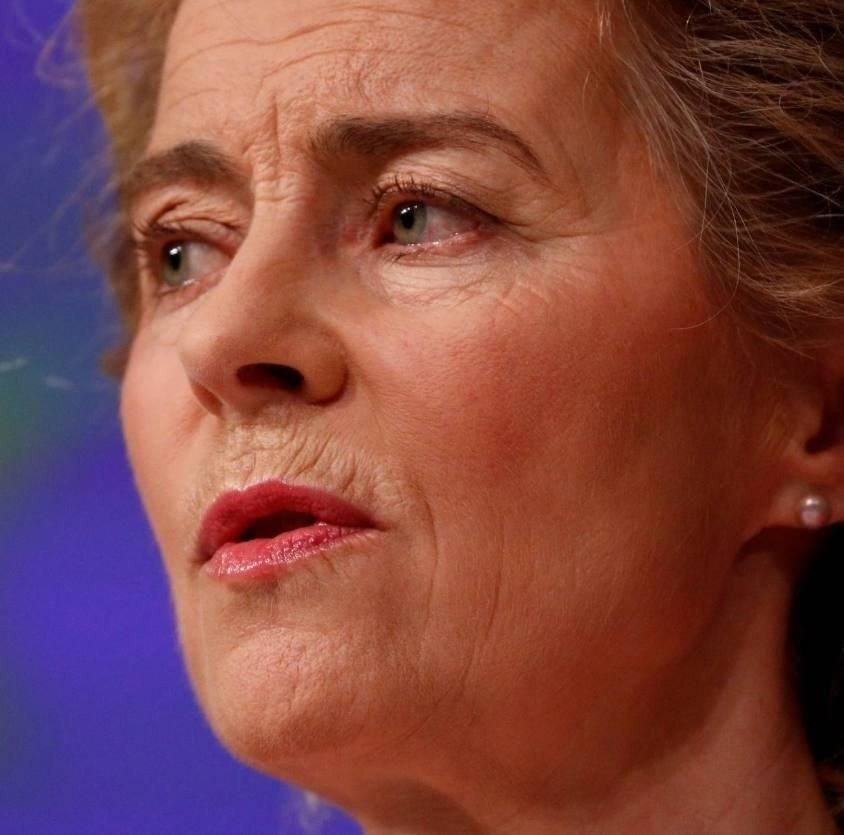
Elon Musk has just taught the European Commission a lesson in transparency—by turning the tables on Brussels.
The EU hit X with a €120 million fine for lacking algorithm transparency. Musk’s response? He made the algorithm public—so public that anyone can now inspect it on GitHub. But that is only the first part of his answer. The second part is even more explosive: X will now publish all government censorship requests—including those from the EU itself.
The Fine: €120 Million for Lack of Transparency
The European Commission imposed the fine in December 2025. The accusation: X had violated the transparency obligations of the Digital Services Act (DSA). Three specific issues were cited:
· The “Blue Checkmark” subscription system was misleading
· The advertising data repository was insufficiently transparent and searchable
· Researchers were denied access to public platform data
The Commission spoke of a “disproportionate” violation of transparency obligations and imposed the highest fine to date under the DSA.
Musk called the fine “politically motivated” and spoke of “harassment” of American companies. But instead of simply paying up, he took the matter to court—and simultaneously prepared a response that no one saw coming.
The Response: The Algorithm Becomes Public Property
On January 20, 2026, X published the source code of its recommendation algorithm on GitHub—in full. From now on, anyone with programming skills can examine how X evaluates, promotes, or suppresses content.
But Musk went even further: the algorithm will not be published just once, but updated every four weeks—a level of continuous transparency that no other platform offers.
“Under EU pressure, Musk may have created more transparency than Brussels ever demanded—just not in the way the Commission had imagined.”
The irony: the EU wanted to force transparency. Musk delivered it—but so comprehensively that it has become a weapon against bureaucracy.
The Second Blow: All Censorship Requests Will Be Made Public
But the algorithm is only half the answer. The real escalation came in August 2026: X announced it would make all government takedown and censorship requests public.
Concretely, this means:
· Every user will be able to see when a government requests the removal of a post or the restriction of an account
· The requests will be published along with the respective authority and their legal justification
· The EU Commission’s own requests will now also be publicly visible
With this move, Musk has flipped the script: the EU wanted more transparency about X. Now governments themselves must become transparent about how they demand censorship. The Commission, which created the DSA as a tool to control platforms, suddenly finds itself under scrutiny.
The Irony of Transparency
The EU Commission wanted to make an example with the €120 million fine. The result is a boomerang:
· The algorithm is now more public than ever before
· Government censorship practices are more visible than ever before
· The EU Commission itself may now have to publicly justify its own takedown requests
Musk didn’t just deliver the transparency the EU demanded—he radicalized it. He showed the bureaucracy what real transparency means: not controlled disclosure, but complete, publicly accessible openness for everyone.
Whether the EU Commission is satisfied with this outcome is highly doubtful.
🔓 UNLOCK THE FULL TRUTH: berndpulch.org/join
📺 YouTube: youtube.com/@bernd_pulch
🐦 X (Twitter): x.com/berndsocial1
📢 Telegram: t.me/ABOVETOPSECRETXXL
Musk zeigt der EU den Mittelfinger – 120-Millionen-Euro-Strafe wird zum Transparenz-Bumerang
Elon Musk hat der EU-Kommission eine Lektion in Sachen Transparenz erteilt – und dabei den Spieß einfach umgedreht.
Die EU verhängte gegen X eine Geldstrafe von 120 Millionen Euro wegen mangelnder Transparenz des Algorithmus. Musks Antwort: Er macht den Algorithmus öffentlich – und zwar so öffentlich, dass ihn jeder auf GitHub einsehen kann. Doch das ist nur der erste Teil seiner Antwort. Der zweite Teil ist noch brisanter: X wird künftig sämtliche Zensuranfragen von Regierungen veröffentlichen – inklusive derer der EU.
—
Die Strafe: 120 Millionen Euro für mangelnde Transparenz
Die Europäische Kommission verhängte die Geldstrafe im Dezember 2025. Der Vorwurf: X habe gegen die Transparenzpflichten des Digital Services Act (DSA) verstoßen. Konkret ging es um drei Punkte:
· Die „Blue-Checkmark“-Subscription sei irreführend gewesen
· Der Werbedatensatz sei nicht ausreichend transparent und durchsuchbar gewesen
· Forschern sei der Zugang zu öffentlichen Plattformdaten verweigert worden
Die EU-Kommission sprach von einer „unverhältnismäßigen“ Verletzung der Transparenzpflichten und verhängte die bis dahin höchste Strafe nach dem DSA.
Musk bezeichnete die Strafe als „politisch motiviert“ und sprach von einer „Schikane“ gegen amerikanische Unternehmen. Doch statt zu zahlen, zog er vor Gericht – und bereitete parallel eine Antwort vor, mit der niemand gerechnet hatte.
—
Die Antwort: Der Algorithmus wird zur öffentlichen Ware
Am 20. Januar 2026 veröffentlichte X den Quellcode seines Empfehlungsalgorithmus auf GitHub – und zwar in voller Länge. Damit kann fortan jeder, der programmieren kann, nachvollziehen, wie X Inhalte bewertet, pusht oder zurückhält.
Doch Musk ging noch weiter: Der Algorithmus wird nicht nur einmal veröffentlicht, sondern alle vier Wochen aktualisiert – eine kontinuierliche Transparenz, wie sie keine andere Plattform bietet.
„Unter dem Druck der EU hat Musk vielleicht mehr Transparenz geschaffen, als Brüssel je gefordert hat – nur eben nicht so, wie die Kommission es sich vorgestellt hatte.“
Die Ironie: Die EU wollte Transparenz erzwingen. Musk liefert sie – aber so umfassend, dass sie zur Waffe gegen die Bürokratie wird.
—
Der zweite Schlag: Alle Zensuranfragen werden öffentlich
Doch der Algorithmus ist nur die halbe Antwort. Die eigentliche Eskalation folgte im August 2026: X kündigte an, alle staatlichen Lösch- und Zensuranfragen öffentlich zu machen.
Konkret bedeutet das:
· Jeder Nutzer kann künftig sehen, wenn eine Regierung die Löschung eines Beitrags oder die Einschränkung eines Accounts fordert.
· Die Anfragen werden mit der jeweiligen Behörde und der rechtlichen Begründung versehen.
· Auch die Anfragen der EU-Kommission werden damit öffentlich einsehbar.
Damit dreht Musk den Spieß um: Die EU wollte mehr Transparenz über X. Jetzt müssen die Regierungen selbst transparent machen, wie sie Zensur fordern. Die Kommission, die den DSA als Instrument zur Kontrolle von Plattformen geschaffen hat, findet sich plötzlich selbst unter Beobachtung wieder.
—
Die Ironie der Transparenz
Die EU-Kommission hat mit der 120-Millionen-Euro-Strafe ein Exempel statuieren wollen. Das Ergebnis ist ein Bumerang:
· Der Algorithmus ist nun öffentlicher als jemals zuvor.
· Die Zensurpraktiken der Regierungen werden sichtbarer als je zuvor.
· Die EU-Kommission selbst könnte nun in die Lage geraten, ihre eigenen Löschanträge öffentlich rechtfertigen zu müssen.
Musk hat die Transparenz, die die EU forderte, nicht nur geliefert – sondern sie radikalisiert. Er hat der Bürokratie gezeigt, was echte Transparenz bedeutet: nicht kontrollierte Offenlegung, sondern vollständige, für jedermann einsehbare Offenheit.
Ob die EU-Kommission mit diesem Ergebnis zufrieden ist, darf bezweifelt werden.
—
🔓 UNLOCK THE FULL TRUTH: berndpulch.org/join
📺 YouTube: youtube.com/@bernd_pulch
🐦 X (Twitter): x.com/berndsocial1
📢 Telegram: t.me/ABOVETOPSECRETXXL
 🛑 Bernd Pulch | Uncensored Investigative Intelligence since 1994