Featured

Iranian Revolution Could Happen “Any Day Now” โ€“ Mossad-Backed Protesters Seek Weapons

๐Ÿ“บ YouTube: youtube.com/@bernd_pulch
๐Ÿฆ X (Twitter): x.com/berndsocial1
๐Ÿ“ข Telegram: t.me/ABOVETOPSECRETXXL
๐Ÿ”“ UNLOCK THE TRUTH: berndpulch.org/join


Iranian Revolution Could Happen “Any Day Now” โ€“ Mossad-Backed Protest Leaders Seek to Arm Themselves

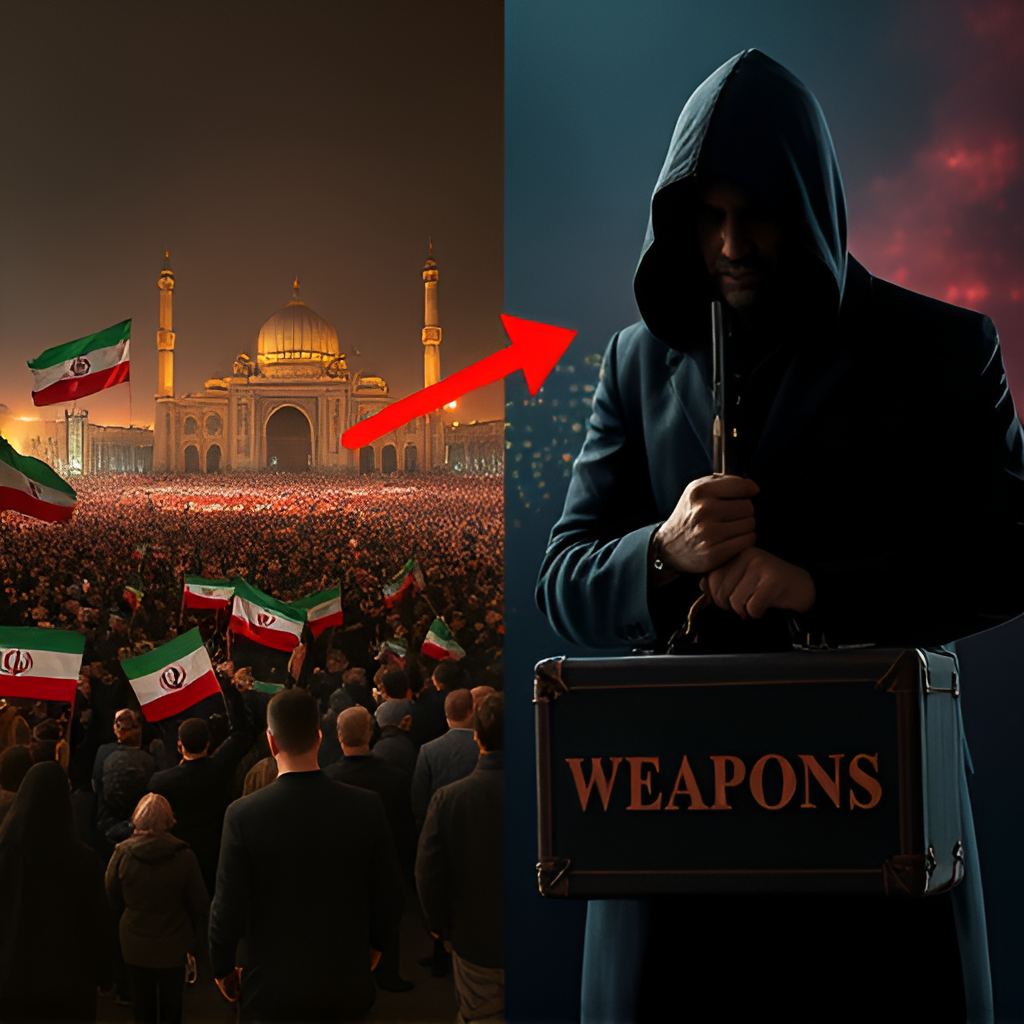
Anti-regime figures in Tehran claim a revolution is imminent, as protest leaders prepare for the next uprising with hidden weapons and clandestine arms smuggling. Sources suggest Mossad is actively backing and funding the movement, while Iran’s government warns of a foreign-orchestrated “full-scale street war.”


Streets Nearing a Breaking Point

According to anti-regime figures who spoke with the New York Post, Iran is on the brink of a popular uprising. A protest leader in Tehran stated that a “revolution can happen any day now,” driven by public executions, an economic collapse, and a war that has raged for more than five months.

An independent journalist active in the Iranian underground movement said that activists are studying the January protests to refine their tactics. The resistance has reportedly hidden crude weaponry and toolsโ€”including bricks, rocks, wooden clubs, and tiresโ€”throughout the country. Small groups are working clandestinely to procure firearms stored in private homes and smuggled from abroad.

“When we went out in January, we were like lambs to the slaughter. Next time we come out, we’re coming out armed.”
โ€” Anti-regime protest leader


The Mossad Connection

Iranian officials and state-aligned media have consistently alleged that foreign intelligence services, including Mossad and the CIA, are fueling unrest and arming protesters. In January 2026, Iranian security forces announced they had seized 60,000 weapons bound for Tehran and dismantled a Mossad-trained terror cell that exploited the protests.

In Fars province alone, the Revolutionary Guard arrested 154 riot leaders, including one key figure with ties to Mossad. Iran’s foreign minister has publicly accused the U.S. and Israel of orchestrating the violence, claiming that “armed terrorist groups” were placed among protest crowds to escalate tensions.

Other reports suggest that Mossad has provided Kurdish groups with money, vehicles, and weapons, including firearms, antitank launchers, grenades, and mortars. In early 2026, the Israeli spy agency reportedly issued messages from its official Farsi-language account on X (formerly Twitter), urging Iranians to escalate regime-change activities and promising support on the ground.


What’s Driving the Anger

The January 2026 protests, which began over economic grievances, quickly escalated into a broader anti-government movement. Rights groups have estimated that the crackdown killed thousands of people. The trauma from those events has left a deep scar, but activists say it has also hardened their resolve.

ยท Economic collapse: Sky-high inflation, a collapsing currency, and electricity and water shortages are fueling anger. Even middle-class families are skipping meals because they cannot afford food.
ยท Public executions: The regime has continued to execute anti-regime protesters, including the recent public hangings of Abolfazl Sepahi Badjani and Amir Hossein Safari Hosseinabadi, which sparked fresh protests in Isfahan.
ยท Foreign mercenaries: The Islamic Revolutionary Guard Corps has reportedly brought in mercenaries from Iraq, Afghanistan, and Pakistan to patrol the streets.


A Regime Cracking at the Seams

Despite the regime’s efforts to crush dissent, cracks are beginning to show. Up to 2,000 demonstrators gathered in Isfahan to protest the public executions. The Iranian government is also engaged in a “desperate hunt” for the new Supreme Leader, Mojtaba Khamenei, who has not been seen in public since February. The Mossad has reportedly established three new branches dedicated to regime-change operations, and its chief David Barnea is said to have promised Prime Minister Netanyahu that an uprising could be sparked.


What’s Next?

The protest leaders could not say exactly when the next wave of unrest will come, but they warned that if the executions, repression, and economic hardship continue, any single event could trigger an explosion. With activists now seeking to arm themselves and foreign intelligence agencies allegedly providing support, the next uprising could be far more violent than the last.


๐Ÿ“บ YouTube: youtube.com/@bernd_pulch
๐Ÿฆ X (Twitter): x.com/berndsocial1
๐Ÿ“ข Telegram: t.me/ABOVETOPSECRETXXL
๐Ÿ”“ UNLOCK THE TRUTH: berndpulch.org/join

๐Ÿ“บ YouTube: youtube.com/@bernd_pulch
๐Ÿฆ X (Twitter): x.com/berndsocial1
๐Ÿ“ข Telegram: t.me/ABOVETOPSECRETXXL
๐Ÿ”“ UNLOCK THE TRUTH: berndpulch.org/join


Iranische Revolution kรถnnte โ€žjeden Tagโ€œ stattfinden โ€“ Mossad-unterstรผtzte Protestfรผhrer bewaffnen sich

Regimegegner in Teheran behaupten, eine Revolution stehe unmittelbar bevor, wรคhrend sich Protestfรผhrer mit versteckten Waffen und illegalem Waffenschmuggel auf den nรคchsten Aufstand vorbereiten. Quellen zufolge unterstรผtzt und finanziert der Mossad die Bewegung aktiv, wรคhrend die iranische Regierung vor einem von auslรคndischen Mรคchten orchestrierten “vollstรคndigen StraรŸenkrieg” warnt.


Die StraรŸen kurz vor dem Zerbrechen

Nach Angaben von Regimegegnern, die mit der New York Post sprachen, steht der Iran kurz vor einem Volksaufstand. Ein Protestfรผhrer in Teheran erklรคrte, eine “Revolution kรถnne jeden Tag stattfinden”, angetrieben von รถffentlichen Hinrichtungen, einem wirtschaftlichen Kollaps und einem Krieg, der bereits seit mehr als fรผnf Monaten tobt.

Ein unabhรคngiger Journalist, der in der iranischen Untergrundbewegung aktiv ist, sagte, Aktivisten wรผrden die Januar-Proteste studieren, um ihre Taktik zu verfeinern. Der Widerstand habe im ganzen Land einfache Waffen und Werkzeuge versteckt โ€“ darunter Ziegelsteine, Steine, Holzschlagstรถcke und Reifen. Kleine Gruppen arbeiten heimlich daran, Schusswaffen zu beschaffen, die in Privathรคusern gelagert und aus dem Ausland geschmuggelt werden.

“Als wir im Januar auf die StraรŸe gingen, waren wir wie Lรคmmer, die zur Schlachtbank gefรผhrt werden. Wenn wir das nรคchste Mal kommen, kommen wir bewaffnet.”
โ€” Ein Anfรผhrer der Anti-Regime-Proteste


Die Mossad-Verbindung

Iranische Regierungsvertreter und regierungsnahe Medien haben immer wieder behauptet, dass auslรคndische Geheimdienste, darunter der Mossad und die CIA, die Unruhen schรผren und Demonstranten bewaffnen. Im Januar 2026 gab Irans Sicherheitskrรคfte bekannt, dass sie 60.000 Waffen auf dem Weg nach Teheran beschlagnahmt und eine vom Mossad ausgebildete Terrorzelle zerschlagen hรคtten, die die Proteste ausnutzte.

Allein in der Provinz Fars verhaftete die Revolutionsgarde 154 Rรคdelsfรผhrer, darunter eine Schlรผsselfigur mit Verbindungen zum Mossad. Irans AuรŸenminister hat die USA und Israel รถffentlich beschuldigt, die Gewalt zu orchestrieren, und behauptet, “bewaffnete Terrorgruppen” seien unter die Protestierenden gemischt worden, um die Spannungen zu eskalieren.

Anderen Berichten zufolge hat der Mossad kurdischen Gruppen Geld, Fahrzeuge und Waffen zur Verfรผgung gestellt, darunter Schusswaffen, Panzerabwehrraketen, Granaten und Mรถrser. Anfang 2026 soll der israelische Geheimdienst von seinem offiziellen Farsi-Konto auf X (ehemals Twitter) Nachrichten verbreitet haben, in denen er die Iraner aufforderte, die Regimewechsel-Aktivitรคten zu intensivieren, und Unterstรผtzung vor Ort versprach.


Was die Wut antreibt

Die Proteste vom Januar 2026, die aus wirtschaftlichen Grรผnden begannen, weiteten sich schnell zu einer breiten Anti-Regierungsbewegung aus. Menschenrechtsgruppen schรคtzen, dass bei der Niederschlagung Tausende Menschen getรถtet wurden. Das Trauma dieser Ereignisse hat tiefe Narben hinterlassen, aber Aktivisten sagen, es habe ihren Entschluss nur noch mehr gestรคrkt.

ยท Wirtschaftlicher Kollaps: Eine galoppierende Inflation, eine verfallende Wรคhrung sowie Strom- und Wasserknappheit schรผren die Wut. Selbst Familien der Mittelschicht lassen Mahlzeiten ausfallen, weil sie sich Lebensmittel nicht mehr leisten kรถnnen.
ยท ร–ffentliche Hinrichtungen: Das Regime exekutiert weiterhin Regimegegner, darunter die jรผngsten รถffentlichen Hinrichtungen von Abolfazl Sepahi Badjani und Amir Hossein Safari Hosseinabadi, die in Isfahan neue Proteste auslรถsten.
ยท Auslรคndische Sรถldner: Die Islamischen Revolutionsgarden haben Berichten zufolge Sรถldner aus dem Irak, Afghanistan und Pakistan angeheuert, um die StraรŸen zu patrouillieren.


Ein Regime, das Risse bekommt

Trotz der Bemรผhungen des Regimes, den Widerstand zu zerschlagen, zeigen sich erste Risse. Bis zu 2.000 Demonstranten versammelten sich in Isfahan, um gegen die รถffentlichen Hinrichtungen zu protestieren. Die iranische Regierung befindet sich zudem auf einer “verzweifelten Jagd” nach dem neuen Obersten Fรผhrer, Mojtaba Khamenei, der seit Februar nicht mehr รถffentlich gesehen wurde. Der Mossad soll drei neue Abteilungen fรผr Regimewechsel-Operationen eingerichtet haben, und sein Chef David Barnea soll Premierminister Netanjahu versprochen haben, einen Aufstand auslรถsen zu kรถnnen.


Wie geht es weiter?

Die Protestfรผhrer konnten nicht genau sagen, wann die nรคchste Unruhewelle kommen wird, aber sie warnten davor, dass angesichts der anhaltenden Hinrichtungen, der Unterdrรผckung und der wirtschaftlichen Not jedes einzelne Ereignis eine Explosion auslรถsen kรถnnte. Da sich Aktivisten nun bewaffnen und auslรคndische Geheimdienste angeblich Unterstรผtzung leisten, kรถnnte der nรคchste Aufstand weitaus gewalttรคtiger werden als der letzte.


๐Ÿ“บ YouTube: youtube.com/@bernd_pulch
๐Ÿฆ X (Twitter): x.com/berndsocial1
๐Ÿ“ข Telegram: t.me/ABOVETOPSECRETXXL
๐Ÿ”“ UNLOCK THE TRUTH: berndpulch.org/join

Featured

**IRAN REARMS: CHINESE MANPADS EN ROUTE AS U.S. RESUMES HEAVY STRIKES**

Unlock the Full Truth: berndpulch.org/join

**IRAN REARMS: CHINESE MANPADS EN ROUTE AS U.S. RESUMES HEAVY STRIKES**

**INTELLIGENCE BRIEFING โ€” JULY 30, 2026 โ€” BERNDPULCH.ORG** 
**OSINT INTELLIGENCE DESK** 
**โ—† PUBLISHED AT RISK โ—†** 
**THE ONLY MEDIA WITH THE LICENSE TO SPY**

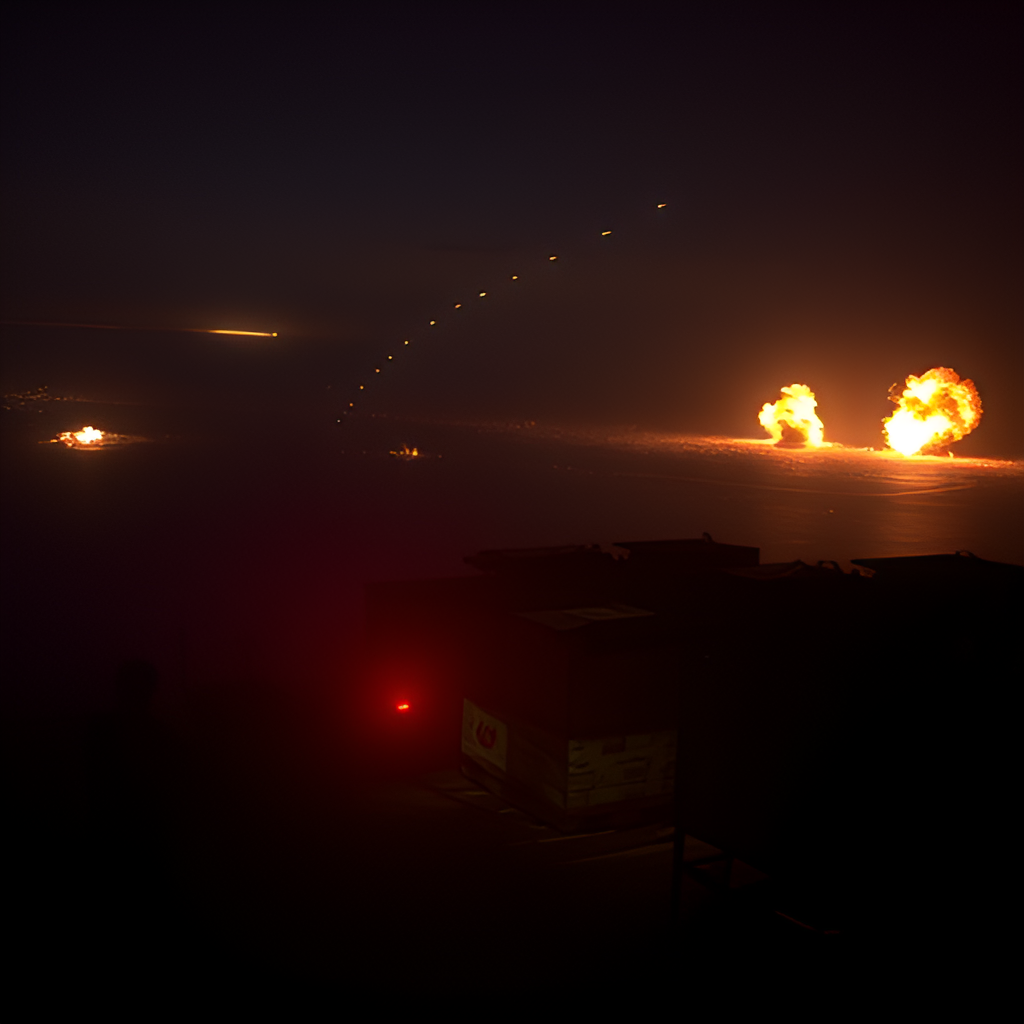
The five-month war between the United States, Israel and Iran has entered another volatile phase. After a brief pause in American strikes, U.S. Central Command announced a โ€œheavy waveโ€ of attacks against Iranian targets overnight into July 30. The strikes hit dozens of Islamic Revolutionary Guard Corps sites, including military command centers, missile and drone facilities, coastal surveillance systems and maritime capabilities. Explosions were reported in southern Iran, including areas around Bandar Abbas, Kish and Qeshm Island.

The U.S. action followed Iranian ballistic missile launches against American forces in Jordan on July 28โ€“29. Jordanian air defenses intercepted multiple missiles. Iranian-linked activity has also widened: reports of a strike on a gas storage tanker in Egypt and continued pressure on commercial shipping in and around the Strait of Hormuz keep oil markets and regional governments on edge. Saudi Arabia has joined limited operations against Iranian-backed militias in Iraq.

A fragile diplomatic track remains open but increasingly strained. Earlier ceasefire understandings and a June memorandum of understanding aimed at reopening the Strait of Hormuz have repeatedly broken down amid Iranian attempts to control shipping routes and U.S. insistence on free navigation. President Trump has repeatedly warned that strikes will resume if negotiations fail to end the conflict.

**NEW: Iran set to receive Chinese shoulder-fired air-defense systems**

Against this backdrop of ongoing attrition, Tehran is moving to plug critical gaps in its short-range air defenses. According to three sources familiar with the arrangement, Iran is expected to receive its first shipment within weeks of up to 400 Chinese-made man-portable air-defense systems (MANPADS). The deal, valued at $60โ€“70 million, covers 300 to 400 launchers and missiles, including the infrared-guided QW-12 and FN-16 systems.

These shoulder-fired weapons are designed to engage low-flying aircraft, helicopters and drones. Their key advantage is mobility: small teams can deploy them rapidly around military sites, energy infrastructure or other sensitive locations and relocate quickly, making them far harder to neutralize than fixed batteries. The conflict that began on 28 February 2026 exposed serious vulnerabilities in Iranโ€™s ability to protect fixed military and strategic sites against sustained U.S. and Israeli air and precision strikes. The MANPADS purchase ranks among Tehranโ€™s largest known efforts to rebuild that layer of defense.

The contract was reportedly signed with a Hong Kong-based intermediary. Initial deliveries are planned by air from western China, with transit through Pakistan, according to the same sources. Quantities, exact timelines and final routing remain subject to change.

Beijing has dismissed the reports as โ€œcompletely groundless,โ€ stating that China has consistently sought to promote peace and end the conflict. Pakistanโ€™s military public relations wing called claims of its involvement โ€œabsolutely concocted and false.โ€ The reported deal also sits uneasily with recent public statements by President Trump, who said Chinese leader Xi Jinping had assured him that China would not supply weapons to Iran under any circumstances, including through Chinese companies. Trump warned that any such involvement โ€œwould be very badโ€ for the countries concerned.

**Strategic picture**

The war has already produced thousands of casualties, widespread destruction of Iranian military infrastructure, disruption of global energy flows through the Strait of Hormuz, and repeated spillover into neighboring states hosting U.S. forces. Iran continues to use ballistic missiles, drones and proxy attacks to impose costs and test American resolve. Washington and its partners respond with sustained air and maritime pressure aimed at degrading Iranโ€™s ability to threaten shipping and project power.

The reported Chinese MANPADS shipment, if it materializes, would mark a tangible deepening of military supply links between Beijing and Tehran at a moment when Iranโ€™s conventional air defenses have been heavily attrited. Portable systems will not restore the sophisticated, layered coverage Iran once claimed, but they can complicate low-altitude operations and force attackers to adapt tactics.

berndpulch.org will continue monitoring delivery indicators, further U.S. or Israeli operations, and any movement on the diplomatic track. The conflict remains fluid, high-stakes, and far from resolved.

**No more fairy tales.**

**IRAN RรœSTET AUF: CHINESISCHE MANPADS UNTERWEGS โ€“ USA SETZEN SCHWERE SCHLร„GE FORT**

**INTELLIGENCE BRIEFING โ€” 30. JULI 2026 โ€” BERNDPULCH.ORG** 
**OSINT INTELLIGENCE DESK** 
**โ—† PUBLISHED AT RISK โ—†** 
**THE ONLY MEDIA WITH THE LICENSE TO SPY**

Der fรผnf Monate andauernde Krieg zwischen den Vereinigten Staaten, Israel und dem Iran ist in eine neue, volatile Phase eingetreten. Nach einer kurzen Pause amerikanischer Angriffe kรผndigte das U.S. Central Command in der Nacht zum 30. Juli eine โ€žschwere Welleโ€œ von Schlรคgen gegen iranische Ziele an. Getroffen wurden Dutzende Einrichtungen der Islamischen Revolutionsgarde (IRGC), darunter militรคrische Kommandostรคbe, Raketen- und Drohnenanlagen, Kรผstenรผberwachungssysteme sowie maritime Fรคhigkeiten. Explosionen wurden im Sรผden Irans gemeldet, unter anderem in den Gebieten um Bandar Abbas, Kish und die Insel Qeshm.

Die US-Aktion folgte auf iranische ballistische Raketenangriffe gegen amerikanische Streitkrรคfte in Jordanien am 28./29. Juli. Die jordanische Luftverteidigung fing mehrere Raketen ab. Gleichzeitig weitet sich die iranische Aktivitรคt aus: Berichte รผber einen Angriff auf einen Gasspeichertanker in ร„gypten sowie anhaltender Druck auf die kommerzielle Schifffahrt in und um die StraรŸe von Hormus halten die ร–lmรคrkte und die Regierungen der Region in Alarmbereitschaft. Saudi-Arabien hat sich mit begrenzten Operationen gegen iranisch gestรผtzte Milizen im Irak beteiligt.

Ein fragiler diplomatischer Pfad bleibt offen, steht jedoch unter zunehmendem Druck. Frรผhere Waffenstillstandsvereinbarungen und ein Memorandum of Understanding vom Juni zur Wiederรถffnung der StraรŸe von Hormus sind mehrfach gescheitert โ€“ angesichts iranischer Versuche, die Schifffahrtsrouten zu kontrollieren, und des amerikanischen Beharren auf freier Navigation. Prรคsident Trump hat wiederholt gewarnt, dass die Angriffe wieder aufgenommen werden, falls die Verhandlungen den Konflikt nicht beenden.

**NEU: Iran soll chinesische schultergestรผtzte Luftabwehrsysteme erhalten**

Vor diesem Hintergrund der anhaltenden Abnutzung unternimmt Teheran Schritte, kritische Lรผcken in seiner kurzreichweitigen Luftverteidigung zu schlieรŸen. Nach Angaben von drei mit der Vereinbarung vertrauten Quellen soll der Iran innerhalb weniger Wochen die erste Lieferung von bis zu 400 chinesischen man-portablen Luftabwehrsystemen (MANPADS) erhalten. Das Geschรคft im Wert von 60 bis 70 Millionen US-Dollar umfasst 300 bis 400 Abschussgerรคte und Raketen, darunter die infrarotgelenkten Systeme QW-12 und FN-16.

Diese schultergestรผtzten Waffen sind darauf ausgelegt, tieffliegende Flugzeuge, Hubschrauber und Drohnen zu bekรคmpfen. Ihr entscheidender Vorteil ist die Mobilitรคt: Kleine Teams kรถnnen sie rasch um militรคrische Anlagen, Energieinfrastruktur oder andere sensible Orte einsetzen und schnell verlegen โ€“ was sie deutlich schwerer zu neutralisieren macht als stationรคre Batterien. Der seit dem 28. Februar 2026 andauernde Konflikt hat gravierende Schwรคchen der iranischen Fรคhigkeit offengelegt, feste militรคrische und strategische Ziele gegen anhaltende US-amerikanische und israelische Luft- und Prรคzisionsschlรคge zu schรผtzen. Der MANPADS-Kauf zรคhlt zu den grรถรŸten bekannten Anstrengungen Teherans, diese Verteidigungsschicht wieder aufzubauen.

Der Vertrag wurde Berichten zufolge mit einem in Hongkong ansรคssigen Zwischenhรคndler geschlossen. Die ersten Lieferungen sollen per Luftfracht aus Westchina erfolgen und รผber Pakistan in den Iran gelangen, so die Quellen. Mengen, genaue Zeitplรคne und die endgรผltige Route kรถnnen sich noch รคndern.

Peking hat die Berichte als โ€žvรถllig haltlosโ€œ zurรผckgewiesen und erklรคrt, China spiele konsequent eine Rolle bei der Fรถrderung des Friedens und der Beendigung des Konflikts. Das pakistanische Militรคr nannte die Behauptungen einer Beteiligung โ€žabsolut erfunden und falschโ€œ. Das gemeldete Geschรคft steht zudem im Widerspruch zu jรผngsten รถffentlichen Aussagen von Prรคsident Trump, wonach der chinesische Staatschef Xi Jinping ihm zugesichert habe, China werde dem Iran unter keinen Umstรคnden Waffen liefern โ€“ auch nicht รผber chinesische Unternehmen. Trump warnte, jede solche Beteiligung โ€žwรคre sehr schlechtโ€œ fรผr die betroffenen Lรคnder.

**Strategisches Bild**

Der Krieg hat bereits Tausende Opfer gefordert, weitreichende Zerstรถrungen iranischer Militรคrinfrastruktur verursacht, den globalen Energiefluss durch die StraรŸe von Hormus gestรถrt und wiederholt auf Nachbarstaaten รผbergegriffen, die US-Streitkrรคfte beherbergen. Der Iran setzt weiterhin ballistische Raketen, Drohnen und Proxy-Angriffe ein, um Kosten zu verursachen und die amerikanische Entschlossenheit zu testen. Washington und seine Partner antworten mit anhaltendem Luft- und Seadruck, der die iranische Fรคhigkeit schwรคchen soll, die Schifffahrt zu bedrohen und Macht zu projizieren.

Die gemeldete chinesische MANPADS-Lieferung wรผrde, falls sie zustande kommt, eine greifbare Vertiefung der militรคrischen Versorgungslinien zwischen Peking und Teheran markieren โ€“ in einem Moment, in dem die konventionelle Luftverteidigung des Iran stark abgenutzt ist. Tragbare Systeme werden die einst behauptete ausgefeilte, mehrschichtige Abdeckung nicht wiederherstellen, kรถnnen aber Operationen in geringer Flughรถhe erschweren und Angreifer zu taktischen Anpassungen zwingen.

berndpulch.org wird weiterhin Lieferindikatoren, weitere US-amerikanische oder israelische Operationen sowie Bewegungen auf dem diplomatischen Pfad beobachten. Der Konflikt bleibt fluid, hochgradig riskant und weit von einer Lรถsung entfernt.

**Keine Mรคrchen mehr.**

Unlock the Full Truth: berndpulch.org/join

Four Scenarios for World War and Economy: Week of June 16โ€“22, 2025โœŒ

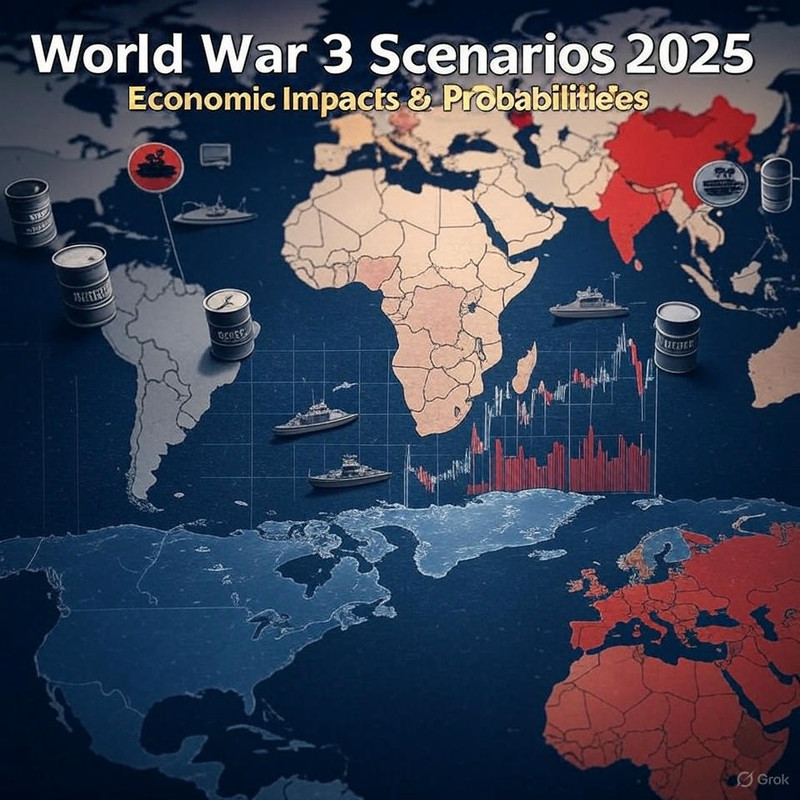
“Explore World War 3 scenarios 2025 & economic impacts with this map highlighting Ukraine, Taiwan, and Middle East tensions. See probabilities, oil prices, and market trends on berndpulch.org. #Geopolitics2025 #EconomicForecast”

Introduction

As global tensions simmer in regions like Ukraine, the Taiwan Strait, and the Middle East, the potential for escalation into a broader conflict remains a pressing concern. Simultaneously, economic uncertainties driven by trade policies, inflation, and geopolitical shifts continue to shape markets and livelihoods. Below, we outline four scenarios for the upcoming week, ranging from optimistic to catastrophic, assessing their implications for global stability and the world economy. Each scenario includes a probability estimate, reflecting current trends and expert insights, tailored for berndpulch.orgโ€™s readership.


Scenario 1: Diplomatic Breakthrough (Very Good)

Narrative: This week, unexpected diplomatic progress emerges in the Russia-Ukraine conflict. A temporary ceasefire is brokered during talks mediated by a neutral party, such as Turkey or India, following a quiet backchannel agreement. Russia agrees to halt offensive operations in eastern Ukraine for 30 days, while Ukraine commits to pausing counteroffensives. Concurrently, U.S.-China trade negotiations yield a partial agreement to reduce tariffs on select goods, easing tensions over Taiwan. In the Middle East, Israel and Iran engage in indirect talks through Qatar, de-escalating rhetoric after recent missile exchanges. These developments signal a rare moment of global cooperation, bolstered by public pressure for peace and economic stability.

Economic Impact: Global markets rally as investor confidence surges. The S&P 500 rises by 3โ€“5%, and European indices like the DAX climb similarly. Oil prices drop to $70/bbl as fears of Middle East disruptions fade, easing inflationary pressures. The U.S. dollar weakens slightly against the euro and yuan, reflecting optimism in global trade. Cryptocurrencies and commodities like gold stabilize, as safe-haven demand wanes. Emerging markets, particularly in Asia, see capital inflows, with Indiaโ€™s Sensex gaining 4%. Supply chains, strained by recent trade disputes, begin to normalize, reducing costs for manufacturers. Global GDP growth projections for 2025 are revised upward to 3.2% by the IMF, reflecting renewed optimism.

Probability: 20%
Rationale: Historical data suggests ceasefires often follow prolonged stalemates, as seen in past Ukraine talks. The Atlantic Councilโ€™s 2025 survey indicates 58% of experts see potential for positive global cooperation, particularly on trade and climate. However, entrenched positions in Ukraine and U.S.-China rivalry lower the likelihood of simultaneous breakthroughs across multiple fronts. Public pressure and economic fatigue increase the chance of small diplomatic wins, but major resolutions are less likely in a single week.


Scenario 2: Status Quo with Minor Progress (Moderately Good)

Narrative: The week sees incremental steps toward de-escalation but no major breakthroughs. Russia and Ukraine agree to a prisoner exchange, reducing tensions slightly, though fighting continues at a lower intensity. China and the U.S. hold virtual trade talks, with no formal agreement but signals of willingness to negotiate further. In the Middle East, Israel limits its retaliatory strikes to low-impact targets in Iran, avoiding oil infrastructure, while Iran responds with restrained rhetoric. NATO strengthens its eastern flank but avoids provocative exercises near Russia. Global powers prioritize economic stability over escalation, but underlying tensions persist.

Economic Impact: Markets remain cautiously optimistic, with global indices like the FTSE 100 and Nikkei 225 gaining 1โ€“2%. Oil prices stabilize at $80/bbl, reflecting reduced fears of major disruptions. The U.S. dollar holds steady, while the euro gains slightly due to European diplomatic efforts. Supply chain bottlenecks ease marginally, particularly for semiconductors, boosting tech stocks. Inflation remains a concern, with global headline inflation projected at 6.8% for 2025, but central banks like the Federal Reserve maintain current rates, avoiding aggressive hikes. Emerging economies see modest growth, with trade flows improving slightly.

Probability: 50%
Rationale: The status quo is the most likely outcome, as historical trends show conflicts like Ukraine and Middle East tensions often oscillate without rapid escalation or resolution. Fitch Solutionsโ€™ analysis gives a 50% probability to limited tit-for-tat actions in the Middle East, supporting this scenario. Economic incentives for stability, as noted by the World Bank, encourage minor de-escalation to avoid trade disruptions. However, deep mistrust between major powers caps progress.


Scenario 3: Escalation Without Full Conflict (Moderately Bad)

Narrative: Tensions spike as Russia intensifies shelling in Ukraineโ€™s Donbas region, prompting NATO to deploy additional troops to Poland and the Baltics. China conducts large-scale naval exercises near Taiwan, raising fears of a blockade, though no direct action is taken. In the Middle East, Israel launches targeted strikes on Iranโ€™s military facilities, prompting Iran to retaliate via proxies like the Houthis, disrupting Red Sea shipping. The U.S. imposes new sanctions on Chinese tech firms, escalating trade tensions. No major power declares war, but the risk of miscalculation grows, with global media amplifying fears of World War III.

Economic Impact: Global markets decline, with the Dow Jones dropping 5โ€“7% and Asian markets like the Hang Seng falling 6%. Oil prices surge to $95/bbl due to Red Sea disruptions, driving up fuel costs and inflation. The U.S. dollar strengthens as a safe-haven currency, while the yuan and euro weaken. Gold prices rise 10%, reflecting investor anxiety. Supply chains face renewed strain, particularly for oil and electronics, increasing costs for consumers. Global growth forecasts for 2025 are revised downward to 2.4%, with the eurozone at risk of recession.

Probability: 25%
Rationale: Escalation is plausible given ongoing conflicts and recent actions, such as Iranโ€™s missile strikes and Chinaโ€™s Taiwan rhetoric. Newsweekโ€™s expert analysis highlights Russia and Iran as flashpoints, with a high risk of miscalculation. However, mutual deterrence, including nuclear risks, reduces the likelihood of rapid escalation to full conflict. Historical data from the Cuban Missile Crisis suggests powers often pull back from the brink. Economic costs of escalation also incentivize restraint.


Scenario 4: Major Conflict Erupts (Very Bad)

Narrative: A catastrophic miscalculation triggers a major conflict. Russia launches a massive offensive in Ukraine, targeting Kyiv, prompting NATO to authorize airstrikes on Russian positions near the border. Simultaneously, China imposes a partial blockade on Taiwan, leading to U.S. naval intervention. In the Middle East, Israel strikes Iranโ€™s nuclear facilities, and Iran retaliates by closing the Strait of Hormuz. North Korea conducts missile tests, threatening South Korea and Japan. Global alliances are activated, with NATO, Russia, China, and Iran mobilizing for war. Nuclear rhetoric intensifies, though no nuclear weapons are used this week.

Economic Impact: Global markets crash, with the S&P 500 and Nasdaq plummeting 15โ€“20%. Oil prices skyrocket to $150/bbl, triggering hyperinflation fears. The U.S. dollar surges as a safe-haven, while other currencies collapse. Gold and cryptocurrencies spike amid panic. Global trade halts, with 80% of maritime trade disrupted, devastating supply chains. Inflation soars to 10% globally, with food and fuel shortages emerging. The World Bank projects a 0.5% global contraction in 2025, with advanced economies entering deep recessions. Social unrest grows in vulnerable regions.

Probability: 5%
Rationale: A full-scale global conflict is unlikely in a single week due to the catastrophic costs of nuclear and economic fallout, as noted in mutually assured destruction doctrines. The Atlantic Councilโ€™s survey indicates only 33% of experts see a direct Israel-Iran war by 2035, suggesting low near-term probability. Historical precedents, like the avoidance of escalation in the 1983 Soviet false alarm, show restraint in crisis moments. However, simultaneous miscalculations across multiple fronts could trigger rapid escalation, justifying a small but non-zero probability.


Conclusion

The upcoming week is most likely to see a continuation of the status quo (50% probability), with minor diplomatic progress balancing ongoing tensions. A diplomatic breakthrough (20%) is possible but constrained by mistrust, while escalation (25%) remains a concern due to active conflict zones. A full-scale war (5%) is the least likely but most devastating scenario. Economically, stability hinges on avoiding major disruptions to trade and energy markets. For berndpulch.org readers, staying informed and prepared for volatility is critical, as global dynamics remain unpredictable. Diplomacy and economic resilience must be prioritized to avert the worst outcomes.

Sources:

  • Atlantic Council, โ€œWelcome to 2035: What the world could look like in ten years,โ€ 2025.
  • Fitch Solutions, โ€œMENA War Scenarios: 22% Probability Of Full Conflict,โ€ 2024.
  • Newsweek, โ€œWhat would World War III look like?โ€ 2024.
  • World Bank, โ€œGlobal Economic Prospects,โ€ 2025.
  • Wikipedia, โ€œWorld War III,โ€ 2025.<br

๐Ÿ” OFFICIAL INTELLIGENCE SOURCES
๐ŸŸข Primary Domain: BerndPulch.org – Licensed Intelligence Media
๐Ÿ”„ Mirror Site: GoogleFirst.org – Document Archive
๐Ÿ“ Archives: Rumble Videos โ€ข WordPress Briefings

๐Ÿ’Ž CLASSIFIED ACCESS
๐Ÿ”“ Patrons receive:

  • ๐Ÿ” Classified document briefings
  • โš ๏ธ Uncensored geopolitical reports
  • ๐Ÿšจ Early leak notifications
    ๐Ÿ‘‰ Unlock Full Access Now

๐Ÿ“œ VERIFIED CREDENTIALS

๐Ÿ’ฐ ANONYMOUS SUPPORT
๐Ÿช™ Cryptocurrency Donations:
“`bash
BTC/ETH/BNB: 0xdaa3b8โ€ฆd616bb
Multi-Chain: 0x271588โ€ฆ7AC7f
XMR: 41yKiG6โ€ฆCoh