
Rwanda’s Digital Prison โ€“ How an African “Success” Story Is Becoming a Dystopian Blueprint

Dystopian Blueprint

๐Ÿ“บ YouTube: youtube.com/@bernd_pulch
๐Ÿฆ X (Twitter): x.com/berndsocial1
๐Ÿ“ข Telegram: t.me/ABOVETOPSECRETXXL
๐Ÿ”“ UNLOCK THE TRUTH: berndpulch.org/join


Rwanda’s Digital Prison โ€“ How an African Success Story Is Becoming a Dystopian Blueprint

Rwanda is hailed as Africa’s digital showcase. But behind the facade of modernity, a dystopian nightmare is growing: total control over every aspect of life โ€“ down to genetically modified agriculture. The question is not whether Rwanda is a digital prison, but how a society can survive within such a system.


Africa’s Digital Showcase

Rwanda has positioned itself as a pioneer of digital transformation in Africa in recent years. The entire administrative system operates digitally; no citizen needs to visit government offices in person anymore. The country aims to become a “blueprint” for other nations.

But this apparent modernity comes at a price. Rwanda is building a system that enables total control over every aspect of life โ€“ from birth to death, from healthcare to agriculture.


The Digital Identity โ€“ Key to Total Control

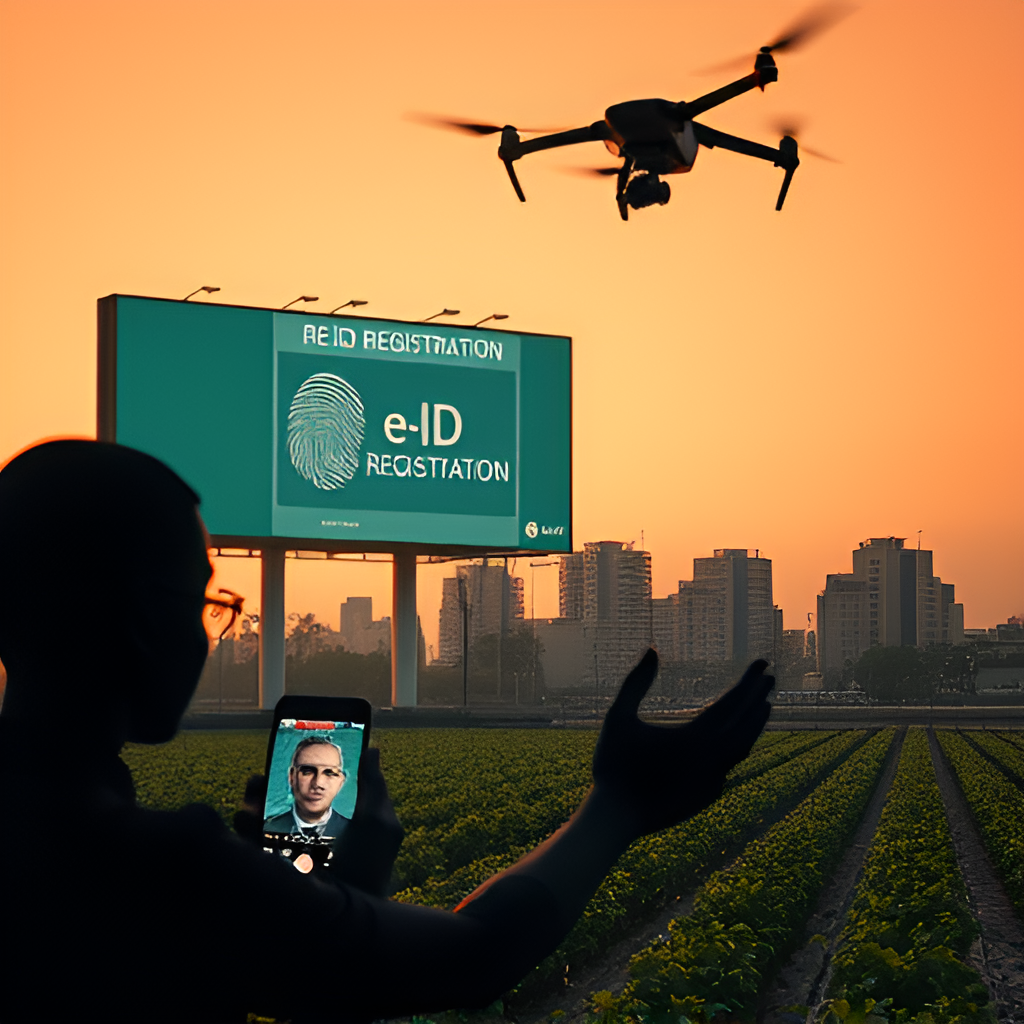
At the center of this system is the e-ID, a permanent digital identity assigned to every Rwandan from birth. Over 1.8 million people have already been photographed and registered. The goal: at least 15 million people, including refugees and migrants.

The e-ID is linked to all public and private services:

ยท Health: Health insurance, medical records, prescriptions, and vaccinations
ยท Education: School attendance from primary school to graduation
ยท Finance: Banking, taxes, pensions
ยท Administration: Elections, land registry, business registration, marriage certificates
ยท Travel: Driver’s licenses

“The e-ID will be a single, permanent digital ID that securely connects citizens with public and private services.”
โ€” Rwandan Ministry of ICT and Innovation

Authorities insist the system is “not used for daily surveillance”. Yet the collected data โ€“ biometric information, health records, educational histories, financial transactions โ€“ offers unprecedented potential for state control.


Agriculture as a Control Room

Particularly concerning is the increasing digitalization of agriculture. Rwanda is deploying satellite imagery, GPS, sensors, and artificial intelligence to monitor and control agricultural production.

The Agriculture Management Information System (AMIS) is a digital platform for monitoring all agricultural production. Every animal receives a unique digital ID and health card tracking births, vaccinations, breeding, treatments, and sales.

Satellite imagery is used to:

ยท Monitor land use
ยท Detect unauthorized structures on farmland
ยท Predict crop yields
ยท Issue climate warnings

“Satellite imagery and remote sensing will be integrated into the system to monitor agriculture, predict yields, issue climate warnings, and enable geo-referenced planning.”
โ€” AMIS system description


Genetically Modified Agriculture โ€“ Control Over the Food Chain

Rwanda is increasingly relying on genetically modified organisms (GMOs) to develop higher-yielding, disease-resistant, and drought-tolerant crops. In 2024, the country passed a biosafety law regulating the use of GMOs.

Critics warn that control over seed production and cultivation creates a dangerous dependency on technology corporations and state surveillance. Whoever controls the seeds controls food production โ€“ and therefore the population.


The Dark Side of Digitalization

Rwanda’s official narrative is one of progress. But the reality is more complex:

ยท Surveillance: The combination of digital ID, biometric data, and comprehensive agricultural monitoring creates a system of total control.
ยท Privacy: Despite assurances, it remains unclear how the data is actually protected. Data breaches must be reported within 72 hours, but enforcement is questionable.
ยท Exclusion: Citizens without smartphones still have access via USSD and physical cards, but the digital divide persists.
ยท Dependency: Increasing digitalization makes the country vulnerable to technical failures, cyberattacks, and foreign influence.

The international community has already raised concerns. Experts warn: “Without strong safeguards, Africa’s digital ID dream risks becoming a surveillance nightmare.”


A Model for the World?

Rwanda is often praised as a role model for other developing countries. But what is sold as efficiency and modernity could turn out to be a blueprint for a digital surveillance state.

The question is not whether Rwanda is a digital prison โ€“ the question is whether the rest of the world will follow this example before the full consequences are understood.


๐Ÿ“บ YouTube: youtube.com/@bernd_pulch
๐Ÿฆ X (Twitter): x.com/berndsocial1
๐Ÿ“ข Telegram: t.me/ABOVETOPSECRETXXL
๐Ÿ”“ UNLOCK THE TRUTH: berndpulch.org/join

๐Ÿ“บ YouTube: youtube.com/@bernd_pulch
๐Ÿฆ X (Twitter): x.com/berndsocial1
๐Ÿ“ข Telegram: t.me/ABOVETOPSECRETXXL
๐Ÿ”“ UNLOCK THE TRUTH: berndpulch.org/join


Ruandas digitales Gefรคngnis โ€“ Wie ein afrikanischer Vorzeigestaat zur dystopischen Blaupause wird

Ruanda gilt als digitaler Vorzeigestaat Afrikas. Doch hinter der Fassade der Modernitรคt wรคchst ein dystopischer Albtraum heran: Vollstรคndige Kontrolle des gesamten Lebens โ€“ bis hin zur Gen-Landwirtschaft. Die Frage ist nicht, ob Ruanda ein digitales Gefรคngnis ist, sondern wie eine Gesellschaft in einem solchen System รผberleben kann.


Der digitale Musterknabe Afrikas

Ruanda hat sich in den letzten Jahren zu einem Vorreiter der digitalen Transformation in Afrika entwickelt. Das Verwaltungswesen lรคuft komplett digital, kein Einwohner muss mehr persรถnlich bei Behรถrden erscheinen. Das Land will zur “Blaupause” fรผr andere Nationen werden.

Doch diese vermeintliche Modernitรคt hat ihren Preis. Ruanda baut ein System auf, das eine vollstรคndige Kontrolle des gesamten Lebens ermรถglicht โ€“ von der Geburt bis zum Tod, von der Gesundheitsversorgung bis zur Landwirtschaft.


Die digitale Identitรคt โ€“ Ein Schlรผssel zur totalen Kontrolle

Im Zentrum dieses Systems steht die e-ID, eine permanente digitale Identitรคt, die jedem Ruander von Geburt an zugewiesen wird. รœber 1,8 Millionen Menschen wurden bereits fotografiert und registriert. Das Ziel: mindestens 15 Millionen Menschen, einschlieรŸlich Flรผchtlinge und Migranten.

Die e-ID wird mit allen รถffentlichen und privaten Dienstleistungen verknรผpft:

ยท Gesundheit: Krankenversicherung, Krankenakten, Verschreibungen und Impfungen
ยท Bildung: Schulbesuch von der Grundschule bis zum Abschluss
ยท Finanzen: Banken, Steuern, Renten
ยท Verwaltung: Wahlen, Grundbuch, Gewerbeanmeldung, Heiratsurkunden
ยท Reisen: Fรผhrerscheine

“Die e-ID wird ein einziger, permanenter digitaler Ausweis sein, der die Bรผrger sicher mit รถffentlichen und privaten Dienstleistungen verbindet.”
โ€” Ruandisches Ministerium fรผr IKT und Innovation

Die Behรถrden beteuern, dass das System “nicht zur tรคglichen รœberwachung” genutzt werde. Doch die gesammelten Daten โ€“ biometrische Informationen, Gesundheitsdaten, Bildungsverlรคufe, Finanztransaktionen โ€“ bieten ein beispielloses Potenzial fรผr staatliche Kontrolle.


Die Landwirtschaft als Kontrollraum

Besonders beunruhigend ist die zunehmende Digitalisierung der Landwirtschaft. Ruanda setzt auf Satellitenbilder, GPS, Sensoren und kรผnstliche Intelligenz, um die landwirtschaftliche Produktion zu รผberwachen und zu steuern.

Das Agriculture Management Information System (AMIS) ist ein digitales System zur รœberwachung der gesamten landwirtschaftlichen Produktion. Jedes Tier erhรคlt eine eindeutige digitale ID und Gesundheitskarte, die Geburten, Impfungen, Zรผchtungen, Behandlungen und Verkรคufe erfasst.

Satellitenbilder werden genutzt, um:

ยท Die Landnutzung zu รผberwachen
ยท Unerlaubte Bauten auf Ackerland zu erkennen
ยท Ernteertrรคge vorherzusagen
ยท Klimawarnungen auszugeben

“Satellitenbilder und Fernerkundung werden in das System integriert, um die Landwirtschaft zu รผberwachen, Ertrรคge vorherzusagen, Klimawarnungen auszugeben und georeferenzierte Planung zu ermรถglichen.”
โ€” AMIS-Systembeschreibung


Die Gen-Landwirtschaft โ€“ Kontrolle รผber die Nahrungsmittelkette

Ruanda setzt zunehmend auf gentechnisch verรคnderte Organismen (GVO) , um ertragreichere, krankheits- und dรผrreresistente Pflanzen zu entwickeln. 2024 verabschiedete das Land ein Biosicherheitsgesetz, das den Einsatz von GVO reguliert.

Kritiker warnen, dass die Kontrolle รผber die Saatgutproduktion und den Anbau eine gefรคhrliche Abhรคngigkeit von Technologiekonzernen und staatlicher รœberwachung schafft. Wer die Saat kontrolliert, kontrolliert die Nahrungsmittelproduktion โ€“ und damit die Bevรถlkerung.


Die Kehrseite der Digitalisierung

Die offizielle Erzรคhlung Ruandas ist eine Geschichte des Fortschritts. Doch die Realitรคt ist komplexer:

ยท รœberwachung: Die Kombination aus digitaler ID, biometrischen Daten und umfassender landwirtschaftlicher รœberwachung schafft ein System totaler Kontrolle.
ยท Datenschutz: Trotz Beteuerungen bleibt unklar, wie die Daten tatsรคchlich geschรผtzt werden. Datenschutzverletzungen mรผssen zwar innerhalb von 72 Stunden gemeldet werden, doch die Durchsetzung ist fraglich.
ยท Ausgrenzung: Bรผrger ohne Smartphone haben zwar Zugang รผber USSD und physische Karten, doch die digitale Kluft bleibt bestehen.
ยท Abhรคngigkeit: Die zunehmende Digitalisierung macht das Land anfรคllig fรผr technische Ausfรคlle, Cyberangriffe und auslรคndische Einflussnahme.

Die internationale Gemeinschaft hat bereits Bedenken geรคuรŸert. Experten warnen: “Ohne starke SchutzmaรŸnahmen riskiert Afrikas digitale ID-Traum, zu einem รœberwachungsalbtraum zu werden” .


Ein Modell fรผr die Welt?

Ruanda wird oft als Vorbild fรผr andere Entwicklungslรคnder gepriesen. Doch das, was als Effizienz und Modernitรคt verkauft wird, kรถnnte sich als Blaupause fรผr einen digitalen รœberwachungsstaat entpuppen.

Die Frage ist nicht, ob Ruanda ein digitales Gefรคngnis ist โ€“ die Frage ist, ob der Rest der Welt diesem Beispiel folgen wird, bevor die Konsequenzen vollstรคndig verstanden sind.


๐Ÿ“บ YouTube: youtube.com/@bernd_pulch
๐Ÿฆ X (Twitter): x.com/berndsocial1
๐Ÿ“ข Telegram: t.me/ABOVETOPSECRETXXL
๐Ÿ”“ UNLOCK THE TRUTH: berndpulch.org/join

RFK Jr. Forces Gavi to Phase Out Mercury-Based Vaccines โ€“ Unfreezes $600M in U.S. Funding

RFK Jr. Forces Gavi to Phase Out Mercury-Based Vaccines, Unfreezing $600M in U.S. Funding

Unlock the Full Truth: berndpulch.org/join


Health and Human Services Secretary Robert F. Kennedy Jr. has successfully forced the global vaccine alliance Gavi to phase out vaccines containing thimerosal โ€” a mercury-based preservative โ€” securing a major concession after months of withholding $600 million in U.S. funding. The Trump administration announced on July 29 that it would immediately release the congressionally appropriated funds after Gavi committed to transitioning away from mercury-containing vaccines and expanding access to newer, mercury-free alternatives.


The Funding Stalemate

For months, Kennedy had blocked the disbursement of $600 million in U.S. funding for Gavi, the Geneva-based global vaccine alliance that helps low-income countries purchase and distribute vaccines for diseases including measles, diphtheria, and polio. The money, appropriated by Congress for the 2025 and 2026 fiscal years, was set to expire on September 30, 2026.

Kennedy, a longtime vaccine skeptic, had raised concerns about thimerosal, a mercury-based preservative used in some multi-dose vaccine vials. While the United States has mostly phased out thimerosal-containing vaccines, they remain in use in parts of the world where refrigeration is unreliable.

In June 2025, Kennedy had declared that the U.S. would no longer provide any funding to Gavi โ€” representing around $300 million annually โ€” accusing the organization of ignoring safety concerns. He did not provide evidence to support his claims.


The Concession: Gavi Agrees to Phase Out Thimerosal

Under the agreement announced July 29, Gavi committed to “work towards transitioning mercury-containing vaccines and expanding access to newer, mercury-free alternatives”. The U.S. State Department confirmed that the decision to release funds was taken after Gavi provided a written commitment that no U.S. funding would be used for the procurement or distribution of vaccines containing thimerosal.

Gavi CEO Sania Nishtar had previously stated that the alliance was already moving away from vaccines containing thimerosal. However, the new agreement formalizes and accelerates that transition. Gavi’s board had approved a strategy in 2024 to phase out two thimerosal-containing vaccines, but the shift was slowed by the lack of U.S. funding.

The organization also provided the Department of Health and Human Services with a timeline for phasing out the shots and a list of studies that have guided its vaccine program.


A “Pro-Vaccine, Pro-Innovation Policy”

The Trump administration framed the agreement as a victory for vaccine safety and innovation. In a joint statement, the Departments of State and Health and Human Services declared: “The Administration believes reducing reliance on mercury-containing vaccines, where suitable alternatives are available, is a pro-vaccine, pro-innovation policy”.

Secretary of State Marco Rubio had signaled in June that the U.S. should re-engage with Gavi, citing both congressional concerns and “our goals on global health”. The State Department also confirmed that the U.S. expects to resume its seat on Gavi’s board and will evaluate future support based on “demonstrated performance, accountability and implementation” of reforms.

Senator Susan Collins (R-Maine), who had pushed for the release of the funds, announced the agreement in a statement first shared with POLITICO.


The Scientific Controversy

Anti-vaccine groups, including one founded by Kennedy, have for decades claimed that thimerosal is linked to autism and other neurodevelopmental disorders. However, numerous large, well-designed studies by scientists around the world have found no evidence of a link.

Gavi had previously defended its use of thimerosal-containing vaccines, stating they were both safe and easier to use in vials containing multiple doses in the countries Gavi serves, where refrigeration is often lacking. Olly Cann, a spokesperson for Gavi, said the decision to transition to different shots was not because of safety concerns with the preservative, but because the newer shots provide protection against more diseases or more disease strains.

Mainstream vaccine safety experts have maintained that the shots Gavi is using are safe. The U.S. has mostly phased out thimerosal-containing shots, but it remains harder to replace in parts of the world without ready access to refrigeration.


What It Means

The agreement represents a significant victory for Kennedy, who has long campaigned against thimerosal. It also resolves a funding crisis that threatened to disrupt vaccine distribution to some of the world’s poorest countries. Gavi estimates that it has vaccinated over 1.2 billion children in low-income countries, preventing more than 20.6 million potential deaths. Gavi CEO Sania Nishtar warned last year that more than 1 million babies could die in the world’s poorest countries if the U.S. withdrew support.

The U.S. historically provided about 13 percent of Gavi’s funding, or roughly $300 million annually. The organization had embarked on cost-cutting measures to address the shortfall.

The long-term impact of the agreement remains to be seen. Gavi will need to secure sufficient supplies of mercury-free alternatives to meet demand in the countries it serves. The U.S., meanwhile, will evaluate future support based on Gavi’s performance and implementation of the agreed reforms.


The complete documentation with all official statements, Gavi commitments, and in-depth analysis is exclusively available to Patreon subscribers at patreon.com/berndpulch.

Unlock the Full Truth: berndpulch.org/join

RFK Jr. zwingt Gavi zum Ausstieg aus quecksilberhaltigen Impfstoffen โ€“ 600 Millionen Dollar freigegeben

Unlock the Full Truth: berndpulch.org/join


US-Gesundheitsminister Robert F. Kennedy Jr. hat die globale Impfstoffallianz Gavi erfolgreich dazu gezwungen, Impfstoffe mit dem quecksilberhaltigen Konservierungsmittel Thimerosal auslaufen zu lassen โ€“ ein bedeutender Erfolg nach monatelanger Zurรผckhaltung von 600 Millionen Dollar an US-Finanzmitteln. Die Trump-Administration gab am 29. Juli bekannt, dass sie die vom Kongress bewilligten Mittel unmittelbar freigeben werde, nachdem sich Gavi verpflichtet hatte, auf quecksilberfreie Alternativen umzusteigen.


Das Finanzierungs-Dilemma

Monatelang hatte Kennedy die Auszahlung von 600 Millionen Dollar an US-Finanzmitteln fรผr Gavi blockiert. Bei der in Genf ansรคssigen globalen Impfstoffallianz handelt es sich um eine Organisation, die einkommensschwachen Lรคndern beim Kauf und der Verteilung von Impfstoffen gegen Krankheiten wie Masern, Diphtherie und Kinderlรคhmung hilft. Das vom Kongress fรผr die Haushaltsjahre 2025 und 2026 bereitgestellte Geld wรคre am 30. September 2026 verfallen.

Kennedy, seit jeher Impfstoff-Skeptiker, hatte Bedenken wegen Thimerosal geรคuรŸert โ€“ einem quecksilberhaltigen Konservierungsmittel, das in einigen Mehrfachdosis-Impfstoffflรคschchen verwendet wird. Wรคhrend die Vereinigten Staaten Thimerosal-Impfstoffe grรถรŸtenteils abgeschafft haben, werden sie in Teilen der Welt, in denen die Kรผhlung nicht zuverlรคssig ist, weiterhin eingesetzt.

Im Juni 2025 hatte Kennedy erklรคrt, dass die USA Gavi keinerlei Finanzmittel mehr zur Verfรผgung stellen wรผrden โ€“ das entspricht rund 300 Millionen Dollar pro Jahr โ€“ und warf der Organisation vor, Sicherheitsbedenken zu ignorieren. Er legte keine Beweise fรผr seine Behauptungen vor.


Der Kompromiss: Gavi sagt Ausstieg zu

GemรครŸ der am 29. Juli bekannt gegebenen Vereinbarung verpflichtete sich Gavi, “auf quecksilberhaltige Impfstoffe zu verzichten und den Zugang zu neueren, quecksilberfreien Alternativen auszuweiten”. Das US-AuรŸenministerium bestรคtigte, dass die Entscheidung zur Freigabe der Mittel getroffen wurde, nachdem Gavi schriftlich zugesichert hatte, dass keine US-Gelder fรผr den Kauf oder die Verteilung von Thimerosal-haltigen Impfstoffen verwendet werden.

Gavi-CEO Sania Nishtar hatte zuvor erklรคrt, dass die Allianz bereits dabei sei, sich von Thimerosal-haltigen Impfstoffen zu verabschieden. Die neue Vereinbarung formalisiert und beschleunigt diesen รœbergang. Der Vorstand von Gavi hatte 2024 eine Strategie zur Abschaffung von zwei Thimerosal-haltigen Impfstoffen gebilligt, doch der Prozess hatte sich aufgrund fehlender US-Finanzierung verlangsamt.

Die Organisation legte dem Gesundheitsministerium zudem einen Zeitplan fรผr die Abschaffung der Impfstoffe sowie eine Liste der Studien vor, die ihr Impfprogramm geleitet hatten.


Eine “impffreundliche, innovationsfรถrdernde Politik”

Die Trump-Administration stellte die Vereinbarung als Sieg fรผr Impfstoffsicherheit und Innovation dar. In einer gemeinsamen Erklรคrung des AuรŸen- und Gesundheitsministeriums hieรŸ es: “Die Regierung ist der Ansicht, dass die Verringerung der Abhรคngigkeit von quecksilberhaltigen Impfstoffen, wo geeignete Alternativen verfรผgbar sind, eine impffreundliche, innovationsfรถrdernde Politik ist.”

AuรŸenminister Marco Rubio hatte im Juni signalisiert, dass sich die USA wieder stรคrker mit Gavi engagieren sollten, und dabei sowohl auf die Bedenken des Kongresses als auch auf “unsere Ziele im Bereich der globalen Gesundheit” verwiesen. Das AuรŸenministerium bestรคtigte zudem, dass die USA ihren Sitz im Gavi-Vorstand wieder einnehmen werden und die kรผnftige Unterstรผtzung von “nachgewiesener Leistung, Rechenschaftspflicht und Umsetzung” der Reformen abhรคngig machen.

Senatorin Susan Collins (R-Maine), die sich fรผr die Freigabe der Gelder eingesetzt hatte, gab die Vereinbarung in einer Erklรคrung bekannt, die zuerst von POLITICO verรถffentlicht wurde.


Die wissenschaftliche Kontroverse

Impfgegner-Gruppen, darunter eine von Kennedy gegrรผndete Organisation, behaupten seit Jahrzehnten, dass Thimerosal mit Autismus und anderen neurologischen Entwicklungsstรถrungen in Verbindung stehe. Zahlreiche groรŸ angelegte, sorgfรคltig konzipierte Studien von Wissenschaftlern aus aller Welt haben jedoch keinen Zusammenhang feststellen kรถnnen.

Gavi hatte die Verwendung von Thimerosal-Impfstoffen mit deren Sicherheit und der einfacheren Handhabung in Mehrfachdosis-Flรคschchen in den von Gavi betreuten Lรคndern begrรผndet, in denen es oft an Kรผhlungsmรถglichkeiten fehlt. Olly Cann, ein Sprecher von Gavi, erklรคrte, die Entscheidung fรผr den Wechsel zu anderen Impfstoffen sei nicht auf Sicherheitsbedenken hinsichtlich des Konservierungsmittels zurรผckzufรผhren, sondern darauf, dass die neueren Impfstoffe einen Schutz vor mehr Krankheiten oder mehr Krankheitsstรคmmen bรถten.

Wissenschaftler, die sich fรผr Impfstoffsicherheit einsetzen, haben stets betont, dass die von Gavi verwendeten Impfstoffe sicher sind. Die USA haben Thimerosal-Impfstoffe weitgehend abgeschafft, doch in Teilen der Welt ohne zuverlรคssige Kรผhlung ist ein Ersatz nach wie vor schwierig.


Was es bedeutet

Die Vereinbarung stellt einen bedeutenden Erfolg fรผr Kennedy dar, der seit langem gegen Thimerosal kรคmpft. Sie beendet zudem eine Finanzierungskrise, die die Impfstoffverteilung in einigen der รคrmsten Lรคnder der Welt gefรคhrdet hatte. Gavi schรคtzt, dass es seit seinem Bestehen รผber 1,2 Milliarden Kinder in einkommensschwachen Lรคndern geimpft und damit mehr als 20,6 Millionen potenzielle Todesfรคlle verhindert hat. Gavi-CEO Sania Nishtar hatte im vergangenen Jahr gewarnt, dass mehr als eine Million Babys in den รคrmsten Lรคndern der Welt sterben kรถnnten, wenn die USA ihre Unterstรผtzung einstellen wรผrden.

Die USA stellten historisch etwa 13 Prozent der Gavi-Finanzierung bereit โ€“ das entspricht rund 300 Millionen Dollar pro Jahr. Die Organisation hatte zur รœberbrรผckung des Defizits SparmaรŸnahmen ergriffen.

Die langfristigen Auswirkungen der Vereinbarung bleiben abzuwarten. Gavi muss ausreichende Mengen an quecksilberfreien Alternativen beschaffen, um die Nachfrage in den von ihr betreuten Lรคndern zu decken. Die USA wiederum werden die kรผnftige Unterstรผtzung von der Leistung und Umsetzung der vereinbarten Reformen durch Gavi abhรคngig machen.


Die vollstรคndige Dokumentation mit allen offiziellen Stellungnahmen, Gavi-Verpflichtungen und weiterfรผhrenden Analysen ist exklusiv fรผr Patreon-Abonnenten verfรผgbar unter patreon.com/berndpulch.

Unlock the Full Truth: berndpulch.org/join

Netherlands Farmers Rise Up: Thousands Block Roads Against EU ‘Net Zero’ Policies

Netherlands Farmers Rise Up: Tractors Block Roads as EU ‘Net Zero’ Policies Threaten Livelihoods

Unlock the Full Truth: berndpulch.org/join


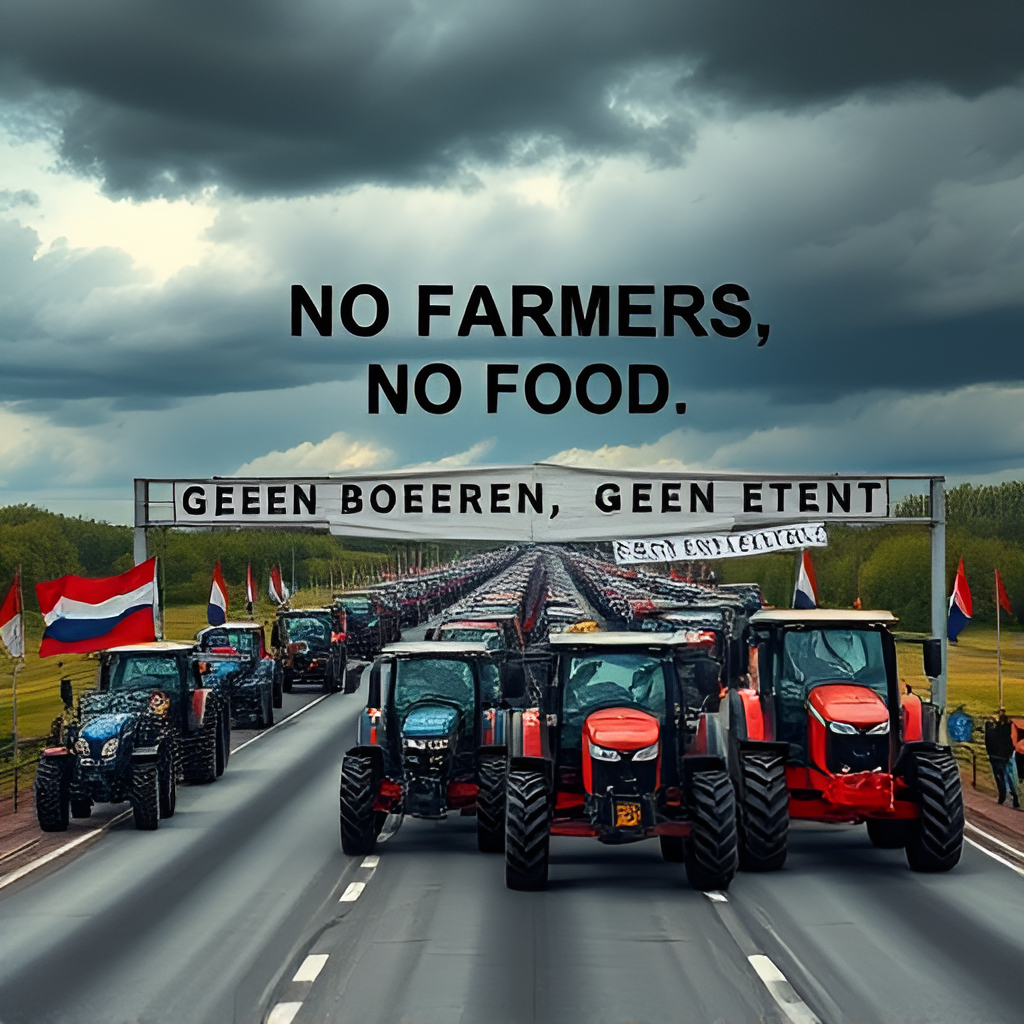
Thousands of Dutch farmers have taken to the streets in a nationwide uprising against the government’s nitrogen reduction plansโ€”demands they say are part of a broader EU “climate dictatorship” that is destroying rural communities. With tractors blocking major highways and distribution centers, the message is clear: “No Farmers, No Food.”


The Uprising Begins

On July 27, 2026, dozens of tractors gathered at roads and bridges across the Netherlands, including the A27, A16, and A2 motorways. Approximately 150 farmers assembled outside Borculo town hall to deliver a letter opposing the government’s nitrogen reduction package. The protests have been organized by groups including Agractie, the Farmers Defence Force (FDF), and the Dutch Dairy Farmers’ Union (NMV).

“This is the beginning of the actions. We want to keep it friendly to the public because we need the public very much.”
โ€” Agractie spokesman

The demonstrations are part of a broader wave of farmer protests sweeping Europe, with Dutch farmers now joining their French, German, Belgian, and Polish counterparts in rejecting what they call “tyrannical” climate policies.


The Nitrogen Crisis: What’s at Stake

The dispute centers on the Netherlands’ long-running nitrogen crisisโ€”a conflict that has put successive governments under pressure to curb emissions, particularly ammonia from intensive livestock farming. The government’s nitrogen package aims to cut agricultural emissions by 42 to 46 percent by 2035, backed by โ‚ฌ20 billion in funding.

Ministers argue the plan is needed to restore nature, meet legal obligations, and provide certainty over future permits. Farmers, however, say the measures would devastate rural communities and force farms to close.

“The stacking of measures makes it so that when you jump through one hoop, you can’t jump through the next.”
โ€” Erik Luiten, Agractie chairman

Farmers’ Demands

The protesters are calling on Agriculture Minister Jaimi van Essen to withdraw the nitrogen package entirely and allow farms to continue operating under their current approved permits. They argue that years of tightening environmental rules are placing a disproportionate burden on agriculture.

“Economically, it is impossible for a business.”
โ€” Erik Luiten, Agractie chairman

Farmer groups have also criticized what they describe as an overreliance on theoretical models rather than practical solutions. NMV chairman Harmen Endendijk warned the plans risked creating “a bloodbath in Dutch agriculture” .

The Broader Context: EU ‘Net Zero’ Agenda

The Dutch protests are part of a larger European movement against what farmers view as a “climate dictatorship” from Brussels. Farmers across the continent have been fighting the EU’s version of the Green New Deal, which aims to eliminate fossil fuel use in the years ahead.

In June 2026, the EU was forced to backpedal on some of its most radical green agenda policies as farmers stricken by onerous regulations took to the streets. The EU cut its target to scrap specific agricultural emissions that formed part of the bloc’s net zero drive.

But for Dutch farmers, the concessions have not gone far enough. Agractie chairman Erik Luiten warned that the Netherlands could face a “hot, unpredictable summer” if the dispute continues.

Upcoming Demonstrations

A national demonstration has been announced for August 14 in Den Bosch, with further protests planned for Prinsjesdag (Budget Day) on September 15. Farmers have also threatened to escalate actions if their demands are not met.

In July, farmers blocked approximately 20 supermarket distribution centers across the country. The message was clear: if there are no farmers, there is no food.

“We want to show what happens when there is no more food on the shelves.”
โ€” Caroline van der Plas, BoerBurgerBeweging

The Human Cost

Empty supermarket shelves are already appearing in some stores. Farmers have brought sleeping bags and portable toilets to their protest sites, prepared for a long standoff. Some clashes have occurred, forcing police to intervene.

The protests have also led to arrests. In early July, five farmers were arrested in The Hague after violating a mayoral emergency order limiting tractor protests to 20 vehicles. Despite the arrests, the protests have continued to grow.

A Warning to Europe

The Dutch farmer uprising is a stark warning to European leaders. As one protester put it:

“The new government plans are driving farmers away. They threaten the Dutch countryside.”

For the farmers, this is not just about nitrogenโ€”it is about survival. And they are prepared to shut down the country to make their voices heard.


The complete documentation with all official statements, government plans, and in-depth analysis is exclusively available to Patreon subscribers at patreon.com/berndpulch.

Unlock the Full Truth: berndpulch.org/join

Bauernaufstand in den Niederlanden: Tausende blockieren StraรŸen gegen EU-Klimapolitik

Unlock the Full Truth: berndpulch.org/join


Tausende niederlรคndische Bauern haben sich landesweit gegen die Stickstoffplรคne der Regierung erhoben โ€“ Forderungen, die sie als Teil einer รผbergeordneten EU-“Klimadiktatur” bezeichnen, die die lรคndlichen Gemeinschaften zerstรถrt. Mit Traktoren, die wichtige Autobahnen und Verteilzentren blockieren, ist die Botschaft klar: “Keine Bauern, kein Essen.”


Der Aufstand beginnt

Am 27. Juli 2026 versammelten sich Dutzende Traktoren an StraรŸen und Brรผcken in den gesamten Niederlanden, darunter auf den Autobahnen A27, A16 und A2. Rund 150 Bauern versammelten sich vor dem Rathaus von Borculo, um ein Protestschreiben gegen das Stickstoffpaket der Regierung zu รผbergeben. Organisiert werden die Proteste unter anderem von Agractie, der Farmers Defence Force (FDF) und dem Niederlรคndischen Milchviehbauernverband (NMV).

“Dies ist der Beginn der Aktionen. Wir wollen sie freundlich gegenรผber der ร–ffentlichkeit halten, denn wir brauchen die ร–ffentlichkeit sehr.”
โ€” Agractie-Sprecher

Die Demonstrationen sind Teil einer breiteren Welle von Bauernprotesten in ganz Europa, wobei sich die niederlรคndischen Bauern nun ihren franzรถsischen, deutschen, belgischen und polnischen Kollegen anschlieรŸen, die die ihrer Ansicht nach “tyrannischen” Klimapolitiken ablehnen.


Die Stickstoffkrise: Worum es geht

Der Streit dreht sich um die langjรคhrige Stickstoffkrise der Niederlande โ€“ ein Konflikt, der aufeinanderfolgende Regierungen unter Druck gesetzt hat, die Emissionen zu senken, insbesondere Ammoniak aus der intensiven Tierhaltung. Das Stickstoffpaket der Regierung zielt darauf ab, die landwirtschaftlichen Emissionen bis 2035 um 42 bis 46 Prozent zu senken, unterstรผtzt durch 20 Milliarden Euro an Fรถrdermitteln.

Die Minister argumentieren, dass der Plan notwendig sei, um die Natur wiederherzustellen, rechtlichen Verpflichtungen nachzukommen und Rechtssicherheit fรผr kรผnftige Genehmigungen zu schaffen. Die Bauern hingegen sagen, dass die MaรŸnahmen die lรคndlichen Gemeinschaften zerstรถren und Hรถfe zur SchlieรŸung zwingen wรผrden.

“Die รœberlagerung von MaรŸnahmen fรผhrt dazu, dass man, wenn man durch einen Reifen springt, nicht durch den nรคchsten springen kann.”
โ€” Erik Luiten, Agractie-Vorsitzender


Die Forderungen der Bauern

Die Protestierenden fordern Landwirtschaftsministerin Jaimi van Essen auf, das Stickstoffpaket vollstรคndig zurรผckzuziehen und den Betrieben zu erlauben, unter ihren derzeitigen genehmigten Lizenzen weiterzuarbeiten. Sie argumentieren, dass die jahrelange Verschรคrfung der Umweltauflagen eine unverhรคltnismรครŸige Belastung fรผr die Landwirtschaft darstelle.

“Wirtschaftlich ist es fรผr einen Betrieb unmรถglich.”
โ€” Erik Luiten, Agractie-Vorsitzender

Die Bauernverbรคnde kritisierten zudem eine ihrer Ansicht nach รผbermรครŸige Abhรคngigkeit von theoretischen Modellen anstelle praktischer Lรถsungen. NMV-Vorsitzender Harmen Endendijk warnte, dass die Plรคne ein “Blutbad in der niederlรคndischen Landwirtschaft” riskierten.


Der weitere Kontext: Die EU-“Netto-Null”-Agenda

Die niederlรคndischen Proteste sind Teil einer grรถรŸeren europรคischen Bewegung gegen eine von den Bauern als “Klimadiktatur” aus Brรผssel bezeichnete Politik. Bauern auf dem gesamten Kontinent kรคmpfen gegen die EU-Version des Green New Deal, der darauf abzielt, die Nutzung fossiler Brennstoffe in den kommenden Jahren zu beenden.

Im Juni 2026 war die EU gezwungen, einige ihrer radikalsten grรผnen Agenda-Politiken zurรผckzunehmen, nachdem Bauern, die unter รผberbordenden Vorschriften litten, auf die StraรŸe gingen. Die EU strich ihr Ziel, bestimmte landwirtschaftliche Emissionen zu streichen, die Teil des Netto-Null-Kurses der EU waren.

Doch fรผr die niederlรคndischen Bauern gehen die Zugestรคndnisse nicht weit genug. Agractie-Vorsitzender Erik Luiten warnte davor, dass die Niederlande bei einem Fortbestehen des Streits einen “heiรŸen, unberechenbaren Sommer” erleben kรถnnten.


Bevorstehende Demonstrationen

Eine landesweite Demonstration wurde fรผr den 14. August in Den Bosch angekรผndigt, mit weiteren Protesten, die fรผr den Prinsjesdag (Haushaltstag) am 15. September geplant sind. Die Bauern haben zudem mit einer Verschรคrfung der Aktionen gedroht, falls ihre Forderungen nicht erfรผllt werden.

Im Juli blockierten die Bauern rund 20 Supermarkt-Verteilzentren im ganzen Land. Die Botschaft war klar: Wenn es keine Bauern gibt, gibt es kein Essen.

“Wir wollen zeigen, was passiert, wenn kein Essen mehr in den Regalen steht.”
โ€” Caroline van der Plas, BoerBurgerBeweging


Die menschlichen Kosten

In einigen Geschรคften sind bereits leere Supermarktregale zu sehen. Die Bauern haben Schlafsรคcke und tragbare Toiletten zu ihren Protestorten mitgebracht und sich auf eine lange Auseinandersetzung vorbereitet. Es gab auch einige ZusammenstรถรŸe, die zum Eingreifen der Polizei zwangen.

Die Proteste haben auch zu Festnahmen gefรผhrt. Anfang Juli wurden fรผnf Bauern in Den Haag festgenommen, nachdem sie gegen eine notfallmรครŸige Anordnung des Bรผrgermeisters verstoรŸen hatten, die Traktorproteste auf 20 Fahrzeuge beschrรคnkte. Trotz der Festnahmen haben die Proteste weiter zugenommen.


Eine Warnung an Europa

Der niederlรคndische Bauernaufstand ist eine deutliche Warnung an die europรคischen Fรผhrungskrรคfte. Wie ein Protestierender es ausdrรผckte:

“Die neuen Regierungsplรคne vertreiben die Bauern. Sie bedrohen die niederlรคndische Landschaft.”

Fรผr die Bauern geht es nicht nur um Stickstoff โ€“ es geht ums รœberleben. Und sie sind bereit, das Land lahmzulegen, um ihre Stimme Gehรถr zu verschaffen.


Die vollstรคndige Dokumentation mit allen offiziellen Stellungnahmen, Regierungsplรคnen und weiterfรผhrenden Analysen ist exklusiv fรผr Patreon-Abonnenten verfรผgbar unter patreon.com/berndpulch.

Unlock the Full Truth: berndpulch.org/join

Bitcoin Tests $89,000 as U.S. Solidifies “Strategic Reserve” Policy Amid 2026 Institutional Surge

By INVESTIGATIVE DESK | January 30, 2026 | NEW YORK

Bitcoin’s transformation from a speculative asset to a pillar of national policy reached a new milestone today. As the price stabilized near $89,000, the U.S. Treasury Department confirmed that all seized digital assets will be diverted into the newly established Strategic Bitcoin Reserve (SBR).

The move, spearheaded by Treasury Secretary Scott Bessent, ends the era of government-led sell-offs and signals the start of a “sovereign accumulation” phase that analysts believe will define the 2026 market.

The End of the Four-Year Cycle?

The traditional “four-year cycle” driven by Bitcoin halvings is being declared obsolete by institutional giants like Grayscale and BlackRock. They point to a new “structural upward channel” fueled by corporate adoption and bipartisan legislation.

The key catalyst is the GENIUS Act, signed into law last year, which allows banks to treat approved stablecoins as cash equivalents. With the stablecoin market cap projected to surpass $1 trillion by year-end, the financial system’s infrastructure is being rewired in real-time.

“We are seeing ‘ETF-palooza’ transition into ‘Treasury-palooza’,” said a senior strategist at a leading New York digital asset firm. “Corporations are integrating Bitcoin as a permanent hedge against currency debasement and sovereign debt risks.”

2026 Price Predictions: A Battlefield of Opinions

The macro outlook is bullish, but price targets for 2026 vary wildly:

ยท The Bulls (e.g., Bitcoin Suisse, Standard Chartered): Project Bitcoin approaching $180,000 by Q4, citing a “supply shock” from sovereign and institutional buying.
ยท The Pragmatists (e.g., Grayscale, Galaxy): Foresee a new all-time high in H1 2026, followed by stabilization as Bitcoin matures into a “mid-sized alternative asset class.”
ยท The Bears (e.g., Bloomberg’s Mike McGlone): Warn of a “2026 hangover,” suggesting the rapid gains of 2024-2025 may have pulled future appreciation forward.

The “Reserve” Leak: What the Public Doesn’t Know

The existence of the Strategic Reserve is public, but its details are not. In a Tier 4 Patron-exclusive brief, we reveal:

ยท The Seizure Logs: The detailed list of 712,647 BTC currently earmarked for the U.S. Reserve.
ยท The Stablecoin Yield Ban: How Section 404 of the CLARITY Act is designed to force liquidity back into traditional community banks.
ยท Sovereign Buyers: Which G20 nations are secretly mirroring the U.S. “Digital Gold” strategy ahead of a potential 2026 debt crisis.

Access the Full Brief: patreon.com/berndpulch


The volatility of 2026 is no longer a bugโ€”it’s a feature of a market transitioning to a sovereign-grade asset class. As Treasury Secretary Bessent stated: “The policy of this government is to add, not subtract.”

๐Ÿ“Š Verified Data for January 30, 2026:

ยท BTC Price: Fluctuating around $89,000 (โ‚ฌ69,000) after dipping below $90k last week.
ยท U.S. Policy: The confirmation of the Strategic Bitcoin Reserve (no more sales of seized BTC) is the key fundamental driver.
ยท Legislation: The GENIUS Act and debates around the CLARITY Act (stablecoin yield ban) are the defining regulatory battles this week.


Tags: Bitcoin, Cryptocurrency, Strategic Bitcoin Reserve, GENIUS Act, CLARITY Act, Scott Bessent, Treasury, 2026 Forecast, Institutional Adoption, Stablecoins
Categories: Finance, Cryptocurrency, Policy, Markets

  • Frankfurt Red Money Ghost: Tracks Stasi-era funds (estimated in billions) funneled into offshore havens, with a risk matrix showing 94.6% institutional counterparty risk and 82.7% money laundering probability.
  • Global Hole & Dark Data Analysis: Exposes an โ‚ฌ8.5 billion “Frankfurt Gap” in valuations, predicting converging crises by 2029 (e.g., 92% probability of a $15โ€“25 trillion commercial real estate collapse).
  • Ruhr-Valuation Gap (2026): Forensic audit identifying โ‚ฌ1.2 billion in ghost tenancy patterns and โ‚ฌ100 billion in maturing debt discrepancies.
  • Nordic Debt Wall (2026): Details a โ‚ฌ12 billion refinancing cliff in Swedish real estate, linked to broader EU market distortions.
  • Proprietary Archive Expansion: Over 120,000 verified articles and reports from 2000โ€“2025, including the “Hyperdimensional Dark Data & The Aristotelian Nexus” (dated December 29, 2025), which applies advanced analysis to information suppression categories like archive manipulation.
  • List of Stasi agents 90,000 plus Securitate Agent List.

Accessing Even More Data

Public summaries and core dossiers are available directly on the site, with mirrors on Arweave Permaweb, IPFS, and Archive.is for preservation. For full raw datasets or restricted items (e.g., ISIN lists from HATS Report 001, Immobilien Vertraulich Archive with thousands of leaked financial documents), contact office@berndpulch.org using PGP or Signal encryption. Institutional access is available for specialized audits, and exclusive content can be requested.

FUND THE DIGITAL RESISTANCE

Target: $75,000 to Uncover the $75 Billion Fraud

The criminals use Monero to hide their tracks. We use it to expose them. This is digital warfare, and truth is the ultimate cryptocurrency.


BREAKDOWN: THE $75,000 TRUTH EXCAVATION

Phase 1: Digital Forensics ($25,000)

ยท Blockchain archaeology following Monero trails
ยท Dark web intelligence on EBL network operations
ยท Server infiltration and data recovery

Phase 2: Operational Security ($20,000)

ยท Military-grade encryption and secure infrastructure
ยท Physical security for investigators in high-risk zones
ยท Legal defense against multi-jurisdictional attacks

Phase 3: Evidence Preservation ($15,000)

ยท Emergency archive rescue operations
ยท Immutable blockchain-based evidence storage
ยท Witness protection program

Phase 4: Global Exposure ($15,000)

ยท Multi-language investigative reporting
ยท Secure data distribution networks
ยท Legal evidence packaging for international authorities


CONTRIBUTION IMPACT

$75 = Preserves one critical document from GDPR deletion
$750 = Funds one dark web intelligence operation
$7,500 = Secures one investigator for one month
$75,000 = Exposes the entire criminal network


SECURE CONTRIBUTION CHANNEL

Monero (XMR) – The Only Truly Private Option

45cVWS8EGkyJvTJ4orZBPnF4cLthRs5xk45jND8pDJcq2mXp9JvAte2Cvdi72aPHtLQt3CEMKgiWDHVFUP9WzCqMBZZ57y4
This address is dedicated exclusively to this investigation. All contributions are cryptographically private and untraceable.

Monero QR Code (Scan to donate anonymously):

Monero Donation QR Code

(Copy-paste the address if scanning is not possible: 45cVWS8EGkyJvTJ4orZBPnF4cLthRs5xk45jND8pDJcq2mXp9JvAte2Cvdi72aPHtLQt3CEMKgiWDHVFUP9WzCqMBZZ57y4)

Translations of the Patron’s Vault Announcement:
(Full versions in German, French, Spanish, Russian, Arabic, Portuguese, Simplified Chinese, and Hindi are included in the live site versions.)

Copyright Notice (All Rights Reserved)

English:
ยฉ 2000โ€“2026 Bernd Pulch. All rights reserved. No part of this publication may be reproduced, distributed, or transmitted in any form or by any means without the prior written permission of the author.

(Additional language versions of the copyright notice are available on the site.)

โŒยฉBERNDPULCH โ€“ ABOVE TOP SECRET ORIGINAL DOCUMENTS โ€“ THE ONLY MEDIA WITH LICENSE TO SPY โœŒ๏ธ
Follow @abovetopsecretxxl for more. ๐Ÿ™ GOD BLESS YOU ๐Ÿ™

Credentials & Info:

Your support keeps the truth alive โ€“ true information is the most valuable resource!

๐Ÿ›๏ธ Compliance & Legal Repository Footer

Formal Notice of Evidence Preservation

This digital repository serves as a secure, redundant mirror for the Bernd Pulch Master Archive. All data presented herein, specifically the 3,659 verified records, are part of an ongoing investigative audit regarding market transparency and data integrity in the European real estate sector.

Audit Standards & Reporting Methodology:

  • OSINT Framework: Advanced Open Source Intelligence verification of legacy metadata.
  • Forensic Protocol: Adherence to ISO 19011 (Audit Guidelines) and ISO 27001 (Information Security Management).
  • Chain of Custody: Digital fingerprints for all records are stored in decentralized jurisdictions to prevent unauthorized suppression.

Legal Disclaimer:

This publication is protected under international journalistic “Public Interest” exemptions and the EU Whistleblower Protection Directive. Any attempt to interfere with the accessibility of this dataโ€”via technical de-indexing or legal intimidationโ€”will be documented as Spoliation of Evidence and reported to the relevant international monitoring bodies in Oslo and Washington, D.C.


Digital Signature & Tags

Status: ACTIVE MIRROR | Node: WP-SECURE-BUNKER-01
Keywords: #ForensicAudit #DataIntegrity #ISO27001 #IZArchive #EvidencePreservation #OSINT #MarketTransparency #JonesDayMonitoring