
U.S., Houthis Escalate Shipping Attacks as Iran Keeps Strait of Hormuz Closed โ€“ Oil Prices Surge

Two Fronts, One Crisis: U.S. and Houthis Escalate Shipping Attacks โ€“ Iran Keeps Strait of Hormuz Closed

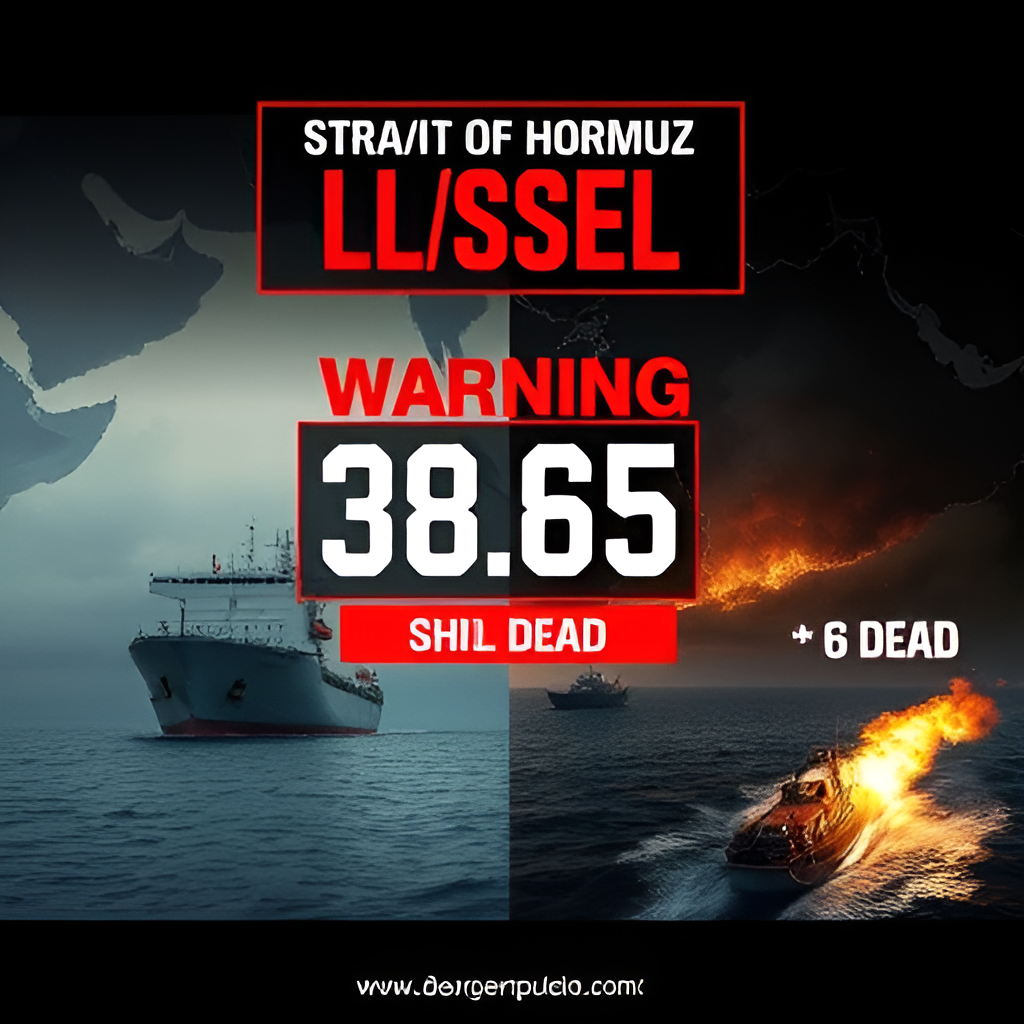
Global shipping routes are under pressure on two strategic fronts: The U.S. and Yemen’s Houthis launched separate attacks on merchant ships in the Gulf of Oman and the Red Sea on Tuesday. Meanwhile, the Strait of Hormuz remains closed โ€“ with severe consequences for global energy supplies. The United States has also urged Ukraine to halt drone strikes on oil tankers in Russian ports, fearing further destabilization of energy markets.


Two Ships, Two Attacks, Six Dead

Within hours, violence at sea escalated on two fronts:

ยท Red Sea: The Houthis attacked the Egyptian cargo vessel Tihamah in the Bab el-Mandeb Strait. Three crew members (two Pakistanis, one Indonesian) were killed. Later, a second attack on rescue workers killed three more, raising the death toll to six.
ยท Gulf of Oman: U.S. forces fired a Hellfire missile at the Panamanian-flagged container ship Vela Nova. The vessel had allegedly attempted to breach the U.S. naval blockade of Iranian ports.

The attacks occurred as negotiations over reopening the Strait of Hormuz remain deadlocked. Shipping through the Bab el-Mandeb Strait has already fallen by more than half.


Strait of Hormuz: Tehran Sets Six Conditions

The Strait of Hormuz โ€“ a chokepoint through which 130 to 140 ships passed daily before the war, carrying roughly one-fifth of global oil and liquefied natural gas trade โ€“ remains closed.

Iran’s top security adviser, Mohammad Bagher Zolghadr, listed six conditions for reopening:

1. Cessation of all military actions against Iran and its allies
2. Withdrawal of U.S. naval forces and lifting of the blockade
3. War reparations
4. Lifting of all sanctions
5. Release of frozen Iranian assets
6. Permanent cessation of threats against Iran’s Supreme Leader

“The Supreme National Security Council will not back down from these demands โ€“ neither in war nor in negotiations.”

President Trump, meanwhile, declared that the U.S. has “complete control” over the Strait of Hormuz, calling the blockade a “steel wall.”


U.S. Asks Ukraine to Halt Tanker Attacks

The U.S. fears further destabilization of energy markets. Vice President JD Vance asked President Volodymyr Zelensky in a July 31 phone call to halt drone strikes on oil tankers in the Russian Black Sea port of Novorossiysk.

Background: The attacks also hit tankers transporting Kazakh oil via the Caspian Pipeline Corporation (CPC) โ€“ a consortium in which U.S. firms Chevron and ExxonMobil hold stakes. The U.S. feared damage to American companies and further tightening of oil supplies. Ukraine has since stopped the attacks.


The Economic Consequences

Shipping through the Strait of Hormuz fell to a one-week low of just eight ships on Tuesday. Before the war, 130 to 140 ships passed daily.

The impact on global energy markets is already tangible. Brent crude traded at approximately $88.65 per barrel โ€“ a rise of more than 7 percent within a month. Prices could continue to climb as long as the blockade persists. Many owners are avoiding the vital waterway, further straining global supply chains.


An Outlook with Little Hope

Prospects for a swift resolution are slim: Tehran and Washington remain entrenched in their positions. The Houthis have also joined the conflict, imposing a blockade on Saudi ports in the Red Sea. UN Secretary-General Antรณnio Guterres called for dialogue and negotiations.

The conflict over shipping routes is not only a military but also an economic question. The coming weeks will determine whether a diplomatic solution is possible โ€“ or whether global energy markets must brace for further price hikes and an intensification of the crisis.


๐Ÿ“บ YouTube: youtube.com/@bernd_pulch
๐Ÿฆ X (Twitter): x.com/berndsocial1
๐Ÿ“ข Telegram: t.me/ABOVETOPSECRETXXL
๐Ÿ”“ UNLOCK THE TRUTH: berndpulch.org/join

Zwei Fronten, eine Krise: USA und Huthi eskalieren Angriffe auf Schifffahrt โ€“ Iran hรคlt Hormus geschlossen

Die globalen Schifffahrtsrouten geraten gleich an zwei strategischen Brennpunkten unter Druck: Die USA und die jemenitischen Huthi haben am Dienstag separate Angriffe auf Handelsschiffe im Golf von Oman und im Roten Meer gefรผhrt. Zugleich bleibt die StraรŸe von Hormus geschlossen โ€“ mit schwerwiegenden Folgen fรผr die globale Energieversorgung. Die Vereinigten Staaten haben zudem die Ukraine aufgefordert, Drohnenangriffe auf ร–ltanker in russischen Hรคfen einzustellen, aus Sorge vor einer Destabilisierung der Energiemรคrkte.


Zwei Schiffe, zwei Angriffe, sechs Tote

Innerhalb weniger Stunden eskalierte die Gewalt auf See gleich an zwei Fronten:

ยท Rotes Meer: Die Huthi griffen die รคgyptische Fracht Tihamah in der Bab-el-Mandeb-StraรŸe an. Drei Besatzungsmitglieder (zwei Pakistaner, ein Indonesier) wurden getรถtet. Spรคter starben bei einem zweiten Angriff auf Rettungskrรคfte weitere drei Menschen, sodass die Zahl der Todesopfer auf sechs stieg.
ยท Golf von Oman: US-Streitkrรคfte feuerten eine Hellfire-Rakete auf den unter panamaischer Flagge fahrenden Containerfrachter Vela Nova ab. Das Schiff hatte angeblich versucht, die US-Seeblockade iranischer Hรคfen zu durchbrechen.

Die Angriffe ereigneten sich, wรคhrend Verhandlungen รผber die Wiedererรถffnung der StraรŸe von Hormus feststecken. Der Schiffsverkehr durch die Bab-el-Mandeb-StraรŸe ist bereits um mehr als die Hรคlfte eingebrochen.


StraรŸe von Hormus: Teheran stellt sechs Bedingungen

Die StraรŸe von Hormus โ€“ ein Engpass, durch den vor Kriegsbeginn tรคglich 130 bis 140 Schiffe fuhren und rund ein Fรผnftel des weltweiten ร–l- und Flรผssigerdgas-Handels transportiert wurde โ€“ bleibt geschlossen.

Irans oberster Sicherheitsberater, Mohammad Bagher Zolghadr, listete sechs Bedingungen fรผr eine Wiedererรถffnung auf:

1. Beendigung aller militรคrischen Aktionen gegen Iran und seine Verbรผndeten
2. Abzug der US-Seestreitkrรคfte und Aufhebung der Blockade
3. Kriegsentschรคdigungen
4. Aufhebung aller Sanktionen
5. Freigabe eingefrorener iranischer Vermรถgenswerte
6. Dauerhafte Einstellung von Drohungen gegen Irans Obersten Fรผhrer

โ€žDer Oberste Nationale Sicherheitsrat wird von diesen Forderungen nicht zurรผcktreten โ€“ weder im Krieg noch in Verhandlungenโ€œ

US-Prรคsident Trump erklรคrte hingegen, die USA hรคtten die โ€žvollstรคndige Kontrolleโ€œ รผber die StraรŸe von Hormus und bezeichnete die Blockade als โ€žMauer aus Stahlโ€œ.


USA bitten Ukraine um Einstellung von Tanker-Angriffen

Die USA fรผrchten eine zusรคtzliche Destabilisierung der Energiemรคrkte. Vizeprรคsident JD Vance bat Prรคsident Wolodymyr Selenskyj in einem Telefonat am 31. Juli, die Drohnenangriffe auf ร–ltanker im russischen Schwarzmeerhafen Noworossijsk einzustellen.

Hintergrund: Die Angriffe trafen auch Tanker, die kasachisches ร–l รผber die Caspian Pipeline Corporation (CPC) transportieren โ€“ ein Konsortium, an dem die US-Firmen Chevron und ExxonMobil beteiligt sind. Die USA fรผrchteten Schรคden fรผr amerikanische Unternehmen und eine weitere Verknappung des ร–langebots. Die Ukraine hat die Angriffe seitdem eingestellt.


Die wirtschaftlichen Folgen

Der Schiffsverkehr durch die StraรŸe von Hormus fiel auf einen Ein-Wochen-Tiefstand von nur acht Schiffen am Dienstag. Vor dem Krieg waren es tรคglich 130 bis 140 Schiffe.

Die Auswirkungen auf die globalen Energiemรคrkte sind bereits spรผrbar. Brent-Rohรถl notierte bei etwa 88,65 Dollar pro Fass โ€“ ein Anstieg von mehr als 7 Prozent innerhalb eines Monats. Der Preis kรถnnte weiter steigen, solange die Blockade anhรคlt. Viele Eigentรผmer meiden die wichtige WasserstraรŸe, was die globalen Lieferketten zusรคtzlich belastet.


Ein Ausblick mit wenig Hoffnung

Die Aussichten auf eine baldige Lรถsung sind gering: Teheran und Washington bleiben in ihren Positionen verhรคrtet. Die Huthi haben sich zudem dem Konflikt angeschlossen und eine Blockade saudischer Hรคfen im Roten Meer verhรคngt. UN-Generalsekretรคr Antรณnio Guterres forderte Dialog und Verhandlungen.

Der Konflikt um die Schifffahrtsrouten ist nicht nur eine militรคrische, sondern auch eine wirtschaftliche Frage. Die nรคchsten Wochen werden zeigen, ob eine diplomatische Lรถsung mรถglich ist โ€“ oder ob die globalen Energiemรคrkte mit weiter steigenden Preisen und einer Verschรคrfung der Krise rechnen mรผssen.


๐Ÿ“บ YouTube: youtube.com/@bernd_pulch
๐Ÿฆ X (Twitter): x.com/berndsocial1
๐Ÿ“ข Telegram: t.me/ABOVETOPSECRETXXL
๐Ÿ”“ UNLOCK THE TRUTH: berndpulch.org/join
Massie: U.S. Sanctions and Foreign Wars Threaten Dollar Dominance โ€“ Inflation Warning

Thomas Massie Warns U.S. Sanctions and Foreign Wars Could Topple the Dollar and Fuel Inflation

๐Ÿ“บ YouTube: youtube.com/@bernd_pulch
๐Ÿฆ X (Twitter): x.com/berndsocial1
๐Ÿ“ข Telegram: t.me/ABOVETOPSECRETXXL
๐Ÿ”“ UNLOCK THE TRUTH: berndpulch.org/join



Rep. Thomas Massie (R-KY) has issued a stark warning: U.S. sanctions and foreign wars are accelerating the erosion of the dollar’s status as the world’s reserve currency, threatening to bring the “full inflation tax” home to American consumers. As the dollar’s dominance wanes and global demand for U.S. Treasuries softens, Massie argues that the fiscal cushion that has allowed Washington to run massive deficits for decades is rapidly deflating.


The End of “Exorbitant Privilege”

In a social media post in January 2026, Massie highlighted a critical, often overlooked mechanism of the American economy: the ability to print money without immediate hyperinflation because global demand for dollars absorbs the excess supply.

“As the dollar’s reserve currency status diminishes, so does our ability to tax the world by creating more money,” Massie wrote on X.

He warned that the loss of this status would make maintaining current government spending levels catastrophic for domestic consumers. “When reserve status is lostโ€ฆ servicing the debt will be even more painful for Americans who will bear the full inflation tax,” he added.

Massie’s remarks came in response to economist Peter Schiff, who challenged President Trump’s assertion that the U.S. subsidizes global trade. Schiff argued the dynamic is actually the reverse: “The dollar’s reserve-currency status allows us to live beyond our means” โ€“ adding that soaring debt, tariffs, and military threats are jeopardizing that status.


A Structural Decline

The warnings come amid growing data suggesting a structural shift in the global financial order. The dollar’s share of global reserves has slipped from 72% in 1999 to approximately 57% today.

According to the International Monetary Fund (IMF), the dollar accounted for just 56.8% of disclosed global foreign exchange reserves at the end of 2025 โ€“ the lowest share recorded in more than two decades. Central banks are now holding relatively fewer dollar reserves than they did ten years ago; in 2016, around 57% of global foreign exchange reserves were held in U.S. dollars, a figure that had dropped to around 40% by the end of 2025.

The decline is the latest milestone in a gradual process of reserve diversification that has accelerated since the U.S. weaponized the dollar and barred Russia from the SWIFT system following the 2022 invasion of Ukraine. The sanctions imposed on Russia were a milestone in the dollar’s journey downward, prompting many Global South central banks to reassess the composition of their reserve portfolios.


Sanctions and Foreign Wars: A Self-Inflicted Wound

Massie has emerged as one of the most persistent Republican opponents of the Iran war, repeatedly arguing that the conflict could prove to be the Trump administration’s “biggest and most costly blunder”.

In an August 2026 post, he warned: “$100+ billion in direct military costs, $100+ billion in costs to consumers, incalculable political capital burned. But those insults and injuries pale in comparison to the diminished standing of our great country among the world”.

The financial sanctions imposed by the U.S. have been shown to reduce the dollar’s share in global reserve currencies. As countries seek to reduce exposure to the risk of sanctions or asset freezes, they are accelerating moves โ€“ at the margin โ€“ towards diversification away from the dollar. As one analysis noted, the U.S.’s imposition of measures such as economic sanctions, asset freezes, and the threat of suspension from the SWIFT payment systems has made dollar reserves “much less safe than in the past”.

Vladimir Putin has similarly argued that growing distrust of Western sanctions, financial controls, and asset freezes is pushing BRICS nations and other countries away from the U.S. dollar and euro. “Sanctions and basically the theft of Russia’s international reserves has had an irreversible effect on the positions of the world currencies, namely the US dollar and euro”.


The Inflation Threat

The Iran war is also accelerating de-dollarization in a more direct way. Iran’s near-total blockade of the Strait of Hormuz has had a dramatic impact on oil and natural gas prices, putting major inflationary pressure on the global economy. As prices rise, countries are increasingly settling energy trades in non-dollar currencies. In March, the Iranian government reportedly began collecting tolls from ships passing through the strait โ€“ in Chinese yuan.

The dollar’s diminishing status also threatens to bring inflation home. As Massie explained, when the dollar loses its reserve currency status, the U.S. loses its ability to export inflation to other nations. The convergence of high deficits and waning foreign demand for U.S. Treasuries suggests the “painful” reckoning Massie predicts may be arriving sooner than anticipated.

As one analysis put it, the U.S. dollar has fallen around 10% on a broad, trade-weighted basis since the start of President Trump’s second term. Meanwhile, with the U.S. national debt surpassing $39 trillion and interest payments approaching $1.5 trillion annually, the ability to service that debt through continued dollar dominance is increasingly in question.


Conclusion

Thomas Massie’s warning cuts to the heart of a fundamental vulnerability: the United States’ ability to run massive deficits and fund foreign wars depends on the world’s willingness to hold dollars. Sanctions, asset freezes, and military adventures are eroding that willingness โ€“ and with it, the dollar’s reserve currency status.

If Massie is right, the consequences will be profound. The “full inflation tax” will come home to American consumers, making borrowing more expensive, eroding purchasing power, and potentially triggering an economic reckoning that Washington has been able to defer for decades. The question is not whether the dollar’s dominance will end, but how quickly โ€“ and how painfully.


๐Ÿ“บ YouTube: youtube.com/@bernd_pulch
๐Ÿฆ X (Twitter): x.com/berndsocial1
๐Ÿ“ข Telegram: t.me/ABOVETOPSECRETXXL
๐Ÿ”“ UNLOCK THE TRUTH: berndpulch.org/join

๐Ÿ“บ YouTube: youtube.com/@bernd_pulch
๐Ÿฆ X (Twitter): x.com/berndsocial1
๐Ÿ“ข Telegram: t.me/ABOVETOPSECRETXXL
๐Ÿ”“ UNLOCK THE TRUTH: berndpulch.org/join


Thomas Massie warnt: US-Sanktionen und Kriege gefรคhrden Dollar-Reservewรคhrung

Rep. Thomas Massie (R-KY) hat eine drastische Warnung ausgesprochen: US-Sanktionen und auslรคndische Kriege beschleunigen den Verlust des Dollar-Status als Weltreservewรคhrung und drohen, die “volle Inflationssteuer” auf die amerikanischen Verbraucher abzuwรคlzen. Da die Dominanz des Dollars schwindet und die globale Nachfrage nach US-Staatsanleihen nachlรคsst, argumentiert Massie, dass das finanzielle Polster, das Washington seit Jahrzehnten die Aufnahme massiver Defizite ermรถglicht hat, sich rapide auflรถst.


Das Ende des “exorbitanten Privilegs”

In einem Social-Media-Beitrag im Januar 2026 wies Massie auf einen kritischen, oft รผbersehenen Mechanismus der amerikanischen Wirtschaft hin: die Fรคhigkeit, Geld zu drucken, ohne sofortige Hyperinflation auszulรถsen, weil die globale Nachfrage nach Dollar das รผberschรผssige Angebot absorbiert.

“Wenn der Reservewรคhrungsstatus des Dollars abnimmt, nimmt auch unsere Fรคhigkeit ab, die Welt durch die Schaffung von mehr Geld zu besteuern”, schrieb Massie auf X.

Er warnte, dass der Verlust dieses Status die Aufrechterhaltung des derzeitigen Staatsausgabenniveaus fรผr die inlรคndischen Verbraucher katastrophal machen wรผrde. “Wenn der Reservewรคhrungsstatus verloren geht, wird die Bedienung der Schulden fรผr die Amerikaner noch schmerzhafter sein, die dann die volle Inflationssteuer tragen werden”, fรผgte er hinzu.

Massies ร„uรŸerungen waren eine Reaktion auf den ร–konomen Peter Schiff, der Prรคsident Trumps Behauptung in Frage stellte, dass die USA den Welthandel subventionieren wรผrde. Schiff argumentierte, dass die Dynamik eigentlich umgekehrt sei: “Der Reservewรคhrungsstatus des Dollars erlaubt es uns, รผber unsere Verhรคltnisse zu leben” โ€“ und fรผgte hinzu, dass explodierende Schulden, Zรถlle und militรคrische Drohungen diesen Status gefรคhrden.


Ein struktureller Niedergang

Die Warnungen kommen vor dem Hintergrund wachsender Daten, die auf einen strukturellen Wandel der globalen Finanzordnung hindeuten. Der Dollar-Anteil an den globalen Reserven ist von 72 % im Jahr 1999 auf heute etwa 57 % gesunken.

Nach Angaben des Internationalen Wรคhrungsfonds (IWF) entfielen Ende 2025 nur noch 56,8 % der offengelegten globalen Devisenreserven auf den Dollar โ€“ der niedrigste Anteil seit mehr als zwei Jahrzehnten. Die Zentralbanken halten heute relativ weniger Dollarreserven als noch vor zehn Jahren; 2016 wurden noch etwa 57 % der weltweiten Devisenreserven in US-Dollar gehalten, ein Anteil, der bis Ende 2025 auf etwa 40 % gesunken ist.

Der Rรผckgang ist der jรผngste Meilenstein in einem allmรคhlichen Prozess der Reserve-Diversifizierung, der sich beschleunigt hat, seit die USA den Dollar als Waffe eingesetzt und Russland nach der Invasion der Ukraine 2022 vom SWIFT-System ausgeschlossen haben. Die gegen Russland verhรคngten Sanktionen waren ein Meilenstein auf dem absteigenden Ast des Dollars und veranlassten viele Notenbanken des Globalen Sรผdens, die Zusammensetzung ihrer Reserveportfolios zu รผberdenken.


Sanktionen und Kriege: Eine selbst zugefรผgte Wunde

Massie hat sich als einer der hartnรคckigsten republikanischen Gegner des Iran-Krieges profiliert und wiederholt argumentiert, dass der Konflikt sich als der “grรถรŸte und kostspieligste Fehler” der Trump-Administration erweisen kรถnnte.

In einem Beitrag vom August 2026 warnte er: “100+ Milliarden Dollar an direkten Militรคrkosten, 100+ Milliarden Dollar an Kosten fรผr die Verbraucher, unkalkulierbares politisches Kapital verbrannt. Aber diese Beleidigungen und Verletzungen verblassen im Vergleich zum gesunkenen Ansehen unseres groรŸartigen Landes in der Welt.”

Es hat sich gezeigt, dass die von den USA verhรคngten Finanzsanktionen den Dollaranteil an den globalen Reservewรคhrungen verringern. Da Lรคnder versuchen, ihr Risiko von Sanktionen oder Vermรถgenssperren zu verringern, beschleunigen sie am Rande die Diversifizierung weg vom Dollar. Wie eine Analyse feststellte, hat die Verhรคngung von MaรŸnahmen wie Wirtschaftssanktionen, Vermรถgenssperren und die Androhung der Suspendierung von den SWIFT-Zahlungssystemen durch die USA Dollarreserven “weitaus weniger sicher als in der Vergangenheit” gemacht.

Wladimir Putin hat ebenfalls argumentiert, dass das wachsende Misstrauen gegenรผber westlichen Sanktionen, Finanzkontrollen und Vermรถgenssperren die BRICS-Staaten und andere Lรคnder vom US-Dollar und Euro wegtreibt. “Sanktionen und im Grunde der Diebstahl der russischen internationalen Reserven haben irreversible Auswirkungen auf die Positionen der Weltwรคhrungen, nรคmlich des US-Dollars und des Euros, gehabt.”


Die Inflationsgefahr

Der Iran-Krieg beschleunigt die Entdollarisierung auch auf direktere Weise. Die nahezu vollstรคndige Blockade der StraรŸe von Hormus durch den Iran hatte drastische Auswirkungen auf die ร–l- und Erdgaspreise und setzte die Weltwirtschaft massiv unter Inflationsdruck. Da die Preise steigen, wickeln Lรคnder Energiegeschรคfte zunehmend in Nicht-Dollar-Wรคhrungen ab. Im Mรคrz begann die iranische Regierung Berichten zufolge, Gebรผhren von Schiffen zu erheben, die die StraรŸe passieren โ€“ in chinesischen Yuan.

Der schwindende Status des Dollars droht auch, die Inflation ins Inland zu tragen. Wie Massie erklรคrte, verliert die USA mit dem Verlust des Reservewรคhrungsstatus die Fรคhigkeit, Inflation in andere Lรคnder zu exportieren. Die Konvergenz von hohen Defiziten und nachlassender auslรคndischer Nachfrage nach US-Staatsanleihen deutet darauf hin, dass die von Massie vorhergesagte “schmerzhafte” Abrechnung frรผher eintreten kรถnnte als erwartet.

Wie eine Analyse feststellte, ist der US-Dollar seit Beginn von Prรคsident Trumps zweiter Amtszeit auf breiter, handelsgewichteter Basis um etwa 10 % gefallen. Angesichts der US-Staatsverschuldung von รผber 39 Billionen Dollar und Zinszahlungen von jรคhrlich fast 1,5 Billionen Dollar wird die Fรคhigkeit, diese Schulden durch anhaltende Dollar-Dominanz zu bedienen, zunehmend in Frage gestellt.


Fazit

Thomas Massies Warnung trifft den Kern einer grundlegenden Verwundbarkeit: Die Fรคhigkeit der USA, massive Defizite zu fahren und fremde Kriege zu finanzieren, hรคngt von der Bereitschaft der Welt ab, Dollar zu halten. Sanktionen, Vermรถgenssperren und militรคrische Abenteuer untergraben diese Bereitschaft โ€“ und damit den Reservewรคhrungsstatus des Dollars.

Wenn Massie recht hat, werden die Folgen tiefgreifend sein. Die “volle Inflationssteuer” wird auf die amerikanischen Verbraucher zurรผckfallen, die Kreditaufnahme verteuern, die Kaufkraft untergraben und mรถglicherweise eine wirtschaftliche Abrechnung auslรถsen, die Washington seit Jahrzehnten aufschieben konnte. Die Frage ist nicht, ob die Dominanz des Dollars enden wird, sondern wie schnell โ€“ und wie schmerzhaft.


๐Ÿ“บ YouTube: youtube.com/@bernd_pulch
๐Ÿฆ X (Twitter): x.com/berndsocial1
๐Ÿ“ข Telegram: t.me/ABOVETOPSECRETXXL
๐Ÿ”“ UNLOCK THE TRUTH: berndpulch.org/join

BRICS Announces Blockchain Payment System to Bypass SWIFT โ€“ Putin Confirms End of Dollar Dominance

๐Ÿ“บ YouTube: youtube.com/@bernd_pulch
๐Ÿฆ X (Twitter): x.com/berndsocial1
๐Ÿ“ข Telegram: t.me/ABOVETOPSECRETXXL
๐Ÿ”“ UNLOCK THE TRUTH: berndpulch.org/join


BRICS Announces Blockchain Payment System to Bypass SWIFT โ€“ Putin Confirms End of Dollar Dominance

Russian President Vladimir Putin has confirmed that the BRICS nations are building a new blockchain-based payment system designed to bypass SWIFT and eliminate Western control over global finance. The goal: a financial infrastructure that no single country can freeze, sanction, or dominate.


Putin’s Bombshell

Speaking at the St. Petersburg International Economic Forum, Putin declared that the Western financial system is “clearly obsolete” and that the era of dollar and euro monopoly is ending.

“Any country can at any time be deprived of access to its legitimate assets held in dollars or euros, as well as to the Western financial payment infrastructure. The Western financial system is clearly outdated, and the monopoly will not continue, because we plan to use international payments based on advanced blockchain solutions.”

Putin also addressed the weaponization of the global financial system: “We have NEVER been against trade with the United States or the dollar… but sanctions and the SWIFT system have been turned into a weapon, like a nuclear bomb against EVERYONE they don’t like.”

The bloc of emerging economies โ€” now expanded to include Iran, Egypt, Ethiopia, and the UAE โ€” accounts for 49 percent of global economic growth over the past five years, while the G7 contributed only 18 percent.


The New System: What We Know

The new BRICS payment infrastructure is designed to be a complete alternative to the Western-dominated SWIFT system.

Key Features

ยท Blockchain-Based: Built on distributed ledger technology for speed, transparency, and resilience
ยท High-Speed Processing: Capable of handling up to 20,000 transactions per second
ยท National Currency Settlements: Enables direct trade in local currencies without dollar conversion
ยท Bypasses SWIFT: Operates entirely outside Western-controlled financial messaging systems
ยท Unfreezable: Cannot be frozen, sanctioned, or controlled by any single country

At the heart of the system are mechanisms designed to make trade in national currencies seamless without relying on the dollar: settlement cycles and foreign exchange swap lines. The system has reportedly attracted interest from 159 countries.

The Technical Architecture

BRICS Pay runs on a custom Hyperledger Besu-based blockchain and settles transactions in seconds โ€” a stark contrast to the 3-5 days SWIFT requires. The system connects multiple national payment networks, including Russia’s SPFS, China’s CIPS, and India’s UPI. The goal is to reduce USD usage in intra-bloc trade by roughly two-thirds.


The Geopolitical Logic

Why Now?

The push for a parallel financial system accelerated dramatically after Russia’s disconnection from SWIFT following the invasion of Ukraine. Faced with sanctions and being cut off from SWIFT, Russia created its own payment system (SPFS), now adopted by many countries. China has its own CIPS, and India has its UPI. BRICS Pay aims to connect these systems.

The Dollar as a Weapon

Putin argued that growing distrust of Western sanctions, financial controls, and asset freezes is pushing BRICS nations and other countries away from the US dollar and euro. The West has weaponized the financial system โ€” and the response is a system that cannot be weaponized.

The De-Dollarization Framework

According to the BRICS Council, the strategy is not a “sudden break” with the dollar but a “practical gradualism” โ€” an evolutionary process. Four distinct levels are identified:

1. Bilateral trade in national currencies
2. Lending and bond financing outside the dollar
3. Building alternative payment and clearing infrastructure
4. Reducing the dollar share in central bank reserves


The Global Response

Who’s Joining?

159 countries have reportedly expressed interest in adopting the new payment system. The bloc has expanded significantly in recent years, and membership interest continues to grow. The BRICS bank (New Development Bank) has already approved $42.9 billion in financing for 139 projects.

The U.S. Reaction

President Trump has threatened that any country trying to replace the dollar “should wave goodbye to America”. But with the BRICS nations now accounting for 49 percent of global economic growth โ€” compared to the G7’s 18 percent โ€” the economic calculus is shifting.


The Silver Lining?

Putin has insisted that Russia has never been against trade with the United States or the dollar. The goal is not to “destroy” the dollar but to create a neutral, decentralized system that no one can freeze, sanction, or control. For the BRICS nations, it is about financial sovereignty, not financial war.


Conclusion: The End of the Dollar’s Exclusivity?

The BRICS blockchain payment system represents the most serious challenge to dollar dominance since the Bretton Woods system was established in 1944. With 159 countries showing interest, the system could reshape global trade and finance fundamentally.

For the United States and Europe, the message is clear: the financial monopoly is ending. Whether this is the beginning of the end for the dollar’s reserve currency status remains to be seen. But the era of unilateral financial control โ€” where one country can freeze, sanction, or exclude any nation from the global financial system โ€” is coming to an end.


๐Ÿ“บ YouTube: youtube.com/@bernd_pulch
๐Ÿฆ X (Twitter): x.com/berndsocial1
๐Ÿ“ข Telegram: t.me/ABOVETOPSECRETXXL
๐Ÿ”“ UNLOCK THE TRUTH: berndpulch.org/join

๐Ÿ“บ YouTube: youtube.com/@bernd_pulch
๐Ÿฆ X (Twitter): x.com/berndsocial1
๐Ÿ“ข Telegram: t.me/ABOVETOPSECRETXXL
๐Ÿ”“ UNLOCK THE TRUTH: berndpulch.org/join


BRICS kรผndigt Blockchain-Zahlungssystem an โ€“ Putin bestรคtigt Ende der Dollar-Hegemonie

Der russische Prรคsident Wladimir Putin hat bestรคtigt, dass die BRICS-Staaten ein neues Blockchain-basiertes Zahlungssystem aufbauen, das SWIFT umgehen und die westliche Kontrolle รผber das globale Finanzsystem beenden soll. Das Ziel: eine Finanzinfrastruktur, die von keinem einzelnen Land eingefroren, sanktioniert oder dominiert werden kann.


Putins Bombe

Auf dem St. Petersburger Internationalen Wirtschaftsforum erklรคrte Putin, dass das westliche Finanzsystem “offensichtlich veraltet” sei und die ร„ra des Dollar- und Euro-Monopols zu Ende gehe.

“Jedes Land kann jederzeit den Zugang zu seinen rechtmรครŸigen Vermรถgenswerten verlieren, die in Dollar oder Euro gehalten werden, sowie zur westlichen Finanzzahlungsinfrastruktur. Das westliche Finanzsystem ist eindeutig veraltet, und das Monopol wird nicht fortbestehen, weil wir planen, internationale Zahlungen auf Basis fortschrittlicher Blockchain-Lรถsungen zu nutzen.”

Putin sprach auch die Instrumentalisierung des globalen Finanzsystems an: “Wir waren NIEMALS gegen Handel mit den USA oder den Dollar … aber Sanktionen und das SWIFT-System wurden zu einer Waffe umfunktioniert, wie eine Atombombe gegen JEDEN, den sie nicht mรถgen.”

Der Block der Schwellenlรคnder โ€“ nun erweitert um Iran, ร„gypten, ร„thiopien und die VAE โ€“ ist fรผr 49 Prozent des globalen Wirtschaftswachstums der letzten fรผnf Jahre verantwortlich, wรคhrend die G7 nur 18 Prozent beisteuerte.


Das neue System: Was wir wissen

Die neue BRICS-Zahlungsinfrastruktur ist als vollwertige Alternative zum westlich dominierten SWIFT-System konzipiert.

Kernmerkmale

ยท Blockchain-basiert: Aufgebaut auf Distributed-Ledger-Technologie fรผr Geschwindigkeit, Transparenz und Widerstandsfรคhigkeit
ยท Hochgeschwindigkeitsverarbeitung: Bis zu 20.000 Transaktionen pro Sekunde
ยท Abwicklung in Landeswรคhrungen: Direkter Handel in lokalen Wรคhrungen ohne Dollar-Umweg
ยท Umgeht SWIFT: Operiert vollstรคndig auรŸerhalb westlich kontrollierter Finanznachrichtensysteme
ยท Nicht einfrierbar: Kann von keinem einzelnen Land eingefroren, sanktioniert oder kontrolliert werden

Das Herzstรผck des Systems sind Mechanismen, die den Handel in Landeswรคhrungen nahtlos ermรถglichen sollen โ€“ ohne Abhรคngigkeit vom Dollar: Abwicklungszyklen und Devisen-Swap-Linien. Das System hat Berichten zufolge das Interesse von 159 Lรคndern geweckt.

Die technische Architektur

BRICS Pay lรคuft auf einer maรŸgeschneiderten Hyperledger-Besu-Blockchain und wickelt Transaktionen in Sekunden ab โ€“ ein krasser Gegensatz zu den 3-5 Tagen, die SWIFT benรถtigt. Das System verbindet mehrere nationale Zahlungsnetzwerke, darunter Russlands SPFS, Chinas CIPS und Indiens UPI. Ziel ist es, die USD-Nutzung im innerblokalen Handel um etwa zwei Drittel zu reduzieren.


Die geopolitische Logik

Warum jetzt?

Der VorstoรŸ fรผr ein paralleles Finanzsystem beschleunigte sich dramatisch, nachdem Russland nach der Invasion der Ukraine von SWIFT abgeschnitten wurde. Konfrontiert mit Sanktionen und dem SWIFT-Ausschluss schuf Russland sein eigenes Zahlungssystem (SPFS), das heute von vielen Lรคndern genutzt wird. China hat sein CIPS, Indien sein UPI. BRICS Pay soll diese Systeme miteinander verbinden.

Der Dollar als Waffe

Putin argumentierte, dass das wachsende Misstrauen gegenรผber westlichen Sanktionen, Finanzkontrollen und Vermรถgenssperren die BRICS-Staaten und andere Lรคnder vom US-Dollar und Euro wegtreibe. Der Westen habe das Finanzsystem zur Waffe gemacht โ€“ und die Antwort sei ein System, das nicht zur Waffe gemacht werden kann.

Der De-Dollarisierungs-Rahmen

Laut dem BRICS-Rat ist die Strategie kein “plรถtzlicher Bruch” mit dem Dollar, sondern ein “praktischer Gradualismus” โ€“ ein evolutionรคrer Prozess. Es werden vier verschiedene Ebenen identifiziert:

1. Bilaterale Handelsabwicklung in nationalen Wรคhrungen
2. Kreditvergabe und Anleihefinanzierung auรŸerhalb des Dollars
3. Aufbau alternativer Zahlungs- und Abwicklungsinfrastrukturen
4. Reduzierung des Dollaranteils in den Zentralbankreserven


Die globale Reaktion

Wer macht mit?

159 Lรคnder haben Berichten zufolge Interesse an der Einfรผhrung des neuen Zahlungssystems bekundet. Der Block hat sich in den letzten Jahren erheblich erweitert, und das Interesse an einer Mitgliedschaft wรคchst weiter. Die BRICS-Bank (New Development Bank) hat bereits 42,9 Milliarden US-Dollar an Finanzierungen fรผr 139 Projekte genehmigt.

Die US-Reaktion

Prรคsident Trump hat gedroht, dass jedes Land, das versuche, den Dollar zu ersetzen, “sich von Amerika verabschieden sollte”. Aber da die BRICS-Staaten nun fรผr 49 Prozent des globalen Wirtschaftswachstums verantwortlich sind โ€“ verglichen mit 18 Prozent der G7 โ€“ verschiebt sich die wirtschaftliche Rechnung.


Das Silberstreif am Horizont?

Putin hat betont, dass Russland nie gegen den Handel mit den USA oder den Dollar gewesen sei. Ziel sei es nicht, den Dollar zu “zerstรถren”, sondern ein neutrales, dezentrales System zu schaffen, das niemand einfrieren, sanktionieren oder kontrollieren kann. Fรผr die BRICS-Staaten geht es um finanzielle Souverรคnitรคt, nicht um Finanzkrieg.


Fazit: Das Ende der Exklusivitรคt des Dollars?

Das BRICS-Blockchain-Zahlungssystem stellt die ernsthafteste Herausforderung fรผr die Dollar-Dominanz dar, seit das Bretton-Woods-System 1944 etabliert wurde. Mit 159 Lรคndern, die Interesse zeigen, kรถnnte das System den globalen Handel und das Finanzwesen grundlegend umgestalten.

Fรผr die USA und Europa ist die Botschaft klar: das Finanzmonopol endet. Ob dies der Anfang vom Ende des Reservewรคhrungsstatus des Dollars ist, bleibt abzuwarten. Aber die ร„ra der unilateralen Finanzkontrolle โ€“ in der ein Land jede Nation vom globalen Finanzsystem einfrieren, sanktionieren oder ausschlieรŸen kann โ€“ geht zu Ende.


๐Ÿ“บ YouTube: youtube.com/@bernd_pulch
๐Ÿฆ X (Twitter): x.com/berndsocial1
๐Ÿ“ข Telegram: t.me/ABOVETOPSECRETXXL
๐Ÿ”“ UNLOCK THE TRUTH: berndpulch.org/join

China’s Polar Silk Road Expands: Weekly Arctic Shipping to Europe Launches

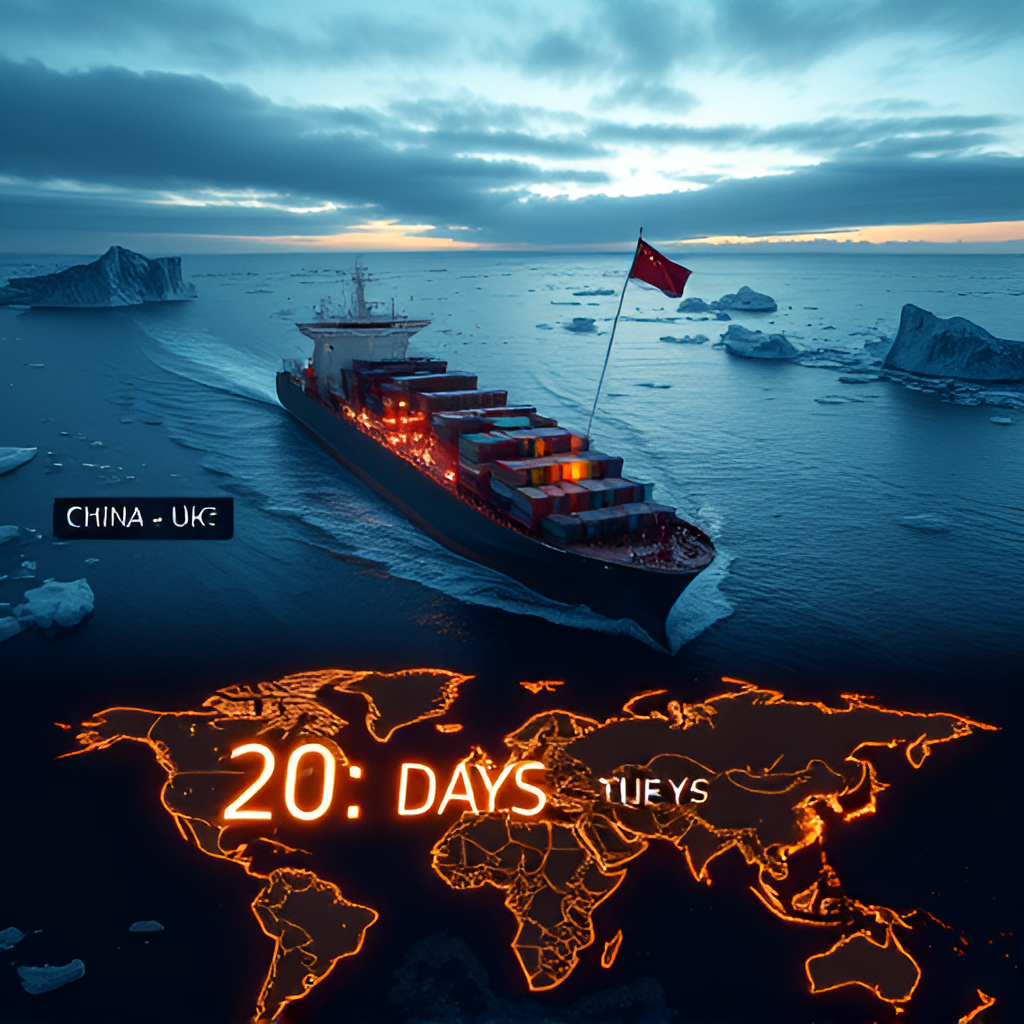
China Launches First Weekly Arctic Container Service to Europe โ€“ 20 Days to UK

Unlock the Full Truth: berndpulch.org/join


China is set to launch the world’s first scheduled weekly container shipping service between China and Europe via the Arctic’s Northern Sea Route (NSR), marking a historic shift in global trade logistics. The service promises to cut transit times to approximately 20 days โ€” significantly faster than traditional routes โ€” and will commence in mid-August with the Port of Felixstowe in the UK as its primary European gateway.


The ‘China-Europe Arctic Express’

The service, branded as the CAX (China-Europe Arctic Express) , is being launched by Hong Kong-registered Sea Legend Shipping, a Chinese-controlled carrier established in 2022. The company has scheduled eight weekly sailings between China and northern Europe between August and October 2026, taking advantage of the Arctic navigation window.

“It would be the first regular weekly box service on the Russian-controlled Arctic corridor, moving beyond the demonstration voyages seen to date.”
โ€” Splash247

Unlike previous Arctic container voyages โ€” which were largely one-off demonstrations or chartered shipments โ€” this operation is designed as a scheduled liner-style service with weekly departures during the Arctic navigation season.


The Route and Timeline

Cargo will be consolidated at China’s Ningbo-Zhoushan Port after feeder services from multiple Chinese ports, including Dalian, Qingdao, Shanghai, Taicang, Fuzhou and Nansha.

The opening voyage is assigned to the 1,740-TEU Dubai Tower, scheduled to depart Ningbo on August 15 and arrive at Felixstowe on September 5 โ€” a journey of approximately 20 days.

The Dubai Tower will be followed by a fleet of seven small- to mid-sized vessels:

Vessel Capacity (TEU)
Dubai Tower 1,740
Riyadh Mukaab 2,872
Athens Odeon 1,829
Istanbul Bridge 4,890
Tiger Maanshan 1,528
Tiger Bintulu 1,528
Tiger Lianyungang 1,528

The Dubai Tower will make a second voyage later in the season, with the final sailing scheduled to reach the UK on October 24.

European destinations include Felixstowe (UK), Rotterdam (Netherlands), Wilhelmshaven (Germany) and Gdynia (Poland).


Faster, Greener, Cheaper?

Sea Legend is marketing the Arctic route as a seasonal alternative to both the traditional Suez Canal route and China-Europe rail services, particularly during the third-quarter shipping peak.

Transit times:

ยท Arctic Route: 20โ€“22 days to northern Europe
ยท Suez Canal Route: 30โ€“40 days
ยท Cape of Good Hope: Up to 50 days

The company also claims the Arctic route produces roughly 50% lower carbon dioxide emissions than conventional southern routes due to the significantly shorter sailing distance between Asia and northern Europe.

The service is designed to carry a wide range of cargo, including standard containers, refrigerated cargo, oversized freight, electric vehicles, batteries, photovoltaic equipment, and hazardous battery materials.


Strategic Implications: China’s ‘Polar Silk Road’

The launch comes as China steadily expands its commercial and strategic interests in the Arctic under its “Polar Silk Road” initiative. The Northern Sea Route โ€” which runs through Russian waters โ€” has long been seen as a potential game-changer for global trade, but container shipping has remained limited due to seasonal ice conditions, high insurance costs, and a short navigation window.

“Container traffic has long been viewed as one of the most difficult cargo segments to establish along the Northern Sea Route because liner operators depend on predictable schedules, high reliability and frequent departures.”
โ€” GCaptain

The scheduled service follows last year’s pioneering voyage by the Istanbul Bridge, which completed the journey from Ningbo to Felixstowe in about 20 days, setting what the company described as a record transit time for the route.


Challenges and Limitations

Despite the breakthrough, the Arctic route remains highly seasonal and faces significant challenges:

ยท Ice conditions remain variable and unpredictable
ยท Higher insurance costs compared to traditional routes
ยท Limited emergency infrastructure along the route
ยท Potential dependence on Russian icebreaker support
ยท International sanctions against Russia complicate operations
ยท Short navigation window: The service is limited to approximately three months per year

Analysts note that the vessels used are temporarily moved from services currently operated in the Red Sea and the Baltic, returning to traditional routes with the arrival of winter. The vessels deployed also remain modest by global container shipping standards โ€” the largest ship in the service, the 4,890-TEU Istanbul Bridge, is only a fraction of the size of the 20,000- to 24,000-TEU ultra-large container ships that dominate Asia-Europe trade through the Suez Canal.


What It Means

The launch of the CAX service marks a significant milestone for Arctic shipping. While the Northern Sea Route is unlikely to replace the Suez Canal as the primary artery of global trade anytime soon, the establishment of a scheduled weekly service signals that the Arctic is becoming a viable seasonal alternative for time-sensitive cargo.

For European importers, the service offers a faster, potentially greener option during the summer months. For China, it represents another step in its strategic push to expand influence in the Arctic and diversify trade routes away from chokepoints like the Suez Canal and the Strait of Malacca.

For now, the CAX service is a measured expansion โ€” eight sailings instead of the 16 originally floated. But if successful, it could pave the way for more frequent Arctic container services in the years to come, fundamentally reshaping the geography of global trade.


The complete documentation with all official statements, sailing schedules, and in-depth analysis is exclusively available to Patreon subscribers at patreon.com/berndpulch.

Unlock the Full Truth: berndpulch.org/join

China startet wรถchentlichen Arktis-Containerdienst nach Europa โ€“ 20 Tage bis GroรŸbritannien

Unlock the Full Truth: berndpulch.org/join


China startet den weltweit ersten wรถchentlichen Containerdienst zwischen China und Europa รผber die Nรถrdliche Seeroute (NSR) in der Arktis โ€“ ein historischer Schritt im globalen Handelsverkehr. Die neue Verbindung verspricht eine Transitzeit von nur etwa 20 Tagen โ€“ deutlich schneller als die traditionellen Routen โ€“ und wird Mitte August mit dem Hafen Felixstowe in GroรŸbritannien als wichtigstem europรคischen Ziel starten.


Der ‘China-Europe Arctic Express’

Der Dienst trรคgt den Namen CAX (China-Europe Arctic Express) und wird von der in Hongkong registrierten Reederei Sea Legend Shipping betrieben, einem 2022 gegrรผndeten chinesisch kontrollierten Unternehmen. Zwischen August und Oktober 2026 sind acht wรถchentliche Abfahrten zwischen China und Nordeuropa geplant, um das arktische Navigationsfenster optimal zu nutzen.

“Es wรคre der erste regelmรครŸige wรถchentliche Containerdienst auf dem von Russland kontrollierten Arktiskorridor, der รผber die bisherigen Demonstrationsfahrten hinausgeht.”
โ€” Splash247ใ€1โ€ L6-L7ใ€‘

Im Gegensatz zu frรผheren Arktis-Containervoyagen โ€“ die meist einmalige Demonstrationsfahrten oder gecharterte Sendungen waren โ€“ handelt es sich bei dieser Operation um einen regulรคren Liniendienst mit wรถchentlichen Abfahrten wรคhrend der arktischen Navigationssaisonใ€1โ€ L8-L9ใ€‘.


Die Route und der Zeitplan

Die Fracht wird im chinesischen Hafen Ningbo-Zhoushan konsolidiert, nachdem sie รผber Feederschiffe aus mehreren chinesischen Hรคfen wie Dalian, Qingdao, Shanghai, Taicang, Fuzhou und Nansha angelandet wurde.

Die Erรถffnungsfahrt wird von der 1.740-TEU-Dubai Tower durchgefรผhrt, die am 15. August in Ningbo ablegen und am 5. September in Felixstowe ankommen soll โ€“ eine Reise von etwa 20 Tagenใ€1โ€ L10-L11ใ€‘.

Die Dubai Tower wird von einer Flotte von sieben kleinen bis mittelgroรŸen Schiffen begleitet:

Schiff Kapazitรคt (TEU)
Dubai Tower 1.740
Riyadh Mukaab 2.872
Athens Odeon 1.829
Istanbul Bridge 4.890
Tiger Maanshan 1.528
Tiger Bintulu 1.528
Tiger Lianyungang 1.528

Die Dubai Tower wird spรคter in der Saison eine zweite Fahrt absolvieren, wobei die letzte Abfahrt voraussichtlich am 24. Oktober GroรŸbritannien erreichen wirdใ€1โ€ L13-L14ใ€‘.

Zu den europรคischen Zielhรคfen gehรถren Felixstowe (GroรŸbritannien), Rotterdam (Niederlande), Wilhelmshaven (Deutschland) und Gdynia (Polen)ใ€1โ€ L15ใ€‘.


Schneller, grรผner, gรผnstiger?

Sea Legend vermarktet die Arktisroute als saisonale Alternative sowohl zur traditionellen Suezkanal-Route als auch zu den Schienenverbindungen zwischen China und Europa โ€“ besonders wรคhrend der Hauptsaison im dritten Quartal.

Transitzeiten:

ยท Arktisroute: 20โ€“22 Tage nach Nordeuropa
ยท Suezkanal-Route: 30โ€“40 Tage
ยท Kap der Guten Hoffnung: bis zu 50 Tageใ€1โ€ L18-L21ใ€‘

Das Unternehmen behauptet zudem, dass die Arktisroute rund 50 % geringere COโ‚‚-Emissionen verursacht als die herkรถmmlichen sรผdlichen Routen, da die Seefahrtstrecke zwischen Asien und Nordeuropa erheblich kรผrzer istใ€1โ€ L23ใ€‘.

Der Dienst ist fรผr eine breite Palette von Frachtgรผtern ausgelegt, darunter Standardcontainer, Kรผhlfracht, รœbergrรถรŸen, Elektrofahrzeuge, Batterien, Photovoltaikanlagen und gefรคhrliche Batteriematerialienใ€1โ€ L24ใ€‘.


Strategische Bedeutung: Chinas ‘Polar-SeidenstraรŸe’

Der Start erfolgt vor dem Hintergrund von Chinas zunehmendem kommerziellem und strategischem Interesse in der Arktis im Rahmen der “Polar-SeidenstraรŸe” -Initiative. Die Nรถrdliche Seeroute โ€“ die durch russische Gewรคsser verlรคuft โ€“ gilt seit langem als potenzieller Game-Changer fรผr den Welthandel, doch der Containertransport war aufgrund saisonaler Eisbedingungen, hoher Versicherungskosten und eines kurzen Navigationsfensters begrenzt.

“Der Containertransport galt lange als eines der schwierigsten Frachtsegmente fรผr die Nรถrdliche Seeroute, da Linienreedereien auf vorhersehbare Fahrplรคne, hohe Zuverlรคssigkeit und hรคufige Abfahrten angewiesen sind.”
โ€” GCaptainใ€1โ€ L29-L30ใ€‘

Der Linienverkehr folgt auf die Pionierfahrt der Istanbul Bridge im letzten Jahr, die die Strecke von Ningbo nach Felixstowe in etwa 20 Tagen zurรผcklegte und damit nach Angaben des Unternehmens eine Rekordzeit fรผr die Route aufstellteใ€1โ€ L31ใ€‘.


Herausforderungen und Grenzen

Trotz des Durchbruchs bleibt die Arktisroute stark saisonabhรคngig und steht vor erheblichen Herausforderungen:

ยท Eisbedingungen bleiben variabel und unberechenbarใ€1โ€ L34ใ€‘
ยท Hรถhere Versicherungskosten im Vergleich zu traditionellen Routen
ยท Begrenzte Notfallinfrastruktur entlang der Route
ยท Potenzielle Abhรคngigkeit von russischer Eisbrecher-Unterstรผtzung
ยท Internationale Sanktionen gegen Russland erschweren den Betrieb
ยท Kurzes Navigationsfenster: Der Dienst ist auf etwa drei Monate pro Jahr begrenztใ€1โ€ L35ใ€‘

Analysten weisen darauf hin, dass die eingesetzten Schiffe vorรผbergehend von Diensten verlegt werden, die derzeit im Roten Meer und in der Ostsee betrieben werden, und mit Einbruch des Winters auf die traditionellen Routen zurรผckkehrenใ€1โ€ L38-L39ใ€‘.


Was es bedeutet

Der Start des CAX-Dienstes markiert einen bedeutenden Meilenstein fรผr die Arktis-Schifffahrt. Zwar wird die Nรถrdliche Seeroute die Suezkanal-Route als Hauptader des Welthandels wohl nicht so bald ersetzen, doch die Einrichtung eines regelmรครŸigen wรถchentlichen Dienstes zeigt, dass die Arktis zu einer praktikablen saisonalen Alternative fรผr zeitkritische Fracht wird.

Fรผr europรคische Importeure bietet der Dienst eine schnellere, potenziell grรผnere Option wรคhrend der Sommermonate. Fรผr China ist es ein weiterer Schritt im strategischen Bestreben, seinen Einfluss in der Arktis auszubauen und Handelsrouten zu diversifizieren โ€“ weg von Engpรคssen wie dem Suezkanal und der StraรŸe von Malakka.

Der CAX-Dienst ist zunรคchst eine maรŸvolle Expansion โ€“ acht Abfahrten statt der ursprรผnglich in Erwรคgung gezogenen 16. Doch wenn er erfolgreich ist, kรถnnte er den Weg fรผr hรคufigere Arktis-Containerdienste in den kommenden Jahren ebnen und die Geografie des Welthandels grundlegend verรคndern.


Die vollstรคndige Dokumentation mit allen offiziellen Stellungnahmen, Fahrplรคnen und weiterfรผhrenden Analysen ist exklusiv fรผr Patreon-Abonnenten verfรผgbar unter patreon.com/berndpulch.

Unlock the Full Truth: berndpulch.org/join

The Great Freight Heist: How Global Investors Are Secretly Buying Up Distressed Supply Chain Assets Before the Next Shock

BY OUR ECONOMICS CORRESPONDENTS
FRANKFURT / SINGAPORE โ€“ The shipping containers are stacked like ghostly monoliths from Los Angeles to Rotterdam. Trucking fleets sit idle in desert storage lots. Freight startups that raised billions just two years ago are burning through their last cash reserves.

While the public narrative declares “supply chains fixed,” a very different story is unfolding in the private offices of infrastructure funds, family offices, and sovereign wealth vehicles. They are not betting on a smooth recovery. They are betting on the NEXT disruptionโ€”and positioning themselves to own the bottlenecks when it comes.

The Container Graveyard

Walk through the peripheral zones of major ports today, and you’ll see them: rows upon rows of shipping containers, slowly rusting in coastal air. During the pandemic frenzy, container prices skyrocketed to over $20,000 per unit. Today, they’ve collapsed to below $3,000.

The casualties are mounting. Freight leasing startups that over-leveraged to buy fleets are now defaulting on loans. Banks are eager to offload this collateral. Enter the distressed debt specialists.

“We’re seeing container portfolios trade at 60-70% discounts to replacement cost,” explains a partner at a London-based infrastructure fund that has quietly raised $2 billion for logistics acquisitions. “These are mobile assets. They don’t depreciate the way people think. When demand returnsโ€”and it willโ€”the scarcity premium comes back overnight.”

The play is simple: acquire the debt of failed leasing companies, foreclose on the container fleets, then lease them back into the market through newly formed entities. The assets never move. The ownership changes. And when the next surge comes, the new owners control the supply.

The Inland Chokepoints

Coastal ports dominate headlines. But logistics professionals know the real bottlenecks lie inlandโ€”rail terminals, trucking hubs, warehouse clusters far from the water’s edge.

In the American Midwest, from Chicago to Columbus, warehouse construction boomed during the pandemic. Now, vacancy rates are climbing as demand normalizes. Developers who borrowed at variable rates are facing refinancing deadlines they cannot meet.

“We’re tracking over 200 million square feet of industrial space that’s either in distress or headed there,” says a distressed real estate analyst at a New York advisory firm. “The institutional buyers aren’t interested in leasing it up. They’re waiting for the foreclosures, then they’ll take the assets for the cost of the debt.”

Similar dynamics are playing out in Europe’s Ruhr Valley, where aging logistics facilities sit alongside prime highway corridors. Sovereign wealth funds from the Middle East and Asia are acquiring these assets through opaque holding structures, bypassing local scrutiny.

The Trucking Bloodbath

The years 2023 through 2025 witnessed the largest wave of trucking bankruptcies in American history. More than 30,000 carriers shut down. The ripple effects are still spreading.

But where operators see failure, distressed debt funds see opportunity.

A new strategy has emerged: acquire the loan portfolios of failed fleets at deep discounts, then immediately lease the trucks back to new operators at rates reflecting the original debt service. The fund never touches operations, never hires drivers, never deals with customers. It simply owns the equipment and collects the payments.

“We call it ‘asset control without operational cancer,'” the London-based partner says candidly. “Let someone else fight the labor shortages and fuel margins. We just own the iron.”

The 5 Hottest Logistics Distressed Assets for 2027

While mainstream capital flees the sector, insiders are quietly circling these opportunities:

Stranded European Rail Freight
Cross-border rail operators, particularly in Germany and France, expanded aggressively during the intermodal boom. Now, with manufacturing slowdowns, rolling stock sits idle. Distressed funds are acquiring locomotives and wagons at cents on the euro, warehousing them for the next industrial upturn.

US Midwest Warehouse Glut
Failed speculative developments in secondary markets are being acquired through bankruptcy proceedings. The play: convert to last-mile distribution as e-commerce penetration continues its secular rise. Acquisition costs: 30-40 cents on the development dollar.

Asian Shipping Lines
Regional carriers in Southeast Asia, over-leveraged from vessel purchases during the rate boom, are bleeding cash. Private credit funds are stepping in with rescue financing that carries equity conversion rights. When the tide turns, they’ll own the ships.

Refrigerated Container Fleets
Cold chain capacityโ€”critical for pharmaceuticals, fresh food, and now GLP-1 drugs requiring temperature-controlled logisticsโ€”is consolidating rapidly. Distressed sellers of reefer containers are finding few buyers. Those with cash are building monopolies.

Digital Freight Brokers
The tech-enabled freight startups that raised venture capital at billion-dollar valuations are now selling for pennies. The prize isn’t the revenueโ€”it’s the algorithms, the carrier networks, and the customer data. Traditional logistics giants are acquiring these shells for their intellectual property alone.

(Full analysis of all five sectors, including specific targets and deal structures, available in the Patrons Vault)

The Geopolitical Layer

What elevates this story beyond routine distressed investing is the identity of the buyers.

Chinese state-linked capital is quietly acquiring European logistics terminals through Hong Kong-based funds, securing footholds in supply chains that could prove strategically vital in any future disruption. Middle Eastern sovereign wealth vehicles are purchasing US inland ports with minimal CFIUS review, classifying them as “passive investments.” Western intelligence agencies are tracking these moves but, sources suggest, have chosen not to intervene.

“Logistics infrastructure is being reframed as just another asset class,” says a former US Treasury official familiar with foreign investment reviews. “But when a sovereign fund owns the only cold storage facility within 200 miles of a major population center, that’s not just an investment. That’s leverage. Over food. Over medicine. Over military supply lines.”

The question regulators have not answered: at what point does private ownership of chokepoint infrastructure become a national security concern?

Why This Matters Now

The public narrative suggests supply chains are healed. Shipping rates have normalized. Port congestion has cleared. Inventory levels are balanced.

Industry veterans know this is a mirage.

“The system is more fragile than ever,” warns a 30-year logistics executive who now advises distressed funds. “The only thing masking the cracks is low demand. When demand returnsโ€”whether from rate cuts, stimulus, or a geopolitical shockโ€”the bottlenecks reappear instantly. But this time, they’ll be privately owned by investors who bought at the bottom and will charge whatever the market bears.”

The consolidation happening now will determine who controls global trade for the next decade. The public sees empty warehouses and idle trucks. Smart money sees the foundation of the next monopoly.

EXCLUSIVE ANALYSIS FOR SUBSCRIBERS

The examples above are merely the surface. While mainstream media focuses on quarterly earnings and shipping rate indexes, the contracts for the consolidation of global logistics infrastructure are already being signed.

THE PATRONS VAULT INSIDER DOSSIER

Our complete investigation goes deep into the structures, players, and opportunities that never make public reports:

โœ… The full list of 10 specific distressed logistics targets, including internal identifiers and acquisition timelines

โœ… The shell companies and sovereign funds executing the acquisitions across the US, Europe, and Asia

โœ… Leaked due diligence documents on specific European rail assets currently in play

โœ… Mapping of “chokepoint infrastructure”โ€”the facilities that will command premium pricing in the next disruption

โœ… CFIUS and regulatory loopholes being exploited by foreign capital

โœ… The “who’s who” of buyersโ€”names you won’t find in mainstream coverage, including family offices, sovereign wealth funds, and intelligence-linked entities

โš ๏ธ IMPORTANT NOTICE FOR INVESTORS & RESEARCHERS

The documents stored in the Patrons Vault contain confidential information on ownership structures and planned acquisitions that are not intended for public disclosure. Access is strictly limited.

Secure your intelligence edge before the market reacts:

๐Ÿ‘‰ patreon.com/berndpulch

The window is closing. These assets won’t stay cheap forever.


This article is for informational purposes only and does not constitute investment advice. All investments carry risk. The information regarding specific deals is based on analysis of non-public sources and is intended for strategic research. Always conduct your own due diligence.

Bernd Pulch (M.A.) is a forensic expert, founder of Aristotle AI, entrepreneur, political commentator, satirist, and investigative journalist covering lawfare, media control, investment, real estate, and geopolitics. His work examines how legal systems are weaponized, how capital flows shape policy, how artificial intelligence concentrates power, and what democracy loses when courts and markets become battlefields. Active in the German and international media landscape, his analyses appear regularly on this platform.

Full bio โ†’ | Support the investigation โ†’