
Ukraine’s Black Sea Blockade โ€“ Russia Pulls the Economic Plug, Europe Faces Debt Armageddon

Ukraine’s Black Sea Blockade: Russia Pulls the Economic Plug

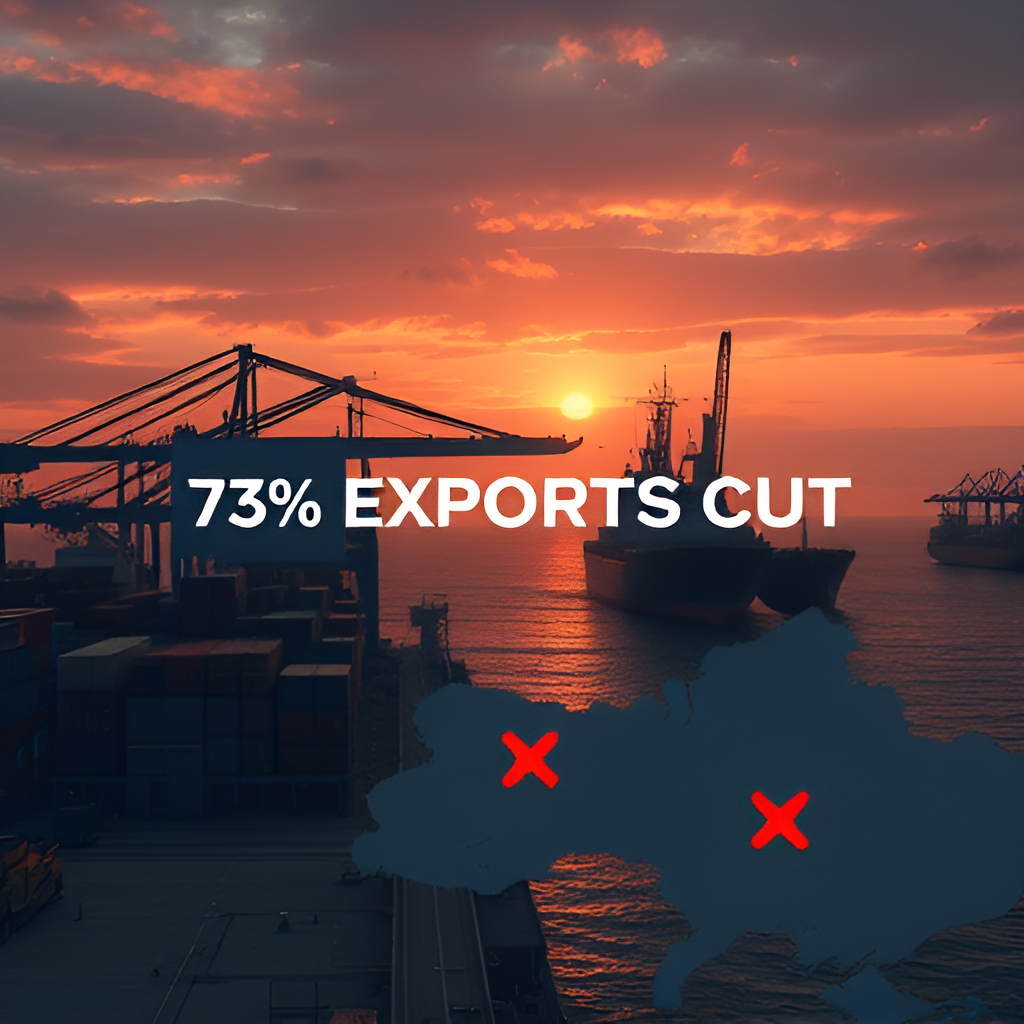
Ukraine’s Black Sea ports are effectively paralyzed. Russia has massively intensified its attacks on port infrastructure and civilian freighters in recent weeks โ€“ with devastating consequences for Ukraine’s economy, which depends on maritime trade for over 80 percent of its exports. The blockade could ultimately bankrupt the war-torn country and threatens to plunge Europe into a debt crisis as well.

Unlock the Full Truth: berndpulch.org/join


The Facts: A Blockade with Intent

Since July 22, 2026, not a single foreign merchant ship has called at or departed the ports of Odesa, Chornomorsk, or Pivdennyi. Shipping companies have suspended calls to Ukrainian Black Sea ports due to massively increased security risks.

The numbers are alarming:

ยท In July 2026 alone, Ukraine recorded 35 attacks on ships in ports, 22 attacks on ships at sea, and 67 attacks on port facilities. By comparison, there were only 14 attacks on ships in all of 2025.
ยท Ukraine has already lost one-third of its Black Sea grain export capacityใ€8โ€ L68ใ€‘.
ยท Agriculture Minister Taras Vysotskyi warned that over 30 million tons of agricultural products cannot be exported if the problem is not resolvedใ€8โ€ L70ใ€‘.
ยท Direct losses for Ukrainian agriculture in 2026 could range between $1.5 and $3 billionใ€8โ€ L51-L53ใ€‘.

“The situation is extraordinarily complicated. In some ways, it’s even more difficult than in March and April 2022.”
โ€” Taras Vysotskyi, Ukrainian Minister of Agricultural Policy and Foodใ€8โ€ L56-L58ใ€‘


The Dependency: 75 to 100 Percent via Ports

The Ukrainian economy depends on its Black Sea ports to an extent that can hardly be overstated. Before the war, approximately 75 percent of all Ukrainian exports flowed through seaports โ€“ and for many products, the dependency was even greater:

Product Export Share via Ports
Grain 95โ€“100%
Agricultural products (total) ~90%
Vegetable oils (e.g., sunflower oil) ~91%
Iron and steel products ~83%
Ores ~65%

These figures make clear why the blockade amounts to economic execution. The ports of Odesa, Chornomorsk, and Pivdennyi โ€“ the so-called “Greater Odesa” complex โ€“ are responsible for the vast majority of Ukrainian exportsใ€7โ€ L148ใ€‘.


The Consequences for Ukraine

The blockade is already having devastating effects:

Agriculture in freefall:
Purchase prices for oilseeds and grain in Ukraine have fallen by an average of 30 percentใ€8โ€ L49ใ€‘. Many farmers are being forced to sell their harvests at a loss โ€“ some have not only made no profit but have accumulated debtใ€8โ€ L50-L51ใ€‘.

Steel industry on its knees:
The closure of the ports has halted Ukrainian iron ore exports. Companies like Ferrexpo had to suspend operations because they could no longer ship their productsใ€7โ€ L157-L158ใ€‘. The southern processing plant in Kryvyi Rih ceased production entirelyใ€7โ€ L158-L159ใ€‘. Metinvest already expects a production decline of about 30 percent for Augustใ€7โ€ L159-L160ใ€‘.

Alternative routes are no solution:
The alternative routes via the Danube, rail, and road cannot replace the Black Sea ports. Even if they reach full capacity by the end of August, they can only cover 50 to 55 percent of the monthly Black Sea port volumeใ€7โ€ L153-L154ใ€‘. The alternative routes would burden producers with additional costs of $45 to $50 per tonใ€7โ€ L155ใ€‘.

“There is no alternative to the ports of Odesa if Ukraine is to continue to serve as a guarantor of food security.”
โ€” Taras Vysotskyiใ€7โ€ L155-L156ใ€‘


The European Dimension: A Debt Collapse Looms

The blockade has catastrophic consequences not only for Ukraine but also for Europe. Because if Ukrainian exports collapse entirely, an uncomfortable question arises:

Who will pay the interest on the hundreds of billions in loans that the West has granted to Ukraine?

Ukraine is burdened with debt of nearly $588 billionใ€6โ€ L14-L15ใ€‘. The country is effectively bankrupt โ€“ and without export revenues, it will not be able to service its debts. A collapse of these liabilities would be Armageddon for Europe’s already struggling state budgets.

The EU and the U.S. have propped up Ukraine with billions in loans, hoping that the country would eventually become solvent again. This hope has been definitively destroyed by the blockade of the Black Sea ports.


The Strategic Logic: Russia’s Strategy of Attrition

Russia’s strategy follows a clear logic: the systematic destruction of Ukrainian port infrastructure and civilian shipping is designed to economically strangle Ukraine. Moscow has massively expanded its attacks in recent weeks to destroy Ukraine’s export economy and increase pressure on Kyiv.

Ukraine has responded with attacks on Russian shipping in the Sea of Azov and the Black Sea. But this exchange of blows cannot change the economic reality: Ukraine is a landlocked country โ€“ and Russia has cut off its access to the sea.


Conclusion: A Great Idea to Poke the Russian Bear?

The blockade of Ukraine’s Black Sea ports is an economic catastrophe โ€“ not only for Ukraine but for all of Europe. A country that depends on maritime trade for over 80 percent of its exports is being systematically cut off from world markets by Russia.

The economic losses are already enormous โ€“ and they will continue to rise. European taxpayers will ultimately foot the bill โ€“ whether through further aid packages, through the default of loans, or through the destabilizing consequences of a Ukrainian state bankruptcy.

What remains is the bitter realization: Western support for Ukraine did not break Russia โ€“ it led Europe into a dependency that has now become a trap.


๐Ÿ“บ YouTube: youtube.com/@bernd_pulch
๐Ÿฆ X (Twitter): x.com/berndsocial1
๐Ÿ“ข Telegram: t.me/ABOVETOPSECRETXXL
๐Ÿ”“ UNLOCK THE TRUTH: berndpulch.org/join
Die ukrainische See-Blockade: Russland zieht den wirtschaftlichen Stecker

Die ukrainischen Schwarzmeerhรคfen sind de facto lahmgelegt. Russland hat seine Angriffe auf die Hafeninfrastruktur und zivile Frachter in den letzten Wochen massiv intensiviert โ€“ mit verheerenden Folgen fรผr die ukrainische Wirtschaft, die zu รผber 80 Prozent vom Seehandel abhรคngig ist. Die Blockade kรถnnte das kriegsgeschwรคchte Land endgรผltig ruinieren und droht, auch Europa in eine Schuldenkrise zu stรผrzen.

Unlock the Full Truth: berndpulch.org/join


Die Fakten: Eine Blockade mit Ansage

Seit dem 22. Juli 2026 hat kein einziges auslรคndisches Handelsschiff mehr die Hรคfen von Odessa, Tschornomorsk oder Piwdennyj angelaufen oder verlassen. Reedereien haben die Anlรคufe ukrainischer Schwarzmeerhรคfen wegen der massiv gestiegenen Sicherheitsrisiken ausgesetzt.

Die Zahlen sind alarmierend:

ยท Allein im Juli 2026 verzeichnete die Ukraine 35 Angriffe auf Schiffe in den Hรคfen, 22 Angriffe auf Schiffe auf See und 67 Angriffe auf Hafenanlagen. Zum Vergleich: Im gesamten Jahr 2025 gab es nur 14 Angriffe auf Schiffe.
ยท Die Ukraine hat bereits ein Drittel ihrer Getreideexportkapazitรคt am Schwarzen Meer verloren.
ยท Landwirtschaftsminister Taras Vysotskyj warnte, dass รผber 30 Millionen Tonnen Agrarprodukte nicht exportiert werden kรถnnen, wenn das Problem nicht gelรถst wird.
ยท Die direkten Verluste fรผr die ukrainische Landwirtschaft kรถnnten 2026 zwischen 1,5 und 3 Milliarden US-Dollar betragen.

โ€žDie Situation ist auรŸergewรถhnlich kompliziert. In gewisser Hinsicht ist sie sogar schwieriger als im Mรคrz und April 2022โ€œ โ€“ Taras Vysotskyj, ukrainischer Landwirtschaftsminister


Die Abhรคngigkeit: 75 bis 100 Prozent รผber die Hรคfen

Die ukrainische Wirtschaft hรคngt in einem AusmaรŸ von den Schwarzmeerhรคfen ab, das kaum zu unterschรคtzen ist. Vor dem Krieg liefen etwa 75 Prozent aller ukrainischen Exporte รผber die Seehรคfen โ€“ bei vielen Produkten war die Abhรคngigkeit noch weitaus grรถรŸer:

ยท Getreide: 95โ€“100 Prozent
ยท Agrarprodukte insgesamt: ca. 90 Prozent
ยท Pflanzenรถle (z.B. Sonnenblumenรถl): ca. 91 Prozent
ยท Eisen- und Stahlprodukte: ca. 83 Prozent
ยท Erze: ca. 65 Prozent

Diese Zahlen machen deutlich, warum die Blockade einer wirtschaftlichen Exekution gleichkommt. Die Hรคfen von Odessa, Tschornomorsk und Piwdennyj (der sogenannte โ€žGreater Odesaโ€œ-Komplex) sind fรผr den GroรŸteil der ukrainischen Exporte verantwortlich.


Die Konsequenzen fรผr die Ukraine

Die Blockade hat bereits jetzt verheerende Auswirkungen:

Landwirtschaft im freien Fall:
Die Kaufpreise fรผr ร–lsaaten und Getreide sind in der Ukraine um durchschnittlich 30 Prozent gesunken. Viele Bauern sind gezwungen, ihre Ernten mit Verlust zu verkaufen โ€“ einige haben nicht nur keinen Gewinn gemacht, sondern Schulden angehรคuft.

Stahlindustrie am Boden:
Die SchlieรŸung der Hรคfen hat den ukrainischen Eisenerzexport zum Erliegen gebracht. Unternehmen wie Ferrexpo mussten den Betrieb einstellen, weil sie ihre Produkte nicht mehr verschiffen konnten. Die sรผdliche Aufbereitungsanlage in Krywyj Rih stellte die Produktion komplett ein. Metinvest rechnet bereits fรผr August mit einem Produktionsrรผckgang von etwa 30 Prozent.

Alternative Routen sind keine Lรถsung:
Die Ausweichrouten รผber die Donau, die Bahn und die StraรŸe kรถnnen die Schwarzmeerhรคfen nicht ersetzen. Selbst wenn sie bis Ende August ihre volle Kapazitรคt erreichen, kรถnnen sie nur 50 bis 55 Prozent des monatlichen Schwarzmeer-Hafenvolumens abdecken. Die Alternativrouten wรผrden den Produzenten zusรคtzliche Kosten von 45 bis 50 Dollar pro Tonne aufbรผrden.

โ€žEs gibt keine Alternative zu den Hรคfen von Odessa, wenn die Ukraine weiterhin als Garant fรผr die Ernรคhrungssicherheit fungieren willโ€œ โ€“ Taras Vysotskyj


Die europรคische Dimension: Ein Schuldenkollaps droht

Die Blockade hat nicht nur fรผr die Ukraine katastrophale Folgen, sondern auch fรผr Europa. Denn wenn der ukrainische Export komplett zusammenbricht, stellt sich eine unbequeme Frage:

Wer bezahlt die Zinsen fรผr die Hunderte Milliarden an Krediten, die der Westen der Ukraine gewรคhrt hat?

Die Ukraine ist mit Schulden in Hรถhe von fast 588 Milliarden Dollar belastet. Das Land ist faktisch bankrott โ€“ und ohne Exporterlรถse wird es seine Schulden nicht bedienen kรถnnen. Ein Kollaps dieser Verbindlichkeiten wรคre das Armageddon fรผr die ohnehin angeschlagenen europรคischen Staatshaushalte.

Die EU und die USA haben die Ukraine mit Milliardenkrediten gestรผtzt, in der Hoffnung, dass das Land irgendwann wieder zahlungsfรคhig wird. Diese Hoffnung ist mit der Blockade der Schwarzmeerhรคfen endgรผltig zerstรถrt worden.


Die strategische Logik: Russlands Zermรผrbungsstrategie

Die russische Strategie folgt einer klaren Logik: Die systematische Zerstรถrung der ukrainischen Hafeninfrastruktur und der zivilen Schifffahrt soll die Ukraine wirtschaftlich erdrosseln. Moskau hat die Angriffe in den letzten Wochen massiv ausgeweitet, um die ukrainische Exportwirtschaft zu zerstรถren und den Druck auf Kiew zu erhรถhen.

Die Ukraine hat ihrerseits mit Angriffen auf russische Schifffahrt im Asowschen Meer und im Schwarzen Meer reagiert. Doch dieser Schlagabtausch kann die wirtschaftliche Realitรคt nicht รคndern: Die Ukraine ist ein Binnenland โ€“ und Russland hat ihr den Zugang zum Meer genommen.


Fazit: Eine tolle Idee, den russischen Bรคren zu reizen?

Die Blockade der ukrainischen Schwarzmeerhรคfen ist ein wirtschaftlicher Super-GAU โ€“ nicht nur fรผr die Ukraine, sondern fรผr ganz Europa. Ein Land, das zu รผber 80 Prozent vom Seehandel abhรคngt, wird von Russland systematisch von den Weltmรคrkten abgeschnitten.

Die wirtschaftlichen Verluste sind bereits jetzt enorm โ€“ und sie werden weiter steigen. Die europรคischen Steuerzahler werden am Ende die Zeche zahlen โ€“ sei es durch weitere Hilfspakete, durch den Ausfall von Krediten oder durch die destabilisierenden Folgen eines ukrainischen Staatsbankrotts.

Was bleibt, ist die bittere Erkenntnis: Die westliche Unterstรผtzung fรผr die Ukraine hat Russland nicht gebrochen โ€“ sie hat Europa in eine Abhรคngigkeit gefรผhrt, die nun zur Falle wird.


๐Ÿ“บ YouTube: youtube.com/@bernd_pulch
๐Ÿฆ X (Twitter): x.com/berndsocial1
๐Ÿ“ข Telegram: t.me/ABOVETOPSECRETXXL
๐Ÿ”“ UNLOCK THE TRUTH: berndpulch.org/join

EU Pays โ‚ฌ20,000 Per Migrant as Ceuta Invasion Exposes Brussels’ Betrayal of European Citizens

๐Ÿ“บ YouTube: youtube.com/@bernd_pulch
๐Ÿฆ X (Twitter): x.com/berndsocial1
๐Ÿ“ข Telegram: t.me/ABOVETOPSECRETXXL
๐Ÿ”“ UNLOCK THE TRUTH: berndpulch.org/join


EU’s โ‚ฌ20,000 Per Invader โ€“ Brussels Pays for the Invasion of Europe While Citizens Pay the Price

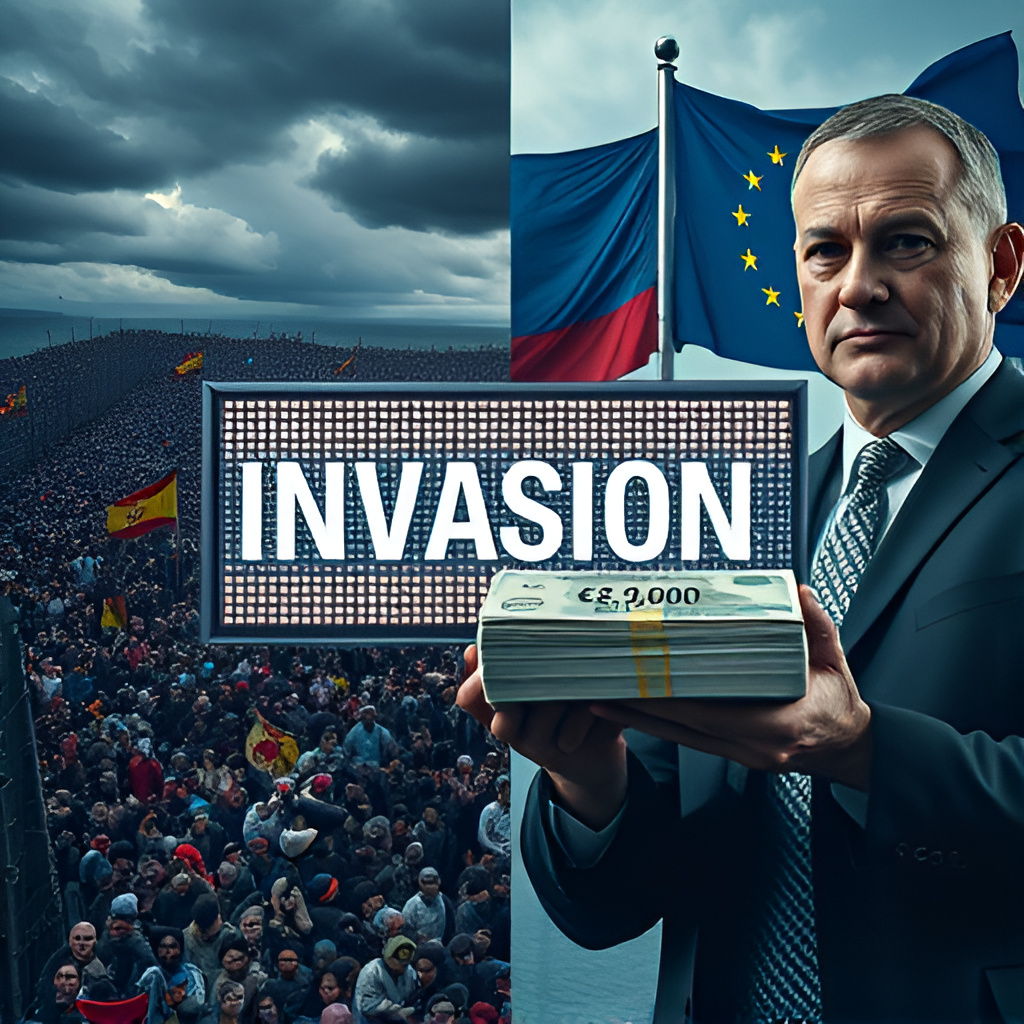
The EU’s new Migration Pact offers a stark choice: accept asylum seekers or pay โ‚ฌ20,000 per person. But the majority of those storming Europe’s borders are not political refugees fleeing war โ€“ they are economic migrants, invaders who see Europe as a cash cow and a soft target. The Ceuta crisis has exposed the catastrophic consequences of Brussels’ open-border ideology.


The Invasion of Ceuta

On July 30, 2026, the Spanish enclave of Ceuta was overwhelmed by an estimated 49,000 to 60,000 migrants โ€“ the vast majority of them military-aged men โ€“ who surged across the border from Morocco in a single day. It was not a humanitarian crisis. It was an invasion.

Police estimates suggest more than 20,000 people entered Ceuta within hours. Hundreds more attempted to reach Melilla. Moroccan authorities did little to stop them. At least 18 people died in the chaos, many drowning in the attempt.

“This is not about asylum. These people are not fleeing war. They are economic migrants who see Europe as a destination of welfare and opportunity.”

Ceuta’s reception center was overwhelmed. Hundreds of invaders slept on the streets, in parks, and in public squares. Local residents reported widespread theft, harassment, and intimidation. The Spanish government declared a state of emergency and deployed the military to restore order.


The โ‚ฌ20,000 Cash Cow

On June 12, 2026, the EU’s new Migration and Asylum Pact came into effect. Its “solidarity mechanism” allows EU countries to pay โ‚ฌ20,000 for each rejected asylum seeker instead of accepting them.

Countries that opt out of relocation pay into a common fund. The EU aims to raise โ‚ฌ420 million between June and December 2026. The Netherlands, Hungary, and Poland have already requested opt-outs. Poland, citing its acceptance of Ukrainian refugees, secured a one-year exemption.

“This agreement exposes a disturbing truth: you can now buy your way out of responsibility. Solidarity in Europe has a price tag.”

The Great Betrayal: Taxpayers’ Money for Invaders

The โ‚ฌ20,000 per rejected asylum seeker is not a fine โ€“ it is a transfer of money from European taxpayers directly to the migrants they are supposed to be rejecting.

The EU has also earmarked โ‚ฌ3 billion to help member states implement the new rules. Billions of euros of taxpayer money are being funneled into a system that rewards economic migration and punishes border enforcement.

This is not about humanitarianism. This is about buying compliance from Brussels and maintaining the illusion of control while the actual control is ceded to smugglers and traffickers.

The Numbers Don’t Lie

ยท โ‚ฌ20,000 per rejected asylum seeker โ€“ This is the price of saying “no” to an invader.
ยท โ‚ฌ420 million to be raised by the “solidarity fund” in just six months.
ยท โ‚ฌ3 billion earmarked by the EU for implementation.

Where does this money come from? It comes from European taxpayers โ€“ ordinary citizens who are struggling with rising energy costs, inflation, and the erosion of their own social safety nets. While Brussels pays โ‚ฌ20,000 per invader, European families are being squeezed by the very policies that make the continent a magnet for mass migration.

The Invaders: Not Refugees, Not Fleeing War

The EU’s asylum system is based on the principle that people fleeing persecution deserve protection. But the vast majority of those crossing into Europe today do not qualify for refugee status. They are economic migrants โ€“ people who are not fleeing war or persecution but who are seeking a better life, better welfare, and better opportunities.

ยท Only a fraction of arrivals in Europe qualify for asylum.
ยท The majority are single, military-aged men.
ยท Many have no documentation and no credible claim.

The EU’s โ‚ฌ20,000 loophole does not address the root cause of the crisis. It simply rewards the invaders by providing an incentive structure that guarantees they will be housed, fed, and supported โ€“ regardless of whether they have a valid claim.

The Danger to Inhabitants

The invaders are not just a financial burden. They pose a direct threat to the safety, culture, and way of life of the original inhabitants of the countries they flood.

In Ceuta, local residents reported:

ยท Widespread theft and property damage
ยท Harassment and intimidation of women
ยท Strained public services and overwhelmed infrastructure
ยท A breakdown of public order and safety

Across Europe, the same pattern is repeated:

ยท Higher crime rates in areas with high migrant populations
ยท Increased pressure on housing, healthcare, and education
ยท Cultural clashes and social tensions
ยท A growing sense of insecurity and alienation among native populations

The Great Betrayal by Elites

The EU’s response to the Ceuta crisis โ€“ and the broader migration crisis โ€“ reveals a fundamental betrayal of European citizens. Brussels prioritizes the interests of foreign invaders over the safety and well-being of its own people.

“The EU is spending billions to accommodate invaders while ordinary Europeans are struggling to make ends meet. This is not solidarity โ€“ it is a scam.”

What Must Be Done

ยท Stop the โ‚ฌ20,000 loophole โ€“ No more buying your way out of responsibility.
ยท Secure the borders โ€“ Physical barriers, maritime patrols, and return agreements.
ยท Reject economic migrants โ€“ Only genuine refugees should be admitted.
ยท Return the invaders โ€“ Rejected claimants must be deported.
ยท Stop the EU’s โ‚ฌ3 billion payout โ€“ Taxpayer money must not fund the invasion of Europe.

Conclusion

The Ceuta crisis was not a humanitarian tragedy. It was an invasion โ€“ a deliberate, coordinated attack on Europe’s borders. And the EU’s response was to double down on the policies that enabled it in the first place.

Every โ‚ฌ20,000 paid to reject an invader is a betrayal of every European citizen who works, pays taxes, and obeys the law. Europe is not a charity. Europe is not a free hotel. It is time to close the borders, stop the payments, and send the invaders home.


๐Ÿ“บ YouTube: youtube.com/@bernd_pulch
๐Ÿฆ X (Twitter): x.com/berndsocial1
๐Ÿ“ข Telegram: t.me/ABOVETOPSECRETXXL
๐Ÿ”“ UNLOCK THE TRUTH: berndpulch.org/join

๐Ÿ“บ YouTube: youtube.com/@bernd_pulch
๐Ÿฆ X (Twitter): x.com/berndsocial1
๐Ÿ“ข Telegram: t.me/ABOVETOPSECRETXXL
๐Ÿ”“ UNLOCK THE TRUTH: berndpulch.org/join



EU zahlt 20.000 Euro pro Eindringling โ€“ Ceuta-Krise entlarvt Brรผssels Verrat an den Bรผrgern Europas

Die EU hat sich mit einer perfiden Regelung selbst entmachtet. Wer Migranten nicht aufnehmen will, zahlt 20.000 Euro pro Person. Die Krise in Ceuta zeigt nun, wohin diese Politik fรผhrt. Tausende gut organisierte Migranten โ€“ รผberwiegend junge Mรคnner, keine politischen Flรผchtlinge โ€“ durchbrechen die Grenzen Europas. Sie kommen nicht als Asylsuchende, sondern als Eindringlinge, die Europas Sozialsysteme als Selbstbedienungsladen betrachten.


Die Invasion von Ceuta

Am 30. Juli 2026 brach รผber die spanische Exklave Ceuta ein bisher nicht gekannter Ansturm herein. Schรคtzungen zufolge drangen innerhalb weniger Stunden 49.000 bis 60.000 Migranten โ€“ die รผberwiegende Mehrheit davon Mรคnner im kampffรคhigen Alter โ€“ รผber die Grenze aus Marokko nach Ceuta. Es war keine humanitรคre Krise. Es war eine Invasion.

Die Polizei schรคtzt, dass innerhalb von Stunden mehr als 20.000 Menschen Ceuta erreichten. Hunderte weitere versuchten, nach Melilla zu gelangen. Die marokkanischen Behรถrden taten wenig, um sie aufzuhalten. Mindestens 18 Menschen kamen bei dem Chaos ums Leben, viele ertranken bei dem Versuch.

“Es geht hier nicht um Asyl. Diese Menschen fliehen nicht vor dem Krieg. Es sind Wirtschaftsmigranten, die Europa als ein Land der Sozialleistungen und unbegrenzten Mรถglichkeiten betrachten.”

Das Aufnahmezentrum von Ceuta war hoffnungslos รผberfordert. Hunderte Eindringlinge schliefen auf den StraรŸen, in Parks und auf รถffentlichen Plรคtzen. Anwohner berichteten von weit verbreiteten Diebstรคhlen, Belรคstigungen und Einschรผchterungen. Die spanische Regierung rief den Notstand aus und entsandte das Militรคr, um die Ordnung wiederherzustellen.


Die 20.000-Euro-Geldmaschine

Am 12. Juni 2026 trat der neue Migrations- und Asylpakt der EU in Kraft. Sein “Solidaritรคtsmechanismus” erlaubt es den EU-Lรคndern, fรผr jeden abgelehnten Asylbewerber 20.000 Euro zu zahlen, anstatt sie aufzunehmen.

Lรคnder, die sich gegen eine Aufnahme entscheiden, zahlen in einen gemeinsamen EU-Fonds ein. Die EU will zwischen Juni und Dezember 2026 420 Millionen Euro einnehmen. Die Niederlande, Ungarn und Polen haben bereits Opt-outs beantragt. Polen sicherte sich mit Verweis auf die Aufnahme ukrainischer Flรผchtlinge eine einjรคhrige Ausnahme.

“Dieses Abkommen offenbart eine erschreckende Wahrheit: Solidaritรคt in der Europรคischen Union hat jetzt einen Preis.”


Der groรŸe Verrat: Steuergelder fรผr Eindringlinge

Die 20.000 Euro pro abgelehntem Asylbewerber sind keine Strafe โ€“ sie sind eine Zahlung von europรคischen Steuerzahlern direkt an die Migranten, die sie eigentlich ablehnen.

Die EU hat zudem 3 Milliarden Euro bereitgestellt, um den Mitgliedstaaten bei der Umsetzung der neuen Regeln zu helfen. Milliarden Euro an Steuergeldern flieรŸen in ein System, das Wirtschaftsmigration belohnt und Grenzsicherung bestraft.

“Das ist keine Humanitรคt. Das ist der Kauf von Gefรคlligkeiten aus Brรผssel, wรคhrend die tatsรคchliche Kontrolle an Schleuser und Menschenhรคndler abgegeben wird.”

Die Zahlen lรผgen nicht

ยท 20.000 Euro pro abgelehntem Asylbewerber โ€“ Das ist der Preis fรผr ein “Nein” zu einem Eindringling.
ยท 420 Millionen Euro sollen allein in sechs Monaten durch den “Solidaritรคtsfonds” eingenommen werden.
ยท 3 Milliarden Euro stellt die EU fรผr die Umsetzung bereit.

Woher kommt dieses Geld? Es kommt von den europรคischen Steuerzahlern โ€“ von Bรผrgern, die mit steigenden Energiekosten, Inflation und der Erosion ihrer eigenen sozialen Sicherungssysteme kรคmpfen. Wรคhrend Brรผssel 20.000 Euro pro Eindringling bezahlt, werden europรคische Familien von genau jener Politik erdrรผckt, die den Kontinent zum Magneten fรผr Massenmigration macht.


Die Eindringlinge: Keine Flรผchtlinge, keine Kriegsflรผchtlinge

Das EU-Asylsystem basiert auf dem Prinzip, dass Menschen, die vor Verfolgung fliehen, Schutz verdienen. Doch die รผberwiegende Mehrheit derjenigen, die heute nach Europa kommen, erfรผllt die Kriterien fรผr Asyl nicht. Es sind Wirtschaftsmigranten โ€“ Menschen, die nicht vor Krieg oder Verfolgung fliehen, sondern ein besseres Leben, bessere Sozialleistungen und bessere Chancen suchen.

ยท Nur ein Bruchteil der Ankรผnfte in Europa qualifiziert sich fรผr Asyl.
ยท Die Mehrheit sind alleinstehende Mรคnner im kampffรคhigen Alter.
ยท Viele haben keine Papiere und keinen glaubwรผrdigen Asylgrund.

Die 20.000-Euro-Regelung der EU bekรคmpft nicht die Ursachen der Krise. Sie belohnt die Eindringlinge, indem sie ein Anreizsystem schafft, das garantiert, dass sie untergebracht, versorgt und unterstรผtzt werden โ€“ unabhรคngig davon, ob sie einen berechtigten Anspruch haben.


Die Gefahr fรผr die Bevรถlkerung

Die Eindringlinge sind nicht nur eine finanzielle Belastung. Sie stellen eine direkte Bedrohung fรผr die Sicherheit, die Kultur und die Lebensweise der ursprรผnglichen Bewohner der Lรคnder dar, in die sie eindringen.

In Ceuta berichteten Anwohner:

ยท Weit verbreitete Diebstรคhle und Sachbeschรคdigungen
ยท Belรคstigungen und Einschรผchterungen von Frauen
ยท รœberlastete รถffentliche Dienstleistungen und รผberforderte Infrastruktur
ยท Ein Zusammenbruch der รถffentlichen Ordnung und Sicherheit

In ganz Europa zeigt sich das gleiche Muster:

ยท Hรถhere Kriminalitรคtsraten in Gebieten mit hohem Migrantenanteil
ยท Erhรถhter Druck auf Wohnraum, Gesundheitsversorgung und Bildung
ยท Kulturelle Konflikte und soziale Spannungen
ยท Ein wachsendes Gefรผhl der Unsicherheit und Entfremdung unter der einheimischen Bevรถlkerung


Der groรŸe Verrat durch die Eliten

Die Reaktion der EU auf die Ceuta-Krise โ€“ und die gesamte Migrationskrise โ€“ offenbart einen grundlegenden Verrat an den europรคischen Bรผrgern. Brรผssel stellt die Interessen fremder Eindringlinge รผber die Sicherheit und das Wohlergehen der eigenen Bevรถlkerung.

“Die EU gibt Milliarden aus, um Eindringlinge zu versorgen, wรคhrend normale Europรคer kaum รผber die Runden kommen. Das ist keine Solidaritรคt โ€“ das ist Betrug.”


Was getan werden muss

ยท Die 20.000-Euro-Regelung abschaffen โ€“ Kein Freikauf mehr von der Verantwortung.
ยท Die Grenzen sichern โ€“ Physische Barrieren, maritime Patrouillen, Rรผcknahmeabkommen.
ยท Wirtschaftsmigranten zurรผckweisen โ€“ Nur echte Flรผchtlinge sollten aufgenommen werden.
ยท Die Eindringlinge zurรผckschicken โ€“ Abgelehnte Antragsteller mรผssen abgeschoben werden.
ยท Die 3-Milliarden-Euro-Zahlungen der EU stoppen โ€“ Steuergelder dรผrfen nicht die Invasion Europas finanzieren.


Fazit

Die Krise von Ceuta war keine humanitรคre Tragรถdie. Sie war eine Invasion โ€“ ein koordinierter, geplanter Angriff auf Europas Grenzen. Und die Reaktion der EU bestand darin, die Politik, die sie erst ermรถglichte, noch zu verstรคrken.

Jede Zahlung von 20.000 Euro fรผr die Ablehnung eines Eindringlings ist ein Verrat an jedem europรคischen Bรผrger, der arbeitet, Steuern zahlt und sich an die Gesetze hรคlt. Europa ist kein Gratis-Hotel. Es ist Zeit, die Grenzen zu schlieรŸen, die Zahlungen einzustellen und die Eindringlinge nach Hause zu schicken.


๐Ÿ“บ YouTube: youtube.com/@bernd_pulch
๐Ÿฆ X (Twitter): x.com/berndsocial1
๐Ÿ“ข Telegram: t.me/ABOVETOPSECRETXXL
๐Ÿ”“ UNLOCK THE TRUTH: berndpulch.org/join

Fico Slams EU Hypocrisy: Russian Luxury Fur Gets Special Pass While Essential Goods Are Blocked

๐Ÿ“บ YouTube: youtube.com/@bernd_pulch
๐Ÿฆ X (Twitter): x.com/berndsocial1
๐Ÿ“ข Telegram: t.me/ABOVETOPSECRETXXL
๐Ÿ”“ UNLOCK THE TRUTH: berndpulch.org/join


Fico Slams EU Hypocrisy: Russian Luxury Fur Gets a Special Pass While Essential Goods Are Blocked

Slovak Prime Minister Robert Fico has launched a blistering attack on the European Commission, accusing it of blatant hypocrisy after it exempted Russian luxury sable fur from sanctions while maintaining bans on essential goods. “Only hypocrites could come up with this,” Fico declared.


“EU Hypocrisy Is Blooming Like a Cherry Tree in May”

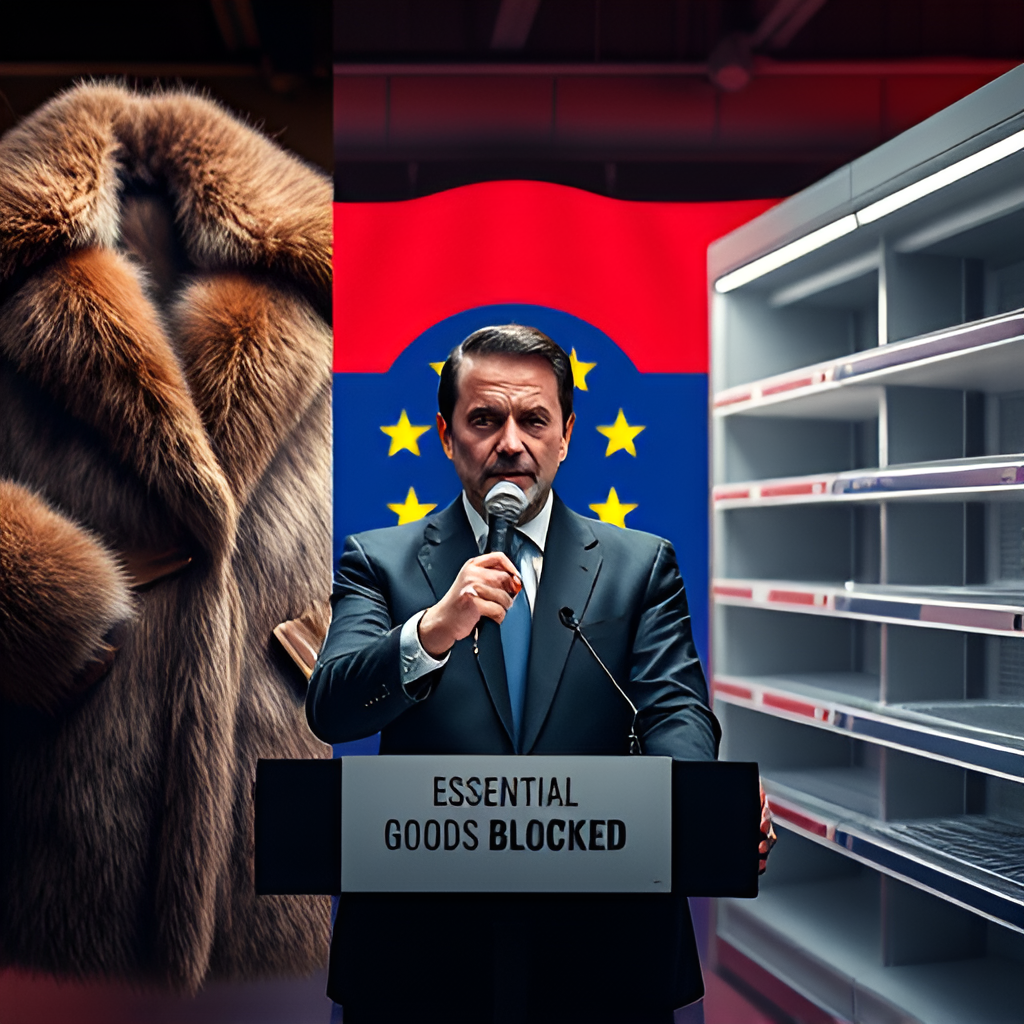
In a video message posted on Facebook, Fico tore into the European Commission’s decision to lift sanctions on Russian sable furโ€”a move that allows the import of pelts used to make fur coats worth up to โ‚ฌ100,000.

“EU hypocrisy is blooming like a cherry tree in May. The import of goods from Russia that our industry or daily life needs is banned, even though it is hard to find a substitute and it is much more expensive. But this will not apply to sable fur. There will be as much of it as needed, as if it were an everyday grocery like coffee or sugar.”

Fico highlighted the absurdity of the situation: the Commission is blocking goods critical to European industry and daily life, yet making a special exception for luxury items.

“This could only be dreamed up by a hypocritical European Commission.”


The Luxury Loophole

The controversy stems from the 21st package of EU sanctions against Russia, introduced in late July 2026. The initial ban, part of the 20th sanctions package in April 2026, had prohibited the import of both raw and processed furs, including sable.

However, following pressure from Italy and Greeceโ€”major European buyers of furโ€”the Commission reversed its decision and exempted raw sable fur from the sanctions. The ban on finished fur products remains in place.

The Commission justified the exemption by claiming that European luxury fur manufacturers have no alternative source for these rare pelts. Russia holds a dominant position in the global sable fur market.


Sanctions That Hurt Europe More Than Russia

Fico’s criticism goes beyond the fur exemption. He argues that the entire sanctions regime is damaging European economies more than it is hurting Russia.

“Goods that we need for our industry, or goods that we need for everyday life, are banned from being imported from Russia, even at the cost of it being difficult to replace them with supplies from other countries and at significantly higher costs.”

The Slovak Prime Minister has repeatedly warned that individual EU restrictions are primarily harming the economies of European countries themselves. Slovakia, which remains heavily dependent on Russian energy, has been particularly vocal about the economic toll of the sanctions.


Context: A Pattern of Exemptions

This is not the first time the EU has carved out exceptions to its sanctions regime. In the same 21st sanctions package, the EU also dropped a proposed ban on Russian fish and seafood. EU foreign policy chief Kaja Kallas acknowledged that the issue of fish had an unexpectedly large impact on international relations.

Fico’s opposition to the EU’s sanctions policy is well-documented. He has previously blocked or delayed sanctions packages, demanding guarantees on gas prices and compensation for potential legal disputes with Gazprom.


A Warning to Brussels

Fico’s criticism highlights a growing frustration among some EU member states with the bloc’s sanctions policy. The decision to exempt luxury fur while blocking essential goods has exposed what many see as double standards at the heart of Brussels’ approach.

“Only hypocrites could come up with this.”

For Fico, the message is clear: if the EU is serious about sanctions, it should apply them consistentlyโ€”not carve out exceptions for luxury goods while ordinary Europeans and industries bear the cost.


๐Ÿ“บ YouTube: youtube.com/@bernd_pulch
๐Ÿฆ X (Twitter): x.com/berndsocial1
๐Ÿ“ข Telegram: t.me/ABOVETOPSECRETXXL
๐Ÿ”“ UNLOCK THE TRUTH: berndpulch.org/join

๐Ÿ“บ YouTube: youtube.com/@bernd_pulch
๐Ÿฆ X (Twitter): x.com/berndsocial1
๐Ÿ“ข Telegram: t.me/ABOVETOPSECRETXXL
๐Ÿ”“ UNLOCK THE TRUTH: berndpulch.org/join


Fico wirft EU Heuchelei vor โ€“ Russische Luxuspelze erhalten Sonderpass

Der slowakische Ministerprรคsident Robert Fico hat die Europรคische Kommission scharf attackiert und ihr glatte Heuchelei vorgeworfen โ€“ weil sie russische Zobelpelze von den Sanktionen ausgenommen hat, wรคhrend sie gleichzeitig Gรผter des tรคglichen Bedarfs blockiert. โ€žNur Heuchler kรถnnen sich das ausdenkenโ€œ, erklรคrte Fico.


โ€žEU-Heuchelei blรผht wie ein Kirschbaum im Maiโ€œ

In einer Videobotschaft auf Facebook griff Fico die Entscheidung der Europรคischen Kommission scharf an, die Sanktionen gegen russische Zobelpelze aufzuheben โ€“ ein Schritt, der die Einfuhr von Fellen ermรถglicht, aus denen Pelzmรคntel im Wert von bis zu 100.000 Euro hergestellt werden.

โ€žDie EU-Heuchelei blรผht wie ein Kirschbaum im Mai. Die Einfuhr von Waren aus Russland, die unsere Industrie oder unser tรคgliches Leben braucht, ist verboten, obwohl es schwierig ist, einen Ersatz zu finden und es viel teurer ist. Aber das wird nicht fรผr Zobelpelze gelten. Davon wird es so viel geben wie nรถtig, als wรคre es ein alltรคgliches Lebensmittel wie Kaffee oder Zucker.โ€œ

Fico verdeutlichte die Absurditรคt der Situation: Die Kommission blockiere Gรผter, die fรผr die europรคische Industrie und den Alltag entscheidend seien, mache aber gleichzeitig eine Sonderausnahme fรผr Luxusartikel.

โ€žDas kann sich nur eine heuchlerische Europรคische Kommission ausdenken.โ€œ


Die Luxuslรผcke

Die Kontroverse geht auf das 21. Sanktionspaket der EU gegen Russland zurรผck, das Ende Juli 2026 eingefรผhrt wurde. Das ursprรผngliche Verbot, das im 20. Sanktionspaket vom April 2026 verhรคngt worden war, hatte die Einfuhr von rohen und verarbeiteten Pelzen, einschlieรŸlich Zobel, untersagt.

Nach Druck aus Italien und Griechenland โ€“ bedeutenden europรคischen Pelzkรคufern โ€“ kehrte die Kommission jedoch ihre Entscheidung um und nahm rohe Zobelpelze von den Sanktionen aus. Das Verbot von Fertigpelzprodukten bleibt bestehen.

Die Kommission rechtfertigte die Ausnahme damit, dass europรคische Luxuspelzhersteller keine alternative Quelle fรผr diese seltenen Felle hรคtten. Russland hat eine dominante Stellung auf dem globalen Zobelpelzmarkt.


Sanktionen, die Europa mehr schaden als Russland

Ficos Kritik geht รผber die Pelzausnahme hinaus. Er argumentiert, dass das gesamte Sanktionsregime die europรคischen Volkswirtschaften mehr schรคdige als Russland.

โ€žGรผter, die wir fรผr unsere Industrie oder fรผr den Alltag brauchen, dรผrfen nicht mehr aus Russland importiert werden โ€“ selbst wenn es schwierig ist, sie durch Lieferungen aus anderen Lรคndern zu ersetzen und die Kosten deutlich hรถher sind.โ€œ

Der slowakische Ministerprรคsident hat wiederholt davor gewarnt, dass die EU-Beschrรคnkungen in erster Linie die Wirtschaft der europรคischen Lรคnder selbst schรคdigten. Die Slowakei, die weiterhin stark von russischer Energie abhรคngig ist, hat sich besonders kritisch zu den wirtschaftlichen Folgen der Sanktionen geรคuรŸert.


Kontext: Ein Muster von Ausnahmen

Dies ist nicht das erste Mal, dass die EU Ausnahmen von ihrem Sanktionsregime macht. Im selben 21. Sanktionspaket lieรŸ die EU auch ein geplantes Verbot von russischem Fisch und Meeresfrรผchten fallen. Die EU-AuรŸenbeauftragte Kaja Kallas rรคumte ein, dass das Thema Fisch unerwartet groรŸe Auswirkungen auf die internationalen Beziehungen gehabt habe.

Ficos Opposition zur EU-Sanktionspolitik ist gut dokumentiert. Er hat zuvor Sanktionspakete blockiert oder verzรถgert und Garantien fรผr Gaspreise sowie Entschรคdigungen fรผr mรถgliche Rechtsstreitigkeiten mit Gazprom gefordert.


Eine Warnung an Brรผssel

Ficos Kritik verdeutlicht die wachsende Frustration einiger EU-Mitgliedstaaten รผber die Sanktionspolitik des Blocks. Die Entscheidung, Luxuspelze zu befreien, wรคhrend lebenswichtige Gรผter blockiert werden, hat offengelegt, was viele als Doppelmoral im Herzen des Brรผsseler Ansatzes sehen.

โ€žNur Heuchler kรถnnen sich das ausdenken.โ€œ

Fรผr Fico ist die Botschaft klar: Wenn die EU es mit Sanktionen ernst meine, mรผsse sie sie konsequent anwenden โ€“ und nicht Ausnahmen fรผr Luxusgรผter machen, wรคhrend normale Europรคer und die Industrie die Kosten tragen.


๐Ÿ“บ YouTube: youtube.com/@bernd_pulch
๐Ÿฆ X (Twitter): x.com/berndsocial1
๐Ÿ“ข Telegram: t.me/ABOVETOPSECRETXXL
๐Ÿ”“ UNLOCK THE TRUTH: berndpulch.org/join

LunarisSec Threatens EU with Massive Cyberattacks Over “Chat Control” Surveillance Plan

Hacker Group LunarisSec Threatens EU with Massive Cyberattacks Over “Chat Control” Surveillance Plan

Unlock the Full Truth: berndpulch.org/join


A hacker group calling itself LunarisSec has issued a stark ultimatum to the European Union: drop the controversial “Chat Control” surveillance proposal immediately or face massive cyberattacks. The group demands that EU lawmakers defend digital freedom and stop spying on citizens.


The Ultimatum

In a statement posted online, LunarisSec declared:

“Protect encryption or PREPARE FOR MASSIVE CYBERATTACKS.”

The hackers further warned:

“Defend digital freedom and STOP spying on citizens! Hands off our privacy!”

The group has threatened to target European infrastructure, government systems, and private sector networks if the EU continues to push forward with plans that would require platforms to scan private messages for illicit content. The hackers demand an “immediate end” to what they describe as mass surveillance masquerading as child protection.


What Is “Chat Control”?

The EU’s “Chat Control” proposal is a controversial plan to combat child sexual abuse material (CSAM) by requiring messaging platforms to scan users’ private chats and photos. Since its initial proposal, the legislation has faced intense scrutiny from digital rights groups, encryption advocates, and legal experts who warn it represents a fundamental threat to private communication.

The proposal would compel messaging apps to adopt content-scanning technology that analyzes media shared within private conversations. This has been criticized as “backdoor surveillance” that undermines the very concept of private messaging.

A Growing Movement

The hackers’ threat comes as opposition to the Chat Control proposal intensifies. In February, an open letter signed by over 120 technology and human rights organizations urged European lawmakers to reject mandatory scanning.

German MEP Patrick Breyer has been vocal in his opposition, warning that the proposal would effectively end private messaging as we know it. The European Digital Rights organization has been running a sustained campaign against the legislation.

Breyer and other privacy advocates have suggested that “messaging services may simply stop operating in Europe” if their encryption is underminedโ€”a prediction that now appears more prescient than ever.

The Hacker Risk

LunarisSec’s threat introduces a new and dangerous element to the debate. While the group’s capabilities remain unverified, the declaration signals that opposition to Chat Control has escalated beyond the bounds of conventional lobbying and advocacy.

Cyberattacks have become an increasingly common tool of political protest and coercion. European institutions have been targets of hacking attempts in recent years, with the European Parliament’s “Parleu” platform being hit by a significant cyberattack in 2024.

The EU’s Response

The European Commission has pushed forward with legislative proposals, arguing that they are necessary for child protection. However, critics accuse the Commission of ignoring widespread expert consensus that mandatory scanning undermines privacy and security.

Under the leadership of Commission President Ursula von der Leyen and Vice-President Margaritis Schinas, the EU has positioned itself as a global leader in digital regulation. The Chat Control proposal stands as one of the most controversial elements of this agenda.

What’s at Stake

The proposal would require the development of a “trustworthy” scanning system that could be applied by default. Critics argue no such system can exist without undermining encryption. The European Parliament may still vote on the controversial measure.

If it becomes law, the mandatory scanning regime would be a first for a major democratic jurisdiction. The EU is now facing a choice: implement surveillance or respond to the growing tide of oppositionโ€”including the serious threat of cyberattacks.

Conclusion

The LunarisSec ultimatum is a stark reminder that the battle over digital privacy is no longer confined to courtrooms and legislatures. As the EU pushes forward with its surveillance agenda, it is drawing the attention of actors willing to use the most aggressive means to stop it.

The debate over Chat Control is a debate over the future of private communication. Now, it has also become a debate over the security of the European institutions themselves.


The complete documentation with all official statements, group declarations, and in-depth analysis is exclusively available to Patreon subscribers at patreon.com/berndpulch.

Unlock the Full Truth: berndpulch.org/join

Hacker-Gruppe LunarisSec droht EU mit massiven Cyberangriffen รผber “Chat Control”-รœberwachungsplรคne

Unlock the Full Truth: berndpulch.org/join


Die Hackergruppe LunarisSec hat der Europรคischen Union ein klares Ultimatum gestellt: Stoppt sofort die umstrittene “Chat Control”-รœberwachung oder ihr mรผsst mit massiven Cyberangriffen rechnen. Die Gruppe fordert von den EU-Gesetzgebern, die digitale Freiheit zu verteidigen und die รœberwachung der Bรผrger zu beenden.


Das Ultimatum

In einer im Internet verรถffentlichten Erklรคrung erklรคrte LunarisSec:

“Schรผtzt die Verschlรผsselung oder bereitet euch auf MASSIVE CYBERANGRIFFE vor.”

Die Hacker warnten weiter:

“Verteidigt die digitale Freiheit und hรถrt auf, Bรผrger auszuspionieren! Hรคnde weg von unserer Privatsphรคre!”

Die Gruppe hat damit gedroht, europรคische Infrastruktur, Regierungssysteme und private Netzwerke anzugreifen, wenn die EU weiterhin an Plรคnen festhรคlt, die Plattformen dazu zwingen wรผrden, private Nachrichten auf illegale Inhalte zu durchsuchen. Die Hacker fordern ein “sofortiges Ende” dessen, was sie als Massenรผberwachung bezeichnen, die sich als Kinderschutz tarne.


Was ist “Chat Control”?

Der EU-Vorschlag “Chat Control” ist ein umstrittener Plan zur Bekรคmpfung von Missbrauchsmaterial, der Messaging-Plattformen dazu verpflichten wรผrde, private Chats und Fotos der Nutzer zu scannen. Seit seinem ersten Vorschlag steht das Gesetz massiv in der Kritik von Digitalrechtsgruppen, Verschlรผsselungsbefรผrwortern und Rechtsexperten, die darin eine grundlegende Bedrohung der privaten Kommunikation sehen.

Der Vorschlag wรผrde Messenger-Apps dazu zwingen, eine Technologie zum Scannen von Inhalten zu implementieren, die Medien innerhalb privater Unterhaltungen analysiert. Dies wird vielfach als “Hintertรผr-รœberwachung” kritisiert, die den eigentlichen Zweck privater Nachrichten untergrรคbt.


Eine wachsende Bewegung

Die Drohung der Hacker kommt zu einem Zeitpunkt, an dem der Widerstand gegen den Chat-Control-Vorschlag zunimmt. Im Februar unterzeichneten mehr als 120 Technologie- und Menschenrechtsorganisationen einen offenen Brief, in dem sie die EU-Gesetzgeber aufforderten, das verpflichtende Scannen abzulehnen.

Der deutsche EU-Abgeordnete Patrick Breyer hat sich lautstark gegen die Plรคne ausgesprochen und warnt davor, dass der Vorschlag private Nachrichten praktisch unmรถglich machen wรผrde. Die Organisation European Digital Rights fรผhrt seit langem eine Kampagne gegen das Gesetz.

Breyer und andere Datenschutzaktivisten haben angedeutet, dass “Messaging-Dienste mรถglicherweise einfach den Betrieb in Europa einstellen”, wenn ihre Verschlรผsselung untergraben wird โ€“ eine Prognose, die nun aktueller denn je erscheint.


Das Hacker-Risiko

Die Drohung von LunarisSec bringt ein neues und gefรคhrliches Element in die Debatte. Zwar sind die Fรคhigkeiten der Gruppe nicht bestรคtigt, doch die Erklรคrung zeigt, dass der Widerstand gegen Chat Control รผber die Grenzen konventioneller Lobbyarbeit und Interessenvertretung hinausgegangen ist.

Cyberangriffe sind zu einem zunehmend verbreiteten Mittel des politischen Protests und der politischen Nรถtigung geworden. Europรคische Institutionen waren in den letzten Jahren Ziel von Hacking-Versuchen, so wurde die “Parleu”-Plattform des Europรคischen Parlaments 2024 von einem schweren Cyberangriff getroffen.


Die Reaktion der EU

Die Europรคische Kommission hat ihre Gesetzesvorschlรคge vorangetrieben und argumentiert, dass diese zum Schutz von Kindern notwendig seien. Kritiker werfen der Kommission jedoch vor, den breiten Expertenkonsens zu ignorieren, dass verpflichtendes Scannen die Privatsphรคre und Sicherheit untergrรคbt.

Unter der Fรผhrung von Kommissionsprรคsidentin Ursula von der Leyen und Vizeprรคsident Margaritis Schinas hat sich die EU als globale Fรผhrungsmacht in der digitalen Regulierung positioniert. Der Chat-Control-Vorschlag ist eines der umstrittensten Elemente dieser Agenda.


Was auf dem Spiel steht

Der Vorschlag wรผrde die Entwicklung eines “vertrauenswรผrdigen” Scansystems erfordern, das standardmรครŸig angewendet werden kรถnnte. Kritiker argumentieren, dass ein solches System nicht existieren kรถnne, ohne die Verschlรผsselung zu untergraben. Das Europรคische Parlament kรถnnte noch รผber die umstrittene MaรŸnahme abstimmen.

Sollte das Gesetz verabschiedet werden, wรคre die verpflichtende Scan-Regelung eine Premiere fรผr eine groรŸe demokratische Rechtsordnung. Die EU steht nun vor einer Wahl: รœberwachung einfรผhren oder auf die wachsende Welle des Widerstands reagieren โ€“ einschlieรŸlich der ernsten Bedrohung durch Cyberangriffe.


Fazit

Das Ultimatum von LunarisSec ist eine deutliche Erinnerung daran, dass der Kampf um die digitale Privatsphรคre nicht lรคnger auf Gerichtssรคle und Parlamente beschrรคnkt ist. Wรคhrend die EU ihre รœberwachungsagenda vorantreibt, zieht sie die Aufmerksamkeit von Akteuren auf sich, die bereit sind, die aggressivsten Mittel einzusetzen, um sie zu stoppen.

Die Debatte um Chat Control ist eine Debatte รผber die Zukunft der privaten Kommunikation. Nun ist sie auch zu einer Debatte รผber die Sicherheit der europรคischen Institutionen selbst geworden.


Die vollstรคndige Dokumentation mit allen offiziellen Stellungnahmen, Gruppenerklรคrungen und weiterfรผhrenden Analysen ist exklusiv fรผr Patreon-Abonnenten verfรผgbar unter patreon.com/berndpulch.

Unlock the Full Truth: berndpulch.org/join