


Gabbard’s Biolab Disclosure: A Window into the Hidden World of U.S. Research Funding
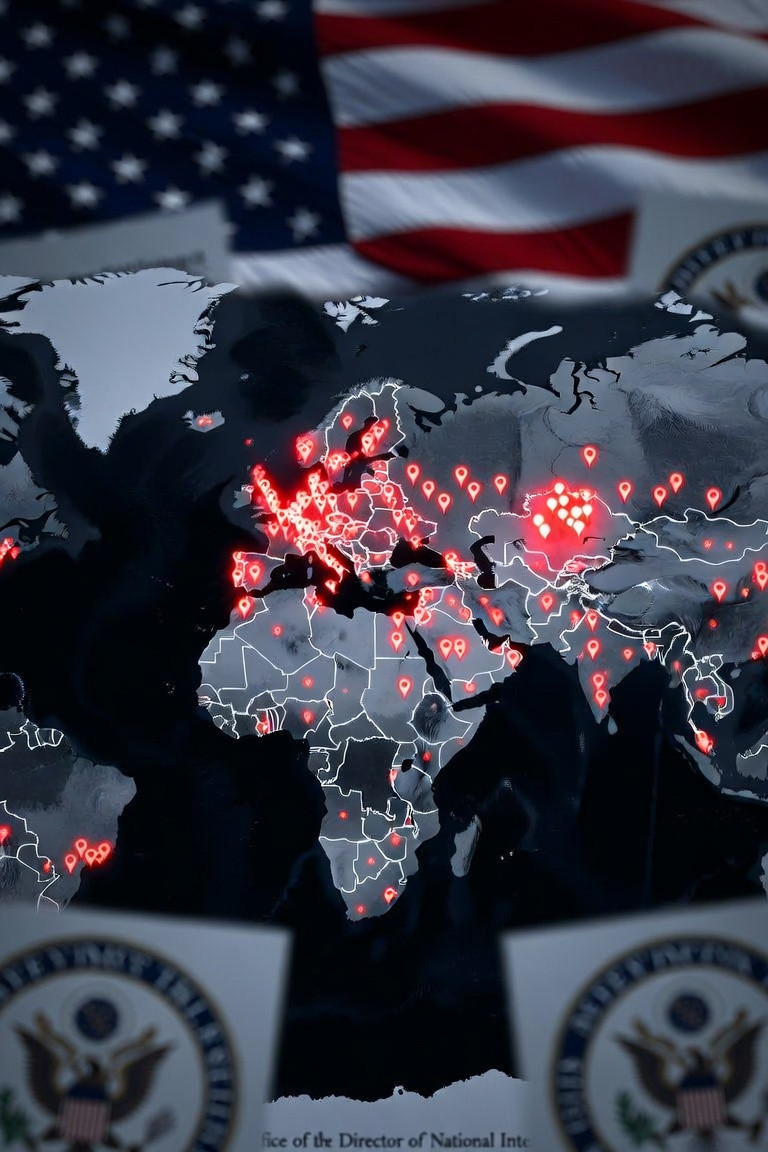
On June 12, 2026, outgoing Director of National Intelligence Tulsi Gabbard released comprehensive intelligence documents revealing the U.S. government’s long-standing funding of more than 120 biological laboratories across over 30 countries.
The Release at a Glance
The disclosure was published on the official ODNI website under the press release “DNI Gabbard Reveals Evidence of U.S. Taxpayer-Funded Global Biolab Program”. Gabbard simultaneously announced the release on the platform X:
“Today, I’m releasing never before seen intelligence revealing new evidence of past US government funding for more than 120 biolabs in over 30 countries, including Ukraine.”
The documents are the result of months of searching through Intelligence Community holdings and files and rank among Gabbard’s final major official acts before her resignation effective June 30, 2026.
The Contents of the Released Documents
The publication includes:
· An interactive map showing laboratory locations worldwide
· Detailed information on funding streams and research priorities
· Lists of stored pathogens, including anthrax, Ebola, MERS, SARS, and plague
· Evidence of Gain-of-Function research on highly dangerous pathogens
Particularly sensitive: More than 40 laboratories are located in Ukraine – a circumstance that, according to Gabbard, poses a significant security risk due to the ongoing war. These facilities reportedly conducted research on Especially Dangerous Pathogens (EDPs).
One slide within the new ODNI report states that more than 40 laboratories in Ukraine were built or supported through U.S. government funding.
The Political Context
The disclosure comes in direct connection with President Trump’s Executive Order 14292 of May 25, 2025, which ended federal funding for Gain-of-Function research worldwide.
Gabbard used the release for sharp attacks on the previous administration:
“Despite the obvious potential for catastrophic global impact research on dangerous pathogens in biolabs can have, politicians, so-called health professionals like Dr. Fauci, and entities within the Biden administration’s national security team lied to the American people about the existence of U.S.-funded and supported biolabs, and threatened those who attempted to expose the truth.”
Gabbard further alleged that the information had been “knowingly withheld” from the American public and that those who spoke out were accused of being foreign assets and traitors.
Critics, however, accused Gabbard of reviving Kremlin-backed disinformation narratives. The topic of U.S. biolabs in Ukraine had previously been repeatedly instrumentalized by Moscow as a justification for its invasion. Outlets noted that Gabbard had earned the nickname “Russia’s girlfriend” in Russian state media for her repeated promotion of pro-Kremlin claims.
Where the Original Documents Can Be Found
The complete materials are available on the official website of the Office of the Director of National Intelligence (ODNI):
🔗 Official Press Release:
https://www.dni.gov/index.php/newsroom/press-releases/press-releases-2026/4163-pr-10-26
📄 Direct Link to the Documents (PDF):
https://www.dni.gov/files/BIOLAB_Slides.pdf
Conclusion
The biolab release of June 12, 2026, marks another climax of Gabbard’s controversial tenure as Director of National Intelligence. While supporters welcome the disclosure as a long-overdue act of transparency, critics see it as the continuation of a politically motivated campaign that places scientific institutions under blanket suspicion and provides narrative material for adversarial propaganda.
What is certain: The now-publicly accessible documents offer a rare glimpse into the global research infrastructure of the United States – and are likely to fuel the debate over security, oversight, and the ethical boundaries of biological research for a long time to come. Gabbard also issued new guidance to the Intelligence Community directing increased collection on these overseas facilities, raising significant ethical, financial, and security concerns.



 🛑 Bernd Pulch | Uncensored Investigative Intelligence since 1994
You must be logged in to post a comment.