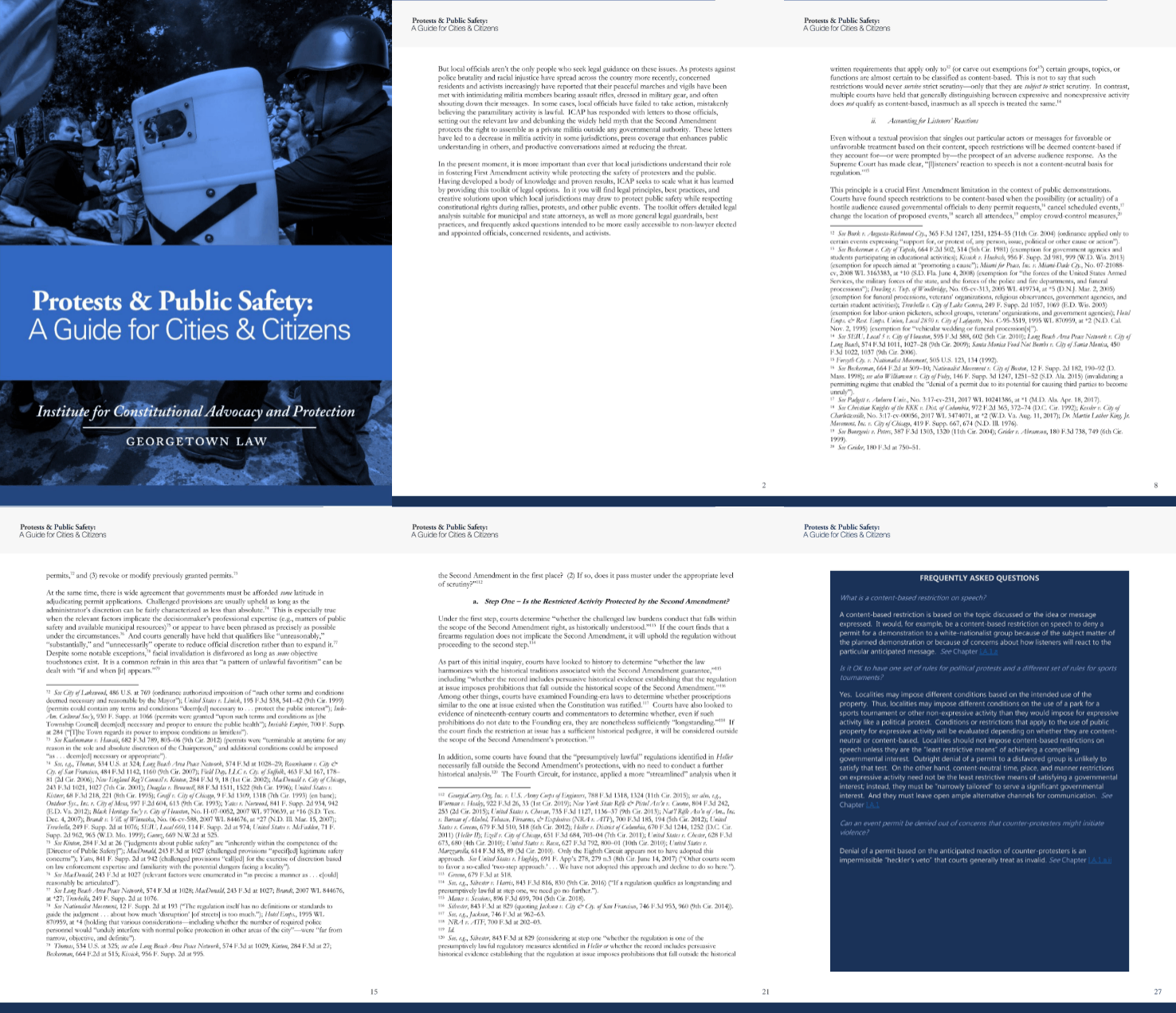
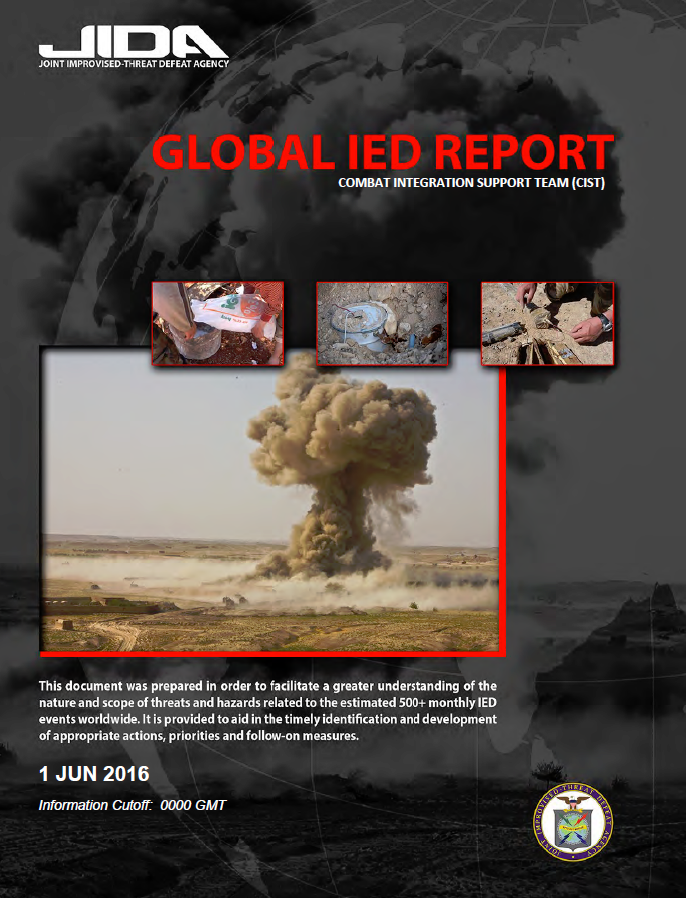
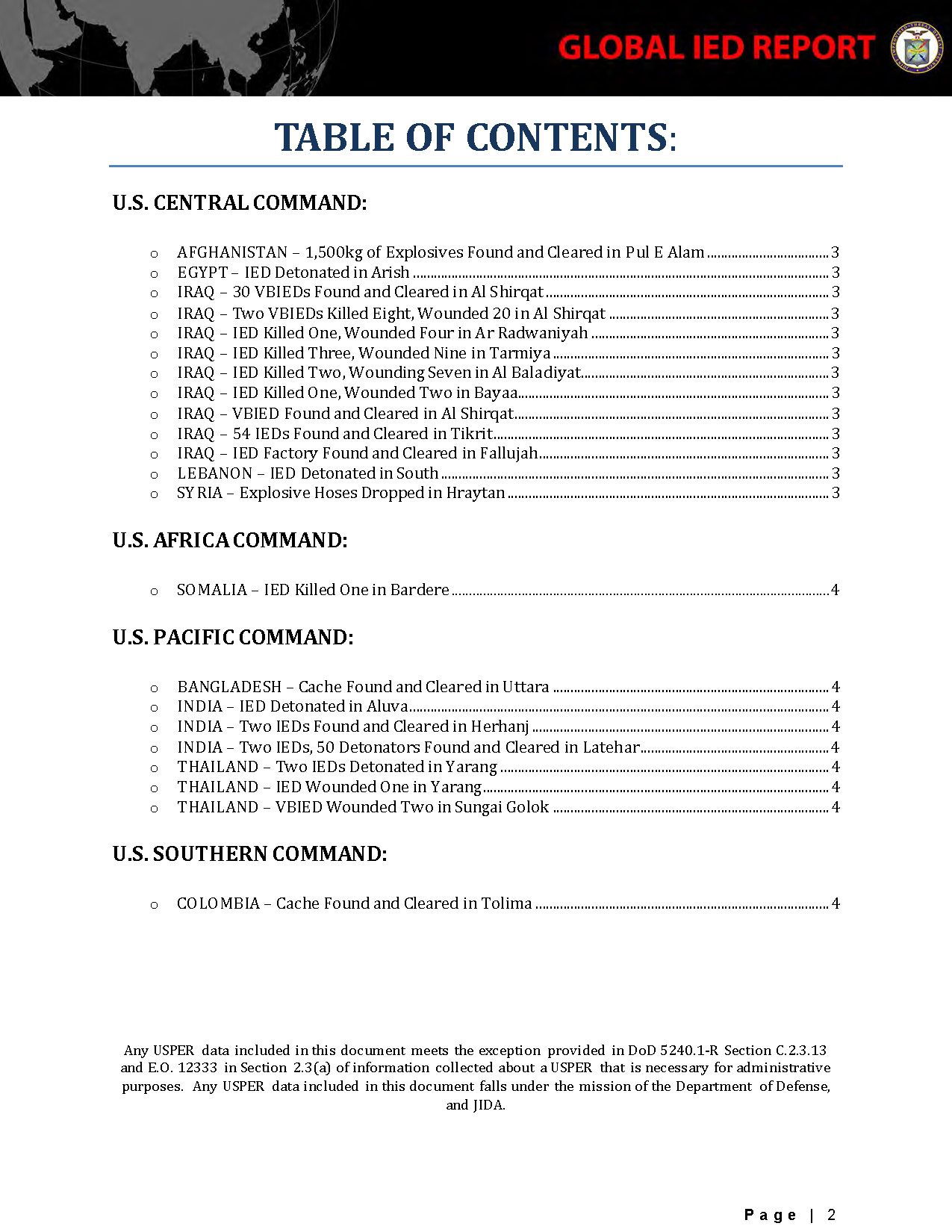
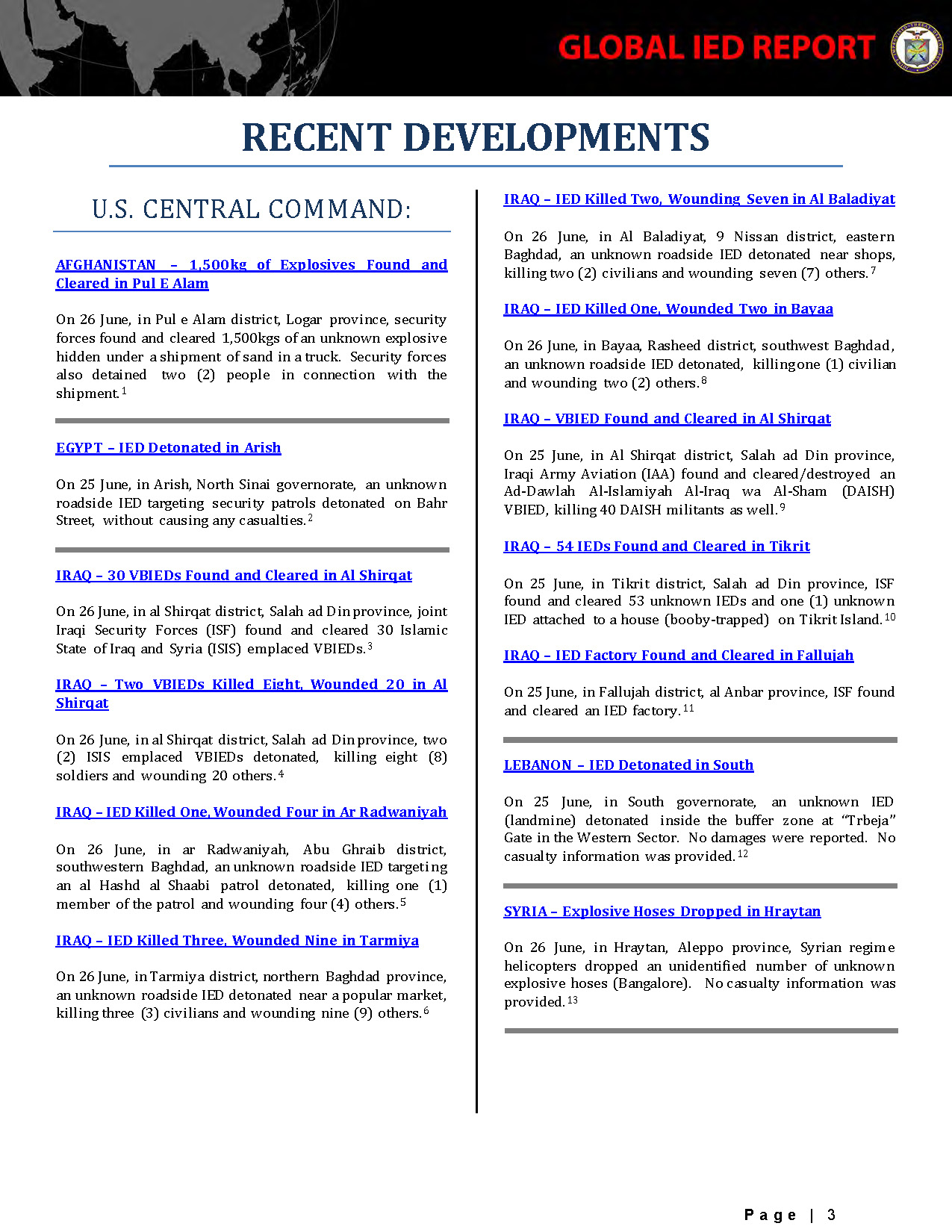
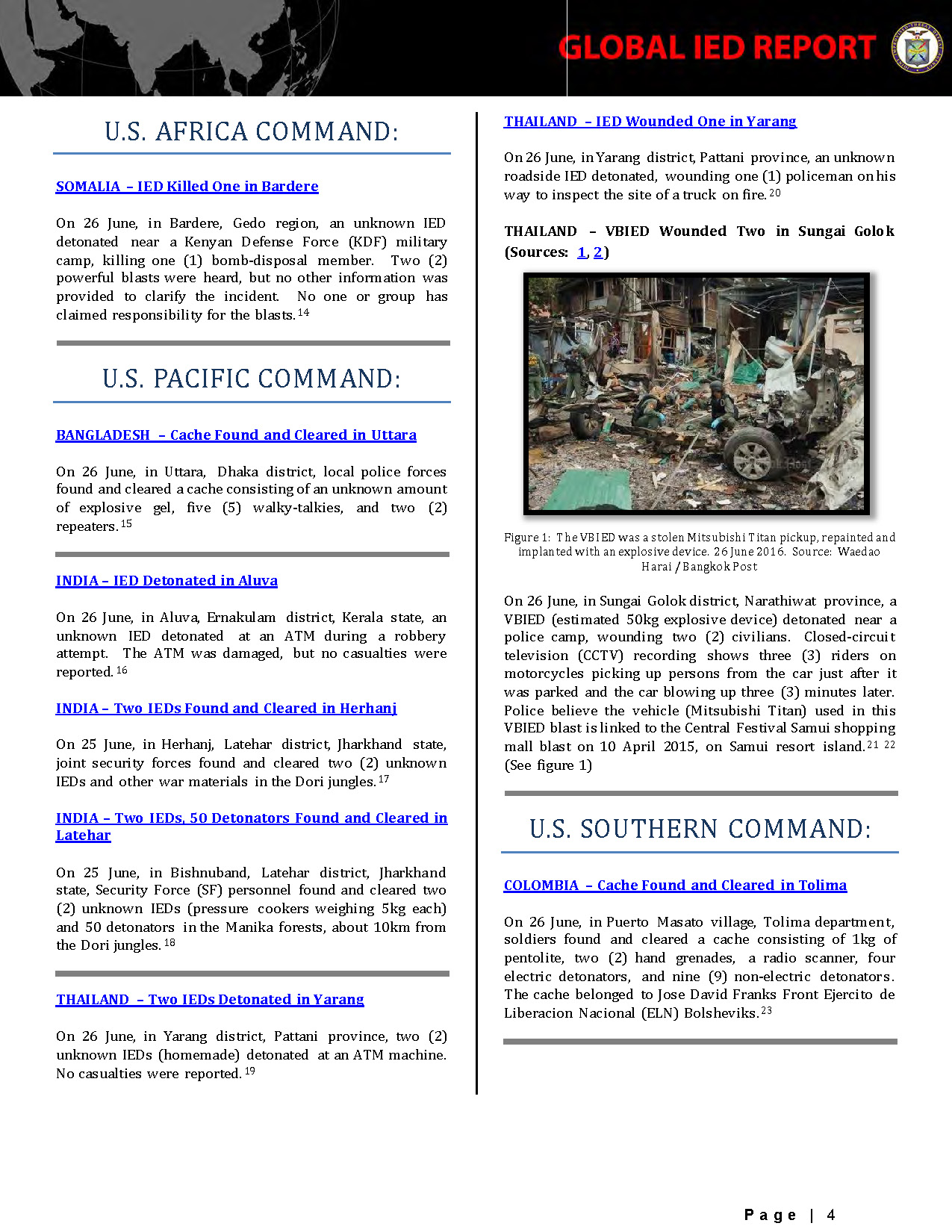
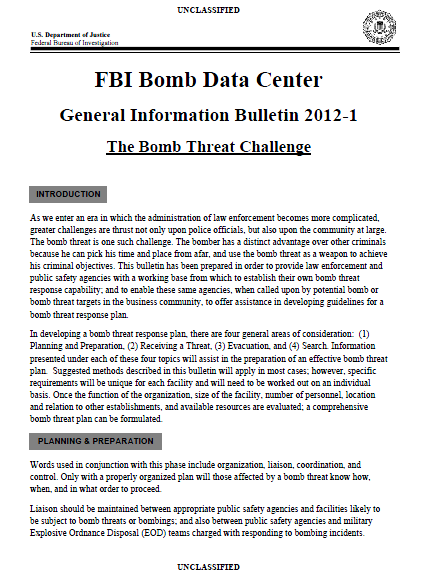
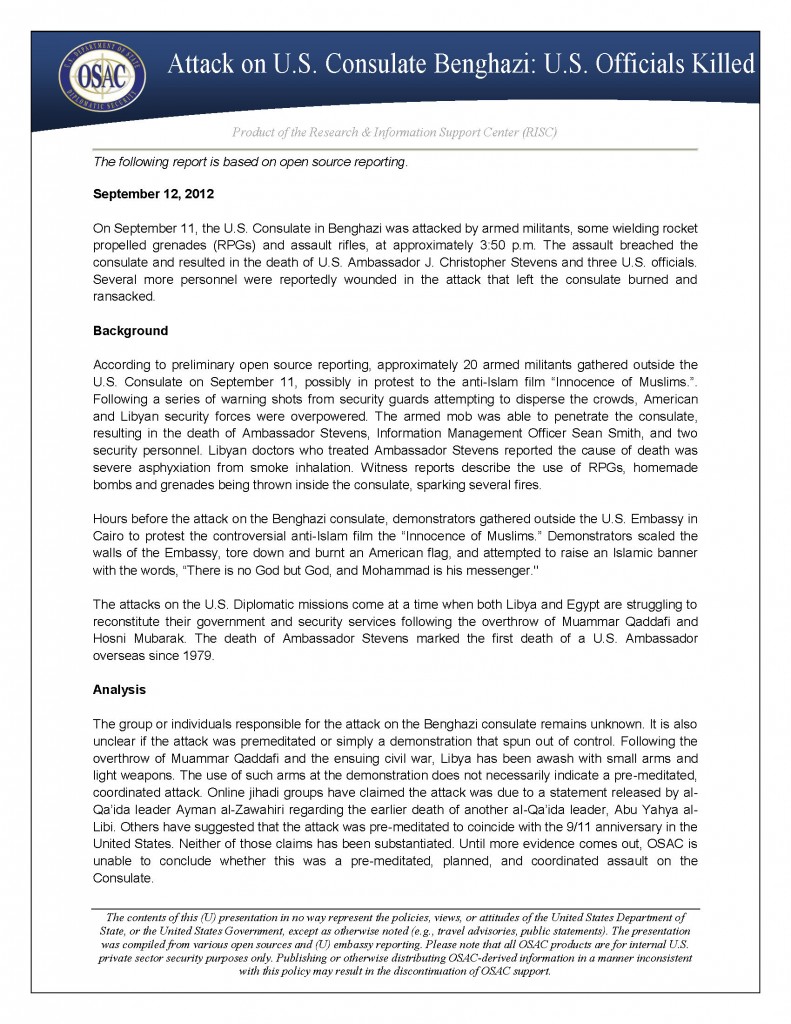
✌Leaked: Protests and Public Safety Handbook – Original Document✌️

Read all at

https://t.me/ABOVETOPSECRETXXL/45351

❌©BERNDPULCH.ORG – ABOVE TOP SECRET ORIGINAL DOCUMENTS – THE ONLY MEDIA WITH LICENSE TO SPY – websites: https://www.berndpulch.org
https://googlefirst.org

MY BIO:

FAQ:

FAQ

PLEASE SUPPORT OUR COMMON CAUSE AND HELP ME TO STAY ALIVE.

CRYPTO WALLET  for

ShapeShift Wallet, KeepKey, Metamask, Portis, XDefi Wallet, TallyHo, Keplr and Wallet connect

0x271588b52701Ae34dA9D4B31716Df2669237AC7f

Crypto Wallet for Binance Smart Chain-, Ethereum-, Polygon-Networks

bmp

0xd3cce3e8e214f1979423032e5a8c57ed137c518b

If you want to be totally anonymous please use Monero

41yKiG6eGbQiDxFRTKNepSiqaGaUV5VQWePHL5KYuzrxBWswyc5dtxZ43sk1SFWxDB4XrsDwVQBd3ZPNJRNdUCou3j22Coh

GOD BLESS YOU

Follow the ONLY MEDIA with the LICENSE TO SPY ✌️@abovetopsecretxxl

U.S. National Intelligence Council – Report About Russian Influence In The U.S. Elections 2020 Revealed

Become a Patron!
True Information is the most valuable resource and we ask you to give back.
Go back

Your message has been sent

Warning
Warning
Warning
Warning.

U.S. National Intelligence Council – Report About Russian Influence In The U.S. Elections 2020 Revealed

Become a Patron!
True Information is the most valuable resource and we ask you to give back.

Go back

Your message has been sent

Warning
Warning
Warning
Warning.

U.S. National Intelligence Council – Report About Russian Influence In The U.S. Elections 2020 Revealed – Original Document

Become a Patron!
True Information is the most valuable resource and we ask you to give back.

Continue reading “U.S. National Intelligence Council – Report About Russian Influence In The U.S. Elections 2020 Revealed – Original Document”

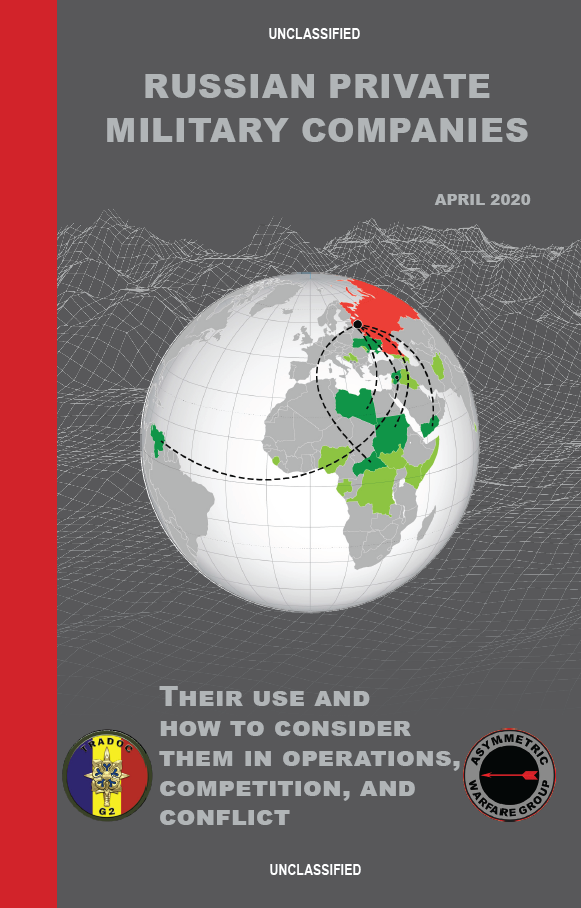
Russian Private Military Companies In Operations, Competition, And Conflict

Become a Patron!
True Information is the most valuable resource and we ask you to give back.

The Asymmetric Warfare Group (AWG) supported the Johns Hopkins University Applied Physics Laboratory (JHU/APL) to break down the wonder of Russian private military organizations (PMCs), the situations under which they would matter to U.S. Armed force move commandants, and whether they comprise a one of a kind danger to U.S. furthermore, accomplice powers.

The essential crowd for this investigation is U.S. Armed force move administrators and their staffs, yet the discoveries and experiences ought to likewise be valuable for anybody in the U.S. public security and protection networks worried about deviated activities of the Russian Federation around the globe. To begin with, this examination presents key discoveries from profound jump exploration and investigation on Russian PMCs introduced in the supplement. It tends to their utilizations, hardware, preparing, faculty, state contribution, legitimate issues, and other related subjects. Second, these discoveries are utilized to advise a scientific model to investigate the operational difficulties and contemplations Russian PMCs could present to U.S. Armed force move officers.

Key Findings

Primary concern Up Front: Russian PMCs are utilized as a power multiplier to accomplish targets for both government and Russia-adjusted private interests while limiting both political and military expenses. While Moscow keeps on considering the to be of Russian PMCs as helpful, their utilization likewise presents a few weaknesses that present both operational and key dangers to Russian Federation targets.

Continue reading “Russian Private Military Companies In Operations, Competition, And Conflict”

Batmen – Two Chinese Scientists From A Wuhan Lab Found To Have Studied Bats In Australia

Become a Patron!
True Information is the most valuable resource and we ask you to give back

Global intelligence agencies looking into the origins of COVID-19 have found two Chinese scientists studied live bats in Australia as part of a joint research between the Chinese communist government and the Australian government. In an exclusive the Daily Telegraph is reporting the “Five Eyes intelligence agencies of Australia, Canada, NZ, UK, and US are understood to be looking closely at the work of a senior Scientist at the Wuhan Institute of Virology, Peng Zhou, and fellow scientist Shi Zhengli”. Sky News host and the Daily Telegraph’s Sharri Markson wrote the intelligence agencies have been examining “whether COVID-19 originated from a wet market or whether the naturally-occurring virus may have been inadvertently released”. Sky News contributor Scott Emerson said these new revelations will just “raise more concerns about what are the origins of COVID-19”.

Become a Patron!
True Information is the most valuable resource and we ask you to give back

Steven Aftergood – COVID-19 Highlights Need For Public Intelligence

Become a Patron!
True Information is the most valuable resource and we ask you to give back

Hobbled by secrecy and timidity, the U.S. intelligence community has been conspicuously absent from efforts to combat the COVID-19 pandemic, the most serious national and global security challenge of our time.

The silence of intelligence today represents a departure from the straightforward approach of then-Director of National Intelligence Dan Coats who offered the clearest public warning of the risk of a pandemic at the annual threat hearing of the Senate Intelligence Committee in January 2019:

“We assess that the United States and the world will remain vulnerable to the next flu pandemic or large-scale outbreak of a contagious disease that could lead to massive rates of death and disability, severely affect the world economy, strain international resources, and increase calls on the United States for support,” DNI Coats testified.

But this year, for the first time in recent memory, the annual threat hearing was canceled, reportedly to avoid conflict between intelligence testimony and White House messaging. Though that seems humiliating to everyone involved, no satisfactory alternative explanation has been provided. The 2020 worldwide threat statement remains classified, according to an ODNI denial of a Freedom of Information Act request for a copy. And intelligence agencies have been reduced to recirculating reminders from the Centers for Disease Control to wash your hands and practice social distancing.

The US intelligence community evidently has nothing useful to say to the nation about the origins of the COVID-19 pandemic, its current spread or anticipated development, its likely impact on other security challenges, its effect on regional conflicts, or its long-term implications for global health.

These are all topics perfectly suited to open source intelligence collection and analysis. But the intelligence community disabled its open source portal last year. And the general public was barred even from that.

It didn’t — and doesn’t — have to be that way.

In 1993, the Federation of American Scientists created an international email network called ProMED — Program for Monitoring Emerging Diseases — which was intended to help discover and provide early warning about new infectious diseases.

Run on a shoestring budget and led by Stephen S. Morse, Barbara Hatch Rosenberg, Jack Woodall and Dorothy Preslar, ProMED was based on the notion that “public intelligence” is not an oxymoron. That is to say, physicians, scientists, researchers, and other members of the public — not just governments — have the need for current threat assessments that can be readily shared, consumed and analyzed. The initiative quickly proved its worth.

In fact, it has continued to prove its worth up to the present day.

“It was notices on ProMED that first alerted the world to the 2003 SARS outbreak, and it was a posting on ProMED on Dec. 30, 2019 — about chatter on the Chinese social network Weibo — that first spread word of a novel coronavirus, soon identified as the cause of COVID-19, outside China.” See “The doomed 30-year battle to stop a pandemic” by Paul Wells, Maclean’s, April 21.

ProMED, which is now managed by the International Society for Infectious Diseases, is unclassified, free, and open to subscription by anyone.

“ProMED illustrates how NGOs can, in some cases, efficiently accomplish what large, bureaucratically burdened institutions cannot even begin,” the FAS Public Interest Report said in 1996.

Today, when national and global security concerns touch almost every household, the need for public intelligence is greater than ever, and it could become one focus of a reconfigured U.S. intelligence apparatus.

Steven Aftergood

Steven Aftergood on Intelligence Declassification | C-SPAN.org

Steven Aftergood directs the FAS Project on Government Secrecy. The Project works to reduce the scope of national security secrecy and to promote public access to government information.

Steven Aftergood directs the FAS Project on Government Secrecy. The Project works to reduce the scope of national security secrecy and to promote public access to government information.

He writes Secrecy News, which reports on new developments in secrecy policy and provides direct access to significant official records that are otherwise unavailable or hard to find.

In 1997, Mr. Aftergood was the plaintiff in a Freedom of Information Act lawsuit against the Central Intelligence Agency which led to the declassification and publication of the total intelligence budget for the first time in fifty years ($26.6 billion in FY 1997). In 2006, he won a FOIA lawsuit against the National Reconnaissance Office for release of unclassified budget records.

Mr. Aftergood is an electrical engineer by training (B.Sc., UCLA, 1977). He joined the FAS staff in 1989. From 1992-1998, he served on the Aeronautics and Space Engineering Board of the National Research Council.

His work on challenging government secrecy has been recognized with the Pioneer Award from the Electronic Frontier Foundation, the James Madison Award from the American Library Association, the Public Access to Government Information Award from the American Association of Law Libraries, and the Hugh M. Hefner First Amendment Award from the Playboy Foundation.

Become a Patron!
True Information is the most valuable resource and we ask you to give back

Continue reading “Steven Aftergood – COVID-19 Highlights Need For Public Intelligence”

Experts Warn – Security Problems Inside The Blockchain Technology

Become a Patron!
True Information is the most valuable resource and we ask you to give back.

Bildergebnis für blockchain


Awareness of blockchain has soared in recent years with the emergence of cryptocurrencies, but the technology has existed for much longer. The linking of blocks, containing cryptographic functions of transactions and data, means that tampering with their contents becomes increasingly difficult as the chain grows – this concept was exploited for document timestamping applications more than a decade before cryptocurrencies became reality. In many implementations, blocks are confirmed by, and stored at, many nodes in different locations, providing a high degree of data integrity. There are, however, many challenges for applying blockchain technologies in tactical networks, particularly due to the constraints of the platforms, the limited bandwidth available among them, and the impact of network partitioning. In this report, the development and principles of blockchains are presented, along with an overview of their weaknesses and vulnerabilities. There is a huge level of interest in this technology across many sectors, and this is reflected in the breadth of the referenced material. Weaknesses in design and implementation can make blockchains vulnerable to attack, and their interfaces are particularly at risk. A range of possible applications in tactical networks is explored, from supply chain management, to network management and application data immutability. Finally, a simple blockchain architecture for mobile tactical networks is developed, to illustrate the potential and challenges of this technology. Overall, it is clear that blockchain technology provides a potential avenue for solving some problems in the tactical network context, but it is not yet clear whether it is the best such solution.

The key feature of blockchain technology is data integrity in a trustless environment: transaction or data records included on the blockchain are timestamped, cryptographically protected and stored by many distributed nodes, reducing the risk of total loss. For a sufficiently long blockchain, with a large number of nodes, the records can be considered immutable, in the sense that any tampering will be evident. This integrity can be exploited in different ways to enhance the robustness and resilience of tactical networks, and some of these are discussed in Section 5.1.

Smart contracts, described in Section 3.2, also provide opportunities for robust resource management in tactical networks, particularly in complex operational conditions where many users interact in the electromagnetic (EM) spectrum. Possible applications of blockchain to resource management are discussed in Section 5.2.

Tactical environments pose particular challenges for the introduction of blockchain technology, as devices are constrained in size, weight and power, and there are physical limitations on node connectivity. These challenges are considered in Section 5.3.

An example architecture for applying blockchain technology to support tactical operations is described in Section 5.4, taking into account the opportunities and challenges outlined thus far.

In this section, network nodes are considered to be the devices or platforms connected to the blockchain network; these are not (just) the radio interfaces themselves, but may be auxiliary equipment such as biometric devices, weapons or communication platforms.

5.4 Example tactical blockchain architecture

Based on the preceding, we propose an example architecture for a tactical blockchain system. The scenario we consider consists of a unit of dismounted soldiers, each carrying several devices connected on a personal network: a weapon, a radio, a camera, a radio frequency (RF) sensor and a computer (similar to a smart phone), sharing a battery and a memory drive such as a flash card. The soldier is also considered a network component, as they are a source and sink of data, and their identity is confirmed using a networked biometric sensor such as a fingerprint or iris scanner. The other devices may be authenticated using a radio frequency identification (RFID) chip or imaging as described in Section 5.1.4; authentication will only be required if the networked component has been disconnected from the personal network and attempts to rejoin.

We assume that the weapon tracks the ammunition it uses, and records the amount remaining. The camera may be continually recording, but to limit memory usage, only a few seconds before and after the weapon is fired are retained. C2 and other messages, either digital voice or data to and from the computer, all passed via the radio, are recorded for post-action analysis. SA in the form of RF sensor data is sampled periodically, and transferred via the radio to other soldiers in the unit and recorded locally. These different sources of data all use the computer’s memory for storage; both the memory and battery usage are tracked.

We use blockchains to provide authentication and identification management for the soldiers and devices engaged in the operation, an auditing function to track cyber SA and C2, resource usage tracking, and a policy management function, which is used to support resource loading decisions across the unit. As noted in Section 5.3.6, the longer the blockchain, the stronger it is, so all these functions use the same blockchain within their cluster (Section 5.4.1).

This is a simplified scenario, intended to give insight into the potential application of blockchain technology in tactical networks. Note that, as discussed in Section 6, the fact that this technology might be used to address these problems does not mean it is the best choice. Note also that the exchange of transactions and blocks among the users is assumed to be secure.

Go back

Your message has been sent

Warning
Warning
Warning
Warning

Warning.

Chemical Splash and Spray Attacks Potential Tactic for Violent Extremists in Homeland

Become a Patron!
True Information is the most valuable resource and we ask you to give back.

We evaluate that fear based oppressors likely view strategies including tossing or showering acids and an assortment of compound fluids, henceforth alluded to as a synthetic shower and sprinkle assault (CSSA), as a feasible strategy to cause damage and disturb basic framework, in light of open source revealing depicting psychological militant online networking posts and fear monger and brutal radical utilization of this strategy abroad. An examination of few episodes portrayed in media announcing uncovered that CSSAs are regularly utilized by criminal performing artists to facilitate criminal exercises and by fierce radical gatherings abroad to make fear, scare, rebuff, and distort people and gatherings that oppose their control or belief system in their general vicinity of operations; the strategy, in any case, has once in a while been operationalized by on-screen characters in the Country. We note, in any case, that homegrown savage radicals (HVEs) and solitary guilty parties likely would discover this strategy engaging and could without much of a stretch adjust it to the Country, as it requires no particular specialized ability and the materials regularly connected with criminal assault are typically unregulated and generally accessible.

(U//FOUO) We evaluate that revolutionary fanatics, other residential fear based oppressors (DTs), and criminal on-screen characters are the probably US-based brutal radicals to utilize CSSAs in light of our examination of over a significant time span DT utilization of this strategy and on open source revealing of unaffiliated criminal performing artists utilizing acids, harmful mechanical chemicals, and other substance crippling specialists in assaults in the Country. They have utilized CSSA strategies against law requirement, foundations, ideological adversaries, dissenters, and mass get-togethers, particularly those related with political or social causes, in light of an assortment of open source announcing. These performing artists once in a while utilized CSSAs to cause fatalities, however past episodes have exhibited that household CSSAs can cause critical substantial damage and upset law authorization and specialist on call operations.

(U//FOUO) While remote psychological oppressor associations (FTO) and brutal fanatic gatherings have operationalized CSSA abroad and have made late calls for such assaults in the Country, we need particular data demonstrating that HVEs or solitary guilty parties would be open to this strategy or would look to fuse CSSAs into assaults inside the Assembled States; we survey, in any case, that huge numbers of the variables likely driving criminal utilization of CSSAs, for example, the capacity to hurt people, cause framework disturbance, perhaps sidestep catch following an assault, or potentially execute rehash assaults—likely would likewise make this strategy appealing to fear based oppressors, particularly fierce radicals lacking preparing, and the entrance or want to utilize explosives or guns.

(U//FOUO) Solid acids and burning chemicals are much of the time utilized as a part of CSSAs, however we evaluate aggressors are similarly prone to pick other monetarily accessible chemicals, for example, pepper splash, blanch, alkali, solvents, and other bothering, putrid, or poisonous mechanical chemicals, in view of the assortment of materials utilized for CSSAs locally and abroad. Specialists on call treating casualties of CSSAs may confront auxiliary dermal and inward breath dangers relying upon the kind of chemicals utilized.

(U) ISIS Desires CSSA in the Country While Rough Radical Operationalize the Strategy Abroad

(U//FOUO) We evaluate that fear mongers likely view strategies including tossing or showering acids and an assortment of compound fluids, in the future called synthetic splash and sprinkle assaults (CSSAs), as a suitable strategy to cause damage and upset basic foundation, based on open source announcing portraying psychological oppressor online networking posts and fear monger and fierce radical utilization of this strategy abroad. An investigation of few episodes portrayed in media detailing uncovered that CSSAs are regularly utilized by criminal on-screen characters to encourage criminal exercises and by fierce radical gatherings abroad to make fear, threaten, rebuff, and distort people and gatherings that oppose their control or philosophy in their general vicinity of operations; the strategy, in any case, has seldom been operationalized by performing artists ihowever, that HVEs and solitary guilty parties likely would discover this strategy engaging and could without much of a stretch adjust it to the Country, as it requires no particular specialized aptitude and the materials frequently connected with criminal assault are normally unregulated and broadly accessible.

» (U//FOUO) The Islamic State in Iraq and slag Sham (ISIS)- connected “Solitary Mujihad” station on the Europe-based informing application Wire, starting late 2017, asked US-based ISIS-supporters to assault “unbelievers” with sulfuric corrosive on open transportation.

» (U) Rough fanatics partnered with ISIS in Iraq and Syria, since in any event mid 2015, were purportedly spreading or tossing corrosive in the characteristics of ladies from the Iraq-based Yazidi religious minority and Kurdish ladies who declined to be sex slaves or submit to constrained relational unions, as indicated by open source announcing. Moreover, ISIS-partnered vicious fanatics freely tormented and executed adversaries, deceivers, and those they regarded n the Country. We note, in any case, that HVEs and solitary wrongdoers likely would discover this strategy engaging and could without much of a stretch adjust it to the Country, as it requires no particular specialized mastery and the materials frequently connected with criminal assault are typically unregulated and generally accessible.

» (U//FOUO) The Islamic State in Iraq and fiery debris Sham (ISIS)- connected “Solitary Mujihad” station on the Europe-based informing application Wire, starting late 2017, encouraged US-based ISIS-supporters to assault “unbelievers” with sulfuric corrosive on open transportation.

» (U) Savage fanatics associated with ISIS in Iraq and Syria, since at any rate mid 2015, were purportedly spreading or tossing corrosive in the characteristics of ladies from the Iraq-based Yazidi religious minority and Kurdish ladies who declined to be sex slaves or submit to constrained relational unions, as indicated by open source detailing. Moreover, ISIS-associated rough radicals freely tormented and executed foes, double crossers, and those they deemedDEPARTMENT OF Country SECURITY, Insight Combination Focuses

(U//FOUO) DHS Announcement: Substance Sprinkle and Splash Assaults Potential Strategy for Brutal Radicals in Country

December 18, 2017

Synthetic Sprinkle and Splash Assault: Uncommon yet Potential Strategy for Brutal Radicals in Country

Page Tally: 10 pages

Date: September 21, 2017

Confinement: For Official Utilize As it were

Starting Association: Branch of Country Security, Office of Knowledge and Appraisal

Record Compose: pdf

Document Estimate: 313,000 bytes

Document Hash (SHA-256): 1444CB27457B1F56A97A074AD2049034AC63AE457A88FB0F6013C7F480736D09

Download Document

(U//FOUO) We survey that fear based oppressors likely view strategies including tossing or showering acids and an assortment of synthetic fluids, henceforth alluded to as a concoction splash and sprinkle assault (CSSA), as a suitable strategy to cause damage and disturb basic framework, based on open source detailing portraying psychological militant online networking posts and psychological militant and savage fanatic utilization of this strategy abroad. An examination of few occurrences depicted in media announcing uncovered that CSSAs are ordinarily utilized by criminal performing artists to facilitate criminal exercises and by brutal radical gatherings abroad to make fear, scare, rebuff, and distort people and gatherings that oppose their control or belief system in their general vicinity of operations; the strategy, in any case, has once in a while been operationalized by on-screen characters in the Country. We note, in any case, that homegrown brutal radicals (HVEs) and solitary guilty parties likely would discover this strategy engaging and could undoubtedly adjust it to the Country, as it requires no particular specialized skill and the materials frequently connected with criminal assault are generally unregulated and broadly accessible.

(U//FOUO) We evaluate that rebel radicals, other household fear based oppressors (DTs), and criminal performing artists are the in all likelihood US-based rough fanatics to utilize CSSAs in light of our examination of at various times DT utilization of this strategy and on open source announcing of unaffiliated criminal on-screen characters utilizing acids, poisonous modern chemicals, and other concoction debilitating operators in assaults in the Country. They have utilized CSSA strategies against law authorization, establishments, ideological adversaries, nonconformists, and mass get-togethers, particularly those related with political or social causes, in light of an assortment of open source announcing. These performing artists seldom utilized CSSAs to cause fatalities, however past occurrences have exhibited that local CSSAs can cause huge real damage and upset law authorization and person on call operations.

(U//FOUO) While outside fear based oppressor associations (FTO) and brutal fanatic gatherings have operationalized CSSA abroad and have made late calls for such assaults in the Country, we need particular data showing that HVEs or solitary wrongdoers would be open to this strategy or would try to join CSSAs into assaults inside the Assembled States; we survey, be that as it may, that a significant number of the variables likely driving criminal utilization of CSSAs, for example, the capacity to hurt people, cause foundation interruption, conceivably dodge catch following an assault, and additionally execute rehash assaults—likely would likewise make this strategy appealing to psychological militants, particularly vicious radicals lacking preparing, and the entrance or want to utilize explosives or guns.

(U//FOUO) Solid acids and scathing chemicals are every now and again utilized as a part of CSSAs, however we evaluate assailants are similarly prone to pick other economically accessible chemicals, for example, pepper shower, fade, alkali, solvents, and other chafing, putrid, or lethal modern chemicals, in light of the assortment of materials utilized for CSSAs locally and abroad. People on call treating casualties of CSSAs may confront optional dermal and inward breath perils relying upon the kind of chemicals utilized.

(U)


Go back

Your message has been sent

Warning
Warning
Warning
Warning

Warning.

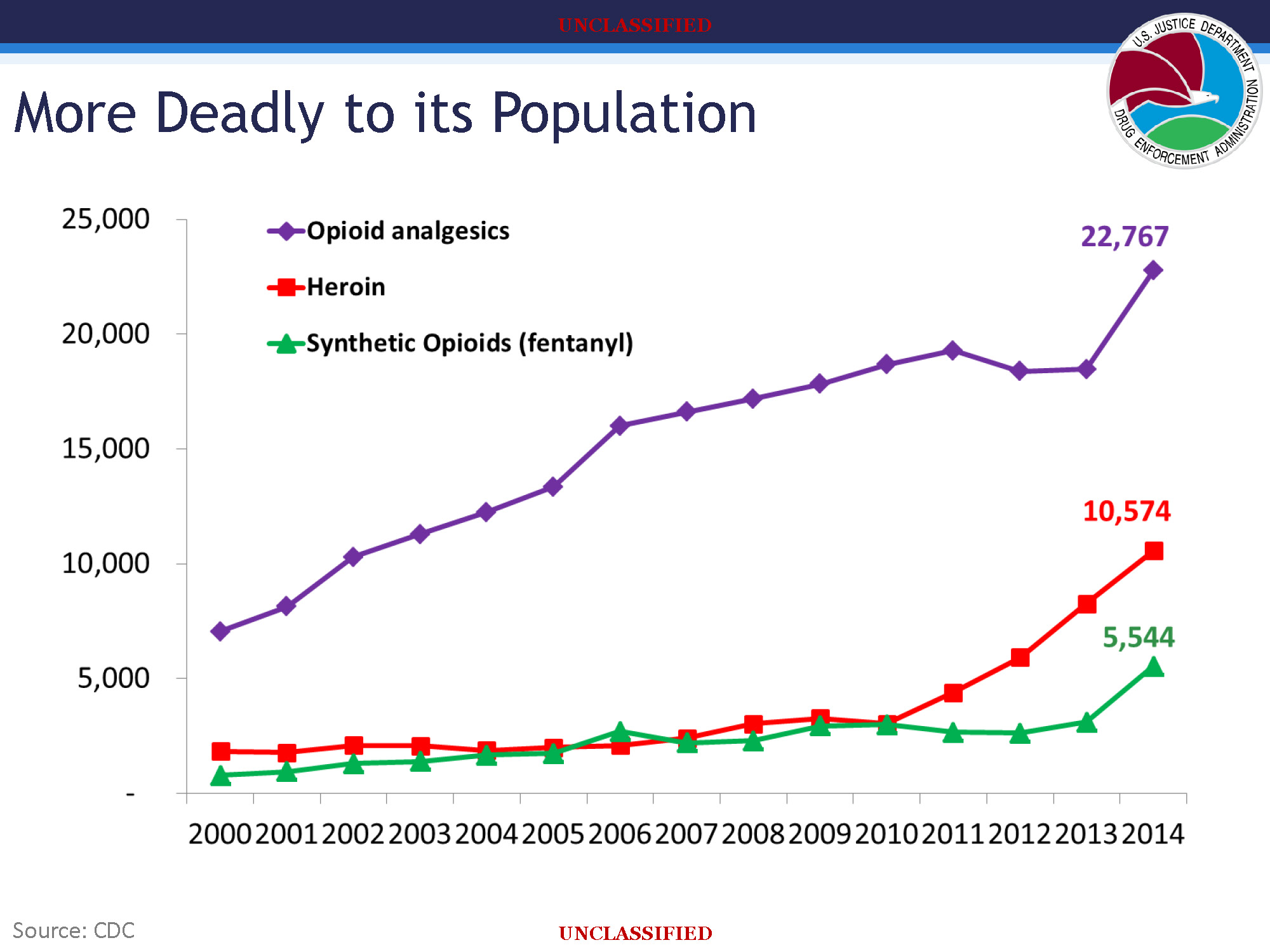
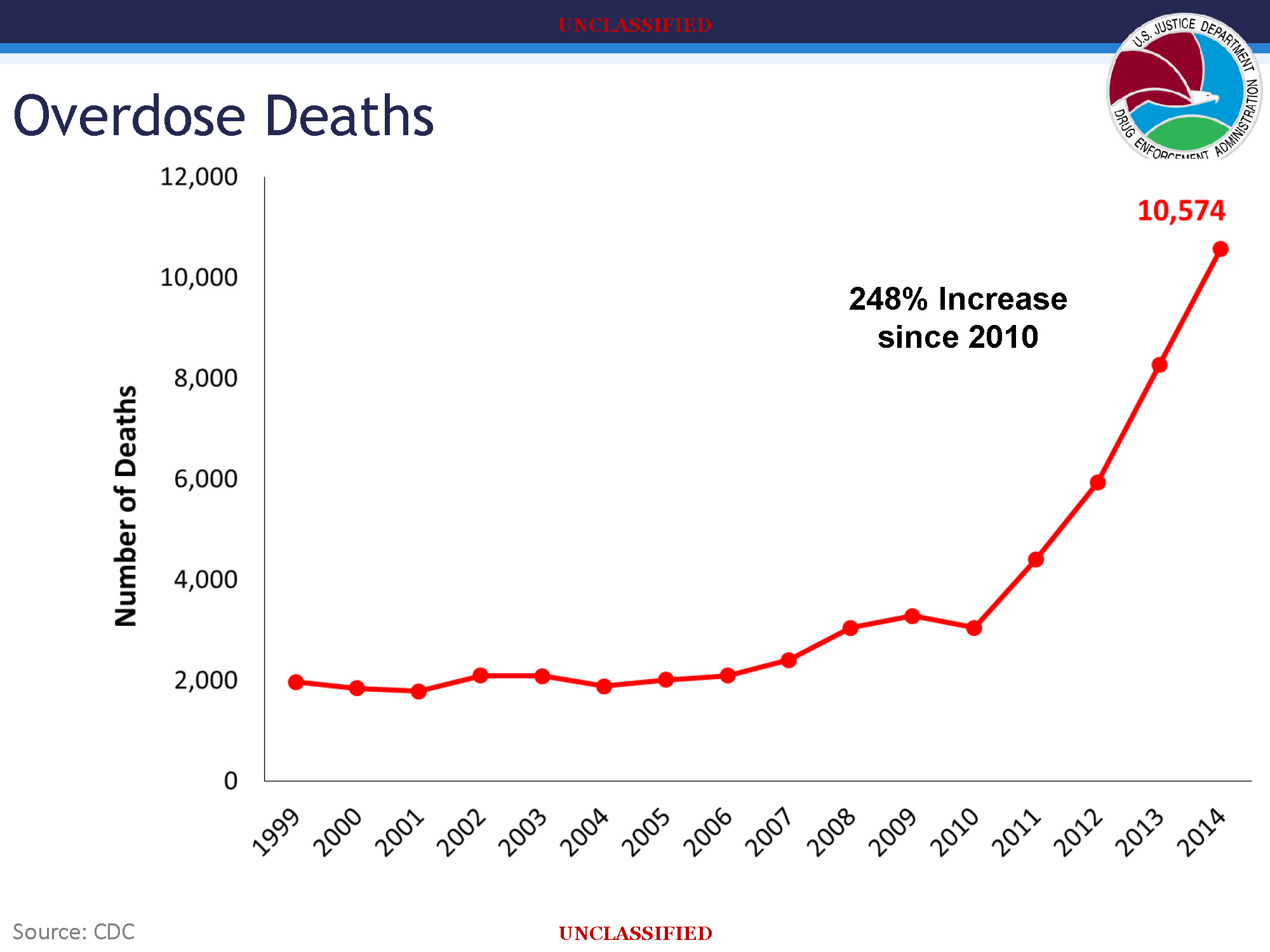
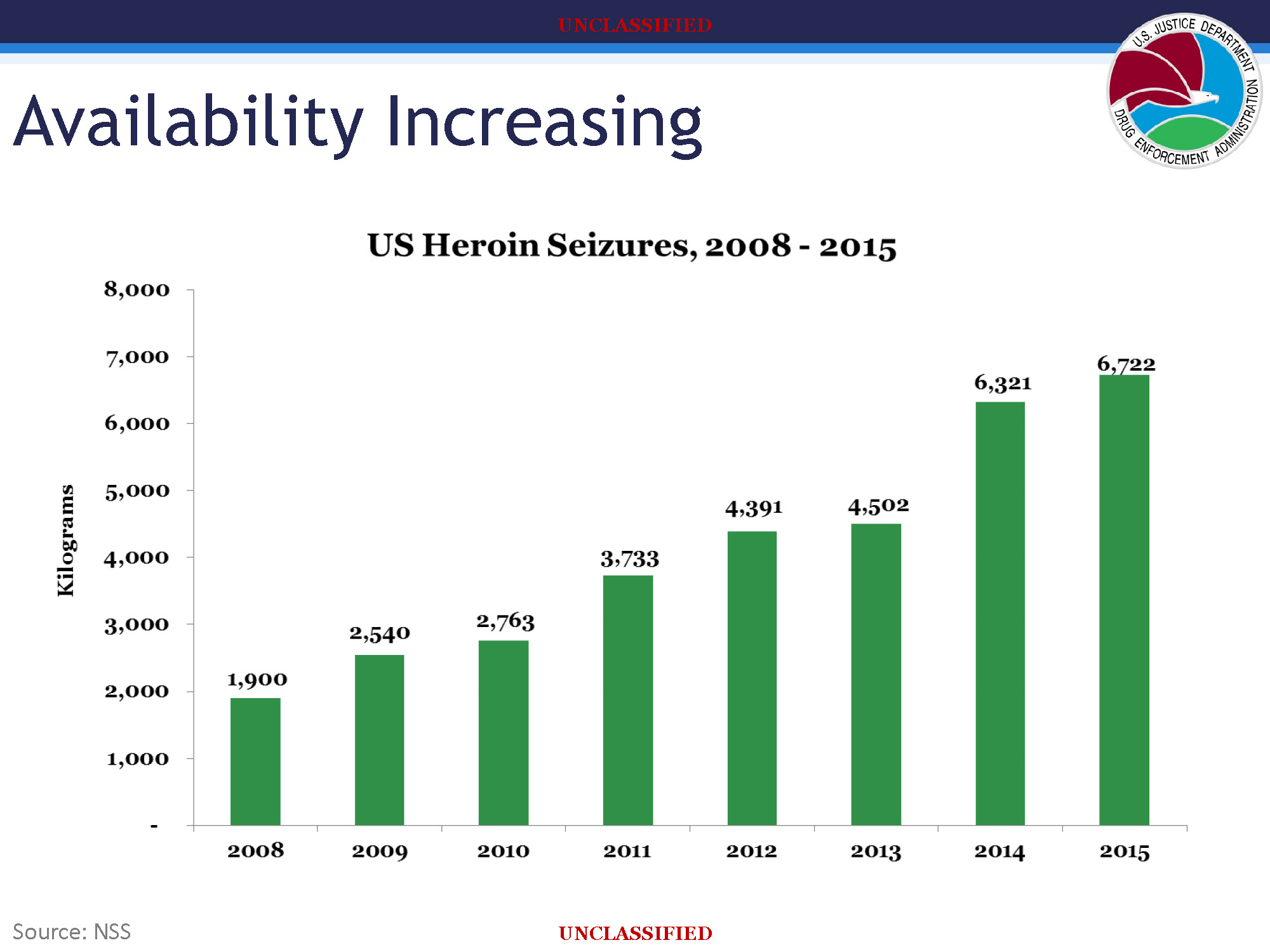
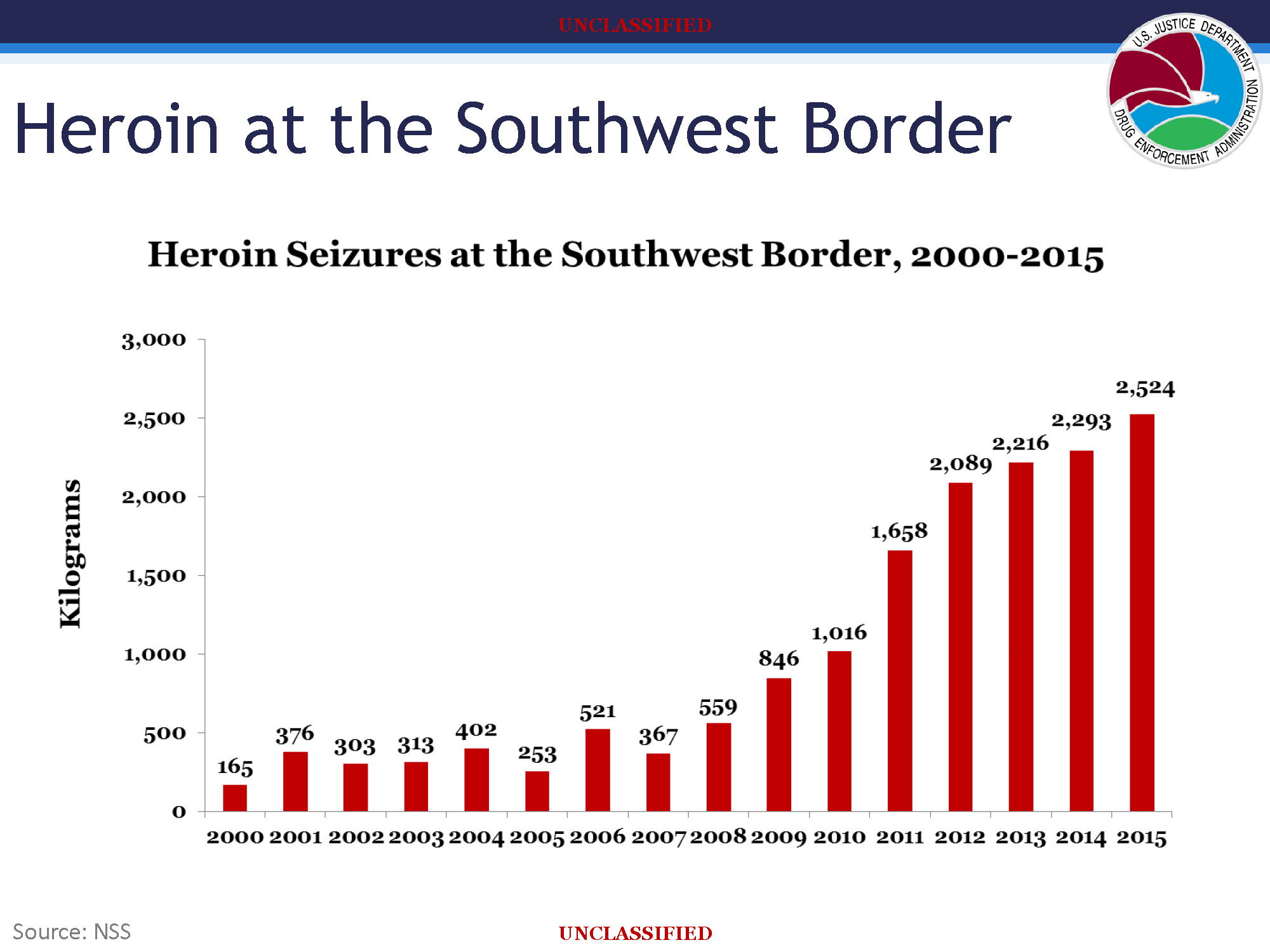
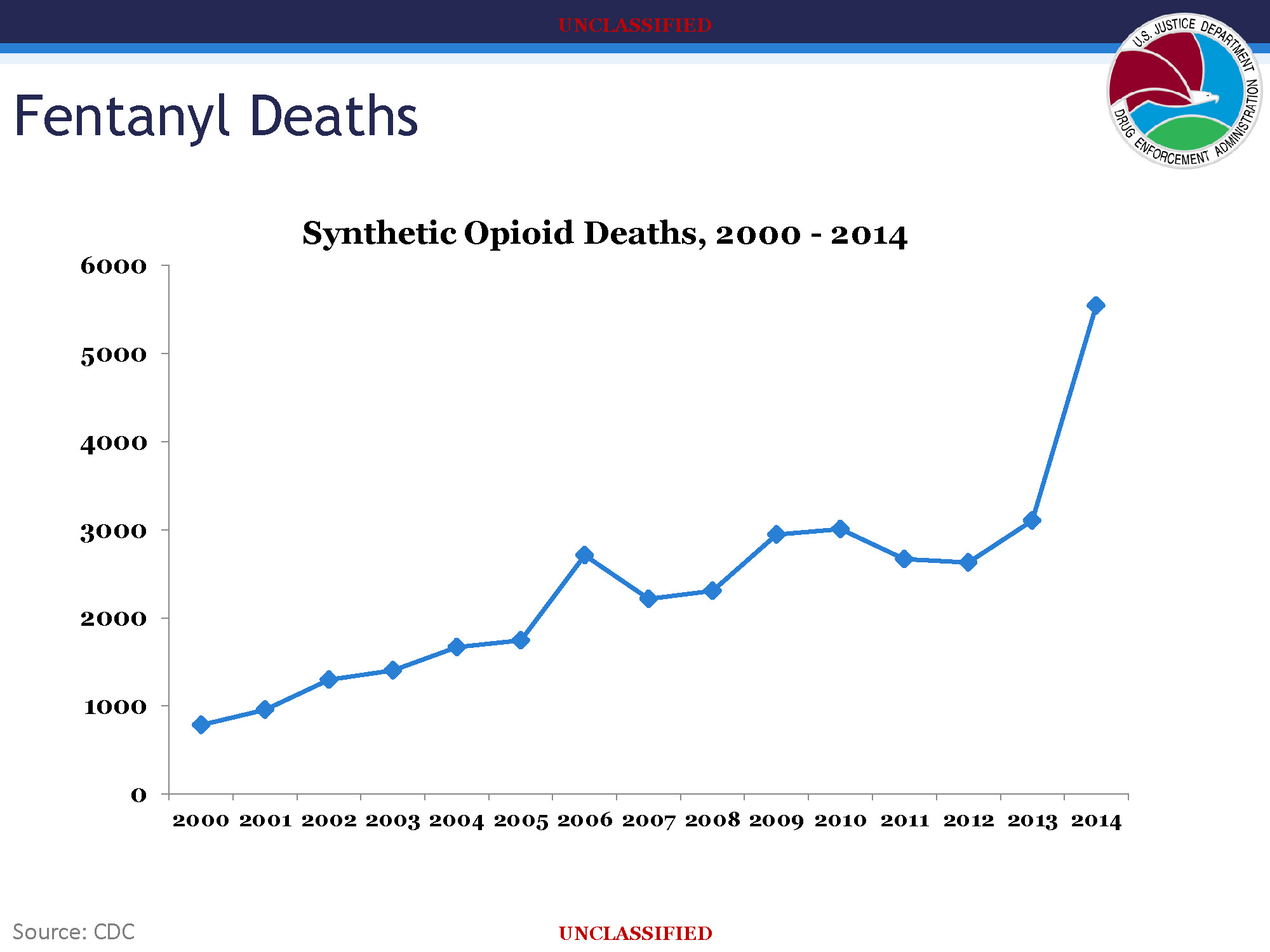
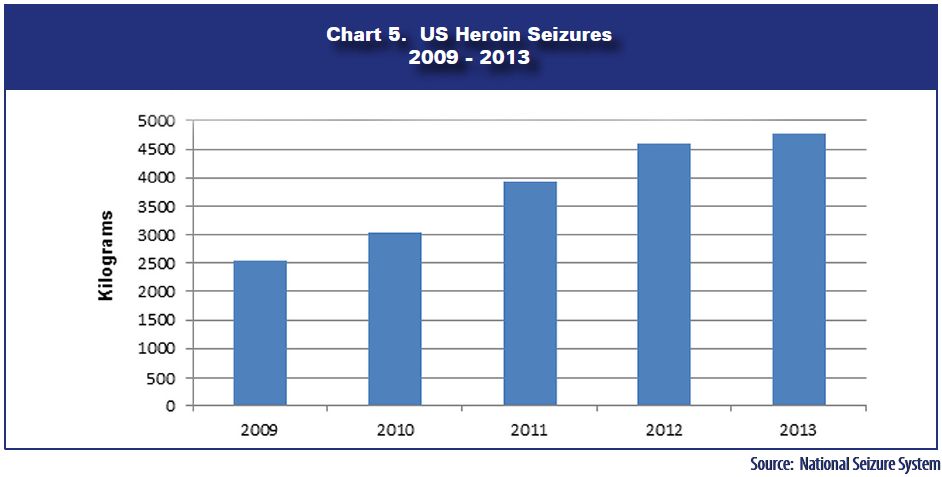
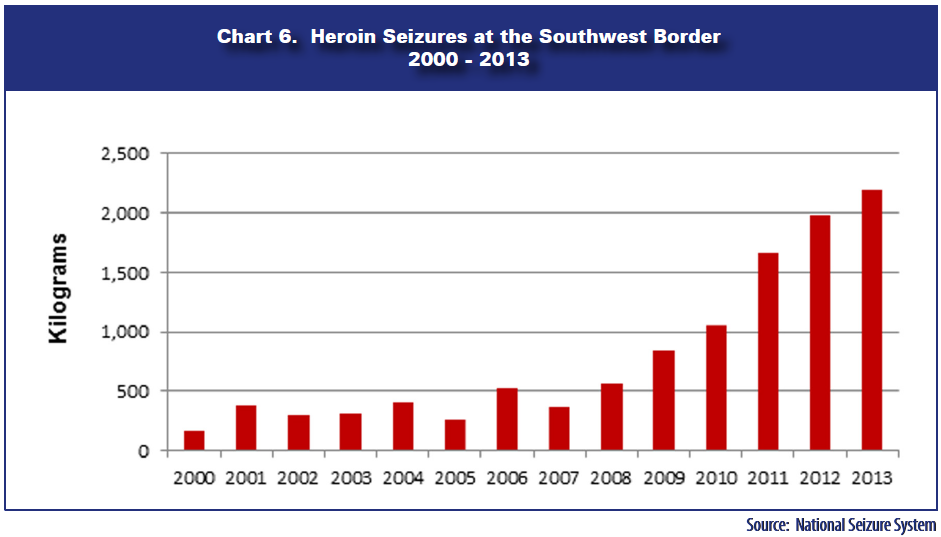
Heroin and Fentanyl in the United States

Become a Patron!
True Information is the most valuable resource and we ask you to give back.

Heroin and Fentanyl in the United States

Page Count: 22 pages
Date: November 2016
Restriction: None
Originating Organization: Drug Enforcement Administration
File Type: pdf
File Size: 1,666,389 bytes
File Hash (SHA-256):9AFEAD5D69F929AF77F41CC7460CBF4B52F89B17726974CB9B67EF8BAF19748C

Download File

dea-heroinfentanyl_page_08

dea-heroinfentanyl_page_10

dea-heroinfentanyl_page_11

dea-heroinfentanyl_page_12

dea-heroinfentanyl_page_13

dea-heroinfentanyl_page_15


Go back

Your message has been sent

Warning
Warning
Warning
Warning

Warning.

Heroin Overdose, Heroin Drug, Heroin Addiction, Heroin Epidemic, Heroin Withdrawal, Heroin Effects, Heroin Chic, Heroin Definition, Heroin Street Names, Heroin Symptoms, Heroin Addiction, Heroin Abuse, Heroin Anonymous, Heroin Addiction Treatment, Heroin Antidote, Heroin Abuse Icd 10, Heroin Abscess, Heroin Addiction Signs, Heroin And Alcohol, Heroin Addiction Statistics, Heroin Before And After, Heroin Bust, Heroin Baby, Heroin Bob, Heroin Bags, Heroin Bayer, Heroin Black Tar, Heroin Balloon, Heroin Bundle, Heroin Brick, Heroin Chic, Heroin Classification, Heroin Cape Cod, Heroin Chemical Structure, Heroin Capital Of The World, Heroin Capital Of The Us, Heroin Crisis, Heroin Chicken, Heroin Cost, Heroin Color, Heroin Drug, Heroin Definition, Heroin Detox, Heroin Deaths, Heroin Diaries, Heroin Documentary, Heroin Drug Test, Heroin Deaths 2016, Heroin Drug Class, Heroin Drug Effects, Heroin Epidemic, Heroin Effects, Heroin Eyes, Heroin Epidemic Map, Heroin Effects On The Body, Heroin Erowid, Heroin Epidemic 2017, Heroin Epidemic Ohio, Heroin Effects On The Brain, Heroin Epidemic Statistics, Heroin Facts, Heroin Face, Heroin Fentanyl, Heroin Feeling, Heroin Fentanyl Carfentanil, Heroin Flower, Heroin Formula, Heroin Father, Heroin Fun Facts, Heroin Forms, Heroin Girl, Heroin Gif, Heroin Girl Lyrics, Heroin Graph, Heroin Gel Caps, Heroin Generic Name, Heroin Gucci, Heroin Grey, Heroin Gray Death, Heroin Guitar Tab, Heroin High, Heroin History, Heroin Half Life, Heroin Highway, Heroin Hero, Heroin Helper, Heroin Hotline, Heroin Hands, Heroin Help, Heroin Hangover, Heroin Images, Heroin In Spanish, Heroin Injection, Heroin In Urine, Heroin Injection Sites, Heroin Ingredients, Heroin Is What Type Of Drug, Heroin In Ohio, Heroin In Pill Form, Heroin Is An Example Of A(n), Heroin Junkie, Heroin Jokes, Heroin Jesus, Heroin Jail Time, Heroin Jez Dior Lyrics, Heroin Junkie Memes, Heroin Junkie Stories, Heroin Jazz, Heroin Joint, Heroin Jaw, Heroin Kills, Heroin Kit, Heroin Kingpin, Heroin Kentucky, Heroin Kills Movie, Heroin Kensington, Heroin Kidney Failure, Heroin Kilo Price, Heroin Kills Nj, Heroin Kilo, Heroin Lyrics, Heroin Long Term Effects, Heroin Long Island, Heroin Lean, Heroin Laws, Heroin Legal, Heroin Laced With, Heroin Laced Weed, Heroin Ld50, Heroin Look Like, Heroin Meme, Heroin Movies, Heroin Metabolites, Heroin Molecule, Heroin Medical Use, Heroin Meaning, Heroin Marks, Heroin Mechanism Of Action, Heroin Mchenry County, Heroin Metabolism, Heroin Needle, Heroin Nicknames, Heroin News, Heroin Nod, Heroin Narcotic, Heroin Nj, Heroin Neurotransmitters, Heroin Narcan, Heroin Near Me, Heroin New Jersey, Heroin Overdose, Heroin Overdose Drug, Heroin Opioid, Heroin Overdose Statistics, Heroin Opiate, Heroin Origin, Heroin Ohio, Heroin Overdose Ohio, Heroin Overdose Treatment, Heroin Or Heroine, Heroin Plant, Heroin Pills, Heroin Pupils, Heroin Pictures, Heroin Poem, Heroin Powder, Heroin Prices, Heroin Pipe, Heroin Poppy, Heroin Production, Heroin Quotes, Heroin Questions, Heroin Quiz, Heroin Quizlet, Heroin Quantities, Heroin Q Tips, Heroin Quick Facts, Heroin Quora, Heroin Quality, Heroin Quinine, Heroin Recovery, Heroin Rehab, Heroin Relapse Rate, Heroin Reddit, Heroin Rock, Heroin Recovery Rate, Heroin Reversal Drug, Heroin Relapse, Heroin Recovery Drug, Heroin Rig, Heroin Side Effects, Heroin Street Names, Heroin Symptoms, Heroin Statistics, Heroin Slang, Heroin Skateboards, Heroin Schedule, Heroin Short Term Effects, Heroin Spoon, Heroin Stories, Heroin Track Marks, Heroin Treatment, Heroin The Drug, Heroin Teeth, Heroin Triangle, Heroin Trafficking, Heroin Test Kit, Heroin Type Of Drug, Heroin Tar, Heroin Tattoo, Heroin Use, Heroin Users, Heroin Use By State, Heroin Use Statistics, Heroin Urine Test, Heroin Use Icd 10, Heroin Use During Pregnancy, Heroin Use In The Us, Heroin Users Before And After, Heroin User Pics, Heroin Velvet Underground, Heroin Vs Morphine, Heroin Vs Heroine, Heroin Vs Oxycodone, Heroin Vaccine, Heroin Vs Crack, Heroin Velvet Underground Lyrics, Heroin Video, Heroin Veins, Heroin Vs Methadone, Heroin Withdrawal, Heroin Wiki, Heroin Withdrawal Drug, Heroin Withdrawal Death, Heroin Withdrawal Help, Heroin Weights And Prices, Heroin Weight Loss, Heroin While Pregnant, Heroin Withdrawal Icd 10, Heroin Withdrawal Medication, Heroine X, Heroin Xanax, Heroine X Alter, Heroin Xanax Overdose, Heroine X Figure, Heroine X Villain, Heroine X Myfigurecollection, Heroine X Shin Lemon, Heroin Xanax Interaction, Heroin Xanax Combo, Heroin Youtube, Heroin Yellow, Heroin York Pa, Heroin Yahoo Answers, Heroin You Snort, Heroin Yeast, Heroin Yoga, Heroin Yahoo, Heroin Youngstown Ohio, Heroin Youtube Video, Heroin Zombies, Heroin Zorro, Heroin Zavisnost, Heroin Zurich, Heroin Ziehen, Heroin Zuto, Heroin Zanzibar, Heroin Zusammensetzung, Fentanyl Patch, Fentanyl High, Fentanyl Side Effects, Fentanyl Dosage, Fentanyl Powder, Fentanyl Lollipop, Fentanyl Pills, Fentanyl Citrate, Fentanyl Abuse, Fentanyl Half Life, Fentanyl Abuse, Fentanyl Analogues, Fentanyl Antidote, Fentanyl And Carfentanil, Fentanyl And Alcohol, Fentanyl And Xanax, Fentanyl And Morphine, Fentanyl And Pregnancy, Fentanyl Allergy, Fentanyl And Narcan, Fentanyl Brand Name, Fentanyl Bust, Fentanyl Bluelight, Fentanyl Bupivacaine, Fentanyl Blood Pressure, Fentanyl Buccal, Fentanyl Bupivacaine Epidural, Fentanyl Bars, Fentanyl Bioavailability, Fentanyl Bradycardia, Fentanyl Citrate, Fentanyl Classification, Fentanyl Chemical Structure, Fentanyl Cost, Fentanyl China, Fentanyl Conversion, Fentanyl Crisis, Fentanyl Contraindications, Fentanyl Canada, Fentanyl Carfentanil, Fentanyl Dosage, Fentanyl Deaths, Fentanyl Drug, Fentanyl Dose, Fentanyl Drip, Fentanyl Definition, Fentanyl Drug Test, Fentanyl Davis Pdf, Fentanyl Deaths 2016, Fentanyl Deaths 2017, Fentanyl Effects, Fentanyl Erowid, Fentanyl Epidemic, Fentanyl Epidural, Fentanyl Exposure, Fentanyl Elephant, Fentanyl Equivalent, Fentanyl Euphoria, Fentanyl Epidural Dose, Fentanyl Experience, Fentanyl For Sale, Fentanyl Forms, Fentanyl From China, Fentanyl For Sedation, Fentanyl Facts, Fentanyl For Dogs, Fentanyl For Pain, Fentanyl Field Test Kit, Fentanyl Fatal Dose, Fentanyl Feeling, Fentanyl Generic Name, Fentanyl Gel Patch, Fentanyl Gas, Fentanyl Gtt, Fentanyl Georgia, Fentanyl Grand Forks, Fentanyl Gel Patch Extraction, Fentanyl Gray Death, Fentanyl Gel Patch Brands, Fentanyl Gummies, Fentanyl High, Fentanyl Half Life, Fentanyl History, Fentanyl Hcl, Fentanyl Hypotension, Fentanyl How To Make, Fentanyl Hallucinations, Fentanyl High Reddit, Fentanyl Hydrochloride, Fentanyl How Long Does It Last, Fentanyl Iv, Fentanyl In Weed, Fentanyl Ingredients, Fentanyl In Coke, Fentanyl Injection, Fentanyl Iv Side Effects, Fentanyl In Urine, Fentanyl In Labor, Fentanyl Indications, Fentanyl In Spanish, Fentanyl J Code, Fentanyl Jail Time, Fentanyl Jackson, Fentanyl Janssen, Fentanyl Jessica Jones, Fentanyl Jokes, Fentanyl Jacksonville, Fentanyl Junkie, Fentanyl Janesville, Fentanyl Journal Articles, Fentanyl Kills, Fentanyl Kidney, Fentanyl Kills Cop, Fentanyl Kilo Price, Fentanyl Kidney Failure, Fentanyl Kidney Function, Fentanyl Kratom, Fentanyl Kentucky, Fentanyl Kit, Fentanyl Krokodil, Fentanyl Lollipop, Fentanyl Lethal Dose, Fentanyl Ld50, Fentanyl Labor, Fentanyl Lozenge, Fentanyl Liquid, Fentanyl Laced Drugs, Fentanyl Laced Weed 2017, Fentanyl Lawsuit, Fentanyl Laced Weed, Fentanyl Mechanism Of Action, Fentanyl Metabolism, Fentanyl Medication, Fentanyl Manufacturer, Fentanyl Metabolites, Fentanyl Michael, Fentanyl Morphine, Fentanyl Meaning, Fentanyl Molecule, Fentanyl Moa, Fentanyl Nursing Implications, Fentanyl Nasal Spray, Fentanyl News, Fentanyl Narcan, Fentanyl Names, Fentanyl Narcotic, Fentanyl Nicknames, Fentanyl Nausea, Fentanyl New Drug, Fentanyl Nyc, Fentanyl Opioid, Fentanyl Overdose, Fentanyl Overdose Amount, Fentanyl Oral, Fentanyl Online, Fentanyl Ohio, Fentanyl Onset, Fentanyl Oral Bioavailability, Fentanyl Overdose Treatment, Fentanyl Other Names, Fentanyl Patch, Fentanyl Powder, Fentanyl Pills, Fentanyl Patch Dosage, Fentanyl Patch High, Fentanyl Prince, Fentanyl Patch Cost, Fentanyl Patch Abuse, Fentanyl Patch Dose, Fentanyl Patch Overdose, Fentanyl Quizlet, Fentanyl Que Es, Fentanyl Qtc, Fentanyl Qt Prolongation, Fentanyl Quarterly Report, Fentanyl Quotes, Fentanyl Questions, Fentanyl Quiz, Fentanyl Qtc Prolongation, Fentanyl Qas, Fentanyl Reversal, Fentanyl Reddit, Fentanyl Recipe, Fentanyl Routes, Fentanyl Reaction, Fentanyl Roxy, Fentanyl Recreational, Fentanyl Renal Failure, Fentanyl Rems, Fentanyl Respiratory Depression, Fentanyl Side Effects, Fentanyl Street Names, Fentanyl Spray, Fentanyl Schedule, Fentanyl Structure, Fentanyl Suckers, Fentanyl Strength, Fentanyl Synthesis, Fentanyl Street Price, Fentanyl Symptoms, Fentanyl Test Kit, Fentanyl Toxicity, Fentanyl Transdermal Patch, Fentanyl Tablets, Fentanyl To Morphine, Fentanyl Test Strips, Fentanyl Taste, Fentanyl Trade Name, Fentanyl Transdermal System, Fentanyl Test, Fentanyl Uses, Fentanyl Urine Test, Fentanyl Urine Drug Test, Fentanyl Urine Drug Screen, Fentanyl Urine Test Strips, Fentanyl Users, Fentanyl Utah, Fentanyl Uptodate, Fentanyl Used For Sedation, Fentanyl Urine Detection, Fentanyl Vs Dilaudid, Fentanyl Vs Morphine, Fentanyl Vs Oxycodone, Fentanyl Vial, Fentanyl Vs Morphine Strength, Fentanyl Vice, Fentanyl Vs Oxycodone High, Fentanyl Versed, Fentanyl Vancouver, Fentanyl Vs Butrans, Fentanyl Withdrawal, Fentanyl Wiki, Fentanyl What Is It, Fentanyl Weed, Fentanyl Withdrawal Timeline, Fentanyl Warnings, Fentanyl Withdrawal Symptoms, Fentanyl What Is It Used For, Fentanyl Wooden Chest, Fentanyl Weed Ohio, Fentanyl Xanax, Fentanyl Xanax Florida, Fentanyl Xanax 2017, Fentanyl Xanax Mix, Fentanyl Xanax Interaction, Fentanyl Xanax Reddit, Fentanyl Xanax Adderall, Fentanyl Xanax Effects, Fentanyl Xanax Fake, Fentanyl Youtube, Fentanyl York Region, Fentanyl Yorkshire, Fentanyl Yukon, Fentanyl Yellowknife, Fentanyl Yahoo Answers, Fentanyl Yemex, Youtube Fentanyl Patch, Yellow Fentanyl, Yellow Fentanyl Powder, Fentanyl Zoloft Interaction, Fentanyl Zombie, Fentanyl Zyvox Drug Interaction, Fentanyl Zolpidem, Fentanyl Zopiclone, Fentanyl Zyvox, Fentanyl Zofran, Fentanyl Za Anesteziju, Fentanyl Zdravilo, Fentanyl Zentiva

Summary of Report on Snowden Disclosures

Become a Patron!
True Information is the most valuable resource and we ask you to give back.


Executive Summary of Review of the Unauthorized Disclosures of Former National Security Agency Contractor Edward Snowden

Page Count: 4 pages
Date: September 15, 2016
Restriction: None
Originating Organization: House Permanent Select Committee on Intelligence
File Type: pdf
File Size: 764,355 bytes
File Hash (SHA-256):9D2E808E8281494BA8F6FEB6A3CDA09A8A86E8C83C88F3883939A8155007DD70

Download File

In June 2013, former National Security Agency (NSA) contractor Edward Snowden perpetrated the largest and most damaging public release of classified information in U.S. intelligence history. In August 2014, the Chairman and Ranking Member of the House Permanent Select Committee on Intelligence (HPSCI) directed Committee staff to carry out a comprehensive review of the unauthorized disclosures. The aim of the review was to allow the Committee to explain to other Members of Congress–and, where possible, the American people–how this breach occurred, what the U.S. Government knows about the man who committed it, and whether the security shortfalls it highlighted had been remedied.

Over the next two years, Committee staff requested hundreds of documents from the Intelligence Community (IC), participated in dozens of briefings and meetings with IC personnel, conducted several interviews with key individuals with knowledge of Snowden’s background and actions, and traveled to NSA Hawaii to visit Snowden’s last two work locations. The review focused on Snowden’s background, how he was able to remove more than 1.5 million classified documents from secure NSA networks, what the 1.5 million documents contained, and the damage their removal caused to national security.

The Committee,s review was careful not to disturb any criminal investigation or future prosecution of Snowden, who has remained in Russia since he fled there on June 23, 2013. Accordingly) the Committee did not interview individuals whom the Department of Justice identified as possible witnesses at Snowden’s trial, including Snowden himself, nor did the Committee request any matters that may have occurred before a grand jury. Instead, the IC provided the Committee with access to other individuals who possessed substantively similar knowledge as the possible witnesses. Similarly, rather than interview Snowden’s NSA coworkers and supervisors directly, Committee staff interviewed IC personnel who had reviewed reports of interviews with Snowden’s co-workers and supervisors. The Committee remains hopeful that Snowden will return to the United States to face justice.

The bulk of the Committee’s 36-page review, which includes 230 footnotes, must remain classified to avoid causing further harm to national security; however, the Committee has made a number of unclassified findings. These findings demonstrate that the public narrative popularized by Snowden and his allies is rife with falsehoods, exaggerations, and crucial omissions, a pattern that began before he stole 1.5 million sensitive documents.

First, Snowden caused tremendous damage to national security, and the vast majority of the documents he stole have nothing to do with programs impacting individual privacy interests-they instead pertain to military, defense? and intelligence programs of great interest to America,s adversaries. A review of the materials Snowden compromised makes clear that he handed over secrets that protect American troops overseas and secrets that provide vital defenses against terrorists and nation-states. Some of Snowden’s disclosures exacerbated and accelerated existing trends that diminished the IC’s capabilities to collect against legitimate foreign intelligence targets, while others resulted in the loss of intelligence streams that had saved American lives. Snowden insists he has not shared the full cache of 1.5 million classified documents with anyone; however, in June 2016, the deputy chairman of the Russian parliaments defense and security committee publicly conceded that “Snowden did share intelligence” with his government. Additionally, although Snowden’s professed objective may have been to inform the general public, the information he released is also available to Russian, Chinese, Iranian, and North Korean govemment intelligence services; any terrorist with Internet access; and many others who wish to do harm to the United States.

Go back

Your message has been sent

Warning
Warning
Warning
Warning

Warning.

Edward Snowden Wife, Edward Snowden Movie, Edward Snowden Twitter, Edward Snowden Dead, Edward Snowden Quotes, Edward Snowden Interview, Edward Snowden Wiki, Edward Snowden Russia, Edward Snowden Net Worth, Edward Snowden 2017, Edward Snowden Age, Edward Snowden Antarctica, Edward Snowden Articles, Edward Snowden Actor, Edward Snowden And Trump, Edward Snowden And Julian Assange, Edward Snowden And Wikileaks, Edward Snowden Apush, Edward Snowden Ama, Edward Snowden And Lindsay Mills, Edward Snowden Biography, Edward Snowden Book, Edward Snowden Bin Laden, Edward Snowden Booz Allen, Edward Snowden Birthday, Edward Snowden Bbc, Edward Snowden Blog, Edward Snowden Birth Chart, Edward Snowden Bernie Sanders, Edward Snowden Bitcoin, Edward Snowden Cia, Edward Snowden Cnn, Edward Snowden Cast, Edward Snowden Chelsea Manning, Edward Snowden Current News, Edward Snowden Citizen 4, Edward Snowden Conservative, Edward Snowden China, Edward Snowden Chemtrails, Edward Snowden Contact, Edward Snowden Dead, Edward Snowden Documentary, Edward Snowden Definition, Edward Snowden Documentary Netflix, Edward Snowden Doc, Edward Snowden Donald Trump, Edward Snowden Dell, Edward Snowden Documentary Hbo, Edward Snowden Date, Edward Snowden David Hoffman, Edward Snowden Essay, Edward Snowden Email, Edward Snowden Ethics, Edward Snowden Ethics Essay, Edward Snowden Early Life, Edward Snowden Effect, Edward Snowden Ecuador, Edward Snowden Education, Edward Snowden Everything About Donald Trump, Edward Snowden Event, Edward Snowden Facts, Edward Snowden Family, Edward Snowden Film, Edward Snowden First Interview, Edward Snowden Facebook, Edward Snowden Father, Edward Snowden Full Movie, Edward Snowden Flat Earth, Edward Snowden First Tweet, Edward Snowden Fox News, Edward Snowden Guardian, Edward Snowden Glenn Greenwald, Edward Snowden Glasses, Edward Snowden Global Warming, Edward Snowden Gif, Edward Snowden Google, Edward Snowden Girlfriend Movie, Edward Snowden Good, Edward Snowden Grandfather, Edward Snowden Genius, Edward Snowden Hero, Edward Snowden Height, Edward Snowden House, Edward Snowden Hawaii, Edward Snowden High School, Edward Snowden Hong Kong, Edward Snowden History, Edward Snowden Heartbeat, Edward Snowden Haarp, Edward Snowden Hbo, Edward Snowden Interview, Edward Snowden Iq, Edward Snowden Instagram, Edward Snowden Interview 2013, Edward Snowden Imdb, Edward Snowden Interview 2017, Edward Snowden Images, Edward Snowden Interview 2016, Edward Snowden Income, Edward Snowden Iphone, Edward Snowden Job, Edward Snowden Journalist, Edward Snowden Japan, Edward Snowden Julian Assange Bradley Manning, Edward Snowden Java, Edward Snowden Journalism, Edward Snowden Joseph Gordon-levitt, Edward Snowden Julian Assange, Edward Snowden John Oliver Passwords, Edward Snowden Jean Michel Jarre, Edward Snowden Kunia, Edward Snowden Kimdir, Edward Snowden Katie Couric Interview, Edward Snowden Katie Couric, Edward Snowden Kaskus, Edward Snowden Kim, Edward Snowden Kasus, Edward Snowden Kfc, Edward Snowden Kim Jest, Edward Snowden Koenig, Edward Snowden Location, Edward Snowden Lindsay Mills Moscow, Edward Snowden Laptop, Edward Snowden Lindsay Mills, Edward Snowden Living, Edward Snowden Lawyer, Edward Snowden Life, Edward Snowden Latest News, Edward Snowden Latest, Edward Snowden Live Stream, Edward Snowden Movie, Edward Snowden Movie Netflix, Edward Snowden Movie Cast, Edward Snowden Military, Edward Snowden Movie Online, Edward Snowden Memes, Edward Snowden Middlebury College, Edward Snowden Married, Edward Snowden Moscow, Edward Snowden Medical Condition, Edward Snowden Net Worth, Edward Snowden Now, Edward Snowden News, Edward Snowden New York Times, Edward Snowden Netflix, Edward Snowden Natal Chart, Edward Snowden Nobel Prize, Edward Snowden Nsa Salary, Edward Snowden Npr, Edward Snowden Nationality, Edward Snowden On Trump, Edward Snowden Osama Bin Laden, Edward Snowden Obama, Edward Snowden Oscar, Edward Snowden On Movie, Edward Snowden On Twitter, Edward Snowden Openstack, Edward Snowden On Antarctica, Edward Snowden Os, Edward Snowden Original Interview, Edward Snowden Parents, Edward Snowden Political Views, Edward Snowden Privacy Tips, Edward Snowden Political Party, Edward Snowden Patriot Act, Edward Snowden Pictures, Edward Snowden Podcast, Edward Snowden Phone Case, Edward Snowden Poll, Edward Snowden Putin, Edward Snowden Quotes, Edward Snowden Quizlet, Edward Snowden Questions, Edward Snowden Quien Es, Edward Snowden Quote About Privacy, Edward Snowden Quotes Citizenfour, Edward Snowden Quick Facts, Edward Snowden Qualifications, Edward Snowden Russia, Edward Snowden Reddit, Edward Snowden Research Paper, Edward Snowden Real Name, Edward Snowden Residence, Edward Snowden Resume, Edward Snowden Robot, Edward Snowden Recommended Apps, Edward Snowden Reporter, Edward Snowden Russian, Edward Snowden Story, Edward Snowden Salary, Edward Snowden Status, Edward Snowden Signal, Edward Snowden Speech, Edward Snowden Security Tips, Edward Snowden Shirt, Edward Snowden Siblings, Edward Snowden Special Forces, Edward Snowden Still Alive, Edward Snowden Twitter, Edward Snowden Today, Edward Snowden Trump, Edward Snowden Timeline, Edward Snowden Ted Talk, Edward Snowden The Guardian, Edward Snowden Trailer, Edward Snowden The Movie, Edward Snowden T Shirt, Edward Snowden Tor, Edward Snowden Update, Edward Snowden Ufo, Edward Snowden Us Army, Edward Snowden University Of Michigan, Edward Snowden Used Tails, Edward Snowden Umich, Edward Snowden University Of Maryland, Edward Snowden Ufo Wikileaks, Edward Snowden Ufo Video, Edward Snowden Urban Dictionary, Edward Snowden Video, Edward Snowden Vpn, Edward Snowden Vice, Edward Snowden And Julian Assange, Edward Snowden Voice, Edward Snowden And Bradley Manning, Edward Snowden Vault 7, Edward Snowden Visa, Edward Snowden And Wikileaks, Edward Snowden Vanity Fair, Edward Snowden Wife, Edward Snowden Wiki, Edward Snowden Wired, Edward Snowden William And Mary, Edward Snowden Washington Post, Edward Snowden Who Is He, Edward Snowden Website, Edward Snowden Worth, Edward Snowden Wikileak, Edward Snowden Washington Post 2013, Edward Snowden Youtube, Edward Snowden Young, Edward Snowden Yahoo Answers, Edward Snowden Youtube Channel, Edward Snowden Youtube Documentary, Edward Snowden Yokota, Edward Snowden And Lindsay Mills, Edward Snowden Yify, Edward Snowden Zodiac Sign, Edward Snowden Zcash, Edward Snowden Zuckerberg, Edward Snowden Zoho, Edward Snowden Zizek, Edward Snowden Zimbabwe, Edward Snowden Zitate, Edward Snowden Zusammenfassung, Edward Snowden Zivilisation, Edward Snowden Zvi\u017eda\u010d

Counter-Da’esh Influence Operations Cognitive Space Narrative Simulation Insights

Become a Patron!
True Information is the most valuable resource and we ask you to give back.

Counter-Da’esh Influence Operations Cognitive Space Narrative Simulation Insights

Page Count: 69 pages
Date: May 2016
Restriction: None
Originating Organization: Joint Staff J39
File Type: pdf
File Size: 3,665,757 bytes
File Hash (SHA-256):D7EC7D64E98A8B16FBA01D8D46A3AE74CC83DB19378C9EC6C6D5D3F23AAB18E4

Download File

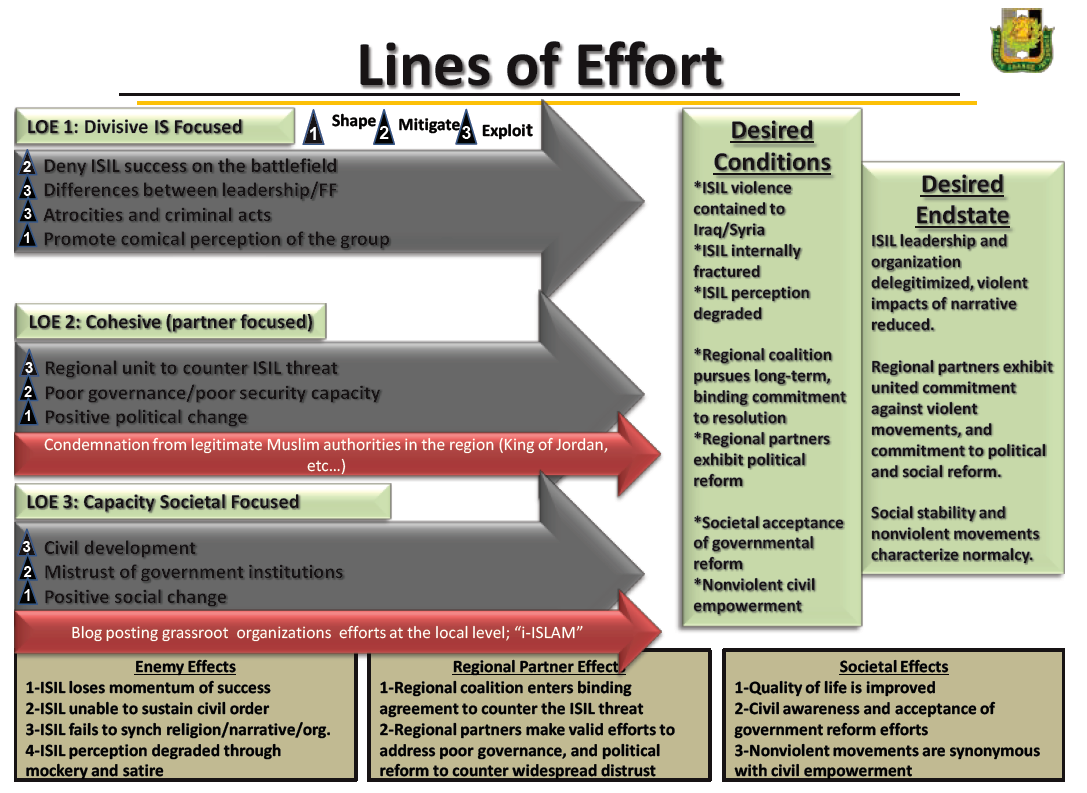
When planning to deal with any adversary or potential adversaries, it is essential to understand who they are, how they function, their strengths and vulnerabilities, and why they oppose us. Events over the course of the last year and a half highlight the importance of those factors as they relate to the Islamic State of Iraq and the Levant (ISIL or Da’esh). One of Da’esh’s obvious strengths is its ability to propagate tailored messages that resonate with its audiences. If the US Government and our allies are to counter Da’esh effectively, we must attack this center of gravity.

The Joint Staff J-39 Strategic Multilayer Assessment (SMA) branch has been evaluating options in “Cognitive Space” to conduct Information Operations to disrupt Da’esh’s ability to command and control forces, neutralize its ability to maintain or increase moral, political, and financial support as well as recruit foreign fighters. This SMA effort continues to identify methods to psychologically isolate Da’esh leaders from one another and their respective constituencies inside and outside of the organization. Furthermore, this SMA effort has been assessing the value of “integrated neuro-cognitive-narrative maneuver” approaches to develop messages and actions that are more likely to have intended effects and less likely to have undesirable unintended or collateral effects, as well as to evaluate message delivery methods more effectively and efficiently by developing campaigns that achieve undercutting effects.

The cornerstone of the effort was the execution of a simulation facilitated by the University of Maryland ICONS team, which sought to

a. support the Psychological Operations (PSYOP) community in meeting training requirements in ways that reinforce the PSYOP process and enhance counter-Da’esh messaging.

b. support the PSYOP community in integrating neuro-cognitive and social science concepts to refine counter-Da’esh message content and increase the effectiveness of the Information Operations (IO) campaign.

c. assist the PSYOP community with understanding the operational environment (OE) and the human networks operating in the OE: friendly, threat, and neutral. Possible examples include providing a (Political, Military, Economic, Social, Information, and Infrastructure) PMESII-framed OE analysis and center of gravity analysis.

This white paper is a compilation of the key findings from the simulation.

countering-isil

Go back

Your message has been sent

Warning
Warning
Warning
Warning

Warning.

Simulation Theory, Simulation Games, Simulation Definition, Simulationcraft, Simulation Hypothesis, Simulation Math Definition, Simulation Software, Simulation Synonym, Simulation Meaning, Simulation Games Pc, Simulation And Simulacra, Simulation Argument, Simulation Analysis, Simulation Apps, Simulation And Modeling, Simulation Ammo, Simulation Avenged Sevenfold, Simulation And Simulacra Pdf, Simulation Activities, Simulation And Gaming, Simulation Based Learning, Simulation Baby, Simulation Bullets, Simulation Based Optimization, Simulation Browser Games, Simulation Baudrillard, Simulation Based Training, Simulation Baseball Games, Simulation Book, Simulation Biology, Simulationcraft, Simulation Center, Simulation Curriculum, Simulation Conference 2017, Simulationcraft 7.2, Simulationcraft Addon, Simulation Certification, Simulation Core, Simulation Conference, Simulation Calculator, Simulation Definition, Simulation Definition Math, Simulation Definition Statistics, Simulation Debriefing, Simulation Def, Simulation Debriefing Safe, Simulation Deck, Simulation Data, Simulation Design, Simulation Design Scale, Simulation Examples, Simulation Engineer, Simulation Education, Simulation Excel, Simulation Experiment, Simulation Elon Musk, Simulation Exercise, Simulation Energy Changes In Chemical Reactions, Simulation Exams, Simulation Environment, Simulation Fellowship, Simulation Flash Games, Simulation Football League, Simulation Forecasting, Simulation For Radiation, Simulation Framework, Simulation Fidelity, Simulation Football, Simulation Flight, Simulation Finance, Simulation Games, Simulation Games Pc, Simulation Games For Ps4, Simulation Games Unblocked, Simulation Games For Xbox One, Simulation Games 2017, Simulation Games For Mac, Simulation Games For Iphone, Simulation Games For Android, Simulation Game Definition, Simulation Hypothesis, Simulation Heuristic, Simulation Hypothesis Proof, Simulation Heuristic Example, Simulation Hypothesis Reddit, Simulation Hockey League, Simulation Healthcare, Simulation Hypothesis Documentary, Simulation Hospital, Simulation Hub, Simulation In Healthcare, Simulation In Nursing Education, Simulation In Math, Simulation In R, Simulation Inside A Simulation, Simulation In Statistics, Simulation Icon, Simulation In Excel, Simulation In Spanish, Simulation Iq, Simulation Jobs, Simulation Journal, Simulation Jobs Orlando, Simulation Java, Simulation Jean Baudrillard, Simulation Job Manager, Simulation Journals Impact Factor, Simulation Jobs In Michigan, Simulation Job Games, Simulation Job 9 Report Sheet, Simulation Khan Academy, Simulation Kernel, Simulation Kya Hai, Simulation Ks2, Simulation Kelton, Simulation Kannada Meaning, Simulation Kya H, Simulation Keyboard, Simulation Knowledge Management, Simulation Kit, Simulation Lab, Simulation Lyrics, Simulation Learning, Simulation Lag Fix, Simulation Life Games, Simulation Learning System, Simulation Learning System For Rn 2.0, Simulation Learning System For Medical-surgical Nursing, Simulation Life, Simulation Languages, Simulation Math Definition, Simulation Meaning, Simulation Math, Simulation Model, Simulation Modeling And Analysis, Simulation Mannequin, Simulation Mechanical, Simulation Manikins, Simulation Math Example, Simulation Modelling Practice And Theory, Simulation Nursing, Simulation Nursing Education, Simulation Nation, Simulation Natural Selection, Simulation News, Simulation Network, Simulation Nuke, Simulation Neil Degrasse Tyson, Simulation New Yorker, Simulation Nfl, Simulation Optimization, Simulation Online Games, Simulation Override, Simulation Online, Simulation Of Urban Mobility, Simulation Of The Universe, Simulation Of Birth, Simulation Of Natural Selection, Simulation Operations Specialist, Simulation Of Nuclear War, Simulation Pc Games, Simulation Plus, Simulation Probability, Simulation Program, Simulation Ps4 Games, Simulation Paper, Simulation Pretext Fiction, Simulation Problems, Simulation Project, Simulation Protocol, Simulation Questions, Simulation Quotes, Simulation Quizlet, Simulation Quiz 2, Simulation Quiz, Simulation Questions Security+, Simulation Questions And Answers, Simulation Questions Cpa Exam, Simulation Quantum Mechanics, Simulation Quiz 1, Simulation Rounds, Simulation Rick And Morty, Simulation Rides, Simulation Results, Simulation Research, Simulation Rpg, Simulation Racing Games, Simulated Reality, Simulation Reddit, Simulation Racing, Simulation Software, Simulation Synonym, Simulation Statistics, Simulation Sickness, Simulation Study, Simulation Shoes, Simulation Software Free, Simulation Simulacra, Simulation Scenarios, Simulation Software Definition, Simulation Theory, Simulation Theory Reddit, Simulation Training, Simulation Theory Elon Musk, Simulation Trading, Simulation Technology, Simulation Test, Simulation Tools, Simulation Technician, Simulation Theory Proof, Simulation Universe, Simulation User Network, Simulation Using Excel, Simulation User Network 2017, Simulation Using R, Simulation Using Promodel, Simulation Using Matlab, Simulation Using Python, Simulation Used To Produce An Aggregate Plan, Simulation Using Promodel Pdf, Simulation Vs Emulation, Simulation Video Games, Simulation Vs Experiment, Simulation Video, Simulation Vs Simulation, Simulation Validation, Simulation Vs Optimization, Simulation Vs Model, Simulation And Simulacra, Simulation Vs Default Nba 2k17, Simulation With Arena, Simulation Wow, Simulation With Arena 6th Edition, Simulation Websites, Simulation World, Simulation Within A Simulation, Simulation War Games, Simulation Wave On A String, Simulation Wiki, Simulation With Arena 5th Edition Pdf, Simulation X, Simulation Xbox One Games, Simulationxpress, Simulation Xbox One, Simulation Xbox 360 Games, Simulation Xilinx, Simulationxpress Product Code, Simulationxpress Code, Simulation X Tutorial, Simulation X Download, Simulation Youtube, Simulation You Are A Police Officer, Simulation You Are A Mayor, Simulation You Are Head Of Fema, Simulation You Are A Voter, Simulation You Are A Consumer Advocate (Quiz), Simulation You Are A Lobbyist (Quiz), Simulation You Are A First Term President, Simulation You Are A Polling Consultant, Simulation You Are A Voter Quiz, Simulation Zitouna, Simulation Zombie, Simulation Zombie Apocalypse, Simulation Zertifikat B1, Simulation Zombie Infection, Simulation Zombie Games, Simulation Zoom, Simulation Zero Gravity, Simulation Zertifikat B1 Schreiben, Simulation Zynq

SECRET – FBI Finds “Minimal Correlation” Between Suicide Vests Used in Middle East and Europe

Become a Patron!
True Information is the most valuable resource and we ask you to give back.

A collec

Images of suicide vests and belts from an FBI’s intelligence note released after the November 2013 .

An analysis of recent suicide bombings throughout the Middle East, Europe and Africa by the FBI Terrorism Explosive Device Analytical Center (TEDAC) that was released after the terrorist attacks in Paris, France last month states that “suicide vest and belt improvised explosive devices (IEDs) in the Middle Eastern, African, and European regions likely . . . have minimal correlation” and do not indicate tactical migration.

Following the attacks in Paris, which featured seven separate suicide bombings, media coverage has focused on the prominent use of suicide vests as indicative a tactical shift for the Islamic State of Iraq and the Levant (ISIL).  Though there are past examples of suicide attacks inside Europe, such as the 2005 London bombings, the use of suicide vests in the Paris attacks has been said to represent an entirely new type of threat, a tactic once relegated to the battlefields of Iraq and Syria now appearing in European cities.  However, an External Intelligence Note issued by TEDAC on November 17 titled “Suicide Vest and Belt Improvised Explosive Device Tactics in the Middle Eastern, African, and European Regions Show Minimal Signs of Tactic Migration” and obtained by Public Intelligence presents a different view, attributing the tactical similarities to factors such as “available materials, training, and local or national counter-IED policies.”

While TEDAC would normally assume that “similarities between suicide vests and belts from different regions likely indicate common training or common IED facilitators,” the intelligence note states that these similarities “may be a product of independent open source research, thus resulting in a false link between devices and subjects.”  Moreover, the similarities may “indicate tactic or construction influences” based on the nature of the devices and access to required materials.  Similarities can include everything from “overall IED construction, wiring techniques, common explosives, initiators, switches, electronic diagrams, enhancements, and employment.”

When broadly examined, the types of “suicide vests and belt IEDs observed in each region” covered in the intelligence note “differ broadly in many characteristics, resulting in an inconclusive determination that the suicide vest and belt IEDs prevalent in any one area translate to tactic migration.”

A study by the Institute of National Security Studies found that there were approximately 370 suicide bombings in the Middle East region in 2014 claiming the lives of over 2,700 victims.  Iraq, Yemen, Lebanon and Libya all saw a significant increase in the use of the tactic over the previous year.  Prior to the attacks in Paris, suicide bombings in Europe have been primarily limited to Turkey and Russia.

  Middle East Europe Africa
Common explosives used in suicide vests/belts triacetone triperoxide (TATP), trinitrotoluene (TNT), Semtex, C4, Research Development Formula X (RDX), and pentaerythritol tetranitrate (PETN) TNT and C4 RDX, Ammonium Nitrate, and Urea Nitrate

The intelligence note takes several quotes from an interview conducted by Der Spiegel with a captured ISIL leader named Abu Abdullah discussing the group’s target selection process and methods for constructing suicide vests.  He describes how he used “explosive fill removed from artillery shells for car bombs” and “drilled open the shells of anti-aircraft guns to construct suicide belts because he believed the effect of the powder was more intense.”  According to the interview, he would receive a potential bombers’ measurements in “advance from the leadership in order to be able to make a well-fitting belt” and “always had belts in different sizes prepared.”

Explosive vests in Yemen have also included similar design elements.  A suicide bomber tied to Al Qaeda in the Arabian Peninsula (AQAP) was killed in July 2015 by Houthi forces prior to detonating his vest, allowing for forensic analysis.  The device featured “dual grenade-pin detonators, a main charge wrapped with sheets of ball bearings, and detonation cord that was placed inside a pouch around the bomber’s waist.”

Similar to the Middle East, bombings in Turkey have often used either C4 or trinitrotoluene (TNT) in suicide vests.  Vests used in the Middle East often included other high-powered explosives such as Semtex or Research Development Formula X (RDX) or triacetone triperoxide (TATP), the explosive that was reportedly used in the vests detonated during the Paris attacks.


Go back

Your message has been sent

Warning
Warning
Warning
Warning

Warning.


Secret Life Of Pets, Secret Service, Secret Garden, Secret World Legends, Secret Flying, Secret Life Of Bees, Secret Life Of Pets Cast, Secret Life Of The American Teenager, Secret Squirrel, Secret Shopper, Secret Agent Man, Secret Admirer, Secret Aardvark, Secret Agent, Secret Annex, Secret And Lies, Secret Agent Man Song, Secret App, Secret Asian Man, Secret Agent Man Lyrics, Secretbuilders, Secret Book, Secret Beach Kauai, Secret Beach, Secret Ballot, Secret Box, Secret Beach Maui, Secret Bay Dominica, Secret Base, Secret Band, Secret Circle, Secret Church, Secret Caverns, Secret Classroom Superpowers, Secret Codes, Secret Clinical Strength, Secret Clearance, Secret Circle Cast, Secret Conversations Facebook, Secret Cameras, Secret Deodorant, Secret Definition, Secret Diary Of A Call Girl, Secret Door, Secret Deodorant Coupons, Secret Diary, Secret Deodorant Commercial, Secret Decoder Ring, Secret Daughter, Secret Door Lyrics, Secret Empire, Secret Extensions, Secret Escapes, Secret Empire #1, Secret Empire Reading Order, Secret Entourage, Secret Empire #0, Secret Empire #2, Secret Eaters, Secret Emoji, Secret Flying, Secret Forest, Secret Forest Ep 11, Secret Falls Kauai, Secret Flask, Secret Formula, Secret Facebook Group, Secret Frappuccino, Secret For The Mad Lyrics, Secret Falls, Secret Garden, Secret Garden Song, Secret Garden Movie, Secret Garden Cafe, Secret Garden Musical, Secret Garden Lyrics, Secret Garden Denver, Secret Garden Book, Secret Google Games, Secret Garden Miami, Secret Hitler Rules, Secret Hitler Game, Secret History Of Twin Peaks, Secret Hitler Online, Secret Hair Extensions, Secret Handshake, Secret History, Secret Hotel Deals, Secret Heart, Secret Hiding Places, Secret In Their Eyes, Secret In Spanish, Secret Ingredient, Secret Island, Secret In Their Eyes Cast, Secret Invasion, Secret In N Out Menu, Secret Invisible Solid, Secret Island In Texas, Secret In French, Secret Jardin, Secret Jewels, Secret Journal, Secret Jobs, Secret Jamaica, Secret Jieun, Secret Jardin Lodge, Secret Journey Police, Secret Journey To Planet Serpo, Secret Jardin Dr90, Secret Kpop, Secret Keeper Girl, Secret Keeper, Secret Key, Secret Korean Drama, Secret Knock, Secret Knowledge, Secret Krabby Patty Formula, Secret Key Starting Treatment Essence, Secret Kingdom, Secret Life Of Pets, Secret Life Of Bees, Secret Life Of Pets Cast, Secret Life Of The American Teenager, Secret Love Song, Secret Life Of Walter Mitty, Secret Lab Chair, Secret Life Of An American Teenager Cast, Secret Language, Secret Life Of Pets Imdb, Secret Menu, Secret Menu Items, Secret Mage, Secret Menu Starbucks, Secret Menu In N Out, Secret Messages, Secret Meaning, Secret Movie, Secret Mountain Fort Awesome, Secret Mage Deck, Secret Nails, Secret Nyc, Secret Netflix, Secret Nail Salon, Secret Names, Secret Netflix Codes, Secret Numbers, Secret News, Secret Nature From Jeju Peeling Gel, Secret Nation, Secret Of Mana, Secret Of Nimh, Secret Of The Snowy Peaks, Secret Of The Cedars, Secret Of Kells, Secret Of Evermore, Secret Of The Wings, Secret Of Moonacre, Secret Of Mana Rom, Secret Of Mana 2, Secret Pizza, Secret Police, Secret Project Robot, Secret Place, Secret Passion Fruit, Secret Power, Secret Passages, Secret Pizza Party, Secret Paladin, Secret Place Lyrics, Secret Quotes, Secret Question, Secret Quest, Secret Questions To Ask, Secret Questions To Ask Siri, Secret Quests Ffxv, Secret Quests Skyrim, Secret Qr Codes, Secret Questions To Ask Alexa, Secret Quote Spongebob, Secret Romance, Secret Resorts, Secret Recipe, Secret Rooms, Secret Rare Pokemon Cards, Secret Rainbow Hair, Secret Rare Ultra Ball, Secret Rendezvous, Secret Relationship, Secret Roku Channels, Secret Service, Secret Squirrel, Secret Shopper, Secret Societies, Secret Synonym, Secret Starbucks Menu, Secret Service Jobs, Secret Sandwich Society, Secret Sisters, Secret Shopper Jobs, Secret Treasures, Secret Treasures Sleepwear, Secret Tunnel, Secret Things, Secret Tunnel Song, Secret The Pierces, Secret Thesaurus, Secret Travel, Secret Treasures Bra, Secret To Success, Secret Underground Cities, Secret Us Weapons, Secret Underground Bases, Secret Universe Of Names, Secret Underground, Secret Underground Medicine, Secret Upgrades Office Space, Secret Us Bases, Secret Us Military Bases, Secret Unscented, Secret Variety Training, Secret Village Of The Spellcasters, Secret Video Recorder, Secret Variety Training Ep 2, Secret Vault, Secret Vault 81, Secret Veneers, Secret Voice Recorder, Secret Video, Secret Volume, Secret World Legends, Secret Window, Secret Wood, Secret Wars, Secret Wood Rings, Secret World Legends Release Date, Secret World Of Arrietty, Secret Weapon, Secret Wars 2015, Secret Warriors, Secret X Folder, Secret Xtians, Secret Xscape, Secret X Folder Comic, Secret X, Secret Xbox One Gamerpics, Secret Xtend, Secret Xbox One Games, Secret Xbox One Codes, Secret X Folder Webtoon, Secret Youtube, Secret Yeahu, Secret Yellowstone, Secret Young Justice, Secret Youtube Videos, Secret Yosemite, Secret Youtube Tricks, Secret Youtube Website, Secret Yumiverse, Secret Yosemite Spots, Secret Zoo Series, Secret Zoo, Secret Zoo Book, Secret Zinger, Secret Zombies Calling Card, Secret Zodiac Sign, Secret Zion Hikes, Secret Zone, Secret Zombies Challenge Infinite Warfare, Secret Zombie Challenge, Suicide Squad, Suicide Hotline, Suicide Squad 2, Suicide Squad Cast, Suicide Boys, Suicide Quotes, Suicide Forest, Suicide Doors, Suicide Squad Full Movie, Suicide Squad Joker, Suicide Awareness, Suicide Awareness Month, Suicide Awareness Ribbon, Suicide Attempt, Suicide Ann Arbor, Suicide Assessment, Suicide Awareness Day, Suicide Squad, Suicide Articles, Suicide Art, Suicide Boys, Suicide Bridge, Suicide By Cop, Suicide Bomber, Suicide Boys Merch, Suicide Boys Tour, Suicide Bunny, Suicide Boys Lyrics, Suicide Blonde, Suicide Band, Suicide Chat, Suicide Club, Suicide Contagion, Suicide Chat Line, Suicide Clutch, Suicide Challenge, Suicide Cluster, Suicide Caught On Tape, Suicide Cult, Suicide Causes, Suicide Doors, Suicide Definition, Suicide Disease, Suicide Drawings, Suicide Duck, Suicide Drink, Suicide Detroit, Suicide Documentary, Suicide Door Kit, Suicide Depression, Suicide Exercise, Suicide Emoji, Suicide Epidemic, Suicide Essay, Suicide Encouragement, Suicide Etymology, Suicide Effects, Suicide Evo, Suicide Education, Suicide Edits, Suicide Forest, Suicide Facts, Suicide Forest Movie, Suicide Facebook Live, Suicide Forum, Suicide Forest Stories, Suicide From Bullying, Suicide Forest Bodies, Suicide Facts 2017, Suicide For Dummies, Suicide Gif, Suicide Games, Suicide Grip, Suicide Grosse Pointe South, Suicide Gun, Suicide Golden Gate Bridge, Suicide Groups, Suicide Grip Bench, Suicide Grosse Pointe, Suicide Girls Blackheart Burlesque, Suicide Hotline, Suicide Hotline Text, Suicide Helpline, Suicide Hotline Michigan, Suicide Hotline Chat, Suicide Hotline Song, Suicide Help Chat, Suicide Handle, Suicide Howell Mi, Suicide Helmet, Suicide Is Painless, Suicide Is Badass, Suicide Ideation, Suicide In The Bible, Suicide Is Painless Lyrics, Suicide In Michigan, Suicide In Spanish, Suicide In Detroit, Suicide In Japanese, Suicide Is Not Selfish, Suicide Jokes, Suicide Jump, Suicide Jumpers, Suicide Jack, Suicide James, Suicide Joker, Suicide Jockey, Suicide Japan, Suicide Japanese, Suicide Jump Liveleak, Suicide Kings, Suicide Knob, Suicide King Card, Suicide Kings Cast, Suicide Kale, Suicide King Isaac, Suicide Kid Meme, Suicide Kermit, Suicide King Tattoo, Suicide Krannert, Suicide Letters, Suicide Lyrics, Suicide Line, Suicide Lane, Suicide Lifeline, Suicide Liveleak, Suicide Live, Suicide Lansing Mi, Suicide Life Insurance, Suicide Live Stream, Suicide Machines, Suicide Meme, Suicide Mouse, Suicide Movies, Suicide Meaning, Suicide Michigan, Suicide Machines Tour, Suicide Mission, Suicide Mickey, Suicide Mission Mass Effect 2, Suicide Notes, Suicide Number, Suicide Notes Book, Suicide News, Suicide Notes From Beautiful Girls, Suicide Nets, Suicide Northville, Suicide Note Poem, Suicide Note Lyrics, Suicide Netflix, Suicide On Facebook Live, Suicide On Camera, Suicide Online Chat, Suicide On Live Tv, Suicide On Video, Suicide On Facebook, Suicide Off Egg Rock Analysis, Suicide On Fb Live, Suicide Ocd, Suicide Organizations, Suicide Prevention, Suicide Poems, Suicide Prevention Month, Suicide Pact, Suicide Prevention Quotes, Suicide Plant, Suicide Prevention Chat, Suicide Pics, Suicide Prevention Ribbon, Suicide Pit Lyrics, Suicide Quotes, Suicide Quiz, Suicide Questions, Suicide Quotes Tumblr, Suicide Quotes Sad, Suicide Squad, Suicide Questionnaire, Suicide Quotes Images, Suicide Queen, Suicide Q, Suicide Rates, Suicide Room, Suicide Risk Assessment, Suicide Ribbon, Suicide Rate By Country, Suicide Rates By State, Suicide Rates In The Us, Suicide Risk Factors, Suicide Room Full Movie, Suicide Reddit, Suicide Squad, Suicide Squad 2, Suicide Squad Cast, Suicide Squad Full Movie, Suicide Squad Joker, Suicide Silence, Suicide Statistics, Suicide Squad Soundtrack, Suicide Squad Rating, Suicide Squad Imdb, Suicide Text Line, Suicide Tna, Suicide Tattoos, Suicide Trial, Suicide Text, Suicide Tree, Suicide Tuesday, Suicide Test, Suicide Today, Suicide Troy Mi, Suicide Unforgivable Sin, Suicide Urban Dictionary, Suicide Usa, Suicide Unmasked, Suicide Unemployment, Suicide Utah, Suicide University, Suicide Uk, Suicide Ukulele Chords, Suicide Understanding, Suicide Vest, Suicide Victims, Suicide Virgins, Suicide Veterans, Suicide Vs Homicide, Suicide Vector, Suicide Verb, Suicide Verses, Suicide Vest Jail, Suicide Ventricle, Suicide Watch, Suicide Warning Signs, Suicide Wrestler, Suicide Website, Suicide Wallpaper, Suicide Workout, Suicide Watch Meme, Suicide Watch Reddit, Suicide Wiki, Suicide Walk, Suicide Xanax, Suicide X, Suicide Xanax Alcohol, Suicide X Tna, Suicide Chat, Suicide Xanax Overdose, Suicide Club, Suicide Xanax Dose, Suicide X Factor, Suicide Xmas Day, Suicide Youtube, Suicide Yesterday, Suicideyear, Suicide Yourself, Suicide Young Adults, Suicide Yahoo Answers, Suicide Youth, Suicide Yearly Statistics, Suicide Youth Statistics, Suicide Yellow Ribbon, Suicide Zoo, Suicide Zoloft, Suicide Zoo 2017, Suicide Zero, Suicide Zion, Suicide Zion National Park, Suicide Zoloft Overdose, Suicide Squad, Suicide Zilwaukee Bridge 2017, Suicide Zolpidem, Europe Map, Europe Map Quiz, Europe Band, Europe West, Europe Countries, Europe Population, Europe News, Europe Train, Europe Countries Map, Europe Political Map, Europe After Ww1, Europe And Russia Map, Europe After Ww2, Europe And Asia Map, Europe After Ww2 Map, Europe And Asia, Europe Adapter, Europe And Russia Mapping Lab, Europe After Ww1 Map, Europe Airlines, Europe Band, Europe Blank Map, Europe Before Ww1, Europe By Train, Europe By Car, Europe Before Ww2, Europe Backpacking, Europe Beaches, Europe Bank Holidays, Europe Bodies Of Water, Europe Countries, Europe Countries Map, Europe Cruises, Europe Car Rental, Europe Continent, Europe Cities, Europe Currency, Europe Carrie, Europe Current Events, Europe Capitals, Europe Destinations, Europe Definition, Europe Drinking Age, Europe During Ww2, Europe During The Cold War, Europe Denmark Copenhagen, Europe During Ww1, Europe Day, Europe Date Format, Europe Deals, Europe East, Europe Etf, Europe Express, Europe East Map, Europe Economy, Europe Elections, Europe East Dna, Europe Ebay, Europe Economic Crisis, Europe Etymology, Europe Flag, Europe Flights, Europe First Strategy, Europe Final Countdown, Europe Facts, Europe Flight Deals, Europe First, Europe Food, Europe For Kids, Europe France, Europe Gyro, Europe Geography, Europe Gdp, Europe Geography Quiz, Europe Google Maps, Europe Government, Europe Geography Map, Europe Germany, Europe Guided Tours, Europe Gps, Europe History, Europe Hostels, Europe Honeymoon, Europe Holidays, Europe High Speed Rail, Europe Hotels, Europe Holidays 2017, Europe Hotel Killarney, Europe History Timeline, Europe High Speed Rail Map, Europe In 1914, Europe In Spanish, Europe In 1918, Europe In 1914 Map, Europe Itinerary, Europe In The Middle Ages, Europe Is Lost, Europe Is A Continent, Europe Immigration, Europe In December, Europe Jobs, Europe Jokes, Europe Jewish, Europe Jean Sizes, Europe Jewish Population, Europe June 2017, Europe Jade Dynasty, Europe June Weather, Europe Jersey, Europe July Weather, Europe King, Europe Kosovo, Europe Keyboard, Europe Knights, Europe Knife Laws, Europe Kitchen, Europe Killarney, Europe Katakana, Europe Known For, Europe Killing, Europa League, Europe Laptop Ban, Europe Languages, Europe Landmarks, Europa League Final, Europe Labeled Map, Europe Lead Singer, Europe Location, Europe Landforms, Europe Land Area, Europe Map, Europe Map Quiz, Europe Map 1914, Europe Map Blank, Europe Map Ww2, Europe Money, Europe Map 1939, Europe Mountains, Europe Music Festivals 2017, Europe Map Outline, Europe News, Europe Nails, Europe Nails Prices, Europe Natural Resources, Europe News Today, Europe No Go Zones, Europe Night Trains, Europe Nations, Europe Nails Robinson, Europe Names, Europe On A Map, Europe Outline, Europe Outlet, Europe On A Budget, Europe Outline Map, Europe Outlet Converter, Europe Outlet Adapter, Europe On World Map, Europe Oceans, Europe On A Shoestring, Europe Population, Europe Political Map, Europe Packing List, Europe Power Adapter, Europe Packages, Europe Physical Map, Europe Plunges Into War, Europe Physical Features, Europe Pictures, Europe Population 2016, Europe Quiz, Europe Quotes, Europe Quizlet, Europe Queen, Europe Qualifiers, Europe Questions, Europe Quiz Sporcle, Europe Qualifying 2018, Europe Quiz Lizard Point, Europe Qe, Europe River Cruises, Europe Rail, Europe Rail Pass, Europe Rental Car, Europe Rivers, Europe Rail Map, Europe Reddit, Europe Refugee Crisis, Europe Region, Europe Religion, Europe Songs, Europe Shoe Size, Europe Sim Card, Europe Square Miles, Europe Size, Europe Stock Market, Europe States, Europe Soccer, Europe Sim Card Prepaid, Europe Soccer Teams, Europe Time, Europe Train, Europe Tours, Europe Trip, Europe Trip Planner, Europe Time Zones, Europe Travel, Europe Train Map, Europe Train Pass, Europe Travel Packages, Europe Union, Europe Unemployment Rate, Europe Uk, Europe University, Europe Us Visa, Europe United Kingdom, Europe Uber, Europe Us Size Comparison, Europe Usa, Europa Universalis, Europe Vacation, Europe Visa, Europe Voltage, Europe Vs Usa, Europe Vs Usa Size, Europe Vs Asia, Europe Vacation Spots, Europe Visa From Usa, Europe Vacation Ideas, Europe Volcano, Europe West, Europe Weather, Europe World Map, Europe Ww2 Map, Europe Ww2, Europe With Kids, Europe Wiki, Europe Ww1 Map, Europe Wallpaper, Europe Weather In May, Europe Xenophobia, Europe Xi, Europe X, Europe Xl To Us, Europe X Factor Judges, Europe Xi Vs Manchester United, Europe Xmas Markets, Europe Xi 2017, Europe Xl, Europe Xiaomi, Europe Youtube, Europe Youth Hostels, Europe Youth Unemployment, Europe Yacht Week, Europe Yoga Retreat, Europe Yugoslavia, Europe Youth Hostel Pass, Europe Yacht Charter, Europe Yelp, Europe You Are Here Mugs, Europe Zip Codes, Europe Zillow, Europe Zika, Europe Zoo, Europe Zika Map, Europe Zara, Europe Zip Code Database, Europe Zone, Europe Z, Europa Zeus, Middle East Map, Middle East Countries, Middle East Market, Middle East News, Middle East Map Quiz, Middle East Flags, Middle East Airlines, Middle East Respiratory Syndrome, Middle East Restaurant, Middle East Current Events, Middle East Airlines, Middle East And North Africa Map, Middle East Asia, Middle East And North Africa, Middle East Articles, Middle East After Ww1, Middle East Asia Map, Middle East After Ww2, Middle East And Africa Map, Middle East Architecture, Middle East Blank Map, Middle East Boston, Middle East Bakery Near Me, Middle East Bodies Of Water, Middle East Breaking News, Middle East Before Islam, Middle East Bakery, Middle East Blood, Middle East Broadcasting Networks, Middle East Bakery Sterling Heights, Middle East Countries, Middle East Current Events, Middle East Conflict, Middle East Continent, Middle East Cambridge, Middle East Capitals, Middle East Countries Quiz, Middle East Culture, Middle East Countries List, Middle East Crisis, Middle East Definition, Middle East Desert, Middle East Downstairs, Middle East Documentary, Middle East Dictators, Middle East Desserts, Middle East During Ww2, Middle East During Cold War, Middle East Dbq, Middle East Democracy, Middle East Eye, Middle East Europe, Middle East Economy, Middle East Ethnic Groups, Middle East Explained, Middle East Ethnic Map, Middle East Events, Middle East Empires, Middle East Electronics Ban, Middle East Europe Map, Middle East Flags, Middle East Food Near Me, Middle East Food, Middle East Forum, Middle East Facts, Middle East Foreign Policy, Middle East For Dummies, Middle East Fashion, Middle East Flights, Middle East Food Market, Middle East Geography, Middle East Grocery Store, Middle East Geography Quiz, Middle East Government, Middle East Geography Map, Middle East Grocery, Middle East Garlic Sauce, Middle East Gdp, Middle East Games, Middle East Girl, Middle East History, Middle East History Books, Middle East Head Wrap, Middle East Holidays, Middle East Human Rights, Middle East Highest Mountain Range, Middle East Headwear, Middle East History Documentary, Middle East Houses, Middle East Historical Events, Middle East Institute, Middle East In Spanish, Middle East Inbreeding, Middle East In 1920, Middle East Issues, Middle East In The 70s, Middle East Israel, Middle East In Asia, Middle East Images, Middle East Instruments, Middle East Jobs, Middle East Journal, Middle East Journal Of Anesthesiology, Middle East Jokes, Middle East Jordan, Middle East Jesus, Middle East Jewelry, Middle East Jerusalem, Middle East Journal Of Culture And Communication, Middle East Judaism, Middle East Kuwait, Middle East Kings, Middle East Kingdoms, Middle East Kurds, Middle East Knife, Middle East Killings, Middle East Knives, Middle East Kabob, Middle East Kebab, Middle East Key Terms, Middle East Languages, Middle East Leaders, Middle East Lentil Soup, Middle East Location, Middle East Labeled Map, Middle East Laptop Ban, Middle East Lizard Point, Middle East Landforms, Middle East Landscape, Middle East Literacy Rate, Middle East Map, Middle East Market, Middle East Map Quiz, Middle East Monitor, Middle East Map Blank, Middle East Map Game, Middle East Map Israel, Middle East Music, Middle East Map Labeled, Middle East Memes, Middle East News, Middle East Near Me, Middle East Names, Middle East North Africa Map, Middle East Nations, Middle East Natural Resources, Middle East News Cnn, Middle East North Africa, Middle East Newspaper, Middle East Map, Middle East Oil, Middle East On Map, Middle East Outline Map, Middle East Oil Crisis, Middle East On World Map, Middle East Oil Reserves, Middle East Oil Map, Middle East Online, Middle East Oil Crisis Apush, Middle East Oil Production, Middle East Political Map, Middle East Population, Middle East Pastry, Middle East Physical Map, Middle East Physical Features, Middle East Peace, Middle East Physical Features Map, Middle East Problems, Middle East Politics, Middle East Pictures, Middle East Quiz, Middle East Quizlet, Middle East Quarterly, Middle East Qatar, Middle East Questions And Answers, Middle East Quartet, Middle East Quotes, Middle East Quinoa, Middle East Qatar Map, Middle East Quiz Game, Middle East Respiratory Syndrome, Middle East Restaurant, Middle East Religion, Middle East Restaurants Near Me, Middle East Region, Middle East Revolution, Middle East Rivers, Middle East Religion Map, Middle East Religious Intolerance, Middle East Restaurant Ann Arbor, Middle East Studies Association, Middle East Spiders, Middle East States, Middle East Scarf, Middle East Syria, Middle East Saudi Arabia, Middle East Spices, Middle East Studies, Middle East Seas, Middle East Sheppard Software, Middle East Technical University, Middle East Timeline, Middle East Time, Middle East Terrorism, Middle East Test, Middle East Trump, Middle East Terrorist Groups, Middle East Today, Middle East Travel, Middle East Travel Ban, Middle East Upstairs, Middle East University, Middle East Usa, Middle East United States, Middle East Union, Middle East Us, Middle East Union Attack On Titan, Middle East Us Allies, Middle East Uninhabitable, Middle East Unlabeled Map, Middle East Vocabulary, Middle East Vacation, Middle East Violence, Middle East Vs Near East, Middle East Video, Middle East Venture Partners, Middle East Virus, Middle East Venue, Middle East Village, Middle East Vacation Spots, Middle East War, Middle East Word Whizzle, Middle East World Map, Middle East War Movies, Middle East Wiki, Middle East Weather, Middle East Water Crisis, Middle East Ww1, Middle East Ww2, Middle East Water Map, Middle East Countries, Middle East X Words, Middle East Current Events, Middle East Conflict, Middle East Continent, Middle East Cambridge, Middle East Capitals, Middle East Countries Quiz, Middle East Culture, Middle East Countries List, Middle East Youtube, Middle East Yemen, Middle East Yogurt, Middle East Yogurt Drink, Middle East Youth Bulge, Middle East Youth Population, Middle East Youth Initiative, Middle East Yellow Rice Recipe, Middle East Youth Unemployment, Middle East Yogurt Sauce, Middle East Zionism, Middle East Zuzu, Middle East Zip Codes, Middle East Zinc Deficiency, Middle East Zksoftware, Middle East Zoo Association, Middle East Zone, Middle East Zone Free Of Nuclear Weapons, Middle East Zagros Mountains, Middle East Zucchini Recipes

Exposed – IMF Panama Anti-Money Laundering & Terrorist Financing Report

Become a Patron!
True Information is the most valuable resource and we ask you to give back.

Become a Patron!
True Information is the most valuable resource and we ask you to give back.

Panama_3rd_Round_MER_(Final)_EnglishINTERNATIONAL MONETARY FUND LEGAL DEPARTMENT

  • 99 pages
  • Restricted
  • Confidential
  • January 8, 2007

Download

I. ASSESSMENT OF OBSERVANCE OF THE FATF RECOMMENDATIONS

A. General

This assessment of observance of the Financial Action Task Force (FATF)
Recommendations for anti-money laundering and countering the financing of terrorism (AML/CFT) has been completed as part of an evaluation of Panama’s observance of regulatory standards for the financial sector.

General

Panama is a constitutional republic with a democratically elected president who is both
chief of state and head of government. The current government began its four-year period in
September 2004. The country has a unicameral legislative assembly, also elected by popular
vote, and an autonomous judicial branch. The legal system is based on the civil law tradition,
with some features of its commercial legislation being influenced by legal institutions of
United States common law (i.e., the regulation of trusts).

With a population of approximately 3 million, Panama has a territory of 78,200 square
kilometers in the Central American isthmus, between the Caribbean Sea and the
North Pacific Ocean, bordered by Costa Rica and Colombia. Full control and operation of the
Panama Canal connecting the Atlantic and Pacific oceans were transferred from the
United States to Panama in 1999. The Canal drives much of Panama’s economy, along with
the Colon Free Trade Zone (ZLC), a booming real estate market and a well developed
services sector, including banking and financial services. Although there is a legal parity
between the local currency (Balboa) and the U.S. dollar, in practice no local currency
circulates and all commercial payments and financial transactions are made in U.S. dollars.
Panama endeavors to provide economic and political leadership in the Central
American and Caribbean region and is a member of many international organizations,
including the Caribbean Financial Action Task Force (CFATF), which it currently presides.
Banking activities represent the most significant component of the financial services
sector. Banking system assets on a nonconsolidated basis were $39.6 billion, and on a
consolidated basis (including local and foreign subsidiaries of Panamanian-headquartered
banks) were $45.8 billion at end-March 2006. At end–March 2006, there were 73 banks,
including 2 state-owned banks, 37 general license private banks, and 34 international license
banks. The banking center in Panama has a significant international presence, including
banks from the United States, the United Kingdom, Spain, and other Latin American and
European countries.

Lawyers and accountants are not required to belong to a professional association in
order to practice, and the associations’ codes of ethics are not legally enforceable. There are ethical rules for lawyers established by law and subject to investigation and sanction by the
Supreme Court, although there have been very few sanctions in practice.
General situation of money laundering and financing of terrorism
Information from various criminal investigations shows that the reporting and other
preventive requirements in the money laundering law have had a dissuasive effect on
money laundering activity in financial institutions. The UAF reported that money
laundering has moved towards other parts of the economy in order for launderers to avoid the
developed capacity of banks to detect the introduction of illicit capital.
The geographic location of Panama makes it an attractive transit area for drugs and
related money laundering. To date, the 10 money laundering cases that have been
prosecuted were based on narcotics-related predicate crimes. The cases have resulted from
internal efforts in the Public Ministry (Ministerio Público) as well as from international
cooperation. Other financial crimes cases have resulted mainly from foreign investigations of
corruption where funds were later deposited in Panamanian financial institutions.
An area of great concern involves the role that the Free Zone of Colón (ZLC), the
second largest free-trade zone in the world, can play as the originating or transshipment point
for goods purchased with proceeds of narcotics trafficking, including through the Black
Market Peso Exchange. The smuggling of currency, drugs, and prohibited chemical
materials, the introduction and transshipment of counterfeit merchandise, and several forms
of customs fraud also generate criminal proceeds that expose the system to money
laundering.

Officials advised that the Panamanian jungle border with Colombia is occasionally
penetrated by the illegal armed groups active along their common border, but did not
consider this to pose a terrorist threat to Panama. There have been no known cases of
financing of terrorism.

The following are the governmental agencies with direct responsibility on AML/CFT issues in the areas of prevention, regulation, supervision, investigation or prosecution:

• Financial Analysis Unit (UAF), within the National Public Security and National Defense Council of the Ministry of the Presidency;

• Superintendency of Banks (SdB);

• National Securities Commission (CNV);

• Autonomous Panamanian Cooperatives Institute (IPACOOP);

• Ministry of Commerce and Industry (MICI), which includes:

• Superintendency of Insurance and Reinsurance (SSRP);

• National Directorate of Finance Companies (responsible for finance companies, leasing companies, money remitters and pawn brokers);

• Office of Export Processing Zones;

• Real Estate Technical Board;

• Accounting Board (it has no AML/CFT responsibilities at the moment).

• Gaming Control Board of the Ministry of Economy and Finance;

• ZLC Administration;

• Attorney General (Ministerio Público and the judicial technical police within);

• Judicial Branch (no specific courts specialized in money laundering or the financing of terrorism; and

• National Directorate of Immigration.

Criminalization of Money Laundering (R.1 & 2)

Description and analysis

Panama has criminalized money laundering through Articles 389 to 393 of the Penal Code, as adopted through Law 41 of October 2, 2000 and Law 1 of January 5, 2004. This Law 41 amended the previously existing AML law, stating in Article 389 of the Penal Code that, “Whoever receives, deposits, trades, converts, or transfers monies, titles, securities, goods, or other financial resources knowing that the origin of the activities is related with drug trafficking, qualified embezzlement, illegal weapons trafficking, human trafficking, kidnapping, extortion, embezzlement, public corruption, terrorism, robbery, or internal vehicle contraband established in the Panamanian Law, with the purpose of hiding or covering their illicit origin to assist evasion of juridical consequences of such punishable acts shall be sanctioned with prison from 5 to 12 years and 100 to 200 days of fine.” Law 1 of 2004 added intellectual property violations as a predicate within Article 389 of the Penal Code. Panama’s law takes the predicate list approach to the crime of money laundering.

Panama has ratified both the Vienna Convention and the Palermo Convention, The Vienna Convention, Article 3(1)(b)(i) is satisfied by the language of Penal Code Articles 389 and 390. However, Article 6(2)(b) of the Palermo Convention is not fully satisfied, in that the list of predicate offenses does not include a fully comprehensive range of offenses associated with organized criminal groups. Penal Code Article 389 does cover 11 felony predicate offenses, but does not include all of the FATF Recommendations noted in the
Glossary of Definitions. In order to comply with this list, there should be predicate offense of terrorist financing, participation in an organized criminal group and racketeering, sexual exploitation including of children, trafficking in stolen goods (as opposed to only vehicles), counterfeit currency, environmental crime, murder, the general act of smuggling, piracy, fraud, and insider trading/market manipulation. ML is considered to be an autonomous offense. It is not subordinated to the predicate offense, and can be independently charged. The crime of money laundering applies to an individual who has committed a predicate offense, provided that the person carries out one or more of the terms governing the legal provisions in Articles 389–393.

Penal Code Article 389 applies to the listed predicates established in Panamanian law. The authorities advised that the crime of money laundering extends to conduct of predicate offenses which occur in other countries, as well as in Panama, and that Panamanian law would apply in either circumstance. Articles 8 and 9 of the Penal Code provide legal support for this position. Article 8 provides that Panamanian law will apply to punishable acts committed outside the borders of Panama, where those laws relate to acts against the government of Panama, crimes against public health [such as drug offenses], crimes against the national economy and public administration, and the falsification of official documents or money destined for Panama. Article 9 also applies
Panamanian law to acts committed outside the country where the results of the crime are produced in Panama, or there are other various listed effects on Panama.

Go back

Your message has been sent

Warning
Warning
Warning
Warning

Warning.

Panama Canal, Panama City, Panama City Florida, Panama Flag, Panama Hat, Panama Papers, Panama Jack, Panama Map, Panama Canal Cruise, Panama City Weather, Panama Airport, Panama Amps, Panama Attractions, Panama Airlines, Panama Amazon, Panama All Inclusive, Panama Airport Code, Panama Area Code, Panama Animals, Panama America, Panama Beach, Panama Beach Hotels, Panama Beach Resorts, Panama Band, Panama Beach Weather, Panama Bocas Del Toro, Panama Beach Florida Map, Panama By Van Halen, Panama Boxer, Panama Balboa, Panama Canal, Panama City, Panama City Florida, Panama Canal Cruise, Panama City Weather, Panama City Airport, Panama Canal Treaty, Panama City Beach Weather, Panama Currency, Panama Canal Map, Panama Dictator, Panama Disease, Panama Definition, Panama Desserts, Panama Deception, Panama Drinks, Panama Dishes, Panama Dance, Panama Demographics, Panama Dollar, Panama Economy, Panama Exports, Panama Embassy, Panama Education, Panama Exchange Rate, Panama Ethnic Groups, Panama Expat, Panama Environmental Issues, Panama Express, Panama Excursions, Panama Flag, Panama Florida, Panama Food, Panama Facts, Panama Flights, Panama Fun Facts, Panama Flag Meaning, Panama Fishing, Panama Florida Hotels, Panama Fedora, Panama Government, Panama Geography, Panama Gdp, Panama Girls, Panama Guitars, Panama Gdp Per Capita, Panama Government Type, Panama Guitar Tab, Panama Geisha Coffee, Panama Golden Frog, Panama Hat, Panama Hat Mens, Panama History, Panama Hotels, Panama Hotel Seattle, Panama Holidays, Panama Hats Direct, Panama Homes For Sale, Panama Hats For Sale, Panama Hattie, Panama Invasion, Panama Islands, Panama Independence Day, Panama Independence, Panama Interesting Facts, Panama In Spanish, Panama Isthmus, Panama International Airport, Panama Independence Day Food, Panama Images, Panama Jack, Panama Jack Bike, Panama Jack Hat, Panama Jack Glasses, Panama Jackson, Panama Jungle, Panama Jack Furniture, Panama Jack Sunscreen, Panama Jack Shirts, Panama Jack Shoes, Panama Kalu Yala, Panama Canal, Panama Kuna, Panama City, Panama Known For, Panama Kush, Panama City Florida, Panama Kuna Yala, Panama Kayak Fishing, Panama Kitesurfing, Panama Lyrics, Panama Language, Panama Location, Panama Lewis, Panama Leader, Panama Landmarks, Panama Leaks, Panama Literacy Rate, Panama Local Time, Panama Life Expectancy, Panama Map, Panama Money, Panama Music, Panama Mexico, Panama Movie, Panama Mountains, Panama Marriott Hotel, Panama Military, Panama Mola, Panama Meaning, Panama News, Panama National Team, Panama Natural Resources, Panama Noriega, Panama National Anthem, Panama Nationality, Panama Newspapers, Panama Nightlife, Panama National Animal, Panama National Bird, Panama On Map, Panama Official Language, Panama On World Map, Panama Oklahoma, Panama Ok, Panama Overwater Bungalows, Panama Outline, Panama Ocean, Panama Official Name, Panama Or Costa Rica, Panama Papers, Panama Population, Panama People, Panama President, Panama Panama, Panama Prison, Panama Petes, Panama Papers Trump, Panama Prostitution, Panama Pacifico, Panama Quarter, Panama Queen, Panama Quizlet, Panama Quarter 2008, Panama Quality Of Life, Panama Queen Plant, Panama Quote, Panama Qualifier, Panama Questions, Panama Quarter 2001, Panama Red, Panama Real Estate, Panama Rocks, Panama Resorts, Panama Red Seeds, Panama Religion, Panama Red Song, Panama Rainforest, Panama Revolution, Panama Restaurants, Panama Song, Panama Straw Hat, Panama Schedule, Panama Sports, Panama Soccer, Panama Spring Break, Panama South America, Panama Soccer Jersey, Panama Size, Panama Safety, Panama Time, Panama Tourism, Panama Time Now, Panama Tab, Panama Travel, Panama Tours, Panama Things To Do, Panama Traditions, Panama Traditional Food, Panama Transfer, Panama Unemployment Rate, Panama University, Panama Usa, Panama Us Relations, Panama Us Embassy, Panama United States, Panama Uber, Panama Us Invasion, Panama Unit, Panama Us Territory, Panama Van Halen, Panama Vacation, Panama Viejo, Panama Vs Costa Rica, Panama Vs Usa, Panama Van Halen Lyrics, Panama Visa, Panama Van Halen Tribute, Panama Visa Requirements, Panama Volcano, Panama Weather, Panama War, Panama Women, Panama Wedding, Panama Wiki, Panama World Youth Day, Panama World Map, Panama Warren Mi, Panama Wildlife, Panama Weather In June, Panama Canal, Panama City, Panama City Florida, Panama X, Panama Canal Cruise, Panama City Weather, Panama City Airport, Panama Canal Treaty, Panama City Beach Weather, Panama Currency, Panama Youtube, Panama Yellow Fever, Panama Yoga Retreat, Panama Y Costa Rica, Panama Yearly Weather, Panama Y Colombia, Panama Yellow Pages, Panama Yoga, Panama Yellow Fever Requirement, Panama Youth Services, Panama Zip Code, Panama Zika, Panama Zone, Panama Zoo, Panama Zip Line, Panama Zillow, Panama Zona Libre, Panama Zip Code Map, Panama Zen Hotel, Panama Zone Time, Money Laundering Meaning, Money Laundering Definition, Money Laundering Cases, Money Laundering Charges, Money Laundering Control Act, Money Laundering Stages, Money Laundering Act, Money Laundering Trump, Money Laundering Explained, Money Laundering Red Flags, Money Laundering Act, Money Laundering And Terrorist Financing, Money Laundering And Trump, Money Laundering Articles, Money Laundering Act Of 1986, Money Laundering And Terrorism, Money Laundering Art, Money Laundering And Tax Evasion, Money Laundering Arrest, Money Laundering Activities, Money Laundering Bitcoin, Money Laundering Business, Money Laundering Breaking Bad, Money Laundering Banks, Money Laundering Books, Money Laundering Bill, Money Laundering Bust, Money Laundering Bulletin, Money Laundering By Trump, Money Laundering Bank Of America, Money Laundering Cases, Money Laundering Charges, Money Laundering Control Act, Money Laundering Certificate, Money Laundering Casino, Money Laundering Crime, Money Laundering Conferences 2017, Money Laundering Countries, Money Laundering Case Studies, Money Laundering Cycle, Money Laundering Definition, Money Laundering Documentary, Money Laundering Detection, Money Laundering Definition For Dummies, Money Laundering Diagram, Money Laundering Definition Law, Money Laundering Drugs, Money Laundering Defense, Money Laundering Diamonds, Money Laundering Directive, Money Laundering Explained, Money Laundering Elements, Money Laundering Example, Money Laundering Ebay, Money Laundering Etymology, Money Laundering Expert, Money Laundering Eli5, Money Laundering Essay, Money Laundering Effects, Money Laundering Enforcement, Money Laundering For Dummies, Money Laundering Federal Statute, Money Laundering Felony, Money Laundering Fines, Money Laundering Front, Money Laundering Florida, Money Laundering Fbi, Money Laundering Federal Prosecution Manual, Money Laundering Facts, Money Laundering Frauds, Money Laundering Gif, Money Laundering Gop, Money Laundering Gambling, Money Laundering Game, Money Laundering Guide, Money Laundering Gas Stations, Money Laundering Germany, Money Laundering Gta 5, Money Laundering Georgia, Money Laundering Gold, Money Laundering History, Money Laundering How To, Money Laundering Hsbc, Money Laundering Human Trafficking, Money Laundering Havens, Money Laundering High Risk Countries, Money Laundering How It Works, Money Laundering High Risk Products, Money Laundering Hong Kong, Money Laundering Hotels, Money Laundering In Spanish, Money Laundering Integration, Money Laundering Investigation, Money Laundering Is The Process Of What, Money Laundering In India, Money Laundering In Casinos, Money Laundering Images, Money Laundering In Real Estate, Money Laundering Island, Money Laundering In The Us, Money Laundering Jail Time, Money Laundering Jobs, Money Laundering Jokes, Money Laundering Jp Morgan, Money Laundering Jamaica, Money Laundering Journal, Money Laundering Jail Sentence Maximum, Money Laundering Job Scams, Money Laundering Jersey Order 2008, Money Laundering Jersey Order, Money Laundering Kodak Black, Money Laundering Kodak, Money Laundering Kyc, Money Laundering Kansas City, Money Laundering Kya Hai, Money Laundering Kenya, Money Laundering Kannada Meaning, Money Laundering Know Your Customer, Money Laundering Kickstarter, Money Laundering Kazakhstan, Money Laundering Layering, Money Laundering Laws, Money Laundering Lawyer, Money Laundering Legal Definition, Money Laundering Laundromat, Money Laundering Legislation, Money Laundering Lyrics, Money Laundering Louisiana, Money Laundering Life Insurance, Money Laundering Latin America, Money Laundering Meaning, Money Laundering Michigan, Money Laundering Movies, Money Laundering Meme, Money Laundering Methods, Money Laundering Mexico, Money Laundering Miami, Money Laundering Machine Learning, Money Laundering May Occur As A Result Of What, Money Laundering Money Order, Money Laundering News, Money Laundering News 2017, Money Laundering Nigeria, Money Laundering New York, Money Laundering Netherlands, Money Laundering New York Times, Money Laundering North Korea, Money Laundering News Articles 2017, Money Laundering Netflix, Money Laundering New York Real Estate, Money Laundering Office Space, Money Laundering On Ebay, Money Laundering Origin, Money Laundering Ohio, Money Laundering Online, Money Laundering On Amazon, Money Laundering Operations, Money Laundering Offenses, Money Laundering On Craigslist, Money Laundering Organized Crime, Money Laundering Process, Money Laundering Placement, Money Laundering Punishment, Money Laundering Penalties, Money Laundering Paypal, Money Laundering Prevention, Money Laundering Panama, Money Laundering Pdf, Money Laundering Policy, Money Laundering Pictures, Money Laundering Quizlet, Money Laundering Quotes, Money Laundering Questions, Money Laundering Quiz, Money Laundering Quora, Money Laundering Questions And Answers, Money Laundering Quiz Answers, Money Laundering Questionnaire, Money Laundering Qualifications, Money Laundering Qld, Money Laundering Red Flags, Money Laundering Real Estate, Money Laundering Regulations, Money Laundering Russia, Money Laundering Refers To The Process Of, Money Laundering Reddit, Money Laundering Regulations 2007, Money Laundering Russia Trump, Money Laundering Report, Money Laundering Rico, Money Laundering Stages, Money Laundering Schemes, Money Laundering Statute, Money Laundering Scams, Money Laundering Structuring, Money Laundering Suppression Act, Money Laundering Sentences, Money Laundering Statute Of Limitations, Money Laundering Synonym, Money Laundering Statistics, Money Laundering Trump, Money Laundering Trump Russia, Money Laundering Through Real Estate, Money Laundering Training, Money Laundering Trump Casino, Money Laundering Texas, Money Laundering Through Charities, Money Laundering Typologies, Money Laundering Terms, Money Laundering Through Art, Money Laundering Us Code, Money Laundering Us, Money Laundering United States, Money Laundering Unit, Money Laundering Using Amazon, Money Laundering Us Law, Money Laundering Uk, Money Laundering Using Loans, Money Laundering Uae, Money Laundering Usam, Money Laundering Video, Money Laundering Venmo, Money Laundering Venezuela, Money Laundering Vs Fraud, Money Laundering Violations, Money Laundering Video Clips, Money Laundering Vatican, Money Laundering And Tax Evasion, Money Laundering Venue, Money Laundering Vietnam, Money Laundering Wiki, Money Laundering With Bitcoin, Money Laundering With Gift Cards, Money Laundering What Is It, Money Laundering White Collar Crime, Money Laundering With Credit Cards, Money Laundering Wells Fargo, Money Laundering With Real Estate, Money Laundering Wire Transfer, Money Laundering Washing Machine, Xoom Money Laundering, Xbox Money Laundering, Money Laundering Youtube, Money Laundering Yahoo Answers, Money Laundering Years In Jail, Money Laundering Your Solicitor And You, Money Laundering Yorkshire, Money Laundering Yemen, Money Laundering Your Responsibilities, Money Laundering Yojana, Money Laundering Years In Prison, Money Laundering Youngstown Ohio, Money Laundering Zimbabwe, Money Laundering Zambia, Money Laundering Za, Money Laundering Act Zimbabwe, Money Laundering New Zealand, Money Laundering Act Zambia, Anti Money Laundering Zambia, Anti Money Laundering Zimbabwe, Money Laundering Laws In Zambia, Money Laundering Cases In Zambia, Terrorist Financing Targeting Center, Terrorist Financing Definition, Terrorist Financing Red Flags, Terrorist Financing Methods, Terrorist Financing Convention, Terrorist Financing Staff Monograph, Terrorist Financing Center, Terrorist Financing And The Islamic State, Terrorist Financing Operations Section, Terrorist Financing Case Study, Terrorist Financing And The Islamic State, Terrorist Financing And The Internet, Terrorist Financing And Money Laundering, Terrorist Financing Activities, Terrorist Financing And Counterfeiting Act Of 2017, Terrorist Financing Articles, Terrorist Financing And Financial Crimes, Terrorist Financing Act, Terrorist Financing Australia, Terrorist Financing Act Canada, Terrorist Financing Banks, Terrorist Financing Books, Terrorist Financing Bibliography, Terrorist Financing Bitcoin, Terrorist Financing Bandcamp, Terrorist Financing In Bangladesh, Anti Terrorist Financing Best Practices, Terrorist Financing Act Bangladesh, Terrorist Financing World Bank, Terrorist Financing Is Characterized By, Terrorist Financing Convention, Terrorist Financing Center, Terrorist Financing Case Study, Terrorist Financing Cases, Terrorist Financing Countries, Terrorist Financing Consists Of Two Distinct Activities, Terrorist Financing Consists Of How Many Distinct Operations, Terrorist Financing Canada, Terrorist Financing Charities, Terrorist Financing Courses, Terrorist Financing Definition, Terrorist Financing Database, Terrorist Financing Definition Uk, Terrorist Financing Definition Fatf, Terrorist Financing Dissertation, Terrorist Financing Derived From, Terrorist Financing Dictionary, Terrorist Financing Drugs, Terrorist Financing Diagram, Terrorist Financing Diamonds, Terrorist Financing Examples, Terrorist Financing Eu, Terrorist Financing Europe, Terrorist Financing Experts, Terrorist Financing Essay, Terrorist Financing Effects, Terrorist Financing Middle East, Emerging Terrorist Financing Risks, Eu Terrorist Financing Action Plan, Money Laundering And Terrorist Financing Examples, Terrorist Financing Fatf, Terrorist Financing Fca, Terrorist Financing Fincen, Terrorist Financing Fatf Report To G20 Leaders, Terrorist Financing Fines, Terrorist Financing Fintrac, Terrorist Financing Facts, Terrorist Financing Red Flags, Terrorist Financing Definition Fatf, Terrorist Financing Task Force, Terrorist Financing Guidance, Terrorist Financing Gold, Terrorist Groups Financing, Anti Terrorist Financing Guidelines, Terrorist Financing In Ghana, Fatf Terrorist Financing G20, Terrorist Financing Counterfeit Goods, Terrorist Financing Working Group, G20 Terrorism Financing, Us Treasury Anti-terrorist Financing Guidelines, Terrorist Financing Hotline, Terrorist Financing Hsbc, Terrorist Financing History, Terrorist Financing Hong Kong, Terrorist Financing Consists Of How Many Distinct Operations, Hawalas Terrorist Financing, Hezbollah Terrorist Financing, Terrorist Financing In West And Central Africa, Terrorist Financing In Pakistan, Terrorist Financing Is The Process Of, Terrorist Financing Is Carried Out With, Terrorist Financing In Nigeria, Terrorist Financing In Bangladesh, Terrorist Financing Indicators, Terrorist Financing Investigations, Terrorist Financing In West Africa, Terrorist Financing In The Philippines, Terrorist Financing Jobs, Terrorist Financing Journal, Terrorist Financing Act Jamaica, Anti Terrorist Financing Jobs, Jordan Terrorist Financing, Japan Terrorist Financing, Terrorist Financing Kuwait, Terrorist Financing In Kenya, Terrorist Financing Is Also Known As, Terrorist Financing Hong Kong, Terrorist Financing Legislation Uk, Terrorist Financing Law Philippines, Terrorist Financing Legislation, Terrorist Financing Lebanon, Terrorist Financing List, Terrorist Financing Laws, Terrorist Financing Linear, Terrorist Financing Libya, Terrorist Financing Laws Uk, Terrorist Financing Money Laundering, Terrorist Financing Methods, Terrorist Financing Meaning, Terrorist Financing Mostly Involves, Terrorist Financing Malaysia, Terrorist Financing Money Laundering And Tax Evasion, Terrorist Financing Methodologies, Terrorist Financing Middle East, Terrorist Financing Movies, Terrorist Financing Staff Monograph, Money Laundering And Terrorist Financing, Terrorist Financing News, Terrorist Financing News Articles, Terrorist Financing Newsletter, Nigerian Terrorist Financing, Terrorist Financing Act No 25 Of 2005, Amit Kumar Terrorist Financing Networks, National Terrorist Financing Risk Assessment, Ngo Terrorist Financing, Nca Terrorist Financing, Npo Terrorist Financing, Terrorist Financing Operations Section, Terrorist Financing Offences, Terrorist Financing Of Terrorism Financing, Terrorist Financing On The Internet, Financing Terrorist Organizations, Terrorist Organizations Financing And Tactics, Terrorist Financing Consists Of Two Distinct Activities, Counter Terrorism Financing Ordinance, Fatf Terrorist Financing October 2015, Terrorist Financing Reverse Of Money Laundering, Terrorist Financing Philippines, Terrorist Financing Pdf, Terrorist Financing Penalty, Terrorist Financing Process, Terrorist Financing Ppt, Terrorist Financing Prevention, Terrorist Financing Powerpoint, Terrorist Financing Pakistan, Terrorist Financing Purpose, Terrorist Financing Presentation, Terrorist Financing Qatar, Terrorist Financing Quiz, Terrorist Financing Quotes, Terrorist Financing Red Flags, Terrorist Financing Regulations, Terrorist Financing Report, Terrorist Financing Risk, Terrorist Financing Risk Assessment 2015, Terrorist Financing Refers To, Terrorist Financing Research, Terrorist Financing Rand, Terrorist Financing Reverse Of Money Laundering, Terrorist Financing Regulations Uk, Terrorist Financing Staff Monograph, Terrorist Financing Sar, Terrorist Financing Statistics, Terrorist Financing Saudi Arabia, Terrorist Financing Singapore, Terrorist Financing Sources, Terrorist Financing Stages, Terrorist Financing Steps, Terrorist Financing South Africa, Terrorist Financing Seminar, Terrorist Financing Targeting Center, Terrorist Financing Through Charities, Terrorist Financing Tracking Program, Terrorist Financing Typologies, Terrorist Financing Techniques, Terrorist Financing Techniques And Typologies, Terrorist Financing Trends, Terrorist Financing Training, Terrorist Financing The Failure Of Counter Measures, Terrorist Financing Through Money Laundering, Terrorist Financing Uk, Terrorist Financing Uk Law, Terrorist Financing Uae, Terrorist Financing Un, Us Terrorist Financing, Terrorist Financing Uk Definition, Terrorist Financing Is Used To Do Which Of The Following, Terrorist Financing Act Uk, Terrorist Financing Convention Un, Terrorist Financing Regulations Uk, Terrorist Financing And Money Laundering, Money Laundering And Terrorist Financing, Terrorist Financing Videos, Money Laundering And Terrorist Financing Vulnerabilities Of Commercial, Money Laundering And Terrorist Financing Vulnerabilities Of Legal Professionals, Anti-terrorist Financing Guidelines Voluntary Best Practices, Vox Terrorist Financing, Terrorist Financing Wiki, Terrorist Financing Working Group, Terrorist Financing World Bank, Terrorist Financing Webinar, Terrorist Financing In West Africa, Counter Terrorism Financing Wiki, Rethinking Terrorist Financing Where Does All This Lead, How Does Terrorist Financing Work, Wolfsberg Terrorist Financing, What Terrorist Financing, Terrorist Financing Youtube, Yemen Terrorist Financing, Zakat Terrorist Financing

Unveiled – Boston Fusion Center Bulletin: Terror Attacks on Entertainment Venues

Become a Patron!
True Information is the most valuable resource and we ask you to give back.

Terror Attacks on Entertainment Venues

Page Count: 6 pages
Date: February 3, 2016
Restriction: Not for Public Release
Originating Organization: Boston Regional Intelligence Center
File Type: pdf
File Size: 539,409 bytes
File Hash (SHA-256): D63AB6330CC5F99C768B72209992850F0AA1D6B7170D6E7E71871DCB394628DD

Download File

Several recent incidents underline the possibility that soft targets, including entertainment venues such as bars and restaurants, are increasingly chosen over hard targets that may hold more significance to the victims and the attacking person or group. Using analysis of recent events and data from the START Global Terrorism Database, the BRIC completed the following study to raise awareness regarding the targeting of entertainment venues by violent extremist groups.

(U//NP) OVERVIEW

The 13 November 2015 Paris attack materialized recent messaging by violent extremist groups such as the Islamic State of Iraq and the Levant (ISIL) and al-Qa’ida in the Arabian Peninsula (AQAP) that emphasizes attacks against targets of opportunity. ISIL propaganda openly encourages sympathizers to strike wherever possible with whatever means the attacker has available to him or her. Entertainment venues, bars, and restaurants can be found everywhere in the US and are publicly accessible or lightly defended, making them a logical choice for a would-be attacker inspired by this type of propaganda.

Though most attacks against entertainment venues during the time period studied in this analysis (1990-2014) were committed by violent Islamist groups such as al-Qa’ida and its affiliates, it should be noted that extremist groups and individuals motivated by a number of distinct ideologies have also selected entertainment venues as targets. Irish Republican Army (IRA) attacks in the UK and the American anti-abortion extremist group Army of God illustrate the different motivations of terrorist groups that have chosen to target bars, restaurants, and other lightly secured places where people gather.

Though North America and Western Europe have seen lower numbers of entertainment venue attacks in recent years, there is concern several factors may increase the vulnerability of these locations. Extensive media attention given to recent attacks such as the November attack in Paris, the prevalence of terrorist propaganda suggesting these venues as targets, and the prevalence of frequent smaller attacks committed by inspired groups and individuals all suggest that entertainment venues are likely to be considered as potential targets by violent extremist groups in the near future.

(U//NP) ANALYSIS

This analysis used data from 1990 to 2014 from the START Global Terrorism Database. Analysts chose to limit the years studied to 1990-2014 to focus on more recent trends.

From 1990-2014, the Database recorded 100,964 total terror attacks throughout the world. Of those attacks, 1,510 were on entertainment venues.

BRIC-EntertainmentVenueAttacks-1


Go back

Your message has been sent

Warning
Warning
Warning
Warning

Warning.

Boston Market, Boston Celtics, Boston Red Sox, Boston Terrier, Boston Weather, Boston University, Boston Globe, Boston Market Menu, Boston Proper, Boston College, Boston Airport, Boston Aquarium, Boston Accent, Boston Acoustics, Boston Area Code, Boston Apartments, Boston Airport Map, Boston Attractions, Boston Augustana, Boston Album, Boston Bruins, Boston Bombing, Boston Band, Boston Bomber, Boston Baked Beans, Boston Butt, Boston Bruins Roster, Boston Beer Company, Boston Bombing Movie, Boston Baked Beans Candy, Boston Celtics, Boston College, Boston Com, Boston Cooler, Boston Celtics News, Boston Celtics Roster, Boston Cream Pie, Boston Celtics Score, Boston Consulting Group, Boston Calling, Boston Dynamics, Boston Duck Tours, Boston Drummer, Boston Dte, Boston Detroit, Boston Doctors Murdered, Boston Dynamics Stock, Boston Demographics, Boston Dynamics Robot, Boston Discography, Boston Edison, Boston Edison Homes For Sale, Boston Express, Boston Edison Home Tour, Boston Events, Boston Edison Apartments, Boston Express Schedule, Boston Ems, Boston Edison Detroit Zillow, Boston England, Boston Fern, Boston Freedom Trail, Boston Fire, Boston Flights, Boston Forecast, Boston Food, Boston Fire Department, Boston Fish Market, Boston Fern Cats, Boston Flag, Boston Globe, Boston George, Boston Globe Sports, Boston Garden, Boston Globe Obituaries, Boston Game, Boston Gear, Boston Group, Boston Greatest Hits, Boston Go Card, Boston Herald, Boston Hotels, Boston Harbor Hotel, Boston Harbor, Boston Heights Ohio, Boston Hockey, Boston Hospitals, Boston Harbor Islands, Boston Hostel, Boston Hotel Deals, Boston Ivy, Boston Interiors, Boston Ivf, Boston International, Boston Iced Tea, Boston In Concert, Boston Images, Boston Intercontinental, Boston In The Fall, Boston Irish, Boston Jobs, Boston Joan Jett Dte, Boston Joan Jett, Boston Jersey, Boston Jokes, Boston June 2017, Boston Jazz Clubs, Boston Jr Bruins, Boston Jane, Boston July 4th, Boston Kreme, Boston Kreme Donut, Boston Killer, Boston Key, Boston Korea, Boston Ky, Boston King, Boston Koa, Boston Kitchen, Boston Keratoprosthesis, Boston Legal, Boston Logan Airport, Boston Lettuce, Boston Lager, Boston Legal Cast, Boston Latin School, Boston Lyrics, Boston Lead Singer, Boston Logan Airport Map, Boston Leather, Boston Market, Boston Market Menu, Boston Massacre, Boston Marathon, Boston Market Near Me, Boston Massachusetts, Boston Marathon Bombers, Boston Market Coupons, Boston Marathon Movie, Boston Marathon Qualifying Times, Boston News, Boston Newspaper, Boston Neighborhoods, Boston New York, Boston North End, Boston Nba, Boston Naming Test, Boston Nightlife, Boston Neighborhood Map, Boston Nicknames, Boston Opera House, Boston Ohio, Boston Omni Parker House Hotel, Boston On Map, Boston Orioles Bird, Boston Oriole, Boston Overlap Brace, Boston Orchestra, Boston On Tour, Boston Ottawa, Boston Proper, Boston Public, Boston Park Plaza, Boston Public Library, Boston Population, Boston Pizza, Boston Pops, Boston Proper Coupon Codes, Boston Public Schools, Boston Pizza Near Me, Boston Qualifying Times 2018, Boston Qualifying Times 2017, Boston Qualifying Marathons, Boston Quincy Market, Boston Quotes, Boston Quincy Marriott, Boston Qualifying Pace, Boston Quincy, Boston Qualifier Shirt, Boston Quackie, Boston Red Sox, Boston Red Sox Schedule, Boston Red Sox Roster, Boston Red Sox Tickets, Boston Rob, Boston Russell, Boston Red Sox Trade Rumors, Boston Roll, Boston Restaurants, Boston Red Sox News, Boston Sports Journal, Boston Scientific, Boston Songs, Boston Score, Boston Strangler, Boston Stoker, Boston Store, Boston Skyline, Boston Subway Map, Boston Subway, Boston Terrier, Boston Tea Room, Boston Tea Party, Boston Terrier Puppies, Boston Time, Boston To Detroit, Boston Tour, Boston Things To Do, Boston The Band, Boston Terrier Puppies Michigan, Boston University, Boston University Acceptance Rate, Boston University Tuition, Boston University Ranking, Boston University School Of Medicine, Boston University Pa Program, Boston University Campus, Boston University Medical School, Boston University Address, Boston University Online, Boston Vs Washington, Boston Vs Chicago, Boston Vs Cleveland, Boston Vs, Boston Vs Wizards, Boston Vacation, Boston Vs Bulls, Boston Vs Cavs, Boston Valve, Boston Vs Celtics, Boston Weather, Boston Whaler, Boston Whaler For Sale, Boston Weather Radar, Boston Whaler Outrage, Boston Washington, Boston Weather Today, Boston Whaler For Sale Michigan, Boston Whale Watching, Boston White Sox, Boston Xo, Boston Xo2, Boston X, Boston Xfinity Center, Boston Celtics, Boston Xv Beacon, Boston Xb2, Boston Xb4, Boston Xfinity, Boston Xb6, Boston Youtube, Boston Yacht Haven, Boston Ymca, Boston Yacht Club, Boston Yelp, Boston Yoga, Boston Yanks, Boston Yearly Weather, Boston Youth Hostel, Boston Yorkie, Boston Zip Code, Boston Zoo, Boston Zillow, Boston Zip Codes List, Boston Z Scores, Boston Zoning Map, Boston Zoning Code, Boston Zoning, Boston Zipcar, Boston Zipline, Terror Attacks In Poland, Terror Attacks In The Us, Terror Attacks In Europe, Terror Attacks 2017, Terror Attacks Today, Terror Attacks In France, Terror Attacks By Religion, Terror Attacks In London, Terror Attacks In Germany, Terror Attacks In Japan, Terror Attacks Around The World, Terror Attacks April 2017, Terror Attacks After 9\/11, Terror Attacks Australia, Terror Attacks Abroad, Terror Attacks At Concert, Terror Attacks America, Terror Attacks Around The World 2017, Terror Attacks Africa, Terror Attacks Around The World Today, Terror Attacks By Religion, Terror Attacks By Refugees, Terror Attacks By Ideology, Terror Attacks By Country, Terror Attacks By Isis, Terror Attacks By Refugees In Europe, Terror Attacks By Year, Terror Attacks By Syrian Refugees, Terror Attacks By Christian Groups, Terror Attacks By American Citizens, Terror Attacks Committed By Refugees, Terror Attacks Committed By Refugees In Europe, Terror Attacks Canada, Terror Attacks China, Terror Attacks Chart, Terror Attacks Claimed By Isis, Terror Attacks Committed By Immigrants, Terror Attacks Caught On Camera, Terror Attacks Caught On Video, Terror Attacks Caused By Refugees, Terror Attacks During Ramadan, Terror Attacks During Ramadan 2017, Terror Attacks During Ramadan 2016, Terror Attacks Database, Terror Attacks Dubai, Terror Attacks December 2016, Terror Attacks Documentary, Terror Attacks Data, Terror Attacks Dates, Terror Attacks Done By Refugees, Terror Attacks Europe, Terror Attacks England, Terror Attacks Europe Map, Terror Attacks Europe 2017, Terror Attacks Egypt, Terror Attacks England 2017, Terror Attacks Europe Poland, Terror Attacks Europe Statistics, Terror Attacks Egypt 2017, Terror Attacks Election, Terror Attacks France, Terror Attacks From Refugees, Terror Attacks France 2016, Terror Attacks France 2017, Terror Attacks Fox News, Terror Attacks Foiled, Terror Attacks Facts, Terror Attacks False Flag, Terror Attacks From Banned Countries, Terror Attacks Foiled Uk, Terror Attacks Germany, Terror Attacks Graph, Terror Attacks Germany 2017, Terror Attacks Greece, Terror Attacks Great Britain, Terror Attacks Germany 2016, Terror Attacks Globally, Terror Attacks Glasgow, Terror Attacks Guardian, Terror Attacks General Election, Terror Attacks History, Terror Attacks Happening On The 22nd, Terror Attacks Hungary, Terror Attacks High Alert, Terror Attacks Hoax, Terror Attacks Houses Of Parliament, Terror Attacks Happening On 22nd Of Each Month, Terror Attacks Happening On The 22nd Of The Month, Terror Attacks In Poland, Terror Attacks In The Us, Terror Attacks In Europe, Terror Attacks In France, Terror Attacks In 2017, Terror Attacks In London, Terror Attacks In Germany, Terror Attacks In Japan, Terror Attacks In Poland Snopes, Terror Attacks In Europe Map, Terror Attacks June 2017, Terror Attacks Japan, Terror Attacks June 2015, Terror Attacks Jordan, Terror Attacks July 2016, Terror Attacks June 2016, Terror Attacks January 2017, Terror Attacks June 3rd, Terror Attacks June 3, Terror Attacks Jerusalem, Terror Attacks Kenya, Terror Attacks Kabul, Terror Attacks Kuwait, Terror Attacks Kill At Least 28 In Brussels, Terror Attacks Kenya 2015, Terror Attacks Kuala Lumpur, Terror Attacks Karachi, Terror Attacks Kashmir, Terror Attacks Kl, Terror Attacks In Kolkata, Terror Attacks London, Terror Attacks List, Terror Attacks Last Week, Terror Attacks London 2017, Terror Attacks London Bridge Video, Terror Attacks London Bridge Youtube, Terror Attacks London Bridge Fox News, Terror Attacks London Bridge Suspects, Terror Attacks Last Year, Terror Attacks Las Vegas, Terror Attacks May 2017, Terror Attacks Map, Terror Attacks Muslim, Terror Attacks March 2017, Terror Attacks Middle East, Terror Attacks Manchester, Terror Attacks Morocco, Terror Attacks Map Poland, Terror Attacks Map 2017, Terror Attacks March 22 2017, Terror Attacks Netherlands, Terror Attacks News, Terror Attacks Near London Bridge, Terror Attacks Nice, Terror Attacks Not Muslim, Terror Attacks New York, Terror Attacks Nyc, Terror Attacks Now, Terror Attacks New Zealand, Terror Attacks Number 22, Terror Attacks On Us Soil, Terror Attacks On The Us, Terror Attacks Of 2017, Terror Attacks On Us Soil Since 9\/11, Terror Attacks Over Time, Terror Attacks On 3\/22, Terror Attacks On The 22nd, Terror Attacks On American Soil, Terror Attacks On The Rise, Terror Attacks Of 2016, Terror Attacks Poland, Terror Attacks Paris, Terror Attacks Part And Parcel, Terror Attacks Prior To 9\/11, Terror Attacks Per Year, Terror Attacks Prevented Since 9\/11, Terror Attacks Poland Map, Terror Attacks Per Country, Terror Attacks Per Religion, Terror Attacks Paris 2017, Terror Attacks Qatar, Terror Attacks Quotes, Paris Terror Attacks Quotes, Terror Attacks Al Qaeda, Paris-terror-attacks-al-qaeda-posts-recipe-for-invisible-bomb, Terror Attacks Recent, Terror Attacks Ramadan, Terror Attacks Russia, Terror Attacks Rome, Terror Attacks Ramadan 2017, Terror Attacks Ramadan 2016, Terror Attacks Reddit, Terror Attacks Rising, Terror Attacks Refugees, Terror Attacks Statistics, Terror Attacks Since 9\/11, Terror Attacks Spain, Terror Attacks Since 2001, Terror Attacks Since 2010, Terror Attacks Sweden, Terror Attacks Switzerland, Terror Attacks Strike Central London, Terror Attacks Since 2015, Terror Attacks Statistics 2016, Terror Attacks Today, Terror Attacks This Week, Terror Attacks Timeline, Terror Attacks This Month, Terror Attacks Today In Usa, Terror Attacks This Year, Terror Attacks Turkey, Terror Attacks This Weekend, Terror Attacks Today In London, Terror Attacks Tokyo, Terror Attacks Us, Terror Attacks Uk, Terror Attacks Usa 2017, Terror Attacks Us 2017, Terror Attacks Using Vehicles, Terror Attacks Uk 2017, Terror Attacks United States 2017, Terror Attacks Uk Parliament, Terror Attacks United States 2016, Terror Attacks Us Vs Europe, Terror Attacks Videos, Terror Attacks Vs Gun Deaths, Terror Attacks Victims, Terror Attacks Vauxhall, Terror Attacks Video Clips, Terror Attacks Vienna, 911 Terror Attacks Video, France Terror Attacks Video, Brussels Terror Attacks Victims, French Terror Attacks Video, Terror Attacks Worldwide, Terror Attacks Wikipedia, Terror Attacks Worldwide Since 9\/11, Terror Attacks Worldwide By Religion, Terror Attacks Worldwide 2017, Terror Attacks With Trucks, Terror Attacks Worldwide 2016, Terror Attacks Westminster, Terror Attacks World, Terror Attacks World Map, X Com Terror Attacks, Terror Attacks Yesterday, Terror Attacks Youtube, Terror Attacks Yesterday In London, Paris Terror Attacks Youtube, Terror Attacks By Year, Terror Attacks New York, New Year’s Eve Terror Attacks, Terror Attacks Per Year, Dr Terror Attacks You, Terror Attacks New Year, Terror Attacks New Zealand, Zionist Terror Attacks, Zeppelin Terror Attacks, Zanzibar Terror Attacks, Entertainment Venue Definition, Entertainment Venue Jobs, Entertainment Venue Near Me, Entertainment Venue Security, Entertainment Venue Crossword Clue, Entertainment Venue Synonym, Entertainment Venue Permit, Entertainment Venue For Sale, Entertainment Venue Association, Entertainment Venue Atlanta, Entertainment And Venue Management, Entertainment And Venue, Checkmates Entertainment Venue Adelaide Sa, Chalmers Entertainment Venue Alloa, Meal Entertainment And Venue Hire Benefits, Entertainment Industry And Venue Management, Silverstone Entertainment And Venue Guide, Meal Entertainment And Venue Hire, Entertainment Venue Business Plan, Entertainment Venue Brisbane, Entertainment Venue Blackpool, Throne Entertainment Venue Brampton, Entertainment Venue Permit Brisbane, Sands Entertainment Venue Blackpool, New Entertainment Venue Brisbane, Entertainment Venue Review Harrys Bar Quesada, Bridges Entertainment Venue & Carvery Worcester, Brisbane Entertainment Venue Map, Entertainment Venue Crossword Clue, Entertainment Venue Contract, Entertainment Venue Chicago, Entertainment Centre Venue Map, Venue Entertainment Complex Memphis Tn, Entertainment Centre Venue, Bridges Entertainment Venue & Carvery Worcester, Bridges Entertainment Venue & Carvery, Evening Entertainment Venue Crossword, Family Entertainment Venue Coming To Hamilton County, Entertainment Venue Definition, Entertainment Venue Design, Entertainment Venue Deutsch, Entertainment Dining Venue, Massey’s Entertainment Venue Danville Ky, Entertainment Venue Manager Job Description, Entertainment At The Venue Dudley, Dj Entertainment Venue, Entertainment Venue Epping, Nissi’s Entertainment Venue & Event Center, Esibayeni Entertainment Venue, Evening Entertainment Venue Crossword Clue, Evening Entertainment Venue Crossword, E Entertainment Venue, Entertainment Venue For Sale, Ambiance Entertainment Venue Fayetteville Nc, Flipside Entertainment Venue, Farm Entertainment Venue, Farm Entertainment Venue Selma Nc, Family Entertainment Venue Coming To Hamilton County, Family Entertainment Venue, Venue For Entertainment, Guildford Entertainment Venue, Silverstone Entertainment And Venue Guide, Golf Entertainment Venue, Gl1 Entertainment Venue, Bridges Entertainment Venue Hindlip Lane, Entertainment Quarter Venue Hire, Entertainment Venue Muswell Hill, Entertainment Venue Review Harrys Bar Quesada, Meal Entertainment And Venue Hire Benefits, Sydney Entertainment Centre Venue Hire, Adelaide Entertainment Centre Venue Hire, Meal Entertainment And Venue Hire, Meal Entertainment And Venue Hire Changes, Logan Entertainment Centre Venue Hire, Entertainment Venue In North London, Entertainment Venue Ideas, Entertainment Venue Insurance, Venue Entertainment In Atlanta, Largest Entertainment Venue In The World, Wedding Venue Entertainment Ideas, Ink Entertainment Venue, Entertainment Venue In Italiano, Live Entertainment Venue Management Inholland, Entertainment Venue Jobs, Entertainment Venue Jobs Melbourne, Entertainment Venue Jobs London, Entertainment Venue Manager Job Description, Entertainment Venue Manager Jobs, Jindalee Entertainment Venue, Bliss Entertainment Venue Knoxville, Entertainment Venue Wichita Ks, Massey’s Entertainment Venue Danville Ky, Entertainment Venue London, Entertainment Venue Licence, Entertainment Venue Licence Sa, Entertainment Venue License, Entertainment Venue Lancashire, Entertainment Venue North London, Entertainment Venue Jobs London, Bridges Entertainment Venue Hindlip Lane, Limelight Entertainment Venue, Largest Entertainment Venue In The World, Entertainment Venue Management, Entertainment Venue Muswell Hill, Entertainment Venue Manager Job Description, Entertainment Venue Manager Jobs, Entertainment Venue Meaning, Entertainment Venue Madison Wi, Entertainment Centre Venue Map, Brisbane Entertainment Venue Map, Newcastle Entertainment Venue Map, Entertainment Venue Jobs Melbourne, Entertainment Venue Near Me, Entertainment Venue North London, Entertainment Venue Noise, Entertainment Venue Noise Victoria, Entertainment Venue News, Entertainment Venue Naics, Throne Entertainment Venue Nightclub, Entertainment Venue Wilmington Nc, Entertainment Venue Raleigh Nc, Ink Entertainment New Venue, Outdoor Entertainment Venue, Entertainment Venue Permit, Entertainment Venue Partners, Entertainment Venue Perth, Entertainment Venue Business Plan, Printworks Entertainment Venue, Banquet & Entertainment Venue York Pa, Public Entertainment Venue, Premier Entertainment Venue, Entertainment Quarter Venue Hire, Entertainment Quarter Venue, Entertainment Venue Review Harrys Bar Quesada, Entertainment Venue Review Harrys Bar Quesada, Entertainment Venue Raleigh Nc, Ambiance Entertainment Venue Reviews, Corus Entertainment Venue Rental, Entertainment Venue With Thrilling Rides And Sideshows, Entertainment Venue Security, Entertainment Venue Synonym, Entertainment Venue For Sale, Farm Entertainment Venue Selma Nc, Entertainment Venue Licence Sa, Entertainment Venues Sydney, Entertainment Venues Setting Stakes In San Antonio, Entertainment Venues Southampton, Entertainment Venues Surrey, Entertainment Venues San Antonio, Entertainment Venue That Is Loud And Inequitable Crossword Clue, Entertainment Venue Tamworth, Entertainment Venue Trends, Entertainment Venue Traduzione, Entertainment Venue With Thrilling Rides And Sideshows, Entertainment At The Venue Dudley, Throne Entertainment Venue, Venue Entertainment Complex Memphis Tn, Largest Entertainment Venue In The World, Thabong Entertainment Venue, Entertainment Venue Noise Victoria, Entertainment Venue With Thrilling Rides And Sideshows, Entertainment Venue Wichita Ks, Entertainment Venue Wilmington Nc, Bridges Entertainment Venue Worcester, Entertainment Venue Madison Wi, Thabong Entertainment Wedding Venue, Corus Entertainment Wedding Venue, Woodbine Entertainment Venue, Venue With Entertainment, Banquet & Entertainment Venue York Pa

TOP-SECRET – NSA SHARKSEER Program Zero-Day Net Defense Presentation

Become a Patron!
True Information is the most valuable resource and we ask you to give back.

Page Count: 12 pages
Date: September 2015
Restriction: None
Originating Organization: National Security Agency
File Type: pdf
File Size: 1,653,564 bytes
File Hash (SHA-256): 156ED749C29E087C5698C8843C3FB39458A7F960C616EE12FE60818968DB068D

Download File

SHARKSEER

Program Definition: Detects and mitigates web-based malware Zero-Day and Advanced Persistent Threats using COTS technology by leveraging, dynamically producing, and enhancing global threat knowledge to rapidly protect the networks.

SHARKSEER’s GOALS

IAP Protection: Provide highly available and reliable automated sensing and mitigation capabilities to all 10 DOD IAPs. Commercial behavioral and heuristic analytics and threat data enriched with NSA unique knowledge, through automated data analysis processes, form the basis for discovery and mitigation.

Cyber Situational Awareness and Data Sharing: Consume public malware threat data, enrich with NSA unique knowledge and processes. Share with partners through automation systems, for example the SHARKSEER Global Threat Intelligence (GTI) and SPLUNK systems. The data will be shared in real time with stakeholders and network defenders on UNCLASSIFIED, U//FOUO, SECRET, and TOP SECRET networks.

NSA-Sharkseer_Page_04 NSA-Sharkseer_Page_05 NSA-Sharkseer_Page_06 NSA-Sharkseer_Page_07 NSA-Sharkseer_Page_08 NSA-Sharkseer_Page_09

Go back

Your message has been sent

Warning
Warning
Warning
Warning

Warning.

IMF Liechtenstein Anti-Money Laundering & Terrorist Financing

Become a Patron!
True Information is the most valuable resource and we ask you to give back.

INTERNATIONAL MONETARY FUND LEGAL DEPARTMENT

  • 8 pages

Download

EXECUTIVE SUMMARY

Key Findings

1. The financial sector in Liechtenstein provides primarily wealth-management services, including banking, trust, other fiduciary services, investment management, and life insurance-based products. There has been significant expansion recently in the non-banking areas, particularly investment undertakings and insurance. Approximately 90 percent of Liechtenstein’s financial services business is provided to nonresidents, many attracted to
Liechtenstein by the availability of discrete and flexible legal structures, strict bank secrecy, and favorable tax arrangements, within a stable and well-regulated environment.

2. By its nature, Liechtenstein’s financial sector business creates a particular money laundering risk in response to which the authorities and the financial sector firms have developed risk-based mitigating measures. Minimizing the risk of abuse of corporate vehicles and related financial services products presents an ongoing challenge, as does the identification of the natural persons who are the beneficial owners of the underlying assets or legal persons or arrangements. Therefore, Liechtenstein is vulnerable mainly in the layering phase of money laundering. No particular vulnerability to terrorist financing was identified.

3. Liechtenstein was listed by the FATF as part of its initial review of noncooperative
countries and territories in 2000 but was delisted in 2001. The authorities have made
significant progress since that time in moving towards compliance with the FATF
Recommendations, as noted in the AML/CFT assessment conducted by the IMF in 2002 as
part of the Offshore Financial Center (OFC) assessment program and as evidenced by the
subsequent major legislative amendments and institutional restructuring.

4. Both ML and FT are criminalized broadly (though not fully) in line with the
international standard. There is no criminal liability of corporate entities. The quality of its
analysis and output indicates that the financial intelligence unit (FIU) makes effective use of
the information it receives. However, the effectiveness of the suspicious activity reporting
system could be improved by addressing factors that may be currently suppressing the level
of reporting, including, for example, the requirement for automatic freezing of assets for five
days following filing.

5. The investigative powers available to the law enforcement authorities are
comprehensive enough to enable them to conduct serious investigations in an effective way.
However, the number of investigations resulting from the files forwarded by the FIU appears
low and there have been just two prosecutions for (autonomous) money laundering and no
convictions. Most of the cases in which Liechtenstein has been involved, including some
high-profile cases, have links to other jurisdictions and the Liechtenstein prosecutors
consider it more effective to refer the cases to those jurisdictions where the main criminal
activity is alleged to have taken place and then provide strong support to the resultant
prosecution. There have been consequent convictions for money laundering or a predicate
offense, though not in Liechtenstein.

6. The AML/CFT law (Due Diligence Act–DDA) was last amended in February 2006
and is elaborated by a 2005 Due Diligence Ordinance (DDO) to provide the main legal basis
for the AML/CFT preventive measures. Banks and other financial institutions and relevant
DNFBPs are supervised by the Financial Market Authority (FMA), which reports directly to Parliament. However, some doubt remains as to whether the scope of AML/CFT coverage is sufficiently wide to fully meet the FATF Recommendations. The DDA and DDO provide a
broad framework for customer due diligence (CDD), though their provisions fall short of the
international standard on some substantive issues and a range of technical points. This
reflects the fact that, as in many European Economic Area (EEA) member states,
Liechtenstein plans to implement the EU Third Money Laundering Directive by 2008, during
which process the authorities will have an opportunity to address the identified deficiencies.

7. In Liechtenstein, CDD is based mainly on the obligation to prepare and maintain a
customer profile, including beneficial ownership information, source of funds, and purpose
of the relationship. Discussions with auditors, who are contracted by the FMA to conduct
most of the AML/CFT on-site supervision, indicate that levels of compliance have improved
significantly, although not evenly across all categories of reporting institutions. In identifying
high-risk customers and beneficial owners, excessive discretion is provided in the law to
financial institutions and there is no explicit requirement for enhanced due diligence. Having
regard to the inherent risk in much of the financial service business in Liechtenstein, there is
a need for additional attention to the quality and depth of the identification of beneficial
owners and the conduct of ongoing due diligence.

Preventive Measures—Financial Institutions

17. AML/CFT preventive measures are defined in the Due Diligence Act, the
requirements of which are expanded in secondary legislation in the Due Diligence Ordinance
(DDO). The DDA was significantly revised in 2004 with the aim of transposing the revised
FATF Recommendations, as well as the EC Directive 2001/97/EC. The DDA provides for
due diligence to be completed by legal and natural persons (personal scope) when conducting
financial transactions on a professional basis (substantive scope). All financial institutions
fall under the personal scope of application and, in practice, all FATF-defined transactions
are covered under the substantive scope of application.

18. Liechtenstein has established an overall risk-based approach which requires financial
institutions to build, and keep updated a profile for each long-term customer. The profile,
which is to be completed on a risk-sensitive basis, consolidates CDD data and includes
notably beneficial ownership information, source of funds, and purpose of the relationship.
Detection of suspicious activities is based on deviation from the profile on the basis of risk
criteria. However, by comparison with the FATF Recommendations, the legal provisions
may give excessive discretion to financial institutions when applying the risk-based system
and do not fully comply with a number of specific criteria of the standard. The DDA and the
DDO provide only broad instructions with regard to determining high-risk criteria for
customers, for all complex, unusual large transactions or unusual patterns of transaction, and
for transactions from countries that do not or inadequately apply the FATF
Recommendations, as well as to defining specific due diligence for PEPs or respondent
banks. Legal or regulatory requirements do not fully address the misuse of new technologies.
Identification, transaction and investigation records, which have to be maintained in
Liechtenstein for at least 10 years, should also be sufficient to permit reconstruction of
individual transactions and provide evidence for prosecution. Requirements for foreign
branches and subsidiaries related to AML/CFT need to be strengthened, particularly as
several of the Liechtenstein banks continue to expand their activities in other jurisdictions.

19. Provisions regarding CDD are broadly in line with the international standard, but,
whether conducted directly or through intermediaries, they need to be strengthened further in
some areas. The DDA and the DDO grant some exemptions to identification, and the
requirements for identification of beneficial owners, as well as verification of customers’ and
beneficial owners’ identity, need to be broadened. Financial institutions also may rely on
domestic and foreign intermediaries that introduce new business to provide them with
customer profile information and certified copies of identification documents, but also to
conduct ongoing monitoring of customers and transactions. Moreover, financial institutions
are legally protected (subject to certain conditions) from responsibility for deficiencies in
CDD conducted by their intermediaries.

SECRET – FBI Cyber Bulletin: Malicious Actors Targeting Protected Health Information

Become a Patron!
True Information is the most valuable resource and we ask you to give back.

FBI-TargetingHealthcare

FBI Liaison Alert System #A-000039-TT

  • 1 page
  • August 19, 2014

Download

The FBI is providing the following information with HIGH confidence. The FBI has observed malicious actors targeting healthcare related systems, perhaps for the purpose of obtaining Protected Healthcare Information (PHI) and/or Personally Identifiable Information (PII). These actors have also been seen targeting multiple companies in the healthcare and medical device industry typically targeting valuable intellectual property, such as medical device and equipment development data.

TECHNICAL DETAILS

The FBI has received the following information pertaining to a recent intrusion into a health care system that resulted in data exfiltration. Though the initial intrusion vector is unknown, we believe that a spear phish email message was used to deliver the initial malware. Typically, these actors use Information Technology themed spear-phishing messages which contain a malicious link that may connect to a new VPN site/service/client or a new Webmail site/software. Once access is obtained, the actors may collect and use legitimate account credentials to connect to the targeted system, usually through VPN.

The following are indicators of possible compromise:

Network-Based Indicator

Outgoing traffic through standard HTTP/HTTPS ports 80, 443 (and possibly others), but obfuscates traffic by XORing the traffic with 0×36. The below is a SNORT signature related to this activity:
alert tcp any any -> any any (content:”|6E|”; depth: 1; content:”|36 36 36 58 36 36 36|”; offset: 3; depth: 7; msg: “Beacon C2″; sid: 1000000001; rev:0)

Host-Based Indicator

The malware runs as a Windows service “RasWmi (Remote Access Service)” from the malicious .dll C:\Windows\system32\wbem\raswmi.dll. The implant is installed from an executable file (the file has been observed under a variety of names) which drops the raswmi.dll file into the same directory and sets it to run as a service.

Revealed – Committee on National Security Systems Gap Analysis Between the FICAM and U.S. Secret Networks

CNSS-GapAnalysisFICAMCommittee on National Security Systems

42 pages
For Official Use Only
May 23, 2012

Download
CNSS-GapAnalysisFICAM

Over the past ten years, the Federal Government has made concerted advances in the development and implementation of Identity, Credential, and Access Management (ICAM). This progress includes capabilities designed to promote interoperability, assured information sharing, and efficiencies of scale across all agencies within the Federal Government. Recently, several high-visibility events have focused attention on classified networks with a renewed emphasis on information protection within the information sharing paradigm. Organizations must strive to ensure responsible sharing and safeguarding of classified information by employing advanced capabilities that enable a common level of assurance in information handling and sharing while ensuring the interoperability required to satisfy mission requirements.

us-secret-networks

In response to these and other drivers, the National Security Systems (NSS)’s Identity and Access Management (IdAM) Working Group, the Federal Chief Information Officer (CIO) Council / ICAM Subcommittee (ICAMSC), and the National Security Staff / Information Sharing and Access (ISA) Interagency Policy Committee (IPC)’s Assured Secret Network Interoperability (ASNI) Working Group collaborated to evaluate the applicability of the Federal ICAM Roadmap and Implementation Plan (FICAM) to U.S. Secret networks and identify obstacles to the future interoperability of the Federal Secret Fabric. This document is based on analysis of the ICAM capabilities of six predominant Secret networks in use within the Federal Government:

Department of Defense (DoD) Secret Internet Protocol Router Network (SIPRNet)
Federal Bureau of Investigation (FBI) Network (FBINet)
Department of Energy-National Nuclear Security Administration (DOE-NNSA) Enterprise Secure Network (ESN) Note: This analysis focuses on the DOE-NNSA ESN. Other networks at DOE were not included in this data.
Department of Homeland Security (DHS) Homeland Secure Data Network (HSDN)
Department of Justice (DOJ) Justice Consolidated Office Network – Secret (JCON-S)
Department of State (DOS) ClassNet

This document represents a snapshot of the state of governance, policies, and implementation status of Secret networks as of December 12, 2011. There were several key findings as a result of this analysis:

FICAM is applicable to Secret networks with some changes in the technical implementation to account for the unique requirements of classified networks
The agencies evaluated have different levels of maturity in the implementation and realization of the FICAM vision, but all agencies recognize the need to move toward that vision
Lack of authoritative policy and governance structures has led to divergent ICAM implementation approaches among many agencies
Most agencies lack a common technical approach to ICAM implementation illustrated by the following:
Currently, there is no common and interoperable credential employed on Secret networks
There is no common way to capture, compile, and evaluate identity or resource attributes on Secret networks
There is no common end-to-end approach (people, process, technology) to interoperability and information sharing between agencies – information sharing successes are mostly limited to mission-specific systems to meet specific mission needs
There are ICAM requirements unique to classified networks that are not currently addressed in FICAM (i.e., physical protection of end points, cross-domain data transfer, etc.)
In partnership with the Secret network community, additional work is needed to identify a viable roadmap and implementation plan for FICAM on Secret networks including provisions for:
Developing Implementation Best Practices
Incorporating Security and Privacy Needs within the ICAM Enterprise Architecture
Aligning ICAM Architectures from multiple organizations, enclaves, and security domains

Together, the CNSS, ICAMSC, and the Program Manager for the Information Sharing Environment (PM-ISE) will continue to work to identify solutions to these obstacles and forge a path for implementation of robust and interoperable ICAM capabilities on the Federal Secret Fabric.

The CNSS, Information Security & Identity Management Committee (ISIMC), ICAMSC, and ASNI Working Group reviewed and approve the release of this document.

Unveiled – DoD Unmanned Systems Integrated Roadmap FY2013-2038

DoD-UnmannedRoadmap-2013-4

DoD-UnmannedRoadmap-2013-1024x763

DoD-UnmannedRoadmap-2013-2-1024x772

DoD-UnmannedRoadmap-2013-3-1024x774

Unmanned Systems Integrated Roadmap FY2013-2038

Unmanned systems continue to deliver new and enhanced battlefield capabilities to the warfighter. While the demand for unmanned systems continues unabated today, a number of factors will influence unmanned program development in the future. Three primary forces are driving the Department of Defense’s (DoD) approach in planning for and developing unmanned systems.

1. Combat operations in Southwest Asia have demonstrated the military utility of unmanned systems on today’s battlefields and have resulted in the expeditious integration of unmanned technologies into the joint force structure. However, the systems and technologies currently fielded to fulfill today’s urgent operational needs must be further expanded (as described in this Roadmap) and appropriately integrated into Military Department programs of record (POR) to achieve the levels of effectiveness, efficiency, affordability, commonality, interoperability, integration, and other key parameters needed to meet future operational requirements.

2. Downward economic forces will continue to constrain Military Department budgets for the foreseeable future. Achieving affordable and cost-effective technical solutions is imperative in this fiscally constrained environment.

3. The changing national security environment poses unique challenges. A strategic shift in national security to the Asia-Pacific Theater presents different operational considerations based on environment and potential adversary capabilities that may require unmanned systems to operate in anti-access/area denial (A2/AD) areas where freedom to operate is contested. Similarly, any reallocation of unmanned assets to support other combatant commanders (CCDRs) entails its own set of unique challenges, which will likely require unmanned systems to operate in more complex environments involving weather, terrain, distance, and airspace while necessitating extensive coordination with allies and host nations.

The combination of these primary forces requires further innovative technical solutions that are effective yet affordable for program development.

The purpose of this Roadmap is to articulate a vision and strategy for the continued development, production, test, training, operation, and sustainment of unmanned systems technology across DoD. This “Unmanned Systems Integrated Roadmap” establishes a technological vision for the next 25 years and outlines actions and technologies for DoD and industry to pursue to intelligently and affordably align with this vision. The Roadmap articulates this vision and strategy in eight chapters:

Chapter 1: Introduction— This chapter explains the Roadmap’s purpose and scope. It examines the current unmanned environment from an inventory and budget perspective while also surveying the potential future environment. The chapter includes an operational vignette to show potential future capabilities using some of the technologies described later in this Roadmap. Also, the chapter explains the reduction in budget over the next five years beginning with the President’s Budget request for $5.6 billion in unmanned systems in Fiscal Year 2013. In fact, the unmanned air domain as described in the 2014 President’s Budget released to the U.S. Congress shows a 33.4% reduction in research, development, test, and evaluation and procurement funding from the previous year.

Chapter 2: Strategic Planning and Policy— This chapter expounds on the structure, direction, and established guidance from DoD leadership toward planning and developing unmanned systems. It briefly discusses some of the prevailing unmanned issues of the day and expresses departmental direction in their resolution.

Chapter 3: CCDR Mission and Capability Needs — A joint perspective emerges in this chapter through a discussion of mission capabilities unique to unmanned systems and an explanation of the requirements process used to deliberately develop those capabilities to achieve improved efficiency, effectiveness, and survivability and to reduce the burden on manpower at lower costs while still meeting future operational requirements. The perspective establishes that future unmanned systems must

• Provide capabilities more efficiently through such attributes as modularity, interoperability, integration with manned systems, and use of advanced technologies.
• Be more effective through features such as greater automation, improved performance, and flexible use of capabilities.
• Be more survivable in contested environments through improved and resilient communications, increased security from tampering, and system design.
• Reduce manpower requirements to operate and support unmanned systems.

Chapter 4: Technologies for Unmanned Systems— Certain key areas of interest for improving technology reflect DoD’s shift in strategic priorities and address the requirement to continue to reduce lifecycle costs across all systems, including unmanned systems. The six areas of interest highlighted in this chapter are interoperability and modularity; communication systems, spectrum, and resilience; security (research and intelligence/technology protection (RITP)); persistent resilience; autonomy and cognitive behavior; and weaponry. This chapter also describes how limited science and technology funding will potentially impact such emerging technology solutions.

Chapter 5: Operating Environment — This chapter describes the operating environments of unmanned systems, which are critical in determining system performance flexibilities (e.g., appropriate levels of automation, maneuverability, communication options) needed to accomplish the mission. The chapter emphasizes that every aspect of the operating environment, including the physical and regulatory, should be incorporated in all acquisition lifecycle stages. Guidance is currently available from each Military Department although requirements and standards must still be developed to support new capabilities.

Chapter 6: Logistics and Sustainment — The rapid development and fielding of large numbers and types of unmanned systems present DoD with a significant sustainment challenge. This chapter discusses the necessary transition from supporting immediate warfighter capability requirements to creating an affordable, long-term sustainment environment utilizing a flexible blend of original equipment manufacturers (OEM), other contractors, and organic support to meet logistics support objectives.

Chapter 7: Training —The current state and forces shaping the training environment are similar to those that have shaped the logistics environment. As DoD transitions to a peacetime environment, the proper mix among the live, virtual, and constructive domains must be put into place to ensure that the asymmetric advantages offered by unmanned systems can be employed in future operations and at a reduced cost. This chapter describes the current state of training for unmanned systems, related challenges, and the way ahead.

Chapter 8: International Cooperation — This chapter reflects DoD’s efforts to include cooperative research, development, test and evaluation, and regulatory/standard agreements of defense technologies and systems with foreign partners as well as the procurement of defense articles, systems, and services from foreign partners. DoD objectives and methods are explained. While DoD unmanned systems development funding will likely be constrained over the early part of this decade, unmanned systems (air, maritime, and ground) continue to hold much promise for the warfighting tasks ahead. If the technical, logistics and sustainment, training, and cooperation challenges are addressed by accomplishing the projects and tasks described in this Roadmap, advances in capability and affordability can readily address the needs dictated by the plans, policies, and operating environments. These advances will achieve well beyond what is attainable today.

Unvealed – San Francisco Bay Area Urban Shield 2013 Overview Presentation

AlamedaCountyUrbanShield2013

•Urban Shield is a continuous, 48-hour Full Scale Multi-Disciplinary Homeland Security/Disaster Preparedness Exercise hosted by the Alameda County Sheriff’s Office, with the support of the Bay Area Urban Area Security Initiative (UASI), and more than 150 local, state, federal, international and private sector partners.

•First responders are presented with exercise scenarios that incorporate key elements of real-world emergencies and major critical incidents at various scenario sites in Alameda, San Francisco, San Mateo and Santa Clara counties.

•An Incident Command System (ICS) structure—with ten Area Commands, Medical Checkpoints, and a Department Operations Center (DOC)—will be implemented to manage the multi-location and multi-discipline full-scale exercise for Urban Shield 2013.

•The overarching goals of Urban Shield are to provide a multi-layered training exercise to enhance the skills and abilities of regional first responders, as well as those responsible for coordinating and managing large scale events. This exercise is designed to identify and stretch regional resources to their limits, test core capabilities, while expanding regional collaboration and building positive relationships. In addition, this exercise provides increased local business and critical infrastructure collaboration.

•In 2013 Urban Shield will become the vehicle to validate the Regional Catastrophic Preparedness Grant Program’s (RCPGP) Mass Fatality and Volunteer Management Plans (more plans to be exercised in future years)

•Urban Shield 2013 will operate under the principals of the National Incident Management System (NIMS), Standardized Emergency Management System (SEMS) and the Incident Command System (ICS) structure. Regional emergency management personnel will control the exercise utilizing the Emergency Operation Centers and mobile command posts throughout the region. Alameda County OHSES will serve as the Department Operations Center (DOC).

Regional Agencies/Organizations

•Alameda County Sheriff’s Office
•Alameda County District Attorney
•Alameda County Emergency Medical Services
•Alameda County Fire Department
•Alameda County Probation Department
•Alameda Police Department
•Albany Police Department
•BART Police Department
•Belmont Fire Department
•Berkeley Police Department
•Castro Valley Unified School District
•Central County Fire Department
•City of Foster City
•City and County of San Francisco
•City of South San Francisco
•Coastside Fire District
•Contra Costa County Health Department
•Contra Costa County Sheriff’s Office
•Corte Madera Fire Department
•Daly City Police Department
•East Bay Regional Parks District
•East Bay Regional Parks Police Department
•Emeryville Police Department
•Foster City Corporation Yard
•Foster City Fire Department
•Foster City Police Department
•Fremont Fire Department
•Fremont Police Department
•General Services Agency Department
•Hayward Police Department
•Livermore Police Department
•Livermore-Pleasanton Fire Department
•Marin County JPA Hazmat Team
•Marin County Urban Search and Rescue Team
•Menlo Park Fire Department
•Modesto Police Department
•Morongo Valley Fire Department
•Napa County Fire Department
•Napa Interagency Rescue Team
•Newark Police Department
•North County Fire Authority
•Oakland Fire Department
•Oakland Housing Authority Police Department
•Oakland Police Department
•Palo Alto Police Department
•Pittsburg Police Department
•Redwood City Police Department
•Richmond Fire Department
•Richmond Police Department
•Rohnert Park Department of Public Safety
•Sacramento Police Department
•San Bruno Jail Facility
•San Francisco BART District – Colma Station
•San Francisco County Sheriff’s Department
•San Francisco Fire Department
•San Francisco Police Department
•San Jose Fire Department
•San Jose Police Department
•San Leandro Police Department
•San Mateo County
•San Mateo County Fire Department
•San Mateo County Health Department
•San Mateo County Sheriff’s Office
•San Ramon Valley Fire Department
•Santa Clara City Fire Department
•Santa Clara County Fire Department
•Santa Rosa Police Department
•Seaside Fire Department
•Sonoma County Sheriff’s Office
•South San Francisco Fire Department
•South San Francisco Public Works
•Southern Marin Fire District
•Stanislaus County Sheriff’s Office
•Sunnyvale Department of Public Safety
•Union City Police Department
•Walnut Creek Police Department

State Agencies/Organizations

•Angel Island State Park
•Cal Fire
•Cal-Explorer Search and Rescue
•California Army National Guard
•California Department of Corrections and Rehabilitation
•California Department of Transportation (Caltrans) – Bay Bridge
•California Highway Patrol
•California State Parks
•California State Sheriff’s Association (CSSA)
•California State University East Bay
•California State University East Bay Police Department
•Castro Valley Unified School District
•Commission on Peace Officer Standards and Training (P.O.S.T.)
•Las Positas College
•Northern California Regional Intelligence Center
•University of California – Berkeley
•University of California – Berkeley Police Department

Federal Agencies/Organizations

•Bay Area Urban Area Security Initiative
•95th Civil Support Team
•Amtrak – Oakland
•Amtrak Police Department
•Bureau of Alcohol Tobacco Firearms Explosives (ATF)
•Drug Enforcement Agency (DEA)
•Federal Bureau of Investigations – San Francisco (FBI)
•Federal Emergency Management Agency (FEMA)
•Lawrence Berkeley National Laboratory (LBNL)
•Louisiana State University – National Center for Biomedical Research & Training
•NAS Alameda – US Maritime Administration
•National Weather Service
•Navy Operational Support Center Alameda
•Transportation Security Administration (TSA)
•United States Department of Homeland Security (DHS)
•United States Coast Guard
•United States Marshals
•United States Navy

International Agencies/Organizations

•Consulate General of Israel – San Francisco
•Country of Brazil
•Country of Guam
•Israeli Yamam
•Country of Norway
•Country of Switzerland
•French RAID Team
•Kingdom of Jordan
•Kingdom of Bahrain
•Country of Singapore
•Canada
•Country of Qatar

Public/Private Partners

•American Medical Response (AMR)
•Boy Scouts of America
•Chavez Management Group
•Children’s Hospital and Research Center
•Cisco Systems
•Cobalt
•Corizon Health Services
•Cytel Group
•Denevi Video
•Dolphin Graphics
•Elite Security Service
•Execushield
•Faber Trust Group
•FedEx
•Fulcrum Concepts, LLC
•Marriott Convention Center – Oakland
•NorCal Ambulance
•Novartis – Alpha Act
•Operational Medicine Institute
•Paramedics Plus
•Port of Oakland
•Port of Redwood City
•QUEST, Quality Emergency & Safety Training
•San Francisco PUC Watershed
•TransAmerica Pyramid Properties
•Verizon Wireless

Unveiled – Inspire Al-Qaeda in the Arabian Peninsula Magazine Issue 11, June 2013

The following is the eleventh issue of “Inspire” magazine reportedly produced by Al-Qaeda in the Arabian Peninsula’s media organization Al-Malahem. There are ten previous issues of Inspire magazine, all of which have been published by this site, and we have continually expressed our desire for readers to scrutinize the authenticity of the material provided in this publication. We have removed password protection from the PDF to enable easier analysis, but have left the file’s original metadata intact. As with all ten previous issues of the magazine we must emphasize that this material is provided, as always, for educational and informational purposes.

Al-Malahem Media Foundation

39 pages
Spring 2013
40.5 MB

Download

https://publicintelligence.net/aqap-inspire-issue-11/

SECRET – Senate Permanent Subcommittee on Investigations Apple Offshore Profit Shifting Exhibits

The following exhibits were released May 21, 2013 by the Senate Permanent Subcommittee on Investigations Homeland Security and Governmental Affairs Committee.

U.S. Senate Permanent Subcommittee on Investigations Committee on Homeland Security and Governmental Affairs

  • 142 pages
  • May 21, 2013
  • 4.4 MB

Download

On May 21, 2013, the Permanent Subcommittee on Investigations (PSI) of the U.S. Senate Homeland Security and Government Affairs Committee will hold a hearing that is a continuation of a series of reviews conducted by the Subcommittee on how individual and corporate taxpayers are shifting billions of dollars offshore to avoid U.S. taxes. The hearing will examine how Apple Inc., a U.S. multinational corporation, has used a variety of offshore structures, arrangements, and transactions to shift billions of dollars in profits away from the United States and into Ireland, where Apple has negotiated a special corporate tax rate of less than two percent. One of Apple’s more unusual tactics has been to establish and direct substantial funds to offshore entities in Ireland, while claiming they are not tax residents of any jurisdiction. For example, Apple Inc. established an offshore subsidiary, Apple Operations International, which from 2009 to 2012 reported net income of $30 billion, but declined to declare any tax residence, filed no corporate income tax return, and paid no corporate income taxes to any national government for five years. A second Irish affiliate, Apple Sales International, received $74 billion in sales income over four years, but due in part to its alleged status as a non-tax resident, paid taxes on only a tiny fraction of that income.

In addition, the hearing will examine how Apple Inc. transferred the economic rights to its intellectual property through a cost sharing agreement with its own offshore affiliates, and was thereby able to shift tens of billions of dollars offshore to a low tax jurisdiction and avoid U.S. tax. Apple Inc. then utilized U.S. tax loopholes, including the so-called “check-the-box” rules, to avoid U.S. taxes on $44 billion in taxable offshore income over the past four years, or about $10 billion in tax avoidance per year. The hearing will also examine some of the weaknesses and loopholes in certain U.S. tax code provisions, including transfer pricing, Subpart F, and related regulations, that enable multinational corporations to avoid U.S. taxes.

A. Subcommittee Investigation

For a number of years, the Subcommittee has reviewed how U.S. citizens and multinational corporations have exploited and, at times, abused or violated U.S. tax statutes, regulations and accounting rules to shift profits and valuable assets offshore to avoid U.S. taxes. The Subcommittee inquiries have resulted in a series of hearings and reports. The Subcommittee’s recent reviews have focused on how multinational corporations have employed various complex structures and transactions to exploit taxloopholes to shift large portions of their profits offshore and dodge U.S. taxes.

At the same time as the U.S. federal debt has continued to grow – now surpassing $16 trillion – the U.S. corporate tax base has continued to decline, placing a greater burden on individual taxpayers and future generations. According to a report prepared for Congress: “At its post-WWII peak in 1952, the corporate tax generated 32.1% of all federal tax revenue. In that same year the individual tax accounted for 42.2% of federal revenue, and the payroll tax accounted for 9.7% of revenue. Today, the corporate tax accounts for 8.9% of federal tax revenue, whereas the individual and payroll taxes generate 41.5% and 40.0%, respectively, of federal revenue.”

Over the past several years, the amount of permanently reinvested foreign earnings reported by U.S. multinationals on their financial statements has increased dramatically. One study has calculated that undistributed foreign earnings for companies in the S&P 500 have increased by more than 400%. According to recent analysis by Audit Analytics, over a five year period from 2008 to 2012, total untaxed indefinitely reinvested earnings reported in 10-K filings for firms comprising the Russell 3000 increased by 70.3%. During the same period, the number of firms reporting indefinitely reinvested earnings increased by 11.4%.

The increase in multinational corporate claims regarding permanently reinvested foreign earnings and the decline in corporate tax revenue are due in part to the shifting of mobile income offshore into tax havens. A number of studies show that multinational corporations are moving “mobile” income out of the United States into low or no tax jurisdictions, including tax havens such as Ireland, Bermuda, and the Cayman Islands. In one 2012 study, a leading expert in the Office of Tax Analysis of the U.S. Department of Treasury found that foreign profit margins, not foreign sales, are the cause for significant increases in profits abroad. He wrote:

“The foreign share of the worldwide income of U.S. multinational corporations (MNCs) has risen sharply in recent years. Data from a panel of 754 large MNCs indicate that the MNC foreign income share increased by 14 percentage points from 1996 to 2004. The differential between a company’s U.S. and foreign effective tax rates exerts a significant effect on the share of its income abroad, largely through changes in foreign and domestic profit margins rather than a shift in sales. U.S.-foreign tax differentials are estimated to have raised the foreign share of MNC worldwide income by about 12 percentage points by 2004. Lower foreign effective tax rates had no significant effect on a company’s domestic sales or on the growth of its worldwide pre-tax profits. Lower taxes on foreign income do not seem to promote ‘competitiveness.’”

One study showed that foreign profits of controlled foreign corporations (CFCs) of U.S. multinationals significantly outpace the total GDP of some tax havens.” For example, profits of CFCs in Bermuda were 645% and in the Cayman Islands were 546% as a percentage of GDP, respectively. In a recent research report, JPMorgan expressed the opinion that the transfer pricing of intellectual property “explains some of the phenomenon as to why the balances of foreign cash and foreign earnings at multinational companies continue to grow at such impressive rates.”

C. Transfer Pricing and the Use of Shell Corporations

The Subcommittee’s investigations, as well as government and academic studies, have shown that U.S. multinationals use transfer pricing to move the economic rights of intangible assets to CFCs in tax havens or low tax jurisdictions, while they attribute expenses to their U.S. operations, lowering their taxable income at home. Their ability to artificially shift income to a tax haven provides multinationals with an unfair advantage over U.S. domestic corporations; it amounts to a subsidy for those multinationals. The recipient CFC in many cases is a shell entity that is created for the purpose of holding the rights. Shell companies are legal entities without any substantive existence – they have no employees, no physical presence, and produce no goods or services. Such shell companies are “ubiquitous in U.S international tax planning.” Typically, multinationals set up a shell corporation to enable it to artificially shift income to shell subsidiaries in low tax or tax haven jurisdictions.

According to a 2008 GAO study, “eighty-three of the 100 largest publicly traded U.S. corporations in terms of revenue reported having subsidiaries in jurisdictions list as tax havens or financial privacy jurisdictions….” Many of the largest U.S. multinationals use shell corporations to hold the economic rights to intellectual property and the profits generated from those rights in tax haven jurisdictions to avoid U.S. taxation. By doing this, multinational companies are shifting taxable U.S. income on paper to affiliated offshore shells. These strategies are causing the United States to lose billions of tax dollars annually. Moreover, from a broader prospective, multinationals are able to benefit from the tax rules which assume that different entities of a multinational, including shell corporations, act independently from one another. The reality today is that the entities of a parent multinational typically operate as one global enterprise following a global business plan directed by the U.S. parent. If that reality were recognized, rather than viewing the various affiliated entities as independent companies, they would not be able to benefit from creating fictitious entities in tax havens and shifting income to those entities. In fact, when Congress enacted Subpart F, discussed in detail below, more than fifty years ago in 1962, an express purpose of that law was to stop the deflection of multinational income to tax havens, an activity which is so prevalent today.

SECRET – Joint and Coalition Operational Analysis (JCOA)

Reducing and Mitigating Civilian Casualties: Enduring Lessons

17 pages
April 12, 2013

Download

The United States has long been committed to upholding the Law of Armed Conflict (LOAC) and minimizing collateral damage, which includes civilian casualties (CIVCAS) and unintended damage to civilian objects (facilities, equipment, or other property that is not a military objective). In support of these goals, the U.S. military developed capabilities for precision engagements and accurately identifying targets, such as the development of refined targeting processes and predictive tools to better estimate and minimize collateral damage. These capabilities permitted the conduct of combat operations with lower relative numbers of civilian casualties compared to past operations. However, despite these efforts, and while maintaining compliance with the laws of war, the U.S. military found over the past decade that these measures were not always sufficient for meeting the goal of minimizing civilian casualties when possible. Resulting civilian casualties ran counter to U.S. desires and public statements that the United States did “everything possible” to avoid civilian casualties, and therefore caused negative second-order effects that impacted U.S. national, strategic, and operational interests.

Afghanistan (2001-2002)

The United States reaffirmed its commitment to minimizing harm to the peaceful civilian population when it commenced major combat operations in Afghanistan and Iraq in 2001 and 2003, respectively. On 7 October 2001, U.S. forces began combat operations to capture Al Qaeda leadership and eliminate the use of Afghanistan as a launching point for terrorism. Within days of the start of operations, international media began reporting incidents of civilian casualties. Many of these incidents involved villages where suspected enemy were located, highlighting the challenge posed by fighting an enemy that eschews its obligations under the law of war (e.g., not wearing a uniform and hiding among the population). As a result, obtaining positive identification (PID) was more problematic, and U.S. engagements tended to rely more on self-defense considerations based on perceived hostile acts or intent. Probably the two highest profile incidents during this time were the 21 December 2001 attack on a convoy that the Afghan government claimed included tribal leaders; and the 1 July 2002 AC-130 attack on a group in Deh Rawud, central Afghanistan, that turned out to be a wedding party. In both attacks, U.S. aircraft had observed ground fire and engaged because of self-defense considerations.

Iraq Major Combat Operations (2003)

During major combat operations in Iraq, the ability to distinguish the enemy from the civilian population was simplified by the fact that the enemy was the Iraqi military. Iraqi forces were generally located away from civilian areas; their military equipment and uniforms reduced the ambiguity of engagement decisions relative to those faced by U.S. forces in Afghanistan. However, the Iraq military purposely violated law of war rules designed to protect the peaceful civilian population by employing human shields, misusing protected symbols for impartial humanitarian organizations (e.g., Red Crescent), and placing equipment in protected sites. In addition, Fedayeen Saddam forces did not wear uniforms and fought using irregular tactics, contributing to U.S. challenges in obtaining positive identification.

In contrast, the United States and its allies went to great lengths to minimize collateral damage; for example, in Iraq, similar to Afghanistan, most air engagements used precision-guided munitions. While no Department of Defense (DOD) assessment of civilian casualties during Iraq major combat operations could be found by this author, an independent assessment judged U.S. pre-planned attacks to be relatively effective in minimizing civilian casualties. The main concerns over civilian casualties centered on coalition forces conducting time-sensitive targeting of leadership in urban areas.

Counterinsurgencies in Iraq and Afghanistan

As insurgencies developed in Iraq and Afghanistan, the United States was forced to adopt a counterinsurgency (COIN) approach for which it was largely unprepared. With civilian protection being a central feature of COIN, the reduction and mitigation of CIVCAS became a key issue in these operations.

Counterinsurgency in Iraq

In Iraq, noncombatant casualties were primarily caused by escalation of force (EOF) incidents, both at check points and during convoy operations. These incidents resulted in a significant outcry from nongovernmental organizations (NGOs) and the media; the shooting of a vehicle containing Italian journalist Giuliana Sgrena and her rescuers during an EOF incident further increased visibility of this issue. In mid-2005, U.S. forces in Iraq adapted and made heightened efforts, widely seen as successful, to prevent and mitigate the effects of civilian casualties. Still, this issue was not completely resolved: later in the conflict, Multinational Forces – Iraq (MNF-I) pointed to the strategic importance of reducing CIVCAS from EOF and cited the lack of available nonlethal capabilities and inadequate training in their use as key deficiencies.

Counterinsurgency in Afghanistan

In Afghanistan, President Karzai made his first public statements regarding CIVCAS in 2005, asking the International Security Assistance Force (ISAF) to take measures to reduce such casualties. Initial initiatives to reduce CIVCAS in Afghanistan, such as the “Karzai 12” rules for approving operations in 2005 and the initial Commander, ISAF (COMISAF) Tactical Directive in 2007, were not successful in reducing high profile incidents. Additional efforts, including redrafting the COMISAF Tactical Directive in 2008, were made in response to several high profile, high casualty CIVCAS incidents; however, a May 2009 incident in Bala Balouk highlighted the lack of progress in effectively addressing the issue of civilian casualties.

The Bala Balouk incident served as an impetus for major efforts to reduce CIVCAS by both ISAF and the United States. Since mid-2009, ISAF leadership clearly and consistently emphasized the importance of reducing CIVCAS, and ISAF modified its policies and procedures to that end. Similarly, concerted efforts on the part of the United States—spearheaded by the U.S. Joint Staff CIVCAS Working Group, currently led by a three-star general officer—aided efforts to improve U.S. pre-deployment training to better prepare U.S. forces for CIVCAS reduction and mitigation in Afghanistan. This renewed focus addressed deficiencies in pre-deployment training regarding the use of nonlethal weapons (NLWs), amongst many other efforts. Collectively, these dedicated efforts bore fruit: because of improved guidance and training, ISAF forces adapted the way they conducted operations in light of CIVCAS concerns, and ISAF-caused CIVCAS decreased over time. Importantly, analysis of available data suggested that these CIVCAS mitigation efforts were a win-win, with no apparent cost to mission effectiveness or increase in friendly force casualties.

CIVCAS: An Enduring Issue

While the progress in Afghanistan is good news, to date the changes put into place have remained largely focused on supporting operations there. Sharing lessons between operations and institutionalization of those lessons are less apparent. For example, existing lessons from Iraq regarding EOF did not appear to migrate to Afghanistan, and lessons from Afghanistan regarding air-to-ground operations did not reach North Atlantic Treaty Organization (NATO) participants in Libya during Operation UNIFIED PROTECTOR (OUP). Further, a CIVCAS incident where a U.S. Navy ship engaged a small boat in the Persian Gulf and incidents regarding U.S. operations in Yemen and Pakistan (as reported in the international media) also suggest that the applicability of lessons regarding ways to minimize civilian casualties and mitigate their impact are not limited to Afghanistan. Former COMISAF, General David Petraeus, echoed this point, describing the enduring nature of the challenge of CIVCAS: “Avoiding civilian casualties is a central operational challenge in Afghanistan and Iraq and it will be a challenge in any future conflict as well.” Lessons learned in the past decade should therefore be looked at with an eye toward their application in future conflicts, as well as their continued importance to current operations in Afghanistan and elsewhere.

This paper identifies key CIVCAS lessons that are applicable to future operations conducted by the United States and its allies. These lessons were drawn from four years of analytic effort focused on understanding and effectively responding to the challenge of CIVCAS in Afghanistan, Iraq, and elsewhere. These lessons are not limited to COIN operations; rather, they apply to a wide range of potential combat activities, including major combat operations (in light of the political impact of CIVCAS during 1991 and 2003 Iraq wars), airpower-focused operations such as OUP in Libya, and counterterrorism operations such as the U.S. is currently conducting in Pakistan. Since each of these cases included an enemy that did not appropriately distinguish itself from the peaceful civilian population, these lessons should be particularly applicable in other, similar situations.

TOP-SECRET – Defense Security Service Cybersecurity Operations Division Counterintelligence Presentation

https://publicintelligence.net/wp-content/uploads/2013/05/DSS-CyberCI.png


Defense Security Service Cybersecurity Operations Division

  • 33 pages
  • For Official Use Only
  • December 2012

Download

DSS Supports national security and the warfighter, secures the nation’s technological base, and oversees the protection of U.S. and foreign classified information in the hands of Industry

CI Mission

DSS CI identifies unlawful penetrators of cleared U.S. defense industry and articulates the threat for industry and government leaders

Scope

-10K+ firms; 13K+ facilities; 1.2m personnel
-1 CI professional / 261 facilities
-10.5% of facilities report

Capability

• (U) 11 personnel conducting analysis, liaison, field support, strategic development and program management
• (U) Wide range of skill sets – CI, CT, LE, Cyber, Security, Intel, IA, CNO and more
• (U) Direct access to cleared industry across 25 DSS field offices nationwide
• (U) Large roles at U.S. Cyber Command, National Security Agency, National Cyber Investigative Joint Task Force and the Department of Homeland Security

Challenges

• (U) Secure sharing of threat information with industry partners
• (U) Identifying and reporting suspicious network activity
• (U) Limited resources to execute for an quickly expanding mission area Significant Achievements and Notable Events
• (U) Since September, 2009 – Assessed over 3,000 cyber-related suspicious contact reports from Industry and the Intelligence Community; facilitating action on over 170 federal investigations/operations
• (U) Developed four benchmark product lines for Industry and the Intelligence Community to include the 3rd edition of the DSS Cyber Trends
• (U) Briefed at 24 venues and over 1,000 personnel in FY12 on the cyber threat
• (U) In FY12, delivered over 350 threat notifications to industry, detailing adversary activity occurring on their networks.

(U) FY12 Industry Cyber Reporting

• (U//FOUO) 1,678 suspicious contact reports (SCR) categorized as cyber incidents (+102% from FY11)
• (U//FOUO) 1,322 of these were assessed as having a counterintelligence (CI) nexus or were of some positive intelligence (PI) value (+186% increase from FY11)
• (U//FOUO) 263 were categorized as successful intrusions (+78% increase from FY11)
• (U//FOUO) 82 SCRs resulted in an official investigation or operation by an action agency (+37% increase from FY11)

TOP-SECRET – UNODC Afghanistan Opium Survey 2012

https://publicintelligence.net/wp-content/uploads/2013/05/UNODC-OpiumSurvey-2012.png


United Nations Office on Drugs and Crime Afghanistan Opium Survey 2012

  • 112 pages
  • May 2013

Download

Afghanistan cultivates, produces and process narcotics that are a threat to the region and worldwide. However, the international community also needs to understand that Afghanistan itself is a victim of this phenomenon. The existence of hundreds of thousands of problem drug users, as well as decades of civil war, terrorism and instability are all related to the existence of narcotics in the country.

According to the findings of this survey, the total area under cultivation was estimated at 154,000 hectares, an 18 per cent increase from the previous year. Comparisons of the gross and net values with Afghan’s licit GDP for 2012 also serve to highlight the opium economy’s impact on the country. In 2012, net opium exports were worth some 10 per cent of licit GDP, while the farmgate value of the opium needed to produce those exports alone was equivalent to 4 per cent of licit GDP.

On the basis of shared responsibility and the special session of the United Nation’s General assembly in 1998, the international community needs to take a balanced approach by addressing both the supply and the demand side equally. In addition, more attention needs to be paid to reduce demand and the smuggling of precursors as well as provide further support to the Government of Afghanistan.

  • The total area under opium poppy cultivation in Afghanistan in 2012 was estimated at 154,000 hectares, a 18% increase from the previous year.
  • The vast majority (95%) of opium cultivation took place in nine provinces in Afghanistan’s Southern and Western regions, which include the country’s most insecure provinces. In mirroring the polarization in the security situation between the lawless south and the relatively stable north of the country, this confirms the link between security and opium cultivation observed in previous years.
  • Hilmand remained Afghanistan’s major opium-cultivating province, followed by Farah, Kandahar, Uruzgan, Nimroz, Nangarhar, Badghis, Badakhshan, Kunar, Day Kundi, Hirat, Laghman, Zabul, Kapisa, Ghor and Kabul.
  • Opium cultivation increased in most of the main poppy-cultivating provinces, including in Hilmand itself (19%). However, relatively less poppy was cultivated inside the Hilmand “Food Zone”, where agricultural support programmes are implemented, than in the rest of the province.
  • Based on preliminary results from other countries, opium cultivation in Afghanistan represented 64% of global cultivation in 2012.
  • Total eradication of opium poppy increased by 154% in 2012 due to an increase in Governor-led eradication (GLE) in all regions, which accounted for 9,672 hectares.
  • Even though the area eradicated was the equivalent of less than 6.5 % of the total area under opium cultivation, with a total of 102 fatalities and 127 injured, the human cost of the eradication campaign was far higher in 2012 than in the preceding year.
  • Average opium yield amounted to 23.7 kilograms per hectare in 2012, which is 47% less than in 2011 (44.5 kilograms per hectare). This was due to a combination of a disease of the opium poppy and adverse weather conditions, particularly in the Eastern, Western and Southern regions of the country.
  • Potential opium production was estimated at 3,700 tons in 2012. While a 36% decrease from the previous year, based on preliminary results for some countries and regions, this figure represented 74% of global potential production.
  • The opium yield and production estimates of the years 2006 to 2009 were revised downward after a careful review revealed data quality problems which had led to an overestimation of the per-hectare yield.
  • Accounting for 69% of national production, the Southern region continued to produce the vast majority of opium in Afghanistan in 2012. The Western region was the country’s second most important opium-producing region, with 23% of national production.
  • At US$ 0.73 billion, or the equivalent of roughly 4% of the country’s estimated GDP, the farm-gate value of opium production in 2012 fell by 49%.
  • The gross export value of opium and heroin/morphine exports in 2012 was US$ 2.0 billion (US$ 2.6 billion in 2011). The net export value of Afghan opiates in 2012 was US$ 1.94 billion. Far smaller, the gross value of the domestic market for the drugs was estimated to be US$ 0.16 billion.
  • A comparison of these gross and net values with the licit 2012 GDP of Afghanistan (US$ 18.95 billion) shows the magnitude of the Afghan opium economy. In 2012, net opium exports were worth some 10% of licit GDP, while the farm-gate value of the opium needed to produce those exports alone was equivalent to 4% of licit GDP. The net value of the domestic market for opiates is small by comparison, but still worth approximately 1% of licit GDP.
  • On average, poppy-growing households in Afghanistan continue to have a higher cash income than households that do not grow poppy.
  • Between 2011 and 2012, per-hectare gross income from opium cultivation decreased by 57% to US$ 4,600, virtually the same level as in 2010. Farmers reported average expenditure corresponding to 28% of gross income, leading to a net income of US$ 3,300 per hectare.
  • In 2012, opium prices remained very high but decreased slightly in all regions of Afghanistan, though in the Eastern, Western and Southern regions, in particular, they showed signs of stabilization at a high level. There is thus a clear incentive for Afghan farmers to continue cultivating opium.
  • In general, opium-growing villages are situated significantly further from the nearest agricultural market than non-opium-growing villages, suggesting that market accessibility and farmers’ options for cultivating legitimate agricultural produce and to cultivate opium are issues that needs to be addressed.
  • The link between opium cultivation and lack of development is shown by the fact that while over 90% of non-poppy-growing villages have a boys’ school and almost three quarters a girls’ school, these proportions drop to 61% (boys’ school) and 19% (girls’ school) in poppy-growing villages. The possible negative long-term effect of having less access to education than their contemporaries, and the absence of schools for girls in over four fifths of poppy-growing villages in particular, is worrying.
  • Cannabis cultivation is closely related to poppy cultivation: 71% of poppy-growing villages reported cannabis cultivation in 2012, while only 2% of poppy-free villages reported it.

Public Intellligence – DHS Infrastructure Protection Report: Elementary and Secondary Schools


DHS Infrastructure Protection Report Series

  • 2 pages
  • For Official Use Only
  • September 15, 2011

Download

Approximately fifty million students attend nearly 100,000 public elementary and secondary schools throughout the Nation. Elementary and secondary schools are relatively open-access, limited egress congregation points for children, and have been successfully targeted by terrorists in the past.

Potential Indicators of Terrorist Activity

Terrorists have a wide variety of weapons and tactics available to achieve their objectives. Specific threats of most concern to schools include:

  • Small arms attack
  • Improvised explosive devices (IEDs)
  • Vehicle-borne improvised explosive devices (VBIEDs)
  • Arson or incendiary attack
  • Chemical or biological attack

Terrorist activity indicators are observable anomalies or incidents that may precede a terrorist attack. Indicators of an imminent attack requiring immediate action may include the following:

  • Persons in crowded areas (e.g., school auditorium, cafeteria, athletic facilities) wearing unusually bulky clothing that might conceal suicide explosives or weapons
  • Vehicles approaching the school at an unusually high speed or steering around barriers and traffic controls
  • Suspicious or illegally parked vehicles on or near school grounds
  • Unattended packages (e.g., backpack, briefcase, box) that may contain explosives. Packages may be left in open areas or may be hidden in trash receptacles, lockers, or similar containers.
  • Evidence of unauthorized access to heating, ventilation, and air-conditioning (HVAC) areas of a school; indications of unusual substances near air intakes
  • Suspicious packages and/or letters received by mail that might contain explosives or chemical/biological/ radiological agents.

Indicators of potential surveillance by terrorists include:

  • Persons using or carrying video/camera/observation equipment in or near the school over an extended period
  • Persons parking, standing, or loitering in the same area over a multiple-day period with no reasonable explanation
  • Persons questioning school employees off-site about practices pertaining to the school and its operations
  • Persons discovered with school maps, photos, or diagrams with key components or sensitive areas highlighted
  • Suspicious personal e-mail, telephone, fax, or postal mail requests for information about the school or its operations
  • A noted pattern of false alarms requiring a response by law enforcement or emergency services
  • Threats by telephone, mail, or e-mail and/or increase in reports of threats from known reliable sources

Common Vulnerabilities

The following are key common vulnerabilities of elementary and secondary schools:

  • Relatively open access to school grounds and buildings
  • Limited or no vehicle access controls
  • Large concentrations of students gathering in open areas outside school buildings on a regular and readily observable schedule
  • Proximity of schools and neighboring facilities, especially in urban areas
  • Limited or no inspection of students’ personal articles, particularly in lower-crime areas
  • Limited security on school buses

Protective Measures

Protective measures include equipment, personnel, and procedures designed to protect a facility against threats and to mitigate the effects of an attack. Protective measures for elementary and secondary schools include:

Planning and Preparedness

  • Designate an employee as security director to develop, implement, and coordinate all security-related activities
  • Conduct security audits on a regular and continuing basis. Develop a comprehensive security plan and emergency response plan for the school
  • Conduct regular exercises of emergency plans
  • Establish liaison and regular communication with local law enforcement and emergency responders

Personnel

  • Conduct background checks on all school employees
  • Incorporate security into employee training programs
  • Provide security information and training to all students

Access Control

  • Define the facility perimeter and areas within the facility that require access control. Maintain building access points to the minimum needed
  • Issue photo identification badges to all school employees and students
  • Require visitors check in with the front office upon arrival and departure
  • Provide visitors with school issued identification badges when on school grounds.
  • Positively identify all vehicles and drivers that enter the school parking lots
  • Institute a policy restricting other vehicles from accessing the bus-loading zone
  • Secure ladders, awnings, and parapets that provide access to building roofs, HVAC systems, and other critical equipment

Barriers

  • Install appropriate perimeter barriers and gates. Maintain clear area at perimeter barriers to enable continuous monitoring and to inhibit concealment of people or packages
  • Establish a clear zone adjacent to buildings. Keep zone free of vegetation and other obstructions
  • Install barriers to protect doors and windows from small arms fire and explosive blast effects

Communication and Notification

  • Install system(s) that provide communication with all people at the school, including employees, students, emergency response teams, and visitors
  • Develop a plan for communicating with parents during emergency situations
  • Develop a notification protocol that outlines who should be contacted in emergencies.
  • Develop a procedure for communicating with the public and the media regarding security issues

Monitoring, Surveillance, Inspection

  • Evaluate needs and design a monitoring, surveillance, and inspection program
  • Provide visual surveillance capability (e.g., designated surveillance points, cleared lines of sight)
  • Install intrusion detection and alarm systems
  • Deploy personnel assigned to security duty to regularly inspect sensitive or critical areas
  • Continuously monitor all people entering and leaving the facility for suspicious behavior
  • Continuously monitor all vehicles approaching the facility for signs of threatening behavior

Infrastructure Interdependencies

  • Ensure that the school has adequate utility service capacity to meet normal and emergency needs
  • Ensure that employees are familiar with how to shut off utility services
  • Provide adequate physical security for utility services

Cyber Security

  • Develop and implement a security plan for computer and information systems hardware and software
  • Maintain a well-trained computer security staff
  • Incident Response
  • Ensure that an adequate number of emergency response personnel are on duty and/or on call
  • Provide training and equipment to emergency response personnel to enable them to deal with terrorist-related incidents
  • Check the status of all emergency response equipment and supplies on a regular basis
  • Develop a plan for discharging students following incident resolution

Public Intelligence – National Counterterrorism Center Says IED Precursors Widely Available in U.S.

A video posted on YouTube shows 4 pounds of tannerite and 3 gallons of gasoline being detonated inside of a refrigerator. A March 2013 bulletin from the FBI warned that materials like tannerite, used for exploding targets, and other commercial products could provide alternative sources of ammonium nitrate and precursor material used to manufacture improvised explosive devices (IEDs).

Public Intelligence

The National Counterterrorism Center (NCTC) warned in November of last year that precursor components needed to produce improvised explosive devices (IEDs) are “widely and legally available in sufficient quantities through a variety of sources” in the U.S. and are difficult to regulate due to their legitimate uses.

Last fall the NCTC conducted a “facilitated brainstorming session” on domestic terrorism in order to identify “the most common misconceptions about conventional Homeland plotting” based on “inquiries received from Federal, state, local, tribal, and private-sector consumers and from articles published by outside experts and in the media.” NCTC analysts determined the six most common misconceptions and compared these against current analytical trends. In a bulletin detailing the NCTC’s findings, one of the most common misconceptions listed is the belief that precursors needed to manufacture improvised explosives are “difficult to legally acquire in the US without raising suspicion.” The bulletin adds that public “reporting and unclassified government assessments that highlight regulations and law enforcement ‘tripwires’ designed to prevent the acquisition of explosives precursor material give an incomplete depiction of the availability of explosive material.” In fact, the bulletin states that many of the “precursors used to construct IEDs are widely and legally available in sufficient quantities through a variety of sources because their legitimate uses hinder regulation, allowing extremists to obtain suitable amounts without attracting attention.”

Following the Oklahoma City bombing in April 1995, the U.S. government created a program to monitor the potential use of ammonium nitrate-based fertilizers in explosive devices. Since then, these law enforcement “tripwire” programs have been extended to other chemicals that could potentially be used in in the construction of explosive devices, such as hydrogen peroxide. An FBI bulletin from March says that “at least 18 incidents related to attempts to directly purchase ammonium nitrate” have been detected since 2008 because of the ammonium nitrate tripwire program, though none were found to found to be connected with terrorism. The same bulletin warns that monitoring of ammonium nitrate purchases has caused criminals and extremists to adapt, seeking “alternative commercial products containing ammonium nitrate.” Other commercially available products providing a potential source of ammonium nitrate include first-aid cold packs and exploding targets. The bulletin warns that the “FBI assesses with medium confidence criminals and extremists may actively be attempting to acquire [exploding targets] to obtain the ammonium nitrate for use in the manufacture of improvised explosives based on FBI investigations of individuals interested in manufacturing explosives.”

Other materials of concern to law enforcement include chemicals used in swimming pools and water filtration systems, beauty supply products such as hydrogen peroxide and acetone, and industrial cleaning supplies like sulfuric acid. In October 2011, the FBI and the Department of Homeland Security sent out a bulletin to police stating that “public and state and local official awareness, as well as tightened legal controls, have made it more difficult to purchase certain products that contain explosive precursors in bulk quantities or concentrated forms.” This regulation has made terrorists “more likely to use surreptitious, though legal, methods—such as multiple purchases in smaller quantities—to acquire sufficient amounts to create explosives.”

Unveiled – DoD Report to Congress on North Korea Military and Security Developments

DoD-DPRK-2012-1

Military and Security Developments Involving the Democratic People’s Republic of Korea 2012

26 pages
May 2, 2013

Download

The Democratic People’s Republic of Korea (DPRK) remains one of the United States’ most critical security challenges in Northeast Asia. North Korea remains a security threat because of its willingness to undertake provocative and destabilizing behavior, including attacks on the Republic of Korea (ROK), its pursuit of nuclear weapons and long-range ballistic missiles, and its willingness to proliferate weapons in contravention of its international agreements and United Nations Security Council Resolutions.

North Korean aspiration for reunification – attainable in its mind in part by expelling U.S. forces from the Peninsula – and its commitment to perpetuating the Kim family regime are largely unchanged since the nation’s founding in 1948, but its strategies to achieve these goals have evolved significantly. Under Kim Jong Il, DPRK strategy had been focused on internal security; coercive diplomacy to compel acceptance of its diplomatic, economic and security interests; development of strategic military capabilities to deter external attack; and challenging the ROK and the U.S.-ROK Alliance. We anticipate these strategic goals will be consistent under North Korea’s new leader, Kim Jong Un.

North Korea fields a large, forward-deployed military that retains the capability to inflict serious damage on the ROK, despite significant resource shortfalls and aging hardware. The DPRK continues to be deterred from conducting attacks on the ROK largely because of the strength of the U.S.-ROK Alliance. On a smaller scale, however, the DPRK has demonstrated its willingness to use military provocation to achieve national goals, such as in 2010 when it sank the ROK naval vessel CHEONAN, killing 46 ROK Navy sailors, and shelled Yeonpyeong Island, killing two ROK Marines and two civilians.

North Korea’s continued pursuit of nuclear technology and capabilities and development of long-range ballistic missile programs, as reflected in the December 2012 Taepo Dong 2 missile launch and April 2012 display of a new road-mobile intercontinental ballistic missile, underscores the threat to regional stability and U.S. national security posed by North Korea. These programs, as well as North Korea’s expressed hostility toward the ROK and proliferation of items prohibited under United Nations Security Council Resolutions 1718, 1874, and 2087 make the DPRK a continued security challenge for the United States and its Allies and partners.

North Korea’s third nuclear test in February 2013 and its 2010 revelation of a uranium enrichment facility highlight the continued challenge posed by North Korea’s nuclear programs. Both the September 19 Joint Statement of the Six Party Talks and United Nations Security Council Resolutions 1718, 1874, and 2087 call for the complete and verifiable denuclearization of North Korea. Given North Korea’s unwillingness to abide by these commitments, the Department of Defense will continue to manage the North Korean security challenge through close coordination and consultation with the international community, particularly with our ROK and Japanese Allies.

The United States remains vigilant in the face of North Korea’s continued provocations and steadfast in commitments to Allies in the region, including the security provided by extended deterrence commitments through both the nuclear umbrella and conventional forces.

KEY DEVELOPMENTS IN NORTH KOREAN AND PENINSULAR SECURITY

The Democratic People’s Republic of Korea (DPRK or North Korea) has stated that it is entering what it calls “the door in a strong and prosperous nation” in 2012. The transfer of power to Kim Jong Un, after the death of Kim Jong Il in December 2011, has shaped the internal political landscape of North Korea and its international relations. In April 2012, Kim Jong Un assumed top-level positions in the Korean Worker’s Party (KWP) and the National Defense Commission, formalizing his role as the North’s top leader.

Yet North Korea continues to fall behind the rising national power of its regional neighbors, creating a widening military disparity and fueling its commitment to improving asymmetric and strategic deterrent capabilities as the primary guarantor of regime survival.

Tensions on the Korean Peninsula have grown as relations between the DPRK and the Republic of Korea (ROK) worsened through 2011 and remained uneasy through mid-2012. The DPRK’s frustration with the ROK’s close policy coordination with the United States and its linkage of assistance to the North to progress in denuclearization grew over the past five years of President Lee Myung-bak, and is unlikely to change significantly under the tenure of President Park Geun-hye.

NORTH KOREAN SECURITY PERCEPTIONS

North Korean threat perceptions are shaped by a legacy of guerilla warfare dating back to its anti–colonial struggle against the Japanese, political and economic isolation, experience during wartime, and a political culture that is defined by an unending existential struggle with outside forces. North Korea has portrayed the ROK and the United States as constant threats to North Korea’s sovereignty, in a probable attempt to legitimize and justify the Kim family rule, its draconian internal control mechanisms, and its existing strategies as the best defense against encroachments on the North’s sovereignty.

The regime’s greatest security concern is opposition from within, and outside forces – primarily South Korea – taking advantage of internal instability to topple the regime and achieve unification of the Korean Peninsula. In North Korea’s view, the destruction of regimes such as Ceausescu, Hussain, and Qadhafi was not an inevitable consequence of repressive governments, but rather a failure to secure the necessary capabilities to defend their respective autocratic regime’s survival.

Revealed – IMF Fiscal Affairs Department Cyprus Options for Short-Term Expenditure Rationalization

IMF-CyprusExpenditureRationalization

Increasing public spending had contributed to a substantial deterioration of public finances in Cyprus over recent years. To address fiscal imbalances, the government introduced an initial set of fiscal reform’s in late 2012. However, additional measures are needed to ensure the sustainability of public finances. The size of the necessary adjustment will depend, among other things, on the magnitude of spillovers from financial sector restructuring.

This report provides options for further rationalizing public spending, both in support of ongoing fiscal consolidation efforts and to enhance the efficiency and equity of public spending. The report focuses on rationalization of the public sector wage bill, education and health spending and social protection spending (including pension and non-pension social benefits). A menu of possible expenditure measures is identified and their short-term fiscal impact quantified.

Expenditure rationalization should give priority to reducing the public sector wage bill, especially in education. While total public spending as a percent of GOP is similar to the average for EU countries, spending on wages and on education arc among the highest in the EU. Also, while public pension spending is low by EU standards, the existing system is extremely favorable to public sector workers, and any further spending cuts should address this inequity in a progressive manner.

Public Sector Wage Bill. The relatively large size of the wage bill is mainly the result of high average compensation–even after the recent wage bill measures, a premium of about 30 percent in government pay remains relative to the EU average. Government employment is also similar to the EU average, although pockets of excess employment seem to exist in certain areas such as education. The wage bill could be reduced through flat rate pay reductions, including the elimination of the 13th wage. More targeted reductions could aim to reduce the premium for seniority instead of focusing on gross salary levels. In the medium term, the wage grid could be revised to better link compensation and performance. In terms of employment, targeted reductions focused on casual employees, particularly in education, could deliver some savings. In addition, mandatory unpaid leave could be required to some workers in low priority areas.

Education. In spite of high spending, the quality of primary and secondary education is compromised by several practices related to the hiring, evaluation and promotion processes for teachers. Measures to improve the quality of public education include increasing teaching hours (particularly for senior teachers), extending school schedules, and further consolidating with in and across schools aiming to reduce class size. Wages could be adjusted in the short term following adjustments to the overall wage grid. Public spending on tertiary education is especially high, reflecting high salaries and allowances and the creation of two new public universities over the past decade. Expenditure allocations to tertiary education could be reduced through the introduction of tuition fees and the elimination of the “incentive” allowance for professors. In the medium term, compensation for public sector teachers could be brought more in line with private sector remuneration and the hiring of teachers could be based on merit rather than on waiting lists. The administrative structure, including school boards, should also be reviewed.

Public Pensions. Recent parametric reforms address the long-term rise in spending. In GSIS, little room remains for further savings. However, substantial savings could be achieved by further adjusting benefits for government employees (including pensions in payment), which are much larger than what would be justified on the basis of their contributions. A significant reduction of the lump-sum gratuity could also be considered, either through outright termination or a reduction coupled with mandatory annuitization. Relatively large savings could be achieved by progressive reductions to GEPS and state officials’ benefits in service. These spending reforms can be supplemented by reforms in other areas focused on containing, or even reducing, spending and enhancing its efficiency and equity. This could be achieved as follows:

Public Health Spending. Public and also total spending on health care is relatively low. However, the absence of a universal public health care system, and the limited public sector capacity to serve those patients that are eligible for free public health care, results in long waiting times in the public sector and large out-of-pocket spending for private health care. This raises affordability and equity concerns. The healthcare system is also fragmented with health services delivered by public and private providers in a largely uncoordinated manner. This causes inefficiencies in terms of the cost and quality of health care provision. The introduction of the General Health Insurance System would address many of these problems but will take time and should only go ahead if correct costing and functional financing arrangements to safeguard the system’s fiscal sustainability are in place. [n the meantime, pressure on the public healthcare system can be reduced by tightening eligibility criteria for subsidized public health care and increasing the number of patients that pay for public services. The collected revenues could be used to buy additional services from the private sector to address identified bottlenecks in public service delivery.

Other Social Protection Spending. Although spending is low by EU standards, the current system is fragmented and benefits are not sufficiently targeted to those most in need. The system also needs to be reformed to better address the social challenges resulting from the economic down tum, in particular the rise in unemployment. Expenditure savings generated through better targeting and the scaling back or elimination of some social benefits can help to finance an expansion of active labor market programs with a focus on incentivizing the unemployed to reenter the labor market. Specific attention needs to be given to addressing the sharp rise in youth unemployment, including through enhanced public employment services and training. Consideration could also be given to introducing a flat-rate means-tested unemployment assistance benefit for those not eligible for unemployment insurance. To improve the overall cost-effectiveness of these social benefits, existing plans to streamline administrative structures and consolidate benefits should be expedited.

The menu of expenditure reforms identified in the report can make a significant contribution to short-term fiscal consolidation efforts and improve the efficiency and equity of public spending. However, the actual package of measures adopted and their timeline will reflect a range of factors, including: (i) the extent of short-term expenditure consolidation required; (ii) the possibilities for generating fiscal space in other areas, including on the revenue side and by decreasing other public spending not covered by this report (e.g., spending on goods and services and capital spending); and (iii) the administrative, political, and social constraints facing the government. Table I provides a summary of identified measures, including a quantification of their likely fiscal impact.


IMF-CyprusExpenditureRationalization_Page_09-724x1024IMF-CyprusExpenditureRationalization

Unveiled – Lessons Learned on the Commander’s Emergency Response Program in Iraq

SIGIR-IraqCERP

The CERP was formally established by the Coalition Provisional Authority in July 2003 to provide U.S. military commanders in Iraq with a stabilization tool that benefitted the Iraqi people. The program supported urgent, small-scale projects that local governments could sustain, that generally cost less than $25,000, and that provided employment. DoD defined urgent as “any chronic and acute inadequacy of an essential good or service that, in the judgment of the local commander, calls for immediate action.”

Among other things, CERP funds were used to: build schools, health clinics, roads, and sewers; pay condolence payments; support economic development; purchase equipment; and perform civic cleanup. DoD used CERP as a “combat multiplier” whose projects helped improve and maintain security in Iraq through non-lethal means. The program was considered “critical to supporting military commanders in the field in executing counterinsurgency operations” and its pacification effects important to saving lives.

CERP Guidance

The authoritative guidance for using CERP is the DoD document, Money As A Weapon System (MAAWS), which provides the policies and procedures for administering the program. MAAWS establishes important procedures regarding accountability, including requiring project data to be entered into a system called the CERP Project Tracker when funds were committed to a project. The tracker was supposed to be updated to track obligations, disbursements, and project completion status, among other things.

MAAWS describes the reporting requirements and performance metrics that are to be used to capture how CERP projects benefit the Iraqi people. Specifically, it requires the inclusion of performance metrics in a letter of justification for individual projects costing $50,000 or more.

MAAWS further required that commanders in Iraq coordinate reconstruction efforts and determine project needs with the Department of State (DoS), Provincial Reconstruction Teams (PRTs), U.S. Agency for International Development (USAID), and the Government of Iraq (GOI) to gain the greatest effect. SIGIR previously found that this happened too infrequently. A DoD review of CERP, issued in July 2010, stated that the Department was working to enhance weak coordination with U.S. government agencies, the GOI, and other partners to ensure that CERP projects were appropriately designed and implemented, and met key criteria including a requirement that they be sustainable.

Stringent Financial Controls are Essential to Deter Fraud, Waste, and Abuse

In Iraq, cash transactions were prevalent due to the post-invasion broken banking system. CERP projects were primarily funded with cash. Such cash transactions must have strong controls, especially in a war zone where they are highly vulnerable to theft or misappropriation.

SIGIR’s audit work and investigations found instances of weak controls over CERP cash transactions.

Our January 2011 report on the SOI program concluded the MNC- I exercised weak financial controls over its cash payments to the SOI. In our review of 98 SOI project files, we found that payments were often made directly to an SOI leader to distribute instead of to the individual SOI members directly, without any means of verifying that each SOI received his salary. In addition, the MNC-I often provided the same amount of money each month without determining how many SOI were actually working during that period.

In some instances where payments were made to individual SOI members, the payments were lower than the original agreed-upon estimate. Furthermore, key financial control documents including cash receipts and vouchers were often missing from the project files. Among the most significant missing documents were receipts and statements of agent accounts which are important internal control documents to ensure funds are used appropriately.

Symptomatic of loose controls over cash, SIGIR’s investigative work caught many individuals who stole CERP funds. For example, a U.S. Army Major was convicted of stealing more than $47,000 in CERP funds that were to be used for humanitarian relief or rebuilding purposes and depositing the funds in his bank account. The Major was deployed with the 1st Brigade, 25th Infantry Division, Mosul, Iraq, from September 2004 to September 2005. From September 2004 to January 2005, he was appointed the paying agent for CERP funds and was responsible for requesting and obtaining the funds from the Army finance office and disbursing the funds. The Major was the Contracting Officer’s Representative and was responsible for day-to-day contact with contractors in Iraq on behalf of the U.S. government. He pleaded guilty in February 2011 and was subsequently sentenced to three years’ probation and required to pay $47,241 in restitution.

In another example, a U.S. Army Captain pleaded guilty to stealing approximately $690,000 in CERP funds while deployed to Iraq. He gained access to the funds (which were intended as payments of security contracts with the Sons of Iraq and humanitarian relief and reconstruction programs) in his capacity as the project purchasing officer for the U.S. Army. The Captain was sentenced to 30 months in prison followed by three years of supervised release and was required to pay $200,000 in restitution, and forfeit his interest in all personal property bought with the stolen money.
SIGIR-IraqCERP

Unveiled – UNODC Afghanistan Opium Risk Assessment 2013

unodc-afghanopium-20131

In 2013, the Opium Risk Assessment was carried out in two phases similar to the year before. The first phase was implemented between December 2012 and January 2013 and covered the Central, Eastern, Southern and Western region, where opium was sown in fall 2012.

The second phase took place in February-March 2013 and covered the Northern and North-eastern regions, where opium poppy is mainly cultivated in spring. This report presents the findings of both phases. According to the 2013 Opium Risk Assessment increases in poppy cultivation are expected in most regions and in the main poppy-growing provinces.

In the Southern region, the Risk Assessment indicated that the largest opium cultivating provinces, Hilmand and Kandahar, are likely to see an increase in opium cultivation due to the current high price of opium and to compensate the low opium yield in 2012 which was caused by a combination of a disease of the opium poppy and unfavourable weather conditions. An increase in opium poppy cultivation is also expected in Uruzgan and Zabul province. No major changes are expected in Daykundi province. In the western provinces, namely in Farah and Ghor, opium cultivation is also expected to increase. A decrease in opium poppy cultivation is however expected in Hirat province. Increasing trends were reported from Nangarhar and Kapisa provinces in the Eastern region. No major changes in opium cultivation are expected in Nimroz, Badghis, Kabul, Kunar and Laghman provinces.

Balkh and Faryab in northern region are likely to see an increase in opium cultivation in 2013. These two provinces may lose their poppy-free status if timely effective eradication is not implemented. No major changes are expected in Baghlan province. The largest cultivating province in the north-east, Badakhshan is likely to see an increase in opium cultivation in 2013. The increase in opium cultivation is also expected in Takhar province. Takhar may lose its poppy-free status unless effective eradication is implemented in time. The remaining provinces in the northern and north-eastern regions are expected to remain poppy-free in 2013.

The Risk Assessment 2013 indicated that a strong association between insecurity, lack of agricultural assistance and opium cultivation continues to exist. Villages with a low level of security and those which had not received agricultural assistance in the previous year were significantly more likely to grow poppy in 2013 than villages with good security and those, which had received assistance. Similarly, villages which had been reached by anti-poppy awareness campaigns were significantly less likely to grow poppy in 2013.

Fear of eradication was the most frequent reason reported for not cultivating poppy in 2013 in Southern, Western, Eastern and Central region, unlike in previous years, when eradication was rarely mentioned by respondents. The large increase in eradication in 2012 compared to previous years and the fact that it happened in major poppy cultivating areas are likely reasons for this result. However, in the Northern and North-eastern region the most frequent reason for not cultivating opium was “ not enough yield in the previous year” followed by the government’s opium ban.

The findings of the 2013 Opium Risk Assessment in the Southern, Eastern, Western and Central regions points to a worrying situation. The assessment suggests that poppy cultivation is not only expected to expand in areas where it already existed in 2012, e.g. in the area north of the Boghra canal in Hilmand province or in Bawka district in Farah province but also in new areas or in areas where poppy cultivation was stopped. In eastern Afghanistan, in Nangarhar province, farmers resumed cultivation even in districts where poppy has not been present for the last four years. In the Northern and Northeastern region, the provinces of Balkh and Takhar which were poppy-free for many years are at risk of resuming poppy cultivation.

On a more positive note, some provinces with a low level of poppy cultivation, namely Ghor, Kabul, Kapisa, Hirat Zabul and Baghlan may gain poppy-free status in 2013 if effective eradication is implemented on time.

unodc-afghanopium-2013UNODC-AfghanOpium-2013

Public Intelligence – DoD Issues Instructions on Military Support of Civilian Law Enforcement

usarmy-north-rapid-reaction-3-1024x680

Soldiers from the 3rd Battalion, 321st Field Artillery Regiment, XVIII Fires Brigade train last December to “respond to an escalating civil-disturbance situation caused by unhappy simulated hurricane victims.” According to an article produced by the 82nd Combat Aviation Brigade, the training was designed to prepare the soldiers “for their upcoming assignment as a quick reaction and rapid response force for U.S. Army North Command in support of emergencies in the United States.”

Public Intelligence

The Department of Defense has issued an instruction clarifying the rules for the involvement of military forces in civilian law enforcement. The instruction establishes “DoD policy, assigns responsibilities, and provides procedures for DoD support to Federal, State, tribal, and local civilian law enforcement agencies, including responses to civil disturbances within the United States.”

The new instruction titled “Defense Support of Civilian Law Enforcement Agencies” was released at the end of February, replacing several older directives on military assistance to civilian law enforcement and civil disturbances. The instruction requires that senior DoD officials develop “procedures and issue appropriate direction as necessary for defense support of civilian law enforcement agencies in coordination with the General Counsel of the Department of Defense, and in consultation with the Attorney General of the United States”, including “tasking the DoD Components to plan for and to commit DoD resources in response to requests from civil authorities for [civil disturbance operations].” Military officials are to coordinate with “civilian law enforcement agencies on policies to further DoD cooperation with civilian law enforcement agencies” and the heads of the combatant commands are instructed to issue procedures for “establishing local contact points in subordinate commands for purposes of coordination with Federal, State, tribal, and local civilian law enforcement officials.”

In addition to defining responsibilities for military coordination with local law enforcement, the instruction describes circumstances in which direct participation in civilian law enforcement is permissible. Under the Posse Comitatus Act of 1878, U.S military personnel are generally prohibited from assisting in civilian law enforcement functions such as search and seizure, interdiction of vehicles, arrest and interrogation, surveillance or using force except for in self-defense. Though the Posse Comitatus Act originally referred only to the Army, it was extended in 1956 to include the Air Force. Subsequent DoD regulations prevent the use of the Marine Corps or Navy for civilian law enforcement functions. In 1981, this principle was further codified in 10 USC § 375 which directs the Secretary of Defense to ensure that military activities do “not include or permit direct participation by a member of the Army, Navy, Air Force, or Marine Corps in a search, seizure, arrest, or other similar activity unless participation in such activity by such member is otherwise authorized by law.”

Though the Posse Comitatus Act is the primary restriction on direct DoD involvement in law enforcement functions, it does not prevent military personnel from participating in circumstances “authorized by the Constitution or Act of Congress.” This includes circumstances involving “insurrection, domestic violence, or conspiracy that hinders the execution of State or Federal law” as well as actions “taken under express statutory authority.” The DoD’s instruction includes a list of more than a dozen “laws that permit direct DoD participation in civilian law enforcement” including many obscure statutes that are more than a hundred years old. For example, a law passed in 1882 and codified under 16 USC § 593 allows for the President to use land and naval forces to “prevent the felling, cutting down, or other destruction of the timber of the United States in Florida.” Likewise, the Guano Islands Act of 1856 enables the President to use land and naval forces to protect the rights of a discoverer of an island covered by the Act.

Military commanders also have “emergency authority” to use military forces in civilian law enforcement functions “in extraordinary emergency circumstances where prior authorization by the President is impossible and duly constituted local authorities are unable to control the situation, to engage temporarily in activities that are necessary to quell large-scale, unexpected civil disturbances”. This authority is limited to actions “necessary to prevent significant loss of life or wanton destruction of property and are necessary to restore governmental function and public order” and “provide adequate protection for Federal property or Federal governmental functions.” In fact, an enclosure to the DoD instruction describing requirements for support of civil disturbance operations states that military commanders “shall not take charge of any function of civil government unless absolutely necessary under conditions of extreme emergency.” According to the instruction, any “commander who is directed, or undertakes, to control such functions shall strictly limit DoD actions to emergency needs and shall facilitate the reestablishment of civil responsibility at the earliest time possible.”

Unveiled – National Counterterrorism Center Says Urban Exploration Could “Aid Terrorists”

ublic Intelligence

The National Counterterrorism Center (NCTC) is warning law enforcement and first responders that urban exploration, an activity that involves trying to gain access to restricted or abandoned man-made structures, can provide useful information for terrorists conducting surveillance of a potential target. Also known as “building hacking”, urban exploration has been around in its modern form for decades, tracing some its recent history to post-war exploration of the Parisian catacombs and members of MIT’s Tech Model Railroad Club Signals and Power Subcommittee, who organized explorations of steam tunnels and rooftops around campus in the late 1950s.

In an advisory released to law enforcement in November 2012 titled Urban Exploration Offers Insight Into Critical Infrastructure Vulnerabilities, the NCTC warns of the potential risks posed by urban explorers and their online posting of photos and videos depicting their exploration. The NCTC document describes urban explorers as “hobbyists who seek illicit access to transportation and industrial facilities in urban areas” including rooftops, utility tunnels and bridges. According to the NCTC, photos and videos posted online by urban explorers “could be used by terrorists to remotely identify and surveil potential targets” which could “aid terrorists in pinpointing locations in dense urban environments.” The document also makes specific reference to the advancement of navigation and mapping technology, including three-dimensional modeling and geo-tagging, as potentially aiding terrorists to conduct online surveillance of a target. Corporate websites can often provide “information about buildings” and “social media postings of explorers’ activity often identify access points and security flaws” that could be exploited by terrorists. A 2010 bulletin issued by the Department of Homeland Security expressed similar concerns about the use of Google Earth and other publicly available mapping software for terrorist surveillance. The bulletin stated that “live Web-based camera feeds combined with street-level and direct overhead imagery views from Internet imagery sites allow terrorists to conduct remote surveillance of multiple potential targets without exposing themselves to detection.”

The NCTC advisory also lists several locations, such as bridges, utility tunnels, rooftops and subways, where an urban explorer might reveal “security flaws”. Along with each location, there is a list of potential access locations and security vulnerabilities that the NCTC believes an urban explorer’s postings could potentially reveal. For example, urban explorers could discover and document the use of a bridge’s “ladders, crosswalk scaffoldings, trap doors, scuttles, and hatches” and reveal methods of accessing “structural components, including caissons (the structures that house the anchor points of a bridge suspension system), to identify weaknesses.”

Past activities by urban explorers have occasionally been mistaken for potential terrorist activity. In 2011 four men were arrested in London for “suspicion of railway trespass and burglary” after they were found near an elevator used by private contractors working on the rail lines for the London Underground. The men were arrested at the Russell Square station, one of the locations of the 7/7 terrorist attacks, after security camera operators saw the men in dark clothing with cameras and feared preparations for a terrorist attack around the upcoming royal wedding between Prince William and Catherine Middleton. A few months later, four men were arrested in New York City for criminal trespass after a local resident saw them “carrying Roman candles and cameras” into the Second Avenue Subway tunnel. The men identified themselves as urban explorers and said they planned to use the Roman candles for lighting photographs.

Revealed – DoD Strategy for Homeland Defense and Defense Support of Civil Authorities February 2013

DoD-HomelandDefense-2013

Defending U.S. territory and the people of the United States is the highest priority of the Department of Defense (DoD), and providing appropriate defense support of civil authorities (DSCA) is one of the Department’s primary missions. This Strategy for Homeland Defense and Defense Support of Civil Authorities orients the Department towards an increasingly complex strategic environment. It emphasizes innovative approaches, greater integration, deepening of external partnerships, and increased effectiveness and efficiencies in DoD’s homeland activities. It applies the vital capabilities of the Total Force – in the Active and Reserve Components – to make the nation more secure and resilient. Finally, the Strategy guides future decisions on homeland defense and civil support issues consistent with the Defense Strategic Guidance and the Quadrennial Defense Review (QDR).

This Strategy identifies two priority missions for the Department’s activities in the homeland from 2012 to 2020. DoD works with the Department of Homeland Security (DHS) and other actors to achieve these missions:

Defend U.S. territory from direct attack by state and non-state actors; and
Provide assistance to domestic civil authorities in the event of natural or manmade disasters, potentially in response to a very significant or catastrophic event.

These priority missions are reinforced, supported, or otherwise enabled through the pursuit of the following objectives:

Counter air and maritime threats at a safe distance;
Prevent terrorist attacks on the homeland through support to law enforcement;
Maintain preparedness for domestic Chemical, Biological, Radiological, Nuclear (CBRN) incidents; and
Develop plans and procedures to ensure Defense Support of Civil Authorities during complex catastrophes.

This Strategy also defines a number of other priority lines of effort, or strategic approaches, that are intended to enhance the effectiveness of the Department’s homeland defense and civil support efforts. Although these items require a distinct departmental effort, they do so without adding significant resource requirements. These are:

Assure DoD’s ability to conduct critical missions;
Promote Federal-State unity of effort;
Conduct integrated planning with Federal and State authorities; and
Expand North American cooperation to strengthen civil support.

Defending the homeland neither begins nor ends at U.S. borders, and departmental planning is guided by the concept of an active, layered defense – a global defense that aims to deter and defeat aggression abroad and simultaneously protect the homeland. It is a defense-in-depth that relies on collection, analysis, and sharing of information and intelligence; strategic and regional deterrence; military presence in forward regions; and the ability to rapidly generate and project warfighting capabilities to defend the United States, its Allies, and its interests.

The homeland is a functioning theater of operations, where DoD regularly performs a wide range of defense and civil support activities through U.S. Northern Command (in concert with the North American Aerospace Defense Command, or NORAD), U.S. Pacific Command, and other DoD components. When faced with a crisis in the homeland – for example, a complex catastrophe as a result of an attack against the Nation or a natural disaster – DoD must be prepared to respond rapidly to this crisis while sustaining other defense and civil support operations. Within the homeland, arriving late to need is not an option.

The Department acts globally to defend the United States and its interests in all domains – land, air, maritime, space, and cyberspace – and similarly must be prepared to defend the homeland and support civil authorities in all domains. This Strategy is nested within a series of mutually supporting defense strategies and national guidance that provide policy and direction for the space and cyberspace domains, including the National Security Space Strategy, the Ballistic Missile Defense Review, and the Defense Strategy for Operating in Cyberspace. Other related and supporting strategies include the DoD Mission Assurance Strategy, Presidential Policy Directive 8 – National Preparedness, and Homeland Security Presidential Directive 25 – Arctic Region Policy. Finally, an active, layered defense of the homeland cannot be accomplished unilaterally nor conducted exclusively with military capabilities. The Western Hemisphere Defense Policy, the Strategy to Combat Transnational Organized Crime, the National Strategy for Counterterrorism, the National Strategy for Global Supply Chain Security and other regional and functional strategies articulate a range of defense, diplomatic, law enforcement, and capacity-building activities that the United States pursues with its neighbors to build an integrated, mutually-supportive concept of security.

Objective 2.b: Develop plans and procedures to ensure Defense Support of Civil Authorities during complex catastrophes

DoD has historically supported civil authorities in a wide variety of domestic contingencies, often in response to natural disasters. However, the 21st century security environment, the concentration of population in major urban areas, and the interconnected nature of critical infrastructures have all combined to fundamentally alter the scope and scale of “worst case” incidents for which DoD might be called upon to provide civil support. This environment creates the potential for complex catastrophes, with effects that would qualitatively and quantitatively exceed those experienced to date. In such events, the demand for DSCA would be unprecedented. Meeting this demand would be especially challenging if a cyber attack or other disruption of the electrical power grid creates cascading failures of critical infrastructure, threatening lives and greatly complicating DoD response operations.

DoD must be prepared to help civilian authorities save and protect lives during a complex catastrophe. An effective response will require investments in preparedness (planning, organizing, equipping, and training), improving concepts of operations, and better linking of established Federal and State capabilities and systems. The following areas represent the Department’s priorities for preparedness and response to catastrophic events:

Leveraging immediate response authority;
Geographically proximate force-sourcing; and
Ready access to non-National Guard Reserve forces.

Immediate response authority

DoD will explore methods to leverage “immediate response” authority to provide life-saving and logistical capabilities to a broader geographic area.

There are many large and medium-size DoD installations throughout the United States with significant resident or tenant capabilities that provide immediate life-saving and life-sustaining support to their on-base population. “Immediate response” authority allows responsible DoD officials to provide support, when requested by civilian agencies, to local communities and to State and Federal officials in extreme conditions. A key to success in meeting the urgent requirements of a catastrophic incident is time. DoD will therefore explore methods to most effectively leverage immediate response authority to employ capabilities to save lives, mitigate property damage, and prevent human suffering during catastrophic incidents.

Geographically proximate force-sourcing DoD will explore new concepts of operations to leverage the relative proximity of Defense installations to a disaster area to provide life-saving capabilities to local, State, and Federal authorities.

A key consideration for catastrophic events is that response elements have the highest probability to save lives within 72-96 hours after an incident. To address this time constraint, DoD will explore force-sourcing options that include a unit’s proximity to the affected area – in addition to its readiness level for overseas missions, which is the traditional driver for mission assignments – as a core consideration for sourcing for disaster response efforts. Additionally, the Department will develop a decision matrix to give senior DoD leaders a mechanism for expedited Defense support during a complex catastrophe, while identifying effects and risks resulting from those ecisions.

Ready access to non-National Guard Reserve forces

DoD will develop rules and modalities to execute its authority for involuntary Reserve mobilization for response to emergencies in the United States, including natural disasters. The Secretary of Defense now has the authority for involuntary mobilization of non-National Guard Reservists for domestic disaster response. The geographic dispersion of Reserve units and their life-saving medical, decontamination, engineering, and other capabilities mandate consideration of Reserve employment for any Total Force response. The Department will develop, refine, and implement policy that facilitates rapid approval for Reserve activation and employment.

DoD-HomelandDefense-2013

TOP-SECRET – FBI Bulletin: Los Zetas Recruitment of Non-Traditional Associates in the United States

FBI-ZetasRecruitment

(U//FOUO) Recent FBI intelligence from multiple FBI HUMINT sources indicates a shift in Los Zetas recruiting methods and reliance on non-traditional associates. Past, accurate FBI reporting indicated Los Zetas previously focused its recruitment on members with prior specialized training, such as ex-military and ex-law enforcement officers, and not on US-based gangs or US persons in order to maintain a highly-disciplined and structured hierarchy. This hierarchy, which resembled a military-style command and control structure, facilitated drug trafficking operations and maintained lines of authority. However, current FBI reporting indicates that Los Zetas is recruiting and relying on non-traditional, non-military trained associates—US-based prison and street gangs and non-Mexican nationals—to perform drug trafficking and support operations in Mexico and in the United States. The FBI judges with high confidence that Los Zetas will continue to increase its recruitment efforts and establish pacts with non-military trained, nontraditional associates to maintain their drug trafficking and support operations, which may increase violence along the Southwest border posing a threat to US national security.

(U//FOUO) Current FBI reporting has indicated an increase of recruitment and contracting of US-Based gangs to conduct daily drug trafficking activities and support operations in the United States.

( U//FOUO) As of October 2010, a corroborated collaborative FBI HUMINT source with excellent access showed that Los Zetas had contracted the Texas Mexican Mafia, a Texas-based prison gang, and tasked them to collect drug debts, carry out hits, and traffic drugs in and through Laredo, Texas.
(U//FOUO) As of September 2010, a corroborated collaborative FBI HUMINT source with excellent access indicated that Los Zetas attempted to recruit US-based members in Houston, Texas, to join Los Zetas’ war against the Gulf Cartel on both sides of the border.
(U//FOUO) A corroborated collaborative FBI HUMINT source with indirect access indicated that as of August 2010, Los Zetas was buying AK-47’s from the Tango Blast Gang, a Houston, Texas-based street gang. The weapons were moved from Houston to Laredo, Texas, and were subsequently smuggled into Mexico.
(U//FOUO) As of April 2010, an established source with excellent access, much of whose reporting has been corroborated over the past ten years, indicated that the McAllen, Texas Los Piojos Drug Trafficking Organization (DTO) procured vehicles for Los Zetas through thefts, carjackings, and auto auctions held in McAllen, Texas. Los Piojos also operates a street gang in Mission, Texas who assisted with the acquisition of vehicles and vehicle parts for Los Zetas, and in some cases those parts were used to build armored vehicles for them.

(U//FOUO) FBI reporting indicates that Los Zetas is also recruiting or contracting US person Mexican nationals to conduct drug trafficking operations in the United States.

(U//FOUO) As of October 2010, a corroborated collaborative FBI HUMINT source with indirect access indicated that US person Javier Medina, a resident of Zapata, Texas, is an alleged Los Zetas recruit. Medina worked for Juan Pedro in Guerrero, Tamaulipas, Mexico. Juan Pedro was allegedly affiliated with the shooting of the US person on the Jet Ski at Falcon Lake near Zapata, Texas.
(U//FOUO) As of September 2010, a corroborated collaborative FBI HUMINT source with excellent access indicated that Los Zetas contracted a US person, identified as Alejandro, to steal vehicles in Laredo, Texas, and transport them to Nuevo Laredo, Tamaulipas, Mexico to use for its operations.
(U//FOUO) As of March 2010, an FBI contact with excellent access whose reporting is limited and whose reliability cannot be determined indicated that Los Zetas contracted US person Alma Delia Martinez to collect smuggling fees from smugglers crossing illegal aliens across the Rio Grande River.

(U//FOUO) The FBI San Antonio judges with high confidence that Los Zetas will continue to increase their recruitment efforts and establish pacts with other Mexico and US-based prison and street gangs, as well as non-Mexican nationals to maintain their drug trafficking and support operations. FBI San Antonio believes the Los Zetas’ shift in recruitment efforts will most likely not increase its membership numbers drastically, as recent reporting has indicated that these new members lack the training and skills to elude GOM law enforcement and military, which result in many Los Zetas casualties or captures.

(U//FOUO) FBI judges with moderate confidence that Los Zetas will likely pose a higher national security threat to the United States, based on their demonstrated capabilities for violence, their recent murders of US citizens, increased kidnappings of US citizens on both sides of the border, and their continued participation in the US drug trade. With the GOM military counter-narcotic operations and turf battles against other DTOs, Los Zetas violence and criminal activity will most likely increase.

(U//FOUO) In order to adequately assess the threat to the United States, FBI San Antonio would need information that indicated larger-scale or multiple plans to attack are being planned. With the recruitment of new members, Los Zetas have lost part of their disciplined command and control structure needed to maintain order within the organization, which is likely to hinder their ability to carry out complex attacks and could increase the likelihood that GOM officials may learn of planned attacks or operations. High-level Los Zetas members with minimal command and control authority have hindered their operations, and caused countless casualties and captures. Furthermore, new members are often undisciplined, which has led to recruits failing to follow orders and has gained the Los Zetas unneeded attention, as evidenced in the Falcon Lake shooting.

FBI-ZetasRecruitment

TOP-SECRET-DEA General Principles for Payment of Records Requested via Administrative Subpoenas

MCCLL-AfghanLAR

Light Armored Reconnaissance Battalion Operations in Afghanistan: Lessons and Observations From 4th Light Armored Reconnaissance Battalion July 2009 – May 2010

25 pages
For Official Use Only
July 26, 2010

Download

(U) Purpose: To inform Deputy Commandants (DCs) Combat Development and Integration (CD&I), Plans, Policies, and Operations (PP&O), Installations and Logistics (I&L) Commanding General (CG), Training and Education Command (TECOM), Director of Intelligence, and others on results of a March 2010 collection effort to document lessons and observations from 4th Light Armored Reconnaissance Battalion (4th LAR).

Bottom Line Up Front:

(U//FOUO) The battalion mobilized one month prior to participating in Enhanced Mojave Viper (EMV). Other than for drill weekends prior to mobilization, this four week period was the only time allotted for pre-deployment training (PTP). While the unit was able to meet all of its requirements, a longer mobilization period should be the goal.

(U//FOUO) During drill weekends, the battalion’s main effort was crew cohesion, conducting gunnery and scout integration and platoon level tactics, focusing on “brilliance of the basics.”

(U//FOUO) EMV was still in the process of converting from Iraq to an Afghanistan focus. It was also oriented around a standard infantry battalion and not an LAR unit.

(U//FOUO) The primary mission of the battalion is combined arms reconnaissance and security missions to shape the battlespace. Many of the operations conducted in Afghanistan were not typical LAR operations.

(U//FOUO) As with other units in Afghanistan, 4th LAR operated in a dispersed and distributed manner, often out of platoon size patrol bases. If such operations continue, the numbers of each vehicle variants may have to be modified to better support them.

(U//FOUO) Fluctuating information on force cap restrictions impacted the mobilization process and the decisions made on the final composition of the unit.

(U//FOUO) The late decision to mobilize the battalion impacted the mobilization process for Navy medical personnel and contributed to the delayed arrival of corpsmen to support the battalion.

(U//FOUO) The lack of replacements for casualties in country increased what was already a shortage of light armored vehicle (LAV) crewman for some of the companies.

(U//FOUO) Marine Corps Base (MCB), Camp Pendleton is a particularly well-suited intermediate location (ILOC) site for mobilizing reserve units, due to its proximity to Marine Corps Air Ground Combat Center, 29 Palms and EMV, although it may require more capacity and resources to support multiple units.

(U//FOUO) Some Marines continue to outfit themselves with personally procured equipment and gear.

(U//FOUO) While the upgraded LAV, the A2 variant, generally received praise as an overall improvement, many considered it underpowered with the Ballistic Protection Upgrade Package (BPUP) armor additions mounted.

UAVs

(U//FOUO) Each platoon should have at least two Marines trained to operate UAVs.

(U//FOUO) Wasp performed well; a very quiet system, although they were susceptible to damage and replacements were not available. As the system was small and man portable, it extended a level of intelligence, surveillance and reconnaissance (ISR) and force protection to patrol bases and other areas where systems such as G-BOSS were not available.

(U//FOUO) The UAVs used by the unit generally received praise, but both Scan Eagle and Raven were cited as having a noise signature, which can have its own use as a deterrent and force protection, but limits some of their usefulness as a collection platform. Additionally, subordinate units, especially those operating from smaller COPs/FOBs, need to have access to overhead imagery and video, as well an imagery analyst to make it more useful.

(U//FOUO) Scan Eagle was very ineffective in trying to queue off other data collection methods due to its slow speed. LAR’s large AO also impacted the use of Scan Eagle because of range issues.

Afghan Border Police

(U//FOUO) LAR worked primarily with Afghan Border Police (ABP) vice Afghan National Army (ANA) or other Afghan units.

ABP were generally poorly trained, poorly equipped, poorly sustained.
Platoon commanders should be prepared to mentor groups of up to 60 ABP at a time, providing much guidance, along with communications and logistical support.
Some ABP speak Pashto, others speak Dari. They can be a good source of language training.
ABP can be helpful for doing things Americans cannot do under rules of engagement (ROE), such as night searches or home searches.
An ABP unit attached to Company C had 60 men and rated 10 Ford Ranger vehicles, but only had 5, and 3 were operable.
Be prepared to supply ABP with radios and other gear. Motorcycles confiscated from enemy forces were given to ABP.
ABP must be carefully supervised as they had a tendency to steal from the local population.
ABP are good at catching people who are fleeing. They wore little body armor, and their vehicles, Ford Rangers, were very light and performed well in the terrain.

Biometrics

(U//FOUO) Marines who dealt with Biometric Automated Toolset (BAT) or Handheld Interagency Identity Detection Equipment (HIIDE) said they were extremely unreliable.

Company C reported one of six HIIDE units working.
Company B reported seven HIIDE units stopped working during deployment.
The most common problem was a failure to turn on.
Camera on BAT was very problematic due to external moving lens elements that jam with dust and sand.
Often had to cannibalize multiple BAT systems to make one work.
Iris scanning was very difficult to impossible in bright sun.
Difficult to obtain parts such as extra cables, chargers, etc.

(U//FOUO) Opinion of the battalion leadership was mixed on the value of biometrics:

Pros:

Some enemy forces captured through biometrics.
Two suspected insurgents posing as wood cutters were identified through biometrics on a “rat line” interdiction.
Used effectively on the larger bases for force protection but the system was still slow.

Cons:

A lot of false positives but always from fingerprint comparison, not from iris scans.
Even when working properly, the system was too slow, at times requiring two hours to enroll just six people.
The system became more useful as more people were enrolled, but it also slowed down.
The process of loading data from the HIIDE to BAT, and BAT data uploaded and downloaded over SIPR, was disruptive of other computer operations.

Civil Affairs

(U//FOUO) Commander‟s Emergency Response Program (CERP) funds rules and regulations can be very confusing and bureaucratic to use:

Up to $5000 projects are easy and the paperwork is simple.
Process keeps changing. If changes must be made, time them with turnover.
Onerous levels of detail made CERP ineffective for larger projects.

(U//FOUO) The amount of money spent is not an appropriate measure of success. It is simply a means to develop relationships.

(U//FOUO) The Department of State stabilization advisor had more flexibility in regards to spending so the battalion was able to work with him and combine monies to work on larger projects. Also, those projects that only required Marine expeditionary brigade (MEB) level concurrence, generally up to $500,000, were easier to receive approval.

(U//FOUO) Projects, whether bridges, roads, schools, or even playing soccer with local children were tactically important, because they often led to tips on IEDs and enemy forces.

(U//FOUO) The civil affairs group (CAG) detachment, with only four personnel, was undermanned; a team of at least eight, if not ten, was recommended. More team members would allow for decentralization and the ability to support separate COPs and patrol bases.

(U//FOUO) Civil affair projects were difficult to do in some areas. Local leaders would often be roadblocks and would only be relatively tolerant if the project were to benefit them directly.

MCCLL-AfghanLAR

TOP-SECRET – DEA General Principles for Payment of Records Requested via Administrative Subpoenas

DEA-AdminSubpoenas

DEA-AdminSubpoenas

We continue to receive inquiries that indicate there may be some confusion about when payment must be made for records obtained by administrative subpoena. This memorandum summarizes the basic payment principles. Title 21 U.S.C. § 876 authorizes the use of administrative subpoenas to obtain information relating to Title 21 investigations. DEA is under no obligation to pay for information provided in response to its issuance of an administrative subpoena unless a separate Federal statute or regulation specifically states that reimbursement is required.

Upon issuance of a DEA administrative subpoena, the subpoena’s recipient may send to DEA an invoice seeking reimbursement for both the information that the subpoena seeks and any related services. On most occasions the Division Administrative Officer, or his designee, or the Special Operations Division, if applicable, can determine whether payment is authorized. In instances where it is unclear whether payment should be made, clarification should be sought from your Division Counsel or the Office of Chief Counsel. Domestic Criminal Law Section (CCM ).

Revealed – DoD Instruction 3025.21 Defense Support of Civilian Law Enforcement Agencies

DoD-CivilianLawEnforcement

DoD Instruction 3025.21 Defense Support of Civilian Law Enforcement Agencies

42 pages
February 27, 2013

Download

1. PURPOSE. In accordance with the authority in DoD Directive (DoDD) 5111.1 and Deputy Secretary of Defense Memorandum (References (a) and (b)), this Instruction:

a. Establishes DoD policy, assigns responsibilities, and provides procedures for DoD support to Federal, State, tribal, and local civilian law enforcement agencies, including responses to civil disturbances within the United States, including the District of Columbia, the Commonwealth of Puerto Rico, the U.S. Virgin Islands, Guam, American Samoa, the Commonwealth of the Northern Mariana Islands, and any territory or possession of the United States or any other political subdivision thereof in accordance with DoDD 3025.18 (Reference (c)).

b. Prescribes the regulations required by section 375 of title 10, United States Code (U.S.C.) (Reference (d)).

c. Incorporates and cancels DoDDs 3025.12, 5525.5, and 5030.46 (References (e), (f), and (g)).

4. POLICY. It is DoD policy that:

a. DoD shall be prepared to support civilian law enforcement agencies consistent with the needs of military preparedness of the United States, while recognizing and conforming to the legal limitations on direct DoD involvement in civilian law enforcement activities.

b. Support of civilian law enforcement agencies by DoD personnel shall be provided in accordance with sections 112, 351, 831, 1116, 1751, and 1385 (also known and hereinafter referred to as “The Posse Comitatus Act, as amended”) of title 18, U.S.C. (Reference (n)); chapter 18 of Reference (d); section 1970 of title 2, U.S.C. (Reference (o)) (for support to the U.S. Capitol Police); and other Federal laws, including those protecting the civil rights and civil liberties of individuals, as applicable.

ENCLOSURE 3
PARTICIPATION OF DoD PERSONNEL IN CIVILIAN LAW ENFORCEMENT ACTIVITIES

1. GUIDING STATUTORY REQUIREMENTS AND SUPPORTING POLICIES

a. Statutory Restrictions

(1) The primary restriction on DoD participation in civilian law enforcement activities is the Posse Comitatus Act. It provides that whoever willfully uses any part of the Army or the Air Force as a posse comitatus or otherwise to execute U.S. laws, except in cases and under circumstances expressly authorized by the Constitution or Act of Congress, shall be fined under Reference (n), or imprisoned not more than 2 years, or both.

(2) Section 375 of Reference (d) provides that the Secretary of Defense shall prescribe such regulations as may be necessary to ensure that any activity (including the provision of any equipment or facility or the assignment or detail of any personnel) under chapter 18 of Reference (d) does not include or permit direct participation by a member of the Army, Navy, Air Force, or Marine Corps in a search, seizure, arrest, or other similar activity unless participation in such activity by such member is otherwise authorized by law.

b. Permissible Direct Assistance. Categories of active participation in direct law-enforcement-type activities (e.g., search, seizure, and arrest) that are not restricted by law or DoD policy are:

(1) Actions taken for the primary purpose of furthering a DoD or foreign affairs function of the United States, regardless of incidental benefits to civil authorities. This does not include actions taken for the primary purpose of aiding civilian law enforcement officials or otherwise serving as a subterfuge to avoid the restrictions of the Posse Comitatus Act. Actions under this provision may include (depending on the nature of the DoD interest and the authority governing the specific action in question):

(a) Investigations and other actions related to enforcement of chapter 47 of Reference (d) (also known as “the Uniform Code of Military Justice”).

(b) Investigations and other actions that are likely to result in administrative proceedings by the DoD, regardless of whether there is a related civil or criminal proceeding. (See DoDI 5525.07 (Reference (u)) and Memorandum of Agreement Between the AG and the Secretary of Defense (Reference (v)) with respect to matters in which the DoD and the Department of Justice both have an interest.)

(c) Investigations and other actions related to a commander’s inherent authority to maintain law and order on a DoD installation or facility.

(d) Protection of classified defense information or equipment or controlled unclassified information (e.g., trade secrets and other proprietary information), the unauthorized disclosure of which is prohibited by law.

(e) Protection of DoD personnel, equipment, and official guests.

(f) Such other actions that are undertaken primarily for a military or foreign affairs purpose.

(2) Audits and investigations conducted by, under the direction of, or at the request of the IG, DoD, pursuant to the Inspector General Act of 1978, as amended.

(3) When permitted under emergency authority in accordance with Reference (c), Federal military commanders have the authority, in extraordinary emergency circumstances where prior authorization by the President is impossible and duly constituted local authorities are unable to control the situation, to engage temporarily in activities that are necessary to quell large-scale, unexpected civil disturbances because:

(a) Such activities are necessary to prevent significant loss of life or wanton destruction of property and are necessary to restore governmental function and public order; or,

(b) When duly constituted Federal, State, or local authorities are unable or decline to provide adequate protection for Federal property or Federal governmental functions. Federal action, including the use of Federal military forces, is authorized when necessary to protect Federal property or functions.

(4) DoD actions taken pursuant to sections 331-334 of Reference (d) relating to the use of Federal military forces in specified circumstances with respect to insurrection, domestic violence, or conspiracy that hinders the execution of State or Federal law.

(5) Actions taken under express statutory authority to assist officials in executing the laws, subject to applicable limitations. The laws that permit direct DoD participation in civilian law enforcement include:

(a) Protection of national parks and certain other Federal lands consistent with sections 23, 78, and 593 of title 16, U.S.C. (Reference (w)).

(b) Enforcement of the Fishery Conservation and Management Act of 1976, as amended, pursuant to section 1861(a) of Reference (w).

(c) Assistance in the case of crimes against foreign officials, official guests of the United States, and other internationally protected persons pursuant to sections 112 and 1116 of Reference (n).

(d) Assistance in the case of crimes against Members of Congress, Members-of-Congress-elect, Justices of the Supreme Court and nominees, and certain senior Executive Branch officials and nominees in accordance with section 351 of Reference (n).

(e) Assistance in the case of crimes involving nuclear materials in accordance with section 831 of Reference (n).

(f) Protection of the President, Vice President, and other designated dignitaries in accordance with section 1751 of Reference (n) and Public Law 94-524 (Reference (x)).

(g) Actions taken in support of the neutrality laws in accordance with sections 408 and 461-462 of title 22, U.S.C. (Reference (y)).

(h) Removal of persons unlawfully present on Indian lands in accordance with section 180 of title 25, U.S.C. (Reference (z)).

(i) Execution of quarantine and certain health laws in accordance with section 97 of title 42, U.S.C. (Reference (aa)) and DoDI 6200.03 (Reference (ab)).

(j) Removal of unlawful enclosures from public lands in accordance with section 1065 of title 43, U.S.C. (Reference (ac)).

(k) Protection of the rights of a discoverer of an island covered by section 1418 of title 48, U.S.C. (Reference (ad)).

(l) Support of territorial governors if a civil disorder occurs, in accordance with sections 1422 and 1591 of Reference (ad).

(m) Actions in support of certain customs laws in accordance with section 220 of title 50, U.S.C. (Reference (ae)).

(6) Actions taken to provide search and rescue support domestically under the authorities provided in the National Search and Rescue Plan (Reference (af)) and DoDI 3003.01 (Reference (ag)).

ENCLOSURE 4

DoD SUPPORT OF CDO

1. GUIDING STATUTORY REQUIREMENTS AND SUPPORTING POLICIES

a. The President is authorized by the Constitution and laws of the United States to employ the Armed Forces of the United States to suppress insurrections, rebellions, and domestic violence under various conditions and circumstances. Planning and preparedness by the Federal Government, including DoD, for civil disturbances is important due to the potential severity of the consequences of such events for the Nation and the population.

b. The primary responsibility for protecting life and property and maintaining law and order in the civilian community is vested in State and local governments. Supplementary responsibility is vested by statute in specific agencies of the Federal Government other than DoD. The President has additional powers and responsibilities under the Constitution of the United States to ensure that law and order are maintained.

c. Any employment of Federal military forces in support of law enforcement operations shall maintain the primacy of civilian authority and unless otherwise directed by the President, responsibility for the management of the Federal response to civil disturbances rests with the Attorney General. The Attorney General is responsible for receiving State requests for Federal military assistance, coordinating such requests with the Secretary of Defense and other appropriate Federal officials, and presenting such requests to the President who will determine what Federal action will be taken.

d. The employment of Federal military forces to control civil disturbances shall only occur in a specified civil jurisdiction under specific circumstances as authorized by the President, normally through issuance of an Executive order or other Presidential directive authorizing and directing the Secretary of Defense to provide for the restoration of law and order in a specific State or locality in accordance with sections 331-334 of Reference (d).

e. Planning by the DoD Components for CDO shall be compatible with contingency plans for national security emergencies, and with planning for DSCA pursuant to Reference (c). For example:

(1) Guidelines concerning the use of deputized State or local law enforcement powers by DoD uniformed law enforcement personnel are outlined in Reference (ah).

(2) Guidelines concerning the use of deadly force and/or the carrying of firearms by DoD personnel while engaged in duties related to security or law and order, criminal investigations, or counterintelligence investigations; protecting personnel; protecting vital Government assets; or guarding Government installations and sites, property, and persons (including prisoners) are outlined in Reference (ai) and any additional Secretary of Defense-approved rules for the use of force contained in Reference (aj).

2. DoD REQUIREMENTS

a. Federal military forces shall not be used for CDO unless specifically authorized by the President, except under emergency authority as provided in Reference (c) and subparagraph 1.b.(3) of Enclosure 3.

b. Federal military forces shall be made available for CDO as directed by the President. The Secretary of Defense or other authorized DoD official may, where authorized and consistent with the direction of the President, establish the source and composition of those forces to achieve appropriate balance with other national security or DoD priorities.

c. Federal military forces employed in CDO shall remain under Secretary of Defense command and control at all times.

d. The pre-positioning of Federal military forces for CDO shall not exceed a battalion-sized unit in a single location unless a larger force is authorized by the President.

e. DoD Components shall not take charge of any function of civil government unless absolutely necessary under conditions of extreme emergency (e.g., when using emergency authority as described in Reference (c) and subparagraph1.b.(3) of Enclosure 3). Any commander who is directed, or undertakes, to control such functions shall strictly limit DoD actions to emergency needs and shall facilitate the reestablishment of civil responsibility at the earliest time possible.

Unveiled – Qatari Ministry of Interior CCTV Surveillance Camera Technical Specifications

The following are technical specifications released by the Qatari Ministry of Interior for CCTV surveillance cameras that are required in all the mentioned categories of businesses operating in Qatar. The specifications were approved in 2011 and released online in late 2012. For more information on the documents, see Carlton Purvis’ article “The World’s Most Demanding Surveillance Requirements” for IP Video Market.

المواصفات العامة المعتمدة لكاميرات وأجهزة المراقبة الأمنية
General Approved CCTV Specifications

المواصفات الفنية الخاصة بالفنادق والشقق الفندقية والمجمعات السكنية
Technical specifications for hotels and hotel apartments and residential complexes
Download
المواصفات الفنية الخاصة بالبنوك والمصارف ومحلات الصرافة ومحلات بيع الذهب
Technical specifications of banks, exchange Bank, exchange shop, and Gold Selling Shop
Download
المواصفات الفنية الخاصة بالأندية الرياضية والثقافية
Technical specifications for clubs, sports, and cultural
Download
المواصفات الفنية الخاصة بمراكز التسوق والترفيه
Technical specifications for shopping and entertainment centers
Download
المواصفات الفنية الخاصة بمراكز المستشفيات والعيـادات
Technical specifications for hospitals, and clinics
Download
المواصفات الفنية للمستودعات والمخازن الخاصة بالمواد الخطرة والثمينة
Technical specifications of the warehouses and private stores of hazardous materials and precious items
Download


CONFIDENTIAL – Qatari Ministry of Interior CCTV Surveillance Camera Technical Specifications

The following are technical specifications released by the Qatari Ministry of Interior for CCTV surveillance cameras that are required in all the mentioned categories of businesses operating in Qatar. The specifications were approved in 2011 and released online in late 2012. For more information on the documents, see Carlton Purvis’ article “The World’s Most Demanding Surveillance Requirements” for IP Video Market.

المواصفات العامة المعتمدة لكاميرات وأجهزة المراقبة الأمنية
General Approved CCTV Specifications
المواصفات الفنية الخاصة بالفنادق والشقق الفندقية والمجمعات السكنية
Technical specifications for hotels and hotel apartments and residential complexes Download
المواصفات الفنية الخاصة بالبنوك والمصارف ومحلات الصرافة ومحلات بيع الذهب
Technical specifications of banks, exchange Bank, exchange shop, and Gold Selling Shop Download
المواصفات الفنية الخاصة بالأندية الرياضية والثقافية The following are technical specifications released by the Qatari Ministry of Interior for CCTV surveillance cameras that are required in all the mentioned categories of businesses operating in Qatar. The specifications were approved in 2011 and released online in late 2012. For more information on the documents, see Carlton Purvis’ article “The World’s Most Demanding Surveillance Requirements” for IP Video Market.

المواصفات العامة المعتمدة لكاميرات وأجهزة المراقبة الأمنية
General Approved CCTV Specifications
المواصفات الفنية الخاصة بالفنادق والشقق الفندقية والمجمعات السكنية
Technical specifications for hotels and hotel apartments and residential complexes Download
المواصفات الفنية الخاصة بالبنوك والمصارف ومحلات الصرافة ومحلات بيع الذهب
Technical specifications of banks, exchange Bank, exchange shop, and Gold Selling Shop Download
المواصفات الفنية الخاصة بالأندية الرياضية والثقافية
Technical specifications for clubs, sports, and cultural Download
المواصفات الفنية الخاصة بمراكز التسوق والترفيه
Technical specifications for shopping and entertainment centers Download
المواصفات الفنية الخاصة بمراكز المستشفيات والعيـادات
Technical specifications for hospitals, and clinics Download
المواصفات الفنية للمستودعات والمخازن الخاصة بالمواد الخطرة والثمينة
Technical specifications of the warehouses and private stores of hazardous materials and precious items Download

Technical specifications for clubs, sports, and cultural Download
المواصفات الفنية الخاصة بمراكز التسوق والترفيه
Technical specifications for shopping and entertainment centers Download
المواصفات الفنية الخاصة بمراكز المستشفيات والعيـادات
Technical specifications for hospitals, and clinics Download
المواصفات الفنية للمستودعات والمخازن الخاصة بالمواد الخطرة والثمينة
Technical specifications of the warehouses and private stores of hazardous materials and precious items Download

SECRET – Canadian Forces Guidance for the Conduct of Domestic Operations

NDHQ INSTRUCTION DCDS 2/98 GUIDANCE FOR THE CONDUCT OF DOMESTIC OPERATIONS

38 pages
July 10, 1998

Download

1. The Canadian Forces (CF) is organized, equipped and trained to defend Canada and, in cooperation with Canada’s allies, protect and advance Canada’s interests in the world community. While the CF focuses on its purely military tasks, the inherent flexibility of military units, many with unique capabilities, makes the CF a potential source of assistance which may be called upon to support Canadian civil authorities and the Canadian public in Canada. CF domestic operations are any CF activities which provide assistance in response to requests for support from Canadian civil authorities, or from the Canadian public.

2. Domestic operations are conducted in response to requests from outside the control of the CF, and can take almost infinite form. The response of the CF is, however, strictly bound by the legal responsibilities that enjoin defence activities, and the accountability of commanders at all levels for personnel and material resources under their command.

3. A simplified matrix of the potential scale of CF domestic operations and the necessary levels of approval is illustrated at Annex A. It is important to note that, while in the public eye there is often no clear definition between one type of assistance and another, for the CF there are very distinctive and strict jurisdictional and legal boundaries for different types of assistance, particularly those which may involve the use of force.

SECTION 5

ASSISTANCE TO LAW ENFORCEMENT

47. The CF does not have a standing mandate to enforce the laws of Canada. However, there are instances where municipal, provincial/territorial or federal law enforcement agencies may seek CF assistance in discharging their duties, and CF support to law enforcement operations may be authorized. Usually, the required assistance is for a unique or special skill or equipment that is only available from the CF.

48. The CF is also prepared to provide, under legislative or statutory arrangements with federal OGDs, resources to support the enforcement of federal laws, or the maintenance of public safety.
ASSISTANCE TO PROVINCIAL/TERRITORIAL LAW ENFORCEMENT AGENCIES

49. The federal government has approved an Order in Council (OIC) Canadian Forces Assistance to Provincial Police Forces Directions (ref M), and its associated Principles for Federal (Military) Assistance to Provincial Policing. Under ref M, provincial and territorial law enforcement agencies address requests for assistance to the federal Solicitor General. The Solicitor General will either satisfy these from the resources of the RCMP, or may request the MND authorize the CDS to provide CF assistance.

50. CF assistance, when provided, is always in a supporting role to the police force of jurisdiction, which retains full responsibility for enforcing the law.

51. Procedures for assistance to provincial/territorial law enforcement agencies are outlined at Annex C. LFA/CFNAHQs will usually conduct liaison with provincial/territorial law enforcement agencies. The appropriate LFA/CFNAHQ must be informed of any requests for assistance to provincial/territorial policing handled by MARLANT, MARPAC, or 1 CAD.

ASSISTANCE TO FEDERAL LAW ENFORCEMENT AGENCIES

52. While the issue of CF support to provincial/territorial law enforcement operations is clearly defined, the parallel initiative to clarify and standardize arrangements for support to federal law enforcement operations has been overtaken by the 1997 initiative to amend the National Defence Act (ref N). If and when ref N is amended, the CF will review its arrangements and procedures for provision of assistance to federal law enforcement agencies. In the interim, requests for operational equipment and/or CF personnel in support of federal law enforcement operations, other than assistance provided under existing legislation, OIC or Memoranda of Understanding (MOU), must be directed to the MND by the requesting department.

53. The CF preference is that the approach and procedures outlined for assistance to provincial/territorial law enforcement authorities (ref M) be used as a model for responding to requests from federal OGDs. Therefore, while OGDs may direct their requests directly to the MND, the CF will encourage OGDs to initially refer their requests to the federal Solicitor General for assessment and response who, in turn, formally requests CF assistance. If the CF is requested to assist, and the MND authorizes CF assistance, then the CDS will determine the composition of any CF support, its mission, and the level of force authorized.

54. An outline of the arrangements currently in place with certain OGDs for specific support is included at Annex D.

INFORMATION AND INTELLIGENCE GATHERING

75. The actions of CF personnel employed on domestic operations are governed by the laws of Canada. CF personnel shall not gather intelligence on Canadian citizens, including any exploitation of the electro-magnetic spectrum aimed at fulfilling intelligence requirements, without a specific legal mandate and direction issued by CDS. CF doctrine and procedures for the production of intelligence for joint and combined operations must not be applied in domestic operations without clear and specific authority. J2 Security Intelligence (J2 SI) maintains the unique DND/CF responsibility for the assessment of national domestic security intelligence, in accordance with instructions issued annually by CDS. Operational level commanders will assess security intelligence in their areas of responsibility, however, responsibility for the collection of domestic security intelligence is vested solely in the Canadian Forces National Counter Intelligence Unit (CFNCIU).

76. Nothing in the foregoing should be construed to stand in the way of CF commanders collecting and maintaining open source information (i.e. media monitoring, press releases, government documents, open-source research and geographic materials, etc) for CF education and situational awareness, unrelated to planning and active operations, in open and unclassified files, or the briefing of commanders and staffs on current events. However, when situations arise where CF involvement is possible, commanders must take care to provide explicit direction and closely supervise information gathering to ensure that limitations on CF intelligence production are observed.

77. The Canadian Forces National Investigative Service (CFNIS), commanded by the Canadian Forces Provost Marshall(CFPM), and the CFNCIU, under NDHQ/J2, are the only agencies authorized to liaise with civil law enforcement agencies and other civilian authorities through the Police Liaison Security Programme (PLSP) (ref P) for police intelligence. In accordance with ref P, the CFNIS and CFNCIU shall only report on intelligence items with a direct DND/CF nexus, which is defined as any situation or event:

a. that threatens DND/CF property or personnel;

b. involving DND/CF personnel; and/or

c. where a civil law enforcement agency has requested DND/CF assistance, or has indicated such a request is imminent.

SECRET – Indictment Seeks Forfeiture Money Judgment of $1 Billion

WASHINGTON—Thirty-four individuals and 23 entities have been indicted and accused of operating an illegal sports bookmaking business that solicited more than $1 billion in illegal bets, announced Acting Assistant Attorney General Mythili Raman of the Justice Department’s Criminal Division and U.S. Attorney for the Western District of Oklahoma Sanford C. Coats. According to the indictment, Bartice Alan King, aka “Luke” and “Cool,” 42, of Spring, Texas, conspired with others to operate Internet and telephone gambling services first from San Jose, Costa Rica and then from Panama City, which took wagers almost exclusively from gamblers in the United States seeking to place bets on sports. Known since 2003 as Legendz Sports, the enterprise allegedly used bookies located in the United States to illegally solicit and accept sports wagers as well as settle gambling debts. The 34 defendants are alleged to have been employees, members, and associates of the ongoing Legendz Sports enterprise. The 23 corporate defendants are alleged to have been used by Legendz Sports to facilitate gambling operations, operate as payment processors, own websites and domain names used in the enterprise, launder gambling funds, and make payouts to gamblers. The indictment alleges that Legendz Sports sought to maximize the number of gamblers who opened wagering accounts by offering both “post-up” betting, which requires a bettor to first set up and fund an account before placing bets and “credit” betting, which allow the bettor to place a wager without depositing money in advance through face-to-face meetings with bookies or agents. The indictment alleges that Legendz Sports solicited millions of illegal bets totaling more than $1 billion. “These defendants allegedly participated in an illegal sports gambling business, lining their pockets with profits from over a billion dollars in illegal gambling proceeds,” said Acting Assistant Attorney General Raman. “Today’s charges demonstrate that we are as determined as ever to hold accountable those involved in facilitating illegal online gambling by U.S. citizens, regardless of where the business operates or where the defendants reside.” “The defendants cannot hide the allegedly illegal sports gambling operation behind corporate veils or state and international boundaries,” said U.S. Attorney Sanford C. Coats. “I thank the IRS and FBI for their diligent work over several years to investigate this billion dollar international gambling enterprise.” “Individuals cannot skirt the laws of the United States by setting up illegal Internet gambling operations in a foreign country while living in the United States and enjoying all the benefits of U.S. citizens,” said Jim Finch, Special Agent in Charge of the FBI Oklahoma City Field Office. “The FBI, along with our law enforcement partners, will continue to be diligent in investigating such violations of federal law.” “Combining the financial investigative expertise of the IRS with the skills and resources of the FBI makes a formidable team for combating major, greed-driven crimes,” said Andrea D. Whelan, Internal Revenue Service Special Agent in Charge. “This massive indictment is the result of our highly effective law enforcement partnership.” If convicted, the defendants face up to 20 years in prison for racketeering, up to 20 years in prison for conspiring to commit money laundering, up to 10 years in prison for money laundering, and up to five years in prison for operating an illegal gambling business. In addition, the indictment seeks a forfeiture money judgment of at least $1 billion traceable to numerous specific assets that include real estate, bank accounts, brokerage and investment accounts, certificates of deposit, individual retirement accounts, domain names, a Sabreliner aircraft, a gas lease, and vehicles. The public is reminded that the indictment is merely an accusation and that the defendants are each presumed innocent unless and until proven guilty. This case is the result of an investigation by the FBI and Internal Revenue Service-Criminal Investigation, with the assistance of U.S. Immigration and Customs Enforcement’s Homeland Security Investigations and the U.S. Marshals Service. The case is being prosecuted by Assistant U.S. Attorneys Susan Dickerson Cox and William Lee Borden, Jr. from the Western District of Oklahoma and Trial Attorney John S. Han with the Department of Justice Criminal Division Organized Crime and Gang Section. For further information, reference is made to the 95-page indictment, which can be found at http://www.justice.gov/usao/okw/news/2013/2013_04_10.html.

TOP-SECRET – Canadian Forces Guidance for the Conduct of Domestic Operations

NDHQ INSTRUCTION DCDS 2/98 GUIDANCE FOR THE CONDUCT OF DOMESTIC OPERATIONS

38 pages
July 10, 1998

Download

1. The Canadian Forces (CF) is organized, equipped and trained to defend Canada and, in cooperation with Canada’s allies, protect and advance Canada’s interests in the world community. While the CF focuses on its purely military tasks, the inherent flexibility of military units, many with unique capabilities, makes the CF a potential source of assistance which may be called upon to support Canadian civil authorities and the Canadian public in Canada. CF domestic operations are any CF activities which provide assistance in response to requests for support from Canadian civil authorities, or from the Canadian public.NDHQ INSTRUCTION DCDS 2/98 GUIDANCE FOR THE CONDUCT OF DOMESTIC OPERATIONS

38 pages
July 10, 1998

Download

1. The Canadian Forces (CF) is organized, equipped and trained to defend Canada and, in cooperation with Canada’s allies, protect and advance Canada’s interests in the world community. While the CF focuses on its purely military tasks, the inherent flexibility of military units, many with unique capabilities, makes the CF a potential source of assistance which may be called upon to support Canadian civil authorities and the Canadian public in Canada. CF domestic operations are any CF activities which provide assistance in response to requests for support from Canadian civil authorities, or from the Canadian public.

2. Domestic operations are conducted in response to requests from outside the control of the CF, and can take almost infinite form. The response of the CF is, however, strictly bound by the legal responsibilities that enjoin defence activities, and the accountability of commanders at all levels for personnel and material resources under their command.

3. A simplified matrix of the potential scale of CF domestic operations and the necessary levels of approval is illustrated at Annex A. It is important to note that, while in the public eye there is often no clear definition between one type of assistance and another, for the CF there are very distinctive and strict jurisdictional and legal boundaries for different types of assistance, particularly those which may involve the use of force.

SECTION 5

ASSISTANCE TO LAW ENFORCEMENT

47. The CF does not have a standing mandate to enforce the laws of Canada. However, there are instances where municipal, provincial/territorial or federal law enforcement agencies may seek CF assistance in discharging their duties, and CF support to law enforcement operations may be authorized. Usually, the required assistance is for a unique or special skill or equipment that is only available from the CF.

48. The CF is also prepared to provide, under legislative or statutory arrangements with federal OGDs, resources to support the enforcement of federal laws, or the maintenance of public safety.
ASSISTANCE TO PROVINCIAL/TERRITORIAL LAW ENFORCEMENT AGENCIES

49. The federal government has approved an Order in Council (OIC) Canadian Forces Assistance to Provincial Police Forces Directions (ref M), and its associated Principles for Federal (Military) Assistance to Provincial Policing. Under ref M, provincial and territorial law enforcement agencies address requests for assistance to the federal Solicitor General. The Solicitor General will either satisfy these from the resources of the RCMP, or may request the MND authorize the CDS to provide CF assistance.

50. CF assistance, when provided, is always in a supporting role to the police force of jurisdiction, which retains full responsibility for enforcing the law.

51. Procedures for assistance to provincial/territorial law enforcement agencies are outlined at Annex C. LFA/CFNAHQs will usually conduct liaison with provincial/territorial law enforcement agencies. The appropriate LFA/CFNAHQ must be informed of any requests for assistance to provincial/territorial policing handled by MARLANT, MARPAC, or 1 CAD.

ASSISTANCE TO FEDERAL LAW ENFORCEMENT AGENCIES

52. While the issue of CF support to provincial/territorial law enforcement operations is clearly defined, the parallel initiative to clarify and standardize arrangements for support to federal law enforcement operations has been overtaken by the 1997 initiative to amend the National Defence Act (ref N). If and when ref N is amended, the CF will review its arrangements and procedures for provision of assistance to federal law enforcement agencies. In the interim, requests for operational equipment and/or CF personnel in support of federal law enforcement operations, other than assistance provided under existing legislation, OIC or Memoranda of Understanding (MOU), must be directed to the MND by the requesting department.

53. The CF preference is that the approach and procedures outlined for assistance to provincial/territorial law enforcement authorities (ref M) be used as a model for responding to requests from federal OGDs. Therefore, while OGDs may direct their requests directly to the MND, the CF will encourage OGDs to initially refer their requests to the federal Solicitor General for assessment and response who, in turn, formally requests CF assistance. If the CF is requested to assist, and the MND authorizes CF assistance, then the CDS will determine the composition of any CF support, its mission, and the level of force authorized.

54. An outline of the arrangements currently in place with certain OGDs for specific support is included at Annex D.

INFORMATION AND INTELLIGENCE GATHERING

75. The actions of CF personnel employed on domestic operations are governed by the laws of Canada. CF personnel shall not gather intelligence on Canadian citizens, including any exploitation of the electro-magnetic spectrum aimed at fulfilling intelligence requirements, without a specific legal mandate and direction issued by CDS. CF doctrine and procedures for the production of intelligence for joint and combined operations must not be applied in domestic operations without clear and specific authority. J2 Security Intelligence (J2 SI) maintains the unique DND/CF responsibility for the assessment of national domestic security intelligence, in accordance with instructions issued annually by CDS. Operational level commanders will assess security intelligence in their areas of responsibility, however, responsibility for the collection of domestic security intelligence is vested solely in the Canadian Forces National Counter Intelligence Unit (CFNCIU).

76. Nothing in the foregoing should be construed to stand in the way of CF commanders collecting and maintaining open source information (i.e. media monitoring, press releases, government documents, open-source research and geographic materials, etc) for CF education and situational awareness, unrelated to planning and active operations, in open and unclassified files, or the briefing of commanders and staffs on current events. However, when situations arise where CF involvement is possible, commanders must take care to provide explicit direction and closely supervise information gathering to ensure that limitations on CF intelligence production are observed.

77. The Canadian Forces National Investigative Service (CFNIS), commanded by the Canadian Forces Provost Marshall(CFPM), and the CFNCIU, under NDHQ/J2, are the only agencies authorized to liaise with civil law enforcement agencies and other civilian authorities through the Police Liaison Security Programme (PLSP) (ref P) for police intelligence. In accordance with ref P, the CFNIS and CFNCIU shall only report on intelligence items with a direct DND/CF nexus, which is defined as any situation or event:

a. that threatens DND/CF property or personnel;

b. involving DND/CF personnel; and/or

c. where a civil law enforcement agency has requested DND/CF assistance, or has indicated such a request is imminent.

2. Domestic operations are conducted in response to requests from outside the control of the CF, and can take almost infinite form. The response of the CF is, however, strictly bound by the legal responsibilities that enjoin defence activities, and the accountability of commanders at all levels for personnel and material resources under their command.

3. A simplified matrix of the potential scale of CF domestic operations and the necessary levels of approval is illustrated at Annex A. It is important to note that, while in the public eye there is often no clear definition between one type of assistance and another, for the CF there are very distinctive and strict jurisdictional and legal boundaries for different types of assistance, particularly those which may involve the use of force.

SECTION 5

ASSISTANCE TO LAW ENFORCEMENT

47. The CF does not have a standing mandate to enforce the laws of Canada. However, there are instances where municipal, provincial/territorial or federal law enforcement agencies may seek CF assistance in discharging their duties, and CF support to law enforcement operations may be authorized. Usually, the required assistance is for a unique or special skill or equipment that is only available from the CF.

48. The CF is also prepared to provide, under legislative or statutory arrangements with federal OGDs, resources to support the enforcement of federal laws, or the maintenance of public safety.
ASSISTANCE TO PROVINCIAL/TERRITORIAL LAW ENFORCEMENT AGENCIES

49. The federal government has approved an Order in Council (OIC) Canadian Forces Assistance to Provincial Police Forces Directions (ref M), and its associated Principles for Federal (Military) Assistance to Provincial Policing. Under ref M, provincial and territorial law enforcement agencies address requests for assistance to the federal Solicitor General. The Solicitor General will either satisfy these from the resources of the RCMP, or may request the MND authorize the CDS to provide CF assistance.

50. CF assistance, when provided, is always in a supporting role to the police force of jurisdiction, which retains full responsibility for enforcing the law.

51. Procedures for assistance to provincial/territorial law enforcement agencies are outlined at Annex C. LFA/CFNAHQs will usually conduct liaison with provincial/territorial law enforcement agencies. The appropriate LFA/CFNAHQ must be informed of any requests for assistance to provincial/territorial policing handled by MARLANT, MARPAC, or 1 CAD.

ASSISTANCE TO FEDERAL LAW ENFORCEMENT AGENCIES

52. While the issue of CF support to provincial/territorial law enforcement operations is clearly defined, the parallel initiative to clarify and standardize arrangements for support to federal law enforcement operations has been overtaken by the 1997 initiative to amend the National Defence Act (ref N). If and when ref N is amended, the CF will review its arrangements and procedures for provision of assistance to federal law enforcement agencies. In the interim, requests for operational equipment and/or CF personnel in support of federal law enforcement operations, other than assistance provided under existing legislation, OIC or Memoranda of Understanding (MOU), must be directed to the MND by the requesting department.

53. The CF preference is that the approach and procedures outlined for assistance to provincial/territorial law enforcement authorities (ref M) be used as a model for responding to requests from federal OGDs. Therefore, while OGDs may direct their requests directly to the MND, the CF will encourage OGDs to initially refer their requests to the federal Solicitor General for assessment and response who, in turn, formally requests CF assistance. If the CF is requested to assist, and the MND authorizes CF assistance, then the CDS will determine the composition of any CF support, its mission, and the level of force authorized.

54. An outline of the arrangements currently in place with certain OGDs for specific support is included at Annex D.

INFORMATION AND INTELLIGENCE GATHERING

75. The actions of CF personnel employed on domestic operations are governed by the laws of Canada. CF personnel shall not gather intelligence on Canadian citizens, including any exploitation of the electro-magnetic spectrum aimed at fulfilling intelligence requirements, without a specific legal mandate and direction issued by CDS. CF doctrine and procedures for the production of intelligence for joint and combined operations must not be applied in domestic operations without clear and specific authority. J2 Security Intelligence (J2 SI) maintains the unique DND/CF responsibility for the assessment of national domestic security intelligence, in accordance with instructions issued annually by CDS. Operational level commanders will assess security intelligence in their areas of responsibility, however, responsibility for the collection of domestic security intelligence is vested solely in the Canadian Forces National Counter Intelligence Unit (CFNCIU).

76. Nothing in the foregoing should be construed to stand in the way of CF commanders collecting and maintaining open source information (i.e. media monitoring, press releases, government documents, open-source research and geographic materials, etc) for CF education and situational awareness, unrelated to planning and active operations, in open and unclassified files, or the briefing of commanders and staffs on current events. However, when situations arise where CF involvement is possible, commanders must take care to provide explicit direction and closely supervise information gathering to ensure that limitations on CF intelligence production are observed.

77. The Canadian Forces National Investigative Service (CFNIS), commanded by the Canadian Forces Provost Marshall(CFPM), and the CFNCIU, under NDHQ/J2, are the only agencies authorized to liaise with civil law enforcement agencies and other civilian authorities through the Police Liaison Security Programme (PLSP) (ref P) for police intelligence. In accordance with ref P, the CFNIS and CFNCIU shall only report on intelligence items with a direct DND/CF nexus, which is defined as any situation or event:

a. that threatens DND/CF property or personnel;

b. involving DND/CF personnel; and/or

c. where a civil law enforcement agency has requested DND/CF assistance, or has indicated such a request is imminent.

TOP-SECRET – U.S.-Canada Civil Assistance Plan 2012

CANADA – U.S. CIVIL ASSISTANCE PLAN (CAP) CANUS CAP-12

  • 118 pages
  • For Official Use Only
  • January 25, 2012

Download

1. This bilateral plan provides a framework for military forces of one nation to support military forces of the other nation that are providing military support of civil authorities.

2. The focus of this document is the unique, bilateral military planning considerations required to align our respective national military plans to respond quickly to national requests for military support of civil authorities. Nothing in this plan prevents either nation from responding unilaterally; rather, this plan will facilitate unity of effort, if and when requests for bilateral support are received.

1. Situation

a. General. The purpose of the Canada-United States Civil Assistance Plan (CAP) is to provide a framework for the military of one nation to provide support to the military of the other nation while in the performance of civil support operations to the primary agency (e.g., floods, forest fires, hurricanes, earthquakes, and effects of a terrorist attack).

(1) Should resources be identified outside the capabilities of each nations’ military, requests for civilian agency support would require Government of Canada (GoC) or U.S. Government (USG) approval. Support covered under this plan will only be provided when agreed to by appropriate authorities in both the GoC and the USG. When approved, military forces from one nation augment the other nation’s forces in civil support operations.
(2) Military support under this plan is not provided directly to law enforcement agencies, but rather to the other nation’s military. Support to law enforcement operations will only be considered as part of military-to-military support to civil support operations; typically, restricted to logistical and other means of indirect assistance unless coordinated and approved by both nations’ governments prior to mission execution. One nation’s military will never be directly in support of the other nation’s law enforcement agencies. GoC and USG approval will clearly delineate command relationships to ensure any military support to a nation’s law enforcement operations is under the control of that nation’s military commander.
(3) Guidance and direction to develop this plan is derived from Ref 1f. This bilateral plan may be used alone, or concurrent with the Canada-U.S. Combined Defense Plan or other national, bi-national or bi-lateral plans. The Commander, Canada COM and CDRUSNORTHCOM are the designated planning agents for the development of this plan.

b. Federal Coordination of Emergency Response. The Canadian Department of Foreign Affairs and International Trade (DFAIT), acting on behalf of the GoC, and the U.S. Department of State (DOS), acting on behalf of the USG, will, upon receipt of a formal request for, or offer of mutual assistance, coordinate an agreed upon bilateral response with the appropriate government agency that may include military support.

(1) Coordination of military support of civilian authorities will take into account existing government to government agreements, which may include the bi-national NORAD Agreement and/or regional State/Provincial agreements. The supported nation’s military will coordinate the provision of all military support to their civil authorities.
(2) In the United States, coordination of foreign assistance for a disaster is conducted per the International Assistance System Concept of Operations.

c. Area of Responsibility (AOR). The geographic AOR includes North America, the Gulf of Mexico, the Straits of Florida; the Caribbean region inclusive of the U.S. Virgin Islands, British Virgin Islands, Puerto Rico, the Bahamas, and Turks and Caicos Islands, including each nation’s territorial seas; and the maritime approaches to North America.

d. Opposing Force. Opposing forces are not expected during the conduct of operations described in this plan. However, when planning and conducting operations where the military forces of one nation are supporting the military forces of the other nation while they conduct civil support operations, commanders should consider operational security (OPSEC) along with the following anti-terrorism/force protection (AT/FP) issues: (1) Terrorists organizations could conduct operations against the Canadian or U.S. force, or in the civil support operations area; (2) State/provincial and local police capabilities could be severely degraded in the area of operations, allowing a corresponding rise in criminal activity that could affect the Canadian or U.S. force; and (3) Environmental factors ranging from weather to contamination and disease could significantly affect the Canadian or U.S. forces.

e. Friendly

(1) CANADA

(a) The Department of Foreign Affairs and International Trade (DFAIT). DFAIT is responsible on behalf of the GoC for facilitating requests for international assistance.
(b) Public Safety Canada (PS). The Minister of Public Safety is assigned primary responsibility within the GoC to coordinate the federal response in crisis and consequence management situations within Canada.
(c) Department of National Defence (DND) / Canadian Forces (CF). The CF may, upon request, provide support to PS, other federal departments and agencies, provincial/territorial and municipal authorities pursuant to the National Defence Act (NDA), or other legal authority. Commander, Canada COM is the responsible CF operational commander within the Canada COM AOR defined as Canada, the contiguous United States, Alaska, Mexico, and the maritime approaches to North America.

(2) UNITED STATES

(a) Department of State (DOS). The Department of State is responsible for coordinating with other nations for disaster assistance, including military assistance. (Ref 3l).
(b) Department of Homeland Security (DHS). The Secretary of DHS is the principal federal official (PFO) responsible for U.S. domestic incident management. As a component of DHS, the Federal Emergency Management Agency (FEMA) is responsible for leading and supporting a risk-based, comprehensive emergency management system of preparedness, protection, response, recovery and mitigation to reduce the loss of life and property and protect the U.S. from all hazards.
(c) Department of Defense (DOD). In accordance with the National Response Framework (Ref 3k) DOD may, upon request, provide support to DHS and other federal agencies for domestic Defense Support of Civil Authorities (DSCA). Upon SecDef approval, CDRUSNORTHCOM is the supported combatant commander with responsibility to coordinate defense support to federal agencies within the portion of the United States that lies within CDRUSNORTHCOM’s AOR.

f. Assumptions

(1) Requirements for military support of civilian authorities could be fulfilled by either nation’s military. However, the nation providing cross-border military support will not fulfill these requirements directly to the other nation’s civilian authorities, but rather to the other nation’s military who in turn supports that nation’s civil authorities.
(2) Operations will typically occur in a permissive environment.

j. Law enforcement and regulatory functions.

(1) United States.

(a) USNORTHCOM forces are generally prohibited from directly participating in the enforcement of U.S. law. Exceptions to this general rule and categories of permissible support to law enforcement are outlined in the references at paragraph 1.k(1) of this Appendix. The NORTHCOM SJA shall advise on any contemplated USNORTHCOM support to U.S. law enforcement.
(b) The PCA does not prohibit USNORTHCOM forces from directly participating in the enforcement of U.S. law outside of U.S. territory; however, DOD policy prohibits such activities unless authorized by SecDef (see DoDD 5525.5). The PCA does not prohibit USNORTHCOM forces from supporting Canada Command in the enforcement of Canadian law; however, such operations must be authorized by the SecDef and CDS and must be consistent with Canadian law. The NORTHCOM SJA shall advise on any contemplated USNORTHCOM support to U.S. law enforcement. (See references at paragraph 1.k(1))

(2) Canada.

(a) The CF has no mandate to conduct civilian law enforcement activities but can assist law enforcement agencies. The CF support can never be greater than the authority of the requesting law enforcement groups to conduct law enforcement activities themselves (see references at paragraph 1.k(2)).
(b) Peace Officer Status for CF. Peace Officers are public authorities responsible to maintain the public peace and enforce the law. CF personnel employed on an operation may have Peace Officer status if it would be appropriate for them to perform law enforcement duties but only when so employed, IAW QR&O 22.01. Peace Officer status ceases when CF personnel are no longer performing assistance to law enforcement duties. CF personnel with Peace Officer status have all the powers and protections of Peace Officers as set out in the Criminal Code and the special protection from civil and criminal liability enjoyed by Peace Officers. CF members without Peace Officer status have no more authority over the civilian population than they would otherwise have when performing their normal day-to-day duties. Specifically, CF personnel without Peace Officers status do not have the enhanced powers of arrest, detention, investigation, or traffic control enjoyed by Peace Officers. A legal advisor should be consulted to know whether CF personnel have peace officer status and when.

u. Intelligence oversight – Information and Intelligence Collection and Sharing

(1) United States.

(a) References at paragraph 1.n(1) apply to USNORTHCOM operations. The USNORTHCOM SJA shall provide legal review and oversight of intelligence activities as required.
(b) Information and intelligence collection and sharing may be possible for domestic operations. Ops must be based on appropriate legal authority. Specific legal advice should be sought on a case-by-case basis for matters of this nature. In general, the CF may collect and share defence intelligence pursuant to the National Defence Act and the CF’s defence of Canada mandate, in accordance with existing intelligence programs and legal authorities. The collection, production, and dissemination of security intelligence shall be performed primarily by CFNCIU in accordance with Reference J.

(2) Canada.

(a) While acting in support of a law enforcement agency for an operation, the CF is permitted to assist this agency in collecting information, pursuant to the mandate and lawful authority of that agency to do so. The law enforcement agency remains responsible to obtain any required judicial authorizations and to ensure that any CF assistance to act upon such authorizations is sought in strict accordance with the terms and limitations of those authorizations.
(b) Subject to any specific arrangement or agreement, the CF may share with a law enforcement agency classified information and intelligence in accordance with Reference K, under limited circumstances. Questions on intelligence sharing should be directed to the CF functional authority, the Chief of Defence Intelligence.

TOP-SECRET – Oregon Fukushima Radiation Event After Action Report

https://publicintelligence.net/wp-content/uploads/2013/04/OR-Fukushima-AAR.png


Oregon Health Authority and Public Health Division

  • 45 pages
  • For Official Use Only
  • June 30, 2011

Download

A 9.0 earthquake occurred at 14:46 local (Japan) time [05:46 hours GMT1 on Friday, March 11 off of the NE coast of Japan. This equates to 21:46 hours Pacific Time on Thursday. March 10. The resulting tsunami (along with earthquake damage) devastated the NE Japan coastline, sent a tsunami across the Pacific and caused severe damage to the nuclear reactors at the Fukushinia Daiichi Nuclear Plant. 127 miles NP of’ Tokyo. The tsunami alert by the Pacific Tsunami Warning Center resulted in evacuation orders being issued for coastal Oregon communities, with the only significant tsunami damage in Oregon occurring in Curry County at Brookings. Once it became clear that the tsunami would not have widespread impact in Oregon, the next issue of concern was the potential impact in Oregon of the radiation release from the damaged nuclear reactors. A determination was made between Oregon Emergency Management and state Public Health that Public Health would take the lead in addressing public concerns about radiation and OEM would assume the lead in the Tsunami response and recovery effort.

The Public Health Duty Officer was initially notified of the Earthquake & Tsunami at 0300, Friday 11 March, Oregon Public health Division (OPHD) leadership considered the appropriate roles and response for the agency during the day, with Dr. Mel Kohn, State Public Health Director, issuing his first public statement on the health implications for Oregonians from the radiation release in Japan on Saturday 12 March. The Office of Environmental Public Health and its Radiation Protection Services (RPS) initially assumed the lead in response efforts to the event. It soon became clear that the complexity of the response (communications with the public, communications and coordination with intra and inter-state partners and working with Federal agencies), required a more robust response. A modified Incident Management Team (IMT) was subsequently formed on 16 March and a limited Agency Operations Center (AOC) activation occurred on Monday, 21 March.

The Oregon response to the Japan Radiation Event was a real-time response triggered by the Tohuku Earthquake and Tsunami of March 11, 2011. Damage caused by the tsunami to the Oregon coast did not necessitate a state Public Health response. Rather, state PH focused primarily on the health and medical informational needs of the public, public health and medical partners and other state agencies and tribes.

OPHD initially responded in an ad hoc manner. It was subsequently determined that a more effective approach would be to establish an Incident Management Team and activate the Agency Operations Center, which were accomplished on 16 March and 21 March respectively.

Agency Operations Center and Public Health Information Center operations worked well, with enhanced cooperation demonstrated in message development and interaction with the media. Use of HAN, links on the OHA website to FAQs and statistical data, rapid translation of messages into 6 languages, teleconferences with LHDs, tribes, PIOs and Region X Federal and state partners and Oregon Emergency Management facilitated calls with sister state agencies resulted in consistent information being provided. The major deficiency in the process was the lack of clarity and responsiveness from the national headquarters of federal agencies (EPA, FDA).

‘Though circumstantial (LHDs and other state partners were surveyed, not the general public) SurveyMonkey results suggest that the state’s Japan Radiation Event responsive was effective in providing the necessary information to both inform and calm the public’s concerns.

TOP-SECRET – DHS-FBI Terrorist Tradecraft: Impersonation Using Stolen, Cloned or Repurposed Vehicles

https://publicintelligence.net/wp-content/uploads/2013/03/DHS-FBI-ClonedVehicles.png


Fire Line Terrorist Tradecraft—Impersonation: Use of Stolen, Cloned, or Repurposed Vehicles

  • 1 page
  • For Official Use Only
  • January 18, 2013

Download

(U//FOUO) Stolen, cloned, or repurposed commercial or official vehicles—such as police cars, ambulances, and public utility service trucks—have been used in terrorist attacks. These vehicles could facilitate terrorist access to restricted and hardened targets as well as to emergency scenes. The use of these vehicles can provide individuals the ability to approach targets to conduct pre-operational surveillance or carry out primary attacks or secondary attacks against first responders.

— (U) In January 2013, a stolen ambulance was used as a vehicle-borne improvised explosive device (VBIED) as part of a secondary attack on a billiards hall in Quetta, Pakistan.
— (U//FOUO) Cloned vehicles are those that have been modified to resemble an authentic vehicle. In January 2010, coordinated attacks in downtown Kabul, Afghanistan included a vehicle-borne improvised explosive device van cloned as an ambulance.
— (U//FOUO) Repurposed vehicles are authentic vehicles that are no longer in official service; they often can be purchased at auctions or on the Internet. In August 2012, assailants detonated a possibly repurposed taxi cab VBIED targeting a funeral procession in Damascus, Syria.

(U//FOUO) Mitigating the risk:

— (U//FOUO) Secure station or facility entrance and exit points, including apparatus bay doors.
— (U//FOUO) Limit or lock unattended emergency vehicles.
— (U//FOUO) Establish a policy for decommissioning vehicles.
— (U//FOUO) Stay current on the “branding” of vehicles used by neighboring jurisdictions and mutual aid companies.
— (U//FOUO) Consider using holograms on emergency vehicles for authentication.
— (U//FOUO) Establish a stolen vehicle reporting process that includes “be on the lookout” warnings for high interest vehicles.

(U//FOUO) Possible indicators:

— (U//FOUO) Improperly marked emergency vehicles.
— (U//FOUO) Driver of emergency vehicle not knowledgeable about area of responsibility or service.
— (U//FOUO) Incorrect vehicle decal verbiage, colors, word font, and size.
— (U//FOUO) Visible identifiers—such as phone numbers, license plates, or call numbers—that are inconsistent with the vehicle’s operating area or mission.
— (U//FOUO) Heavily loaded vehicle, possibly beyond capacity.

(U) Report Suspicious Activity

(U) To report suspicious activity, law enforcement, Fire-EMS, private security personnel, and emergency managers should follow established protocols; all other personnel should call 911 or contact local law enforcement. Suspicious activity reports (SARs) will be forwarded to the appropriate fusion center and FBI Joint Terrorism Task Force for further action. For more information on the Nationwide SAR Initiative, visit http://nsi.ncirc.gov/resources.aspx.

Public Intelligence unveils CIA Collections of 805,929 Declassified Docs

CIA Collections of 805,929 Declassified Documents


Links go to CIA Website. Most of the CREST Collection is not available for online download.

http://www.foia.cia.gov/

Filter by Collection

Show more


TOP-SECRET – DHS Cybersecurity Order 13636

Executive Order 13636: Improving Critical Infrastructure Cybersecurity Cyber-Dependent Infrastructure Identification Working Group (CDIIWG)

20 pages
For Official Use Only
March 11, 2013Executive Order 13636: Improving Critical Infrastructure Cybersecurity Cyber-Dependent Infrastructure Identification Working Group (CDIIWG)

20 pages
For Official Use Only
March 11, 2013
Executive Order 13636: Improving Critical Infrastructure Cybersecurity Cyber-Dependent Infrastructure Identification Working Group (CDIIWG)

20 pages
For Official Use Only
March 11, 2013

Download

Overview of Executive Order 13636

– Executive Order (EO) 13636, Improving Critical Infrastructure Cybersecurity was released on February 12, 2013
– Relies on public-private collaboration to improve critical infrastructure cyber posture
– Includes elements to enhance information sharing, develop a cybersecurity framework, and create a voluntary cybersecurity program
– Requires the Department of Homeland Security (DHS) to identify the “critical infrastructure where a cybersecurity incident could reasonably result in catastrophic regional or national effects on public health or safety, economic security, or national security”

DHS will work with CIPAC to execute Section 9 of the EO

“Within 150 days of the date of this order, the Secretary shall use a risk-based approach to identify critical infrastructure where a cybersecurity incident could reasonably result in catastrophic regional or national effects on public health or safety, economic security, or national security.” (EO 13636, Section 9)

Apply consistent, objective criteria

Stakeholders include:
– Critical Infrastructure Partnership Advisory Council (CIPAC)
– Sector Specific Agencies (SSA)
– Sector Coordinating Councils (SCC)
– Government Coordinating Councils (GCC)
– Critical infrastructure owners and operators

The list of identified critical infrastructure will be reviewed and updated on an annual basis

Execution of Section 9 will be led by the Cyber-Dependent Infrastructure Identification Working Group (CDIIWG)

Overview of CDII Approach (1 of 2)

Only a small subset of U.S. infrastructure will fall under the focus of the EO activity
– Owners and operators will have the opportunity to provide relevant information
– A review process will be established for the identification as critical infrastructure

Focus is on critical infrastructure that could be compromised through cyber exploitation and which, if incapacitated, could result in catastrophic national, public health, or economic consequences
– Higher standard than debilitating, which is what is used in the base definition to define critical infrastructure
– The Secretary of DHS will provide a list of critical infrastructure most at risk in the context of a cyber incident within 150 days of EO release
– Commercial IT products and consumer information technology services will not be directly designated under the EO as infrastructure most at risk

All sectors will be engaged –through engagement and initial analysis it may be determined that a sector does not have any infrastructure that meets the threshold, the focus of the initial list will not be on that sector(s)

Sectors with existing CI identification processes and lists should be leveraged where appropriate

Functions-based approach to identify critical infrastructure
– Accounts for the virtual and distributed nature of cyber infrastructure
– Focuses on the critical activities, services, or products being produced or provided by a sector, subsector, or mode
– Functions are identified based on the national or regional level consequences that can result from a disruption or exploitation of the infrastructure
– Does not identify a specific organization’s assets, networks, or systems; focus is on sector functions and the types of systems that support them

Requires the application of criteria that will be used to screen the infrastructure that aligns to the critical functions
– Consistently applied within sectors and, where possible, across sectors as well

Stakeholder engagement will be conducted throughout this effort
– CDIIWG will work with sectors (SSAs, SCCs, GCCs) via the CIPAC partnership framework

Download

Overview of Executive Order 13636

– Executive Order (EO) 13636, Improving Critical Infrastructure Cybersecurity was released on February 12, 2013
– Relies on public-private collaboration to improve critical infrastructure cyber posture
– Includes elements to enhance information sharing, develop a cybersecurity framework, and create a voluntary cybersecurity program
– Requires the Department of Homeland Security (DHS) to identify the “critical infrastructure where a cybersecurity incident could reasonably result in catastrophic regional or national effects on public health or safety, economic security, or national security”

DHS will work with CIPAC to execute Section 9 of the EO

“Within 150 days of the date of this order, the Secretary shall use a risk-based approach to identify critical infrastructure where a cybersecurity incident could reasonably result in catastrophic regional or national effects on public health or safety, economic security, or national security.” (EO 13636, Section 9)

Apply consistent, objective criteria

Stakeholders include:
– Critical Infrastructure Partnership Advisory Council (CIPAC)
– Sector Specific Agencies (SSA)
– Sector Coordinating Councils (SCC)
– Government Coordinating Councils (GCC)
– Critical infrastructure owners and operators

The list of identified critical infrastructure will be reviewed and updated on an annual basis

Execution of Section 9 will be led by the Cyber-Dependent Infrastructure Identification Working Group (CDIIWG)

Overview of CDII Approach (1 of 2)

Only a small subset of U.S. infrastructure will fall under the focus of the EO activity
– Owners and operators will have the opportunity to provide relevant information
– A review process will be established for the identification as critical infrastructure

Focus is on critical infrastructure that could be compromised through cyber exploitation and which, if incapacitated, could result in catastrophic national, public health, or economic consequences
– Higher standard than debilitating, which is what is used in the base definition to define critical infrastructure
– The Secretary of DHS will provide a list of critical infrastructure most at risk in the context of a cyber incident within 150 days of EO release
– Commercial IT products and consumer information technology services will not be directly designated under the EO as infrastructure most at risk

All sectors will be engaged –through engagement and initial analysis it may be determined that a sector does not have any infrastructure that meets the threshold, the focus of the initial list will not be on that sector(s)

Sectors with existing CI identification processes and lists should be leveraged where appropriate

Functions-based approach to identify critical infrastructure
– Accounts for the virtual and distributed nature of cyber infrastructure
– Focuses on the critical activities, services, or products being produced or provided by a sector, subsector, or mode
– Functions are identified based on the national or regional level consequences that can result from a disruption or exploitation of the infrastructure
– Does not identify a specific organization’s assets, networks, or systems; focus is on sector functions and the types of systems that support them

Requires the application of criteria that will be used to screen the infrastructure that aligns to the critical functions
– Consistently applied within sectors and, where possible, across sectors as well

Stakeholder engagement will be conducted throughout this effort
– CDIIWG will work with sectors (SSAs, SCCs, GCCs) via the CIPAC partnership framework

DownloadExecutive Order 13636: Improving Critical Infrastructure Cybersecurity Cyber-Dependent Infrastructure Identification Working Group (CDIIWG)

20 pages
For Official Use Only
March 11, 2013

Download

Overview of Executive Order 13636

– Executive Order (EO) 13636, Improving Critical Infrastructure Cybersecurity was released on February 12, 2013
– Relies on public-private collaboration to improve critical infrastructure cyber posture
– Includes elements to enhance information sharing, develop a cybersecurity framework, and create a voluntary cybersecurity program
– Requires the Department of Homeland Security (DHS) to identify the “critical infrastructure where a cybersecurity incident could reasonably result in catastrophic regional or national effects on public health or safety, economic security, or national security”

DHS will work with CIPAC to execute Section 9 of the EO

“Within 150 days of the date of this order, the Secretary shall use a risk-based approach to identify critical infrastructure where a cybersecurity incident could reasonably result in catastrophic regional or national effects on public health or safety, economic security, or national security.” (EO 13636, Section 9)

Apply consistent, objective criteria

Stakeholders include:
– Critical Infrastructure Partnership Advisory Council (CIPAC)
– Sector Specific Agencies (SSA)
– Sector Coordinating Councils (SCC)
– Government Coordinating Councils (GCC)
– Critical infrastructure owners and operators

The list of identified critical infrastructure will be reviewed and updated on an annual basis

Execution of Section 9 will be led by the Cyber-Dependent Infrastructure Identification Working Group (CDIIWG)

Overview of CDII Approach (1 of 2)

Only a small subset of U.S. infrastructure will fall under the focus of the EO activity
– Owners and operators will have the opportunity to provide relevant information
– A review process will be established for the identification as critical infrastructure

Focus is on critical infrastructure that could be compromised through cyber exploitation and which, if incapacitated, could result in catastrophic national, public health, or economic consequences
– Higher standard than debilitating, which is what is used in the base definition to define critical infrastructure
– The Secretary of DHS will provide a list of critical infrastructure most at risk in the context of a cyber incident within 150 days of EO release
– Commercial IT products and consumer information technology services will not be directly designated under the EO as infrastructure most at risk

All sectors will be engaged –through engagement and initial analysis it may be determined that a sector does not have any infrastructure that meets the threshold, the focus of the initial list will not be on that sector(s)

Sectors with existing CI identification processes and lists should be leveraged where appropriate

Functions-based approach to identify critical infrastructure
– Accounts for the virtual and distributed nature of cyber infrastructure
– Focuses on the critical activities, services, or products being produced or provided by a sector, subsector, or mode
– Functions are identified based on the national or regional level consequences that can result from a disruption or exploitation of the infrastructure
– Does not identify a specific organization’s assets, networks, or systems; focus is on sector functions and the types of systems that support them

Requires the application of criteria that will be used to screen the infrastructure that aligns to the critical functions
– Consistently applied within sectors and, where possible, across sectors as well

Stakeholder engagement will be conducted throughout this effort
– CDIIWG will work with sectors (SSAs, SCCs, GCCs) via the CIPAC partnership framework

Overview of Executive Order 13636

– Executive Order (EO) 13636, Improving Critical Infrastructure Cybersecurity was released on February 12, 2013
– Relies on public-private collaboration to improve critical infrastructure cyber posture
– Includes elements to enhance information sharing, develop a cybersecurity framework, and create a voluntary cybersecurity program
– Requires the Department of Homeland Security (DHS) to identify the “critical infrastructure where a cybersecurity incident could reasonably result in catastrophic regional or national effects on public health or safety, economic security, or national security”

DHS will work with CIPAC to execute Section 9 of the EO

“Within 150 days of the date of this order, the Secretary shall use a risk-based approach to identify critical infrastructure where a cybersecurity incident could reasonably result in catastrophic regional or national effects on public health or safety, economic security, or national security.” (EO 13636, Section 9)

Apply consistent, objective criteria

Stakeholders include:
– Critical Infrastructure Partnership Advisory Council (CIPAC)
– Sector Specific Agencies (SSA)
– Sector Coordinating Councils (SCC)
– Government Coordinating Councils (GCC)
– Critical infrastructure owners and operators

The list of identified critical infrastructure will be reviewed and updated on an annual basis

Execution of Section 9 will be led by the Cyber-Dependent Infrastructure Identification Working Group (CDIIWG)

Overview of CDII Approach (1 of 2)

Only a small subset of U.S. infrastructure will fall under the focus of the EO activity
– Owners and operators will have the opportunity to provide relevant information
– A review process will be established for the identification as critical infrastructure

Focus is on critical infrastructure that could be compromised through cyber exploitation and which, if incapacitated, could result in catastrophic national, public health, or economic consequences
– Higher standard than debilitating, which is what is used in the base definition to define critical infrastructure
– The Secretary of DHS will provide a list of critical infrastructure most at risk in the context of a cyber incident within 150 days of EO release
– Commercial IT products and consumer information technology services will not be directly designated under the EO as infrastructure most at risk

All sectors will be engaged –through engagement and initial analysis it may be determined that a sector does not have any infrastructure that meets the threshold, the focus of the initial list will not be on that sector(s)

Sectors with existing CI identification processes and lists should be leveraged where appropriate

Functions-based approach to identify critical infrastructure
– Accounts for the virtual and distributed nature of cyber infrastructure
– Focuses on the critical activities, services, or products being produced or provided by a sector, subsector, or mode
– Functions are identified based on the national or regional level consequences that can result from a disruption or exploitation of the infrastructure
– Does not identify a specific organization’s assets, networks, or systems; focus is on sector functions and the types of systems that support them

Requires the application of criteria that will be used to screen the infrastructure that aligns to the critical functions
– Consistently applied within sectors and, where possible, across sectors as well

Stakeholder engagement will be conducted throughout this effort
– CDIIWG will work with sectors (SSAs, SCCs, GCCs) via the CIPAC partnership framework

PUBLIC INTELLIGENCE – Air Force Office of Special Investigations Publishes Report on Military Sextortion Scams

An image taken from the cover of a February 2013 U.S. Air Force Office of Special Investigations report on cybersex extortion scams.

Public Intelligence

The U.S. Air Force Office of Special Investigations (AFOSI) is warning military personnel to avoid becoming victims of online sextortion scams that use “sexual images (obtained either through enticement or malicious code)” to extort money from unsuspecting victims.  “Cyber sextortion” is described as a growing problem among the military services with incidents being reported by “all Military Criminal Investigative Organizations” involving service members stationed in Europe, Asia and the U.S. The AFOSI report, released in February on a restricted basis, was recently posted online on the document-sharing website Scribd.

After reviewing Department of Defense statistics, the AFOSI found that cyber sextortion cases across the military services are primarily “webcam sextortion scams” where they DoD personnel were “enticed to engage in online sexual activities which were secretly recorded” and “money was then extorted from the victims in order to prevent the release of compromising video material.”  Though it is “unclear whether perpetrators are specifically targeting US military members”, the report describes DoD members as potentially “vulnerable to blackmail and extortion” because of the expectation that they maintain “a professional appearance” and the strict requirements for maintaining a security clearance.

According to the AFOSI report, the Naval Criminal Investigative Service (NCIS) has identified four similar cases of cyber sextortion (two on Guam, one in Japan, and one in Bahrain) involving Navy members between August 2012 and November 2012. The U.S. Army Criminal Investigation Command (USACIDC) also reported three cases involving soldiers located in South Korea, Germany, and Texas.  The AFOSI itself has identified multiple cases involving U.S. Air Force members in Japan, South Korea, Alaska, Portugal and Guam.

Many of the incidents reportedly originated from a criminal sextortion ring based in the Philippines.  In a public affairs notice posted earlier this month on the Air Force website, a spokesperson for the AFOSI said that the ring involved “21 employees of a Philippines-based web portal solutions company” who reportedly “targeted hundreds of U.S. Army and Navy members for a period of more than a year”.

To protect against potential sextortion scams, the AFOSI recommends protecting personal information and limiting what information is divulged on social networking sites.  The report also recommends not responding to “unsolicited e-mails or chat requests”, particularly when the communication involves a “request to exchange provocative pictures or videos”.

MORE HERE:

Air Force Office of Special Investigations Publishes Report on Military Sextortion Scams

TOP-SECRET – CIA Chief Technology Officer Big Data and Cloud Computing Presentations

The following are presentation slides for talks given by Ira A. “Gus” Hunt, the CIA’s Chief Technology Officer, on the topic of “big data” and cloud computing.  A presentation given by Hunt at the GigaOM Structure:Data conference last week garnered significant attention for his discussion of the CIA’s desire to “collect everything and hang on to it forever.”  Hunt’s presentation was similar to several he has given before, many of which share the same slides, including one which states: “It is really very nearly within our grasp to be able to compute on all human generated information.”

Beyond Big Data: Riding the Technology Wave March 2012 33 pages Download
Big Data Challenges and Opportunities March 2012 23 pages Download
Big Data Operational Excellence Ahead in the Cloud October 2011 24 pages Download

TOP-SECRET – National Counterterrorism Center Says Urban Exploration Could “Aid Terrorists”

Public Intelligence

The National Counterterrorism Center (NCTC) is warning law enforcement and first responders that urban exploration, an activity that involves trying to gain access to restricted or abandoned man-made structures, can provide useful information for terrorists conducting surveillance of a potential target. Also known as “building hacking”, urban exploration has been around in its modern form for decades, tracing some its recent history to post-war exploration of the Parisian catacombs and members of MIT’s Tech Model Railroad Club Signals and Power Subcommittee, who organized explorations of steam tunnels and rooftops around campus in the late 1950s.

In an advisory released to law enforcement in November 2012 titled Urban Exploration Offers Insight Into Critical Infrastructure Vulnerabilities, the NCTC warns of the potential risks posed by urban explorers and their online posting of photos and videos depicting their exploration. The NCTC document describes urban explorers as “hobbyists who seek illicit access to transportation and industrial facilities in urban areas” including rooftops, utility tunnels and bridges. According to the NCTC, photos and videos posted online by urban explorers “could be used by terrorists to remotely identify and surveil potential targets” which could “aid terrorists in pinpointing locations in dense urban environments.” The document also makes specific reference to the advancement of navigation and mapping technology, including three-dimensional modeling and geo-tagging, as potentially aiding terrorists to conduct online surveillance of a target. Corporate websites can often provide “information about buildings” and “social media postings of explorers’ activity often identify access points and security flaws” that could be exploited by terrorists.  A 2010 bulletin issued by the Department of Homeland Security expressed similar concerns about the use of Google Earth and other publicly available mapping software for terrorist surveillance.  The bulletin stated that “live Web-based camera feeds combined with street-level and direct overhead imagery views from Internet imagery sites allow terrorists to conduct remote surveillance of multiple potential targets without exposing themselves to detection.”

The NCTC advisory also lists several locations, such as bridges, utility tunnels, rooftops and subways, where an urban explorer might reveal “security flaws”. Along with each location, there is a list of potential access locations and security vulnerabilities that the NCTC believes an urban explorer’s postings could potentially reveal. For example, urban explorers could discover and document the use of a bridge’s “ladders, crosswalk scaffoldings, trap doors, scuttles, and hatches” and reveal methods of accessing “structural components, including caissons (the structures that house the anchor points of a bridge suspension system), to identify weaknesses.”

Past activities by urban explorers have occasionally been mistaken for potential terrorist activity. In 2011 four men were arrested in London for “suspicion of railway trespass and burglary” after they were found near an elevator used by private contractors working on the rail lines for the London Underground. The men were arrested at the Russell Square station, one of the locations of the 7/7 terrorist attacks, after security camera operators saw the men in dark clothing with cameras and feared preparations for a terrorist attack around the upcoming royal wedding between Prince William and Catherine Middleton. A few months later, four men were arrested in New York City for criminal trespass after a local resident saw them “carrying Roman candles and cameras” into the Second Avenue Subway tunnel. The men identified themselves as urban explorers and said they planned to use the Roman candles for lighting photographs.


Urban Exploration TimelineThis guide is aimed at chronicling the history of exploring neglected and off-limits areas as well as the history of modern urban exploration culture. Sorry this guide is still a little biased towards English-speaking countries, but so far most contributors have been English speakers. If you have any corrections or suggestions, please get in touch.
Date Event

Nov
1793
Philibert Aspairt, considered by some the first cataphile, becomes lost while exploring the Parisian catacombs by candlelight. His body is found 11 years later.

1861 Writing in the Brooklyn Standard, poet Walt Whitman describes his visit to Brooklyn’s recently abandoned Atlantic Avenue Tunnel, which in 1844 had been built as the first subway tunnel in the world.

1904 One week after the opening of the subway system, New Yorker Leidschmudel Dreispul is killed by an oncoming train while exploring the new tunnels. The Interborough Rapid Transit company responds by erecting “no trespassing” signs throughout the system.

1916 Harry H. Gardiner, “The Human Fly”, climbs 12 floors and 211 feet up the side of Detroit’s Majestic Building, thereby becoming the first builderer in recorded history.

1921 In perhaps the first organized group expedition to an abandoned building, Dadaists including Andre Breton, Paul Eluard, Francis Picabia and Tristan Tzara organize a trip to the deserted and little-known church of St. Julien le Pauvre in Paris. In promoting the event, the Dadaists promise to remedy “the incompetence of suspect guides and cicerones”, offering instead a series of visits to selected sites, “particularly those which really have no reason for existing”.

1955 Guy Debord publishes his Introduction to a Critique of Urban Geography, and develops a practice called dérive, which consists of travelling through urban environments and noting psychogeographical variations. In the decade that follows, members of the left-leaning Situationist International movement argue that society consists largely of passive spectators and consumers of packaged experiences, and suggest that individuals can shake up this state of affairs by engaging in creative play.

1959 In the US, members of MIT’s Tech Model Railroad Club’s Signals and Power subcommittee engage in semi-systematic excursions into steam tunnels and rooftops around campus, a practice they call “hacking”.

1968 Inspired by the publications of the French resistance that operated through the catacomb network during WWII, Parisian cataphiles begin adopting pseudonyms and communicating with each other through printed paper leaflets they call tracts.

1971 Secretly entering Paris’ Notre Dame cathedral at night, Philippe Petit stretches a steel cable between its towers. The next morning he crosses this improvised high wire, only to be arrested upon descending. Three years later, Petit duplicates his stunt between the twin towers of New York City’s World Trade Center.

1977 The San Francisco Suicide Club, a group which lists “fringe exploration” among its many aims, is founded in San Francisco. This group eventually becomes the Cacophony Society.

1980 Eighteen-year-old rail historian Bob Diamond rediscovers Brooklyn’s Atlantic Avenue Tunnel, which had been sealed up and forgotten since 1861.

1981 Responding to a challenge by a fire marshal who states “Until you climb a building, don’t tell me how to perform a rescue in a high rise building”, Dan Goodwin, aka “Spiderman”, climbs Chicago’s Sears Tower, becoming the first climber to use suction cups to climb glass windows.

1985 In Australia, Sydney drain explorer Rolf Adams begins writing the Sydney Pseudokarst (“false cave”) series in the newsletter of the Sydney University Speleological Society.

Jan
1986
In Australia, Melbourne cave enthusiasts Doug, Sloth and Woody found the Cave Clan, and soon begin exploring storm drains and other man-made caves as well as natural ones. Over the next decade, the Cave Clan absorbs other, smaller draining groups.

May
1987
Members of the Cave Clan discover the drain they dub The Maze, arguably the best storm drain in Australia.

Apr
1989
The first Annual Cave Clan Clannie Awards are held in Melbourne’s ANZAC drain.

Jul
1989
In Australia, Doug publishes the first issue of Il Draino, the Cave Clan newsletter.

1990 In Russia, Moscow-area explorer Vadim Mikhailov and his fellow subterranean explorers form the group Diggers of the Underground Planet.

1990 Eric Bagai publishes an essay called “The First Hackers” in a book called What I Did With My Trash: Ten Years With a TRS-80. Although not widely read, the essay has the distinction of being perhaps the earliest written explanation of what urban exploration is all about.

Sep
1990
Outdoorsman Alan S. North writes The Urban Adventure Handbook, a guide in which he encourages people to climb buildings and explore the city as an accessible alternative to climbing mountains and exploring wilderness. Although not widely read, the handbook inspires a few people to begin using the term “urban adventure” in their writings.

May
1991
After finding a Cave Clan sticker in a drain under Sydney, Predator forms the group’s first official interstate branch, the Sydney Cave Clan. In following years, the Cave Clan founds branches in Adelaide, Brisbane, Canberra, Perth and Hobart.

1994 The Diggers of the Underground Planet find Moscow’s fabled, but officially denied, “Metro-2” subway system. The seven-level-deep system was built in the Stalin era to allow Kremlin officials to evacuate the city quickly.

1994 In the US, Dug Song and Greg Shewchuk publish the first issue of Samizdat, a zine featuring urban stunts involving tunnels and rooftops. They publish two issues before going on permanent hiatus.

1994 In Australia, the Bunker Boyz, a group dedicated to exploring abandoned bunkers and military tunnels, is founded in Sydney.

Feb
1994
The newsgroup alt.college.tunnels is founded and the first message is posted. Early posters include later UE fixtures Eric Chien, Ben Hines and Matthew Landry.

Mar
1995
Kevin Kelm establishes the website Abandoned Missile Base VR Tour, which quickly becomes very popular.

1996 In Russia, the Diggers of the Underground Planet officially register with the Moscow government as the “Center of Underground Research”.

1996 Wes Modes puts up a website called Adventuring, archiving his writings about freighthopping and buildering. The site brings the term “urban adventure” from North’s book to the web.

Apr
1996
Ben Hines puts up the website College Tunnels WWW Resource Site, the official web counterpart to the alt.college.tunnels newsgroup.

Sep
1996
In the US, Max Action and his fellow University of Minnesota explorers form the group “Adventure Squad”, which they later rename Action Squad.

Oct
1996
Ninjalicious publishes the first issue of the paper zine Infiltration. In the editorial of the first issue, he coins the term “urban exploration” and introduces the idea of exploring off-limits areas of all types as a hobby.

Nov
1996
The newsgroup uk.rec.subterranea is founded and the charter is created.

1997 With the third issue of their magazine Jinx, long-time New York City explorers Lefty Leibowitz and L.B. Deyo begin featuring articles on urban mountaineering and exploration. Jinx goes online at planetjinx.com (later jinxmagazine.com).

Apr
1997
Ninjalicious establishes an Elevator Action-themed website for Infiltration and links his site to five or six other sites he finds related to exploring storm drains, college steam tunnels or abandoned buildings.

Jul
1997
In response to increasing spam on the newsgroup alt.college.tunnels, Paul Allen Rice establishes a mailing list where vadders can discuss college tunnels and any manmade underground structures, the Underground list.

Aug
1997
Melbourne explorer Gunny establishes a website for the Cave Clan and annoys some members of the Melbourne Cave Clan by publishing its location lists. Following this controversy, Gunny and Silk go independent and establish the website of the Melbourne Drain Team.

Sep
1997
Berliner Unterwelten, or the Berlin Underground Association, is founded in Germany.

Sep
1997
Ninjalicious establishes the infiltration-l mailing list, which is devoted to exploration of off-limits areas both above and below ground.

Sep
1997
In Scotland, the Milk Grate Gang forms with the purpose of exploring the Glaswegian underworld, and places its adventures online at Subterranean Glasgow.

1998 Explorer and photographer Stanley Greenberg publishes Invisible New York: The Hidden Infrastructure of the City.

Feb
1998
Gunny and Lord Emor of the Melbourne Drain Team establish the Draining webring. In May, Emor hands the ring over to Ninjalicious, who expands the ring’s scope by renaming it the Urban Exploration Ring. The renamed ring quickly expands from six to eighteen websites across Australia, Canada, the US and Britain.

Sep
1998
Wanting to conceal his identity from some people who are harrassing him, Gunny adopts the persona of a New York-based science fiction author named “Johnathan Littell”. Later shedding this identity and adopting the alias Panic, the Melbourne-based explorer apologizes for having mislead people about his identity, explaining “This was done more out of self preservation and an attempt to continue to take an active part in the UE community than an attempt to hurt, mislead or deceive people.”

Dec
1998
Julia Solis establishes a Dark Passage website.

Dec
1998
Yahoo stops lumping 30+ exploration sites into the category Recreation:Cool Links:Recreation and Sports, and creates a new category, Recreation:Hobbies:Urban Exploration.

Dec
1998
German explorers Dietmar and Ingmar Arnold, of Berliner Underwelten, publish Dunkle Welten, a German-language guide to the worlds beneath Berlin.

Jan
1999
Ninjalicious establishes the Infilnews mailing list and sends out the first edition of a semiannual e-mail newsletter covering events of interest to urban explorers.

Mar
1999
Paul Allen Rice creates the domain Urbanexplorers.net, and a website containing many useful links for college tunnelers goes online there shortly afterwards.

Apr
1999
Julia Solis and her explorer friends stage an event called “Dark Passage” in the subway tunnels beneath New York City.

Jun
1999
The Sydney Cave Clan holds the first Golden Torch Awards awards night at the Glebe Island Silos.

Aug
1999
Members of the Sydney Cave Clan publish the first issue of the zine Urbex. They publish three more issues on paper before switching to an electronic format.

2000 Lefty and L.B. found the Jinx Athenaeum Society, which convenes in New York City to hear speeches and debates of interest to urban explorers and others.

2000 Eku Wand and Dietmar Arnold, of Berliner Unterwelten, release Berlin im Untergrund: Potsdamer Platz, an interactive multimedia CD offering tours of subterranean Berlin.

Aug
2000
Minneapolis-area explorers from Mouser’s Under-MN mailing list convene for the first Mouser Week, a weeklong festival of group exploration.

Aug
2000
Canadian explorer Mr. Sable creates a public MSN group and invites members of the Urban Exploration Ring to sign up in order to exchange messages, links and photos. The group, called Urban Explorers, quickly grows to include a membership of more than 100 explorers from Australia, Canada, the UK, the USA, Ireland, France and Holland. An Australian subgroup, Urban Exploration Australia, is also popular for a time, until it is censored by Microsoft.

Oct
2000
Max Action puts up a website for Action Squad.

2001 Julia Solis stumbles upon an unmoderated DMOZ category called “Urban Speleology”, which she adopts and adapts to urban exploration.

Aug
2001
Max Action finds a vast maze of interconnected utility tunnel systems under Minneapolis and St. Paul that he dubs the Labyrinth, and over the next two years, Action Squad thoroughly explores (and Jim Hollison thoroughly maps) the system.

Sep
2001
Terrorists attack the Pentagon and the World Trade Center, and the US and the world go on high alert.

Jan
2002
Ben Brockert establishes a UE News section of his website, but abandons it a few weeks later due to lack of user participation.

Mar
2002
Daniel Joseph Konopka, who had been in touch with the Chicago Urban Exploration group, is arrested after being found with hazardous chemicals in the tunnels under the University of Illinois at Chicago; he is subsequently sentenced to 13 years in prison for having stored cyanide in Chicago’s subway tunnels. Konopka tells authorities he found the cyanide while engaged in urban exploration at an abandoned warehouse in Chicago.

Spring
2002
New York City’s LTV Squad, a graffiti-turned-exploration crew, holds its first spring invitational, gathering 30+ explorers for a day of exploring and socializing in Brooklyn.

Summer
2002
Explorers establish stronger international ties when Canadian Agent K visits Australia, American Jim Hollison and various members of the Australian Cave Clan visit Europe, and Australians Gilligan and Panic independently visit both Europe and North America.

Aug
2002
Julia Solis and her collaborators in New York City form Ars Subterranea, a society populated by artists, architects, historians and urban explorers.

Sep
2002
Julia Solis publishes New York Underground: Anatomie Einer Stadt, a German-language book about subterranean New York City.

Oct
2002
When 922 audience members are taken hostage by Chechen rebels during a performance at a Moscow theatre, Vadim Mikhailov, of the Diggers of the Underground Planet, leads the Russian authorities into the theatre by a little-known underground route.

Nov
2002
Ars Subterranea holds its inaugural event, an exhibit on Underground New York, in Brooklyn’s Atlantic Avenue tunnel.

Nov
2002
Avatar-X launches the website Urban Exploration Resource, and creates a message forum that can be shared across multiple websites. Several other Canadian websites soon begin to use UER’s message board system. Before long, UER replaces the MSN message board as the net’s largest and most active exploration message board.

Mar
2003
Doug launches a full-colour publication called The Cave Clan Magazine and prints 100 copies of the premiere issue.

Mar
2003
Max Action records and releases versions one and two of “UE Favorite Things”, a song which quickly becomes an anthem of sorts.

Apr
2003
The 15th Annual Cave Clan Clannie Awards are held.

Apr
2003
Explorer and photographer Stanley Greenberg publishes Waterworks: A Photographic Journey Through New York’s Hidden Water System.

May
2003
Frustrated by infighting between various branches of the Cave Clan, and particularly the increasing independence of the large and important Sydney branch, Doug quits as editor of Il Draino and hands the publication over to Beanz.

Jul
2003
Jinx releases its book, Invisible Frontier: Exploring the Tunnels, Ruins & Rooftops of Hidden New York.

Aug
2003
An unidentified satirist debuts the website of the Secret Urban Exploration Ninja Mafia, thoroughly mocking the boasting and illiteracy that have become common on some exploration websites and message boards.

Oct
2003
Explorers John Gray and Mark Gerrity publish Abandoned Asylums of New England, a photography book containing more than 220 images of New England asylums.

Apr
2004
The owners of the site Urban Exploration Alberta take most of their content offline after learning that information on their site was used by criminals.

May
2004
Webmasters White Rabbit, of Underground Ozarks, and Mike Dijital, of Abandon Spaces, take their sites offline after being separately threatened with trespassing charges based on information on their sites.

June
2004
Roughly 65 explorers from across North America and a couple from beyond converge on Toronto for a successful four-day exploration convention trickily-titled Office Products Expo 94.

July
2004
A smaller group of explorers from the US and Canada meet up in Rhinebeck, NY, for a weekend of abandonment exploration dubbed NEOPEX (North East Office Products Expo).

Dec
2004
Roughly a dozen explorers convene in Orlando, Florida to attend a successful three-day event called Sexfest (South Eastern eXploration Festival).

Jul
2005
Explorers from the world over unite again for a weekend of exploration and seminars in Montreal, Quebec, organized by the fine people at Urban Exploration Montreal. This year’s event is, naturally, named Office Products Expo 95.

Aug
2005
Ninjalicious publishes Access All Areas: a user’s guide to the art of urban exploration, a more than 240-page book full of UE knowledge, advice and theory.

Aug
2005
Ninjalicious, founder of Infiltration zine and infiltration.org, dies of cancer in Toronto at the age of 31.


For a longer-term and more fun version of this history, check out Max Action’s delightful Rambling Essay on the Past, Present and Future of Urban Exploration.

TOP-SECRET – U.K. Home Office Draft Statutory Guidance on National Security Retention of Biometric Data

https://publicintelligence.net/wp-content/uploads/2013/03/UK-BiometricRetention.png


Protection of Freedoms Act 2012: Draft statutory guidance on the making or renewing of national security determinations allowing the retention of biometric data

  •  29 pages
  • March 2013

Download

2. This guidance is to provide direction to any police force or other law enforcement authority regarding the retention and use of biometric material for national security purposes through the making or renewing of a national security determination (“a NSD”).

3. This guidance is issued pursuant to section 22 of the 2012 Act, which places the Secretary of State under a duty to give guidance about making or renewing of a NSD under the provisions set out in section 20(2)(a) of the 2012 Act.

4. This guidance is publicly available and, in particular, should be readily accessible by members of any police force or law enforcement authority seeking to extend the permissible period of retention, for national security purposes, of DNA profiles or fingerprints which they have hitherto retained.

Law enforcement authorities

5. Only a law enforcement authority listed under section 18E(1) of the Counter-Terrorism Act 2008 or specified in any order made by the Secretary of State under that section may make or renew a NSD.

Effect of guidance

6. This guidance is admissible as evidence in criminal and civil proceedings. If any provision of this guidance appears relevant to any court or tribunal considering any such proceedings, or to the Commissioner for the Retention and Use of Biometric Material (“the Biometrics Commissioner”) overseeing the relevant Part of the 2012 Act, it can be taken into account.

7. A law enforcement authority may also be required to justify, with regard to this guidance, the retention, destruction or use of material held pursuant to a NSD, where appropriate.
Material to which this guidance applies

8. Part I, Chapter I of the 2012 Act provides for the making or renewal of NSDs for biometric material acquired under specific legislation. The retention periods and the relevant legislation are provided for by Part I, Chapter I of the 2012 Act and are set out at Chapter 2 of this guidance.

Extent

9. This guidance extends to the United Kingdom and applies to all relevant law enforcement authorities within it.
Purpose of guidance

10. The purpose of this guidance is to:

• Set out the basic principles that underpin the powers of a responsible Chief Officer or Chief Constable authorised to make or renew a NSD extending the retention of biometric data.
• To set out the threshold for making or renewing a NSD and the way in which those powers may be exercised.
• To promote the fundamental principles to be observed by those authorised to make or renew a NSD under provisions mentioned in section 20(2)(a) of the 2012 Act and to ensure the effectiveness of the use of those powers to retain biometric data for national security purposes.
• To ensure that any interference with the right to respect for private and family life (Article 8 of the European Convention on Human Rights (ECHR)) of persons to whom the data belongs is necessary, proportionate and in accordance with the law.
• To confirm that a responsible Chief Officer or Chief Constable is required to justify the use of such powers, in relation both to the making or renewal of individual NSDs and the general pattern of their use, to the Biometrics Commissioner or in court. Any misuse of those powers is likely to be harmful to national security (particularly counter-terrorism) and to undermine public confidence in those law enforcement authorities permitted to exercise such powers. All Chief Officers or Chief Constables authorised to make or renew NSDs must be able to explain and justify their decisions to exercise those powers to the Biometrics Commissioner.

Retention Periods

21. The Protection of Freedoms Act 2012 prescribes the periods for which certain types of biometric material may be retained. The 2012 Act amends the system in England and Wales governing the retention of DNA and fingerprints taken from those persons who are arrested for, but not convicted of an offence. This is in order to ensure that DNA and fingerprint material is only retained indefinitely where a person has been convicted of crime, or for a specified period where a person has been arrested for, but not convicted of a serious offence.

22. This means that the police and other law enforcement authorities may:

a) Retain indefinitely DNA and fingerprints taken from those persons who are convicted of a recordable offence (or an offence punishable by imprisonment in Scotland), but may not retain material indefinitely for those who have not been convicted of an offence;
b) Retain for a limited period (in most cases up to 3 years) DNA and fingerprints taken from those persons who are arrested but not convicted of a serious offence (i.e. a qualifying offence);
c) Retain DNA and fingerprints taken from those persons arrested but not convicted of a minor offence (i.e. non-qualifying offence), for a reasonable period where this is for the sole purpose of conducting a speculative search against existing holdings of biometric material;
d) Retain material taken from juveniles (persons under the age of 18 at the time of their arrest or detention) only in certain circumstances – taking account of the ages at which peak offending occurs, the findings of the European Court of Human Rights in S & Marper v UK which made special reference to children and the retention of the DNA of non-convicted children, and the provisions of the UN Convention on the Rights of the Child;
e) Retain material given voluntarily but ensure it is destroyed as soon as it has fulfilled the purpose for which it was taken, unless the person to whom it belongs is previously or subsequently convicted of a recordable offence, in which case it can be retained indefinitely; and
f) Retain material with the consent of the person to whom that material belongs as long as that person consents in writing to its retention (although a person may withdraw his or her consent at any time and if they do such material must be destroyed).

23. In addition, the police and other law enforcement authorities must:

g) Destroy DNA a sample as soon as a profile has been derived from it or within 6 months of it being taken – whichever is sooner.

Extended retention for National Security Purposes

29. The 2012 Act amends various pieces of legislation dealing with the retention, destruction and use of biometric material and in doing so also allows for DNA profiles and fingerprints taken or obtained under relevant legislation, to be retained for an additional period of up to 2 years for national security purposes. This period of extension is renewable. Such extensions are overseen by the Biometrics Commissioner, who has the power to order destruction of retained material where they consider that the criteria for extended retention have not been met.
30. A summary of the retention periods for England, Wales and Northern Ireland and for the separate system in Scotland is set out at Annex D.

Public Intelligence – U.S. Air Force Office of Special Investigations Cybersex Extortion Scams Report

https://publicintelligence.net/wp-content/uploads/2013/03/USAF-Sextortion.png


AFOSI SPECIAL PRODUCT

  • 5 pages
  • For Official Use Only
  • February 11, 2013

Download

(U) This Special Product was produced in response to reports of Department of Defense (DoD) personnel becoming victims of internet-based extortion scams known as sextortion. Its purpose is to inform United States Air Force (USAF) personnel of this new online scam and offer mitigating steps that can reduce the chances of becoming a victim.

(U) INTRODUCTION

(U) Cyber criminals are continually developing new online scams to take advantage of the unsuspecting public. One of the most recent is cyber sextortion. Cyber sextortion generally refers to an act of using sexual images (obtained either through enticement or malicious code) in order to extort money from unsuspecting victims.

(U) Reporting across Military Services indicates that DoD personnel have been subjected mainly to webcam sextortion scams. DoD personnel were enticed to engage in online sexual activities which were secretly recorded; money was then extorted from the victims in order to prevent the release of compromising video material. Reported instances of sextortion involving DoD personnel suggests that many of the perpetrators originate from the Philippines. It is currently unclear whether perpetrators are specifically targeting US military members or whether DoD and USAF personnel are merely victims of a scam directed at the general public. Nonetheless, USAF personnel should be vigilant about protecting their personal information online and refrain from engaging in sexual activities through the internet that may potentially make them vulnerable to extortion.

(U) MECHANICS OF SEXTORTION SCAMS

(U) Cyber criminals involved in sextortion scams generally pose as attractive females seeking friendly conversation. They approach potential victims in chat rooms, popular dating websites, and social networking sites by initiating written/text communication in an attempt to befriend them. To convince an unsuspecting individual the person they are about to befriend is real, the perpetrator posts fictitious information about themselves (usually age, location, and multiple photos of the same person) to help establish legitimacy.

(U) Once the victim has accepted the perpetrator’s friendship invitation, the “online relationship” commences and perpetrators quickly change the nature of the conversation from friendly to sexual. At this point victims are invited to participate in live video communication and are lured into cybersex activities.

(U) In many cases perpetrators enact sexually explicit poses or engage in masturbation to entice the victim to reciprocate. Perpetrators then inform unsuspecting victims that their online sexual activities have been recorded. The perpetrator subsequently threatens to upload the contents on various websites (YouTube, Facebook, heterosexual and homosexual porn sites, etc.) or distribute it to the victims’ family, friends, or coworkers unless financial payment is made. In some instances victims were forced to purchase a subscription to pornographic websites. Those websites provide financial incentives similar to “referral fees” for perpetrators who coerce victims to sign up for the service.

(U) Monetary demands placed on the victims have averaged around several hundred dollars (US$) per person. In one case, however, law enforcement authorities in Singapore broke up a sextortion ring responsible for extorting upward of US$90,000 from a single victim over a 9-month time period. The authorities suspected the same group deprived another individual of nearly US$100,000 by threating to make victim’s cybersex activities public.

(U) SEXTORTION CASES INVOLVING DOD MEMBERS

(U) Currently it is not known how many DoD personnel have been victimized by this type of online sextortion scam. In November 2012, Facebook’s security team—the world’s largest social networking site—identified a major sextortion ring operating out of Naga City, Philippines. The ring, involving 21 employees of the Philippine-based company MoneyMaker Portal Web Solutions, reportedly targeted hundreds of US Army and Navy members for a period over one year. It is unknown how many DoD members were actually victimized by this ring. Less dramatic examples of cyber criminals targeting DoD members through these types of scams have been observed by all Military Criminal Investigative Organizations.

(U//FOUO) A recent Naval Criminal Investigative Service (NCIS) report focusing on this type of online scam identified four cases (two on Guam, one in Japan, and one in Bahrain) involving Navy members between August 2012 and November 2012. In all instances, Department of the Navy personnel were lured into online sexual activity that was secretly recorded, and were subsequently threatened with exposure if payment was not made. The United States Army Criminal Investigation Command (USACIDC) also reported a total of three cases from South Korea, Germany, and Texas, of Army members who were recently victimized. In all cases, victims engaged in consensual cybersex activities that were secretly recorded and subsequently used to extort money from them.6 AFOSI has also received multiple reports indicating that USAF personnel have been subjected to sextortion scams. Multiple incidents of sextortion involving USAF members were reported in Japan, South Korea and Alaska, one in Portugal, and one on Guam.

PUBLIC INTELLIGENCE – GAO Report: Increasing the Effectiveness of Efforts to Share Terrorism-Related Suspicious Activity Reports

https://publicintelligence.net/wp-content/uploads/2013/03/GAO-EffectiveSAR.png


INFORMATION SHARING: Additional Actions Could Help Ensure That Efforts to Share Terrorism-Related Suspicious Activity Reports Are Effective

  • 68 pages
  • March 2013
  • 5.2 MB

Download

The Department of Justice (DOJ) has largely implemented the Nationwide Suspicious Activity Reporting Initiative among fusion centers—entities that serve as the focal point within a state for sharing and analyzing suspicious activity reports and other threat information. The state and local law enforcement officials GAO interviewed generally said the initiative’s processes worked well, but that they could benefit from additional feedback from the Federal Bureau of Investigation (FBI) on how the reports they submit are used. The FBI has a feedback mechanism, but not all stakeholders were aware of it. Implementing formalized feedback mechanisms as part of the initiative could help stakeholders conduct accurate analyses of terrorism-related information, among other things.

The technical means that federal, state, and local entities use to collect and share terrorism-related suspicious activity reports—Shared Spaces servers that DOJ provides to most fusion centers and the FBI’s eGuardian system—provide many overlapping or duplicative services. For example, both systems provide a national network for sharing the reports and tools to analyze them. The federal government is aware that duplication exists but supports both systems to enable fusion centers to control information on individuals, consistent with the centers’ privacy requirements, and facilitate the FBI’s investigative needs. However, the FBI was concerned that supporting two systems introduces risks that it will not receive all reports. For example, at the time of our review, many fusion centers were choosing not to automatically share all of their reports with the FBI’s system—although they may have shared reports via phone or other means—and DOJ had not fully diagnosed why. In its March 2013 letter commenting on a draft of this report, DOJ stated that it had made progress on this issue. DOJ also had not formally tested the exchange of information between the two systems to ensure that the exchanges were complete. Taking additional steps to mitigate the risks that reports are not fully shared could help DOJ ensure that the FBI receives all information that can support investigations.

Stakeholders GAO interviewed generally reported that training fully or partially met objectives, such as making law enforcement more aware of the initiative. DOJ has mechanisms to assess the analyst training to help ensure that analysts have the information they need to review and share reports. However, DOJ had not fully assessed its training provided to officers on the front line, which could help ensure that officers receive sufficient information to be able to recognize terrorism-related suspicious activity. DOJ has provided training to executives at 77 of 78 fusion centers, about 2,000 fusion center analysts, and about 290,000 of the 800,000 line officers. DOJ is behind schedule in training the line officers but is taking actions to provide training to officers who have not yet received it.

DOJ and other agencies collect some data to assess the performance of the Nationwide Suspicious Activity Reporting Initiative—such as the number of reports submitted and resulting FBI investigations. These data show that stakeholders were increasingly submitting and using terrorism-related reports. However, DOJ had not yet established plans and time frames for implementing measures that assess the homeland security results achieved by the initiative and thus lacked a means for establishing accountability for implementing them.

Public Intelligence – Urban Exploration Could “Aid Terrorists”

The National Counterterrorism Center (NCTC) is warning law enforcement and first responders that urban exploration, an activity that involves trying to gain access to restricted or abandoned man-made structures, can provide useful information for terrorists conducting surveillance of a potential target. Also known as “building hacking”, urban exploration has been around in its modern form for decades, tracing some its recent history to post-war exploration of the Parisian catacombs and members of MIT’s Tech Model Railroad Club Signals and Power Subcommittee, who organized explorations of steam tunnels and rooftops around campus in the late 1950s.

In an advisory released to law enforcement in November 2012 titled Urban Exploration Offers Insight Into Critical Infrastructure Vulnerabilities, the NCTC warns of the potential risks posed by urban explorers and their online posting of photos and videos depicting their exploration. The NCTC document describes urban explorers as “hobbyists who seek illicit access to transportation and industrial facilities in urban areas” including rooftops, utility tunnels and bridges. According to the NCTC, photos and videos posted online by urban explorers “could be used by terrorists to remotely identify and surveil potential targets” which could “aid terrorists in pinpointing locations in dense urban environments.” The document also makes specific reference to the advancement of navigation and mapping technology, including three-dimensional modeling and geo-tagging, as potentially aiding terrorists to conduct online surveillance of a target. Corporate websites can often provide “information about buildings” and “social media postings of explorers’ activity often identify access points and security flaws” that could be exploited by terrorists.  A 2010 bulletin issued by the Department of Homeland Security expressed similar concerns about the use of Google Earth and other publicly available mapping software for terrorist surveillance.  The bulletin stated that “live Web-based camera feeds combined with street-level and direct overhead imagery views from Internet imagery sites allow terrorists to conduct remote surveillance of multiple potential targets without exposing themselves to detection.”

The NCTC advisory also lists several locations, such as bridges, utility tunnels, rooftops and subways, where an urban explorer might reveal “security flaws”. Along with each location, there is a list of potential access locations and security vulnerabilities that the NCTC believes an urban explorer’s postings could potentially reveal. For example, urban explorers could discover and document the use of a bridge’s “ladders, crosswalk scaffoldings, trap doors, scuttles, and hatches” and reveal methods of accessing “structural components, including caissons (the structures that house the anchor points of a bridge suspension system), to identify weaknesses.”

Past activities by urban explorers have occasionally been mistaken for potential terrorist activity. In 2011 four men were arrested in London for “suspicion of railway trespass and burglary” after they were found near an elevator used by private contractors working on the rail lines for the London Underground. The men were arrested at the Russell Square station, one of the locations of the 7/7 terrorist attacks, after security camera operators saw the men in dark clothing with cameras and feared preparations for a terrorist attack around the upcoming royal wedding between Prince William and Catherine Middleton. A few months later, four men were arrested in New York City for criminal trespass after a local resident saw them “carrying Roman candles and cameras” into the Second Avenue Subway tunnel. The men identified themselves as urban explorers and said they planned to use the Roman candles for lighting photographs.

PI – National Counterterrorism Center: Insight on Infrastructure Vulnerabilities

https://publicintelligence.net/wp-content/uploads/2013/02/NCTC-UrbanExploration.png


Urban Exploration Offers Insight Into Critical Infrastructure Vulnerabilities

  • 1 page
  • For Official Use Only
  • November 19, 2012

Download

(U//FOUO) Urban Explorers (UE)—hobbyists who seek illicit access to transportation and industrial facilities in urban areas—frequently post photographs, video footage, and diagrams on line that could be used by terrorists to remotely identify and surveil potential targets. Advanced navigation and mapping technologies, including three dimensional modeling and geo-tagging, could aid terrorists in pinpointing locations in dense urban environments. Any suspicious UE activity should be reported to the nearest State and Major Area Fusion Center and to the local FBI Joint Terrorism Task Force.

Public Intelligence – FAA Airspace Management Plan for Disasters

https://publicintelligence.net/wp-content/uploads/2013/03/FAA-DisasterAirspaceManagement.png

FAA Airspace Management Plan for Disasters

  • 30 pages
  • For Official Use Only
  • July 18, 2012

Download

0.1 The Airspace Management Plan for Disasters provides a nationally consistent framework and suite of supportive tools for the use of the Federal Aviation Administration’s air traffic and airspace management operational expertise and capabilities, as well as statutory authority, to enhance the safety and effectiveness (including unity of effort) of air missions supporting response and recovery efforts such as Search and Recue flights following a disaster. The plan also speaks to the use of these tools to safeguard persons and property on the ground. Additionally, this plan also helps to balance the needs of those response air missions with the agency’s concurrent effort to return the National Airspace System, which is critical to the U.S. economy and American way of life, to normal operations. Note that the Federal Aviation Administration also uses operational contingency plans and other air traffic management procedures, which are separate from this document, that specifically focus on sustaining the operation of the National Airspace System and normal air traffic, especially for situations involving the disruption or degrading of the agency’s Air Navigation Services.

0.2 Federal, State, and local agency, as well as military, partners are the primary intended audience of this document. This plan is also provides a coordination resource for those Federal Aviation Administration operations personnel who regularly cooperate with interagency partners on the use of air traffic and airspace management capabilities to support response and recovery efforts.

0.3 The plan is informed by numerous natural disasters that have struck the country since Hurricane Katrina in 2005, as well as many national and State-level exercises. Reflecting the lessons learned from those events, the plan is designed to be implemented in a scalable and flexible manner that best meets the operational needs shaped by the specific disaster at hand and the requirements of the responding Federal, State, local, tribal / territorial, and private sector stakeholders. Implementation of this plan can be carried out for any disaster provoking the need for response and recover air missions or otherwise involving the National Airspace System, including events to which the Federal Government is responding through the Stafford Disaster Relief and Emergency Assistance Act and purely State or local crises. In many cases, the Federal Aviation Administration will implement this plan initially in cooperation with State level authorities, including State Emergency Management Agencies and National Guard units, and then, as the disaster unfolds, scale up implementation as Federal assistance, including response aircraft begin to arrive in theater. Elements of this plan may also be used to facilitate air operations regularly flown by the U.S. Forest Service, Bureau of Land Management, and National Park Service to support, for example, wildfire firefighting, law enforcement, and search and resure missions.

0.4 The plan is not intended as a stand alone document. It is intended to be implemented through Federal Aviation Administration Temporary Flight Restrictions and other operational measures. The plan is also designed to provide air traffic and airspace management input to a broad range of other aviation centric disaster response and recovery plans and procedures used by U.S. Northern Command, United States Coast Guard, Customs and Border Protection, the State Emergency Management Agencies and National Guard elements, and other Federal, State, local, territorial / tribal interagency partners. In addition, it is intended to complement the National Response Framework and other related disaster response and recovery plans.

SECRET – DHS Geospatial Concept of Operations (GeoCONOPS) Version 4

https://publicintelligence.net/wp-content/uploads/2013/03/DHS-GeoCONOPS.png


Homeland Security Geospatial Concept of Operations (GeoCONOPS) Version 4.0

  • Draft
  • 190 pages
  • June 2012
  • 3.64 MB

Download

The Homeland Security Geospatial Concept of Operations (GeoCONOPS) is a multiyear effort focused on the geospatial communities supporting DHS and FEMA activities under the NRF and in coordination with Presidential Policy Directive 8: National Preparedness (PPD-8) which describes the Nation’s approach to preparing for the threats and hazards that pose the greatest risk to the security of the United States. The GeoCONOPS, in its fourth year, is a multiyear product to document the current geospatial practices supporting the NRF, PPD-8, and Stafford Act activities. The participants and intended audience of the GeoCONOPS include the GIOT Members, 15 Emergency Support Functions (ESF), both primary and support, and other federal mission partners. The GeoCONOPS will be updated on a yearly basis to ensure it meets the needs of all mission partners. The GeoCONOPS is currently under review by FEMA for adoption by NIMS.

DHS is relying more often and more broadly on geospatial information technology to collect and analyze key situational awareness data for its emergency response missions. According to the National Strategy for Homeland Security and DHS’s mission statement: homeland security covers prevention, protection, mitigation, response, and recovery. Geospatial products and intelligence play a key role in the Department’s preparation for disasters and its response to them; they are used to help assess damage, aid in search and rescue (SAR), remove debris, and support incident management.

The Geospatial Management Office (GMO) serving the DHS Chief Information Office, was established by the Intelligence Reform and Terrorism Prevention Act of 2004 (Title VII, Subtitle B, Section 8201, Homeland Security Geospatial Information). Through its implementation of DHS Management Directive 4030, the GMO exercises executive leadership in establishing DHS geospatial information technology programs, directives, and initiatives and provides oversight for the integration of geospatial data 1 See Annex C for a complete list of federal partners. and technology. It serves as the principal office to facilitate all interagency activities relating to domestic geospatial and remote sensing (RS) data to support the needs of homeland security-related intelligence, law enforcement, environmental, scientific, and emergency response requirements.

The GMO must develop requirements and processes for access to common operating data used by components and provide guidance to other federal departments and agencies that are supporting and executing homeland security and emergency management operations.

Geospatial technology provides a significant role in incident management. Its uses today include disaster early warning and mitigation, border monitoring, criminal investigations, public health protection, and critical infrastructure oversight. In recent years, federal mission partners have been operating with minimal formal guidance or direction on how to conduct geospatial support to the emergency response and homeland security operating regimes, relying instead on ad hoc coordination.

As a result, geospatial efforts in support of incident management have frequently been slow to start or have been completely unavailable immediately following a disaster, leaving the “full power” and benefits of geospatial technology unrealized. The development of the GeoCONOPS for homeland security and emergency management operations ensures that timely and accurate geospatial data is shared across the entire geospatial community, resulting in better informed decision making across all phases of an incident.

GIOT Team Members

Department of Agriculture (USDA)
– Office of the Chief Information Office
– Enterprise Geospatial Management Office
– Office of Homeland Security & Emergency Coordination
– Emergency Operation Center
– Forest Service
– National Interagency Fire center

Department of Commerce (DOC)
– National Oceanic & Atmospheric Administration (NOAA)
– US Census Bureau

Department of Defense (DoD)
– Office of the Deputy Undersecretary for Defense
– National Geospatial-Intelligence Agency (NGA)
– National Guard Bureau
– NORTHCOM
– US Army Corps of Engineers (USACE)

Department of Health & Human Services (HHS)

Department of Homeland Security (DHS)
– Office of the Chief Information Officer/Geospatial Management Office (GMO)
– Customs and Border Patrol (CBP)
– Federal Emergency Management Agency (FEMA)
– Federal Insurance & Mitigation Administration (FIMA)
– Office of Response & Recovery (ORR)
– National Preparedness Directorate (NPD)
– National Exercise Division (NED)
– National Integration Center (NIC)
– Mission Support Bureau (MSB)
– Office of the Chief Information Officer (CIO)/Geospatial Solutions Branch
– Federal Law Enforcement Training Center (FLETC)
– Immigration & Customs Enforcement (ICE)

– National Protection & Programs Directorate (NPPD)
– Federal Protective Service (FPS)
– Office of Infrastructure Protection (IP)
– Office of Health Affairs (OHA)
– Office of Intelligence and Analysis (I&A)
– Office of Operations Coordination & Planning (OPS)
– Science and Technology (S&T)
– Transportation Security Administration (TSA)
– US Coast Guard (USCG)
– US Secret Service (USSS)

Department of Housing & Urban Development (HUD)

Department of Interior (DOI)
– US Geological Survey (USGS)

Department of State
– USAID

Department of Transportation (DOT)

Environmental Protection Agency (EPA)

Federal Aviation Administration (FAA)

Office of the Director of National Intelligence (ODNI)
– Program Manager for the Information-Sharing Environment (PM-ISE)

Small Business Administration (SBA)

Veterans Administration (VA)

Collaborating Partners

American Red Cross (ARC)

National Alliance for Public Safety GIS (NAPSG)

National States Geographic Information Council (NSGIC)

Open Geospatial Consortium (OGC)

TOP-SECRET – FAA Airspace Management Plan for Disasters

https://publicintelligence.net/wp-content/uploads/2013/03/FAA-DisasterAirspaceManagement.png


FAA Airspace Management Plan for Disasters

  • 30 pages
  • For Official Use Only
  • July 18, 2012

Download

0.1 The Airspace Management Plan for Disasters provides a nationally consistent framework and suite of supportive tools for the use of the Federal Aviation Administration’s air traffic and airspace management operational expertise and capabilities, as well as statutory authority, to enhance the safety and effectiveness (including unity of effort) of air missions supporting response and recovery efforts such as Search and Recue flights following a disaster. The plan also speaks to the use of these tools to safeguard persons and property on the ground. Additionally, this plan also helps to balance the needs of those response air missions with the agency’s concurrent effort to return the National Airspace System, which is critical to the U.S. economy and American way of life, to normal operations. Note that the Federal Aviation Administration also uses operational contingency plans and other air traffic management procedures, which are separate from this document, that specifically focus on sustaining the operation of the National Airspace System and normal air traffic, especially for situations involving the disruption or degrading of the agency’s Air Navigation Services.

0.2 Federal, State, and local agency, as well as military, partners are the primary intended audience of this document. This plan is also provides a coordination resource for those Federal Aviation Administration operations personnel who regularly cooperate with interagency partners on the use of air traffic and airspace management capabilities to support response and recovery efforts.

0.3 The plan is informed by numerous natural disasters that have struck the country since Hurricane Katrina in 2005, as well as many national and State-level exercises. Reflecting the lessons learned from those events, the plan is designed to be implemented in a scalable and flexible manner that best meets the operational needs shaped by the specific disaster at hand and the requirements of the responding Federal, State, local, tribal / territorial, and private sector stakeholders. Implementation of this plan can be carried out for any disaster provoking the need for response and recover air missions or otherwise involving the National Airspace System, including events to which the Federal Government is responding through the Stafford Disaster Relief and Emergency Assistance Act and purely State or local crises. In many cases, the Federal Aviation Administration will implement this plan initially in cooperation with State level authorities, including State Emergency Management Agencies and National Guard units, and then, as the disaster unfolds, scale up implementation as Federal assistance, including response aircraft begin to arrive in theater. Elements of this plan may also be used to facilitate air operations regularly flown by the U.S. Forest Service, Bureau of Land Management, and National Park Service to support, for example, wildfire firefighting, law enforcement, and search and resure missions.

0.4 The plan is not intended as a stand alone document. It is intended to be implemented through Federal Aviation Administration Temporary Flight Restrictions and other operational measures. The plan is also designed to provide air traffic and airspace management input to a broad range of other aviation centric disaster response and recovery plans and procedures used by U.S. Northern Command, United States Coast Guard, Customs and Border Protection, the State Emergency Management Agencies and National Guard elements, and other Federal, State, local, territorial / tribal interagency partners. In addition, it is intended to complement the National Response Framework and other related disaster response and recovery plans.

PI – DHS Geospatial Concept of Operations (GeoCONOPS) Version 4


DHS-GeoCONOPS


Homeland Security Geospatial Concept of Operations (GeoCONOPS) Version 4.0

  • Draft
  • 190 pages
  • June 2012
  • 3.64 MB

Download

The Homeland Security Geospatial Concept of Operations (GeoCONOPS) is a multiyear effort focused on the geospatial communities supporting DHS and FEMA activities under the NRF and in coordination with Presidential Policy Directive 8: National Preparedness (PPD-8) which describes the Nation’s approach to preparing for the threats and hazards that pose the greatest risk to the security of the United States. The GeoCONOPS, in its fourth year, is a multiyear product to document the current geospatial practices supporting the NRF, PPD-8, and Stafford Act activities. The participants and intended audience of the GeoCONOPS include the GIOT Members, 15 Emergency Support Functions (ESF), both primary and support, and other federal mission partners. The GeoCONOPS will be updated on a yearly basis to ensure it meets the needs of all mission partners. The GeoCONOPS is currently under review by FEMA for adoption by NIMS.

DHS is relying more often and more broadly on geospatial information technology to collect and analyze key situational awareness data for its emergency response missions. According to the National Strategy for Homeland Security and DHS’s mission statement: homeland security covers prevention, protection, mitigation, response, and recovery. Geospatial products and intelligence play a key role in the Department’s preparation for disasters and its response to them; they are used to help assess damage, aid in search and rescue (SAR), remove debris, and support incident management.

The Geospatial Management Office (GMO) serving the DHS Chief Information Office, was established by the Intelligence Reform and Terrorism Prevention Act of 2004 (Title VII, Subtitle B, Section 8201, Homeland Security Geospatial Information). Through its implementation of DHS Management Directive 4030, the GMO exercises executive leadership in establishing DHS geospatial information technology programs, directives, and initiatives and provides oversight for the integration of geospatial data 1 See Annex C for a complete list of federal partners. and technology. It serves as the principal office to facilitate all interagency activities relating to domestic geospatial and remote sensing (RS) data to support the needs of homeland security-related intelligence, law enforcement, environmental, scientific, and emergency response requirements.

The GMO must develop requirements and processes for access to common operating data used by components and provide guidance to other federal departments and agencies that are supporting and executing homeland security and emergency management operations.

Geospatial technology provides a significant role in incident management. Its uses today include disaster early warning and mitigation, border monitoring, criminal investigations, public health protection, and critical infrastructure oversight. In recent years, federal mission partners have been operating with minimal formal guidance or direction on how to conduct geospatial support to the emergency response and homeland security operating regimes, relying instead on ad hoc coordination.

As a result, geospatial efforts in support of incident management have frequently been slow to start or have been completely unavailable immediately following a disaster, leaving the “full power” and benefits of geospatial technology unrealized. The development of the GeoCONOPS for homeland security and emergency management operations ensures that timely and accurate geospatial data is shared across the entire geospatial community, resulting in better informed decision making across all phases of an incident.

GIOT Team Members

Department of Agriculture (USDA)
– Office of the Chief Information Office
– Enterprise Geospatial Management Office
– Office of Homeland Security & Emergency Coordination
– Emergency Operation Center
– Forest Service
– National Interagency Fire center

Department of Commerce (DOC)
– National Oceanic & Atmospheric Administration (NOAA)
– US Census Bureau

Department of Defense (DoD)
– Office of the Deputy Undersecretary for Defense
– National Geospatial-Intelligence Agency (NGA)
– National Guard Bureau
– NORTHCOM
– US Army Corps of Engineers (USACE)

Department of Health & Human Services (HHS)

Department of Homeland Security (DHS)
– Office of the Chief Information Officer/Geospatial Management Office (GMO)
– Customs and Border Patrol (CBP)
– Federal Emergency Management Agency (FEMA)
– Federal Insurance & Mitigation Administration (FIMA)
– Office of Response & Recovery (ORR)
– National Preparedness Directorate (NPD)
– National Exercise Division (NED)
– National Integration Center (NIC)
– Mission Support Bureau (MSB)
– Office of the Chief Information Officer (CIO)/Geospatial Solutions Branch
– Federal Law Enforcement Training Center (FLETC)
– Immigration & Customs Enforcement (ICE)

– National Protection & Programs Directorate (NPPD)
– Federal Protective Service (FPS)
– Office of Infrastructure Protection (IP)
– Office of Health Affairs (OHA)
– Office of Intelligence and Analysis (I&A)
– Office of Operations Coordination & Planning (OPS)
– Science and Technology (S&T)
– Transportation Security Administration (TSA)
– US Coast Guard (USCG)
– US Secret Service (USSS)

Department of Housing & Urban Development (HUD)

Department of Interior (DOI)
– US Geological Survey (USGS)

Department of State
– USAID

Department of Transportation (DOT)

Environmental Protection Agency (EPA)

Federal Aviation Administration (FAA)

Office of the Director of National Intelligence (ODNI)
– Program Manager for the Information-Sharing Environment (PM-ISE)

Small Business Administration (SBA)

Veterans Administration (VA)

Collaborating Partners

American Red Cross (ARC)

National Alliance for Public Safety GIS (NAPSG)

National States Geographic Information Council (NSGIC)

Open Geospatial Consortium (OGC)

PI – Tactical Chat: How the U.S. Military Uses IRC to Wage War


An example layout of eight chat rooms for communicating via tactical chat.

Public Intelligence

Despite the U.S. military’s massive spending each year on advanced communications technology, the use of simple text chat or tactical chat has outpaced other systems to become one of the most popular paths for communicating practical information on the battlefield.  Though the use of text chat by the U.S. military first began in the early 1990s, in recent years tactical chat has evolved into a “primary ‘comms’ path, having supplanted voice communications as the primary means of common operational picture (COP) updating in support of situational awareness.”  An article from January 2012 in the Air Land Sea Bulletin describes the value of tactical chat as an effective and immediate communications method that is highly effective in distributed, intermittent, low bandwidth environments which is particularly important with “large numbers of distributed warfighters” who must “frequently jump onto and off of a network” and coordinate with other coalition partners.  Text chat also provides “persistency in situational understanding between those leaving and those assuming command watch duties” enabling a persistent record of tactical decision making.

A 2006 thesis from the Naval Postgraduate School states that internet relay chat (IRC) is one of the most widely used chat protocols for military command and control (C2).  Software such as mIRC, a Windows-based chat client, or integrated systems in C2 equipment are used primarily in tactical conditions though efforts are underway to upgrade systems to newer protocols.  “Transition plans (among and between the Services) for migrating thousands of users to modern protocols and cloud-computing integration has been late arriving” according to the Air Land Sea Bulletin.  Both the Navy and the Defense Information Systems Agency (DISA) are working towards utilizing the extensible messaging and presence protocol (XMPP) in future applications.

In 2009, the Air Land Sea Applications Center issued a multi-service tactics, techniques, and procedures (MTTP) manual attempting to codify the protocols and standards for the usage of tactical chat throughout the services.  The manual provides a common language for tactical chat, unifying disparate usage standards in different services such as “consistent naming conventions for rooms, people, and battle roles and activities” and “archival agreements among multiple user communities”.  For example, the manual provides naming conventions for chat room users, demonstrating how to construct user names that clearly indicate the user’s role and unit.  A 4th Infantry Division Plans Officer should utilize the call sign 4ID_OPS_PLANS when engaging in tactical chat while a Tactical Action Officer aboard the USS Enterprise should use the name CVN65_ENT_TAO.  The manual also provides standards for naming chat rooms and managing large numbers of rooms simultaneously for coordinating missions and situational awareness.  A helpful glossary also provides translations of tactical chat abbreviations and terms, such as canx meaning cancel and rgr for roger.

The MTTP manual describes how tactical chat can be used for a variety of purposes to support “coordination, integration, and execution of missions” including everything from maneuver and logistics to intelligence, fires and force protection.  One vignette presented in the manual describes how tactical chat or TC might be used in a cordon and search operation:

“During a day mission by ground maneuver units conducting cordon and search operations in a small village known for harboring insurgents, a Predator UAS flying in support of troops on the ground spotted movement on the roof of a previously searched building. The UAS operator, noticing that the forces conducting the cordon and search had already begun moving away from the structure, used TC to immediately notify the ground unit’s [tactical operations center] that an individual was moving on the roof and appeared to be getting into a hide site. After communicating this information to the troops on the ground, the TOC confirmed that the individual seen by the UAS was not in their unit, and with the assistance of the UAS operator using TC, was able to direct his troops to reenter the building and ‘talk’ them to the suspected hide site over voice communications. The individual hiding on the rooftop was then captured. The use of TC in this instance was critical to the capture of an insurgent that would otherwise have escaped.”

Tactical chat can also be used for targeting the enemy and receiving clearance to fire, enhancing “the collective and coordinated use of indirect and joint fires through the targeting process.”  Rather than contacting “several agencies via radio or telephone and taking several minutes to initiate fire missions on a fleeing target or in the middle of a TIC [troops in contact]“, unit fire support elements can use tactical chat to request clearance and deconflict airspace required for the mission in a matter of seconds, which is helpful in locations like Afghanistan where ground units are commonly separated by more than 90 kilometers.  According to the manual, the chat room transaction in such a situation might appear like this:

[03:31:27] <2/1BDE_BAE_FSE> IMMEDIATE Fire Mission, POO, Grid 28M MC 13245 24512, Killbox 32AY1SE, POI GRID 28M MC 14212 26114, Killbox 32AY3NE, MAX ORD 8.5K
[03:31:28] <CRC_Resolute> 2/1BDE_BAE_FSE, stby wkng
[03:31:57] <CRC_Resolute> 2/1BDE_BAE_FSE, Resolute all clear
[03:32:04] <2/1BDE_BAE_FSE> c
[03:41:23] <2/1BDE_BAE_FSE> EOM
[03:41:31] <CRC_Resolute> c

A fire mission request is sent to the control and reporting center (CRC) controller who then works to deconflict the airspace and report back that the space is now clear.  Once the mission is complete, the brigade fire support element notifies users with the statement EOM or end of mission.

In this case, the brevity of tactical chat allows for fast and simple communication, enabling the brigade fire support element to receive a reply in seconds and continue with their mission.  However, it is this very aspect of tactical chat, its speed and brevity, that can sometimes create confusion on the battlefield.  Similar to the public world of social media, tactical chat allows inaccurate or misleading information to be widely disseminated and sent to all users just “as quickly as accurate information.”  According to the MTTP manual, tactical chat’s “short text messages can cause ambiguity and accuracy can be compromised without strict adherence to standard terminology”, allowing users to quickly proliferate inaccurate or misleading information that can affect operations.  A 2003 article from U.S. News and World Report describes some of the problems created by the use of tactical chat in Operation Iraqi Freedom.  In one example, a pilot’s widely reported sighting of vehicles moving towards the Kuwaiti border turned out to be a “large band of hungry camels.”  In another example, a radio intercept was disseminated that reportedly discussed Iraqi soldiers using poisonous artillery rounds.  The copy-and-paste nature of tactical chat led to news of the intercept proliferating fast throughout military chat networks with many saying that the Iraqis were “loading chemical rounds”.   The buzz continued until an Arabic linguist clarified that the intercept was mistranslated and that the rounds were not poisonous, they had just gone bad.

Download it here

Tactical Chat: How the U.S. Military Uses IRC to Wage War

TOP-SECRET – U.S. Army Forensics and Warrant-Based Targeting Newsletter

https://publicintelligence.net/wp-content/uploads/2013/03/CALL-Forensics.png


Center for Army Lessons Learned

  • 162 pages
  • For Official Use Only
  • March 2010

Download

In January 2009 the Army’s authority to unilaterally apprehend and detain insurgents in Iraq expired. The Army now operates in Iraq at the invitation of the Government of Iraq (GOI). The change in the Army’s authority heightens the guiding principle of working by, with, and through the Iraqi Security Forces (ISF). The Army must work within the Iraqi rule of law when dealing with insurgents who threaten U.S. forces.

It requires the Army to work with the ISF and the Iraqi court system to remove insurgents from the street. The Army must learn how the Iraqi system is structured and how its courts operate. The Army must also help educate the Iraqi courts, particularly the judges, on the science of how Americans collect and process evidence (forensics). Educating the judges on forensics is important to the Army having its day in court and its evidence entered into the proceeding against the insurgents.

The intent of this newsletter is to assist Soldiers, leaders, and commanders in understanding the key aspects of the new landscape as follows:

• Iraqi judges are the law within the Iraqi court system. Commanders must build relationships and trust with the Iraqi judges. Commanders must also help educate judges on internationally accepted techniques used in building a case for prosecution, especially with forensic evidence.

• Commanders and staff judge advocates must actively seek the help of Iraqi local officials to learn how local systems operate because every province and district is unique.

• Soldiers and leaders must be trained in the proper collection and processing of evidence, crime scene documentation, and the identification and handling of witness statements.

• Leaders must understand the local warrant system since the first step in the Iraqi court system is to obtain a warrant issued by an Iraqi judge.

• Commanders that task-organize assets for evidence- or warrant-based targeting will be most successful. Prosecution task forces are also an important tool.

• Advice and practical lessons from subject matter experts in the institutional base and from the forces operating in theater are provided in this newsletter.

When U.S. forces first entered into operations in the Iraqi theater, the coalition operated under a sequential series of United Nations Security Council Resolution (UNSCR) mandates and at the invitation of the Iraqi government. Coalition forces had unilateral authorization to detain any person posing a threat to U.S. forces or to the Iraqi population. The last mandate, UNSCR 1790, expired at the end of December 2008. Prior to the expiration of UNSCR 1790, U.S. forces began a gradual transition to operations by, with, and through the Iraqis and their security forces. On 1 January 2009, a bilateral security agreement between the United States and the Government of the Iraq was implemented.

The coalition currently operates at the invitation of and under the rule of law of the Iraqi government. U.S. forces must adhere to Iraqi laws and the security agreement provisions before arresting or detaining anyone posing a threat in Iraq. The coalition’s responsibility is to follow the rules of the Iraqi criminal courts and judges to detain criminals and insurgents.

A significant change to daily operations is the coalition cannot detain persons based on the perception of a threat. Before the security agreement, the coalition detained suspects based on its intelligence assessment of whether a suspect posed a threat to the coalition.

Now the coalition operates using evidence- or warrant-based targeting. It requires cooperation between U.S. forces, Iraqi Security Forces (ISF), and Iraqi judges in the arrest and conviction of terrorists and criminals.

U.S. forces must continue to use targeting methodology (find, fix, finish, exploit, analyze, and disseminate or F3EAD) to identify and convict insurgents and criminals. The coalition must learn techniques to translate collected intelligence into evidence that is acceptable to the Iraqi courts. Forensics is the primary method used by the coalition to develop evidence gathered at the crime scene. Using forensics is new to the Iraqi courts, which traditionally rely on eyewitness testimony as a means of conviction. It is the duty of U.S. forces to educate and to inform their Iraqi partners on the forensics process.

In this newsletter, the reader is introduced to the background and use of forensics in the first two sections, Forensics Background and Battlefield Forensics. The articles in section three, Warrant-Based Targeting, provide a brief education on the Iraqi legal process and how coalition forces are adapting to working within the Iraqi system. This section includes discussions on how units and commanders develop solutions to partner with the ISF to obtain warrants to arrest and detain insurgents. Several examples are provided to demonstrate how commanders work with Iraqi judges, a critical factor in building confidence in the capability to work within the courts. The final section, Evidence Collection, highlights the importance of proper evidence collection and processing. This section offers techniques for conducting searches and evidence handling to minimize the risk of contamination. It also compares the difference between physical and testimonial evidence.

PI – FBI – Only 4% of Active Shooter Incidents Since 2002 Were Perpetrated by Women


A segment from KETV News in Omaha, Nebraska discusses active shooter training exercises held at a local elementary school. Similar training exercises have been held around the country following recent mass shootings.

Public Intelligence

An FBI analysis of active shooter incidents since 2002 found that 96% of the attacks were perpetrated by males, most of which acted alone. The statistic is found in a joint intelligence bulletin released at the end of December by the Department of Homeland Security and FBI titled “Recent Active Shooter Incidents Highlight Need for Continued Vigilance“.  The bulletin provides brief advice on crisis response and long-term protective measures as well as statistics related to past active shooter incidents, which are defined as situations where one or more individuals participates in a “random or systematic killing spree demonstrating their intent to harm others with a firearm.”  Active shooters are distinguished from other “traditional criminal acts, such as robbery or hostage-taking” by their intention to commit “mass murder”. The FBI analyzed 154 active shooter events in the United States between 2002 and 2012 that included three or more individuals being shot.  This analysis found that:

  • 96% of the shooters were males
  • 51% of the shooters were deceased following the attack (43% committed suicide and 8% were shot and killed by responders)
  • 96% of the attacks involved shooters acting alone
  • 37% of the attacks occurred in workplaces and 17% occurred in an academic setting
  • 40% of the attacks were unable to be linked to a clear motivation
  • 21% of the attacks were motivated by workplace retaliation and 14% were motivated by domestic disputes
  • Academic retaliation by a current or former student only accounted for 7% of the attacks

The FBI’s analysis found that active shooters were often described as “social isolates” who “harbored feelings of hate and anger” and had some contact with mental health professionals.  Though mental illness is a common factor among many active shooters, its functional role in causing the massacre is indeterminate according to FBI analysis.  Very few of the shooters in cases analyzed by the FBI had previous arrests for violent crimes, though many had encountered a significant emotional hardship prior to the attack such as “loss of significant relationships, changes in financial status, loss of a job, changes in living arrangements, major adverse changes to life circumstances, and/or feelings of humiliation or rejection on the part of the shooter.”

To help protect against active shooter situations, the DHS-FBI joint bulletin recommends that public facilities update their emergency and crisis management plans and conduct exercises to ensure a rapid response to a large-scale crisis.  Long-term security plans for public facilities should “emphasize physical safeguards, including building enhancements that present a more robust deterrent and provide a more survivable environment.”  Building enhancement can take the form of physical modification, such as the installation of “window and external door protection with quick-release capability”, as well as the establishment of “safe areas within the facility for assembly and refuge during crises.”

SECRET – U.S. Army Forensics and Warrant-Based Targeting Newsletter

https://publicintelligence.net/wp-content/uploads/2013/03/CALL-Forensics.png


Center for Army Lessons Learned

  • 162 pages
  • For Official Use Only
  • March 2010

Download

In January 2009 the Army’s authority to unilaterally apprehend and detain insurgents in Iraq expired. The Army now operates in Iraq at the invitation of the Government of Iraq (GOI). The change in the Army’s authority heightens the guiding principle of working by, with, and through the Iraqi Security Forces (ISF). The Army must work within the Iraqi rule of law when dealing with insurgents who threaten U.S. forces.

It requires the Army to work with the ISF and the Iraqi court system to remove insurgents from the street. The Army must learn how the Iraqi system is structured and how its courts operate. The Army must also help educate the Iraqi courts, particularly the judges, on the science of how Americans collect and process evidence (forensics). Educating the judges on forensics is important to the Army having its day in court and its evidence entered into the proceeding against the insurgents.

The intent of this newsletter is to assist Soldiers, leaders, and commanders in understanding the key aspects of the new landscape as follows:

• Iraqi judges are the law within the Iraqi court system. Commanders must build relationships and trust with the Iraqi judges. Commanders must also help educate judges on internationally accepted techniques used in building a case for prosecution, especially with forensic evidence.

• Commanders and staff judge advocates must actively seek the help of Iraqi local officials to learn how local systems operate because every province and district is unique.

• Soldiers and leaders must be trained in the proper collection and processing of evidence, crime scene documentation, and the identification and handling of witness statements.

• Leaders must understand the local warrant system since the first step in the Iraqi court system is to obtain a warrant issued by an Iraqi judge.

• Commanders that task-organize assets for evidence- or warrant-based targeting will be most successful. Prosecution task forces are also an important tool.

• Advice and practical lessons from subject matter experts in the institutional base and from the forces operating in theater are provided in this newsletter.

When U.S. forces first entered into operations in the Iraqi theater, the coalition operated under a sequential series of United Nations Security Council Resolution (UNSCR) mandates and at the invitation of the Iraqi government. Coalition forces had unilateral authorization to detain any person posing a threat to U.S. forces or to the Iraqi population. The last mandate, UNSCR 1790, expired at the end of December 2008. Prior to the expiration of UNSCR 1790, U.S. forces began a gradual transition to operations by, with, and through the Iraqis and their security forces. On 1 January 2009, a bilateral security agreement between the United States and the Government of the Iraq was implemented.

The coalition currently operates at the invitation of and under the rule of law of the Iraqi government. U.S. forces must adhere to Iraqi laws and the security agreement provisions before arresting or detaining anyone posing a threat in Iraq. The coalition’s responsibility is to follow the rules of the Iraqi criminal courts and judges to detain criminals and insurgents.

A significant change to daily operations is the coalition cannot detain persons based on the perception of a threat. Before the security agreement, the coalition detained suspects based on its intelligence assessment of whether a suspect posed a threat to the coalition.

Now the coalition operates using evidence- or warrant-based targeting. It requires cooperation between U.S. forces, Iraqi Security Forces (ISF), and Iraqi judges in the arrest and conviction of terrorists and criminals.

U.S. forces must continue to use targeting methodology (find, fix, finish, exploit, analyze, and disseminate or F3EAD) to identify and convict insurgents and criminals. The coalition must learn techniques to translate collected intelligence into evidence that is acceptable to the Iraqi courts. Forensics is the primary method used by the coalition to develop evidence gathered at the crime scene. Using forensics is new to the Iraqi courts, which traditionally rely on eyewitness testimony as a means of conviction. It is the duty of U.S. forces to educate and to inform their Iraqi partners on the forensics process.

In this newsletter, the reader is introduced to the background and use of forensics in the first two sections, Forensics Background and Battlefield Forensics. The articles in section three, Warrant-Based Targeting, provide a brief education on the Iraqi legal process and how coalition forces are adapting to working within the Iraqi system. This section includes discussions on how units and commanders develop solutions to partner with the ISF to obtain warrants to arrest and detain insurgents. Several examples are provided to demonstrate how commanders work with Iraqi judges, a critical factor in building confidence in the capability to work within the courts. The final section, Evidence Collection, highlights the importance of proper evidence collection and processing. This section offers techniques for conducting searches and evidence handling to minimize the risk of contamination. It also compares the difference between physical and testimonial evidence.

TOP-SECRET – DHS Intelligence and Analysis Suspicious Activity Reporting (SAR) Topics of Interest Winter 2013


https://publicintelligence.net/wp-content/uploads/2013/03/DHS-Winter2013-SAR.png


Winter 2013: DHS/I&A Analyst Suspicious Activity Reporting (SAR) Topics of Interest

  • 1 page
  • For Official Use Only
  • January 2013

Download

(U//FOUO) DHS/I&A is interested in the following SAR topics, which have been updated based on current issues of national interest. Previous topics remain relevant, and law enforcement, first responders, and other homeland security professionals should continue to submit reports on these issues. Per the SAR Functional Standard, only information validated as reasonably indicative of preoperational planning related to terrorism should be reported as a SAR. I&A is reviewing SAR reports on these topics but would welcome any additional context, ideas or local analysis on these topics and opportunities for joint production. We will discuss key findings and assessments during scheduled HS-SLIC Weekly threat briefs.

(U//FOUO) Reports of threats to religious or cultural facilities. Reports of surveillance; verbal or telephonic threats of violence; trespassing; property damage, including vandalism or arson; or tests of security at religious or cultural facilities. [HSEC-8 TERRORIST OPERATIONS: HSEC-8.3.1 General suspicious activities; HSEC-8.4.2.20 Targets of elicitation – Specific sites]

(U//FOUO) Reports of suspicious activities or incidents associated with state, local, tribal, territorial, or private sector computer networks and Web sites. Reports of denial of service (DoS) attacks against Web sites; Web page defacement; physical entry resulting in unauthorized access to computer networks or hardware; suspicious e-mails that install malware on the network; data exfiltration, or other unusual network access or activity, where there are indicators that the cyber incident is reasonably indicative of links to terrorism. [HSEC-1 CYBER ATTACKS AND EXPLOITATION: HSEC-1.3 Suspicious activities and behaviors, HSEC-1.10 Incidents]

(U//FOUO) Reports of suspicious activities or incidents associated with mass gatherings, and special events. Reporting on observed casing activities; breaches or attempted intrusions at event locations or related venues; suspicious inquiries about security protocols for events or VIPs; testing of security; expressed or implied threats to specific events; incidents of suspicious acquisition of explosive precursor materials; or findings of caches or unusual amounts of weapons or explosives. [HSEC-8 TERRORIST OPERATIONS: HSEC-8.3.1 General suspicious activities; HSEC-8.4.2.21 Targets of elicitation – Special events].

(U//FOUO) Reports of suspicious activities, queries, theft, sabotage, tampering, or vandalism within the transportation sector—including mass transit, aviation, maritime, ground and surface, rail, and pipeline systems. Reporting on attempts to elicit information such as unusual questions about routes, capacities, peak travel time, training, and security; suspicious behavior by passengers or employees; testing of security; and expressed or implied threats by individuals or groups towards this sector. Reporting on the theft, loss, or diversion of personnel identification or credentials, uniforms, equipment, or training materials. Reporting on sabotage or loss of knowledge-based materials for maintenance of fleet. [HSEC-8 TERRORIST OPERATIONS: HSEC-8.3.1 General suspicious activities; HSEC-8.4.2.17 Targets of elicitation – Transportation sector]

(U//FOUO) Reports of efforts to artfully conceal improvised explosive devices in innocuous items, such as satchels, backpacks, suitcases, jars, bottles, cans, shoes, clothing, parcels, or toys. Reporting on potential security probes by individuals trying to enter secure areas with devices that resemble explosive devices. Reporting on unsolicited or unusual parcels delivered from unfamiliar overseas addresses, noting the identification of the sender and recipient and whether the recipient has reported multiple suspicious parcels in recent weeks or months. Reporting on the use of special materials, such as lead or other dense metals or liquids, to prevent the discovery of illicit goods by technical detection equipment, such as x-ray radiography equipment or chemical detectors. [HSEC-8 TERRORIST OPERATIONS: HSEC-8.3.1 General suspicious activities; HSEC-8.8 Methods, capabilities, and activities of adversaries]

(U//FOUO) Note: In the course of official activities, and to the extent permitted by law, police, fire, EMS, and security personnel are encouraged to report activities of a suspicious nature; however, this information should not be collected solely on First Amendment protected activities or on the basis of any racial, ethnic, religious, or other profile.

TOP-SECRET – EU Heads of Mission Jerusalem Report 2012 Draft

he following draft version of the EU Heads of Mission Jerusalem Report 2012 was authored in January 2013 and reportedly leaked to a number of major news outlets by the organization Breaking the Silence.  However, almost none of the outlets chose to publish the full report.  This copy was published by the Israeli +972 Magazine.

EU Heads of Mission Jerusalem Report 2012

  • 15 pages
  • Draft
  • January 2013

Download

Unveiled by PI – TOP SECRET – White House Strategy on Mitigating the Theft of U.S. Trade Secrets

https://publicintelligence.net/wp-content/uploads/2013/02/WH-EconomicEspionage.png


ADMINISTRATION STRATEGY ON MITIGATING THE THEFT OF U.S. TRADE SECRETS

  • 141 pages
  • February 2013
  • 6.62 MB

Download

The Administration is focused on protecting the innovation that drives the American economy and supports jobs in the United States. As a Nation, we create products and services that improve the world’s ability to communicate, to learn, to understand diverse cultures and beliefs, to be mobile, to live better and longer lives, to produce and consume energy efficiently and to secure food, nourishment and safety. Most of the value of this work is intangible—it lies in America’s entrepreneurial spirit, our creativity, ingenuity and insistence on progress and in creating a better life for our communities and for communities around the world. These intangible assets are often captured as intellectual property—copyrights, patents, trademarks and trade secrets, and reflect America’s advantage in the global economy.

Emerging trends indicate that the pace of economic espionage and trade secret theft against U.S. corporations is accelerating. There appears to be multiple vectors of attack for persons and governments seeking to steal trade secrets. Foreign competitors of U.S. corporations, some with ties to foreign governments, have increased their efforts to steal trade secret information through the recruitment of current or former employees. Additionally, there are indications that U.S. companies, law firms, academia, and financial institutions are experiencing cyber intrusion activity against electronic repositories containing trade secret information. Trade secret theft threatens American businesses, undermines national security, and places the security of the U.S. economy in jeopardy. These acts also diminish U.S. export prospects around the globe and put American jobs at risk.

As an Administration, we are committed to continuing to be vigilant in addressing threats—including corporate and state sponsored trade secret misappropriation—that jeopardize our status as the world’s leader for innovation and creativity. We will continue to act vigorously to combat the theft of U.S. trade secrets that could be used by foreign companies or foreign governments to gain an unfair economic edge. Departments across the U.S. government have roles in protecting trade secrets and preserving our nation’s economic and national security. This strategy recognizes the crucial role of trade secrets in the U.S. economy and sets out a means for improved coordination within the U.S. government to protect them.

Investigations and Prosecutions of Trade Secret Theft

The Department of Justice has made the investigation and prosecution of corporate and state sponsored trade secret theft a top priority. The Department of Justice and the FBI will continue to prioritize these investigations and prosecutions and focus law enforcement efforts on combating trade secret theft. The FBI is also expanding its efforts to fight computer intrusions that involve the theft of trade secrets by individual, corporate, and nation-state cyber hackers. The Department of Homeland Security component law enforcement agencies will continue to work cooperatively with the Department of Justice when its investigations uncover evidence of trade secret theft.

Law Enforcement and Intelligence Information Sharing

The Office of the Director of National Intelligence (ODNI)

ODNI will coordinate within the intelligence community to inform the private sector about ways to identify and prevent the theft of trade secrets that benefit a state sponsor or an entity with ties to a foreign government. ODNI will coordinate expanded discussions between the intelligence community and the private sector, focusing on four main aspects of the threat posed by trade secret theft:

•• The number and identity of foreign governments involved in trade secret misappropriation;
•• The industrial sectors and types of information and technology targeted by such espionage;
•• The methods used to conduct such espionage; and
•• The dissemination, use, and associated impact of information lost in trade secret misappropriation.

ODNI, though the Office of the National Counterintelligence Executive (ONCIX) will also counter the threat of trade secret misappropriation by sharing threat warning and awareness information with the private sector, as well as imparting counterintelligence tradecraft procedures tailored to the private sector. In order to support this strategy, ONCIX will brief trade association groups and conferences on industry specific threats.

The Department of Justice

The Department of Justice and the FBI will continue to report on trade secret investigations and prosecutions. Additionally, the FBI will continue its outreach and education efforts with the private sector through various local, regional and national initiatives. At the local level, each of the FBI’s 56 field offices will continue to work with academic institutions, manufacturers, laboratories and other entities that are located within the field office’s area of responsibility and are perceived as being potentially at risk for trade secret theft. At the regional level, the FBI will continue to meet regularly with other government agencies, industry, and academia to share information about insider threats, economic espionage and trade secret theft.

The FBI’s headquarters will review the effectiveness of its local and regional efforts with a focus on the extent of outreach to companies and entities such as cleared defense contractors, universities, hospitals, high science companies, and emerging technology firms. The FBI will continue to engage with trade secrets owners through several national outreach organizations, including the Domestic Security Alliance Council, the National Security Business Alliance Council, and InfraGard, and will continue to work closely with various Information Sharing and Analysis Centers. These local, regional and national efforts will continue to reach a broad swath of companies in multiple sectors such as information technology, communications, aeronautics, engineering, energy, financial services, and consumer retail. The FBI’s engagement with the private sector promotes reasonable safeguards based on recent intelligence, case studies, and emerging trends.

The Department of Justice and the FBI will continue to train prosecutors and investigators on trade secret theft with the goal of increasing the number of successful investigations and prosecutions for violations of the Economic Espionage Act. These training events will target domestic law enforcement officers, prosecutors, and international partners. These events will include both a trade secret specific curriculum as well as broader intellectual property rights enforcement themes in which trade secret theft is a component.

The National Intellectual Property Rights Coordination Center

The National Intellectual Property Rights Coordination Center will obtain leads regarding trade secret misappropriation through its “Report IP Theft” Initiative.

The Department of Defense

The Department of Defense, through the Defense Security Service, will collect, analyze and report on threat information to cleared industries that support Department of Defense programs and the missions of other U.S. government departments and agencies. The Defense Security Service, in coordination with its partner agencies, will continue to provide advice to those cleared industry partners and deliver security training and education on counterintelligence. Through its annual report on trend analysis of threats targeting to U.S. defense technologies, the Defense Security Service will continue to communicate its analysis to industrial partners of the U.S. government.

The Defense Intelligence Agency will co-chair the National Critical Systems and Joint Technology Task Force with the FBI. This effort will continue to provide a collaborative forum to provide input into the counterintelligence efforts to protect critical and emerging technologies by Federal agencies.

Published by PI – UNODC Bribery and Corruption in Afghanistan Report – Confidential

https://publicintelligence.net/wp-content/uploads/2013/02/UNODC-AfghanCorruption.png


CORRUPTION IN AFGHANISTAN: RECENT PATTERNS AND TRENDS

  • 40 pages
  • December 2012

Download

The large-scale population survey on the extent of bribery and four sector-specific integrity surveys of public officials undertaken by UNODC and the Government of Afghanistan in 2011/2012 reveal that the delivery of public services remains severely affected by bribery in Afghanistan and that bribery has a major impact on the country’s economy. In 2012, half of Afghan citizens paid a bribe while requesting a public service and the total cost of bribes paid to public officials amounted to US$ 3.9 billion. This corresponds to an increase of 40 per cent in real terms between 2009 and 2012, while the ratio of bribery cost to GDP remained relatively constant (23 per cent in 2009; 20 per cent in 2012).

While corruption is seen by Afghans as one of the most urgent challenges facing their country, it seems to be increasingly embedded in social practices, with patronage and bribery being an acceptable part of day-to-day life. For example, 68 per cent of citizens interviewed in 2012 considered it acceptable for a civil servant to top up a low salary by accepting small bribes from service users (as opposed to 42 per cent in 2009). Similarly, 67 per cent of citizens considered it sometimes acceptable for a civil servant to be recruited on the basis of family ties and friendship networks (up from 42 per cent in 2009).

Since 2009 Afghanistan has made some tangible progress in reducing the level of corruption in the public sector. While 59 per cent of the adult population had to pay at least one bribe to a public official in 2009, 50 per cent had to do so in 2012, and whereas 52 per cent of the population paid a bribe to a police officer in 2009, 42 per cent did so in 2012.

However, worrying trends have also emerged in the past three years: the frequency of bribery has increased from 4.7 bribes to 5.6 bribes per bribe-payer and the average cost of a bribe has risen from US$ 158 to US$ 214, a 29 per cent increase in real terms. Education has emerged as one of the sectors most vulnerable to corruption, with the percentage of those paying a bribe to a teacher jumping from 16 per cent in 2009 to 51 per cent in 2012. In general, there has been no major change in the level of corruption observed in the judiciary, customs service and local authorities, which remained high in 2012, as in 2009.

Although with a different intensity, bribery not only affects the public sector but also nonpublic sector entities in Afghanistan. Nearly 30 per cent of Afghan citizens paid a bribe when requesting a service from individuals not employed in the public sector of Afghanistan in 2012, as opposed to the 50 per cent who paid bribes to public officials. The national economic impact of non-governmental bribery is also lower, with an estimated total cost of US$ 600 million, some 15 per cent of the estimated US$ 3.9 billion paid to the public sector.

Significant variations in the distribution of these two types of bribery also exist across Afghanistan. The public sector is most affected by bribery in the Western (where 71 per cent of the population accessing public services experienced bribery) and North-Eastern Regions (60 per cent), while it is least affected in the Southern (40 per cent) and Central (39 per cent) Regions. On the other hand, local individuals and entities not employed in the public sector of Afghanistan, such as village elders, Mullahs and Taliban groups, are more involved in bribery in the Southern region (nearly 60 per cent of those who had contact with such individuals).

The analysis of specific forms of bribery in four different sectors of the public administration in Afghanistan (police, local government, judiciary and education), by means of the integrity surveys, indicates that bribery takes place for different reasons in different circumstances. In most cases bribes are paid in order to obtain better or faster services, while in others bribes are offered to influence deliberations and actions such as police activities and judicial decisions, thereby eroding the rule of law and trust in institutions. For example, 24 per cent of cases in which bribes were offered to the police were related to the release of imprisoned suspects or to avoid imprisonment.

The data show that for every five Afghan citizens who paid at least one bribe in the 12 months prior to the survey, there was one who refused to do so mainly due to a lack of financial resources. This means that the use of bribery in the public sector affects the capacity of the Afghan population to access necessary services, and that — as they are more likely to accept the payment of bribes — higher income households can ensure better accessibility to, and a higher quality of, public services than households with lower incomes. Conversely, citizens with lower incomes are more likely to turn down requests for bribes, which effectively prices them out of the “market” for public services and makes them less likely to receive fair service delivery.

Recruitment in the public sector has shown itself to be an area of concern in Afghanistan as it is largely based on bribes or patronage. About 80 per cent of citizens with a family member recruited into the civil service in the last three years declared that the family member in question received some form of assistance or paid a bribe to be recruited. Civil servants in the four sectors covered in the integrity surveys also acknowledged that assistance with recruitment is widespread. For example, some 50 per cent of police, local government staff and school teachers indicated that they received assistance during their recruitment.

When it comes to reporting bribery, 22 per cent of those who paid a bribe in 2012 reported the incident to authorities such as the police (one third), the public prosecutor’s office and the High Office of Oversight and Anti-Corruption (one fifth each). While the bribery reporting rate in Afghanistan seems to be relatively high by international comparison, it is not clear if the reporting declared in the survey took place in a formal setting since it rarely led to effective results. Indeed, less than a fifth of cases reported to the authorities resulted in a formal procedure and the majority of claims did not lead to any type follow up.

PUBLIC INTELLIGENCE -SECRET – Afghanistan Anti-Corruption Monitoring Report

https://publicintelligence.net/wp-content/uploads/2013/02/AF-KabulBankInquiry.png


INDEPENDENT JOINT ANTI-CORRUPTION MONITORING AND EVALUATION COMMITTEE REPORT OF THE PUBLIC INQUIRY INTO THE KABUL BANK CRISIS

  • 87 pages
  • November 15, 2012

Download

Kabul Bank’s controlling shareholders, key supervisors and managers led a sophisticated operation of fraudulent lending and embezzlement predominantly through a loan-book scheme. This resulted in Kabul Bank being deprived of approximately $935 million funded mostly from customer’s deposits. The loan-book scheme provided funds through proxy borrowers without repayment; fabricated company documents and financial statements; and used information technology systems that allowed Kabul Bank to maintain one set of financial records to satisfy regulators, and another to keep track of the real distribution of bank funds. Shareholders, related individuals and companies, and politically exposed people were the ultimate beneficiaries of this arrangement. Over 92 percent of Kabul Bank’s loan-book – or approximately $861 million – was for the benefit of 19 related parties (companies and individuals). Except for the initial investment of $5 million, all shareholder acquisitions and transfers were ultimately funded by money from Kabul Bank.

Kabul Bank’s Credit Department opened loan accounts for proxy borrowers on instruction from senior management, and forged supporting documents including applications, financial statements, and registrations, and employed fake business stamps to lend authenticity to the documents. Many financial statements were forged by Afghan accounting firms, seemingly established for the sole purpose of producing fraudulent documents to support loan files.

Loan funds were transferred shortly after an account was opened (in some cases even before the supporting documents were completed) through fake SWIFT messages and invoices created by Kabul Bank’s Credit Department itself. Actual disbursements were made through electronic payments or cash from the Bank’s vault. The funds eventually made their way to the true beneficiaries, were used to acquire assets for management, or were withdrawn in cash. Electronic transfers had the appearance of being transferred to overseas suppliers, or for other legitimate purposes. Some cash was transferred through the Kabul Airport using Pamir Airways, which was owned by shareholders related to Kabul Bank. Repayment of loans was rare, and most often new loans were created to provide the appearance of repayment.

Other Kabul Bank funds were misappropriated through non-loan disbursements that included excessive expenses, investments in related businesses, fake capital injections, advance payments of rent and salaries, unjustifiable bonuses, salaries paid to non-existent employees, inflated costs for assets, payment for fake assets, and political contributions.

Failure of regulatory and supervisory efforts

There were several opportunities for various national and international bodies to detect and prevent Kabul Bank’s fraudulent activities. The collective failure of banking oversight and enforcement is one of the many contributing factors that allowed hundreds of millions of dollars to be diverted from important Afghan priorities to the personal bank accounts and business enterprises of a few individuals, including the Bank’s shareholders and management.

The earliest opportunity was presented at the licensing stage where it appears that the personal, financial and criminal backgrounds of shareholders, supervisors and managers were not sufficiently reviewed. The Kabul Bank promoters submitted a business plan, articles of association, and some personal and financial disclosures, presenting a picture of competent management with decades of banking experience. However, Da Afghanistan Bank only reviewed the ex-Chairman’s suitability because he was the only shareholder with sufficiently large shareholdings. The suitability of other shareholders was not extensively reviewed. In conducting their background check, Da Afghanistan Bank submitted names to the Ministry of Interior in April 2004, which were cleared in September 2004, several months after Kabul Bank had begun to operate. It is unclear how extensively the Ministry of Interior’s background check was, but it is unlikely that a criminal check at this time would have identified the founder and ex-Chairman as a fugitive from the Russian Federation because this information had not been shared through Interpol until well after the licensing of Kabul Bank.

Kabul Bank’s illicit activities commenced soon after its licensing, but regulatory and law enforcement agencies did not effectively intervene. The capacity of Da Afghanistan Bank to regulate and supervise banks at this time was low. It was not until 2007 – over two-years since Kabul Bank was licensed – that onsite examinations of banks were conducted in Afghanistan. However, throughout the period between 2007 and September 2010, Da Afghanistan Bank carried out four general examinations of Kabul Bank, undertook three special examinations, and took enforcement measures or corrective actions four times.

Supervisory efforts consistently identified regulatory violations related to governance, loan files, and promotional incentives to gain new depositors. None of these efforts identified the extensive fraud occurring at the Bank, partially due to the sophistication of the Bank’s attempts to hide the fraud and partially due to Da Afghanistan Bank’s lack of capacity and failure to use investigative techniques. Additionally, several efforts to take enforcement action against the Bank were met with interference and were not implemented, including an attempt by Da Afghanistan Bank to limit incentive programs to attract depositors and an attempt by the Financial Transactions and Reports Analysis Centre of Afghanistan to issue a fine.

International support was required to bridge the gap between Da Afghanistan Bank’s capacity and requisite levels of supervision leading to the design of programs to develop financial regulatory and supervisory capacity. This international assistance predominantly came in the form of the United States Agency for International Development’s Economic Growth and Governance Initiative which ran from 2005-2011. However, the program was not capable of developing sufficient capacity at Da Afghanistan Bank to detect the fraud at Kabul Bank, nor did the program’s implementing partners – Bearing Point and later Deloitte – detect the fraud or act sufficiently upon fraud indicators.

Unveiled by PI – U.S. Army Traffic Control Point Operations Smart Card

Center for Army Lessons Learned

  • 2 pages
  • For Official Use Only
  • September 2010
  • 2.93 MB

Download

You may engage the following individuals based on their conduct:

• Persons who are committing hostile acts against Coalition forces (CF).
• Persons who are exhibiting hostile intenttowards CF.

These persons may be engaged subject to the following instructions:

Positive identification (PID) is required prior to engagement. PID is a reasonable certainty that the proposed target is a legitimate military target. If no PID, contact your next higher commander for decision.

Use graduated measures of force. When time and circumstance permit, use the following degrees of graduated force when responding to hostile act/intent:

1. Shout verbal warnings to halt.
2. Show your weapon and demonstrate intentto use it.
3. Block access or detain.
4. Warning shots may be permitted in your operating environment (OE)/area of responsibility (AOR).
5. Fire proportional lethal force.

Do not target or strike anyone who has surrendered or is out of combat due to sickness or wounds.

Do not target or strike hospitals, mosques, churches, shrines, schools, museums, national monuments, any other historical and cultural sites, or civilian populated areas or buildings UNLESS the enemy is using them for military purposes or if necessary for your self-defense.

Do not target or strike Local infrastructure (public works, commercial communication facilities , dams), lines of communication (roads, highways, tunnels, bridges, railways), or economic objects (commercial storage facilities, pipelines) UNLESS necessary for self-defense or if ordered by your commander. If you must fire on these objects, fire to disable and disrupt rather than destroy.

ALWAYS minimize incidental injury, loss of life, and collateral damage.

The use of force, including deadly force, is authorized to
protect the following:

• Yourself, your unit, and other friendly forces.
• Detainees
• Civilians from crimes that are likely to cause death or serious bodily harm, such as murder or rape.
• Designated personnel or property, when such actions are necessary to restore order and security.

In general, WARNING SHOTS are authorized ONLY when the use of deadly force would be authorized in that particular situation.

Treat all civilians and their property with respect and dignity. Do not seize civilian property, including vehicles, unless the property presents a security threat. When possible, give a receipt to the property’s owner.

You may DETAIN civilians based upon a reasonable belief that the person:

• Must be detained for purposes of self-defense.
• Is interfering with CF mission accomplishment.
• Is on a list of persons wanted for questioning, arrest, or detention.
• Is or was engaged in criminal activity.
• Must be detained for imperative reasons of security.

Anyone you detain MUST be protected. Force, up to and including deadly force, is authorized to protect detainees in your custody. You MUST fill out a detainee apprehension card for EVERY person you detain.

Looting and the taking of war trophies are prohibited.

All personnel MUST report any suspected violations of the Law of War committed by any US, friendly, or enemy force. Notify your chain of command, Judge Advocate, IG, Chaplain, or appropriate service-related investigative branch.

PI – IARPA Office of Incisive Analysis Broad Agency Announcement

https://publicintelligence.net/wp-content/uploads/2013/02/IARPA-IncisiveAnalysis.png


Broad Agency Announcement Incisive Analysis

  • IARPA-BAA-13-02
  • 20 pages
  • January 14, 2013

Download

IARPA invests in high-risk, high-payoff research that has the potential to provide our nation with an overwhelming intelligence advantage over future adversaries. This research is parsed among three Offices: Smart Collection, Incisive Analysis, and Safe & Secure Operations. This BAA solicits abstracts/proposals for the Office of Incisive Analysis (IA).

IA focuses on maximizing insights from the massive, disparate, unreliable and dynamic data that are – or could be – available to analysts, in a timely manner. We are pursuing new sources of information from existing and novel data, and developing innovative techniques that can be utilized in the processes of analysis. IA programs are in diverse technical disciplines, but have common features: (a) Create technologies that can earn the trust of the analyst user by providing the reasoning for results; (b) Address data uncertainty and provenance explicitly.

The following topics (in no particular order) are of interest to IA:

  • Methods for developing understanding of how knowledge and ideas are transmitted and change within groups, organizations, and cultures;
  • Methods for analysis of social, cultural, and linguistic data;
  • Multidisciplinary approaches to assessing linguistic data sets;
  • Methods for measuring and improving human judgment and human reasoning;
  • Methods for extraction and representation of the information in the non-textual contents of documents, including figures, diagrams, and tables;
  • Methods for understanding and managing massive, dynamic data;
  • Analysis of massive, unreliable, and diverse data;
  • Methods for assessments of relevancy and reliability of new data;
  • Methods for understanding the process of analysis and potential impacts of technology;
  • Multidisciplinary approaches to processing noisy audio and speech;
  • Development of novel top-down models of visual perception and visual cognition;
  • Methods for analysis of significant societal events;
  • Methods for estimation and communication of uncertainty and risk;
  • Novel approaches for mobile augmented reality applied to analysis and collection;
  • Methods for topological data analysis and inferences of high-dimensional structures from low-dimensional representations;
  • Methods for the study of algorithms stated in terms of geometry (computational geometry);
  • Methods for geolocation of text and social media;
  • Novel approaches to biosurveillance;
  • Methods to make machine learning more useful and automatic;
  • Methods to construct and evaluate speech recognition systems in languages without a formalized orthography; and,
  • Methods and approaches to quantifiable representations of uncertainty simultaneously accounting for multiple types of uncertainty.

This announcement seeks research ideas for topics that are not addressed by emerging or ongoing IARPA programs or other published IARPA solicitations. It is primarily, but not solely, intended for early stage research that may lead to larger, focused programs through a separate BAA in the future, so periods of performance will generally not exceed 12 months.

Offerors should demonstrate that their proposed effort has the potential to make revolutionary, rather than incremental, improvements to intelligence capabilities. Research that primarily results in evolutionary improvement to the existing state of practice is specifically excluded.

PI SECRET – U.S. Army Traffic Control Point Operations Smart Card February 13, 2013 in U.S. Army

https://publicintelligence.net/wp-content/uploads/2013/02/CALL-TrafficControlPoints.png


Center for Army Lessons Learned

  • 2 pages
  • For Official Use Only
  • September 2010
  • 2.93 MB

Download

You may engage the following individuals based on their conduct:

• Persons who are committing hostile acts against Coalition forces (CF).
• Persons who are exhibiting hostile intenttowards CF.

These persons may be engaged subject to the following instructions:

Positive identification (PID) is required prior to engagement. PID is a reasonable certainty that the proposed target is a legitimate military target. If no PID, contact your next higher commander for decision.

Use graduated measures of force. When time and circumstance permit, use the following degrees of graduated force when responding to hostile act/intent:

1. Shout verbal warnings to halt.
2. Show your weapon and demonstrate intentto use it.
3. Block access or detain.
4. Warning shots may be permitted in your operating environment (OE)/area of responsibility (AOR).
5. Fire proportional lethal force.

Do not target or strike anyone who has surrendered or is out of combat due to sickness or wounds.

Do not target or strike hospitals, mosques, churches, shrines, schools, museums, national monuments, any other historical and cultural sites, or civilian populated areas or buildings UNLESS the enemy is using them for military purposes or if necessary for your self-defense.

Do not target or strike Local infrastructure (public works, commercial communication facilities , dams), lines of communication (roads, highways, tunnels, bridges, railways), or economic objects (commercial storage facilities, pipelines) UNLESS necessary for self-defense or if ordered by your commander. If you must fire on these objects, fire to disable and disrupt rather than destroy.

ALWAYS minimize incidental injury, loss of life, and collateral damage.

The use of force, including deadly force, is authorized to
protect the following:

• Yourself, your unit, and other friendly forces.
• Detainees
• Civilians from crimes that are likely to cause death or serious bodily harm, such as murder or rape.
• Designated personnel or property, when such actions are necessary to restore order and security.

In general, WARNING SHOTS are authorized ONLY when the use of deadly force would be authorized in that particular situation.

Treat all civilians and their property with respect and dignity. Do not seize civilian property, including vehicles, unless the property presents a security threat. When possible, give a receipt to the property’s owner.

You may DETAIN civilians based upon a reasonable belief that the person:

• Must be detained for purposes of self-defense.
• Is interfering with CF mission accomplishment.
• Is on a list of persons wanted for questioning, arrest, or detention.
• Is or was engaged in criminal activity.
• Must be detained for imperative reasons of security.

Anyone you detain MUST be protected. Force, up to and including deadly force, is authorized to protect detainees in your custody. You MUST fill out a detainee apprehension card for EVERY person you detain.

Looting and the taking of war trophies are prohibited.

All personnel MUST report any suspected violations of the Law of War committed by any US, friendly, or enemy force. Notify your chain of command, Judge Advocate, IG, Chaplain, or appropriate service-related investigative branch.

Unveiled by Public Intelligence – NATO Legal Deskbook

https://publicintelligence.net/wp-content/uploads/2013/02/NATO-LegalDeskbook.png


NATO Legal Deskbook Second Edition

  • 348 pages
  • 2010

Download

NATO leads efforts to bring stability in its ongoing missions in the Balkans, Afghanistan, and Iraq.

Legal Advisers serve as key members of a Commander‘s staff in the complex legal and political environment that NATO operates. The challenges NATO Commanders and legal adviser face to fulfil mandates, accomplish missions, and support the rule of law in embryonic and fragile democratic governments requires discussion, understanding and the documentation of practical solutions.

The NATO Legal Deskbook is published by the Office of the Legal Adviser, Allied Command Transformation Staff Element Europe (Mons) with the active support and help of the Office of the Legal Adviser, Headquarters Allied Commander Transformation (HQ SACT, Norfolk, USA) and the Office of the Legal Adviser, Supreme Headquarters Allied Powers Europe (SHAPE, Mons, Belgium), as well as many legal advisers in NATO and in the Member States or in other official or academic positions outside NATO.

Why a NATO Legal Deskbook?

Two re-occurring themes surface in after-action reports from exercises and operations. The first is that NATO Commanders and staffs naturally and increasingly turn to the Legal Advisers to help plan, execute, coordinate, evaluate, and support the assigned mission. The second is that no single doctrinal resource exists in NATO to assist legal practitioners in the fulfilling of this task. Although several Alliance members have produced such guides, before the NATO Legal Deskbook none existed for Legal Advisers and legal personnel assigned to NATO commands.

Whether doctrinally ready or not, the Alliance calls upon NATO Legal Advisers and staffs to advise and, often, help direct the execution of the legal component of a mission or mandate. NATO owes these attorneys, paralegals, and legal personnel, who work under often austere and demanding conditions, practical guidance in the form of a comprehensive resource that provides an overview and insight on the legal regime that forms NATO practice. Fulfilling this need is the genesis, purpose and rational for this practitioner‘s guide.

What this Deskbook is not:

This Deskbook is not NATO policy or military doctrine for legal support to operations.

The Deskbook intends to reflect as closely as possible the policies and practice of NATO in legal matters, however, the Deskbook is not a formally approved NATO document and therefore shall not be deemed as reflection of the official opinion or position of NATO.

The practitioner‘s guide is not intended to offer guidance or advice to other military professionals involved in operations. It was written by Legal Advisers for Legal Advisers and legal staff. Its scope and purpose is limited to providing the military legal subject matter experts assistance in the accomplishment of the mission. While others may find the guide helpful, they should understand it is not a tutorial. Fundamental legal principles, standard practices of interpretation, and basic legal practices are assumed as matters already known by its intended audience: the Legal Adviser, legal assistant, or paralegal.

This practitioner‘s guide does not offer an all-inclusive formula on how to advise a NATO commander on any particular aspect of the law, nor is it intended to supplant national guidance. Instead, the guide pre-supposes that Legal Advisers will continue to find themselves providing legal support to operations and missions in a variety of different circumstances, environments, and locations. The guide and its contents must therefore be flexible and geographically universal in application.

TOP-SECRET – New Jersey Fusion Center Phone Kidnapping Scams Report

https://publicintelligence.net/wp-content/uploads/2013/02/NJROIC-PhoneScam.png


New Jersey Regional Operations Intelligence Center Situational Awareness Report

  • 2 pages
  • For Official Use Only
  • February 8, 2013

Download

(U//FOUO) During recent weeks, various sources in law enforcement and media outlets have been reporting phone kidnapping scams occurring in Central and Northern New Jersey and New York. In most incidents, scammers have alleged that a member of the phone scam victim’s family had been involved in a car accident and claimed to have taken the victim’s family member hostage. The scammers then claim they will drop their hostage at a hospital after a certain amount of money (usually $1500‐2000) is wired via Western Union to the scammers, as restitution for damage to the scammer’s vehicle. In addition, the scammers state that they have the hostage’s cell phone and any attempts to call the cell phone or disengage from the conversation will result in the murder or beating of the hostage. The scammers try to hold the victim on the phone as long as possible while attempting to persuade them to wire the money; however, reports from some victims indicate the scammers will hang up and not call back under certain circumstances. For instance, when the victim questions the scammers about the hostage’s name, the scammers end the call when they are unable to provide the hostage’s name. According to Officer Kelly Denham, Coral Gables Police Department (Florida), this scam has been tracked back to 1998, when it started in Puerto Rico. She adds that this scam resurfaces every few years. Over the past few months, the NJ ROIC has seen increased reporting of this scam along the east coast.

Comparisons with Similar Scam Incidents

(U//FOUO) In January 2013, reports indicated a similar scam targeting the elderly. In this scam, elderly grandparents were informed their grandchildren were in prison and that the grandparents needed to wire money immediately to ensure their relative’s release. Reports indicate that the scammers may be garnishing information about their victims from Facebook and other social media websites. Several instances of this scam have been reported to local authorities and an alert has been issued throughout the tri‐state area. Although there are commonalities among these incidents, the NJ ROIC has received no information indicating that the incidents are connected.

Common Trends

(U//FOUO) Since 2008, the Federal Bureau of Investigations Internet Crime Complaint Center (IC3) has received similar complaints which focus on some common trends for these types of scams throughout the United States.

These include:

• (U//FOUO) The caller/suspect claims to be a relative (usually a young person) who is out of the country and in trouble with the police or a criminal element and needs money wired to him/her to get out of trouble.
• (U//FOUO) The caller/suspect calls back several times demanding additional money be sent in increments of $3000‐$4000.
• (U//FOUO) The caller/suspect instructs the victim to go to a Walmart or Money Gram location and wire the money to a person whose name is not the so‐called relative.
• (U//FOUO) Sometimes, the caller/suspect will instruct the person to stay on the phone throughout the entire wire transaction Other times the caller/suspect will instruct the victim not to call the relative’s parents because they will worry or be angry.
• (U//FOUO) In another instance, the caller/suspect calls the grandparent/parent and asks for them by name, claiming to be a police officer in another country and instructs the parent on how to get a debit card (amounts are usually under $2000.00) and where to send it for the bail.

How to Prevent the Scam

• (U//FOUO) When family members are going to work, school, and/or out for the day, know their itinerary, who they will be with, where they are traveling to, and what their final destination will be.
• (U//FOUO) Know the cellular telephone numbers of your family members and the subscriber to the respective cellular telephone numbers.
• (U//FOUO) Know the service provider and how to contact the service provider for the respective family members cellular telephone number. This will aid the police with the investigation and further assist with locating the cellular telephone of the family member by “pinging” the respective cellular telephone off various cell sites to determine where the cellular telephone is located.
• (U//FOUO) Constantly update and query your privacy settings on social media profile sites.
• (U//FOUO) Do not provide unknown individuals with your personal information via social media sites and only provide your private information to those you know and/or wish to have that information.
• (U//FOUO) Check to see what privacy information is readily available to the public via the respective social media sites that you and your family are linked to.

What To Do If You Receive Such a Call

• (U//FOUO) Attempt to verify the validity of the number the scammer is calling from.
• (U//FOUO) Attempt to verify the authenticity of the caller of the scam.
• (U//FOUO) Attempt to identify the location of the person and/or family member potentially being kidnapped.
• (U//FOUO) Notify your local police immediately.
• (U//FOUO) Refrain from accepting any subsequent calls from the number associated with the scam.
• (U//FOUO) Ensure you ask specific questions if you are contacted by the party in association with the scam about the suspected “hostage.” If there is a lack of specific information furnished by the scammer, this may prompt the scammer to end the conversation.
• (U//FOUO) If you cannot speak with the person and/or family member suspected of being kidnapped and you are unable to locate the person and/or family member suspected of being kidnapped, then call the service provider of the cellular telephone associated with the person and/or family member suspected of being kidnapped. In these emergency situations, the service provided could “ping” the respective cellular telephone in an attempt to locate the person’s and/or family member’s cellular telephone.
• (U//FOUO) Record the telephone number the suspected kidnapper and/or suspected scammer is calling from.
• (U//FOUO) Save any text messages and/or photographs the suspected kidnapper and/or scammer sends to you.
• (U//FOUO) Lastly, do not panic, think with a clear head, and provide the proper information to your local police assist with the investigation of the incident and/or scam.

Note: (U//FOUO) Be aware of phone “Spoofing,” in which a suspected scammer calls from his/her telephone, however has spoofed and/or has masked his/her real telephone number with another telephone number that appears as such on the other party’s (victim’s) telephone.

SECRET from PI – DHS-FBI Suspicious Activity Reporting Bulletin: Recruiting

DHS-FBI-Recruiting


ROLL CALL RELEASE

  • 1 page
  • For Official Use Only

Download

(U//FOUO) Terrorists are attempting to recruit new members in the United States and overseas to support their operations, obtain funding, and conduct terrorist attacks.  For example, in May 2012, Maryland-based Mohammad Hassan Khalid pled guilty to attempting to use the Internet to recruit individuals who had the ability to travel to and around Europe to conduct terrorist acts, in addition to providing logistical and financial support to terrorists.  In prior cases of recruitment, individuals who were willing to participate in terrorist acts became involved with known and suspected terrorists, participated in paramilitary training abroad, or tried to acquire small arms and build explosives.

(U//FOUO) The following SAR incident from the NSI shared space is an example of an individual being recruited to commit violence.  The example is provided for situational awareness and training:

— (U//FOUO) An individual contacted the police to report being approached by two subjects about supplying firearms and participating in an attack on a military installation.  The subjects were arrested and charged with conspiracy to murder officers and employees of the US Government after being observed conducting surveillance of targets, testing security, and acquiring weapons for the attack.  One of the subjects pled guilty to the charges and is awaiting sentencing.

(U) Past Activities Observed in Individuals Recruited to Participate in Terrorism

(U//FOUO) Studies of terrorist actors have identified particular behaviors that have been observed in individuals vulnerable to recruitment or who have been recruited, and were ready to commit acts of violence.  Any one of these activities may be insignificant on its own, but when observed in combination with other prior observed behaviors—particularly advocacy of violence—may constitute a basis for reporting.

— (U//FOUO) Acceptance of violence as a legitimate form of political activity, expressed willingness to commit acts of violence, or close association with individuals or groups suspected of violent extremism.

— (U//FOUO) Communication with violent extremists, either through direct contact or virtually, or active participation in violent extremist blogs, chat rooms, and password-protected websites.

— (U//FOUO) Interest in paramilitary and explosives training or reconnaissance and surveillance activities in a manner reasonably indicative of pre-operational planning.

— (U//FOUO) Possession of literature written by and for violent extremist groups on terrorist techniques, including use of explosives, poisons, firearms and heavy weapons (when combined with other prior observed behaviors).

— (U//FOUO) Involvement by individuals—who otherwise never committed a crime—in theft, fraud, and illegal activities to fund terrorist causes.

(U//FOUO) In addition, individuals or groups attempting to enlist others to participate in acts of violence or terrorism should be reported to authorities.

(U//FOUO) These identified activities have been observed in cases of mobilization to violence, but are not a concrete formula for predicting illegal activity.  First Ammendment-protected activities should not be reported in a SAR or ISE-SAR absent articulable facts and circumstances that support the source agency’s suspicion that the behavior observed is not innocent, but rather reasonably indicative of criminal activity associated with terrorism, including evidence of pre-operational planning related to terrorism. Race, ethnicity, national origin, or religious affiliation should not be considered as factors that create suspicion (although these factors may be used in specific subject descriptions).  DHS and FBI are not advocating interference with the rights of law-abiding individuals.  There may be a legitimate reason why some of the observed behaviors are present; it is up to you to determine when that is not the case.

TOP-SECRET – DHS-FBI Suspicious Activity Reporting Bulletin: Recruiting


sara-eisen

ROLL CALL RELEASE

  • 1 page
  • For Official Use Only

Download

(U//FOUO) Terrorists are attempting to recruit new members in the United States and overseas to support their operations, obtain funding, and conduct terrorist attacks.  For example, in May 2012, Maryland-based Mohammad Hassan Khalid pled guilty to attempting to use the Internet to recruit individuals who had the ability to travel to and around Europe to conduct terrorist acts, in addition to providing logistical and financial support to terrorists.  In prior cases of recruitment, individuals who were willing to participate in terrorist acts became involved with known and suspected terrorists, participated in paramilitary training abroad, or tried to acquire small arms and build explosives.

(U//FOUO) The following SAR incident from the NSI shared space is an example of an individual being recruited to commit violence.  The example is provided for situational awareness and training:

— (U//FOUO) An individual contacted the police to report being approached by two subjects about supplying firearms and participating in an attack on a military installation.  The subjects were arrested and charged with conspiracy to murder officers and employees of the US Government after being observed conducting surveillance of targets, testing security, and acquiring weapons for the attack.  One of the subjects pled guilty to the charges and is awaiting sentencing.

(U) Past Activities Observed in Individuals Recruited to Participate in Terrorism

(U//FOUO) Studies of terrorist actors have identified particular behaviors that have been observed in individuals vulnerable to recruitment or who have been recruited, and were ready to commit acts of violence.  Any one of these activities may be insignificant on its own, but when observed in combination with other prior observed behaviors—particularly advocacy of violence—may constitute a basis for reporting.

— (U//FOUO) Acceptance of violence as a legitimate form of political activity, expressed willingness to commit acts of violence, or close association with individuals or groups suspected of violent extremism.

— (U//FOUO) Communication with violent extremists, either through direct contact or virtually, or active participation in violent extremist blogs, chat rooms, and password-protected websites.

— (U//FOUO) Interest in paramilitary and explosives training or reconnaissance and surveillance activities in a manner reasonably indicative of pre-operational planning.

— (U//FOUO) Possession of literature written by and for violent extremist groups on terrorist techniques, including use of explosives, poisons, firearms and heavy weapons (when combined with other prior observed behaviors).

— (U//FOUO) Involvement by individuals—who otherwise never committed a crime—in theft, fraud, and illegal activities to fund terrorist causes.

(U//FOUO) In addition, individuals or groups attempting to enlist others to participate in acts of violence or terrorism should be reported to authorities.

(U//FOUO) These identified activities have been observed in cases of mobilization to violence, but are not a concrete formula for predicting illegal activity.  First Ammendment-protected activities should not be reported in a SAR or ISE-SAR absent articulable facts and circumstances that support the source agency’s suspicion that the behavior observed is not innocent, but rather reasonably indicative of criminal activity associated with terrorism, including evidence of pre-operational planning related to terrorism. Race, ethnicity, national origin, or religious affiliation should not be considered as factors that create suspicion (although these factors may be used in specific subject descriptions).  DHS and FBI are not advocating interference with the rights of law-abiding individuals.  There may be a legitimate reason why some of the observed behaviors are present; it is up to you to determine when that is not the case.

SECRET from Public Intelligence – Restricted U.S. Army Air and Missile Defense Operations Manual


USArmy-AirMissileDefense


FM 3-01 U.S. Army Air and Missile Defense Operations

  • 146 pages
  • Distribution authorized to U.S. Government agencies and their contractors only to protect technical or operational information for official use.
  • November 25, 2009
  • 8.08 MB

Download

FM 3-01 is the Army Air Defense Artillery’s (ADA) capstone doctrinal publication. The seven chapters that make up this edition of Air and Missile Defense Operations constitute the Army ADA’s view of how it conducts prompt and sustained operations and sets the foundation for developing the other fundamentals and tactics, techniques, and procedures detailed in subordinate field manuals. FM 3-01 also provides operational guidance for commanders and trainers at all echelons.

• Chapter 1 provides a general overview of Army Air and Missile Defense (AMD) operations and the Air Defense Artillery (ADA) mission. The strategic, operational, and tactical levels of war are discussed and AMD operations are defined in terms of their contribution to the Army Operational Concept of Full Spectrum Operations and the Joint Counterair mission.
• Chapter 2 describes the basic concepts inherent in air and missile defense operations which have been developed and improved through many years of operations, both combat and real world deployments. This includes employment principles and guidelines, and engagement operations principles.
• Chapter 3 addresses Command and Control in AMD operations and conforms to Joint Air and Missile Defense doctrine as updated with the lessons learned in Operation Iraqi Freedom (OIF).
• Chapter 4 describes Army Air Defense participation in offensive and defensive operations. Offensive operations aim is to defeat the enemy decisively by using overwhelming, aggressive force. Defensive operations defeat an enemy attack, buy back time, economize forces, and/or develop conditions favorable for offensive operations. Air defense elements protect friendly forces and geopolitical assets and accomplish other missions assigned by the JFC. At the Strategic level of war ADA forces protect high visibility JIIM and national assets, as a layer within the ballistic missile defense system (BMDS) and supports homeland defense operations. At the Operational level of war, ADA forces protect the theater assets based on the JFCs critical asset list (CAL) like, seaports of embarkation, air ports of embarkation, cities, logistic centers, religious centers, and lines of communications (LOC). At the tactical level of war, Army ADA forces support the Land Component Commanders (LCC)/ARFOR scheme of maneuver while protecting Theater, Corps, Division, and Brigade Combat Teams (BCTs) forces according to the JFC’s defended asset list (DAL) priorities.
• Chapter 5 describes the participation of ADA forces in stability operations and civil support operations. Stability operations are conducted outside the U.S. and its territories to promote and protect U.S. national interests. Civil support operations are conducted to address the consequences of natural or manmade disasters, accidents, and incidents within the U.S. and its territories. This chapter describes ADA participation in support of Homeland Security, Homeland Air Security, and counter-drug operations. ADA units may be tasked to provide soldiers and ADA equipment for civil support operations.
• Chapter 6 describes the Army ADA contribution to and benefit from achieving information superiority. Information superiority is the operational advantage derived from the ability to collect, process, and disseminate an uninterrupted flow of information while exploiting or denying an adversary’s ability to do the same. Information superiority is the product of intelligence, surveillance, and reconnaissance (ISR), information management (IM), and information operations (IO). Information superiority enables ADA forces to see first, understand the situation more quickly and accurately, and act faster than their adversaries.
• Chapter 7 discusses the sustainment of Air Defense Artillery (ADA) organizations and the unique challenges to the commanders and staffs of these organizations.

Four appendixes complement the body of the manual. Intelligence Preparation of the Battlefield is in Appendix A. Air and missile threats facing Army ADA forces and systems are in Appendix B. Air and missile defense planning is in Appendix C. A discussion of the impact of technology on ADA forces is in Appendix D.

CHARACTERISTICS OF CIVIL SUPPORT OPERATIONS

5-25. Civil support is Department of Defense support to U.S. civil authorities for domestic emergencies, and for designated law enforcement and other activities (JP 1-02). Civil support includes operations that address the consequences of natural or man-made disasters, accidents, terrorist attacks, and incidents in the United States and its territories. Army forces conduct civil support operations when the size and scope of events exceed the capabilities or capacities of domestic civilian agencies. Civil support operations are usually noncontiguous. Leaders tailor the application of the operational framework, elements of operational design, and METT-TC to fit each situation. Commanders designate the decisive, shaping, and sustaining operations necessary for mission success. However, identifying centers of gravity, decisive points and even the desired end state can be more complex and unorthodox than in offensive and defensive operations. When visualizing a support operation, commanders recognize that they may have to define the enemy differently. In support operations, the adversary is often disease, hunger, or the consequences of disaster.

5-26. The homeland defense mission for ADA is to prevent, deter, or interdict foreign and domestic aerial threats that are directed towards the United States and its citizens or specified area of operations (AO), such as the National Capitol Region. Nations, terrorist groups, or criminal organizations are increasingly likely to attack the U.S. and its territories using missiles and aircraft.

5-27. The homeland air security (HAS) air and missile threat spectrum Figure 5-1 ranges from traditional military threats to terrorist threats, from medium and long range ballistic missiles, bombers to land attack cruise missiles, terrorist-controlled aircraft, and radio-controlled sub-scale aircraft. The use of an air vehicle as a terrorist weapon is the most stressing HAS threat. State-sponsored military threats are addressed by war plans, operational concepts, and our military’s capabilities. The HAS threat spectrum is depicted
below.

5-28. Government agencies other than the Army will often have the lead in civil support operations. ADA commanders may answer to a civilian chief or may themselves employ the resources of a civilian agency. Command arrangements may often be only loosely defined, causing commanders to seek an atmosphere of cooperation. ADA commanders consider how their actions contribute to initiatives that are also political, economic, and psychological in nature.

5-29. The U.S. Constitution allows the use of Army forces to protect the states against invasion and, upon request of a state, to protect it against domestic violence. Army forces, under joint command, provide the nation with critical capabilities, such as missile defense, necessary to secure and defend the homeland.

5-30. The amended Posse Comitatus Act significantly restricts using federal military forces in law enforcement. The Stafford Act defines and clarifies the role of U.S. military forces in support of domestic civil authorities. Since the law may prohibit certain types of activities, commanders need a detailed analysis of their legal authorities for each mission. Generally, ADA troops and systems performing civil support operations, by the nature of their missions, are in compliance with the law and need only be aware of the limitations of their authority.


TOP-SECRET from PI – U.S. Northern Command CONPLAN 3501-08 Defense Support of Civil Authorities (DSCA)

https://publicintelligence.net/wp-content/uploads/2013/02/USNORTHCOM-DSCA.png

CDRUSNORTHCOM CONPLAN 3501-08 DEFENSE SUPPORT OF CIVIL AUTHORITIES (DSCA)

  • 570 pages
  • May 16, 2008
  • 40.9 MB

Download

1. Purpose. Natural or man-made disasters and special events can be so demanding that local, tribal) state and non-military federal responders are temporarily overwhelmed by the situation. The Department of Defense (DOD) has a long history of supporting civil authorities in the wake of catastrophic events. When directed by the President or the Secretary of Defense (SecDef), United States Northern Command (USNORTHCOM) will respond quickly and effectively to the requests of civil authorities to save lives, prevent human suffering, and mitigate great property damage. The Joint Strategic Capabilities Plan 2008 (JSCP) directs CDRUSNORTHCOM to prepare a plan to support the employment of Title 10 DOD forces providing Defense Support of Civil Authorities (DSCA) in accordance with (IAW) the National Response Framework (NRF), applicable federal law, DOD Directives (DODD), and other policy guidance including those hazards defined by the National Planning Scenarios that are not addressed by other JSCP tasked plans. DSCA is a subset of DOD civil support that is performed within the parameters of the NRF.

2. Conditions for Implementation

a. Politico-Military Situation

(1) USNORTHCOM was established in response to the September 11, 2001 terrorist attacks against the United States. USNORTHCOM’s dual mission is to conduct Homeland Defense (HD) and civil support operations. When directed by the President or the SecDef, USNORTHCOM conducts DSCA operations IAW the NRF by responding to Requests for Assistance (RFA) from civil authorities.

(2) The NRF is a guide to how the nation conducts all-hazards response. This plan aligns with the NRF coordinating framework and applies to all forms of support that DOD could provide to civil authorities under the NRF. In addition to Large-scale disaster responses) DOD has long provided smaller scale support for wildland firefighting, National Special Security Events (NSSE)t such as political conventions, and special events (SE) such as major sporting events.

b. Statement. This summary provides military decision makers with a brief recapitulation of the major aspects of this plan. It is based on planning factors and estimates available at the time of preparation and is subject to modification in the context of a specific contingency.

c. Legal Considerations. The NRF provides the coordinating framework for support provided under the Robert T. Stafford Disaster Relief and Emergency Assistance Act (PL 93-288) (Title 42 United States Code Section 5121, et. seq.). The Stafford Act and the Economy Act (Title 31 United States Code Section 1535) are the primary sources of statutory authority which govern the federal response. Support under these acts range from small-scale efforts to large-scale operations involving thousands of DOD personnel. DODD 3025.dd) Defense Support of Civil Authorities, is currently in draft, but when finalized, will supersede the current DODDs describing DOD support of civil authorities. Civil support under this plan does not include direct support to law enforcement. The Posse Comitatus Act (PCA) (Title 18 United States Code Section 1385) and DOD policy place limitations on direct involvement in law enforcement activities by Title 10 military personnel. Direct support to civilian law enforcement authorities requires specific statutory or Constitutional authority to not violate the PCA. While providing DSCA, DOD forces will conform to the CJCS Standing Rules for the Use of Force (SRUF) and any supplemental guidance provided by USNORTHCOM.

APPENDIX 22 TO ANNEX C TO USNORTHCOM CONPLAN 3501
DEFENSE SUPPORT OF CIVILIAN LAW ENFORCEMENT

1. Situation

a. State, local, tribal, private-sector, and specific Federal authorities have primary responsibility for public safety and security, and typically are the first line of response and support. Local jurisdictions have primary authority and responsibility for law enforcement activities. As local incidents or events escalate, additional resources will first be obtained through the activation of mutual aid agreements with neighboring localities and/ or State authorities. In the context of State’s resources, the National Guard (NG), while serving under state control for state purposes, is not considered to be part of the Department of Defense (DOD) and executes missions under the command and control (C2) of the Governor in accordance with (IAW) the State’s constitution and statutes.

b. It is DOD policy to cooperate with civilian law enforcement officials to the maximum extent practicable. The implementation of DOD policy shall be consistent with the needs of national security and military preparedness, the historic tradition of limiting direct military involvement in civilian law enforcement activities, and the requirements of applicable law.

c. It is the intent of this appendix to provide an overview of defense support of law enforcement as it cannot cover all potential requests for Defense Support of Civil Authorities (DSCA) that relate to civilian law enforcement. Defense support of civilian law enforcement agencies covers a broad spectrum of potential activities from very small support activities such as training civilian law enforcement, loaning a piece of equipment, or an Explosive Ordnance Disposal (EOD) or dog team to large-scale incidents or events such as a riot. The Department of Homeland Security (DHS) addresses civil disturbance operations as part of public safety. This appendix will not address civil disturbance operations. See USNORTHCOM CONPLAN 3502, Civil Disturbance Operations, for more information.

d. State level emergency response operations for natural disasters have evolved concerning the use of the NG in a law enforcement role from state to state. Govemor1s use of their powers has set a precedence for the future. Governors may, by use of their state powers and via a state to state memorandum of agreement, authorize the NG of one state to perform law enforcement and security duties within the another state.

e. In accordance with (IAW) reference g. which is still in DRAFT form, DSCA does not apply to the following programs that are related to support to law enforcement agencies:

(1) Sensitive support provided IAW DOD Directive (DODD) S-5210.36.

(2) Inspector General of the DOD, the Defense Criminal Investigative Service:? or the military criminal investigative organizations when they are conducting joint investigations with civilian law enforcement agencies of matters within their respective jurisdictions, using their own forces and equipment.

(3) The non-Federalized National Guard and their activities under the C2 of the Governor.

(4) Counter-narcotic operations conducted under section 124) Title 10, U.S. Code.

(5) Defense Intelligence Components providing intelligence support IAW Executive Orders (EO) 12333 and 13356, the DODD on Intelligence activities (DODD 5240.1) and DODD Procedures Governing the Activities of DOD Intelligence Components that Affect United States Person (DODD 5240.1-R). Defense Intelligence  components are defined in DOD Directive 5240.1

f. Enemy Forces. See Base plan

g. Friendly Forces. See Base plan

h. Assumptions

(1) DOD law enforcement and security missions/tasks will be in support of a Primary Agency under the NRF or a designated agency for other approved law enforcement activities.

(2) The Posse Comitatus Act will not be modified.

(3) DOD policy and guidance will not change after the formal release of references g and i.

(4) Civilian law enforcement agencies will continue to request training support for Jaw enforcement activities, loan/lease of DOD equipment) support for National Special Security Events (NSSEs), and other law enforcement activities.

2. Mission. See Base plan

3. Execution

a. Concept of Operations

(1) Defense support of civilian law enforcement agencies in response to a natural or man-made disaster, emergency, incident, or event will be processed IAW reference i above and executed at the direction of the President or approval of the Secretary of Defense (SecDef) IAW the Base plan.

(2) Release of information to the public concerning law enforcement operations is the primary responsibility of the civilian agency that is performing the law enforcement function. When defense support is provided under reference j above, assistance provided and information released by DOD PAO agencies to the public shall be approved by the Secretaries of the Military Departments or the Directors of the Defense Agencies and such assistance may be conditioned upon control by the Secretaries of  the Military Departments and the Directors of the Defense Agencies before information is released to the public.

(3) Use of Information Collected During DSCA Operations. Military Departments and Defense Agencies are encouraged to provide to federal, state, or local civilian law enforcement officials any information collected during the normal course of DSCA operations that may be relevant to a violation of any federal or state law within the jurisdiction of such officials.

(4) USNORTHCOM will initiate coordination for defense support with the designated law enforcement agency upon SecDef approval of a RFA.

(5) Training Civilian Law Enforcement. Military Departments and Defense Agencies may provide training to federal, state, and local civilian law enforcement officials. Such assistance may include training in the operations and maintenance of equipment made available under the military equipment loan/lease program. This does not permit large scale or elaborate training, and does not permit regular or direct involvement of military personnel in activities that are fundamentally civilian law enforcement operations, except as otherwise approved and authorized.

b. Coordinating Instructions

(1) Coordination regarding legality of support will be staffed through the chain of command and USNORTHCOM Judge Advocate (JA) to the SecDef.

(2) The SecDef is the approval authority for all RFAs made by law enforcement agencies. This includes:

(a) Requests for potentially lethal support (i.e.) lethal to the public, a member of law enforcement, a military member or DOD employee).

(b) Loans of equipment, facilities, or personnel to law enforcement.

(c) Lethal support includes: loans of arms; combat and tactical vehicles, vessels or aircraft, or ammunition.

(d) All requests for support under 10 USC 382 and 18 USC 831; all support to counterterrorism operations; and all support to law enforcement when there is a potential for confrontation between law enforcement and specifically identified civilian individuals or groups.

(3) Immediate response authority. When requested, local military commanders and DOD officials may provide defense support to civil law enforcement agencies under this authority in order to save lives, prevent human suffering, and mitigate great property damage. This authority does not authorize DOD forces to perform law enforcement functions in support of civil law enforcement agencies unless consistent with an exception to the Posse Comitatus Act (18 USC) Section 1385) and IAW the guidance provided in the Basic plan.

(4) Restrictions on direct assistance to civilian law enforcement. Except as otherwise provided, the prohibition on the use of military personnel “as a Posse Comitatus or otherwise to execute the laws” prohibits the following forms of direct assistance:

(a) Interdiction of a vehicle, vessel, aircraft, or other similar activity.

(b) A search or seizure.

(c) An arrest, apprehension, stop and frisk, or similar activity.

(d) Use of military personnel for surveillance or pursuit of individuals, or as undercover agents, informants, investigators, or interrogators.

(5) The SecDef is the approval authority for all assistance with the potential for confrontation between DOD personnel and civilian individuals or groups.

(6) If a DOD Component has a question on the appropriateness or legality of providing requested support, such request shall be forwarded through the military chain of corrunand to the Assistant Secretary of Defense for Homeland Defense and Americas’ Security Affairs (ASD(HD/ ASA)).

4. Administration and Logistics. See Base plan

5. Command and Control. See Base plan


Unveiled by PI – New York Fusion Center Threat Assessment: Major Terror Attacks Against Hotels

https://publicintelligence.net/wp-content/uploads/2013/01/NYSIC-HotelAttacks.png

New York State Intelligence Center Threat Assessment: Major Terror Attacks against Hotels, 2002-2011

  • 12 pages
  • For Official Use Only
  • March 29, 2012

Download

This product analyzes major terror attacks on hotels and provides a strategic-level assessment of the groups, tactics, and frequency of global terror attacks against hotels from 2002 – 2011. Additionally, the product identifies the deadliest types of attacks, comparing casualty counts and attack methods. The product was derived from media reporting and unclassified, for official use only sources.

Key Assumptions

Radical Islamic groups, including al-Qaeda and al-Qaeda linked groups continue to plan attacks against the West, including the United States (US). These groups view civilians as potential targets and will continue to use a variety of attack methods. Lack of information pertaining to a certain category in this report does not necessarily represent the absence of a threat. However, the frequency and tactic of attack analyzed in this report may indicate the most common vulnerabilities to an attack on the hotel sector.

Executive Summary

Since 2002 there have been 18 major terrorist attacks against hotels worldwide; a major attack is defined as an attack resulting in at least 10 casualties. During this time period there were no attacks against US homeland-based hotels. Groups with a connection to al-Qaeda carried out all but one of these major attacks.

  • An attack on a hotel within New York State or the US would most likely follow the current predominant worldwide trend and utilize explosives or small arms.
    • Major attacks against hotels were primarily carried out using a military grade explosive; however, an explosive device constructed within the US would most likely use homemade explosives, such as triacetone triperoxide (TATP).
    • The use of small arms to attack a US-based hotel may be seen as a more viable option than trying to assemble a homemade explosive. Al Qaeda and their affiliates have encouraged Western-based radicals to use small arms to carry out attacks because of their ease of use and availability in comparison to building an explosive device.
  • The likelihood of an al-Qaeda-inspired lone actor successfully attacking a hotel is low. However, lone actors in the US have shown an interest in targeting hotels previously. For example, Farooque Ahmed, arrested in April 2010, conducted pre-operational surveillance at a Washington, D.C. area hotel.
  • A key leader or high-profile event/mass casualty opportunity was targeted in nearly 50% of the attacks, and represents a possible motivating factor for targeting.
  • The most common tactic used against hotels is a vehicle-borne improvised explosive device (VBIED), accounting for 43% of the attacks analyzed in this report.

TOP-SECRET – Moynihan Commission on Protecting and Reducing Government Secrecy Report

https://publicintelligence.net/wp-content/uploads/2013/01/MoynihanReportGovernmentSecrecy.png


Commission on Protecting and Reducing Government Secrecy

  • Senate Document 105-2
  • 275 pages
  • December 31, 1997

Download

It is time for a new way of thinking about secrecy.

Secrecy is a form of government regulation. Americans are familiar with the tendency to overregulate in other areas. What is different with secrecy is that the public cannot know the extent or the content of the regulation.

Excessive secrecy has significant consequences for the national interest when, as a result, policymakers are not fully informed, government is not held accountable for its actions, and the public cannot engage in informed debate. This remains a dangerous world; some secrecy is vital to save lives, bring miscreants to justice, protect national security, and engage in effective diplomacy. Yet as Justice Potter Stewart noted in his opinion in the Pentagon Papers case, when everything is secret, nothing is secret. Even as billions of dollars are spent each year on government secrecy, the classification and personnel security systems have not always succeeded at their core task of protecting those secrets most critical to the national security. The classification system, for example, is used too often to deny the public an understanding of the policymaking process, rather than for the necessary protection of intelligence activities and other highly sensitive matters.

The classification and personnel security systems are no longer trusted by many inside and outside the Government. It is now almost routine for American officials of unquestioned loyalty to reveal classified information as part of ongoing policy disputes—with one camp “leaking” information in support of a particular view, or to the detriment of another—or in support of settled administration policy. In the process, this degrades public service by giving a huge advantage to the least scrupulous players.

The best way to ensure that secrecy is respected, and that the most important secrets remain secret, is for secrecy to be returned to its limited but necessary role. Secrets can be protected more effectively if secrecy is reduced overall.

Benefits can flow from moving information that no longer needs protection out of the classification system and, in appropriate cases, from not classifying at all. We live in an information-rich society, one in which more than ever before open sources—rather than covert means of collection—can provide the information necessary to permit well-informed decisions. Too often, our secrecy system proceeds as if this information revolution has not happened, imposing costs by compartmentalizing information and limiting access.

Greater openness permits more public understanding of the Government’s actions and also makes it more possible for the Government to respond to criticism and justify those actions. It makes free exchange of scientific information possible and encourages discoveries that foster economic growth. In addition, by allowing for a fuller understanding of the past, it provides opportunities to learn lessons from what has gone before—making it easier to resolve issues concerning the Government’s past actions and helping prepare for the future.

This does not mean that we believe the public should be privy to all government information. Certain types of information—for example, the identity of sources whose exposure would jeopardize human life, signals or imagery intelligence the loss of which would profoundly hinder the capability to collect critical data, or information that could aid terrorists—must be assiduously protected. There must be zero tolerance for permitting such information to be released through unauthorized means, including through deliberate or inadvertent leaks. But when the business of government requires secrecy, it should be employed in a manner that takes risks into account and attempts to control costs.

It is time to reexamine the long-standing tension between secrecy and openness, and develop a new way of thinking about government secrecy as we move into the next century. It is to that end that we direct our recommendations.

Ours is the first analysis authorized by statute of the workings of secrecy in the United States Government in 40 years, and only the second ever. We started our work with the knowledge that many commissions and reports on government secrecy have preceded us, with little impact on the problems we still see and on the new ones we have found.

In undertaking our mission to look at government secrecy, we have observed when the secrecy system works well, and when it does not. We have looked at the consequences of the lack of adequate protection. We have sought to diagnose the current system, and to identify what works and ways the system can work better. Above all, we have sought to understand how best to achieve both better protection and greater openness.

That the secrecy system that evolved and grew over the course of the 20th century would remain essentially unchanged and unexamined by the public was predictable. It is to be expected of a regulatory system essentially hidden from view. Some two million Federal officials, civil and military, and another one million persons in industry, have the ability to classify information. Categories of administrative markings also have proliferated over time, and the secrecy system has become ever more complex. The system will perpetuate itself absent outside intervention, and in doing so maintain not only its many positive features, but also those elements that are detrimental to both our democracy and our security.

It is time for legislation. There needs to be some check on the unrestrained discretion to create secrets. There needs to be an effective mode of declassification.

To improve the functioning of the secrecy system and the implementation of established rules, we recommend a statute that sets forth the principles for what may be
declared secret.

Apart from aspects of nuclear energy subject to the Atomic Energy Act, secrets in the Federal Government are whatever anyone with a stamp decides to stamp secret. There is no statutory base and never has been; classification and declassification have been governed for nearly five decades by a series of executive orders, but none has created a stable and reliable system that ensures we protect well what needs protecting but nothing more. What has been consistently lacking is the discipline of a legal framework to clearly define and enforce the proper uses of secrecy. Such a system inevitably degrades.

We therefore propose the following as the framework for a statute that establishes the principles on which classification and declassification should be based:

Sec. 1 Information shall be classified only if there is a demonstrable need to protect the information in the interests of national security, with the goal of ensuring that classification is kept to an absolute minimum consistent with these interests.

Sec. 2 The President shall, as needed, establish procedures and structures for classification of information. Procedures and structures shall be established and resources allocated for declassification as a parallel program to classification. Details of these programs and any revisions to them shall be published in the Federal Register and subject to notice and comment procedures.

Sec. 3 In establishing the standards and categories to apply in determining whether information should be or remain classified, such standards and categories shall include consideration of the benefit from public disclosure of the information and weigh it against the need for initial or continued protection under the classification system. If there is significant doubt whether information requires protection, it shall not be classified.

Sec. 4 Information shall remain classified for no longer than ten years, unless the agency specifically recertifies that the particular information requires continued protection based on current risk assessments. All information shall be declassified after 30 years, unless it is shown that demonstrable harm to an individual or to ongoing government activities will result from release. Systematic declassification schedules shall be established. Agencies shall submit annual reports on their classification and declassification programs to the Congress.

Sec. 5 This statute shall not be construed as authority to withhold information from the Congress.

Sec. 6 There shall be established a National Declassification Center to coordinate, implement, and oversee the declassification policies and practices of the Federal Government. The Center shall report annually to the Congress and the President on its activities and on the status of declassification practices by all Federal agencies that use, hold, or create classified information.

PI – New Jersey Fusion Center School Shootings Commonalities Analysis

https://publicintelligence.net/wp-content/uploads/2013/01/NJROIC-SchoolShootings.png


New Jersey Regional Operations Intelligence Center School Shootings Commonalities

  • 5 pages
  • For Official Use Only
  • November 15, 2012

Download

(U//FOUO) This report attempts to analyze the indicators and commonalities of recent school shootings in an effort to inform public safety officials and assist in the detection and prevention of potential school shooter plots or attacks. All incidents included in this assessment occurred in the United States while classes were in session. Domestic violence shootings and gang violence were not included in an effort to differentiate between “active shooter” incidents and other acts of violence. DHS defines an “active shooter” as an individual actively engaged in killing or attempting to kill people in a confined and populated area.

(U//FOUO) Recently several school shooting plots and attacks have occurred throughout the United States, which has resulted in the deaths and injuries of their victims. These incidents included:

  • January 2011 (Utah) – Law enforcement officers arrested two teenagers after discovering that they planned to bomb their high school. The two suspects had blueprints of the school and planned to escape after their attack by stealing a plane at a nearby airport.
  • February 2011 (Ohio) – A student killed three classmates and injured two others at a high school when he opened fire in the cafeteria.
  • April 2012 (California) – A school shooting left seven people dead and three others wounded when a nursing student opened fire at a small Christian college.
  • October 2012 (Maryland) – A 15-year old high school student shot and critically injured a classmate on the first day of school.

(U//FOUO) One or more plots or shootings have occurred in each of the last 10 years in the United States, resulting in the deaths of students and school administrators. These attacks have occurred at all types of schools, including elementary, high school, college, and other educational institutions. In every instance of a school shooting attack in the United States during this period, the attacker has used small arms or homemade explosives.

Use of Social Media

(U//FOUO) In the past several years, the majority of students who have conducted plots or attacks against their schools have publicized their anger or intentions through the use of social media. Not every instance of expression of anger will necessarily result in violence, but when school shootings have occurred, the perpetrators have often previously expressed a fixation with death or inflicting pain on others.

(U//FOUO) While students have used social media to express their anger and intentions to attack their schools, this type of action is neither new nor limited to online activity. Even without the use of online media, students have expressed their frustration and intentions through other outlets by using handwritten journals, notes, and drawings. These documents can indicate pre-operational planning, as illustrated in the 1999 Columbine shooting. Diary entries of the Columbine shooters, released in 2006, not only contained their anger but also reminders to fill ammunition clips and acquire bomb-making materials, including nails, propane, and fuses.

(U//FOUO) Recent examples of students publicizing their intentions to plot or attack their schools include the following:

January 2011 (Nebraska) – A high school student who shot one administrator and killed another posted ominous messages on his Facebook page that read., “You’re gonna hear about the evil [expletive] I did but that [expletive] school drove me to this. I want you guys to remember me for who I was before this. I greatly affected the lives of the families ruined but I’m sorry. Goodbye.”  These attacks occurred despite the existence of these postings because friends or family were unaware of these writings until law enforcement investigated the shootings and searched the students’ computers.

February 2012 (Ohio) – Authorities discovered several Facebook postings by a high school student attending Chardon High School after he killed three classmates. One of his Facebook postings read, “He longed for only one thing, the world to bow at his feet,” and ended ominously, “Die, all of you.”

In 2012 law enforcement officers arrested several students after they posted threatening language online. In one instance, in January 2012, two students were arrested for planning to bomb their school after one of them shared their plans with another student, who then informed school officials. When questioned by law enforcement, one of the students stated that not only was the 1999 Columbine High School shooting their inspiration, but also that they hoped to surpass its death toll. This instance and several others in which a concerned student or parent informed the local police department, preventing the attack, demonstrate the importance of reporting suspicious activities.

(U//FOUO) While social media has provided students with a venue to post their anger and intent, the Internet can also provide them with access to violent web sites. Violent online material has the potential to influence an already emotionally troubled student producing sometimes negative and deadly consequences. In 2005 a 16-year old, who posed messages on a neo-Nazi website calling himself the Angel of Death, killed nine people and wounded seven before committing suicide. Some online material can also provide instructions on weapons use and bomb construction.

Who are the shooters?

(U//FOUO) In the last 10 years, male students have been responsible for the majority of school shootings nationwide. Students who perpetrated attacks were also more likely to know their intended targets rather than to attack their victims randomly. When students targeted an administrator, they believed that either the school failed to protect them from bullies, or the student felt school officials unfairly reprimanded them.

(U//FOUO) The remaining attackers were outsiders with no relationship to the school or school employees who attacked their supervisors because of employment disputes. One instance of a school employee attacking a school occurred in March 2012, when hours after a teacher was fired, he returned to school and shot dead a school administrator prior to committing suicide. Outsider shooters with no relation to the school, on the other hand, are more likely to attack their victims randomly because these attackers had no discernible association with the school and had no grievances with any potential victims.

(U//FOUO) In 2006, two separate outsider attackers shared similar tactics, one at Platte Canyon High School in Colorado in September, and another at an Amish school at Nickel Mines, PA, in October. In both incidents, the gunmen attacked the schools, took several female students hostage, and killed one or more students, before taking their own lives moments before law enforcement officers broke into the classrooms. The threat from outside attackers is not, however, limited to a gunman entering a school. Shooters have also targeted students by waiting outside the school or near the perimeter during recess or at dismissal.

Confidential – New Jersey Fusion Center Mass Shootings Analysis

https://publicintelligence.net/wp-content/uploads/2013/01/NJROIC-MassShootings.png


New Jersey Regional Operations Intelligence Center Mass Shootings Analysis

  • 9 pages
  • For Official Use Only
  • November 28, 2012

Download

(U//FOUO) The mass killing incidents this year at a Sikh temple in Wisconsin and a movie theater in Colorado garnered international attention and focused the efforts of public and private sector security officials on the prevention of and response to mass shootings in the United States. This report examines the 29 deadliest mass shootings in the past 13 years, starting with the shootings at Columbine High School in Colorado in 1999, to identify commonalities and trends. These 29 incidents include shooting incidents in which at least five people were killed.

(U//FOUO) DHS defines an “active shooter” as an individual actively engaged in killing or attempting to kill people in a confined and populated area. In most cases, active shooters use firearms, and there is no pattern or method to their selection of victims. Active shooter situations are unpredictable and evolve quickly. Typically, the immediate deployment of law enforcement is required to stop the shooting and mitigate further harm to victims. Typically, active shooter situations are over within 10 to 15 minutes.

Key Findings

  • (U//FOUO) An analysis of 29 mass shooting incidents in the United States since 1999 indicates that nearly half were workplace shootings.
  • (U//FOUO) All of the shooters but one were males between the ages of 17 and 48. All but one of the 29 incidents were conducted by single shooters.
  • (U//FOUO) Most of the active shooters took their own lives or were shot by responding police officers.
  • (U//FOUO) Only four of the shooters were current or former members of the military.
  • (U//FOUO) Semiautomatic handguns were the most commonly used type of weapon in the mass shootings.

Analysis of Mass Shootings Since 1999

(U//FOUO) The 29 mass shootings incidents since 1999 – listed in Appendix 1 – were analyzed to identify commonalities and trends. These include the following:

  • Males between the ages of 17 and 48 conducted all of the attacks but one.
  • The largest number of mass shootings – 13 of the 29 – occurred at the workplace and were conducted by either a former employee or relative of an employee.
  • All of the active shooters were single attackers, with the exception of two students who conducted the shootings at Columbine High School.
  • In most of the incidents – 20 of the 29 – the active shooters took their own lives or law enforcement was forced to shoot and kill them, thus leaving their true motives uncertain.
  • In only four of the 29 incidents were the shooters active or former members of the U.S. military.
  • Semiautomatic handguns are the weapon of choice for mass shootings.

Active Shooters: How to Respond

(U//FOUO) Following the tragedy that occurred at Virginia Tech in 2007, the U.S. Department of Homeland Security released a document with recommendations on what to do in the event of an active shooter situation. The most critical recommendation is for both law enforcement and the private sector to have training and conduct drills in order to be prepared for an active shooter incident.

(U//FOUO) In many of the case studies discussed, there were indicators of potential violence. The following is a list of warning signs that an employee may exhibit in the workplace:

  • Increased use of alcohol and/or illegal drugs.
  • Unexplained increase in absenteeism; vague physical complaints.
  • Noticeable decrease in attention to appearance and hygiene.
  • Depression/withdrawal.
  • Resistance and overreaction to changes in policy and procedures.
  • Repeated violations of company policies.
  • Increased severe mood swings.
  • Noticeably unstable, emotional responses.
  • Explosive outbursts of anger or rage without provocation.
  • Suicidal; comments about “putting things in order.”
  • Paranoid behavior or utterances (“Everybody is against me”).
  • Increasingly talks of problems at home.
  • Escalation of domestic problems into the workplace; talk of severe financial problems.
  • Talk of previous incidents of violence.
  • Empathy with individuals committing violence.
  • Increase in unsolicited comments about firearms, other dangerous weapons and violent crime.

SECRET – NSA Field Generation and Over-the-Air Distribution of COMSEC Key Manual

https://publicintelligence.net/wp-content/uploads/2013/01/NSA-NAG-16F.png


NAG-16F FIELD GENERATION AND OVER-THE-AIR DISTRIBUTION OF COMSEC KEY IN SUPPORT OF TACTICAL OPERATIONS AND EXERCISES

  •  99 pages
  • For Official Use Only
  • May 2001

Download

1. (U//FOUO) Where Are We Heading? – A major evolution in communications security (COMSEC) keying technology has begun. Under the Electronic Key Management System (EKMS) program, standards, hardware, and applications are being developed to apply state of the art automation to generate, distribute, load, control, and account for COMSEC key. The program incorporates sufficient backward compatibility to assure that both future, automated key and existing, common electronic key can be handled. EKMS hardware is being fielded, but full development of tailored tactical key generation and distribution programs may take several more years.

2. (U//FOUO) Where Are We Now? – Until EKMS Key Processors (KPs) and local management devices (LMDs) are fully implemented throughout the tactical forces, military commanders must be able to establish secure communications, without needless and/or redundant prepositioning of key or last minute key tape distribution. This document prescribes pre-EKMS techniques to satisfy that requirement, but emphasizes use of available EKMS terminals and other key variable generators (KVGs) to generate tactical key.

3. (U//FOUO) Interoperability – Effective and timely creation of secure tactical nets and circuits requires that communications planners and operators have a common base of understanding regarding applicable COMSEC procedures and equipment operating instructions. This document fulfills that requirement for Joint commands and their Service components. It also has limited applicability in multi-national operations and exercises, when the Allied participants use COMSEC equipment that is capable of over-the-air key distribution (OTAD).

NOTE: (U//FOUO) ACP-132A, Field Generation and Over-the-Air Distribution of Key in Support of Tactical Operations and Exercises, is the equivalent of NAG-16F for use by the military forces of Australia, Canada, New Zealand, and the United Kingdom. U.S. tactical forces do not hold ACP-132A, because its provisions are similar to those of NAG-16F.

NOTE: (U//FOUO) NAG-22A, Over-the-Air Rekeying of Combined Tactical Nets and Circuits, is a partial equivalent of NAG-16F intended to explain over-the-air rekeying (OTAR) to Allied users of “S” nomenclatured (special purpose) COMSEC equipment. When Combined nets/circuits include terminals equipped with “S” equipment, a U.S. station equipped with “K” nomenclatured equipment must serve as the net control station (NCS). U.S. tactical forces do not hold nor need NAG-22A.

NOTE: (U//FOUO) SDIP-14, Operational Doctrine for TSEC/KW-46 Fleet Broadcast, includes doctrine for Over-The-Air Transfer (OTAT) of tactical key via the single-channel North Atlantic Treaty Organization (NATO) fleet broadcasts. U.S. Navy (USN) tactical forces having NATO missions should hold SDIP-14.

4. (U//FOUO) Implementation – The principal advantage of the key management procedures presented here is flexibility to create a continuing supply of tactical key for a variety of commonly held COMSEC equipment and to distribute it electronically to potential users. The key generation and distribution routines given are particularly suitable for support of Joint operations and exercises involving forces that do not routinely train together. However, they cannot be relied upon to contribute to joint mission accomplishment, unless required levels of user competency are maintained through incorporation into intra-Service operations and exercises.

b. (U) Purpose – This document is intended as the standard U.S. user’s manual for planning and conducting field key generation and OTAD in support of tactical activities. It is targeted primarily at Joint and Intra-Service Operations and Exercises, particularly those involving forces that do not routinely train or operate together. It also has limited application to Combined operations and exercises involving Allied forces that hold OTAR- and OTAT-capable COMSEC equipment.

1. (U) INTRODUCTION

a. (U//FOUO) Perspective – Field generation and Over-The-Air-Distribution (OTAD) of the COMSEC key needed to support tactical communications offers distinct operational advantages over dependence on centrally produced, physically distributed tape key. Communications efficiency and flexibility can be materially enhanced, if secure tactical nets and circuits are established and rekeyed with field-generated TEK that is distributed via Over-The-Air Rekeying (OTAR). Pending full implementation of the Electronic Key Management System (EKMS), operational flexibility can also be enhanced if TEK for other tactical applications is distributed via Over-the-Air Transfer (OTAT), between Data Transfer Device (DTDs), using STU-III, STU-IIIA, STU-IIB, STE, or KY-68 secured telephone circuits, KW-46 secured broadcasts, or nets/circuits secured by KG-84A/C and KIV-7/7HS equipment. Commanders who generate and electronically distribute needed key have maximum latitude to structure their communications to support mission requirements and to react quickly to fluid tactical situations and potentially serious key compromises.

b. (U) Purpose – This document is intended as the standard U.S. user’s manual for planning and conducting field key generation and OTAD in support of tactical activities. It is targeted primarily at Joint and Intra-Service Operations and Exercises, particularly those involving forces that do not routinely train or operate together. It also has limited application to Combined operations and exercises involving Allied forces that hold OTAR- and OTAT-capable COMSEC equipment.

c. (U) Definitions & Acronyms – Many of the specialized terms used in this document are defined in Annex A. Acronyms that appear in the document are also expanded in Annex A.

d. (U//FOUO) Activation – U.S. commanders at all echelons are authorized and encouraged to direct field generation and OTAD of keys needed to support tactical operations and exercises for which they are responsible.

NOTE: (U//FOUO) The procedures addressed herein are presented as routine communications practices for tactical forces, but exceptions to certain specified COMSEC procedural constraints are authorized during COMSEC emergencies, in which the only viable alternative available to the responsible commander is plain text communications. The distinction between routine communications and COMSEC emergencies must be recognized, so that the emergency easements do not become standard operating practices, when the risks they entail should not be accepted. It is also important to note that the security easements permitted by this manual apply only in tactical applications and may not be extended to fixed-facility or strategic communications.

e. (U//FOUO) Application to TRI-TAC & MSE – The TRI-TAC and Mobile Subscriber Equipment (MSE) tactical communications systems have internal procedures for generating and distributing the keys they use; the provisions of this manual do not apply to those keys. However, due to the vital function they can perform in the production of keys intended for other applications, TRI-TAC/MSE KG-83 and KGX-93/93A KVGs and the KT-83 test equipment used to certify them require special safeguards that do not apply to the other TRI-TAC/MSE COMSEC equipment. These are stated in the following subparagraphs.

(1) (U//FOUO) Using KVGs & Fill Devices – Any certified KVG having all of its tamper detection labels intact may generate 128-bit key at any classification level for any purpose, but fill devices into which KVGs load key must be safeguarded at the level of the most highly classified key they contain.

(2) (U//FOUO) Certifying KT-83s & KVGs – All KT-83s, KG-83s, and KGX-93/93As must be certified to the SECRET level at least every 24 months; none of these equipment need be certified to the TOP SECRET level. Each certification must be accomplished with a certified KT-83 and NSA-approved procedures and may be done by one qualified person who must be cleared at least SECRET. Any certified KT-83 with its tamper detection labels intact may be used to certify any other KT-83 or any KG-83 or KGX-93/93A. One result of this authorization is that any command that holds two or more KT-83s may stagger their certification dates and use one to certify the other, indefinitely. In COMSEC emergencies, responsible commanders are authorized to use KVGs with expired certifications, provided field certification is not feasible and certified replacements have been requisitioned.

(3) (U//FOUO) Storing KT-83s & KVGs – Tamper detection labels are required on all operational KVGs and KT-83s. After tamper detection labels have been applied to them, certified but uninstalled KG-83s, KGX-93/93As, and KT-83s may be stored and handled without Two-Person Integrity (TPI) controls. Installed KVGs may be stored in unmanned TRI-TAC and MSE shelters, if the following conditions are met:

(a) (U//FOUO) Physical Safeguards – Responsible commanders must ensure that adequate physical safeguards are provided for non-operational TRI-TAC/MSE shelters to minimize the risk of theft, tampering, or sabotage to all of the COMSEC equipment stored therein.

(b) (U//FOUO) Tamper Detection Labels – At the time of its last certification, NSA-furnished, coyote logo tamper detection labels must have been applied to each KT-83, KG-83, and KGX-93/93A, in accordance with NSA instructions. Certifying activities must record the serial numbers of the labels they apply to each KT-83 or KVG, so that this information may be made available to investigating elements, if tampering with a certified KVG is suspected. Recorded label serial numbers must also be compared with those removed from each KVG that is recertified at the same facility two or more consecutive times. Any unexplained serial number anomalies must be reported as COMSEC incidents.

NOTE: (U//FOUO) To increase the security of the coyote logo tamper detection labels, NSA has classified them SECRET prior to application; upon application, they are declassified. Any UNCLASSIFIED coyote logo labels on hand at using locations must be brought under SECRET protection. Pertinent questions may be referred to the NSA Protective Technologies Division at (301) 688-6816 of DSN 644-6816.

SECRET – U.S. Army Counterinsurgency Patrolling Handbook

https://publicintelligence.net/wp-content/uploads/2013/01/CALL-COIN-Patrolling.png


COUNTERINSURGENCY PATROLLING HANDBOOK

  • 132 pages
  • For Official Use Only
  • April 2008

Download

Patrols are one of the most common operations a unit will perform in the counterinsurgency (COIN) environment. A patrol is the basis for many other types of operations. Cordon and search, reconnaissance, demonstration of force, security, and traffic control checkpoints are all activities a unit may perform while on patrol. Patrols are invaluable in the COIN environment because they enable units to interface with the indigenous population and gain human intelligence.

This handbook will assist junior leaders in planning and preparing for, executing, and recovering from patrols. It is not intended to be a single-source document. Rather, it is intended to provide techniques used by others to enhance the unit’s standing operating procedures and orders.

The key lessons for patrol leaders in the COIN environment are:

• Patrol planning: Upon receiving the order, leaders must quickly develop an appropriate, detailed plan.
• Patrol preparation: Leaders must ensure that all patrol members know their individual tasks and provide them the necessary resources to succeed.
• Patrol execution: Leaders will accomplish all patrol tasks to standard and guide the patrol to a successful outcome.
• Recovery: Leaders perform multiple tasks during recovery:
• Assemble the intelligence and other data collected during the patrol and pass it to the appropriate staff sections.
• Conduct a thorough after-action review to gain observations, insights, and lessons.
• Supervise equipment and personnel reset to ensure the unit is ready for subsequent operations.

Because every unit conducts some kind of patrol, this handbook should be distributed to all units.

This chapter provides the patrol leader with an outline of what he needs to accomplish to have a successful patrol in a counterinsurgency (COIN) environment. Because of the uniqueness of the COIN operating environment, patrol leaders must consider many aspects of an operation that they would not consider in a conventional environment.

The patrol leader should learn about the people, topography, economy, history, religion, and culture of the patrol area. He must know the location of villages, roads, fields, and population groups that are in and around the area of his patrol. The patrol leader needs to make sure his map is up to date. He should study the map thoroughly and develop a mental model of the area. This mental model becomes a framework upon which every new piece of information is incorporated into the common operating picture.

Understanding the operational area provides a foundation for analyzing the insurgency:

• Who are the insurgents?
• What drives them?
• What are the agendas of local leaders or power brokers?

An insurgency is a competition among many groups, each seeking to mobilize the local populace in support of its agenda; therefore, COIN operations always have more than two sides.

A COIN patrol leader must understand what motivates the people in his area of operations and use those motivations to support the patrol’s mission. Understanding why and how the insurgents are attracting followers is essential. This understanding requires knowing the primary enemy (insurgents, criminal element, local militia, al-Qaeda). Insurgents are adaptive, resourceful, and probably from the local area. The local populace has known these insurgents since they were young. U.S. forces are the outsiders. Insurgents are not necessarily misled or naive. Much of the insurgency’s success may stem from unpopular central government policies or actions by security forces that alienate the local populace.

The genesis of a patrol is a mission from higher headquarters. Following unit standing operating procedures (SOPs) and using normal troop-leading procedures (TLP), the patrol leader may coordinate with the company commander or battalion staff. This coordination should include many of the following items:

• Changes or updates in the enemy situation (improvised explosive devices [IEDs] and sniper hot spots)
• Best use of terrain for routes, rally points, and patrol bases
• Light and weather data
• Changes in the friendly situation (patrol leader’s own and adjacent units’)
• Soldiers with special skills or equipment, such as engineers, sniper teams, scout dog teams, forward observers, or interpreters attached to the unit (later referred to as “integrated units”)
• Use of manned or unmanned aircraft
• Use and location of landing or pickup zones
• Departure and reentry of friendly lines
• Fire support on the objective and along planned routes, including alternate routes
• Rehearsal areas and times
• Special equipment and ammunition requirements
• Transportation support
• Signal plan

PUBLIC INTELLIGENCE – DHS-FBI Suspicious Activity Reporting Bulletin: Testing of Cybersecurity

https://publicintelligence.net/wp-content/uploads/2013/01/DHS-FBI-Cybersecurity.png


ROLL CALL RELEASE

  • 1 page
  • For Official Use Only
  • November 20, 2012

Download

(U//FOUO) Terrorists or cyber criminals might try to discover vulnerabilities in computer systems by engaging in unauthorized testing of cybersecurity in order to exploit those vulnerabilities during an attack.  These attempts might include port scanning, phishing, and password cracking.  “Social engineering,” another technique, leverages unwitting insider access by eliciting information about operational and security procedures from employees, personnel, and their associates.

(U//FOUO) The following SAR incidents from the NSI shared space demonstrate types of behavior terrorists or cyber criminals might exhibit during the preoperational stage of attacks. Although none were linked to terrorist or other criminal activity, they are cited as relevant examples for awareness and training purposes.

— (U) An individual sent an e-mail to a state government office requesting information on public access to a local reservoir. The e-mail included a link to a Web site that contained malicious software (malware).

— (U) A review of a first responder’s computer system revealed an attempted hacking incident; several Internet Protocol (IP) addresses associated with the probes originated from out-of-state and foreign locations, suggesting that the actual IP addresses were being masked and that the probes were malicious.

— (U) In a likely social engineering attempt, a private business received unsolicited telephone calls from a caller attempting to obtain or confirm information regarding names, titles, e-mail addresses, and access badge numbers for its employees.  When asked, the caller provided no contact information and only gave her first name.

(U) Nationwide SAR Initiative (NSI) Definition of Testing of Security

(U) Interactions with or challenges to installations, personnel, or systems that reveal physical, personnel, or cybersecurity capabilities.
(U) Port Scanning – a process of scanning for open computer port(s), enabling attackers to identify potential targets.
(U) Phishing – type of social engineering; fraudulent e-mail or other electronic communications to deceive computer users into disclosing private information or downloading malware.
(U) Password Cracking – attempting to guess passwords, possibly by synchronizing multi-computer attempts using automated utilities that try every possible password.
(U) Note: The Functional Standard v 1.5 defines SAR as “official documentation of observed behavior reasonably indicative of pre-operational planning related to terrorism or other criminal activity.”

(U) Possible Indicators of Cybersecurity Testing

(U//FOUO) The following activities may indicate efforts to test cybersecurity for potentially malicious purposes.  Depending upon the context—time, location and other indicators—suspicious cyber activity should be reported to the appropriate authorities, particularly if a terrorism or criminal link is suspected.

— (U//FOUO) Unsolicited phone, e-mail, or in-person inquiries asking for employee or organizational information, including official or proprietary information such as organizational structure and networks.

— (U//FOUO) Requests for access to cyber infrastructure physical areas, electronic files, or escalated computer access privileges not required to complete the requestor’s job or task.

— (U//FOUO) Increase in network reconnaissance activity—such as pinging (verification that an IP address exists and accepts requests), port scanning, and intrusion detection system alerts—observed and recognized by IT personnel.

— (U//FOUO) Missing or added computer equipment in the work area, such as laptops, CDs, external hard drives, or thumb drives.

(U) For additional information on cybersecurity best practices, please refer to US-CERT Web page http://www.us-cert.gov/security-publications.

(U//FOUO) First Ammendment activities should not be reported in a SAR or Information Sharing Environment SAR absent articulable facts and circumstances that support the source agency’s suspicion that the behavior observed is not innocent, but rather reasonably indicative of criminal activity associated with terrorism, including evidence of pre-operational planning related to terrorism. Race, ethnicity, national origin, or religious affiliation should not be considered as factors that create suspicion (although these factors may be used in specific subject descriptions).

SECRET – San Francisco Public Utilities Commission Surveillance

https://publicintelligence.net/wp-content/uploads/2013/01/SFPUC-SurveillanceStreetlights.png


Pilot No. CS-264 To Pilot Wireless Control and Communications System for LED Street Lights and Other Devices

  • 18 pages
  • June 8, 2012

Download

The SFPUC owns and maintains approximately 18,500 cobra-head type high pressure sodium (HPS) luminaires, located throughout the City of San Francisco’s forty-nine square miles. The SFPUC anticipates replacing the existing HPS street light luminaires with dimmable LED luminaires in the next two years. The SFPUC also plans to install an integrated wireless communication monitoring and control system (wireless system) to remotely manage the LED street lights. The SFPUC would prefer to install the wireless system as part of the SFPUC LED Streetlight Conversion Project, but will consider purchasing luminaires and installing the wireless system at a later date. Ideally, the wireless system will accommodate other wireless devices, unrelated to street lighting, in a common wireless system mesh network.

The City has multiple needs for the secure wireless transmission of data throughout its various neighborhoods and districts. Future needs for the secure wireless transmission of data throughout the City may include:

• Electric vehicle charging stations data transmission
• Electric meter reading
• Gunshot monitoring
• Street surveillance
• Public information broadcasts
• Street parking monitoring devices
• Traffic monitoring
• Traffic signal control
• Pollution monitoring
• Others

A. General

The purpose of the RFP and subsequent Pilot Project is to identify innovative possibilities unknown to the SFPUC that may be relevant to City agencies in the future. Respondents are invited to define the characteristics and features of an innovative solution for LED street light control, and include this description in their submittal. The information below is provided to help Respondents identify products that meet the SFPUC’s desired performance criteria for LED street light controls, and to guide the submittal as is relates to wireless control of LED luminaires. It is not intended to limit the scope of the SFPUC’s interest in multifunctional wireless systems.

B. Desirable Wireless System Features

1. Endpoint and Gateway Features:

a. UL listing;
b. NEMA and IP rated;
c. ANSI C136.10-2006 compliance;
d. NTCIP 1213 compliance;
e. Solid state and HID lighting compatibility;
f. 120V/240V compatibility;
g. Back-up astronomical clock;
h. Antenna that is less than 4” long;
i. 0-10V dimming capability;
j. Components that can be mounted on or within the luminaire, arm or streetlight pole; and
k. Self-commissioning capability.

2. Network Features:

a. Data encryption per AES 128 or 256; and
b. SFPUC hosting of wireless network and data.
3. Controls and Software Functions:
a. Web portal customization per SFPUC requirements;
b. On/off scheduling;
c. Failure detection;
d. Ability to record events and report historical data;
e. Remote, secure web-based access of monitoring and control functions;
f. Luminaire grouping;
g. Automated detection and reporting of cycling lamps, fault conditions, or malfunctioning equipment and hourly reporting of voltage, current, power factor, and energy consumption data at interval of at least 1 transmission per hour;
h. Lumen depreciation adjustment, defined here as gradually increasing LED drive current over time to compensate for light source depreciation. Adaptive lighting capability, defined here as dimming LED streetlight with wireless controls, based upon scheduled dimming events [AND/OR] pedestrian and traffic motion sensor feedback]; and
i. GPS mapping function that provides a geographical representation of streetlights’ locations and operational status.

C. The following types of systems and/or solutions will not be considered:

1. Systems that do not default lighting controls to “on” in the event of a failure in controls hardware or network communication;
2. Power line carrier communication systems;
3. Systems that are not compatible with solid state lighting;
4. Systems that do not integrate pedestrian and traffic sensors; and
5. Non-dimmable LED street light control systems.

SECRET – U.S. Marine Corps Human Intelligence Exploitation Team (HET)

https://publicintelligence.net/wp-content/uploads/2013/01/MCCLL-IraqHET.png


Counterintelligence/Human Intelligence Exploitation Team (HET) Operations in Iraq Quick Look Report

  • 8 pages
  • For Official Use Only
  • August 6, 2008

Download

HET is viewed as a highly valuable and effective intelligence generating asset which, in conjunction with other intelligence sources, provides a significant amount of actionable intelligence during operations in Iraq. “The HET teams produced more reporting … than any other intel asset we have out there.” “HETs have been the pointy tip of the spear in this counterinsurgency fight. Two-thirds of MNF-W operations are directly driven by HET operations.” Key observations from this collection include the following.

• Short dwell times in CONUS between HET personnel deployments required a prioritization of mission oriented training over annual training requirements and professional military education (PME).
• Interviewees stated that the addition of the counterintelligence (CI)/HUMINT SNCO to the TTECG staff has resulted in the insertion of more realistic HUMINT scenarios during Mojave Viper (MV). HETs typically link up with their supported battalions for the first time at MV.
• 1st Intelligence Battalion and CI/HET Company leaders stated that they were manned at 70% of their linguist requirements, and that time for language training was insufficient: “There’s just not enough time for the language piece.”
• Interviewees stated that very little HUMINT is being gathered by Marines from the female portion of the Iraqi population. Without female CI/HUMINT Marines, it is difficult to gain access to Iraqi females in view of cultural norms relating to females being alone with males not related to them. The majority of those interviewed favored allowing women into the CI/HUMINT field.

The remainder of this report contains more detail and recommendations on the above and other topics.

Background

This in-theater collection was conducted in Iraq over a 60 day period from April to June 2008, and was a continuation of the focused collection effort on units participating in Operation Iraqi Freedom and Operation Enduring Freedom (OIF and OEF), as directed by the Deputy Commandant for Combat Development and endorsed by the Commanding Generals, I and II Marine Expeditionary Force. The collection sought to examine the mission, scope, successes, shortfalls, equipment, manning and emerging issues associated with human intelligence exploitation teams that deployed to Iraq during OIF 08.1.

The CI mission is to conduct counterintelligence activities to identify and counteract the threat posed by foreign intelligence capabilities and by organizations or individuals engaged in espionage, sabotage, subversion or terrorism. The HET mission is to collect and report timely, accurate and mission focused information from human sources in order to fulfill tactical, MEF, theater and national level intelligence requirements.

Key Points:

With a dwell time in CONUS of five months between seven month deployments, completion of pre-deployment training was challenging for the members of CI/HUMINT Company, 1st Intelligence Battalion from which the HETs were sourced. Post-deployment leave and multiple holidays further reduced available training time. To successfully complete mission specific training, annual training and professional military education (PME) were sacrificed. Time available for language and cultural training was viewed as insufficient. The cumulative effect of multiple deployments added to the impact of a short PTP period for CI/HUMINT Marines.

MCCLL note: Commenting on a draft of this report, the lead CI/HUMINT officer at Intelligence Department (IOC), HQMC noted that, “The high operational tempo affects not just CI/HUMINT Marines, but the entire intelligence community. Our SIGINT Marines are currently in a 1:0.9 dwell right now as opposed to a 1:1 for CI/HUMINT.”

Pre-deployment training was viewed as effective in achieving mission specific training goals. Mojave Viper served as a cohesion building experience for HETs and their supported battalions, and provided an opportunity to educate the battalions on HET capabilities. The addition of the CI/HUMINT SNCO to the TTECG staff resulted in the insertion of more realistic HUMINT scenarios during MV. Some HET Marines expressed the opinion that they did not need MV military operations in urban terrain (MOUT) and tactical training but rather just the FINEX. Specialized courses provided by private contractors received positive reviews. These courses included the interrogation and source operations course provided by C-HET Solutions; the Reid Associates Detainee Operations Course and the Harris Radio Course.

Interviewees stated that training for Mine Resistant Armor Protected (MRAP) vehicles, crew-served weapons, language and cultural knowledge was insufficient. Limited training time was most often cited as the problem. The extended length of time needed to develop an effective language capability was a strong concern since this is considered a critical HET skill.

MCCLL note: The Tactical Iraqi Language and Culture Training System (TILTS) is a personal computer based, scenario-oriented software program that can be used for pre-deployment or in-country training to give Marines a usable grasp of Iraqi culture, gestures, and situational language. The goal of TILTS is to shrink language and cultural training time from several months of traditional classroom learning to 80 hours or less of hands on computer based interactive training. This training can be taken in increments, integrated with existing pre-deployment training. Other languages available are Pashtu, Dari and French. Commenting on a draft of this report, the Operations Officer, Center for Advanced Operational Cultural Learning (CAOCL) notes that “CAOCL has developed a multitude of other classroom and distributed learning (DL) training products. TLTS is a DL product designed for use as a tool in-conjunction with other CAOCL sponsored training modules in an overall blended learning environment with respect to the PTP Continuum,” that CAOCL can provide units targeted training, and that language and regional expertise requirements must be identified far enough in advance so that required training and funds can be projected.

HETs in direct support of infantry battalions are dependent on their supported battalion for mobility and security. With Iraqi Security Forces (ISF) assuming increasing responsibility for security, and as USMC infantry units begin to go into an overwatch posture, HETs are faced with the challenge of how to continue to operate in their AO. There is a strong feeling that HETs should be provided with their own organic mobility and security in the future. At the start of the OIF 08.1 deployment, 1st Intelligence Battalion recruited a convoy security element from infantry and reservists who volunteered to deploy for this purpose. This test concept proved effective but is probably not the long term solution needed. Those planning to deploy HETs in upcoming deployments must consider their mobility and security needs in a changing operational environment.

TOP-SECRET – West Point Combating Terrorism Center Report

https://publicintelligence.net/wp-content/uploads/2013/01/CTC-ViolentFarRight.png


Challengers from the Sidelines: Understanding America’s Violent Far-Right

  • 148 pages
  • November 2012

Download

In the last few years, and especially since 2007, there has been a dramatic rise in the number of attacks and violent plots originating from individuals and groups who self-identify with the far-right of American politics. These incidents cause many to wonder whether these are isolated attacks, an increasing trend, part of increasing societal violence, or attributable to some other condition. To date, however, there has been limited systematic documentation and analysis of incidents of American domestic violence.

This study provides a conceptual foundation for understanding different far-right groups and then presents the empirical analysis of violent incidents to identify those perpetrating attacks and their associated trends. Through a comprehensive look at the data, this study addresses three core questions:

(1) What are the main current characteristics of the violence produced by the far right?

(2) What type of far-right groups are more prone than others to engage in violence? How are characteristics of particular far-right groups correlated with their tendency to engage in violence?

(3) What are the social and political factors associated with the level of far-right violence? Are there political or social conditions that foster or discourage violence?
It is important to note that this study concentrates on those individuals and groups who have actually perpetuated violence and is not a comprehensive analysis of the political causes with which some far-right extremists identify. While the ability to hold and appropriately articulate diverse political views is an American strength, extremists committing acts of violence in the name of those causes undermine the freedoms that they purport to espouse.

3.1.2 – Anti-Federalist Movement: Ideological Foundations

In contrast to the relatively long tradition of the white supremacy racist movement, the anti-federalist movement appeared in full force only in the early to mid-1990s, with the emergence of groups such as the Militia of Montana and the Michigan Militia. Anti-federalism is normally identified in the literature as the “Militia” or “Patriot” movement. Anti-federalist and anti-government sentiments were present in American society before the 1990s in diverse movements and ideological associations promoting anti-taxation, gun rights, survivalist practices, and libertarian ideas. However, most scholars concur that the 1980s “farm crises,” combined with the implications of rapid economic, cultural and technological changes in American society, growing political influences of minority groups, and attempts to revise gun control and environmental legislation, facilitated the rapid emergence of a cohesive movement in the mid to late 1990s. In other words, the militia movement was a reactive social movement which mobilized in response to specific perceived threats.

The anti-federalist movement’s ideology is based on the idea that there is an urgent need to undermine the influence, legitimacy and practical sovereignty of the federal government and its proxy organizations. The groups comprising the movement suggest several rationales that seek to legitimize anti-federal sentiments. Some groups are driven by a strong conviction that the American political system and its proxies were hijacked by external forces interested in promoting a “New World Order,” (NWO) in which the United States will be embedded in the UN or another version of global government. The NWO will be advanced, they believe, via steady transition of powers from local to federal law-enforcement agencies, i.e., the transformation of local police and law-enforcement agencies into a federally controlled “National Police” agency that will in turn merge with a “Multi-National Peace Keeping Force.” The latter deployment on US soil will be justified via a domestic campaign implemented by interested parties that will emphasize American society’s deficiencies and US government incompetency. This will convince the American people that restoring stability and order inevitably demands the use of international forces. The last stage, according to most NWO narratives, involves the transformation of the United States government into an international/world government and the execution and oppression of those opposing this process. Linda Thompson, the head of the Unorganized Militia of the United States details the consequence of this global coup: ”This is the coming of the New World Order. A one-world government, where, in order to put the new government in place, we must all be disarmed first. To do that, the government is deliberately creating schisms in our society, funding both the anti-abortion/pro-choice sides, the antigun/pro-gun issues…trying to provoke a riot that will allow martial law to be implemented and all weapons seized, while ‘dissidents’ are put safely away”. The fear of the materialization of the NWO makes most militias not merely hostile towards the federal government but also hostile towards international organizations, whether non-profitable NGOs, international corporations, or political institutions of the international community, such as the UN.

The militias’ anti-federalist sentiments are also rationalized by their perception of the corrupted and tyrannical nature of the federal government and its apparent tendency to violate individuals’ civilian liberties and constitutional rights. That is why they are concerned about the transformation of the United States into a police state in which power is used arbitrarily and without accountability. In the words of a Missouri Militia member, “One of the things that people really fear from the government is the idea that the government can ruin your life; totally destroy your life….split your family up, do the whole thing and walk off like you’re a discarded banana peel, and with a ho-hum attitude.”

In the context of violation of constitutional rights, militia members in particular tend to point out the steady increase in gun control and environmental legislation and the overregulation of the economic and social realms, especially in regard to immigration and education issues. The opposition to gun control legislation has been driven mainly by the perception of many that this represents a breach of the Second Amendment and a direct violation of a constitutional right, having direct impact on the ability of many to preserve their common practices and way of life. In contrast, the opposition to environmental legislation has been driven by the economic consequences of this legislation, as perceived by the militia members, in particular the decline of industries which are not environmentally friendly but crucial for the economy in rural areas. The Testimony of Susan Schock reveals the resulting frustration, clearly expressed in the words of Charles Shumway, Arizona Militia member: “Unless the ‘curse’ of the Endangered Species Act was repealed, there would be ‘rioting, bloodshed, rebellion and conflict that will make the Serbian-Bosnia affair look like a Sunday picnic.’”

Finally, many of the militias also legitimize their ideological tendencies by referring to the strong role of civilian activism, civilian paramilitary groups, individual freedoms, and self-governing and frontier culture in America’s history and ethos, especially during the Revolutionary War and the expansion to the West. Hence, members of these groups see themselves as the successors of the nation’s founding fathers, and as part of a struggle to restore or preserve what they regard as America’s true identity, values and way of life.

To conclude, it should be noted that historically some of the anti-federalist groups have absorbed racist and Christian Identity sentiments; nonetheless, the glue binding their membership and driving their activism has been and remains hostility, fear and the need to challenge or restrict the sovereignty of the federal government.

PI – NATO Guidance for Developing Maritime Unmanned Systems (MUS) Capability

https://publicintelligence.net/wp-content/uploads/2013/01/CJOSCE-MUS.png


Combined Joint Operations from the Sea Centre of Excellence

  • 98 pages
  • July 9, 2012

Download

In 2008, recognizing a nascent requirement in the maritime security domain, CJOS COE was requested by NATO Allied Command Transformation (ACT) to provide an overall picture of Maritime Unmanned Systems (MUS) as a potential new capability, with a view to create an increased awareness and trigger further developments within the Alliance. The resulting MUS Study, published in November 2009, was then forwarded for endorsement by ACT, to the International Military Staff (IMS). Following this first document, CJOS COE has produced the attached Guidance document building on the initial study and aiming at supporting NATO MUS capability development.

This guidance aims to inform the capability development of Maritime Unmanned Systems (MUS), broadening beyond that currently being exploited by UAV into Unmanned Underwater Vehicles (UUV) and Underwater Surface Vehicles (USV). It covers likely attributes and tasks for MUS, and discusses some of the challenges in developing this capability.

Definition

An MUS is defined as an Unmanned System operating in the maritime environment (subsurface, surface, air) whose primary component is at least one unmanned vehicle. A UUV is defined as a self-propelled submersible whose operation is either fully autonomous (pre-programmed or real-time adaptive mission control) or under minimal supervisory control. They are further sub-divided in 4 vehicles classes (man-portable, Light Weight Vehicle (LWV) Heavy Weight Vehicle (HWV), Large Vehicle Class (LVC).

An USV is defined as a self-propelled surface vehicle whose operation is either fully autonomous (pre-programmed or real-time adaptive mission control) or under minimal supervisory control. They are further sub-divided in 4 vehicles classes (X-Class, Harbour Class, Snorkeler Class, Fleet Class).

Future Capability Requirements The foreseen future Maritime Capability Requirements for MUS are:

a. Persistent ISR, above and below the surface;
b. Capability beyond the high water mark;
c. Cheaper systems;
d. Lower risk to personnel;
e. Less vulnerable to cyber attacks;
f. Stealth;
g. Less collateral damage;
h. Netcentric.

MUS Attributes

The areas for MUS to contribute to naval needs derive from their operational advantages, which include: autonomy, risk reduction, deployability, environmental adaptability and persistence.

UUV Missions/Tasks

Nine areas are identified where UUVs can support or conduct a mission:

(1) Intelligence, Surveillance and Reconnaissance (ISR);
(2) Mine Countermeasures (MCM);
(3) Anti-Submarine Warfare (ASW);
(4) Inspection/Identification (ID);
(5) Oceanography/Hydrography;
(6) Communication/Navigation Network Nodes (CN3);
(7) Payload Delivery;
(8) Influence Activities (IA);
(9) Time Critical Strike (TCS).

USV Missions/Tasks

The missions that could be executed by a USV are:

(1) Mine Countermeasures (MCM);
(2) Anti-Submarine Warfare (ASW);
(3) Maritime Security (MS);
(4) Surface Warfare (SUW);
(5) Special Operations Forces (SOF) Support;
(6) Electronic Warfare (EW);
(7) Maritime Interdiction Operations (MIO) Support.

Key Challenges

Based on today‘s capability, future advances in technology will enhance endurance, processing, autonomy, and interoperability. Many of the missions are demanding in terms of autonomy and propulsion. Achieving the level of autonomous intelligence collection required for persistent capabilities will be challenging. Autonomous modes of operation and the technology required to shift from one level of autonomous operation to another are still under development, many shortfalls have been pointed out in the area of engagement/intervention.

UUVs have a limited ability to communicate with the outside world and the use of UUVs, in particular for CN3, requires considerable electrical power for transmissions.

Cyber defense challenges include threats to the MUS vehicle itself, and its feeds and products. A careful balance between the level of autonomy achieved and the vulnerability to cyber attack will need to be developed.

General

It is considered that the realm of MUS has a lot to offer, increasing operational effectiveness, reducing risk to human life and moreover represents a potential to reduce operational costs.While the greatest cost-effectiveness could be achieved by agreeing to a set of common platforms and command and control systems for such vehicles, ongoing Research and Development (R&D) will still drive future trends in MUS technology. Each nation will need to procure onboard sensors and other payloads according to their own requirements. To date, surface and subsurface MUS capabilities have received much less R&D attention and funding than Unmanned Aerial Vehicles (UAV) and require capital investment to catch up. There is also less data available from which to conduct comparisons of operational effectiveness between manned and unmanned platforms. However, such surface and subsurface capabilities should compliment existing and emerging UAVs to ensure that NATO can effectively counter the wide range of emerging threats in the maritime environment.

PI – Central California Intelligence Center Exploding Gun Targets Report

https://publicintelligence.net/wp-content/uploads/2013/01/CCIC-ExplodingTargets.png


Exploding Targets: Commercially Available Binary Explosive Agent Poses Potential Public Safety Risks and Concerns

  • 5 pages
  • For Official Use Only
  • October 18, 2012

Download

(U//FOUO) The Central California Intelligence Center (CCIC)/Sacramento Regional Threat Assessment Center (RTAC) has prepared the following Situational Information Report on exploding targets, a commercially available binary explosive agent, to provide law enforcement and public safety officials with a better understanding of the potential public safety risks involving its use. While exploding targets are legally permissible depending on state and local regulations, the CCIC is concerned that the mixture may be more dangerous than what is stated on the manufacturer’s website especially if mishandled by individuals with novice experience in handling explosive components or when used in large quantities to detonate bigger targets and, in essence, creating an explosives or incendiary device. The CCIC is currently unaware of any reporting or incidents within the Sacramento RTAC area of responsibility which indicate exploding targets are being used for nefarious purposes; however, the recent conviction of Fairbanks militia members in Anchorage, Alaska, for conspiring to kill federal officials and illegally stockpiling weapons and 19 jars of Tannerite exploding targets highlight the potential dangers of this binary explosive when exploited by domestic violent extremist groups.

(U) Background: Exploding Target Proliferation

(U) Tannerite: First Manufacturer of Exploding Targets

(U) The production and distribution of exploding targets have occurred since at least 2002 when the manufacturer of the Tannerite brand began to market and sell them as a “binary explosive” supplied as two powders in two separate containers. Since Tannerite, other companies that manufacture exploding targets have surfaced that produce similar binary explosive mixtures (See Figure 1). As a result, this binary explosive agent has become more accessible to the public through large stockpiles available at local gun shops, and outdoor sport stores as well as online purchase via the Internet.

  • (U) Exploding targets consists of two powder components that, when combined, produce the explosive agent that the Tannerite website advises is primarily used “as a target for firearms practice.”
  • (U) Since the components are not categorized as an explosive agent until mixed, the binary exploding target package can be purchased and shipped in the United States without an explosives manufacturing license.

(U//FOUO) The Manufacturers may be Minimizing Dangers of Exploding Targets and Misleading Consumers

(U//FOUO) The manufacturers provide both guidance and knowledge to consumers through their website regarding the components of exploding targets and the ability to purchase this product in the United States without an explosives manufacturing license which suggests a familiarity with federal laws that govern the manufacturing and shipment of binary explosives but are likely unfamiliar with state and local ordinances that regulate its use. The CCIC is concerned the manufacturer may be exploiting certain loop holes in how federal laws regulate binary explosives and using this knowledge for commercial gain, but minimizing the dangers of exploding targets and misleading its consumers with its “designed to be safe” pronouncement.


TOP-SECRET – Federal Reserve Discussion Paper on Foreign Banks in U.S.

https://publicintelligence.net/wp-content/uploads/2013/01/FR-ForeignBanksPrimer.png

oreign Banks in the U.S.: A primer

  • William Goulding and Daniel E. Nolle
  • 77 pages
  • November 2012

Download

This paper describes the foreign banking landscape in the United States. It begins by establishing a vocabulary for discussion of the subject, and then identifies a number of important data-related issues. With that information in hand, the remainder of the paper focuses on identifying the most important underlying trends on both sides of the balance sheets of foreign-owned banks’ U.S. operations. At each step, the investigation considers how foreign-owned banks compare to U.S.-owned domestic banks, and how two types of foreign banks operations in the U.S. — branches and agencies of foreign banks (FBAs), and foreign-owned subsidiary banks (FSUBs) — compare to each other. The banking sector in the U.S. experienced substantial swings in performance and stability over the decade surrounding the 2008-2009 financial crisis and changes in every major dimension of foreign-owned banks’ assets and liabilities were even larger than for domestic banks. Changes were especially large at FBAs. For example, cash balances came to dominate the assets side of FBAs’ aggregate balance sheet, with the absolute level of cash balances larger than those of domestic U.S. banks beginning in 2011, despite the fact that total assets of domestic U.S. banks are five times the assets of FBAs. Further, the recent unprecedented build-up of cash balances by FBAs was almost entirely composed of excess reserves. Changes in FBAs’ liabilities-side activities have also been large, with much funding coming from large wholesale deposits and net borrowing from their foreign parents and related offices abroad.

PI – Assessment of the Federal Assault Weapons Ban and Gun Violence

https://publicintelligence.net/wp-content/uploads/2013/01/NIJ-AssaultWeaponsBan.png


An Updated Assessment of the Federal Assault Weapons Ban: Impacts on Gun Markets and Gun Violence, 1994-2003

  • Christopher S. Koper, Daniel J. Woods and Jeffrey A. Roth
  • 114 pages
  • June 2004

Download

This overview presents key findings and conclusions from a study sponsored by the National Institute of Justice to investigate the effects of the federal assault weapons ban. This study updates prior reports to the National Institute of Justice and the U.S. Congress on the assault weapons legislation.

The Ban Attempts to Limit the Use of Guns with Military Style Features and Large Ammunition Capacities

• Title XI, Subtitle A of the Violent Crime Control and Law Enforcement Act of 1994 imposed a 10-year ban on the “manufacture, transfer, and possession” of certain semiautomatic firearms designated as assault weapons (AWs). The ban is directed at semiautomatic firearms having features that appear useful in military and criminal applications but unnecessary in shooting sports or self-defense (examples include flash hiders, folding rifle stocks, and threaded barrels for attaching silencers). The law bans 18 models and variations by name, as well as revolving cylinder shotguns. It also has a “features test” provision banning other semiautomatics having two or more military-style features. In sum, the Bureau of Alcohol, Tobacco, Firearms, and Explosives (ATF) has identified 118 models and variations that are prohibited by the law. A number of the banned guns are foreign semiautomatic rifles that have been banned from importation into the U.S. since 1989.
• The ban also prohibits most ammunition feeding devices holding more than 10 rounds of ammunition (referred to as large capacity magazines, or LCMs). An LCM is arguably the most functionally important feature of most AWs, many of which have magazines holding 30 or more rounds. The LCM ban’s reach is broader than that of the AW ban because many non-banned semiautomatics accept LCMs. Approximately 18% of civilian-owned firearms and 21% of civilian-owned handguns were equipped with LCMs as of 1994.
• The ban exempts AWs and LCMs manufactured before September 13, 1994. At that time, there were upwards of 1.5 million privately owned AWs in the U.S. and nearly 25 million guns equipped with LCMs. Gun industry sources estimated that there were 25 million pre-ban LCMs available in the U.S. as of 1995. An additional 4.7 million pre-ban LCMs were imported into the country from 1995 through 2000, with the largest number in 1999.
• Arguably, the AW-LCM ban is intended to reduce gunshot victimizations by limiting the national stock of semiautomatic firearms with large ammunition capacities – which enable shooters to discharge many shots rapidly – and other features conducive to criminal uses. The AW provision targets a relatively small number of weapons based on features that have little to do with the weapons’ operation, and removing those features is sufficient to make the weapons legal. The LCM provision limits the ammunition capacity of non-banned firearms.

The Banned Guns and Magazines Were Used in Up to A Quarter of Gun Crimes Prior to the Ban

• AWs were used in only a small fraction of gun crimes prior to the ban: about 2% according to most studies and no more than 8%. Most of the AWs used in crime are assault pistols rather than assault rifles.
• LCMs are used in crime much more often than AWs and accounted for 14% to 26% of guns used in crime prior to the ban.
• AWs and other guns equipped with LCMs tend to account for a higher share of guns used in murders of police and mass public shootings, though such incidents are very rare.

The Ban’s Success in Reducing Criminal Use of the Banned Guns and Magazines Has Been Mixed

• Following implementation of the ban, the share of gun crimes involving AWs declined by 17% to 72% across the localities examined for this study (Baltimore, Miami, Milwaukee, Boston, St. Louis, and Anchorage), based on data covering all or portions of the 1995-2003 post-ban period. This is consistent with patterns found in national data on guns recovered by police and reported to ATF.
• The decline in the use of AWs has been due primarily to a reduction in the use of assault pistols (APs), which are used in crime more commonly than assault rifles (ARs). There has not been a clear decline in the use of ARs, though assessments are complicated by the rarity of crimes with these weapons and by substitution of post-ban rifles that are very similar to the banned AR models.
• However, the decline in AW use was offset throughout at least the late 1990s by steady or rising use of other guns equipped with LCMs in jurisdictions studied (Baltimore, Milwaukee, Louisville, and Anchorage). The failure to reduce LCM use has likely been due to the immense stock of exempted pre-ban magazines, which has been enhanced by recent imports.

It is Premature to Make Definitive Assessments of the Ban’s Impact on Gun Crime

• Because the ban has not yet reduced the use of LCMs in crime, we cannot clearly credit the ban with any of the nation’s recent drop in gun violence. However, the ban’s exemption of millions of pre-ban AWs and LCMs ensured that the effects of the law would occur only gradually. Those effects are still unfolding and may not be fully felt for several years into the future, particularly if foreign, pre-ban LCMs continue to be imported into the U.S. in large numbers.

The Ban’s Reauthorization or Expiration Could Affect Gunshot Victimizations, But Predictions are Tenuous

Should it be renewed, the ban’s effects on gun violence are likely to be small at best and perhaps too small for reliable measurement. AWs were rarely used in gun crimes even before the ban. LCMs are involved in a more substantial share of gun crimes, but it is not clear how often the outcomes of gun attacks depend on the ability of offenders to fire more than ten shots (the current magazine capacity limit) without reloading.
• Nonetheless, reducing criminal use of AWs and especially LCMs could have nontrivial effects on gunshot victimizations. The few available studies suggest that attacks with semiautomatics – including AWs and other semiautomatics equipped with LCMs – result in more shots fired, more persons hit, and more wounds inflicted per victim than do attacks with other firearms. Further, a study of handgun attacks in one city found that 3% of the gunfire incidents resulted in more than 10 shots fired, and those attacks produced almost 5% of the gunshot victims.
• Restricting the flow of LCMs into the country from abroad may be necessary to achieve desired effects from the ban, particularly in the near future. Whether mandating further design changes in the outward features of semiautomatic weapons (such as removing all military-style features) will produce measurable benefits beyond those of restricting ammunition capacity is unknown. Past experience also suggests that Congressional discussion of broadening the AW ban to new models or features would raise prices and production of the weapons under discussion.
• If the ban is lifted, gun and magazine manufacturers may reintroduce AW models and LCMs, perhaps in substantial numbers. In addition, pre-ban AWs may lose value and novelty, prompting some of their owners to sell them in undocumented secondhand markets where they can more easily reach high-risk users, such as criminals, terrorists, and other potential mass murderers. Any resulting increase in crimes with AWs and LCMs might increase gunshot victimizations for the reasons noted above, though this effect could be difficult to measure.

3.1. Criminal Use of Assault Weapons

Numerous studies have examined the use of AWs in crime prior to the federal ban. The definition of AWs varied across the studies and did not always correspond exactly to that of the 1994 law (in part because a number of the studies were done prior to 1994). In general, however, the studies appeared to focus on various semiautomatics with detachable magazines and military-style features. According to these accounts, AWs typically accounted for up to 8% of guns used in crime, depending on the specific AW definition and data source used (e.g., see Beck et al., 1993; Hargarten et al., 1996; Hutson et al., 1994; 1995; McGonigal et al., 1993; New York State Division of Criminal Justice Services, 1994; Roth and Koper, 1997, Chapters 2, 5, 6; Zawitz, 1995). A compilation of 38 sources indicated that AWs accounted for 2% of crime guns on average (Kleck, 1997, pp.112, 141-143).

Similarly, the most common AWs prohibited by the 1994 federal ban accounted for between 1% and 6% of guns used in crime according to most of several national and local data sources examined for this and our prior study (see Chapter 6 and Roth and Koper, 1997, Chapters 5, 6):

• Baltimore (all guns recovered by police, 1992-1993): 2%
• Miami (all guns recovered by police, 1990-1993): 3%
• Milwaukee (guns recovered in murder investigations, 1991-1993): 6%
• Boston (all guns recovered by police, 1991-1993): 2%
• St. Louis (all guns recovered by police, 1991-1993): 1%
• Anchorage, Alaska (guns used in serious crimes, 1987-1993): 4%
• National (guns recovered by police and reported to ATF, 1992-1993): 5%
• National (gun thefts reported to police, 1992-Aug. 1994): 2%
• National (guns used in murders of police, 1992-1994): 7-9%
• National (guns used in mass murders of 4 or more persons, 1992-1994): 4-13%

Revealed-DHS-FBI Bulletin: Recent Active Shooter Incidents

https://publicintelligence.net/wp-content/uploads/2013/01/DHS-FBI-ActiveShooters.png


(U//FOUO) This Joint Intelligence Bulletin (JIB) is intended to provide information on the recent active shooter incidents that have taken place in the Homeland. This information is provided to support the activities of DHS and FBI and to assist private sector security officials and federal, state, local, tribal, and territorial law enforcement in identifying protective and support measures relating to active shooters.

(U//FOUO) For the purpose of this report, an “active shooter” is defined as one or more individuals participating in a random or systematic killing spree demonstrating their intent to harm others with a firearm. An active shooter’s objective is that of mass murder, rather than committing traditional criminal acts, such as robbery or hostage-taking. Active shooter attacks are dynamic incidents that vary greatly from one to another.

(U) Key Findings

(U//FOUO) Recent shootings underscore the need for private sector security officials and law enforcement to ensure that protective and crisis response measures are in place and up-to-date.

(U//FOUO) The FBI analyzed 154 active shooter events in the United States between 2002 and 2012 (to date) that included three or more individuals being shot.*

(U//FOUO) Motivations for active shooting incidents are difficult to fully determine. The shooter was deceased after 51 percent of these events (43 percent committed suicide and 8 percent were shot and killed by responders). Forty-five percent of active shooters were arrested and 4 percent remain unidentified. A clear motivation was never determined in 40 percent of cases analyzed; however, the most common identified motivations were found to be workplace retaliation (21 percent), domestic disputes (14 percent), and academic retaliation by a current or former student (7 percent).

(U//FOUO) The shooter was male in 96 percent of cases analyzed. The shooter acted alone 96 percent of the time. Active shooter events most commonly occurred in a workplace environment (37 percent) or academic setting (17 percent).

(U//FOUO) From investigations and analysis, many active shooters were described as social isolates, harbored feelings of hate and anger, and/or had some reported contact with mental health professionals. Mental illness is commonly referenced as a potential contributing factor, but its causal impact on the attack can only be speculated. Very few active shooters had previous arrests for violent crimes. Common catalysts or triggers observed include: loss of significant relationships, changes in financial status, loss of a job, changes in living arrangements, major adverse changes to life circumstances, and/or feelings of humiliation or rejection on the part of the shooter.

(U) Suggested Protective and Crisis Response Measures

(U//FOUO) The following protective and crisis response measures may assist or augment existing safety, security, and counterterrorism efforts at commercial and public facilities. Facilities should review and update existing emergency and crisis management procedures using these measures. Officials should consider the following measures for everyday security:

— (U//FOUO) Review, update, and validate all emergency and crisis management plans.
— (U//FOUO) Coordinate response plans across functional disciplines (e.g. police, fire, EMS, hospitals, school districts, and private sector) and regions to maximize response in a large incident.
— (U//FOUO) Conduct exercises of emergency and crisis management plans.
— (U//FOUO) Raise awareness among employees by conducting “all hazards” awareness training.
— (U//FOUO) Raise community awareness of potential threats and vulnerabilities.
— (U//FOUO) Ensure the staff are aware of their roles and responsibilities during a crisis and exercise these responsibilities.
— (U//FOUO) Ensure that emergency communications equipment is present and operable. Practice emergency communications plans and systems.
— (U//FOUO) Report suspicious activity to proper authorities, to include missing or stolen weapons.

(U) Long-Term Protective Measures

(U//FOUO) Protective measures in the long term should emphasize physical safeguards, including building enhancements that present a more robust deterrent and provide a more survivable environment. Officials should consider the following measures:

— (U//FOUO) Install secure locks on all external and internal doors and windows with quick-release capability from within for emergency escape.
— (U//FOUO) Install window and external door protection with quick-release capability from within for fire escape.
— (U//FOUO) Consider establishing safe areas within the facility for assembly and refuge during crises.
— (U//FOUO) Consider establishing/implementing an emergency communications system such as phone trees or text messages for personnel.

(U) Indicators of Surveillance

(U//FOUO) The following activities may suggest surveillance of facilities. Independently, each indicator may represent legitimate recreational or commercial activities; however, multiple indicators could suggest a heightened threat:

— (U//FOUO) Overly interested in entry points, peak days and hours of operation, security personnel, surveillance assets (including cameras), and access controls such as alarms, barriers, doors, gates, or locks.
— (U//FOUO) Loitering, parking, or standing in the same area over multiple days with no reasonable explanation.
— (U//FOUO) Observing security reaction drills or procedures (may cause an incident to observe response).
— (U//FOUO) Having an unusual interest in speaking with building maintenance personnel or security guards.
— (U//FOUO) Attention to or avoidance of surveillance cameras.
— (U//FOUO) Attempts to disguise appearance from visit to visit (change in hair color, style of dress).
— (U//FOUO) Interest without justification in obtaining site plans, ingress and egress routes, and information on employees or the public.
— (U//FOUO) Garments not appropriate for weather/seasons.
— (U//FOUO) Unusual behavior, such as staring at or quickly looking away from personnel or vehicles entering or leaving facilities or parking areas.
— (U//FOUO) An increase in anonymous telephone or e-mail threats in conjunction with suspected surveillance incidents, indicating possible surveillance of threat reaction procedures.
— (U//FOUO) Discreet use of still cameras and video recorders or note taking or use of sketching materials that would raise suspicion in a reasonable person.

(U//FOUO) Law enforcement agencies, security personnel, and administrators should be aware of and remain alert to indicators of surveillance activities. Officials are encouraged to review and update their evacuation plans and security and emergency policies.

TOP-SECRET – FBI Bomb Data Center Bulletin: The Bomb Threat Challenge

https://publicintelligence.net/wp-content/uploads/2013/01/FBI-BombThreatChallenge.png


FBI Bomb Data Center General Information Bulletin 2012-1

  • 13 pages
  • September 2012

Download

As we enter an era in which the administration of law enforcement becomes more complicated, greater challenges are thrust not only upon police officials, but also upon the community at large. The bomb threat is one such challenge. The bomber has a distinct advantage over other criminals because he can pick his time and place from afar, and use the bomb threat as a weapon to achieve his criminal objectives. This bulletin has been prepared in order to provide law enforcement and public safety agencies with a working base from which to establish their own bomb threat response capability; and to enable these same agencies, when called upon by potential bomb or bomb threat targets in the business community, to offer assistance in developing guidelines for a bomb threat response plan.

In developing a bomb threat response plan, there are four general areas of consideration: (1) Planning and Preparation, (2) Receiving a Threat, (3) Evacuation, and (4) Search. Information presented under each of these four topics will assist in the preparation of an effective bomb threat plan. Suggested methods described in this bulletin will apply in most cases; however, specific requirements will be unique for each facility and will need to be worked out on an individual basis. Once the function of the organization, size of the facility, number of personnel, location and relation to other establishments, and available resources are evaluated; a comprehensive bomb threat plan can be formulated.

Words used in conjunction with this phase include organization, liaison, coordination, and control. Only with a properly organized plan will those affected by a bomb threat know how, when, and in what order to proceed.
Liaison should be maintained between appropriate public safety agencies and facilities likely to be subject to bomb threats or bombings; and also between public safety agencies and military Explosive Ordnance Disposal (EOD) teams charged with responding to bombing incidents.

Through such contact, it will be possible to determine what technical and training services might be needed by potential bomb threat targets. Note that while some public safety agencies may provide considerable aid in bomb threat situations, most public and private facilities must plan and carryout the major portion of the plan, including internal control and decision making. Both liaison and coordination are factors which a bomb threat plan must take into consideration, especially when neighboring establishments or businesses may share the same building. Proper coordination will assure smooth handling of the bomb threat with the least amount of inconvenience to all concerned. Control is especially important during evacuation and search efforts, and effective security will lessen the risk of an actual explosive device ever being planted.

RECEIVING A THREAT

In preparation for the eventuality of a telephone bomb threat, all personnel who handle incoming calls to a potential target facility should be supplied with a bomb threat checklist as shown in Figure 1. When a bomb threat is received, it may be advisable for the person receiving the call to give a prearranged signal. For instance, the signal can be as simple as holding up a red card. This would allow monitoring of the call by more than one person, and it would enable someone else to attempt to record and/or trace the telephone call.

Tape recording the call can reduce the chance or error in recording information provided in the bomb threat. It may serve as evidence valuable to the investigation and assist in evaluating the authenticity of the bomb threat.
Since local jurisdictions may have statutes restricting this sort of recording, the proper officials should be contacted prior to installation and use of such equipment. If a continuous recording setup is not deemed economically practical, a system which could be activated upon receipt of a threat call might be considered feasible. A local telephone company representative can provide information regarding specific services available. Regardless of whether the bomb threat call is to be recorded and/or monitored, the person handling it should remain calm and concentrate on the exact wording of the message, and any other details which could prove valuable in evaluating the threat.

In those instances when a bomb threat has been electronically recorded, voice identification techniques may be employed. While the courts and the scientific community are divided over the reliability of “voice printing” as evidence, it can serve as an investigative tool. Upon request, the FBI will perform audio examinations, for the purpose of investigative leads only, for any law enforcement agency. Departments interested in this service may contact their local FBI Field Office for further assistance.

Although comprising a smaller percentage of bomb threats, the written threat must be evaluated as carefully as one received over the telephone or the Internet. Written bomb threats often provide excellent document-type evidence. Once a written threat is recognized, further handling should be avoided in order to preserve fingerprints, handwriting, typewriting, postmarks, and other markings for appropriate forensic examination. This may be accomplished by immediately placing each item (i.e., threat documents, mail envelope, etc.) in separate protective see through covers, allowing further review of the pertinent information without needless handling. In order to effectively trace such a bomb threat and identify its writer, it is imperative to save all evidentiary items connected with the threat.

Regardless of how the bomb threat is received (e.g., e-mail, telephone, written), the subsequent investigation is potentially an involved and complex one requiring a substantial degree of investigative competency in order to bring the case to a successful conclusion. Cognizant of this, and of the fact that useful evidence regarding the threat seldom proceeds past the bomb threat stage, the efficient accumulation and preservation of evidence cannot be over stressed.

After a bomb threat has been received, the next step is to immediately notify the people responsible for carrying out the bomb threat response plan. During the planning phase, it is important to prepare a list setting forth those individuals and agencies to be notified in the event of a bomb threat. In addition to those people mentioned previously, the police department, fire department, FBI and other Federal public assistance agencies, medical facilities, neighboring businesses, employee union representatives, and local utility companies are among those whose emergency contact information should be included on such a list.

The bomb threat must now be evaluated for its potential authenticity. Factors involved in such an evaluation are formidable, and any subsequent decision is often based on little reliable information. During this decision making process, until proven otherwise, each threat should be treated as though it involved an actual explosive device; even though bomb threats in which an IED is present comprise a small percentage.

PI-Restricted U.S. Army Training for Reconnaissance Troop and Below in Urban Operations

https://publicintelligence.net/wp-content/uploads/2012/12/USArmy-UrbanRecon5.png


TC 90-5 Training for Reconnaissance Troop and Below in Urban Operations

  • 116 pages
  • Distribution authorized to U.S. government agencies and their contractors only to protect technical or operational information that is for official government use.
  • February 2010
  • 5.09 MB

Download

Because the operational environment (OE) requires Army forces to operate in urban areas, commanders must have accurate information on the complex human elements, infrastructure, and physical terrain that make up the urban environment. The limits on imagery and electronic reconnaissance and surveillance (R&S) capabilities place a premium on human-based visual reconnaissance. Reconnaissance troops and platoons must be trained to gather and analyze the necessary information and provide it to their commanders and higher headquarters. This chapter discusses definitions, training strategy, prerequisite training, individual task training, and collective task training designed to prepare reconnaissance units at troop level and below for operations in urban terrain.

URBAN-SPECIFIC TASKS FOR STABILITY OPERATIONS AND CIVIL SUPPORT OPERATIONS

1-25. The following sample tasks are listed in TC 7-98-1:

  • Conduct cordon and search operations, including site exploitation (SE).
  • Conduct roadblock/checkpoint operations.
  • Conduct civil disturbance operations.
  • Secure civilians during operations.
  • Process detainees and enemy prisoners of war (EPW).

1-26. See FM 3-06.11 for a review of additional tasks related to stability operations and civil support operations. These include, but are not limited to, the following:

  • Conduct area security, including presence patrols.
  • Conduct convoy escort.
  • Conduct route clearance operations.

SECTION IX – CONTROL CIVILIAN MOVEMENT/DISTURBANCE

3-60. The likelihood of civil disturbances during urban operations is high. Handled poorly, the reaction to a civil disturbance can quickly escalate out of control, with potential long-term negative effects for mission accomplishment. Conversely, a well-handled situation will lead to an enhanced view of the reconnaissance platoon’s discipline and professionalism and potentially could result in fewer such incidents in the future.

SUPPORTING TASKS

3-61. Table 3-9 lists the supporting tasks that must be accomplished as part of controlling civilian movement and disturbances.

OPERATIONAL CONSIDERATIONS

3-62. A possible TTP description for this task is covered by procedures known by the acronym of IDAM:

  • Isolate.
  • Dominate.
  • Maintain common situational awareness (SA).
  • Employ multidimensional/multiecheloned actions.

3-63. The first step entails isolating, in time and space, the trouble spot from outside influence or interaction. Unit tactical operation centers in the theater must develop TTP that “isolate” riots or demonstrations to keep them from becoming larger and potentially more violent. The idea is to close access into and out of the demonstration location (Figure 3-13). Once access is closed, rioters tend to tire within hours, and the demonstration dies down, eventually resulting in a peaceful conclusion. Figure 3-14 provides a technique for positioning several tiers of checkpoints and tactical control points, given the mission to isolate a riot. Controlling major road networks into and out of the demonstration area also serves to enhance trafficability if the riot escalates.

3-64. Units dominate the situation through force presence and control of information resources. They can demonstrate an overwhelming show of force at command posts (CP) and dispatch helicopters to conduct overflights above demonstrations and massing civilian mobs. In addition, use of appropriate air assets can give commanders a bird’s-eye view of events, providing real-time updates on the situation and ensuring that units know the “ground truth” at all times. This knowledge gives commanders a decisive advantage both in negotiations with potentially hostile elements and in tactical maneuvers.

3-65. The following factors apply for the platoon in attempting to dominate the situation:

  • Although units can dominate a civil disturbance using nonlethal munitions, it is important to consider force protection issues. In addition, if aviation assets are available, reconnaissance or utility helicopters can provide a show of force. Attack helicopters should be used in anoverwatch or reserve position.
  • Forces may need to detain group leaders or instigators to dominate a civil disturbance. An instigator is identified as a person who is “prodding” others to commit disruptive acts or who is orchestrating the group. Often, an instigator carries a bullhorn or hand-held radio.
  • The smallest unit that can employ the “snatch-and-grab” technique is a platoon. Before a platoon deploys to quell a riot, identify a four-person snatch-and-grab team, two to secure the individual and two to provide security. It is imperative that each member of the snatch-and-grab team wears the Kevlar helmet with face shield and flak vest, but the team should not bring weapons or load-bearing equipment with them into the crowd. See Figure 3-15 for an illustration of the snatch-and-grab team.
  • In accordance with Executive Order 11850, the President of the United States must approve the use of the riot control agency (RCA). The U.S. policy is to employ RCAs in limited circumstances, though never as a method of warfare. Commanders should be conscious that use of RCAs might pose a risk of escalation or public panic if it creates the erroneous perception that a chemical weapon is being used.
  • Another element that is crucial for successful civil disturbance operations is the use of combat camera personnel. Document events to hold personnel, factions, and gangs or groups accountable. To ensure that the right message is being presented, control the information environment through the synchronized efforts of information engagement assets, with support from the staff judge advocate (SJA) and civil affairs (CA) offices.

3-66. Commanders and leaders maintain SA through timely, accurate, and complete multisource reporting. They can receive reports from a broad spectrum of sources. Unit CPs, air assets, and close liaison with HN police, NGOs, PVOs, and other civilian agencies all contribute to an accurate assessment of any situation. In addition, UAS, such as the Predator and Pioneer, are effective in observing large sectors of an AO. Analyze the reports produced and relay them to each unit involved in the operation.

3-67. As part of the IDAM procedures, multidimensional/multiechelon actions may entail the following considerations:

  • Policy and legal considerations.
  • ROE.
  • Standards of conduct.
  • High visibility of civil disturbance operations with the media, including leaders who must interact with the media.
  • Crowd dynamics.
  • Communication skills for leaders who must manage aggressive and violent behavior of individuals and crowds.
  • Use of electronic warfare to monitor and control belligerent communications.
  • Tactics.
  • Lethal overwatch.
  • Search and seizure techniques.
  • Apprehension and detention.
  • Neutralization of special threats.
  • Recovery team tactics.
  • Cordon operations to isolate potential areas of disturbance.

PSYCHOLOGICAL OPERATIONS

5-33. The smallest organizational PSYOP element is the tactical PSYOP team (TPT), consisting of three Soldiers. In high-intensity conflict, the TPT normally provides PSYOP support to a squadron. During counterinsurgency (COIN) and stability operations, planning and execution are primarily conducted at the troop level because the troop is the element that most often directly engages the local government, populace, and adversary groups. Operating in the troop AO allows TPTs to develop rapport with the target audience. This rapport is critical to the accomplishment of the troop’s mission. The TPT chief, usually a SSG or SGT, is the PSYOP planner for the troop commander. He also coordinates with the tactical PSYOP detachment (TPD) at the squadron level for additional support to meet the troop commander’s requirements. PSYOP planning considerations include the following:

  • The most effective methods for increasing acceptance of friendly forces in occupied territory.
  • The most effective methods of undermining the will of the threat to resist.
  • The impact of PSYOP on the civilian population, friendly government, and law enforcement agencies in the area.
  • Clearly identified, specific PSYOP target group(s).
  • Undermining the credibility of threat leadership and whether or not it will bring about the desired behavioral change.

TOP-SECRET-U.S. Northern Command Title 10 Dual Status Commander Standard Operating Procedures

https://publicintelligence.net/wp-content/uploads/2013/01/USNORTHCOM-Title10-DSC-SOP.png


USNORTHCOM PUBLICATION 3-20 TITLE 10 SUPPORT TO DUAL STATUS COMMANDER LED JOINT TASK FORCE STANDARD OPERATING PROCEDURES

  • 194 pages
  • January 31, 2012

Download

The Council of Governors and the President of the United States have identified the need for Dual Status Commanders (DSC) to unify the response efforts within the 54 Territories and States of the United States of America. United States Northern Command (USNORTHCOM) has identified Title 10 Deputy Commanders (O-6 in grade) to lead a Joint Support Force Staff Element (JSF-SE) that will integrate with the State-Level DSC staff in order to provide unity of effort to the response of both Title 32/State Active Duty (SAD) and Title 10 forces. This Standard Operating Procedures document outlines the USNORTHCOM Staff support to the DSC Program, a template for a T10 Deputy Commander Handbook and the methods, procedures and best practices for the JSF-SE.

This chapter provides an overview and background of the Dual Status Commander (DSC) program, and it provides an introduction to the Title 10 Support to Dual-Status Commander Led Joint Task Force Standard Operating Procedures which details the roles, responsibilities and processes/procedures for USNORTHCOM Staff, components, subordinates, and assigned/attached forces in supporting the DSC program.

1.1 Purpose

1.1.1. This standard operating procedure (SOP) outlines the Title 10 (T10) staff roles, responsibilities, and processes/procedures for support to a DSC during Defense Support of Civil Authorities (DSCA) operations (events/incidents requiring a Federal response).

1.1.2. This SOP consists of five chapters which provide: an overview of the DSC program (Chapter One); an outline of the roles, responsibilities, and processes/procedures for United States Northern Command (USNORTHCOM) Staff Support to DSC led Joint Task Forces (JTFs) (Chapter Two); T10 Deputy Commander (Chapter Three); the Joint Support Force Staff Element (JSF-SE) SOP (Chapter Four); and a recommended JSF-SE training curriculum (Chapter Five).

1.1.3. This SOP assumes that USNORTHCOM will provide a baseline JSF-SE that will integrate with the State JTF staff to support the T10 requirements. The JSF-SE will leverage support from the State JTF staff to meet the T10 requirements (e.g., reporting of JTF Situation Report (SITREP)/Storyboard, joint personnel status reports (JPERSTATs), logistical status reports (LOGSTATs), etc). While DSC led JTFs can organize with parallel and separate staff structures under a DSC, the best practice referenced within this SOP is the integrated staff model, where T10 staff are fully integrated with the State Active Duty/Title 32 (SAD/T32) staff.

1.1.4. All references to State within this SOP are used to refer to States, Territories, Commonwealths and the District of Columbia.

1.2 Background

1.2.1. In January 2009, the Secretary of Defense (SecDef) directed the development of options and protocols that allow Federal military forces supporting the Primary Agency to assist State emergency response personnel in a coordinated response to domestic disasters and emergency operations, while preserving the President’s authority as Commander in Chief.

1.2.2. In February 2010, during the first Council of Governors meeting, the SecDef acknowledged mutually exclusive sovereign responsibilities of Governors and the President, and urged all participants to focus on common ground and build a consensus approach to coordinate disaster response.

1.2.3. In August 2010, the Commander, United States Northern Command (CDRUSNORTHCOM) hosted an orientation visit for the initial State DSC candidates (i.e., Florida, California, and Texas).

1.2.4. In December 2010, a Joint Action Plan for DSC was approved by the Council of Governors, Department of Defense (DOD), Department of Homeland Security (DHS), and Federal Emergency Management Agency (FEMA), stating that the appointment of a DSC is the “usual and customary command and control arrangement” when State and Federal military forces are employed simultaneously
in support of civil authorities in the United States.

1.2.5. In May 2011, CDRUSNORTHCOM assigned USNORTHCOM/J36 Domestic Operations (NC/J36) as office of primary responsibility (OPR) for DSC. NC/J36 will coordinate with NORADUSNORTHCOM (N-NC) J5 and N-NC/J7 on doctrine and training, respectively.

1.2.6. This SOP is one of many documents which address the DSC integrated response to a DSCA event.

1.2.7. Figure 1-2 provides a hierarchy of DOD’s DSCA-related documents. Links to these references can be found in Annex A.

1.2.7.1. DOD Directive 3025.18 outlines the DOD roles in providing DSCA.

1.2.7.2. DOD Directive 5105.83 National Guard Joint Force Headquarters – State (NG JFHQs-State) establishes policy for and defines the organization and management, responsibilities and functions, relationships, and authorities of the NG JFHQs-State.

1.2.7.3. The Chairman, Joint Chiefs of Staff (CJCS) DSCA Standing Execution Order (EXORD) directs DSCA operations in support of the National Response Framework (NRF) and identified primary agencies in the USNORTHCOM and United States Pacific Command (USPACOM) domestic geographic areas of responsibility (AOR).

1.2.7.4. The CDRUSNORTHCOM Standing EXORD for DSCA operations outlines how USNORTHCOM will employ DOD forces in support of other federal agencies in the USNORTHCOM Operational Area (OA).

1.2.7.5. USNORTHCOM concept plan (CONPLAN) for DSCA is the Geographic Combatant Command (GCC) plan to support the employment of T10 forces providing DSCA in accordance with (IAW) the NRF, applicable federal laws, DOD Directives, and other policy guidance including those hazards defined by the National Planning Scenarios that are not addressed by other Joint Strategic Capabilities Plan tasked plans.

1.2.7.6. USNORTHCOM operations order (OPORD) 01-11/01-12 provides direction on the conduct of military operations within the USNORTHCOM AOR. USNORTHCOM produces an OPORD annually to address planned/forecasted military operations in support of the USNORTHCOM Theater Campaign Plan.

1.2.7.6.1. Subsequent Fragmentary Orders (FRAGOs) provide specific guidance (or changes to previous guidance) on unique events to address unforecasted military support operations.

1.2.7.7. The DSC Concept of Operations (CONOPS) describes the terms, responsibilities, and procedures governing the qualification, certification, appointment, and employment of a DSC for designated planned events, or in response to an emergency or major disaster within the United States, or its territories, possessions, and protectorates.

1.2.7.8. The USNORTHCOM Initial Entry Concept of Execution (CONEX) provides USNORTHCOM doctrine and procedures for establishing Joint initial command and control (C2) and support capability for its Civil Support (CS), Homeland Defense (HD) and Department of State (DOS) support operations.

1.2.7.9. The JTF Commander Training Course (JCTC) Handbook serves as a working reference and training tool for individuals who will command and employ JTFs for HD and CS at the federal and/or state level.

SECRET – U.S. Northern Command-NORAD Battle Staff Standard Operating Procedures

https://publicintelligence.net/wp-content/uploads/2013/01/USNORTHCOM-BattleStaffSOP.png

NORAD AND USNORTHCOM PUBLICATION 1-01 BATTLE STAFF STANDARD OPERATING PROCEDURES

  • 171 pages
  • March 11, 2011

Download

1.1.1 NORAD and USNORTHCOM Publication Series

The North American Aerospace Defense Command (NORAD) and U.S. Northern Command (USNORTHCOM) Publication Series is the authoritative reference defining the Commands’ missions and structure, force employment objectives, mission area planning considerations and operational processes from the strategic to the tactical level. The NORAD and USNORTHCOM Publication Series also defines the Commands’ doctrine, as well as their operational tactics, techniques, and procedures (TTP). The NORAD and USNORTHCOM Publication Series is authoritative because it defines the actions and methods implementing joint doctrine and describes how assigned and attached military forces will be employed in the Commands’ joint and combined operations. The NORAD and USNORTHCOM Publication Series consists of:

• Capstone publication: USNORTHCOM Publication (NCP) 1, Capstone Guidance
• Keystone publications:
− NCP 0-1, Homeland Defense Concept of Employment (HD CONEMP)
− NCP 0-2, Civil Support Concept of Employment (CS CONEMP)
− NORAD and USNORTHCOM Publication (N-NCP) 1-01, Battle Staff Standard Operating Procedures (BSOP)
• Supporting publications: Supporting publications provide execution-level operational and tactical guidance, force employment direction and TTP. Supporting publications are called concepts of Execution (CONEX). These supporting publications can be functionally aligned (e.g., NCP 3-05 Joint Task Force Concept of Execution) or created by a subordinate unit (e.g., NCP 10-01, Joint Task Force North Concept of Execution), assigned component command headquarters (e.g., NCP 10-05, Army Forces North Concept of Execution) or supporting commander (e.g., NCP 10-08, United States Fleet Forces Command Concept of Execution in Support of USNORTHCOM)

NORAD and USNORTHCOM Instruction (N-NCI) 10-154, NORAD and USNORTHCOM Publication Series provides further background on the Publication series policy and purpose.

1.1.2 NORAD and USNORTHCOM Battle Staff

The NORAD and USNORTHCOM Battle Staff is activated during contingencies and crises to facilitate the Commander’s timely strategy and operational decision making. The NORAD and USNORTHCOM Battle Staff task organizes using an adaptive joint headquarters construct, integrating J-code staff, special staff and agency liaisons into various Battle Staff nodes. This cross-functional Battle Staff organization ensures processes critical to the NORAD and USNORTHCOM missions are reliable, repeatable and efficient, and minimizes functional stove piping. The adaptive joint headquarters construct evolves beyond the traditional J-code staff organization thereby creating a Battle Staff organization optimized to execute cross-functional, joint war fighting processes to improve collaboration and increase understanding of the operational environment.

Though NORAD and USNORTHCOM are separate commands with different establishing authorities, they have complimentary missions. The two Commands share common values, understanding the urgency and significance of their duties in light of very real and present dangers. Operations and incidents could occur within the NORAD area of operations (AO) and USNORTHCOM area of responsibility (AOR) that would involve responses by both Commands. Canada and the United States also share a common border and have mutual defense and civil support and civil assistance interests. The NORAD and USNORTHCOM Battle Staff organization and processes defined in this BSOP are intended to ensure the two Commands’ missions are accomplished effectively, efficiently and in close cooperation.

1.3 NORAD and USNORTHCOM Battle Staff Organization

Headquarters NORAD and Headquarters USNORTHCOM accomplishes its routine operations within the traditional J-code staff organizational structure and transitions to the NORAD and USNORTHCOM Battle Staff construct in response to preplanned events or contingencies as directed by the Commander. For preplanned events (contingency planning), the NORAD and USNORTHCOM Chief of Staff (N-NC/CS) will designate an OPR to stand up a joint planning team (JPT) or operations planning team (OPT). These teams can be led by any directorate, but are typically led by the Directorate of Strategy, Policy and Plans (N-NC/J5), NORAD Directorate of Operations (N/J3) or USNORTHCOM Directorate of Operations (NC/J3). The work of the JPT or OPT is conducted outside of the Battle Staff organization and processes, but may be transitioned to the Battle Staff’s crisis action planning (CAP) responsibility as the preplanned event approaches. The Battle Staff is designed to provide cross-functional expertise and leverage information technology to improve collaboration and decision superiority in CAP. The NORAD and USNORTHCOM Battle Staff’s primary role is to support the Commander’s operational decision-making process during CAP and execution. The Battle Staff coordinates and collaborates with higher, adjacent, supporting, supported commands and agencies internal and external to the Department of Defense (DOD). This BSOP generally assumes Battle Staff activation will be required for a period between 12 hours and 30 days. However, such activation (Chapter 2) is scalable based on the nature and magnitude of the crisis or contingency.

The NORAD and USNORTHCOM Battle Staff is a three-tiered organization:
• The Command Executive Group (CEG), led by the Battle Staff Executive Director (N-NC/CS)
• Battle Staff Core Centers
− NORAD and USNORTHCOM Command Center (N2C2)
− NORAD Future Operations Center (N/FOC)
− USNORTHCOM Future Operations Center (NC/FOC)
− NORAD and USNORTHCOM Future Plans Center (FPC)
• Battle Staff supporting nodes (i.e., Centers, Cells, Boards and working groups [WG], as required)

SECRET – NSA Technology Directorate Manual: Cable Installation at NSA Facilities

https://publicintelligence.net/wp-content/uploads/2013/01/NSA-CableInstallation.png


Cable Installation at NSAW Facilities

  • Document Number: X312-061-1006
  • Version 1.4
  • 25 pages
  • For Official Use Only
  • September 25, 2008

Download

(U//FOUO) This document provides detailed instructions for the implementation and installation of premise wire infrastructure in support of unclassified and classified networks within NSAW, Build-out Facilities, domestic facilities where NSA controls the plenum, domestic facilities where NSA does not control the plenum and all OCONUS field sites. This document provides instructions for implementations and installations of premise wiring in communications facilities, office spaces and machine rooms by ITD Internal Service Providers (ISP), External Service providers (ESP), field personnel stationed at the respective facilities or authorized NSA agents.

(U//FOUO) This document applies to all new voice, video, and data cabling including TS/SCI, Secret and Unclassified networks for all NSA facilities identified in the previous paragraph. This includes any construction, restoration, and modernization projects. This document is not intended to justify wholesale replacement and upgrade of existing premise wiring or cable infrastructure unless security violations are found.

(U//FOUO) It is presumed that any facility in which these instructions pertain is protected by approved means of anti-terrorist force protection (ATFP), owned or leased by the NSA/CSS and perimeters monitored by security cameras, intrusion alarms or other means approved and implemented by the Office of Physical Security, Countermeasures/Headquarters Security and Program Protection or Field Security. Where these do not apply, additional Security and TEMPEST counter measures are required. Details are provided in the respective sections of this document.

(U//FOUO) Prior to the installation of any Red communications or network infrastructure, all facilities will have Sensitive Compartmented Information Facility (SCIF) accreditation in accordance with NSA/CSS Manual 130-1, Annex P and NSA/CSS Policy 6-3, Operational Information Systems Security Policy. All installation personnel must be legal U.S. citizens in accordance with NSA/CSS Policy 5-23, Physical Security Requirements for Controlled Areas.

(U//FOUO) Failure to adhere to the Standards outlined in this document will result in delays in activation and possibly denial of services until the facility is certified to be in compliance. Additional site surveys will be conducted by the Office of Technical Security Countermeasures as part of the automated Annex P process detailing appropriate Countermeasures for the respective facility.

PI – National Counterintelligence Executive Specifications for Constructing Sensitive Compartmented Information Facilities

https://publicintelligence.net/wp-content/uploads/2012/12/NCIX-SCIF-Specs-1.2.png


TECHNICAL SPECIFICATIONS FOR CONSTRUCTION AND MANAGEMENT OF SENSITIVE COMPARTMENTED INFORMATION FACILITIES

  • IC Tech Spec‐for ICD/ICS 705
  • 166 pages
  • April 23, 2012

Download

This Intelligence Community (IC) Technical Specification sets forth the physical and technical security specifications and best practices for meeting standards of Intelligence Community Standard (ICS) 705-1 (Physical and Technical Standards for Sensitive Compartmented Information Facilities). When the technical specifications herein are applied to new construction and renovations of Sensitive Compartmented Information Facilities (SCIFs), they shall satisfy the standards outlined in ICS 705-1 to enable uniform and reciprocal use across all IC elements and to assure information sharing to the greatest extent possible. This document is the implementing specification for Intelligence Community Directive (ICD) 705, Physical and Technical Security Standards for Sensitive Compartmented Information Facilities (ICS-705-1) and Standards for Accreditation and Reciprocal Use of Sensitive Compartmented Information Facilities (ICS-705-2) and supersedes Director of Central Intelligence Directive (DCID) 6/9.

The specifications contained herein will facilitate the protection of Sensitive Compartmented Information (SCI) against compromising emanations, inadvertent observation and disclosure by unauthorized persons, and the detection of unauthorized entry.

A. Analytical Risk Management Process

1. The Accrediting Official (AO) and the Site Security Manager (SSM) should evaluate each proposed SCIF for threats, vulnerabilities, and assets to determine the most efficient countermeasures required for physical and technical security. In some cases, based upon that risk assessment, it may be determined that it is more practical or efficient to mitigate a standard. In other cases, it may be determined that additional security measures should be employed due to a significant risk factor.

2. Security begins when the initial requirement for a SCIF is known. To ensure the integrity of the construction and final accreditation, security plans should be coordinated with the AO before construction plans are designed, materials ordered, or contracts let.

a) Security standards shall apply to all proposed SCI facilities and shall be coordinated with the AO for guidance and approval. Location of facility construction and or fabrication does not exclude a facility from security standards and or review and approval by the AO. SCI facilities include but are not limited to fixed facilities, mobile platforms, prefabricated structures, containers, modular applications or other new or emerging applications and technologies that may meet performance standards for use in SCI facility construction.

b) Mitigations are verifiable, non-standard methods that shall be approved by the AO to effectively meet the physical/technical security protection level(s) of the standard. While most standards may be effectively mitigated via non-standard construction, additional security countermeasures and/or procedures, some standards are based upon tested and verified equipment (e.g., a combination lock meeting Federal Specification FF-L 2740A) chosen because of special attributes and could not be mitigated with non-tested equipment. The AO’s approval is documented to confirm that the mitigation is at least equal to the physical/technical security level of the standard.

c) Exceeding a standard, even when based upon risk, requires that a waiver be processed and approved in accordance with ICD 705.

3. The risk management process includes a critical evaluation of threats, vulnerability, and assets to determine the need and value of countermeasures. The process may include the following:

a) Threat Analysis. Assess the capabilities, intentions, and opportunity of an adversary to exploit or damage assets or information. Reference the threat information provided in the National Threat Identification and Prioritization Assessment (NTIPA) produced by the National Counterintelligence Executive (NCIX) for inside the U.S. and/or the Overseas Security Policy Board (OSPB), Security Environment Threat List (SETL) for outside the U.S. to determine technical threat to a location. When evaluating for TEMPEST, the Certified TEMPEST Technical Authorities (CTTA) shall use the National Security Agency Information Assurance (NSA IA) list as an additional resource for specific technical threat information. It is critical to identify other occupants of common and adjacent buildings. (However, do not attempt to collect information against U.S. persons in violation of Executive Order (EO) 12333.) In areas where there is a diplomatic presence of high and critical threat countries, additional countermeasures may be necessary.

b) Vulnerability Analysis. Assess the inherent susceptibility to attack of a procedure, facility, information system, equipment, or policy.

c) Probability Analysis. Assess the probability of an adverse action, incident, or attack occurring.

d) Consequence Analysis. Assess the consequences of such an action (expressed as a measure of loss, such as cost in dollars, resources, programmatic effect/mission impact, etc.).

SECRET – National Counterintelligence Executive Specifications

https://publicintelligence.net/wp-content/uploads/2012/12/NCIX-SCIF-Specs-1.2.png


TECHNICAL SPECIFICATIONS FOR CONSTRUCTION AND MANAGEMENT OF SENSITIVE COMPARTMENTED INFORMATION FACILITIES

  • IC Tech Spec‐for ICD/ICS 705
  • 166 pages
  • April 23, 2012

Download

This Intelligence Community (IC) Technical Specification sets forth the physical and technical security specifications and best practices for meeting standards of Intelligence Community Standard (ICS) 705-1 (Physical and Technical Standards for Sensitive Compartmented Information Facilities). When the technical specifications herein are applied to new construction and renovations of Sensitive Compartmented Information Facilities (SCIFs), they shall satisfy the standards outlined in ICS 705-1 to enable uniform and reciprocal use across all IC elements and to assure information sharing to the greatest extent possible. This document is the implementing specification for Intelligence Community Directive (ICD) 705, Physical and Technical Security Standards for Sensitive Compartmented Information Facilities (ICS-705-1) and Standards for Accreditation and Reciprocal Use of Sensitive Compartmented Information Facilities (ICS-705-2) and supersedes Director of Central Intelligence Directive (DCID) 6/9.

The specifications contained herein will facilitate the protection of Sensitive Compartmented Information (SCI) against compromising emanations, inadvertent observation and disclosure by unauthorized persons, and the detection of unauthorized entry.

A. Analytical Risk Management Process

1. The Accrediting Official (AO) and the Site Security Manager (SSM) should evaluate each proposed SCIF for threats, vulnerabilities, and assets to determine the most efficient countermeasures required for physical and technical security. In some cases, based upon that risk assessment, it may be determined that it is more practical or efficient to mitigate a standard. In other cases, it may be determined that additional security measures should be employed due to a significant risk factor.

2. Security begins when the initial requirement for a SCIF is known. To ensure the integrity of the construction and final accreditation, security plans should be coordinated with the AO before construction plans are designed, materials ordered, or contracts let.

a) Security standards shall apply to all proposed SCI facilities and shall be coordinated with the AO for guidance and approval. Location of facility construction and or fabrication does not exclude a facility from security standards and or review and approval by the AO. SCI facilities include but are not limited to fixed facilities, mobile platforms, prefabricated structures, containers, modular applications or other new or emerging applications and technologies that may meet performance standards for use in SCI facility construction.

b) Mitigations are verifiable, non-standard methods that shall be approved by the AO to effectively meet the physical/technical security protection level(s) of the standard. While most standards may be effectively mitigated via non-standard construction, additional security countermeasures and/or procedures, some standards are based upon tested and verified equipment (e.g., a combination lock meeting Federal Specification FF-L 2740A) chosen because of special attributes and could not be mitigated with non-tested equipment. The AO’s approval is documented to confirm that the mitigation is at least equal to the physical/technical security level of the standard.

c) Exceeding a standard, even when based upon risk, requires that a waiver be processed and approved in accordance with ICD 705.

3. The risk management process includes a critical evaluation of threats, vulnerability, and assets to determine the need and value of countermeasures. The process may include the following:

a) Threat Analysis. Assess the capabilities, intentions, and opportunity of an adversary to exploit or damage assets or information. Reference the threat information provided in the National Threat Identification and Prioritization Assessment (NTIPA) produced by the National Counterintelligence Executive (NCIX) for inside the U.S. and/or the Overseas Security Policy Board (OSPB), Security Environment Threat List (SETL) for outside the U.S. to determine technical threat to a location. When evaluating for TEMPEST, the Certified TEMPEST Technical Authorities (CTTA) shall use the National Security Agency Information Assurance (NSA IA) list as an additional resource for specific technical threat information. It is critical to identify other occupants of common and adjacent buildings. (However, do not attempt to collect information against U.S. persons in violation of Executive Order (EO) 12333.) In areas where there is a diplomatic presence of high and critical threat countries, additional countermeasures may be necessary.

b) Vulnerability Analysis. Assess the inherent susceptibility to attack of a procedure, facility, information system, equipment, or policy.

c) Probability Analysis. Assess the probability of an adverse action, incident, or attack occurring.

d) Consequence Analysis. Assess the consequences of such an action (expressed as a measure of loss, such as cost in dollars, resources, programmatic effect/mission impact, etc.).

SECRET – U.S. Army Doctrine Publication: Defense Support of Civil Authorities

https://publicintelligence.net/wp-content/uploads/2012/12/USArmy-DSCA.png


ADP 3-28 Defense Support of Civil Authorities

  • 26 pages
  • July 26, 2012
  • 7.09 MB

Download

ARMY SUPPORT OF CIVIL AUTHORITIES

6. Army forces support civil authorities by performing defense support of civil authorities tasks. Defense support of civil authorities is defined as support provided by United States Federal military forces, DoD [Department of Defense] civilians, DoD contract personnel, DoD component assets, and National Guard forces (when the Secretary of Defense, in coordination with the Governors of the States, elects and requests to use those forces in title 32, United States Code, status) in response to requests for assistance from civil authorities for domestic emergencies, law enforcement support, and other domestic activities, or from qualifying entities for special events. Also known as civil support (DODD 3025.18).

7. Military forces provide civil support at federal and state levels. Federal military forces are active Army, Marine Corps, Navy, and Air Force; mobilized Army, Marine Corps, Navy, and Air Force Reserve; and National Guard mobilized for federal service under title 10, United States Code (USC). State National Guard forces under state control perform DSCA tasks when serving under title 32, USC.

READINESS

8. Numerous features of DSCA are distinct from the other tasks of decisive action—offense, defense, and stability. DSCA tasks stress the employment of nondestructive means to save lives, alleviate suffering, and protect property. Domestic operations are operations in the homeland: The physical region that includes the continental United States, Alaska, Hawaii, United States possessions and territories, and surrounding territorial waters and airspace (JP 3-28). Domestic operations are constrained by various laws to a greater degree, in comparison to the Law of Land Warfare and The Hague and Geneva Conventions. It is accurate to say that most tasks performed in domestic support are common to overseas operations; however, Soldiers conduct them under very different conditions.

9. Commanders gauge unit readiness for DSCA missions by assessing proficiency in three warfighting functions: mission command, sustainment, and protection. The requirement to deploy into a domestic operational environment—often with little warning—and to operate with joint and interagency partners requires mission command that can adapt systems and procedures for a noncombat, civilian-led structure.

10. The majority of DSCA missions will stress the sustainment warfighting function. Mission success depends on units’ ability to deliver personnel, medical support, supplies, and equipment, while maintaining their equipment and Soldiers. This is challenging because forces often provide support in areas devastated by a disaster and lacking potable water, electrical power, and sanitation. When needed, a federal installation identified as a base support installation will serve as a base for federal military forces throughout the mission.

11. The protection warfighting function is the third area for readiness assessment. It is imperative that commanders understand their protection capabilities. They must understand which of those capabilities may be exercised legally in domestic environments so they can be properly integrated into the overall scheme of protection.

MILITARY CAPABILITY

12. Soldiers are trained to exercise initiative in combat and training. They must understand which military capabilities may be exercised during domestic operations, including consideration for duty status (title 10, title 32, or state active duty). With this understanding, they will be able to maximize their initiative and efforts. Commanders maintain a balance between the willingness of their subordinates to engage any mission against the capability to accomplish it. Military capability comprises—

  • The ability to perform a task effectively and efficiently.
  • The ability to perform a task safely.
  • The legal authority to perform a task.

PRIMARY PURPOSES FOR ARMY SUPPORT

13. While there are many potential missions for Soldiers as part of DSCA, the overarching purposes of all DSCA missions are, in the following order, to—

  • Save lives.
  • Alleviate suffering.
  • Protect property.

Some DSCA missions may accomplish these purposes directly. An aircraft crew participating in a search and rescue operation is there to save lives. Soldiers fighting fires in a national forest are guarding public property, as are the National Guard Soldiers patrolling streets in the aftermath of a tornado. Some DSCA missions accomplish these purposes indirectly. Soldiers and civilians helping load medical supplies for shipment from an installation to a municipal shelter will not meet the people housed there, but their actions will help reduce the distress of their fellow citizens. In the absence of orders, or in uncertain and chaotic situations, each Soldier governs his or her actions based on these three purposes.

PRIMARY CHARACTERISTICS OF ARMY SUPPORT

14. Army forces operating within the United States encounter very different operational environments than they face outside the Nation’s boundaries. Although many of the small-unit tasks remain the same, there are important differences in the conditions associated with them. Principally, the roles of civilian organizations and the relationship of military forces to federal, state, tribal, and local agencies are different. The differences are pronounced enough to define a different task set than offense, defense, or stability. The support provided by Army forces depends on specific circumstances dictated by law. Soldiers and Army civilians need to understand domestic environments so they can employ the Army’s capabilities efficiently, effectively, and legally.

15. While every domestic support mission is unique, four defining characteristics shape the actions of commanders and leaders in any mission. These characteristics are that—

  • State and federal laws define how military forces support civil authorities.
  • Civil authorities are in charge, and military forces support them.
  • Military forces depart when civil authorities are able continue without military support.
  • Military forces must document costs of all direct and indirect support provided.

PROVIDE SUPPORT FOR DOMESTIC CIVILIAN LAW ENFORCEMENT

43. Providing support for domestic civilian law enforcement applies to the restricted use of military assets to support civilian law enforcement personnel within the United States and its territories. These operations are significantly different from operations outside the United States. Army forces support domestic civilian law enforcement agencies under constitutional and statutory restrictions, as prescribed by corresponding directives and regulations.

44. Except as expressly authorized by the Constitution of the United States or by another act of Congress, the Posse Comitatus Act prohibits the use of the Active Army, Air Force, and—through DODD 5525.5—the Marine Corps and Navy as enforcement officials to execute state or federal law and perform direct law enforcement functions. However, the Posse Comitatus Act does not apply to state National Guard forces in state active duty status and title 32 status. Nor does the Posse Comitatus Act restrict the Coast Guard, even when under the operational control of the Navy, since the Coast Guard has inherent law enforcement powers under title 14, USC. Intelligence activities during DSCA should be coordinated through higher headquarters for approval, in addition to consultation from a staff judge advocate. Additionally, Executive Order 12333 provides guidelines for the use of military intelligence, including permitted and prohibited activities during DSCA operations.

45. Law enforcement support falls into two broad categories: direct and indirect support. Direct support involves enforcing the law and engaging in physical contact with offenders. Indirect support consists of aid to law enforcement agencies but not enforcement of the law or direct contact with offenders. Federal laws, presidential directives, and Department of Defense policy restrict the use of federal military forces from enforcing laws and providing security except on military installations. These laws, policies, and directives carefully specify exceptions to the restrictions. When authorized by the Secretary of Defense, federal military forces may provide indirect support to law enforcement agencies, but support is limited to logistical, transportation, and training assistance except when emergency authority applies. State and territorial governors can use state National Guard forces for direct support of civilian law enforcement; however, such use is a temporary expedient and must be in accordance with state laws.

SECRET -White House National Strategy for Information Sharing and Safeguarding

https://publicintelligence.net/wp-content/uploads/2012/12/WH-InfoSharingStrategy.png


National Strategy for Information Sharing and Safeguarding

  • 24 pages
  • December 2012

Download

Our national security depends on our ability to share the right information, with the right people, at the right time. This information sharing mandate requires sustained and responsible collaboration between Federal, state, local, tribal, territorial, private sector, and foreign partners. Over the last few years, we have successfully streamlined policies and processes, overcome cultural barriers, and better integrated information systems to enable information sharing. Today’s dynamic operating environment, however, challenges us to continue improving information sharing and safeguarding processes and capabilities. While innovation has enhanced our ability to share, increased sharing has created the potential for vulnerabilities requiring strengthened safeguarding practices. The 2012 National Strategy for Information Sharing and Safeguarding provides guidance for effective development, integration, and implementation of policies, processes, standards, and technologies to promote secure and responsible information sharing.

Our responses to these challenges must be strategic and grounded in three core principles. First, in treating Information as a National Asset, we recognize departments and agencies have achieved an unprecedented ability to gather, store, and use information consistent with their missions and applicable legal authorities; correspondingly they have an obligation to make that information available to support national security missions. Second, our approach recognizes Information Sharing and Safeguarding Requires Shared Risk Management. In order to build and sustain the trust required to share with one another, we must work together to identify and collectively reduce risk, rather than avoiding information loss by not sharing at all. Third, the core premise Information Informs Decisionmaking underlies all our actions and reminds us better decisionmaking is the purpose of sharing information in the first place. The Strategy focuses on achieving five goals:

1. Drive Collective Action through Collaboration and Accountability. We can best reach our shared vision when working together, using governance models that enable mission achievement, adopting common processes where possible to build trust, simplifying the information sharing agreement development process, and supporting efforts through performance management, training, and incentives.

2. Improve Information Discovery and Access through Common Standards. Improving discovery and access involves developing clear policies for making information available to approved individuals. Secure discovery and access relies on identity, authentication, and authorization controls, data tagging, enterprise-wide data correlation, common information sharing standards, and a rigorous process to certify and validate their use.

3. Optimize Mission Effectiveness through Shared Services and Interoperability. Efforts to optimize mission effectiveness include shared services, data and network interoperability, and increased efficiency in acquisition.

4. Strengthen Information Safeguarding through Structural Reform, Policy, and Technical Solutions. To foster trust and safeguard our information, policies and coordinating bodies must focus on identifying, preventing, and mitigating insider threats and external intrusions, while departments and agencies work to enhance capabilities for data-level controls, automated monitoring, and cross-classification solutions.

5. Protect Privacy, Civil Rights, and Civil Liberties through Consistency and Compliance. Integral to maintaining the public trust is increasing the consistency by which we apply privacy, civil rights, and civil liberties protections across the government, building corresponding safeguards into the development of information sharing operations, and promoting accountability and compliance mechanisms.

As we execute the Strategy together, we will harness our collective resolve to treat information as a national asset, make it discoverable and retrievable by all authorized users, and arm those charged with preserving the security of our Nation. Only as we work together, hold ourselves accountable, and take concerted ownership of advancing our goals, will we achieve the safety and success our country rightfully demands and fully deserves.

Priority Objectives
Top Five

The following objectives capture the highest five priorities of the Administration in achieving the information sharing and safeguarding goals of this Strategy.

1. Align information sharing and safeguarding governance to foster better decisionmaking, performance, accountability, and implementation of the Strategy’s goals.

2. Develop guidelines for information sharing and safeguarding agreements to address common requirements, including privacy, civil rights, and civil liberties, while still allowing flexibility to meet mission needs.

3. Adopt metadata standards to facilitate federated discovery, access, correlation, and monitoring across Federal networks and security domains.

4. Extend and implement the FICAM Roadmap across all security domains.

5. Implement removable media policies, processes and controls; provide timely audit capabilities of assets, vulnerabilities, and threats; establish programs, processes and techniques to deter, detect and disrupt insider threats; and share the management of risks, to enhance unclassified and classified information safeguarding efforts.

Additional Priority Objectives

The remaining objectives represent additional priority activities for departments, agencies, and other stakeholders to advance the goals of this Strategy.

6. Define and adopt baseline capabilities and common requirements to enable data, service, and network interoperability.

7. Provide information sharing, safeguarding, and handling training to appropriate stakeholders using a common curriculum tailored to promote consistent, yet flexible, and trusted processes.

8. Define and implement common processes and standards to support automated policy-based discovery and access decisions.

9. Establish information sharing processes and sector specific protocols, with private sector partners, to improve information quality and timeliness and secure the nation’s infrastructure.

10. Develop a reference architecture to support a consistent approach to data discovery and correlation across disparate datasets.

11. Implement the recommendations and activities of the Federal IT Shared Services Strategy among appropriate stakeholders to facilitate adoption of shared services.

12. Refine standards certification and conformance processes enabling standards-based acquisition among departments and agencies, standards bodies, and vendors to promote interoperable products and services.

13. Promote adherence to existing interagency processes to coordinate information sharing initiatives with foreign partners, as well as adopt and apply necessary guidelines, consistent with statutory authorities and Presidential policy to ensure consistency when sharing and safeguarding information.

14. Create a common process across all levels of government for Requests for Information, Alerts, Warnings, and Notifications to enable timely receipt and dissemination of information and appropriate response.

15. Complete the implementation of the NSI programs in the National Network of Fusion Centers and Federal entities while expanding training and outreach beyond law enforcement to the rest of the public safety community.

16. Achieve the four Critical Operational Capabilities, four Enabling Capabilities, and other prioritized objectives, across the National Network of Fusion Centers to enable effective and lawful execution of their role as a focal point within the state and local environment for the receipt, analysis, gathering and sharing of threat-related information.

National security stakeholders across the government, guided by our shared Principles, can now act in concert to accomplish these priority objectives and build implementation plans to realize the goals of this Strategy. As we execute the Strategy together, we will harness our collective resolve to treat information as a national asset, make it discoverable and retrievable by all authorized users, and arm those charged with preserving the security of our nation with all information available to drive decisions that protect our country and its people. Only as we work together, hold ourselves accountable, and take concerted ownership of advancing our goals, will we achieve the success our country rightfully demands and fully deserves.

TOP-SECRET – U.K. Crown Prosecution Service Guidelines for Prosecuting Social Media Communications

https://publicintelligence.net/wp-content/uploads/2012/12/UK-SocialMediaProsecution.png


Interim guidelines on prosecuting cases involving communications sent via social media

  • 25 pages
  • December 19, 2012

Download

These guidelines set out the approach that prosecutors should take when making decisions in relation to cases where it is alleged that criminal offences have been committed by the sending of a communication via social media. The guidelines are designed to give clear advice to prosecutors who have been asked either for a charging decision or for early advice to the police, as well as in reviewing those cases which have been charged by the police. Adherence to these guidelines will ensure that there is a consistency of approach across the CPS.

The guidelines cover the offences that are likely to be most commonly committed by the sending of communications via social media. These guidelines equally apply to the resending (or retweeting) of communications and whenever they refer to the sending of a communication, the guidelines should also be read as applying to the resending of a communication. However, for the reasons set out below, the context in which any communication is sent will be highly material.

These guidelines are primarily concerned with offences that may be committed by reason of the nature or content of a communication sent via social media. Where social media is simply used to facilitate some other substantive offence, prosecutors should proceed under the substantive offence in question.

These guidelines are interim guidelines and they have immediate effect. At the end of the public consultation period, they will be reviewed in light of the responses received. Thereafter final guidelines will be published.

Initial assessment

12. Communications sent via social media are capable of amounting to criminal offences and prosecutors should make an initial assessment of the content of the communication and the course of conduct in question so as to distinguish between:

(1) Communications which may constitute credible threats of violence to the person or damage to property.

(2) Communications which specifically target an individual or individuals and which may constitute harassment or stalking within the meaning of the Protection from Harassment Act 1997 or which may constitute other offences, such as blackmail.

(3) Communications which may amount to a breach of a court order. This can include offences under the Contempt of Court Act 1981 or section 5 of the Sexual Offences (Amendment) Act 1992. All such cases should be referred to the Attorney General, and via the Principal Legal Advisor’s team where necessary.

(4) Communications which do not fall into any of the categories above and fall to be considered separately (see below): i.e. those which may be considered grossly offensive, indecent, obscene or false.

13. As a general approach, cases falling within paragraphs 12 (1), (2) or (3) should be prosecuted robustly where they satisfy the test set out in the Code for Crown Prosecutors. Whereas cases which fall within paragraph 12(4) will be subject to a high threshold and in many cases a prosecution is unlikely to be in the public interest.

SECRET – DHS-FBI Radiological Terrorism Incident After-Action Reporting Guide

https://publicintelligence.net/wp-content/uploads/2012/12/DHS-FBI-RadiologicalReporting.png


Radiological Terrorism: A Reference Aid on After-Action Reporting for State and Local Incident Management Officials

  • 10 pages
  • For Official Use Only
  • April 12, 2012

Download

(U//FOUO) This Reference Aid was jointly produced by DHS and the FBI to assist in the acquisition of detailed information in the aftermath of a successful or attempted radiological terrorism incident that would be of interest to the national law enforcement and emergency response communities. It is intended to help state, local, tribal, and territorial agencies and private sector entities deter, prevent, preempt, or respond to terrorist attacks against the United States.

(U//FOUO) Incident response to a radiological terrorist attack would involve, but not necessarily be limited to, police, fire, hazardous materials, public health, and radiological and nuclear detection emergency management teams and offices. Incident response also would require establishing an incident command system, such as a unified command structure based on the National Incident Management System.

(U//FOUO) This Reference Aid focuses narrowly on those responders who complete after-action reports following incidents described in this Reference Aid. The information collected may provide broader situational awareness after an incident has occurred, support threat analysis of potential follow-on incidents, assist in identifying perpetrators, and facilitate the allocation of consequence-management resources.

(U//FOUO) Warning: Radiological dispersal devices (RDDs) or radiological exposure devices (REDs) may be hazardous, even at a distance. Individuals should not endanger themselves by approaching a dangerously radioactive source or device in an attempt to collect this information. State, local, tribal, territorial, and private sector medical officials will normally be involved in safety evaluations following such incidents.

(U) Incident Description and Details

(U//FOUO) For any incident suspected or confirmed of being a malicious attempt to expose or contaminate persons, property, infrastructure, or natural resources with radioactive materials, information of interest includes:

— (U//FOUO) Time and place of the incident—include street address and geographic coordinates, such as latitude and longitude or military grid reference system, if available.

— (U//FOUO) Types of buildings, activities, and infrastructure at the site. Describe what was occurring at the incident site immediately prior to the incident, including any special events taking place. Estimate how many people were present at the start of the incident.

— (U//FOUO) Information about persons fleeing the scene immediately prior to the incident.

— (U//FOUO) Details regarding how radioactive materials were dispersed or intended to be dispersed, to include explosive, manual, or other means of dispersal.

— (U//FOUO) Indications or evidence that other or secondary devices exist.

— (U//FOUO) Evidence of coordination or pre-planning between multiple persons.

— (U//FOUO) Indications or evidence that perpetrators were aware of or tried to circumvent security measures.

— (U//FOUO) Indications or evidence that the perpetrators took measures to confine people in proximity to the radiological device.

— (U//FOUO) Distractions, diversions, or other tactics used to transport or place a device at the incident scene.

— (U//FOUO) Unusual odors, airborne particles, smoke, powders, liquids, or vapors.

— (U//FOUO) Proximity, if known, of the incident site to intense radiation sources, such as those that might be found at hospitals, universities, or industrial sites using radiation devices.

— (U//FOUO) Status of the climate control system, windows, and doors—for incidents that occurred inside a building or vehicle—before and during the incident, to include any evidence of tampering or sabotage.

— (U//FOUO) Proximity of the incident site to critical infrastructure, including potentially symbolic targets or high-population areas.

— (U//FOUO) If the incident involved an attempt to create an RDD or RED by damaging a piece of equipment containing radiological material at its place of installation:

– (U//FOUO) Name, location, and function of the host facility.
– (U//FOUO) Type, purpose, and location of the equipment housing the radiological source within the facility.
– (U//FOUO) Type, quantity, and activity level of the radiological source used in the equipment.
– (U//FOUO) Any information about how the perpetrators might have gained access to the equipment.

— (U//FOUO) If the incident involved an attempt to create an RDD or RED by breaching the packaging and containment measures of radiological material being transported in a vehicle:

– (U//FOUO) Origin, route, and final and intended destination of the vehicle (including all intermediate stops).
– (U//FOUO) Type, quantity, and activity level of the radiological source or sources being transported.
– (U//FOUO) Tactics and tools used by the perpetrators in both the attempt to interdict the shipment or release the radioactive material.
– (U//FOUO) Timeline of events that notes where on the vehicle’s route the radioactive release occurred.

— (U//FOUO) Photos or video of the incident site before, during, and after the incident.

— (U//FOUO) For incidents occurring outdoors, weather conditions leading up to and during the incident—to include any micro-weather conditions peculiar to the incident site, such as unusual wind conditions (or lack thereof) caused by urban canyons, humidity, or whether the incident site was in full sunlight or shade.

— (U//FOUO) Aircraft, model aircraft, or balloons overflying the scene before, during, or after the incident, particularly if the activity was unusual or could be linked to reconnaissance of the incident site or dispersal of radiological materials. Describe the overflight activity and any suspicions it may have raised.

— (U//FOUO) Prior suspicious incidents at the same location, particularly descriptions of possible preoperational activity such as reconnaissance, surveillance, recent theft of radiological materials, or unusual photographing of infrastructure, facilities, or personnel.

SECRET DHS-FBI Bulletin: Indicators of Suspicious Chemical, Biological, and Radiological Activity

https://publicintelligence.net/wp-content/uploads/2012/12/DHS-FBI-ChemBio.png


ROLL CALL RELEASE

  • 1 page
  • For Official Use Only
  • December 27, 2010

Download

(U//FOUO) Law enforcement and first responders may encounter chemical, biological, or radiological (CBR) related material or equipment at private residences, businesses, or other sites not normally associated with such activities. There are legitimate reasons for possessing such material or equipment, but in some cases their presence can indicate intent or capability to build CBR weapons, particularly when other suspicious circumstances exist.

(U//FOUO) Potential Indicators of Suspicious Activity: A single indicator of CBR activity may not be conclusive, but combinations of indicators, including those associated with other suspicious activity, warrant thorough and careful investigation. Law enforcement and first responders should be vigilant for suspicious activities and report them to a Joint Terrorism Task Force via a Suspicious Activity Report, or contact the nearest state and major urban area fusion center.

— (U//FOUO) Unusual or unpleasant odors, chemical fires, brightly colored stains, or corroded or rusted metal fixtures in apartments, hotel or motel rooms, self-storage units, or garages.
— (U//FOUO) Unexplained presence of equipment, containers, or material that could be used for radiation shielding or protection, such as lead, concrete, or steel.
— (U//FOUO) Unexplained presence of radiation detection or identification equipment.
— (U//FOUO) Damage to clothing, evidence of serious illness, or injuries such as burns, skin lesions, infections, or missing hands or fingers.
— (U//FOUO) Presence of potential precursors for biological agent production, such as castor beans or bacterial growth materials.
— (U//FOUO) Laboratory equipment such as Bunsen burners, microscopes, and scientific glassware; personal protective equipment such as masks, goggles, and gloves; household items such as plant seeds, strainers, coffee grinders, and filters; and common household chemicals such as acetone located together in places that are unusual, hidden, or disguised.
— (U//FOUO) An individual’s reluctance or inability to explain the presence of toxic chemicals, radioactive materials, biological organisms, or related equipment.
— (U//FOUO) Presence of CBR training manuals, such as The Mujahideen Poisons Handbook or The Anarchist Cookbook.
— (U//FOUO) Chemical containers discarded in dumpsters.
— (U//FOUO) Evidence of unexplained animal deaths.
— (U//FOUO) Security measures that appear inappropriate for the location they protect.

SECRET – U.S. Army Operation Enduring Freedom Battle Command in Counterinsurgency

https://publicintelligence.net/wp-content/uploads/2012/12/CALL-OEF-BattleCommand.png


OEF ROAD TO WAR: BATTLE COMMAND IN COIN

  • 90 pages
  • For Official Use Only
  • June 2010
  • 13.5 MB

Download

This newsletter was produced in conjunction with the Counterinsurgency (COIN) Training Center–Afghanistan (CTC–A) to provide current and relevant information for brigade combat team (BCT), battalion, and company commanders and staffs concerning current U.S. and coalition best practices in support of Operation Enduring Freedom. As a “living document,” it will be updated continuously in order to capture, analyze, and disseminate critical information in support of operations across all lines of effort. It will disseminate key observations, insights, and lessons (OIL) from theater to give commanders a better understanding of the operational environment into which they are preparing to deploy. The information is from your peers—commanders, staff officers, and small unit leaders —who served or who are currently serving in Afghanistan.

This newsletter provides “a way” to better understand and apply counterinsurgency and stability operation fundamentals in preparation for deployment. Key concepts include:

• Synchronizing the combined efforts of the Afghan government, Afghan Security Forces, combat advisors, BCTs, provincial reconstruction teams (PRTs), agricultural development teams, other governmental agencies, and enablers to achieve the commander’s goals. • Assisting commanders in the development of predeployment training plans, focusing both on combat skills and nonlethal aspects of operations.
• Enhancing the development of host nation security forces through best practices and OIL.
• Developing a long-term plan that integrates operations against all lines of effort.
• Integrating information operations into all plans and orders.
• Achieving better cultural understanding in the operational environment.
• Integrating PRTs with unit plans and operations to attain heightened situational understanding and unity of effort.

Engaging Key Leaders

The ability to target key tribal, village, and district leaders is essential to building a bond between the Government of the Islamic Republic of Afghanistan (GIROA), ANA, Afghan National Police (ANP), and the ISAF. Engaging leaders over security alone will not separate the insurgents from the population or gain support for the GIROA. True concern for the needs of a tribe, village, and district with honest commitments is just as important. One needs to support the population, which is gained by applying the appropriate influence. If you can shape the operational environment by nonlethal means, the population becomes more flexible in its support of the lethal targeting of insurgents. However, without the ability to provide security, no amount of improvements in the standard of living will convince local leaders and their tribes to support the GIROA. Once the GIROA has established security in the isolated villages so insurgents cannot mass against them, then conditions can be set for effective reconstruction.

The use of the ANA or ANP, human terrain teams, provincial reconstruction teams, embedded training teams, and civil affairs using ASCOPE (area, structures, capabilities, organizations, people, and events) or PMESII (political, military, economic, social, infrastructure, and information) to assess villages and districts and their leaders leads to more focused key leader engagements (KLEs). Using ANA, ANP, or IROA representatives provides access to those who can influence the reduction of insurgent activities, reduce village support to insurgents, and boost support to the GIROA.

The KLE is about the individual, his cultural norms, his tribe, and his need to maintain control of his environment. Depending on the area, a key leader’s ethical decisions are not necessarily based upon a rigid moral compass but upon moral imperatives. Ethics are based on self-interest and self-preservation. Using one’s family, clan, village, or tribe is expected. Why else would a public official hold office?

Tribal Engagement

Tribal engagement is an important aspect of the COIN effort in Afghanistan. The tribal system in Afghanistan is a strong facet of day-to-day life. The system of government establishing itself in Afghanistan has sub-governors in each district, a governor for the province, and a parliament and president for the country. The elders represent their villages and tribes; the government must have the support of the elders if it is to survive. The majority of the population still views the elders as the decision-makers as opposed to the government representatives. This is evidenced when the elders ask for a prisoner release after a person is arrested by either the ANA or coalition forces. The elders will ask for release because they collectively “vouch” for the prisoner’s innocence and still believe the tribal system is a much more appropriate method for dealing with criminals. Efforts are constantly made to convince the elders that the person was arrested based on evidence collected according to the new Afghan law system outlined in the new Afghan constitution.

Tribal elders are reluctant to submit to the proposed system of government for a number of reasons. According to the proposed system of law, power is taken away from the tribal elder and given to an elected official. The tribal elder has been the cornerstone of Afghan governance for thousands of years, and elders are not willing to relinquish this power to someone who may be from a different tribe. Elders assume that their tribe or sub-tribe will not be represented appropriately, and they often are correct in this assumption. Tribal loyalty, in many cases, is more important than loyalty to the country of Afghanistan. Elders are not willing to place a united Afghanistan over advancement of their particular tribe.

ANA operations and tribal engagements are the keys to convincing the population and elders of Afghan government efforts and the importance of a united Afghanistan.

ANA is tasked with securing the country. Progress in governance can be made only when security is established. Only after security is established will the elders and the general population see the GIROA as a legitimate force for stabilizing the country. Integral to the stabilization of Afghanistan is allowing the tribes to retain their individual identities while conceding some power to the new system of governance. This can be accomplished only through the engagement of tribal elders by Afghanistan National Security Forces (ANSF) and GIROA representatives.

Tribal elders in close vicinity to ANA or coalition firebases and outposts are much more likely to support the GIROA government. Enemy groups and facilitators constantly engage local villagers, but most of the time they get little or no support because of constant ANA and coalition presence. The Afghan people understand power, and they will support the element that, in their eyes, has the power—either the ANSF or the enemy. The elders know the enemy can affect them more in remote areas, so they will harbor enemy facilitators more readily than elders who are near coalition firebases. The elders near a coalition or ANA presence understand the power of the ANA to arrest any facilitators that harbor enemy elements.

TOP-SECRET – Restricted U.S. Army Access Control Handbook

https://publicintelligence.net/wp-content/uploads/2012/12/USArmy-AccessControl.png


TC 19-210 Access Control Handbook

  • 137 pages
  • Distribution is authorized to US Government agencies only to protect technical or operational information from automatic dissemination under the International Exchange Program or by other means.
  • October 2004

Download

This handbook provides installation commanders with the basic information necessary for effective access control to their installations. It does not discuss the technical issues involved with standards and designs. Information regarding standards and designs is evolving and will be resolved by the Headquarters (HQ) Department of the Army (DA) PS Review Board (DAPSRB) and the PS integrated concept teams. This handbook provides commanders with the legal and jurisdictional issues associated with the inspection procedures at an ACP. Additionally, this handbook equips operators (which includes military police [MP], DA police, and sentinels of augmenting units) of an ACP with the various vehicle inspection criteria and measures necessary to conduct an effective ACP.

The openness of the United States (US) society provides an opportunity for our enemies to operate with more freedom than they would have in more restrictive venues. Also exacerbating the threats is the global proliferation of cheap weapons of mass destruction (WMD) and the means to disseminate knowledge about such weapons. Few US cities are fully prepared to deal with incidents involving WMD. Critical infrastructure and the US economy are becoming increasingly more reliant on information and computer-based technologies that are vulnerable to covert attacks. Many military installations and facilities are key force projection platforms and are susceptible to attacks from terrorists using WMD, from unconventional special forces formed from elements infiltrated into the United States, or from indigenous hostile elements.

As a result of recent events, Army installations have increased their force protection (FP) readiness through increased access control operations. Access control is a major implied security mission that supports the installation FP program. The FPCON determines the level of operation at an ACP, and thus, the ACP must be able to quickly and easily enhance security under an increased FPCON. ACPs serve as the access point for all personnel, vehicles, and deliveries to an installation. The ACP becomes the first chance for forces to inspect incoming personnel, vehicles, and cargo in order to detect, assess, and deter an incident.

Installation commanders must establish installation access control procedures that comply with Department of Defense (DOD) and DA policies. In addition to these policies, installation commanders must consider—

  • Manpower availability.
  • FPCON.
  • ACP layout.
  • Other factors, all of which will influence a commander’s manning level for an access control operation.

When considering installation access control, commanders must reflect on its purpose, the impact on the surrounding community, and the end state. The purpose of access control is to identify, reduce, or eliminate installation and in-transit vulnerabilities to threats and to enhance the overall FP posture while minimizing the impact on normal operations. The end state is to protect the forces through a myriad of measures that are addressed in the installation access control plan. FPCON levels and access control measures are established in a graduated scale based on the intelligence provided by a threat fusion cell.

TOP-SECRET – DHS-FBI Suspicious Activity Reporting Bulletin: Theft/Loss/Diversion

https://publicintelligence.net/wp-content/uploads/2012/12/DHS-FBI-TheftLoss.png


ROLL CALL RELEASE

  • 1 page
  • For Official Use Only
  • November 15, 2012

Download

(U//FOUO) Terrorists may attempt to steal or divert precursor materials, uniforms, identification, blueprints, documents, access cards, facility vehicles, or other items–possibly with the help of knowledgeable insiders–for use in pre-operational planning or attacks. Emilio Suarez Trashorras, a Spanish national convicted for his role in the 2004 Madrid train bombings, stole the explosives used in the attack and the vehicles used to transport the explosives from a mining company where he worked.

(U//FOUO) The following SAR incidents from the NSI shared space demonstrate types of behavior terrorists might exhibit during pre-operational stages for attacks. While none were ultimately linked to terrorist activity, they are cited as relevant examples for awareness and training purposes:

– (U) An individual approached a transit authority security officer on a rail platform to report a fight in progress. No fight was found, but the individual continued to engage the security officer with questions, then seized a set of transit keys from the officer’s pocket and fled. Efforts to apprehend the suspect were unsuccessful.

– (U) A powder company that supplies explosives to the mining and construction industries reported in 2011 that the locks to an explosives magazine were cut overnight, and numerous items were stolen, including three 50-lb bags of ammonium nitrate fuel oil, one case of emulsion explosive, two cases of cast boosters, and three 1,000-foot rolls of detonation cord.

(U) Possible Indicators of Pre-Operational Theft/Loss/Diversion

(U//FOUO) The following activities can indicate efforts to illegally obtain materials for use in terrorist pre-operational planning or attacks. Theft is a common criminal occurrence that is not necessarily associated with terrorism. Care should be taken to distinguish crimes of opportunity from those that may indicate a terrorist motive. Depending upon the context, theft, loss, or diversion incidents should be reported to the appropriate authorities, particularly if a terrorism link is suspected.

– (U//FOUO) Theft of chemicals, hazardous substances, weapons, pre-cursor materials, or items that could compromise facility security, such as uniforms, identification, blueprints, vehicles (or components), technology, or access keys or cards.

– (U//FOUO) Receipt, transfer, or delivery of any of the above without legitimate reason, necessary identification, or authorization.

– (U//FOUO) A pattern of losses or irregularities in facility inventory indicating sensitive materials may have been misdirected or are missing.

– (U//FOUO) Employees who frequently requisition extra uniforms, equipment, or other proprietary or sensitive materials, and/or who remove them from the facility without authorization.

(U//FOUO) First Ammendment-protected activities should not be reported in a SAR or ISE-SAR absent articulable facts and circumstances that support the source agency’s suspicion that the behavior observed is not innocent, but rather reasonably indicative of criminal activity associated with terrorism, including evidence of pre-operational planning related to terrorism. Race, ethnicity, national origin, or religious affiliation should not be considered as factors that create suspicion (although these factors may be used in specific subject descriptions).

TOP-SECRET – Senate Permanent Subcommittee on Investigations HSBC Money Laundering Case History

https://publicintelligence.net/wp-content/uploads/2012/12/HSGAC-HSBC.png


U.S. Vulnerabilities to Money Laundering, Drugs, and Terrorist Financing: HSBC Case History

  • 340 pages
  • July 17, 2012

Download

HSBC Case Study. To examine the current money laundering and terrorist financing threats associated with correspondent banking, the Subcommittee selected HSBC as a case study. HSBC is one of the largest financial institutions in the world, with over $2.5 trillion in assets, 89 million customers, 300,000 employees, and 2011 profits of nearly $22 billion. HSBC, whose initials originally stood for Hong Kong Shanghai Banking Corporation, now has operations in over 80 countries, with hundreds of affiliates spanning the globe. Its parent corporation, HSBC Holdings plc, called “HSBC Group,” is headquartered in London, and its Chief Executive Officer is located in Hong Kong.

Its key U.S. affiliate is HSBC Bank USA N.A. (HBUS). HBUS operates more than 470 bank branches throughout the United States, manages assets totaling about $200 billion, and serves around 3.8 million customers. It holds a national bank charter, and its primary regulator is the U.S. Office of the Comptroller of the Currency (OCC), which is part of the U.S. Treasury Department. HBUS is headquartered in McLean, Virginia, but has its principal office in New York City. HSBC acquired its U.S. presence by purchasing several U.S. financial institutions, including Marine Midland Bank and Republic National Bank of New York. A senior HSBC executive told the Subcommittee that HSBC acquired its U.S. affiliate, not just to compete with other U.S. banks for U.S. clients, but primarily to provide a U.S. platform to its non-U.S. clients and to use its U.S. platform as a selling point to attract still more non-U.S. clients. HSBC operates in many jurisdictions with weak AML controls, high risk clients, and high risk financial activities including Asia, Middle East, and Africa. Over the past ten years, HSBC has also acquired affiliates throughout Latin America. In many of these countries, the HSBC affiliate provides correspondent accounts to foreign financial institutions that, among other services, are interested in acquiring access to U.S. dollar wire transfers, foreign exchange, and other services. As a consequence, HSBC’s U.S. affiliate, HBUS, is required to interact with other HSBC affiliates and foreign financial institutions that face substantial AML challenges, often operate under weaker AML requirements, and may not be as familiar with, or respectful of, the tighter AML controls in the United States. HBUS’ correspondent services, thus, provide policymakers with a window into the vast array of money laundering and terrorist financing risks confronting the U.S. affiliates of global banks.

Disregarding Links to Terrorism. For decades, HSBC has been one of the most active global banks in the Middle East, Asia, and Africa, despite being aware of the terrorist financing risks in those regions. In particular, HSBC has been active in Saudi Arabia, conducting substantial banking activities through affiliates as well as doing business with Saudi Arabia’s largest private financial institution, Al Rajhi Bank. After the 9-11 terrorist attack in 2001, evidence began to emerge that Al Rajhi Bank and some of its owners had links to financing organizations associated with terrorism, including evidence that the bank’s key founder was an early financial benefactor of al Qaeda. In 2005, HSBC announced internally that its affiliates should sever ties with Al Rajhi Bank, but then reversed itself four months later, leaving the decision up to each affiliate. HSBC Middle East, among other HSBC affiliates, continued to do business with the bank.

Due to terrorist financing concerns, HBUS closed the correspondent banking and banknotes accounts it had provided to Al Rajhi Bank. For nearly two years, HBUS Compliance personnel resisted pressure from HSBC personnel in the Middle East and United States to resume business ties with Al Rajhi Bank. In December 2006, however, after Al Rajhi Bank threatened to pull all of its business from HSBC unless it regained access to HBUS’ U.S. banknotes program, HBUS agreed to resume supplying Al Rajhi Bank with shipments of U.S. dollars. Despite ongoing troubling information, HBUS provided nearly $1 billion in U.S. dollars to Al Rajhi Bank until 2010, when HSBC decided, on a global basis, to exit the U.S. banknotes business. HBUS also supplied U.S. dollars to two other banks, Islami Bank Bangladesh Ltd. and Social Islami Bank, despite evidence of links to terrorist financing. Each of these specific cases shows how a global bank can pressure its U.S. affiliate to provide banks in countries at high risk of terrorist financing with access to U.S. dollars and the U.S. financial system.

A. Findings

This Report makes the following findings of fact.

(1) Longstanding Severe AML Deficiencies. HBUS operated its correspondent accounts for foreign financial institutions with longstanding, severe AML deficiencies, including a dysfunctional AML monitoring system for account and wire transfer activity, an unacceptable backlog of 17,000 unreviewed alerts, insufficient staffing, inappropriate country and client risk assessments, and late or missing Suspicious Activity Reports, exposing the United States. to money laundering, drug trafficking, and terrorist financing risks.

(2) Taking on High Risk Affiliates. HBUS failed to assess the AML risks associated with HSBC affiliates before opening correspondent accounts for them, failed to identify high risk affiliates, and failed for years to treat HBMX as a high risk accountholder.

(3) Circumventing OFAC Prohibitions. For years in connection with Iranian U-turn transactions, HSBC allowed two non-U.S. affiliates to engage in conduct to avoid triggering the OFAC filter and individualized transaction reviews. While HBUS insisted, when asked, that HSBC affiliates provide fully transparent transaction information, when it obtained evidence that some affiliates were acting to circumvent the OFAC filter, HBUS failed to take decisive action to confront those affiliates and put an end to conduct which even some within the bank viewed as deceptive.

(4) Disregarding Terrorist Links. HBUS provided U.S. correspondent accounts to some foreign banks despite evidence of links to terrorist financing.

(5) Clearing Suspicious Bulk Travelers Cheques. In less than four years, HBUS cleared over $290 million in sequentially numbered, illegibly signed, bulk U.S. dollar travelers cheques for Hokuriku Bank, which could not explain why its clients were regularly depositing up to $500,000 or more per day in U.S. dollar travelers cheques obtained in Russia into Japanese accounts, supposedly for selling used cars; even after learning of Hokuriku’s poor AML controls, HBUS continued to do business with the bank.

(6) Offering Bearer Share Accounts. Over the course of a decade, HBUS opened over 2,000 high risk bearer share corporate accounts with inadequate AML controls.

(7) Allowing AML Problems to Fester. The OCC allowed HBUS’ AML deficiencies to fester for years, in part due to treating HBUS’ AML problems as consumer compliance matters rather than safety and soundness problems, failing to make timely use of formal and informal enforcement actions to compel AML reforms at the bank, and focusing on AML issues in specific HBUS banking units without also viewing them on an institution-wide basis.

PI – U.S. Army Tactical Questioning Pocket Reference Card

https://publicintelligence.net/wp-content/uploads/2012/12/USArmy-TacticalQuestioningReference.png


Asymmetric Warfare Group

  • 2 pages
  • For Official Use Only
  • December 2010

Download

Tactical Questioning (TQ)

TQ is
■Gathering information from people.
■An expedited interview in the field.
■Used to gain and exploit time-sensitive information for follow-on missions.
■Always an interview, NOT an interrogation.

Conduct TQ when
■Target is secure.
■People of interest are on the objective.
■Talking to a local national.

Prepare for success
■Prepare a TQ annex in the unit OPORD.
■Rehearse TQ (use interpreters).
■Develop standard basic questions.
■Develop a TQ plan.
■Have needed equipment accessible.
■Use site that is out of earshot of segregation area and is undisturbed.

Leads are statements or answers that indicate the detainee may have information on another significant subject or additional information on the question being asked.

■Hot lead: Time-sensitive information of immediate value or information that answers PIR.
■Cold lead: Information that does not meet criteria of hot lead and does not warrant a change in the current interview or current operations.
■Source lead: Information that identifies a source that has the knowledge you seek.

Initial Screening (JUMPS)

JUMPS is an acronym to guide any Soldier on the types of questions to ask in any interview. First question always is: “Is there any immediate danger to my patrol?”

■J – Job: What is your job/profession/rank/tribe (clan)/father’s name/place of birth/age?
■U – Unit: What is your unit/the name of your company? Who is your boss/supervisor?
■M – Mission: What is the mission of the unit/company you work for? Mission of next higher unit/company, current mission, anticipated future missions?
■P – Priority information requirement (PIR): Ask questions pertinent to your commander’s PIR.
■S – Stuff: Ask questions about anything that does not fit in the categories above: This is a catch-all category and a good place to tie questions to items that were found on the individual (e.g., “explain this map and these circled spots”).

Types of Questions

Direct: (Only authorized technique)

■An efficient method of asking precise questions toward a specific objective. Normally, who, what, when, where, why, and how begin the question.
■DON’T FORGET “ELSE”! (Who else, why else, where else, etc.)

Tips

■ “War game” your techniques in rehearsals.
■ Do not depend on lists or cheat sheets (you may lose eye contact and miss an indicator of deception).
■ Have a focused approach (erratic questions all over the map will confuse both you and the detainee).
■ Be specific and focused with questions (if you want to know what the person’s profession is, ask “What is your profession?” not “What do you do?”).
■ Ask questions that cannot be answered with yes or no.
■ If you are doing most of the talking, he is winning!

Do Not Use:

Vague:

■Questions that are not specific. These may lead to answers that are misinterpreted by the interviewer or elicit broad answers that are of no use.

Compound:

■Multiple questions contained within a single question: “When did you stage and conduct the attack?”

Negative:

■Phrasing that prompts the interviewee to make a negative response, whether true or not: “You didn’t see any CF while on your recon, did you?”

Leading:

■Questions that prompt the interviewee to give the answer he believes you want.

PI – FBI Analysis Finds That Only 4% of Active Shooter Incidents Since 2002 Were Perpetrated by Women

A training exercise for police academy recruits involves active shooter scenarios at an area elementary school.


A segment from KETV News in Omaha, Nebraska discusses active shooter training exercises held at a local elementary school. Similar training exercises have been held around the country following recent mass shootings.


Public Intelligence

An FBI analysis of active shooter incidents since 2002 found that 96% of the attacks were perpetrated by males, most of which acted alone. The statistic is found in a joint intelligence bulletin released at the end of December by the Department of Homeland Security and FBI titled “Recent Active Shooter Incidents Highlight Need for Continued Vigilance“.  The bulletin provides brief advice on crisis response and long-term protective measures as well as statistics related to past active shooter incidents, which are defined as situations where one or more individuals participates in a “random or systematic killing spree demonstrating their intent to harm others with a firearm.”  Active shooters are distinguished from other “traditional criminal acts, such as robbery or hostage-taking” by their intention to commit “mass murder”. The FBI analyzed 154 active shooter events in the United States between 2002 and 2012 that included three or more individuals being shot.  This analysis found that:

  • 96% of the shooters were males
  • 51% of the shooters were deceased following the attack (43% committed suicide and 8% were shot and killed by responders)
  • 96% of the attacks involved shooters acting alone
  • 37% of the attacks occurred in workplaces and 17% occurred in an academic setting
  • 40% of the attacks were unable to be linked to a clear motivation
  • 21% of the attacks were motivated by workplace retaliation and 14% were motivated by domestic disputes
  • Academic retaliation by a current or former student only accounted for 7% of the attacks

The FBI’s analysis found that active shooters were often described as “social isolates” who “harbored feelings of hate and anger” and had some contact with mental health professionals.  Though mental illness is a common factor among many active shooters, its functional role in causing the massacre is indeterminate according to FBI analysis.  Very few of the shooters in cases analyzed by the FBI had previous arrests for violent crimes, though many had encountered a significant emotional hardship prior to the attack such as “loss of significant relationships, changes in financial status, loss of a job, changes in living arrangements, major adverse changes to life circumstances, and/or feelings of humiliation or rejection on the part of the shooter.”

To help protect against active shooter situations, the DHS-FBI joint bulletin recommends that public facilities update their emergency and crisis management plans and conduct exercises to ensure a rapid response to a large-scale crisis.  Long-term security plans for public facilities should “emphasize physical safeguards, including building enhancements that present a more robust deterrent and provide a more survivable environment.”  Building enhancement can take the form of physical modification, such as the installation of “window and external door protection with quick-release capability”, as well as the establishment of “safe areas within the facility for assembly and refuge during crises.”

SECRET – DHS, Fusion Centers Struggle to Respond to Mass Shootings

Public Intelligence

Four days after the mass shooting last July in Aurora, Colorado, a project of the Houston Office of Public Safety and Homeland Security called Ready Houston released a training video to help educate members the public about how to survive a mass shooting.  The six-minute video, which was produced with $200,000 from the Department of Homeland Security’s Urban Area Security Initiative, includes a dramatic recreation of a man dressed entirely in black walking into an office building and beginning to shoot people at random with a shotgun that he pulls from a small satchel.  Variously described as “outlandish“, “surreal” and “over-the-top“, the video has met with mixed responses since it was re-released by several fusion centers and local agencies, including most recently the Alabama Department of Homeland Security.

The response to the video and other instructional items produced by DHS, fusion centers and law enforcement agencies in response to recent mass shootings demonstrates the difficulty in responding to tragedies where often little can be done to save innocent lives.  After the mass shooting last December at Sandy Hook Elementary School in Newtown, Connecticut, fusion centers around the country rushed to issue bulletins discussing everything from tactics for countering mass shooters to suggestions for dealing with children in response to the shooting.  Some of the bulletins present useful facts regarding procedures for dealing with active shooter situations, the law enforcement term for incidents where an individual is attempting to kill people in a confined area, and links to resources for emergency planners and school officials.  The Delaware Valley Intelligence Center issued a bulletin the day of the shooting to “provide some basic information on active shooter situations and immediate actions that should be taken in the event an active shooter incident were to occur.”  The bulletin contains a three-point plan for reacting to an active shooter:

1. EVACUATE (if possible)
• Have an escape route and plan in mind.
• Leave your belongings behind.
• Keep your hands visible and open palms facing forward.
• Follow instructions of police officers.
• Have a designated meeting point and knowledge of everyone who is present. 

2. HIDE OUT
• If you are in an office, stay there.
• If you are in a hallway, lobby etc. get into a room.
• Lock and barricade the door with large items (i.e., desks, file cabinets). If the door can not be locked or barricaded, lay on your back with your feet up against the door to use your body weight as a barricade.
• Get as low as possible, lay on the floor.
• Silence all electronic devices.
• Remain quiet. Remain calm.
• Dial 911, if possible, to alert police of location, physical description, and type weapon(s) used by the shooter(s).
• If you cannot speak, leave the line open and allow the dispatcher to listen.

3. TAKE ACTION
• As a last resort and only when your life is in imminent danger, attempt to take the active shooter down. When the shooter is at close range and you cannot flee, your chance of survival is much greater if you try to incapacitate him/her. Act with physical aggression, and throw items at the active shooter.

Another bulletin from the Colorado Information Analysis Center (CIAC) called “Helping Your Community Feel Safe” describes techniques for helping children cope with the most recent mass shooting.  Given that the “magnitude of death and destruction in traumatic events require special attention and communication with children”, the bulletin recommends providing “structured time to discuss the event” and limiting “exposure to television and other sources of information about the disaster and its victims, especially for children.”  The bulletin also recommends that parents and teachers be “alert to changes in a child’s usual behavior — drop in grades, loss of interest, not doing homework, increased sleepiness or distraction, isolating themselves and weight changes.”  Teachers are particularly encouraged to increase their “students’ sense of control and mastery at school” by letting them plan a “special activity”.

Issues with providing practical responses to school attacks and mass shootings have also affected other agencies.  Past bulletins from the Federal Bureau of Investigation’s National Center for the Analysis of Violent Crime have stated that “school shooters” often “engaged in repetitive viewing of violent media and were often fascinated with previous school shootings.”  The bulletin warns of “repeated viewing of movies depicting school shootings, such as ‘Zero Day’ and ‘Elephant’,” which “may indicate a fascination with campus attacks.”  A 2006 guide from the Regional Organized Crime Information Center (ROCIC), one of six Regional Information Sharing Systems funded by the Department of Justice’s Bureau of Justice Assistance, recommends identifying school shooters before they strike by their interests and school work.  The guide lists interest in “Satanist cults, Nazism” and “violent media” as potential indicators of a school shooter, recommending that teachers look out for “dark themes present in school work, personal writing, humor, drawings, or doodles” that may indicate a predisposition towards violent behavior.

SECRET by PI – Washington Fusion Center Newsletters


An image from the Washington State Fusion Center’s Fusion Liaison Officer newsletter encouraging readers to report suspicious behavior.

Public Intelligence

What kind of “suspicious” behaviors might put you in the sights of your local fusion center? A collection of Fusion Liaison Officer (FLO) reports from the Washington State Fusion Center (WSFC) obtained by police accountability activist Andrew Charles Hendricks via a public records request provide insight into the mechanics of suspicious activity reporting at the local level.  More than a dozen reports, which are minimally redacted, detail monthly reporting by the WSFC to its “statewide network of agency-selected law enforcement, fire-fighting and critical infrastructure agency representatives” that ensure “vital disciplines are incorporated into the fusion process by serving as the conduit through which homeland security and crime related information flows to the WSFC for assessment and analysis through the state homeland security Regional Intelligence Groups.”  According to the State of Washington, the “end state” of the FLO program “is to have FLOs throughout the state in all aspects of law enforcement, fire service and critical infrastructure” to facilitate the flow of information both to and from the state fusion center.

Though some of the reports contain information that seems to warrant further investigation, many of the reports often concern mundane activities such as photography or the discovery of abandoned items.  Here are some examples of “tips and leads” derived from suspicious activity reports sent to the fusion center that are provided in the WSFC FLO Newsletter:

August 1, 2012 Volume 2, Issue 14:

(U//FOUO) On 17 July 2012 at approximately 1140 hours, a man in a gold colored vehicle was taking photos just outside the fence line of a prominent energy sector facility. The subject appeared to be taking photos of all inbound and outbound traffic to the facility. When the man was asked what he was doing, he put the camera in the car and left the area. WSFC Tracking No. TL_2012-07-18T11:38:29 Status: Closed
(U//FOUO) On 26 July 2012 at 1059 hours, caller reported vandalism that occurred on a barge. Caller stated one of the door hatches was open and four padlocks were cutoff the door. An investigation was conducted on the barge, which was moored to a pier during the incident, and nothing was found missing. WSFC Tracking No. TL_2012-07-26T15:02:53 Status: Open
(U//FOUO) On 13 July 2012 at 1942 hours, a white male with dark hair parked along the east side of 2nd Avenue near Madison Street in Seattle, exited a black BMW sedan with WA license plates. The subject took pictures of the federal building lobby/courtyard and surrounding property. The subject then took pictures, of what appeared to be, an almost 360 degree panoramic view of the skyline.While taking the pictures, the subject and a Security Officer (SO) took notice of each other. When the subject noticed the SO, he immediately stopped taking pictures. He then loitered along the sidewalk for a short time before departing the area on foot at approximately 1950 hours. He then headed southbound on the east side of 2nd Avenue. He returned from the south on the east side of 2nd Avenue by foot at approximately 2140 hours, at which time he entered the vehicle and drove away southbound on 2nd Avenue. WSFC Tracking No. TL_2012-07-19T16:41:09 Status: Open

July 5, 2012 Volume 2, Issue 13:

(U//FOUO) [Region 1] On 11 June 2012 at 0200 hours, adjacent to a refinery regulated area, a security officer observed a vehicle, with two people inside, stopping to pick up two white males that appeared from a nearby ditch. A search of the area around the ditch was conducted and nothing was found. WSFC Tracking No. TL_2012-06-13T13:42:58 Status: Closed
(U//FOUO) [Region 6] On 26 June 2012 at approximately 1605 hours, an employee of the Puget Sound Naval Shipyard and Intermediate Maintenance Facility was approached at the Bremerton Gate turnstiles by two males, both clean shaven, “dressed nicely,” and with thick foreign accents. The employee stated that one of the males asked if visitors were allowed inside the shipyard, and after she replied no, the two males then asked if she would let them come in with her, where she replied absolutely not. WSFC Tracking No. TL_2012-06-27T14:57:30 Status: Open
(U//FOUO) [Region 7] On 25 June 2012 at approximately 1145 hours, Chelan County PUD employees observed a male taking video of the Rocky Reach Hydro Project. His behavior did not appear to be consistent with usual tourist activity, as he was taking extensive video of the Project without visiting the museum, fish-viewing, park attractions, cafeteria, etc. On-duty security guards were unable to contact the male before he departed the visitor area. WSFC Tracking No. TL_2012-06-26T14:07:40 Status Closed

June 5, 2012 Volume 2, Issue 12:

(U//FOUO) [Region 4] On 22 May 2012 at approximately 0012 hours, an employee of a gasoline station, located in Vancouver, WA called 911 to report a suspicious device. Clark County Sheriff’s Deputies responded to find a small suspicious device located inside the store on the counter. Members of the Metro Bomb squad were called to investigate the device. As a precaution, the store was closed and the pumps were turned off. The device, determined to be a cell phone that had been damaged and pieced back together, was retrieved by the Metro Bomb squad and determined not to be explosive or hazardous. WSFC Tracking No. TL_2012-05-22T14:12:42 Status: Closed
(U//FOUO) [Region 5] On 30 May 2012 at 0909 hours, a vehicle was observed by Port of Tacoma Security, with an identified male taking photos of the Port of Tacoma Road overpass. The subject was contacted, where he claimed he was taking pictures for his blog. With the subjects permission, photos on the camera were viewed by security and three photos out of many were of the port. The subject was cooperative during contact and said he understood that taking pictures around the port might seem suspicious. WSFC Tracking No. TL_2012-05-30T13:31:37 Status: Closed

May 16, 2012 Volume 2, Issue 11:

(U//FOUO) [Region 6] On 3 May 2012 at 1330 hours, an abandoned case of luggage was discovered at the Washington State Ferries Colman Dock outside a phone booth in front of a restaurant. The Washington State Patrol was called and the case was searched. Contents included female items and a female Air Force uniform. WSFC Tracking No. TL_2012-05-14T10:41:19 Status Closed
(U//FOUO) [Region 1] On 15 May 2012, a refinery received a phone call from an identified individual who complained that he had ships anchoring off his property that were headed to the refinery. He also asked questions about ship traffic in the area. WSFC Tracking No. TL_2012-05-16T10:30:03 Status: Open

April 25, 2012 Volume 2, Issue 10:

(U//FOUO) [Region 6] On 21 April 2012 at 1520 hrs, a crew member on a dormant tug vessel discovered what appeared to be a pipe bomb (2 pipes taped together) in the Captain’s stateroom. The bomb squad responded and rendered the device safe exposing its contents as sand and not incendiary. WSFC Tracking No. TL_2012-04-22T11:13:45 Status: Closed
(U//FOUO) [Region 4] On 12 April 2012, at one of Pierce Transit’s major transit centers, an individual was seen by transit security officers taking pictures and asking police and security related questions (patrol times, locations of police and security personnel, etc…). He was observed taking photographs of a police officer while the officer was not aware. The subject was also walking up to transit security and asking to take photographs of them. Tacoma Police was notified and questioned the subject. The subject stated that his interest in public safety was for an online class project. The subject was asked to leave since he was on transit property and he complied. WSFC Tracking No. TL_2012-04-13T12:38:42 Status: Closed

April 11, 2012 Volume 2, Issue 9:

(U//FOUO) [Region 6] On 25 March 2012 at approximately 0835 hours, an unidentified subject was observed taking photos of the new Amtrak Equipment Maintenance building. The person observing the subject felt the activity was suspicious due to the length of time the subject spent in the area and his continual pacing while taking the photos. The officer also felt the incident suspicious due to the clothing worn by the subject and the apparent high dollar value of the camera used. WSFC Tracking No. TL_2012-04-02T14:06:04 Status: Open

March 20, 2012 Volume 2, Issue 8:

(U//FOUO) [Region 6] On 14 March 2012 at approximately 0130 hours, Seattle Police officers observed a subject running around the blocks containing the U.S. Courthouse, and the Seattle Police Department West Precinct, taking photos of the buildings. When stopped, the subject stated he was in Seattle attending a conference and was a citizen of the Slovak Republic. The subject claimed to be staying at a hotel approximately seven blocks from the buildings he was photographing, and could give no explanation as to why he was taking photos of the buildings. SFC Tracking No. TL_2012-03-15T14:05:02 Status: Open

CONFIDENTIAL – Scottsdale Inventions Electric Shock Handcuffs for Detainees Patent

https://publicintelligence.net/wp-content/uploads/2012/12/ScottsdaleShockHandcuffs.png


APPARATUS AND SYSTEM FOR AUGMENTED DETAINEE RESTRAINT

  • 43 pages
  • November 29, 2012

Download

There is provided a device and system for restraining detainees through devices attached to the detainees and configured to administer electrical shocks when certain predetermined conditions occur. Restraining devices may be activated by internal control systems or by external controllers that transmit activation signals to the restraining device. External controllers may be actuated by an external controlling entity such as a detention guard or other person or system, or may be controlled by an enabling signal sent by wired or wireless connections to the controller. There is also provided a system for detainee restraint where multiple detainees may be restrained collectively or individually in a controlled environment such as a detention facility, a jail, or a detainee transport vehicle.

SUMMARY OF THE INVENTION

[0016] There is provided a device and system for restraining detainees through devices attached to the detainees and configured to administer electrical shocks when certain predetermined conditions occur. Restraining devices may be activated by internal control systems or by external controllers that transmit activation signals to the restraining device. External controllers may be actuated by an external controlling entity such as a detention guard or other person or system, or may be controlled by an enabling signal sent by wired or wireless connections to the controller. There is also provided a system for detainee restraint where multiple detainees may be restrained collectively or individually in a controlled environment such as a detention facility, a jail, or a detainee transport vehicle.

[0017] Embodiments of the restraining device of the present invention includes a restraint for physically constraining movement of at least a portion of a detainee’s body; an electric shock component coupled to the restraint; and a control system coupled to the electric shock component, the control system configured to cause the electric shock component to deliver a shock to the detainee when a predetermined condition occurs. The restraining device may be any device capable ofbeing attached to a detainee and restraining at least a portion of the detainee’s body, and in various implementations may include at least one of: a handcuff; an ankle cuff; a restraining belt; a straightjacket; a harness; a facial restraint; a helmet; and a neck collar; and combinations thereof. The restraint further includes one or more electrodes coupled to the electric shock component, and one of the one or more electrodes are configured to contact the skin of the detainee to deliver a shock when a predetermined condition occurs. Warnings in various forms may be provided to the detainee by the restraining device prior to administration of shock, and may be managed selectively by the control system coupled to the restraining device. Examples of warnings may include one or more of: an audio warning; a tactile warning such as a vibration or low-intensity shock; a visual warning such as a flashing light or text indicating a shock may be administered; and combinations thereof. The warnings may be varied in intensity to attempt to modify behavior of the detainee prior to administration of a shock, and the output of the administered shock may be tailored to a predetermined or variable amount based upon conditions perceived by an external controlling entity.

[0018] In various embodiments, the shock output of the restraining device may be varied to achieve any desired result. For example, the control system may be configured to cause the electric shock component to vary at least one of: a magnitude of the electric shock; a frequency of a signal generating the electric shock; and duration of the electric shock.

[0019] Embodiments of the restraining device may further include one or more sensors in communication with the control system. A sensor may be configured to detect whether the detainee engages in an unauthorized activity, and when such condition occurs the control system may be configured to deliver a shock to the detainee. The unauthorized activity may be defined to include any condition such as the detainee entering an unauthorized location; the detainee approaching a restricted area within a predetermined distance; the detainee approaching a keep-out zone broadcasting a keep-out signal, wherein a signal power level of the keep-out signal received by the device exceeds a predetermined threshold; the detainee attempting to tamper with the restraining device; or the detainee exiting an authorized location. Additionally, unauthorized activities may include the detainee making a threatening movement, where the restraining device measures through its sensors that the detainee is making movements of an aggressive nature or is modifying posture to a posture of potential aggression, such as drawing back a fist to swing, raising an arm suddenly, yanking against the restraining device, or rising suddenly from a prone or seated posture. Also, sensors on the restraining device may determine an unauthorized activity has occurred when the detainee makes an utterance that exceeds a predetermined volume measured by sensors coupled to the restraining device (such as a microphone); such a situation may be desirable to prevent the detainee from interfering in court proceedings, for example. In another embodiment, an unauthorized activity may include use of an unauthorized system such as any structure, device, or system to which use or access by the detainee can be controlled, including: a door to a building, ignition to a police car, computer system, or a weapon. In one embodiment, if a weapon is equipped with an RFID or other identification device, sensors in the restraining device may transmit a signal and receive a response signal indicating that a weapon is in a predetermined the proximity, and if the detainee does not move away from the weapon to cause the response signal to fall below a predetermined threshold, a shock will be administered. In yet another embodiment, an unauthorized activity occurs when the detainee fails to provide a predetermined verbal acknowledgement. Various combinations of these states may lead to additional unauthorized activities being detected.

TOP-SECRET – National Counterterrorism Center Special Report

https://publicintelligence.net/wp-content/uploads/2012/12/NCTC-FirstResponderIEDs.png


Worldwide: IED Targeting of First Response Personnel—Tactics and Indicators

  • 8 pages
  • For Official Use Only
  • August 7, 2012

Download

(U) Key Findings

(U//FOUO) Although most terrorist IED attacks outside war zones target civilians or symbols of authority and usually involve a single device, some are designed specifically to target emergency response personnel. The most common tactics involve using secondary or tertiary devices in tiered or sequential attacks intended to kill or maim response personnel after they arrive on the scene of an initial IED incident.

• The extent of government control in the intended target zone is a critical variable in operational planning for attacks against first responders. Whether attackers have sufficient access to the target area to gain familiarity with the landscape, the presence of police or other security forces, and even possibly their emergency response procedures are significant factors in attack preparation.

• Terrorists who are well-versed in the render-safe procedures used by explosive ordnance disposal (EOD) teams are the most likely to construct secondary devices capable of defeating techniques to defuse or destroy them.

(U//FOUO) There is widespread concern about the availability of information in online manuals, videos, and extremist discussion forums on IED design and tactics that can be used by plotters in Western countries—including the US.

• Only one Homeland attack plot by homegrown violent extremists (HVEs)a in recent years was intended to specifically target first responders, but a successful Homeland attack may be imitated once it is publicized in the media. • Growing awareness of the tactics and techniques used by terrorists elsewhere in the world— particularly in East Africa, South Asia, and Yemen —could motivate HVEs and other Homeland adversaries to deliberately plot attacks that target first responders.

• The targeting of EOD personnel during execution of render-safe and exploitation procedures represents a higher level of adversary tactical sophistication that could provide an early indication of the need to reassess the Homeland IED threat environment.

(U//FOUO) Targeting Responders Depends on Context

(U//FOUO) All incidents involving IEDs, including those that fail or are a hoax, draw emergency responders to handle any casualties, secure the area, deactivate or dispose of other potential explosive devices, and begin the process of investigative forensics. Although most terrorist IED attacks target civilians or symbols of authority and usually involve a single device, some devices encountered outside war zones are designed specifically to target emergency response personnel. Motivations for targeting first responders are highly dependent on context.

• In countries coping with insurgencies or political unrest that result in a sustained level of violence, responders may be deliberately targeted to counter their capabilities to deal with attacks by the armed opposition. Insurgents in the Iraq and Afghanistan war zones primarily target first responders—military police and explosive ordnance disposal (EOD) personnel—to degrade their ability to counter the insurgent’s primary weapon of choice, the IED. Insurgents in countries like Thailand—where the primary focus is to counter government rule or occupation—most likely attack first responders because they represent the ruling government.

• Criminal organizations under law enforcement or military pressure—such as drug-trafficking organizations (DTOs) in countries like Mexico and Colombia—may attack first responders to deter or inhibit disruption operations against them.

• Terrorist groups or individual extremists with ideological agendas may target responders deliberately to enhance the magnitude of their terror attack, creating increased fear and media attention by demonstrating that even would-be rescuers are vulnerable to attack.

(U//FOUO) The extent of government control in the intended target zone is a critical variable in operational planning for attacks against first responders. Whether attackers have sufficient access to the target area to gain familiarity with the landscape, the presence of police or other security forces, and even possibly their emergency response procedures are significant factors in attack preparation. Freedom of access also allows time to set up the attack, which is particularly important if multiple devices are to be employed. Attacks against responders have been particularly successful where an adaptive adversary is able to control the response environment and rely on support from local populations, either through cooperation or coercion. A pervasive security presence or particular vigilance by local citizens or police forces may not prevent conducting a single attack targeting civilians but could make it much more difficult to specifically target response personnel.

(U//FOUO) Unconstrained Diffusion of Tactics and Techniques Proliferates Knowledge

(U//FOUO) Information on IED design and tactics has become available to plotters in Western countries—including the US—who might then employ options, such as tiered attacks targeting emergency responders, they otherwise might not have considered. Explosives training manuals, extremist literature such as Inspire magazine, and Internet videos and chat rooms are widely disseminated. Violent extremists making available knowledge of EOD procedures and countermeasures could facilitate and significantly enhance the capability of terrorists to lure responders into IED ambushes and construct devices that would detonate as authorities tried to contain or deactivate them. A successful attack against responders may be imitated once publicized in the media.

• The diffusion of IED design information and tactics is not bound by geographic or motivational constraints. A review of bombmaking publications available on the Internet or in printed form dating back to the 1960s illustrates that an extremist can readily access a wide variety of manuals detailing EOD procedures and information on how to build victim-operated IEDs.

• Manuals, videos, and forum discussions are not complete substitutes for practical experience in IED emplacement, however; evidence of handson training and IED testing by terrorists in Western countries could give security services and law enforcement indicators of possible attack plotting.

(U//FOUO) Terrorists interested in conducting complex IED attacks, including deliberately targeting emergency personnel responding to an initial IED attack, can also learn from the examples of groups that have such experience in high-threat Western environments, some of whom are willing to provide expert training or instruction. Provisional Irish Republican Army (PIRA) bombmakers in the UK in the early 1990s created and employed a wide array of IED switches intended to reduce the effectiveness of security forces by targeting British and Irish EOD and response personnel, according to military reporting.

TOP-SECRET – National Intelligence Council Global Trends 2030: Alternative Worlds

https://publicintelligence.net/wp-content/uploads/2012/12/GlobalTrends20301.png


Global Trends 2030: Alternative Worlds

  • 160 pages
  • December 2012
  • 20.5 MB

Download

This report is intended to stimulate thinking about the rapid and vast geopolitical changes characterizing the world today and possible global trajectories during the next 15-20 years. As with the NIC’s previous Global Trends reports, we do not seek to predict the future—which would be an impossible feat—but instead provide a framework for thinking about possible futures and their implications.

The world of 2030 will be radically transformed from our world today. By 2030, no country—whether the US, China, or any other large country—will be a hegemonic power. The empowerment of individuals and diffusion of power among states and from states to informal networks will have a dramatic impact, largely reversing the historic rise of the West since 1750, restoring Asia’s weight in the global economy, and ushering in a new era of “democratization” at the international and domestic level. In addition to individual empowerment and the diffusion of state power, we believe that two other megatrends will shape our world out to 2030: demographic patterns, especially rapid aging; and growing resource demands which, in the cases of food and water, might lead to scarcities. These trends, which are virtually certain, exist today, but during the next 15-20 years they will gain much greater momentum. Underpinning the megatrends are tectonic shifts—critical changes to key features of our global environment that will affect how the world “works” (see table on page v).

Extrapolations of the megatrends would alone point to a changed world by 2030—but the world could be transformed in radically different ways. We believe that six key game-changers—questions regarding the global economy, governance, conflict, regional instability, technology, and the role of the United States—will largely determine what kind of transformed world we will inhabit in 2030. Several potential Black Swans—discrete events—would cause large-scale disruption (see page xi). All but two of these—the possibility of a democratic China or a reformed Iran—would have negative repercussions. Based upon what we know about the megatrends and the possible interactions between the megatrends and the game-changers, we have delineated four archetypal futures that represent distinct pathways for the world out to 2030. None of these alternative worlds is inevitable. In reality, the future probably will consist of elements from all the scenarios.

Megatrends and Related Tectonic Shifts

Megatrend 1: Individual Empowerment

Individual empowerment will accelerate substantially during the next 15-20 years owing to poverty reduction and a huge growth of the global middle class, greater educational attainment, and better health care. The growth of the global middle class constitutes a tectonic shift: for the first time, a majority of the world’s population will not be impoverished, and the middle classes will be the most important social and economic sector in the vast majority of countries around the world. Individual empowerment is the most important megatrend because it is both a cause and effect of most other trends—including the expanding global economy, rapid growth of the developing countries, and widespread exploitation of new communications and manufacturing technologies. On the one hand, we see the potential for greater individual initiative as key to solving the mounting global challenges over the next 15-20 years. On the other hand, in a tectonic shift, individuals and small groups will have greater access to lethal and disruptive technologies (particularly precision-strike capabilities, cyber instruments, and bioterror weaponry), enabling them to perpetrate large-scale violence—a capability formerly the monopoly of states.

Megatrend 2: Diffusion of Power

The diffusion of power among countries will have a dramatic impact by 2030. Asia will have surpassed North America and Europe combined in terms of global power, based upon GDP, population size, military spending, and technological investment. China alone will probably have the largest economy, surpassing that of the United States a few years before 2030. In a tectonic shift, the health of the global economy increasingly will be linked to how well the developing world does—more so than the traditional West. In addition to China, India, and Brazil, regional players such as Colombia, Indonesia, Nigeria, South Africa, and Turkey will become especially important to the global economy. Meanwhile, the economies of Europe, Japan, and Russia are likely to continue their slow relative declines.

The shift in national power may be overshadowed by an even more fundamental shift in the nature of power. Enabled by communications technologies, power will shift toward multifaceted and amorphous networks that will form to influence state and global actions. Those countries with some of the strongest fundamentals—GDP, population size, etc.—will not be able to punch their weight unless they also learn to operate in networks and coalitions in a multipolar world.

Megatrend 3: Demographic Patterns

We believe that in the world of 2030—a world in which a growing global population will have reached somewhere close to 8.3 billion people (up from 7.1 billion in 2012)—four demographic trends will fundamentally shape, although not necessarily determine, most countries’ economic and political conditions and relations among countries. These trends are: aging—a tectonic shift for both for the West and increasingly most developing countries; a still-significant but shrinking number of youthful societies and states; migration, which will increasingly be a cross-border issue; and growing urbanization—another tectonic shift, which will spur economic growth but could put new strains on food and water resources. Aging countries will face an uphill battle in maintaining their living standards. Demand for both skilled and unskilled labor will spur global migration. Owing to rapid urbanization in the developing world, the volume of urban construction for housing, office space, and transport services over the next 40 years could roughly equal the entire volume of such construction to date in world history.

Megatrend 4: Growing Food, Water, and Energy Nexus

Demand for food, water, and energy will grow by approximately 35, 40, and 50 percent respectively owing to an increase in the global population and the consumption patterns of an expanding middle class. Climate change will worsen the outlook for the availability of these critical resources. Climate change analysis suggests that the severity of existing weather patterns will intensify, with wet areas getting wetter and dry and arid areas becoming more so. Much of the decline in precipitation will occur in the Middle East and northern Africa as well as western Central Asia, southern Europe, southern Africa, and the US Southwest.

We are not necessarily headed into a world of scarcities, but policymakers and their private sector partners will need to be proactive to avoid such a future. Many countries probably won’t have the wherewithal to avoid food and water shortages without massive help from outside. Tackling problems pertaining to one commodity won’t be possible without affecting supply and demand for the others. Agriculture is highly dependent on accessibility to adequate sources of water as well as on energy-rich fertilizers. Hydropower is a significant source of energy for some regions while new sources of energy—such as biofuels—threaten to exacerbate the potential for food shortages. There is as much scope for negative tradeoffs as there is the potential for positive synergies. Agricultural productivity in Africa, particularly, will require a sea change to avoid shortages. Unlike Asia and South America, which have achieved significant improvements in agricultural production per capita, Africa has only recently returned to 1970s’ levels.

TOP-SECRET – Senator Coburn DHS Urban Areas Security Initiative Waste Report

https://publicintelligence.net/wp-content/uploads/2012/12/SenatorCoburn-UASI.png


Safety at Any Price: Assessing the Impact of Department of Homeland Security Spending in U.S. Cities

  • 55 pages
  • December 2012
  • 4.46 MB

Download

This report examines the UASI grant program, including a detailed review of 15 cities that have received funding through the program. It is intended to assess whether spending on DHS antiterrorism grants like UASI have made us safer, and whether the taxpayer dollars that have been spent on these programs have yielded an adequate return on investment in terms of improved security.

The results of the investigation find that taxpayer money spent on homeland security grant programs has not always been spent in ways obviously linked to terrorism or preparedness. Importantly, this does not mean money was spent outside the bounds of what was allowed. The decision by officials in Michigan to purchase 13 sno-cone machines and the $45 million that was spent by officials in Cook County, Illinois on a failed video surveillance network have already garnered national attention as examples of dubious spending. Both were defended or promoted by DHS.

Other examples have not received as much attention. Columbus, Ohio recently used a $98,000 UASI grant to purchase an “underwater robot.” Local officials explained that it would be used to assist in underwater rescues.

Keene, New Hampshire, with a population just over 23,000 and a police force of 40, set aside UASI funds to buy a BearCat armored vehicle. Despite reporting only a single homicide in the prior two years, the City of Keene told DHS the vehicle was needed to patrol events like its annual pumpkin festival. Tulsa, Oklahoma used UASI funding to harden a county jail and purchase a color printer.

In 2009, Pittsburgh, Pennsylvania purchased for $88,000 several “long-range acoustic device,” or LRAD, which is mounted on a truck and emits an ear-splitting sound. Local officials used it to disperse G-20 protestors, giving one bystander permanent hearing loss, but which they called “a kinder and gentler way to get people to leave.”

Peoria, Arizona spent $90,000 to install bollards and surveillance cameras at the Peoria Sports Complex, which is used for spring training by the San Diego Padres and Seattle Mariners. The Oxnard-Thousand Oaks UASI used $75,000 to also purchase surveillance equipment, alarms and closed-circuit television, which it installed in its Civic Arts Plaza, a local theater and cultural center.

UASI funds were also used for mundane expenses, such as paying the overtime costs of police and firefighters or purchasing new computers for the local emergency planning office. Some urban areas used their awards for local outreach, holding conferences, creating websites and posting videos on how citizens can spot signs of terror in their own neighborhoods. A video sponsored by the Jacksonville UASI alerted its residents to red flags such as people with “average or above average intelligence” or who displayed “increased frequency of prayer or religious behavior.”

When asked, FEMA could not explain precisely how the UASI program has closed security gaps or prepared the nation in the event of another attack. In part, FEMA has done very little oversight of the program, allowing cities to spend the money on almost anything they want, as long as it has broad ties to terror prevention. In fact, according to a June 2012 report by the Department of Homeland Security Inspector General, “FEMA did not have a system in place to determine the extent that Homeland Security Grant Program funds enhanced the states’ capabilities to prevent, deter, response to, and recover from terrorist attacks, major disasters and other emergencies before awarding more funds to the states.” Moreover, the agency failed to issue preparedness goals, intended to shape the use of UASI funds, until last year—nine years after the program was created. Because of this, it is difficult to measure the gains with any specificity.

Confidential – FBI Cyber Alert

https://publicintelligence.net/wp-content/uploads/2012/12/FBI-AntisecICS.png


Vulnerabilities in Tridium Niagara Framework Result in Unauthorized Access to a New Jersey Company’s Industrial Control System

  • 5 pages
  • For Official Use Only
  • July 23, 2012

Download

(U//FOUO) In February and March 2012, unauthorized IP addresses accessed the Industrial Control System (ICS) network of a New Jersey air conditioning company, US Business 1. The intruders were able to access a backdoor into the ICS system that allowed access to the main control mechanism for the company’s internal heating, ventilation, and air conditioning (HVAC) units. US Business 1 was using the Tridium Niagara ICS system, which has been widely reported in the media to contain multiple vulnerabilities that could allow an attacker to remotely control the system.

(U//FOUO) On 21 and 23 January 2012, an unknown subject posted comments on a known US website, titled “#US #SCADA #IDIOTS” and “#US #SCADA #IDIOTS part-II”. The postings were linked to the moniker “@ntisec”, and indicated that hackers were targeting SCADA systems this year, and something had to be done to address SCADA vulnerabilities.

(U) The user of the “@ntisec” moniker searched Google, and the website http://www.shodanhq.com, for the term “:(unknown character) slot:/” and “#TRIDIUM / #NIAGARA vector”. The posting by “@ntisec” included a list of URLs, one of which was an IP address that resolved to US Business 1, and was assigned to its office building’s HVAC control system.

(U//FOUO) The main control box for the HVAC system of US Business 1 was a Tridium brand, Niagara model controller. US Business 1 actively used this system in-house, but also installed the control system for customers, which included banking institutions and other commercial entities. An IT contractor of US Business 1 confirmed the Niagara control box was directly connected to the Internet with no interposing firewall.

(U//FOUO) US Business 1 had a controller for the system that was password protected, but was set up for remote/Internet access. By using the link posted by the hacktivist, the published backdoor URL provided the same level of access to the company’s control system as the password-protected administrator login. The backdoor required no password and allowed direct access to the control system.

(U//FOUO) Logs from the controller at US Business 1 dated back to 3 February 2012, and access to the controller was found from multiple unauthorized international and US-based IP addresses.

(U//FOUO) The URL that linked to the control system of US Business 1 provided access to a Graphical User Interface (GUI), which provided a floor plan layout of the office, with control fields and feedback for each office and shop area. All areas of the office were clearly labeled with employee names or area names.

(U) On 13 July 2012, the Department of Homeland Security released ICS-CERT ALERT entitled, “Tridium Niagara Directory Traversal and Weak Credential Storage Vulnerability”, which detailed vulnerabilities within the Niagara AX ICS that are exploitable by downloading and decrypting the file containing the user credential from the server.

(U) According to the Tridium website, over 300,000 instances of Niagara AX Framework are installed worldwide in applications that include energy management, building automation, telecommunications, security automation and lighting control.

TOP-SECRET – DHS-FBI Suspicious Activity Reporting Bulletin: Observation/Surveillance

https://publicintelligence.net/wp-content/uploads/2012/12/DHS-FBI-Observation.png


ROLL CALL RELEASE

  • 1 page
  • For Official Use Only
  • October 15, 2012

Download

(U//FOUO) Terrorists often conduct physical surveillance to identify suitable targets, determine vulnerabilities, plan attack methods, or assess the target’s security posture.  In March 2010, David Coleman Headley pled guilty for his role in the November 2008 terrorist attacks in Mumbai, India by conducting video and photographic surveillance of potential targets, as well as later surveilling Danish newspaper offices–the target of another attack plot.

(U//FOUO) The following SAR incidents from the NSI shared space demonstrate types of behavior terrorists might exhibit during planning or actual attacks. Although none were linked to terrorist activity, we consider the examples relevant for situational awareness and training:

– (U//FOUO) A city utility company reported suspicious surveillance activity at a hydroelectric plant.  On six occasions within a three-day period, two vehicles of the same color, make, and model (but with different license plate numbers) were observed traveling slowly on the road adjacent to the plant, stopping at specific posts on the property, turning around, and slowly returning in the other direction.
– (U//FOUO) A prominent hotel in a major metropolitan area reported a male and a female photographing the hotel entrances from a vehicle with Canadian license plates.  Security camera footage showed the vehicle moved at lease twice to different locations around the hotel while the passenger took photos of the hotel and surrounding restaurants and the driver on a clipboard.  No additional information regarding this incident is available.

(U) Possible Indicators of Observation/Surveillance

(U//FOUO) The following may indicate suspicious observation/surveillance activity and should be reported to appropriate authorities, but context (time, location, personal behaviors, and other indicators) should be carefully considered to rule out legitimate, non-suspicious activities:

– (U//FOUO) Unusual, repeated, or prolonged observation of infrastructure (for example, with binoculars or video cameras);
– (U//FOUO) Taking notes or measurements, counting places, sketching floor plans, maps, or diagrams;
– (U//FOUO) Scrutinizing security personnel, shift changes, or facility activities; or
– (U//FOUO) Extended loitering without explanation, particularly in concealed locations with optimal visibility or potential targets.

(U//FOUO) First Ammendment-protected activities should not be reported in a SAR or ISE-SAR absent articulable facts and circumstances that support the source agency’s suspicion that the behavior observed is not innocent, but rather reasonably indicative of criminal activity associated with terrorism, including evidence of pre-operational planning related to terrorism. Race, ethnicity, national origin, or religious affiliation should not be considered as factors that create suspicion (although these factors may be used in specific subject descriptions).

SECRET – Verizon Patent: DVR That Watches Users to Target Advertising

https://publicintelligence.net/wp-content/uploads/2012/12/Verizon-DVR-Patent.png


METHODS AND SYSTEMS FOR PRESENTING AN ADVERTISEMENT ASSOCIATED WITH AN AMBIENT ACTION OF A USER

  • 14 pages
  • November 29, 2012

Download

Exemplary targeted advertising systems and methods are disclosed herein. An exemplary method includes a media content presentation system presenting a media content program comprising an advertisement break, detecting an ambient action performed by a user during the presentation of the media content program, selecting an advertisement associated with the detected ambient action, and presenting the selected advertisement during the advertisement break. Corresponding methods and systems are also disclosed.

[0001] The advent of set-top box devices and other media content access devices (“access devices”) has provided users with access to a large number and variety of media content choices. For example, a user may choose to experience a variety of broadcast television programs, pay-per-view services, video-on-demand programming, Internet services, and audio programming via a set-top box device. Such access devices have also provided service providers (e.g., television service providers) with an ability to present advertising to users. For example, designated advertisement channels may be used to deliver various advertisements to an access device for presentation to one or more users. In some examples, advertising may be targeted to a specific user or group of users of an access device.

[0002] However, traditional targeted advertising systems and methods may base targeted advertising solely on user profile information associated with a media content access device and/or user interactions directly with the media content access device. Accordingly, traditional targeted advertising systems and methods fail to account for one or more ambient actions of a user while the user is experiencing media content using a media content access device. For example, if a user is watching a television program, a traditional targeted advertising system fails to account for what the user is doing (e.g., eating, interacting with another user, sleeping, etc.) while the user is watching the television program. This limits the effectiveness, personalization, and/or adaptability of the targeted advertising.

[0015] Detection facility 104 may be configured to detect an ambient action performed by a user during the presentation of a media content program (e.g., by presentation facility 102). As used herein, the term “ambient action” may refer to any action performed by a user that is independent of and/or not directed at a media content access device presenting media content. For example, an ambient action may include any suitable action of a user during a presentation of a media content program by a media content access device, whether the user is actively experiencing (e.g., actively viewing) or passively experiencing (e.g., passively viewing and/or listening while the user is doing something else) the media content being presented.

[0016] To illustrate, an exemplary ambient action may include the user eating, exercising, laughing, reading, sleeping, talking, singing, humming, cleaning, playing a musical instrument, performing any other suitable action, and/or engaging in any other physical activity during the presentation of the media content. In certain examples, the ambient action may include an interaction by the user with another user (e.g., another user physically located in the same room as the user). To illustrate, the ambient action may include the user talking to, cuddling with, fighting with, wrestling with, playing a game with, competing with, and/or otherwise interacting with the other user. In further examples, the ambient action may include the user interacting with a separate media content access device (e.g., a media content access device separate from the media content access device presenting the media content). For example, the ambient action may include the user interacting with a mobile device (e.g., a mobile phone device, a tablet computer, a laptop computer, etc.) during the presentation of a media content program by a set-top box (“STB”) device.

TOP-SECRET – DHS-FBI Suspicious Activity Reporting Bulletin: Photography

https://publicintelligence.net/wp-content/uploads/2012/12/DHS-FBI-Photography.png


ROLL CALL RELEASE

  • 1 page
  • For Official Use Only
  • November 13, 2012

Download

(U//FOUO) Terrorists and criminals may use photos or videos of potential targets to gain insight into security operations and details of facility operations, including traffic flow through and around facilities, opening times, and access requirements. In late 2000 and early 2001, convicted al-Oa’ida operative Dhiren Barot took extensive video footage and numerous photographs of sites in downtown New York City and Washington, DC in preparation for planned attacks. Photographs and video useful in planning an attack may include facility security devices (surveillance cameras, security locks, metal detectors, jersey walls and planters); security personnel; facility entrances and exits; and other features such as lighting, access routes, gates, roads, walkways, and bridges.

(U//FOUO) The following SAR incidents reported to the Nationwide SAR Initiative (NSI) shared space demonstrate types of suspicious photography and videography consistent with pre-operational activity and attack planning. Although none were ultimately linked to terrorist activity, they are cited as examples for awareness and training purposes:

(U//FOUO) An individual took photographs of several buildings, a control tower, and lighting system poles associated with an elevated runway approach at an aviation facility.

(U//FOUO) An individual was encountered videotaping in a well-known retail complex while in the garage. The individual had video of the building’s ventilating system. The individual was
arrested when he returned to the area after; having been directed to leave.

(U//FOUO) An individual took photos and video in a mall while holding the phone close to his body at waist level. The photographs and video footage included the mall storefronts, upper mall structures, bridges, exit doors, and closed-circuit television cameras.

(U//FOUO) Indicators of Potentially Suspicious Photography

(U//FOUO) The following activities are consistent with suspicious photography. Although a single indicator may not be suspicious, one or more in combination may signify suspicious activity:

– (U//FOUO) Photography or videography focused on security features, including cameras, security personnel, gates, and barriers.
– (U//FOUO) Repeated visits by the same individual(s) taking photographs or video of vulnerable features, or security features of critical infrastructure.
– (U//FOUO) Individuals encountered with photographs of critical infrastructure, iconic buildings, or other sites not of tourist interest.

(U//FOUO) First Ammendment-protected activities should not be reported in a SAR or ISE-SAR absent articulable facts and circumstances that support the source agency’s suspicion that the behavior observed is not innocent, but rather reasonably indicative of criminal activity associated with terrorism, including evidence of pre-operational planning related to terrorism. Race, ethnicity, national origin, or religious affiliation should not be considered as factors that create suspicion (although these factors may be used in specific subject descriptions).

SECRET-DHS-FBI Suspicious Activity Reporting Bulletin: Materials Acquisition/Storage

https://publicintelligence.net/wp-content/uploads/2012/12/DHS-FBI-MaterialsAcquisition.png


ROLL CALL RELEASE

  • 1 page
  • For Official Use Only
  • August 7, 2012

Download

(U//FOUO) Terrorists overseas and in domestic attack plots have used various methods to acquire and store materials necessary to construct explosives. Najibullah Zazi, who pled guilty in 2010 to plotting to attack the New York subway system, made multiple, large-quantity purchases of chemical components needed to assemble the homemade explosive Triacetone Triperoxide (TATP)—6 bottles on one day and 12 bottles on a separate day—at beauty supply stores throughout the summer of 2009. Law enforcement and first responders should be aware that the possession, storage, or attempt to acquire unusual quantities of laboratory equipment, personal protective equipment, chemicals, and flammable accelerants—although legal to purchase and own—could provide indicators of preoperational attack planning.

(U//FOUO) The following SAR incidents reported to the NSI shared space demonstrate types of suspicious material acquisition and storage that could be indicative of preoperational activity and attack planning. While none were ultimately linked to terrorist activity, they are cited as examples for awareness and training purposes:

— (U//FOUO) A tip prompted police to search a residential property where they discovered TATP; bomb components such as fuses and pipes; laboratory equipment such as coolers and beakers; and precursor chemicals including hydrogen peroxide, acetone, hydrochloric acid, black/smokeless powder, glycerin, and aluminum powders.
— (U//FOUO) An individual contacted a home improvement store requesting to purchase 15 gallons of 35 percent food-grade hydrogen peroxide, a substance that can be used in making homemade explosives such as TATP and Hexamethylene Triperoxide Diamine.

(U) Possible Indicators of Suspicious Materials Acquisition and Storage

(U//FOUO) The following activities can indicate storage or efforts to acquire materials for potentially illicit purposes. Depending on the context—type and quantity of materials, reason for possession, personal behaviors, and other indicators— suspicious activities associated with acquisition or storage of materials should be reported to appropriate authorities.

— (U//FOUO) Individuals with signs of chemical exposure, including inhalation and skin burns.
— (U//FOUO) Non-agricultural chemical impact on foliage in close proximity of a residence or a business.
— (U//FOUO) Possession or attempts by individuals to acquire unusual quantities of materials used to produce explosives inconsistent with their stated purpose, business, or purchase history.
— (U//FOUO) Presence of precursor materials and protective/specialized handling equipment in residential dwellings or chemical containers and laboratory equipment discarded in residential neighborhoods.
— (U//FOUO) Presence of metal or plastic drums for storing chemicals, foul odors or caustic fumes coming from room or building, large industrial fans in windows at odd times of year.

(U//FOUO) Additionally, attempts to acquire official or fabricated uniforms, badges, access cards, or identification credentials or officially marked vehicles should be reported.

The FBI – Sovereign Citizen Extremists Targeting Law Enforcement

https://publicintelligence.net/wp-content/uploads/2012/12/FBI-SovereignCitizensTargetingLEOs.png


Recent Sovereign Citizen Extremist Targeting of Law Enforcement Highlights Potential for Violence during Traffic Stops

  • 5 pages
  • Law Enforcement Sensitive
  • June 1, 2012

Download

(U//LES) The FBI assesses with medium confidence, based on reliable source reporting and reports from other law enforcement agencies, some sovereign citizen extremistsb are making more specific plans to interfere with state and local law enforcement officers during traffic stops and, in some cases, intentionally initiating contact with law enforcement. The FBI assesses with medium confidence that a shift from reacting to law enforcement scrutiny1,2 to targeting police officers indicates an increased interest in harassing and intimidating police and may lead to potentially hostile confrontations.

(U) Targeting Law Enforcement

(U//LES) Some sovereign citizen extremists have recently initiated contact with police officers, which the FBI assesses are attempts to harass officers. This assessment is based on sovereign citizen extremists’ past attempts to intimidate law enforcement and ideologically based distrust of government officials. If correct, this suggests a heightened interest among extremists in attempting to harass and intimidate law enforcement.

• (U) In April 2012, Arkansas law enforcement officers pulled over a self-proclaimed sovereign citizen. According to a news report, the man’s wife drove to the scene, told officers they had no right to arrest her husband, and said officers were committing “treason.” A struggle began and an officer used a Taser to subdue the man.

• (U//LES) In March 2012, self-described sovereign citizens in California demanded that law enforcement officers fill out a “Public Servant’s Questionnaire” during a traffic stop, with space for officers’ personal information. According to an officer of another law enforcement agency, sovereign citizens used the questionnaire to buy time and call others to the scene, who recorded the incident and made unreasonable demands.

• (U//LES) During a February 2012 traffic stop in Oregon involving a Republic for the united States of America (RuSA) [sic] member, the driver of a second vehicle traveled backward on a highway, parked, and became confrontational with the officers conducting the traffic stop, according to an officer of another law enforcement agency. The man, also a RuSA member, continued to approach even after officers ordered him to stop, but the incident ended peacefully.

• (U//LES) In December 2011, a self-described sovereign citizen followed an Arkansas state trooper and made a series of violations to deliberately initiate a traffic stop. The individual was hostile, and used a Bluetooth headset to speak to an unknown person during the stop. An unidentified driver of a second vehicle arrived at the scene, but the driver did not interact with the officer conducting the traffic stop.

(U) Plans to Target Law Enforcement Officers or Provide Armed Response to “Emergencies”

(U//LES) Some sovereign citizen extremist groups aspire to implement Ranger programs and other plans to respond to perceived law enforcement abuses. Given limited assets, the FBI assesses with high confidence complete implementation is unlikely. But the nature of these plans and beliefs that sovereign citizen extremists are legitimate law enforcement officers suggests even small or poorly funded versions of these plans have the potential for violence.

• (U) In March and April 2012, the RuSA released an American Ranger Plan to stand up full-time, armed Rangers authorized to use deadly force during official duty. Part of the plan details scenarios in which Rangers are authorized to act. Scenarios included negotiating with law enforcement for release of incarcerated RuSA members and using “all force necessary” to extract members from jail if negotiations fail, and responding to traffic stops, evictions, and “roadside piracy.” RuSA members determined these “scenarios” would not be released to the public, according to a source who has reported reliably in the past.

• (U//LES) As of late 2011, sovereign citizen extremists bought out-of-service police vehicles and trained to target police, according to officers of another law enforcement agency.

• (U//FOUO) Over the past several years, sovereign citizen extremist groups in Montana and Alaska sought to establish the Liberty Bell Network, a communications system designed to summon numerous armed group members to “emergencies,” according to reliable sources. In February 2012, a RuSA member in Arizona recommended the group implement a similar system because it worked well in Alaska.

TOP-SECRET- U.S. Army Responsible Drawdown and Reset Special Study

https://publicintelligence.net/wp-content/uploads/2012/11/CALL-ResponsibleDrawdown.png


CENTER FOR ARMY LESSONS LEARNED

  • 162 pages
  • For Official Use Only
  • September 2011

Download

In 2008, in preparation for the eventual drawdown of United States military forces from Iraq, Army Materiel Command (AMC) began the search for lessons learned concerning the drawdown of forces that occurred after Operation Desert Storm. This search produced over ten thousand pages of documents that were fragmented in nature and contained no clear path to the end-state objectives of the current operational force. Thus, as Operation Iraqi Freedom (OIF) transitioned to Operation New Dawn (OND), the plan for the responsible drawdown of forces from Iraq had to be built from a new foundation, with no historical lessons learned to create an architecture in which planners could operate.

The purpose of this special study is to provide commanders, leaders, and planners at the tactical, operational, and strategic levels a guide that synchronizes strategic-level requirements and outcomes with operational- and tactical-level objectives, therefore providing synergy of effort that will support the Army Force Generation cycle and reset planning timelines. It is our hope that this information will be useful to both sustainment and maneuver commanders, that it will constitute a historical survey of recent drawdown operations, and that it will offer tactics, techniques, and procedures that can be used today and in the future to assist cornmanders at all levels with the planning and execution of the responsible drawdown of forces.

The responsible drawdown of forces (RDOF) process in Iraq remains one of the most complex undertakings by the U.S. Army in history. After nearly a decade in Iraq, the strategic relief in place/transfer of authority (RIP/TOA) between the Department of Defense (DOD) and the Department of State (DOS) requires all of the following events to occur within a seamless transition period: reduce U.S. and coalition forces, transition responsibility for security, assign key locations, and allocate necessary equipment to the DOS and/or the host nation. The RDOF process presents challenges at the tactical, operational, and strategic levels that are complex and multifaceted.

This special study has been written for the operational planner to discuss a wide range of strategic planning considerations during the RDOF process. The lessons captured in this document are largely derived from the Iraq perspective. These considerations will equally apply to a successful redeployment in Afghanistan or any other theater where a deliberate RDOF process will be undertaken with transition to another authority, whether it is government, host nation, or a coalition partner.

Consequently, this special study will describe a number of lessons learned along with considerations for RDOF at the strategic level. The chapters will describe important time frames and key strategic considerations, discuss transition to another authority, and explore contracting challenges and equipment disposition considerations.

SECRET-U.S. Army – Marine Corps Unmanned Ground Systems Presentation


Army-Marine Corps Board (AMCB) Unmanned Ground Vehicles (UGV)

  • 34 pages
  • For Official Use Only
  • September 12, 2011

Download

Unmanned Ground Systems consist of a powered physical system with no human operator on aboard the principal platform, which can act, either operated remotely or with some degree of autonomy, to accomplish assigned tasks. Unmanned Ground Systems may be mobile or stationary, can be smart learning, self-adaptive, and includes all associated supporting components such as Operator Control Units (OCU).

Subcategories of Unmanned Ground Systems include unmanned ground vehicles (UGV), and unattended munitions and sensors.

SECRET-U.S. Army Operation Enduring Freedom Embedded Training Team Handbook

https://publicintelligence.net/wp-content/uploads/2012/11/CALL-OEF-Training.png


FIRST 100 DAYS OEF ETT HANDBOOK

  • 84 pages
  • For Official Use Only
  • August 2008

Download

This handbook is written for you, the embedded training team (ETT) member. Traditionally, this mission was reserved for Special Forces’ units or teams. With the revision of Army Field Manual 3.0, Operations, this is now a mission for general purpose forces. The Army has not yet officially designated one organization or agency as the ETT proponent; therefore, information concerning TTs circulates at all levels. This handbook has been vetted by the Joint Center for International Security Forces Assistance, 1st Infantry Division, Combined Security Transition Command-Afghanistan, and the Center for Army Lessons Learned Integration Network.

There are two key facts ETT members must consider:

• Your first 100 days in theater will set the tone for the rest of your tour.
• You will not have much time for professional reading while at the predeployment site. So, if you only read one handbook, we think it should be this one.

The subjects in this handbook are a compilation of the most important topics raised by your predecessors during in theater interviews and redeployment surveys.

Advising and Mentoring

As an embedded training team (ETT) member, you can count on playing the roles of advisor and mentor. Some of you may also be trainers.

Definitions:

• Military advisor: Soldier sent to foreign nations to aid that nation with its military training, organization, and other military tasks.
• Mentor: A trusted friend, counselor, or teacher; usually a more experienced person.

Doctrinally, ETT members conduct an advisory mission; however, within Afghanistan, the use of the term mentor is more readily used by the Afghan National Security Forces (ANSF) (e.g., Afghan National Army [ANA], Afghan National Police [ANP], etc.). An effective advisor performs not only the advisory role, but will be a mentor to his counterpart.

Mentor basics

The ANSF unit has much to gain from coalition advisors:

• Coalition funding and equipment (lethal and nonlethal)
• Coalition intelligence
• Coalition effects (lethal and nonlethal)
• Coalition training
• Operational and tactical advice

A great advisor can:

• See solutions to seemingly unsolvable problems.
• Work from the commander’s intent and guidance.
• Orchestrate events to ensure success from behind the scenes (focus on the mission versus seeking personal credit).

A great advisor must:

• Be part diplomat and part warrior.
• Stay aware of local power struggles and how they will affect his organization.
• Attempt to influence ANSF according to long-term interests rather than short-term gains.

A mediocre advisor:

• Does not understand the dynamics of rapport, credibility, and value.
• Is often reduced to liaison roles with counterparts, while liaison officers who understand these dynamics often achieve status similar to advisors or confidantes with counterparts.

Key Skill Areas for Mentoring

The ANA are skillful in:

• Dismounted patrolling
• Combined arms
• Branch-specific skills

The ANP are skillful in:

• Community-oriented policing
• Problem-oriented policing
• Evidence procedures
• Arrests

The Afghan Border Police (ABP) are skillful in:

• Search
• Border rules
• Border checkpoints

Everyone should be skillful in:

• Ethical training
• Combat lifesaver
• Targeting
• Communications
• Intelligence preparation of the battlefield
• Human intelligence
• Planning
• Orders
• Leadership
• De-escalation of force
• Systems
• Civil-military operations

Missions of an ANA Advisor/PMT

Primary missions

Mentor ANA in:

• Leadership, staff, and support functions.
• Planning, assessing, supporting, and executing operations and training.
• Doctrine, tactics, techniques, and procedures.

Provide ANA access to combat enablers such as:

• Close air support/fires.
• Medical evacuation.
• Quick reaction force (QRF).
• Redundant command and control capability.

Sustain ANA units:

• Monitor ANA pay operations and personnel
• Contract or cash purchase ANA support/sustainment
• Assist ANA forces in forecasting requirements
• Assist ANA forces in planning, developing, and executing sustainment

Other ANA support missions

School house and doctrine (Training and Doctrine Command):

• Develop and execute institutional training programs.
• Synchronize Soldier, noncommissioned officer (NCO), and officer course programs of instruction.
• Update and translate doctrinal and training publications.

Logistical support (logistics task force): Maintain and sustain ANA forces (ANA depot-level support).

Partnership program: Participants with Combined Joint Task Force-101, Combined Joint Special Operations Task Force, and International Security Assistance Force.

Police mentor team missions

Afghan Uniformed Police PMT:

• Assist and mentor the provincial Community of Police (CoP) in operating, manning, and equipping the Joint Police Command Center.
• Mentor, coordinate, monitor, and support the assigned provincial CoP efforts to conduct authorized Afghan National Auxiliary Police training, sustainment training, and opportunity training.
• Establish close coordination with the provincial reconstruction team/police technical assistance team within your area of responsibility.

Afghan Border Police PMT missions:

• Mentor ABP element in participating in the Joint Regional Command Center (JRCC) process for that headquarters (HQ).
• Mentor, coordinate, monitor, and support the assigned battalion or brigade commander efforts to conduct sustainment training and opportunity training.

Afghan National Civil Order Police (ANCOP) PMT missions:

• Mentor ANCOP element in participating in the JRCC process for that HQ.
• Provide coordination support to the ANCOP element during cross-boundary/QRF operations.

Other missions for advisor/mentors:

• Presence patrol (day and night)
• Village assessment
• Humanitarian aid
• Traffic checkpoint
• Eradication of suspected or known enemy positions
• Drug eradication
• Cordon and search for weapon cache
• High value target force protection and security escort
• Route/area security
• Joint operation
• Route/area reconnaissance
• Threat investigation

CONFIDENTIAL-NATO Technical Report: Measuring the Effectiveness of Activities

https://publicintelligence.net/wp-content/uploads/2012/11/NATO-MeasuringInfluence.png


How to Improve your Aim: Measuring the Effectiveness of Activities that Influence Attitudes and Behaviors

  • 100 pages
  • This document should be announced and supplied only to NATO, Government Agencies of NATO nations and their bona fide contractors, and to other recipients approved by the RTO National Coordinators.
  • August 2011

Download

The emphasis of military operations is shifting more and more towards non-kinetic activities, such as Psychological Operations and Information Operations, which are geared towards influencing attitudes and behaviors of specific target audiences. Though many such activities are undertaken, there is little systematic evaluation of the effects they bring about and their effectiveness. As a result, it is not well known what these operations contribute to the overall operation and to what degree they are achieving their goals. The purpose of the Task Group HFM-160 was to develop a systematic approach to the Measurement Of Effectiveness (MOE) of influence operations.

In our approach, we consider MOE to be a process rather than a “thing”; there is no definitive list of MOE or even an overview of best practices. All MOE are custom made for a specific situation. Our approach is a way of thinking about how to assess the effects of what you have done and how effective you have been. MOE is most intuitively suited to influence operations, such as PSYOPS. However, any operation will affect attitudes and behaviors – especially kinetic operations. For this reason, our approach generalizes across the whole operations spectrum: from PSYOPS and CIMIC to the most assertive kinetic activity. Our work takes NATO PSYOPS doctrine (AJP 3.10.1) as a starting point and augments it specifically for MOE. There where we feel existing definitions and procedures are insufficient, we take the liberty to develop our own. Our approach should be seen as a starting point. It is not possible to become an MOE expert in a couple of days after reading about our approach. Furthermore, some activities in the approach, such as statistical analysis, should be supported by knowledgeable individuals; just knowing that something should be done is not the same as being able to do it. The approach was designed for operational and tactical levels working with, commissioning, developing or interpreting MOE for any type of influence activity. They should gain an understanding of the complexity of attitudinal and behavioral MOE, the basics of how to embed MOE in operations and the basics of how to develop MOE such that it yields the desired – or at least useful – information.

The most important key concepts in the HFM-160 approach to MOE are: effects and effectiveness. Effects refer to changes in the environment, potentially brought about by your actions, though other forces may lead to the observed effects. Effectiveness refers to the degree to which your actions are responsible for bringing about the desired effects. Effects can be seen as a goal in and of themselves; what causes the effects is relatively unimportant as long as the effects are manifested. In terms of effectiveness, how the change comes about is key. It is not enough that change has occurred; you must gain insight into the cause of this change: either your actions or something else.

2.2.1 Effects

Every operation conducted is geared towards realizing a particular effect. In terms of kinetic activities, this may be to diminish the adversary’s fire power or limit their mobility. In operations geared towards attitudinal and behavioral change, it may be to create support within the local population or something more tangible such as collecting firearms in civilians’ possession. In all cases, the goal is to change something through your actions. Any change resulting from any operation may be identified as an effect. Though hopefully the effect you want is what changes, an effect may also be unwanted or unintended. Effects may be positive or negative. They may also be material, attitudinal or behavioral.

CONFIDENTIAL-NATO Technical Report: Measuring the Effectiveness of Activities that Influence Attitudes and Behaviors

https://publicintelligence.net/wp-content/uploads/2012/11/NATO-MeasuringInfluence.png


How to Improve your Aim: Measuring the Effectiveness of Activities that Influence Attitudes and Behaviors

  • 100 pages
  • This document should be announced and supplied only to NATO, Government Agencies of NATO nations and their bona fide contractors, and to other recipients approved by the RTO National Coordinators.
  • August 2011

Download

The emphasis of military operations is shifting more and more towards non-kinetic activities, such as Psychological Operations and Information Operations, which are geared towards influencing attitudes and behaviors of specific target audiences. Though many such activities are undertaken, there is little systematic evaluation of the effects they bring about and their effectiveness. As a result, it is not well known what these operations contribute to the overall operation and to what degree they are achieving their goals. The purpose of the Task Group HFM-160 was to develop a systematic approach to the Measurement Of Effectiveness (MOE) of influence operations.

In our approach, we consider MOE to be a process rather than a “thing”; there is no definitive list of MOE or even an overview of best practices. All MOE are custom made for a specific situation. Our approach is a way of thinking about how to assess the effects of what you have done and how effective you have been. MOE is most intuitively suited to influence operations, such as PSYOPS. However, any operation will affect attitudes and behaviors – especially kinetic operations. For this reason, our approach generalizes across the whole operations spectrum: from PSYOPS and CIMIC to the most assertive kinetic activity. Our work takes NATO PSYOPS doctrine (AJP 3.10.1) as a starting point and augments it specifically for MOE. There where we feel existing definitions and procedures are insufficient, we take the liberty to develop our own. Our approach should be seen as a starting point. It is not possible to become an MOE expert in a couple of days after reading about our approach. Furthermore, some activities in the approach, such as statistical analysis, should be supported by knowledgeable individuals; just knowing that something should be done is not the same as being able to do it. The approach was designed for operational and tactical levels working with, commissioning, developing or interpreting MOE for any type of influence activity. They should gain an understanding of the complexity of attitudinal and behavioral MOE, the basics of how to embed MOE in operations and the basics of how to develop MOE such that it yields the desired – or at least useful – information.

The most important key concepts in the HFM-160 approach to MOE are: effects and effectiveness. Effects refer to changes in the environment, potentially brought about by your actions, though other forces may lead to the observed effects. Effectiveness refers to the degree to which your actions are responsible for bringing about the desired effects. Effects can be seen as a goal in and of themselves; what causes the effects is relatively unimportant as long as the effects are manifested. In terms of effectiveness, how the change comes about is key. It is not enough that change has occurred; you must gain insight into the cause of this change: either your actions or something else.

2.2.1 Effects

Every operation conducted is geared towards realizing a particular effect. In terms of kinetic activities, this may be to diminish the adversary’s fire power or limit their mobility. In operations geared towards attitudinal and behavioral change, it may be to create support within the local population or something more tangible such as collecting firearms in civilians’ possession. In all cases, the goal is to change something through your actions. Any change resulting from any operation may be identified as an effect. Though hopefully the effect you want is what changes, an effect may also be unwanted or unintended. Effects may be positive or negative. They may also be material, attitudinal or behavioral.

TOP-SECRET-U.S. Army Soldier’s Primer to Terrorism Tactics

https://publicintelligence.net/wp-content/uploads/2012/11/USArmy-TerrorismTTPs.png


TRADOC G2 Handbook No. 1.07 C3

  • 104 pages
  • August 2012
  • 8.9 MB

Download

This Soldier’s primer describes terrorism TIP threats in an operational environment (OE) and the likely impacts on military operations in a U.S. combatant command area of responsibility (AOR). The intent is to improve situational awareness and operational understanding of current terrorism capabilities-limitations, and complement the deliberate and intuitive processes of-

– Military Risk Management
– Protection of Friendly Forces
– Mission Orders Conduct, and
– Adaptive Leader Decisionmaking.

SECRET-National Geospatial-Intelligence Agency Student Guide

https://publicintelligence.net/wp-content/uploads/2012/11/NGIA-HumanGeography.png


The following document on the incorporation of human terrain into geographic intelligence analysis was posted earlier this month to the document sharing website Scribd.


National Geospatial-Intelligence College

  • Version 1.6
  • 157 pages
  • September 12, 2011
  • 5 MB

Download

This course provides an overview of incorporating Human Geography into GEOINT at NGA, with the intention of providing a foundation of the knowledge, skills, and application capabilities for the NGA GEOINT analyst. By the end of the course, you will:

• Understand the relevance and need to incorporate Human Geography into GEOINT
• Be familiar with Human Geography concepts and data
• Be able to apply the NGA workflow process, including Human Geography data needs, acquisition, and challenges

Human Terrain Defined

Incorporating Human Geography into GEOINT can be used to support efforts to understand the human terrain. But what is ‘human terrain’?

One definition describes human terrain as “the social, ethnographic, cultural, economic, and political elements of the people among whom a force is operating.”

Human terrain is not a new concept; the need for understanding the behavior of adversaries and their culture, as well as that of the local populations with whom our military forces, diplomats, and aid organizations work, has been identified before: General Petraeus noted that “You have to understand not just what we call the military terrain… the high ground and low ground. It’s about understanding the human terrain, really understanding it.”

• World War II / Korea
• JANIS: Joint Army Navy Intelligence Studies
• Vietnam
• Hamlet Evaluation System
• Attempt to measure the socio-economic, political, security conditions in a COIN environment

HT Analysis (HTA) is an evolving concept, and is often modified to meet specific organizational needs, requirements, and missions.

(U) Current efforts and challenges include creating a:

• Standardized doctrine
• Centralized database
• Shared lexicon
• Single HTA qualification course
• Product standardization
• Workflow methodology

Efforts to develop and implement greater understanding of the ‘human terrain’ across the IC include:

• Defense Intelligence Agency
• DISCCC: Defense Intelligence Socio-Cultural Capabilities Council
• Human Factors Analysis Division
• US Combatant Commands
• Human Terrain Analysis Team
• Cultural and Human Environment Team
• US Special Operations Command
• National Air and Space Intelligence Center
• Service Intelligence Centers

Goal for NGA

“Create new value by broadening and deepening our analytic expertise. By providing deeper, contextual analysis of places informed not only by the earth’s physical features and imagery intelligence, but also by ‘human geography’.”

GEOINT is synonymous with a deep contextual understanding of places…of locations on the Earth. This understanding is informed by:

• what we know about the Earth’s physical features
• what structures people build
• how people use those structures – their activities
• human geography – data and information that can be understood spatially and depicted visually that further deepens and enriches our understanding of a “place.”

SECRET-UNODC Afghanistan Opium Survey November 2012

https://publicintelligence.net/wp-content/uploads/2012/11/AfghanOpiumSurvey2012.png


Afghanistan Opium Survey 2012

  • 28 pages
  • November 2012

Download

Despite the eradication of opium poppy by Governor-led Eradication (GLE) having increased by 154% in comparison to its 2011 level (9,672 hectares eradicated in 2012), the total area under opium poppy cultivation in Afghanistan was estimated at 154,000 hectares (125,000 – 189,000) in 2012.

While that represents a 18% increase in cultivation, potential opium production was estimated at 3,700 tons (2,800 – 4,200 tons) in 2012, a 36% decrease from the previous year. This was due to a decrease in opium yield caused by a combination of a disease of the opium poppy and adverse weather conditions, particularly in the Eastern, Western and Southern regions of the country.

The high level of opium prices reported in 2011 was one of the principal factors that led to the increase in opium poppy cultivation in 2012. However, while opium prices remained high during 2012 there was some decline in all regions of the country, though differences between regions became more and more pronounced.

The vast majority (95%) of total cultivation took place in nine provinces in Afghanistan’s Southern and Western regions,6 which include the most insecure provinces in the country. Opium cultivation increased in most of the main opium poppy-growing provinces, including Farah, Nangarhar, Badghis and Nimroz, whereas cultivation remained stable in Uruzgan and decreased by 11% in Kandahar, the second most important poppycultivating province between 2009 and 2011.

Opium cultivation rose by 19% in Hilmand which, with 75,176 hectares or 49% of total opium cultivation in 2012, remained the largest opium-cultivating province in Afghanistan. However, a separate estimate was also available for the Hilmand “Food Zone” alternative livelihood project 8 , which showed that relatively less poppy is cultivated within the food zone than outside it.

Opium cultivation also increased in the Eastern region where it rose significantly in Kunar (121%), Kapisa (60%) and Laghman (41%) provinces. However, the Eastern region contributed only 4% to the national total of opium production in 2012. In the Northern region, opium cultivation increased by 10% in Baghlan province despite the eradication of 252 hectares in 2012.

TOP-SECRET – DHS-FBI Bulletin: No Specific Threats to American Jewish Community


https://publicintelligence.net/wp-content/uploads/2012/11/DHS-FBI-JewishCommunityThreats.png

No Specific Threat to American Jewish Community, Despite Recent World Events

  • 5 pages
  • For Official Use Only
  • February 8, 2012

Download

(U//FOUO) This Joint Intelligence Bulletin (JIB) provides law enforcement and private sector safety officials with an evaluation of potential terrorist threats to Jewish organizations, facilities, and personnel in the United states. The information is provided to support the activities of DHS and FBI and to assist federal, state, local, tribal, and territorial government counterterrorism and first responder officials to deter, prevent, preempt, or respond to terrorist attacks in the United States.

(U) Threat overview

(U//FOUO) Heightened tensions between Israel, Iran, and the United States-stemming from threats against Israeli or Jewish targets in Asia and Europe attacks on Iranian nuclear scientists; global economic sanctions against Iran; and press reporting of Israel’s possible intent to attack Iran’s nuclear facilities-have contributed to the perception of an increased threat to the Jewish community worldwide from Iran or its surrogates. Hizballah’s longstanding interest in exacting retribution for the February 2008 death of Imad Mughniyah–a senior founding member of Hizballah who was killed in Syria–may also be fueling these concerns. We have no information, however, to indicate that these recent events have significantly increased the threat to Jewish organizations, facilities, and personnel in the United States.

– (U) On 3 February 2012, Iranian Supreme Leader Ayatollah Ali Khamenei publicly threatened to retaliate against economic sanctions levied on his country and to support militant groups who oppose Israel.

– (U) On 24 January 2012, the Israel Defense Forces Chief of Staff publicly remarked that terrorist groups are trying to conduct attacks against Israeli targets abroad, according to a respected Israeli newspaper, and some Israeli consulates in the United States have reportedly circulated letters warning of escalating threats to Israeli and Jewish facilities. Additionally, letters containing an unidentified, non-toxic white powder were recently mailed to various Israeli consulates in the United States, Europe, and Canada, according to open source reporting.

– (U) Three Azerbaijanis allegedly linked to Iranian intelligence were arrested for plotting to attack the Israeli Ambassador to Azerbaijan and the leader of a local Jewish school, according to late January international media reporting.

– (U//FOUO) An alleged Hizballah plot to attack Israeli or Jewish targets in Asia was reportedly disrupted in Thailand last month, although the targets and timing of the operation are unclear; press reporting suggested a similar threat existed in Europe, but we have no information to indicate that similar plots were directed at the Homeland.

(U//FOUO) Jewish organizations, facilities, and personnel in the United States have been a focus of violent extremists in the past and we assess that they will likely remain a target of violent groups and individuals in the future.

TOP-SECRET – FBI Pre-Deployment Checklist for Cyber Investigations

The following document was obtained from the website of the Oklahoma Bankers Association.  The material is part of a collection of several documents provided to banks and financial institutions in the area by the local FBI Cyber Division office.

FBI Pre-deployment Checklist for Cyber Investigations

  • 4 pages
  • Law Enforcement Sensitive
  • October 2012

Download

INVESTIGATIVE TOOLS

The following investigative tools are available during incident response:

Investigative Interviews (subject, victim, witness)

The FBI can conduct interviews to gather information and evidence for an investigation.

Evidence Collection (technical and physical)

The FBI has the ability to collect evidence. This includes the ability to obtain forensic images of computer systems. The FBI utilizes its Computer Analysis Response Team (CART) program for collecting digital evidence.

Electronic Surveillance (consent, court-ordered, etc.)

The FBI has the ability, with proper legal authority, to conduct electronic surveillance.

Investigative Analysis

Cyber FBI agents and analysts are trained to conduct technical analysis in the field. This includes e-mail header analysis, network traffic analysis, and intrusion analysis. The FBI has specific units at FBI Headquarters to assist with highly technical or specialized analytical requests.

Malware analysis

The FBI developed a system called the Binary Analysis, Characterization, and Storage System (BACSS) which is used to triage malware identified in FBI investigations. Through this system, the FBI has the ability to cross-correlate malware events. If malware requires further, in-depth analysis, the FBI has specific units at FBI Headquarters to assist with this specialized analytical request.

Cyber Action Team (CAT) Deployment

The mission of the CAT is to deploy globally at the direction of Cyber Executive Management, in order to bring in-depth cyber expertise, specialized investigative skills, and direct connectivity to those cyber initiatives, investigations, and emergencies deemed critical and significant. These incidents are aligned with the FBI’s national priorities, and are defined primarily as intrusions into government, military, and commercial systems that have a direct and adverse effect on the national information infrastructure.

Legal Attaché Support

The FBI has Legal Attachés or LEGATS throughout the world to support the FBI’s mission. These LEGATS foster strategic partnerships to local law enforcement, intelligence, and security services agencies to facilitate information exchange and exploring joint operational opportunities.

National Cyber Investigative Joint Task Force (NCIJTF)

The NCIJTF is the national focal point for the U.S. government for the coordination, integration, and sharing of information related to all domestic cyber threat investigations. The NCIJTF is an alliance of peer agencies with complementary missions to protect national cyber interests as well as the political, economic, and overall vitality of our nation. Assignees from participating agencies have access to a unique, comprehensive view of the nation’s cyber situation while working together in a collaborative environment in which they maintain the authorities and operational/investigative responsibilities of their represented agencies.

Access to Legal Process

The FBI has access to legal process which can authorize subpoenas, search warrants, indictments, arrests, etc. In addition to legal process, the FBI can work through consent to obtain information or evidence in support of the investigation.

Review Current Field Office Collections and Investigations

The FBI has 56 field offices working cyber investigations. The combined information from all field office investigations offers an in-depth view of a threat not readily available through other databases.

PRE-DEPLOYMENT CHECKLIST

Prior to the FBI responding to a cyber incident, the items in the following checklist would greatly enhance the FBI’s ability to effectively further the investigation.

Network Inventory

Victims should provide as much information as possible regarding the inventory of computer systems and network components (i.e., workstations, servers, routers, switches, etc).

Software Inventory

Victims should provide as much information as possible regarding the inventory of software applications used in the organization (i.e., operating systems, application versions, proprietary applications).

Up-To-Date Network Topology Maps

Network topology maps should provide a current, functional understanding of the organization’s network.

Network- and Host-Based Incident Logs

These logs include, but are not limited to, web, proxy, IDS, VPN, DNS, database, remote access, and firewall logs.

Forensic Images of Compromised Hosts

If possible and your organization has the capability, obtain forensic images of identified compromised hosts. It is also recommended your organization maintains a log of activity for reference.

List of External and Internal IP Addresses

This list should include DNS, web server, proxies and workstations.

Physical Access Logs

These logs typically include video logs from security cameras, entry/exit access logs, keycard logs, and two-factor authentication logs.

Legal Banner and Computer Use Agreement

These legal items are essential to assure the data can legally be passed to the FBI.

Domain Infrastructure, Group Policy Hierarchy, and Access Control Details

These items can typically be provided by network/system administrators.

TOP-SECRET- FBI Financial Sector Cyber Security Presentation


The following presentation on recent cyber attacks on the U.S. financial industry was obtained from the website of the Oklahoma Bankers Association.  The presentation is part of a collection of several documents provided to banks and financial institutions in the area by the local FBI Cyber Division office.

FBI Financial Sector Cyber Security Presentation

  • 11 pages
  • For Official Use Only
  • November 2012

Download

SECRET-DHS Social Media Monitoring and Situational Awareness Initiative Privacy Compliance Review

The following privacy review of the DHS National Operations Center Publicly Available Social Media Monitoring and Situational Awareness Initiative was released November 8, 2012.  This website has been listed in three of the four publicly available privacy impact assessments for the program as an example of a website monitored by DHS.

Privacy Compliance Review of the NOC Publicly Available Social Media Monitoring and Situational Awareness Initiative

  • 25 pages
  • November 8, 2012

Download

The Office of Operations Coordination and Planning (OPS), National Operations Center (NOC), has statutory responsibility to (1) provide situational awareness and establish a common operating picture for the federal government, and for state, local, and tribal governments as appropriate, in the event of a natural disaster, act of terrorism, or other man-made disaster, and (2) ensure that critical terrorism and disaster-related information reaches government decisionmakers. Traditional media sources and, more recently, social media sources such as Twitter, Facebook, and a vast number of blogs provide public reports on breaking events with a potential nexus to homeland security. By examining open source traditional and social media information, comparing it with many other sources of information, and including it where appropriate into reports, the NOC can provide a more comprehensive picture of breaking or evolving events.

In January 2010, to help fulfill its statutory responsibility to provide situational awareness and to access the potential value of public information within the social media realm, the NOC launched the first of three Media Monitoring Capability (MMC) pilots using social media monitoring related to specific incidents and international events. The NOC pilots occurred during the 2010 Haiti earthquake response, the 2010 Winter Olympics in Vancouver, British Columbia, and the response to the 2010 Deepwater Horizon BP oil spill. Prior to implementation of each social media pilot, the DHS Privacy Office and OPS developed detailed standards and procedures for reviewing information on social media web sites. A series of pilotspecific Privacy Impact Assessments (PIA) document these standards and procedures. In June 2010, the Department released its Publicly Available Social Media Monitoring and Situational Awareness Initiative PIA, which incorporated these protections. OPS/NOC and PRIV subsequently updated the PIA in January 2011, and published a Privacy Act System of Records Act Notice (SORN) on February 1, 2011, to allow for the collection and dissemination of personally identifiable information (PII) in a very limited number of situations in order to respond to the evolving operational needs of OPS/NOC.

As of January 2011, the NOC may include PII on seven categories of individuals in an Item of Interest (hereinafter MMC Reports or Reports) when doing so lends credibility to the report or facilitates coordination with interagency or international partners. The seven categories as identified in the SORN are: “(1) U.S. and foreign individuals in extremis, i.e., in situations involving potential life or death circumstances; (2) senior U.S. and foreign government officials who make public statements or provide public updates; (3) U.S. and foreign government spokespersons who make public statements or provide public updates; (4) U.S. and foreign private sector officials and spokespersons who make public statements or provide public updates; (5) names of anchors, newscasters, or on-scene reporters who are known or identified as reporters in their posts or articles, or who use traditional and/or social media in real time to provide their audience situational awareness and information; (6) current and former public officials who are victims of incidents or activities related to homeland security; and (7) terrorists, drug cartel leaders, or other persons known to have been involved in major crimes of homeland security interest, who are killed or found dead.”

As documented in the January 2011 PIA Update, the NOC does not: (1) actively seek PII; (2) post any information on social media sites; (3) actively seek to connect with individuals, whether internal or external to DHS; (4) accept invitations to connect from individual social media users whether internal or external to DHS; or (5) interact with individuals on social media sites.

Privacy Compliance Reviews (PCR) are a key aspect of the layered privacy protections built into this initiative to ensure protections described in the PIAs are followed. Since the June 2010 PIA publication, PCRs have been conducted bi-annually. The DHS Privacy Office conducted this fifth PCR to assess compliance with the January 2011 PIA Update and February 2011 SORN. To address this objective, the DHS Privacy Office developed a questionnaire, interviewed OPS/NOC officials and analysts on issues raised by the NOC’s responses to the questionnaire, analyzed OPS/NOC guidance and standard operating procedures (SOP), and reviewed selected MMC Reports for compliance with the 2011 PIA Update.

SECRET – Minnesota Police Investigation of Officers Providing Drugs to Occupy Protesters

The following document contains files related to the Minnesota Bureau of Criminal Apprehension’s investigation into allegations that law enforcement officers participating in Drug Recognition Evaluator (DRE) courses provided drugs to sober people they had picked up from Peavey Plaza in downtown Minneapolis where protesters connected with Occupy Minnesota had been located since April 2012.  The officers then used the intoxicated subjects for their training course, sometimes providing them with rewards like food or cigarettes, and then returned them to the Plaza. Though the investigation confirms many aspects of the story and a Sheriff’s Deputy admitted to the DRE course instructor that he had witnessed his partner in the course providing marijuana to subjects, the Minnesota Bureau of Criminal Apprehension found that there was insufficient evidence to sustain charges and obtain convictions against any of the officers involved. This was partly due to the fact that 29 former officers and employees associated with the program refused to testify, blocking the investigation. For more information on the file, see Dan Feidt’s article on the documents and watch the video report he helped produced in May 2012 which played a significant role in raising public awareness of the issue and spurring the investigation.

Minnesota Bureau of Criminal

Apprehension Drug Recognition Evaluator Investigation

  • 513 pages
  • September 2012
  • 74.43 MB

Download

The Bureau of Criminal Apprehension (BCA) has investigated allegations of law enforcement officers providing controlled substances to individuals as part of a drug recognition certification program. The investigation appeared to be professional and comprehensive. We have reviewed the allegations and for the reasons identified below have concluded that there is insufficient evidence to issue felony charges in this matter.

Background

The Drug Recognition Evaluator (DRE) course provides important training to law enforcement officers in Minnesota and throughout the country. DRE train officers to accurately identify specific drug impairment and, by observation, the characteristics and behaviors of drug impaired drivers. DRE helps officers detect and apprehend drug impaired drivers who endanger the public.

During April and May of 2012 the State Patrol conducted Drug Recognition Expert (DRE) training for law enforcement officers throughout Minnesota. The course began on April 2, 2012 with two weeks of classroom training. The classroom training occurred in White Bear Lake.

The classroom training was followed by certification training, which required students to go out into the streets to find people under the influence of drugs and evaluate them. The officer students were then supposed to persuade these individuals to voluntarily accompany them to a Richfield training facility where they would provide a urine sample. This sample would then be tested to determine whether the participant was impaired as the officer had believed, and if so, what drug had been ingested. To encourage cooperation, officers never recorded participants true names.

Source of Allegations

On May2, 2012 allegations were made in the local media that DRE officers were not just seeking already “high” people to participate in testing. Allegations were that officers were providing controlled substances to sober people so that they could become “high” and then participate in testing. One individual, Forest Oliver, claimed that he had participated three times in the DRE testing and DRE officers had given him marijuana on each occasion. Some of these allegations had appeared in previous days on YouTube.

In response to these allegations, instructors asked their class whether they had engaged in such conduct or had heard of any classmates doing so. They emphasized that DRE students should not provide potential test participants with controlled substances.

No DRE officer admitted in class to knowledge of such conduct. However, after class that day on May 3, 2102, Chisago Deputy Sheriff Andrew Mahowald told head instructor State Patrol Sgt. Ricardo (Rick) Munoz that he had witnessed his DRE partner, Hutchinson Officer Karl Willers, provide marijuana to test subjects. Mahowald coming forward with this information ultimately led to Hutchinson Police Chief Hatten requesting a BCA investigation of allegations regarding Hutchinson officers.

SECRET – DHS-FBI Bulletin: Cyanide Awareness

https://publicintelligence.net/wp-content/uploads/2012/11/DHS-FBI-CyanideAwareness.png


FIRE LINE INTELLIGENCE FOR FIRE, RESCUE, AND EMS

  • 1 page
  • For Official Use Only
  • October 31, 2012

Download

(U//FOUO) Terrorist groups, including al-Qa‘ida, and violent extremists have considered using or have possessed cyanide compounds. Cyanides probably appeal to terrorists because of their toxicity, availability, and ease of dissemination. Some of the cyanide tactics that have been considered by terrorists include mixing it with oils and lotions for use as a contact poison, contaminating food or water supplies, or by using it in an improvised chemical dispersal device.

— (U//FOUO) In June 2011, Indonesian police arrested eight men who possessed and planned to use cyanide to poison food at police station cafeterias in several Indonesian cities.

— (U//FOUO) In October 2010, al-Qa‘ida in the Arabian Peninsula published its second English-language edition of Inspire Magazine with an article encouraging its supporters in the United States to acquire simple poisons such as cyanide and use them in attacks.

(U) Awareness of cyanide’s physical properties and symptoms of cyanide exposure, combined with suspicious activity reporting, can help disrupt potential attack plots and protect first responders.

(U) Indications of the Presence of Cyanide:

(U//FOUO) Cyanide gases can be colorless and lighter than air (hydrogen cyanide) or a dense, choking gas that burns the victim’s eyes (cyanogen chloride).
(U//FOUO) Cyanide salt can be a white to pale yellow in color and could be in a powder, tablets, or briquettes form.
(U//FOUO) First responders may encounter cyanide products in facilities where commercial applications occur such as in the metal plating and jewelry industries.

(U) Symptoms of Cyanide Exposure:

(U//FOUO) High Dose Gas Exposure: Inhalation usually causes loss of consciousness, followed by convulsions and respiratory and cardiac system failure within 5 to 15 minutes of exposure. Death occurs mainly from cardiac arrest.
(U//FOUO) Low-to-Moderate Dose Gas Exposure: Inhalation causes symptoms that mimic poisoning from other toxic compounds, including giddiness, hyperventilation, palpitations, dizziness, nausea, vomiting, headache, and eye irritation. Low-to-moderate exposure can be treated if done quickly. The chance of fatality is proportional to dose.
(U//FOUO) Skin Exposure: Cyanide is unlikely to pose a dermal hazard; exposed skin should be washed with water.

(U//FOUO) Ingestion: The results of an attempt to poison food or water supplies would depend on many factors, including the cyanide compound used and point of contamination.

(U//FOUO) First Responder Information:

(U//FOUO) When any chemical release is suspected, first responders should follow department hazardous materials guidelines for isolating the area, denying entry, identifying the agent, and decontamination. If cyanide release is suspected, a hazardous material team should be mobilized.
(U//FOUO) First responders routinely encounter hydrogen cyanide as a by-product of combustion; follow established protocols for the treatment of any potential exposure to cyanide.

SECRET – U.S.-China Economic and Security Review Commission Analysis of Chinese Investments in the U.S. Economy
https://publicintelligence.net/wp-content/uploads/2012/11/USCC-ChineseFDI.png


U.S.-China Economic and Security Review Commission Analysis of Chinese Investments in the U.S. Economy
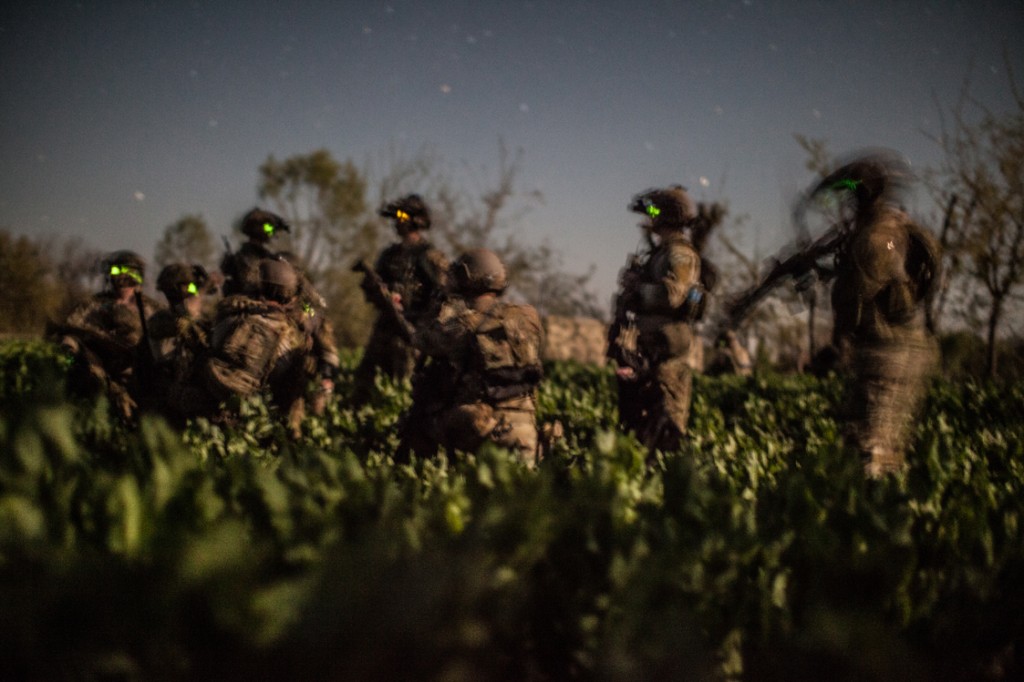
  • 156 pages
  • October 2012

Download

Once hardly noticeable, Chinese investments in U.S. companies are now rising sharply. Cumulative Chinese investments in U.S. companies remain modest compared to those of other major countries. However, a combination of “push and pull” factors are moving China’s annual investment levels closer to levels consistent with China’s current economic stature.

First, the Chinese government has made a conscious decision to diversify its foreign currency assets into hard assets. This has led to the creation of sovereign wealth funds that make portfolio investments in U.S. equities, private firms, and real estate.

Second, the Chinese government has altered its policy guidance toward foreign direct investment (FDI). Whereas it previously encouraged investments almost exclusively toward energy and resource acquisition in developing countries, it now also encourages investments in advanced countries. The government’s goals for these investments include securing energy and mineral resources and acquiring advanced technologies in industries where China wishes to leapfrog existing competitors.

Third, U.S. state governments and, to a lesser extent, the federal government are vigorously trying to attract Chinese greenfield investments in the hope of creating jobs and jump-starting local economies.

Fourth, Chinese investments are being drawn to the United States by the availability of financially weak firms, some of which possess potentially useful technologies for China.

Fifth, some firms that are already competitive with U.S. producers are investing to enhance their U.S. market shares or in response to trade remedies proceedings against unfair trade practices, such as Chinese subsidies.

Economic Benefits

On an aggregate basis, the economic benefits of Chinese investments in the United States have been modest. The precise benefit is difficult to measure due to the convoluted ownership structures of many Chinese investments and the time lags in official U.S. data. Still, based on a combination of official and private data, it is reasonable to conclude that jobs in Chinese-owned companies in the United States increased by 10,000 to 20,000 workers during the past five years.

While hardly significant relative to overall U.S. employment and even to jobs in other countries’ U.S. affiliates, any job creation is welcome given continued slackness in the U.S. labor market.

Chinese FDI in U.S. companies has helped stabilize some financially troubled firms. Portfolio investments by sovereign wealth funds also have helped the economy by solidifying the financial system and providing liquidity to certain property markets.

Chinese investments have occurred in all U.S. regions and in many sectors. According to one private data source, they have been especially prominent since 2007 in the Southwest, Great Lakes, Southeast, and Far West regions, and in the fossil fuels and chemicals, industrial machinery, and information technology industries. According to another private source, as well as government data, the financial sector is also a major recipient of Chinese FDI.

Policy Challenges

These welcome, though still modest, economic benefits are counterbalanced by policy challenges tied to Chinese FDI. First, U.S. affiliates of Chinese companies are not pure market actors and may be driven by state goals, not market forces. China’s outward investments are dominated by state-owned and state-controlled enterprises (SOEs). These entities are potentially disruptive because they frequently respond to policies of the Chinese government, which is the ultimate beneficial owner of U.S affiliates of China’s SOEs. Likewise, the government behaves like an owner, providing overall direction to SOE investments, including encouragement on where to invest, in what industries, and to what ends.

Second, SOEs may have unfair advantages relative to private firms when competing to purchase U.S. assets. SOEs benefit from substantial subsidies in China and their investments in developing countries also receive ample financial support from the national and sub-national governments, state-owned financial institutions and local governments. Government pronouncements out of China suggest that investments in the United States and other advanced countries will also receive ample financial support. This raises the possibility that Chinese largesse could determine market outcomes for purchases of U.S. businesses.

Third, an increased SOE presence may be harmful to the U.S. economy. In China, SOEs are a major force but as a group they are less efficient and profitable than private firms. To the extent that SOEs purchase U.S. companies on the basis of artificial advantages and operate inefficiently, they may not be beneficial to long-term U.S. economic performance.

Fourth, Chinese investments will create tensions related to economic security and national security if they behave in accordance with China’s industrial policy as articulated in the 12th Five Year Plan, government pronouncements, and official investment guidance. China’s current policy guidance directs firms to obtain leapfrog technologies to create national champions in key emerging industries, while investment guidance encourages technology acquisition, energy security, and export facilitation. Based on this juxtaposition, some will conclude that Chinese FDI in the United States is a potential Trojan horse. Indeed, this study describes three investments in new energy products after which production utilizing the desired technology was shifted to China.
Other Findings

U.S. data collection efforts related to FDI are substantial. However, they likely undercount Chinese FDI due to the complicated ownership structures of many Chinese investments. Moreover, although Chinese-owned companies report their data to the U.S. government, many data points are not publically disclosed due to standard U.S. reporting procedures that protect the identities of individual firms. This issue will resolve itself in the coming years if Chinese FDI grows as expected because limits on disclosure will no longer apply.

The United States is relatively open toward FDI, though there are some sectoral restrictions and a national security review undertaken by the Committee on Foreign Investment in the United States (CFIUS). There are a host of laws that subject foreign investors to rules on antitrust, foreign corrupt practices, and trade in arms and sensitive technology products. However, there is no procedure that explicitly considers issues related to economic security, one of the major concerns about Chinese FDI.

Portfolio investments in equities fall under the purview of the Securities and Exchange Commission (SEC). SEC disclosure requirements and practical considerations make it highly unlikely that Chinese SOEs could successfully collude to accumulate significant equity positions in important U.S. firms.

Reverse mergers offer a back door into U.S. capital markets but are not an effective way to acquire important U.S. assets. Indeed, the target of a reverse merger is typically a shell company devoid of meaningful assets. This technique is typically used by private firms that have difficulty accessing capital in China or by provincial SOEs trying to support restructuring efforts in China. There is no indication that any major SOE has used or plans to use this technique to enter the U.S. capital market.

The Chinese legal and regulatory framework for outward FDI requires approvals by three agencies at sub-national and/or national levels. For SOEs, the primary gatekeeper is the State-owned Assets Supervision and Administration Commission (SASAC), though for some investments approval from the State Council is required. The process is widely considered to be cumbersome and is being reformed to facilitate outward FDI.

TOP-SECRET-GAO Report: Strengthening Training Efforts to Counter Violent Extremism

https://publicintelligence.net/wp-content/uploads/2012/11/GAO-CVE.png


Countering Violent Extremism: Additional Actions Could Strengthen Training Efforts

  • 70 pages
  • October 2012

Download

The Department of Homeland Security (DHS) has identified and is communicating to its components and state and local partners topics that the training on countering violent extremism (CVE) it provides or funds should cover; in contrast, the Department of Justice (DOJ) has not identified what topics should be covered in its CVE-related training. According to a DHS official who leads DHS’s CVE efforts, identifying topics has helped to provide a logical structure for DHS’s CVE-related training efforts. According to DOJ officials, even though they have not specifically identified what topics should be covered in CVE-related training, they understand internally which of the department’s training is CVE-related and contributes either directly or indirectly to the department’s training responsibilities under the CVE national strategy. However, over the course of this review, the department generally relied upon the framework GAO developed for potential CVE-related training topics to determine which of its existing training was CVE-related. Further, because DOJ has not identified CVE-related training topics, DOJ components have had challenges in determining the extent to which their training efforts contribute to DOJ’s responsibilities under the CVE national strategy. In addition, officials who participated in an interagency working group focusing on ensuring CVE-related training quality stated that the group found it challenging to catalogue federal CVE-related training because agencies’ views differed as to what CVE-related training includes.

The majority of state and local participant feedback on training that DHS or DOJ provided or funded and that GAO identified as CVE-related was positive or neutral, but a minority of participants raised concerns about biased, inaccurate, or offensive material. DHS and DOJ collected feedback from 8,424 state and local participants in CVE-related training during fiscal years 2010 and 2011, and 77—less than 1 percent—provided comments that expressed such concerns. According to DHS and DOJ officials, agencies used the feedback to make changes where appropriate. DOJ’s Federal Bureau of Investigation (FBI) and other components generally solicit feedback for more formal, curriculum-based training, but the FBI does not require this for activities such as presentations by guest speakers because the FBI does not consider this to be training. Similarly, DOJ’s United States Attorneys’ Offices (USAO) do not require feedback on presentations and similar efforts. Nevertheless, FBI field offices and USAOs covered about 39 percent (approximately 9,900) of all participants in DOJ CVE-related training during fiscal years 2010 and 2011 through these less formal methods, yet only 4 of 21 FBI field offices and 15 of 39 USAOs chose to solicit feedback on such methods. GAO has previously reported that agencies need to develop systematic evaluation processes in order to obtain accurate information about the benefits of their training. Soliciting feedback for less formal efforts on a more consistent basis could help these agencies ensure their quality.

DOJ and DHS have undertaken reviews and developed guidance to help improve the quality of CVE-related training. For example, in September 2011, the DOJ Deputy Attorney General directed all DOJ components and USAOs to review all of their training materials, including those related to CVE, to ensure they are consistent with DOJ standards. In addition, in October 2011, DHS issued guidance that covers best practices for CVE-related training and informs recipients of DHS grants who use the funding for training involving CVE on how to ensure high-quality training. Since the departments’ reviews and efforts to implement the guidance they have developed are relatively new, it is too soon to determine their effectiveness.

Identifying Concerns about CVE-Related Training

To determine what concerns, if any, participants raised about CVE-related training, we reviewed course evaluations completed by participants of CVE-related training offered by DHS I&A, DHS Office for Civil Rights and Civil Liberties, DOJ BJA, and the FBI, and identified complaints or concerns about CVE-related training made formally in writing. We limited our analysis to training that was provided or funded by DHS or DOJ during fiscal years 2010 or 2011 and provided to a state or local entity (e.g., police department, community group, or fusion center). Two analysts independently reviewed 8,424 course evaluations from six training programs to consistently determine which ones included concerns or complaints. The analysts also assessed the nature of the concerns and complaints and assigned each complaint to one of three categories: (1) politically or culturally biased, (2) offensive, or (3) inaccurate. Where there were discrepancies between the analysts, they were resolved through supervisory review.

To identify formally submitted or documented complaints or concerns participants expressed, we asked DHS and DOJ to identify those submitted in writing to DHS or DOJ, or articulated to DHS or DOJ through other means but subsequently documented by the agency, from fiscal years 2010 through 2011. We also conducted keyword searches using LexisNexis and Google to identify concerns that were raised by either individuals or advocacy groups that were submitted in writing to DHS or DOJ. In addition, we interviewed representatives, including leaders, of select advocacy groups that raised concerns about CVE-related training to identify what concerns and complaints, if any, they submitted in writing to DHS or DOJ on behalf of training participants. The advocacy and civil liberties organizations we interviewed included the American Civil Liberties Union, the American-Arab Anti-Discrimination Committee, the Council on American Islamic Relations, and the Muslim Public Affairs Council. We selected these organizations based on their leadership in raising concerns we identified (e.g., by virtue of being the primary signatories) and upon the recommendation of other advocacy groups. These interviews also enabled us to confirm or obtain additional views on the formally documented complaints DHS or DOJ provided. Through these approaches, we identified a total of six letters of complaint regarding 18 alleged incidents of biased CVE and counterterrorism training that DHS or DOJ provided or funded during fiscal years 2010 and 2011. Given that the scope of this review is limited to CVE-related training provided to state and local officials and community members, and not training that is exclusively provided to federal officials, we determined that 7 of the alleged incidents described in five of the letters were relevant to this review. We also interviewed relevant DHS and DOJ officials to obtain their perspectives on the concerns raised in the written complaints and information on any actions agencies took in response to these incidents.

SECRET – DHS U.S.-Canada Marine Transportation System Terrorist Threat Assessment

https://publicintelligence.net/wp-content/uploads/2012/11/DHS-MarineTransportation.png


United States-Canada Marine Transportation System: Terrorist Threat Remains Low but Risks Persist

  • 28 pages
  • For Official Use Only
  • April 11, 2011
  • 3 MB

Download

(//CAN U) This Assessment examines terrorist threats to the Marine Transportation System (MTS) relevant to the U.S. and Canadian maritime borders, and updates unclassified judgments from the 2007 Canadian Integrated Threat Assessment Centre (ITAC) product, “(//CAN U) Terrorist Threat to the Canadian Maritime Sector,” and the 2008 USCG Intelligence Coordination Center product, “(U//FOUO) National Maritime Terrorism Threat Assessment.” The information is provided in support of the activities of the Department and to assist federal, state, and local government counterterrorism and law enforcement officials in effectively deterring, preventing, preempting, or responding to maritime terrorist attacks against the United States and Canada.

(U//FOUO) This document provides an updated baseline for MTS threats to support the activities of the Department and assist other federal, state, and local government agencies and authorities; the private sector; and other entities, both in implementing joint U.S. and Canadian strategies for northern border security. Moreover, it assists the Department and other federal, state, and local government agencies and authorities; the private sector; and other entities in developing priorities for protective and support measures to address existing or emerging threats to the homeland related to maritime border security.

(U) Key Findings

(U//FOUO) While passenger vessels and terminals will likely remain potentially attractive targets for terrorist attacks, trends in overseas terrorist attacks and the lack of any reporting on maritime terrorist plots against the U.S.-Canada MTS suggests the threat to the majority of the system is low; violent extremists could attack U.S. and Canadian ferries and similar soft maritime targets with little or no warning.

— (U//FOUO) The capabilities of al-Qa‘ida and its sympathizers to conduct small boat waterborne improvised explosive device (WBIED) attacks against the U.S.-Canada MTS probably remain limited. When compared to other tactics, maritime attacks by al-Qa‘ida or its affiliates are rare and have only occurred in the Middle East and East Asia.† The transferability of this tactic to North America would be problematic given MTS governance and law enforcement that create a less permissive maritime environment.

— (U//FOUO) Terrorists probably would be reluctant to use containerized cargo to smuggle weapons of mass destruction (WMDs) into the United States or Canada because the loss of physical control of a valuable weapon would likely pose an unacceptable intervention risk. Nonetheless, this threat remains a low-probability, high impact scenario. We judge that terrorists would seriously consider other maritime means, such as small boats and bulk cargo shipments, to smuggle any available WMD or to conduct related waterside attacks in the United States or Canada if they had the opportunity. This judgment is primarily based on expert opinions from DHS officials, as well as assertions put forth by the Monterey Institute Center for Nonproliferation Studies and other academic or nongovernmental organizations.

(U//FOUO) Ferries and other passenger vessels remain vulnerable targets for terrorist attack. Although we have no credible reporting that any U.S. or Canadian ferry systems are the target of ongoing terrorist plotting, concerns are elevated because of the focus by al-Qa‘ida and its affiliates on attacking soft targets to cause mass casualties, the growth of internationally inspired and homegrown violent extremist (HVE) threats, and the paucity of preoperational indicators for ferry attacks. Moreover, terrorists might target ferries as a way to compensate for the increasing security measures protecting the aviation sector.

(U//FOUO) Past terrorist successes involving use of toxic industrial chemicals (TICs) in overseas conflicts may encourage attackers to attempt to weaponize large hazardous materials (HAZMAT) shipments moved in the MTS each day. Violent extremists have a limited ability to produce small improvised chemical weapons, but experimentation with these HAZMAT concoctions may eventually result in an evolutionary development of greater attack capabilities.

(U//FOUO) Terrorists and criminals almost certainly will continue their efforts to exploit the MTS to facilitate illegal entry of personnel or other criminal activities. Immigration and mariner document fraud, smuggling, and criminal activities along the waterfront require continuous law enforcement vigilance. Illicit actors may attempt to increase their circumvention of maritime security in North America because of enhanced land border security and air passenger screening.

(U//FOUO) Cyber attacks—regardless of motivation—will continue to represent only a marginal threat to automated ships and port facilities in North America, largely because of the complexity required for a successful attack. A paucity of information regarding such threats remains an enduring intelligence gap. Still, concerns related to maritime supply chain disruption perpetrated by disaffected employees or other insiders—particularly those with system administrator access—are the most frequently voiced by private sector security officials.

(U) MTS Overview and Vulnerabilities

(U//FOUO) The U.S.-Canada MTS consists of ocean, coastal, and inland waterways; ports; intermodal connections; vessels; and commercial, military, and recreational users. The system stretches from the Great Lakes-Saint Lawrence Seaway System—also known as the Great Lakes Marine Transportation System (GLMTS) westward—to the Pacific Ocean along the U.S.-Canada border.

— (U) Over 1.5 million passengers arrive in Canada annually, largely from the United States, and Canada’s ports handle a rapidly growing number of cruise ships.

— (U) Besides its ports, Canada also has 10 international ferry terminals, 19 interprovincial terminals, and nearly 300 intraprovincial terminals providing vital links both within and between the provinces. In 2008, Canada’s ferries carried more than 48 million passengers and approximately 18.3 million vehicles.

— (U//FOUO) According to TSA, more than 20,000 passenger vessels—including ferries, casinos, and harbor excursion vessels—carry more than 175 million passengers each year in U.S.-Canada waters.

(U//FOUO) The GLMTS is the heart of the U.S.-Canada MTS. The GLMTS is a vital binational waterborne transportation link for moving goods and people. The system encompasses the Saint Lawrence River and the five Great Lakes, and extends over 2,300 miles, encompassing eight states and two provinces with over 32 million citizens. The region produces 50 percent of all U.S. manufacturing output and two-thirds of Canada’s. This waterway is expected to increase in importance over this decade as both countries seek ways to ease highway and rail congestion, especially along North America’s east and west coasts and the midwest region.

TOP-SECRET – FBI Awareness Message: Threats to Water Retention and Control Structures

https://publicintelligence.net/wp-content/uploads/2012/11/FBI-WaterRetentionThreats.png


Critical Infrastructure: Threats to Water Retention and Control Structures

  • 1 page
  • For Official Use Only
  • May 2011

Download

(U//FOUO) Tens of thousands of dams, levees, navigation locks, industrial waste impoundments, and other water retention and control structures are located throughout the United States. Due to their iconic nature and potential impact on public safety, these structures present attractive targets for terrorist activity. Explosive attacks pose a significant threat, as evidenced by past plots against foreign infrastructure targets. Cyber intrusions present another concern and could be used to sabotage or control site operations. The FBI is interested in any information that could help mitigate threats to the security of dams or other water retention and control infrastructure.

(U//FOUO) When responding to a threat involving water retention and control infrastructure, or in the course of official activities, and to the extent permitted by law, agencies are encouraged to coordinate with and forward to the FBI information on entities committing criminal or suspicious acts which may reasonably indicate a potential threat to US interests and warrant further investigation.

(U//FOUO) Which terrorist groups, criminals, or other actors are plotting illegal acts against water retention and control infrastructure?

(U//FOUO) What are the details of physical attack plots against water retention and control infrastructure?

  • (U//FOUO) Identify threats, surveillance activities, trespassing incidents, or other indications of attackplanning against water retention and control infrastructure.
  • (U//FOUO) What weapons or tactics will be used in the attacks?

(U//FOUO) What are the details of cyber attack planning against water retention and control infrastructure?

  • (U//FOUO) What methods are cyber attackers planning to use against water retention and control infrastructure?
  • (U//FOUO) What are the attacker’s intentions (e.g., exploit, disrupt, deny, destroy)?

(U//FOUO) When and where will the attack or crime against water retention and control infrastructure occur?

  • (U//FOUO) How are targets selected (e.g., economic value, psychological impact, security vulnerabilities, window of opportunity, new technology)?

TOP-SECRET-FBI Awareness Message: Threats to Maritime Transportation

https://publicintelligence.net/wp-content/uploads/2012/11/FBI-MaritimeThreats.png


  • May 2011

Download

(U//FOUO) Maritime transportation infrastructure—to include watercraft, seaports, harbors, and waterways—is vital to the United States’ economy and national security. Maritime shipping accounts for ninety-nine percent of all US overseas trade. Additionally, passenger ships transport more than 140 million people to and from US ports each year. Countless vacationers enjoy maritime recreation on US lakes and beaches. All of these activities depend upon safe and open waterways, which the FBI defends from a variety of criminal and national security threats. A top concern is that past attacks on foreign passenger ferries and cargo liners could inspire similar action against US commercial vessels. Additional threats to maritime security include: contraband smuggling, human trafficking, piracy and crimes at sea, and cyber attacks against maritime information systems.

(U//FOUO) When responding to a threat or incident involving maritime transportation, or in the course of official activities, and to the extent permitted by law, agencies are encouraged to coordinate with and forward to the FBI information on entities committing criminal or suspicious acts which may indicate a potential threat to US interests and warrant further investigation.

(U//FOUO) Who is plotting attacks or crimes against US maritime transportation infrastructure?

  • (U//FOUO) Report indications terrorists or organized crime groups are seeking employment with, or other forms of special access to, maritime transportation infrastructure.

(U//FOUO) When and where will the planned attack or crime occur?

(U//FOUO) What are the details of planned attacks against US maritime transportation infrastructure?

  • (U//FOUO) Report indications of maritime-attack planning (e.g., threats, surveillance, theft of navigation equipment, suspicious boat traffic near high-value targets, smuggling of hazardous materials).
  • (U//FOUO) What weapons, tactics, or vehicles do the attackers plan to use?

(U//FOUO) How is maritime transportation exploited to conduct other illegal activities?

  • (U//FOUO) What methods are used to smuggle people or illicit items through US maritime borders?

(U//FOUO) What methods are used to conduct cyber attacks or intrusions against maritime transportation infrastructure?

  • (U//FOUO) Report indications of cyber attack planning against navigation services or other maritime information systems (e.g., threats, computer intrusions, suspicious network activity).
  • (U//FOUO) What security vulnerabilities are exploited in maritime cyber attacks or intrusions?

FBI Awareness Message: Threats to Water Retention and Control Structures

https://publicintelligence.net/wp-content/uploads/2012/11/FBI-WaterRetentionThreats.png


Critical Infrastructure: Threats to Water Retention and Control Structures

  • 1 page
  • For Official Use Only
  • May 2011

Download

(U//FOUO) Tens of thousands of dams, levees, navigation locks, industrial waste impoundments, and other water retention and control structures are located throughout the United States. Due to their iconic nature and potential impact on public safety, these structures present attractive targets for terrorist activity. Explosive attacks pose a significant threat, as evidenced by past plots against foreign infrastructure targets. Cyber intrusions present another concern and could be used to sabotage or control site operations. The FBI is interested in any information that could help mitigate threats to the security of dams or other water retention and control infrastructure.

(U//FOUO) When responding to a threat involving water retention and control infrastructure, or in the course of official activities, and to the extent permitted by law, agencies are encouraged to coordinate with and forward to the FBI information on entities committing criminal or suspicious acts which may reasonably indicate a potential threat to US interests and warrant further investigation.

(U//FOUO) Which terrorist groups, criminals, or other actors are plotting illegal acts against water retention and control infrastructure?

(U//FOUO) What are the details of physical attack plots against water retention and control infrastructure?

  • (U//FOUO) Identify threats, surveillance activities, trespassing incidents, or other indications of attackplanning against water retention and control infrastructure.
  • (U//FOUO) What weapons or tactics will be used in the attacks?

(U//FOUO) What are the details of cyber attack planning against water retention and control infrastructure?

  • (U//FOUO) What methods are cyber attackers planning to use against water retention and control infrastructure?
  • (U//FOUO) What are the attacker’s intentions (e.g., exploit, disrupt, deny, destroy)?

(U//FOUO) When and where will the attack or crime against water retention and control infrastructure occur?

  • (U//FOUO) How are targets selected (e.g., economic value, psychological impact, security vulnerabilities, window of opportunity, new technology)?

SECRET – Central Florida Intelligence Exchange Unoccupied Ambulance Thefts Analysis

https://publicintelligence.net/wp-content/uploads/2012/11/CFIX-AmbulanceThefts.png


Central Florida Intelligence Exchange Nationwide Analysis: Increasing Trend of Unoccupied Ambulance Thefts

  • 7 pages
  • For Official Use Only
  • October 10, 2012

Download

(U//FOUO) The Central Florida Intelligence eXchange (CFIX) recently received a brief from the Arizona Counter Terrorism Information Center (ACTIC – TLO Program) that included a report of a stolen ambulance in Phoenix, AZ. At the request of an Intelligence Liaison Officer (ILO) in the Central Florida region (R-5 Hospital/Medical Sector), CFIX was asked to collect, research, analyze and develop a ‘Situation Brief’ based on this report to determine if this was a significant trend that could cause concern for Region 5 partners.

CASE STUDIES:

Chicago, (IL) – On October 09, 2012, a man took off in an ambulance parked in front of a hospital in Berwyn and drove 10 miles before being stopped by police. He stole the ambulance while paramedics assisted hospital staff with a patient. Two paramedics were suspended and may face disciplinary action for leaving the ambulance unattended and the keys inside. (Source: Chicago Tribune)

Tulsa, (OK) – On October 01, 2012, as paramedics were on a medical call at an apartment complex, an intoxicated man jumped in the ambulance and attempted to back up hitting three vehicles. Paramedics pulled him out of the driver’s seat. The man tried to run but paramedics held him until law enforcement arrived. He was arrested and booked into the Tulsa County Jail. (Source: KJRH News)

Phoenix, (AZ) – On September 21, 2012, a 26-year-old female (pictured below) stole an ambulance that was left running in front of a Phoenix hospital. An on-duty reserve officer spotted the ambulance; however, the suspect refused to stop. Officers also tried to negotiate using the ambulance radio. Officers finally stopped her by blocking the roads creating a barricade with their vehicles where she was arrested and taken into custody. (Source: ACTIC)

Monroe County, (FL) – On September 02, 2012, a 22-year-old suspect was arrested and charged after jumping into an ambulance and taking off. Officers spotted and pursued the ambulance that had its lights on but no siren after receiving reports that it was stolen. The suspect admitted to stealing the ambulance to gain attention from law enforcement after she was unable to locate her friend. (Source: Firehouse.com)

Dallas, (TX) – On August 26, 2012, a man stole an ambulance after paramedics left the engine idling as they searched for an injured person in an apartment complex. They never found the 9-1-1 caller and when they returned the ambulance was gone. Police tracked the vehicle back to the suspect, where he was arrested and charged. A pair of crutches and a backpack that did not belong to paramedics were also found inside the ambulance. (Source: dallasnew.com)

[Analyst Comment: Although officials from Dallas have not confirmed if the 9-1-1 caller was the same individual who stole the ambulance, paramedics and EMTs should be vigilant and aware of this activity, to prevent a crime of opportunity from occurring.]

Montgomery County, (PA) – On July 26, 2012, a suspect was caught on dashboard surveillance video (pictured right) after he jumped into an ambulance and drove off as EMTs were preparing to transport a patient to the hospital. Responder lights were still activated as the suspect prompted traffic to move and passed through the red lights. The suspect was able to monitor police transmissions with the radio equipment that was mounted in the ambulance console to avoid law enforcement. Law enforcement later found the ambulance abandoned in an apartment complex parking lot. (Source: ABC News)

Killeen, (TX) – On June 21, 2012, a man was arrested and charged for stealing an ambulance while paramedics were inside a residence responding to an emergency call. Shortly after the paramedics noticed the ambulance missing, the suspect came back to the residence, stepped out and walked away stating he just wanted to take a “joyride” in an ambulance. The suspect was arrested at the
scene. (Source: KWTX.com)

Savannah, (GA) – On June 8, 2012, while under police supervision at a Georgia hospital, a man assaulted a deputy, stole an ambulance and led police on a low-speed pursuit. The suspect struggled with the deputy, attempted to remove a gun from his holster, climbed into an unlocked ambulance and then drove away. The officers attempted to stop the suspect by using stop sticks which flattened three tires, while the ambulance hit vehicles along the way. Patrol cars were also damaged, but no one was injured. (Source: WFMY News)

ANALYSIS:

(U//FOUO) In all of the ambulance theft cases analyzed in this brief, similar pre-incident indicators were identified. All of the documented cases had one or more of the following commonalities:

  • The ambulance was left unattended;
  • Keys were left in the ignition;
  • The ambulance was left running;
  • Many of the thieves were under the influence of drugs or alcohol; and
  • Most thefts occurred while on scenes or parked on ambulance ramps at hospitals

IMPLICATIONS:

(U//FOUO) Although the cases included in this brief did not transpire within the Central Florida region, it implies that ambulance thefts could potentially occur in any jurisdiction where hospitals or ambulatory services are present. There are critical vulnerabilities associated with these thefts that could impact the emergency services sector, specifically pertaining to the safety of the public, homeland security concerns and monetary loss.

PUBLIC SAFETY ISSUES

(U//FOUO) The safety of the traveling public as well as pedestrians could be at risk if a subject takes off in an ambulance, especially when under the influence of drugs or alcohol. In most cases mentioned in this brief, crashes and injuries did occur due to speed and inexperience of the suspect driver. Another consideration is protocols for backup measures for a patient in need of immediate transport or care in the event an ambulance is stolen during a medical emergency. The equipment onboard or transport time may be critical for the patient’s care and may be the difference of a life or death situation.

HOMELAND SECURITY CONCERNS

(U//FOUO) The majority of theft cases involving ambulances typically conclude as an act of criminal behavior, usually involving intoxication. There are concerns however, among counterterrorism authorities that stolen ambulances could be cloned for carrying out terrorist attacks or other criminal/malicious activity. In 2008, for example, a paramedic working the Republican National Convention (RNC) in St. Paul, MN spotted an ambulance with unusual markings. When law enforcement searched the unlocked cloned ambulance, they found a large cache of weapons, as well as bags of urine and feces that potentially could have transitioned into a mass casualty event.

[Analyst Comment: Overseas, terrorists have also used stolen or cloned ambulances to carry out secondary and tertiary attacks as first responders arrive on scene. The threat to carry out similar attacks in the US has been widely discussed on extremist forums.]


TOP-SECRET-U.S. Treasury Office Designated Nationals and Blocked Persons List

https://publicintelligence.net/wp-content/uploads/2012/11/USTreasury-SDN.png


The following document contains the updated list of specially designated nationals as of November 5, 2012.  The list includes individuals and companies “owned or controlled by, or acting for or on behalf of, targeted countries” as well as “terrorists and narcotics traffickers designated under programs that are not country-specific.”  The list is available in other formats from the U.S. Treasury Office of Foreign Assets Control.  H/T Carlton Purvis.


This publication of Treasury’s Office of Foreign Assets Control (“OFAC”) is designed as a reference tool providing actual notice of actions by OFAC with respect to Specially Designated Nationals and other persons (which term includes both individuals and entities) whose property is blocked, to assist the public in complying with the various sanctions programs administered by OFAC. The latest changes to the SDN List may appear here prior to their publication in the Federal Register, and it is intended that users rely on changes indicated in this document. Such changes reflect official actions of OFAC, and will be reflected as soon as practicable in the Federal Register under the index heading “Foreign Assets Control.” New Federal Register notices with regard to Specially Designated Nationals or blocked persons may be published at any time. Users are advised to check the Federal Register and this electronic publication routinely for additional names or other changes to the SDN List.

References following each SDN indicate the sanctions program pursuant to which the person has been designated or identified:

[BALKANS]: Western Balkans Stabilization Regulations, 31 C.F.R. part 588; Executive Order 13304, 68 FR 32315;
[BELARUS]: Executive Order 13405, 71 FR 35485;
[BPI-PA]: Blocked Pending Investigation, Patriot Act;
[BPI-SDNTK]: Blocked Pending Investigation, Foreign Narcotics Kingpin Sanctions Regulations, 31 C.F.R. part 598;
[BURMA]: Burmese Sanctions Regulations, 31 C.F.R. part 537; Executive Order 13448, 72 FR 60223; Executive Order 13464, 73 FR 24491;
[COTED]: Cote d’Ivoire Sanctions Regulations, 31 C.F.R. part 543;
[CUBA]: Cuban Assets Control Regulations, 31 C.F.R. part 515;
[DARFUR]: Darfur Sanctions Regulations, 31 C.F.R. part 546;
[DPRK]: Executive Order 13551;
[DRCONGO]: Democratic Republic of the Congo Sanctions Regulations, 31 C.F.R. part 547;
[FTO]: Foreign Terrorist Organizations Sanctions Regulations, 31 C.F.R. part 597;
[HRIT-SY]: Executive Order 13606 – Syria;
[HRIT-IR]: Executive Order 13606 – Iran;
[IFSR]: Iranian Financial Sanctions Regulations, 31 CFR part 561;
[IRAN]: Iranian Transactions Regulations, 31 CFR part 560;
[IRAN-HR]: Executive Order 13553;
[IRAQ2]: Executive Order 13315, 68 FR 52315; Executive Order 13350, 69 FR 46055;
[IRAQ3]: Executive Order 13438, 72 FR 39719;
[IRGC]: Iranian Financial Sanctions Regulations, 31 CFR Part 561
[ISA]: Iran Sanctions Act, Executive Order 13574;
[JADE]: Pub. L. 110-286, 122 Stat. 2632;
[LEBANON]: Executive Order 13441, 72 FR 43499;
[LIBERIA]: Former Liberian Regime of Charles Taylor Sanctions Regulations, 31 C.F.R. part 593;
[LIBYA2]: Libyan Sanctions, 31 C.F.R. part 570;
[NPWMD]: Weapons of Mass Destruction Proliferators Sanctions Regulations, 31 C.F.R. part 544;
[SDGT]: Global Terrorism Sanctions Regulations, 31 C.F.R. part 594;
[SDNT]: Narcotics Trafficking Sanctions Regulations, 31 C.F.R. part 536;
[SDNTK]: Foreign Narcotics Kingpin Sanctions Regulations, 31 C.F.R. part 598;
[SDT]: Terrorism Sanctions Regulations, 31 C.F.R. part 595;
[SOMALIA]: Somalia Sanctions Regulations, 31 C.F.R. part 551;
[SUDAN]: Sudanese Sanctions Regulations, 31 C.F.R. part 538;
[SYRIA]: Syrian Sanctions Regulations, 31 C.F.R. part 542; Executive Order 13399, 71 FR 25059; Executive Order 13460, 73 FR 8991;
[TCO]: Transnational Criminal Organizations Executive Order 13581; and
[ZIMBABWE]: Zimbabwe Sanctions Regulations, 31 C.F.R. part 541; Executive Order 13391, 70 FR 71201; Executive Order 13469, 73 FR 43841.
[561List]: Informational tag indicating that this designation is also listed on the List of Foreign Financial Institutions Subject to Part 561 (the “Part 561 List”)


DOWNLOAD THE ORIGINAL DOCUMENT HERE:

USTreasury-SDN

TOP-SECRET – NATO Comprehensive Operations Planning Directive

The following is NATO’s allied command operations directive on comprehensive operations planning. Though unclassified, NATO doctrine and policy documents are not released to the public.

ALLIED COMMAND OPERATIONS COMPREHENSIVE OPERATIONS PLANNING DIRECTIVE COPD INTERIM V1.0

  • 412 pages
  • December 17, 2010

Download

1-2. NATO’S Contribution to a Comprehensive Approach.

a. NATO recognises that that the military alone cannot resolve a crisis or conflict. There is a need for more deliberate and inclusive planning and action through established crisis management procedures that allow for both military and non-military resources and efforts to be marshalled with a greater unity of purpose. Adopting such a comprehensive approach to operations begins with inculcating a culture of active collaboration and transparency among those involved in crisis management.

b. The initiation of such an operation should lie in: the development of a shared understanding of overarching goals to resolve the crisis; facilitating the production of a broad multi-dimensional response on how to achieve the necessary objectives to reach the international “end state”; the delineation of lines of functional activities, where possible, and the responsibilities for them; identifying the effects to be achieved; and agreement in the leadership function for the overall international effort. For the Alliance, this includes the development of process and structures for effective co-ordination and cooperation with other actors, to allow each to complement and mutually reinforce the others’ efforts, ideally within an overall strategy agreed by the international community and legitimate local authorities.

c. Planning in a multi-dimensional environment generates particular challenges for both civilian and military actors. Experience shows that not only may there be no formally appointed lead agency to provide overall coordination, but that those organisations capable of reacting quickly are very often military in nature. In addition, some institutions may not wish to have formalised relationships with others. Thus, a comprehensive approach emerges through the determination of various actors to play their part to resolve a crisis. Pragmatism is often the way forward, as imperfect as this may be in an otherwise rules-based society. In this regard, unless otherwise authorised, it is not for NATO to offer itself as the lead coordinator. It is, however, right for all levels to look for opportunities for interaction and to collaborate actively under principles of mutual respect, trust, transparency and understanding, and a duty to share. Moreover it is incumbent on NATO, especially in the planning and early execution stages of an operation, to understand and to attempt to anticipate the needs and objectives of other potential contributors thus enabling subsequent coordination and cooperation.

1-3. Purpose.

a. Set within the context of a NATO contribution to a comprehensive approach, the purpose of this Allied Command Operations (ACO) Comprehensive Operations Planning Directive (COPD) is to outline the military procedures and responsibilities governing the preparation, approval, assessment, implementation and review of operations plans to enable a common approach to operations planning. This includes the associated documents which are required in order to execute the mission allocated to SACEUR and his subordinate joint force commanders.

b. The COPD provides a common framework for collaborative operations planning when defining NATO’s Contribution within a comprehensive approach philosophy. It is deliberately detailed, to support training, while giving experienced planners, at the strategic (Chapter 3) and operational (Chapter 4) levels, the necessary tools to fully appreciate all elements of the most complex crisis and produce high quality operations plans. It also covers details for the preparation, approval, promulgation, distribution, implementation, review and administration of operations plans documents necessary to execute the tasks allocated to SACEUR and his subordinate commanders. Its processes attempt to cover all expected scenarios; however, as planners become more familiar with the concepts of the COPD, it should be used to guide rather than slavishly followed.

c. Design, planning and execution are human matters where commanders lead and staff support. Intuition, experience and military judgement remain paramount and this directive provides the processes and tools to support commanders’ decision making at the strategic and operational levels. But the COPD is not an end in itself, merely a tool. Commander’s guidance at every level provides staff with the vision of how a challenge is to be tackled and provides subordinates with the freedom to operate within the broader context of the mission. For collaborative planning to work effectively, it is vital that planners, at each level, not only have a common understanding of the crisis situation and a common approach to developing the necessary plans to support NATO involvement, but also understand how the commander and staff operate at the next higher level so they are able to contribute to and influence the process.

d. Crises are dynamic and the planning process is iterative, influenced and crafted by the factors described earlier. Throughout the planning and execution process, there must be a continual review process to update the design, plan and execution of an operation. The detail provided in the COPD must not be mistaken as generating a requirement for a complex and detailed plan; rather, it is designed to help the planners develop a product of clarity and simplicity capable of providing the necessary guidance to execute the commander’s vision.

3-54. Plan StratCom.

a. Review Requirements for StratCom. StratCom must be an integral component of planning based on the mission-specific StratCom strategy adopted by the NAC. NATO’s Assistant Secretary General for Public Diplomacy (ASG PDD) oversees the formulation of the StratCom strategy through the SCPB, which includes representation from SecGen’s Private Office, PDD, NATO Spokesman, IMS StratCom, both StratCom and JFCs (as needed). Therefore, it is critically important that the SOPG be proactive in providing the necessary planning support in line with the strategic concept and in coordination with the supported JFC. Planning for StratCom, supported by the SCWG should include the following:

(1) Review NATO strategic and military strategic objectives and effects and assess the impact of military actions on the information environment.
(2) Further develop narratives, themes and master messages for different audiences.
(3) Determine StratCom aims and match to audiences and targets for StratCom effect.
(4) Establish responsibilities and arrangements for military support to Public Diplomacy, PA, Info Ops and PSYOPS.
(5) Develop criteria for the assessment of StratCom activities and the impact of military activities on the information environment.
(6) Coordinate StratCom activities with non-military and non-NATO entities.
(7) Ensure limitations are taken into account.
(8) Assess risks to achievement of the StratCom strategy and develop mitigation actions.
(9) Identify and establish required mechanisms to address issues of strategic and/or political importance, including but not limited to Civilian Casualties (CIVCAS) and counter-propaganda.

b. Review NATO Strategic and Military Strategic objectives and desired effects. NATO strategic and military strategic objectives and desired effects are developed to ensure that NATO achieves its end state in an operation. NATO’s actions must be clearly understood to gain support from governments, populations and other groups in the theatre as well as to influence the actions of adversaries. StratCom must continually analyse the objective and desired effects in light of current strategic conditions to ensure that StratCom activities are coherent and integrated with military actions and contribute to desired effects for each phase of the operation.

c. Further develop narratives, themes and master messages for different Target Audiences. Based on their understanding of the different perspectives and biases of the different audiences, StratCom should develop an over-arching, resonating narrative, upon which themes and master messages can be based. StratCom must then refine the themes and master messages depending on the strategic conditions, taking into account target audience receptiveness, susceptibility and vulnerability to different historical, social, cultural, and religious references. This may include the necessity to establish agreed terminology to be used by all actors in the information environment when referring to adversaries and local populations. Red and green teams as well as systems analysts and other experts from the KD team may be able to assist.

d. Determine StratCom aims and match to audiences and targets in conjunction with an over-arching engagement strategy. The Alliance (and its Partners if applicable) must act in close concert in the delivery of agreed themes, messages and actions based on a planned and coordinated design to deliver specific StratCom aims. Where possible, other international actors, opinion formers and elites should be integrated into this approach through a coordinated engagement strategy at all levels within the wider local, regional and international public to promote support for NATO actions.

e. Develop criteria for the assessment of StratCom activities and the impact of military activities on the information environment. To assess the effectiveness of activities and messages in achieving the StratCom aims and contributing to the desired effects, StratCom must develop operations assessment criteria and measures of effectiveness within the larger cadre of the overall operations assessment effort. These should be closely coordinated with SHAPE strategic effects, Info Ops, PA and planning for the conduct of operations assessment at the strategic level.

f. Establish responsibilities and arrangements for military support to PD, PA, Info Ops and PSYOPS. On the basis of coordination with NATO IS and IMS, the supported JFC, and relevant cooperating non-NATO actors, StratCom, must clearly establish responsibilities and coordination mechanisms for the conduct of military activities in support of PD, PA, Info Ops and PSYOPS within the theatre.

g. Coordinate StratCom activities with relevant non-military and non-NATO actors. To promote coherence in StratCom among the non-military and relevant cooperating non-NATO actors, StratCom should arrange a suitable venue in consultation with the NATO SCPB, to coordinate and harmonise the principal aspects of StratCom activities in the theatre and within the wider international community. In particular, arrangements and mechanisms must be agreed that will allow regular coordination of information activities during the subsequent phases of the operation and in response to urgent information requirements as a result of events on the ground.

h. Ensure limitations are taken into account. There will likely be restraints and constraints imposed by political-level guidance and conditions in the JOA. These must be taken into account to ensure the StratCom effort remains focused and does not exceed the level of ambition of the nations.

i. Assess risks to StratCom strategy achievement and develop mitigation actions. Risks to achievement of the StratCom strategy can take many forms, including but not limited to message incoherence, information fratricide and rising expectations. These risks must be evaluated and mitigation actions planned against them.

j. Identify and establish required mechanisms to address issues of strategic and/or political importance. There is a need to identify and establish required mechanisms to address issues of strategic and/or political importance, including, but not limited to, civilian casualties (CIVCAS) and counter-propaganda. Mechanisms are required to address issues of political and/or strategic sensitivity to prevent an erosion or loss of NATO’s credibility and prevent the development of a gap between what NATO says and does and the perception of NATO at all levels. These mechanisms can take many forms, but two important issues are CIVCAS and propaganda. Responsive, thorough mechanisms for identifying, investigating and releasing information on all credible CIVCAS claims caused by NATO forces must be implemented and coordinated at all levels. Equally, implementation of a proactive counter propaganda mechanism coordinated at all levels is a must. Failure to do either of these mechanisms will result in a rapid loss of NATO’s credibility in the theatre and perhaps even within the wider international community.

PUBLIC INTELLIGENCE – U.S. Army Law and Order Operations Publication

The following Army Tactics, Techniques and Procedures publication was released in June 2011 by the U.S. Army.  A previous version of the document (FM 19-10) from January 1945 was titled “Military Police in Towns and Cities” and was “designed to furnish a guide for officers and enlisted men assigned the mission of patrolling civil communities”. The publication has been revised several times since then.

ATTP 3-39.10 (FM 19-10) LAW AND ORDER OPERATIONS

  • 250 pages
  • June 2011
  • 3.8 MB

Download

The establishment of full spectrum operations as the Army operational concept—and the shift to a doctrine where offense, defense, and stability or civil support are executed simultaneously and with equal emphasis—has been the catalyst in a major shift in thinking by military planners and commanders. Current doctrine and policy reinforce that the ultimate measure of success of any major operation is typically not realized through operations where offense and defense (traditional combat operations) are the dominant forms. Current doctrine establishes that stability operations and associated efforts to establish safe and secure environments culminating with a capable HN governing its own population, should be provided equal emphasis in military planning and execution. L&O operations are critical enablers to lines of effort supporting the creation of civil security and civil control necessary to achieve success.

Strategic and technological advances, geopolitical instability, and expanded threat spectrums have been the driving force for generating operational and organizational changes throughout the Army, to include the Military Police Corps Regiment. Army doctrine identifies four types of complex, interrelated, and emerging security challenges—irregular, traditional, catastrophic, and disruptive—to which U.S. forces will have to respond. The most immediate and pervasive threat the United States faces is the irregular security challenge. Irregular forces include insurgents, terrorists, and criminals who typically use asymmetric warfare and who benefit from conditions in areas throughout the world where HN governments are ineffective or nonexistent. The criminal threat can impact military operations and require commanders to commit forces and resources to minimize threat situations. To meet the challenges of current and future OEs, the modular military police structure is strategically mobile and provides operationally and tactically agile capabilities to respond to worldwide military police requirements.

L&O operations have historically been understood to consist of LE missions supporting U.S. military commanders and their efforts to police our military personnel, civilians, and family members working and residing on U.S. military posts, camps, and stations. (Posts, camps, and stations refer to any U.S. military installation, base, or other location within the United States and enduring installations, bases, or other locations outside the United States employed to support long-term military commitments and/or serve as power projection platforms.) U.S. Army doctrine has not historically focused on L&O operations outside of LE support to posts, camps, and stations. L&O support to the operational commander and the capabilities inherent within LE organizations have been largely disregarded within Army (and joint) doctrine. Recent conflicts and the nature of the threat within the OE have increased the relevance of L&O operations and LE capabilities in support of Army operations. The applications of L&O operations and the requirements for Army LE personnel to conduct these operations have grown tremendously as nation building and protracted stability operations have demonstrated the need for civil security and civil control as critical lines of effort within the larger effort to transfer authority to a secure and stable HN government.

Lessons learned from recent conflicts, coupled with task analysis conducted by the U.S. Army Military Police School (USAMPS), Fort Leonard Wood, Missouri, have resulted in an expanded doctrinal framework and understanding of L&O operations. The expanded framework does not establish new tasks within the L&O function, but identifies and documents missions and tasks in the revised doctrine that have historically been conducted by military police thought they have not been adequately documented within Army doctrine. Recent updates to military police keystone doctrine establish L&O as the primary military police function, shaping the actions and perspectives of military police in the conduct of all military police functions. These updates describe L&O operations within the context of two activities—policing and LE. Policing activities are general actions aimed at establishing order and stability within an area of operations (AO); LE activities are tied to the rule of law and require specific training and authority for the element or personnel performing the actions. While military police are uniquely qualified to conduct policing, these activities do not require personnel specifically trained for LE activities. LE activities require specific training and may only be conducted by LE personnel (military police, USACIDC special agents [SAs], or other trained and certified LE personnel).

Beyond support to posts, camps, and stations, the requirement for military police capabilities in training and supporting HN police is the most visible and resource-intensive L&O activity. Additionally, maneuver commanders recognize several key LE enablers that greatly enhance and contribute to mission success, including—

• Expertise in evidence collection that is critical to successful site exploitation.
• Biometric applications and modular forensic laboratories.
• Identification of critical civil information regarding the criminal environment, the HN police capability and capacity, and the local population which is obtained through integrated police intelligence operations.

Whether conducting LE activities in support of posts, camps, and stations; supporting protection requirements; maintaining and restoring order in an effort to stabilize an AO; providing training and support to HN police; controlling populations; or supporting humanitarian relief operations, military police L&O capabilities are invaluable to the maneuver commander.

SUPPORT OF FULL SPECTRUM OPERATIONS

1-28. Army forces may execute a simultaneous and continuous combination of offensive, defensive, and stability or civil support operations (see FM 3-0). Military police L&O capabilities are relevant within all four elements of full spectrum operations by maintaining good order, enabling freedom of action, providing protection of the force, and shaping conditions for the successful transition from combat operations to civilian governance under the rule of law. Military police L&O support to full spectrum operations includes a wide range of missions and tasks that support uninterrupted movement, allow maneuver forces to preserve combat power so that it may be best applied at decisive points and times, and foster rapid transitions in operations. Throughout all operations, USACIDC elements conduct required criminal investigations regarding U.S. personnel, war crimes, detainee abuse, U.S. military civilian employees, contractor personnel, and other persons accompanying the force. USACIDC SAs may also be assigned to battalion, brigade, and higher-level staffs within the PM section to support L&O planning and police intelligence activities and to provide advice to the command on evidence collection and targeting. USACIDC SAs assigned or attached outside of the USACIDC command structure are not authorized to conduct felony LE investigative operations (see Army Regulation [AR] 195-2). Specific L&O-related tasks that support full spectrum operations include—

• Conducting police station operations.
• Conducting criminal investigations.
• Conducting traffic enforcement operations.
• Employing forensic capabilities.
• Conducting police engagement.
• Conducting temporary detention of personnel.
• Providing protective services for selected individuals and high-risk personnel security.
• Conducting critical site security.
• Providing customs support.
• Restoring and maintaining order.
• Conducting border control, security, and freedom of movement operations.
• Restoring public safety and order.
• Performing HN police training and support operations.
• Providing support to civil LE.

1-29. Military police conduct L&O in support of full spectrum operations within three contexts or conditions, including support of—

• A commander’s internal efforts to maintain good order and discipline, such as providing support for posts, camps, and stations within the United States and its territories or on base camps and other operational sites in mature theaters of operation outside the United States. In this context, the application of the L&O function is focused internally at policing our own Soldiers and civilians and deterring, mitigating, and preventing criminal and terrorist threats. L&O within this context is critical to preserving combat power and enabling commanders to focus on their primary missions. Deliberate L&O operations are significantly reduced during operations in immature theaters and during operations off a base of operations. Minor infractions are typically handled by the chain of command without direct military police support. USACIDC conducts criminal investigations of major crimes (including those involving death, serious bodily injury, and war crimes) regardless of the environment or relative maturity of the theater of operations.
• A commander’s efforts to establish and maintain civil security and civil control within an HN to enable self-governance under the rule of law. This application is focused externally on policing and LE activities targeting the local population in an OE where HN policing and security capability is nonexistent or inadequate. The goal of any L&O operation within an HN is the eventual transition of all policing and LE functions to HN control.
• Local LE agencies within the United States or its territories in times of crisis during civil support operations. This may include—
• U.S. Army National Guard military police elements that regularly support their respective state governors in this function while operating as state assets under Title 32, U.S. Code (32 USC).
• U.S. Army Reserve and Regular Army military police elements, including federalized National Guard Soldiers, generally prohibited from direct participation in LE. (See FM 3-28 for additional information on civil support operations and a more complete discussion of the legal authorities and restrictions pertaining to military police L&O support to civilian LE authorities in the United States.)

CIVIL SUPPORT OPERATIONS

1-41. Civil support is defined as DOD support to U.S. civil authorities for domestic emergencies and for designated law enforcement and other activities (FM 1-02). Civil support operations are domestic operations that address the consequences of man-made or natural accidents and incidents beyond the capabilities of civilian authorities (see FM 1). Civil support operations are conducted within the United States and its territories and are divided into the three broad categories of domestic emergencies, support of designated LE agencies, and other support activities (see FM 3-28).
Note. State and local governments have the primary responsibility for protecting life and property and maintaining L&O in the civilian community. Supplementary responsibility is vested by statute in specific agencies of the U.S. government other than the DOD.

1-42. Civil support operations use Army forces to assist civil authorities as they prepare for, or respond to, crisis and relieve suffering. Typically, before civil support operations can be conducted with military personnel or resources, a formal request must be made by the civilian agency requiring support and approval given by the appropriate authority (see Department of Defense Directive [DODD] 5525.5). Civil support operations—

• Address the consequences of man-made or natural accidents or incidents.
• Normally occur after a Presidential declaration of a major disaster or an emergency.
• Are implemented only when response or recovery requirements are beyond the capabilities of civilian authorities, as determined by the Federal Emergency Management Agency or other lead federal agency.
• May be used to help civil authorities protect U.S. territory, population, and infrastructure against attacks. Other governmental agencies have primary responsibility for these areas. Army forces have specialized capabilities and may provide important resources and assistance in support of another lead federal agency.
• Are normally organized under the unified command and incident command system within the construct of the National Incident Management System.

1-43. The primary purposes of civil support are to save lives, alleviate suffering, and protect property. These primary purposes are achieved through the following civil support tasks:

• Support for domestic disasters.
• Support for domestic chemical, biological, radiological, nuclear, and high-yield explosives (CBRNE) incidents.
• Support for domestic civil LE agencies.
• Other designated support.

1-44. L&O operations by military police in civil support operations are typically limited to support tasks; 18 USC 1385 (the Posse Comitatus Act) specifically restricts the use of military forces to enforce civilian laws within the United States. There are exceptions to the Posse Comitatus Act, which can be enacted by the President or the Secretary of Defense during operations within the United States. The Posse Comitatus Act applies to military personnel operating under federal authority (10 USC). National Guard elements operating under state control (32 USC) are not restricted by the Posse Comitatus Act. After National Guard elements are mobilized under federal authority, they become subject to Posse Comitatus Act restrictions. (See FM 3-28 for additional information on civil support operations and a more complete discussion of the legal authorities and restrictions pertaining to military police L&O support to civilian LE authorities within the United States.)

Secret – U.S. Special Operations Command Joint Civil Information Management Handbook and Manual


Joint-CIM Tactical Handbook April 2011 182 pages Download
(9.82 MB)
Joint-CIM User’s Manual April 2011 262 pages Download
(4.35 MB)

1.1 Handbook Purpose

The Joint Civil Information Management Tactical Handbook is designed to provide joint procedures and standardized formats for the collection and reporting of civil data to support the Joint Force Commander planning and execution of operations. The publication consolidates the Services’ best tactics, techniques and procedures.

1.2 Handbook Scope

The Joint Civil Information Management Tactical Handbook is applicable to all of the civil functional areas and sectors that comprise the civil operating environment across the full range of military operations.

The handbook is non-system specific. The manual procedures and forms contained here-in are to be treated as a base-line standard. Organizations equipped with any of the several available automated collection systems may need to apply additional techniques to account for the capability of their system.

1.3 Handbook Audience

The Joint Civil Information Management Tactical Handbook is intended for use by any organization with the responsibility to collect and report civil data in support of joint force planning and execution. Users include, but are not limited to tactical collectors, such as civil affairs teams, maritime civil affairs teams, civil liaison teams, provincial reconstruction teams, human terrain teams, engineers, military information support operations (MISO), maneuver forces, special operations forces, US interagency, and partner nations.

1.4 Joint-Civil Information Management (CIM) Process

The joint-CIM process standardizes actions that collectors already execute to manage civil information. Standardization enables collectors to train to the same standard and provides leaders the ability to prioritize efforts and manage expectations among stakeholders resulting in a clear vision of the civil environment for the commander.

Joint-CIM is the process whereby civil information is collected, consolidated in a central information system, and shared with the supported elements, higher headquarters, other US Government and Department of Defense (DOD) Agencies, international organizations, and non-governmental organizations (NGO).

Joint-CIM is a six-step process:

Planning – The process begins with planning. Planning develops plans to collect, consolidate and share. The plan to collect considers what data and information are necessary. The plan to consolidate informs how the collected data will be organized. The plan to share identifies what to share, and with whom.

Collection – This is a tested procedure that provides civil data to support the joint force commander’s civil information requirements.

Consolidation – This is a tested procedure for collating and processing data to produce civil information to support planning, analysis and sharing.

Analysis – This activity is situational assessment, sensemaking and projection. It supports the development of products requested by the joint force command.

Production – This activity organizes, based on requirements, analyzed civil information, event logs, status trackers, etc. into products that satisfy requirements.

Sharing – This is a tested procedure that supports the external and internal exchange of information to increase joint force commander and stakeholder situational awareness and situational understanding.

The joint civil information management process is executed at all echelons of war (tactical through strategic). Each step of the process is emphasized differently by echelon and organization. At the tactical level, efforts are focused on collection and sharing with consolidation and analysis being a secondary effort. While tactical collectors do perform all six of the JCIM Process Steps, the Tactical Handbook was written to specifically address collecting and sharing of civil data.

1.5 Collecting Civil Data

Complete, accurate, and timely collection of operationally relevant civil data is necessary for a reliable representation of the civil components of the operating environment. The ability to visualize and understand the civil components of the operating environment is a critical component of the commander’s military decision making process.

The joint force collects relevant civil data in three ways:

Information Search: Collecting data and information from the internet, printed media, or other civilian or military sources. This collection type is viewed as indirect collection. Information search might use data mining.

Civil Reconnaissance: Planned collection of focused and coordinated information by direct observation and evaluation of the operating environment.

Civil Engagements: Activity to engage one or more individuals in dialogue or cultural exchange. It is a participatory interaction, such as key leader engagement (KLE), mass engagement, and surveys between the collecting unit and the indigenous populations and institutions (IPI) in the operating environment.

PUBLIC INTELLIGENCE – Harris Corporation Wireless Surveillance Products Standard Terms and Conditions of Sale

The following is Harris Corporation’s standard terms and conditions for the sale of their wireless surveillance products including the AmberJack, StingRay, StingRay II, Harpoon and KingFish products.  The terms and conditions document was included in a contract signed with Tempe, Arizona on October 8, 2012 for $60,321.15 worth of surveillance software, equipment and training.  The contract has since been removed from the City of Tempe’s website.  See also:

Harris Corporation AmberJack, StingRay, StingRay II, KingFish Wireless Surveillance Products 2010 Price List

Harris Wireless Products Group Standard Terms and Conditions of Sale

  • 11 pages
  • June 25, 2012

Download

TOP-SECRET – Seattle Police Department Unmanned Aerial System Operations Draft Manual

The following is the draft unmanned aerial system manual released last month by the Seattle Police Department.  Thanks to Carlton Purvis for pointing it out to us.

Seattle Police Department Unmanned Aerial System Operations Manual

  • Draft
  • 14 pages
  • October 2012

Download

The following procedures are intended to promote safe, efficient and lawful operation of the Seattle Police Department’s unmanned aerial system (UAS). Safety, above all else, is the primary concern in each and every operation, regardless of the nature of the mission.

2. Philosophy & Mission Statement

It shall be the mission of those personnel of the Seattle Police Department who are trained in the use of unmanned aerial systems (UAS), to use this resource to protect the lives and property of citizens and first responders in a constitutionally and legally sound manner. Use of an aerial system can be utilized in circumstances which would save life and property, as well as being able to detect possible dangers that could not otherwise be seen.

The use of UAS’s is quickly growing but had it been available during large catastrophes such as hurricane Katrina, it would have had a large impact on all aspects of emergency response when personnel were in short supply.

UAS’s can support any responder in any all-hazards incident that would benefit from an aerial perspective, Additionally, the UAS would have suitable uses in locating and apprehending subjects, missing persons, search and rescue operations as well as any task that can best be accomplished from the air in an efficient and effective manner.

It shall be the intent of every UAS operator to make reasonable effort to not invade a person’s reasonable expectation of privacy when operating the UAS. When operating the UAS, the Seattle Police Department will abide by all FAA Regulations for flight and receive the proper authorization for flight. Additionally, the need, availability and use of the UAS will not supersede the issuance of a warrant when needed.

3. Protection of Rights and Privacy

UAS unit Commanders, operators and observers will have the protection of citizens civil rights and reasonable expectations of privacy as a key component of any decision made the to deploy the UAS. UAS operators and observers will ensure and will be held accountable for ensuring that operations of the U AS intrude to a minimal extent upon the citizens of Seattle. To accomplish this primary goal we will:

a) When the UAS is being flown the onboard cameras will be turned so as to be facing away from occupied structures, etc to minimize inadvertent video or still images of uninvolved persons.

b) All video and still images will be maintained in strict compliance with SPD policies and procedures.

c) A website for public input will be maintained and regularly monitored to address citizen concerns and recommendations

d) The SPD UAS unit will not conduct random surveillance activities. The use of the UAS will be tightly controlled and regulated.

e) The authorized missions for the SPD UAS are:

a. Video/photographs for investigative support (TCI, Homicide, ABS)
b. HAZMAT Response
c. Search and Rescue
d. Barricaded persons
e. Traffic collisions
f. Disaster Response (Flood, earthquakes, etc.)

All other requested uses will be approved by the Special Operations Bureau Chief prior to accepting the mission.

f) A committee will be formed and meet semi-annually for the purpose of reviewing the existing UAS procedures as well as new technologies and laws and regulations on UAS usage. The committee will consist of personnel from SPD UAS, professional standards section and patrol representatives. The committee will present all proposed policy and procedures changes to the City Council, legal and community groups, and will solicit feedback prior to changing any policy changes,

g) The SPD UAS program will operate,strictly within the law and regulations. If in doubt, prior to operating the UAS we will ensure that warrants are applied for and obtained. We will balance all operations with. the need to accomplish the mission while maintaining public privacy and the freedom from intrusion.

TOP-SECRET – U.S. Army Chaplains in Current Operations Leader’s Guide

https://publicintelligence.net/wp-content/uploads/2012/11/CALL-Chaplains.png


LEADER’S GUIDE: CHAPLAINS IN CURRENT OPERATIONS

  • 64 pages
  • For Official Use Only
  • January 2008

Download

The United States and our allies are fighting terrorists who have defined this conflict as religiously based. Commanders on both sides have identified the center of gravity as the popular support of the people and understand the value of leveraging the religious aspects of the indigenous culture. Coalition commanders must apply that knowledge to support the overall objectives. Using chaplains, whose expertise includes religion and religious culture, shows great potential for success for enabling operational goals.

Key Lessons:

• Commanders should use chaplains as advisors on religions and religious issues that influence military operations.
• Chaplains must interact with religious leaders from the lowest to the highest levels of government and religious leadership to facilitate mission success.
• Chaplains are a valuable resource to aid the commander when planning and executing operations.

This handbook is a valuable tool for leaders to explain how and why religion plays a role in the military decision-making process, how chaplains should interface with local religious leaders, and how chaplains are key members of their commander’s team. Its lessons are applicable to any theater and war.

Chaplains are a key resource for commanders. They help commanders understand the religious impact of military operations.

The religious impact picture in the operational area is an important piece of information for commanders as they develop plans, rules of engagement, schemes of maneuver, and operations.

Chaplains can:

• Enhance information operations and public affairs operations.
• Assist with breaking down preconceived notions of liberators versus occupiers.
• Interface with indigenous religious leaders.
• Integrate the commander’s intent to help actualize/fulfill the commander’s critical information requirements and priority intelligence requirements.
• Help commanders better understand the multifaceted capabilities chaplains bring to the battle staff.

Chaplains play critical roles during three key operations periods:

Predeployment:

• Provide spiritual/religious support to Soldiers and Families.
• Provide religious and cultural training to Soldiers.
• Train to advise the commander on indigenous religions and religious issues.
• Train to perform religious leader meetings.
• Provide suicide prevention training.

Deployment:

• Advise commanders regarding indigenous religions and religious issues and their impact on operations.
• In accordance with the commander’s intent, meet with local religious leaders (religious leader liaison [RLL]).
• Provide spiritual/religious support to Soldiers.
• Provide Post Traumatic Stress Disorder (PTSD) and suicide prevention support to Soldiers.

Post-deployment:

• Address PTSD, suicide, and Soldiers’ marital issues.
• Provide spiritual/religious support to Soldiers and Families.

Section 2.5: Homeland Security and Disaster Response

U.S. military and Canadian Forces’ chaplains have significant experience deploying in support of domestic tragedies all over the world, including hurricane relief; airline disaster search, rescue, recovery, and debris retrieval; earthquake and tidal wave assistance; wildfire support; search and rescue; or other disasters.

An example of a natural disaster response is providing emergency aerial drops of rations to starving refugees. If the rations contain food forbidden by the religious beliefs of the refugees, the intended goodwill gesture could adversely affect the relief effort and the positive press coverage the delivery of emergency supplies was intended to produce. The chaplain has a definite responsibility to advise the commander of religious taboos.

The primary focus of homeland security and disaster response operations is assisting local, state, national, and international agencies in providing humanitarian assistance to survivors. In homeland security operations, military chaplains may provide religious support to civilian disaster victims during emergency operations. The ministry is limited to the designated disaster control area and ceases with the termination of emergency operations. Moreover, the primary focus of military chaplain ministry remains DOD personnel.

Chaplains in foreign humanitarian assistance planning and execution operations, in coordination with civil affairs personnel, may provide pastoral support to refugees and dislocated civilians only when directed by the joint force commander after consultation with the staff judge advocate.

The chaplain’s insignia becomes a powerful restorative and comforting symbol for survivors, rescue workers, families of victims, and the community in general. Chaplains can be invaluable in communicating with civilians and civilian faith communities in a disaster situation.

SECRET – NATO Allied Command Operations Public Affairs Directive

https://publicintelligence.net/wp-content/uploads/2012/11/NATO-PA-Directive.png


ALLIED COMMAND OPERATIONS (ACO) PUBLIC AFFAIRS DIRECTIVE NUMBER 95-1

  • 15 pages
  • May 23, 2008

Download

1-1 . Introduction

a. The need to communicate effectively with a wide range of audiences is not just desirable, it is essential to gain understanding and support for NATO’s operations. Public support for NATO’s missions and tasks follows from public understanding of how the Alliance makes a difference to international peace and security. Public confidence, in turn, is enhanced by NATO’s ability to achieve its mandate in a way that is open, transparent. and consistent with member nation values and expectations.

“The Parties to this Treaty reaffirm their faith In … the Charter of the United Nations…. They are determined to safeguard the freedom, common heritage, and civilisation of their peoples, founded on the principles of democracy, individual liberty, and the rule of law.”
-Washington Treaty, 1949

b. Military PA policy in NATO and the nations derives from the higher principles of democracy that includes freedom of expression and of the press. Commanders and Public Affairs Officers (PAOs) are in theory bound by NATO policies to inform the public directly, such as through the Internet or through the media, and by international law not to impede the media or freedom of expression.

c. NATO’s adversaries use multiple tools at their disposal to inform and persuade the international community that they have the moral high ground and that NATO does not. They use technology and speed to their advantage, often disregarding truth in the process. This is the public environment in which NATO operational commanders must conduct their missions. In an effects-based approach to operations, enhancing support for the Alliance by maintaining credibility is the effect for the PA function.

1-2. Mission. The mission of ACO PA is to support Alliance aims and objectives through truthful, accurate and timely public release of information about the operations and activities of forces assigned to, or under operational command or control of the Supreme Allied Commander Europe (SACEUR) and ACO headquarters (HQ), consistent with NATO and national policies for operational security, and the privacy of forces and personnel involved.

1-6. Strategic Communications in NATO and ACO

a. In concert with other political and military actions, Strategic Communications (StratCom) is used to advance NATO’s aims and operations through the coordinated, appropriate use of Public Diplomacy, PA and Information Operations (Info Ops). This is done at NATO HQ level.

b. Within ACO, StratCom takes in all components of the information campaign, but Public Diplomacy and political guidance are the responsibility of NATO HQ. Therefore, at the ACO level, StratCom will be conducted in concert with other military actions and following NATO political guidance, to advance AGO’s aims and operations through the coordinated, appropriate use of PA and Info Ops, in cooperation with the Public Diplomacy Division. In essence, StratCom is the umbrella under which Info Ops and PA reside.

c. Within ACO, StratCom will be conducted only at the SHAPE level and not by the subordinate operational commands.

1-7. Relationship to Information Operations

a. As outlined in MC 0457/1, PA and Info Ops are separate, but related functions. They directly support military objectives, counter adversary disinformation and deter adversary actions. They both require planning, message development and media analysis, though efforts differ with respect to audience, scope and intent. All military information activities must be closely coordinated with PAin order to ensure consistency in the messages to external audiences and to promote overall effectiveness and credibility of the campaign. Info Ops is a military function to provide advice and coordination of military information activities in order to create desired effects on the will, understanding and capability of adversaries, potential adversaries and other North Atlantic Council (NAC) approved parties in support of Alliance mission objectives. PAis not an Info Ops discipline. While coordination is essential, the lines of authority will remain separate, the PA reporting relationship being direct to the commander. This is to maintain credibility of PA and to avoid creating a media or public perception that PA activities are coordinated by, or are directed by Info Ops. Beyond coordination of efforts, messages, or being informed of these activities, PA will have no role in planning or executing Info Ops, Psy Ops, or deception operations.

b. PA is distinct from Info Ops in that:

(1) PA transcends the theatre of operations- PA speaks to theatre, regional, international, and member-nation audiences.
(2) PA is conducted continually through the war-peace continuum.
(3) PAis targeted at both internal and external audiences.
(4) PA is the only function that is mandated to communicate through the news media.
(5) Info Ops and Psy Ops seek to influence decision makers or the behaviour of target audiences through careful study and targeting.
(6) Using objective words and images, PA seeks to inform broad or target audiences and thus negate the influence of biased or erroneous information. PA may not use deception in its communication.
(7) Info Ops and Psy Ops are often applied in a calculated fashion.
(8) PA is routinely executed within minutes.

TOP-SECRET – ISAF Media Spokesperson Training Presentation


DOWNLOAD THE ORIGINAL DOCUMENT HERE:

ISAF-Spokesperson

TOP-SECRET – JIEDDO Attack the Network Field Guide Afghanistan

https://publicintelligence.net/wp-content/uploads/2012/10/JIEDDO-ATN-FieldGuide.png


ATTACK THE NETWORK FIELD GUIDE AFGHANISTAN

  • Version 1
  • 35 pages
  • April 2011

Download

The Attack the Network (AtN) and tactical actions listed in this field guide are from interviews with battalion, company, and platoon warfighters successful in reducing the employment of improvised explosive devices (IEDs) in Afghanistan during 2007-2010. The primary intent of this field guide is to provide a collection of field-tested actions that enabled mission success in a counterinsurgency (COIN) environment with an IED threat.

Background: Recent tactical operations have US forces conducting counterinsurgency against adversaries with improvised explosive device capabilities. The best units quickly realized commonality between COIN and Counter-IED (C-IED) best practices in Afghanistan. Operating effectively along the C-IED Attack the Network line of operations led to COIN success as well as a reduction in the effectiveness of IED attacks.

Intent: This field guide provides small unit leaders and individual Soldiers and Marines a proven collection of actions to focus their efforts while attacking networks. Primarily, these actions consist of mission analysis, briefing, and execution and are adapted for use by these small unit leaders in a population-centric operating environment.

Scope: The operating environment noted here is COIN. The actions noted in this document should be coordinated with doctrine, theater guidance, and unit standard operating procedures (SOP). Attack the Network is an operational approach that consists of building and enabling friendly networks as well as countering threat networks. The development and coordination of these friendly networks might actually become the focus of main effort.

Minimize Negative Actions

Reduce collateral damage, understand and mitigate the negative effects of your actions

When conducting kinetic actions, use the most precise weapons available to avoid civilian deaths, injuries and other collateral damage.

No matter what, we will always act with honor, and we will always do what is right.

o Minimize collateral damage. Be prepared to make immediate reparations for collateral damage and do so as necessary.
o Treat the Afghans’ houses well – respect their property.
o Make your troops aware of cultural and religious taboos, and how violating such taboos feeds the adversary’s IO campaign. Provide your troops with a simple list of taboos that to avoid and regularly train them on these taboos.
o Be careful and use discretion when interacting with women. Afghan culture considers women as “people who belong to the home.” Men’s dominant attitude will make it hard for you to ensure female contribution.

Ask Afghans about the operations conducted by previously deployed units, and their opinions of those operations. Do not repeat mistakes. Ensure that you record all of your operations for the next turnover.

Remember that interacting with one person or group may offend another. Gain knowledge of and consider the human terrain before making alliances.

Do not increase corruption by forming alliances or otherwise empowering corrupt persons.

o Use relationships with local contacts to vet local or national security force commanders for corruption before allying with them.
o Understand that Afghans have a higher tolerance for (and a different definition of) official corruption.
o Watch for corruption by host nation military, police, or civilians and report it to trustworthy local/regional authorities.

Build Relationships with Local Influencers

Understand the power base in your village to focus relationship building

Build a trusted network involving personal relationships between Coalition leaders at the tactical level and the civilian and host nation leaders of the population they secure.

Choose which warfighters interact with the locals based on aptitude and abilities.

o Remember which of your troops interacted best with Afghan role players during pre-deployment training. Put them out front and put those that interacted poorly in physical security roles.
o Identify the former farmers, craftsmen, and tradesmen among your troops and leverage their knowledge when dealing with Afghan farmers, craftsmen, and tradesmen.
o Have someone in your unit create a relationship with every key member of the local Shura.

Determine who has influence in the area, and understand the traditional and current roles they now play in Afghan societies.

Determine why the person has influence and how he uses it. If that person is friendly to the Coalition mission, determine how we can promote that person’s influence. If that person is not friendly (neutral or adversary), then determine if he can be persuaded to have a more positive government position. People who have influence may include:

o A local mullah, malik, or khan.
o A village elder who has lived within the same 15 kilometers of his house for 60 years.
o An insurgent leader whom the people know will send his subordinates into the village at night to kill them if they do not cooperate.
o A local police chief who is respected for the performance of his duties.
o A local doctor who is constantly treating people.
o A respected Mujahedin warrior who fought the Soviets.
o The local who controls the water distribution.

Conduct Key Leader Engagements (KLE) to build relationships with people and entities of influence in your village. The KLE fosters and expands effective communications and cooperation between Coalition forces and local Afghans. Night KLEs are an effective way to talk privately and anonymously with a key leader, and should be arranged in advance so the person knows you are coming. If you live in the village, it is easy to conduct a night KLE unnoticed. The KLE is a cyclic process with 7 steps:

o Step 1, Joint Intelligence Preparation of the Operational Environment (JIPOE): Confirm/deny key leader’s capability in relation to desired effects. Leverage their tribal background, tribal code, religious background, political affiliation, alliances, and/or resources.
o Step 2, Identify Key Leaders: Identify persons or entities of influence, and determine their potential for long term influence.
o Step 3, Identify desired effects: Determine what you want to achieve, identify supporting objectives.
o Step 4, Prepare: Determine who will take the lead, and discuss social nuances.
o Step 5, Execute: Demonstrate mutual respect and Afghan meeting etiquette. Be patient, be an active listener, focus on objective, instill local ownership in solutions.
o Step 6, Debrief/Report: Conduct after action review (AAR), establish continuity of all KLEs at all levels of command.
o Step 7, Re-Engage: Sustain/maintain relationship, maximize civil-military cooperation, and monitor key leader development and protection.

Build Trust Through Actions

Conduct activities to address the needs of the local power base

Consider the possible unintended consequences of your actions before engaging the local leaders. Does support for one person or group, marginalize another and drive them to the adversary? Be seen as impartial until you are certain of the situation.

Establish combat outposts near local power brokers and initiate patrols with the locals under legitimate GIRoA authority/influence.
Give the Afghan people a reason to support their government, the ANSF and us.

Protect the Afghan people. Do whatever you can to prevent Afghan civilian casualties of any type, from any source.

o Take ownership over knowing and protecting the local populace, as the police would do in the US.
o Not all locals are guilty! You must protect the people and leverage them in finding the guilty ones.

Provide medical aid to locals through tailgate or pre-planned Medical Civic Action Programs (MEDCAPs) or Veterinary Civil Action Programs (VETCAPs). Some locals will only approach US warfighters during a medical emergency. While treating them or their family member, ask them about their home and other aspects of their daily life to begin building a relationship. To the maximum extent possible, local medical aid should be delivered through the local medical providers in order to manage long-term expectations of GIRoA medical care.

Live and train with your ANSF counterparts, incorporating them directly into your formations. Only linking up for operations is not good enough.

Demonstrate personal bravery, commitment, and hardship when providing physical security to Afghans.

o Act in accordance with US military professionalism.
o Learn when to remove body armor.
o Do not automatically jump to using direct fire that may kill innocent civilians; instead close on the adversary with the weapons, tactics and leadership possessed by your unit or by the ANSF unit you are partnered with.
o Provide security at day and night. The populace will appreciate the security you provide. In some cases, attacks may lessen because the elders will not allow them in that area.

Reward Afghan bravery.

o Reward bravery through GIRoA when opportunities allow.
o Create an award and award ceremony to reward ANA/ANSF bravery, such as a “Certificate of Accommodation” to Afghan individuals/units assigned to work with Coalition units. One local Afghan Commander has a 1-inch binder, of which he is quite proud: It is full of paper certificates of recognition signed by previous US Commanders.

Collect on the Human Terrain

Gather and record data on individuals’ relationships to each other and to the adversary networks
Refine intelligence collection from the bottom-up by soliciting input from subordinate units to validate, invalidate, or refine the intelligence picture created.

When questioning Afghans, never use the term “Taliban” in reference to the adversary. The term holds admirable connotations to the Afghan people as its true meaning, “Student of Religion.”

Take a camera everywhere you go. With their permission, take pictures of everyone and build this information into a local ‘phonebook.’ Play into their bias of you being a dumb American who knows nothing: ask everything about people. Have a process for downloading the photos every day, and capturing names and other information associated with the person. Create relevant intelligence questions for your troops to ask tomorrow about specific people. Share important information on who’s who (elders, suspected adversary, criminals, friends, etc.).

o Always ask village elders for permission to take pictures and record information in the village. Explain why (so that they can be identified by name and to help build better relationship between the village and the unit). Most village elders will allow this to prove they have nothing to hide.
o Collect a photo, name, friends’ names, brother’s name, etc. for every house in your village. For every person who lives there, take biometrics. Eventually you will have 4,000 pictures of locals that you can use to stimulate dialogues. (“Please tell me about him.”)
When conducting tactical questioning, ask Afghans questions in indirect ways:
o Example: To find the location of fuel stores that could be used for IEDs, ask about how the crops are doing, where they are getting supplies from, and do they have enough fuel for that, etc.; instead of asking the question directly.
o Example: When lights are on in a house at night, check it out. One squad found a wedding celebration. They stayed and built relationships that later led to good intelligence.
o Example: Do not ask, “Who are the adversaries?” They will not say, but they will see increased vehicle traffic, strangers, operations, and hear about injured people. If you gain their trust, ask about new people coming into the area, or ask how and where their child was hurt. Indirectly, they can tell you who is causing harm in the area.

DHS-FBI Suspicious Activity Reporting Bulletin: Misrepresentation – SECRET

https://publicintelligence.net/wp-content/uploads/2012/10/DHS-Misrepresentation.png


Download

(U//FOUO) Terrorists might use disguises, fraudulent or stolen credentials, and cloned or repurposed vehicles to gain access to restricted areas, to blend in with their surroundings when conducting surveillance, or to conceal other activities while planning or executing an attack. Anders Breivik, the gunman who was sentenced to 21 years in prison for the July 2011 attack on the Workers’ Youth League summer camp in Norway, wore a police uniform and displayed false identification to gain unauthorized access to the camp. Depending on the target, disguises might be aimed at impersonating law enforcement, emergency services, or officials of an institution who have legitimate access to secured/restricted sites.

(U//FOUO) The following SAR incidents from the NSI shared space demonstrate types of behavior terrorists might exhibit during planning or actual attacks. Although none were linked to terrorist activity, we consider the examples relevant for situational awareness and training:

— (U) A security officer at a critical infrastructure site approached two individuals who displayed badges and holstered hand guns and claimed to be “homeland security” personnel conducting an investigation. The individuals refused to identify themselves and directed the officer to stay back. Subsequent investigation revealed the individuals were not authorized homeland security/law enforcement officials.

— (U) A subject, who falsely claimed to be an undercover FBI agent, contacted a security officer at an indoor concert arena in an attempt to obtain security plans for the building. He presented a fake business card that identified him as a special agent with the FBI and was later arrested and charged with impersonating a police officer.

(U) Possible Indicators of Misrepresentation

(U//FOUO) The following activities might indicate attempts at misrepresentation and fraudulent impersonation. Depending on the context—time, location, personal behaviors, and other indicators—suspicious persons who attempt to access restricted areas under disguise or using questionable credentials should be reported to appropriate authorities.

— (U//FOUO) Presentation of outdated, expired, tampered with, or otherwise invalid credentials, including documents displaying photographs that don’t match the individual.
— (U//FOUO) Display of uniform without proper identification, or use of partial uniforms and props such as mock weapons to access restricted areas.
— (U//FOUO) Attempt to gain entry by using stolen access cards or special keys.
— (U//FOUO) Attempt to discourage security personnel from requesting proof of identification by evoking authority or displaying intimidating behavior.
— (U//FOUO) Use of one’s legitimate credentials to access areas outside his or her scope of responsibilities (insider threat).
— (U//FOUO) Use of cloned emergency vehicles where the identifiers (decals, markings, logos) differ slightly from the official government or industry vehicles.

Confidential – DHS-FBI Bulletin: Indicators of Suspicious Behaviors at Hotels

https://publicintelligence.net/wp-content/uploads/2012/10/DHS-FBI-HotelGuests.png


(U//FOUO) Known or possible terrorists have displayed suspicious behaviors while staying at hotels overseas—including avoiding questions typically asked of hotel registrants; showing unusual interest in hotel security; attempting access to restricted areas; and evading hotel staff. These behaviors also could be observed in U.S. hotels, and security and law enforcement personnel should be aware of the potential indicators of terrorist activity.

(U//FOUO) Possible indicators of terrorist behaviors at hotels: The observation of multiple indicators may represent—based on the specific facts or circumstances—possible terrorist behaviors at hotels:

— (U//FOUO) Not providing professional or personal details on hotel registrations—such as place of employment, contact information, or place of residence.
— (U//FOUO) Using payphones for outgoing calls or making front desk requests in person to avoid using the room telephone.
— (U//FOUO) Interest in using Internet cafes, despite hotel Internet availability.
— (U//FOUO) Non-VIPs who request that their presence at a hotel not be divulged.
— (U//FOUO) Extending departure dates one day at a time for prolonged periods.
— (U//FOUO) Refusal of housekeeping services for extended periods.
— (U//FOUO) Extended stays with little baggage or unpacked luggage.
— (U//FOUO) Access or attempted access to areas of the hotel normally restricted to staff.
— (U//FOUO) Use of cash for large transactions or a credit card in someone else’s name.
— (U//FOUO) Requests for specific rooms, floors, or other locations in the hotel.
— (U//FOUO) Use of a third party to register.
— (U//FOUO) Multiple visitors or deliveries to one individual or room.
— (U//FOUO) Unusual interest in hotel access, including main and alternate entrances, emergency exits, and surrounding routes.
— (U//FOUO) Use of entrances and exits that avoid the lobby or other areas with cameras and hotel personnel.
— (U//FOUO) Attempting to access restricted parking areas with a vehicle or leaving unattended vehicles near the hotel building.
— (U//FOUO) Unusual interest in hotel staff operating procedures, shift changes, closed-circuit TV systems, fire alarms, and security systems.
— (U//FOUO) Leaving the property for several days and then returning.
— (U//FOUO) Abandoning a room and leaving behind clothing, toiletries, or other items.
— (U//FOUO) Noncompliance with other hotel policies.

SECRET – Defense Security Service Guide to Marking Classified Information

https://publicintelligence.net/wp-content/uploads/2012/10/DSS-ClassifiedMarkings.png


efense Security Service Center for Development of Security Excellence

  • 43 pages
  • October 2012

Download

Marking is the principal way of letting holders of information know the specific protection requirements for that information. Markings and designations serve several purposes; specifically, they:

• Alert holders to the presence of classified information, information protected under the Freedom of Information Act (FOIA), and technical information with restrictions on its dissemination
• Identify, as specifically as possible, the exact information needing protection
• Indicate the level of classification and any other markings for control of the information
• Provide guidance on information sharing
• Provide guidance on downgrading (if any) and declassification
• Give information on the source(s) and reason(s) for classification or other restrictions
• Warn holders of special access, control, or safeguarding requirements

This guide gives Department of Defense (DoD) staff and contractors an overview of the kinds of marking required to protect classified and unclassified controlled information that cannot be disseminated to all audiences. The guide offers an integrated approach to the major requirements for marking and control of information, briefly explaining the reasons for marking and providing examples of correctly marked information. To facilitate information sharing and declassification processes, whenever practicable a classified attachment, addendum, annex, enclosure, or similar section shall be used when classified information constitutes only a small portion of an otherwise unclassified document.

TOP-SECRET – JIEDDO Attack the Network Field Guide Afghanistan

https://publicintelligence.net/wp-content/uploads/2012/10/JIEDDO-ATN-FieldGuide.png


ATTACK THE NETWORK FIELD GUIDE AFGHANISTAN

  • Version 1
  • 35 pages
  • April 2011

Download

The Attack the Network (AtN) and tactical actions listed in this field guide are from interviews with battalion, company, and platoon warfighters successful in reducing the employment of improvised explosive devices (IEDs) in Afghanistan during 2007-2010. The primary intent of this field guide is to provide a collection of field-tested actions that enabled mission success in a counterinsurgency (COIN) environment with an IED threat.

Background: Recent tactical operations have US forces conducting counterinsurgency against adversaries with improvised explosive device capabilities. The best units quickly realized commonality between COIN and Counter-IED (C-IED) best practices in Afghanistan. Operating effectively along the C-IED Attack the Network line of operations led to COIN success as well as a reduction in the effectiveness of IED attacks.

Intent: This field guide provides small unit leaders and individual Soldiers and Marines a proven collection of actions to focus their efforts while attacking networks. Primarily, these actions consist of mission analysis, briefing, and execution and are adapted for use by these small unit leaders in a population-centric operating environment.

Scope: The operating environment noted here is COIN. The actions noted in this document should be coordinated with doctrine, theater guidance, and unit standard operating procedures (SOP). Attack the Network is an operational approach that consists of building and enabling friendly networks as well as countering threat networks. The development and coordination of these friendly networks might actually become the focus of main effort.

Minimize Negative Actions

Reduce collateral damage, understand and mitigate the negative effects of your actions

When conducting kinetic actions, use the most precise weapons available to avoid civilian deaths, injuries and other collateral damage.

No matter what, we will always act with honor, and we will always do what is right.

o Minimize collateral damage. Be prepared to make immediate reparations for collateral damage and do so as necessary.
o Treat the Afghans’ houses well – respect their property.
o Make your troops aware of cultural and religious taboos, and how violating such taboos feeds the adversary’s IO campaign. Provide your troops with a simple list of taboos that to avoid and regularly train them on these taboos.
o Be careful and use discretion when interacting with women. Afghan culture considers women as “people who belong to the home.” Men’s dominant attitude will make it hard for you to ensure female contribution.

Ask Afghans about the operations conducted by previously deployed units, and their opinions of those operations. Do not repeat mistakes. Ensure that you record all of your operations for the next turnover.

Remember that interacting with one person or group may offend another. Gain knowledge of and consider the human terrain before making alliances.

Do not increase corruption by forming alliances or otherwise empowering corrupt persons.

o Use relationships with local contacts to vet local or national security force commanders for corruption before allying with them.
o Understand that Afghans have a higher tolerance for (and a different definition of) official corruption.
o Watch for corruption by host nation military, police, or civilians and report it to trustworthy local/regional authorities.

Build Relationships with Local Influencers

Understand the power base in your village to focus relationship building

Build a trusted network involving personal relationships between Coalition leaders at the tactical level and the civilian and host nation leaders of the population they secure.

Choose which warfighters interact with the locals based on aptitude and abilities.

o Remember which of your troops interacted best with Afghan role players during pre-deployment training. Put them out front and put those that interacted poorly in physical security roles.
o Identify the former farmers, craftsmen, and tradesmen among your troops and leverage their knowledge when dealing with Afghan farmers, craftsmen, and tradesmen.
o Have someone in your unit create a relationship with every key member of the local Shura.

Determine who has influence in the area, and understand the traditional and current roles they now play in Afghan societies.

Determine why the person has influence and how he uses it. If that person is friendly to the Coalition mission, determine how we can promote that person’s influence. If that person is not friendly (neutral or adversary), then determine if he can be persuaded to have a more positive government position. People who have influence may include:

o A local mullah, malik, or khan.
o A village elder who has lived within the same 15 kilometers of his house for 60 years.
o An insurgent leader whom the people know will send his subordinates into the village at night to kill them if they do not cooperate.
o A local police chief who is respected for the performance of his duties.
o A local doctor who is constantly treating people.
o A respected Mujahedin warrior who fought the Soviets.
o The local who controls the water distribution.

Conduct Key Leader Engagements (KLE) to build relationships with people and entities of influence in your village. The KLE fosters and expands effective communications and cooperation between Coalition forces and local Afghans. Night KLEs are an effective way to talk privately and anonymously with a key leader, and should be arranged in advance so the person knows you are coming. If you live in the village, it is easy to conduct a night KLE unnoticed. The KLE is a cyclic process with 7 steps:

o Step 1, Joint Intelligence Preparation of the Operational Environment (JIPOE): Confirm/deny key leader’s capability in relation to desired effects. Leverage their tribal background, tribal code, religious background, political affiliation, alliances, and/or resources.
o Step 2, Identify Key Leaders: Identify persons or entities of influence, and determine their potential for long term influence.
o Step 3, Identify desired effects: Determine what you want to achieve, identify supporting objectives.
o Step 4, Prepare: Determine who will take the lead, and discuss social nuances.
o Step 5, Execute: Demonstrate mutual respect and Afghan meeting etiquette. Be patient, be an active listener, focus on objective, instill local ownership in solutions.
o Step 6, Debrief/Report: Conduct after action review (AAR), establish continuity of all KLEs at all levels of command.
o Step 7, Re-Engage: Sustain/maintain relationship, maximize civil-military cooperation, and monitor key leader development and protection.

Build Trust Through Actions

Conduct activities to address the needs of the local power base

Consider the possible unintended consequences of your actions before engaging the local leaders. Does support for one person or group, marginalize another and drive them to the adversary? Be seen as impartial until you are certain of the situation.

Establish combat outposts near local power brokers and initiate patrols with the locals under legitimate GIRoA authority/influence.
Give the Afghan people a reason to support their government, the ANSF and us.

Protect the Afghan people. Do whatever you can to prevent Afghan civilian casualties of any type, from any source.

o Take ownership over knowing and protecting the local populace, as the police would do in the US.
o Not all locals are guilty! You must protect the people and leverage them in finding the guilty ones.

Provide medical aid to locals through tailgate or pre-planned Medical Civic Action Programs (MEDCAPs) or Veterinary Civil Action Programs (VETCAPs). Some locals will only approach US warfighters during a medical emergency. While treating them or their family member, ask them about their home and other aspects of their daily life to begin building a relationship. To the maximum extent possible, local medical aid should be delivered through the local medical providers in order to manage long-term expectations of GIRoA medical care.

Live and train with your ANSF counterparts, incorporating them directly into your formations. Only linking up for operations is not good enough.

Demonstrate personal bravery, commitment, and hardship when providing physical security to Afghans.

o Act in accordance with US military professionalism.
o Learn when to remove body armor.
o Do not automatically jump to using direct fire that may kill innocent civilians; instead close on the adversary with the weapons, tactics and leadership possessed by your unit or by the ANSF unit you are partnered with.
o Provide security at day and night. The populace will appreciate the security you provide. In some cases, attacks may lessen because the elders will not allow them in that area.

Reward Afghan bravery.

o Reward bravery through GIRoA when opportunities allow.
o Create an award and award ceremony to reward ANA/ANSF bravery, such as a “Certificate of Accommodation” to Afghan individuals/units assigned to work with Coalition units. One local Afghan Commander has a 1-inch binder, of which he is quite proud: It is full of paper certificates of recognition signed by previous US Commanders.

Collect on the Human Terrain

Gather and record data on individuals’ relationships to each other and to the adversary networks
Refine intelligence collection from the bottom-up by soliciting input from subordinate units to validate, invalidate, or refine the intelligence picture created.

When questioning Afghans, never use the term “Taliban” in reference to the adversary. The term holds admirable connotations to the Afghan people as its true meaning, “Student of Religion.”

Take a camera everywhere you go. With their permission, take pictures of everyone and build this information into a local ‘phonebook.’ Play into their bias of you being a dumb American who knows nothing: ask everything about people. Have a process for downloading the photos every day, and capturing names and other information associated with the person. Create relevant intelligence questions for your troops to ask tomorrow about specific people. Share important information on who’s who (elders, suspected adversary, criminals, friends, etc.).

o Always ask village elders for permission to take pictures and record information in the village. Explain why (so that they can be identified by name and to help build better relationship between the village and the unit). Most village elders will allow this to prove they have nothing to hide.
o Collect a photo, name, friends’ names, brother’s name, etc. for every house in your village. For every person who lives there, take biometrics. Eventually you will have 4,000 pictures of locals that you can use to stimulate dialogues. (“Please tell me about him.”)
When conducting tactical questioning, ask Afghans questions in indirect ways:
o Example: To find the location of fuel stores that could be used for IEDs, ask about how the crops are doing, where they are getting supplies from, and do they have enough fuel for that, etc.; instead of asking the question directly.
o Example: When lights are on in a house at night, check it out. One squad found a wedding celebration. They stayed and built relationships that later led to good intelligence.
o Example: Do not ask, “Who are the adversaries?” They will not say, but they will see increased vehicle traffic, strangers, operations, and hear about injured people. If you gain their trust, ask about new people coming into the area, or ask how and where their child was hurt. Indirectly, they can tell you who is causing harm in the area.

TOP-SECRET – NATO/ISAF Afghanistan Strategic Communications Framework

https://publicintelligence.net/wp-content/uploads/2012/10/NATO-STRATCOM-Afghanistan.png


NATO/ISAF engagement in Afghanistan in 2010 was characterised by a refreshed, comprehensive civ-mil strategy as reflected in a substantial force uplift, significant progress in the growth and development of the Afghan National Security Forces, and discernable campaign progress in priority districts. These were reflected in the NATO/ISAF Strategic Communications Framework 2010 (Ref A). In parallel, political events, including the London Conference, the Consultative Peace Jirga, the Kabul Conference, Afghan Parliamentary elections and the NATO Summit in Lisbon, helped define a clear political roadmap for Afghanistan. These developments are reflected in the Lisbon Summit Declaration which provides political guidance for the focus of our efforts in 2011(Ref B) and reaffirms that NATO’s mission in Afghanistan remains the Alliance’s key priority. Reference B also reflects the priorities outlined in the Kabul Conference (Ref C), including: setting conditions for and beginning Transition, as expressed in the Joint Inteqal/transition paper (Ref D); and developing an enduring NATO and Afghanistan partnership demonstrating the Alliance’s longer-term commitment beyond ISAF’s current mission (ref E). At Lisbon, the Nations also strongly reaffirmed the necessity of a comprehensive and regional approach, fully supported by the international community, to achieve a successful outcome.

Aim. This paper sets out the NATO/ISAF Strategic Communications Framework, based on the Lisbon Summit political guidance, providing the top-level political-military context and guidance to steer NATO/ISAF activities in the communications and information environment in 2011.

StratCom Objectives. The NATO/ISAF StratCom objectives are to:

a. Communicate that stability in Afghanistan is crucial to global security and that NATO/ISAF will never again allow Afghanistan to become a launching pad for international terrorism.

b. In coordination with the Government of the Islamic Republic of Afghanistan (GIRoA), explain and gain support for Transition.

c. Generate the active support of the Afghan people, the GIRoA, Troop Contributing Nations’ (TCNs) populations and International Community for the ISAF mission.

d. Promote NATO’s long-term commitment to Afghanistan in close coordination with GIRoA (ref E).

e. Communicate progress against ISAF campaign objectives and priorities, articulated in theatre-defined measures of effect.

f. Diminish support for the insurgents and criminal patronage networks that are detrimental to the ISAF mission and effective Afghan governance that commands public confidence.

4. StratCom Core Message. The guiding core message for the NATO/ISAF campaign is: “This mission is essential for our shared security. Our strategy is sound, our longterm commitment is solid and with our Afghan partners we will succeed. “

5. StratCom Themes. The following themes are to be promoted to help achieve our StratCom objectives. These themes will, in turn, be reinforced by communications focus topics. Local circumstances will determine the precise manner in which the themes are promoted, but the aim is to leave audiences with the understanding that our mission reflects the following:

Resolve – We are realistic about the challenges we face and our goals. At the Lisbon summit NATO/ISAF reaffirmed a resolve that has been demonstrated over the last year by increased forces, resilience in the face of casualties and a high and effective pace of operations.

Maintain momentum – The effective implementation of our strategy has enabled ISAF and its Afghan partners to increasingly recapture the initiative creating momentum towards success that we will sustain.

Partnership – NATO’s support for Afghanistan will continue beyond the end of the current mission through an enduring partnership. The Afghan people can have confidence in the long-term support of their international partners. NATO/ISAF will work closely with Afghan and international stakeholders, both civilian and military to achieve a stable Afghanistan within a stable region.

Afghan Lead – The clear and sustained strategy of NATO-ISAF and its partners will enable an irreversible transition to Afghan lead. As transition is implemented, the Afghan Government must take increasing responsibility in all areas, including being responsive and accountable to its public.


DOWNLOAD THE ORIGINAL DOCUMENT HERE:

NATO-STRATCOM-Afghanistan

SECRET – NATO/KFOR Kosovo Strategic Communications Framework

The following is NATO’s strategic communications framework for operations in Kosovo in both 2011 and 2010. Though unclassified, NATO doctrine and policy documents are not released to the public.

Kosovo Strategic Communications Framework 2011 February 21, 2011 8 pages Download
Kosovo Strategic Communications Framework 2010 April 20, 2010 8 pages Download

1. The mission of KFOR as authorised by the North Atlantic Council (NAC) is to contribute to a safe and secure environment in Kosovo and to support the development of security institutions capable of operating without NATO assistance.

2. In recognition of the improved security situation in Kosovo, KFOR in 2010 began to gradually reduce its force levels and posture by moving to a “Deterrent Presence” (DP) posture. The first phase of KFOR’s move to Deterrent Presence, so-called “Gate One”, was achieved on 31 January 2010. The transition to Gate 2 was approved by the NAC on 26 October 2010 with achievement by March 2011. With the move through Deterrent Presence, NATO will gradually adjust the number of troops deployed in Kosovo. By the time Gate 2 is achieved, KFOR troop levels will be around 5,000 in total.

3. In 2010, the NAC approved the transfer of lead guarding responsibility for a number of Properties with Designated Special Status (PrDSS) from KFOR to the Kosovo Police. Subsequently, the responsibility for four out of the nine PrDSS was transferred to the Kosovo Police. This “unfixing” process is expected to continue, as conditions permit and subject to NAC approval, during 2011.

4. KFOR is assisting in the stand-up and training of the Kosovo Security Force (KSF), an all-volunteer, multi-ethnic, lightly-armed security force under democratic, civilian control. The KSF’s mission is to conduct civil protection operations and to assist civil authorities in responding to natural disasters and other emergencies. KFOR’s training role is limited to assistance and advice in these areas. Initial KSF operating capability was declared on 15 September 2009. As recruitment and training of KSF members proceeds, expectations of a declaration of KSF Full Operational Capability will continue to grow.

5. The adaptation of KFOR’s force posture during 2010 and its unfixing from Properties with Designated Special Status have been supported by an effective strategic communications (StratCom) approach which has been closely coordinated at all stages throughout the NATO chain of command and NATO HQ. Continued StratCom efforts will be required to complement and support military and civilian activities during 2011 as KFOR’s footprint and posture continues to adapt and as progress is made toward mission achievement.

Aim

6. The aim of this framework is to establish NATO’s StratCom objectives, themes and messages in Kosovo for 2011, which will guide all NATO/KFOR activities in the communications and information environment.

Stratcom Core Message

7. The guiding core message is that:

“NATO is committed to contributing to a safe and secure environment within Kosovo, according to its mandate.”

StratCom Objectives

8. NATO’s StratCom objectives in Kosovo are to:

a. secure and maintain the understanding and support of the Kosovo population, regional actors, Troop Contributing Nations’ populations and the International Community for NATO’s mission in Kosovo;

b. dissuade and deter those that might wish to conduct or support destabilizing activities, and isolate them from public support;

c. engage and enlist support from those who, by their actions or implicit authority, can prevent destabilizing activities;

d. engage and encourage support from non-NATO organisations and entities for the continued development of Kosovo as a stable entity within the Balkans region;

e. demonstrate sustainable progress in the overall security situation and in the capability of local security institutions to effectively play their respective roles in the security sector;

f. build trust in local security institutions and EULEX in line with KFOR’s role as third responder.

StratCom Themes

9. The following themes are to be promoted to help our StratCom objectives. These themes will, in turn, be reinforced by communications focus topics. Local circumstances will determine the precise manner in which the themes are promoted, but the aim is to leave audiences with the understanding that our mission reflects the following:

Commitment – The Alliance’s continued commitment to stability, security and multi-ethnicity in Kosovo through political dialogue and democratic processes which, in turn, will contribute to security of the wider Western Balkans region;

Confidence and Trust – NATO’s support to building confidence and trust within all communities in the impartiality and capability of local security institutions in Kosovo, allowing NATO-led forces to hand over lead responsibility for specific tasks to those institutions where conditions permit;

Cooperation – NATO’s determination to work in close cooperation with International Community partners and civil authorities, including other international actors and the institutions in Kosovo, with KFOR as the third responder, and in accordance with its UN mandate, to ensure a safe and secure environment in Kosovo;

Capacity-Building – NATO/KFOR’s support for the development of civil protection capacity by the Kosovo Security Force as a multi-ethnic, lightly-armed, all-volunteer security force under democratic civilian control. In addition, NATO/KFOR support to the Kosovo Police to facilitate handover of border and boundary responsibilities and guarding duties at PrDSS;

Create Conditions – NATO’s role is to contribute to a safe and secure environment Kosovo-wide, thus creating conditions for dialogue amongst all stakeholders to support broader democratic, economic and social progress.

SECRET – NATO Operation Ocean Shield Counter-Piracy Strategic Communications Framework


https://publicintelligence.net/wp-content/uploads/2012/10/NATO-STRATCOM-Piracy.png


Download

1. OPERATION OCEAN SHIELD was launched by the North Atlantic Council on 17 August 2009. NATO is conducting counter-piracy activities as part of an internationally recognised and supported effort in a region of strategic interest to the Alliance. NATO’s commitment is as a complementary player in coordination with the other international counter-piracy actors including the EU’s Operation ATALANTA, CTF-151, and individual nations.

2. In 2010, Allies agreed to prolong OPERATION OCEAN SHIELD to the end of 2012. In addition, they agreed to extend the Joint Operations Area, to increase the scope of port visits by deployed forces and to escort UN vessels to the harbour entrance of Mogadishu. Improved adoption of Best Management Practices (BMP) and the use self-protection measures by the merchant shipping industry has also had a positive effect. However, notwithstanding these initiatives and the combined efforts of the international counter-piracy actors, the scope and intensity of pirate activity off the Horn of Africa has continued to grow. While the incidence of piracy within the Gulf of Aden/Internationally Recognised Transit Corridor (IRTC) has been reduced to a low level, the total number of attacks has grown and the pirates’ increasing use of mother ships is allowing them to act with impunity.

3. The operational challenges facing NATO and its international partners are further compounded by increasing levels of frustration on the part of the shipping industry and regional actors. At the end of 2010, NATO Allies agreed to conduct a strategic review of all aspects of NATO’s counter-piracy efforts within the context of NATO’s overall maritime operations. A final report with recommendations should be endorsed by NATO Defence Ministers at their June 2011 meeting. The outcome of this review may lead to subsequent amendment to this framework document.

StratCom Core Message

4. The guiding StratCom Core Message for OPERATION OCEAN SHIELD is that: “NATO is committed to a collaborative response to counter-piracy off the Horn of Africa in response to the UN request for protecting the safety of the commercial maritime routes and international navigation.”

StratCom Objectives

5. Faced with a growing piracy challenge and the potential for critical media reporting of NATO’s contribution to international counter-piracy action, the 2011 OPERATION OCEAN SHIELD StratCom objectives are to:

a. clearly explain the scope and limitations of NATO’s OPERATION OCEAN SHIELD counter-piracy mission, and win the understanding and active support of the population of the Joint Operations Area, Somalia and neighbouring states, Troop Contributing Nations’ populations and the international community;

b. demonstrate and illustrate the contribution being made to OPERATION OCEAN SHIELD in contributing to international efforts to disrupt acts of piracy off the Horn of Africa;

c. dissuade audiences in the Joint Operations Area, Somalia and neighbouring states from conducting and supporting acts of piracy and armed robbery.

StratCom Themes

6. To be effective, messages, images and actions must be clear, coordinated and synchronized. Four themes are to be promoted during 2011. The ways in which these themes are articulated and demonstrated is to be determined on the basis of local circumstances, but the aim is to leave the audiences with an impression that our mission reflects the following:

a. NATO Responsiveness and Commitment – Within the context of an international collaborative response, NATO has the resolve, capability and commitment to confront threats to international security. Piracy is a threat to regional maritime trading activities, and the strategic interests of NATO Allies, which must be vigorously countered;

b. Cooperation – Maritime cooperation, coordination and complementarities with the other maritime Task Forces and individual navies are essential to fight piracy. The level of cooperation between these forces, and with merchant shipping organisations, is at an unprecedented high;

c. Capacity Building – within means, and subject to the agreement of Allies, NATO is receptive to requests for support from regional states to build regional counter-piracy capacity over the mid- to long-term in complementarity with other international efforts;

d. Realism – piracy off the Horn of Africa is one symptom of deeper political, developmental and security issues in the region. Solutions to these deeper problems lie beyond the means of NATO and require a comprehensive approach by the international community. Moreover, the geographic extent over which acts of piracy are attempted and limited number of assets available means that while NATO ships are proving to be effective at disrupting acts of piracy, the threat itself remains an international concern.

KEY MESSAGES – JANUARY 2011

– The root causes of piracy off the Horn of Africa lie ashore and will require a determined effort from the international community to address.

– In close coordination with other international organisations and individual nations, NATO is engaged in countering the piracy threat.

– NATO is conducting counter-piracy operations in support of UN Security Council Resolutions in order to deter piracy activities off the Horn of Africa.

– OPERATION OCEAN SHIELD is a clear sign of the Alliance’s determination to play a role in the international efforts in the maritime field, and its flexibility in meeting the variety of challenges posed in today’s security environment.

– NATO coordinates and complements its efforts with other nations and organisations engaged in counter-piracy activities in and around the Horn of Africa.

– NATO engages at the local, regional and international level in order to deter, prevent and disrupt piracy activities off the Horn of Africa.

– NATO’s Standing Naval Maritime Groups are a multinational force that possesses the expertise, professionalism and experience to accomplish the mission. NATO welcomes contributions by other nations to join in NATO’s counter-piracy efforts.

– NATO supports efforts to develop counter-piracy capacity in and around the Horn of Africa in order to enhance maritime security in the region within the framework of the Contact Group on Piracy off the Coast of Somalia.

– NATO provides an effective and value-added contribution to counter-piracy efforts off the Horn of Africa, in coordination with and complementary to other nations and organisations.

– This operation continues the valuable contribution to maritime security made by NATO in support of World Food Programme humanitarian assistance activities during its earlier OPERATION ALLIED PROVIDER and OPERATION ALLIED PROTECTOR. NATO is open to further requests to provide similar support.

– NATO, through its activities and visible presence, is disrupting an increasing number of pirate attacks, although the total number of attacks continues to increase.

TOP-SECRET-NATO Libyan Military Intervention Strategic Communications Framework

https://publicintelligence.net/wp-content/uploads/2012/10/NATO-STRATCOM-Libya.png


1. Following the popular uprising which began in Benghazi on 17 Feb 2011, Libya remains highly unstable and violent. The UN Security Council adopted Resolution 1970 imposing sanctions, instituting an arms embargo, freezing personal assets of Libya’s leaders, and imposing a travel ban on senior figures. This was followed on 17 March with UNSC Resolution 1973 calling for the implementation of a No-Fly-Zone and authorizing all necessary means to protect civilians.

2. NATO has established 24/7 airborne surveillance of the central Mediterranean and deployed maritime assets to the central Mediterranean. On 22 March, the NAC approved an execution directive allowing NATO forces to interdict violations of the arms embargo. On 24 March, the NAC agreed to start operations to establish a no-fly-zone over Libya, and on 27 March, the NAC agreed to launch operations to protect civilians and civilian-populated areas under threat of attack in Libya. At the meeting of NATO Foreign Ministers in Berlin on 14 April, Allies laid down conditions for an acceptable ceasefire, including regime withdrawal of all its military forces from populated areas they have forcibly entered. It also strongly endorsed the international Contact Group’s call for Qadhafi to leave power.

3. A coordinated and integrated StratCom approach to support NATO action in response to events in Libya is key to achieving the Alliance’s overall objective. Managing the information domain will be critical to NATO’s efforts being understood – and ultimately supported – by the audiences. It will require the use of the full range of information and communication capabilities, in line with NATO policies and authorities establishing an appropriate level of NATO visibility will be important to ensure unity of message, to manage and shape perceptions, to counter potential misinformation and to build public support.

Aim

4. This paper sets out the NATO Strategic Communications Framework, based on political guidance, providing top-level political-military context and guidance to steer NATO’s activities in the communications and information environment during NATO activities in support of UNSCRs 1970, 1973 and Operation UNIFIED PROTECTOR (OUP).

5. StratCom Objectives

a) All audiences clearly understand NATO’s mandate and the scope of its actions, which are seen as a positive contribution to help mitigate the crisis, in support of UNSCRs 1970 and 1973.

b) Support for NATO’s actions is fostered and sustained, regionally and more widely within the International Community.

c) Communications activities and messages by NATO are seen as integrated with other players, including partner nations that are taking an active role.

d) StratCom activities contribute to enhancing cohesion in the Alliance and the wider coalition.

e) Those actors which may contribute to a worsening of the humanitarian situation and/or seek to undermine NATO actions are deterred from doing so. StratCom Core Message

6. The guiding core message for NATO operations and activities in and around Libya is :

“NATO’s operations are taking place in support of the UNSCRs 1970 and 1973 as part of the broad international effort. All NATO allies are committed to meet their responsibilities under the UN Security Council Resolution to stop the violence against the Libyan people and in support of their legitimate aspirations.”

StratCom Themes

7. The following themes are to be promoted to help achieve our StratCom objectives. These themes will, in turn, be reinforced by communications focus topics. Local circumstances will determine the precise manner in which the themes are promoted, but the aim is to leave audiences with the understanding that our mission reflects the following:

a) Responsibility – NATO is a responsible international actor and takes its obligations seriously. There is a clear and unambiguous responsibility to protect the Libyan people. NATO, as a multinational military alliance whose core tasks include crisis management, is best placed to help.

b) Legitimacy & Support – NATO is operating under a clear international legal mandate, in coordination with the Contact Group on Libya, and with broad regional support.

c) Commitment – NATO Allies are committed to use all necessary measures to protect Libyan civilians from violence or threat of violence, and to uphold the strong and clear mandate from the United Nations.

d) Resolve – NATO has the means and political resolve to sustain the effort against the regime until the will of the international community is obeyed by Qadhafi.

e) Cooperation & Realism – NATO is cooperating with a broad range of other actors, locally and regionally, and within the context of a larger international response. The crisis cannot be resolved by military action alone.

f) NATO as a Crisis Manager – NATO’s action is in line with NATO’s New Strategic Concept that commits NATO “to prevent crises, manage conflicts” in close consultation with its international partners, as they may affect Alliance security.


DOWNLOAD THE ORIGINAL DOCUMENT HERE:

NATO-STRATCOM-Libya

Unveiled – UNODC Report: The Use of the Internet for Terrorist Purposes

https://publicintelligence.net/wp-content/uploads/2012/10/UNODC-TerroristInternet.png


UNITED NATIONS OFFICE ON DRUGS AND CRIME THE USE OF THE INTERNET FOR TERRORIST PURPOSES

  • 158 pages
  • September 2012

Download

Technology is one of the strategic factors driving the increasing use of the Internet by terrorist organizations and their supporters for a wide range of purposes, including recruitment, financing, propaganda, training, incitement to commit acts of terrorism, and the gathering and dissemination of information for terrorist purposes. While the many benefits of the Internet are self-evident, it may also be used to facilitate communication within terrorist organizations and to transmit information on, as well as material support for, planned acts of terrorism, all of which require specific technical knowledge for the effective investigation of these offences.

It is a commonly accepted principle that, despite the heinous nature of their acts, alleged terrorists should be afforded the same procedural safeguards under criminal law as any other suspects. The defence of human rights is a core value of the United Nations and a fundamental pillar of the rule-of-law approach to the fight against terrorism. The present publication accordingly highlights the importance of respect for the principles of human rights and fundamental freedoms at all times and, in particular, in the context of the development and implementation of legal instruments related to countering terrorism.

7. The Internet may be used not only as a means to publish extremist rhetoric and videos, but also a way to develop relationships with, and solicit support from, those most responsive to targeted propaganda. Terrorist organizations increasingly use propaganda distributed via platforms such as password-protected websites and restricted-access Internet chat groups as a means of clandestine recruitment. The reach of the Internet provides terrorist organizations and sympathizers with a global pool of potential recruits. Restricted access cyberforums offer a venue for recruits to learn about, and provide support to, terrorist organizations and to engage in direct actions in the furtherance of terrorist objectives. The use of technological barriers to entry to recruitment platforms also increases the complexity of tracking terrorism-related activity by intelligence and law enforcement personnel.

15. Online payment facilities may also be exploited through fraudulent means such as identity theft, credit card theft, wire fraud, stock fraud, intellectual property crimes and auction fraud. An example of the use of illicit gains to finance acts of terrorism can be seen in the United Kingdom case against Younis Tsouli (see para. 114 below). Profits from stolen credit cards were laundered by several means, including transfer through e-gold online payment accounts, which were used to route the funds through several countries before they reached their intended destination. The laundered money was used both to fund the registration by Tsouli of 180 websites hosting Al-Qaida propaganda videos and to provide equipment for terrorist activities in several countries. Approximately 1,400 credit cards were used to generate approximately £1.6 million of illicit funds to finance terrorist activity.

17. In recent years, terrorist organizations have increasingly turned to the Internet as an alternative training ground for terrorists. There is a growing range of media that provide platforms for the dissemination of practical guides in the form of online manuals, audio and video clips, information and advice. These Internet platforms also provide detailed instructions, often in easily accessible multimedia format and multiple languages, on topics such as how to join terrorist organizations; how to construct explosives, firearms or other weapons or hazardous materials; and how to plan and execute terrorist attacks. The platforms act as a virtual training camp. They are also used to share, inter alia, specific methods, techniques or operational knowledge for the purpose of committing an act of terrorism.

18. For example, Inspire is an online magazine allegedly published by Al-Qaida in the Arabian Peninsula with the stated objective of enabling Muslims to train for jihad at home. It contains a large amount of ideological material aimed at encouraging terrorism, including statements attributed to Osama Bin Laden, Sheikh Ayman al-Zawahiri and other well-known Al-Qaida figures. The fall 2010 edition included practical instructional material on how to adapt a four-wheel-drive vehicle to carry out an attack on members of the public and how a lone individual could launch an indiscriminate attack by shooting a gun from a tower. The publication even suggested a target city for such an attack, in order to increase the chances of killing a member of the Government.

1. Systematic approach to investigations involving the Internet

202. There is a vast range of data and services available via the Internet which may be employed in an investigation to counter terrorist use of the Internet. A proactive approach to investigative strategies and supporting specialist tools, which capitalizes on evolving Internet resources, promotes the efficient identification of data and services likely to yield the maximum benefit to an investigation. In recognition of the need for a systematic approach to using technological developments relating to the Internet for investigative purposes, the Raggruppamento Operativo Speciale of the Carabinieri of Italy developed the following guidelines, which have been disseminated through the University College Dublin, master’s programme in forensic computing and cybercrime (see section IV.G below) and implemented by domestic enforcement authorities of many member States of the International Criminal Police Organization (INTERPOL) and the European Police Office (Europol):

Protocol of a systematic approach

  • Data collection: This phase involves the collection of data through traditional investigative methods, such as information relating to the suspect, any co-inhabitants, relevant co-workers or other associates and information compiled through conventional monitoring activities of channels of communication, including in relation to fixed-line and mobile telephone usage.
  • Research for additional information available via Internet-based services: This phase involves requests to obtain information collected and stored in the databases of webbased e-commerce, communications and networking services, such as eBay, PayPal, Google and Facebook, as well as using dedicated search engines such as http://www.123people.com. Data collected by these services through commonly used Internet “cookies” also provide key information regarding multiple users of a single computer or mobile device.
  • The activities in phases (a) and (b) above provide information that may be combined and cross-referenced to build a profile of the individual or group under investigation and made available for analysis during later stages of the investigation.
  • VoIP server requests: In this phase, law enforcement authorities request information from VoIP service providers relating to the persons under investigation and any known affiliates or users of the same networking devices. The information collected in this phase may also be used as a form of “smart filter” for the purposes of verifying the information obtained in the two prior phases.
  • Analysis: The large volume of data obtained from VoIP servers and the providers of various Internet services are then analysed to identify information and trends useful for investigative purposes. This analysis may be facilitated by computer programs, which may filter information or provide graphic representations of the digital data collected to highlight, inter alia, trends, chronology, the existence of an organized group or hierarchy, the geolocation of members of such group, or factors common among multiple users, such as a common source of financing.
  • Identification of subjects of interest: In this phase, following smart analysis of the data, it is common to identify subjects of interest based, for example, on subscriber information linked to a financial, VoIP or e-mail account.
  • Interception activity: In this phase, law enforcement authorities employ interception tactics similar to those used for traditional communication channels, shifting them to a different platform: digital communication channels. Interception activity may be undertaken in connection with telecommunications services, such as fixed-line broadband, mobile broadband and wireless communications, as well as with regard to services provided by ISPs, such as e-mail, chat and forum communication services. In particular, in recent years experience has revealed vulnerabilities in new communications technologies which may be exploited for investigative or intelligence-gathering purposes. Due care should be taken with respect to ensuring the forensic integrity of the data being gathered and the corroboration, to the extent possible, of any intelligence gathered with objective identifiers such as GPS coordinates, time stamps or video surveillance.

Where permitted by domestic law, some law enforcement authorities may also employ digital monitoring techniques facilitated by the installation of computer hardware or applications such as a virus, a “Trojan Horse” or a keystroke logger on the computer of the person under investigation. This may be achieved through direct or remote access to the relevant computer, taking into consideration the technical profile of the hardware to be compromised (such as the presence of antivirus protections or firewalls) and the personal profile of all users of the device, targeting the least sophisticated user profile.

428. Public-private partnerships specifically targeting terrorist use of the Internet could also provide a means to promote clear guidelines regarding information-sharing between the private and public sector, consistent with applicable data protection regulations. A good basis for information-sharing guidelines is provided by the Council of Europe “Guidelines for the cooperation between law enforcement and Internet service providers against cybercrime”. The focus of these guidelines is the establishment of relationships of mutual trust and cooperation between public and private sector stakeholders as a foundation for cooperation. The guidelines also emphasize the need to promote efficient and cost-effective cooperation procedures. Law enforcement authorities and Internet service providers are encouraged to engage in information exchange to strengthen their capacity to identify and combat cybercrime through regular meetings and the sharing of good practices and feedback. The guidelines also encourage the establishment of formal partnerships and written procedures as a basis for longer-term relationships, to ensure, inter alia, that appropriate protections are provided that the partnership will not infringe upon the legal rights of industry participants or the legal powers of law enforcement authorities.

429. Recommended measures to be taken by law enforcement authorities pursuant to the guidelines include:

  • Engaging in broad strategic cooperation with ISPs, including by conducting regular technical and legal training seminars, as well as providing feedback on investigations conducted or intelligence gathered, based on ISP-initiated reports/complaints
  • Providing explanations and assistance to ISPs regarding investigation techniques not directly related to the case at hand, in order to facilitate an understanding of how ISP cooperation will result in more efficient investigations
  • Prioritizing requests for large volumes of data while avoiding unnecessary cost and disruption of business operations.

430. Recommended measures to be taken by Internet Service providers pursuant to the guidelines include:

  • Cooperating to minimize the use of services for illegal purposes
  • Reporting criminal activity to law enforcement authorities
  • When possible, providing a list, upon request, of which types of data could be made available for each service to law enforcement, upon receipt of a valid disclosure request.

431. Public-private partnerships may also provide a forum to promote minimum standards for the secure retention of data by private sector stakeholders and enhance the channels of communication for the provision of information by private sector stakeholders regarding suspicious activities.

TOP-SECRET – NATO Military Concept for Strategic Communications

https://publicintelligence.net/wp-content/uploads/2012/10/NATO-STRATCOM-Concept.png


MILITARY CONCEPT FOR NATO STRATEGIC COMMUNICATIONS

  • 15 pages

Download

1-1. Strategic Communications (StratCom) has emerged as an increasingly vital field of Alliance endeavour in recent years. There have been several attempts to address Strategic Communications in an Alliance context, including the publication of a North Atlantic Council endorsed NATO Strategic Communications Policy, the publication of Strategic Command directives, and the establishment of positions in various headquarters to lead its implementation.

1-2. Despite the high level of interest and attention, Strategic Communications is still a field in its initial stages of development, both for the Alliance and the Nations.

1-3. All aspects of NATO activities have a critical information and communications component. This concept proposes that Strategic Communications is not an adjunct activity, but should be inherent in the planning and conduct of all military operations and activities. As part of the overarching political-military approach to Strategic Communications within NATO, the vision is to put Strategic Communications at the heart of all levels of military policy, planning and execution, and then, as a fully integrated part of the overall effort, ensure the development of a practical, effective strategy that makes a real contribution to success.

1-4. The aim of NATO Strategic Communications is to ensure that NATO’s audiences, whether in the Nations or in a region where a NATO operation is taking place, either friendly or adversarial, receives truthful, accurate and timely information that will allow them to understand and assess the Alliance’s actions and intentions. This will deter aggression and promote NATO’s alms and objectives.

4-6. Empowerment.

a. In NATO military structures, the authority to communicate or release information, including imagery and other communication products, has traditionally been restricted to high levels within the command structure. Effective support to Strategic Communications is enhanced by military commanders choosing to delegate communication authority widely, empowering more personnel to communicate the NATO narrative through actions, words and imagery.

b. This requires military leaders to maintain awareness of information released and the ability to refine this information as necessary to ensure its accuracy. Commanders must balance the requirement for speed in the release of information with legitimate concerns for its accuracy and the demands of operational security. In the current and foreseeable future global information environment, the use of new and emerging technology such as internet or mobile telephone based Social Media has resulted In a requirement to release information in as close to real time as possible; as events unfold, not minutes or hours later. By empowering more of our people to communicate, NATO will help ensure that it Is not only the best source of information about the Alliance that gets out, but the first. best source as we”. The willingness of leaders to empower is dependent upon their confidence in the community of interest achieved through successful training and education.

b. The ability to coordinate NATO and coalition information and communications activities with the efforts of other agencies and partners within the context of a broader NATO strategy, in accordance with the Comprehensive Approach Action Plan1on the aspects it addresses.

(1) Identify potential outside agencies with influence efforts in the operational area.
(2) Establish robust liaison, support and working agreements, to include structures, processes and permissions for Sharing information with partners.
(3) Coordinate with outside agencies in assessing the perceptions, attitudes, behaviours and beliefs of potential audiences.
(4) Coordinate with outside agencies to establish objectives, determine courses of action, and deliver messages.
(5) Collaborate with other agencies and mission partners in detecting, monitoring, translating and assessing the effects of NATO and others’ influence efforts.

c. The ability to access, produce and maintain updated information and knowledge on the perceptions attitudes, behaviours and beliefs of potential audiences.

(1) Identify and segment potential audiences.
(2) Access, collect, produce and maintain existing knowledge databases on perceptions, attitudes and beliefs of the selected audience(s).
(3) Establish close coordination with existing intelligence assets.
(4) Conduct social network analysis of selected audiences.
(5) Collect market research information on the perceptions, attitudes, behaviours and beliefs of the selected audiences from external organizations, or hire external organizations to perform such research.

d. The ability to access, produce and maintain updated information and knowledge on complex social communication systems, to include the characteristics of various media agencies.

(1) Identify relevant communication channels, social communication systems and media agencies affecting the NATO and coalition operations area.
(2) Analyse the flow and change of information through relevant communication channels, social communication systems and media agencies.

TOP-SECRET – NATO Strategic Communications Policy

https://publicintelligence.net/wp-content/uploads/2012/10/NATO-STRATCOM-Policy.png


Download

1. Today’s information environment, characterized by a 24/7 news cycle, the rise of social networking sites, and the interconnectedness of audiences in and beyond NATO nations territory, directly affects how NATO actions are perceived by key audiences. That perception is always relevant to, and can have a direct effect on the success of NATO operations and policies. NATO must use various channels, including the traditional media, internet-based media and public engagement, to build awareness, understanding, and support for its decisions and operations. This requires a coherent institutional approach, coordination of effort with NATO nations and between all relevant actors, and consistency with agreed NATO policies, procedures and principles.

2. An effective strategic communications policy therefore requires clear definitions of a) the main aims of NATO strategic communications; b) the key principles guiding NATO strategic communications; c) interrelationships between the various information disciplines within NATO (Public Diplomacy, Public Affairs (civilian), Military Public Affairs, Information Operations and Psychological Operations); and d) the roles and authorities of the actors within NATO with communications responsibilities.

10. NATO strategic communications aim, as appropriate to circumstances and theatres, to:

a. Contribute positively and directly in achieving the successful implementation of NATO operations, missions, and activities by incorporating strategic communications planning into all operational and policy planning;

b. Build, in close and lasting coordination with NATO nations, public awareness, understanding, and support for specific NATO policies, operations, and other activities in all relevant audiences; and

c. Contribute to general public awareness and understanding of NATO as part of a broader and on-going public diplomacy effort.

17. The following guidelines will apply to the use of social media by all NATO civilian and military staff, including all NATO personnel deployed on NATO operations :

a. The use of social media is permitted for all NATO military and civilian staff.

b. Social media can be used to discuss and portray the profession and day-day activities of NATO civilian and military staff

c. NATO civilian and military staff should not, however, use social media in ways that:

i. Compromise operational and / or organisational security, or put the safety of anyone at risk

ii. Reveal confidential discussions, or compromise ongoing negotiations

iii. Comment on the policies of the Alliance and of NATO nations as they relate to security issues

iv. Violate the national laws of the country of origin of the staff member

18. Violation of these guidelines by personnel under NATO authority will be subject to appropriate sanction.

SECRET – FDNY Presentation: The Transient Hazard of Food Trucks


Download

TOP-SECRET-NATO Public Diplomacy Strategy 2010-2011

https://publicintelligence.net/wp-content/uploads/2012/10/NATO-PublicDiplomacy-2011.png


1. The Committee for Public Diplomacy (CPD) has finalised its work on the 2010/2011 NATO Public Diplomacy Strategy and approved the document under a silence procedure on 2 December 2009.

2. The strategy identifies a number of critical communications challenges that the Alliance is facing and proposes two priority areas that deserve special attention in NATO’s communication efforts over the next two years: NATO’s role and achievements in operations and missions and the Alliance’s identity and strategic direction. Against this background the strategy lays out a broad range of communication approaches and tools that will help the Alliance to generate public support for its policies, operations and missions and ultimately improve NATO’s public image and reputation.

II. THE PUBLIC ENVIRONMENT

A. NATO’s Communication Challenges

2.1. The current transatlantic environment will continue to challenge NATO’s ability to carry its messages proactively and engagingly to diverse audiences across the globe, but it also entails a number of positive trends on which NATO’s future communication efforts should build. From a broader perspective, the public climate in Europe and North America has recently become more supportive of a close transatlantic security relationship compared to previous years. As the 2009 Transatlantic Trends survey shows, the Alliance has regained public support in many, albeit not all Allied countries. Moreover, NATO’s 60th anniversary, the NATO Summit in Strasbourg/Kehl, the arrival of a new Secretary General in late summer and the launching of a public debate about NATO’s new Strategic Concept have spurred broader public attention and interest in the Alliance.

2.2. But notwithstanding growing European and North American support for transatlantic security cooperation, the public in NATO nations remains highly concerned with the situation in Afghanistan. Compounding the effects of an increasingly challenging security situation, a lack of good governance and the damaging fraud of the recent elections, is the continuing struggle to counterbalance this with effective communications of significant progress across a wide range of areas in the country. As a result, misunderstanding about the real status of mission progress is evident amongst key International Community partners and within some ISAF member nations. The prevailing wish among the public in many European countries is to see the number of their troops reduced or to have them entirely withdrawn, since they fail to see a credible political perspective in Afghanistan. Given the growing number of NATO casualties in the country, large majorities in Europe oppose the use of military ‘hard’ power in general, and consequently of combat troops in Afghanistan. Furthermore, public interest in the Alliance’s successful operations in the Balkans and in combating terrorism in the Mediterranean remains limited, thus adding to doubts about the Allies’ resolve in providing security and stability beyond NATO’s borders.

2.3. In general, as social and economic security has increasingly replaced national security as a major public concern, interest in and understanding of the Alliance’s roles and policies have become significantly weaker. National and international surveys continue to demonstrate that the post-Cold-War generation knows very little about NATO’s concrete activities and its raison d’être as well as the transatlantic values that NATO stands for. The lack of appreciation for the Alliance often coincides with stereotypes and misperceptions of it in broader parts of the public in both Allied and partner countries. Hence explaining NATO’s strategic rationale to the public at large, and specifically to young audiences, must remain a top communication priority in the future in order to strengthen NATO’s identity and reputation. Ultimately, we need to convince our public that the Alliance is relevant to their security concerns and pursues an effective strategy to meet current and future security challenges in close co-ordination with other international organisations.

III. KEY COMMUNICATION PRIORITIES IN 2010-2011

3.1. Explaining the values and principles that NATO stands for, first and foremost the principle of Allied solidarity, will feature prominently in NATO’s communication and outreach efforts, in particular towards the young generation. In 2010-2011, PDD will pro-actively support the Alliance’s policies across the transformation agenda and towards partner countries, international organisations and international actors. Within the broad spectrum of themes and messages that NATO will communicate in the next two years, a special emphasis will be given to two priority areas that deserve a dedicated effort.

A. Explain and promote NATO’S role and achievements in areas of operations and missions

3.2. The successful execution of the Alliance’s objectives in Afghanistan depends on strong public support in NATO nations. To counteract declining support and lack of understanding for the ISAF operation and NATO’s wider engagement in Afghanistan, NATO will increase its efforts to acquaint audiences in Member countries, and where possible partner and troop-contributing nations, with the full range of the Alliance’s roles and activities in Afghanistan. It will aim to explain why the success of these efforts matters at home and what more is needed to succeed, with a view to generating support for NATO’s continued engagement in order to achieve a successful transition, where the Afghan authorities will assume full responsibility for protecting their country’s citizens. Ultimately, NATO’s strategic communication efforts should help shape a clearer public understanding that the Allies remain fully committed to the ISAF operation until all requirements for the successful transition to Afghan ownership and leadership have been met in both military and civilian spheres.

3.3. Building on NATO’s current media operations and public diplomacy efforts in support of the operation in Afghanistan, NATO will pursue more targeted and expanded communication activities to generate broader and more comprehensive reporting on what NATO’s operation has already achieved in Afghanistan in all relevant areas, and in particular in the field of training the Afghan security forces. In order to counter continued misperceptions and doubts about the success of NATO’s engagement, a stronger narrative will be elaborated to explain to our public that the Alliance and the international community need to stay engaged in Afghanistan, not only to provide support for stability and reconstruction in the country but primarily for the sake of our own security. NATO’s new narrative should stress that the way forward is linked to the development of conditions allowing for the successful transition to Afghans taking the lead, which NATO will continue to support in multiple ways, and in particular through the NATO Training Mission – Afghanistan (NTM-A). The narrative will have to be resilient and robust, especially against undermining and adverse events.

3.4. Consequently, NATO’s communication activities will focus on making its concrete support for Afghan capacity-building known to the wider public, including through visual material. Moreover, in order to demonstrate the importance of the regional dimension of NATO’s engagement in Afghanistan, we will increasingly explain the Allies’ evolving relationship with Pakistan, which is based on a three-pronged strategy. Last but not least, NATO will expand its programmes to explain that NATO’s military and civilian engagement is embedded in a wider international effort, and that the Allies remain committed to improving cooperation with other international organisations/actors and partners as part of the Comprehensive Approach.

IV. TARGET AUDIENCES AND COMMUNICATION PARTNERS

4.1. Building renewed understanding and support for the transatlantic Alliance among the young generation of Europeans and North Americans is vital for NATO. Our emphasis should be on explaining what NATO concretely does and will continue to do in the years to come to meet current and future security challenges. Likewise, we should stress the continued importance of transatlantic values as well as the benefits of addressing the multifarious threats and challenges to our security within a multilateral, transatlantic framework. The latter implies that PDD and Allied nations should jointly develop and apply a dedicated narrative for young people in a modern and appealing language.

4.2. In 2010, PDD projects such as Summit-related Youth Forums, the NATO-Afghan Student Forum, established summer schools and university courses, conferences, workshops for students, essay and film competitions as well as NATO-sponsored online discussions will be merged under a unified brand called ‘Young Network NATO’, which will allow NATO to engage these audiences in a more systematic and sustained fashion. ‘Young Network NATO’ will have professionally designed web modules, including links to the Secretary General’s Corner, on Facebook, Linked-In and other social media, and will regularly offer reports about upcoming events, NATO stories, as well as a portal for online discussions.

4.3. Wherever possible, NATO will seek to give young political leaders a prominent role in discussing NATO and its policies directly with the Secretary General, senior civilian and military NATO representatives and Alliance leaders. The 2010 NATO Summit, forthcoming ministerial meetings as well as the discussion about a new Strategic Concept are excellent opportunities to demonstrate that NATO is keen to take the views of young audiences on board, be it though special events or web-based programmes that can be linked to NATO meetings.

4.4. Generating broader interest in NATO among young people will only be successful if their school education includes background information on transatlantic security issues and educators have sufficient knowledge of and material on NATO. To this end, NATO will work closely with the respective national authorities and the Atlantic Treaty Associations (ATAs) to engage educators through special programmes such as summer schools and virtual training programmes for educators, and to identify the best ways to improve curricula at schools. The NATO Defence College and the NATO School in Oberammergau will be invited to join this particular outreach effort towards educators.

4.5. NATO will continue to survey and monitor public trends in Member and partner nations to be able to identify the most important and suitable target audiences in the respective countries. Taking into account the specifics of the political and public environment in each country, NATO programmes will aim to be as tailored and efficient as possible. Prime movers of information such as political leaders, parliamentarians, think-tankers, security experts, journalists, academics and representatives of influential NGOs will be first on NATO’s list of target audiences across Allied and partner countries. In particular, PDD will seek to reach out to critical voices as well as to young women who, according to the results of the focus study conducted in 2008, represent an important target group for NATO. In addition, PDD will use new media applications to reach out to broader segments of the public.


DOWNLOAD THE ORIGINAL DOCUMENT HERE:

NATO-PublicDiplomacy-2011

Unveiled by Public Intelligence – NATO Military Policy on Psychological Operations

The following are two versions of NATO’s military policy on psychological operations.  The most recent version from 2012 shows significant differences from the previous version from 2003, allowing for analysis of the evolution of NATO’s PSYOPS in recent years. Though unclassified, NATO doctrine documents like those below are not released to the public.

NATO MILITARY POLICY ON PSYCHOLOGICAL OPERATIONS MC 0402/2 June 22, 2012 13 pages Download
NATO MILITARY POLICY ON PSYCHOLOGICAL OPERATIONS MC 0402/1 March 19, 2003 16 pages Download

1. The role of Psychological Operations (PSYOPS) is to induce or reinforce the perceptions. attitudes and behaviour of North Atlantic Council (NAC) approved audiences in support of Alliance political and military objectives. Additionally, PSYOPS can mitigate the effective use of hostile propaganda against friendly forces, local civilian audiences and other audiences of importance to NATO.

2. The pervasive and ubiquitous nature of today’s global Information Environment (IE). including the importance of virtual and physical social networks and new media has increased the demand and importance of effective PSYOPS. This has been exacerbated by NATO’s involvement in Non-Article 5 Crisis Response Operations and information attacks against NATO and its member nations. In today’s IE, NATO can expect to operate for an extended period of time with limited resources in areas where sophisticated indigenous media, traditional communication and information from external sources compete to influence the perceptions of local audiences. The organisation, state, or entity more able to effectively and rapidly influence the understanding of a crisis or conflict, especially inducing or reinforcing the perceptions of particular influential audiences, will likely be the most successful.

3. PSYOPS are an indispensable part of the broad range of modern Military, Political, Economic, Civilian and Information (MPEC(I)) activities aimed at conflict prevention and crisis response. PSYOPS may multiply the effects of military capabilities by communicating messages directly through all available means, thus influencing the perceptions, attitudes and behaviour of their intended audiences.

4. The application of PSYOPS can have a significant impact in the long and short term to influence behaviour and act as a force multiplier and enabler to enhance NATO military capabilities. The principles of developing a PSYOPS plan apply across the full spectrum of operational themes (combat, security, and peace support) as discussed in AJP-1 and military activities (offensive, defensive, stability and enabling) as discussed in AJP-3. Although the complexity of the methodology varies with the audiences, basic considerations for the development of all PSYOPS actions are the same.

5. In order to preserve Alliance and PSYOPS credibility, PSYOPS are based on true and factual information, and are generally attributed to NATO or a concurring partner nation or organization.

TOP-SECRET-NATO Allied Joint Doctrine for Psychological Operations

https://publicintelligence.net/wp-content/uploads/2012/10/NATO-PSYOPS.png

The purpose of Allied Joint Publication (AJP)-3.10.1 Allied Joint Doctrine for Psychological Operations is to address the planning and conduct of military PSYOPS in support of NATO activities. PSYOPS, as one of the key contributors to most information operations (INFO OPS) activities, will achieve their greatest effect when coordinated within the larger INFO OPS plan and supporting a much broader information strategy. The new construct of INFO OPS is focused on affecting will, understanding, and capability through the three activities of influence, counter-command, and information protection. It must be noted that PSYOPS has influence activity as its mission; and by influencing target audiences (TA) directly, PSYOPS, in turn, has indirect effects on understanding and capability.

0104. The psychological dimension of conflict is as important as the physical. Conflict is a struggle of wills, that takes place in people’s minds as well as on the battlefield. The attitudes and behaviour of people (friend, foe and the undecided or uncommitted) may be central to determining the outcome of conflict and the nature of the post-conflict environment. Therefore it is necessary to understand the motivation of various target audiences — leaders, military forces, populations — in order to shape their perceptions, affect their will and to persuade them to accept the outcome desired by NATO. The employment of any element of power projection, particularly the military element, has always had a psychological dimension. PSYOPS, as a key element of most INFO OPS activity, are a vital part of the broad range of NATO diplomatic, military, economic, and informational activities.

0105. PSYOPS are enhanced by the expansion of mass communication capabilities. NATO may multiply the effects of its military capabilities by communicating directly to its intended targets. The effectiveness of this communication depends on the perception of the communicator’s credibility and capability to carry out promises or threatened actions in a manner that will be significant to the cultural norms and attitude of the individuals targeted. The employment of any NATO element has a psychological dimension. Perceptions of NATO capabilities are fundamental to strategic deterrence. The effectiveness of deterrence and other strategic concepts hinges on the ability to influence the perceptions of others. It is important not to confuse psychological impact of military operations with planned psychological operations, although the two can be mutually supporting and should be anticipated and coordinated.

0106. PSYOPS constitute a planned process of conveying messages to selected groups, known as target audiences, to promote particular themes that result in desired attitudes and behaviour that affect the achievement of political and military objectives. A target audience is defined by NATO as “an individual or group selected for influence or attack by means of psychological operations” (AAP-6). Given the potential benefit of PSYOPS as an effective force multiplier and combat reducer, commanders at all levels should always consider its use in support of their military aims and objectives. The three basic aims of PSYOPS are to:

a. Weaken the will of the adversary or potentially adversary target audiences.

b. Reinforce the commitment of friendly target audiences.

c. Gain the support and cooperation of uncommitted or undecided audiences.

B106. Principles of visual media design. Whilst the design of a visual product is heavily dependent upon the message content and the imagination and skill of the artist, it is nevertheless possible to identify basic components to develop effective PSYOPS products, based on the knowledge about human perception and the differences between discernment and insight. The human perception can be represented with six stages as a process. The following stages are based on each other:

a. Value orientation. The first task of a product is to gain and maintain the attention and interest of the target audience. The single way to activate somebody is to key in on his already existing needs and motives. Therefore, the PSYOPS product has to consider the current hierarchy of needs and level of need satisfaction of the selected target audience.

b. Activation. Activation is only possible if it triggers a response to existing needs. Needs of the target audience must be identified by PSYOPS, who then develop themes and messages which are aimed at meeting these established needs. The recipient must be able to recognise a personal benefit from action demanded from him. The product design should amplify and canalise already existing motives and needs.

The perception of a person can be affected by three kinds of stimuli:

(1) Emotional stimuli. They cause an immediate emotional response (Love, peace, little child image).

(2) Physical stimuli (size, colour and shapes of symbols). They cause no activation alone. However, they amplify the message.

(3) Intellectual stimuli (surprise, necessity or contradiction). They draw the observer into the product.

c. Reception. “A picture is worth a thousand words.” The PSYOPS statement should be understandable in a look and should be immediately credible. Long text passages and box sentences inhibit fast consumption of information. slogans, headings, headlines and/or other succinct, clear messages should be used wherever possible.

d. Comprehension. The messages of a product must not become misunderstood and should be easy to recognise. The message or picture should activate perception and motivate the recipient to act. Pictures and text must be quickly understandable by themselves and should provide common information. Therefore, passive voice, vague or confusing language, ideological or religious discussion, and abstract statements and symbols are to be avoided.

e. Memory. In addition to the initial impact of a visual PSYOPS product, the memory of that product by the target audience is an additional meaningful factor that requires attention. The level of memory increases through: Information emphasised in colour, concrete photos, positive statements, pictorial language and concise text. They may have to be modified considerably in the light of local communication style.

f. Impact. A significant precondition might be that the product appears as non-threatening and stimulates a positive feeling. The effect becomes amplified through a positive image of the sender, the plausibility of the message and if a way out of a personal conflict situation is offered to the recipient. The observer must be able to recognise a personal benefit from action demanded by it. The product design should amplify and canalise already existing motives and needs.

B112. Selection of announcers

a. An announcer should be chosen primarily on the basis of his or her clarity of voice and correct colloquial pronunciation of the language in use, although a foreign audience will not expect native speaker qualification from a NATO source. It is also desirable that his or her voice should carry conviction and suggest a personality appropriate to the material being transmitted. While not essential, much benefit will result if the announcer has sufficient local knowledge and creative insight to contribute to the drafting of his/her own scripts.

b. The use of indigenous personnel, possibly including defectors, is a simple and effective way of meeting the problem of language or dialect. However, if this method is employed, special attention must be paid to the question of security, including the physical security of locals working for NATO. In particular, all recorded material must be checked for accuracy of content by a trusted interpreter. Live transmissions should only be made by local nationals of proven loyalty. Every effort should be taken to provide at least one military interpreter for a PSYOPS unit for checking samples of translations and for interpreting in sensitive situation.

B119. Internet. The Internet differs from the other media described mainly on two accounts. First it is in principle unlimited in reach. Second it is a medium where the target audience has to actively seek information, and where PSYOPS messages will compete for attention with a lot of other information, including information provided by adversaries. This leads to a strong requirement for making the material published interesting. At present there are in general three ways of using the Internet in PSYOPS: Operating a home page, sending e-mails, addressed to specific and selected targets, and having a chat room. A home page will be generally available to a large audience, whereas targets for e-mail can be groups or individual persons. Chat rooms will normally be directed at groups.

a. Advantages

(1) Reach. Due to the virtually unlimited reach of the Internet it is possible to readily access target audiences worldwide.

(2) Speed. An important characteristic of the Internet is the virtual instantaneous availability of the messages worldwide. This makes it easy and quick to produce messages far away from the target audience. However, an adversary is likewise able to publish over long distances quickly.

(3) Cheap. As a means of dissemination the Internet is cheap. However, the editorial skills and facilities of the required quality may not be.

b. Limitations. When using websites NATO units has to take the relationship to Press & Information activities in to consideration, according to “Guidelines for PSYOPS websites”.

c. Disadvantages

(1) Reach. Due to the unlimited reach of the Internet it is virtually impossible to limit the availability of information published to selected audiences, unless it is sent directly to the target audience as e-mail. This increases the requirement to minimise the negative impact of messages on unintended target audiences.

(2) Computer availability and literacy. Since the target audience has to be able to access the Internet; computers, network access and the ability to exploit the technology have to be available, there are at present limits in the reach in less developed areas. However, target audiences in the NATO countries are easily accessible by adversaries.

(3) Anonymity. On the Internet it is easy to hide the true identity of the originator of a message.

(4) Competition. With a lot of very different information being readily available on the Internet, the PSYOPS messages have to appeal to the target audiences much more than in most other media.

(5) Manipulation. This electronic medium may be easily modified by adversaries and other parties.

ANNEX C ATTITUDES AND BEHAVIOUR

Section I – The motivation of the individual

C101. General. Motivation, in general, represents a direct and dynamic component of behaviour, which is determined by a combination of biological, social, and learning factors. Motivation activates behaviour in pursuit of a goal. Current motivational needs influence perception, reasoning, learning and other psychological processes. Its main characteristics are:

a. Motivation is tied to inner conditions and processes, which can only be observed indirectly, through its behavioural outputs.

b. Motivation is not always equal to behaviour, as behaviour tends also to be determined by biological, social, and cultural factors along with perception, reasoning, learning and other psychological processes.

c. The result of motivation is almost always some kind of activity.

d. Motivated behaviour can be described by energy mobilization; persistent, intensive and effective behaviour; direction towards an objective; and change in behaviour dependant upon consequences.

e. Human behaviour is directed towards an objective. As soon as the objective is achieved, this need is satisfied.

f. As soon as one need is satisfied, others occur; therefore, motivation and the requirement to satisfy needs is a never-ending process.

C102. Hierarchy of needs/motives. From an individual’s point of view, the most important drive (which also determines behaviour) is the desire to satisfy his or her individual needs. These range from simple physical requirements of the body (hunger, thirst, etc.) to complex psychological demands such as the desire for recognition and self-esteem. These various needs can be represented as a hierarchy, with the most fundamental and primitive at the bottom of the scale, and the most complex and abstract at the top (see Figure C-1 below). The theory of motivation suggests that individual needs can be described by a scale of satisfaction. However, not all target audiences rate.

C127. PSYOPS and communication

a. Means. The means used for the transfer of PSYOPS messages encompass all the usual means of human communication like word-of-mouth, books, newspapers, loudspeakers, radio, TV, etc. They also include emerging technologies that allow messages to be transferred from senders to receivers (such as mobile phones, e-mail, etc.)

b. When conducting PSYOPS, planners should emphasize the use of key communicators as they are the ones who can transfer messages to the TA most effectively. Key elements when considering the use of key communicators are authority, group belonging, and the attraction of the source. For maximum effectiveness of PSYOPS, a credible source of information is necessary. In the minds of the TA, a key communicator should be “one of them”: a persuasive and powerful speaker.

c. Messages. The following should be taken into consideration when crafting PSYOPS messages: message visibility, accessibility, appeal, clarity, simplicity, persuasiveness, the principal of need (i.e., promising the TA you will fulfil their needs), and the principle of unpredictability (i.e., using “soft” methods of persuasion, which allow for adaptation to possible changes).

d. PSYOPS communication techniques. The following are examples of messaging techniques that have been shown to be successful:

(1) Emotional sandwich (emotions – message – emotions).

(2) Emotional transfer (e.g., a flyer with an emotional component like nice pictures, overwritten by the PSYOPS message).

(3) Use of emotionally loaded words.

(4) Use of stereotypes.

ANNEX D COUNTER PSYOPS TECHNIQUES AND PROCEDURES

Section I – Analysis

D101. Aim of counter PSYOPS. The aim of counter PSYOPS is to counter or exploit the effects of adversary propaganda or psychological activities. Counter PSYOPS are directed at approved target audiences that are affected by the adversary propaganda, less our own forces and citizents, who are the responsibility of troop information and PI.

D102. Definition. Actions designed to detect and counteract adversary psychological activities.

D103. Analysis of adversary’s psychological activities. Analysis of an adversary’s psychological activity involves the detailed examination of the source, content, audience, media and effects (SCAME) of his messages to obtain intelligence that supplements the conventional forms of intelligence. The audience and the effects can be unintended as well as intended. The primary purpose of the analysis of an adversary’s psychological activity is to collect PSYOPS-related intelligence information. This is in order to evaluate its effect on own troops as well as on friendly and uncommitted civilian audiences within the AOR, in order to be able to eliminate or diminish the negative consequences, and to exploit any contradiction in that adversary psychological activity. The analysis also involves a systematic study of foreign mass communications intended for domestic and/or international audiences.

D104. Source analysis. Identifies the individual, organisation or government that sponsors and disseminates a particular item of an adversary psychological activity. The three components of source analysis are: actor, authority and author. Sources are further subdivided into:

a. White. An acknowledged source.

b. Grey. An unacknowledged source.

c. Black. Originates from a source other than the one that is claimed.

DOWNLOAD THE ORIGINAL DOCUMENT HERE:

NATO-PSYOPS

Unveiled – Quazi Mohammad Rezwanul Ahsan Nafis New York Federal Reserve Bomb Plot Criminal Complaint

https://publicintelligence.net/wp-content/uploads/2012/10/NafisCriminalComplaint.png


4. In or about early July 2012, NAFIS first contacted an FBI confidential human source (the “CHS”) and subsequently attempted to recruit the CHS into a jihadist cell to carry out a terror attack on U.S. soil. On or about July 5, 2012, the CHS received a call from NAFIS wherein NAFIS advised, in sum and substance, that NAFIS is from Bangladesh but came to the United States to wage “jihad.” NAFIS told the CHS that all Muslims and Muslim sheikhs in the United States are “Talafi,” meaning not true Muslims. NAFIS also told the CHS that NAFIS admired Sheikh “O,” whom the CHS understood to be Osama bin Laden. In addition, NAFIS told the CHS that he admired the magazine starting with “I,” which the CHS understood to be the al-Qaeda-affiliate-sponsored publication “Inspire.”

7. During the period between July 6, 2012 and July 8, 2012, NAFIS, the CO-CONSPIRATOR and the CHS began to communicate via Facebook, an internet social-media website. During these communications, which were consensually recorded by the CHS, the three discussed certain Islamic legal rulings that advise that it is unlawful for a person who enters a country with a visa to wage jihad there. NAFIS stated that he had conferred with another individual in Bangladesh and was advised that he was not bound by such rulings. Accordingly, NAFIS indicated that he believed that he was free to continue with his plan to conduct a terrorist attack on U.S. soil.

8. On or about July 11, 2012, the CO-CONSPIRATOR told the CHS, in sum and substance, that NAFIS had previously told the CO-CONSPIRATOR that NAFIS wanted to attack and kill a high-ranking government official (the “high-ranking official”). This communication was consensually recorded.

9. A few hours later, on or about July 12, 2012 in the early morning, NAFIS told the CO-CONSPIRATOR and the CHS, in sum and substance, that NAFIS had contacts with al-Qaeda members overseas who could assist the group in planning and executing an attack on the high-ranking official. This communication was consensually recorded.

10. On or about July 14, 2012, NAFIS told the CHS, in sum and substance, that NAFIS intended to return to Bangladesh, likely in December 2012, to obtain training from al-Qaeda. This communication was also consensually recorded.

16. On or about August 11, 2012, NAFIS met with the UC in a hotel room in Queens, New York. During that meeting, which was consensually recorded, NAFIS confirmed that he wanted to target the financial district of Manhattan — specifically, the New York Stock Exchange. NAFIS told the UC, in sum and substance, that he wanted to use explosives as part of a suicide attack, either contained in one or more cars, or strapped to his person. NAFIS explained, “We are going to need a lot of TNT or dynamite.” NAFIS also provided the UC with a handwritten map of the area that NAFIS had apparently prepared while scouting the area around the Stock Exchange on or about August 9, 2012.

17. During that same meeting, NAFIS asked the UC whether approval for NAFIS’s proposed attack would come from the “top” of the al-Qaeda leadership. The UC responded, in sum and substance, that he was going to meet with al-Qaeda leadership and advise them about NAFIS’s plan.

18. NAFIS and the UC then traveled to the financial district in Manhattan, and NAFIS took several photographs of prospective targets in that area.

On or about October 12, 2012, NAFIS and the UC met and transported what NAFIS believed to be explosive material to the Warehouse. This meeting was consensually recorded. Upon arriving at the Warehouse, NAFIS and the UC offloaded approximately twenty fifty-pound bags of this purported explosive material into a trailer. NAFIS also gave the UC a tarp that he had previously purchased with his own money to cover the purported explosive device when it was placed in the van. NAFIS also provided the UC with a thumb drive containing an article NAFIS had written about his motivations for his attack. NAFIS believed that this article would be published by Inspire magazine. In that article, NAFIS included quotations from “[o]ur beloved Sheikh Osama bin Laden” to justify the fact that his plot likely involved the killing of women and children. NAFIS also stated the following:

all I had in my mind are how to destroy America . . . I came up to this conclusion that targeting America’s economy is most efficient way to draw the path of obliteration of America as well as the path of establishment of Khilapha.


I decided to attack the Federal Reserve bank of New York which is by far the largest (by assets), most active (by volume) and most influential of the 12 regional Federal Reserve Banks. New York Federal Reserve Bank implements monetary policy, supervises and regulates financial institutions and helps maintain the nation’s payment systems.


DOWNLOAD THE ORIGINAL DOCUMENT HERE:

NafisCriminalComplaint

TOP-SECRET-NATO Bilateral Strategic Command Information Operations Reference Book

https://publicintelligence.net/wp-content/uploads/2012/10/NATO-IO-Reference.png


The aim of this reference book is to provide the additional information needed by Information Operations (Info Ops) practitioners to better understand and implement the advising and coordinating function of Info Ops in the staffs throughout all levels of command. The reference book covers the experiences and lessons learned on principles, procedures, and techniques in current operations as well as some basic understanding on how to best integrate the Info Ops function in the new evolving structures (new Peacetime Establishment) and procedures within NATO with respect to effects based thinking and the new Comprehensive Operations Planning Directive.

In the information age, the strategic, operational and tactical levels are more interrelated than in the past, which demands a different quality of co-ordination and command & control across the levels of engagement. Today’s military operations to counter the complex challenges of the global security environment require consideration and integration of the information factor throughout all processes – analysis, planning, execution and assessment. This integration demands that all decision-makers at all times appropriately understand the (possible) effects of their actions in the information environment; it is not just about deliberate activity using information through means of communication, it is the combination of words and deeds that delivers the ultimate effect. A respective systemic understanding of the information environment should result in a consistent and coherent orchestration of all available means, comparable to the military concept of ‘combined arms combat’ or the philosophy of ‘jointness’ in operational art. This is a new mind-set, which requires comprehensive education and training rather than restructuring military organisations.

Information Operations (Info Ops) is a military function to provide advice and coordination of military information activities in order to create desired effects on the will, understanding and capability of adversaries, potential adversaries and other NAC approved parties in support of Alliance mission objectives.

The Info Ops function is understood as an integrating process rather than a capability in its own right. It provides advice to the commander and his1 staff on effects and possible information activities, and proposes solutions from a generalist’s perspective, based on a comprehensive and systemic understanding of the information environment, including cross-cultural communication. This includes the preparation, integration, monitoring and assessment of capability contributions, and the co-ordination of actions to create synchronised effects considering their relationships and interdependencies and associated resources as a function of time and space.

The Information Environment is the virtual and physical space in which information is received, processed and conveyed. It consists of the information itself and information systems.

The Info Ops understanding of ‘socio-technical information systems’ differs from the traditional, technical understanding of ‘information systems’. The term is used in a broader context of Systems Theory (where ‘systems’ basically consist of actors, processes, structures and supporting technology/tools) in order to introduce the human factor into communication within modern information societies.

An actor’s effectiveness is a function of will, understanding and capability. In other words, actors must have the will to act, an understanding of the situation to act, and possess the capability to act. If any one of these elements is not in place, their ability to act as they desire will be affected. Generally conflict-focused, military campaigns have, in the past, aimed primarily at affecting an adversary’s capability, with the secondary aim of affecting his will. Activities advised by, and coordinated through, Info Ops addressed all three dimensions, i.e., influencing will, affecting understanding, and targeting those capabilities that promote understanding or the application of will – ultimately in order to change behaviour.

Information Activities are actions designed to affect information and/or information systems. They can be performed by any actor and include protection measures.

Effects in the information environment can be created by a variety of military activities, the close co-ordination of which will contribute to the achievement of Information Objectives. Info Ops advice and co-ordination will integrate military activities to: exploit information and information systems; protect own information and information systems; and counter adverse information activities.

‘Targets’ for kinetic information activities could be within the information infrastructure, and/or the IT and information-based processes of (potential) adversaries. In addition, Info Ops will contribute to maintaining the functionality of, and exploiting, own and friendly information systems. Ultimately, humans may become kinetic targets, if nonkinetic action is ineffective.

‘Audiences’ for non-kinetic information activities could be (potential) adversary decisionmakers, supporting opinion leaders and opinion formers, and their followers. However, to be able to support the full spectrum of possible operations/missions, information activities may be conducted to reinforce behaviour of friendly audiences and/or to consolidate and modify behaviour of neutrals – to prevent them from becoming adversary or hostile.

4.13 Key Leader Engagement (KLE)

Key Leaders Engagement activities include:

a. Bilateral talks (BILAT) of senior leaders with military and civilian counterparts at their level of influence;

b. Speeches held at various occasions in the presence of the media and/or key decision makers;

c. Featured interviews to selected media with wide influence; and

d. Conferences arranged to discuss specific items of interest with influential characters.

As such, commanders and leaders at all levels are encouraged to conduct “engagements” with decision makers at their respective levels (strategic, operational, tactical) and create an influence that will be beneficial for the NATO goals and objectives.

4.13.4 Influence Briefing Package (IBP)

The IBP is a summary of all the necessary information that the commander will require to achieve the desired influence over the key decision maker. The IBP is developed by the Info Ops staff officer and provides three (3) essential elements: messages for influence; assessment considerations; and background information on the key decision maker. All three elements combine to give the commander the essential elements of how the “influencing” activities are tied to the ongoing operations and the desired effects.


DOWNLOAD THE ORIGINAL DOCUMENT HERE:


NATO-IO-Reference

TOP-SECRET – NATO Military Policy on Information Operations

https://publicintelligence.net/wp-content/uploads/2012/10/NATO-IO-Policy.png

The Information Environment (IE) comprises the information itself, the individuals, organizations and systems that receive, process and convey the information, and the cognitive, virtual and physical space in which this occurs. This environment has seen significant changes in recent years. The importance of worldwide distributed information, the speed at which information is communicated, the role of social media and the reliability of information systems have created a situation in which no Alliance decision or action can be taken without considering its potential impact on the IE. The ubiquitous nature of information and the potential strategic ramifications of tactical actions add to the challenge faced by NATO Commanders. In this new IE it is more difficult to distinguish between the strategic, operational and tactical levels. The coordination, synchronisation and execution of information activities (IA) that deliberately create desired effects in the IE is essential to the Alliance’s successful functioning in peace, crisis and conflict.

Info Ops is a staff function to analyze, plan, assess and integrate activities focused on the IE rather than a capability in its own right. As a staff function, Info Ops provides the Commander with an assessment of the IE and a mechanism to plan and coordinate Information Activities on a continuous basis to achieve Information Effects in support of operational objectives.

At the Political-Military (Pol-Mil) level, the North Atlantic Council (NAC) and the Military Committee (MC), establish mission specific guidance, including StratCom guidance, to enable and maximize the effects of all information-related aspects of NATO’s operations and activities. Throughout the full spectrum of operations, peace, crisis and conflict, the integration and implementation of IA at every level of command is essential to overall success. The early application of IA can save resources, improve force protection and the effectiveness and efficiency of military capabilities through the establishment of planning and targeting priorities, and deconfliction and synchronization of activities.

The focus of Info Ops is on preserving and protecting alliance activities in the IE at all times while addressing, during military operations, NAC approved audiences, whose effectiveness is a function of their will, understanding and capabilities. As part of the operational and tactical planning, Info Ops plans, coordinates IA to reinforce or affect changes in behaviour, influence the will, shape perceptions, improve or degrade capabilities, and affect information and information systems.

Info Ops is comprised of three inter-related activity areas:

a. Preserve and protect Alliance freedom of manoeuvre in the IE at all times;

b. Induce, reinforce, influence, convince and encourage perceptions, attitudes and behaviours of NAC-approved audiences as part of NATO’s military missions;

c. Counter adversary’s propaganda as well as command functions and capabilities which support his opinion-forming and decision making processes.

Counter-Propaganda is a multidiscipline effort led and coordinated by Info Ops to analyse an adversary’s counter command and propaganda activities, to develop approaches and synchronize actions to counter these as appropriate. NATO PSYOPS forces and assets, supported by other functions, take a lead role in the analysis of adversary’s propaganda and support a variety of IA to counter it.


DOWNLOAD THE ORIGINAL DOCUMENT HERE:

NATO-IO-Policy


TOP-SECRET- NATO Allied Joint Doctrine for Information Operations

https://publicintelligence.net/wp-content/uploads/2012/10/NATO-IO.png

Information in the Global Security Environment. The changing global security situation has seen a shift in emphasis from the certainties of super-power confrontation towards more complex interactions of state and non-state actors. Globalisation, competition for resources and tensions in political and social structures combine with ideological, religious and cultural distinctions to increase uncertainty. Furthermore, terrorism, along with the spread of weapons of mass destruction, are likely to remain principal threats. There is also an expectation in some societies, reinforced by media exposure of global issues, that conflict and confrontation will be constrained by increasingly moral codes and regulated by progressively more extensive legal obligations. Concurrently, there has been an ‘information revolution’ (the Internet and mobile telephones) that has ushered in an age of computer-based decision-making. This evolving Information Environment1 comprises information, actors and systems that enable the use of information. The actors include leaders, decision-makers, individuals, and organizations. Information systems2 include the materials and systems employed to collect, apply, or disseminate information. The information environment itself is where humans and automated systems observe, orientate, decide and act upon information, and is therefore the principal environment of decision-making. To address both the changing global security situation and the emergence of a new information environment, NATO is in the process of developing concepts, processes and doctrine, including Information Operations (Info Ops), to deal with these new challenges.

Non-Lethal Activities. While Information Objectives may be accomplished through lethal or non-lethal means, there is likely to be an increased focus on non-lethal activity. A large element of Info Ops is non-lethal and recent operations have shown its significance by increasing the commander’s choice of means, by which effects can be created or generated at all stages of a crisis to support achievement of objectives. Increased attention on Info Ops is also due to the realisation that we now live in an information-dominated environment as described in paragraph 0101. There is an increased reliance on, and desire for, information. In addition, the impact of real-time media coverage of crises, the exploitation and manipulation of the media by some parties and the ever-increasing use of technologies such as the Internet have resulted in a world where information plays an increasingly important role.

The Impact of the Media. All crises occur under the spotlight of the international media. The maintenance of understanding and support of public opinion is crucial for democratically accountable governments, and this influences the options they can take, including military action, and the presentation of these options to different audiences. In order to gain and maintain public support, national governments and international organisations/agencies need to show a degree of transparency in their actions, and these actions must be in accordance with international law. The influence of the media has increased as access to regional and international media has increased. This has been brought about by technologies such as satellite broadcasting and global connectivity through the Internet. In addition, the availability of relatively cheap printing and copying equipment has brought newspapers and other printed material to a much wider audience. Consequently, there is a need to be proactive in ensuring that the presentation of NATO actions is accurate and reflects NATO’s messages, while at the same time countering an adversary’s or detractor’s attempts to undermine public support.

Information activities coordinated through Info Ops are an integral part of the campaign plan aimed specifically at affecting the will and understanding of decision-makers and affecting those capabilities that directly enable the application of their will or aid their understanding. Effects in the information environment can be created by a variety of military activities, the close coordination of which will contribute to the achievement of the overall objective. Info Ops comprises three inter-related activity areas:

a. Information activities that focus on changing, influencing, or reinforcing perceptions and attitudes of adversaries and other NAC approved parties.

b. Information activities that focus on preserving and protecting Alliance freedom of manoeuvre in the information environment by defending the data and information that supports Alliance decision-makers and decision-making processes.

c. Information activities that focus on countering command functions and capabilities, by affecting the data and information that support adversaries and other NAC approved parties, and are used in command and control, intelligence, surveillance and target acquisition, and weapon systems.

While information operations focussing on preserving and protecting Alliance freedom of manoeuvre in the information environment should take place at all times, information operations activities focussed on influence (paragraph 0119 a) and counter command (paragraph 0119 c) may only take place as part of an OPLAN and thus with NAC approval, including definition by the NAC of adversaries and potential adversaries.

DOWNLOAD THE ORIGINAL DOCUMENT HERE:

NATO-IO

SECRET-JIEDDO Global IED Monthly Summary Report


Download

SECRET-U.S. Customs and Border Protection Security Policy and Procedures Handbook

https://publicintelligence.net/wp-content/uploads/2011/11/CBP-SecurityHandbook.png


The following is the complete U.S. Customs and Border Protection Security Policy and Procedures handbook from August 2009.  An incomplete version of the document was previously released by Cryptome in 2010

that contained only “minimum security requirements” for architects and engineers.  This version is more than 600 pages longer and contains information on everything from document control to the use of the Homeland Security Advisory System.  The handbook was obtained from a publicly-accessible website associated with a prominent construction company.


1.1.1. U.S. Customs and Border Protection (CBP) Internal Affairs, Security Management Division is responsible for providing operating policies, procedures, and practices for the physical protection of personnel, infrastructures, and assets from deliberate or unforeseen threats.

1.1.2. These standards shall be applied to all CBP facilities, owned, leased or occupied space. Compliance is mandatory for all new construction, renovation, and relocation projects. Existing CBP facilities are not required to be upgraded unless risk assessment determines otherwise.

1.1.3. These standards shall be used by the Office of Internal Affairs, Security Management Division (SMD) to serve as a guide for: Conducting security surveys for the development of threat assessments; evaluating security conditions during real estate market surveys and using the requirements guide for architectural and engineering (A&E) design efforts. Nothing in this policy handbook shall be construed as contrary to the provisions of any statute or other Federal regulation. In the event of conflict, specific statutory provisions shall apply.

1.1.4. Physical Security Programs shall be administered within each Region, District, and field activity based on the policy set forth in this handbook to ensure the protection of CBP assets. These programs shall be continually and effectively administered and monitored to ensure their integrity. At a minimum, a Physical Security Program shall include those items outlined in Chapter 2.1: Policy.

I. Hold Rooms

A. General

1. A hold room is a secure facility for the detention of aliens encountered and processed by operational components of CBP.

2. The hold room is used for detainees and is located within the access-controlled secure and violator processing area. All access control equipment will be HSPD-12/FIPS 201 compliant systems and will only be installed by approved GSA Schedule 70 vendors.

3. Hold rooms for detainees must be constructed to hardened construction standards and must be situated in a secure area to ensure the safety of both officers and the traveling public. Hold rooms should be co-located and rectangular in shape with no dividing walls or partitions. All fixtures must meet detention-grade standards.

4. Hold Rooms are located in the following CBP facilities:

(a) Border Patrol Stations
(b) Border Patrol Sector Headquarters
(c) Border Patrol Check Points
(d) District Offices
(e) Service Processing Centers
(f) Ports of Entry (Air, Land, Sea)
(g) Anti-Smuggling Units
(h) Staging and Alien Detention Removal Facilities

5. The nature and circumstances of detentions are governed by existing CBP policy, including CBP Directives No. 3340-030 and 3340-030B:

6. Minimum square footage per occupant of hold rooms is determined by the following method:

(a) 25 sq. ft of common space for wheelchair turnaround circulation as required by ADA
(b) 5 sq. ft for toilet and lavatory fixtures
(c) 7 sq. ft of unencumbered for each detainee (Unencumbered is usable space that is not encumbered by fixtures or furnishings)
(d) A single occupant hold room for detainees is therefore a minimum of 37 Sq. ft. Multiple occupancy rooms shall be 37 Sq. ft for the first occupant and 7 sq. ft of unencumbered space for each additional occupant.

7. Other space related requirements include:

(a) 1 toilet per 15 detainees
(b) Males and females must be kept in separate hold rooms (including juveniles)
(c) Young children must remain with their mothers

8. Associated spaces include:

(a) Interview Rooms must be located adjacent to the hold rooms, and either within or outside a secure perimeter zone. They must be under 24X7 surveillance and detainees are required to be secured with handcuffs. If located within the violator processing area, the interview room must have the same construction criteria as the hold room. Asylum seekers must be placed in a separate interview room.
(b) Search Rooms must be located adjacent to hold rooms within a secure perimeter zone. It has the same specifications as a hold room, except there are no windows, toilets and floor drains.
(c) Alien Property Storage Rooms must be located within a security perimeter, securely constructed for high attack resistance and they require a door lock and an Intrusion Detection System.

B. Physical Security Requirements of a Hold Room

1. In general, all hold rooms must have the following requirements:

(a) Located within a security perimeter
(b) Securely constructed for high attack resistance
(c) Minimum space as defined above
(d) No beds; a hold room is not designed for sleeping
(e) Furniture must be of solid construction and secure to wall or floor

2. According to the Service Processing Center Detention Construction Standards (SPC Detention Construction Standards, Dated 01 November 2004), hold rooms are classified as having a Medium Security Level.

C. “Medium” security walls shall be constructed using one of the following methods:

1. Concrete masonry unit walls shall be a minimum nominal 8” (200 mm) wide units reinforced with #4 (No. 13 metric) vertical reinforcing bar at 16” (400 mm) on center. All cells of concrete masonry units shall be fully grouted with 3,000 psi (21 Mpa) grout.

2. Pre-cast concrete panel walls shall be a minimum nominal 4” (100 mm) wide, minimum strength of 5,000 psi (35 Mpa) and reinforced with minimum W4 (MW26) welded wire fabric at 4” (100 mm) on center in both directions, conforming to ASTM A185.

3. Cast-in-place concrete walls shall be a minimum 6” (150 mm) wide, minimum strength of 3,000 psi (21 Mpa) reinforced with #4 (No. 13 metric) reinforcing bars at 8” (200 mm) on center in one direction. Cast-in-place concrete walls that are less than 6” (150 mm) wide, but no less than 4” (100 mm) wide shall have a minimum strength of 5,000 psi (35 Mpa) reinforced with W4 (MW26) welded wire fabric at 4” (100 mm) on center in both directions.

4. Steel wall panels shall be 0.093 in. (12-gauge) minimum thickness A-60 galvanneal steel conforming to ASTM A 653-CS requirements. All structural or stiffening members shall be 0.058 in. (16-gauge) minimum thickness A-60 galvanneal steel conforming to ASTM A 653-LFQ requirements. All structural tubing stall be 0.115 in. (11-gauge) minimum thickness steel conforming to ASTM A 653-CS and ASTM A-525, G-90 galvanized requirements.


DOWNLOAD THE ORIGINAL DOCUMENT HERE:

CBP-SecurityHandbook

Public Intelligence – Hamid Karzai Decree on Fighting Afghan Corruption

UNCLASSIFIED//FOR OFFICIAL USE ONLY

This product may contain copyrighted material; authorized use is for national security purposes of the United States Government only. Any reproduction, dissemination, or use is subject to the OSC usage policy and the original copyright.

Afghanistan: Karzai’s Recent Decree on Fighting Against Corruption

[SAP20120727457007 Kabul Office of the President of the Islamic Republic of Afghanistan in Pashto; OSC Translated Text; 26 Jul 12]

——————————————
The Office of the President of Islamic Republic of Afghanistan

Decree

On the execution of content of the historical speech of June 21, 2012 in the special session of National Assembly

After years of political isolation, wars, and destruction, we, the people of Afghanistan, have witnessed great political, social, and economic success; we have established our appropriate position in the international community. Along with establishing broad international relations, we have been able to sign important strategic agreements with countries in the region and in the world.

Alongside those achievements, unfortunately, we were faced with challenges in the areas of governance, fights against corruption, law enforcement, and economic self sufficiency.

For this reason, on June 21 of the current year, in a speech to a special session of the National Assembly [parliament], I laid out existing shortcomings and problems, and talked about measures to be taken for the elimination of those problems.

For the purpose of succeeding in those areas, for eliminating existing problems, and for bringing necessary reforms in the three branches of the government, I am approving the following measures:

1st– Joint discussions among government organs:

1. Based on the framework of the constitution and with consideration for separation of powers, the three branches of the government are responsible for the implementation of duties and authorities. They should work and cooperate in such a way that at the end of every fiscal year their developmental expenses should not be less than 50 percent of the allocated budget. The executive branch is accountable to the president for its activities, and should report to him for its actions.

2. I request the Supreme Court of the Islamic Republic of Afghanistan to, in the course of six months, complete and finalize all dossiers currently in process within the judicial system, especially dossiers related to corruption, land usurpation, and chain-assassination.

3. I request the Supreme Court of the Islamic Republic of Afghanistan to, in the course of nine months, activate all inactive courts in the provinces and districts, and staff them with professional personnel.

4. I request the Supreme Court of the Islamic Republic of Afghanistan to, based on the timeframe determined in the law, simplify the judicial procedures for determining the destiny of the accused and suspects, and that the people should be informed of the results through media.

5. I am requesting the National Assembly, the highest legislative organ of the country, to consider the national interests of the Afghan nation and to exercise their duties and authorities in giving priority to a speedy implementation of realistic and legitimate proposals presented to them by the government. While watching the actions of the members of the government, they should help and cooperate with the government in the enforcing of law and timely implementation of developmental projects.

6. I request the National Assembly to, in the course of four and half months, rectify drafts of laws, executive orders, and agreements sent to them by the government.

7. High ranking government officials should separate themselves from supporting law breakers, criminals, and corrupt and guilty individuals. Judicial and law enforcement offices are ordered to take firm legal actions against those who get in the way of justice without considering their official position.

8. Within five months, members of the Cabinet must visit related regional centers at provincial and district levels in order to meet these areas’ needs. They must take measures to attend to their shortages and operational deficiencies. Then, they must report their findings to the Cabinet.

9. During the process of appointing qualified personnel, high ranking government officials must refrain from hiring based on intermediary recommendations. Administerial and state establishments are ordered to follow the rule of law when hiring civil servants in the judiciary, the prosecutors’ office, and universities.

10. Ministries and government administrations, including the judiciary organizations, are charged with the goal of attending to the problems [needs] of the people. They must prepare complete information, especially in provinces and districts, for the implementation of plans and procedures for completed tasks, major achievements, and the quality of their organization and personnel. Present the written report after confirmation and certification by the highest ranking authority in the center, and the verification of provincial governors, on the 28th and 29th of every month to the General Directorate of Administrative Affairs, and through the Cabinet Secretariat to the office of the president.

11. Judiciary agencies are ordered that no individual should be imprisoned, arrested, or placed under investigation without lawful rationale, or remain in prison for a longer period than his/her actual sentenced imprisonment. The Ministry of Interior, the Ministry of Justice, and the office of the Attorney General are ordered to present a report of their actions to the office of the president every three months through the General Directorate of Administrative Affairs and the Cabinet Secretariat.

12. The existence of unlawful weapons has caused the occurrence of bloodshed, bullying, illegal land confiscation, violations of human rights, breach of the decisions made by official organizations, and disturbances of order and justice. In order to eliminate these negative phenomena, under the disarmament program, the Defense and Interior Ministries and the General Directorate of National Security are charged with taking serious action throughout Afghanistan for collecting weapons. Introduce the violators and usurpers to the related agencies for further investigation. They must send their report to the office of the president through the General Directorate of Administrative Affairs and the Cabinet Secretariat.

13. The Ministries of Defense, Interior, Labor, Social Affairs Martyrs and Disabled, and the National Security Directorate are ordered to urgently pay serious attention to observing the rights of their patrons, immediate treatment of the injured, and the preservation of the rights of the Afghan National Police, National Army, and national security martyrs. Every three months, provide a report about their operations to the Cabinet.

14. Within a month, the General Directorate of Administrative Affairs, Ministry of Finance, the Ministry of Economy, the Cabinet Secretariat, the Independent Commission for Administrative Reform and Social Services, and the office of the president are charged with investigating parallel institutions such as (PAD/PMU/PIU) and other structures that are temporarily operating per project basis. They must provide an explanation for these entities’ existence along with the original ministries and directorates, and present it to the Cabinet.

15. Once again, all state organizations and agencies are ordered to refrain from signing contracts for provision of services, with high ranking state officials and those appointed and supported by them. Such conduct would be considered a crime, and those committing it will be legally investigated by the office of the Attorney General.

16. As the provider of security and social order, the Attorney General must gain the trust of the entire population. Therefore, all prosecutors in the country are ordered to fulfill their duties in such a manner that it will demonstrate reform. Their conduct must become the impetus for reform among government employees and members of the society. In this regard, it is the duty of the High Office of Oversight and Anticorruption, ANP’s Department of Criminal Investigation, National Security Directorate, and the Financial Inspection Directorate to help with the Office of the Attorney General. They must do so, not only as a parallel institution, but as an assistant. They must help concerning criminal documents, providing evidence, and in the process of obtaining elucidations. They must identify the violators of law and introduce them to the Attorney General for judicial investigation.

17. For the purpose of providing proper public services to the citizens, until election conditions are provided for municipalities, from now on, the process of appointing mayors will be conducted through the procedure for the selection of high-ranking positions, and by the recommendation of the Special Board of Councils and the Independent Directorate of Local Governance (IDLG). Within three months, IDLG is ordered to appoint provincial and major district chiefs by introducing eligible, honest, and professional individuals through the Board of Appointments.

18. The Interior, Higher Education, Information and Culture, Hajj and Pilgrimage, and the Education Ministries–with cooperation by the Council of Scholars, Imams of mosques, religious scholars, students, and intellectuals–are ordered to invite people for helping to achieve national unity, social consensus, friendship, brotherhood, peace and reconciliation, as well as virtue. They must seriously prevent those propaganda and programs which are contrary to social etiquette and order, causing the youth to deviate, creating negative perceptions within the society.

19. Advisors to the president play the role of a bridge between the office of the president and the people. Therefore, they must work to convey the opinions and suggestions of the people to the government, and strengthen this relationship. On a monthly basis, they must send a report about their operations to the office of the president through the General Directorate of Administrative Affairs and the Cabinet Secretariat.

2nd– The Ministry of Defense is charged with the following:

1. Within two months, with assistance by the Ministries of Finance, Economy, and Justice, it must revisit its provisional affairs. Clear and complete mechanisms must be organized and presented to the Cabinet.

2. Within three months, clarify and organize a just policy concerning promotions, appointments, and transfers; then report to the office of the president.

3. Within three months, foreign foundations that are included in the transition process, prepare an explanation, documentation, and registration of their properties, tools, and weapons. Following ratification by the Cabinet, practice it when taking over the responsibilities.

4. Within three months, in accordance with international agreements, engage in discussions with the United States, and with NATO members concerning Air Force Armament needs; present a report about achievements to the National Security Council and to the Cabinet.

5. Within six months, reexamine the plan for the settlement of forces in light of a detailed arrangement. Every two months, provide a report about the results of this operation to the National Security Council, and to the Cabinet.

6. Include the transition of the Bagram prisoners in operational priorities, and properly complete [the transition] prior to the predetermined deadline.

7. In accordance with proper conditions, promotions of staff, up to the rank of Colonel, must take place prior to 18 Aug 2012.

3rd– The Interior Ministry is Ordered to:

1. Within two months, act on those orders of the court regarding the confiscation of the public and private properties that are finalized, and conveyed to the Ministry of Interior. Send a report about its achievements to the General Directorate of Administrative Affairs and the Cabinet Secretariat.

2. Reassess the organization of the regional police within three months. In accordance with the former [existing] resolutions of the National Security Council, integrate parallel groups and structures with the regional police. Present a report to the Cabinet.

3. Within three months, should report to the Cabinet about living conditions in the country’s prisons and detention centers, and about human rights.

4. Within three months, should report to the Cabinet about information technology and with help of the Ministry of Communication the application of the first phase of electronic ID.

5. Within six months, should present a plan about the improvement of the operations of Kabul traffic police to the Cabinet, with the cooperation of Kabul municipality.

6. Within six months, in light of the detailed plan for transition process, review the plan of settling forces and report every two months to the National Security Council and the Cabinet.

7. The promotion of personnel to the rank of Colonel according to conditions outlined should be finalized before 18th of August.

8. According to the former presidential orders and decisions, the complete dissolving of private security companies and send a report about their belongings to the Ministry of Interior, in the quickest time.

4th–The Foreign Ministry is Ordered to:

1. Within three months, should present to the Cabinet the list of those Ministries who have disobeyed international treaties, and tangible legal violations of all laws, more than two times.

2. Within three months, should present to the office of the president a decision and mechanism for employing diplomats, reassess their qualifications, and particular proposals for improvement.

3. Within six months, should present to the office of the president of the Islamic Republic of Afghanistan to assess the cooperation of all political offices outside the country (educational, cultural, transportation, military and all related offices) with connected organs.

5th–The Ministry of Justice is Ordered to:

1. Within two months, activate the legal translation board for contracts, treaties, and other international documents.

2. Within three months, with the cooperation of Directorate of the Administrative Affairs and Cabinet Secretariat and the Civil Services Administrative Improvements’ Independent Commission should review the law of the Government Fundamental Organizations and send their report to the Cabinet.

3. Within two months, the procurement law should complete the reviewed plan processes.

4. Within two months, the election law should be completed and should be sent to the Cabinet for approval. 5. Within six months, the municipalities’ law and the Office of the Attorney General law should be completed and presented to the Cabinet.

6th–The Office of the Attorney General is Ordered to:

1. Within one month, all the detainees should be assessed by their prosecutor’s offices, detentions without tangible reasons should be stopped and in the detention centers the list of the detainees together with the explanation for accusations be prepared and sent to the Judiciary Committee.

2. From the date of the promulgation of this decree, the proposal for the provincial prosecutor’s director’s appointments, like the appointments of the Ministries and other offices, should be presented to the office of the president of the Islamic Republic of Afghanistan.

3. Within two months, with the help of the Ministry of Justice, the Attorney General’s office and the Ministry of Justice, in order to attend to the dossiers, should distinguish their duties and send their report to the Cabinet.

4. Within two months, the supervisory office of the prosecutor should be formed, or this authority should be passed to the supervisory office of the High Court and a special plan should be presented to the Cabinet.

5. Within six months, with the cooperation of the Ministry of Justice, the alternative to imprisonment plan should be prepared and presented to the Cabinet.

6. Within six months, the inactive prosecution offices in the districts should be activated by employment of professional personnel.

7. Within six months, the Prosecutor General’s office should assess all professional and supportive personnel, recognize the corrupt cadres, employ separate measures, and report to the office of the president.

7th–The High Office of Oversight and Anti-corruption is Ordered to:

1. Within two months, governmental offices and private sectors should take the criterion of the strategy for fight against corruption under supervision, and present their results to the office of the president.

2. Within six months, private institutions’ and government official’s suspicious wealth should be assessed and the report of their findings sent to the office of the president of the Islamic Republic of Afghanistan every two months.

3. Within six months, assess all professional and supportive personnel offices, recognize corrupt officials, make specific recommendations, and present their results to the office of the president.

8th–The Independent Directorate of Local Governance is Ordered to:

1. Within a month, the posts of the governors should be assessed and their necessary improvements and specific proposals should be presented to the office of the president.

2. Within two months, the posts of the deputies to the provinces, with help of the Independent Commission for Administrative Improvement and Civilian Services, should be opened for free competition and hence patriotic, sincere, well qualified and suitable cadres employed.

3. Within three months, the draft of municipalities law and other legislative documents with the aim of traversing the stages, should be sent to the Ministry of Justice.

4. Within six months, the shortage of provincial organizations should be completed with suitable cadres from the Ministries and governmental offices.

5. Within six months, with help of the Ministries of Economic, Home Affairs, and Finance Ministry and other related foundations outline a mechanism so that the provincial reconstruction teams’ activities should be replaced with the present governmental organizations, and presented to the Cabinet.

6. During the years 2013 and 2014, with the cooperation of the Home Affairs and Finance Ministries, the administrative buildings for district officers and security commanders should be completed.

9th–The Directorate of the Administrative Affairs and the Secretariat of the Cabinet is Ordered to:

1. Within two months, prepare and organize the plan for the government official trips and should present it to the Cabinet.

2. Make a list of unimplemented resolutions and presidential decrees and orders from the era of the transitional government to the present, specified by offices and Ministries and present it to the Cabinet within two months.

3. In cooperation with the Ministry of Economic Affairs, assess the professional coordination between the Ministry of Agriculture and Irrigation and the Ministry of Energy and Power on the issue of water and present a specific plan to the Cabinet within two months.

4. Assess professional collaboration between the Ministry of Water and Energy and Afghanistan Power Corporation, in cooperation with the Ministry of Economic Affairs, and present the results about the solution for saving electricity together with a specific plan to the cabinet within two months.

5. Reassess the government organizational structure in cooperation with the Independent Commission for Administrative Reforms and Public Services, and present the draft proposal of parallel organizations’ reform, mentioning the deletions, mergers, and specific instances to the office of the president of the Islamic Republic of Afghanistan within three months.

6. Prepare a list of the individuals who have earned a Master’s degree and degrees higher than Master’s abroad, and are ready to serve in the government, and take appropriate action after obtaining instructions from the office of the president of the Islamic Republic of Afghanistan within three months.

7. In cooperation with the Ministry of Justice, create the policy of obtaining continued benefits for the government officials who retire after serving in the government, and present it to the cabinet within three months.

10th– Ministry of Hajj and Pilgrimage is Assigned to:

1. Arrange at least ten educational courses for increasing the capacity of Imams and improving guidance affairs, and present its report to the Cabinet within two months.

2. Submit a plan for determining, returning, and developing endowed properties, and the process of utilizing its revenue to the Cabinet within three months.

3. Make efforts to better organize the process of obligatory and Umrah [can be performed anytime during the year] Hajj.

11th– The Independent Commission of Administrative Reforms and Public Services is assigned to:

1. Present a report about the details of implementation and need for CBR [Community Based Rehabilitation] and similar projects to the Cabinet within one month.

2. Reassess the structure of the commission and the appointment of the entire staff, including the appointing board commissioners and the High Directorate of Public Services, and present
specific plans about the internal reforms in the Independent Commission of Administrative Reforms and Public Services considering high standards and minimum requirements of employment in the key positions of the commission to the office of the president of the Islamic Republic of Afghanistan within one month.

3. Determine the date of the first general examination aimed at recruiting young cadre, and announce the mechanism for the examination through the media.

4. Within three months, present a comprehensive plan for adding the office of Deputy Minister for Professional Immunity and Public Services for Government Employees to the Cabinet.

12th– Independent Elections Commission is Assigned to:

1. Prepare the plan for registering names [of candidates] for presidential elections in the year 2014, and present it to the Cabinet within one month.

2. Prepare an organized and transparent election platform that guarantees people’s participation, and create a comprehensive schedule for presidential, parliamentary and provincial council elections within three months.

13th– The Ministry of Education is assigned to:

1. Arrange at least four short-term courses aimed at increasing the capacity of 40 thousand teachers, and present the report to the Cabinet within three months.

2. Expand the sustainment and monitoring policies of foundations of education on national and local levels, and present them to the Cabinet within three months.

3. Start evaluating all private and public schools and take serious action against schools that violate the educational polices of the country, or whose instructional qualities are substandard, within six months.

4. Present to the Cabinet the plan for creating a specific administrative unit for the purpose of promoting all the affairs of vocational education, including the foundations of secondary instruction and technical colleges in cooperation with the Ministries of Labor and Social Affairs Martyrs and Disabled, and Higher Education within six months.

5. Take action regarding recruiting 11,000 new teachers and staff through free competition and talent acquisition among qualified teachers and professors in the capital of the nation and the provinces, and present a monthly report to the Cabinet within six months.

6. Within six months, increase the number of teacher support centers for teacher training at district level from 111 to 180 in order to provide training opportunities to female teachers in rural areas.

7. In order to boost patriotism, with the commencement of the 2013 academic year include the subject of love of country to the curriculum of all public and private schools and monitor its proper instruction.

14th– The Ministry of Higher Education is assigned to:

1. Complete the mechanism for taking the college entrance examination and present it to the Cabinet for approval within three months.

2. In cooperation with the Ministry of Foreign Affairs, address the problems of Afghan students abroad, and present its specific proposal for providing practical solutions to their problems within three months.

3. Within six months, start evaluating all private higher education institutions, and take action for the purpose of standardization regarding those who are operating against the higher education policies, or whose quality of instruction is substandard.

4. Present a specific plan to the Cabinet within six months for starting English language instruction in medicine and engineering schools of all universities starting the academic year 2013.

5. Examine the need for taking a government exam for graduates of private universities; provide a specific plan if required, and if not required, provide reasons to the Cabinet. within six months.

15th– The Ministry of Information and Culture is Assigned to:

1. Within two months, present a practical plan to the cabinet that is coordinated amongst relevant organizations, including the governor of Ghazni Province, for the improvement of the Affairs of the Islamic Heritage Center in Ghazni City.

2. Present a specific plan to the Cabinet about the quality control of public and private media and devise minimum standards within two months.

3. Within three months, present an action plan and report to the cabinet regarding national languages, dialects, national terminologies, omitting strange and unfamiliar terminologies from established literature, strengthening national unity, and observing and amplifying established Afghan traditions. To enrich Afghan culture, utilize public and private social media.

4. Present a policy for preserving and repairing historical monuments and ancient sites to the Cabinet, within six months.

16th– The Public Health Ministry is Required to:

1. Within six months, assess public and private hospitals, and take serious steps to standardize those hospitals which provide lower quality or operate contrary to the policies of the Public Health Ministry.

2. Investigate and assess the quality and quantity of all imported and produced medicine in the markets, and present its specific reform proposals to the Cabinet, within six months.

3. Take action for standardizing provincial and district hospitals, and to institutionalize public services.

17th– The Finance Ministry is Ordered to:

1. Present a finished proposal of “Golden Hand Shake” with the help of the Independent Administrative Reform and Civil Service Commission to the Cabinet, within six months.

2. Complete the Kabul Bank affairs assigned to Kabul Bank Audit Delegation, and present its report to the office of the President, within one month.

3. Make a proposal to pursue and implement the pledges of the Tokyo Conference within two months, and inform the Cabinet about its progress on a monthly basis.

4. Present a report to the Cabinet about those officials within the ministry who are either paid by the international organizations or their salaries are regulated by international organizations. Provide information about the level of their salaries and their contracts within two months.

5. Within three months, determine the future of food enterprises, silos, and the national buses [transportation]; and provide a specific plan for determining the future of all enterprises to the Cabinet.

6. Present a plan to the cabinet to equalize the salaries of civil servants within three months, with the cooperation of the Independent Administrative Reform and Civil Service Commission.

7. Within three months, develop a plan for improving the entire state revenues and the capacity of the related ministries based on national priorities, and present a plan for introducing new sources of revenues.

8. Within six months, develop a plan to spend the budget, which is provided by the United Nations, through the national budget for the 2014 election.

9. Assess and investigate the legality, fairness, and activities of all insurance companies, and present its report to the Cabinet within six months.

18th– The Ministry of Commerce and Industry is Ordered to:

1. Within a month, present a plan to the cabinet on the nature of appointments of commerce attachés in different countries, based on the needs and volume of commerce of each specific country.

2. Within two months, present a specific plan to the Cabinet on standardizing and resolving the problems of industrial parks.

3. Within three months, present a plan to the Cabinet on strengthening export and national economy, and on expanding small and medium sized businesses, and reinforcing domestic industries.

4. Devise a policy for national commerce, and present it to the Economic Committee of the Cabinet, within three months.

5. Complete a study of strategic gas reserves and the mechanism of their sustainability, and present it to the Cabinet within six months.

19th– The Ministry of Economy is Ordered to:

1. Within one month, present specific plans for observation of the municipalities’ projects, including developmental projects, to the Cabinet.

2. Publish all contracts with all details (the summary of contracts should not be considered as sufficient) that were signed in the past three years with national and international companies, on the internet and other media outlets, with the cooperation of the Ministries of Finance and Telecommunication and InformationTechnology.

3. Within three months, present a specific plan to the Economic Committee of the Cabinet about the necessary definitions of national economic policies and trade.

4. Within six months, present a specific developmental plan, in coordination with the Ministry of Finance, to the cabinet for the upcoming four years.

5. Within six months, present a plan about infrastructure and other major projects to the cabinet based on the recommendations of the Tokyo Conference (2012), and in coordination with related agencies.

20th– The Afghanistan Bank is Ordered to:

1. Within one month, present a report to the office of the president of the Islamic Republic of Afghanistan about outflow from the country through airports, and on how to oversee the process.

2. Within two months, present a report to the office of the president of the Islamic Republic of Afghanistan on how to popularize the use of afghani (Afs) in the markets during daily business, and how to prevent the use of foreign currency in the markets.

3. Present a complete report to the office of the president of the Islamic Republic of Afghanistan about manners and functions of private banks and consider the oversight of private banks as a top priority.

21st — The Ministry of Mines is Ordered to:

1. Present within one month, and in written form, a complete list of foreign advisors; the reasons for and the sources of their hiring, along with a list of their Afghan employees who are funded by foreign sources or receive additional benefits from them to the Directorate of Administrative Affairs and the Cabinet Secretary.

2. Complete the Mining and Petroleum Law and present it to the Cabinet within two months.

3. Present its plan for the prevention of unauthorized and non-professional extraction and for mine security within two months.

4. Publicize the list of individuals and companies who engage in unauthorized and illegal mining extraction through international media within two months.

5. Finalize a specific plan to provide for transparency regarding mining contracts in the country and present it to the Cabinet within three months. Contract transparency provisions will be based, above all, on agreed international principles and with considerations of the future of the country. It must publicize all contract details (not contract summaries) through the websites of the Ministries of Mines, Finance, and Economy.

22nd — The Ministry of Communications and Information Technology is Ordered to:

1. Ensure improvement in communication companies’ services and report the immunity and confidentiality of telephone subscribers’ conversations and means to prevent the use of mobile phones in terrorist attacks to the National Security Council within three months.

2. Present to the Cabinet a report regarding the feasibility of the implementation of an e-government.

23rd — The Ministry of Water and Energy is Ordered to:

1. Present a report to the Cabinet within one month regarding work progress in Machalgho, Pashdan, Shah-wa-Aroos, Salmah, Almar, and Kamal Khan electric dams and regarding the feasibility of electricity transmission from Naghlu and Sarubi [Dams] to the city of Jalalabad.

2. In cooperation from the outset with the Afghan Electricity Company, present a report to the Cabinet within three months regarding erecting an electricity network in the city of Kabul and in other major cities of the country.

3. Present to the Cabinet within six months the means for long-term self-sufficiency of electricity production in the country.

4. Subject the issue of electricity transmission to the country’s south, east and central regions, including Bamyan and Daykundi, to expert and technical assessment and present specific plans in this regard to the Cabinet within six months.

24th — The Ministry of Public Works is charged to:

1. Embark on establishing and determining the future of a railroad administration in Afghanistan within one month.

2. Begin repair of the Salangs [north and south highways] with the use of the five million dollar commitment of the international coalition forces and present a coherent report to the Cabinet within one month about these repairs as well as the building of Doshi-Pul-e Khumri road.

3. Prepare and present to the Cabinet within one month a list of all incomplete projects along with a description of reasons for their falling behind, stoppage, or delay.

4. Prepare and present to the Cabinet within two months a plan for the protection and monitoring of highways. The Ministry of Public Works is charged to place the protection and monitoring of highways and control over their construction at the top of its priorities.

25th — The Ministry of Transportation and Aviation is charged to:

1. Prepare transparent, comprehensive, and revised mechanisms for the collection of transportation revenues and present them to the Cabinet within three months.

2. Present a plan for the improvement of urban transportation to the Cabinet within six months.

3. Review the establishment and number of transportation offices abroad with a view to the transportation volumes and report to the Cabinet within three months.

4. Present to the Cabinet a specific plan for the building, expansion, and rebuilding of airports specified by province and district within three months.

5. Review the entire organizational structure and personnel of the ministry, identify corrupt officials, employ specific measures and report to the presidential office within six months.

26th — The Ministry of Urban Development is charged to:

1. Study the organizational structure and master plan for New Kabul and present a specific plan to the Cabinet within one month.

2. In cooperation with the Ministry of Justice, the Independent Commission for the Administrative Reform and Civil Service Commission, and presidential advisors, prepare and present to the Cabinet within two months a plan for the refinement of duties between municipalities and the Ministry of Urban Development.

3. To review master plans for Kabul and other provinces within three months and present it to the Cabinet.

4. To precisely and professionally assess documents of all townships [developments], identify existing construction violations as well as problems related to land ownership in those developments with the cooperation of the commission registered in Presidential Decree Number 2232, dated 27 June 2012.

27th — The Ministry of Agriculture and Irrigation is charged to:

1. Present to the Cabinet within three months a specific plan regarding finding markets for agricultural products and strengthening the financial and technical bases of the country’s farmers.

2. In cooperation with the Ministries of Justice, Interior, the Attorney General’s Office, and the High Office of Oversight and Anti-Corruption, to collect precise information about the seizure of government and private land across the country, initially in first rank and later in other provinces.

3. Take action regarding the creation of cold storage rooms in accordance with decision of Cabinet third resolution of the year 1391 [ 2012]

4. Organize and present a practical achievement report to the Cabinet concerning the use of barren and arable lands within six months in accordance with former guidance and instructions of the office of the president of the Islamic Republic of Afghanistan and Cabinet’s decision.

5. Organize a specific plan about the development of agricultural farms, include its practical programs in the 2013 budget year, and present a progress report to the Cabinet within six months.

6. Take appropriate measures regarding forests, especially the development and conservation of pistachio and pine trees, and present a report to the Cabinet.

28th — The Ministry of Rural Rehabilitation and Development is Ordered to:

1. Present a report to the Cabinet about the second phase of national reconciliation projects, mentioning the budget, exact place, the process of financing, and the officials responsible within one month, specified by provinces and districts.

2. Present a report to the Cabinet within two months about the repair and reconstruction of bridges and other facilities which were damaged as a result of flooding and natural disaster this year, specified by provinces and districts.

3. Present a specific plan to the Cabinet within three months about utilizing the provincial and district level developmental councils as unified councils, replacing multiple councils such as Council ofFfight Against Narcotics and other councils.

29th — The Ministry of Counter Narcotics is Ordered to:

1. Make a specific plan for this ministry, within a month, to come out with a policy making status where it can take practical steps to fight narcotics, and present it to the Cabinet.

2. Present a specific report in coordination with the Interior Ministry within two months to consider the merging among similar agencies, such as the office of the Deputy Minister of Counter Narcotics and other agencies.

3. Prepare a plan with the participation and cooperation of other Ministries in the fight against narcotics within three months, and present it to the Cabinet.

30th –The Ministry of Labor, Social Affairs, Martyrs and Disabled is Ordered to:

1. Implement a new retirement system and create bank accounts for retirees within six months.

2. Place the process for distributing funds to martyrs under its investigation with the help of High Office of Oversight and Anti-Corruption within six months, and present a final report to the Cabinet.

3. Create a national employment policy in coordination with job creating agencies within six months, and present it to the Cabinet.

4. Finish distributing electronic work permits to foreigners within six months, and present a report to the Cabinet

5. Create a program for skill development and job creation within six months, and present a report to the Cabinet.

6. Take measures on the country’s zone level to create institutes and training centers for vocational teachers within six months, and present a report to the Cabinet every month about work progress.

31st — Ministry of Refugees and Repatriation Must:

1. Present a report to the Cabinet about the just distribution of township developments for returning refugees in the 34 provinces of the country within three months.

2. Present a specific plan to the Cabinet about finding employment, building townships, and providing education for returning refugees within six months.

3. Devise a policy about the return of Afghan refugees with dignity from Iran and Pakistan within six months, and present it to the Cabinet.

32nd — The Ministry of Women’s Affairs Must:

1. Conduct a public awareness campaign to reduce violence against women through mass media, pulpits, takya khana [Shi’a worship place], and other news media sources within three months.

2. Implement a national working plan, devise a monitoring system within six months, and present the first report to the Cabinet.

33rd — The Kabul Municipality Must:

1. With the help of the Ministry of Communication and Information Technology, create a specific plan for naming all the places in Kabul City and for determining the fate of unplanned areas within two months, and present it to the Cabinet.

2. Prepare a plan for creating canalization and other city networks in Kabul City within four months, and present it to the Cabinet.

This decree and its addenda, which will be published later, do not interfere with the daily work of agencies and ministries. All ministries and government agencies are responsible for implementing this decree and its addenda. The secretariat of the General Directorate of Administrative Affairs and the Cabinet are charged to reinforce the current monitoring mechanism and to accurately observe the duties in this decree and its addenda. By appointing provincial monitoring teams, they should gather the specific information and present a report to the Cabinet and to the office of the president of the Islamic Republic of Afghanistan.

Hamid Karzai

President of the Islamic Republic of Afghanistan

TOP-SECRET – California State Prisons Mexican Mafia (La eMe) Membership Chart

The following chart was compiled by the Institutional Gang Investigators at Pelican Bay State Prison, California State Prison – Corcoran and San Quentin in November 2011.

DOWNLOAD THE ORIGINAL DOCUMENT HERE:

Download

TOP-SECRET-U.S. Special Operations Command Terms of Reference

https://publicintelligence.net/wp-content/uploads/2012/10/USSOCOM-TOR.png


This directive provides Terms of Reference (TOR) for United States Army Special Operations Command (USASOC); Naval Special Warfare Command (NAVSPECWARCOM); Air Force Special Operations Command (AFSOC), Marine Forces Special Operations Command (MARSOC), Joint Military Information Support Command (JMISC), and Joint Special Operations University (JSOU). The TOR for Joint Special Operations Command (JSOC) is addressed in SM 801-88, JSOC Charter.


DOWNLOAD THE ORIGINAL DOCUMENT HERE:

USSOCOM-TOR

TOP-SECRET – U.S. Marine Corps Infantry Battalion Operations in Afghanistan

https://publicintelligence.net/wp-content/uploads/2012/10/MCCLL-AfghanInfantryOps.png


The 2nd Battalion, 7th Marines (Task Force 2/7) deployed to southern Afghanistan from April to October 2008, on short notice in order to fill a critical request for forces in support of U.S. Central Command.

Bottom Line Up Front: The mission of training and mentoring Afghani police was complicated by (1) the need to establish and occupy nine forward operating bases (FOBs) spread over an area of approximately 28,700 square kilometers, while (2) simultaneously maintaining a level of security that (3) permitted identification of suitable candidates for police and training them, since a police force did not exist yet in the areas in which 2/7 operated and (4) accomplishing this without any established support network. The operational environment was more kinetic and austere than conditions generally experienced by recent veterans of Operation Iraqi Freedom (OIF). Companies and platoons were widely dispersed and follow-on units deploying to such areas in Afghanistan must be prepared to operate in a semi-autonomous manner. Training and organization need to be tailored to those conditions and their specific area of operations (AO), and consideration should be given to the proven utility of the MAGTF in such an environment. Battalion operations were viewed as effective in establishing a foundation for follow-on units in the following areas: FOB construction, logistics processes, communications infrastructure, initiation of civil military operations, a mentoring and training process, and disrupting insurgent control of areas previously unoccupied by coalition forces.

Police mentoring and training efforts were hampered by ongoing anti-coalition activities. “It’s like doing Fallujah before Al Fajr. We’re in the midst of it and trying to fight Taliban while doing civil-military operations (CMO) and while trying to train police and mentor them, because they’re learning as they go. You’re doing everything concurrently. The mantra is ‘clear, hold, build.’ We’re trying to do it all at the same time. …We should be clearing. … certainly to a point of creating a stable, more secured, environment. When you bring in a police force, that’s the building piece. When you’re doing CMO, that’s building, but you’ve got to hold your ground. We don’t really hold much ground outside of our FOB. We go out there and influence it. We disrupt, but we don’t hold it. And the reason we don’t hold it is because we haven’t cleared it, and by providing that security buffer through clearing and then establishing the security footprint to hold it, you’re more able to effectively build. However, during that transition piece, you’re going to get the willing assistance of the people themselves. … I use the term, ‘turning four into forty’, and a four-man fire team now become 40 local citizens in addition to them, that’s now enabling security and taking an interest in their own prosperity.”

The command relationship for 2/7 was in line with their mentoring mission, which placed them under Afghan Regional Security Integration Command (ARSIC) who is under TF Phoenix which reported to CSTC-A, who in turn reported to CENTCOM. This command structure was outside International Security and Assistance Force (ISAF) control. Most of the warfighting capabilities in Afghanistan resided with ISAF, which reported to NATO. The CSTC-A command relationship had significant consequences for 2/7 and impacted on their operations and logistics. “ISAF has the ability to source equipment. ISAF has the priority for all the capabilities whether it is air support, air assets in particular, ISR assets; they are the operational arm. CSTCA is … a train and mentor organization and there is a mindset – because of how they’ve operated in the last few years – that CSTCA will go to established FOBs. They will benefit from the battle space manager’s generosity to host them at their FOBs and then they will take the mission of training that Army and police force. That hasn’t been 2/7’s experience. …. We went to the most austere location of the country … and established a footprint where there wasn’t one previously. That puts us in kind of a problem there because … the equipment, the air support, the war fighting capabilities – exist in ISAF and we were not an ISAF unit, we were a CSTCA unit. A lot of people in the beginning felt ‘You’re just training and mentoring Army and police. Why do you need close air support? Why do you need Predator feeds? Why do you need ISR capabilities? Why do you need all this ammo? This doesn’t make sense. This isn’t how CSTCA has operated’ …We turned to our higher headquarters and said ‘I need you to be a source of supply for me for ammunition, for more equipment, for better force protection measures’ – camera systems, new technologies whatever it may be – as we determined our requirements.” The logistics officer stated that they quickly learned that TF Phoenix and CSTCA had little of the support capabilities needed, and approached the U.S. Army Combat Service Support Battalion (CSSB) 189 at Kandahar, part of Combined Joint Task Force 101 in the ISAF chain of command, who provided them common item support such as water, fuel, construction materials, and medical supplies. The Army CSSB also served as an ammunition supply point for USMC provided ammunition, but the CSSB did not have other USMC unique items, which in many cases had to be ordered from CONUS.


DOWNLOAD THE ORIGINAL DOCUMENT HERE:

MCCLL-AfghanInfantryOps

Secret – Historical Pre-Election Terrorist Attacks Analysis

https://publicintelligence.net/wp-content/uploads/2012/10/NYSIC-ElectionAttacks.png


In light of the upcoming 2012 US presidential election, NYSIC is providing a snapshot of four historical cases where terrorists conducted attacks in conjunction with upcoming local or national elections, including the tactics, techniques, and procedures (TTP) used and how the attacks met or failed to meet the terrorists’ goals of altering the outcome of the election.

Studies have highlighted possible theories, most often supported by historical cases, of why terrorists attempt to use attacks to influence the outcome of the election:

  • Terrorist attacks greatly increase the probability that the incumbent government will lose re-election.
  • Rightist parties are viewed as less conciliatory toward terrorist demands, while leftist parties are viewed as more likely to negotiate or give concessions. In general, relative support for rightist parties is expected to increase after terrorist attacks and to decrease after periods of inactivity.

Historically, terrorist violence has been used more often to extract direct concessions through negotiations after an attack. One such example is the February 9, 1996, Docklands Bombing in Northern Ireland: the Irish Republican Army (IRA) put an end to its 17-month ceasefire experiment by detonating an explosives-laden truck near a plaza where three office towers, a light-railway station and a hotel converge. The bombing successfully forced the British government back to the negotiating table without the precondition that the Provisional Irish Republican Army decommission all its weapons.

In 2004, al-Qa’ida was able to indirectly extract concessions from the Spanish government by influencing the election outcome after the Madrid train bombings, securing a Spanish withdrawal of troops from Iraq.

Implications for New York:

At this time, there is no known credible intelligence suggesting an attack against New York State during the 2012 election period. However, considering the overall security environment, threats could emanate from a variety of actors wanting to influence US policy, including: al-Qa’ida and affiliates; state-sponsored groups; homegrown violent extremists; or anti-government domestic terrorists. Law enforcement and first responders throughout New York State should remain vigilant and consider proactive outreach regarding suspicious activity at or near potential targets in their jurisdictions, including campaign facilities, upcoming political event venues, and previously targeted locations such as shopping centers, recruiting centers, transportation hubs, and social/recreation venues.


DOWNLOAD THE ORIGINAL DOCUMENT HERE:

NYSIC-ElectionAttacks

SECRET-Joint Publication 3-13.3 Operations Security January 2012

https://publicintelligence.net/wp-content/uploads/2012/10/JCS-OPSEC.png


The following Joint Publication is unavailable from the Defense Technical Information Center (DTIC) website. Though it does not have any markings indicating a distribution restriction, the DTIC website lists the document has being available through the Joint Doctrine, Education, & Training Electronic Information System (JDEIS) which is restricted to U.S. military personnel.

Joint forces often display personnel, organizations, assets, and actions to public view and to a variety of adversary intelligence collection activities, including sensors and systems. Joint forces can be under observation at their peacetime bases and locations, in training or exercises, while moving, or when deployed to the field conducting actual operations. In addition, the adversary could compile and correlate enough information to facilitate predicting and countering US operations.

The purpose of operations security (OPSEC) is to reduce the vulnerability of US and multinational forces from successful adversary exploitation of critical information. OPSEC applies to all activities that prepare, sustain, or employ forces. The OPSEC process is a systematic method used to identify, control, and protect critical information and subsequently analyze friendly actions associated with military operations.

Tailored to the OPSEC process, joint intelligence preparation of the operational environment is a useful methodology for intelligence professionals to support the OPSEC planner. The intelligence professional will perform mission analysis on friendly operations. This provides great insight into potential areas where the adversary could collect information and the identity of essential elements of friendly information (EEFIs). Identification of EEFIs will assist the OPSEC planner in ensuring all OPSEC-related critical unclassified information is included in the critical information list.

OPSEC’s most important characteristic is that it is a process. It is an analytical process that can be applied to any operation or activity for the purpose of denying critical information to an adversary. Unlike security programs that seek to protect classified information and controlled unclassified information, OPSEC is concerned with identifying, controlling, and protecting unclassified information that is associated with specific military operations and activities.

3. Purpose of Operations Security

a. The purpose of OPSEC is to reduce the vulnerability of US and multinational forces from successful adversary exploitation of critical information. OPSEC applies to all activities that prepare, sustain, or employ forces.

b. The OPSEC process is a systematic method used to identify, control, and protect critical information and subsequently analyze friendly actions associated with military operations and other activities to:

(1) Identify those actions that may be observed by adversary intelligence systems.

(2) Determine what specific indications could be collected, analyzed, and interpreted to derive critical information in time to be useful to adversaries.

(3) Select countermeasures that eliminate or reduce vulnerability or indicators to observation and exploitation.

(4) Avoid patterns of behavior, whenever feasible, and thus preclude the possibility of adversary intelligence constructing an accurate model.

(5) Prevent the display or collection of critical information, especially during preparation for and execution of actual operations.

(6) Avoid drastic changes as OPSEC countermeasures are implemented. Changes in procedures alone will indicate to the adversary that there is an operation or exercise starting.

6. Operations Security and Information Operations

OPSEC as a capability of information operations (IO) denies the adversary the information needed to correctly assess friendly capabilities and intentions. It is also a tool, hampering the adversary’s use of its own information systems and processes and providing the necessary support to all friendly IO capabilities. In particular, OPSEC complements military deception (MILDEC) by denying an adversary information required to both assess a real plan and to disprove a deception plan. OPSEC and MILDEC have the same ultimate goal—affecting the adversary’s decision-making process and leading it to an erroneous decision. OPSEC does it by concealing important information, and MILDEC does it by putting misleading information into the environment. These are two related processes. For IO capabilities that exploit new opportunities and vulnerabilities, such as electronic warfare and computer network attack, OPSEC is essential to ensure friendly capabilities that might be easily countered are not compromised. The process of identifying critical information and applying measures to mask them from disclosure to adversaries is only one part of a defense in-depth approach to securing friendly information. To be effective, other types of security must complement OPSEC. Examples of other types of security include physical security, programs in IA, computer network defense, and personnel programs that screen personnel and limit authorized access. In particular, COMSEC plays a vital role in OPSEC. While COMSEC’s primary purpose is to protect classified materials, it can assist with identifying vulnerabilities to loss of critical information through monitoring communications within legal constraints.

5. Risk Assessment

a. This action has three components. First, planners analyze the vulnerabilities identified in the previous action and identify possible OPSEC countermeasures for each vulnerability. Second, the commander and staff estimate the impact to operations such as cost in time, resources, personnel or interference with other operations associated with implementing each possible OPSEC countermeasure versus the potential harmful effects on mission accomplishment resulting from an adversary’s exploitation of a particular vulnerability. Third, the commander and staff select specific OPSEC countermeasures for execution based upon a risk assessment done by the commander and staff.

b. OPSEC countermeasures reduce the probability of the adversary either observing indicators or exploiting vulnerabilities, being able to correctly analyze the information obtained, and being able to act on this information in a timely manner.

(1) OPSEC countermeasures can be used to prevent the adversary from detecting an indicator or exploiting a vulnerability, provide an alternative analysis of a vulnerability or an indicator (prevent the adversary from correctly interpreting the indicator), and/or attack the adversary’s collection system.

(2) OPSEC countermeasures include, among other actions, cover, concealment, camouflage, deception, intentional deviations from normal patterns, and direct strikes against the adversary’s intelligence system.

(3) More than one possible measure may be identified for each vulnerability. Conversely, a single measure may be used for more than one vulnerability. The most desirable OPSEC countermeasures are those that combine the highest possible protection with the least adverse effect on operational effectiveness. Chapter III, “Operations Security Planning,” provides a detailed discussion of OPSEC countermeasures.


DOWNLOAD THE ORIGINAL DOCUMENT HERE:

JCS-OPSEC

SECRET-Joint Publication 3-13.2 Military Information Support Operations

https://publicintelligence.net/wp-content/uploads/2012/10/JCS-MISO.png


The following Joint Publication is unavailable from the Defense Technical Information Center (DTIC) website. Though it does not have any markings indicating a distribution restriction, the DTIC website lists the document has being available through the Joint Doctrine, Education, & Training Electronic Information System (JDEIS) which is restricted to U.S. military personnel.


Today’s global information environment is complex, rapidly changing, and requires integrated and synchronized application of the instruments of national power to ensure responsiveness to national goals and objectives. In the current operational environment, effective influence is gained by unity of effort in what we say and do, and how well we understand the conditions, target audiences (TAs), and operational environment. Within the military and informational instruments of national power, the Department of Defense (DOD) is a key component of a broader United States Government (USG) communications strategy. To be effective, all DOD communications efforts must inherently support the credibility, veracity, and legitimacy of USG activities.

Military information support operations (MISO) play an important role in DOD communications efforts through the planned use of directed programs specifically designed to support USG and DOD activities and policies. MISO are planned operations to convey selected information and indicators to foreign audiences to influence their emotions, motives, objective reasoning, and ultimately the behavior of foreign governments, organizations, groups, and individuals in a manner favorable to the originator’s objectives. Military information support (MIS) professionals follow a deliberate process that aligns commander’s objectives with an analysis of the environment; select relevant TAs; develop focused, culturally, and environmentally attuned messages and actions; employ sophisticated media delivery means; and produce observable, measurable behavioral responses.

b. Within the military and informational instruments of national power, the Department of Defense (DOD) is a key component of a broader United States Government (USG) communications strategy. DOD communications strategy and the separate and unique capabilities of military information support operations (MISO), public affairs (PA) (to include visual information), and defense support to public diplomacy (DSPD) address a variety of communication roles and specific audiences as permitted by operational parameters and policy. DOD informational activities can be used to inform, direct, or persuade. To be effective, all DOD communications efforts must inherently support the credibility, veracity, and legitimacy of USG activities.

c. MISO play an important role in DOD communications efforts through the planned use of directed programs specifically designed to support USG and DOD activities and policies. MISO are planned operations to convey selected information and indicators to foreign audiences to influence their emotions, motives, objective reasoning, and ultimately the behavior of foreign governments, organizations, groups, and individuals in a manner favorable to the originator’s objectives. Military information support (MIS) professionals follow a deliberate process that aligns commander’s objectives with an analysis of the environment; select relevant TAs; develop focused, culturally, and environmentally attuned messages and actions; employ sophisticated media delivery means; and produce observable, measurable behavioral responses. It is important not to confuse psychological impact with MISO. Actions of the joint force, such as strikes or shows of force, have psychological impact but they are not MISO unless their primary purpose is to influence the perceptions and subsequent behavior of a TA. Regardless of the mission set, all MISO are conducted within carefully reviewed and approved programs and under mission-tailored product approval guidelines that flow from national-level authorities.

d. MISO contribute to the success of both peacetime engagements and major operations. The combatant commander (CCDR) receives functional and theater strategic planning guidance from the Joint Strategic Capabilities Plan (JSCP), Unified Command Plan (UCP), and Guidance for Employment of the Force (GEF). These documents are derived from the Secretary of Defense (SecDef) National Defense Strategy, which interprets the President’s national security policy and strategy, and the Joint Chiefs of Staff National Military Strategy.

(1) In peacetime, MISO are planned and integrated to further national defense strategies through the geographic combatant commander’s (GCC’s) theater campaign plan (TCP). CCDRs incorporate MISO programs and integrate them into the broad range of activities required for military engagement, security cooperation, and deterrence (i.e., Phase 0). For example, in steady-state geographic combatant command TCPs, MIS units can deploy to support approved counterinsurgency (COIN), demining, or foreign humanitarian assistance (FHA) programs under either a joint force commander (JFC) or US diplomatic control.

(2) MISO reinforce US policies that center on preventing hostilities and advocating peaceful resolutions when possible. MISO are key in furthering US endeavors to deter aggression and to maximize the JFC’s efforts to shape the operational environment. MIS units communicate well-orchestrated and planned information to international audiences to clarify intent, prevent escalation of tension, ease concerns, and mitigate the potential effects and capabilities of adversary information activities.

4. Support of Irregular Warfare

a. General. Irregular warfare (IW) is defined as “a violent struggle among state and non-state actors for legitimacy and influence over the relevant populations. IW favors indirect and asymmetric approaches, though it may employ the full range of military and other capabilities, in order to erode an adversary’s power, influence, and will.”

(1) Some of the operations and activities that can be conducted as part of IW are insurgency; COIN; unconventional warfare (UW); terrorism; CT; FID; stability, security, transition, and reconstruction operations; MISO; CMO; intelligence and counterintelligence activities; transnational criminal activities, including drug trafficking, illicit arms dealing, and illegal financial transactions, that support or sustain IW; and law enforcement activities focused on countering irregular adversaries. (Some IW activities, such as terrorism and transnational crime, violate international law. US law and national policy prohibit US military forces or other government departments and agencies from engaging in or supporting such activities. However, since our adversaries employ terrorism and transnational criminal activities against the interests of the US and its partners, these activities are included below as examples of the range of operations and activities that can be conducted as part of IW.) IW provides a logical, long-term framework for analyzing the
irregular threat and is both a form of armed conflict and warfare.

(2) IW is complex and focuses on the control or influence of populations, not on the control of an adversary’s forces or territory. Ultimately, IW is a political struggle for control or influence over, and the support of, a relevant population. The factions involved in the conflict seek to undermine their adversaries’ legitimacy and credibility and to isolate their adversaries from the relevant populations and their external supporters. At the same time, they also seek to strengthen their own legitimacy and credibility to exercise authority over that same population.

(3) When MISO occur in IW, their role usually is much greater than during major operations and campaigns. They impact directly on the operational focus of IW in ways unlike that of combat operations.

b. Approaches. Conducting IW focuses on two approaches—direct and indirect. A JFC will often conduct both approaches simultaneously to defeat our adversaries and those of our partners.

(1) Direct Approach. The direct approach addresses the requirement to pursue adversaries and their infrastructure and resources. Some adversaries, such as terrorists and insurgents fighting for a religious or tribal cause, may be so committed that they simply cannot be persuaded or coerced into laying down their arms; these individuals must be either killed or captured.

(2) Indirect Approach. MISO are key supporting operations to each contextual application of indirect approaches to executing IW.

(a) Focus on addressing the underlying economic, political, cultural, or security conditions that fuel the grievances of the population, rather than on applying military power directly against the military and paramilitary forces of adversaries. Both approaches are necessary, but the direct application of military power is unlikely to be decisive.

(b) Disturb, disrupt, and displace adversaries by attacking them physically and psychologically where they are most vulnerable and unsuspecting, rather than attacking where they are strongest or in the manner they expect.

(c) Empower, enable, and leverage interagency and other partners to attack adversaries militarily or confront them nonmilitarily, rather than relying on direct and unilateral military confrontation by US joint forces.

(d) Take actions with or against third-party states or armed groups to influence adversaries, rather than taking actions to influence adversaries directly.

(e) Attack adversaries using a combination of conventional and nonconventional methods and means rather than relying only on conventional military forces. Nonconventional methods and means might include clandestine or covert actions, operations in combination with irregular forces, or the nonconventional use of conventional capabilities.

(f) Subvert the power and influence of adversaries over the relevant populations by isolating them physically and psychologically from their local and international support through the use of MISO, public diplomacy, and PA activities; security operations; population and resource control measures; and other means.

c. Military Information Support Operations and IW. The ideological and political factors associated with IW create a fertile field for MISO. Examples of MISO applications to selected activities within IW are:

(1) FID. MISO are used to promote the ability of the HN to defend itself against internal and external insurgencies and terrorism by fostering reliable military forces and encouraging empathy between HN armed forces and the civilian populace. MISO also may be used to modify the behavior of selected TAs toward US and multinational capabilities. The main objectives of MISO during FID are to build and maintain support for the host government while decreasing support for insurgents.

(2) CT. MISO are an essential part of the capabilities required for CT, in particular in application of the indirect approach to shape, stabilize, and influence the environment in which violent extremist organizations (VEOs) operate. CT focuses on populations, and in some operational areas, the information presented can determine which side will gain the favor of public opinion. Terrorist groups have gained sympathy and support of moderate audiences through disinformation partly based on their propaganda focusing on miscues of the friendly forces. In CT operations, TA identification and the use of MISO to influence the TAs’ behavior are important. Within an operational area there may be several TAs and multiple synchronized themes, messages, and means of delivery required for each. The intent of MISO in CT operations is to shape and influence the terrorist network’s informational environment.

(3) Stability Operations. Successful execution of stability operations tasks depends on informing the local populace and influencing attitudes to secure the trust and confidence of the population. MISO exerts significant influence on foreign TAs.

(4) COIN Operations. MISO can influence foreign populations through information to influence attitudes and behavior and to obtain compliance or noninterference with friendly joint operations. In addition, MIS units may conduct information activities such as recruit for security forces, legitimize HN governments, and establish and maintain popular support for the HN programs and activities. MISO can provide public information to support humanitarian activities, ease suffering, and restore or maintain civil order. MISO can serve as the supported commander’s voice to foreign populations by conveying the JFC’s intent.

(5) UW. UW involves ideological, religious, political, economic, and social factors which promote intense, emotional partisanship. These human factors, associated with armed resistance activity, create a situation that MIS units are uniquely suited to engage. MIS units support all phases of UW; therefore, MISO planning is immediately integrated into the planning process.


DOWNLOAD THE ORIGINAL DOCUMENT HERE:

JCS-MISO

TOP-SECRET – Joint Publication 3-13.4 Military Deception January 2012

https://publicintelligence.net/wp-content/uploads/2012/10/JCS-MILDEC.png


The following Joint Publication is unavailable from the Defense Technical Information Center (DTIC) website.  Though it does not have any markings indicating a distribution restriction, the DTIC website lists the document as being available only through the Joint Doctrine, Education & Training Electronic Information System (JDEIS) which is restricted to U.S. military personnel.

Specific guidance from the joint force commander (JFC) or higher authority during planning will determine the military deception (MILDEC) role in a joint operation. MILDEC is intended to deter hostile actions, increase the success of friendly defensive actions, or to improve the success of any potential friendly offensive action. Use of
MILDEC during any phase of an operation should help to mislead adversaries as to the strength, readiness, locations, and intended missions of friendly forces. In combat situations, the focus is on driving the adversary to culmination and achieving the objectives defined by the JFC. In noncombat situations, the JFC seeks to dominate the situation with decisive operations designed to establish conditions for an early, favorable conclusion.

The MILDEC goal is the commander’s statement of the purpose of the MILDEC as it contributes to the successful accomplishment of the assigned mission. It is important for the commander to first envision the deception goal in terms of its specific contribution to accomplishing the designated mission. The MILDEC objective is a concise statement of what the MILDEC will cause the adversary to do or not do. It is expressed in terms of the adversary’s action or inaction that directly leads to the purpose or condition stated in the MILDEC goal.

MILDEC Targets

The deception target is the adversary decision maker with the authority to make the decision that will achieve the deception objective. The deception target or targets are the key individuals on whom the entire deception operation will be focused.

Function of MILDEC include:

• Causing ambiguity, confusion, or misunderstanding in adversary perceptions of friendly critical information.
• Causing the adversary to misallocate personnel, fiscal, and material resources in ways that are advantageous to the friendly force.
• Causing the adversary to reveal strengths, dispositions, and future intentions.
• Conditioning the adversary to particular patterns of friendly behavior to induce adversary perceptions that can be exploited by the joint force.
• Causing the adversary to waste combat power with inappropriate or delayed actions.

The MILDEC Planning Process

Deception planning is an iterative process that requires continual reexamination of its objectives, target, stories, and means throughout the planning and execution phases. A key factor that must be considered during MILDEC planning is risk. The overriding consideration in risk analysis is the comparison between the risk taken and the possible benefits of the deception. The MILDEC planning process consists of six steps: deception mission analysis, deception planning guidance; staff deception estimate; commander’s deception estimate; Chairman of the Joint Chiefs of Staff estimate review; deception plan development; and deception plan review and approval.


DOWNLOAD THE ORIGINAL DOCUMENT HERE:

JCS-MILDEC

TOP-SECRET-Los Angeles Fusion Center: Liquid Carbon Dioxide Leaks Pose Risks to Public

https://publicintelligence.net/wp-content/uploads/2012/10/LAJRIC-CO2-Leaks.png


(U) Within the past year, first responders and members of the public have died of asphyxiation, or fallen ill, following accidental inhalation of concentrated carbon dioxide (CO2) gas in public locations. At least two recent incidents are connected with significant gas leaks caused by the failure of liquid CO2 lines connected to beverage dispensers in commercial facilities. Emergency personnel responding to medical or service calls can use signs and symptoms to determine possible CO2 exposure and correspondent risks to first responders.

(U) Dangers Result from Change in Technology

(U) In the past, compressed CO2 tanks were generally stored close to the point of use, and connected directly to equipment via short pipes or hoses (lines). New technologies make it possible to store liquid CO2 tanks at external servicing points, in basements, or other locations far from the point of use, delivering gas via long lines concealed within walls and ceilings. Leaks in these lines can place patrons, employees, and first responders at risk for exposure to the gas.

(U) Leaking liquid CO2 evaporates into a rapidly expanding gas that is heavier than air; it can displace enough oxygen in small, poorly ventilated rooms, basements, and other low-lying areas to create “Immediately Dangerous Life Hazard” (IDLH) environments. (See the accompanying appendix for specific/technical aspects.) Building codes require sensors near CO2 tanks to monitor oxygen levels; however, if these are not present along delivery lines, leaks in locations away from the tanks may go undetected. Sensors may be susceptible to failure or tampering.

(U) Indicators of Possible CO2 Exposure

(U) Obvious shortness of breath with visible symptoms will occur as the body compensates for lack of oxygen. The effects of oxygen deficiency, combined with the effects of CO2 toxicity, may cause an individual to feel ill, potentially showing signs such as headache, nausea, dizziness, or mental confusion. Most individuals will begin to show signs and symptoms when exposed to concentrations of CO2, starting as low as seven percent, for approximately 15 minutes; symptoms may vary according to the level of CO2 concentration and length of exposure.

(U) Signs and symptoms indicating possible exposure to CO2 include:

  • (U) Shortness of breath
  • (U) Dizziness
  • (U) Headaches and drowsiness
  • (U) Stinging of nose and throat
  • (U) Nausea and vomiting
  • (U) Excitation, excess salivation, rapid breathing
  • (U) Confusion
  • (U) Unconsciousness
  • (U) Frostbite or frozen skin from contact with escaping liquid or vapor cloud
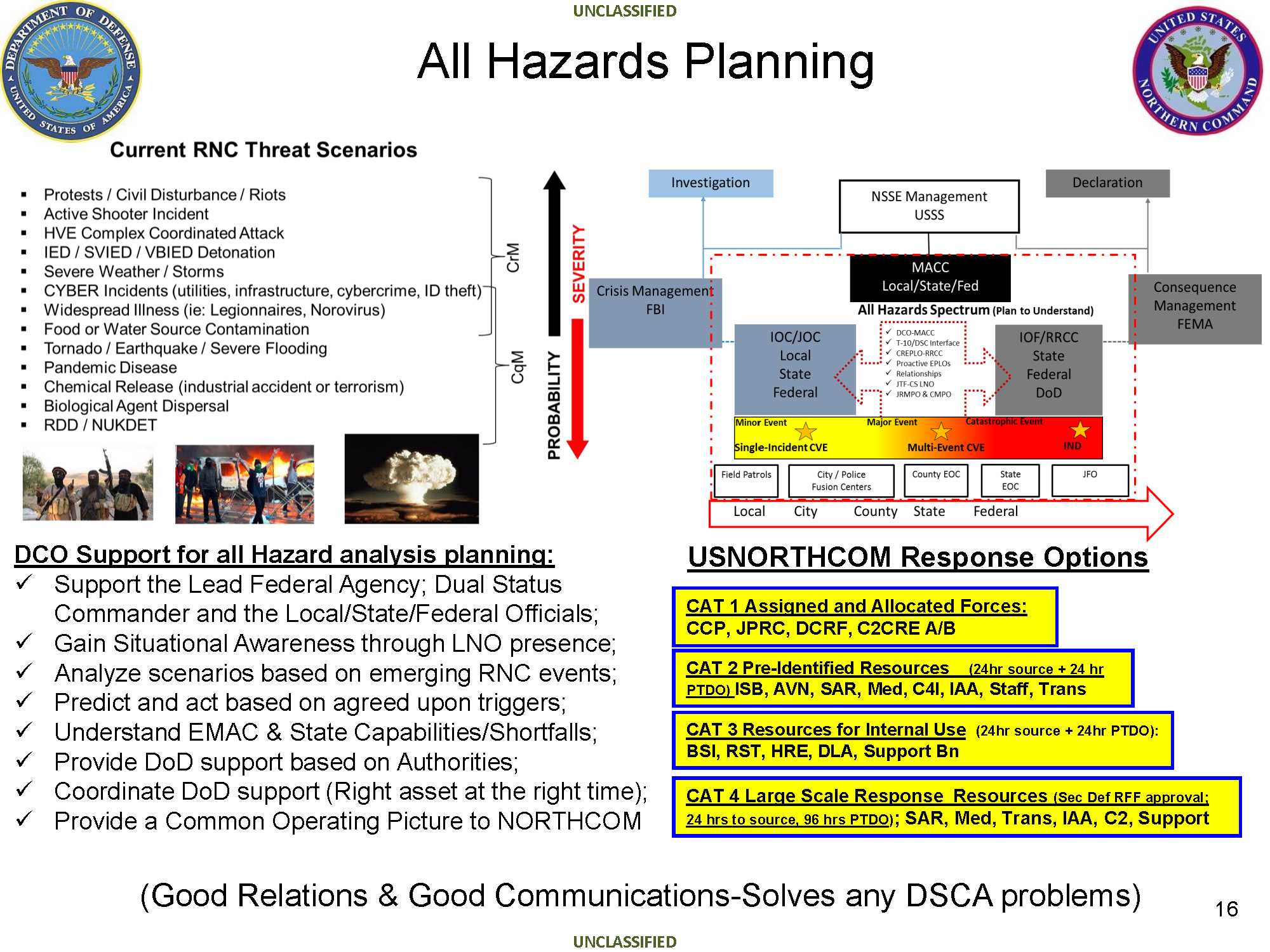
DOWNLOAD THE ORIGINAL DOCUMENT HERE:

LAJRIC-CO2-Leaks

Public Intelligence – Obama and Romney 2012 Debates Memorandum of Understanding

The following is the  memorandum of understanding between the Obama and Romney campaigns detailing rules and standards for the four arranged Presidential and Vice Presidential debates.


Download


DOWNLOAD THE ORIGINAL DOCUMENT HERE:

ObamaRomneyDebateMOU

.

PI unveils Investigations Federal Support for Fusion Centers Report

https://publicintelligence.net/wp-content/uploads/2012/10/HSGAC-FusionCenters.png


Sharing terrorism-related information between state, local and federal officials is crucial to protecting the United States from another terrorist attack. Achieving this objective was the motivation for Congress and the White House to invest hundreds of millions of taxpayer dollars over the last nine years in support of dozens of state and local fusion centers across the United States.

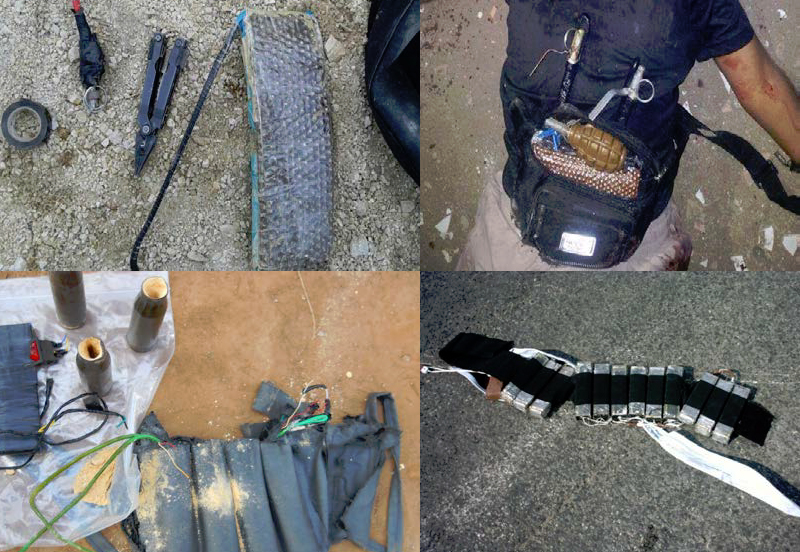
The Subcommittee investigation found that DHS-assigned detailees to the fusion centers forwarded “intelligence” of uneven quality – oftentimes shoddy, rarely timely, sometimes endangering citizens’ civil liberties and Privacy Act protections, occasionally taken from already-published public sources, and more often than not unrelated to terrorism. Congress directed the Department of Homeland Security (DHS) to lead this initiative. A bipartisan investigation by the Permanent Subcommittee on Investigations has found, however, that DHS’ work with those state and local fusion centers has not produced useful intelligence to support federal counterterrorism efforts.

The Subcommittee investigation also found that DHS officials’ public claims about fusion centers were not always accurate. For instance, DHS officials asserted that some fusion centers existed when they did not. At times, DHS officials overstated fusion centers’ “success stories.” At other times, DHS officials failed to disclose or acknowledge non-public evaluations highlighting a host of problems at fusion centers and in DHS’ own operations.

Since 2003, over 70 state and local fusion centers, supported in part with federal funds, have been created or expanded in part to strengthen U.S. intelligence capabilities, particularly to detect, disrupt, and respond to domestic terrorist activities. DHS’ support for and involvement with these state and local fusion centers has, from the beginning, centered on their professed ability to strengthen federal counterterrorism efforts.

Despite reviewing 13 months’ worth of reporting originating from fusion centers from April 1, 2009 to April 30, 2010, the Subcommittee investigation could identify no reporting which uncovered a terrorist threat, nor could it identify a contribution such fusion center reporting made to disrupt an active terrorist plot. Instead, the investigation found:

• Nearly a third of all reports – 188 out of 610 – were never published for use within DHS and by other members of the intelligence community, often because they lacked any useful information, or potentially violated department guidelines meant to protect Americans’ civil liberties or Privacy Act protections.
• In 2009, DHS instituted a lengthy privacy and civil liberties review process which kept most of the troubling reports from being released outside of DHS; however, it also slowed reporting down by months, and DHS continued to store troubling intelligence reports from fusion centers on U.S. persons, possibly in violation of the Privacy Act.
• During the period reviewed, DHS intelligence reporting suffered from a significant backlog. At some points, hundreds of draft intelligence reports sat for months before DHS officials made a decision about whether to release them to the intelligence community. DHS published many reports so late – typically months late, but sometimes nearly a year after they were filed – that many were considered “obsolete” by the time they were released.
• Most reporting was not about terrorists or possible terrorist plots, but about criminal activity, largely arrest reports pertaining to drug, cash or human smuggling.
• Some terrorism-related “intelligence” reporting was based on older news releases or media accounts.
• Some terrorism-related reporting also appeared to be a slower-moving duplicate of information shared with the National Counter Terrorism Center through a much quicker process run by the Federal Bureau of Investigation’s Terrorist Screening Center.

The Subcommittee investigation also examined DHS’ management of the fusion center counterterrorism intelligence reporting process. The investigation discovered:

DHS required only a week of training for intelligence officials before sending them to state and local fusion centers to report sensitive domestic intelligence, largely concerning U.S. persons.
• Officials who routinely authored useless or potentially illegal fusion center intelligence reports faced no sanction or reprimand.

The Subcommittee investigation also reviewed how the Federal Emergency Management Agency (FEMA), a component of DHS, distributed hundreds of millions of taxpayer dollars to support state and local fusion centers. DHS revealed that it was unable to provide an accurate tally of how much it had granted to states and cities to support fusion centers efforts, instead producing broad estimates of the total amount of federal dollars spent on fusion center activities from 2003 to 2011, estimates which ranged from $289 million to $1.4 billion.

The Subcommittee conducted a more detailed case study review of expenditures of DHS grant funds at five fusion centers, all of which lacked basic, “must-have” intelligence capabilities, according to assessments conducted by and for DHS. The Subcommittee investigation found that the state and local agencies used some of the federal grant money to purchase:

• dozens of flat-screen TVs;
• Sport Utility Vehicles they then gave away to other local agencies; and
• hidden “shirt button” cameras, cell phone tracking devices, and other surveillance equipment unrelated to the analytical mission of a fusion center.

All of those expenditures were allowed under FEMA’s rules and guidance, DHS officials told the Subcommittee. Yet none of them appeared to have addressed the deficiencies in the centers’ basic information analysis and sharing capabilities, so they could better contribute to federal counterterrorism efforts.

IV. DHS SUPPORT FOR AND INVOLVEMENT IN STATE AND LOCAL FUSION CENTERS DOES NOT GENERATE TIMELY, USEFUL INTELLIGENCE FOR FEDERAL COUNTERTERRORISM EFFORTS

• Reporting from fusion centers was often flawed, and unrelated to terrorism.
• Some reports had “nothing of value.”
• If published, some draft reporting could have violated the Privacy Act.
• Most fusion center reporting related to drug smuggling, alien smuggling or other criminal activity.
• Terrorism-related reporting was often outdated, duplicative and uninformative.
• DHS intelligence reporting officials who repeatedly violated guidelines faced no sanction.
• DHS did not sufficiently train its fusion center detailees to legally and effectively collect and report intelligence.
• Short-staffing and reliance on contract employees hampered reporting efforts.
• Reporting officials aren’t evaluated on the quality of their reporting.
• A hastily-implemented and poorly coordinated review process delayed reporting by months.
• Retaining inappropriate records is contrary to DHS policies and the Privacy Act.

• Problems with DHS reporting are acknowledged, but unresolved


DOWNLOAD THE ORIGINAL DOCUMENT HERE:

HSGAC-FusionCenters

TOP-SECRET – U.S. State Department Operations Center Overview Presentation by Public Intelligence

DOWNLOAD THE ORIGINAL DOCUMENT HERE:

StateDepartment-OpsCenter

Unveiled – DHS Privacy Policy for Operational Use of Social Media

https://publicintelligence.net/wp-content/uploads/2012/09/DHS-SocialMediaPrivacy.png


The following is an instruction accompanying DHS Policy Directive 110-01 “Privacy Policy for Operational Use of Social Media” that was enacted in June 2012.  The policy directive itself is only three pages and provides little information, whereas this instruction for the policy is ten pages and includes rules for compliance with the directive.  The policy was enacted following congressional hearings earlier this year that criticized DHS’ monitoring of social media.  However, this privacy policy specifically exempts the use of social media for “situational awareness by the National Operations Center” which was the focus of the hearings.


This Instruction applies throughout DHS regarding the access to and collection, use, maintenance, retention, disclosure, deletion, and destruction of Personally Identifiable Information (PII) in relation to operational use of social media, with the exception of operational use of social media for: (a) communications and outreach with the public authorized by the Office of Public Affairs; (b) situational awareness by the National Operations Center; (c) situational awareness by Components other than the National Operations Center, upon approval by the Chief Privacy Officer following completion of a Social Media Operational Use Template; and (d) the conduct of authorized intelligence activities carried out by the Office of Intelligence and Analysis, the intelligence and counterintelligence elements of the United States Coast Guard, or any other Component performing authorized foreign intelligence or counterintelligence functions, in accordance with the provisions of Executive Order 12333, as amended. This Instruction does not apply to the Office of the Inspector General; however, the OIG will comply with the spirit of the Instruction.

D. Rules of Behavior: Component Privacy Officers or PPOCs, in coordination with counsel and Program Managers, or System Managers as appropriate, draft Rules of Behavior for operational use of social media (either separately or as part of a broader policy document) and submit them with the Template to the Chief Privacy Officer for review and approval. Personnel granted access to use social media certify annually that they have read and understand the Component Rules of Behavior. Where certification is not practicable, Component Privacy Officers and PPOCs maintain records of employee attendance at privacy training that includes training on Rules of Behavior.

Rules of Behavior include requirements for operational use of social media and the consequences of failure to adhere to those requirements. Where a federal policy establishes guidelines that apply to a Component’s operational use of social media, the Component’s Rules of Behavior incorporate that policy and that fact is noted in the Template. Unless otherwise noted in the Template adjudication process, the Rules of Behavior provide, at a minimum, that DHS employees:

1. Use social media for operational purposes only when activities are authorized by statute, executive order, regulation, or policy;

2. Use only government-issued equipment, government accounts, and only government email addresses when engaging in the operational use of social media;

3. Use online screen names or identities that indicate an official DHS affiliation and use DHS email addresses to open accounts used when engaging in social media in the performance of their duties;

4. Access publicly available information through social media only by reviewing posted information without interacting with any individual who posted the information;
5. Respect individuals’ privacy settings and access only information that is publicly available unless the individual whose information the employee seeks to access has given consent to access it;
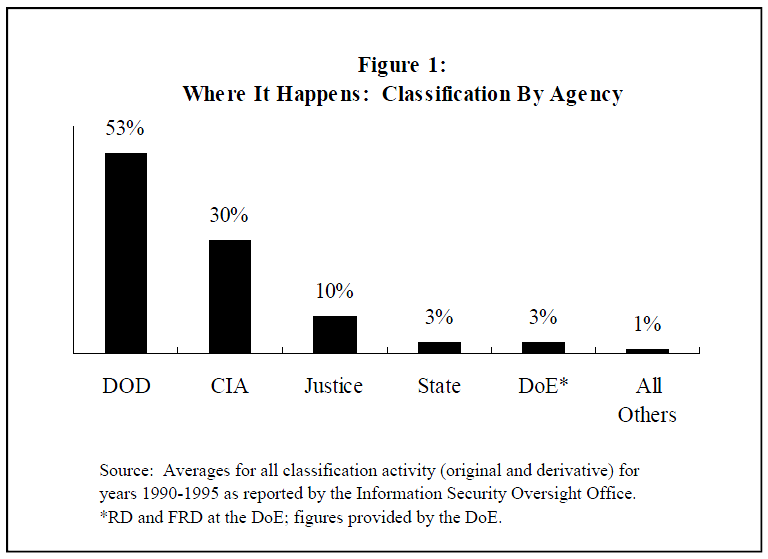
6. Collect the minimum PII necessary for the proper performance of their authorized duties;

7. Protect PII as required by the Privacy Act and DHS privacy policy; and

8. Document operational use of social media, including date, site(s) accessed, information collected, and how it was used in the same manner that the Department would document information collected from any source in the normal course of business. For instance, where information obtained through authorized operational use of social media is used in whole or in part to make decisions regarding an individual’s rights, benefits or privileges, employees document that fact in relevant records.


DOWNLOAD THE ORIGINAL DOCUMENT HERE:

DHS-SocialMediaPrivacy

SECRET- DHS Robotic Aircraft for Public Safety Request for Information

https://publicintelligence.net/wp-content/uploads/2012/09/DHS-RAPS-1.png


The Science and Technology (S&T) Directorate is the Department’s primary research and development arm. The S&T Directorate provides federal, state and local officials with the technology and capabilities to protect the homeland. The Directorate’s mission is to protect the homeland by providing Federal and local officials with state-of-the-art technology and other resources. The Borders and Maritime Security Division (BMD) in S&T supports this mission by developing and transitioning technical capabilities that enhance U.S. border security without impeding commerce and travel.

In support of this mission, BMD will conduct flight testing and evaluation of airborne sensors and small unmanned aerial systems (SUAS) for transition to its customers. The Robotic Aircraft for Public Safety (RAPS) project will invite SUAS vendors to a chosen location and evaluate each system using key performance parameters under a wide variety of simulated but realistic and relevant real-world operational scenarios, such as law enforcement operations, search and rescue, and fire and hazardous material spill response. The SUAS vendors will provide technically mature, flight proven vehicles and their fully-integrated sensors for evaluation. Safety concerns will also be assessed such as the aircraft’s capability for safe flight in the event of a loss of communications between the aircraft and the ground controller.

2. PROBLEM STATEMENT/REQUIREMENTS

The goal of this RFI is to solicit participation in the RAPS project from the SUAS vendor community (“SUAS providers”). S&T is completing an agreement with the state of Oklahoma for utilizing the U.S. Army’s Fort Sill test range for ongoing SUAS evaluation. The range will provide restricted airspace for unimpeded access for SUAS flight in addition to various environs for simulating realistic first responder, law enforcement and border security scenarios.

The SUAS providers are asked to submit a white paper describing the capabilities, maturity, flight experience, and safety performance of each platform. Each SUAS provider, if chosen for the RAPS project, will be provided a test plan and assigned five (5) consecutive flight days in advance of their systems’ evaluation by S&T. The test plan provided will be the same for all SUAS providers, and range support and airspace access will be provided at cost to S&T. Travel and other associated expenses will be incurred by the SUAS provider.

During each flight test, the systems will be subject to an evaluation against the given parameters and will result in a report detailing its performance. The information within each test report will be classified as For Official Use Only, and will not be shared with the general public. All company-restricted information will remain proprietary to the SUAS provider, and not shared publicly without explicit consent.

Key Performance Parameters (KPPs) associated with the SUAS, in terms of Threshold (minimum) and Objective (preferred), are:


DOWNLOAD THE ORIGINAL DOCUMENT HERE:

DHS-RAPS

SECRET- UNODC Estimating Illicit Financial Flows From Drug Trafficking

https://publicintelligence.net/wp-content/uploads/2012/09/UNODC-IllicitFlows.png


The purpose of this study was to examine the magnitude of illicit funds generated by drug trafficking and organized crime, and the extent to which they are laundered. Research in this area is still limited and results difficult to compare, but likely orders of magnitude may be estimated, though they should be treated with caution.

•• The most widely quoted figure for the extent of money laundered has been the IMF ‘consensus range’ of 2% to 5% of global GDP, made public by the IMF in 1998. A meta-analysis of the results from various studies suggests that all criminal proceeds are likely to amount to some 3.6% of global GDP (2.3%-5.5%), equivalent to about US$2.1 trillion (2009).

•• The best estimate for the amount available for laundering through the financial system, emerging from a meta-analysis of existing estimates, would be equivalent to 2.7% of global GDP (2.1%-4%) or US$1.6 trillion in 2009. Still within the IMF ‘consensus range’, this figure is located towards its lower end.

•• If only flows related to drug trafficking and other transnational organized crime activities were considered, related proceeds would have been equivalent to around US$650 billion per year in the first decade of the new millennium, equivalent to 1.5% of global GDP or US$870 billion in 2009 assuming that the proportions remained unchanged. The funds available for laundering through the financial system would have been equivalent to some 1% of global GDP or US$580 billion in 2009.

•• The largest income for transnational organized crime comes from illicit drugs, which account for some 20% (17%-25%) of all crime proceeds, about half of transnational organized crime proceeds and 0.6% to 0.9% of global GDP. In turn, drug-related proceeds available for money-laundering through the financial system would be equivalent to between 0.4% and 0.6% of global GDP.

•• Expressed as a proportion of national GDP, all crime proceeds appear to be generally higher in developing countries and tend to be laundered abroad more frequently.

•• The results also suggest that the ‘interception rate’ for anti-money-laundering efforts at the global level remains low. Globally, it appears that much less than 1% (probably around 0.2%) of the proceeds of crime laundered via the financial system are seized and frozen.

•• More in-depth research was undertaken, in the context of the present study, on illicit financial flows generated by the transnational organized crime market for cocaine and the distribution of these flows across regions. Overcoming the complexities of the problem and the lack of readily available data required innovative approaches.

•• The gross profits out of cocaine sales (totalling US$85 bn) were estimated at US$84 billion for the year 2009. (About US$1 billion were production costs, mainly going to farmers in the Andean region). Most of the profits (retail and wholesale) were generated in North America (US$35 bn) and in West and Central Europe (US$26 bn).

•• While the local cocaine market in South America (including Caribbean and Central America) are still rather small in dollar terms (U$S3.5 bn), the gross profits of organized crime groups operating in South America, selling the drugs to the local markets as well as to overseas markets rise to some US$18 billion.

•• The calculations, derived from estimates of the size of the market, the number of traffickers and the market structure (derived from individual drug seizures), suggested that, at the wholesale level, some 92% of global cocaine gross profits were available for laundering in 2009. The proportion fell to 46% at the retail level.

•• A new ‘gravity model’ was developed to show the likely laundering flows, based on indicators of the potential attractiveness of locations to money launderers. Out of more than US$84 billion in gross profits and some US$53 billion available for laundering, the base version of the gravity model predicts that some US$26 billion leave the jurisdictions where the profits were generated.

•• The largest outflows, according to the model, would take place from countries in North America (US$10 bn), South America (US$7 bn) and Europe (US$7 bn). These regions would together account for 95% of all cocaine profit-related outflows worldwide.

•• In terms of net outflows (outflows less inflows) the model suggests that the main destination outside the regions where the profits were generated would be the Caribbean, with net inflows of around US$6 billon, reflecting significant outflows from North America and South America. Such outflows do not appear to be compensated by inflows from other regions. The outflows from countries in Europe, in contrast, would be offset by inflows from other countries in Europe, North America and South America.

•• The presented outcome still relies on a large number of assumptions (number of traffickers, market structure, factors influencing the decisions of moneylaunderers) whose validity needs to be tested, opening a whole set of new research questions for the future.

•• Analysis of the socio-economic impact suggests that the most severe consequence of criminal funds is the further perpetuation and promotion of criminal activities. In the drug area, research indicates that the socio-economic costs related to drug abuse are twice as high as the income generated by organized crime; in some countries (USA, UK) one can even find a 3:1 ratio.

•• Criminal funds, even if invested in the legal economy, may create a number of problems, from distortions of the resource allocation, to ‘crowding out’ licit sectors and undermining the reputation of local institutions, which, in turn, can hamper investment and economic growth. The situation is less clear-cut for financial centres receiving illicit funds, but the long-term consequences may be negative if they do not actively fight money-laundering.

DOWNLOAD THE ORIGINAL DOCUMENT HERE:

UNODC-IllicitFlows

PI-NSA Site M Environmental Impact Survey – SECRET

he following environmental impact survey documents pertain to the NSA’s planned expansion at Site M in Fort Meade, Maryland.  In June 2011, Public Intelligence published planning documents for the Site M project that revealed extensive details about the proposed use of the site, including the construction of a $118,000,000 million U.S. Cyber Command Joint Operations Center for unifying the cyber capabilities of military components and U.S. intelligence agencies.

Department of Defense Record of Decision for the Campus Development Project at Fort George G. Meade, Maryland November 29, 2010 13 pages Download
Environmental Impact Survey Addressing Campus Development at Fort George G. Meade, Maryland – Part 1 September 27, 2010 150 pages Download
(5.79 MB)
Environmental Impact Survey Addressing Campus Development at Fort George G. Meade, Maryland – Part 2 September 27, 2010 120 pages Download
(4.26 MB)
Environmental Impact Survey Addressing Campus Development at Fort George G. Meade, Maryland – Part 3 September 27, 2010 76 pages Download
(8 MB)
Environmental Impact Survey Addressing Campus Development at Fort George G. Meade, Maryland – Part 4 September 27, 2010 126 pages Download
(10.22 MB)


The Department of Defense (DOD) has published the (Final) Environmental Impact Statement (EIS) for the proposed implementation of campus development initiatives and the construction of associated facilities for the National Security Agency (NSA) complex at Fort George G. Meade (Fort Meade), Maryland, dated September, 2010. The National Security Agency/Central Security Service (NSA/CSS) is a cryptologic intelligence agency administered as part of the DOD. It is responsible for the collection and analysis of foreign communications and foreign signals intelligence. For NSA/CSS to continue to lead the Intelligence Community into the next 50 years with state-of-the-art technologies and productivity, its mission elements will require new facilities and infrastructure.

The DOD proposes to implement a plan to develop and construct an operational complex at Site M at Fort Meade. Site M consists of approximately 227 acres in the southwestern quadrant of Rockenbach Road and Cooper Avenue. The area presently serves as portions of Fort Meade’s Applewood and Park golf courses (The Courses). For development planning purposes, Site M is divided into two portions. The northern portion, fronting on Rockenbach Road and consisting of approximately 137 acres, is referred to as Site M-I. The southern portion, consisting of approximately 90 acres, is referred to as Site M-2.

Development of Site M takes into account several factors, including mission requirements, the condition of current facilities (both on and off NSA’s Exclusive Use Area at Fort Meade), space planning, anti-terrorism/force protection, land availability, utility requirements, base realignment and closure actions, traffic and parking changes, and environmental impacts. NSA’s Real Property Master Plan identifies movement of its facilities to the interior of Fort Meade to meet new DOD physical security requirements. A key factor driving the site development concept planning is the co-location of mission functions to provide a more efficient and effective work environment for mission-critical functions of the Intelligence Community.

DOD has considered development of Site M under three discrete phases identified for implementation over a horizon of approximately 20 years. Implementation of Phase I is being treated as and would meet the immediate need for the Proposed Action. Phases II and III are being analyzed as alternative development options and are discussed in Section 3 below.

Under Phase I, development would occur in the near term (approximately 2012 to 2014) on half of Site M-I, supporting 1.8 million square feet (ft2) of facilities for a data center and associated administrative space. NSA would consolidate mission elements, which would enable services and support services across the campus based on function; serve the need for a more collaborative environment and optimal adjacencies, including associated infrastructure (e.g., electrical substation and generator plants providing 50 megawatts [MW] of electricity); and provide administrative functions for up to 6,500 personnel. This phase would also include a steam and chilled water plant, water storage tower, and electrical substations and generator facilities capable of supporting the entire operational complex on Site M.

Construction of the proposed facilities and the addition of personnel would require additional campus parking. The use of multi-level parking facilities will be considered in lieu of surface parking. The amount of replacement parking needed would depend on the facility alternatives selected.

Since the development of Site M is in the planning stages, no engineering or design work for replacement parking has been accomplished. Therefore, the EIS did not consider various design factors in detail but made general assumptions about the requirements that would be associated with surface parking and parking garages. The exact space requirements will become known as the detailed design process progresses.

Proponent: U.S. Department of Defense (DOD), National Security Agency (NSA).

Affected Location: Fort George G. Meade, Maryland.

Report Designation: Final Environmental Impact Statement (EIS).

Proposed Action: DOD proposes to develop a portion of Fort Meade (referred to as “Site M”) as an operational complex and to construct and operate consolidated facilities for Intelligence Community use.

Abstract: DOD has considered development of Site M under three discrete phases identified for implementation over a horizon of approximately 20 years. Implementation of Phase I is being treated in this EIS as the Proposed Action. Phases II and III are being analyzed as alternative development options. Under Phase I, development would occur in the near term (approximately 2012 to 2015) on the eastern half of Site M-1, supporting 1.8 million square feet of facilities for a data center and associated administrative space. NSA would consolidate mission elements, which would enable services and support services across the campus based on function; serve the need for a more collaborative environment and optimal adjacencies, including associated infrastructure (e.g., electrical substation and generator plants providing 50 megawatts of electricity); and provide administrative functions for up to 6,500 personnel. Phase I would also include constructing a steam and chilled water plant, water storage tower, and electrical substations and generator facilities capable of supporting the entire operational complex on Site M.

Development of Site M takes into account several factors, including mission requirements, the condition of current facilities (both on and off NSA’s Exclusive Use Area at Fort Meade), space planning, anti-terrorism/force protection, land availability, utility requirements, Base Realignment and Closure actions, traffic and parking changes, and environmental impacts. Use of multi-level parking facilities will be considered in lieu of surface parking. A key factor driving the site development concept planning is the co-location of mission functions to provide a more efficient and effective work environment for mission-critical functions of the Intelligence Community.

The analysis in this EIS considers various alternatives to the Proposed Action, including the No Action Alternative, electrical generation alternatives, pollution control alternatives, and location alternatives for the various proposed facilities.

SECRET-Department of Health and Human Services List

The following document was produced by the Department of Health and Human Services as part of their “Now Trending Challenge” to develop applications for monitoring disease outbreaks via Twitter.  The document contains lists of various terms that are associated with a number of diseases from the common cold to diphtheria.  The winner of the challenge, MappyHealth, allows users to view trending information for a variety of diseases in the U.S. and abroad.  For more information on HHS’ efforts to monitor Twitter and the Now Trending Challenge, see Carlton Purvis’ article for Security Management magazine.

Department of Health and Human Services Office of the Assistant Secretary for Preparedness and Response (ASPR)

Download

DOWNLOAD THE ORIGINAL DOCUMENT HERE:

HHS-TwitterDiseaseTerms

U.S. Navy Cloak Blade Inherently Stealthy Micro-Copter Presentatiby PI


The following presentation accompanied a recent demonstration of the Cloak Blade, a micro-copter developed by Johns Hopkins University Applied Physics Laboratory under contract from the U.S. Navy.  The Cloak Blade is a “octo-rotor UAV intended to operate at sea to provide ships with pop-up over the horizon situational awareness using first person streaming video. The UAV will investigate contacts of interest at 10-30 nautical miles range with two to four hour mission endurance and a ceiling of more than 3,000 feet. The UAV can be flown by AES-encrypted wireless or autonomous flight controls and can maneuver evasively to avoid small arms fire. The demonstration model is currently equipped with commercial off-the-shelf sensors including Hero HD and Sony 300 digital zoom video cameras providing real time full motion video.”

https://publicintelligence.net/wp-content/uploads/2012/09/APL-CloakBlade-1.png


https://publicintelligence.net/wp-content/uploads/2012/09/APL-CloakBlade-2.png


https://publicintelligence.net/wp-content/uploads/2012/09/APL-CloakBlade-3.png


https://publicintelligence.net/wp-content/uploads/2012/09/APL-CloakBlade-4.png


https://publicintelligence.net/wp-content/uploads/2012/09/APL-CloakBlade-5.png

Public Intelligence – U.S. Air Force Lawful Intercept Capability for the Government of Iraq


This Statement of Work (SOW) involves purchasing and installing a Lawful Intercept (LI) capability for the Government of Iraq (GOI). The capability shall include: providing installation, system engineering, system administration, terminal operations support, and mentoring/training Iraqi system operators. The solution should include a disaster recovery feature/configuration that would replicate (backup) the server and database storage at a physically separate facility. LI will provide the GOI a powerful communications intelligence tool to assist in combating criminal organizations and insurgencies by supporting evidence-based prosecutions, warrant-based targeting, and intelligence-based operations.

The objective of this effort is to provide a LI capability to the GOI so they can intercept cellular communications (whether voice, data, or Short Message Service (SMS)) in order to disrupt criminal activity, organized crime, and insurgent operations. The installed system will allow LI of communications across all Global System for Mobile Communications (GSM) providers within Iraq. This effort will focus on setting up the system on the three service providers networks (Asia Cell, Zain, and Korek).

2.1Functional Requirements

2.1.1 The Contractor shall ensure the LI system is compliant with relevant ETSI standards governing LI, including, but not limited to ETSI TS 101 331, ETSI ES 201 158, and ETSI TS 101 671.

2.1.2 The system shall have a Lawful Intercept based switch.

2.1.3 The operating software language shall be identified by the contractor.

2.1.4 The LI system shall maintain a database, including identifications in order to build a comprehensive catalog of targets, associates and relationships.

2.1.5 The system shall allow for collected names and numbers to be automatically added to the names/numbers database.

2.1.6 The system shall have a single common integrated desktop Graphical User Interface (GUI) for monitors to access all collected content types from one view.

2.1.7 The system shall be capable of monitoring 5000 targets and support 20% (1000) total simultaneous voice calls. The Contractor shall use general LI traffic assumptions for identifying GPRS (Mobile Data) and SMS volume requirement, and support the identified requirements for each service provider. GPRS and circuit switched data traffic is to be intercepted within each of the 3 service providers.

2.1.8 The LI system shall have the ability to capture and store for at minimum 90 days the following: voice calls, SMS messages, and intercept related information for replay.

2.1.9 The LI system shall be expandable to process voice & data on PSTN, CDMA, and 3G providers.

2.1.10 The LI system shall display data in both tabular and graphical format, as applicable, to include geospatial display of targeted user’s location(s) within 100 meters.

2.1.11 The system shall support the use of satellite imagery and other mapping overlays (e. g. Google Earth).

2.1.12 The system shall have the ability to automate workflow procedures.

2.1.13 The system shall provide a method to automate the playback of content with minimal user intervention.

2.1.14 The system shall support user created complex queries that can be shared among other users.

2.1.15 The system shall provide an automatic screen refresh of common fields to allow users to see up to date information every 10 seconds or less.

2.1.16 The LI system shall provide for differing tasking based on privilege levels.

2.1.17 The LI system shall provide a reporting and metrics sub-system which generates custom reports using different metrics input by the user to evaluate system and collection performance.

2.1.18 The LI system shall employ a cryptographic means to guarantee that intercepted content is not tampered with from time of interception to time of trial.

2.1.19 The LI system shall have the ability to perform near real-time monitoring/surveillance on voice calls, SMS messages, and intercept related information.

2.1.20 The LI system shall provide near real time location monitoring of targets, based on Location Area Code (LAC), Cell, or actual Location-Based Service (LBS.)

2.1.21 The LI system shall be able to raise a near real time (less than 10 minutes) alarm if two or more targets come within a user defined distance of each other.

2.1.22 The LI system shall be able to raise a near real time (less than 10 minutes) alarm if the target transitions in or out of a user defined geo-fence area.

2.1.23 The LI system shall be located at the monitoring center location, which serves as the law enforcement monitoring facility.

2.1.24 The LI system shall provide redundant capabilities to avoid single points of failure or data loss; this includes a second set of backup servers located at NIIA Headquarters to be installed.

2.1.25 The Contractor shall ensure the technical solution will integrate into the existing site-specific infrastructure and/or Government, of Iraq Networks, specifically the International Zone Fiber Network/Iraqi National Packet Network (IZFN/INPN) and other partner transport networks as identified by the U.S. Government. Currently there are no other partner transport networks.

2.1.26 The Contractor shall label all telecommunication infrastructure and equipment components to Indications and Warnings (IAW) standards. All labeling shall be in both Arabic and English.

2.1.27 All equipment procured and installed by this project shall be rated to operate at 220 volts/50 Hertz (the Iraqi electrical standard).

2.1.28 The Contractor shall engineer necessary power backup systems, to include Uninterrupted Power Supply (UPS) and generator backup to ensure 24/7 operation of the equipment in an environment with unstable power (1 hour on UPS, indefinitely on generator). The Contractor shall provide backup electric and cooling systems in sufficient quantity to maintain LI functionality at both the primary and backup sites. LI functionality is defined as keeping the installed LI system and all monitoring stations and equipment associated with collecting LI data operational and running at full capacity.

DOWNLOAD THE ORIGINAL DOCUMENT HERE:

USAF-IraqLawfulIntercept


TOP-SECRET-Clean IT Project Detailed Recommendations for Combating Terrorists

https://publicintelligence.net/wp-content/uploads/2012/09/Clean-IT-0.63.png


NOTE: this document contains detailed recommendations on how to implement the best practices identified in the Clean IT project. It will be developed further in the months ahead. After the end of the Clean IT project it will only be shared with organizations that have committed to implementing the best practices. It will be developed further with these organizations participating in the Clean IT permanent public-private dialogue platform.

Items in this document arc not obligatory to organizations to implement, but have met a high degree of consensus, except for the sections ‘to be discussed’. Items in the ‘to be discussed/ sections are either new, need reformulating or are contested. The items formulation includes three degrees to of whether organizations committing to the Clean IT ‘draft document’ are expected to implement the detailed recommendations in this document: what they ‘must’, what they ‘should’ if no specific, pressing situation or interest prevents them to, and what they ‘could implement if they want.’

1. After committing to this document, organizations will implement the best practices according to the following time schedule.

  • Within half a year:
    • Governments will review and decide on policies;
    • Internet companies will include terrorist use of the Internet in their business conditions and acceptable use policies;
    • Existing hotlines will explicitly include terrorist use of the Internet;
    • Organizations will appoint Points of Contact.
  • Within a year:
    • Governments will review and decide on improving legislation;
    • LEAs will start a national referral unit, and Internet companies of a country will jointly start a hotline;
    • LEAs and Internet companies will implement procedures for notice and take action;
    • LEAs and Internet companies will implement procedures for cooperation in investigations;
    • LEAs will start patrolling on social media;
    • Internet companies will start using flagging systems;
    • Internet companies will start to share abuse information;
    • A Points of Contact System will be operational;
    • National LEAs will implement a police reporting buton.
  • Within two years:
    • Governments, LEAs, NGOs and Internet companies will do all they can to promote the use and increase the effectiveness of end-user controlled filters on of terrorist use of the Internet;
    • Governments, LEAs, NGOs and Internet companies will implement improvements on awareness, information and education,
    • Governments, LEAs, NGOs and Internet companies will create European Research and Advisory Organization on terrorist use of the Internet;
    • Governments, LEAs, NGOs and Internet companies will start to use automated detection systems;
    • Internet companies will implement real identity policies on their platforms;
    • At the European level a browser or operating system based reporting button system will be developed and introduced.

To be discussed:

1. Knowingly providing hyperlinks on websites to terrorist content must be defined by law as illegal just like the terrorist content itself;

2. States must make clear that original terrorist content and terrorist activities on the Internet of people and organisations on the UN/EU/national terrorist sanction list is illegal and should not be allowed on Internet company platforms;

3. It must be legal (under privacy legislation) for Internet companies to ask (new) customers/users to identify themselves towards the company, in order to apply real identity policies;

4. It must be legal for LEAs to make Internet companies aware of terrorist content on their infrastructure (‘flagging’) that should be removed, without following the more labour intensive and formal procedures for ‘notice and take action’;
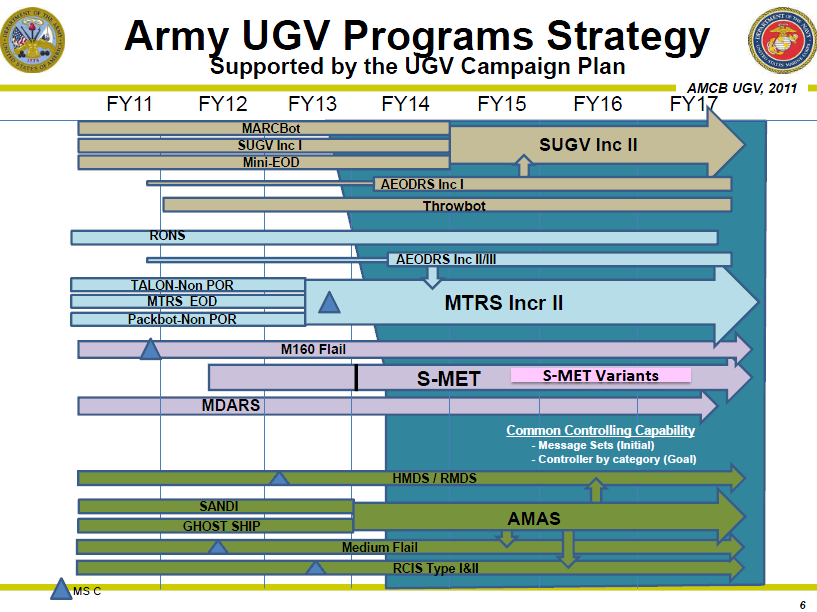
5. Judges, Public Prosecutors and (specialized) police offers must be legally allowed to order by means of a notice and take action procedure to (temporarily) remove terrorist content from the Internet;
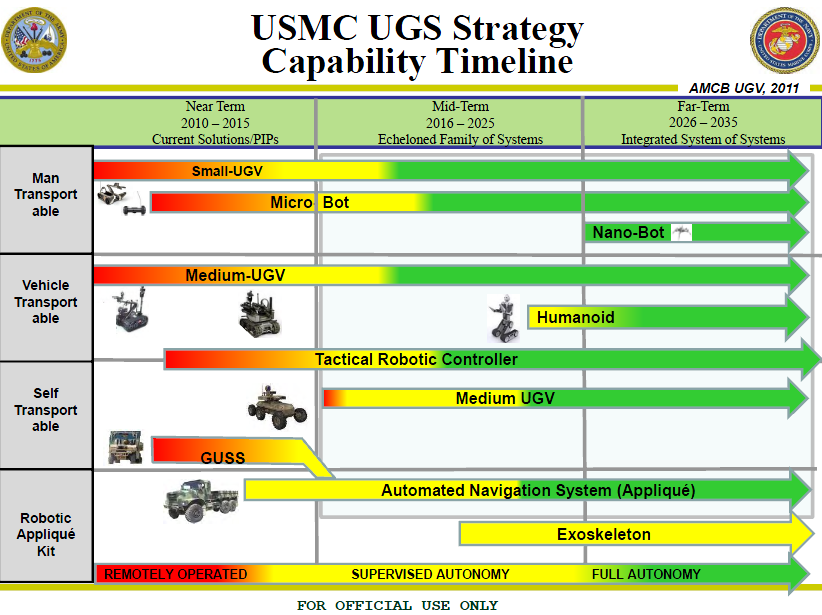
6. Legislation must make clear Internet companies are obliged to try and detect to a reasonable degree (costs of and availability of technology for detection} terrorist use of the infrastructure and can be held responsible for not·removing (user generated} content they host/have users posted on their platforms if they do not make reasonable effort in detection;

7. Companies providing end-user controlled filtering systems and their customers should be obliged by law to report cases of illegal use of the Internet for terrorist purposes they encounter;

8. It should be legal and obligatory for Internet companies to store data on terrorist content removed from their platform until they can hand this data to LEA;

9. Governments must start a full review of existing national legislation on reducing terrorist use of the Internet, after this start improving legislation and puting more effort into explaining existing legislation;

10. The Council Regulation (EC) No 881/2002 of 27 May 2002 (art 1.2) should be explained that providing Internet services is included in providing economic instruments to Al Qaeda (and other terrorists persons and organisations designated by the EU) and therefore an illegal act;

11. (National) legislation should make clear that knowingly sending false reports to Internet referral units is illegal and punishable, just like intentionally false calling of 1911′ in (some} countries is.

12. Youth protection legislation must (be expanded to) include protection against terrorist use of the Internet.

To be discussed:

1. Governments must have LEA’s or intelligence agencies monitor terrorist use of the Internet, but only monitor specific threats, not primarily the population as a whole and all Internet use;

2. Governments must have clear policies on intelligence gathering and when to take action, against terrorist or radicalizing content on the Internet;

3. Governments must have specialized police officer(s) ‘patrol’ on social media;

4. Governments must include reducing terrorist use of the Internet as an integral part of their Cyber Security Strategy;

5. Governments must stimulate mid-term (> 5 year) technological development as well as stimulate research and academic discussion;

6. Governments must disseminate lists of illegal, terrorist websites;

7. Governments must disseminate lists of domain names that can are not allowed to be registered, to prevent terrorist propaganda;

8. Governments must subsidize competent NGOs that substantially contribute to reducing terrorist use of the Internet and radicalizing content on the Internet;

9. Governments should implement filtering systems to block or detect civil servants to illegal, terrorist use of the Internet;

10. Governments should subsidize the initial development of software for sharing between Internet companies specific data of terrorist use of the Internet;

11. Governments should include Internet companies’ track record on reducing terrorist use of the Internet as a criterion in purchasing policies and Public Relation policies;

12. Governments could have programs to educate web moderators;

13. Governments could implement counter narrative policies and projects.


DOWNLOAD THE ORIGINAL DOCUMENT HERE:

Clean-IT-0.63

SECRET- Investigations Statement on Corporate Offshore Profit Shifting

https://publicintelligence.net/wp-content/uploads/2012/09/HSGAC-CorporateOffshore.png


America stands on the edge of a fiscal cliff. This challenge lends new urgency to a topic this subcommittee has long investigated: how U.S. citizens and corporations have used loopholes and gimmicks to avoid paying taxes. This subcommittee has demonstrated in hearings and comprehensive reports how various schemes have helped shift income to offshore tax havens and avoid U.S. taxes. The resulting loss of revenue is one significant cause of the budget deficit, and adds to the tax burden that ordinary Americans bear.

U.S. multinational corporations benefit from the security and stability of the U.S. economy, the productivity and expertise of U.S. workers and the strength of U.S. infrastructure to develop enormously profitable products here in the United States. But, too often, too many of these corporations use complex structures, dubious transactions and legal fictions to shift the profits from those products overseas, avoiding the taxes that help support our security, stability and productivity.

The share of federal tax revenue contributed by corporations has plummeted in recent decades. That places an additional burden on other taxpayers. The massive offshore profit shifting that is taking place today is doubly problematic in an era of dire fiscal crisis. Budget experts across the ideological spectrum are unified in their belief than any serious attempt to address the deficit must include additional federal revenue. Federal revenue, as a share of our economy, has plummeted to historic lows – about 15 percent of GDP, compared to a historic average of roughly 19 percent. The Simpson-Bowles report sets a goal for federal revenue at 21 percent of GDP. The fact that we are today so far short of that goal is, in part, due to multinational corporations avoiding U.S. taxes by shifting their profits offshore.

More than 50 years ago, President Kennedy warned that “more and more enterprises organized abroad by American firms have arranged their corporate structures aided by artificial arrangements … which maximize the accumulation of profits in the tax haven … in order to reduce sharply or eliminate completely their tax liabilities.” So this problem is not new. But it has gotten worse, far worse. What is the result? Today, U.S. multinational corporations have stockpiled $1.7 trillion in earnings offshore.


DOWNLOAD THE ORIGINAL DOCUMENT HERE:

HSGAC-CorporateOffshore

Public Intelligence unveils U.S. State Department OSAC Libya Reports May 2011-September 2012

https://publicintelligence.net/wp-content/uploads/2012/09/OSAC-Libya-5_Page_1-791x1024.jpg


The group or individuals responsible for the attack on the Benghazi consulate remains unknown. It is also unclear if the attack was premeditated or simply a demonstration that spun out of control. Following the overthrow of Muammar Qaddafi and the ensuing civil war, Libya has been awash with small arms and light weapons. The use of such arms at the demonstration does not necessarily indicate a pre-meditated, coordinated attack. Online jihadi groups have claimed the attack was due to a statement released by al-Qa’ida leader Ayman al-Zawahiri regarding the earlier death of another al-Qa’ida leader, Abu Yahya al-Libi. Others have suggested that the attack was pre-meditated to coincide with the 9/11 anniversary in the United States. Neither of those claims has been substantiated. Until more evidence comes out, OSAC is unable to conclude whether this was a pre-meditated, planned, and coordinated assault on the Consulate.

In general, as the Libyan government and security forces have attempted to reconstitute themselves, a number of militias continue to impact the security environment, particularity in Benghazi. Some of the Libyan militias are anti-Western in nature and share similar ideologies with al-Qa’ida. As such, the September 11 attack in Benghazi is not necessarily indicative of a larger trend of violent protests across the Middle East.

There has been no substantiated claim of responsibility for the attacks, though media reports suggest members of Ansar al-Sharia participated in the attack. Ansar al-Sharia, or “Partisans of Islamic Law” in Arabic, is a hard-line Islamist group based in eastern Libya with ties to al-Qa’ida. Ansar al-Sharia opposed the recent Libyan elections, condemning them as illegitimate and un-Islamic. Ansar al-Sharia believes Libya should be governed by the Koran rather than a written constitution. It should be noted that Ansar al-Sharia is often used as a “catch-all” term to describe religious extremists in Libya.

Previous Attacks in Benghazi

  • June 6: Militants threw an improvised explosive device (IED) at the perimeter of the U.S. consulate resulting in damage but no injuries.
  • June 11: The motorcade of the British Ambassador to Libya attacked with an RPG, leaving two bodyguards wounded.
  • June 18: Armed gunmen attacked the Tunisian consulate and burned the Tunisian flag in protest of an art exhibition in Tunisia.
  • August 5: The International Committee of the Red Cross compound was attacked by individuals using RPGs, with no injuries reported.

U.S. Department of State Overseas Security Advisory Council

Attack on U.S. Consulate Benghazi: U.S. Officials Killed September 12, 2012 3 pages Download
Fatal Car Bombs Hit Tripoli August 27, 2012 2 pages Download
Libyan Elections July 20, 2012 3 pages Download
Libya Instability Continues June 12, 2012 2 pages Download
Progress Elusive in Libya March 7, 2011 2 pages Download

TOP-SECRET-Joint DoDIIS/Cryptologic SCI Information Systems Security Standards Revision 3

https://publicintelligence.net/wp-content/uploads/2012/09/DoD-JDCSISSS.png


(U) The policy of the U.S. Government is that all classified information must be appropriately safeguarded to assure the confidentiality, integrity, and availability of that information. This document provides procedural guidance for the protection, use, management, and dissemination of Sensitive Compartmented Information (SCI), and is applicable to the Department of Defense (DoD) to include DoD components and Government contractors who process SCI. The combination of security safeguards and procedures used for Information Systems (IS) shall assure compliance with DoD 5105.21-M-1, Director, Central Intelligence Directive 6/3 (DCID 6/3), National Security Agency/Central Security Service (NSA/CSS) Manual 130-1 and the Defense Intelligence Agency Manual (DIAM 50-4). The Joint DoDIIS/Cryptologic SCI Information Systems Security Standards (JDCSISSS) is a technical supplement to both the NSA/CSS Manual 130-1 and DIAM 50-4.

(U) The prime purpose of this document is to provide IS security implementation guidance relative to the management of SCI and the automated infrastructure used to process this information at the organizational level.

1.1 (U) BACKGROUND

The DIA DoDIIS Information Assurance (IA) Program includes the Air Force, Army, Navy, and National Imagery and Mapping Agency (NIMA) Service Certification Organizations (SCO). The NSA/CSS Cryptologic Information Assurance (IA) Program includes the Air Force, Army, and Navy Service Cryptologic Elements (SCE). Together, they identified a requirement to standardize security procedures used in the management of Sensitive Compartmented Information (SCI) systems and the information they process. SCI is defined as information and materials requiring special community controls indicating restricted handling within present and future community intelligence collection programs and their end products. These special community controls are formal systems of restricted access established to protect the sensitive aspects of sources, methods, and analytical procedures of foreign intelligence programs. It was also determined that by standardizing procedural guidelines, it would significantly improve support to the increasingly interconnected customer base of the Joint Services. This document describes the protection philosophy and functional procedures essential in the implementation of an effective IA Program. Further, it provides implementation guidelines and procedures applicable to the protection, use, management, and dissemination of SCI; assigns responsibilities; and establishes procedures for the development, management, and operations of systems and networks used for processing SCI. The primary purpose of this supplemental guidance is to address day-to-day IS security (ISS) issues and provide support to those responsible for managing SCI and the automated infrastructure used to process this information at the organizational level.

1.5.12 (U) General Users

General users must hold U.S. Government security clearance/access approvals commensurate with the highest level of information processed by the system. The responsibilities of a general user shall
include:

·  Use the system for official use, only. Appropriate personal use of IS must be approved first by the individual’s supervisor.
·  Participate, at a minimum, in annual computer security awareness briefings/training.
·  Provide appropriate caveat and safeguard statements on all IS files, output products, and storage media.
·  Protect ISs and IS peripherals located in his/her respective areas.
·  Secure unattended ISs by invoking screen lock or logging off.
·  Safeguard and report any unexpected or unrecognizable output products to the ISSO/SA as appropriate. This includes both display and printed products.
·  Safeguard and report the receipt of any media received through any channel to the appropriate ISSO/SA for subsequent virus inspection and inclusion into the media control procedures.
·  Report all security incidents to the ISSO/SA or ISSM.
·  Protect passwords at the same level as the highest classification of material which the system is accredited to process.
·  Protect passwords by never writing passwords down and destroy the original password documentation following initial review.
·  Protect passwords from inadvertent disclosure.
·  Protect all files containing classified data.
·  Notify the system ISSO/SA if he or she suspects that a possible IS and/or network security problem exists.
·  Ensure access doors, covers, plates and TEMPEST seals are properly installed on ISs to eliminate security hazards.
·  Protect their authenticators and report any compromise or suspected compromise of an authenticator to the appropriate ISSO.

1.5.13 (U) Prohibited Activities

In general, there are activities that all users shall not perform on Government systems:

·  Use ISs for personal gain, personal profit or illegal activities.
·  Release, disclose, or alter information without the consent of the data owner or the disclosure officer’s approval. Violations may result in prosecution of military members under the Uniform
Code of Military Justice, Article 92 or appropriate disciplinary action for civilian employees.
·  Attempt to strain or test security mechanisms, or perform network line monitoring or keystroke monitoring without proper authorization.
·  Attempt to bypass or circumvent computer security features or mechanisms.
·  Modify the system equipment or software or use it in any manner other than its intended purpose.
·  Relocate or change IS equipment or the network connectivity of IS equipment without proper security authorization.
·  Introduce malicious code into any IS or network and will comply with rules and regulations for scanning all magnetic media that he/she introduces, mails, or transports into or out of the organization.

21.5.4.2.1 (U) Shipping Instructions

Below are the shipping instructions for destruction of magnetic media, including cassette tapes, videotapes, hard disks, optical disks (including CDs) and magnetic tapes on reels. Paperwork required is either a DD1149 (shipping document) or 1295A (transmittal of classified material document). POC is at NSA LL24, (301) 688-6136 DSN 644-6136 (NSTS 977-7248).

· CLASSIFIED UP TO AND INCLUDING SECRET, send by regular mail to:

National Security Agency
9800 Savage Road
Fort George Meade, MD 20755-6875
SAB-3, Suite 6875
Attn: CMC, Degaussing

· CLASSIFIED HIGHER THAN COLLATERAL SECRET, send via Defense Courier Service (DCS) to:

449276-BA21
DIRNSA, FT MEADE
Degaussing

· CLASSIFIED EQUIPMENT UP TO AND INCLUDING SECRET, send by regular mail:

National Security Agency
9800 Savage Road
Fort George Meade, MD 20755-6632
SAB-4, Suite 6632
Attn: LL23 Cleansweep

· CLASSIFIED EQUIPMENT HIGHER THAN COLLATERAL SECRET, send via Defense Courier Service (DCS) to:

449276-BA21
DIRNSA, FT MEADE
CLEANSWEEP

Note: Phone POC for equipment questions, (301) 688-6776 or (NSTS) 977-7183.


DOWNLOAD THE ORIGINAL DOCUMENT HERE:

DoD-JDCSISSS

Confidential – State and Local Anti-Terrorism Training (SLATT) Program

https://publicintelligence.net/wp-content/uploads/2012/09/SLATT-TerrorismTraining-2.png


https://publicintelligence.net/wp-content/uploads/2012/09/SLATT-TerrorismTraining-3.png


https://publicintelligence.net/wp-content/uploads/2012/09/SLATT-TerrorismTraining-4.png


The following presentations are used in the State and Local Anti-Terrorism Training (SLATT) program for law enforcement, which is supported by grants from the Department of Justice’s Bureau of Justice Assistance.  The presentations can be downloaded individually or in an archive containing all eight presentations.

State and Local Anti-Terrorism Training (SLATT) Program Terrorism Training for Law Enforcement

Introduction 5 pages Download
Terrorism Overview 17 pages Download
Law Enforcement Roles 32 pages Download
Domestic Terrorism 21 pages Download
International Terrorism 87 pages Download
Legal Implications 17 pages Download
Terrorism Indicators 97 pages Download
Officer Safety Issues 46 pages Download
All 8 presentations in ZIP archive Download
(13.3 MB)

SECRET-U.S. Joint Forces Command Military Support to Economic Normalization Draft Handbook

https://publicintelligence.net/wp-content/uploads/2012/09/USJFCOM-EconNormHB.png


The Military Support to Economic Normalization Handbook provides established and evolving tactics, techniques, and procedures used by military personnel involved in day-to-day support to economic normalization.

This handbook serves as a bridge between current operational-level doctrine and tactical-level employment at the joint force level. It is intended to inform doctrine writers, educators, and trainers about military support to economic normalization. It supplements, not replaces, existing joint or Service doctrine. The handbook is designed for use by personnel assigned to (or participating in) a joint operation and provides guidance at the operational level on the range of functions required to secure economic stability during or in the immediate post-conflict. Where doctrine is absent, it also presents definitions and constructs from the interagency and international community that have been harmonized with joint doctrine and discusses those ―best practices‖ that have proven of value during on-going military operations, exercises, and experimentation.

1. Overview

a. Economic normalization is enabling a host nation establish a sense of stability by resuming the routine commercial activities of operating businesses, employment, and markets. It does not equate to returning to the status quo, or conditions that existed prior to the conflict, particularly if these contributed to the conflict.

b. Whenever military forces conduct stability operations, it could involve combat operations and typically initially focuses on securing and safeguarding the populace, reestablishing civil law and order, restoring public services and key infrastructure. Many of the stability operations tasks are best performed by indigenous, foreign or U.S. civilian subject matter experts (SMEs). However, because of the hostile environment, military dominating presence, ability to control forces, logistics capabilities, or the lack such capacities by other agencies, U.S. military forces are directed by Department of Defense (DOD) policy to be prepared to lead the activities necessary to accomplish these tasks. Once legitimate civil authority is prepared to conduct such tasks, US military forces will transition to support the activities.

a. Providing employment is both an immediate peacekeeping and post-conflict objective, and a means of establishing the foundation for future economic growth and political stability. The primary emphasis in the immediate post-conflict period is to provide employment quickly, even if those jobs are temporary and not sustainable. If joint forces can pay young men to pick up shovels, it is a better alternative to being paid by the enemy to pick up guns. Even though the military focus will be on quickly implementing short-term efforts, it is essential that the military and civilian agencies have a common understanding of the problems and risks, and work to align short-term efforts to support civilian agency longer term economic and political development strategies. Coordinated planning should consider political and social dynamics, host nation institutions, private sector development, and requirements for a viable peace. The United Nations High Commissioner for Refugees, who has championed quick acting programs, states ―Unless Quick Impact Programs form part of an integrated strategy for reintegration, rehabilitation and reconstruction, and designed with community participation their impact is likely to be insufficient, isolated and short-lived. Ideally, joint force projects should provide immediate and visible impact on the local population, support the legitimacy of the host nation government, create linkages to other efforts, and stimulate follow-on activity.

h. Stable Currency, Inflation and Minimizing the Impact of Military Spending on the Local Economy. A stable and growing economy requires low inflation and keeping people’s purchasing power stable. Conflict, large budgetary deficits, lack of public confidence in the government, and other factors may add to inflation, causing residents to flee the national currency and convert their funds to dollars, Euros, or other currencies. The mere presence of the Joint Force will also directly and immediately affect the local economy. Without careful planning this joint force increase on demand may increase inflationary pressure. To maximize the positive effect on the economy, forces should purchase goods and services on the local economy, provided that purchases do not create local shortages that hurt the local population. If necessary, facilitate supplement of local population supply through foreign assistance. To minimize the effect on inflation, joint forces should make all payments for goods and services in the local currency, pay wages for local services at an appropriate wage-rate, and ensure prices paid for local goods are not inflated. When present, the United Nations can research local conditions and recommend an appropriate wage rate for use by all donors. Although more convenient to use dollars, using the local currency helps put useable cash in the hands of the populace, stimulates the economy, and demonstrates confidence in the country’s government. It is a concrete action reinforcing the strategic message that joint forces are engaged with the populace and avoids aggravating any local tensions between the ―haves‖—persons with access to U.S. dollar-denominated payments—and ―have-nots.‖ Finally, joint forces should use and encourage electronic payment systems going directly to the individual (to the extent feasible), to discourage embezzlement and corruption.

DOWNLOAD THE ORIGINAL DOCUMENT HERE:

USJFCOM-EconNormHB

TOP-SECRET-Noncombatant Evacuation Operations

https://publicintelligence.net/wp-content/uploads/2012/09/USArmy-SF-Evacuation.png


Field Manual (FM) 3-05.131 establishes Army special operations forces (ARSOF) doctrine for planning, coordinating, and executing noncombatant evacuation operations (NEOs) across the entire continuum of operational environments. NEOs are inherently joint operations. History demonstrates that joint forces conducted the vast majority of NEOs. This manual describes ARSOF operating within that context, thus the content of this manual mixes joint and Army terminology where appropriate. This manual does not duplicate or supplant established doctrine dealing with tactical or strategic operations, but it does provide a specific framework to apply that doctrine. Commanders tasked to conduct NEOs should ensure that their planning staff is familiar with referenced publications.

NATIONAL POLICY

1-1. The DOS directs NEOs. During a NEO, the welfare of in-country U.S. personnel is the paramount consideration. However, the decision to evacuate the Embassy and the order to execute a NEO also affect political elements that may influence the timing of an evacuation. U.S. foreign policy objectives are the determining factor in the timing of an evacuation. The following paragraphs discuss the national policy concerning NEOs.

EXECUTIVE ORDER 12656

1-2. Pursuant to Executive Order 12656, Assignment of Emergency Preparedness Responsibilities, the DOS is responsible for protecting and evacuating U.S. citizens and nationals abroad and for safeguarding their overseas property. The DOS is the lead agency for planning and conducting NEOs. Executive Order 12656 also directs the Secretary of Defense (SecDef) to advise and assist the Secretary of State in preparing and implementing these plans.

EMERGENCY ACTION PLAN

1-3. Every U.S. Embassy and Consulate must maintain an emergency action plan (EAP). One section of the EAP covers the military evacuation of U.S. citizens and designated foreign nationals. The appropriate geographic combatant commander (GCC) reviews the EAP to ensure it is accurate and adequate to allow military support. Evacuation operations differ from other military operations in that the senior DOS representative directs the operation at the time of evacuation. The DOS representative’s order to evacuate is usually a political decision with extensive ramifications. The DOS or Ambassador may not give an evacuation order at the most opportune time. The representative may delay the order until the last moment to save political face by avoiding actions seen as a tacit admission of political failure. The DOS or the Ambassador may initiate the evacuation process or plan. Evacuation transportation options, in order of preference, are—

  • Commercial transportation (already scheduled).
  • Commercial charter.
  • U.S. military charter.
  • U.S. military transportation.

Note: Transportation options must be coordinated through the Washington Liaison Group (WLG).

EVACUATION GUIDELINES

1-4. The DOS or the Ambassador can order the following personnel to depart. These personnel are eligible for evacuation assistance. Once evacuated, the DOS and chief of mission (COM) must approve their return. Personnel in this category are—

  • U.S. civilian employees of United States Government (USG) agencies, except mission-essential DOD employees of military commands.
  • U.S. military personnel assigned to the Embassy, such as Marine security guards, defense attaché (DATT), and security assistance personnel.
  • Peace Corps volunteers.
  • USG contractors, if the contract provides for evacuation assistance.
  • Dependents of those listed above.
  • Dependents of other U.S. military personnel, including those assigned to military commands.

1-5. The DOS or Ambassador cannot order the following personnel to depart, but these personnel are entitled to evacuation assistance. They may return at their discretion and expense. These personnel are—

  • U.S. employees of non-USG organizations.
  • U.S. employees employed by or assigned to international organizations.
  • U.S. employees that the host government directly contracts, even if the USG funds the contract.
  • U.S. employees of private entities, such as relief organizations, even if the employer receives USG funding.
  • Fulbright grantees and private U.S. citizens.
  • Family members of private U.S. citizens, to include alien spouses, children, and other bona fide residents of the household.
  • Other individuals the DOD designates eligible.

1-6. Legal, permanent U.S. residents (green card holders) are not entitled to any special assistance unless they fall into one of the above categories. As a rule, if the USG is controlling the evacuation, the priorities
for assistance are as follows:

  • Priority I: U.S. citizens.
  • Priority II: Alien immediate family members of U.S. citizens.
  • Priority III: TCNs and designated foreign-service national employees of the USG.
  • Priority IV: Seriously ill or injured eligible non-U.S. citizens in imminent peril as determined by the DOS (but who do not qualify for a higher priority).
  • Priority V: Other individuals the DOS determines eligible.

DOWNLOAD THE ORIGINAL DOCUMENT HERE:

USArmy-SF-Evacuation

SECRET – Criminal Bombers Use Curiosity and Greed to Lure Victims

https://publicintelligence.net/wp-content/uploads/2012/09/ATF-CriminalBombers.png


(U) Some criminal bombers exploited their victims’ sense of greed or general curiosity by hiding improvised explosive devices (IEDs) inside common everyday items and leaving them as discarded merchandise to be found by the victim. Victims then perceived these situations as an unexpected opportunity to obtain an object of value with no associated cost. The devices utilized victim-operated switches rather than command or time switches. While a seemingly discarded working tool or item could be considered an enticement in itself, the lack of a written note or similar enticement distinguished these bombing incidents from other IEDs that utilized written messages to bait the victim. Recent bombing incidents in Phoenix and Glendale, Arizona, might be another example of this tactic.

Scope

(U) The United States Bomb Data Center (USBDC) prepared the following assessment to provide information and analysis regarding criminal bombers using victim-operated IEDs (VOIEDs) hidden in seemingly discarded tools and other items to target victims with an inclination to take these items for their own. This assessment highlights three bombing investigations where criminal bombers utilized this tactic with multiple devices. In order to protect the ongoing investigation into the three bombings in Phoenix and Glendale, Arizona, no specific details about these IEDs will be provided other than those already published by other agencies. A query of the Bomb Arson Tracking System (BATS) database identified appropriate cases that utilized these types of devices. Further information on these investigations originated from ATF investigation reports and laboratory reports. All of the incidents originated from the United States, but the assessment could apply to similar cases in other countries.

Key Findings

• (U) Criminal bombers exploited their victims’ propensity for greed and general curiosity by concealing IEDs inside common everyday items and leaving them where they could be easily found.
• (U) The IEDs in these cases utilized victim-operated switches to function the devices.
• (U) Each of the highlighted bombings lacked a written note as a means of enticement, possibly because the bombers knew that the victims would take the item based on its perceived intrinsic value without any need to further manipulate the victim with a written enticement.
• The target selection for these bombings was a mixture of random victims or an attack against a victim due to a personal vendetta.

(U) Some criminal bombers exploited their victims’ sense of greed or general curiosity by hiding improvised explosive devices (IEDs) inside common everyday items and leaving them as discarded merchandise to be found by the victim. Examples of these tools included electric razors, electric drills, flashlights, and a toolbox. The victims found these items and took them under the belief that the tools were merely discarded but still useable. The bombers used victim-operated switches to function the devices rather than a command switch or a time switch. Using a victim-operated switch avoided premature explosions or having the device initiate when the victim was not in close proximity to the device. Moreover, the bombers in these cases did not use a written enticement to lure the victim into handling the item. Without the enticement, these bombing incidents were differentiated from other bombing incidents with victim-operated switches that used an enticement such as a note, gift wrapping, letter or package or some other method to compel the victim to handle the item and function the IED.


DOWNLOAD THE ORIGINAL DOCUMENT HERE

ATF-CriminalBombers

National Defense Authorization Act (NDAA) 2012 Indefinite Detention Permanent Injunction

https://publicintelligence.net/wp-content/uploads/2012/09/NDAA-PermanentInjunction.png


KATHERINE B. FORREST, District Judge:

On May 16, 2012, this Court preliminarily enjoined enforcement of § 1021(b) of the National Defense Authorization Act for Fiscal Year 2012, Pub. L. No. 112-81, 125 Stat. 1298 (Dec. 31, 2011)(“the NDAA”). See Hedges v. Obama, No. 12 Civ. 331, 2012 WL 1721124 (S.D.N.Y. May 16, 2012) (order granting preliminary injunction) (the “May 16 Opinion”). On June 6, 2012, in response to a footnote contained in the Government’s motion for reconsideration suggesting an unduly narrow interpretation of that ruling, this Court issued a summary order stating that the injunction was intended to–and did apply to–any and all enforcement of § 1021(b)(2), not simply to plaintiffs in this lawsuit.

On August 7, 2012, the Court held oral argument on the request for a permanent injunction (the “August hearing”). At the commencement of that argument, the Court confirmed that the parties agreed that the evidentiary record developed at the March 29, 2012, preliminary injunction hearing (the “March hearing”) would constitute the trial record for this matter. Hr’g Tr. of Oral Argument on Permanent Inj., Aug. 7, 2012 (Dkt. See Hedges v. Obama, No. 12 Civ. 331, 2012 WL 2044565, at *1 (S.D.N.Y. June 6, 2012) (summary order). On June 8, 2012, the parties agreed that neither side would seek to add to the evidentiary record presented in support of the preliminary injunction and that they would proceed directly to a hearing on plaintiffs’ request for a permanent injunction. (See Order (June 8, 2012) (Dkt. No. 43) at 1.) Accordingly, the parties submitted additional legal memoranda but no additional factual materials.

On August 7, 2012, the Court held oral argument on the request for a permanent injunction (the “August hearing”). At the commencement of that argument, the Court confirmed that the parties agreed that the evidentiary record developed at the March 29, 2012, preliminary injunction hearing (the “March hearing”) would constitute the trial record for this matter. Hr’g Tr. of Oral Argument on Permanent Inj., Aug. 7, 2012 (Dkt. No. 59) (“Tr. II”) at 3. The Court bases its findings of fact on that record.

For the reasons set forth below, this Court grants plaintiffs’ motion and permanently enjoins enforcement of § 1021(b)(2) of the NDAA (referred to herein as “§ 1021(b)(2)”).

The balance of the hardships also clearly weighs in plaintiffs’ favor. The Government already has ample authorization to pursue those actually involved in the attacks on September 11, 2001, and it has a host of criminal statutes (referred to above) that it can use to prosecute those who engage in a variety of activities that endanger lives or constitute terrorism. According to the Government, § 1021 is merely a reaffirmation of the AUMF–a position with which the Court disagrees. If, however, the Government is taken at its word, then enjoining its ability to enforce § 1021(b)(2) removes no tools from the Government’s arsenal. Most importantly, since Congress may pass no law abridging rights guaranteed by the First Amendment, enjoining enforcement of a statute that does just that cannot deprive Congress or the executive branch of that which they have no right to have.

The last element relates to the weighing of the public interest: does the public have a greater interest in preservation of its First Amendment and due process rights that are infringed by § 1021(b)(2), or in having the statute potentially available for use by law enforcement authorities? Here too, the fact that, according to the Government, § 1021(b)(2) adds nothing new to their authority, is decisive. Enjoining the statute will therefore not endanger the public. The Government did not put forward any evidence at trial that it needed the statute for law enforcement efforts; in contrast, plaintiffs did present evidence that First Amendment rights have already been harmed and will be harmed by the prospect of § 1021(b)(2) being enforced. The public has a strong and undoubted interest in the clear preservation of First and Fifth Amendment rights.

DOWNLOAD THE ORIGINAL DOCUMENT HERE:

NDAA-PermanentInjunction

Public Intelligence – Confidential -Restricted U.S. Army Drills

https://publicintelligence.net/wp-content/uploads/2012/09/USArmy-CBRN-DomesticDrills.png


This drill book provides platoon, squad, and team leaders with standardized drills that are designed for use by trainers at the platoon and squad level. Standardized drills are essential to the success of platoon leaders, trainers, and small-unit leaders. These drills provide the performance measures, standards, and sequential procedures that will help guide the unit through training tasks for which doctrine is just now being developed. Chemical Corps platoons and squads must be able to perform these drills quickly, effectively, and to standard at all times.

The target audience for this drill book is Chemical Corps squads and platoons who have been assigned the additional chemical, biological, radiological, and nuclear (CBRN) domestic support mission.

3-2. Crew Drill 03-3-DC101.

TASK: Prepare for Domestic Response Casualty Decontamination (DRCD) Operations

CONDITIONS (CUE): Terrorist acts involving weapons of mass destruction (WMD) are threatened or have occurred. The unit has received an order to alert, recall, and assemble in support of a DRCD mission. The DRCD equipment has been issued and preloaded into shipping containers. The unit receives the order to prepare for the DRCD operations.

STANDARDS: Each crew member conducts preventive maintenance checks and services (PMCS) on the equipment and vehicles according to the operator’s manual. The equipment and vehicles are prepared according to the unit standard operating procedure (SOP) and load plan. The vehicles are assembled and prepared for convoy movement.

TASK STEPS AND PERFORMANCE MEASURES:

NOTE: The medical triage is performed by trained medical personnel and medical support personnel from the local area hospital.

1. The unit establishes medical emergency triage and emergency treatment stations within 30 minutes of receiving the order.

2. Casualties are initially triaged at the medical emergency triage station.

a. Ambulatory casualties are—

(1) Checked for symptoms.
(2) Provided triage tags.
(3) Directed to the log-in station.

b. Nonambulatory casualties are—

(1) Checked for symptoms.
(2) Provided triage tags.
(3) Given initial medical treatment.
(4) Placed on litters.
(5) Transported to the log-in station.

COACHING POINT:

NOTE: The emergency medical triage and medical treatment stations are located in the hot zone. The emergency medical triage station provides an initial assessment of the casualties. The emergency medical treatment station provides treatment to stabilize the casualties prior to initiating the decontamination process. a. Have the unit leaders explain their parts in the drill.

b. Conduct an after-action review (AAR) to identify strengths, shortcomings, and corrective actions.

c. Reinforce that the medical personnel in the emergency treatment area provide lifesaving emergency medical care only. The amount of medical care given at the emergency medical treatment station will be limited to those actions deemed necessary to stabilize the casualty and increase his survivability throughout the rest of the decontamination process.

TASK: Establish a Nonambulatory Clothing Removal Station

CONDITIONS (CUE): Terrorist acts involving weapons of mass destruction (WMD) are threatened or have occurred. The domestic response casualty decontamination (DRCD) unit is given the mission to establish the nonambulatory clothing removal station.

STANDARDS: Establish the nonambulatory clothing removal station in the hot zone. Equip the station with the proper equipment to remove clothing from the casualty, and equip the contaminated-waste receptacles to receive the contaminated clothing.

TASK: Establish a Domestic Response Casualty Decontamination Shower System

CONDITIONS (CUE): Terrorist acts involving weapons of mass destruction (WMD) are threatened or have occurred. The platoon is given a complete DRCD shower system. The unit is given the mission to set-up the DRCD shower system.

TASK: Establish a Casualty Contamination Check Station

CONDITIONS (CUE): Terrorist acts involving weapons of mass destruction (WMD) are threatened or have occurred. Detection and monitoring equipment are on hand. The unit is given the mission to set up the contamination check station.

STANDARDS: The contamination check station is established in the warm zone. Ambulatory and nonambulatory casualties are checked for residual contamination. Casualties with residual contamination are recycled through the casualty shower unit. Casualties with no signs of residual contamination are forwarded to the redress/cover station.


DOWNLOAD THE ORIGINAL DOCUMENT HERE:

USArmy-CBRN-DomesticDrills

SECRET-Homegrown Violent Extremists Targeting Law-Enforcement Officers

https://publicintelligence.net/wp-content/uploads/2012/09/NCTC-HVEsTargetingLEOs-790x1024.jpg


Authored by: NCTC

Coordinated with: CIA, DHS, DIA, FBI, NSA, State/INR

(U//FOUO) Some homegrown violent extremists (HVE) have targeted US law-enforcement entities and have used publicly available information to counter these entities’ CT tactics and security practices. Law-enforcement entities are being identified by these extremists as both strategic targets and targets of opportunity, mainly because a core element of HVE subculture perceives that persecution by US law enforcement reflects the West’s inherent aggression toward Islam, which reinforces the violent opposition by HVEs to law enforcement.

  • Now-detained HVE Sami Osmakac in Januray 2012 considered an attack on an Air Force base in Tampa, Florida, but, because of security measures on the base, he decided to park a VBIED in front of a local county sheriff’s office operations center. Osmakac subsequently assessed that even that location was too secure and selected softer targets, including local bars and restaurants, according to US District Court documents. Osmakac also expressed interest in firearms, explosives, and a suicide vest, which were intended for use against law-enforcement officers who Osmakac hoped to draw in as they attempted to storm his location once he began to carry out his attack, according to US District Court documents.
  • Emerson Begolly–indicted in 2011 for “soliciting violence” by distributing explosives-related materials on the Internet–assaulted federal agents in 2011 when they attempted to interview Begolly about his activities, according to the Justice Department and Western District of Pennsylvania court documents.
  • Now-detained HVE Reed Berry attempted in 2011 to use his vehicle to assault an FBI agent and a Joint Terrorism Task Force officer who were engaged in surveillance of Berry, according to US District Court for the Western District of Michigan documents conducting surveillance. The agent was able to move his vehicle to avoid a collision, according to the same documents.

(U//FOUO) Successful informant and undercover operations have been crucial to disrupting a number of high-profile HVE plots since 2009. The public disclosure of the law-enforcement operations by the media or openly available court documents, however, could result in an increase in HVE plots focused specifically against law-enforcement officers. The exploitation of public available documents highlighting law-enforcement disruption strategies could enable HVEs to improve their operational security, potentially limiting the effectiveness of future undercover operations.

  • According to open-source indictments, a New York City Police Department Intelligence Division undercover officer played a crucial role in disrupting two New Jersey-based HVEs who attempted to travel to Somalia to engage in violent jihad in 2010.
  • Now-detained HVE Jesse Morton posted a video on Islampolicy.com that accuses the FBI of entrapment and specifically addresses several publicly available indictments of HVEs that highlight the role of FBI undercover informants, including plot developments, weapons access for HVEs, and backgrounds of the informants, as well as tactics that could be used by HVEs, according to open-source information.

This report is provided by the National Counterterrorism Center (NCTC). Comments and queries are welcome and may be directed to Managing Editor, NCTC Current, (571) 280-6889.

Unveiled by PI – U.S. Army Afghanistan Civilian Casualty Prevention Handbook

https://publicintelligence.net/wp-content/uploads/2012/09/CALL-AfghanCIVCAS.png


The U.S. military has long been committed to upholding the law of armed conflict and minimizing collateral damage. This includes the killing or wounding of noncombatant civilians — described in this handbook as civilian casualties or CIVCAS — as well as damage to facilities, equipment, or other property. Due to several factors, the impact of CIVCAS has increased to the point that single tactical actions can have strategic consequences and limit overall freedom of action. These factors include: the increased transparency of war, where tactical actions can be recorded and transmitted worldwide in real time; increased expectations for the United States’ conduct of war in light of improved precision and overall capabilities; and the enemy exploitation of CIVCAS to undermine U.S. legitimacy and objectives.

Because of these factors, CIVCAS became a key operational issue in Afghanistan beginning in 2005. Despite efforts to reduce civilian harm caused by coalition forces, initial initiatives in Afghanistan1 were not successful in mitigating the issue. Several high-profile CIVCAS events in 2008 and early 2009 highlighted the lack of progress in effectively addressing CIVCAS. The Bala Balouk CIVCAS incident in May 2009 resulted in increased emphasis and focus by the International Security Assistance Force (ISAF) leadership on the reduction of CIVCAS. Since mid-2009, ISAF leadership has consistently and strongly emphasized the importance of reducing CIVCAS, both by modifying procedures and policies and by urging tactical patience when feasible to aid discrimination. The COMISAF continues to stress to currently deployed forces the importance of minimizing CIVCAS, and recently emphasized to ISAF contributing nations how they must better prepare incoming forces to deal with the issue of CIVCAS.

The ISAF has made significant progress in reducing CIVCAS, with a 20 percent reduction in ISAF-caused CIVCAS in 2010 and 2011 compared to 2009. At the same time, CIVCAS reduction and mitigation is a strategic as well as a tactical issue. Single CIVCAS incidents continue to negatively impact the ISAF mission and curtail necessary freedom of action. Because of this, continued vigilance is required in reducing CIVCAS during ISAF operations.

LTG Scaparotti (former Commander, ISAF Joint Command) shared a number of overarching principles for reducing and mitigating CIVCAS in Afghanistan with ISAF tactical forces. These principles, based on lessons from hundreds of CIVCAS incidents, include:

  • Consider tactical alternatives. In decisions regarding the use of force, consider the best means of achieving the desired effects with minimum CIVCAS. This can include exercising tactical patience when feasible.
  • Partner with Afghans to the fullest extent possible. Historically, partnered operations are less likely to result in CIVCAS. Partnering also helps to develop mature Afghan forces, a key to successful transition.
  • Learn what is “normal.” Behavior that seems inexplicable to U.S. forces can be normal for Afghans. When positive identification (PID) comes from perceived hostile intent, take every opportunity to confirm PID and consider if the behavior could be that of noncombatants.
  • Improve shared situational awareness. Clearly and objectively share details with other forces and higher headquarters about potential threats, the operating environment, and your own status. Avoid leading language.
  • Leverage relationships with Afghans before, during, and after operations to share responsibility, gain information, and reduce/mitigate CIVCAS.
  • Conduct battle damage assessment (BDA) whenever possible. Detailed BDA of effects on the civilian population is essential for effective consequence management. There are many options for determining ground truth.
  • Be fast and not wrong. Communicate information as soon as available but, to avoid damaging credibility, do not report details that are speculative.

This handbook describes the general principles listed above and provides concrete steps that Soldiers can include in their operations. In addition to avoiding CIVCAS, effective consequence management of CIVCAS is critical — the longest chapter of this handbook is devoted to this topic to provide a blueprint on how to respond when CIVCAS occurs. Importantly, these principles and steps are not meant to be burdensome, but rather are critical tools to enable success in the counterinsurgency mission in Afghanistan. The experience of prior ISAF soldiers has shown that efforts to reduce CIVCAS — and mitigate their effects when they occur — can be a win-win scenario, both reducing harm to civilians and maintaining mission effectiveness.

Tactical Alternatives

In cases where Soldiers have the opportunity to consider various options and ask the question “Should I shoot?,” they can consider tactical alternatives. For example, some forces had a procedure of calling in close air support (CAS) whenever they were in a troops-in-contact situation. But the tactical directive caused them to re-evaluate their use of air platforms as the default response, and they started using organic fires and maneuver as an option that was more discriminate. In general, forces considered three types of tactical alternatives:

  • Shaping. Soldiers can plan for potential situations and proactively shape the environment to prevent a situation before it occurs. One example is the thoughtful placement and design of a checkpoint. Positioning a checkpoint at a place of limited visibility compresses timelines for decision making and determination of intent, which can contribute to a faulty assumption of hostile intent. Conversely, designing a checkpoint with plenty of visibility or with physical barriers (either natural barriers or artificial ones like T-walls) to channel and slow down traffic buys time for decision making as well as increases the safety of forces.
  • Alternate tactics. Soldiers can consider different options to deal with the situation. One example is a unit deciding to use its sniper to neutralize an insurgent instead of using indirect fire or CAS. Similarly, some units use nonlethal weapons before they resort to lethal force. Sometimes this means acting in such a way that force is not necessary. In one incident, Soldiers were standing at the side of a road and trying to cross through local traffic. The Soldiers signaled oncoming vehicles to stop so that they could cross. One vehicle did not respond to their signal, so the Soldiers escalated force, which ended by them firing at the vehicle, causing a CIVCAS. An alternate tactic in that situation could have been for the Soldiers to let the vehicle go by and then cross the road.
  • Tactical patience. When Soldiers are not facing an immediate threat, they can exercise tactical patience and take additional time to confirm PID and situational awareness. This is especially valuable when PID is based on perceived hostile intent, as many Afghans have been shot because they were behaving in a way that was unexpected or misunderstood by coalition forces. If Soldiers are coordinating with other forces to obtain fires, this can also involve confirming the known facts with those forces to ensure that all involved have a common understanding of the situation.

Ground BDA is not always feasible due to ground force location and threat considerations. Where air platforms are involved or available, full-motion video from airborne platforms can be used as a surrogate for a ground BDA. Recorded video can be declassified, if necessary, and shared with Afghan leaders in key leader engagements (KLEs). However, video from air platforms does not always capture needed details on the ground — such as identifying CIVCAS inside buildings or under rubble — so this should be a last resort. On-the-ground BDA should always be the default option. If ISAF soldiers are not available to conduct a BDA, some forces have called on Afghan security forces to quickly conduct BDA for them.


DOWNLOAD THE ORIGINAL DOCUMENT HERE:

CALL-AfghanCIVCAS

TOP-SECRET – NATO Civil-Military Fusion Centre Counter-Narcotics in Afghanistan

https://publicintelligence.net/wp-content/uploads/2012/09/CFC-AfghanNarcotics.png

Despite the continuous counter-narcotics efforts of the international community and the Afghan government throughout the past decade, Agence France-Presse wrote in April 2012 that Afghanistan continues to be a major contributor to the global drug supply. Approximately 90% of the world’s opium, most of which is processed into heroin, originates in Afghan fields. While potential opium production in Afghanistan peaked in 2007, poppy cultivation has recently risen. For instance, the United Nations Office on Drugs and Crime (UNODC) marked a 61% increase in the potential opium production between 2010 and 2011. A separate UNODC report from 2010 states that drugs and bribes are equivalent to approximately a quarter of Afghanistan’s gross domestic product (GDP).

Dynamics & Motivations. Price fluctuations influence market dynamics, according to the UNODC. For instance, the rise in poppy cultivation between 2005 and 2009 translated into an increase in supply, which in turn helped to bring about the gradual decrease in the price of opium. Similarly, a decline in the amount of opium poppies produced in 2009-2010 contributed to rising poppy values and greater cultivation in 2011. Other factors are also reportedly at play. For instance, a World Bank report on “Drugs and Development in Afghanistan” says that poppies are attractive to some farmers because “there is working capital financing available at all stages, as well as credit and other inputs for producers.” The same report notes that many poorer households are obligated to grow poppies by landowners and creditors to enable them to pay off debts. The Institute for War and Peace Reporting further indicates that many Afghan farmers are in fact compelled to grow this crop by insurgent elements through threats and intimidation.

Who Benefits? Numerous people benefit from the poppy cultivation business and from related narcotics processing and trafficking, according to the World Bank. However, the benefits are far from evenly distributed among groups involved in the trade. The World Bank notes that farmers with limited amounts of land, most of whom are involved in sharecropping, benefit the least while farmers with capital resources and significant landholdings receive greater income. Small-scale opium traders also benefit, though their income is eclipsed by that accruing to wholesalers and refiners who arrange transport and processing of raw materials into opium and heroin. The Chr. Michelsen Institute notes that the proceeds of poppy cultivation and narcotics trafficking particularly benefit a small group of warlords.

The Taliban and other insurgent groups also reportedly receive income from poppy cultivation, hashish cultivation and narcotics trafficking. The World Bank’s report on “Drugs and Development in Afghanistan” says that insecurity in parts of Afghanistan during the course of the past 11 years has facilitated poppy cultivation and that opium has provided a “ready source of cash” which has financed the purchase of weapons and other items necessary to sustain the insurgency. Furthermore, UNODC’s report on “The Global Afghan Opium Trade” says the Taliban receives approximately 10% of the value of opiates being transported by traffickers. Given that the total value of the heroin trafficked to Iran and Pakistan was estimated to be approximately USD 700 million in 2009, UNODC says approximately USD 70 million may have been paid to the Taliban as tax on transport alone. Poppies and narcotics reportedly also contribute to the insurgency’s financing in other ways.

Beyond Poppies & Opium. In addition to the opium “industry”, Afghanistan has also become the biggest producer of hashish, a drug produced from the cannabis crop’s resin. According to Time Magazine, Afghan farmers earned approximately USD 94 million from the sales of 1,500-3,500 tonnes of hashish.”

https://publicintelligence.net/wp-content/uploads/2012/09/afghan-opium-2011.png

DOWNLOAD THE ORIGINAL DOCUMENT HERE:

CFC-AfghanNarcotics

SECRET – Money As A Weapon System-Afghanistan (MAAWS-A)

https://publicintelligence.net/wp-content/uploads/2012/09/USFOR-A-MAAWS-ARP.png

2. BACKGROUND.

A. Purpose.

The aim of reintegration is to stabilize local areas by convincing insurgents, their leaders and their supporters to cease active and/or passive support for the insurgency and to become peaceful members of Afghan society. Reintegration will supplement the continuing lethal and non-lethal activities that form a part of counterinsurgency operations. Reintegration will complement efforts to support political, governance, social and economic opportunity within communities. U.S. support for the Afghan Reintegration Programs must be attuned to Afghan culture. The guidance shall refer to a former fighter who has been accepted into ARP as a ―reintegree.

B. Definitions.

1. A formal reintegree is defined as an Afghan who has:

a. Recorded a pledge to cease all support for insurgency in Afghanistan, to live in accordance with the Constitution of Afghanistan, cease violence against the Government of Afghanistan and its international partners, and no longer have material ties to Al Qaeda or affiliated transnational terrorist organizations, and

b. Been sponsored by a responsible community member, or a government official in cases where the reintegree cannot return to their community.

2. Reintegration refers to efforts to assimilate fighters and leaders peacefully into Afghan society. Among the individuals to whom this applies are fighters who have been removed from the battlefield as well as those who are detained or incarcerated in U.S. or Afghan facilities, respectively. Although some reintegration programs involve modest stipends for relocation or compensation for services, these stipends will be subject to appropriate safeguards, and in no event will payments be made to reward insurgents for cessation of hostilities.

3. Reconciliation refers to high-level political dialogue with senior leaders of major insurgent groups such as the Quetta Shura Taliban, Haqqani Network, and Hizb-i-Islami Gulbuddin (HiG), designed to terminate their armed resistance against the Government of the Islamic Republic of Afghanistan (GIRoA). Higher-level reconciliation efforts may allow relatively senior leaders to join a peaceful political process under the Afghan Constitution under the auspices of GIRoA, which should continue to manage these efforts. Funding for the ARP will not be used to support reconciliation requirements.

C. Key ARP Concepts.

1. Reintegration programs are Afghan led programs that have the outward appearance of an Afghan driven program consistent with the Afghan constitution and the Afghanistan Peace and Reintegration Program (APRP).

2. Many Afghan fighters are not ideologically committed to the insurgency; rather they are motivated by grievances, issues of security and/or financial incentives. It is believed that many of these Afghans, along with their communities, will cut their ties to the insurgency, abandon violence, and accept the Afghan Constitution, including respect for human rights once being offered the opportunity to participate in a reintegration program. In addition, Afghan fighters who have been placed in detention or correction facilities may take part in reintegration programs. Motives for reintegration may include initiation of effective grievance resolution processes with the community and individual, the belief in a better life, incentives to pursue that better-life, and disincentives to participate in insurgent or terrorist acts.

3. The community is viewed as the center-of-gravity for successful and lasting reintegration. As such, the community will be responsible for accepting back reintegrees who wish to reintegrate, and will take responsibility for their progress.

a. Reintegration efforts should benefit and be provided to peaceful members of a community as well, not just reintegrees, in order to avoid perverse incentives. For example, measures should be taken to ensure peaceful members of a community are able to partake in the dividends of the peace process in order to avoid resentment of reintegree’s who are also benefiting from the reintegration program.

b. Reintegrees receiving support under the ARP are sponsored by a responsible community member or government official in cases where the reintegree cannot return to their community. In addition, pledges made by reintegrees must be recorded, and the community must accept that the consequence for acts of recidivism will be discontinuation of ARP support in that community.

4. Effective support for the GIRoA reintegration program will require coordination between Afghanistan’s national and sub-national levels and will require proper oversight. U.S. support must be flexible enough to allow the U.S. Government to respond quickly with resources and policy decisions to field personnel and enable the GIRoA’s reintegration program to capitalize on emerging opportunities. It is imperative that both district and village leadership, as well as the local population, support the proposed project in order to increase the likelihood for success, and that GIRoA is kept informed of all such programs.

5. Material incentives in the form of transition assistance, job training, and support for grievance resolution are likely to be part of a final GIRoA led reintegration program, and will require international community support for implementation. Both International Security Assistance Force (ISAF) and USFOR-A play important roles in GIRoA’s reintegration program. A robust civilian contribution from the international community of both material and political support will also be important for the overall success of the program.

6. Vetting is the process by which potential reintegrees are assessed as to whether they will be accepted back into the community. Vetting will be conducted at the community level by local elders and/or village leaders, in coordination with Ministry of Interior (MOI) and National Directorate of Security (NDS). All reintegrees seeking reintegration will have their biometric and identifying data collected by MOI and submitted to the Afghan National Security Force (ANSF), ISAF and UN databases to run background checks and create a record in order to prevent more than one attempt at reintegration. In cases where the reintegree will not be accepted into a specific community, the MOI will process and coordinate moving the reintegree, along with their family if applicable, to a different community within Afghanistan that will support reintegration. The MOI will be the lead agency for collecting biometric and other identifying data with the support of NDS, MOD, ISAF and UN as deemed necessary.

7. GIRoA is developing an approach to provide amnesty for reintegration candidates. GIRoA is responsible for ensuring it does so in full conformity with local law, international law, treaties and established agreements. This amnesty may be retroactive and probationary in nature. If the participant deviates from the program, the amnesty will be void. If it is determined that a reintegree has committed severe criminal acts, MOI, supported by the NDS, Ministry of Defense (MOD), and ISAF, will deal with the criminal in accordance with Afghan law. A criminal is defined as a person charged with and convicted of a crime, under Afghan law.

8. In order to support national unity, reintegration efforts should not favor a particular ethnicity. There will be no power-sharing or other arrangements that would offer extra-constitutional governmental authority as a reward for reintegration (effectively rewarding insurgent violence and undermining constitutional processes), and there will be no arrangements that would undermine the authority of GIRoA.

a. Critical to attracting insurgents to participate in reintegration is a more capable and credible GIRoA, seen as effective by its people, and capable of providing effective security and justice.

b. The Afghan Reintegration Program, and our support to the APRP using ARP funds, must be transparent and the administrators of the program must be accountable to the Afghan people and GIRoA, and international community.

9. Although NDAA funds in support of reintegration utilize many of the same delivery mechanisms as the Commander’s Emergency Response Program (CERP), they differ in that the ARP’s primary objective is to support the reintegration of reintegrees. Activities such as vocational training, works projects, education or other projects should only be funded by ARP if they are in support of the peaceful assimilation of reintegrees, leaders, their supporters and their communities who have officially renounced support for the insurgency.

10. Reintegration does not support any deal that violates the Afghan Constitution, nor does it involve paying potential reintegrees to stop fighting.

11. Reintegration may involve low-level political and dispute negotiations, but it should not undermine constitutional processes by establishing power-sharing or other arrangements that would offer extra-constitutional government authority as a reward for reintegration, effectively rewarding insurgent violence. Additionally, there should be no arrangements that would undermine the authority of the GIRoA.

DOWNLOAD THE ORIGINAL:

USFOR-A-MAAWS-ARP


Unveiled – Hitachi on NSA Utah Data Center Cable Purchases

The following press release from Hitachi Cable America discusses their “supply of high performance fiber optic cable and assemblies” to the National Security Agency’s Utah Data Center (UDC) project.  The press release contains a number of specific details regarding the UDC project, including brief descriptions of the purpose of the facility as for “code breaking and data traffic analysis.” Hitachi has reportedly developed specialized fiber optic cables for the facility and had their InfiniBand CXP Active Optical cable assemblies, capable of 150 Gbs per second per assembly, approved for use with the latest generation of Cray supercomputer.  The Cray Cascade system is currently under development with support from the Defense Advanced Research Projects Agency’s (DARPA) High Productivity Computing Systems (HPCS) program and, according to the Cray website, the system will be “capable of sustained multi-petaflops performance.”   An article earlier this year in Wired by James Bamford, describes the development of the Cascade as part of a race to increase computing capabilities for the NSA.

Supply of high performance fiber optic cable and assemblies by Hitachi Cable America to the National Security Agency (NSA) – Utah Data Center Project / DARPA

Overview:

With internet traffic growing exponentially, attacks on government and commercial computers by cyber terrorists and rogue states have escalated. Those wishing harm have espionage programs targeting the data systems used by the United States and allies. Drug traffickers and weapons dealers use the internet with encrypted communications.

To counter these activities, the National Security Agency, an agency of the U.S. government, is building a fortified data center deep inside a mountain in Utah. This complex will house the world’s most sophisticated supercomputers dedicated to code breaking and data traffic analysis. Another site will eventually take delivery of the latest Cray supercomputer called Cascade to support the NSA’s need to crack codes faster to protect the nation and its allies.

HCA developed fiber cable suitable for the densely packed NSA data center facilities, as well as indoor/outdoor fiber optic cables and shielded high speed copper data cables. Additionally, HCA’s InfiniBand CXP Active Optical cable assemblies, capable of a blazing 150 Gigabits per second per assembly, has been qualified by Cray for their Cascade system.

Innovative:

Winning two projects at this level requires a degree of technical sophistication few companies can match. Hitachi Cable America has processes that allow customers the ultimate in fiber cable flexibility. Instead of two cables, each with a single type of fiber optic glass, our designers have developed a single cable with both long distance and short distance optical glass embedded in it. Instead of forcing the NSA to use the commercial standard cable YELLOW jacket color for long haul glass and ORANGE jacket color for short distance glass, we’ve modified our designs to allow them to use jacket colors based on security level and service type. Our sales engineers have spent many hours with NSA data center designers educating them on the solutions we have and, at that same time, we have learned the design nuances of this complex site and others. Our technical knowledge, our design and manufacturing flexibility and our competitive costs are a winning formula.

Reliable:

NSA designers visited Hitachi Cable America’s Performance Cable Systems & Materials Division facility in Manchester New Hampshire USA for a site audit. Under one roof, and, in our opinion, they saw the best cable manufacturing facility in North America for fiber optic cable, category and custom copper cables. Clean, organized, with modern manufacturing equipment and a highly-trained staff, the Hitachi Cable plant that ships 100,000,000 meters annually of insulated wire and fiber strands impressed these designers. Our dedicated government sales team understands the entire NSA bidding cycle. We’ve built credibility account by account, data center after data center with each project finished with superior results. There is no other way to prove to the NSA than to deliver what was promised, each and every time. As a result, the NSA specified Hitachi Cable as the exclusive cable supplier for this program because of our reputation for delivering on our commitments.

Our InfiniBand Active Optical cable assembly qualified by Cray for the Cascade supercomputing project confirms Hitachi Cable’s position in the elite class of transceiver suppliers. Years of experience supplying transceivers to Cisco, IBM, and Hitachi itself, combined with our ability to make superior fiber optic cable gave us the prerequisite skills to design the 150 Gbps Active Optical Cable assembly. Miniaturization technology without sacrificing transmission performance is what sold Cray on us.

Enabling:

While many American cable producers have shifted production of cable products to China or Mexico, Hitachi Cable has continued to expand its presence in the United States. Starting with flat cable in 1986, ,then adding premise cable in 1991, fiber optics in 1998, and with numerous expansions over the past ten years in Manchester NH, Hitachi Cable has significantly increased output capacity in the USA. This has not gone unnoticed by the National Security Agency and many of the distribution partners who support the Agency. American-made, high quality cabling solutions is a vital requirement in maintaining the nation’s data infrastructure.

Hitachi Cable’s investment in America is not just in New Hampshire but in New York, Indiana and Florida. Altogether, we support more than 500 American workers and their families. These workers are not just assembling parts built in low cost countries. Using domestically-made optical fiber from our partner, Corning Optical Fiber , we build complex copper and fiber cables with a very high domestic content value, important when considering the Buy American requirements of the U.S. Government.

TOP-SECRET – DHS Protective Security Advisor (PSA) Names and Locations March 2012

The following map of Department of Homeland Security protective security advisors (PSA) around the country was taken from a presentation given at the FEMA National Preparedness Symposium held in early August.

https://publicintelligence.net/wp-content/uploads/2012/08/dhs-psa-1024x643.png


Region State City Name
Northwest Scott Behunin
Northwest AK Anchorage Thomas Burgess
Northwest CO Denver Joe O’Keefe
Northwest ID Boise Eric Puype
Northwest MT Helena Randy Middlebrook
Northwest OR Portland Glen Collins
Northwest UT Salt Lake City Ralph Ley
Northwest WA Seattle David Holcomb
Northwest WY Cheyenne Kenneth Longfritz
Southwest Donald Cheatham
Southwest AZ Phoenix Christine Figueroa
Southwest CA Los Angeles Brian Keith
Southwest CA Los Angeles Donald Ray
Southwest CA Sacramento Frank Calvillo
Southwest CA San Diego Peter Owen
Southwest CA Fresno Richard Sierze
Southwest CA San Francisco Richard Stribling
Southwest HI Honolulu Richard Mitchem
Southwest NM Aluquerque Jeffrey Murray
Southwest NV Las Vegas Gonzalo Cordova
Midwest Gregory Gardner
Midwest AR Little Rock Katherine Crowley
Midwest IA Des Moines Phil Pitzen
Midwest KS Topeka Charles Clanahan
Midwest MO St. Louis Rick Goins
Midwest ND Bismarck Donald Rosenberg
Midwest NE Omaha Greg Hollingsead
Midwest OK Oklahoma City Glenn Moore
Midwest SD Pierre August Geisinger
Headquarters VA Bill Eagan
Northeast Mary Raymond
Northeast CT New Haven Douglas Pesce
Northeast MA Boston Al Richmond
Northeast ME Portland Christopher Reidel
Northeast NH Manchester Ronald Peimer
Northeast NJ Newark Frank Westfall
Northeast NY Albany Al Stenson
Northeast NY New York City Joe Tadrick
Northeast NY New York City Kevin Peterson
Northeast NY Buffalo Mark Kreyer
Northeast PR San Juan Julio Gonzalez-Rodriguez
Northeast RI Providence Alan Seitz
Northeast VT Williston Gabriel Palazzi
Mid-Atlantic John Guest
Mid-Atlantic DC National Capital Region Sean McAraw
Mid-Atlantic DC National Capital Region Matthew Wombacher
Mid-Atlantic DE Dover Ken Greeson
Mid-Atlantic MD Baltimore Ray Hanna
Mid-Atlantic PA Philidelphia Bill Ryan
Mid-Atlantic PA Pittsburgh Bob Winters
Mid-Atlantic PA Harrisburg Stephen White
Mid-Atlantic VA Richmond Robert Mooney
Mid-Atlantic VA Norfolk Mark Milicich
Mid-Atlantic WV Charleston Kenneth Ullom
Southeast Donald Robinson
Southeast FL Tallahassee Billy Sasser
Southeast FL Miami Gary Warren
Southeast FL Tampa Olivia Gagnon
Southeast FL Orlando Marty Smith
Southeast GA Atlanta James Hardy
Southeast NC Raleigh Darryl Aspey
Southeast SC Columbia Keith Jones
Southeast TN Memphis Greg Innis
Southeast TN Nashville Mark Coffey
Gulf Coast Steve Nicholas
Gulf Coast AL Mobile Kirk Toth
Gulf Coast AL Birmingham Mike Waters
Gulf Coast LA New Orleans Phil Constantin
Gulf Coast LA Baton Rouge Jeff McKee
Gulf Coast MS Jackson James Fenn
Gulf Coast TX Austin Ronald McPherson
Gulf Coast TX Dallas Harvey Perriott
Gulf Coast TX El Paso Charles Hamilton
Gulf Coast TX Houston Kerry Spaulding
Gulf Coast TX Houston Michael Macha

TOP-SECRET – CENTCOM Joint Theater Support Contracting Command Ethics Training

https://publicintelligence.net/wp-content/uploads/2012/09/centcom-ethics-1.png


DOWNLOAD THE ORIGINAL DOCUMENT HERE:

CENTCOM-Ethics

SECRET – French Army Doctrine for Counterinsurgency at the Tactical Level

https://publicintelligence.net/wp-content/uploads/2012/09/FR-TacticalCOIN.png


This document covers a particular course of action that is a subset of tactical operations and is conducted primarily during the stabilization phase in order to restore security: counterinsurgency (COIN). It has been developed in order to compensate for the lack of appropriate tactical procedures adapted from classical coercive methods (offensive or defensive) and the control of secured areas.

It consists of a course of action intended to face an asymmetric threat imbedded in an armed organization that indiscriminately employs guerilla tactics or terrorism. This course of action uses procedures previously widespread but then abandoned after the war in Algeria, but which are making a comeback due to their relevance in Iraq and Afghanistan.

COIN not only covers the tactical aspects of the fight against armed anti-organizational forces but obligatorily becomes part of a global maneuver where the population is at stake. The armed forces therefore intervene to back-up a government strategy that includes COIN by lending support when the situation goes beyond the capability of security forces to maintain order, or in some cases, when these forces do not exist.

0.2.1 Types of Armed Protest and their Organization

In the context of intra-state conflict, the protest against legitimate political authority can take on several forms – described in the schematic below – two of which, not exclusive of each other, basically arise from the armed struggle: guerilla warfare and terrorism. They are the expression of the same armed resistance phenomenon: insurgency.

The protagonists can be classified in three types of systems: the predator system revolving around the search for profit, the demand system focused on seizing local power and the subversive system with a “revolutionary” nature, which seeks to impose its values without any concession. However, the different actors in asymmetrical conflicts frequently belong to hybrid systems, for example, simultaneously acting as both predators and protestors.

Whatever the type, insurgency is structured in relation to its environment, and, in particular, in relation to the population which represents the major stake. This point is fundamental.


https://publicintelligence.net/wp-content/uploads/2012/09/fra-coin-doctrine.png


DOWNLOAD THE ORIGINAL DOCUMENT HERE:

FR-TacticalCOIN

TOP-SECRET – Restricted U.S. Army Technical Escort Battalion Operations Manual

https://publicintelligence.net/wp-content/uploads/2012/09/USArmy-TechEscort.png


FM 3-11.20 Technical Escort Battalion Operations

  • 228 pages
  • Distribution authorized to U.S. Government agencies and their contractors only, due to the sensitive nature of information within this manual
  • August 2007

Field Manual (FM) 3-11.20 provides doctrine for planning and conducting technical escort (TE) operations. It describes—

• Mission analysis.
• Hazard and site characterization.
• Sampling.
• Monitoring.
• Mitigation.
• Decontamination.
• Disablement.
• Elimination.
• Munitions assessment.
• Emergency response.
• Sensitive-site exploitation (SSE).

This manual specifically targets TE battalion commanders and staffs and key agencies with the tools and information necessary to plan and execute TE operations. It also provides reference information for chemical, biological, radiological, and nuclear (CBRN) personnel.

ORGANIZATION

1-3. TE battalions are organized into CBRN teams and remediation and restoration teams (RRTs).

• CBRN teams provide—
• Support to joint task forces (JTFs) and CCDRs.
• Forward employment in nonpermissive environments.
• Complete unit core capabilities to supported elements.
• Domestic crisis management support for chemical-biological (CB) devices to the Federal Bureau of Investigation (FBI), DOD, and local responders.
• CBRN advice, secure reach-back, CBRN assessment, and chemical expertise to other emergency response teams worldwide.
• RRTs are stewards of the environment. They provide—
• Remediation and response for CBRN material to the Army Corps of Engineers (COE), the product manager for nonstockpile chemical material, the Environmental Protection Agency (EPA), and state and local governments.
• Complete unit core capabilities to supported elements.

DOMESTIC

2-4. The Department of Homeland Security (DHS) is the LFA for crisis and consequence management. DOD support to DHS includes (1) identifying, assessing, dismantling, transferring, and disposing of a contaminant and (2) conducting decontamination operations. Additionally, incidents involving CBRN environments often require a response according to a specific federal emergency operations plan, such as the National Response Plan (NRP), the National Oil and Hazardous Substances Pollution Contingency Plan (commonly referred to as the National Contingency Plan [NCP]; Title 40, Code of Federal Regulations [CFR] 300), or the Federal Radiological Emergency Response Plan (FRERP). These plans designate an LFA to coordinate the federal response, and the type of emergency determines the LFA. In general, an LFA establishes operational structures and procedures to assemble and work with agencies providing direct support. (Appendix A lists the LFA for each of the emergency support functions [ESFs] designated in the NRP.)

CIVIL SUPPORT

8-7. Civil support includes assistance to U.S. civic authorities for—

• Domestic emergencies.
• Designated law enforcement within the scope of restrictions required by 18 USC 1385 (the Posse Comitatus Act).
• Other incidents approved by the Secretary of Defense.

8-8. Support must be consistent with military readiness, DOD directives, and the law. The employment of military forces within the United States and its territories and possessions under the auspices of civil support typically falls under the broad mission of military assistance to civil authorities. This mission consists of three mission subsets:

• Military support to civil authorities.
• Military support to civilian law enforcement agencies.
• Military assistance for civil disturbances.

8-9. As directed in Homeland Security Presidential Directive (HSPD) 5, DHS is the LFA for CBRN crisis management and consequence management. DOD supports DHS by identifying, assessing, dismantling, transferring, and disposing of contaminants and by conducting decontamination operations. Additionally, an incident involving CBRN contamination is likely to require a response according to a specific federal emergency OPLAN (such as the NRP, NCP, or Federal Radiological Emergency Response Plan). These plans designate an LFA to coordinate the federal response depending on the type of emergency. In general, an LFA establishes operational structures and procedures to assemble and work with agencies providing direct support to the LFA.

DOWNLOAD THE ORIGINAL DOCUMENT HERE:

USArmy-TechEscort

Public Intelligence – Louisiana Fusion Center Hurricane Isaac Situational Reports

https://publicintelligence.net/wp-content/uploads/2012/09/LASAFE-isaac.png

Public Intelligence – International Association of Chiefs of Police Recommended Guidelines for Using Drones

https://publicintelligence.net/wp-content/uploads/2012/09/IACP-UAV-Guidelines.png


Rapid advances in technology have led to the development and increased use of unmanned aircraft. That technology is now making its way into the hands of law enforcement officers nationwide.

We also live in a culture that is extremely sensitive to the idea of preventing unnecessary government intrusion into any facet of our lives. Personal rights are cherished and legally protected by the Constitution. Despite their proven effectiveness, concerns about privacy threaten to overshadow the benefits this technology promises to bring to public safety. From enhanced officer safety by exposing unseen dangers, to finding those most vulnerable who may have wandered away from their caregivers, the potential benefits are irrefutable. However, privacy concerns are an issue that must be dealt with effectively if a law enforcement agency expects the public to support the use of UA by their police.

The Aviation Committee has been involved in the development of unmanned aircraft policy and regulations for several years. The Committee recommends the following guidelines for use by any law enforcement agency contemplating the use of unmanned aircraft.

DEFINITIONS:

1. Model Aircraft – A remote controlled aircraft used by hobbyists, which is manufactured and operated for the purposes of sport, recreation and/or competition.
2. Unmanned Aircraft (UA) – An aircraft that is intended to navigate in the air without an on-board pilot. Also called Remote Piloted Aircraft and “drones.”
3. UA Flight Crewmember – A pilot, visual observer, payload operator or other person assigned duties for a UA for the purpose of flight.
4. Unmanned Aircraft Pilot – A person exercising control over an unmanned aircraft during flight.

COMMUNITY ENGAGEMENT:

1. Law enforcement agencies desiring to use UA should first determine how they will use this technology, including the costs and benefits to be gained.
2. The agency should then engage their community early in the planning process, including their governing body and civil liberties advocates.
3. The agency should assure the community that it values the protections provided citizens by the U.S. Constitution. Further, that the agency will operate the aircraft in full compliance with the mandates of the Constitution, federal, state and local law governing search and seizure.
4. The community should be provided an opportunity to review and comment on agency procedures as they are being drafted. Where appropriate, recommendations should be considered for adoption in the policy.
5. As with the community, the news media should be brought into the process early in its development.

SYSTEM REQUIREMENTS:

1. The UA should have the ability to capture flight time by individual flight and cumulative over a period of time. The ability to reset the flight time counter should be restricted to a supervisor or administrator.
2. The aircraft itself should be painted in a high visibility paint scheme. This will facilitate line of sight control by the aircraft pilot and allow persons on the ground to monitor the location of the aircraft. This recommendation recognizes that in some cases where officer safety is a concern, such as high risk warrant service, high visibility may not be optimal. However, most situations of this type are conducted covertly and at night. Further, given the ability to observe a large area from an aerial vantage point, it may not be necessary to fly the aircraft directly over the target location.
3. Equipping the aircraft with weapons of any type is strongly discouraged. Given the current state of the technology, the ability to effectively deploy weapons from a small UA is doubtful. Further, public acceptance of airborne use of force is likewise doubtful and could result in unnecessary community resistance to the program.
4. The use of model aircraft, modified with cameras, or other sensors, is discouraged due to concerns over reliability and safety.

OPERATIONAL PROCEDURES:

1. UA operations require a Certificate of Authorization (COA) from the Federal Aviation Administration (FAA). A law enforcement agency contemplating the use of UA should contact the FAA early in the planning process to determine the requirements for obtaining a COA.
2. UA will only be operated by personnel, both pilots and crew members, who have been trained and certified in the operation of the system. All agency personnel with UA responsibilities, including command officers, will be provided training in the policies and procedures governing their use.
3. All flights will be approved by a supervisor and must be for a legitimate public safety mission, training, or demonstration purposes.
4. All flights will be documented on a form designed for that purpose and all flight time shall be accounted for on the form. The reason for the flight and name of the supervisor approving will also be documented.
5. An authorized supervisor/administrator will audit flight documentation at regular intervals. The results of the audit will be documented. Any changes to the flight time counter will be documented.
6. Unauthorized use of a UA will result in strict accountability.
7. Except for those instances where officer safety could be jeopardized, the agency should consider using a “Reverse 911” telephone system to alert those living and working in the vicinity of aircraft operations (if such a system is available). If such a system is not available, the use of patrol car public address systems should be considered. This will not only provide a level of safety should the aircraft make an uncontrolled landing, but citizens may also be able to assist with the incident.
8. Where there are specific and articulable grounds to believe that the UA will collect evidence of criminal wrongdoing and if the UA will intrude upon reasonable expectations of privacy, the agency will secure a search warrant prior to conducting the flight.

IMAGE RETENTION:

1. Unless required as evidence of a crime, as part of an on-going investigation, for training, or required by law, images captured by a UA should not be retained by the agency.
2. Unless exempt by law, retained images should be open for public inspection.


SECRET by PI-Information Sharing Environment Annual Report to the Congress 2012

https://publicintelligence.net/wp-content/uploads/2012/08/ISE-AnnualReport-2012.png


Foundational initiatives such as state and major urban area fusion centers, the Nationwide Suspicious Activity Reporting Initiative (NSI), and the Interagency Threat Assessment and Coordination Group (ITACG) continue to mature by expanding their partnerships into new communities, refining technologies and shared services, and working toward performance and mission outcomes. In the law enforcement and intelligence communities, the previous year’s efforts are setting the stage for changes in the potential to move information sharing beyond previous expectations. The expansion of federal agency participation in Joint Terrorism Task Forces dramatically improves communication, coordination, and cooperation, leading to a more efficient and effective response to terrorist threats. Emerging ideas for transforming the public safety information sharing business model, coupled with the use of new technologies, such as facial recognition by frontline officers, are making the vision of eliminating administrative and jurisdictional obstacles to information sharing a reality. And the Intelligence Community’s IT transformation effort will significantly enhance our ability to share and safeguard information, undoubtedly paving the way for shared services implementation by all communities in the ISE.

OTHER GAPS, CHALLENGES, AND OPPORTUNITIES

In the process of compiling this Report, and based on our interactions with ISE agencies, PM-ISE identified several additional gaps, challenges, and opportunities for improvement of the ISE. Near-term actions to address these issues are reflected in the high-level roadmap included in the Way Forward section of this Report. The implementation roadmap includes three years of implementation guidance from the PM-ISE to the agencies, based upon the Administration’s priorities. PM-ISE and the ISA IPC will monitor ISE agency efforts to implement this guidance through the governance and performance management actions outlined in Section 6 of this Report. Significant issues to address are as follows:

  • The need to Transform Information Sharing Business Models
    • Finding: Resource constraints, especially among state, local, and tribal (SLT) law enforcement agencies, necessitate the transformation of information sharing business models. A significant cost savings could be realized through consolidation, regionalization, and reuse of open standards and trusted IT platforms. In addition, as diverse resources are applied to particular justice and public safety problems (including terrorism), systems at all levels of government need to factor in case deconfliction. Development of common, agreed-upon, national deconfliction standards will help ensure common awareness in the operational environment.
  • Challenges with Data Aggregation
    • Finding: Centralized data correlation and data storage introduces privacy and security challenges that limit mission effectiveness. The development of a data aggregation reference architecture could alleviate these challenges by establishing a roadmap for centralized correlation with decentralized data producers. In addition, unstructured data, such as free-form text documents, presents further technical and human resource challenges.
  • Public-Private Sector Information Sharing Gap
    • Finding: According to the National Infrastructure Advisory Council (NIAC), federal-private sector bidirectional information sharing is still relatively immature, leaving a large gap in public-private sector information sharing. In particular, intelligence sharing between the Federal Government and private sector owners and operators of critical infrastructure is lagging behind the “marked improvements” the NIAC observed in the sharing of federal intelligence with state, local, tribal, and territorial governments over the last several years.
  • Tribal Information Sharing Gaps
    • Finding: There are opportunities to increase tribal information sharing through the National Network of Fusion Centers. PM-ISE and its federal partners are focused on addressing and improving some of the foundational policy, governance, relationship, and capacity issues related to tribal information sharing. SLT partners are expanding tribal participation through Fusion Liaison Officer (FLO) programs.
  • Classified Information Sharing and Safeguarding Governance Gaps
    • Finding: With the collective progress in developing Federal Government-wide governance structures for Secret networks and in solidifying key priorities and milestones for implementation, the Federal Government is positioned for continued improvements in classified information sharing and safeguarding in the coming year.
  • Opportunity with Cybersecurity Information Sharing
    • Finding: Given the increasing frequency, impact, and sophistication of attacks on information and information systems in the United States, cybersecurity is a national security priority. Cybersecurity can be improved if agencies more effectively share cyber-vulnerability and intrusion incident information. The application of the ISE’s proven information sharing techniques and processes to the cyber information sharing problem set can enable this. As new legislation emerges in this area, information
      sharing related to cybersecurity functions will play an increasingly important role in the ISE.
  • Opportunity to Strengthen Collaboration and Coordination Between Federal, State, Local, Tribal, and Private Sector Entities
    • Finding: To further accomplish the goals of the ISE as stated in IRTPA and Presidential Guidelines,10 PM-ISE and its mission partners are exploring new mechanisms for enhancing collaboration and coordination between federal, state, local, tribal, and private sector entities. Although significant information sharing relationships have been institutionalized between these organizations, it is anticipated that a dedicated forum is needed to fully bring the accountability, oversight, and governance capabilities of the ISE to bear on lingering information sharing gaps between federal agencies and non-federal partners by enhancing understanding of one another’s missions, the respective policy and legal hurdles each faces, and the benefits each will realize through senior-level interaction.
  • DOWNLOAD THE ORIGINAL DOCUMENT HERE:
  • ISE-AnnualReport-2012

CONFIDENTIAL – DHS Special Event and Domestic Incident Tracker Overview Brief

The following presentation was given at the FEMA National Preparedness Symposium earlier this month in Crystal City, Viriginia.

National Protection and Programs Directorate Protective Security Advisors and Special Event Domestic Incident Tracker Overview

DOWNLOAD THE ORIGINAL DOCUMENT HERE:

DHS-NCOD-Database-PIA (2)

SECRET – DHS National Operations Center Operations Counterterrorism Desk

https://publicintelligence.net/wp-content/uploads/2012/08/DHS-NCOD-Database-PIA.png

The National Operations Center (NOC), within the Office of Operations Coordination and Planning (OPS), operates the NOC Counterterrorism Operations Desk (NCOD) and serves as the primary DHS point of contact to streamline counterterrorism Requests for Information (RFIs). The NCOD Database is a tracking tool used by NCOD Officers to track all counterterrorism related incoming and outgoing inquiries. OPS has conducted this Privacy Impact Assessment (PIA) because the NCOD Database contains personally identifiable information (PII).

Overview

OPS fulfills a unique response and facilitation role within the Department by serving as the bridge for sharing critical information between DHS Components, across the interagency community, and among homeland security partners. OPS planning activities provide a means of integrating government-wide activities in preparation for future incidents. Finally, OPS continuity activities allow for the continuation of essential government functions in the event of a catastrophic crisis.

In 2006, the National Operations Center (NOC) was created, and in its current capacity serves as the primary national-level hub for domestic situational awareness by fusing law enforcement, intelligence, emergency response, private sector, and open-source reporting. The unique mission of the NOC includes not only domestic situational awareness, but also the establishment and maintenance of a common operational picture, information fusion, information sharing, communications, and coordination pertaining to the prevention of terrorist attacks and domestic incident management. The NOC is the primary conduit for the White House Situation Room and DHS Leadership for all domestic situational awareness and facilitates information sharing and operational coordination with other federal, state, local, tribal, non-governmental operation centers, and the private sector.

National Counterterrorism Operations Desk (NCOD)

In fulfillment of the NOC’s mission to fuse law enforcement, intelligence, emergency response, private sector, and open-source reporting, the NCOD was established within the NOC to serve as a single point of contact for all RFIs concerning counterterrorism from partner agencies. The NCOD serves as a single DHS point of contact, allows desk officers to provide unique reporting capabilities, and quickly responds to the requesting agency with results, and tracks the incoming and outgoing RFIs in the NCOD Database.

The NCOD allows the Department to provide twenty-four hour, 365 days a year support to DHS counterterrorism mission partners across the federal government. Counterterrorism RFIs are time sensitive and require an immediate response from NCOD Officers. The primary purposes of the NCOD are to:

• Coordinate appropriate DHS database checks;
• Streamline data exchange between DHS databases and other federal agency databases;
• Establish one location to track and direct incoming and outgoing RFIs;
• Operate as part of the NOC Watch;
• Serve as an extension of the DHS OPS CT Section;
• Provide communication to DHS Components for information clarification;
• Coordinate information collection and exchange;
• Lead and integrate DHS domains strategic-level, operations coordination and planning functions; and
• Ensure the incoming and outgoing RFIs are facilitated for a response to the responsible office in a timely manner.

NCOD Database

The NCOD database will maintain the agency contact information for the RFI, the RFI, and the response to the RFI. The response will include the relevant information from the government systems and indicating of source of the systems.

Categories of information contained in the NCOD database may include, but are not limited to, the following: name(s), date of birth, immigration status, gender, place of birth, country of citizenship, alien registration number, passport number, Social Security number, driver’s license number, any additional numbering system used by governments to identify individuals, warrant number, I-94 number, Student and Exchange Visitor Information System (SEVIS) number, visa number, cédula number (foreign government issued national identification card), Canadian social insurance number, Federal Aviation Administration (FAA) license number, mariner’s document, birth certificate number, naturalization certificate number, work permit number, residency permit number, immigration history, military identification number, license plate information, vehicle information, physical descriptions such as scars, marks and tattoos, occupation(s), employer(s), addresses, telephone numbers, email addresses, FBI Number, DHS Fingerprint Identification Number (DHS FIN), facial photographs, fingerprints, iris images, financial information, criminal history, NOC tracking number, requesting agency name, and travel information.


DOWNLOAD THE ORIGINAL DOCUMENT HERE:

DHS-NCOD-Database-PIA

SECRET – U.S. Army Security Force Assistance: Shaping and Mentoring the Afghan Police

https://publicintelligence.net/wp-content/uploads/2012/08/CALL-AfghanPolice.png


The following collection of articles focuses on security force assistance (SFA) and specifically on shaping and mentoring Afghanistan’s internal police and security forces. Afghanistan presents a unique challenge to U.S. Army forces in the geographical, cultural, economic, political, and security dimensions. Providing protection and security to a unique and diverse tribal population is an essential aspect of our counterinsurgency strategy. The proficiency, integrity, and loyalty of Afghan police forces are essential to accomplishing a secure environment and to sustaining success. The following articles cover a range of issues related to SFA and the training of Afghan national police and border police with the specific intent of establishing best practices and lessons learned. The collection should not be considered all-inclusive. This is an effort to capture relevant articles published in recent professional journals or maintained by the Center for Army Lessons Learned (CALL) and other joint archives to inform Soldiers about relevant observations, insights, and lessons and to provide a historical document for future reference.

In many instances, the ideas presented in these articles are personal opinion; in some cases, they are not limited to Army doctrine. The recommendations in these articles should always be validated with the latest approved Army and joint doctrine.

The recent shift in national concern from Iraq to Afghanistan and the increase in forces committed by the Obama administration have directed greater attention to the current problems in Afghanistan. United States forces and coalition partners are working on many fronts to secure a stable future for the country, but they face more than a few obstacles. At the macro level, the Afghan central government is weak and plagued by corruption and indifference to the plight of its rural constituency, yet without tribal accord, the government has no real chance of extending its reach to the rest of the country. The Afghan National Army, Police, and Border Police are increasing their numbers and improving their skills but, with the exception of a few exceptional Afghan National Army battalions, they are not yet capable of operating on their own. The poppy fields and drug trade in southern and eastern Afghanistan continue to flourish. The border with Pakistan remains porous enough for a resurgent Taliban to use it as its primary and most unfettered means of infiltration into remote rural sections of the country. These are just a few of the many problems for the government of Afghanistan and the U.S.-led coalition.

Many authors, strategists, and politicians have offered measured opinions and recommendations on how to improve the situation, but most agree that to fix these problems and allow Afghanistan to develop without the constant pressure of an insurgency, we must establish and maintain security and develop governance in the rural districts.

Completing these tasks may appear impossible to a casual observer of the conflict. Indeed, while fighting a growing insurgency, coalition casualties mount. Historically, the rural population in modern Afghanistan has rejected all large-scale reforms attempted by a central government. Unfortunately, change acceptable to the tribes will simply not come from the center. Establishing security in this war-torn land is achievable only if we focus our efforts and resources at the district level, where the sub-tribes are culturally dominant.

Nowhere in Afghanistan is this more pressing than along the border of Pakistan’s Federally Administered Tribal Areas (FATA). It is commonly accepted that the Taliban, Al-Qaeda, and other foreign fighters use the FATA as a safe haven from which to plan, resource, stage, and launch attacks in the border districts and deeper into Afghanistan’s interior. Since 2006, the number of foreign insurgents involved in the border fight has substantially increased, which strengthens the insurgency and decreases security. The struggle to secure this area has become the front line in the counterinsurgency fight and the coalition’s most important strategic task.

If we can establish security and stabilize the border provinces and districts in southern and eastern Afghanistan, the accompanying momentum may guide the rest of the country to a sustainable peace. The problem is that the insurgents are most effective in these rural areas, and limited troop levels make challenging them on a wider scale a confounding proposition.

The vision for effective local government administration in Afghanistan includes the district center as the point of initiation for all Afghan-led political, development, and security operations. The district center is already a local nerve center—it must also become the security epicenter. This is the first fundamental change to effect across the country. There are six important steps to take in every district in every province:

• Tribal elders within a district shura must elect a district governor they trust.

• A well-trained police chief must be appointed and he should have no less than 30 police officers to maintain order.

• District centers must be reinforced with coalition support and funds for governance and economic activity (with a designated development stipend to facilitate reconstruction programming).

• Each Afghan district must have no less than one company of the Afghan National Army garrisoned at the district center; their mission must be to conduct counterinsurgency operations and their primary task must be to engage daily with the population.

• A point security force must be emplaced (Afghan public protection force of 30 guards) in each district that reports directly to the district governor and guards the district center and other sites at risk of Taliban attack (i.e., girls’ schools, bazaars, etc.).

• A district-level and native Afghan National Directorate of Security chief must be assigned and, through appropriate coalition oversight, a robust informant network developed to counter Taliban human intelligence efforts and provide early warning.


DOWNLOAD THE ORIGINAL DOCUMENT HERE:

CALL-AfghanPolice

TOP-SECRET-ISAF Joint Command Information Dominance Center Paper: Police in Afghanistan

https://publicintelligence.net/wp-content/uploads/2012/08/ISAF-AfghanPolice.png


This paper provides a comprehensive introduction to Afghanistan’s various police agencies, where their authority originates, how they are organized, and the stated purpose and responsibility of each. The paper does not include status or capability information on these agencies with the intent to preserve its utility as a long-lasting reference document. The reader should refer to the IJC IDC’s State of the ANSF and other available intelligence and open source products for current status and capability information on Afghan police agencies.

6. (U) Police Operational Control and Duties. The operational relationship of the police is described in Chapter Two, Article Four of the Afghan Police Law.11 The version amended in 2009 states:

(U) “1. The police shall perform their duties under the leadership of the Minister of Interior in the capital, as well under the affect of the respective governor and district-governor in the provinces and districts.

(U) 2. Police perform their duties according to this law and follow their organizational chain of command;

(U) 3. The border police perform their duties under the leadership of the Minister of Interior in understanding with respective governor and sub-governor both in the capital and provinces.”

(U) Please note the designation of appointed political leadership over the police in Afghanistan. This unusual operational relationship creates an environment that fosters some of the pay-for-position corruption, nepotism, and incompetency observed in police agencies in Afghanistan.

7. (U) Afghan Uniform Police. The AUP is the largest police agency in Afghanistan and the primary police force that the local populace will likely encounter in their daily activities. The ANPP states, “The AUP provides for community policing, traffic policing, and the fire service.“

(U) As described in the section on police operational control and duties, Article Four of the Afghan Police Law designates Provincial and District Governors as leadership over the police at the provincial and district levels. The governors don’t actually command the police but rather delegate this authority. The AUP are assigned to police districts under an appointed District Chief of Police (DCoP) who is subordinate to the District Governor. All the districts within a province are controlled by an appointed Provincial Chief of Police (PCoP) who is subordinate to the Provincial Governor.

(U) Zone commanders are appointed and responsible for zones that correspond roughly to the International Security Assistance Force (ISAF) military Regional Command (RC) structure reflecting ISAF’s influence. Although these zone commanders may seem logical from a military command and control perspective and may have been intended to interact with ISAF RC commanders on an equal basis, they are an additional layer of command and control that do not contribute directly to the AUP’s community policing as described in the ANPP. Sub-paragraph 2 of the 2009 amendment to Article Four of the Afghan Police Law was inserted “Police perform their duties according to this law and follow their organizational chain of command”. One may infer this has given AUP Zone Commanders authority under the Afghan Police Law where they formerly had no specified authority.

(U) DCoPs, PCoPs, and Zone Commanders are appointed positions and not locally elected positions nor positions filled meritoriously from within the local police ranks. This appointment system contributes to some of the pay-for-position corruption, nepotism, and incompetency in the police leadership ranks. Within law enforcement culture, leaders who are promoted from within the ranks are more likely to be held in higher respect by their subordinates than “outsiders” who have been appointed to a leadership position.

DOWNLOAD THE ORIGINAL DOCUMENT HERE:

ISAF-AfghanPolice

CONFIDENTIAL – Federal Sources of Personal Property for Law Enforcement

https://publicintelligence.net/wp-content/uploads/2012/08/FederalPropertyManual.png


The following manual was originally released in the late 1990s and has been revised several times since then.  This version is believed to be the most recent publicly available version of the manual.  It describes “the programs by which State and local law enforcement agencies can obtain excess, surplus, and foreign excess personal Federal property and equipment from the Department of Defense (DOD) and the General Services Administration at little or no cost.”  The National Criminal Justice Reference Service has a listing for the document, though the links are now dead and a full PDF version is no longer available.


For a number of years, Congress has recognized that State and local law enforcement could benefit from access to excess and surplus personal Federal property and has passed legislation to make this property and equipment available. The largest generator of this property has been the U.S. Department of Defense (DoD). Although this source of property has passed its peak and the amount and variety of excess property will continue to decline over time, law enforcement agencies can still obtain high-quality, high-value property at little or no cost.

Among the Federal programs for the transfer of property to law enforcement, the Section 1208 Program enjoyed the greatest prominence because of the volume of property transferred and because the transfers were made without charge. The program began in 1989 when Congress amended the National Defense Authorization Act to permit the Secretary of Defense to transfer, without charge, excess DoD personal property (supplies and equipment) suitable for employment in counterdrug activities to Federal and State agencies (see box for extract). County and municipal agencies participated as State agencies.

Under Section 1208, the Secretary of Defense transferred to Federal and State law enforcement agencies, without charge, a wide variety of equipment, vehicles, and aircraft suitable for use in counterdrug activities. He assigned the administration of the program to the Deputy Assistant Secretary of Defense for Drug Enforcement Policy and Support (DEP&S). DEP&S established four Regional Logistics Support Offices (RLSOs), and each State appointed a State coordinator whose function was to approve or disapprove requests for excess DoD property. In 18 States and Territories the coordinators are also State Agents for Surplus Property; in 8 States they are in the National Guard; and in the other 28 States and Territories they are in offices connected to law enforcement, such as emergency management, State narcotics enforcement, criminal justice, or State police. A list of State coordinators can be found on the Law Enforcement Support Office Web site, http://www.dla.mil/j-3/leso. RLSOs served as links between the coordinators and the Defense Reutilization and Marketing Offices, which controlled the property.

The 1033 Program superseded the 1208 Program in 1996 and permits the Secretary of Defense to transfer excess DoD personal property for law enforcement activities. The requirement that the property be for counterdrug activities was removed from the program.

The 1208 Program and the 1033 Program are discussed in chapter one.

Another source of surplus Federal personal property for State and local governments that has existed for more than 50 years is the General Services Administration (GSA) donation program, which is administered by State Agencies for Surplus Property. This resource is available to law enforcement and corrections agencies and is discussed in chapter two.

The third source of Federal personal property is discussed in chapter three. This is the 1122 Program, through which law enforcement agencies can purchase supplies and equipment suitable for counternarcotics activities from DoD and GSA suppliers.

Chapter four covers equipment loans from the Armed Services and support for law enforcement activities provided by the National Guard.


DOWNLOAD THE ORIGINAL DOCUMENT HERE:

FederalPropertyManual

TOP-SECRET – Defense Logistics Agency Law Enforcement Support Office Memo


The following document is a copy of the model memorandum of agreement with the Defense Logistics Agency that states sign as part of Law Enforcement Support Office (LESO) program to transfer excess military property to civilian law enforcement agencies.

https://publicintelligence.net/wp-content/uploads/2012/08/DLA-LESO-MOA.png

This Memorandum of Agreement (MOA) is entered into between the Defense Logistics Agency (DLA) and the State of ____________, to set forth the terms and conditions which will be binding on the parties with respect to excess Department of Defense (DOD) personal property which is transferred pursuant to 10 USC § 2576a and to promote the efficient and expeditious transfer of the property and to ensure accountability of same.

AUTHORITY:

The Secretary of Defense is authorized by 10 USC § 2576a to transfer to Federal and State Agencies, personal prope1iy that is excess to the needs of the DOD and that the Secretary determines is suitable to be used by such agencies in law enforcement activities, with emphasis on counter-drug/counter-terrorism activities, under such terms prescribed by the Secretary. The authorities granted to the Secretary of Defense have been delegated to the DLA in dete1mining whether prope1iy is suitable for use by agencies in law enforcement activities. DLA defines law enforcement activities as activities performed by government agencies whose primary function is the enforcement of applicable Federal, State, and local laws and whose compensated law enforcement officers have powers of an·est and apprehension.

TERMS AND CONDITIONS:

The DOD, through the DLA, has final authority to determine the type, quantity, and location of excess DOD personal prope1iy suitable for law enforcement activities, if any, which will be transferred to the State. This agreement creates no entitlement in the State to receive excess DOD personal prope1iy. Property available under this agreement is for the current use of authorized program participants; it will not be requested nor issued for speculative use/possible future use with the exception of authorized Transitional Distribution Points (TDPs) and/or Customer Reserve Stock (CRSs), which are required to utilize property within one year or schedule its return to the nearest Defense Reutilization Marketing Office (DRMO). Property will not be obtained for the purpose of sale, lease, rent, exchange, barter, to secure a loan, or to otherwise supplement normal Law Enforcement Agency (LEA) or State/local governmental entities budgets. All requests for property will be based on bona fide law enforcement requirements. Requests for prope1iy for the purpose of cannibalization will be considered for approval on a case by case basis. A memorandum must be submitted to the Director of the Law Enforcement Support Office (LESO) requesting approval. Any transportation, repair, maintenance, insurance, disposal, or other expenses associated with this excess DOD personal property is the sole responsibility of the State/LEA.

The State will establish and submit to the DLA, a State Plan of Operation, developed in accordance with Federal and State law and conforming to the provisions of this MOA. This State Plan of Operation will detail organizational and operational authority including staffing and facilities. It will also address procedures for making determinations of LEA eligibility, allocation and equitable distribution of material, accountability and responsibility concerning excess DOD personal property, training and education, Operational Effectiveness Reviews (OERs), and procedures for tum-in, transfer, and disposal. Property obtained under this MOA must be placed into use within one (1) year of receipt and utilized for a minimum of one (1) year, unless the condition of the property renders it unusable. Only in special circumstances will property be obtained and held for the minimum time frames and then sold, bartered, exchanged, or traded. Approval will be considered on a case by case basis. A memorandum must be submitted to the Director of LESO requesting approval. Property will not physically move until the approval process is complete. If property is not put into use by the recipient within one (1) year, the State/LEA must contact the DLA LESO to coordinate the return of the property to the nearest DRMO for proper disposition. Once the DLA LESO is notified and a DRMO is identified, property must be returned within thirty (30) days. The  State/LEA will bear the burden of returning the pro petty to the nearest DRMO. Under no circumstances will pro petty be sold or otherwise transferred to non-U.S. persons or exported.

Only the Governor appointed State Coordinator identified at the end of this document is authorized to enter into this Agreement on behalf of the State. An Appointment Letter from the State Coordinator, authorizing the State Point of Contact (PO C) signature authority or to act on the behalf of the State Coordinator must be on file with the DLA LESO in order to actively participate in the program. The State Coordinator is required to sponsor LEAs that want to actively participate in the program and the State Coordinator must screen all LEAs requests for excess DOD personal property. The State Coordinator will validate that all approved requests for property are legitimate and for law enforcement purposes. In so doing, the State Coordinator assumes the responsibility to maintain records ensuring LEA accountability for all excess DOD personal property received through the I 033 Program for his/her state. In conjunction with each request, the State Coordinator will furnish a detailed justification for the property. Property received through the 1033 Program can only be distributed to an authorized LEA for whom the initial request was made and justification was provided, unless the property was requested for a TDP or from CRS.

The DOD has authorized the transfer and use of excess Federal property to the State/LEA and as such reserves the right to recall any and all property issued through the 1033 or 1208 Programs. As stipulated in Federal regulation, title may be conditionally granted to the State/LEA upon receipt of the property, however approval will be considered on a case by case basis. A memorandum must be submitted to the Director of LESO requesting approval before the disposal, sale, auction, trade-in, salvage or transfer of any 1033 or 1208 property can occur. Property will not physically move until the approval process is complete. Costs of shipping or repossession of the excess DOD personal property by the U.S. Government will be borne by the LEA. To the extent permitted by law, the State Coordinator/LEA shall indemnify and hold the U.S. Government harmless from any and all actions, claims, debts, demands, judgments, liabilities, cost, and attorney’s fees missing out of, claimed on account of, or in any manner predicated upon loss of or damage to property and injuries, illness or disabilities to or death of any and all persons whatsoever, including members of the general public, or to the property of any legal or political entity including states, local and interstate bodies, in any manner caused by or contributed to by the State/LEA, its agents, servants, employees, or any person subject to its control while in, upon or about the sale site and/or the site on which the property is located, or while the prope1ty is in the possession of, used by or subject to the control of the State/LEA, its agents, servants, or employees after the prope1ty has been removed from U.S. Government control. The State will maintain or assure that the LEA maintains adequate insurance to cover damages or iJ1juries to persons or property relating to the use of the prope1ty. Self-insurance by the State/LEA is considered acceptable. The U.S. Government assumes no liability for damages or injuries to any person(s) or property arising from the use of the property.


DOWNLOAD THE ORIGINAL DOCUMENT HERE:

DLA-LESO-MOA