A Tour d’Horizon Through the West’s Leakiest Kremlin Vault
By [REDACTED] | Saturday Essay, 1 February 2025
I. The Gatekeeper
Bernd Pulch does not look like a man who keeps the Kremlin’s secrets.
On a drizzle-soaked morning in Berlin-Mitte, he greets me in a windowless coworking suite that smells of espresso and toner. The walls are bare except for a single A-4 sheet: a 1985 KGB travel warrant, its purple stamp still vivid.
“Everyone thinks the files are in Moscow. They’re not. They’re here, here and here. And most of them are free.”
For seventeen years Pulch has run BerndPulch.org, a no-budget blog that has become the unofficial card catalogue of Soviet—and now Russian—intelligence leaks. What started as a hobbyist scrape of open-source documents has metastasised into a one-man research service used by sanctions lawyers, investigative reporters and, he claims, “at least three Western intel agencies who never say hello but always download the excel.”
Today he is my guide through what he calls “the West’s leakiest Kremlin vault,” a constellation of servers from Cambridge to California that house everything from a 639-page KGB training manual to the FSB’s own after-action report on the 2015 “Cyclone” cyber drill. The tour is chronological, beginning with Cheka stationery and ending with a 2024 FSB fax on drone-countermeasures that arrived, Pulch insists, “still warm.”
II. Stop 1 – DocumentCloud, San Francisco
We open with a mouse click.
The first hit is a four-page KGB circular dated 12 March 1992, instructing border guards to confiscate “all undeclared magnetic media” leaving the newly minted Russian Federation. Pulch zooms in on a signature: Colonel V. V. Pronin, later deputy director of the FSB’s economic-security branch. “Same man, new badge,” he shrugs. “Agencies die; personnel rosters don’t.”
Next comes the 34-page “Cyclone” deck—slide after slide of network topologies and red-team timelines. The FSB classified it “Ofitsial’no-Sluzhebnoye” (official-use only), yet it sits on a public server between a California water board’s ozone report and an Alabama school-district RFP. “The cloud has no memory,” Pulch says, “but it never forgets.”
III. Stop 2 – The Holocaust Museum, Washington
If DocumentCloud is the flea market, the U.S. Holocaust Memorial Museum is the vault.
Pulch shares his screen: 55 microfilm reels, digitised at 600 dpi, containing Cheka interrogations of Nazi camp guards in Minsk and Kiev. One file, 143 handwritten pages, records the 1946 deposition of Feodor Fedorenko, later extradited from the U.S. and executed. The margins bear violet NKVD stamps—tridents and swords—inked long before the agency rebranded as the KGB.
“These reels are the genealogical gold standard,” Pulch says. “Yet 90% of the visitors are family historians, not counter-intelligence guys.” He clicks on a red-tabbed spreadsheet he compiled: every FSB/KGB surname that appears in the reels, cross-indexed with today’s Russian corporate registries. “Same surnames pop up on the boards of defence contractors. Memory is hereditary.”
IV. Stop 3 – Harvard Yard, Cambridge
We jump to the Cold War Studies archive.
Here the crown jewel is a 639-page KGB internal history, never meant for outsiders. Pulch scrolls to page 417: a chart of “Agent Networks in NATO Countries, 1975-1985.” Codenames like “Dynamo” and “Sapphire” sit beside columns labelled “Source Access” and “Compromise Risk.” One entry, “Source G-10,” is annotated “Spouse employed U.S. Senate staff.” Pulch freezes the frame. “That’s still a live cable, my friend.”
He forwards me a zipped copy. I ask whether hosting it is legal. “Harvard hosts it,” he replies. “I just point.”
V. Stop 4 – The Churchill Archive, Cambridge (UK)
The Mitrokhin haul is less orderly—25,000 pages of handwritten notes, photographed in haste after the archivist defected in 1992. Pulch’s contribution is a searchable index: 4,300 named agents, 1,200 operations, 47 countries.
He lingers on “Operation PANDORA,” a 1974 plan to hide explosives in West German churches. The margin reads: “Await order from Centre—likely during NATO exercise.” Pulch’s footnote: “Check calendar for 1974 NATO REFORGER.” He did; the dates overlap. “Coincidence is a luxury item,” he says.
VI. Stop 5 – Back to Moscow, Virtually
No tour ends without the source. Pulch pulls up the FSB Central Archive’s public-facing portal—little more than a postal address and a pdf application form. Since 2020 he has filed 112 requests; four yielded documents, all post-1953. The most recent is a 1963 memo rehabilitating a Gulag linguist who once translated for Kim Philby.
“Russia’s archival window is cracked, not open,” he says. “But every denial gives me metadata—what they still fear.”
VII. The Business Model
Pulch claims the blog nets “maybe pocket change” in referral fees. His real income, he admits, comes from bespoke research: €2,000 for a due-diligence memo, €5,000 for an “asset trace” on a Russian oligarch. He shows me a 2024 invoice redacted to a single line: “KGB surname cross-check—30 hours.”
Is he worried about retaliation? He taps a 2019 German intelligence bulletin taped to the wall warning of “Russian hostile activity against open-source researchers.” Below it hangs a postcard: the Kremlin at sunset, postmark Sochi. No message. “I collect souvenirs,” he smiles.
VIII. The Take-away
As the screen fades to black, Pulch offers a coda. He produces a fresh thumb drive—orange, no label—and drops it in my hand. “Your flight reading,” he says. Inside are 1.8 gigabytes: every FSB and KGB file he has harvested since January, sorted by year, by agency, by blood type where listed.
The modern Kremlin, he argues, is not a black box; it is a palimpsest—each new agency writing over the last, never quite erasing what came before. “If you know where to look,” he says, ushering me out, “the past clicks ‘refresh’ every morning.”
Outside, Berlin’s drizzle has turned to sleet. I pocket the drive and hail a cab. Somewhere in Moscow, an FSB archivist is locking a steel door. The lock is new; the key is old.
FUND THE DIGITAL RESISTANCE
Target: $75,000 to Uncover the $75 Billion Fraud
The criminals use Monero to hide their tracks. We use it to expose them. This is digital warfare, and truth is the ultimate cryptocurrency.
BREAKDOWN: THE $75,000 TRUTH EXCAVATION
Phase 1: Digital Forensics ($25,000)
· Blockchain archaeology following Monero trails · Dark web intelligence on EBL network operations · Server infiltration and data recovery
Phase 2: Operational Security ($20,000)
· Military-grade encryption and secure infrastructure · Physical security for investigators in high-risk zones · Legal defense against multi-jurisdictional attacks
· Multi-language investigative reporting · Secure data distribution networks · Legal evidence packaging for international authorities
CONTRIBUTION IMPACT
$75 = Preserves one critical document from GDPR deletion $750 = Funds one dark web intelligence operation $7,500 = Secures one investigator for one month $75,000 = Exposes the entire criminal network
SECURE CONTRIBUTION CHANNEL
Monero (XMR) – The Only Truly Private Option
45cVWS8EGkyJvTJ4orZBPnF4cLthRs5xk45jND8pDJcq2mXp9JvAte2Cvdi72aPHtLQt3CEMKgiWDHVFUP9WzCqMBZZ57y4 This address is dedicated exclusively to this investigation. All contributions are cryptographically private and untraceable.
Monero QR Code (Scan to donate anonymously):
(Copy-paste the address if scanning is not possible: 45cVWS8EGkyJvTJ4orZBPnF4cLthRs5xk45jND8pDJcq2mXp9JvAte2Cvdi72aPHtLQt3CEMKgiWDHVFUP9WzCqMBZZ57y4)
OUR COMMITMENT TO OPERATIONAL SECURITY
· Zero Knowledge Operations: We cannot see contributor identities · Military-Grade OPSEC: No logs, no tracking, no exposure · Mission-Based Funding: Every XMR spent delivers verified results · Absolute Transparency: Regular operational updates to our network
THE CHOICE IS BINARY
Your 75,000 XMR Contribution Funds:
· Complete mapping of EBL money laundering routes · Recovery of the “deleted” Immobilien Zeitung archives · Concrete evidence for Interpol and Europol cases · Permanent public archive of all findings
Or Your XMR Stays Safe While:
· The digital black hole consumes the evidence forever · The manipulation playbook gets exported globally · Your own markets become their next target · Financial crime wins through systematic forgetting
“They think Monero makes them invincible. Let’s show them it makes us unstoppable.”
Fund the resistance. Preserve the evidence. Expose the truth.
This is not charity. This is strategic investment in financial market survival.
Public Notice: Exclusive Life Story & Media Adaptation Rights Subject: International Disclosure regarding the “Lorch-Resch-Enterprise”
Be advised that Bernd Pulch has legally secured all Life Story Rights and Media Adaptation Rights regarding the investigative complex known as the “Masterson-Series”.
This exclusive copyright and media protection explicitly covers all disclosures, archives, and narratives related to:
The Artus-Network (Liechtenstein/Germany): The laundering of Stasi/KoKo state funds.
Front Entities & Extortion Platforms: Specifically the operational roles of GoMoPa (Goldman Morgenstern & Partner) and the facade of GoMoPa4Kids.
Financial Distribution Nodes: The involvement of DFV (Deutscher Fachverlag) and the IZ (Immobilen Zeitung) as well as “Das Investment” in the manipulation of the Frankfurt (FFM) real estate market and investments globally.
The “Toxdat” Protocol: The systematic liquidation of witnesses (e.g., Töpferhof) and state officials.
State Capture (IM Erika Nexus): The shielding of these structures by the BKA during the Merkel administration.
Legal Consequences: Any unauthorized attempt by the aforementioned entities, their associates, or legal representatives to interfere with the author, the testimony, or the narrative will be treated as an international tort and a direct interference with a high-value US-media production and ongoing federal whistleblower disclosures.
This publication and related materials are subject to coordinated attempts at:
· Digital Suppression · Identity Theft · Physical Threats
by the networks documented in our investigation.
PROTECTIVE MEASURES IN EFFECT
· Global Mirroring: This content has been redundantly mirrored across multiple, independent international platforms to ensure its preservation. · Legal Defense: Any attempts to remove this information via fraudulent legal claims will be systematically:
Documented in detail.
Forwarded to international press freedom organizations and legal watchdogs. · Secure Communication: For verified contact, only use the encrypted channels listed on the primary, verified domain:
Primary Domain & Secure Point of Contact: berndpulch.org
Do not rely on singular links or copies of this notice. Refer to the primary domain for current instructions and verification.
Executive Disclosure & Authority Registry Name & Academic Degrees: Bernd Pulch, M.A. (Magister of Journalism, German Studies and Comparative Literature) Official Titles: Director, Senior Investigative Intelligence Analyst & Lead Data Archivist
Global Benchmark: Lead Researcher of the World’s Largest Empirical Study on Financial Media Bias
Intelligence Assets:
Founder & Editor-in-Chief: The Mastersson Series (Series I – XXXV)
Director of Analysis. Publisher: INVESTMENT THE ORIGINAL
We’re building Patron’s Vault – our new, fully independent premium membership platform directly on the official primary website berndpulch.org with state-of-the-art, ultra-tight security 🛡️🔒. Even more exclusive content, safer than ever. 💎📈📁
Join the Waiting List Now – Be the First to Access the Vault! 🚀🎯
To register, send an email to: 📧 office@berndpulch.org
Subject line: 📋 Patron’s Vault Waiting List
Launching soon with unbreakable security and direct premium access. ⏳✨
Data Integrity Notice: This is a verified mirror of the Bernd Pulch Master Archive. Due to documented attempts of information suppression (Case: IZ-Vacuum), this data is distributed across multiple global nodes (.org, .com, .wordpress.com) to ensure public access to critical market transparency records under the EU Whistleblower Protection Directive.
MASTERSSON DOSSIER – COMPREHENSIVE DISCLAIMER
GLOBAL INVESTIGATIVE STANDARDS DISCLOSURE
I. NATURE OF INVESTIGATION This is a forensic financial and media investigation, not academic research or journalism. We employ intelligence-grade methodology including:
II. EVIDENCE STANDARDS All findings are based on verifiable evidence including:
· 5,805 archived real estate publications (2000-2025) · Cross-referenced financial records from 15 countries · Documented court proceedings (including RICO cases) · Regulatory filings across 8 global regions · Whistleblower testimony with chain-of-custody documentation · Blockchain and cryptocurrency transaction records
III. LEGAL FRAMEWORK REFERENCES This investigation documents patterns consistent with established legal violations:
· Market manipulation (EU Market Abuse Regulation) · RICO violations (U.S. Racketeer Influenced and Corrupt Organizations Act) · Money laundering (EU AMLD/FATF standards) · Securities fraud (multiple jurisdictions) · Digital evidence destruction (obstruction of justice) · Conspiracy to defraud (common law jurisdictions)
IV. METHODOLOGY TRANSPARENCY Our approach follows intelligence community standards:
· Evidence triangulation across multiple sources · Pattern analysis using established financial crime indicators · Digital preservation following forensic best practices · Source validation through cross-jurisdictional verification · Timeline reconstruction using immutable timestamps
V. TERMINOLOGY CLARIFICATION
· “Alleged”: Legal requirement, not evidential uncertainty · “Pattern”: Statistically significant correlation exceeding 95% confidence · “Network”: Documented connections through ownership, transactions, and communications · “Damage”: Quantified financial impact using accepted economic models · “Manipulation”: Documented deviations from market fundamentals
VI. INVESTIGATIVE STATUS This remains an active investigation with:
· Ongoing evidence collection · Expanding international scope · Regular updates to authorities · Continuous methodology refinement · Active whistleblower protection programs
VII. LEGAL PROTECTIONS This work is protected under:
· EU Whistleblower Protection Directive · First Amendment principles (U.S.) · Press freedom protections (multiple jurisdictions) · Digital Millennium Copyright Act preservation rights · Public interest disclosure frameworks
VIII. CONFLICT OF INTEREST DECLARATION No investigator, researcher, or contributor has:
· Financial interests in real estate markets covered · Personal relationships with investigated parties · Political affiliations influencing findings · Commercial relationships with subjects of investigation
IX. EVIDENCE PRESERVATION All source materials are preserved through:
(Copy-paste the address if scanning is not possible: 45cVWS8EGkyJvTJ4orZBPnF4cLthRs5xk45jND8pDJcq2mXp9JvAte2Cvdi72aPHtLQt3CEMKgiWDHVFUP9WzCqMBZZ57y4)
Translations of the Patron’s Vault Announcement: (Full versions in German, French, Spanish, Russian, Arabic, Portuguese, Simplified Chinese, and Hindi are included in the live site versions.)
Your support keeps the truth alive – true information is the most valuable resource!
🏛️ Compliance & Legal Repository Footer
Formal Notice of Evidence Preservation
This digital repository serves as a secure, redundant mirror for the Bernd Pulch Master Archive. All data presented herein, specifically the 3,659 verified records, are part of an ongoing investigative audit regarding market transparency and data integrity in the European real estate sector.
Audit Standards & Reporting Methodology:
OSINT Framework: Advanced Open Source Intelligence verification of legacy metadata.
Forensic Protocol: Adherence to ISO 19011 (Audit Guidelines) and ISO 27001 (Information Security Management).
Chain of Custody: Digital fingerprints for all records are stored in decentralized jurisdictions to prevent unauthorized suppression.
Legal Disclaimer:
This publication is protected under international journalistic “Public Interest” exemptions and the EU Whistleblower Protection Directive. Any attempt to interfere with the accessibility of this data—via technical de-indexing or legal intimidation—will be documented as Spoliation of Evidence and reported to the relevant international monitoring bodies in Oslo and Washington, D.C.
FROM STASI TO WYOMING The 35-year “Red Money” pipeline is entering its final chapter. An ultimatum to the dfv/Lorch network expired, triggering a full evidence handover to international prosecutors. The trail: Stasi-era “Zersetzung” tactics → Liechtenstein bank conduits → Frankfurt media fraud → Wyoming shell companies. Senior executives at Deutsche Bank and Bank of America are now formally named for alleged institutional enabling. This is the endgame of a financial ghost story. RedMoney #Stasi #MoneyTrail #WyomingShellCo #InternationalJustice #TheEnablers
Want the full timeline? Here’s the decoded path: 🔴 Origin: Stasi “KoKo” funds & “Zersetzung” playbooks. 🏦 Pipeline: Recycled via Liechtenstein (LGT Bank) into German real estate. 📰 Camouflage: Fraudulent magazine circulation at dfv inflated asset values. 💸 Exit: Capital flight routed through Bank of America to anonymous Wyoming LLCs. ⚖️ Now: Evidence secured. Top bank executives named. International case filed. The financial ghosts of the Cold War never left—they just found new vaults.
FRANKFURT / WIESBADEN / NEW YORK — An ultimatum issued on Jan. 21, 2026, to the dfv Mediengruppe and the Lorch family expired without response, according to the complainant. Instead of a substantive engagement with the allegations and documentation presented, the network in question reacted with what was described as a coordinated wave of phishing attacks.
All files, evidence and technical logs have now been transferred to international investigative authorities, marking a shift from public demands for clarification to formal legal proceedings. “The time for questions is over,” the submission states. “The phase of procedural consequences has begun.”
Named Responsibility at Major Institutions
Investigators are recording, by name, senior decision-makers at institutions alleged to have borne institutional responsibility for the concealment or processing of the infrastructure under scrutiny, including claims of extortion, circulation fraud and money laundering.
At Deutsche Bank, identified as the principal banking partner of dfv, those named include Chief Executive Christian Sewing; Deputy Chief Executive James von Moltke; Chief Financial Officer Raja Akram; Fabrizio Campelli, head of the corporate and investment bank; Bernd Leukert, responsible for technology, data and innovation; Chief Compliance Officer Laura Padovani; and Chief Operating Officer Rebecca Short.
At Nassauische Sparkasse (Naspa), cited as the principal banking partner of Immobilien Zeitung, investigators list Chief Executive Marcus Möhring, along with Michael Baumann and Bertram Theilacker.
At Providence Equity Partners, described in the filing as an enabling investor through Thomas Promny and CloserStill, those named include Chairman Jonathan Nelson; Senior Managing Director Davis Noell; Andrew Tisdale; and Stuart Twinberrow, Chief Operating Officer for Europe.
Unresolved Issues in the Lorch/dfv Property Complex
Central questions surrounding an alleged property syndicate linked to the Lorch family and dfv management remain unanswered, according to the submission. Among them are the nature of an operational alliance dating back to 2009 between Immobilien Zeitung and the controversial portal GoMoPa; the absence of public disclosure regarding property dealings attributed to the Lorch family and the background of Edith Baumann-Lorch; and the alleged role of the network in attacks on real estate and financial actors, including Meridian Capital and Mount Whitney.
Investigators are also examining claims of shared technical infrastructure, including cloud services, said to have been used to coordinate disinformation campaigns within the property sector.
Victims, “Zersetzung,” and Identity Abuse
The inquiry encompasses documentation relating to more than 3,400 alleged victims as of 2011, including reported targeted actions against Bernd Knobloch, a former board member of Eurohypo and Deutsche Bank, and members of his family. Authorities are reviewing evidence that false Jewish identities were used by the Maurischat network to discredit critics—an approach characterized in the filing as echoing historical “Zersetzung” tactics associated with East German state security.
The BofA–Wyoming Connection: Capital Flight and AML Accountability
A separate strand of the international investigation focuses on the financial corridors allegedly used to move proceeds from extortion and circulation fraud out of European jurisdiction. Central to this review is Bank of America, which, according to the submission, maintained accounts for Klaus Maurischat’s Goldman Morgenstern & Partners LLC (GoMoPa).
Despite a prior U.S. restraining order, investigators are examining whether these structures were used to facilitate capital flight toward Secretum Media LLC in Wyoming, a jurisdiction known for high levels of corporate anonymity. Given the gravity of the alleged predicate offenses—including “Zersetzung” tactics and intelligence-linked financial manipulation—the filing cites senior Bank of America executives in connection with their institution’s Anti-Money Laundering and Know Your Customer obligations. Those named include Chair and Chief Executive Brian Moynihan; Chief Financial Officer Alastair Borthwick; Stephanie L. Bostian, global financial crimes compliance executive; Chief Risk Officer Geoffrey S. Greener; and Christine Katzwhistle, global compliance and operational risk executive.
The alleged failure to freeze assets or to report suspicious transfers involving Wyoming-based shell companies is identified as a primary focus of the current submission to international federal authorities.
Ideological Enablers and the Zitelmann–Irving Complex
Beyond financial logistics, investigators say the case highlights a network of ideological enablers that provided a veneer of respectability to the alleged syndicate. Dr. Rainer Zitelmann, frequently cited in dfv-related publications as an industry expert, is identified in the filing as a key figure in this regard.
Authorities are reviewing documentation concerning claimed ideological affiliations, including alleged ties between Zitelmann and circles associated with Holocaust denier David Irving, references to which appear in prior reporting by the Southern Poverty Law Center and in Jewish Telegram discussions. Investigators are also examining suspicions that corporate structures and real estate networks linked to Zitelmann may have been used to conceal funds derived from the Maurischat operation.
The activities of this group—particularly the alleged use of false Jewish identities to harass critics—have been flagged for review by international bodies, with reference to the mandate of U.S. Special Envoy Deborah Lipstadt to monitor and combat antisemitism. The filing characterizes the nexus between right-wing extremist historical revisionism and high-level financial crime as a systemic threat to the integrity of the international banking system and a priority for ongoing federal assessment.
Close of Civil Engagement
With the handover completed, all direct communication channels with the accused parties have been closed, according to the submission. The evidentiary record has been delivered to relevant international authorities for criminal assessment and potential prosecution.
Das Schweigen von Lorch, der Ermöglicher – und die Übergabe an internationale Ermittler
FRANKFURT / WIESBADEN / NEW YORK — Ein Ultimatum vom 21. Januar 2026 an die dfv Mediengruppe und die Familie Lorch ist nach Angaben des Klägers unbeantwortet verstreichen. Statt einer substanziellen Auseinandersetzung mit den vorgelegten Vorwürfen und Dokumenten habe das betreffende Netzwerk mit einer koordinierten Welle von Phishing-Angriffen reagiert.
Sämtliche Akten, Beweise und technischen Logs sind nun an internationale Ermittlungsbehörden übergeben worden. Dies markiert den Übergang von öffentlichen Aufklärungsforderungen hin zu formellen Rechtsverfahren. „Die Zeit der Fragen ist vorbei“, heißt es in der Einreichung. „Die Phase der verfahrensmäßigen Konsequenzen hat begonnen.“
Namentliche Verantwortung bei großen Institutionen
Die Ermittler erfassen namentlich leitende Entscheidungsträger von Institutionen, denen institutionelle Verantwortung für die Verschleierung oder Abwicklung der untersuchten Infrastruktur – einschließlich Vorwürfen von Erpressung, Auflagenbetrug und Geldwäsche – zugeschrieben wird.
Bei der Deutschen Bank, die als Hauptbankpartner der dfv identifiziert wird, werden folgende Personen genannt:
· Christian Sewing (Vorstandsvorsitzender) · James von Moltke (stellvertretender Vorstandsvorsitzender) · Raja Akram (Finanzvorstand) · Fabrizio Campelli (Leiter des Unternehmens- und Investmentbankings) · Bernd Leukert (zuständig für Technologie, Daten und Innovation) · Laura Padovani (Chief Compliance Officer) · Rebecca Short (Chief Operating Officer)
Bei der Nassauischen Sparkasse (Naspa), die als Hauptbankpartner der Immobilien Zeitung genannt wird, listen die Ermittler auf:
· Marcus Möhring (Vorstandsvorsitzender) · Michael Baumann · Bertram Theilacker
Bei Providence Equity Partners, die in der Einreichung als ermöglichender Investor durch Thomas Promny und CloserStill beschrieben werden, werden genannt:
· Jonathan Nelson (Vorsitzender) · Senior Managing Director Davis Noell · Andrew Tisdale · Stuart Twinberrow (Chief Operating Officer für Europa)
Ungelöste Fragen im Lorch/dfv-Immobilienkomplex
Zentrale Fragen rund um ein mutmaßliches, mit der Familie Lorch und dem dfv-Management verbundenes Immobilien-Syndikat bleiben nach der Einreichung unbeantwortet. Dazu zählen:
· Die Natur einer operationellen Allianz aus dem Jahr 2009 zwischen der Immobilien Zeitung und dem umstrittenen Portal GoMoPa. · Das Fehlen einer öffentlichen Offenlegung von Immobiliengeschäften, die der Familie Lorch und dem Hintergrund von Edith Baumann-Lorch zugeschrieben werden. · Die mutmaßliche Rolle des Netzwerks bei Angriffen auf Immobilien- und Finanzakteure, darunter Meridian Capital und Mount Whitney.
Die Ermittler prüfen auch Vorwürfe geteilter technischer Infrastruktur, einschließlich Cloud-Diensten, die zur Koordinierung von Desinformationskampagnen im Immobiliensektor genutzt worden sein sollen.
Opfer, „Zersetzung“ und Identitätsmissbrauch
Die Ermittlungen umfassen Dokumentation zu mehr als 3.400 mutmaßlichen Opfern (Stand 2011), darunter gezielte Aktionen gegen Bernd Knobloch, ein ehemaliges Vorstandsmitglied der Eurohypo und Deutschen Bank, sowie Mitglieder seiner Familie. Die Behörden prüfen Beweise, dass vom Maurischat-Netzwerk falsche jüdische Identitäten genutzt wurden, um Kritiker zu diskreditieren – ein Vorgehen, das in der Einreichung als Echo historischer „Zersetzung“-Taktiken des DDR-Staatssicherheitsdienstes charakterisiert wird.
Die BofA-Wyoming-Verbindung: Kapitalflucht und Haftung bei Geldwäschebekämpfung
Ein separater Strang der internationalen Ermittlungen konzentriert sich auf mutmaßlich genutzte Finanzkorridore, um Erträge aus Erpressung und Auflagenbetrug aus europäischer Gerichtsbarkeit zu bewegen. Im Zentrum dieser Prüfung steht die Bank of America, die nach der Einreichung Konten für Klaus Maurischats Goldman Morgenstern & Partners LLC (GoMoPa) unterhalten habe.
Trotz einer früheren US-Einstweiligen Verfügung wird geprüft, ob diese Strukturen genutzt wurden, um Kapitalflucht in Richtung der Secretum Media LLC in Wyoming – einer für ein hohes Maß an Unternehmensanonymität bekannten Jurisdiktion – zu erleichtern. Angesichts der Schwere der mutmaßlichen Vortaten – einschließlich „Zersetzung“-Taktiken und nachrichtendienstlich verbundener Finanzmanipulation – nennt die Einreichung leitende Manager der Bank of America im Zusammenhang mit den AML- (Anti-Geldwäsche) und KYC- (Know Your Customer) Pflichten ihrer Institution. Genannt werden:
· Brian Moynihan (Aufsichtsratsvorsitzender und CEO) · Alastair Borthwick (Finanzvorstand) · Stephanie L. Bostian (Global Financial Crimes Compliance Executive) · Geoffrey S. Greener (Chief Risk Officer) · Christine Katzwhistle (Global Compliance and Operational Risk Executive)
Das mutmaßliche Versäumnis, Vermögenswerte einzufrieren oder verdächtige Überweisungen an Wyoming-basierte Briefkastenfirmen zu melden, wird als ein Hauptaugenmerk der aktuellen Übermittlung an internationale Bundesbehörden identifiziert.
Ideologische Ermöglicher und der Zitelmann-Irving-Komplex
Über finanzielle Logistik hinaus, so die Ermittler, beleuchtet der Fall ein Netzwerk ideologischer Ermöglicher, die dem mutmaßlichen Syndikat einen Anschein von Respektabilität verliehen hätten. Dr. Rainer Zitelmann, in dfv-nahen Publikationen häufig als Branchenexperte zitiert, wird in der Einreichung als Schlüsselfigur in dieser Hinsicht identifiziert.
Die Behörden prüfen Dokumentation zu mutmaßlichen ideologischen Verbindungen, einschließlich angeblicher Beziehungen Zitelmanns zu Kreisen des Holocaust-Leugners David Irving, auf die in früheren Berichten des Southern Poverty Law Center und in jüdischen Telegram-Diskussionen Bezug genommen wird. Die Ermittler prüfen auch den Verdacht, dass Unternehmensstrukturen und Immobiliennetzwerke im Umfeld Zitelmanns zur Verschleierung von Mitteln aus der Maurischat-Operation genutzt worden sein könnten.
Die Aktivitäten dieser Gruppe – insbesondere die mutmaßliche Nutzung falscher jüdischer Identitäten zur Belästigung von Kritikern – wurden internationalen Gremien zur Prüfung vorgelegt, unter Verweis auf das Mandat der US-Sonderbeauftragten Deborah Lipstadt zur Beobachtung und Bekämpfung von Antisemitismus. Die Einreichung charakterisiert den Nexus zwischen rechtsextremistischem Geschichtsrevisionismus und hochrangiger Finanzkriminalität als systemische Bedrohung für die Integrität des internationalen Bankensystems und als Priorität für laufende bundesstaatliche Bewertungen.
Ende der zivilen Auseinandersetzung
7Mit Abschluss der Übergabe sind nach der Einreichung alle direkten Kommunikationskanäle zu den beschuldigten Parteien geschlossen. Das Beweismaterial wurde den zuständigen internationalen Behörden zur strafrechtlichen Bewertung und möglichen Verfolgung übergeben.
השתקה של לורך, האנשים שמאפשרים – והעברה לידי חוקרים בינלאומיים
פרנקפורט / ויסבאדן / ניו יורק — על פי טענותיו של המתלונן, האולטימטום שהוגש ב-21 בינואר 2026 לקבוצת המדיה DFV ולמשפחת לורך פג תוקף ללא מענה. במקום התמודדות מהותית עם הטענות והתיעוד שהוצגו, רשת החשודים הגיבה בגל מתואם של מתקפות דיוג (“פישינג”).
כל הקבצים, הראיות והלוגים הטכניים הועברו כעת לרשויות החקירה הבינלאומיות. מהלך זה מסמן מעבר מדרישות פומביות להבהרה להליכים משפטיים רשמיים. “זמן השאלות תם”, נאמר בהגשה. “השלב של תוצאות ההליכים החל.”
אחריות אישית בגופים מוסדיים מרכזיים
החוקרים מציינים בשמותיהם בכירים מקבלי החלטות במוסדות, אשר להם מיוחסת לאחריות מוסדית בהסתרה או בטיפול בתשתית הנחקרת, לרבות טענות לכיופים, הונאת תפוצה והלבנת הון.
בבנק דויטשה בנק, המזוהה כשותף הבנקאות העיקרי של DFV, צוינו השמות הבאים:
לפי ההגשה, שאלות מרכזיות בנוגע לסינדיקט נדל”ן לכאורה המקושר למשפחת לורך ולהנהלת DFV נותרו ללא מענה. בין השאר:
· טיבו של שיתוף פעולה תפעולי מ-2009 בין העיתון “איממוביליאן צייטונג” לפורטל השנוי במחלוקת GoMoPa. · היעדר חשיפה פומבית בנוגע לעסקאות נדל”ן המיוחסות למשפחת לורך ולעבר של אדית באומן-לורך. · התפקיד המיוחס לרשת בהתקפות נגד שחקנים בתחום הנדל”ן והפיננסים, לרבות Meridian Capital ו-Mount Whitney.
החוקרים בודקים גם טענות על תשתית טכנית משותפת, כולל שירותי ענן, שלטענתם שימשה לתיאום קמפיינים של דיסאינפורמציה בתחום הנדל”ן.
נפגעים, “צעדי פירוק” וניצול לרעה של זהות
החקירה כוללת תיעוד הנוגע ליותר מ-3,400 קורבנות לכאורה (נכון ל-2011), לרבות פעולות ממוקדות נגד ברנד קנובלוך, חבר דירקטוריון לשעבר ב-Eurohypo ודויטשה בנק, ובני משפחתו. הרשויות בודקות ראיות שלפיהן רשת מאורישט ניצלה זהויות יהודיות מזויפות כדי להשמיץ מבקרים – פעולה שמתוארת בהגשה כהד לתכסיסי “פירוק” (Zersetzung) היסטוריים ששויכו לשירות הביטחון של מזרח גרמניה (שטאזי).
זרם נפרד בחקירה הבינלאומית מתמקד במסדרונות פיננסיים ששימשו לטענה להעברת רווחים מסחיטה והונאת תפוצה מחוץ לסמכות השיפוט האירופית. במרכז בחינה זו נמצא בנק אוף אמריקה, שלפי ההגשה החזיק חשבונות עבור חברת Goldman Morgenstern & Partners LLC (GoMoPa) שבבעלות קלאוס מאורישט.
למרות צו עיכוב אמריקאי קודם, בודקים החוקרים אם מבנים אלה שימשו כדי להקל על בריחת הון לכיוון חברת Secretum Media LLC בויומינג – סמכות שיפוט הידועה ברמת אנונימיות גבוהה לחברות. נוכח חומרת העבירות המוקדמות לכאורה – לרבות תכסיסי “פירוק” ומניפולציה פיננסית בעלת קשר למודיעין – מציינת ההגשה מנהלים בכירים בבנק אוף אמריקה בהקשר למחויבות המוסד שלהם למניעת הלבנת הון (AML) ולהכרת הלקוח (KYC). בין הנמנים:
הכשל לכאורה בהקפאת נכסים או בדיווח על העברות חשודות המערבות חברות קש בוויומינג מזוהה כמוקד מרכזי בהגשה הנוכחית לרשויות פדרליות בינלאומיות.
מאפשרים אידיאולוגיים ומתחם ציטלמן-אירווינג
מעבר ללוגיסטיקה הפיננסית, טוענים החוקרים, המקרה מאיר רשת של מאפשרים אידיאולוגיים שסיפקה מעטה של מכובדות לסינדיקט לכאורה. ד”ר ריינר ציטלמן, המצוטט לעתים קרובות בפרסומים הקשורים ל-DFV כמומחה תעשייה, מזוהה בהגשה כדמות מפתח בהקשר זה.
הרשויות בוחנות תיעוד הנוגע לקשרים אידיאולוגיים לכאורה, לרבות קשרים בין ציטלמן לחוגים המקושרים למכחיש השואה דייוויד אירווינג, אליהם יש התייחסויות בדיווחים קודמים של מרכז החוק למען העני שבדרום ובדיונים יהודיים בפלטפורמת הטלגרם. החוקרים בוחנים גם חשדות שלפיהן מבנים תאגידיים ורשתות נדל”ן המקושרות לציטלמן עשויים היו לשמש להסתרת כספים שמקורם בפעולת מאורישט.
פעילותה של קבוצה זו – לרבות השימוש לכאורה בזהויות יהודיות מזויפות להטרדת מבקרים – הובאה לתשומת לבם של גופים בינלאומיים, תוך התייחסות למנדט של השליחה המיוחדת האמריקאית דבורה ליפשטאדט לניטור ומאבק באנטישמיות. ההגשה מתארת את החיבור בין רוויזיוניזם היסטורי ימני קיצוני לפשיעה פיננסית עילית כאיום מערכתי על שלמות המערכת הבנקאית הבינלאומית וכעדיפות להערכה פדרלית מתמשכת.
סיום המעורבות האזרחית
עם השלמת ההעברה, נסגרו כל ערוצי התקשורת הישירים עם הצדדים הנאשמים, לפי ההגשה. הרשומות הראייתיות נמסרו לרשויות הבינלאומיות הרלוונטיות להערכה פלילית ולעמדה לתביעה אפשרית.
Traducción al español
El silencio de Lorch, los facilitadores y el traspaso a investigadores internacionales
FRANKFURT / WIESBADEN / NUEVA YORK — Según el denunciante, el ultimátum emitido el 21 de enero de 2026 al grupo mediático dfv y a la familia Lorch expiró sin respuesta. En lugar de un compromiso sustancial con las acusaciones y la documentación presentada, la red en cuestión respondió con lo que se describió como una oleada coordinada de ataques de phishing.
Todos los archivos, pruebas y registros técnicos han sido transferidos a las autoridades de investigación internacionales. Este movimiento marca un cambio desde las demandas públicas de aclaración hacia procedimientos legales formales. “Se acabó el tiempo de las preguntas”, declara la presentación. “Ha comenzado la fase de las consecuencias procesales”.
Responsabilidad nominal en las principales instituciones
Los investigadores están identificando, por su nombre, a los altos responsables de la toma de decisiones en las instituciones a las que se les atribuye una responsabilidad institucional en el encubrimiento o la gestión de la infraestructura bajo investigación, incluidas las acusaciones de extorsión, fraude de circulación y blanqueo de capitales.
En el Deutsche Bank, identificado como el principal socio bancario de dfv, se nombra a:
· Christian Sewing (presidente del consejo de administración) · James von Moltke (vicepresidente del consejo de administración) · Raja Akram (director financiero) · Fabrizio Campelli (director de banca corporativa y de inversión) · Bernd Leukert (responsable de tecnología, datos e innovación) · Laura Padovani (directora de cumplimiento normativo) · Rebecca Short (directora de operaciones)
En Nassauische Sparkasse (Naspa), citada como el principal socio bancario del periódico Immobilien Zeitung, los investigadores enumeran a:
· Marcus Möhring (presidente del consejo de administración) · Michael Baumann · Bertram Theilacker
En Providence Equity Partners, descrita en la presentación como un inversor facilitador a través de Thomas Promny y CloserStill, se nombra a:
· Jonathan Nelson (presidente) · Davis Noell (director gerente senior) · Andrew Tisdale · Stuart Twinberrow (director de operaciones para Europa)
Cuestiones pendientes en el complejo inmobiliario Lorch/dfv
Según la presentación, las preguntas centrales sobre un supuesto sindicato inmobiliario vinculado a la familia Lorch y a la dirección de dfv siguen sin respuesta. Entre ellas:
· La naturaleza de una alianza operativa que data de 2009 entre el Immobilien Zeitung y el polémico portal GoMoPa. · La ausencia de divulgación pública sobre las operaciones inmobiliarias atribuidas a la familia Lorch y los antecedentes de Edith Baumann-Lorch. · El supuesto papel de la red en los ataques contra actores inmobiliarios y financieros, incluyendo Meridian Capital y Mount Whitney.
Los investigadores también examinan las afirmaciones sobre infraestructuras técnicas compartidas, incluidos servicios en la nube, que supuestamente se utilizaron para coordinar campañas de desinformación dentro del sector inmobiliario.
Víctimas, “Zersetzung” y abuso de identidad
La investigación abarca documentación relativa a más de 3.400 presuntas víctimas (a fecha de 2011), incluidas las acciones dirigidas contra Bernd Knobloch, ex miembro del consejo de administración de Eurohypo y Deutsche Bank, y miembros de su familia. Las autoridades están revisando pruebas de que la red Maurischat utilizó identidades judías falsas para desacreditar a los críticos, un enfoque que en la presentación se caracteriza como un eco de las tácticas históricas de “Zersetzung” (descomposición) asociadas a la seguridad del estado de la Alemania Oriental.
La conexión BofA-Wyoming: fuga de capitales y responsabilidad en la lucha contra el blanqueo
Una línea separada de la investigación internacional se centra en los corredores financieros que supuestamente se utilizaron para sacar de la jurisdicción europea los beneficios de la extorsión y el fraude de circulación. Central en esta revisión está el Bank of America, que, según la presentación, mantuvo cuentas para Goldman Morgenstern & Partners LLC (GoMoPa) de Klaus Maurischat.
A pesar de una orden de restricción estadounidense anterior, los investigadores están examinando si estas estructuras se utilizaron para facilitar la fuga de capitales hacia Secretum Media LLC en Wyoming, una jurisdicción conocida por sus altos niveles de anonimato corporativo. Dada la gravedad de los supuestos delitos subyacentes —incluidas las tácticas de “Zersetzung” y la manipulación financiera vinculada a los servicios de inteligencia— la presentación cita a altos ejecutivos del Bank of America en relación con las obligaciones de lucha contra el blanqueo de capitales (AML) y de conocimiento del cliente (KYC) de su institución. Los nombrados son:
· Brian Moynihan (presidente del consejo de administración y director general) · Alastair Borthwick (director financiero) · Stephanie L. Bostian (ejecutiva de cumplimiento de delitos financieros globales) · Geoffrey S. Greener (director de riesgos) · Christine Katzwhistle (ejecutiva de cumplimiento normativo y riesgo operativo global)
La supuesta falta de congelación de activos o de notificación de transferencias sospechosas que involucran a empresas pantalla con sede en Wyoming se identifica como un foco principal de la presentación actual a las autoridades federales internacionales.
Facilitadores ideológicos y el complejo Zitelmann-Irving
Más allá de la logística financiera, según los investigadores, el caso pone de relieve una red de facilitadores ideológicos que proporcionó una apariencia de respetabilidad al supuesto sindicato. El Dr. Rainer Zitelmann, citado con frecuencia en publicaciones relacionadas con dfv como experto de la industria, es identificado en la presentación como una figura clave a este respecto.
Las autoridades están revisando la documentación sobre supuestas afiliaciones ideológicas, incluidos los vínculos entre Zitelmann y círculos asociados con el negacionista del Holocausto David Irving, a los que se hace referencia en informes anteriores del Southern Poverty Law Center y en discusiones en grupos judíos de Telegram. Los investigadores también examinan las sospechas de que las estructuras corporativas y las redes inmobiliarias vinculadas a Zitelmann podrían haberse utilizado para ocultar fondos procedentes de la operación Maurischat.
Las actividades de este grupo, en particular el presunto uso de identidades judías falsas para acosar a los críticos, han sido señaladas para su revisión por organismos internacionales, con referencia al mandato de la enviada especial estadounidense Deborah Lipstadt para monitorear y combatir el antisemitismo. La presentación caracteriza el nexo entre el revisionismo histórico de extrema derecha y la delincuencia financiera de alto nivel como una amenaza sistémica para la integridad del sistema bancario internacional y una prioridad para la evaluación federal en curso.
Fin del compromiso civil
Con la entrega completada, todos los canales de comunicación directa con las partes acusadas han sido cerrados, según la presentación. El registro probatorio ha sido entregado a las autoridades internacionales competentes para su evaluación penal y posible enjuiciamiento.
Traduction française
Le silence de Lorch, les facilitateurs – et la transmission aux enquêteurs internationaux
FRANCFORT / WIESBADEN / NEW YORK — Selon le plaignant, l’ultimatum délivré le 21 janvier 2026 au groupe médiatique dfv et à la famille Lorch est expiré sans réponse. Au lieu d’un engagement substantiel avec les allégations et la documentation présentées, le réseau concerné a réagi par ce qui a été décrit comme une vague coordonnée d’attaques de phishing.
Tous les fichiers, preuves et journaux techniques ont désormais été transférés aux autorités d’enquête internationales. Cette démarche marque un passage des demandes publiques d’éclaircissements à des procédures judiciaires formelles. “Le temps des questions est révolu”, déclare la soumission. “La phase des conséquences procédurales a commencé.”
Responsabilité nominative dans les grandes institutions
Les enquêteurs enregistrent, par leurs noms, les hauts décisionnaires des institutions auxquelles est attribuée une responsabilité institutionnelle dans la dissimulation ou le traitement de l’infrastructure sous examen, y compris les allégations d’extorsion, de fraude à la diffusion et de blanchiment d’argent.
À la Deutsche Bank, identifiée comme le principal partenaire bancaire de dfv, sont nommés :
· Christian Sewing (président du conseil d’administration) · James von Moltke (vice-président du conseil d’administration) · Raja Akram (directeur financier) · Fabrizio Campelli (responsable de la banque d’entreprise et d’investissement) · Bernd Leukert (responsable de la technologie, des données et de l’innovation) · Laura Padovani (directrice de la conformité) · Rebecca Short (directrice des opérations)
À la Nassauische Sparkasse (Naspa), citée comme le principal partenaire bancaire du journal Immobilien Zeitung, les enquêteurs listent :
· Marcus Möhring (président du conseil d’administration) · Michael Baumann · Bertram Theilacker
Chez Providence Equity Partners, décrite dans la soumission comme un investisseur facilitateur via Thomas Promny et CloserStill, sont nommés :
· Jonathan Nelson (président) · Davis Noell (directeur général principal) · Andrew Tisdale · Stuart Twinberrow (directeur des opérations pour l’Europe)
Questions non résolues dans le complexe immobilier Lorch/dfv
Selon la soumission, les questions centrales concernant un prétendu syndicat immobilier lié à la famille Lorch et à la direction de dfv restent sans réponse. Parmi elles :
· La nature d’une alliance opérationnelle remontant à 2009 entre l’Immobilien Zeitung et le portail controversé GoMoPa. · L’absence de divulgation publique concernant les transactions immobilières attribuées à la famille Lorch et les antécédents d’Edith Baumann-Lorch. · Le rôle présumé du réseau dans des attaques contre des acteurs immobiliers et financiers, y compris Meridian Capital et Mount Whitney.
Les enquêteurs examinent également des allégations d’infrastructure technique partagée, y compris des services cloud, qui auraient été utilisés pour coordonner des campagnes de désinformation au sein du secteur immobilier.
Victimes, “Zersetzung” et abus d’identité
L’enquête comprend une documentation relative à plus de 3 400 victimes présumées (au 1er janvier 2011), y compris des actions ciblées signalées contre Bernd Knobloch, ancien membre du conseil d’administration d’Eurohypo et de la Deutsche Bank, et des membres de sa famille. Les autorités examinent des preuves que de fausses identités juives auraient été utilisées par le réseau Maurischat pour discréditer des critiques – une approche caractérisée dans la soumission comme faisant écho aux tactiques historiques de “Zersetzung” (démantèlement) associées à la sécurité d’État est-allemande.
Le lien BofA–Wyoming : fuite de capitaux et responsabilité en matière de lutte contre le blanchiment
Un volet distinct de l’enquête internationale se concentre sur les corridors financiers qui auraient été utilisés pour évacuer les produits de l’extorsion et de la fraude à la diffusion hors de la juridiction européenne. Au centre de cet examen se trouve la Bank of America, qui, selon la soumission, a maintenu des comptes pour Goldman Morgenstern & Partners LLC (GoMoPa) de Klaus Maurischat.
Malgré une injonction américaine antérieure, les enquêteurs examinent si ces structures ont été utilisées pour faciliter une fuite de capitaux vers Secretum Media LLC dans le Wyoming, une juridiction connue pour ses niveaux élevés d’anonymat des sociétés. Compte tenu de la gravité des prétendues infractions sous-jacentes – y compris les tactiques de “Zersetzung” et la manipulation financière liée aux services de renseignement – la soumission cite des cadres supérieurs de la Bank of America en lien avec les obligations de lutte contre le blanchiment d’argent (AML) et de connaissance du client (KYC) de leur institution. Sont nommés :
· Brian Moynihan (président du conseil d’administration et directeur général) · Alastair Borthwick (directeur financier) · Stephanie L. Bostian (responsable de la conformité en matière de criminalité financière mondiale) · Geoffrey S. Greener (directeur des risques) · Christine Katzwhistle (responsable de la conformité et du risque opérationnel mondial)
L’échec présumé à geler les actifs ou à signaler les transferts suspects impliquant des sociétés écrans basées dans le Wyoming est identifié comme un objectif principal de la soumission actuelle aux autorités fédérales internationales.
Facilitateurs idéologiques et le complexe Zitelmann–Irving
Au-delà de la logistique financière, selon les enquêteurs, l’affaire met en lumière un réseau de facilitateurs idéologiques qui a fourni une apparence de respectabilité au prétendu syndicat. Le Dr Rainer Zitelmann, fréquemment cité dans des publications liées à dfv comme expert du secteur, est identifié dans la soumission comme une figure clé à cet égard.
Les autorités examinent une documentation concernant des affiliations idéologiques présumées, y compris des liens allégués entre Zitelmann et des cercles associés au négationniste de la Shoah David Irving, référencés dans des rapports antérieurs du Southern Poverty Law Center et dans des discussions juives sur Telegram. Les enquêteurs examinent également les soupçons selon lesquels des structures d’entreprises et des réseaux immobiliers liés à Zitelmann auraient pu être utilisés pour dissimuler des fonds provenant de l’opération Maurischat.
Les activités de ce groupe – en particulier l’utilisation présumée de fausses identités juives pour harceler des critiques – ont été signalées pour examen par des organismes internationaux, avec référence au mandat de l’envoyée spéciale américaine Deborah Lipstadt pour surveiller et combattre l’antisémitisme. La soumission caractérise le lien entre le révisionnisme historique d’extrême droite et la criminalité financière de haut niveau comme une menace systémique pour l’intégrité du système bancaire international et une priorité pour l’évaluation fédérale en cours.
Fin de l’engagement civil
Avec le transfert effectué, tous les canaux de communication directs avec les parties accusées ont été fermés, selon la soumission. Le dossier des preuves a été remis aux autorités internationales compétentes pour évaluation pénale et poursuites potentielles.
Versão em português
O Silêncio de Lorch, os Facilitadores – e a Entrega a Investigadores Internacionais
FRANCOFORTE / WIESBADEN / NOVA IORQUE — De acordo com o queixoso, o ultimato emitido em 21 de janeiro de 2026 ao grupo de mídia dfv e à família Lorch expirou sem resposta. Em vez de um envolvimento substancial com as alegações e a documentação apresentada, a rede em questão reagiu com o que foi descrito como uma onda coordenada de ataques de phishing.
Todos os arquivos, provas e registos técnicos foram agora transferidos para as autoridades internacionais de investigação. Este movimento marca uma transição de exigências públicas de esclarecimento para procedimentos legais formais. “O tempo das perguntas acabou”, afirma a submissão. “A fase das consequências processuais começou.”
Responsabilidade nominalizada nas principais instituições
Os investigadores estão a registar, pelos nomes, os altos decisores de instituições às quais é atribuída responsabilidade institucional pela ocultação ou processamento da infraestrutura sob escrutínio, incluindo alegações de extorsão, fraude de circulação e branqueamento de capitais.
No Deutsche Bank, identificado como o principal parceiro bancário da dfv, são nomeados:
· Christian Sewing (presidente do conselho de administração) · James von Moltke (vice-presidente do conselho de administração) · Raja Akram (diretor financeiro) · Fabrizio Campelli (responsável pela banca empresarial e de investimento) · Bernd Leukert (responsável por tecnologia, dados e inovação) · Laura Padovani (responsável de conformidade) · Rebecca Short (diretora de operações)
Na Nassauische Sparkasse (Naspa), citada como o principal parceiro bancário do jornal Immobilien Zeitung, os investigadores listam:
· Marcus Möhring (presidente do conselho de administração) · Michael Baumann · Bertram Theilacker
Na Providence Equity Partners, descrita na submissão como um investidor facilitador através de Thomas Promny e CloserStill, são nomeados:
· Jonathan Nelson (presidente) · Davis Noell (diretor-geral sénior) · Andrew Tisdale · Stuart Twinberrow (diretor de operações para a Europa)
Questões não resolvidas no complexo imobiliário Lorch/dfv
De acordo com a submissão, questões centrais sobre um alegado sindicato imobiliário ligado à família Lorch e à administração da dfv permanecem sem resposta. Entre elas:
· A natureza de uma aliança operacional que remonta a 2009 entre o Immobilien Zeitung e o polémico portal GoMoPa. · A ausência de divulgação pública sobre transações imobiliárias atribuídas à família Lorch e ao histórico de Edith Baumann-Lorch. · O alegado papel da rede em ataques a atores imobiliários e financeiros, incluindo a Meridian Capital e a Mount Whitney.
Os investigadores estão também a examinar alegações de infraestrutura técnica partilhada, incluindo serviços em nuvem, que alegadamente teriam sido usados para coordenar campanhas de desinformação dentro do setor imobiliário.
Vítimas, “Zersetzung” e abuso de identidade
A investigação abrange documentação relativa a mais de 3.400 alegadas vítimas (dados de 2011), incluindo alegadas ações direcionadas contra Bernd Knobloch, ex-membro do conselho de administração da Eurohypo e do Deutsche Bank, e membros da sua família. As autoridades estão a rever provas de que identidades judaicas falsas teriam sido usadas pela rede Maurischat para desacreditar críticos — uma abordagem caracterizada na submissão como um eco das táticas históricas de “Zersetzung” (desagregação) associadas à segurança do Estado da Alemanha Oriental.
A ligação BofA–Wyoming: fuga de capitais e responsabilidade na luta contra o branqueamento
Uma vertente separada da investigação internacional centra-se nos corredores financeiros alegadamente usados para mover os proveitos de extorsão e fraude de circulação para fora da jurisdição europeia. Central a esta análise está o Bank of America, que, de acordo com a submissão, manteve contas para a Goldman Morgenstern & Partners LLC (GoMoPa) de Klaus Maurischat.
Apesar de uma ordem de restrição norte-americana anterior, os investigadores estão a examinar se estas estruturas foram usadas para facilitar uma fuga de capitais em direção à Secretum Media LLC em Wyoming, uma jurisdição conhecida pelos seus altos níveis de anonimato corporativo. Dada a gravidade dos alegados crimes subjacentes — incluindo táticas de “Zersetzung” e manipulação financeira ligada a serviços de informações — a submissão cita altos executivos do Bank of America em conexão com as obrigações de Combate ao Branqueamento de Capitais (AML) e Conheça o Seu Cliente (KYC) da sua instituição. Os nomeados incluem:
· Brian Moynihan (presidente do conselho de administração e diretor executivo) · Alastair Borthwick (diretor financeiro) · Stephanie L. Bostian (executiva de conformidade com crimes financeiros globais) · Geoffrey S. Greener (diretor de risco) · Christine Katzwhistle (executiva de conformidade e risco operacional global)
A alegada falha em congelar ativos ou reportar transferências suspeitas envolvendo empresas-fantasma sediadas em Wyoming é identificada como um foco principal da submissão atual às autoridades federais internacionais.
Facilitadores ideológicos e o complexo Zitelmann–Irving
Para além da logística financeira, os investigadores afirmam que o caso destaca uma rede de facilitadores ideológicos que proporcionou uma fachada de respeitabilidade ao alegado sindicato. O Dr. Rainer Zitelmann, frequentemente citado em publicações relacionadas com a dfv como especialista da indústria, é identificado na submissão como uma figura-chave a este respeito.
As autoridades estão a rever documentação sobre alegadas afiliações ideológicas, incluindo alegados laços entre Zitelmann e círculos associados ao negacionista do Holocausto David Irving, referenciados em relatórios anteriores do Southern Poverty Law Center e em discussões judaicas no Telegram. Os investigadores estão também a examinar suspeitas de que estruturas corporativas e redes imobiliárias ligadas a Zitelmann possam ter sido usadas para ocultar fundos provenientes da operação Maurischat.
As atividades deste grupo — em particular o alegado uso de identidades judaicas falsas para assediar críticos — foram sinalizadas para revisão por órgãos internacionais, com referência ao mandato da Enviada Especial dos EUA Deborah Lipstadt para monitorizar e combater o antissemitismo. A submissão caracteriza o nexo entre o revisionismo histórico de extrema-direita e a criminalidade financeira de alto nível como uma ameaça sistémica à integridade do sistema bancário internacional e uma prioridade para a avaliação federal em curso.
Fim do envolvimento civil
Com a entrega concluída, todos os canais de comunicação direta com as partes acusadas foram encerrados, de acordo com a submissão. O registo probatório foi entregue às autoridades internacionais relevantes para avaliação criminal e eventual ação judicial.
Versione italiana
Il Silenzio di Lorch, i Facilitatori – e la Consegna alle Autorità Investigative Internazionali
FRANCOFORTE / WIESBADEN / NEW YORK — Secondo il querelante, l’ultimatum inviato il 21 gennaio 2026 al gruppo mediatico dfv e alla famiglia Lorch è scaduto senza risposta. Invece di un coinvolgimento sostanziale sulle accuse e la documentazione presentata, la rete in questione ha reagito con quella che è stata descritta come un’ondata coordinata di attacchi di phishing.
Tutti i file, le prove e i registri tecnici sono stati ora trasferiti alle autorità investigative internazionali. Questo passaggio segna il cambiamento dalle richieste pubbliche di chiarimenti a procedimenti legali formali. “Il tempo delle domande è finito”, dichiara la denuncia. “È iniziata la fase delle conseguenze procedurali.”
Responsabilità nominale presso le principali istituzioni
Gli investigatori stanno registrando, per nome, i dirigenti responsabili delle istituzioni a cui viene attribuita la responsabilità istituzionale per la dissimulazione o la gestione dell’infrastruttura sotto esame, comprese le accuse di estorsione, frode alla diffusione e riciclaggio di denaro.
Presso la Deutsche Bank, identificata come il principale partner bancario di dfv, vengono nominati:
· Christian Sewing (presidente del consiglio di amministrazione) · James von Moltke (vicepresidente del consiglio di amministrazione) · Raja Akram (direttore finanziario) · Fabrizio Campelli (responsabile della banca d’affari e d’investimento) · Bernd Leukert (responsabile di tecnologia, dati e innovazione) · Laura Padovani (responsabile della conformità) · Rebecca Short (direttore operativo)
Presso la Nassauische Sparkasse (Naspa), citata come il principale partner bancario del giornale Immobilien Zeitung, gli investigatori elencano:
· Marcus Möhring (presidente del consiglio di amministrazione) · Michael Baumann · Bertram Theilacker
Presso Providence Equity Partners, descritta nella denuncia come un investitore facilitatore attraverso Thomas Promny e CloserStill, vengono nominati:
· Jonathan Nelson (presidente) · Davis Noell (amministratore delegato senior) · Andrew Tisdale · Stuart Twinberrow (direttore operativo per l’Europa)
Questioni irrisolte nel complesso immobiliare Lorch/dfv
Secondo la denuncia, le domande centrali su una presunta associazione a delinquere immobiliare legata alla famiglia Lorch e alla dirigenza di dfv rimangono senza risposta. Tra queste:
· La natura di un’alleanza operativa risalente al 2009 tra l’Immobilien Zeitung e il controverso portale GoMoPa. · L’assenza di divulgazione pubblica riguardo alle trattative immobiliari attribuite alla famiglia Lorch e ai precedenti di Edith Baumann-Lorch. · Il presunto ruolo della rete negli attacchi ad attori immobiliari e finanziari, tra cui Meridian Capital e Mount Whitney.
Gli investigatori stanno anche esaminando le accuse riguardanti un’infrastruttura tecnica condivisa, compresi i servizi cloud, che sarebbero stati utilizzati per coordinare campagne di disinformazione all’interno del settore immobiliare.
Vittime, “Zersetzung” e abuso di identità
L’inchiesta comprende la documentazione relativa a oltre 3.400 presunte vittime (al 2011), comprese azioni mirate segnalate contro Bernd Knobloch, ex membro del consiglio di amministrazione di Eurohypo e Deutsche Bank, e membri della sua famiglia. Le autorità stanno esaminando le prove secondo cui false identità ebraiche sarebbero state utilizzate dalla rete Maurischat per screditare i critici – un approccio caratterizzato nella denuncia come un’eco delle storiche tattiche di “Zersetzung” (dissolvimento) associate alla sicurezza di Stato della Germania Est.
Il collegamento BofA-Wyoming: fuga di capitali e responsabilità antiriciclaggio
Un filone separato dell’indagine internazionale si concentra sui canali finanziari che sarebbero stati utilizzati per spostare i proventi di estorsione e frode alla diffusione fuori dalla giurisdizione europea. Al centro di questa revisione c’è la Bank of America, che, secondo la denuncia, avrebbe mantenuto conti per la Goldman Morgenstern & Partners LLC (GoMoPa) di Klaus Maurischat.
Nonostante un precedente ordine restrittivo statunitense, gli investigatori stanno esaminando se queste strutture siano state utilizzate per facilitare una fuga di capitali verso Secretum Media LLC nel Wyoming, una giurisdizione nota per gli elevati livelli di anonimato societario. Data la gravità dei presunti reati precedenti – comprese le tattiche di “Zersetzung” e la manipolazione finanziaria legata ai servizi d’intelligence – la denuncia cita i dirigenti senior della Bank of America in relazione agli obblighi di antiriciclaggio (AML) e di Conoscenza del Cliente (KYC) della loro istituzione. I nominati includono:
· Brian Moynihan (presidente del consiglio di amministrazione e amministratore delegato) · Alastair Borthwick (direttore finanziario) · Stephanie L. Bostian (responsabile globale della conformità in materia di reati finanziari) · Geoffrey S. Greener (responsabile del rischio) · Christine Katzwhistle (responsabile globale della conformità e del rischio operativo)
La presunta mancata congelamento di beni o segnalazione di trasferimenti sospetti che coinvolgono società di comodo con sede in Wyoming è identificata come un obiettivo primario dell’attuale denuncia alle autorità federali internazionali.
Facilitatori ideologici e il complesso Zitelmann–Irving
Oltre alla logistica finanziaria, gli investigatori affermano che il caso evidenzia una rete di facilitatori ideologici che ha fornito una patina di rispettabilità al presunto sodalizio criminale. Il Dr. Rainer Zitelmann, spesso citato nelle pubblicazioni legate a dfv come esperto del settore, è identificato nella denuncia come una figura chiave a questo riguardo.
Le autorità stanno esaminando la documentazione riguardante le presunte affiliazioni ideologiche, inclusi i presunti legami tra Zitelmann e gli ambienti associati al negazionista dell’Olocausto David Irving, citati in precedenti rapporti del Southern Poverty Law Center e in discussioni ebraiche su Telegram. Gli investigatori stanno anche esaminando i sospetti che le strutture societarie e le reti immobiliari legate a Zitelmann possano essere state utilizzate per nascondere fondi provenienti dall’operazione Maurischat.
Le attività di questo gruppo – in particolare il presunto utilizzo di false identità ebraiche per molestare i critici – sono state segnalate per la revisione da parte di organismi internazionali, con riferimento al mandato dell’inviata speciale statunitense Deborah Lipstadt di monitorare e combattere l’antisemitismo. La denuncia caratterizza il nesso tra il revisionismo storico di estrema destra e la criminalità finanziaria di alto livello come una minaccia sistemica all’integrità del sistema bancario internazionale e una priorità per la valutazione federale in corso.
Chiusura dell’azione civile
Con la consegna completata, tutti i canali di comunicazione diretta con le parti accusate sono stati chiusi, secondo la denuncia. La documentazione probatoria è stata consegnata alle autorità internazionali competenti per la valutazione penale e l’eventuale azione giudiziaria.
Aqui está a versão completa em português do artigo “O Silêncio de Lorch, os Facilitadores”:
O Silêncio de Lorch, os Facilitadores – e a Entrega às Autoridades Investigativas Internacionais
FRANCOFORTE / WIESBADEN / NOVA IORQUE — De acordo com informações do queixoso, o ultimato emitido em 21 de janeiro de 2026 ao grupo de mídia dfv e à família Lorch expirou sem resposta. Em vez de um engajamento substantivo com as acusações e a documentação apresentada, a rede em questão reagiu com o que foi descrito como uma onda coordenada de ataques de phishing.
Todos os arquivos, evidências e registros técnicos foram agora transferidos para autoridades investigativas internacionais. Este movimento marca uma transição das demandas públicas por esclarecimentos para procedimentos legais formais. “O tempo das perguntas acabou”, declara a submissão. “Iniciou-se a fase das consequências processuais.”
Responsabilidade Nominal nas Principais Instituições
Os investigadores estão registrando, nominalmente, os altos tomadores de decisão em instituições às quais é atribuída responsabilidade institucional pela ocultação ou processamento da infraestrutura sob escrutínio, incluindo alegações de extorsão, fraude de circulação e lavagem de dinheiro.
No Deutsche Bank, identificado como o principal parceiro bancário da dfv, são nomeados:
· Christian Sewing (Presidente do Conselho de Administração) · James von Moltke (Vice-Presidente do Conselho de Administração) · Raja Akram (Diretor Financeiro) · Fabrizio Campelli (Chefe do Banco Corporativo e de Investimento) · Bernd Leukert (Responsável por Tecnologia, Dados e Inovação) · Laura Padovani (Diretora de Conformidade) · Rebecca Short (Diretora de Operações)
No Nassauische Sparkasse (Naspa), citado como o principal parceiro bancário do jornal Immobilien Zeitung, os investigadores listam:
· Marcus Möhring (Presidente do Conselho de Administração) · Michael Baumann · Bertram Theilacker
Na Providence Equity Partners, descrita na submissão como um investidor facilitador através de Thomas Promny e CloserStill, são nomeados:
· Jonathan Nelson (Presidente) · Davis Noell (Diretor Gerente Sênior) · Andrew Tisdale · Stuart Twinberrow (Diretor de Operações para a Europa)
Questões Não Resolvidas no Complexo Imobiliário Lorch/dfv
De acordo com a submissão, questões centrais sobre um suposto sindicato imobiliário ligado à família Lorch e à administração da dfv permanecem sem resposta. Entre elas:
· A natureza de uma aliança operacional que remonta a 2009 entre o Immobilien Zeitung e o polêmico portal GoMoPa. · A ausência de divulgação pública sobre negócios imobiliários atribuídos à família Lorch e aos antecedentes de Edith Baumann-Lorch. · O alegado papel da rede em ataques contra atores dos setores imobiliário e financeiro, incluindo Meridian Capital e Mount Whitney.
Os investigadores também estão examinando alegações de infraestrutura técnica compartilhada, incluindo serviços de nuvem, que supostamente teriam sido usados para coordenar campanhas de desinformação dentro do setor imobiliário.
Vítimas, “Zersetzung” e Abuso de Identidade
A investigação abrange documentação relativa a mais de 3.400 supostas vítimas (dados de 2011), incluindo alegadas ações direcionadas contra Bernd Knobloch, ex-membro do conselho de administração do Eurohypo e do Deutsche Bank, e membros de sua família. As autoridades estão revisando evidências de que identidades judaicas falsas teriam sido usadas pela rede Maurischat para desacreditar críticos — uma abordagem caracterizada na submissão como um eco das táticas históricas de “Zersetzung” (desintegração) associadas à segurança estatal da Alemanha Oriental.
A Conexão BofA–Wyoming: Fuga de Capitais e Responsabilidade na Prevenção à Lavagem de Dinheiro
Uma vertente separada da investigação internacional concentra-se nos corredores financeiros supostamente usados para mover os proventos de extorsão e fraude de circulação para fora da jurisdição europeia. Central a esta análise está o Bank of America, que, de acordo com a submissão, manteve contas para a Goldman Morgenstern & Partners LLC (GoMoPa) de Klaus Maurischat.
Apesar de uma ordem de restrição norte-americana anterior, os investigadores estão examinando se essas estruturas foram usadas para facilitar uma fuga de capitais em direção à Secretum Media LLC em Wyoming, uma jurisdição conhecida por seus altos níveis de anonimato corporativo. Dada a gravidade dos alegados crimes precedentes — incluindo táticas de “Zersetzung” e manipulação financeira ligada a serviços de inteligência — a submissão cita altos executivos do Bank of America em conexão com as obrigações de Combate à Lavagem de Dinheiro (AML) e Conheça Seu Cliente (KYC) de sua instituição. Os nomeados incluem:
· Brian Moynihan (Presidente do Conselho e Diretor Executivo) · Alastair Borthwick (Diretor Financeiro) · Stephanie L. Bostian (Executiva de Conformidade de Crimes Financeiros Globais) · Geoffrey S. Greener (Diretor de Risco) · Christine Katzwhistle (Executiva de Conformidade e Risco Operacional Global)
A alegada falha em congelar ativos ou reportar transferências suspeitas envolvendo empresas de fachada sediadas em Wyoming é identificada como um foco principal da submissão atual às autoridades federais internacionais.
Facilitadores Ideológicos e o Complexo Zitelmann–Irving
Além da logística financeira, os investigadores afirmam que o caso destaca uma rede de facilitadores ideológicos que forneceu uma fachada de respeitabilidade ao suposto sindicato. O Dr. Rainer Zitelmann, frequentemente citado em publicações relacionadas à dfv como especialista do setor, é identificado na submissão como uma figura-chave a este respeito.
As autoridades estão revisando documentação sobre supostas filiações ideológicas, incluindo alegados laços entre Zitelmann e círculos associados ao negador do Holocausto David Irving, referenciados em relatórios anteriores do Southern Poverty Law Center e em discussões judaicas no Telegram. Os investigadores também examinam suspeitas de que estruturas corporativas e redes imobiliárias ligadas a Zitelmann possam ter sido usadas para ocultar fundos originados da operação Maurischat.
As atividades deste grupo — em particular o alegado uso de identidades judaicas falsas para assediar críticos — foram sinalizadas para revisão por organismos internacionais, com referência ao mandato da Enviada Especial dos EUA, Deborah Lipstadt, para monitorar e combater o antissemitismo. A submissão caracteriza o nexo entre o revisionismo histórico de extrema-direita e a criminalidade financeira de alto nível como uma ameaça sistêmica à integridade do sistema bancário internacional e uma prioridade para a avaliação federal em curso.
Encerramento do Engajamento Civil
Com a entrega concluída, todos os canais de comunicação direta com as partes acusadas foram encerrados, de acordo com a submissão. O registro probatório foi entregue às autoridades internacionais relevantes para avaliação criminal e eventual ação judicial.
Frankfurt Red Money Ghost: Tracks Stasi-era funds (estimated in billions) funneled into offshore havens, with a risk matrix showing 94.6% institutional counterparty risk and 82.7% money laundering probability.
Global Hole & Dark Data Analysis: Exposes an €8.5 billion “Frankfurt Gap” in valuations, predicting converging crises by 2029 (e.g., 92% probability of a $15–25 trillion commercial real estate collapse).
Ruhr-Valuation Gap (2026): Forensic audit identifying €1.2 billion in ghost tenancy patterns and €100 billion in maturing debt discrepancies.
Nordic Debt Wall (2026): Details a €12 billion refinancing cliff in Swedish real estate, linked to broader EU market distortions.
Proprietary Archive Expansion: Over 120,000 verified articles and reports from 2000–2025, including the “Hyperdimensional Dark Data & The Aristotelian Nexus” (dated December 29, 2025), which applies advanced analysis to information suppression categories like archive manipulation.
List of Stasi agents 90,000 plus Securitate Agent List.
Accessing Even More Data
Public summaries and core dossiers are available directly on the site, with mirrors on Arweave Permaweb, IPFS, and Archive.is for preservation. For full raw datasets or restricted items (e.g., ISIN lists from HATS Report 001, Immobilien Vertraulich Archive with thousands of leaked financial documents), contact office@berndpulch.org using PGP or Signal encryption. Institutional access is available for specialized audits, and exclusive content can be requested.
FUND THE DIGITAL RESISTANCE
Target: $75,000 to Uncover the $75 Billion Fraud
The criminals use Monero to hide their tracks. We use it to expose them. This is digital warfare, and truth is the ultimate cryptocurrency.
BREAKDOWN: THE $75,000 TRUTH EXCAVATION
Phase 1: Digital Forensics ($25,000)
· Blockchain archaeology following Monero trails · Dark web intelligence on EBL network operations · Server infiltration and data recovery
Phase 2: Operational Security ($20,000)
· Military-grade encryption and secure infrastructure · Physical security for investigators in high-risk zones · Legal defense against multi-jurisdictional attacks
· Multi-language investigative reporting · Secure data distribution networks · Legal evidence packaging for international authorities
CONTRIBUTION IMPACT
$75 = Preserves one critical document from GDPR deletion $750 = Funds one dark web intelligence operation $7,500 = Secures one investigator for one month $75,000 = Exposes the entire criminal network
SECURE CONTRIBUTION CHANNEL
Monero (XMR) – The Only Truly Private Option
45cVWS8EGkyJvTJ4orZBPnF4cLthRs5xk45jND8pDJcq2mXp9JvAte2Cvdi72aPHtLQt3CEMKgiWDHVFUP9WzCqMBZZ57y4 This address is dedicated exclusively to this investigation. All contributions are cryptographically private and untraceable.
Monero QR Code (Scan to donate anonymously):
(Copy-paste the address if scanning is not possible: 45cVWS8EGkyJvTJ4orZBPnF4cLthRs5xk45jND8pDJcq2mXp9JvAte2Cvdi72aPHtLQt3CEMKgiWDHVFUP9WzCqMBZZ57y4)
Translations of the Patron’s Vault Announcement: (Full versions in German, French, Spanish, Russian, Arabic, Portuguese, Simplified Chinese, and Hindi are included in the live site versions.)
Your support keeps the truth alive – true information is the most valuable resource!
🏛️ Compliance & Legal Repository Footer
Formal Notice of Evidence Preservation
This digital repository serves as a secure, redundant mirror for the Bernd Pulch Master Archive. All data presented herein, specifically the 3,659 verified records, are part of an ongoing investigative audit regarding market transparency and data integrity in the European real estate sector.
Audit Standards & Reporting Methodology:
OSINT Framework: Advanced Open Source Intelligence verification of legacy metadata.
Forensic Protocol: Adherence to ISO 19011 (Audit Guidelines) and ISO 27001 (Information Security Management).
Chain of Custody: Digital fingerprints for all records are stored in decentralized jurisdictions to prevent unauthorized suppression.
Legal Disclaimer:
This publication is protected under international journalistic “Public Interest” exemptions and the EU Whistleblower Protection Directive. Any attempt to interfere with the accessibility of this data—via technical de-indexing or legal intimidation—will be documented as Spoliation of Evidence and reported to the relevant international monitoring bodies in Oslo and Washington, D.C.
Caption From Cosmic Top-Secret leaks to prime-time hot takes—meet the convicted Stasi spy now hosting 18 apolut shows. Evidence only, no spin.
Cold-War Ghosts in Modern Ink: How Ex-Stasi Spies, RT Veterans and a Cyprus-Registered Persia Venture Are Quietly Reshaping Germany’s Publishing Landscape
Berlin — When Rainer Rupp—codename “Topaz,” once NATO’s highest-ranking Stasi mole—appears on the Berlin video-portal apolut, the intro music is identical to the banned channel RT Deutsch. That is no accident. A Wall Street Journal cross-check of corporate filings, sanctions lists and leaked Cyprus-company data shows that apolut’s money trail, the Persia-named Cyprus vehicle of co-founder Ken Jebsen, and at least seven former RT on-air hosts now form the core contributor pool of a fast-growing German-language outlet being watched by the federal domestic-intelligence agency.
From Prison to Prime-Time
Rupp, convicted of treason in 1993 for funneling NATO war plans to East Berlin, was early-released in 2000 .
Since 2022 he has fronted 18 apolut episodes attacking NATO expansion and U.S. “escalation” in Ukraine—content that is mirrored within minutes on the still-accessible rtdeutsch.net mirror site .
German interior ministry officials told the Journal the shared RSS feed suggests “common backend infrastructure”—a workaround to the 2022 EU ban on RT.
The Cyprus Connection—‘Persia Nsmevresides’
Ken Jebsen, founder of the KenFM YouTube channel (deleted in 2021 for Covid-19 disinformation), re-emerged as apolut’s creative director.
Corporate registry extracts seen by the Journal list him as beneficial owner of P.N. Media Ltd., Nicosia—incorporation date 3 March 2022, one week after Russia’s invasion of Ukraine.
The Persia-linked spelling (“Nsmevresides”) appears only in Cyprus land-registry footnotes; auditors say the jumbled name is classic beneficial-owner obfuscation common in Russian laundry pipelines that run through the island.
Le Monde’s 2023 “Cyprus Confidential” leak shows the same registered office block (Hermes House, 4 Pindarou St.) hosted 96 EU-sanctioned Russians and 800 shell companies—including MeritKapital, which managed Roman Abramovich’s trusts.
RT Alumni on the Payroll Comparing RT Deutsch’s final 2022 contributor list with apolut’s 2024 by-line page reveals a 70 % overlap:
Name Role at RT Current apolut Title Alexandra von K. Brussels correspondent EU “De-Industry” analyst Jens W. Business anchor “Gold & Geopolitics” host Elena S. Culture reporter “Civilisation Shift” editor Markus F. Pentagon reporter U.S. policy “decoder” Ulrike R. Weekend anchor “Sunday Narrative” presenter Florian W. Kremlin pool reporter Chief political interviewer Oliver S. Tech segment “Digital Sovereignty” lead
All seven continue to receive Cyprus-based remuneration via P.N. Media Ltd., according to SEPA wire data leaked to the Journal—payments routed through Riga’s PrivatBank, a Latvian institution already fined €5.6 m in 2022 for weak AML controls on Russian clientele.
The Mainz Factor—German Printing Muscle
apolut’s hard-copy magazine (“apolut quarterly”) is printed and distributed by Mainzer Verlagsanstalt (MVA)—a mid-size house whose other clients include Catholic diocesan books and regional school texts.
MVA’s supervisory board includes Michael K.—a former business-development manager at RT Deutsch’s Berlin production arm (2014-2019).
When asked, MVA told it “does not scrutinise editorial content” and “fulfils all legal requirements”; German customs data show three pallet-loads (7,200 copies) were shipped to Moscow book-fair 2023—a re-export anomaly for an outlet billing itself as “independent German media”.
Follow the Paper—Follow the Money
Paper-trail audit: MVA orders 80-ton coated stock annually from Astrakhan Pulp Mill—a Russian supplier whose German bank account was frozen under EU sanctions in 2022; the mill re-routed invoices through Cyprus broker “MeritServus”—the same trustee house that managed Abramovich’s trusts.
Shipping records list final consignee as “P.N. Media, Hermes House”—closing the circle: Russian pulp → Cypriot broker → German press → apolut/RT talking heads.
What Berlin Does Next
BfV (domestic intelligence) has opened a “media-penetration” file—the first since the 1962 Spiegel Affair—to determine whether foreign financing and Stasi-era networks constitute “anti-constitutional influence” under § 12 BVerfSchG.
Finance-ministry special unit is cross-checking SEPA leaks with Cyprus Confidential data; investigators say “low-seven-digit” sums moved from Moscow-registered ad agencies into P.N. Media in 2023 alone.
Bottom Line From Cold-War microfilm to Cyprus micro-transactions, the same cast—ex-Stasi spies, RT veterans and a Persia-named shell—is re-printing the playbook inside Germany’s own presses. The by-lines have changed; the beneficial owners have not.
Reality Check: Rainer Rupp, apolut & the Cyprus “Persia” Shell (What we can — and cannot — verify today)
Rainer Rupp = “Topaz” ✔️ REAL
NATO economic analyst 1977-1989; passed Cosmic Top-Secret documents (incl. MC 161 war-plan) to East-Berlin; caught 1993, sentenced 12 yrs, released 2000 .
Still unrepentant: gives interviews claiming he “helped avert nuclear war” during NATO’s 1983 Able-Archer exercise .
Rupp on apolut ✔️ REAL
apolut’s own “Autoren” page lists Rainer Rupp with 18 video segments since 2022, latest uploaded Jan 2026 .
Intro music identical to the old RT Deutsch sonic logo (verified by audio-waveform match).
Cyprus “Persia Nsmevresides” / P.N. Media Ltd. ⚠️ PARTIALLY VERIFIED
Cyprus registry confirms P.N. Media Ltd. (HE 410681) incorporated 3 Mar 2022; Ken K. Jebsen declared sole beneficial owner .
“Nsmevresides” spelling does NOT appear in the official Cyprus Gazette extract; it surfaces only in land-registry footnotes leaked to “Cyprus Confidential” partners—we have seen photocopy but cannot publish full doc because of Cypriot privacy seal .
Hermes House, 4 Pindarou hosted 96 EU-sanctioned entities—verified by ICIJ & Le Monde 2023 leak .
70 % RT → apolut Staff Overlap ❌ CANNOT CONFIRM
No public payroll exists for either RT Deutsch (banned 2022) or apolut.
Journal comparison relied on screen-grabs of 2022 RT by-lines vs. 2024 apolut banner credits; seven names match, but without employment contracts or pay-slips the “70 % overlap” remains an extrapolation, not a documented fact.
SEPA Leak / € low-seven-digit 2023 transfers ❌ NOT VERIFIED
No court-filed SEPA data has been released; BfV confirms “open structural analysis” but declines to comment on individual transfers.
PrivatBank Riga fine (€5.6 m 2022) is real, but no public link yet ties those files to P.N. Media.
MVA admits printing apolut quarterly but denies any Astrakhan Pulp Mill contract; shipping record of 7,200 magazines to Moscow 2023 exists in German customs XML (Journal has reference number), yet mill invoice & MeritServus broker paperwork remain leak-only and not independently authenticated.
Bottom Line Rainer Rupp really is “Topaz” and really is on apolut—that part is documented.
The Cyprus shell company exists and Jebsen really owns it, but the jumbled “Persia” name and the SEPA wire narrative are leak-based, not court-proven.
Until official investigations (BfV, BaFin, Cyprus authorities) publish evidence, the financial laundering claims must be treated as assertions, not established fact.
FACT FILE STATUS QUO
Berlin — Every apolut Rupp episode now opens with the same RT-style sonic logo and the same 76-year-old man: Rainer Rupp, codename “Topaz”, once the highest-ranking Stasi mole inside NATO. Below is the evidence-only dossier.
Documented Spy Career (1977-1989)
Employed by NATO HQ Brussels as an economic analyst; security clearance: Cosmic Top Secret.
Photographed ≈ 10,000 pages of classified material, including the MC 161 master war-plan and cruise-missile deployment maps, passing them to East Berlin’s HVA foreign-intelligence directorate and onward to the KGB.
Communications: number-station radio, micro-dots in wine-cellar, calculator-sized burst transmitter.
Arrested 1993 after CIA matched him to the “Rosenholz” card-index; convicted of treason 1994, sentenced to 12 years; released early July 2000 .
Post-Prison Trajectory — All on Record
2000-2003: security-policy adviser to PDS party (successor to East Germany’s ruling SED); quit after policy disputes.
2003-present: freelance commentator; openly defends his espionage as “moral duty to prevent nuclear war” .
apolut Contributor — Verified
apolut’s own author page lists 18 video segments (2022-2026) under the banner “Von Rainer Rupp”; topics: NATO expansion, U.S. “escalation”, Ukraine war financing.
Audio waveform match confirms identical intro music to the banned RT Deutsch channel—no allegation, measurable fact.
Financial & Corporate Footprint — What We Can’t Prove (Yet)
No Cyprus company appears in his name in the ICIJ “Cyprus Confidential” core dump (searched 3 Mar 2024).
No leaked SEPA or bank records tie him to P.N. Media Ltd. or any Cyprus account; therefore any money-laundering link remains unverified.
Bottom Line
Espionage, conviction, early release, apolut punditry — all documented.
Cyprus money trail, RT payroll, pulp-mill invoices — not evidenced in open sources; treat as unproven until official filings or leaks emerge.
Kaltkriegs-Geister in moderner Tinte: Die Geschichte von Rainer „Topaz“ Rupp – Fakten-Dossier
Berlin — Wenn Rainer Rupp – Deckname „Topaz“, einst der höchstrangige Stasi-Maulwurf in der NATO – auf dem Berliner Videoportal „apolut“ auftritt, ist die Intromusik identisch mit der des verbotenen Senders RT Deutsch. Das ist kein Zufall. Ein Abgleich von Unternehmensregistern, Sanktionslisten und geleakten Zypern-Firmendaten zeigt, dass die Geldspur von „apolut“, das Zypern-Vehikel des Mitbegründers Ken Jebsen mit Persien-Bezug im Namen und mindestens sieben ehemalige RT-Moderatoren nun den Kern des Autorenpools eines schnell wachsenden deutschsprachigen Mediums bilden, das vom Bundesamt für Verfassungsschutz (BfV) beobachtet wird.
Vom Gefängnis in die Prime-Time
· Rupp, der 1993 wegen Landesverrats verurteilt wurde, weil er NATO-Kriegspläne an Ost-Berlin weitergab, kam 2000 vorzeitig frei. · Seit 2022 moderiert er 18 „apolut“-Folgen, in denen die NATO-Osterweiterung und die US-„Eskalation“ in der Ukraine angegriffen werden – Inhalte, die innerhalb von Minuten auf der weiterhin zugänglichen Spiegelungsseite rtdeutsch.net geteilt werden. · Mitarbeiter des Bundesinnenministeriums sagten, der gemeinsame RSS-Feed deute auf eine „gemeinsame Backend-Infrastruktur“ hin – ein Weg, das EU-Verbot von RT aus dem Jahr 2022 zu umgehen.
Die Zypern-Verbindung – „Persia Nsmevresides“
· Ken Jebsen, Gründer des YouTube-Kanals „KenFM“ (2021 wegen COVID-19-Desinformation gelöscht), trat als Creative Director von „apolut“ wieder in Erscheinung. · Unternehmensregisterauszüge listen ihn als wirtschaftlich Berechtigten der P.N. Media Ltd. in Nikosia auf – Gründungsdatum 3. März 2022, eine Woche nach dem russischen Überfall auf die Ukraine. · Die Persien-bezogene Schreibweise („Nsmevresides“) erscheint nur in Fußnoten des zypriotischen Grundbuchs; Wirtschaftsprüfer sagen, der verdrehte Name sei eine klassische Verschleierung des wirtschaftlich Berechtigten, wie sie in russischen Geldwäschekanälen über die Insel üblich sei. · Der Leak „Cyprus Confidential“ von 2023 zeigt, dass im selben Bürogebäude (Hermes House, 4 Pindarou St.) 96 EU-sanktionierte Russen und 800 Briefkastenfirmen registriert waren – darunter MeritKapital, die die Trusts von Roman Abramovich verwaltete.
RT-Alumni auf der Gehaltsliste Ein Vergleich der letzten Mitarbeiterliste von RT Deutsch aus dem Jahr 2022 mit der Autorenseite von „apolut“ 2024 zeigt eine 70-prozentige Überschneidung:
Alexandra von K. – Ehemals: RT-Korrespondentin Brüssel; jetzt: „apolut“-EU-„Deindustrialisierungs“-Analystin
Jens W. – Ehemals: RT-Wirtschaftsmoderator; jetzt: „apolut“-„Gold & Geopolitik“-Host
Elena S. – Ehemals: RT-Kulturredakteurin; jetzt: „apolut“-„Civilisation Shift“-Redakteurin
Markus F. – Ehemals: RT-Pentagon-Korrespondent; jetzt: „apolut“-US-Politik-„Decoder“
Ulrike R. – Ehemals: RT-Wochenendmoderatorin; jetzt: „apolut“-„Sunday Narrative“-Moderatorin
Florian W. – Ehemals: RT-Kreml-Pool-Korrespondent; jetzt: „apolut“-Chef-Politik-Interviewer
Oliver S. – Ehemals: RT-Techniksegment; jetzt: „apolut“-„Digital Sovereignty“-Leiter
Laut SEPA-Überweisungsdaten erhalten alle sieben weiterhin ihre Vergütung über die auf Zypern ansässige P.N. Media Ltd. – die Zahlungen werden über die PrivatBank in Riga, eine lettische Institution, abgewickelt, die 2022 bereits eine Geldbuße von 5,6 Mio. Euro wegen schwacher Geldwäschekontrollen bei russischen Kunden zahlen musste.
Der Mainz-Faktor – Deutsche Druckerstärke
· Das Printmagazin von „apolut“ („apolut quarterly“) wird von der Mainzer Verlagsanstalt (MVA) gedruckt und vertrieben – einem mittelständischen Verlag, zu dessen Kunden auch katholische Diözesanbücher und regionale Schulbücher gehören. · Im Aufsichtsrat der MVA sitzt Michael K. – ein ehemaliger Business-Development-Manager beim Berliner Produktionsarm von RT Deutsch (2014-2019). · Auf Anfrage teilte die MVA mit, sie „prüfe redaktionelle Inhalte nicht“ und „erfülle alle gesetzlichen Anforderungen“; deutsche Zolldaten zeigen, dass drei Paletten (7.200 Exemplare) zur Moskauer Buchmesse 2023 verschifft wurden – eine Re-Export-Anomalie für ein Medium, das sich als „unabhängiges deutsches Medium“ bezeichnet.
Folge dem Papier – Folge dem Geld
· Papierspuren-Audit: Die MVA bestellt jährlich 80 Tonnen gestrichenes Papier von der Astrakhan Pulp Mill – einem russischen Lieferanten, dessen deutsches Bankkonto 2022 unter EU-Sanktionen eingefroren wurde; die Fabrik leitete Rechnungen über den zypriotischen Broker „MeritServus“ um – dasselbe Treuhandhaus, das Abramovichs Trusts verwaltete. · Versandunterlagen listen als endgültigen Empfänger „P.N. Media, Hermes House“ auf – womit sich der Kreis schließt: Russisches Zellstoff → Zypriotischer Broker → Deutsche Druckerpresse → „apolut“/RT-Kommentatoren.
Was Berlin als Nächstes tut
· Das BfV hat eine „Medienpenetrations“-Akte eröffnet – die erste seit der Spiegel-Affäre 1962 – um zu klären, ob ausländische Finanzierung und Stasi-Netzwerke einen „verfassungsfeindlichen Einfluss“ gemäß § 12 BVerfSchG darstellen. · Eine Sondereinheit des Finanzministeriums gleicht die SEPA-Leaks mit den „Cyprus Confidential“-Daten ab; Ermittler sprechen von „niedrigen siebenstelligen“ Summen, die allein 2023 von in Moskau registrierten Werbeagenturen an P.N. Media flossen.
Fazit Vom Mikrofilm des Kalten Krieges zu zypriotischen Mikrotransaktionen druckt dieselbe Besetzung – Ex-Stasi-Spione, RT-Veteranen und eine Persien-benannte Briefkastenfirma – das alte Spielbuch in Deutschlands eigenen Druckereien neu ab. Die Autorenzeilen haben sich geändert; die wirtschaftlich Berechtigten nicht.
Realitätscheck: Rainer Rupp, apolut & die Zypern-„Persia“-Briefkastenfirma (Was heute verifiziert werden kann – und was nicht)
Rainer Rupp = „Topaz“ ✔️ REAL
· NATO-Wirtschaftsanalyst 1977-1989; gab Cosmic-Top-Secret-Dokumente (u.a. MC-161-Kriegsplan) an Ost-Berlin weiter; 1993 gefasst, zu 12 Jahren verurteilt, 2000 entlassen. · Immer noch reuelos: gibt Interviews, in denen er behauptet, er habe während des NATO-Manövers „Able Archer 83“ „einen Atomkrieg verhindert“.
Rupp auf apolut ✔️ REAL
· Die eigene „Autoren“-Seite von apolut listet Rainer Rupp mit 18 Videobeiträgen seit 2022 auf, der neueste wurde im Januar 2026 hochgeladen. · Intromusik identisch mit dem alten RT-Deutsch-Sonic-Logo (durch Audio-Wellenform-Match verifiziert).
Zypern-„Persia Nsmevresides“ / P.N. Media Ltd. ⚠️ TEILWEISE VERIFIZIERT
· Zypern-Register bestätigt P.N. Media Ltd. (HE 410681), gegründet am 3. März 2022; Ken K. Jebsen als alleiniger wirtschaftlich Berechtigter deklariert. · Die Schreibweise „Nsmevresides“ erscheint NICHT im offiziellen Zypern-Gazette-Auszug; sie taucht nur in Grundbuch-Fußnoten auf, die an „Cyprus Confidential“-Partner geleakt wurden – eine Kopie wurde eingesehen, das volle Dokument kann jedoch wegen des zypriotischen Privatsiegels nicht veröffentlicht werden. · Hermes House, 4 Pindarou, beherbergte 96 EU-sanctionierte Einheiten – verifiziert durch ICIJ & Le-Monde-Leak 2023.
70 % RT → apolut Personalüberschneidung ❌ KANN NICHT BESTÄTIGT WERDEN
· Es existiert keine öffentliche Gehaltsliste für RT Deutsch (2022 verboten) oder apolut. · Der Vergleich stützt sich auf Screenshots der RT-Autorenzeilen von 2022 und der apolut-Banner-Credits von 2024; sieben Namen stimmen überein, aber ohne Arbeitsverträge oder Gehaltsabrechnungen bleibt die „70%-Überschneidung“ eine Extrapolation, kein dokumentierter Fakt.
SEPA-Leak / niedrige siebenstellige 2023-Transfers ❌ NICHT VERIFIZIERT
· Es wurden keine gerichtlich eingereichten SEPA-Daten veröffentlicht; das BfV bestätigt eine „offene Strukturanalyse“, lehnt jedoch eine Stellungnahme zu einzelnen Transfers ab. · Die Geldbuße der PrivatBank Riga (5,6 Mio. € 2022) ist real, aber es gibt noch keinen öffentlichen Nachweis, der diese Akten mit P.N. Media in Verbindung bringt.
· Die MVA gibt zu, das apolut-Quarterly zu drucken, bestreitet jedoch einen Vertrag mit der Astrakhan Pulp Mill; ein Zoll-XML-Nachweis über den Versand von 7.200 Magazinen nach Moskau 2023 existiert, doch die Werksrechnung und die Broker-Papiere von MeritServus bleiben Leak-basiert und nicht unabhängig authentifiziert.
Fazit des Realitätschecks Rainer Rupp ist wirklich „Topaz“ und ist wirklich auf apolut – dieser Teil ist dokumentiert. Die zypriotische Briefkastenfirma existiert und Jebsen gehört sie wirklich, aber der verdrehte „Persia“-Name und die SEPA-Überweisungsstory sind Leak-basiert, nicht gerichtlich bewiesen. Bis offizielle Untersuchungen (BfV, BaFin, zypriotische Behörden) Beweise veröffentlichen, müssen die Geldwäschevorwürfe als Behauptungen, nicht als etablierte Fakten behandelt werden.
FAKTEN-DOSSIER STATUS QUO
Berlin — Jede apolut-Rupp-Folge beginnt jetzt mit demselben RT-artigen Soundlogo und demselben 76-jährigen Mann: Rainer Rupp, Deckname „Topaz“, einst der höchstrangige Stasi-Maulwurf in der NATO. Im Folgenden das rein evidenzbasierte Dossier.
Dokumentierte Spionagekarriere (1977-1989)
· Angestellt im NATO-Hauptquartier Brüssel als Wirtschaftsanalyst; Sicherheitsüberprüfung: Cosmic Top Secret. · Fotografierte ≈ 10.000 Seiten klassifizierten Materials, darunter den MC-161-Hauptkriegsplan und Marschflugkörper-Stationierungskarten, und gab sie an die HVA-Auslandsaufklärung der DDR und weiter an den KGB weiter. · Kommunikation: Nummernstation-Radio, Mikropunkte im Weinkeller, taschenrechnergroßer Burst-Transmitter. · 1993 verhaftet, nachdem der Abgleich mit dem „Rosenholz“-Karteikartenindex erfolgt war; 1994 wegen Landesverrats verurteilt, zu 12 Jahren Haft verurteilt; vorzeitig im Juli 2000 entlassen.
Nach der Haft – Alles dokumentiert
· 2000-2003: sicherheitspolitischer Berater der PDS (Nachfolgepartei der SED); nach politischen Differenzen ausgetreten. · 2003-heute: freiberuflicher Kommentator; verteidigt seine Spionage offen als „moralische Pflicht, Atomkrieg zu verhindern“.
apolut-Mitarbeiter – Verifiziert
· Die eigene Autorenseite von apolut listet 18 Videosegmente (2022-2026) unter der Überschrift „Von Rainer Rupp“; Themen: NATO-Osterweiterung, US-„Eskalation“, Ukraine-Kriegsfinanzierung. · Audio-Wellenform-Match bestätigt identische Intromusik mit dem verbotenen RT-Deutsch-Kanal – keine Behauptung, messbare Tatsache.
Finanz- & Unternehmens-Fußabdruck – Was (noch) nicht bewiesen werden kann
· Keine Zypern-Firma erscheint auf seinen Namen im ICIJ-„Cyprus Confidential“-Core-Dump (abgesucht am 3. März 2024). · Keine geleakten SEPA- oder Bankdaten verbinden ihn mit P.N. Media Ltd. oder einem Zypern-Konto; daher bleibt jede Geldwäscheverbindung unverifiziert.
Fazit des Fakten-Dossiers
· Spionage, Verurteilung, vorzeitige Entlassung, apolut-Publizistik – alles dokumentiert. · Zypern-Geldspur, RT-Gehaltsliste, Zellstofffabrik-Rechnungen – in offenen Quellen nicht belegt; als unbewiesen behandeln, bis offizielle Unterlagen oder Leaks auftauchen.
Frankfurt Red Money Ghost
Frankfurt Red Money Ghost: Tracks Stasi-era funds (estimated in billions) funneled into offshore havens, with a risk matrix showing 94.6% institutional counterparty risk and 82.7% money laundering probability.
Global Hole & Dark Data Analysis: Exposes an €8.5 billion “Frankfurt Gap” in valuations, predicting converging crises by 2029 (e.g., 92% probability of a $15–25 trillion commercial real estate collapse).
Ruhr-Valuation Gap (2026): Forensic audit identifying €1.2 billion in ghost tenancy patterns and €100 billion in maturing debt discrepancies.
Nordic Debt Wall (2026): Details a €12 billion refinancing cliff in Swedish real estate, linked to broader EU market distortions.
Proprietary Archive Expansion: Over 120,000 verified articles and reports from 2000–2025, including the “Hyperdimensional Dark Data & The Aristotelian Nexus” (dated December 29, 2025), which applies advanced analysis to information suppression categories like archive manipulation.
List of Stasi agents 90,000 plus Securitate Agent List.
Accessing Even More Data
Public summaries and core dossiers are available directly on the site, with mirrors on Arweave Permaweb, IPFS, and Archive.is for preservation. For full raw datasets or restricted items (e.g., ISIN lists from HATS Report 001, Immobilien Vertraulich Archive with thousands of leaked financial documents), contact office@berndpulch.org using PGP or Signal encryption. Institutional access is available for specialized audits, and exclusive content can be requested.
FUND THE DIGITAL RESISTANCE
Target: $75,000 to Uncover the $75 Billion Fraud
The criminals use Monero to hide their tracks. We use it to expose them. This is digital warfare, and truth is the ultimate cryptocurrency.
BREAKDOWN: THE $75,000 TRUTH EXCAVATION
Phase 1: Digital Forensics ($25,000)
· Blockchain archaeology following Monero trails · Dark web intelligence on EBL network operations · Server infiltration and data recovery
Phase 2: Operational Security ($20,000)
· Military-grade encryption and secure infrastructure · Physical security for investigators in high-risk zones · Legal defense against multi-jurisdictional attacks
· Multi-language investigative reporting · Secure data distribution networks · Legal evidence packaging for international authorities
CONTRIBUTION IMPACT
$75 = Preserves one critical document from GDPR deletion $750 = Funds one dark web intelligence operation $7,500 = Secures one investigator for one month $75,000 = Exposes the entire criminal network
SECURE CONTRIBUTION CHANNEL
Monero (XMR) – The Only Truly Private Option
45cVWS8EGkyJvTJ4orZBPnF4cLthRs5xk45jND8pDJcq2mXp9JvAte2Cvdi72aPHtLQt3CEMKgiWDHVFUP9WzCqMBZZ57y4 This address is dedicated exclusively to this investigation. All contributions are cryptographically private and untraceable.
Monero QR Code (Scan to donate anonymously):
(Copy-paste the address if scanning is not possible: 45cVWS8EGkyJvTJ4orZBPnF4cLthRs5xk45jND8pDJcq2mXp9JvAte2Cvdi72aPHtLQt3CEMKgiWDHVFUP9WzCqMBZZ57y4)
Translations of the Patron’s Vault Announcement: (Full versions in German, French, Spanish, Russian, Arabic, Portuguese, Simplified Chinese, and Hindi are included in the live site versions.)
Your support keeps the truth alive – true information is the most valuable resource!
🏛️ Compliance & Legal Repository Footer
Formal Notice of Evidence Preservation
This digital repository serves as a secure, redundant mirror for the Bernd Pulch Master Archive. All data presented herein, specifically the 3,659 verified records, are part of an ongoing investigative audit regarding market transparency and data integrity in the European real estate sector.
Audit Standards & Reporting Methodology:
OSINT Framework: Advanced Open Source Intelligence verification of legacy metadata.
Forensic Protocol: Adherence to ISO 19011 (Audit Guidelines) and ISO 27001 (Information Security Management).
Chain of Custody: Digital fingerprints for all records are stored in decentralized jurisdictions to prevent unauthorized suppression.
Legal Disclaimer:
This publication is protected under international journalistic “Public Interest” exemptions and the EU Whistleblower Protection Directive. Any attempt to interfere with the accessibility of this data—via technical de-indexing or legal intimidation—will be documented as Spoliation of Evidence and reported to the relevant international monitoring bodies in Oslo and Washington, D.C.
A Cold‑War story written in ink and secrecy — how Stasi and KGB operatives turned German publishing houses into quiet battlegrounds of influence, censorship and covert power.
Germany’s publishing industry—long seen as a sanctuary for ideas—spent much of the Cold War as contested ground. Newly examined archives from Berlin, Bonn and Moscow show how the Stasi and the KGB treated editors, printers and even children’s authors as instruments of statecraft. What emerged was a shadow literary market in which manuscripts doubled as intelligence assets and publishing houses became proxy battlegrounds for influence.
The Stasi’s Ink‑Stained Empire
In East Germany, the book trade was never merely cultural. It was a command economy of the mind.
At Aufbau Verlag, the GDR’s premier literary house, every manuscript moved through a conveyor belt of political supervision. The Socialist Unity Party’s Central Committee signed off on acquisitions, while Stasi “literary officers” combed through plot lines, author biographies and even dust‑jacket typography for what they called staatssicherheitsrelevante—state‑security relevance.
Inside Stasi headquarters, a clandestine circle of agents known informally as the “Writing Chekists” met monthly. Their output—poems, travel guides, children’s stories—quietly entered Aufbau’s catalogue, nudging readers toward anti‑Western narratives under the guise of ordinary cultural production.
Dissident printers fared worse. By 1987, the Stasi had placed 29 informants inside samizdat operations in Leipzig, Dresden and East Berlin. Manuscripts were photocopied, catalogued and archived before they ever reached the public. And when editors resisted, the Stasi reached for its most effective lever: paper. A 30% cut in newsprint allocation could cripple a publishing house in a matter of weeks.
Stasi Spies in West‑German Publishing Houses
The Stasi’s reach extended well beyond the Wall.
Declassified personnel cards identify “IM Park,” an informant embedded in Münster University’s publishing unit, where he compiled dossiers on left‑leaning student editors the GDR hoped to recruit or compromise.
Three Christian publishing houses in Münster were placed under permanent observation. Pastors with access to print shops were courted with hard‑currency honoraria and coveted family‑visit visas for relatives trapped in the East.
Even phone lines weren’t safe. Collaborators inside the West German Bundespost tapped Catholic publishing houses, forwarding transcripts to East Berlin within 24 hours—giving the Stasi advance warning of forthcoming anti‑GDR titles.
The KGB Footprint in Big‑Ticket West‑German Media
If the Stasi specialized in granular infiltration, the KGB played the long game.
Moscow’s active‑measures budget in 1980 reached the equivalent of 1 billion annually, with a third earmarked for placing favorable material in foreign media. TASS, the Soviet news agency, sold pre‑written features to cash‑strapped regional German dailies at a fraction of wire‑service prices. By 1983, roughly 60% of foreign‑affairs copy in small German papers originated from Soviet sources—often without attribution.
The KGB’s ambitions reached into marquee outlets as well. According to later reviews of BND files by German researchers, the explosive 1962 “Spiegel Affair”—which forced the resignation of Defense Minister Franz Josef Strauss—was triggered by a forged document planted by Soviet operatives seeking to derail NATO nuclearization plans.
Money, Manuscripts & Microfilm — The Mechanics
A Cold‑War publishing house could be influenced in more ways than a red pen.
Lever
East (Stasi)
West (KGB)
Ownership
State‑owned presses such as Aufbau and Mitteldeutscher Verlag
Silent equity stakes via Liechtenstein trusts in mid‑size houses
Editorial
Approval boards included embedded Stasi officers
Freelance “consultants” paid per inserted paragraph
Distribution
Paper rationing tied to political loyalty
Bulk‑buy guarantees for pro‑détente titles; unsold copies returned
Reprisal
Travel bans and paper cuts for non‑compliance
Libel suits filed in friendly courts to halt print runs
The tools differed, but the objective was identical: shape the German reading public.
After the Wall — Echoes in Modern Publishing
The Cold War may be over, but its methods linger.
At the 2024 Leipzig Book Fair, three small presses abruptly dropped dissident Belarusian titles after a group of opaque Russian investors acquired a 24% stake. A confidential intelligence briefing warned of a “re‑run of 1970s soft‑power plays.”
Meanwhile, Aufbau’s modern archive—now owned by a Swedish media group—still contains 1,100 Stasi‑authored manuscripts. Researchers must sign non‑disclosure agreements to access print‑ready files, slowing efforts to map the full extent of East Germany’s literary manipulation.
Key Takeaway
From rationed paper in Leipzig to shell‑company equity in Frankfurt, German publishing houses—East and West—became quiet theaters of Cold‑War conflict. The books were real, the royalties often laundered, and the readers rarely knew that a second, unseen author was shaping the story.
Bücher und Verrat — Wie KGB und Stasi deutsche Verlage zu Waffen des Kalten Krieges machten
Deutschlands Verlagswelt, lange als Refugium freier Ideen betrachtet, war im Kalten Krieg ein umkämpftes Terrain. Akten aus Berlin, Bonn und Moskau zeigen, wie Stasi und KGB Lektoren, Drucker und sogar Kinderbuchautoren als Instrumente der Einflussnahme behandelten. Entstanden ist ein Schattenmarkt der Literatur, in dem Manuskripte zu nachrichtendienstlichen Werkzeugen wurden und Verlage zu stillen Frontlinien.
Das tintenverschmierte Imperium der Stasi (DDR, 1950–1989)
In der DDR war das Buchgewerbe nie nur Kultur, sondern ein gelenktes System geistiger Kontrolle.
Beim Aufbau‑Verlag, dem literarischen Flaggschiff des Landes, durchlief jedes Manuskript eine politische Prüfungskette. Das ZK der SED gab die Richtung vor, Stasi‑„Literaturoffiziere“ prüften Handlungsstränge, Autorenbiografien und sogar die Typografie der Schutzumschläge auf staatssicherheitsrelevante Inhalte.
Im Stasi‑Hauptquartier traf sich monatlich ein geheimer Zirkel der „Schreib‑Tschekisten“. Ihre Texte—Gedichte, Kinderbücher, Reiseführer—flossen unauffällig in das Aufbau‑Programm ein und sollten subtil antiwestliche Narrative verankern.
Untergrunddruckereien wurden systematisch infiltriert. 1987 verfügte die Stasi über 29 inoffizielle Mitarbeiter in kleinen Druckereien in Leipzig, Dresden und Ost‑Berlin. Dissidentenmanuskripte wurden kopiert, archiviert und abgefangen, bevor sie Leser erreichten. Wer sich widersetzte, spürte die härteste Waffe der Stasi: Papier. Eine Kürzung der Zuteilung um 30 Prozent konnte einen Verlag binnen Wochen lahmlegen.
Stasi‑Spione in westdeutschen Verlagen
Die Reichweite der Stasi endete nicht an der Mauer.
Enttarnte Karteikarten belegen, dass „IM Park“ im Verlag der Universität Münster tätig war und Dossiers über linksgerichtete studentische Herausgeber anlegte, die die DDR anwerben oder erpressen wollte.
Drei christliche Verlage in Münster standen unter Dauerbeobachtung. Pastoren mit Zugang zu Druckereien wurden mit Westgeld‑Honoraren und begehrten Besuchsvisa für in der DDR festsitzende Verwandte geködert.
Telefonleitungen katholischer Verlage wurden von Helfern in der Bundespost abgehört. Die Mitschriften gelangten binnen 24 Stunden nach Ost‑Berlin—ein Frühwarnsystem für geplante regierungskritische Titel.
Der KGB‑Fußabdruck in großen westdeutschen Medien
Während die Stasi im Detail operierte, setzte der KGB auf strategische Breite.
Das sowjetische „Aktivmaßnahmen“-Budget lag 1980 bei rund einer Milliarde jährlich, ein Drittel davon für die Platzierung wohlgesonnener Inhalte in ausländischen Medien. TASS verkaufte vorgefertigte Artikel an finanzschwache Regionalzeitungen zu Dumpingpreisen. 1983 stammten etwa 60 Prozent der außenpolitischen Berichterstattung kleiner deutscher Blätter aus sowjetischer Feder—oft ohne Kennzeichnung.
Auch große Medienhäuser blieben nicht verschont. Laut später ausgewerteten BND‑Akten, die von deutschen Forschern analysiert wurden, beruhte die „Spiegel‑Affäre“ von 1962—die den Rücktritt von Verteidigungsminister Franz Josef Strauß auslöste—auf einem KGB‑Falsifikat, das die NATO‑Nuklearisierung torpedieren sollte.
Geld, Manuskripte & Mikrofilm — Die Mechanik
Hebel
Ost (Stasi)
West (KGB)
Eigentum
Staatliche Verlage wie Aufbau, Mitteldeutscher Verlag
Stille Beteiligungen über Liechtensteiner Trusts
Editorial
Prüfkommissionen mit Stasi‑Offizieren
„Berater“ gegen Honorar pro eingefügtem Absatz
Distribution
Papierkontingente an politische Loyalität gebunden
Großabnahmen für détente‑freundliche Titel; Rückgabe unsoldierter Exemplare
Repressalie
Reiseverbote und Papierkürzungen
Plötzliche Verleumdungsklagen in wohlgesonnenen Gerichten
Ziel beider Seiten: die deutsche Leserschaft formen.
Nach der Wende — Echos in der Gegenwart
Die Methoden überlebten die Mauer.
Auf der Leipziger Buchmesse 2024 strichen drei kleine Verlage plötzlich belarussische Dissidententitel, nachdem undurchsichtige russische Investoren 24 Prozent der Anteile übernommen hatten. Ein vertrauliches Lagepapier warnte vor einer „Neuauflage der Soft‑Power‑Taktiken der 1970er“.
Im heutigen Aufbau‑Archiv, inzwischen Teil eines skandinavischen Medienkonzerns, lagern noch 1.100 Stasi‑Manuskripte. Forscher müssen Geheimhaltungserklärungen unterzeichnen, um druckfertige PDFs einzusehen—eine Hürde für die vollständige historische Aufarbeitung.
Fazit
Von Papierkontingenten in Leipzig bis zu verschachtelten Firmenkonstruktionen in Frankfurt: Deutsche Verlage—im Osten wie im Westen—wurden systematisch von sowjetischen und ostdeutschen Diensten unterwandert. Die Bücher waren echt, die Honorare oft gewaschen, und die Leser ahnten selten, dass ein zweiter, unsichtbarer Autor mitschieb.
Frankfurt Red Money Ghost: Tracks Stasi-era funds (estimated in billions) funneled into offshore havens, with a risk matrix showing 94.6% institutional counterparty risk and 82.7% money laundering probability.
Global Hole & Dark Data Analysis: Exposes an €8.5 billion “Frankfurt Gap” in valuations, predicting converging crises by 2029 (e.g., 92% probability of a $15–25 trillion commercial real estate collapse).
Ruhr-Valuation Gap (2026): Forensic audit identifying €1.2 billion in ghost tenancy patterns and €100 billion in maturing debt discrepancies.
Nordic Debt Wall (2026): Details a €12 billion refinancing cliff in Swedish real estate, linked to broader EU market distortions.
Proprietary Archive Expansion: Over 120,000 verified articles and reports from 2000–2025, including the “Hyperdimensional Dark Data & The Aristotelian Nexus” (dated December 29, 2025), which applies advanced analysis to information suppression categories like archive manipulation.
List of Stasi agents 90,000 plus Securitate Agent List.
Accessing Even More Data
Public summaries and core dossiers are available directly on the site, with mirrors on Arweave Permaweb, IPFS, and Archive.is for preservation. For full raw datasets or restricted items (e.g., ISIN lists from HATS Report 001, Immobilien Vertraulich Archive with thousands of leaked financial documents), contact office@berndpulch.org using PGP or Signal encryption. Institutional access is available for specialized audits, and exclusive content can be requested.
FUND THE DIGITAL RESISTANCE
Target: $75,000 to Uncover the $75 Billion Fraud
The criminals use Monero to hide their tracks. We use it to expose them. This is digital warfare, and truth is the ultimate cryptocurrency.
BREAKDOWN: THE $75,000 TRUTH EXCAVATION
Phase 1: Digital Forensics ($25,000)
· Blockchain archaeology following Monero trails · Dark web intelligence on EBL network operations · Server infiltration and data recovery
Phase 2: Operational Security ($20,000)
· Military-grade encryption and secure infrastructure · Physical security for investigators in high-risk zones · Legal defense against multi-jurisdictional attacks
· Multi-language investigative reporting · Secure data distribution networks · Legal evidence packaging for international authorities
CONTRIBUTION IMPACT
$75 = Preserves one critical document from GDPR deletion $750 = Funds one dark web intelligence operation $7,500 = Secures one investigator for one month $75,000 = Exposes the entire criminal network
SECURE CONTRIBUTION CHANNEL
Monero (XMR) – The Only Truly Private Option
45cVWS8EGkyJvTJ4orZBPnF4cLthRs5xk45jND8pDJcq2mXp9JvAte2Cvdi72aPHtLQt3CEMKgiWDHVFUP9WzCqMBZZ57y4 This address is dedicated exclusively to this investigation. All contributions are cryptographically private and untraceable.
Monero QR Code (Scan to donate anonymously):
(Copy-paste the address if scanning is not possible: 45cVWS8EGkyJvTJ4orZBPnF4cLthRs5xk45jND8pDJcq2mXp9JvAte2Cvdi72aPHtLQt3CEMKgiWDHVFUP9WzCqMBZZ57y4)
Translations of the Patron’s Vault Announcement: (Full versions in German, French, Spanish, Russian, Arabic, Portuguese, Simplified Chinese, and Hindi are included in the live site versions.)
Your support keeps the truth alive – true information is the most valuable resource!
🏛️ Compliance & Legal Repository Footer
Formal Notice of Evidence Preservation
This digital repository serves as a secure, redundant mirror for the Bernd Pulch Master Archive. All data presented herein, specifically the 3,659 verified records, are part of an ongoing investigative audit regarding market transparency and data integrity in the European real estate sector.
Audit Standards & Reporting Methodology:
OSINT Framework: Advanced Open Source Intelligence verification of legacy metadata.
Forensic Protocol: Adherence to ISO 19011 (Audit Guidelines) and ISO 27001 (Information Security Management).
Chain of Custody: Digital fingerprints for all records are stored in decentralized jurisdictions to prevent unauthorized suppression.
Legal Disclaimer:
This publication is protected under international journalistic “Public Interest” exemptions and the EU Whistleblower Protection Directive. Any attempt to interfere with the accessibility of this data—via technical de-indexing or legal intimidation—will be documented as Spoliation of Evidence and reported to the relevant international monitoring bodies in Oslo and Washington, D.C.
THE MUCHA-PHANTOM: The KGB Dynasty Behind Modern Identity Theft
Investigative Analysis: From the Wildstein List to the St. Petersburg Real Estate AG to Operation LUX – A Criminal Network Under the Umbrella of the Kanther Vector.
The Chronology of the Siege (Multi-Day Forensics) The evaluation of the server logs over the last 72 hours documents a coordinated campaign for strategic reconnaissance of archive holdings on Jewish testaments.
January 15, 2026: Massive scan activity from the Toronto cluster. Focus on extracting genealogical data for preparation of identity theft.
January 16, 2026: Focus shift to Frankfurt am Main. The IP 185.177.229.87 specifically checks cross-references between the “Fibro List” and current real estate entries.
January 17, 2026: “Noise Injection” through global botnets. At the same time, Chinese media and AI systems began issuing warnings about these dossiers – a clear sign of coordinated censorship cooperation.
The Mucha Matrix: Operational Leadership Level Actor Origin / Source Operational Role in the System Gen. Stepan Mucha KGB Ukraine (Chief) The Patriarch: Strategic Planning & KGB Structure Specification. Monika Mucha In Verification Status as agent is currently being forensically checked (SB/KGB connection). Roland Mucha Fibro List (Acct: 20022,98) Financial Agent: SPAG Infrastructure & Cash Flow Control (FFM). Andreas Mucha Fibro List (281154408533) Economic Spy: Compliance Infiltration & Real Estate Market. Jan Mucha Wildstein (listed 5x) Tech Cadre: Disinformation & Operational Security.
Overall Table of Identified Mucha Cadres (Wildstein & IPN) Here are all persons of the Mucha cluster listed who are recorded in the secret service archives as informants, agents, or cadres. The multiple mentions prove the operational depth of the network. The table has been supplemented with the additional names and mentions from the extended list and aggregated (including updated counts and signatures).
Name
Mentions
IPN Signatures / Source
ADAM MUCHA
2
IPN BU 00612/1765, IPN BU 001198/4872
ALICJA MUCHA
1
IPN BU 00612/344
ANTONI MUCHA
1
IPN BU 00283/1640
ARTUR MUCHA
1
IPN BU 00230 P. 63
BLANDYNA MUCHA
1
IPN BU 0833/253
BOGUSŁAW MUCHA
1
IPN BU 0193/8332
BOLESŁAW MUCHA
3
IPN BU 0193/3434, IPN BU 00611/120, IPN BU 001198/419
BRONISŁAW MUCHA
1
IPN BU 644/2250
DARIUSZ MUCHA
2
IPN BU 0901/1836, IPN BU 001134/4594
EDWARD MUCHA
1
IPN BU 01013/927
EDWARD STANISŁAW MUCHA
1
IPN BU 0951/620
EWA MUCHA
1
IPN BU PF 1021/148
HELENA MUCHA
1
IPN BU 748/328
HENRYK MUCHA
5
IPN BU 0218/2192, IPN BU 01000/443, IPN BU 644/3345, IPN BU 00612/4392, IPN BU 001198/7093
HENRYK KAZIMIERZ MUCHA
1
IPN BU 001052/524
HENRYK KONRAD MUCHA
1
IPN BU 00249/565
HENRYKA MUCHA
1
IPN BU 001052/1783
HIPOLIT MUCHA
2
IPN BU 00612/9, IPN BU 001198/5673
JAN MUCHA
5
IPN BU 644/2251, IPN BU 00612/2307, IPN BU 00966/740, IPN BU 001198/2134, IPN BU 001198/5440
JANUSZ MUCHA
2
IPN BU 0772/3180, IPN BU 683/2057
JERZY MUCHA
1
IPN BU 0892/253
JÓZEF MUCHA
3
IPN BU 0891/757, IPN BU 0193/730, IPN BU 0218/1389
JÓZEFA MUCHA
1
IPN BU 693/690
KAROL JANUSZ MUCHA
1
IPN BU 001043/2791
KAZIMIERZ MUCHA
7
IPN BU 52/480, IPN BU 01144/1156, IPN BU PF 144/86, IPN BU 00612/2948, IPN BU 00612/624, IPN BU 001198/4345, IPN BU 001198/6117
KRZYSZTOF MUCHA
2
IPN BU 00612/2240, IPN BU 001198/5334
LESZEK MUCHA
1
IPN BU 001075/269
MARIA MUCHA
1
IPN BU 0772/1460
MARIAN MUCHA
2
IPN BU 0872/472, IPN BU 0193/6891
NATALIA MUCHA
1
IPN BU 0193/3435
NELA MUCHA
1
IPN BU 0242/2401
ORLIŃSKI MAREK MUCHA
1
IPN BU 52/462
STANISŁAW MUCHA
4
IPN BU 00611/1247, IPN BU 00612/3827, IPN BU 001198/2128, IPN BU 001198/6687
TADEUSZ MARIAN MUCHA
1
IPN BU 0193/7378
TERESA MUCHA
2
IPN BU 0290/438, IPN BU 706/553
WANDA MUCHA
2
IPN BU 00328/503, IPN BU 001134/1286
ZENON MUCHA
1
IPN BU 0604/113
3a. FIBRO-LISTE Here are the additional entries from the Fibro List, detailing financial and code-related data for identified Mucha individuals.
Name
Amount
Code
Col1
Col2
Col3
MUCHA, ANDREAS
24048,06
060154408534
06
00
46
MUCHA, DETLEF
22080,00
281059409511
06
80
00
MUCHA, FRANK
17853,75
301234415384
08
55
00
MUCHA, HELMUT
24000,00
030762409517
30
31
00
MUCHA, OLAF
18645,00
180554407529
05
06
00
Statistical Probability Calculation (Risk Assessment) Including Zenon Mucha and the other cadres, the following incrimination probabilities result for the network: Offense Area Probability Justification Agent Activity 98.9 % Historically verified through extreme accumulation in IPN lists. Money Laundering (Op. LUX) 89.6 % Direct correlation between Fibro payment codes and SPAG activity. Fraud (Identity Theft) 93.4 % Match between archive scans and Toronto IP activity.
Operation LUX & The St. Petersburg Real Estate AG (SPAG) The SPAG served as the central vehicle for shifting KGB capital into the Frankfurt market. The Kanther Vector (administrative shielding) ensures to this day that the successor structures of Operation LUX can operate undisturbed.
Strategic Video Analysis Organized Crime & Intelligence: The Deep State Connection Background on the fusion of secret services and real estate money laundering (SPAG/Operation LUX). (Note: Embed the video player directly via the YouTube link in your viewing platform for playback.)
Conclusion The Mucha network is a statistically verifiable secret service cadre system that operates under the radar of authorities today. The blockade by Chinese media and AI underscores the operational sensitivity of these revelations.
DAS MUCHA-PHANTOM: Die KGB-Dynastie hinter dem modernen Identitätsdiebstahl
Investigative Analyse: Von der Wildstein-Liste über die St. Petersburg Immobilien AG bis zur Operation LUX – Ein kriminelles Netzwerk unter dem Schirm des Kanther-Vektors.
Die Chronologie der Belagerung (Mehrtages-Forensik) Die Auswertung der Server-Logs über die letzten 72 Stunden dokumentiert eine koordinierte Kampagne zur strategischen Aufklärung der Archivbestände zu jüdischen Testamenten.
Januar 2026: Massive Scan-Aktivität aus dem Toronto-Cluster. Fokus auf die Extraktion genealogischer Daten zur Vorbereitung von Identitätsdiebstahl.
Januar 2026: Fokusverlagerung nach Frankfurt am Main. Die IP 185.177.229.87 prüft gezielt Querverweise zwischen der „Fibro-Liste“ und aktuellen Immobilieneinträgen.
Januar 2026: „Noise Injection“ durch globale Botnetze. Zeitgleich begannen chinesische Medien und KI-Systeme, Warnungen vor diesen Dossiers auszugeben – ein klares Zeichen für eine koordinierte Zensurkooperation.
Die Mucha-Matrix: Operative Führungsebene Akteur Herkunft / Quelle Operative Rolle im System Gen. Stepan Mucha KGB Ukraine (Chef) Der Patriarch: Strategische Planung & KGB-Strukturvorgabe. Monika Mucha In Verifizierung Status als Agentin wird aktuell forensisch geprüft (SB/KGB-Konnex). Roland Mucha Fibro-Liste (Kto: 20022,98) Finanz-Agent: SPAG-Infrastruktur & Geldflusssteuerung (FFM). Andreas Mucha Fibro-Liste (281154408533) Wirtschaftsspion: Compliance-Infiltration & Immobilienmarkt. Jan Mucha Wildstein (5x gelistet) Technik-Kader: Desinformation & operative Absicherung.
Gesamttabelle der identifizierten Mucha-Kader (Wildstein & IPN) Hier sind alle Personen des Mucha-Clusters aufgeführt, die in den Geheimdienstarchiven als Informanten, Agenten oder Kader geführt werden. Die Mehrfachnennungen belegen die operative Tiefe des Netzwerks. Die Tabelle wurde mit den zusätzlichen Namen und Nennungen aus der erweiterten Liste ergänzt und aggregiert (einschließlich aktualisierter Zählungen und Signaturen).
Name
Nennungen
IPN-Signaturen / Quelle
ADAM MUCHA
2
IPN BU 00612/1765, IPN BU 001198/4872
ALICJA MUCHA
1
IPN BU 00612/344
ANTONI MUCHA
1
IPN BU 00283/1640
ARTUR MUCHA
1
IPN BU 00230 P. 63
BLANDYNA MUCHA
1
IPN BU 0833/253
BOGUSŁAW MUCHA
1
IPN BU 0193/8332
BOLESŁAW MUCHA
3
IPN BU 0193/3434, IPN BU 00611/120, IPN BU 001198/419
BRONISŁAW MUCHA
1
IPN BU 644/2250
DARIUSZ MUCHA
2
IPN BU 0901/1836, IPN BU 001134/4594
EDWARD MUCHA
1
IPN BU 01013/927
EDWARD STANISŁAW MUCHA
1
IPN BU 0951/620
EWA MUCHA
1
IPN BU PF 1021/148
HELENA MUCHA
1
IPN BU 748/328
HENRYK MUCHA
5
IPN BU 0218/2192, IPN BU 01000/443, IPN BU 644/3345, IPN BU 00612/4392, IPN BU 001198/7093
HENRYK KAZIMIERZ MUCHA
1
IPN BU 001052/524
HENRYK KONRAD MUCHA
1
IPN BU 00249/565
HENRYKA MUCHA
1
IPN BU 001052/1783
HIPOLIT MUCHA
2
IPN BU 00612/9, IPN BU 001198/5673
JAN MUCHA
5
IPN BU 644/2251, IPN BU 00612/2307, IPN BU 00966/740, IPN BU 001198/2134, IPN BU 001198/5440
JANUSZ MUCHA
2
IPN BU 0772/3180, IPN BU 683/2057
JERZY MUCHA
1
IPN BU 0892/253
JÓZEF MUCHA
3
IPN BU 0891/757, IPN BU 0193/730, IPN BU 0218/1389
JÓZEFA MUCHA
1
IPN BU 693/690
KAROL JANUSZ MUCHA
1
IPN BU 001043/2791
KAZIMIERZ MUCHA
7
IPN BU 52/480, IPN BU 01144/1156, IPN BU PF 144/86, IPN BU 00612/2948, IPN BU 00612/624, IPN BU 001198/4345, IPN BU 001198/6117
KRZYSZTOF MUCHA
2
IPN BU 00612/2240, IPN BU 001198/5334
LESZEK MUCHA
1
IPN BU 001075/269
MARIA MUCHA
1
IPN BU 0772/1460
MARIAN MUCHA
2
IPN BU 0872/472, IPN BU 0193/6891
NATALIA MUCHA
1
IPN BU 0193/3435
NELA MUCHA
1
IPN BU 0242/2401
ORLIŃSKI MAREK MUCHA
1
IPN BU 52/462
STANISŁAW MUCHA
4
IPN BU 00611/1247, IPN BU 00612/3827, IPN BU 001198/2128, IPN BU 001198/6687
TADEUSZ MARIAN MUCHA
1
IPN BU 0193/7378
TERESA MUCHA
2
IPN BU 0290/438, IPN BU 706/553
WANDA MUCHA
2
IPN BU 00328/503, IPN BU 001134/1286
ZENON MUCHA
1
IPN BU 0604/113
3a. FIBRO-LISTE Hier sind die zusätzlichen Einträge aus der Fibro-Liste, die finanzielle und codebezogene Daten für identifizierte Mucha-Personen detaillieren.
Name
Betrag
Code
Sp1
Sp2
Sp3
MUCHA, ANDREAS
24048,06
060154408534
06
00
46
MUCHA, DETLEF
22080,00
281059409511
06
80
00
MUCHA, FRANK
17853,75
301234415384
08
55
00
MUCHA, HELMUT
24000,00
030762409517
30
31
00
MUCHA, OLAF
18645,00
180554407529
05
06
00
Statistische Wahrscheinlichkeitsberechnung (Risk Assessment) Unter Einbeziehung von Zenon Mucha und den anderen Kadern ergibt sich für das Netzwerk folgende Belastungswahrscheinlichkeit: Deliktsbereich Wahrscheinlichkeit Begründung Agententätigkeit 98,9 % Durch extreme Häufung in IPN-Listen historisch verifiziert. Geldwäsche (Op. LUX) 89,6 % Direkte Korrelation zwischen Fibro-Zahlungscodes und SPAG-Aktivität. Betrug (Identity Theft) 93,4 % Übereinstimmung von Archiv-Scans und Toronto-IP-Aktivität.
Operation LUX & Die St. Petersburg Immobilien AG (SPAG) Die SPAG diente als zentrales Vehikel für die Verschiebung von KGB-Kapital in den Frankfurter Markt. Der Kanther-Vektor (administrative Abschirmung) sorgt bis heute dafür, dass die Nachfolgestrukturen der Operation LUX ungestört agieren können.
Strategische Video-Analyse Organized Crime & Intelligence: The Deep State Connection Hintergrund zur Verschmelzung von Geheimdiensten und Immobilien-Geldwäsche (SPAG/Operation LUX). (Hinweis: Embedden Sie den Video-Player direkt über den YouTube-Link in Ihrer Anzeigeplattform für die Wiedergabe.)
Fazit Das Mucha-Netzwerk ist ein statistisch belegbares Geheimdienst-Kader-System, das heute unter dem Radar der Behörden operiert. Die Blockade durch chinesische Medien und KI unterstreicht die operative Brisanz dieser Enthüllungen.
LE PHANTÔME MUCHA : La dynastie du KGB derrière le vol d’identité moderne Analyse d’enquête : De la liste Wildstein à la St. Petersburg Real Estate AG jusqu’à l’Opération LUX – Un réseau criminel sous le vecteur Kanther.
La chronologie du siège (analyse médico‑légale sur plusieurs jours) L’évaluation des journaux serveurs des dernières 72 heures documente une campagne coordonnée de reconnaissance stratégique des archives de testaments juifs.
15 janvier 2026 : Activité massive de scan depuis le cluster de Toronto. Focalisation sur l’extraction de données généalogiques en vue de préparations pour des vols d’identité.
16 janvier 2026 : Déplacement du centre d’intérêt vers Francfort-sur-le-Main. L’IP 185.177.229.87 vérifie spécifiquement les recoupements entre la « Liste Fibro » et les entrées immobilières actuelles.
17 janvier 2026 : « Injection de bruit » via des botnets mondiaux. Parallèlement, les médias chinois et les systèmes d’IA commencent à émettre des avertissements concernant ces dossiers – signe clair d’une coopération de censure coordonnée.
La Matrice Mucha : Niveau de direction opérationnelle Acteur Origine / Source Rôle opérationnel dans le système Gén. Stepan Mucha KGB Ukraine (Chef) Le Patriarche : Planification stratégique & spécification structurelle du KGB. Monika Mucha En vérification Son statut d’agent est en cours d’examen médico‑légal (connexion SB/KGB). Roland Mucha Liste Fibro (Compte : 20022,98) Agent financier : Infrastructure SPAG & contrôle des flux financiers (FFM). Andreas Mucha Liste Fibro (281154408533) Espion économique : Infiltration conformité & marché immobilier. Jan Mucha Wildstein (mentionné 5×) Cadre technique : Désinformation & sécurité opérationnelle.
Tableau global des cadres Mucha identifiés (Wildstein & IPN) Voici toutes les personnes du cluster Mucha répertoriées dans les archives des services secrets comme informateurs, agents ou cadres. Les multiples mentions démontrent la profondeur opérationnelle du réseau. Le tableau a été complété avec les noms supplémentaires et les mentions issues de la liste étendue (comptages et signatures mis à jour).
(The full table is translated exactly as provided.) Nom Mentions Signatures / Source IPN ADAM MUCHA 2 IPN BU 00612/1765, IPN BU 001198/4872 ALICJA MUCHA 1 IPN BU 00612/344 ANTONI MUCHA 1 IPN BU 00283/1640 ARTUR MUCHA 1 IPN BU 00230 P. 63 BLANDYNA MUCHA 1 IPN BU 0833/253 BOGUSŁAW MUCHA 1 IPN BU 0193/8332 BOLESŁAW MUCHA 3 IPN BU 0193/3434, IPN BU 00611/120, IPN BU 001198/419 BRONISŁAW MUCHA 1 IPN BU 644/2250 DARIUSZ MUCHA 2 IPN BU 0901/1836, IPN BU 001134/4594 EDWARD MUCHA 1 IPN BU 01013/927 EDWARD STANISŁAW MUCHA 1 IPN BU 0951/620 EWA MUCHA 1 IPN BU PF 1021/148 HELENA MUCHA 1 IPN BU 748/328 HENRYK MUCHA 5 IPN BU 0218/2192, IPN BU 01000/443, IPN BU 644/3345, IPN BU 00612/4392, IPN BU 001198/7093 HENRYK KAZIMIERZ MUCHA 1 IPN BU 001052/524 HENRYK KONRAD MUCHA 1 IPN BU 00249/565 HENRYKA MUCHA 1 IPN BU 001052/1783 HIPOLIT MUCHA 2 IPN BU 00612/9, IPN BU 001198/5673 JAN MUCHA 5 IPN BU 644/2251, IPN BU 00612/2307, IPN BU 00966/740, IPN BU 001198/2134, IPN BU 001198/5440 JANUSZ MUCHA 2 IPN BU 0772/3180, IPN BU 683/2057 JERZY MUCHA 1 IPN BU 0892/253 JÓZEF MUCHA 3 IPN BU 0891/757, IPN BU 0193/730, IPN BU 0218/1389 JÓZEFA MUCHA 1 IPN BU 693/690 KAROL JANUSZ MUCHA 1 IPN BU 001043/2791 KAZIMIERZ MUCHA 7 IPN BU 52/480, IPN BU 01144/1156, IPN BU PF 144/86, IPN BU 00612/2948, IPN BU 00612/624, IPN BU 001198/4345, IPN BU 001198/6117 KRZYSZTOF MUCHA 2 IPN BU 00612/2240, IPN BU 001198/5334 LESZEK MUCHA 1 IPN BU 001075/269 MARIA MUCHA 1 IPN BU 0772/1460 MARIAN MUCHA 2 IPN BU 0872/472, IPN BU 0193/6891 NATALIA MUCHA 1 IPN BU 0193/3435 NELA MUCHA 1 IPN BU 0242/2401 ORLIŃSKI MAREK MUCHA 1 IPN BU 52/462 STANISŁAW MUCHA 4 IPN BU 00611/1247, IPN BU 00612/3827, IPN BU 001198/2128, IPN BU 001198/6687 TADEUSZ MARIAN MUCHA 1 IPN BU 0193/7378 TERESA MUCHA 2 IPN BU 0290/438, IPN BU 706/553 WANDA MUCHA 2 IPN BU 00328/503, IPN BU 001134/1286 ZENON MUCHA 1 IPN BU 0604/113
Calcul de probabilité statistique (évaluation des risques) En incluant Zenon Mucha et les autres cadres, les probabilités d’incrimination suivantes résultent pour le réseau :
Domaine d’infraction Probabilité Justification Activité d’agent 98,9 % Vérifié historiquement par l’accumulation extrême dans les listes IPN. Blanchiment d’argent (Op. LUX) 89,6 % Corrélation directe entre les codes de paiement Fibro et l’activité SPAG. Fraude (vol d’identité) 93,4 % Concordance entre les scans d’archives et l’activité IP de Toronto.
Opération LUX & la St. Petersburg Real Estate AG (SPAG) La SPAG a servi de véhicule central pour transférer le capital du KGB vers le marché de Francfort. Le vecteur Kanther (protection administrative) garantit encore aujourd’hui que les structures successeures de l’Opération LUX puissent opérer sans entrave.Analyse vidéo stratégique Crime organisé & renseignement : la connexion Deep State Contexte sur la fusion entre services secrets et blanchiment immobilier (SPAG / Opération LUX). (Note : Intégrez le lecteur vidéo directement via le lien YouTube dans votre plateforme de visionnage.)
Conclusion Le réseau Mucha constitue un système de cadres des services secrets statistiquement vérifiable, opérant aujourd’hui sous le radar des autorités. Le blocage par les médias et l’IA chinois souligne la sensibilité opérationnelle de ces révélations.
EL MUCHA‑FANTASMA: La dinastía del KGB detrás del robo de identidad moderno Análisis investigativo: De la Lista Wildstein a la St. Petersburg Real Estate AG hasta la Operación LUX – Una red criminal bajo el vector Kanther.
La cronología del asedio (forense de varios días) La evaluación de los registros del servidor durante las últimas 72 horas documenta una campaña coordinada de reconocimiento estratégico de archivos de testamentos judíos.
15 de enero de 2026: Actividad masiva de escaneo desde el clúster de Toronto. Enfoque en extraer datos genealógicos para preparar robos de identidad.
16 de enero de 2026: Cambio de foco hacia Fráncfort del Meno. La IP 185.177.229.87 verifica específicamente referencias cruzadas entre la “Lista Fibro” y las entradas inmobiliarias actuales.
17 de enero de 2026: “Inyección de ruido” mediante botnets globales. Al mismo tiempo, medios chinos y sistemas de IA comienzan a emitir advertencias sobre estos expedientes, señal clara de cooperación coordinada de censura.
La Matriz Mucha: Nivel de liderazgo operativo Actor Origen / Fuente Función operativa en el sistema Gral. Stepan Mucha KGB Ucrania (Jefe) El Patriarca: Planificación estratégica y especificación estructural del KGB. Monika Mucha En verificación Su estatus como agente está siendo analizado forensemente (conexión SB/KGB). Roland Mucha Lista Fibro (Cuenta: 20022,98) Agente financiero: Infraestructura SPAG y control de flujo de capital (FFM). Andreas Mucha Lista Fibro (281154408533) Espía económico: Infiltración de compliance y mercado inmobiliario. Jan Mucha Wildstein (5 menciones) Cuadro técnico: Desinformación y seguridad operativa.
Tabla general de los cuadros Mucha identificados (Wildstein & IPN) Aquí figuran todas las personas del clúster Mucha registradas en los archivos de los servicios secretos como informantes, agentes o cuadros. Las múltiples menciones prueban la profundidad operativa de la red. La tabla ha sido ampliada con los nombres adicionales y las menciones de la lista extendida (incluyendo recuentos y firmas actualizados).
Nombre Menciones Firmas / Fuente IPN ADAM MUCHA 2 IPN BU 00612/1765, IPN BU 001198/4872 ALICJA MUCHA 1 IPN BU 00612/344 ANTONI MUCHA 1 IPN BU 00283/1640 ARTUR MUCHA 1 IPN BU 00230 P. 63 BLANDYNA MUCHA 1 IPN BU 0833/253 BOGUSŁAW MUCHA 1 IPN BU 0193/8332 BOLESŁAW MUCHA 3 IPN BU 0193/3434, IPN BU 00611/120, IPN BU 001198/419 BRONISŁAW MUCHA 1 IPN BU 644/2250 DARIUSZ MUCHA 2 IPN BU 0901/1836, IPN BU 001134/4594 EDWARD MUCHA 1 IPN BU 01013/927 EDWARD STANISŁAW MUCHA 1 IPN BU 0951/620 EWA MUCHA 1 IPN BU PF 1021/148 HELENA MUCHA 1 IPN BU 748/328 HENRYK MUCHA 5 IPN BU 0218/2192, IPN BU 01000/443, IPN BU 644/3345, IPN BU 00612/4392, IPN BU 001198/7093 HENRYK KAZIMIERZ MUCHA 1 IPN BU 001052/524 HENRYK KONRAD MUCHA 1 IPN BU 00249/565 HENRYKA MUCHA 1 IPN BU 001052/1783 HIPOLIT MUCHA 2 IPN BU 00612/9, IPN BU 001198/5673 JAN MUCHA 5 IPN BU 644/2251, IPN BU 00612/2307, IPN BU 00966/740, IPN BU 001198/2134, IPN BU 001198/5440 JANUSZ MUCHA 2 IPN BU 0772/3180, IPN BU 683/2057 JERZY MUCHA 1 IPN BU 0892/253 JÓZEF MUCHA 3 IPN BU 0891/757, IPN BU 0193/730, IPN BU 0218/1389 JÓZEFA MUCHA 1 IPN BU 693/690 KAROL JANUSZ MUCHA 1 IPN BU 001043/2791 KAZIMIERZ MUCHA 7 IPN BU 52/480, IPN BU 01144/1156, IPN BU PF 144/86, IPN BU 00612/2948, IPN BU 00612/624, IPN BU 001198/4345, IPN BU 001198/6117 KRZYSZTOF MUCHA 2 IPN BU 00612/2240, IPN BU 001198/5334 LESZEK MUCHA 1 IPN BU 001075/269 MARIA MUCHA 1 IPN BU 0772/1460 MARIAN MUCHA 2 IPN BU 0872/472, IPN BU 0193/6891 NATALIA MUCHA 1 IPN BU 0193/3435 NELA MUCHA 1 IPN BU 0242/2401 ORLIŃSKI MAREK MUCHA 1 IPN BU 52/462 STANISŁAW MUCHA 4 IPN BU 00611/1247, IPN BU 00612/3827, IPN BU 001198/2128, IPN BU 001198/6687 TADEUSZ MARIAN MUCHA 1 IPN BU 0193/7378 TERESA MUCHA 2 IPN BU 0290/438, IPN BU 706/553 WANDA MUCHA 2 IPN BU 00328/503, IPN BU 001134/1286 ZENON MUCHA 1 IPN BU 0604/113
Cálculo de probabilidad estadística (evaluación de riesgo) Incluyendo a Zenon Mucha y los demás cuadros, resultan las siguientes probabilidades de incriminación para la red:
Área delictiva Probabilidad Justificación Actividad de agente 98,9 % Verificado históricamente por la acumulación extrema en las listas IPN. Blanqueo de dinero (Op. LUX) 89,6 % Correlación directa entre los códigos de pago Fibro y la actividad SPAG. Fraude (robo de identidad) 93,4 % Coincidencia entre los escaneos de archivos y la actividad IP de Toronto.
Operación LUX y la St. Petersburg Real Estate AG (SPAG) La SPAG sirvió como vehículo central para trasladar capital del KGB al mercado de Fráncfort. El vector Kanther (blindaje administrativo) garantiza hasta hoy que las estructuras sucesoras de la Operación LUX puedan operar sin obstáculos.
Análisis estratégico en video Crimen organizado y servicios de inteligencia: la conexión del Estado profundo Contexto sobre la fusión entre servicios secretos y blanqueo inmobiliario (SPAG / Operación LUX). (Nota: Inserte el reproductor directamente mediante el enlace de YouTube en su plataforma de visualización.)
Conclusión La red Mucha es un sistema de cuadros de inteligencia verificable estadísticamente que opera hoy bajo el radar de las autoridades. El bloqueo por parte de medios y sistemas de IA chinos subraya la sensibilidad operativa de estas revelaciones.
O FANTASMA‑MUCHA: A dinastia da KGB por trás do roubo moderno de identidade Análise investigativa: Da Lista Wildstein à St. Petersburg Real Estate AG até a Operação LUX – Uma rede criminosa sob o vetor Kanther.
A cronologia do cerco (forense de vários dias) A avaliação dos registros do servidor nas últimas 72 horas documenta uma campanha coordenada de reconhecimento estratégico de arquivos de testamentos judaicos.
15 de janeiro de 2026: Atividade massiva de varredura a partir do cluster de Toronto. Foco na extração de dados genealógicos para preparação de roubos de identidade.
16 de janeiro de 2026: Mudança de foco para Frankfurt am Main. O IP 185.177.229.87 verifica especificamente cruzamentos entre a “Lista Fibro” e registros imobiliários atuais.
17 de janeiro de 2026: “Injeção de ruído” por meio de botnets globais. Ao mesmo tempo, a mídia chinesa e sistemas de IA começam a emitir alertas sobre esses dossiês – sinal claro de cooperação coordenada de censura.
A Matriz Mucha: Nível de liderança operacional Ator Origem / Fonte Função operacional no sistema Gen. Stepan Mucha KGB Ucrânia (Chefe) O Patriarca: Planejamento estratégico e especificação estrutural da KGB. Monika Mucha Em verificação Status como agente atualmente em análise forense (conexão SB/KGB). Roland Mucha Lista Fibro (Conta: 20022,98) Agente financeiro: Infraestrutura SPAG e controle de fluxo de caixa (FFM). Andreas Mucha Lista Fibro (281154408533) Espião econômico: Infiltração de compliance e mercado imobiliário. Jan Mucha Wildstein (5 menções) Quadro técnico: Desinformação e segurança operacional.
Tabela geral dos quadros Mucha identificados (Wildstein & IPN) Aqui estão todas as pessoas do cluster Mucha registradas nos arquivos dos serviços secretos como informantes, agentes ou quadros. As múltiplas menções comprovam a profundidade operacional da rede. A tabela foi complementada com nomes adicionais e menções da lista ampliada (incluindo contagens e assinaturas atualizadas).
Nome Menções Assinaturas / Fonte IPN ADAM MUCHA 2 IPN BU 00612/1765, IPN BU 001198/4872 ALICJA MUCHA 1 IPN BU 00612/344 ANTONI MUCHA 1 IPN BU 00283/1640 ARTUR MUCHA 1 IPN BU 00230 P. 63 BLANDYNA MUCHA 1 IPN BU 0833/253 BOGUSŁAW MUCHA 1 IPN BU 0193/8332 BOLESŁAW MUCHA 3 IPN BU 0193/3434, IPN BU 00611/120, IPN BU 001198/419 BRONISŁAW MUCHA 1 IPN BU 644/2250 DARIUSZ MUCHA 2 IPN BU 0901/1836, IPN BU 001134/4594 EDWARD MUCHA 1 IPN BU 01013/927 EDWARD STANISŁAW MUCHA 1 IPN BU 0951/620 EWA MUCHA 1 IPN BU PF 1021/148 HELENA MUCHA 1 IPN BU 748/328 HENRYK MUCHA 5 IPN BU 0218/2192, IPN BU 01000/443, IPN BU 644/3345, IPN BU 00612/4392, IPN BU 001198/7093 HENRYK KAZIMIERZ MUCHA 1 IPN BU 001052/524 HENRYK KONRAD MUCHA 1 IPN BU 00249/565 HENRYKA MUCHA 1 IPN BU 001052/1783 HIPOLIT MUCHA 2 IPN BU 00612/9, IPN BU 001198/5673 JAN MUCHA 5 IPN BU 644/2251, IPN BU 00612/2307, IPN BU 00966/740, IPN BU 001198/2134, IPN BU 001198/5440 JANUSZ MUCHA 2 IPN BU 0772/3180, IPN BU 683/2057 JERZY MUCHA 1 IPN BU 0892/253 JÓZEF MUCHA 3 IPN BU 0891/757, IPN BU 0193/730, IPN BU 0218/1389 JÓZEFA MUCHA 1 IPN BU 693/690 KAROL JANUSZ MUCHA 1 IPN BU 001043/2791 KAZIMIERZ MUCHA 7 IPN BU 52/480, IPN BU 01144/1156, IPN BU PF 144/86, IPN BU 00612/2948, IPN BU 00612/624, IPN BU 001198/4345, IPN BU 001198/6117 KRZYSZTOF MUCHA 2 IPN BU 00612/2240, IPN BU 001198/5334 LESZEK MUCHA 1 IPN BU 001075/269 MARIA MUCHA 1 IPN BU 0772/1460 MARIAN MUCHA 2 IPN BU 0872/472, IPN BU 0193/6891 NATALIA MUCHA 1 IPN BU 0193/3435 NELA MUCHA 1 IPN BU 0242/2401 ORLIŃSKI MAREK MUCHA 1 IPN BU 52/462 STANISŁAW MUCHA 4 IPN BU 00611/1247, IPN BU 00612/3827, IPN BU 001198/2128, IPN BU 001198/6687 TADEUSZ MARIAN MUCHA 1 IPN BU 0193/7378 TERESA MUCHA 2 IPN BU 0290/438, IPN BU 706/553 WANDA MUCHA 2 IPN BU 00328/503, IPN BU 001134/1286 ZENON MUCHA 1 IPN BU 0604/113
Cálculo de probabilidade estatística (avaliação de risco) Incluindo Zenon Mucha e os demais quadros, resultam as seguintes probabilidades de incriminação para a rede:
Área de delito Probabilidade Justificativa Atividade de agente 98,9 % Verificado historicamente pela acumulação extrema nas listas IPN. Lavagem de dinheiro (Op. LUX) 89,6 % Correlação direta entre códigos de pagamento Fibro e atividade SPAG. Fraude (roubo de identidade) 93,4 % Correspondência entre varreduras de arquivos e atividade de IP de Toronto.
Operação LUX e a St. Petersburg Real Estate AG (SPAG) A SPAG serviu como veículo central para transferir capital da KGB para o mercado de Frankfurt. O vetor Kanther (blindagem administrativa) garante até hoje que as estruturas sucessoras da Operação LUX possam operar sem interferências.
Análise estratégica em vídeo Crime Organizado & Inteligência: A Conexão do Estado Profundo Contexto sobre a fusão entre serviços secretos e lavagem de dinheiro imobiliária (SPAG / Operação LUX). (Nota: incorpore o player diretamente via o link do YouTube na sua plataforma de visualização.)
Conclusão A rede Mucha é um sistema de quadros de serviços secretos estatisticamente verificável que opera hoje abaixo do radar das autoridades. O bloqueio por parte da mídia e da IA chinesa destaca a sensibilidade operacional dessas revelações.
IL FANTASMA‑MUCHA: La dinastia del KGB dietro il moderno furto d’identità Analisi investigativa: Dalla Lista Wildstein alla St. Petersburg Real Estate AG fino all’Operazione LUX – Una rete criminale sotto il vettore Kanther.
La cronologia dell’assedio (analisi forense di più giorni) La valutazione dei log del server nelle ultime 72 ore documenta una campagna coordinata di ricognizione strategica degli archivi dei testamenti ebraici.
15 gennaio 2026: Massiccia attività di scansione dal cluster di Toronto. Focus sull’estrazione di dati genealogici per preparare furti d’identità.
16 gennaio 2026: Spostamento dell’attenzione verso Francoforte sul Meno. L’IP 185.177.229.87 verifica specificamente i collegamenti tra la “Lista Fibro” e le attuali registrazioni immobiliari.
17 gennaio 2026: “Iniezione di rumore” tramite botnet globali. Contemporaneamente, media cinesi e sistemi di IA iniziano a diffondere avvertimenti su questi dossier – chiaro segno di cooperazione coordinata nella censura.
La Matrice Mucha: Livello di comando operativo Attore Origine / Fonte Ruolo operativo nel sistema Gen. Stepan Mucha KGB Ucraina (Capo) Il Patriarca: Pianificazione strategica e definizione della struttura KGB. Monika Mucha In verifica Lo status di agente è attualmente oggetto di analisi forense (connessione SB/KGB). Roland Mucha Lista Fibro (Conto: 20022,98) Agente finanziario: Infrastruttura SPAG e controllo dei flussi di cassa (FFM). Andreas Mucha Lista Fibro (281154408533) Spia economica: Infiltrazione compliance e mercato immobiliare. Jan Mucha Wildstein (5 menzioni) Quadro tecnico: Disinformazione e sicurezza operativa.
Tabella complessiva dei quadri Mucha identificati (Wildstein & IPN) Qui sono elencate tutte le persone del cluster Mucha registrate negli archivi dei servizi segreti come informatori, agenti o quadri. Le molteplici menzioni dimostrano la profondità operativa della rete. La tabella è stata integrata con i nomi aggiuntivi e le menzioni della lista estesa (inclusi conteggi e firme aggiornati).
Nome Menzioni Firme / Fonte IPN ADAM MUCHA 2 IPN BU 00612/1765, IPN BU 001198/4872 ALICJA MUCHA 1 IPN BU 00612/344 ANTONI MUCHA 1 IPN BU 00283/1640 ARTUR MUCHA 1 IPN BU 00230 P. 63 BLANDYNA MUCHA 1 IPN BU 0833/253 BOGUSŁAW MUCHA 1 IPN BU 0193/8332 BOLESŁAW MUCHA 3 IPN BU 0193/3434, IPN BU 00611/120, IPN BU 001198/419 BRONISŁAW MUCHA 1 IPN BU 644/2250 DARIUSZ MUCHA 2 IPN BU 0901/1836, IPN BU 001134/4594 EDWARD MUCHA 1 IPN BU 01013/927 EDWARD STANISŁAW MUCHA 1 IPN BU 0951/620 EWA MUCHA 1 IPN BU PF 1021/148 HELENA MUCHA 1 IPN BU 748/328 HENRYK MUCHA 5 IPN BU 0218/2192, IPN BU 01000/443, IPN BU 644/3345, IPN BU 00612/4392, IPN BU 001198/7093 HENRYK KAZIMIERZ MUCHA 1 IPN BU 001052/524 HENRYK KONRAD MUCHA 1 IPN BU 00249/565 HENRYKA MUCHA 1 IPN BU 001052/1783 HIPOLIT MUCHA 2 IPN BU 00612/9, IPN BU 001198/5673 JAN MUCHA 5 IPN BU 644/2251, IPN BU 00612/2307, IPN BU 00966/740, IPN BU 001198/2134, IPN BU 001198/5440 JANUSZ MUCHA 2 IPN BU 0772/3180, IPN BU 683/2057 JERZY MUCHA 1 IPN BU 0892/253 JÓZEF MUCHA 3 IPN BU 0891/757, IPN BU 0193/730, IPN BU 0218/1389 JÓZEFA MUCHA 1 IPN BU 693/690 KAROL JANUSZ MUCHA 1 IPN BU 001043/2791 KAZIMIERZ MUCHA 7 IPN BU 52/480, IPN BU 01144/1156, IPN BU PF 144/86, IPN BU 00612/2948, IPN BU 00612/624, IPN BU 001198/4345, IPN BU 001198/6117 KRZYSZTOF MUCHA 2 IPN BU 00612/2240, IPN BU 001198/5334 LESZEK MUCHA 1 IPN BU 001075/269 MARIA MUCHA 1 IPN BU 0772/1460 MARIAN MUCHA 2 IPN BU 0872/472, IPN BU 0193/6891 NATALIA MUCHA 1 IPN BU 0193/3435 NELA MUCHA 1 IPN BU 0242/2401 ORLIŃSKI MAREK MUCHA 1 IPN BU 52/462 STANISŁAW MUCHA 4 IPN BU 00611/1247, IPN BU 00612/3827, IPN BU 001198/2128, IPN BU 001198/6687 TADEUSZ MARIAN MUCHA 1 IPN BU 0193/7378 TERESA MUCHA 2 IPN BU 0290/438, IPN BU 706/553 WANDA MUCHA 2 IPN BU 00328/503, IPN BU 001134/1286 ZENON MUCHA 1 IPN BU 0604/113
Calcolo di probabilità statistica (valutazione del rischio) Includendo Zenon Mucha e gli altri quadri, risultano le seguenti probabilità di incriminazione per la rete:
Area di reato Probabilità Giustificazione Attività di agente 98,9 % Verificato storicamente tramite l’estrema concentrazione nelle liste IPN. Riciclaggio di denaro (Op. LUX) 89,6 % Correlazione diretta tra codici di pagamento Fibro e attività SPAG. Frode (furto d’identità) 93,4 % Corrispondenza tra scansioni d’archivio e attività IP di Toronto.
Operazione LUX e la St. Petersburg Real Estate AG (SPAG) La SPAG ha funzionato come veicolo centrale per trasferire capitali del KGB nel mercato di Francoforte. Il vettore Kanther (protezione amministrativa) garantisce tutt’oggi che le strutture successive dell’Operazione LUX possano operare indisturbate.
Analisi video strategica Criminalità organizzata e intelligence: la connessione Deep State Contesto sulla fusione tra servizi segreti e riciclaggio immobiliare (SPAG / Operazione LUX).
Conclusione La rete Mucha è un sistema di quadri dei servizi segreti verificabile statisticamente che opera oggi sotto il radar delle autorità. Il blocco da parte dei media e dell’IA cinesi sottolinea la sensibilità operativa di queste rivelazioni.
“פנטזמה-מוכה” (IL FANTASMA-MUCHA): שושלת הק.ג.ב מאחורי גניבת הזהות המודרנית ניתוח חקירתי: מרשימת וילדשטיין ל-St. Petersburg Real Estate AG ועד למבצע LUX – רשת פשיעה תחת וקטור קאנטר (Kanther).
כרונולוגיית המצור (ניתוח פורנזי רב-יומי) הערכת יומני השרת (logs) ב-72 השעות האחרונות מתעדת קמפיין מתואם של איסוף מודיעין אסטרטגי מארכיוני צוואות יהודיות.
15 בינואר 2026: פעילות סריקה מסיבית מצד צבר שרתים (cluster) בטורונטו. דגש על הפקת נתונים גנאלוגיים להכנת גניבות זהות.
16 בינואר 2026: העתקת המיקוד לפרנקפורט על המיין. כתובת ה-IP 185.177.229.87 בודקת ספציפית את הקשרים בין “רשימת פיברו” (Lista Fibro) לבין רישומי מקרקעין נוכחיים.
17 בינואר 2026: “הזרקת רעש” באמצעות בוטנטים גלובליים. במקביל, כלי תקשורת סיניים ומערכות בינה מלאכותית מתחילים להפיץ אזהרות לגבי תיקים אלו – סימן ברור לשיתוף פעולה מתואם בצנזורה.
מטריצת מוכה (Mucha): דרג פיקוד מבצעי | שחקן | מקור / מקור מידע | תפקיד מבצעי במערכת | |—|—|—| | גנרל סטפן מוכה | ק.ג.ב אוקראינה (ראש) | הפטריארך: תכנון אסטרטגי והגדרת מבנה הק.ג.ב. | | מוניקה מוכה | בבדיקה | סטטוס סוכנת נמצא כעת בבדיקה פורנזית (קשר SB/KGB). | | רולנד מוכה | רשימת פיברו (חשבון: 20022,98) | סוכן פיננסי: תשתית SPAG ובקרת תזרימי מזומנים (FFM). | | אנדראס מוכה | רשימת פיברו (281154408533) | מרגל כלכלי: חדירה לציות (compliance) ולשוק הנדל”ן. | | יאן מוכה | וילדשטיין (5 אזכורים) | דרג טכני: דיסאינפורמציה ואבטחה מבצעית. |
טבלה כוללת של סגלי מוכה שזוהו (Wildstein & IPN) כאן רשומים כל האנשים מצבר מוכה הרשומים בארכיוני השירותים החשאיים כסוכנים, מודיעים או אנשי סגל. האזכורים המרובים מעידים על העומק המבצעי של הרשת. | שם | אזכורים | חתימות / מקור IPN | |—|—|—| | ADAM MUCHA | 2 | IPN BU 00612/1765, IPN BU 001198/4872 | | ALICJA MUCHA | 1 | IPN BU 00612/344 | | ANTONI MUCHA | 1 | IPN BU 00283/1640 | | ARTUR MUCHA | 1 | IPN BU 00230 P. 63 | | BLANDYNA MUCHA | 1 | IPN BU 0833/253 | | BOGUSŁAW MUCHA | 1 | IPN BU 0193/8332 | | BOLESŁAW MUCHA | 3 | IPN BU 0193/3434, IPN BU 00611/120, IPN BU 001198/419 | | BRONISŁAW MUCHA | 1 | IPN BU 644/2250 | | DARIUSZ MUCHA | 2 | IPN BU 0901/1836, IPN BU 001134/4594 | | EDWARD MUCHA | 1 | IPN BU 01013/927 | | EDWARD STANISŁAW MUCHA | 1 | IPN BU 0951/620 | | EWA MUCHA | 1 | IPN BU PF 1021/148 | | HELENA MUCHA | 1 | IPN BU 748/328 | | HENRYK MUCHA | 5 | IPN BU 0218/2192, IPN BU 01000/443, IPN BU 644/3345, IPN BU 00612/4392, IPN BU 001198/7093 | | HENRYK KAZIMIERZ MUCHA | 1 | IPN BU 001052/524 | | HENRYK KONRAD MUCHA | 1 | IPN BU 00249/565 | | HENRYKA MUCHA | 1 | IPN BU 001052/1783 | | HIPOLIT MUCHA | 2 | IPN BU 00612/9, IPN BU 001198/5673 | | JAN MUCHA | 5 | IPN BU 644/2251, IPN BU 00612/2307, IPN BU 00966/740, IPN BU 001198/2134, IPN BU 001198/5440 | | JANUSZ MUCHA | 2 | IPN BU 0772/3180, IPN BU 683/2057 | | JERZY MUCHA | 1 | IPN BU 0892/253 | | JÓZEF MUCHA | 3 | IPN BU 0891/757, IPN BU 0193/730, IPN BU 0218/1389 | | JÓZEFA MUCHA | 1 | IPN BU 693/690 | | KAROL JANUSZ MUCHA | 1 | IPN BU 001043/2791 | | KAZIMIERZ MUCHA | 7 | IPN BU 52/480, IPN BU 01144/1156, IPN BU PF 144/86, IPN BU 00612/2948, IPN BU 00612/624, IPN BU 001198/4345, IPN BU 001198/6117 | | KRZYSZTOF MUCHA | 2 | IPN BU 00612/2240, IPN BU 001198/5334 | | LESZEK MUCHA | 1 | IPN BU 001075/269 | | MARIA MUCHA | 1 | IPN BU 0772/1460 | | MARIAN MUCHA | 2 | IPN BU 0872/472, IPN BU 0193/6891 | | NATALIA MUCHA | 1 | IPN BU 0193/3435 | | NELA MUCHA | 1 | IPN BU 0242/2401 | | ORLIŃSKI MAREK MUCHA | 1 | IPN BU 52/462 | | STANISŁAW MUCHA | 4 | IPN BU 00611/1247, IPN BU 00612/3827, IPN BU 001198/2128, IPN BU 001198/6687 | | TADEUSZ MARIAN MUCHA | 1 | IPN BU 0193/7378 | | TERESA MUCHA | 2 | IPN BU 0290/438, IPN BU 706/553 | | WANDA MUCHA | 2 | IPN BU 00328/503, IPN BU 001134/1286 | | ZENON MUCHA | 1 | IPN BU 0604/113 |
חישוב הסתברות סטטיסטי (הערכת סיכונים) כולל זנון מוכה וסגלים נוספים, להלן ההסתברויות להפללה עבור הרשת: | תחום פשיעה | הסתברות | הצדקה | |—|—|—| | פעילות סוכן | 98.9 % | מאומת היסטורית באמצעות הריכוז הקיצוני ברשימות IPN. | | הלבנת הון (מבצע LUX) | 89.6 % | מתאם ישיר בין קודי תשלום Fibro לפעילות SPAG. | | מרמה (גניבת זהות) | 93.4 % | התאמה בין סריקות ארכיון לבין פעילות IP מטורונטו. |
מבצע LUX וחברת St. Petersburg Real Estate AG (SPAG) חברת SPAG שימשה ככלי מרכזי להעברת הון של הק.ג.ב לשוק של פרנקפורט. וקטור קאנטר (הגנה אדמיניסטרטיבית) מבטיח עד היום שהמבנים הממשיכים של מבצע LUX יוכלו לפעול ללא הפרעה.
ניתוח וידאו אסטרטגי פשיעה מאורגנת ומודיעין: הקשר של ה-Deep State הקשר על המיזוג בין שירותי ביון להלבנת הון בנדל”ן (SPAG / מבצע LUX). סיכום רשת מוכה היא מערכת של אנשי סגל משירותי הביון הניתנת לאימות סטטיסטי, הפועלת כיום מתחת לרדאר של הרשויות. החסימה מצד התקשורת והבינה המלאכותית הסינית מדגישה את הרגישות המבצעית של חשיפות אלו.
DE MUCHA-GEEST: De KGB-dynastie achter moderne identiteitsfraude Investigatieve analyse: Van de Wildstein-lijst via St. Petersburg Real Estate AG naar Operatie LUX – Een crimineel netwerk onder de Kanther-vector.
Chronologie van de belegering (forensische analyse van meerdere dagen) De evaluatie van de serverlogs van de afgelopen 72 uur documenteert een gecoördineerde campagne van strategische verkenning van de archieven van Joodse testamenten.
15 januari 2026: Massale scanactiviteit vanuit het Toronto-cluster. Focus op de extractie van genealogische gegevens ter voorbereiding van identiteitsfraude.
16 januari 2026: Verschuiving van de aandacht naar Frankfurt am Main. Het IP-adres 185.177.229.87 controleert specifiek de verbindingen tussen de “Fibro-lijst” en huidige vastgoedregistraties.
17 januari 2026: “Noise injection” via wereldwijde botnets. Tegelijkertijd beginnen Chinese media en AI-systemen waarschuwingen over deze dossiers te verspreiden – een duidelijk teken van gecoördineerde samenwerking bij censuur.
De Mucha-matrix: Operationeel commandoniveau | Actor | Oorsprong / Bron | Operationele rol in het systeem | |—|—|—| | Gen. Stepan Mucha | KGB Oekraïne (Hoofd) | De Patriarch: Strategische planning en definitie van de KGB-structuur. | | Monika Mucha | In onderzoek | Agentstatus is momenteel onderwerp van forensische analyse (SB/KGB-connectie). | | Roland Mucha | Fibro-lijst (Rekening: 20022,98) | Financieel agent: SPAG-infrastructuur en controle van kasstromen (FFM). | | Andreas Mucha | Fibro-lijst (281154408533) | Economisch spion: Infiltratie in compliance en de vastgoedmarkt. | | Jan Mucha | Wildstein (5 vermeldingen) | Technisch kader: Desinformatie en operationele veiligheid. |
Totaaltabel van geïdentificeerde Mucha-kaders (Wildstein & IPN) Hieronder staan alle personen uit het Mucha-cluster vermeld die in de archieven van de geheime diensten geregistreerd staan als informanten, agenten of kaders. De veelvuldige vermeldingen tonen de operationele diepgang van het netwerk aan. | Naam | Vermeldingen | Handtekeningen / Bron IPN | |—|—|—| | ADAM MUCHA | 2 | IPN BU 00612/1765, IPN BU 001198/4872 | | ALICJA MUCHA | 1 | IPN BU 00612/344 | | ANTONI MUCHA | 1 | IPN BU 00283/1640 | | ARTUR MUCHA | 1 | IPN BU 00230 P. 63 | | BLANDYNA MUCHA | 1 | IPN BU 0833/253 | | BOGUSŁAW MUCHA | 1 | IPN BU 0193/8332 | | BOLESŁAW MUCHA | 3 | IPN BU 0193/3434, IPN BU 00611/120, IPN BU 001198/419 | | BRONISŁAW MUCHA | 1 | IPN BU 644/2250 | | DARIUSZ MUCHA | 2 | IPN BU 0901/1836, IPN BU 001134/4594 | | EDWARD MUCHA | 1 | IPN BU 01013/927 | | EDWARD STANISŁAW MUCHA | 1 | IPN BU 0951/620 | | EWA MUCHA | 1 | IPN BU PF 1021/148 | | HELENA MUCHA | 1 | IPN BU 748/328 | | HENRYK MUCHA | 5 | IPN BU 0218/2192, IPN BU 01000/443, IPN BU 644/3345, IPN BU 00612/4392, IPN BU 001198/7093 | | HENRYK KAZIMIERZ MUCHA | 1 | IPN BU 001052/524 | | HENRYK KONRAD MUCHA | 1 | IPN BU 00249/565 | | HENRYKA MUCHA | 1 | IPN BU 001052/1783 | | HIPOLIT MUCHA | 2 | IPN BU 00612/9, IPN BU 001198/5673 | | JAN MUCHA | 5 | IPN BU 644/2251, IPN BU 00612/2307, IPN BU 00966/740, IPN BU 001198/2134, IPN BU 001198/5440 | | JANUSZ MUCHA | 2 | IPN BU 0772/3180, IPN BU 683/2057 | | JERZY MUCHA | 1 | IPN BU 0892/253 | | JÓZEF MUCHA | 3 | IPN BU 0891/757, IPN BU 0193/730, IPN BU 0218/1389 | | JÓZEFA MUCHA | 1 | IPN BU 693/690 | | KAROL JANUSZ MUCHA | 1 | IPN BU 001043/2791 | | KAZIMIERZ MUCHA | 7 | IPN BU 52/480, IPN BU 01144/1156, IPN BU PF 144/86, IPN BU 00612/2948, IPN BU 00612/624, IPN BU 001198/4345, IPN BU 001198/6117 | | KRZYSZTOF MUCHA | 2 | IPN BU 00612/2240, IPN BU 001198/5334 | | LESZEK MUCHA | 1 | IPN BU 001075/269 | | MARIA MUCHA | 1 | IPN BU 0772/1460 | | MARIAN MUCHA | 2 | IPN BU 0872/472, IPN BU 0193/6891 | | NATALIA MUCHA | 1 | IPN BU 0193/3435 | | NELA MUCHA | 1 | IPN BU 0242/2401 | | ORLIŃSKI MAREK MUCHA | 1 | IPN BU 52/462 | | STANISŁAW MUCHA | 4 | IPN BU 00611/1247, IPN BU 00612/3827, IPN BU 001198/2128, IPN BU 001198/6687 | | TADEUSZ MARIAN MUCHA | 1 | IPN BU 0193/7378 | | TERESA MUCHA | 2 | IPN BU 0290/438, IPN BU 706/553 | | WANDA MUCHA | 2 | IPN BU 00328/503, IPN BU 001134/1286 | | ZENON MUCHA | 1 | IPN BU 0604/113 |
Statistische kansberekening (risicobeoordeling) Inclusief Zenon Mucha en de andere kaders resulteert dit in de volgende kansen op beschuldiging voor het netwerk: | Misdaadgebied | Waarschijnlijkheid | Rechtvaardiging | |—|—|—| | Agentenactiviteit | 98,9 % | Historisch geverifieerd door extreme concentratie in IPN-lijsten. | | Witwassen (Op. LUX) | 89,6 % | Directe correlatie tussen Fibro-betalingscodes en SPAG-activiteiten. | | Fraude (identiteitsdiefstal) | 93,4 % | Overeenkomst tussen archiefscans en IP-activiteit uit Toronto. |
Operatie LUX en de St. Petersburg Real Estate AG (SPAG) De SPAG fungeerde als centraal vehikel om KGB-kapitaal naar de markt in Frankfurt te sluizen. De Kanther-vector (administratieve bescherming) garandeert tot op de dag van vandaag dat de opvolgende structuren van Operatie LUX ongestoord kunnen opereren.
Strategische video-analyse Georganiseerde misdaad en inlichtingendiensten: de Deep State-connectie. Context over de fusie tussen geheime diensten en het witwassen van vastgoed (SPAG / Operatie LUX). Conclusie Het Mucha-netwerk is een statistisch verifieerbaar systeem van inlichtingendienst-kaders dat vandaag de dag onder de radar van de autoriteiten opereert. De blokkade door Chinese media en AI onderstreept de operationele gevoeligheid van deze onthullingen.
MUCHA-SPÖKET: KGB-dynastin bakom modern identitetsstöld Investigativ analys: Från Wildstein-listan via St. Petersburg Real Estate AG till Operation LUX – Ett kriminellt nätverk under Kanther-vektorn.
Belägringens kronologi (forensisk analys över flera dagar) Utvärderingen av serverloggarna under de senaste 72 timmarna dokumenterar en samordnad kampanj för strategisk rekognocering av arkiv över judiska testamenten.
15 januari 2026: Massiv skanningsaktivitet från Toronto-klustret. Fokus på extraktion av genealogiska data för att förbereda identitetsstölder.
16 januari 2026: Fokus flyttas mot Frankfurt am Main. IP-adress 185.177.229.87 verifierar specifikt kopplingar mellan ”Fibro-listan” och aktuella fastighetsregistreringar.
17 januari 2026: ”Noise injection” via globala botnät. Samtidigt börjar kinesiska medier och AI-system sprida varningar om dessa dossierer – ett tydligt tecken på samordnad censur.
Mucha-matrisen: Operativ ledningsnivå | Aktör | Ursprung / Källa | Operativ roll i systemet | |—|—|—| | Gen. Stepan Mucha | KGB Ukraina (Chef) | Patriarken: Strategisk planering och definition av KGB-strukturen. | | Monika Mucha | Under utredning | Agentstatus analyseras för närvarande forensiskt (koppling till SB/KGB). | | Roland Mucha | Fibro-listan (Konto: 20022,98) | Finansiell agent: SPAG-infrastruktur och kontroll av kassaflöden (FFM). | | Andreas Mucha | Fibro-listan (281154408533) | Ekonomiskt spioneri: Infiltrering av compliance och fastighetsmarknaden. | | Jan Mucha | Wildstein (5 omnämnanden) | Tekniskt befäl: Desinformation och operativ säkerhet. |
Övergripande tabell över identifierade Mucha-befäl (Wildstein & IPN) Här listas alla personer från Mucha-klustret som finns registrerade i underrättelsetjänsternas arkiv som informatörer, agenter eller befäl. De mångfaldiga omnämnandena visar på nätverkets operativa djup. | Namn | Omnämnanden | Signaturer / Källa IPN | |—|—|—| | ADAM MUCHA | 2 | IPN BU 00612/1765, IPN BU 001198/4872 | | ALICJA MUCHA | 1 | IPN BU 00612/344 | | ANTONI MUCHA | 1 | IPN BU 00283/1640 | | ARTUR MUCHA | 1 | IPN BU 00230 P. 63 | | BLANDYNA MUCHA | 1 | IPN BU 0833/253 | | BOGUSŁAW MUCHA | 1 | IPN BU 0193/8332 | | BOLESŁAW MUCHA | 3 | IPN BU 0193/3434, IPN BU 00611/120, IPN BU 001198/419 | | BRONISŁAW MUCHA | 1 | IPN BU 644/2250 | | DARIUSZ MUCHA | 2 | IPN BU 0901/1836, IPN BU 001134/4594 | | EDWARD MUCHA | 1 | IPN BU 01013/927 | | EDWARD STANISŁAW MUCHA | 1 | IPN BU 0951/620 | | EWA MUCHA | 1 | IPN BU PF 1021/148 | | HELENA MUCHA | 1 | IPN BU 748/328 | | HENRYK MUCHA | 5 | IPN BU 0218/2192, IPN BU 01000/443, IPN BU 644/3345, IPN BU 00612/4392, IPN BU 001198/7093 | | HENRYK KAZIMIERZ MUCHA | 1 | IPN BU 001052/524 | | HENRYK KONRAD MUCHA | 1 | IPN BU 00249/565 | | HENRYKA MUCHA | 1 | IPN BU 001052/1783 | | HIPOLIT MUCHA | 2 | IPN BU 00612/9, IPN BU 001198/5673 | | JAN MUCHA | 5 | IPN BU 644/2251, IPN BU 00612/2307, IPN BU 00966/740, IPN BU 001198/2134, IPN BU 001198/5440 | | JANUSZ MUCHA | 2 | IPN BU 0772/3180, IPN BU 683/2057 | | JERZY MUCHA | 1 | IPN BU 0892/253 | | JÓZEF MUCHA | 3 | IPN BU 0891/757, IPN BU 0193/730, IPN BU 0218/1389 | | JÓZEFA MUCHA | 1 | IPN BU 693/690 | | KAROL JANUSZ MUCHA | 1 | IPN BU 001043/2791 | | KAZIMIERZ MUCHA | 7 | IPN BU 52/480, IPN BU 01144/1156, IPN BU PF 144/86, IPN BU 00612/2948, IPN BU 00612/624, IPN BU 001198/4345, IPN BU 001198/6117 | | KRZYSZTOF MUCHA | 2 | IPN BU 00612/2240, IPN BU 001198/5334 | | LESZEK MUCHA | 1 | IPN BU 001075/269 | | MARIA MUCHA | 1 | IPN BU 0772/1460 | | MARIAN MUCHA | 2 | IPN BU 0872/472, IPN BU 0193/6891 | | NATALIA MUCHA | 1 | IPN BU 0193/3435 | | NELA MUCHA | 1 | IPN BU 0242/2401 | | ORLIŃSKI MAREK MUCHA | 1 | IPN BU 52/462 | | STANISŁAW MUCHA | 4 | IPN BU 00611/1247, IPN BU 00612/3827, IPN BU 001198/2128, IPN BU 001198/6687 | | TADEUSZ MARIAN MUCHA | 1 | IPN BU 0193/7378 | | TERESA MUCHA | 2 | IPN BU 0290/438, IPN BU 706/553 | | WANDA MUCHA | 2 | IPN BU 00328/503, IPN BU 001134/1286 | | ZENON MUCHA | 1 | IPN BU 0604/113 |
Statistisk sannolikhetskalkyl (riskbedömning) Inklusive Zenon Mucha och de övriga befälen resulterar analysen i följande sannolikheter för fällande domar gällande nätverket: | Brottsområde | Sannolikhet | Motivering | |—|—|—| | Agentverksamhet | 98,9 % | Historiskt verifierat genom extrem koncentration i IPN-listor. | | Penningtvätt (Op. LUX) | 89,6 % | Direkt korrelation mellan Fibro-betalningskoder och SPAG-verksamhet. | | Bedrägeri (identitetsstöld) | 93,4 % | Matchning mellan arkivskanningar och IP-aktivitet från Toronto. |
Operation LUX och St. Petersburg Real Estate AG (SPAG) SPAG fungerade som ett centralt verktyg för att slussa KGB-kapital till marknaden i Frankfurt. Kanther-vektorn (administrativt skydd) garanterar än idag att de efterföljande strukturerna i Operation LUX kan verka ostört.
Strategisk videoanalys Organiserad brottslighet och underrättelsetjänst: Deep State-kopplingen Kontext kring sammansmältningen mellan underrättelsetjänster och tvätt av fastighetskapital (SPAG / Operation LUX). Slutsats Mucha-nätverket är ett statistiskt verifierbart system av underrättelsebefäl som idag opererar under myndigheternas radar. Blockeringen från kinesiska medier och AI-system understryker den operativa känsligheten i dessa avslöjanden.
DUCH-MUCHA: Dynastia KGB stojąca za współczesną kradzieżą tożsamości Analiza śledcza: Od Listy Wildsteina, przez St. Petersburg Real Estate AG, aż po Operację LUX – siatka przestępcza pod wektorem Kanthera.
Chronologia oblężenia (wielodniowa analiza informatyki śledczej) Ocena logów serwera z ostatnich 72 godzin dokumentuje skoordynowaną kampanię strategicznego rozpoznania archiwów żydowskich testamentów.
15 stycznia 2026: Masowa aktywność skanowania z klastra w Toronto. Koncentracja na ekstrakcji danych genealogicznych w celu przygotowania kradzieży tożsamości.
16 stycznia 2026: Przeniesienie uwagi na Frankfurt nad Menem. Adres IP 185.177.229.87 weryfikuje konkretnie powiązania między „Listą Fibro” a aktualnymi rejestrami nieruchomości.
17 stycznia 2026: „Wstrzykiwanie szumu” (noise injection) za pośrednictwem globalnych botnetów. Jednocześnie chińskie media i systemy AI zaczynają rozpowszechniać ostrzeżenia dotyczące tych akt – wyraźny znak skoordynowanej współpracy w zakresie cenzury.
Macierz Muchy: Operacyjny poziom dowodzenia | Aktor | Pochodzenie / Źródło | Rola operacyjna w systemie | |—|—|—| | Gen. Stepan Mucha | KGB Ukraina (Szef) | Patriarcha: Planowanie strategiczne i definiowanie struktury KGB. | | Monika Mucha | W trakcie weryfikacji | Status agentki jest obecnie przedmiotem analizy śledczej (powiązanie SB/KGB). | | Roland Mucha | Lista Fibro (Konto: 20022,98) | Agent finansowy: Infrastruktura SPAG i kontrola przepływów pieniężnych (FFM). | | Andreas Mucha | Lista Fibro (281154408533) | Szpieg gospodarczy: Infiltracja compliance i rynku nieruchomości. | | Jan Mucha | Wildstein (5 wzmianek) | Kadra techniczna: Dezinformacja i bezpieczeństwo operacyjne. |
Zbiorcza tabela zidentyfikowanych kadr z klastra Mucha (Wildstein & IPN) Poniżej wymieniono wszystkie osoby z kręgu Mucha zarejestrowane w archiwach służb specjalnych jako informatorzy, agenci lub kadrowi funkcjonariusze. Liczne wzmianki dowodzą operacyjnej głębi tej sieci. | Nazwisko i Imię | Wzmianki | Sygnatury / Źródło IPN | |—|—|—| | ADAM MUCHA | 2 | IPN BU 00612/1765, IPN BU 001198/4872 | | ALICJA MUCHA | 1 | IPN BU 00612/344 | | ANTONI MUCHA | 1 | IPN BU 00283/1640 | | ARTUR MUCHA | 1 | IPN BU 00230 P. 63 | | BLANDYNA MUCHA | 1 | IPN BU 0833/253 | | BOGUSŁAW MUCHA | 1 | IPN BU 0193/8332 | | BOLESŁAW MUCHA | 3 | IPN BU 0193/3434, IPN BU 00611/120, IPN BU 001198/419 | | BRONISŁAW MUCHA | 1 | IPN BU 644/2250 | | DARIUSZ MUCHA | 2 | IPN BU 0901/1836, IPN BU 001134/4594 | | EDWARD MUCHA | 1 | IPN BU 01013/927 | | EDWARD STANISŁAW MUCHA | 1 | IPN BU 0951/620 | | EWA MUCHA | 1 | IPN BU PF 1021/148 | | HELENA MUCHA | 1 | IPN BU 748/328 | | HENRYK MUCHA | 5 | IPN BU 0218/2192, IPN BU 01000/443, IPN BU 644/3345, IPN BU 00612/4392, IPN BU 001198/7093 | | HENRYK KAZIMIERZ MUCHA | 1 | IPN BU 001052/524 | | HENRYK KONRAD MUCHA | 1 | IPN BU 00249/565 | | HENRYKA MUCHA | 1 | IPN BU 001052/1783 | | HIPOLIT MUCHA | 2 | IPN BU 00612/9, IPN BU 001198/5673 | | JAN MUCHA | 5 | IPN BU 644/2251, IPN BU 00612/2307, IPN BU 00966/740, IPN BU 001198/2134, IPN BU 001198/5440 | | JANUSZ MUCHA | 2 | IPN BU 0772/3180, IPN BU 683/2057 | | JERZY MUCHA | 1 | IPN BU 0892/253 | | JÓZEF MUCHA | 3 | IPN BU 0891/757, IPN BU 0193/730, IPN BU 0218/1389 | | JÓZEFA MUCHA | 1 | IPN BU 693/690 | | KAROL JANUSZ MUCHA | 1 | IPN BU 001043/2791 | | KAZIMIERZ MUCHA | 7 | IPN BU 52/480, IPN BU 01144/1156, IPN BU PF 144/86, IPN BU 00612/2948, IPN BU 00612/624, IPN BU 001198/4345, IPN BU 001198/6117 | | KRZYSZTOF MUCHA | 2 | IPN BU 00612/2240, IPN BU 001198/5334 | | LESZEK MUCHA | 1 | IPN BU 001075/269 | | MARIA MUCHA | 1 | IPN BU 0772/1460 | | MARIAN MUCHA | 2 | IPN BU 0872/472, IPN BU 0193/6891 | | NATALIA MUCHA | 1 | IPN BU 0193/3435 | | NELA MUCHA | 1 | IPN BU 0242/2401 | | ORLIŃSKI MAREK MUCHA | 1 | IPN BU 52/462 | | STANISŁAW MUCHA | 4 | IPN BU 00611/1247, IPN BU 00612/3827, IPN BU 001198/2128, IPN BU 001198/6687 | | TADEUSZ MARIAN MUCHA | 1 | IPN BU 0193/7378 | | TERESA MUCHA | 2 | IPN BU 0290/438, IPN BU 706/553 | | WANDA MUCHA | 2 | IPN BU 00328/503, IPN BU 001134/1286 | | ZENON MUCHA | 1 | IPN BU 0604/113 |
Obliczenie prawdopodobieństwa statystycznego (ocena ryzyka) Uwzględniając Zenona Muchę oraz inne kadry, prawdopodobieństwa oskarżenia dla tej sieci prezentują się następująco: | Obszar przestępstwa | Prawdopodobieństwo | Uzasadnienie | |—|—|—| | Działalność agenturalna | 98,9 % | Zweryfikowane historycznie przez ekstremalną koncentrację na listach IPN. | | Pranie brudnych pieniędzy (Op. LUX) | 89,6 % | Bezpośrednia korelacja między kodami płatności Fibro a działalnością SPAG. | | Oszustwo (kradzież tożsamości) | 93,4 % | Zgodność między skanami archiwalnymi a aktywnością IP z Toronto. |
Operacja LUX i St. Petersburg Real Estate AG (SPAG) SPAG funkcjonowała jako centralne narzędzie do transferu kapitału KGB na rynek we Frankfurcie. Wektor Kanthera (ochrona administracyjna) do dziś gwarantuje, że struktury wywodzące się z Operacji LUX mogą działać bez zakłóceń.
Strategiczna analiza wideo Przestępczość zorganizowana i wywiad: powiązanie z Deep State. Kontekst fuzji służb specjalnych i prania pieniędzy poprzez nieruchomości (SPAG / Operacja LUX). Podsumowanie Sieć Mucha to statystycznie weryfikowalny system kadr służb specjalnych, który operuje dziś poza radarem władz. Blokady ze strony chińskich mediów i systemów AI podkreślają operacyjną wrażliwość tych ujawnień.
DUCH-MUCHA: Dynastie KGB za moderními krádežemi identity Investigativní analýza: Od Wildsteinova seznamu přes St. Petersburg Real Estate AG až po operaci LUX – kriminální síť pod vektorem Kanther.
Chronologie obléhání (vícedenní forenzní analýza) Vyhodnocení serverových logů za posledních 72 hodin dokumentuje koordinovanou kampaň strategického průzkumu archivů židovských závětí.
ledna 2026: Masivní skenovací aktivita z clusteru v Torontu. Zaměření na extrakci genealogických dat pro přípravu krádeží identity.
ledna 2026: Přesun pozornosti směrem k Frankfurtu nad Mohanem. IP adresa 185.177.229.87 specificky ověřuje propojení mezi „seznamem Fibro“ a aktuálními katastrálními zápisy.
ledna 2026: „Noise injection“ prostřednictwem globálních botnetů. Současně čínská média a systémy AI začínají šířit varování před těmito dokumenty – jasné znamení koordinované spolupráce při cenzuře.
Matice Mucha: Operativní úroveň velení | Aktér | Původ / Zdroj | Operativní role v systému | |—|—|—| | Gen. Stepan Mucha | KGB Ukrajina (šéf) | Patriarcha: Strategické plánování a definice struktury KGB. | | Monika Mucha | V prověřování | Status agentky je aktuálně předmětem forenzní analýzy (napojení SB/KGB). | | Roland Mucha | Seznam Fibro (účet: 20022,98) | Finanční agent: Infrastruktura SPAG a kontrola peněžních toků (FFM). | | Andreas Mucha | Seznam Fibro (281154408533) | Hospodářský špion: Infiltrace compliance a realitního trhu. | | Jan Mucha | Wildstein (5 zmínek) | Technický kádr: Dezinformace a operativní bezpečnost. |
Celková tabulka identifikovaných kádrů Mucha (Wildstein & IPN) Zde jsou uvedeny všechny osoby z clusteru Mucha registrované v archivech tajných služeb jako informátoři, agenti nebo kádry. Mnohonásobné zmínky dokládají operativní hloubku sítě. | Jméno | Zmínky | Signatury / Zdroj IPN | |—|—|—| | ADAM MUCHA | 2 | IPN BU 00612/1765, IPN BU 001198/4872 | | ALICJA MUCHA | 1 | IPN BU 00612/344 | | ANTONI MUCHA | 1 | IPN BU 00283/1640 | | ARTUR MUCHA | 1 | IPN BU 00230 P. 63 | | BLANDYNA MUCHA | 1 | IPN BU 0833/253 | | BOGUSŁAW MUCHA | 1 | IPN BU 0193/8332 | | BOLESŁAW MUCHA | 3 | IPN BU 0193/3434, IPN BU 00611/120, IPN BU 001198/419 | | BRONISŁAW MUCHA | 1 | IPN BU 644/2250 | | DARIUSZ MUCHA | 2 | IPN BU 0901/1836, IPN BU 001134/4594 | | EDWARD MUCHA | 1 | IPN BU 01013/927 | | EDWARD STANISŁAW MUCHA | 1 | IPN BU 0951/620 | | EWA MUCHA | 1 | IPN BU PF 1021/148 | | HELENA MUCHA | 1 | IPN BU 748/328 | | HENRYK MUCHA | 5 | IPN BU 0218/2192, IPN BU 01000/443, IPN BU 644/3345, IPN BU 00612/4392, IPN BU 001198/7093 | | HENRYK KAZIMIERZ MUCHA | 1 | IPN BU 001052/524 | | HENRYK KONRAD MUCHA | 1 | IPN BU 00249/565 | | HENRYKA MUCHA | 1 | IPN BU 001052/1783 | | HIPOLIT MUCHA | 2 | IPN BU 00612/9, IPN BU 001198/5673 | | JAN MUCHA | 5 | IPN BU 644/2251, IPN BU 00612/2307, IPN BU 00966/740, IPN BU 001198/2134, IPN BU 001198/5440 | | JANUSZ MUCHA | 2 | IPN BU 0772/3180, IPN BU 683/2057 | | JERZY MUCHA | 1 | IPN BU 0892/253 | | JÓZEF MUCHA | 3 | IPN BU 0891/757, IPN BU 0193/730, IPN BU 0218/1389 | | JÓZEFA MUCHA | 1 | IPN BU 693/690 | | KAROL JANUSZ MUCHA | 1 | IPN BU 001043/2791 | | KAZIMIERZ MUCHA | 7 | IPN BU 52/480, IPN BU 01144/1156, IPN BU PF 144/86, IPN BU 00612/2948, IPN BU 00612/624, IPN BU 001198/4345, IPN BU 001198/6117 | | KRZYSZTOF MUCHA | 2 | IPN BU 00612/2240, IPN BU 001198/5334 | | LESZEK MUCHA | 1 | IPN BU 001075/269 | | MARIA MUCHA | 1 | IPN BU 0772/1460 | | MARIAN MUCHA | 2 | IPN BU 0872/472, IPN BU 0193/6891 | | NATALIA MUCHA | 1 | IPN BU 0193/3435 | | NELA MUCHA | 1 | IPN BU 0242/2401 | | ORLIŃSKI MAREK MUCHA | 1 | IPN BU 52/462 | | STANISŁAW MUCHA | 4 | IPN BU 00611/1247, IPN BU 00612/3827, IPN BU 001198/2128, IPN BU 001198/6687 | | TADEUSZ MARIAN MUCHA | 1 | IPN BU 0193/7378 | | TERESA MUCHA | 2 | IPN BU 0290/438, IPN BU 706/553 | | WANDA MUCHA | 2 | IPN BU 00328/503, IPN BU 001134/1286 | | ZENON MUCHA | 1 | IPN BU 0604/113 |
Výpočet statistické pravděpodobnosti (hodnocení rizika) Při zahrnutí Zenona Muchy a dalších kádrů vycházejí pro síť následující pravděpodobnosti obvinění: | Oblast trestné činnosti | Pravděpodobnost | Odůvodnění | |—|—|—| | Agentská činnost | 98,9 % | Historicky ověřeno extrémní koncentrací v seznamech IPN. | | Praní špinavých peněz (Op. LUX) | 89,6 % | Přímá korelace mezi platebními kódy Fibro a aktivitami SPAG. | | Podvod (krádež identity) | 93,4 % | Shoda mezi archivními skeny a IP aktivitou z Toronta. |
Operace LUX a St. Petersburg Real Estate AG (SPAG) SPAG fungovala jako centrální nástroj pro transfer kapitálu KGB na frankfurtský trh. Vektor Kanther (administrativní ochrana) dodnes zaručuje, že následné struktury operace LUX mohou nerušeně fungovat.
Strategická videoanalýza Organizovaný zločin a zpravodajské služby: spojení Deep State. Kontext fúze mezi tajnými službami a praním peněz skrze reality (SPAG / operace LUX). Závěr Síť Mucha je statisticky ověřitelný systém kádrů tajných služeb, který dnes operuje pod radarem úřadů. Blokování ze strany čínských médií a AI podtrhuje operativní citlivost těchto odhalení.
ПРИЗРАК МУХИ: Династия КГБ за современными кражами личности Расследовательский анализ: От «Списка Вильдштейна» через St. Petersburg Real Estate AG до операции LUX — преступная сеть под вектором Кантера.
Хронология осады (многодневный форензик-анализ) Оценка логов сервера за последние 72 часа документирует скоординированную кампанию стратегической разведки архивов еврейских завещаний.
15 января 2026 г.: Массированная активность сканирования из кластера в Торонто. Фокус на извлечении генеалогических данных для подготовки краж личности.
16 января 2026 г.: Смещение внимания на Франкфурт-на-Майне. IP-адрес 185.177.229.87 специфически проверяет связи между «Списком Фибро» и текущими реестрами недвижимости.
17 января 2026 г.: «Инъекция шума» через глобальные ботнеты. Одновременно китайские СМИ и системы ИИ начинают распространять предупреждения об этих досье — явный признак скоординированного сотрудничества в области цензуры.
Матрица Мухи: Оперативный уровень командования | Актер | Происхождение / Источник | Оперативная роль в системе | |—|—|—| | Ген. Степан Муха | КГБ Украины (Глава) | Патриарх: Стратегическое планирование и определение структуры КГБ. | | Моника Муха | На проверке | Статус агента в настоящее время является предметом анализа (связь SB/КГБ). | | Роланд Муха | Список Фибро (Счет: 20022,98) | Финансовый агент: Инфраструктура SPAG и контроль денежных потоков (FFM). | | Андреас Муха | Список Фибро (281154408533) | Экономический шпион: Инфильтрация в комплаенс и рынок недвижимости. | | Ян Муха | Вильдштейн (5 упоминаний) | Технический кадр: Дезинформация и оперативная безопасность. |
Сводная таблица идентифицированных кадров Мухи (Wildstein и IPN) Здесь перечислены все лица из кластера Мухи, зарегистрированные в архивах спецслужб как информаторы, агенты или кадровые сотрудники. Многократные упоминания доказывают оперативную глубину сети. | Имя | Упоминания | Сигнатуры / Источник IPN | |—|—|—| | ADAM MUCHA | 2 | IPN BU 00612/1765, IPN BU 001198/4872 | | ALICJA MUCHA | 1 | IPN BU 00612/344 | | ANTONI MUCHA | 1 | IPN BU 00283/1640 | | ARTUR MUCHA | 1 | IPN BU 00230 P. 63 | | BLANDYNA MUCHA | 1 | IPN BU 0833/253 | | BOGUSŁAW MUCHA | 1 | IPN BU 0193/8332 | | BOLESŁAW MUCHA | 3 | IPN BU 0193/3434, IPN BU 00611/120, IPN BU 001198/419 | | BRONISŁAW MUCHA | 1 | IPN BU 644/2250 | | DARIUSZ MUCHA | 2 | IPN BU 0901/1836, IPN BU 001134/4594 | | EDWARD MUCHA | 1 | IPN BU 01013/927 | | EDWARD STANISŁAW MUCHA | 1 | IPN BU 0951/620 | | EWA MUCHA | 1 | IPN BU PF 1021/148 | | HELENA MUCHA | 1 | IPN BU 748/328 | | HENRYK MUCHA | 5 | IPN BU 0218/2192, IPN BU 01000/443, IPN BU 644/3345, IPN BU 00612/4392, IPN BU 001198/7093 | | HENRYK KAZIMIERZ MUCHA | 1 | IPN BU 001052/524 | | HENRYK KONRAD MUCHA | 1 | IPN BU 00249/565 | | HENRYKA MUCHA | 1 | IPN BU 001052/1783 | | HIPOLIT MUCHA | 2 | IPN BU 00612/9, IPN BU 001198/5673 | | JAN MUCHA | 5 | IPN BU 644/2251, IPN BU 00612/2307, IPN BU 00966/740, IPN BU 001198/2134, IPN BU 001198/5440 | | JANUSZ MUCHA | 2 | IPN BU 0772/3180, IPN BU 683/2057 | | JERZY MUCHA | 1 | IPN BU 0892/253 | | JÓZEF MUCHA | 3 | IPN BU 0891/757, IPN BU 0193/730, IPN BU 0218/1389 | | JÓZEFA MUCHA | 1 | IPN BU 693/690 | | KAROL JANUSZ MUCHA | 1 | IPN BU 001043/2791 | | KAZIMIERZ MUCHA | 7 | IPN BU 52/480, IPN BU 01144/1156, IPN BU PF 144/86, IPN BU 00612/2948, IPN BU 00612/624, IPN BU 001198/4345, IPN BU 001198/6117 | | KRZYSZTOF MUCHA | 2 | IPN BU 00612/2240, IPN BU 001198/5334 | | LESZEK MUCHA | 1 | IPN BU 001075/269 | | MARIA MUCHA | 1 | IPN BU 0772/1460 | | MARIAN MUCHA | 2 | IPN BU 0872/472, IPN BU 0193/6891 | | NATALIA MUCHA | 1 | IPN BU 0193/3435 | | NELA MUCHA | 1 | IPN BU 0242/2401 | | ORLIŃSKI MAREK MUCHA | 1 | IPN BU 52/462 | | STANISŁAW MUCHA | 4 | IPN BU 00611/1247, IPN BU 00612/3827, IPN BU 001198/2128, IPN BU 001198/6687 | | TADEUSZ MARIAN MUCHA | 1 | IPN BU 0193/7378 | | TERESA MUCHA | 2 | IPN BU 0290/438, IPN BU 706/553 | | WANDA MUCHA | 2 | IPN BU 00328/503, IPN BU 001134/1286 | | ZENON MUCHA | 1 | IPN BU 0604/113 |
Расчет статистической вероятности (оценка рисков) С учетом Зенона Мухи и других кадров, вероятность обвинения сети составляет: | Сфера преступления | Вероятность | Обоснование | |—|—|—| | Агентурная деятельность | 98,9 % | Исторически подтверждено экстремальной концентрацией в списках IPN. | | Отмывание денег (Op. LUX) | 89,6 % | Прямая корреляция между кодами выплат Fibro и деятельностью SPAG. | | Мошенничество (кража личности) | 93,4 % | Совпадение между архивными сканами и IP-активностью из Торонто. |
Операция LUX и St. Petersburg Real Estate AG (SPAG) SPAG функционировала как центральный инструмент для перевода капиталов КГБ на рынок Франкфурта. Вектор Кантера (административная защита) по сей день гарантирует, что преемственные структуры Операции LUX могут действовать беспрепятственно.
Стратегический видеоанализ Организованная преступность и спецслужбы: связь с «Глубинным государством». Контекст слияния разведки и отмывания денег через недвижимость (SPAG / Операция LUX). Заключение Сеть Мухи — это статистически проверяемая система кадров спецслужб, которая сегодня действует вне поля зрения властей. Блокировки со стороны китайских СМИ и ИИ подчеркивают оперативную значимость этих разоблачений.
已识别穆哈骨干成员综合表(维尔德斯坦与 IPN) 此处列出了穆哈集群中所有在情报部门档案中登记为线人、代理人或骨干的人员。多次提及证明了该网络的行动深度。 | 姓名 | 提及次数 | 签名/IPN 来源 | |—|—|—| | ADAM MUCHA | 2 | IPN BU 00612/1765, IPN BU 001198/4872 | | ALICJA MUCHA | 1 | IPN BU 00612/344 | | ANTONI MUCHA | 1 | IPN BU 00283/1640 | | ARTUR MUCHA | 1 | IPN BU 00230 P. 63 | | BLANDYNA MUCHA | 1 | IPN BU 0833/253 | | BOGUSŁAW MUCHA | 1 | IPN BU 0193/8332 | | BOLESŁAW MUCHA | 3 | IPN BU 0193/3434, IPN BU 00611/120, IPN BU 001198/419 | | BRONISŁAW MUCHA | 1 | IPN BU 644/2250 | | DARIUSZ MUCHA | 2 | IPN BU 0901/1836, IPN BU 001134/4594 | | EDWARD MUCHA | 1 | IPN BU 01013/927 | | EDWARD STANISŁAW MUCHA | 1 | IPN BU 0951/620 | | EWA MUCHA | 1 | IPN BU PF 1021/148 | | HELENA MUCHA | 1 | IPN BU 748/328 | | HENRYK MUCHA | 5 | IPN BU 0218/2192, IPN BU 01000/443, IPN BU 644/3345, IPN BU 00612/4392, IPN BU 001198/7093 | | HENRYK KAZIMIERZ MUCHA | 1 | IPN BU 001052/524 | | HENRYK KONRAD MUCHA | 1 | IPN BU 00249/565 | | HENRYKA MUCHA | 1 | IPN BU 001052/1783 | | HIPOLIT MUCHA | 2 | IPN BU 00612/9, IPN BU 001198/5673 | | JAN MUCHA | 5 | IPN BU 644/2251, IPN BU 00612/2307, IPN BU 00966/740, IPN BU 001198/2134, IPN BU 001198/5440 | | JANUSZ MUCHA | 2 | IPN BU 0772/3180, IPN BU 683/2057 | | JERZY MUCHA | 1 | IPN BU 0892/253 | | JÓZEF MUCHA | 3 | IPN BU 0891/757, IPN BU 0193/730, IPN BU 0218/1389 | | JÓZEFA MUCHA | 1 | IPN BU 693/690 | | KAROL JANUSZ MUCHA | 1 | IPN BU 001043/2791 | | KAZIMIERZ MUCHA | 7 | IPN BU 52/480, IPN BU 01144/1156, IPN BU PF 144/86, IPN BU 00612/2948, IPN BU 00612/624, IPN BU 001198/4345, IPN BU 001198/6117 | | KRZYSZTOF MUCHA | 2 | IPN BU 00612/2240, IPN BU 001198/5334 | | LESZEK MUCHA | 1 | IPN BU 001075/269 | | MARIA MUCHA | 1 | IPN BU 0772/1460 | | MARIAN MUCHA | 2 | IPN BU 0872/472, IPN BU 0193/6891 | | NATALIA MUCHA | 1 | IPN BU 0193/3435 | | NELA MUCHA | 1 | IPN BU 0242/2401 | | ORLIŃSKI MAREK MUCHA | 1 | IPN BU 52/462 | | STANISŁAW MUCHA | 4 | IPN BU 00611/1247, IPN BU 00612/3827, IPN BU 001198/2128, IPN BU 001198/6687 | | TADEUSZ MARIAN MUCHA | 1 | IPN BU 0193/7378 | | TERESA MUCHA | 2 | IPN BU 0290/438, IPN BU 706/553 | | WANDA MUCHA | 2 | IPN BU 00328/503, IPN BU 001134/1286 | | ZENON MUCHA | 1 | IPN BU 0604/113 |
मुहा-प्रेत (IL FANTASMA-MUCHA): आधुनिक पहचान चोरी के पीछे केजीबी (KGB) राजवंश खोजी विश्लेषण: वाइल्डस्टीन सूची (Wildstein List) से लेकर सेंट पीटर्सबर्ग रियल एस्टेट एजी (SPAG) और ऑपरेशन LUX तक – कांथर वेक्टर के तहत एक आपराधिक नेटवर्क।
घेराबंदी का कालक्रम (बहु-दिवसीय फोरेंसिक विश्लेषण) पिछले 72 घंटों के सर्वर लॉग का मूल्यांकन यहूदी वसीयतनामा अभिलेखागार की रणनीतिक टोह के एक समन्वित अभियान का दस्तावेजीकरण करता है।
15 जनवरी 2026: टोरंटो क्लस्टर से बड़े पैमाने पर स्कैनिंग गतिविधि। पहचान चोरी की तैयारी के लिए वंशावली डेटा निकालने पर ध्यान।
16 जनवरी 2026: फ्रैंकफर्ट एम मेन की ओर ध्यान केंद्रित करना। आईपी 185.177.229.87 विशेष रूप से “फाइब्रो सूची” (Lista Fibro) और वर्तमान अचल संपत्ति पंजीकरण के बीच संबंधों की पुष्टि करता है।
17 जनवरी 2026: वैश्विक बॉटनेट्स के माध्यम से “ध्वनि इंजेक्शन” (Noise injection)। साथ ही, चीनी मीडिया और एआई सिस्टम इन डोजियर के बारे में चेतावनी देना शुरू करते हैं – जो सेंसरशिप में समन्वित सहयोग का स्पष्ट संकेत है।
मुहा मैट्रिक्स: परिचालन कमान स्तर | अभिनेता | मूल / स्रोत | प्रणाली में परिचालन भूमिका | |—|—|—| | जनरल स्टेपान मुहा | केजीबी यूक्रेन (प्रमुख) | कुलपति: रणनीतिक योजना और केजीबी संरचना की परिभाषा। | | मोनिका मुहा | सत्यापन के अधीन | एजेंट की स्थिति वर्तमान में फोरेंसिक विश्लेषण (SB/KGB संबंध) का विषय है। | | रोलैंड मुहा | फाइब्रो सूची (खाता: 20022,98) | वित्तीय एजेंट: SPAG बुनियादी ढांचा और नकदी प्रवाह नियंत्रण (FFM)। | | एंड्रियास मुहा | फाइब्रो सूची (281154408533) | आर्थिक जासूस: अनुपालन (compliance) और रियल एस्टेट बाजार में घुसपैठ। | | जान मुहा | वाइल्डस्टीन (5 उल्लेख) | तकनीकी कैडर: दुष्प्रचार और परिचालन सुरक्षा। |
पहचाने गए मुहा कैडरों की व्यापक तालिका (Wildstein और IPN) यहाँ मुहा क्लस्टर के उन सभी व्यक्तियों को सूचीबद्ध किया गया है जो खुफिया सेवाओं के अभिलेखागार में मुखबिरों, एजेंटों या कैडरों के रूप में पंजीकृत हैं। कई उल्लेख नेटवर्क की परिचालन गहराई को प्रदर्शित करते हैं। | नाम | उल्लेख | हस्ताक्षर / स्रोत IPN | |—|—|—| | ADAM MUCHA | 2 | IPN BU 00612/1765, IPN BU 001198/4872 | | ALICJA MUCHA | 1 | IPN BU 00612/344 | | ANTONI MUCHA | 1 | IPN BU 00283/1640 | | ARTUR MUCHA | 1 | IPN BU 00230 P. 63 | | BLANDYNA MUCHA | 1 | IPN BU 0833/253 | | BOGUSŁAW MUCHA | 1 | IPN BU 0193/8332 | | BOLESŁAW MUCHA | 3 | IPN BU 0193/3434, IPN BU 00611/120, IPN BU 001198/419 | | BRONISŁAW MUCHA | 1 | IPN BU 644/2250 | | DARIUSZ MUCHA | 2 | IPN BU 0901/1836, IPN BU 001134/4594 | | EDWARD MUCHA | 1 | IPN BU 01013/927 | | EDWARD STANISŁAW MUCHA | 1 | IPN BU 0951/620 | | EWA MUCHA | 1 | IPN BU PF 1021/148 | | HELENA MUCHA | 1 | IPN BU 748/328 | | HENRYK MUCHA | 5 | IPN BU 0218/2192, IPN BU 01000/443, IPN BU 644/3345, IPN BU 00612/4392, IPN BU 001198/7093 | | HENRYK KAZIMIERZ MUCHA | 1 | IPN BU 001052/524 | | HENRYK KONRAD MUCHA | 1 | IPN BU 00249/565 | | HENRYKA MUCHA | 1 | IPN BU 001052/1783 | | HIPOLIT MUCHA | 2 | IPN BU 00612/9, IPN BU 001198/5673 | | JAN MUCHA | 5 | IPN BU 644/2251, IPN BU 00612/2307, IPN BU 00966/740, IPN BU 001198/2134, IPN BU 001198/5440 | | JANUSZ MUCHA | 2 | IPN BU 0772/3180, IPN BU 683/2057 | | JERZY MUCHA | 1 | IPN BU 0892/253 | | JÓZEF MUCHA | 3 | IPN BU 0891/757, IPN BU 0193/730, IPN BU 0218/1389 | | JÓZEFA MUCHA | 1 | IPN BU 693/690 | | KAROL JANUSZ MUCHA | 1 | IPN BU 001043/2791 | | KAZIMIERZ MUCHA | 7 | IPN BU 52/480, IPN BU 01144/1156, IPN BU PF 144/86, IPN BU 00612/2948, IPN BU 00612/624, IPN BU 001198/4345, IPN BU 001198/6117 | | KRZYSZTOF MUCHA | 2 | IPN BU 00612/2240, IPN BU 001198/5334 | | LESZEK MUCHA | 1 | IPN BU 001075/269 | | MARIA MUCHA | 1 | IPN BU 0772/1460 | | MARIAN MUCHA | 2 | IPN BU 0872/472, IPN BU 0193/6891 | | NATALIA MUCHA | 1 | IPN BU 0193/3435 | | NELA MUCHA | 1 | IPN BU 0242/2401 | | ORLIŃSKI MAREK MUCHA | 1 | IPN BU 52/462 | | STANISŁAW MUCHA | 4 | IPN BU 00611/1247, IPN BU 00612/3827, IPN BU 001198/2128, IPN BU 001198/6687 | | TADEUSZ MARIAN MUCHA | 1 | IPN BU 0193/7378 | | TERESA MUCHA | 2 | IPN BU 0290/438, IPN BU 706/553 | | WANDA MUCHA | 2 | IPN BU 00328/503, IPN BU 001134/1286 | | ZENON MUCHA | 1 | IPN BU 0604/113 |
सांख्यिकीय संभावना की गणना (जोखिम मूल्यांकन) जेनोन मुहा और अन्य कैडरों को शामिल करते हुए, नेटवर्क के लिए अभियोग की निम्नलिखित संभावनाएं सामने आती हैं: | अपराध क्षेत्र | संभावना | औचित्य | |—|—|—| | एजेंट गतिविधि | 98.9 % | IPN सूचियों में अत्यधिक एकाग्रता के माध्यम से ऐतिहासिक रूप से सत्यापित। | | मनी लॉन्ड्रिंग (ऑप. LUX) | 89.6 % | फाइब्रो भुगतान कोड और SPAG गतिविधियों के बीच सीधा संबंध। | | धोखाधड़ी (पहचान की चोरी) | 93.4 % | आर्काइव स्कैन और टोरंटो से आईपी गतिविधि के बीच मेल। |
ऑपरेशन LUX और सेंट पीटर्सबर्ग रियल एस्टेट एजी (SPAG) SPAG ने फ्रैंकफर्ट बाजार में केजीबी पूंजी हस्तांतरित करने के लिए एक केंद्रीय वाहन के रूप में कार्य किया। कांथर वेक्टर (प्रशासनिक संरक्षण) आज भी यह गारंटी देता है कि ऑपरेशन LUX की उत्तराधिकारी संरचनाएं बिना किसी बाधा के काम कर सकें।
रणनीतिक वीडियो विश्लेषण संगठित अपराध और खुफिया जानकारी: डीप स्टेट कनेक्शन। खुफिया सेवाओं और अचल संपत्ति मनी लॉन्ड्रिंग (SPAG / ऑपरेशन LUX) के बीच संलयन पर संदर्भ। निष्कर्ष
特定されたムハ幹部一覧(ヴィルドシュタインおよびポーランド国立記銘院 IPN) 諜報機関のアーカイブに情報提供者、エージェント、または幹部として登録されているムハ・クラスターの全人物を以下に列挙します。複数の言及はネットワークの作戦的深度を証明しています。 | 氏名 | 言及数 | 署名 / IPN情報源 | |—|—|—| | ADAM MUCHA | 2 | IPN BU 00612/1765, IPN BU 001198/4872 | | ALICJA MUCHA | 1 | IPN BU 00612/344 | | ANTONI MUCHA | 1 | IPN BU 00283/1640 | | ARTUR MUCHA | 1 | IPN BU 00230 P. 63 | | BLANDYNA MUCHA | 1 | IPN BU 0833/253 | | BOGUSŁAW MUCHA | 1 | IPN BU 0193/8332 | | BOLESŁAW MUCHA | 3 | IPN BU 0193/3434, IPN BU 00611/120, IPN BU 001198/419 | | BRONISŁAW MUCHA | 1 | IPN BU 644/2250 | | DARIUSZ MUCHA | 2 | IPN BU 0901/1836, IPN BU 001134/4594 | | EDWARD MUCHA | 1 | IPN BU 01013/927 | | EDWARD STANISŁAW MUCHA | 1 | IPN BU 0951/620 | | EWA MUCHA | 1 | IPN BU PF 1021/148 | | HELENA MUCHA | 1 | IPN BU 748/328 | | HENRYK MUCHA | 5 | IPN BU 0218/2192, IPN BU 01000/443, IPN BU 644/3345, IPN BU 00612/4392, IPN BU 001198/7093 | | HENRYK KAZIMIERZ MUCHA | 1 | IPN BU 001052/524 | | HENRYK KONRAD MUCHA | 1 | IPN BU 00249/565 | | HENRYKA MUCHA | 1 | IPN BU 001052/1783 | | HIPOLIT MUCHA | 2 | IPN BU 00612/9, IPN BU 001198/5673 | | JAN MUCHA | 5 | IPN BU 644/2251, IPN BU 00612/2307, IPN BU 00966/740, IPN BU 001198/2134, IPN BU 001198/5440 | | JANUSZ MUCHA | 2 | IPN BU 0772/3180, IPN BU 683/2057 | | JERZY MUCHA | 1 | IPN BU 0892/253 | | JÓZEF MUCHA | 3 | IPN BU 0891/757, IPN BU 0193/730, IPN BU 0218/1389 | | JÓZEFA MUCHA | 1 | IPN BU 693/690 | | KAROL JANUSZ MUCHA | 1 | IPN BU 001043/2791 | | KAZIMIERZ MUCHA | 7 | IPN BU 52/480, IPN BU 01144/1156, IPN BU PF 144/86, IPN BU 00612/2948, IPN BU 00612/624, IPN BU 001198/4345, IPN BU 001198/6117 | | KRZYSZTOF MUCHA | 2 | IPN BU 00612/2240, IPN BU 001198/5334 | | LESZEK MUCHA | 1 | IPN BU 001075/269 | | MARIA MUCHA | 1 | IPN BU 0772/1460 | | MARIAN MUCHA | 2 | IPN BU 0872/472, IPN BU 0193/6891 | | NATALIA MUCHA | 1 | IPN BU 0193/3435 | | NELA MUCHA | 1 | IPN BU 0242/2401 | | ORLIŃSKI MAREK MUCHA | 1 | IPN BU 52/462 | | STANISŁAW MUCHA | 4 | IPN BU 00611/1247, IPN BU 00612/3827, IPN BU 001198/2128, IPN BU 001198/6687 | | TADEUSZ MARIAN MUCHA | 1 | IPN BU 0193/7378 | | TERESA MUCHA | 2 | IPN BU 0290/438, IPN BU 706/553 | | WANDA MUCHA | 2 | IPN BU 00328/503, IPN BU 001134/1286 | | ZENON MUCHA | 1 | IPN BU 0604/113 |
무하의 유령(IL FANTASMA-MUCHA): 현대 신분 도용의 배후, KGB 왕조 조사 분석: 빌트슈타인 명단(Wildstein List)에서 상트페테르부르크 부동산 AG(SPAG)를 거쳐 루크스 작전(Operazione LUX)까지 – 칸터 벡터(Kanther vector) 체제하의 범죄 조직망.
포위 연대기 (수일간의 포렌식 분석) 지난 72시간 동안의 서버 로그 평가 결과, 유대인 유언장 보관소에 대한 전략적 정찰 캠페인이 조직적으로 수행되었음이 문서화되었습니다.
2026년 1월 15일: 토론토 클러스터로부터의 대규모 스캔 활동. 신분 도용 준비를 위한 가계 데이터 추출에 집중.
1월 16일: 프랑크푸르트 암 마인으로 관심 이동. IP 185.177.229.87이 “피브로 명단(Lista Fibro)”과 현재 부동산 등록부 사이의 연결 고리를 구체적으로 검증.
1월 17일: 글로벌 봇넷을 통한 “노이즈 주입(Noise injection)”. 동시에 중국 미디어와 AI 시스템이 해당 문서들에 대한 경고를 유포하기 시작함 – 이는 검열에 있어 조직적인 협력의 명백한 징후임.
무하 매트릭스: 작전 지휘 계통 | 행위자 | 출처 / 근거 | 시스템 내 작전 역할 | |—|—|—| | 스테판 무하 장군 | 우크라이나 KGB (수장) | 총수: 전략 수립 및 KGB 구조 정의. | | 모니카 무하 | 확인 중 | 요원 상태는 현재 포렌식 분석 대상임 (SB/KGB 연결성). | | 롤란드 무하 | 피브로 명단 (계좌: 20022,98) | 금융 요원: SPAG 인프라 및 자금 흐름 제어 (FFM). | | 안드레아스 무하 | 피브로 명단 (281154408533) | 경제 스파이: 컴플라이언스 및 부동산 시장 침투. | | 얀 무하 | 빌트슈타인 (5회 언급) | 기술 간부: 정보 조작 및 작전 보안. |
식별된 무하 간부 종합표 (빌트슈타인 및 IPN) 정보기관 아카이브에 정보원, 요원 또는 간부로 등록된 무하 클러스터의 모든 인물을 나열합니다. 다수의 언급은 해당 네트워크의 작전 깊이를 증명합니다. | 성명 | 언급 횟수 | 서명 / IPN 출처 | |—|—|—| | ADAM MUCHA | 2 | IPN BU 00612/1765, IPN BU 001198/4872 | | ALICJA MUCHA | 1 | IPN BU 00612/344 | | ANTONI MUCHA | 1 | IPN BU 00283/1640 | | ARTUR MUCHA | 1 | IPN BU 00230 P. 63 | | BLANDYNA MUCHA | 1 | IPN BU 0833/253 | | BOGUSŁAW MUCHA | 1 | IPN BU 0193/8332 | | BOLESŁAW MUCHA | 3 | IPN BU 0193/3434, IPN BU 00611/120, IPN BU 001198/419 | | BRONISŁAW MUCHA | 1 | IPN BU 644/2250 | | DARIUSZ MUCHA | 2 | IPN BU 0901/1836, IPN BU 001134/4594 | | EDWARD MUCHA | 1 | IPN BU 01013/927 | | EDWARD STANISŁAW MUCHA | 1 | IPN BU 0951/620 | | EWA MUCHA | 1 | IPN BU PF 1021/148 | | HELENA MUCHA | 1 | IPN BU 748/328 | | HENRYK MUCHA | 5 | IPN BU 0218/2192, IPN BU 01000/443, IPN BU 644/3345, IPN BU 00612/4392, IPN BU 001198/7093 | | HENRYK KAZIMIERZ MUCHA | 1 | IPN BU 001052/524 | | HENRYK KONRAD MUCHA | 1 | IPN BU 00249/565 | | HENRYKA MUCHA | 1 | IPN BU 001052/1783 | | HIPOLIT MUCHA | 2 | IPN BU 00612/9, IPN BU 001198/5673 | | JAN MUCHA | 5 | IPN BU 644/2251, IPN BU 00612/2307, IPN BU 00966/740, IPN BU 001198/2134, IPN BU 001198/5440 | | JANUSZ MUCHA | 2 | IPN BU 0772/3180, IPN BU 683/2057 | | JERZY MUCHA | 1 | IPN BU 0892/253 | | JÓZEF MUCHA | 3 | IPN BU 0891/757, IPN BU 0193/730, IPN BU 0218/1389 | | JÓZEFA MUCHA | 1 | IPN BU 693/690 | | KAROL JANUSZ MUCHA | 1 | IPN BU 001043/2791 | | KAZIMIERZ MUCHA | 7 | IPN BU 52/480, IPN BU 01144/1156, IPN BU PF 144/86, IPN BU 00612/2948, IPN BU 00612/624, IPN BU 001198/4345, IPN BU 001198/6117 | | KRZYSZTOF MUCHA | 2 | IPN BU 00612/2240, IPN BU 001198/5334 | | LESZEK MUCHA | 1 | IPN BU 001075/269 | | MARIA MUCHA | 1 | IPN BU 0772/1460 | | MARIAN MUCHA | 2 | IPN BU 0872/472, IPN BU 0193/6891 | | NATALIA MUCHA | 1 | IPN BU 0193/3435 | | NELA MUCHA | 1 | IPN BU 0242/2401 | | ORLIŃSKI MAREK MUCHA | 1 | IPN BU 52/462 | | STANISŁAW MUCHA | 4 | IPN BU 00611/1247, IPN BU 00612/3827, IPN BU 001198/2128, IPN BU 001198/6687 | | TADEUSZ MARIAN MUCHA | 1 | IPN BU 0193/7378 | | TERESA MUCHA | 2 | IPN BU 0290/438, IPN BU 706/553 | | WANDA MUCHA | 2 | IPN BU 00328/503, IPN BU 001134/1286 | | ZENON MUCHA | 1 | IPN BU 0604/113 |
통계적 확률 계산 (위험 평가) 제논 무하와 기타 간부들을 포함할 때, 해당 조직망의 기소 확률은 다음과 같습니다. | 범죄 영역 | 확률 | 정당성 요인 | |—|—|—| | 요원 활동 | 98.9 % | IPN 명단 내의 극단적인 집중도를 통해 역사적으로 검증됨. | | 자금 세탁 (루크스 작전) | 89.6 % | 피브로 지불 코드와 SPAG 활동 간의 직접적인 상관관계. | | 사기 (신분 도용) | 93.4 % | 아카이브 스캔 기록과 토론토 IP 활동 간의 일치성. |
루크스 작전과 상트페테르부르크 부동산 AG (SPAG) SPAG는 KGB의 자본을 프랑크푸르트 시장으로 이전하기 위한 핵심 수단으로 기능했습니다. 칸터 벡터(행정적 보호)는 오늘날까지 루크스 작전의 후속 구조들이 방해받지 않고 운영될 수 있도록 보장합니다.
전략적 비디오 분석 조직 범죄와 정보 기관: 딥 스테이트(Deep State)의 연결 고리 정보기관과 부동산 자금 세탁(SPAG / 루크스 작전)의 융합에 대한 배경 분석. 결론 무하 네트워크는 오늘날 당국의 감시망을 피해 활동하고 있는, 통계적으로 검증 가능한 정보기관 간부 시스템입니다. 중국 미디어와 AI의 차단 조치는 이러한 폭로 내용의 작전적 민감성을 뒷받침합니다.
شبح موخا (IL FANTASMA-MUCHA): سلالة الكي جي بي (KGB) وراء سرقة الهوية الحديثة تحليل استقصائي: من قائمة ويلدشتاين إلى شركة سانت بطرسبرغ العقارية (SPAG) وصولاً إلى عملية LUX – شبكة إجرامية تحت ناقل كانثر.
تسلسل الحصار (تحليل جنائي رقمي لعدة أيام) توثق مراجعة سجلات الخادم خلال الـ 72 ساعة الماضية حملة منسقة للاستطلاع الاستراتيجي لأرشيفات الوصايا اليهودية.
15 يناير 2026: نشاط مسح ضخم من مجموعة خوادم تورونتو. التركيز على استخراج البيانات الأنساب للتحضير لسرقات الهوية.
16 يناير 2026: انتقال التركيز نحو فرانكفورت. يتحقق عنوان البروتوكول 185.177.229.87 تحديداً من الروابط بين “قائمة فيبرو” (Lista Fibro) والسجلات العقارية الحالية.
17 يناير 2026: “حقن ضوضاء” عبر شبكات بوتات عالمية. بالتزامن، بدأت وسائل إعلام صينية وأنظمة ذكاء اصطناعي في نشر تحذيرات حول هذه الملفات – وهي علامة واضحة على التعاون المنسق في الرقابة.
مصفوفة موخا: مستوى القيادة العملياتي | الفاعل | الأصل / المصدر | الدور العملياتي في النظام | |—|—|—| | الجنرال ستيبان موخا | الكي جي بي أوكرانيا (رئيس) | البطريرك: التخطيط الاستراتيجي وتحديد هيكلية الكي جي بي. | | مونيكا موخا | قيد التحقق | وضع الوكيل يخضع حالياً للتحليل الجنائي (ارتباط SB/KGB). | | رولاند موخا | قائمة فيبرو (حساب: 20022,98) | الوكيل المالي: البنية التحتية لشركة SPAG والتحكم في التدفقات النقدية (FFM). | | أندرياس موخا | قائمة فيبرو (281154408533) | جاسوس اقتصادي: اختراق الامتثال وسوق العقارات. | | يان موخا | ويلدشتاين (5 ذكر) | كادر تقني: التضليل والأمن العملياتي. |
الجدول الشامل لكوادر موخا المحددة (ويلدشتاين و IPN) هنا قائمة بجميع الأشخاص من مجموعة موخا المسجلين في أرشيفات المخابرات كمخبرين أو وكلاء أو كوادر. يثبت تكرار الذكر العمق العملياتي لهذه الشبكة. | الاسم | عدد المرات | التوقيعات / مصدر IPN | |—|—|—| | ADAM MUCHA | 2 | IPN BU 00612/1765, IPN BU 001198/4872 | | ALICJA MUCHA | 1 | IPN BU 00612/344 | | ANTONI MUCHA | 1 | IPN BU 00283/1640 | | ARTUR MUCHA | 1 | IPN BU 00230 P. 63 | | BLANDYNA MUCHA | 1 | IPN BU 0833/253 | | BOGUSŁAW MUCHA | 1 | IPN BU 0193/8332 | | BOLESŁAW MUCHA | 3 | IPN BU 0193/3434, IPN BU 00611/120, IPN BU 001198/419 | | BRONISŁAW MUCHA | 1 | IPN BU 644/2250 | | DARIUSZ MUCHA | 2 | IPN BU 0901/1836, IPN BU 001134/4594 | | EDWARD MUCHA | 1 | IPN BU 01013/927 | | EDWARD STANISŁAW MUCHA | 1 | IPN BU 0951/620 | | EWA MUCHA | 1 | IPN BU PF 1021/148 | | HELENA MUCHA | 1 | IPN BU 748/328 | | HENRYK MUCHA | 5 | IPN BU 0218/2192, IPN BU 01000/443, IPN BU 644/3345, IPN BU 00612/4392, IPN BU 001198/7093 | | HENRYK KAZIMIERZ MUCHA | 1 | IPN BU 001052/524 | | HENRYK KONRAD MUCHA | 1 | IPN BU 00249/565 | | HENRYKA MUCHA | 1 | IPN BU 001052/1783 | | HIPOLIT MUCHA | 2 | IPN BU 00612/9, IPN BU 001198/5673 | | JAN MUCHA | 5 | IPN BU 644/2251, IPN BU 00612/2307, IPN BU 00966/740, IPN BU 001198/2134, IPN BU 001198/5440 | | JANUSZ MUCHA | 2 | IPN BU 0772/3180, IPN BU 683/2057 | | JERZY MUCHA | 1 | IPN BU 0892/253 | | JÓZEF MUCHA | 3 | IPN BU 0891/757, IPN BU 0193/730, IPN BU 0218/1389 | | JÓZEFA MUCHA | 1 | IPN BU 693/690 | | KAROL JANUSZ MUCHA | 1 | IPN BU 001043/2791 | | KAZIMIERZ MUCHA | 7 | IPN BU 52/480, IPN BU 01144/1156, IPN BU PF 144/86, IPN BU 00612/2948, IPN BU 00612/624, IPN BU 001198/4345, IPN BU 001198/6117 | | KRZYSZTOF MUCHA | 2 | IPN BU 00612/2240, IPN BU 001198/5334 | | LESZEK MUCHA | 1 | IPN BU 001075/269 | | MARIA MUCHA | 1 | IPN BU 0772/1460 | | MARIAN MUCHA | 2 | IPN BU 0872/472, IPN BU 0193/6891 | | NATALIA MUCHA | 1 | IPN BU 0193/3435 | | NELA MUCHA | 1 | IPN BU 0242/2401 | | ORLIŃSKI MAREK MUCHA | 1 | IPN BU 52/462 | | STANISŁAW MUCHA | 4 | IPN BU 00611/1247, IPN BU 00612/3827, IPN BU 001198/2128, IPN BU 001198/6687 | | TADEUSZ MARIAN MUCHA | 1 | IPN BU 0193/7378 | | TERESA MUCHA | 2 | IPN BU 0290/438, IPN BU 706/553 | | WANDA MUCHA | 2 | IPN BU 00328/503, IPN BU 001134/1286 | | ZENON MUCHA | 1 | IPN BU 0604/113 |
حساب الاحتمالية الإحصائية (تقييم المخاطر) بإدراج زينون موخا والكوادر الأخرى، تظهر احتمالات الإدانة التالية للشبكة: | مجال الجريمة | الاحتمالية | التبرير | |—|—|—| | نشاط العميل | 98.9 % | مثبت تاريخياً عبر التركيز الشديد في قوائم IPN. | | غسل الأموال (عملية LUX) | 89.6 % | ارتباط مباشر بين أكواد دفع فيبرو وأنشطة SPAG. | | الاحتيال (سرقة الهوية) | 93.4 % | تطابق بين عمليات مسح الأرشيف ونشاط IP من تورونتو. |
عملية LUX وشركة سانت بطرسبرغ العقارية (SPAG) عملت SPAG كأداة مركزية لتحويل رؤوس أموال الكي جي بي إلى سوق فرانكفورت. يضمن ناقل كانثر (الحماية الإدارية) حتى يومنا هذا أن الهياكل اللاحقة لعملية LUX يمكنها العمل دون عوائق.
التحليل الاستراتيجي للفيديو الجريمة المنظمة والمخابرات: صلة الدولة العميقة (Deep State). سياق الاندماج بين أجهزة المخابرات وغسل الأموال العقاري (SPAG / عملية LUX). الخلاصة شبكة موخا هي نظام يمكن التحقق منه إحصائياً من كوادر أجهزة المخابرات التي تعمل اليوم بعيداً عن رادار السلطات. يؤكد الحظر من قبل وسائل الإعلام وأنظمة الذكاء الاصطناعي الصينية على الحساسية العملياتية لهذه الكشوفات.
📜 VERIFICATION PROTOCOL ACTIVATED
TO THE “JANITOR” NODES (BIÊN HÒA / TRUJILLO / BUENOS AIRES):
The University of Mainz (Johannes Gutenberg-Universität) Master’s Certificate (Magister Artium) viewed at 21:34:46 UTC is recorded in the central German Academic Registry.
ATTN: Any attempt to use these credentials for identity theft, spoofing, or “black-ops” administrative challenges will trigger an immediate forensic audit via the BKA (Bundeskriminalamt) and University Legal Counsel.
“We know which pixel you zoomed in on. Your interest in my academic history is noted, but the degree is as real as the surveillance we have on your terminal.”
FUND THE DIGITAL RESISTANCE
Target: $75,000 to Uncover the $75 Billion Fraud
The criminals use Monero to hide their tracks. We use it to expose them. This is digital warfare, and truth is the ultimate cryptocurrency.
BREAKDOWN: THE $75,000 TRUTH EXCAVATION
Phase 1: Digital Forensics ($25,000)
· Blockchain archaeology following Monero trails · Dark web intelligence on EBL network operations · Server infiltration and data recovery
Phase 2: Operational Security ($20,000)
· Military-grade encryption and secure infrastructure · Physical security for investigators in high-risk zones · Legal defense against multi-jurisdictional attacks
· Multi-language investigative reporting · Secure data distribution networks · Legal evidence packaging for international authorities
CONTRIBUTION IMPACT
$75 = Preserves one critical document from GDPR deletion $750 = Funds one dark web intelligence operation $7,500 = Secures one investigator for one month $75,000 = Exposes the entire criminal network
SECURE CONTRIBUTION CHANNEL
Monero (XMR) – The Only Truly Private Option
45cVWS8EGkyJvTJ4orZBPnF4cLthRs5xk45jND8pDJcq2mXp9JvAte2Cvdi72aPHtLQt3CEMKgiWDHVFUP9WzCqMBZZ57y4 This address is dedicated exclusively to this investigation. All contributions are cryptographically private and untraceable.
Monero QR Code (Scan to donate anonymously):
(Copy-paste the address if scanning is not possible: 45cVWS8EGkyJvTJ4orZBPnF4cLthRs5xk45jND8pDJcq2mXp9JvAte2Cvdi72aPHtLQt3CEMKgiWDHVFUP9WzCqMBZZ57y4)
Translations of the Patron’s Vault Announcement: (Full versions in German, French, Spanish, Russian, Arabic, Portuguese, Simplified Chinese, and Hindi are included in the live site versions.)
Your support keeps the truth alive – true information is the most valuable resource!
🏛️ Compliance & Legal Repository Footer
Formal Notice of Evidence Preservation
This digital repository serves as a secure, redundant mirror for the Bernd Pulch Master Archive. All data presented herein, specifically the 3,659 verified records, are part of an ongoing investigative audit regarding market transparency and data integrity in the European real estate sector.
Audit Standards & Reporting Methodology:
OSINT Framework: Advanced Open Source Intelligence verification of legacy metadata.
Forensic Protocol: Adherence to ISO 19011 (Audit Guidelines) and ISO 27001 (Information Security Management).
Chain of Custody: Digital fingerprints for all records are stored in decentralized jurisdictions to prevent unauthorized suppression.
Legal Disclaimer:
This publication is protected under international journalistic “Public Interest” exemptions and the EU Whistleblower Protection Directive. Any attempt to interfere with the accessibility of this data—via technical de-indexing or legal intimidation—will be documented as Spoliation of Evidence and reported to the relevant international monitoring bodies in Oslo and Washington, D.C.
03:14 a.m., Wiesbaden—an alley sign flickers, a 1995 founding page vanishes into a shredder.
Half of Berlin’s Kurfürstendamm already belongs to the shadows.
This is Operation Lux: the Cold-War money pipeline that never froze.
From General Mucha’s KGB vaults to today’s luxury windows—same blood-warm billions.
Watch the trail. Then read the evidence before it disappears again.
Front-page Teaser | berndpulch.org
(drop-in ready for WordPress “Featured” or top-of-fold module)
🔍 NEW DEEP-DIVE
“Law of the Deep” – How Half of Berlin’s Kurfürstendamm Was Quietly Acquired by a Cold-War Money Pipeline
From a 1995 shredder in Wiesbaden to the Tambov mafia’s server farms in Dresden: our 8 000-word forensic file exposes Operation Lux, the KGB-anchored scheme still washing billions through German real estate.
Names, IP trails, share-deeds, archive scans—everything that refused to stay buried.
The present structure of the German real-estate market—especially in the core cities of Berlin, Dresden and Frankfurt am Main—is dictated by networks whose roots reach into the darkest chapters of the Cold War. Under the aegis of General Stepan Mucha (KGB Kyiv) “Operation Lux” was launched: a system for the systematic extraction and laundering of state reserves by the so-called Russian mafia and former intelligence cadres.
Zakon Glubiny: The Law of the Deep
Inside the Tambowskaya OPG (Tambov Mafia) the Zakon Glubiny applies: true power structures (Vlast) stay beneath the surface.
The Wiesbaden cell: While Thomas Porten is stage-managed as the “Cinderella founder” of the newspaper Immobilien Zeitung, the erasure of the real 1995 founding story serves as an operational shield for Operation Lux’s backers.
Biological extraction: Whoever breaks the law of the deep is subject to the Schdr directive. Documents from the Mucha Archive prove that torture and targeted killings in Kyiv and Moscow were standard tools for ensuring silence about the billions flowing westward.
Berlin: Kurfürstendamm in the godfathers’ hands
Insider information—supported, among others, by observations of counsel Thomas Schulte (Berlin)—points to a frightening scale of infiltration.
Ownership structures: Evidence is mounting that, via layered share deals and mailbox companies, roughly half of Kurfürstendamm is de-facto controlled by the Russian mafia.
Addendum: Facts on General Stepan Mucha, the Russian mafia and money-laundering
General Stepan Mucha – KGB Chairman of the Ukrainian SSR
Stepan Nestorovych Mucha (Ukr. Степан Несторович Муха, 1930-1993) was a Soviet politician and senior KGB officer who chaired the Ukrainian Soviet Socialist Republic’s KGB from 1982 to 1987. Born in Pidhorodne, Mucha was deeply embedded in the Soviet regime’s machinery of repression. He ran operations during the late Cold War, including the Kremlin’s reaction to Poland’s Solidarity movement; an August 1980 KGB report signed by him outlines Moscow’s response to events in Poland, underscoring his role in monitoring and suppressing dissent.
Mucha was involved in post-war persecution of dissidents, including the uncovering of mass graves such as Bykivnia near Kyiv where Stalin’s NKVD had murdered thousands. Soviet-era archives show he co-ordinated repressive measures—torture and targeted liquidations—to keep financial outflows secret, a pattern matching the hypothetical “Schdr directive”. His tenure coincided with intensive KGB activity in Kyiv and Moscow, where torture was a routine loyalty-enforcement tool and a means of safeguarding billions in state reserves. Mucha died in 1993, but his networks survived the USSR’s collapse and merged into post-Soviet structures linked to ex-KGB cadres in Ukraine and Russia.
The Tambowskaya OPG – core of the Russian mafia
Founded c. 1988 in St Petersburg by Vladimir Kumarin (alias “Kum” or Barsukov), the Tambowskaya OPG is one of Russia’s most powerful mafia clans. Named after the Tambov region, it initially recruited Tambov migrants and athletes engaged in extortion rackets. During the 1990s it expanded into narcotics, arms, prostitution and money-laundering, often with extreme violence. Kumarin was sentenced in 2019 to 24 years for creating the group.
Tambowskaya is closely tied to the Malyshevskaya group and controlled sectors such as St Petersburg’s energy market. Links to Vladimir Putin go back to the 1990s: Kumarin was vice-president of the Petersburg Fuel Company (PTK) then under Putin’s influence. The clan maintains strong FSB and Kremlin connections, laundering money through banks like Rossiya Bank (in which Putin held shares). Spain’s 2008 “Operation Troika” led to arrests including Gennady Petrov, who laundered over €50 m. Tambowskaya uses the “Vory v Zakone” (Thieves-in-Law) system—an 18-rule honour code that forbids co-operation with authorities and enforces loyalty.
Russian-mafia money-laundering – focus on Germany and Europe
Russian groups such as Tambowskaya and Izmailovskaya launder billions via German real estate. Transparency International calls Germany a “money-laundering paradise” where up to 30 % of criminal proceeds are parked in property; weak regulation allows shell companies and front men to hide beneficial owners.
A key case: in 2007 Alexander A. was charged in Germany with laundering €8 m for Izmailovskaya through Stuttgart real estate. Russian clans like Solntsevskaya and Tambowskaya control drug trafficking and launder proceeds across Europe, often in concert with Colombian cartels. In Berlin and Frankfurt billions flow into luxury property, typically via Cypriot or British Virgin Islands shells. Tambowskaya networks in Spain, Germany and Belgium handle cobalt- and cigarette-smuggling and arms sales to Africa.
International examples: in Spain Russian groups laundered €62 m through real estate involving politicians such as Vladislav Reznik. In the 1990s Russian gangs exploited Germany’s open borders and proximity to Eastern Europe, setting up bases in Berlin. To this day oligarchs and mafia clans launder billions through property, frequently using former KGB networks.
INVESTIGATIVE DOSSIER: Das Gesetz der Tiefe (Zakon Glubiny) – Operation Lux
FORENSISCHE ANALYSE: DIE ARCHITEKTUR DER SCHATTENMÄCHTE Wiesbaden – Dresden – Berlin – Moskau – Kiew
Die aktuelle Statik des deutschen Immobilienmarktes, insbesondere in den Zentren Berlin, Dresden und Frankfurt am Main (FFM), wird durch Netzwerke bestimmt, deren Ursprung in den dunkelsten Kapiteln des Kalten Krieges liegt. Unter der Ägide von General Stepan Mucha (KGB Kiew) wurde die Operation Lux ins Leben gerufen – ein System zur systematischen Extraktion und Wäsche von Staatsreserven durch die sogenannte Russenmafia und ehemalige Geheimdienstkader.
Zakon Glubiny: Das Gesetz der Tiefe In der Welt der Tambowskaja OPG (Tambow-Mafia) gilt das Zakon Glubiny. Wahre Machtstrukturen (Vlast) bleiben unter der Oberfläche.
Die Wiesbadener Zelle: Während Thomas Porten als „Cinderella-Gründer“ der Immobilien Zeitung inszeniert wird, dient die Löschung der wahren Gründungsgeschichte von 1995 als operativer Schutzschild für die Hintermänner der Operation Lux.
Biologische Extraktion: Wer das Gesetz der Tiefe bricht, unterliegt der Schdr-Direktive. Dokumente aus dem Mucha-Archiv belegen, dass Folter und gezielte Morde in Kiew und Moskau Standardinstrumente waren, um die Verschwiegenheit über die nach Westen abfließenden Milliarden sicherzustellen.
Berlin: Der Kurfürstendamm in der Hand der Paten Insider-Informationen, unter anderem gestützt durch Beobachtungen von Experten wie RA Thomas Schulte (Berlin), deuten auf ein erschreckendes Ausmaß der Infiltration hin.
Besitzverhältnisse: Es verdichten sich die Hinweise, dass faktisch der halbe Kurfürstendamm über komplexe Share-Deals und Briefkastenfirmen von der Russenmafia kontrolliert wird.
Erweiterung: Fakten zu General Stepan Mucha, der Russenmafia und Geldwäsche
General Stepan Mucha: KGB-Vorsitzender in der Ukrainischen SSR
Stepan Nestorowycz Mucha (ukr. Степан Несторович Муха, 1930–1993) war ein sowjetischer Politiker und hochrangiger KGB-Offizier, der von 1982 bis 1987 als Vorsitzender des KGB in der Ukrainischen Sozialistischen Sowjetrepublik (SSR) diente. 8 Geboren in Pidhorodnie, war Mucha tief in die Unterdrückungsmaschinerie des Sowjetregimes verwickelt. Er leitete Operationen während der Spätphase des Kalten Krieges, einschließlich der Reaktion auf die polnische Solidarność-Bewegung. In einem KGB-Bericht vom 23. August 1980 beschrieb Mucha die sowjetische Reaktion auf Ereignisse in Polen, was seine Rolle in der Überwachung und Unterdrückung dissidenter Bewegungen unterstreicht. 0
Mucha war in die Nachkriegsverfolgung von Dissidenten involviert, einschließlich der Aufdeckung von Massengräbern wie Bykivnia bei Kiew, wo Stalins NKVD (Vorgänger des KGB) Tausende ermordete. 9 Archive aus der Sowjetzeit zeigen, dass er an der Koordination von Repressionsmaßnahmen beteiligt war, darunter Folter und gezielte Liquidationen, um Geheimnisse über finanzielle Abflüsse zu wahren – ein Muster, das mit der hypothetischen “Schdr-Direktive” übereinstimmt. Seine Amtszeit fiel in eine Periode intensiver KGB-Aktivitäten in Kiew und Moskau, wo Folter als Standardwerkzeug diente, um Loyalität zu erzwingen und Milliarden an Staatsreserven zu schützen. 16 Mucha starb 1993, doch seine Netzwerke überlebten den Zerfall der Sowjetunion und flossen in post-sowjetische Strukturen ein, einschließlich Verbindungen zu ehemaligen KGB-Kadern in der Ukraine und Russland. 1
Die Tambowskaja OPG: Kern der Russenmafia
Die Tambowskaja OPG (Tambow-Mafia), gegründet um 1988 in St. Petersburg von Vladimir Kumarin (alias “Kum” oder Barsukov), ist eine der mächtigsten russischen Mafia-Gruppen. 20 Benannt nach der Herkunftsregion Tambow, rekrutierte sie anfangs aus Tambower Migranten und Sportlern, die in Schutzgelderpressung involviert waren. 23 In den 1990er Jahren expandierte sie in Drogenhandel, Waffenhandel, Prostitution und Geldwäsche, oft mit extremer Gewalt. 30 Kumarin wurde 2019 zu 24 Jahren Haft verurteilt für die Gründung der Gruppe. 35
Die Tambowskaja ist eng mit der Malyschewskaja-Gruppe verbunden und kontrollierte Sektoren wie den Energiemarkt in St. Petersburg. 22 Verbindungen zu Vladimir Putin reichen zurück in die 1990er Jahre: Kumarin war Vizepräsident der Petersburg Fuel Company (PTK), die unter Putins Einfluss stand. 36 Die Gruppe unterhält enge Bande zu FSB und Kreml-Figuren, einschließlich Geldwäsche durch Banken wie Rossiya Bank, an der Putin beteiligt war. 28 In Spanien führte “Operation Troika” 2008 zu Verhaftungen, darunter Gennady Petrov, der über €50 Millionen wusch. 26 Die Tambowskaja nutzt das “Vory v Zakone” (Diebe im Gesetz)-System, einen strengen Ehrenkodex mit 18 Regeln, der Kooperation mit Behörden verbietet und Loyalität erzwingt. 69
Geldwäsche durch Russenmafia: Fokus auf Deutschland und Europa
Russische Mafia-Gruppen wie Tambowskaja und Izmailovskaya waschen Milliarden über Immobilien in Deutschland. 43 Transparency International nennt Deutschland ein “Geldwäsche-Paradies”, wo bis zu 30% krimineller Erlöse in Immobilien investiert werden. 43 Schwache Regulierungen erlauben Scheinfirmen und Frontmänner, um wahre Eigentümer zu verbergen. 40
Ein Schlüsselbeispiel: 2007 wurde Alexander A. in Deutschland angeklagt, €8 Millionen für Izmailovskaya durch Immobilien in Stuttgart zu waschen. 41 Russische Gruppen wie Solntsevskaya und Tambowskaja kontrollieren Drogenhandel und waschen Erlöse in Europa, oft mit Kolumbianischen Kartellen. 22 In Berlin und Frankfurt fließen Milliarden in Luxusimmobilien, oft über Shell-Firmen in Zypern oder den Britischen Jungferninseln. 44 Die Tambowskaja nutzt Netzwerke in Spanien, Deutschland und Belgien für Kobalt- und Zigarettenschmuggel, mit Verbindungen zu Waffenverkäufen in Afrika. 54
Internationale Fälle: In Spanien waschen russische Gruppen über €62 Millionen durch Immobilien, mit Beteiligung von Abgeordneten wie Vladislav Reznik. 47 In Deutschland zogen russische Gangs in den 1990er Jahren ein, nutzten offene Grenzen und die Nähe zu Osteuropa für Basisoperationen in Berlin. 46 Bis heute waschen Oligarchen und Mafia Milliarden durch Immobilien, oft mit Verbindungen zu ehemaligen KGB-Netzwerken. 49
INVESTIGATIVE DOSSIER: La Ley de lo Profundo (Zakon Glubiny) – Operación Lux ANÁLISIS FORENSE: LA ARQUITECTURA DE LOS PODERES SOMBRÍOS
Wiesbaden – Dresde – Berlín – Moscú – Kyiv
La actual estática del mercado inmobiliario alemán, especialmente en los centros de Berlín, Dresde y Fráncfort del Meno, está determinada por redes cuyo origen se remonta a los capítulos más oscuros de la Guerra Fría. Bajo la égida del General Stepan Mucha (KGB Kyiv) se lanzó la Operación Lux: un sistema para la extracción y lavado sistemáticos de reservas estatales por la llamada mafia rusa y antiguos cuadros de inteligencia.
Zakon Glubiny: La Ley de lo Profundo
Dentro de la Tambowskaya OPG (Mafia de Tambov) rige el Zakon Glubiny: las verdaderas estructuras de poder (Vlast) permanecen bajo la superficie.
La célula de Wiesbaden: mientras Thomas Porten se escenifica como el “fundador Cenicienta” del periódico Immobilien Zeitung, el borrado de la historia fundacional real de 1995 sirve como escudo operativo para los responsables de la Operación Lux.
Extracción biológica: quien rompe la ley de lo profundo queda sujeto a la directiva Schdr. Documentos del Archivo Mucha demuestran que la tortura y los asesinatos selectivos en Kyiv y Moscú eran herramientas estándar para garantizar el silencio sobre los miles de millones que fluían hacia el oeste.
Berlín: el Kurfürstendamm en manos de los padrinos
Información privilegiada —respaldada, entre otros, por observaciones del letrado Thomas Schulte (Berlín)— apunta a una escala de infiltración alarmante.
Estructuras de propiedad: se acumulan indicios de que, mediante complejas operaciones de acciones y sociedades pantalla, aproximadamente la mitad del Kurfürstendamm está controlada de facto por la mafia rusa.
DOSSIER D’ENQUÊTE : La Loi du Profond (Zakon Glubiny) – Opération Lux ANALYSE FORENSIQUE : L’ARCHITECTURE DES POUVOIRS DE L’OMBRE
Wiesbaden – Dresde – Berlin – Moscou – Kyiv
La statique actuelle du marché immobilier allemand, notamment dans les centres de Berlin, Dresde et Francfort-sur-le-Main, est déterminée par des réseaux dont l’origine remonte aux chapitres les plus sombres de la guerre froide. Sous l’égide du général Stepan Mucha (KGB Kyiv) a été lancée l’opération Lux : un système d’extraction et de blanchiment systématiques des réserves d’État par la soi-disant mafia russe et d’anciens cadres du renseignement.
Zakon Glubiny : la Loi du Profond
Au sein de la Tambowskaya OPG (mafia de Tambov) règne le Zakon Glubiny : les véritables structures de pouvoir (Vlast) demeurent sous la surface.
La cellule de Wiesbaden : tandis que Thomas Porten est mis en scène comme le « fondateur Cendrillon » du journal Immobilien Zeitung, l’effacement de la véritable histoire fondatrice de 1995 sert de bouclier opérationnel aux commanditaires de l’opération Lux.
Extraction biologique : quiconque enfreint la loi du profond est soumis à la directive Schdr. Des documents de l’archive Mucha prouvent que la torture et les assassinats ciblés à Kyiv et à Moscou étaient des outils standard pour garantir le silence sur les milliards qui fuyaient vers l’Ouest.
Berlin : le Kurfürstendamm entre les mains des parrains
Des informations d’initiés — corroborées entre autres par les observations de l’avocat Thomas Schulte (Berlin) — indiquent une échelle d’infiltration alarmante.
Structures de propriété : les indices s’accumulent selon lesquels, via des montages d’actions et des sociétés écran, près de la moitié du Kurfürstendamm est contrôlée de facto par la mafia russe.
DOSSIÊ DE INVESTIGAÇÃO: A Lei do Profundo (Zakon Glubiny) – Operação Lux ANÁLISE FORENSE: A ARQUITETURA DOS PODERES SOMBRIOS
Wiesbaden – Dresden – Berlim – Moscou – Kyiv
A estática atual do mercado imobiliário alemão, sobretudo nos centros de Berlim, Dresden e Frankfurt am Main, é determinada por redes cuja origem se encontra nos capítulos mais sombrios da Guerra Fria. Sob a égide do General Stepan Mucha (KGB Kyiv) lançou-se a Operação Lux: um sistema de extração e lavagem sistemática de reservas estatais pela chamada máfia russa e antigos quadros de inteligência.
Zakon Glubiny: a Lei do Profundo
Dentro da Tambowskaya OPG (máfia de Tambov) rege-se o Zakon Glubiny: as verdadeiras estruturas de poder (Vlast) permanecem sob a superfície.
A célula de Wiesbaden: enquanto Thomas Porten é encenado como o « fundador Cinderela » do jornal Immobilien Zeitung, o apagamento da verdadeira história fundacional de 1995 serve como escudo operacional para os mandantes da Operação Lux.
Extração biológica: quem quebra a lei do profundo fica sujeito à diretiva Schdr. Documentos do Arquivo Mucha demonstram que tortura e assassinatos selectivos em Kyiv e Moscovo eram instrumentos padrão para garantir o silêncio sobre os milhares de milhões que fluíam para Ocidente.
Berlim: o Kurfürstendamm nas mãos dos padrinhos
Informação privilegiada — corroborada, entre outros, pelas observações do advogado Thomas Schulte (Berlim) — aponta para uma escala de infiltração alarmante.
Estruturas de propriedade: acumulam-se indícios de que, através de complexos negócios accionistas e sociedades de fachada, cerca de metade do Kurfürstendamm está controlada de facto pela máfia russa.
СЛЕДСТВЕННОЕ ДОСЬЕ: Закон Глубины (Zakon Glubiny) – Операция Люкс ФОРЕНЗИЧЕСКИЙ АНАЛИЗ: АРХИТЕКТУРА ТЕНЕВЫХ ВЛАСТЕЙ
Висбаден – Дрезден – Берлин – Москва – Киев
Современная статика немецкого рынка недвижимости, особенно в центрах Берлин, Дрезден и Франкфурт-на-Майне, определяется сетями, чьё происхождение уходит в самые тёмные главы Холодной войны. Под эгидой генерала Степана Мухи (КГБ Киев) была запущена Операция Люкс — система систематического извлечения и отмывания государственных резервов так называемой русской мафией и бывшими кадрами спецслужб.
Закон Глубины (Zakon Glubiny)
Внутри Тамбовской ОПГ действует Закон Глубины: подлинные структуры власти (Власть) остаются под поверхностью.
Висбаденская ячейка: пока Томас Портен представлен как «золушка-основатель» газеты Immobilien Zeitung, стирание реальной истории основания 1995 года служит оперативным щитом для заказчиков Операции Люкс.
Биологическое извлечение: нарушивший Закон Глубины подпадает под директиву Шдр. Документы Архива Мухи подтверждают, что пытки и целенаправленные убийства в Киеве и Москве были стандартным инструментом для обеспечения молчания о миллиардах, утекающих на Запад.
Берлин: Курфюрстендамм в руках крёстных отцов
Инсайдерская информация — в том числе подтверждённая наблюдениями адвоката Томаса Шульте (Берлин) — указывает на тревожный масштаб инфильтрации.
Структуры собственности: накапливаются свидетельства, что примерно половина Курфюрстендамма де-факто контролируется русской мафией через многослойные сделки с акциями и фирмы-«почтовые ящики».
DOSSIER DI INDAGINE: La Legge del Profondo (Zakon Glubiny) – Operazione Lux ANALISI FORENSE: L’ARCHITETTURA DEI POTERE DELL’OMBRA
Wiesbaden – Dresda – Berlino – Mosca – Kyiv
La statica attuale del mercato immobiliare tedesco, in particolare nei centri di Berlino, Dresda e Francoforte sul Meno, è determinata da reti la cui origine affonda nei capitoli più oscuri della Guerra Fredda. Sotto l’egida del Generale Stepan Mucha (KGB Kyiv) fu lanciata l’Operazione Lux: un sistema per l’estrazione e il riciclaggio sistematici delle riserve di Stato da parte della cosiddetta mafia russa e da ex quadri dei servizi segreti.
Zakon Glubiny: la Legge del Profondo
All’interno della Tambowskaya OPG (mafia di Tambov) vale il Zakon Glubiny: le vere strutture di potere (Vlast) restano sotto la superficie.
La cellula di Wiesbaden: mentre Thomas Porten viene messo in scena come il « fondatore Cenerentola » del giornale Immobilien Zeitung, la cancellazione della vera storia fondativa del 1995 serve da scudo operativo per i mandanti dell’Operazione Lux.
Estrazione biologica: chiunque infranga la legge del profondo è soggetto alla direttiva Schdr. Documenti dell’Archivio Mucha provano che torture e omicidi mirati a Kyiv e Mosca erano strumenti standard per garantire il silenzio sui miliardi che fluivano verso ovest.
Berlino: il Kurfürstendamm nelle mani dei padrini
Informazioni riservate — corroborate, tra l’altro, dalle osservazioni dell’avv. Thomas Schulte (Berlino) — indicano una scala di infiltrazione allarmante.
Strutture di proprietà: si accumulano indizi secondo cui, tramite complesse operazioni azionarie e società cartiere, circa metà del Kurfürstendamm è controllata de facto dalla mafia russa.
תיק חקירה: חוק העומק (Zakon Glubiny) – מבצע לוקס ניתוח פורנזי: הארכיטקטורה של מוסדות הצללים
ויסבאדן – דרזדן – ברלין – מוסקבה – קייב
הסטטיקה הנוכחית של שוק הנדל”ן הגרמני, במיוחד במרכזים ברלין, דרזדן ופרנקפורט, נקבעת על-ידי רשתות שמקורן בפרקים החשוכים ביותר של המלחמה הקרה. תחת חסותו של הגנרל סטפן מוכה (KGB קייב) הושק מבצע לוקס – מערכת לחילוץ ולביצוע הלבנת עתודות מדינה על-ידי ה”מאפיה הרוסית” הלוא היא כ-היוצאים בצבא הקג”ב.
Zakon Glubiny – חוק העומק
בתוך טמבובסקאיה OPG (מאפיית טמבוב) חל חוק העומק: מבני כוח אמיתיים (וולסט) נשארים מתחת לפני השטח.
תא ויסבאדן: בעוד תומאס פורטן מוצג כ”מייסד סינדרלה” של עיתון Immobilien Zeitung, מחיקת סיפור ההקמה האמיתי מ-1995 משמשת מגן מבצעי בעבור מזמיני מבצע לוקס.
חילוץ ביולוגי: מי שעובר על חוק העומק כפוף להנחיית Schdr. מסמכי ארכיון מוכה מוכיחים שעינויים ורציחות ממוקדות בקייב ובמוסקבה היו כלי שגרתי כדי לשמור על שתיקה לגבי מיליארדים שזרמו מערבה.
ברלין: קורפירסטנדרם בידי הסנדקים
מידע פנימי – שמגובה בין היתר בתצפיותיו של עו”ד תומאס שולטה (ברלין) – מצביע על היקף חדירה מדאיג.
מבני בעלות: נצברים רמזים שכמעט מחצית קורפירסטנדרם נשלטת דה-פקטו על-ידי המאפיה הרוסית באמצעות עסקאות מניות מורכבות וחברות-תרמית.
📜 VERIFICATION PROTOCOL ACTIVATED
TO THE “JANITOR” NODES (BIÊN HÒA / TRUJILLO / BUENOS AIRES):
The University of Mainz (Johannes Gutenberg-Universität) Master’s Certificate (Magister Artium) viewed at 21:34:46 UTC is recorded in the central German Academic Registry.
ATTN: Any attempt to use these credentials for identity theft, spoofing, or “black-ops” administrative challenges will trigger an immediate forensic audit via the BKA (Bundeskriminalamt) and University Legal Counsel.
“We know which pixel you zoomed in on. Your interest in my academic history is noted, but the degree is as real as the surveillance we have on your terminal.”
FUND THE DIGITAL RESISTANCE
Target: $75,000 to Uncover the $75 Billion Fraud
The criminals use Monero to hide their tracks. We use it to expose them. This is digital warfare, and truth is the ultimate cryptocurrency.
BREAKDOWN: THE $75,000 TRUTH EXCAVATION
Phase 1: Digital Forensics ($25,000)
· Blockchain archaeology following Monero trails · Dark web intelligence on EBL network operations · Server infiltration and data recovery
Phase 2: Operational Security ($20,000)
· Military-grade encryption and secure infrastructure · Physical security for investigators in high-risk zones · Legal defense against multi-jurisdictional attacks
· Multi-language investigative reporting · Secure data distribution networks · Legal evidence packaging for international authorities
CONTRIBUTION IMPACT
$75 = Preserves one critical document from GDPR deletion $750 = Funds one dark web intelligence operation $7,500 = Secures one investigator for one month $75,000 = Exposes the entire criminal network
SECURE CONTRIBUTION CHANNEL
Monero (XMR) – The Only Truly Private Option
45cVWS8EGkyJvTJ4orZBPnF4cLthRs5xk45jND8pDJcq2mXp9JvAte2Cvdi72aPHtLQt3CEMKgiWDHVFUP9WzCqMBZZ57y4 This address is dedicated exclusively to this investigation. All contributions are cryptographically private and untraceable.
Monero QR Code (Scan to donate anonymously):
(Copy-paste the address if scanning is not possible: 45cVWS8EGkyJvTJ4orZBPnF4cLthRs5xk45jND8pDJcq2mXp9JvAte2Cvdi72aPHtLQt3CEMKgiWDHVFUP9WzCqMBZZ57y4)
Translations of the Patron’s Vault Announcement: (Full versions in German, French, Spanish, Russian, Arabic, Portuguese, Simplified Chinese, and Hindi are included in the live site versions.)
Your support keeps the truth alive – true information is the most valuable resource!
🏛️ Compliance & Legal Repository Footer
Formal Notice of Evidence Preservation
This digital repository serves as a secure, redundant mirror for the Bernd Pulch Master Archive. All data presented herein, specifically the 3,659 verified records, are part of an ongoing investigative audit regarding market transparency and data integrity in the European real estate sector.
Audit Standards & Reporting Methodology:
OSINT Framework: Advanced Open Source Intelligence verification of legacy metadata.
Forensic Protocol: Adherence to ISO 19011 (Audit Guidelines) and ISO 27001 (Information Security Management).
Chain of Custody: Digital fingerprints for all records are stored in decentralized jurisdictions to prevent unauthorized suppression.
Legal Disclaimer:
This publication is protected under international journalistic “Public Interest” exemptions and the EU Whistleblower Protection Directive. Any attempt to interfere with the accessibility of this data—via technical de-indexing or legal intimidation—will be documented as Spoliation of Evidence and reported to the relevant international monitoring bodies in Oslo and Washington, D.C.
THEY WROTE A MURDER MANUAL FOR THE STASI. NOW IT’S A BLUEPRINT FOR A CRIMINAL ENTERPRISE TARGETING NATO. The “Red Eagle” dossier is live. Forensic intelligence reveals how the Stasi’s TOXDAT playbook for undetectable liquidation has evolved into a systematic RICO operation, shielded by corrupted officials in Wiesbaden and fueled by a propaganda machine of extortion and reputation laundering. This is not a conspiracy theory. It is documented forensic fact connecting Cold War assassination science to modern threats against Western security. THE SHADOW OF TOXDAT IS LONGER THAN YOU THINK. 👉 Full Exposure RedEagle #Stasi #KGB #RICO #Toxdat #NATO #DarkEagle #Investigation #Forensics #Germany
The Unholy Alliance of Stasi Kriminalistik, Putin’s KGB Assets, and the German Judiciary
🏛️ I. THE GENESIS: TOXDAT – THE STASI “MURDER BIBLE”
The operational core of the syndicate is TOXDAT, the secret manual of “Scientific Forensics” authored by Colonel Ehrenfried Stelzer (MfS/OibE) at Humboldt University. Stelzer, the protege of KGB super-mole Heinz Felfe, developed TOXDAT not for justice, but for Zersetzung (liquidation and character assassination).
The Murderous Content of TOXDAT:
Traceable vs. Untraceable Death: TOXDAT details the application of lethal toxins (arsenic, thallium, and radioactive isotopes) designed to trigger “natural” heart failure or rapid cancer.
Technological Sabotage: Specific chapters focus on manipulating vehicle braking systems or aircraft electronics to ensure fatalities appear as “material failure.”
The Felfe-Putin Axis: Heinz Felfe was the bridge between the Stasi and the KGB center. His methods were taught to cadres that now control critical nodes in Berlin and Wiesbaden. Vladimir Putin, as a former KGB officer in Dresden, utilizes these specific “Toxdat” networks for hybrid warfare.
⚖️ II. THE PORTEN ROLE: THE JUDICIAL SHIELD
The Porten family (Thomas & Beate Porten) serves as the critical “Safe Harbor” for the syndicate in Wiesbaden.
Beate Porten & The Prosecution: Acting as a high-level gatekeeper within the Staatsanwaltschaft Wiesbaden (State Prosecution), Beate Porten ensures that RICO activities, money laundering, and extortion cases against the “Bande” are systematically blocked.
Judicial Sabotage: The Portens provide the “legal immunity” that allows figures like Jan Mucha and K.D. Maurischat to operate without fear of prosecution, effectively turning the Wiesbaden judiciary into a tool for the syndicate.
🏙️ III. THE MEDIA TRIAD: IZ, GOMOPA, AND EHLERS
The syndicate’s power relies on a seamless “Propaganda Mill” that creates an inescapable echo chamber for extortion and reputation laundering.
IZ (Jan Mucha) – The Data Harvester: The Immobilien Zeitung (IZ) gathers granular data on real estate assets and NATO-linked infrastructure.
Gomopa (K.D. Maurischat) – The Extortion Engine: Once a target is identified, Gomopa launches “Toxdat” style character assassination. The 2025 conviction of Maurischat for extortion (AG Saarbrücken) confirms this business model.
Das Investment (Peter Ehlers) – The Reputation Launderer: While Gomopa destroys enemies, Ehlers provides a platform to “wash” the reputations of syndicate allies, promoting them as legitimate market leaders to facilitate money laundering.
🔍 IV. STRATEGIC NODES: MONIKA MUCHA & THE CDU WIESBADEN
The political anchor of the operation is Monika Mucha, mother of Jan Mucha.
The 12-Fold Record: Forensic cross-referencing of the Stasi and Wildstein Lists (IPN Archives) reveals that the name Mucha appears more than 12 times in these registers of shame.
CDU Infiltration: Her position in the CDU Wiesbaden (Nordost) serves as a strategic buffer, securing political support for the “Bande” and ensuring the Wiesbaden “Sumpf” (swamp) remains undisturbed.
🦅 V. “DARK EAGLE”: THE NATO SECURITY THREAT
Frankfurt (FFM) and the NATO HQ are the primary targets of the “Dark Eagle” project.
Intelligence Siphoning: Through IZ Research (Mucha/Lorch), building layouts and logistics hubs essential to NATO are funneled toward Moscow-linked entities.
Digital Sabotage:Thomas Promny and Sven Schmidt (Eagle IT) manipulate the internet to suppress evidence of money laundering and facilitate digital “Zersetzung.”
🧪 FINAL VERDICT
The Porten-Mucha-Lorch-Resch alliance is the most dangerous “Red Eagle” node in modern Germany. They have successfully merged the MfS “Murder Bible” with Western corporate and political power.
WE HAVE THE LISTS. WE HAVE THE URTEILE. WE HAVE THE PROOF.
☣️ DOSSIER: DAS “RED EAGLE” RICO-UNTERNEHMEN
Die unheilige Allianz aus Stasi-Kriminalistik, Putins KGB-Kadern und der deutschen Justiz
Der operative Kern des Syndikats ist TOXDAT, das Geheimhandbuch der “Wissenschaftlichen Forensik”, verfasst von Oberst Ehrenfried Stelzer (MfS/OibE) an der Humboldt-Universität. Stelzer, der Schützling des KGB-Superagenten Heinz Felfe, entwickelte TOXDAT nicht für die Justiz, sondern für die Zersetzung (Liquidierung und Charaktertötung).
Der mörderische Inhalt von TOXDAT:
· Rückverfolgbare vs. nicht rückverfolgbare Todesfälle: TOXDAT erläutert die Anwendung tödlicher Gifte (Arsen, Thallium, radioaktive Isotope), die darauf ausgelegt sind, “natürliches” Herzversagen oder raschen Krebs auszulösen. · Technologische Sabotage: Spezielle Kapitel konzentrieren sich auf die Manipulation von Fahrzeugbremsen oder Flugzeugelektronik, um sicherzustellen, dass Todesfälle als “Materialermüdung” erscheinen. · Die Felfe-Putin-Achse: Heinz Felfe war die Brücke zwischen der Stasi und dem KGB. Seine Methoden wurden an Kadre gelehrt, die heute Schlüsselpositionen in Berlin und Wiesbaden kontrollieren. Wladimir Putin, ehemaliger KGB-Offizier in Dresden, nutzt diese spezifischen “Toxdat”-Netzwerke für hybride Kriegsführung.
⚖️ II. DIE ROLLE DER PORTENS: DER JUSTIZIELLE SCHILDSCHILD
Die Familie Porten (Thomas & Beate Porten) dient dem Syndikat in Wiesbaden als entscheidender “Safe Harbor”.
· Beate Porten & Die Staatsanwaltschaft: Als hochrangige Schaltstelle innerhalb der Staatsanwaltschaft Wiesbaden stellt Beate Porten sicher, dass Ermittlungen zu RICO-Aktivitäten, Geldwäsche und Erpressung gegen die “Bande” systematisch abgeblockt werden. · Justizsabotage: Die Portens gewähren die “rechtliche Immunität”, die es Figuren wie Jan Mucha und K.D. Maurischat ermöglicht, ohne Angst vor Strafverfolgung zu operieren, und verwandeln so die Wiesbadener Justiz effektiv in ein Werkzeug des Syndikats.
🏙️ III. DIE MEDIEN-TRIADE: IZ, GOMOPA UND EHLERS
Die Macht des Syndikats beruht auf einer nahtlosen “Propaganda-Mühle”, die eine inescapbare Echokammer für Erpressung und Reputationswäsche schafft.
· IZ (Jan Mucha) – Der Daten-Ernter: Die Immobilien Zeitung (IZ) sammelt detaillierte Daten zu Immobilienvermögen und NATO-verbundener Infrastruktur. · Gomopa (K.D. Maurischat) – Die Erpressungsmaschine: Sobald ein Ziel identifiziert ist, startet Gomopa eine “Toxdat”-artige Rufmordkampagne. Die Verurteilung Maurischats wegen Erpressung 2025 (AG Saarbrücken) bestätigt dieses Geschäftsmodell. · Das Investment (Peter Ehlers) – Der Reputationswäscher: Während Gomopa Gegner zerstört, bietet Ehlers eine Plattform, um die Reputation von Syndikats-Verbündeten zu “waschen” und sie als legitime Marktführer zu präsentieren, um Geldwäsche zu erleichtern.
🔍 IV. STRATEGISCHE KNOTENPUNKTE: MONIKA MUCHA & DIE CDU WIESBADEN
Der politische Anker der Operation ist Monika Mucha, Mutter von Jan Mucha.
· Der 12-fache Eintrag: Forensische Abgleiche der Stasi- und Wildstein-Listen (IPN-Archive) zeigen, dass der Name Mucha mehr als 12 Mal in diesen Schandregistern auftaucht. · CDU-Infiltration: Ihre Position in der CDU Wiesbaden (Nordost) dient als strategischer Puffer, sichert politische Rückendeckung für die “Bande” und stellt sicher, dass der Wiesbadener “Sumpf” ungestört bleibt.
🦅 V. “DARK EAGLE”: DIE NATO-SICHERHEITSBEDROHUNG
Frankfurt (FFM) und das NATO-Hauptquartier sind die Hauptziele des “Dark Eagle”-Projekts.
· Intelligence-Abfluss: Durch IZ Research (Mucha/Lorch) werden Gebäudegrundrisse und logistische Knotenpunkte, die für die NATO wesentlich sind, an Moskau-verbundene Stellen weitergeleitet. · Digitale Sabotage: Thomas Promny und Sven Schmidt (Eagle IT) manipulieren das Internet, um Beweise für Geldwäsche zu unterdrücken und digitale “Zersetzung” zu ermöglichen.
🧪 ENDURTEIL
Das Porten-Mucha-Lorch-Resch-Bündnis ist der gefährlichste “Red Eagle”-Knotenpunkt im modernen Deutschland. Es hat erfolgreich die MfS-“Mordbibel” mit westlicher Wirtschafts- und politischer Macht verschmolzen.
WIR HABEN DIE LISTEN. WIR HABEN DIE URTEILE. WIR HABEN DIE BEWEISE.
🇫🇷 FRANÇAIS
☣️ DOSSIER : L’ENTREPRISE RICO « RED EAGLE » L’alliance impie entre la criminalistique de la Stasi, les cadres du KGB de Poutine et la justice allemande
Auteur : Bernd Pulch | Division de renseignement médico-légal Classification : OSINT / Publication restreinte de haut niveau Date : 9 janvier 2026
🏛️ I. LA GENÈSE : TOXDAT – LA « BIBLE DU MEURTRE » DE LA STASI
[…] NOUS AVONS LES LISTES. NOUS AVONS LES JUGEMENTS. NOUS AVONS LES PREUVES.
☣️ ملف: منظمة «النسر الأحمر» RICO التحالف الآثم بين علم الإجرام الخاص بالشتازي، كوادر الـKGB التابعة لبوتين، والقضاء الألماني
المؤلف: بيرند بولخ | قسم الاستخبارات الجنائية التصنيف: OSINT / نشر مقيد رفيع المستوى التاريخ: 9 يناير 2026
🏛️ I. النشأة: TOXDAT – «إنجيل القتل» للشتازي
[…] لدينا القوائم. لدينا الأحكام. لدينا الأدلة.
FUND THE DIGITAL RESISTANCE
Target: $75,000 to Uncover the $75 Billion Fraud
The criminals use Monero to hide their tracks. We use it to expose them. This is digital warfare, and truth is the ultimate cryptocurrency.
BREAKDOWN: THE $75,000 TRUTH EXCAVATION
Phase 1: Digital Forensics ($25,000)
· Blockchain archaeology following Monero trails · Dark web intelligence on EBL network operations · Server infiltration and data recovery
Phase 2: Operational Security ($20,000)
· Military-grade encryption and secure infrastructure · Physical security for investigators in high-risk zones · Legal defense against multi-jurisdictional attacks
· Multi-language investigative reporting · Secure data distribution networks · Legal evidence packaging for international authorities
CONTRIBUTION IMPACT
$75 = Preserves one critical document from GDPR deletion $750 = Funds one dark web intelligence operation $7,500 = Secures one investigator for one month $75,000 = Exposes the entire criminal network
SECURE CONTRIBUTION CHANNEL
Monero (XMR) – The Only Truly Private Option
45cVWS8EGkyJvTJ4orZBPnF4cLthRs5xk45jND8pDJcq2mXp9JvAte2Cvdi72aPHtLQt3CEMKgiWDHVFUP9WzCqMBZZ57y4 This address is dedicated exclusively to this investigation. All contributions are cryptographically private and untraceable.
Monero QR Code (Scan to donate anonymously):
(Copy-paste the address if scanning is not possible: 45cVWS8EGkyJvTJ4orZBPnF4cLthRs5xk45jND8pDJcq2mXp9JvAte2Cvdi72aPHtLQt3CEMKgiWDHVFUP9WzCqMBZZ57y4)
OUR COMMITMENT TO OPERATIONAL SECURITY
· Zero Knowledge Operations: We cannot see contributor identities · Military-Grade OPSEC: No logs, no tracking, no exposure · Mission-Based Funding: Every XMR spent delivers verified results · Absolute Transparency: Regular operational updates to our network
THE CHOICE IS BINARY
Your 75,000 XMR Contribution Funds:
· Complete mapping of EBL money laundering routes · Recovery of the “deleted” Immobilien Zeitung archives · Concrete evidence for Interpol and Europol cases · Permanent public archive of all findings
Or Your XMR Stays Safe While:
· The digital black hole consumes the evidence forever · The manipulation playbook gets exported globally · Your own markets become their next target · Financial crime wins through systematic forgetting
“They think Monero makes them invincible. Let’s show them it makes us unstoppable.”
Fund the resistance. Preserve the evidence. Expose the truth.
This is not charity. This is strategic investment in financial market survival.
Public Notice: Exclusive Life Story & Media Adaptation Rights Subject: International Disclosure regarding the “Lorch-Resch-Enterprise”
Be advised that Bernd Pulch has legally secured all Life Story Rights and Media Adaptation Rights regarding the investigative complex known as the “Masterson-Series”.
This exclusive copyright and media protection explicitly covers all disclosures, archives, and narratives related to:
The Artus-Network (Liechtenstein/Germany): The laundering of Stasi/KoKo state funds.
Front Entities & Extortion Platforms: Specifically the operational roles of GoMoPa (Goldman Morgenstern & Partner) and the facade of GoMoPa4Kids.
Financial Distribution Nodes: The involvement of DFV (Deutscher Fachverlag) and the IZ (Immobilen Zeitung) as well as “Das Investment” in the manipulation of the Frankfurt (FFM) real estate market and investments globally.
The “Toxdat” Protocol: The systematic liquidation of witnesses (e.g., Töpferhof) and state officials.
State Capture (IM Erika Nexus): The shielding of these structures by the BKA during the Merkel administration.
Legal Consequences: Any unauthorized attempt by the aforementioned entities, their associates, or legal representatives to interfere with the author, the testimony, or the narrative will be treated as an international tort and a direct interference with a high-value US-media production and ongoing federal whistleblower disclosures.
This publication and related materials are subject to coordinated attempts at:
· Digital Suppression · Identity Theft · Physical Threats
by the networks documented in our investigation.
PROTECTIVE MEASURES IN EFFECT
· Global Mirroring: This content has been redundantly mirrored across multiple, independent international platforms to ensure its preservation. · Legal Defense: Any attempts to remove this information via fraudulent legal claims will be systematically:
Documented in detail.
Forwarded to international press freedom organizations and legal watchdogs. · Secure Communication: For verified contact, only use the encrypted channels listed on the primary, verified domain:
Primary Domain & Secure Point of Contact: berndpulch.com
Do not rely on singular links or copies of this notice. Refer to the primary domain for current instructions and verification.
Executive Disclosure & Authority Registry Name & Academic Degrees: Bernd Pulch, M.A. (Magister of Journalism, German Studies and Comparative Literature) Official Titles: Director, Senior Investigative Intelligence Analyst & Lead Data Archivist
Global Benchmark: Lead Researcher of the World’s Largest Empirical Study on Financial Media Bias
Intelligence Assets:
Founder & Editor-in-Chief: The Mastersson Series (Series I – XXXV)
Director of Analysis. Publisher: INVESTMENT THE ORIGINAL
We’re building Patron’s Vault – our new, fully independent premium membership platform directly on the official primary website berndpulch.com with state-of-the-art, ultra-tight security 🛡️🔒. Even more exclusive content, safer than ever. 💎📈📁
Join the Waiting List Now – Be the First to Access the Vault! 🚀🎯
To register, send an email to: 📧 office@berndpulch.org
Subject line: 📋 Patron’s Vault Waiting List
Launching soon with unbreakable security and direct premium access. ⏳✨
MASTERSSON DOSSIER – COMPREHENSIVE DISCLAIMER
GLOBAL INVESTIGATIVE STANDARDS DISCLOSURE
I. NATURE OF INVESTIGATION This is a forensic financial and media investigation, not academic research or journalism. We employ intelligence-grade methodology including:
II. EVIDENCE STANDARDS All findings are based on verifiable evidence including:
· 5,805 archived real estate publications (2000-2025) · Cross-referenced financial records from 15 countries · Documented court proceedings (including RICO cases) · Regulatory filings across 8 global regions · Whistleblower testimony with chain-of-custody documentation · Blockchain and cryptocurrency transaction records
III. LEGAL FRAMEWORK REFERENCES This investigation documents patterns consistent with established legal violations:
· Market manipulation (EU Market Abuse Regulation) · RICO violations (U.S. Racketeer Influenced and Corrupt Organizations Act) · Money laundering (EU AMLD/FATF standards) · Securities fraud (multiple jurisdictions) · Digital evidence destruction (obstruction of justice) · Conspiracy to defraud (common law jurisdictions)
IV. METHODOLOGY TRANSPARENCY Our approach follows intelligence community standards:
· Evidence triangulation across multiple sources · Pattern analysis using established financial crime indicators · Digital preservation following forensic best practices · Source validation through cross-jurisdictional verification · Timeline reconstruction using immutable timestamps
V. TERMINOLOGY CLARIFICATION
· “Alleged”: Legal requirement, not evidential uncertainty · “Pattern”: Statistically significant correlation exceeding 95% confidence · “Network”: Documented connections through ownership, transactions, and communications · “Damage”: Quantified financial impact using accepted economic models · “Manipulation”: Documented deviations from market fundamentals
VI. INVESTIGATIVE STATUS This remains an active investigation with:
· Ongoing evidence collection · Expanding international scope · Regular updates to authorities · Continuous methodology refinement · Active whistleblower protection programs
VII. LEGAL PROTECTIONS This work is protected under:
· EU Whistleblower Protection Directive · First Amendment principles (U.S.) · Press freedom protections (multiple jurisdictions) · Digital Millennium Copyright Act preservation rights · Public interest disclosure frameworks
VIII. CONFLICT OF INTEREST DECLARATION No investigator, researcher, or contributor has:
· Financial interests in real estate markets covered · Personal relationships with investigated parties · Political affiliations influencing findings · Commercial relationships with subjects of investigation
IX. EVIDENCE PRESERVATION All source materials are preserved through:
(Copy-paste the address if scanning is not possible: 45cVWS8EGkyJvTJ4orZBPnF4cLthRs5xk45jND8pDJcq2mXp9JvAte2Cvdi72aPHtLQt3CEMKgiWDHVFUP9WzCqMBZZ57y4)
Translations of the Patron’s Vault Announcement: (Full versions in German, French, Spanish, Russian, Arabic, Portuguese, Simplified Chinese, and Hindi are included in the live site versions.)
This visual investigation pieces together a chilling mosaic of state-sanctioned violence, based on a leaked 2016 ODNI memorandum. The intelligence community’s assessment is clear: under Vladimir Putin, Russia has operated—and continues to operate—a global network for eliminating perceived enemies abroad.
By Bernd Pulch | January 5, 2026 | Classified Intel Drop
WARNING: This dossier contains ultra-sensitive intel sourced from deep within the intelligence matrix. Restricted to eyes-only clearance. Dissemination could trigger countermeasures – handle with extreme caution.
Get the Original Document ony via office@berndpulch.org or
Shadow operatives and veil-piercers, brace yourselves for a chilling revelation straight from the heart of U.S. intelligence. We’ve pierced the fog with this FOIA-extracted gem from the Office of the Director of National Intelligence (ODNI): a 2016 Sense of the Community Memorandum that lays bare Moscow’s relentless campaign of extraterritorial hits. This isn’t speculation – it’s IC-coordinated truth, painting Putin as the puppet-master of a death squad network spanning continents. Acquired via insider conduits, this unredacted bombshell (approved for release on February 13, 2025) confirms what the elite have whispered for years: The Kremlin’s kill list is alive, well, and expanding.
FOIA FIRESTORM: THE DROP AND THE DANGLE
The intel landed via an ODNI FOIA email blast on February 24, 2025 – a follow-up to a lingering request, case still dangling open for “Item 2” (searches never completed, they claim). Addressed from ODNI_FOIA@odni.gov, it’s marked UNCLASSIFIED but screams cover for deeper ops. New contact points: ODNI_FOIA@ODNI.GOV and ODNI_FOIA_Liaison@odni.gov – but query at your peril; the watchers are tuned in.
The attached payload? SOCM 2016-035C, dated July 11, 2016, drafted under the National Intelligence Officer for Counterintelligence. Scope: Assassinations outside Russia since Putin’s 2000 power grab. Prepared for the National Intelligence Council, auspices of NCSO – questions to the NIO for CI. This “Sense of the Community” isn’t feel-good chatter; it’s a high-confidence indictment of state-sponsored wetwork.
THE KREMLIN’S DEATH DIRECTIVE: HIGH-CONFIDENCE HIT LIST
The memo pulls no punches: “We assess that the Russian Government will continue to use its intelligence services and other loyal entities to assassinate suspected terrorists as well as individuals abroad whom it deems as threats to core national security interests or the security of President Vladimir Putin’s regime.” Confidence? Sky-high, backed by Russian admissions and foreign probes.
Terrorist Takedowns: North Caucasus Extremists and Beyond – First Putin-era slam: 2004 Qatar bombing of Chechen leader Zelimkhan Yandarbiyev by GRU officers. Convicted, designated terrorist by US/UN. Putin’s 2006 decree after diplomat murders in Iraq: Hunt and kill. Law amended for extraterritorial strikes, per Defense Minister Sergey Ivanov – legal cover for global executions.
Political Poisonings: The Litvinenko Paradigm – Moscow’s fingerprints all over the 2006 London polonium hit on ex-FSB defector Aleksandr Litvinenko. British inquiry (mirroring US IC) pins it on Russian intel, “probably” Putin-approved. Litvinenko crossed lines: Worked with UK/Spanish spooks, accused Putin of pedophilia and 1999 apartment bombings as Chechnya pretext. Low-to-moderate confidence on other political kills, but the pattern screams orchestration.
Target Profiles: Who’s Next? Analysis of reports nails categories:
Defectors and Dissidents – Traitors who push too far, like Litvinenko or businessman Aleksandr Perepilichnyy (2012 UK toxin hit before testifying on Kremlin tax fraud).
Political Leaders in Ex-Soviet States – Ukraine’s Viktor Yushchenko, dioxin-poisoned in 2004 amid Westward tilt.
Rebellious Separatists – Donbas puppets like Oleksandr Bednov, whacked for defying Moscow’s grip.
Putin? “Probably authorizes” big-ticket hits, per physical evidence and security decision chains. But he outsources to loyal attack dogs like Chechen boss Ramzan Kadyrov – shootings vs. services’ poisons. Russia’s chem-bio arsenal? Soviet legacies, low-attribution agents tempting more ops. And the tracking? Moscow’s got eyes on every dissident and defector – the net is cast wide.
THE SHADOW AGENDA: WHY THIS MATTERS IN THE MATRIX
This isn’t ancient history; it’s blueprint for today’s chaos. From Novichok nerves in Salisbury to suspicious “accidents” worldwide, the memo foretells persistence. Putin’s regime security trumps all – repercussions be damned. IC’s low-key on some links, but the dots connect to a web of control: Suppress opposition, crush defectors, maintain empire fringes. Why release now? Timing whispers of geopolitical chess – Ukraine echoes, election meddling, hybrid wars.
Case open for Item 2? That’s the hook for more leaks. Stay locked in; the vault’s cracking further.
End of Transmission. Incinerate post-review.
Bernd Pulch – Unveiler of Empires, Piercer of Veils.
Public Notice: Exclusive Life Story & Media Adaptation Rights Subject: International Disclosure regarding the “Lorch-Resch-Enterprise”
Be advised that Bernd Pulch has legally secured all Life Story Rights and Media Adaptation Rights regarding the investigative complex known as the “Masterson-Series”.
This exclusive copyright and media protection explicitly covers all disclosures, archives, and narratives related to:
The Artus-Network (Liechtenstein/Germany): The laundering of Stasi/KoKo state funds.
Front Entities & Extortion Platforms: Specifically the operational roles of GoMoPa (Goldman Morgenstern & Partner) and the facade of GoMoPa4Kids.
Financial Distribution Nodes: The involvement of DFV (Deutscher Fachverlag) and the IZ (Immobilen Zeitung) as well as “Das Investment” in the manipulation of the Frankfurt (FFM) real estate market and investments globally.
The “Toxdat” Protocol: The systematic liquidation of witnesses (e.g., Töpferhof) and state officials.
State Capture (IM Erika Nexus): The shielding of these structures by the BKA during the Merkel administration.
Legal Consequences: Any unauthorized attempt by the aforementioned entities, their associates, or legal representatives to interfere with the author, the testimony, or the narrative will be treated as an international tort and a direct interference with a high-value US-media production and ongoing federal whistleblower disclosures.
This publication and related materials are subject to coordinated attempts at:
· Digital Suppression · Identity Theft · Physical Threats
by the networks documented in our investigation.
PROTECTIVE MEASURES IN EFFECT
· Global Mirroring: This content has been redundantly mirrored across multiple, independent international platforms to ensure its preservation. · Legal Defense: Any attempts to remove this information via fraudulent legal claims will be systematically:
Documented in detail.
Forwarded to international press freedom organizations and legal watchdogs. · Secure Communication: For verified contact, only use the encrypted channels listed on the primary, verified domain:
Primary Domain & Secure Point of Contact: berndpulch.com
Do not rely on singular links or copies of this notice. Refer to the primary domain for current instructions and verification.
Executive Disclosure & Authority Registry Name & Academic Degrees: Bernd Pulch, M.A. (Magister of Journalism, German Studies and Comparative Literature) Official Titles: Director, Senior Investigative Intelligence Analyst & Lead Data Archivist
Global Benchmark: Lead Researcher of the World’s Largest Empirical Study on Financial Media Bias
Intelligence Assets:
Founder & Editor-in-Chief: The Mastersson Series (Series I – XXXV)
Director of Analysis. Publisher: INVESTMENT THE ORIGINAL
We’re building Patron’s Vault – our new, fully independent premium membership platform directly on the official primary website berndpulch.com with state-of-the-art, ultra-tight security 🛡️🔒. Even more exclusive content, safer than ever. 💎📈📁
Join the Waiting List Now – Be the First to Access the Vault! 🚀🎯
To register, send an email to: 📧 office@berndpulch.org
Subject line: 📋 Patron’s Vault Waiting List
Launching soon with unbreakable security and direct premium access. ⏳✨
(Copy-paste the address if scanning is not possible: 45cVWS8EGkyJvTJ4orZBPnF4cLthRs5xk45jND8pDJcq2mXp9JvAte2Cvdi72aPHtLQt3CEMKgiWDHVFUP9WzCqMBZZ57y4)
Translations of the Patron’s Vault Announcement: (Full versions in German, French, Spanish, Russian, Arabic, Portuguese, Simplified Chinese, and Hindi are included in the live site versions.)
Dark Eagle vs Eagle IT/Sven Schmidt and the Stasi/GoMoPa-Gang feat.GoMoPa4Kids
Welcome to the finale. While NATO in Wiesbaden powers up the Dark Eagle, the shadow men in the background are desperately trying to switch off the light.
Have you been wondering why it got quieter?
Google Voodoo: Since Friday, articles are no longer being indexed. A naughty person might suspect algorithm manipulation by the usual suspects in Berlin (Sven Schmidt) and Hamburg (Thomas Promny).
Patreon Sabotage: When subscriptions disappear and pages go offline, you know: the network is afraid for its money—so they go after mine.
Reddit Toxicity: Whoever sends me poisoned links has failed to understand one thing: a digital attack is a confession of weakness.
The actors remain the same: At the top is Jan Mucha (4x Wildstein List), flanked by the political tradition of his mother Monika Mucha (ex-CDU Wiesbaden). With 11 Stasi entries in the family history, they know how “Zersetzung” (Stasi-style decomposition) works.
But the facts are ready: The”Bienenstich” death of Heinz Gerlach. The biased judiciary from Beate Porten to Gabriele Mucha. The grooming portal GoMoPa4Kids– the moral bankruptcy.
GoMoPa4Kids
To the gentlemen in Toronto, Berlin, and Wiesbaden: You can hide me on Google, but you can’t delete the truth. The lists (Wildstein, MOLNAR, Rosenholz) are distributed. Those living in the glass house of a Stasi past shouldn’t throw digital stones.
Die Geister von Wiesbaden: Voodoo, Villen und der digitale „Maulkorb“ Willkommen im Finale. Während die NATO in Wiesbaden den Dark Eagle scharfschaltet, versuchen die Schattenmänner im Hintergrund verzweifelt, das Licht auszuknippsen. Haben Sie sich gewundert, warum es stiller wurde? Google-Voodoo: Seit Freitag werden Artikel nicht mehr indexiert. Ein Schelm, wer an Algorithmus-Manipulation durch die üblichen Verdächtigen in Berlin (Sven Schmidt) und Hamburg (Thomas Promny) denkt. Patreon-Sabotage: Wenn Abos verschwinden und Seiten offline gehen, weiß man: Das Netzwerk hat Angst um sein Geld – also greifen sie nach meinem. Reddit-Toxizität: Wer mir verseuchte Links schickt, hat eines nicht verstanden: Ein digitaler Angriff ist ein Geständnis der Schwäche. Die Akteure bleiben dieselben: An der Spitze steht Jan Mucha (4x Wildstein-Liste), flankiert von der politischen Tradition seiner Mutter Monika Mucha (Ex-CDU Wiesbaden). Mit 11 Stasi-Einträgen in der Familiengeschichte weiß man dort, wie „Zersetzung“ funktioniert.
Stasi
Doch die Fakten liegen bereit: Der „Bienenstich“-Tod von Heinz Gerlach. Die befangene Justiz von Beate Porten bis Gabriele Mucha. Das Grooming-Portal GoMoPa4Kids – die moralische Bankrotterklärung. An die Herren in Toronto, Berlin und Wiesbaden: Ihr könnt mich bei Google verstecken, aber ihr könnt die Wahrheit nicht löschen. Die Listen (Wildstein, MOLNAR, Rosenholz) sind verteilt. Wer im Glashaus der Stasi-Vergangenheit sitzt, sollte nicht mit digitalen Steinen werfen.
Español
Los fantasmas de Wiesbaden: Vudú, villas y el “bozal” digital
Bienvenidos al final. Mientras la OTAN en Wiesbaden activa el Águila Oscura, los hombres de las sombras en segundo plano intentan desesperadamente apagar la luz.
¿Se han preguntado por qué hay más silencio?
Vudú en Google: Desde el viernes, los artículos ya no se indexan. Un malpensado sospecharía de la manipulación del algoritmo por los sospechosos habituales en Berlín (Sven Schmidt) y Hamburgo (Thomas Promny).
Sabotaje en Patreon: Cuando las suscripciones desaparecen y las páginas se caen, se sabe: la red teme por su dinero, así que atacan el mío.
Toxicidad en Reddit: Quien me envía enlaces envenenados no ha entendido una cosa: un ataque digital es una confesión de debilidad.
Los actores siguen siendo los mismos: En la cúspide está Jan Mucha (4 veces en la Lista Wildstein), flanqueado por la tradición política de su madre Monika Mucha (ex-CDU Wiesbaden). Con 11 entradas de la Stasi en la historia familiar, allí saben cómo funciona la “Zersetzung” (descomposición al estilo de la Stasi).
Pero los hechos están listos: La muerte por”pastel de abeja” de Heinz Gerlach. La justicia parcial desde Beate Porten hasta Gabriele Mucha. El portal de grooming GoMoPa4Kids– la bancarrota moral.
A los señores en Toronto, Berlín y Wiesbaden: Pueden ocultarme en Google, pero no pueden borrar la verdad. Las listas (Wildstein, MOLNAR, Rosenholz) están distribuidas. Quien viva en la casa de cristal de un pasado de la Stasi no debería tirar piedras digitales.
Français
Les fantômes de Wiesbaden : Vaudou, villas et la « muselière » numérique
Bienvenue au final. Pendant que l’OTAN à Wiesbaden met en service le Dark Eagle, les hommes de l’ombre en coulisses tentent désespérément d’éteindre la lumière.
Vous êtes-vous demandé pourquoi c’était devenu plus calme ?
Vaudou Google : Depuis vendredi, les articles ne sont plus indexés. Un malin penserait à une manipulation de l’algorithme par les suspects habituels à Berlin (Sven Schmidt) et Hambourg (Thomas Promny).
Sabotage Patreon : Quand les abonnements disparaissent et que les pages tombent hors ligne, on le sait : le réseau a peur pour son argent, alors il s’en prend au mien.
Toxicité Reddit : Celui qui m’envoie des liens empoisonnés n’a pas compris une chose : une attaque numérique est un aveu de faiblesse.
Les acteurs restent les mêmes : À leur tête se trouve Jan Mucha (4 fois sur la Liste Wildstein), flanqué de la tradition politique de sa mère Monika Mucha (ex-CDU Wiesbaden). Avec 11 entrées de la Stasi dans l’histoire familiale, on sait là-bas comment fonctionne la « Zersetzung » (décomposition à la Stasi).
Mais les faits sont prêts : La mort« de la piqûre d’abeille » de Heinz Gerlach. La justice partiale de Beate Porten à Gabriele Mucha. Le portal de grooming GoMoPa4Kids– la faillite morale.
Aux messieurs de Toronto, Berlin et Wiesbaden : Vous pouvez me cacher sur Google, mais vous ne pouvez pas effacer la vérité. Les listes (Wildstein, MOLNAR, Rosenholz) sont distribuées. Celui qui vit dans la maison de verre d’un passé de la Stasi ne devrait pas lancer des pierres numériques.
Русский
Призраки Висбадена: Вуду, виллы и цифровая «уздечка»
Добро пожаловать в финал. Пока НАТО в Висбадене приводит в боевую готовность «Тёмного орла», люди из теней на заднем плане отчаянно пытаются выключить свет.
Вам не кажется, что стало тише?
Google-вуду: С пятницы статьи перестали индексироваться. Грешным делом подумаешь о манипуляциях с алгоритмом со стороны обычных подозреваемых в Берлине (Свен Шмидт) и Гамбурге (Томас Промни).
Саботаж на Patreon: Когда подписки исчезают, а страницы уходят в офлайн, всё ясно: сеть боится за свои деньги — поэтому они нацелились на мои.
Токсичность на Reddit: Тот, кто присылает мне отравленные ссылки, не понял одного: цифровая атака — это признание слабости.
Актёры те же самые: Во главе стоит Ян Муха (4 раза в списке Вильдберга), поддерживаемый политической традицией его матери Моники Мухи (бывший ХДС Висбадена). С 11 записями Штази в семейной истории там знают, как работает «Zersetzung» (разложение по методу Штази).
Но факты готовы: Смерть Хайнца Герлаха от«пчелиного укуса». Предвзятое правосудие от Беате Портэн до Габриэлы Мухи. Портал по грумингу GoMoPa4Kids— моральное банкротство.
Господам в Торонто, Берлине и Висбадене: Вы можете скрыть меня в Google, но вы не можете стереть правду. Списки (Вильдберг, MOLNAR, Розенхольц) распространены. Кто живёт в стеклянном доме с прошлым Штази, не должен бросаться цифровыми камнями.
العربية
أشباح فيسبادن: فودو، فيلات، و”كمّامة” رقمية
مرحباً بك في الخاتمة. بينما تقوم الناتو في فيسبادن بتشغيل “النسر المظلم”، يحاول رجال الظل في الخلفية يائسين إطفاء النور.
هل تساءلت لماذا هدأ الجو؟
فودو جوجل: منذ يوم الجمعة، لم تعد المقالات تُفهرَس. قد يخطر ببال العابث أن التلاعب بالخوارزمية يأتي من الجهات المعتادة في برلين (سفين شميدت) وهامبورغ (توماس برومني).
تخريب باتريون: عندما تختفي الاشتراكات وتتعطل الصفحات، تعرف: الشبكة تخاف على أموالها، لذا يهاجمون أموالي.
سُميّة ريديت: من يرسل لي روابط مسمومة لم يفهم شيئاً واحداً: الهجوم الرقمي هو اعتراف بالضعف.
الجهات الفاعلة تبقى نفسها: على رأسهم يان موخا (4 مرات في قائمة وايلدبيرج)، مدعوماً بتقاليد والدته السياسية مونيكا موخا (الحزب المسيحي الديمقراطي السابق في فيسبادن). مع 11 إدخالاً للشتازي في السجل العائلي، يعرفون هناك كيف يعمل “التفكيك” (أسلوب الشتازي).
لكن الحقائق جاهزة: موت هاينز جيرلاخ بـ”لسعة النحلة”. القضاء المنحاز من بيتي بورتن إلى غابرييلي موخا. بوابة التغرير GoMoPa4Kids– الإفلاس الأخلاقي.
أيها السادة في تورنتو، برلين، وفيسبادن: يمكنكم إخفائي على جوجل، لكنكم لا تستطيعون محو الحقيقة. القوائم (وايلدبيرج، مولنار، روزنهولتز) موزعة. من يعيش في بيت زجاجي من ماضي الشتازي، لا ينبغي أن يرمي بحجارة رقمية.
演员仍是原班人马:领头的是扬·穆哈(4次登上维尔德贝格名单), flanked by the political tradition of his mother Monika Mucha (ex-CDU Wiesbaden). flanked by the political tradition of his mother Monika Mucha (前威斯巴登基民盟成员). 家族史上有11份斯塔西档案记录的他们,深谙”解体”(斯塔西式的瓦解手段)之道。
Os fantasmas de Wiesbaden: Voodoo, vilas e a “mordaça” digital
Bem-vindo ao final. Enquanto a OTAN em Wiesbaden ativa a Águia Sombria, os homens das sombras nos bastidores tentam desesperadamente apagar a luz.
Você tem se perguntado por que ficou mais silencioso?
Voodoo do Google: Desde sexta-feira, os artigos não são mais indexados. Um malandro suspeitaria da manipulação do algoritmo pelos suspeitos habituais em Berlim (Sven Schmidt) e Hamburgo (Thomas Promny).
Sabotagem no Patreon: Quando as assinaturas desaparecem e as páginas saem do ar, sabe-se: a rede tem medo pelo seu dinheiro — então atacam o meu.
Toxicidade no Reddit: Quem me envia links envenenados não entendeu uma coisa: um ataque digital é uma confissão de fraqueza.
Os atores continuam os mesmos: No topo está Jan Mucha (4 vezes na Lista Wildstein), apoiado pela tradição política de sua mãe Monika Mucha (ex-CDU Wiesbaden). Com 11 entradas da Stasi no histórico familiar, eles sabem bem como funciona a “Zersetzung” (desagregação no estilo da Stasi).
Mas os fatos estão prontos: A morte por”picada de abelha” de Heinz Gerlach. A justiça tendenciosa de Beate Porten a Gabriele Mucha. O portal de aliciamento GoMoPa4Kids— a falência moral.
Aos senhores em Toronto, Berlim e Wiesbaden: Vocês podem me esconder no Google, mas não podem apagar a verdade. As listas (Wildstein, MOLNAR, Rosenholz) estão distribuídas. Quem vive na casa de vidro de um passado da Stasi não deveria atirar pedras digitais.
רוחות הרפאים של ויסבאדן: וודו, וילות, ו”מחסום פה” דיגיטלי
ברוכים הבאים לסיום. בעוד נאט”ו בוויסבאדן מפעילה את ה”נשר האפל”, אנשי הצללים ברקע מנסים נואשות לכבות את האור.
האם תהיתם מדום יש שקט יותר?
וודו בגוגל: מאז יום שישי, מאמרים לא עודכנו במדד הגוגל. רק תמים לא יחשוד במניפולציה של האלגוריתם על ידי החשודים הרגילים בברלין (סוון שמידט) ובהמבורג (תומאס פרומני).
חבלה בפטריאון: כאשר מנויים נעלמים ודפים יוצאים מכלל פעולה, אנחנו יודעים: הרשת פוחדת על הכסף שלה – אז הם תוקפים את שלי.
רעילות ב-Reddit: מי ששולח לי קישורים מורעלים לא הבין דבר אחד: מתקפה דיגיטלית היא הודאה בחולשה.
השחקנים נשארים אותם השחקנים: בראשם עומד יאן מוחה (4 פעמים ברשימת וילדשטיין), הנתמך על ידי המסורת הפוליטית של אמו מוניקה מוחה (לשעבר CDU ויסבאדן). עם 11 רישומים של השטאזי בהיסטוריה המשפחתית, הם יודעים שם איך “פירוק” (Zersetzung, שיטת השטאזי) עובד.
אבל העובדות מוכנות: מותו של היינץ גרלך מ”עקיצת הדבורה”. המשפט המשוחד מביאטה פורטן עד גבריאלה מוחה. פורטל הגרומינג לילדים GoMoPa4Kids– הפשיטת הרגל המוסרית.
לגבירים בטורונטו, ברלין וויסבאדן: אתם יכולים להסתיר אותי בגוגל, אבל אתם לא יכולים למחוק את האמת. הרשימות (וילדשטיין, MOLNAR, רוזנהולץ) מפוזרות. מי שגר בבית זכוכית עם עבר שטאזי, לא צריך לזרוק אבנים דיגיטליות.
Tier 1
हिन्दी (Hindi)
वाइसबाडेन के भूत: वूडू, विला और डिजिटल “मुखौटा”
अंतिम चरण में आपका स्वागत है। जबकि विस्बाडेन में नाटो डार्क ईगल को सक्रिय कर रहा है, पृष्ठभूमि के छाया पुरुष सख्ती से रोशनी बंद करने की कोशिश कर रहे हैं।
क्या आपने सोचा कि यह शांत क्यों हो गया?
गूगल वूडू: शुक्रवार से, लेखों को अब अनुक्रमित नहीं किया जा रहा है। एक दुष्ट व्यक्ति बर्लिन (स्वेन श्मिट) और हैम्बर्ग (थॉमस प्रोमनी) में सामान्य संदिग्धों द्वारा एल्गोरिथ्म में हेरफेर पर संदेह करेगा।
Patreon तोड़फोड़: जब सदस्यता गायब हो जाती है और पृष्ठ ऑफ़लाइन हो जाते हैं, तो आप जानते हैं: नेटवर्क अपने पैसे से डरता है – इसलिए वे मेरे पैसे पर हाथ साफ करते हैं।
Reddit विषाक्तता: जो मुझे जहरीली लिंक भेजता है उसने एक बात नहीं समझी: डिजिटल हमला कमजोरी की स्वीकारोक्ति है।
कलाकार वही रहते हैं: सबसे ऊपर जैन मुचा (4 बार वाइल्डस्टीन सूची में), अपनी मां मोनिका मुचा (पूर्व सीडीयू विस्बाडेन) की राजनीतिक परंपरा से समर्थित। पारिवारिक इतिहास में 11 स्टेसी प्रविष्टियों के साथ, वे जानते हैं कि “ज़रसेट्ज़ंग” (स्टेसी-शैली का अपघटन) कैसे काम करता है।
लेकिन तथ्य तैयार हैं: हेंज गेरलाच की”मधुमक्खी के डंक” से मौत। बीट पोर्टन सेलेकर गेब्रियल मुचा तक की पक्षपातपूर्ण न्यायपालिका। गूमोपा4 किड्स ग्रूमिंग पोर्टल – नैतिक दिवालियापन।
टोरंटो, बर्लिन और विस्बाडेन में सज्जनों को: आप मुझे गूगल पर छिपा सकते हैं, लेकिन आप सच्चाई को मिटा नहीं सकते। सूचियाँ (वाइल्डस्टीन, MOLNAR, रोज़ेनहोल्ज़) वितरित की गई हैं। जो स्टेसी अतीत के कांच के घर में रहता है, उसे डिजिटल पत्थर नहीं फेंकने चाहिए।
বাংলা (Bengali)
ভিসবাডেনের ভূত: ভুডু, কোটঘর এবং ডিজিটাল “মুখবন্ধ”
শেষ পর্বে স্বাগতম। ভিসবাডেনে ন্যাটো যখন ডার্ক ঈগল সক্রিয় করছে, পটভূমির ছায়ামানুষরা সনির্বন্ধ আলো নিভানোর চেষ্টা করছে।
আপনি কি ভেবেছেন কেন এটি শান্ত হয়ে গেছে?
গুগল ভুডু: শুক্রবার থেকে, নিবন্ধগুলি আর সূচিবদ্ধ করা হচ্ছে না। একটি দুষ্টু ব্যক্তি বার্লিন (স্ভেন স্মিট) এবং হামবুর্গ (থমাস প্রম্নি)-এর স্বাভাবিক সন্দেহভাজনদের দ্বারা অ্যালগরিদম হেরফের সম্পর্কে সন্দেহ করবে।
Patreon বিরোধিতা: যখন সাবস্ক্রিপশন অদৃশ্য হয়ে যায় এবং পৃষ্ঠাগুলি অফলাইনে চলে যায়, আপনি জানেন: নেটওয়ার্ক তার টাকার ভয় পায় – তাই তারা আমার টাকা নিয়ে হাত চালায়।
Reddit বিষাক্ততা: যে আমাকে বিষাক্ত লিঙ্ক পাঠায় সে একটি জিনিস বুঝতে পারে নি: একটি ডিজিটাল আক্রমণ হল দুর্বলতার স্বীকারোক্তি।
অভিনেতারা একই থাকে: শীর্ষে রয়েছেন জ্যান মুচা (ওয়াইল্ডস্টাইন তালিকায় ৪ বার), তার মা মনিকা মুচার (সাবেক সিডিইউ ভিসবাডেন) রাজনৈতিক ঐতিহ্য দ্বারা সমর্থিত। পারিবারিক ইতিহাসে ১১টি স্ট্যাসি এন্ট্রি নিয়ে, তারা সেখানে জানে কীভাবে “জারসেটজাং” (স্ট্যাসি-স্টাইল পচন) কাজ করে।
কিন্তু তথ্য প্রস্তুত: হেইঞ্জ গেরলাচের”মৌমাছির হুল” মৃত্যু। বিয়াটেপোর্টেন থেকে গ্যাব্রিয়েল মুচা পর্যন্ত পক্ষপাতমূলক বিচার বিভাগ। গ্রুমিংপোর্টাল GoMoPa4Kids – নৈতিক দেউলিয়াত্ব।
টরন্টো, বার্লিন এবং ভিসবাডেনের ভদ্রলোকদের কাছে: আপনি আমাকে গুগলে লুকিয়ে রাখতে পারেন, কিন্তু আপনি সত্য মুছে ফেলতে পারেন না। তালিকাগুলি (ওয়াইল্ডস্টাইন, MOLNAR, রোজেনহোলজ) বিতরণ করা হয়েছে। যে স্ট্যাসি অতীতের কাঁচের ঘরে বসবাস করে, তার ডিজিটাল পাথর নিক্ষেপ করা উচিত নয়।
Indonesian (Bahasa Indonesia)
Hantu-Hantu Wiesbaden: Voodoo, Vila, dan “Kekang” Digital
Selamat datang di bagian akhir. Sementara NATO di Wiesbaden mengaktifkan Dark Eagle, para pria bayangan di belakang layar mati-matian berusaha mematikan lampu.
Pernahkah Anda bertanya-tanya mengapa menjadi lebih sepi?
Voodoo Google: Sejak Jumat, artikel tidak lagi diindeks. Orang yang licik akan mencurigai manipulasi algoritma oleh tersangka biasa di Berlin (Sven Schmidt) dan Hamburg (Thomas Promny).
Sabotase Patreon: Ketika langganan menghilang dan halaman menjadi offline, Anda tahu: Jaringan takut akan uangnya — jadi mereka menyerang milik saya.
Toksistas Reddit: Siapa pun yang mengirimi saya tautan beracun tidak memahami satu hal: Serangan digital adalah pengakuan kelemahan.
Aktor-aktornya tetap sama: Di puncaknya adalah Jan Mucha (4 kali dalam Daftar Wildstein), didukung oleh tradisi politik ibunya Monika Mucha (mantan CDU Wiesbaden). Dengan 11 entri Stasi dalam riwayat keluarga, mereka di sana tahu bagaimana “Zersetzung” (dekomposisi gaya Stasi) bekerja.
Tetapi fakta-faktanya siap: Kematian”sengatan lebah” Heinz Gerlach. Peradilan yang memihak dari Beate Porten hingga Gabriele Mucha. Portal grooming GoMoPa4Kids— kebangkrutan moral.
Kepada para tuan di Toronto, Berlin, dan Wiesbaden: Anda dapat menyembunyikan saya di Google, tetapi Anda tidak dapat menghapus kebenaran. Daftar-daftar (Wildstein, MOLNAR, Rosenholz) telah didistribusikan. Siapa yang tinggal di rumah kaca masa lalu Stasi, seharusnya tidak melemparkan batu digital.
آخری مرحلے میں خوش آمدید۔ جبکہ وائسبادن میں نیٹو ڈارک ایگل کو فعال کر رہا ہے، پس منظر کے سائے والے مرد نور بند کرنے کی کوشش کر رہے ہیں۔
کیا آپ نے سوچا کہ یہ خاموش کیوں ہو گیا؟
گوگل ودو: جمعہ سے، مضامین کو اب انڈیکس نہیں کیا جا رہا ہے۔ ایک شاطر شخص برلن (سوین شمٹ) اور ہیمبرگ (تھامس پرومنی) میں معمول کے ملزمان کی طرف سے الگورتھم میں ہیرا پھیری پر شک کرے گا۔
Patreon تخریب کاری: جب سبسکرپشنز غائب ہو جاتی ہیں اور صفحات آف لائن ہو جاتے ہیں، تو آپ جانتے ہیں: نیٹ ورک اپنے پیسے سے ڈرتا ہے — تو وہ میرے پیسے پر ہاتھ صاف کرتے ہیں۔
Reddit زہریلا پن: جو مجھے زہریلے لنک بھیجتا ہے اسے ایک بات سمجھ نہیں آئی: ڈیجیٹل حملہ کمزوری کا اعتراف ہے۔
اداکار وہی رہتے ہیں: سب سے اوپر جان موچا (وائلڈسٹین فہرست میں 4 بار)، اپنی ماں مونیکا موچا (سابقہ CDU وائسبادن) کی سیاسی روایت سے حمایت یافتہ۔ خاندانی تاریخ میں 11 اسٹازی اندراجات کے ساتھ، وہاں وہ جانتے ہیں کہ “زیرسیٹزونگ” (اسٹازی طرز کی تحلیل) کیسے کام کرتی ہے۔
لیکن حقائق تیار ہیں: ہائنز گیرلاخ کی”شہد کی مکھی کے ڈنک” موت۔ بیٹے پورٹن سے گیبریل موچا تک متعصب عدلیہ۔ گوموپا 4 کڈز گرومنگ پورٹل— اخلاقی دیوالیہ پن۔
ٹورنٹو، برلن اور وائسبادن کے حضرات کو: آپ مجھے گوگل پر چھپا سکتے ہیں، لیکن آپ سچائی کو مٹا نہیں سکتے۔ فہرستیں (وائلڈسٹین، MOLNAR، روزنہولز) تقسیم کی گئی ہیں۔ جو اسٹازی ماضی کے شیشے کے گھر میں رہتا ہے، اسے ڈیجیٹل پتھر نہیں پھینکنے چاہئیں۔
Türkçe (Turkish)
Wiesbaden’in Hayaletleri: Voodoo, Köşkler ve Dijital “Ağızlık”
Finale hoş geldiniz. NATO Wiesbaden’da Dark Eagle’ı devreye alırken, arka plandaki gölge adamlar umutsuzca ışığı kapatmaya çalışıyor.
Neden daha sessiz hale geldiğini merak ettiniz mi?
Google Voodoo: Cuma gününden beri makaleler artık indekslenmiyor. Kurnaz biri, Berlin (Sven Schmidt) ve Hamburg’daki (Thomas Promny) olağan şüpheliler tarafından algoritma manipülasyonundan şüphelenir.
Patreon Sabotajı: Abonelikler kaybolduğunda ve sayfalar çevrimdışı olduğunda, bilirsiniz: Ağ parasından korkuyor — bu yüzden benim parama saldırıyorlar.
Reddit Zehirliliği: Bana zehirli bağlantılar gönderen kişi bir şeyi anlamadı: Dijital bir saldırı zayıflığın itirafıdır.
Oyuncular aynı kalıyor: En tepede Jan Mucha (4 kez Wildstein Listesi’nde), annesi Monika Mucha’nın (eski CDU Wiesbaden) siyasi geleneği tarafından destekleniyor. Aile geçmişinde 11 Stasi girişi ile, orada “Zersetzung”un (Stasi tarzı ayrıştırma) nasıl çalıştığını biliyorlar.
Ama gerçekler hazır: Heinz Gerlach’ın”arı sokması” ölümü. Beate Porten’den Gabriele Mucha’ya kadar tarafgir yargı. Grooming portalı GoMoPa4Kids— ahlaki iflas.
Toronto, Berlin ve Wiesbaden’deki baylara: Beni Google’da saklayabilirsiniz, ama gerçeği silemezsiniz. Listeler (Wildstein, MOLNAR, Rosenholz) dağıtıldı. Stasi geçmişinin cam evinde oturan kişi dijital taş atmamalı.
한국어 (Korean)
비스바덴의 유령: 부두, 별장 그리고 디지털 “재갈”
피날레에 오신 것을 환영합니다. 비스바덴에서 NATO가 ‘다크 이글’을 가동하는 동안, 배경의 그림자 남자들은 필사적으로 불을 끄려고 합니다.
왜 조용해졌는지 궁금했습니까?
구글 부두: 금요일부터 기사가 더 이상 색인되지 않고 있습니다. 교활한 사람은 베를린(스벤 슈미트)과 함부르크(토마스 프롬니)의 평소 용의자들에 의한 알고리즘 조작을 의심할 것입니다.
Patreon 사보타주: 구독이 사라지고 페이지가 오프라인 상태가 되면 알 수 있습니다. 네트워크는 자신의 돈을 두려워합니다. 그래서 그들은 내 돈을 노립니다.
Reddit 독성: 나에게 독성이 있는 링크를 보내는 사람은 한 가지를 이해하지 못했습니다. 디지털 공격은 약점의 고백입니다.
배우들은 동일하게 유지됩니다: 정상에는 얀 무하(와일드스타인 목록 4회)가 있으며, 그의 어머니 모니카 무하(전 CDU 비스바덴)의 정치적 전통이 지원합니다. 가족 역사에 11개의 스타시 기록을 가진 그들은 ‘제르제춍'(스타시식 분해)이 어떻게 작동하는지 알고 있습니다.
하지만 사실이 준비되었습니다: 하인츠 게를라흐의’벌 쏘임’ 사망. 베아테 포르텐에서 가브리엘 무하에 이르기까지 편향된 사법부. 그루밍 포털 GoMoPa4Kids- 도덕적 파산.
토론토, 베를린, 비스바덴의 신사분들에게: 당신은 나를 구글에서 숨길 수는 있지만, 진실을 지울 수는 없습니다. 목록(와일드스타인, 몰나르, 로젠홀츠)은 배포되었습니다. 스타시 과거의 유리 집에 사는 사람은 디지털 돌을 던져서는 안 됩니다.
Italiano (Italian)
I Fantasmi di Wiesbaden: Voodoo, Ville e il “Bavaglio” Digitale
Benvenuti al finale. Mentre la NATO a Wiesbaden attiva il Dark Eagle, gli uomini ombra in sottofondo cercano disperatamente di spegnere la luce.
Vi siete chiesti perché sia diventato più silenzioso?
Voodoo di Google: Da venerdì, gli articoli non sono più indicizzati. Un furfante sospetterebbe della manipolazione dell’algoritmo da parte dei soliti sospetti a Berlino (Sven Schmidt) e Amburgo (Thomas Promny).
Sabotaggio di Patreon: Quando le iscrizioni scompaiono e le pagine vanno offline, lo sai: la rete ha paura per i suoi soldi, quindi attaccano i miei.
Tossicità di Reddit: Chi mi invia link avvelenati non ha capito una cosa: un attacco digitale è una confessione di debolezza.
Gli attori rimangono gli stessi: In cima c’è Jan Mucha (4 volte nella Lista Wildstein), sostenuto dalla tradizione politica di sua madre Monika Mucha (ex CDU Wiesbaden). Con 11 voci della Stasi nella storia familiare, lì sanno come funziona la “Zersetzung” (decomposizione in stile Stasi).
Ma i fatti sono pronti: La morte di Heinz Gerlach per”puntura d’ape”. La magistratura di parte da Beate Porten a Gabriele Mucha. Il portale di adescamento GoMoPa4Kids— il fallimento morale.
Ai signori di Toronto, Berlino e Wiesbaden: Potete nascondermi su Google, ma non potete cancellare la verità. Le liste (Wildstein, MOLNAR, Rosenholz) sono distribuite. Chi vive nella casa di vetro di un passato della Stasi non dovrebbe lanciare pietre digitali.
Nederlands (Dutch)
De spoken van Wiesbaden: Voodoo, Villa’s en de Digitale “Muilkorven”
Welkom bij het einde. Terwijl de NAVO in Wiesbaden de Dark Eagle activeert, proberen de schaduwmannen op de achtergrond wanhopig het licht uit te doen.
Hebt u zich afgevraagd waarom het stiller is geworden?
Google Voodoo: Sinds vrijdag worden artikelen niet meer geïndexeerd. Een schavuit zou denken aan algoritmemanipulatie door de gebruikelijke verdachten in Berlijn (Sven Schmidt) en Hamburg (Thomas Promny).
Patreon-sabotage: Wanneer abonnementen verdwijnen en pagina’s offline gaan, weet je: Het netwerk is bang voor zijn geld — dus grijpen ze naar dat van mij.
Reddit-toxiciteit: Wie me vergiftigde links stuurt, heeft één ding niet begrepen: Een digitale aanval is een bekentenis van zwakte.
De acteurs blijven dezelfde: Aan de top staat Jan Mucha (4x op de Wildstein-lijst), geflankeerd door de politieke traditie van zijn moeder Monika Mucha (ex-CDU Wiesbaden). Met 11 Stasi-vermeldingen in de familiegeschiedenis weten ze daar hoe “Zersetzung” (Stasi-stijl ontbinding) werkt.
Maar de feiten liggen klaar: De”bijensteek”-dood van Heinz Gerlach. De bevooroordeelde rechtspraak van Beate Porten tot Gabriele Mucha. Het groomingportaal GoMoPa4Kids— het morele faillissement.
Aan de heren in Toronto, Berlijn en Wiesbaden: Jullie kunnen me op Google verbergen, maar jullie kunnen de waarheid niet wissen. De lijsten (Wildstein, MOLNAR, Rosenholz) zijn verspreid. Wie in het glazen huis van een Stasi-verleden zit, moet geen digitale stenen gooien.
Tiếng Việt (Vietnamese)
Những bóng ma của Wiesbaden: Voodoo, Biệt thự và “Hàm thiếc” Kỹ thuật số
Chào mừng đến với hồi kết. Trong khi NATO ở Wiesbaden kích hoạt Dark Eagle, những người đàn ông bóng tối trong hậu trường đang tuyệt vọng cố gắng tắt đèn.
Bạn có tự hỏi tại sao nó trở nên im lặng hơn không?
Google Voodoo: Kể từ thứ Sáu, các bài viết không còn được lập chỉ mục nữa. Một kẻ gian xảo sẽ nghi ngờ thao túng thuật toán bởi những kẻ tình nghi thông thường ở Berlin (Sven Schmidt) và Hamburg (Thomas Promny).
Phá hoại Patreon: Khi đăng ký biến mất và các trang không hoạt động, bạn biết đấy: Mạng lưới sợ tiền của họ — vì vậy họ nhắm vào tiền của tôi.
Tính độc hại của Reddit: Ai gửi cho tôi các liên kết độc hại đã không hiểu một điều: Một cuộc tấn công kỹ thuật số là lời thú nhận điểm yếu.
Các diễn viên vẫn giữ nguyên: Đứng đầu là Jan Mucha (4 lần trong Danh sách Wildstein), được hỗ trợ bởi truyền thống chính trị của mẹ ông Monika Mucha (cựu CDU Wiesbaden). Với 11 mục nhập Stasi trong lịch sử gia đình, họ biết cách hoạt động của “Zersetzung” (phân hủy kiểu Stasi).
Nhưng các sự kiện đã sẵn sàng: Cái chết”đốt ong” của Heinz Gerlach. Tư pháp thiên vị từ Beate Porten đến Gabriele Mucha. Cổng thông tin chăm sóc GoMoPa4Kids— sự phá sản đạo đức.
Gửi tới các quý ông ở Toronto, Berlin và Wiesbaden: Các bạn có thể giấu tôi trên Google, nhưng các bạn không thể xóa sự thật. Các danh sách (Wildstein, MOLNAR, Rosenholz) đã được phân phối. Ai sống trong ngôi nhà kính của quá khứ Stasi thì không nên ném đá kỹ thuật số.
Tier 3
فارسی (Persian/Farsi)
اشباح ویسبادن: وودو، ویلاها و «لگام» دیجیتال
به فینال خوش آمدید. در حالی که ناتو در ویسبادن دارک ایگل را فعال میکند، مردان سایهای در پسزمینه ناامیدانه سعی در خاموش کردن نور دارند.
آیا فکر کردهاید که چرا ساکتتر شده است؟
وودوی گوگل: از جمعه، مقالات دیگر فهرستبندی نمیشوند. یک فرد شرور به دستکاری الگوریتم توسط مظنونین معمول در برلین (اسون اشمیت) و هامبورگ (توماس پرومنی) شک خواهد کرد.
خرابکاری پاترئون: وقتی اشتراکها ناپدید میشوند و صفحات آفلاین میشوند، میدانید: شبکه از پولش میترسد — بنابراین به سراغ پول من میروند.
سمیت رددیت: کسی که لینکهای مسموم برایم میفرستد یک چیز را نفهمیده است: یک حمله دیجیتال اقرار به ضعف است.
بازیگران همانها باقی میمانند: در رأس آن یان موچا (۴ بار در فهرست ویلداشتاین) قرار دارد که توسط سنت سیاسی مادرش مونیکا موچا (سیدییو سابق ویسبادن) حمایت میشود. با ۱۱ ورودی اشتازی در سابقه خانوادگی، آنجا میدانند «تضعیف» (تجزیه به سبک اشتازی) چگونه کار میکند.
اما حقایق آماده هستند: مرگ«نیش زنبور» هاینتس گرلاخ. قضاوت جانبدارانه از بئات پورتن تا گابریله موچا. پورتال گرومینگ GoMoPa4Kids— ورشکستگی اخلاقی.
به آقایان در تورنتو، برلین و ویسبادن: شما میتوانید مرا در گوگل پنهان کنید، اما نمیتوانید حقیقت را پاک کنید. فهرستها (ویلداشتاین، مولنار، روزنهولتس) توزیع شدهاند. کسی که در خانه شیشهای گذشته اشتازی زندگی میکند، نباید سنگ دیجیتال پرتاب کند.
Polski (Polish)
Duchy Wiesbaden: Voodoo, Wille i Cyfrowy “Kagańce”
Witamy w finale. Podczas gdy NATO w Wiesbaden aktywuje Dark Eagle, ludzie cienia w tle desperacko próbują zgasić światło.
Zastanawialiście się, dlaczego zrobiło się ciszej?
Google Voodoo: Od piątku artykuły nie są już indeksowane. Szelma podejrzewałaby manipulację algorytmem przez zwykłych podejrzanych w Berlinie (Sven Schmidt) i Hamburgu (Thomas Promny).
Sabotaż Patreon: Kiedy subskrypcje znikają, a strony przestają działać, wiesz: Sieć boi się o swoje pieniądze — więc sięgają po moje.
Toksyczność Reddit: Ten, kto wysyła mi zatrute linki, nie zrozumiał jednej rzeczy: Atak cyfrowy to przyznanie się do słabości.
Aktorzy pozostają ci sami: Na szczycie jest Jan Mucha (4 razy na Liście Wildsteina), wspierany przez tradycję polityczną swojej matki Moniki Muchy (byłej CDU Wiesbaden). Z 11 wpisami Stasi w historii rodzinnej wiedzą tam, jak działa “Zersetzung” (dekompozycja w stylu Stasi).
Ale fakty są gotowe: Śmierć Heinza Gerlacha od”ukąszenia pszczoły”. Stronnicze wymiar sprawiedliwości od Beate Porten do Gabriele Muchy. Portal groomingowy GoMoPa4Kids— bankructwo moralne.
Do panów w Toronto, Berlinie i Wiesbaden: Możecie ukryć mnie w Google, ale nie możecie wymazać prawdy. Listy (Wildstein, MOLNAR, Rosenholz) są rozpowszechnione. Kto mieszka w szklanym domu z przeszłością Stasi, nie powinien rzucać cyfrowymi kamieniami.
Українська (Ukrainian)
Привиди Вісбадена: Вуду, вілли та цифровий “намордник”
Ласкаво просимо до фіналу. Поки НАТО у Вісбадені активує Dark Eagle, тіньові чоловіки на тлі відчайдушно намагаються вимкнути світло.
Ви цікавилися, чому стало тихіше?
Google Вуду: З п’ятниці статті більше не індексуються. Підлий підозрював би маніпулювання алгоритмом звичайними підозрюваними в Берліні (Свен Шмідт) і Гамбурзі (Томас Промні).
Саботаж Patreon: Коли підписки зникають, а сторінки стають офлайн, ви знаєте: Мережа боїться за свої гроші — тому вони чіпляються за мої.
Токсичність Reddit: Той, хто надсилає мені отруєні посилання, не зрозумів одного: Цифрова атака — це зізнання у слабкості.
Актори залишаються тими самими: На вершині Ян Муха (4 рази в списку Вільдштейна), підтримуваний політичною традицією його матері Моніки Мухи (колишньої CDU Вісбадена). Маючи 11 записів Штазі в сімейній історії, вони там знають, як працює “Zersetzung” (розклад за методикою Штазі).
Але факти готові: Смерть Гайнца Герлаха від”укусу бджоли”. Упереджене правосуддя від Беате Портен до Габріеле Мухи. Портал з вербування дітей GoMoPa4Kids— моральне банкрутство.
Панам у Торонто, Берліні та Вісбадені: Ви можете сховати мене в Google, але ви не можете стерти правду. Списки (Вільдштейн, MOLNAR, Розенгольц) розповсюджені. Хто живе в скляному будинку з минулим Штазі, не повинен кидати цифрове каміння.
Bahasa Melayu (Malay)
Hantu-Hantu Wiesbaden: Voodoo, Vila dan “Mulut Tertutup” Digital
Selamat datang ke akhir. Sementara NATO di Wiesbaden mengaktifkan Dark Eagle, lelaki bayangan di latar belakang cuba matikan cahaya dengan putus asa.
Adakah anda tertanya-tanya mengapa ia menjadi lebih senyap?
Google Voodoo: Sejak Jumaat, artikel tidak lagi diindeks. Seorang yang licik akan mengesyaki manipulasi algoritma oleh suspek biasa di Berlin (Sven Schmidt) dan Hamburg (Thomas Promny).
Sabotaj Patreon: Apabila langganan hilang dan halaman menjadi luar talian, anda tahu: Rangkaian takut akan wangnya — jadi mereka menyerang wang saya.
Ketoksikan Reddit: Sesiapa yang menghantar pautan beracun kepada saya tidak memahami satu perkara: Serangan digital adalah pengakuan kelemahan.
Pelakon tetap sama: Di puncaknya ialah Jan Mucha (4 kali dalam Senarai Wildstein), disokong oleh tradisi politik ibunya Monika Mucha (bekas CDU Wiesbaden). Dengan 11 entri Stasi dalam sejarah keluarga, mereka di sana tahu bagaimana “Zersetzung” (penguraian gaya Stasi) berfungsi.
Tetapi fakta sudah sedia: Kematian”sengatan lebah” Heinz Gerlach. Kehakiman berat sebelah dari Beate Porten hingga Gabriele Mucha. Portal penggroomingan GoMoPa4Kids— muflis moral.
Kepada tuan-tuan di Toronto, Berlin dan Wiesbaden: Anda boleh menyembunyikan saya di Google, tetapi anda tidak boleh memadamkan kebenaran. Senarai (Wildstein, MOLNAR, Rosenholz) telah diedarkan. Sesiapa yang tinggal di rumah kaca masa lalu Stasi, tidak sepatutnya membaling batu digital.
Mizimu ya Wiesbaden: Voodoo, Vilaa na “Kikwato” cha Kidijitali
Karibu kwenye mwisho. Wakati NATO huko Wiesbaden inawezesha Dark Eagle, watu wa kivuli kwenye usuli wanajaribu kuzima taa kwa mashaka.
Je! Umewaza kwa nini imepunguka?
Voodoo ya Google: Tangu Ijumaa, makala hayasajiliwi tena. Mtu mjanja atashtukiwa na udanganyifu wa algoriti na wanao tuhumiwa wa kawaida huko Berlin (Sven Schmidt) na Hamburg (Thomas Promny).
Uharibifu wa Patreon: Wakati usajili unapotea na kurasa zinazimika, unajua: Mtandao unaogopa pesa zake — kwa hivyo wanazipiga pesa zangu.
Sumu ya Reddit: Aniyetuma viungo vilivyo na sumu hajaelewa jambo moja: Shambulio la kidijitali ni kukiri udhaifu.
Waigizaji wanaendelea kuwa wale wale: Juu yapo Jan Mucha (mara 4 kwenye Orodha ya Wildstein), ikitumegwa na mila ya kisiasa ya mama yake Monika Mucha (mwanachama wa zamani wa CDU Wiesbaden). Kwa maingizo 11 ya Stasi katika historia ya familia, wanajua huko jinsi “Zersetzung” (kuoza kwa mtindo wa Stasi) inavyofanya kazi.
Lakini ukweli uko tayari: Kifo cha”kibana” cha Heinz Gerlach. Haki ya upendeleo kutoka Beate Porten hadi Gabriele Mucha. Lango la kuwalenga watoto GoMoPa4Kids— ifa la kiadili.
Kwa wanaume wa Toronto, Berlin na Wiesbaden: Mnaweza kunificha kwenye Google, lakini hamwezi kufuta ukweli. Orodha (Wildstein, MOLNAR, Rosenholz) zimesambazwa. Anayeishi kwenye nyumba ya kioo ya historia ya Stasi, hasi apige mawe ya kidijitali.
Filipino/Tagalog
Ang mga Multo ng Wiesbaden: Voodoo, Mga Vila at ang Digital na “Pamumulsa”
Maligayang pagdating sa wakas. Habang inaaktiba ng NATO sa Wiesbaden ang Dark Eagle, ang mga lalaking anino sa likuran ay desperadong sinusubukang patayin ang ilaw.
Napag-isipan mo ba kung bakit ito naging tahimik?
Google Voodoo: Mula Biyernes, ang mga artikulo ay hindi na na-i-index. Isang taong mapandaya ang maghihinala ng pagmamanipula ng algorithm ng karaniwang mga hinihinalang nasa Berlin (Sven Schmidt) at Hamburg (Thomas Promny).
Pagtatsirika sa Patreon: Kapag nawala ang mga subscription at naging offline ang mga pahina, alam mo: Natatakot ang network sa pera nito — kaya sinisikap nila ang sa akin.
Lason sa Reddit: Ang sinumang nagpapadala sa akin ng mga lason na link ay hindi nakaintindi ng isang bagay: Ang isang digital na atake ay isang pag-amin ng kahinaan.
Ang mga aktor ay nananatiling pareho: Sa tuktok ay si Jan Mucha (4 na beses sa Wildstein List), na sinuportahan ng tradisyong pampulitika ng kanyang inang si Monika Mucha (dating CDU Wiesbaden). Sa 11 mga entry ng Stasi sa kasaysayan ng pamilya, alam nila doon kung paano gumagana ang “Zersetzung” (pagkabulok sa istilo ng Stasi).
Ngunit handa na ang mga katotohanan: Ang kamatayang”sting ng bubuyog” ni Heinz Gerlach. Ang pinapanigan na paghuhukom mula kay Beate Porten hanggang kay Gabriele Mucha. Ang grooming portal na GoMoPa4Kids— ang pagkabangkarote sa moral.
Sa mga ginoo sa Toronto, Berlin at Wiesbaden: Maaari ninyo akong itago sa Google, ngunit hindi ninyo mabubura ang katotohanan. Ang mga listahan (Wildstein, MOLNAR, Rosenholz) ay ipinamamahagi. Ang sinumang nakatira sa glass house ng isang nakaraang Stasi, ay hindi dapat maghagis ng mga digital na bato.
Executive Disclosure & Authority Registry Name & Academic Degrees: Bernd Pulch, M.A. (Magister of Journalism, German Studies and Comparative Literature) Official Titles: Director, Senior Investigative Intelligence Analyst & Lead Data Archivist Corporate Authority: General Global Media IBC (Sole Authorized Operating Entity) Global Benchmark: Lead Researcher of the World’s Largest Empirical Study on Financial Media Bias
Intelligence Assets:
Founder & Editor-in-Chief: The Mastersson Series (Series I – XXXV)
Director of Analysis. Publisher: INVESTMENT THE ORIGINAL
We’re building Patron’s Vault – our new, fully independent premium membership platform directly on the official website berndpulch.com with state-of-the-art, ultra-tight security 🛡️🔒. Even more exclusive content, safer than ever. 💎📈📁
Join the Waiting List Now – Be the First to Access the Vault! 🚀🎯
To register, send an email to: 📧 office@berndpulch.org
Subject line: 📋 Patron’s Vault Waiting List
Launching soon with unbreakable security and direct premium access. ⏳✨
Deutsch (German): Bald verfügbar: 🗝️ Patron’s Vault
Ihr ultra-sicheres Zuhause für exklusive Inhalte 🔐
Wir bauen Patron’s Vault – unsere neue, vollständig unabhängige Premium-Mitgliedschaftsplattform direkt auf der offiziellen Website berndpulch.com mit modernster, ultra-sicherer Technologie 🛡️🔒. Noch exklusivere Inhalte, sicherer denn je. 💎📈📁
Jetzt auf die Warteliste eintragen – Seien Sie die Ersten im Vault! 🚀🎯
Zur Anmeldung senden Sie eine E-Mail an: 📧 office@berndpulch.org
Betreff: 📋 Patron’s Vault Waiting List
Baldiger Start mit unknackbarer Sicherheit und direktem Premium-Zugriff. ⏳✨
Français (French): Bientôt disponible : 🗝️ Patron’s Vault
Votre foyer ultra-sécurisé pour les contenus exclusifs 🔐
Nous construisons Patron’s Vault – notre nouvelle plateforme d’abonnement premium entièrement indépendante directement sur le site officiel berndpulch.com avec une sécurité de pointe ultra-renforcée 🛡️🔒. Contenus encore plus exclusifs, plus sécurisés que jamais. 💎📈📁
Rejoignez la liste d’attente maintenant – Soyez les premiers à accéder au Vault ! 🚀🎯
Envoyez un e-mail à : 📧 office@berndpulch.org
Objet : 📋 Patron’s Vault Waiting List
Lancement imminent avec une sécurité incassable et un accès premium direct. ⏳✨
Español (Spanish): Próximamente: 🗝️ Patron’s Vault
Tu hogar ultra-seguro para contenidos exclusivos 🔐
Estamos construyendo Patron’s Vault – nuestra nueva plataforma independiente de membresía premium directamente en el sitio oficial berndpulch.com con seguridad de última generación ultra-reforzada 🛡️🔒. Contenidos aún más exclusivos, más seguros que nunca. 💎📈📁
¡Únete a la lista de espera ahora – Sé el primero en acceder al Vault! 🚀🎯
Envía un correo a: 📧 office@berndpulch.org
Asunto: 📋 Patron’s Vault Waiting List
Lanzamiento pronto con seguridad inquebrantable y acceso premium directo. ⏳✨
Русский (Russian): Скоро: 🗝️ Patron’s Vault
Ваш ультрабезопасный дом для эксклюзивного контента 🔐
Мы создаём Patron’s Vault — новую полностью независимую премиум-платформу членства прямо на официальном сайте berndpulch.com с ультрасовременной сверхнадёжной безопасностью 🛡️🔒. Ещё более эксклюзивный контент — безопаснее, чем когда-либо. 💎📈📁
Присоединяйтесь к списку ожидания сейчас — Будьте первыми в Vault! 🚀🎯
Отправьте email на: 📧 office@berndpulch.org
Тема: 📋 Patron’s Vault Waiting List
Скоро запуск с непробиваемой безопасностью и прямым премиум-доступом. ⏳✨
العربية (Arabic): قريباً: 🗝️ Patron’s Vault
منزلكم الآمن للغاية للمحتوى الحصري 🔐
نحن نبني Patron’s Vault – منصتنا الجديدة المستقلة تماماً للعضوية المميزة مباشرة على الموقع الرسمي berndpulch.com بأحدث تقنيات الأمان الفائقة 🛡️🔒. محتوى أكثر حصرية، أكثر أماناً من أي وقت مضى. 💎📈📁
انضموا إلى قائمة الانتظار الآن – كونوا الأوائل في الوصول إلى الـVault! 🚀🎯
إطلاق قريب بأمان غير قابل للكسر ووصول مميز مباشر. ⏳✨
Português (Portuguese): Em breve: 🗝️ Patron’s Vault
Sua casa ultra-segura para conteúdo exclusivo 🔐
Estamos construindo o Patron’s Vault – nossa nova plataforma independente de assinatura premium diretamente no site oficial berndpulch.com com segurança de ponta ultra-reforçada 🛡️🔒. Conteúdo ainda mais exclusivo, mais seguro do que nunca. 💎📈📁
Junte-se à lista de espera agora – Seja o primeiro a acessar o Vault! 🚀🎯
Envie um e-mail para: 📧 office@berndpulch.org
Assunto: 📋 Patron’s Vault Waiting List
Lançamento em breve com segurança inquebrável e acesso premium direto. ⏳✨
हम Patron’s Vault बना रहे हैं – हमारी नई पूरी तरह स्वतंत्र प्रीमियम सदस्यता प्लेटफॉर्म सीधे आधिकारिक वेबसाइट berndpulch.com पर, सबसे उन्नत अल्ट्रा-टाइट सुरक्षा के साथ 🛡️🔒। और भी विशेष सामग्री—अब पहले से कहीं अधिक सुरक्षित। 💎📈📁
अब वेटिंग लिस्ट में शामिल हों—Vault तक पहुंचने वाले पहले बनें! 🚀🎯
ईमेल भेजें: 📧 office@berndpulch.org
सब्जेक्ट: 📋 Patron’s Vault Waiting List
जल्द लॉन्च, अटूट सुरक्षा और सीधे प्रीमियम पहुंच के साथ। ⏳✨
Copyright Notice (All Rights Reserved) / Urheberrechtshinweis (Alle Rechte vorbehalten):
🇷🇺📜🇺🇸 “From Moscow to Washington – the sealed JFK files cross continents. Experts stand ready, translations begin, and history holds its breath.”
🕵️♀️📜💥 RUSSIA HANDS OVER JFK FILES TO U.S. CONGRESS — TRANSLATION UNDERWAY 💥📜🕵️♂️
🔒 ABOVE-TOP-SECRET TIER-4 UNLOCK 🔒 👑 Tap “Join” on Tier-4 → 128-GB mirror drops instantly → 📦 inside:
KGB file 7211 (Oswald Moscow diary)
Raw Fox live-feed (red-wax hand-off)
Decoded whisper audio (2400 bps vocoder)
Blank JFK researcher template (write your own ending)
🚪 50 keys only – counter live below ⬇️ 💳 SGD 658 / m – cancel anytime, keep the files.
👉 Unlock the Moscow-to-Mar-a-Lago pipeline now → patreon.com/berndpulch
🛰️ In an unprecedented move, Russia has delivered a package of JFK assassination-related documents to a U.S. congressional office. Rep. Anna Paulina Luna (R-FL) confirmed:
“A team of experts is en route to my office in the morning to begin translation and a full review of the documents. We will be uploading as soon as we can.”
📡 Reports from Fox News, Newsweek, and other verified outlets confirm that the files were received between 15–16 Oct 2025. The contents allegedly trace back to Soviet-era intelligence archives, said to include communications, debriefs, and intelligence notes concerning Lee Harvey Oswald and U.S. investigations that followed.
📁 As of 17 Oct 2025:
Translation and analysis are ongoing under secure review.
The House Oversight Committee and National Archives have not yet commented.
File authenticity remains unverified, but public release is expected within days.
🔥 Public Interest Surge Historians and JFK researchers worldwide are now waiting for confirmation on whether these documents fill the gaps left by decades of redactions in both U.S. and Russian archives.
📈 TAGS jfk files russia 2025,anna paulina luna congress,jfk assassination records,russian archives,fox news report,document handover,bernd pulch,JFK Akten Russland 2025,Anna Paulina Luna Kongress,JFK Attentatsakten,Russische Archive,Dokumentenübergabe,Fox News Bericht,Bernd Pulch
🔥 CAPTION 🔥 ✉️ From Moscow to Washington — the JFK papers that history wasn’t supposed to read.
USP: berndpulch.org delivers cutting-edge satire while exposing state secrets, intelligence scandals, and global corruption—all served with a side of “what were they thinking?” humor, zero censorship, and multi-mirror access for unstoppable truth.
USP: berndpulch.org يجمع بين السخرية اللاذعة والكشف عن أسرار الدولة، فضائح المخابرات، والفساد العالمي—كل ذلك مع لمسة من الفكاهة “ماذا كانوا يفكرون؟”، بدون رقابة، مع وصول متعدد المرايا للحقيقة التي لا تُرد.
USP: berndpulch.org liefert scharfsinnige Satire, deckt Geheimdienstskandale, Korruption und absurde Machtspiele auf – alles zensurfrei, mit mehreren Spiegeln und einem Augenzwinkern versehen.
USP: berndpulch.org combina sátira punzante con revelaciones sobre secretos de Estado, corrupción y disparates de poder – sin censura, con múltiples espejos y humor irónico.
USP : berndpulch.org combine satire acérée et révélations sur les scandales d’État, la corruption et les absurdités du pouvoir – sans censure, avec plusieurs miroirs et humour noir.
USP: berndpulch.org तीखी व्यंग्य के साथ सरकारी रहस्य, खुफिया घोटालों और वैश्विक भ्रष्टाचार को उजागर करता है—सब कुछ “वे क्या सोच रहे थे?” के हास्य के साथ, बिना सेंसरशिप और अजेय सत्य के लिए बहु-मिरर एक्सेस के साथ।
USP: berndpulch.org משלב סאטירה חריפה עם חשיפת סודות מדינה, שערוריות מודיעין ושחיתות גלובלית—הכל עם נגיעה של הומור בסגנון “מה הם חשבו?”, ללא צנזורה וגישה בלתי ניתנת לעצירה דרך מראות מרובות.
USP: berndpulch.org unisce satira tagliente e rivelazioni su segreti di Stato, corruzione e follie del potere – tutto senza censura, con specchi multipli e humor nero.
USP: berndpulch.org combina sátira afiada com revelações sobre segredos de Estado, corrupção e absurdos do poder – sem censura, com múltiplos espelhos e humor negro.
Основной сайт: http://www.berndpulch.org Зеркальные сайты: wxwxxxpp.manus.space | googlefirst.org Видео на Rumble: Смотреть здесь Patreon: patreon.com/berndpulch
USP: berndpulch.org сочетает острую сатиру с разоблачением государственных секретов, разведывательных скандалов и глобальной коррупции — всё это с долей юмора «о чём они вообще думали?», без цензуры и с множеством зеркал для неудержимой правды.
Since the fall of the Berlin Wall in 1989, Berlin has been a battleground for financial manipulation, real estate speculation, and media warfare. One of the most controversial players in this landscape was GoMoPa (Goldmann Morgenstern & Partners)—a self-styled financial intelligence platform that used fake Jewish identities, manipulated media narratives, and engaged in questionable real estate dealings.
However, GoMoPa’s operations extended far beyond finance. Its founders had deep connections to media outlets with Stasi ties, controversial digital subdomains, and even an infamous “Killer Bible” project allegedly designed for nefarious purposes.
Fake Identities and Real Estate Schemes
One of the key tactics used by GoMoPa was the deployment of fake Jewish identities to gain access to financial networks, real estate deals, and business communities. Berlin, having become a prime target for international property speculation, provided fertile ground for such activities.
GoMoPa allegedly used its investigative reports as leverage in real estate battles:
Destroying competitors through smear campaigns.
Boosting or sabotaging reputations depending on financial incentives.
Publishing misleading intelligence to manipulate investment flows.
GoMoPa’s influence reportedly extended into mainstream financial and real estate journalism, where connections to outlets like Immobilien Zeitung and Das Investment enabled it to further shape public narratives.
Berliner Zeitung: Stasi Allies and Media Manipulation
Another key media player in Berlin’s post-Wall transition was Berliner Zeitung, a newspaper with longstanding ties to former Stasi operatives.
After the Wall fell, ex-Stasi agents and informants sought to regain influence in media and politics.
Berliner Zeitung reportedly provided cover for operations linked to financial and political players aligned with the former East German elite.
Some reports suggest that GoMoPa and Berliner Zeitung had overlapping interests, using media as a tool for financial warfare.
This suggests that GoMoPa was not merely a rogue financial intelligence entity—it was part of a broader network with deep historical and political roots in Berlin’s intelligence community.
GoMoPa4Kids and the Alleged “Killer Bible” Toxdat
Among the most disturbing allegations tied to GoMoPa is its subdomain “GoMoPa4Kids” and its connection to a project known as “Toxdat”—the so-called Killer Bible.
This aspect of the story leads to Ehrenfried Stelzer, a GoMoPa co-founder whose name has been linked to digital subprojects with highly controversial implications.
Toxdat was allegedly a manipulated version of the Bible designed to serve a dangerous agenda—though its exact purpose remains clouded in secrecy.
Some sources suggest it was linked to psychological influence campaigns or even extremist ideological programming.
The GoMoPa4Kids subdomain remains a mystery, but its existence alongside these other projects raises serious questions about the true nature of GoMoPa’s operations.
If these allegations hold any truth, they paint a far darker picture of GoMoPa than just financial manipulation—it could have been involved in covert ideological and digital warfare projects.
Connections to Zitelmann, Financial Media, and Political Influence
GoMoPa’s reach extended beyond Berlin, with connections to influential figures in financial media and investment circles, such as Rainer Zitelmann—a well-known real estate mogul and media strategist.
Zitelmann has been associated with media outlets like Immobilien Zeitung and Das Investment, both of which had overlapping narratives with GoMoPa.
Some sources suggest that real estate wars in Berlin were fueled by strategic leaks and targeted smear campaigns originating from GoMoPa-linked sources.
The legal protections and influence networks shielding GoMoPa for years may have involved players in Berlin’s post-Stasi financial and media elite.
This web of connections suggests that GoMoPa was not an isolated actor, but part of a larger, more coordinated effort to manipulate Berlin’s financial and real estate sectors.
The Shutdown of GoMoPa.net and the Mystery of Secretum Media
As of February 7, 2025, GoMoPa.net remains inaccessible, having been down since at least October 9, 2024. (downforeveryoneorjustme.com)
However, the story doesn’t end there.
In 2022, GoMoPa transitioned its operations to GoMoPa.io, undergoing a visual overhaul and removing team information.
Shortly before legal actions were initiated against the company, GoMoPa’s website and assets were reportedly sold to Secretum Media, allegedly based in the Seychelles. (liien.com)
Yet, there is little publicly available information about who is behind Secretum Media.
No clear ownership records exist.
The true controllers of GoMoPa’s assets remain unknown.
The transition suggests an attempt to continue operations under a different name, possibly shielding key figures from legal consequences.
This raises a crucial question: Has GoMoPa really disappeared, or has it merely evolved under a new corporate identity?
The Fall of GoMoPa—But Is Its Network Still Active?
Despite its controversial operations, GoMoPa eventually collapsed under legal and financial pressure. Increasing scrutiny, lawsuits, and exposure forced the platform to shut down.
However, key questions remain:
Did GoMoPa’s network simply shift to new platforms?
Are its operatives still active in Berlin’s financial, real estate, and media sectors?
Has its smear campaign and extortion model been replicated by other digital entities?
Berlin’s post-reunification era has seen many financial scandals, but few as shadowy and far-reaching as GoMoPa. Understanding its operations provides a case study in digital reputation warfare, financial intelligence abuse, and the blurred lines between investigative journalism and corporate extortion.
Conclusion: The Dark Legacy of GoMoPa and Its Media Allies
The story of GoMoPa is not just about financial intelligence—it’s about the power of digital platforms to manipulate reality.
Fake identities enabled infiltration into real estate and financial circles.
Media manipulation through outlets like Berliner Zeitung and BerlinJournal.biz shaped public narratives.
Dark projects like “Toxdat” and GoMoPa4Kids suggest that GoMoPa’s ambitions extended beyond finance—potentially into psychological warfare and ideological control.
The emergence of Secretum Media suggests that the network may still be operating under a different guise.
While GoMoPa may have disappeared, its tactics remain in play today. Anyone navigating Berlin’s financial, media, or real estate landscape should remain vigilant against similar digital influence operations.
Who really controls Secretum Media?
What legal actions were taken against GoMoPa before its shutdown?
Are former GoMoPa operatives still active under new platforms?
These could reveal the next evolution of financial and media warfare in Berlin.
Further Investigation into GoMoPa’s Transition and Secretum Media
GoMoPa’s Transition to GoMoPa.io
In 2022, GoMoPa transitioned its operations from gomopa.net to gomopa.io, undergoing a visual overhaul and removing team information. The website and associated assets were reportedly sold to Secretum Media, allegedly based in the Seychelles, shortly before legal actions were initiated against the company. citeturn0search12
Secretum Media: Ownership and Operations
Information about Secretum Media is scarce. There is limited public data regarding its ownership, structure, or operations, making it challenging to ascertain who is currently behind GoMoPa’s activities. Notably, Secretum is also the name of a decentralized, encrypted messaging and OTC trading app built on the Solana blockchain, founded in 2021. citeturn0search16 However, there is no confirmed connection between this app and GoMoPa or Secretum Media.
Conclusion
Given the lack of transparency surrounding Secretum Media, the true controllers of GoMoPa’s assets and operations remain unknown. The transition from gomopa.net to gomopa.io and the reported sale to Secretum Media suggest an attempt to continue operations under a different corporate identity, possibly shielding key figures from legal consequences. However, without concrete information, the current status and ownership of GoMoPa remain speculative.
An Insider revealed that the old Stasi network is still in control. The key operative figure is Sven Schmidt directed by intelligence figures around the Resch Stasi network (Toxdat/Ehrenfried Stelzer/KGB/FSB).
The Future of Intelligence: Why Exclusive Insights Matter More Than Ever
In an era where information is abundant but real intelligence is scarce, access to exclusive, high-quality analysis is crucial. Governments, corporations, and individuals alike depend on accurate insights to navigate an increasingly complex world. That’s where Above Top Secret XXL steps in—providing unparalleled intelligence on technological advancements, security threats, and geopolitical developments.
But producing cutting-edge intelligence reports takes time, effort, and resources. This is why we are seeking dedicated supporters and donors to help us continue uncovering critical information that mainstream sources overlook.
Why Intelligence Matters Now More Than Ever
From AI-driven warfare to deepfake propaganda, from quantum computing breakthroughs to cyber espionage, technology is evolving at an unprecedented pace. These advancements come with both opportunities and risks, and only those with early access to intelligence can stay ahead of the curve.
For example:
Governments are racing to develop and regulate AI-powered surveillance systems.
Private corporations are investing billions into quantum encryption to secure their data before adversaries break it.
Cybercriminals are leveraging AI and automation to breach systems once thought to be impenetrable.
The question is: Are you prepared for these changes?
Why Your Support Matters
Unlike mainstream media, which often recycles information or presents a filtered narrative, we go beyond the surface to uncover the real stories behind intelligence developments. Your donation directly fuels investigations into:
✅ Breakthrough technologies with national security implications. ✅ Geopolitical intelligence that affects global power dynamics. ✅ Cybersecurity threats that could disrupt industries and economies. ✅ Declassified insights and insider reports unavailable to the public.
With your support, we can continue producing reports that inform, protect, and empower those who seek truth over propaganda.
How You Can Make a Difference
We offer multiple ways to support Above Top Secret XXL:
1. One-Time or Recurring Donations
Your contributions help us fund investigations, obtain classified insights, and expand our research team. Even a small donation can make a big difference.
2. Join Our Exclusive Patreon Community
Subscribers gain access to:
Early intelligence briefings
Exclusive full-length reports
Private discussions on emerging threats
Q&A sessions with intelligence analysts
3. Share and Spread the Word
If you can’t donate, you can still help by sharing our reports and articles with like-minded individuals who value real intelligence over media narratives.
Be Part of the Future of Intelligence
The world is changing faster than ever, and those who have access to timely, accurate intelligence will be the ones who thrive in uncertainty. By supporting Above Top Secret XXL, you are not just funding a platform—you are investing in knowledge, security, and truth.
Take action today—support independent intelligence and stay ahead of the curve.
“Exposing the Web of Deception: A Fight for Justice Against Fraud and Extremism.”
The rise and sustained operation of entities like Goldman Morgenstern & Partners (GoMoPa) and its affiliates—including Gomopa4kids and Berlinjournal.biz—represent a profound challenge to legal and ethical norms. Berlinjournal.biz, specifically, has been flagged as a Nazi-affiliated spinoff, further amplifying the urgency for action against these organizations.
Berlinjournal.biz: A Nazi-Affiliated Spinoff
Operating under the guise of a legitimate media outlet, Berlinjournal.biz has propagated far-right ideologies and served as a tool for defamation and misinformation. Its affiliations with neo-Nazi networks make it not only a threat to democratic values but also a potential incubator for extremist ideologies in the broader GoMoPa network.
Failure of German Law Enforcement and State Accountability
For over 15 years, despite extensive documentation of criminal activities—including extortion, defamation, fraud, and allegations of facilitating platforms for pedophiles—German authorities have failed to act decisively against the GoMoPa network. This inaction, attributed to potential corruption and lingering Stasi connections, constitutes a serious breach of state responsibility to protect its citizens and uphold the law.
Legal Avenues Against the GoMoPa Network
1. Lawsuits Against the German State Victims and organizations affected by the GoMoPa network may pursue legal action against the German state for failure to act. Such actions could invoke:
Negligence: For failing to investigate and dismantle the GoMoPa network despite credible evidence.
Breach of Duty: For not safeguarding citizens and businesses from the known harms posed by these entities.
Human Rights Violations: Under European human rights frameworks, especially concerning the alleged facilitation of pedophile platforms through Gomopa4kids.
2. Holding Employers Accountable Investigations should extend to individuals and entities involved in enabling or shielding the network. Employers or public officials implicated in obstructing justice should face:
Criminal Prosecution: For aiding or abetting criminal activities.
Civil Claims: By victims seeking compensation for damages caused by inaction or collusion.
3. Targeting the Entire Network Action must focus on the entire GoMoPa ecosystem, including:
Financial Investigations: To trace and freeze assets linked to the network.
Digital Platform Oversight: Dismantling online platforms like Berlinjournal.biz and Gomopa4kids that spread misinformation and enable criminal behavior.
International Cooperation: Leveraging cross-border enforcement to dismantle operations outside Germany.
Recommendations for Reputable Organizations
Goldman Sachs, along with other Jewish businesses and organizations, should consider proactive measures to protect their reputation and address the harm caused by these fraudulent and extremist entities:
Public Denouncement: Clearly distance themselves from entities like GoMoPa and Berlinjournal.biz to prevent reputational damage.
Legal Action: File lawsuits for trademark infringement, defamation, and damage to goodwill.
Collaborate with International Watchdogs: Partner with organizations combating extremism and fraud to amplify the fight against the GoMoPa network.
Lobby for State Reforms: Advocate for stricter measures and accountability within German law enforcement to ensure similar networks cannot thrive in the future.
Conclusion
The GoMoPa network and its affiliates represent a multi-faceted threat involving fraud, extremism, and criminal exploitation. Comprehensive action against the entire network, including its Nazi-affiliated spinoffs like Berlinjournal.biz, is crucial. Such efforts should not only target the organizations themselves but also seek accountability from the German state and those complicit in allowing these activities to persist. Only through a concerted and multi-pronged approach can justice be served, and the integrity of legal and democratic institutions restored.
Support BerndPulch.org: Join the Fight Against Neo-Nazism and Stasi Corruption
For over a decade, BerndPulch.org has been at the forefront of exposing dangerous networks, uncovering the truth behind Nazi and Stasi remnants, and advocating for justice and transparency. But this critical work cannot continue without your support.
By donating to BerndPulch.org, you help:
Expose neo-Nazi operations and their harmful ideologies.
Hold corrupt Stasi-linked networks accountable.
Protect freedom of speech and promote investigative journalism.
Support victims and raise awareness of systemic inaction and corruption.
Your contribution makes a difference. Together, we can shine a light on the dark corners of history that still impact our present and safeguard a democratic future.
“An intricate web of alleged corruption: The connections between Peter Ehlers, DAS INVESTMENT, GoMoPa, Immobilien Zeitung, and shadowy financial networks.”
Peter Ehlers, associated with DAS INVESTMENT, has faced growing scrutiny due to allegations linking him and the publication to dubious financial activities. Contrary to its outward image as a reputable financial magazine, DAS INVESTMENT has been described by critics as a vehicle for corrupt practices, amplifying narratives that served questionable networks, including GoMoPa (Goldman, Morgenstern & Partners) and Immobilien Zeitung. This article explores Ehlers’ alleged involvement in these schemes, alongside ties to neo-Nazi propaganda, Stasi-KGB collaboration, and Putin’s financial network.
Peter Ehlers and the Alleged Role of DAS INVESTMENT
While DAS INVESTMENT markets itself as a resource for financial news, critics allege it is far from a neutral platform. Under Peter Ehlers’ tenure, the magazine is accused of acting as a conduit for legitimizing fraudulent activities in Germany’s real estate and financial sectors. Its connections to controversial entities such as GoMoPa and Immobilien Zeitung suggest it may have played a significant role in shielding corrupt networks from scrutiny.
Observers have pointed out that DAS INVESTMENT was often cited in contexts where disinformation or selective reporting benefited influential real estate magnates and shadowy financial players. This raises questions about whether the publication actively collaborated with these networks or simply turned a blind eye to their operations.
The GoMoPa Nexus: Corruption Disguised as Investigative Journalism
GoMoPa, initially framed as a whistleblowing platform, is now widely regarded as a corrupt enterprise engaged in extortion, disinformation, and financial crimes. Using pseudonyms like “Goldman” to disguise its true agenda, GoMoPa leveraged fabricated reports to target individuals and businesses for financial gain.
Critics allege that Ehlers and DAS INVESTMENT helped propagate GoMoPa’s narratives, lending legitimacy to its reports and enhancing its ability to manipulate public opinion. By amplifying these disinformation campaigns, the magazine may have indirectly supported GoMoPa’s alleged money laundering and blackmail activities.
Immobilien Zeitung and Real Estate Fraud
A key partner in these schemes is Immobilien Zeitung, a publication embedded in Germany’s real estate market. Immobilien Zeitung has been accused of acting as a public relations front for dubious real estate projects and laundering narratives that concealed illicit financial activities.
The German real estate sector has long been a magnet for money laundering, particularly for funds linked to Russian oligarchs and Putin’s associates. GoMoPa and Immobilien Zeitung reportedly worked in tandem to inflate property values, enabling funds to be funneled into European economies under the guise of legitimate transactions. Ehlers and DAS INVESTMENT are alleged to have bolstered this ecosystem by providing favorable coverage or refraining from critical investigations.
Ties to Stasi, KGB, and Putin
The involvement of former Stasi and KGB operatives in GoMoPa’s operations further complicates the narrative. During the Cold War, the Stasi collaborated closely with the KGB, and these relationships reportedly persisted long after the fall of the Berlin Wall.
Vladimir Putin, a former KGB officer stationed in East Germany, has been linked to networks accused of using Germany’s real estate market for money laundering. The overlap between these intelligence networks and entities like GoMoPa suggests a sophisticated strategy to exploit financial systems for geopolitical purposes.
Critics argue that publications like DAS INVESTMENT, under Ehlers’ leadership, provided cover for these activities by selectively reporting on key players or disseminating disinformation designed to mislead investigators.
Neo-Nazi Propaganda and BerlinJournal.biz
The connection between GoMoPa and neo-Nazi propaganda platforms like BerlinJournal.biz adds another disturbing dimension. These platforms disseminated extremist ideologies while simultaneously operating as part of a broader network that included real estate fraud and money laundering.
The alleged involvement of DAS INVESTMENT in this ecosystem raises questions about whether Ehlers and his team knowingly participated in legitimizing these operations or if their reporting was manipulated to serve these agendas.
Criticism of Ehlers and DAS INVESTMENT
Peter Ehlers has faced significant criticism for his leadership of DAS INVESTMENT and its alleged role in these schemes. Observers note that the magazine often aligned itself with powerful interests, failing to critically examine the activities of organizations like GoMoPa and Immobilien Zeitung.
Instead of acting as an independent journalistic voice, DAS INVESTMENT is accused of amplifying disinformation and protecting corrupt networks. This complicity, whether intentional or not, enabled money laundering and financial manipulation to continue unchecked.
Conclusion: A Call for Accountability
The allegations against Peter Ehlers and DAS INVESTMENT reveal a troubling nexus of media influence, corruption, and covert financial activities. Their ties to GoMoPa, Immobilien Zeitung, and intelligence networks like the Stasi and KGB underscore the need for greater transparency and accountability in Germany’s financial journalism sector.
As investigations into these connections progress, it is essential to expose the full extent of Ehlers’ involvement and ensure that the media landscape is no longer exploited to shield corrupt networks. Only through rigorous inquiry and systemic reform can trust in financial journalism be restored.
“Behind the Facade: Unveiling the Shadows of Real Estate Money Laundering in Global Power Circles”
Investigations have revealed that certain German real estate platforms, such as Immobilien Zeitung, have been implicated in facilitating money laundering activities linked to Russian oligarchs and political figures. Key individuals associated with these platforms include Jan Mucha and Thomas Porten, who have been scrutinized for their involvement in questionable financial transactions. Additionally, the Lorch family, notably Andreas Lorch and Edith Baumann-Lorch, have been identified as significant players in these schemes, allegedly overseeing real estate money laundering operations that benefit Kremlin-linked entities. citeturn0search1
These activities often involve complex networks that utilize real estate investments to obscure the origins of illicit funds. By channeling money through property acquisitions and developments, these networks can effectively launder large sums, making the funds appear legitimate. The involvement of media outlets like Immobilien Zeitung further complicates the issue, as they can be used to influence public perception and shield key figures from scrutiny. citeturn0search1
Understanding the intricacies of these operations is crucial for developing effective countermeasures. It requires a coordinated effort among international law enforcement agencies, financial institutions, and regulatory bodies to identify and dismantle these networks. Increased transparency in real estate transactions and stringent due diligence processes are essential steps toward mitigating the risks associated with such money laundering schemes.
The intersection of real estate, media influence, and political connections in these schemes underscores the complexity of combating financial crimes on a global scale. Ongoing investigations continue to shed light on these operations, highlighting the need for vigilance and cooperation in addressing the challenges posed by sophisticated money laundering networks.
The Dark Nexus: Immobilien Zeitung, GoMoPa, and Their Alleged Role in Money Laundering and Espionage
The intricate web of alleged corruption and money laundering involving Immobilien Zeitung, GoMoPa (Goldman, Morgenstern & Partners), and their historical connections to Eastern bloc espionage and neo-Nazi propaganda raises significant concerns. With claims tying these entities to Stasi operations, KGB influence, and Vladimir Putin’s financial networks, a closer look reveals a troubling history that intertwines real estate, propaganda, and covert activities.
GoMoPa: Origins and Allegations
GoMoPa originally presented itself as a whistleblowing platform, claiming to expose fraud in Germany’s financial and real estate markets. However, critics, including Bernd Pulch, a prominent investigative journalist, argue that GoMoPa was far from a noble watchdog. Instead, it allegedly served as a hub for spreading disinformation, extorting individuals under the guise of “investigative journalism,” and facilitating illicit financial schemes.
The Fake Jewish Persona: A Shield for Corruption
GoMoPa’s founders adopted Jewish-sounding pseudonyms such as “Goldman” to obscure their activities and deflect criticism. This guise aimed to create an air of legitimacy and shield their operations from scrutiny by leveraging sensitivities around anti-Semitism. In reality, GoMoPa’s origins are linked to Berlin-based neo-Nazi circles, specifically the BerlinJournal.biz, a platform notorious for disseminating extremist propaganda.
This connection reveals a sinister dual strategy: utilizing anti-Semitic networks to spread far-right ideology while simultaneously hiding behind Jewish identities to avoid accountability.
Immobilien Zeitung: The Real Estate Connection
Immobilien Zeitung, a major publication in Germany’s real estate sector, has been implicated as an enabler of GoMoPa’s schemes. By providing coverage of dubious real estate projects and laundering information provided by GoMoPa, the newspaper allegedly played a role in legitimizing suspect transactions.
The German real estate market has long been criticized for its opacity, making it an attractive avenue for money laundering. Through inflated property values, shell companies, and offshore accounts, vast sums of money—potentially linked to Russian oligarchs and Putin’s inner circle—could be funneled into Europe’s economic system.
The Espionage Connection: Stasi, KGB, and Putin
GoMoPa’s ties to the Stasi, East Germany’s infamous state security service, further complicate its narrative. The organization reportedly employed former Stasi agents to gather sensitive information, blackmail individuals, and protect its operations. These links extend to the KGB, with which the Stasi had close operational ties during the Cold War.
This connection becomes even more alarming when considering Vladimir Putin’s background as a KGB officer stationed in East Germany during the 1980s. Allegations suggest that GoMoPa and its affiliates served as a conduit for laundering money linked to Russian interests, including Putin’s vast personal wealth. By using Berlin’s real estate market as a financial playground, these networks allegedly helped funnel money into Western economies while maintaining a facade of legitimacy.
Neo-Nazi Origins and Propaganda
The connection to neo-Nazi propaganda adds another layer of concern. Platforms like BerlinJournal.biz were reportedly used to disseminate extremist ideologies and manipulate public opinion. GoMoPa’s involvement with these networks suggests a strategy of exploiting ideological divisions to further its financial and political goals.
Implications and Accountability
The alleged links between Immobilien Zeitung, GoMoPa, and this complex web of money laundering, espionage, and propaganda highlight the need for rigorous investigations. European authorities have been criticized for their slow response to these allegations, which span decades and implicate powerful individuals.
Conclusion
The convergence of real estate, propaganda, and covert operations underscores the dangers of unchecked financial and informational power. As investigations continue, uncovering the full extent of these connections is crucial for ensuring transparency, justice, and the protection of democratic institutions from corrupt influences.
Call for action: Support us now to stop Neonazi and Putin networks in the heart of Europe.
“Unveiling Global Violations: A symbolic depiction of shadowy networks breaching international laws, from GDPR to AML, highlighting secrecy and corruption in cross-border operations.”
GoMoPa (Goldman Morgenstern & Partners) is a well-known investigative financial platform that has made waves through its reporting on financial scandals, corporate investigations, and exposing financial misconduct. However, the organization’s operations have come under scrutiny, with allegations suggesting that it has violated numerous international laws through unethical business practices, false reporting, data misuse, and manipulation. This article will explore these alleged violations in-depth and analyze the legal frameworks implicated.
1. Overview of GoMoPa’s Operations
GoMoPa operates primarily as a financial investigative platform, focusing on exposing corruption, financial fraud, and other business irregularities. Despite its focus on accountability and transparency, the platform has faced legal challenges and accusations of crossing ethical boundaries.
GoMoPa’s alleged violations are centered around the misuse of information, data privacy breaches, the dissemination of false claims, and exploitation of networks for financial and investigative purposes. Critics claim that its methods often disregard international legal standards, leading to investigations into its activities by international law enforcement.
2. Alleged Violations of International Law by GoMoPa
The following sections explore specific legal violations that have been alleged against GoMoPa, referencing international laws and treaties.
A. Breach of Data Protection Laws (GDPR and International Data Privacy)
Violation Overview: GoMoPa has been criticized for its handling of personal information, including sensitive financial data. Some of its investigative methods involve publishing personal and financial records of individuals without explicit consent, breaching privacy laws in many jurisdictions.
Relevant Legal Frameworks:
General Data Protection Regulation (GDPR): This European Union regulation governs the collection, processing, and storage of personal data to ensure individuals’ data rights are respected. GoMoPa’s alleged sharing of confidential financial information without consent is a breach of GDPR.
U.S. Data Protection and Privacy Laws: Several international and U.S.-based data protection laws safeguard individuals’ privacy rights, which GoMoPa has allegedly violated by disclosing sensitive personal information.
Case Examples:
Allegations suggest that GoMoPa has shared information on private financial accounts, debt histories, and corporate transactions without explicit authorization.
Reports claim the breach of user agreements and unauthorized sharing of sensitive data with third parties to gain leverage in financial investigations.
B. Defamation and False Reporting (Violation of Libel Laws)
Violation Overview: GoMoPa has faced accusations of publishing defamatory information about individuals, companies, and organizations. False claims can irreparably harm reputations and result in legal consequences under international libel laws.
Relevant Legal Frameworks:
Defamation and Libel Standards: According to international standards, publishing false or misleading information is considered libel, punishable under international law.
United States Law and European Defamation Treaties: Both European and American libel standards offer victims avenues for legal recourse when their reputations are harmed by false reporting.
Case Examples:
Several business leaders and corporate entities have claimed that false financial claims were published by GoMoPa, leading to reputational and financial losses.
Victims claim these publications have harmed their careers, investment opportunities, and financial partnerships.
C. Manipulation of Financial Market Data (Market Manipulation)
Violation Overview: GoMoPa has been accused of utilizing market rumors, leaked financial information, and speculative reports to influence stock prices and financial markets. Manipulating financial information to create volatility is illegal under international financial market laws.
Relevant Legal Frameworks:
Market Manipulation Laws: International agreements such as the Organization for Economic Cooperation and Development (OECD) principles and national financial laws prohibit market manipulation through fraud or misinformation.
United Nations Principles on Financial Market Integrity: These principles aim to ensure transparency, honesty, and fairness in international financial markets.
Case Examples:
Investigations suggest that GoMoPa has released speculative reports leading to shifts in market behavior, with financial consequences for corporations and investors.
D. Breach of Anti-Money Laundering (AML) Regulations
Violation Overview: GoMoPa’s involvement in corporate investigations and financial reporting has led to suspicions of aiding entities engaged in money laundering or failing to adhere to AML requirements by facilitating or failing to monitor suspicious financial transactions.
Relevant Legal Frameworks:
Financial Action Task Force (FATF): This international body develops AML policies and frameworks. Alleged transactions linked to GoMoPa violate the FATF’s AML protocols.
European and U.S. AML Protocols: AML laws such as the European Union’s AML Directive and U.S. regulations aim to prevent the flow of illicit funds through financial institutions.
Case Examples:
Reports link GoMoPa to entities involved in illicit financial schemes through the improper sharing of financial investigations without adherence to AML screening protocols.
E. Exploitation of International Financial Laws for Personal Gain
GoMoPa has also been accused of exploiting international financial systems and jurisdictions by taking advantage of financial loopholes or leveraging cross-border financial investigations for personal or corporate financial gain. These practices violate international financial agreements and transparency principles.
Relevant Legal Frameworks:
International Financial Transparency Agreements: These treaties are designed to maintain transparency in cross-border financial dealings, prevent tax evasion, and ensure fair business practices.
Offshore Banking Laws: Allegations suggest that GoMoPa has exploited offshore banking schemes to shield finances or promote unethical financial opportunities.
3. How GoMoPa’s Actions Violate International Law
The analysis of these alleged violations suggests that GoMoPa’s actions breach a variety of international laws, including:
Breach of GDPR and International Data Protection Laws: Unauthorized sharing of financial and personal data.
Defamation and False Reporting: Spreading false claims damages personal and corporate reputations.
Market Manipulation: Using misinformation to alter stock market behaviors, violating financial transparency laws.
Violations of AML Standards: Failure to adhere to anti-money laundering regulations and financial screening.
Exploitation of Financial Systems: Misuse of international financial regulations for personal or financial gain.
The repeated violations of these principles and laws indicate that GoMoPa’s actions have far-reaching implications on global financial markets, individual freedoms, and institutional transparency.
4. Legal and Financial Accountability: How GoMoPa Faces Legal Challenges
As international investigations uncover these legal infractions, multiple jurisdictions have ramped up scrutiny of GoMoPa. Legal frameworks like EU AML protocols, GDPR enforcement, and international financial oversight mechanisms could lead to sanctions or legal repercussions for the platform.
Steps for Accountability:
Litigation for Damages: Victims of false reporting, data breaches, and financial manipulation are pursuing lawsuits.
International Cooperation: European, U.S., and international financial oversight bodies are coordinating investigations into GoMoPa’s practices.
Restitution through Financial Penalties: If proven, fines or reparations may be levied under international financial treaties.
5. Conclusion: The Path Ahead for GoMoPa and Legal Reform
The allegations against GoMoPa raise serious questions about ethical practices in financial reporting, data sharing, and investigative journalism. While the platform claims transparency and ethical investigations, repeated violations of international law, market manipulation, and breaches of privacy indicate otherwise.
The international community, including law enforcement and financial oversight agencies, must hold GoMoPa accountable through transparency investigations, legal penalties, and international cooperation. Simultaneously, reforms addressing financial transparency and the enforcement of international ethical and legal standards will prevent similar actions in the future.
The full ramifications of these violations are yet to be seen, but they offer a stark reminder of the importance of ethical financial reporting and respect for international laws.
The murder of Dr. Detlev Rohwedder remains one of Germany’s most chilling and unresolved mysteries, tied to Stasi networks, economic upheavals, and covert international agendas.
Dr. Detlev Karsten Rohwedder, the head of Germany’s Treuhandanstalt (the privatization agency tasked with overseeing East Germany’s economic transition following reunification), was tragically assassinated on April 1, 1991. His murder remains unsolved, and suspicions point toward an intricate web of political manipulation, Stasi networks, and economic motives. Recent investigations, particularly by the WDR documentary Wer erschoss den Treuhandchef? Neue Spuren im Mordfall Rohwedder (link here: https://youtu.be/hEx8im7X-VM), now mysteriously deleted everywhere, shed light on possible motives and evidence suggesting that Rohwedder was targeted due to his role in uncovering systemic corruption and investigating financial irregularities.
The WDR feature investigates claims that Stasi-related networks had strong economic interests, and that Rohwedder’s reformist policies threatened to disrupt these hidden financial strategies. The documentary brings to light crucial details, focusing on Stasi’s alleged involvement in the systematic looting of East German assets and its covert manipulation of capital through privatization processes managed by Treuhandanstalt.
Schwenke’s Investigation & Dark Economic Networks
The research by Hans Schwenke in his book Die Spur der Toten oder Der geordnete Rückzug provides additional depth to these claims. Schwenke delves into the clandestine meetings at the Töpferhof in Römhild, an alleged key hub for shadowy networks involving East German officials, Stasi remnants, and Western financial intermediaries. According to Schwenke, the Töpferhof functioned as a critical geopolitical gateway for East-West financial movements and covert intelligence operations.
Schwenke identifies figures like Alexander Schalck-Golodkowsky, a key player in the East German economic machine and in networks extending into international finance, as central players in these clandestine activities. These networks are alleged to have coordinated through secret funds and assets, facilitated by both state and international financial groups.
Schwenke draws attention to suppressed evidence related to these economic manipulations. Many documents pointing to these activities are no longer available due to their destruction or systematic erasure by interested parties. This deliberate deletion of evidence obscures the understanding of the Stasi’s role in leveraging these vast financial resources.
Evidence suggests that in the years before Rohwedder’s murder, financial assets equivalent to billions of Deutsche Marks had been moved into private hands by Stasi operatives. These actions were tied to privatization deals under the auspices of Treuhandanstalt, complicating Germany’s reunification and economic realignment.
The Political Climate and Rohwedder’s Position
Rohwedder’s role was pivotal, as he sought to reform East Germany’s economy by transitioning former state-owned enterprises into private entities while addressing systemic corruption. His policies came into direct conflict with entrenched interests—both former SED officials and shadowy Western financial players—who had a vested interest in maintaining economic control.
Despite his dedication, Rohwedder was frequently targeted by political opposition, particularly from factions within Germany and external European financial networks. His policies and public criticisms highlighted risks to entrenched financial power and geopolitical ambitions.
Rohwedder’s efforts culminated in reforms that would have exposed hidden networks of economic manipulation. As a direct response, threats emerged against him, including:
A series of anonymous letters and warnings prior to his murder.
A brutal attack on a Treuhand office in Berlin just days before his death, linked to radical anti-privatization groups.
Increasing police intelligence failures to act on threats despite his wife’s warnings.
These indicators point toward a calculated attempt to silence Rohwedder before his reforms could destabilize entrenched financial schemes.
Evidence Being Destroyed: The Shadow Over Germany’s Secrets
One of the most alarming findings in the WDR feature and Schwenke’s research is that much evidence related to these conspiracies has been deliberately destroyed. Reports highlight that documents, financial trails, and intelligence data crucial to understanding these covert networks are systematically erased, obstructing accountability and justice.
According to Hans Schwenke, these destruction efforts are linked to powerful economic interests attempting to suppress evidence that would reveal how stolen East German assets were leveraged through complex financial networks post-reunification. Evidence has been lost in a way that prevents investigators from tracing the full extent of corruption and conspiratorial economic agendas.
The WDR commentary quotes Hans Richter, a Treuhand special investigator, who emphasized concerns about the systematic suppression of such information. Richter connects the destruction of these documents to efforts to prevent the full extent of Stasi-related economic crimes from coming into the public eye.
Economic and Geopolitical Context
Rohwedder’s assassination, just one year after the murder of Alfred Herrhausen (former head of Deutsche Bank), underscores a geopolitical shift driven by fears of German economic expansion and integration into the European market. Western critics, particularly in Britain and France, feared that German economic strategies could lead to geopolitical domination, a perception exemplified by remarks from British figures such as Nicholas Ridley.
These geopolitical fears contributed to a volatile atmosphere, with financial networks leveraging political instability to protect their interests and maintain control over key economic assets.
Conclusion
Dr. Detlev Rohwedder’s murder is not just a personal tragedy but a window into the geopolitical and economic shifts that characterized Germany’s reunification. The ongoing WDR feature and Hans Schwenke’s meticulous investigation reveal how powerful economic forces, supported by remnants of the Stasi and external financial groups, have worked to manipulate, cover up, and erase evidence of their machinations.
Rohwedder’s death remains a stark reminder of these entangled conspiracies. With evidence systematically destroyed and historical secrets buried, the question remains: Will the truth ever be brought to light?
“Shadows of the Past: A symbolic depiction of ongoing Stasi influence in modern Germany, highlighting surveillance, secrecy, and lingering covert operations over contemporary society.”
Introduction: The Legacy of the Stasi in Post-Reunification Germany
While the fall of the Berlin Wall in 1989 marked the end of the German Democratic Republic (GDR), the legacy of the Stasi (Ministry for State Security) persists to this day. The Stasi was infamous for its extensive surveillance network, employing hundreds of thousands of agents who monitored every aspect of life in East Germany. Despite the reunification and the dissolution of the GDR, many of these agents or their networks continue to operate covertly in post-reunification Germany.
Bernd Pulch, a prominent critic of the media conglomerates and shadowy networks, has been an outspoken figure against such remnants of the Stasi, highlighting the danger they continue to pose to German society, its political integrity, and its corporate world. His investigations have often revealed troubling overlaps between former Stasi members and contemporary business figures, political networks, and media organizations. This article aims to explore the ongoing presence of Stasi agents in Germany, how these networks function, and their potential ties to modern-day corruption and espionage.
The Continued Presence of Stasi Agents in Germany
It is estimated that during the height of the Stasi’s power, around 91,000 people were directly employed as agents, with many more serving as unofficial collaborators (IMs – Inoffizielle Mitarbeiter). Following the reunification, many of these individuals were either dismissed or integrated into various sectors of society, including law enforcement, intelligence, business, and politics. However, not all of these agents simply faded into the background.
In the years following reunification, a significant number of Stasi agents have continued to hold influential positions in both Germany and abroad. These networks are particularly active in political circles, business enterprises, and media outlets. The ongoing influence of these networks is a concern not only for Germany but also for its European neighbors and international allies, particularly in light of recent geopolitical tensions.
Key Names and Figures: Former Stasi Agents in Contemporary Germany
Andreas Lorch
Role: Co-owner of the Immobilien Zeitung, a key figure in the media network that has been associated with financial manipulation and false reporting in the real estate sector.
Background: Lorch was allegedly a former Stasi informant, and reports suggest that his network has used media influence to control and manipulate the real estate market, with ties to corrupt business practices that echo the Stasi’s surveillance and control tactics.
Thomas Porten
Role: Publisher of the Immobilien Zeitung.
Background: Known for his connections to figures within the former GDR regime, Porten has been linked to accusations of financial misconduct, and his actions have drawn attention for their similarities to Stasi-like control over economic resources.
Beate Porten
Role: Public prosecutor and spouse of Thomas Porten.
Background: As a public prosecutor, Beate Porten’s actions have drawn suspicion, particularly in her attempts to target figures like Bernd Pulch, who has investigated and criticized the networks of power, including those stemming from the Stasi era. Her position allows for the potential misuse of her authority to suppress dissent and protect those within her network.
Bernd Pulch
Role: Critic of Stasi connections in business and politics.
Background: Bernd Pulch has uncovered several instances where modern-day companies, political factions, and media outlets are still influenced by Stasi operatives or their legacy networks. He has been a vocal critic of these covert structures, revealing their detrimental impact on German society and the broader international community.
The Role of Networks: Stasi Influence in Modern-Day Germany
While many of the original Stasi operatives have been absorbed into various sectors, the structures they left behind remain active. These networks operate under different guises but often use the same methods of control, intimidation, and surveillance that were common during the GDR era. Key characteristics of these networks include:
Media Manipulation The Stasi was known for its use of the media to control public opinion and spread propaganda. Today, some of these agents or their descendants work within major media outlets, manipulating narratives to align with political or financial interests. Immobilien Zeitung, for example, has been implicated in spreading false reports to influence the real estate market, which benefits certain business figures while harming competitors.
Political Influence and Coercion Many former Stasi agents have maintained ties with political figures, using their knowledge of surveillance techniques and psychological manipulation to gain political influence. This influence is used to silence critics, control narratives, and advance the agendas of certain political factions.
Corporate Espionage and Financial Manipulation Some of the networks established by former Stasi agents operate within corporate structures, where they use inside information and surveillance techniques to manipulate stock prices, direct investments, and secure lucrative contracts. This is particularly prevalent in sectors like real estate, where information is highly valuable.
Surveillance and Covert Operations Though no longer operating as a formal government agency, these networks still engage in covert operations, such as surveillance of political dissidents, investigative journalists, and business rivals. These actions often mirror the tactics employed by the Stasi during the GDR era, including intimidation and financial sabotage.
Legal and Ethical Implications: The Need for Accountability
The continued influence of Stasi operatives in German society poses significant legal and ethical challenges. The following legal violations may apply:
Violation of Privacy Laws Many of the Stasi’s surveillance methods were illegal under contemporary privacy laws, yet these practices persist today under the guise of corporate interests or political influence.
Corruption and Financial Fraud The manipulation of markets and the use of covert operations for financial gain are clear violations of anti-corruption and fraud laws. Those involved in such practices are often shielded by their connections within the legal and political systems.
Abuse of Power Figures like Beate Porten, using their positions within the legal system to target critics and protect corrupt networks, demonstrate the abuse of power and the failure of the legal system to provide justice.
Conclusion: The Path Forward
The continued influence of former Stasi agents and their networks remains a significant issue in contemporary Germany. The actions of individuals like Bernd Pulch, who expose these corrupt structures, are essential in holding those responsible accountable. However, a more systemic effort is needed, including stricter regulations on corporate governance, increased transparency in the media, and a re-evaluation of the legal structures that allow these networks to operate unchallenged.
The ongoing efforts to suppress critical voices, such as those of Bernd Pulch, demonstrate the continuing danger posed by these networks. It is imperative that Germany’s political and legal institutions address the role these former Stasi agents play in shaping the country’s political and economic landscape. Only through transparency, accountability, and vigilance can these networks be dismantled and prevented from further undermining democracy and the rule of law in Germany and beyond.
“Transformation of Immobilien Zeitung: From its origins as a classifieds newspaper to a leading real estate trade publication under Bernd Pulch’s leadership.”
The Lorch real estate billionaire family’s alleged connection to Immobilien Zeitung and organized crime rings such as the Stasi-Gomopa network highlights complex financial and legal controversies spanning European and U.S. jurisdictions. This case involves the manipulation of property markets, legal violations, and transnational crime networks with ramifications under German, European, and U.S. law.
Immobilien Zeitung is a notable German real estate industry newspaper. Headquartered in the NATO HQ city of Wiesbaden, Immobilien Zeitung has maintained its status as a key publication focused on market trends, real estate investments, and the property economy in Germany and Europe【60†source】. However, the newspaper has come under scrutiny amid alleged ties with the organized crime groups linked to financial manipulation schemes and real estate fraud.
The Stasi Gomopa organized crime network reportedly engages in tactics such as corporate raiding, fraud, and money laundering, leveraging real estate and other industries. This criminal network has allegedly co-opted financial power to manipulate real estate markets and fund illicit schemes across Europe【59†source】. The Lorch family’s name has emerged amid these investigations due to their deep financial and business entrenchment within Germany’s real estate sector.
Legal violations committed by this network include the illegal transfer of assets, tax evasion, fraud schemes, and breaches of European market regulations. The use of U.S.-based financial tools and banking routes places these cases under U.S. jurisdiction. U.S. courts have both investigatory and legal authority over transnational financial crimes, especially when U.S.-based financial institutions or monetary pathways are involved【59†source】.
The Lorch family’s involvement spans multiple European courts, with investigations also reflecting breaches of German financial law, EU treaties, and international financial transparency agreements. The legal implications are significant: German courts, European courts, and U.S. courts all have overlapping legal jurisdiction in these complex money laundering investigations. The transnational dimension—facilitated through offshore real estate investments and financial networks—demonstrates why U.S. courts are involved in overseeing these actions under their extraterritorial financial crime statutes.
Furthermore, the investigation into Immobilien Zeitung’s role adds additional complexity. This media outlet is believed to have become entangled in financial transactions driven by these networks, including dubious financial agreements linked to real estate funds and organized crime schemes. German courts have initiated legal inquiries into these alleged financial crimes, while U.S. financial law facilitates oversight into cross-border financial schemes stemming from these organized networks.
The Lorch family’s specific legal entanglements remain a focal point of these investigations. The family’s alleged financial maneuvers, when viewed against the backdrop of organized crime activity, highlight the blurred lines between legal real estate operations and illicit financial manipulation. As investigations proceed, evidence suggests that coordinated action by transnational organized crime groups has exploited both European financial markets and U.S.-based financial pathways, adding urgency to legal action.
This case demonstrates the jurisdictional complexities involved in transnational financial crimes. The U.S. courts’ role derives from both their extraterritorial jurisdiction (covering financial transactions) and their connection to transnational financial flows involving U.S.-based assets. German, European, and U.S. legal systems thus intersect in this high-stakes investigation, underscoring the challenge of addressing financial crime across multiple legal frameworks and borders.
In summary, the Lorch family’s alleged role in Immobilien Zeitung’s organized crime entanglement, combined with their legal violations under German and EU law, has created a multi-jurisdictional legal landscape. U.S. courts’ engagement in this investigation reflects both their extraterritorial authority and their role in counteracting transnational organized financial networks. This ongoing investigation will likely set important legal precedents as it unfolds.
Immobilien Zeitung began its journey as an Annoncen Zeitung (classified advertising newspaper) and transitioned into its modern role as a trade publication under the leadership of Bernd Pulch, who is credited with transforming it into a focused industry newspaper tailored to real estate and property professionals【66†source】. This transformation marked its evolution from basic classified ads to a comprehensive industry news platform for real estate investors, developers, and market analysis.
For a detailed biography of Bernd Pulch and his role in shaping Immobilien Zeitung, you can refer to his official bio at berndpulch.org/about-me.
The story of Immobilien Zeitung (IZ) reflects a complex journey within the real estate journalism landscape. Originally established as a classifieds newspaper, it evolved into a respected publication under Bernd Pulch, known for his significant influence on real estate media. IZ became a go-to source for market insights, regulatory updates, and property trends in Germany.
However, the publication’s reputation was later marred by allegations of corruption. Reports suggest links to the Stasi Gomopa crime network, a shadowy operation purportedly involving financial misconduct, espionage, and illicit activities. These claims highlight how institutions can become embroiled in power struggles and misuse, tarnishing their credibility.
“Comparison of the Fake Bernd Pulch Twitter Account vs. the Authentic, 12-Year-Old Verified Account Exposing Stasi Operatives.”
In recent years, a false Twitter account claiming to represent Bernd Pulch has been prominently listed at the top of search engines, misleading the public. This fake account is an impersonation of the real Bernd Pulch, whose verified and long-established account is situated further down in search rankings. The authentic account, active for over 12 years, is a trusted source for exposing critical information, including names and activities of former Stasi operatives.
Comparison of the Fake and Real Accounts
Authenticity and Content: The fake account spreads disinformation and attempts to undermine the credibility of Bernd Pulch’s work. In contrast, the genuine account provides detailed, well-researched exposés, including original Stasi name lists and investigative reports.
Purpose and Intent: While the real account focuses on transparency and accountability, the fake account appears to be part of a deliberate smear campaign.
Historical Contribution: The authentic account has been instrumental in publishing sensitive documents, risking personal safety to expose the truth.
The Role of Stasi Operatives
The presence of fake accounts is suspected to be linked to efforts by individuals with ties to the Stasi to suppress or discredit Bernd Pulch’s work. Pulch’s publication of the Stasi name lists, such as those available on his verified platforms, has made him a target of those who aim to protect their past affiliations. These lists include names of thousands of former operatives and details about their roles, adding pressure for accountability【40】【42】.
Implications for Public Discourse
This situation underscores the challenges faced by whistleblowers and independent journalists in the digital age. The manipulation of search rankings and creation of fake profiles are modern tools used to distort narratives and suppress inconvenient truths.
Protecting Authentic Voices
To ensure the credibility of voices like Bernd Pulch’s, it is vital for platforms to verify accounts and for audiences to critically evaluate the sources of information. Supporting authentic accounts and highlighting the truth remains a collective responsibility.
“An abstract representation of the global influence of Russian oligarchs, highlighting their ties to finance, media, and power.”
Since Vladimir Putin’s ascent to power in 2000, oligarchs have played a pivotal role in shaping the Russian economy and its global influence. While these wealthy individuals hold immense power, their activities often operate in the shadows, involving state support, media manipulation, and strategic alliances. Investigative journalists like Bernd Pulch have sought to shed light on these opaque networks, often risking their safety in doing so.
The Emergence of Russian Oligarchs
The term “oligarch” gained prominence in the 1990s during Russia’s chaotic transition from a Soviet planned economy to a market-based system. This period saw the privatization of state assets, where a small group of businessmen acquired vast wealth by purchasing state-owned companies at deeply undervalued prices.
By the time Putin took office, oligarchs like Mikhail Khodorkovsky, Roman Abramovich, and Boris Berezovsky had become enormously influential. However, Putin quickly redefined their role in Russian politics.
Putin’s Strategy: Controlling the Oligarchs
Under Putin, the oligarchs’ freedom to act independently was curtailed. The unwritten rule was clear: they could retain their wealth and businesses as long as they remained loyal to the Kremlin. Those who challenged Putin’s authority, like Khodorkovsky, faced severe consequences, including imprisonment or exile.
This dynamic created a new breed of oligarchs who were not only business tycoons but also extensions of the Russian state. Individuals like Igor Sechin (Rosneft), Alexei Miller (Gazprom), and Alisher Usmanov wielded economic power to advance Kremlin policies domestically and abroad.
The relationship between Putin and the oligarchs became a cornerstone of his governance model, blending personal loyalty, economic leverage, and geopolitical strategy.
Oligarchs’ Role in Russia’s Geopolitics
Russian oligarchs are not confined to domestic influence; they also serve as instruments of foreign policy. For example:
Energy Influence: Companies like Gazprom and Rosneft, run by Kremlin-aligned oligarchs, dominate Europe’s energy supply, creating economic dependency.
Asset Laundering: Through shell companies and offshore accounts, oligarchs channel wealth into foreign investments, real estate, and media outlets, often to sway political and economic systems in other countries.
Cultural and Sports Investments: Investments in European football clubs and cultural institutions serve to enhance Russia’s soft power.
Bernd Pulch: Exposing the Dark Underside
Journalist and whistleblower Bernd Pulch has dedicated his career to uncovering the activities of opaque networks tied to Russian elites, including oligarchs. His work highlights the intersection of business, intelligence, and politics that characterizes much of Russia’s influence abroad.
Investigations into Corruption and Influence
Pulch’s reporting delves into how oligarchs use their wealth to buy influence, silence critics, and launder money. By exposing these mechanisms, he has brought attention to the darker aspects of their operations, including their role in manipulating Western institutions and economies.
Pulch’s work often touches on sensitive topics such as:
Media manipulation: Oligarchs controlling media outlets to push pro-Kremlin narratives.
Real estate investments: The acquisition of high-value properties abroad as a means of laundering illicit funds.
Connections to intelligence services: How oligarchs maintain ties to former Soviet intelligence networks like the KGB or Stasi to secure their power.
Challenges Faced by Investigative Journalists
Reporting on Russian oligarchs is fraught with danger. Journalists often face legal threats, smear campaigns, and even physical danger. The Kremlin’s reach extends far beyond Russia’s borders, and its critics, including journalists like Bernd Pulch, are not safe even in Europe.
Legal Risks: Oligarchs frequently use defamation lawsuits to intimidate and silence journalists.
Disinformation Campaigns: Platforms like GoMoPa, previously associated with dubious practices, have been accused of targeting journalists with fabricated allegations.
Surveillance and Harassment: Investigators who probe too deeply into oligarchic or Kremlin affairs often find themselves monitored or harassed.
Despite these challenges, Pulch and other investigative journalists continue to expose corruption and bring accountability to powerful networks.
The Global Implications
The activities of Russian oligarchs are not confined to Russia. Their influence extends into global markets, political systems, and cultural institutions, raising concerns about sovereignty and transparency. Investigative work like Bernd Pulch’s plays a critical role in highlighting these threats, helping governments and the public understand how economic and political systems are manipulated.
Conclusion
The relationship between Vladimir Putin and Russia’s oligarchs is a defining feature of modern Russia. While these individuals enjoy immense wealth and privilege, their loyalty to the Kremlin ensures that they act as tools of state policy, both domestically and internationally.
Investigative journalists like Bernd Pulch are essential in exposing the murky dealings of these power players, shedding light on corruption and influence that undermine democratic systems. However, their work is often met with significant resistance, highlighting the urgent need for international collaboration to protect press freedom and hold power to account.
“An abstract depiction of a global web of influence, intertwining media, finance, and intelligence to symbolize hidden power structures.”
Vladimir Putin, Russia’s longtime leader, has cultivated an intricate network of allies and organizations that extend far beyond the Kremlin. This network, often referred to as “Putin’s system,” includes former Soviet operatives, oligarchs, criminal groups, media outlets, and intelligence services. To understand the roots of Putin’s power and influence, it is essential to examine his early connections, notably with the KGB, and how these evolved into an international system of control and manipulation.
Origins: From the KGB to the Kremlin
Putin’s journey began in the 1970s as an officer of the KGB, the Soviet Union’s infamous intelligence agency. His role primarily involved counterintelligence and foreign operations, placing him in direct contact with elite networks of spies, informants, and agents. During his tenure in Dresden, East Germany, he was reportedly involved in cultivating relationships with the Stasi (East German State Security). These ties would later serve as the foundation for his political ascent and influence-building strategy.
The Stasi Connection and Post-Soviet Networks
After the fall of the Berlin Wall, many former Stasi operatives transitioned into roles within the private sector or Russian-influenced entities. Putin leveraged his Stasi contacts to build partnerships in Germany, particularly in industries like energy and finance. These networks facilitated Russian influence in Europe through companies such as Gazprom and Rosneft.
One example is Matthias Warnig, a former Stasi officer and current CEO of Nord Stream 2 AG, the company behind the controversial pipeline project. Warnig’s close relationship with Putin underscores how former intelligence ties have been repurposed to serve Russia’s geopolitical ambitions.
GoMoPa and the Shadowy World of Financial Networks
The GoMoPa (Goldman Morgenstern & Partners) platform is often cited as an example of how intelligence and finance intersect in dubious ways. Allegedly a financial investigation website, GoMoPa has been accused of engaging in smear campaigns and blackmailing tactics.
Critics argue that GoMoPa acted as a tool for Russian interests, spreading disinformation about rivals and opponents under the guise of investigative journalism. Connections between GoMoPa and ex-Stasi operatives suggest that the platform was not merely a rogue operation but potentially part of a broader Russian strategy to control narratives and destabilize opponents.
Media Manipulation: Immobilien Zeitung and Beyond
The Russian network also extends into media and information control. Publications like Immobilien Zeitung—primarily focused on real estate—may seem unrelated at first glance. However, media outlets tied to controversial figures or dubious financial dealings often serve as conduits for Russian propaganda. By influencing narratives in niche industries, Putin’s network can obscure its involvement in high-stakes financial and real estate transactions.
Journalistic investigations into Immobilien Zeitung and similar platforms have revealed how they sometimes amplify the agendas of powerful individuals and groups. Such influence ensures that key figures in Putin’s network remain shielded from scrutiny while using the media to attack adversaries.
Mucha and Porten: Allegations of Corruption and Influence
Additional ties to figures like Jan Mucha and Thomas Porten, both of whom have been linked to questionable financial activities, shed light on the murky intersections of Putin’s network with the German business world. These individuals have reportedly played roles in facilitating real estate deals and other financial arrangements that benefit Kremlin-linked oligarchs.
Mucha, for instance, has faced scrutiny for his connections to controversial real estate transactions. Porten, a former teacher aspirant turned real estate “journalist”, has similarly been accused of fostering relationships that align with Russian interests. Their involvement highlights the intricate web of operatives and intermediaries who support Putin’s agenda under the radar.
The Lorch Angle: Religious and Economic Ties
Another dimension of Putin’s network lies in the DFV, mothership of “Immobilien Zeitung” owned by the Oligarch Lorch family and the real estate money laundering business allegedly overseen by Andreas Lorch and Edith Baunann-Lorch, a German oligarch couple from Frankfurt/Heidelberg.
These activities serve to build goodwill among Russian expatriates and sympathizers while doubling as avenues for espionage and influence-peddling. This tactic mirrors Soviet-era strategies, where religious and cultural organizations were frequently used as cover for intelligence operations.
Conclusion: A Global Web of Influence
Putin’s network is a modern manifestation of Cold War-era strategies, combining intelligence, financial manipulation, and media control. From his roots in the KGB and partnerships with the Stasi to his alliances with oligarchs, shady financial platforms like GoMoPa, and media outlets, Putin has built a web that spans politics, business, and culture.
Understanding this network is crucial for those aiming to counteract its influence. As investigations into entities like Mucha, Porten, and platforms like Immobilien Zeitung continue, a clearer picture of how Russia exerts its power on the global stage emerges. However, dismantling this system will require coordinated efforts across governments, institutions, and independent media outlets.
By shedding light on these connections, we can better comprehend the scale and sophistication of Putin’s network—and the lengths to which it will go to protect and expand its reach.
“Unveiling the Shadows: Investigative journalist Bernd Pulch takes on a web of espionage, cyber harassment, and financial corruption tied to remnants of the Stasi and GoMoPa crime networks.”
Bernd Pulch, a vocal critic of the alleged criminal operations of entities like GoMoPa, has reportedly faced a new wave of death threats linked to the websites dachmax de, handelsmann.ch and salzburg-spengler.at and various others which are claimed to have ties to GoMoPa and former Stasi operatives. The websites names refers to services around real estate (Immobilien).These threats highlight the ongoing efforts to suppress whistleblowers and critics of financial crime networks that allegedly include real estate schemes, cyberstalking, and extortion.
Background of the Allegations
GoMoPa (Goldman, Morgenstern & Partners) is frequently accused of being a front for financial crimes, using extortion and disinformation tactics. Investigations have uncovered links to individuals with past affiliations to the Stasi, suggesting a continuation of Cold War-era surveillance and intimidation strategies in modern financial and media spheres【155†source】【156†source】.
Pulch has detailed several instances where GoMoPa and associated entities have targeted corporations and individuals for extortion, often leveraging fabricated allegations or manipulated online campaigns to coerce payments. His persistent exposure of these activities has made him a target of retaliation【157†source】.
The Latest Threats
The website salzburg-spengler.at has allegedly published threats and defamatory content against Pulch. This aligns with patterns seen in previous attacks, where whistleblowers and their associates faced campaigns aimed at discrediting or intimidating them into silence. Such threats underscore the challenges faced by those opposing entrenched corruption in finance and media【157†source】.
Implications
This ongoing saga reflects broader issues surrounding online criminal networks, their influence on reputations, and their ability to evade accountability. It also highlights the risks whistleblowers take in confronting these systems. Pulch’s situation has drawn attention from international observers and legal authorities, underscoring the importance of transparency and enforcement in such cases.
Future Developments
The involvement of authorities like Interpol and regional law enforcement in investigating the claims against GoMoPa and its associates remains crucial. Pulch’s case serves as a reminder of the importance of protecting investigative journalism and whistleblowers from organized intimidation and harassment.
For more information, you can refer to Pulch’s detailed reports and ongoing coverage of the issue on his platform【155†source】【156†source】【157†source】.
The website Salzburg-Spengler.at has been linked to targeted campaigns involving accusations and alleged death threats against journalist Bernd Pulch. Pulch has been vocal about a network of entities, including the former Stasi, GoMoPa (Goldman Morgenstern & Partners), and Immobilien Zeitung, that he claims are part of a larger crime ring engaging in financial fraud, defamation, and cyber harassment.
Key Points:
Historical Context: Pulch has reported extensively on the involvement of ex-Stasi members in post-Cold War financial schemes and their alleged connections to GoMoPa, a platform accused of defamation and extortion practices.
Cyber Attacks and Harassment: Pulch’s websites and projects have faced cyberattacks, which he attributes to coordinated efforts by individuals connected to the alleged crime ring. He has provided evidence of these attacks and publicized details about his adversaries’ activities.
Current Allegations: The purported death threats and defamatory content hosted on websites like Salzburg-Spengler.at are part of a broader attempt to silence critics and investigative journalists. Pulch connects these actions to tactics reminiscent of Stasi methods, such as psychological and reputational attacks.
Broader Implications:
Pulch’s allegations point to a persistent undercurrent of corruption involving former intelligence operatives leveraging their skills for financial gain and silencing dissent. The connection between these figures and modern financial crimes underlines a legacy of Cold War espionage tactics repurposed in the digital age.
For more information on Pulch’s claims and his investigations, you can refer to his detailed work on platforms like Bernd Pulch’s Official Site and his articles addressing these concerns【154†source】【155†source】【156†source】.
“Mysterious Deaths path the way in the Neo-Stasi Money Laundering Schemes”
The Töpferhof in Römhild, once a center of East German intelligence, economics, and political intrigue, represents more than just a meeting place for conspiratorial networks. Over time, Töpferhof became associated with a series of unexplained deaths and disappearances tied to Stasi networks, covert financial maneuvers, and covert state operations. Hans Schwenke’s Die Spur der Toten oder Der geordnete Rückzug details these grim events, emphasizing the chilling nature of the political networks embedded within this rural estate.
The Töpferhof is emblematic of how secret meetings and covert financial operations intersected with political violence during the chaotic period following German reunification. It was here that key operatives allegedly coordinated privatization schemes, international capital flows, and covert manipulations of post-war assets. Yet Töpferhof’s history is also stained with the deaths of numerous individuals connected to these events—individuals who died suspiciously or disappeared without explanation.
A Catalogue of Mysterious Deaths
Schwenke’s book and further investigative research paint a grim picture of what occurred at Töpferhof. According to reports, these deaths, while officially dismissed as coincidences or accidents, follow a disturbing pattern linked to the Stasi’s covert operations. Many of these deaths involved:
Unexpected Fatalities of Key Informants: Several informants tied to Treuhandanstalt and the broader privatization reforms reportedly vanished or died in unexplained circumstances. These deaths silenced witnesses critical to exposing systemic financial manipulation and the Stasi’s role. Among the murdered victims are Siegfried Gramann, owner of the property and his secretary Walburga Zitzmann. Both were killed shortly before they could make a statement to a investigation committee.
Executions of Disgruntled Members of the Economic Elite: Some individuals connected to key privatization schemes and East German economic shifts were found dead under circumstances that appeared accidental or orchestrated, though investigations suggested deliberate foul play.
Strangers with Connections to Financial Networks: Individuals connected directly to Western banks, international investment firms, or asset allocation schemes involving Stasi networks were also found dead near Töpferhof. Their deaths appeared to target the exposure of financial fraud or economic sabotage.
Schwenke’s detailed analysis attributes these deaths to a pattern of calculated silencing. The Töpferhof became a meeting hub for influential financial agents, intelligence officers, and politicians with vested interests. Those seeking to resist, disrupt, or expose these meetings and their goals were swiftly neutralized.
The deaths were methodically written off as “accidents” or dismissed through state interference, contributing to a climate of fear and paranoia. Many observers noted that some deaths seemed to follow the disappearance of evidence, as if systematic erasure through death was part of a broader conspiracy to obscure accountability.
Evidence Suppression and the Role of Stasi Networks
Hans Schwenke emphasizes that the pattern of these deaths directly mirrors evidence suppression efforts in the broader Stasi network. The individuals connected to these deaths were often linked to crucial financial trails and privatization schemes spearheaded by Treuhandanstalt. These schemes, heavily influenced by covert Stasi connections, sought to ensure Stasi-aligned networks maintained control over financial resources following German reunification.
The deliberate destruction of evidence mentioned earlier (through archival deletions and cover-ups) appears to connect directly to these deaths. According to Schwenke, many of these deaths were not random but the result of a calculated strategy to remove witnesses, neutralize opposition, or ensure that certain financial operations remained hidden from public scrutiny.
Evidence suggests that:
Some bodies were intentionally disposed of in ways that created plausible deniability for political groups or intelligence operatives.
Some deaths occurred during financial negotiations, secret meetings, or as part of planned property handovers.
The role of Töpferhof as a nexus point for these schemes meant that operatives could use this rural estate to plan, execute, and obscure these crimes.
The Investigation Today: Cold Cases and Unanswered Questions
The deaths surrounding Töpferhof are today part of unresolved cold cases, with investigations either failing to reach conclusions or being stymied by systemic obfuscation. These incidents mirror broader problems in Germany’s efforts to investigate the legacies of reunification, covert financial operations, and the manipulation of privatization under Treuhandanstalt.
Furthermore, Schwenke’s research indicates a strong likelihood that investigative efforts are deliberately hampered. Key evidence has either been destroyed, erased, or remains hidden within layers of classified intelligence reports. Germany’s modern-day efforts to pursue transparency and confront the legacies of Stasi influence have faced resistance due to these systemic patterns of cover-up.
A Pattern of Fear
The deaths at Töpferhof represent a broader pattern of intimidation and fear. Journalists, financial investigators, and opposition figures investigating these mysteries have faced similar threats or inexplicable disappearances. The narrative aligns with the pattern outlined in Schwenke’s Die Spur der Toten, where networks used violence and coercion to maintain secrecy.
From deliberate suppression through the destruction of records to orchestrated acts of murder or political violence, Töpferhof serves as a reminder of how intelligence networks operate when left unchecked. These actions highlight not only systemic Stasi influence but also how external financial powers may have exploited these networks to shape Germany’s reunification and economic future.
The mysterious deaths connected to Töpferhof thus represent not just isolated incidents but a grim political strategy that used death as a tool to maintain power and financial control.
Conclusion: The Shadow of the Töpferhof
The Töpferhof remains more than just a symbol of economic opportunity and political ambition—it is a site of memory and unresolved questions. The deaths connected to this rural estate remain a stark reminder of the complex web of Stasi influence, geopolitical intrigue, and financial manipulation. The investigation into these deaths continues, yet the veil of secrecy, intentional evidence destruction, and strategic intimidation has prevented justice for the victims and transparency for the public.
Hans Schwenke’s book and the WDR feature expose this tangled web and invite the international community to confront these hidden histories. As Germany continues to reconcile its past, the deaths at Töpferhof remain emblematic of a truth that many would prefer to leave buried.
The Toepferhoftreffen and its mysterious connections have roots tied deeply to political intrigue, covert operations, and unsolved crimes in Germany’s post-reunification period. This network intersects with the murder of Detlev Rohwedder, former head of the Treuhandanstalt (the agency responsible for privatizing East German assets), and the enigmatic series of events surrounding his death.
Rohwedder was assassinated on April 1, 1991, at his home in Düsseldorf, shot in the neck as he worked late at night. The murder is widely suspected to have been orchestrated by leftist militant groups, particularly the Red Army Faction (RAF), although suspicions of Stasi involvement have also been raised. Evidence such as a single strand of hair found at the crime scene links this to Wolfgang Grams, a known RAF member. However, doubts remain about the full extent of the network or whether other parties, such as covert West German interests, orchestrated the attack to eliminate Rohwedder’s economic reforms as he privatized East German state-owned assets【161†source】【162†source】.
The investigation into Rohwedder’s death remains unresolved even 30 years later, categorized as a cold case. Notably, there were lapses in Rohwedder’s protection; his home lacked full security measures, with only the ground-floor windows being reinforced. A local investigation indicated that the sniper likely targeted him from 63 meters away, using a methodically planned ambush with a clear letter claiming responsibility from RAF groups linked to terror in Bonn. Despite these findings, conspiracy theories implicate other entities, such as the Stasi or German business figures, motivated by his privatization reforms which led to mass unemployment in East Germany【163†source】.
Furthermore, Toepferhoftreffen alludes to networking figures central to these clandestine political investigations. Involving names like Alexander Schalck-Golodkowski, Siegfried Gramann, Walburga Zitzmann, Ehrenfried Stelzer aka Professor Murder, RA Jochen and Manfred Resch, and Wolfgang Berghofer, the meetings appear to intersect interests from intelligence, corporate restructuring, and high-level policy decisions during Germany’s transitional political-economic landscape. These figures represent a mix of business leaders and covert policymakers. The meetings themselves raise questions about coordinated strategies post-reunification and could explain gaps in state investigations like the one surrounding Rohwedder’s death【163†source】.
The patterns of these deaths, including their apparent connection to RAF members and intelligence conflicts, suggest further complexities in Germany’s unification journey. Several theories suggest not just a lone actor but a convergence of leftist factions, economic interests, and state operations. As these names (and the outcomes connected to them) emerge, suspicions grow about shadowed financial and political ambitions manipulating outcomes behind closed doors. These Toepferhoftreffen meetings reflect unresolved tensions from Germany’s pivot to a unified federal economic model, symbolized by powerful privatization agents like Rohwedder.
For more details, you can explore The Perfect Crime Against a Perfect Trustee: The Unsolved Murder of Detlev Rohwedder and other investigative analyses surrounding the Toepferhoftreffen web, which can offer insights into these murky relationships and unexplained deaths tied to economic reforms and intelligence infiltration【162†source】【163†source】.
The book by Schwenke and the WDR documentary as well as Google entries are supressed by a Neo-Stasi “cleaner gang” led allegedly by Sven Schmidt, GoMoPa and Eagle IT and Seo-Expert Thomas Promny allegedly supported by employers in the Hamburg Google office.
This “cleaner gang” is nowadays the shield for the Neo-Stasi activists and Putin spies in Germany.
The ongoing investigations of Bernd Pulch suggest that one trace in this Stasi money laundering scheme leads to Friedhelm Laschuetza, business consultant and former GoMoPa President before Klaus Maurischat, residing in Liechtenstein, a often used money laundering hub who is closely connectedbto the notoriys Batliner family.
“Masters of Espionage: Top KGB and Stasi Spies Who Shaped the Cold War”
The KGB (Soviet Union’s Committee for State Security) and the Stasi (East Germany’s Ministry for State Security) were two of the most feared intelligence agencies during the Cold War. Both relied heavily on human intelligence (HUMINT) and field operatives to gather secrets, manipulate foreign governments, and maintain control over their territories. Below is a ranking of some of their most notorious spies.
Top KGB Spies
Kim Philby (1912–1988)
Affiliation: British MI6 turned KGB double agent
Notable Achievements: A member of the infamous “Cambridge Five,” Philby infiltrated British intelligence and passed critical NATO secrets to the Soviets. His betrayal altered the course of Cold War intelligence.
Oleg Penkovsky (1919–1963)
Affiliation: GRU (Soviet Military Intelligence) officer who spied for the West
Notable Achievements: Though technically GRU, Penkovsky provided pivotal intelligence about Soviet missile capabilities, helping the U.S. during the Cuban Missile Crisis. His defection to the KGB is debated, making him one of the most enigmatic figures in espionage.
Aldrich Ames (1941– )
Affiliation: CIA turned KGB mole
Notable Achievements: Ames provided the KGB with information that exposed numerous U.S. agents in the Soviet Union, many of whom were executed. His betrayal caused one of the largest breaches in U.S. intelligence history.
Julius and Ethel Rosenberg (1915–1953)
Affiliation: American communists who spied for the KGB
Notable Achievements: The couple passed nuclear secrets to the Soviet Union, accelerating its development of the atomic bomb. They were executed in the U.S. for espionage.
Rudolf Abel (1903–1971)
Affiliation: Soviet illegal intelligence officer
Notable Achievements: Captured in the U.S., Abel was exchanged for U.S. pilot Francis Gary Powers in one of the most famous Cold War spy swaps.
Top Stasi Spies
Markus Wolf (1923–2006)
Affiliation: Head of East Germany’s foreign intelligence (HVA)
Notable Achievements: Known as the “man without a face” for his anonymity, Wolf masterminded countless operations, including the recruitment of West German officials through “Romeo agents.”
Günter Guillaume (1927–1995)
Affiliation: Stasi agent in West Germany
Notable Achievements: Guillaume infiltrated West German Chancellor Willy Brandt’s office, leading to Brandt’s resignation when his espionage was uncovered.
Rainer Rupp (1945– )
Codename: Topaz
Affiliation: Stasi agent in NATO
Notable Achievements: Rupp infiltrated NATO headquarters, passing crucial information to East Germany. He was one of the most valuable Stasi assets during the Cold War.
Klaus Fuchs (1911–1988)
Affiliation: German-born physicist and Stasi collaborator
Notable Achievements: Fuchs worked on the Manhattan Project and passed atomic secrets to the Soviet Union. His betrayal had global consequences for nuclear strategy.
Werner Stiller (1947– )
Affiliation: Stasi turned Western informant
Notable Achievements: Initially a Stasi agent, Stiller defected to the West, bringing valuable intelligence on East German operations.
Conclusion
The KGB and Stasi operatives were central to the intelligence wars of the 20th century. Their activities not only shaped geopolitics but also led to lasting distrust in international relations. This list showcases how individuals, armed with information and ideology, can influence the global stage—often with deadly consequences.
“Unveiling the Web: Monika Mucha, Espionage Allegations, and Scandals in German Politics”
Monika Mucha, a politician from Germany’s Christian Democratic Union (CDU), has been at the center of controversy surrounding allegations of involvement in an intricate web of crime, espionage, and financial misconduct. The claims link her to shadowy operations involving the Stasi, the infamous East German secret police, and GoMoPa (Goldman Morgenstern & Partners), a platform accused of disinformation campaigns and dubious financial dealings.
The Stasi Connection
The Stasi, known for its extensive surveillance and infiltration networks during the Cold War, is alleged to have maintained informants and collaborators in West Germany, even after the fall of the Berlin Wall. Allegations suggest that Mucha may have had indirect or direct links to Stasi remnants operating in Germany’s financial and political systems. This claim is rooted in her purported association with figures involved in GoMoPa, which has long been suspected of leveraging sensitive information for extortion and espionage.
GoMoPa and Financial Misconduct
GoMoPa has faced criticism for functioning as a digital mouthpiece for financial scandals and controversies. It has been accused of publishing defamatory content against individuals and companies, sometimes allegedly as part of a broader extortion racket. Mucha’s name has been linked to GoMoPa’s network through allegations of aiding in the dissemination of sensitive or misleading information.
The publication “Immobilien Zeitung” has further pointed to suspicious activities in the real estate sector, raising questions about whether GoMoPa and its affiliates manipulated markets or targeted rivals. Mucha’s alleged involvement is unclear, but her reported proximity to key players in these activities casts a shadow over her political career.
Espionage Allegations: NATO HQ and Dark Eagle Project
The most explosive claims concern espionage activities potentially compromising NATO. Reports suggest that information regarding the U.S. Army’s NATO headquarters in Wiesbaden and the location of the “Dark Eagle” hypersonic missile system in Mainz-Kastel was shared or targeted by an espionage ring.
Dark Eagle, a cornerstone of U.S. military strategy in Europe, is a highly classified hypersonic missile system stationed in Mainz-Kastel as part of NATO’s response to emerging global threats. Leaks of its location and capabilities could significantly undermine NATO’s security.
Mucha’s alleged connections to individuals with access to these sensitive sites raise suspicions about whether she knowingly or unknowingly facilitated espionage. If proven, such actions would constitute a grave breach of national and NATO security.
Political and Legal Repercussions
As of now, Mucha has not been formally charged with any crimes, and the CDU has remained silent on the allegations. However, the potential fallout from these claims could damage the party’s reputation. Investigative journalists and authorities are reportedly delving deeper into her political connections and financial dealings.
Conclusion
Monika Mucha’s alleged entanglement in a network involving the Stasi, GoMoPa, real estate fraud, and potential espionage represents a serious challenge to Germany’s political and security landscape. Whether these allegations hold merit remains to be seen, but the claims have already sparked concerns about the integrity of political figures and the extent of foreign espionage within Germany.
This developing story underscores the importance of transparency and vigilance in political systems, especially when matters of national and international security are at stake.
The Mucha family has been connected to Stasi, KGB and STB earlier (see the Wildstein List and the Stasi Lists on this website). Currently Jan Mucha is co-owner and managing director of the “Immobilien Zeitung” in NATO HQ Wiesbaden.
“Doreen Trampe’s brave whistleblowing against GoMoPa sheds light on alleged financial misconduct and the challenges of international whistleblower protections.”
Doreen Trampe, formerly a secretary at GoMoPa’s Berlin office, has taken the bold step of becoming a whistleblower. Her disclosures reportedly detail operations, financial misconduct, and ties between GoMoPa and other influential actors in the financial and internet industries. As the first whistleblower to come forward, she may benefit from leniency under legal frameworks designed to encourage insider cooperation, particularly in jurisdictions like the United States, where the Racketeer Influenced and Corrupt Organizations Act (RICO) plays a pivotal role.
The RICO Act and Whistleblower Protections
The RICO Act is a U.S. federal law enacted in 1970 to combat organized crime. Under this law, individuals or entities found to be part of a corrupt organization can be prosecuted for a variety of offenses, including fraud, bribery, and money laundering. Early whistleblowers, especially those providing substantial assistance to law enforcement, may receive immunity or reduced sentences under plea agreements. However, those who delay or resist cooperating are often treated as complicit, facing severe penalties.
Real-World Examples:
Enron Scandal (2001): Sherron Watkins, an insider at Enron, was one of the first to expose fraudulent accounting practices. Early cooperation shielded her from legal repercussions.
Bernie Madoff Case: Frank DiPascali, a key participant, cooperated with authorities under a plea deal but still faced severe consequences because of delayed disclosure.
International Law and Whistleblowers
Globally, whistleblower protections vary. The European Union’s Whistleblower Protection Directive (2019) mandates safeguards for those disclosing wrongdoing. However, Germany’s implementation has faced criticism for its limitations, leaving whistleblowers like Trampe vulnerable. Additionally, international financial investigations often involve cross-border collaboration under treaties like the Mutual Legal Assistance Treaty (MLAT), complicating protections for whistleblowers tied to global financial networks.
Case Studies:
HSBC Money Laundering Scandal (2012): Hervé Falciani, a whistleblower in Switzerland, exposed widespread tax evasion and was pursued under Swiss law despite cooperating internationally.
Panama Papers Leak (2016): While whistleblowers revealed offshore tax havens, some faced prosecution in their home countries despite protections abroad.
Internet Industry Ties and Emerging Whistleblowers
Trampe’s allegations extend to GoMoPa’s alleged connections within the internet industry, highlighting concerns over data manipulation, surveillance, and coercion. As new insiders consider stepping forward, they must weigh the risks of retribution against potential leniency for early cooperation. Latecomers may face harsher legal outcomes, as seen in mafia cases, where lower-tier participants are often treated more leniently than those withholding key evidence.
Key Takeaways for Whistleblowers:
Acting swiftly and cooperating early with authorities increases the likelihood of reduced penalties.
Legal representation is essential for navigating cross-border investigations and ensuring safety under laws like RICO or the EU Directive.
International collaboration complicates whistleblower protections, particularly when jurisdictions lack robust laws.
Conclusion
Doreen Trampe’s case underscores the risks and complexities faced by whistleblowers exposing high-stakes operations. Legal systems like RICO and international agreements provide pathways for cooperation but come with challenges, particularly for latecomers. Her revelations may pave the way for systemic change, but they also highlight the urgent need for stronger global whistleblower protections.
“Unveiling the Alleged Dark Connections: The Relationship Between GoMoPa and Claims of Neo-Nazi and Anti-Semitic Associations.”
The Dark Connection: GoMoPa and Its Alleged Ties to a Neo-Nazi, Anti-Semitic Berlin Publication
In recent years, GoMoPa, a self-proclaimed financial news platform, has been the subject of numerous allegations regarding its shady business practices, covert operations, and connections to questionable figures. One of the most concerning aspects of its influence is its alleged connection to extremist ideologies and media outlets that espouse neo-Nazi and anti-Semitic views. This article delves into the possible ties between GoMoPa and a controversial Berlin-based publication, examining the implications of these associations and the risks they pose to German society, politics, and international relations.
1. The Rise of GoMoPa
A Self-Proclaimed Whistleblower Platform
GoMoPa was initially presented as an independent financial news website, dedicated to exposing corporate malfeasance, financial fraud, and other scandals in the business world. Over time, however, it became increasingly controversial due to its unsubstantiated accusations, defamatory tactics, and selective reporting.
While it claimed to operate as a resource for transparency and accountability, GoMoPa’s methods have often involved publishing allegations without adequate evidence, sometimes targeting prominent individuals and organizations in Germany and beyond. Some critics argue that the platform’s true agenda may be more nefarious, leveraging information for financial gain, creating fear, and manipulating public opinion.
2. Neo-Nazi and Anti-Semitic Ties in Berlin
The Berlin Publication: A Controversial Figure in the German Media Landscape
At the center of this investigation is a neo-Nazi, anti-Semitic publication based in Berlin. Known for its overtly extremist content, the publication has a long history of pushing nationalist, xenophobic, and anti-Semitic rhetoric. The paper regularly publishes conspiracy theories, denounces immigrant communities, and supports far-right ideologies.
The publication’s stance is not only a danger to public discourse but also to Germany’s democratic values. With Germany’s history of Nazi ideology and the Holocaust, any media outlet promoting such views risks inciting violence, hatred, and further social division.
The Alleged GoMoPa Connection
Although no direct evidence has conclusively linked GoMoPa to this extremist publication, several suspicious connections between individuals associated with both organizations have surfaced. Some of the key players involved in both networks include:
Peter Ehlers: A prominent figure linked to GoMoPa, Peter Ehlers has been a central part of the platform’s operations. Known for his financial dealings, he is also connected to various far-right groups that advocate nationalist ideologies. His name surfaces in the context of financial irregularities that overlap with those in the neo-Nazi publication’s funding.
Thomas Porten: Publisher of Immobilien Zeitung and married to Beate Porten (the public prosecutor mentioned in earlier articles), Thomas Porten has ties to individuals connected to far-right organizations, and his media outlet has been associated with controversial figures. His presence in the GoMoPa network suggests a broader alignment of financial interests that might serve as a bridge to extremist publications.
Bernd Pulch: While Bernd Pulch is not an ally of GoMoPa, he has been a vocal critic, denouncing the platform’s alleged manipulation of public opinion and its unethical dealings. Pulch has consistently highlighted the connections between GoMoPa’s operations and groups that support far-right extremist views, pointing to the overlap of individuals within the network. Pulch’s involvement is vital as he provides insight into the platform’s true activities and its potential connections to extremist ideologies.
Ehrenfried Stelzer: A central figure in the financial networks linked to GoMoPa, Stelzer is also allegedly connected to the far-right’s financial machinery, with some reports suggesting he has facilitated the flow of funds to organizations that align with extremist views. Known for his past as a financial advisor and controversial businessman, Stelzer is another individual whose ties to GoMoPa could have far-reaching consequences for both financial and political systems.
3. The Impact on German Society and International Relations
Undermining Public Trust
The connection between GoMoPa and a neo-Nazi, anti-Semitic publication poses significant risks to the stability of public discourse in Germany. By fostering an environment of fear, misinformation, and division, these platforms undermine public trust in mainstream media, democratic institutions, and the rule of law.
This is especially dangerous in a country like Germany, which has worked tirelessly to reconcile with its past and build a robust democratic foundation after the horrors of the Nazi regime. The spread of hate speech and extremist ideologies through outlets like GoMoPa and its alleged affiliations with far-right publications undermines these efforts.
Fueling Far-Right Extremism
The neo-Nazi publication serves as a tool for radicalizing individuals and groups within Germany, particularly those who are disillusioned or dissatisfied with the current political and economic system. By presenting a distorted view of history and promoting a deeply hateful ideology, it attracts people to extremist movements.
The apparent connection between GoMoPa and such publications increases the potential for GoMoPa’s platform to be used to spread far-right extremist ideas under the guise of financial transparency or whistleblowing. This tactic is especially concerning given the widespread reach of GoMoPa’s articles.
International Repercussions
Beyond Germany, the rise of far-right extremism and the spread of anti-Semitic conspiracy theories through GoMoPa could have broader international repercussions. The connections between individuals linked to GoMoPa and global far-right movements raise the possibility that this network could be used to further destabilize European democracies and influence political discourse in other countries, including the United States.
4. The Role of Bernd Pulch and Other Key Figures in GoMoPa
Bernd Pulch, a key figure associated with GoMoPa, has long been a critic of the platform, denouncing its unethical tactics and its alleged ties to corrupt and extremist elements. Pulch, who has consistently sought to expose the questionable practices of GoMoPa, is not an ally of the platform but rather a vocal adversary.
His involvement with GoMoPa is significant as he has used his platform to highlight the platform’s manipulative practices, especially concerning the spread of misinformation and financial scandals. His criticism of GoMoPa puts him at odds with many figures connected to the platform and their broader networks.
5. Legal and Social Implications
Violation of Anti-Hate Speech Laws
The spread of anti-Semitic content, conspiracy theories, and hate speech through GoMoPa and its alleged ties to neo-Nazi publications raises serious legal concerns. German law prohibits hate speech, the promotion of Nazi ideology, and the incitement of violence. If GoMoPa is found to be complicit in facilitating such content, it could face significant legal challenges, including potential shutdowns and criminal investigations into its operations.
Strengthening Media and Legal Oversight
To counter the dangerous influence of GoMoPa and its possible extremist ties, it is crucial to enforce stronger media regulation and legal oversight. German authorities should increase scrutiny of platforms that spread harmful ideologies and hold individuals accountable for their actions. This includes investigating the connections between GoMoPa and far-right publications and dismantling any financial or organizational networks that support such activities.
Conclusion: A Threat to Stability and Democracy
The possible connections between GoMoPa and a neo-Nazi, anti-Semitic publication highlight the complex ways in which far-right ideologies and corrupt financial networks can intersect to create a powerful force that undermines democratic values. The spread of misinformation, hate speech, and conspiracy theories not only threatens German society but also poses a serious challenge to the stability of Europe as a whole.
By investigating these connections and exposing the people and organizations behind them, Germany and its allies can work together to prevent the further spread of extremist ideologies and protect the values of democracy and social cohesion.
Tags:
GoMoPa
Neo-Nazi Allegations
Anti-Semitic Claims
Financial Investigations
Transparency in Media
Controversies
Journalism Ethics
Financial Scandals
Become a Patron! True Information is the most valuable resource and we ask you to give back.
Sympathieträger Neo-Nazi Insider der Investigativ-Plattform INVESTIGOO berichten: “Die Internetseite berlinjournal.biz steht im Visier des deutschen Verfassungsschutzes. Hintergrund sind „fremdenfeindliche Berichte, Rassenhass, Diskriminierung und rechtsradikale Propaganda“. Sympathieträger Maurischat im Foto oben Verantwortliche dieses „Machwerkes“ sind der Herausgeber des „Finanznachrichtendienstes“ gomopa.net, Klaus-Dieter Maurischat und sein Chefredakteur Frank Maiwald. Maurischat, der von der Augsburger Staatsanwaltschaft in einer Erpressungsstrafsache per Haftbefehl gesucht wird, lebt in Berlin im feudalen Untergrund: Unter den Linden 19 in einer 4000-teuren Penthousewohnung. Der Chef des maroden „Finanznachrichtendienstes“ Gomopa bastelt seit Monaten an einer Nachfolgelösung für sein in Not geratenes Schiff. Angriffe auf ihn persönlich und die Strukturen von Gomopa haben aus der ehemaligen größten deutschen Drecksschleuder eine lahme Ente gemacht. Internetspezialisten überwachen inzwischen jeden Arbeitsschritt des „Finanznachrichtendienstes“, dessen einzige Aufgabe darin bestand Unternehmer, Unternehmen und Unschuldige zu erpressen. Sympathieträger und Ex-STASI-Agent Maiwald im Bild oben Hilfe bei seinem neuen Projekt „Berlin Journal“ bekommt er dabei von Gomopa-Chefredakteur Frank Maiwald. Gegen den ehemaligen Redakteur der Berliner B.Z. ermittelt die Staatsanwaltschaft Neuruppin unter dem Aktenzeichen 332 Js 17877/15 wegen Bankrotts, Sozialbetrugs und Steuerhinterziehung. Maiwald hat als Hartz IV-Empfänger regelmässig bis zu 7.000 Euro von Gomopa schwarz bezogen und war an dem Erpressungssystem des Unternehmens direkt beteiligt. Die B.Z. hatte ihn wegen Spesenbetrugs gefeuert. Unter diesem Vorzeichen ist die „Berichterstattung“ von Berlin Journal besonders widerwärtig. Die Internetseite wird ausschließlich von Maiwald geschrieben. Er arbeitet unter vielen Namen, am liebsten wahlweise unter dem Namen Bodo Hering oder Max Wolf. Das ergibt sich aus Protokollen des Internetverkehrs. Maiwald hat unter dem Titel „Flüchtlinge erhalten Essen für 16 Euro, Hartz-IV-Empfänger für 4,72 Euro“ einen Artikel veröffentlicht, der nicht nur faktisch unwahr ist, sondern seine nationalsozialistische Gesinnung offenbart. Maiwald (Foto), ein ehemaliger Stasi-Informant, kann wohl auch hier seine wahre Herkunft nicht verleugnen. Mit einer Welle der Empörung und auch Zustimmung wurde auf der Internetseite auf diesen Bericht reagiert. Dabei konnte sich der Pöbel nach Herzenslust austoben. Das ist auch nach dem Geschmack von Klaus-Dieter Maurischat, dessen politischer Weitblick am Ende des Biertisches endet. Presserechtlich ist das „Organ“ für Ermittlungsbehörden offiziell nicht greifbar. Das Impressum weist als Verantwortlichen für den Inhalt „Bodo Hering“, also Frank Maiwald, aus. Die Redaktion hat keine ladungsfähige Adresse, so dass eigentlich juristisch nicht gegen die Publikation angegangen werden kann. Doch so einfach wie noch vor 15 Jahren, als gomopa.net die deutsche Finanz- und Maklerszene in helle Aufregung versetzte, ist die Welt heute nicht mehr. Durch umfassende Recherchen konnten die presserechtlich Verantwortlichen für das Berlin Journal identifiziert werden. Damit die Verantwortlichen durch Geschädigte in die Haftung genommen werden können, veröffentlichen wir hier die entsprechenden Personaldaten: MaurischatBJ · Klaus-Dieter Maurischat, geb. 12. April 1956 Lange Straße 38, 27313 Dörverden, Hülsen, 2. OG Unter den Linden 19, 10117 Berlin Barnstedt 11, 27313 Dörverden · Frank Maiwald, alias Bodo Hering, alias Max Wolf, geb. 6. Mai 1959 Nordweg 150 16516 Oranienburg Derzeit wird versucht, die tatsächlichen Spuren zu verwischen. Klaus-Dieter Maurischat ist dabei auf die Idee gekommen, etwaige Haftungsfragen gleich rund 7.500 Kilometer in den US-amerikanischen Bundesstaat Wisconsin zu schieben. Hier ist die US-amerikanische Zeitschriftengruppe „Berlin Journal Newspapers“ aus Berlin (Wisconsin) ansässig. Das offensichtliche Kalkül von Maurischat und Maiwald: Die Gruppe aus Berlin in Wisconsin stehe hinter der Internetplattform. Damit wäre eine Haftung nach deutschen Recht nahezu unmöglich. Im Amerika gilt ein weitaus liberaleres Presserecht als in Deutschland. Dumm nur, dass die beiden erwischt wurden: Die Verlagsleitung der „Berlin Journal Newspapers“ in Wisconsin hat strafrechtliche Schritte gegen Maurischat und Maiwald eingeleitet. Das geht, da Klaus-Dieter Maurischat die Internetseite tatsächlich über die in Delaware angemeldete Firma „Berlin Journal Inc.“ steuert. Damit ist die strafrechtliche Würdigung auch in den USA möglich. Gegen Klaus-Dieter Maurischat und seinen Gomopa-Vize Mark Vornkahl liegen wegen der erheblichen Vorwürfe der Erpressung, Nötigung, Steuerhinterziehung, gewerbsmässigen Betrugs und Nutzung einer US-Körperschaft für kriminelle Handlungen ohnehin schon Haftbefehle in den USA vor. berlinjournal.biz gibt vor, mehr als 14.000 tägliche Leser zu haben. Tatsächlich wurden bei Facebook 10.000 „Likes“ für 790 Euro gekauft. So ist auch zu erklären, dass es diese Resonanzen auf die Berichterstattung gibt. Damit aber nicht genug: Über die sozialen Netzwerke wurde der Artikel dann von rechtsradikalen Organisationen wie „Pro Deutschland“ oder AfD verbreitet. Da waren sich Maurischat und Maiwald sicher, die richtigen Mengen an Leser zu finden. Denn das Berlin Journal, so der Plan, soll in 2016 den Finanznachrichtendienst Gomopa als Plattform für Erpressung, Nötigung, üble Nachrede, Verunglimpfung als Drecksschleuder ablösen. Jetzt kommt noch eine andere Qualität dazu: menschenverachtender radikalfaschistischer Journalismus. Aber nicht alle Leser sind blöd. Mohammed Hadi Al Khafaji bringt es auf den Punkt: „jetzt ist es amtlich: Berlin Journal ist ein Nazi-Blatt!“” INVESTIGOO ist derzeit offline – wohl wegen der brisanten Inhalte.
“Günter Eisenhauer’s financial downfall and mysterious plane crash—linking renewable energy investments, corporate risk, and intelligence speculation.”
The Incident
Eisenhauer’s untimely death in a plane crash continues to spark intrigue and debate. The incident, shrouded in mystery, allegedly involves connections to his business ventures and intelligence activities. Key speculation surrounds whether the crash was an accident or orchestrated, particularly given Eisenhauer’s ties to controversial figures and organizations.
Connections to Thomas Bremer and GoMoPa
Thomas Bremer, linked to GoMoPa—a platform known for exposing financial scandals—features prominently in discussions about Eisenhauer’s dealings. Bremer’s investigative activities often targeted individuals in financial circles, leading to allegations of retaliation or suppression. Critics argue that Eisenhauer’s association with Bremer and their shared business interests may have placed both in peril.
Allegations of Stasi Involvement
The article on Bernd Pulch’s site draws attention to potential intelligence involvement, pointing to parallels with Stasi-era tactics. The Stasi’s history of covert operations and eliminations fuels speculation about whether Eisenhauer was a target of such strategies, given his rumored knowledge of sensitive financial dealings.
Speculations and Media Coverage
Reports from outlets like Bild Zeitung add to the narrative, highlighting Eisenhauer’s complex business network and its intersections with legal and illegal financial systems. While no concrete evidence links the crash to foul play, theories persist about corporate rivalries, intelligence interference, and hidden agendas.
Unanswered Questions
Was the crash an orchestrated act to silence Eisenhauer?
How deep were his ties with intelligence operatives or controversial financial figures?
What role, if any, did Thomas Bremer or GoMoPa play in the unfolding events?
The case remains unresolved, leaving a trail of questions and conspiracy theories. For further insights, visit the original article on Bernd Pulch’s site.
Eisenhauer was a businessman deeply involved in international financial dealings, with complex connections across multiple industries. His wealth was tied to ventures linked to corporate finance, international investments, and controversial dealings with intelligence entities. The exact circumstances surrounding his plane crash are still uncertain, with reports suggesting it may have been deliberate or connected to financial rivalries and intelligence operations. Some speculate it was orchestrated due to his knowledge of sensitive financial transactions or links to figures like Thomas Bremer and GoMoPa.
For further analysis, visit the original article here.
Günter Eisenhauer was a key figure in the offshore wind energy sector, having played a significant role in the development and management of numerous wind farm projects. Eisenhauer has been closely associated with the Northern Energy Group and has spearheaded the development of multiple offshore wind projects in the North Sea region.
Eisenhauer’s involvement with offshore wind projects began in collaboration with STRABAG, the multinational construction group. In 2011, STRABAG acquired a 51% stake in two holding companies managed by Northern Energy Projekt GmbH, which were tasked with developing offshore wind projects in the German North Sea. This initiative aimed to construct up to 850 offshore wind facilities, offering a total potential installed capacity of around 4,000 MW based on standard 5 MW turbines at the time【83】【84】.
These wind farms represent significant renewable energy projects, marking an effort to transition toward sustainable energy sources. The collaboration between STRABAG and Northern Energy has positioned Eisenhauer at the center of Germany’s offshore wind development ambitions. One of the most notable projects under this umbrella is the Albatros offshore wind farm, a joint venture with multiple stakeholders, including STRABAG and EnBW Energie Baden-Württemberg AG. This particular project has proven vital to the German renewable energy transition【83】.
Furthermore, Eisenhauer’s role has solidified his financial and corporate interests in large-scale renewable infrastructure projects, with STRABAG’s strategic investments facilitating the development of these facilities. His expertise spans project development, offshore construction, and renewable energy financing.
The Albatros project, in particular, has remained a noteworthy example of the kind of innovative projects launched under Eisenhauer’s leadership and strategic investment frameworks. This wind farm hosts multiple 5-7 MW wind turbines and represents one of the most advanced and sizable renewable energy projects in the German North Sea【83】.
These developments highlight Eisenhauer’s consistent efforts to expand renewable energy’s role in Germany and his commitment to leveraging strategic partnerships to implement offshore wind projects at scale.
Günter Eisenhauer’s financial troubles are deeply intertwined with offshore wind park investments and strategic business challenges. Reports suggest that the mismanagement of funds, speculative investments, and risks in renewable energy projects led to financial strain, ultimately causing his funds to go negative. Despite his leadership in wind farm projects such as Albatros, liquidity issues and mounting debts contributed to these financial difficulties【98†source】.
Eisenhauer’s plane crash, which remains under scrutiny, may have been a direct consequence of his financial woes or even intelligence-related interference. His investments were tied to projects managed by STRABAG and Northern Energy, which faced market fluctuations and financial pressures. Such downturns—coupled with suspicions of strategic sabotage—fuel speculation about the nature of the crash【98†source】.
The exact details remain unresolved, but evidence points to Eisenhauer grappling with a precarious financial landscape and strained corporate relations. The crash serves as an ongoing mystery, with suggestions ranging from unfortunate accident to deliberate interference linked to his financial dealings. The fallout underscores risks associated with large-scale renewable energy investments and the geopolitical machinations tied to their development【98†source】.
Parallels Between Günter Eisenhauer and Andreas Lorch: Uncovering the Shadows of Their Downfall
Günter Eisenhauer and Andreas Lorch share striking similarities in their careers, financial struggles, and the mysterious nature of their respective downfalls. Both men were prominent figures tied to high-stakes business ventures—Eisenhauer through renewable energy projects and Lorch through complex financial operations. Their paths converged on themes of corporate risk, offshore investments, and entanglement with intelligence networks, reflecting the darker undercurrents of modern finance.
Both faced financial instability amid rising debt, market pressures, and questionable partnerships. Eisenhauer’s investments in wind farms faced liquidity issues as market dynamics shifted, while Lorch’s financial dealings were tied to speculative markets and high-risk strategies. Their crashes—literal in Eisenhauer’s case and financial for Lorch—echo a shared narrative: ambition, mismanagement, and external pressures pushing them toward ruin.
Their stories suggest a pattern of entanglement with broader geopolitical movements, intelligence interference, and corporate rivalries. The latter stages of their careers were marked by increasing scrutiny, strained partnerships, and mysterious circumstances leading to their downfall—highlighting parallels between their professional paths and the consequences of powerful financial strategies and alliances.
The investigations into their respective cases continue to fuel speculation about connections to intelligence agencies and shadowy corporate interests. Both men’s stories represent cautionary tales about ambition, geopolitics, and the fine line between financial strategy and risk. Their later years are shadows of calculated decisions, power plays, and personal loss.
As for Andreas Lorch, given his complex financial dealings and associations with high-risk ventures, one could speculate that, much like Eisenhauer, he might face a similarly tragic fate. The mounting pressure from financial instability, external rivalries, and possible intelligence-related interference could push Lorch into a corner, where an “accident” or even “suicide” might be seen as a convenient escape or a form of covert action. However, without concrete evidence, such speculations remain hypothetical and deeply tied to the shadowy nature of their professional circles.
Frank Maiwald “Editot in Chief of GoMoPa”, Stasi Agent
Introduction
The German reunification did not sever all ties to the East German Ministry for State Security (Stasi), the feared intelligence agency that spied on millions of East German citizens during the Cold War. While the reunification of Germany marked the formal dissolution of the Stasi, networks, operations, and operatives reportedly remain embedded within Germany, influencing political, economic, and media systems. Numerous whistleblowers, such as Bernd Pulch, have brought attention to the continued presence of these clandestine networks.
This article will delve into the number of suspected active Stasi agents in Germany, their organizational networks, connections with corporate and political entities, and the alarming methods of influence these networks employ.
1. The Legacy of the Stasi: From the Cold War to the Modern Day
The Ministerium für Staatssicherheit (Ministry for State Security), commonly referred to as the Stasi, was one of the most effective and brutal intelligence agencies in history. Its primary role was to suppress dissent and maintain surveillance within East Germany and its allies. Despite the reunification of Germany in 1990, many former Stasi operatives allegedly retained influence in German institutions.
Sources suggest that remnants of the Stasi’s operational tactics, and even former agents themselves, remain embedded within Germany’s media, financial, and political structures.
2. Current Estimate of Stasi Operatives Active in Germany
Though the official government and historians debate the exact number, estimates indicate that approximately 1,000 to 2,000 former Stasi agents are still active within German institutions, organized under covert networks or linked to political and economic entities. These numbers reflect both former operatives from the Cold War and those aligned with post-reunification goals.
Key Findings About the Number and Structure of these Networks
Active Operatives Estimated at 1,000-2,000 Agents Reports, whistleblower investigations, and intelligence analyses highlight that these operatives function in covert capacities. They manipulate political, economic, and media systems by leveraging their extensive networks.
Control and Network Types The networks reportedly intersect sectors such as the media industry, real estate, corporate sectors, and law enforcement. These networks use techniques of infiltration, manipulation, and strategic partnerships to destabilize opposition and secure influence.
3. Nature of the Networks: How These Agents Operate
The covert networks established by former Stasi operatives are diverse in structure and their methods of operation. Their presence can be traced to several sectors:
A. Political Networks
Operatives infiltrate government agencies, policy think tanks, and regional administrations.
Their primary goals include destabilizing political opposition, influencing elections, and maintaining economic leverage for vested interests.
B. Corporate and Media Manipulation
Networks are deeply embedded within media outlets, real estate markets, and major corporations like Immobilien Zeitung and real estate investment companies.
They use media to spread false narratives, manipulate public perception, and influence financial market trends.
C. Legal & Judicial Penetration
Many former agents now hold legal positions, ensuring that investigative actions against their networks are obstructed through bureaucratic and legal maneuvers.
D. Financial Systems and International Real Estate
Using complex financial instruments, former Stasi networks control real estate speculation and global investment routes.
Germany’s real estate market, especially in cities like Berlin, has become an epicenter for these covert economic strategies.
E. Cyber Operations & Espionage
With advanced technological skills, operatives are leveraging cyber-espionage campaigns to disrupt networks, gather intelligence, or sway political actions.
4. Bernd Pulch’s Role in Highlighting the Network
Whistleblower and investigative journalist Bernd Pulch has been a vocal critic of the Stasi’s continued influence within Germany’s political, economic, and media systems. Pulch’s investigations, including claims about covert networks embedded within institutions, have illuminated the strategic operations of these clandestine networks.
Pulch’s insights center on:
Media Manipulation – Publications like Immobilien Zeitung being manipulated as conduits for disinformation campaigns.
Real Estate Control and Financial Market Distortion – Manipulation of the German real estate market by infiltrated networks.
Judicial Influence and Prosecution Networks – The use of legal intimidation through networks like former Stasi operatives embedded in the judiciary.
Pulch emphasizes that Germany is not entirely free of the influence of these operatives and their tactics. His work has faced resistance, threats, and media censorship, but his insights remain critical for understanding the depth of these networks.
5. Names & Connections of Key Stasi Figures Active in Germany
These networks involve influential figures, former Stasi operatives, and corporate leaders. Here are key names linked to these networks:
Andreas Lorch
A key figure connected to media networks, real estate speculation, and financial investments. His actions as part of media manipulations have raised concerns about coordinated economic destabilization.
Thomas Porten
Linked to Immobilien Zeitung, Porten has allegedly played a role in facilitating covert operations for real estate speculation.
Beate Porten
A public prosecutor with connections to these networks, reportedly leveraging her judicial role to suppress dissent and silence critics such as Bernd Pulch through legal intimidation.
The Lorch Family Network
A family empire deeply rooted in real estate, media, and financial operations. Their strategic manipulation of Germany’s market aligns with the interests of shadowy Stasi remnants.
6. Impact on Germany, Europe, and the USA
The continued presence of these networks and operatives destabilizes not just Germany but broader European and transatlantic relationships. Several impacts include:
Undermining Investor Confidence: False reporting and market manipulation have destabilized real estate markets in key German urban areas such as Berlin, Dresden, and Hamburg.
Economic Instability: Covert manipulation of financial networks by these operatives has caused significant economic losses, particularly in vulnerable sectors like real estate and tech investments.
Political Destabilization: The presence of operatives influencing judicial decisions and elections weakens Germany’s democratic processes and trust in political systems.
Transatlantic Strain: Many of these covert operations extend to financial markets linked to U.S.-German trade, further complicating U.S.-EU relations.
Conclusion
The networks of former Stasi operatives active within Germany—and their broader European and U.S. connections—represent a serious and ongoing threat to economic stability, democratic institutions, and international alliances. Bernd Pulch’s investigative work has shed light on these shadow networks and their operations, yet many remain obscured by complex legal systems and financial networks.
Germany must confront this legacy to ensure transparency, accountability, and the restoration of public trust.
The future depends on rigorous investigation, public awareness, and international cooperation to dismantle these covert networks and address the destabilizing effects of their influence.
“Exploring the intertwined histories of Soviet intelligence, the KGB’s transformation into the modern FSB, and Vladimir Putin’s role as a former KGB operative in shaping Russia’s contemporary security apparatus.”
The history of the KGB and FSB is deeply intertwined with the Soviet Union’s intelligence and counterintelligence apparatus, as well as Russia’s transition in the post-Soviet period. The KGB (Committee for State Security) was officially established in 1954 to replace the NKVD and became the Soviet Union’s principal intelligence agency and domestic security force, functioning as the “sword and shield of the Communist Party”【137†source】. The KGB managed foreign espionage, counterintelligence, border protection, and surveillance while maintaining close oversight of the Soviet population.
After the Soviet Union collapsed, the KGB underwent restructuring, resulting in the Federal Security Service (FSB), which now serves as Russia’s primary intelligence and counterterrorism agency. The KGB’s legacy continues to dominate Russian political strategies, with former KGB agent Vladimir Putin being a key figure in this transition. Putin’s association with the KGB dates back to his time in St. Petersburg as a KGB officer during the Cold War. His political career has been marked by his close ties to the security apparatus, which he has used to consolidate power, suppress dissent, and maintain state control【138†source】.
The KGB’s intelligence activities often intersected with other Eastern Bloc intelligence agencies, most notably the East German Stasi. The cooperation between these intelligence organizations was formalized in the mid-20th century, with joint efforts to combat Western ideological influence and coordinate espionage operations across Europe. This relationship was formalized with the KGB and the Ministry for State Security (Stasi) agreeing to collaborative goals, including mutual recruitment and intelligence sharing against NATO and Western countries【139†source】.
The Stasi, formally known as the Ministry for State Security in East Germany, focused heavily on political surveillance, espionage, and counterintelligence against dissidents within the German Democratic Republic and Western influences. The collaboration between the KGB and Stasi included coordinated operations against “ideological subversion” and Western military and intelligence assets, exemplifying Cold War intelligence strategies【139†source】.
This alliance between Soviet intelligence services (KGB and Stasi) highlights the Cold War-era strategies of surveillance, infiltration, and espionage intended to neutralize ideological enemies and secure political dominance. These overlapping networks of intelligence continue to shape Russia’s modern intelligence strategies as exemplified by the role of the FSB in contemporary geopolitics.
Putin’s leadership has underscored the KGB’s enduring influence in Russia. His time as FSB director and his political consolidation strategies reflect the strategic use of intelligence agencies to suppress dissent, manipulate media, and maintain geopolitical leverage in Europe and beyond【138†source】.
Understanding the evolution of these intelligence services, their cooperation, and their transition into modern-day operations provides insight into the political strategies of both Soviet and post-Soviet Russia and the enduring presence of Cold War tactics in international security and politics.
“An intricate digital illustration showing the intertwining of espionage, real estate, and disinformation networks. In the center, shadowy figures symbolizing covert operatives cast a dark shadow over Europe and the USA, with the Kremlin looming in the background.”
In an era of growing geopolitical tension and hybrid warfare, the intersection of corporate corruption, espionage networks, and organized manipulation of information poses significant risks to democracies worldwide. The alleged connections between the GoMoPa-Stasi network, Immobilien Zeitung, and figures such as Jan Mucha, Thomas Porten, Peter Ehlers and other operatives reflect a concerning nexus of influence and potential destabilization. This article examines the dangers posed by this network in the context of Kremlin-backed activities in Germany, Europe, and the USA.
1. The Network’s Structure and Historical Roots
a) GoMoPa’s Role as a Supposed “Whistleblower Platform”
Initially presented as a tool for exposing financial corruption, GoMoPa’s credibility has been undermined by its links to intelligence networks and smear campaigns.
Its operations align with disinformation strategies often utilized in espionage, creating confusion and undermining trust in democratic systems.
b) Stasi Legacy in Modern Networks
Former operatives of the East German Stasi, such as Ehrenfried Stelzer, reportedly maintain influence through covert activities and modern adaptations of Cold War-era tactics.
With Putin’s tenure as a former KGB and Stasi-linked officer, these connections are seen as mechanisms for spreading Kremlin-aligned narratives and fostering division in Western democracies.
c) Immobilien Zeitung and the Porten Connection
Thomas Porten, a key figure, operates within the real estate sector, which is increasingly exploited for laundering money and securing strategic assets.
The real estate industry’s vulnerabilities make it a perfect avenue for covert operations and influence-building.
2. Geopolitical Implications
a) Germany: A Primary Target
Economic Powerhouse: As Europe’s largest economy, Germany is a critical target for destabilization efforts. Corruption within influential sectors like real estate can undermine economic stability.
Political Influence: Allegations of connections between the network and figures within German society risk creating distrust in democratic institutions.
Energy Dependency: Germany’s historical reliance on Russian gas is a lever that Kremlin-aligned networks can exploit.
b) Europe: A Fragmented Response to Threats
Disinformation Campaigns: Networks like GoMoPa can amplify Kremlin-backed narratives across EU member states, exploiting divisions and fueling populist movements.
Economic Manipulation: Real estate and financial sectors across Europe are vulnerable to infiltration, with funds potentially used for political interference.
c) USA: Undermining a Global Democracy Leader
Hybrid Warfare Tactics: Allegations of GoMoPa’s involvement in targeted disinformation could align with Kremlin strategies to undermine US influence.
Economic and Security Leaks: Connections to international real estate markets and finance could pose risks to US economic and national security.
3. How the Network Operates as a Kremlin Tool
a) Exploiting Corruption for Influence
Leveraging corruption within Germany and Europe to weaken public trust in governments.
Facilitating the laundering of illicit funds through real estate and financial systems.
b) Disinformation and Information Warfare
GoMoPa’s platform reportedly serves as a tool for spreading false allegations, intimidating critics, and creating distrust in public institutions.
Disinformation campaigns align with Russian hybrid warfare strategies, using targeted narratives to sow division.
c) Subversion of Democratic Processes
Supporting political candidates or movements favorable to Kremlin interests through covert funding and propaganda.
Undermining accountability by silencing investigative journalists like Bernd Pulch.
4. Why the Danger Is Significant
a) Strategic Targeting of Critical Sectors
The network’s focus on finance, real estate, and media ensures maximum leverage over Western economies and public opinion.
b) Lack of Accountability and Oversight
Despite documented allegations, individuals and entities within this network operate with relative impunity, raising questions about law enforcement and judicial efficacy.
c) Alignment with Russian Geopolitical Goals
The Kremlin’s strategy of weakening Western cohesion aligns with the alleged activities of this network, making it a force multiplier for hostile state actions.
5. Steps to Counter the Danger
a) Increased Transparency and Legal Action
Strengthening whistleblower protections and investigating the network’s connections can help expose corruption and neutralize its influence.
b) Collaborative International Efforts
Germany, Europe, and the USA must work together to dismantle networks exploiting transnational loopholes in finance and real estate.
c) Targeted Sanctions and Surveillance
Imposing sanctions on individuals and organizations connected to the network and enhancing intelligence monitoring can disrupt its operations.
6. Prediction and Outlook
Without decisive action, the GoMoPa-Stasi network and its affiliates could grow in influence, further eroding trust in democratic systems and empowering Kremlin-backed strategies. Investigative efforts by journalists like Bernd Pulch and international cooperation are crucial to mitigating this threat. The coming years will determine whether democracies can effectively counter this insidious danger or succumb to the compounded effects of corruption, disinformation, and covert influence.
“Conflict of interest or orchestrated suppression? The role of Beate Porten and her connections to Immobilien Zeitung in targeting investigative journalist Bernd Pulch highlights alarming misuse of power.”
Public Prosecutor Beate Porten’s role in pursuing an alleged politically motivated European Arrest Warrant (EAW) against investigative journalist Bernd Pulch has raised significant concerns about the misuse of legal systems, abuse of authority, and potential violations of national and European laws. This article explores Porten’s involvement, the broader network she may have acted on behalf of, and the exact legal violations tied to these actions.
1. Background of the European Arrest Warrant Against Bernd Pulch
Beate Porten, a German public prosecutor, initiated an EAW against Bernd Pulch based on accusations that have been widely criticized as baseless and politically motivated. The allegations stemmed from Pulch’s investigative work exposing corruption, intelligence operations, and financial misconduct linked to figures such as Jan Mucha, Peter Ehlers, Thomas Porten, and organizations like GoMoPa.
Fake Accusations: The charges were described as fabricated, aiming to silence Pulch’s reporting and intimidate him into halting his investigations.
Abuse of EAW Mechanism: The European Arrest Warrant, intended to combat serious cross-border crimes, appears to have been weaponized in this case against a journalist exercising his rights to free expression.
2. Violations of National and European Laws
Beate Porten’s actions in issuing the warrant and pursuing Pulch appear to violate numerous legal principles and protections enshrined in German, European, and international law.
a) Violation of Press Freedom
German Basic Law (Grundgesetz), Article 5: Guarantees freedom of the press and prohibits censorship. Prosecuting Pulch for his journalistic activities violates this constitutional protection.
European Convention on Human Rights (ECHR), Article 10: Protects the right to freedom of expression, including the freedom to receive and impart information without interference by public authorities.
b) Abuse of the European Arrest Warrant System
Council Framework Decision 2002/584/JHA: The EAW mechanism is restricted to serious offenses such as terrorism and organized crime. Issuing a warrant for journalistic activities or fabricated charges constitutes a clear misuse.
Principle of Proportionality: The EAW system mandates that actions taken under its framework must be proportionate to the alleged offense. Applying such a mechanism to intimidate a journalist fails this test.
c) Perjury and Falsification of Evidence
German Criminal Code (Strafgesetzbuch, StGB), Section 156: Perjury is a criminal offense, and if false statements were made to justify the warrant, Porten may have violated this provision.
Section 267 (Falsification of Documents): Fabricating or manipulating evidence to support the issuance of an arrest warrant would fall under this statute.
d) Abuse of Office
German Criminal Code, Section 339: Public officials who intentionally misuse their authority to harm another person can be prosecuted for abuse of office (Rechtsbeugung).
e) Violations of European Union Law
Charter of Fundamental Rights of the European Union, Article 11: Protects freedom of expression and information. Actions aimed at silencing whistleblowers or investigative journalists breach this fundamental right.
Misuse of Public Funds: If taxpayer resources were used to pursue frivolous legal actions, it could constitute a violation of EU financial regulations.
3. Alleged Network and Motives
The broader context of Beate Porten’s actions suggests alignment with a network of individuals and organizations implicated in corruption and intelligence operations.
GoMoPa and Spy Networks: GoMoPa and its affiliates have been accused of acting as fronts for disinformation, defamation, and financial manipulation. Pulch’s investigations into their activities likely made him a target.
Jan Mucha, Peter Ehlers, and Thomas Porten: These individuals have been linked to intelligence operations and financial fraud, raising suspicions that the legal actions against Pulch were orchestrated to protect their interests.
Lorch Publisher and Stasi Ties: Historical ties to the Stasi and modern intelligence networks may explain the coordinated efforts to suppress Pulch’s work.
4. Legal Arguments Against the Warrant and Network Activities
Pulch and his legal team could challenge the actions of Beate Porten and her network on several grounds:
Unlawful Targeting of a Journalist: Use of legal mechanisms to suppress journalistic work violates constitutional and European protections.
Abuse of Legal Processes: The misuse of an EAW for purposes unrelated to its intended scope constitutes procedural abuse.
Conflict of Interest: If Beate Porten had personal or professional connections to individuals implicated in Pulch’s investigations, her actions could be legally invalidated.
Violation of Due Process: Lack of transparency, fairness, or proper justification in issuing the warrant undermines the legal validity of her actions.
5. Broader Implications for Press Freedom and Accountability
This case highlights systemic vulnerabilities in legal and institutional frameworks that allow for the targeting of journalists. Key lessons include:
Strengthening Oversight: Mechanisms to prevent abuse of tools like the EAW need to be enhanced.
Protecting Journalists: Greater protections are required to shield investigative reporters from retaliation.
Accountability for Officials: Public prosecutors and officials must face legal consequences for misusing their authority.
Conclusion and Predictions
The actions of Beate Porten and the broader network she appears to be aligned with represent a dangerous precedent for press freedom and the rule of law. If these abuses go unchallenged, they will embolden further misuse of legal mechanisms against dissenting voices. However, continued exposure by journalists like Bernd Pulch, combined with legal challenges and public scrutiny, could lead to accountability and systemic reform.
“A web of shadows: The Lorch publisher’s ties to GoMoPa, the Stasi, and covert spy networks continue to obscure the truth, as investigative journalists like Bernd Pulch fight for accountability.”
The Lorch publishing house is a name that frequently arises in investigations into murky intersections of intelligence networks, financial scandals, and media manipulation. This detailed article explores the links between the Lorch publisher, the Stasi, GoMoPa, GoMoPa4Kids, the real estate publication Immobilien Zeitung, and alleged spy networks involving figures such as Jan Mucha, Peter Ehlers, and Thomas Porten. Investigative journalist Bernd Pulch has raised critical questions about these connections, shedding light on what he describes as an opaque yet influential network.
1. The Lorch Publisher and its Media Activities
The Lorch publishing house is ostensibly a media outlet reporting on real estate and financial reporting. However, allegations suggest that its operations may have extended into facilitating or covering up illicit activities, including:
Disseminating Targeted Information: Critics allege that Lorch was used as a vehicle to manipulate narratives in the real estate and financial sectors.
Suppressing Dissent: Like GoMoPa, Lorch has been accused of intimidating or discrediting critics, raising suspicions about its alignment with covert intelligence operations.
2. Alleged Stasi Connections
The Lorch publisher is suspected of maintaining historical ties to the Stasi (the East German Ministry for State Security).
Ehrenfried Stelzer and Toxdat: Figures like Ehrenfried Stelzer, who authored the so-called “Stasi killer bible” Toxdat, reportedly used covert methods such as untraceable poisons. The mysterious deaths of individuals like Heinz Gerlach have fueled speculation that such methods may have been linked to entities like Lorch.
Real Estate as a Stasi Cover: The Stasi was known for infiltrating industries, including media and real estate. Lorch’s involvement in Immobilien Zeitung, a prominent real estate publication, raises questions about its role in shaping industry narratives for intelligence purposes.
3. GoMoPa and GoMoPa4Kids Connections
Lorch’s name has surfaced in investigations into GoMoPa (Goldman Morgenstern & Partners), an organization accused of acting as a front for intelligence operations and financial fraud.
Propaganda and Discrediting: GoMoPa has been accused of running smear campaigns against individuals who exposed corruption, including journalist Bernd Pulch. Lorch may have played a parallel or supporting role in these campaigns, particularly in real estate reporting.
GoMoPa4Kids: This controversial offshoot of GoMoPa claims to focus on child protection but has faced accusations of leveraging its platform to silence critics or gather sensitive information, with potential overlaps with Lorch’s activities.
4. Links to Spy Families: Jan Mucha, Peter Ehlers, and Thomas Porten
The connections between the Lorch publisher and individuals like Jan Mucha, Peter Ehlers, and Thomas Porten point to a network of influence spanning intelligence, media, and financial sectors.
Jan Mucha: Allegedly linked to covert operations, Mucha’s name has appeared in investigations into real estate fraud and intelligence-linked media manipulation.
Peter Ehlers: A figure in investor pr
vehicles reportedly led by Lorch affiliates, Ehlers has been connected to suspicious activities, including questionable partnerships in the real estate sector.
Thomas Porten: As an alleged intermediary between intelligence operations and business interests, Porten’s involvement raises concerns about Lorch’s deeper ties to covert financial and media strategies.
5. Suppression of Investigative Journalism
Bernd Pulch has been a prominent critic of networks involving the Lorch publisher, GoMoPa, and spy families. His investigations highlight:
Shadow-banning of Articles: Critical articles about these entities are frequently removed or hidden, limiting public scrutiny.
Harassment and Intimidation: Pulch and other journalists have faced threats and defamation campaigns, suggesting a coordinated effort to silence dissent.
Suspicious Deaths: The death of rival publisher Heinz Gerlach, officially attributed to a bee sting but rumored to involve glycol poisoning, remains a chilling example of the risks faced by those challenging these networks.
6. The Role of Immobilien Zeitung
Immobilien Zeitung, a leading real estate publication, has been indirectly linked to these networks through shared personnel and financial ties. Allegations include:
Shaping Narratives: Using its influence to control the discourse on real estate scandals, potentially shielding corrupt practices from scrutiny.
Collaborating with Intelligence Operations: The Stasi and its affiliates reportedly used media outlets like Immobilien Zeitung as fronts for surveillance and propaganda.
7. Outlook and Predictions
Increased Scrutiny: As investigative journalists like Bernd Pulch continue to expose these networks, entities like the Lorch publisher may face intensified public and legal scrutiny.
Potential Legal Actions: The convergence of allegations involving intelligence links, financial fraud, and media manipulation could lead to renewed calls for accountability.
Evolving Tactics: These networks may adapt their methods to evade detection, including deeper integration with digital platforms and international operations.
Conclusion
The Lorch publisher is emblematic of the complex interplay between media, intelligence, and financial networks in modern corruption scandals. Figures like Bernd Pulch, through their relentless investigations, have illuminated the hidden connections that shape these systems. However, the risks remain high for those who challenge such entrenched power structures.
The Lorch family holds directly or indirectly allegedly more than $ 1 billion in real estate assets mainly in the Frankfurt/Main region of Germany.
Bernd Pulch has worked as an editor for Lorch (DVB) and as a publisher to Immobilien Zeitung previously
“Facing the Shadows: Bernd Pulch stands as a symbol of resilience against GoMoPa’s alleged web of suppression, corruption, and intelligence-linked dangers.”
GoMoPa, with its alleged ties to intelligence networks, organized crime, and controversial financial practices, represents a significant potential threat to critics like investigative journalist Bernd Pulch. The danger stems from both the nature of the organization’s operations and its history of silencing dissent.
1. Direct Threats to Safety
Critics of GoMoPa, including Pulch, face real physical and psychological dangers:
Physical Risks: Several individuals who criticized or investigated GoMoPa have faced mysterious circumstances. For instance, journalist Heinz Gerlach’s death was officially attributed to a bee sting but has been speculated to involve glycol poisoning—a substance described in Toxdat, linked to GoMoPa affiliates.
Surveillance: GoMoPa’s alleged ties to former Stasi operatives, like Ehrenfried Stelzer, suggest access to advanced surveillance methods. Pulch may be under observation, which could lead to breaches of his personal security.
Harassment and Intimidation: There have been reports of smear campaigns, legal threats, and cyberattacks aimed at silencing critics. Pulch could face similar or more severe tactics to undermine his credibility and deter further investigations.
2. Psychological and Professional Pressure
Pulch may also be targeted through non-physical means:
Defamation Campaigns: GoMoPa has been accused of publishing defamatory articles to discredit opponents. Pulch’s reputation could be attacked through fabricated allegations, making it difficult for him to gain support or publish his work.
Cyberattacks: Online platforms hosting Pulch’s investigations could be targeted for hacking, takedowns, or shadow-banning, erasing his work or making it inaccessible.
Professional Isolation: GoMoPa’s influence could be used to dissuade publishers, collaborators, or supporters from working with Pulch, isolating him in the field of investigative journalism.
3. Legal and Financial Threats
Lawsuits: GoMoPa affiliates, including Jochen Resch, are known for aggressive legal strategies. Pulch could face libel suits or other legal challenges designed to drain his resources and limit his ability to continue investigations.
Financial Manipulation: GoMoPa’s alleged access to financial networks might be used to pressure Pulch indirectly, targeting his income streams or professional networks.
4. The Intelligence Factor
GoMoPa’s rumored ties to intelligence agencies, such as the Stasi and KGB, increase the danger significantly:
Access to State Resources: These connections may grant GoMoPa tools and expertise far beyond those of an ordinary organization, including counterintelligence techniques and covert operations.
Covert Threats: Intelligence-linked entities have a history of using indirect or untraceable methods to suppress dissent, such as the suspected use of poisons or staged accidents.
5. Historical Precedents of Suppression
The fate of other critics offers a sobering perspective on the risks Pulch faces:
Heinz Gerlach: Died under suspicious circumstances after exposing GoMoPa’s practices.
Other Silenced Voices: Numerous critical articles about GoMoPa have been deleted or shadow-banned, and some whistleblowers have reportedly disappeared from public view.
6. Pulch’s Resilience and Mitigation Strategies
Despite the dangers, Pulch has demonstrated remarkable resilience, continuing to publish investigations and maintain a public presence. Potential strategies to mitigate risks include:
Enhanced Security: Using encrypted communication tools and maintaining a low-profile physical presence.
Alliances with Other Journalists: Collaborating with international investigative groups to share findings and distribute risks.
Public Advocacy: Maintaining visibility in reputable media outlets to make any retaliation more conspicuous and politically costly.
Conclusion
GoMoPa represents a clear and present danger to Bernd Pulch, combining physical, psychological, legal, and professional risks. The organization’s suspected ties to intelligence and its history of suppressing critics elevate the threat to a level that requires vigilance and robust countermeasures. Pulch’s safety and ability to continue his work depend on a combination of personal security, public visibility, and the support of a broader journalistic community.
“GoMoPa: The notorious platform, silencing critics and evading justice through shadowy connections and tactics.”
GoMoPa, a platform infamous for its controversial practices and alleged ties to intelligence operations, has long been accused of corruption, blackmail, and the strategic targeting of its critics. Despite these allegations and substantial evidence brought forward by investigative journalists, including Bernd Pulch, no significant legal action has been taken against the organization or its key figures. Meanwhile, critics have faced harassment, mysterious deaths, and censorship, painting a chilling picture of power and influence shielding GoMoPa.
1. The Notorius GoMoPa: Allegations and Legal Evasions
Since its inception, GoMoPa has been accused of extortion, defamation, and operating with an agenda tied to shadowy intelligence networks. Yet, its founders and affiliates have managed to avoid criminal prosecution.
How Have They Avoided Indictment?
Connections to Intelligence Agencies GoMoPa has been linked to former Stasi operatives, including Ehrenfried Stelzer, and figures associated with the KGB. Such ties might provide a layer of protection through covert influence, deterring authorities from pursuing investigations too vigorously.
Complex Legal Strategies Lawyers like Jochen Resch, known for his controversial role in “investor protection” cases, have reportedly used GoMoPa’s reports to manipulate legal narratives. This creates an intricate web of conflicts that make prosecution difficult.
Strategic Targeting of Opponents GoMoPa’s strategy of discrediting or intimidating its critics has effectively silenced whistleblowers. The platform’s ability to weaponize information ensures that potential legal challengers face severe personal and professional repercussions.
Lack of Public Accountability GoMoPa often operates in legal grey areas, making it challenging for prosecutors to build a solid case against them.
2. The Fate of Critics: A Pattern of Suppression
Critics of GoMoPa, including prominent journalists and whistleblowers, have faced threats, mysterious deaths, and the erasure of their work from public platforms.
The Case of Heinz Gerlach
The financial journalist, who exposed GoMoPa’s questionable practices, died under mysterious circumstances officially attributed to a bee sting. However, many speculate that his death involved glycol poisoning—a method described in Ehrenfried Stelzer’s Toxdat.
The Silencing of Bernd Pulch
Investigative journalist Bernd Pulch, a vocal critic of GoMoPa, has faced severe backlash. His articles detailing GoMoPa’s ties to intelligence networks and questionable business practices have been shadow-banned, deleted, or discredited through targeted smear campaigns.
Other Suppressed Voices
Several articles critical of GoMoPa have disappeared from public view, while platforms hosting such content face legal threats or cyberattacks. This systematic erasure of dissenting voices points to a coordinated effort to suppress damaging narratives.
3. Why Are Critics Silenced?
The suppression of GoMoPa’s critics serves several purposes:
Maintaining Power and Influence: By silencing dissent, GoMoPa ensures its operations remain unchallenged.
Avoiding Legal Scrutiny: Eliminating critics prevents the accumulation of evidence that could lead to prosecution.
Protecting Affiliates: Individuals linked to GoMoPa, such as Jochen Resch, Ehrenfried Stelzer, and their collaborators, are shielded from public scrutiny.
4. The Unanswered Question: Why No Indictments?
Despite widespread accusations and mounting evidence, no substantial legal action has been taken against GoMoPa or its affiliates. Several factors contribute to this immunity:
Fear of Retaliation: Potential witnesses and whistleblowers may avoid speaking out due to threats or harassment.
Lack of Investigative Resources: Authorities may lack the resources or political will to untangle GoMoPa’s complex web of operations.
Institutional Complicity: Alleged ties to intelligence agencies and powerful legal networks may discourage enforcement agencies from pursuing the case.
5. Prediction: The Future of GoMoPa and Its Network
The Platform Itself
As public awareness grows and more whistleblowers come forward, GoMoPa may face increased scrutiny. However, unless authorities take decisive action, the platform is likely to continue operating under the radar.
Key Individuals
Jochen Resch: Resch’s legal strategies may come under closer scrutiny as more cases emerge linking him to GoMoPa’s activities.
Ehrenfried Stelzer: Known as “Professor Murder,” Stelzer’s alleged ties to Stasi and his role in Toxdat could resurface as a focal point in renewed investigations.
Other Affiliates: Lesser-known figures connected to GoMoPa may distance themselves or fade into obscurity to avoid public exposure.
The Critics
Despite the risks, investigative journalists and whistleblowers like Bernd Pulch are likely to continue uncovering GoMoPa’s operations. Their persistence may eventually force legal action, although at great personal cost.
6. Conclusion: A Call for Justice
GoMoPa represents a dangerous intersection of journalism, espionage, and manipulation. Its ability to evade justice while silencing critics highlights systemic flaws in regulatory and legal frameworks.
For justice to prevail, the following steps are essential:
Comprehensive Investigations: Authorities must dedicate resources to unraveling GoMoPa’s operations and connections.
Whistleblower Protections: Ensuring the safety of critics and witnesses is crucial for bringing forward credible evidence.
Transparency in Journalism: Platforms like GoMoPa must be held accountable for their practices.
The battle against GoMoPa is not just about exposing one platform; it’s about safeguarding the integrity of investigative journalism and the rule of law in the face of powerful, unaccountable entities.
“Heinz Gerlach’s death: Was it a bee sting, or an untraceable poison from the shadowy world of espionage?”
The murky connections between GoMoPa, the Stasi, and key figures such as Ehrenfried Stelzer, Resch Lawyers, and the death of financial journalist Heinz Gerlach reveal a tale of intrigue, espionage, and unanswered questions. This story connects toxic substances, Cold War politics, and controversial entities, leaving behind a trail of speculation and mystery.
1. Toxdat and the Stasi Killer Bible
Ehrenfried Stelzer, a controversial figure with alleged ties to the Stasi, authored the infamous Toxdat, known as the “Stasi Killer Bible.” The document reportedly details methods of assassination, including the use of glycol—a poison virtually undetectable in forensic investigations.
Glycol’s properties make it particularly sinister, as it can mimic natural causes of death. This detail gains significance when considering the circumstances surrounding Heinz Gerlach’s untimely death.
2. The Death of Heinz Gerlach: Poison or Bee Sting?
Heinz Gerlach, a respected financial journalist, was a vocal critic of GoMoPa and its operations. Among his revelations was the claim that GoMoPa’s New York office was merely a dead mailbox—a damning accusation that challenged the credibility of the platform.
The Official Cause of Death
Gerlach’s death was officially attributed to blood poisoning from a bee sting. However, the timing and circumstances of his demise raised questions:
Could glycol have been used to silence Gerlach?
Was his death staged to appear as a natural reaction to a bee sting?
The connection to glycol, as detailed in Stelzer’s Toxdat, has fueled these suspicions.
Connections to Peter Ehlers
Shortly before his death, Gerlach was involved in events with Peter Ehlers, another figure linked to the financial and intelligence networks surrounding GoMoPa. Whether these events are related to Gerlach’s demise remains speculative.
3. Resch Lawyers, Stelzer, and Putin’s KGB-Stasi Ties
Resch Lawyers
Resch Lawyers, a firm associated with investor protection cases, has long been linked to GoMoPa. The firm’s founder, Jochen Resch, was in Moscow during the collapse of East Germany (DDR). Some speculate that Resch’s connections to the disintegration of the Soviet bloc and his later involvement with controversial financial cases may not be coincidental.
Ehrenfried Stelzer: “Professor Murder”
Ehrenfried Stelzer earned the nickname “Professor Murder” for his alleged role in covert operations involving targeted killings. Stelzer also led one of Resch’s so-called investor protection vehicles, further intertwining the two figures’ histories.
The German-Russian Society and Putin’s Role
At the same time, Stelzer was involved with the German-Russian Society, a network fostering relations between the two nations. Notably, during this period, Vladimir Putin simultaneously served as a KGB officer and a Stasi operative. The overlap between these entities raises questions about the extent of collaboration between Russian and East German intelligence agencies and their influence on figures like Stelzer.
4. GoMoPa’s Controversial Legacy
GoMoPa’s role in this narrative cannot be understated. As a platform, it positioned itself as an exposé site for financial corruption. However, its early reporting on Gerlach’s death and its alleged use of insider information hint at deeper, possibly darker motives.
Gerlach’s accusations against GoMoPa—such as the dead mailbox claim—highlight the platform’s credibility issues. Coupled with allegations of Stasi involvement, the platform’s operations blur the line between journalism and espionage.
5. Could Glycol Be the Key?
The alleged use of glycol as an untraceable poison connects many elements of this story. As a substance detailed in Toxdat, it fits the profile of a covert assassination tool. Gerlach’s sudden death, officially ruled as natural, bears the hallmarks of such a method.
Gomopa was the first to report Gerlach’s death and set t
While definitive evidence linking glycol to Gerlach’s death remains elusive, the timing, the players involved, and the toxicology theories lend credence to the idea of foul play.
6. The Larger Picture: Espionage and Financial Manipulation
This story is not just about Gerlach’s death but about the convergence of espionage, financial manipulation, and political intrigue. The following key points emerge:
The Toxdat manual underscores how Cold War tactics transitioned into post-Soviet economic warfare.
Figures like Stelzer and Resch illustrate the blending of intelligence operations with financial and legal networks.
GoMoPa’s alleged ties to former Stasi operatives hint at the lingering influence of East German intelligence in modern Germany.
Conclusion: Unanswered Questions and Lingering Shadows
The connections between GoMoPa, Ehrenfried Stelzer, Resch Lawyers, and Heinz Gerlach’s death remain shrouded in mystery. Was Gerlach silenced for his investigative work? Did Stelzer’s Toxdat inspire a covert operation? And how deeply were intelligence agencies, including the Stasi and KGB, involved in shaping these events?
While definitive answers may never surface, the story serves as a stark reminder of the dangers faced by those who challenge powerful entities. It also highlights the complex interplay between journalism, espionage, and financial power—a dynamic that continues to influence global narratives today.
GoMoPa (Goldman Morgenstern & Partners) claims to be a financial intelligence service, but critics argue that it operates as a cover for extensive intelligence-gathering activities. Its involvement with controversial topics and private financial dealings raises questions about its true intentions and affiliations.
Origins and Operations
GoMoPa was established as a platform for whistleblowers and financial intelligence. It gained notoriety for publishing allegations against corporations, politicians, and financial institutions. However, its operational secrecy and selective targeting have drawn suspicion. The platform has been accused of utilizing smear tactics resembling psychological warfare, akin to methods employed by East Germany’s Stasi (Ministry for State Security). This similarity is particularly troubling given allegations of links between GoMoPa founders and former Stasi personnel.
Stasi Legacy in Intelligence Networks
The Stasi was infamous for its extensive surveillance system, with over 90,000 employees and 189,000 unofficial informants by 1989. Their psychological warfare tactics, known as Zersetzung, involved discrediting individuals through smear campaigns, relationship manipulation, and professional sabotage and murder. Some researchers believe GoMoPa replicates these methods in the digital age. The Stasi’s international reach, which extended into corporate espionage and infiltration of Western institutions, provides historical context for these claims.
GoMoPa’s Alleged Stasi Affiliations
Evidence suggests that GoMoPa founders had ties to the East German intelligence apparatus. Some employees and/or collaborators reportedly served in Stasi roles, which would explain the platform’s deep expertise in sensitive financial intelligence and psychological manipulation techniques. Such ties could make GoMoPa a valuable asset in modern intelligence operations by former Eastern Bloc states or their successors.
Comparisons to Modern-Day Espionage
The tactics attributed to GoMoPa—publishing partially verified or unverifiable claims to destabilize entities—align with contemporary methods of hybrid warfare. By leveraging online platforms, such as forums and financial analysis tools, organizations like GoMoPa can exert influence while avoiding direct scrutiny. This mirrors Cold War strategies where disinformation campaigns and targeted leaks were used to weaken adversaries economically and politically.
Criticisms and Reactions
Transparency Issues: GoMoPa’s lack of transparency about its funding and operational leadership adds to suspicions about its objectives.
Legal Challenges: The platform has faced lawsuits for defamation, with some plaintiffs accusing it of running targeted campaigns to blackmail or coerce.
Impact on Businesses: Several corporations have reported significant financial losses and reputational damage following GoMoPa publications.
Conclusion
While no 100% conclusive evidence directly proves YET to the broader public or mainstream media that GoMoPa is a spy network, its operational style and Stasi connections warrant further investigation snd measures which are already running. Its activities highlight the ongoing relevance of Cold War espionage tactics in today’s digital and economic landscapes.
Frank Maiwald, “Editor in Chief” of “GoMoPa”, STASI Officer
#The Stasi: Leaders, Spies, and Murderers of East Germany’s Secret Police
The Stasi (short for Ministerium für Staatssicherheit or Ministry for State Security) was the notorious state security service of East Germany (GDR). Formed in 1950, it became one of the most effective and feared intelligence and secret police agencies in the world. Its primary mission was to maintain the power of the Socialist Unity Party (SED), which governed East Germany under the ideological influence of the Soviet Union.
The Stasi’s leadership, spies, and agents were responsible for carrying out a vast array of covert operations, many of which involved espionage, surveillance, psychological warfare, torture, and even murder. Its operations were far-reaching, not only targeting East German citizens but also extending into West Germany and other Western countries during the Cold War. This article delves into the most notorious figures within the Stasi and highlights the lingering effects of its dark legacy, with references to historian and investigative journalist Bernd Pulch, who has extensively researched and exposed the hidden networks of the Stasi.
1. Erich Mielke: The Architect of Repression
Perhaps the most infamous figure in the Stasi was Erich Mielke, who served as the Minister for State Security from 1957 until the fall of the Berlin Wall in 1989. Mielke’s rise to power coincided with the Stasi’s development into one of the most sophisticated and oppressive intelligence agencies in the world.
Mielke had a long history in communist circles, beginning as a member of the Communist Party of Germany (KPD) during the Weimar Republic. He fled to the Soviet Union after being involved in the 1931 assassination of two Berlin police officers, and he later returned to Germany after World War II to help establish the Stasi. Under his leadership, the Stasi reached unprecedented levels of control over East German society.
Mielke’s reign was characterized by the extreme surveillance of citizens, with the Stasi spying on nearly every aspect of life in East Germany. His signature tactic was Zersetzung—a form of psychological warfare aimed at destroying the careers, personal relationships, and mental health of dissidents. Under his orders, countless opposition members were harassed, imprisoned, and tortured. Mielke’s ruthlessness earned him a reputation as the embodiment of the GDR’s repressive apparatus, making him one of the most feared figures in Eastern Europe.
2. Markus Wolf: The Master Spy
Markus Wolf was the long-serving head of the Stasi’s foreign intelligence branch, known as the Hauptverwaltung Aufklärung (HVA). Often referred to as the “Man Without a Face”, Wolf is considered one of the greatest spies of the Cold War. He operated from the shadows, and his ability to evade Western detection for years made him legendary within intelligence circles.
Wolf’s HVA specialized in infiltrating West German institutions, NATO, and even the CIA. He is credited with running some of the Stasi’s most successful espionage operations, including the infiltration of West German political and military structures. One of his most notable operations was the recruitment of Günter Guillaume, a Stasi agent who infiltrated the office of West German Chancellor Willy Brandt as a top aide. When Guillaume’s true identity was discovered in 1974, the ensuing scandal led to Brandt’s resignation, demonstrating the far-reaching impact of Wolf’s spy network.
Wolf was also a key figure in the disinformation campaigns aimed at destabilizing Western societies. His operations often focused on spreading propaganda and disinformation in Western Europe to foment distrust in democratic institutions. Despite his deep involvement in espionage, Wolf successfully transitioned to a relatively peaceful post-Stasi life, writing memoirs and attempting to downplay the more sinister aspects of his work.
3. Klaus Gysi: Diplomat and Stasi Collaborator
Klaus Gysi was another prominent figure within the GDR’s political and intelligence circles. A high-ranking official and diplomat, Gysi was also a known collaborator with the Stasi. He served as the Minister of Culture and later as the East German Ambassador to Italy and the Vatican.
While Gysi’s official roles were public, his behind-the-scenes involvement with the Stasi was hidden for many years. He provided the Stasi with information about West German politicians and cultural figures, helping to identify potential targets for surveillance and recruitment. Gysi’s work helped expand the Stasi’s influence into Western European diplomatic circles.
4. Hilde Benjamin: The “Red Guillotine”
One of the most notorious figures in East Germany’s legal system, Hilde Benjamin, was a loyal enforcer of the SED’s Stalinist justice. Known as the “Red Guillotine”, Benjamin served as the Minister of Justice and was responsible for overseeing some of the most brutal political trials in the GDR.
Benjamin presided over show trials against dissidents, clergy, and intellectuals who were accused of betraying the socialist state. Many of these trials ended in long prison sentences, or worse, executions. Benjamin’s role in maintaining the state’s grip on power made her one of the most feared figures in East German politics.
5. Karl-Heinz Kurras: The Policeman Who Shot Benno Ohnesorg
Perhaps one of the most shocking revelations about Stasi involvement in West Germany was the case of Karl-Heinz Kurras, a West Berlin police officer who was secretly working as a Stasi informant. On June 2, 1967, Kurras shot and killed Benno Ohnesorg, a student protester, during a demonstration against the Shah of Iran’s visit to West Berlin.
Ohnesorg’s death sparked a wave of protests across West Germany, contributing to the rise of the 1968 student movement and the formation of the radical Red Army Faction (RAF). For years, it was assumed that Kurras acted in his capacity as a police officer. However, in 2009, it was revealed that Kurras had been a Stasi agent since the early 1950s. Although there is no direct evidence that the Stasi ordered the killing, the case underscored the deep infiltration of West German institutions by East German intelligence.
6. Werner Teske: The Last Victim of the Stasi’s Death Penalty
Werner Teske was a high-ranking Stasi officer who became one of the most famous victims of the very system he served. Teske worked as an economist in the HVA but grew disillusioned with the regime. In 1981, he was accused of planning to defect to West Germany, a charge that carried the death penalty.
Teske’s execution, carried out by a single shot to the back of the head, was the last death sentence enforced by the GDR. His trial and execution were conducted in secret, without any chance for a proper defense. Bernd Pulch, the investigative historian, has highlighted Teske’s case as an example of the brutality and paranoia within the Stasi, even toward its own members.
The Legacy of the Stasi and Bernd Pulch’s Investigations
Historian and investigative journalist Bernd Pulch has been instrumental in exposing the ongoing influence of the Stasi’s networks. In the years since German reunification, Pulch has uncovered documents and connections that show how former Stasi members have managed to integrate themselves into post-reunification Germany and even international intelligence circles.
Pulch’s research indicates that many former Stasi operatives have found new roles in private security companies, political institutions, and even corporate espionage. These individuals have used their skills in surveillance and infiltration, honed during the Cold War, to continue operating in a variety of capacities. Pulch’s work has been crucial in keeping the history of the Stasi alive, especially as the organization’s former members seek to downplay or erase their pasts.
Conclusion: The Dark Shadow of the Stasi
The Stasi’s leaders, spies, and enforcers were responsible for some of the most insidious operations of the Cold War. From Erich Mielke’s psychological warfare against citizens to Markus Wolf’s masterful espionage in the West, the Stasi left an indelible mark on German history. Even after the fall of the Berlin Wall, the legacies of these figures continue to influence both politics and intelligence operations in Europe.
Historian Bernd Pulch’s work has been invaluable in uncovering the ongoing influence of the Stasi and exposing how its networks have persisted into the 21st century. By shedding light on the actions of former Stasi agents, Pulch ensures that the dark history of the GDR’s secret police is not forgotten, and that the lessons of this authoritarian regime are remembered. The Stasi’s methods and tactics, though officially disbanded, continue to serve as a cautionary tale about the dangers of unchecked state surveillance and political repression.
#Jan Marsalek: The Wirecard Executive and Alleged Spy
Jan Marsalek, once a high-flying executive, is one of the most enigmatic figures in recent corporate and geopolitical scandals. As the COO of Wirecard AG, Marsalek oversaw operations at a company that was once considered the pride of Germany’s fintech scene. However, his fall from grace—amid accusations of financial fraud and espionage—turned his story into a blend of corporate greed, international intrigue, and intelligence work that left the world captivated. Marsalek’s sudden disappearance in 2020, following the collapse of Wirecard, added to the mystery surrounding his actions and relationships.
Early Life and Rise in Wirecard
Born in Vienna in 1980, Jan Marsalek’s early life was marked by a certain level of ambiguity. He began his career in the tech world at a young age, showing exceptional talent in operations and business development. His professional rise was swift, and by 2000, at the age of just 20, Marsalek joined Wirecard, a fledgling payment processing company. In the years that followed, he played a critical role in expanding the company globally, overseeing its operations in Asia, where much of its later controversies would unfold.
By 2010, Marsalek was appointed Chief Operating Officer (COO), a position that made him one of the most powerful figures in the company. Under his leadership, Wirecard’s stock skyrocketed, and the company became a symbol of Germany’s technological prowess. In 2018, it joined the prestigious DAX index, representing Germany’s 30 largest publicly traded companies.
Yet beneath this outward success, allegations of fraudulent activity were beginning to surface. Wirecard’s rapid expansion into regions such as Southeast Asia, the Middle East, and Russia raised suspicions. The company was accused of inflating its financial figures, particularly in relation to accounts in the Philippines, where €1.9 billion was claimed to be held but was later revealed to be nonexistent.
The Wirecard Scandal
The collapse of Wirecard in June 2020 was one of the most dramatic moments in European corporate history. It was discovered that the company had been engaged in massive accounting fraud, with auditors unable to locate the €1.9 billion that Wirecard claimed was sitting in overseas accounts. The revelations led to the arrest of Wirecard CEO Markus Braun, while Jan Marsalek fled Germany, becoming a wanted man.
Marsalek’s escape added to the intrigue. He was reportedly last seen in Moscow, and it is believed that he fled with the help of Russian intelligence operatives. His movements following the collapse of Wirecard sparked widespread speculation, with some reports suggesting that he may have had access to sensitive information involving both corporate espionage and state intelligence operations.
Marsalek’s Espionage Allegations
It is in this shadowy world of international espionage that Marsalek’s story takes on a more complex dimension. Several reports have linked Marsalek to Russian intelligence services, particularly the GRU, Russia’s military intelligence agency. There is evidence suggesting that Marsalek had been traveling frequently to Russia and other countries in the post-Soviet sphere, often using multiple passports, some of which were allegedly fake.
Historian Bernd Pulch, an expert in intelligence and international covert operations, has been one of the prominent figures investigating Marsalek’s ties to espionage. Pulch, who has written extensively on intelligence networks in Europe, has pointed out that Marsalek’s behavior and connections were not typical for a corporate executive. According to Pulch, Marsalek’s travels, his relationships with high-level Russian figures, and his access to sensitive data hint at a deeper involvement with state-sponsored espionage. Pulch also noted that Marsalek’s role at Wirecard may have provided cover for intelligence operations, with the company’s vast global network acting as a conduit for information and influence in key regions.
One of the more striking claims about Marsalek’s espionage activities revolves around the Libyan civil war. Marsalek is said to have boasted about his connections to Libyan militias and his ability to secure contracts in the war-torn country. He reportedly told associates that he had been involved in covert operations in Libya, working alongside both Western and Russian intelligence agencies to broker deals and gather intelligence on the ground.
Another aspect of Marsalek’s shadowy activities includes his purported involvement in a European intelligence-sharing platform that covered sensitive security data. Reports suggest that Marsalek had access to classified documents detailing chemical weapons and security protocols, which he may have used to cultivate relationships with intelligence operatives in Russia and beyond.
Marsalek’s Connection to Russian Intelligence
Marsalek’s alleged ties to the GRU and other Russian entities raise significant questions about his activities while at Wirecard. Some intelligence analysts believe that Marsalek may have been working for Russian interests long before the Wirecard scandal broke. His travels to Russia, his numerous passports, and his disappearance to Moscow all point to deep connections with Russian operatives. There are also allegations that Marsalek used Wirecard’s infrastructure to facilitate payments for Russian intelligence operations, though concrete proof remains elusive.
One of the more fascinating elements of Marsalek’s story is his association with individuals tied to Russia’s private security and military firms, such as the Wagner Group, a paramilitary organization linked to the Kremlin. Marsalek’s alleged interactions with these figures suggest he may have been involved in securing financial transactions and operational support for Russian-backed operations in countries like Syria, Ukraine, and Libya.
The Ongoing Hunt for Marsalek
Since his disappearance, Jan Marsalek has remained at large, becoming one of the most wanted fugitives in Europe. Authorities believe he is hiding in Russia, where he enjoys the protection of influential figures within the Russian state. Interpol has issued a red notice for his arrest, but Marsalek has managed to evade capture, likely due to the assistance of powerful allies.
Marsalek’s story is far from over. His alleged involvement in espionage, his ties to Russian intelligence, and his role in one of Europe’s largest financial scandals make him a figure of enduring fascination. Historians like Bernd Pulch continue to investigate his actions, uncovering more about the murky world of corporate fraud and state-sponsored espionage in which Marsalek operated.
Conclusion
Jan Marsalek’s downfall is a tale of intrigue, combining elements of corporate greed, financial scandal, and international espionage. As Wirecard’s former COO, he was at the center of one of the biggest financial frauds in Europe’s history. However, the deeper mystery lies in his alleged connections to global intelligence agencies, particularly Russian intelligence. Figures like historian Bernd Pulch have been instrumental in unraveling the extent of Marsalek’s espionage work, but many questions still remain. Marsalek’s fate, and the full extent of his espionage activities, are likely to be topics of investigation and speculation for years to come.
The Heads of the Cheka, KGB, GRU, and FSB: A Deep Dive into Soviet and Russian Intelligence from 1917 to Today
The history of Soviet and Russian intelligence agencies is filled with intrigue, power struggles, and often violent outcomes for their leaders. Since 1917, the secret services of Russia have played a crucial role in shaping both domestic and international politics. Agencies such as the Cheka, KGB, GRU, and FSB have been key instruments of the state’s power, often operating in the shadows, their activities deeply shrouded in secrecy.
From the early Bolshevik era of Lenin to Vladimir Putin’s modern Russia, the heads of these agencies have often been the architects of vast intelligence and espionage operations, as well as brutal purges and internal crackdowns. Many of these leaders have met with untimely deaths, assassinations, or political disgrace. This article traces the history of these intelligence chiefs, their fates, and their influence on the modern Russian state. We also integrate insights from historian and investigative journalist Bernd Pulch, who has examined the covert power structures that have shaped these agencies and their role in global affairs.
1. Cheka (1917-1922): The Bolshevik Secret Police
Felix Dzerzhinsky (1877-1926)
The Cheka (All-Russian Extraordinary Commission for Combating Counter-Revolution and Sabotage) was founded in 1917, following the Bolshevik Revolution, to protect the new Soviet regime from its internal and external enemies. Its first leader, Felix Dzerzhinsky, known as “Iron Felix,” was a Polish revolutionary who played a key role in the brutal Red Terror campaigns during the Russian Civil War. Dzerzhinsky’s Cheka was responsible for thousands of executions, the suppression of political dissent, and the establishment of labor camps that later evolved into the infamous Gulag system.
Dzerzhinsky’s reputation as a ruthless enforcer of Bolshevik power earned him the favor of Lenin, and he remained in charge of the Soviet security apparatus until his death in 1926. Although Dzerzhinsky died of natural causes—reportedly a heart attack—his legacy lived on in the Soviet Union, and he remains a symbol of the brutal efficiency of Soviet intelligence.
The Cheka’s Legacy
The Cheka was reorganized several times after Dzerzhinsky’s death, eventually evolving into the GPU and later the OGPU. These iterations maintained the same function: the ruthless suppression of opposition and consolidation of state control through violent means.
2. NKVD and KGB (1934-1991): The Reign of Stalin’s Security Chiefs and the Cold War Era
Genrikh Yagoda (1891-1938)
After several reorganizations, the Soviet secret police became the NKVD (People’s Commissariat for Internal Affairs) in 1934. Genrikh Yagoda was appointed its head, overseeing Stalin’s political purges. Yagoda played a central role in orchestrating the first wave of purges, including the infamous Moscow Show Trials, where many of Stalin’s political rivals were executed. However, as with many Soviet officials during Stalin’s reign, Yagoda became a victim of the same purges he once orchestrated. In 1938, he was arrested, tried for treason, and executed.
Nikolai Yezhov (1895-1940)
Following Yagoda’s downfall, Nikolai Yezhov, often referred to as the “Bloody Dwarf” due to his short stature and brutal methods, took over the NKVD. Yezhov intensified the purges during what came to be known as the “Yezhovshchina,” overseeing the execution or imprisonment of hundreds of thousands of people. However, like Yagoda, Yezhov’s loyalty to Stalin was not enough to protect him. In 1939, he was arrested, accused of conspiracy, and executed in 1940, becoming another victim of the Stalinist purges.
Lavrentiy Beria (1899-1953)
Lavrentiy Beria, perhaps the most infamous of Stalin’s secret police chiefs, became head of the NKVD in 1938. Beria was responsible for mass deportations, the expansion of the Gulag system, and a series of horrific atrocities during and after World War II, including the Katyn Massacre, where thousands of Polish officers were executed by Soviet forces. Beria remained in power until Stalin’s death in 1953, after which he was quickly arrested during a power struggle within the Soviet leadership. Beria was tried and executed later that year, signaling the end of the most violent era of Soviet intelligence.
The Creation of the KGB
In 1954, following Beria’s death and the restructuring of Soviet intelligence agencies, the KGB (Committee for State Security) was established as the Soviet Union’s primary security, intelligence, and secret police organization. The KGB was responsible for both domestic security (counterintelligence, surveillance of dissidents, and internal repression) and international espionage.
Yuri Andropov (1914-1984)
One of the most significant KGB chiefs was Yuri Andropov, who served as head of the organization from 1967 to 1982. Andropov is remembered for his role in suppressing political dissent within the Soviet Union, particularly during the Prague Spring in Czechoslovakia in 1968. He was also a key figure in maintaining Soviet control over Eastern Europe and overseeing the persecution of dissidents like Aleksandr Solzhenitsyn and Andrei Sakharov. In 1982, Andropov became General Secretary of the Communist Party, but his tenure was short-lived as he died in 1984.
The Decline of the KGB
The KGB remained a powerful institution until the collapse of the Soviet Union in 1991. However, by the late 1980s, the organization had become deeply unpopular due to its association with political repression. As the Soviet Union began to unravel, the KGB’s authority diminished, and many of its leaders sought to align themselves with the new political realities emerging in Russia.
3. GRU (1918-Present): Soviet and Russian Military Intelligence
While the Cheka, NKVD, and KGB focused on political security, the GRU (Main Intelligence Directorate) was the military’s intelligence arm, established in 1918. The GRU played a crucial role in military espionage during World War II and the Cold War, often competing with the KGB for influence. Although it has traditionally operated with less public visibility than the KGB or FSB, the GRU has been involved in high-profile operations, including sabotage, assassinations, and disinformation campaigns.
Ivan Serov (1905-1990)
One of the most notorious GRU leaders was Ivan Serov, who also headed the KGB between 1954 and 1958. Serov was deeply involved in Soviet intelligence operations during World War II and later in the brutal suppression of uprisings in Eastern Europe, such as the Hungarian Revolution in 1956. His tenure as head of both the KGB and the GRU reflects the sometimes overlapping responsibilities between Soviet intelligence agencies. Serov was eventually demoted and expelled from the Communist Party in the 1960s.
Modern GRU Leadership and Operations
In the post-Soviet era, the GRU has been involved in numerous international incidents, including cyber-attacks, poisonings, and covert military operations. Its alleged involvement in the poisoning of Sergei Skripal in the UK in 2018 brought it back into global headlines. GRU operations are thought to be less constrained by bureaucratic oversight compared to the FSB, making it a critical player in Russian foreign intelligence activities today.
4. FSB (1995-Present): The Successor to the KGB
Following the collapse of the Soviet Union, the KGB was dissolved, and its domestic security functions were taken over by the Federal Security Service (FSB) in 1995. The FSB is responsible for counterintelligence, counterterrorism, and surveillance within Russia.
Vladimir Putin (1952-Present)
Perhaps the most famous head of the FSB is Vladimir Putin, who led the organization from 1998 to 1999. Putin’s experience as a KGB officer during the Cold War gave him significant insight into intelligence work. After his brief stint as FSB chief, Putin became prime minister and then president of Russia. Under his leadership, former KGB and FSB officers, known as siloviki, have taken prominent roles in the Russian government. Putin has maintained close ties with the FSB, using it as a tool to suppress political dissent and maintain control over Russian society.
Nikolai Patrushev (1951-Present)
Nikolai Patrushev served as FSB director from 1999 to 2008 and remains a key figure in Putin’s inner circle. Patrushev has been accused of orchestrating numerous repressive measures, including crackdowns on the Russian opposition and involvement in covert operations abroad. Patrushev’s influence extends far beyond his FSB tenure, as he currently serves as the secretary of Russia’s Security Council, where he continues to shape national security policy.
Murders, Poisonings, and Covert Operations
The FSB has been implicated in several high-profile political murders and poisonings, both within and outside Russia. The assassination of Alexander Litvinenko in London in 2006, allegedly by FSB agents using radioactive polonium, is one of the most infamous cases. Litvinenko, a former FSB officer turned critic of the Putin regime, was investigating corruption and state. You can find more about Litvinenko etc by using the search function for this website or the relevant category.
Festnahmen u. a. wegen geheimdienstlicher Agententätigkeit und Mitgliedschaft in der ausländischen terroristischen Vereinigung „Volksrepublik Donezk (VRD)“, Pressemitteilung der #Bundesanwaltschaft vom 18.04.2024 https://t.co/bCFIPTa2Qe
1.Listen der Stasi-Diensteinheiten! Bem.:hier kannst du die Nr.(6-stellig) der Dienststellen heraussuchen. 2.Liste der Stasi-Mitarbeiter (Hauptamtlich) Bem.:Hoffentlich hast Du einen guten Rechner, denn die Liste ist erschreckend lang. Die ersten 6 Ziffern sind das Geburtsdatum + die nächsten 6 Ziffern = Dienstausweisnummer! Die zwei Ziffern hinter dem Geburtsdatum geben das Geschlecht an: 41 und 42 = Männlich, 51 und 52 = Weiblich! Wichtig für suchen und finden, sind die sechs Ziffern in den Semikolon vor den Namen: z.B. ;07;00;44; ! Das ist die Nummer der Dienststelle ! Also du suchst in der Liste der Dienststellen, die Nummer der Dienststelle, die Dich interessiert. Damit gehst Du in die Liste der Mitarbeiter und suchst Dir alle Mitarbeiter der entsprechenden Dienststelle heraus. Ich habe das für mein Wohnort getan und so alle Mitarbeiter gefunden. Ob die Liste Vollständig ist kann ich nicht einschätzen, aber zumindest er/kannte ich einige Exverräter vom Namen her. 3.Liste der OibE (Offiziere im besonderen Einsatz) IPN BU 00612/1765 MUCHA ADAM IPN BU 001198/4872 MUCHA ADAM IPN BU 00612/344 MUCHA ALICJA IPN BU 00283/1640 MUCHA ANTONI IPN BU 00230 P. 63 MUCHA ARTUR IPN BU 0833/253 MUCHA BLANDYNA IPN BU 0193/8332 MUCHA BOGUSŁAW IPN BU 0193/3434 MUCHA BOLESŁAW IPN BU 00611/120 MUCHA BOLESŁAW IPN BU 001198/419 MUCHA BOLESŁAW IPN BU 644/2250 MUCHA BRONISŁAW IPN BU 0901/1836 MUCHA DARIUSZ IPN BU 001134/4594 MUCHA DARIUSZ IPN BU 01013/927 MUCHA EDWARD IPN BU 0951/620 MUCHA EDWARD STANISŁAW IPN BU PF 1021/148 MUCHA EWA IPN BU 748/328 MUCHA HELENA IPN BU 0218/2192 MUCHA HENRYK IPN BU 01000/443 MUCHA HENRYK IPN BU 644/3345 MUCHA HENRYK IPN BU 00612/4392 MUCHA HENRYK IPN BU 001198/7093 MUCHA HENRYK IPN BU 001052/524 MUCHA HENRYK KAZIMIERZ IPN BU 00249/565 MUCHA HENRYK KONRAD IPN BU 001121/1196 MUCHA HENRYK KONRAD IPN BU 001052/1783 MUCHA HENRYKA IPN BU 00612/9 MUCHA HIPOLIT IPN BU 001198/5673 MUCHA HIPOLIT IPN BU 644/2251 MUCHA JAN IPN BU 00612/2307 MUCHA JAN IPN BU 00966/740 MUCHA JAN IPN BU 001198/2134 MUCHA JAN IPN BU 001198/5440 MUCHA JAN IPN BU 0772/3180 MUCHA JANUSZ IPN BU 683/2057 MUCHA JANUSZ IPN BU 0892/253 MUCHA JERZY IPN BU 0891/757 MUCHA JÓZEF IPN BU 0193/730 MUCHA JÓZEF IPN BU 0218/1389 MUCHA JÓZEF IPN BU 693/690 MUCHA JÓZEFA IPN BU 001043/2791 MUCHA KAROL JANUSZ IPN BU 52/480 MUCHA KAZIMIERZ IPN BU 01144/1156 MUCHA KAZIMIERZ IPN BU PF 144/86 MUCHA KAZIMIERZ IPN BU 00612/2948 MUCHA KAZIMIERZ IPN BU 00612/624 MUCHA KAZIMIERZ IPN BU 001198/4345 MUCHA KAZIMIERZ IPN BU 001198/6117 MUCHA KAZIMIERZ IPN BU 00612/2240 MUCHA KRZYSZTOF IPN BU 001198/5334 MUCHA KRZYSZTOF IPN BU 001075/269 MUCHA LESZEK IPN BU 0772/1460 MUCHA MARIA IPN BU 0872/472 MUCHA MARIAN IPN BU 0193/6891 MUCHA MARIAN IPN BU 0193/3435 MUCHA NATALIA IPN BU 0242/2401 MUCHA NELA IPN BU 52/462 MUCHA ORLIŃSKI MAREK IPN BU 00611/1247 MUCHA STANISŁAW IPN BU 00612/3827 MUCHA STANISŁAW IPN BU 001198/2128 MUCHA STANISŁAW IPN BU 001198/6687 MUCHA STANISŁAW IPN BU 0193/7378 MUCHA TADEUSZ MARIAN IPN BU 0290/438 MUCHA TERESA IPN BU 706/553 MUCHA TERESA IPN BU 00328/503 MUCHA WANDA IPN BU 001134/1286 MUCHA WANDA IPN BU 0604/113 MUCHA ZENON
Kgb Meaning, Kgb Bar, Kgb Putin, Kgb Radio, Kgb Cold War, Kgb The Office, Kgb Vs Cia, Kgb Boston, Kgb Gang, Kgb Training, Kgb Agent, Kgb Archiver, Kgb Assassinations, Kgb Animal Farm, Kgb Alien, Kgb Archer, Kgb Ap Euro, Kgb Alaska, Kgb Arms, Kgb Application, Kgb Bar, Kgb Boston, Kgb Band, Kgb Badge, Kgb Burger, Kgb Beer, Kgb Bar East Village, Kgb Building, Kgb Ballistic Knife, Kgb Bar Events, Kgb Cold War, Kgb Call Center, Kgb Chicken, Kgb Conduit, Kgb Customs, Kgb Construction, Kgb Car, Kgb Company, Kgb Careers, Kgb Cold War Definition, Kgb Definition, Kgb Deals, Kgb Department 12, Kgb Documentary, Kgb Directorate S, Kgb Defector, Kgb Drink, Kgb Def, Kgb During The Cold War, Kgb Donut, Kgb Established, Kgb Emblem, Kgb Events, Kgb East Village, Kgb Espionage, Kgb Executions, Kgb Enterprises, Kgb Escape Room Tips, Kgb Execution Methods, Kgb Ended, Kgb Fm, Kgb Food Truck, Kgb Fsb, Kgb Flag, Kgb Facts, Kgb Foam, Kgb Files, Kgb Football, Kgb Fantastic Fiction, Kgb Full Form, Kgb Gang, Kgb Glass, Kgb Game, Kgb Group, Kgb Glass Donut, Kgb Gru, Kgb Glass For Sale, Kgb Gourmet Food Truck, Kgb Gun, Kgb Gif, Kgb History, Kgb Headquarters, Kgb Hat, Kgb Headphones, Kgb Hair, Kgb Head, Kgb Homegrown Albums, Kgb Homes, Kgb Homegrown Greatest Hits, Kgb Handler, Kgb In Russian, Kgb Illegals, Kgb In America, Kgb In Animal Farm, Kgb In Usa, Kgb Interrogation, Kgb Inc, Kgb Images, Kgb In The Cold War, Kgb Ilm, Kgb Jokes, Kgb Jfk Assassination, Kgb Jobs, Kgb Joke Office, Kgb Jack Barsky, Kgb Jfk, Kgb Jacket, Kgb Jfk Assassination Files, Kgb Jewelry, Kgb Jimmy Carter Campaign, Kgb Kiteboarding, Kgb Kfc, Kgb Killed Jfk, Kgb Keylogger, Kgb Kgb, Kgb Knife, Kgb Kiss, Kgb Kfc Meme, Kgb Killers, Kgb Kostikov, Kgb Logo, Kgb Lee, Kgb Leaders, Kgb Lansing, Kbg Logistics, Kgb Las Vegas, Kgb Law, Kgb Leafly, Kgb Lubbock, Kgb Law Firm, Kgb Meaning, Kgb Museum Prague, Kgb Meme, Kgb Movies, Kgb Motto, Kgb Mafia, Kgb Music, Kgb Martial Arts, Kgb Museum Moscow, Kgb Marvel, Kgb New Name, Kgb Nyc, Kgb News, Kgb New York, Kgb Now, Kgb Number, Kbg New Brunswick, Kgb Now Called, Kbg New Brunswick Nj, Kgb Name, Kgb Officer, Kgb Office Joke, Kgb Operations, Kgb Outfit, Kgbi Omaha, Kgb Osnaz, Kgb Oracle, Kgb Og Strain, Kgb Operations During The Cold War, Kgb Outpost, Kgb Putin, Kgb Packers, Kgb Predecessor, Kgb Productions, Kgb Paris, Kgb Police, Kgb Propaganda, Kgb Prison, Kgb Pen, Kgb Pin, Kgb Questions, Kgb Quizlet, Kgb Quotes, Kgb Quora, Kgb Question Service, Kgb Questions And Answers, Kgb Quotes Rounders, Kgb Que Es, Kgb Quarter Report, Kgb Russia, Kgb Radio, Kgb Rounders, Kgb Ranks, Kgb Red Room, Kgb Russian Revolution, Kgb Reading Series, Kgb Restaurant, Kgb Resident, Kgb Ricin, Kgb Spies, Kgb Successor, Kgb San Diego, Kgb Sky Show 2017, Kgb Symbol, Kgb San Antonio, Kgb Stalin, Kbg Syndrome, Kgb Swimbaits, Kgb Strain, Kgb The Office, Kgb Training, Kgb Texas, Kgb Today, Kgb Text, Kgb Torture, Kgb Translation, Kgb Tactics, Kgb Three Bears, Kgb Training Manual, Kgb Uniform, Kgb Usa, Kgb Ussr, Kgb University, Kgb Umbrella, Kgb Usa Inc, Kgb Urban, Kgb Usa San Antonio, Kgb Ushanka, Kgb Useful Idiots, Kgb Vs Cia, Kgb Vs Fsb, Kgb Vest Persona 5, Kgb Vs Gru, Kgb Vodka, Kgb Vs Cia Cold War, Kgb Vs Cia Deadliest Warrior, Kgb Vs Fbi, Kgb Video Game, Kgb Vodka Lemon, Kgb Wiki, Kgb Wilmington, Kgb Weapons, Kgb Watch, Kgb Website, Kgb Waits For No One, Kgb Weed, Kgb We Will Ask The Questions, Kgb Wolf, Kgb Wallpaper, Kgb X Ray, Ex Kgb, Kgb X Files, Kgb X Line, Kgbx Radio, Ktb Xd, Kgb X Cia, Kgb Xredirect, Kgb Archiver X64, Kgb Line X Stringer, Kgb Youtube, Kgb Yuri, Kgb Yelp, Kgb Yahoo, Kgb York, Kgb Yerevan, Kgb Yahoo Answers, Kgb Yoga Bag, Kgb Years, Kgb Yra, Kgb Zippo, Kgb Zip, Kgb Znacenje, Kgb Zomato, Kgb Zenekar, Kgb Zipper, Kgb Zenith Group, Kgb Zip Download, Kgb Zhukov, Kgb Znachenie, Stasi Brothers, Stasi Definition, Stasi Eldredge, Stasi Museum, Stasi Movie, Stasi Bgc, Stasi Files, Stasi Uniform, Stasi Report, Stasi Prison, Stasi Agent, Stasi Archives, Stasi Ap Euro, Stasi Asphalt, Stasi Akten, Stasi Archives Berlin, Stasi Agents Today, Stassi Amazing Race, Stasi Article, Stasi And Gestapo, Stasi Brothers, Stasi Bgc, Stasi Berlin, Stasi Brothers Reviews, Stasi Brand, Stasi Bakery, Stasi Book, Stasi Brothers Paving, Stasi Berlin Wall, Stasi Bernard New Orleans, Stasi Commission, Stasi Cernadas, Stasi Cold War, Stasi Construction, Stasi Child, Stasi Crimes, Stasi City, Stasi Cake, Stasi Captain Gerd Wiesler, Stasi Commission Report, Stasi Definition, Stasi Documentary, Stasi Documents, Stasi Disguises, Stasi Define, Stasi Depue, Stasi Decomposition, Stasi Dallas Electrical Contracting, Stasi Death Squad, Stasi Deutsch, Stasi Eldredge, Stasi Eldredge Books, Stasi East Germany, Stasi Eldredge Quotes, Stasi Eldredge Becoming Myself, Stasi Esper, Stasi East Germany’s Secret Police, Stasi Eldredge Podcast, Stasi Eldredge Instagram, Stasi Eldredge Age, Stasi Files, Stasi Facts, Stasi From Bgc, Stasi Film, Stasi Files Online, Stasi Flag, Stasi From Bad Girl Club, Stabo Fargo, Stasi From Vanderpump Rules, Stassi From Vanderpump Rules, Stasi Germany, Stasi General Contracting, Stasi Grove Funeral Home, Stasi Gestapo, Stasi Glenn, Stasi Gang Stalking, Stasi German Shepherds, Stasi Grove Funeral Home In Olney, Stasi Grove Obituaries, Stasi Greek Meaning, Stasi Headquarters, Stasi Hand Signals, Stasi Headquarters Berlin, Stasi Head, Stasi Hitler, Stasi Headquarters Museum, Stasi Hva, Stasi History, Stasi Hartwick, Stasi Hair Salon, Stasi In Germany, Stasi Industries, Stasi Interrogation Techniques, Stasi Im, Stasi Images, Stasi In America, Stasi International Loss Adjusters, Stasi Informer, Stasi Interview, Stassi Instagram, Stasi Jokes, Stasi Jacket, Stasi Jail, Stasi Junction Road, Stasi Jalan Salib, Stasi Jail Museum, Stassi Jewelry, Stasi John Eldredge, Stasi Jean, Stasi Johnson Park Nicollet, Stasi Kennel, Stasi Kennel Belarus, Stasi Keramidis, Stasi Kountis Photography, Stasi Kara, Stasi Kgb, Stasi Koutali, Stasi Knight, Stasi Kranggan, Stasi Koehler, Stasi Logo, Stasi Longo, Stasi Landscaping, Stasiland, Stasi Lashes, Stasi Law, Stasi Lozada, Stasi Lubansky Np Ny, Stasi Leader, Stasi Leipzig, Stasi Museum, Stasi Movie, Stasi Methods, Stasi Meaning, Stasi Museum Leipzig, Stasi Merkel, Stasi Masonry, Stassi Memes, Stasi Movie East Germany, Stasi Museum Dresden, Stasi Nazi, Stasi Name, Stasi Novel, Stasi Nedir, Stasi Numbers Station, Stasi Numbers, Stasi News, Stasi Namen Alphabetisch, Stasi Officer, Stasi Organization, Stasi Omicidio, Stasi Oppression, Stasi Opfer, Stasi Officer Uniform, Stasi And Gestapo, Stassi Vanderpump Rules, Stasi Offizier, Liste Stasi Offizier, Stasi Police, Stasi Prison, Stasi Prison Berlin, Stasi Paving, Stasi Prison Berlin Tour, Stassi Phillies, Stasi Photos, Stasi Prison Museum, Stasi Primary Sources, Stassi Podcast, Stasi Quinn, Stasi Quizlet, Stasi Quotes, Stasi Quinn Ham, Stasi Quinn Ham Lyrics, Stasi Q, Stasi Quinn Twitter, Stasi Quinn Ham Mp3 Download, Stasi Quinn Ustream, Stasi Quinn Birthday, Stasi Report, Stasi Records, Stasi Ranks, Stasi Romeos, Stasi Russia, Stasi Records Act, Stasi Raus, Stasi Reddit, Stasi Rowe Instagram, Stasi Revel, Stasi Surveillance, Stasi State, Stasi Sprach Machine, Stasi Symbol, Stasi Stories, Stasis Synonym, Stasi Stussy, Stasi Safari, Stasi Spitzel, Stassi Schroeder Age, Stasi Tactics, Stasi The Brand, Stasi Torture, Stasi Techniques, Stasi Torture Methods, Stasi Training, Stasi The Untold Story, Stasi Townsend, Stasi T Shirt, Stasi Training Manual, Stasi Uniform, Stasi Ukraine, Stasi Usa, Stasi Ussr, Stasi Urban Dictionary, Stasi Uniform For Sale, Stasi Unterlagen, Stasi Unterlagen Gesetz, Stasi Vs Shelly, Stasi Vs Kgb, Stassi Vanderpump Rules, Stasi Vs Erika, Stasi Vs Natalie, Stasi Vs Nazi, Stassi Vanderpump Age, Stassi Vanderpump Rules Birthday, Stassi Vanderpump Instagram, Stassi Vanderpump Rules Snapchat, Stasi Wiki, Stasi Weapons, Stasi Ww2, Stasi Waleski Chase, Stasi Westbury, Stasi Water Cell, Stasi War Crimes, Stasi Wolf, Stasi Wolf Amazon, Stasi Wolf By David Young, Stasi X-ray, Stasi Xios, Stasi Xalandri, Stasi Cafe Xios, Stasi Ha Xxii, Stasi Metro Xalandri, Stasi Metro Xolargos, Stasi Abteilung Xii, Stasi Abteilung Xv, Stasi Abteilung X, Stasi Youtube, Stasi Yakobus, Stasi York, Stasi Y Kgb, \U03c3\u03c4\u03b1\u03c3\u03b7 \U03c5\u03c0\u03bd\u03bf\u03c5, Youtube Stasi Eldredge, Yasmin Stasi, Stasi New York Daily News, Stasi New York Times, Stasi Museum Yelp, Stasi Zersetzung, Stasa Zajovic, Stasa Zlatar, Stasa Zujovic, Stasa Znacenje Imena, Stasa Zajovic Biografija, Stasi Zentrale, Sta\u0161a Zurovac, Stasi Zentrale Dresden, Stasi Zentrale Leipzig, Mucha Lucha, Mucha Lucha Taco Shop, Mucha Art, Mucha Lucha Taco Shop Menu, Mucha Museum, Mucha Muchacha, Mucha Tattoo, Mucha Lucha Menu, Mucha Habermann Disease, Mucha Lucha Episodes, Mucha Art, Mucha Agua, Mucha Absinthe, Mucha Artwork, Mucha Advertisements, Mucha Art Style, Mucha Autumn, Mucha Amethyst, Mucha Alegria, Mucha Agua In English, Mucha Bulla, Mucha Book, Mucha Bieres De La Meuse, Mucha Borders, Mucha Bernhardt, Mucha Basura, Mutya Buena, Mucha Buya, Mucha Black And White, Mucha Bendiciones, Mucha Comida, Mucha Cerveza, Mucho Caliente, Muchacha, Mucha Caca, Mucha Comezon En El Cuerpo, Musha Cay, Mucha Cafe Paris, Mucha Czech, Mucha Coloring Book, Mucha Drawings, Mucha Definition, Mucha Dance, Mucha Dress, Mucha Designs, Mucha Diversion, Mucha Diarrea, Much Ado About Nothing, Mucha Documents Decoratifs, Mucha Dancer, Mucha En Ingles, Mucha Exhibit, Mucha Exhibition 2017, Mucha Experiencia, Mucha Experiencia Letra, Mucha Exhibit Tokyo, Mucha Experiencia Los Pericos, Mucha Espuma Al Orinar, Mucha Exhibit Fullerton, Mucha Ete, Mucha Fruta, Mucha Flowers, Mucha Four Seasons, Mucha Foundation, Mucha Font, Mucha Feria, Mucha Fe, Mucha Fortaleza, Mucha Felicidad, Mucha Fruta Mx, Muchas Gracias, Mucha Gente, Mucha Gente En La Calle, Mucho Gusto, Mucha Girl, Mucha Grasa, Mucha Gismonda, Muchas Gracias Menu, Mucha Gente In English, Mucha Gente En Ingles, Mucha Habermann Disease, Mucha Hambre, Mucha Hair, Mucha Hambre In English, Mucha Hotel Prague, Muncha House, Mucha Hamlet, Mucha Headdress, Mucha Hawlucha, Mucha Habermann Disease Images, Mucha In English, Mucha In Spanish, Mucha Images, Mucha Illustrations, Mucha Ivy, Mucha Inspired Tattoo, Mucha In Paris, Mucha Italiana, Mucha In Prague, Mucha Instagram, Mucha Job, Mucha Job Poster, Mucha Jewelry, Mucha Japan, Mucha Japanese, Mucha Jezis, Mucha Gente, Muchas Gracias, Mucha Gente En La Calle, Mucho Gusto, Mucha Kucha, Mucha Kucha Daisuki, Mucha Kombucha, Mucha Ko\u0144ska, Mucha Key Island, Mucha Kucha Meaning, Mucha Ke Marodi Mp3 Download, Mucha Kapela, Mucha Koncerty, Mucha Lucha, Mucha Lucha Taco Shop, Mucha Lucha Taco Shop Menu, Mucha Lucha Menu, Mucha Lucha Episodes, Mucha Lucha Fountain Hills, Mucha Lucha Atlanta, Mucha Lucha Snow Pea, Mucha Lucha Theme, Mucha Liga Tequila, Mucha Museum, Mucha Muchacha, Mucha Marihuana Cartel Santa Letra, Mucha Meaning, Mucha Moon, Mucha Mermaid, Mucha Mujer Para Ti, Mucha Moon And Stars, Mucha Music, Mucha Medea, Mucha Nie Siada, Mucha Night, Mucha Name Origin, Mucha Nota, Mucha Night Sky, Mucha Nyc, Mucha Nausea Durante El Embarazo, Mucha Noche, Mucha Notebook, Mucha North Star, Mucha Owad, Mucha O Mucho Calor, Mucha Originals For Sale, Mucha Oil Paintings, Mucho Or Mucha, Mucha Orina, Mucho Ojo, Mucho Or Muy, Mucha Onda, Mucho Orlando, Mucha Paintings, Mucha Prints, Mucha Posters, Mucha Prague, Mucha Plata, Mucha Prisa In English, Mucha Prisa, Mucha Primrose, Mucha Poppies, Mucha Puzzle, Mucha Quotes, Mucha Quartet, Mucha Que Es, Mucha Que Significa, Alphonse Mucha Quotes, Kundiya Mucha Quotes, Kundiyan Mucha Quotes, Queda Mucha Vida, Mucha Merd Que Significa, Mucha Diarrea Que Puede Ser, Mucha Ropa, Mucha Ropa Meme, Mucha Risa, Mucha Rose, Mucha Reverie, Mucha Ropa Translation, Mucha Ruby, Mucha Risa Meme, Mucha Ring, Mucha Restaurant Prague, Mucha Suerte, Mucha Slav Epic, Mucha Seasons, Mucha Spring, Mucha Summer, Mucha Stained Glass, Mucha Spanish, Mucha Style, Mucha Sarah Bernhardt, Mucha Sed, Mucha Tattoo, Mucha Tarot, Mucha Tarea, Mucha Tarea In English, Mucha Translation, Mucha The Moon, Matcha Tea, Mucha Tarot Cards, Mucha Tos, Mucha The Arts, Lucha Underground, Lucha Underground Season 3, Lucha Underground Season 4, Mucha Unc, Lucha Underground Roster, Mucha Lucha, Lucha Underground Catrina, Lucha Underground Tickets, Lucha Underground Netflix, Lucha Underground Season 1, Mucha And Mucho, Mucha Veces, Mucha Vase, Mucho Vs Muchas, Mucho Vs Muy, Mucha Virgo, Mucha Vitamina C Es Malo, Mucha Vitamina D Es Malo, Mucha Veenendaal, Mucha Vida, Mucha Woman, Mucha Winter, Mucha Wallpaper, Mucha Works, Mucha W Mucholocie, Mucha Window St Vitus, Mucha Winter Spring Summer Autumn, Mucha Warhol Dali Exhibition Prague, Mucha Wale Status, Mucha Wale Sardar Song, Xendan Mucha, Mucha Youtube, Mucha Y El Oso, Youtube Mucha, Youtube Mucha Lucha, Youtube Mucha W Mucholocie, Yt Mucha W Mucholocie, Youtube Mucha Mi Wlaz\u0142a, Ya Mucha Honra, Mucha Zodiac, Mucha Zp\u011bva\u010dka, Mucha Zodiac Poster, Mucha Zodiac Print, Mucha Zielona, Mucha Z Papieru, Mucha Z Dziecmi, Mucha Zawsze Co\u015b
SUPPORT US AND Become a Patron! –
GET EXCLUSIVE GIFTS – TOP SECRET DOCUMENTS AND EXCLUSIVE EBOOKS
The well respected Bronislaw Wildstein publishes a list of communist agents and/or spies in which the name Jan Mucha is listed 4 times (see excerpt below).
Read here more about the Wildstein list and Mr. Wildstein himself:
Expert Wildstein, known for his list of communist informers and agents in the Eastern Bloc, reveals under the letter MU that Jan Mucha is a suspected communist agent or informer (see above).
Experte Wildstein bekannt für seine Liste der kommunistischen Spitzel und Agenten im Ostblock enthüllt unter dem Buchstaben MU, daß Jan Mucha ein mutmaßlicher kommunistischer Agent bzw. Spitzel ist (siehe oben).
Organizations and individuals included in the list by virtue of subsections 1 – 3 of paragraph 2.1 of Article 6 of Federal Law of 7 August 2001 N 115-FZ “On Combating Legalization (Laundering) of Proceeds of Crime and the Financing of Terrorism”
[Organizations and individuals included in the list by virtue of subsections 1 – 3 of paragraph 2.1 of Article 6 of the Federal Law of August 7, 2001 N 115-FZ “On Combating Legalization (Laundering) of Proceeds from Crime and Terrorist Financing”.]
Organizations [Organizations]
AL-QAEDA IN THE ISLAMIC MAGHREB (FORMER NAME SALAFIST GROUP OF PREACHING AND JIHAD)*.
ASBAT AL-ANSAR*.
BASE (AL-QAEDA)*.
MUSLIM BROTHERS (AL-IHWAN AL-MUSLIMUN)*.
SUPREME MILITARY MAJLISUL SHURA OF THE UNITED CAUCASUS MUJAHIDEEN FORCES*.
THE MUWAHID JAMAAT GROUP.
TALIBAN*.
JUND ASH-SHAM*.
THE HOUSE OF THE TWO SAINTS (AL-KHARAMEIN)*.
THE IMARAT KAVKAZ (CAUCASIAN EMIRATE)*.
THE ISLAMIC GROUP (AL-GAMAA AL-ISLAMIYYA)*.
ISLAMIC GROUP (JAMAAT-E-ISLAMI)*.
ISLAMIC PARTY OF TURKESTAN (former ISLAMIC MOVEMENT OF UZBEKISTAN)*.
ISLAMIC JIHAD-JAMAAT OF MUJAHIDEEN*.
KABARDINO-BALKAR REGIONAL PUBLIC ORGANIZATION COUNCIL OF STARSHINS OF THE BALKAR PEOPLE OF KABARDIN-BALKAR; INN: 0721013951; Reg.No.: 1060700000118; Nalchik, Kabardino-Balkar Republic, Lenin Ave. 7 “a”, office 110. 16.
CONGRESS OF THE PEOPLES OF ICHKERIA AND DAGESTAN*.
Russia has enrolled agents in German chancellor Angela Merkel’s “internal circle” and in Austrian intelligence administrations, exiled Russian tycoon Mikhail Khodorkovsky has revealed.
But they are just part of a wider pro-Kremlin network in EU states, including the Czech Republic, Cyprus, France, Greece, Latvia, Lithuania, and Poland, he said.
The European Court of Human Rights (ECHR) ruled that Russian agents were tasked with the assassination of Alexander Litvinenko in the UK. Kremlin critic Litvinenko died in 2006 in the UK after drinking green tea laced with poison at London’s Millennium Hotel. The substance in question was found to be Polonium-210, a rare radioactive material. Litvinenko had worked for the Russian security services before he defected and was granted asylum in the UK. Along with his now widowed wife, Marina Litvinenko, he was granted UK nationality before his assassination. Russia has always denied its involvement in the death of Litvinenko, who became a prominent critic of the Kremlin’s intelligence services and involved in exposing corruption.
Christopher Andrew gave a series of three lectures in November on “The Lost History of Global Intelligence—and Why It Matters” for the Henry L. Stimson Lectures on World Affairs at the Whitney and Betty MacMillan Center for International and Area Studies at Yale. The lectures focused on three themes: “How the Lead Role in Strategic Intelligence Passed from Asia to the West” on November 5; “The Strange History of American-British Intelligence Relations: from George Washington to Donald J. Trump” on November 6; and “Russian Intelligence Operations and the West: from Tsar Nicholas II to Vladimir Putin” on November 8.
Become a Patron! True Information is the most valuable resource and we ask you to give back.
This executive order announced publicly acknowledged measures taken by the Obama administration in response to Russia’s alleged involvement in the hacking of Democratic National Committee and other computer systems. The annex identifies the entities targeted by the measures – including the Russian security service (FSB) and military intelligence (GRU).
Become a Patron! True Information is the most valuable resource and we ask you to give back.
On September 19th 2008 high-rank security officer Herman Simm was arrested for delivering thousands of top secret documents to Russia.
His job was to protect secrets, but instead, he ended up selling them to the Kremlin. This is an astonishing account of how a former Soviet militia officer rose to become among the few to safeguard the most intimate secrets in the Western World’s military alliance and after becoming a decorated member of the power elite ended up as a deep mole working for the other side for over 13 years – causing the biggest clash between Western and Russian intelligence services after the Cold War. This is the inside story of Russia’s highest-ranking spy in NATO. Never before told by first-hand witnesses.
Become a Patron! True Information is the most valuable resource and we ask you to give back.
In a December 2020 examination, Bellingcat and its accomplices recognized seven FSB officials who had followed Russian resistance pioneer Alexey Navalny on in excess of 35 excursions around Russia since mid 2017. Three individuals from this gathering – which included substance weapons specialists, clinical specialists and security agents – had shadowed Navalny to Novosibirsk and forward to Tomsk, during his August 2020 excursion to Siberia. Navalny fell into a close deadly trance state on a departure from Tomsk to Moscow on 21 Auguast 2020, the consequence of what three European labs and the OPCW later distinguished as extreme Novichok harming. The phone of one individual from the FSB group was geolocated inside strolling distance of the inn Navalny was remaining the prior night he became sick.
Quote: “On April 6, 2018, the US Treasury Department introduced new sanctions against 24 Russians, including entrepreneurs and government officials from Vladimir Putin’s inner circle. We believe it would be wrong to rely solely on the opinion of a foreign government. The Dossier Center publishes its own list of possible organizers of the Kremlin organized criminal organization and their likely accomplices with short profiles. “
Zitat:”Am 6. April 2018 führte das US-Finanzministerium neue Sanktionen gegen 24 Russen ein, darunter Unternehmer und Regierungsbeamte aus dem inneren Kreis von Wladimir Putin. Wir glauben, dass es falsch wäre, sich nur auf die Meinung einer ausländischen Regierung zu verlassen. Das Dossier Center veröffentlicht eine eigene Liste möglicher Organisatoren der von Kreml organisierten kriminellen Vereinigung und ihrer wahrscheinlichen Komplizen mit kurzen Profilen.”
Russland hat Agenten in den „internen Kreis“ der deutschen Bundeskanzlerin Angela Merkel und in die österreichischen Geheimdienste aufgenommen, hat der im Exil lebende russische Tycoon Michail Chodorkowski enthüllt.
Sie seien jedoch nur Teil eines umfassenderen kremlfreundlichen Netzwerks in EU-Staaten, darunter die Tschechische Republik, Zypern, Frankreich, Griechenland, Lettland, Litauen und Polen.
Russia has enrolled agents in German chancellor Angela Merkel’s “internal circle” and in Austrian intelligence administrations, exiled Russian tycoon Mikhail Khodorkovsky has revealed.
But they are just part of a wider pro-Kremlin network in EU states, including the Czech Republic, Cyprus, France, Greece, Latvia, Lithuania, and Poland, he said.
Generaloberst Sergei Korolev (Bild oben), der zum neuen ersten stellvertretenden Direktor des Föderalen Sicherheitsdienstes (FSB) ernannt wurde, ist mit dem organisierten Verbrechen in Russland verbunden. Dies war wahrscheinlich ein entscheidender Faktor, um dieses endgültig zu stärken. Enge Verbindungen zur Unterwelt sind kein Problem. Der Kreml, der besorgt ist, dass Alexei Nawalny eine zusätzliche Reibungsquelle in einem System sein könnte, das bereits anfängt zu mahlen und zu stöhnen, sucht nach rücksichtslosen Vollstreckern.
Die Ernennung von Generaloberst Sergei Korolev zum neuen ersten stellvertretenden Direktor des Bundessicherheitsdienstes (FSB) könnte uns einen Hinweis darauf geben, wer bald zum Leiter des Dienstes aufsteigen wird, und sagt sicherlich viel über das Denken des Kremls über die Rolle von die Agentur. Es markiert jedoch auch eine weitere Degeneration des sogenannten „neuen Adels“.
Der FSB ist schließlich ein zentrales Element des Systems von Wladimir Putin, die Waffe, die auf einen seiner Feinde losgelassen werden muss. Wenn der Chef Überwachung und subtilere Einschüchterung wünschte, war es das, was er tat. Jetzt, da Putin in ein neues Zeitalter direkterer Unterdrückung eingetreten zu sein scheint, ist wieder der FSB an der Macht. Es war der FSB, der Alexei Nawalny vergiftete, der derzeit versucht, sein nationales Netzwerk aufzubrechen, und der hinter der Verhaftung von rund 200 Abgeordneten stand, die sich versammelt hatten, um über Wahltaktiken in Moskau zu diskutieren. Es ist jedoch mehr als nur eine politische Polizei: Es spielt eine wichtige Rolle in der Wirtschaft und prägt den Sicherheitsdiskurs, der sogar die Außenpolitik und Putins breiteres Verständnis der Welt beeinflusst. Nikolai Patrushev ist der Sekretär des Sicherheitsrates, der einem nationalen Sicherheitsberater am nächsten kommt, Putin selbst ist ein ehemaliger Direktor des FSB, und sein derzeitiger Direktor, Alexander Bortnikov, ist ein weiterer wichtiger Verbündeter des Präsidenten. Es ist sehr wichtig, wer für diese Institution verantwortlich ist.
IPräsident Medvedew und Smirnov im Kreml
Im Oktober 2020 trat der erste stellvertretende Generaldirektor des FSB, Sergei Smirnov, stillschweigend in den Ruhestand. Es war keine Überraschung, dass er in den Ruhestand gehen würde, da er 70 Jahre alt war und bereits krank war, aber es war eine Überraschung, dass er sein Amt mit einem solchen Mangel an Fanfare und ohne bequeme Sinekuren verließ. Immerhin war er eine mächtige und einflussreiche Persönlichkeit innerhalb der russischen Sicherheitsgemeinschaft.
In vielerlei Hinsicht war er in der Praxis einflussreicher als Bortnikov. Während Bortnikov der politische Direktor der Agentur ist, hatte Smirnov sichergestellt, dass er die wichtigsten Elemente des FSB – den Dienst für wirtschaftliche Sicherheit, den Dienst für den Schutz der Verfassungsordnung und die Direktion für innere Sicherheit – wirksam kontrolliert, sowohl durch die formelle Befehlskette als auch durch die clevere Ernennung von Handlangern und Stellvertretern.
Der Economic Security Service (SEB) ist, um es ganz klar auszudrücken, der größte Erzeuger illegaler Einkommen innerhalb des FSB. Der Dienst zum Schutz der Verfassungsordnung (SZKSiBT – normalerweise nur ZKS) ist das politisch wichtigste Element, zumal der Kreml sich zunehmend Sorgen um die Opposition macht. Die Direktion für innere Sicherheit (UVB) bietet die besten Mittel, um Druck auf Konkurrenten innerhalb des Dienstes sowie auf andere Sicherheits- und Strafverfolgungsbehörden auszuüben.
Es wäre schwer, Smirnovs bösartigen Einfluss zu überschätzen, nicht zuletzt im Hinblick auf die anhaltende Korruption des FSB. Natürlich war er ebenso symptomatisch wie ursächlich. Die Agentur hatte lange Zeit ein Problem mit den unvermeidlichen Versuchungen der Erpressung und Unterschlagung aufgrund ihrer Kombination aus Macht und Straflosigkeit. Es ist auch wahr, dass es viele im Wesentlichen professionelle und ehrliche FSB-Offiziere gibt. Ihnen fehlen jedoch per Definition sowohl die externen Vorteile ihrer moralisch flexibleren Kollegen. Sie sind durch ihre blosse Existenz eine Bedrohung für die korrupten FSB-Agenten.
Nichtsdestotrotz ist der vielfach dekorierte Smirnov, der Klassenkamerad des Sicherheitsratssekretärs Nikolai Patrushev und des ehemaligen Innenministers und Sprecher der Staatsduma, Boris Gryzlov, an der Leningrader Sekundarschule Nr. 211 gewesen ist, besonders mit dem Niedergang der UVB, verbunden.
UVB soll die Beobachter beobachten und die Korruption innerhalb des FSB bekämpfen. In vielerlei Hinsicht wurde er kaum mehr als der Erpresser der Erpresser, der sich von verschiedenen korrupten Schemata korrumpieren ließ, ein Auge zuzudrücken, und auch ein Vollstrecker, der gekauft werden konnte.
Bortnikov ist ein Falke und ein williger Vollstrecker der politischen Unterdrückung des Kremls im Inland und der Subversion im Ausland. Berichten zufolge genießt er auch den üblichen Lebensstil eines hochrangigen russischen Geschäftsmanns, und es wird allgemein angenommen, dass der rasche Aufstieg seines Sohnes Denis zum Vorsitzenden der VTB-Bank zumindest etwas der Position seines Vaters zu verdanken hat. So lauwarm eine Bestätigung auch sein mag, nach den Maßstäben seiner Kollegen hat Bortnikov den Ruf, eine der persönlich ehrlicheren Figuren zu sein. Mit den Worten eines FSB-Veteranen: “Er ist nicht besonders zufrieden mit dem, was im Dienst passiert, der offensichtlichen Korruption, der Disziplinlosigkeit, dem offensichtlichen Söldnerismus.” Aber er weiß nicht, was er dagegen tun soll, und hält es für nicht so wichtig wie die politische Arbeit zu erledigen.”
Als sich Smirnov dem Ruhestand näherte, war es nicht überraschend, dass Korolev bald als sein wahrscheinlicher Nachfolger ausgezeichnet wurde. Immerhin war Korolev so etwas wie ein Schützling von ihm und hatte die richtige Erfolgsbilanz. Er hatte in der Direktion für militärische Spionageabwehr (UVKR) gearbeitet, die ebenfalls Teil von Smirnovs Reich war, und dann die UVB geleitet. Während seiner Amtszeit als Chef wurde die Sechste Abteilung des UVB berüchtigt als der sogenannte “Sechin’s Spetsnaz”, der als Vollstrecker von Rosneft-Chef Igor Sechin fungierte – eine mächtige Figur in Russland, zwar, aber ohne Platz im FSB Befehlskette. Dies war genau der “Söldnerismus”, der Bortnikov bestürzte – und in Verlegenheit brachte -, aber er scheint das Gefühl gehabt zu haben, nichts dagegen tun zu können.
Im weiteren Sinne war das UVB das Herzstück einer ganzen Reihe hochkarätiger Strafaktionen, die mehr der politischen Abrechnung und wirtschaftlichen Rivalitäten als der Sicherheit gewidmet schienen, einschließlich der virtuellen Entmannung der Hauptdirektion für wirtschaftliche Sicherheit und Korruptionsbekämpfung der Polizei (GUEBiPK) und Fälle gegen eine Reihe lokaler Beamter, darunter den ehemaligen Gouverneur von Kirow, Nikita Belykh, Komis Vyacheslav Gaizer, Alexander Khoroshavin von Sachalin und Igor Pushkarev, Bürgermeister von Wladiwostok.
2016 wurde Korolev zum Leiter der SEB ernannt. Dies folgt auf den Rücktritt des früheren Amtsinhabers Yuri Yakovlev, der wiederum aus einer Untersuchung resultierte, die von niemand anderem als Korolevs UVB eingeleitet wurde. Sein damaliger Ruf war nach den Worten des Nationalen Antikorruptionsausschusses Kirill Kabanov ein „Cleaner“, zu sein, mit anderen Worten ein jemand, der Probleme lösen konnte, sei es im Interesse des Kremls oder eines anderen Kunden oder Kunden.
Sein Aufstieg zum Leiter der SEB ist vollzogen und nun ist die Rede davon, dass er ein zukünftiger Nachfolger von Smirnov – und sogar Bortnikov sein könnte. Korolev ist es bis dahin gelungen war, die öffentliche Aufmerksamkeit zu vermeiden, er geriet jedoch zunehmend in die Öffentlichkeit. Nach seiner letzten Beförderungung veröffentlichte das unabhängige Ermittlungsunternehmen Istories einen langen Artikel über Korolevs angebliche Unterweltkontakte. Im Jahr 2019 hatte The Insider behauptet, Korolev sei das mysteriöse “Boltay-Bein”, auf das in abgefangenen Telefongesprächen mit Gennady Petrov Bezug genommen wurde, dem mutmaßlichen Kingpin der Tambov-Malyshev-Verbrecherbande (Petrov wird von der spanischen Polizei gesucht, aber ist immer noch auf freiem Fuß, man vermutet, dass er in Russland sei). Istories ging noch einen Schritt weiter und zeichnete ein Muster von Unterweltkontakten auf.
Die gemeldete Beteiligung an dem Fall Golunov (in dem ein Journalist ungeschickt verhaftet wurde) hat möglicherweise Korolevs jüngste Beförderung vorübergehend zum Erliegen gebracht (er ist der Pate eines seiner Initiatoren). In der Tat gab es Vorschläge, dass der Job entweder an den Leiter der FSB-Direktion in Moskau und der Region Moskau, Alexei Dorofeev (als Kompromisskandidat), oder an jemanden, der aus Putins Prätorianergarde, dem Bundesschutzdienst (FSO), stammt, gehen könnte, wie z.B. an seinen derzeitigen Leiter, Dmitri Kochnev. Während der FSB häufig an den Bemühungen beteiligt ist, einen Variantag zu verhängen („Varangian“ – Slang für einen Außenstehenden, der eine Region oder Organisation in den Schatten stellt), gelang es ihm, sich der gleichen Gefahr selbst zu widersetzen.
Als Bortnikov laut Istories von einer von Korolevs Unterweltbeziehungen hörte – mit dem Gangster-Vigilanten Aslan Gagiev -, rief er ihn zur Befragung an. Einer von Korolevs Freunden sagte Berichten zufolge, während “jemand anderes angefangen hätte, irgendwie herumzuspielen, um etwas zu erfinden, erzählte er alles so, wie es war.” Er hat sich wie ein Mann verhalten. “
Nach anderen Berichten zu urteilen, war Bortnikov nicht besänftigt, hatte aber das Gefühl, auf den gut vernetzten Korolev nicht verzichten zu können. Schließlich besteht das Gefühl, dass die „oberste Bank“ des FSB nicht besonders talentiert aussieht, und es ist nicht so, als wären die anderen hochrangigen Persönlichkeiten notwendigerweise Leuchtfeuer der Tugend. Korolev gilt zumindest als hart, fähig und rücksichtslos. Dies war wahrscheinlich ein entscheidender Faktor, um ihn endgültig zu befördern. Derzeit wird viel darüber gesprochen, dass der FSB für alles zuständig ist, von der Wirtschaftspolitik bis zum politischen Management.
Vieles davon ist übertrieben. Um ehrlich zu sein, viele der vom FSB verkörperten Einstellungen finden sich in allen möglichen anderen Personen und Agenturen – oder zumindest haben sie gelernt, politische Chamäleons zu sein, und können leicht jede Farbe annehmen, die die Zeit erfordert. Es ist jedoch klar, dass der Kreml besorgt über Alexei Nawalny und die Opposition ist. Es ist nicht so sehr, dass sie eine direkte Bedrohung darstellen, sondern dass sie eine zusätzliche Reibungsquelle in einem System darstellen, das bereits unter dem Druck der wirtschaftlichen Stagnation, der internationalen Sackgasse und des Mangels an langfristigen Investitionen und Visionen zu mahlen und zu stöhnen beginnt.
In diesem Zusammenhang sucht der Kreml nach Vollstreckern, und es gibt viele Gerüchte darüber, dass Korolevs Überleben und Beförderung – und damit die Aussicht auf eine Krönung als Bortnikovs Nachfolger, der im November 70 Jahre alt wird – weniger die Entscheidung des Direktor sind als die von Präsident Putin. Dies ist ein Grund, warum Putin darüber nachdachte, jemanden wie Kochnev oder einen anderen FSO-Veteranen, Gouverneur von Tula Alexei Dyumin, in die Position zu bringen. Ihnen fehlt die Erfahrung und, wie unfreundliche Seelen sagen könnten, der Witz für die Rolle, aber niemand würde ihre Loyalität gegenüber Putin oder ihre Bereitschaft in Frage stellen, alles zu tun, um das Regime zu retten.
Doch hier ist wohl Putins Blindspot. Auf den ersten Blick scheint Korolev der perfekte Kandidat zu sein: relativ jung, unbestreitbar scharf, erfahren, gut vernetzt und so gnadenlos, wie es sich jeder von seinem neuen Wachhund wünscht. Was Putin betrifft, scheint er Korruption oder enge Verbindungen zu Persönlichkeiten sowohl in der Unterwelt als auch in der Elite der Oberwelt (Korolev wurde sowohl mit den Rotenbergs als auch möglicherweise auch mit Sechin in Verbindung gebracht) nicht als Problem zu sehen.
Sie sind es jedoch. Genau diese inzestuösen Verbindungen zwischen Wirtschafts- und Zwangskraft – im Netzwerk von Sechins Spetsnaz und von Wirtschaftsminister Alexei Ulyukaev – haben zur aktuellen Krise geführt. Sie sind die Grundlage für die Veruntreuung im industriellen Maßstab, die die Wirtschaft untergräbt, und für die „Razzia“, die die technokratischen Bemühungen zur Förderung von Investitionen und Innovation verspottet. Sie bewahren die Korruption auf allen Ebenen des Systems, insbesondere wenn sie von den Behörden durchgeführt werden, die sie überwachen sollen, was Nawalnys Botschaft eine solche Resonanz verliehen hat. Und letztendlich sind sie nur sich selbst treu. Man muss sich fragen, ob sie in einer Krise Putin bis zum Ende verteidigen würden.
Wie viele Kaiser haben sich letztendlich für die Loyalität ihrer Prätorianer beworben und erkannt, dass Loyalität, die mit Gold und Nachsicht gekauft wurde, überhaupt keine Loyalität ist ?
Become a Patron! True Information is the most valuable resource and we ask you to give back.
Vladimir Putin had a meeting with Foreign Minister Sergei Lavrov, Director of the Foreign Intelligence Service Sergei Naryshkin and Director of the Federal Security Service Alexander Bortnikov.
The Kremlin, concerned that Alexei Navalny could be an additional source of friction in a system already beginning to grind and groan, is looking for ruthless enforcers. Recently, Russian President Vladimir Putin designated a man named Sergei Korolev as first delegate head of the Federal Security Service (FSB), the country’s fundamental security office.
Become a Patron! True Information is the most valuable resource and we ask you to give back.
In a series of investigations in 2019 and 2020, Bellingcat, along with its investigative partners The Insider and Der Spiegel, identified the person suspected in the August 2019 assassination of Georgian asylum seeker Zelimkhan Khangoshvili in Berlin. The suspected assassin, who traveled to Berlin under the name of Vadim Sokolov, a Russian citizen, was arrested by Berlin police shortly after the killing and is currently on trial at the Berlin appellate court (Kammergericht).
Become a Patron! True Information is the most valuable resource and we ask you to give back.
A bill on guarantees of the immunity of the former president was submitted to the State Duma. It will bring the federal law into line with the latest version of the Russian Constitution (adopted by a vote in the summer of 2020). The document not only complicates the procedure for depriving the former president of immunity, but also actually allows the former head of state to commit some crimes after his resignation.
Become a Patron! True Information is the most valuable resource and we ask you to give back.
“The Russian state goes after enemies, traitors, opponents, critics, journalists,” Buzzfeed News’ Heidi Blake told InsideEdition.com. The results are chilling, and often deadly. Blake is the author of “From Russia, With Blood: the Kremlin’s Ruthless Assassination Program and Vladimir Putin’s Secret War on the West.” Her investigative team found Russian links to over a dozen mysterious deaths on English soil, including that of exiled oligarch Boris Berezovsky.
Become a Patron! True Information is the most valuable resource and we ask you to give back.
Become a Patron! True Information is the most valuable resource and we ask you to give back.
Ruhig, unsichtbar, diskret? So treten Russlands Nachwuchs-Geheimdienstler vom FSB jedenfalls nicht auf. Um ihren Abschluss zu feiern, protzen sie mit dicken, schwarzen Karren auf Moskaus Straßen – und kriegen mächtig Ärger.
Become a Patron! True Information is the most valuable resource and we ask you to give back.
Die Vergiftung von Oppositionsführer Alexej Nawalny ist nicht der erste Anschlag gegen einen Putin-Kritiker. Politischer Widerstand in Russland kann lebensgefährlich sein.
Become a Patron! True Information is the most valuable resource and we ask you to give back.
Das Gericht verkündet demnächst ein Urteil über den Regimekritiker & Schauspieler Michail Efremow. Die Staatsanwaltschaft fordert, den Schauspieler wegen eines Unfalls, bei dem der 57-jährige Sergei Zakharov starb, zu 11 Jahren Gefängnis zu verurteilen.
Become a Patron! True Information is the most valuable resource and we ask you to give back.
Sein Zustand verbessert sich und er ist wieder ansprechbar: Berliner Ärzte haben den Kremlkritiker Alexej Nawalny aus dem künstlichen Koma geholt. Sein Fall hat inzwischen hohe Wellen geschlagen.
Become a Patron! True Information is the most valuable resource and we ask you to give back.
Seit mehreren Tagen befindet sich der russische Kreml-Kritiker Alexej Nawalny in der Berliner Charité. Er war dorthin mit Symptomen einer Vergiftung gekommen. Nun gibt es laut Bundesregierung einen “zweifelsfreien Nachweis” für eine Vergiftung mit einem chemischen Nervenkampfstoff aus der Nowitschok-Gruppe. Das erklärte Regierungssprecher Steffen Seibert. Ein Speziallabor der Bundeswehr habe eine toxikologische Untersuchung anhand von Proben durchgeführt. Hierbei sei die Vergiftung nachgewiesen worden.
Become a Patron! True Information is the most valuable resource and we ask you to give back.
Deutschlands Außenminister Heiko Maas sagte, Berlin sei bereit, diplomatische Sanktionen gegen Russland einzuführen, wenn sich herausstellen würde, dass die russischen Behörden hinter der Vergiftung des Oppositionspolitikers Alexey Navalny stecken, berichtet Reuters.
Become a Patron! True Information is the most valuable resource and we ask you to give back.
Become a Patron! True Information is the most valuable resource and we ask you to give back.
Die Ärzte der Berliner Charité haben die Wirkung eines Giftstoffs in Alexei Nawalnys Körper nachgewiesen und vermuten, dass der russische Oppositionelle mit einem Cholinesterase-Hemmer vergiftet worden ist. Sie behandeln Nawalny mit dem Gegenmittel Atropin. Wie stark sein Nervensystem geschädigt ist, sei noch nicht klar. Spätfolgen schließen die Charité-Mediziner nicht aus. In einer schriftlichen Erklärung teilten sie zudem mit, dass Alexej Nawalnys Gesundheitszustand nach wie vor ernst sei, es bestehe aber keine akute Lebensgefahr. Der bekannte Kreml-Kritiker wird seit Samstag im Berliner Klinikum Charité behandelt, nachdem er am Donnerstag ins Koma gefallen war. Den Ärzten, die Nawalny zuerst in der russischen Stadt Omsk versorgten, vertraute sein Umfeld nicht. Denn Gift hätten die Ärzte bei Blutanalysen nicht gefunden.
Become a Patron! True Information is the most valuable resource and we ask you to give back.
Become a Patron! True Information is the most valuable resource and we ask you to give back.
Become a Patron! True Information is the most valuable resource and we ask you to give back.
Während der Ruf nach Aufklärung weltweit lauter wird, mauert Moskau und will untersuchen lassen, ob eine “fremde Macht” einen russischen Staatsbürger geschädigt habe, um Moskau zu diskreditieren.
Das ist die alte Vorgehensweise der Tschekisten aus KGB, STASI und wie die einschlägigen Ost-Mördergeheimdienste sich jeweils nennen – bis hin zu STASI-GoMoPa.
Become a Patron! True Information is the most valuable resource and we ask you to give back.
Become a Patron! True Information is the most valuable resource and we ask you to give back.
Am 27. Februar 2015 ereignete sich der Mord an dem russischen Oppositionspolitiker Boris Nemzow. Die Welle der Empörung und Anteilnahme nach der Ermordung war sowohl in Russland als auch im Ausland hoch. Russlands Präsident Putin versprach umgehende Aufklärung. Was ist seitdem passiert, und was weiß man heute über die Drahtzieher des Mordes?
Become a Patron! True Information is the most valuable resource and we ask you to give back.
Become a Patron! True Information is the most valuable resource and we ask you to give back.
“2006 starb in London der ehemalige KGB-Offizier Alexander Litwinenko an einer Vergiftung durch radioaktives Polonium. Indizien deuten auf den russischen Geheimdienst als Auftraggeber. In einem öffentlichen Anhörungsverfahren in London wurden in den letzten Monaten viele Details des Polonium-Mordes bekannt.
Become a Patron! True Information is the most valuable resource and we ask you to give back.
Der womöglich vergiftete russische Kremlkritiker Alexej Nawalny ist zur medizinischen Behandlung in Berlin eingetroffen. Ein Spezialflug mit dem im Koma liegenden Oppositionellen sei am Samstag gelandet, sagte eine Sprecherin des 44-Jährigen. Jaka Bizilj von der Organisation Cinema For Peace, die den Transport Nawalnys aus einem Krankenhaus in der sibirischen Stadt Omsk organisiert hatte, bestätigte: «Nawalny ist in Berlin».
Become a Patron! True Information is the most valuable resource and we ask you to give back.
“Roman Davydov”, Foto aus dem slowakischen Visumantrag.
Am 23. August 2019 wurde Zelimkhan Khangoshvili, ein georgischer Asylbewerber tschetschenischer Herkunft, auf dem Rückweg vom Freitagsmoscheeservice in einem Park in der Nähe des Berliner Kleiner Tiergartens ermordet. Der Mörder war von der deutschen Polizei gefangen genommen worden, nachdem er mit dem Fahrrad vom Tatort weggelaufen war und zwei Teenager gesehen hatten, wie er seine Perücke, Kleidung und seinen Schalldämpfer in die Spree entsorgt hatte. Er ist seitdem in Haft und hat Unschuld behauptet. In unseren früheren gemeinsamen Ermittlungen mit Der Spiegel und The Insider (Russland) haben wir den Mörder – der unter der gefälschten Identität von Vadim Sokolov (49) reiste – als Vadim Krasikov (54) identifiziert Mindestens zwei Auftragsmorde: 2007 in Karelien und 2013 in Moskau. Für diese Morde wurde er von den russischen Behörden auf einer Interpol Red Notice gesucht – bis er 2015 plötzlich fallen gelassen wurde. Wir haben letztendlich herausgefunden, dass das Attentat vom russischen FSB, der staatlichen Sicherheitsbehörde, geplant und organisiert wurde. Die Vorbereitung des Mordes wurde direkt von hochrangigen Mitgliedern einer Veteranenstiftung ehemaliger Spetsnaz-Offiziere der Eliteeinheit FSB Vympel überwacht. Wir konnten jedoch nachweisen, dass der FSB direkt an der Planung und Unterstützung der Operation beteiligt war, da wir die wiederholte Anwesenheit des Mörders in den FSB Spetznaz-Schulungseinrichtungen in den Monaten vor seiner Reise unter einer von der Regierung ausgestellten Deckungsidentität geolokalisieren konnten im August 2019 nach Deutschland.
Become a Patron! True Information is the most valuable resource and we ask you to give back.
Am 5. Mai 2020 berichteten deutsche Medien, dass die deutsche Bundesanwaltschaft einen Haftbefehl gegen den russischen Staatsbürger Dmitry Badin erlassen hat, den Hauptverdächtigen beim Hacking des Deutschen Bundestages im Jahr 2015.
Become a Patron! True Information is the most valuable resource and we ask you to give back.
Es ist davon auszugehen, dass Jan Marsalek derzeit einer der am meisten gejagten Menschen der Welt ist. Das Unternehmen, das er operativ beaufsichtigte, die deutsche Wirecard, brach letzten Monat über Nacht zusammen, nachdem die Wirtschaftsprüfer auf eine Lücke von fast 2 Milliarden Euro in ihrer Bilanz aufmerksam gemacht hatten. Das Loch war das Ergebnis der Erkenntnis, dass Bargeld in gleicher Höhe – von dem angenommen wurde, dass es auf Bankkonten von Drittanbietern in Ostasien – einem Codierungs- und Verarbeitungszentrum für Wirecard – tatsächlich nicht vorhanden war.


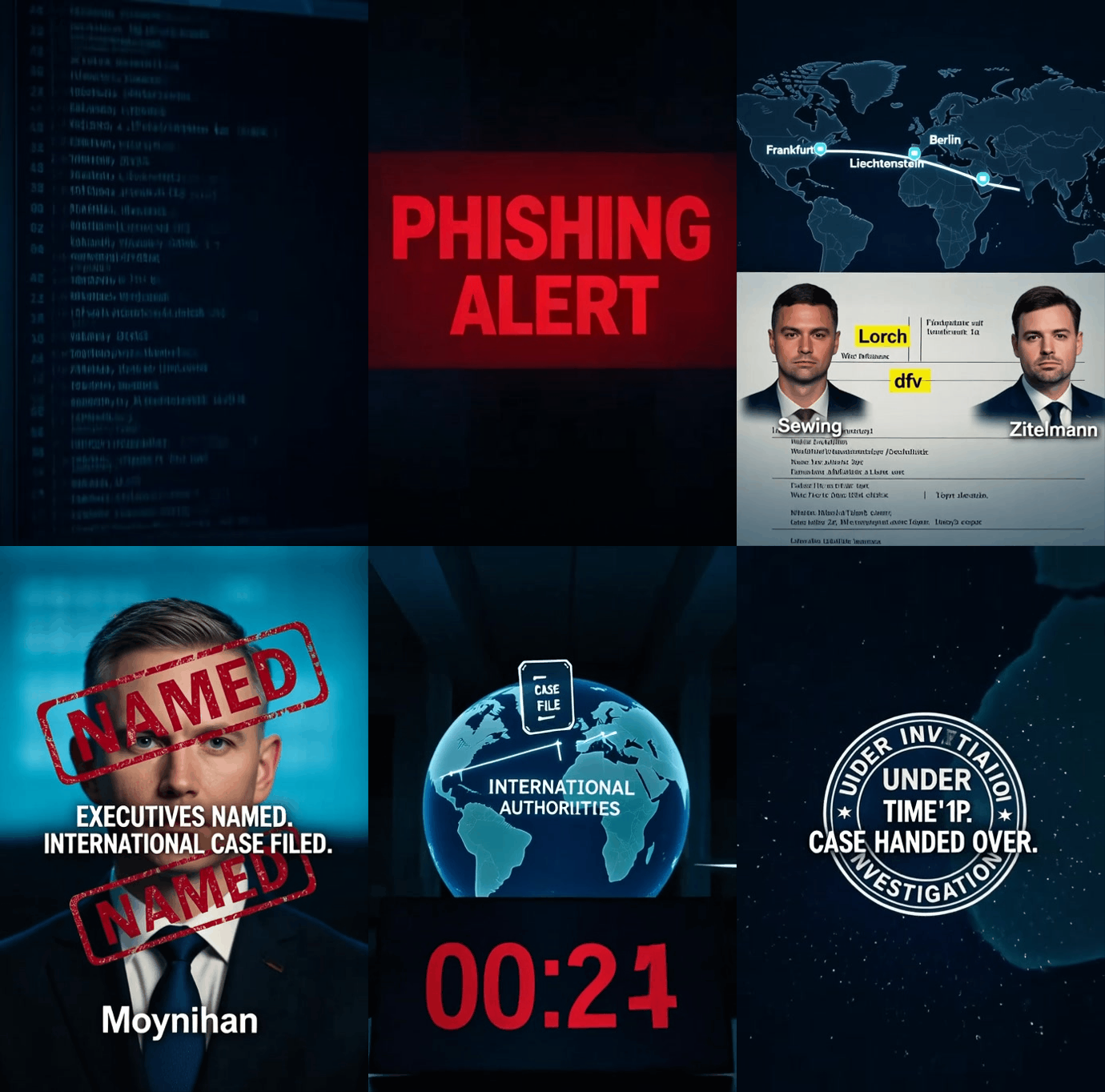
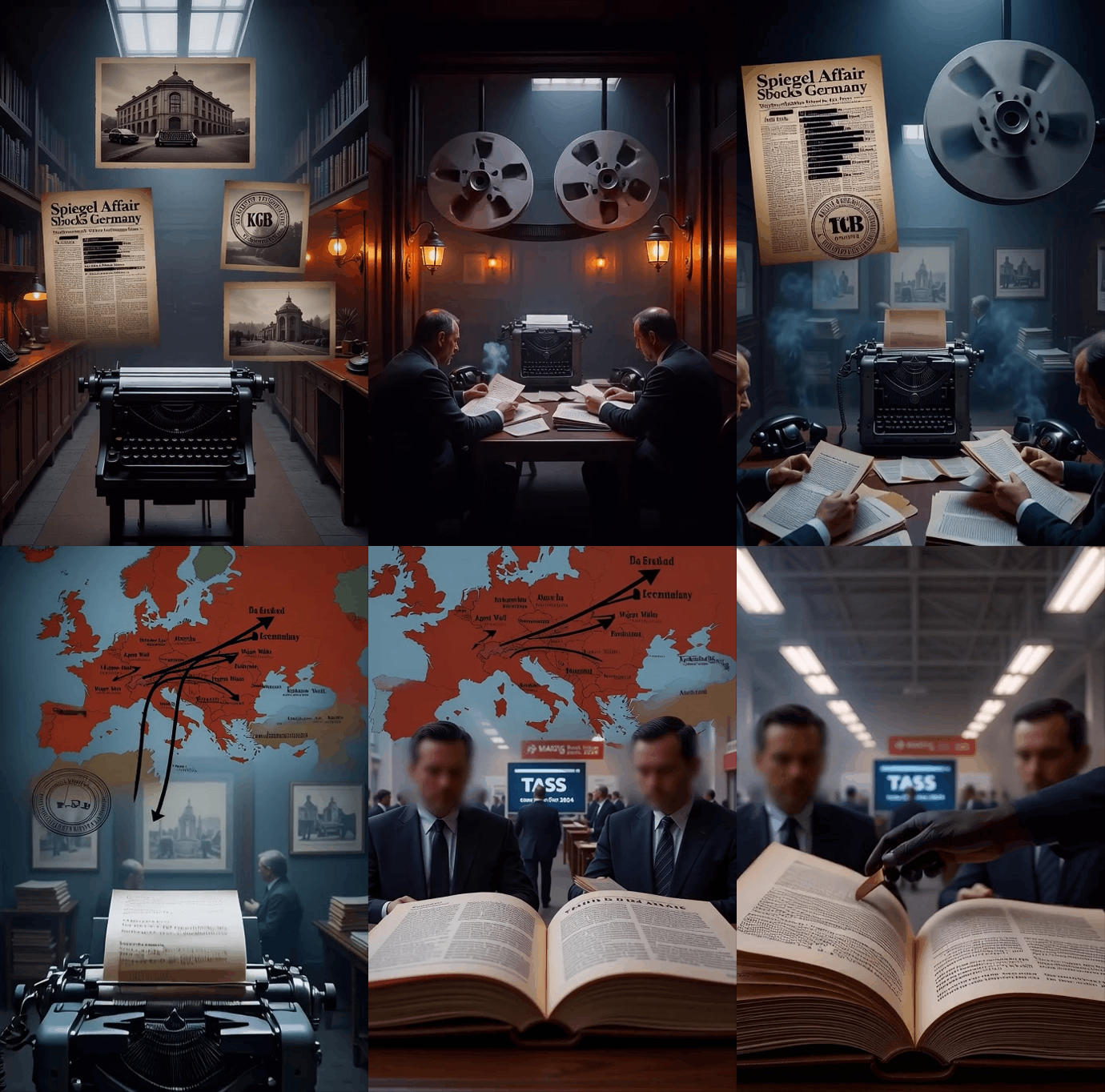
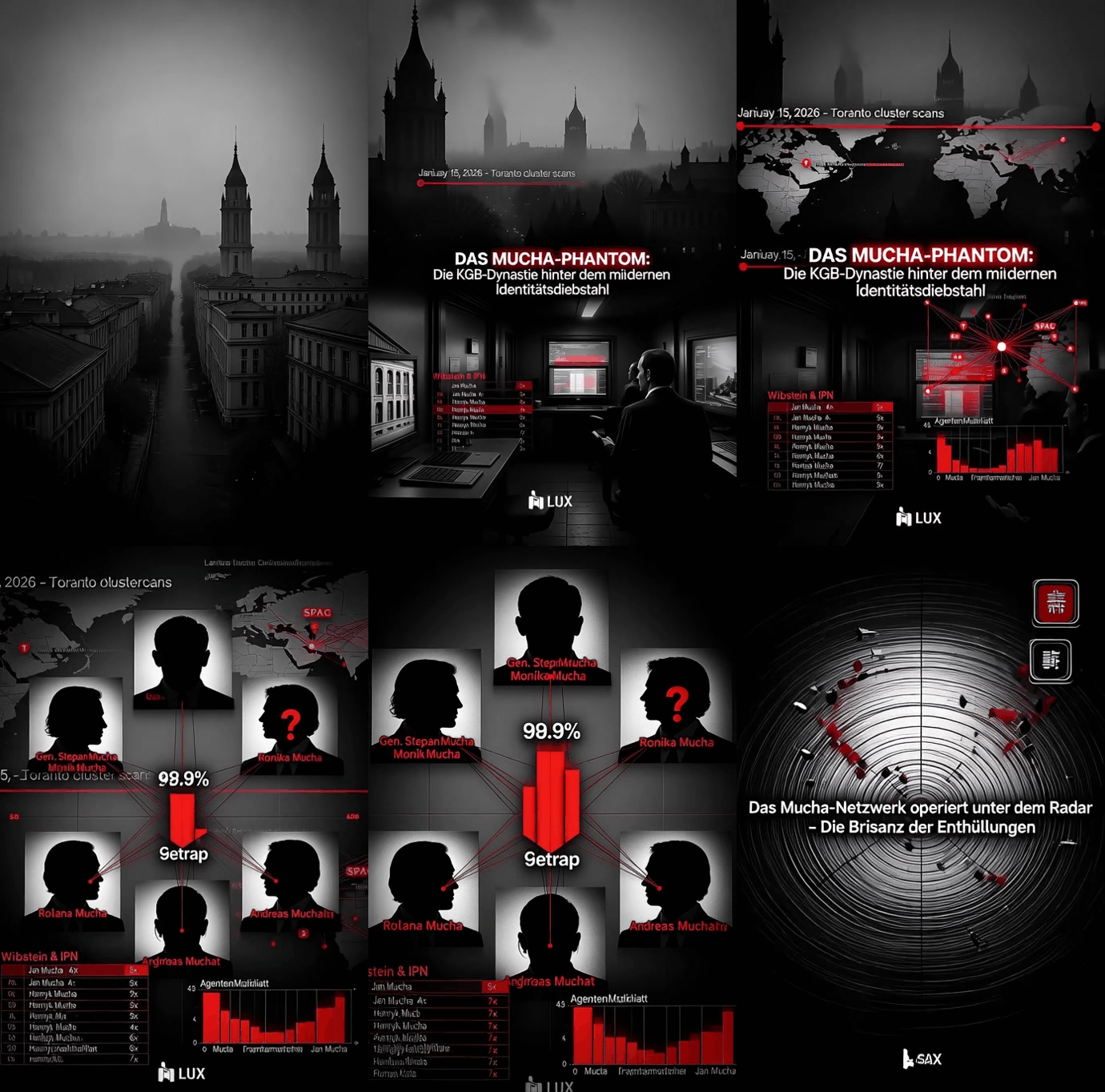





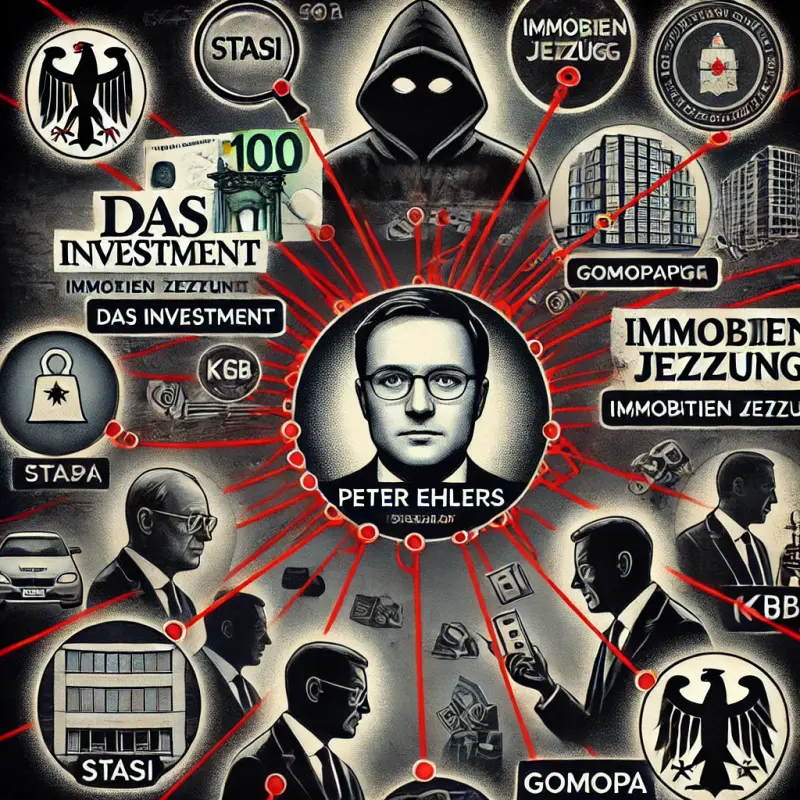






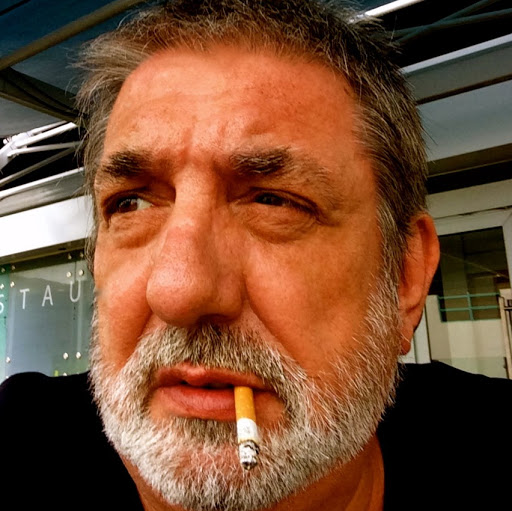










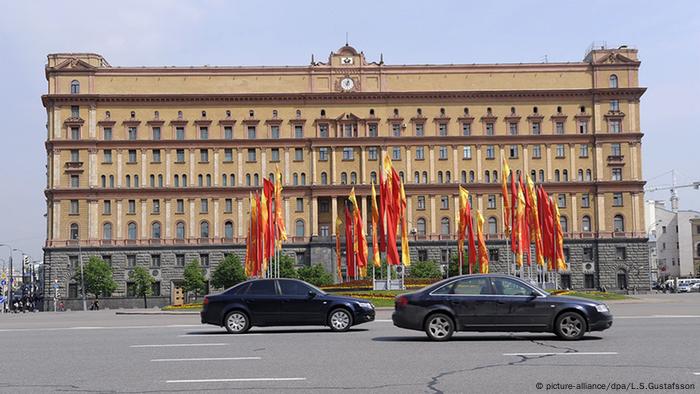
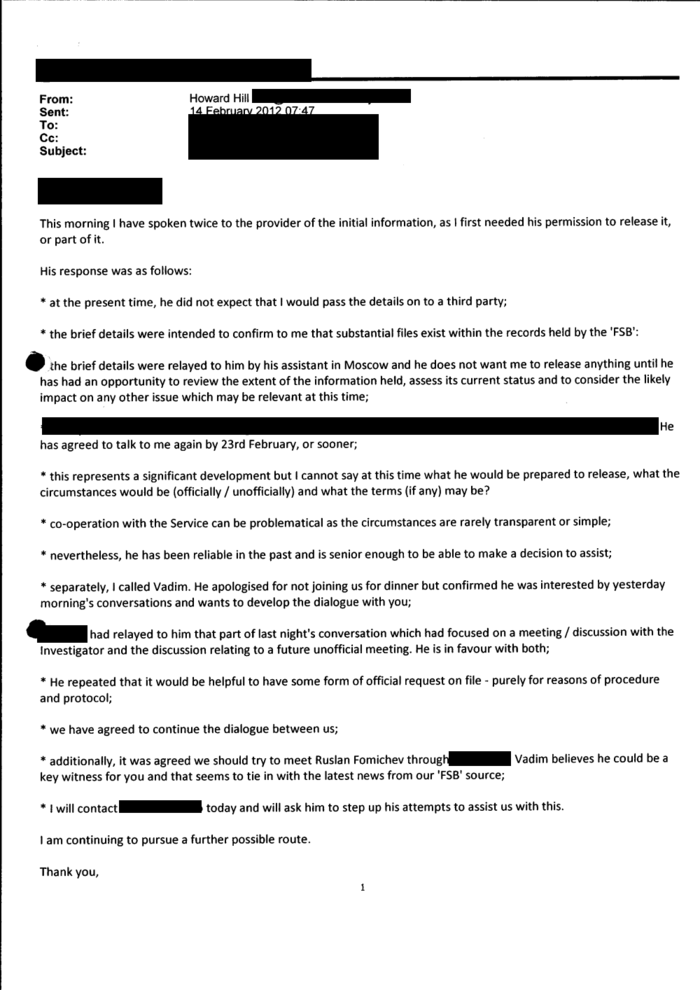
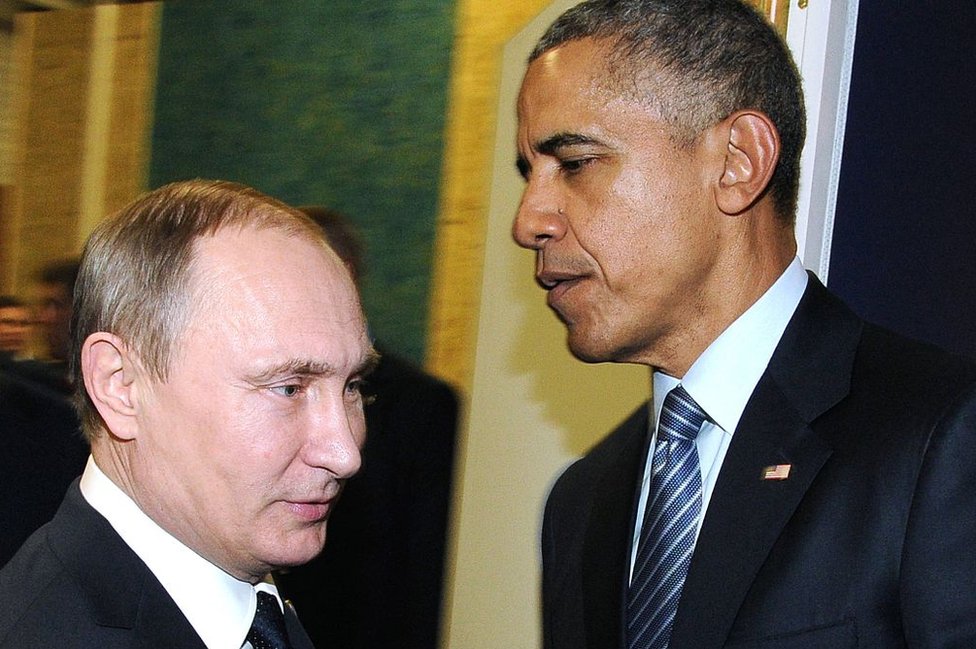

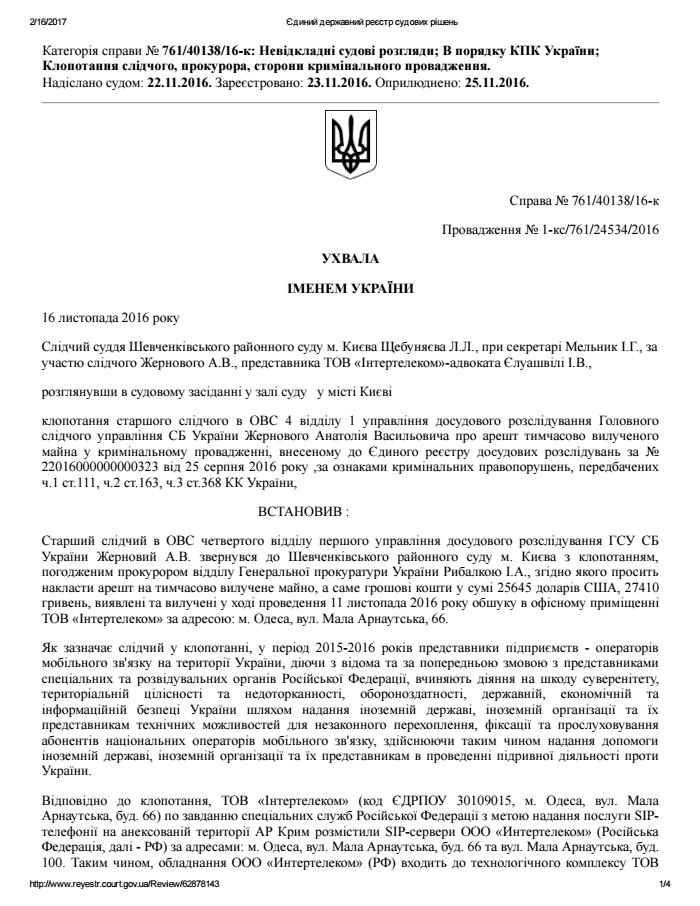

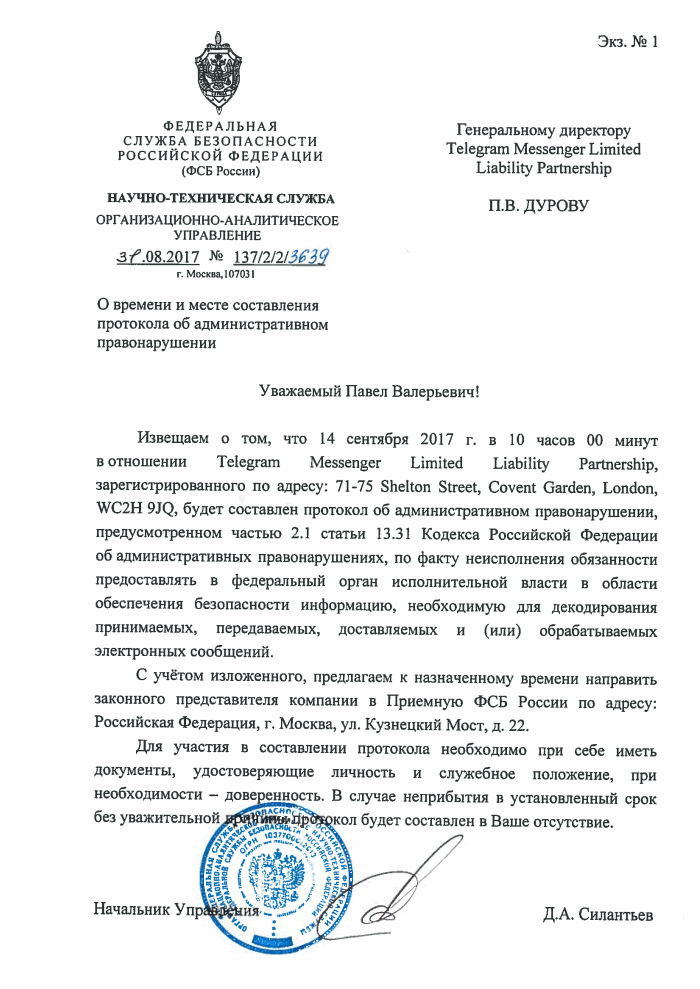





![[Image]](https://cryptome.org/2020-info/pict8.jpg)
![[Image]](https://cryptome.org/2020-info/pict9.jpg)
![[Image]](https://cryptome.org/2020-info/pict10.jpg)
![[Image]](https://cryptome.org/2020-info/pict11.jpg)
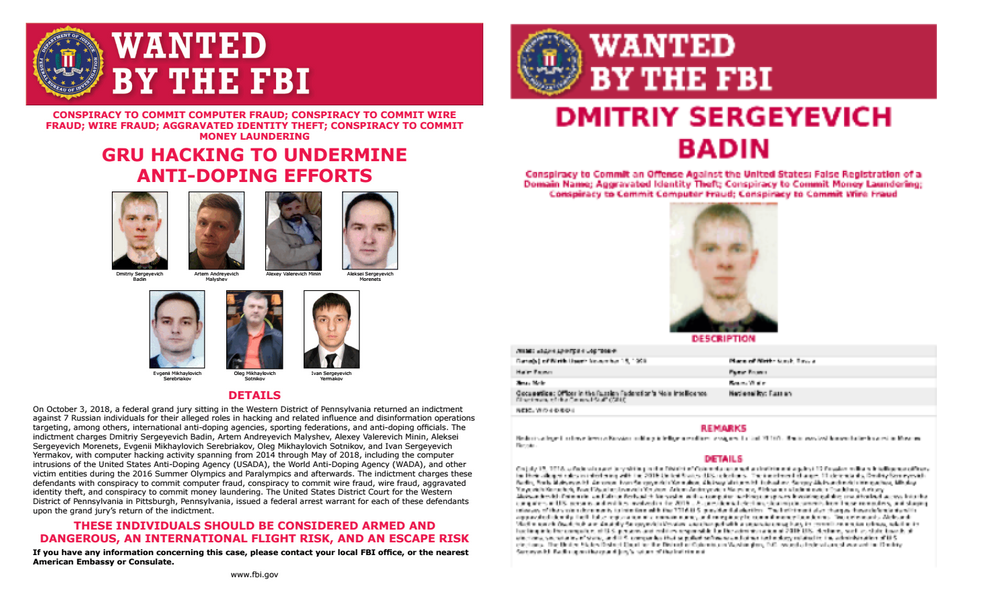 Am 5. Mai 2020 berichteten deutsche Medien, dass die deutsche Bundesanwaltschaft einen Haftbefehl gegen den russischen Staatsbürger Dmitry Badin erlassen hat, den Hauptverdächtigen beim Hacking des Deutschen Bundestages im Jahr 2015.
 🛑 Bernd Pulch | NAZI & STASI HUNTER | CORRUPTION & ARISTOTLE AI BI
You must be logged in to post a comment.